Meta Description: Discover the ultimate weekend escape to Seville, Spain! From flamenco nights to Moorish palaces, this guide gives you hidden gems, money-saving tips, transport hacks, and personal anecdotes. Perfect for travelers looking to explore Seville with confidence and fun.
Table of Contents
- Why Seville Should Be Your Next Weekend Escape
- Best Time to Visit Seville (and Avoid the Crowds)
- Getting Around Seville: Public Transport & Road Tips
- Top Attractions You Can’t Miss
- Hidden Gems Only Locals Whisper About
- Foodie Heaven: What to Eat in Seville
- Money-Saving Travel Tips for Seville
- Useful Spanish Phrases Every Traveler Needs
- Smart Travel Tips (SIM cards, insurance & more)
- FAQs: Seville Weekend Travel Guide
1. Why Seville Should Be Your Next Weekend Escape
Seville isn’t just a city—it’s Spain with extra sparkle. Picture this: orange trees shading narrow alleys, tapas bars buzzing until midnight, and flamenco dancers who look like they’ve been training since birth.
The city’s charm is magnetic—so magnetic that when I once tried to “just stop for lunch,” I ended up spending half the day in a family-run tapas joint debating with locals about whether Real Betis or Sevilla FC has the better stadium churros. (Yes, that’s a real debate!)
If you’ve loved exploring Madrid or Barcelona, then Seville will feel like their soulful, fiery cousin.
Alright, let’s be real. Your vacation days are precious, and the thought of spending half of them on complicated logistics is a nightmare. What you need is a city that delivers a massive punch of culture, food, and beauty in one perfectly packed weekend.
Ladies and gentlemen, I give you Seville.
This isn’t just another city in Spain; it’s a feeling. It’s the scent of orange blossoms on a warm breeze, the raw passion of a flamenco guitar spilling from a tucked-away tavern, and the golden glow of sunset on ancient palaces. I once got lost in the Santa Cruz neighborhood for a blissful hour, only to stumble upon a tiny square where locals were dancing Sevillanas like it was the most natural thing in the world. That’s the magic of Seville—it doesn’t feel like a museum, it feels alive.
So, grab your suitcase (and maybe a fan), because we’re diving into the ultimate 48-hour Seville adventure designed to maximize your time and minimize your stress.
Best Time to Visit Seville (and Avoid the Crowds)
- Spring (March–May): Perfect for festivals like Feria de Abril—imagine an entire city in party mode.
- Autumn (September–November): Cooler weather, fewer crowds, and cheaper stays.
- Summer (June–August): Unless you enjoy 40°C heat, avoid. Locals literally siesta for survival.
💡 Money-saving tip: Weekends in April spike in hotel prices—book early through Expedia for flexible deals.
Getting Around Seville: Public Transport & Road Tips
Seville’s historic core is walkable, but here’s the cheat sheet:
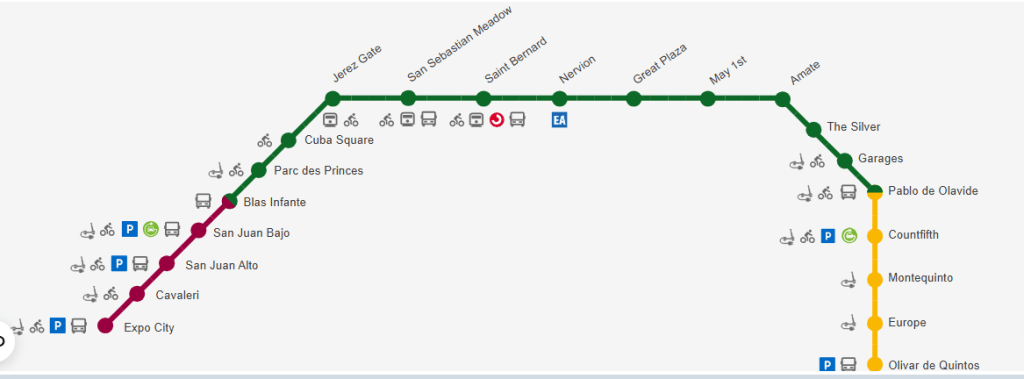
Flying In: Most international flights land at Seville Airport (SVQ). It’s a quick and easy 20-30 minute bus ride (the EA bus) into the city center, costing just a few euros. A taxi will cost around €25-€30.
- Bus: Cheap and reliable. A single ride is €1.40, but grab a rechargeable tarjeta multiviaje to save time and cash.
- Tram (MetroCentro): Runs from San Bernardo to Plaza Nueva, perfect if you’re tired of cobblestones.
- Metro: Only one line, but handy if you’re heading to Nervión for shopping.
- Bike: Sevici bike rentals are everywhere. Don’t worry—it’s flat, so your calves won’t mutiny.
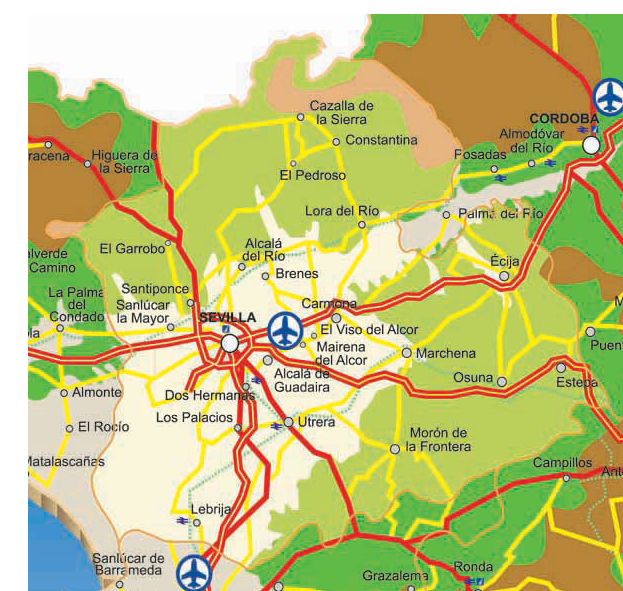
- Car: Only rent if you’re road-tripping out of town (like to Córdoba). Parking in the center? A nightmare.
- Road Tip: Highways like A-4 (to Córdoba/Madrid) and A-92 (to Granada) are smooth, but fill up gas outside the city—it’s cheaper.
Personal anecdote: I once tried to drive through Seville’s old town… let’s just say my rental car GPS had a nervous breakdown, and a kind abuela had to guide me out of a lane narrower than my luggage. Stick to walking.

Your Seville Weekend Itinerary: A Step-by-Step Guide
Day 1: Palaces, Tapas & Flamenco Soul
Morning (9:00 AM): The Real Alcázar. Do not, I repeat, do NOT come here without booking your tickets online in advance. The line for walk-ups can easily swallow two hours of your precious time. Trust me, I learned the hard way. This royal palace is a stunning mix of Moorish and Christian architecture, and its gardens are an oasis of calm. Pro Tip: The Game of Thrones fans will recognize the Water Gardens of Dorne!
Afternoon (1:30 PM): Lunch like a Local. Skip the tourist traps around the cathedral. Wander a few blocks away to the Calle Mateos Gago area. My favorite find was a tiny bar called El Rinconcillo, one of the oldest in the city. Point at the tapas behind the glass – the espinacas con garbanzos (spinach with chickpeas) is a Seville classic.
Evening (6:00 PM onwards): The Soul of Flamenco. Seville is the birthplace of Flamenco. For an authentic experience, avoid the big, expensive dinner shows. Head to the Triana neighborhood or the Calle Jeréz area for a peña (a flamenco club). The passion in these small, intimate settings is electric. It’s not just a performance; it’s a raw, emotional experience.
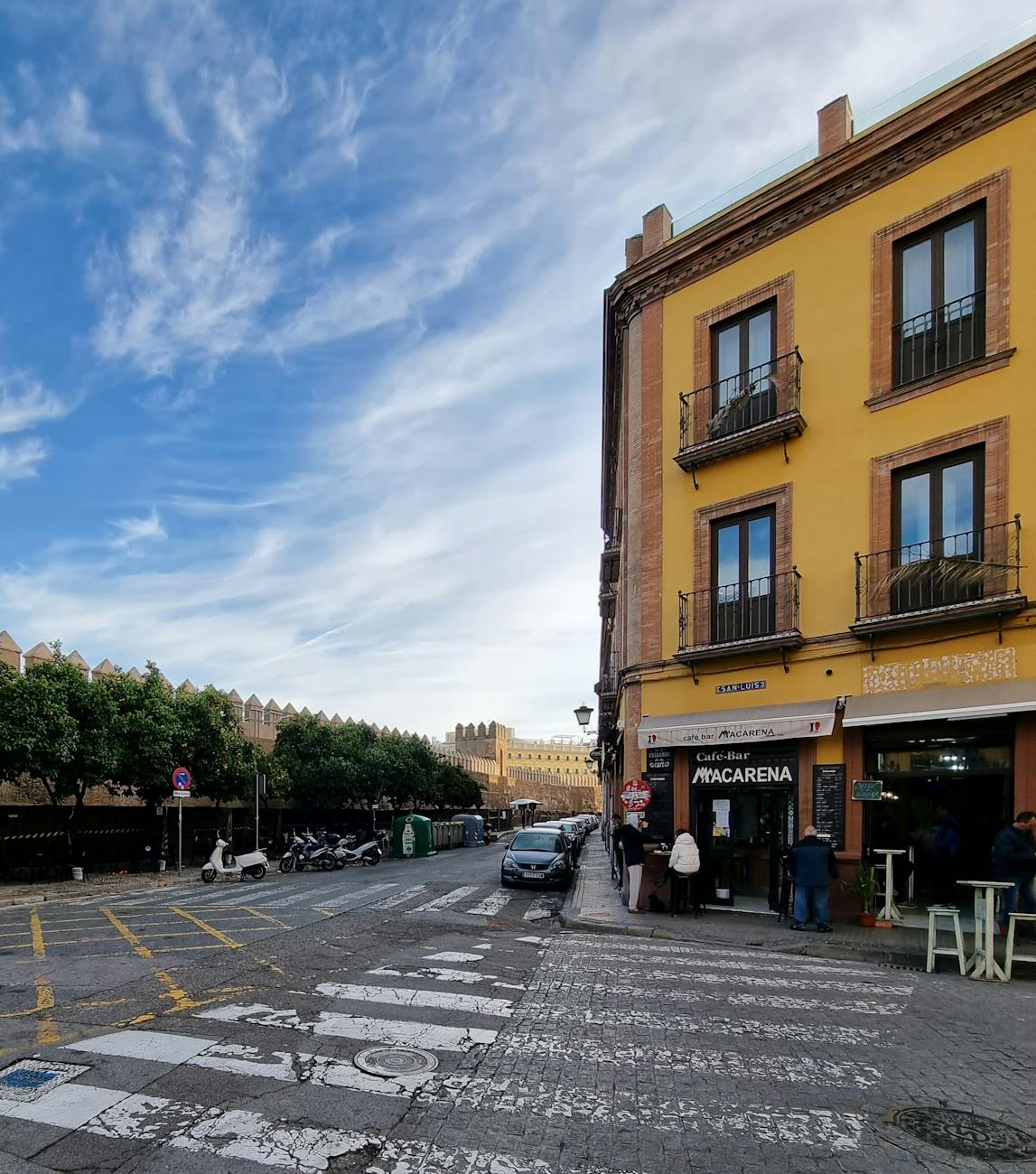


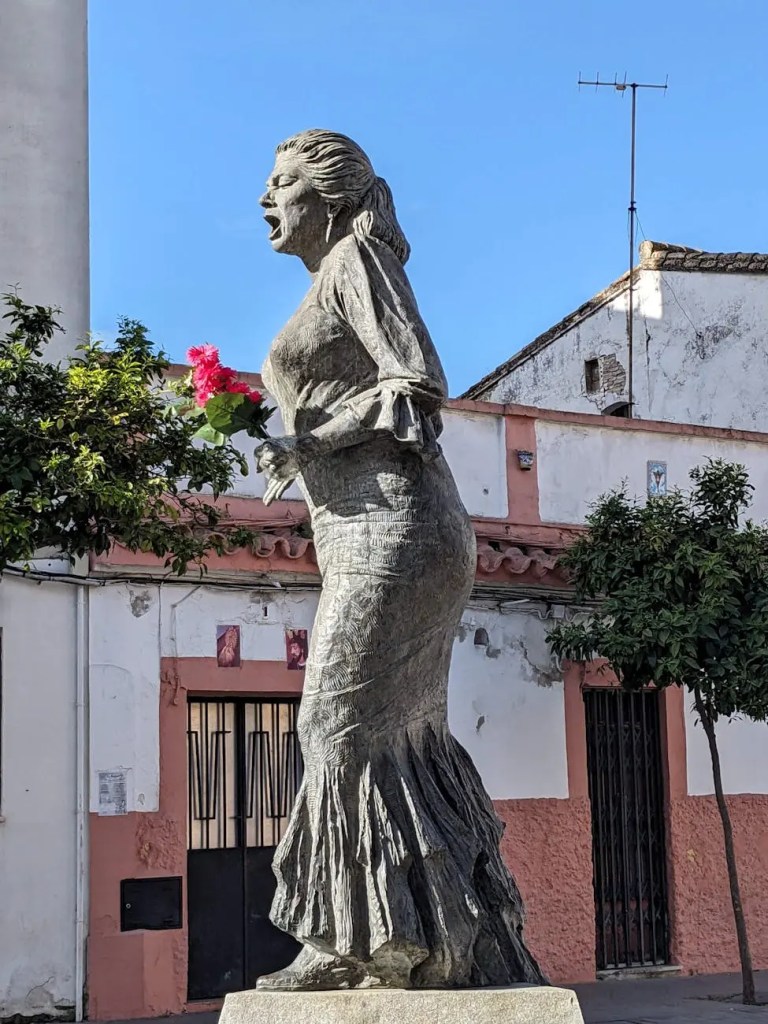
Day 2: Towers, Triana & Sunset Views
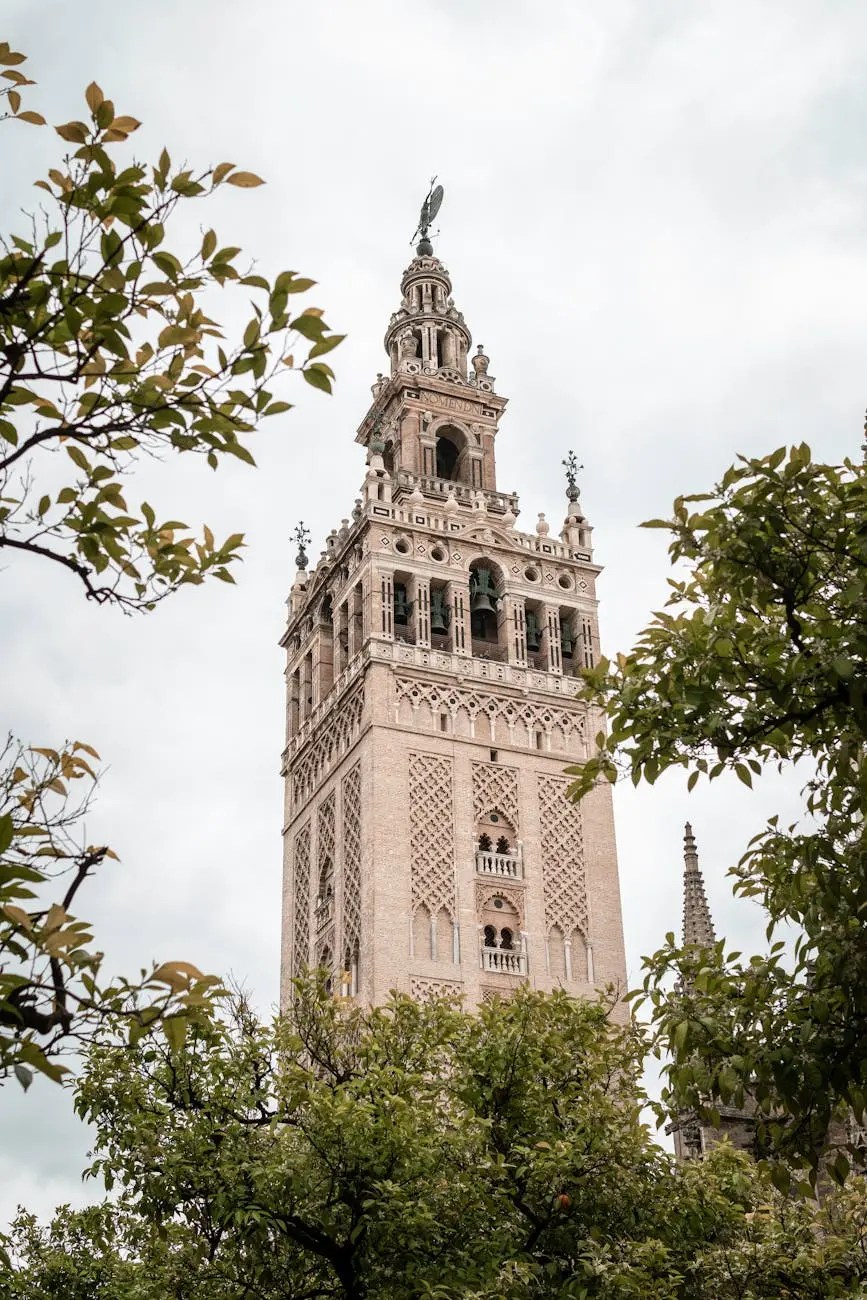
Morning (10:00 AM): Cathedral & La Giralda. Seville’s cathedral is the largest Gothic cathedral in the world. It’s massive. Instead of climbing a staircase to the top of the bell tower, La Giralda, you walk up a series of ramps—originally designed for guards on horseback! The view over the city is worth every step.
Afternoon (1:00 PM): Cross the River to Triana. This is my favorite hidden gem. Triana, across the Puente de Isabel II, is the historic home of flamenco, sailors, and ceramic artists. The vibe is more local, the prices are better, and the Mercado de Triana (Triana Market) is the perfect spot for a casual lunch. Grab a montadito (a small sandwich) and a caña (a small beer) and just watch the world go by.
Evening (Sunset): Rooftop Views. End your weekend on a high note—literally. There are several rooftop bars with stunning views of the cathedral. Hotel Doña María has a great one. Sipping a cocktail as the sun sets and the cathedral lights up is the perfect farewell to this incredible city.
Top Attractions You Can’t Miss
La Giralda Tower – Climb it for panoramic views that beat any postcard.
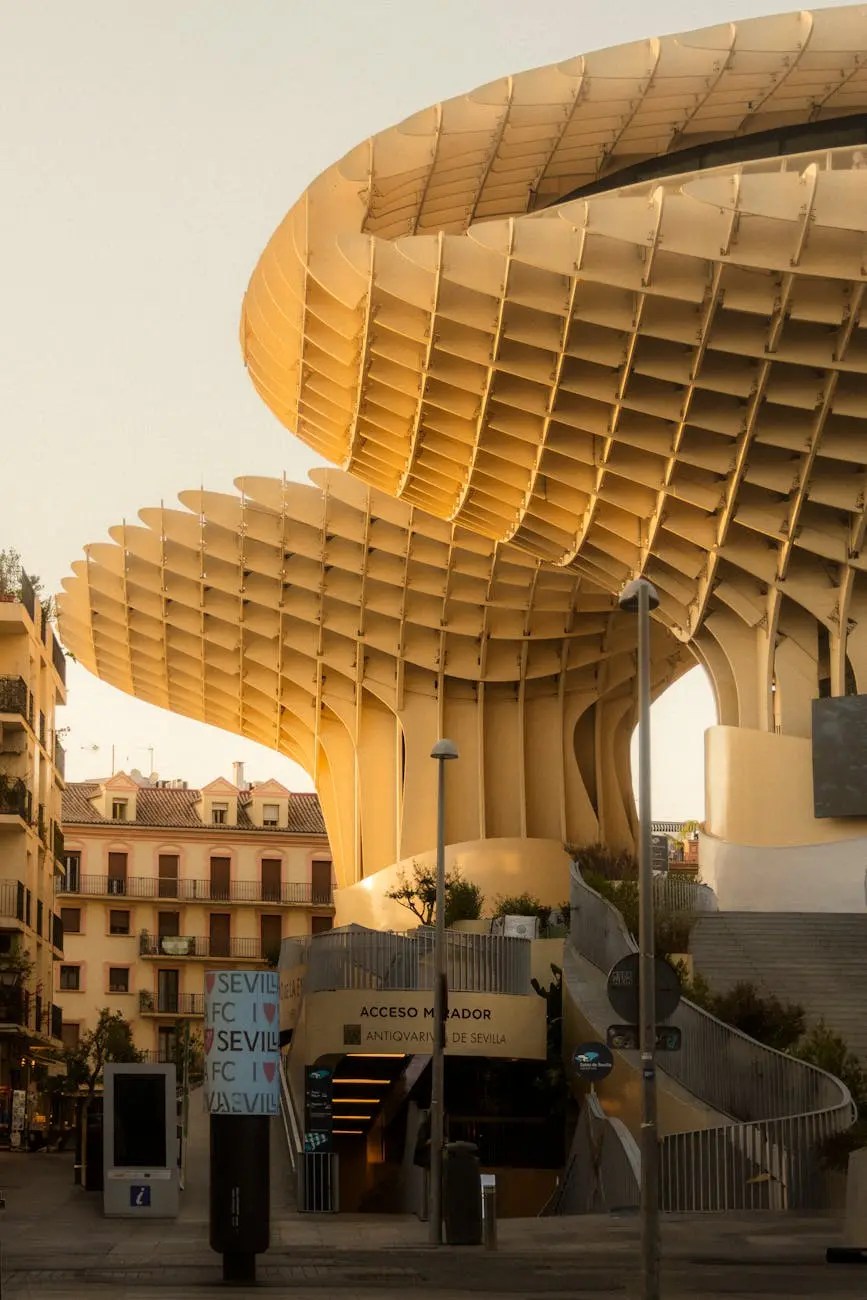
Metropol Parasol (Las Setas) – A giant wooden mushroom in the middle of the city. Bonus: great sunset shots for your travel camera.
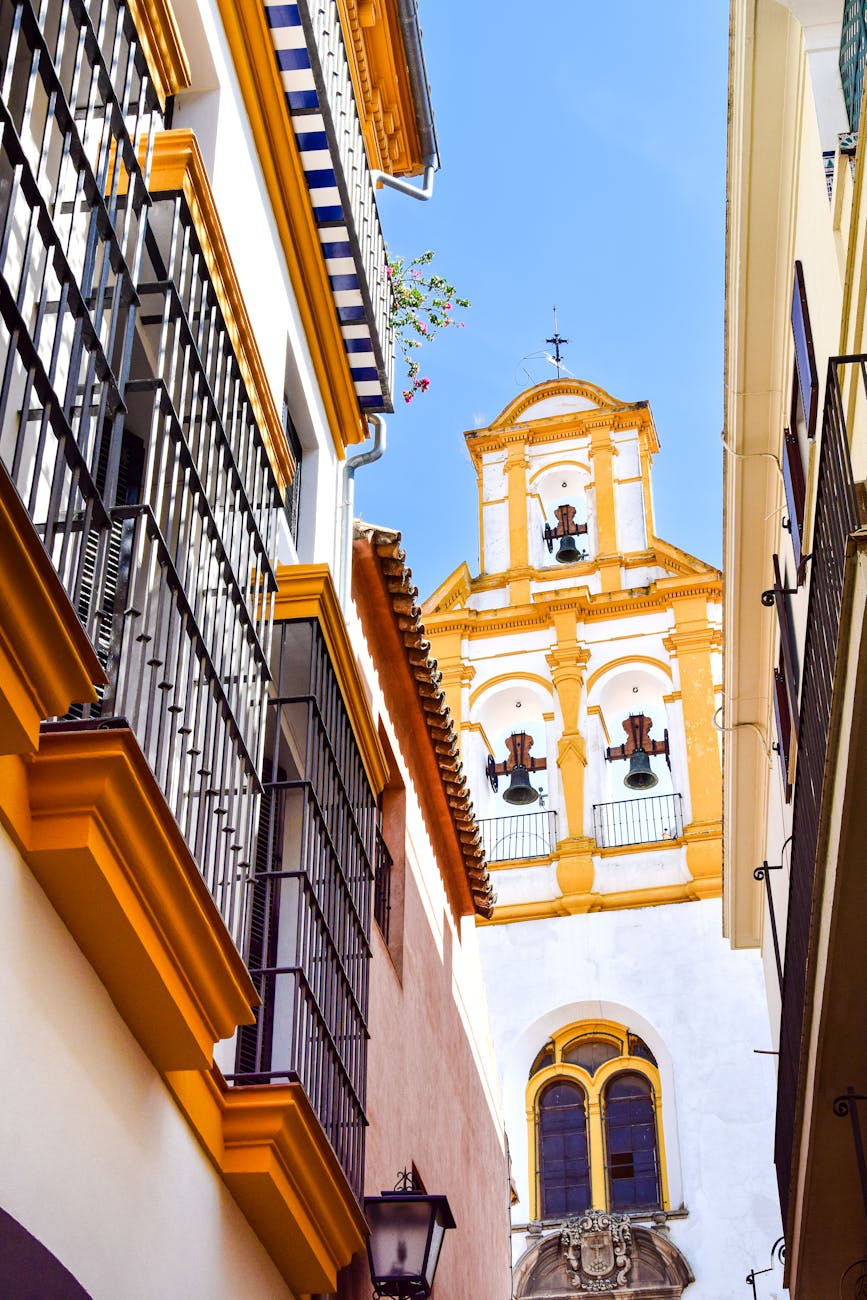
Barrio Santa Cruz – The old Jewish quarter, with winding alleys perfect for “getting lost on purpose.”
For art and history buffs, compare with my guide to Porto, Portugal—these two Iberian gems share a love for azulejos (ceramic tiles).
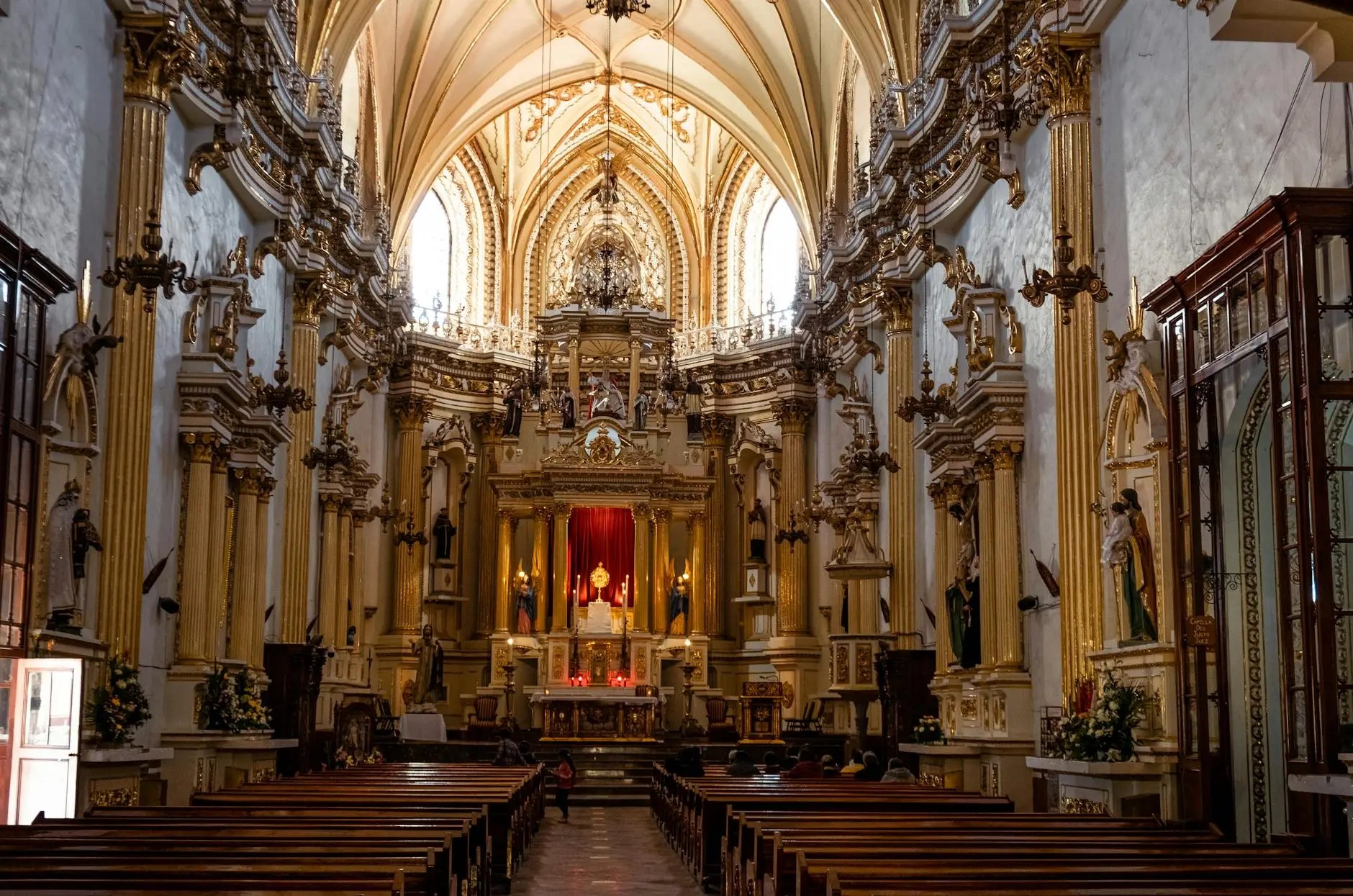

Hidden Gems Only Locals Whisper About
- Casa de la Memoria: An intimate flamenco show, miles better than the touristy big stages.
- Triana Market: Skip souvenirs—try goat cheese, olives, and jamón sold by locals.
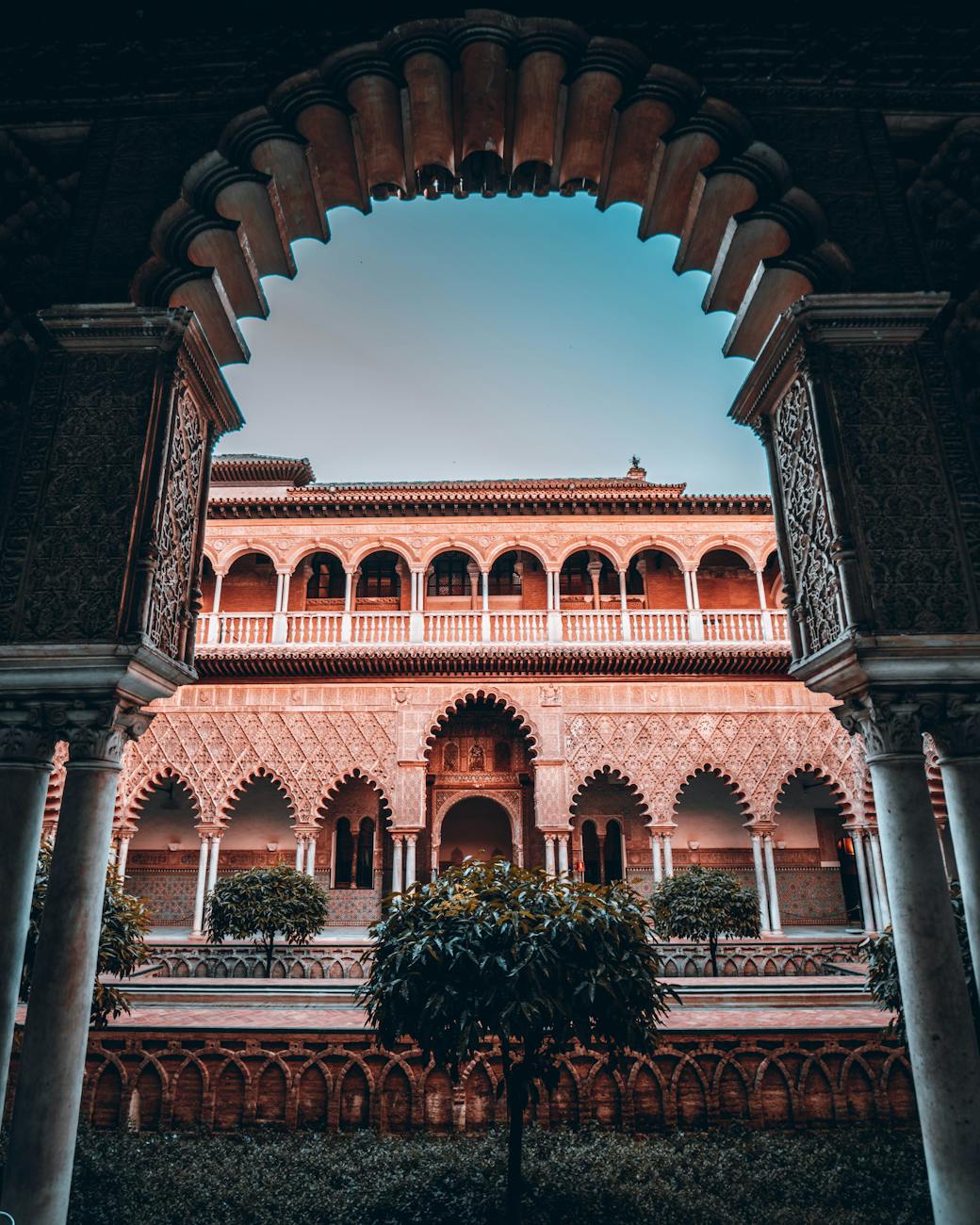
- Palacio de las Dueñas: A lesser-known aristocratic mansion dripping with Andalusian charm.
- Callejón del Agua: A shady alley perfect for escaping summer heat while feeling like you’ve stepped into a 19th-century novel.
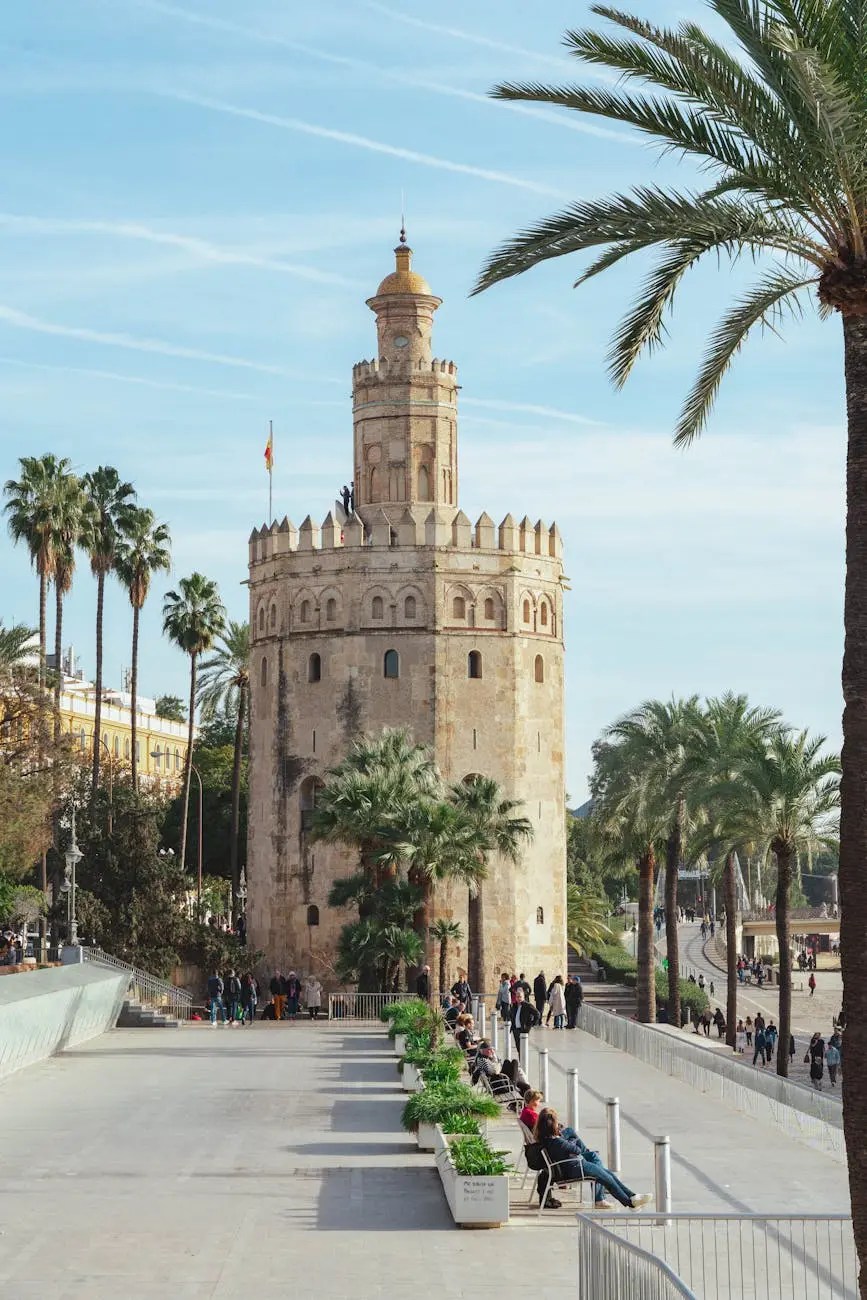
- Torre del Oro (Golden Tower) – A 13th-century watchtower on the banks of the Guadalquivir River. It once guarded Seville’s port and allegedly stored treasures from the Americas (hence the name “Golden Tower”). Today, it’s a naval museum and one of the best spots for a riverside stroll at sunset.
Money-Saving Tips & Hidden Gems
- Save on Water: Carry a reusable bottle. Seville has many public water fountains (fuentes) with perfectly safe drinking water. It’s a lifesaver in the heat!
- Free Tapas: Some bars still offer a free tapa with your drink, especially if you venture away from the main tourist squares. It’s worth asking, “¿La bebida viene con tapa?“
Essential Spanish Phrases for Travellers
- Hola (OH-la) – Hello
- Por favor / Gracias – Please / Thank you
- Una caña, por favor (OON-a CAN-ya) – A small beer, please (the most important phrase!)
- La cuenta, por favor – The bill, please
- ¿Dónde está…? (DON-day es-TAH) – Where is…?
- Perdón (per-DON) – Excuse me / Sorry
- ¿Dónde está el baño? – Where’s the bathroom?
- Perdona, estoy perdido/a – Excuse me, I’m lost
Gear Up for Your Trip: My Trusted Travel Tools
A smooth trip is all about the right gear and protections. Here’s what I never travel without:
- Stay Connected (Without the Bill Shock): I used to waste the first hour of every trip hunting for a SIM card. Not anymore. I use Drimsim, a global data SIM that works in over 190 countries. You just pop it in when you land, and you’re online. No contracts, no hidden fees. It’s a game-changer for navigating maps and finding last-minute tapas bars.
- Peace of Mind with Travel Insurance: A missed connection or a misplaced bag can ruin a trip. I always compare plans on VisitorsCoverage to find flexible, affordable coverage that fits my itinerary. It’s one less thing to worry about.
- Secure Your Connection with a VPN: Using public WiFi in hotels and cafes? Protect your personal data with a VPN. I’ve relied on NordVPN for years to keep my information safe and even access streaming services from back home.
- Capture the Magic: Seville is incredibly photogenic. To capture all the vibrant colors and intricate details, I swear by my trusty mirrorless camera. It’s lightweight but takes stunning, professional-quality photos.
🛡️ Traveler’s Rights Tip: Had a flight delay or cancellation on your way to Seville? You might be owed up to €600 in compensation! Most people don’t claim it, but services like AirHelp make it simple. They handle all the paperwork with the airline for you. I’ve used them successfully before—it’s stress-free and feels like finding money you didn’t know you had.
Seville Weekend Escape FAQ
Q: What is the best time of year to visit Seville?
A: Spring (March-May) and Fall (September-October) are ideal. The weather is perfect. Avoid July and August unless you have a personal desire to experience what it feels like to live inside an oven. It is intensely, overwhelmingly hot.
Q: Do I need a visa for Spain?
A: This depends on your nationality. Spain is part of the Schengen Area. Travelers from the EU, US, Canada, and Australia typically don’t need a visa for short stays. Always check the official government website for the most current requirements based on your passport.
Q: Is Seville expensive?
A: Compared to other major European cities like Paris or London, Seville is very affordable. You can enjoy fantastic meals and activities without breaking the bank, especially if you follow the local lead on where to eat and drink.
Q: How walkable is Seville?
A: Extremely. The historic center is compact, and walking is the best way to discover its hidden corners. Comfortable shoes are non-negotiable!
Ready to Fall in Love with Seville?
This city has a way of stealing your heart. With this plan, you’re all set for an unforgettable weekend of adventure. Now, all that’s left to do is book that flight!
Over to You!
This city has a way of stealing your heart. With this plan, you’re all set for an unforgettable weekend of adventure. Now, all that’s left to do is book that flight!
I’d love to hear from you!
What’s your dream Spanish destination? Have any Seville tips of your own to share? Or maybe a question I didn’t answer? Drop a comment below and let’s chat!
Ready to Fall in Love with Seville?
Find the Best Flight Deals to Seville Here!
What’s your dream Spanish destination? Have any Seville tips of your own? Share them in the comments below!
 Home Home sweet sweet home
4 thoughts on “Ultimate Weekend Guide to Seville, Spain”