Meta Description
Planning a weekend escape to Granada, Spain? This human‑written travel guide is crafted for curious travelers who want history, hidden gems, smart logistics, and money‑saving tips. SEO‑ and GEO‑optimized, packed with personal anecdotes, transport hacks, ferry options, affiliate deals, and insider advice to help you explore Granada confidently without wasting time or cash.
Ah, Granada. A city where the scent of orange blossoms mixes with the sound of flamenco drifting from a cave, where you can stand in a fortress built by sultans and watch the sunset over snow-capped mountains. I went for a long weekend, convinced I was just ticking the majestic Alhambra off my list. I left with my soul feeling fuller, my camera overflowing, and a profound belief that the best things in life are often free (hello, complimentary tapas!). This guide is your blueprint for an unforgettable, efficient, and deeply enriching weekend in this crown jewel of Andalusia.
Granada is the kind of city that sneaks up on you. One minute you’re admiring intricate Islamic tiles at the Alhambra, the next you’re eating free tapas with your drink and wondering why life doesn’t always feel this balanced. Tucked against the Sierra Nevada mountains in southern Spain, Granada blends Moorish history, student energy, and slow Andalusian charm—perfect for a long weekend that feels much longer (in the best way).
I still remember my first evening here: getting slightly lost in Albaicín, following the sound of a street guitarist, and accidentally discovering a viewpoint that made me forget my phone even existed. Granada does that to you.
Table of Contents
- Why Granada Is Perfect for a Weekend Escape
- Getting to Granada (Flights, Trains, Buses & Roads)
- Getting There by Ferry (Direct Ferries Guide)
- Getting Around Granada Like a Local
- Where to Stay (Smart Areas for First‑Timers)
- What to See in a Weekend (With Hidden Gems)
- Food, Tapas & Local Experiences
- Money‑Saving Tips for Granada
- Handy Spanish Words You’ll Actually Use
- Stay Connected, Protected & Stress‑Free Abroad
- FAQs for First‑Time Travelers
- Final Thoughts + Strong CTA
Why Granada Is Perfect for a Weekend Escape
Granada is compact, walkable, and endlessly atmospheric. You don’t need weeks here—48 to 72 hours is enough to see the highlights, slow down, and still leave wanting more. Compared to Barcelona or Madrid, prices are gentler, crowds feel manageable (especially if you plan smartly), and the culture feels deeply rooted rather than rushed.
It also pairs beautifully with nearby destinations—something I often recommend to travelers exploring Andalusia. If you’ve enjoyed historic city breaks before, you might also like Seville, Valencia, or Naples (all linked in my Travel Master List for easy planning)
Getting to Granada (Flights, Trains, Buses & Roads)
✈️ By Air
Granada has its own airport (GRX), but flights are limited. Most travelers fly into Málaga (AGP), which is well‑connected internationally and often cheaper.
Granada is inland, nestled at the foot of the Sierra Nevada mountains. While it has its own airport (GRX), it’s not a major international hub.
By Air: Federico García Lorca Granada-Jaén Airport (GRX) is about 17 km west of the city. It has good connections to major Spanish cities (Madrid, Barcelona) and some European hubs. The Alhambra Bus runs directly to the city center in about 45 minutes
👉 I usually compare flight + hotel bundles on Expedia because flexible cancellations have saved me more than once: 👉 Flights to Granada
Where to Stay
- City Center: Best for first‑timers
- Albaicín: Romantic, historic, unbeatable views
- Realejo: Lively, local, and great for tapas
I usually filter stays on Expedia for “guest rating + location”—it’s saved me from booking regret more than once.
🚆 By Train
By Train: The high-speed AVE train from Madrid to Granada takes about 3.5 hours and is a comfortable, scenic option. The station is well-connected to the city by bus and taxi.
From Málaga to Granada by train takes about 1h 15m–1h 30m. Renfe trains are comfortable, reliable, and surprisingly scenic once you leave the coast.
🚌 By Bus
ALSA buses run frequently from Málaga, Seville, and Córdoba. It’s budget‑friendly and often just as fast as the train.
By Bus: Often the most economical and well-connected option from other Andalusian cities. Companies like ALSA run frequent services from Seville, Málaga, and Córdoba. The main bus station is a short taxi ride from the center.
🚗 By Car (Road Tips)
Driving from Málaga to Granada takes around 1.5 hours via the A‑92. Roads are excellent, signage is clear, and fuel stops are frequent. Tip: avoid entering the Albaicín by car—streets are narrow and parking is… let’s say “character‑building.”
Getting There by Ferry (Direct Ferries Guide)
By Ferry: Here’s the important note: Granada itself does not have a ferry port as it is not on the coast. However, if you’re dreaming of a combined Spain trip with a ferry ride, your best bet is to sail into the nearby Port of Málaga or Almería. From these ports, you can easily rent a car or catch a direct bus (approx. 1.5-2 hours) to Granada. To check schedules and book ferry tickets to southern Spain from places like Morocco or the Balearic Islands, a great resource is Direct Ferries.
Granada itself doesn’t have a port, but ferry lovers aren’t left out.
The closest major ferry port is Málaga, which connects with routes from Morocco (Melilla) and seasonal Mediterranean crossings. You can:
- Take a ferry to Málaga
- Continue to Granada by train, bus, or car
To compare ferry routes, schedules, and prices, I recommend Direct Ferries—it’s the easiest way to see what’s actually running when you need it.
This combo works brilliantly if you’re mixing Spain with North Africa or doing a slower, more scenic Mediterranean journey.
Granada at a Glance: What You Need to Know
Granada is the dramatic finale of the Reconquista in Spain’s south. Its crown jewel, the Alhambra, is a sprawling palace and fortress complex that is a UNESCO World Heritage site and one of the most visited monuments in the world. But the city is more than just one site; it’s a layered experience of Moorish history, vibrant gypsy culture, and student energy.
- Currency: Euro (€).
- Language: Spanish. English is common in tourist areas, but a few basic phrases go a long way (see our guide below!).
- Visa: For most US, Canadian, UK, and Australian travelers, no visa is required for tourist stays under 90 days within the Schengen Area. Always check the latest requirements with official sources before booking.
- Best Time to Visit: Spring (April-June) and Fall (September-October) offer pleasant weather and fewer crushing crowds. Summer is fiercely hot, and winter can be surprisingly cold in the mountains.
- City Vibe: Historic, passionate, youthful, and delightfully chaotic.
Getting Around Granada Like a Local
Granada is wonderfully walkable, especially the city center.
- 🚶 Walking: Best for Albaicín, city center, and viewpoints
- 🚍 Buses: Cheap and efficient—use buses C1 and C2 for hills
- 🚕 Taxis: Affordable for short trips
I saved time (and my knees) by using buses uphill and walking downhill—simple, smart, and budget‑friendly.
Your Strategic Weekend Itinerary
This plan maximizes your time, balancing iconic sights with local flavor.
Day 1: The Majesty of the Alhambra & Albayzín Twilight
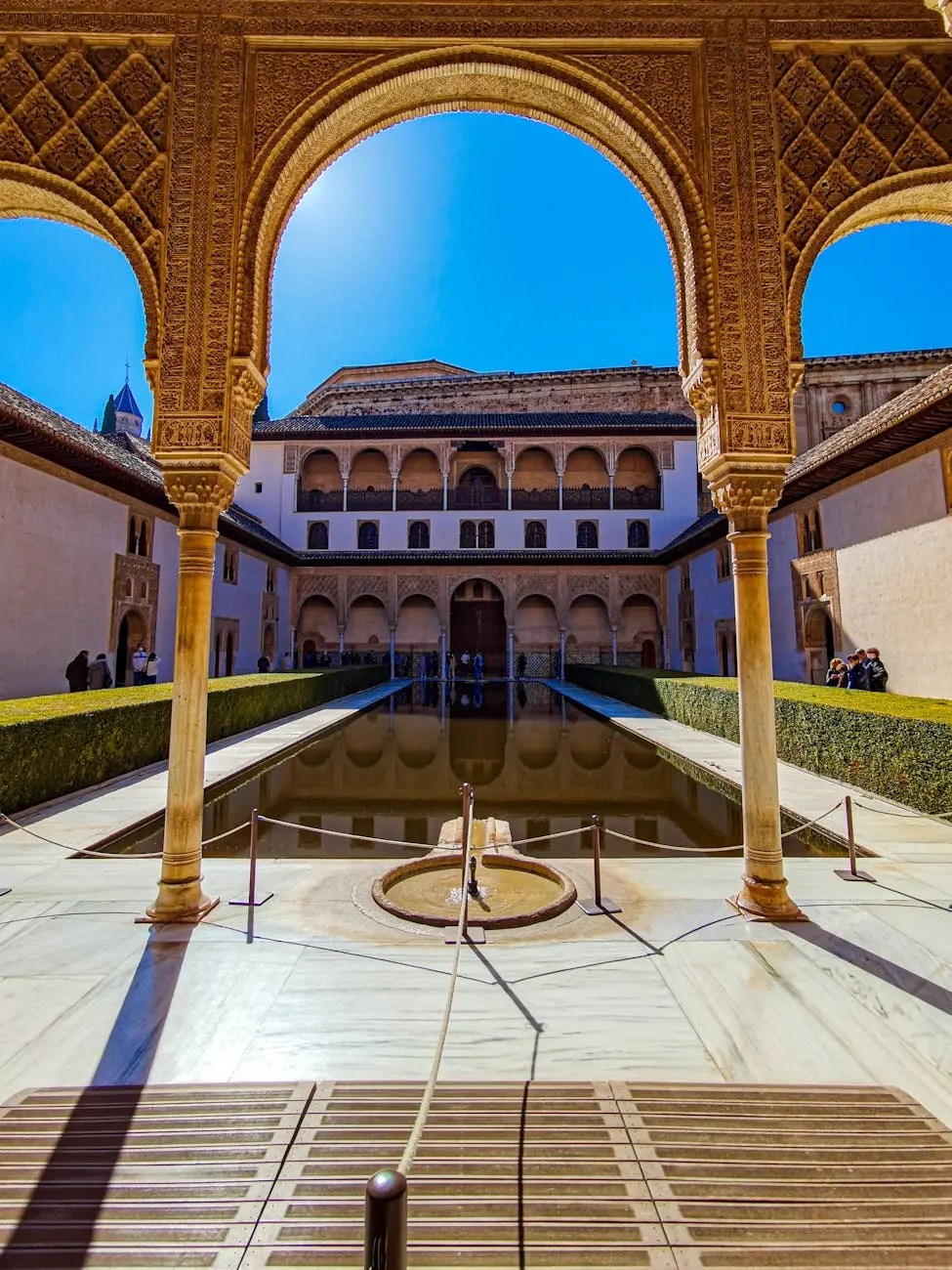
- Morning (9:00 AM): THE ALHAMBRA. BOOK YOUR TICKETS ONLINE MONTHS IN ADVANCE. I cannot stress this enough. Tickets for the Nasrid Palaces are for a strict 30-minute entry window—miss it and you’re out of luck. Spend 3-4 hours exploring the intricate palaces, rugged Alcazaba fortress, and serene Generalife gardens.
| ALHAMBRA (Expedia) | ALHAMBRA (Get Your Guide) |
- Afternoon (2:00 PM): Lunch in Realejo, the old Jewish quarter. Find a small bar for a ración of local cheese or grilled vegetables.
| Realejo (Expedia) | Realejo (Get Your Guide) |
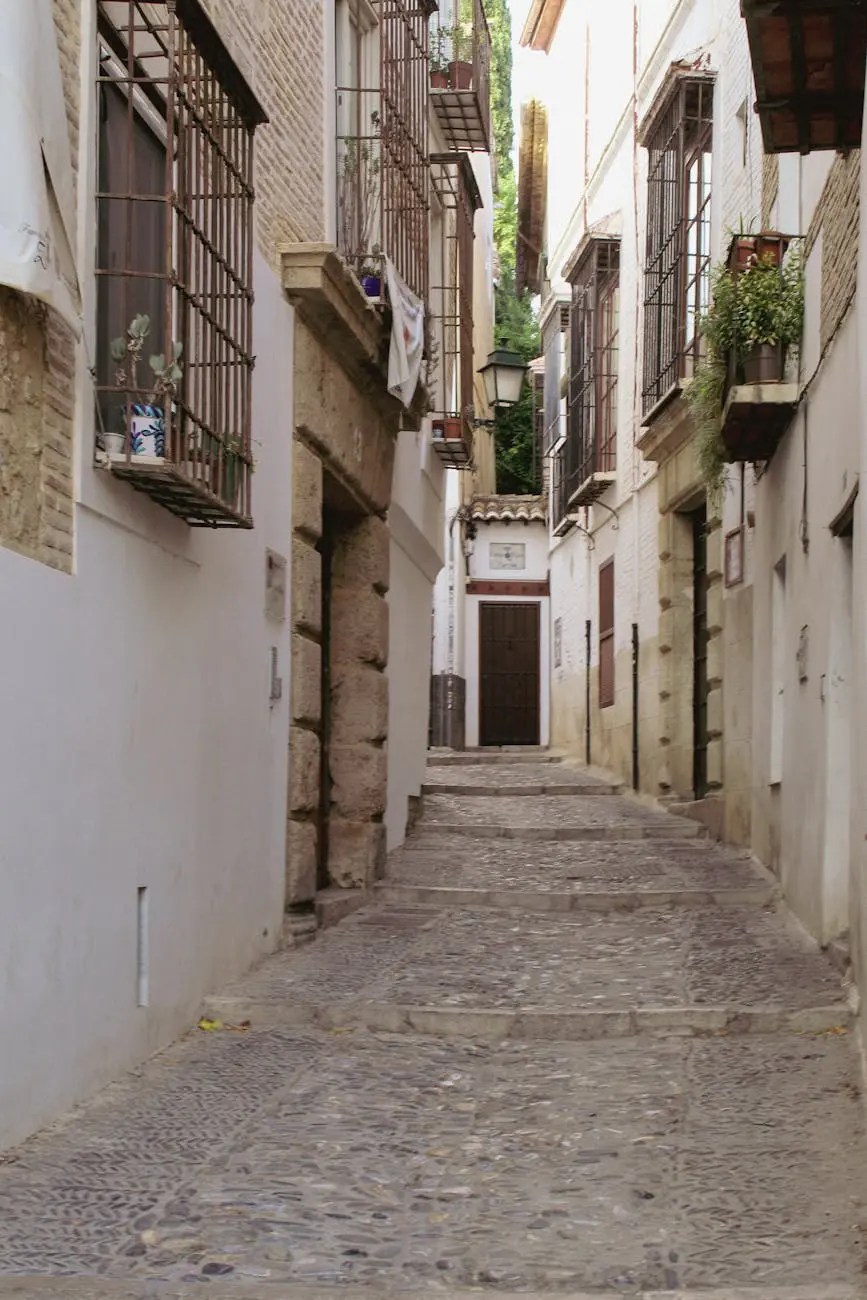
- Late Afternoon (5:00 PM): Walk up into the Albayzín, the ancient Moorish quarter. Get lost in its cobblestone lanes, whitewashed houses, and hidden cármenes (walled gardens). Make your way to the Mirador de San Nicolás for the classic, breathtaking view of the Alhambra against the Sierra Nevada.
| Albayzín (Expedia) | Albayzín (Get your guide) |
- Evening (9:00 PM): Dinner and flamenco. Skip the expensive, staged shows for a more authentic tablao in the Sacromonte cave district. The raw passion here is electric.

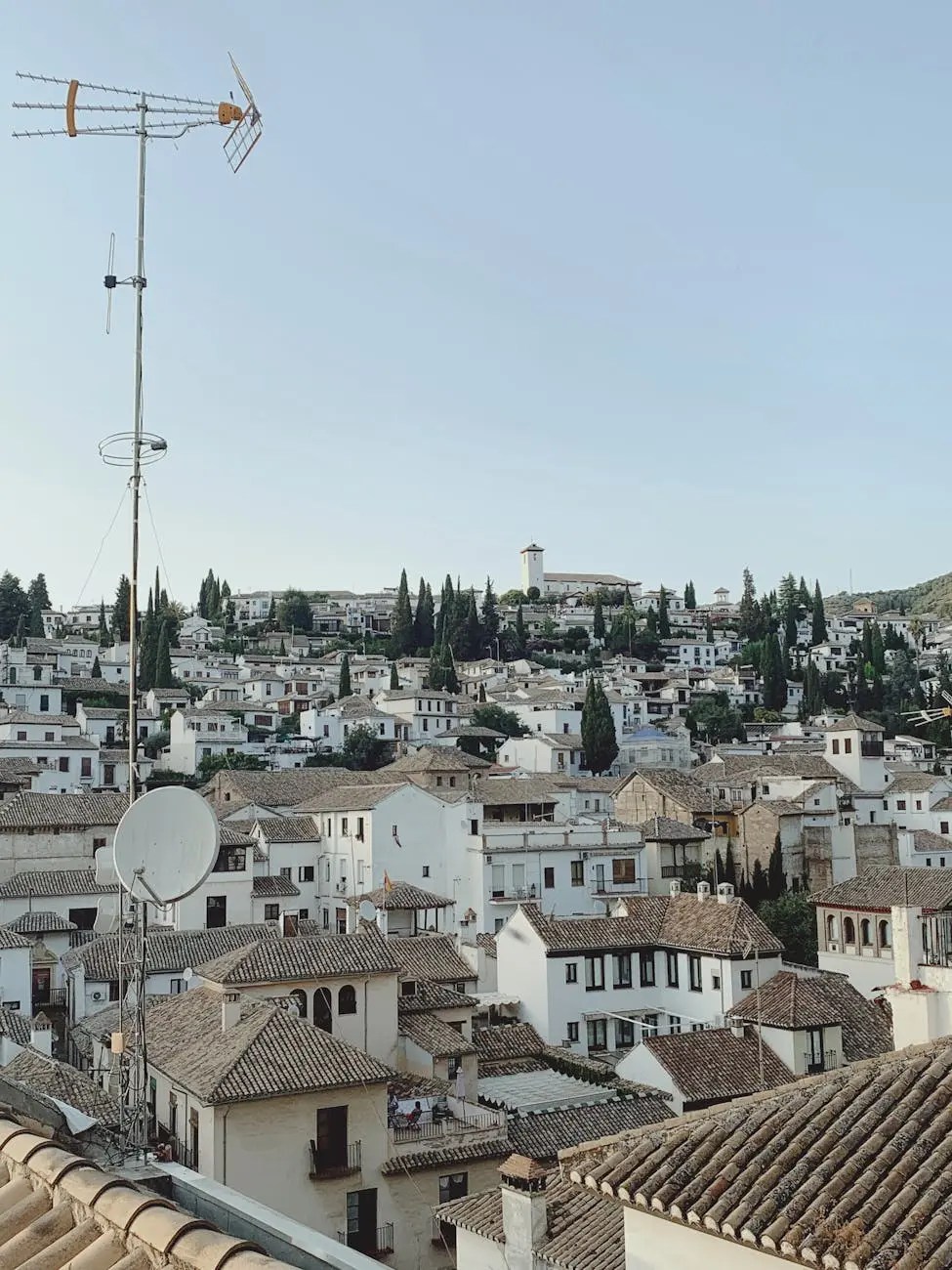

Day 2: Cathedral Grandeur, Local Markets & Tapas Trail
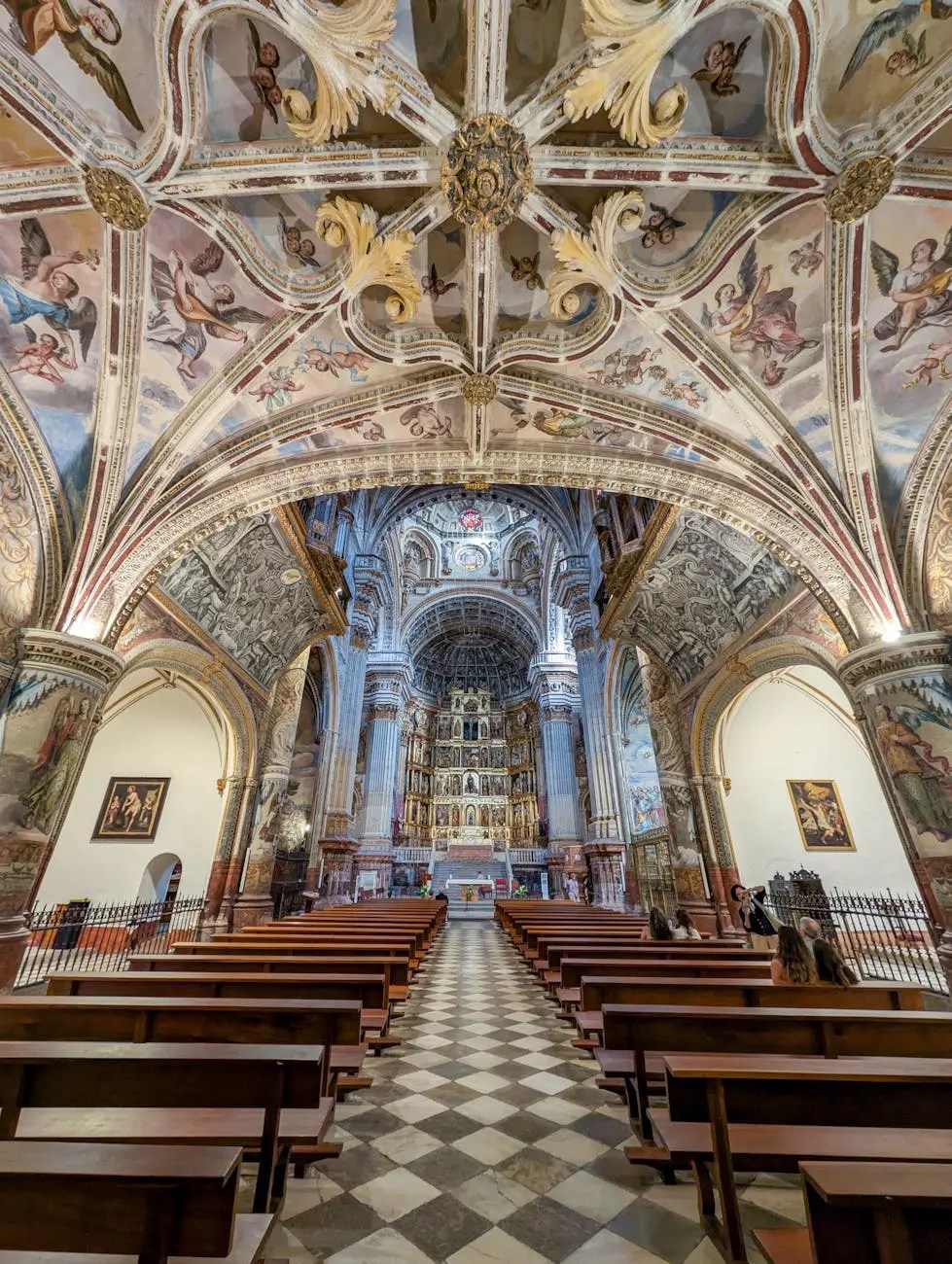
- Morning (10:00 AM): Visit the Royal Chapel (Capilla Real), the final resting place of the Catholic Monarchs, Ferdinand and Isabella. Then, explore the colossal Granada Cathedral right next door.
| Royal Chapel (Expedia) | Royal Chapel (Get Your Guide) |
| Granada Cathedra (Expedia) | Granada Cathedra (Get your guide) |
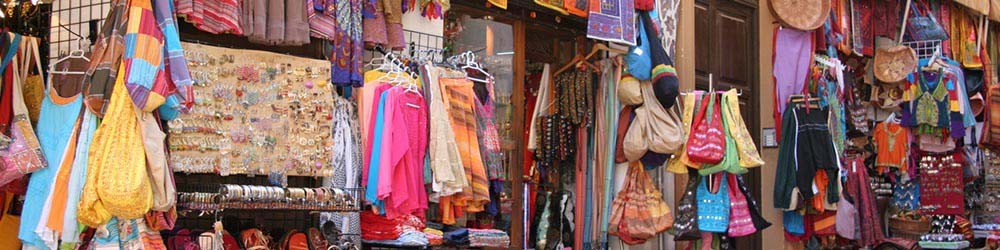
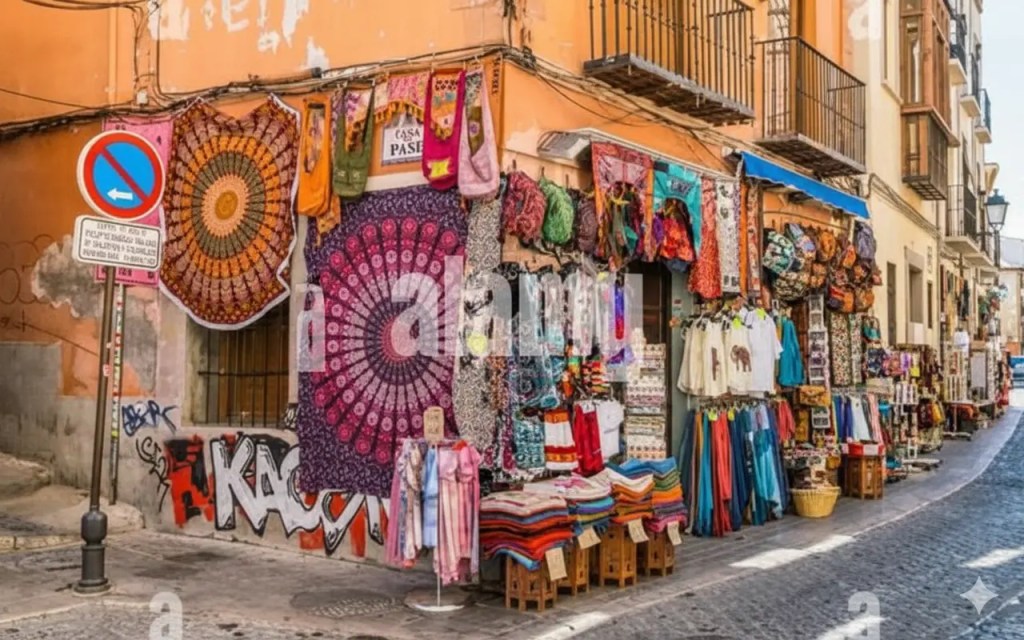
- Afternoon (1:00 PM): Wander through the Alcaicería, a maze of narrow streets that was once the Moorish silk market. It’s now full of shops selling spices, ceramics, and lamps.
| Alcaicería (Expedia) | Alcaicería (Get your Guide) |
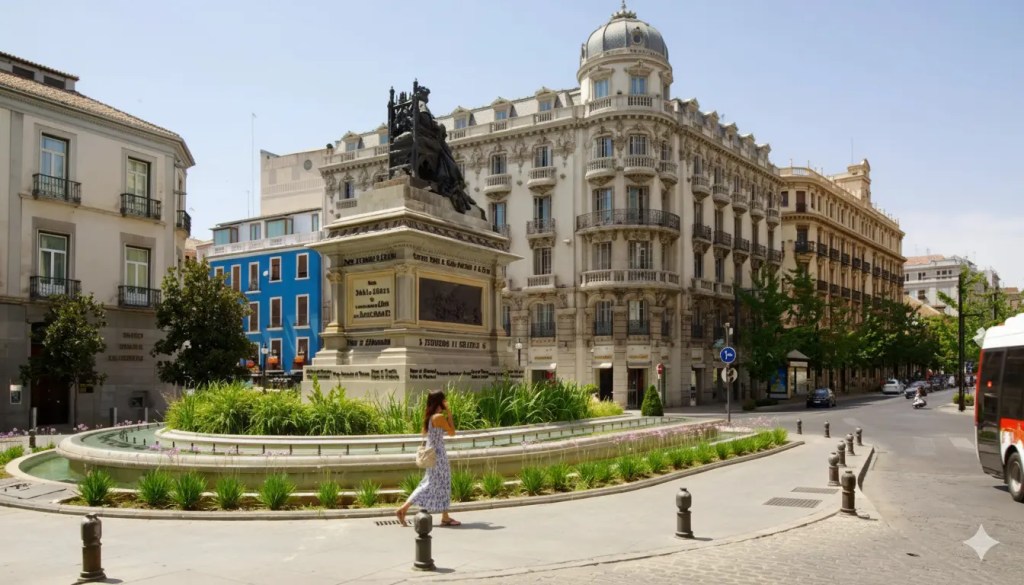
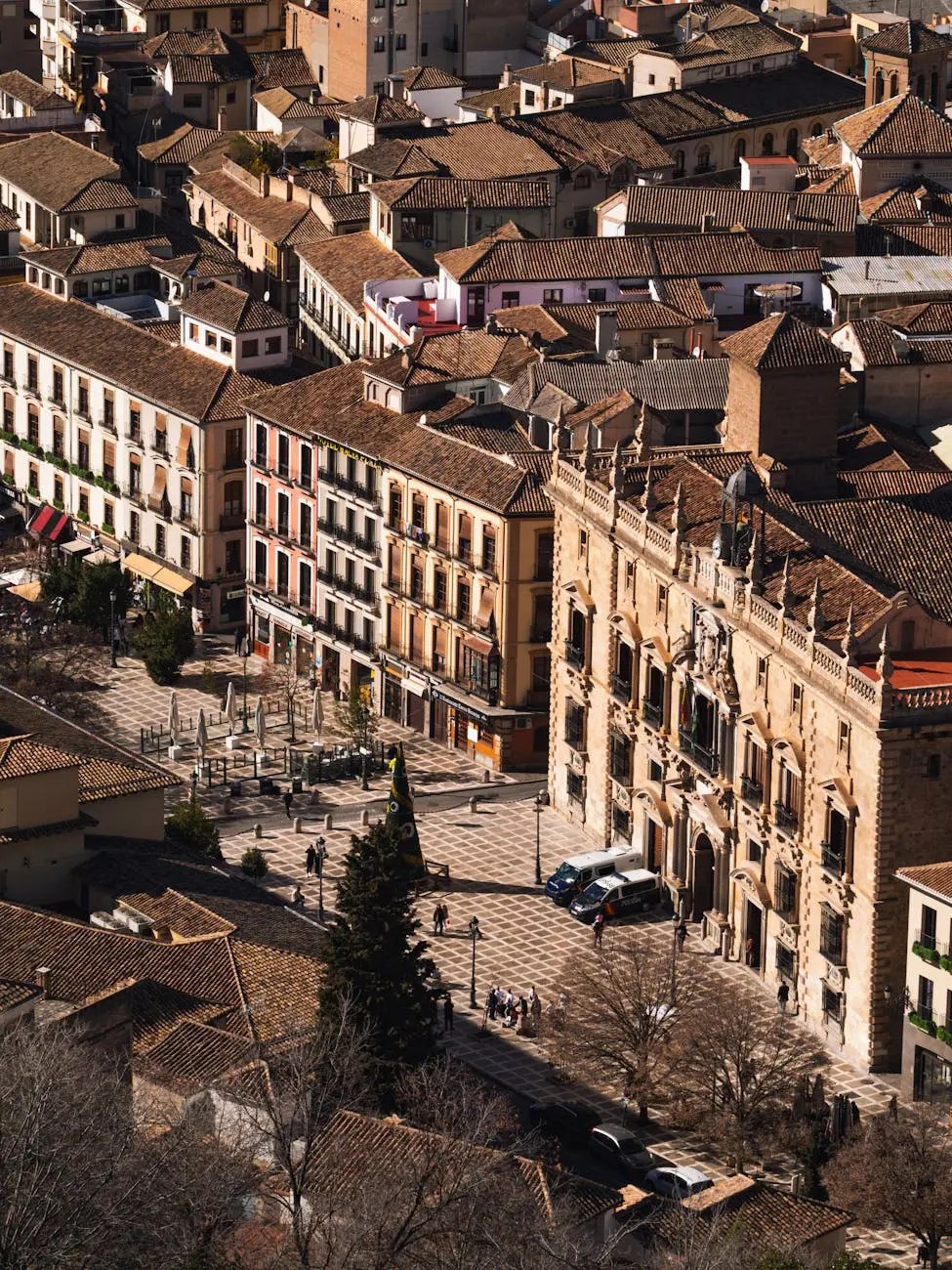
- Late Afternoon (4:00 PM): Granada’s Golden Rule: Drink, Get Fed for Free. Embark on a tapas crawl. In most granadino bars, every drink (a beer, wine, soft drink) comes with a free, substantial tapa. My strategy is to hop between bars in areas like Plaza Nueva or Calle Elvira, letting each drink decide my dinner. It’s social, delicious, and incredibly budget-friendly.
| Plaza Nueva (Expedia) | Plaza Nueva (Get your Guide) |
| Calle Elvirab (Expedia) | Calle Elvira (Get your Guide) |
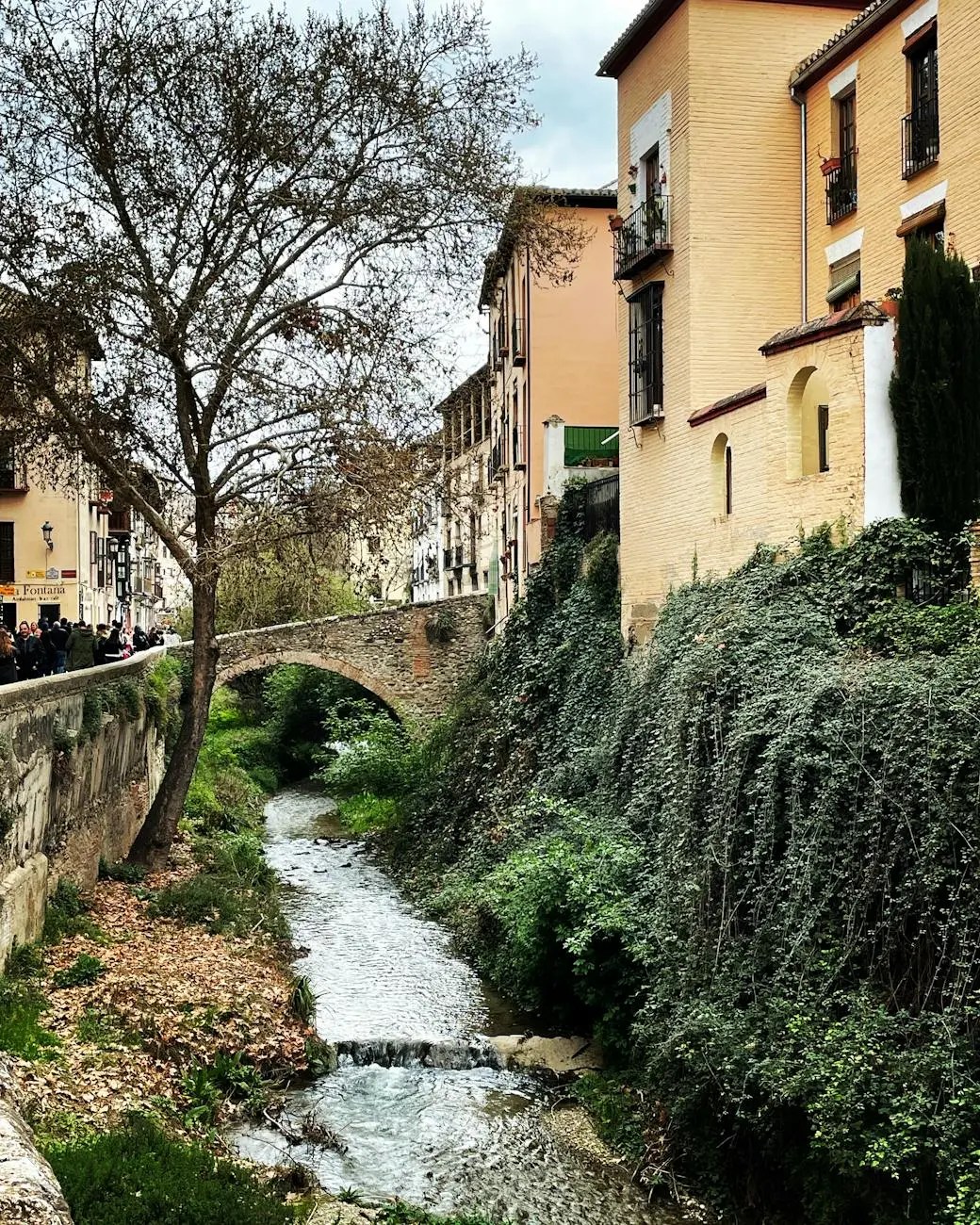
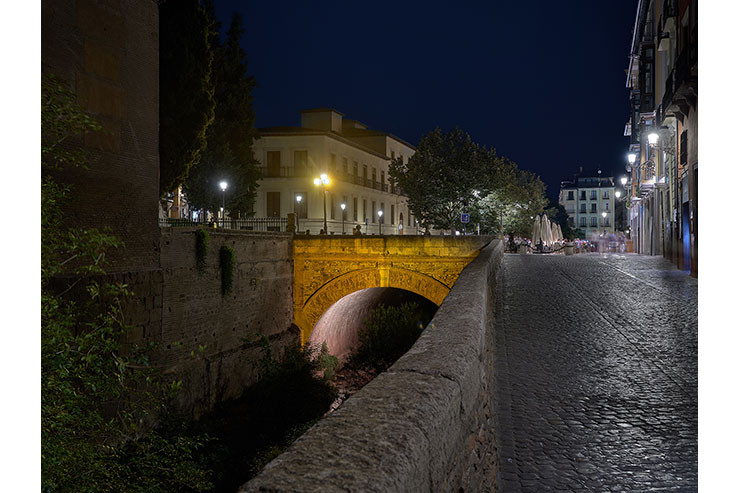
- Evening: Enjoy a leisurely stroll along the River Darro as the monuments light up.
| River Darro (Expedia) | River Darro (Get your Guide) |
Granada’s Hidden Gems & Local Secrets
- El Bañuelo: These stunning 11th-century Arab baths, hidden down a side street in the Albayzín, are often overlooked but are one of the best-preserved in Spain. Entrance is cheap and rarely crowded.
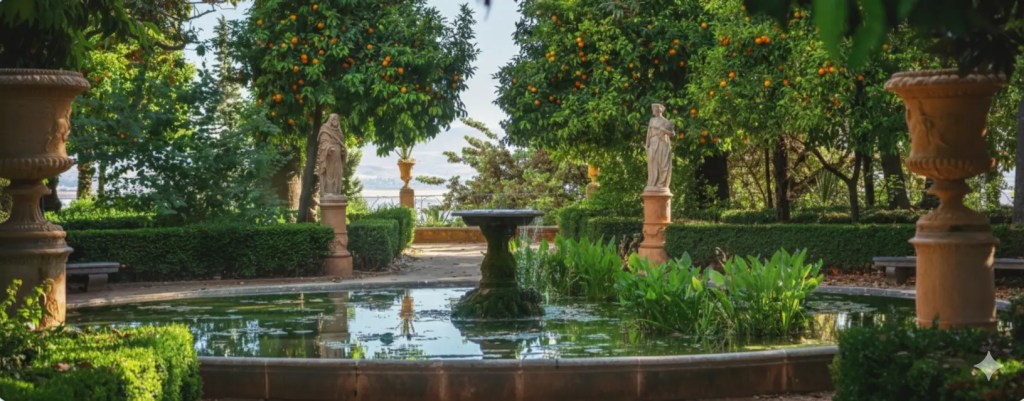
- Carmen de los Mártires: A peaceful, slightly forgotten palace and garden just north of the Alhambra. It feels secret, romantic, and offers another unique viewpoint of the city.
| Carmen de los Mártires (Expedia) | Carmen de los Mártires (Get your Guide) |
- Carrera del Darro at Night: This beautiful street along the river is magical after dark, with the Alhambra illuminated above. Skip the crowded bars here and just walk.
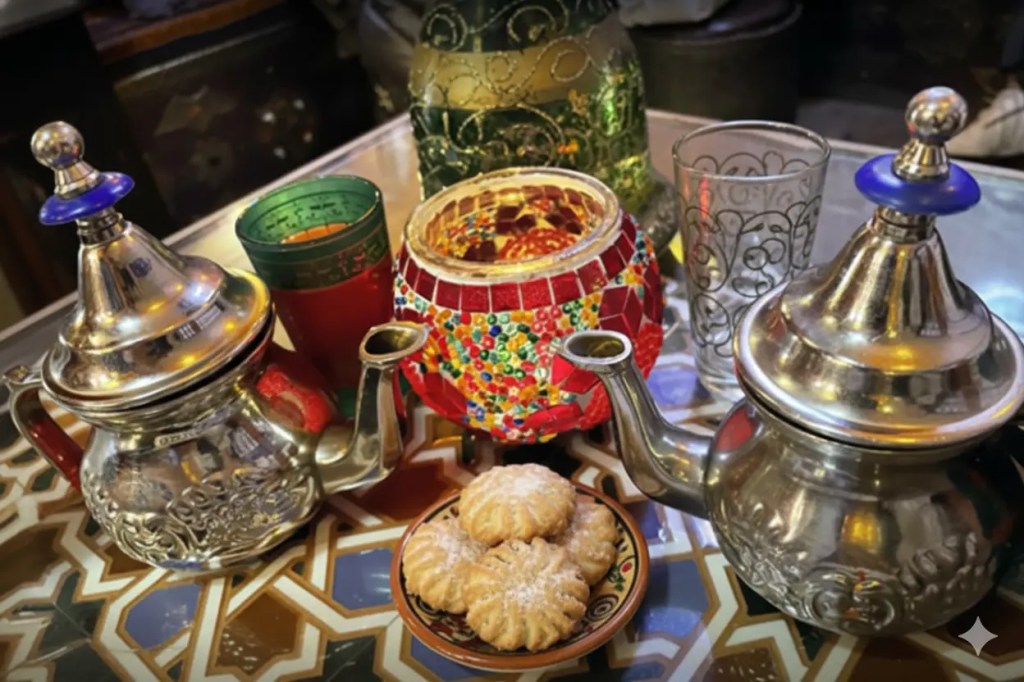
- Tea in a Tetería: After the bustle, retreat to a tetería (tea house) in the Albayzín. Sip mint tea in a room filled with cushions and Moorish decor—it’s an instant transport to another time.
Food, Tapas & Local Experiences
Granada is famous for free tapas—order a drink, get food. My advice?
- Avoid tourist menus near major sights
- Follow locals into busy bars
- Don’t rush—Granada eats slowly
Money‑Saving Tips for Granada
- Visit major sights early morning
- Use buses instead of taxis uphill
- Stay slightly outside Albaicín
- Combine ferry + train if coming via Málaga
🔌 Don’t forget power needs. This European Travel Plug Adapter Kit has covered me across Spain, Italy, and France:
Money-Saving Tips & Navigating Like a Pro
- The Granada Card: If you plan to visit multiple monuments (Alhambra, Cathedral, Royal Chapel, monasteries), this card can save you money and includes Alhambra access, bypassing the need for a separate ticket. Do the math based on your itinerary.
- Public Transport is Cheap and Good: The city bus network is extensive. A single ticket is about €1.40, but a 10-ride Bonobús card (€8.20) is the best value. Taxis are also reasonably priced for short hops, especially if splitting with friends.
- Walk, Walk, Walk: The historic center is very walkable, and getting “lost” is part of the fun (and free!).
- Water and Siesta: Carry a reusable water bottle. Tap water is safe to drink. Embrace the siesta—many shops close from 2-5 PM, so plan your museum visits for the morning or late afternoon.
- The Ultimate Tapa Hack: For the cheapest and most local tapas experience, venture just a block or two away from the main squares. The bars filled with students and locals always have the best value.
Essential Spanish & Andalusian Lingo {#essential-lingo}
A little language goes a long way in earning smiles.
- Hola / Buenos días – Hello / Good morning
- Gracias – Thank you
- Por favor – Please
- Una caña, por favor – A small beer, please (the standard tapa drink)
- La cuenta, por favor – The bill, please
- Tapa – The free snack with a drink. In Granada, you often don’t choose it—it comes with the territory!
- Paseo – A leisurely stroll. A key local activity.
- Mirador – Viewpoint. You’ll be seeking these out!
- Guiri – (Slang, not offensive) A tourist or foreigner. That’s us!
Stay Connected, Protected & Stress‑Free Abroad
📶 Stay Connected
Staying online abroad can be expensive if you rely on roaming or airport SIM counters. I travel with Drimsim, a global SIM that works in 190+ countries. Pop it in, top up via the app, and you’re connected—no surprises, no stress.
🔐 VPN for Travel Safety
Public Wi‑Fi and travel bookings don’t mix well without protection. I always use NordVPN when traveling:
✈️ Flight Delayed or Canceled?
You could be entitled to up to $650 in compensation. AirHelp checks eligibility and handles everything for you:
🛡️ Travel Insurance
No matter how short the trip, insurance matters. I recommend VisitorsCoverage for quick comparisons and flexible plans: 👉 https://visitorscoverage.tpm.lv/QUKMbHg3
✨ Travel Glow‑Up Tip
Travel photos hit differently when you feel good. I swear by K‑beauty essentials from Lakinza—affordable, effective, and perfect for travel skin recovery. Use code Lalax10 for a sweet discount.
Frequently Asked Questions (FAQ)
Q: How far in advance do I really need to book Alhambra tickets?
A: As soon as your travel dates are firm. Tickets for the Nasrid Palaces are released exactly three months in advance and sell out incredibly fast, especially for morning slots in peak season. Set a calendar reminder.
Q: Is Granada safe for solo travelers?
A: Generally, yes. It’s a university city with a vibrant street life. Standard precautions apply: be aware of pickpockets in crowded areas like the Alcaicería, and be cautious walking alone in the very steep, narrow streets of Sacromonte late at night.
Q: What’s the deal with tapas in Granada? Is it really free?
A: Yes! It’s one of the last cities in Spain where the free tapa tradition remains strong. Order any drink (alcoholic or non-alcoholic) at most traditional bars, and a small plate of food will arrive with it. The quality and size often increase with your second or third drink.
Q: Can I do a day trip to the Sierra Nevada from Granada?
A: Absolutely. In winter, you can go skiing (the resort is about 45 minutes by bus). In summer, it’s fantastic for hiking. Regular buses run from the city center to the mountain villages and ski station.
Q: I have more than a weekend. Where else should I go in Andalusia?
A: You’re in the heart of it! Consider basing yourself in Seville for flamenco and the majestic Alcázar, or Córdoba for the mesmerizing Mezquita. You can explore my detailed guides to both cities for inspiration:
If Granada leaves you craving more Southern European magic (which it probably will), it pairs beautifully with several nearby city escapes I’ve already explored in depth. Just a few hours away, Seville, Spain delivers flamenco-filled nights, orange-scented courtyards, and some of Andalusia’s most dramatic architecture—perfect if you want to stay in the same cultural rhythm. Heading east, Valencia, Spain offers a completely different vibe with futuristic design, relaxed beaches, and one of the best food scenes in the country (yes, paella tastes better here). If you’re extending your trip north, Barcelona, Spain blends art, nightlife, and seaside energy in a way that feels effortlessly iconic. And for travelers hopping borders, Lisbon, Portugal makes a surprisingly smooth next stop—laid-back, photogenic, and ideal for slow wandering after Granada’s hilltop views. Linking these destinations together creates a smart, time-efficient route that saves money on transport while keeping the journey rich and varied.
Final Thoughts
Granada isn’t loud about its beauty—it reveals it slowly. Plan smart, walk often, eat well, and let the city surprise you.
👉 Ready to plan your escape? Compare flights and stays on Expedia now:
💬 Have questions or hidden gems to share? Drop a comment—I always reply.
📌 Explore more nearby escapes in my Travel Master List: 👉 https://confidencebuildings.com/travel-master-list/
https://www.tumblr.com/indigosavageryshark/804921819792621568?source=share
Universal Disclaimer/Disclosure Page:
 Home Home sweet sweet home