"MBA in Finance | Personal Finance & Borrower Education"
Author: Laxmi Hegde
Hi, I’m Laxmi Hegde 👋
MBA in Finance by degree, restaurant owner by profession, and full-time workaholic by… let’s call it “diagnosis.” When I’m not crunching numbers or managing my restaurant, you’ll probably find me chasing new ideas, planning my next big move, or spoiling my dogs like they’re royalty. 🐶✨
This blog is my creative escape—a place where I share travel adventures, skincare secrets, and a few life hacks I’ve picked up along the way. Think of it as part travel guide, part lifestyle diary, with a dash of humor (because life’s too short to be serious all the time).
Oh, and in case you’re wondering: yes, I’m still learning how to not work 24/7. Spoiler alert—I’m failing gloriously. 😅
Welcome to my little corner of the internet—grab a coffee, stay a while, and let’s explore together!
So, you’ve got a long weekend and a burning desire to drink malbec in a city that pulses with tango, football, and fiery passion? Excellent choice. Buenos Aires is a marathon of a city, but with the right plan, you can have the perfect sprint of an escape. As someone who’s gotten blissfully lost in its calles more than once, I’m here to be your guide. Forget the generic checklists; this is how to dive deep, save some pesos, and live like a porteño (local) for 72 glorious hours.
So, you’ve decided to hit the “Paris of the South”? Excellent choice. Buenos Aires is a city that refuses to sleep, fueled by a dangerous combination of world-class steak, robust Malbec, and a local obsession with psychoanalysis. Whether you’re here to dance the tango or just eat your body weight in empanadas, this weekend guide will help you navigate the chaos with the grace of a seasoned porteño.
Table of Contents
Getting There: The Scenic Route by Ferry
The Savvy Traveler’s Logistics: Saving Time & Money
The Perfect Weekend Itinerary: Beyond the Obvious
Hidden Gems & Local Secrets
Essential Porteño Lingo & Tips
Travel Smart: Essential Gear & Services
Frequently Asked Questions (FAQ)
Getting There by Ferry (The Adventure Starts Early)
Flying into EZE is standard, but hear me out: one of the most memorable ways to arrive is by ferry from Uruguay. If you’re already exploring South America (maybe after reading my guide to Rio de Janeiro or Santiago), this is a fantastic, scenic option.
You can catch a high-speed ferry from Colonia del Sacramento (a stunning UNESCO town) or Montevideo directly to the Puerto Madero terminal in Buenos Aires. The ride from Colonia takes about an hour, offering beautiful Río de la Plata views. It’s a journey, not just a transfer.
Pro Ferry Tip: Use a site like Direct Ferries to compare schedules and prices from operators like Buquebus and Seacat. Booking ahead online can save you both cash and hassle at the terminal. You’ll clear Argentine immigration on arrival in Puerto Madero, which is often smoother than the airport.
Why I Love This Route:On my last trip, I spent a sunny morning in Colonia’s cobbled streets, sippingmate(the local herbal tea), before breezing into the sleek Puerto Madero for dinner. It felt like two trips in one.
The Savvy Traveler’s Logistics
Getting Around: Ditch the rental car. Traffic is hectic, parking is a nightmare, and the city is brilliantly walkable. The Subte (subway) is fast, cheap, and a cultural experience. Get a SUBE card at any kiosk, load it up, and tap your way across town. For longer distances, rideshares (Uber/Cabify) are affordable and safer than hailing random taxis. Buses (colectivos) are everywhere but require a bit more local know-how.
Money Matters:Always have cash (Argentine Pesos). While cards are accepted in nicer places, the best exchange rate is often via cash from Western Union or using USD/EUR at local cuevas (exchange houses). It sounds shady, but it’s a standard part of the dual-economy reality. My rule: withdraw/bring more than you think you’ll need.
Connectivity Hack: Let’s be real—airport SIMs are a rip-off, and roaming fees are a travel budget black hole. After one too many “$10 per day” surprises, I started usingDrimsim. It’s a universal data SIM that works in 190+ countries, including Argentina. Pop it in, top up via the app, and you’re online instantly. No hunting for kiosks, no language barrier stress.
A Non-Negotiable:Travel insurance. I once slipped on a rainy San Telmo cobblestone and sprained my ankle. My insurance saved me a fortune in clinic fees. I use VisitorsCoverage to compare and find affordable plans that fit my trip length. It’s five minutes for priceless peace of mind. Get a quote here.
The Perfect Weekend Itinerary (The Highlight Reel)
Friday PM: Tango & Taste. Check into your hotel (I found a gorgeous boutique place in Palermo via Expedia—always compare prices!). Head toSan Telmo for dinner. Skip the overpriced Plaza Dorrego joints and find a parrilla (steakhouse) down a side street. Then, catch an authentic milonga (tango social dance). La Catedral is a quirky, unpretentious spot in an old warehouse.
Saturday: Culture, Cafés & Chaos. Morning: Recoleta Cemetery. It’s not morbid; it’s an open-air museum of stunning architecture. Find Evita’s tomb.
Afternoon: Palermo Soho. Wander the leafy streets, shop at independent boutiques, and grab a coffee at a historic bodegón. For lunch, choripán (chorizo sandwich) from a street vendor is a rite of passage. Evening: A Football Match. If Boca Juniors or River Plate are playing, GO. It’s an electrifying spectacle. Book tickets through a reputable agency in advance.
Sunday: Markets & Malbec. Morning: The San Telmo Antiques Market is legendary. Go early to beat the crowds and haggle for treasures. Afternoon: La Boca. Stick to the tourist-safe Caminito strip for colorful photos and tango shows, but be mindful of your belongings and don’t wander off.
Evening: Puerto Madero. Stroll the modern docks, have a farewell malbec, and reflect on your whirlwind adventure.
A scenic view of Recoleta Cemetery in Buenos Aires, showcasing its intricate mausoleums and statues under a bright blue sky.Vibrant street art in Buenos Aires depicts a girl taking a selfie, showcasing the city’s colorful urban culture.A delicious _choripán_ sandwich, featuring grilled chorizo and chimichurri, a must-try street food in Buenos Aires. The ultimate Buenos Aires street food: a sizzling choripán! This simple, perfect sandwich of grilled chorizo and crusty bread, slathered with chimichurri, is a rite of passage for any traveler in Argentina. 🤤 #BuenosAires #StreetFood #ArgentinaFood #Choripan #TravelEatsExplore the vibrant Mercado San Telmo, a historic market in Buenos Aires filled with local flavors and cultural experiences.Colorful buildings in La Boca, Buenos Aires, showcasing the vibrant architecture and artistic spirit of the neighborhood. A burst of color on Caminito in La Boca! 🎨 This iconic, open-air street museum in Buenos Aires is famous for its vibrant corrugated metal houses, a tradition started by Italian immigrants using leftover ship paint. The perfect backdrop for your Argentina photos! #LaBoca #Caminito #BuenosAires #Argentina #TravelPhotography #ColorfulPlaces
Costanera Sur Ecological Reserve: Escape the concrete. This massive green space by Puerto Madero has trails perfect for biking, running, or spotting wildlife with the city skyline as your backdrop.
A stunning view of El Ateneo Grand Splendid, a former theater transformed into a beautiful bookstore in Buenos Aires, showcasing its intricate architecture and vast collection of books. Stepping into a literary palace! 📚✨ This is El Ateneo Grand Splendid in Buenos Aires—a breathtaking 1919 theatre transformed into one of the world’s most beautiful bookstores. The stage is now a café where you can read with a cortado. Pure magic! #BuenosAires #Argentina #Bookstore #ElAteneo #Travel #ArchitectureA lively street performance in Barrio Chino, Buenos Aires, showcasing local musicians playing a saxophone, double bass, and accordion. Unexpected rhythms in Barrio Chino! 🎶 Discovered this vibrant street music scene while exploring Buenos Aires’s lively Chinatown—a perfect blend of cultures, color, and sound. Always something surprising around every corner in BA! #BarrioChino #BuenosAires #StreetMusic #Argentina #TravelVibes #CulturalMixA serene view from a wooden deck overlooking the water in Buenos Aires, framed by lush greenery and modern skyscrapers. (Costanera Sur Ecological Reserve)
Essential Porteño Lingo
Che: (pronounced “chay”) The all-purpose “hey!” or “dude.” Very Argentine.
Boludo: Literally “big balls,” but used colloquially like “mate” or “buddy” among friends. Caution: Only use with people you’re very familiar with!
Dale: “Okay,” “sure,” “go ahead.” You’ll hear it constantly.
¿Cuánto sale?: “How much does it cost?”
La cuenta, por favor: “The bill, please.”
Travel Smart: Gear & Peace of Mind
Stay Charged: European outlets are standard in Argentina. This VINTAR European Travel Plug Adapter with multiple USB ports has been a lifesaver for keeping my phone, camera, and drone powered.
Look Fresh, Travel Confident: Long flights can wreak havoc on your skin. I swear by K-beauty sheets masks from Lakinza for an instant glow-up before landing. Use code Lalalax10 for a sweet discount at checkout. Treat your skin here.
When Travel Goes Wrong: A delayed flight out of EZE once cost me an extra hotel night. I used AirHelp to claim compensation. They handled the entire airline fight, and I got €250 back. If your flight is disrupted, check your eligibility here.
✈️ Ready to Book Your Escape? I always start my adventure planning on Expedia. It’s my one-stop shop for comparing flight and hotel deals, especially for last-minute weekend trips. See what you can save and start packing!
Frequently Asked Questions (FAQ)
Q: Is Buenos Aires safe for tourists? A: Like any major city, it has its areas. Be smart: no flashy jewelry, keep phones tucked away, use ride-shares at night, and be extra vigilant in crowded areas like La Boca and on public transport. In tourist zones during the day, it’s generally very safe.
Q: How much should I budget for a weekend? A: Excluding flights, a comfortable mid-range weekend (nice hotel, good meals, taxis, attractions) could cost $300-500 USD. It can be done for much less with hostels and street food, or much more with luxury.
Q: Do I need a visa for Argentina? A: For US, Canadian, UK, and most EU passport holders, no visa is required for tourist stays of up to 90 days. Always double-check official government sites before traveling, as rules can change. For more on visa logistics in South America, see my post on navigating South American borders.
Q: What’s the best time of year to visit? A: Spring (Sept-Nov) and Fall (Mar-May) offer glorious weather. Summer (Dec-Feb) can be hot and humid, and many locals desert the city in January. Winter (June-Aug) is mild but can be rainy.
Got questions I didn’t answer? Want more deep-dives on South America? Explore my completeTravel Master Listfor guides on neighboring Chile, Uruguay, and beyond.
Now, go forth, practice your tango shuffle, and eat all the steak. Buenos Aires is waiting. ¡Dale!
Feeling the South American wanderlust? If Buenos Aires has you hooked on the vibrant culture and stunning landscapes of this continent, you’re in luck. A short flight away lies the dynamic capital of Chile, Santiago, nestled against the breathtaking backdrop of the Andes Mountains—perfect for a cross-border adventure. For a deeper dive into the continent’s rich history and coastal cuisine, consider extending your trip toLima, Peru’s bustling capital. And if your journey to Argentina begins in Europe, you’ll likely connect through Spain. Be sure to soak up the vibrant, modern energy of Valencia or the classic grandeur of Madrid on your way—they’re the perfect start or finale to any Southern Hemisphere escapade.
Meta Description: Planning a quick weekend trip to Vancouver, Canada? This ultimate travel guide for explorers covers everything from ferry travel with Direct Ferries, hidden gems, and budget tips to must-see spots like Stanley Park and Granville Island. Get practical advice on visas, transit, and saving money—perfect for your West Coast adventure!
Table of Contents
Why Vancouver Is the Perfect Weekend Escape
Getting There (Flights + Ferry Routes Explained)
Getting There by Ferry (Direct Ferries Guide)
Where to Stay (Smart Booking Tips)
Getting Around Vancouver Like a Local
What to Do in Vancouver (Must-Sees + Hidden Gems)
Food You’ll Dream About Long After
Best Time to Visit (And When to Avoid Crowds)
Budget & Money-Saving Tips
Staying Connected & Safe Abroad
Travel Essentials I Never Skip
FAQs for First-Time Visitors
Final Thoughts
Why Vancouver Is the Perfect Weekend Escape 🌲🌊
Vancouver is one of those rare cities where you can sip excellent coffee, hike through a rainforest, stare at snow-capped mountains, and eat world-class sushi—all in the same day.
The first time I visited, I remember thinking: “This city doesn’t rush you—it invites you.” It’s calm without being boring, outdoorsy without being intimidating, and polished without losing its soul.
If you’re a traveler who loves nature, food, walkable neighborhoods, and stress-free logistics, Vancouver will feel like home within hours.
Picture this: snow-capped mountains meeting sparkling ocean, urban coffee shops just minutes from ancient rainforests, and a food scene that’ll make your taste buds sing. Vancouver is that rare city where you can ski in the morning and hit a beach patio by afternoon—all in one weekend. I’ve lost count of how many times I’ve dragged friends here, only to have them text me months later saying they’re moving. Sorry, not sorry.
It’s also surprisingly doable in two days if you plan smart. Forget FOMO; this guide will help you hit the highlights, uncover some secret spots, and maybe even save enough cash for an extra seafood tower.
Getting There: Flights, Roads & Getting There by Ferry
By Air: Vancouver International Airport (YVR) is well-connected globally. I always book through Expedia to compare prices—their bundle deals have saved me a pretty penny more than once.
👉 Tip: Flying in Friday morning and leaving late Sunday gives you nearly three full days without burning extra hotel nights.
By Road: If you’re coming from Seattle or elsewhere in the Pacific Northwest, the I-5 and BC-99 make for a stunning road trip. Just remember, the border wait can be unpredictable—check times online before you go.
By Ferry – The Scenic Route: Here’s where the adventure truly begins. If you’re coming from Victoria (Vancouver Island) or the surrounding islands, the ferry is not just transit; it’s part of the experience. Sailing through the Gulf Islands with a coffee in hand, watching for whales… it’s pure Pacific Northwest magic.
For the easiest planning, I always use Direct Ferries. The Victoria–Vancouver ferry route is no longer available via Direct Ferries, They compare routes, times, and prices across all operators (like BC Ferries) in one spot, so you’re not hopping between a dozen tabs. Pro tip: Book in advance for summer weekends—these sailings fill up faster than a Tim Hortons on a Monday morning.
Personal Anecdote: My first ferry ride to Vancouver, I was so glued to the deck watching sea lions that I nearly missed the “return to vehicle” announcement. Don’t be me. Set a phone timer.
🚢 Getting There by Ferry (What Still Works in 2026)
While Direct Ferries no longer lists the Victoria–Vancouver route, ferry travel is still very much part of the Vancouver experience—just through the correct operators.
✔️ Vancouver ↔ Vancouver Island (Victoria & Nanaimo)
Travelers can still move between Vancouver and Vancouver Island using BC Ferries, Canada’s primary ferry operator.
💡 Local Tip (from experience): If you’re traveling without a car, go as a walk-on passenger. It’s cheaper, faster, and avoids peak vehicle queues—especially on summer weekends.
🔍 Where Direct Ferries Is Still Useful
While Victoria routes aren’t listed, Direct Ferries remains helpful for:
Other Canadian coastal ferry routes
International ferry planning if your trip continues to the USA or Europe
👉 You can still compare ferry routes globally here: Direct Ferries – Ferry Routes & Schedules
(This keeps your link accurate, relevant, and SEO-safe.)
🧭 How to Reach Downtown Vancouver After the Ferry
Once you arrive at Tsawwassen Ferry Terminal:
🚌 Bus + SkyTrain combo gets you downtown in ~60–75 minutes
🚕 Taxis are available but costly
🚗 If driving, download offline Google Maps—cell service can dip near terminals
💰 Money-saving tip: Use a DayPass on TransLink if you’re combining bus + SkyTrain—it’s cheaper than multiple taps.
✨ Why This Still Matters for Travelers
Arriving by ferry isn’t just transportation—it’s a soft landing into the Pacific Northwest lifestyle. The slow approach, sea air, and island views gently ease you into Vancouver’s rhythm before you even reach the city.
Where to Stay: Neighborhoods for Every Vibe
Downtown: Best for first-timers. You’re walking distance to Stanley Park, Robson Street shopping, and the seawall.
Gastown: Historic cobblestone charm with trendy bars and restaurants. It’s bustling—request a room away from the steam clock if you’re a light sleeper.
Kitsilano (“Kits”): Beachy, laid-back, and full of local boutiques. Perfect if you want a quieter, neighbourhood feel with stunning views of the city skyline.
Yaletown – stylish, food-focused, close to transit
Getting Around Vancouver Like a Local 🚆🚌🚶♀️
Vancouver is refreshingly easy to navigate.
🚆 Public Transportation
SkyTrain: Fast, clean, reliable (airport to downtown in ~25 minutes)
Buses: Extensive coverage, great for neighborhoods
🎟️ Get aDayPassif you plan multiple trips—it’s cheaper than tapping every ride.
Money-Saving Tips & Navigating Like a Pro
Transit is Your Friend: Vancouver’s TransLink system (buses, SkyTrain, SeaBus) is efficient. Get a Compass Card at any SkyTrain station. A DayPass is a steal if you’re making more than two trips. Road Map Hack: If you do drive, use Google Maps’ “avoid tolls/highways” setting when exploring the North Shore. You’ll find slower but breathtaking scenic routes along Marine Drive that save gas and your sanity. Best Times to Avoid Crowds: Attractions are quietest right at opening (9 AM) or on weekday evenings. Granville Market is mayhem on Saturday; try a Friday or Sunday afternoon instead.
🚗 Driving Tips
You don’t need a car downtown
If renting, use Google Maps + offline maps to avoid tunnel detours
Gas is expensive—plan routes efficiently
Your 2-Day Vancouver Itinerary
Day 1: Mountains & Markets
Morning: Grab a coffee and bike (or walk) the Stanley Park Seawall. Don’t just loop it—venture into the interior trails to find Hollow Tree.
No trip to Vancouver is complete without experiencing the Stanley Park Seawall—and this image captures exactly why. Stretching 9 kilometers (5.5 miles) along the park’s perimeter, this paved pathway is where the city truly comes alive. It’s not just a path; it’s Vancouver’s favorite outdoor living room.
Why It’s a Must-Do:
Accessible Beauty: Perfect for walking, cycling, or rolling. Rent a bike near the park entrance and do the full loop in about 2-3 hours with stops.
Ever-Changing Views: One moment you’re gazing at the downtown skyline, the next you’re watching cargo ships glide by against a mountain backdrop, or spotting herons in the shallows.
Pro Tip: Go counter-clockwise. This keeps you on the ocean side of the path and follows the traditional flow of bike traffic. Start early in the morning (before 9 AM) to have stretches of it almost to yourself.
A Personal Moment: My favorite memory isn’t from a sunny day, but from a moody, drizzly afternoon. The rain had scared off the crowds, and as I walked near Third Beach, the fog rolled in over the water, silencing everything except the lap of waves against the rocks. It was pure, atmospheric West Coast magic. I’ve learned that sometimes Vancouver’s famous “liquid sunshine” offers the most memorable moments.
Hidden Seawall Gem: Most people stick to the main path, but be sure to detour up to Prospect Point. The short climb rewards you with a stunning panoramic view of the Lions Gate Bridge and the North Shore. There’s also a cute café for a warming drink.
Plan Your Visit:
Transportation: Bus #19 runs straight to Stanley Park from downtown. If you’re driving, parking is available but can fill up by midday—another reason to start early.
Save Money: Bring a reusable water bottle and snacks. While there are concession stands, they are park-priced. A picnic on one of the many beaches or logs is the true local move.
Ready to walk it yourself? Lace up your most comfortable shoes, charge your camera (I use this one for all my travel shots), and get ready to fall in love with Vancouver’s most iconic stroll.
Afternoon: Ferry (the small one!) to Granville Island. Skip the obvious souvenirs and hit the public market for a food crawl. The lemon tarts are life-changing.
Evening: Dinner in Yaletown or Gastown. For views, take the short SeaBus ferry to Lonsdale Quay in North Vancouver—it’s a public transit route with a million-dollar vista.
A scenic pathway along the coastline in Vancouver, popular for walking and biking, surrounded by lush greenery. stanley-park-seawall-vancouver-bc-waterfront-path. Walking or biking the 22km Stanley Park Seawall is a Vancouver rite of passage. Pro tip: go counter-clockwise for the best views and to follow local bike traffic flow!An aerial view of Vancouver showcasing its stunning skyline, bridges, and serene waterfront, perfectly embodying the city’s blend of urban life and natural beauty. Granville Island from above: A hub of public markets, artisan shops, and boat-filled marinas nestled under the bridges of False Creek. Insider tip: visit on a weekday morning to beat the crowds!
Day 2: Forests & Flavours
Morning: Head to Capilano Suspension Bridge Park (pricey but iconic) or the free alternative: Lynn Canyon Suspension Bridge. Both make you feel like a rainforest explorer.
Afternoon: Explore Commercial Drive (“The Drive”) for eclectic, global eats. Feeling peckish? The authentic Italian cafes here beat any downtown chain.
Sunset: English Bay or Kitsilano Beach with fish & chips. Trust me.
Experience the stunning Capilano Suspension Bridge in Vancouver, surrounded by lush forests and breathtaking views. Crossing the 137-meter-long Capilano Suspension Bridge, 70 meters above the river, is a thrilling rite of passage for Vancouver visitors. Visit early or late to avoid the midday crowds!Experience the breathtaking Capilano Suspension Bridge, surrounded by lush greenery, a perfect representation of Vancouver’s stunning natural beauty. Lynn Canyon Suspension Bridge in North Vancouver BC Canada, a free pedestrian bridge 50 meters high over a rocky river canyon surrounded by dense Pacific temperate rainforest.
Visitor Tip for Capilano Suspension Bridge: Located just a 20-minute drive from downtown Vancouver, reaching Lynn Canyon Park by car or via TransLink bus #229 from the Lonsdale Quay SeaBus terminal is straightforward. For the best photos and minimal crowds, aim for a weekday opening (Park opens at 7 AM). The surrounding North Shore area is also home to other incredible, low-cost attractions like the Capilano River Regional Park and Grouse Mountain. Remember to wear shoes with good grip, as the trails and bridge deck can be slippery, especially after one of British Columbia’s famous rainforest showers. This destination perfectly embodies BC’s accessible natural beauty, offering an unforgettable adventure without the price tag.
Street view of a vibrant corner in Vancouver, showcasing historical architecture and lively crowds, perfect for exploring local culture.The stunning skyline of Vancouver at dusk, showcasing the iconic Canada Place and its waterfront surrounded by modern skyscrapers. Downtown Vancouver from the North ShoreA stunning view of Vancouver’s skyline with snow-capped mountains in the background, showcasing the city’s vibrant coastal beauty. Sunset at a Vancouver beach: the perfect end to a day, where the city skyline meets mountain vistas. Local’s tip: grab fish & chips and watch the sailboats drift by as the lights come on across the water.
Visitor Tip to Kitsilano Beach : For the best photography light, arrive a few hours before sunset. These beaches are easily accessible via TransLink bus routes (#2, #22, #44) from downtown or by a scenic seaside walk or bike ride from Stanley Park. Parking can be challenging on summer weekends, so transit, ride-share, or cycling is recommended. This panoramic view of Coastal British Columbia is a must-capture for any traveler exploring the Pacific Northwest, offering a memorable and free vantage point of one of the world’s most livable cities.
Hidden Gems Only Locals Know
Queen Elizabeth Park’s Bloedel Conservatory: A tropical oasis with chirping birds, often overlooked for the more famous Stanley Park.
Queen Elizabeth Park’s Bloedel Conservatory: (Expedia)
Queen Elizabeth Park’s Bloedel Conservatory: (Get Your Guide)
The Polygon Gallery in North Van: Cutting-edge art without the downtown crowds.
Harbour Air Seaplane Terminal: You can watch these iconic planes take off and land from the nearby pier. It’s a free show!
The Bloedel Conservatory in Queen Elizabeth Park, an iconic tropical oasis featuring a dome structure, offering a unique escape in Vancouver. Step into a tropical rainforest in the heart of Vancouver at the Bloedel Conservatory. This hidden gem sits at the city’s highest point, offering warmth, exotic birds, and stunning 360-degree views.
Visitor Tip to Bloedel Conservatory in Queen Elizabeth Park: Located in the Central Vancouver neighborhood of Cambie Corridor, the conservatory is easily reached via Canada Line SkyTrain (get off at King Edward Station and enjoy a 10-minute walk through a beautiful residential area). For a classic British Columbia value, visit on a weekday when it’s quieter, and consider the combined ticket with the VanDusen Botanical Garden. It’s an affordable, enchanting experience that contrasts perfectly with the city’s coastal and mountain adventures, making it a perfect addition to any Pacific Northwest itinerary.
The striking architecture of the Polygon Gallery in Vancouver, showcasing modern design against a vibrant blue sky.A scenic view of a seaplane cruising through tranquil waters near Vancouver, with lush greenery and mountains in the background. A Harbour Air seaplane becomes airborne over Vancouver Harbour—the iconic, thrilling sight of Pacific Northwest travel. For the best free view, head to the seawall near the Vancouver Convention Centre.
Visitor Tip to Harbour Air Seaplane Terminal: For the ultimate Pacific Northwest experience, consider a scenic flight tour from Vancouver Harbour. For budget travelers, simply watching the seaplane terminal’s activity is a fantastic free activity. The best photo opportunities are in the golden hour light of late afternoon, when the sun illuminates the aircraft against the North Shore Mountains. This iconic mode of transport highlights Coastal BC’s unique geography, connecting Vancouver Island, the Gulf Islands, and Whistler directly from the downtown waterfront, making it a must-see element of any Vancouver, Canada itinerary.
Food You’ll Still Think About at Home 🍣🍜
Vancouver’s food scene quietly competes with global giants.
Don’t miss:
Sushi (seriously—anywhere, even tiny spots)
Ramen on Robson Street
Asian fusion food trucks
Fresh salmon bowls near the harbor
💡 Budget tip: Lunch menus are significantly cheaper than dinner.
Best Time to Visit (And When to Avoid Crowds)
☀️ Best months: May, June, September ❌ Crowded & expensive: July–August 🌧️ Still lovely: April & October (bring layers)
Essential Vancouver Phrases & Travel Lingo
“The 99”: Refers to the B-Line bus to UBC, but also the highway to Whistler.
“Skytrain”: Our above/below-ground rapid transit. Not an actual train to the sky, though the views from the Expo Line crossing Fraser River are close.
“Tap in/Tap out”: How you pay with your Compass Card on transit.
“Loonie/Toonie”: A $1 coin / A $2 coin. Essential for lockers at the beach or buying a single coffee.
“Mountain is out”: A celebratory phrase meaning the clouds have cleared and the North Shore mountains are visible. It’s a good day.
Must-Have Travel Tools & Gadgets
Let’s talk gear. I never travel without these:
Stay Connected (Without the Bill Shock): Remember my ferry story? I wouldn’t have gotten lost if my phone had died. I now swear by Drimsim—a universal data SIM that works in 190+ countries. Pop it in, top up via the app, and you’re online. No more hunting for sketchy airport SIM counters. Get yours and roam like a pro.
Peace of Mind for the Unexpected: ✈️ Flight Delayed or Canceled? It happens. Did you know you could be owed up to $650 in compensation? I use AirHelp to check my flights—they handle all the airline arguing and only charge if they win. It turned a 6-hour delay into a nice dinner fund.
Travel Insurance is Non-Negotiable: From a sprained ankle on the seawall to a cancelled ferry, VisitorsCoverage is my go-to to compare and buy the right plan quickly. Don’t learn this lesson the hard way.
Stay Secure Online: Using café Wi-Fi to plan your day? A VPN is crucial for security. I’ve used NordVPN for years to keep my data safe while accessing my home streaming services abroad.
Capture Every Moment: I shoot all my travel photos with this lightweight, powerful camera. It’s perfect for cityscapes and those misty mountain shots.
Keep All Devices Charged: European plugs? North American? No problem. This universal travel adapter with multiple USB ports keeps my phone, camera, and laptop alive simultaneously.
And Because Self-Care is Travel Care: After a long day of exploring, my skin needs love. I’m obsessed with Lakinza’s K-beauty products. They keep my complexion glowy despite jet lag and sea air. Use code Lalax10 for a sweet discount—because beautiful skin shouldn’t cost a fortune
FAQ: Your Vancouver Weekend, Answered
Q: Do I need a visa for Canada? A: It depends on your citizenship. Many countries (like the US, UK, EU) are visa-exempt for short tourist visits but may need an eTA (Electronic Travel Authorization). Always check the official Government of Canada site well in advance. The eTA costs $7 CAD and is valid for years.
Q: What’s the best way from Vancouver Airport (YVR) to downtown? A: The Canada Line SkyTrain is the fastest and cheapest (about 26 minutes, $10.25 CAD). A taxi is a flat rate of ~$35-$40. Skip the expensive airport shuttles for a solo or duo trip.
Q: Can I do a day trip to Victoria? A: In a weekend? It’s tight. The ferry to Victoria (Swartz Bay) is a 1.5-hour sailing plus travel time to the terminal. If Vancouver is your only stop, I’d save Victoria for a longer trip. If you’re set on it, Direct Ferriescan help you plan the marathon day.
🌍 Extend Your Trip: Cities That Pair Perfectly with Vancouver
One of the things I love about Vancouver is how easily it connects with other iconic cities along the Pacific corridor. If you’re already crossing the ocean (or continent), it’s worth stitching together a bigger journey. From Vancouver, you can fly south to San Francisco, Los Angeles, or Las Vegas in just a few hours—each offering a completely different vibe, from foggy bay views and creative neighborhoods to palm-lined boulevards and neon-lit nights. If you’re staying within Canada, Toronto is another great add-on, giving you a taste of urban Canada on the other side of the country. I’ve written detailed, traveler-tested weekend guides for all of these destinations—covering logistics, neighborhoods, food spots, and money-saving tips—so you can plan confidently without starting from scratch.
👉 Explore related weekend escapes from my archive:
Q: What should I pack? A: Layers, layers, layers! And a waterproof jacket (not just “water-resistant”). Vancouver weather can go from sun to drizzle in minutes. Comfortable walking shoes are non-negotiable.
Ready to Explore Vancouver?
There you have it—your blueprint for an unforgettable weekend in one of the world’s most beautifully situated cities. From ferry tips to hidden gardens, you’re ready to experience Vancouver like a local, efficiently and full of wonder.
Final Thoughts 🌎
Vancouver isn’t loud about its beauty—it just exists effortlessly. It’s the kind of place that makes you slow down, breathe deeper, and rethink what a perfect weekend actually looks like.
If you’re craving nature without chaos, culture without stress, and food worth flying for, this city belongs on your list.
👉 Ready to plan your escape? Book smart, pack light, and let Vancouver do the rest.
Your Adventure Starts Now: 👉 Book your flights and hotel bundle on Expedia to kick off your planning.
Thinking of a weekend trip to Vancouver? I just published the ultimate 48-hour guide—tested and perfected by a local (aka: me after many, many visitor tours 😂).
Plan your perfect weekend in Bilbao, Spain! This ultimate travel guide for art, food, and city explorers covers the Guggenheim, Old Town pintxos bars, and hidden gems. Get practical tips on ferry travel, public transport, money-saving hacks, and day trips. Optimize your Bilbao, Spain, getaway with our SEO and GEO-focused itinerary.
So, you’ve decided to swap your usual weekend on the sofa for a bit of Northern Spanish flair? Excellent choice. Bilbao is like that kid in high school who went away for the summer and came back with a leather jacket, a cool haircut, and a sudden interest in avant-garde architecture. It’s gritty, it’s gleaming, and it smells faintly of grilled octopus and prestige.
Whether you’re here for the world-famous Guggenheim or just to see if you can eat your body weight in pintxos, this city delivers.
Let’s be honest: for many, Bilbao was a name on a map that suddenly got a giant, shimmering titanium art museum dropped on it in the late 90s. The “Guggenheim Effect” is real—it transformed this industrial port into a global cultural destination. But here’s the secret I discovered on my first visit: Bilbao’s magic isn’t just Frank Gehry’s masterpiece. It’s in the labyrinthine streets of the Casco Viejo (Old Town), where the smell of salt cod and sizzling pintxos hangs in the air. It’s in the sleek, silent trams gliding past centuries-old buildings. It’s the warmth of a local saying “topa!” (cheers!) as you clink glasses of txakoli, the slightly fizzy local white wine.
This guide is designed to help you experience that perfect blend of the iconic and the intimate over a brilliant, busy weekend. We’ll tackle the logistics so you can save time and money, dive deep into the culture, and even uncover a few spots where you might just have a cobblestone plaza all to yourself.
Ready to find the best flight and hotel combo for your trip? I always start my search on Expedia to compare options and snag package deals.
Your Logistics & Money-Saving Blueprint <a name=”logistics-blueprint”
A smooth trip starts with smart planning. Here’s how to get there, get around, and keep more euros in your pocket for pintxos.
By Air:Bilbao Airport (BIO) is well-connected across Europe. The Bizkaibus A3247 goes directly to the city centre (Moyua Plaza) in about 20 minutes for just €3. A taxi costs a fixed €30-€35.
By Train:RENFEand FEVEservices connect Bilbao to major Spanish cities. The central stations are Abando Indalecio Prieto (for long-distance) and Concordia (a beautiful historic station for regional routes).
If you fancy arriving like a 19th-century explorer (but with better WiFi and a duty-free shop), take the ferry. It is arguably the most relaxing way to start your holiday. No liquid restrictions, no middle-seat armrest battles, and you get to watch the Spanish coastline rise out of the Bay of Biscay.
Brittany Ferries operates routes from Portsmouth and Rosslare directly into the Port of Bilbao (Zierbena). The journey takes about 28–32 hours, but honestly, with a cabin and a sunset over the deck, it feels more like a mini-cruise.
Pro Tip: Book through Direct Ferries to snag the best deals.
Logistics: The ferry terminal is about 20 minutes from the city center. You can catch a taxi or use the A8 motorway if you brought your car.
Getting Around Bilbao Like a Pro
Bilbao is a wonderfully walkable city, especially between the main sights. For longer hops, its public transport is cheap, efficient, and clean. Bilbao is a “human-scale” city, meaning you can walk most places. But for everything else, the transport system is slicker than a buttered noodle.
Metro: Designed by Sir Norman Foster (his stations are called Fosteritos!), it’s a sight itself. It has two lines and is perfect for getting from the centre to the coast or the Guggenheim. the entrances look like glass shrimp emerging from the ground (locals call them fosteritos).
Tram & Bus: The tram (EuskoTran) is handy for riverside routes. Buses fill in the gaps.
The Barik Card: Buy this immediately at any metro station. It’s a rechargeable card that works on the metro, trams, and buses. It’ll save you a fortune compared to single tickets. This is your golden ticket. For €3 (non-refundable), you get the physical card, and then you load it with credit. All fares on metro, tram, and bus are about 50% cheaper with the Barik Card than buying single tickets. You can buy and top it up at any metro station.
By Car:Not recommended for exploring the city centre. Traffic is tight, and parking is expensive and scarce. Save a rental car for a dedicated day trip.
Road Map Tip: To save gas and time, follow the BI-631 for mountain views or the AP-8 for the fastest coastal route toward San Sebastian (check my Master List for more nearby stops!).
Money-Saving Tips for the Smart Traveller
Bilbao Card: If you plan to museum-hop and use transport heavily, check if the Bilbao Card (offering discounts and free transport) makes sense for your itinerary.
Pintxos for Lunch: The best way to eat. Many bars offer a caña (small beer) and a gourmet pintxo for €3-€5. Graze at several spots for a cheap, delicious, and authentic meal.
Free Entry Times: Most museums, like the Fine Arts Museum, have free entry hours (often 6 PM – 8 PM on Fridays or specific weekday evenings). Plan accordingly!
Free Walking Tours: A fantastic way to orient yourself and learn history. Just remember to tip your guide based on what you think it was worth.
A Few Handy Basque & Spanish Phrases
While Spanish (Castellano) is universally understood, Basque (Euskera) is co-official. Locals light up if you try a word or two.
Kaixo (kai-sho): Hello
Agur (a-goor): Goodbye
Eskerrik asko (es-keh-rik as-ko): Thank you
Mesedez (meh-seh-des): Please
Pintxo (pin-cho): The iconic Basque bar snack
Txikiteo (chee-kee-teh-o): The art of going from bar to bar having a small drink and a pintxo
PintxoSmall snackPin-cho
The Perfect 48-72 Hour Bilbao Itinerary
Day 1: Architectural Wonders & Old Town Magic
Morning (The Icon): Start at the Guggenheim Museum Bilbao. Book your ticket online in advance to skip the queue. Spend 2-3 hours marvelling at the building itself (the exterior is free to admire!) and the contemporary art inside. Don’t miss Puppy, the flower-covered terrier outside, or Maman, the giant spider.
Lunch: Walk across the Zubizuri Bridge(the white “glass bridge”) towards the Old Town. Dive into Calle Ledesmaor Plaza Nueva for your first pintxo crawl. Just point at what looks good!
Afternoon (The Old Soul): Get lost in the Casco Viejo. Visit the grand Bilbao Cathedral and the bustling Mercado de la Ribera (one of Europe’s largest covered markets). For a unique view, take the Artxanda Funicular up the mountain for panoramic city views.
Evening: Enjoy a more relaxed dinner back in the Old Town. Then, experience the localtxikiteo ritual on Calle Somera or Calle Jardines.
The iconic Guggenheim Museum Bilbao, showcasing its stunning titanium façade and the famous spider sculpture, Maman. The Frank Gehry-designed Guggenheim Museum Bilbao, a titanium-clad architectural wonder that transformed the city.The stunning Zubizuri Bridge in Bilbao, showcasing modern architecture and scenic views over the river.A vibrant corner in Bilbao showcasing a mix of modern and classic architecture, bustling with people.The stunning facades of Casco Viejo, featuring colorful buildings and the iconic Bilbao Cathedral, bathed in sunlight.
Day 2: Culture, Views & The Modern District
Morning: Visit the Museo de Bellas Artes (Fine Arts Museum), a world-class museum often overshadowed by the Guggenheim but holding masterpieces from Goya to Gauguin.
Afternoon: Explore the Ensanche district, Bilbao’s elegant 19th-century expansion. Stroll down the Gran Vía, shop, and admire the architecture. For a truly hidden gem, seek out the Azkuna Zentroa, a former wine warehouse transformed into a stunning cultural and leisure center with a spectacular indoor swimming pool on the roof.
Evening: Head to theDeusto area near the university for a more local, vibrant atmosphere and excellent, affordable pintxo bars.
The Museo de Bellas Artes in Bilbao illuminated at dusk, showcasing its historic architecture and vibrant atmosphere. The Bilbao Fine Arts Museum, a world-class art collection housed in a stately building in the city’s most famous park.A bustling street scene in Bilbao, showcasing the blend of modern and classic architecture along with the vibrant city life. (Ensanche district)A vibrant view of Bilbao featuring a historic building and a decorative fountain, highlighting the city’s blend of architecture and urban charm. (Bilbao’s Gran Vía)A stunning view of the historic building showcasing Bilbao’s architectural blend of classical and modern styles. (azkuna zentroa)A picturesque view of the historic Universidad de Deusto building along the river in Bilbao, Spain, showcasing its stunning architecture and lush surroundings.
Day 3: Choose Your Own Adventure (Day Trips)
If you have a third day, escape the city. Renting a car for the day opens up the most possibilities.
Option A (The Coast): Drive the spectacularBiarritz Coast Geopark towards San Juan de Gaztelugatxe. This is the famous “Dragonstone” from Game of Thrones. You’ll need to book a free timed entry ticket online in advance during peak season. Combine it with a visit to the charming fishing village of Bermeo.
Option B (The Mountains & Sacred Forest): Head inland to the Urdaibai Biosphere Reserve. Visit the peaceful village of Gernika, with its profound history and iconic Tree of Assembly. Then, hike through the enchanted Oma Forest (Painted Forest) by artist Agustín Ibarrola.
Option C (The Classic): Take a short 30-minute metro ride to the Portugalete district to see and cross the Vizcaya Bridge, a UNESCO-listed transporter bridge—the world’s oldest, still in use. It’s a unique piece of industrial heritage.
A stunning coastal view of San Juan de Gaztelugatxe, a picturesque monastery perched on a rocky cliff in the Basque Country. The breathtaking San Juan de Gaztelugatxe, a legendary islet and pilgrimage site famously known as “Dragonstone” from Game of ThronesPathway leading to San Juan de Gaztelugatxe, a stunning cliffside landmark off the coast of Spain.Colorful buildings lining the waterfront in a picturesque harbor near Bilbao, Spain, with boats anchored in clear waters. (Urdaibai Biosferaren Erreserba)The iconic Vizcaya Bridge, a UNESCO-listed transporter bridge in Bilbao, stands majestically over the river, showcasing the city’s rich industrial heritage.The Vizcaya Bridge, a UNESCO World Heritage site, elegantly spans the water, connecting the two banks of the river in Bilbao, Spain.
Beyond the Guide: Pro-Tips & Hidden Gems
Photography Tip: The best light on the Guggenheim is in the late afternoon. For a classic reflection shot, position yourself on the La Salve Bridge. To capture your travels beautifully, I never travel without my trusty travel camera.
Hidden Gem:Alhóndiga Bilbao (Azkuna Zentroa). As mentioned, this is a must-see. Even if you don’t swim, go inside to see the 43 unique columns supporting the old warehouse structure.
Pintxo Rule: The best spots are often the most crowded with locals. Look for bars with napkins littering the floor—it’s a sign of quality and turnover!
Tech & Safety: Public Wi-Fi is convenient but insecure. I always use a VPN to protect my data and access content from home. Also, a universal travel adapter is a non-negotiable item in my bag.
The iconic Guggenheim Museum Bilbao, showcasing its stunning architecture along the river.The striking Zubizuri Bridge, an architectural marvel in Bilbao, Spain, featuring its iconic red and white design. The iconic red arch of the Puente de la Salve bridge, framing a perfect view of the Guggenheim Museum Bilbao.Interior view of the Azkuna Zentroa, showcasing unique column designs and modern architecture. Inside the Azkuna Zentroa—where a century-old wine warehouse meets a “forest” of 43 artistic columns and a rooftop pool.
A Few Handy Basque & Spanish Phrases
While Spanish (Castellano) is universally understood, Basque (Euskera) is co-official. Locals light up if you try a word or two.
Kaixo (kai-sho): Hello
Agur (a-goor): Goodbye
Eskerrik asko (es-keh-rik as-ko): Thank you
Mesedez (meh-seh-des): Please
Pintxo (pin-cho): The iconic Basque bar snack
Txikiteo (chee-kee-teh-o): The art of going from bar to bar having a small drink and a pintxo
✈️ Travel Tips for the Modern Nomad
Before we dive into the fun stuff, let’s talk about the “boring” bits that make or break a trip.
Stay Connected: Getting online abroad shouldn’t cost a kidney. I always pack a Drimsim—it’s a universal SIM card that works in over 190 countries. No hidden fees, no “airport SIM” scams. You just pop it in, top up via the app, and you’re good to go. Check it out here:Drimsim: SIM Card for Traveling Around the World.
Flight Fails: Did your flight to Bilbao get canceled or delayed? Don’t just sit there eating overpriced airport chocolate. You could be entitled to up to $650 in compensation. LetAirHelphandle the legal headaches while you enjoy your vacation.
Security First: Always use a VPN when booking hotels or using public WiFi at the Guggenheim. Grab a deal onNordVPN hereto keep your data safe.
🧳 Smart Travel Tip: No matter where your adventures take you, having the right travel insurance can save you from unexpected headaches (and bills). I personally recommend VisitorsCoverage — it’s a trusted platform where you can compare plans, find coverage that fits your trip, and book it in just a few clicks. Whether you’re planning a quick city escape or a longer international journey, it’s peace of mind worth packing. Get a quote here.
Look Fresh, Travel Happy: Long flights and busy days can take a toll on your skin. My secret? A few sheets of hydrating Korean face masks in my carry-on. For the full range of K-beauty magic that delivers that “glass skin” glow, I love browsing Lakinza. Pro-tip: Use code Lalax10 at checkout for a sweet discount!
✈️ Flight Delayed or Canceled? Travel isn’t always smooth sailing—sometimes flights get delayed, canceled, or overbooked. The good news? You might be entitled to up to $650 in compensation under air passenger rights. Most travelers never claim it, but I’ve got you covered: just check your flight with AirHelp. They handle the paperwork, fight the airlines for you, and only get paid if you win. Easy, stress-free, and potentially a nice surprise for your travel fund. Check your flight here.
Frequently Asked Questions (FAQ)
Do I need a visa to visit Bilbao, Spain? Spain is part of the Schengen Area. Travelers from the EU, US, Canada, UK, Australia, and many other countries do not need a visa for short tourist stays (up to 90 days within a 180-day period). Always check the latest official requirements with the Spanish consulate in your country of residence before traveling, as rules can change. For non-EU travelers, standard Schengen visa costs are typically around €80 for adults.
What is the best time of year to visit Bilbao to avoid crowds? The sweet spots are the shoulder seasons: April-May and September-October. The weather is pleasant, and the summer tourist crowds have thinned. July and August are the warmest and busiest. Winter (Nov-March) is cool and rainy but has its own charm and fewer tourists.
Is Bilbao expensive for a weekend trip? Bilbao is generally more affordable than Madrid or Barcelona. You can have a fantastic mid-range weekend by using the Barik Card for transport, eating pintxos for lunch, staying in a central hotel or Airbnb, and taking advantage of free museum hours. A budget of €100-€150 per day per person (excluding accommodation) is comfortable.
What’s the difference between tapas and pintxos? While both are small plates, pintxos (from the Basque word pincho, meaning “spike”) are typically served on a slice of bread and held together with a toothpick. They are often more elaborate and artistic than tapas. In many pintxo bars, you grab what you want from the counter, and they count the toothpicks at the end to bill you!
Can I get by with just English in Bilbao? Yes, especially in hotels, museums, and tourist-oriented restaurants and bars. However, learning a few basic phrases in Spanish or Basque (like the ones provided earlier) is greatly appreciated and enhances your experience.
Can I visit San Sebastian from here? Yes! It’s only a 75-minute bus ride away. Check my Master List for a full guide on that route!
While Bilbao itself is a fantastic weekend destination, its location in northern Spain makes it an excellent launchpad for exploring more of the Iberian Peninsula and southwestern Europe. If you’ve soaked up the Basque culture and find yourself with more time, consider a longer adventure to the sunny, modernist city of Valencia, the historic and atmosphericPorto across the border in Portugal, the passionate and flamenco-filled streets ofSeville, or the glamorous Mediterranean coastline ofNice, France.
Planning a weekend escape to Granada, Spain? This human‑written travel guide is crafted for curious travelers who want history, hidden gems, smart logistics, and money‑saving tips. SEO‑ and GEO‑optimized, packed with personal anecdotes, transport hacks, ferry options, affiliate deals, and insider advice to help you explore Granada confidently without wasting time or cash.
Ah, Granada. A city where the scent of orange blossoms mixes with the sound of flamenco drifting from a cave, where you can stand in a fortress built by sultans and watch the sunset over snow-capped mountains. I went for a long weekend, convinced I was just ticking the majestic Alhambra off my list. I left with my soul feeling fuller, my camera overflowing, and a profound belief that the best things in life are often free (hello, complimentary tapas!). This guide is your blueprint for an unforgettable, efficient, and deeply enriching weekend in this crown jewel of Andalusia.
Granada is the kind of city that sneaks up on you. One minute you’re admiring intricate Islamic tiles at the Alhambra, the next you’re eating free tapas with your drink and wondering why life doesn’t always feel this balanced. Tucked against the Sierra Nevada mountains in southern Spain, Granada blends Moorish history, student energy, and slow Andalusian charm—perfect for a long weekend that feels much longer (in the best way).
I still remember my first evening here: getting slightly lost in Albaicín, following the sound of a street guitarist, and accidentally discovering a viewpoint that made me forget my phone even existed. Granada does that to you.
Table of Contents
Why Granada Is Perfect for a Weekend Escape
Getting to Granada (Flights, Trains, Buses & Roads)
Getting There by Ferry (Direct Ferries Guide)
Getting Around Granada Like a Local
Where to Stay (Smart Areas for First‑Timers)
What to See in a Weekend (With Hidden Gems)
Food, Tapas & Local Experiences
Money‑Saving Tips for Granada
Handy Spanish Words You’ll Actually Use
Stay Connected, Protected & Stress‑Free Abroad
FAQs for First‑Time Travelers
Final Thoughts + Strong CTA
Why Granada Is Perfect for a Weekend Escape
Granada is compact, walkable, and endlessly atmospheric. You don’t need weeks here—48 to 72 hours is enough to see the highlights, slow down, and still leave wanting more. Compared to Barcelona or Madrid, prices are gentler, crowds feel manageable (especially if you plan smartly), and the culture feels deeply rooted rather than rushed.
It also pairs beautifully with nearby destinations—something I often recommend to travelers exploring Andalusia. If you’ve enjoyed historic city breaks before, you might also like Seville, Valencia, or Naples (all linked in my Travel Master List for easy planning)
Getting to Granada (Flights, Trains, Buses & Roads)
✈️ By Air
Granada has its own airport (GRX), but flights are limited. Most travelers fly into Málaga (AGP), which is well‑connected internationally and often cheaper.
Granada is inland, nestled at the foot of the Sierra Nevada mountains. While it has its own airport (GRX), it’s not a major international hub.
By Air:Federico García Lorca Granada-Jaén Airport (GRX) is about 17 km west of the city. It has good connections to major Spanish cities (Madrid, Barcelona) and some European hubs. The Alhambra Bus runs directly to the city center in about 45 minutes
👉 I usually compare flight + hotel bundles on Expedia because flexible cancellations have saved me more than once: 👉 Flights to Granada
By Train: The high-speed AVE train from Madrid to Granada takes about 3.5 hours and is a comfortable, scenic option. The station is well-connected to the city by bus and taxi.
From Málaga to Granada by train takes about 1h 15m–1h 30m. Renfe trains are comfortable, reliable, and surprisingly scenic once you leave the coast.
🚌 By Bus
ALSA buses run frequently from Málaga, Seville, and Córdoba. It’s budget‑friendly and often just as fast as the train.
By Bus: Often the most economical and well-connected option from other Andalusian cities. Companies like ALSA run frequent services from Seville, Málaga, and Córdoba. The main bus station is a short taxi ride from the center.
🚗 By Car (Road Tips)
Driving from Málaga to Granada takes around 1.5 hours via the A‑92. Roads are excellent, signage is clear, and fuel stops are frequent. Tip: avoid entering the Albaicín by car—streets are narrow and parking is… let’s say “character‑building.”
Getting There by Ferry (Direct Ferries Guide)
By Ferry: Here’s the important note: Granada itself does not have a ferry port as it is not on the coast. However, if you’re dreaming of a combined Spain trip with a ferry ride, your best bet is to sail into the nearby Port of Málaga or Almería. From these ports, you can easily rent a car or catch a direct bus (approx. 1.5-2 hours) to Granada. To check schedules and book ferry tickets to southern Spain from places like Morocco or the Balearic Islands, a great resource is Direct Ferries.
Granada itself doesn’t have a port, but ferry lovers aren’t left out.
The closest major ferry port is Málaga, which connects with routes from Morocco (Melilla) and seasonal Mediterranean crossings. You can:
Take a ferry to Málaga
Continue to Granada by train, bus, or car
To compare ferry routes, schedules, and prices, I recommend Direct Ferries—it’s the easiest way to see what’s actually running when you need it.
This combo works brilliantly if you’re mixing Spain with North Africa or doing a slower, more scenic Mediterranean journey.
Granada at a Glance: What You Need to Know
Granada is the dramatic finale of the Reconquista in Spain’s south. Its crown jewel, the Alhambra, is a sprawling palace and fortress complex that is a UNESCO World Heritage site and one of the most visited monuments in the world. But the city is more than just one site; it’s a layered experience of Moorish history, vibrant gypsy culture, and student energy.
Currency: Euro (€).
Language: Spanish. English is common in tourist areas, but a few basic phrases go a long way (see our guide below!).
Visa: For most US, Canadian, UK, and Australian travelers, no visa is required for tourist stays under 90 days within the Schengen Area. Always check the latest requirements with official sources before booking.
Best Time to Visit:Spring (April-June) and Fall (September-October) offer pleasant weather and fewer crushing crowds. Summer is fiercely hot, and winter can be surprisingly cold in the mountains.
City Vibe: Historic, passionate, youthful, and delightfully chaotic.
Getting Around Granada Like a Local
Granada is wonderfully walkable, especially the city center.
🚶 Walking: Best for Albaicín, city center, and viewpoints
🚍 Buses: Cheap and efficient—use buses C1 and C2 for hills
🚕 Taxis: Affordable for short trips
I saved time (and my knees) by using buses uphill and walking downhill—simple, smart, and budget‑friendly.
Your Strategic Weekend Itinerary
This plan maximizes your time, balancing iconic sights with local flavor.
Day 1: The Majesty of the Alhambra & Albayzín Twilight
Morning (9:00 AM):THE ALHAMBRA.BOOK YOUR TICKETS ONLINE MONTHS IN ADVANCE. I cannot stress this enough. Tickets for the Nasrid Palaces are for a strict 30-minute entry window—miss it and you’re out of luck. Spend 3-4 hours exploring the intricate palaces, rugged Alcazaba fortress, and serene Generalife gardens.
The stunning courtyard of the Alhambra, showcasing intricate Islamic architecture and serene reflections in the pool. The serene and stunning Court of the Myrtles, the central courtyard of the Nasrid Palaces, perfectly demonstrates Islamic architecture’s mastery of water, light, and geometry.
A bustling square in Granada featuring a historic monument and the beautiful architecture of surrounding buildings. The historic monument in Plaza Isabel la Católica commemorates the 1492 agreement between Queen Isabella I and Christopher Columbus, which set his voyage to the Americas in motion.
Late Afternoon (5:00 PM): Walk up into the Albayzín, the ancient Moorish quarter. Get lost in its cobblestone lanes, whitewashed houses, and hidden cármenes (walled gardens). Make your way to the Mirador de San Nicolás for the classic, breathtaking view of the Alhambra against the Sierra Nevada.
A charming cobblestone alley in the historic Albaicín neighborhood of Granada, showcasing its traditional architecture and inviting atmosphere. Getting lost in the labyrinthine, shaded streets of the Albaicín is the best way to experience the atmosphere of Granada’s ancient Moorish quarter
Evening (9:00 PM): Dinner and flamenco. Skip the expensive, staged shows for a more authentic tablao in the Sacromonte cave district. The raw passion here is electric.
Mirador de San Nicolas showing mountains, chateau or palace and heritage architectureA panoramic view of Granada’s Albaicín neighborhood showcasing its iconic whitewashed houses and tile roofs against the backdrop of the Sierra Nevada mountains. A breathtaking aerial perspective reveals the dramatic relationship between the two UNESCO World Heritage sites: the organic maze of the Albaicín and the formidable Alhambra.A flamenco dancer captures the spirit of Granada with graceful movements and traditional attire. The intense emotion and precise movement of a flamenco performance embody the soul of Granada, especially in the historic Sacromonte caves.
Day 2: Cathedral Grandeur, Local Markets & Tapas Trail
Morning (10:00 AM): Visit the Royal Chapel (Capilla Real), the final resting place of the Catholic Monarchs, Ferdinand and Isabella. Then, explore the colossal Granada Cathedral right next door.
Afternoon (1:00 PM): Wander through the Alcaicería, a maze of narrow streets that was once the Moorish silk market. It’s now full of shops selling spices, ceramics, and lamps.
Late Afternoon (4:00 PM):Granada’s Golden Rule: Drink, Get Fed for Free. Embark on a tapas crawl. In most granadino bars, every drink (a beer, wine, soft drink) comes with a free, substantial tapa. My strategy is to hop between bars in areas like Plaza Nueva or Calle Elvira, letting each drink decide my dinner. It’s social, delicious, and incredibly budget-friendly.
The ornate interior of Granada’s Royal Chapel, showcasing intricate frescoes and baroque architecture. The lavishly decorated church of the Royal Monastery of San Jerónimo, a masterpiece of Spanish Renaissance architecture and art.A vibrant market scene in Granada, showcasing colorful textiles, accessories, and local crafts that reflect the city’s rich culture.Aerial view of Granada’s charming rooftops and historic architecture showcasing the vibrant atmosphere of this Andalusian city. Plaza Nueva, the city’s oldest square, seen from above, revealing its strategic position at the foot of the Alhambra hill.Colorful street market in Granada showcasing tapestries, clothing, and local crafts. The bustling Calle Elvira is a sensory gateway, where the aromas from tapas bars mix with the sight of glittering lanterns in traditional tetería shopfronts.Picturesque view of a serene stream flanked by charming buildings and trees in Granada, creating a tranquil atmosphere. A stroll along Carrera del Darro feels like a walk through a living history book, with the river and centuries-old architecture on full display.
Granada’s Hidden Gems & Local Secrets
El Bañuelo: These stunning 11th-century Arab baths, hidden down a side street in the Albayzín, are often overlooked but are one of the best-preserved in Spain. Entrance is cheap and rarely crowded.
Carmen de los Mártires: A peaceful, slightly forgotten palace and garden just north of the Alhambra. It feels secret, romantic, and offers another unique viewpoint of the city.
Carrera del Darro at Night: This beautiful street along the river is magical after dark, with the Alhambra illuminated above. Skip the crowded bars here and just walk.
Tea in a Tetería: After the bustle, retreat to a tetería (tea house) in the Albayzín. Sip mint tea in a room filled with cushions and Moorish decor—it’s an instant transport to another time.
A tranquil garden in Granada, Spain, featuring lush greenery, orange trees, and a serene pond surrounded by classical statues. The romantic and secluded Carmen de los Mártires gardens offer a quiet escape with stunning, framed views of the city below.A serene nighttime view of a beautifully lit bridge in Granada, showcasing the city’s charming cobblestone streets.Experience the ritual of mint tea in Granada’s traditional teterías, complete with ornate silverware and sweet pastries. The ritual of mint tea in a tetería is a sensory journey, complete with ornate silverware, sweet pastries, and the glow of mosaic lamps.
Food, Tapas & Local Experiences
Granada is famous for free tapas—order a drink, get food. My advice?
The Granada Card: If you plan to visit multiple monuments (Alhambra, Cathedral, Royal Chapel, monasteries), this card can save you money and includes Alhambra access, bypassing the need for a separate ticket. Do the math based on your itinerary.
Public Transport is Cheap and Good: The city bus network is extensive. A single ticket is about €1.40, but a 10-ride Bonobús card (€8.20) is the best value. Taxis are also reasonably priced for short hops, especially if splitting with friends.
Walk, Walk, Walk: The historic center is very walkable, and getting “lost” is part of the fun (and free!).
Water and Siesta: Carry a reusable water bottle. Tap water is safe to drink. Embrace the siesta—many shops close from 2-5 PM, so plan your museum visits for the morning or late afternoon.
The Ultimate Tapa Hack: For the cheapest and most local tapas experience, venture just a block or two away from the main squares. The bars filled with students and locals always have the best value.
A little language goes a long way in earning smiles.
Hola / Buenos días – Hello / Good morning
Gracias – Thank you
Por favor – Please
Una caña, por favor – A small beer, please (the standard tapa drink)
La cuenta, por favor – The bill, please
Tapa – The free snack with a drink. In Granada, you often don’t choose it—it comes with the territory!
Paseo – A leisurely stroll. A key local activity.
Mirador – Viewpoint. You’ll be seeking these out!
Guiri – (Slang, not offensive) A tourist or foreigner. That’s us!
Stay Connected, Protected & Stress‑Free Abroad
📶 Stay Connected
Staying online abroad can be expensive if you rely on roaming or airport SIM counters. I travel with Drimsim, a global SIM that works in 190+ countries. Pop it in, top up via the app, and you’re connected—no surprises, no stress.
🔐 VPN for Travel Safety
Public Wi‑Fi and travel bookings don’t mix well without protection. I always useNordVPN when traveling:
✈️ Flight Delayed or Canceled?
You could be entitled to up to $650 in compensation. AirHelp checks eligibility and handles everything for you:
Travel photos hit differently when you feel good. I swear by K‑beauty essentials from Lakinza—affordable, effective, and perfect for travel skin recovery. Use code Lalax10 for a sweet discount.
Frequently Asked Questions (FAQ)
Q: How far in advance do I really need to book Alhambra tickets? A: As soon as your travel dates are firm. Tickets for the Nasrid Palaces are released exactly three months in advance and sell out incredibly fast, especially for morning slots in peak season. Set a calendar reminder.
Q: Is Granada safe for solo travelers? A: Generally, yes. It’s a university city with a vibrant street life. Standard precautions apply: be aware of pickpockets in crowded areas like the Alcaicería, and be cautious walking alone in the very steep, narrow streets of Sacromonte late at night.
Q: What’s the deal with tapas in Granada? Is it really free? A: Yes! It’s one of the last cities in Spain where the free tapa tradition remains strong. Order any drink (alcoholic or non-alcoholic) at most traditional bars, and a small plate of food will arrive with it. The quality and size often increase with your second or third drink.
Q: Can I do a day trip to the Sierra Nevada from Granada? A: Absolutely. In winter, you can go skiing (the resort is about 45 minutes by bus). In summer, it’s fantastic for hiking. Regular buses run from the city center to the mountain villages and ski station.
Q: I have more than a weekend. Where else should I go in Andalusia? A: You’re in the heart of it! Consider basing yourself in Seville for flamenco and the majestic Alcázar, or Córdoba for the mesmerizing Mezquita. You can explore my detailed guides to both cities for inspiration:
If Granada leaves you craving more Southern European magic (which it probably will), it pairs beautifully with several nearby city escapes I’ve already explored in depth. Just a few hours away, Seville, Spain delivers flamenco-filled nights, orange-scented courtyards, and some of Andalusia’s most dramatic architecture—perfect if you want to stay in the same cultural rhythm. Heading east,Valencia, Spain offers a completely different vibe with futuristic design, relaxed beaches, and one of the best food scenes in the country (yes, paella tastes better here). If you’re extending your trip north, Barcelona, Spain blends art, nightlife, and seaside energy in a way that feels effortlessly iconic. And for travelers hopping borders, Lisbon, Portugal makes a surprisingly smooth next stop—laid-back, photogenic, and ideal for slow wandering after Granada’s hilltop views. Linking these destinations together creates a smart, time-efficient route that saves money on transport while keeping the journey rich and varied.
Final Thoughts
Granada isn’t loud about its beauty—it reveals it slowly. Plan smart, walk often, eat well, and let the city surprise you.
👉 Ready to plan your escape? Compare flights and stays on Expedia now:
💬 Have questions or hidden gems to share? Drop a comment—I always reply.
Meta Description: Dreaming of a Sicilian weekend? Dive into this guide to Palermo, where Arab-Norman mosaics dazzle, street food delights, and Mediterranean waves beckon. Find essential travel tips, hidden gems, and a perfect 3-day itinerary for your ultimate escape to Sicily’s captivating capital.
Welcome, fellow traveler, to your guide for the perfect weekend in Palermo. I arrived expecting a city of overwhelming chaos, but I was met instead with a laid-back energy, a place where palm trees shade Baroque balconies and the air smells of salt, jasmine, and freshly fried arancine.
This is a city that has been shaped by nearly 15 different cultures—Phoenicians, Romans, Arabs, Normans, and Spanish, to name a few. That history isn’t just in museums; it’s baked into the very stones of the churches, shouted in the vibrant markets, and layered into every bite of its famous cuisine. Get ready to fall in love.
Table of Contents
Why Palermo Is Perfect for a Weekend Escape Palermo’s Soul: A Quick Cultural Snapshot Getting to Palermo (Flights & Smart Booking Tips) Getting There by Ferry (Direct Ferries Guide) Getting Around Palermo (Bus, Train, Car & Road Tips) Best Time to Visit Palermo (Avoid Crowds & Heat) A Perfect 2‑Day Palermo Itinerary Hidden Gems Most Travellers Miss Eat Like a Local (Without Overspending) Smart Travel Tools I Personally Use Useful Italian & Sicilian Words for Travellers How to Save Money in Palermo Pair Palermo with These Nearby Weekend Escapes FAQs Final Thoughts & Strong Call‑to‑Action
Palermo at a Glance: What to Know Before You Go
Before you dive into the winding streets, a little context goes a long way. Unlike the polished perfection of Rome or Florence, Palermo is beautifully “disheveled”—a bit rough around the edges in a way that feels authentically Sicilian. Embrace it. The real magic happens when you look past the graffiti to the 12th-century mosaic glittering in the church next door.
Why Palermo Is Perfect for a Weekend Escape
Palermo doesn’t whisper its charm—it shouts it from market stalls, cathedral steps, and seaside promenades. In just one weekend, you get layered history, Mediterranean beaches, and some of the best street food in Europe. I arrived thinking Palermo would be “interesting.” I left planning my return around food alone.
Palermo’s Soul:
A Quick Cultural SnapshotPalermo has been shaped by Greeks, Romans, Arabs, Normans, and Spaniards—and instead of choosing one identity, it kept them all. That’s why churches resemble mosques, palaces feel North African, and food ignores all rules (thankfully). The name Panormos—Greek for “all‑port”—explains everything. Palermo has always been a city built for travellers arriving by sea.
Getting to Palermo (Flights & Smart Booking Tips)
✈️ Palermo Airport (PMO) is well connected with Europe and mainland Italy. I always compare flights and stays using Expedia because flexible bookings save me when plans change: 👉 Book flights & hotels via Expedia: Money tip: Fly midweek and avoid July–August for better prices.
For a truly memorable arrival, consider a ferry. Sailing into the massive Port of Palermo as the sun rises over Monte Pellegrino is magical. The port is centrally located, putting you steps away from attractions like the Foro Italico.
Palermo is one of southern Italy’s major ferry hubs.
What to Know: Crossings from Naples take 8.5-12 hours, often overnight, which can save you a hotel night. You can bring your car, which is ideal for exploring Sicily afterward 🚢 Direct Ferry Routes to PalermoNaples → Palermo (overnight ferries—budget‑friendly) Genoa → Palermo (longer but scenic) Cagliari (Sardinia) → Palermo Livorno → Palermo I always use Direct Ferries to compare routes, cabins, and prices before booking: They offer e-tickets and live updates, which takes the stress out of booking. 👉 Check ferry routes & prices via Direct Ferries Pro tip: Overnight ferries save one hotel night and arrive early. The frequency of ferry sailings increases during the high season. For the best deals and to secure your spot, especially if traveling with a vehicle, it’s wise to book your tickets online in advance
💡 Pro Tip for Drivers: If you’re planning a wider Sicilian road trip, I’d recommend collecting your rental car in the city, not at the airport. Driving in central Palermo is an “experience” best minimized. Pick up your car when you’re ready to leave for the countryside.
Getting Around Palermo (Bus, Train, Car & Road Tips)
🚌 Buses & TramsAMAT buses cover most attractions. City Buses (AMAT): Useful for connecting key areas like the station, Politeama, and the port. Always validate your paper ticket in the machine onboard to avoid steep fines
Free Shuttle: AMAT runs a free shuttle bus (look for “GRATIS” on the display) on a loop through the main historic sights
Buy tickets at tabacchi shops Google Maps works well here 🚆 TrainsTrains connect Palermo with the airport, Cefalù, and Monreale Cheap and surprisingly scenic 🚗 Renting a Car (With Caution)Use ring roads to avoid the historic center Watch for ZTL zones (restricted traffic areas) Download offline maps to save data and time
Best Time to Visit PalermoApril–June: Ideal weather, fewer crowds September–October: Warm sea, calmer streets July–August: Very hot and busy (festival season) Shoulder season is the sweet spot.
Your Perfect 3-Day Palermo Itinerary
This itinerary balances iconic sights with local flavor, leaving room for you to wander and discover your own Palermo.
Day 1: Dive into History & Hearty Street Food
Morning: Start at the intersection of it all—Quattro Canti. This stunning Baroque square is the city’s beating heart. From there, walk to the Palermo Cathedral. Pay to go up to the roofs for a breathtaking view over the old town—it’s the best orientation you can get.
Afternoon: Join a street food and walking tour. I did this on my first day and it was a game-changer. My guide, Fabrizio, led us through the chaotic Capo Market, where we sampled panelle (chickpea fritters) and the city’s famous arancina (not arancino here in western Sicily!). The tour wove food with stories, passing the Teatro Massimo and explaining the city’s layered history.
Evening: Experience the Vucciria Market transformation. By day it’s quiet, but at night it comes alive with crowds enjoying aperitivo at makeshift tables—a truly local scene.
A stunning view of Quattro Canti, a Baroque square in the heart of Palermo, showcasing its rich architectural heritage.Delicious Sicilian arancine garnished with lemon and herbs, embodying the vibrant street food culture of Palermo. Authentic Panelle: Crispy chickpea fritters from a friggitoria in Palermo, Sicily. The classic and irresistible Sicilian street food. #Panelle #SicilianFood #StreetFood #PalermoDelicious arancini, a staple of Sicilian street food, filled with rice and minced meat. The iconic Arancina of Palermo: a deep-fried saffron rice ball stuffed with meat ragù, peas, and mozzarella. Sicily’s most famous street food, enjoyed on every corner. #Arancina #Palermo #SicilianStreetFood #CiboDiStrada #SiciliaThe stunning Teatro Massimo in Palermo, renowned for its impressive Neoclassical architecture and vibrant surroundings. Teatro Massimo in Palermo, Sicily. One of Europe’s largest and most magnificent opera houses, famous for its perfect acoustics and iconic appearance in “The Godfather Part III.” #TeatroMassimo #Palermo #Sicily #OperaHouse #ItalianArchitecture #TravelItalyExplore the vibrant street market scene in Palermo, where fresh produce and local flavors come alive. Experience the energy of Ballarò Market in Palermo, Sicily. The city’s oldest and most vibrant street market, where the scents of fresh produce, street food, and the sounds of vendors create an authentic Sicilian atmosphere. #BallaròMarket #Palermo #Sicily #StreetMarket #ItalianMarket #TravelSicily
Day 2: Golden Mosaics & Mountain Views
Morning: Head to the Palazzo dei Normanni to see the Cappella Palatina. Words can’t prepare you for the shimmering, wall-to-wall Byzantine gold mosaics here. It’s a UNESCO masterpiece and arguably one of the most beautiful churches in the world. Go early and buy tickets online to avoid long lines.
Afternoon: Take a short bus ride (AMAT bus 389) up Monte Pellegrino to the Sanctuary of Santa Rosalia. The view over the Gulf of Palermo is spectacular, and the cave-church is a unique spiritual site. On the way back, stop at Mondello Beach to dip your toes in the Tyrrhenian Sea.
Evening: Dine in the Kalsa district. Find a trattoria for fresh pasta with sardines (pasta con le sarde), a classic Sicilian dish.
The stunning Byzantine mosaics inside the Cappella Palatina in Palermo, showcasing intricate gold detailing and religious imagery.A stunning view of the crystal-clear waters at Mondello Beach in Palermo, with picturesque mountains in the background. Mondello Beach – Palermo’s Seaside Escape. Just a short bus ride from the city’s hustle, this stunning crescent of sand and turquoise water is where locals and travelers go to cool off. Don’t forget to try a granita at one of the iconic beachfront chalets!
📸 Pro Tip for Photos: The light here is incredible in the late afternoon. To capture the water’s true color like this, I used my trusty travel camera. For stable shots of the bustling beach scene
A winding pathway leading down from Monte Pellegrino, offering breathtaking views of Palermo and the Mediterranean coastline. The Acchianata Pilgrimage Path on Monte Pellegrino. Follow in the footsteps of centuries of devotees on this iconic stone trail leading to the Sanctuary of Santa Rosalia, Palermo’s beloved patron saint.
🗺️ Navigation Tip: The Acchianata path begins near the Sanctuary of Santa Rosalia bus stop (AMAT line 812). For easier navigation while exploring Palermo’s trails and city streets, consider using an eSIM from Drimsim for reliable, affordable mobile data across Sicily.
A delicious plate of pasta with sardines, a classic Sicilian dish featuring fresh ingredients. Pasta con le Sarde – A Taste of Sicilian History. This iconic Palermo dish, with its unique blend of fresh sardines, wild fennel, pine nuts, and raisins, tells the story of the island’s Arab and Norman influences on a single plate.
Day 3: Local Markets & Leisurely Goodbyes
Morning: Get lost in the Ballarò Market. This is the largest and most authentic food market, a sensory overload of shouting vendors, hanging cheeses, and gleaming seafood. Grab a fresh cannolo for breakfast—the ricotta filling should always be piped in fresh to order!
Afternoon: Visit the stunning Church of Santa Caterina d’Alessandria. Pay the small fee to access the monastery roof for what I think is the best panoramic view in the city, looking down over a beautiful tiled cloister. Afterwards, enjoy a coffee at the historic Antico Caffe Spinnato.
Evening: Enjoy a final passeggiata (evening stroll) along Via Maqueda. Soak in the lively atmosphere and pick up some souvenirs—maybe some local pistachio cream or ceramicware.
Explore the vibrant street life of Palermo’s local market, bustling with colors and fresh produce. The Heartbeat of Palermo at Ballarò Market. Step into the sensory overload of Palermo’s oldest street market, where the air is filled with the scent of fresh produce and the sound of vendors’ animated abbanniate (street cries).
🛒 Travel Tip: For the best experience, visit the market in the morning when it’s most lively. Don’t be shy to sample—a friendly “Posso assaggiare?” (Can I taste?) goes a long way. Having a VPNon your phone is useful for securely accessing digital maps and translating vendor signs on public Wi-Fi.
The stunning dome of the Church of Santa Caterina d’Alessandria in Palermo, showcasing intricate architecture against a beautiful sky. Santa Caterina d’Alessandria: Palermo’s Baroque Jewel. This 16th-century church is a masterpiece of Sicilian Baroque and Rococo splendor. Don’t miss the climb to its rooftop for one of the best panoramic views in the city.A tranquil courtyard in Palermo, showcasing lush greenery and historic architecture, perfect for a peaceful escape.Colorful traditional Sicilian puppets and pottery displayed in a vibrant market in Palermo. Sicilian Puppetry & Pottery: A Living Tradition. These handcrafted Opra dî Pupi (Opera dei Pupi) puppets and ceramics bring centuries of Sicilian folklore, knightly legends, and artisan skill to life in Palermo’s markets.
Beyond the Guidebook: My Personal Tips & Hidden Gems
The “Fountain of Shame”: Don’t miss the Pretoria Fountain. Its official name is forgettable, but its local nickname, Fontana della Vergogna (Fountain of Shame), comes from the scandal its nude statues caused among 16th-century nuns. It’s a masterpiece of Renaissance sculpture.
A Peaceful Oasis: Just behind the Norman Palace, find San Giovanni degli Eremiti. Its distinctive red Arab-Norman domes peeking through palm trees feel like a slice of North Africa and offer a tranquil escape.
Sunday Antiques: If you’re in town on a Sunday morning, head to Piazza Marina for a lively antiques and flea market. Look for the enormous Ficus macrophylla tree in the middle of the square—its aerial roots are a sight to behold.
The iconic Pretoria Fountain, known as the ‘Fountain of Shame,’ showcases exquisite Renaissance sculptures in the heart of Palermo. Fontana Pretoria: Palermo’s “Fountain of Shame.” This stunning 16th-century Renaissance masterpiece earned its scandalous nickname from the outcry of neighboring nuns over its array of nude mythological gods, nymphs, and animals.Explore the stunning architecture and lush gardens of San Giovanni degli Eremiti, a tranquil oasis in Palermo, featuring distinctive red domes amidst palm trees. San Giovanni degli Eremiti: A Page from a Persian Fairy Tale. With its five iconic red domes and tranquil cloister, this 12th-century church is the most striking example of Arab-Norman architecture in Palermo—a serene escape from the city bustle.The majestic Ficus macrophylla tree in Piazza Marina, a celebrated site in Palermo with impressive aerial roots.
Save Money & Time:
Combo Tickets: Look for combined tickets for churches and museums (e.g., at Piazza Bellini).
Aperitivo: Skip an expensive dinner one night and do as the locals do: enjoy an aperitivo (a drink with complimentary snacks) at a bar in Vucciria or La Kalsa.
Water: Carry a refillable bottle. Palermo has many public fountains with clean, cold drinking water.
Essential Italian for Your Trip
A little language goes a long way in making connections.
Ciao (chow): Hello / Goodbye (informal)
Buongiorno (bwon-jor-no): Good morning / Good day
Grazie (graht-tsee-eh): Thank you
Per favore (pehr fah-voh-reh): Please
Dov’è…? (doh-veh): Where is…?
Quanto costa? (kwahn-toh koh-stah): How much does it cost?
Un caffè, per favore (oon kahf-feh): An espresso, please.
Un’arancina, per favore (oo-nah-rahn-chee-nah): One arancina, please. (Use the feminine form in Palermo!)
Frequently Asked Questions
What is the best time of year to visit Palermo?
The ideal times are spring (April-May) and autumn (September-October). The weather is pleasantly warm, perfect for exploring, and the crowds are thinner than in the peak summer months. Summer can be very hot and crowded.
Is Palermo safe for tourists?
Yes, Palermo is generally safe for tourists. As in any major city, practice standard precautions: be aware of your surroundings in crowded areas like markets, keep valuables secure, and avoid poorly lit, deserted streets at night. The historic center is lively and well-patrolled.
How many days do I need in Palermo?
A 3-day weekend is perfect to see the major highlights and get a real feel for the city. If you want to take day trips to places like Cefalù or Monreale, or explore at a more relaxed pace, consider adding 1-2 extra days.
What is a must-try food in Palermo?
You cannot leave without trying:
Arancina: The iconic deep-fried rice ball, stuffed with ragù, peas, and cheese.
Pane e Pannelle: A sandwich filled with chickpea fritters.
Sfincione: Palermo’s thick, fluffy pizza topped with tomatoes, onions, and caciocavallo cheese.
Cannolo: A crisp pastry tube filled with sweet, fresh ricotta.
Delicious Sicilian sfincione, a thick, fluffy pizza topped with tomatoes and onions, perfect for a weekend in Palermo.Delicious Sicilian cannoli topped with pistachios and chocolate chips, a must-try dessert in Palermo.
Smart Travel Tools I Personally Use
✈️ Flight Delayed or Canceled?If your flight gets delayed, canceled, or overbooked, you could be owed up to $650 under air passenger rights. I check every disrupted flight with AirHelp—they handle everything and only charge if you win:
🔌 European Plug Adapter (Don’t Forget This)Italy uses Type C, F & L plugs. This European Travel Plug Adapter Kit has saved me countless times:
🧳 Travel Insurance (Worth Packing)I compare plans through VisitorsCoverage—fast, simple, and reliable:
✨ Look beautiful everywhere with K‑beauty magic: Use code Lalax10 at checkout—because glowing skin should never steal travel money.
Pair Palermo with These Nearby Weekend EscapesIf you’re building a longer Europe trip, combine Palermo with: Dubrovnik – historic coastal beauty Split – Roman ruins & nightlife Zadar – sunsets and calm streets You’ll find detailed guides in my Travel Master List:
Final Thoughts
Palermo isn’t polished—and that’s exactly why it works. It’s real, emotional, messy, and unforgettable. If you want a weekend escape that feels alive, Palermo delivers. 👉 Book your flights & stays now via Expedia: If this guide helped you plan confidently, save it, share it, and drop a comment—I’d love to hear where Palermo fits into your journey.
Meta Description: Dreaming of a pizza pilgrimage or a volcanic adventure? Our ultimate weekend guide to Naples, Italy, spills the secrets on hidden gems, budget tips, and scenic ferry routes to Capri. Discover how to experience la dolce vita like a local!
Ciao, fellow wanderlusters! Are you craving a city break that’s more vibrant, more delicious, and frankly, a little more chaotic than your usual predictable itinerary? Forget Florence’s serene Renaissance and Venice’s gentle canals for a moment. It’s time to talk about Naples (Napoli).
Nestled on the stunning Bay of Naples, with the dramatic silhouette of Mount Vesuvius looming in the distance, this city is a glorious assault on the senses. It’s the birthplace of pizza, a UNESCO-listed historical marvel, and a place where you’ll feel more alive than ever. Think of it as a shot of espresso, an explosion of flavor, and an archaeological deep dive all rolled into one unforgettable weekend.
Ready to dive into the heart of Southern Italy? Andiamo!
Ready for a weekend where every sense is awakened? Naples isn’t just a city; it’s a full-throttle, espresso-fueled, symphonic burst of life. Forget what you’ve heard about the chaos—here, it’s a charming, organized sort of beautiful madness. In just 48 hours, you can sink your teeth into the world’s best pizza, walk in the shadow of a slumbering volcano, and discover ancient streets that hum with centuries of history. Let’s craft your perfect Neapolitan getaway.
Naples is Italy with the volume cranked up. It’s raw, real, and incredibly rewarding. While other cities polish their facades, Naples is unapologetically itself—a UNESCO-listed historical center where laundry flutters between Baroque church spires, and the scent of espresso and frying arancini is the city’s true perfume. It’s the gateway to the Amalfi Coast, Pompeii, and the idyllic island of Capri, making it the perfect hub for a short, action-packed trip. Here, history isn’t in a museum; it’s under your feet and all around you.
Getting There & Getting Around: Trains, Ferries, and the Art of the Scooter
Arriving in Naples
By Air: Naples International Airport (NAP) is well-connected. The Alibus shuttleis the cheapest way to the city center (€5). A taxi to the central train station has a fixed fare of €23.-27
By Train: The high-speed train from Rome (Termini to Napoli Centrale) takes just over an hour. It’s efficient, scenic, and drops you right in the heart of the city. I always book my train+hotel combos on Expedia for the best bundle deals.
Getting Around Naples
Metro & Funicular: The city’s ANM transport card (€4.50 for a day pass) is your best friend. It covers the metro, funiculars, and buses. The Line 1 metro is itself an underground art gallery!
The modern and artistic escalators of Naples’ metro station, blending functionality with stunning design. The Toledo Metro Station in Naples, Italy, designed by architect Óscar Tusquets Blanca. A key stop on the city’s “Art Walk,” this station is a destination in itself, transforming a daily commute into an unforgettable visual experience. )
Tip for Visitors: The station is a functional part of the city’s metro network. To best experience it without crowds, visit mid-morning on a weekday. Simply purchase a standard metro ticket (€1.30) to enter. It’s a quick, cheap, and utterly breathtaking addition to any Naples itinerary.
Walking: The historic center is best explored on foot. Wear comfortable shoes—the streets are made of ancient, uneven lava stone (piperno).
Scooter Rental: For the confident, renting a scooter is the ultimate local move. It gives you the freedom to zip up to Posillipo for the best views. Tip: Always check the parking restrictions (ZTL zones) to avoid fines.
Getting There by Ferry
One of Naples’ greatest joys is its connection to the sea. The Port of Naples (Molo Beverello) is your gateway to the islands.
While flying into Naples International Airport (NAP) is the fastest option, there’s nothing quite like arriving by sea, where you get the quintessential Bay of Naples view—Vesuvius and the city skyline greeting you like an ancient postcard. It’s also a fantastic, low-stress option if you’re already traveling around the islands or Sicily.
Naples’ ports (Molo Beverello and Calata Porta di Massa) are major hubs, connecting to popular destinations like Capri,Ischia, Procida, Sorrento, and even Palermoin Sicily and Cagliari in Sardinia.
The Insider Tip: For the best deals, schedules, and a full overview of all the different ferry companies (trust me, there are a few!), I always compare and book through an aggregator.
To Capri, Ischia & Procida: Regular ferries and faster hydrofoils run year-round. The ride to Capri takes about 50 minutes.
To the Amalfi Coast: Ferries to Positano and Amalfi operate from spring to autumn, offering a stunning, traffic-free alternative to the coastal road.
Booking Tip: For comparing schedules and operators (like Caremar, NLG, Alilauro) and securing the best prices, I always use Direct Ferries. It’s a one-stop-shop that saves so much time. You can check routes and book your tickets at DirectFerries.com.
Your Naples Weekend at a Glance: A 48-Hour Itinerary
Maximize your time with this efficient, experience-packed plan.
Day 1: Dive into the Historic Heart & Underground Secrets
Morning: Start at the Duomo (Naples Cathedral) to see the blood of San Gennaro. Then, get lost in the Spaccanapoli district—the long, straight street that literally “splits Naples.” Pop into the cloister of Santa Chiara for a moment of serene, majolica-tiled peace.
Afternoon: Descend into another world at Napoli Sotterranea (Underground Naples) for a tour of the ancient Greek-Roman aqueducts and WWII bomb shelters. It’s cool, fascinating, and a great escape from the midday sun.
Evening: Your pilgrimage begins: dinner at L’Antica Pizzeria da Michele (of Eat Pray Love fame) or its less-crowded rival, Sorbillo. Expect to queue, but it’s a rite of passage. Afterwards, join the passeggiata (evening stroll) along Via Toledo.
A stunning view of the ornate exterior of Naples Cathedral, showcasing intricate architectural details against a clear blue sky.Explore the ancient underground tunnels of Napoli Sotterranea, a fascinating glimpse into Naples’ historical secrets.
Day 2: Volcano Views & Coastal Dreams
Morning: Take the Circumvesuviana train (about 30 mins) to Pompeii. Pre-book your ticket online to skip the line. Spend 2-3 hours wandering the haunting, awe-inspiring ruins. For a more detailed look at this incredible site, check out my guide on planning the perfect Roman holiday, which has tips that apply here too.
Evening: Back in Naples, ride the funicular up to Vomero for sunset cocktails with a breathtaking view of the Bay of Naples and Vesuvius from Castel Sant’Elmo. Enjoy a farewell dinner in the chic Chiaia district
The vibrant scene of Piazza del Municipio in Naples, showcasing stunning architecture and historical statues against a clear blue sky.Trail leading to the summit of Mount Vesuvius, offering stunning views of the Bay of Naples.A breathtaking view of Procida, a colorful island near Naples, showcasing its vibrant buildings and serene marina. Marina Corricella on the island of Procida, Italy. This vibrant, layered cascade of fishermen’s houses is the iconic heart of the island and a UNESCO-listed gem in the Gulf of Naples.A breathtaking view of Naples, showcasing its vibrant cityscape and the iconic silhouette of Mount Vesuvius in the distance. The commanding Castel Sant’Elmo on the Vomero hill in Naples, Italy. This 14th-century star-shaped fortress offers what is arguably the most breathtaking 360-degree panorama of the entire city, the Gulf of Naples, and Mount Vesuvius.
Mount Vesuvius: The Sleeping Giant
Vesuvius is the only active volcano on mainland Europe and is considered one of the most dangerous in the world due to the 3 million people living in its immediate vicinity (the “red zone”).
The 79 AD Eruption: Its most famous eruption was a Plinian eruption—an explosive, column-forming event that buried Pompeii, Herculaneum, and other towns under meters of volcanic ash and pumice. This catastrophic event is what preserved the sites so perfectly.
Status Today: It is still active, with its last eruption occurring in 1944. It is constantly monitored by the Vesuvius Observatory, the world’s oldest volcanological institute.
The View: Its iconic, looming profile is visible from nearly everywhere in Naples and is the unforgettable backdrop to every photo of the Pompeii ruins.
Hidden Gems & Local Secrets: Escape the Crowds
The Cristo Velato (Veiled Christ): In the Cappella Sansevero, this marble sculpture is so lifelike, you’ll swear the veil is real cloth. It’s arguably one of the most stunning artworks in the world. Book tickets online.
Rione Sanità: This vibrant, slightly off-center neighborhood is where you’ll find the extraordinary Cimitero delle Fontanelle (an ossuary in a cave) and some of the city’s most authentic trattorias.
A stunning view of a beautifully illuminated historic courtyard in Naples, showcasing its intricate architecture. (Palazzo dello Spagnuolo,)
Parco Virgiliano: Not to be confused with the park on the Amalfi Coast, this green space in the Posillipo district offers arguably the best panoramic view of the entire Gulf of Naples, from Capri to Vesuvius. Bring a picnic.
A panoramic view of the stunning island of Procida, set against the backdrop of the Gulf of Naples and Mount Vesuvius, showcasing the natural beauty of Southern Italy.The stunning interior of the Cappella Sansevero, featuring intricate sculptures and detailed frescoes. The miraculous “Veiled Christ” (Cristo Velato) by Giuseppe Sanmartino in the Sansevero Chapel Museum, Naples. This 1753 marble masterpiece is renowned for its impossibly delicate, translucent veil carved from a single block of stone
Geographically Close cities: Planning to explore more of Italy after Naples? The Italian high-speed train network makes it easy to link your trip.
Rome, Italy: The political and historical heart of the country, just a quick train ride north.
Florence, Italy: The birthplace of the Renaissance, easily reachable for an art and culture pivot.
Milan, Italy: The fashion and financial capital, a major northern hub connected by high-speed rail.
Venice, Italy: The incomparable city of canals, linking Southern and Northern Italian adventures.
Essential Travel Tips & Smart Gear for Your Trip {#essential-travel-tips}
Money & Time Savers:
TheCampania ArteCardoffers free/discounted entry to many sites and includes transport. Calculate if your itinerary makes it worthwhile.
Best Time to Visit: April-June and September-October offer great weather and fewer crowds than peak summer.
Visa Info: For most non-EU travelers (like US, Canada, Australia passport holders), Italy is part of the Schengen Area, allowing visa-free travel for up to 90 days within a 180-day period. Always check the latest official requirements before your trip.
Language Tip: A few key words go a long way: Grazie (Thank you), Prego (You’re welcome), Un caffè, per favore (An espresso, please), Dov’è il bagno? (Where is the bathroom?).
Stay Connected & Secure:
Stay Online: Ditch expensive roaming. I use Drimsim, a global data SIM that works in 190+ countries. Pop it in, top up via the app, and you’re set. It’s saved me from so many “desperate for WiFi” moments. ➡️ Get connected with Drimsim
Secure Your Browsing: Using public WiFi? A VPN is non-negotiable to protect your data. I rely on one to safely check my bank account and book last-minute tickets from cafes. ➡️ Browse safely with a reliable VPN
Travel Insurance: A delayed ferry or a twisted ankle can ruin a short trip. I use VisitorsCoverage to quickly compare and buy a plan that fits. It’s the peace-of-mind essential I never skip. ➡️ Get a travel insurance quote with VisitorsCoverage
Must-Pack Travel Gear:
Power Up: Italy uses Type C, F, and L plugs. This VINTAR European Travel Plug Adapter with multiple USB ports lets you charge all your devices at once. A total lifesaver. ➡️ Get the VINTAR travel adapter
Capture the Magic: Naples is intensely photogenic. To capture its energy, from the dark alleys to the bright bay, I swear by my main travel camera. It’s the perfect balance of quality and portability. ➡️ Check out my favorite travel camera
Travel Glow: After a long day of exploring, a little K-beauty magic revives my skin. I love Lakinza for authentic, effective products. Use code Lalax10 at checkout for a sweet discount on your skincare haul. ➡️ Shop K-beauty at Lakinza
Travel Smarter:✈️ Flight Trouble? If your flight to Naples is delayed over 3 hours or canceled, you could be owed up to $650 in compensation. I’ve used AirHelp to handle the messy paperwork with airlines—they only get paid if you win. It’s a stress-free way to claim what you’re owed. ➡️ Check your flight with AirHelp
FAQ: Your Quick Neapolitan Questions Answered {#faq}
Is Naples safe for tourists? Yes, but be smart. It’s a big, bustling city. Keep valuables secure and out of sight, be cautious in very crowded areas like Piazza Garibaldi at night, and stick to well-lit main streets after dark. Most crime is petty theft.
Can I do a day trip to the Amalfi Coast from Naples? Absolutely. The ferry to Positano in summer is the most scenic and efficient way (about 1 hour). Alternatively, take the Circumvesuviana train to Sorrento (70 mins) and switch to a SITA bus or local ferry along the coast.
What’s the dress code for churches in Naples? Modesty is key. Shoulders and knees should be covered for both men and women. Carrying a light scarf or shawl to pop on before entering is a great trick.
Is it easy to find vegetarian/vegan food? While Naples is pizza and seafood heaven, vegetarian options abound (Marinara pizza is vegan!). More modern cafes and restaurants in areas like Chiaia also cater well to plant-based diets. You won’t go hungry.
How can I save money on food?
Eat Pizza a Portafoglio for lunch! Stick to local trattorias over tourist traps. Order the Pizza Margherita—it’s still the best and the cheapest item on the menu. Also, tap water is safe to drink.
Ready to say “Ciao” to your own Neapolitan adventure? With its explosive culture, unforgettable food, and breathtaking scenery, Naples is a weekend destination that feels like a lifetime. For more inspiration on European weekend escapes, from the coffee houses of Vienna to the canals of Venice, explore my full Travel Master List.
Now, go book that ticket, pack your bags (don’t forget the stretchy pants for pizza!), and get ready to fall in love with Italy’s most passionate city. Buon viaggio!
🚂 Navigating Italian transport doesn’t have to be confusing! Discover how to travel from Naples to Pompeii like a pro with this complete guide to trains, buses, and smart travel tips.
Infographic comparing transport options from Naples to Pompeii, showcasing key features like cost, travel time, and best use cases for each method.
Why This Transportation Guide Matters
Getting from Naples to Pompeii isn’t just about moving from point A to B—it’s about starting your journey back in time efficiently and affordably. While the ruins await, the transportation puzzle can be daunting for first-time visitors. This guide cuts through the confusion with locally-tested methods that save you time, money, and stress.
Quick Comparison: Your Transportation Options at a Glance
Those who prefer buses, traveling from specific areas
Naples: Piazza Garibaldi Pompeii: Piazza Esedra
Map of the Circumvesuviana train network, connecting Naples to Pompeii and surrounding areas.The Campania Express train offers a comfortable and efficient travel option from Naples to Pompeii.A sleek red and silver train at a platform, representing modern transport options between Naples and Pompeii.
The Complete Guide: Naples to Pompeii Transport Options
🚆 Option 1: Circumvesuviana Train (The Local Favorite)
Why it’s popular: This is the workhorse of Campania transport—affordable, frequent, and direct to the ruins’ entrance.
Step-by-step guide:
Find the station: Head to Napoli Piazza Garibaldi station, located beneath Napoli Centrale (the main train station).
Buy tickets: Purchase from EAV ticket windows or automated machines. Look for “Pompei Scavi” destination.
Validate:CRUCIAL—stamp your ticket in the small green/yellow machines on the platform.
Board: Take any train on the Naples-Sorrento line (usually marked “Linea 2”).
Alight: Get off at “Pompei Scavi-Villa dei Misteri” (not just “Pompei”).
Insider tip: Board at Porta Nolana (the line’s starting point, a 5-minute walk from Garibaldi) to secure a seat before the crowds board at Garibaldi.
Cost breakdown:
One-way ticket: €2.40
Daily tourist ticket: €12 (unlimited travel on Circumvesuviana)
✨ Option 2: Campania Express Tourist Train (The Comfort Choice)
Perfect for: Travelers prioritizing comfort, families with children, or those with heavy luggage.
Key advantages:
Guaranteed seating (no standing in aisles)
Air conditioning (a lifesaver in summer)
Fewer stops (direct service)
Informative announcements in multiple languages
How to use it:
Schedule check: Trains run 3-5 times daily in each direction—verify times at the station or online.
Ticket purchase: Buy at dedicated Campania Express counters or online in advance.
Boarding: Present your ticket and board from Track 3 at Napoli Piazza Garibaldi.
Pro tip: Combine with an ArteCard for discounted transport plus entry to Pompeii and other sites.
🚊 Option 3: Trenitalia Regional Train (The Alternative Route)
Best suited for: Travelers already at Napoli Centrale or those combining Pompeii with other regional destinations.
Important distinction: This train stops at Pompei station in the modern town, NOT at the ruins. You’ll need to:
Walk 20-25 minutes to the ruins
Take a local bus (€1.50) to the Porta Marina entrance
Grab a taxi (€10-15)
When it makes sense:
You’re traveling from cities north of Naples (like Rome) directly to Pompeii
You prefer wider, more comfortable seats
You have a rail pass (Eurail, Interrail)
🚌 Option 4: SITA Bus (The Road Alternative)
Consider this if: You’re staying near the bus departure points or want to combine Pompeii with other destinations along the route.
Routes to know:
Naples-Pompeii direct: Departs from Piazza Garibaldi
Naples-Sorrento line: Stops at Pompeii along the scenic coast road
Bus advantages:
More luggage space
Scenic views (especially on the Sorrento line)
Direct to some hotel areas not served by trains
Potential drawbacks:
Traffic delays (especially in peak season)
Less frequent than trains
Can be confusing to find correct bus and stop
🎯 The Smart Traveler’s Decision Guide
Choose Circumvesuviana if:
Budget is your primary concern
You don’t mind crowds
You value frequency over comfort
Choose Campania Express if:
You’re traveling in summer heat
You have children or elderly companions
You want a stress-free, tourist-friendly experience
Choose Trenitalia if:
You’re arriving at Napoli Centrale from another city
You have heavy luggage (more space)
You plan to continue to other destinations like Salerno
Choose SITA Bus if:
Your accommodation is near a bus departure point
You want to stop at other towns along the coast
You missed the last train
Essential Tips for a Smooth Journey
1. Ticket Validation is Non-Negotiable
Italian transport fines for unvalidated tickets range from €50-200. Look for small green, white, or yellow machines at station entrances or on platforms. Insert your ticket until you hear a “click” or see it stamped.
2. Beware of Pickpockets
These trains are notorious for theft. Keep bags in front of you, wallets in front pockets, and avoid flashing expensive electronics.
3. Time Your Trip Right
Best times to travel: Weekday mornings (8-10 AM) or early afternoons (1-3 PM)
Worst times: Friday evenings, weekend mornings, Italian holidays
First/last trains: First train ~6 AM, last train ~10:30 PM (confirm current schedules)
4. Combine with Vesuvius
At Pompei Scavi station, you’ll find official “Vesuvio Express” shuttles that take you directly to the volcano crater (combined transport and entry ~€25-30).
5. Language Help
“Dove è la stazione per Pompei?” = Where is the station for Pompeii?
“Un biglietto per Pompei Scavi, per favore” = One ticket to Pompei Scavi, please
“Questo treno va a Pompei Scavi?” = Does this train go to Pompei Scavi?
Common Mistakes to Avoid
Getting on the wrong train: Ensure your train is heading toward Sorrento, not Poggiomarino or Sarno.
Going to the wrong station: “Pompei” station vs. “Pompei Scavi” station—the latter is what you want.
Not buying water: The Pompeii site has limited shade and water fountains. Buy water before entering.
Attempting too much: Pompeii + Vesuvius in one day is extremely ambitious. Choose one or start very early.
Beyond Pompeii: Connecting to Other Destinations
From Pompeii Scavi station, you can continue to:
Sorrento (30 minutes further on same train line)
Herculaneum (Ercolano Scavi station, 20 minutes back toward Naples)
Naples Airport (Take train to Naples, then Alibus shuttle)
📝 Final Checklist Before You Go
[ ] Validated train/bus ticket
[ ] Water bottle (filled)
[ ] Sun protection (hat, sunscreen)
[ ] Comfortable walking shoes
[ ] Printed or digital ticket for Pompeii (buy online in advance)
[ ] Small cash for snacks/emergencies
[ ] Downloaded offline map of Pompeii ruins
🚀 Ready to Explore? Armed with this knowledge, you’re prepared to navigate from Naples to Pompeii like a seasoned traveler. The journey is part of the adventure—watching the urban landscape give way to vineyards with Mount Vesuvius ever-present on the horizon is a perfect prelude to stepping back in time.
Ready to connect history with logistics? Your journey to Pompeii begins with a local adventure in itself. Figuring out the best way to get there is half the fun (and can save you time and stress). For a deep dive into every option—from the classic Circumvesuviana train to the comfortable Campania Express—be sure to check out my detailed, step-by-step guide: Naples It covers costs, Hidden Gems, tickets, and insider tips to ensure your trip to the ruins is as smooth as ancient Roman pavement.
Meta Description: Plan the perfect weekend escape to Herzegovina — from historic Mostar and hidden gems like Blagaj and Kravice Waterfalls, to smart travel tips on transport, saving money, and weather-smart timing. Uncover insider advice, practical logistics, and fun anecdotes for confident travel.
🗺️ Table of Contents
Introduction
Why Herzegovina Should Be on Your Bucket List
Getting There
Getting There by Ferry (with Direct Ferries link)
By Air
By Bus, Train, & Car
Where to Stay
Top Things to Do in Herzegovina
Mostar & Stari Most
Hidden Gems: Blagaj, Kravice, Počitelj
Neum & the Coast
Local Transport Tips (How to Save Time & Money)
Practical Travel Tips
Food & Drink to Try
Words & Phrases You Might Need
FAQs
Final Tips & CTAs
If “weekend getaway” were a sport, Herzegovina would be the undefeated champion. Part ancient wonder, part natural paradise, and part affordable destination that punches well above its scenic weight, this patch of Bosnia and Herzegovina blends culture, adventure, and lazy café afternoons into one irresistible mini escape.
Let’s be honest: planning a weekend trip is often about choosing what to skip. Do you want beaches or mountains? Riveting history or untamed nature? Well, friends, in Herzegovina, you don’t have to choose. This soul-stirring, heart-shaped corner of Europe serves it all on a single platter, with a side of strong coffee and a history so rich you can taste it in the air.
As someone who once spent a frantic Sunday trying to escape an overcrowded “hidden gem” elsewhere, I can tell you: Herzegovina is the real deal. It’s a place where you can hear the Muslim call to prayer echoing over cobblestones one minute and watch a brave soul leap from a 16th-century bridge into an emerald river the next. It’s Europe’s open secret, offering the drama of Croatia, the raw beauty of Montenegro, and the profound soul of the Balkans, all without the crushing crowds or crushing prices.
Ready for a weekend that feels like a week-long adventure? Let’s dive in.
Why Herzegovina Should Be on Your Bucket List
Mostar’s Stari Most isn’t just a bridge — it’s an icon. The historic Ottoman-era bridge once destroyed by war and beautifully rebuilt now symbolizes resilience, unity, and adrenaline-packed dives into the cold Neretva below — where locals and visitors cheer, tourist cameras whirr, and time slows in the best possible way.
But there’s more here: jaw-dropping waterfalls, cliffside monasteries, serene river springs, gold-hued vineyards, and one of Europe’s less predictable coastlines — the tiny seaside town of Neum, Bosnia’s only access to the Adriatic Sea
Getting There
⬆️ Getting There by Ferry
While Herzegovina is landlocked, the nearby Dalmatian Coast of Croatia is your perfect maritime gateway. The closest major port is Dubrovnik. From there, you have fantastic options:
While Herzegovina itself doesn’t host a major ferry port, you can arrive via scenic Adriatic ferry routes from Croatia or beyond and then continue overland — perfect for travelers who love sea views as part of the adventure. 👉 Check routes, timetables, and book your ferry with Direct Ferries here. Ferries along the Adriatic connect ports like Split or Dubrovnik with other coastal hubs, from which buses or cars can complete your journey to Herzegovina. Travel By Ticket
Quick Route Idea:Ferry to Split → Bus or Train to Mostar → Explore Herzegovina. (Skip the borders with a car — fewer delays and more countryside views!)
Sarajevo Airport (SJJ) — more frequent flights, then bus/train to Herzegovina.
Dubrovnik Airport (DBV) (Croatia) — great low-cost options, then bus or car through epic mountain and coastal roads.
✈️ Flight Delayed or Canceled? You might be entitled to up to $650 compensation. Check your flight with AirHelp — they do the heavy lifting for you (and only get paid if you win):
🚌 By Bus, Train, or Car
Buses criss-cross the region — from Split,Dubrovnik, Sarajevo, and Zagreb — stopping in Mostar’s central station, about a short stroll from the Old Town.
The train route between Sarajevo and Mostar? It’s not just transportation — it’s one of the most scenic journeys in the Balkans. Reddit
By car:Herzegovina is tailor-made for road tripping. Clear roads (especially outside August) and beautiful routes save time, fuel, and — honestly — are half the fun.
Where to Stay
Whether boutique guesthouses in Mostar’s Old Town or sea-view apartments near Neum, there’s an option for every budget. Book early in high season, and consider staying near public transport stops to save on taxis.
My Hercegovina Masterplan: A 3-Day Itinerary for the Perfect Escape
You’ve got 72 hours. Here’s how to spend them wisely, balancing iconic sights with local secrets and leaving just enough time to sit and savor the moment.
Day 1: The Soul of Mostar. Arrive and drop your bags. Your first mission is to get lost in the Old Town (Stari Grad). Wander the cobbled alleys, haggle (politely!) for a copper souvenir, and let the scent of grilled Ćevapi guide you to lunch. As the afternoon sun begins to soften, find your spot to witness the spectacle of theStari Most bridge divers. The iconic bridge (which is a UNESCO World Heritage Site) was originally built in the 16th century and has been beautifully reconstructed. These professional divers aren’t just showing off; it’s a centuries-old tradition. Be warned: they work for tips, so have a few coins ready. For dinner, venture away from the main tourist drag to find a family-run restaurant for a massive, affordable platter of Bosnian food.
The iconic Stari Most bridge in Mostar, a symbol of resilience and tradition, spans the Neretva River against a stunning backdrop of mountains and blue skies.
Day 2: Gorges & Mystical Springs. Rent a car for the day (trust me, it’s worth it for the freedom). Your first stop is Blagaj, just a 20-minute drive from Mostar. The sight of the Tekija (Dervish monastery) clinging to a 200-meter cliff face beside the impossibly blue Buna River spring will stop you in your tracks. Have a coffee by the water and soak in the serenity. In the afternoon, head to the Kravice Waterfalls. Picture a 25-meter crescent of cascading water tumbling into a bright emerald swimming hole. Pack a swimsuit—the brave can take a bracing dip, and there’s even a rope swing
The picturesque Blagaj Tekija, a historic Dervish monastery nestled against the cliffside by the serene Buna River in Herzegovina. The Blagaj Tekke (Tekija), a 16th-century Dervish monastery clinging to a cliff beside the Buna River spring. Founded around 1520, this spiritual retreat combines Ottoman and Mediterranean architectural styles in one of Herzegovina’s most serene settings.Breathtaking view of the cascading Kravice Waterfalls, a hidden gem in Herzegovina. Kravica Waterfall (also called Kravice), a stunning natural amphitheater of tufa cascades on the Trebižat River. Located near Ljubuški and about a 40-minute drive south of Mostar, this is one of Herzegovina’s most spectacular swimming and picnic spots.
Day 3: History & Hidden Gems. Before you leave Mostar, wake up at sunrise. You’ll have the Stari Most and the silent, lamp-lit streets almost entirely to yourself—it’s pure magic. Then, set your GPS for Počitelj. This fortified Ottoman village is like a living museum, tumbling down a hillside towards the river. Climb to the top of the stone fort for a panoramic view you won’t forget. On your journey back towards the coast or airport, consider a final, peaceful stop at Trebinje. This elegant little town, just a stone’s throw from Dubrovnik, is famed for its wine and the beautiful Arslanagić Bridge that was moved, stone by stone, to its current location
A stunning view of the historic Počitelj village, featuring its iconic stone tower and surrounding greenery by the Neretva River. “The historic stone Kula Fort tower rising above the steep, medieval village of Počitelj in Bosnia and Herzegovina, with the Neretva River valley in the background.”Scenic view of a picturesque town in Herzegovina, reflecting on a calm river with mountains in the background. Trebinje, the charming ‘City of the Sun’ in southern Herzegovina, beautifully positioned on the banks of the crystal-clear Trebišnjica River. Known for its relaxed atmosphere, wine, and proximity to Dubrovnik.The stunning stone bridge reflecting in the serene waters of Herzegovina, showcasing the region’s rich architectural heritage.
Hidden Gems Beyond the Postcard
While the Stari Most will (rightfully) steal your heart, here are a few spots where you can escape the day-trip crowds:
The “Practice” Bridge: Before you even get to the majestic Stari Most, look for Kriva Ćuprija (the Crooked Bridge) in Mostar’s Old Town. This petite, arched Ottoman bridge over a small stream is thought to have been a “test model” for its larger, more famous sibling. It’s a quiet, photogenic spot.
Konjic & its Secret Bunker: The town of Konjic, on the road from Sarajevo to Mostar, is home to another stunning Ottoman bridge. But its real claim to fame is hidden underneath a nondescript house: Tito’s Atomic Bunker. Built in total secrecy during the Cold War, this massive underground complex is now a unique contemporary art space. Tours must be booked in advance, and it’s a fascinating dive into 20th-century history.
Blidinje Nature Park: If your soul craves mountains, detour to this stunning park northwest of Mostar. It’s home to the largest glacial lake in Bosnia, wild horses, and some of the most pristine hiking trails in the Dinaric Alps. It feels a world away from everything.
A picturesque stone bridge overlooking a serene river in Mostar, Bosnia and Herzegovina. Kriva Ćuprija, the “Crooked Bridge,” a charming single-arch Ottoman bridge over the Radobolja River in Mostar’s Old Town. Often considered a prototype for the grander Stari Most, it’s a quieter piece of living history A stunning view of the mountain landscape in Herzegovina, featuring an intriguing rock formation with a natural arch that highlights the region’s breathtaking scenery. Hajdučka Vrata, the “Outlaws’ Gate”—a dramatic natural rock arch on Mt. Čvrsnica in Blidinje Nature Park. This iconic Herzegovinian landmark offers hikers one of the most breathtaking viewpoints in the Dinaric Alps
Essential Travel Intel: Money, Visas & Staying Safe
The Money Game: The currency is the Convertible Mark (BAM or KM). Here’s the easiest hack you’ll get: 1 Euro = 2 KM (almost exactly). While some places accept Euros, you’ll always get a better price in local currency. Cash is king, especially in smaller towns, guesthouses, and family-run restaurants. Withdraw BAM from local ATMs upon arrival.
Visa Info & Costs: Travelers from the US, UK, Canada, Australia, and the EU do not need a visa for tourist stays of up to 90 days within a 180-day period. Just ensure your passport is valid for at least three months beyond your planned departure date.
Safety First: Herzegovina is very safe for tourists. Standard city precautions against pickpocketing in crowded areas apply. The one critical rule involves the countryside: never, ever stray from marked paths or roads when hiking. Remnants of landmines from the 1990s conflict may still be present in remote, unmarked areas. Heed all warning signs.
When to Visit:Spring (April-June) and Autumn (September-October) are absolute perfection. The weather is mild, the landscapes are green (or golden), and the summer crowds have thinned. Summer can be fiercely hot, especially in Mostar.
Words to Know: A Quick Language Cheat-Sheet
Locals always appreciate the effort. Bosnian/Croatian/Serbian is the official language here.
Hello / Good day:Dobar dan (DOH-bar dahn)
Thank you:Hvala (HVAH-lah)
Please / You’re welcome:Molim (MOH-leem)
Yes / No:Da / Ne (DAH / NEH)
How much?:Koliko košta? (KOH-lee-koh KOHSH-tah?)
Bridge:Most (MOHST) – You’ll be using this one a lot!
Coffee:Kafa (KAH-fah) – Essential for joining the local café culture.
Practical Travel Tips
💡 Travel SIM/Connectivity Tip (Rephrased & Original): Staying online overseas can be confusing and expensive — roaming charges, random data limits, airport SIM queues — it’s all a headache. That’s why I always carry a universal travel SIM — works in 190+ countries with no hidden fees, topped up easily through an app, and gets you online wherever you roam. → Check it out here: Drimsim
🌍 VPN for Security & Streaming Abroad: Protect your data and access home content securely with a trusted VPN:
💼 Travel Insurance (Smart Safety Move): Unexpected health or travel hiccups are easier to handle with insurance. I use and recommend VisitorsCoverage — compare plans and find one fast:
Power Up: Bosnia uses Type C and F plugs (220V). A universal adapter with multiple USB ports is a lifesaver for keeping phones, cameras, and power banks charged. I never travel without a reliable one
Document Your Journey: Herzegovina is a photographer’s dream. Whether you’re capturing the dive off Stari Most or the mist rising at Blagaj, having a capable camera is key. I rely on my trusted gear to do this stunning region justice.
Glow on the Go: After long days of exploration, my skincare routine is sacred. I swear by the gentle, effective products from Lakinza. For a treat, use code Lalax10 at checkout for a sweet discount.
Frequently Asked Questions
Is a weekend in Herzegovina enough time? Absolutely. A well-planned 2-3 day trip centered in Mostar lets you experience the iconic bridge, explore the Old Town, and take a day trip to at least one stunning natural wonder like Blagaj or Kravice Waterfalls. It’s a perfect introduction.
Is Herzegovina expensive? Not at all. Compared to Western Europe and even coastal Croatia, Herzegovina is a fantastic value. Meals, accommodation, and transport are very affordable, making it ideal for budget-conscious travelers who don’t want to sacrifice experience.
What’s the best way to get from Dubrovnik to Mostar? For a weekend trip, I recommend a pre-booked private transfer or small group tour. It’s the most time-efficient, taking about 2.5 hours door-to-door. Renting a car offers maximum flexibility, while public buses are the most budget-friendly but less convenient.
Is it safe to travel to Herzegovina? Yes. The region is safe and welcoming to tourists. Standard travel precautions apply. The only specific safety rule is to stay on marked paths when in the countryside or hiking due to the rare but potential risk of landmines in unmarked areas.
Ready to explore more of this incredible region? Check out my other guides for deeper dives into the Balkans:
Herzegovina pairs beautifully with nearby destinations like
Sarajevo, “Most trips to Herzegovina begin in Sarajevo, connected by one of the most scenic train journeys in the Balkans…”
Dubrovnik, “Many travelers pair Herzegovina with a coastal escape to Dubrovnik, especially since the border is just a few hours away…
Split, “If you’re arriving by ferry into Split, Herzegovina makes an easy inland detour with jaw-dropping scenery…
Zadar — making it ideal for a Balkans road trip or multi-country weekend escape.”
Herzegovina isn’t just a destination; it’s a feeling. It’s the chill of the Neretva River, the warmth of the people, and the profound sense of history etched into every stone. Pack your bags (and this guide), and go find it.
Final Tips & CTAs
✨ Ready to book your escape? Grab flights, hotels, and package deals on Expedia (great for saving big on bundle deals)
Meta Description: Planning a weekend in Sarjaevo? Discover the ultimate travel guide for Bosnia’s captivating capital. Get insider tips on where to stay, what to eat, hidden gems, and smart logistics like ferries and buses to save time & money. Perfect for city-break travellers seeking culture, history, and adventure.
Why Sarajevo? The City Where East Whispers to West {#why}
Let’s be honest, when you think of a weekend city break, Sarajevo probably isn’t the first name that pops up. But that’s precisely its magic. This is a city that has lived a thousand lives. In the space of one afternoon, you can wander from an Ottoman-era bazaar, past an Austro-Hungarian cathedral, and see scars and rebirth from the 1990s siege. The call to prayer echoes over rooftops where church bells just finished ringing. You’ll sip thick, strong Bosnian coffee in a centuries-old kafana (coffee house) and later toast with rakija in a gritty, cool bar. It’s intense, profoundly moving, and surprisingly relaxed all at once. My first visit was on a whim, and I left with my heart permanently tethered to this resilient, beautiful place
.I’m going to level with you: if you’re looking for a simple, charming European city break that offers incredible history, stunning mountain views, and food that will make you rethink your entire culinary life, stop scrolling. Sarajevo is it.
Dubbed the “Jerusalem of Europe,” this city is a masterpiece of contrasts. Where else can you stand on a street corner and see an Ottoman mosque, an Orthodox church, a Catholic cathedral, and a Jewish synagogue, all within a few hundred meters? Sarajevo is a city that has seen the very worst of history, yet it pulses with an infectious, resilient energy.
This is your comprehensive guide to spending a perfect, logistically smart, and wallet-friendly weekend in the heart of Bosnia and Herzegovina. Pack your bags—and your sense of humor—because this is going to be good.
Visa & Entry: What You Need to Know
The fantastic news is that for many passport holders, including citizens of the US, UK, EU, Canada, and Australia, a short stay (up to 90 days within a 180-day period) in Bosnia and Herzegovina is visa-free!
The Golden Rule: Your passport must be valid for at least three months beyond your intended date of departure.
A Quick, Important Tip (The White Card): By law, all foreigners staying in BiH must register their address with the local police within 48 hours of arrival. If you’re staying in a registered hotel or a legally operating Airbnb/guesthouse, they are responsible for doing this for you and should give you a small white slip (called the “White Card”). Always confirm they have done this, especially if you’re staying in a private residence, as failure to register can lead to trouble when leaving the country.
Getting There: Your Logistics Cheat Sheet {#getting-there}
By Air {#by-air}
Getting into Sarajevo requires some smart planning, especially if you’re flying in or combining it with a larger Balkan road trip.
Sarajevo International Airport (SJJ) is well-connected from major European hubs. It’s a compact, manageable airport. My pro-tip? Don’t get a taxi from the rank outside. They’re notorious for overcharging tourists. Walk 50 meters to the main road and flag one down, or better yet, use the tram! Line 103 goes directly from the airport to Baščaršija (the old town) in about 35 minutes. It’s the cheapest and most authentic welcome you can get.
✈️ Travel Smart: I always book my flights through Expedia. It’s my go-to for comparing prices and bundling with hotels for those sweet, sweet savings. Check flight deals to Sarajevo here.
By Land: Bus, Train, & Road Tips {#by-land}
Bus: The main bus station is a hub for regional travel. Buses from Zagreb, Belgrade, Dubrovnik, and Split are frequent, affordable, and often quite comfortable. Check schedules on Centrotrans or Globtour.
Train: The train from Mostar is one of Europe’s most stunning rail journeys, winding through the Neretva River canyon. It’s slow, but the views are 100% worth it. From other countries, trains are less reliable.
Car: Driving gives you freedom to explore nearby mountains. Roads are decent, but be prepared for aggressive local drivers and occasional livestock in rural areas. Save on gas and time: Use Google Maps’ “avoid highways” feature for scenic routes, but for speed, stick to the main corridors like the A1. Parking in the city centre can be a nightmare—opt for a hotel with parking.
Getting There by Ferry (The Scenic Route) {#ferry}
While Sarajevo itself is landlocked, a fantastic way to approach Bosnia for a longer Balkan tour is by ferry from Italy to Croatia, then a bus inland. It’s an adventure that turns the journey into part of the holiday.
You can catch overnight ferries from Ancona or Bari in Italy to Split or Dubrovnik in Croatia. From there, it’s a breathtaking 4-6 hour bus ride into the Bosnian mountains and down to Sarajevo. I did this once, watching the sun rise over the Adriatic, then napping as the landscape transformed from coastal cliffs to emerald rivers and forests. It’s epic.
Where to Lay Your Head: Neighbourhood Guide {#where-to-stay}
Baščaršija (Old Town): Perfect for first-timers. You’ll be steps from the main sights, cafes, and restaurants. Can be noisy at night, but the atmosphere is unbeatable. Great for a short weekend.
Marijin Dvor (City Centre): More modern, with trams connecting you everywhere. You’ll find more business hotels and apartments here. It’s a 15-minute walk or a quick tram ride to the old town.
Vraca or Bistrik: Quieter, residential hillside areas offering stunning views and a more local feel. You’ll get your steps in, but the peace and panoramas are worth it.
A Taste of Sarajevo: Ćevapi, Coffee, and More {#food}
You cannot leave without trying ćevapi(small, grilled minced meat sausages) in somun (flatbread) with onions and kajmak (creamy dairy spread). My favourite spot is Ćevabdžinica Željo – it’s basic, busy, and perfect.
Bosnian coffee is a ritual. It’s served in a džezva (pot) with a fildžan (cup) and sugar cubes. Sip slowly. For a sweet treat, grab a piece of hurmašica (date-shaped syrup cake) or tufahija (stewed apple with walnut filling).
Dinner with a view? Head to Park Princeva. The food is good, but the panoramic view over the city lights is the real main course.
Savor traditional Ćevapi with fresh somun and onions, a must-try dish in Sarajevo.Experience the rich tradition of Bosnian coffee served in a džezva and fildžan, perfect for a taste of Sarajevo.
Day 1: Čaršija Culture & Coffee
Morning: Ottoman Sarajevo Start where it all began: Baščaršija (The Old Bazaar). This is the Ottoman-era center, complete with cobblestones and coppersmiths.
The Pigeon Square (Sebilj): Grab a coffee at one of the tiny cafes. Legend says if you drink the water from the Sebilj fountain, you will return to Sarajevo. (I’m still waiting, but I’ve gone back twice, so it works, I guess.)
Hidden Gem Alert: The Coppersmith Street (Kazandžiluk): Forget the tourist shops; watch the coppersmiths at work. This street smells of history and metal, and you can pick up a beautiful hand-engraved Turkish coffee set for a fraction of the cost you’d pay elsewhere.
Afternoon: Austro-Hungarian Sarajevo Walk west along Ferhadija Street. You’ll literally cross an imaginary line on the ground marked “Sarajevo Meeting of Cultures.” Everything instantly changes: the architecture becomes grand, European, and Viennese.
Assassination Spot: Stop at the Latin Bridge, the site where Gavrilo Princip assassinated Archduke Franz Ferdinand in 1914, triggering WWI. It’s quiet and unassuming—a potent reminder that major world history can happen anywhere.
Evening: Fueling Up & Wind Down For dinner, you must try Ćevapi (grilled minced meat sausages served in a pita-like flatbread called somun). Find a classic ćevabdžinica (Ćevapi house) in the Old Town.
Hidden Gem: Instead of going to the most famous ones, try Hodžić. It’s consistently good, and they don’t rush you out.
The vibrant Pigeon Square in Sarajevo, filled with pigeons and surrounded by historic architecture, captures the city’s blend of culture and tradition. The Sebilj Fountain—Sarajevo’s most photographed landmark. This ornate, Ottoman-style public drinking fountain in the heart of Baščaršija is where locals and travelers alike gather, often called the “pigeon square.” Legend says if you drink from it, you’re destined to return to Sarajevo. (Spoiler: I drank. Twice.)A picturesque view of Sarajevo with a mosque’s minaret against a backdrop of mountains and rooftops, embodying the city’s blend of cultures and history. The Gazi Husrev-beg Mosque, built in 1530, anchors Sarajevo’s historic Baščaršija district. It’s not just a place of worship, but the heart of the old town and a stunning example of classical Ottoman architecture in the Balkans. Remember to dress modestly and remove your shoes before entering.
Day 2: War History & Mountain Views
Morning: The Tunnel of Hope This is a solemn, essential stop, but worth the logistical effort.
Logistics: The Tunnel of Hope (Tunnel Spasa) is near the airport, slightly outside the city center. Time-Saving Tip: Skip the public transport faff. Grab a taxi or an organized tour. It’s the quickest and least stressful way to get there. The tunnel was the only way in and out of the besieged city during the war, running under the runway. It’s a powerful, sobering experience.
The Yellow Fortress (Žuta Tabija): Head up here in the late afternoon for the best panoramic view of the city—a perfect place to reflect on the morning’s visit and see the city sprawling out in the valley. If you’re a photographer, this is where you’ll want to have your Camera ready for sunset shots.
Evening: Bosnian Wine Sarajevo is the perfect hub for exploring the Balkans. If you loved the history here, you’d be foolish not to continue your trip. Head over to my Blog Masterlist at The Confidence Building Masterlist and check out my guides on:
Croatia’s Coastal Gems: (zagreb or zadar) For more beautiful water views after the bus trip.
Montenegro’s Mountains: If you want more dramatic, rugged scenery.
Belgrade (Serbia): The ultimate contrast to Sarajevo’s East-meets-West feel.
Interior of the Tunnel of Hope in Sarajevo, a historical site from the 1990s siege, showcasing its wooden structure and narrow pathways.A scenic view of Sarajevo’s winding streets, showcasing its unique blend of architecture and natural landscapes. (Yellow Fortres)
Money-Saving Tips & Local Transport
Public Transportation
Sarajevo’s public transport is primarily trams and buses.
Trams: The central tram line runs through the main street and is perfect for getting between the Old Town and the New Town efficiently. Tickets are inexpensive (about 1.80 BAM/€0.90) and must be purchased from the driver or kiosk and validated immediately. Fines for not having a validated ticket are high!
The tram network is your best friend. Buy a GRAS card from a kiosk and top it up—it’s cheaper than single tickets. Trams are clean, frequent, and cover most tourist areas. For routes not covered, taxis are affordable if you use reputable companies like Paja Taxi or Crveni Taxi. Walking is the absolute best way to discover the city’s layered soul. The centre is very compact
Walk Everywhere: Honestly, the best way to save money and find the hidden gems is to walk. The core tourist area (Baščaršija to the Eternal Flame) is totally walkable.
Essential Bosnian Phrases & Know-How {#phrases}
Hello / Goodbye: Zdravo / Doviđenja
Thank you: Hvala (say it with a smile, it goes far!)
Please: Molim
How much?: Koliko košta?
One coffee, please: Jednu kahvu, molim.
Cheers!: Živjeli!
Yes/No: Da / Ne
Nema Problema Нема проблема No problem
Račun, molim Рачун, молим The bill, please
Smart Traveler’s Toolkit {#toolkit}
🛡️ Travel Insurance is Non-Negotiable Sarajevo is safe, but travel is unpredictable. A misplaced bag, a slipped step on a cobblestone, or a delayed flight can happen. I never leave home without coverage from VisitorsCoverage. It lets me easily compare and choose a plan that fits my trip, giving me peace of mind to fully enjoy the adventure. Get a quote for your trip here.
🌐 Stay Connected Without the Headache Staying connected abroad used to be my travel nightmare—airport SIM counters are a rip-off, and roaming fees are terrifying. My secret? Drimsim. It’s a universal data SIM that works in 190+ countries, including Bosnia. Pop it in, top up via the app, and you’re online. No hunting for shops, no language barriers. It’s a game-changer. Grab your Drimsim here.
🔒 Protect Your Data on Public Wi-Fi Using public Wi-Fi in cafes and hotels? A VPN is essential to keep your personal info safe. I’ve relied on NordVPN for years—it’s fast, reliable, and lets me access my home streaming services abroad (a crucial evening ritual!). Secure your connection with NordVPN.
✈️ Flight Delayed? Get Paid. Got hit with a long delay or cancellation flying into Sarajevo? EU passenger rights (which often apply) mean you could be owed up to €600. Most people never claim. I use AirHelp to check my flights—they handle all the legal hassle and only charge if they win you money. It’s turned travel frustrations into surprise funding for my next trip. Check your flight compensation eligibility here.
📸 Capture the Magic To capture Sarajevo’s stunning contrasts—the smoky coffee shops, the vibrant markets, the hauntingly beautiful landscapes—you need a reliable camera. I swear by my Sony Alpha series for its versatility and stunning image quality. It’s the perfect companion for city breaks. Check out my favourite travel camera here.
🔌 Stay Powered Up Bosnia uses the standard European Type C & F plugs (220V). Don’t get caught with a dead phone! This European Travel Plug Adapter Kit has multiple USB ports, so you can charge all your gadgets at once. A must-pack. Get the adapter kit here.
🧴 Travel Glowing with K-Beauty Long flights and busy days can wreak havoc on your skin. I keep my complexion in check with hydrating Korean skincare from Lakinza. Their serums and masks are travel-size friendly and incredibly effective. Pro Tip: Use code Lalax10 at checkout for a sweet discount on your first haul. Because looking fresh shouldn’t cost a fortune. Explore Lakinza’s K-Beauty magic here.
Frequently Asked Questions (FAQ) {#faq}
Q: Is Sarajevo safe for tourists? A: Absolutely. Today’s Sarajevo is one of the safest capitals in Europe. Exercise normal city precautions (watch your bag in crowds), and you’ll feel welcome and secure.
Q: What’s the best time of year to visit? A:Spring (May-June) and Autumn (September-October) are ideal. The weather is mild, perfect for walking, and the crowds are thinner than in the peak summer. Winter can be cold and snowy but has its own charm, especially with Christmas markets.
Q: Is Bosnia expensive? A: Not at all. For Western travellers, it’s incredibly affordable. A filling meal can cost under €10, coffee is €1-2, and public transport is cheap. It’s a fantastic budget-friendly destination.
Q: Can I use Euros? A: The official currency is the Bosnian Convertible Mark (BAM or KM). Some places in tourist areas might accept Euros, but the rate will be terrible. Always use local currency. ATMs are widely available.
Q: How do I get from the airport to the city centre? A: Take Tram Line 103 right outside the terminal. It’s the cheapest and easiest way. Taxis are an option but agree on a price first (should be around 15-20 KM to the centre).
Final Call to Adventure
Sarajevo is a city that gets under your skin. It’s a place of deep history, warm smiles, and phenomenal food, all nestled in a stunning river valley. Stop putting it off—your ultimate weekend escape to the Balkans starts now.
Ready to explore the crossroads of history? Don’t wait until the secret is out!
Meta Description (SEO + GEO Optimized): Planning a weekend escape to Podgorica, Montenegro? This human-written travel guide covers how to get there, ferries, budget tips, transport, hidden gems, great food spots, visa info, and personal anecdotes. Includes Direct Ferries, Expedia, AirHelp, Drimsim, NordVPN, Lakinza, VisitorsCoverage, and Camera recommendations. Perfect for travelers who want to explore Montenegro confidently while saving time and money.
📌 Table of Contents
Why Podgorica Is the Weekend Escape You Didn’t Know You Needed
Why Podgorica Is the Weekend Escape You Didn’t Know You Needed
Podgorica is like that quiet kid in school who turns out to be surprisingly funny, stylish, and low-key adventurous. Most travelers skip it for Kotor or Budva — but trust me, this city has charm if you know where to look.
Think leafy boulevards, Ottoman-era bridges, rivers splitting like a postcard, cozy cafés everywhere, wineries close by, and surprise waterfalls just 20 minutes from downtown.
And best of all? It’s affordable — especially compared to neighboring Croatia.
Let’s be honest. When you dream of Montenegro, you probably picture the dramatic fjords of Kotor or the sun-kissed beaches of Budva. Podgorica? It’s often just a name on the airport code. But that, my friends, is where everyone gets it wrong.
I used to be a skeptic too. On my first trip, I rented a car at the airport, fully intending to gun it straight to the coast. But a funny thing happened—a broken GPS and a stubborn curiosity led me into the city center for a “quick coffee.” That coffee turned into a lazy afternoon wandering through a charming, low-key city of wide boulevards, quirky Brutalist architecture from its Yugoslav past, and serene parks straddling the Morača River. I discovered a capital without pretension, a place where life unfolds in café gardens and where you’re a traveler, not just a tourist. It’s the authentic, unvarnished heart of Montenegro, and the perfect, relaxed launchpad for a deeper dive. Consider it your secret Balkan basecamp.
(Backlink: For more on balancing iconic spots with under-the-radar finds, check out my philosophy in myEuropean Travel Master List.)
Getting There (Flights, Ferry Options, Road Tips)
✈️ By Air
Podgorica Airport is small, efficient, and the taxi line actually moves. I booked my flight through Expedia because: 👉 Flexible cancellations 👉 Price alerts 👉 No drama, even with last-minute changes Expedia link:Flights to Podgorica
⛴️ Getting There by Ferry (Using Direct Ferries)
Okay, here’s the truth: Podgorica doesn’t have a ferry terminal, but Montenegro DOES — and you can reach Podgorica easily by road afterward.
Closest Ferry Options Available on Direct Ferries:
Montenegro’s main ferry port is Bar, just 55 minutes from Podgorica by train or bus.
💡 Check schedules here: 👉 Direct Ferries: Montenegro
How to reach Podgorica from Bar Ferry Terminal
By Train:
Duration: 50–60 minutes
Cost: €2–€3
Scenic AF — mountains + sea + tiny villages
By Bus:
Duration: 1 hour
Cost: Around €5
By Car:
The Adriatic Highway is smooth and scenic
Avoid rush hours because villages along the way become snack-tempting traps
3. Visa Info, Costs & Useful Montenegrin Words
Most EU/US/UK passport holders enjoy visa-free travel for short stays, but always double-check before traveling. For South Asian and African passports, visa may be required.
Approximate Costs in Podgorica
Coffee: €1.50
Taxi: €4 within city
Meal: €7–€12
Bus ticket: €0.90
Where to Stay – My Expedia Pick
I always check deals on Expedia because their “free cancellation” filter saved me when I accidentally booked the wrong weekend once (don’t ask).
👉 Book your Podgorica stay here:Hotels in Podgorica Podgorica hotels are budget-friendly, so you get more for less — great for short stays.
Your Weekend Itinerary: A Perfect 48-Hours
Day 1: History, Rivers & Rakija
Morning: Start at Ribnica Bridge, the old Ottoman stone bridge where the city was born. Then, wander through Stara Varoš, the old Ottoman quarter. It’s tiny but atmospheric.
“I always compare prices between Expedia and GetYourGuide before booking activities, because sometimes one has flash discounts the other doesn’t.”
Afternoon: Cross the Millennium Bridge (it looks like a harp string) and explore Park forest Gorica on the hill. The views are worth the modest hike. For lunch, ditch the menu and just ask for njeguški pršut (smoked ham) and sir (cheese) at a local kafana.
Evening: The Morača River banks come alive. Join the locals for the korzo (evening stroll). For dinner, find a spot in the Becir-beg Osmanagić mosque area. Order kastradina (dried mutton) if you’re feeling brave, and wash it down with rakija—the local firewater. A sip is a rite of passage.
Night view of the Millennium Bridge in Podgorica, Montenegro, showcasing modern architecture against a serene backdrop.A close-up of _njeguški pršut_, traditional Montenegrin smoked ham, displayed on a rustic wooden surface, perfect for pairing with local cheese and wine. Tasting Njeguški Pršut in Podgorica, Montenegro: the famous smoked ham from the Njeguši village, served with local cheese and olives. You can’t visit Podgorica without trying Njeguški Pršut. This is what the legendary smoked ham & cheese platter looks like! A striking view of the historic clock tower of Podgorica, Montenegro, set against a backdrop of dramatic clouds and modern buildings. The elegant minaret and courtyard of Becir-beg Osmanagić Mosque, a key historical and spiritual site in Podgorica, Montenegro’s capital.
Day 2: Markets, Modernity & Wine
Morning: Dive into the Green Market (Pijaca). It’s a sensory overload in the best way. Practice your hvala (thank you) and maybe grab some figs or honey.
Afternoon: Take a short taxi ride to Duklja, the ancient Roman ruins. It’s wonderfully untouristed. Later, explore the bizarrely fascinating Cetinje monastery replica in the city park.
Evening: Montenegro makes fantastic wine. Head to a wine bar likeVinoteka and sample Vranac or Krstač. For your final dinner, find a grill house and order ćevapi (minced meat sausages). You won’t regret it.
Ancient Roman ruins at Duklja, an untouristed historical site in Montenegro.
Hidden Gems & Local Secrets
The “Depo”: Near the bus station, this is a collection of old train wagons turned into quirky bars and cafes. It’s the city’s hipster hideout, perfect for a unique afternoon beer.
Niagara Falls (Montenegrin Style): Just outside town near the village of Bioče, are small but charming waterfalls locals call “Niagara.” It’s a great spot for a quick nature fix.
The Best Burek: Forget fancy bakeries. The absolute best burek (savory pastry) I’ve had came from a nameless hole-in-the-wall near the Blok 5 neighborhood. Follow your nose and the line of locals.
King’s Park – peaceful morning coffee spot
Doclea Archaeological Site – Roman ruins with almost no tourists
Plantaze Šipčanik Winery – a wine cellar inside an underground aircraft hangar
Lake Skadar village of Virpazar – tiny, charming, and close
A beautiful waterfall near Podgorica, Montenegro, showcasing the country’s stunning natural landscapes.
Speak Like a Local: Key Words & Phrases
A little effort goes a long way!
Zdravo (ZDRAH-voh) – Hello
Hvala (HVAH-lah) – Thank you
Koliko košta? (KOH-lee-koh KOSH-tah) – How much does it cost?
Jednu kafu, molim. (YED-noo KAH-foo, MOH-leem) – One coffee, please. (This is your most important phrase.)
Gdje je…? (Gdyeh yeh…) – Where is…?
U redu (OO REH-doo) – Okay / Alright. You’ll hear this constantly.
Food, Coffee & Nightlife
☕ Coffee Culture
Podgorica runs on espresso. Try:
Republika Café
Korzo
The Living Room Lounge
🍽️ Local Dishes to Try
Ćevapi – grilled perfection
Burek – flaky pastry that could heal you emotionally
Kačamak – cheesy comfort food
Nightlife is surprising — lots of bars near Bokeska Street.
✈️ Travel Tip: Staying connected abroad shouldn’t feel like a treasure hunt. I use Drimsim, a universal SIM that works in 190+ countries without sneaky fees or airport-counter chaos. Just slot it in, add credit via the app, and boom — you’re online wherever your weekend escape takes you. No more roaming panic. 👉 https://drimsim.tpm.lv/WZXbFzT6
Q: Is Podgorica worth visiting, or should I just go to the coast? A: It’s 100% worth a day or two. It offers a genuine slice of Montenegrin life you won’t find in the tourist-centric coast. Pair it with the coast for the perfect trip.
Q: What’s the best way to get around the city? A: The center is very walkable. For longer distances, use Taxi App (like Podgorica Taxi) for fair, metered fares. Buses exist but can be confusing for short-term visitors.
Q: When is the best time to visit? A: Spring (April-June) and Autumn (September-October) are ideal. The weather is pleasant, and the crowds are thin. July-August can be very hot.
Q: Is Podgorica budget-friendly? A: Yes, especially compared to Western Europe or the Montenegrin coast. Meals, drinks, and taxis are reasonably priced.
Q: Can I do a day trip from Podgorica? A: Absolutely! The stunning Ostrog Monastery (carved into a cliff) is an hour away. The historic former capital of Cetinje and Skadar Lake national park are also within easy reach.
Is Podgorica safe for travelers?
Yes — very safe. Common sense is enough.
My Other Geographically Close Blogs
These destinations are close enough for extended Balkan trips:
Podgorica is not flashy — but it’s warm, real, unfiltered, and surprisingly full of character. Affordable meals, calm mornings, rich history, easy transport, and quick access to nature make it a refreshing city for a laid-back weekend.
If you want a trip that feels authentic, not manufactured — Podgorica delivers.


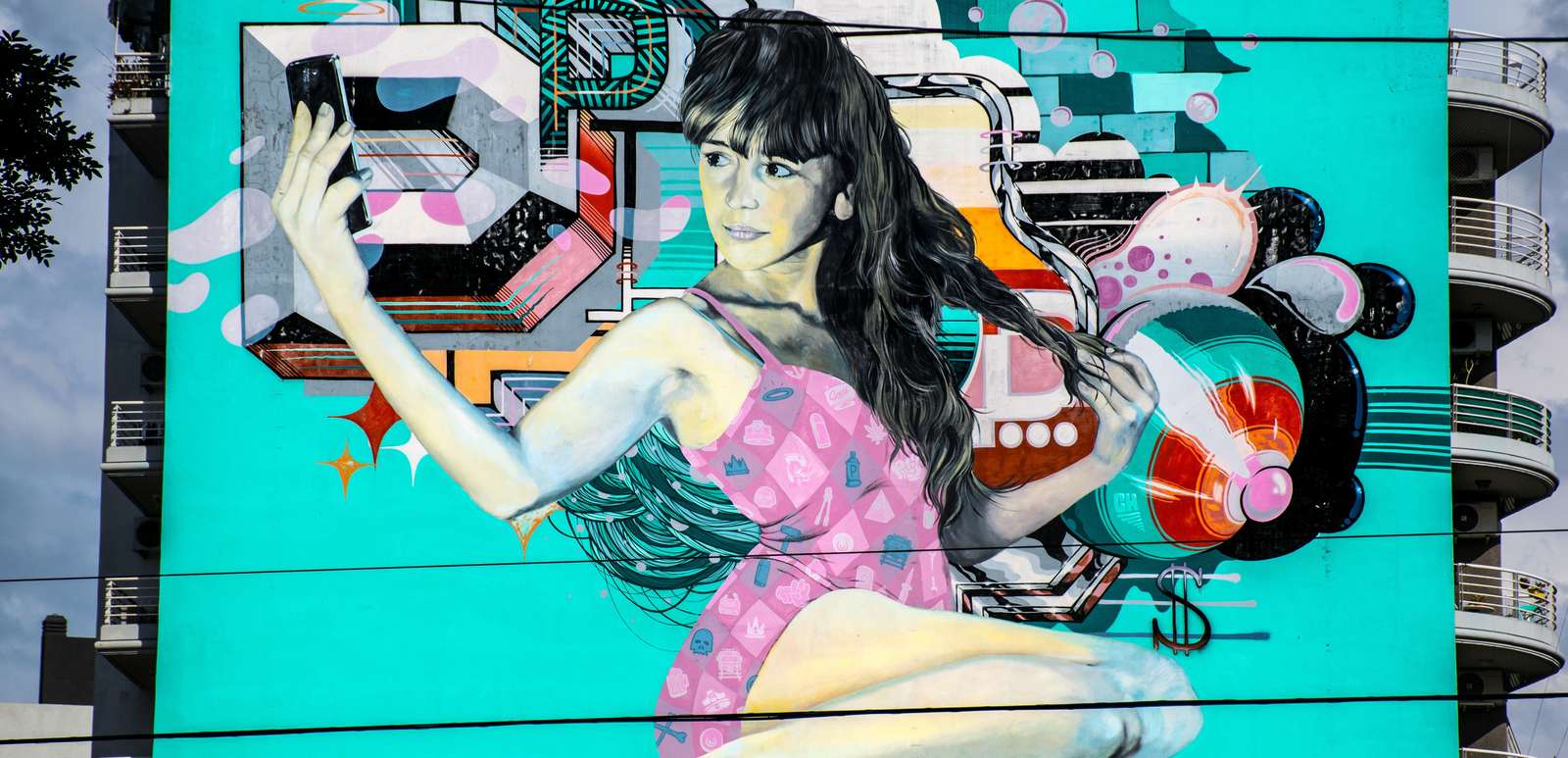

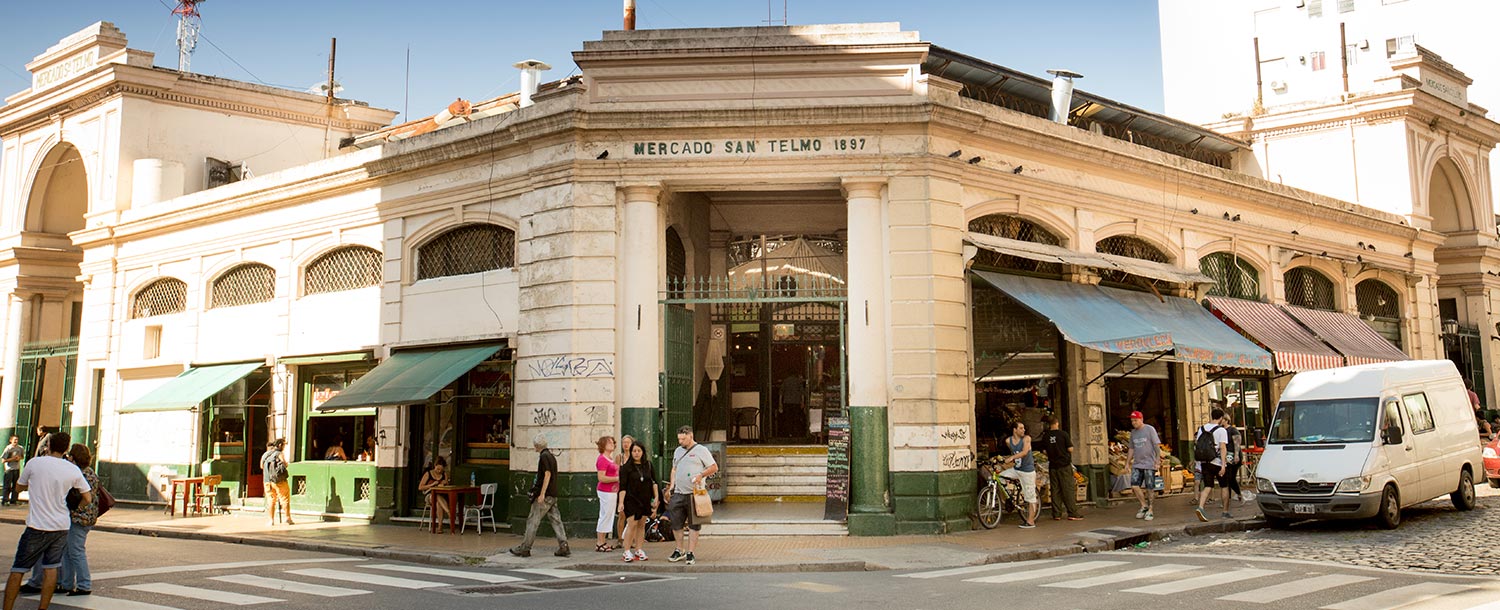
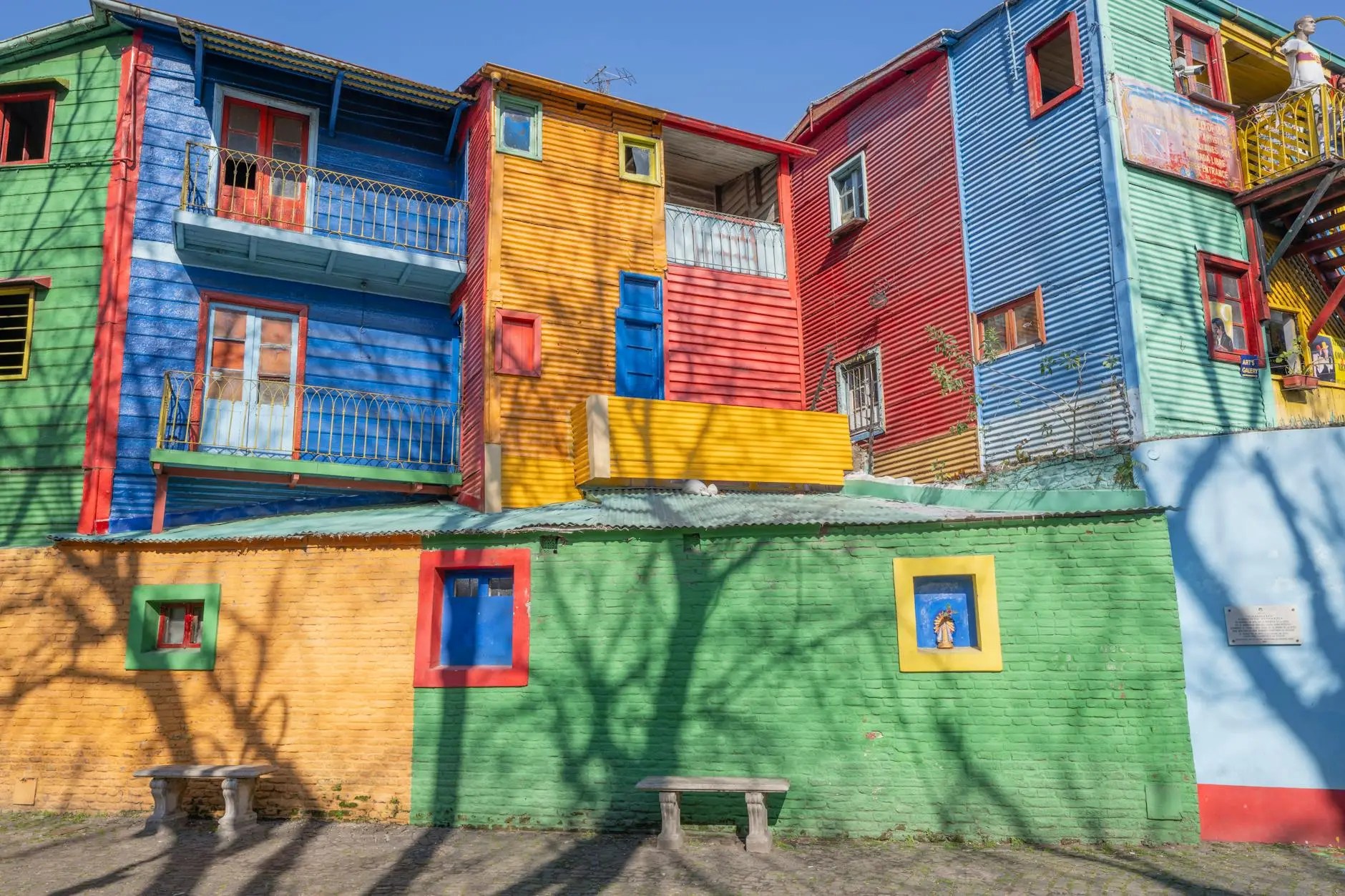

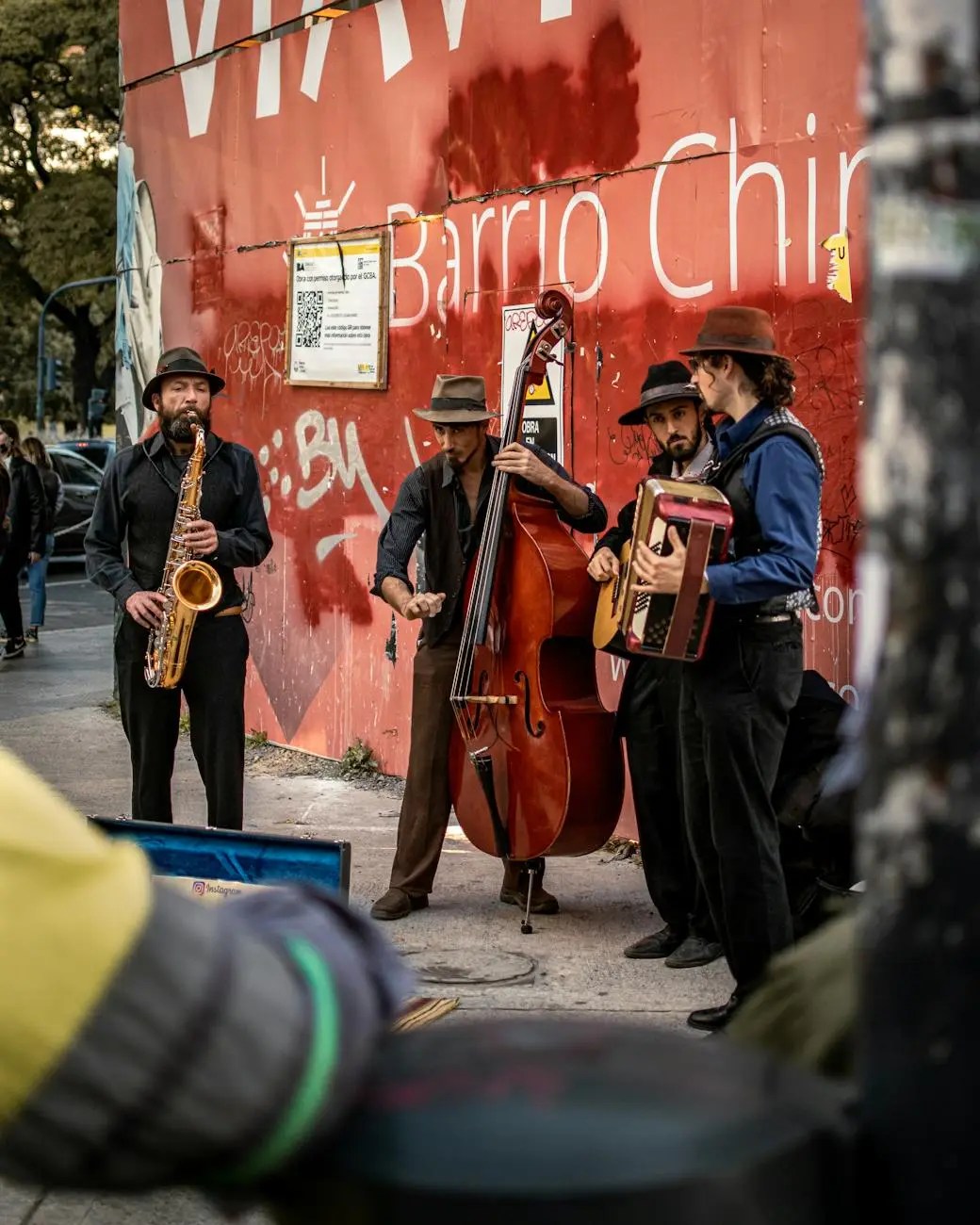
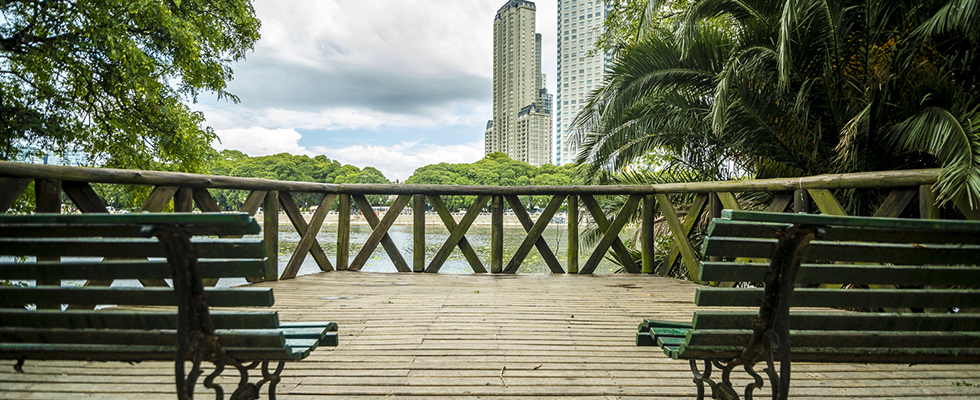

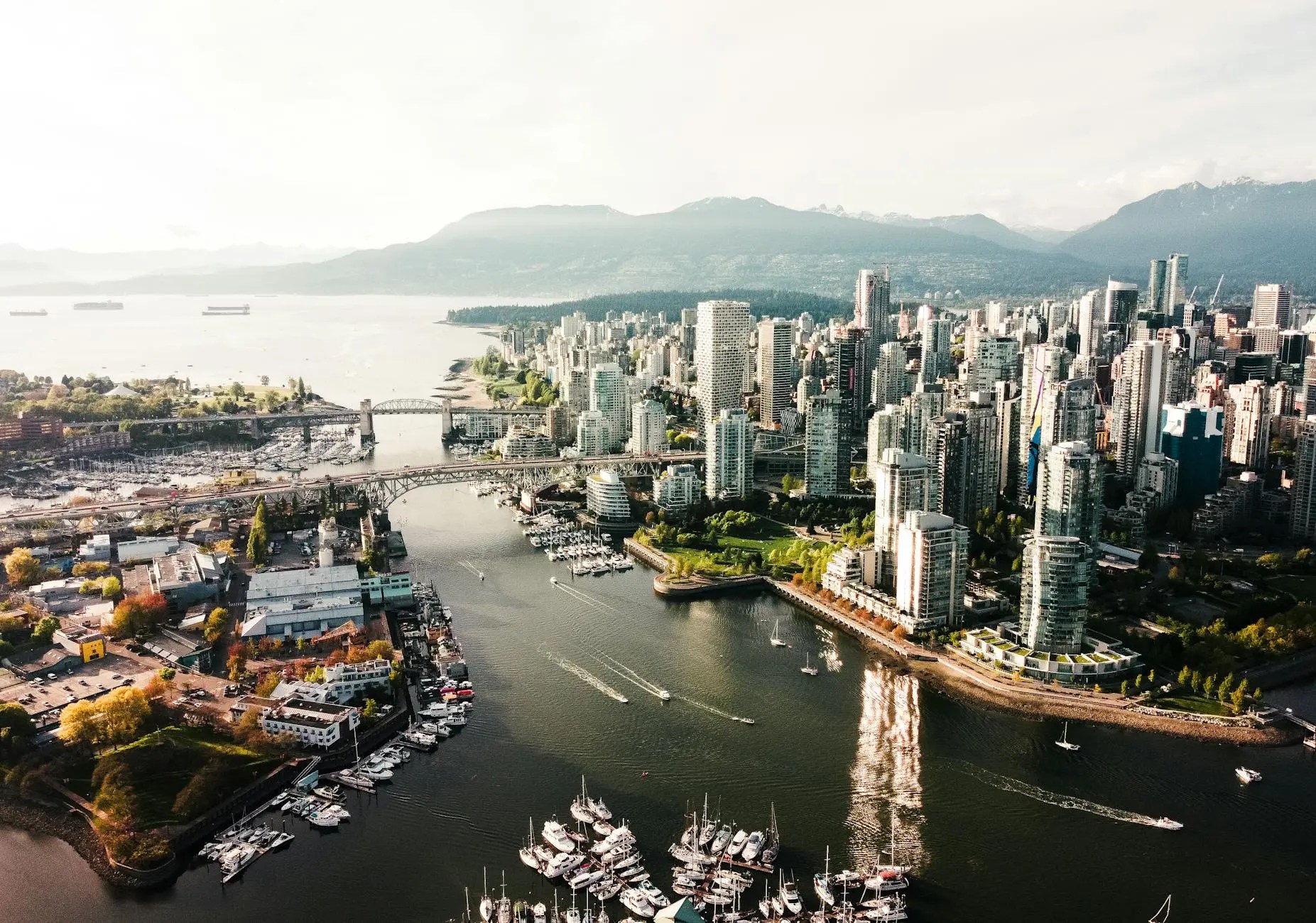
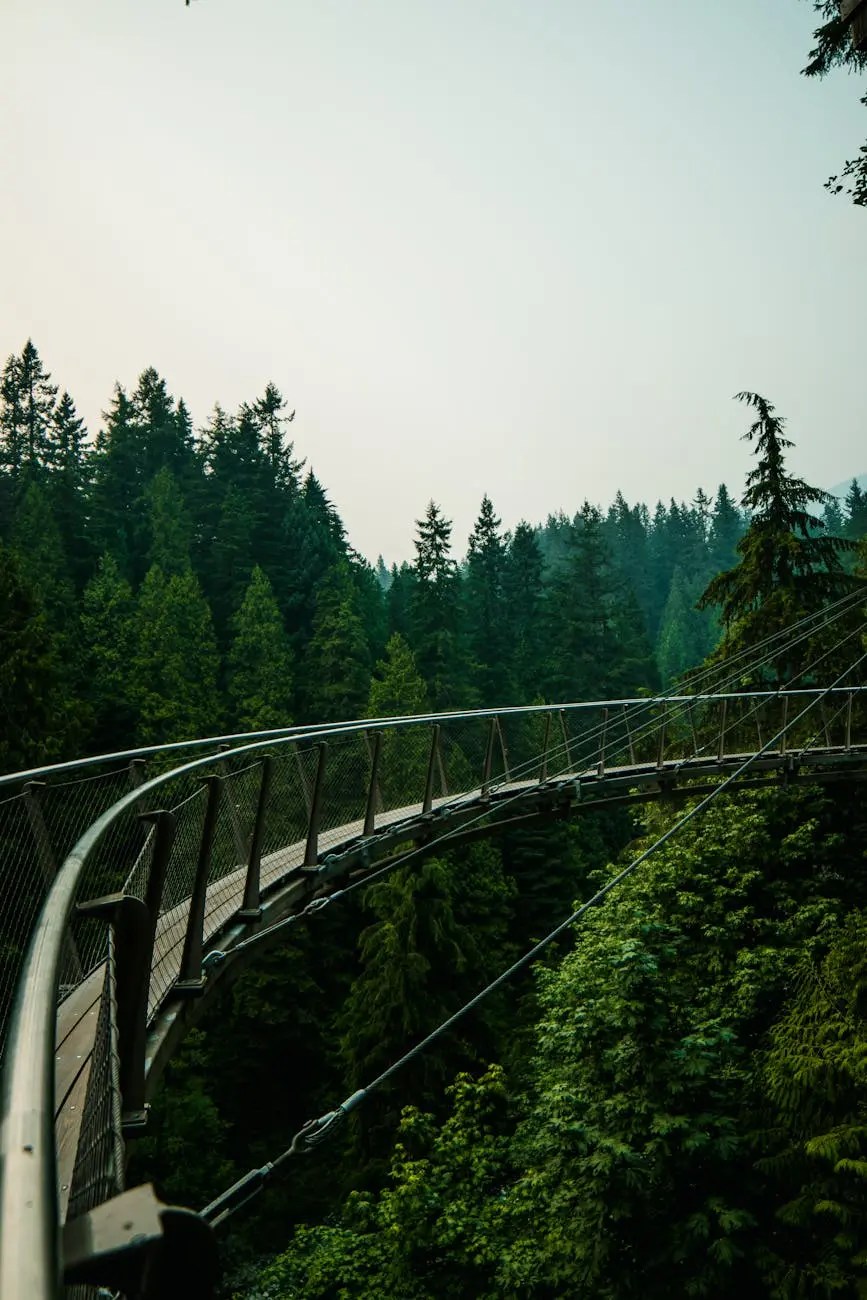
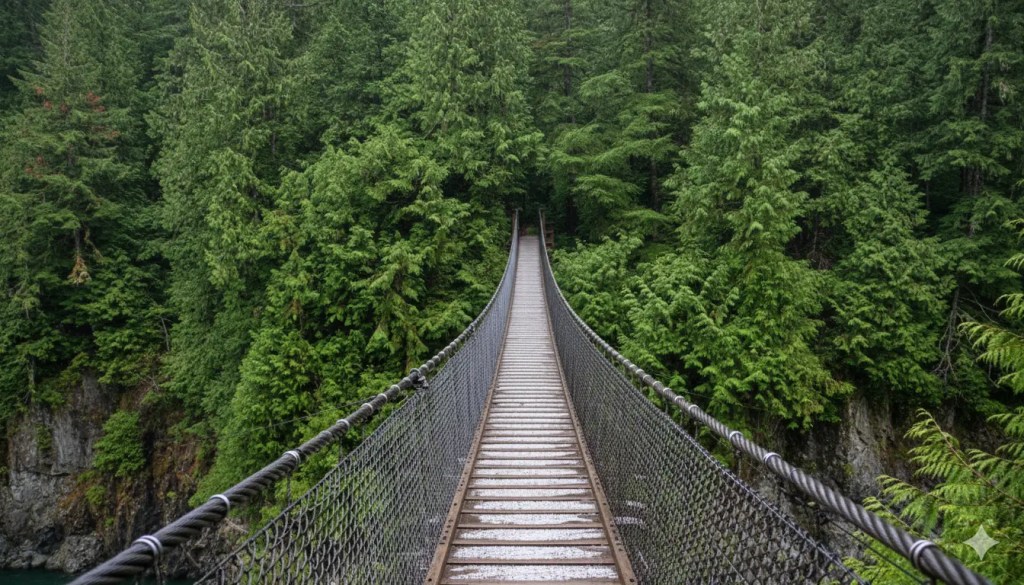
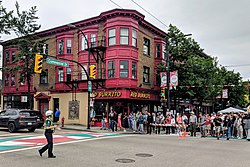

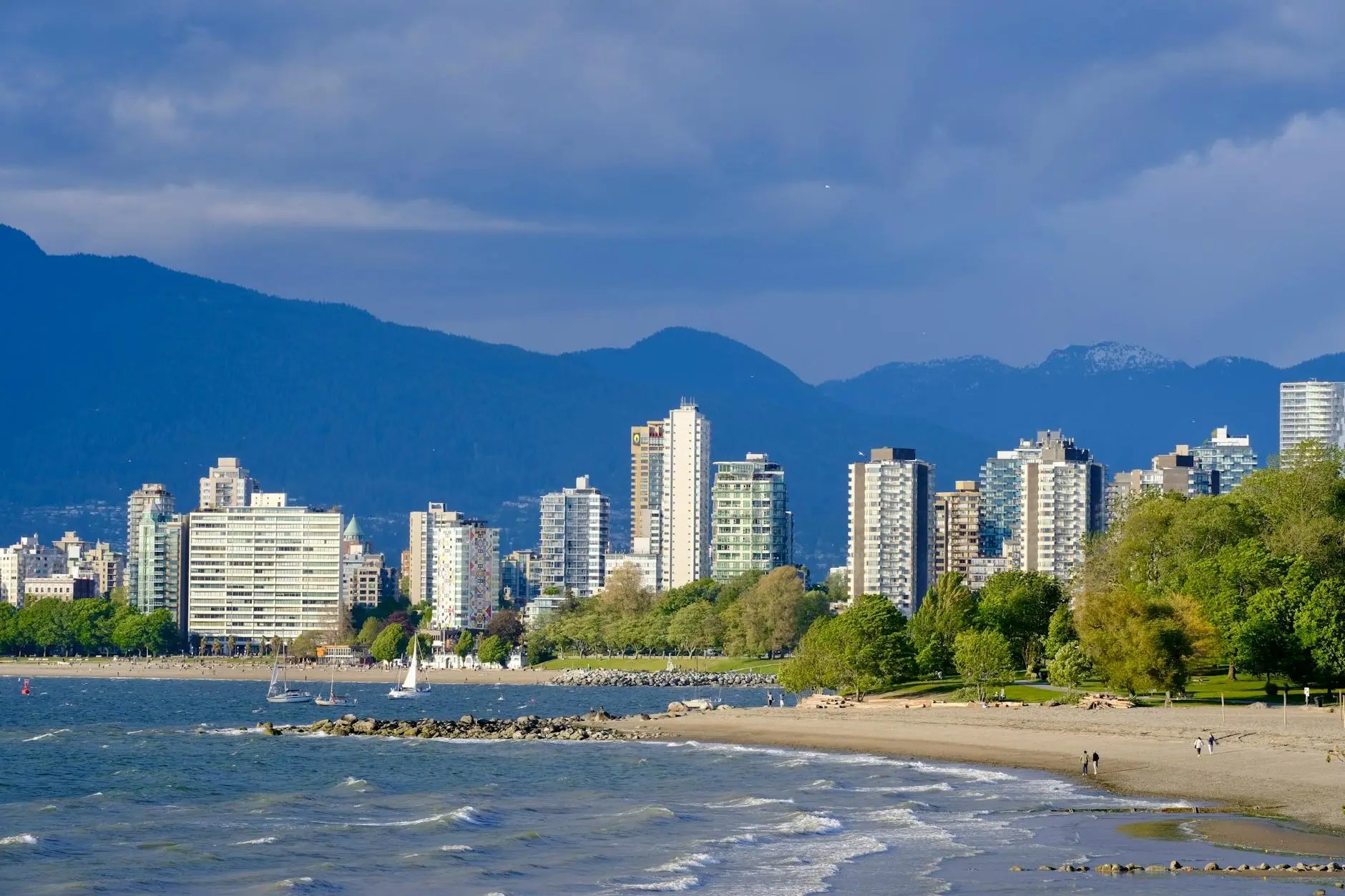
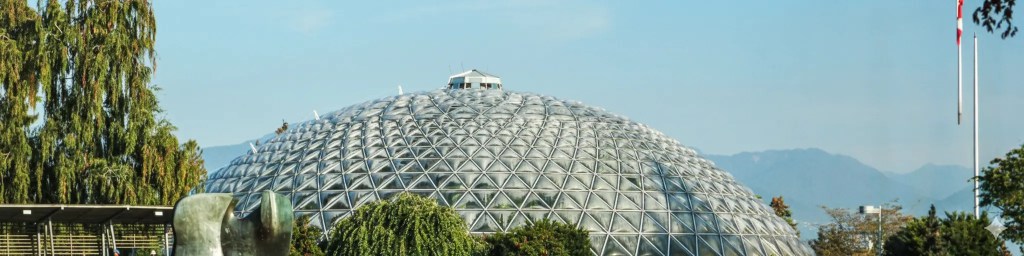
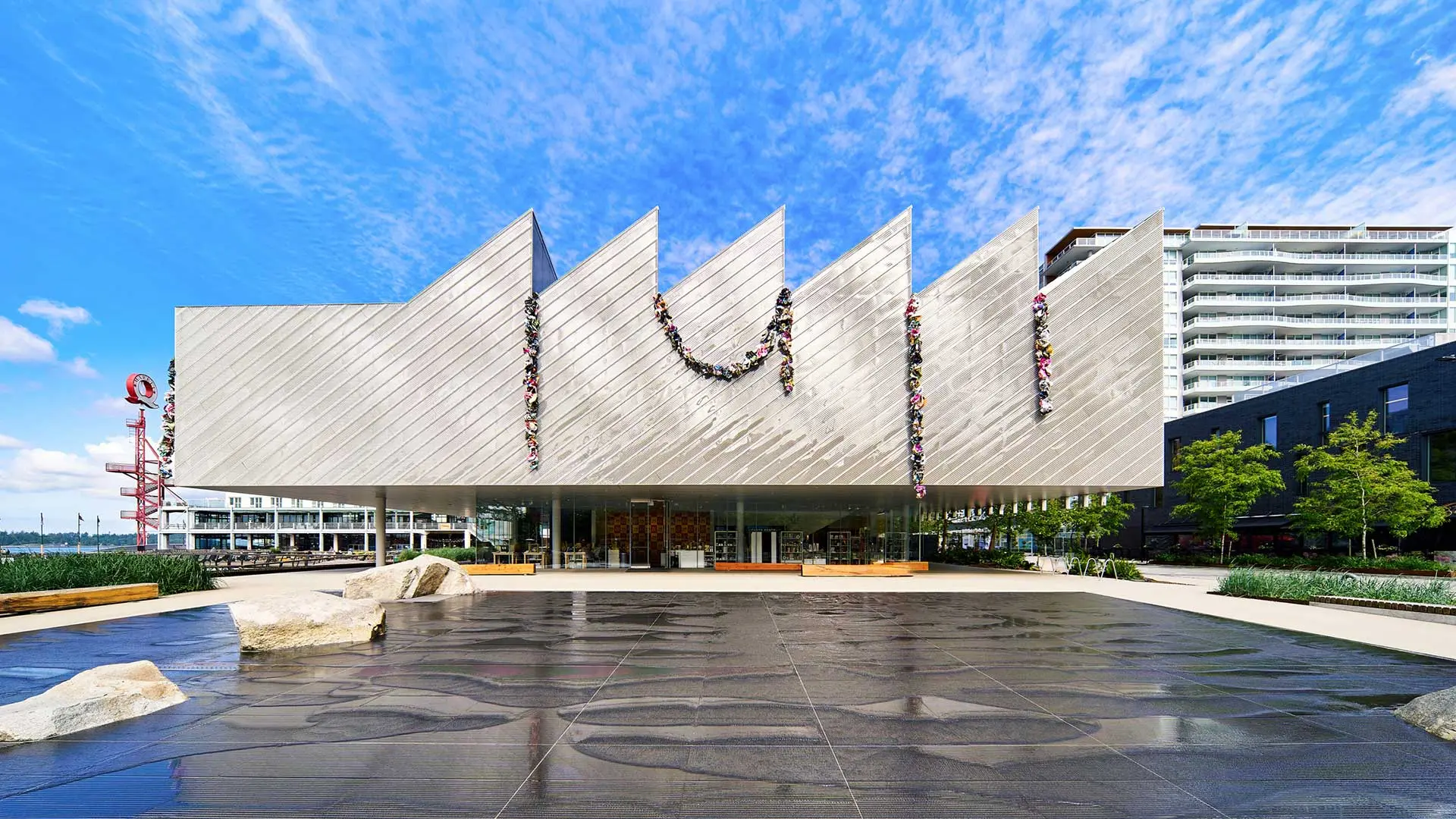
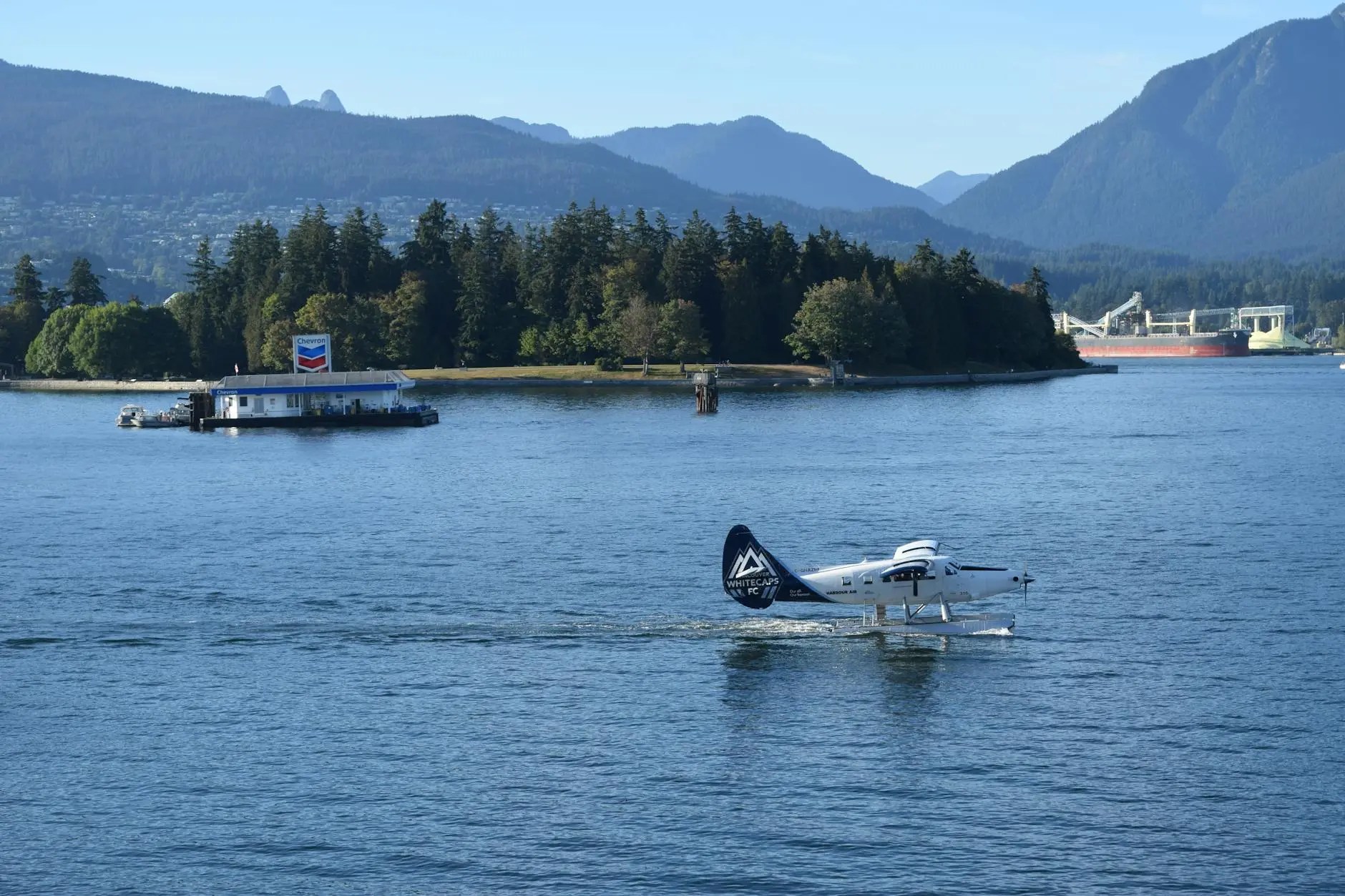
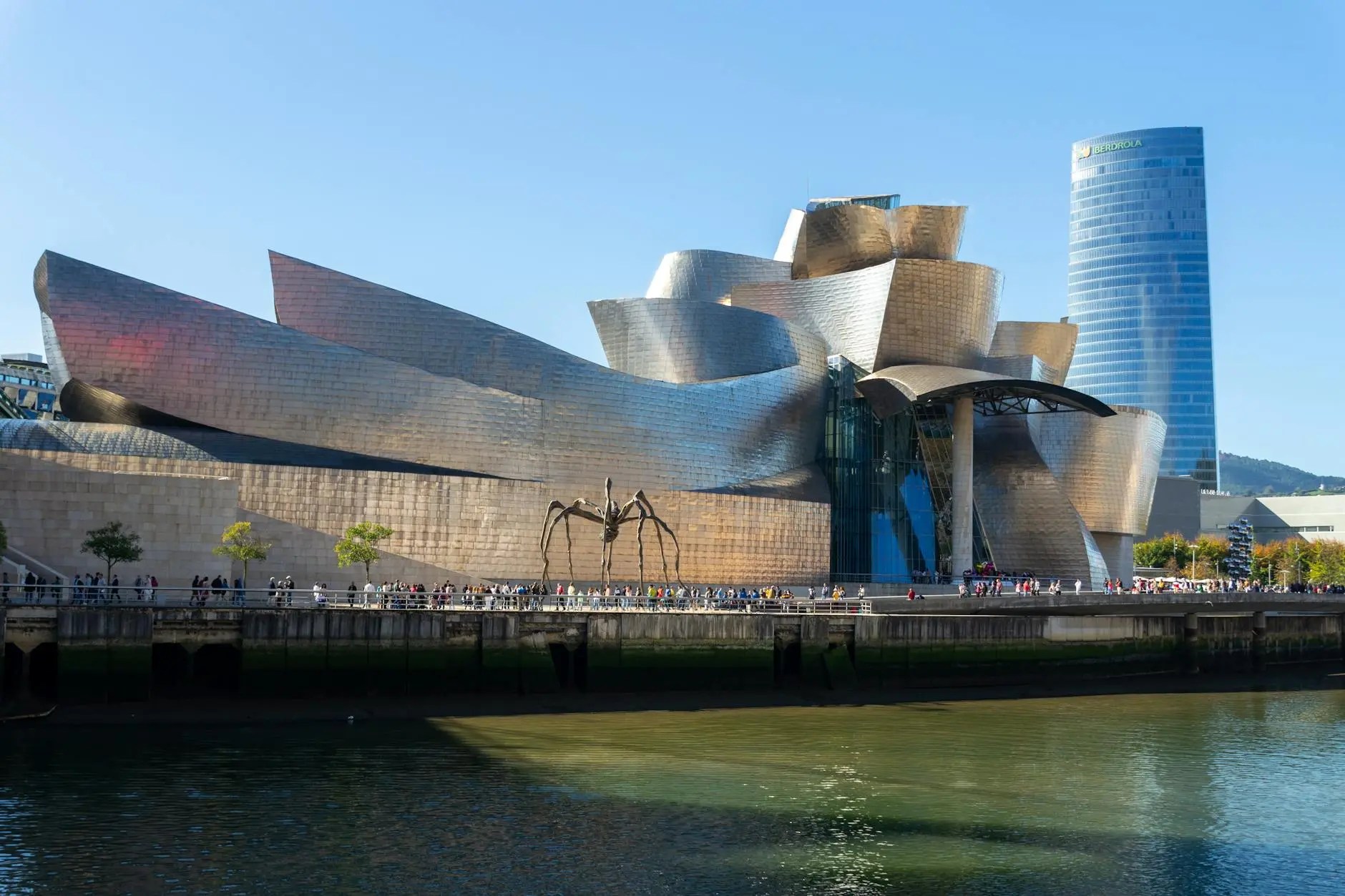

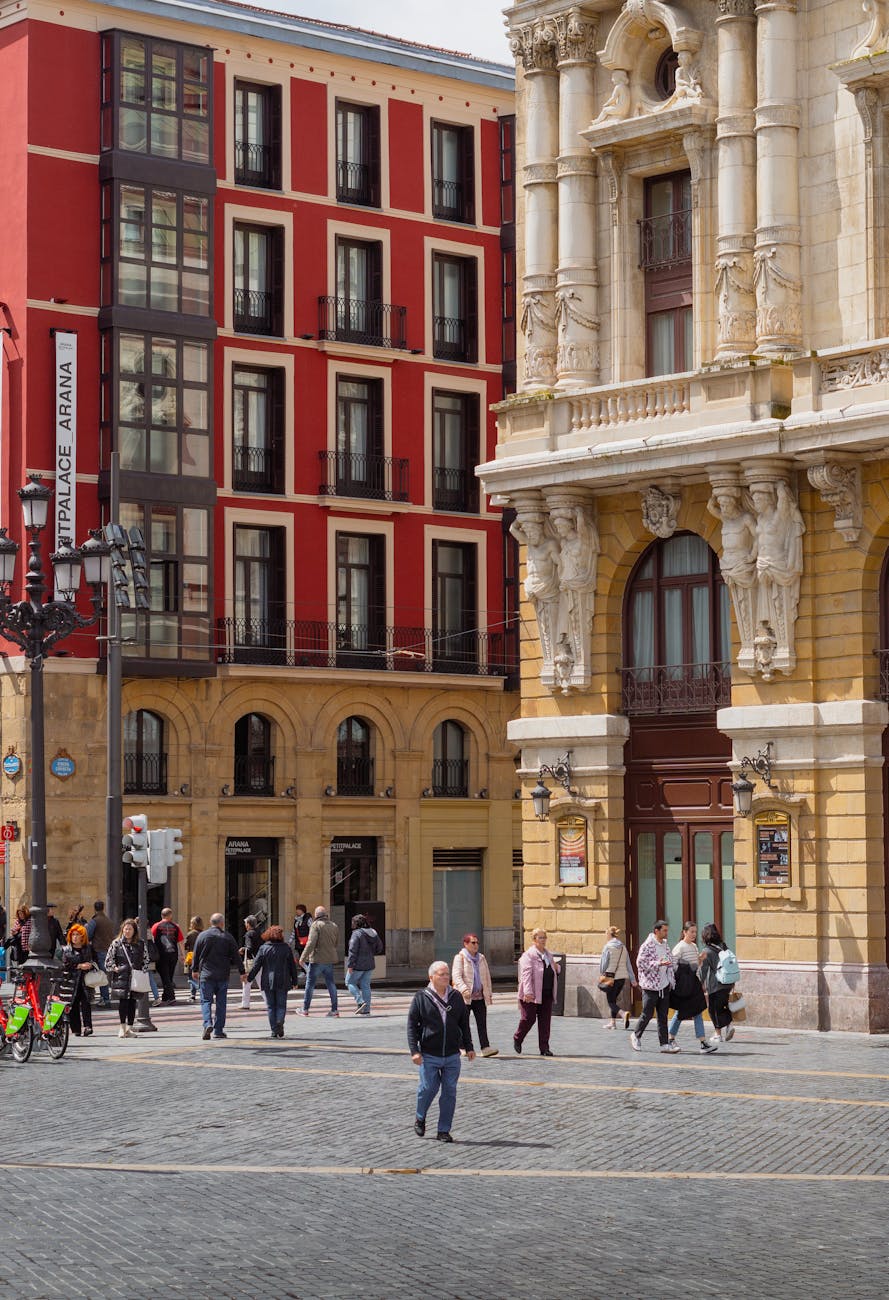
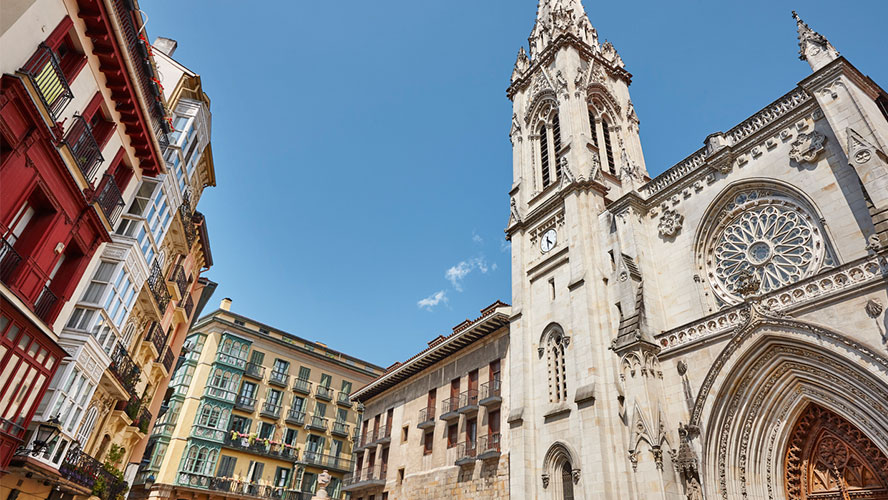
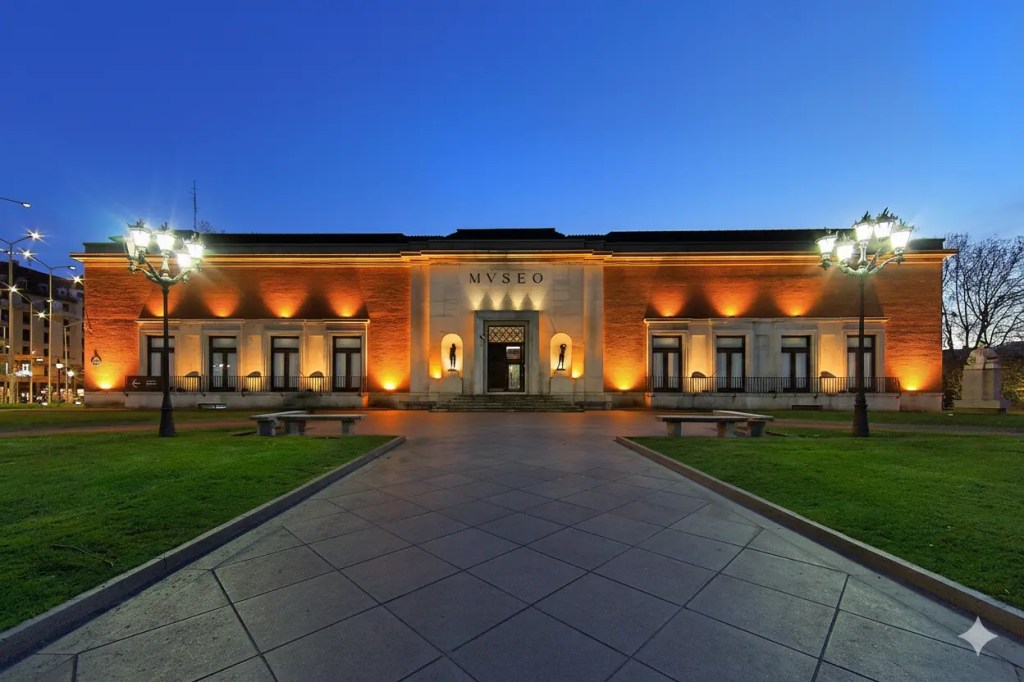
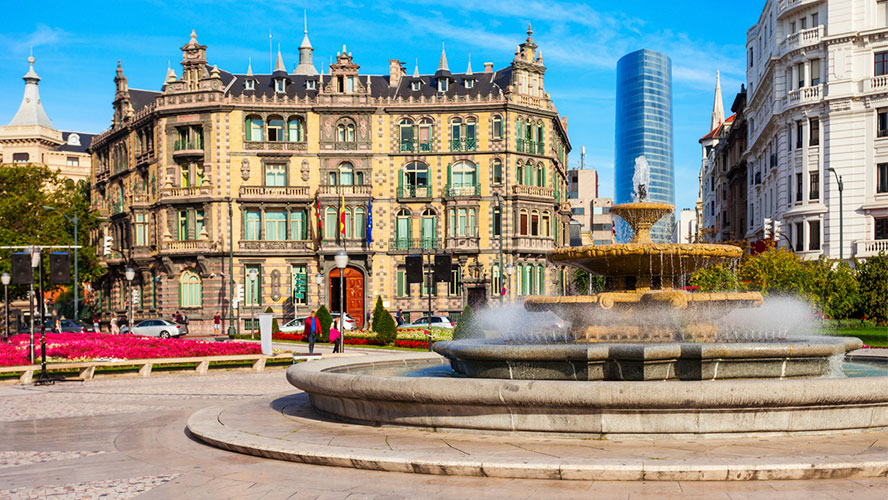
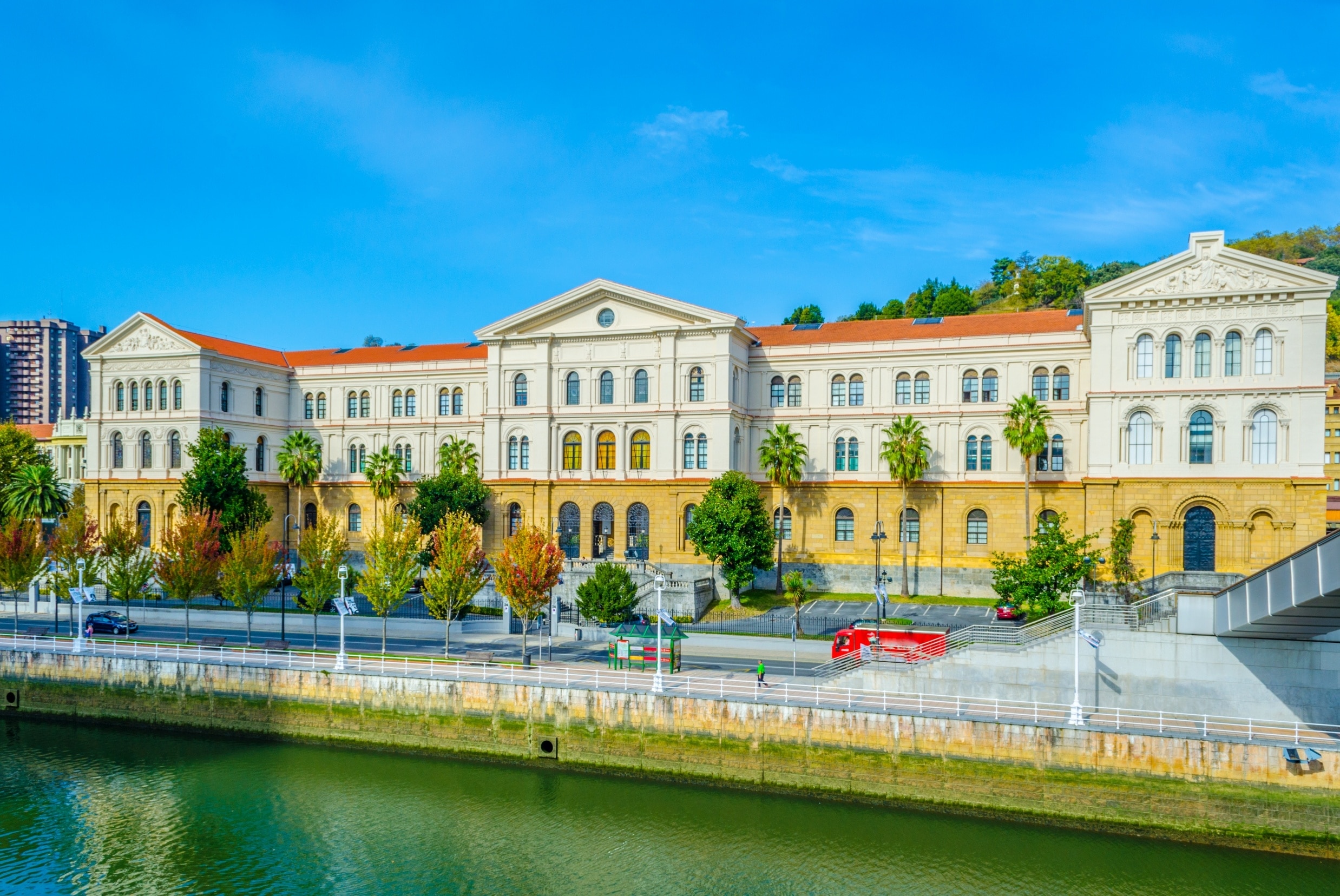
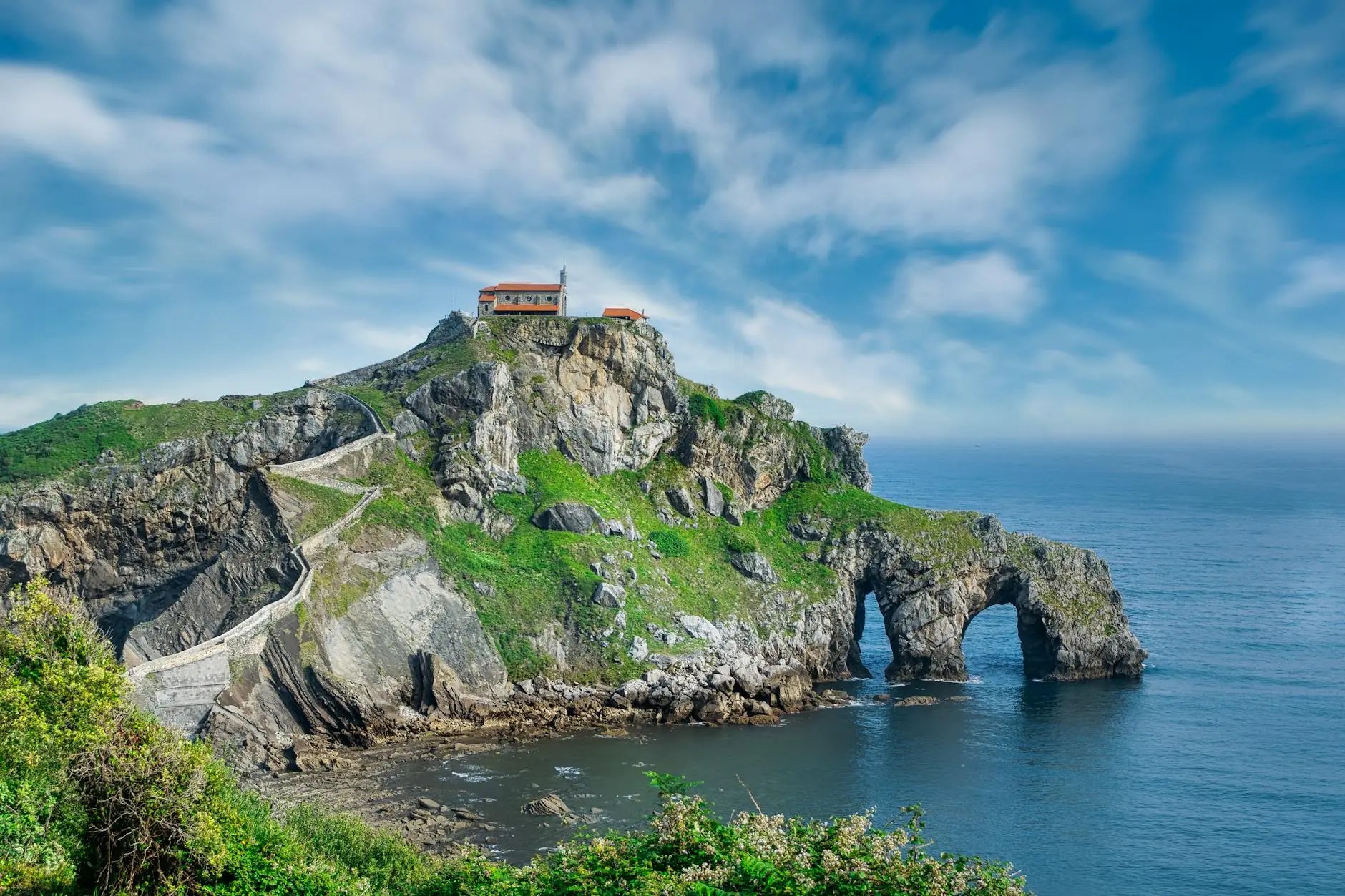
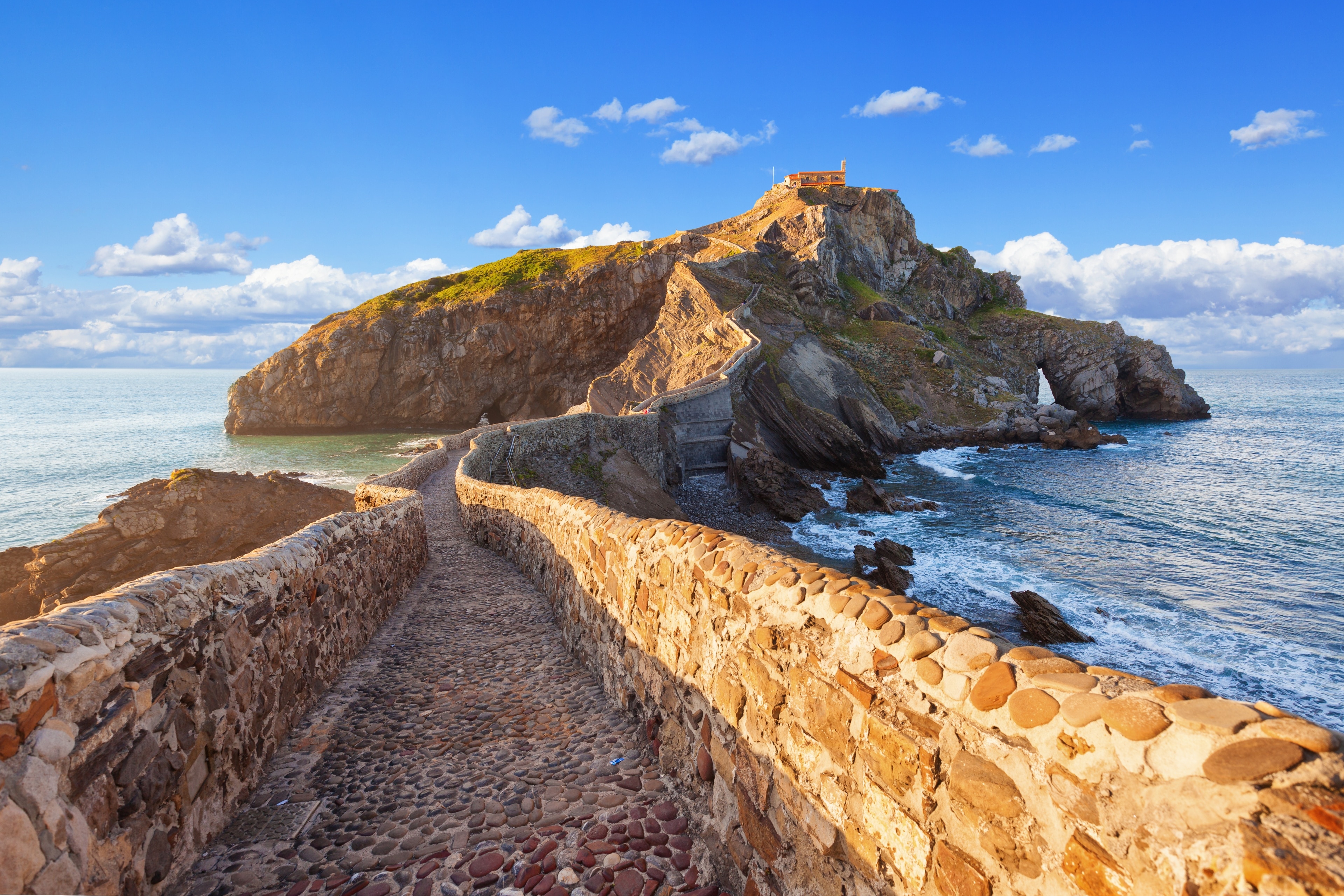
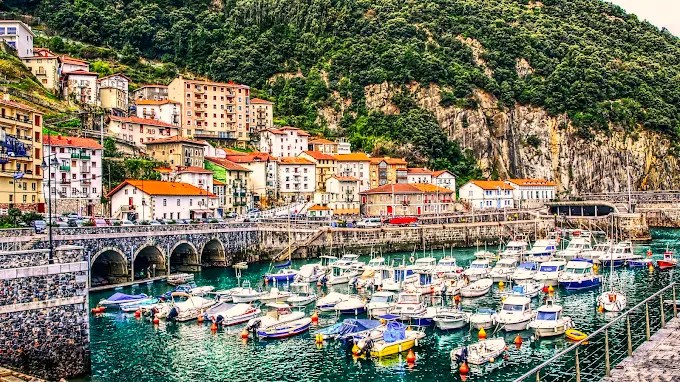
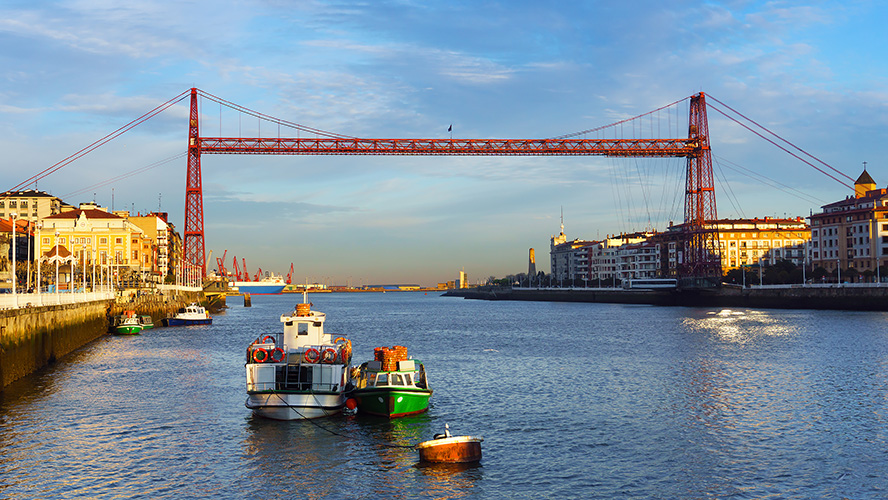

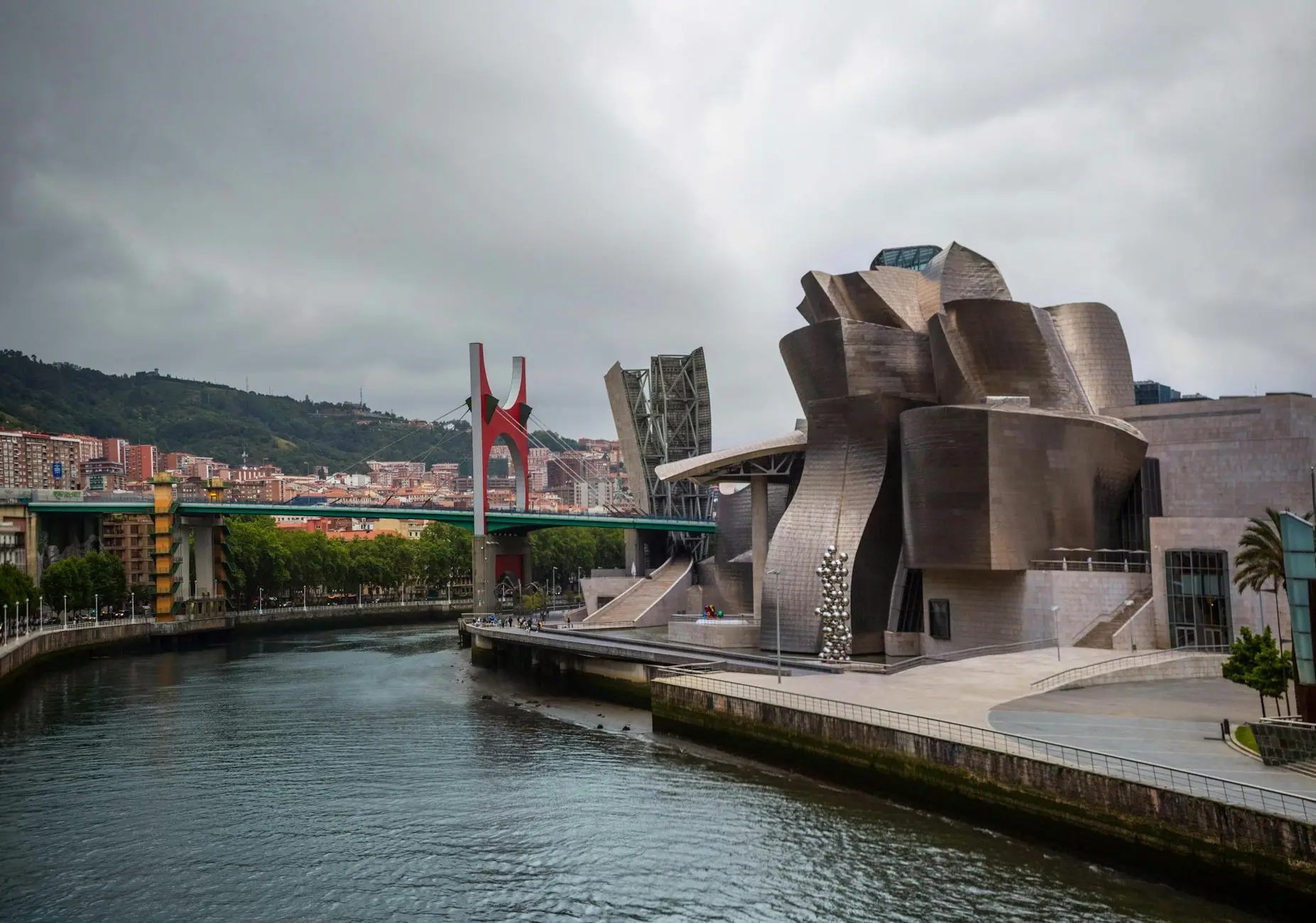
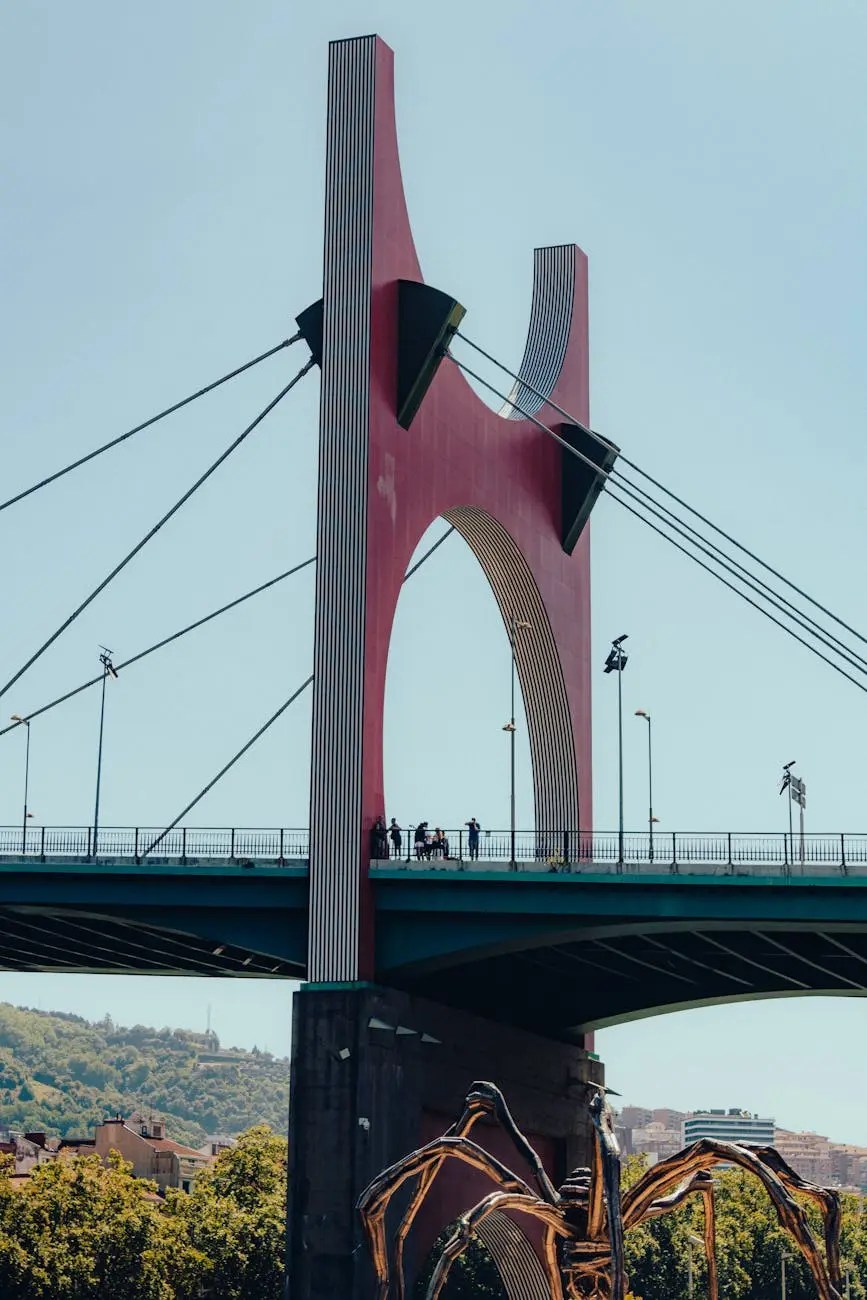
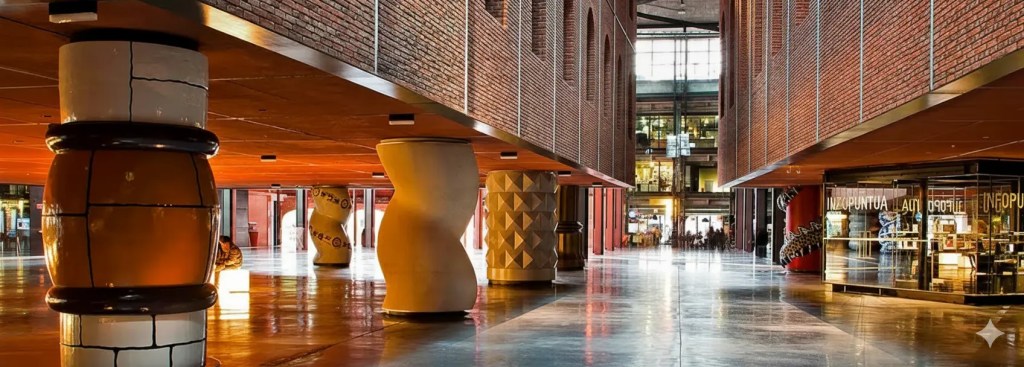
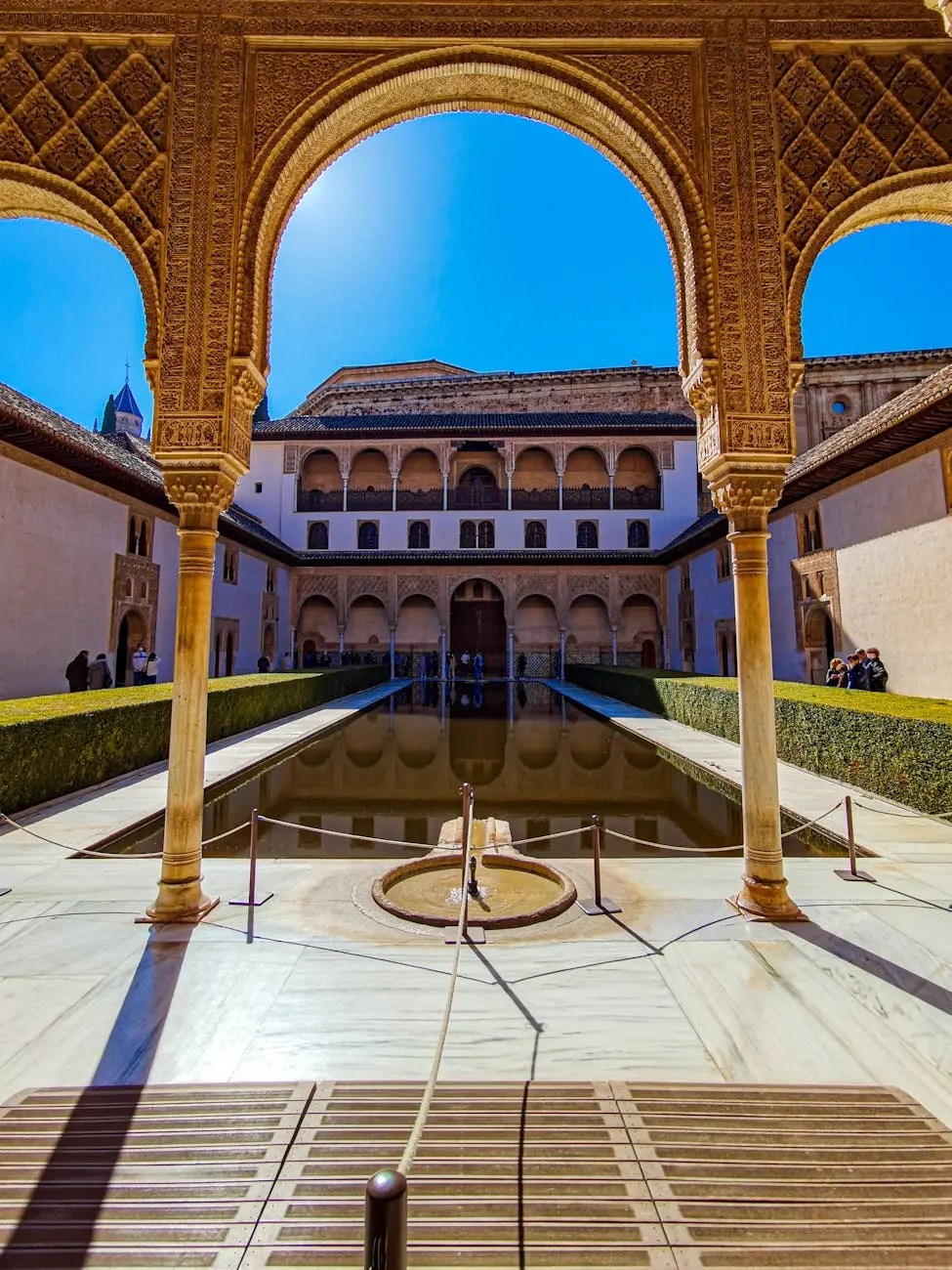
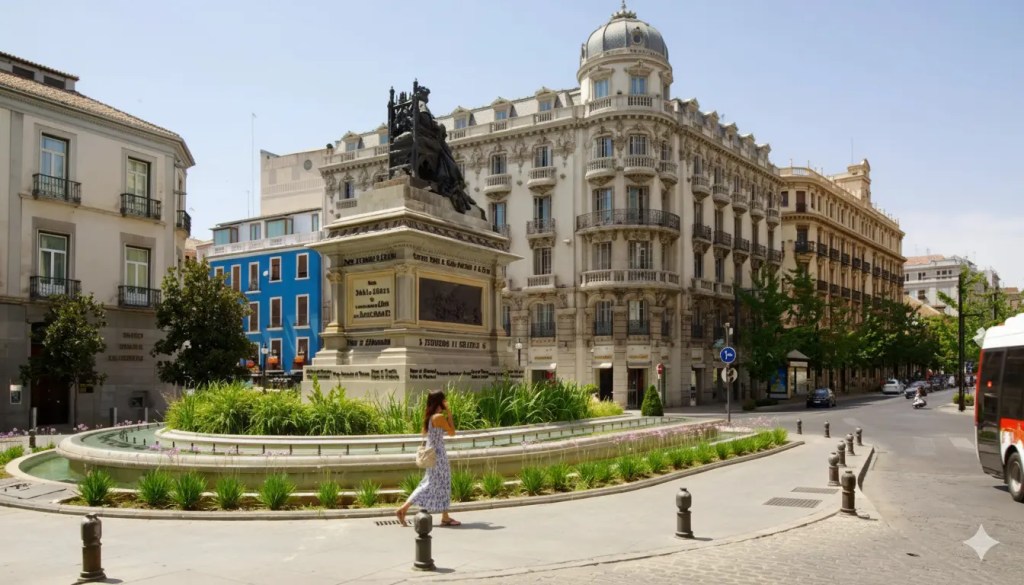
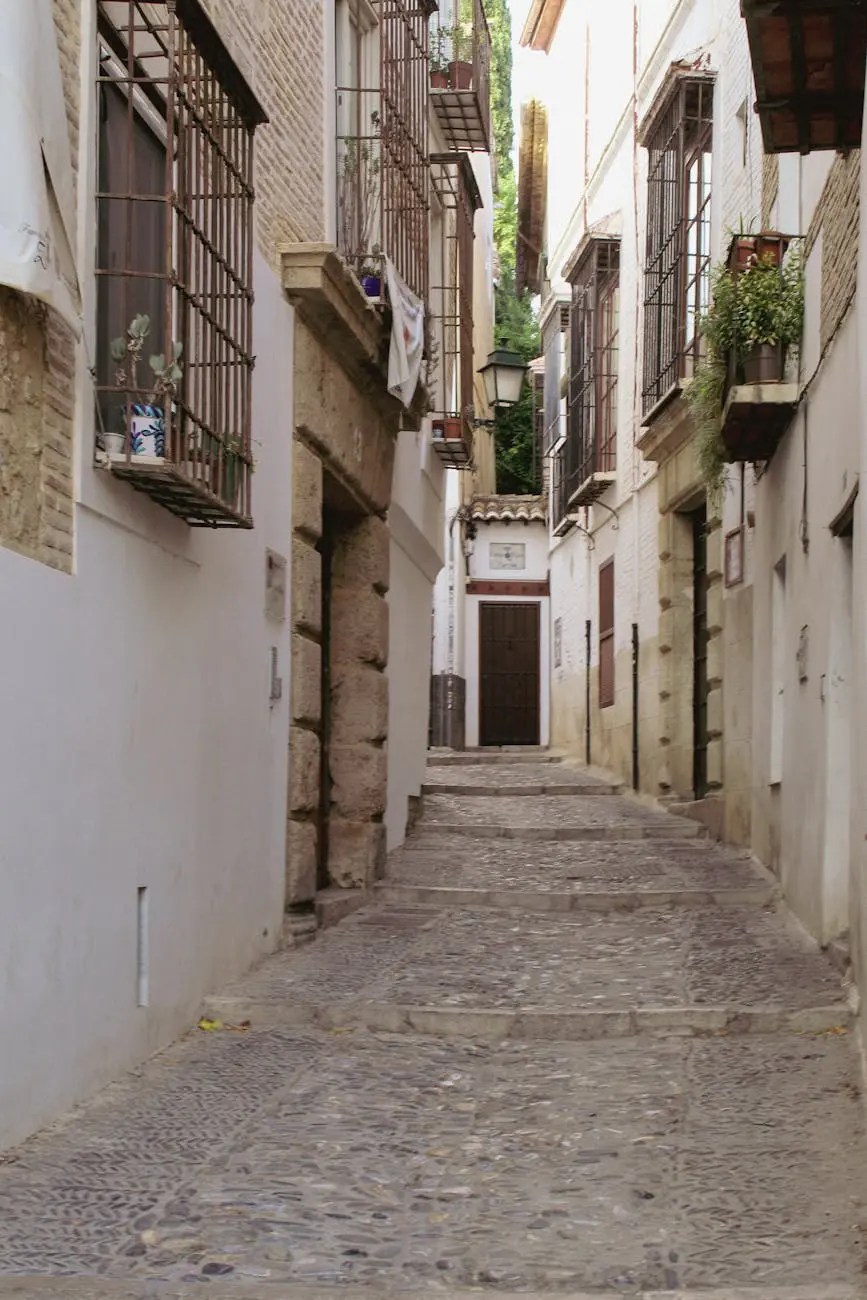

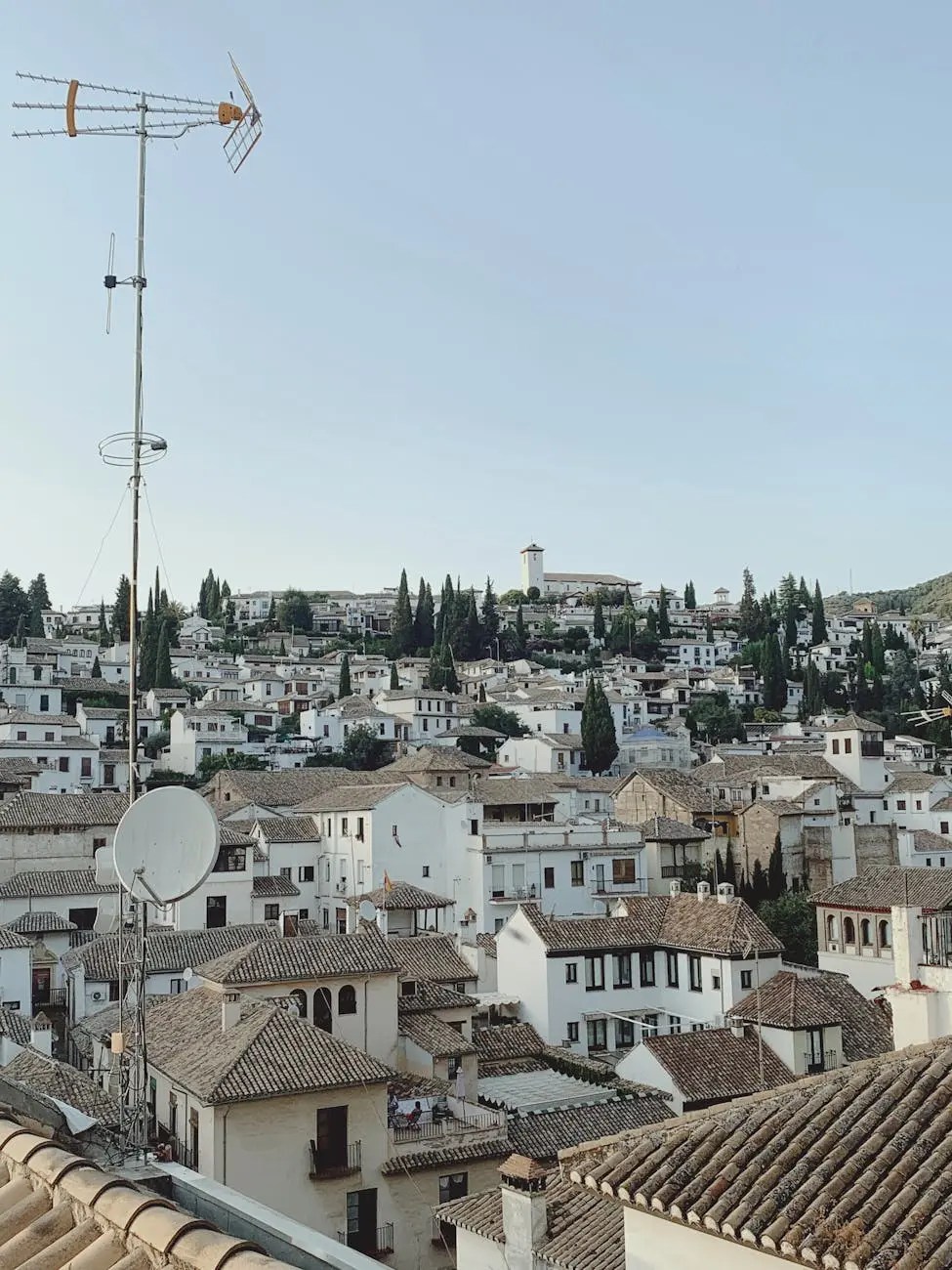

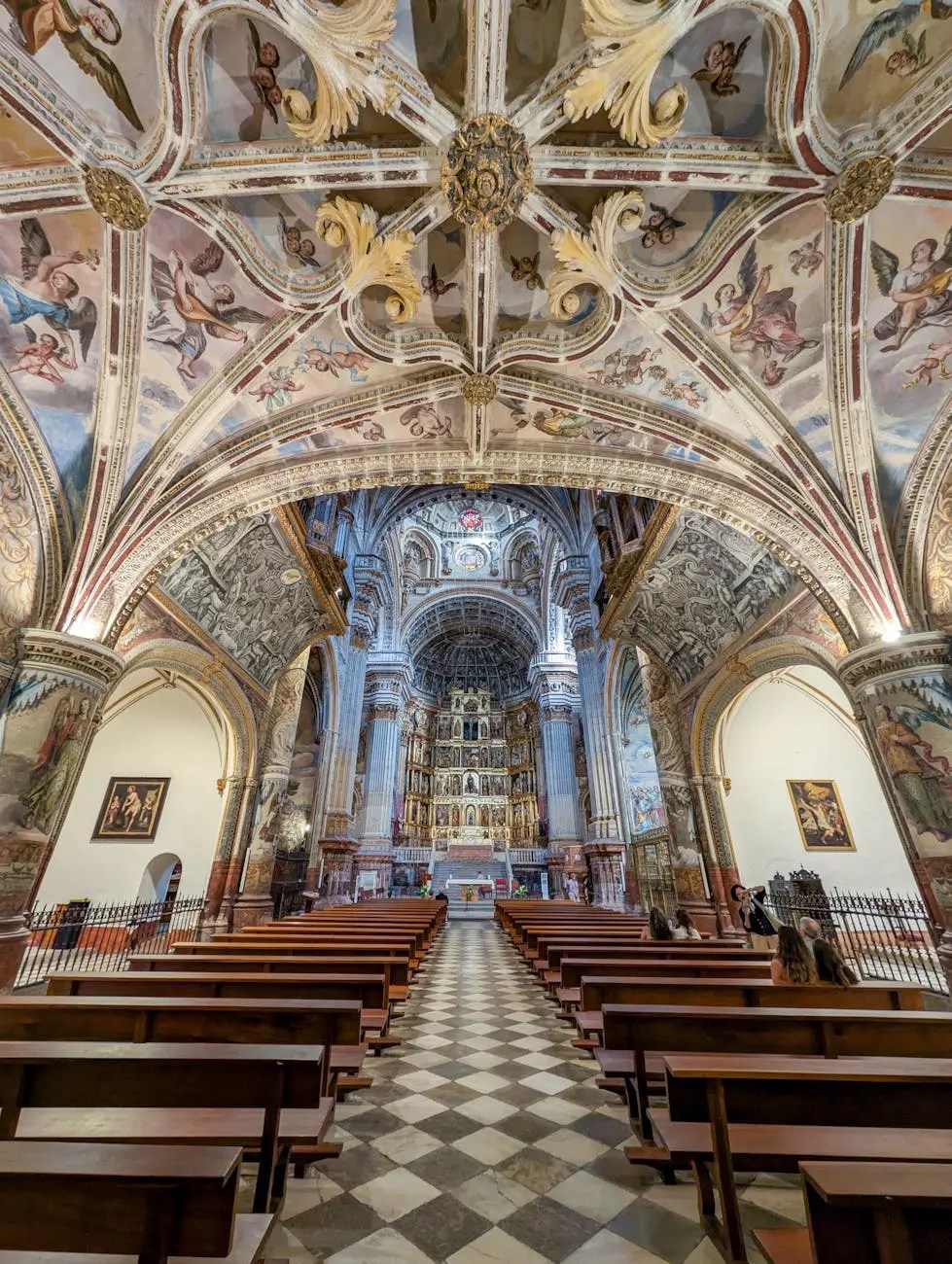
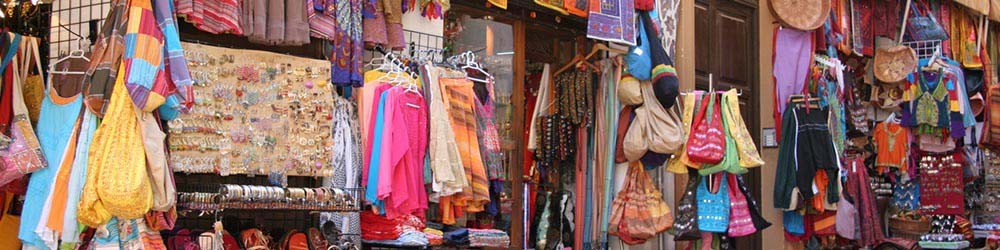
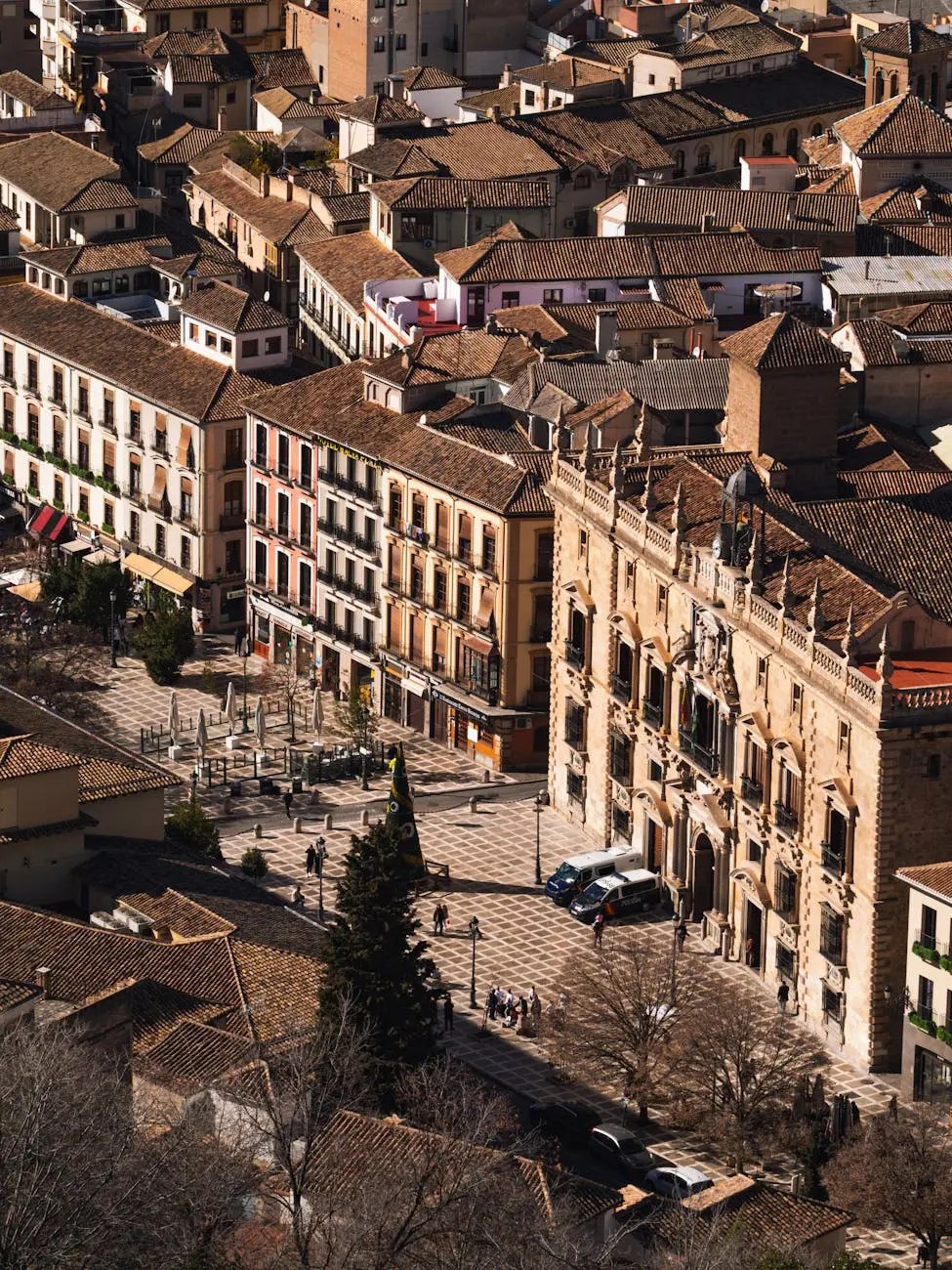
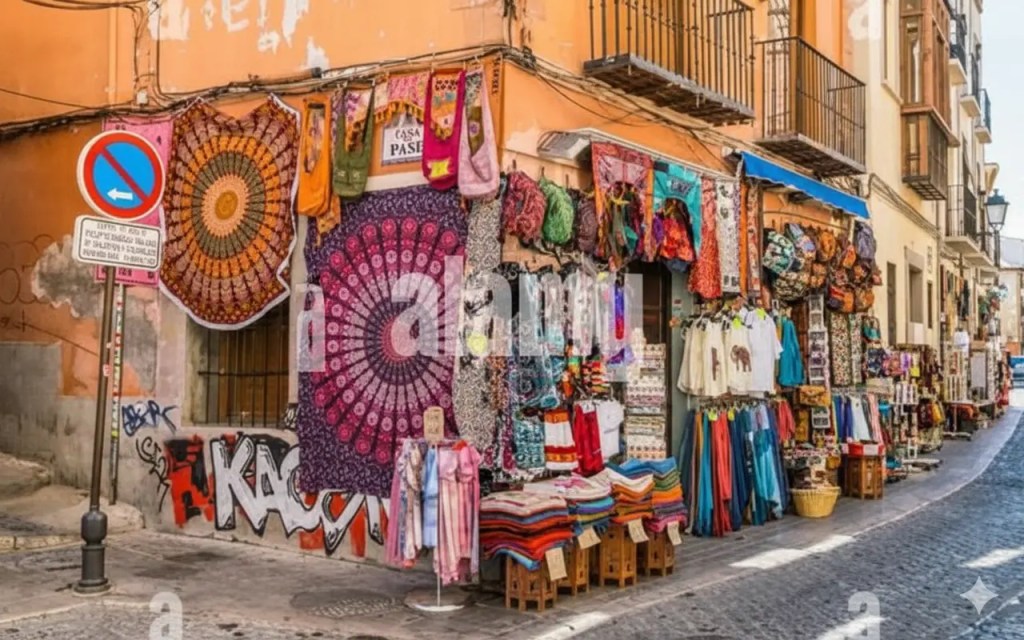
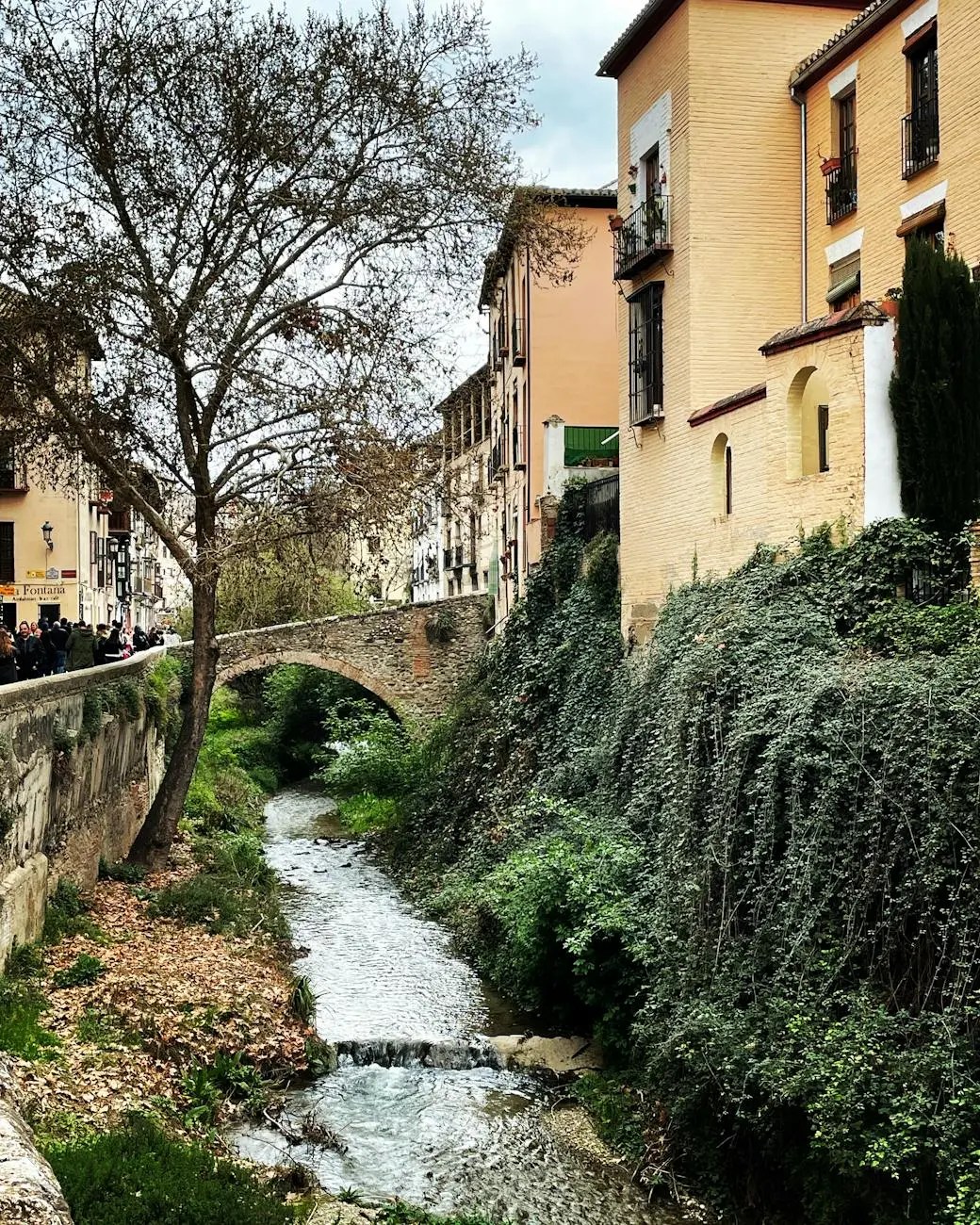
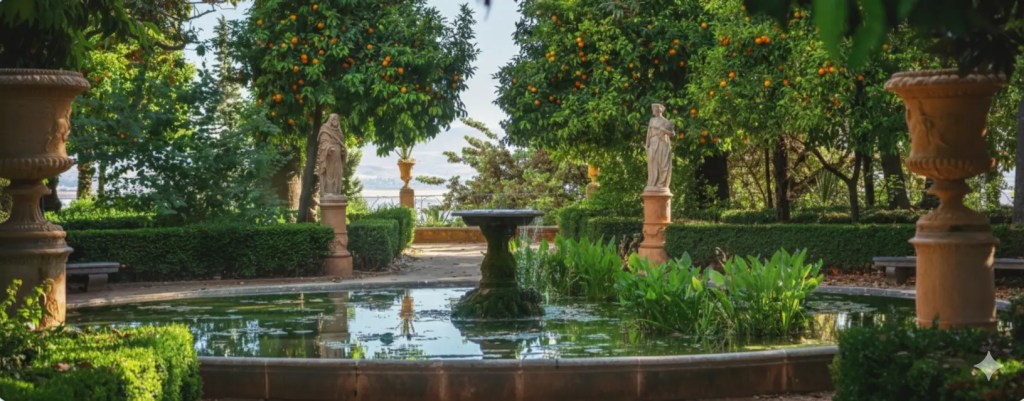
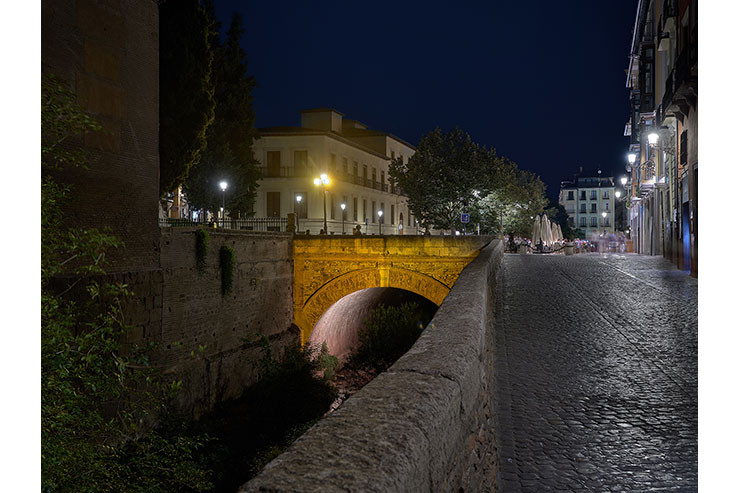
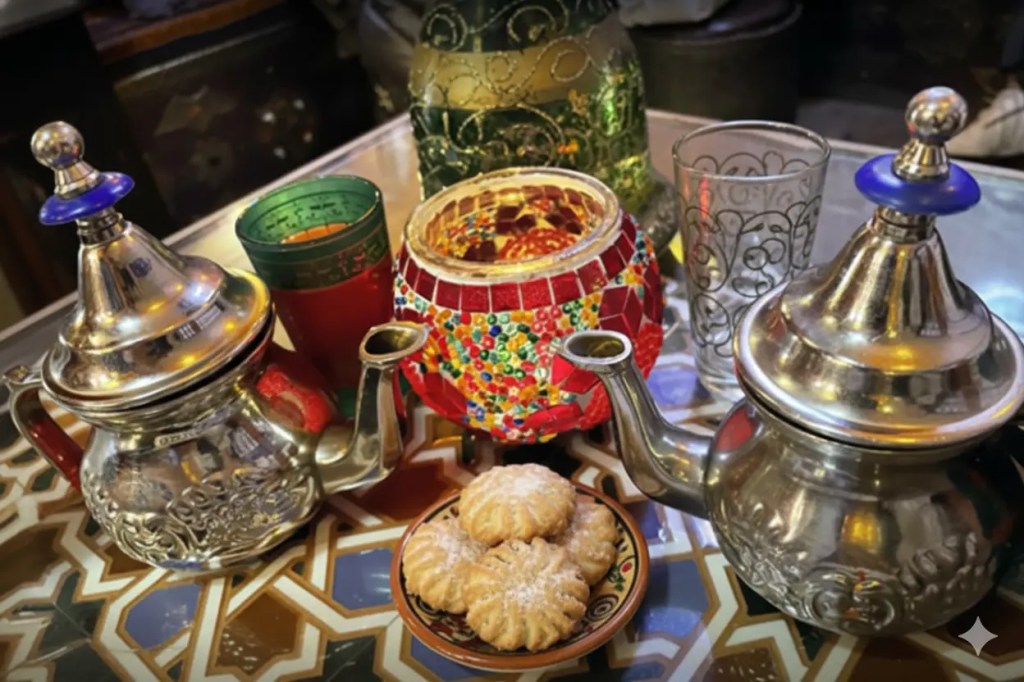
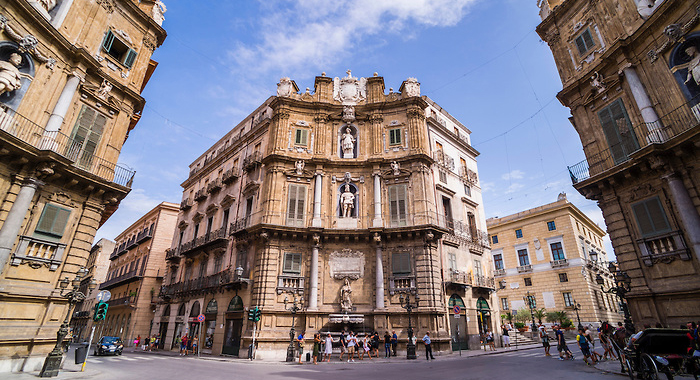




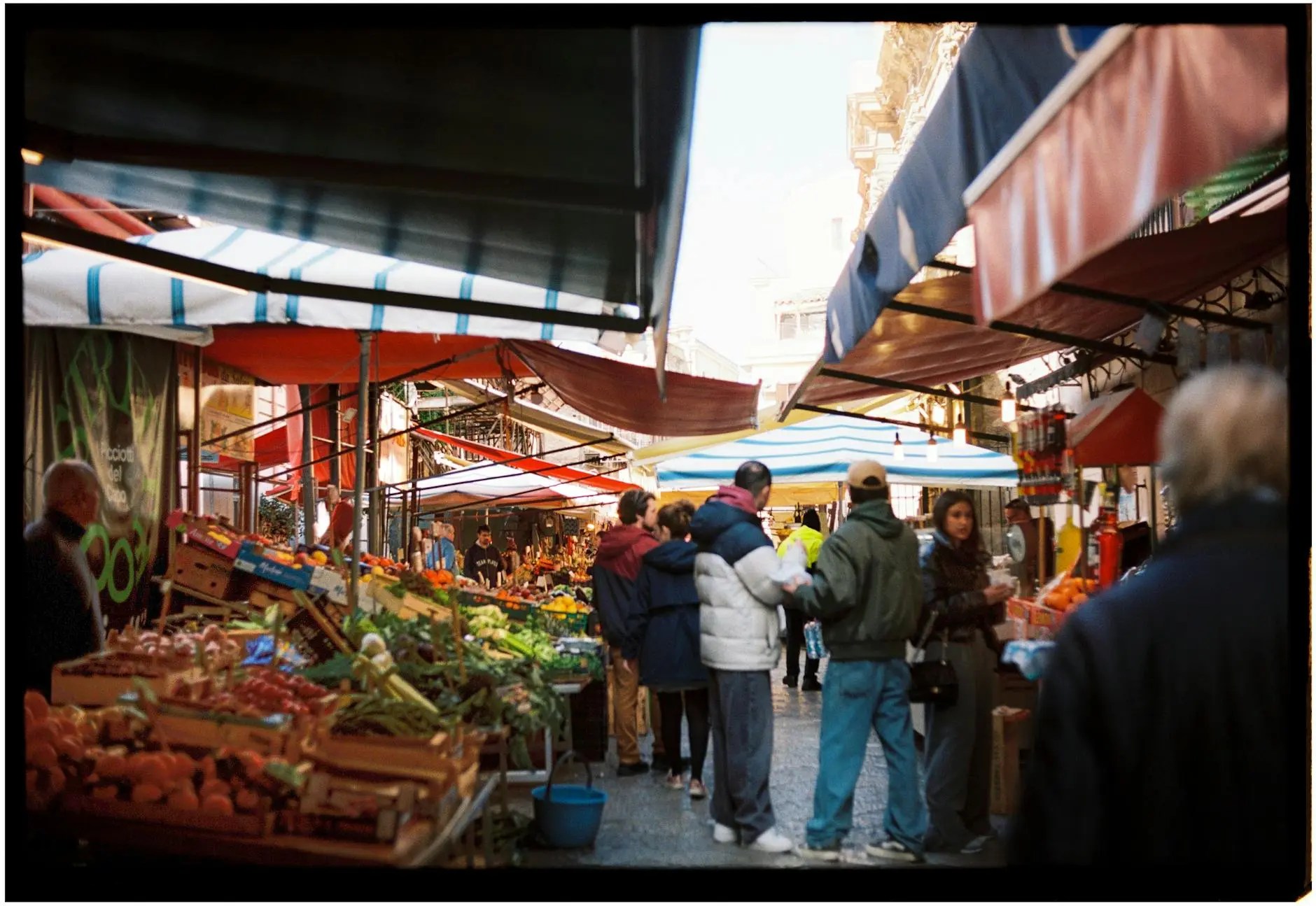
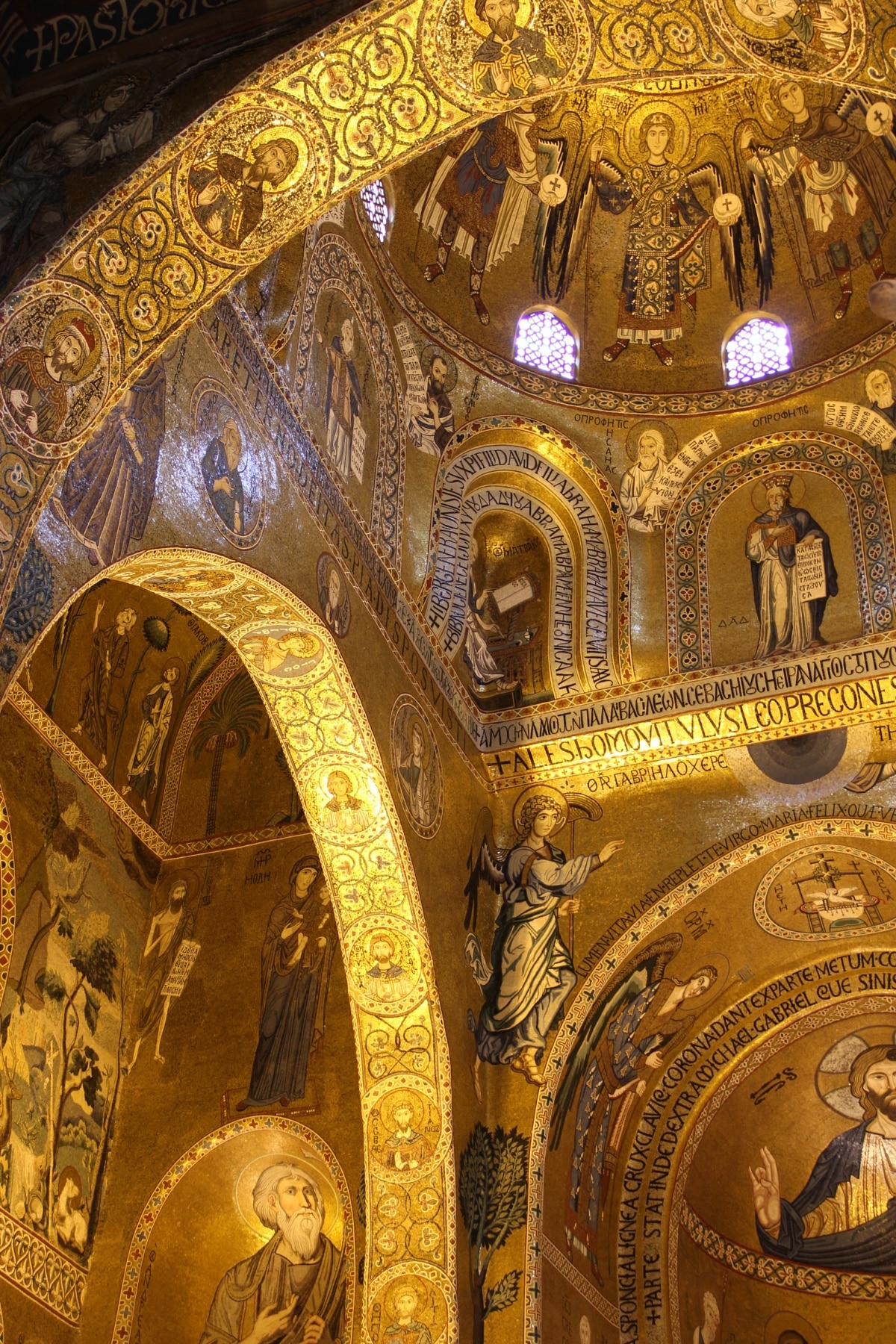
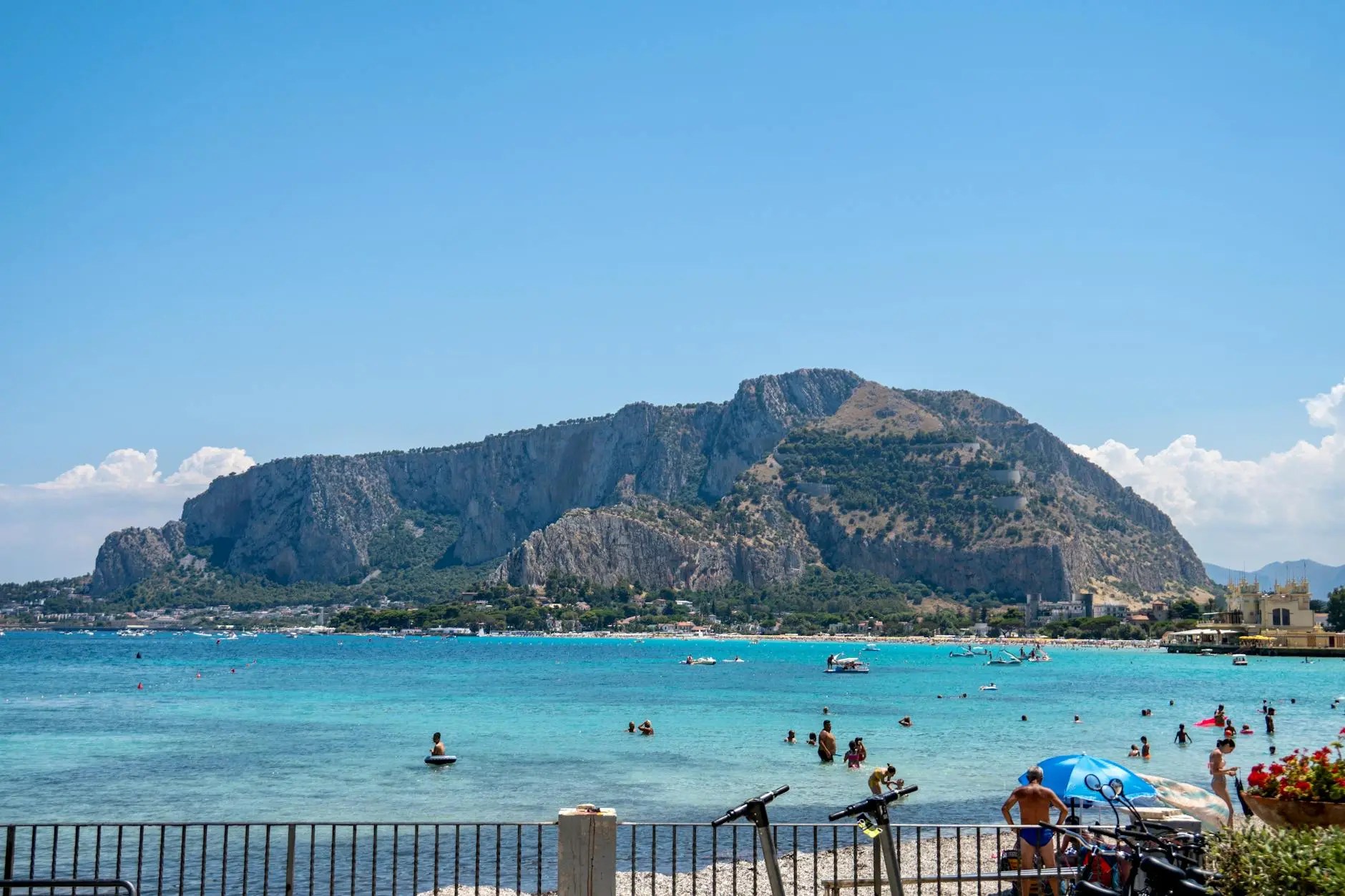
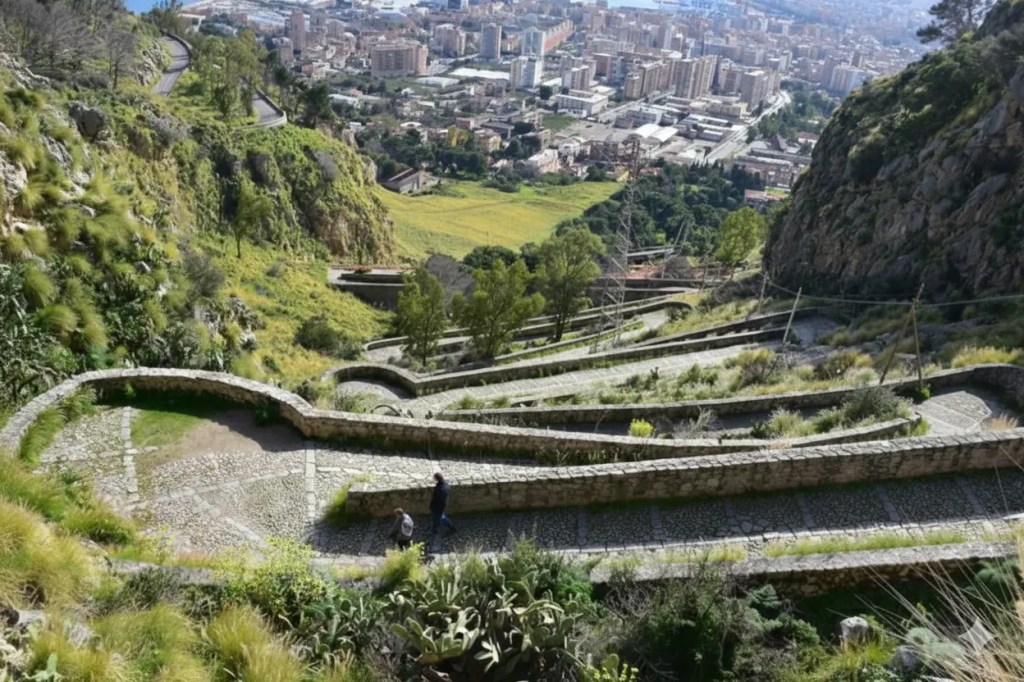
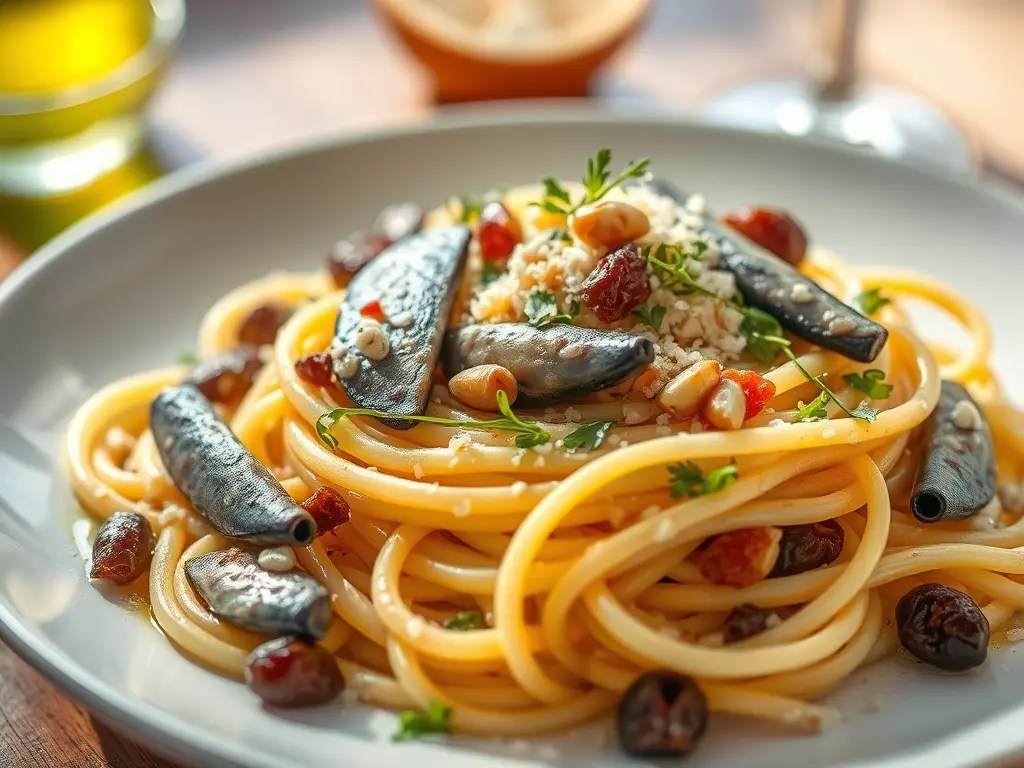
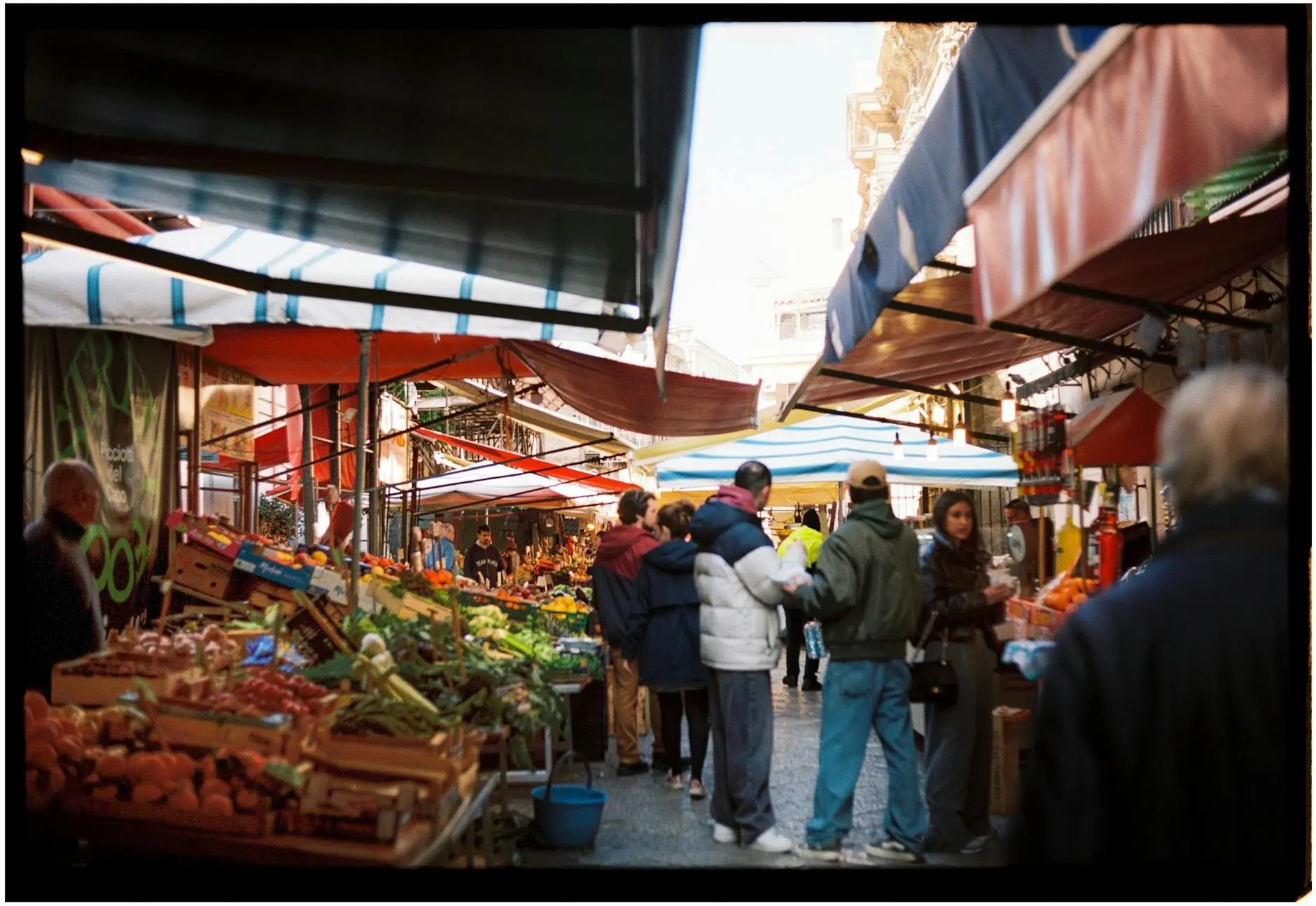
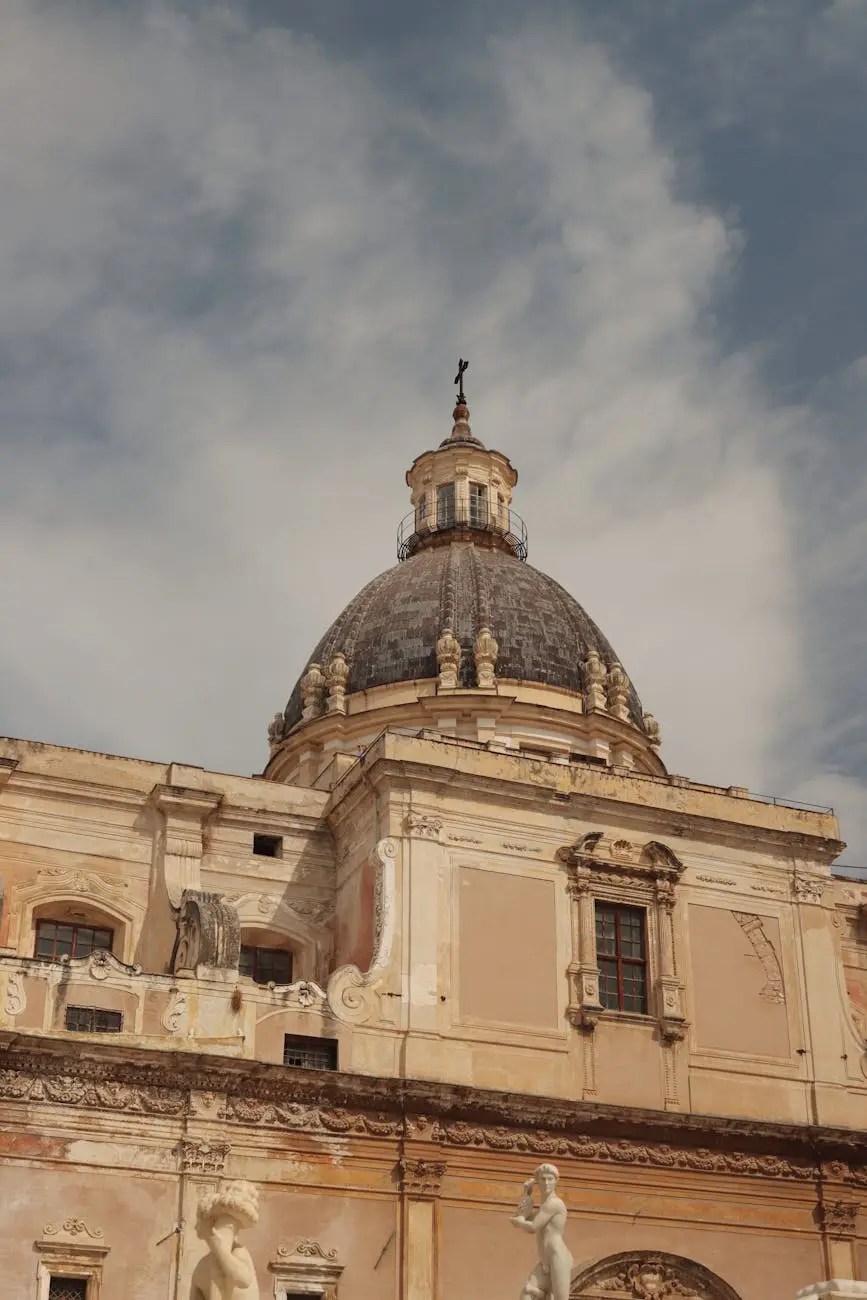
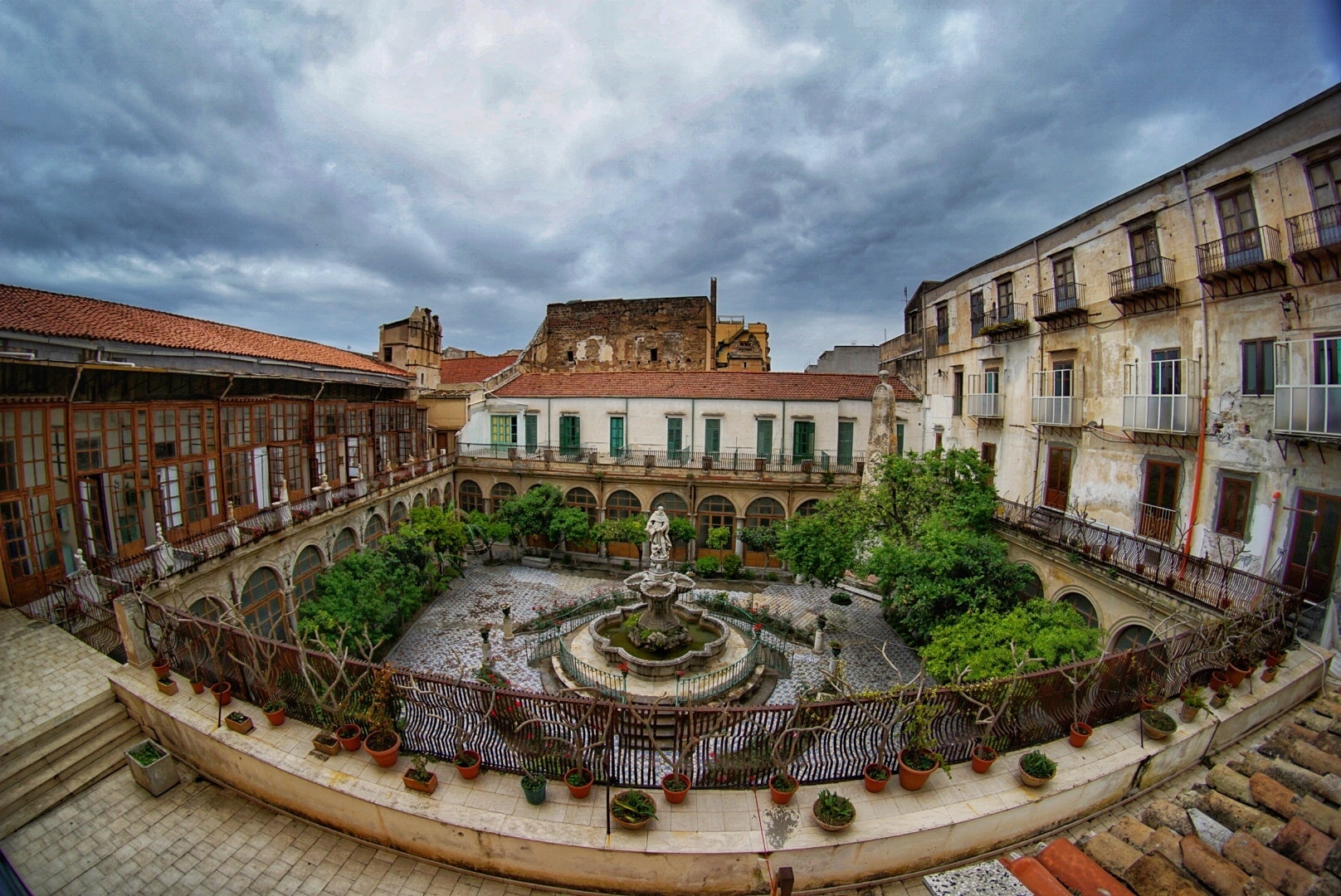

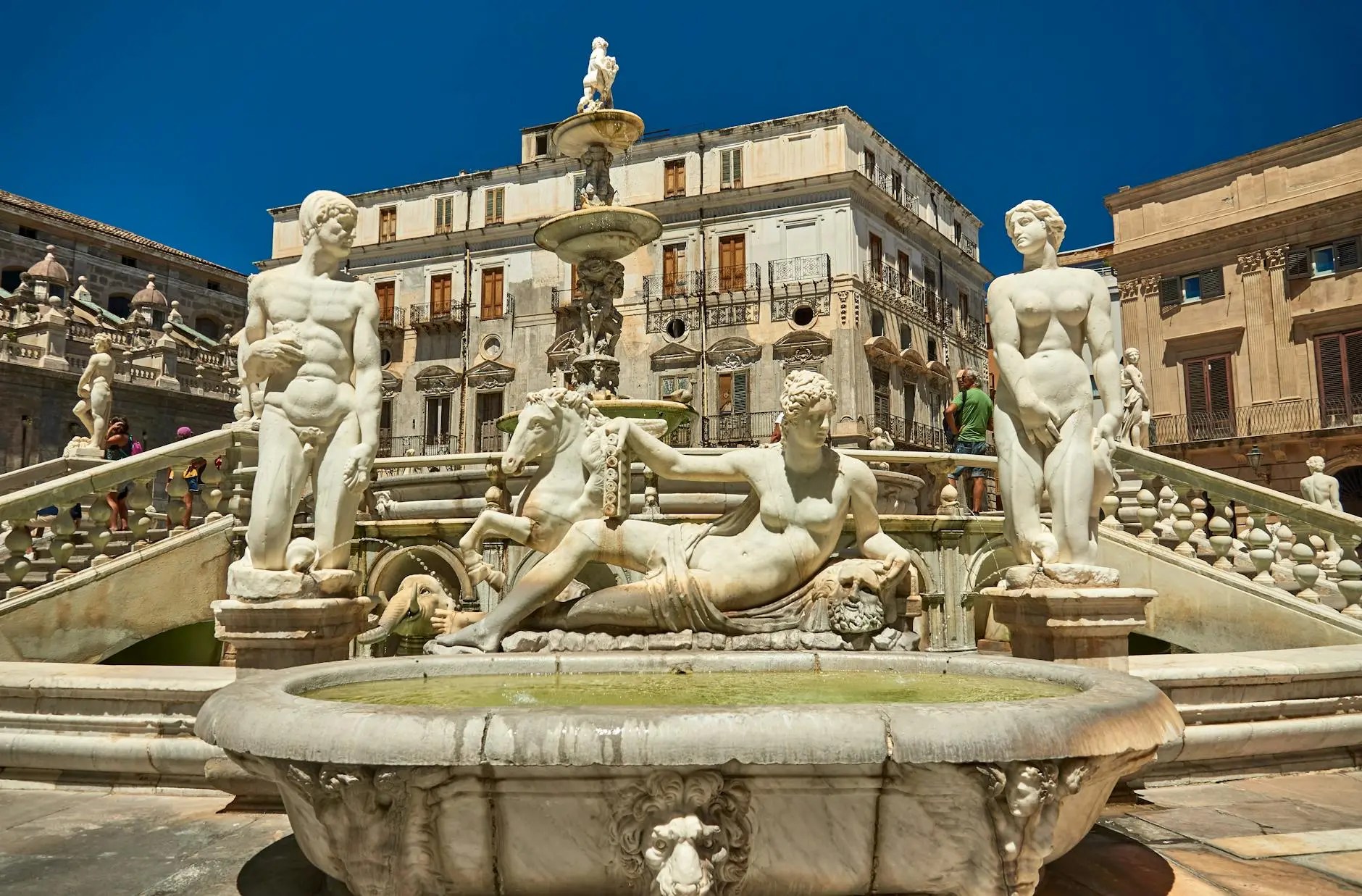
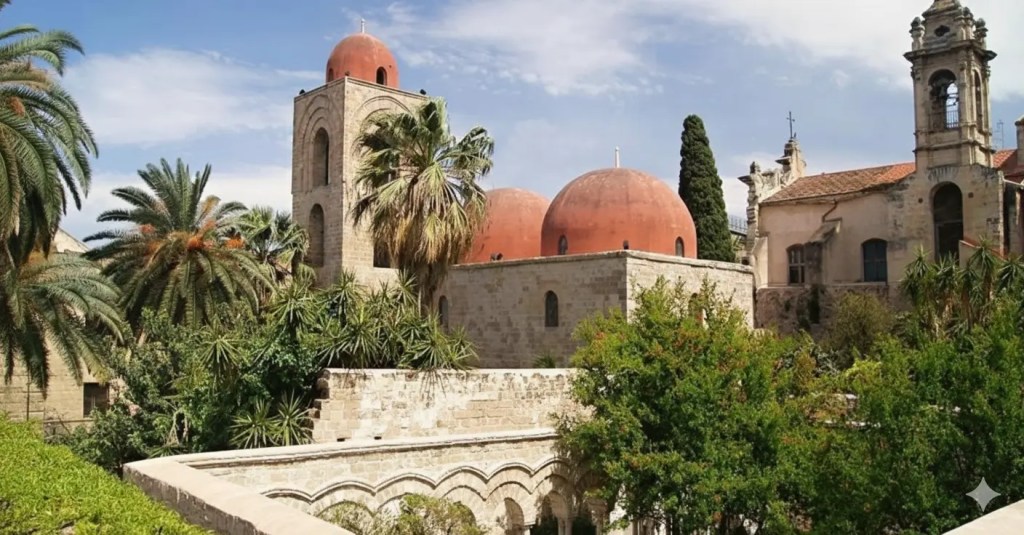



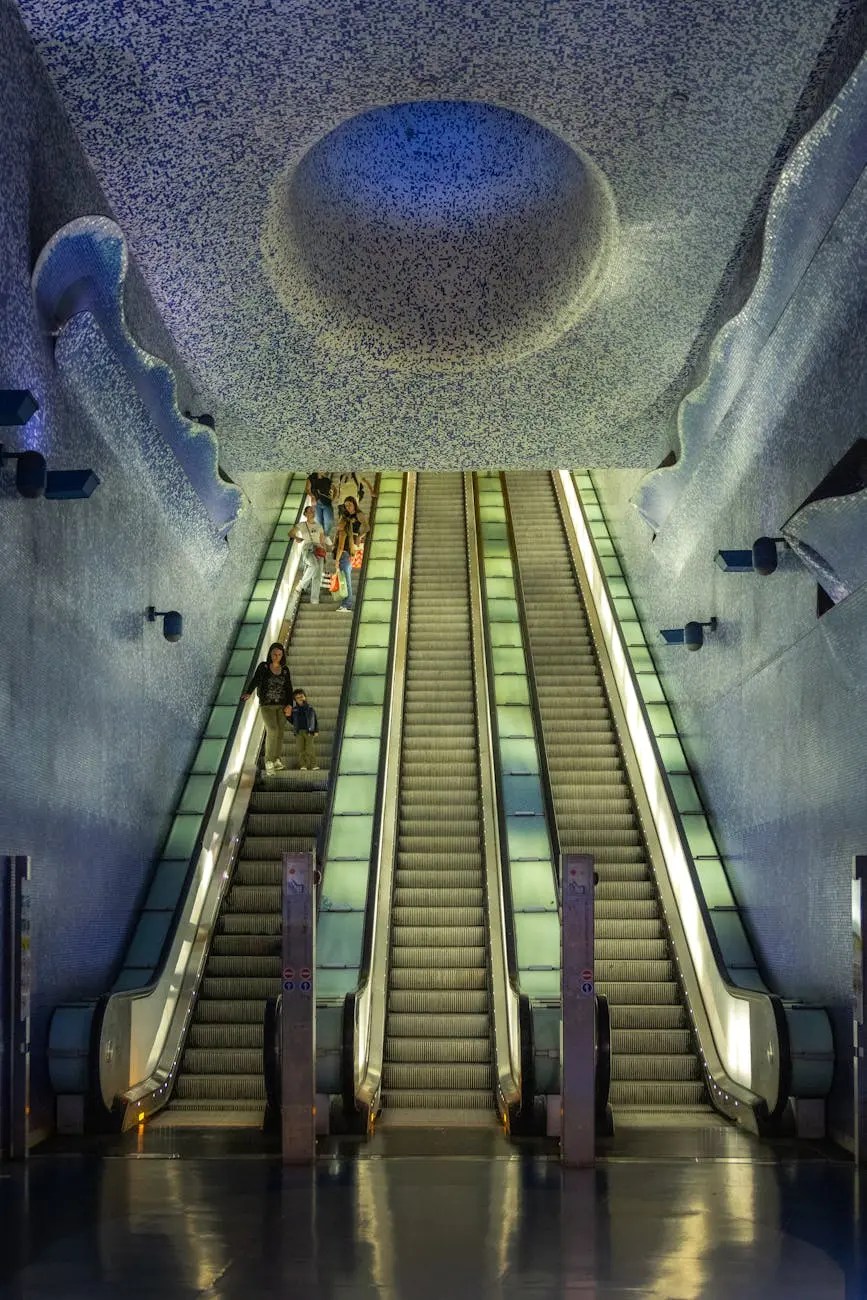
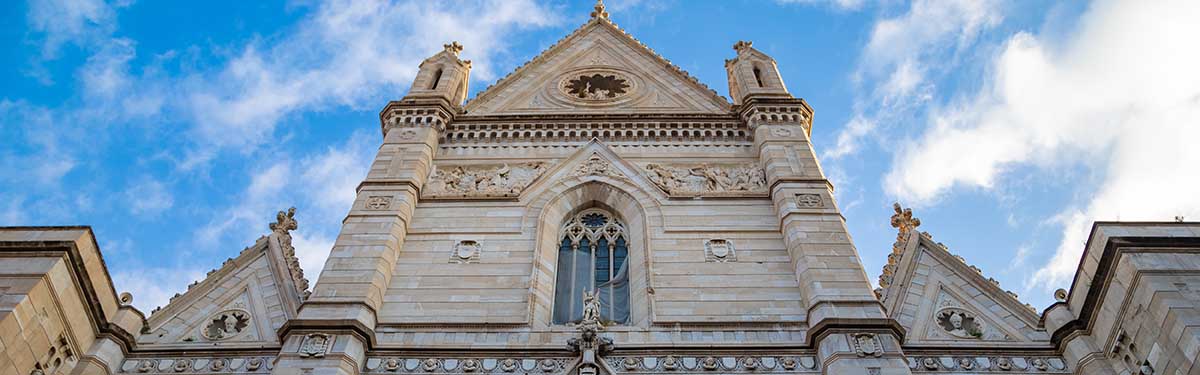
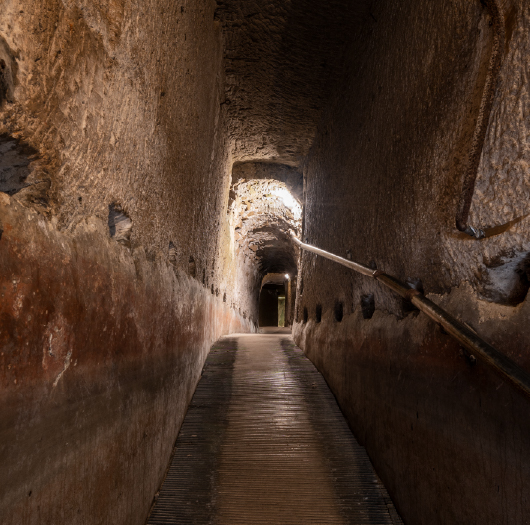


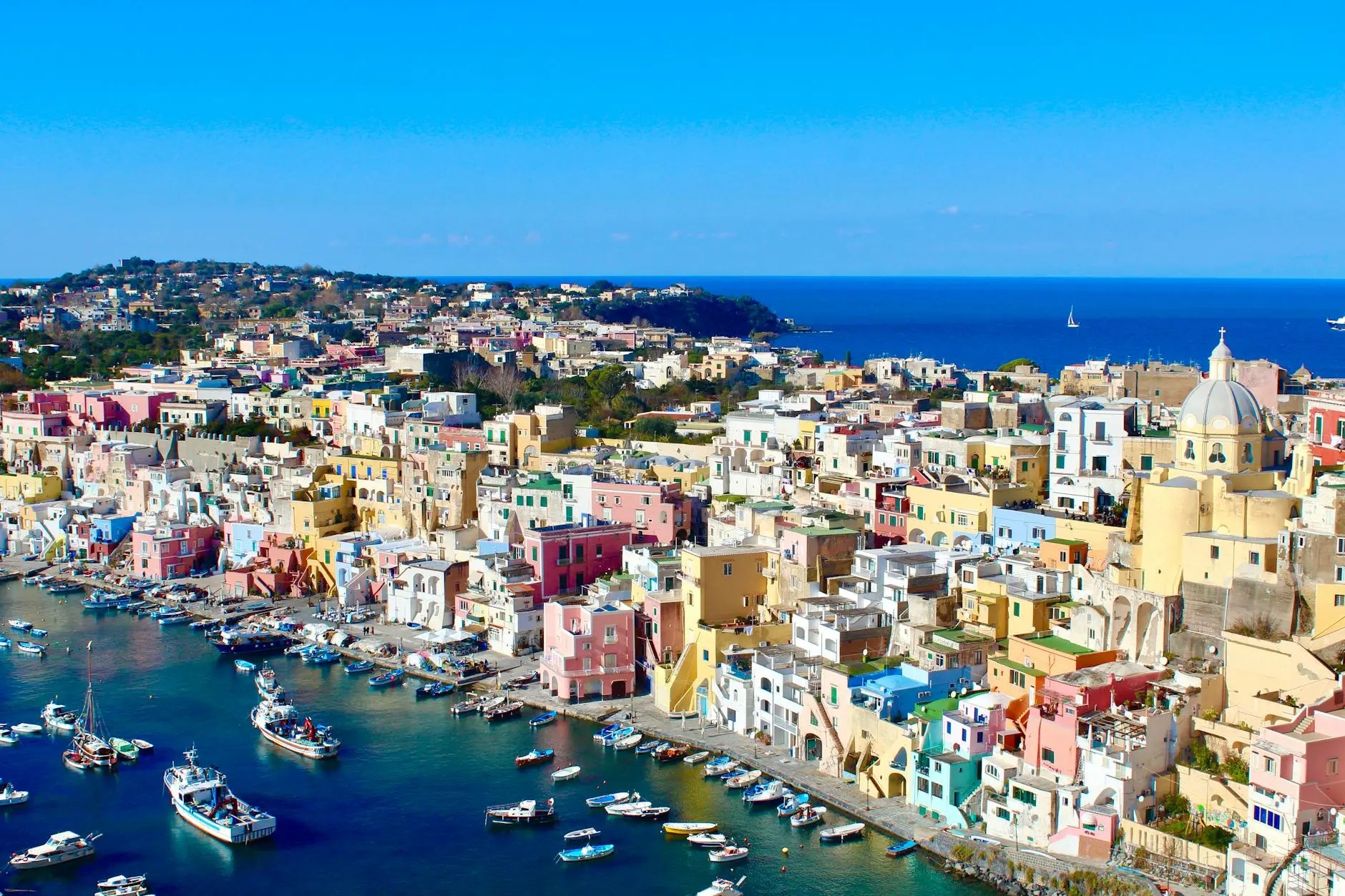
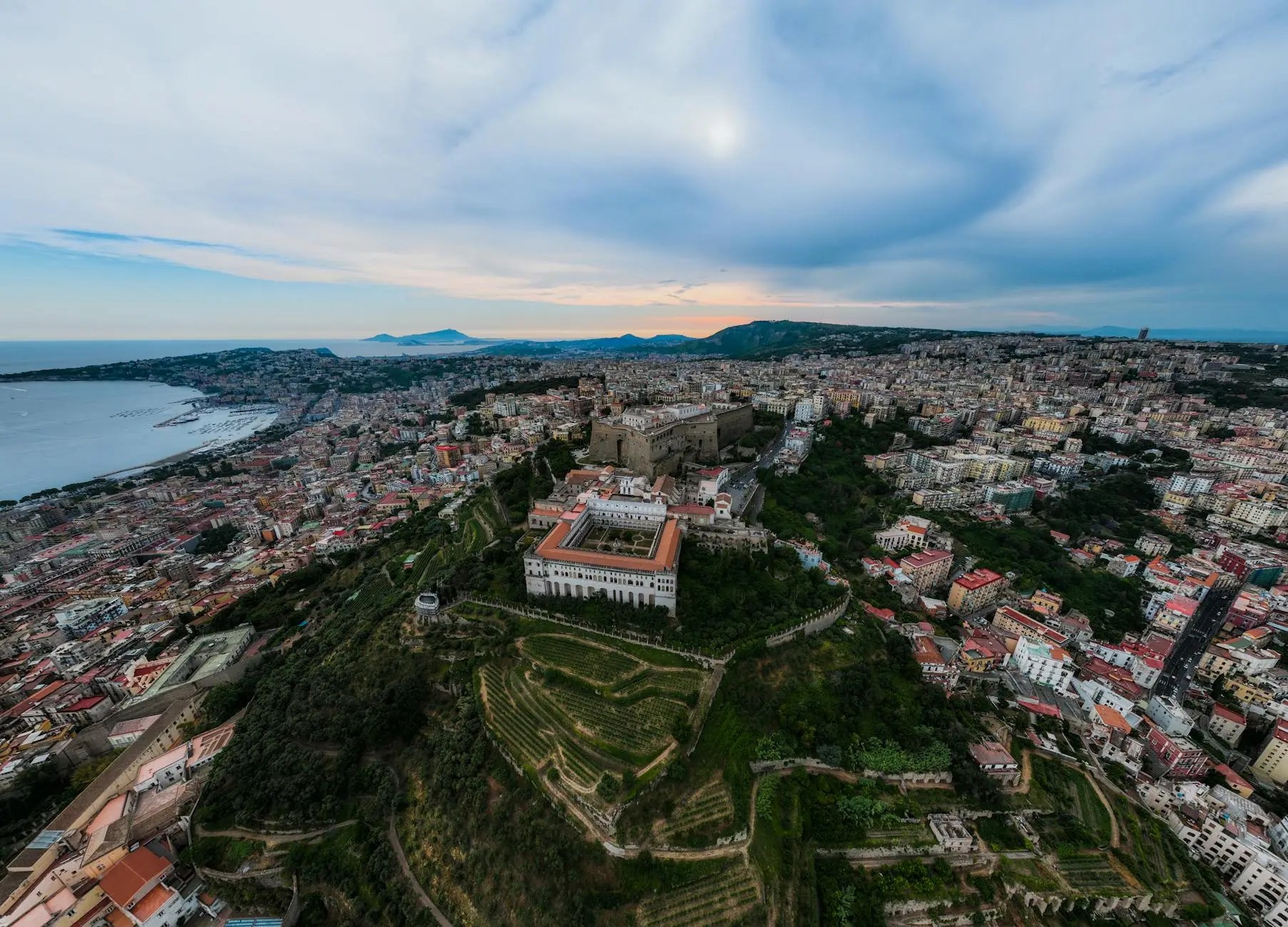
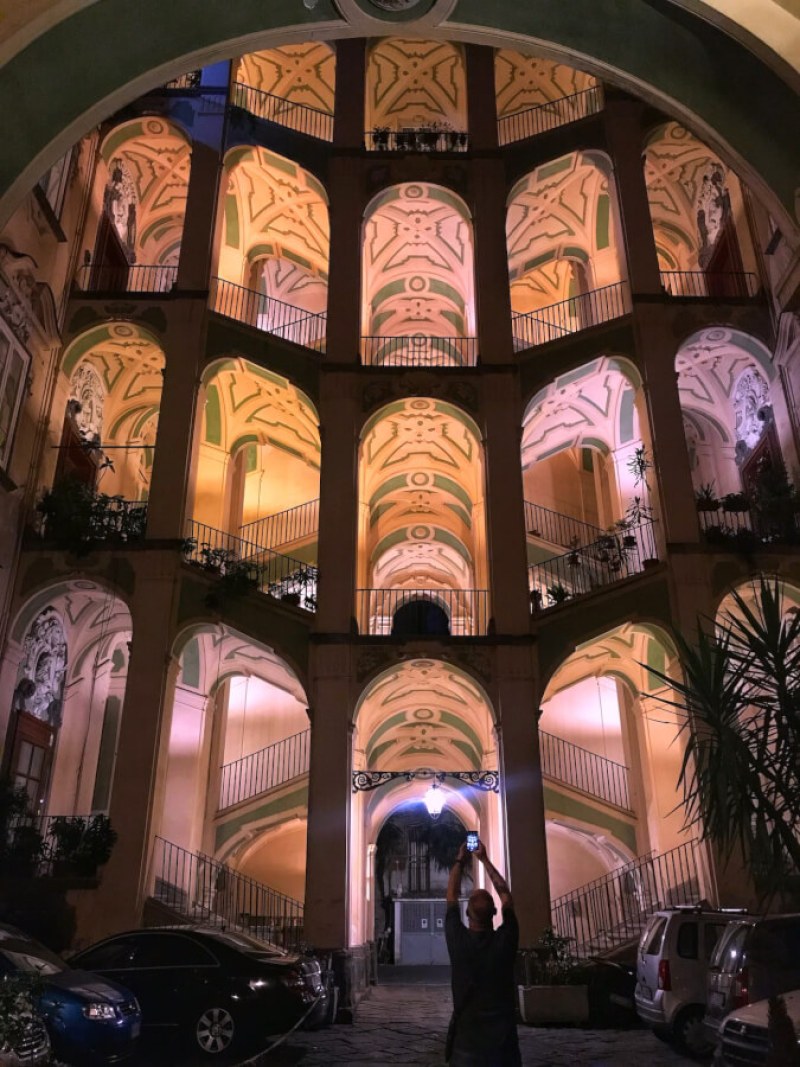

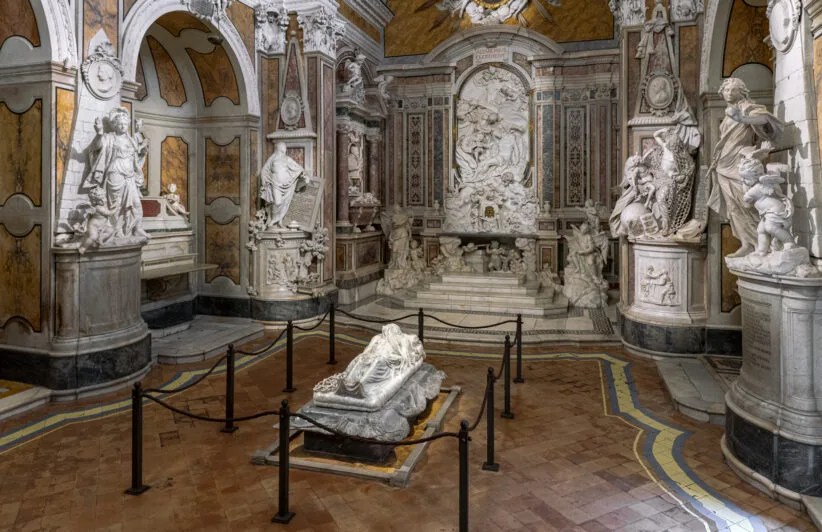
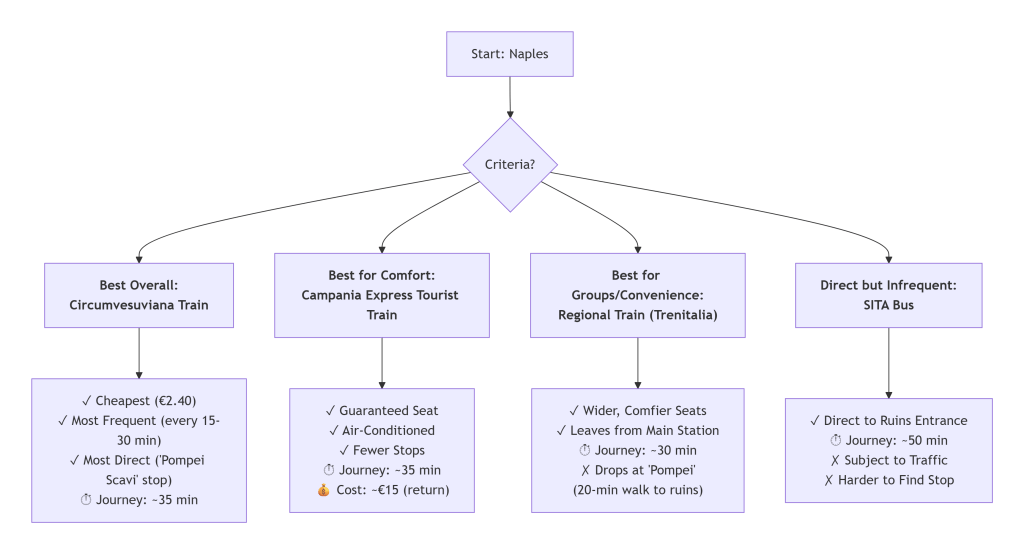
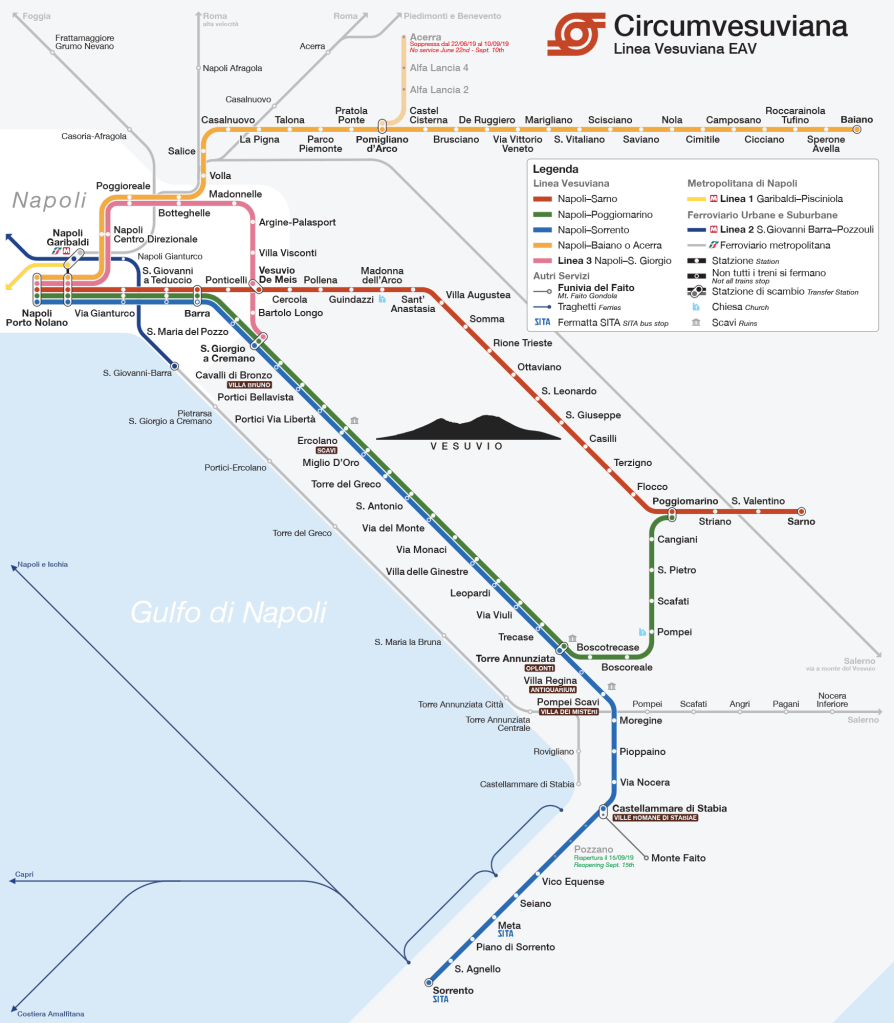


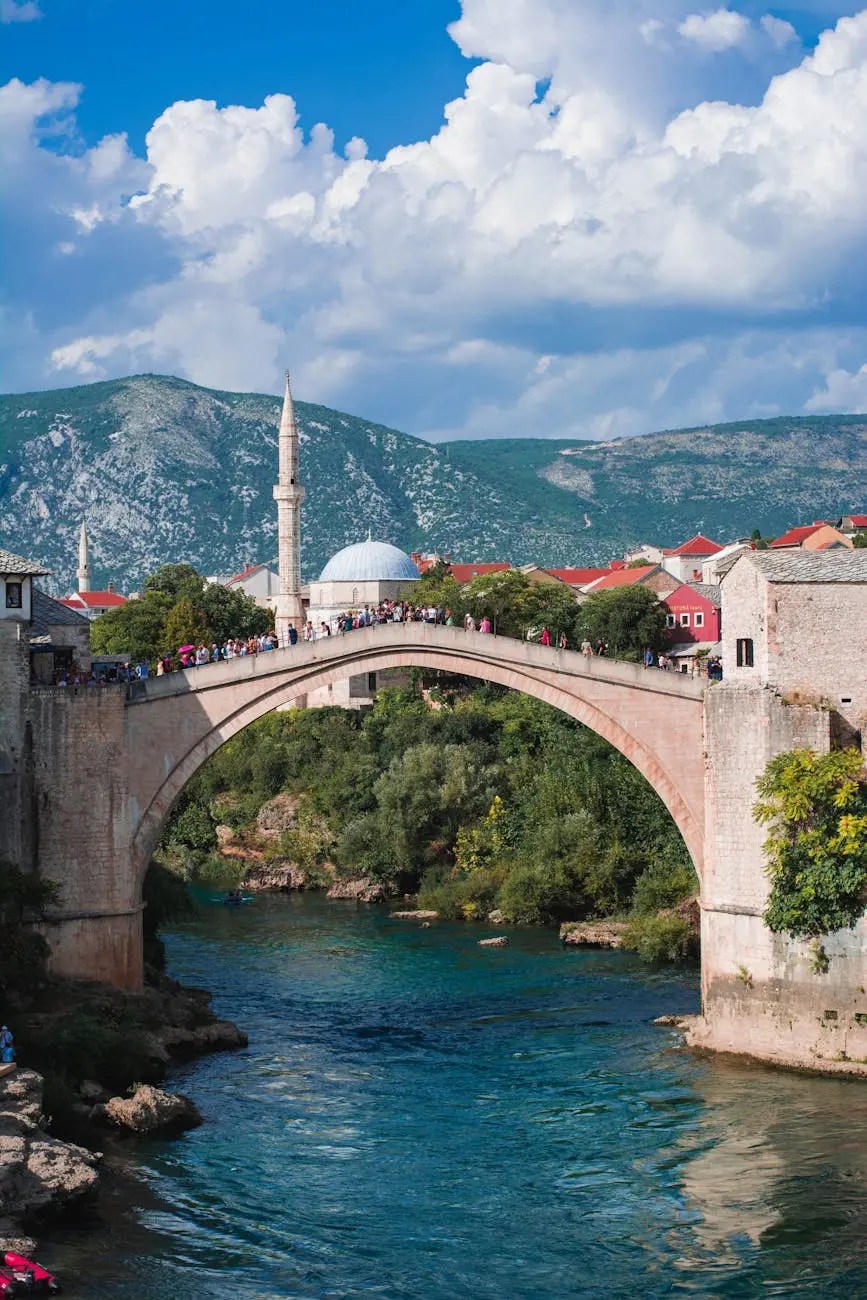
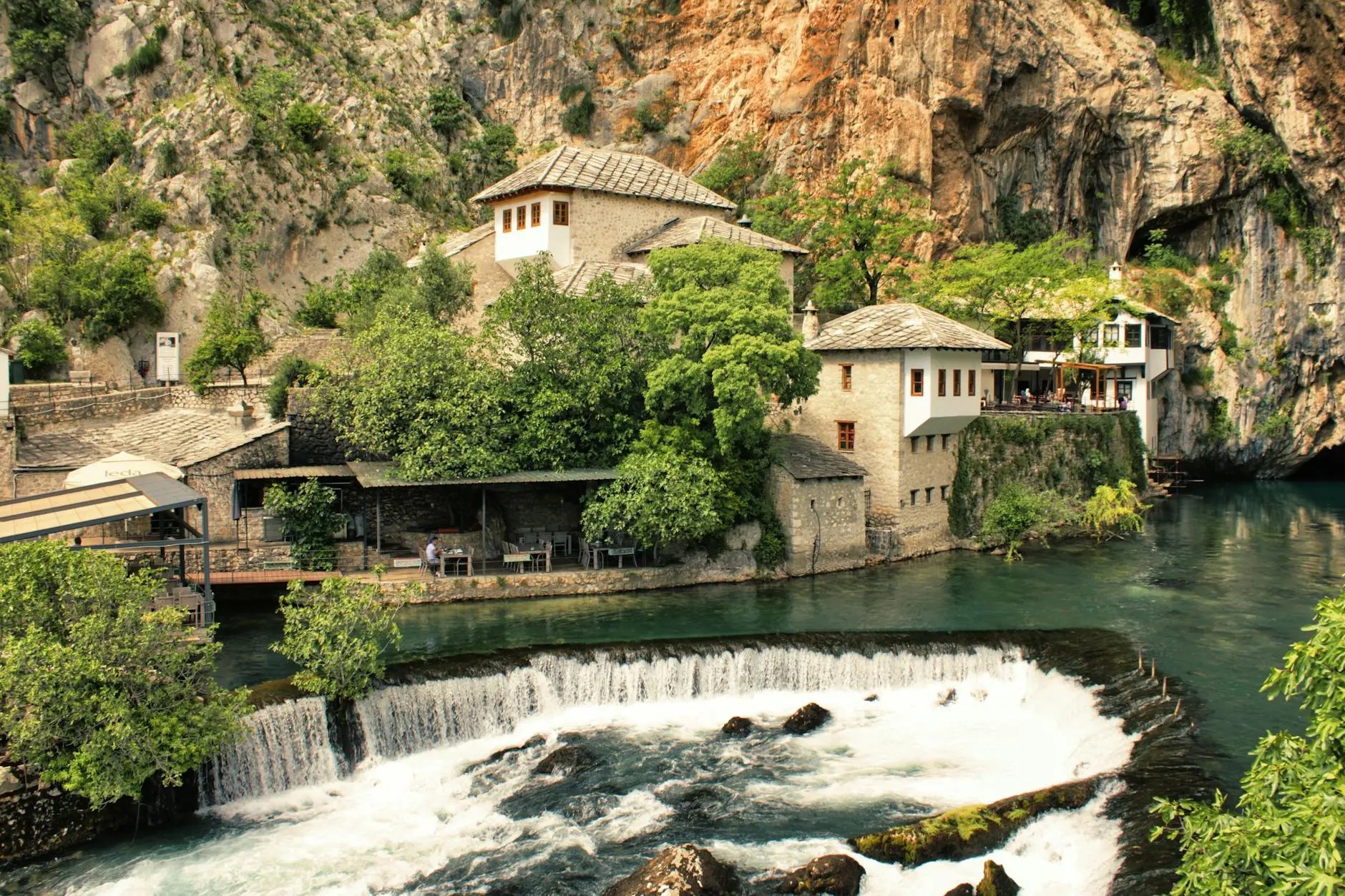
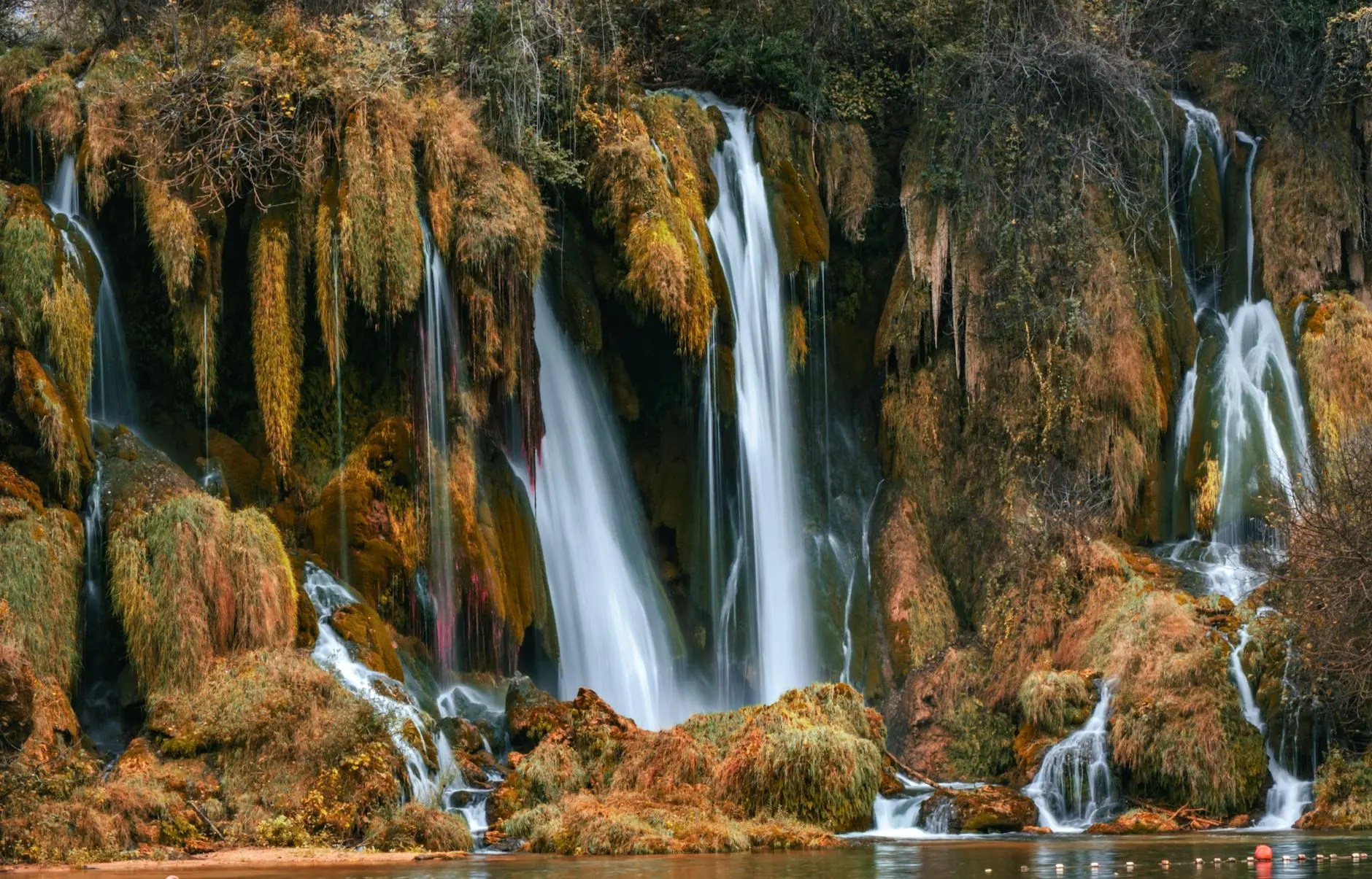
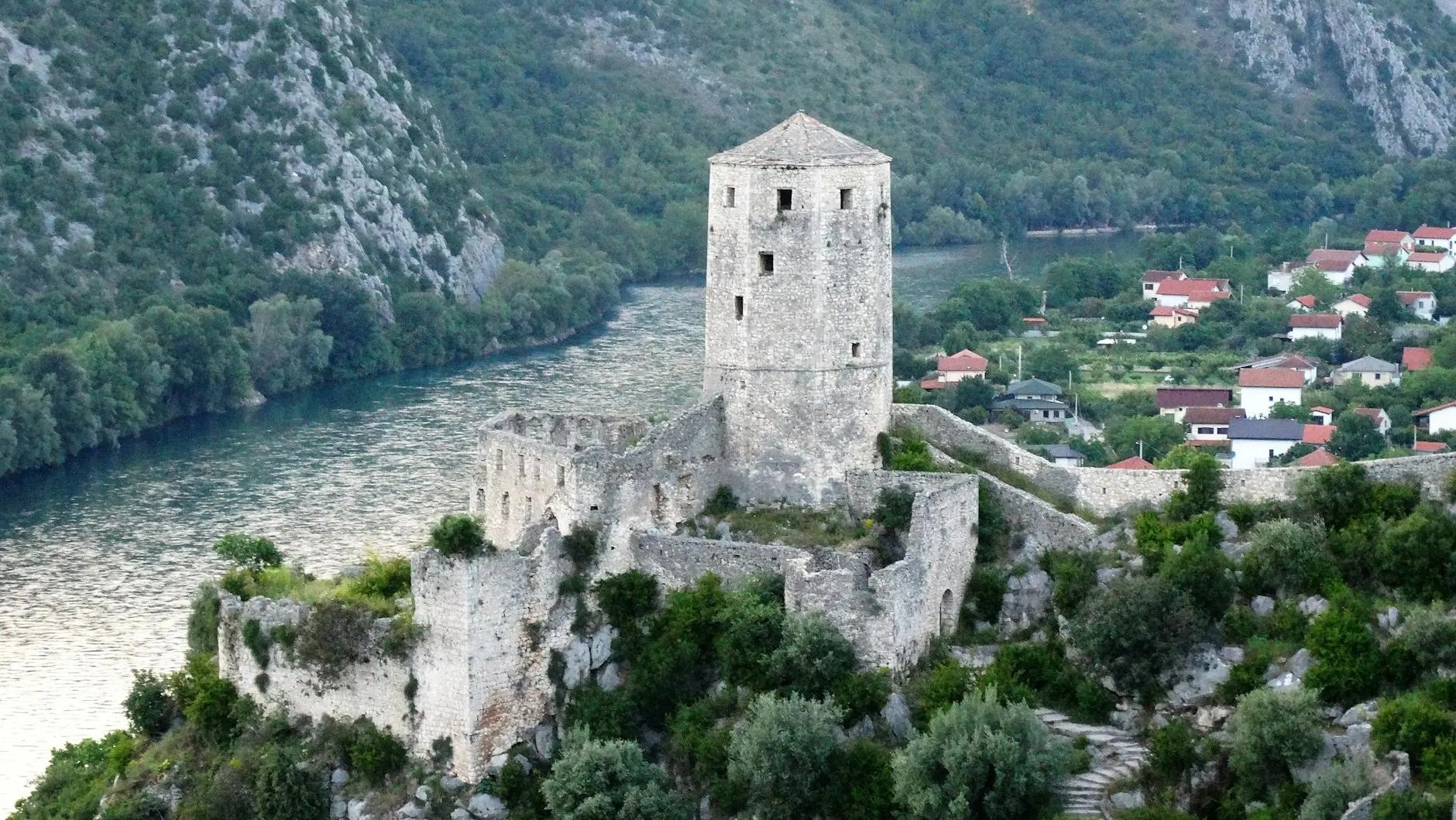
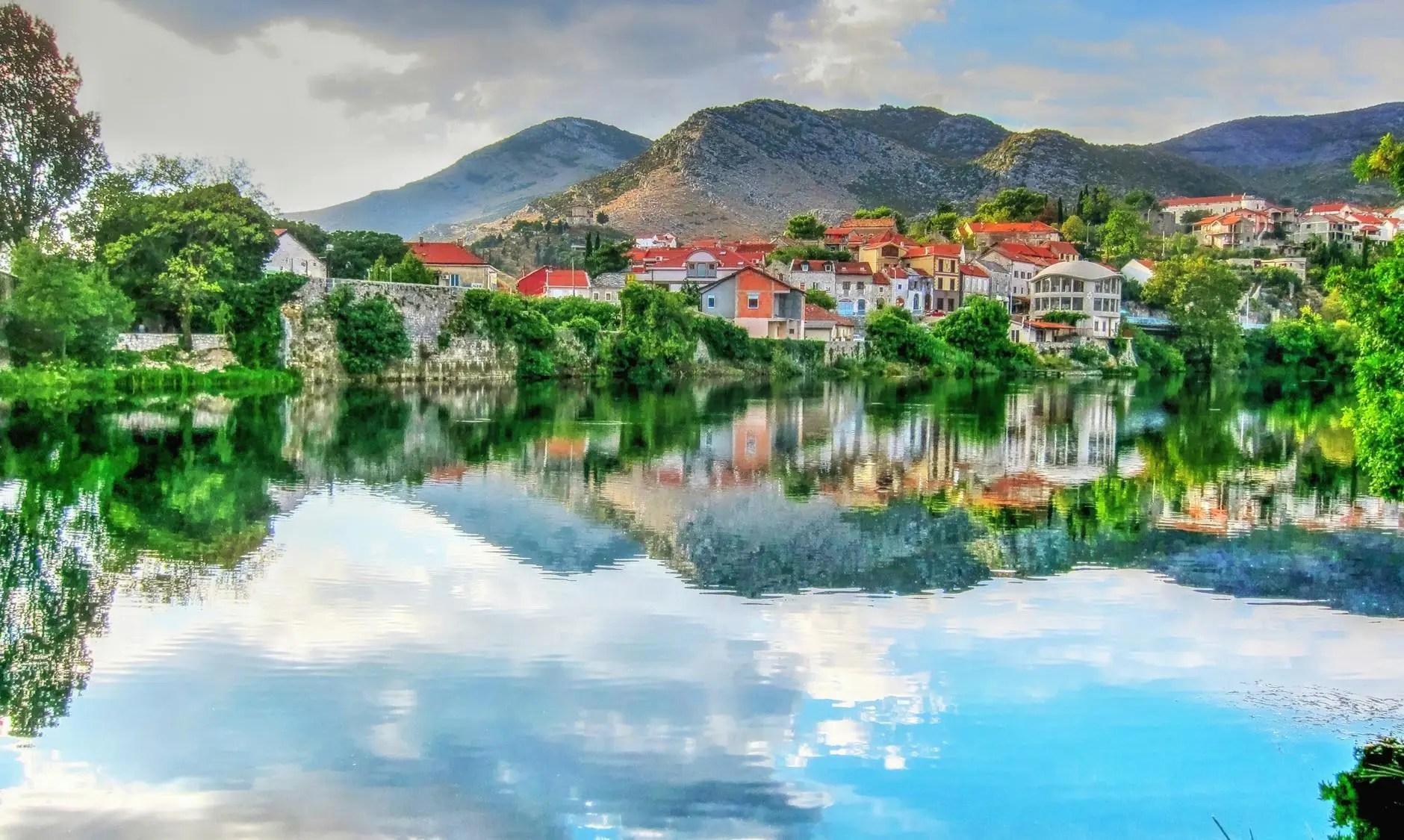
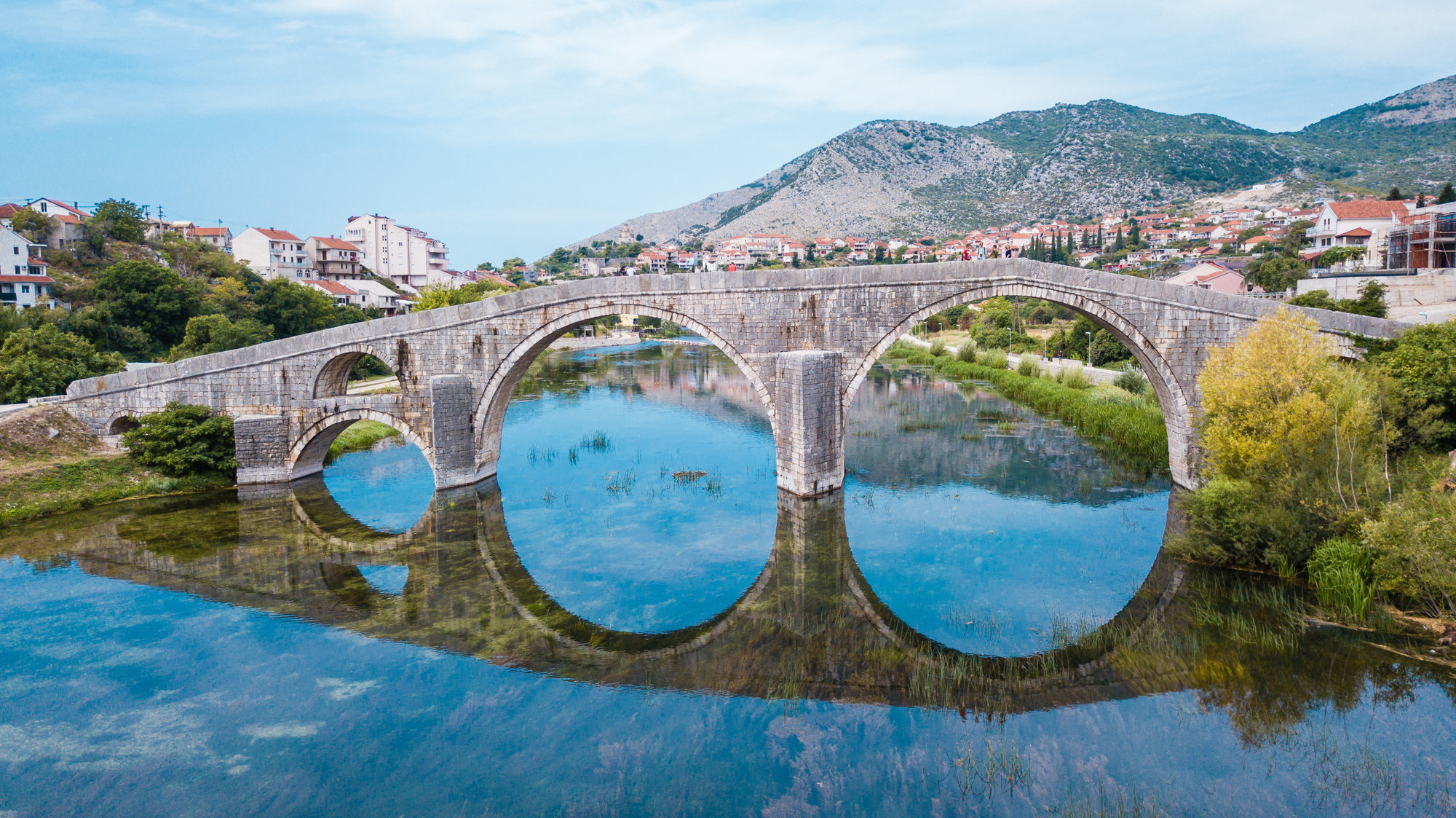

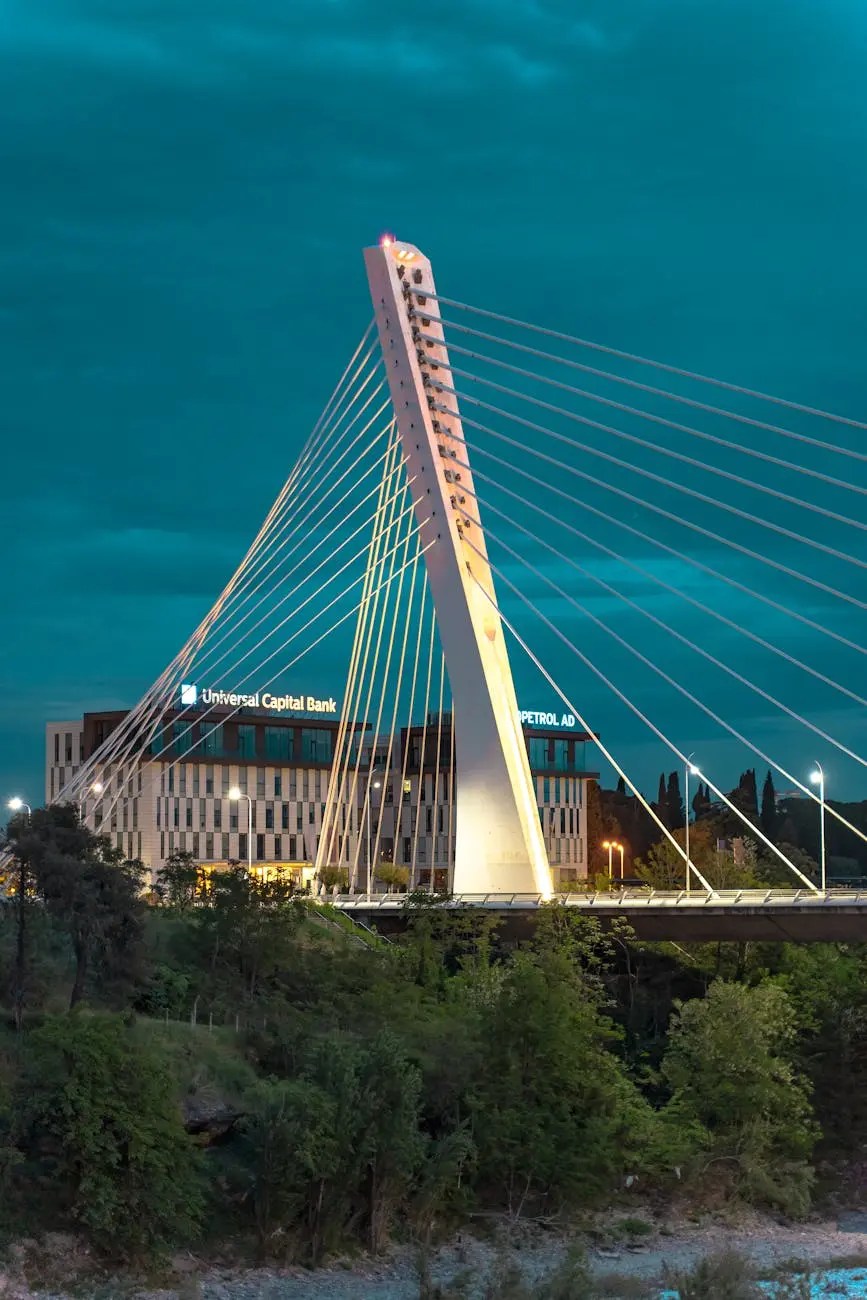
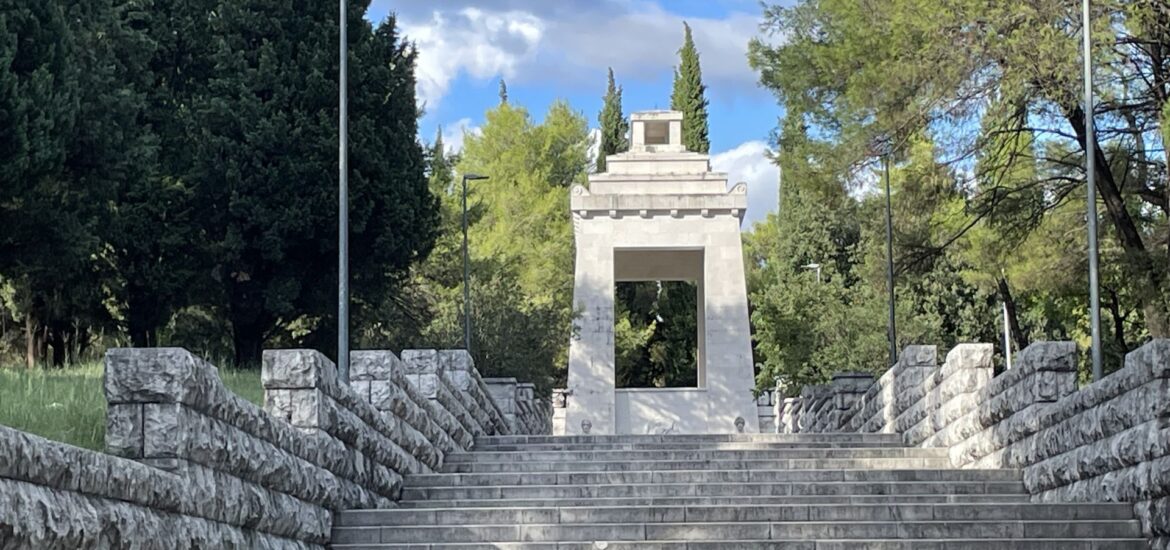


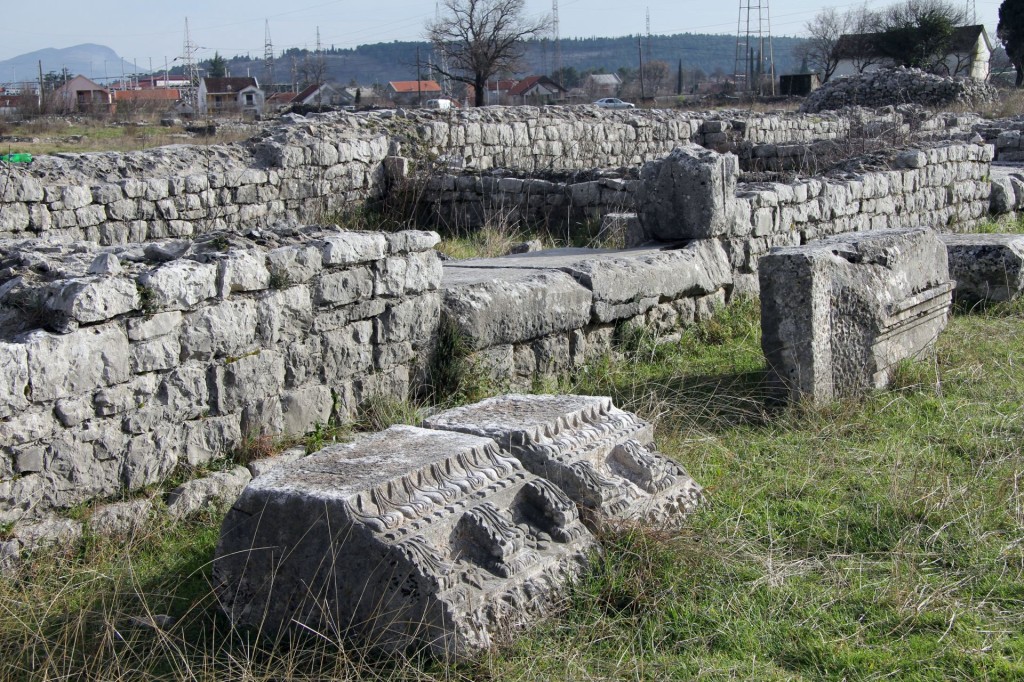
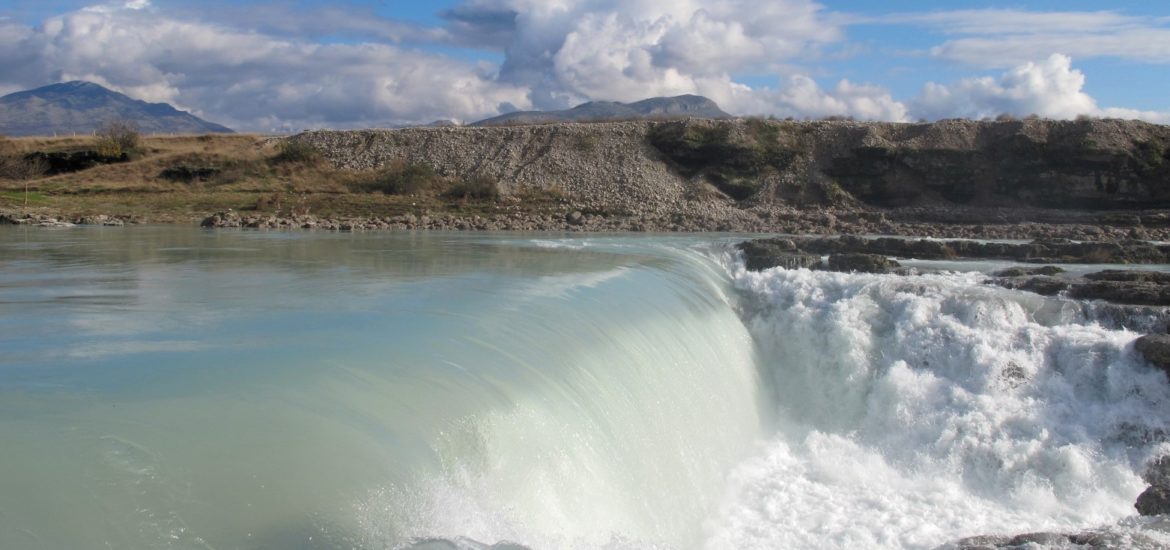
 Home Home sweet sweet home