"MBA in Finance | Personal Finance & Borrower Education"
Author: Laxmi Hegde
Hi, I’m Laxmi Hegde 👋
MBA in Finance by degree, restaurant owner by profession, and full-time workaholic by… let’s call it “diagnosis.” When I’m not crunching numbers or managing my restaurant, you’ll probably find me chasing new ideas, planning my next big move, or spoiling my dogs like they’re royalty. 🐶✨
This blog is my creative escape—a place where I share travel adventures, skincare secrets, and a few life hacks I’ve picked up along the way. Think of it as part travel guide, part lifestyle diary, with a dash of humor (because life’s too short to be serious all the time).
Oh, and in case you’re wondering: yes, I’m still learning how to not work 24/7. Spoiler alert—I’m failing gloriously. 😅
Welcome to my little corner of the internet—grab a coffee, stay a while, and let’s explore together!
The word Oslofjord is a combination of two Norwegian words:
Oslo: This is the name of the capital city of Norway, which sits at the northern, innermost end of the water body.
Fjord (Norwegian: fjorden): In a strict geological sense, a fjord is a long, narrow, deep inlet of the sea between high cliffs, typically formed by a glacier.
Therefore, Oslofjord literally means the “Fjord of Oslo.”
However, it’s important to know a crucial distinction:
In Norwegian language and usage, the term fjord can refer to a wider variety of waterways, including inlets, bays, and sounds, not just the dramatic, steep-sided, deep glacial valleys common in Western Norway (like Sognefjord or Geirangerfjord).
The Oslofjord is geologically an inlet or bay of the Skagerrak strait, rather than a classic, narrow fjord. It’s wider and has more gradual, forested slopes, which is why it has been more conducive to large-scale settlement, making it the most populous region of Norway.
So, while its name means “Oslo Fjord,” it is an expansive inlet that serves as the main gateway from the sea to Norway’s capital.
The meaning of juxtaposition is the act of placing two or more things close together or side-by-side for comparison or contrast.
In literature, art, and rhetoric, the purpose of juxtaposition is often to highlight the relationship, contrast, or lack thereof between the two elements.
Here’s a breakdown:
Prefix:juxta- comes from Latin and means “next to.”
Root:position means “place or placement.”
Core Idea: Placing things (ideas, images, words, objects) directly next to each other to create an effect.
Examples of Juxtaposition:
Context
Example
Effect
Art
Placing a grimy, old brick wall next to a sleek, modern chrome sculpture.
Highlights the contrast between age and newness, or decay and progress.
Literature
A character’s sunny, optimistic internal thoughts are described immediately after an objectively tragic event.
Creates irony and emphasizes the character’s denial or resilience.
Photography
A photograph of a homeless person sleeping under a billboard advertising a luxury diamond necklace.
Creates a sharp social commentary on wealth inequality.
Meta Description: Discover Oslo’s vibrant culture, stunning fjords, and hidden gems on an unforgettable weekend escape. This guide for savvy travelers offers insider tips on transportation, budget hacks, and how to embrace Norwegian “hygge” for an authentic experience
Table of Contents
Why Oslo? More Than Just a Pretty Fjord
Getting There: Smooth Sailing (and Flying!)
Visa & Vitals: What You Need to Know
Navigating Oslo Like a Pro: Public Transport & Hidden Paths
Your Oslo Itinerary: A Weekend of Wonders
Friday Evening: Welcome to Oslo!
Saturday: Art, History & Island Hopping
Sunday: Fjords, Views & Farewell Fika
Money-Saving Hacks & Budgeting Brilliance
Essential Norwegian Phrases for the Savvy Traveler
Hidden Gems & Local Secrets
Stay Connected & Covered: My Go-To Travel Toolkit
FAQs: Your Oslo Questions Answered
1. Why Oslo? More Than Just a Pretty Fjord
Oslo often gets overshadowed by its more budget-friendly Scandinavian siblings, but that, my friends, is a mistake. This city is a living canvas where modern architecture dances with ancient Viking history, where urban cool meets pristine nature just a short hop away. From world-class museums to the breathtaking Oslofjord, there’s a unique blend of experiences waiting for you. Plus, the Norwegians have truly mastered the art of “hygge” – that cozy, comfortable feeling that makes you want to snuggle up with a hot drink and watch the world go by.
Alright, let’s be real. Your vacation days are precious, and the thought of planning another trip can feel like a part-time job you didn’t sign up for. You want culture, you want nature, you want amazing food, and you don’t want to spend a fortune or get lost in a labyrinth of confusing logistics.
Enter Oslo.
Norway’s capital is the perfect compact, culture-packed weekend destination. It’s a city where you can pet a Viking ship in the morning and dive into a cutting-edge food scene by evening. I’ve put together this no-stress, maximum-fun guide based on my own slightly-awkward-but-always-memorable experiences there, so you can skip the research and get straight to the good stuff.
Getting There: Smooth Sailing (and Flying!)
Oslo is incredibly well-connected, with Oslo Airport Gardermoen (OSL) serving as a major international hub. For the best flight deals, I always start my search on Expedia. Trust me, finding those sweet spots can make or break your travel budget! Check out the latest offers here: Expedia . Once you land, the Flytoget Airport Express Train is your fastest (and most comfortable) bet into the city center, taking just 19 minutes. Alternatively, the local NSB regional trains are a bit slower but more budget-friendly.
Pro Travel Tip: Always compare prices for different days and times. Sometimes shifting your travel by a day can save you a significant chunk of change!
Visa & Vitals: What You Need to Know
Norway is part of the Schengen Area, so if you’re traveling from within Schengen, you’re usually good to go. For those outside, you’ll likely need a Schengen visa. Always check the official Norwegian Directorate of Immigration (UDI) website well in advance of your trip. Visa costs can vary, so factor that into your planning.
Navigating Oslo Like a Pro: Public Transport & Hidden Paths
Forget rental cars unless you’re planning extensive road trips outside the city. Oslo’s public transportation system (Ruter) is fantastic – efficient, clean, and covers pretty much everywhere you’d want to go. It includes buses, trams, metro (T-bane), and local ferries.
Ruter App: Download this app immediately. It’s your real-time planner for all buses, trams, trains, and ferries. You can buy tickets directly in the app—no need to fumble with cash or machines.
Your Best Bet: Get an Oslo Pass. This gem is a lifesaver! It gives you free public transport, free entry to most museums and attractions, and discounts on various activities. You can get it for 24, 48, or 72 hours. Trust me, the convenience and savings are worth it.
Road Maps & Saving Time/Gas: While I don’t recommend a car for city exploration, if you do venture out, apps like Google Maps or Here WeGo are excellent for real-time traffic and route planning. Public transport, however, is your time and money-saver within Oslo. The metro lines are intuitive, and trams offer scenic routes through the city.
Your Oslo Itinerary: A Weekend of Wonders
Here’s how I’d tackle a whirlwind weekend in Oslo, blending culture, nature, and a dash of local charm.
Friday Evening: Welcome to Oslo!
Arrive, settle into your accommodation, and hit the ground running.
Afternoon Arrival: Take the Flytoget into the city. Check into your hotel. (For inspiration on where to stay, my Travel Master List has some great budget-friendly and mid-range options!).
Evening Stroll & Dinner (Aker Brygge): Head to Aker & Tjuvholmen waterfront area a revitalized wharf area buzzing with life. It’s perfect for an evening stroll, people-watching, and admiring the harbor.
Anecdote: My first time here, I was mesmerized by the juxtaposition of the sleek modern architecture against the historic boats. It felt like stepping into a postcard.
Budget Hack: While restaurants here can be pricey, grab a delicious pølse (hot dog) from a street vendor – a Norwegian staple!
Oslo Opera House: Walk over to the iconic Oslo Opera House. It’s an architectural marvel, and you can walk on its sloped roof for fantastic city and fjord views. It’s especially magical at sunset.
Colorful waterfront buildings and boats line the harbor, capturing the essence of Oslo’s charming architecture and vibrant atmosphere. The iconic and colorful wooden houses of Bryggen, a UNESCO World Heritage site in Bergen, Norway. This historic wharf is a testament to the city’s importance as a central trading hub during the Hanseatic League era.Beautiful view of a lake surrounded by lush hills and colorful houses in Oslo, capturing the essence of Norwegian nature and architecture. The charming, octagonal Lille Lungegårdsvannet lake offers a peaceful green oasis in the heart of Bergen. Surrounded by museums and parkland, it’s a popular spot for a stroll with beautiful views of the city’s seven mountains.The iconic Oslo Opera House, showcasing its stunning modern architecture against a cloudy sky. Walk on the roof of art! The stunning Oslo Opera House, designed to look like a glacier sliding into the Oslofjord, invites visitors to climb its slopes for panoramic city views.
Saturday: Art, History & Island Hopping
Today is a mix of culture and natural beauty!
Morning (Museum Island – Bygdøy): Take a scenic ferry ride (covered by your Oslo Pass!) to Bygdøy Peninsula, home to some of Oslo’s best museums.
Viking Ship Museum (Temporarily closed for renovation): While it’s undergoing renovation, fear not! There are still incredible alternatives.
Fram Museum: Immerse yourself in polar exploration history with the incredible Fram ship. This is a must-see!
Kon-Tiki Museum: Learn about Thor Heyerdahl’s epic expeditions.
Norwegian Folk Museum: An open-air museum showcasing traditional Norwegian life and architecture. A fantastic cultural deep dive!
Camera Tip: For those stunning museum shots and fjord landscapes, I always rely on my trusty travel camera. It’s compact but captures incredible detail. Check out the model I use here: Camera Link
Lunch: Pack a picnic to enjoy on Bygdøy or grab a bite at one of the museum cafes.
Vigeland Park: Head back to the city and explore Vigeland Park, the world’s largest sculpture park by a single artist (Gustav Vigeland). It’s a truly unique and thought-provoking experience, and it’s free!
Anecdote: The first time I saw “The Angry Boy,” I literally stopped in my tracks. The raw emotion in the sculpture is just incredible.
The National Museum: Home to an impressive collection of Norwegian and international art, including Edvard Munch’s iconic “The Scream.”
Evening (Grünerløkka District): Head to the trendy Grünerløkka district for dinner. This area is known for its independent boutiques, cool cafes, and diverse restaurants.
Hidden Gem: Check out “Mathallen Food Hall” for a variety of delicious (and often more affordable) food options.
The Oslo City Hall illuminated at night, showcasing its architectural beauty and the iconic statue in front.The striking modern architecture of Oslo’s waterfront, featuring innovative designs and a large sculpture by a contemporary artist. The towering and innovative MUNCH Museum in Oslo’s Bjørvika neighborhood. This architectural marvel doesn’t just hold the world’s largest collection of Edvard Munch’s art—including multiple versions of “The Scream”—it’s a monumental piece of modern art itself.Tugboats docked in Oslo harbor, showcasing the city’s maritime charm and vibrant waterfront.A thrilling zip line experience at the Oslo Opera House, showcasing modern architecture and exhilarating outdoor activities.Explore the iconic Viking ship at the Fram Museum, where history and adventure come alive.A beautifully rustic wooden door showcasing traditional Norwegian craftsmanship, framed by log walls and greenery.The iconic ‘Angry Boy’ statue in Vigeland Park, Oslo, showcasing the emotional artistry of Gustav Vigeland. Meet “Sinnataggen,” or “The Angry Boy”—one of the most beloved and photographed sculptures in Oslo’s incredible Vigeland Park. This toddler’s universal temper tantrum is a masterpiece by artist Gustav Vigeland.Sculptures at Vigeland Park in Oslo, showcasing the emotional depth of human experiences through intricate stone carvings. The powerful and poignant human journey, carved in stone and cast in bronze. Gustav Vigeland’s sculptures in Oslo’s iconic Vigeland Park explore the full spectrum of life, from love and play to struggle and reflection.A cozy Norwegian cabin surrounded by lush greenery, perfect for a relaxing getaway.
Holmenkollen Ski Jump: Take the T-bane (metro) up to Holmenkollen. The views from the top are spectacular, and you can even try the zipline if you’re feeling adventurous! There’s also a ski museum.
Ekebergparken Sculpture Park: On your way back, stop at Ekebergparken. This park offers fantastic views of the city and the fjord, plus a unique collection of sculptures beautifully integrated into the natural landscape. It’s less crowded than Vigeland and offers a different perspective.
Best Time to Visit: Go in the morning for fewer crowds and great light for photos!
Lunch (A Local Cafe): Enjoy a traditional Norwegian fika (coffee break with a pastry) at a cozy cafe.
Afternoon (Karl Johans gate & Souvenirs): Stroll down Karl Johans gate, Oslo’s main street, connecting the Central Station to the Royal Palace. It’s great for people-watching and last-minute souvenir shopping.
Departure: Head back to the airport, filled with memories of your incredible Oslo escape.
A skier catching air against a stunning mountain backdrop, showcasing the exhilarating winter sports experience in Norway. Pure adrenaline in the Norwegian wilderness. A skier catches air, perfectly suspended against a dramatic mountain backdrop, showcasing the world-class freestyle terrain that makes Norway a winter sports paradise.Sculptures at Ekebergparken Sculpture Park, showcasing artistic expressions against a clear blue sky.
Hidden Gems & Local Secrets
Emanuel Vigeland Museum: A fascinating, slightly eerie mausoleum adorned with frescoes by Gustav Vigeland’s brother. It’s a short bus ride from the city center and offers a completely different artistic experience.
Damstredet and Telthusbakken: These charming, cobbled streets near the city center are lined with picturesque old wooden houses. It’s like stepping back in time and perfect for a quiet stroll and some unique photos.
Hovedøya Island: Just a short ferry ride from Aker Brygge, this peaceful island offers beautiful nature, old monastery ruins, and lovely swimming spots in the summer. A perfect escape from the city bustle.
Ingens Gate: A small, vibrant street art alley tucked away in Grünerløkka. Keep your eyes peeled for constantly changing murals.
Money-Saving Hacks & Budgeting Brilliance
Oslo can be expensive, but with a few smart moves, you can keep your wallet happy:
Oslo Pass is Your MVP: Seriously, I can’t stress this enough.
Cook Your Own Meals: If your accommodation has a kitchen, hit up local supermarkets like Rema 1000 or Kiwi. Groceries are much cheaper than eating out for every meal.
Picnics are Your Friend: Grab some delicious Norwegian bread, cheese, and cold cuts for lunch and enjoy them in one of Oslo’s beautiful parks.
Water is Free and Delicious: Tap water in Norway is excellent. Carry a reusable bottle.
Walk Everywhere You Can: Oslo is a very walkable city, especially the city center.
Look for Lunch Deals: Many restaurants offer more affordable lunch specials than dinner.
Free Attractions: Vigeland Park, Ekebergparken, the Opera House roof, and many churches are free to enter.
Snow-covered wooden church in Oslo, surrounded by trees, creating a picturesque winter scene.A serene view of a lush, wooded island amidst calm waters, highlighting the natural beauty surrounding Oslo. The tranquil escape of Husbergøya island, nestled in the Oslofjord. This typical Norwegian islet, part of the Nesodden municipality, offers a glimpse into the peaceful archipelago life just a short distance from Oslo.Explore Oslo’s colorful street art scene in the vibrant Grünerløkka district, filled with unique murals and charming alleyways.
Essential Norwegian Phrases for the Savvy Traveler
While most Norwegians speak excellent English, a few local phrases go a long way!
Hei (hi) – Hello
Takk (tahk) – Thank you
Vær så god (vair soh good) – You’re welcome / Here you go
Unnskyld (unn-shool) – Excuse me / Sorry
Ja (yah) – Yes
Nei (nye) – No
Snakker du engelsk? (snah-ker doo eng-elsk?) – Do you speak English?
Hvor mye koster det? (voor myoo koh-ster deh?) – How much does it cost?
En kaffe, takk. (en kah-feh, takk.) – One coffee, please.
Skål! (skawl!) – Cheers!
Stay Connected & Covered: My Go-To Travel Toolkit
Travel isn’t just about the destination; it’s about being prepared for anything. Here’s what I always pack in my digital toolkit:
Stay Connected (Literally!): ✈️ Travel Tip: Staying connected abroad can be tricky (and expensive if you’re relying on airport SIM counters or roaming). That’s why I carry a Drimsim—a universal SIM card that works in 190+ countries without hidden fees. You just pop it into your phone, top up through the app, and you’re online wherever your adventure takes you. No more hunting for local SIM cards or stressing over roaming bills. If you’re planning your next getaway, check it out here: Drimsim SIM Card for Traveling Around the World
Protect Your Privacy: When I’m hopping on public Wi-Fi in cafes or airports, a VPN is non-negotiable for keeping my data secure. I use NordVPN because it’s reliable and easy to use. Grab peace of mind (and maybe unlock some geo-restricted content!) with them: NordVPN Link
Don’t Let Flight Delays Ground Your Funds: ✈️ Flight Delayed or Canceled? Travel isn’t always smooth sailing—sometimes flights get delayed, canceled, or overbooked. The good news? You might be entitled to up to $650 in compensation under air passenger rights. Most travelers never claim it, but I’ve got you covered: just check your flight with AirHelp. They handle the paperwork, fight the airlines for you, and only get paid if you win. Easy, stress-free, and potentially a nice surprise for your travel fund. Check your eligibility here: AirHelp Link
Travel Insurance: The Ultimate Peace of Mind: ✈️ Smart Travel Tip: No matter where your adventures take you, having the right travel insurance can save you from unexpected headaches (and bills). I personally recommend VisitorsCoverage — it’s a trusted platform where you can compare plans, find coverage that fits your trip, and book it in just a few clicks. Whether you’re planning a quick city escape or a longer international journey, it’s peace of mind worth packing. Find your perfect plan here: VisitorsCoverage Link
Look Your Best (Even After a Long Flight!): Because glowy skin should never break the bank. When you buy from Lakinza, use coupon code: Lalax10 at checkout to save a little extra for your next skincare haul. Trust me, you’ll want more. Get your K-beauty magic here: Lakinza K-Beauty Link
Extend Your Nordic Adventure (Geographically Close Backlinks)
Oslo is the perfect launchpad for exploring other incredible Nordic and Northern European cities. If you loved the Scandinavian vibe, consider hopping a train or quick, affordable flight to these nearby destinations for your next weekend escape:
Stockholm, Sweden: A stunning city built on islands, often called the “Venice of the North.” It offers a different, but equally compelling, cultural experience: 48 Hour Stockholm: Your Ultimate Weekend Guide.
Copenhagen, Denmark: The home of true hygge and a world-class culinary scene. It’s just a short flight away and offers a whimsical counterpoint to Oslo’s modern edge: The Ultimate Weekend Escape to Copenhagen, Denmark.
Edinburgh, Scotland: While not Nordic, this historical gem shares a similar chilly beauty and a deeply rooted culture, perfect for another weekend adventure: The Ultimate Weekend Escape to Edinburgh, Scotland.
For a complete list of all my global adventures and tips, check out my: Travel Master List.
FAQs: Your Oslo Questions Answered
Q: Is Oslo expensive for tourists? A: Oslo can be pricey, but with smart planning, utilizing public transport, cooking some meals, and focusing on free attractions, you can have an amazing trip on a reasonable budget. The Oslo Pass is key!
Q: What’s the best time of year to visit Oslo? A: Summer (June-August) offers long daylight hours, pleasant temperatures, and lots of outdoor activities and festivals. This is peak season. Spring (April-May) and Autumn (September-October) are beautiful with fewer crowds and moderate temperatures. Winter (November-March) is cold and dark but magical if you enjoy snow, winter sports, and cozy indoor activities.
Q: How many days are enough for Oslo? A: A full weekend (2-3 days) is perfect for hitting the main highlights and getting a good feel for the city. If you want to explore more deeply or take day trips, 4-5 days would be ideal.
Q: Do I need to learn Norwegian? A: No, not at all! Almost everyone in Oslo speaks excellent English, especially in tourist areas. Learning a few basic phrases (like “takk” for thank you) is always appreciated though.
Q: What currency do they use in Norway? A: The currency is the Norwegian Krone (NOK). Credit cards are widely accepted everywhere, and cash is rarely needed.
Q: What’s the best way to get around Oslo? A: Public transport (buses, trams, metro, ferries) is excellent and highly recommended. Walking is also a great way to explore the city center.
Q: Do I need a visa for Norway? A: This depends on your passport. Norway is part of the Schengen Area. For most US, Canadian, UK, and Australian citizens, you don’t need a visa for short stays (up to 90 days). Always double-check official government sources for the most current info. Visa costs vary widely by nationality, so a quick web search for “Norway visa requirements for [your country]” is essential.
Q: Is Oslo safe for solo travellers? A: Absolutely. Oslo is consistently ranked as one of the safest cities in the world. Just practice the usual common sense you would in any major city.
Q: What should I pack? A: Layers, layers, layers! The weather can change in an instant. A waterproof jacket is a must, along with comfortable walking shoes.
Can I easily combine a trip to Oslo with other Scandinavian cities? A: Absolutely! A fantastic way to do this is by taking an overnight ferry from Oslo to Copenhagen. It’s a unique travel experience that combines transport and accommodation. If two days in Oslo has only whetted your appetite…
Feeling the Wanderlust? Sail from Oslo to Copenhagen! If two days in Oslo has only whetted your appetite for more Scandinavian adventures, why not extend your trip by hopping on a ferry? An overnight cruise from Oslo to Copenhagen is an experience in itself—think stunning fjord views at sunset, duty-free shopping, and cozy cabins. You’ll wake up refreshed and ready to explore the colorful canals and hygge vibes of Denmark’s capital. I’ve done this exact trip, and it’s a fantastic way to see two incredible cities in one go. Already dreaming of Danish pastries? I’ve got you covered with The Ultimate Weekend Escape to Copenhagen, Denmark.
Oslo is a city that surprises and delights at every turn. With this guide, you’re all set for an unforgettable weekend without the planning fatigue.
Your Next Step: I always start my trip planning by scouting for flight and hotel deals. Expedia often has great package deals for Oslo. [Start your search here and save!] And don’t forget to capture every moment beautifully with the camera I swear by for travel photography. Check it out here!
Meta Description: Planning a weekend in Brussels? Discover hidden gems, top attractions, money-saving travel tips, and local transport hacks in Belgium’s capital. Perfect for travelers looking for culture, chocolate, beer, and easy access to nearby European cities.
Day Trips from Brussels (Amsterdam, Paris, London)
FAQs – Brussels Weekend Escape
1. Why Brussels Makes the Perfect Weekend Escape
Brussels is one of those cities people either skip on their Eurotrip or fall madly in love with—there’s rarely an in-between. But if you’re smart (and I know you are, because you’re here reading this 😉), you’ll realize that Brussels is more than EU politics. It’s waffles on every corner, beer that could put Germany to shame, and architecture so stunning you’ll wonder why it’s not plastered on every travel guide cover.
By Air: Brussels Airport (Zaventem) is just 20 minutes from the city center. Budget travelers sometimes fly into Charleroi (served by Ryanair) but be warned—it’s a 1-hour shuttle away.
By Train: Brussels Midi station is a major European hub. The Thalys and Eurostar get you from Paris or London in under 2 hours.
By Car: Belgium has excellent highways, but parking in the city is a nightmare. If you must drive, use P+R (Park & Ride) and grab public transport.
💡 tip: I always book flexible flights and stays through Expedia. That way, last-minute changes don’t ruin the trip budget.
Where to Stay – Best Areas for Travelers
Grand Place (City Center): Ideal for first-timers, close to all landmarks.
Ixelles: Trendy, artsy, full of cool bars and boutiques.
European Quarter: Good for business travelers or quieter vibes on weekends.
Your Savvy Brussels Itinerary: A Weekend on the Clock
This itinerary is designed to be walkable, logical, and packed with the best sights, with minimal backtracking. Trust me, your future self will thank you.
Friday Evening: First Impressions & Foodie Delights
Evening Stroll: Head straight to the Grand-Place. Seeing this breathtaking square lit up at night is a core memory in the making. The gold-leaf guildhalls glowing against the night sky? Absolutely worth the hype.
Dinner: Skip the overly touristy restaurants right on the square. Duck down a side street and find a traditional brasserie. For an authentic experience, order moules-frites (mussels and fries)—it’s a Belgian rite of passage.
The stunning architecture of Brussels’ Grand Place illuminated at dusk, showcasing its rich history and intricate designs. The Guildhills Gleam: Catching the golden hour on the Brussels Town Hall spire in the Grand Place. No filter needed when history provides the glow. ✨A traditional Belgian dish of moules-frites, featuring fresh mussels served with golden fries. The National Dish in All Its Glory: My first, life-altering bite of authentic moules-frites in Brussels. Pro tip: Use an empty shell as tweezers to pluck out the rest – it’s how the locals do it!
Saturday: Classics, Comics, and a Culinary Crawl
Morning: Start at the Manneken Pis. It’s… smaller than you think. Have a chuckle, see if he’s wearing one of his famous costumes, and then move on. The real fun is exploring the surrounding streets, like the chocolate shops on Rue de l’Etuve.
Late Morning: Embark on a self-guidedComic Book Wall Walk. Brussels is the capital of comic art, and murals of Tintin, the Smurfs, and other heroes are splashed across buildings. It’s a fantastic, free way to see the city.
Lunch: Grab a legendary frites from Fritland—eat them with mayonnaise, it’s the Belgian way. Follow it up with a decadent Liege waffle from a street vendor (they’re denser and sweeter than the Brussels kind).
Afternoon: Choose your adventure:
Art & History Buffs: TheMagritte Museum is a surreal delight.
No trip to Brussels is complete without witnessing the Atomium. I’ll be honest, my first thought when I saw it was, “What on earth is that?!” It looks like a bizarre, giant metal molecule that landed from a 1950s sci-fi movie. And that’s exactly what makes it so brilliant.
Built for the 1958 World’s Fair, it represents an iron crystal magnified 165 billion times. It’s not just a sculpture; you can go inside!
My Experience & Savvy Tips:
The Visit: You take elevators and escalators through the connecting tubes to various spheres. The top sphere offers a panoramic view of Brussels that’s completely different from the city center view.
The Best Photo Op: The most classic shot is from the grassy area right in front of it. For a unique perspective, walk around the base and look up through the structure.
Logistics: It’s located in Heysel Park, a bit outside the city center. It’s easily reachable by taking Metro Line 6 to the Heysel/Heizel station. The trip takes about 20 minutes from the city center.
To Go or Not to Go? If you love unique architecture, views, and a dose of retro-futurism, it’s 100% worth the trip. If you’re extremely pressed for time on a weekend trip, seeing it from the outside is still a powerful experience. I recommend going inside if you have a spare 2-3 hours.
View Seekers: Climb the Arcade du Cinquantenaire for a stunning panoramic view of the city. It’s a bit of a trek but so worth it.
Evening: Explore the trendySaint-Géryarea, known for its cool bars and cafes housed in an old market hall.
The iconic Manneken Pis statue adorned with flowers, a must-see symbol of Brussels. He’s Got More Outfits Than You: Catching the Manneken Pis in one of his legendary costumes! This floral ensemble is a far cry from his usual birthday suit. 😉A picturesque street view in Brussels featuring the stunning architecture and a distinctive spire in the background.Visitors capturing the charm of a comic mural in Brussels, showcasing the city’s vibrant street art scene.Delicious Belgian fries topped with a creamy sauce, a must-try street food in Brussels.Indulge in a classic Belgian waffle topped with caramel and powdered sugar, a must-try treat while visiting Brussels.The iconic Atomium in Brussels, a symbol of the city with its interconnected spheres. Brussels’ Other Landmark: The awe-inspiring Atomium, a stunning relic of the 1958 World’s Fair. It’s far more than a sculpture; it’s a time capsule of atomic-age optimism.The imposing and ornate Arc du Cinquantenaire, a symbol of Brussels’ rich history, surrounded by vibrant flowers under a clear blue sky. Brussels’ Other Arch: Forget the crowds at the Grand-Place! The Cinquantenaire Arch offers a majestic, peaceful escape and, if you’re sneaky, one of the best free views in the city. (More on that below!).Stunning stained glass windows depicting religious figures, showcasing the intricate artistry within Brussels’ historic architecture.
Sunday: Markets, Majesty, and Last-Minute Souvenirs
Morning: If you’re there on a Sunday, don’t miss the Place du Jeu de Balle flea market. It’s a sprawling, chaotic treasure trove of everything from vintage lace to bizarre knick-knacks.
Late Morning: Visit the stunning Galeries Royales Saint-Hubert, an elegant 19th-century glass-roofed arcade perfect for picking up last-minute chocolates from masters like Neuhaus or Pierre Marcolini.
The stunning interior of the Galeries Royales Saint-Hubert, a beautiful glass-roofed arcade in Brussels perfect for shopping and enjoying local delights.
Beyond the Grand-Place: Hidden Gems & Local Haunts
Want to escape the crowds? Here are my personal favorites:
The Hidden Church: Tucked away in an unassuming building, Église Saint-Nicolas is a small, serene church right behind the Bourse. It feels like a secret you’ve stumbled upon.
The Musical Instrument Museum (MIM): Housed in a gorgeous Old England building, this museum has a collection of over 1,200 instruments. The real prize is the rooftop cafe, which offers one of the best free views of Brussels.
Marolles District: The area around the flea market is full of character, antique shops, and no-nonsense local bars.
A stunning view of a historic church in Brussels, showcasing intricate gothic architecture and soaring spires, perfect for travelers exploring the city’s cultural landmarks.
Navigating Brussels Like a Pro: Public Transport & Tips
Brussels is a very walkable city, but its public transport network (STIB/MIVB) is excellent for covering longer distances.
The Key: The STIB/MIVB Card. Do not buy single-journey tickets. They’re a rip-off. Get a rechargeableMOBIB Basic Card (a one-time cost of €5) and load a 10-journey pass onto it. It’s valid on all trams, buses, and the metro for 60 minutes per journey. This will save you a fortune.
From the Airport: The train is the fastest and cheapest way to get to the city center. Trains run frequently from Brussels Airport (Zaventem) to Brussels Central Station in about 20 minutes.
Driving? Don’t. Seriously. Parking is expensive and a nightmare. The city center is best explored on foot.
Brussels on a Budget: Smart Money-Saving Hacks
The Brussels Card: If you plan on hitting several museums, this card is a goldmine. It offers free entry to many, plus discounts and unlimited public transport. Do the math for your itinerary—it often pays for itself.
Eat Like a Local: Street food is your friend. Waffles, frites, and even a sandwich from a boulangerie are delicious and budget-friendly.
Free Water: Tap water in Brussels is safe to drink. Bring a reusable bottle and fill up to avoid buying expensive bottled water.
Free Attractions: Wandering the Grand-Place, hunting for comic murals, and window-shopping the Galeries are all completely free.
Survival Flemish & French: A Traveller’s Cheat Sheet
Brussels is officially bilingual (French and Dutch). Most people in the tourist industry speak English, but a few words go a long way:
A beer, please:Une bière, s’il vous plaît (French) / Een bier, alstublieft (Dutch)
L’addition, s’il vous plaît (French) – The bill, please
Waar is het station? (Dutch) – Where is the station?
Essential Pre-Trip Intel: Visa, VPN & More
Visa & Costs: Belgium is part of the Schengen Area. If you need a Schengen visa, the cost is typically €80 for adults. Always check the official government website for the most current requirements.
✈️ Stay Connected (Without the Bill Shock): Let’s be honest, hunting for a local SIM after a long flight is the worst. On my last trip, I used my Drimsim—a universal data SIM that works in 190+ countries. You just pop it in, top up via the app, and you’re online. No hidden fees, no stress. It was a total game-changer. → Grab your Drimsim here.
✈️ Protect Your Peace of Mind: Travel insurance isn’t glamorous, but it’s essential. I never leave home without a plan from VisitorsCoverage. It’s a trusted platform where you can compare and find the perfect coverage for your trip in just a few clicks. It’s the ultimate “better safe than sorry” move. → Find your travel insurance here.
✈️ Secure Your Browsing: Using public WiFi in cafes and hotels? Protect your data with a VPN. I’ve relied on NordVPN for years to keep my information safe while accessing my banking and social media abroad. → Get NordVPN for your trip.
Capture the Magic: Brussels is incredibly photogenic. I shot all the pictures for this trip with my trusty Sony Alpha a7 III. It’s lightweight, powerful, and perfect for travel photography.
✈️ Flight Drama? Don’t Panic, Get Paid! Travel isn’t always smooth sailing. If your flight to Brussels gets delayed, canceled, or you’re denied boarding, you could be entitled to up to €600 in compensation under EU law. Most people never claim it, but I’ve used AirHelp to handle the messy paperwork and fight the airline for me. They only get paid if you win! → Check your flight compensation with AirHelp.
Frequently Asked Questions (FAQ)
What is the best time of year to visit Brussels? Spring (April-June) and Fall (September-October) are ideal. The weather is mild, and the crowds are thinner than in the peak summer months.
Is two days in Brussels enough? Absolutely! A weekend is the perfect amount of time to see the main sights, get a feel for the city’s unique vibe, and indulge in its culinary delights without feeling rushed.
What is Brussels best known for? Chocolate, waffles, beer, fries, the Grand-Place, the Manneken Pis, the EU headquarters, and comic book art (like Tintin and the Smurfs).
Is Brussels a walkable city? Yes, the city center is very compact and walkable. Most of the major attractions are within a 20-30 minute walk of each other.
What should I pack for a weekend in Brussels? Comfortable walking shoes are non-negotiable. Pack layers, as the weather can change quickly. And of course, leave plenty of room in your suitcase for chocolate!
Q: Is Brussels expensive? A: Not compared to Paris or London. Food and transport are reasonable, but hotels in the city center can be pricey.
Q: Do I need to speak French or Dutch? A: Nope—English is widely spoken. But tossing in a Merci or Dank u goes a long way.
Q: Is public transport safe at night? A: Yes, but trams/metros stop around midnight. Night buses are available.
Ready to Wander?
Your ultimate weekend in Brussels is waiting. From the awe-inspiring architecture to the simple joy of a perfectly executed waffle, this city is ready to charm your socks off.
P.S. Looking for more European weekend inspiration? Don’t forget to check out my complete Travel Master List for guides to Amsterdam, Paris, London, and beyond!
*P.P.S. Before you go, a little treat for yourself… because looking good in those travel photos is half the fun! My secret for that vacation glow? K-beauty from Lakinza. Their products are magical. Use code Lalax10 at checkout for a sweet discount on your haul. Your skin will thank you! → Discover Lakinza’s K-Beauty Magic.*
🎒 Final Thoughts & Call to Action
Brussels is quirky, charming, and perfectly located for a weekend that blends culture, food, and fun. With the right planning—cheap SIMs, smart transport, and a good camera—you’ll not only save money but also make memories worth framing.
Meta Description: Dreaming of a sun-drenched weekend on the French Riviera? Our ultimate travel guide to Nice, France is packed with local tips, hidden gems, and savvy advice for saving time and money. Discover the best of Nice, from the iconic Promenade des Anglais to secret local spots.
Bonjour, fellow travelers! So, your calendar has a glorious, empty weekend staring back at you, and your soul is screaming for a dose of vitamin sea and a side of French elegance. May I suggest trading your usual routine for a whirlwind 48 hours in Nice?
Nestled on the sparkling French Riviera, Nice is the perfect canvas for a spontaneous European escape. I still remember my first time there, stumbling out of the train station to be greeted by a blast of warm, floral-scented air and that unbelievable Mediterranean light. It was love at first sight.
This guide isn’t just a list of places to see; it’s the blueprint for a perfect, seamless, and unforgettable weekend. We’re talking logistics, local lingo, and secrets to help you travel smarter, not harder. Let’s dive in!
Table of Contents
Nice: A Quick Taste of the Riviera Dream
Logistics: Visas, Vitals, and Vetting the Best Time to Go
Affiliate Corner: My Must-Have Travel Tools
Mastering Nice’s Public Transport: Save Time and Gas
Money-Saving Transport Tips
Niçard & French Phrases to Know
Your Ultimate 3-Day Nice Itinerary
Day 1: Old Town, Markets, and a View
Day 2: Art, Beaches, and Hidden Gems
Day 3: Glamour on the Go (The Best Day Trip)
Pro-Tips and Calls-to-Action (CTAs)
FAQ: Everything Else You Need to Know
This city is the perfect blend of Italian zest (it was part of Italy until 1860!) and French sophistication. It’s walkable, incredibly scenic, and offers a slice of coastal perfection without the exhausting price tag of, say, its neighbor Monaco. I promise, if you follow this guide, you’ll not only save time and money on logistics but you’ll also feel like a local, not just a tourist.
Logistics: Visas, Vitals, and Vetting the Best Time to Go
Visa and Entry Requirements
Nice is in France, which is part of the Schengen Area. If you’re traveling from outside this area (like the US, UK, or Canada), you generally won’t need a visa for stays under 90 days, but always double-check the current requirements well before booking. Trust me, a quick visa check is way less stressful than a stern look from a border agent.
Best Time to Visit (Avoiding the Crowds)
To truly save time and enjoy the city without battling elbow-to-elbow crowds on the Promenade des Anglais, avoid July and August.
Best Time:Late April/May or September/Early October. The weather is divine, the sea is warm enough for swimming, and hotel prices haven’t hit peak season insanity.
Want to save a bundle on dining? Embrace the French tradition of a hearty lunch. Many fantastic, high-end restaurants offer a Prix Fixe (set menu) lunch that is a fraction of the dinner price. I once had a three-course gourmet meal for $30 that would have easily been $75 that evening. Look for the board outside that says “Menu du Jour.”
💰 Culture Tip: The Nice Museum Pass can be a great deal if you plan to hit several museums and save on individual tickets. Even better: remember that many top museums, including the Matisse and Chagall Museums, are often free on the first Sunday of the month! If your weekend lines up with this, you just unlocked a massive saving.
I’m a seasoned traveler, and over the years, I’ve found a few non-negotiables that make every trip smoother, especially a weekend dash where time is everything.
🛡️ Travel Insurance: Don’t Leave Home Without It
Smart Travel Tip: No matter where your adventures take you, having the right travel insurance can save you from unexpected headaches (and bills). I personally recommend VisitorsCoverage — it’s a trusted platform where you can compare plans, find coverage that fits your trip, and book it in just a few clicks. Whether you’re planning a quick city escape or a longer international journey, it’s peace of mind worth packing. Check out VisitorsCoverage plans here!
📶 Connectivity: The Universal SIM Card Solution
Staying connected abroad can be tricky (and expensive if you’re relying on airport SIM counters or roaming). I’m done with that scavenger hunt! I now use a Drimsim—a universal SIM card that works in 190+ countries without hidden fees. You simply pop it into your phone, top up through the app, and you’re online wherever your adventure takes you. No more hunting for local SIM cards or stressing over roaming bills. If you’re planning your next getaway, I highly recommend checking it out. Learn more about Drimsim: SIM Card for Traveling Around the World.
✈️ Flight Delayed or Canceled?
Travel isn’t always smooth sailing—sometimes flights get delayed, canceled, or overbooked. The good news? You might be entitled to up to $650 in compensation under air passenger rights. Most travelers never claim it, but I’ve got you covered: just check your flight with AirHelp. They handle the paperwork, fight the airlines for you, and only get paid if you win. Easy, stress-free, and a nice surprise for your travel fund. Check your flight compensation eligibility now!
Mastering Nice’s Public Transport: Save Time and Gas
Nice has a brilliant public transportation system run by Lignes d’Azur, which will save you a ton of money and the stress of driving in a foreign city. Honestly, don’t bother renting a car unless you plan to explore the deep countryside. Parking is expensive, and the traffic around the Corniche roads can be a nightmare—I once spent 45 minutes trying to park for a 20-minute coffee. Don’t be me.
Getting to the City Center from the Airport (NCE)
This is the easiest logistics win. Skip the $40 taxis.
The Tramway Line 2 (L2)connects the airport directly to the city center (Jean Médecin or Port Lympia stops) in about 30 minutes. The cost is the same as a regular local bus fare—a steal!
Using the City Network
⚠️ Critical Safety Alert: Pickpockets on Tram 2
This is an important warning from experience: Pickpockets have identified travelers purchasing tickets at the airport machines as easy targets. They will commonly pose as friendly individuals offering to ‘help’ with the purchase, especially if you look confused by the machine. Before you know it, your wallet with all your credit cards, cash, and possibly passport have disappeared.
My Advice:
Do NOT accept unsolicited help at the ticket machines, especially if they try to distract you or block the keypad.
Be aware of your surroundings. Keep your wallet and passport secured before you approach the machine (preferably in a zippered inside pocket or travel belt).
Use the official Lignes d’Azur app to buy your ticket digitally if you can, skipping the machine entirely.
Trams & Buses: The network is efficient, covering all major tourist sites. A single ticket costs around €1.50 (buy it on the bus/tram or at a tram stop machine).Buses for the Win: Buses will get you to the Chagall and Matisse museums easily (Bus #15 for Chagall, Bus #17 for Matisse). Use the Lignes d’Azur app for real-time schedules.
Money-Saving Transport Tips:
A 1-day Pass costs about €5 and gives you unlimited travel across all trams and buses. If you plan more than three trips in a day, buy this!
For day trips, use the bus or train. Bus routes 82 and 100 are famous for their scenic routes to destinations like Monaco or Villefranche-sur-Mer, and the fare is still the local €1.50! This is a massive gas and time saver compared to driving. The train (TER) is faster for longer distances but costs more (still very reasonable, usually under €10).
Road Map Tip: Focus on Train for Day Trips
If you’re dead set on seeing Cannes or Monaco, take the TER train. It runs right along the coast, offering spectacular views, and avoids all the coastal road traffic and parking hassles. Buy your ticket at the Nice-Ville station. It’s faster, cheaper on gas (because you’re not using any!), and way more relaxing.
Your Ultimate 3-Day Nice Itinerary
This itinerary is designed to maximize your time, minimize travel across the city, and keep money in your pocket!
Day 1: Old Town, Markets, and a View
Morning: Get Lost in Vieux Nice. Wander the labyrinthine streets of the Old Town. It’s an absolute must. Pro-tip: Don’t use your phone map in here. Just walk and see what you find. It’s more fun, and you’ll stumble across the best little boutiques and hidden squares.
Lunch: Cours Saleya Market. Grab lunch at the famous flower and produce market. This is where I discovered Socca. Find a street vendor, grab a slice, and eat it hot off the griddle—it’s phenomenal!
Indulge in a delicious slice of Socca, a local specialty from Nice, France, perfect for your outdoor lunch at the Cours Saleya Market.A vibrant marina in Nice, showcasing colorful fishing boats and luxurious yachts amidst the scenic backdrop of the French Riviera. harbor of Nice, France, a prominent city on the French Riviera.
Day 2: Art, Beaches, and Hidden Gems
Morning: Culture Vultures Unite. Head up to theCimiez district via bus (it’s a bit of a trek otherwise). This area is quieter and home to theMatisse Museum and the Chagall Museum. You can easily spend the morning soaking up art.
Lunch: Picnic in the Cimiez Gardens. Grab a baguette and some cheese and relax in the Roman ruins or near the monastery. It’s a beautifully calm spot away from the tourist buzz.
Afternoon: Hidden Gem: Plage de la Réserve. Everyone crowds the pebble beaches of the main Promenade, but for a truly authentic, local swimming spot, head to Plage de la Réserve. It’s located around the corner from the port. It’s rugged, rocky, and a spectacular spot to watch the sunset. It feels like a secret slice of the Riviera.
If you’re a pro at weekend getaways, you might also enjoy planning your next one with myUltimate Weekend Guide to Athens, Greece— from ancient history to vibrant street life, it’s another perfect 48-hour escape
Matisse Museum Nice, FranceFreshly baked baguettes, a staple of French cuisine, ready to accompany meals or be enjoyed on their own. Is there anything more quintessentially French? The quest for the perfect, crackly-crusted baguette is a daily ritual in Nice—and the most important item on your lunch shopping list.Aerial view of the stunning Promenade des Anglais in Nice, showcasing the beautiful beach and vibrant Mediterranean atmosphere.
Day 3: Glamour on the Go (The Best Day Trip)
Don’t waste time driving. Day 3 is dedicated to an easy, affordable, and scenic train trip.
Villefranche-sur-Mer: (10-min train ride) My top recommendation. It’s a stunning, horseshoe bay with a colorful waterfront. It’s relaxing and a beautiful contrast to Nice’s energy.
Monaco: (20-min train ride) If you want to see the casinos and the fancy cars, Monaco is an easy trip. The train lets you off right near the harbor. If you decide to spend more time exploring the high-life,!!
A stunning aerial view of Villefranche-sur-Mer, showcasing its picturesque bay, colorful buildings, and serene marina, ideal for a day trip from Nice. A stone’s throw from Nice: The breathtaking, deep-water bay of Villefranche-sur-Mer from above—your perfect, picture-postcard day trip on the Côte d’Azur.
💻 Public Wi-Fi Warning
The French Riviera is beautiful, but public Wi-Fi isn’t always safe. Don’t access your bank or credit cards using open networks in cafes or hotels! I always use a Virtual Private Network (VPN) for security. Protect your data while traveling with NordVPN—it’s the one I trust.
A Traveler’s Cheat Sheet
You don’t need to be fluent, but a few words go a long way!
Bonjour (Bohn-zhoor): Hello / Good day. Always say this when entering a shop.
Merci (Mair-see): Thank you.
S’il vous plaît (See voo play): Please.
Une carafe d’eau (Oon ka-raf doh): A carafe of water. Ask for this in restaurants to get free tap water and avoid paying for bottled.
L’addition, s’il vous plaît (La-dee-see-ohn…): The bill, please.
Socca (So-ka): The must-try chickpea pancake.
Pan Bagnat (Pahn Ban-yah): The iconic Nicoise salad in a sandwich.
Thinking Beyond the Mainland? A Corsican Detour
Ready to add an island adventure to your French Riviera escape? From the port in Nice, you can catch a direct ferry to Bastia, Corsica—the “Isle of Beauty.” This isn’t just a boat ride; it’s a gateway to a completely different world of rugged mountains, pristine beaches, and a unique Franco-Italian culture. Imagine swapping a day of museum-hopping for a journey across the sparkling Mediterranean, arriving in a vibrant Corsican port city filled with Genoese citadels and bustling squares. It’s a longer journey, perfect for turning a weekend trip into a 4-5 day extravaganza, but the bragging rights are absolutely worth it.
👉 Ready to set sail? Check ferry schedules and book your crossing to Corsica easily here.
Q: Is two days in Nice enough? A: Absolutely! While you could easily spend a week, a weekend is perfect to hit the highlights, soak in the atmosphere, and even take a quick day trip. It’s a fantastic introduction to the French Riviera.
Q: Is Nice an expensive city to visit?A: It can be, but it’s more affordable than St. Tropez or Cannes. Focus on using public transport, eating Socca and market food for lunch, and taking advantage of the Prix Fixe menus to keep costs down. The best things—the beaches, the views, the Old Town—are free!
Q: Are the beaches sand or pebbles?A: The main beaches along the Promenade des Anglais are famous for their smooth pebbles (galets). If you absolutely must have sand, you’ll need to take a train or bus to a nearby town like Villefranche or Antibes. Definitely pack water shoes!
Q: Do I need to speak French?A: In the main tourist areas, English is widely spoken, but attempting even a little French (like Bonjour and Merci) will be greatly appreciated by the locals. They are always nicer if you start with the basics!
Q: What should I pack for a weekend in Nice? A: Think casual chic. Comfortable walking shoes are a must (those cobblestones are unforgiving!). Pack sunglasses, a hat, a swimsuit, a light jacket for cooler evenings, and of course, sunscreen.
Q: I loved this guide! Do you have similar itineraries for other European cities? A: Absolutely! I’m all about making the most of a short trip. If you’re already dreaming of your next adventure, I’ve created a similar ultimate guide for another iconic destination: Your Ultimate Weekend Guide to Athens, Greece. It’s packed with the same kind of actionable tips, hidden gems, and efficient itineraries to help you conquer Athens in just two days!
🛎️ Ready to Book Your Escape?
Now that you have the perfect plan to save time and money, it’s time to secure your base of operations. The best deals for hotels often go fast, especially in Nice.
Don’t wait! Find your dream hotel or vacation rental right now. [Book Your Nice Hotel on Expedia!]
Meta Description “Discover the Iconic Greek Islands in just 3 nights! Sail on Celestyal Discovery from Athens, explore Santorini, Mykonos & Ephesus. From only $389.”
Dreaming of the Greek islands but short on time? ✨ Imagine this: one moment you’re sipping coffee under the Acropolis in Athens, and just a few hours later you’re gazing at Santorini’s blue domes, dancing the night away in Mykonos, and walking the ancient streets of Ephesus—all without unpacking more than once.
That’s the beauty of the Iconic Greek Islands – 3 Nights Cruise with Celestyal Discovery. 🚢
Why This Cruise Is a Game-Changer
If you’ve only got a few days but want maximum impact, this itinerary was made for you:
Santorini (full day stay): Plenty of time to explore Oia, sip Assyrtiko wine, and watch that sunset.
Mykonos (late-night stay): Stroll Little Venice, dance at beach clubs, or have a laid-back taverna dinner under the stars.
Ephesus (Kusadasi, Turkey): Step back into ancient history at one of the best-preserved classical cities in the world.
Patmos: Known as the “Jerusalem of the Aegean,” this peaceful island is steeped in history and charm.
And all of this is packed into 3 nights, starting at just $389.
Looking for the ultimate long weekend escape? This 3-night cruise packs five incredible ports across two countries into one unforgettable journey.
Your adventure begins in the legendary city of Athens, where history meets modern vibrance. From there, you’ll sail straight into the lively energy of Mykonos, famous for its whitewashed streets, seaside dining, and buzzing nightlife that stretches late into the night.
Wake up in Kusadasi, Turkey, your gateway to the ancient city of Ephesus—a breathtaking open-air museum of ruins that once rivaled Rome. After a morning steeped in history, the pace slows on Patmos, a small yet deeply spiritual island known as the “Isle of the Apocalypse.”
On your final day, prepare to be swept off your feet by the volcanic beauty of Santorini. Wander through blue-domed villages, sip local wine, and watch the sunset paint the caldera in fiery hues. Then, as the ship sails back to Athens, you’ll realize just how much wonder can be packed into three magical nights.
If you’ve read my Ultimate Weekend Guide to Athens, you already know the city can fill your heart (and stomach) in just a couple of days. Why not make Athens your launchpad and let the adventure continue by sea?
Celestyal’s cruises sail directly from Athens (Piraeus port), so you can:
Spend a weekend exploring the Parthenon, Plaka, and endless souvlaki.
Hop on board the Celestyal Discovery.
Wake up the next morning with the Aegean breeze and a new island on your doorstep.
Other Celestyal Itineraries Worth Checking Out
If you’ve got more time, Celestyal makes it really hard to resist:
Idyllic Greece – 7 Nights → A week-long dream featuring Crete, Milos, Santorini & Mykonos. From $859.
Map detailing the route of the Iconic Greek Islands cruise, featuring stops in Athens, Mykonos, Kusadasi, Rhodes, and Santorini.
<a href="http://Heavenly Greece, Italy & Croatia
Heavenly Greece, Italy & Croatia – 7 Nights → Add Dubrovnik and Italy to your Aegean journey. From $939.
Mediterranean Icons (East to West) – 14 Nights → Two full weeks blending Greece, Croatia, Montenegro & Italy. From $1,649.
Dreaming of a weekend in Stockholm? Our ultimate guide unlocks the best of the Swedish capital in 48 hours. Get insider tips on hidden gems, saving money with the SL card, and the perfect fika. Plan your efficient and magical Nordic escape now!
Stockholm. Just the name conjures up images of colourful buildings reflected in pristine waters, sleek design, and people who look suspiciously like they stepped out of a fashion magazine. Trust me, I was a sceptic, but this city—built across 14 islands—quickly worked its magic on me.
Planning a quick escape? A long weekend in the Swedish capital is lagom (a wonderfully untranslatable Swedish word meaning “just the right amount”)—enough time to soak up the culture, explore a few islands, and even find some hidden gems.
Ready to trade your Monday blues for some Scandinavian views? Let’s dive into the ultimate itinerary, packed with tips and, yes, a few of my own travel blunders to help you save time and cash.
I’ll be honest, my first trip to Stockholm was a bit of a blur. I’d imagined myself gracefully gliding between palaces and museums, but instead, I spent a good 45 minutes circling a roundabout trying to find my Airbnb. I learned the hard way so you don’t have to. This guide is the culmination of that experience and a few subsequent, much smoother trips. It’s your all-in-one ticket to a seamless, unforgettable weekend in the “Venice of the North.”
Pro Tip: For squeezing the most out of a short trip, I always book my flights and hotels together on expedia. The bundle deals are no joke and have saved me enough Kronor for extra cinnamon buns.
Table of Contents
Why Stockholm is Your Next Weekend Destination
The Savvy Traveller’s Guide to Stockholm Logistics
First, a confession: I arrived in Stockholm thinking it would be beautiful but perhaps a little stuffy. I was spectacularly wrong. It’s got that European history you crave, but it’s wrapped up in a modern, effortlessly cool package. It’s a city where you can stroll cobbled streets in Gamla Stan (Old Town) in the morning and be sailing through a stunning archipelago in the afternoon. The air is fresh, the water is clean enough to swim in, and everywhere you look, there’s a photo opportunity. Seriously, I burnt through my memory card faster than a Swede says “tack” (thanks). If you want to capture the sheer beauty of the city’s light reflecting off the water, make sure you have a camera that can handle the magic! I’m currently loving my camera for trips like this.
Stockholm in a Nutshell: First, Let’s Get Oriented
Stockholm isn’t just one city; it’s a sprawling archipelago of 14 islands connected by 57 bridges. But don’t panic! For a weekend, you only need to know the core four:
Gamla Stan: The picture-perfect Old Town with cobblestone streets and colourful buildings. This is the postcard.
Södermalm: The “hipster” island, brimming with vintage shops, cool cafes, and the best views of the city.
Norrmalm: The modern city center where you’ll likely arrive. It’s all about shopping, the central station, and main transport hubs.
Djurgården: The city’s green oasis, home to top-tier museums and amusement parks.
Thinking of combining this with another Scandinavian adventure? Check out my guide to [A Long Weekend in Charming Copenhagen] for a perfect double-feature.
Navigating the City Like a Pro: Your Transport Bible
Forget renting a car. In Stockholm, it’s a expensive, gas-guzzling headache with confusing parking. The public transport system is your best friend.
The SL Card is Your Golden Ticket: This single card gives you unlimited access to the Tunnelbana (metro), buses, trams, and even some ferry lines within the city.
How to Get It: Download the SL app and buy a ticket there, or buy a physical card at Pressbyrån convenience stores or any T-Bana station.
What to Buy: For a weekend, the 72-hour card is perfect and costs around 330 SEK (~$30). It activates the first time you use it and is worth every penny.
The Tunnelbana (T-Bana): It’s fast, efficient, and famously beautiful. Each station is a work of art. My favourite is T-Centralen with its calming blue vines.
Buses & Trams: Perfect for reaching islands like Djurgården when you don’t feel like walking.
Walking: The best way to experience the city. The islands are very walkable, and the views while crossing bridges are half the fun.
The Art Gallery Underground: The Blue Line of the T-Bana is an absolute must-see. Over 90 of the 100 stations are decked out with amazing art, turning your commute into a subterranean museum. Don’t miss T-Centralen, Kungsträdgården, and Stadion. It’s a fantastic, free activity that gets you out of the crowds!
Stockholm’s Tunnelbana map: your guide to navigating the city’s efficient and beautiful metro system.The stunning blue and white artwork of Stockholm’s Tunnelbana, showcasing the city’s unique and vibrant metro system. Descending into an art gallery: The stunning blue vine motifs of T-Centralen station, a hallmark of Stockholm’s world-famous Tunnelbana (metro) system. It’s arguably the world’s longest art exhibition!A sleek blue tram navigating the streets of Stockholm, showcasing the city’s efficient public transport system. Going with the flow: A modern blue tram glides through the streets of Stockholm, a perfect symbol of the city’s seamless and efficient public transport network that connects its many islands.Stunning cherry blossoms in Stockholm, creating a picturesque scene perfect for a spring day out. This image captures the cherry blossoms in full bloom at Kungsträdgården (King’s Garden) in central Stockholm, Sweden.
Your Perfect 3-Day Stockholm Itinerary
We’ve designed this itinerary to flow logically using public transport to minimize backtracking.
Day 1: History, Royalty, and Fika (Gamla Stan & Södermalm)
Morning (History): Start in Gamla Stan, the Old Town. Wake up early to get ahead of the crowds—this is when the cobblestones are quietest and perfect for photography. Don’t miss the narrowest alley, Mårten Trotzigs Gränd (only 90cm wide!).
Mid-Day (Culture): Watch the Changing of the Guard ceremony at the Royal Palace (Kungliga Slottet). Check the time as it changes seasonally. Anecdote Alert: I once nearly missed the whole thing because I stopped for an unscheduled Fika break. Don’t be me. Prioritize the marching band, then get your pastry.
Afternoon (Scenic View): Cross over to Södermalm island. Head straight for Monteliusvägen (bus 4 stops nearby) for a spectacular, uninterrupted view of City Hall, Gamla Stan, and the Riddarholmen Church spire. This is a must for your camera.
Evening (Local Hangout): Explore the trendy Södermalm area, particularly around the Nytorget square, for dinner. It’s less touristy than Gamla Stan and has a great local vibe
A scenic view of a historic building alongside a docked ship in Stockholm, capturing the essence of the city’s beautiful architecture and waterfront landscapes. The image depicts Gamla Stan, Stockholm’s Old Town, with the Af Chapman sailing ship prominently docked in the foreground. A narrow alleyway in Gamla Stan, Stockholm, showcasing picturesque yellow walls and cobblestone streets, perfect for capturing the city’s historic charm.The regal Drottningholm Palace surrounded by lush gardens and intricate landscaping.A scenic view of Stockholm showcasing its colorful buildings and beautiful waterways, framed by a golden star symbol.
Drottningholm Palace: The “Versailles of the North”
Drottningholm (which literally translates to “Queen’s Islet”) is often called the “Versailles of the North” for its stunning architecture and gardens. It is the official residence of the Swedish King and Queen, meaning they actually live there.
What you can see there:
The Palace: The magnificent 17th-century building itself.
The Palace Gardens: Immaculate Baroque-style gardens and a larger English park.
The Chinese Pavilion: A beautiful, exotic royal pleasure palace from the 1700s.
Drottningholm Court Theatre: A perfectly preserved 18th-century theatre that still uses its original stage machinery.
How to get there from Stockholm City: It’s an easy 15-20 minute trip. You can take the T-Bana (metro) to Brommaplan and then a bus, or, more scenically, take a boat from Stadshuskajen (near City Hall). The boat ride is part of the experience, offering beautiful views of the city from the water.
Stockholm: The Vibrant Capital
Stockholm is the vibrant, dynamic city you explore for its many districts like Gamla Stan (Old Town), Södermalm, and Norrmalm. It’s home to the Royal Palace in Gamla Stan (where the King works, but doesn’t live), the Vasa Museum, ABBA The Museum, and countless restaurants, shops, and cafes.
In a nutshell:
You visit Drottningholm Palace while you are in Stockholm. It is a must-do day trip or half-day excursion from the city center, not the city itself.
Day 2: Shipwrecks, Pop Icons, and Hidden Views (Djurgården & Östermalm)
Morning (Museum Must-See): Take tram #7 or the ferry from Slussen (included in your SL card!) to Djurgården. Your first stop? TheVasa Museum. It houses the Vasa, a 17th-century warship that sank on its maiden voyage and was recovered 333 years later. It is stunning and an absolute time capsule.
Mid-Day (Pop Culture): Still on Djurgården, visit the ABBA Museum. Even if you’re not a die-hard fan, it’s an incredibly fun, interactive experience. Fun fact: I accidentally ended up ‘singing’ on stage with holograms of the band. It was gloriously embarrassing.
Afternoon (Hidden Gem – The Subway Art): Use your SL-kort to ride the Blue Line of the T-Bana. Hop off at Rådhuset (like a red cave!) and Kungsträdgården (a sunken garden vibe).
Evening (Splurge): Head to Östermalms Saluhall (a beautiful food market) for a classy dinner or just to browse the incredible fresh seafood and produce.
The majestic Vasa ship, a 17th-century warship famously recovered from the depths after sinking on its maiden voyage, displayed in the Vasa Museum, Stockholm. A story rescued from the deep: The awe-inspiring Vasa warship, which sank on its maiden voyage in 1628 and was salvaged 333 years later, now stands as the centerpiece of Stockholm’s most visited museum.
Day 3: Archipelago Day Trip & Hidden Gems
Enjoying the interactive experience at the ABBA Museum in Stockholm, showcasing iconic moments of the famous Swedish band.
Day 3: Archipelago Day Trip & Hidden Gems
Morning (The Water): Time for the archipelago! The classic day trip is to Vaxholm, known as the “capital of the archipelago.” You can take a classic archipelago ferry (Waxholmsbolaget is the name to look for), which is a lovely 1-hour cruise.
Hidden Gem Day Trip: For a more local, quicker trip that’s fully covered by your SL card, take the commuter train (Pendeltåg) to Nynäshamn. This lovely coastal town is the gateway to the southern archipelago and a beautiful place for a seaside walk.
Afternoon (City Gem): Back in the city, check out Stortorget, the main square in Gamla Stan, and the most photographed spot in Stockholm. Look for the 82 colourful buildings—a perfect backdrop for your holiday snaps.
A scenic ferry navigating through the waters of Stockholm’s archipelago, showcasing the beauty of the Swedish capital’s waterways. Your ticket to island hopping: The M/S Dalarö, a vessel from the public transport fleet Waxholmsbolaget, glides through the serene waters of the Stockholm archipelago, connecting the city to over 30,000 islands.Colorful buildings in Gamla Stan, Stockholm’s historic Old Town, showcasing the city’s architectural charm.The heart of the Old Town: Stortorget, Stockholm’s oldest square, is surrounded by the iconic, vibrant merchant houses that have become the defining postcard image of Gamla Stan
Stockholm’s Secret Sauce: Hidden Gems Most Tourists Miss
A Boat Trip to Fjäderholmarna: Got an extra half-day? Hop on a 25-minute ferry to the closest island in the archipelago, Fjäderholmarna. It feels a world away from the city, with artisan shops and rocky beaches. It’s the perfect quick archipelago fix.
Essential Swedish Words for the Road
While nearly everyone speaks excellent English, trying a few words goes a long way.
English Word
Swedish Word
Pronunciation (Roughly)
Meaning/Context
Hello/Hi
Hej
Hay
Standard, simple greeting.
Thank You
Tack
Takk
The most essential word.
Excuse Me
Ursäkta
Oor-shek-ta
For getting attention or passing through a crowd.
Cheers!
Skål!
Skawl!
Perfect for evening drinks.
Coffee Break
Fika
Fee-ka
Coffee, cake, and a chat!
Just Right
Lagom
Law-gom
Not too much, not too little.
Travel Tools I Swear By
I’m a firm believer in preparation. Here are the tools that keep my trips smooth and stress-free:
✈️ Smart Travel Tip: Travel Insurance
No matter where your adventures take you, having the right travel insurance can save you from unexpected headaches (and bills). I personally recommend VisitorsCoverage — it’s a trusted platform where you can compare plans, find coverage that fits your trip, and book it in just a few clicks. Whether you’re planning a quick city escape or a longer international journey, it’s peace of mind worth packing. ✈️ Secure your peace of mind with VisitorsCoverage
✈️ Travel Tip: Stay Connected Safely
Staying connected abroad can be tricky (and expensive if you’re relying on airport SIM counters or roaming). That’s why I carry a Drimsim—a universal SIM card that works in 190+ countries without hidden fees. You just pop it into your phone, top up through the app, and you’re online wherever your adventure takes you. No more hunting for local SIM cards or stressing over roaming bills. If you’re planning your next getaway, check it out here: ✈️ Get your universal Drimsim card here
💻 Protect Your Data: While you’re online, never forget your security. Public Wi-Fi is a magnet for hackers. I use NordVPN to encrypt my connection and keep my personal data safe, whether I’m booking a hotel or checking my email at a café. It’s essential for peace of mind. 💻 Protect your privacy with NordVPN
✈️ Flight Delayed or Canceled? Get Compensated!
Travel isn’t always smooth sailing—sometimes flights get delayed, canceled, or overbooked. The good news? You might be entitled to up to $650 in compensation under air passenger rights. Most travellers never claim it, but I’ve got you covered: just check your flight with AirHelp. They handle the paperwork, fight the airlines for you, and only get paid if you win. Easy, stress-free, and potentially a nice surprise for your travel fund. ✈️ Check your compensation eligibility with AirHelp
“Beyond the Weekend: The Helsinki Ferry Adventure”
Feeling the pull of the Baltic Sea and have an extra day? One of the coolest “hidden gem” experiences isn’t actually in Stockholm—it’s leaving it. For a truly epic end to your Nordic escape, consider booking an overnight ferry from Stockholm to Helsinki. I’m not talking about a basic boat; these are massive, floating hotels and entertainment complexes with restaurants, bars, nightclubs, and tax-free shopping. You can spend an evening sailing through the stunning archipelago at sunset, wake up refreshed in a new country, and explore Finland’s capital before flying home. It’s not just transport; it’s a memorable mini-cruise and a two-for-one city break. You can check schedules and book your passage easily on
A: Yes! The central islands (Gamla Stan, Norrmalm, Södermalm, Djurgården) are very walkable. However, using the SL public transport pass is essential for hopping between them quickly and comfortably, especially to Djurgården or the more distant T-Bana stops.
Q: When is the best time to visit Stockholm to avoid crowds?
A: Late Spring (May/Early June) and Early Autumn (September) offer great weather, longer daylight hours than winter, and fewer crowds than the peak July/August summer months. Plus, the autumnal colours in September are spectacular for photography.
Q: What is Fika?
A: Fika is more than just a coffee break; it’s a social institution. It involves pausing your day to enjoy a hot drink and a pastry (like a kanelbulle) with friends or colleagues. It’s a key part of Swedish culture—do not skip your Fika!
A delicious cinnamon bun, perfect for enjoying during your next fika in Stockholm. The heart of Swedish fika: A classic kanelbulle, perfectly baked with a soft, cardamom-spiced interior and a signature sprinkle of pearl sugar—this is the ultimate Stockholm coffee break companion.
As you wrap up your 48 hours in Stockholm, you might find yourself already dreaming of your next Scandinavian adventure. If the Nordic charm has you hooked, why not make it a double feature? Just an overnight ferry ride across the Baltic Sea lies Helsinki, a city with a completely different, yet equally captivating, personality. From the minimalist cool of Finnish design to the breathtaking fortress of Suomenlinna, it’s the perfect complement to a Swedish escape. Ready to continue the journey? I’ve put together the ultimate guide for an [Unforgettable Weekend Getaway to Helsinki] right here.
Just can’t get enough of that Scandinavian magic? If your soul is already craving another Nordic fix, you’re in luck. The adventure doesn’t have to end when you leave Stockholm. For the ultimate two-city escape, hop on an overnight ferry and find yourself in the cool, minimalist heart of Finland. I’ve crafted the perfect companion guide to this Stockholm itinerary for an Unforgettable Weekend Getaway to Helsinki. Discover sauna culture, stunning Art Nouveau architecture, and the island fortress of Suomenlinna. Think of it as the perfect Part Two to your epic Nordic adventure.
7. Final Call to Action
Stockholm is waiting to charm you with its unique blend of history, water, and cool, modern culture. It’s a city that asks you to slow down just enough to enjoy the moment (that’s the lagom kicking in!).
Don’t just dream about those gorgeous Scandinavian views—make them happen.
Ready to pack your bags? Start planning your perfect weekend escape to Stockholm today!
Meta Description: Discover the ultimate weekend escape to Seville, Spain! From flamenco nights to Moorish palaces, this guide gives you hidden gems, money-saving tips, transport hacks, and personal anecdotes. Perfect for travelers looking to explore Seville with confidence and fun.
Table of Contents
Why Seville Should Be Your Next Weekend Escape
Best Time to Visit Seville (and Avoid the Crowds)
Getting Around Seville: Public Transport & Road Tips
Top Attractions You Can’t Miss
Hidden Gems Only Locals Whisper About
Foodie Heaven: What to Eat in Seville
Money-Saving Travel Tips for Seville
Useful Spanish Phrases Every Traveler Needs
Smart Travel Tips (SIM cards, insurance & more)
FAQs: Seville Weekend Travel Guide
1. Why Seville Should Be Your Next Weekend Escape
Seville isn’t just a city—it’s Spain with extra sparkle. Picture this: orange trees shading narrow alleys, tapas bars buzzing until midnight, and flamenco dancers who look like they’ve been training since birth.
The city’s charm is magnetic—so magnetic that when I once tried to “just stop for lunch,” I ended up spending half the day in a family-run tapas joint debating with locals about whether Real Betis or Sevilla FC has the better stadium churros. (Yes, that’s a real debate!)
If you’ve loved exploring Madrid or Barcelona, then Seville will feel like their soulful, fiery cousin.
Alright, let’s be real. Your vacation days are precious, and the thought of spending half of them on complicated logistics is a nightmare. What you need is a city that delivers a massive punch of culture, food, and beauty in one perfectly packed weekend.
Ladies and gentlemen, I give you Seville.
This isn’t just another city in Spain; it’s a feeling. It’s the scent of orange blossoms on a warm breeze, the raw passion of a flamenco guitar spilling from a tucked-away tavern, and the golden glow of sunset on ancient palaces. I once got lost in the Santa Cruz neighborhood for a blissful hour, only to stumble upon a tiny square where locals were dancing Sevillanas like it was the most natural thing in the world. That’s the magic of Seville—it doesn’t feel like a museum, it feels alive.
So, grab your suitcase (and maybe a fan), because we’re diving into the ultimate 48-hour Seville adventure designed to maximize your time and minimize your stress.
Spring (March–May): Perfect for festivals like Feria de Abril—imagine an entire city in party mode.
Autumn (September–November): Cooler weather, fewer crowds, and cheaper stays.
Summer (June–August): Unless you enjoy 40°C heat, avoid. Locals literally siesta for survival.
💡 Money-saving tip: Weekends in April spike in hotel prices—book early through Expedia for flexible deals.
Getting Around Seville: Public Transport & Road Tips
Seville’s historic core is walkable, but here’s the cheat sheet:
Flying In: Most international flights land at Seville Airport (SVQ). It’s a quick and easy 20-30 minute bus ride (the EA bus) into the city center, costing just a few euros. A taxi will cost around €25-€30.
Bus: Cheap and reliable. A single ride is €1.40, but grab a rechargeable tarjeta multiviaje to save time and cash.
Metro: Only one line, but handy if you’re heading to Nervión for shopping.
Bike:Sevici bike rentals are everywhere. Don’t worry—it’s flat, so your calves won’t mutiny.
Car: Only rent if you’re road-tripping out of town (like to Córdoba). Parking in the center? A nightmare.
Road Tip: Highways like A-4 (to Córdoba/Madrid) and A-92 (to Granada) are smooth, but fill up gas outside the city—it’s cheaper.
Personal anecdote: I once tried to drive through Seville’s old town… let’s just say my rental car GPS had a nervous breakdown, and a kind abuela had to guide me out of a lane narrower than my luggage. Stick to walking.
Map of Seville and its surrounding areas, highlighting key routes and landmarks for travelers.
Your Seville Weekend Itinerary: A Step-by-Step Guide
Day 1: Palaces, Tapas & Flamenco Soul
Morning (9:00 AM): The Real Alcázar. Do not, I repeat, do NOT come here without booking your tickets online in advance. The line for walk-ups can easily swallow two hours of your precious time. Trust me, I learned the hard way. This royal palace is a stunning mix of Moorish and Christian architecture, and its gardens are an oasis of calm. Pro Tip: The Game of Thrones fans will recognize the Water Gardens of Dorne!
Afternoon (1:30 PM): Lunch like a Local. Skip the tourist traps around the cathedral. Wander a few blocks away to the Calle Mateos Gago area. My favorite find was a tiny bar called El Rinconcillo, one of the oldest in the city. Point at the tapas behind the glass – the espinacas con garbanzos (spinach with chickpeas) is a Seville classic.
Evening (6:00 PM onwards): The Soul of Flamenco. Seville is the birthplace of Flamenco. For an authentic experience, avoid the big, expensive dinner shows. Head to the Triana neighborhood or the Calle Jeréz area for a peña (a flamenco club). The passion in these small, intimate settings is electric. It’s not just a performance; it’s a raw, emotional experience.
The stunning facade of the Royal Palace, showcasing exquisite architecture and lush green surroundings, perfect for a Seville weekend adventure. Sunlight bathes the iconic facade of the Real Alcázar de Sevilla. Don’t forget to book your tickets online to skip the long queues!A vibrant street scene in Seville, showcasing the charming architecture and lively atmosphere, perfect for exploring local culture.A vibrant plate of _espinacas con garbanzos_, a classic Seville dish featuring spinach and chickpeas. The ultimate Seville comfort food: a hearty plate of Espinacas con Garbanzos. This isn’t just a side dish; it’s a flavor-packed tapa you’ll dream about long after you’ve left.A flamenco dancer in a shimmering blue dress showcases the passionate art form that embodies the spirit of Seville. The raw emotion and power of flamenco. Catching a live performance in a tucked-away tablao is an essential Seville experience.Statue of a flamenco dancer in Seville, capturing the vibrant spirit of Spanish culture. The Monumento Triana al Arte Flamenco celebrates the soul of the Triana neighborhood, considered the historic birthplace of many great flamenco artists.
Day 2: Towers, Triana & Sunset Views
Morning (10:00 AM): Cathedral & La Giralda.Seville’s cathedral is the largest Gothic cathedral in the world. It’s massive. Instead of climbing a staircase to the top of the bell tower, La Giralda, you walk up a series of ramps—originally designed for guards on horseback! The view over the city is worth every step.
Afternoon (1:00 PM): Cross the River to Triana. This is my favorite hidden gem. Triana, across the Puente de Isabel II, is the historic home of flamenco, sailors, and ceramic artists. The vibe is more local, the prices are better, and the Mercado de Triana (Triana Market) is the perfect spot for a casual lunch. Grab a montadito (a small sandwich) and a caña (a small beer) and just watch the world go by.
Evening (Sunset): Rooftop Views. End your weekend on a high note—literally. There are several rooftop bars with stunning views of the cathedral. Hotel Doña María has a great one. Sipping a cocktail as the sun sets and the cathedral lights up is the perfect farewell to this incredible city.
Top Attractions You Can’t Miss
La Giralda Tower – Climb it for panoramic views that beat any postcard.
Barrio Santa Cruz – The old Jewish quarter, with winding alleys perfect for “getting lost on purpose.”
For art and history buffs, compare with my guide to Porto, Portugal—these two Iberian gems share a love for azulejos (ceramic tiles).
Interior of a beautifully ornate church featuring intricate gold detailing and a central altar, capturing the spiritual essence of Seville. The sheer scale and opulence of the Seville Cathedral interior is awe-inspiring. The main altarpiece, covered in gold leaf, is one of the largest in the world.A delicious montadito, a small sandwich typical of Seville, featuring fresh vegetables and toppings, perfect for a casual lunch. The perfect bite: a classic Seville montadito. These small, flavorful sandwiches are ideal for a quick, delicious, and affordable lunchLa Giralda Tower, a stunning symbol of Seville’s architectural heritage, stands majestically surrounded by lush greenery. La Giralda Tower, originally a minaret, offers one of the best views of Seville. The climb via ramps is surprisingly easy!Metropol Parasol in Seville: A modern architectural marvel in the heart of the city. A modern contrast to the old city: The Metropol Parasol, or ‘Las Setas’ (The Mushrooms), offers a stunning panoramic view, especially at sunset.The vibrant architecture of Seville, showcasing colorful balconies and a striking bell tower against a clear blue sky.
Hidden Gems Only Locals Whisper About
Casa de la Memoria: An intimate flamenco show, miles better than the touristy big stages.
Triana Market: Skip souvenirs—try goat cheese, olives, and jamón sold by locals.
Palacio de las Dueñas: A lesser-known aristocratic mansion dripping with Andalusian charm.
Callejón del Agua: A shady alley perfect for escaping summer heat while feeling like you’ve stepped into a 19th-century novel.
Torre del Oro (Golden Tower) – A 13th-century watchtower on the banks of the Guadalquivir River. It once guarded Seville’s port and allegedly stored treasures from the Americas (hence the name “Golden Tower”). Today, it’s a naval museum and one of the best spots for a riverside stroll at sunset.
The stunning architecture of the Real Alcázar, a highlight of Seville’s rich history.The iconic Torre del Oro in Seville, framed by palm trees and vibrant surroundings. The Torre del Oro has guarded the Guadalquivir River since the 13th century. Today, it houses a small naval museum.
Money-Saving Tips & Hidden Gems
Save on Water: Carry a reusable bottle. Seville has many public water fountains (fuentes) with perfectly safe drinking water. It’s a lifesaver in the heat!
Free Tapas: Some bars still offer a free tapa with your drink, especially if you venture away from the main tourist squares. It’s worth asking, “¿La bebida viene con tapa?“
Essential Spanish Phrases for Travellers
Hola (OH-la) – Hello
Por favor / Gracias – Please / Thank you
Una caña, por favor (OON-a CAN-ya) – A small beer, please (the most important phrase!)
La cuenta, por favor – The bill, please
¿Dónde está…? (DON-day es-TAH) – Where is…?
Perdón (per-DON) – Excuse me / Sorry
¿Dónde está el baño? – Where’s the bathroom?
Perdona, estoy perdido/a – Excuse me, I’m lost
Gear Up for Your Trip: My Trusted Travel Tools
A smooth trip is all about the right gear and protections. Here’s what I never travel without:
Stay Connected (Without the Bill Shock): I used to waste the first hour of every trip hunting for a SIM card. Not anymore. I use Drimsim, a global data SIM that works in over 190 countries. You just pop it in when you land, and you’re online. No contracts, no hidden fees. It’s a game-changer for navigating maps and finding last-minute tapas bars.
Peace of Mind with Travel Insurance: A missed connection or a misplaced bag can ruin a trip. I always compare plans on VisitorsCoverage to find flexible, affordable coverage that fits my itinerary. It’s one less thing to worry about.
Secure Your Connection with a VPN: Using public WiFi in hotels and cafes? Protect your personal data with a VPN. I’ve relied on NordVPN for years to keep my information safe and even access streaming services from back home.
Capture the Magic: Seville is incredibly photogenic. To capture all the vibrant colors and intricate details, I swear by my trusty mirrorless camera. It’s lightweight but takes stunning, professional-quality photos.
🛡️ Traveler’s Rights Tip: Had a flight delay or cancellation on your way to Seville? You might be owed up to €600 in compensation! Most people don’t claim it, but services like AirHelp make it simple. They handle all the paperwork with the airline for you. I’ve used them successfully before—it’s stress-free and feels like finding money you didn’t know you had.
Q: What is the best time of year to visit Seville? A: Spring (March-May) and Fall (September-October) are ideal. The weather is perfect. Avoid July and August unless you have a personal desire to experience what it feels like to live inside an oven. It is intensely, overwhelmingly hot.
Q: Do I need a visa for Spain? A: This depends on your nationality. Spain is part of the Schengen Area. Travelers from the EU, US, Canada, and Australia typically don’t need a visa for short stays. Always check the official government website for the most current requirements based on your passport.
Q: Is Seville expensive? A: Compared to other major European cities like Paris or London, Seville is very affordable. You can enjoy fantastic meals and activities without breaking the bank, especially if you follow the local lead on where to eat and drink.
Q: How walkable is Seville? A: Extremely. The historic center is compact, and walking is the best way to discover its hidden corners. Comfortable shoes are non-negotiable!
Ready to Fall in Love with Seville? This city has a way of stealing your heart. With this plan, you’re all set for an unforgettable weekend of adventure. Now, all that’s left to do is book that flight!
Over to You!
This city has a way of stealing your heart. With this plan, you’re all set for an unforgettable weekend of adventure. Now, all that’s left to do is book that flight!
I’d love to hear from you! What’s your dream Spanish destination? Have any Seville tips of your own to share? Or maybe a question I didn’t answer? Drop a comment below and let’s chat!
Discover how to perfectly spend a long weekend in Edinburgh, Scotland! Our guide is packed with time-saving travel tips, hidden gems, essential public transport info, and budget hacks for your Edinburgh city break. Find the best deals on hotels and flights, and make your escape to the historic Scottish capital unforgettable.
🗺️ Table of Contents
Friday: Arrival & Atmospheric Immersion
Getting from the Airport to the City
Checking In & First Impressions
Saturday: Royal Mile, Castles & Hidden Closes
Conquering Edinburgh Castle Like a Pro
Wandering the Royal Mile & A Hidden Gem
Dinner & A Ghost Story
Sunday: Volcanoes, Views & Reluctant Goodbyes
Hiking Arthur’s Seat for the Best Views
Exploring a Quirky Village (Yes, in the City!)
One Last Scotch & Departure Tips
Edinburgh Travel Savvy: Your Logistics Cheat Sheet
Public Transport: Buses, Trams & Your Lifeline
Money-Saving Tips & City Lingo
Essential Travel Gear & Resources
Frequently Asked Questions (FAQ)
1. Why Edinburgh is Your Next Perfect Weekend Getaway
Let’s be honest, we all need an escape. A place that feels worlds away without requiring you to take a full week off work. Enter Edinburgh, Scotland—a city where ancient history, Gothic architecture, and a cheeky modern buzz collide, all within a wonderfully walkable space. It’s like stepping onto a movie set, only the locals are friendlier, and the whisky is better.
The moment I first saw Edinburgh Castle, perched dramatically atop an extinct volcano, I was hooked. I distinctly remember dragging my suitcase up the cobbled streets, slightly winded (those hills are a workout!), but utterly mesmerized. It wasn’t just a castle; it was a fortress of pure fantasy, daring you to explore the stories etched into every stone. Trust me, this city is pure, dead brilliant!
Ready to swap your spreadsheet for a spectacular skyline? Let’s plan a weekend that’s efficient, magical, and easy on the wallet.
Ever felt that sudden, irresistible urge to just… go? Whether you’re based in the UK or hopping over from Europe, the need for a quick, refreshing escape is universal. If you’re looking for ideas, I’ve also written a guide for a fantastic the-ultimate-weekend-escape-from-london-united-kingdom/
But if your soul is currently whispering “Scotland,” and your calendar is screaming “I only have two days!”, fear not. A weekend in Edinburgh is not only possible; it can be absolutely perfect.
✈️ Travel Tip: Visa and Cost Check! For many nationalities, the UK/Scotland is a breeze for short stays. Remember to double-check the latest visa requirements for your passport before booking your flights! While the pound sterling isn’t the cheapest, a focused weekend trip with smart planning (like this itinerary!) is the perfect way to get a world-class European experience without a full vacation budget drain. Need to book flights, hotels, or rental cars? I always start my search here: Expedia
Our itinerary is planned to save you time and energy by grouping major attractions geographically. Forget zig-zagging across the city; we’re moving from the historic Old Town spine to the elegant New Town in a logical flow.
Tip to Save Time: Book your ticket online and arrive 15 minutes before opening. The queues get hoachin’ (very busy) fast! If you want to skip the biggest crowd surge, avoid the 1:00 PM time slot when the famous One O’Clock Gun is fired (a tradition you can hear from almost anywhere in the city, no need to be at the castle for it!).
Walk downhill from the Castle along the historic spine of the Old Town. Stop at St. Giles’ Cathedral, whose crown spire is unmissable.
Anecdote: I once got completely lost exploring one of the narrow, secretive alleyways (or ‘closes’) off the Royal Mile. It felt like falling back in time! Make sure to peek down a few, like Lady Stair’s Close leading to the Writers’ Museum.
Descend the colorful, curved Victoria Street (said to have inspired Diagon Alley—sorry, Potterheads, the real magic is the architecture!) and emerge into the historic Grassmarket.
Hidden Gem Alert: For a slightly darker experience, take a tour of The Real Mary King’s Close, an underground street network that gives a fascinating (and spooky) glimpse into 17th-century life.
Walk to the very end of the Royal Mile to Holyrood Palace (the Queen’s official residence in Scotland). Right next to it is the stunning Holyrood Park.
Logistics Tip: If you’ve got the energy, hike up Arthur’s Seat for the city’s best panoramic view. Allow about 90 minutes round-trip. It’s worth the thigh burn!
A stunning view of Edinburgh Castle perched atop an extinct volcano, surrounded by historical gravestones and trees, capturing the essence of Scotland’s rich history. Edinburgh Castle standing guard over the city. This stunning view from the Grassmarket area shows the castle perched atop Castle Rock, an extinct volcano, embodying centuries of Scottish history. The historical gravestones in the foreground add a poignant touch to the scene.Historic architecture along the Royal Mile in Edinburgh, Scotland, showcasing vibrant shops and cobblestone streets.Interior of St. Giles’ Cathedral showcasing its stunning architecture and serene atmosphere, perfect for a long weekend in Edinburgh. A moment of quiet awe inside St Giles’ Cathedral. The stunning Gothic architecture, with its intricate stonework and beautiful stained glass, creates a serene escape from the bustle of the Royal Mile just outside the doors.Historic stone steps and a plaque featuring a quote from John Barbour, set against the backdrop of charming Edinburgh architecture. Lady Stairs Close There are more than 80 closes off the Royal Mile, but few are as picturesque—or as well-known—as this moody little courtyard, reached by a dark passageway and dominated by a 17th-century townhouse, once the home of the first Countess of Stair.An expansive view of the National Museum of Scotland, showcasing its stunning architecture and vibrant atmosphere.Busts of prominent Scottish writers displayed at the Writers’ Museum in Edinburgh, showcasing the city’s rich literary heritage.A bustling street scene in Edinburgh, showcasing the unique blend of historic and modern architecture.Explore the atmospheric closes of Edinburgh, a hidden gem rich in history and stories. Edinburgh: Real Mary King’s CloseThe architectural beauty of Holyrood Palace, the Queen’s official residence in Scotland. Where modern monarchy meets ancient history. As the King’s official residence in Scotland, Holyrood Palace’s stunning Renaissance architecture has been the backdrop for royal drama for centuries. Don’t just look at the outside—the history inside is even more compelling!Couple hiking along the edge of Arthur’s Seat, offering panoramic views of Edinburgh and its surroundings.
Day 2: Georgian Grandeur and Panoramic Views (New Town & Peaks)
Start your day exploring the elegant Georgian architecture of New Town. Head up Calton Hill, often called “Athens of the North” due to its classical monuments (like the unfinished National Monument, “Scotland’s Disgrace”). This is your postcard view spot.
Pro Photo Tip: This is where I snapped some of my favorite city views! A good camera makes a difference, and I always travel with a reliable mirrorless. Check out the one I use: Camera
Late Morning (11:00 AM): Dean Village & Water of Leith Walkway
Hidden Gem Alert: Take a bus or a short, scenic walk to Dean Village. This little hamlet looks like something out of a fairy tale, with historic mills and a quiet, peaceful atmosphere beside the Water of Leith.
Afternoon (1:00 PM): Lunch and Exploration in Stockbridge
From Dean Village, you can follow the Water of Leith Walkway to the trendy neighborhood of Stockbridge. It’s full of independent shops, cozy cafes, and the beautiful Circus Lane. This is the perfect spot to grab a relaxing, non-touristy lunch.
Late Afternoon (4:00 PM): Museums or Whisky
If the weather is being a bit dreich (miserable), duck into a free museum like the magnificent National Museum of Scotland(don’t miss the rooftop terrace for a great view!) or warm up with a tour at The Scotch Whisky Experience on the Royal Mile.
The iconic National Monument of Scotland on Calton Hill, showcasing classical architectural elements and panoramic views of Edinburgh. Edinburgh’s ‘Acropolis’? The National Monument, designed to mimic the Parthenon in Athens, was intended as a memorial to Scottish soldiers but was never finished. Locals affectionately call it “Scotland’s Disgrace,” but the views from up here are absolutely glorious.Quaint architectural beauty by the Water of Leith in Edinburgh’s Dean Village, showcasing stunning autumn colors. A hidden oasis just steps from the city centre. Dean Village feels like a secret world frozen in time. This view of the Water of Leith, framed by historic buildings and blazing autumn colors, is one of Edinburgh’s most peaceful and photogenic spots.A quaint cobbled street in Edinburgh, highlighting the charming architecture and historical ambiance of the city. The image depicts Circus Lane in Edinburgh, Scotland, a picturesque cobbled street known for its charm and historic significanceA scenic view of the Royal Scottish Academy building in Edinburgh, showcasing its neoclassical architecture against the backdrop of historic buildings.
Edinburgh Travel Savvy: Your Logistics Cheat Sheet
Public Transport: Your Lifeline Edinburgh is a very walkable city, but for longer distances, the bus system is excellent. Consider a Lothian Buses Day Ticketfor unlimited travel. Download the Lothian Buses app for live tracking and route planning. It’s a game-changer. Trams are best for the airport route. I’d advise against renting a car for a weekend trip—city centre parking is expensive and a nightmare
Walking (The Best Way to See the City): Most of the Old and New Town highlights in this itinerary are easily reachable on foot. Wear comfortable shoes!
Lothian Buses: The network is extensive, reliable, and runs 24/7 (NightBus services too!).
Money-Saving Tip: A single adult fare is cheap, but the best value for a weekend is the DAYticket, allowing unlimited travel on buses all day.
Pro Tip: Use the TapTapCap system. Use the same contactless card or device for every journey, and the system automatically ensures you pay no more than the cost of a Day Ticket, saving you the hassle of buying a physical ticket! Always tap when you board.
Edinburgh Trams: Great for connecting the city centre (Princes Street/St Andrew Square) to the airport or the northern docklands (Leith).
Airport Transfer Hack: The Airlink 100 bus or the Tram are the most cost-effective and fastest ways into the city from Edinburgh Airport (EDI).
Road Maps to Save Time: Planning journeys is easy with theLothian Buses App or Google Maps, which are both highly accurate for real-time bus locations and routes. Trust the local transport; it’s much faster than driving and searching for parking!
💰 Money-Saving Tips & Local Lingo
Attraction Pass: If you were staying longer, the Edinburgh City Pass could be worth it, but for a weekend, just pick one or two paid attractions.
Eat & Drink Smart: Have a pub lunch instead of a fancy dinner. Many pubs offer great “pub grub” deals. A “dram” is a measure of whisky, and you’ll want to try one!
Free Attractions: The National Museum of Scotland is fantastic and free. So is wandering the Royal Mile, exploring Princes Street Gardens, and hiking Arthur’s Seat.
Handy Phrases: “Aye” (Yes), “Naw” (No), “Canny” (Good/nice), “Cheers” (Thanks/Goodbye). “Auld Reekie” is the old nickname for Edinburgh, referring to the smoke from old coal fires.
Essential Traveler Links for Peace of Mind
Navigating travel challenges is part of the adventure, but getting caught out is never fun. These are my go-to resources for a smoother journey:
✈️ Connectivity That Works: Staying connected abroad can be tricky (and expensive if you’re relying on airport SIM counters or roaming). That’s why I carry a universal SIM card—a lifesaver that works in 190+ countries without hidden fees. No more hunting for local SIM cards or stressing over roaming bills. If you’re planning your next getaway, check it out here: Drimsim
🛡️ Protect Your Trip: No matter where your adventures take you, having the right travel insurance can save you from unexpected headaches (and bills). I personally recommend VisitorsCoverage — it’s a trusted platform where you can compare plans, find coverage that fits your trip, and book it in just a few clicks. Whether you’re planning a quick city escape or a longer international journey, it’s peace of mind worth packing. VisitorsCoverage
💻 Secure Your Data: When using public Wi-Fi in cafes and hotels, a Virtual Private Network (VPN) is essential for keeping your personal data safe from prying eyes. I use NordVPN for fast, secure connections wherever I am in the world. [NordVPN
✈️ Flight Delayed or Canceled? Get Compensation! Travel isn’t always smooth sailing—sometimes flights get delayed, canceled, or overbooked. The good news? You might be entitled to up to $650 in compensation under air passenger rights. Most travelers never claim it, but I’ve got you covered: just check your flight with AirHelp. They handle the paperwork, fight the airlines for you, and only get paid if you win. Easy, stress-free, and potentially a nice surprise for your travel fund. AirHelp
FAQs for Your Edinburgh Trip
Q: What is the best time to visit Edinburgh to avoid the worst crowds?A: Avoid August! That’s when the famous Edinburgh Fringe Festival and Military Tattoo occur, making the city hoachin’ and prices sky-high. May, June (early), and September/October offer the best combination of pleasant weather, manageable crowds, and better accommodation prices. The light in May and September is also stunning for photos!
Q: Do I need to book Edinburgh Castle tickets in advance?A:Absolutely, aye! If you want to save time and guarantee entry, book online at least a few days ahead. The walk-up queue can be enormous, especially during peak season.
Q: Is it safe to walk around Edinburgh at night?A: Generally, yes. Edinburgh is considered a very safe city, even in the Old Town. Stick to well-lit, main thoroughfares like the Royal Mile and Princes Street. Just like any major city, be aware of your belongings, especially in crowded tourist areas.
Q: Where can I find the best traditional Scottish food?A: Skip the flashy tourist restaurants! Look for traditional pubs, often called ‘Inns’ or simply ‘Pubs,’ tucked away in the closes and side streets of the Old Town or in neighborhoods like Stockbridge or Leith. They serve up excellent, hearty, and affordable classics like Cullen Skink, Haggis, and Steak Pie.
Q: Is two days in Edinburgh enough? A: It’s enough for a fantastic taster session! You won’t see everything, but you can absolutely hit the major highlights and get a real feel for the city’s unique character. It will definitely leave you wanting to come back for more.
Have you booked your flight yet? Don’t let this perfect itinerary go to waste! Click here to find the best deals on flights and hotels right now and turn this inspiration into reality!
Dreaming of a European getaway? Our ultimate weekend guide to Budapest, Hungary is packed with insider tips, a perfect 3-day itinerary, and hidden gems. Learn how to navigate the city like a pro, save money, and experience the magic of the “Pearl of the Danube.” Perfect for travellers seeking a quick, unforgettable escape.
Table of Contents
Why Budapest Should Be Your Next Weekend Escape
Best Time to Visit & Crowd-Saving Hacks
Getting There: Flights, Trains & Road Trips
Moving Around: Budapest’s Public Transport Secrets
Iconic Attractions You Can’t Miss
Hidden Gems Only Locals Know
Food & Drinks to Try (and Where to Find Them)
Budget Tips to Save Time & Money
Hungarian Words Every Traveler Should Know
Nearby Escapes: Extend Your Trip to Vienna, Prague & Beyond
Essential Travel Tools & Safety Hacks
FAQ: Budapest Weekend Escape
1. Why Budapest Should Be Your Next Weekend Escape
Budapest is like that friend who has both a serious career and a wild nightlife side. One moment you’re soaking in thermal baths with a centuries-old Ottoman backdrop, the next you’re dancing at a ruin bar inside a crumbling building filled with fairy lights and mismatched furniture.
So, your calendar has miraculously cleared for a glorious 48 hours, and you’ve set your sights on Budapest. Excellent choice. Forget what you’ve heard about needing a week; Budapest is a city built for the dramatic, perfectly-packaged weekend.
I’m convinced this city was designed by a poet with a flair for the dramatic. The Danube River doesn’t just flow through it; it acts as a liquid stage, separating the rolling hills of Buda from the pulsating, flat streets of Pest. I remember my first evening there, standing on the Chain Bridge as the city lit up gold. It was one of those travel moments that costs exactly zero dollars but feels like a million bucks.
This guide is your blueprint for a weekend that feels like a full-blown vacation. We’ll tackle logistics, hidden spots, and how to eat like a king without a royal budget. Let’s dive in.
Quick Visa Intel: As a major Schengen Area hub, Budapest is easily accessible for many passport holders. But rules vary! Always check your specific visa requirements and costs well in advance to avoid any last-minute panic. For my fellow Canadians and Americans, you’re good for up to 90 days visa-free.
I still remember my first night—wandering down the Danube promenade, goulash in my belly, thinking: Wow, this city feels like Vienna after three espressos!
👉 If you’ve loved my Vienna weekend guide, you’ll adore Budapest for its mix of grandeur and grit.
2. Best Time to Visit & Crowd-Saving Hacks
Spring (April–May) and Autumn (Sept–Oct) are golden—pleasant weather and fewer crowds.
Summer = peak season + higher hotel prices (but also open-air festivals and endless Danube sunsets).
Winter has Christmas markets and steaming thermal baths under snowfall—magical but chilly.
💡 Smart hack: Visit in September—cheaper than August, warm enough to stroll, and fewer tour buses.
Getting There: Flights, Trains & Road Trips
Budapest’s BKK network (metro, trams, buses, and suburban rail HÉV) is efficient and budget-friendly.
Flights: Budapest Ferenc Liszt International Airport (BUD) has budget connections all over Europe. Always check Expedia for deals.
🚇 Metro: Europe’s oldest (M1 is a UNESCO site). Four lines cover the city well.
Trains: The city is well linked. From Vienna, it’s just 2h 30m by rail (no need for airport stress).
This is where you save both time and money. Budapest has a fantastic, integrated public transport system (BKK).
Public Transport: The network of metros, trams, buses, and trolleybuses is your best friend. A single ticket is 450 HUF, but for a weekend, the 72-hour Budapest Travel Card is a steal. Validate it once and you’re good to go. The M2 (red) and M3 (blue) metro lines are particularly useful.
💡 Buy a 24/48/72-hour Budapest Travel Card—unlimited rides, discounts at attractions, and zero ticket stress.
🚋 Trams: Tram 2 runs along the Danube—basically a sightseeing tour for €1.Tram Line 2: This is a free sightseeing tour! It runs along the Pest side of the Danube, offering stunning views of the Castle Hill. Use it to get from Parliament to the Great Market Hall.
🚌 Buses & Trolleybuses: Reach outer districts. Google Maps works fine here.
🚤Danube Ferries: Cheap river cruises run by public transport. Yes, really.
Walking: Pest is incredibly walkable. You’ll discover so much more on foot.
Bolt: The local equivalent of Uber is reliable and often cheaper than taxis if your feet give out.
Driving? Don’t. Seriously. Parking is a nightmare and expensive in the center. Save the rental car for a Hungarian countryside road trip another time.
Your Game Plan: The Perfect 3-Day Budapest Itinerary
Day 1: Dive into the Heart of Pest
Morning: Start at the iconic Hungarian Parliament Building. It’s the postcard shot, and it’s even more breathtaking in person. Pro tip: Book your tour online weeks in advance if you want to go inside—spots fill up fast. Instead of waiting in line, I opted to admire it from across the river, which is free and offers a stunning perspective.
Afternoon: Walk to St. Stephen’s Basilica and for a few Euros, you can climb (or take the lift) to the panoramic terrace. The 360-degree view of the city is the best orientation you can get. Afterwards, get deliciously lost wandering the Jewish Quarter. If you need a caffeine hit, my favourite spot was a tiny window-service coffee shop called My Little Melbourne Brew Bar.
Evening: This is where the magic happens. You simply cannot leave without experiencing a ruin bar. These are not your average pubs; they are sprawling, bohemian wonderlands built in abandoned buildings and courtyards. Start with the original and most famous, Szimpla Kert, but then explore the others in the neighborhood. For dinner, skip the tourist traps and grab a legendary cheap eat at Karavan, a street food courtyard right next to Szimpla.
The stunning Hungarian Parliament Building illuminated at night, a must-see landmark in Budapest. The stunning Hungarian Parliament Building, lit up against the night sky. For the best view, cross to the Buda side of the Danube River just after sunset.St. Stephen’s Basilica: A stunning architectural masterpiece and a must-visit landmark in Budapest, Hungary. The majestic St. Stephen’s Basilica dominates the Budapest skyline. For a truly unforgettable experience, climb to the panoramic terrace for a 360-degree view of the city.A vibrant ruin bar in Budapest, showcasing colorful seating and greenery, perfect for enjoying drinks and socializing.
Day 2: Conquer the Buda Castle Hill & Soak in History
Morning: Cross the Chain Bridge (on foot, it’s an experience!) and make your way up to Buda Castle. You can take the funicular for a classic experience, but walking up is free and offers gorgeous, gradual views. Explore the castle district and get lost in the cobblestone streets.
Afternoon: A short walk away is Matthias Church and theFisherman’s Bastion. The Bastion’s white turrets look like something from a fairy tale and offer the best photo ops of the Parliament across the river. It can get packed, so go early or late.
Evening: Time to relax, Hungarian-style. Head to one of the city’s famous thermal baths. The Széchenyi Thermal Bathis the big, beautiful, iconic one with the yellow buildings and outdoor pools. It’s a party, especially on a weekend. For a more tranquil, historic experience, try the Gellért Baths. Either way, it’s the perfect way to soothe your sightseeing feet. I still dream about that warm, mineral-rich water.
A stunning view of Buda Castle, showcasing its majestic architecture and the surrounding lush greenery.A stunning view of the Chain Bridge connecting Buda and Pest, with the iconic Hungarian Parliament building in the background along the Danube River.Interior of Matthias Church featuring stunning architecture and intricate stained glass windows in Budapest. The breathtaking interior of Matthias Church, a jewel of Buda Castle. Look up to appreciate the stunning Gothic vaulted ceilings and the vibrant stained glass that fills the space with color.The iconic Fisherman’s Bastion in Budapest, showcasing its fairytale-like architecture and stunning views. The fairy-tale towers of Fisherman’s Bastion offer what might be the best panoramic view in Budapest. Pro tip: Visit early in the morning to have the place almost to yourself!Explore the historic thermal baths of Budapest, a perfect blend of relaxation and cultural heritage. Stepping into one of Budapest’s historic thermal baths feels like traveling back in time. Don’t forget to bring your swimsuit and a towel for a truly local experience of relaxation.Relax in the natural hot springs at the scenic thermal baths of Budapest, surrounded by lush greenery and beautiful landscapes.Soak in the historic Széchenyi Thermal Bath, Budapest’s iconic hotspot for relaxation and rejuvenation.
Day 3: Market Streets & Panoramic Views
Morning: Fuel up at the Great Market Hall (Nagyvásárcsarnok). The ground floor is a feast for the senses with produce, meats, and paprika souvenirs. Upstairs, you can grab a cheap and delicious lunch of lángos (fried dough with toppings)—a must-try Hungarian treat.
Afternoon: For your final afternoon, take a leisurely stroll along the Danube Promenade on the Pest side. See the poignant Shoes on the Danube Bank memorial. Then, make your way to Gellért Hill for the most spectacular panoramic view of the entire city. It’s a bit of a climb, but I promise you, it’s the ultimate farewell memory of Budapest.
The bustling interior of the Great Market Hall in Budapest, showcasing a variety of local products and vibrant architecture.Delicious lángos topped with fresh ingredients at Budapest’s Great Market Hall, a must-try Hungarian treat.The poignant Shoes on the Danube Bank memorial, commemorating the lives lost during World War II. The powerful ‘Shoes on the Danube Bank’ memorial, a somber tribute to the Jews who were shot at the edge of the river during World War II. A poignant reminder to pause and reflect.A panoramic view of Gellért Hill featuring the Liberty Statue and a Hungarian flag, overlooking the verdant landscape and Danube River in Budapest. The climb up Gellért Hill is worth every step for this breathtaking panoramic view. The Liberty Statue, a symbol of the city’s resilience, stands watch over Budapest.
Hidden Gems: Escape the Tourist Trail
Memento Park: Love quirky, off-beat history? This park on the city’s outskirts houses the old communist statues torn down after 1989. It’s bizarre, fascinating, and a unique piece of the past.
The “Wedding Cake” at the top of St. Stephen’s Basilica: We mentioned the view, but the story behind the ornate, neo-renaissance dome is a fun piece of trivia.
Rudas Baths: For the truly adventurous, this Ottoman-era bath has a stunning rooftop pool with views and, on certain days, is adults-only or mixed-gender. Do your research, but it’s an incredible experience.
The iconic statues at Memento Park, showcasing Hungary’s communist past surrounded by vibrant flower arrangements.
Essential Hungarian for the Weekend Warrior
Hungarian is a tricky language, but a little effort goes a long way!
Hello/Goodbye: Szia (See-ya) [informal]
Thank you: Köszönöm (Kur-sur-nurm)
Cheers: Egészségedre! (Egg-esh-shay-ged-re) — practice this before your first ruin bar toast!
Currency: The Hungarian Forint (HUF) is king. While some places take Euros, the rate is terrible. Always pay in Forint. ATMs are everywhere.
Best Time to Visit:Spring (April-May) and Fall (September-October) are ideal. The weather is pleasant, and the crowds are thinner than the peak summer months.
Stay Connected: I never travel without my Drimsim. It’s a global SIM that works in over 190 countries. Pop it in, top up via the app, and you’re online. No more hunting for SIM cards or scary roaming bills. It’s a game-changer for navigating and posting those ruin bar pics instantly. Get connected with Drimsim here.
Travel Insurance: I consider this non-negotiable. For short trips, I use VisitorsCoverage to quickly compare and find a plan that fits. It’s peace of mind for delayed flights or a unexpected slip on the cobblestones. Get a quote from VisitorsCoverage here.
Flight Hassles? If your flight to Budapest gets delayed or canceled, you might be owed compensation. I’ve used AirHelp to claim money back—they handle all the paperwork and only charge if they win. It’s worth a quick check! See if you’re owed money with AirHelp.
VPN for Safety: Using public Wi-Fi? Protect your data with a VPN. I always have my NordVPN running on my phone and laptop. It’s essential for secure browsing and can sometimes help with geo-blocked content. > Stay secure online with NordVPN.
Frequently Asked Questions (FAQ)
Q: Is two days enough for Budapest? A: While more time is always better, a weekend (2-3 days) is absolutely enough to see the major highlights and get a fantastic feel for the city’s unique atmosphere. This itinerary is designed to make the most of every hour.
Q: What is the best area to stay in Budapest for a weekend trip? A: For a first-time visitor, District V (Belváros) or District VII (the Jewish Quarter, near the ruin bars) are perfect. You’ll be within walking distance of major Pest attractions and have excellent transport links.
Q: Is Budapest an expensive city? A: Not at all! Compared to other Western European capitals like Paris or Amsterdam, Budapest is very affordable. Meals, drinks, and public transport offer excellent value for money.
Q: Can I use credit cards everywhere? A: Mostly, yes. Major restaurants, shops, and hotels accept cards. However, it’s wise to carry some cash (Forint) for market stalls, smaller ruin bars, or tips.
Q: What should I pack? A: Comfortable walking shoes are the #1 priority! The city is made of cobblestones. Also, pack a swimsuit for the baths, and in cooler months, layers are key.
Q: What’s the best way to get around? A: Buy a Budapest Card for unlimited metro, tram, and bus rides. Ferry rides along the Danube are a bonus.
Athens – Mediterranean sunshine after your Hungarian city break.
Ready to Pack Your Bags?
Budapest is waiting to steal your heart. From its grand architecture to its gritty, creative ruin bars, it’s a city of beautiful contrasts. With this plan in your pocket, you’re all set for an unforgettable weekend.
And don’t forget to capture every golden moment! I swear by my lightweight mirrorless camera for getting those perfect shots without the bulk. > Check out my favorite travel camera here.
🎒 Final Thoughts
Budapest isn’t just another European capital—it’s a city of contrasts. Grand boulevards sit next to gritty ruin pubs, historic baths bubble while techno beats thump nearby. It’s friendly on the wallet, rich in history, and packed with surprises.
Have you been to Budapest? What was your favorite hidden spot? Share your tips in the comments below!
Dreaming of a weekend adventure? Our ultimate guide to a weekend in Reykjavik, Iceland, is packed with insider tips, a savvy 3-day itinerary, and hidden gems. Learn how to navigate the city, save money, and experience the magic of the Land of Fire and Ice. Perfect for a short, unforgettable escape!
So, you’ve decided to answer the call of the North. The land of fire and ice, Viking sagas, and more geothermal pools than you can shake a stick at. But with only a weekend to spare, how do you even begin to scratch the surface of a place as epic as Iceland? Don’t worry, I’ve got you covered. A trip to Reykjavik might seem like a sprint, but with the right game plan, it’s an absolute marathon of incredible experiences.
Forget what you’ve heard about needing a week—Reykjavik is the perfect city for a weekend blitz. It’s like someone took a charming Scandinavian town, sprinkled it with elf dust, and set it against a backdrop of epic nature.
Ready to dive in? Grab your coziest sweater and let’s go!
I learned this the hard way after a last-minute flight deal I snagged on Expedia landed me in this otherworldly city. I’m here to be your guide, so you can have all the awe without any of my initial “wait, which way is the ocean?” confusion.
Table of Contents
Arrival & Getting Around: From Keflavik to the City Center
Day 1: City Sights & Geothermal Delights
Morning: Exploring Reykjavik’s Heart
Afternoon: Hot Dogs & High Art
Evening: The Blue Lagoon Experience
Day 2: Golden Circle Wonders & Hidden Gems
Morning: A Golden Start
Afternoon: My Secret Spot
Evening: Farewell Feast
Practical Tips & Insider Knowledge
Saving Money on the Go
Public Transportation Demystified
Essential Icelandic Words
Frequently Asked Questions (FAQs)
Ready to Book Your Icelandic Adventure?
Arrival & Getting Around: From Keflavik to the City Center
First things first, you’ll land at Keflavik International Airport (KEF), which is about a 45-minute bus ride from downtown Reykjavik. I learned the hard way that a taxi can be a small fortune, so unless you’re rolling like a Viking chieftain, stick to the shuttle. Both Flybus and Airport Direct are reliable and easy to book. You can snag your tickets online or at the counter in the arrivals hall. It’s a great way to save money right off the bat, giving you more krona for that essential Icelandic hot dog.
Once in the city, Reykjavik is incredibly walkable. The main attractions are clustered together, making it easy to navigate on foot. But for longer distances, the public bus system, Strætó, is your best friend. Look for the bright yellow buses and download the Strætó app to check schedules and buy tickets. You can pay with a credit card on the app, which is a huge bonus. If you’re feeling adventurous and want to explore the Ring Road outside of Reykjavik, renting a car is the way to go. Just be aware of the weather and check the road conditions frequently at road.is.
This itinerary is designed to maximize your time and minimize logistical headaches.
Day 1: Downtown Vibes & Northern Lights Chase
Morning: Fly into Keflavík (KEF). Instead of an expensive taxi, take the Flybus (a coach service that connects to a smaller bus taking you to your specific hotel area). It’s efficient and way cheaper. Drop your bags and hit the streets.
Afternoon: Explore Reykjavik’s Old Harbor. Grab a famous lobster soup at Saegreifinn (The Sea Baron). Then, walk up to the iconic Hallgrímskirkja church. The ascent to the top is worth every kronur for the panoramic view of the city’s colorful rooftops. It’s impossible to miss—it looks like something out of a sci-fi movie. For a small fee, you can ride the elevator to the top of the tower for a panoramic view of the city. Trust me, it’s worth it. Seeing the city’s rainbow-colored roofs set against the backdrop of the mountains is a sight you won’t forget.
No trip to Iceland is complete without a stop at Bæjarins Beztu Pylsur, a tiny hot dog stand that has been serving up what Bill Clinton called “the best hot dogs in the world.” My advice? Order one with everything. The fried onions are a game-changer. From there, take a leisurely walk along the waterfront to the Harpa Concert Hall. The building is a masterpiece of modern architecture, and the way the light plays off the glass panels is mesmerizing.
Evening: This is your night! Book a Northern Lights tour. Pro-tip: These tours are smart—they’ll chase the clearest skies. If you don’t see the lights, many companies offer a free rebooking. I used my Canon EOS R100 Mirrorless Camera to capture the faint green swirls, and the photos were incredible even in low light.
The Sun Voyager sculpture, a stunning landmark in Reykjavik, with the city skyline reflecting off the ocean.The Sun Voyager (Sólfar): More than just a photo op, this stunning steel sculpture symbolizes a vessel of dreams, pointing toward the midnight sun. It’s a perfect spot to watch the light change over Mount Esja. The iconic Hallgrímskirkja church in Reykjavik, showcasing its unique architecture and surrounding streets.Hallgrímskirkja Church: Dominating Reykjavik’s skyline, this expressionist masterpiece was inspired by Iceland’s basalt lava flows. The statue out front is none other than Leifur Eiríksson (Leif the Lucky), the Norse explorer who reached North America centuries before Columbus. Breathtaking display of the Northern Lights illuminating the night sky over Iceland. Chasing the Aurora: A breathtaking display of the Northern Lights (Aurora Borealis) over the Icelandic wilderness. Capturing this moment requires patience, a little luck with the weather, and a good camera—like the one I always use. Canon EOS R100
Day 2: The Golden Circle & Secret Lagoon Full Day: The Golden Circle is a must. You have two options: Join a Tour: Stress-free, includes guides, and you can nap between stops. Great for solo travelers or those avoiding winter driving. Rent a Car: Offers flexibility. You can leave earlier to beat the crowds at Gullfoss waterfall and spend more time at Þingvellir National Park, where you can walk between the North American and Eurasian tectonic plates. Evening: The Blue Lagoon Experience This is an absolute must-do. Yes, it’s touristy, but for a good reason. The Blue Lagoon is a surreal experience. The milky blue, geothermally heated water is pure bliss, especially after a long day of exploring. I booked my tickets in advance, which is a pro-tip for avoiding the massive queues. So, go ahead, get that iconic silica mud mask on your face, and let the relaxation begin. This is what you came here for. I highly recommend checking Expedia for packages that include transportation from Reykjavik, which can save you a ton of hassle. Book your Blue Lagoon escape here! A popular hot dog stand in Reykjavik, famous for serving Iceland’s best hot dogs, a must-try for visitors exploring the city.Harpa Concert Hall in Reykjavik, showcasing its stunning modern architecture and vibrant reflections at sunset. Harpa Concert Hall: This architectural marvel isn’t just for concerts! Its geometric glass facade, designed to resemble Iceland’s basalt landscapes, catches the light differently every hour. At sunset, it becomes a kaleidoscope reflecting the fiery sky.
Day 2: The Golden Circle & Secret Lagoon
Full Day: TheGolden Circle is a must. You have two options:
Join a Tour: Stress-free, includes guides, and you can nap between stops. Great for solo travelers or those avoiding winter driving.
Rent a Car: Offers flexibility. You can leave earlier to beat the crowds at Gullfoss waterfalland spend more time at thingvellir National Park, where you can walk between the North American and Eurasian tectonic plates.
Travel Smart Tip: If you’re driving, use an offline map app like Maps.me. Cell service can be spotty, and this saves both time and data. Speaking of data…
🌎 Stay Connected Smartly: I used to waste precious vacation time hunting for a local SIM card. Not anymore. I now travel with Drimsim, a global SIM that works in 190+ countries, including Iceland. You just pop it in, top up via the app, and you’re online the moment you land. No hidden fees, no stress. It’s a game-changer for navigating and posting those epic waterfall
The stunning Gullfoss waterfall, a key highlight of the Golden Circle in Iceland, showcasing its powerful cascades and breathtaking scenery. Gullfoss – The Golden Waterfall: Feel the spray from here? This aerial view shows the immense power of Gullfoss as the Hvítá River plummets 32 meters in two dramatic stages into a rugged canyon. A cornerstone of Iceland’s famous Golden Circle route.A tranquil view of the Silfra fissure in Þingvellir National Park, showcasing the stunning geological formations and crystal-clear water. Silfra Fissure: Where Continents Meet. This isn’t just any river—you are literally looking at the rift between the North American and Eurasian tectonic plates. The water is filtered through lava rock for decades, making it some of the clearest on Earth. Snorkeling or diving here is like floating between two continents!Majestic ice formations floating in a serene glacial lake, showcasing Iceland’s stunning natural beauty. Jökulsárlón Glacier Lagoon and the Blue Lagoon are two completely different and distinct natural wonders in Iceland.
Afternoon: Head back to the city for last-minute souvenir shopping on Laugavegur Street. Pick up some Icelandic woolens (lopapeysa) or salt from the Reykjanes geothermal areas.
Evening: Enjoy a final feast. I highly recommend trying the fermented shark (hákarl) if you’re brave—it’s a rite of passage—but follow it immediately with a delicious Icelandic beer.
The dramatic black sand beach of Reynisfjara, with towering sea stacks and rugged cliffs, showcasing Iceland’s stunning coastal landscape.Stunning view of Kirkjufell mountain and Kirkjufellsfoss waterfall in Iceland, showcasing the natural beauty of the Land of Fire and Ice.The iconic Reykjanesviti lighthouse, a stunning landmark along Iceland’s coastline, surrounded by the tranquil North Atlantic waters. Reykjanesviti Lighthouse: A Sentinel on the Volcanic Coast. Iceland’s oldest lighthouse has guided sailors since 1907. Perched on the edge of the Reykjanes Peninsula—one of the most geologically active places on Earth—it offers a stark, beautiful contrast between human ingenuity and raw nature.Aerial view of Reykjavik showcasing colorful rooftops, snow-covered streets, and the picturesque downtown area.Authentic Icelandic wool sweater, perfect for cozying up during your Reykjavik adventure.Fermented shark (hákarl), a traditional Icelandic delicacy, presented on a wooden platter.
Reykjavik Insider Intel: Getting Around & Saving Kronur
Public Transport: The Strætó Bus System
Reykjavik’s public bus system is called Strætó. It’s reliable and covers the city well. Download theStrætó appto plan routes and buy tickets. A single ticket (good for 75 minutes with transfers) is around 490 ISK. If you’re planning multiple bus trips in a day, a 24-hour pass is more economical.
To Rent a Car or Not?
For a Summer Weekend: A car offers amazing freedom to explore at your own pace.
For a Winter Weekend: This is a trickier call. If you are comfortable driving in potentially icy and dark conditions, it’s great. If not, stick to tours. They are experts in safe winter travel. I found my great rental deal through Expedia
Money-Saving Tips for Smart Travelers
Eat Smart: Dining out in Iceland is pricey. Save money by grabbing breakfast and lunch from Bónus (the supermarket with the pink pig logo). Their sandwiches and skyr are perfect for on-the-go.
Free Hot Water: Bring a reusable bottle! The tap water is among the best in the world, and you can often fill up with hot water from geysers (let it cool first!).
Happy Hour is Your Best Friend: Alcohol is heavily taxed. Reykjavik has a vibrant “Happy Hour” culture. Look for signs in bar windows and plan your drinks accordingly.
The exterior of Bónus, a popular budget supermarket chain in Iceland, featuring its iconic pink pig logo.
4. Beyond the Brochure: Reykjavik’s Hidden Gems
The Elf School (Álfaskólinn): Yes, it’s a thing. A delightful, quirky experience where you can learn about Icelandic folklore and elves (the huldufólk).
Reykjavik Roasters: Escape the crowds at this local coffee institution. It’s where the locals go for a truly excellent cup of coffee.
Sundhöllin Reykjavikur: An indoor swimming pool complex loved by locals. It’s a fraction of the price of the tourist lagoons and a truly authentic experience.
5. Essential Icelandic for Travelers
Don’t worry, everyone speaks fantastic English. But a few words go a long way!
Takk: (Tahk) – Thank you.
Góðan daginn: (Go-than die-in) – Good day.
Skál: (Skowl) – Cheers!
Einn bjór, takk: (Adehn byour, tahk) – One beer, please. (The most important phrase).
Já (yow) – Yes
Nei (nay) – No
Hvar er…? (kvahr air) – Where is…?
6. Travel Smart: Your Pre-Departure Checklist
Visa & Costs: For most US, Canadian, and EU citizens, no visa is needed for short stays. Always check the official government site for the latest requirements. Iceland is part of the Schengen Area.
Travel Insurance: My trip was almost derailed by a sudden storm. I never travel without insurance. I use VisitorsCoverage to compare plans and find the right coverage quickly. It’s peace of mind you’ll be glad to have. <Find your plan here:
VPN: Using public Wi-Fi? Protect your data. I always have ” target=”_blank” rel=”noreferrer noopener nofollow”>NordVPN running on my phone and laptop. It’s essential for safe browsing and can sometimes help with streaming services from back home. <Stay secure with NordVPN:
⚠️ Flight Trouble? On my way to Iceland, my connecting flight was delayed. I didn’t know that EU passenger rights often entitle you to compensation. I used AirHelp to check my flight, and they handled the entire claim process. If your flight is delayed, canceled, or overbooked, you could be owed up to $650. It’s worth a quick check!
7. Reykjavik Weekend FAQ
Q: What is the best time of year for a weekend in Reykjavik? A: It depends on what you want!
For Northern Lights: Visit between September and March.
For Midnight Sun & Hiking: Visit between May and August.
For Fewer Crowds & Lower Prices: The shoulder months of April and October are great.
Q: Is a weekend in Reykjavik enough time? A: Absolutely! While you won’t see the entire country, a well-planned 3-day weekend is perfect for experiencing Reykjavik’s culture and the iconic Golden Circle.
Q: What should I pack for a weekend in Iceland? A: Layers, layers, layers! A waterproof and windproof outer shell is essential, regardless of the season. Don’t forget a swimsuit for the pools and lagoons, and a warm hat.
Q: How expensive is Reykjavik? A: It has a reputation for being pricey, but as outlined in the tips above, you can manage your budget by being smart about food, transport, and accommodations.
Do I need cash in Iceland?
No. Iceland is nearly a cashless society. You can use a credit or debit card for almost everything.
Ready for Your Icelandic Adventure?
Reykjavik is a city that captures your heart quickly. With this guide, you’re equipped to dive in, explore confidently, and create a weekend of stories that will last a lifetime.
What are you most excited to see? Have any questions I didn’t cover? Drop a comment below! And don’t forget to check out my other European city guides, like my take on [48 Hours in Copenhagen , Dublin, Frankfurt, Paris,for more travel inspiration!
Start planning your unforgettable escape today by finding the best flight deals to Reykjavik! <Search for flights on Expedia>

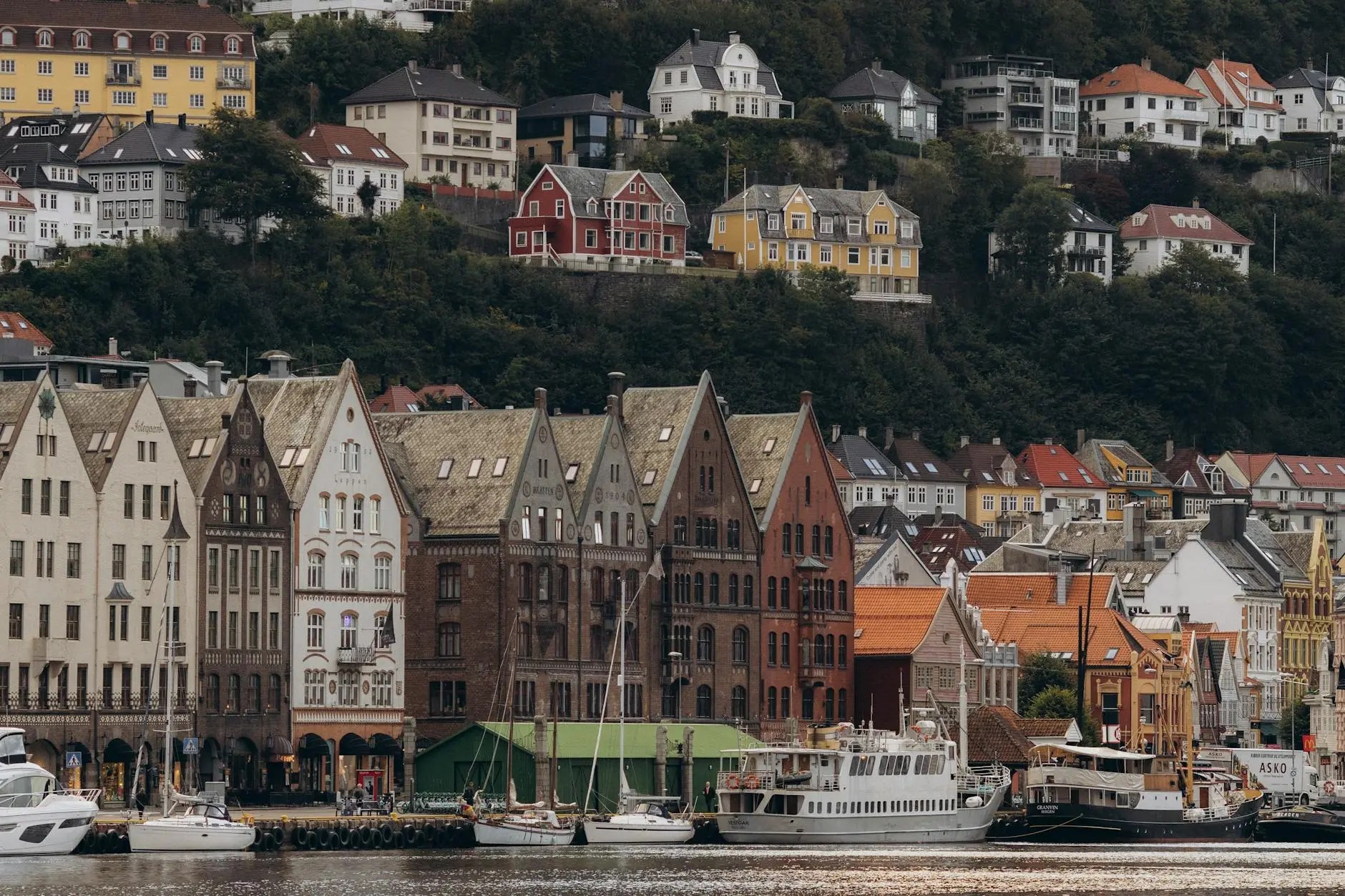
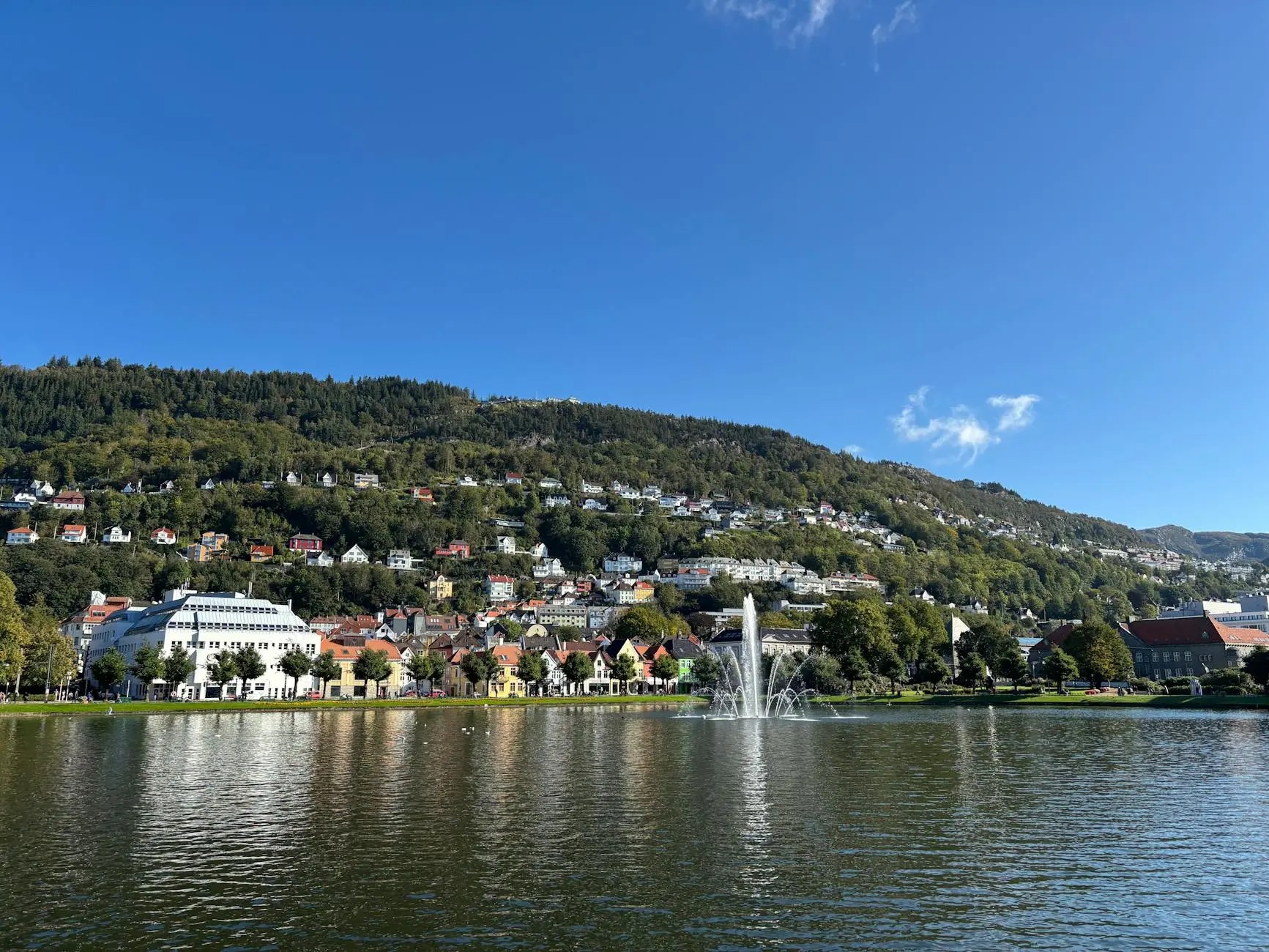
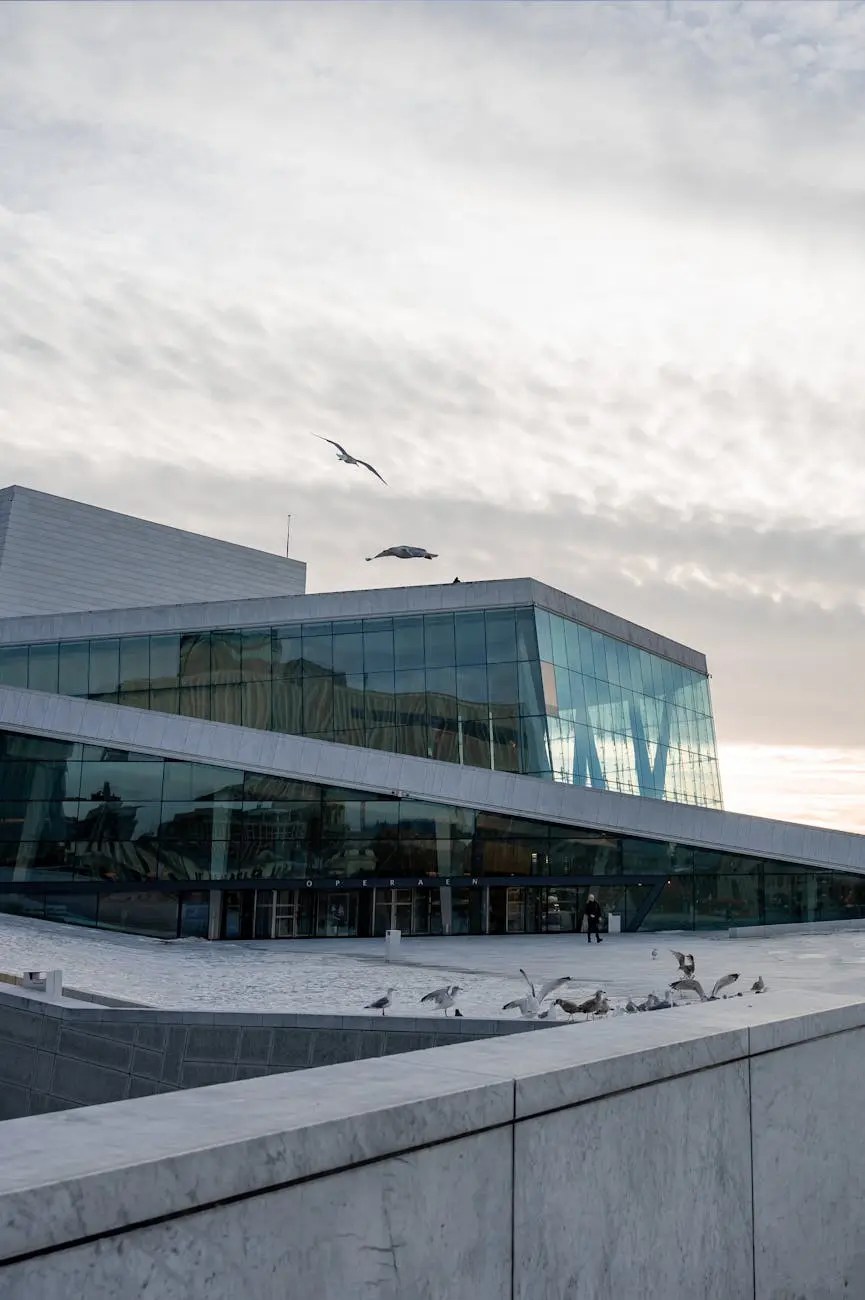
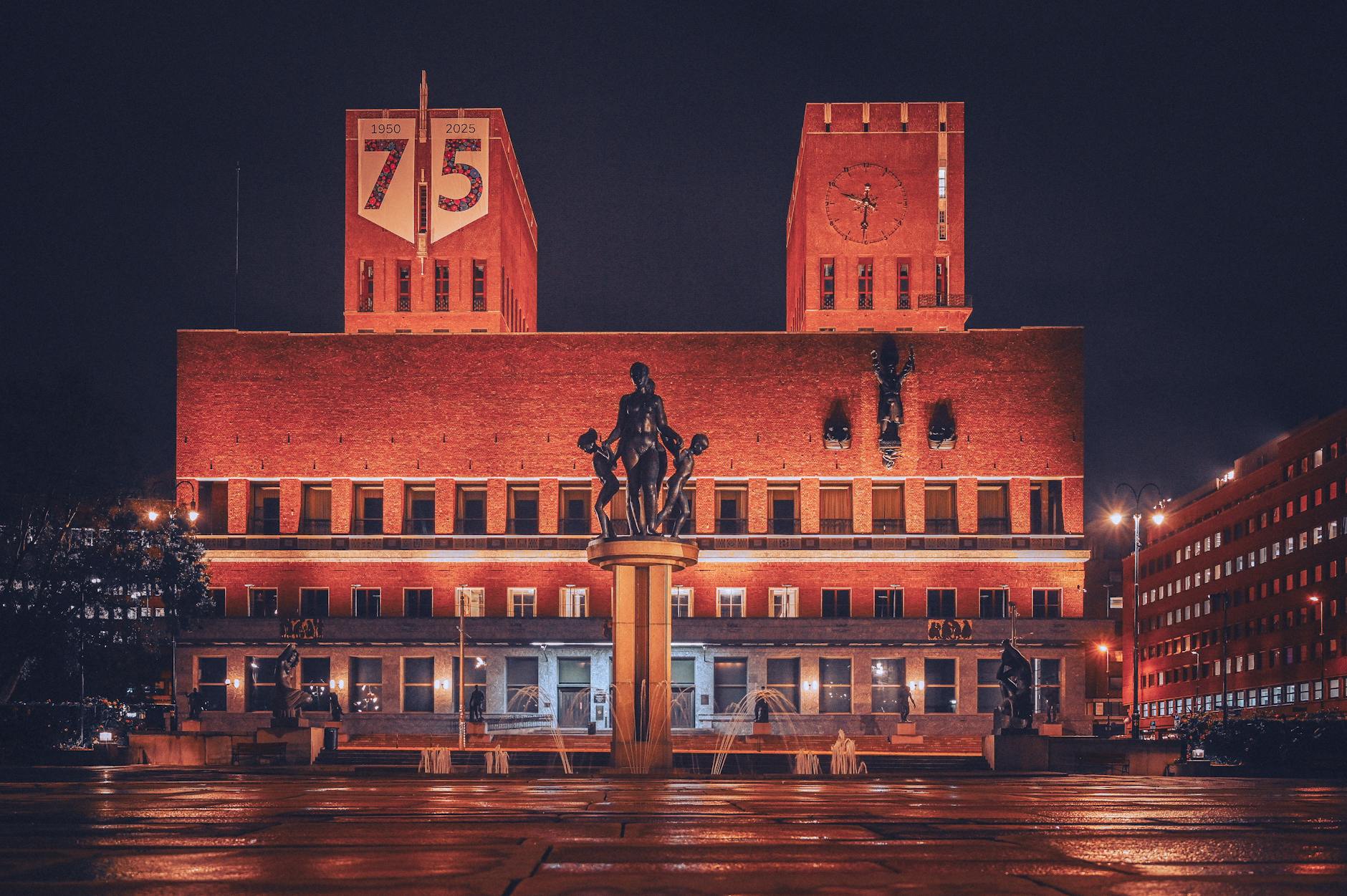
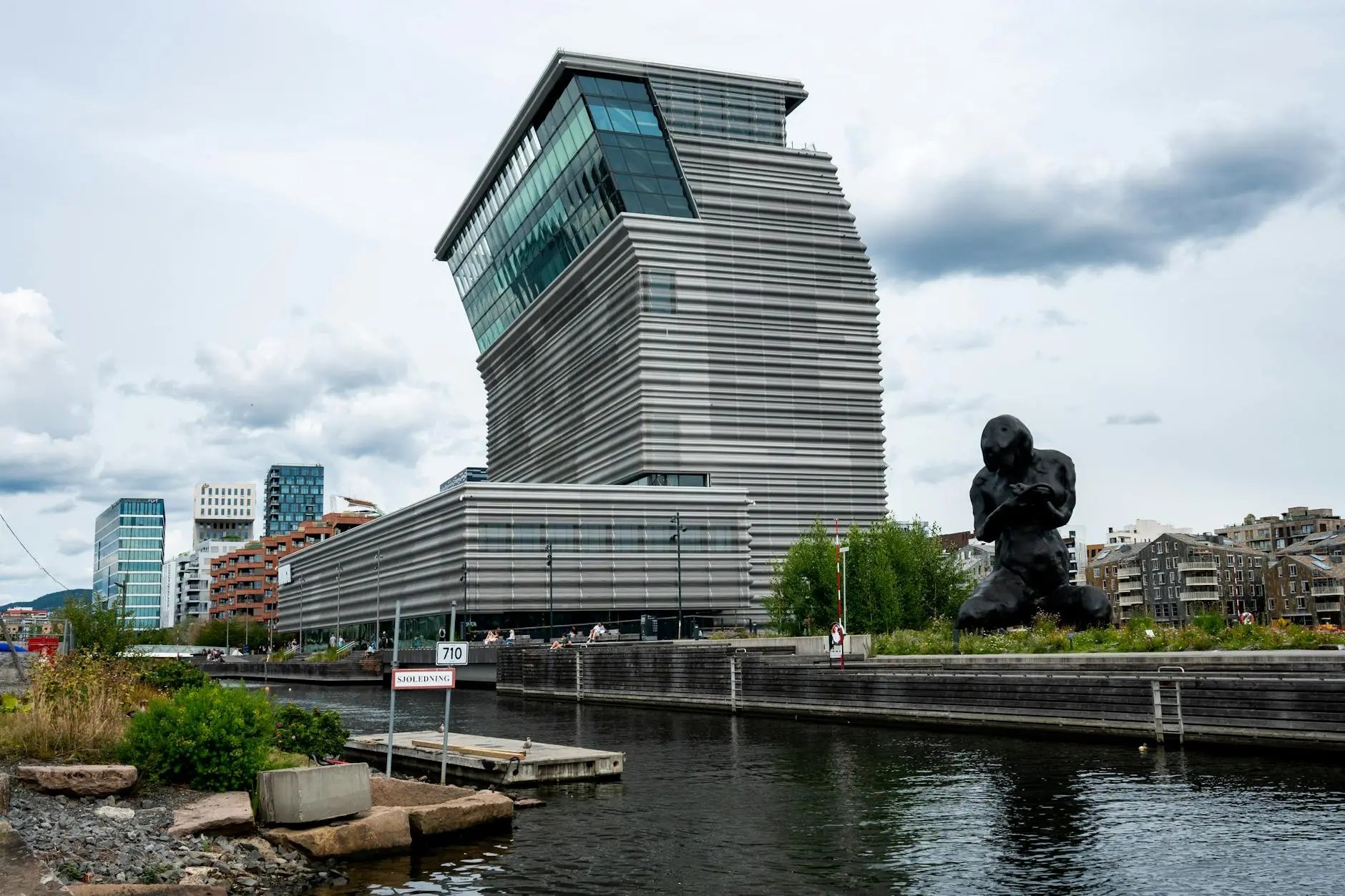

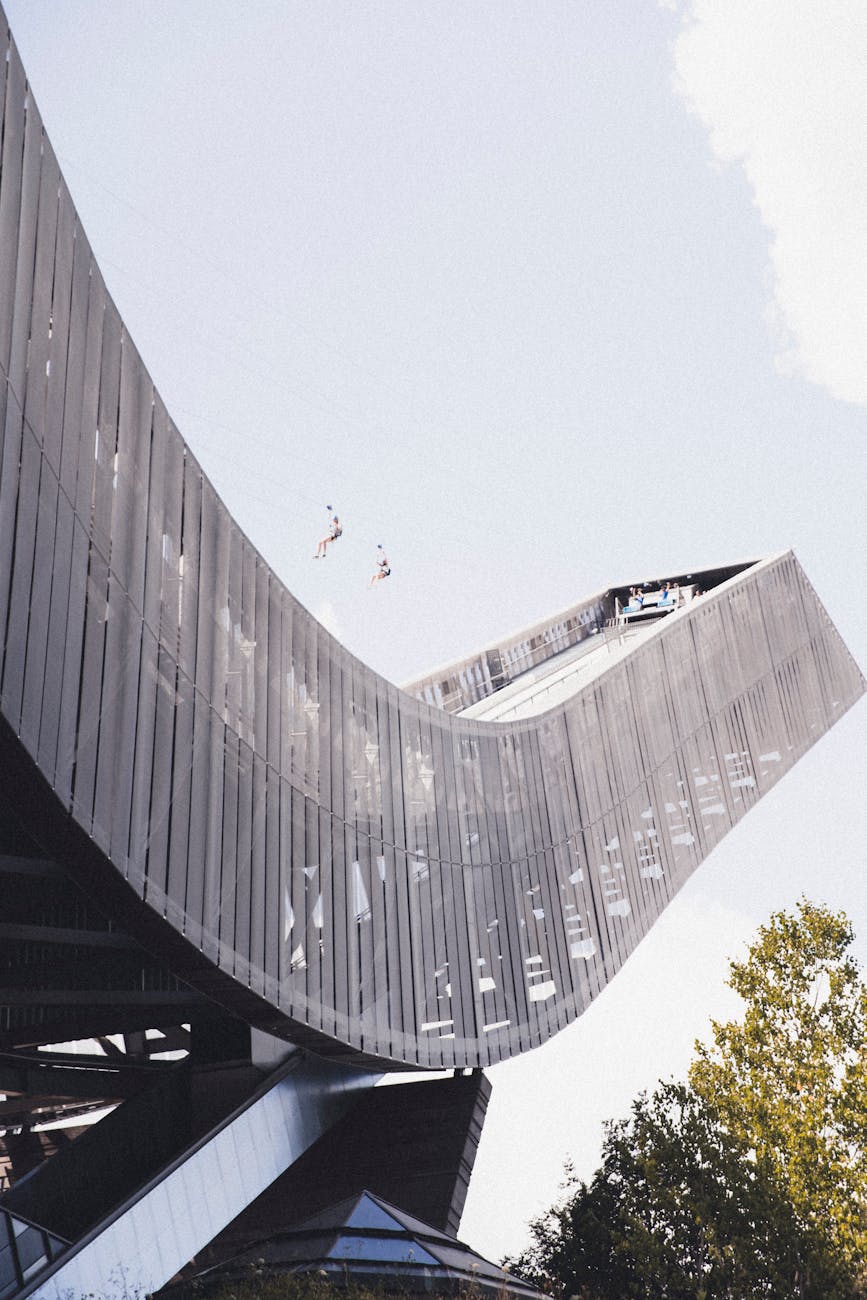
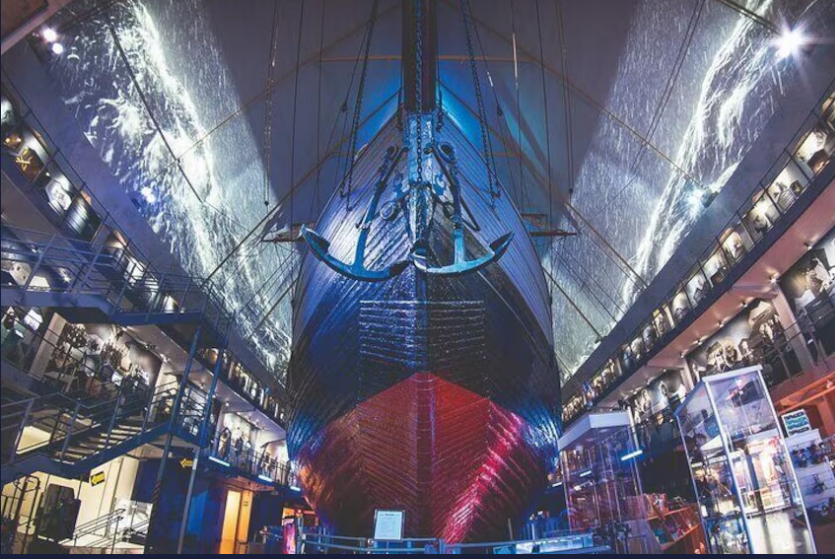

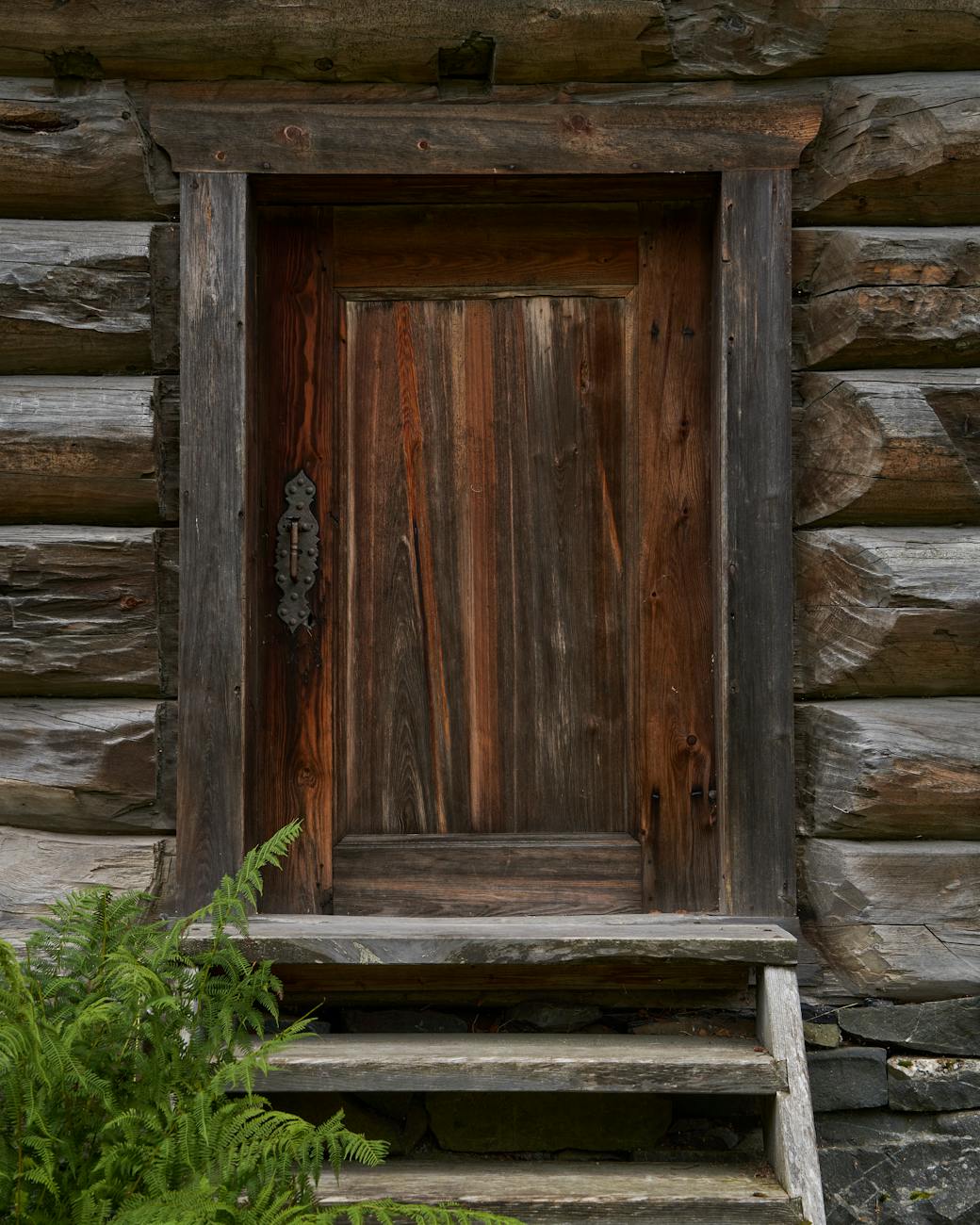
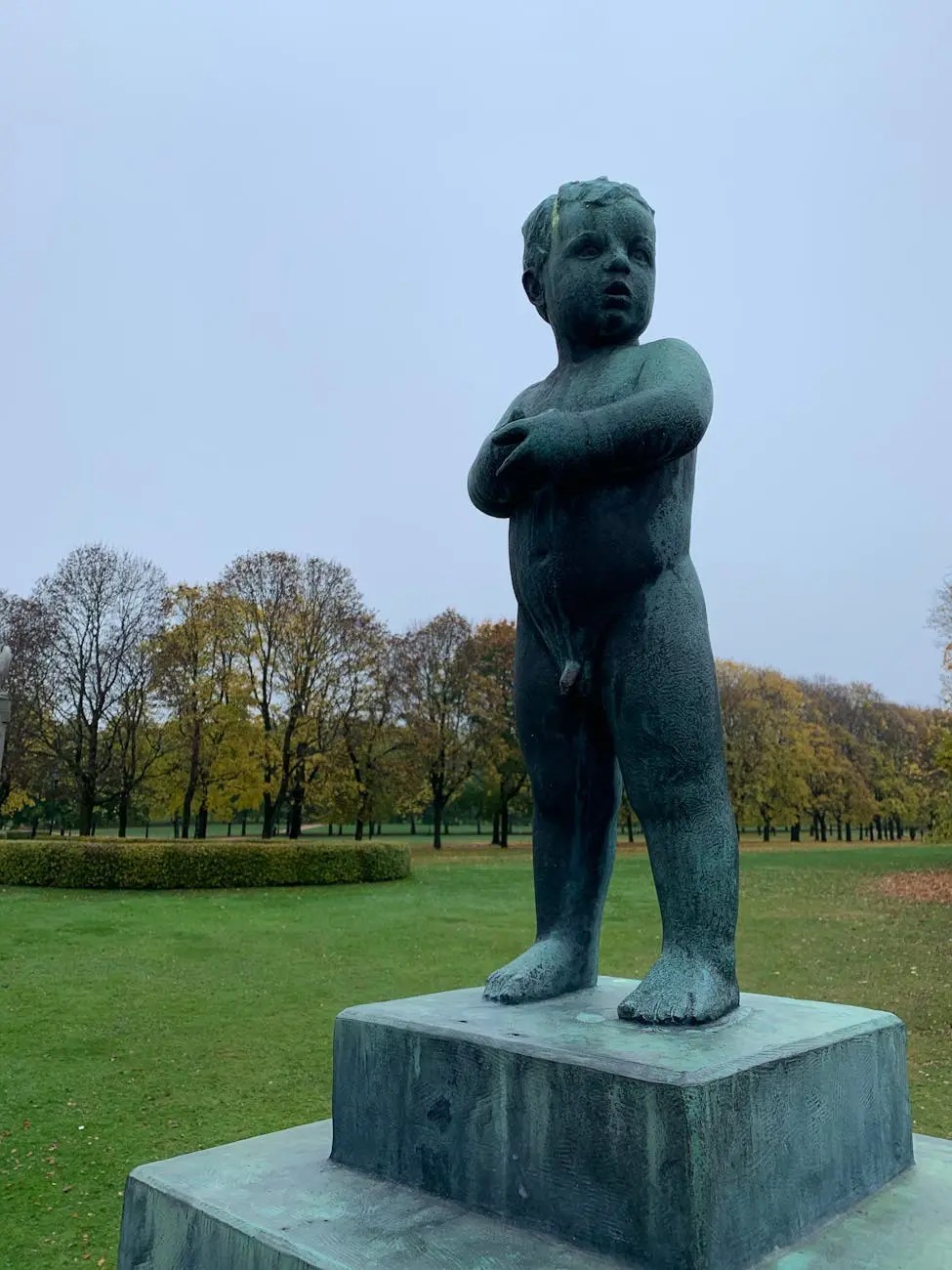
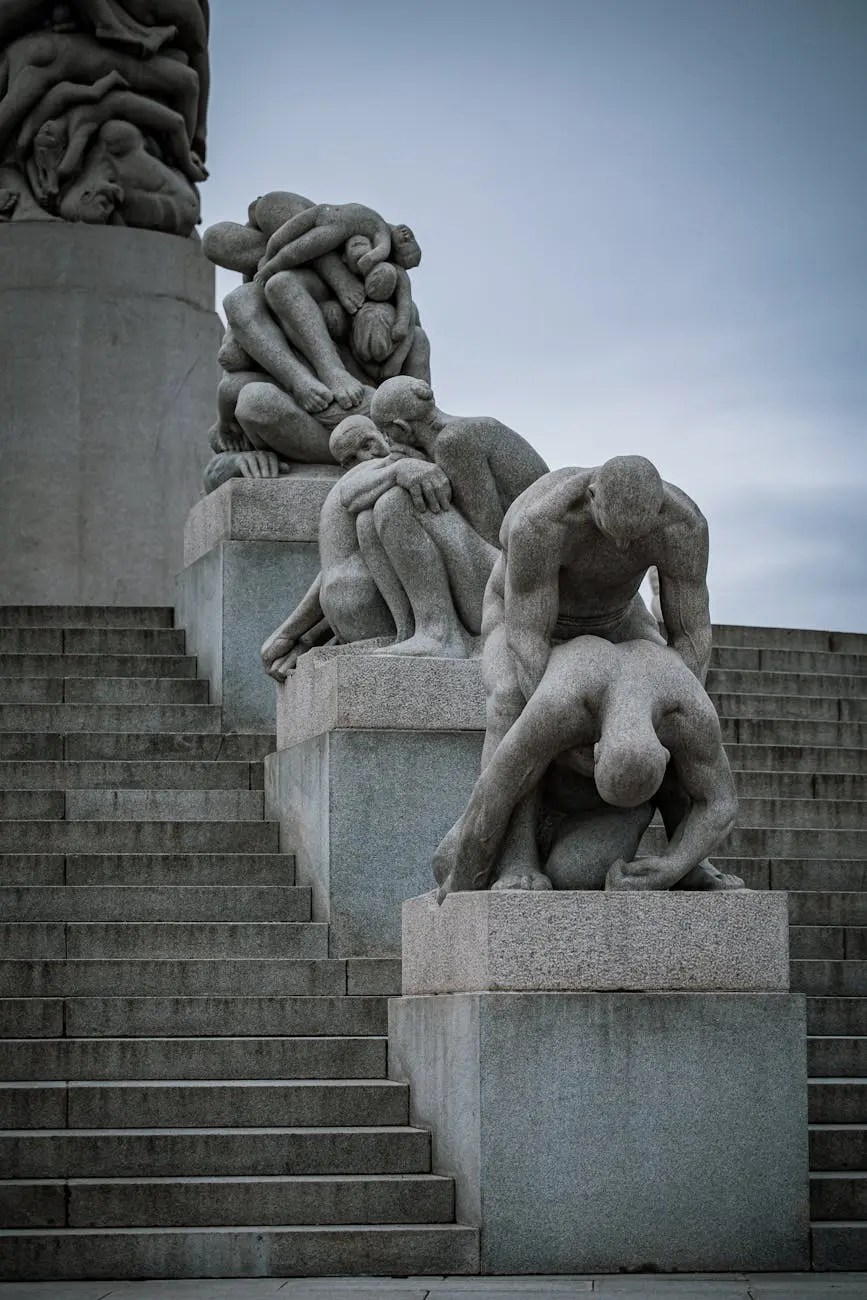
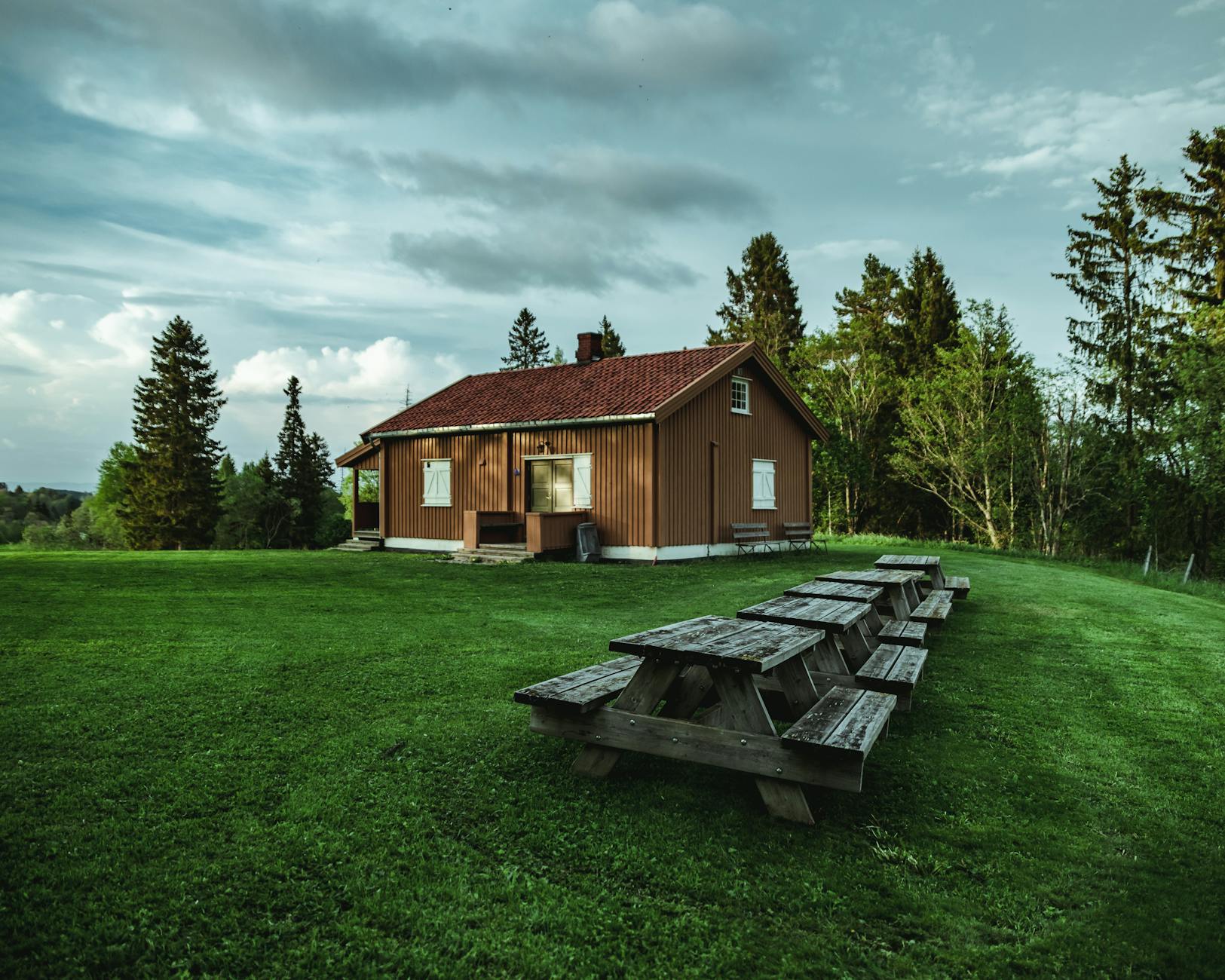


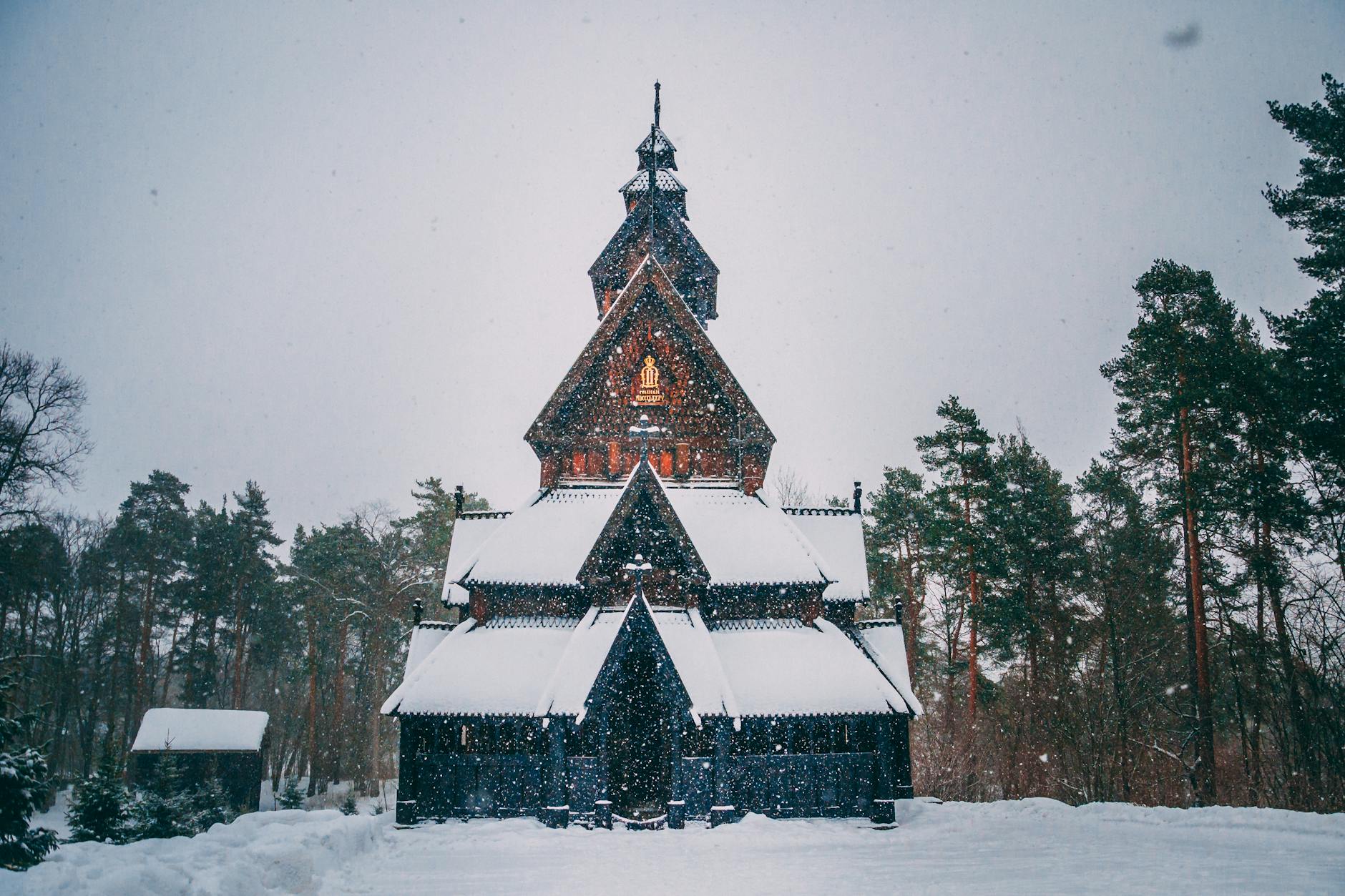

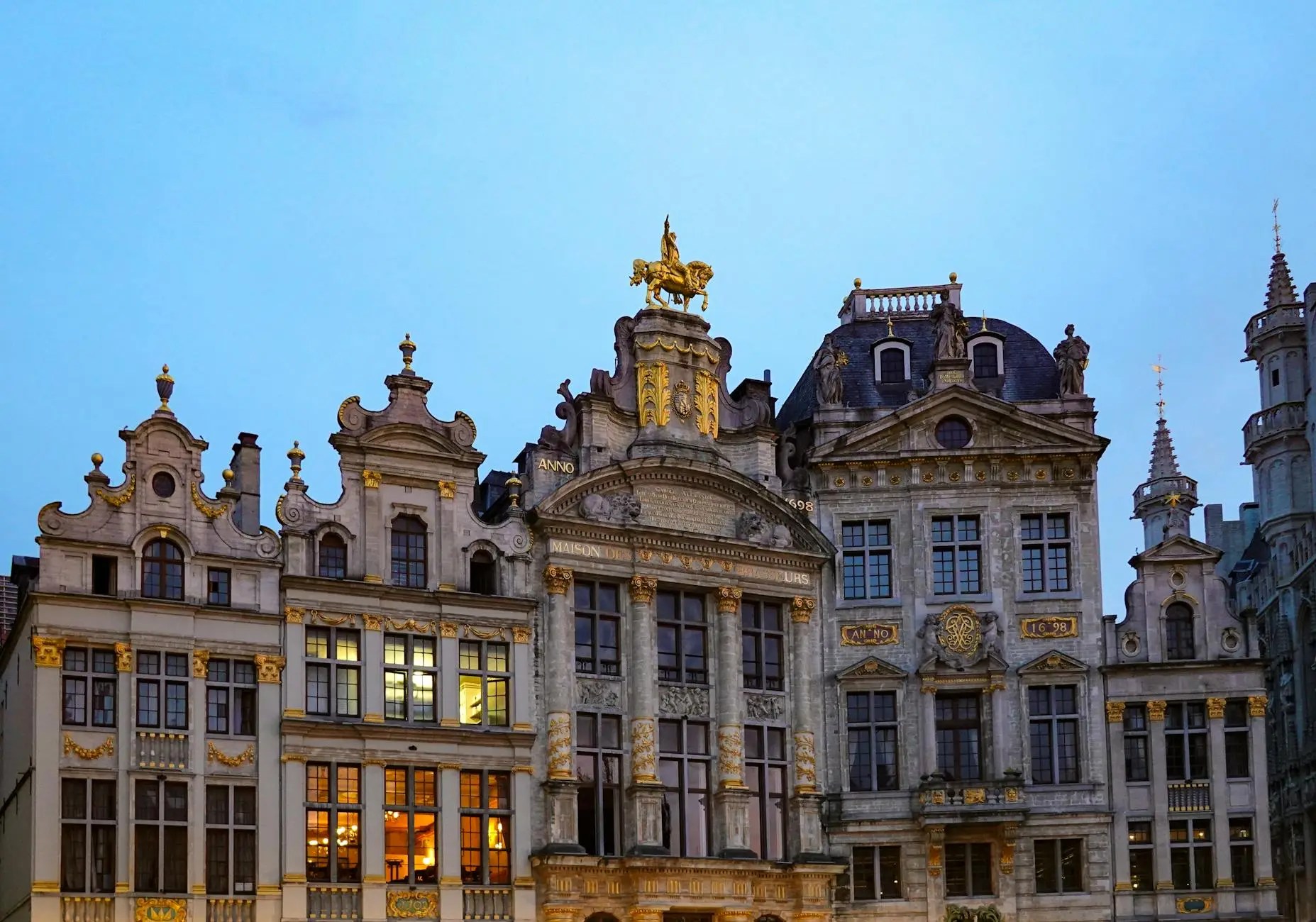
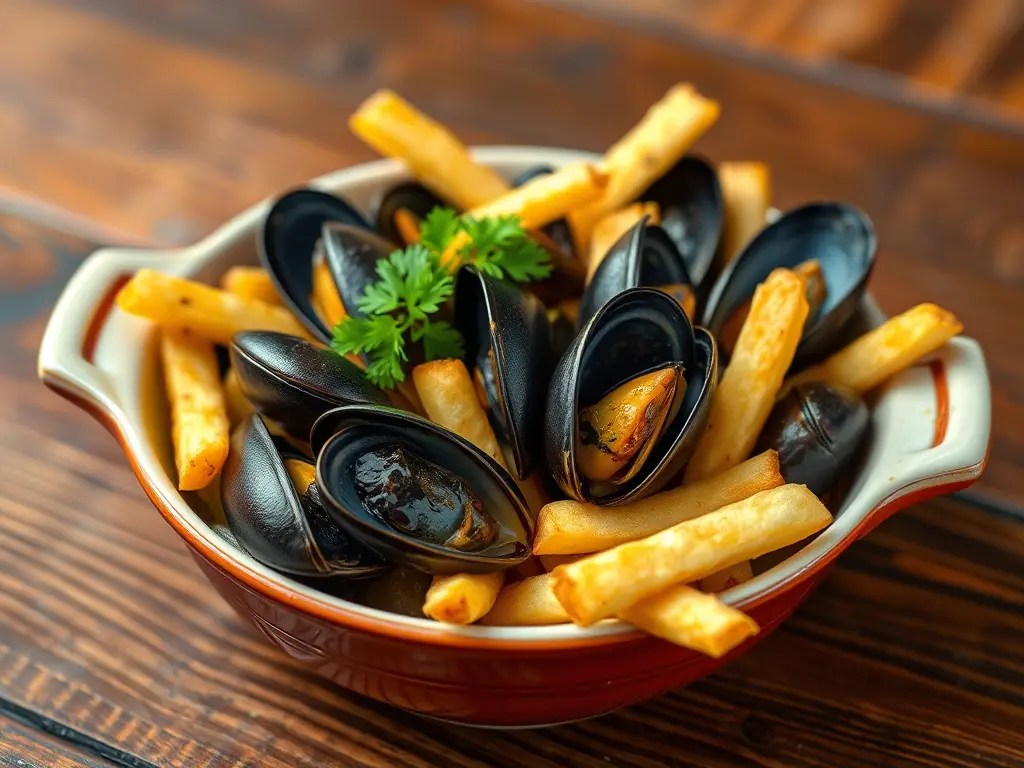
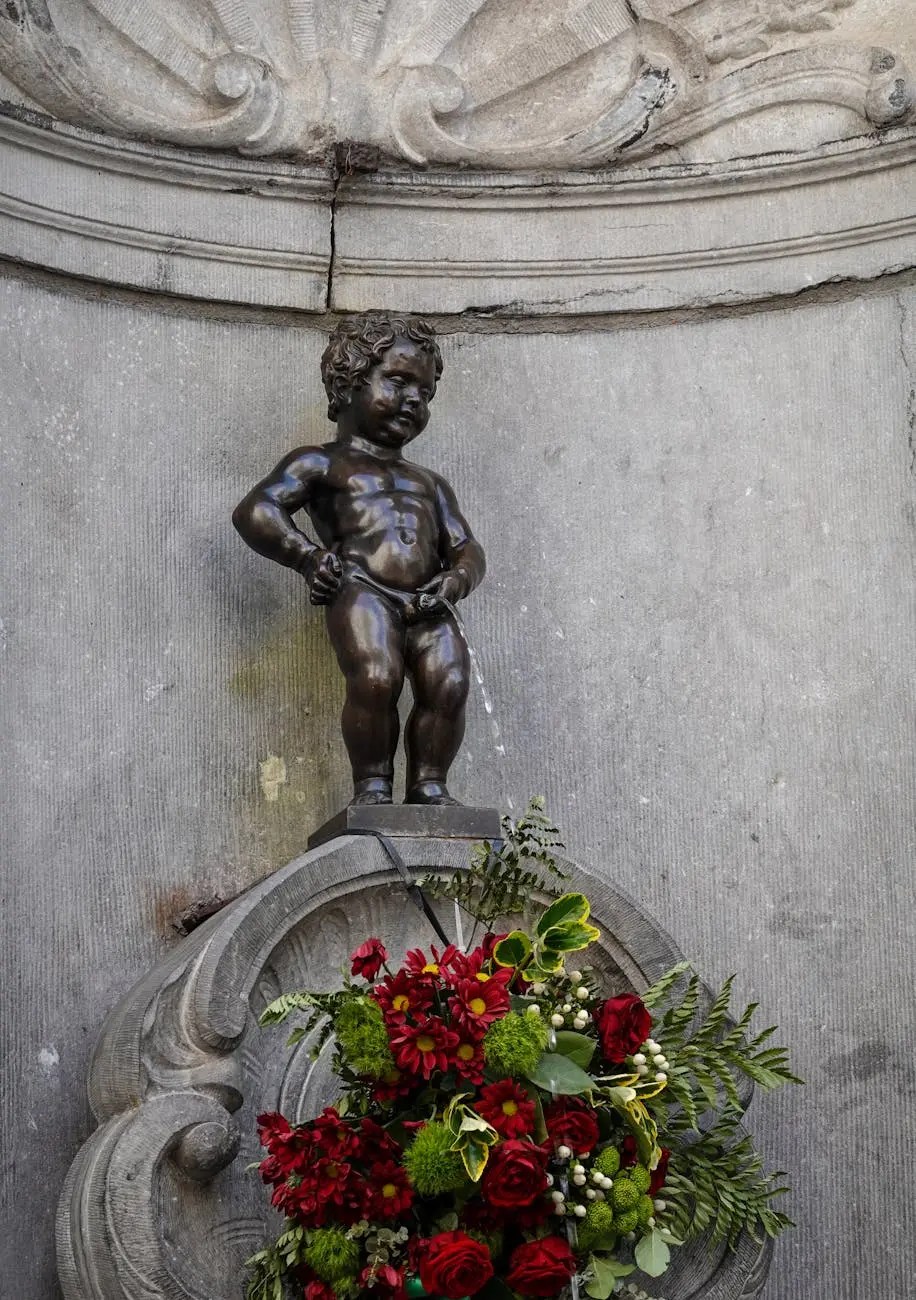
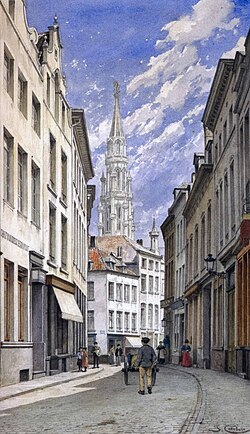
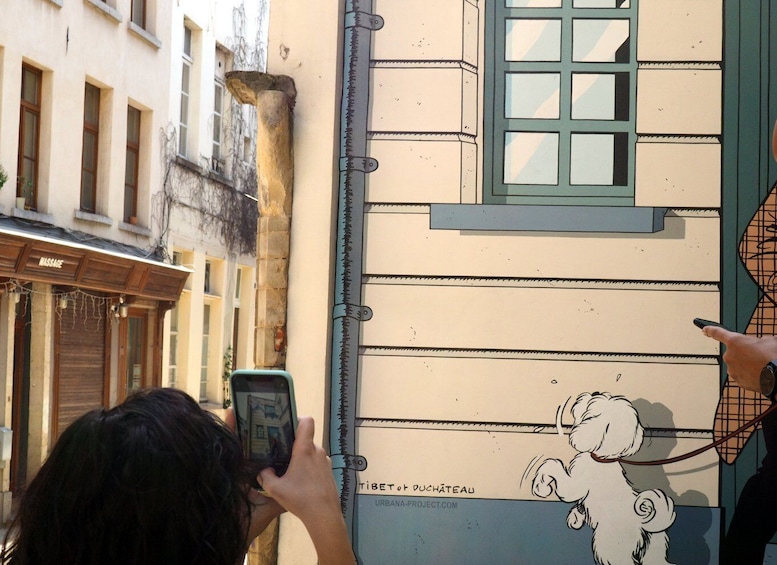


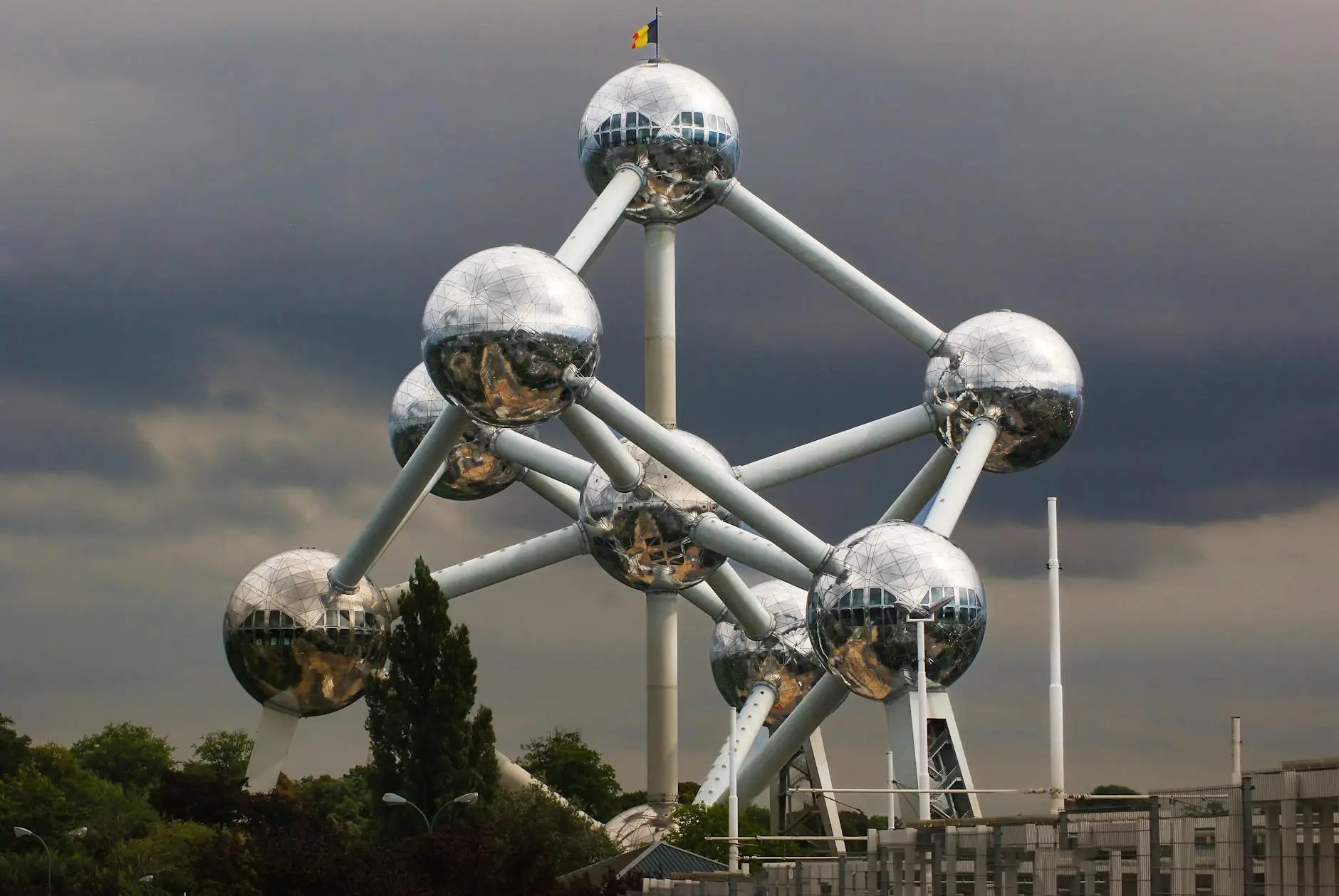
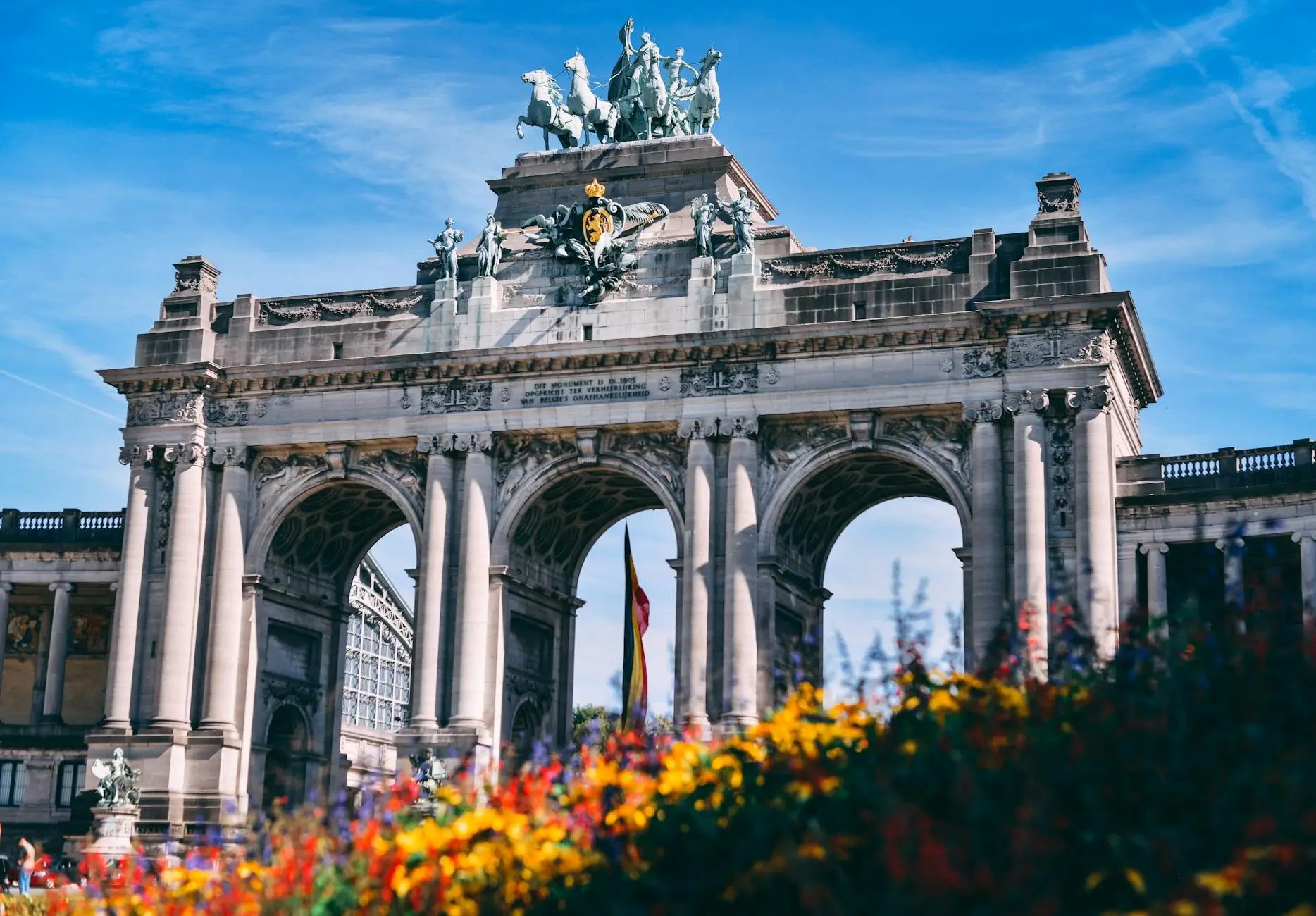

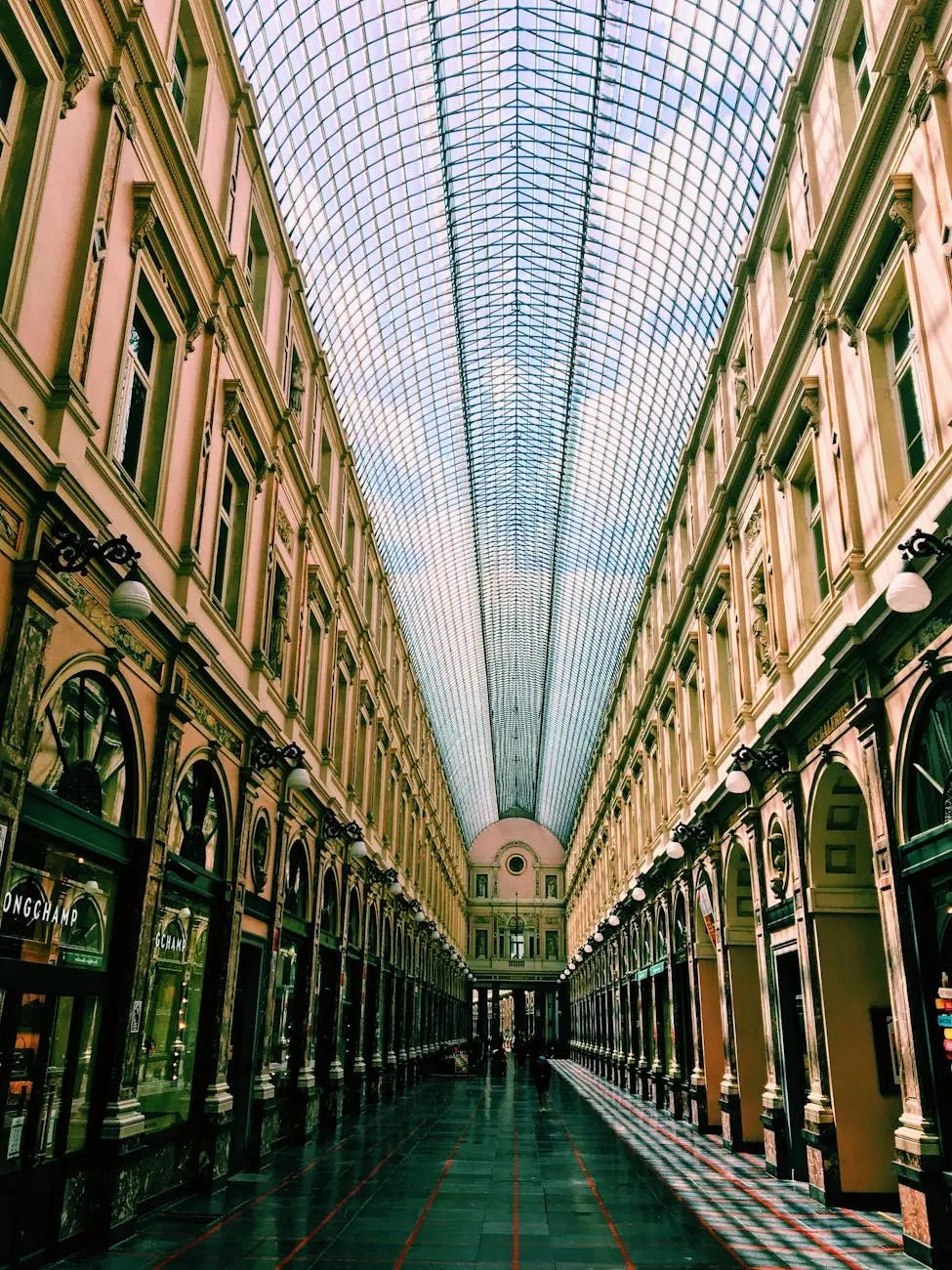



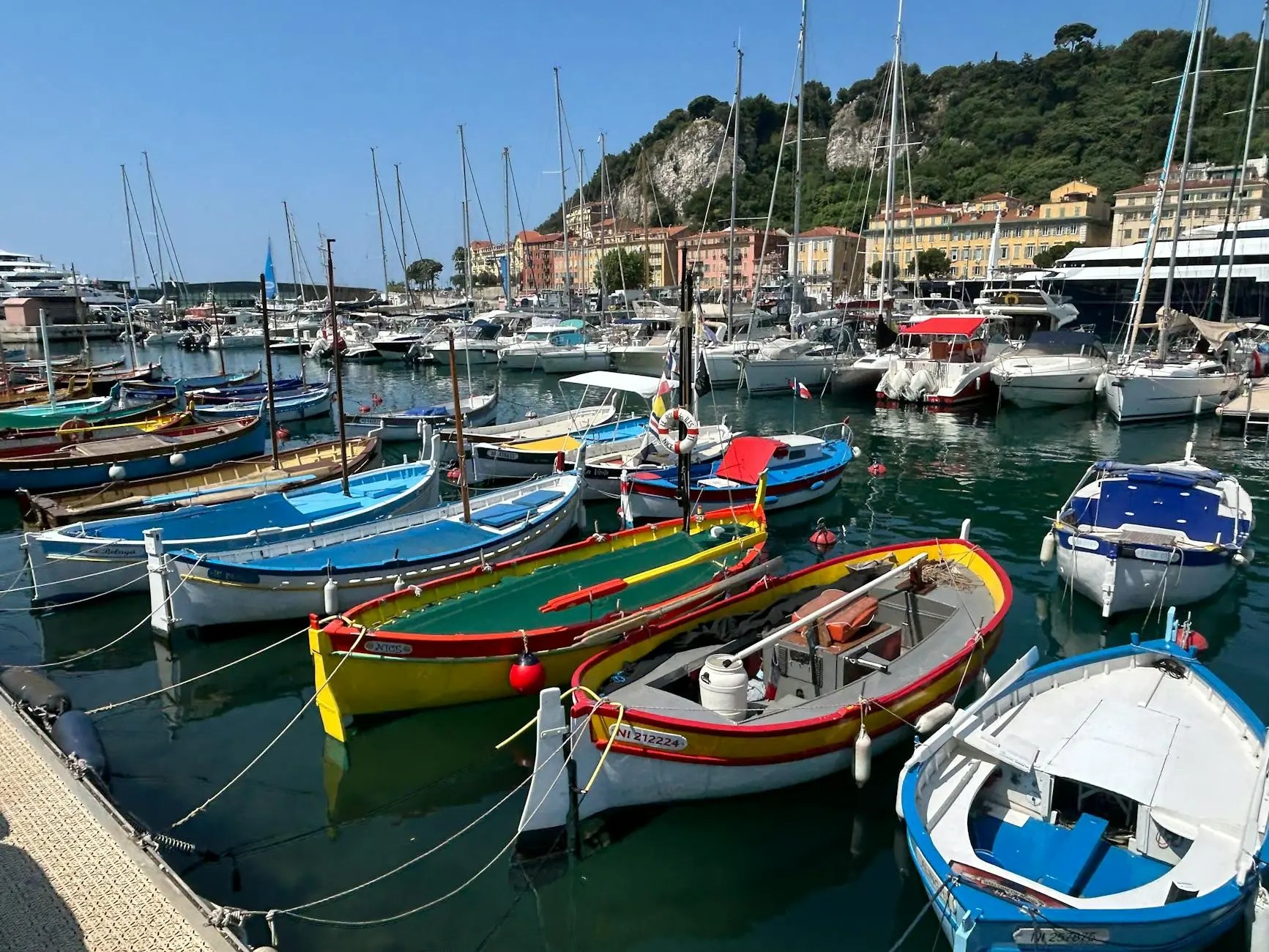

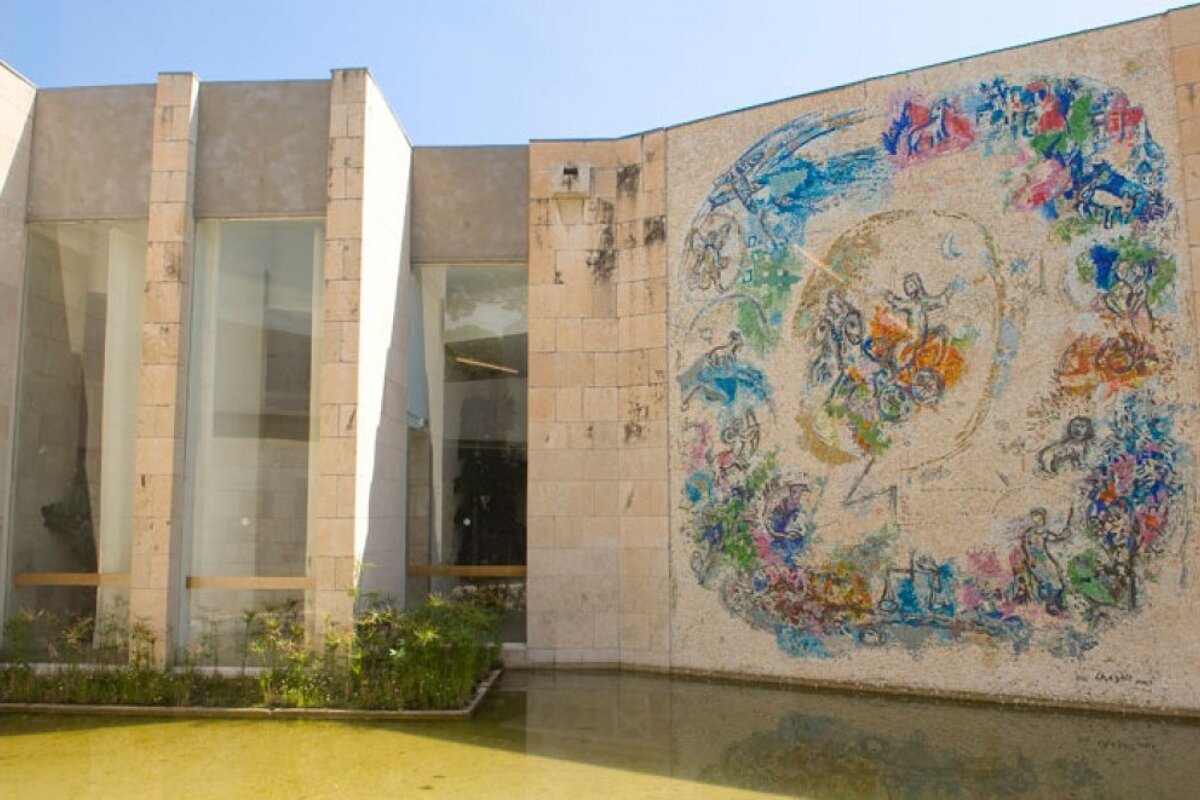

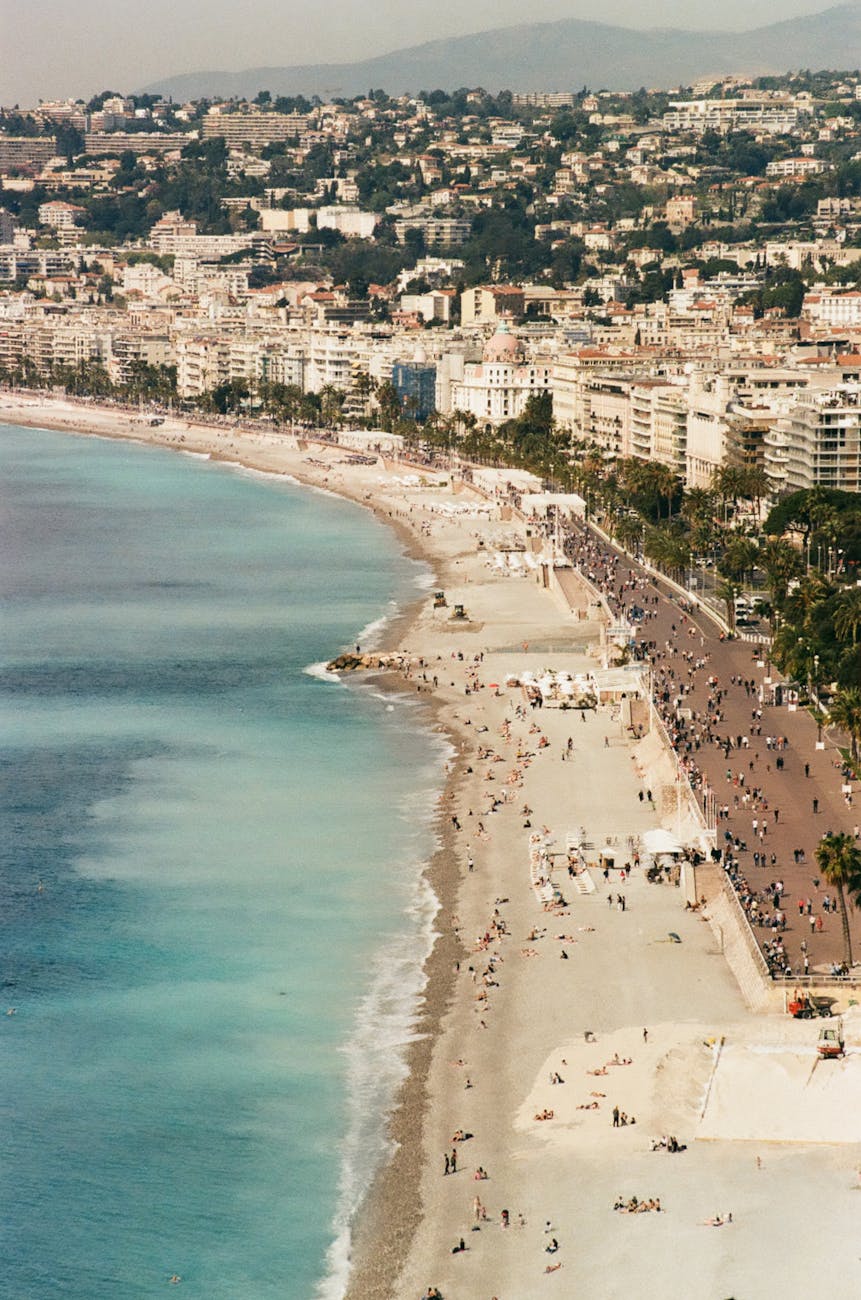
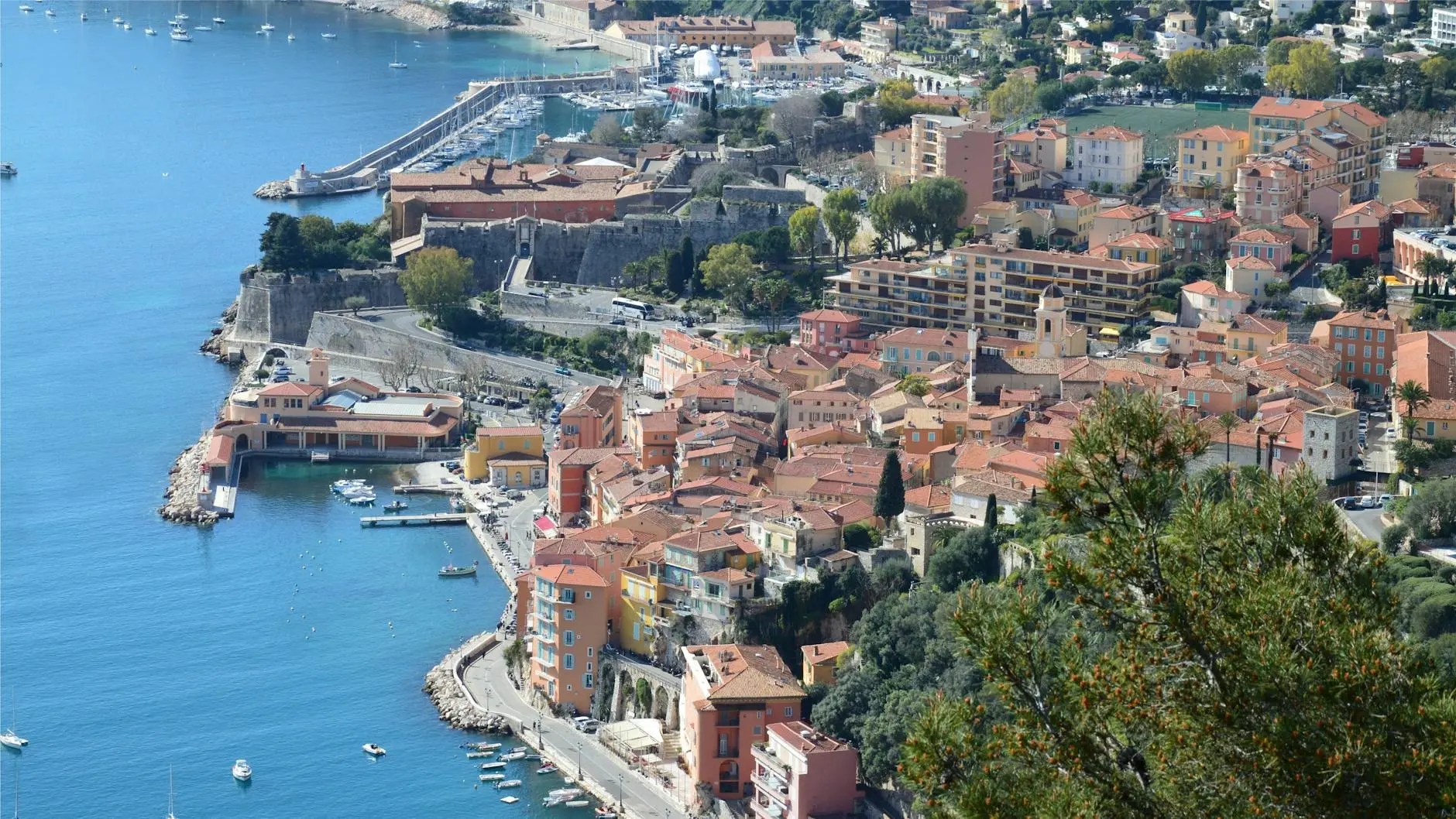

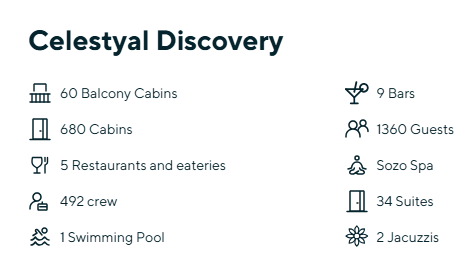
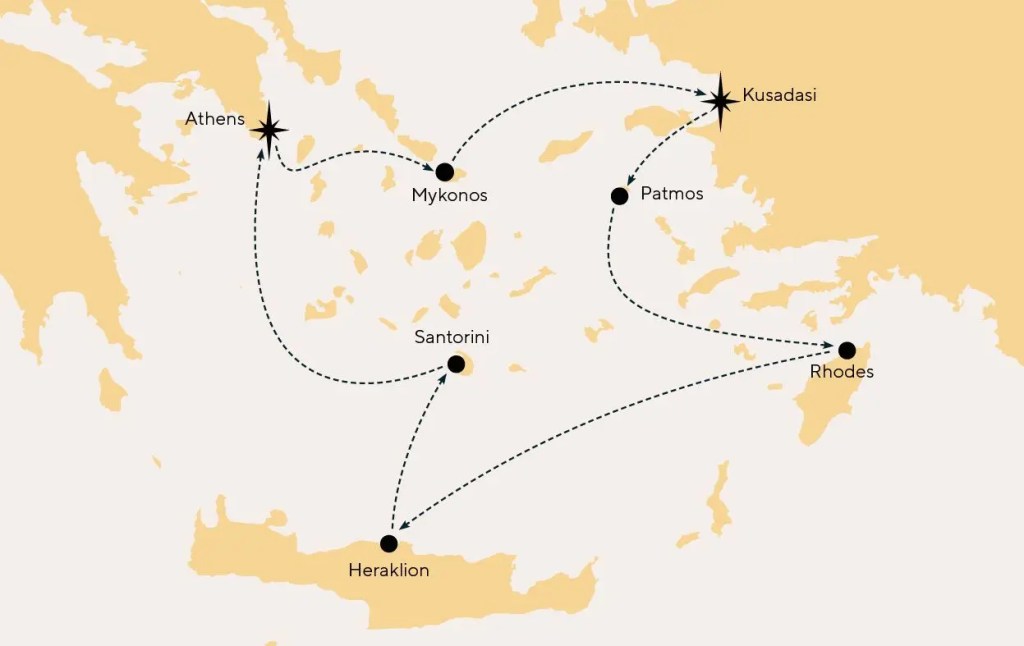
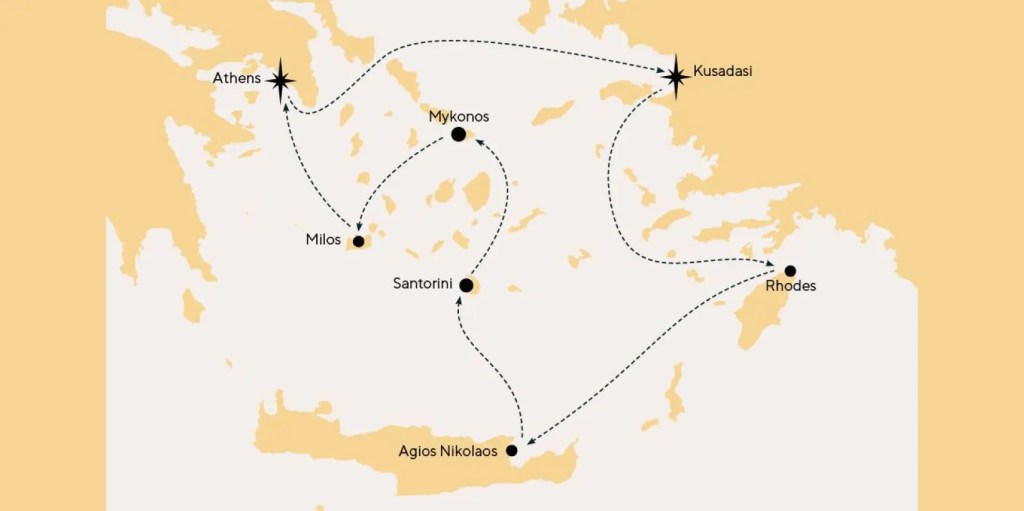
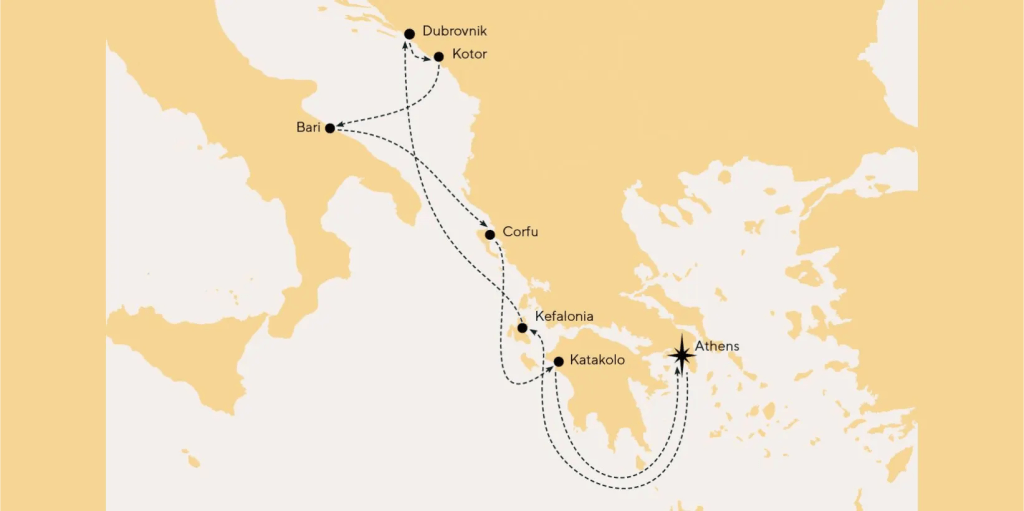

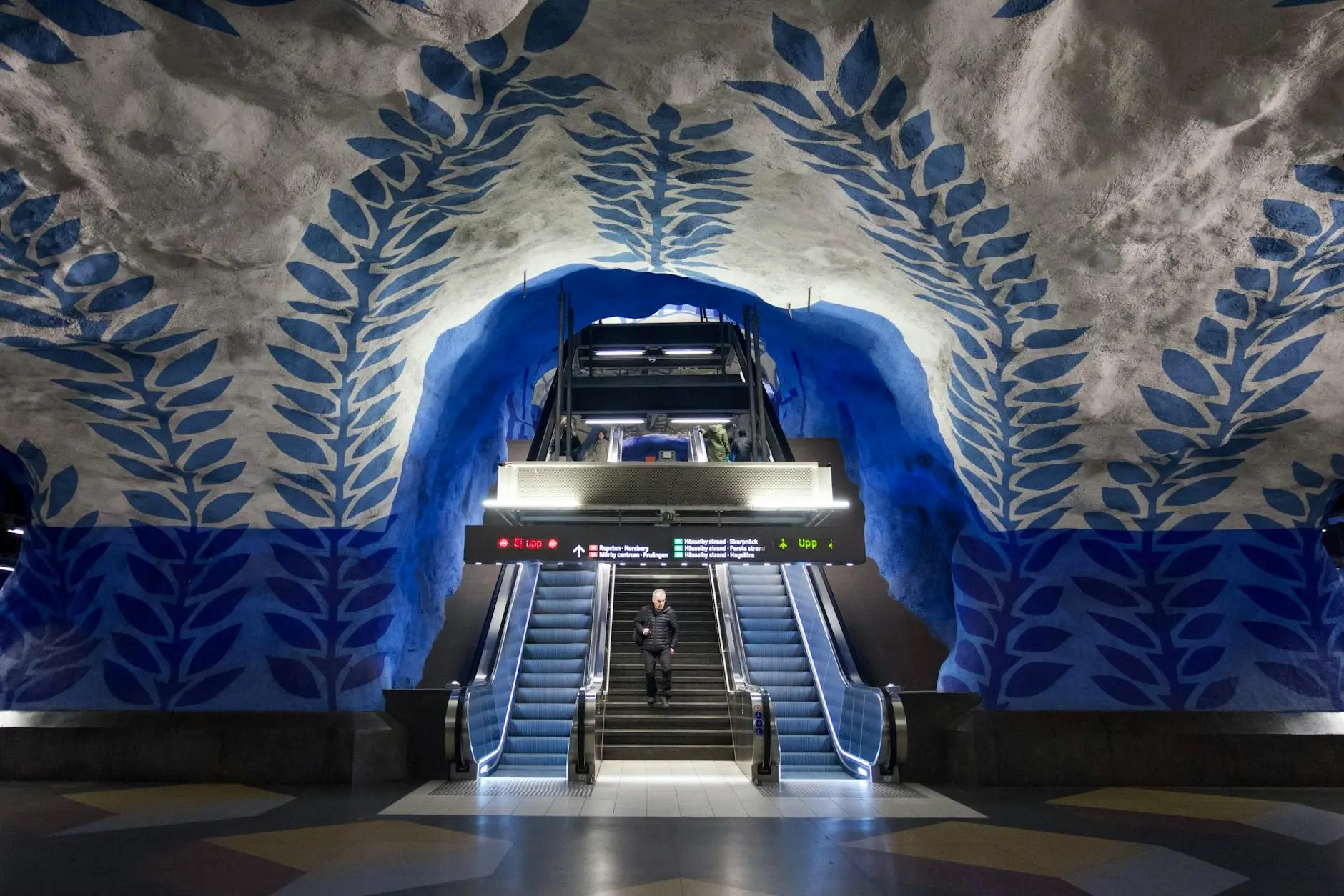
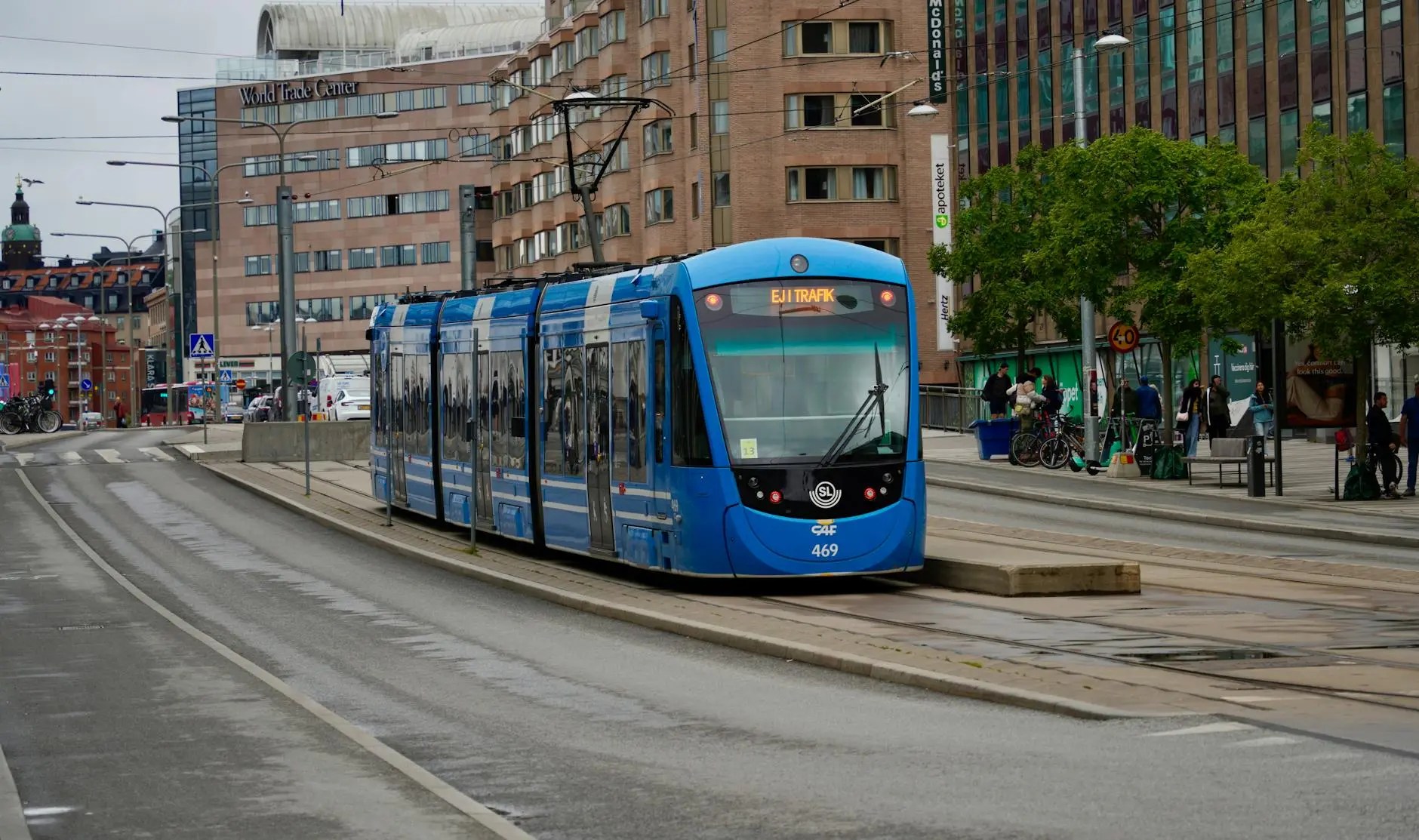
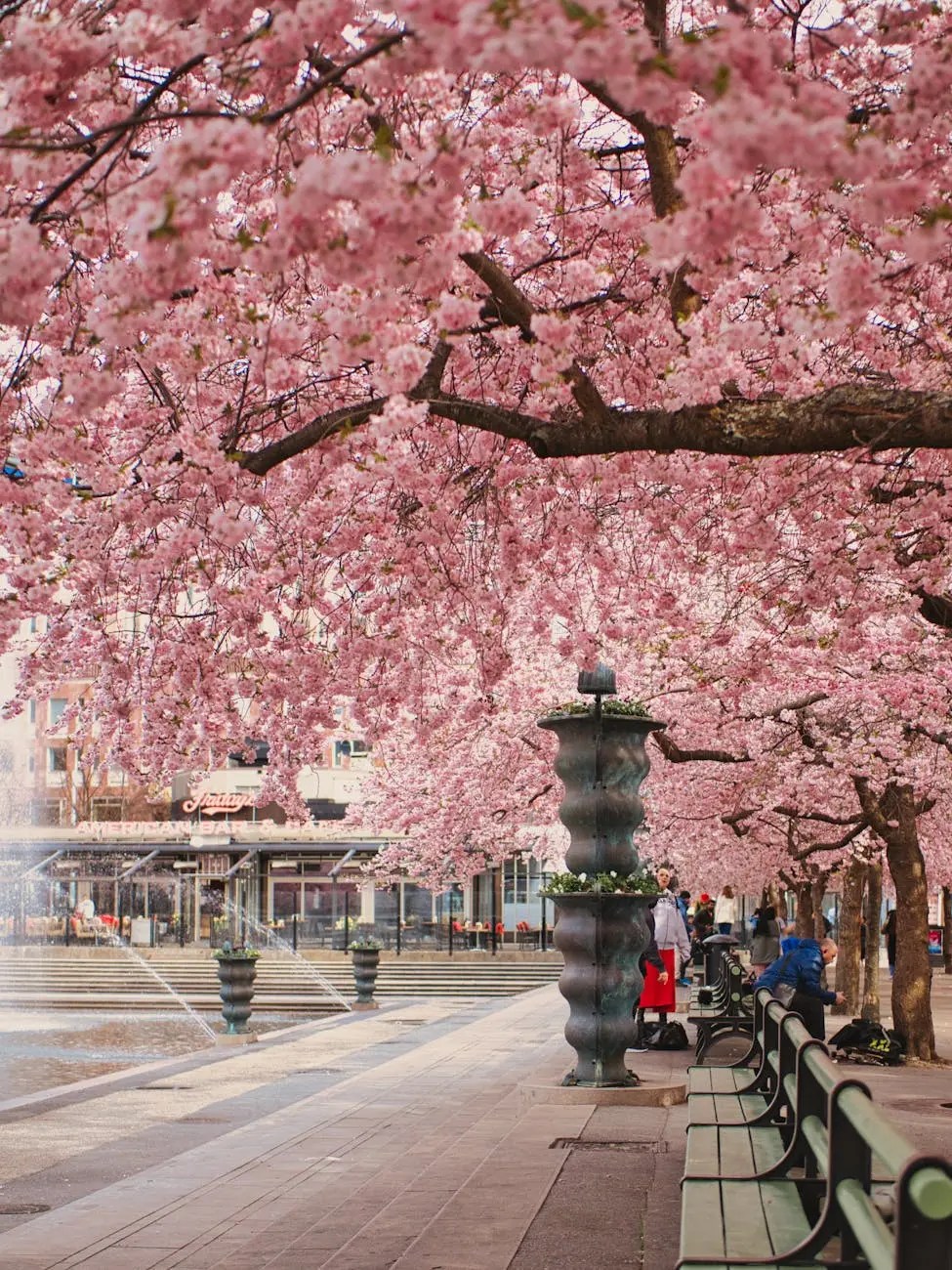
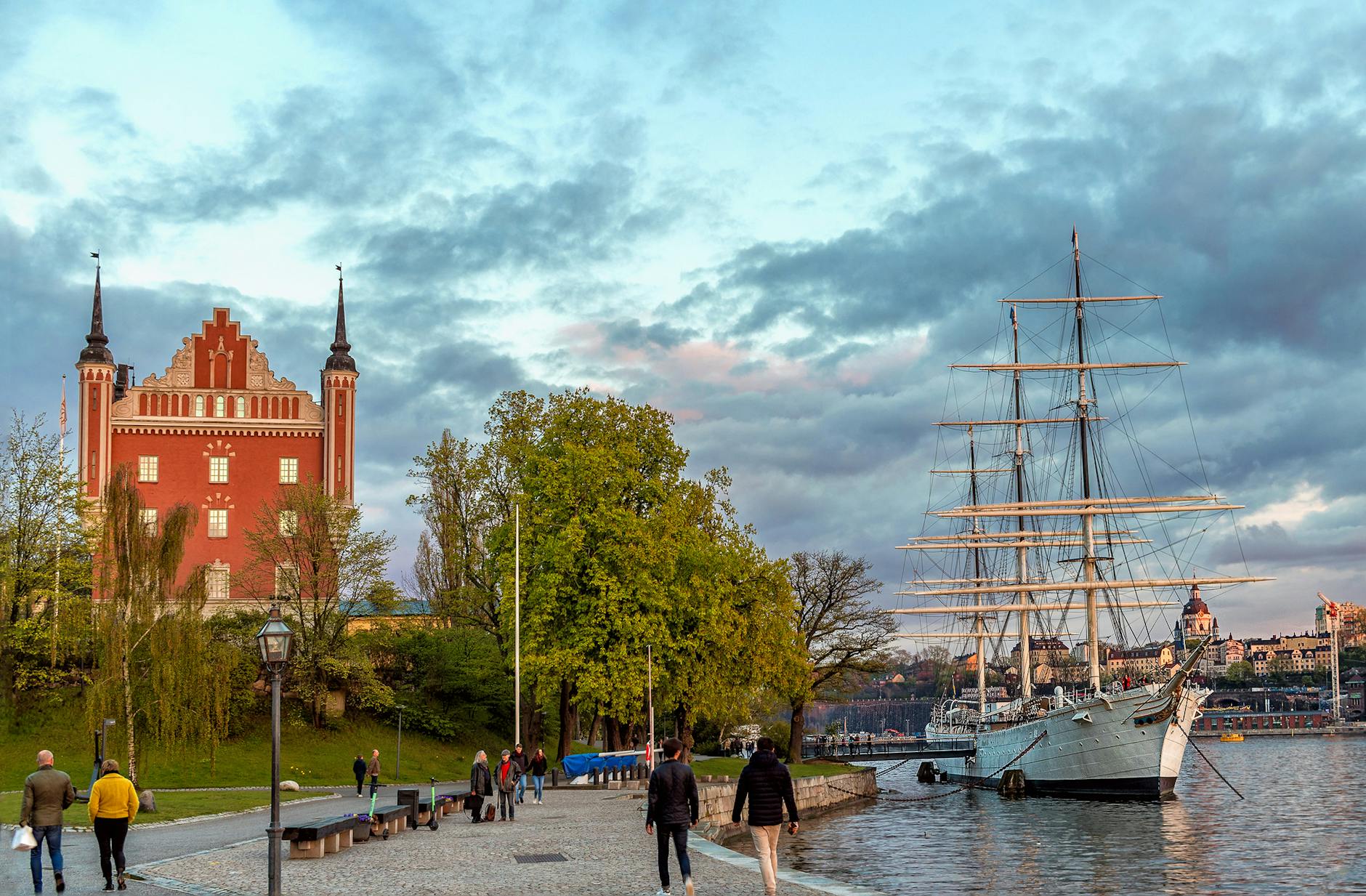
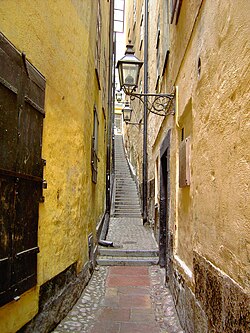
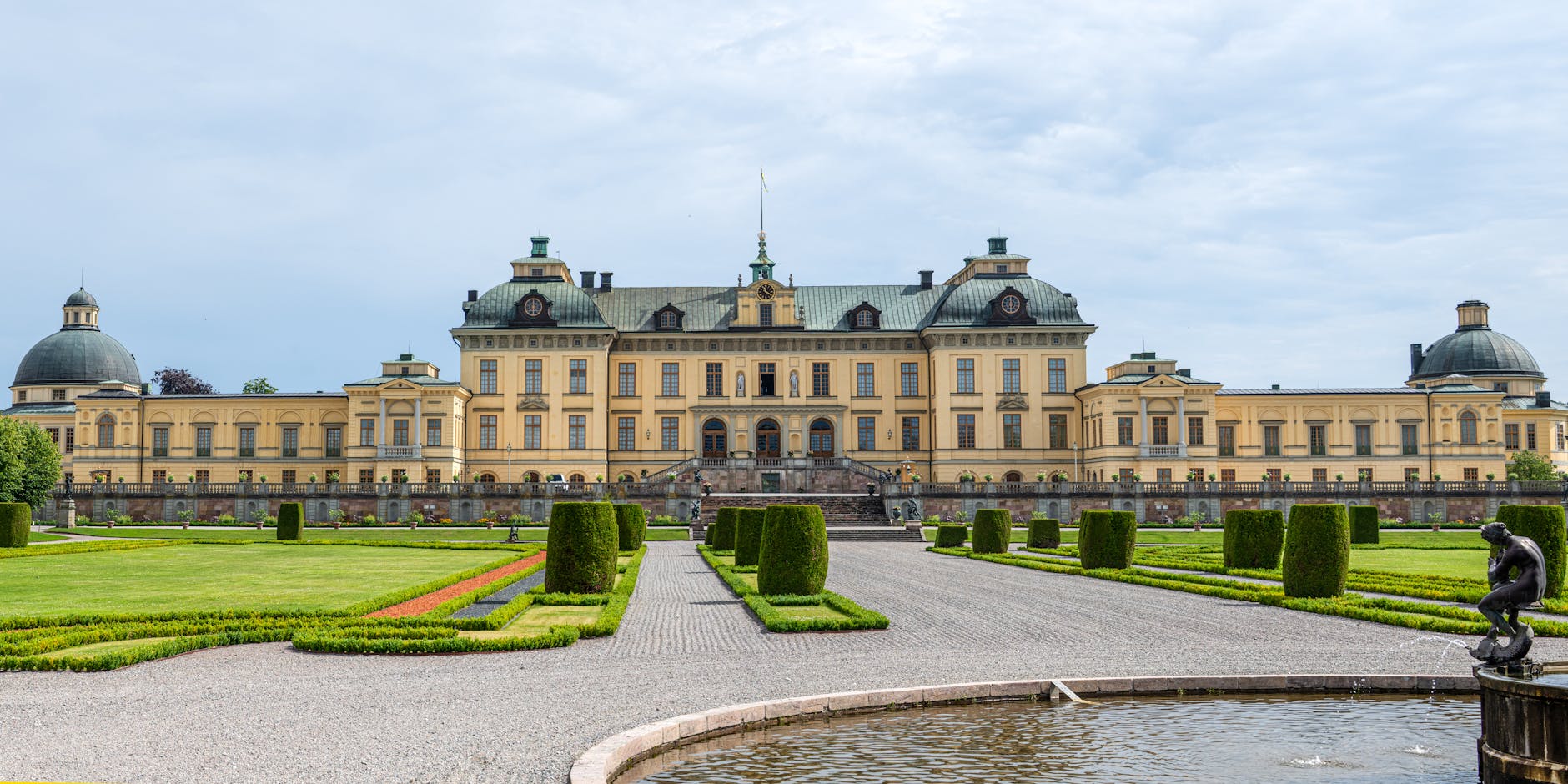

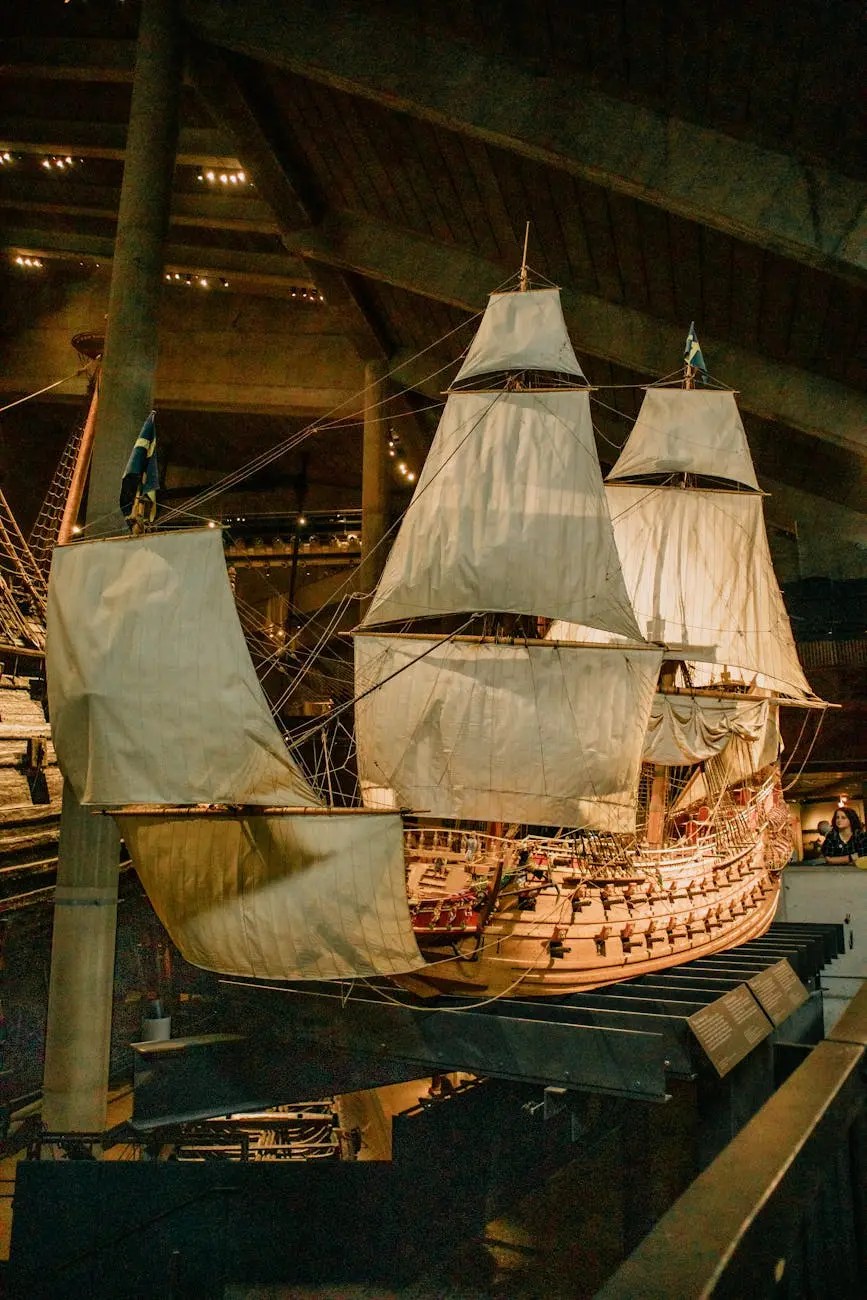

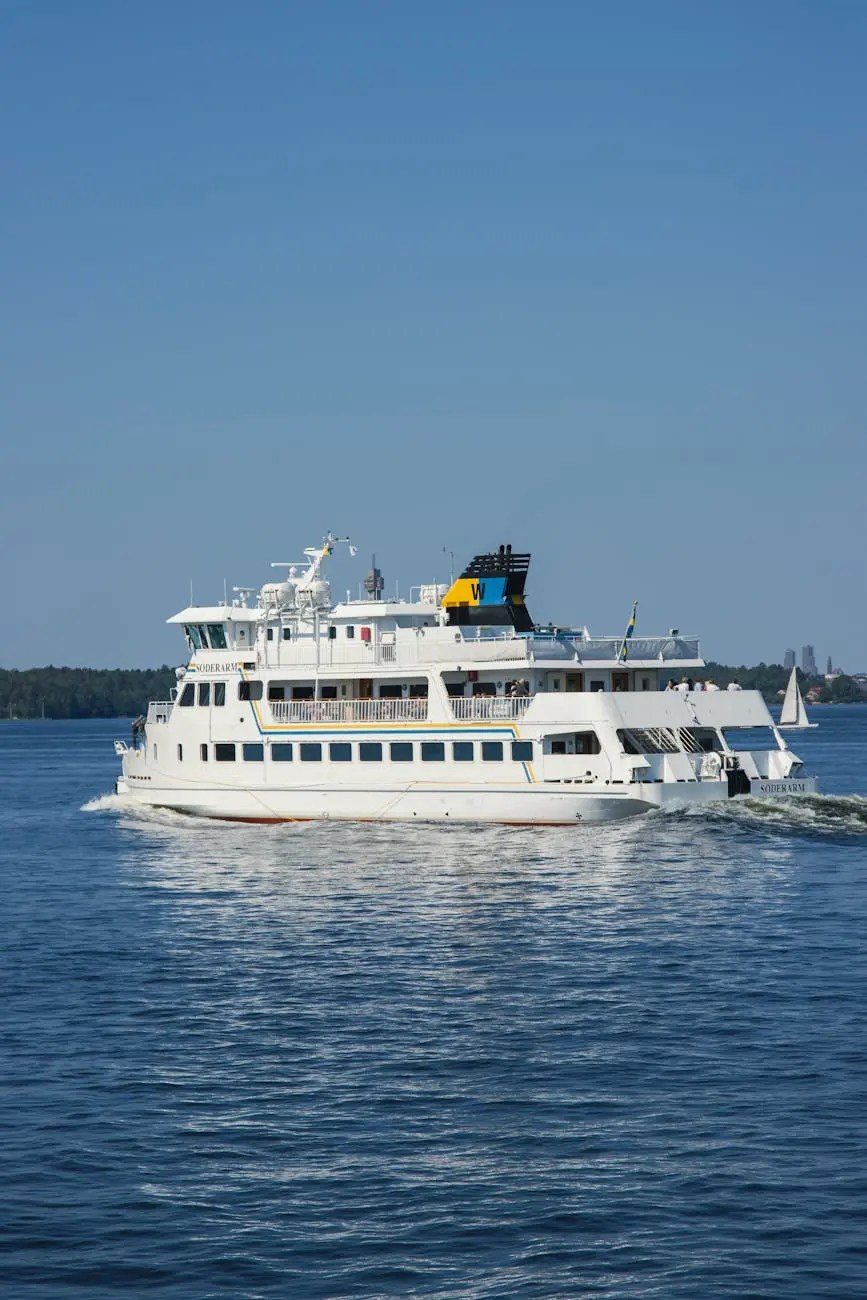
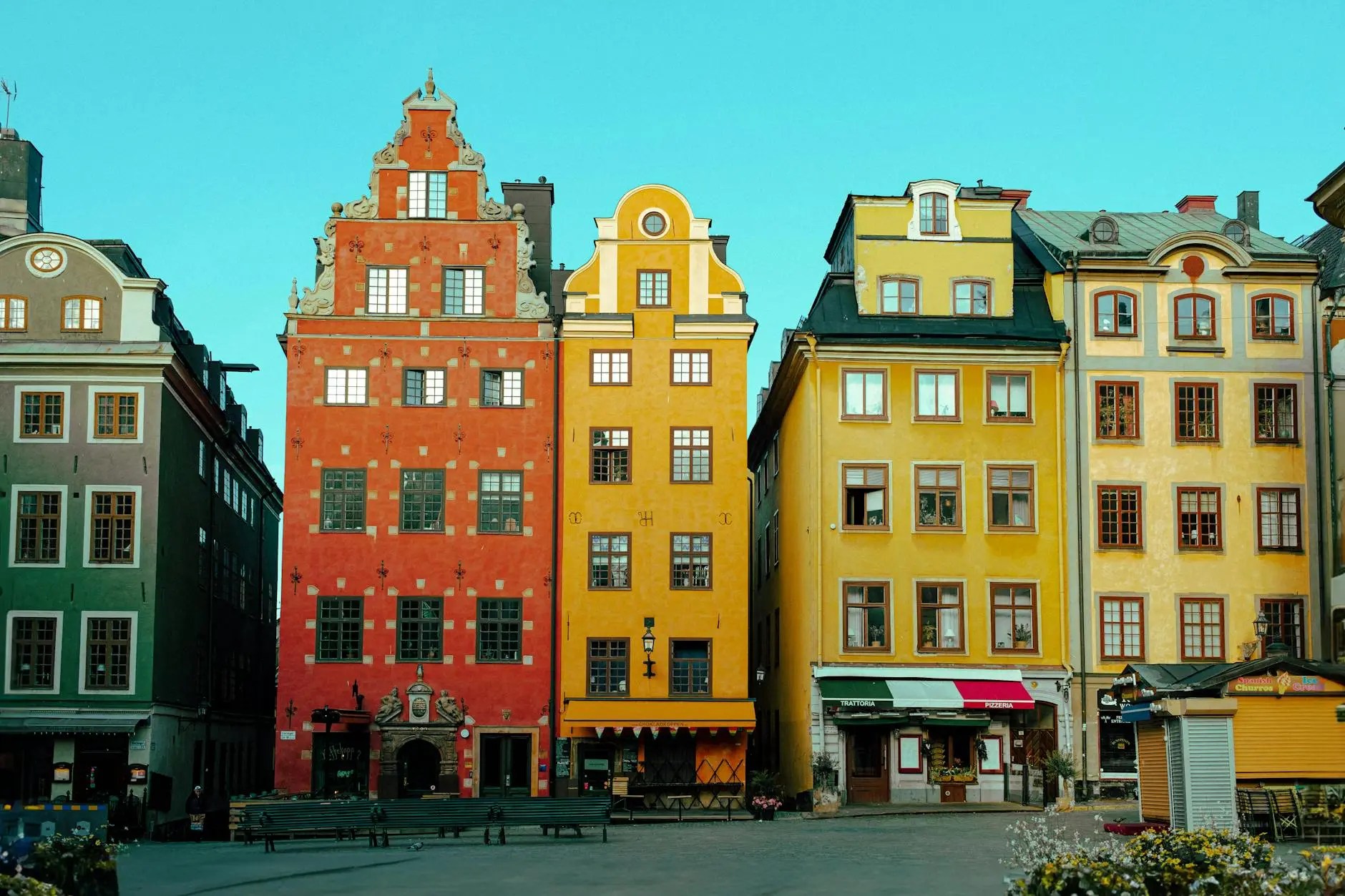

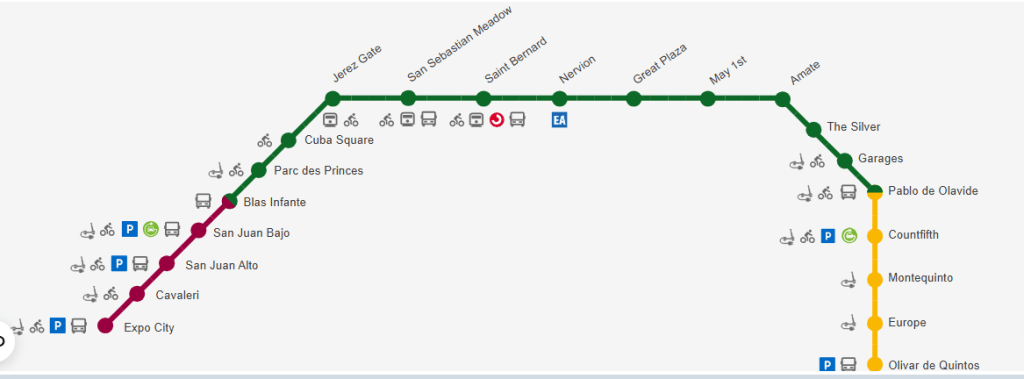

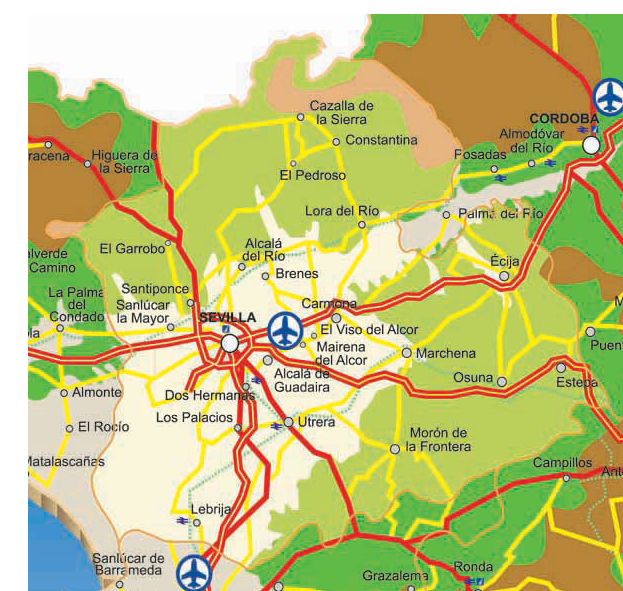
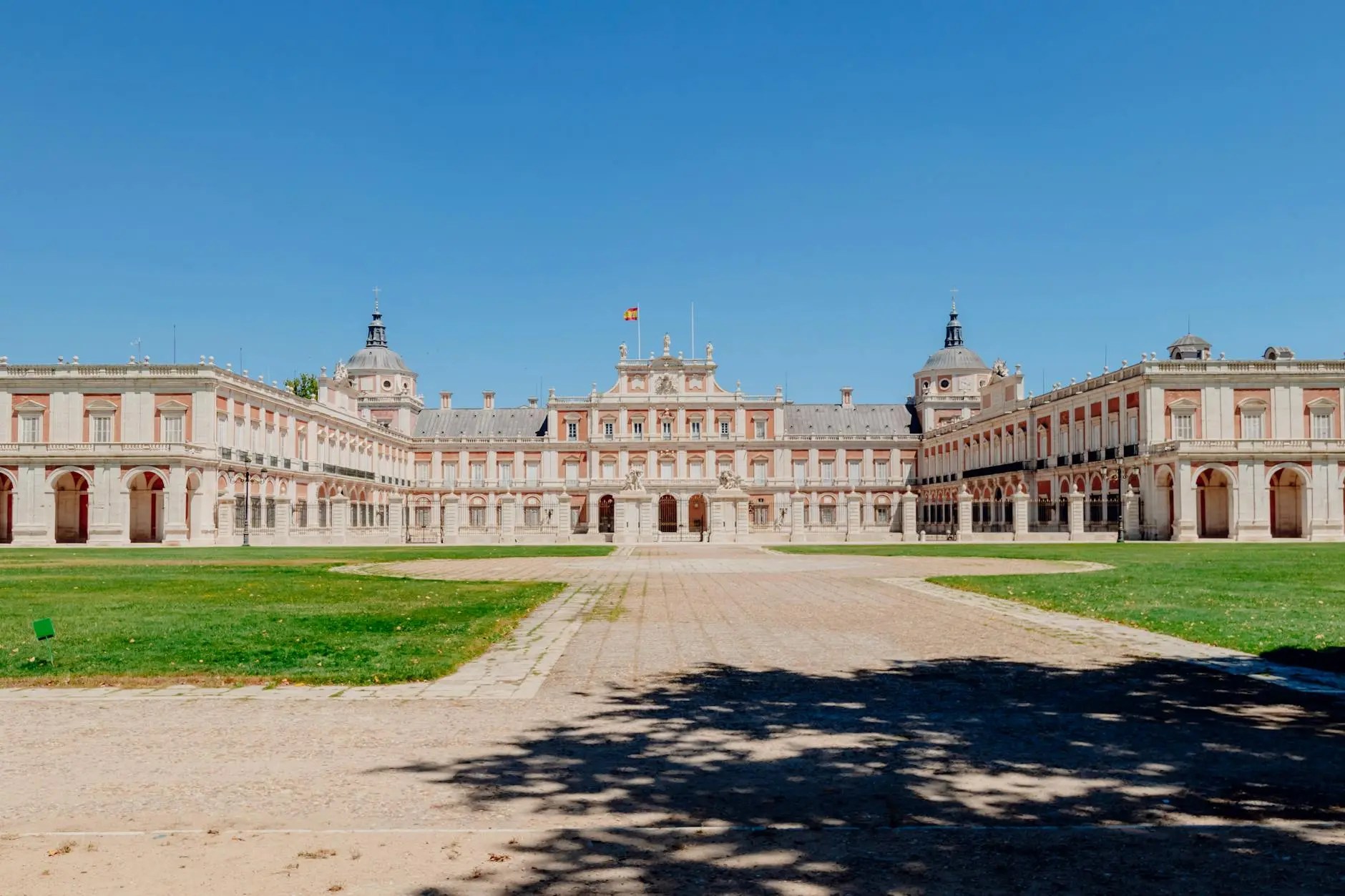
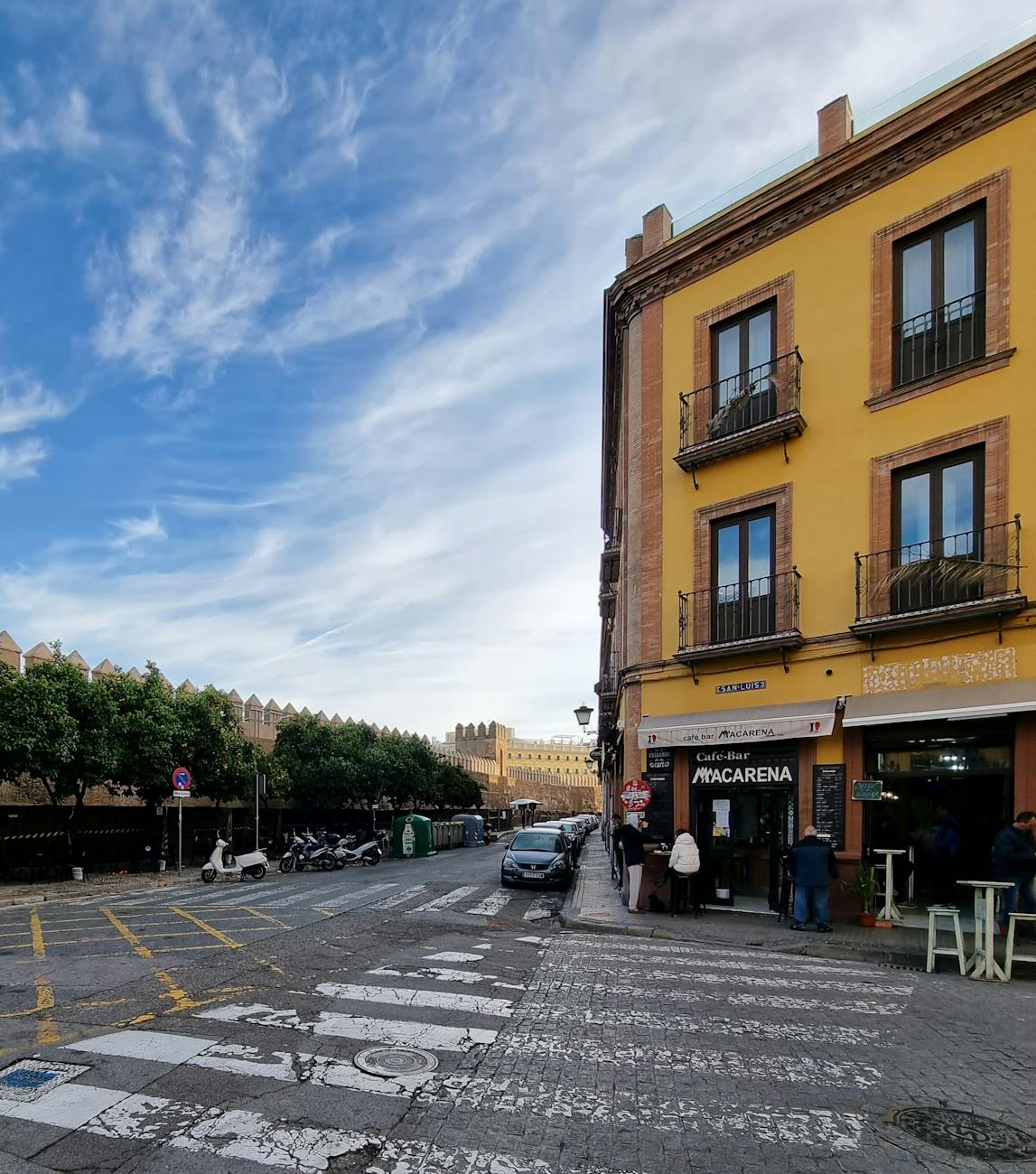


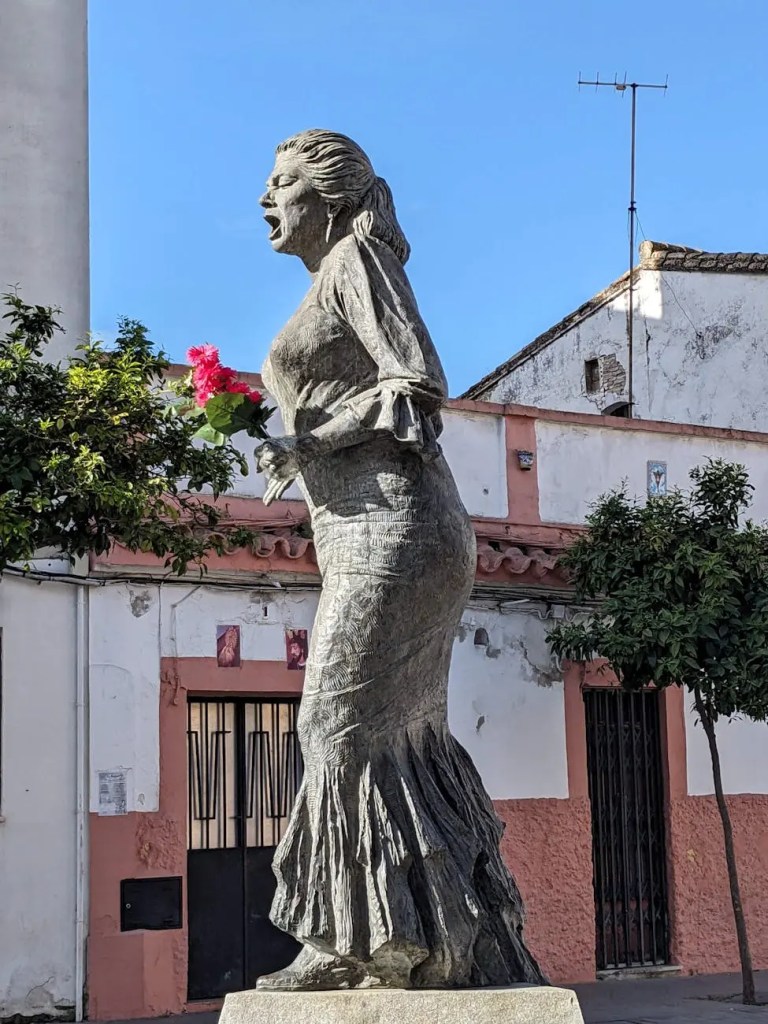
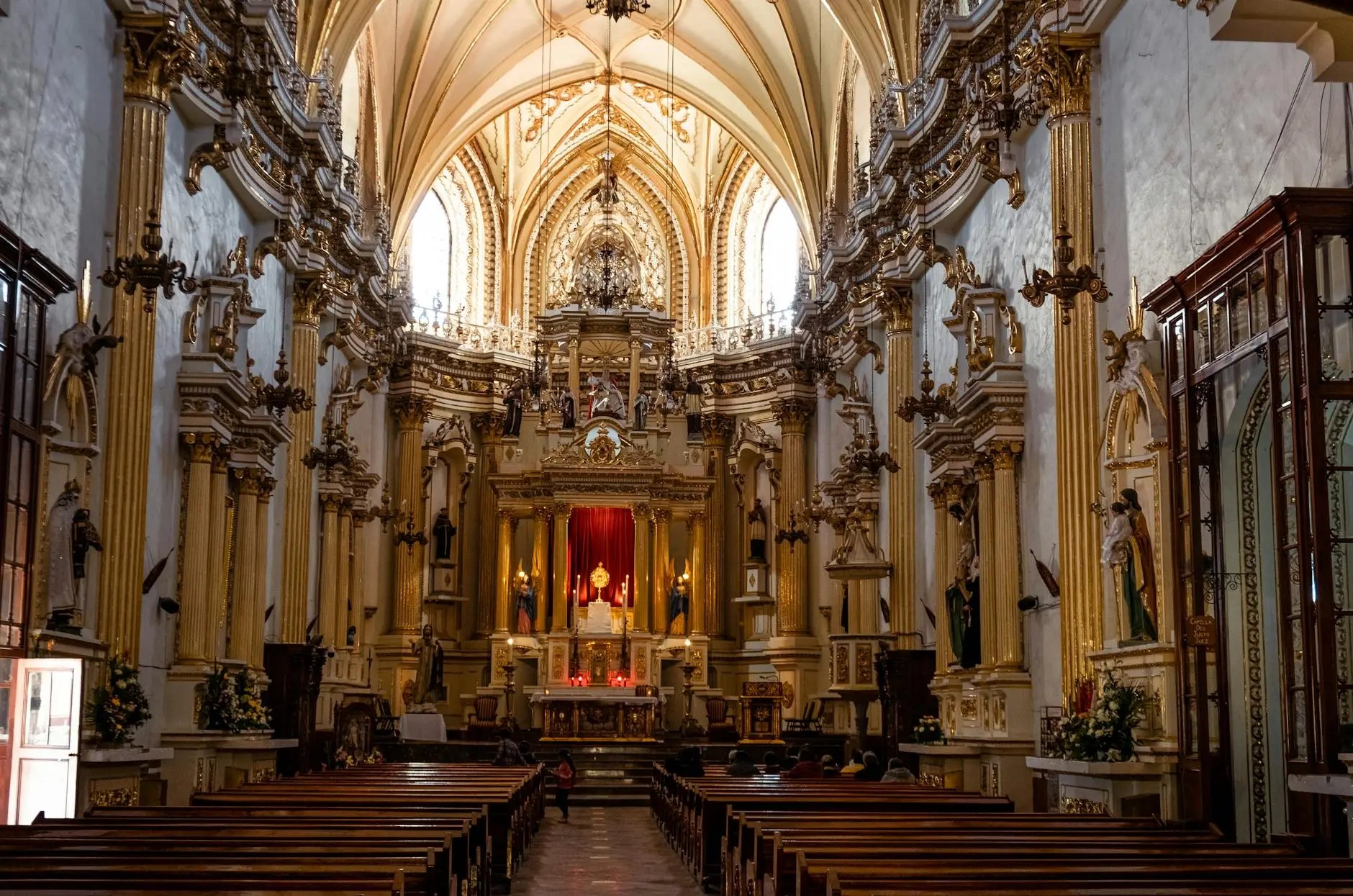

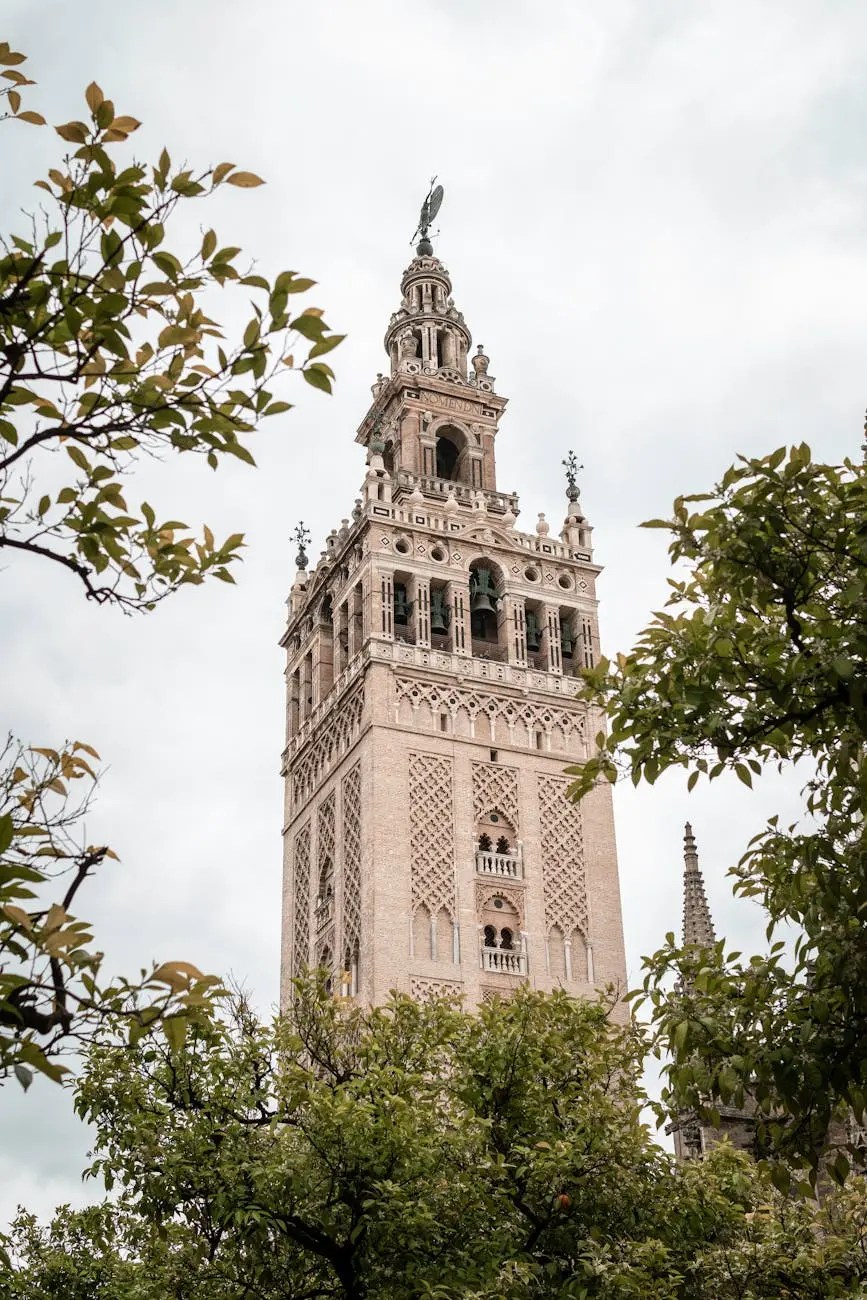
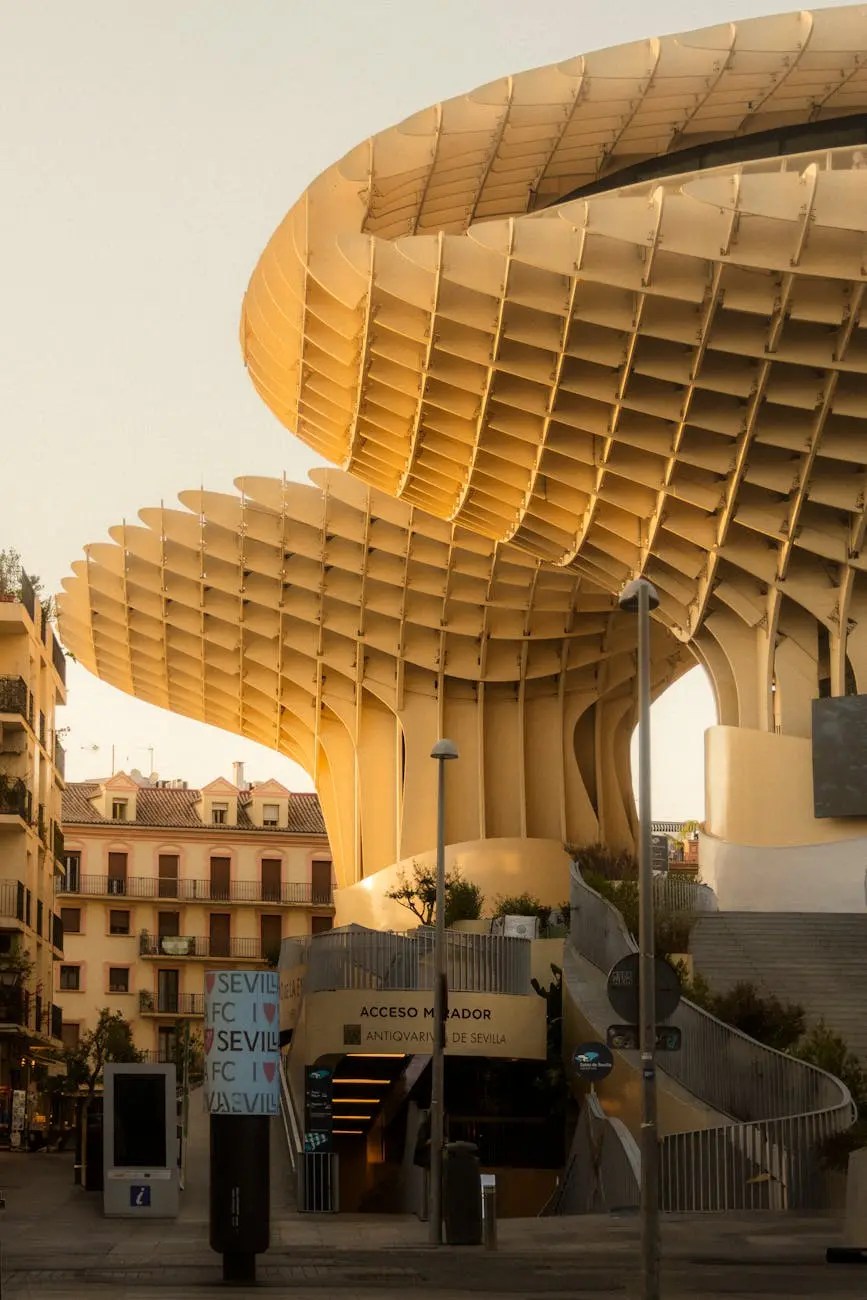
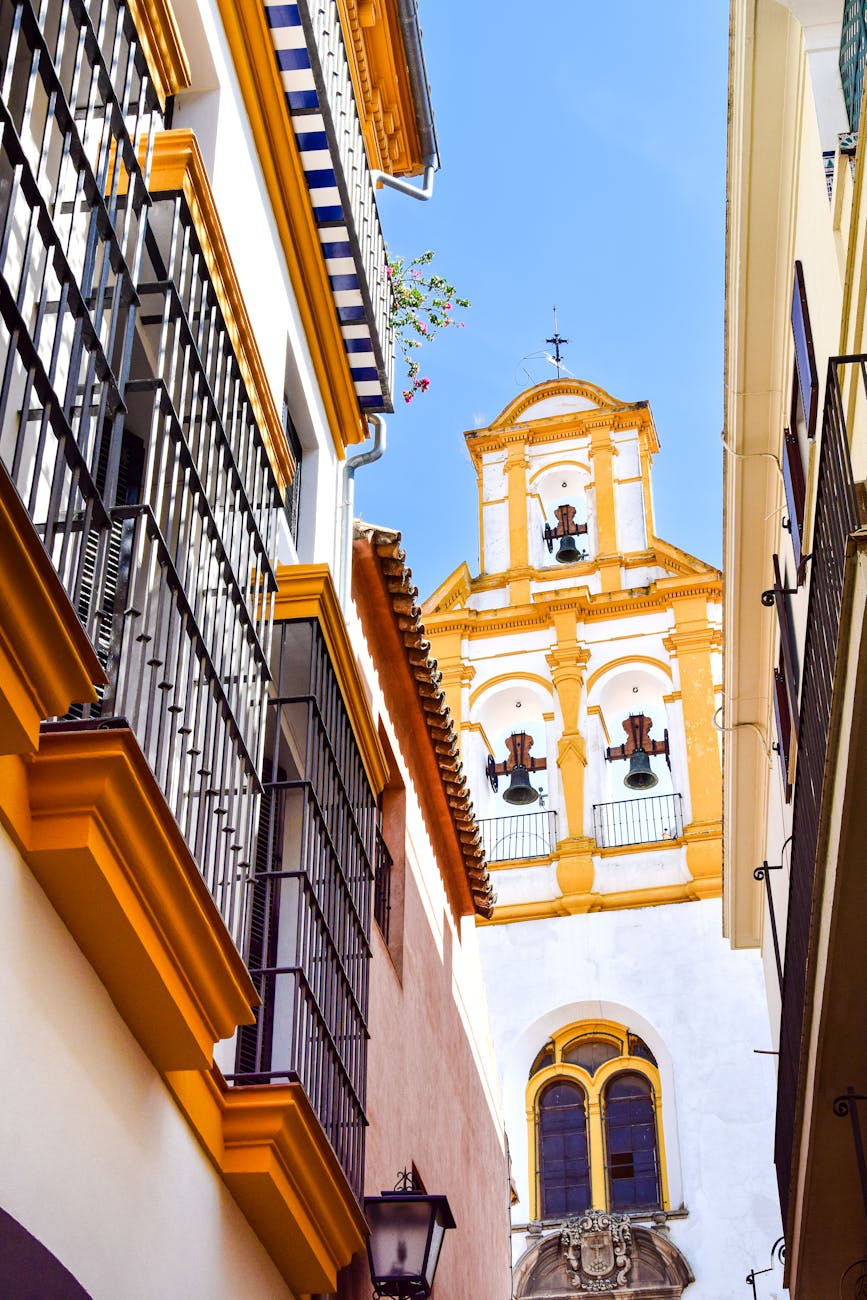
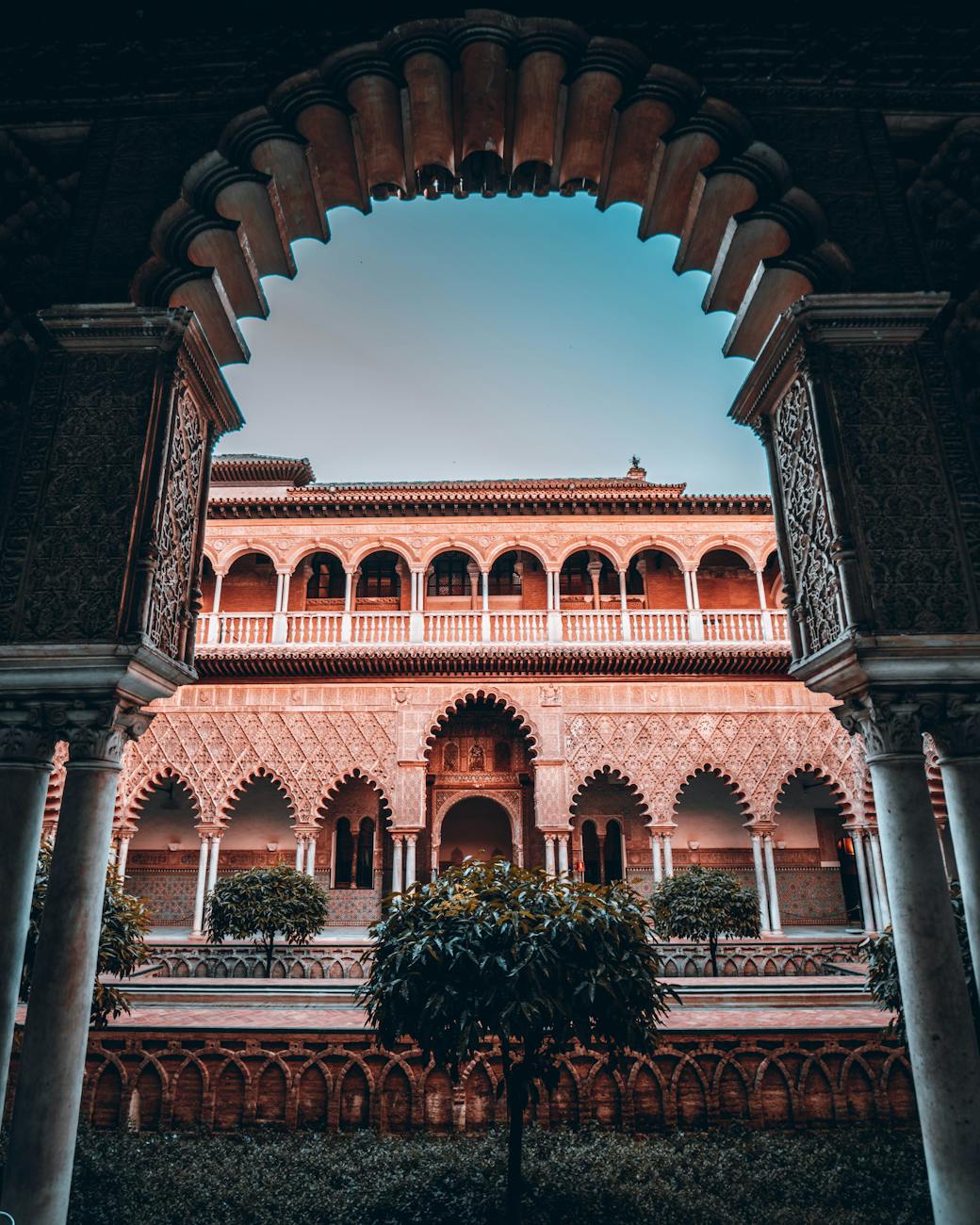
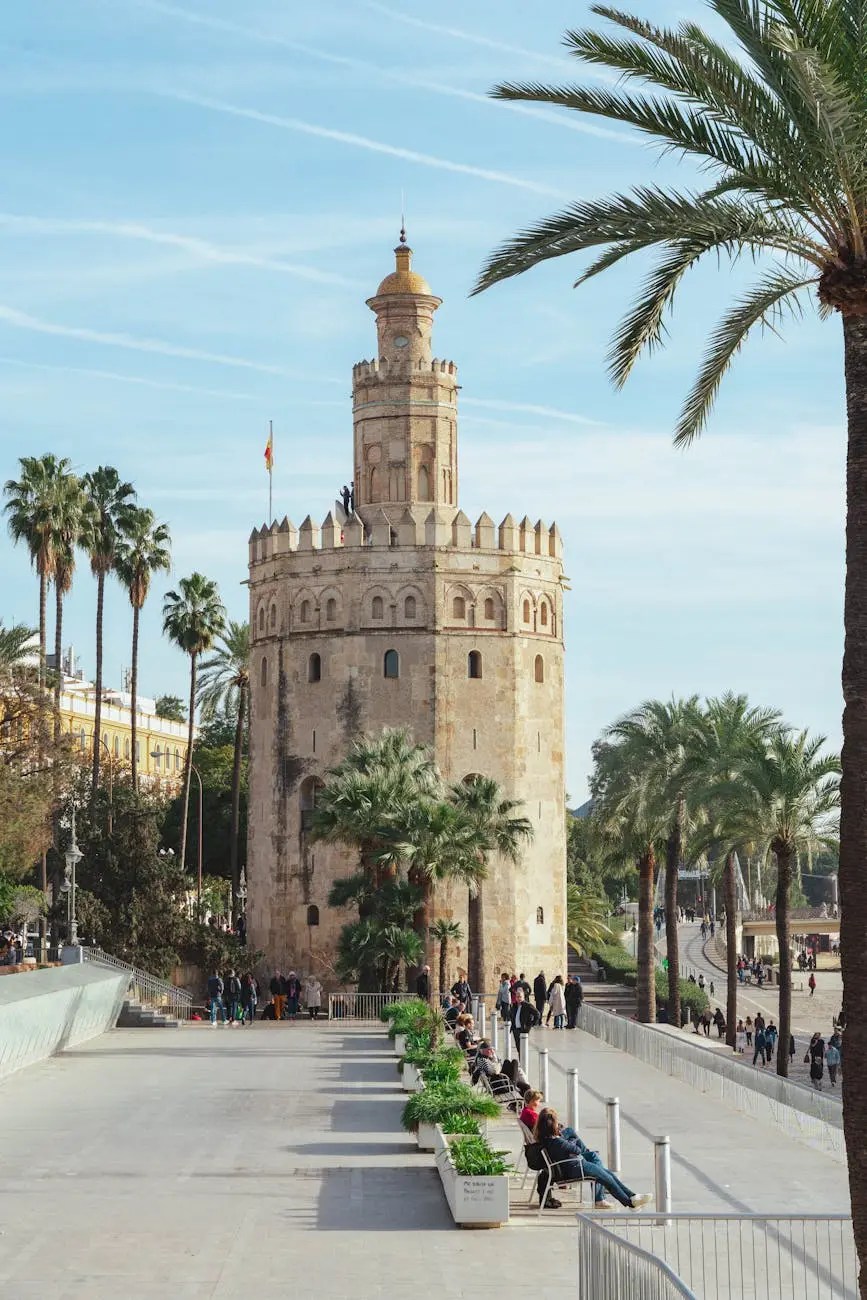
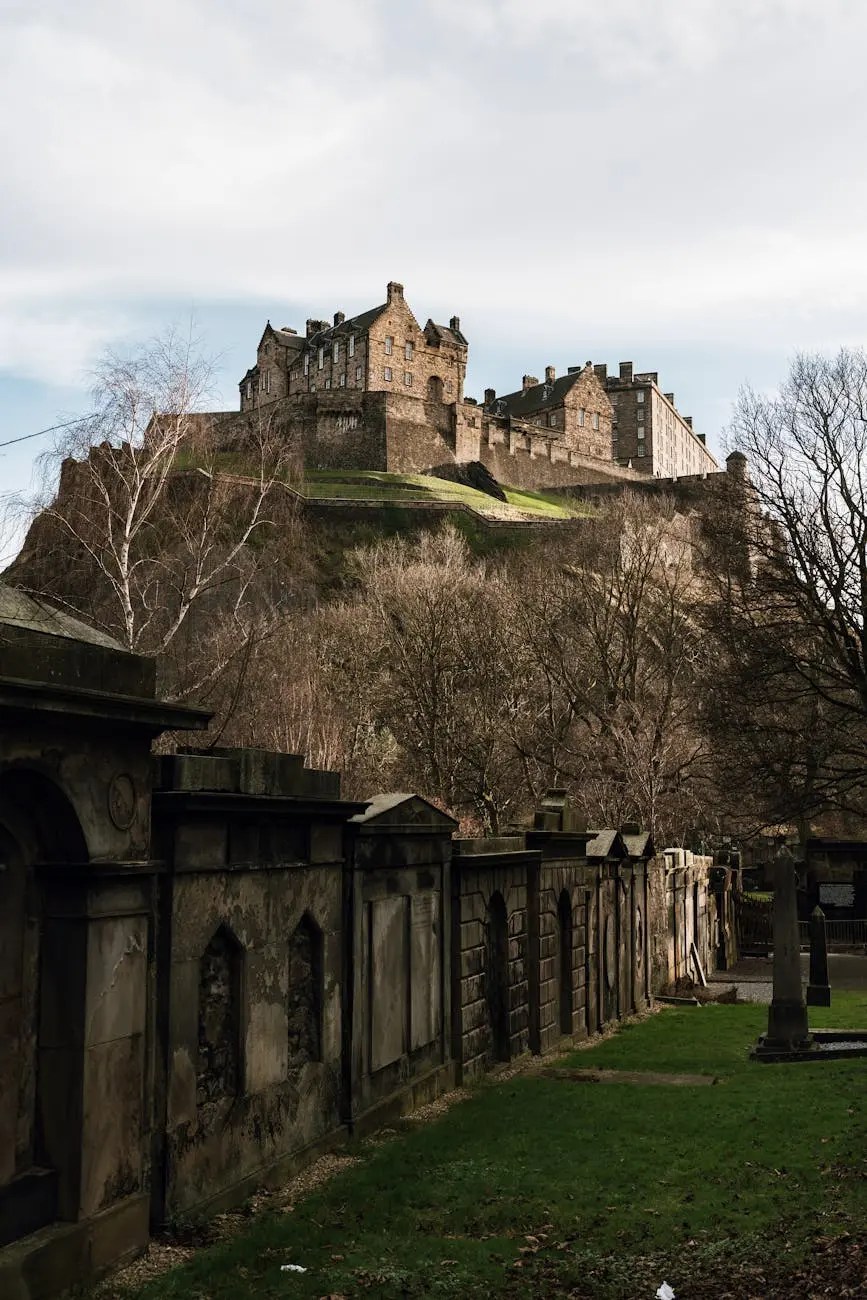
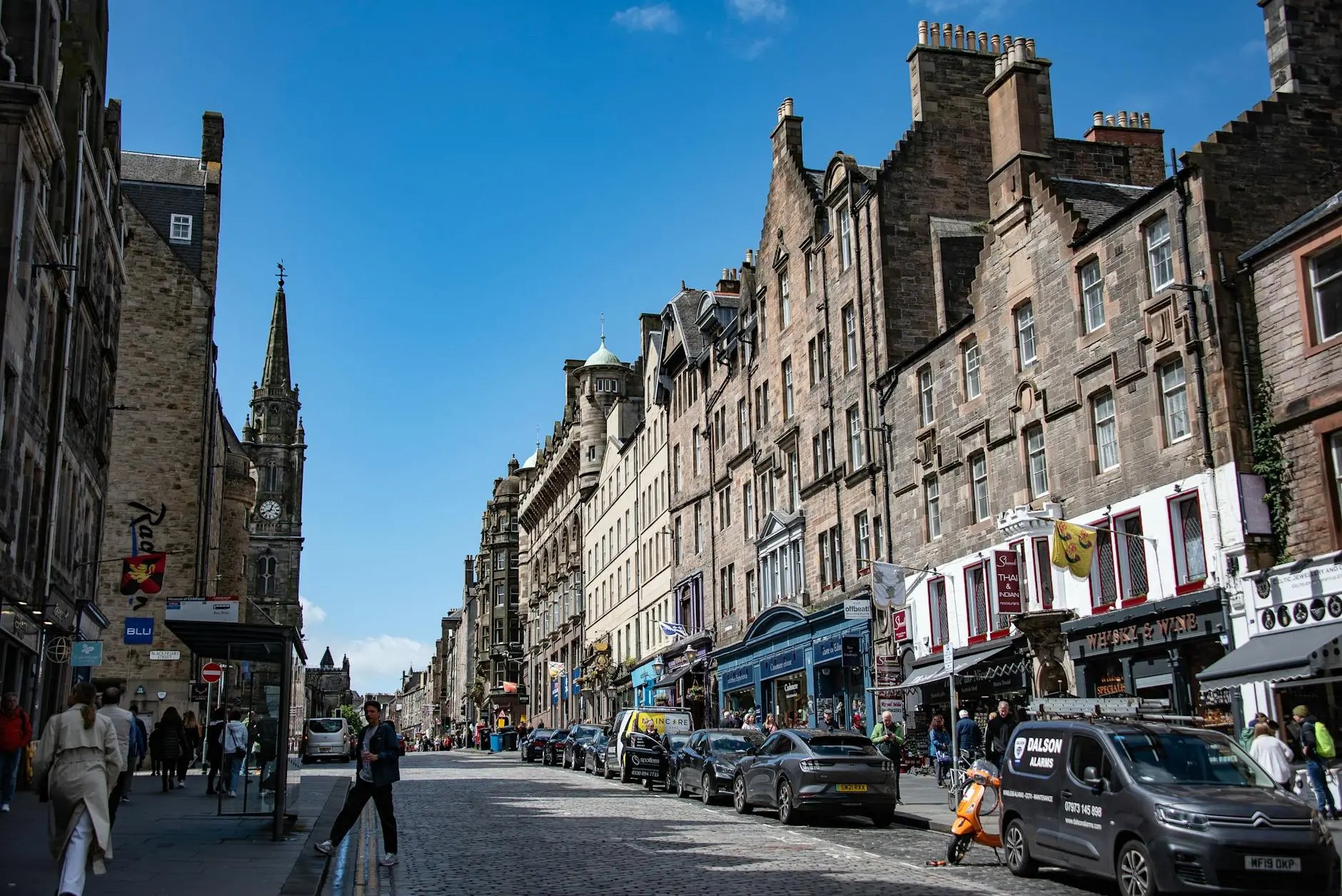
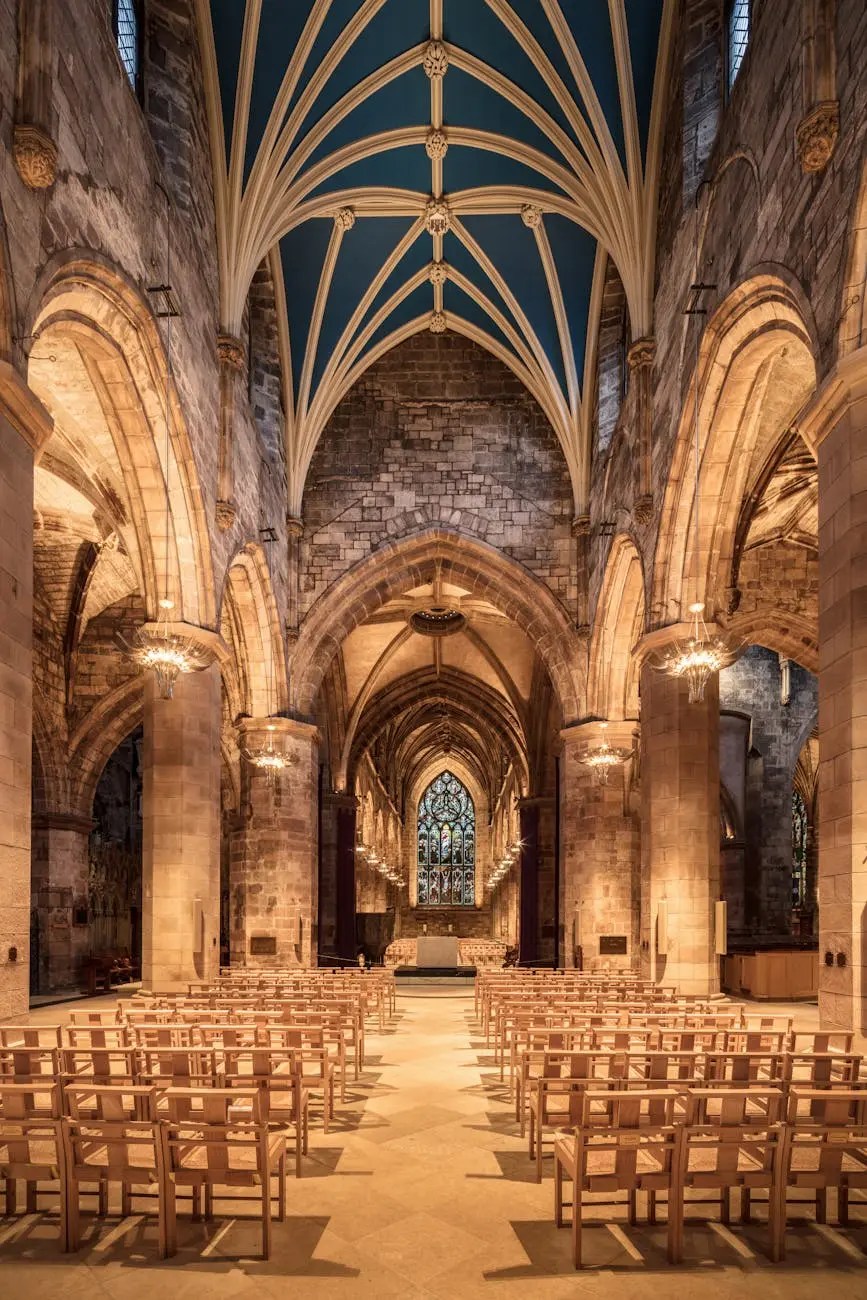
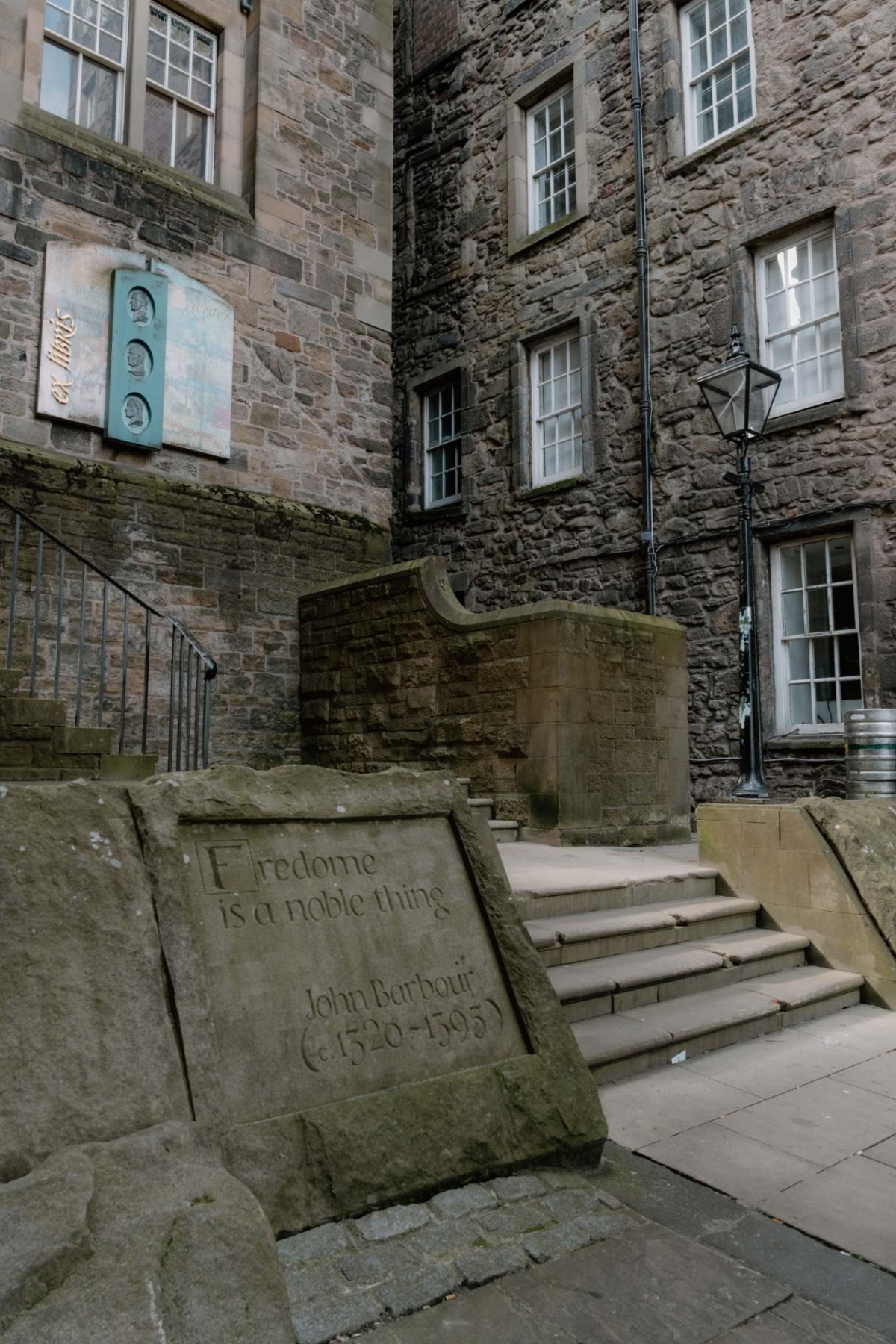
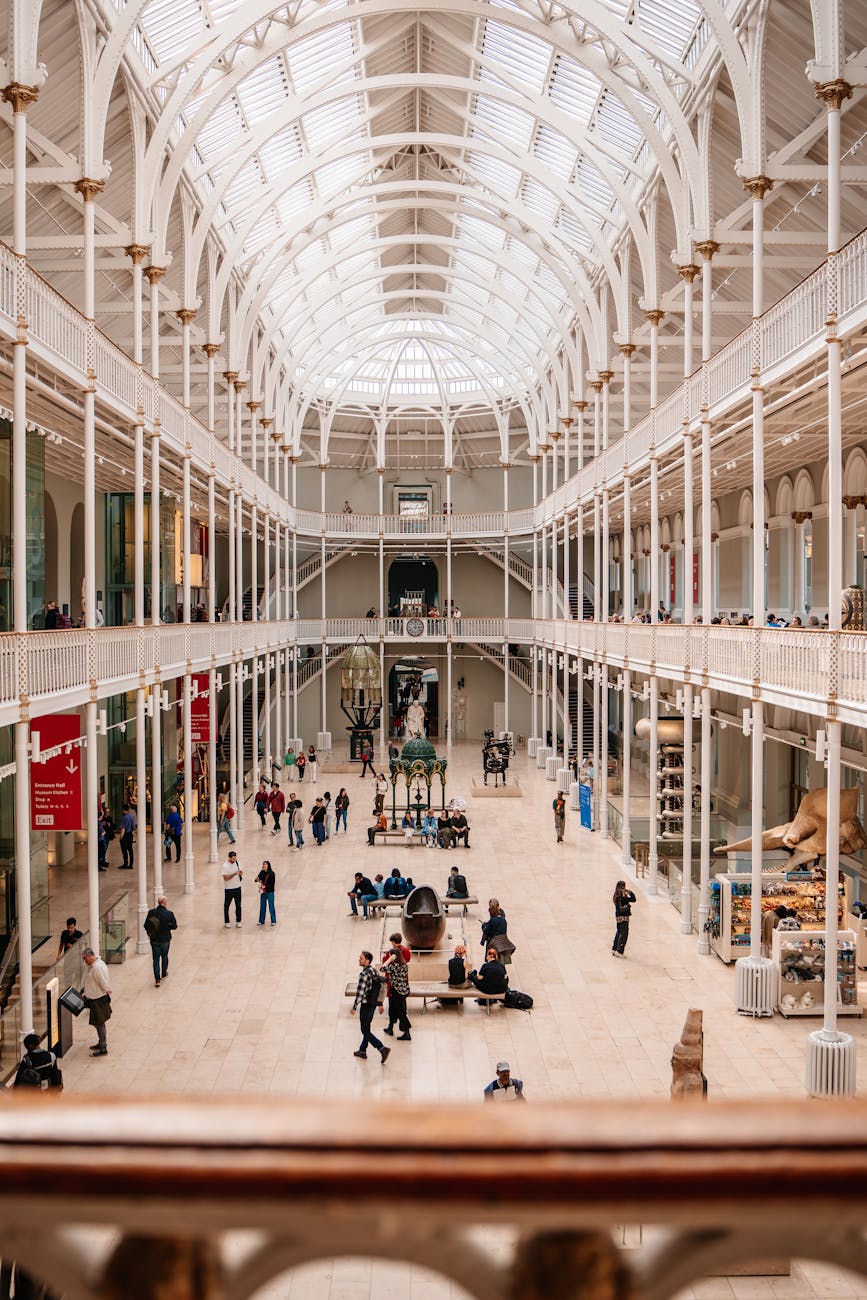

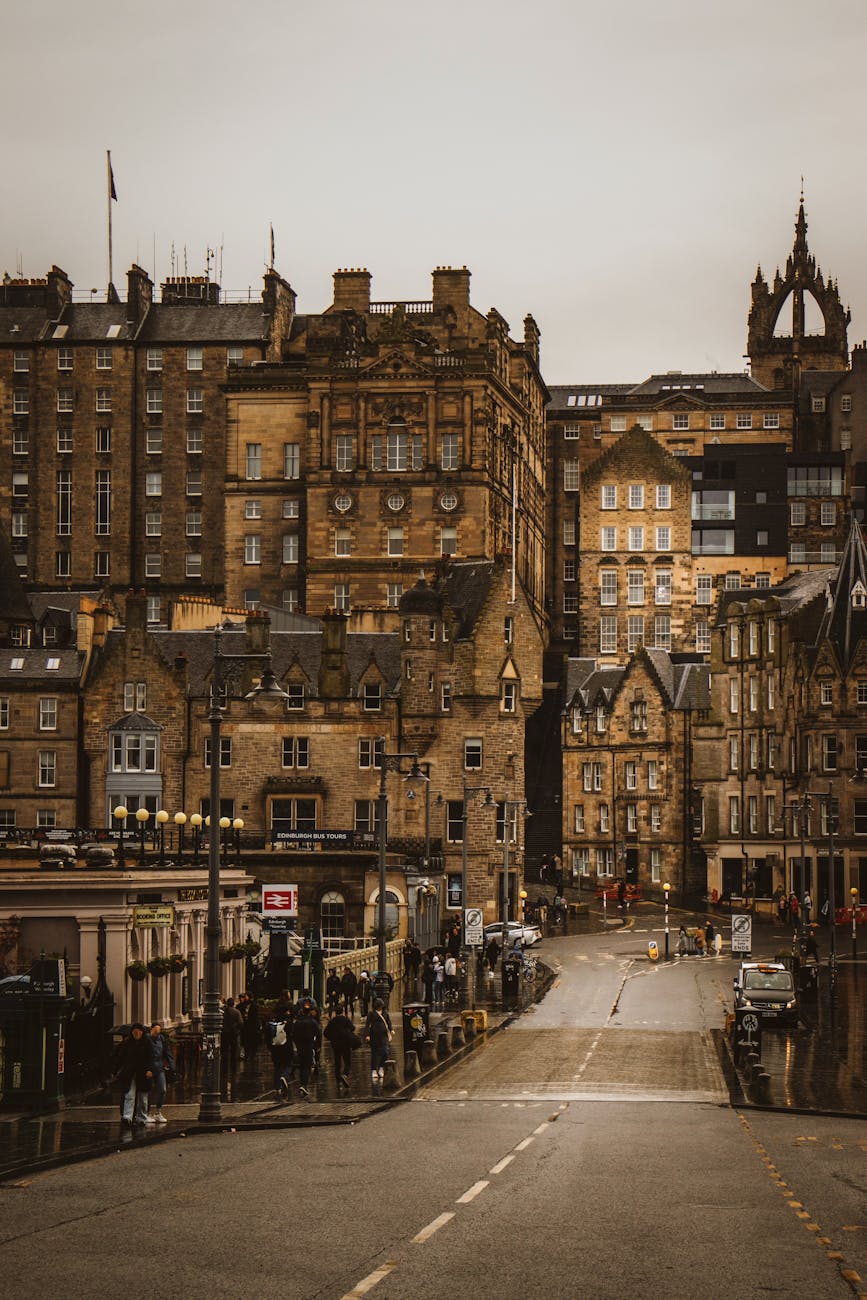
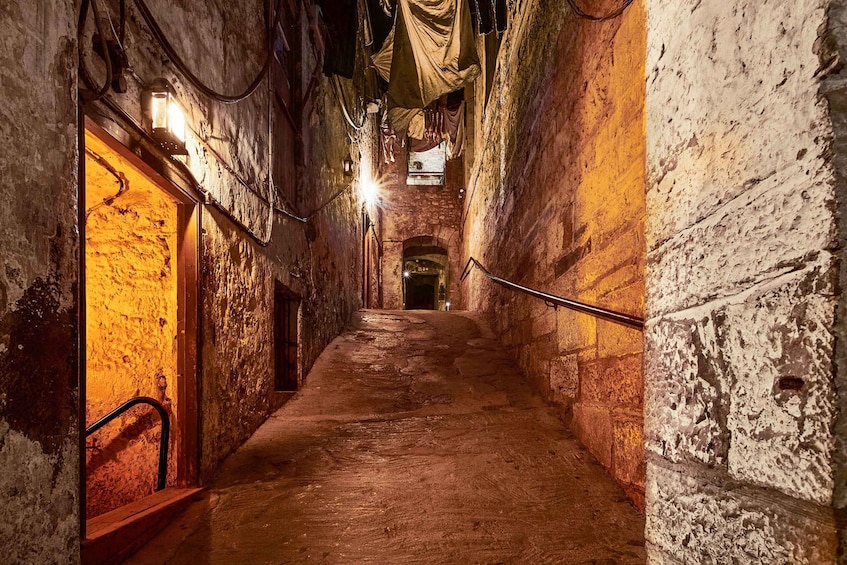
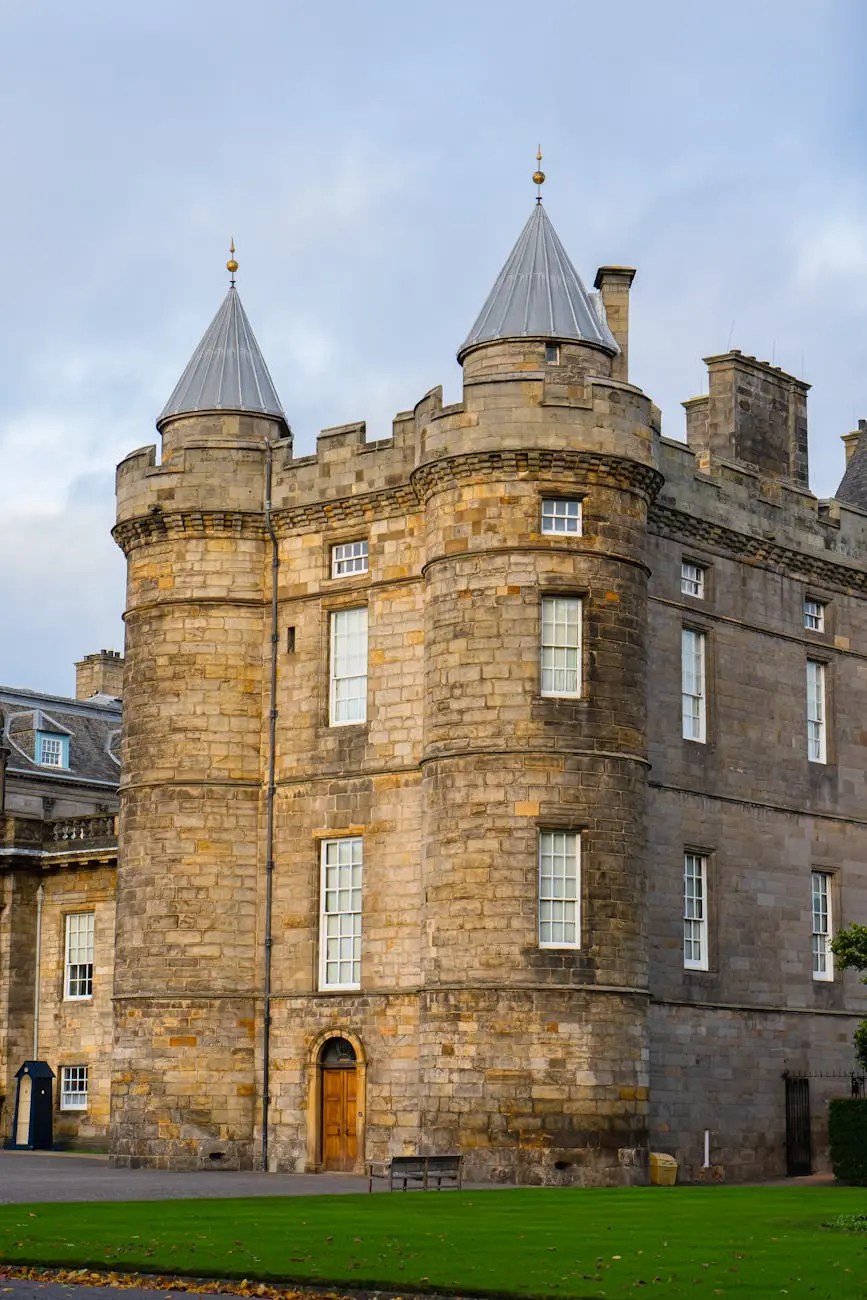

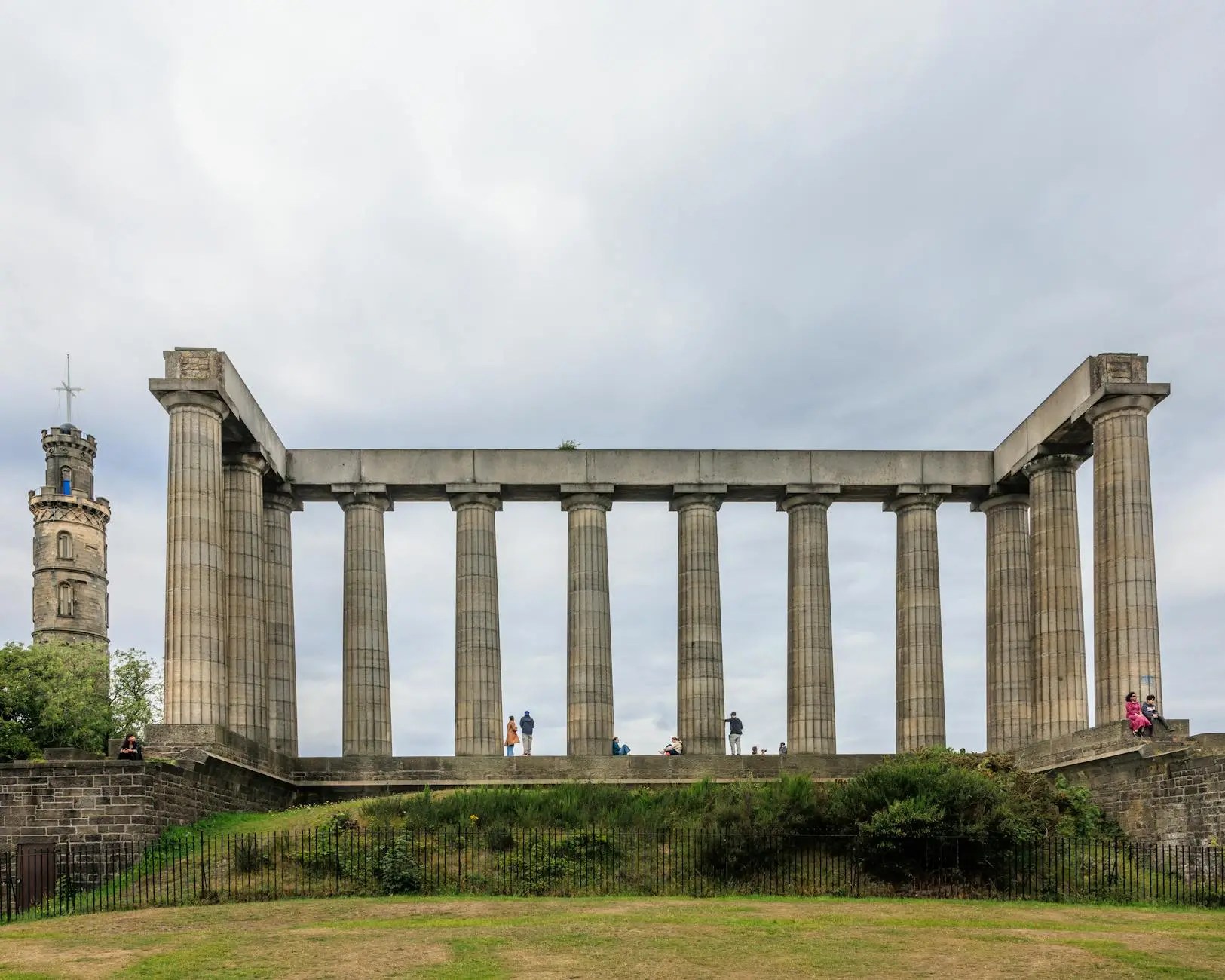
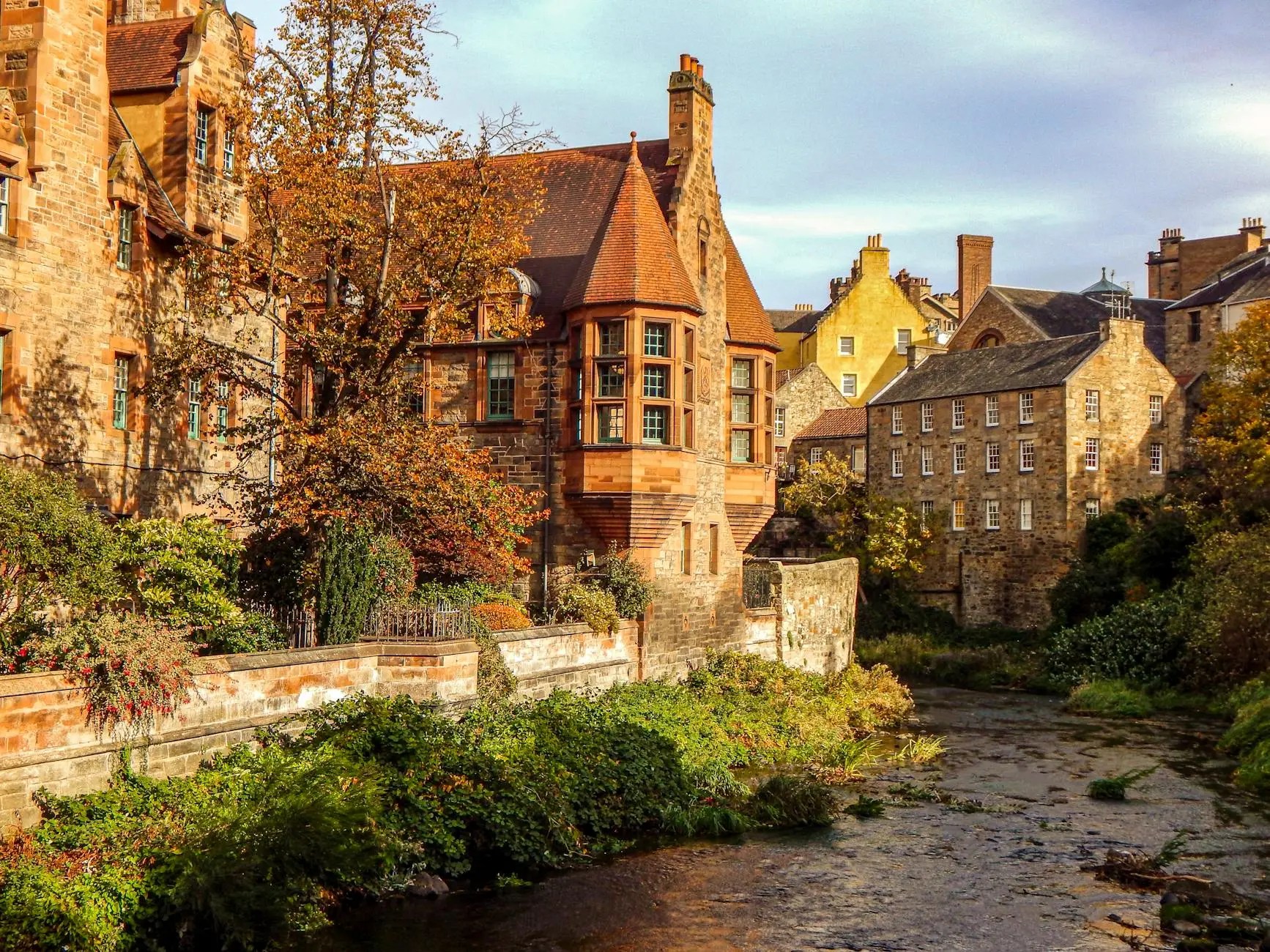
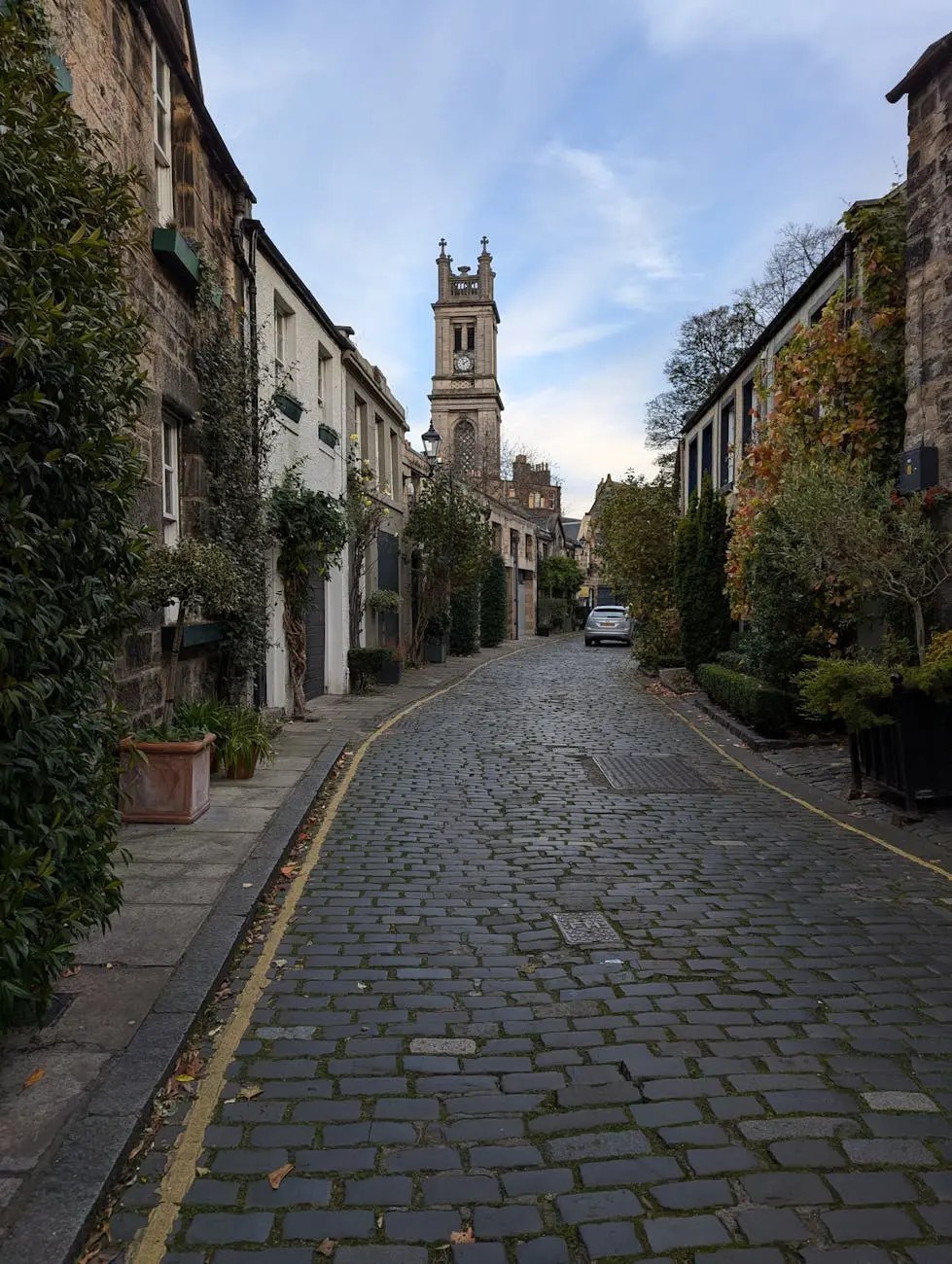


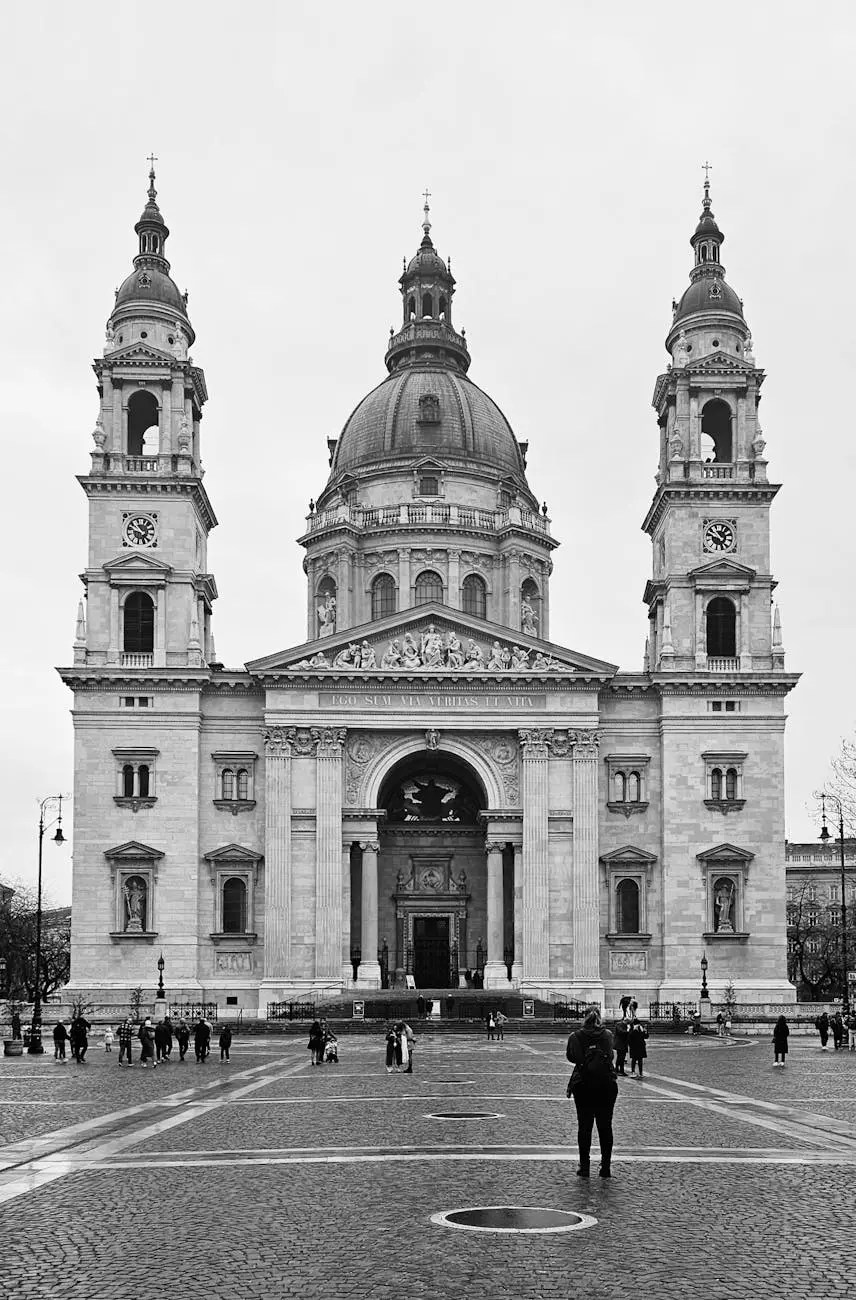


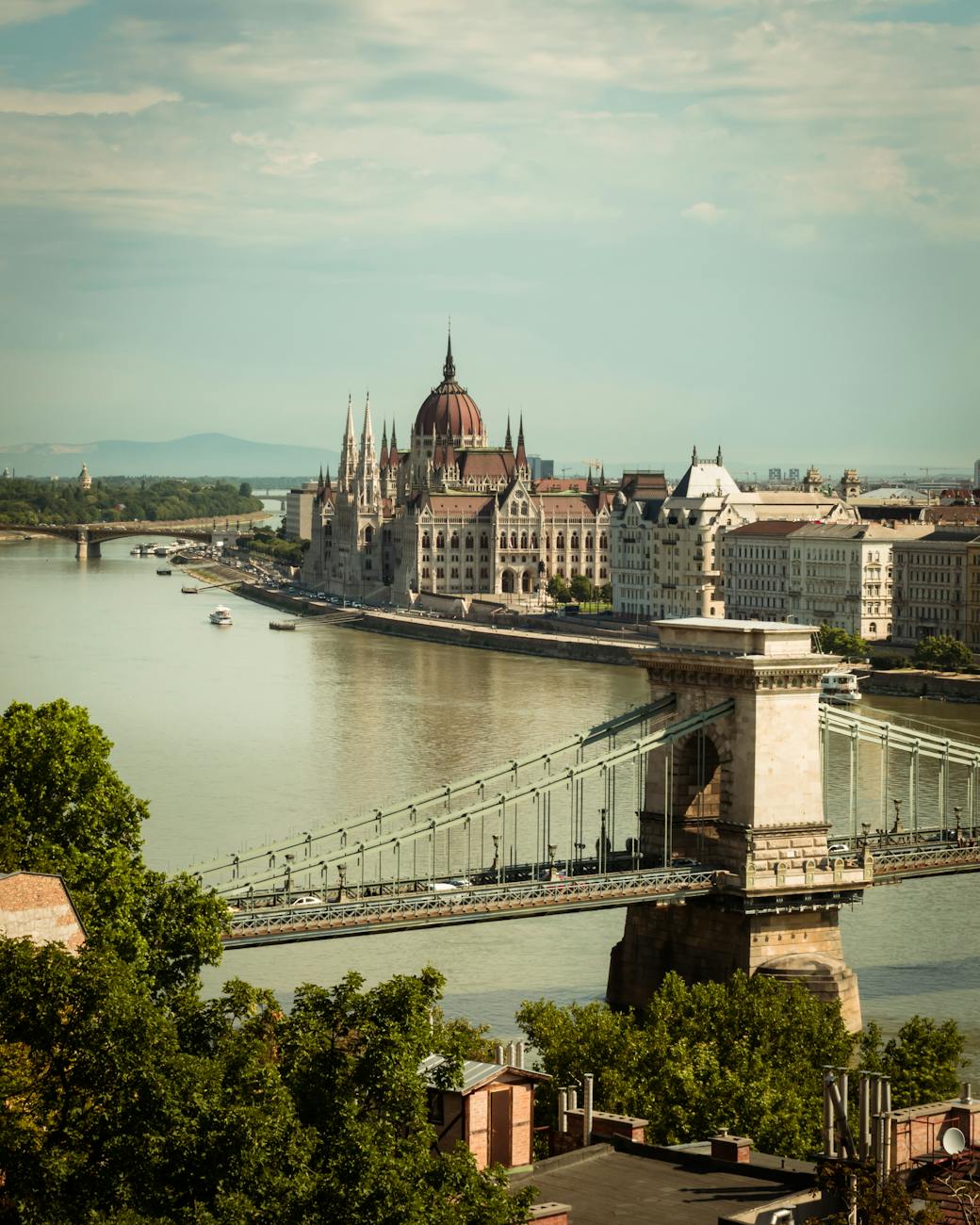
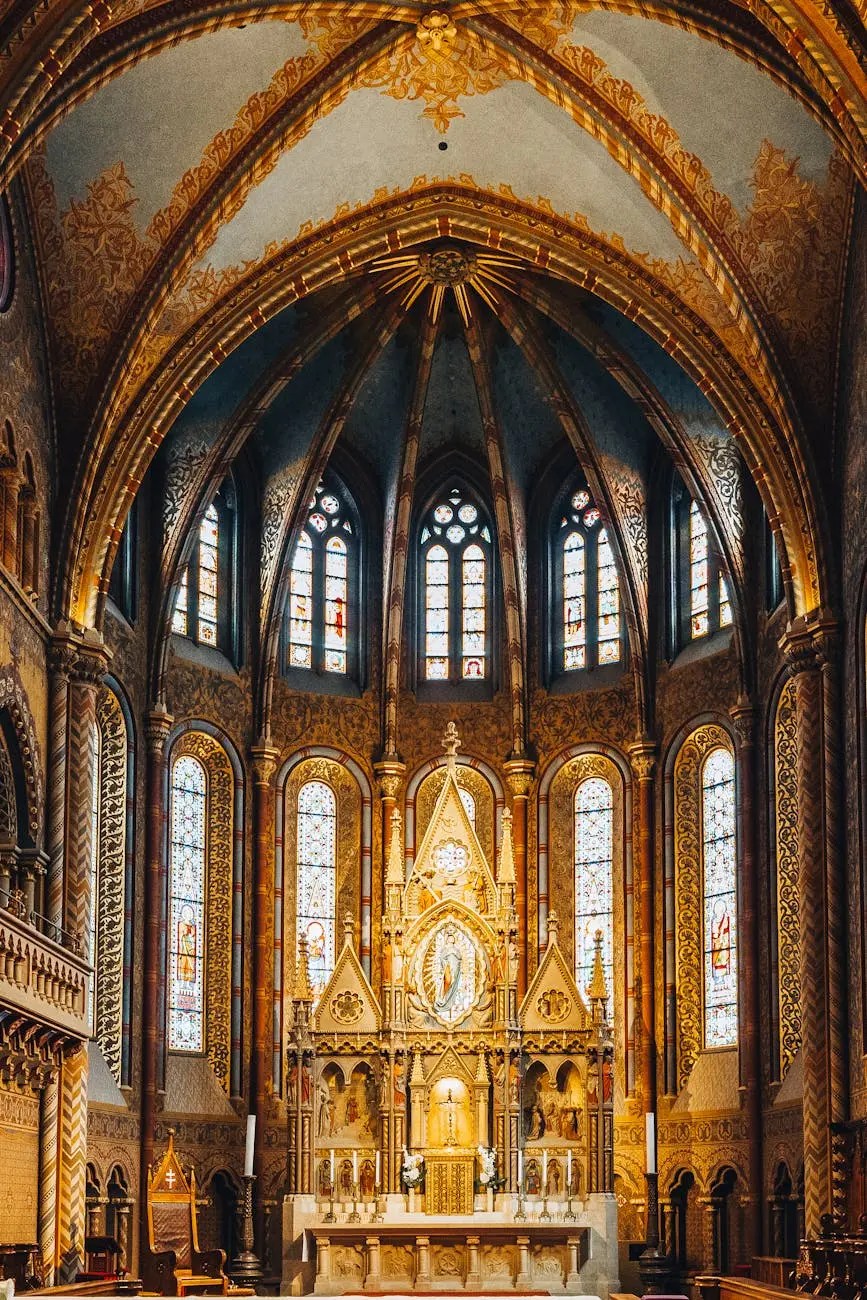

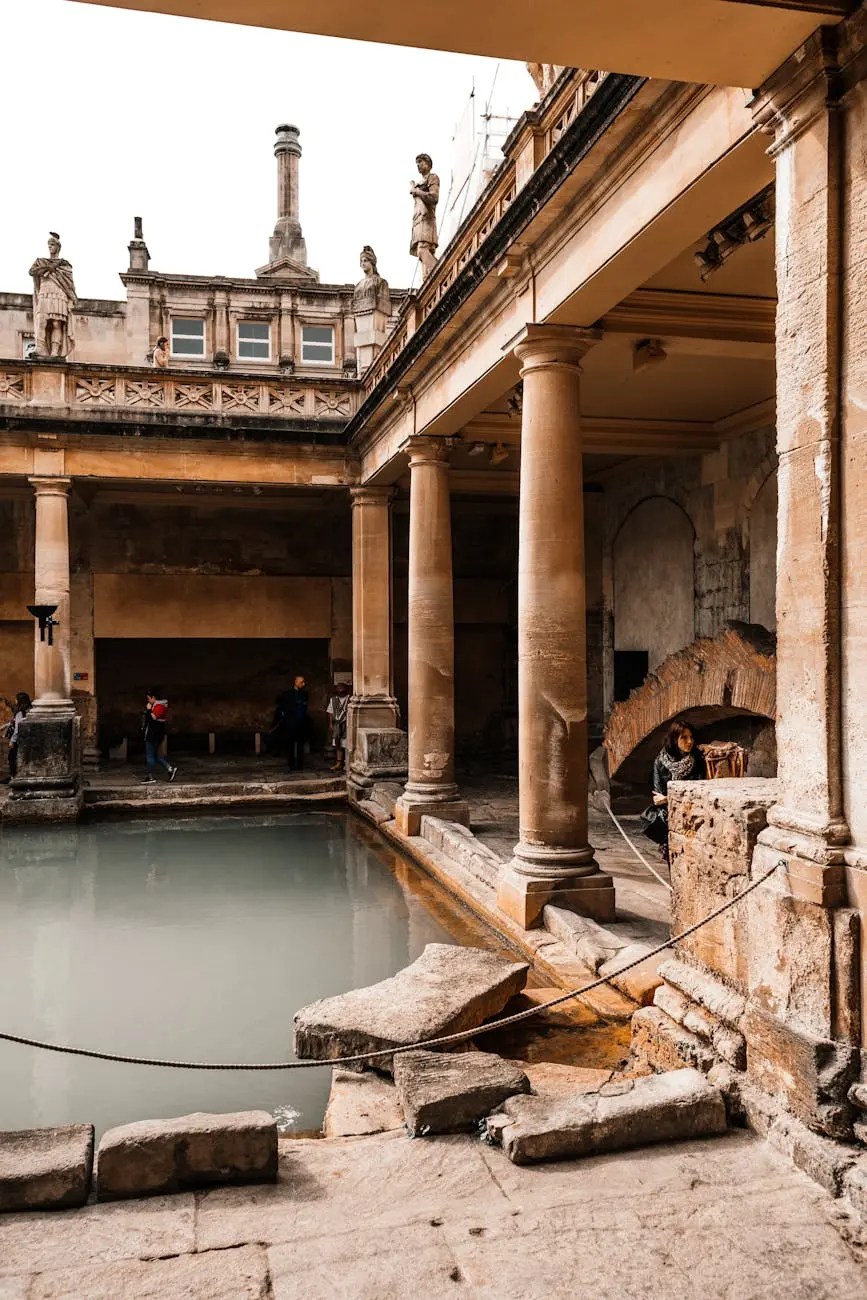


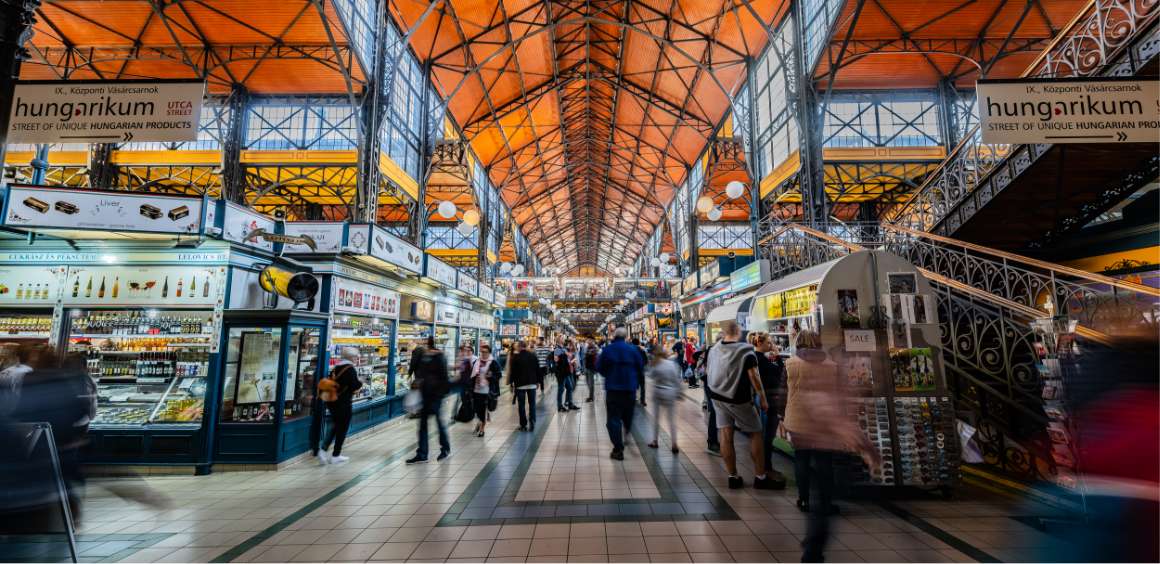

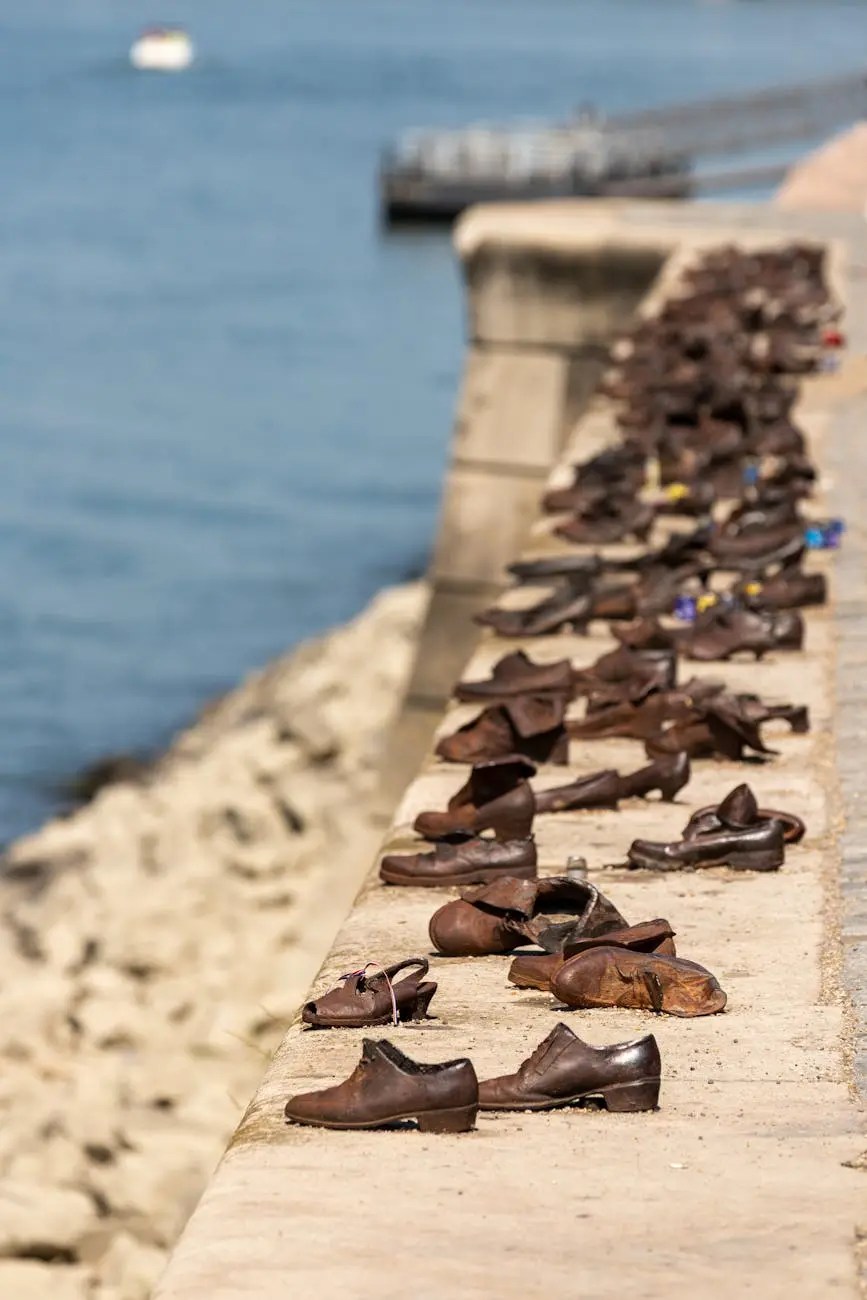
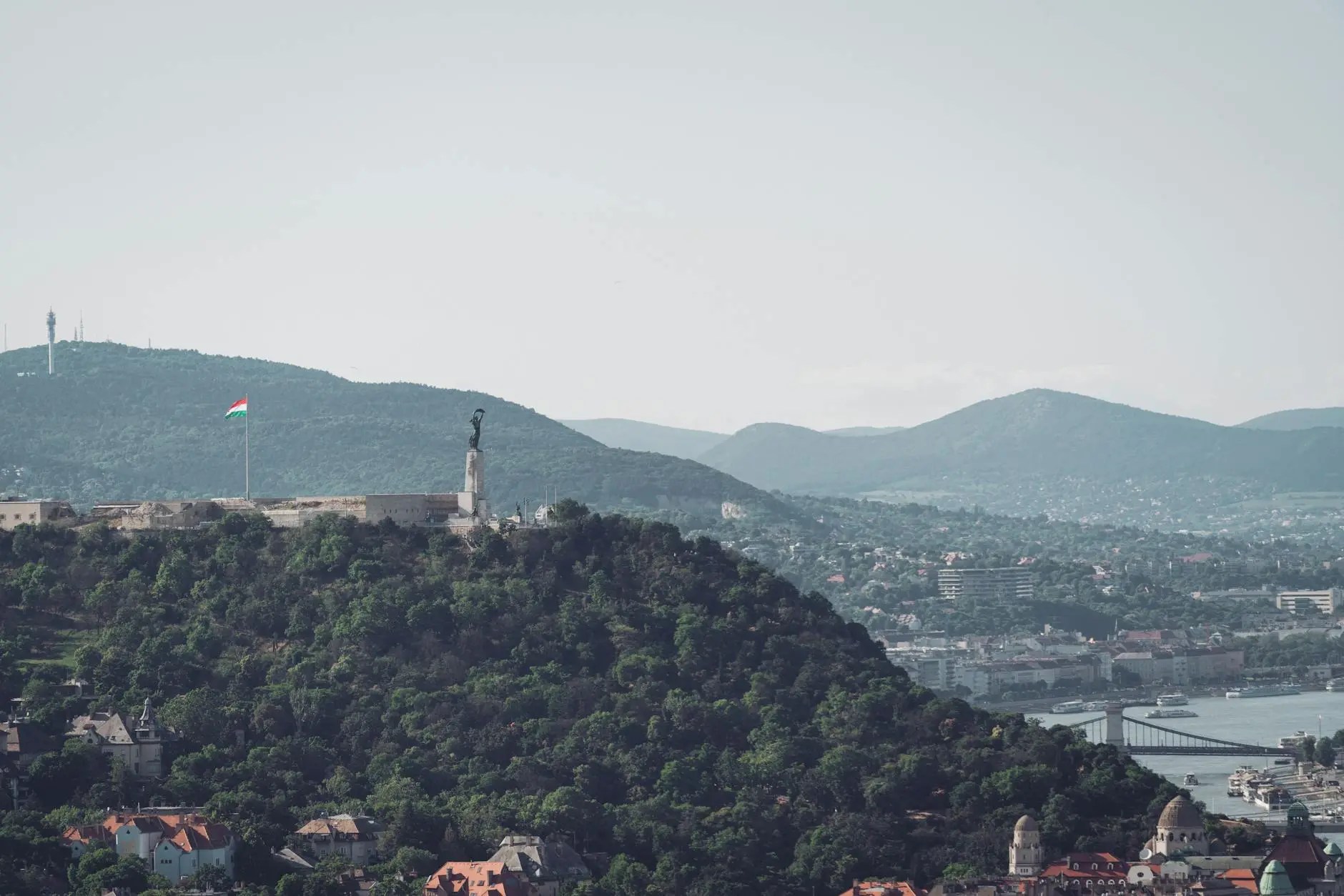
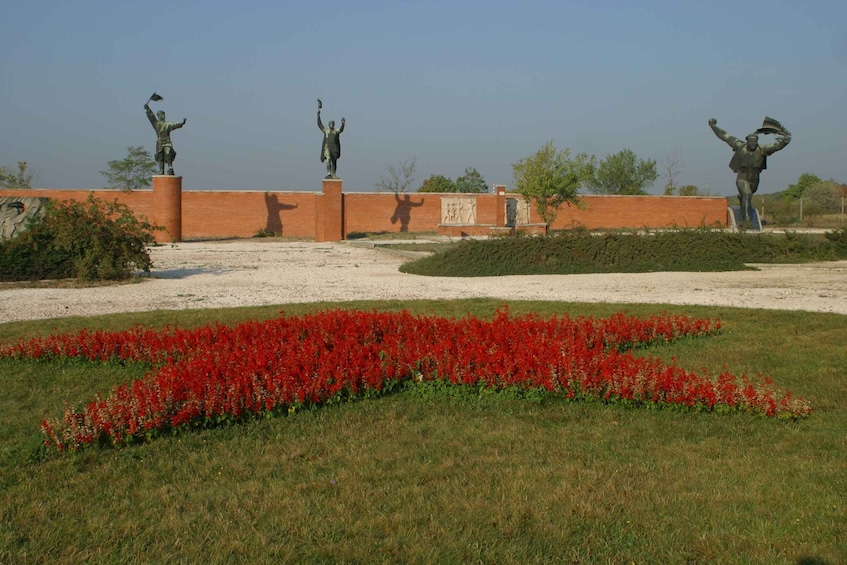

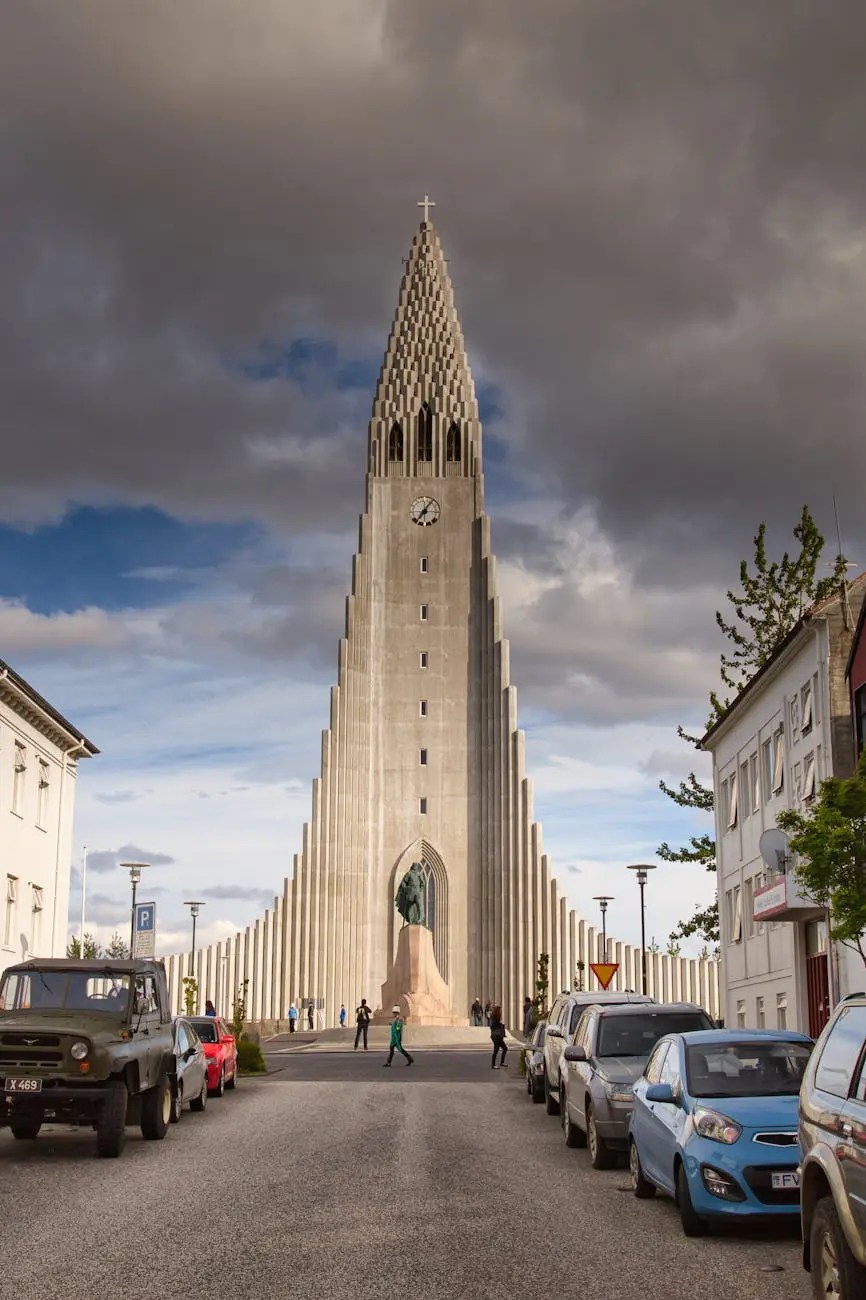


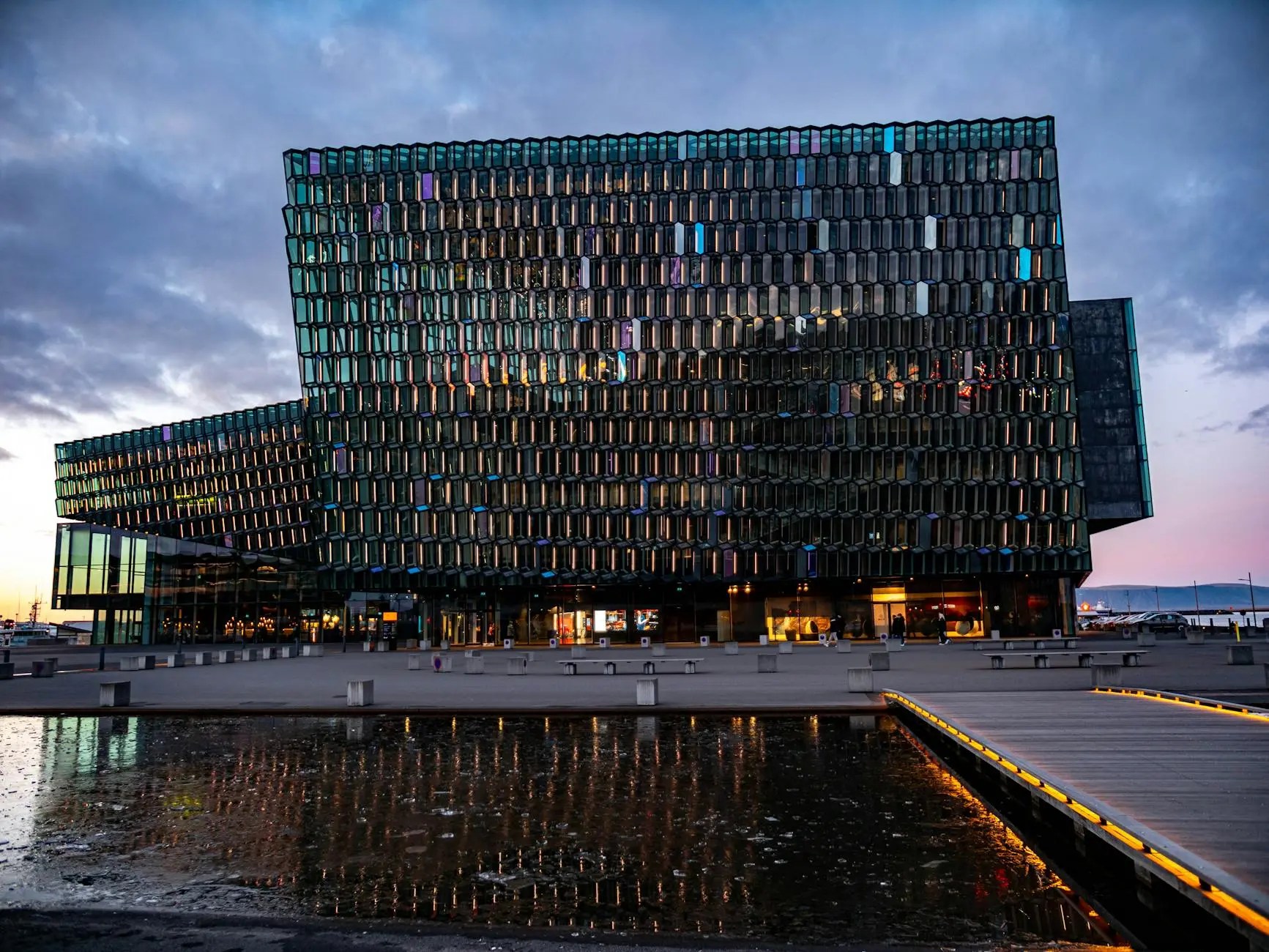
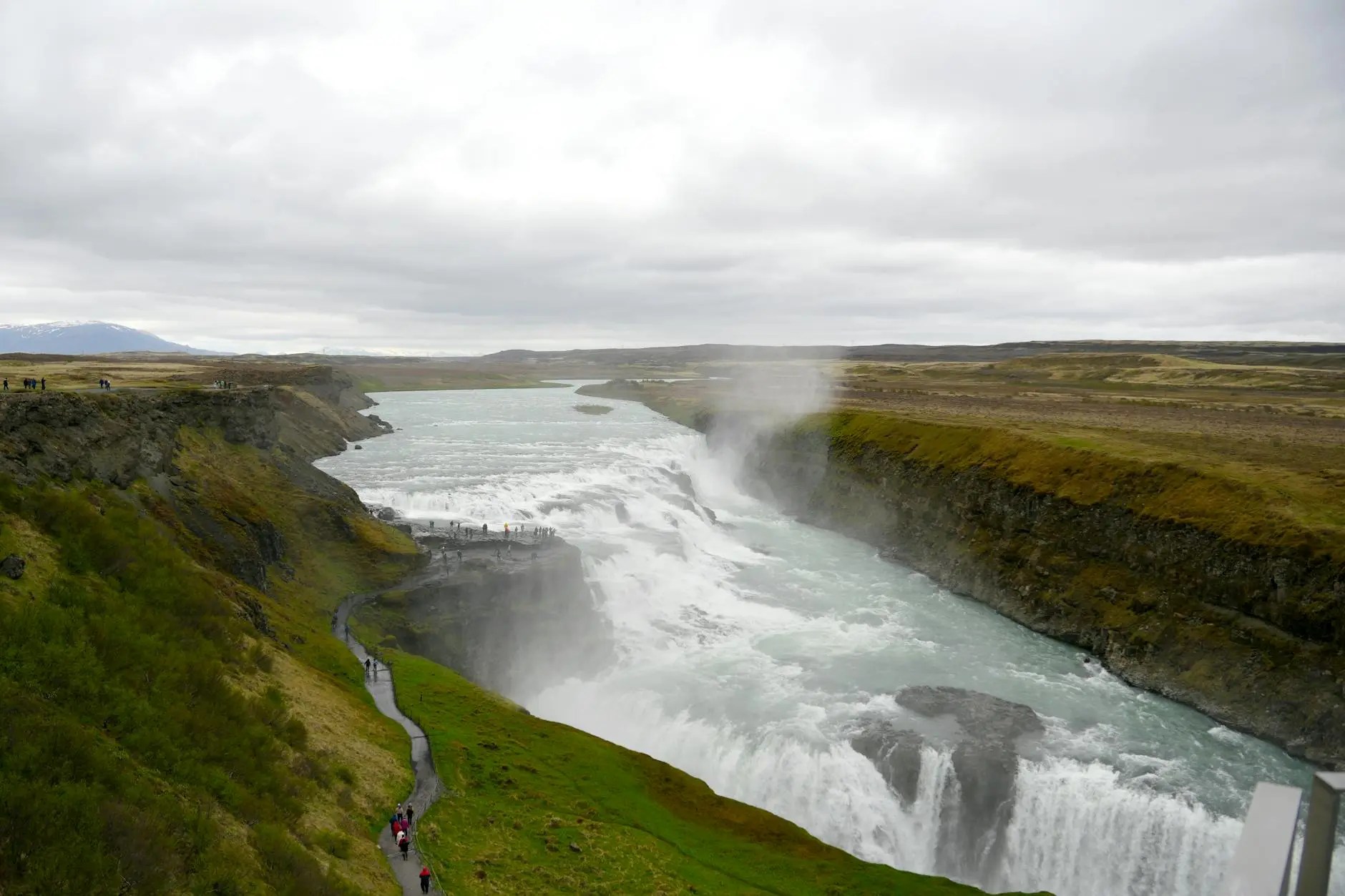
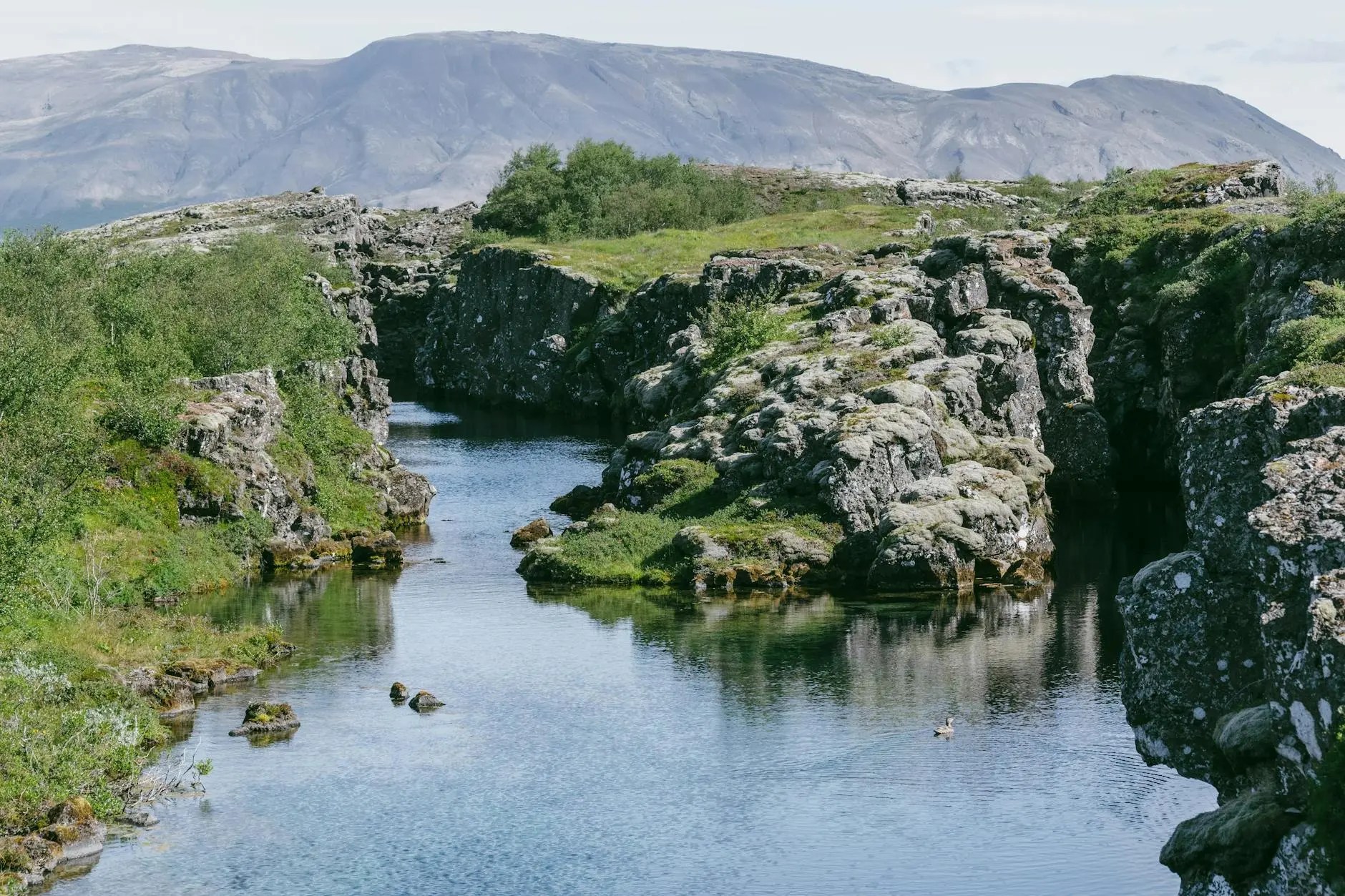


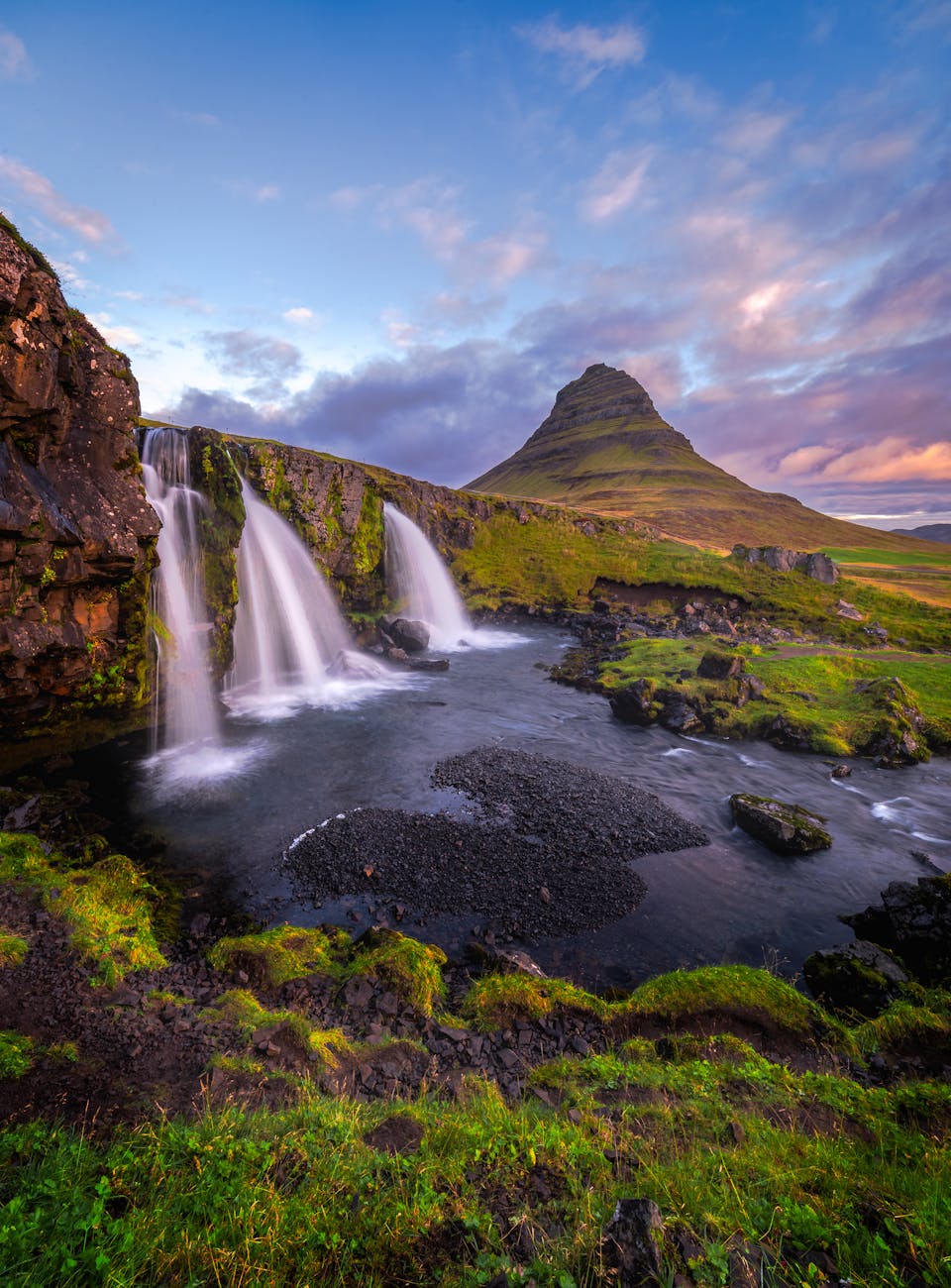
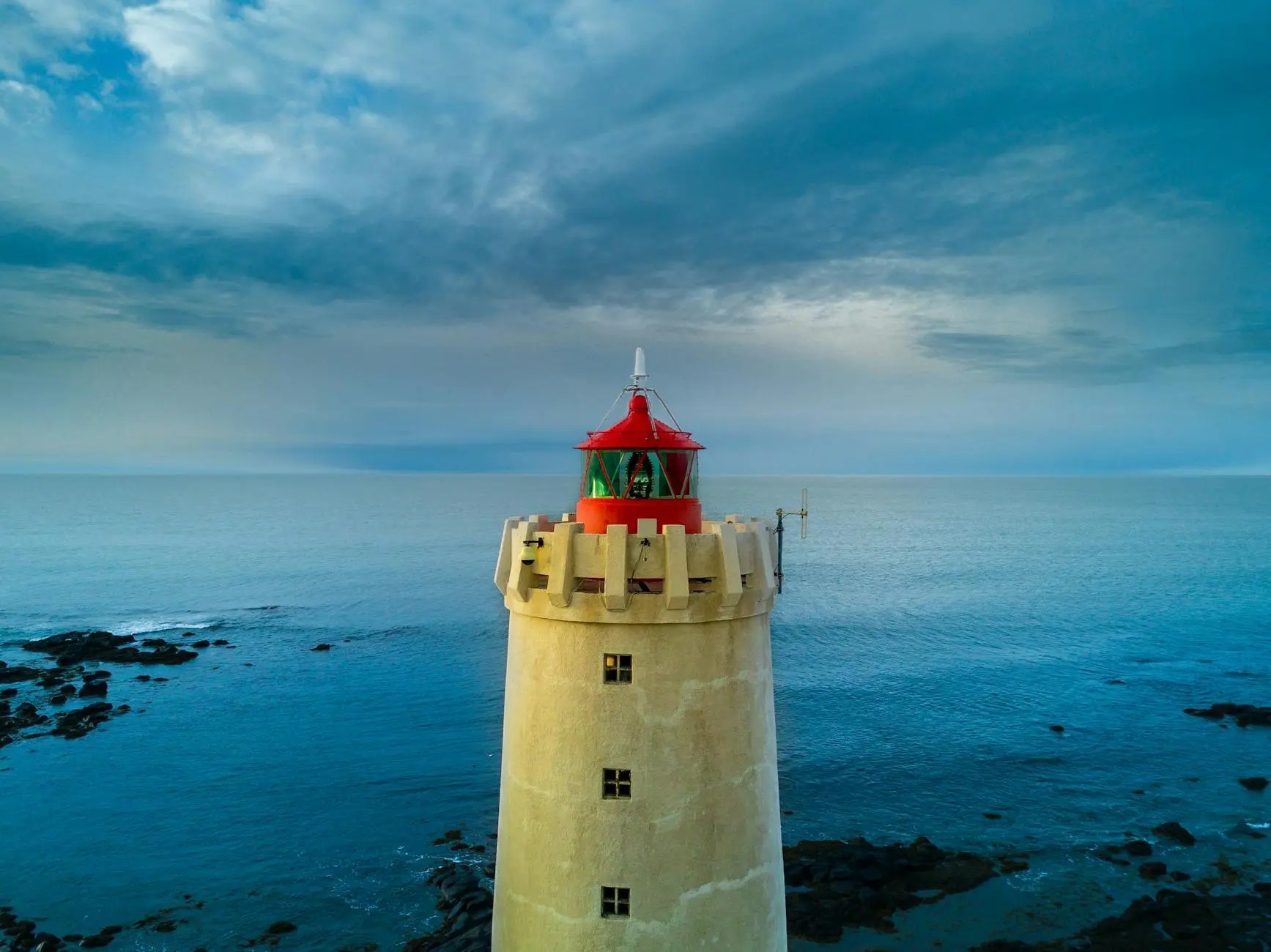
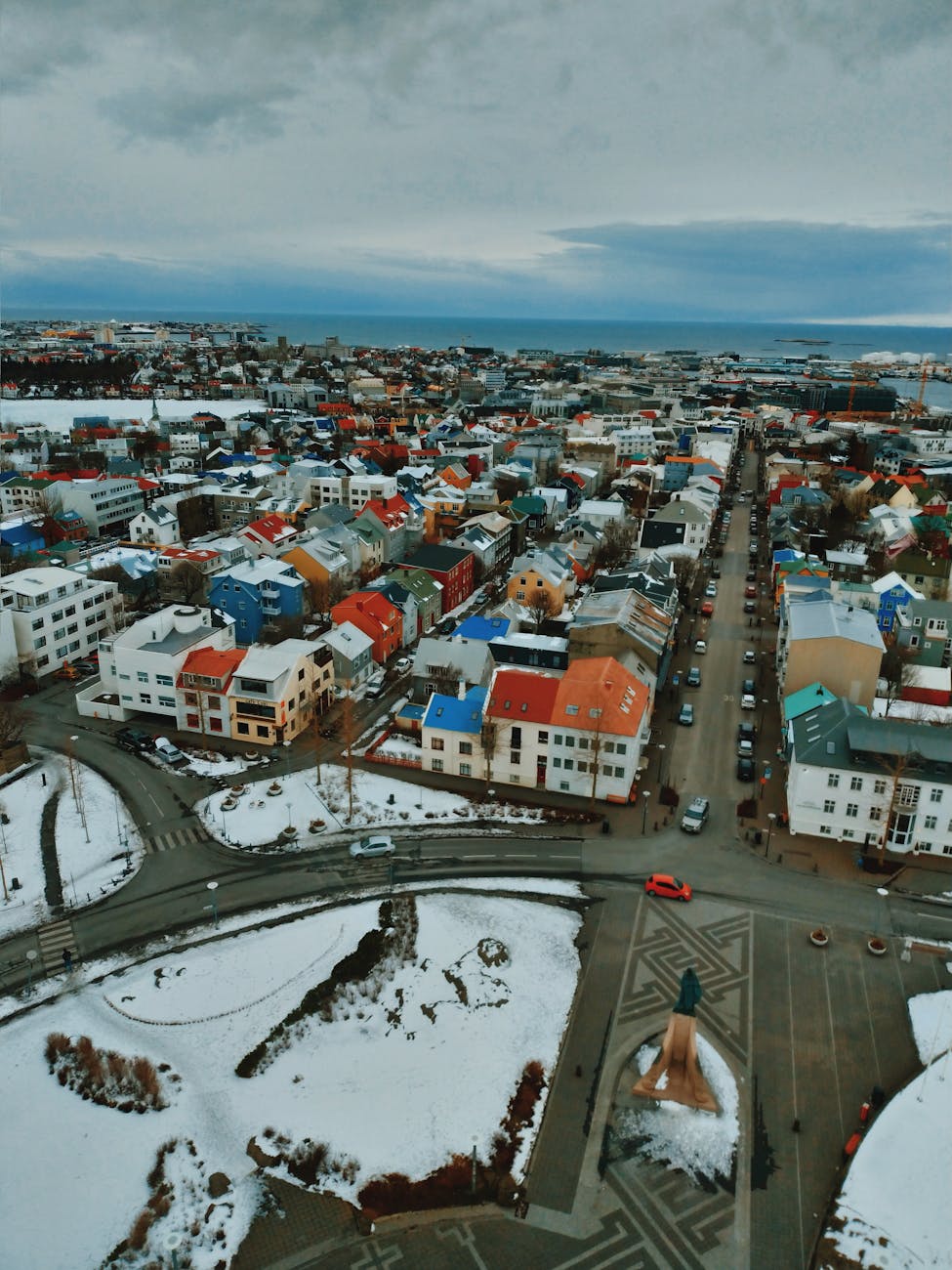


 Home Home sweet sweet home