Santiago Weekend Guide: Hidden Gems & Travel Hacks

Meta Description: Craft your perfect weekend in Santiago, Chile! This ultimate guide is packed with insider tips, hidden gems, and savvy travel hacks for navigating the city, saving money, and experiencing the authentic culture. Discover the best of Santiago, from Andes views to local picarones.

🗺️ Table of Contents

  1. Introduction: Why Santiago Deserves Your Weekend
  2. Getting There & Visa Info
  3. Best Time to Visit (and When to Avoid the Crowds)
  4. How to Get Around: Public Transport, Taxis & Ferries
  5. Hidden Gems You Shouldn’t Miss
  6. Must-See Spots in Santiago
  7. Local Words to Know (Mini Spanish Survival Guide)
  8. Travel Smart: Saving Money and Staying Connected
  9. Affiliate Partners That Make My Travel Easier
  10. FAQ: Your Santiago Travel Questions Answered
  11. Final Thoughts & Call to Adventure

🌄 1. Introduction: Why Santiago Deserves Your Weekend

If you’ve ever wanted to sip world-class wine while staring at the snow-capped Andes, Santiago is your city. It’s got that perfect blend of cosmopolitan buzz and mountain serenity. I spent my first evening at a rooftop bar in Lastarria, watching the city lights flicker under the Chilean sunset — and honestly, that moment alone was worth the flight.

Santiago isn’t just a stopover; it’s a soulful weekend escape full of culture, cuisine, and calm.

🔗 You might also enjoy: The Ultimate Weekend Escape to Lima, Peru – another South American gem that pairs perfectly with Santiago on a multi-city trip!

Alright, let’s be real. Your vacation days are precious, and the thought of spending half of them on complicated logistics is a special kind of torture. You want an escape that’s long on experience and short on hassle.

Enter Santiago de Chile. This city, cradled by the snow-capped Andes, is the ultimate weekend warrior’s dream. It’s a place where you can sip a world-class Carménere as the sun sets over the mountains, all without needing a full month’s vacation to do it.

I’ve fallen for Santiago’s charms on multiple visits, from getting blissfully lost in its sprawling markets to having my breath taken away (literally and figuratively) on a hike in the nearby foothills. This guide is the one I wish I’d had—a no-nonsense, tip-filled plan to help you conquer Santiago with confidence, save a few pesos, and have an absolute blast.

✈️ 2. Getting There & Visa Info

Most travelers from the US, Canada, and the EU can enter Chile visa-free for up to 90 days. Always double-check with the Chilean consulate before your trip.

💡 Money Tip: Flights from North America and South America are often cheaper when booked via Expedia. I scored my Santiago weekend flights for under $184 using flexible date filters!

If you’re coming from nearby Lima, it’s just a 4-hour flight — perfect for combining two unforgettable South American destinations.

🌤️ 3. Best Time to Visit (and When to Avoid the Crowds)

The best time to visit Santiago is during spring (September–November) or fall (March–May) — think mild temperatures, fewer tourists, and cheaper hotels.

Try to avoid January and February, when local vacationers crowd the city, and hotel prices shoot up.

Hotels in Santiago

🚌 4. How to Get Around: Public Transport, Taxis & Ferries

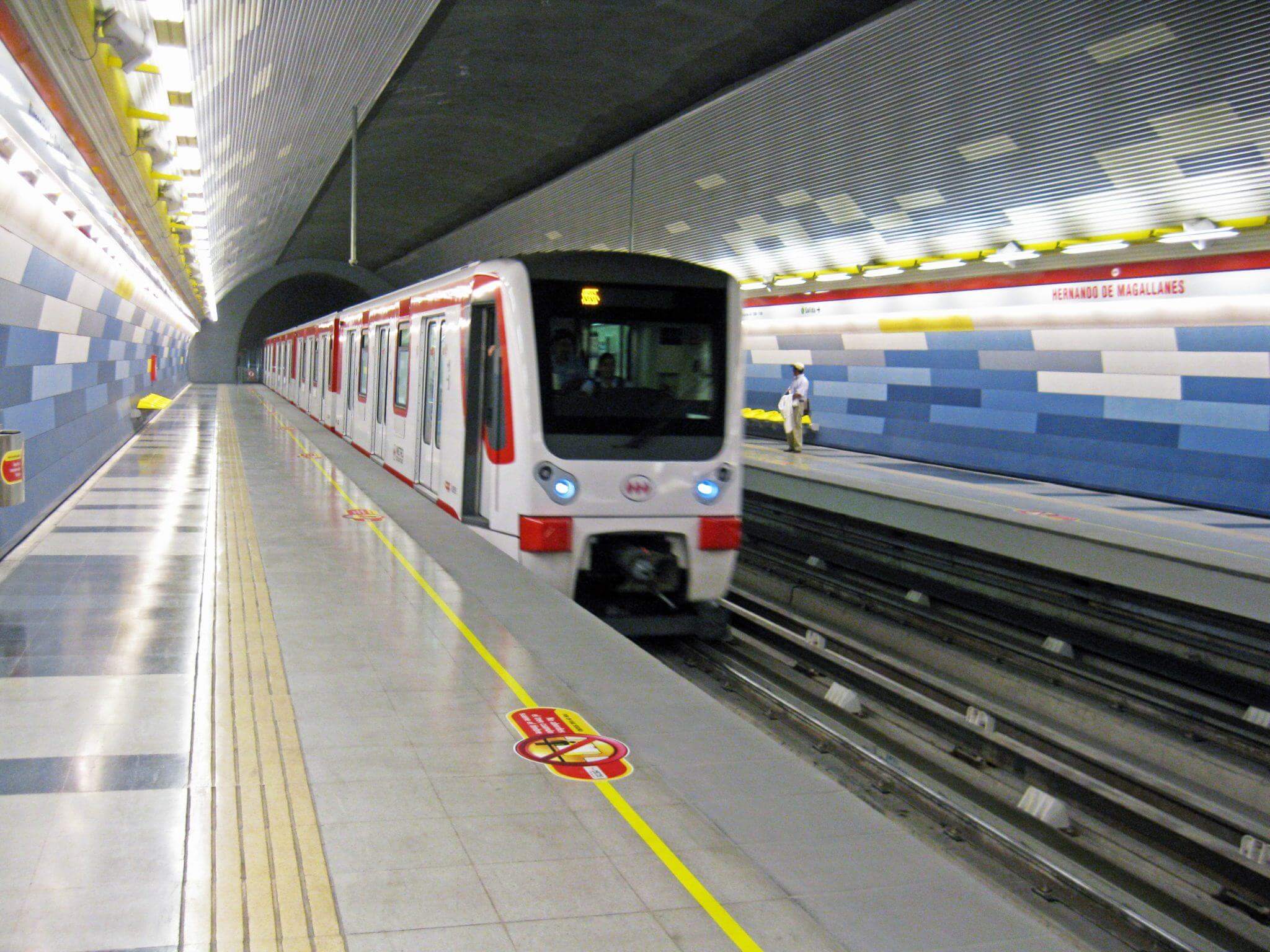
Santiago’s Metro system is clean, efficient, and one of the safest in South America. Get a Bip! card for buses and trains — it’s your all-access pass.

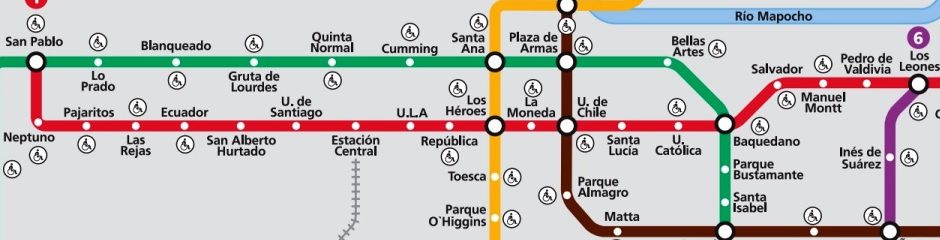
🚆 Metro Tip: Line 1 (Red Line) connects most tourist spots — from downtown (Los Héroes) to Las Condes and Providencia.
🚖 Taxi/Apps: Uber and Cabify work well here.
🚗 Road Tip: If you rent a car, the highways are well-marked and scenic, but avoid rush hour (7–9 AM and 6–8 PM). Download offline maps — it’ll save data and gas!

No ferries within the city, but you can take scenic day trips to the Valparaíso coast (about 1.5 hours away).

Navigating Santiago Like a Local: Your Guide to Buses, Metros, and Taxis

Alright, let’s talk logistics. Figuring out how to get from A to B in a new city can feel like solving a Rubik’s cube blindfolded. But in Santiago, it’s surprisingly straightforward once you know the rules of the game. The city’s public transport system is a well-oiled machine, and with a few insider tips, you’ll be zipping around like a Santiaguino in no time.

The Holy Grail: The BIP! Card

Before you do anything else, you need a BIP! card (pronounced “beep”). This little piece of plastic is your golden ticket to the city. Think of it like London’s Oyster card or New York’s MetroCard, but arguably better integrated.

  • Where to Get It: Any Metro station, at the automated machines or the ticket counter. The machines have an English language option—look for the little British flag.
  • How Much: The card itself costs about $1.500 CLP (roughly $1.50 USD), and you’ll need to load it with credit. I’d start with $10.000 CLP ($10 USD) for a weekend; you can always add more.
  • The Best Part: It works seamlessly on the entire system—the Metro, the city buses (called micros), and even the funiculars to the hills. You just tap and go.

A close-up image of a hand holding a BIP! transportation card, which is used for public transport in Santiago, Chile.
A close-up of a person using a BIP! card, the all-access pass for navigating Santiago’s public transport system.

The Metro: Santiago’s Shining Star

I’m not exaggerating when I say the Santiago Metro is one of the best I’ve ever used. It’s clean, efficient, safe, and the stations often feature cool public art.

  • How to Use It: Tap your BIP! card at the turnstile. The map is color-coded and easy to follow. Google Maps is scarily accurate for giving you the best Metro route, including which stop to get off at and even which carriage to board for the easiest exit.
  • Cost: A single Metro ride costs $830 CLP (about $0.85 USD) during off-peak hours. It’s slightly more during peak times (7:00-9:00 AM and 6:00-8:00 PM), which is a smart way to discourage crowding.
  • Pro Tip: Avoid the Metro during hora punta (rush hour) if you can. The crowds can be intense, and it’s a prime time for pickpockets. If you must travel then, wear your backpack on your front and keep your wallet in a front pocket. My strategy? I use that time to sit in a lovely café and plan my next move.
The Buses (Micros): For the Intrepid Explorer

The bright red and white and green and white buses fill in the gaps the Metro doesn’t cover. They can seem chaotic at first, but they’re the lifeblood of the city.

  • How to Use Them: This is the trickiest part. There’s no map inside the bus. Your best friend is the app “Moovit” or Google Maps. It will tell you the exact bus number and stop you need. When you see your bus, give a little wave to the driver. Get on, tap your BIP! card on the reader, and hold on.
  • The Key to Getting Off: Chilean buses don’t automatically stop at every corner. You have to press the stop button! Look for a red button or a cord running along the windows. Press it before your stop so the driver has time to pull over.
  • Cost: Also $830 CLP with your BIP! card. You get a free transfer between Metro and bus (and vice versa) within a two-hour window, which is an amazing deal.
Taxis & Ride-Sharing: The Easy Way Out

Sometimes, your feet are tired, it’s late, or you just can’t be bothered. That’s okay.
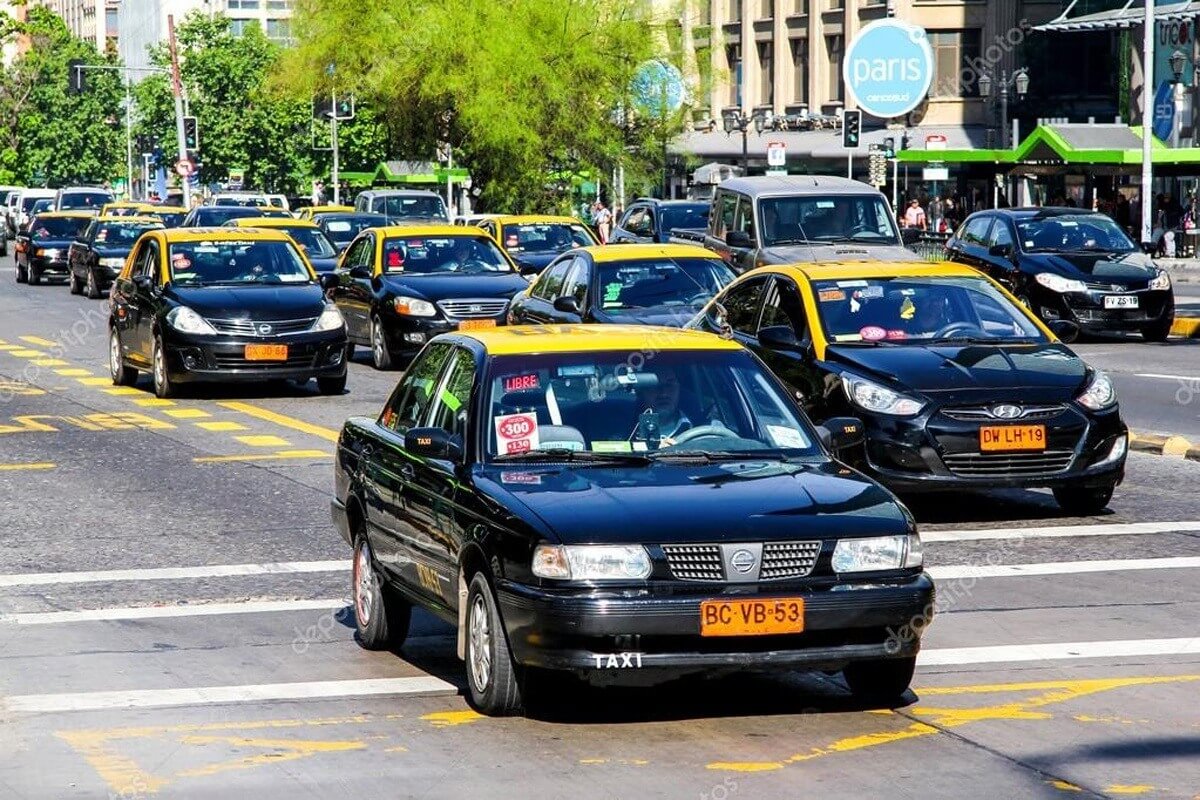
  • Official Taxis: Look for black with yellow roofs and a lit-up taxi sign on top. They have meters (taxímetro). Always ensure the meter is running when you start your journey to avoid “creative” pricing at the end.
  • Uber & Cabify: These apps are widely used in Santiago. I used Uber extensively and found it reliable and affordable. The price is fixed upfront, so there’s no haggling or meter anxiety. This is often my preferred method, especially at night or when going to/from a nice dinner.

A Quick Note on Ferries

This is a common question! While Chile has an incredible ferry system in the south (the Navimag ferry through the fjords is a bucket-list trip), there are no passenger ferries within the city of Santiago. It’s a landlocked city in a valley. The closest major body of water for a ferry is over 100 km away in Valparaíso. So, for your weekend trip, you can focus on mastering the land-based options!

Friday: First Impressions & Bohemian Vibes

Your adventure begins the moment you land at Arturo Merino Benítez International Airport (SCL). Don’t make my first mistake—avoid the overpriced airport taxis.

🚌 Getting to the City: Your best bet is the official TurBus or Centropuerto shuttle. For about $7-10 USD, they’ll drop you at Los Héroes station, a central metro stop. It’s comfortable, reliable, and the first of many money-saving wins. From there, the Santiago Metro (seriously, one of the best systems in the Americas) is your best friend.

🏨 Drop Your Bags: I’m a huge fan of staying in the Lastarria or Bellavista neighborhoods. They’re central, walkable, and pulsing with life. I found my perfect boutique hotel in Lastarria on —it had a rooftop view of the Santa Lucia hill I’ll never forget.

🌅 Evening Exploration: Once you’re settled, dive into Barrio Bellavista. This is Santiago’s bohemian heart. Grab a chorrillana (a mountain of fries topped with steak, onions, and a fried egg—share it, trust me) at a local picada. As dusk falls, walk along the colorful, graffiti-covered streets. The energy here is contagious.

A plate of chorrillana, a traditional Chilean dish, featuring fries topped with savory beef, onions, and fried eggs.
Enjoy the mouthwatering chorrillana, a beloved Chilean dish featuring fries topped with steak, onions, and fried eggs—a perfect local treat in Santiago. The Ultimate Shareable Feast: Don’t even think about ordering this for yourself! This is a chorrillana, Chile’s legendary answer to late-night hunger. A mountain of crispy fries is piled high with juicy steak, caramelized onions, and crowned with perfectly runny fried eggs. It’s the perfect, gloriously messy dish to share with friends after a night out. Pro Tip: Dig in fast while the egg yolks are still warm!

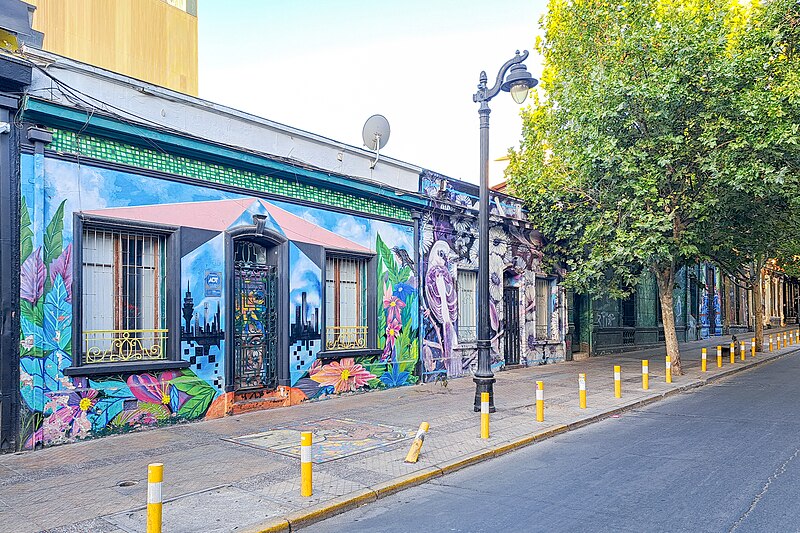
Colorful street art adorning the exterior of a building in Santiago, Chile, with lush plant motifs and a vibrant urban atmosphere.
Vibrant street art graces the colorful buildings of Santiago, showcasing the city’s artistic spirit.

Saturday: City Peaks & Market Feasts

Morning: Choose Your Own Adventure

  • For the Active Soul: Hike up Cerro San Cristóbal. You can walk, or take the funicular from the Bellavista entrance. The reward at the top? A stunning 360-degree view of Santiago sprawled beneath the mighty Andes, with the serene statue of the Virgin Mary watching over it all. Pro Tip: Go early to avoid the crowds and the midday heat.
  • For the Culture Vulture: Head to Museo Chileno de Arte Precolombino. This museum is a world-class gem, showcasing the incredible artistic heritage of ancient Latin America. It’s beautifully curated and a fantastic way to understand the continent’s deep history.
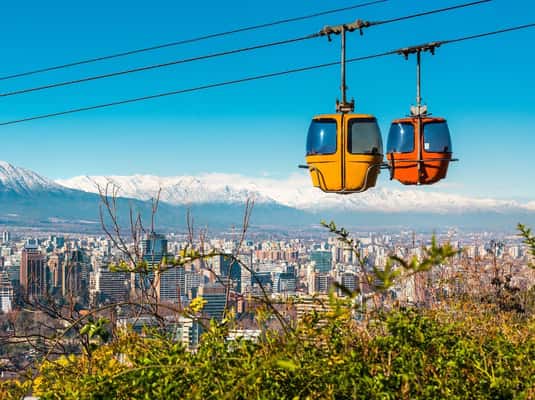
Two colorful gondolas on a cable car line with a view of Santiago, Chile, and the snow-capped Andes mountains in the background.
Cable cars overlooking Santiago with the Andes mountains in the background, offering stunning views of the city.

Afternoon: A Feast for the Senses
No trip to Santiago is complete without getting delightfully overwhelmed at Mercado Central (for seafood) and La Vega Central (for everything else). The hustle, the scents, the shouts of vendors—it’s a symphony of local life. For lunch, pull up a stool at a counter in Mercado Central and order a plate of machas a la parmesana (razor clams with parmesan cheese). You can thank me later.

Wooden totem sculptures displayed in a modern art gallery, showcasing intricate carvings and various colors of wood.
Wooden sculptures depicting traditional art forms in Santiago’s museum, showcasing the rich cultural heritage of Chile.

Evening: A Sunset to Remember
Take the metro to the Plaza de Armas and wander through the historic center. Then, make your way to Sky Costanera, the tallest building in Latin America. I was skeptical—I usually avoid super touristy spots—but watching the sun set from the open-air top floor, painting the Andes in shades of pink and orange, was worth every penny. It’s a perspective of the city you simply can’t get anywhere else.

Reaching for the Sky: The Gran Torre Santiago & Sky Costanera

Alright, let’s clear up a common point of confusion that I had myself before my first visit. You’ll hear two names for this iconic spot:

  • Gran Torre Santiago: This is the name of the actual skyscraper. It’s the towering glass behemoth itself, part of the Costanera Center complex. It holds the title of the tallest building in Latin America.
  • Sky Costanera: This is the name of the experience—the magnificent observatory and viewing deck on the 61st and 62nd floors. This is what you’re buying a ticket for.

So, you go to the Gran Torre Santiago to visit Sky Costanera. Think of it like going to the Empire State Building to visit its observatory.

My Take: Is It Worth It?

I’ll be honest, I’m often skeptical of these super-touristy viewpoints. They can be expensive and crowded. But I have to admit, Sky Costanera is an exception. The 360-degree view of Santiago is absolutely unparalleled.

Here’s the view that sold me: On one side, you have the endless, sprawling city. On the other, the mighty, snow-capped Andes mountains seem close enough to touch. It’s the only place where you can truly grasp the epic scale and dramatic setting of Santiago. Watching the sunset from up there is a genuine “pinch me” moment.

Savvy Traveler Tips for Your Visit:

  • Beat the Crowds: Go right when it opens (10:00 AM) on a weekday for the quietest experience. Alternatively, book your ticket online in advance for a specific timeslot to avoid long queues.
  • Sunset Strategy: Sunset is the most popular (and crowded) time. If you go then, book ahead and be prepared for company. The light is magical, but for a more peaceful experience, a day-time visit offers crystal-clear views of the Andes.
  • Weather Check: Before you buy a ticket, do a quick sky check. If it’s a cloudy or smoggy day (pronóstico de smog), the views will be completely obscured, and it’s not worth the price.
  • Combo Deal: Your ticket gives you access to both the 61st and 62nd floors. The 62nd is open-air with glass barriers, which is fantastic for photography without reflections.

In short: Yes, it’s touristy. But the perspective it offers is a foundational part of understanding Santiago’s geography. It’s a splurge that, on a clear day, pays off in unforgettable memories.
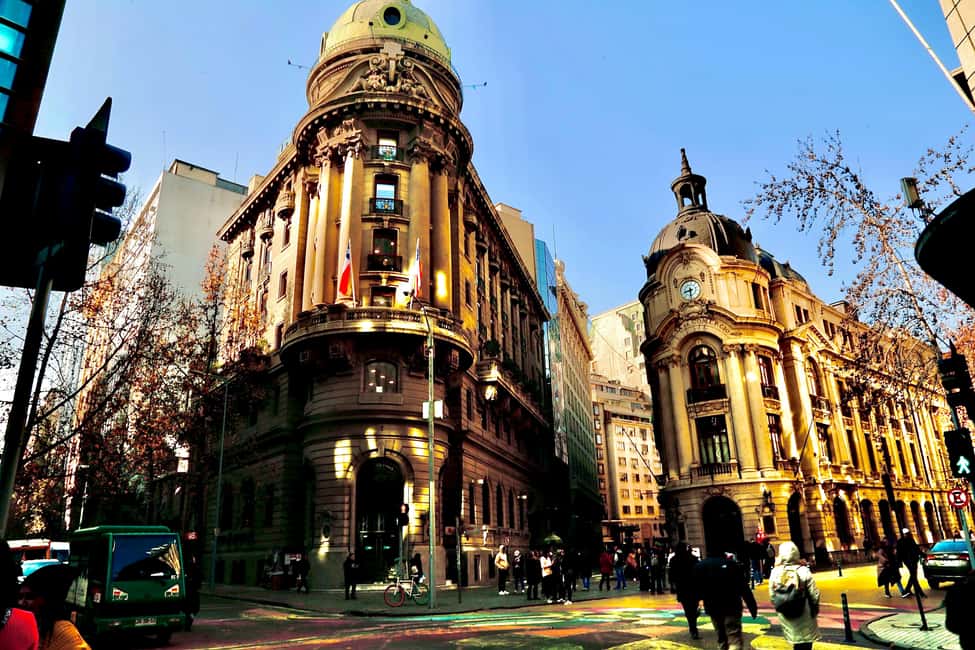

Historic buildings with intricate architecture in the center of Santiago, Chile, featuring a clear blue sky and pedestrians crossing the street.
A vibrant view of historic architecture in downtown Santiago, Chile, showcasing the city’s rich cultural heritage.
Baked razor clams topped with melted cheese in a decorative dish, garnished with fresh herbs
Delicious _machas a la parmesana_ served in elegant shells, a must-try dish at Mercado Central in Santiago. Your First Bite Should Be This: Behold, the glorious machas a la parmesana! This is the quintessential starter at Santiago’s Mercado Central. Imagine tender razor clams, bathed in butter and garlic, topped with bubbling parmesan cheese, all served in their beautiful natural shell. It’s the perfect, briny, cheesy introduction to Chilean coastal cuisine.

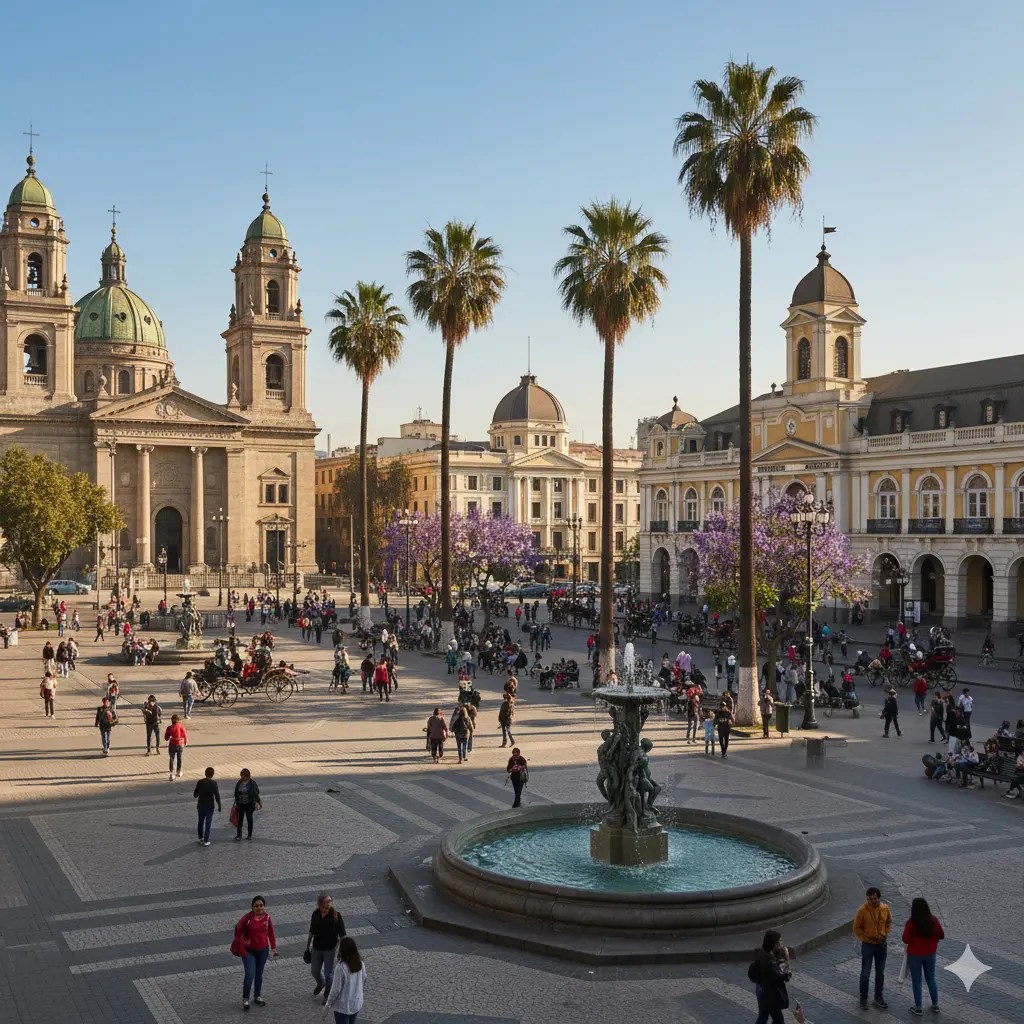
A bustling plaza in Santiago, Chile, featuring palm trees, a fountain, and historic buildings. People are gathered around enjoying the lively atmosphere.
The stunning architecture of a historic church in Santiago’s central square, showcasing the city’s rich cultural heritage. The heart of Santiago: Plaza de Armas, featuring the Metropolitan Cathedral and historic surrounding buildings. A central meeting point rich in Chilean history and daily life.
Panoramic view of Santiago, Chile, featuring the Gran Torre Santiago skyscraper against a backdrop of the Andes mountains under a clear blue sky.
The towering Gran Torre Santiago stands out against the backdrop of the Andes mountains in Santiago, Chile.

Sunday: Wine, Art, or Heights

Your final day deserves something special.

  • Option 1: The Connoisseur’s Choice. Take a tour to the Concha y Toro winery in the Pirque region. It’s easily accessible from the city, and walking through the vineyards and tasting their famous Casillero del Diablo wine is a perfect Chilean experience. Booking this tour in advance online often saves you money and guarantees a spot.
  • Option 2: The Artsy Escape. Explore the Museo a Cielo Abierto in San Miguel—an “open-air museum” of massive murals painted on apartment buildings. It’s a vibrant, community-driven art project that’s completely free.
  • Option 3: The Mountain Getaway. If you have a bit more time and energy, consider a day trip to Valparaíso, the colorful port city. While it’s a 90-minute bus ride, the chaotic charm of its hillside ascensores (funiculars) and street art is unforgettable. For more on coastal Chile, check out my guide to Exploring Chile’s Coastline.

Entrance to the Concha y Toro vineyard in Chile, featuring a pathway lined with grapevines and a historic building in the background against a clear sky and mountains.
Visitors explore the scenic Concha y Toro winery, surrounded by lush vineyards and the majestic Andes mountains. Stepping into a Chilean Legend: The iconic entrance of Viña Concha y Toro, one of the world’s most famous wineries. Fun fact: “Concha y Toro” means “Shell and Bull,” a name that comes from the founder’s family coat of arms. This is where your journey into Chilean wine begins!
A bottle of Casillero del Diablo Pinot Grigio from Chile, 2024 vintage, displayed next to a glass filled with the white wine on a wooden surface.
Enjoying a glass of Casillero del Diablo Pinot Grigio, a renowned Chilean wine from Concha y Toro. The Devil’s Own White: This is the Casillero del Diablo Reserva Pinot Grigio – my go-to for a crisp, refreshing white. With its notes of citrus and green apple, it’s the perfect bottle to enjoy on a warm Santiago afternoon or to bring back as a delicious (and affordable) souvenir.
A group of four people standing in front of vibrant murals on two tall buildings in San Miguel, Chile, surrounded by palm trees and urban scenery.
Explore the vibrant street art in San Miguel, showcasing stunning murals and local culture. Art for Everyone: A burst of color in the San Miguel neighborhood! This is the Museo a Cielo Abierto, a true “open-air museum” where the walls of apartment blocks are the canvases. It’s a free, walkable gallery showcasing some of Santiago’s most impressive urban art, created to transform the community.
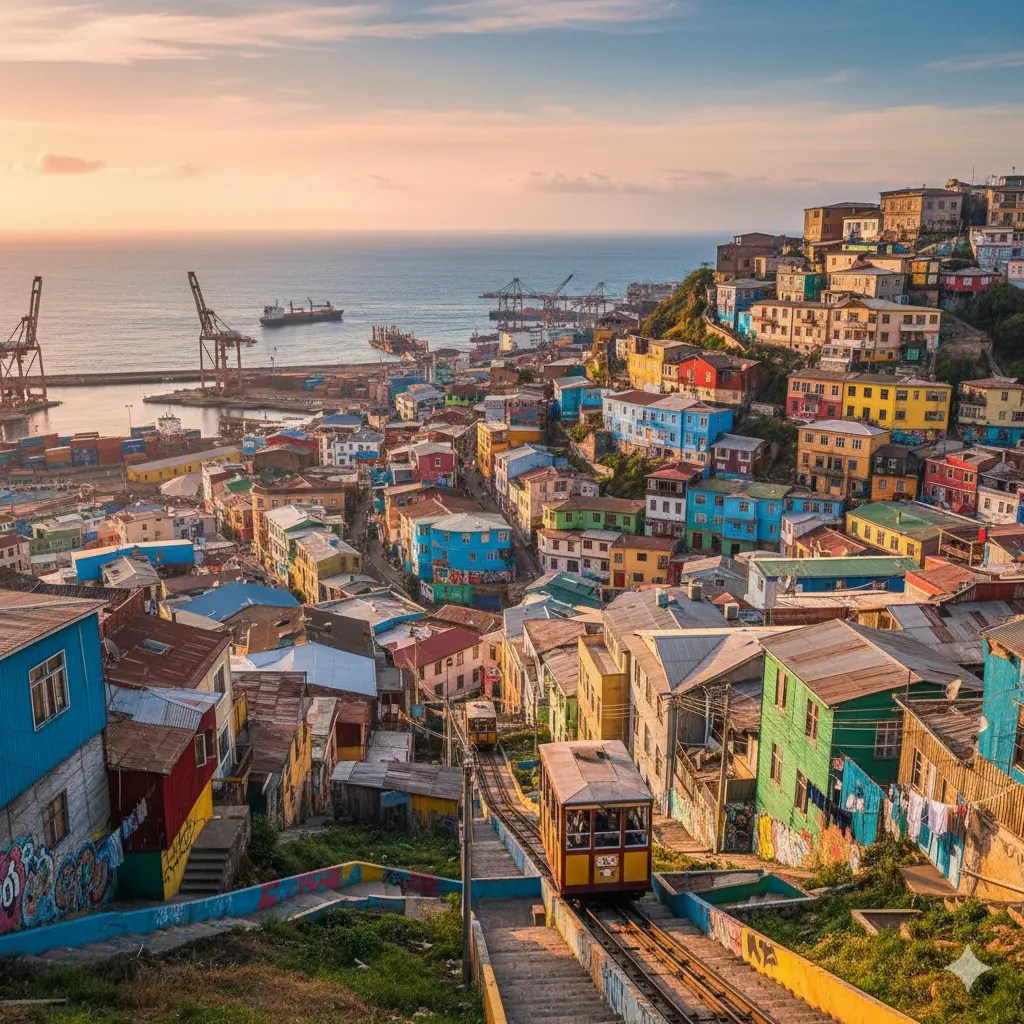
A scenic view of the colorful hillside houses in Valparaíso, Chile, with a funicular railway descending towards the ocean and port in the background. The scene is illuminated by warm sunset light.
A stunning view of Valparaíso’s colorful hillside neighborhoods and bustling coastline at sunset. The Jewel of the Pacific: Just a 90-minute bus ride from Santiago lies Valparaíso, a city that feels like a different world. This is the view that greets you—a chaotic, beautiful cascade of colorful casas tumbling down the hillsides towards the sea. It’s a place of poets, pirates, and unparalleled charm.

Santiago’s Hidden Gems: Beyond the Guidebook

  • Café con Piernas: Want a truly local, slightly quirky experience? Pop into a “Café con Piernas” (Coffee with Legs). These are stand-up espresso bars, often in dark, club-like rooms, staffed by waitresses in short dresses. It’s a unique Santiago tradition—just order your coffee, drink it quickly, and move on with a story to tell.
  • Baha’i Temple: Located on the outskirts of the city, this lotus flower-shaped temple is a sanctuary of breathtaking peace and architecture. The views and the silence are profoundly moving.
  • Patio Bellavista: While not exactly hidden, this courtyard within Bellavista is perfect for an evening pisco sour. It’s less chaotic than the main streets and has a great selection of restaurants and bars.
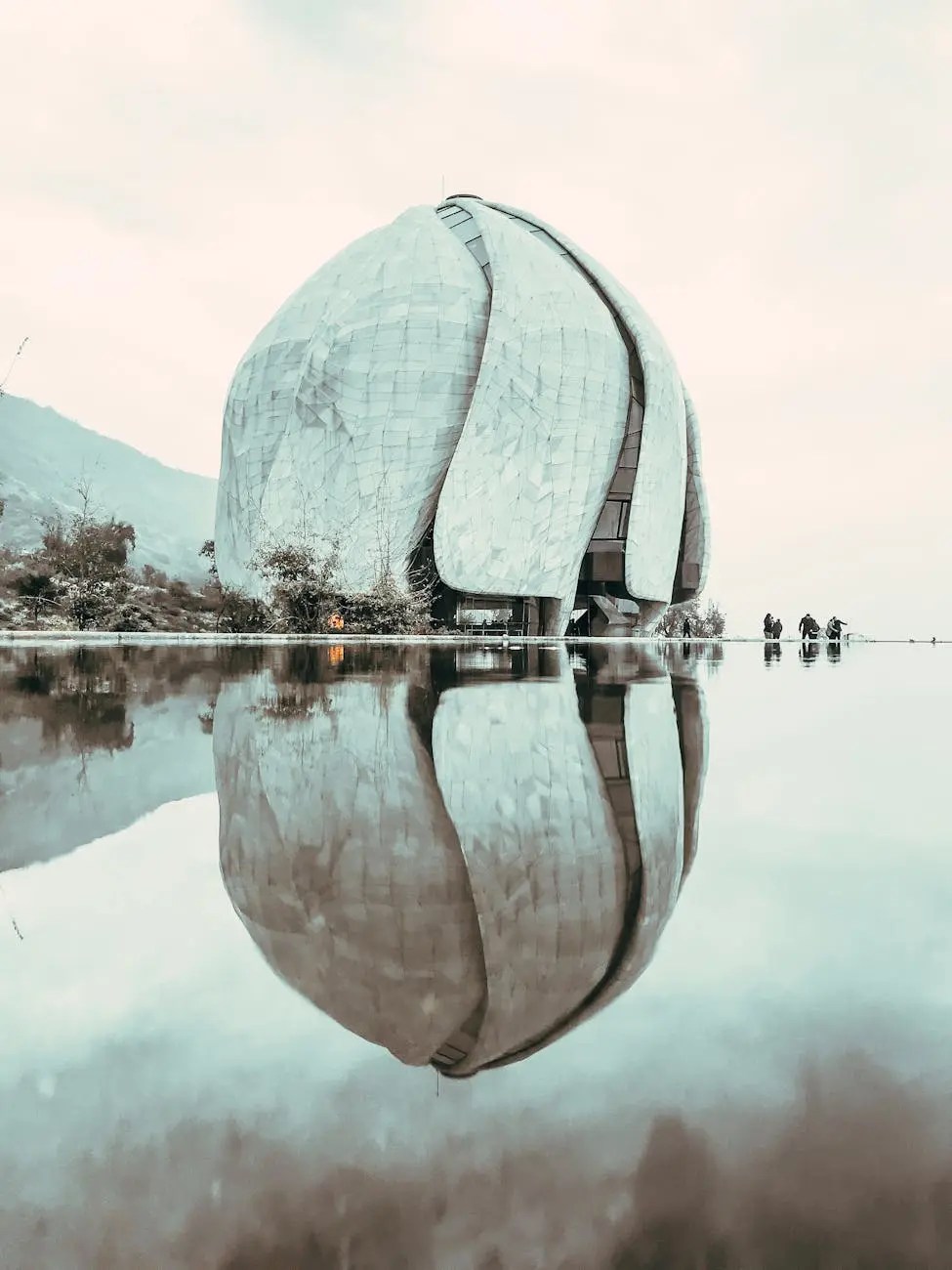
This photograph showcases the breathtaking Bahá'í Temple of South America, an architectural marvel nestled in the foothills of the Andes near Santiago, Chile. Designed by architect Siamak Hariri, the temple is composed of nine immense, independently engineered wings made of cast glass and translucent Portuguese marble. This allows the interior to be bathed in a soft, ethereal light during the day, while the structure appears to emit a gentle glow at night. As one of only nine continental Bahá'í Houses of Worship in the world, it welcomes people of all faiths and backgrounds for personal meditation and prayer, representing a powerful symbol of unity and a must-visit site for its serene beauty and innovative design.
The Baha’i Temple in Santiago, Chile, showcasing its unique lotus flower-inspired architecture. The Bahá’í Temple of South America isn’t just a building; it’s an experience. Its nine graceful “petals,” crafted from translucent marble, seem to glow from within. The profound silence inside, broken only by birdsong, is as breathtaking as the Andean backdrop. It’s a place for quiet reflection, regardless of your faith.

The Savvy Traveler’s Toolkit: Logistics Made Easy

🗣️ Speak Like a Local (A Little Bit):

  • Hola (OH-lah) – Hello
  • Por favor (por fah-VOR) – Please
  • Gracias (GRAH-syahs) – Thank you
  • La cuenta (lah KWEHN-tah) – The bill
  • Carrete (kah-REH-teh) – Party (Chileans love a good carrete)
  • Permiso = Excuse me

💰 Money-Saving Tips:

  • Transport: Get a BIP! card at any metro station. It works on the metro and buses, and fares are significantly cheaper than single tickets.
  • Food: Lunch is the main meal in Chile. Look for “menú del día” for a fixed-price, multi-course meal that’s a fraction of dinner prices.
  • Water: The tap water in Santiago is safe to drink. Carry a reusable bottle!

🌐 Staying Connected & Secure:
Letting your mobile carrier rob you with roaming fees is so 2010. On my last trip, I used Drimsim, a global SIM that works in over 190 countries. Pop it in, top up via the app, and you’re online the moment you land. No more frantic airport SIM hunts!

And while we’re on tech, public Wi-Fi is a blessing and a curse. To keep my bookings and photos safe, I never travel without my NordVPN. It’s a digital seatbelt for your internet connection.

✈️ Travel Smart, Travel Insured:
A weekend trip can still go sideways. I never leave home without travel insurance from VisitorsCoverage. It’s a platform where you can compare plans and find one that fits your specific trip. It’s the peace of mind that lets you truly relax.

Speaking of things going sideways…

✈️ Flight Delayed or Canceled?
Don’t just sit there fuming! You might be entitled to up to $650 in compensation. Most people have no idea, but I’ve used AirHelp to successfully claim money back. They handle all the annoying paperwork and only get paid if you win. It’s a no-brainer.

📸 Capture the Magic:
The light in Chile, with the clear Andean air, is a photographer’s dream. I captured all the photos for this blog with my trusty Sony Alpha . It’s a workhorse that’s perfect for both sweeping landscapes and intimate street shots.

🧴 Look Fresh After a Long Flight:
That long flight can do a number on your skin. My secret weapon? Lakinza K-beauty products. Their serums and masks are a hydration miracle. Use code Lalax10 at checkout for a sweet discount on your glow-up.

Your Santiago Weekend FAQ

Do I need a visa for Chile?
It depends on your nationality! Citizens of the US, Canada, UK, and Australia currently do not need a visa for tourist stays of up to 90 days. Always double-check with official government sources before you travel, as policies can change.

What’s the best way to get around Santiago?
The Metro is your best friend—it’s clean, efficient, and extensive. For places it doesn’t go, the microbuses (local buses) are easy to use with a BIP! card. I’d avoid renting a car for a weekend trip; city traffic can be hectic.

Is Santiago a safe city for tourists?
Like any major city, be smart. Be aware of your surroundings in crowded areas like markets and on the Metro. Don’t flash expensive jewelry or phones. Stick to well-lit areas at night, and use Uber or registered taxis after dark. I’ve always felt safe by following these basic rules.

What’s one thing I absolutely shouldn’t miss?
The view from the top of Cerro San Cristóbal at sunset. It encapsulates the entire Santiago experience in one breathtaking panorama.

What’s the local currency?
A: Chilean Peso (CLP). Use ATMs instead of airport exchange booths for better rates.

Can I drink tap water?
A: Yes — it’s safe, but bottled water is widely available if you prefer.

Any vegetarian options?
A: Absolutely! Santiago’s food scene caters to all diets — try “Empanadas de Queso” or “Porotos Granados.”

Ready to Pack Your Bags?

Santiago is waiting to surprise you. With this plan, you’re not just visiting; you’re experiencing the city like a seasoned traveler. Now go enjoy your wine, your views, and your well-earned escape.

What’s your favorite South American city escape? Share your tips in the comments (and for more travel inspiration, don’t forget to check out the full Travel Master List!)

🌅 10. Final Thoughts & Call to Adventure

A weekend in Santiago, Chile feels like three trips in one — mountain views, city lights, and vineyard afternoons. Whether you’re hiking the Andes or sipping a Carménère under a terrace umbrella, the city delivers magic in every corner.

So, what are you waiting for?
👉 Plan your Santiago weekend now on Expedia — flexible stays, best prices, and no stress.

https://www.facebook.com/reel/1331715854801516

https://www.threads.com/@laxmi.umesh.hegde/post/DRK2akNDLJw?xmt=AQF0gK4qSHxpaaum4ye4CEE-bqNGDbUT0hLPYWzLKue5HA


Universal Disclaimer/Disclosure Page:

Ultimate Weekend Guide to Reykjavik, Iceland

Meta Description:

Dreaming of a weekend adventure? Our ultimate guide to a weekend in Reykjavik, Iceland, is packed with insider tips, a savvy 3-day itinerary, and hidden gems. Learn how to navigate the city, save money, and experience the magic of the Land of Fire and Ice. Perfect for a short, unforgettable escape!

So, you’ve decided to answer the call of the North. The land of fire and ice, Viking sagas, and more geothermal pools than you can shake a stick at. But with only a weekend to spare, how do you even begin to scratch the surface of a place as epic as Iceland? Don’t worry, I’ve got you covered. A trip to Reykjavik might seem like a sprint, but with the right game plan, it’s an absolute marathon of incredible experiences.

 Forget what you’ve heard about needing a week—Reykjavik is the perfect city for a weekend blitz. It’s like someone took a charming Scandinavian town, sprinkled it with elf dust, and set it against a backdrop of epic nature.

Ready to dive in? Grab your coziest sweater and let’s go!

I learned this the hard way after a last-minute flight deal I snagged on  Expedia landed me in this otherworldly city. I’m here to be your guide, so you can have all the awe without any of my initial “wait, which way is the ocean?” confusion.

Table of Contents

  • Arrival & Getting Around: From Keflavik to the City Center
  • Day 1: City Sights & Geothermal Delights
    • Morning: Exploring Reykjavik’s Heart
    • Afternoon: Hot Dogs & High Art
    • Evening: The Blue Lagoon Experience
  • Day 2: Golden Circle Wonders & Hidden Gems
    • Morning: A Golden Start
    • Afternoon: My Secret Spot
    • Evening: Farewell Feast
  • Practical Tips & Insider Knowledge
    • Saving Money on the Go
    • Public Transportation Demystified
    • Essential Icelandic Words
  • Frequently Asked Questions (FAQs)
  • Ready to Book Your Icelandic Adventure?

Arrival & Getting Around: From Keflavik to the City Center

First things first, you’ll land at Keflavik International Airport (KEF), which is about a 45-minute bus ride from downtown Reykjavik. I learned the hard way that a taxi can be a small fortune, so unless you’re rolling like a Viking chieftain, stick to the shuttle. Both Flybus and Airport Direct are reliable and easy to book. You can snag your tickets online or at the counter in the arrivals hall. It’s a great way to save money right off the bat, giving you more krona for that essential Icelandic hot dog.

Once in the city, Reykjavik is incredibly walkable. The main attractions are clustered together, making it easy to navigate on foot. But for longer distances, the public bus system, Strætó, is your best friend. Look for the bright yellow buses and download the Strætó app to check schedules and buy tickets. You can pay with a credit card on the app, which is a huge bonus. If you’re feeling adventurous and want to explore the Ring Road outside of Reykjavik, renting a car is the way to go. Just be aware of the weather and check the road conditions frequently at road.is.

Hotels in Reykjavik

Your Savvy 3-Day Reykjavik Itinerary

This itinerary is designed to maximize your time and minimize logistical headaches.

Day 1: Downtown Vibes & Northern Lights Chase

  • Morning: Fly into Keflavík (KEF). Instead of an expensive taxi, take the Flybus (a coach service that connects to a smaller bus taking you to your specific hotel area). It’s efficient and way cheaper. Drop your bags and hit the streets.
  • Afternoon: Explore Reykjavik’s Old Harbor. Grab a famous lobster soup at Saegreifinn (The Sea Baron). Then, walk up to the iconic Hallgrímskirkja church. The ascent to the top is worth every kronur for the panoramic view of the city’s colorful rooftops. It’s impossible to miss—it looks like something out of a sci-fi movie. For a small fee, you can ride the elevator to the top of the tower for a panoramic view of the city. Trust me, it’s worth it. Seeing the city’s rainbow-colored roofs set against the backdrop of the mountains is a sight you won’t forget.
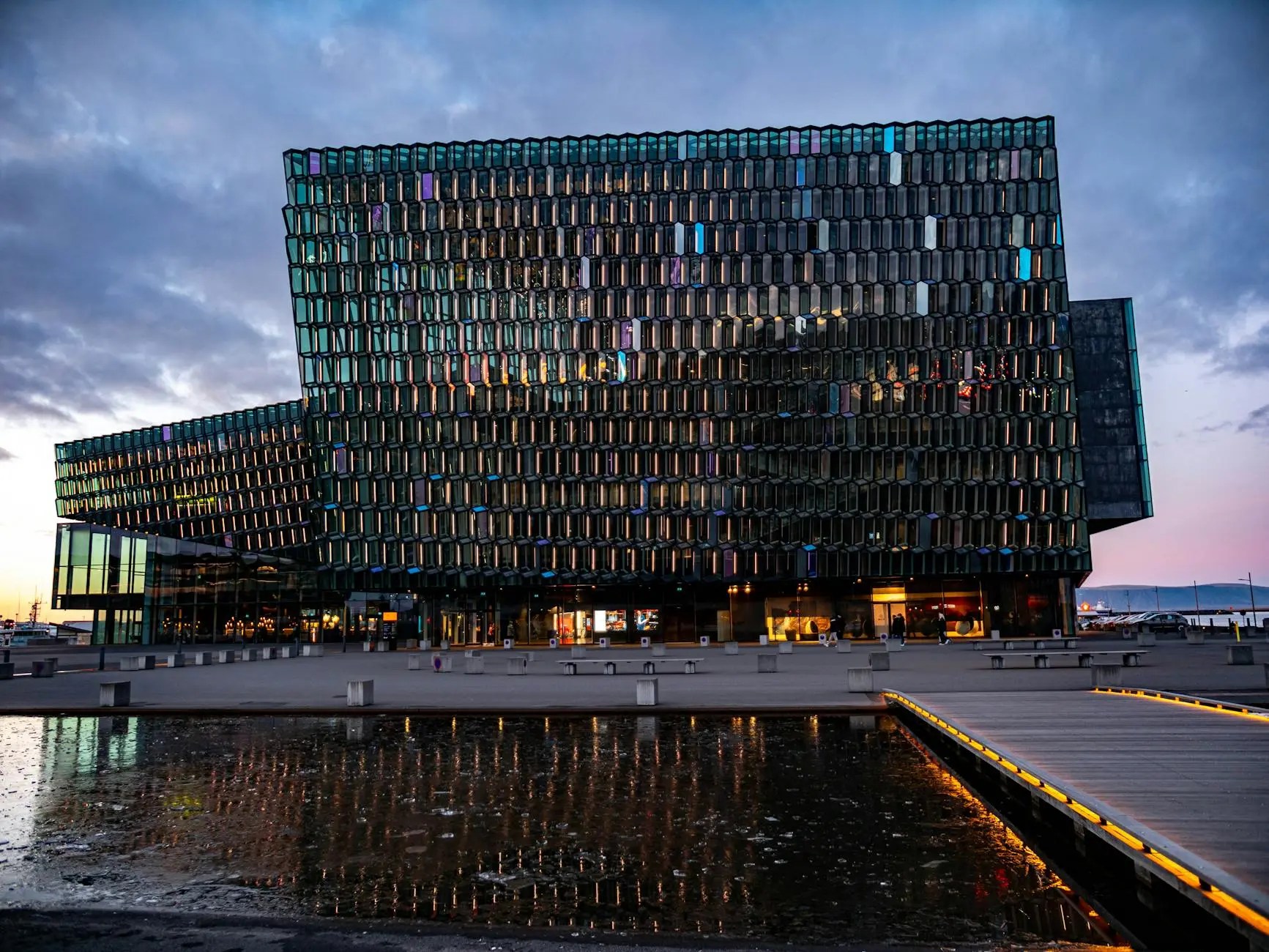
  • No trip to Iceland is complete without a stop at Bæjarins Beztu Pylsur, a tiny hot dog stand that has been serving up what Bill Clinton called “the best hot dogs in the world.” My advice? Order one with everything. The fried onions are a game-changer. From there, take a leisurely walk along the waterfront to the Harpa Concert Hall. The building is a masterpiece of modern architecture, and the way the light plays off the glass panels is mesmerizing.
  • Evening: This is your night! Book a Northern Lights tour. Pro-tip: These tours are smart—they’ll chase the clearest skies. If you don’t see the lights, many companies offer a free rebooking. I used my Canon EOS R100 Mirrorless Camera to capture the faint green swirls, and the photos were incredible even in low light.
A metallic sculpture resembling a Viking ship, positioned along the shore of Reykjavik, with modern buildings and a waterfront in the background.
The Sun Voyager sculpture, a stunning landmark in Reykjavik, with the city skyline reflecting off the ocean.The Sun Voyager (Sólfar): More than just a photo op, this stunning steel sculpture symbolizes a vessel of dreams, pointing toward the midnight sun. It’s a perfect spot to watch the light change over Mount Esja.
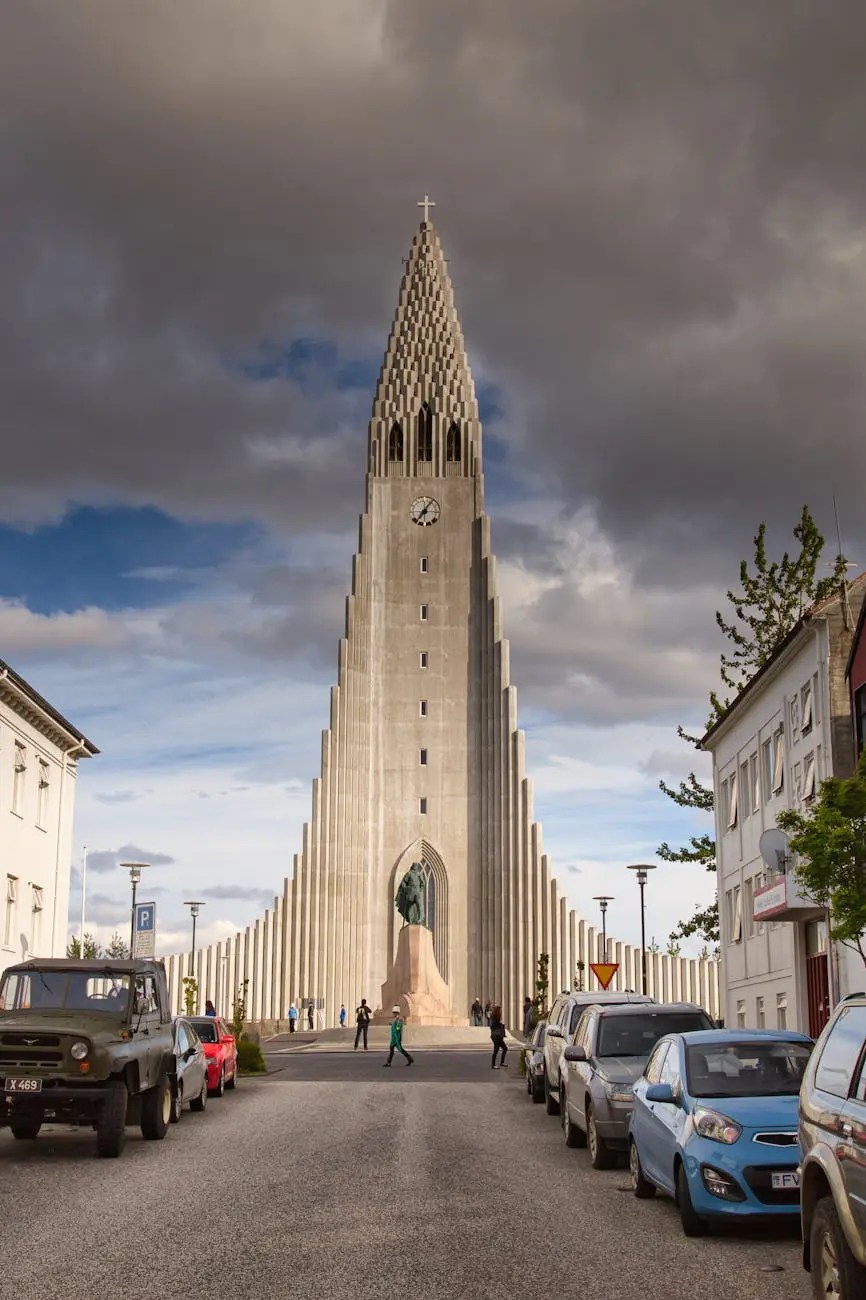
A wide-angle view of Hallgrímskirkja, a prominent church in Reykjavik, Iceland, featuring its distinctive tall tower and unique architectural design. Cars are parked along the street, and people are seen walking in front of the church under a partly cloudy sky.
The iconic Hallgrímskirkja church in Reykjavik, showcasing its unique architecture and surrounding streets.Hallgrímskirkja Church: Dominating Reykjavik’s skyline, this expressionist masterpiece was inspired by Iceland’s basalt lava flows. The statue out front is none other than Leifur Eiríksson (Leif the Lucky), the Norse explorer who reached North America centuries before Columbus.
A vibrant display of the Northern Lights illuminating the night sky over a dark landscape with a calm reflection on water.
Breathtaking display of the Northern Lights illuminating the night sky over Iceland. Chasing the Aurora: A breathtaking display of the Northern Lights (Aurora Borealis) over the Icelandic wilderness. Capturing this moment requires patience, a little luck with the weather, and a good camera—like the one I always use.
Canon EOS R100


Day 2: The Golden Circle & Secret Lagoon
Full Day: The Golden Circle is a must. You have two options:
Join a Tour: Stress-free, includes guides, and you can nap between stops. Great for solo travelers or those avoiding winter driving.
Rent a Car: Offers flexibility. You can leave earlier to beat the crowds at Gullfoss waterfall and spend more time at Þingvellir National Park, where you can walk between the North American and Eurasian tectonic plates.
Evening: The Blue Lagoon Experience
This is an absolute must-do. Yes, it’s touristy, but for a good reason. The Blue Lagoon is a surreal experience. The milky blue, geothermally heated water is pure bliss, especially after a long day of exploring. I booked my tickets in advance, which is a pro-tip for avoiding the massive queues. So, go ahead, get that iconic silica mud mask on your face, and let the relaxation begin. This is what you came here for. I highly recommend checking Expedia for packages that include transportation from Reykjavik, which can save you a ton of hassle. Book your Blue Lagoon escape here!
A man holding a hot dog and drink stands in front of a food stall, smiling, while a woman behind the counter also smiles. The stall has a red awning with text in Icelandic.
A popular hot dog stand in Reykjavik, famous for serving Iceland’s best hot dogs, a must-try for visitors exploring the city.

The Harpa Concert Hall in Reykjavik, Iceland, featuring modern glass architecture reflecting the evening sky and surrounding water.
Harpa Concert Hall in Reykjavik, showcasing its stunning modern architecture and vibrant reflections at sunset. Harpa Concert Hall: This architectural marvel isn’t just for concerts! Its geometric glass facade, designed to resemble Iceland’s basalt landscapes, catches the light differently every hour. At sunset, it becomes a kaleidoscope reflecting the fiery sky.

Day 2: The Golden Circle & Secret Lagoon

  • Full Day: The Golden Circle is a must. You have two options:
    1. Join a Tour: Stress-free, includes guides, and you can nap between stops. Great for solo travelers or those avoiding winter driving.
    2. Rent a Car: Offers flexibility. You can leave earlier to beat the crowds at Gullfoss waterfall and spend more time at thingvellir National Park, where you can walk between the North American and Eurasian tectonic plates.
  • Travel Smart Tip: If you’re driving, use an offline map app like Maps.me. Cell service can be spotty, and this saves both time and data. Speaking of data…

🌎 Stay Connected Smartly: I used to waste precious vacation time hunting for a local SIM card. Not anymore. I now travel with Drimsim, a global SIM that works in 190+ countries, including Iceland. You just pop it in, top up via the app, and you’re online the moment you land. No hidden fees, no stress. It’s a game-changer for navigating and posting those epic waterfall
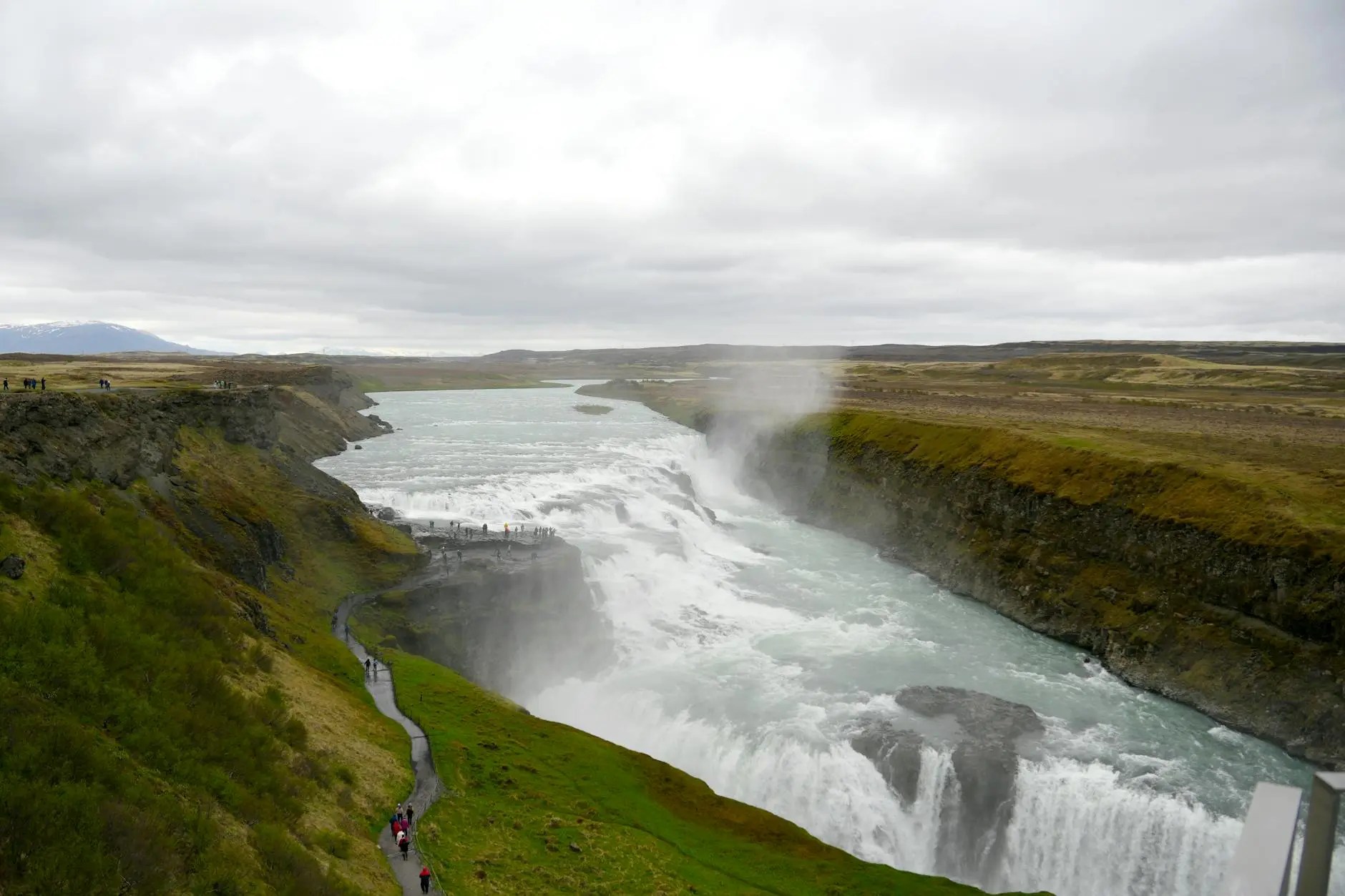
A panoramic view of Gullfoss waterfall in Iceland, showcasing cascading water flowing into a rocky canyon, surrounded by lush green vegetation and a cloudy sky.
The stunning Gullfoss waterfall, a key highlight of the Golden Circle in Iceland, showcasing its powerful cascades and breathtaking scenery. Gullfoss – The Golden Waterfall: Feel the spray from here? This aerial view shows the immense power of Gullfoss as the Hvítá River plummets 32 meters in two dramatic stages into a rugged canyon. A cornerstone of Iceland’s famous Golden Circle route.
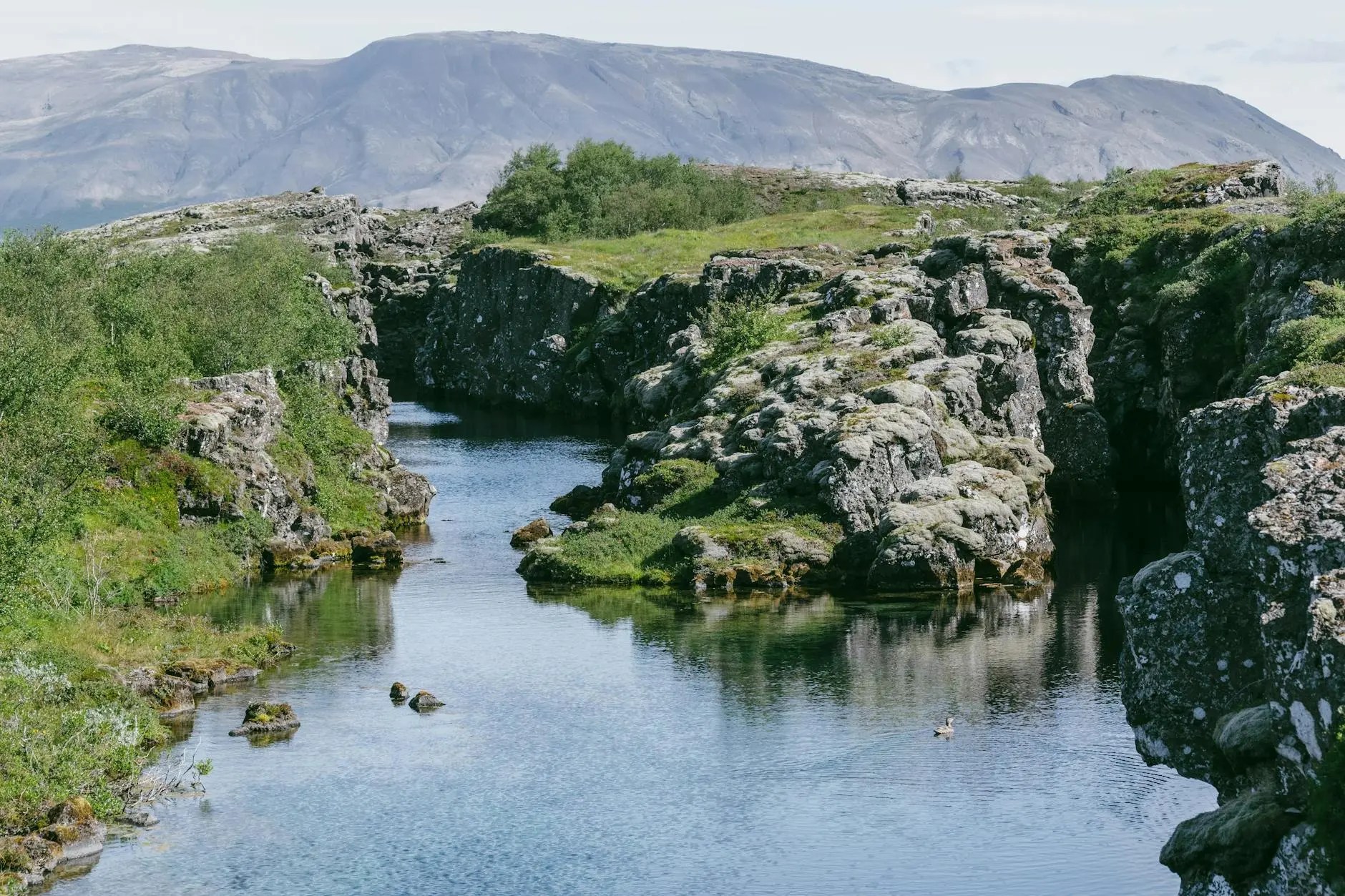
A serene view of a narrow river flowing between rocky cliffs, surrounded by lush green vegetation and rolling mountains in the background.
A tranquil view of the Silfra fissure in Þingvellir National Park, showcasing the stunning geological formations and crystal-clear water. Silfra Fissure: Where Continents Meet. This isn’t just any river—you are literally looking at the rift between the North American and Eurasian tectonic plates. The water is filtered through lava rock for decades, making it some of the clearest on Earth. Snorkeling or diving here is like floating between two continents!
A large iceberg floats in calm water, reflecting shades of blue and white, under a gray sky.
Majestic ice formations floating in a serene glacial lake, showcasing Iceland’s stunning natural beauty. Jökulsárlón Glacier Lagoon and the Blue Lagoon are two completely different and distinct natural wonders in Iceland.

Day 3: Coastal Wonders & Farewell Feasts

  • Morning: Drive or take a bus to the Reykjanes Peninsula. See the dramatic cliffs at Valahnúkamöl and the iconic Reykjanesviti lighthouse. It’s a landscape that feels like the end of the world.
  • Afternoon: Head back to the city for last-minute souvenir shopping on Laugavegur Street. Pick up some Icelandic woolens (lopapeysa) or salt from the Reykjanes geothermal areas.
  • Evening: Enjoy a final feast. I highly recommend trying the fermented shark (hákarl) if you’re brave—it’s a rite of passage—but follow it immediately with a delicious Icelandic beer.
Black sand beach with dramatic cliffs and sea stacks in Iceland, under a cloudy sky.
The dramatic black sand beach of Reynisfjara, with towering sea stacks and rugged cliffs, showcasing Iceland’s stunning coastal landscape.
A picturesque view of Kirkjufell mountain with a waterfall in the foreground, surrounded by lush green grass and a colorful sky at sunrise.
Stunning view of Kirkjufell mountain and Kirkjufellsfoss waterfall in Iceland, showcasing the natural beauty of the Land of Fire and Ice.
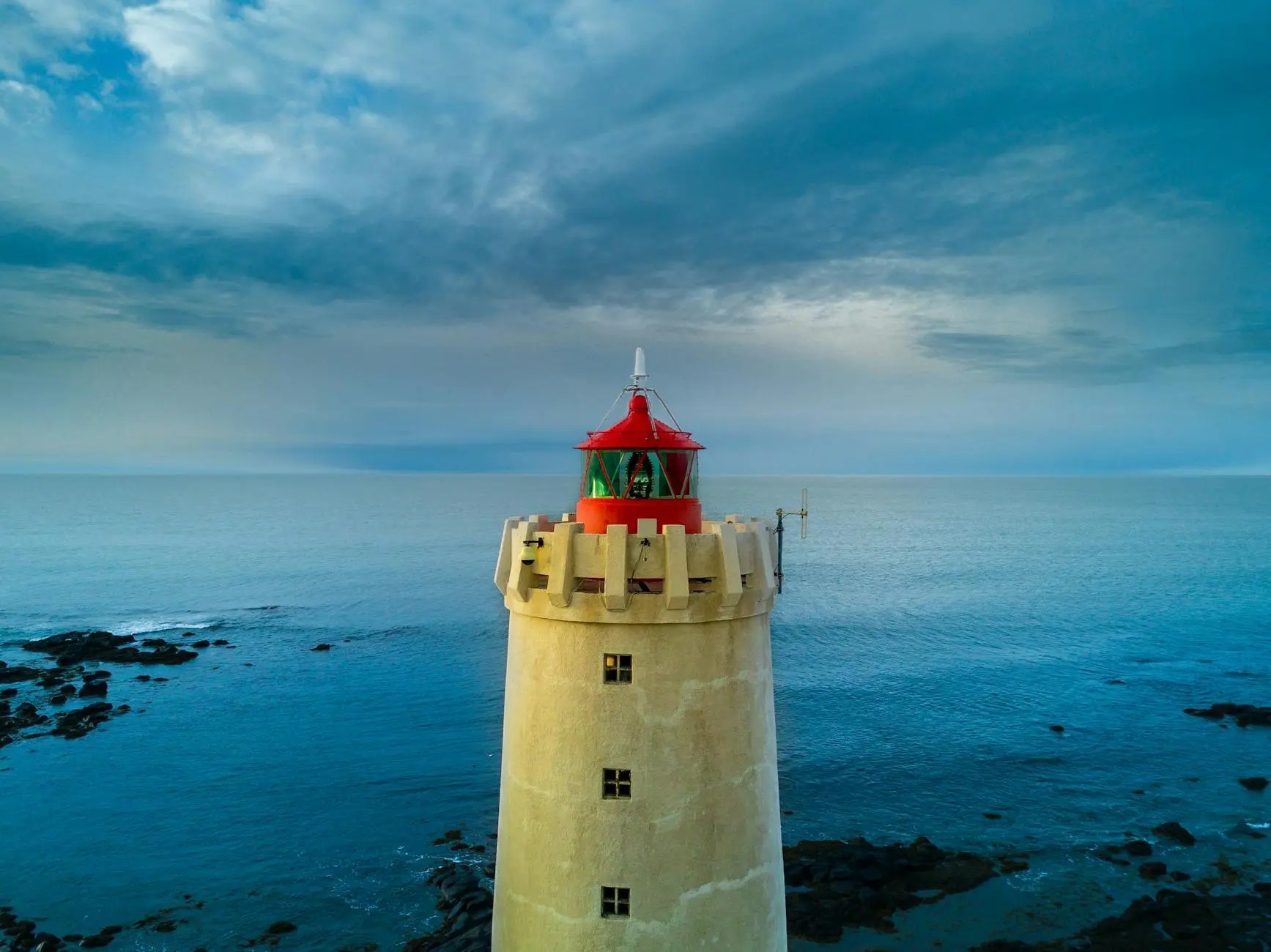
A close-up view of a lighthouse with a red top, standing against a backdrop of a serene ocean and dramatic cloudy sky.
The iconic Reykjanesviti lighthouse, a stunning landmark along Iceland’s coastline, surrounded by the tranquil North Atlantic waters. Reykjanesviti Lighthouse: A Sentinel on the Volcanic Coast. Iceland’s oldest lighthouse has guided sailors since 1907. Perched on the edge of the Reykjanes Peninsula—one of the most geologically active places on Earth—it offers a stark, beautiful contrast between human ingenuity and raw nature.
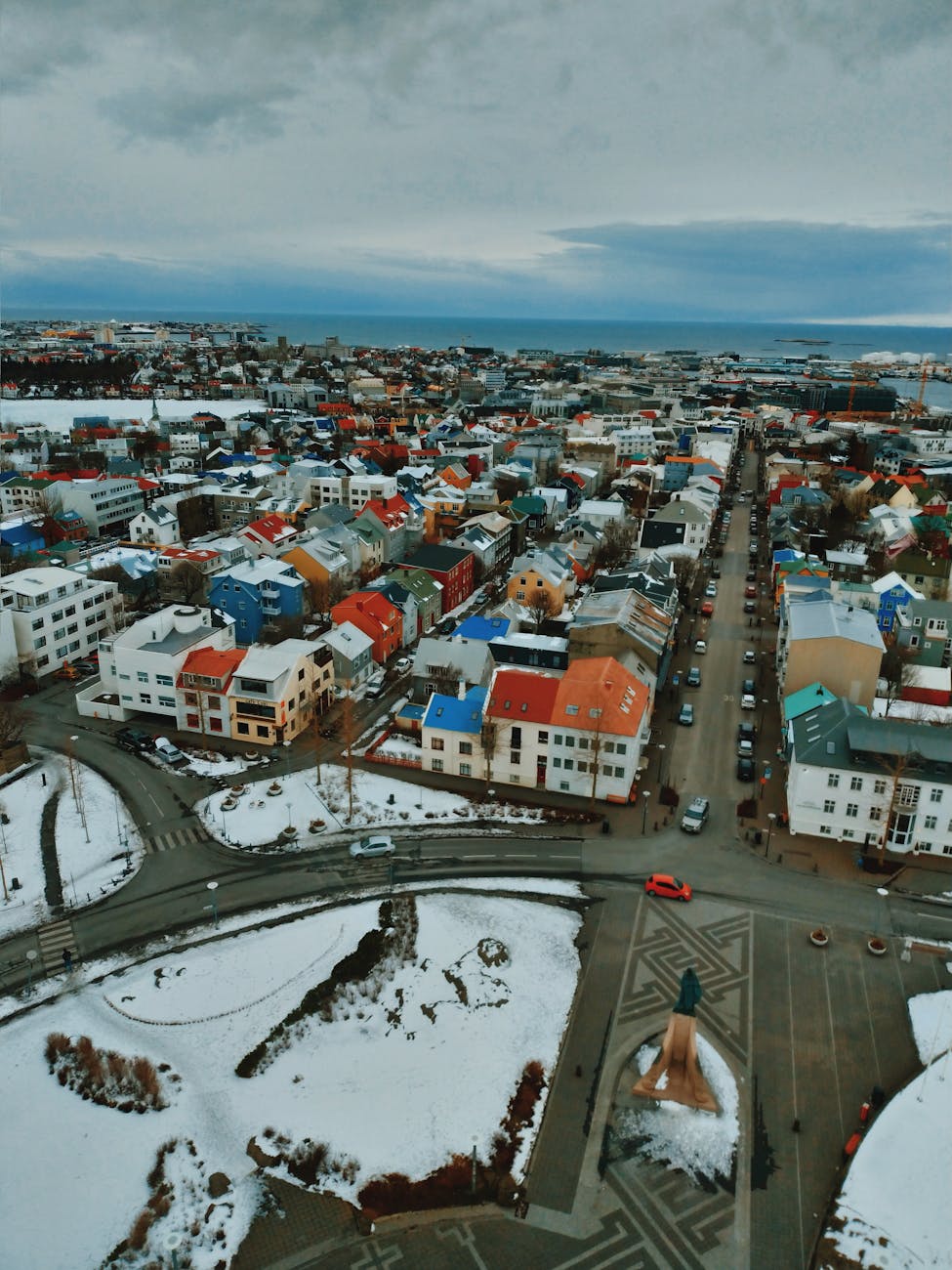
Aerial view of Reykjavik, Iceland, showcasing colorful rooftops, snow-covered streets, and a coastal backdrop under a cloudy sky.
Aerial view of Reykjavik showcasing colorful rooftops, snow-covered streets, and the picturesque downtown area.
A cozy, colorful Icelandic wool sweater featuring traditional patterns in red, blue, yellow, and white.
Authentic Icelandic wool sweater, perfect for cozying up during your Reykjavik adventure.

Two pieces of fermented shark meat displayed on a wooden plate, showcasing their unique texture and preparation.
Fermented shark (hákarl), a traditional Icelandic delicacy, presented on a wooden platter.

Reykjavik Insider Intel: Getting Around & Saving Kronur

Public Transport: The Strætó Bus System

Reykjavik’s public bus system is called Strætó. It’s reliable and covers the city well. Download the Strætó app to plan routes and buy tickets. A single ticket (good for 75 minutes with transfers) is around 490 ISK. If you’re planning multiple bus trips in a day, a 24-hour pass is more economical.

To Rent a Car or Not?

  • For a Summer Weekend: A car offers amazing freedom to explore at your own pace.
  • For a Winter Weekend: This is a trickier call. If you are comfortable driving in potentially icy and dark conditions, it’s great. If not, stick to tours. They are experts in safe winter travel. I found my great rental deal through  Expedia

Money-Saving Tips for Smart Travelers

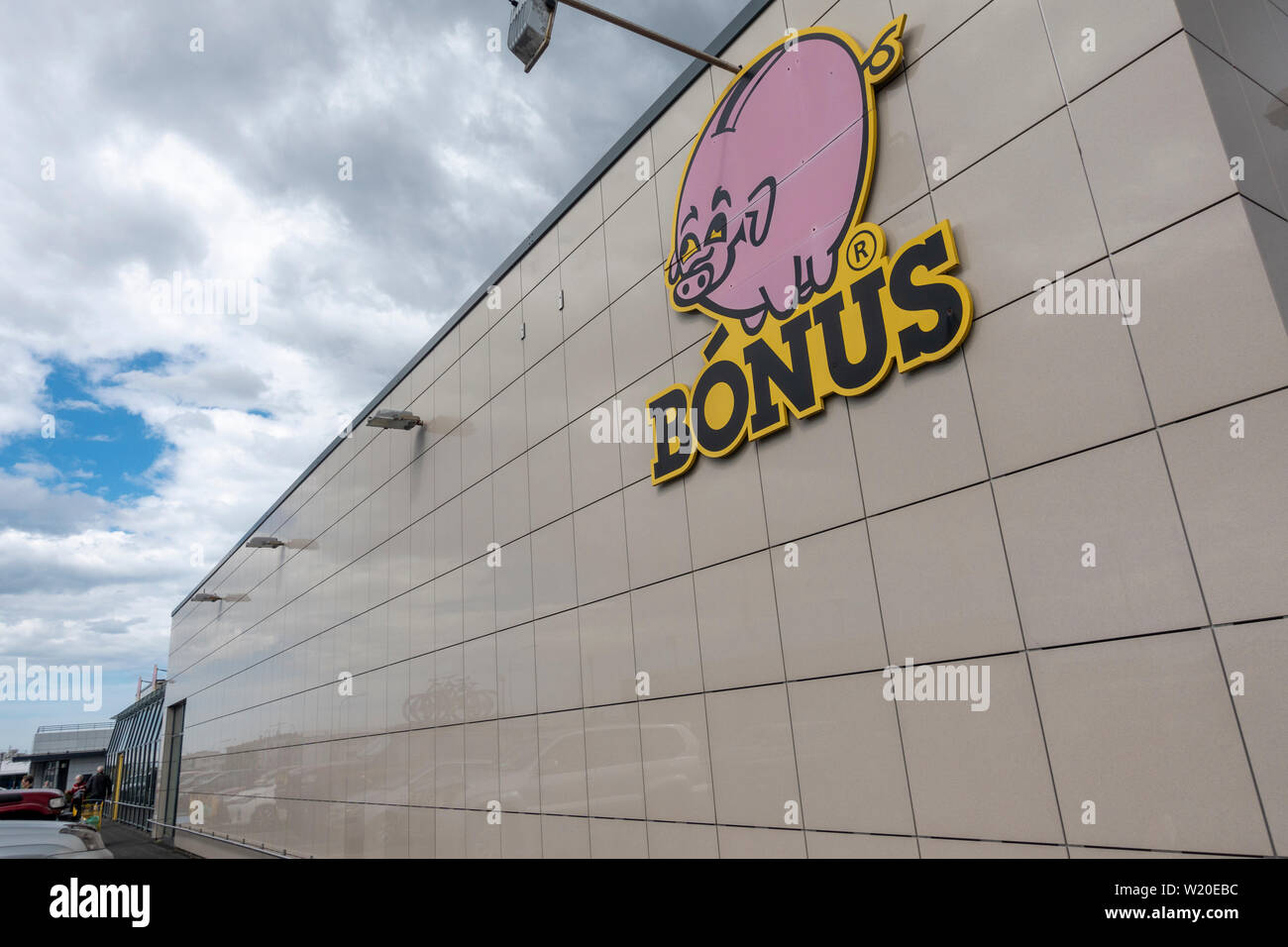
  • Eat Smart: Dining out in Iceland is pricey. Save money by grabbing breakfast and lunch from Bónus (the supermarket with the pink pig logo). Their sandwiches and skyr are perfect for on-the-go.
  • Free Hot Water: Bring a reusable bottle! The tap water is among the best in the world, and you can often fill up with hot water from geysers (let it cool first!).
  • Happy Hour is Your Best Friend: Alcohol is heavily taxed. Reykjavik has a vibrant “Happy Hour” culture. Look for signs in bar windows and plan your drinks accordingly.
Exterior view of a Bónus supermarket featuring the pink pig logo against a cloudy sky.
The exterior of Bónus, a popular budget supermarket chain in Iceland, featuring its iconic pink pig logo.

4. Beyond the Brochure: Reykjavik’s Hidden Gems

  • The Elf School (Álfaskólinn): Yes, it’s a thing. A delightful, quirky experience where you can learn about Icelandic folklore and elves (the huldufólk).
  • Reykjavik Roasters: Escape the crowds at this local coffee institution. It’s where the locals go for a truly excellent cup of coffee.
  • Sundhöllin Reykjavikur: An indoor swimming pool complex loved by locals. It’s a fraction of the price of the tourist lagoons and a truly authentic experience.

5. Essential Icelandic for Travelers

Don’t worry, everyone speaks fantastic English. But a few words go a long way!

  • Takk: (Tahk) – Thank you.
  • Góðan daginn: (Go-than die-in) – Good day.
  • Skál: (Skowl) – Cheers!
  • Einn bjór, takk: (Adehn byour, tahk) – One beer, please. (The most important phrase).
  • (yow) – Yes
  • Nei (nay) – No
  • Hvar er…? (kvahr air) – Where is…?

6. Travel Smart: Your Pre-Departure Checklist

  • Visa & Costs: For most US, Canadian, and EU citizens, no visa is needed for short stays. Always check the official government site for the latest requirements. Iceland is part of the Schengen Area.
  • Travel Insurance: My trip was almost derailed by a sudden storm. I never travel without insurance. I use VisitorsCoverage to compare plans and find the right coverage quickly. It’s peace of mind you’ll be glad to have. <Find your plan here: 
  • VPN: Using public Wi-Fi? Protect your data. I always have ” target=”_blank” rel=”noreferrer noopener nofollow”>NordVPN running on my phone and laptop. It’s essential for safe browsing and can sometimes help with streaming services from back home. <Stay secure with NordVPN:

⚠️ Flight Trouble? On my way to Iceland, my connecting flight was delayed. I didn’t know that EU passenger rights often entitle you to compensation. I used AirHelp to check my flight, and they handled the entire claim process. If your flight is delayed, canceled, or overbooked, you could be owed up to $650. It’s worth a quick check! 

7. Reykjavik Weekend FAQ

Q: What is the best time of year for a weekend in Reykjavik?
A: It depends on what you want!

  • For Northern Lights: Visit between September and March.
  • For Midnight Sun & Hiking: Visit between May and August.
  • For Fewer Crowds & Lower Prices: The shoulder months of April and October are great.

Q: Is a weekend in Reykjavik enough time?
A: Absolutely! While you won’t see the entire country, a well-planned 3-day weekend is perfect for experiencing Reykjavik’s culture and the iconic Golden Circle.

Q: What should I pack for a weekend in Iceland?
A: Layers, layers, layers! A waterproof and windproof outer shell is essential, regardless of the season. Don’t forget a swimsuit for the pools and lagoons, and a warm hat.

Q: How expensive is Reykjavik?
A: It has a reputation for being pricey, but as outlined in the tips above, you can manage your budget by being smart about food, transport, and accommodations.

Do I need cash in Iceland?

  • No. Iceland is nearly a cashless society. You can use a credit or debit card for almost everything.

Ready for Your Icelandic Adventure?

Reykjavik is a city that captures your heart quickly. With this guide, you’re equipped to dive in, explore confidently, and create a weekend of stories that will last a lifetime.

What are you most excited to see? Have any questions I didn’t cover? Drop a comment below! And don’t forget to check out my other European city guides, like my take on [48 Hours in Copenhagen , Dublin, Frankfurt, Paris, for more travel inspiration!

Start planning your unforgettable escape today by finding the best flight deals to Reykjavik!
<Search for flights on Expedia>


Universal Disclaimer/Disclosure Page:

Ultimate 3-Day San Francisco Weekend Guide

Meta Description:

Dreaming of a California getaway? Our ultimate weekend travel guide to San Francisco, USA, is packed with local tips, hidden gems, and a savvy 3-day itinerary. Discover how to navigate the iconic hills, save money on transit, and experience the true soul of the City by the Bay. Perfect for travellers seeking an unforgettable urban escape!

Hey there, fellow wanderers! Have you ever seen a city so breathtaking it looks like a movie set? No, I’m not talking about Hollywood. I’m talking about San Francisco, the City by the Bay, a place that’s part European charm, part bohemian rebel, and all-around magnificent.

I remember my first time in SF. It was a classic case of underestimating the hills. I’d been warned, of course, but a warning is nothing compared to the reality of standing at the bottom of Lombard Street and realizing that your life is about to become a vertical challenge. I swear my calves are still screaming.

But that’s the thing about San Francisco: the challenge is part of the charm. It’s a city that makes you work for its beauty, and it’s worth every single step. So, if you’re ready to embrace the climbs and the fog, pack your bags and get ready for the ultimate weekend escape.

Table of Contents

  • Before You Go: The Practical Stuff
    • Visa and Entry Requirements
    • Getting There and Around
    • Your SF Lingo Crash Course
  • Day 1: Icons, Seafood, and Surprises
    • Morning: The Golden Gate Grandeur
    • Afternoon: The Touristy, but Unmissable, Wharf
    • Evening: Chinatown’s Hidden Alleys
  • Day 2: Bohemian Vibes and Breathtaking Views
    • Morning: The Painted Ladies & Hippie History
    • Afternoon: Golden Gate Park and Hidden Stairs
    • Evening: Mission District Flavors
  • Hidden Gems You Won’t Find on a Postcard
  • Tips for Your Trip: Save Time, Save Money
    • Getting Around Like a Local
    • Where to Stay and How to Book
    • Money-Saving Magic
  • FAQ: Your Burning Questions Answered

Why San Francisco is the Perfect Weekend Getaway

Compact yet incredibly diverse, SF is a weekend warrior’s dream. You can have clam chowder from a sourdough bowl at Fisherman’s Wharf, wander through the hippie history of Haight-Ashbury, and be staring at awe-inspiring modern art in SoMa all in one afternoon. The energy is creative, the food is phenomenal, and the views… oh, the views. They’re absolutely free and around almost every corner.

For more on why California is a top destination, check out my previous post:Los Angeles: Ultimate Weekend Guide to Los Angeles 

Before You Go: The Practical Stuff

Visa and Entry Requirements: If you’re coming from a country on the Visa Waiver Program (like the UK, Australia, or most EU nations), you’ll need an approved ESTA before you fly. It’s a quick online application, costs a few bucks, and saves you from the headache of a full visa application. For everyone else, make sure you apply for the correct tourist visa well in advance. Check the official U.S. State Department website for the most up-to-date information.

Flights to San Francisco, CA

Getting There and Around: You’ll likely fly into San Francisco International Airport (SFO), but also check flights to Oakland (OAK) across the bay—sometimes you can find a better deal. From SFO, the easiest and cheapest way to get into the city is on the BART (Bay Area Rapid Transit) train. The ride is quick and drops you right downtown. Once in the city, you’ll be hella grateful for public transportation. San Francisco’s Muni system is your new best friend. It includes buses, trolleys, and the iconic cable cars. Grab a Clipper card or use the MuniMobile app for easy tap-and-go travel. It will save you time and money.

  • Cable Cars: A fun tourist experience, but slow and expensive ($8 per ride). Use them for a short, iconic joyride, not as your main transport.
  • Rideshares (Uber/Lyft): Inevitable for getting to specific hills or when your feet give up. Lyft is actually headquartered in SF, so they’re everywhere.
  • Walking: The best way to discover hidden details! Just be prepared for calf-burning inclines. Wear comfortable shoes—this is non-negotiable.

Hotels in San Francisco, CA

This itinerary is designed to group geographically close activities together to minimize travel time and maximize your experience. If you’re a fan of well-planned city escapes, you’ll love our Ultimate Weekend Guide to New York City for another fast-paced urban adventure.

Day 1: Icons, Seafood, and Surprises

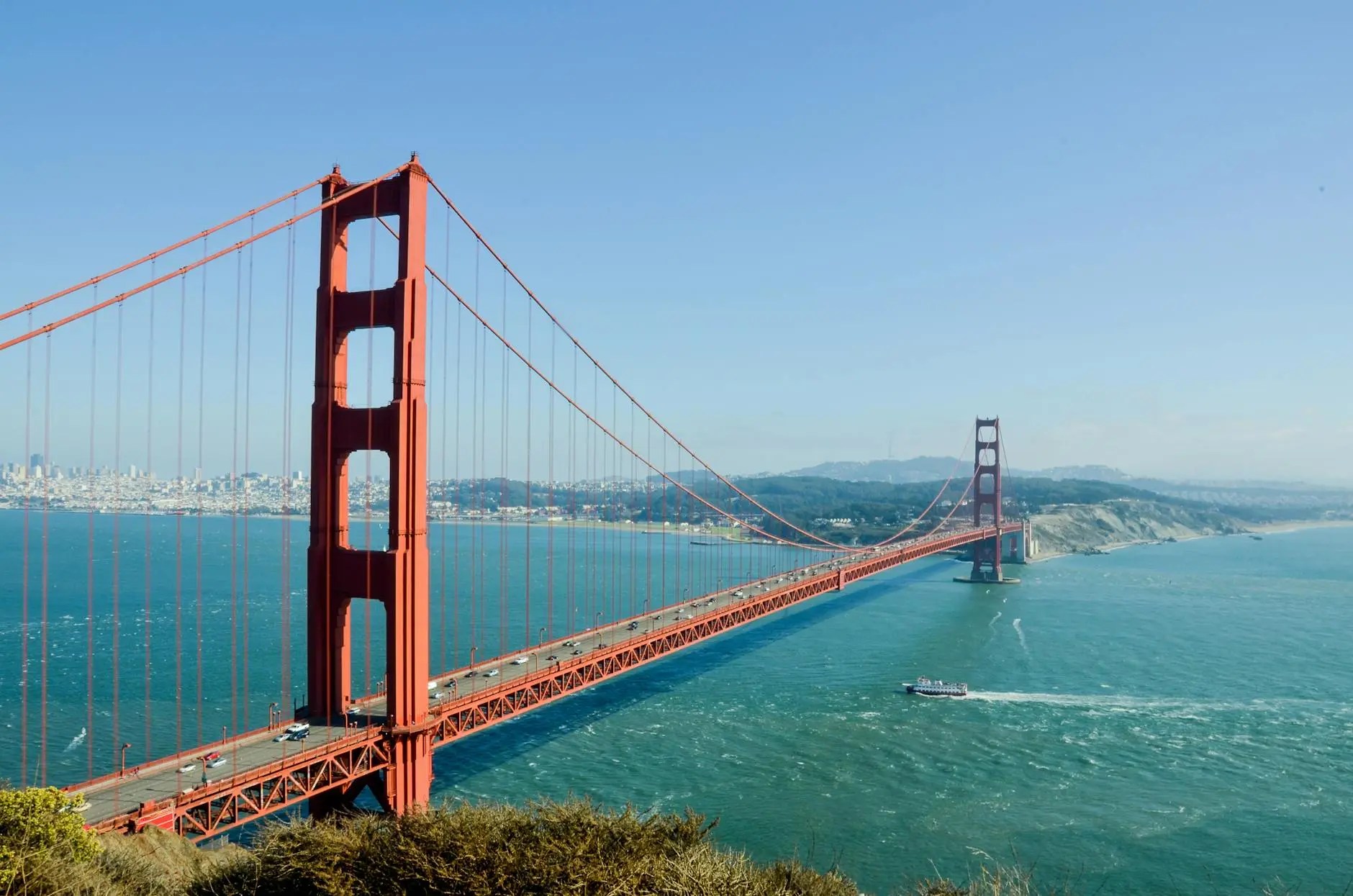
Morning: The Golden Gate Grandeur Start your day with the star of the show: the Golden Gate Bridge. To be honest, I’ve seen it a hundred times, and it never fails to impress. This iconic feat of engineering is even more striking up close. Take a bus or an Uber to Battery Spencer in the Marin Headlands for that classic, postcard-perfect view. I swear, the first time I saw it from there, the sun hit the bridge just right, and it was a moment I’ll never forget. It’s worth the short drive across the bridge to get this perspective. watch the sun set behind the Golden Gate Bridge from Fort Mason or Crissy Field. The orange hue against the steel is pure magic.
The Golden Gate Bridge spans over the blue waters of the San Francisco Bay on a clear day, showcasing its iconic red-orange color.
A stunning view of the iconic Golden Gate Bridge over the bay, showcasing San Francisco’s breathtaking scenery. No trip to San Francisco is complete without witnessing the majestic Golden Gate Bridge. This panoramic view on a perfect sunny day shows why it’s one of the most photographed landmarks in the world.

Golden Gate Bridge Tours

Afternoon: The Touristy, but Unmissable, Wharf Next up, head to Fisherman’s Wharf. I know, I know, it’s a tourist trap. But some traps are just too good to miss. Walk down to Pier 39 and watch the famous sea lions. The sound, the smell… it’s all part of the experience. It’s like a chaotic, squawking symphony. Then, grab a bowl of clam chowder in a sourdough bread bowl at Boudin Bakery. Trust me, it’s a San Francisco rite of passage. For a different kind of iconic waterfront vibe, check out our guide to the ultimate-miami-weekend-guide-save-money-enjoy
Fishing boats docked at a marina in San Francisco, reflecting in calm waters under a cloudy sky.
Boats docked at Fisherman’s Wharf, a must-visit spot in San Francisco. The classic fishing fleet at Fisherman’s Wharf. This quieter moment offers a glimpse into the area’s working history before you dive into the bustling crowds and clam chowder bread bowls.

Fisherman’s Wharf Vacations

Evening: Chinatown’s Hidden Alleys Take a bus or a short walk to Chinatown. It’s the oldest in North America, and the moment you step through the Dragon Gate, you’ll be transported. The vibrant colors, the smells of sizzling food, the shops overflowing with trinkets… it’s an assault on the senses in the best way possible. Instead of just walking the main street, dive into the side alleys like Ross Alley, where you can watch fortune cookies being made at the Golden Gate Fortune Cookie Factory. It’s a hidden gem and a glimpse into the neighborhood’s history.

Dinner: Dive into the Italian heart of SF in North Beach. Family-owned trattorias line the streets. Try Tony’s Pizza or a plate of pasta at Original US Restaurant.

Chinatown Vacations

Day 2: Bohemian Vibes and Breathtaking Views

Morning: The Painted Ladies & Hippie History Start your day at Alamo Square Park to see the famous “Painted Ladies.” These stunning Victorian homes are even more impressive in person and make for a great photo op. From there, take a bus to the Haight-Ashbury neighborhood, the heart of the 1960s hippie movement. I remember being there and feeling a sort of time-warp. The psychedelic murals and vintage shops are a trip, and you can still feel the rebellious spirit.

Haight-Ashbury Vacations

The Painted Ladies, a row of colorful Victorian homes, with the San Francisco skyline in the background.
The iconic Painted Ladies with the San Francisco skyline in the background, showcasing the city’s beautiful Victorian architecture. Postcard perfect! The iconic Painted Ladies of Alamo Square, framed by the towering skyline of downtown San Francisco—a stunning contrast of the city’s historic charm and its modern pulse.

Alamo Square Tours

Afternoon: Golden Gate Park and Hidden Stairs Golden Gate Park is bigger than Central Park in New York, and it’s full of surprises. You could spend a whole day here, but for a weekend trip, I suggest checking out the Japanese Tea Garden. It’s so peaceful and beautiful, a true escape from the city hustle. Afterwards, if you’re up for a little adventure, hunt for the 16th Avenue Tiled Steps. It’s a mosaic staircase designed by local artists and a beautiful, off-the-beaten-path find. You’ll thank me when you get that perfect shot for your Instagram. By the way, my trusty camera, a Sony A7S III, captured all my SF moments perfectly. If you’re serious about your travel photos, check it out here: Camera.

 If your idea of a perfect park involves castles and magic, our Ultimate Orlando Weekend Guide is your next read.

Landscape view of the Conservatory of Flowers in Golden Gate Park, showcasing its intricate glass dome surrounded by lush greenery and colorful flower beds.
The stunning Conservatory of Flowers in Golden Gate Park, San Francisco, surrounded by vibrant gardens and palm trees.

Golden Gate Park Tours

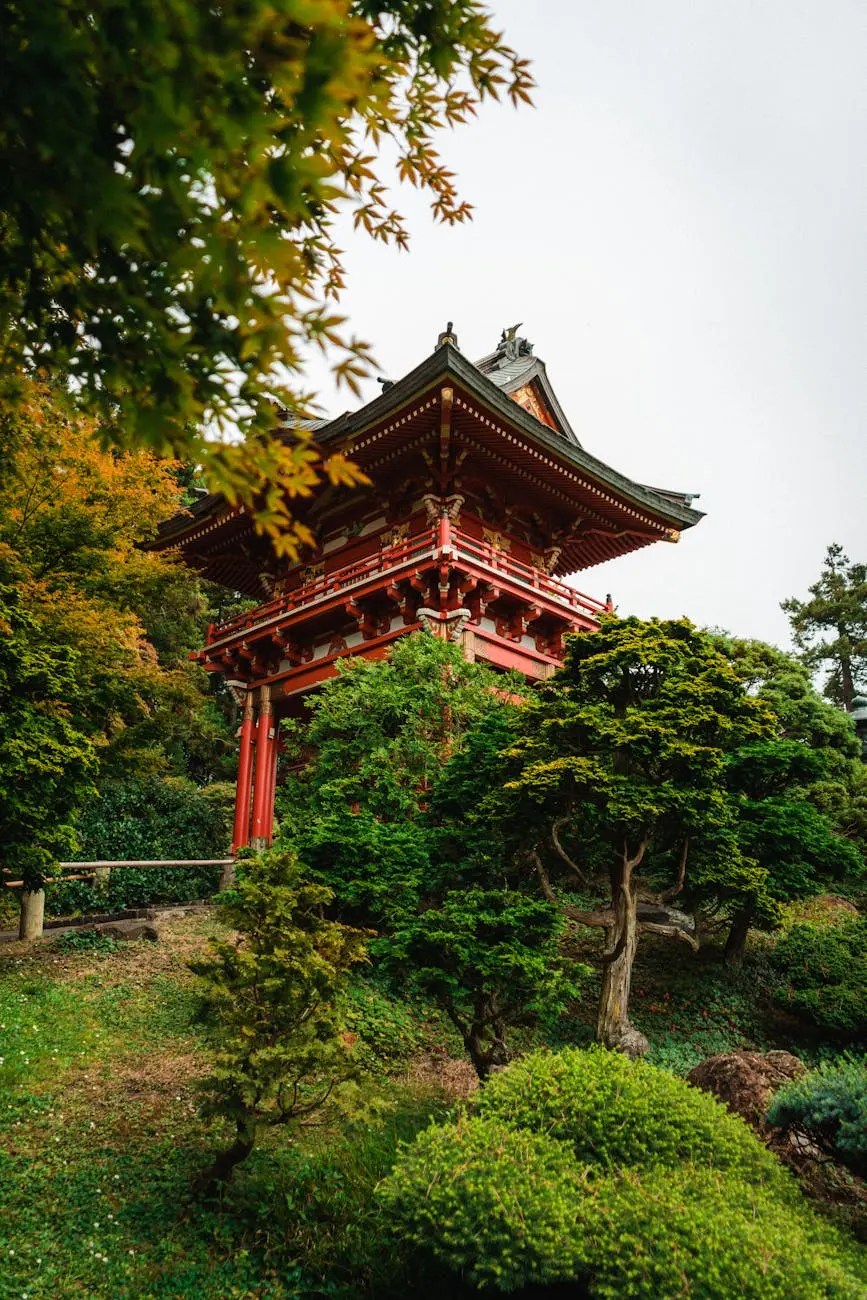
A serene Japanese-style pagoda nestled among lush greenery and colorful autumn foliage.
Explore the serene beauty of the Japanese Tea Garden, a tranquil escape nestled in Golden Gate Park, San Francisco. Find a moment of peace in the heart of the city. The historic Japanese Tea Garden offers a tranquil escape with its stunning pagodas, lush plants, and serene koi ponds.

Japanese Tea Garden Tours

Colorful mosaic tiled steps leading up a hillside, surrounded by lush greenery and blooming flowers.
Discover the vibrant mosaic staircase at 16th Avenue, a hidden gem in San Francisco, surrounded by lush greenery.

Hidden Stairways of San Francisco

Evening: Mission District Flavors For your final night, head to the Mission District. This neighborhood is a melting pot of culture, famous for its incredible street art (the murals are mind-blowing!) and even better food. Find a taqueria and order a burrito—I’m not kidding, they are the stuff of legends. I once had a burrito so big I thought I’d need a forklift to carry it, but it was hella good. For another city that knows how to light up the night, see our Ultimate Guide to Las Vegas

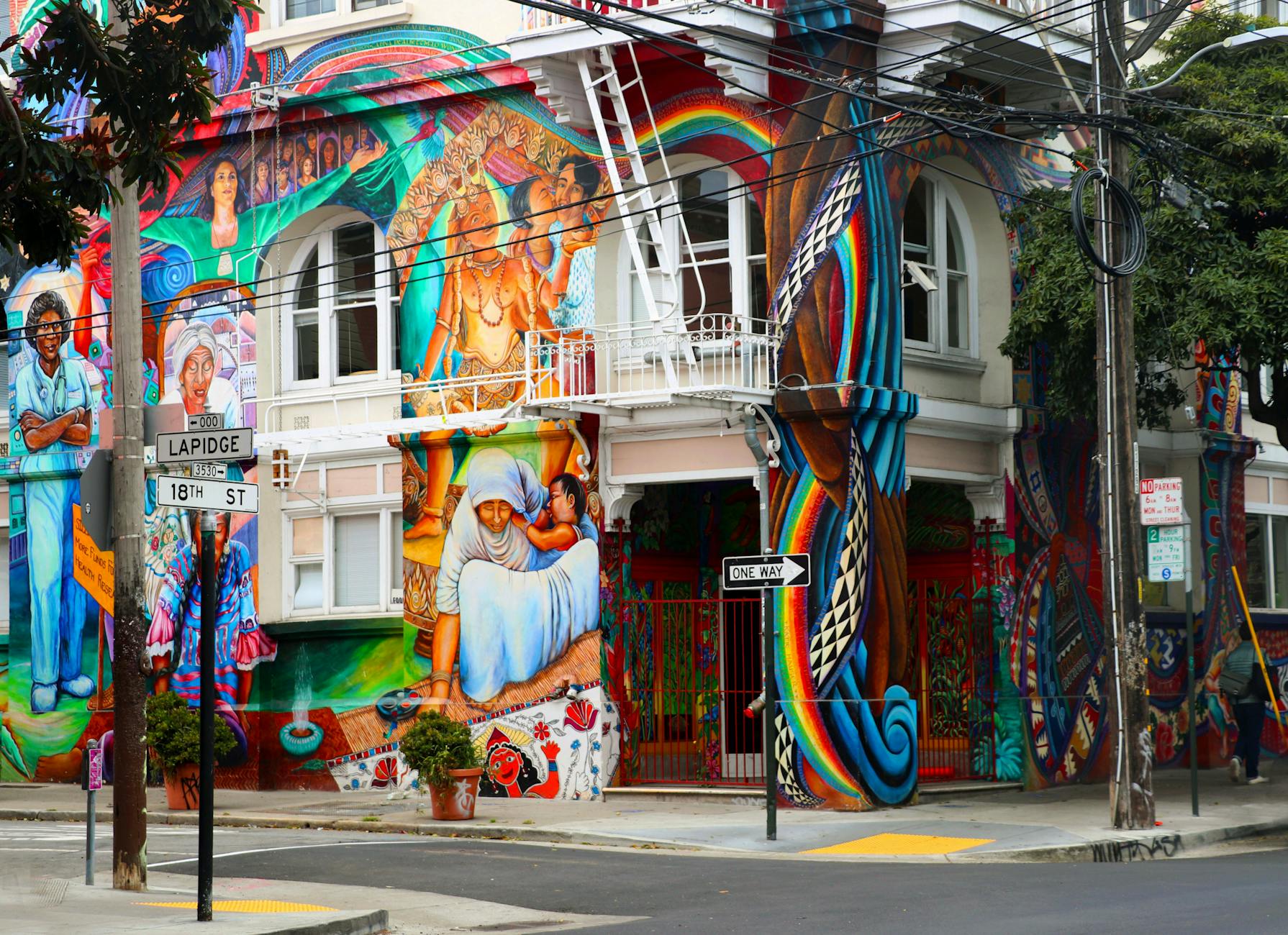
A vibrant mural depicting cultural scenes and figures on a building in San Francisco's Mission District, featuring colorful artwork and intricate designs.
Colorful murals depicting local culture and history in the Mission District, San Francisco.

San Francisco: Mission District Food Tour with 5 Tastings

Close-up of a delicious burrito filled with colorful vegetables and meat, wrapped in a soft tortilla.
A delicious burrito filled with colorful vegetables and seasoned meat, perfect for a meal in San Francisco’s vibrant Mission District. The legendary Mission burrito: a San Francisco rite of passage. This hefty, foil-wrapped package of deliciousness is the perfect fuel for exploring the city.

Hidden Gems You Won’t Find on a Postcard

  • Musée Mécanique: A free, vintage arcade museum at Fisherman’s Wharf. It’s filled with old-school coin-operated games. It’s pure nostalgia and a total blast.
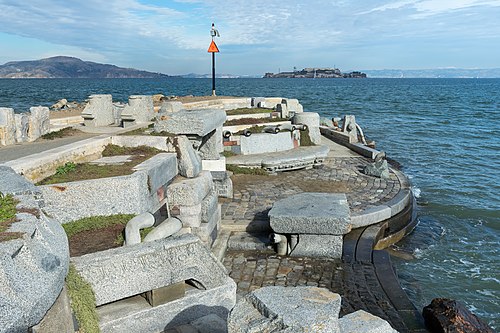
  • The Wave Organ: A “musical” sculpture made of PVC pipes and concrete at the end of a jetty. At high tide, the waves push air through the pipes, creating eerie, gurgling sounds. It’s weird and wonderful.
View of the Wave Organ, a musical sculpture made of stone and PVC pipes, situated at the waterfront with Alcatraz Island visible in the background.
The Wave Organ at the Presidio, a unique musical sculpture made from reclaimed materials, creates enchanting sounds as the waves flow through its pipes.
  • The Presidio Tunnel Tops: A new park built over the Presidio Parkway tunnels, offering incredible views of the Golden Gate Bridge and the city skyline. Perfect for a picnic.
  • Seward Street Slides: Tucked away in a residential neighborhood in the Castro, these are two long, concrete slides. Bring a piece of cardboard, slide down, and feel like a kid again
  • Loved your West Coast trip? Continue the journey down the coast with our Ultimate Weekend Guide to Los Angeles
A playground slide with two parallel parts, surrounded by greenery and a sandy area, with a residential building in the background.
The Seward Street Slides, a fun playground feature in the Castro district of San Francisco, offering a playful escape for both kids and adults.

Tips for Your Trip: Save Time, Save Money

Getting Around Like a Local:

  • Public Transportation: As I mentioned, Muni is your best friend. A single ride is about $3, but a day pass is the real deal. You can get an all-day Muni Passport for around $13 for unlimited rides on buses, streetcars, and even the cable cars. It’s a huge saving.
  • Ride-Sharing: Uber and Lyft are abundant, but San Francisco’s traffic can be brutal. It’s best to use them for longer distances or when you’re just too tired to walk another hill.
  • Walking: San Francisco is a walker’s city, but be prepared for those famous hills. Pack comfortable shoes. Seriously. My feet are still recovering from those Lombard Street escapades.

Where to Stay and How to Book: San Francisco can be expensive, so booking in advance is key. I’ve found some of the best deals and options on Expedia. They have a massive selection, from boutique hotels to budget-friendly hostels. Plus, their bundles for flights and hotels can save you a bundle. You can check out options and book your stay right here: Expedia Hotels & Flights.

Money-Saving Magic:

  • Museum Free Days: Many museums offer free admission on certain days of the month. Check their websites before you go.
  • Picnic in the Park: Instead of dining out for every meal, grab some sourdough bread, cheese, and local produce from the Ferry Building Marketplace and have a picnic in Golden Gate Park.
  • Walk, Don’t Ride: Whenever possible, walk between destinations. Not only do you save money, but you’ll also stumble upon things you’d never see from a bus or car.

✈️ Travel Essentials & Peace of Mind

Staying Connected: Staying connected abroad can be tricky (and expensive if you’re relying on airport SIM counters or roaming). That’s why I always travel with a Drimsim—a universal SIM card that works in 190+ countries without hidden fees. You just pop it into your phone, top up through the app, and you’re online wherever your adventure takes you. No more hunting for local SIM cards or stressing over roaming bills. If you’re planning your next getaway, check it out here: Drimsim

Online Security: While you’re traveling, don’t forget to protect your digital life. Public Wi-Fi is great, but it can be risky. That’s why I use a VPN (Virtual Private Network). It encrypts your data and keeps your online activity private and secure. I personally recommend NordVPN. It’s fast, reliable, and gives me peace of mind. Get yours here: NordVPN

Flight Delayed or Canceled? Travel isn’t always smooth sailing—sometimes flights get delayed, canceled, or overbooked. The good news? You might be entitled to up to $650 in compensation under air passenger rights. Most travelers never claim it, but I’ve got you covered: just check your flight with AirHelp. They handle the paperwork, fight the airlines for you, and only get paid if you win. Easy, stress-free, and potentially a nice surprise for your travel fund.

Smart Travel Tip: No matter where your adventures take you, having the right travel insurance can save you from unexpected headaches (and bills). I personally recommend VisitorsCoverage—it’s a trusted platform where you can compare plans, find coverage that fits your trip, and book it in just a few clicks. Whether you’re planning a quick city escape or a longer international journey, it’s peace of mind worth packing.

  • A Few Helpful Words:
    • San Fran: Don’t. Locals call it “SF” or “The City.”
    • Cable Car: The historic moving national landmark.
    • BART: The regional train system.
    • Muni: The local bus and light rail system.
    • The Mission: A vibrant neighborhood famous for its murals and burritos.
    • Karl the Fog: Yes, the fog has a name. Respect Karl.

FAQ: Your Burning Questions Answered

Q: When is the best time to visit San Francisco? A: The locals will tell you fall (September and October) is the best time. The famous fog “Karl” takes a break, and you get some of the warmest, sunniest days of the year.

Q: Are the cable cars a good way to get around? A: They’re a classic experience and great for short trips. For longer distances, it’s better to use buses or Muni Metro. The lines for the cable car can be long, so plan accordingly.

Q: Do I need a car in San Francisco? A: Absolutely not. In fact, I’d advise against it. Parking is expensive, and traffic is a nightmare. Rely on public transport, your feet, and the occasional ride-share.

Q: Is San Francisco a walkable city?
A: Yes and no. Neighborhoods themselves are very walkable. But to get between neighborhoods, you’ll need to use public transit or rideshares due to the large hills and distances.

Q: How much should I budget for a weekend in SF?
A: It’s not a cheap city. Budget for:

  • Budget: $150-200/day (hostels, street food, Muni passes)
  • Mid-Range: $250-400/day (hotels, nice meals, some Ubers)
  • Splurge: $500+/day (boutique hotels, fine dining, tours)

Q: Is travel insurance necessary for a domestic US trip?
A: It’s highly recommended. Your regular health insurance may have limited coverage outside your home state. Travel insurance can cover medical emergencies, trip interruptions, and lost luggage.


Ready to experience San Francisco? Book your flights and hotels with Expedia and start planning your epic weekend now! What’s the first thing you’re going to do? Let me know in the comments!

San Francisco is waiting to steal your heart. The hills are calling, the sourdough is baking, and an unforgettable urban adventure is just a booking away.

Have any other SF secrets? Share your favorite hidden gem in the comments below

Universal Disclaimer/Disclosure Page:

Your Ultimate Weekend Guide to Athens, Greece

Meta Description: Dreaming of ancient history, delicious food, and a vibrant city vibe? Discover how to experience the ultimate weekend in Athens, Greece. This guide is packed with travel tips, local insights, and hidden gems for an unforgettable escape. Perfect for travelers seeking a quick and immersive trip. #Athens #Greece #WeekendEscape #TravelGuide #CityBreak

Table of Contents

  • Introduction: Why Athens is More Than Just a Layover
  • Day 1: Ancient Wonders & Bohemian Rhapsody
    • Morning: Climbing to the Top of the World (and the Acropolis)
    • Afternoon: Stepping Back in Time in Plaka
    • Evening: Rooftop Drinks and a Culinary Adventure
  • Day 2: Hidden Gems & Local Life
    • Morning: A Stroll Through a Village in the City
    • Afternoon: History Beyond the Parthenon
    • Evening: Sunset on a Hill with the Gods
  • Essential Athens Travel Tips
    • Getting Around Athens: A Guide to Public Transportation
    • Saving Money: The Smart Traveler’s Guide
    • Mind Your Manners: A Few Words of Greek
  • Useful Tools for Your Trip
  • FAQs: Your Athens Questions Answered

Why Athens is More Than Just a Layover

When most people think of Greece, their minds immediately jump to the sun-drenched islands like Santorini or Mykonos. Athens, the capital, is often just a quick stop on the way. And while I completely get the island-hopping obsession, let me tell you, you’d be doing yourself a massive disservice by skipping this city.

Flights to Athens

Athens is a living, breathing paradox. It’s where 2,500-year-old history literally spills out onto the modern-day streets. You’ll be sipping a coffee in a trendy cafe only to look up and see the Parthenon towering over you. It’s gritty, chaotic, and beautiful all at once. And trust me, two days is the perfect amount of time to get a taste of its magic, leaving you craving more. Think of this as your personal cheat sheet to making the most of a weekend in the birthplace of democracy.

Hotels in Athens

For those considering a broader trip, Athens is a fantastic starting point. After you’ve had your fill of history, you can easily continue your adventure. If you’re looking for more Mediterranean magic and have more time, check out my other blogs: The Ultimate Italian Adventure: From Rome to the Amalfi Coast (Rome is just a short, inexpensive flight away, and visa costs are the same for the Schengen Area) or maybe even Exploring the Ancient Wonders of Turkey.(Istanbul)

Where else can you sip a freddo cappuccino in the shadow of a 2,500-year-old temple? Athens is the perfect weekend destination because its core historical sites are wonderfully concentrated. You can achieve a profound sense of awe and a serious dose of culture shock in just 48 hours. Plus, the food. Oh, the food. We’ll get to that.

Your Athens Weekend Itinerary: A Step-by-Step Guide

Morning (9:00 AM): Start strong at the Acropolis. Yes, it’s obvious, but for a reason. Buy your tickets online in advance to skip the massive queue. The sight of the Parthenon up close is worth every single step. My advice? Go as early as possible to avoid the crowds and the midday sun. Trust me, climbing marble steps under the Mediterranean sun is a workout Plato himself would have skipped.

Afternoon (1:00 PM): Descend from the gods and dive into the Plaka neighborhood. Get lost in its labyrinthine streets, browse the souvenir shops (the good stuff is off the main paths), and grab a table at a taverna for a long, lazy lunch. Order the moussaka and a Greek salad. You deserve it.

For Moussaka with a View: “A for Athens rooftop bar in Monastiraki is famous for its Acropolis view (go for a drink, it’s pricey for dinner). For a more authentic meal, Kuzina (near the Acropolis Museum) offers fantastic creative Greek cuisine with a great patio.

Authentic Taverna in Plaka: “Glykis (Sweet) is a small, unassuming place tucked away on a side street. It’s beloved by locals for its simple, delicious food and reasonable prices. Try the pastitsio here.”

Evening (7:00 PM): For sunset, head to Lycabettus Hill. You can take a funicular or, if your legs are still functioning, hike up. The 360-degree view of the Athenian sprawl, with the Acropolis illuminated in the center, is pure magic. Later, explore the trendy Psiri district for dinner and drinks—it’s packed with amazing restaurants and buzzing bars.

Pro Tip: The Lycabettus Funicular operating hours can vary seasonally. Before making the trek, check their official website for the most current schedule to avoid a surprise hike up (or down!).

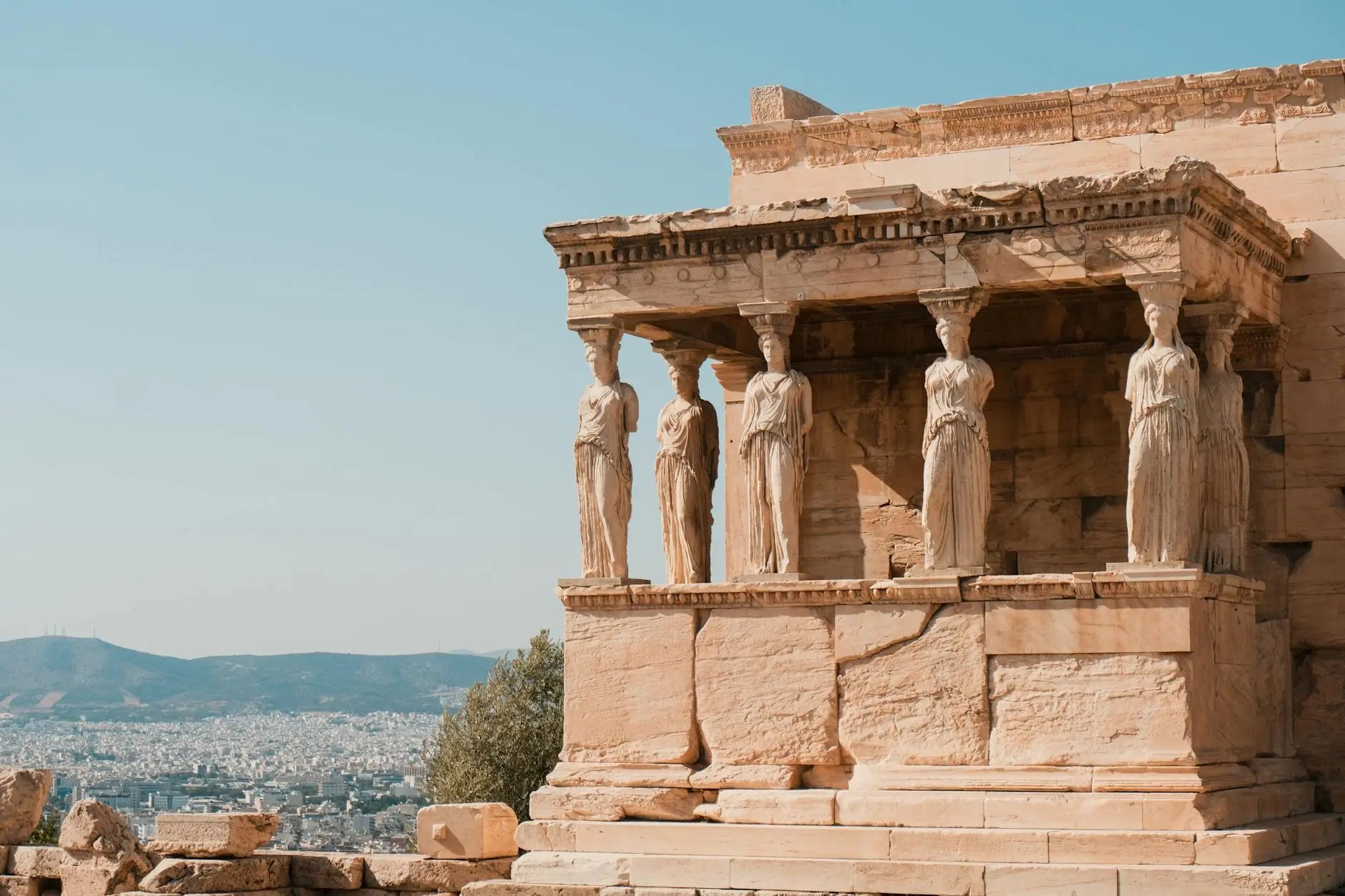
View of the Erechtheion temple on the Acropolis in Athens, Greece, showcasing its iconic Caryatids and ancient architectural features against a clear blue sky.
The Erechtheion, an ancient Greek temple on the Acropolis of Athens, featuring the iconic Caryatids. The Iconic Caryatids of the Erechtheion: These six beautiful maidens, each uniquely detailed, have stood as architectural columns on the Acropolis for over 2,400 years. The ones you see here are expert replicas; the originals are protected in the Acropolis Museum from pollution and weathering.
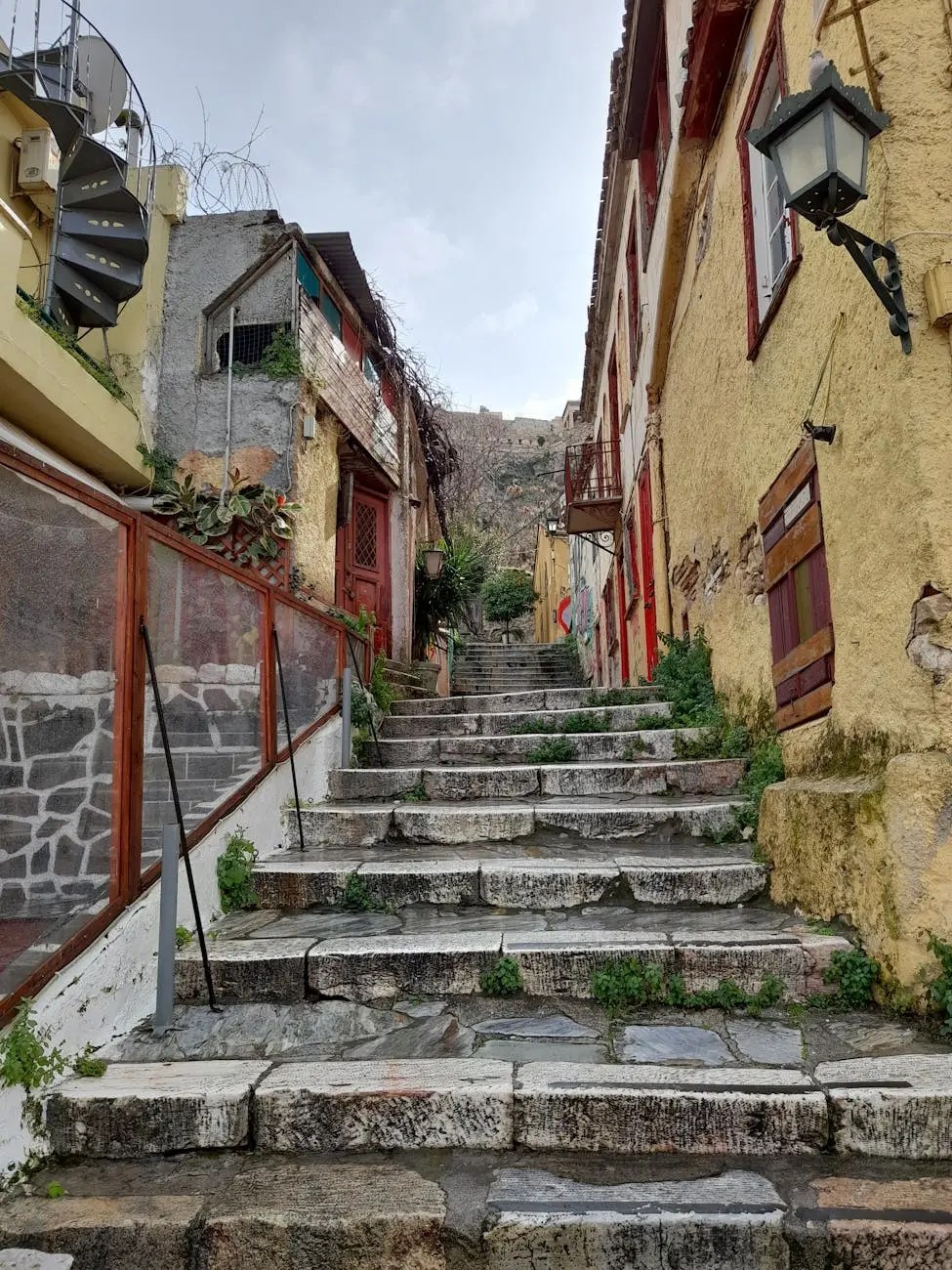
A picturesque stone stairway leading through a narrow, charming street in Athens, lined with colorful buildings and lush greenery.
Explore the charming streets of Plaka, Athens, filled with history and vibrant colors. Getting Lost in Plaka’s Maze: This is the real magic of Athens’ oldest neighborhood. Wandering these sun-dappled, cobblestone steps lined with vibrant neoclassical buildings is like stepping back in time. You’re never quite sure if you’ll find a hidden taverna, a tiny artisan shop, or a sudden, breathtaking view of the Acropolis around the next corner.

“I’ll never forget the time I accidentally joined a local’s wedding dance in Plaka—turns out, ‘Opa!’ is the universal password to fun!”

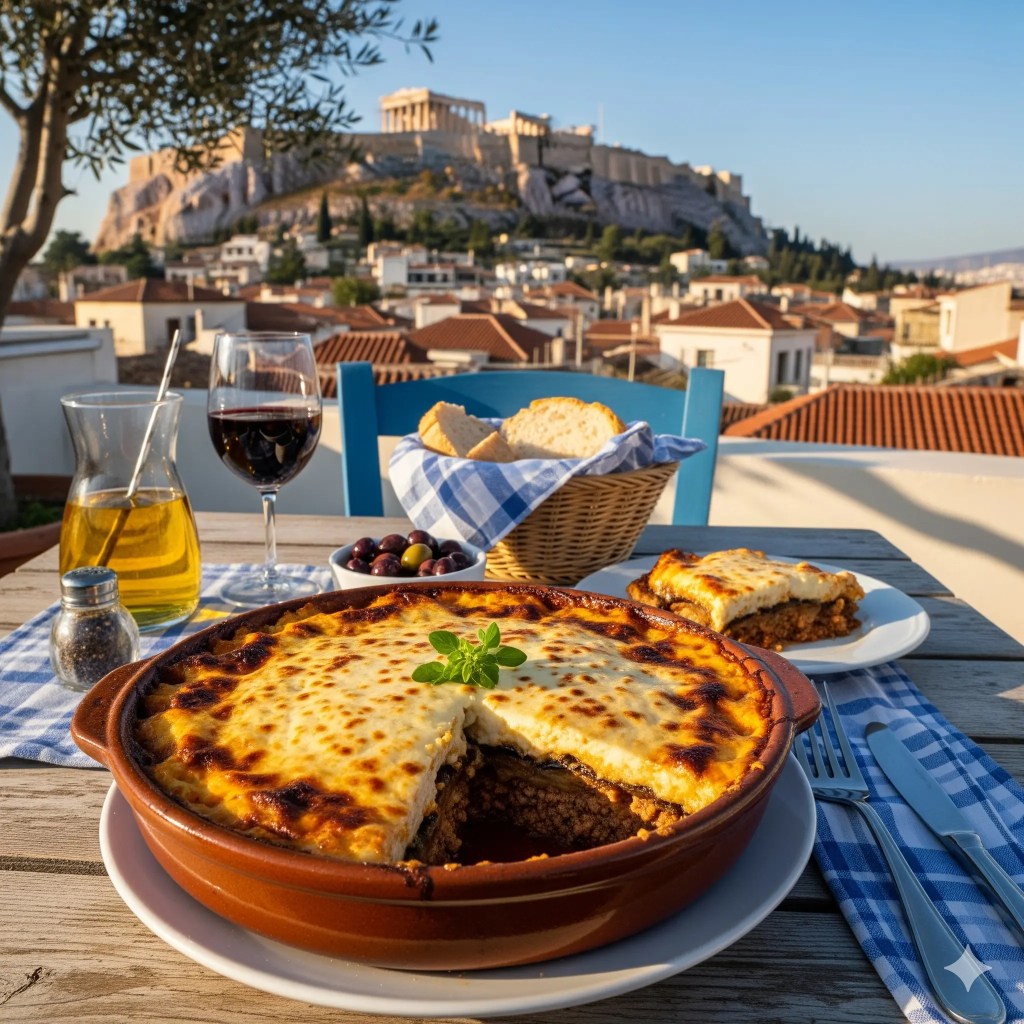
A traditional Greek meal featuring moussaka, olives, and bread, with a glass of red wine and olive oil on a tabletop. In the background, the Acropolis of Athens is visible against a sunset sky.
Enjoying a delicious moussaka with a view of the Acropolis in Athens, Greece. The Ultimate Athenian Dinner: This is the view dreams are made of! Enjoying a classic, hearty moussaka—a layered masterpiece of eggplant, spiced meat, and béchamel sauce—with a glass of robust Greek wine, all while the ancient Acropolis glows in the sunset. It’s a feast for the stomach and the soul.

Lycabettus Hill Viewing Area Tours

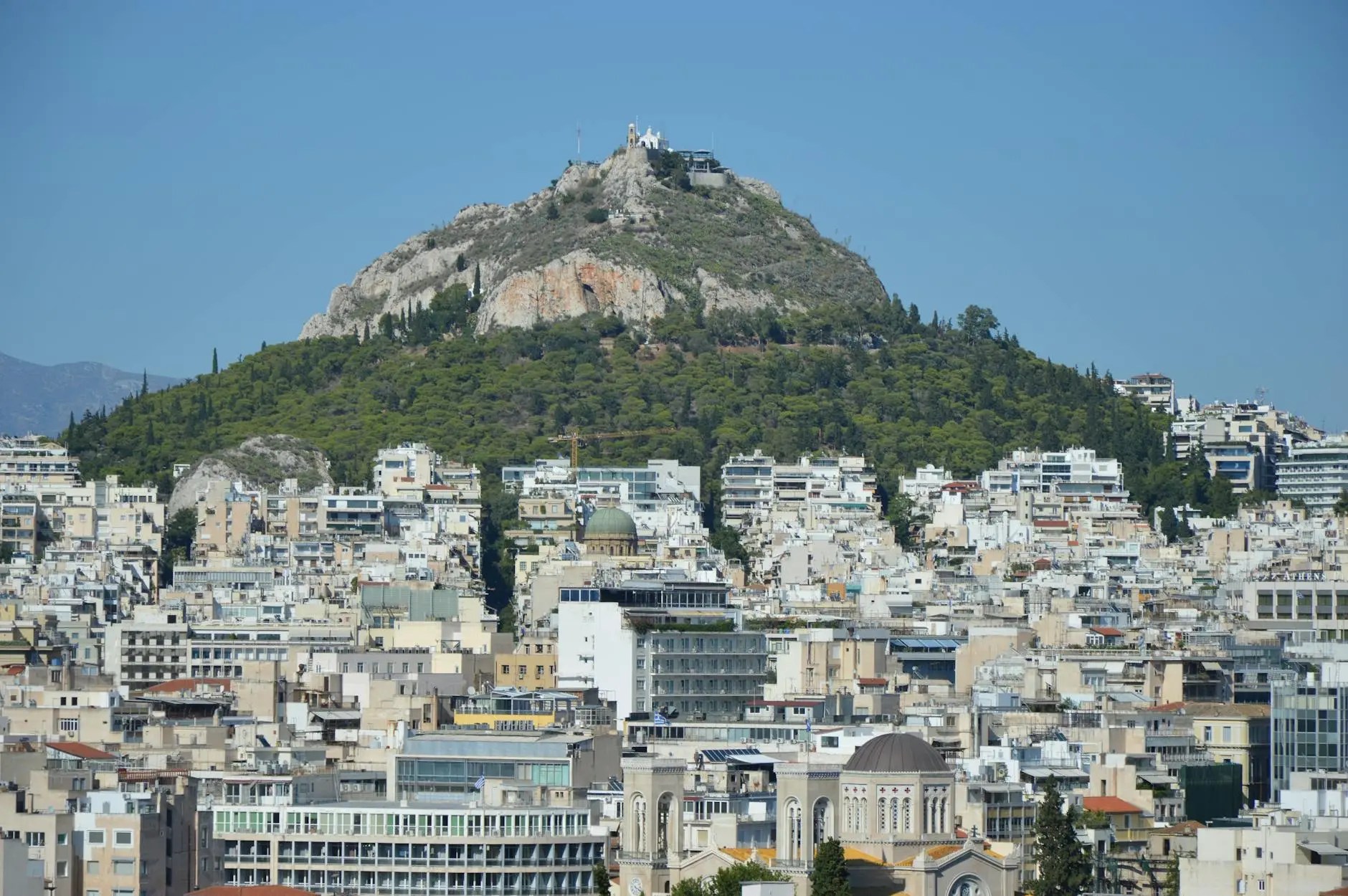
A panoramic view of Athens showcasing the dense urban landscape with a prominent green hill in the background, likely Lycabettus Hill, under a clear blue sky.
A panoramic view of Lycabettus Hill rising above the cityscape of Athens, offering a glimpse into the unique blend of modern architecture and natural beauty.The Best View in Athens: This panoramic vista from the summit of Lycabettus Hill offers a breathtaking perspective of the Athenian basin. From here, you can truly grasp the city’s vast scale, seeing everything from the iconic Acropolis to the glistening Aegean Sea. The hike to the top is worth every step for this unforgettable moment.

Day 2: Markets, Museums, and Sunset Views

Morning (10:00 AM): Engage all your senses at the Varvakios Agora (Central Market). This is not a place for the faint of heart. The meat, fish, and spice markets are a chaotic, loud, and authentic glimpse into Athenian daily life. It’s vibrant, pungent, and utterly unforgettable.

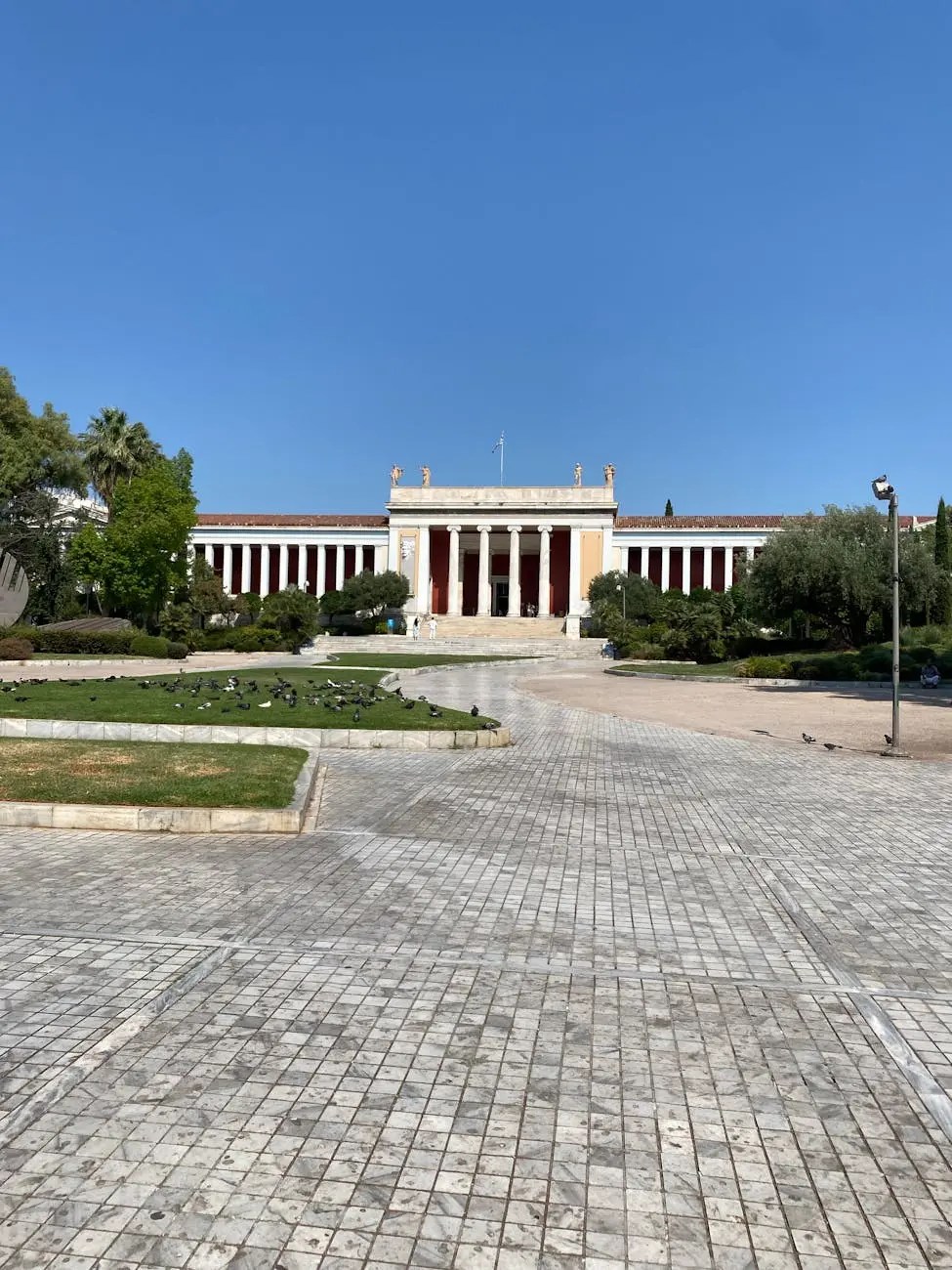
Afternoon (1:00 PM): Choose your history deep-dive. The Acropolis Museum is a modern marvel, housing the treasures of the Acropolis with floors that hover over ancient ruins. Alternatively, the National Archaeological Museum is a treasure trove of ancient bling and sculptures. You can’t go wrong.

National Archaeological Museum: “Beyond the sheer volume, make a beeline for these two showstoppers: the Mask of Agamemnon (Room 4) and the surprisingly complex Antikythera Mechanism (Room 38), an ancient Greek analog computer used to predict astronomical positions.”

Evening: For your final night, skip the tourist traps and head to the Monastiraki Square area. Find a rooftop bar for a final cocktail with a view of the Acropolis. It’s the perfect, cliché-free way to say goodbye to this ancient city.

The Original – Greek Food tour of Athens

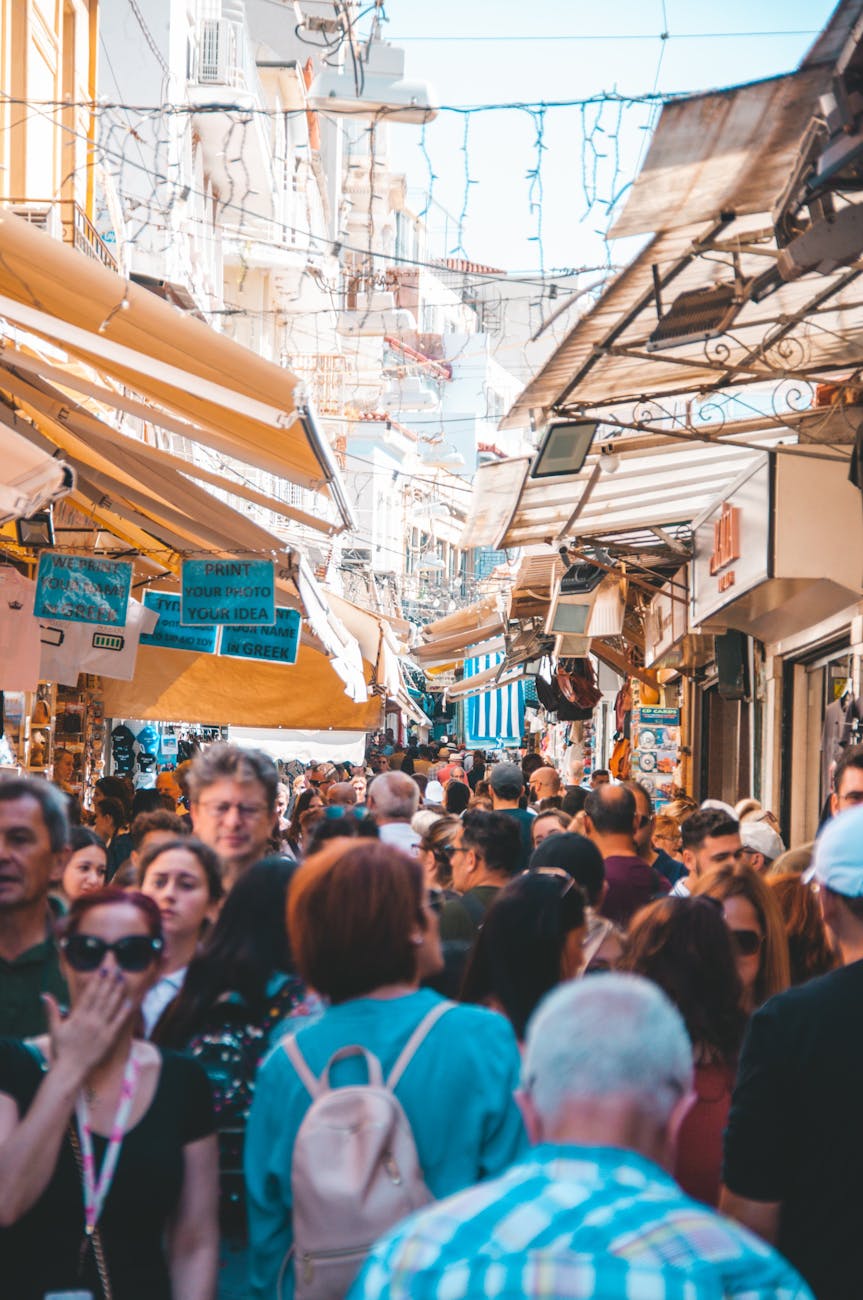
A bustling street market in Athens filled with people exploring shops and stalls, with colorful awnings overhead and various items displayed for sale.
A bustling street scene in Athens, showcasing vibrant shops and enthusiastic crowds, perfect for experiencing local culture.

Acropolis Museum Tours

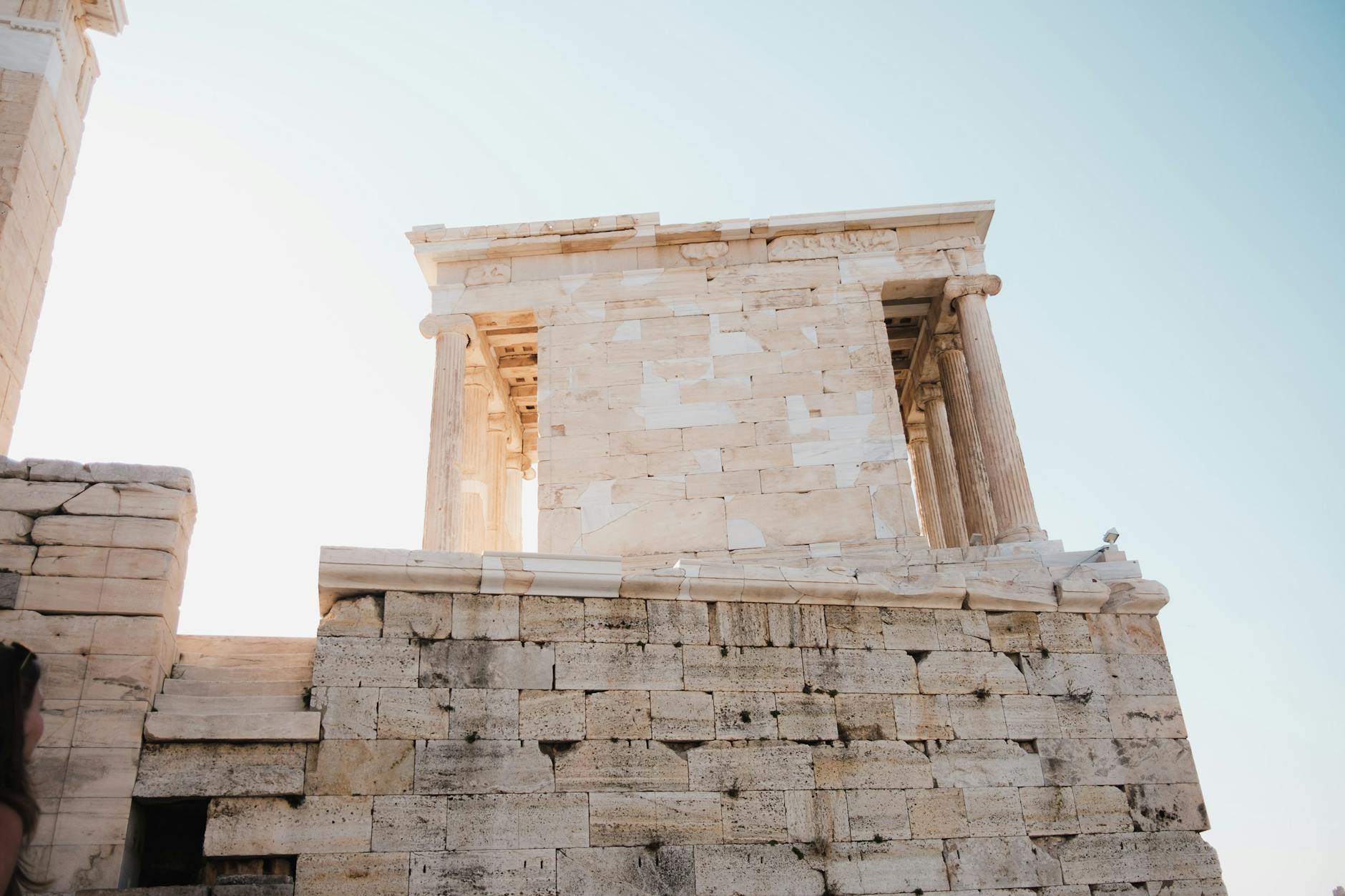
A close-up view of the ancient Temple of Athena Nike, showcasing its classical architecture against a clear blue sky.
The Erechtheion, an ancient temple on the Acropolis, showcasing classical Greek architecture.

National Archaeological Museum Tours

View of a classical building surrounded by greenery under a clear blue sky, featuring tall columns and a spacious plaza with scattered birds.
The National Archaeological Museum of Athens showcasing classic architecture and a vibrant outdoor space. A Temple of Treasures: This isn’t just any museum—it’s the home of Greece’s most magnificent ancient artifacts. The grand neoclassical building of the National Archaeological Museum itself is a preview of the historical wonders waiting inside, from the Mask of Agamemnon to the breathtaking Antikythera Mechanism.

Athens Travel Smarts: Logistics Made Easy

Getting There & Away

Athens is well-connected globally. Most international flights land at Athens International Airport (ATH). A quick note on entry: As part of the Schengen Area, ensure you check visa requirements. For many nationalities, it’s visa-free for short stays, but always verify official sources before you travel.

Navigating the City: Public Transport Like a Pro

Forget renting a car. Driving in central Athens is a contact sport best left to locals. The public transport is cheap, efficient, and will get you everywhere.

  • Metro: Your best friend. The red line (M2) connects the Acropolis (Acropoli station) to Syntagma Square. The blue line (M3) goes to Monastiraki and the airport. A €4.10 ticket gives you 90 minutes on all transport. It’s the fastest way to get around the city, especially during rush hour. A single ticket costs €1.20 and is valid for 90 minutes. You can also get a daily pass for €4.10, which is a great value if you plan on using public transport frequently. The metro lines are well-marked, and you’ll find English translations at all the stations.
  • Airport Express: The Metro Blue Line (M3) goes directly to Syntagma Square from the airport in about 40 minutes for €9 one-way. A no-brainer.
  • “*As of 2025, a standard 90-minute public transport ticket in Athens costs approximately €1.50. The metro from the airport to the city center (Syntagma) costs €10 for a one-way ticket. Always check the official Athens Public Transport website (oasa.gr) for the most current fares before your trip.*”
  • Buses/Trams: Great for reaching beaches or specific suburbs, but the metro covers the core tourist circuit best. The bus network is extensive but can be a bit more confusing for first-time visitors. However, they’re great for reaching areas not served by the metro. Screens on the newer buses show upcoming stops in both Greek and English.
  • Taxis: Taxis are readily available and affordable compared to many other European cities. I’d highly recommend using an app like FreeNow to avoid any potential fare issues.
  • Roads: While renting a car is a good option for exploring the rest of Greece, driving in central Athens is a nightmare. The traffic is chaotic, and parking is a major headache. Stick to public transport for your weekend escape
Map of the Athens Metro system showing various lines and stations.
Detailed map of the Athens metro system, showcasing the various lines and stations for easy navigation throughout the city.

Money-Saving Tips for the Savvy Traveller

  • Combo Ticket: Buy the €30 combo ticket at the first archaeological site you visit. It gives you entry to the Acropolis, Ancient Agora, Roman Agora, Temple of Zeus, and more. It’s valid for 5 days and saves you a fortune.
  • “*The multi-site combo ticket for the Acropolis and other major archaeological sites is currently priced at €36 (summer 2025) and is valid for five days. It includes entry to the Acropolis, Ancient Agora, Roman Agora, Temple of Olympian Zeus, and more. Confirm the latest price and participating sites on the official Hellenic Heritage website.* official site]
  • Eat Away from the Tourists: A gyros or souvlaki pita from a small joint away from the Plaka should cost no more than €3-4. It’s the best €4 lunch you’ll ever have.
  • Free Stuff: Changing of the Guard at the Parliament in Syntagma Square (hourly) is free and fascinating. Exploring the charming Anafiotika neighborhood (a hidden island village tucked under the Acropolis) costs nothing but your time
  • Water: Tap water in Athens is safe to drink, so bring a reusable water bottle to save money and reduce plastic waste.

Syntagma Square Tours

Front view of the Hellenic Parliament building in Athens, featuring classical architecture with columns, a flag flying above, and guards at the entrance.
The Hellenic Parliament building in Athens, showcasing its iconic neoclassical architecture. The Heart of Greek Democracy: Standing proudly in Syntagma (Constitution) Square, the Hellenic Parliament is more than a government building—it’s a national symbol. Don’t miss the famous Evzones (presidential guards) performing their hypnotic, high-stepping changing of the guard ceremony in front of the Tomb of the Unknown Soldier.

Beyond the Guidebook: Athens’ Hidden Gems

  • The Benaki Museum of Greek Culture: A more intimate and beautifully curated collection than the massive national museum. The rooftop cafe has stunning views.
  • Benaki Museum: “Don’t miss the stunning rooftop cafe for a coffee with a view. Hours: Closed Tuesdays. Price: ~€12 general admission. Tip: The museum stays open until midnight on Thursdays and Fridays for a unique evening culture fix.
  • Stavros Melissinos’ Poet-Sandalmaker: A legendary shop where Jackie O and The Beatles got their custom sandals. It’s an experience.
  • A for Athens Rooftop Bar: While popular, the view of Monastiraki Square and the Acropolis is arguably the best in the city. Go for a pre-dinner drink instead of a pricey dinner.
  • Anafiotika: “Tucked beneath the Acropolis, this hidden neighborhood feels like a Greek island village. How to get there: From Plaka, look for the steep, whitewashed staircases off Stratonos Street. It’s easy to miss! Best for: Photos in the early morning or late afternoon when the light is golden and the crowds are thin.”
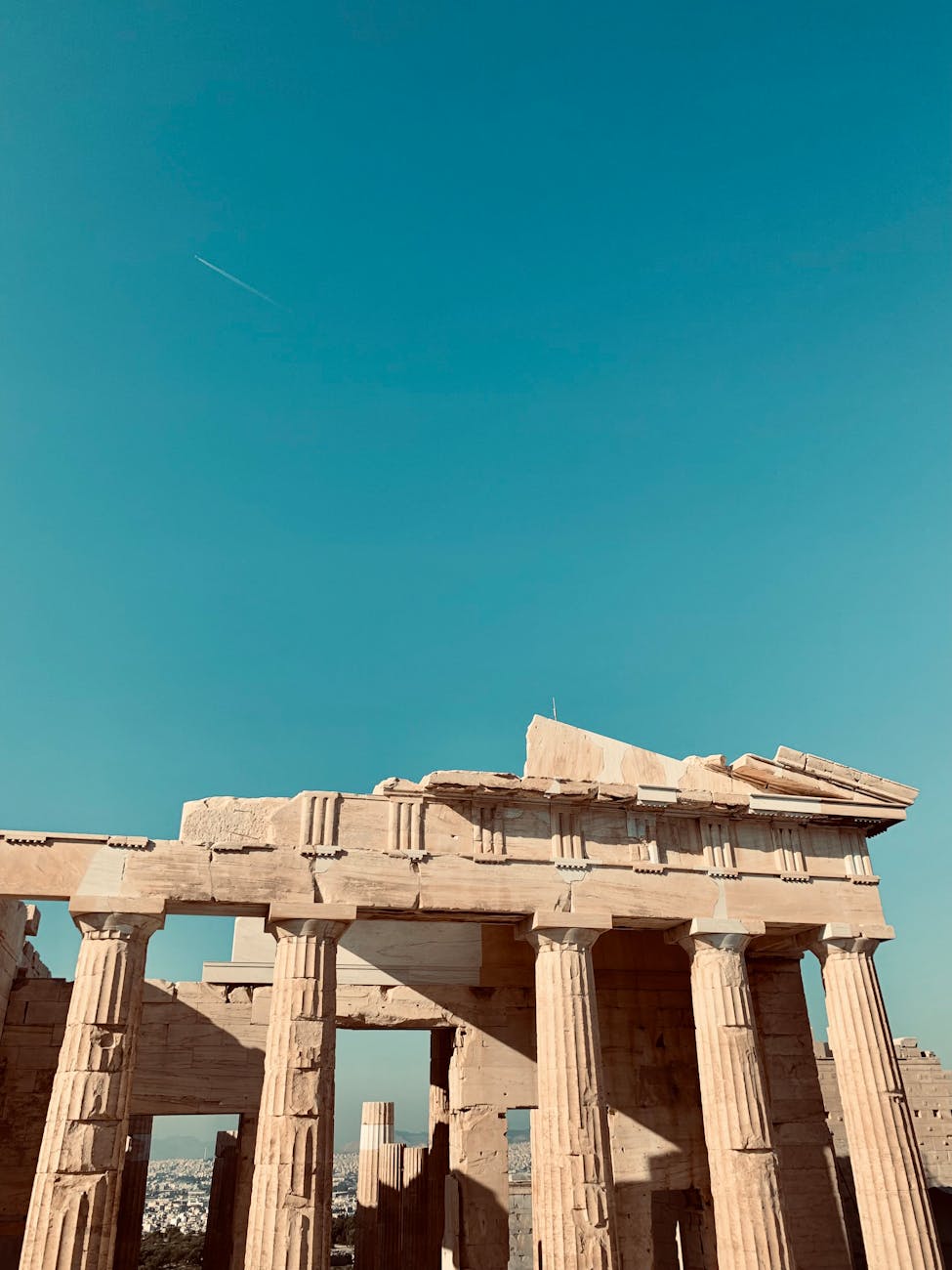
View of the Parthenon ruins against a clear blue sky, showcasing ancient Greek architecture and columns.
The iconic Parthenon, a symbol of ancient Athens, stands proudly under a clear blue sky.

Essential Greek for the Weekend Warrior

A little effort goes a long way!

Greeks are incredibly welcoming, and making an effort to speak a few words of their language will earn you big smiles

  • Hello: Γειά σου (YAH-soo) – informal
  • Thank you: Ευχαριστώ (eff-kha-ri-STOH)
  • Please: Παρακαλώ (para-ka-LOH)
  • Cheers: Γειά μας (YAH-mas)
  • The bill, please: Το λογαριασμό, παρακαλώ (to lo-gariaz-MO, para-ka-LOH)
  • Hello/Goodbye: Yassou (yah-soo)
  • Yes: Ne (neh) — this one can be tricky, as it sounds like the English “nay,” but trust me, it means yes!

3. Local Experiences

Staying Connected & Safe: My Non-Negotiable Travel Gear

✈️ Travel Tip: Staying connected abroad used to be my nightmare. I’d either get rinsed by roaming charges or spend my first hour in a new country hunting for a SIM card. Not anymore. I never travel without my Drimsim—a universal SIM that works in 190+ countries. You just pop it in, top up via the app, and you’re online. No contracts, no hidden fees. It’s a game-changer

And while we’re on essential gear, two other things I never leave home without:

Using public WiFi is a necessity, but it’s not always secure I use A VPN . to keep my data encrypted, especially when checking bank accounts or booking things on the go. It also lets me access streaming from back home!

Good Travel Insurance: I learned this the hard way after a misplaced suitcase. Now, I always use visitorscoverage to compare and find a plan that fits my trip. It’s peace of mind you’ll be thankful for if anything goes sideways.

🛡️ Flight Hassle? Speaking of things going sideways, ever had a flight delayed or canceled? Most travelers just sigh and accept it. But did you know you could be entitled to up to $650 in compensation under air passenger rights laws? I use AirHelp to check my flights. They handle all the paperwork and only get paid if I win. It’s the easiest potential travel bonus ever.

Frequently Asked Questions (FAQ)

Q: Is Athens safe for tourists? A: Yes, Athens is generally a very safe city for tourists. The main tourist areas are well-policed, but as with any major city, it’s wise to be aware of your surroundings, especially in crowded areas like the metro or Monastiraki Square, where pickpocketing can occur.

Q: Can I get by with just English? A: Absolutely. Most people working in tourism, restaurants, and hotels speak excellent English. However, learning a few Greek phrases goes a long way and is a sign of respect.

Q: What is the best time of year for a weekend in Athens?
A: The sweet spots are spring (April-June) and autumn (September-October). The weather is perfect for walking, and the crowds are thinner than in the scorching hot summer months.

Q: Is Athens a walkable city?
A: Absolutely! The historical center is very walkable. The key is to use the excellent metro to connect between neighborhoods (e.g., from Syntagma to the Acropolis) and then explore each area on foot.

Q: How much money should I budget for a weekend?
A: Athens can be very affordable. Excluding flights and accommodation, a comfortable budget for food, sights, and transport would be around €60-80 per day.

Q: What should I pack?
A: Comfortable walking shoes are NON-NEGOTIABLE. You will be walking on uneven stone paths and marble. Also, pack layers, a sun hat, and a reusable water bottle.

Q: Can I use credit cards everywhere?
A: Most restaurants and shops accept cards, but it’s always wise to carry some cash (Euros) for small purchases at markets, street food stalls, or tiny family-run tavernas.

Q: Is haggling common in Athens? A: Not in most shops or restaurants. Prices are generally fixed. However, in flea markets like Monastiraki, a friendly bit of haggling is expected and part of the fun.

Ready to Wander Through Ancient Streets?
Athens is a city that gets under your skin. It’s a place of breathtaking beauty, chaotic energy, and undeniable soul. With this plan, you’re ready to dive in and make the most of every second. Now go forth, explore, and eat all the feta cheese

Don’t forget to capture it all! I use this camera  for all my travel photos – it’s lightweight, powerful, and perfect for grabbing those stunning shots of the Parthenon without weighing you down.

“Ready to wander through ancient streets and create your own Athenian adventure? Don’t just dream—make it happen! Book your flights and hotel today through Expedia for the best deals. Got questions or your own Athens tips? Share them in the comments below—I’d love to hear from you!”

What are you most excited to see in Athens? Share your thoughts in the comments below!

If you’re craving more than just a weekend on land, Celestyal Cruises offers 3- to 7-day Aegean itineraries that include Santorini, Mykonos, and hidden gems like Patmos—all without the hassle of repacking your suitcase.”

Universal Disclaimer/Disclosure Page:

Ultimate Weekend Getaway in Venice: A Complete Traveler’s Guide

Meta Description: Escape to the enchanting canals of Venice for an unforgettable weekend. Our comprehensive guide for travelers reveals hidden gems, must-see sights, and savvy tips on transportation, visa costs, and saving money. Optimized for SEO and geo-generative engine optimization, this guide is packed with keywords to help you discover the magic of Venice.

I’m going to be honest with you. The first time I saw Venice, it was through the lens of a tourist in a hurry. You know the type—sprinting from St. Mark’s Square to the Rialto Bridge, snapping a few frantic photos, and feeling like you’ve “done” the city without ever really being there. It was a classic case of travel-FOMO (Fear of Missing Out). But the magic of Venice doesn’t reveal itself in a sprint; it whispers to you when you slow down, get a little lost, and let the city’s ancient rhythm guide you.

This blog post is for the traveler who wants to do it right. The one who wants to sip a spritz on a sun-drenched canal, find a quiet bacaro for some delicious bites, and fall in love with the city’s charming chaos. I’ve gone back, armed with a better plan, and I’m sharing all my secrets for the ultimate weekend escape.

Ah, Venice. The mere name conjures images of winding canals, operatic gondoliers, and masquerade balls. It’s a city that feels like a dream, but let me tell you, a dream you can absolutely conquer in a single, glorious weekend. Forget everything you’ve heard about it being too crowded or too expensive—with a little insider knowledge (and comfortable shoes), you can have the authentic Venetian experience without breaking the bank or your spirit.

I still remember my first time stepping out of the Santa Lucia train station. The grand canal wasn’t just a picture; it was a living, breathing, slightly damp masterpiece. The sound of water lapping against ancient stone, the distant call of “Gondola!”, the smell of salt and fresh coffee… it’s a sensory overload in the best way possible. I immediately got lost, and it was the best thing that could have happened. This guide is here to help you find that magic, without too much of the getting lost part (unless you want to!).

Table of Contents

  1. Getting There: Planes, Trains, and Automobiles (But Mostly Boats)
  2. Where to Stay: Finding Your Venetian Sanctuary
  3. Day 1: The Grand Tour & Golden Hour
  4. Day 2: Hidden Gems & Island Hopping
  5. Day 3: Art, Souvenirs & The Sweet Goodbye
  6. Navigating Venice: Public Transportation Deep Dive
  7. Money-Saving Tips & Must-Know Phrases
  8. My Personal Camera Kit
  9. FAQs: Everything You Need to Know Before You Go
  10. More Travel Inspiration & Backlinks

Why Venice is the Perfect Weekend Getaway

Venice is compact. Unlike sprawling metropolises like Rome or Paris, its labyrinthine alleys and canals are concentrated, making it possible to soak in the major highlights and discover secret corners in just 2-3 days. It’s a pedestrian (and boat-only) city, so you’re free to wander without worrying about traffic. It’s the ideal destination for a burst of culture, romance, and incredible food.

Before You Go: Visa & Costs
As part of Italy’s Schengen Area, most US, Canadian, UK, and Australian travelers can enter visa-free for up to 90 days. Always check the latest entry requirements from official government sources. A great place to start for the most current and official visa information is the VFS Global page for Italy.

I always find the best flight deals to Venice Marco Polo Airport (VCE) on Expedia. They have great bundle options if you want to book your hotel at the same time.

Getting There: Planes, Trains, and Automobiles (But Mostly Boats)

Venice is unique because you literally cannot drive into the historic city center. So, if you’re arriving by car, you’ll need to park it at Piazzale Roma or Tronchetto and then take a bus, water bus (vaporetto), or private water taxi to your accommodation. Trust me, the first glimpse of the Grand Canal from the water is worth the logistical effort.

The easiest way to arrive is by train. The Venezia Santa Lucia station drops you off right on the Grand Canal, a stone’s throw from the heart of the action. Italy’s high-speed trains connect Venice to major cities like Rome, Florence, and Milan. If you’re coming from another part of Europe, flying into Venice Marco Polo Airport (VCE) is also a great option. From there, you can catch a water bus (Alilaguna) or a private water taxi straight to the city.

✈️ Travel Tip: Travel isn’t always smooth sailing—sometimes flights get delayed, canceled, or overbooked. The good news? You might be entitled to up to $650 in compensation under air passenger rights. Most travelers never claim it, but I’ve got you covered: just check your flight withAirHelp. They handle the paperwork, fight the airlines for you, and only get paid if you win. Easy, stress-free, and potentially a nice surprise for your travel fund.

Where to Stay: Finding Your Venetian Sanctuary

Finding the right place to stay is key. I’ve found that using a trusted platform like Expedia to book my hotels helps me compare options and find the perfect spot. The main tourist areas like San Marco are central but can be noisy and expensive. For a more authentic experience, consider staying in the quieter districts of Dorsoduro or Cannaregio.

My personal favorite? Dorsoduro. One time, I stayed in a small guesthouse there, and the window overlooked a tiny, quiet canal. Every morning, I woke up to the sound of a gondolier singing as he glided past. It was a moment so perfectly Venetian it almost felt like a movie.

Friday: Arrival & The Magic of Getting Lost

  • Afternoon: Fly into VCE or arrive by train at Santa Lucia Station (this is the most dramatic entrance!). Pro Tip: If you’re arriving by train from another Italian city like Rome, Florence, or Milan, booking your tickets in advance on ItaliaRail can save you a significant amount of money compared to buying them at the station. The high-speed trains are comfortable and efficient, making for a relaxing start to your Venetian adventure.
  • Evening: Check into your hotel . I recommend staying in the Dorsoduro or Cannaregio districts. They’re slightly removed from the San Marco chaos, more affordable, and brimming with authentic bacari (wine bars).
  • Dinner: Ditch the tourist menus. Find a small bacaro and do a cicchetti crawl. Cicchetti are Venetian tapas—think small slices of bread topped with cod, crab, or mortadella, alongside an ombra (small glass of wine). My favorite find was a tiny place where the owner insisted I try his artichoke heart special. Life-changing.
A view of the Grand Canal in Venice, featuring a marina with boats and the exterior of a historic building with ornate architecture.
The stunning view near the Santa Lucia train station in Venice, featuring the historic church and bustling water taxis.

Interior of a cozy Venetian restaurant featuring wooden beams and large windows, with patrons enjoying meals and wine.
A cozy Venetian bacaro with patrons enjoying cicchetti and wine, showcasing the charm of local dining in Venice.
A group of friends enjoying cicchetti and spritz drinks outside a small eatery in Venice, laughing and celebrating the vibrant atmosphere of the city.
Enjoying a vibrant evening in Venice with friends, indulging in delicious cicchetti crawl and spritz on a charming canal.

Saturday: Icons, Tours, & Hidden Courtyards

  • Morning (Early!): Be at Piazza San Marco by 8:30 AM. Why? To have it almost to yourself before the day-tripping crowds arrive. You can admire the Basilica and the Campanile in peace. Pre-book a “Skip the Line” tour for the Basilica—it’s 100% worth it.
  • Late Morning: Book a Walking Tour & Gondola Ride. A guided tour is the best way to learn the history and find those hidden spots you’d never see otherwise. Then, opt for a shared gondola ride from a quieter canal rather than the Grand Canal to save money and enjoy a more intimate experience.
    • 📸 Pro Tip: The light in Venice is magical. To capture it perfectly, I never travel without my lightweight, powerful Sony Alpha Camera. It’s a game-changer for low-light canal shots.
  • Afternoon: Get lost on purpose. Wander away from San Marco into the Castello district. Find the secluded Marinaressa Gardens for a quiet moment with a view of the lagoon. For a true hidden gem, seek out the pedestrian street Calle de le Bande near the Arsenale. It’s lined with artisan workshops and feels a world away from the tourist crowds.
  • Evening: Book a food tour! This was the highlight of my last trip. We visited the Rialto Market in the morning (a fantastic alternative activity) and then enjoyed a cooking class in the evening. Learning to make fresh pasta with a local nonna is an experience you’ll cherish forever.

San Marco Vacations

A bustling scene in Venice's St. Mark's Square, featuring the ornate Basilica di San Marco and a crowd of tourists.
St. Mark’s Basilica in Venice, bustling with tourists capturing the city’s breathtaking architecture. A Moment of Awe in Piazza San Marco. It’s impossible not to look up! The sheer scale and intricate details of St. Mark’s Basilica stop everyone in their tracks. While it’s always bustling, arriving right at opening time or later in the afternoon helps you avoid the biggest crowds. ✨ #StMarksBasilica #Venice #ItalyTravel #Architecture #UNESCO

Classic 30 minutes Gondola Ride

View from the front of a gondola navigating a canal in Venice, surrounded by colorful buildings and other gondolas.
A scenic view from a gondola in Venice, showcasing the iconic architecture and tranquil canals, perfect for an idyllic getaway. The View From the Water. There’s no perspective quite like it! Gliding through the quiet, narrow canals of Venice in a gondola is the only way to truly appreciate the charming decay and beautiful details of the ancient buildings. It’s a moment of pure, peaceful magic. 🛶 #Venice #Gondola #ItalyTravel #HiddenCanals

San Marco Vacations

Aerial view of a modern, curved pavilion surrounded by lush green grass and trees in a park.
A modern architectural structure nestled in a green park in Venice, showcasing a unique design amidst natural beauty.

Sunday: Islands, Art, & Last Bites

  • Morning: Take the vaporetto to Murano to see glassblowing demonstrations. If you have time, hop over to Burano—the island of brightly colored fishermen’s houses is an Instagram dream and utterly charming.
  • Afternoon: Visit the Dorsoduro district for art. The Accademia Gallery holds the world’s best collection of Venetian art, or check out the modern masterpieces at the Peggy Guggenheim Collection.
  • Late Afternoon: Enjoy one last gelato (I’m a pistachio purist) and slowly make your way back to the station or airport, taking in the final, golden-hour glimpses of the canals.
Map of the Vaporetto routes in Venice, highlighting connections to popular destinations like Murano and the Grand Canal.
  • Vaporetto Fares (Verify with ACTV Official Site):
    • Single Ride: €9.50 (valid for 75 minutes)
    • 72-Hour Travel Card: €45 (unlimited rides)
    • Pro Tip: Validate your card before boarding by tapping it on the electronic readers at the dock.
  • Airport Transfer Options (Marco Polo Airport – VCE):
    • Alilaguna Water Bus (Blue Line): €15, ~1.5 hours to San Marco. Check schedules here.
    • ACTV Bus (#35 or #5): €10, ~20 minutes to Piazzale Roma (then switch to vaporetto).
    • Water Taxi: €100-€150, ~30 minutes (direct to your hotel).

Burano Vacations

A picturesque canal in Burano, Venice, lined with colorful houses and small boats moored along the waterfront, under a cloudy sky.
Colorful houses line the tranquil canals of Burano, Venice, offering a picturesque scene perfect for wanderers and photographers. A Rainbow on the Water: Burano’s Iconic Canal. No filter needed! The fishing island of Burano is famous for its kaleidoscope of vibrant houses, each painted a brilliant color to help fishermen find their way home in the fog. It’s the perfect half-day trip from Venice for photos and a peaceful stroll. 🌈 #Burano #Venice #Italy #ColorfulPlaces

Accademia Gallery David Skip The Line Entrance Tickets

A marble statue of a warrior holding a shield, set against a richly decorated backdrop featuring historical paintings.
A striking statue of a warrior, adorned with intricate details, set against a backdrop of dramatic artwork in a historic Venetian building.

Venice: Peggy Guggenheim Collection Private Tour with Tickets

Venice Travel Toolkit

💰 Saving Money:

  • Eat & Drink Like a Local: Cicchetti and ombre are your best friends. A lunch of a few cicchetti and a glass of wine will cost a fraction of a sit-down restaurant meal.
  • Water: Bring a reusable bottle. Venice has free, clean drinking water flowing from nasoni (big nose) fountains all over the city.
  • Skip the Gondola for a Traghetto: A gondola is a splurge. For just €2, you can ride a traghetto—a local gondola ferry that crosses the Grand Canal at various points. It’s a functional and fun taste of the gondola experience.

🌐 Staying Connected & Secure:
✈️ Travel Tip: Staying connected abroad used to be my nightmare. I’d either pay insane roaming fees or spend an hour at an airport SIM counter. Not anymore. I never travel without my Drimsim—a universal SIM that works in 190+ countries. Pop it in, top up via the app, and you’re online. No contracts, no hidden fees. It’s genuinely liberating.

I also always have my NordVPN active on my phone and laptop, especially when using public WiFi in airports and cafes. It keeps my personal data safe from prying eyes.

✈️ Travel Insurance:
✈️ Smart Travel Tip: I never, ever travel without insurance. A missed flight, a stolen bag, or a unexpected doctor’s visit can ruin a trip financially. I use VisitorsCoverage to compare plans and find the right coverage for every trip. It’s peace of mind in your pocket.


Navigating Like a Local: The Vaporetto

Forget cars. Forget Uber. In Venice, you walk or you take a boat.

  • The Vaporetto: This is the public water bus. It’s the best way to cover long distances (e.g., from the train station to San Marco, or to Murano).
  • The Ticket: A single ride is expensive (€9.50!). If you’re there for a weekend, BUY A TRAVEL CARD. The 72-hour card (€45) is perfect and will pay for itself after about 5 rides. Validate it before your first ride by tapping it on the electronic readers at the dock.
  • The Routes: Line 1 is the “tourist” line that goes slowly down the Grand Canal—great for sightseeing. Line 2 is the express version. ActV is the official app for routes and schedules.
  • Traghetto: As mentioned, these are cheap gondola ferries that cross the Grand Canal. They are a fantastic and authentic time-saver.

Speak a Little Venetian

While most people speak English, a little Italian goes a long way!

  • Ciao (chow): Hello / Goodbye (informal)
  • Buongiorno (bwon-jor-no): Good morning / Good day
  • Grazie (graht-tsee-eh): Thank you
  • Un ombra, per favore (oon ohm-brah, per fa-vor-eh): A small glass of wine, please
  • Quanto costa? (kwan-toh coh-stah): How much does it cost?
  • Dov’è il bagno? (doh-veh eel ban-yo): Where is the bathroom?
  • Scusi: (skoo-zee) Excuse me
  • Un biglietto, per favore: (oon bee-yet-toh, per fah-voh-reh) One ticket, please.

Frequently Asked Questions (FAQ)

Q: What is the best time of year to visit Venice for a weekend?
A: The sweet spots are April-May and September-October. The weather is pleasant, and the crowds are thinner than in the peak summer months. Avoid February if you dislike crowds, as Carnevale brings massive numbers (though it’s an amazing experience!).

Q: Is Venice expensive?
A: It can be, but it doesn’t have to be. By eating cicchetti, using a vaporetto pass, avoiding hotels right on San Marco, and enjoying free activities like wandering and seeing churches, you can manage a budget-friendly trip.

Q: How do I get from Marco Polo Airport (VCE) to the city center?
A: The Alilaguna water bus (blue line) takes you directly to San Marco and takes about 1.5 hours (€15). A water taxi is a direct, glamorous, but expensive (€100-€150) option. The cheaper way is to take the ACTV bus (€10) to Piazzale Roma (the bus terminal in Venice) and then switch to the vaporetto.

Q: What should I do if my flight to Venice is canceled?
A: Don’t panic! Under EU air passenger rights, you could be entitled to significant compensation (up to €600). Instead of fighting the airline yourself, use a service like AirHelp. They handle all the paperwork and legal stuff and only get paid if you win. I’ve used them successfully before—it’s a stress-free way to potentially get a nice chunk of your trip refunded.


Q: Is it easy to find ATMs in Venice?

A: Yes, ATMs (Bancomat) are widely available. Avoid Euronet ATMs as they often have poor exchange rates and high fees. Stick to machines associated with actual Italian banks.

More Travel Inspiration & Backlinks

If you’re considering a longer trip to Italy, be sure to check out my other guides:

Planning a longer Italian adventure? Check out our other ultimate city guides:

Remember, Venice is not just a city—it’s an experience. Go with an open mind, a sense of adventure, and a good pair of walking shoes. Buon viaggio!

Universal Disclaimer/Disclosure Page: