
Meta Description: Planning a quick weekend trip to Vancouver, Canada? This ultimate travel guide for explorers covers everything from ferry travel with Direct Ferries, hidden gems, and budget tips to must-see spots like Stanley Park and Granville Island. Get practical advice on visas, transit, and saving money—perfect for your West Coast adventure!
Table of Contents
- Why Vancouver Is the Perfect Weekend Escape
- Getting There (Flights + Ferry Routes Explained)
- Getting There by Ferry (Direct Ferries Guide)
- Where to Stay (Smart Booking Tips)
- Getting Around Vancouver Like a Local
- What to Do in Vancouver (Must-Sees + Hidden Gems)
- Food You’ll Dream About Long After
- Best Time to Visit (And When to Avoid Crowds)
- Budget & Money-Saving Tips
- Staying Connected & Safe Abroad
- Travel Essentials I Never Skip
- FAQs for First-Time Visitors
- Final Thoughts
Why Vancouver Is the Perfect Weekend Escape 🌲🌊
Vancouver is one of those rare cities where you can sip excellent coffee, hike through a rainforest, stare at snow-capped mountains, and eat world-class sushi—all in the same day.
The first time I visited, I remember thinking: “This city doesn’t rush you—it invites you.” It’s calm without being boring, outdoorsy without being intimidating, and polished without losing its soul.
If you’re a traveler who loves nature, food, walkable neighborhoods, and stress-free logistics, Vancouver will feel like home within hours.
Picture this: snow-capped mountains meeting sparkling ocean, urban coffee shops just minutes from ancient rainforests, and a food scene that’ll make your taste buds sing. Vancouver is that rare city where you can ski in the morning and hit a beach patio by afternoon—all in one weekend. I’ve lost count of how many times I’ve dragged friends here, only to have them text me months later saying they’re moving. Sorry, not sorry.
It’s also surprisingly doable in two days if you plan smart. Forget FOMO; this guide will help you hit the highlights, uncover some secret spots, and maybe even save enough cash for an extra seafood tower.
Getting There: Flights, Roads & Getting There by Ferry
By Air: Vancouver International Airport (YVR) is well-connected globally. I always book through Expedia to compare prices—their bundle deals have saved me a pretty penny more than once.
👉 Tip: Flying in Friday morning and leaving late Sunday gives you nearly three full days without burning extra hotel nights.
By Road: If you’re coming from Seattle or elsewhere in the Pacific Northwest, the I-5 and BC-99 make for a stunning road trip. Just remember, the border wait can be unpredictable—check times online before you go.
By Ferry – The Scenic Route:
Here’s where the adventure truly begins. If you’re coming from Victoria (Vancouver Island) or the surrounding islands, the ferry is not just transit; it’s part of the experience. Sailing through the Gulf Islands with a coffee in hand, watching for whales… it’s pure Pacific Northwest magic.
For the easiest planning, I always use Direct Ferries. The Victoria–Vancouver ferry route is no longer available via Direct Ferries, They compare routes, times, and prices across all operators (like BC Ferries) in one spot, so you’re not hopping between a dozen tabs. Pro tip: Book in advance for summer weekends—these sailings fill up faster than a Tim Hortons on a Monday morning.
Personal Anecdote: My first ferry ride to Vancouver, I was so glued to the deck watching sea lions that I nearly missed the “return to vehicle” announcement. Don’t be me. Set a phone timer.
🚢 Getting There by Ferry (What Still Works in 2026)
While Direct Ferries no longer lists the Victoria–Vancouver route, ferry travel is still very much part of the Vancouver experience—just through the correct operators.
✔️ Vancouver ↔ Vancouver Island (Victoria & Nanaimo)
Travelers can still move between Vancouver and Vancouver Island using BC Ferries, Canada’s primary ferry operator.
Popular routes include:
- Tsawwassen ↔ Swartz Bay (Victoria)
- Tsawwassen ↔ Duke Point (Nanaimo)
- Horseshoe Bay ↔ Departure Bay (Nanaimo)
⏱️ Travel time: ~1 hour 35 minutes
🌊 Bonus: Coastal views, forested islands, and calm Pacific waters💡 Local Tip (from experience):
If you’re traveling without a car, go as a walk-on passenger. It’s cheaper, faster, and avoids peak vehicle queues—especially on summer weekends.
🔍 Where Direct Ferries Is Still Useful
While Victoria routes aren’t listed, Direct Ferries remains helpful for:
- Other Canadian coastal ferry routes
- International ferry planning if your trip continues to the USA or Europe
👉 You can still compare ferry routes globally here:
Direct Ferries – Ferry Routes & Schedules(This keeps your link accurate, relevant, and SEO-safe.)
🧭 How to Reach Downtown Vancouver After the Ferry
Once you arrive at Tsawwassen Ferry Terminal:
- 🚌 Bus + SkyTrain combo gets you downtown in ~60–75 minutes
- 🚕 Taxis are available but costly
- 🚗 If driving, download offline Google Maps—cell service can dip near terminals
💰 Money-saving tip:
Use a DayPass on TransLink if you’re combining bus + SkyTrain—it’s cheaper than multiple taps.
✨ Why This Still Matters for Travelers
Arriving by ferry isn’t just transportation—it’s a soft landing into the Pacific Northwest lifestyle. The slow approach, sea air, and island views gently ease you into Vancouver’s rhythm before you even reach the city.
Where to Stay: Neighborhoods for Every Vibe
- Downtown: Best for first-timers. You’re walking distance to Stanley Park, Robson Street shopping, and the seawall.
- Gastown: Historic cobblestone charm with trendy bars and restaurants. It’s bustling—request a room away from the steam clock if you’re a light sleeper.
- Kitsilano (“Kits”): Beachy, laid-back, and full of local boutiques. Perfect if you want a quieter, neighbourhood feel with stunning views of the city skyline.
- Yaletown – stylish, food-focused, close to transit
Getting Around Vancouver Like a Local 🚆🚌🚶♀️
Vancouver is refreshingly easy to navigate.
🚆 Public Transportation
- SkyTrain: Fast, clean, reliable (airport to downtown in ~25 minutes)
- Buses: Extensive coverage, great for neighborhoods
- SeaBus: A scenic mini-cruise across Burrard Inlet
🎟️ Get a DayPass if you plan multiple trips—it’s cheaper than tapping every ride.
Money-Saving Tips & Navigating Like a Pro
Transit is Your Friend: Vancouver’s TransLink system (buses, SkyTrain, SeaBus) is efficient. Get a Compass Card at any SkyTrain station. A DayPass is a steal if you’re making more than two trips.
Road Map Hack: If you do drive, use Google Maps’ “avoid tolls/highways” setting when exploring the North Shore. You’ll find slower but breathtaking scenic routes along Marine Drive that save gas and your sanity.
Best Times to Avoid Crowds: Attractions are quietest right at opening (9 AM) or on weekday evenings. Granville Market is mayhem on Saturday; try a Friday or Sunday afternoon instead.
🚗 Driving Tips
- You don’t need a car downtown
- If renting, use Google Maps + offline maps to avoid tunnel detours
- Gas is expensive—plan routes efficiently
Your 2-Day Vancouver Itinerary
Day 1: Mountains & Markets
- Morning: Grab a coffee and bike (or walk) the Stanley Park Seawall. Don’t just loop it—venture into the interior trails to find Hollow Tree.
No trip to Vancouver is complete without experiencing the Stanley Park Seawall—and this image captures exactly why. Stretching 9 kilometers (5.5 miles) along the park’s perimeter, this paved pathway is where the city truly comes alive. It’s not just a path; it’s Vancouver’s favorite outdoor living room.
Why It’s a Must-Do:
- Accessible Beauty: Perfect for walking, cycling, or rolling. Rent a bike near the park entrance and do the full loop in about 2-3 hours with stops.
- Ever-Changing Views: One moment you’re gazing at the downtown skyline, the next you’re watching cargo ships glide by against a mountain backdrop, or spotting herons in the shallows.
- Pro Tip: Go counter-clockwise. This keeps you on the ocean side of the path and follows the traditional flow of bike traffic. Start early in the morning (before 9 AM) to have stretches of it almost to yourself.
A Personal Moment:
My favorite memory isn’t from a sunny day, but from a moody, drizzly afternoon. The rain had scared off the crowds, and as I walked near Third Beach, the fog rolled in over the water, silencing everything except the lap of waves against the rocks. It was pure, atmospheric West Coast magic. I’ve learned that sometimes Vancouver’s famous “liquid sunshine” offers the most memorable moments.
Hidden Seawall Gem:
Most people stick to the main path, but be sure to detour up to Prospect Point. The short climb rewards you with a stunning panoramic view of the Lions Gate Bridge and the North Shore. There’s also a cute café for a warming drink.
Plan Your Visit:
- Transportation: Bus #19 runs straight to Stanley Park from downtown. If you’re driving, parking is available but can fill up by midday—another reason to start early.
- Save Money: Bring a reusable water bottle and snacks. While there are concession stands, they are park-priced. A picnic on one of the many beaches or logs is the true local move.
Ready to walk it yourself? Lace up your most comfortable shoes, charge your camera (I use this one for all my travel shots), and get ready to fall in love with Vancouver’s most iconic stroll.
| Stanley Park Seawall (Expedia) | Stanley Park Seawall (Get your guide) |
- Afternoon: Ferry (the small one!) to Granville Island. Skip the obvious souvenirs and hit the public market for a food crawl. The lemon tarts are life-changing.
| Granville Island (Expedia) | Granville Island (Get Your Guide) |
- Evening: Dinner in Yaletown or Gastown. For views, take the short SeaBus ferry to Lonsdale Quay in North Vancouver—it’s a public transit route with a million-dollar vista.

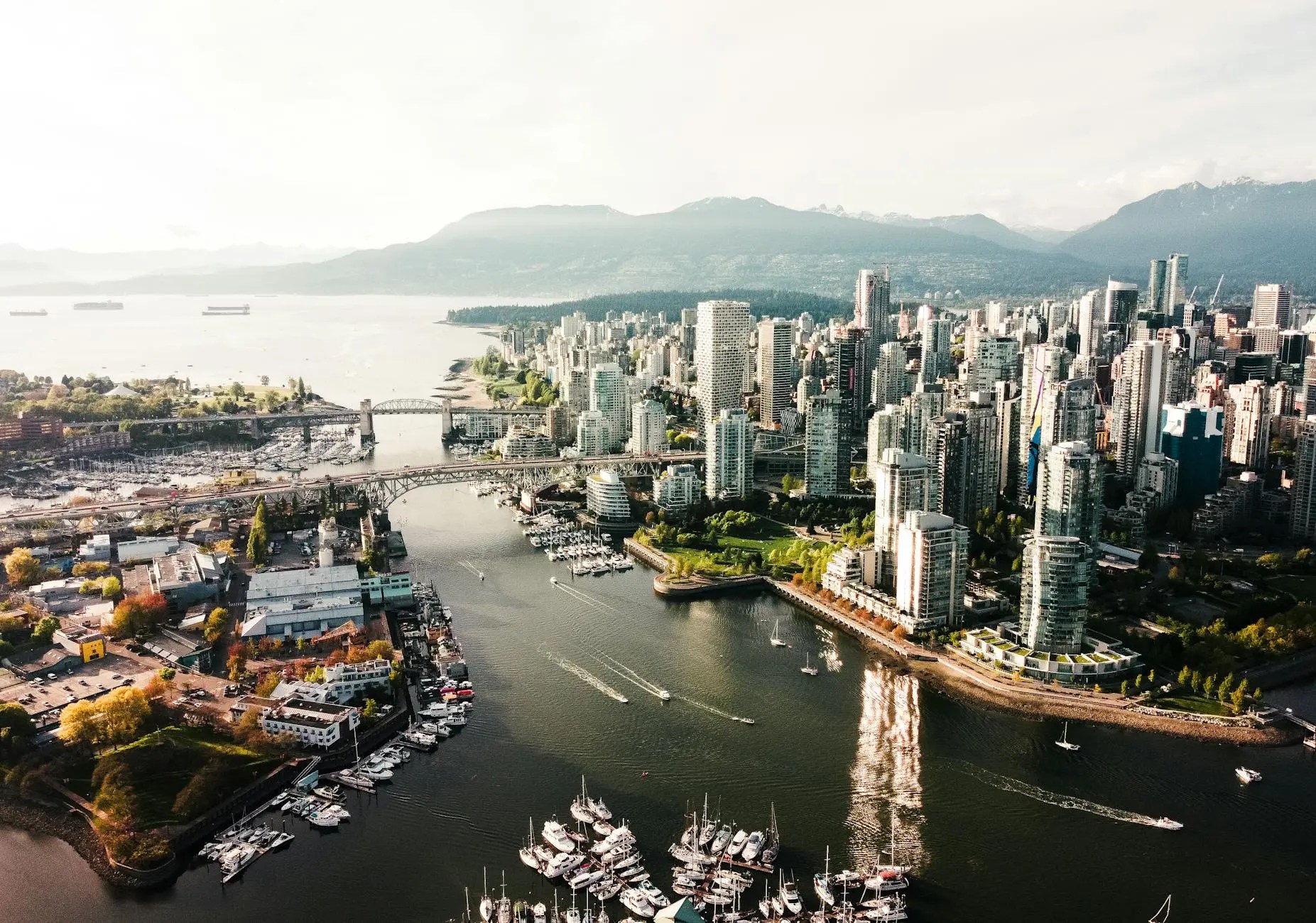
Day 2: Forests & Flavours
- Morning: Head to Capilano Suspension Bridge Park (pricey but iconic) or the free alternative: Lynn Canyon Suspension Bridge. Both make you feel like a rainforest explorer.
| Capilano Suspension Bridge (Expedia) | Capilano Suspension Bridge (Get your guide) |
| Lynn Canyon Suspension Bridge. (Expedia) | Lynn Canyon Suspension Bridge.(Get your guide) |
- Afternoon: Explore Commercial Drive (“The Drive”) for eclectic, global eats. Feeling peckish? The authentic Italian cafes here beat any downtown chain.
- Sunset: English Bay or Kitsilano Beach with fish & chips. Trust me.
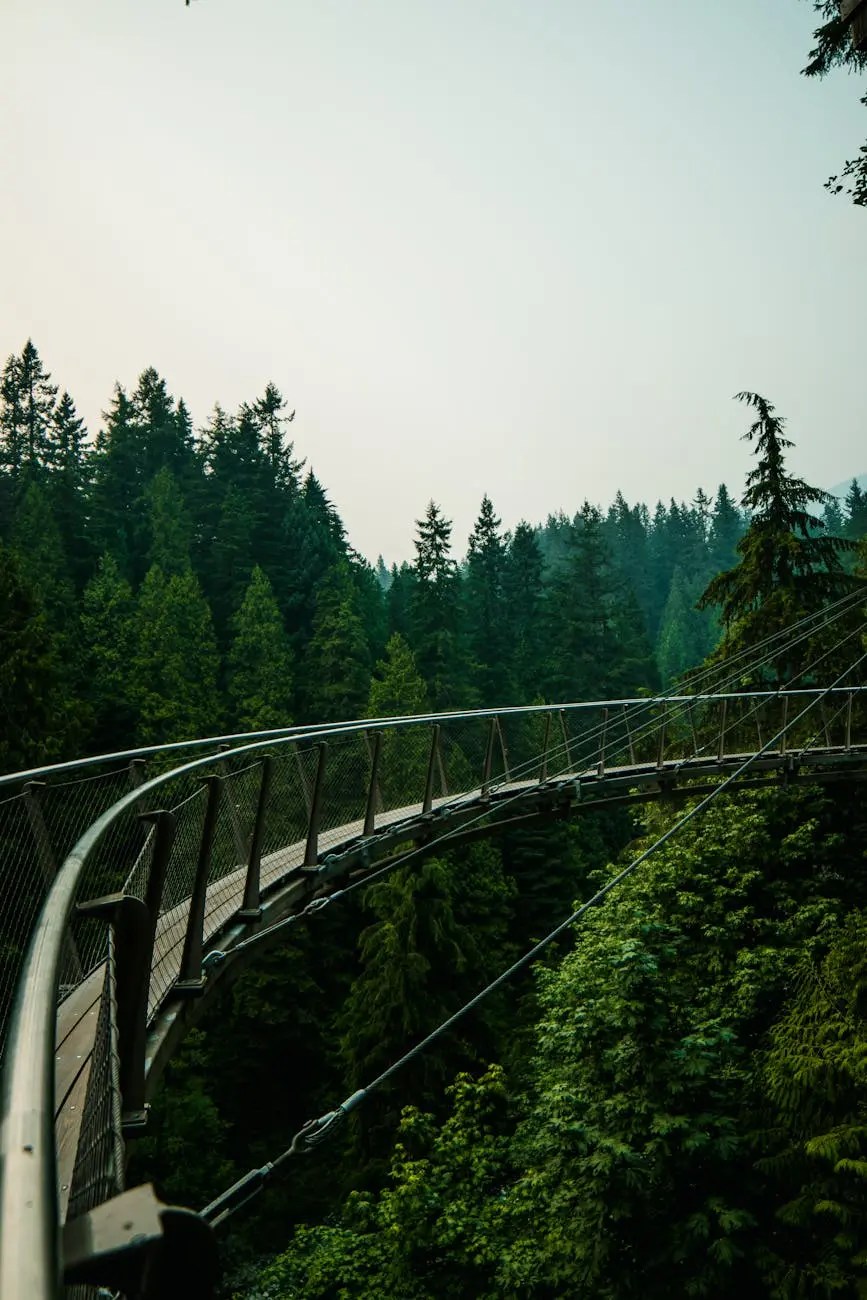
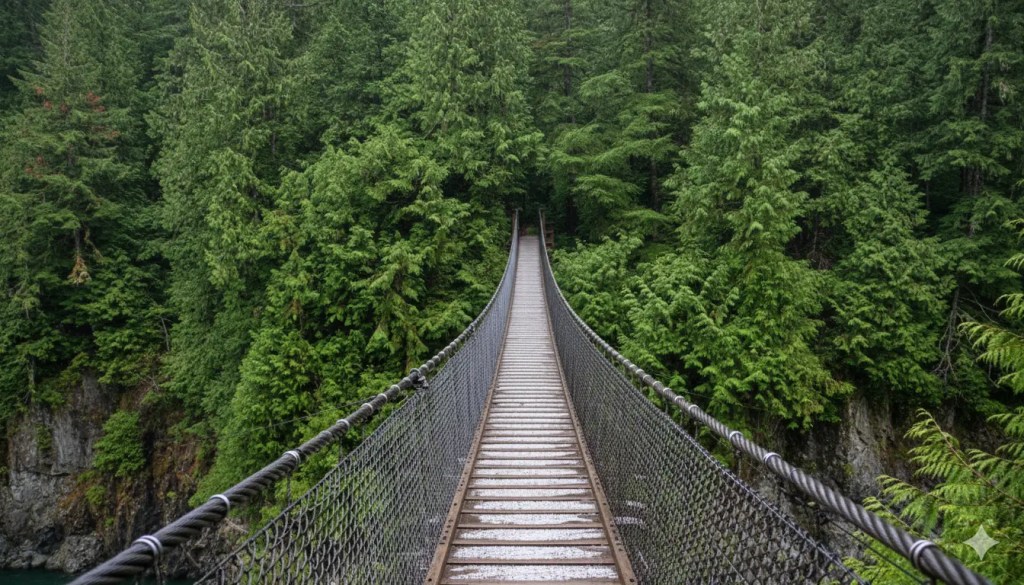
Visitor Tip for Capilano Suspension Bridge: Located just a 20-minute drive from downtown Vancouver, reaching Lynn Canyon Park by car or via TransLink bus #229 from the Lonsdale Quay SeaBus terminal is straightforward. For the best photos and minimal crowds, aim for a weekday opening (Park opens at 7 AM). The surrounding North Shore area is also home to other incredible, low-cost attractions like the Capilano River Regional Park and Grouse Mountain. Remember to wear shoes with good grip, as the trails and bridge deck can be slippery, especially after one of British Columbia’s famous rainforest showers. This destination perfectly embodies BC’s accessible natural beauty, offering an unforgettable adventure without the price tag.

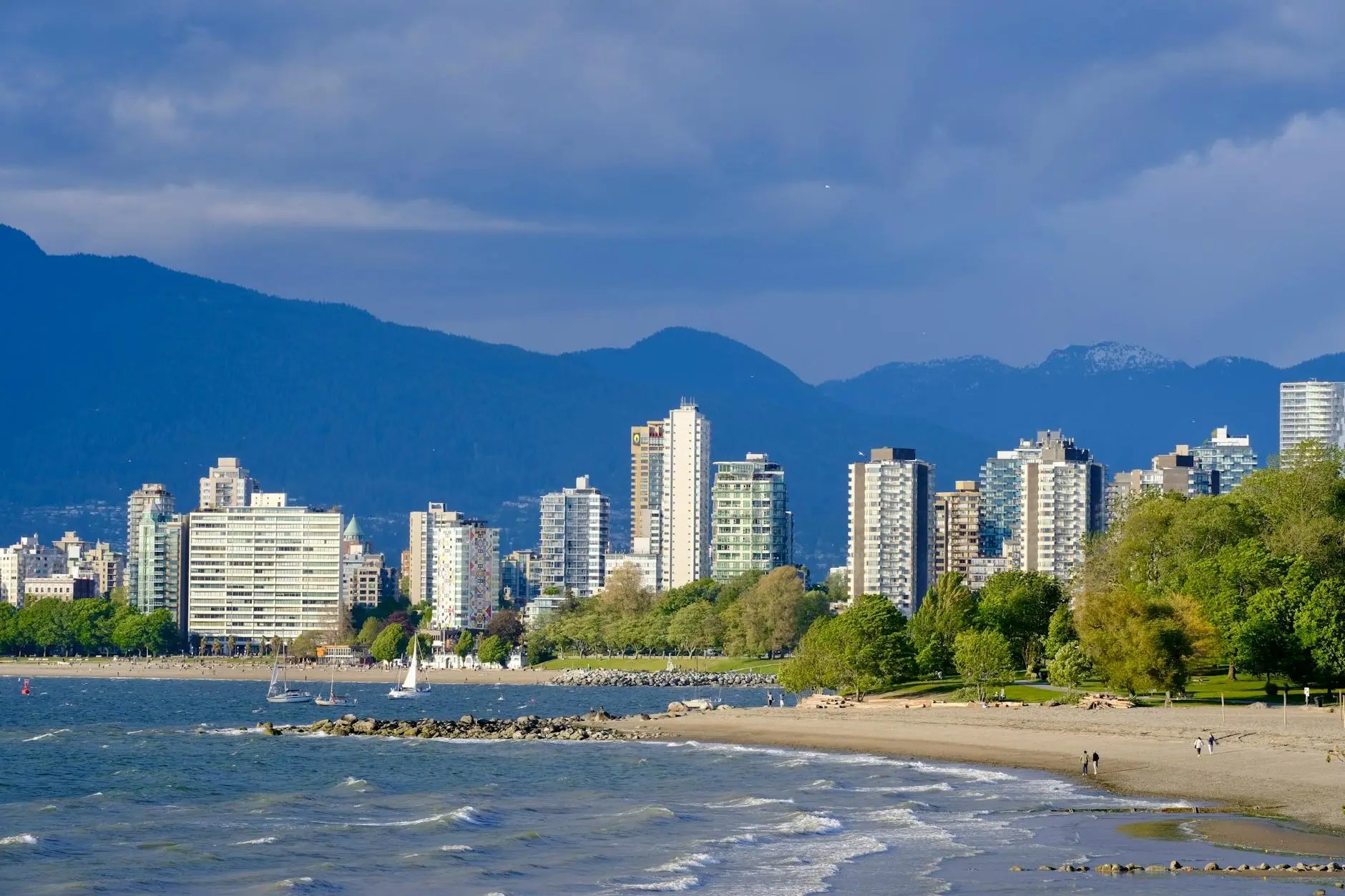
Visitor Tip to Kitsilano Beach : For the best photography light, arrive a few hours before sunset. These beaches are easily accessible via TransLink bus routes (#2, #22, #44) from downtown or by a scenic seaside walk or bike ride from Stanley Park. Parking can be challenging on summer weekends, so transit, ride-share, or cycling is recommended. This panoramic view of Coastal British Columbia is a must-capture for any traveler exploring the Pacific Northwest, offering a memorable and free vantage point of one of the world’s most livable cities.
Hidden Gems Only Locals Know
- Queen Elizabeth Park’s Bloedel Conservatory: A tropical oasis with chirping birds, often overlooked for the more famous Stanley Park.
| Queen Elizabeth Park’s Bloedel Conservatory: (Expedia) | Queen Elizabeth Park’s Bloedel Conservatory: (Get Your Guide) |
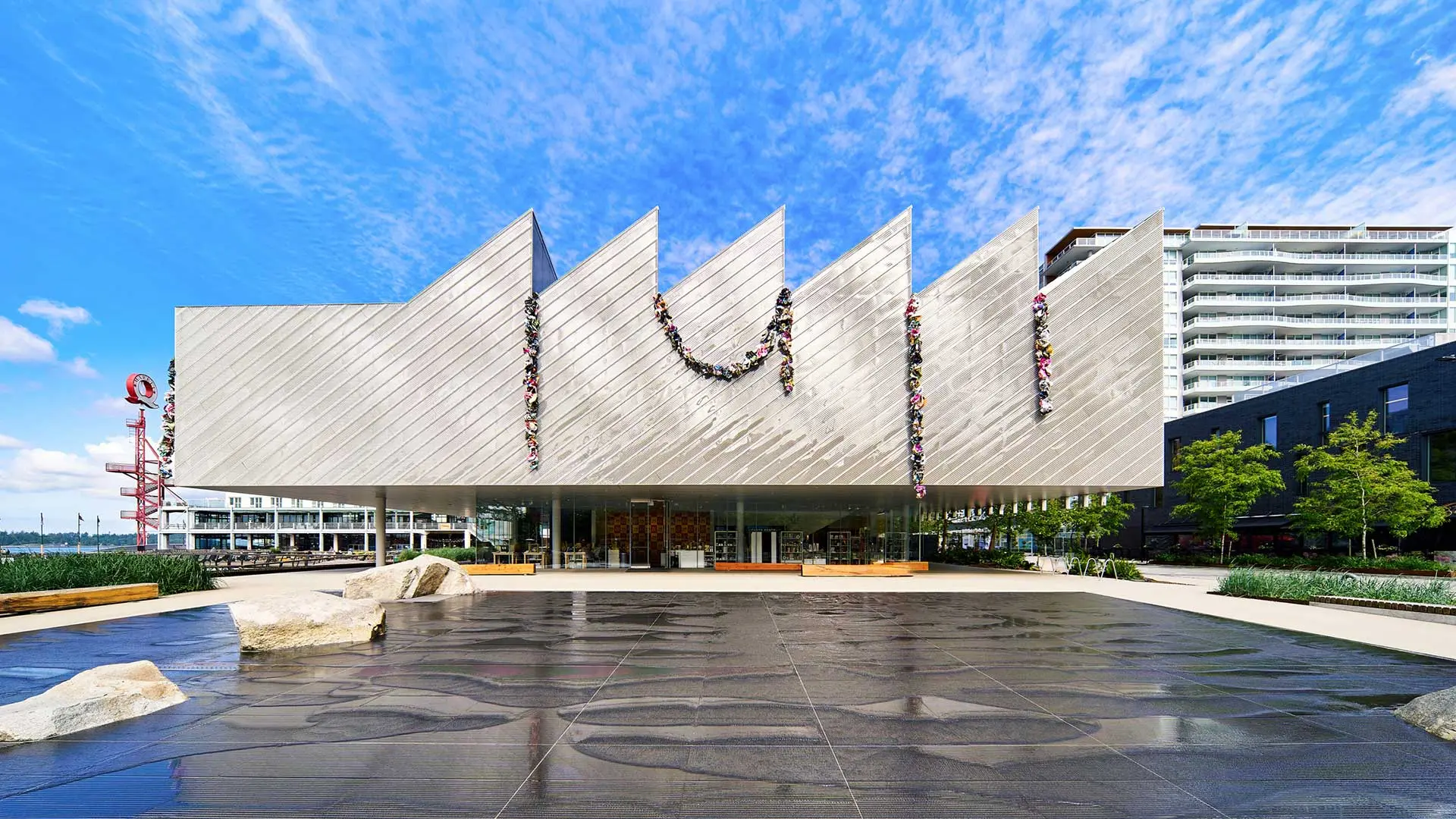
- The Polygon Gallery in North Van: Cutting-edge art without the downtown crowds.
| The Polygon Gallery in North Van (Expedia) | The Polygon Gallery in North Van (Get Your Guide) |
- Harbour Air Seaplane Terminal: You can watch these iconic planes take off and land from the nearby pier. It’s a free show!
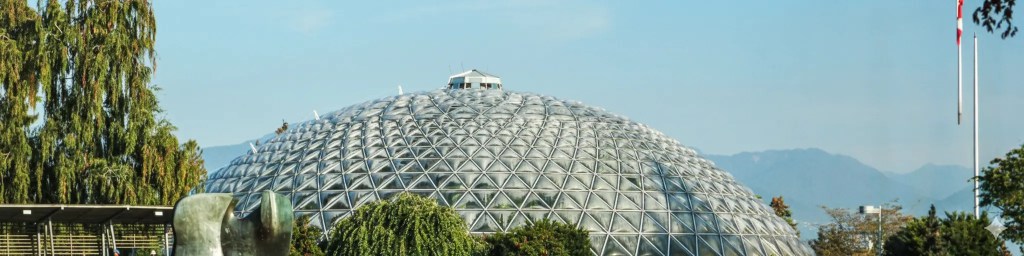
Visitor Tip to Bloedel Conservatory in Queen Elizabeth Park: Located in the Central Vancouver neighborhood of Cambie Corridor, the conservatory is easily reached via Canada Line SkyTrain (get off at King Edward Station and enjoy a 10-minute walk through a beautiful residential area). For a classic British Columbia value, visit on a weekday when it’s quieter, and consider the combined ticket with the VanDusen Botanical Garden. It’s an affordable, enchanting experience that contrasts perfectly with the city’s coastal and mountain adventures, making it a perfect addition to any Pacific Northwest itinerary.
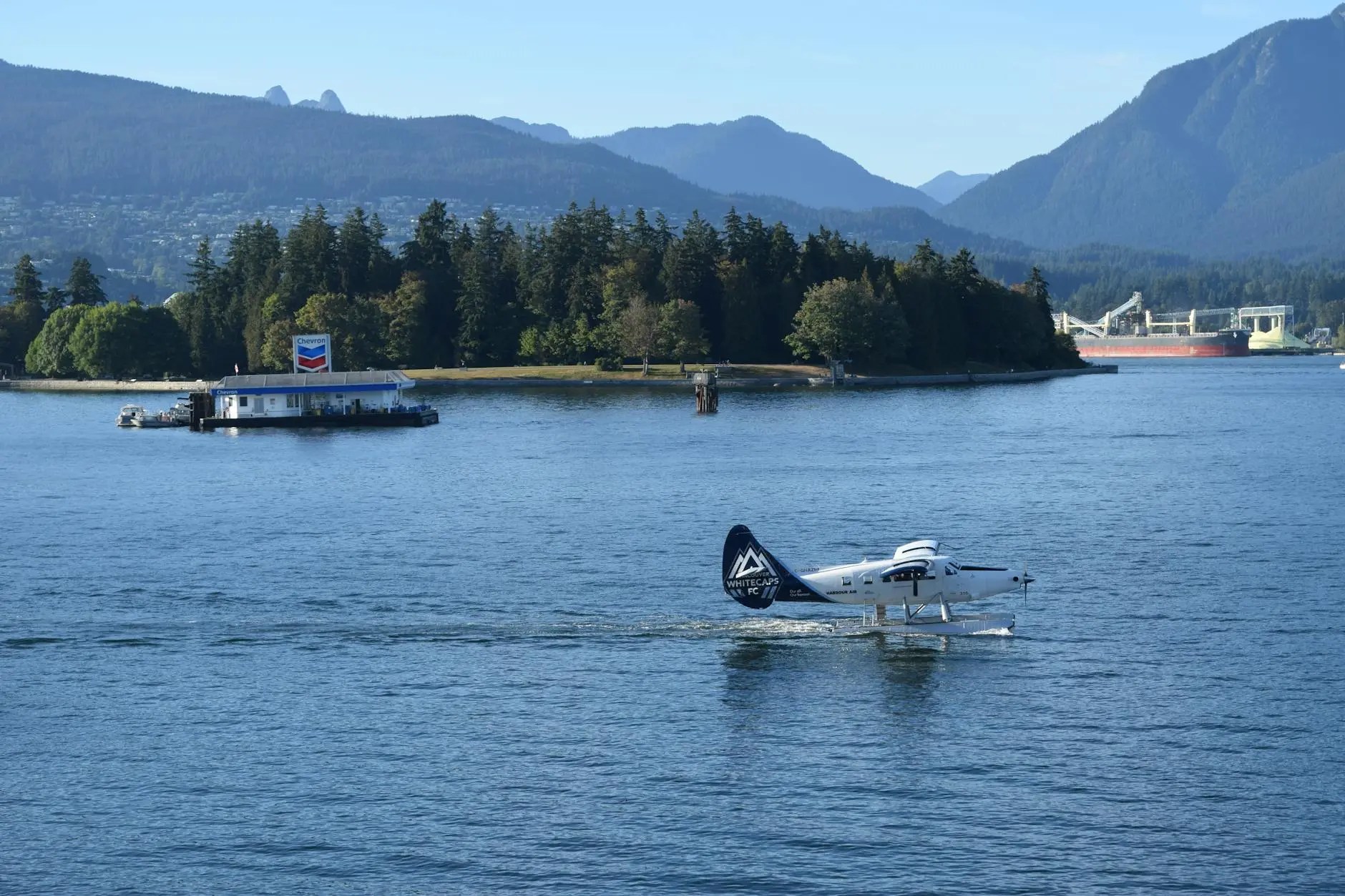
Visitor Tip to Harbour Air Seaplane Terminal: For the ultimate Pacific Northwest experience, consider a scenic flight tour from Vancouver Harbour. For budget travelers, simply watching the seaplane terminal’s activity is a fantastic free activity. The best photo opportunities are in the golden hour light of late afternoon, when the sun illuminates the aircraft against the North Shore Mountains. This iconic mode of transport highlights Coastal BC’s unique geography, connecting Vancouver Island, the Gulf Islands, and Whistler directly from the downtown waterfront, making it a must-see element of any Vancouver, Canada itinerary.
Food You’ll Still Think About at Home 🍣🍜
Vancouver’s food scene quietly competes with global giants.
Don’t miss:
- Sushi (seriously—anywhere, even tiny spots)
- Ramen on Robson Street
- Asian fusion food trucks
- Fresh salmon bowls near the harbor
💡 Budget tip: Lunch menus are significantly cheaper than dinner.
Best Time to Visit (And When to Avoid Crowds)
☀️ Best months: May, June, September
❌ Crowded & expensive: July–August
🌧️ Still lovely: April & October (bring layers)
Essential Vancouver Phrases & Travel Lingo
- “The 99”: Refers to the B-Line bus to UBC, but also the highway to Whistler.
- “Skytrain”: Our above/below-ground rapid transit. Not an actual train to the sky, though the views from the Expo Line crossing Fraser River are close.
- “Tap in/Tap out”: How you pay with your Compass Card on transit.
- “Loonie/Toonie”: A $1 coin / A $2 coin. Essential for lockers at the beach or buying a single coffee.
- “Mountain is out”: A celebratory phrase meaning the clouds have cleared and the North Shore mountains are visible. It’s a good day.
Must-Have Travel Tools & Gadgets
Let’s talk gear. I never travel without these:
- Stay Connected (Without the Bill Shock): Remember my ferry story? I wouldn’t have gotten lost if my phone had died. I now swear by Drimsim—a universal data SIM that works in 190+ countries. Pop it in, top up via the app, and you’re online. No more hunting for sketchy airport SIM counters. Get yours and roam like a pro.
- Peace of Mind for the Unexpected: ✈️ Flight Delayed or Canceled? It happens. Did you know you could be owed up to $650 in compensation? I use AirHelp to check my flights—they handle all the airline arguing and only charge if they win. It turned a 6-hour delay into a nice dinner fund.
- Travel Insurance is Non-Negotiable: From a sprained ankle on the seawall to a cancelled ferry, VisitorsCoverage is my go-to to compare and buy the right plan quickly. Don’t learn this lesson the hard way.
- Stay Secure Online: Using café Wi-Fi to plan your day? A VPN is crucial for security. I’ve used NordVPN for years to keep my data safe while accessing my home streaming services abroad.
- Capture Every Moment: I shoot all my travel photos with this lightweight, powerful camera. It’s perfect for cityscapes and those misty mountain shots.
- Keep All Devices Charged: European plugs? North American? No problem. This universal travel adapter with multiple USB ports keeps my phone, camera, and laptop alive simultaneously.
And Because Self-Care is Travel Care: After a long day of exploring, my skin needs love. I’m obsessed with Lakinza’s K-beauty products. They keep my complexion glowy despite jet lag and sea air. Use code Lalax10 for a sweet discount—because beautiful skin shouldn’t cost a fortune
FAQ: Your Vancouver Weekend, Answered
Q: Do I need a visa for Canada?
A: It depends on your citizenship. Many countries (like the US, UK, EU) are visa-exempt for short tourist visits but may need an eTA (Electronic Travel Authorization). Always check the official Government of Canada site well in advance. The eTA costs $7 CAD and is valid for years.
Q: What’s the best way from Vancouver Airport (YVR) to downtown?
A: The Canada Line SkyTrain is the fastest and cheapest (about 26 minutes, $10.25 CAD). A taxi is a flat rate of ~$35-$40. Skip the expensive airport shuttles for a solo or duo trip.
Q: Can I do a day trip to Victoria?
A: In a weekend? It’s tight. The ferry to Victoria (Swartz Bay) is a 1.5-hour sailing plus travel time to the terminal. If Vancouver is your only stop, I’d save Victoria for a longer trip. If you’re set on it, Direct Ferries can help you plan the marathon day.
🌍 Extend Your Trip: Cities That Pair Perfectly with Vancouver
One of the things I love about Vancouver is how easily it connects with other iconic cities along the Pacific corridor. If you’re already crossing the ocean (or continent), it’s worth stitching together a bigger journey. From Vancouver, you can fly south to San Francisco, Los Angeles, or Las Vegas in just a few hours—each offering a completely different vibe, from foggy bay views and creative neighborhoods to palm-lined boulevards and neon-lit nights. If you’re staying within Canada, Toronto is another great add-on, giving you a taste of urban Canada on the other side of the country. I’ve written detailed, traveler-tested weekend guides for all of these destinations—covering logistics, neighborhoods, food spots, and money-saving tips—so you can plan confidently without starting from scratch.
👉 Explore related weekend escapes from my archive:
- San Francisco, USA – West Coast culture, views, and iconic neighborhoods
https://confidencebuildings.com/2025/09/16/ultimate-3-day-san-francisco-weekend-guide/ - Los Angeles, USA – Beaches, Hollywood, and hidden local gems
https://confidencebuildings.com/2025/08/31/ultimate-weekend-guide-to-los-angeles/ - Las Vegas, USA – Beyond the Strip: food, shows, and desert escapes
https://confidencebuildings.com/2025/09/05/ultimate-weekend-getaway-in-las-vegas/ - Toronto, Canada – A vibrant, multicultural city break
https://confidencebuildings.com/2025/09/14/ultimate-weekend-guide-to-toronto-insider-tips-hidden-gems/
(You can also browse all destinations here: https://confidencebuildings.com/travel-master-list/)
Q: What should I pack?
A: Layers, layers, layers! And a waterproof jacket (not just “water-resistant”). Vancouver weather can go from sun to drizzle in minutes. Comfortable walking shoes are non-negotiable.
Ready to Explore Vancouver?
There you have it—your blueprint for an unforgettable weekend in one of the world’s most beautifully situated cities. From ferry tips to hidden gardens, you’re ready to experience Vancouver like a local, efficiently and full of wonder.
Final Thoughts 🌎
Vancouver isn’t loud about its beauty—it just exists effortlessly. It’s the kind of place that makes you slow down, breathe deeper, and rethink what a perfect weekend actually looks like.
If you’re craving nature without chaos, culture without stress, and food worth flying for, this city belongs on your list.
👉 Ready to plan your escape?
Book smart, pack light, and let Vancouver do the rest.
Your Adventure Starts Now:
👉 Book your flights and hotel bundle on Expedia to kick off your planning.


 Home Home sweet sweet home