
Introduction: Why Finance Content is YouTube’s Goldmine
If you’re looking to build a profitable YouTube channel in 2026, the numbers don’t lie: finance is the highest-paying niche on the platform. With CPM rates reaching $20-$50 for credit card content and $12-$22 for general personal finance, finance creators earn 5-10x more than gaming or entertainment channels with identical view counts .
But here’s the catch—”finance” is too broad. The real opportunity lies in specific sub-niches where demand is high but competition is manageable. This guide breaks down exactly which finance video niches are exploding in 2026, complete with CPM data, content ideas, and actionable strategies.
Part of the ConfidenceBuildings.com Emergency Finance Series — Episode 5
📅 Published: February 2026
🔗 Previous episodes in this series:
👉 Top Finance Niches for YouTube in 2026 – Episode 1 You are here!
👉 Top 10 Same Day Loan Lenders in USA 2026 – Episode 2
👉 Emergency Cash Options: Loans vs Credit Explained – Episode 3
👉 Hidden Fees of Same Day Loans Explained – Episode 4
👉 Current: Episode 5 — Who Should Use Same Day Loans?
💰 Why Finance Commands Premium Rates
Before diving into specific niches, understand why advertisers pay top dollar for finance audiences:
| Factor | Why It Matters |
|---|---|
| Customer Lifetime Value | A single credit card customer can generate $500-$2,000+ in lifetime value for banks |
| Purchase Intent | Viewers watching finance content are actively researching buying decisions |
| Affluent Demographics | Finance audiences tend to have higher income and purchasing power |
| Evergreen Demand | Financial anxiety drives consistent search volume year-round |
Average RPM by Finance Sub-Niche :
| Sub-Niche | CPM Range | RPM Range |
|---|---|---|
| Credit Cards & Rewards | $20-$50 | $15-$35 |
| Make Money Online | $15-$50 | $10-$25 |
| Personal Finance & Investing | $12-$22 | $8-$15 |
| Real Estate Investing | $10-$16 | $7-$12 |
🔥 Top 10 High-Demand Finance Niches for 2026
We do not endorse or promote any specific niches Information is based on publicly available data as of 2026 and may change without notice.
1. Credit Card Optimization & Rewards Strategy
This is the absolute highest-paying finance sub-niche in 2026. Banks compete aggressively for new cardholders, driving CPMs to $20-$50 .
Why it works: Credit card companies have massive customer acquisition budgets because each cardholder generates ongoing revenue through interest, fees, and merchant transaction fees .
Content Ideas:
- “Best Credit Cards for Travel Rewards 2026”
- “How I Fly First Class for Free Using Points”
- “Credit Card Sign-Up Bonus Strategies”
- “0% APR Balance Transfer Cards Explained”
- “Cash Back vs Travel Points: Which is Better?”
Best For: Detail-oriented creators who enjoy researching and comparing financial products.
2. Personal Finance for Freelancers & Creators
Traditional finance advice doesn’t fit the variable income of freelancers, gig workers, and content creators. This niche is exploding in 2026 .
Why it works: The creator economy is booming, and this audience has unique needs—quarterly taxes, retirement planning for self-employed, income diversification, and business expense tracking .
Content Ideas:
- “How I Budget My Irregular Creator Income”
- “Taxes for Freelancers Explained Simply”
- “Retirement Accounts for Self-Employed”
- “Quarterly Estimated Tax Payments 101”
- “Business Expenses Every Creator Should Track”
Best For: Freelancers, creators, or anyone with experience managing variable income.
3. Faceless Finance Channels (No Camera Required)
Combine YouTube’s highest-paying niche with the privacy and scalability of faceless content. This format is dominating in 2026 .
Why it works: Viewers care about clear explanations and data—not your face. Whiteboard animations, screen recordings, and stock footage with voiceover perform exceptionally well .
Content Ideas:
- Animated explainers of financial concepts
- Stock market breakdowns with charts and data
- Budget tutorials using spreadsheet screen recordings
- Economic news analysis with visual aids
Monetization: $10-$25 RPM, plus affiliate income from budgeting apps, brokers, and financial tools .
Best For: Privacy-focused creators, those uncomfortable on camera, or creators wanting scalable production.
4. Investing for Beginners
Financial anxiety drives millions of new investors to YouTube seeking education. This niche has consistent year-round search demand .
Why it works: Investment platforms, robo-advisors, and brokerages pay premium rates to acquire new customers .
Content Ideas:
- “Investing 101: Where to Start with $100”
- “Index Funds vs ETFs Explained”
- “How to Open Your First Brokerage Account”
- “Dollar-Cost Averaging Explained Simply”
- “Retirement Accounts: Roth IRA vs Traditional IRA”
Best For: Patient educators who can break down complex topics into digestible content.
5. Debt Payoff & Financial Independence Journeys
Personal storytelling combined with financial education creates highly engaging, binge-worthy content .
Why it works: Viewers connect emotionally with real people sharing their debt payoff or FIRE (Financial Independence, Retire Early) journeys. These channels build loyal communities .
Content Ideas:
- “We Paid Off $80,000 in 2 Years—Here’s How”
- “Monthly Debt Payoff Progress Updates”
- “FIRE Journey: Our Net Worth Update”
- “Extreme Budgeting Challenge”
- “How We Saved $10,000 in One Year”
Best For: Creators willing to share personal financial journeys authentically.
6. Credit Education & Building
With 1 in 3 Americans having subprime credit, this niche addresses a massive, underserved audience .
Why it works: Credit education content attracts viewers with high intent—they want to improve their financial situation and qualify for better loans and cards .
Content Ideas:
- “How to Build Credit from Scratch”
- “Credit Score Factors Explained”
- “Secured Credit Cards vs Unsecured”
- “How to Remove Errors from Your Credit Report”
- “Authorized User Strategy Explained”
Best For: Creators who understand credit scoring systems and can explain them clearly.
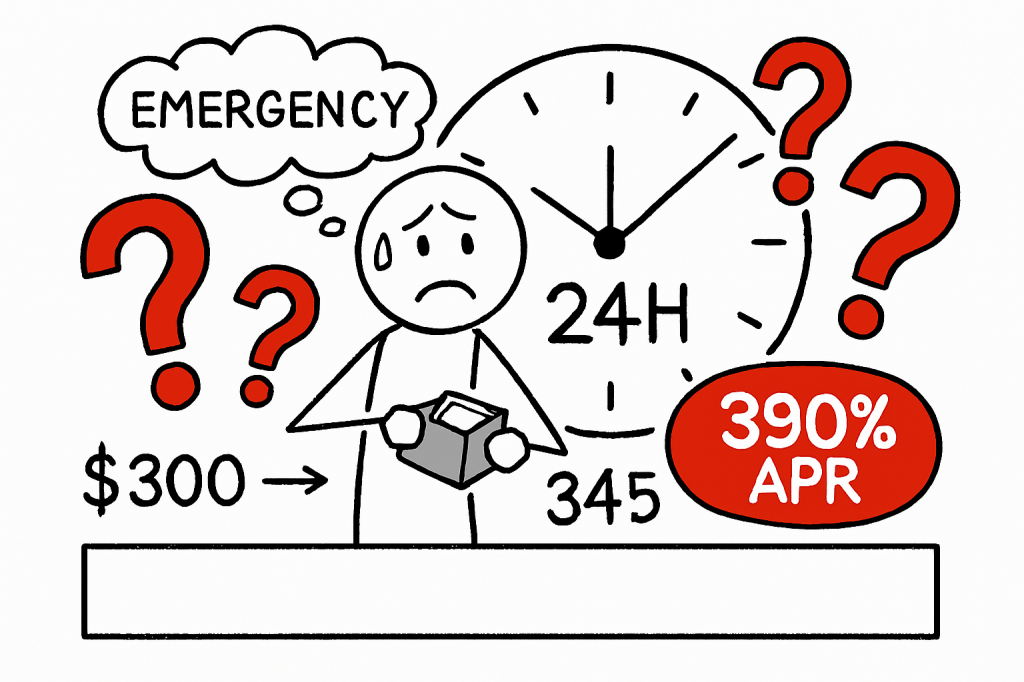
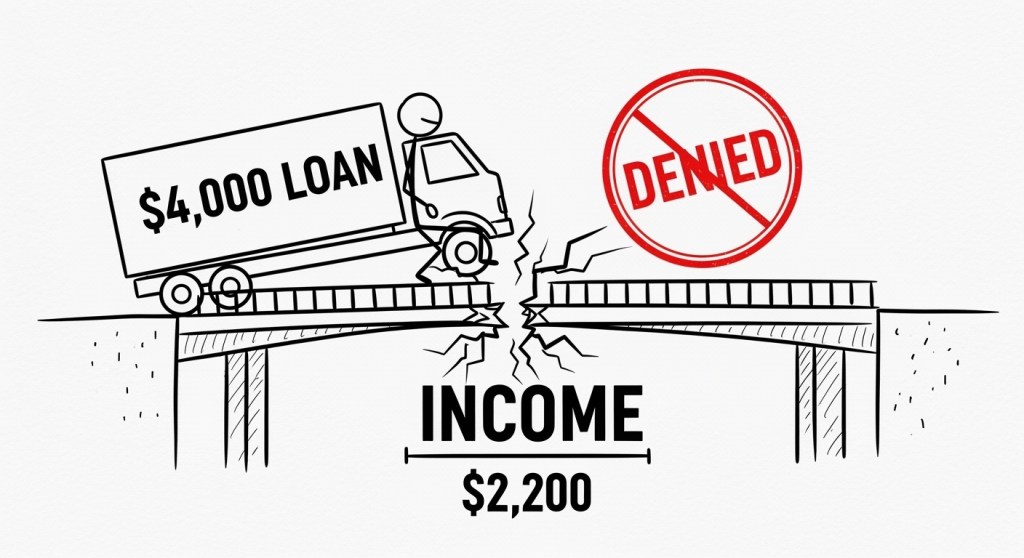
7. Same-Day Loans & Emergency Finance
This niche targets viewers facing immediate financial emergencies—a high-intent, underserved audience [citation:search experience].
Why it works: When someone searches “same day loans” or “emergency cash,” they need answers immediately. Educational content in this space builds trust and authority while avoiding predatory promotion.
Content Ideas (Educational Focus):
- “Same Day Loans Explained: What You Need to Know”
- “Payday Loans vs Installment Loans vs Lines of Credit”
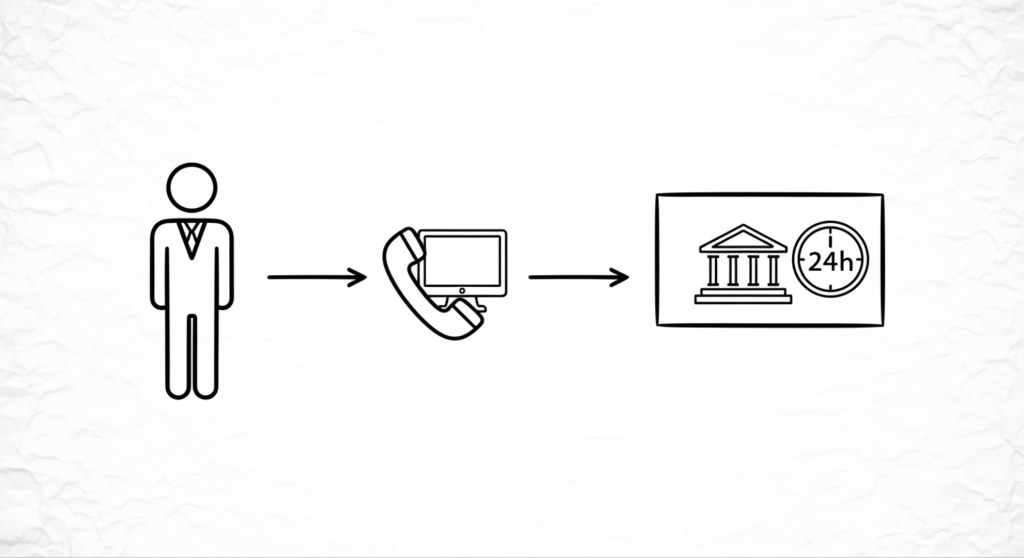
- “How Lenders Approve You in 10 Minutes”
- “State-by-State Loan Laws Explained”
- “Alternatives to High-Cost Emergency Loans”
⚠️ Critical: Must include clear disclaimers (“Not financial advice”) and maintain strictly educational positioning to avoid regulatory issues.
Best For: Creators who can maintain neutral, educational tone while addressing urgent financial needs.
8. Senior Finance & Retirement Planning
The 45+ demographic is the fastest-growing segment on YouTube, yet severely underserved in finance content .
Why it works: Seniors have significant assets, purchasing power, and specific financial concerns—Social Security, Medicare, retirement withdrawals, estate planning .
Content Ideas:
- “Social Security Benefits Explained”
- “Medicare Basics for 2026”
- “Required Minimum Distributions (RMDs) Guide”
- “Retirement Income Strategies”
- “Estate Planning Essentials”
Best For: Creators with knowledge of retirement systems, or those willing to research thoroughly.
9. Side Hustle & Make Money Online
This niche combines finance with entrepreneurship, attracting viewers seeking income diversification and financial independence .
Why it works: Economic uncertainty drives demand for side hustle content. Course creators, software companies, and business opportunity advertisers pay premium rates for this audience .
Content Ideas:
- “5 Side Hustles That Actually Pay in 2026”
- “How I Make $X,XXX/month with [Specific Skill]”
- “Digital Products That Generate Passive Income”
- “Freelancing Platforms Compared”
- “Starting an Online Business with $0”
Best For: Creators with real side hustle experience or results they can document.
10. FinTech App Tutorials & Reviews
New financial apps launch constantly, creating endless content opportunities with low competition for specific app names .
Why it works: People download apps but need tutorials to maximize their value. Step-by-step screen recordings are easy to produce and rank well for specific search terms .
Content Ideas:
- “[App Name] Tutorial for Beginners 2026”
- “Budgeting Apps Compared: Which is Best?”
- “How to Use [Investing App] Step by Step”
- “FinTech App Reviews: Pros and Cons”
- “Automated Investing with [Robo-Advisor Name]”
Best For: Tech-savvy creators who enjoy testing and explaining new tools.
📊 Comparison: Top Finance Niches at a Glance
| Niche | CPM Potential | Competition | Best Format | Audience |
|---|---|---|---|---|
| Credit Card Rewards | $20-$50 | Medium | Comparison/Tutorial | Travelers, Spenders |
| Freelancer Finance | $12-$22 | Low | Educational | Creators, Gig Workers |
| Faceless Finance | $10-$25 | Medium | Animated/Screen Recordings | General |
| Investing Beginners | $12-$22 | High | Educational | New Investors |
| Debt Payoff Journeys | $10-$15 | Medium | Vlog/Storytelling | Debt-Holders |
| Credit Education | $12-$18 | Low | Educational | Credit-Builders |
| Same-Day Loans | $15-$25 | Very Low | Educational | Emergency Seekers |
| Senior Finance | $12-$18 | Low | Educational | 45+ Demographic |
| Side Hustle | $15-$50 | High | Tutorial/Case Study | Income-Seekers |
| FinTech Tutorials | $8-$15 | Low | Screen Recording | App Users |
🚀 How to Choose Your Finance Niche
Step 1: Assess Your Expertise & Interest
| Question | Why It Matters |
|---|---|
| Do you have professional finance experience? | Credentialed niches (taxes, investing) reward expertise |
| Are you willing to research thoroughly? | Some niches require constant learning |
| Can you share personal financial stories? | Storytelling niches build loyal audiences |
| Do you prefer data or narrative? | Choose between analytical or emotional content |
Step 2: Validate Demand
Use these free tools to research keyword demand:
- Google Keyword Planner: Check monthly search volume
- YouTube search suggestions: Type keywords and see autocomplete
- AnswerThePublic: See what questions people ask
- Reddit: Browse finance subreddits for real questions
Step 3: Analyze Competition
Search your target keywords on YouTube and ask:
- How many videos have 100k+ views?
- Are there channels with <50k subscribers getting views?
- What formats are working (talking head, animation, screen recording)?
- What questions are NOT being answered?
Low competition signal: Channels with under 50k subscribers getting 10k+ views on recent videos .
📝 Content Formats That Work in Finance
1. Educational Explainer (Highest Retention)
- Whiteboard animation or slides with voiceover
- Clear structure with numbered points
- Visual comparisons and tables
- Best for: “What is X?” topics
2. Case Study / Real Example
- Document a real financial situation
- Show actual numbers and outcomes
- Include lessons learned
- Best for: Debt payoff, investing journeys
3. Comparison / “Vs.” Videos
- Side-by-side comparison of products or strategies
- Clear criteria and scoring
- Verdict/recommendation
- Best for: Credit cards, apps, investment accounts
4. Tutorial / How-To
- Step-by-step instructions
- Screen recordings for app tutorials
- Downloadable resources (budget templates, checklists)
- Best for: FinTech apps, tax filing, budgeting
5. News Analysis / Market Update
- Current events explained
- Implications for viewers’ money
- Data visualization
- Best for: Stock market, economic news, policy changes
⚠️ Critical Compliance Requirements
Finance content is heavily regulated. Protect yourself with:
Mandatory Disclaimers
| Placement | Text |
|---|---|
| Video Description (FIRST LINE) | ⚠️ DISCLAIMER: For educational purposes only. Not financial advice. |
| Verbal (early in video) | “This content is for educational purposes and not financial advice.” |
| On-screen during affiliate mentions | “This includes affiliate links” text overlay |
Best Practices
- Never guarantee investment returns
- Clearly label sponsored content
- Cite sources for data and statistics
- Update videos when information becomes outdated
- Avoid promising “get rich quick” outcomes
💡 Getting Started: Your Action Plan
Week 1-2: Research & Validation
- Choose 2-3 potential niches from this guide
- Watch 20+ videos in each niche
- Note common questions, formats, and gaps
- Check keyword demand and competition
Week 3-4: Content Creation
- Script and film 3 videos in your chosen niche
- Create consistent thumbnails
- Optimize titles and descriptions
- Add proper disclaimers
Week 5-6: Publish & Analyze
- Release videos 3-7 days apart
- Monitor analytics: retention, click-through rate, traffic sources
- Respond to comments and note questions
- Adjust strategy based on performance
Month 2-3: Scale
- Double down on what’s working
- Create series (like our “Same Day Loans Explained” 8-episode structure)
- Build email list or community
- Explore affiliate partnerships
🔧 Recommended Tools for Finance Creators
| Purpose | Free Options | Paid Options |
|---|---|---|
| Script Writing | DeepSeek, ChatGPT | Jasper, Copy.ai |
| Research | Google Trends, Reddit | SEMrush, Ahrefs |
| Visual Creation | Whisk, Canva | Adobe Suite, Midjourney |
| Screen Recording | OBS Studio | ScreenFlow, Camtasia |
| Video Editing | DaVinci Resolve, CapCut | Final Cut Pro, Premiere Pro |
| Thumbnails | Canva, Photopea | Photoshop |
| Audio | Audacity | Adobe Audition |
✅ Final Thoughts
The finance niche on YouTube in 2026 offers unmatched earning potential, but success requires:
- Choosing a specific sub-niche with genuine demand
- Providing clear, accurate, educational value
- Maintaining strict compliance with disclaimers and disclosures
- Consistent content creation to build authority
- Understanding your audience’s real questions and concerns
Whether you choose credit card rewards, freelancer finance, or our proven “Same Day Loans Explained” series format, the opportunity is real. The creators who succeed will be those who combine financial education with authentic audience connection—and do it consistently.
Ready to start? Pick one niche from this guide, create your first video this week, and join the growing community of finance educators transforming how people understand money.
https://youtu.be/szKNzvnNhxkHave questions about which niche fits your skills and goals? Drop them in the comments—I read every one and answer personally.


Disclaimer: This article is for informational purposes only and does not constitute financial niche advice.

 Home Home sweet sweet home