Ultimate Weekend Escape: Discover Tokyo’s Hidden Gems

🗼 Last Updated: April 2026 · Regularly Maintained — fresh Suica/PASMO info, updated teamLab ticket prices, and new hidden izakaya discoveries added
✓ 2026 data ✓ Regularly reviewed ✓ Part of 80+ series

🗼 THE TOKYO QUICK ANSWER — 48 HOURS

Can you experience Tokyo in a weekend? Yes — if you know where the hidden izakayas are.

Tokyo is not just Shibuya Crossing and robot restaurants. It’s a city of ancient temples tucked between skyscrapers, Michelin-starred ramen stalls, and alleyways where strangers become friends over sake. The tourist who only sees Senso-ji and Shibuya leaves. The traveler who finds Yanaka Ginza’s old-Tokyo charm, Kagurazaka’s cobblestones, and a Golden Gai bar with six seats discovers the real Tokyo. The difference is knowing which train to take.

🎯 THE 48-HOUR FORMULA

  • Day 1: Senso-ji Temple (early morning), Nakamise shopping street, Shibuya Crossing, Omoide Yokocho for yakitori, Golden Gai for tiny bars
  • Day 2: Tsukiji Outer Market (6am breakfast), teamLab Planets, Yanaka Ginza old Tokyo, Kagurazaka cobblestone streets
  • The secret: Get a Suica or PASMO card — digital version on your iPhone works instantly. Most tourists waste time buying tickets every ride. Don’t be that tourist.
  • The mistake: Carrying too much cash? No. The mistake is carrying no cash. Tokyo is modern but many small shops, temples, and izakayas are cash only.
🚆 Suica/PASMO: tap your phone 🍜 Tsukiji Market: go at 6am 💰 Cash is king in Golden Gai
✅ 48 hours is enough — get a Suica, carry cash, wake up early

📍 Source: Ramen-fueled weekends, one lost-in-translation three-bowl incident, and the discovery that the best sake is in a 6-seat bar

2,500+
people cross Shibuya Crossing at once
The world’s busiest pedestrian scramble
200+
Michelin-starred restaurants in Tokyo
More than Paris — including a ramen shop with a star
40M+
daily train riders in Tokyo
Trains leave exactly on time — 30 seconds late = missed train
3,000+
temples & shrines across Tokyo
Many hidden in plain sight between skyscrapers
🗼 THE TOKYO GAP — WHAT EVERY GUIDE MISSES

Most Tokyo guides tell you to see Senso-ji, cross Shibuya, and eat sushi. That’s not wrong. It’s just the Tokyo that everyone already knows.

Here’s what they don’t tell you: Tokyo has layers. The best sushi is at 6am. The coolest bars have six seats and no sign. The most beautiful neighborhoods are hidden behind train stations. The tourist who doesn’t know these things will pay too much, wait in long lines, and miss the magic. The traveler who does will find old Tokyo, eat like a local, and leave planning their return trip.

🎯 WHAT THEY DON’T SHOW YOU

🍜 The Tsukiji Timing Trap

Everyone goes to Tsukiji Outer Market. But they go at 10am. The secret? Go at 6am. No crowds. Fresher fish. The best sushi of your life. Show up late and you’ll wait an hour for a seat.

🚆 The Suica Digital Hack

Most tourists buy physical Suica cards at ticket machines. The secret? Add Suica to your iPhone Wallet. Tap your phone to ride. Recharge with Apple Pay. No lines. No lost cards. It works instantly.

🏮 The Golden Gai Reality

Golden Gai is famous for tiny bars. But most tourists walk through and leave. The secret? Pick a bar with no English sign. Sit down. Say “Kanpai.” Let the owner recommend something. The best nights happen when you have no plan.

💴 The Cash Rule

Tokyo is modern. But many small shops, temples, and izakayas don’t take cards. The secret? Always carry ¥5,000-10,000 in cash. The tourist with only a credit card will miss the best street food and the most charming bars.

🌸 The Cherry Blossom Reality

Everyone wants to see cherry blossoms. But they go to the famous spots. The secret? Go to a neighborhood park at 7am. Shinjuku Gyoen at sunrise has no crowds. The tourist fights for photos at noon. The traveler drinks tea under falling petals in peace.

🍣 The “Lost in Translation” Advantage

Tourists panic when menus are in Japanese. The secret? Point and trust. The best meal I had in Tokyo came from pointing at a random picture. I ended up with three bowls of ramen. I ate them all. Tokyo rewards the brave.

“The tourist waits in line at a robot restaurant paying ¥8,000 for a show. The traveler finds a Golden Gai bar with six seats, buys the owner a drink, and ends up singing karaoke until 3am. The difference is knowing that Tokyo’s best experiences don’t have websites.”

— Nomad Nate, after 6 trips to Tokyo

❌ Carrying no cash ✅ Get digital Suica ✅ Tsukiji at 6am
📊 80% of tourists never find Yanaka Ginza’s old-Tokyo charm

📍 Sources: Ramen-fueled weekends, one lost-in-translation three-bowl incident, and the discovery that the best sake is in a 6-seat bar

🗼 What’s Inside This Guide
⬆️ Click any link to jump directly ⬆️

Table of Contents

  1. Introduction: Beyond the Neon – Uncovering the True Tokyo
  2. Before You Go: Planning Your Tokyo Weekend Adventure
    • Best Time to Experience Tokyo’s Seasons
    • Navigating the City: Transport Tips and Tricks
    • Where to Stay: Neighborhoods with Unique Character
  3. Your Weekend Itinerary: Tokyo’s Hidden Gems
    • Day 1: Tradition, Artisans, and Serene Gardens
      • Morning: Yanaka Ginza – The Old Tokyo Charm
      • Afternoon: Kagurazaka’s Cobblestone Streets and French Fusion
      • Evening: Shinjuku’s Omoide Yokocho and Golden Gai
    • Day 2: Design, Culture, and Local Flavors
      • Morning: Daikanyama and Nakameguro – Tokyo’s Trendy Nexus
      • Afternoon: Kappabashi “Kitchen Town” and Ameyoko Market
      • Evening: Local Izakaya Hopping in a Non-Touristy Area
  4. Essential Off-the-Beaten-Path Experiences
    • Food: From Street Food to Secret Supper Clubs
    • Cultural Etiquette: Respectful Exploration
  5. Practical Tips for the Discerning Traveler
    • Connectivity: Pocket WiFi vs. SIM Cards
    • Cash is King: Navigating Payments
    • Useful Japanese Phrases for Deeper Connection
  6. Conclusion: Crafting Your Own Unique Tokyo Story

Have you ever dreamed of neon lights and futuristic tech? Do centuries-old temples captivate you? Does ramen make you want to weep tears of joy? If so, Tokyo is waiting for you. This city is not just Japan’s capital—it’s one of the most visited cities in the world. And yes, you can squeeze a taste of its magic into just one weekend (though trust me, you’ll be plotting your return trip before your plane even takes off).

Why Tokyo for a Weekend Escape?

Tokyo is the kind of city that gives you a thousand experiences in a single breath. Morning meditation at a 1,000-year-old shrine, lunch at a Michelin-star ramen shop, shopping in Harajuku, then belting karaoke under neon lights—it’s a weekend that feels like a lifetime.

I’ve explored weekend escapes in places like Istanbul, NYC, and Singapore. But Tokyo? It’s in a league of its own.

Flights to Tokyo

✈️ Flight Delayed or Canceled?
Travel isn’t always smooth sailing—sometimes flights get delayed, canceled, or overbooked. The good news? You might be entitled to up to $650 in compensation under air passenger rights. Most travelers never claim it, but I’ve got you covered: just check your flight with AirHelp. They handle the paperwork, fight the airlines for you, and only get paid if you win. Easy, stress-free, and potentially a nice surprise for your travel fund.

✈️ Don’t get stuck with a massive phone bill! We all know the struggle of finding affordable data abroad. Airport SIMs are overpriced, and international roaming fees are a nightmare. That’s why I never travel without my Drimsim. It’s a global SIM that works in almost every country instantly. Just top it up via the app when you need it, and you’re good to go. Stay connected from the moment you land without the stress. Check it out here: 👉 Drimsim: SIM Card for Traveling Around the World

💡 Pro Travel Tip:
While hopping on metro, tram, or bus is super easy, travel hiccups like delays, lost luggage, or sudden medical emergencies can happen anywhere. That’s why I always carry travel insurance before jetting off. It gives peace of mind knowing I’m covered, no matter what. I personally recommend VisitorsCoverage Travel Insurance — quick to book, affordable, and traveler-friendly.

🇯🇵 TOKYO · 東京 · WHERE TRADITION MEETS THE FUTURE

🗼乾杯! Tokyo’s neon-lit streets and hidden alleyways are just one of 80+ destinations I’ve explored!

From the shimmering towers of Shinjuku to the serene gardens of the Imperial Palace, Tokyo is a city of endless discovery. And I’ve captured that same magic across 6 continents — with 45+ European cities, Asian adventures, Americas escapes, and more.

45+ Europe
18+ Asia
10+ Americas
8+ Africa/Aus
🌍 EXPLORE ALL 80+ GUIDES →

Europe · Asia · Americas · Australia · Africa

🇯🇵 JAPAN GUIDES:
Tokyo | Kyoto | Osaka | Hakone (coming soon) | Nikko (coming soon)
🗼 “Tokyo hides its best secrets in plain sight — and 80+ more cities are waiting to share theirs with you”

✨ Day 1: Tradition Meets Tech

Morning: Senso-ji Temple, Asakusa

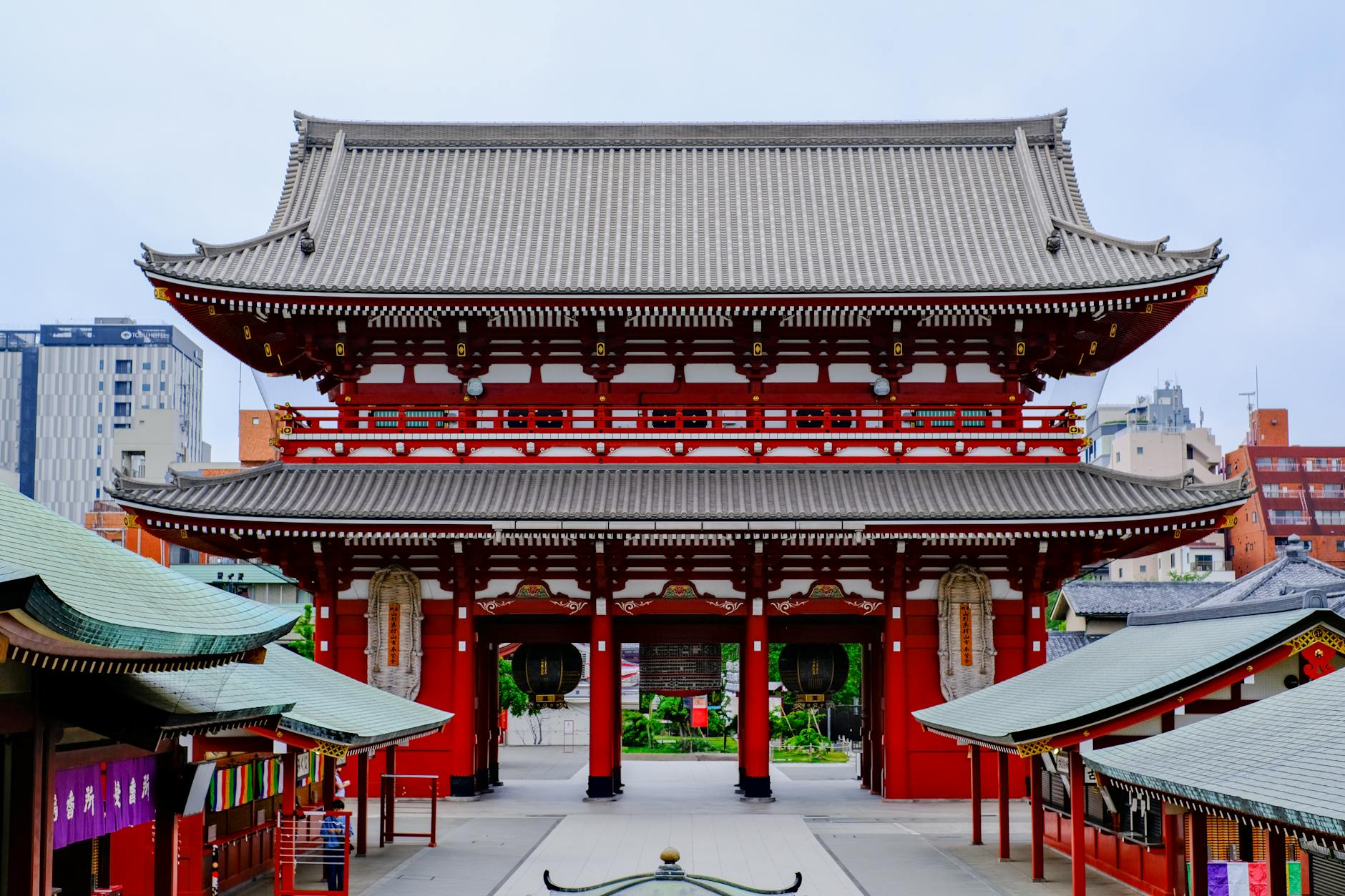
Start with a bit of serenity. Senso-ji is Tokyo’s oldest temple, and walking through the Nakamise shopping street feels like stepping back into Edo-period Japan—except with better souvenir stalls. Grab a fresh melon pan (sweet bread) to keep you energized.

Find the best hotels near Sensoji Temple

Personal Note: I once tried drawing a fortune here (called omikuji) and got the “worst luck” slip possible. Don’t panic if you do too—just tie it to the temple’s rack and move on with your day. Tokyo knows how to balance fate and fun.

Sensoji Temple Tours

Sensoji Temple, Tokyo’s most famous Buddhist temple, founded in 645 AD. The vibrant Kaminarimon Gate welcomes visitors to Nakamise shopping street.

The Main Hall (Hondō) of Sensoji Temple, where visitors waft incense smoke for blessings. Founded in 645 AD, this sacred site remains a symbol of Tokyo’s spiritual heritage.

Afternoon: Shibuya Crossing

No Tokyo weekend is complete without standing in the middle of the world’s busiest pedestrian crossing. It’s chaotic, mesmerizing, and oddly therapeutic—like synchronized chaos.

Hotels near Shibuya Crossing, Tokyo

Aerial view of Shibuya Crossing in Tokyo, showcasing busy pedestrian pathways and bustling streets, with bright advertisements on surrounding buildings.
Aerial view of the iconic Shibuya Crossing, bustling with pedestrians and surrounded by vibrant city lights.

📸 If you’re planning to capture this moment (and you should), don’t forget a solid camera. I recommend browsing some great travel-ready cameras here.

Shibuya Crossing Tours

🚦 SHIBUYA SCRAMBLE · TOKYO’S PULSE

🚦乾杯! Shibuya Crossing at rush hour is just one iconic moment — I’ve experienced 80+ cities at their most vibrant!

From the Hachiko statue to bustling intersections around the world — let the energy guide you.

🚦 “2,500 people cross at once — and 80+ cities have their own rhythms”

Evening: Shinjuku Nights

A vibrant street in Tokyo at night, filled with colorful neon signs in Japanese, bustling with people enjoying the nightlife.
A vibrant evening scene in Shinjuku, Tokyo, illuminated by neon lights and bustling with energy.

Head to Omoide Yokocho (aka “Memory Lane”), where smoky yakitori stalls make you feel like you’ve entered a time capsule. Don’t be surprised if a stranger raises a glass and says “Kanpai!”—Tokyo nights are for making friends you’ll never forget.

Hotels in Shinjuku, Tokyo 

Tokyo Bar Hopping Night Tour in Shinjuku

A narrow alley in Tokyo filled with vibrant lanterns and signage, creating a cozy, inviting atmosphere for diners. People can be seen walking and enjoying the lively atmosphere of this bustling street.
Experience the vibrant nightlife of Omoide Yokocho, a charming alleyway lined with glowing lanterns and yakitori stalls in Tokyo.

Hotels near Omoide Yokocho, Tokyo

Omoide Yokocho Tours

🌸 Day 2: Hidden Gems & Modern Marvels

Morning: Tsukiji Outer Market

Yes, the inner market moved, but Tsukiji’s outer stalls are still alive with sizzling seafood skewers, tamago rolls, and sushi so fresh it practically swims onto your plate. Pro tip: go early to avoid the tourist rush.

A bustling shopping street in Tokyo filled with people, lined with colorful storefronts and hanging lanterns.
Bustling scene at Tsukiji Outer Market, filled with vibrant stalls and visitors enjoying fresh seafood and local delicacies.

Afternoon: Ghibli Museum (Hidden Gem!)

If you’re a Studio Ghibli fan, this spot in Mitaka is a dream. Think whimsical staircases, Totoro waiting rooms, and exclusive short films you’ll never see outside Japan. Tickets sell out fast, so book well in advance.

Hotels near Ghibli Museum, Tokyo

🔍 TOKYO’S HIDDEN GEMS · AND 80+ MORE CITIES

🔍乾杯! Tokyo’s secret sake bars and hidden gardens are just the beginning — I’ve uncovered 80+ destinations’ best-kept secrets!

From Golden Gai’s tiny bars to local favorites around the world — travel like an insider.

🔍 “Tokyo’s hidden gems are special — and 80+ cities have their own secrets waiting for you”
Interior view of an art gallery featuring wooden flooring, modern lighting, and several paintings displayed on white walls. Visitors are observing the artwork.
Explore the captivating Ghibli Museum in Mitaka, a must-visit for fans of Studio Ghibli’s enchanting animations.

Ghibli Museum Tours

Evening: TeamLab Planets Tokyo

Forget everything you know about museums—this digital art experience is like walking through a dreamscape of light, mirrors, and water. Bring a change of socks (you’ll thank me later).

A large illuminated globe hanging in a modern museum, with silhouettes of visitors walking along a bridge in the background.
Visitors admire the stunning digital art installation at TeamLab Planets Tokyo, showcasing a mesmerizing globe that reflects Earth’s beauty.

🌏 Side Trip Idea: If your travels take you beyond Shanghai, Tokyo is just a short flight away and packs an entirely different vibe—think neon streets, sushi feasts, and ancient temples tucked between skyscrapers. I usually book activities and tours through Rakuten Experiences because it’s a hassle-free way to score everything from sumo-wrestling shows to sushi-making classes. Booking ahead saves time, and you’ll skip the stress of last-minute planning.

Rakuten Experiencesicon

🛫 Travel Tips for Tokyo

  • Best Time to Visit: Spring (March–April) for cherry blossoms or Autumn (October–November) for fiery leaves.
  • Getting Around: Grab a Suica or Pasmo card for hassle-free metro rides. Trains are punctual to the second (seriously, if you’re 30 seconds late, the train is gone).

If you plan on zipping around Tokyo (and trust me, you will), grab yourself a Suica card—it’s basically the city’s golden ticket for hassle-free travel. You can buy one at JR East train stations or even at the airport, load it up with yen, and then just tap your way through trains, buses, and even convenience stores. No more fumbling with coins for every ride. A bonus? You can use it to grab snacks at vending machines, buy coffee at 7-Eleven, or even pay at some restaurants. The card is rechargeable, refundable when you leave Japan, and makes navigating Tokyo’s famously punctual transport system a whole lot smoother.

🗼

Tokyo’s hidden gems! Just one of 80+ destinations across 6 continents.

🇪🇺 45+ Europe · 🌏 18+ Asia · 🌎 10+ Americas · 🌅 8+ Africa/Australia

🗼 “From Tokyo’s neon alleys to the world — 80+ adventures await”

🚌 What is a PASMO Card?

The PASMO card is Tokyo’s other rechargeable smart travel card, created by private railway and bus companies. Just like Suica, it works on almost all trains, subways, and buses across Tokyo (and most of Japan’s major cities). You can also use it at convenience stores, vending machines, and some restaurants. PASMO is especially handy if you’re traveling more on the Tokyo Metro or private lines rather than JR East trains. You can pick one up at Tokyo Metro stations, airports, or bus terminals, top it up easily, and just tap your way through.

🔄 Suica vs. PASMO: Which One Should You Get?

Both cards are nearly identical in function, so you honestly can’t go wrong. But here are the small differences that matter:

  • Where They’re Issued
    • Suica: Issued by JR East (Japan Rail). Available at JR train stations and airports.
    • PASMO: Issued by private railway and bus operators. Available at Tokyo Metro stations and bus terminals.
  • Coverage
    Both work seamlessly across Tokyo’s transport network (JR lines, subways, buses) and are even accepted in other major cities like Osaka, Kyoto, and Fukuoka.
  • Refunds
    If you want your deposit back when leaving Japan, it’s easier to return a Suica at a JR station or a PASMO at a Metro station.
  • Everyday Use
    Both can be used for small purchases at convenience stores, vending machines, and some shops.

👉 Bottom Line:

  • If you’re staying around JR East train lines (like Shinjuku, Shibuya, Tokyo Station) → Suica is slightly more convenient.
  • If you’ll be riding more Tokyo Metro or private linesPASMO might save you a line at the ticket machines.
  • Otherwise, pick whichever is available first at the airport—you’ll barely notice a difference once you’re zipping around the city.

💡 Insider Tip: You don’t even need to carry a physical Suica or PASMO card anymore—Japan’s gone fully digital! If you’ve got an iPhone (with Apple Wallet) or an Android phone (with Google Wallet or the Suica/PASMO app), you can add a mobile Suica or PASMO directly to your phone. Just top it up with your credit card and tap your phone at the gates or vending machines like a local. No more lining up at ticket counters or worrying about losing your card. Plus, recharging on the go is a lifesaver when you’re racing to catch that last train after karaoke.

  • Stay Connected: Roaming charges in Japan can be brutal. I avoid the airport SIM counter trap and instead use a universal travel SIM that works in 190+ countries. Just top it up via app, and you’re online—no hidden fees, no panic. Check out Drimsim: SIM Card for Traveling Around the World.
  • Safety: Tokyo is one of the safest cities globally, but I always keep my connection private when using public WiFi. A good VPN like NordVPN keeps your data safe while you’re Instagramming your sushi.

🍣 Personal Anecdote: Lost in Translation (Literally)

On my first Tokyo trip, I tried to order ramen using only gestures. I ended up with three bowls and a side of extra noodles. Did I eat it all? Absolutely. Was I in a food coma until morning? You bet. Lesson learned: embrace the unexpected—Tokyo rewards curiosity.

🔗 Related Reads You’ll Love

If Tokyo sparks your wanderlust, you might also enjoy:

🗣️ REAL STORIES · REAL MISTAKES · WHAT ACTUALLY WORKS

Tokyo looks easy. But there are secrets—the Tsukiji timing, the Suica digital hack, the cash rule. Here are three stories from travelers who learned the hard way—and one who figured it out.

S

Reader Story · Sarah, London

Visited October 2025

“I showed up at Tsukiji Market at 11am. Every stall had a line. I waited 45 minutes for a sushi set that was good but not great. A local next to me whispered: ‘You came too late. 6am is the secret.’ I went back the next morning at 6am. No line. Better fish. Half the price. I learned: Tokyo rewards early risers.”

😬 HER MISTAKE

Went to Tsukiji at peak time. Waited in long lines for overpriced sushi.

✅ WHAT SHE LEARNED

Tsukiji Market opens early for a reason. Go at 6am. No lines. Better fish. The tourist sleeps in. The traveler eats well.

NN

Nomad Nate · 6 trips to Tokyo

“Sarah discovered the #1 Tokyo rule. The city wakes up early. Tsukiji’s best stalls open at 5 or 6am. By 9am, the lines start. By 11am, you’re waiting an hour. The secret? Set your alarm. Eat breakfast at the market. Take a nap later. The freshest fish and the shortest lines belong to the early riser.”

Nate’s Pro Tip: “If you can’t do 6am, aim for 2pm. The lunch rush ends. Some stalls close, but the hidden gems in the outer market are still serving. But honestly? Just wake up early. It’s worth it.”

M

Reader Story · Mike, Chicago

Visited November 2025

“I thought Tokyo was fully digital. I brought only my credit card and phone. Then I tried to buy grilled eel from a tiny stall in Yanaka Ginza. The owner pointed to a sign: ‘Cash Only.’ I had no cash. I walked away hungry. I learned that day: Tokyo is modern but traditional. Always carry cash. Especially at the best places.”

😱 HIS MISTAKE

Assumed everywhere takes cards. Brought no cash. Missed out on amazing food.

✅ WHAT HE LEARNED

Small shops, temples, and izakayas often don’t take cards. Carry ¥5,000-10,000 cash at all times. The best experiences are often cash only.

NN

Nomad Nate · 6 trips to Tokyo

“Mike’s story is the #2 Tokyo mistake. Japan loves cash. The big chains take cards. The small places—the ones you actually want to find—often don’t. The rule: withdraw ¥10,000-20,000 from a 7-Eleven ATM (they have the best exchange rates) and keep it in your wallet. You’ll sleep better knowing you can buy that grilled eel.”

Nate’s Pro Tip: “7-Eleven ATMs in Japan are your best friend. Low fees. English menus. And they’re everywhere. Withdraw cash when you land. Don’t wait until you’re at a cash-only stall with an empty wallet.”

L

Reader Story · Lisa, Melbourne

Visited March 2026

“I walked through Golden Gai and saw all the tourists taking photos. Then I noticed a tiny alley with no sign. I walked in. A bar with six seats. The owner didn’t speak English. I pointed at a bottle. He poured. I said ‘Kanpai.’ He smiled. Two hours later, I was singing karaoke with strangers. I learned: the best bars in Tokyo don’t have Instagram accounts.”

✨ ACCIDENTAL DISCOVERY

Walked past the tourist photos. Found an unmarked bar. Had the best night of her trip.

🗼 THE 10 TOKYO TRUTHS — EVERYTHING DISTILLED

If 48 hours is too much to carry—here are the ten truths that matter most. Print them. Save them. Send them to someone who needs them.

01 Suica/PASMO is your golden ticket.

Tap your way through trains, buses, and convenience stores. Better yet: add digital Suica to your iPhone Wallet. No lines. No lost cards. Recharge with Apple Pay. Most tourists don’t know this. Now you do.

02 Tokyo is cash-friendly. Carry ¥5,000-10,000.

The big chains take cards. The small shops, temples, and izakayas don’t. The tourist with only a credit card misses the best street food and the most charming bars. 7-Eleven ATMs are your best friend.

03 The best sushi is at 6am. Tsukiji proves it.

Tsukiji Outer Market opens early for a reason. No lines. Fresher fish. Half the price. The tourist sleeps in and waits an hour. The traveler eats breakfast at the market and wonders why everyone else showed up late.

04 Trains leave EXACTLY on time. 30 seconds late = missed train.

Tokyo’s train system is punctual to the second. If Google Maps says 9:47, the train leaves at 9:47. Not 9:48. Not 9:47:30. Don’t test it. You will lose.

05 Golden Gai is for night owls. The best bars have no sign.

Tourists photograph the famous Golden Gai bars. The traveler walks into an alley with no sign. Six seats. Cash only. No English menu. That’s where Tokyo’s magic lives. Say ‘Kanpai’ and trust the owner.

06 You don’t need fluent Japanese. You need ‘Sumimasen.’

‘Sumimasen’ (excuse me) opens every door. Add ‘Arigatou gozaimasu’ (thank you) and ‘Kore o kudasai’ (this please). That’s 90% of your interactions. The rest you can point and smile.

07 teamLab Planets requires socks. Bring a change.

You walk through water. Your socks will get wet. Bring a spare pair. Most tourists don’t read this and walk around with wet feet. Don’t be that tourist.

08 Cherry blossom season is a sport. Book months ahead.

March-April is peak season. Hotels book out 3-6 months in advance. Prices double. The tourist who books last minute pays triple. The traveler who plans ahead drinks tea under falling petals in peace.

09 Yanaka Ginza is old Tokyo. Most tourists never find it.

A neighborhood that survived WWII and modernization. Wooden houses. stray cats. traditional snack stalls. It’s a 10-minute walk from Nippori Station. Most tourists stay in Shinjuku and Shibuya. Their loss.

10 Tokyo is not just a city. It’s a thousand neighborhoods.

The tourist sees Shibuya, Shinjuku, and Asakusa. The traveler finds Yanaka, Kagurazaka, Nakameguro, and Golden Gai’s unmarked bars. Tokyo hides its best secrets. But only if you’re willing to walk down the small alleys.

The Smart Traveler Framework — Six Questions Before You Go

Do I have digital Suica? Do I have cash? Am I waking up early for Tsukiji? Did I book teamLab Planets in advance? Do I know where the unmarked bars are? Do I have my ‘Sumimasen’ ready? That framework is yours now. Use it in Tokyo. Use it everywhere.

📍 Sources: Ramen-fueled weekends, one lost-in-translation three-bowl incident, and the discovery that the best sake is in a 6-seat bar

🗼 FINAL THOUGHTS — LAXMI HEGDE, MBA IN FINANCE

“I thought I understood Tokyo. Then I walked into a bar with no sign.”

First time: I was a tourist. I saw Shibuya Crossing. I took photos at Senso-ji. I ate sushi at a restaurant in Shinjuku. I left thinking Tokyo was impressive but overwhelming. I had done Tokyo the easy way. I had missed the point.

Second time: I woke up at 5am. I went to Tsukiji Market before the crowds. I watched the tuna auction from a distance. I ate sushi at 6am that changed my understanding of fish. I realized Tokyo rewards the early riser. I left wondering why I had ever slept in.

Third time: I walked past Golden Gai’s famous bars. I found an alley with no sign. A bar with six seats. The owner didn’t speak English. I pointed at a bottle. He poured. I said ‘Kanpai.’ He smiled. Two hours later, I was singing karaoke with strangers. I realized that Tokyo is not one city. It’s a thousand. And most of them are hiding in plain sight, waiting for you to walk down the small alleys.

What I learned

The tourist sleeps in and misses Tsukiji. The traveler wakes up at 5am. The tourist takes photos of famous bars. The traveler walks into alleys with no signs. The difference is a willingness to get uncomfortable. Tokyo rewards the curious, the early riser, and the person who carries cash. Don’t just see Tokyo. Live in it for 48 hours.

🗼 The Series Connection

This is one of 80+ weekend guides in our Ultimate Weekend Escapes series. Every city, every guide, every wrong turn I’ve taken—it’s all here for you.

🍜 What’s Next

Next in the series: Kyoto, Japan—temples, tea ceremonies, and Japan’s ancient capital. Coming soon.

Mata ne, Tokyo

(See you again, Tokyo)

Laxmi Hegde

MBA in Finance · ConfidenceBuildings.com

April 2026 · Ultimate Weekend Escapes Series

📌 P.S. — My Tokyo Secret

If you read nothing else: Golden Gai’s unmarked bars — walk through the main alley. Then turn down a side street. Look for a bar with no sign, no menu, and six seats. Walk in. Say ‘Kanpai.’ Point at a bottle. Trust the owner. Most tourists never find these places. You will. And you’ll leave with friends you’ll never forget.

💡 Final Thoughts & Call to Action

Tokyo is not just a destination—it’s an experience that lingers long after you’ve left. Whether you’re marveling at temples, navigating neon-lit streets, or slurping noodles at midnight, this city makes a weekend feel like a world tour.

👉 Ready to book your own Tokyo escape? I always use Expedia for flexible flights and stays. Pair that with a travel camera and a trusty VPN, and you’re set for the ultimate adventure.

So pack light, keep your chopsticks handy, and let Tokyo surprise you. 🌏✈️

Infographic outlining a 2-day itinerary for Tokyo, featuring key attractions and activities for each day.
A visually engaging itinerary for a 2-day adventure in Tokyo, highlighting iconic landmarks and experiences.

Frequently Asked Questions (FAQ)

Q1: Is this itinerary suitable for a first-time visitor to Tokyo?
While it focuses on hidden gems, it’s a fantastic complement to the major sights. This guide is perfect for someone who has already seen Senso-ji or Shibuya Crossing, or for a traveler who prefers deeper, more local experiences over crowded tourist spots.

Q2: What is the best way to get around Tokyo to reach these areas?
Tokyo’s subway and JR train lines are incredibly efficient and will get you close to all these neighborhoods. The key is using a Suica or Pasmo rechargeable IC card for seamless travel on all lines. Google Maps is extremely accurate for providing real-time train schedules and routes.

Q3: How walkable are these hidden gem neighborhoods?
Extremely walkable. The charm of areas like Yanaka Ginza, Kagurazaka, and Nakameguro is best discovered on foot, wandering through side streets and alleyways. This itinerary is designed for exploring on foot once you arrive at the correct station.

Q4: Do I need to speak Japanese to enjoy these less touristy spots?
While not strictly necessary, knowing a few key phrases (Arigatou gozaimasu – Thank you, Sumimasen – Excuse me, Kore o kudasai – This please) will greatly enhance your experience and is seen as a sign of respect. Many menus in local spots may be Japanese-only, but pointing and a friendly attitude work wonders.

Q5: What is one “hidden gem” I absolutely shouldn’t miss?
Yanaka Ginza offers a rare glimpse into the Shitamachi (old downtown Tokyo) atmosphere that survived WWII and modernization. It’s a peaceful, nostalgic street filled with independent artisan shops, stray cats, and traditional snack stalls, providing a completely different side of the city.

Q6: Is it safe to explore these non-touristy areas at night?
Tokyo is one of the safest large cities in the world. Exploring areas like Golden Gai or a local izakaya district at night is generally very safe. As always, practice basic situational awareness.

Q7: How should I budget for a weekend of exploring hidden gems?
Many of the best experiences are low-cost or free (wandering neighborhoods, visiting temples). Budget more for unique dining experiences, artisan crafts, and transportation. Eating at local izakayas and market stalls can be very affordable.

🗼🇯🇵 Tokyo’s hidden gems & neon nights — just one of 80+ destinations
🌍 Explore All →

Universal Disclaimer/Disclosure Page:

Weekend Adventure Guide to Kuala Lumpur

🏙️ Last Updated: April 2026 · Regularly Maintained — fresh Petronas Tower ticket prices, updated Grab fare estimates, new Batu Caves opening hours, and latest Jalan Alor stall recommendations added
✓ 2026 data ✓ Regularly reviewed ✓ Part of 80+ series

🏙️ THE KUALA LUMPUR QUICK ANSWER — 48 HOURS

Can you experience Kuala Lumpur in a weekend? Yes — if you climb the Batu Caves steps, eat at Jalan Alor, and watch the sunset from a helipad.

Kuala Lumpur is not just the Petronas Towers. It’s a city of golden Hindu statues, smoky satay streets, and rooftop bars with 360° views. The tourist who only sees the towers and leaves misses the Batu Caves, the Thean Hou Temple at sunset, and the chaos of Jalan Alor. The traveler who uses Grab, gets a Touch ‘n Go card, and climbs the 272 steps to the caves discovers the real KL. The difference is knowing that the best satay is served at a plastic table on the sidewalk.

🎯 THE 48-HOUR FORMULA

  • Day 1: Petronas Twin Towers (book tickets ahead), KLCC Park, Jalan Alor Food Street for dinner (satay + noodles)
  • Day 2: Batu Caves (8am — beat the heat), Thean Hou Temple (free, sunset views), Helipad Lounge Bar (360° views, dress code)
  • The secret: Use Grab, not taxis. It’s cheaper, easier, and you don’t have to negotiate. Most tourists overpay for taxis. Don’t be that tourist.
  • The mistake: Wearing shorts and sleeveless tops to Batu Caves. You’ll be turned away or forced to rent a sarong. Cover your shoulders and knees. Respect the culture.
🚆 Grab app: cheaper than taxis 🪜 Batu Caves: 272 steps, go at 8am 🍜 Jalan Alor: eat everything
✅ 48 hours is enough — use Grab, climb the caves, eat satay

📍 Source: Multiple KL trips, one satay-induced food coma, and the discovery that the best nasi lemak is served at a roadside stall

452m
tall — Petronas Twin Towers
88 floors · World’s tallest twin towers
272
steps to the Batu Caves
Colorful stairs · Watch for monkeys
100+
food stalls on Jalan Alor
Satay, noodles, durian, mango sticky rice
1M+
daily riders on KL’s LRT/MRT
Touch ‘n Go card = tap and go

🏙️ THE KUALA LUMPUR GAP — WHAT EVERY GUIDE MISSES

Most Kuala Lumpur guides tell you to see the Petronas Towers, visit the Batu Caves, and eat satay. That’s not wrong. It’s just the KL that everyone already knows.

Here’s what they don’t tell you: KL has secrets — and most of them are cheap or free. The best sunset view is from a free Chinese temple. The best way to get around is Grab, not taxis. The best satay is served at a plastic table on Jalan Alor. The tourist who doesn’t know these things will overpay, waste time, and miss the cultural heart of the city. The traveler who does will eat like a king for $5 and watch the sunset from a temple.

🎯 WHAT THEY DON’T SHOW YOU

🚗 The Grab vs Taxi Truth

Tourists take taxis from the airport and overpay. The secret? Use Grab. It’s the local Uber. Cheaper. No negotiation. Pay by card or cash. Download it before you arrive.

🏯 Thean Hou Temple Secret

Tourists pay for the KL Tower view. The secret? Thean Hou Temple is free. Go at sunset. The view of the city skyline is spectacular. And there’s no ticket booth.

🍜 The Jalan Alor Rule

Tourists walk through and take photos. The secret? Eat at the stalls with the longest lines. That’s where the locals eat. Bring cash. Share dishes. Try everything.

🪜 The Batu Caves Timing Trap

Tourists show up at 11am. The secret? Go at 8am. The heat is bearable. The crowds are thin. The monkeys are still sleepy. By 10am, it’s a zoo.

🧕 The Dress Code Reality

Tourists wear shorts to temples. The secret? Cover your shoulders and knees. Sarongs are available to borrow, but it’s easier to come prepared. Respect the culture.

🏙️ The Helipad Dress Code

Tourists show up in shorts and flip-flops. The secret? Smart casual only. No shorts. No sandals. No athletic wear. You’ll be turned away at the door. Check the dress code before you go.

“The tourist takes a taxi and pays triple. The traveler opens Grab and pays the real price. The difference is a 2-minute download. KL rewards the savvy, the hungry, and the person who knows that the best satay is served at a plastic table on the sidewalk.”

— Nomad Nate, after 4 trips to Kuala Lumpur

❌ Taking airport taxis ✅ Use Grab app ✅ Thean Hou Temple (free sunset)
📊 80% of tourists never visit Thean Hou Temple

📍 Sources: Multiple KL trips, one satay-induced food coma, and the discovery that the best nasi lemak is served at a roadside stall

🏙️ What’s Inside This Guide
⬆️ Click any link to jump directly ⬆️

Table of Contents

  1. Introduction: Kuala Lumpur – A Dynamic Fusion of Culture and Modernity
  2. Planning Your KL Weekend Adventure
    • Best Time to Visit for Sunshine and Festivals
    • Getting There and Getting Around: Transport Tips
    • Where to Stay: Bukit Bintang, KLCC, or Chinatown?
  3. Your Weekend Adventure Itinerary
    • Day 1: Iconic Towers, Cultural Sites, and Foodie Delights
      • Morning: Petronas Twin Towers & KLCC Park
      • Afternoon: Batu Caves and Thean Hou Temple
      • Evening: Jalan Alor Food Street and Bukit Bintang
    • Day 2: History, Nature, and Local Markets
      • Morning: Merdeka Square and Central Market
      • Afternoon: KL Forest Eco Park or Perdana Botanical Garden
      • Evening: Petaling Street (Chinatown) and Rooftop Bar Views
  4. Essential Kuala Lumpur Experiences
    • A Food Lover’s Paradise: From Nasi Lemak to Roti Canai
    • Cultural Sensitivity: Dress and Etiquette for Temples
  5. Practical Tips for Your Trip
    • Money Matters: Currency and Bargaining
    • Staying Cool and Hydrated
    • Useful Malay Phrases for Travelers
  6. Conclusion: Your Unforgettable Kuala Lumpur Weekend

If cities were parties, Kuala Lumpur would be the friend who knows. They would know exactly where to get the best food at 2 a.m. They would know the perfect spot for sunset photos and a secret rooftop bar that nobody else has heard of. It’s no wonder this vibrant metropolis ranks among the Top Visited Cities in the World—mixing gleaming skyscrapers with cultural gems, tropical heat, and food so good you’ll consider extending your weekend “escape” to a permanent relocation.

In this guide, I’ll take you through how to make the most of a weekend in KL—from must-see sights to local transport hacks—sprinkled with my own travel anecdotes, a dash of humor, and some handy resources to make your trip smooth as satay sauce.

Cheap Flights to Kuala Lumpur

✈️ Flight Delayed or Canceled?
Travel isn’t always smooth sailing—sometimes flights get delayed, canceled, or overbooked. The good news? You might be entitled to up to $650 in compensation under air passenger rights. Most travelers never claim it, but I’ve got you covered: just check your flight with AirHelp. They handle the paperwork, fight the airlines for you, and only get paid if you win. Easy, stress-free, and potentially a nice surprise for your travel fund.

✈️ Travel Tip: Staying connected abroad can be tricky (and expensive if you’re relying on airport SIM counters or roaming). That’s why I carry a Drimsim—a universal SIM card that works in 190+ countries without hidden fees. You just pop it into your phone, top up through the app, and you’re online wherever your adventure takes you. No more hunting for local SIM cards or stressing over roaming bills. If you’re planning your next getaway, check it out here 👉 Drimsim: SIM Card for Traveling Around the World.

💡 Pro Travel Tip:
While hopping on Milan’s metro, tram, or bus is super easy, travel hiccups like delays, lost luggage, or sudden medical emergencies can happen anywhere. That’s why I always carry travel insurance before jetting off. It gives peace of mind knowing I’m covered, no matter what. I personally recommend VisitorsCoverage Travel Insurance — quick to book, affordable, and traveler-friendly.

🇲🇾 KUALA LUMPUR · GARDEN CITY OF LIGHTS

🏙️ PROST! Kuala Lumpur’s Petronas Towers and street food are just one of 80+ destinations I’ve explored!

From the soaring Petronas Twin Towers to the fragrant streets of Brickfields, KL is a dazzling blend of modern and traditional. And I’ve captured that same magic across 6 continents — with 45+ European cities, Asian adventures, Americas escapes, and more.

45+ Europe
18+ Asia
10+ Americas
8+ Africa/Aus
🌍 EXPLORE ALL 80+ GUIDES →

Europe · Asia · Americas · Australia · Africa

🇲🇾 SOUTHEAST ASIA GUIDES:
Kuala Lumpur | Singapore | Bangkok | Jakarta | Ho Chi Minh City | Manila
🏙️ “Kuala Lumpur’s skyline reaches for the clouds — and 80+ more cities are waiting to elevate your travel dreams”

Day 1: Skyline & Street Food

Find hotels near Petronas Twin Towers, Kuala Lumpur from $48

Morning – Petronas Twin Towers & KLCC Park

No trip to Kuala Lumpur is complete without seeing the iconic Petronas Twin Towers up close. They’re like the Beyoncé of architecture—elegant, photogenic, and drawing crowds wherever they go.

“The majestic Petronas Twin Towers, once the tallest buildings in the world, dominate Kuala Lumpur’s skyline with their striking Islamic-inspired architecture and gleaming stainless-steel facades.”
🏙️ PETRONAS TWIN TOWERS · TOUCHING THE SKY

🏙️ PROST! Standing between the Petronas Towers is just one iconic view — I’ve seen 80+ skylines!

From the 88th floor to viewpoints around the world — keep reaching for new heights.

🏙️ “The Petronas Towers are 452 meters tall — and 80+ cities have their own heights to explore”
  • Tip: Book your tickets online in advance to avoid long lines.
  • Pro Photographer Move: Pack a good travel camera (like these top picks) so you can capture that jaw-dropping reflection of the towers in the park’s lake.

After soaking in the skyline, stroll through KLCC Park—a lush green escape in the heart of the city. It’s perfect for a quick break before diving into the real magic of KL… the food.

*”KLCC Park, a 50-acre urban oasis in the heart of Kuala Lumpur, offers stunning views of the Petronas Twin Towers, a jogging track, and a scenic lake with synchronized fountain shows.”*

Afternoon – Jalan Alor Night Food Street

KL’s food scene deserves its own fan club, and Jalan Alor is the VIP section. Think sizzling satay skewers, smoky wok-fried noodles, and mango sticky rice that will ruin you for all others.

Find hotels near Jalan Alor, Kuala Lumpur from $31

💡 Local Transport Tip: Grab a Grab (yes, the ride-hailing app is actually called Grab) for cheap and easy rides. It’s faster than figuring out the bus network—unless you enjoy the thrill of accidental detours.

Jalan Alor Tours

“When I first visited KL, I got so distracted by the smell of grilled satay at Jalan Alor that I accidentally followed the wrong tour group for 15 minutes. They didn’t notice, and I got free food recommendations.”

“Jalan Alor, Kuala Lumpur’s most vibrant food street, comes alive at night with sizzling woks, aromatic dishes, and a bustling atmosphere of locals and tourists alike.”
🍚 NASI LEMAK · ROTI CANAI · MALAYSIAN FLAVORS

🍚 PROST! KL’s famous nasi lemak and street food are just one taste — I’ve savored 80+ culinary destinations!

From Jalan Alor to night markets around the world — let your taste buds travel.

🍚 “One plate of nasi lemak leads to another — and one city leads to 80+ more”

Day 2: Culture, Coffee & City Views

Morning – Batu Caves

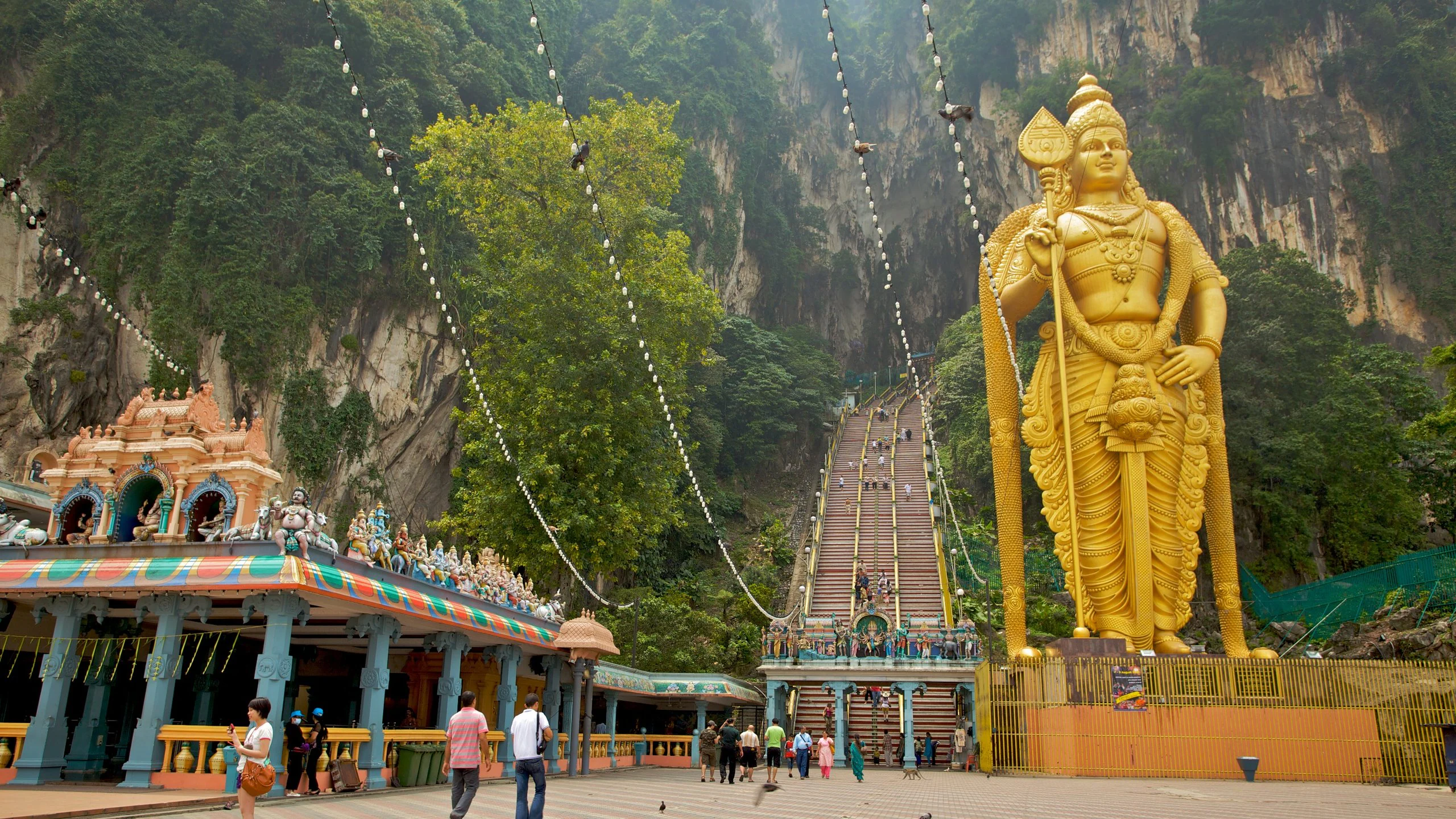
Prepare to climb 272 brightly painted steps to reach the famous Batu Caves, guarded by a massive golden Lord Murugan statue. It’s part temple, part Instagram runway, and entirely worth the sweat.

Batu Caves Tours

  • Best Time to Visit: Early morning to avoid both crowds and midday heat.
  • Packing Tip: Bring water, and maybe some peanuts for the curious monkeys (though they’re cheeky thieves, so… maybe not).
*”Batu Caves, a sacred Hindu shrine, dazzles with its 42.7-meter golden deity and 272 colorful steps, blending spirituality, nature, and adventure just outside Kuala Lumpur.”*
🪨 BATU CAVES · 272 STEPS TO THE SACRED

🪨 PROST! Climbing the 272 steps to Batu Caves is just one journey — I’ve explored 80+ sacred sites!

From Hindu shrines to temples and cathedrals — discover spirituality around the world.

🪨 “272 steps to the caves — and 80+ cities have their own paths to discover”

Afternoon – Chinatown & Coffee Breaks

Head to Petaling Street for bargain shopping, quirky souvenirs, and authentic Chinese cuisine. Then, recharge with KL’s growing specialty coffee culture—cafés like VCR or The LINC will have your caffeine fix sorted.

Find hotels near Petaling Street, Kuala Lumpur from $25

💡 Personal Anecdote: I once tried bargaining for a handbag here and ended up walking away with two, a mango smoothie, and a very confused vendor. Bargain at your own risk.

Petaling Street Tours

Evening – Helipad Lounge Bar

If you want your weekend to end with a bang, Helipad Lounge Bar offers 360° views of KL from a real helipad. Sunset here is chef’s kiss.

  • Dress Code: Smart casual—this is not the place for your Batu Caves hiking shorts.

Why Kuala Lumpur Is a Top Weekend Escape

KL gives you a taste of everything—world-class shopping, rich cultural sites, nature escapes, and some of the best street food on the planet—all without emptying your wallet. Whether you’re planning from London (like in this weekend guide), Singapore (48-hour guide here), or Dubai (check out my Dubai weekend blog), KL deserves a spot on your must-visit list.

Essential Travel Tips for KL

  • Currency: Malaysian Ringgit (RM)
  • Getting Around: Use Grab or the LRT/MRT for affordable and fast travel.
  • Best Time to Visit: May–July or December–February for fewer downpours.
  • Stay Connected & Secure: Use a VPN like NordVPN to keep your data safe when hopping between public Wi-Fi spots.
  • Book in Advance: Find great deals on hotels and flights with Expedia.

Local Insights & Lesser-Known Spots

I can add:

  • Thean Hou Temple – A stunning Chinese temple that’s surprisingly peaceful despite being in the city.
  • Kampung Baru – A traditional Malay neighborhood where time feels slower, and nasi lemak is served with a smile.
  • Bukit Bintang back alleys – Hidden cafés and vibrant street art.

4️⃣ Local Phrases & Cultural References

Sprinkle in easy, welcoming Malay phrases:

  • “Selamat datang” (welcome) when introducing the city.
  • “Terima kasih” (thank you) in anecdotes about interacting with locals.
  • Mentioning cultural etiquette like removing shoes before entering temples.

🏙️

KL’s Petronas Towers! Just one of 80+ destinations across 6 continents.

🇪🇺 45+ Europe · 🌏 18+ Asia · 🌎 10+ Americas · 🌅 8+ Africa/Australia

🏙️ “From KL’s towers to the world — 80+ adventures await”

🗣️ REAL STORIES · REAL MISTAKES · WHAT ACTUALLY WORKS

KL looks easy. But there are secrets—Grab instead of taxis, the 8am Batu Caves rule, the free sunset temple. Here are three stories from travelers who learned the hard way—and one who figured it out.

A

Reader Story · Alex, Melbourne

Visited October 2025

“I took a taxi from the airport to my hotel. The driver charged me RM150. I thought that was normal. The next day, a local asked how much I paid. He laughed. ‘Grab would have been RM65,’ he said. I downloaded Grab. I used it for the rest of the trip. I saved over RM200. I learned: never take a taxi in KL. Always use Grab.”

😬 HIS MISTAKE

Took a taxi from the airport. Paid more than double the Grab price.

✅ WHAT HE LEARNED

Download Grab before you arrive. It’s cheaper, easier, and no negotiation. Airport to city should be RM65-80, not RM150.

NN

Nomad Nate · 4 trips to Kuala Lumpur

“Alex’s story is the #1 KL money mistake. Airport taxis are a scam. Grab is the local Uber — transparent pricing, no negotiation, pay by card or cash. The rule: download Grab before you land. Use it for every ride. Your wallet will thank you.”

Nate’s Pro Tip: “Grab also works for food delivery. Too tired to go out? Order satay to your hotel room. Just set your location and let the app do the work.”

S

Reader Story · Sarah, London

Visited November 2025

“I showed up at Batu Caves at 11am. The heat was unbearable. I climbed 50 steps and gave up. A local said: ‘Come back at 8am tomorrow. It’s cooler and empty.’ I did. I made it to the top. The caves were beautiful. I learned: KL’s heat is no joke. Early morning is the only time to climb.”

😱 HER MISTAKE

Showed up at 11am. Heat was unbearable. Gave up after 50 steps.

✅ WHAT SHE LEARNED

Batu Caves at 8am. Cooler. Empty. Bring water. Wear sunscreen. Climb early or not at all.

NN

Nomad Nate · 4 trips to Kuala Lumpur

“Sarah discovered the #2 KL mistake. Batu Caves is a workout in perfect conditions. In the midday heat, it’s dangerous. The rule: go at 8am. The steps are in shade. The crowds haven’t arrived. The monkeys are still sleepy. Bring water. Take breaks. Respect the heat.”

Nate’s Pro Tip: “The monkeys are clever. Don’t carry plastic bags — they think it’s food. Keep your phone and sunglasses secure. They’ve been known to snatch.”

J

Reader Story · James, Singapore

Visited September 2025

“I was going to pay RM50 for the KL Tower observation deck. A local at my hostel said: ‘Go to Thean Hou Temple. It’s free. The sunset view is better.’ I went. I couldn’t believe it was free. The city skyline lit up. The temple was beautiful. I learned: KL’s best view doesn’t cost a cent.”

✨ ACCIDENTAL DISCOVERY

Listened to a local. Found Thean Hou Temple. Watched the sunset over KL for free.

✅ WHAT HE LEARNED

Thean Hou Temple is free. Go at sunset. The view of the city skyline is spectacular. No ticket needed.

NN

Nomad Nate · 4 trips to Kuala Lumpur

“James discovered the KL secret that most tourists miss. Thean Hou Temple is one of the best free attractions in the city. The architecture is stunning. The view of the Petronas Towers at sunset is unforgettable. And there’s no ticket booth. The rule: ask a local. They know where the free magic is.”

Nate’s Hard Truth: “The tourist pays RM50 for a view. The traveler walks into a free temple and gets the same skyline. The difference is asking a local for advice. KL rewards the curious.”

📝 YOUR STORY COULD BE NEXT

Been to KL? Overpaid for a taxi instead of using Grab? Conquered the Batu Caves at 8am? Found the free sunset at Thean Hou Temple? Your story might help someone else find the magic without breaking the bank.

✍️ Share your KL story

📍 Stories anonymized and used with permission · Names changed to protect privacy

🏙️ THE 10 KUALA LUMPUR TRUTHS — EVERYTHING DISTILLED

If 48 hours is too much to carry—here are the ten truths that matter most. Print them. Save them. Send them to someone who needs them.

01 Use Grab, not taxis. It’s cheaper and easier.

Download the Grab app before you arrive. Airport to city: RM65-80, not RM150. No negotiation. Pay by card or cash. The tourist takes taxis. The traveler uses Grab.

02 Batu Caves at 8am. Not noon.

The heat is brutal. The crowds are thick. Go early. Bring water. Wear sunscreen. The 272 steps are easier when you’re not melting.

03 Thean Hou Temple is free. Best sunset in KL.

No ticket. No line. Just a beautiful Chinese temple with a stunning view of the Petronas Towers. Go at sunset. Stay for the lights.

04 Jalan Alor is for eating. Not just looking.

Satay. Noodles. Mango sticky rice. Durian (if you’re brave). Bring cash. Eat at stalls with long lines. Share dishes. Try everything.

05 Petronas Towers are closed on Mondays.

Don’t show up on Monday. You’ll be disappointed. Book tickets online in advance for other days. The skybridge is the highlight.

06 Helipad Lounge Bar has a dress code.

No shorts. No sandals. No athletic wear. Smart casual only. You’ll be turned away at the door. Check before you go.

07 Cover your shoulders and knees at temples.

Batu Caves. Thean Hou. Any temple. Respect the culture. Sarongs are available to borrow, but it’s easier to come prepared.

08 KL is hot and humid. Carry water everywhere.

You will sweat. Accept it. Stay hydrated. Air conditioning is your best friend. Plan indoor activities for midday.

09 Chinatown is for bargaining. Start at 50%.

Petaling Street. Don’t pay the first price. Smile. Negotiate. Walk away if it’s too high. They’ll call you back.

10 Kuala Lumpur is a food city. Eat everything.

Nasi lemak for breakfast. Satay for lunch. Roti canai for a snack. Curry laksa for dinner. Durian for dessert (if you dare). Don’t hold back.

The Smart Traveler Framework — Six Questions Before You Go

Do I have Grab downloaded? Am I going to Batu Caves at 8am? Do I know Thean Hou Temple is free? Did I check Petronas Towers hours? Do I have cash for Jalan Alor? Am I wearing temple-appropriate clothes? That framework is yours now. Use it in KL. Use it everywhere.

📍 Sources: Multiple KL trips, one satay-induced food coma, and the discovery that the best nasi lemak is served at a roadside stall

🏙️ FINAL THOUGHTS — LAXMI HEGDE, MBA IN FINANCE

“I thought I understood Kuala Lumpur. Then I downloaded Grab and found Thean Hou Temple.”

First time: I took taxis everywhere. I paid RM150 from the airport. I showed up at Batu Caves at 11am. I climbed 50 steps and gave up. I left thinking KL was hot, expensive, and exhausting. I had done KL the hard way. I had missed the point.

Second time: A friend told me about Grab. I paid RM65 from the airport. I went to Batu Caves at 8am. I climbed all 272 steps. I saw the caves. I felt accomplished. I realized that KL is wonderful — but only if you know the tricks. I left wondering why I had ever taken a taxi.

Third time: A local told me about Thean Hou Temple. I went at sunset. I watched the Petronas Towers light up from a free temple balcony. I ate satay at Jalan Alor. I drank from a coconut. I learned that Kuala Lumpur is not one city. It’s a collection of hawker stalls, temple views, and Grab rides that cost less than a coffee. And most tourists pay too much to see it.

What I learned

The tourist takes taxis and shows up at noon. The traveler uses Grab and wakes up early. The difference is a willingness to ask for advice and download an app. KL rewards the savvy, the early riser, and the person who knows that the best sunset is free. Don’t just see Kuala Lumpur. Eat your way through it for 48 hours.

🏙️ The Series Connection

This is one of 80+ weekend guides in our Ultimate Weekend Escapes series. Every city, every guide, every wrong turn I’ve taken—it’s all here for you.

🌴 What’s Next

Next in the series: Bali, Indonesia—beaches, temples, and the ultimate weekend of island paradise. Coming soon.

Selamat tinggal, Kuala Lumpur

(Goodbye, Kuala Lumpur)

Laxmi Hegde

MBA in Finance · ConfidenceBuildings.com

April 2026 · Ultimate Weekend Escapes Series

📌 P.S. — My KL Secret

If you read nothing else: Kampung Baru for nasi lemak. This traditional Malay neighborhood is a 5-minute Grab from the Petronas Towers. Find a roadside stall. Order nasi lemak wrapped in brown paper. Eat it with your hands. It’s RM5. It’s the best breakfast in Kuala Lumpur. Most tourists never leave Bukit Bintang. You will. And you’ll taste the real KL.

Thoughts

Kuala Lumpur is one of those cities where 48 hours feels like 48 minutes—you’ll leave with a camera full of photos, a belly full of satay, and a list of reasons to come back. So whether you’re chasing rooftop sunsets, temple adventures, or noodle stalls that stay open past midnight, KL has your weekend sorted.

✈️ Your turn to explore!
📅 Start planning your KL adventure with Expedia’s best deals
📷 Capture every moment with a great travel camera
🛡 Stay safe online while traveling with NordVPN

Drive It Like a Local – Your KL Road Trip Map

If you’re more of a “windows down, music up” kind of traveler, I’ve got you covered. I’ve put together a custom Google My Maps itinerary with driving directions to all the spots mentioned above—from the Petronas Twin Towers to Batu Caves, Jalan Alor, Chinatown, and that unforgettable Helipad Lounge sunset. Just hop in a rental car, follow the route, and enjoy the freedom to explore at your own pace (and maybe stop for a few spontaneous durian tastings—if you’re feeling brave).
👉 Click here to access the KL Driving Map

🏙️🇲🇾 KL’s Petronas Towers & street food — just one of 80+ destinations
🌍 Explore All →

Frequently Asked Questions (FAQ)

Q1: Is a weekend enough time to see Kuala Lumpur?
Yes, a weekend is a perfect amount of time to see the main highlights of KL. The city’s key attractions are relatively concentrated, and this itinerary allows you to experience its iconic modern architecture, rich cultural diversity, and incredible food scene in just two days.

Q2: What is the best way to get around Kuala Lumpur?
The LRT and MRT (light rail and metro) systems are efficient, affordable, and air-conditioned—a lifesaver in the heat. They connect most major tourist areas. Ride-hailing apps like Grab are also very cheap and convenient for direct point-to-point trips, especially in areas not well-served by rail.

Q3: What is the best area to stay in for a short trip?
Bukit Bintang is the most popular area for tourists, with endless shopping, food options (like Jalan Alor), and nightlife. KLCC is ideal for being close to the Petronas Towers and luxury malls. Chinatown offers a more historic, bustling vibe with great budget accommodations.

Q4: What should I wear when visiting religious sites like Batu Caves?
Modest dress is required. For Batu Caves and temples, both men and women should cover their shoulders and knees. It’s a good idea to carry a light scarf or sarong. You can often rent sarongs at the entrance, but it’s easier to come prepared.

Q5: Is the food in Kuala Lumpur safe to eat from street stalls?
Generally, yes. Kuala Lumpur has a fantastic and safe street food culture. Look for stalls with high turnover and a clean cooking area. A good rule of thumb is to eat where the locals are eating. Avoid tap water and only drink bottled or filtered water.

Q6: Do I need to carry cash, or are credit cards widely accepted?
While major malls, hotels, and high-end restaurants accept credit cards, cash is king at street food stalls, local markets, and smaller shops. Make sure to have enough Malaysian Ringgit (MYR) on hand for daily expenses. ATMs are widely available.

Q7: What is one thing I shouldn’t miss in KL?
The Batu Caves are a truly unique and unmissable experience. The towering golden statue and the 272 colorful steps leading to a limestone cave temple are awe-inspiring and unlike anything else in the world. It’s a short and cheap train ride from the city center.

Universal Disclaimer/Disclosure Page: