Weekend Getaway Guide to Belgrade

Meta Description:
Planning a weekend getaway to Belgrade, Serbia? This human-written, SEO and GEO-optimized travel guide covers transport tips, money-saving hacks, local phrases, hidden gems, where to stay, visa essentials, and how to get around—including ferry/rivers, bus, train, car, and airport routes. Includes affiliate links, personal anecdotes, and nearby destination guides for travelers.

Table of Contents

  1. Why Belgrade Is the Perfect Weekend Escape
  2. Getting There (Flights, Border Info, Visa Tips)
  3. Getting Around Belgrade (Bus, Tram, Taxi, Car)
  4. Getting There by Ferry (Important Note + Danube Options)
  5. Where to Stay (With Expedia Affiliate Link)
  6. What to Do in 48 Hours
  7. Hidden Gems You Shouldn’t Miss
  8. Day Trips From Belgrade
  9. How to Travel From Belgrade to Dubrovnik, Split & Zadar (Backlinks)
  10. Money-Saving Tips
  11. Smart Travel Tools (VPN, Camera, Sims, Refunds, Insurance, Skincare)
  12. Useful Serbian Words
  13. FAQ

Why Belgrade Is the Perfect Weekend Escape

Belgrade hits different. One minute you’re sipping Turkish coffee in a century-old kafana, the next you’re dancing on a river barge at 3 AM wondering how Serbians still look fresh while you are aging in dog years.

It’s a city of grit, charm, and “just one more rakija” energy.

And as someone who accidentally stayed longer than planned because Belgrade nightlife refused to let me go—trust me, this city is worth every hour.

Let’s be honest, Belgrade wasn’t on my radar until a cheap flight alert popped up. I pictured a grey, post-communist bloc. How wrong I was. Belgrade, or “Beograd” (White City), is a vibrant, gritty, and endlessly captivating clash of history and hedonism. It’s where Ottoman ruins bump up against art nouveau masterpieces, and the scent of roast meat (or roštilj) mingles with Balkan beats until sunrise. It’s the perfect weekend escape for the traveller who wants culture by day and chaos by night.

✈️ Getting There (Flights, Border Info, Visa Tips)

Flights

Belgrade Nikola Tesla Airport connects to major European hubs.

👉Use my Expedia link for flexible booking:

Visa Tips

Most travelers from EU, UK, US, UAE, GCC, and many Asian countries get visa-free entry for 30–90 days.

Check your country’s requirement on official Serbia gov site before travel.

Airport to City Center

  • A1 Minibus: Cheapest (320 RSD / €3)
  • Taxi: ~2,000–2,300 RSD (€17–20)
  • Car Rentals: Available at the airport (Expedia link above)

Most visitors fly into Nikola Tesla Airport (BEG). I usually scout for deals on Expedia—bundling flights and a central hotel often saves a pretty dinar. The A1 minibus shuttle is the cheapest transfer to the city (around 300 RSD), but a taxi using the official booth is reliable and will cost about 1800-2500 RSD.

For a more scenic, regional approach, consider the train from nearby capitals like Budapest

Important Regional Travel Note: While Serbia has strong connections with the Serbian Republic (Republika Srpska) within Bosnia and Herzegovina, direct travel to the Federation entity can be less frequent. For example, as of my last visit, while you can easily find transport from Belgrade to East Sarajevo, there is typically only one direct bus per day to the central station in Sarajevo proper. Also, be aware that there are currently no operational passenger train connections between Belgrade and Sarajevo, despite the historic route. Always check the latest schedules with local carriers like Lasta or Globtour closer to your travel date.

Speaking of scenic approaches, don’t forget the river…

Getting There by Ferry

Yes, you can arrive in Belgrade by boat! While there aren’t traditional international ferry routes like in the Mediterranean, the mighty Danube and Sava rivers are Belgrade’s lifelines. The most iconic and practical “ferry” experience is the short, cheap hop across the rivers.

For the Adventurous: During warmer months, you can find longer, leisurely day-cruise ferries from nearby towns or even from as far as Budapest, Hungary. These are less about point-A-to-point-B transport and more about the experience—gliding past forested cliffs and historic fortresses. To check schedules and book these unique river journeys, I always use Direct Ferries. It’s a great hub for comparing different operators and routes. You can search for available options here.

Let’s clear the decks on this one: despite Belgrade sitting proudly at the confluence of the Danube and Sava, there is no regular, direct public ferry service from Belgrade Port to Zemun. I fell for this romantic idea on my first trip, only to wander the port looking for a phantom boat schedule. My bad—don’t make my mistake!

So, how do you make that glorious river crossing?
The excellent news is that getting to the charming, cobblestone streets of Zemun is easy and, as of recently, even cheaper. Belgrade’s entire public transport network (buses, trams, and trolleys) is now free for all users, including visitors. Simply hop on bus number 83 or the 704 from various points in the city center, and you’ll be in Zemun in about 20-25 minutes. A taxi or ride-sharing app like Car:Go is also a quick and affordable option.

For the True River Enthusiast:
If your heart is set on a river approach, your best bet during the warmer months (April-October) is to look for private boat tours that include Zemun as a stop. These aren’t public transport, but they offer a fantastic, slow-paced view of the city from the water. You can often find these operators offering short cruises from the docks near the Hotel Yugoslavia or along the Sava River in the Savamala district.

For the Danube Daydreamer: The Tourist Cruise Experience
Now, just because you can’t catch a commuter ferry doesn’t mean you should miss the rivers. The tourist river cruises that depart from the promenade near the Hotel Yugoslavia or along the Sava in Savamala are an essential Belgrade experience, especially at golden hour. These short, affordable voyages (typically 1-2 hours) are the perfect way to grasp the city’s geography and grandeur.

What You’ll See & Why It’s Worth It:

  • The Mighty Confluence: The cruise’s pièce de résistance is slowly drifting through the meeting point of the emerald-green Sava and the steel-blue Danube. Seeing the two distinct colours swirl together, right beneath the walls of Kalemegdan, is a geographic spectacle.
  • The Fortress in Full Glory: You get the postcard-perfect, panoramic view of Kalemegdan that you simply can’t get from land. Seeing the fortress walls cascade down to the river, with the Pobednik (Victory) monument standing tall, is breathtaking.
  • Zemun from the Water: The boat will often glide along the Zemun riverside (Kej), allowing you to admire its pastel-coloured buildings, church spires, and the iconic Gardoš Tower from a unique angle. It’s the best preview before you go explore its streets.
  • Architectural Tour: You’ll float past a fascinating timeline of Belgrade—from the brutalist blocks of Novi Beograd to the medieval ramparts and the modern architecture of the Belgrade Waterfront.

My Pro-Tip: Skip the generic midday cruise. Book the last cruise before sunset. Watching the fortress stones glow gold as the city lights begin to twinkle on, with a drink in hand (most boats have a small bar), is pure magic. It’s not just a boat ride; it’s the story of Belgrade, told by its two great rivers.

🏨 Where to Stay (Hotels Link)

I booked my hotel last time through Expedia because flexible cancellation saved me
during a “Belgrade nightlife ate my itinerary” moment.

👉 Best neighborhoods:

  • Dorćol — hip cafés, galleries
  • Vračar — chill, central, family-friendly
  • Zemun — waterfront views

The Perfect Weekend Itinerary: Your 48-Hour Game Plan

Friday PM: Fortress Sunset & Skadarlija
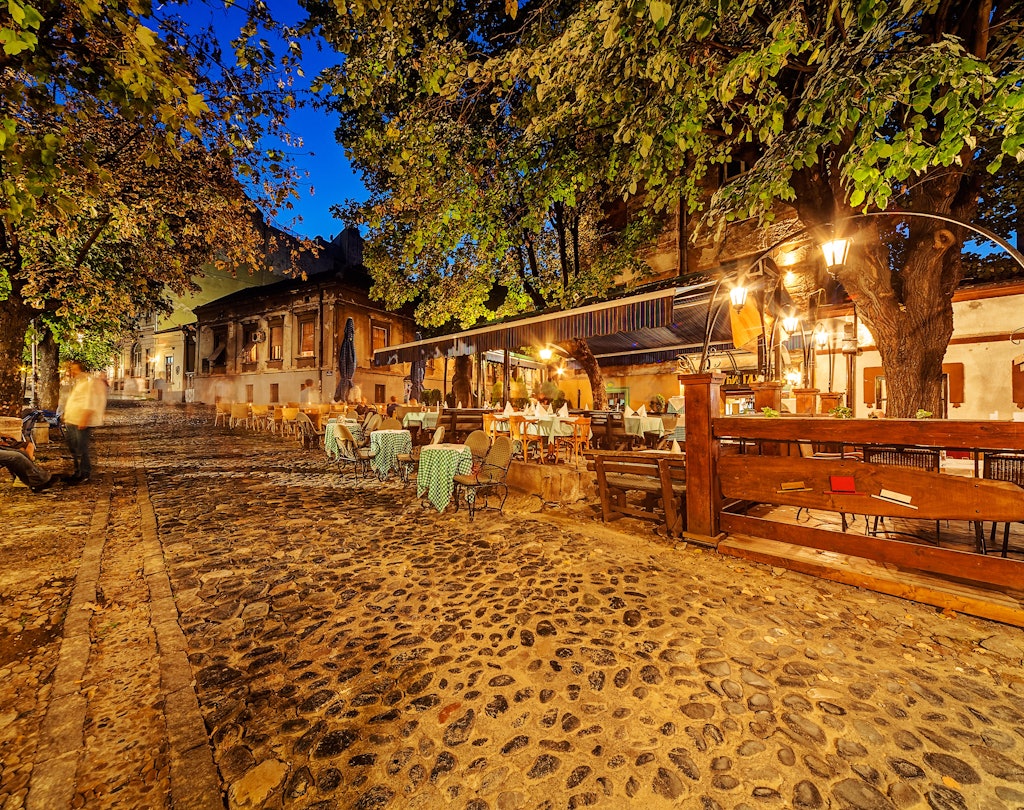
Drop your bag (I recommend the Dorcol or Savamala districts for character) and head straight to Kalemegdan Fortress. Follow the locals with picnic blankets for the ultimate free show: the sun melting into the confluence of the Sava and Danube. After, wander the cobbled Skadarlija street. It’s the “Montmartre of Belgrade“—slightly touristy but dripping in romance, with kafanas (taverns) serving up hearty portions and live starogradska (old city) music.
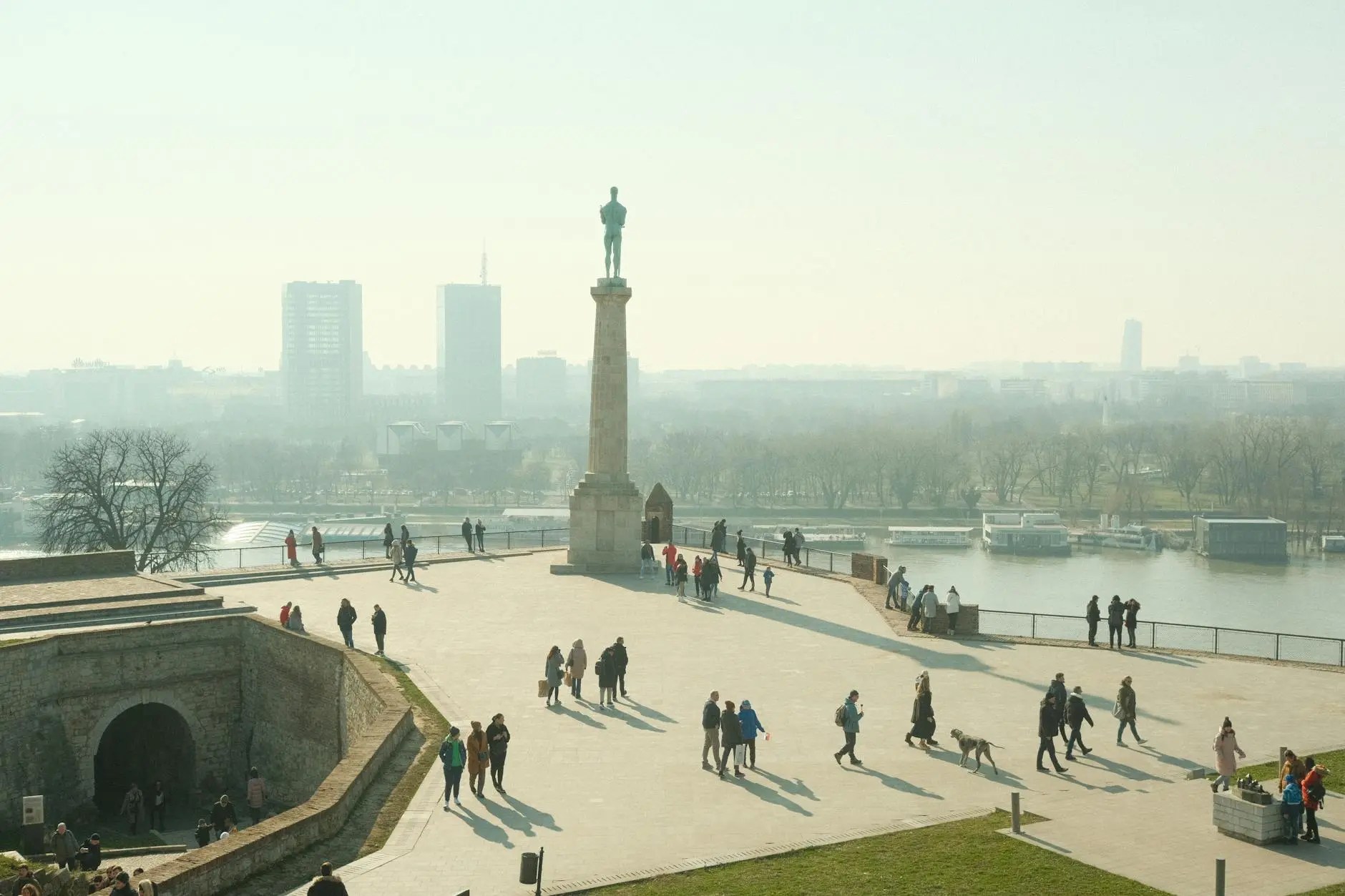
A view of Kalemegdan Fortress in Belgrade, with people walking on the grounds and the confluence of the Sava and Danube rivers in the background.
Panoramic view of the Kalemegdan Fortress in Belgrade, showcasing the Pobednik monument and the confluence of the Sava and Danube rivers. The iconic Pobednik (Victor) Monument stands watch over the confluence of the Sava and Danube rivers from within Kalemegdan Fortress—the most famous view in Belgrade.
A bustling street scene in Belgrade, Serbia, showcasing pedestrians walking along a cobblestone avenue lined with historic buildings and vintage street lamps under a clear blue sky.
A vibrant street in Belgrade showcasing its mix of historical and modern architecture, bustling with pedestrians.  Stroll down Knez Mihailova Street, Belgrade’s vibrant pedestrian heart, where 19th-century architecture meets modern cafe culture and buzzing street life.
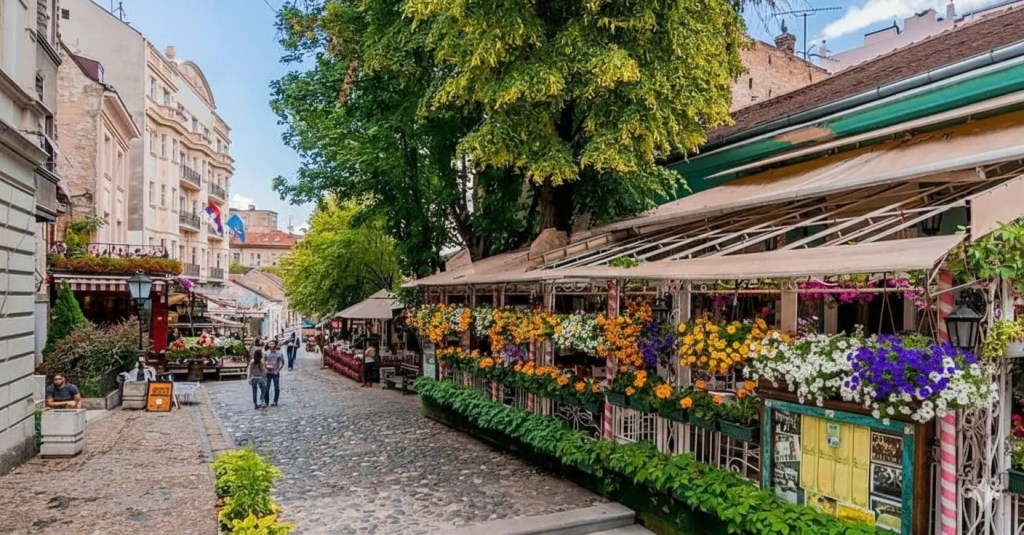
A picturesque cobblestone street in Belgrade lined with vibrant flower displays and outdoor seating at cafes, with people strolling leisurely past historical buildings and trees.
Charming cobblestone street in Belgrade filled with vibrant flowers and outdoor cafes, perfect for a leisurely stroll. Discover Skadarlija, the charming “Montmartre of Belgrade,” where cobblestone streets, traditional kafanas, and old-world charm capture the city’s bohemian soul

A picturesque evening in Skadarlija, Belgrade’s enchanting cobblestone street, lined with charming kafanas and illuminated by warm street lamps.

Saturday: History, Brunch & Splavovi
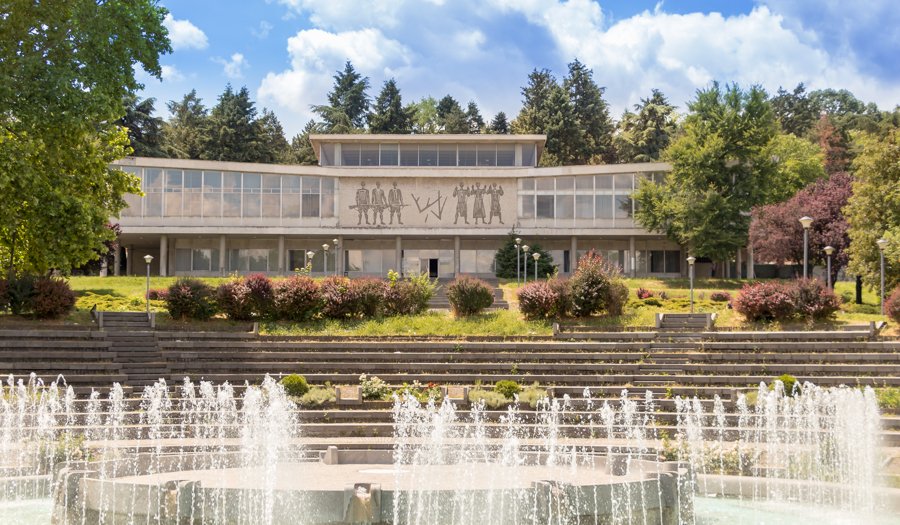
Morning: Dive into history at the Nikola Tesla Museum (book ahead!) or the profoundly moving Museum of Yugoslavia.
Afternoon: Brunch in trendy Dorcol. Then, explore the Bayrakli Mosque and the Church of Saint Sava—its cavernous, marble interior is staggering.
Night: This is Belgrade’s famous playbook. The nightlife happens on splavovi (floating river barges). Start with drinks on a chilled-out barge, then follow the bass to one of the mega-clubs. You don’t have to be a party animal to enjoy the spectacle.
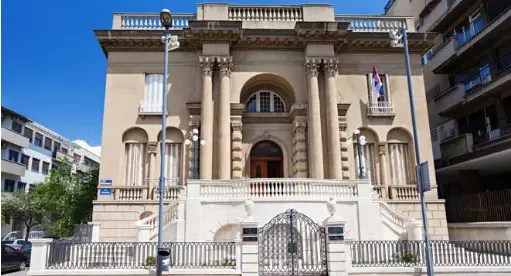
A grand historical building featuring classic architectural elements, with large columns, ornate details, and a serene entrance, located in a sunny urban setting.
An elegant historical building in Belgrade, Serbia, showcasing classic architectural features. Experience the genius of Nikola Tesla at his namesake museum in Belgrade, where you can safely interact with his groundbreaking electrical inventions.
A view of the Museum of Yugoslavia's modernist building, featuring a decorative relief and surrounded by lush greenery and fountains.
The architectural beauty of the Museum of Yugoslavia, showcasing its historic significance amidst lush greenery and modern design. Step into the complex legacy of Yugoslavia at Belgrade’s most visited museum, where the Memorial Center for Josip Broz Tito and thousands of symbolic Relay Batons tell a powerful story of a bygone era.
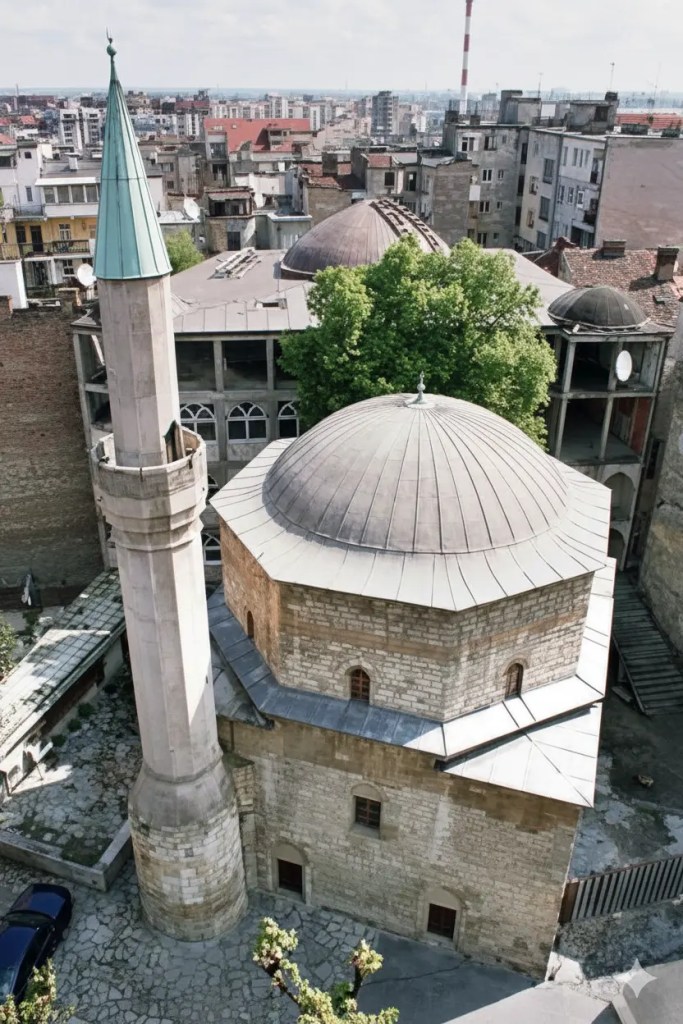
An aerial view of a historic mosque featuring a stone structure with a domed roof and a minaret, surrounded by modern buildings and greenery in Belgrade, Serbia.
An aerial view of the Bayrakli Mosque in Belgrade, showcasing its historic architecture against a backdrop of city buildings. Find a moment of serene reflection inside the Bajrakli Mosque, Belgrade’s only surviving Ottoman-era mosque located in the city’s historic Dorćol district.
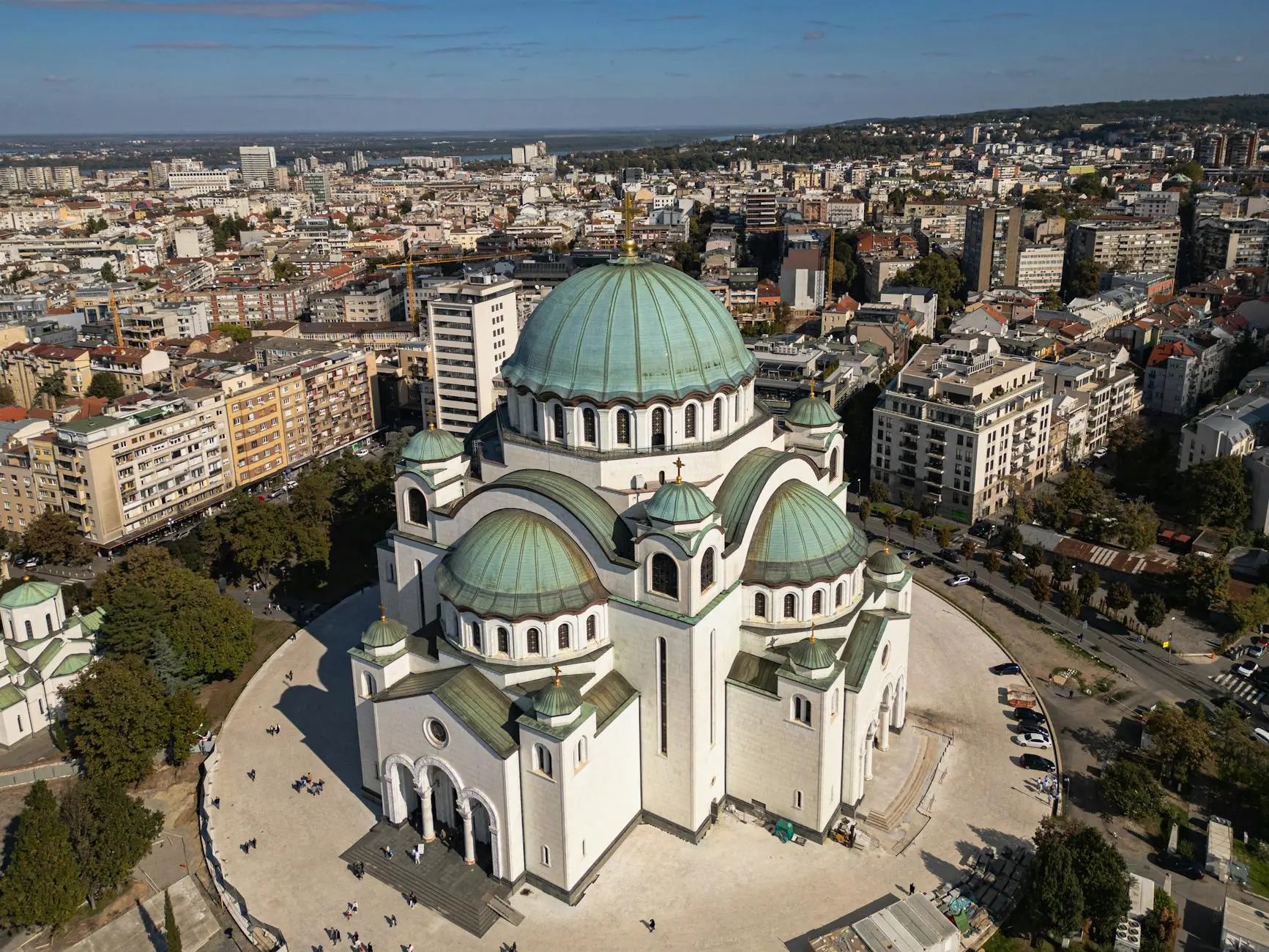
Aerial view of the Church of Saint Sava in Belgrade, showcasing its impressive architecture and surrounding cityscape.
Aerial view of the Church of Saint Sava in Belgrade, showcasing its impressive dome and surrounding cityscape.  Behold the monumental Church of Saint Sava, one of the world’s largest Orthodox churches, dominating the Belgrade skyline from the Vračar plateau.
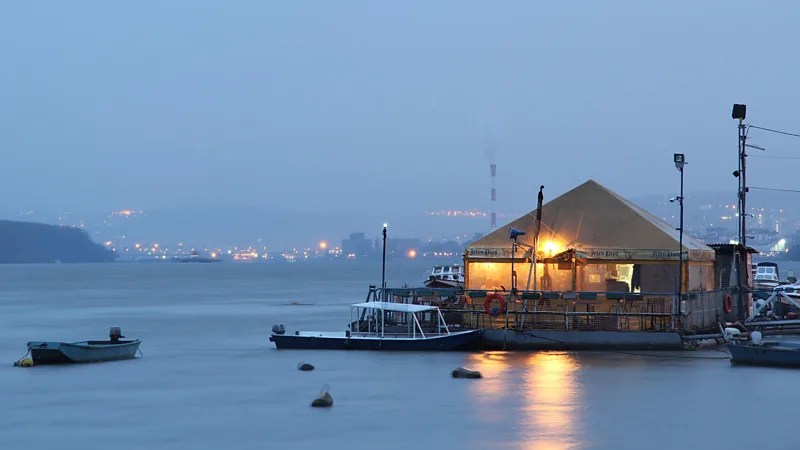
View of a river barge and a restaurant at dusk by the river, with city lights in the background.
A serene view of a floating river barge along the Danube, perfectly capturing the tranquil ambiance of Belgrade’s riverside, especially during twilight. The nightlife in Serbia’s capital has been touted as the best in the Balkans – and these rafts make every night feel like a Friday.

Sunday: Zemun & Market Magic
Cross the river (take that ferry!) to Zemun. Climb the Gardoš Tower for panoramic views, then feast on fresh Danube fish at a restaurant along the Kej. On your way back, stop at the Zeleni Venac market for spices, local cheese (kajmak), and souvenirs that aren’t made of plastic.
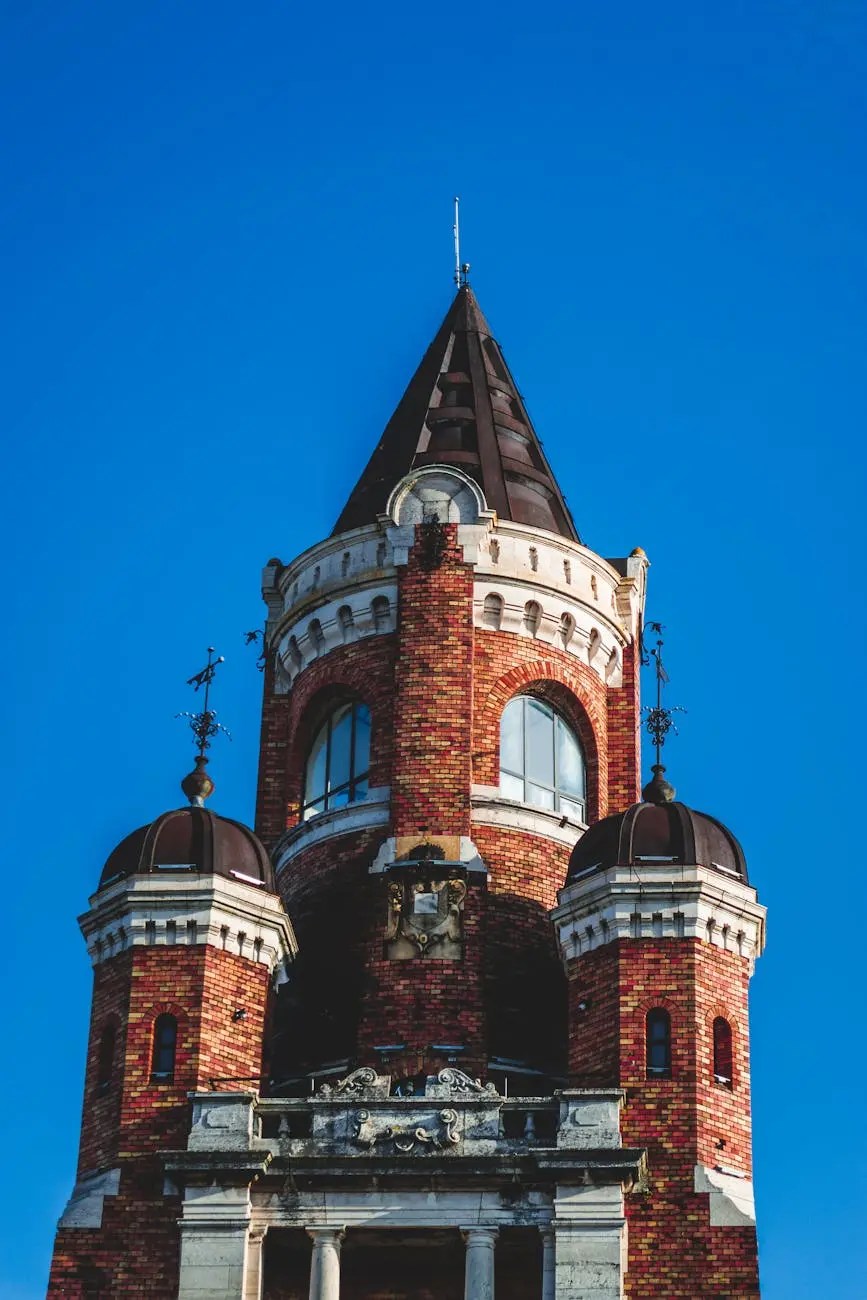
Close-up view of a tall, ornate tower with a cone-shaped roof and decorative brickwork against a clear blue sky.
A vibrant architectural detail of a historic building in Belgrade, showcasing its unique blend of styles against a clear blue sky. Climb the historic Gardoš Tower in Zemun for the best panoramic views of the Danube River, Belgrade’s skyline, and the old-town rooftops below.
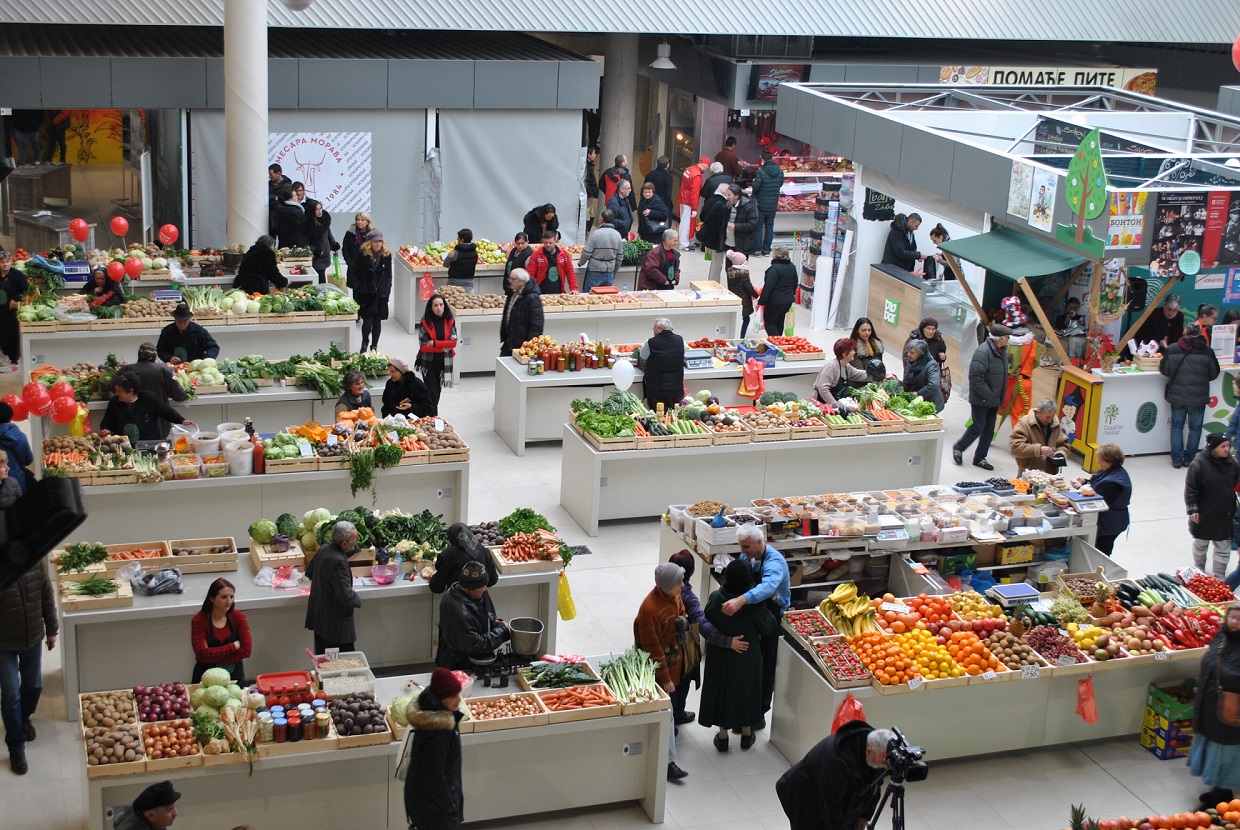
A bustling indoor market in Belgrade, Serbia, filled with vendors selling fresh produce, vegetables, and local goods. Shoppers are seen browsing and interacting, while colorful displays of fruits and vegetables are laid out on tables.
A bustling market in Belgrade, showcasing fresh produce and local goods. zeleni venac market belgrade serbia

Hidden Gems & Local Haunts

  • Mali Pekabazar: Not a bakery, but a tiny, always-packed bar in a former bakery. All decor is DIY, the music is impeccable, and the crowd is local.
  • The Iced Trenches of Tasmajdan: Underneath Park Tašmajdan are WWII-era cold storage tunnels, now used for hockey and concerts. It’s bizarrely cool (literally).
  • KC Grad: A gritty cultural center in Savamala with exhibitions, debates, and a fantastic courtyard bar perfect for a daytime coffee or evening beer.
  • Avala Tower — insane city views
  • Kosančićev Venac — romantic old quarter
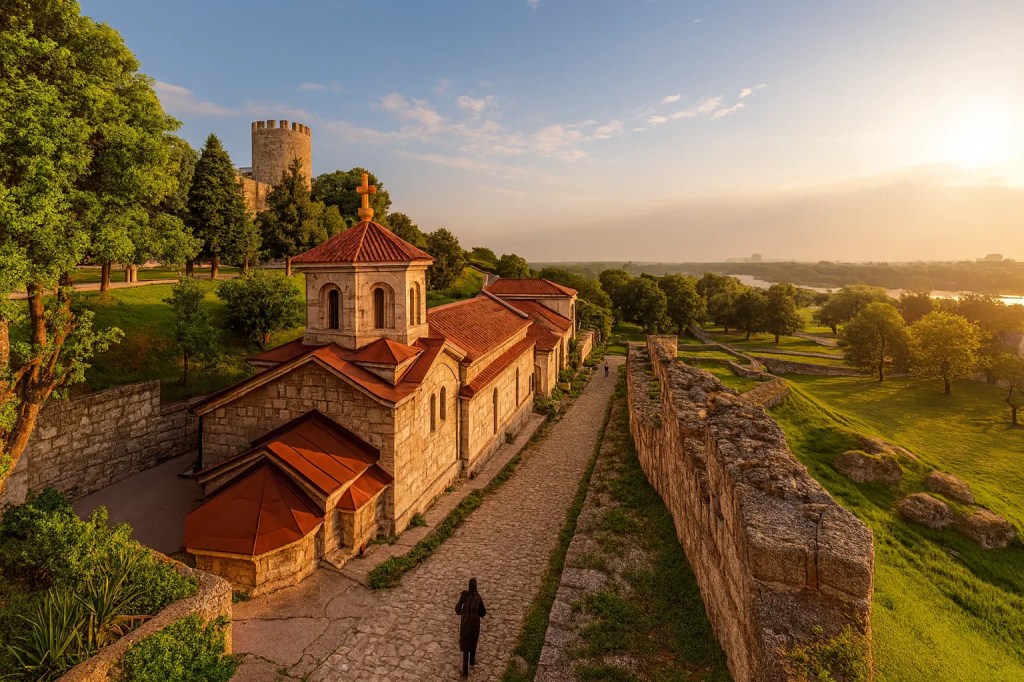
Scenic view of Kalemegdan Fortress and the Church of Ružica in Belgrade, Serbia, during sunset, with lush green surroundings and a pathway.
A serene view of the Kalemegdan Fortress in Belgrade at sunset, showcasing a historic church amidst lush greenery. Golden hour at Kalemegdan Fortress, Belgrade — where history, river views, and peaceful park paths meet.
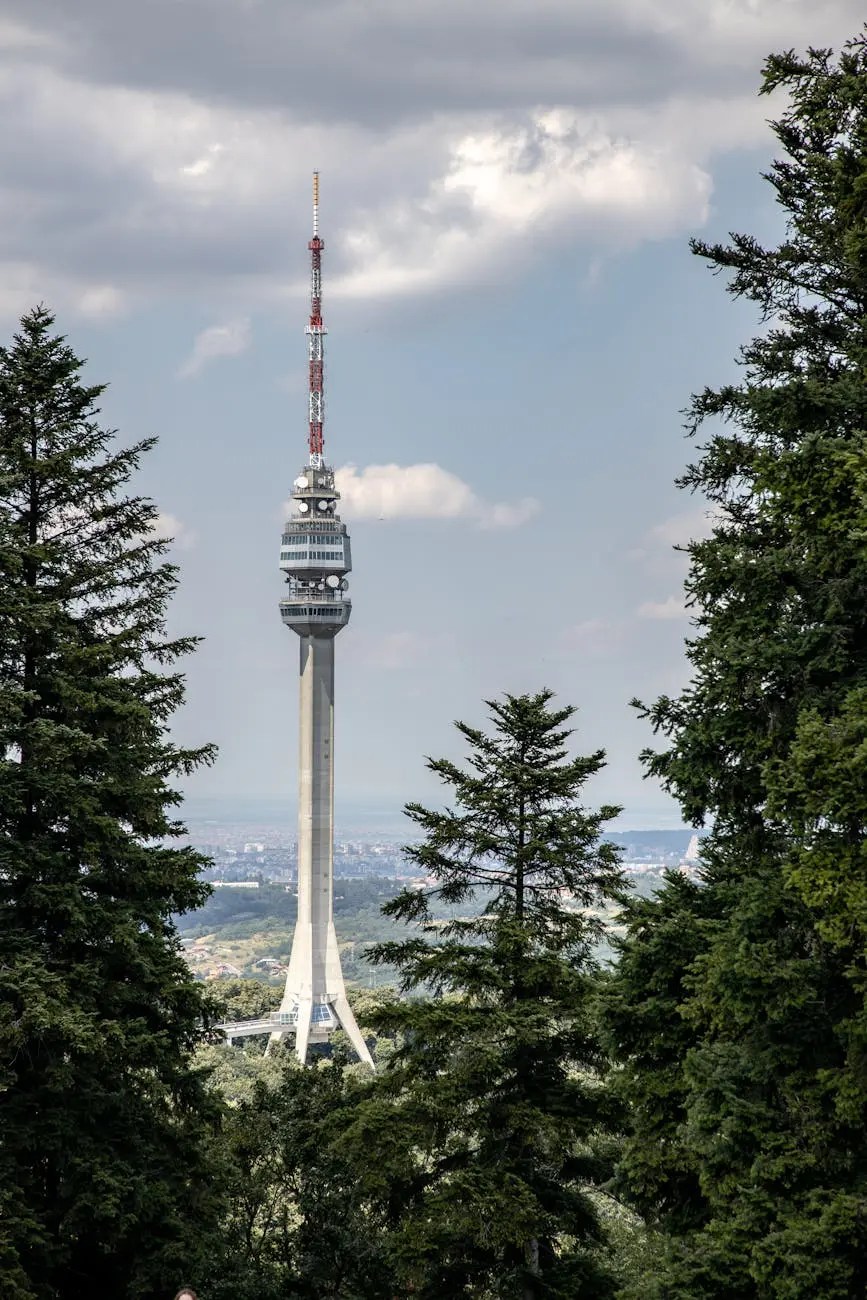
The Avala Tower surrounded by lush green trees, with a cloudy sky in the background, showcasing a modern architectural structure.
The Avala Tower stands tall amidst the trees, offering panoramic views of Belgrade and its surroundings.  Visit the iconic Avala Tower on Mount Avala—the tallest structure in the Balkans and a symbol of Belgrade’s resilience, just a short drive from the city center.
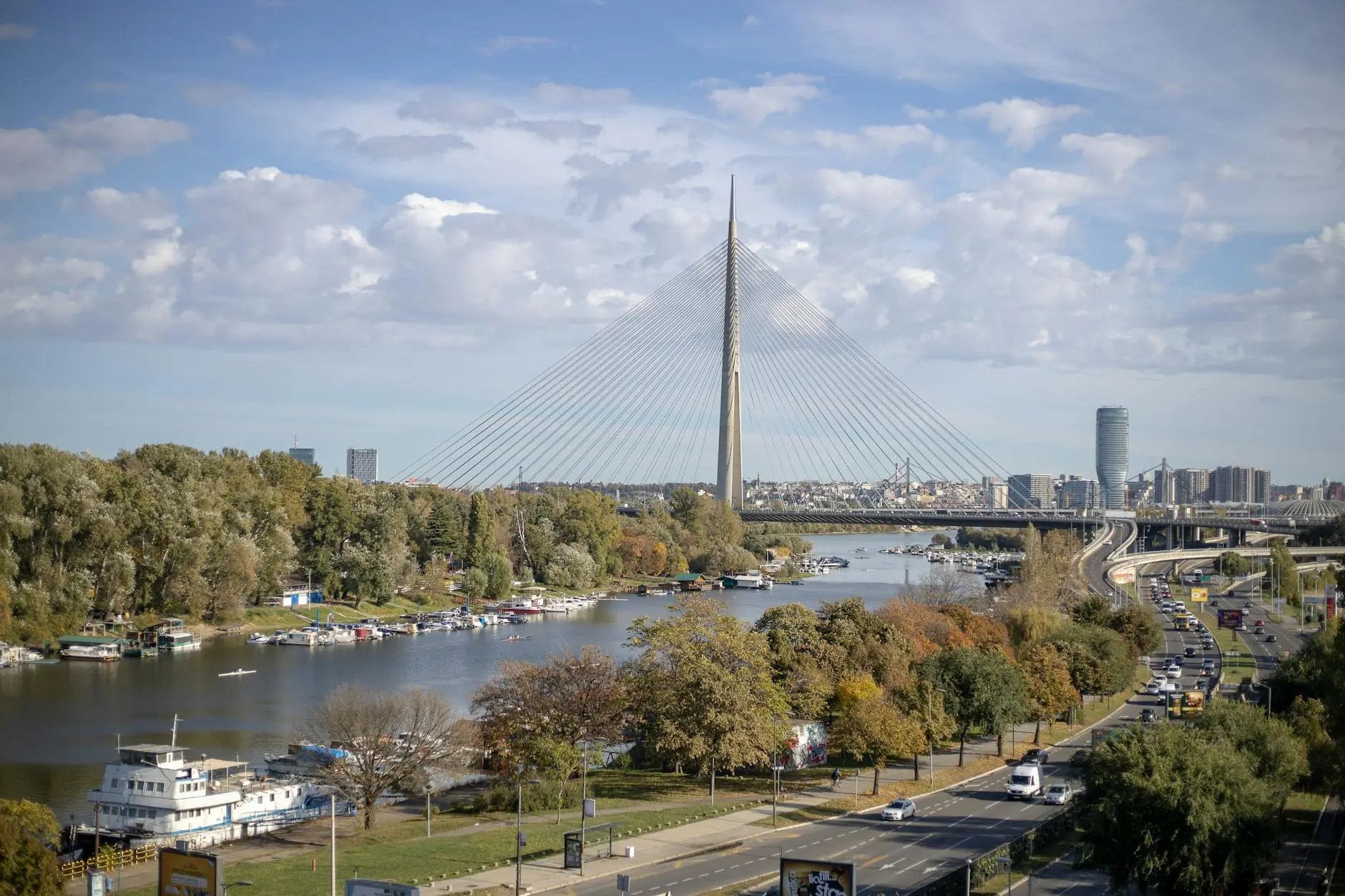
View of the Sava River with a suspension bridge in Belgrade, Serbia, featuring lush greenery along the shoreline and a skyline in the background.
A panoramic view of Belgrade featuring the iconic bridge spanning the Sava River, surrounded by greenery and bustling city life. The stunning Ada Bridge, with its iconic 200-meter pylon, illuminates the Belgrade skyline and connects the city across the Sava River.

🚗 Day Trips from Belgrade

  • Novi Sad (1 hr by train)
  • Golubac Fortress (2 hrs by car)
  • Sremski Karlovci wine region (perfect afternoon trip)

Navigating Belgrade Like a Pro: Transport Tips

  • Bus/Tram: Get a BusPlus card at a kiosk. Tap on and off. Single-ride tickets are for masochists.
  • Walking: The city center is very walkable. Dorcol to the Fortress is a lovely stroll.
  • Taxi: Only use certified companies like Pink or Lux. If the meter looks like it’s on hyperspeed, you’re in a pirate cab.
  • Car: Don’t drive in the center. Parking is a competitive sport. If you’re road-tripping wider Serbia, a good VPN is essential for secure browsing on public Wi-Fi when planning routes. I never travel without my NordVPN for safety and accessing content from home.

🌍 How to Travel From Belgrade to Dubrovnik, Split & Zadar

If you loved Belgrade and want a coastal escape next weekend, Croatia is your best friend.

1️⃣ Belgrade → Dubrovnik

How to go:

  • Flight: Fastest (~1 hr 10 min)
  • Bus: 9–11 hrs
  • Car: Scenic but long (900 km); cross Bosnia

Read my full Dubrovnik guide:
👉 https://confidencebuildings.com/2025/11/21/ultimate-dubrovnik-weekend-guide-tips-must-sees/


2️⃣ Belgrade → Split

How to go:

  • Flight: 1 hr 15 min
  • Bus: 9–12 hrs
  • Car: via Zagreb or Bosnia (highways are great)

My Split weekend guide:
👉 https://confidencebuildings.com/2025/11/23/weekend-getaway-in-split-your-ultimate-travel-guide/


3️⃣ Belgrade → Zadar

How to go:

  • Flight: seasonal
  • Bus: 12–13 hrs
  • Car: excellent road quality along Croatian coast

My Zadar travel blog:
👉 https://confidencebuildings.com/2025/11/26/explore-zadar-your-ultimate-weekend-getaway-guide/


💸 Money-Saving Tips for Belgrade

  • Eat at pekara (Serbian bakeries) — cheap & delicious
  • Use public transport instead of taxis
  • Buy SIM/eSIM online — cheaper than airport kiosks
  • Take free walking tours for orientation
  • Travel by bus/train instead of domestic flights

Savvy Traveller Section: Save Time & Money

  • Visa Info: For EU, US, UK, and AU/NZ citizens, it’s a breeze—no visa needed for stays up to 90 days. Always double-check official sources before travel.
  • Stay Connected (Without Getting Robbed): Airport SIMs are a trap. My secret weapon is Drimsim—a global data SIM that works in 190 countries. Pop it in, top up via the app, and you’re online. No more language barrier struggles at mobile shops. It’s saved me countless times.
  • Flight Gone Wrong? If your flight to Belgrade gets delayed or canceled, remember: EU passenger rights are powerful (and apply even on some non-EU airlines). You could be owed up to €600. Instead of fighting the airline myself, I let AirHelp handle it. They only get paid if you win.
  • Travel Insurance: Never skip it. A friend once slipped on Kalemegdan’s cobbles and needed stitches. I use VisitorsCoverage to compare and buy the right plan for every trip. It’s the adulting thing to do.
  • Capture the Magic: Belgrade’s light, from golden fortress glows to neon splav reflections, is incredible. I capture it all with my trusty Sony Alpha camera—it’s the perfect travel companion for sharp, vibrant photos.

Essential Serbian Survival Phrases

Serbs appreciate the effort immensely!

  • Hvala (HVAH-lah) = Thank you.
  • Dobar dan (DOH-bar dan) = Good day.
  • Koliko košta? (KOH-lee-koh KOSH-tah) = How much does it cost?
  • Jedno pivo, molim (YED-noh PEE-voh, MOH-leem) = One beer, please. (Your most important phrase.)
  • Živeli! (ZHEE-veh-lee) = Cheers!
  • Gde je autobus? – Where is the bus?
  • Voda – Water

Frequently Asked Questions (FAQs)

Q: Is Belgrade expensive?
A: Not at all. It’s one of Europe’s most affordable capitals. A huge meal with drinks can be under €15, and pints are often €2-3.

Q: What’s the best time to visit?
A: Late spring (May-June) and early autumn (September-October). You’ll avoid the summer heatwaves and the winter chill, and the riverside terraces are in full swing.

Q: Is it safe for solo travellers?
A: Yes, very. Standard city precautions apply (watch your bag in crowds), but I’ve always felt safe walking around, even at night.

Q: How do I get from the airport to the city center?
A: The A1 shuttle bus is the budget choice (300 RSD). An official taxi from the booth is easier and costs a fixed ~2500 RSD.

Is nightlife expensive?

Moderate. Drinks €3–7, clubs sometimes have entry fees.

Can I pay by card?

Yes, cards are accepted widely. Carry some cash for taxis/bakeries.

Are ferries available?

No sea ferries, but Danube river cruises are available.

Ready for Your Adventure?

Belgrade isn’t a polished, predictable city. It’s raw, authentic, and exhilarating. It gets under your skin. From the quiet moments watching barges slide down the Danube to the deafening beat inside a floating club, it’s a weekend you won’t forget.
Universal Disclaimer/Disclosure Page:

✈️ The Ultimate Weekend Escape to Brussels, Belgium

Meta Description: Planning a weekend in Brussels? Discover hidden gems, top attractions, money-saving travel tips, and local transport hacks in Belgium’s capital. Perfect for travelers looking for culture, chocolate, beer, and easy access to nearby European cities.

📖 Table of Contents

  1. Why Brussels Makes the Perfect Weekend Escape
  2. Getting to Brussels (Flights, Trains & Cars)
  3. Where to Stay – Best Areas for Travelers
  4. Exploring Brussels: Top Attractions & Hidden Gems
  5. Foodie Heaven: What to Eat & Drink
  6. Transportation Hacks to Save Time & Money
  7. Essential Dutch & French Phrases for Travelers
  8. Smart Travel Tips (SIM cards, VPN, Insurance & More)
  9. Day Trips from Brussels (Amsterdam, Paris, London)
  10. FAQs – Brussels Weekend Escape

1. Why Brussels Makes the Perfect Weekend Escape

Brussels is one of those cities people either skip on their Eurotrip or fall madly in love with—there’s rarely an in-between. But if you’re smart (and I know you are, because you’re here reading this 😉), you’ll realize that Brussels is more than EU politics. It’s waffles on every corner, beer that could put Germany to shame, and architecture so stunning you’ll wonder why it’s not plastered on every travel guide cover.

Plus, its location is unbeatable: in just 1–2 hours you can hop over to Paris, Amsterdam, or London. (See my Weekend in Paris Guide, Amsterdam Escape, or London Weekend for inspiration).

Getting to Brussels (Flights, Trains & Cars)

  • By Air: Brussels Airport (Zaventem) is just 20 minutes from the city center. Budget travelers sometimes fly into Charleroi (served by Ryanair) but be warned—it’s a 1-hour shuttle away.
  • By Train: Brussels Midi station is a major European hub. The Thalys and Eurostar get you from Paris or London in under 2 hours.
  • By Car: Belgium has excellent highways, but parking in the city is a nightmare. If you must drive, use P+R (Park & Ride) and grab public transport.

💡 tip: I always book flexible flights and stays through Expedia. That way, last-minute changes don’t ruin the trip budget.
Where to Stay – Best Areas for Travelers

  • Grand Place (City Center): Ideal for first-timers, close to all landmarks.
  • Ixelles: Trendy, artsy, full of cool bars and boutiques.
  • European Quarter: Good for business travelers or quieter vibes on weekends.

Your Savvy Brussels Itinerary: A Weekend on the Clock

This itinerary is designed to be walkable, logical, and packed with the best sights, with minimal backtracking. Trust me, your future self will thank you.

Friday Evening: First Impressions & Foodie Delights

  • Evening Stroll: Head straight to the Grand-Place. Seeing this breathtaking square lit up at night is a core memory in the making. The gold-leaf guildhalls glowing against the night sky? Absolutely worth the hype.
  • Dinner: Skip the overly touristy restaurants right on the square. Duck down a side street and find a traditional brasserie. For an authentic experience, order moules-frites (mussels and fries)—it’s a Belgian rite of passage.
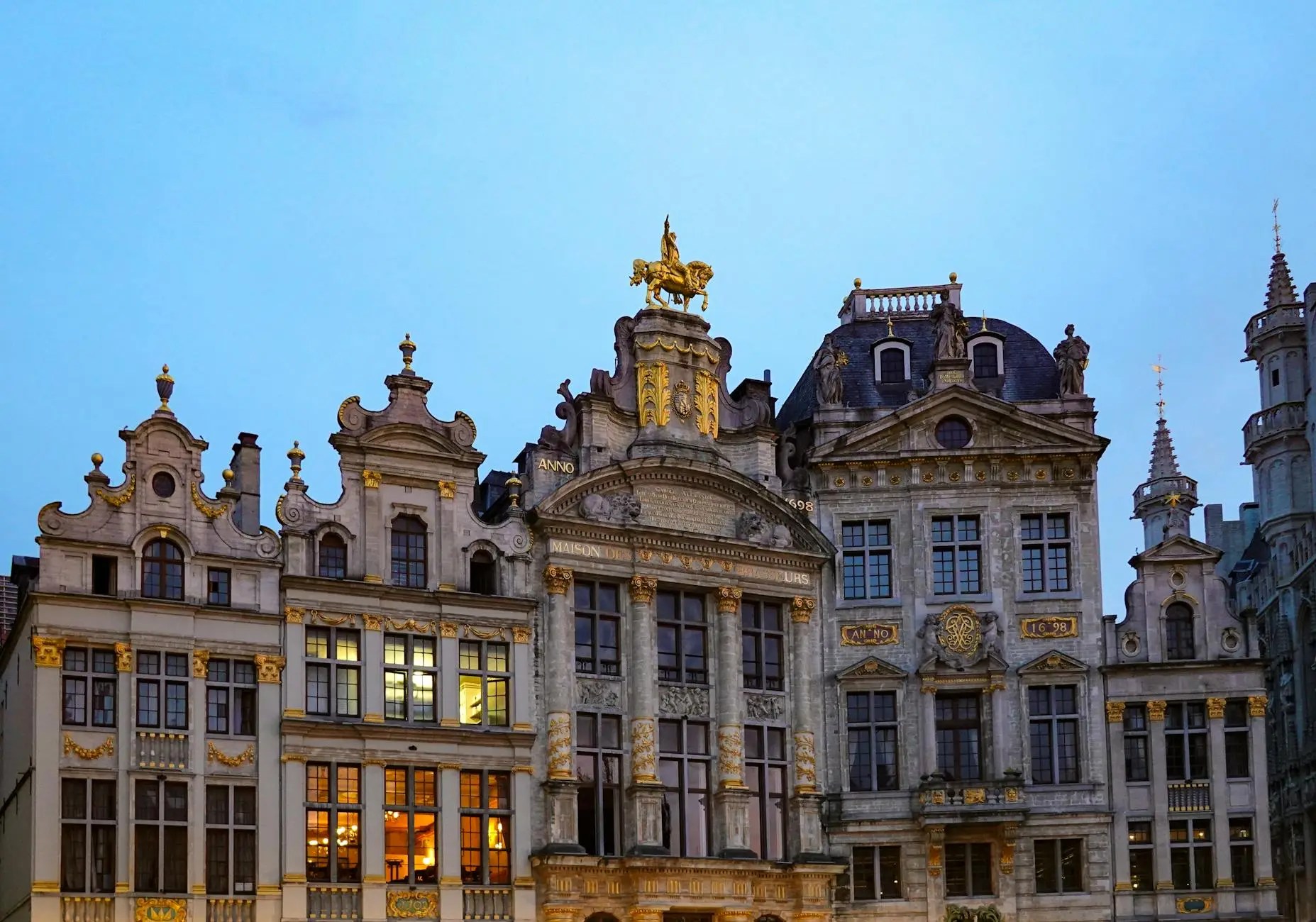
Historic buildings in Grand Place, Brussels, illuminated at dusk, showcasing intricate architecture and golden accents.
The stunning architecture of Brussels’ Grand Place illuminated at dusk, showcasing its rich history and intricate designs. The Guildhills Gleam: Catching the golden hour on the Brussels Town Hall spire in the Grand Place. No filter needed when history provides the glow. ✨
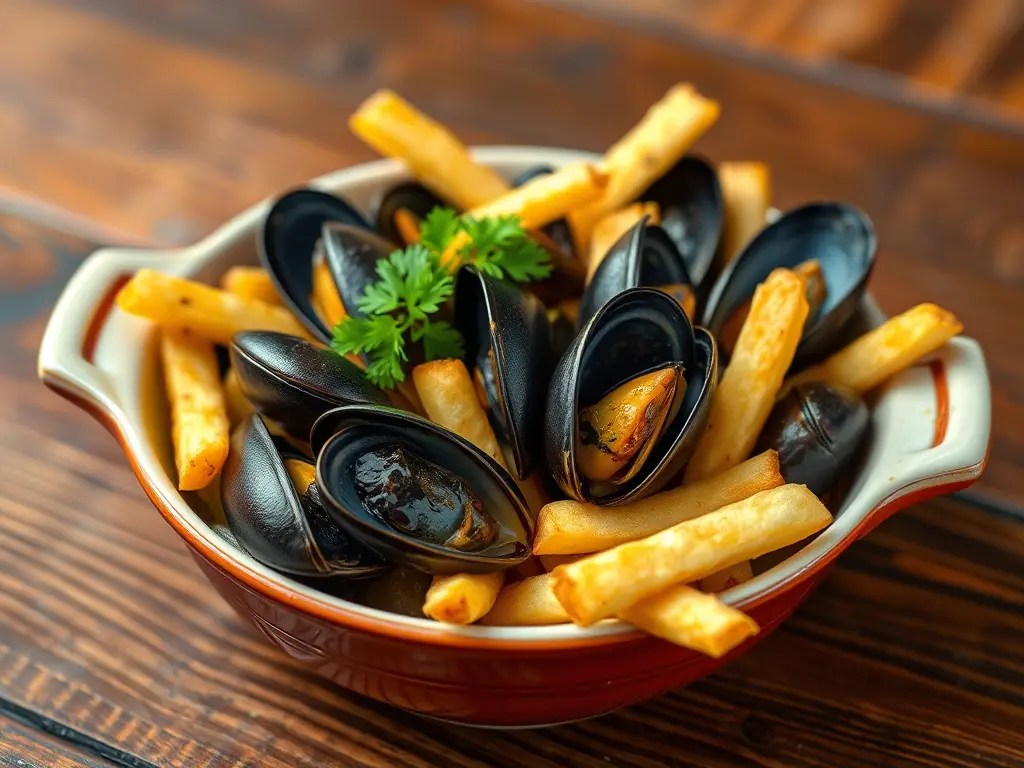
A bowl of moules-frites, featuring mussels and crispy fries, garnished with a sprig of parsley, presented on a wooden table.
A traditional Belgian dish of moules-frites, featuring fresh mussels served with golden fries. The National Dish in All Its Glory: My first, life-altering bite of authentic moules-frites in Brussels. Pro tip: Use an empty shell as tweezers to pluck out the rest – it’s how the locals do it!

Saturday: Classics, Comics, and a Culinary Crawl

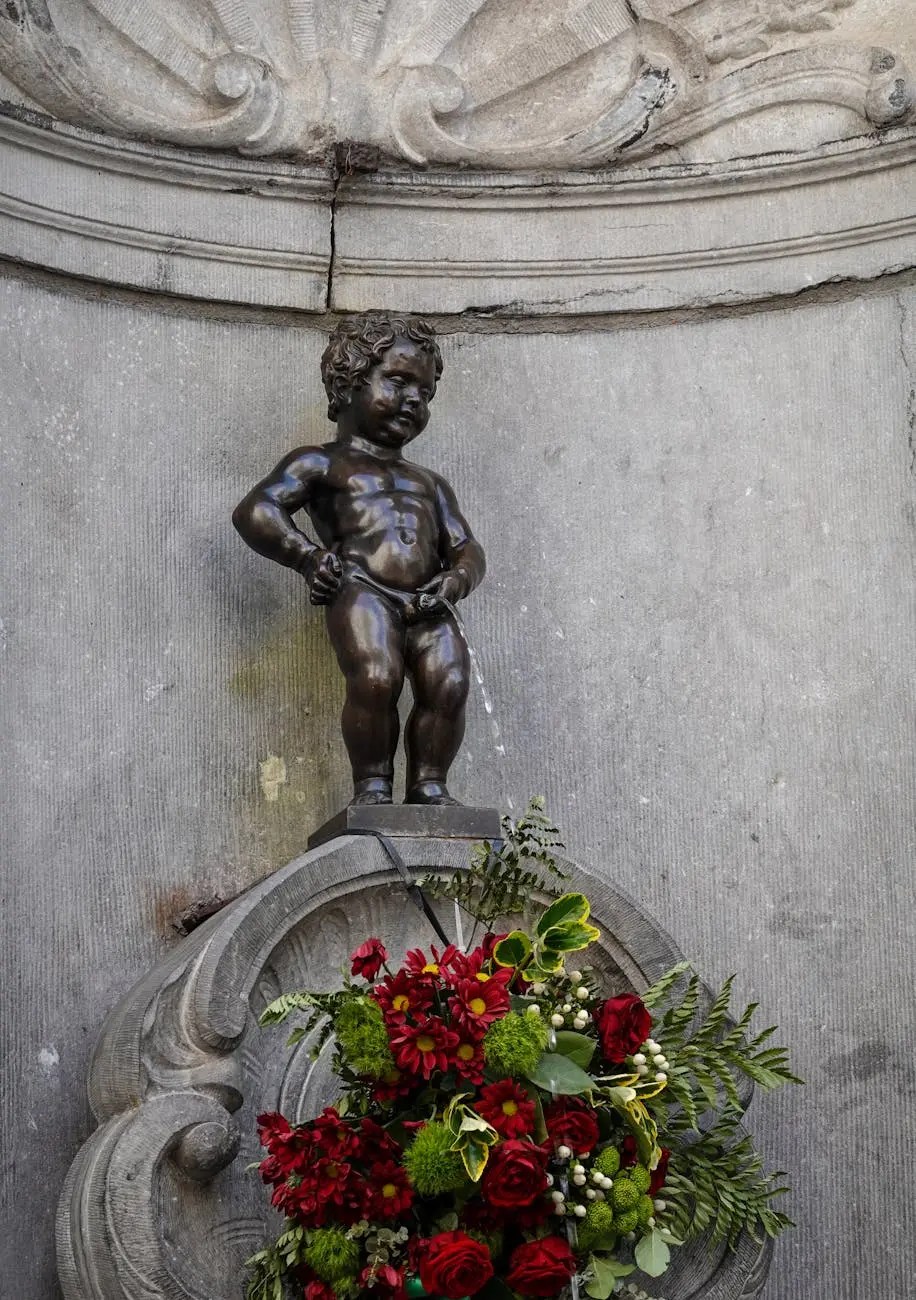
  • Morning: Start at the Manneken Pis. It’s… smaller than you think. Have a chuckle, see if he’s wearing one of his famous costumes, and then move on. The real fun is exploring the surrounding streets, like the chocolate shops on Rue de l’Etuve.
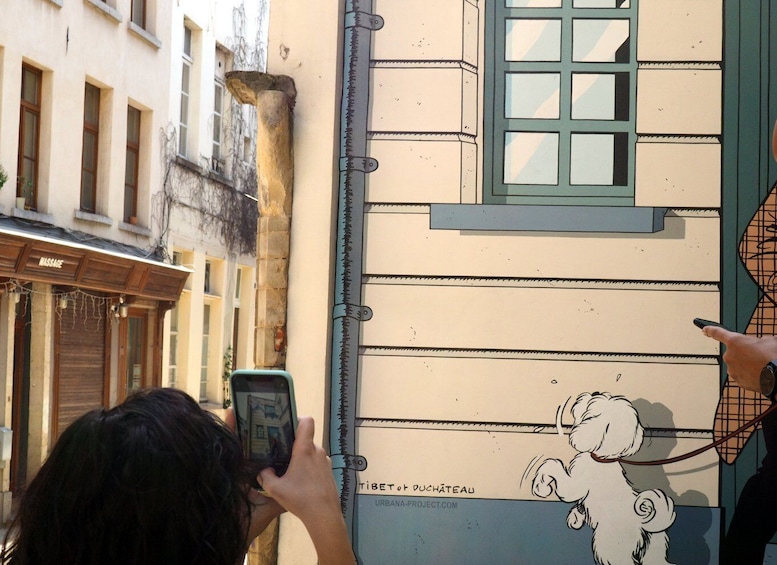
  • Late Morning: Embark on a self-guided Comic Book Wall Walk. Brussels is the capital of comic art, and murals of Tintin, the Smurfs, and other heroes are splashed across buildings. It’s a fantastic, free way to see the city.
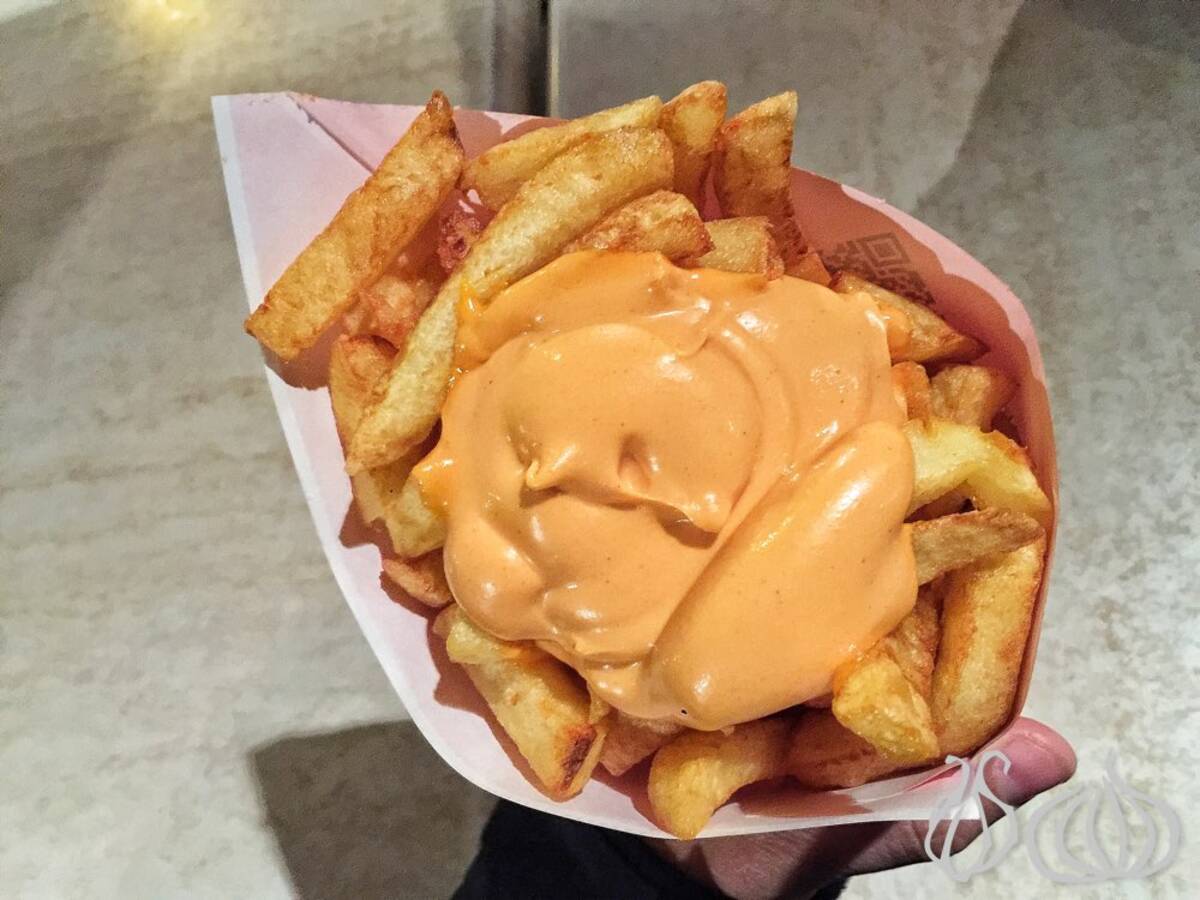
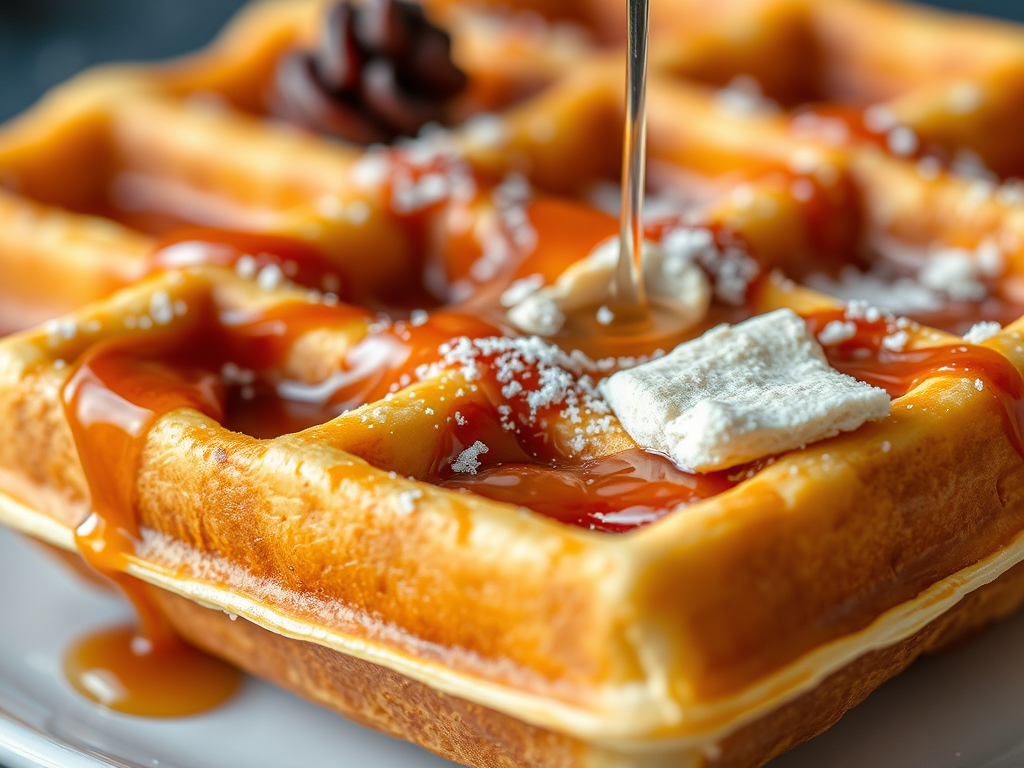
  • Lunch: Grab a legendary frites from Fritland—eat them with mayonnaise, it’s the Belgian way. Follow it up with a decadent Liege waffle from a street vendor (they’re denser and sweeter than the Brussels kind).
  • Afternoon: Choose your adventure:

Don’t Miss the Atomium: Brussels’ Space-Age Icon

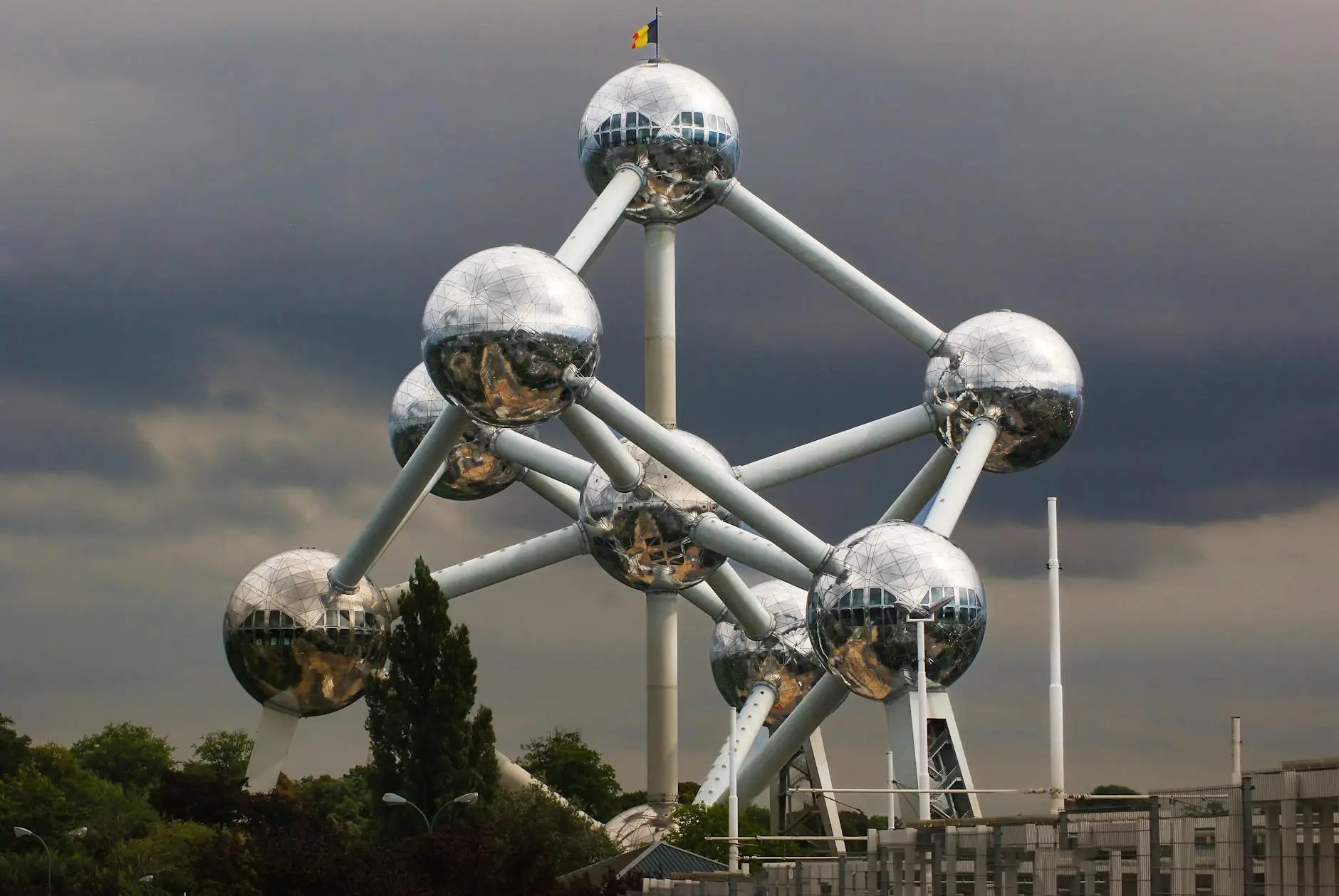
No trip to Brussels is complete without witnessing the Atomium. I’ll be honest, my first thought when I saw it was, “What on earth is that?!” It looks like a bizarre, giant metal molecule that landed from a 1950s sci-fi movie. And that’s exactly what makes it so brilliant.

Built for the 1958 World’s Fair, it represents an iron crystal magnified 165 billion times. It’s not just a sculpture; you can go inside!

My Experience & Savvy Tips:

  • The Visit: You take elevators and escalators through the connecting tubes to various spheres. The top sphere offers a panoramic view of Brussels that’s completely different from the city center view.
  • The Best Photo Op: The most classic shot is from the grassy area right in front of it. For a unique perspective, walk around the base and look up through the structure.
  • Logistics: It’s located in Heysel Park, a bit outside the city center. It’s easily reachable by taking Metro Line 6 to the Heysel/Heizel station. The trip takes about 20 minutes from the city center.
  • To Go or Not to Go? If you love unique architecture, views, and a dose of retro-futurism, it’s 100% worth the trip. If you’re extremely pressed for time on a weekend trip, seeing it from the outside is still a powerful experience. I recommend going inside if you have a spare 2-3 hours.
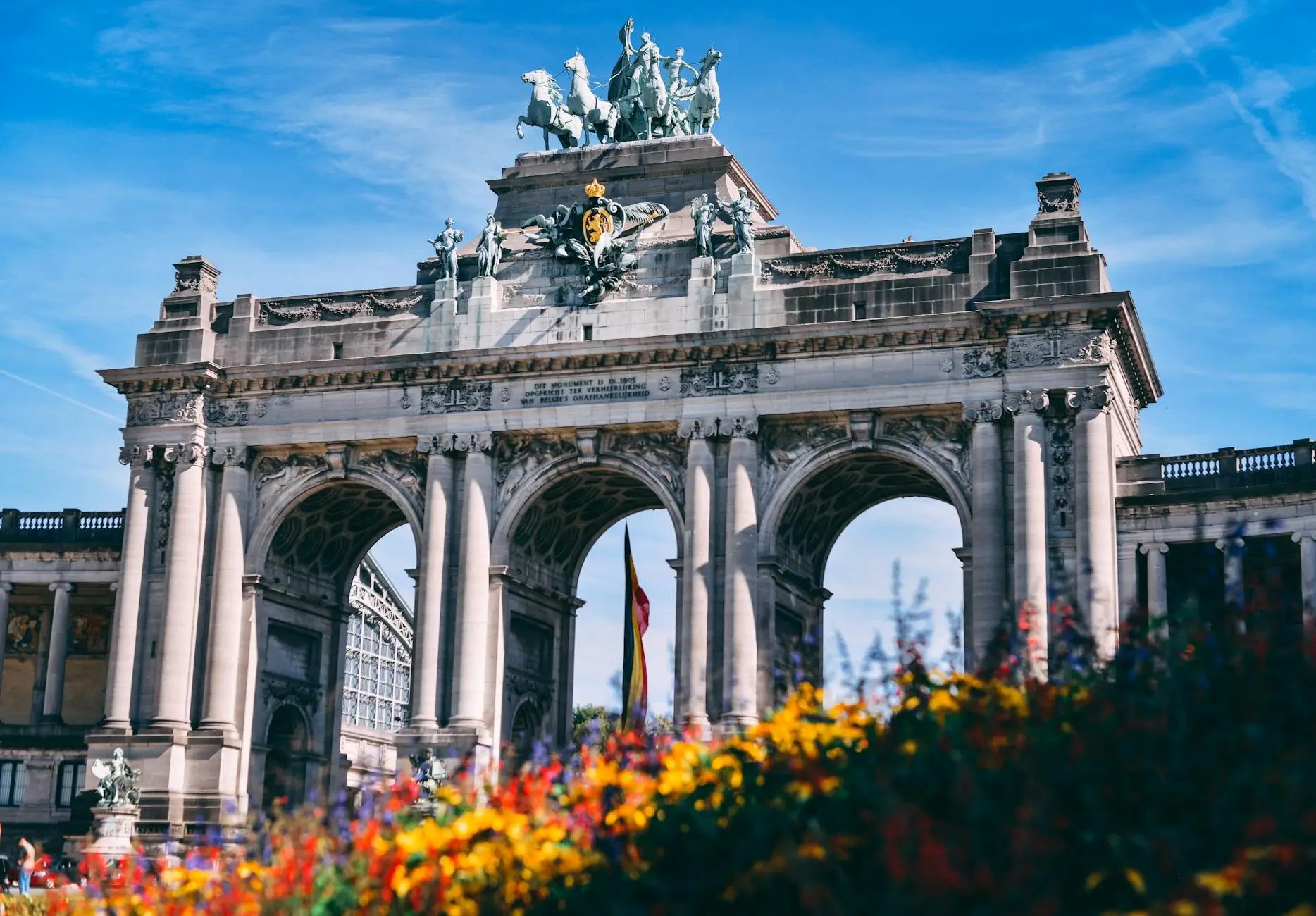
  • View Seekers: Climb the Arcade du Cinquantenaire for a stunning panoramic view of the city. It’s a bit of a trek but so worth it.
  • Evening: Explore the trendy Saint-Géry area, known for its cool bars and cafes housed in an old market hall.
The iconic Manneken Pis statue adorned with flowers, a must-see symbol of Brussels. He’s Got More Outfits Than You: Catching the Manneken Pis in one of his legendary costumes! This floral ensemble is a far cry from his usual birthday suit. 😉
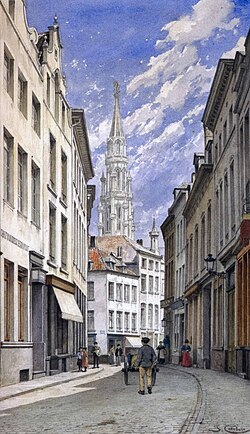
A watercolor painting depicting a narrow street in Brussels, showcasing historic buildings and a prominent spire in the background.
A picturesque street view in Brussels featuring the stunning architecture and a distinctive spire in the background.
A person photographing a comic mural depicting a small dog on a wall, surrounded by typical Brussels architecture.
Visitors capturing the charm of a comic mural in Brussels, showcasing the city’s vibrant street art scene.

A close-up of crispy French fries topped with a creamy orange sauce, served in a paper cone.
Delicious Belgian fries topped with a creamy sauce, a must-try street food in Brussels.

A delicious Belgian waffle topped with caramel sauce, powdered sugar, and a dollop of whipped cream, served on a plate.
Indulge in a classic Belgian waffle topped with caramel and powdered sugar, a must-try treat while visiting Brussels.
This image captures the magnificent scale and unique design of the Atomium, one of Brussels' most recognizable landmarks. The structure, consisting of nine stainless-steel-clad spheres connected by tubes, towers over Heysel Park. Originally constructed for the 1958 World Expo, it symbolized postwar optimism and faith in scientific progress. Today, it functions as a museum and viewpoint, with several spheres open to the public. Visitors can explore exhibitions on its history and the 1950s, and ascend to the top sphere for a breathtaking 360-degree panoramic view of Brussels. Its futuristic, enduring silhouette makes it a must-see contrast to the city's medieval Grand-Place.
The iconic Atomium in Brussels, a symbol of the city with its interconnected spheres. Brussels’ Other Landmark: The awe-inspiring Atomium, a stunning relic of the 1958 World’s Fair. It’s far more than a sculpture; it’s a time capsule of atomic-age optimism.
The imposing and ornate Arc du Cinquantenaire, a symbol of Brussels’ rich history, surrounded by vibrant flowers under a clear blue sky. Brussels’ Other Arch: Forget the crowds at the Grand-Place! The Cinquantenaire Arch offers a majestic, peaceful escape and, if you’re sneaky, one of the best free views in the city. (More on that below!).

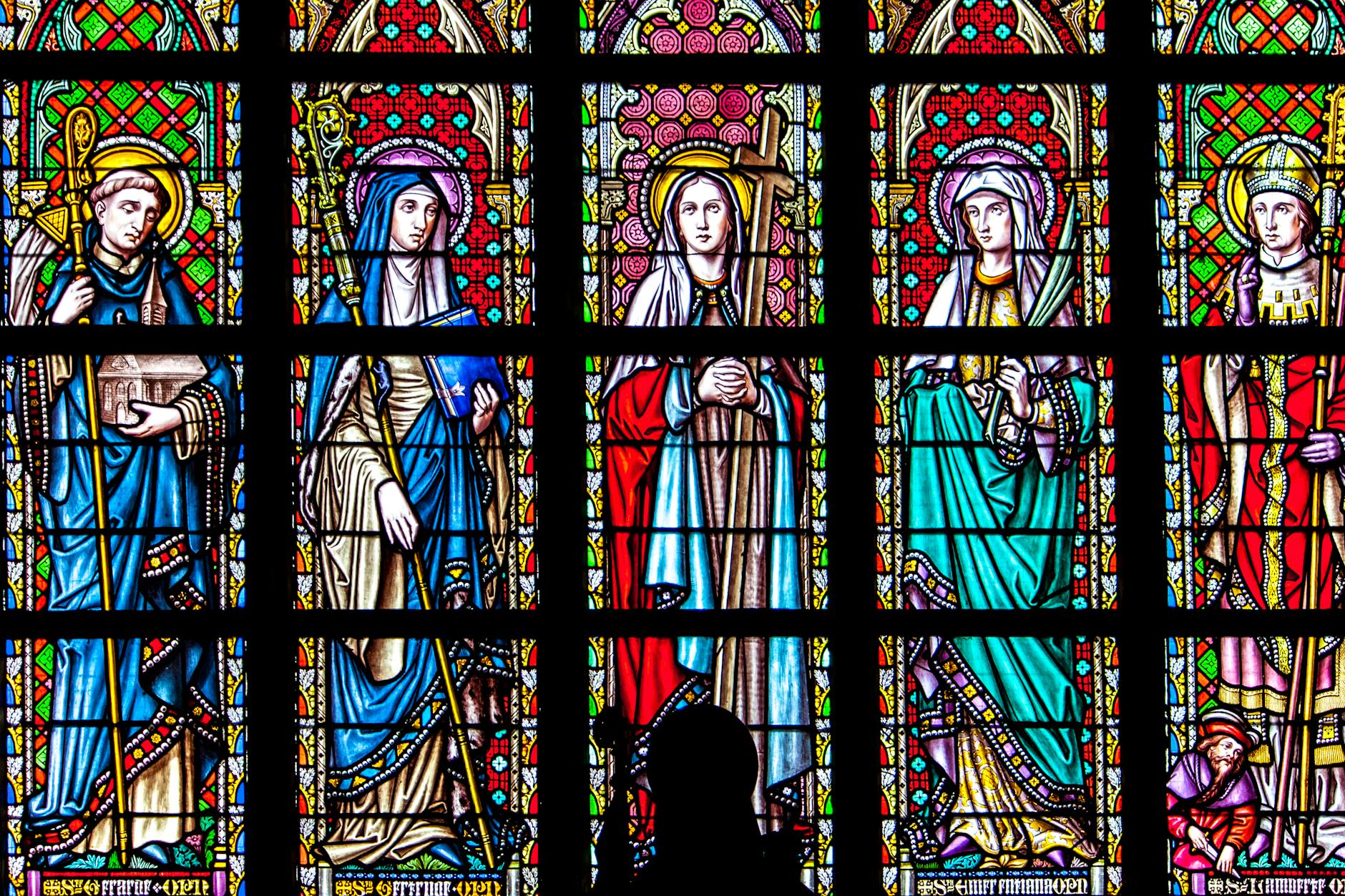
Stained glass window depicting religious figures in vibrant colors.
Stunning stained glass windows depicting religious figures, showcasing the intricate artistry within Brussels’ historic architecture.

Sunday: Markets, Majesty, and Last-Minute Souvenirs

  • Morning: If you’re there on a Sunday, don’t miss the Place du Jeu de Balle flea market. It’s a sprawling, chaotic treasure trove of everything from vintage lace to bizarre knick-knacks.
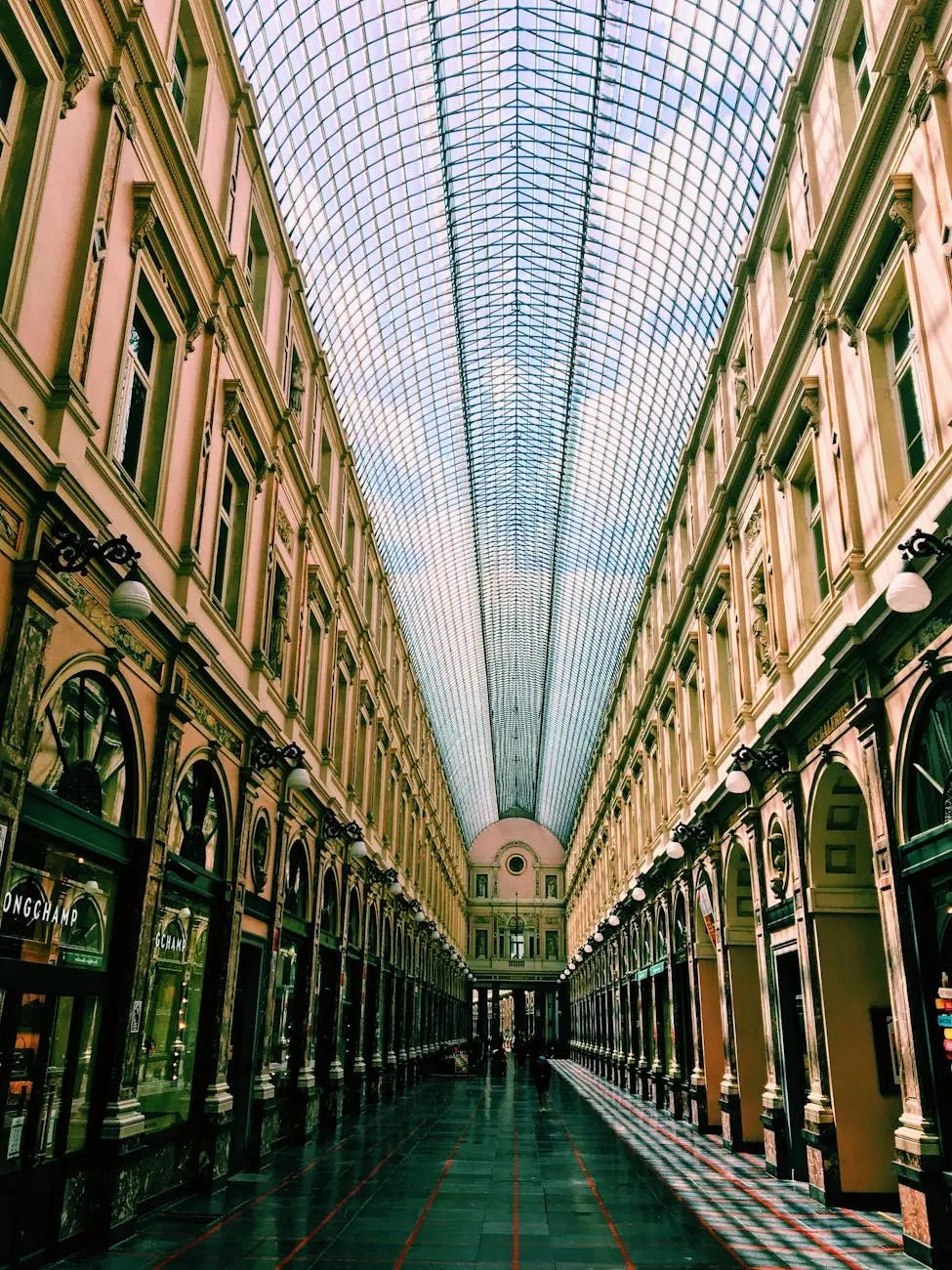
  • Late Morning: Visit the stunning Galeries Royales Saint-Hubert, an elegant 19th-century glass-roofed arcade perfect for picking up last-minute chocolates from masters like Neuhaus or Pierre Marcolini.
The stunning interior of the Galeries Royales Saint-Hubert, a beautiful glass-roofed arcade in Brussels perfect for shopping and enjoying local delights.

Beyond the Grand-Place: Hidden Gems & Local Haunts

Want to escape the crowds? Here are my personal favorites:

  • The Hidden Church: Tucked away in an unassuming building, Église Saint-Nicolas is a small, serene church right behind the Bourse. It feels like a secret you’ve stumbled upon.
  • The Musical Instrument Museum (MIM): Housed in a gorgeous Old England building, this museum has a collection of over 1,200 instruments. The real prize is the rooftop cafe, which offers one of the best free views of Brussels.
  • Marolles District: The area around the flea market is full of character, antique shops, and no-nonsense local bars.
A close-up view of the exterior of a large, historic church featuring intricate architectural details and a tall steeple under a clear blue sky.
A stunning view of a historic church in Brussels, showcasing intricate gothic architecture and soaring spires, perfect for travelers exploring the city’s cultural landmarks.

Navigating Brussels Like a Pro: Public Transport & Tips

Brussels is a very walkable city, but its public transport network (STIB/MIVB) is excellent for covering longer distances.

  • The Key: The STIB/MIVB Card. Do not buy single-journey tickets. They’re a rip-off. Get a rechargeable MOBIB Basic Card (a one-time cost of €5) and load a 10-journey pass onto it. It’s valid on all trams, buses, and the metro for 60 minutes per journey. This will save you a fortune.
  • From the Airport: The train is the fastest and cheapest way to get to the city center. Trains run frequently from Brussels Airport (Zaventem) to Brussels Central Station in about 20 minutes.
  • Driving? Don’t. Seriously. Parking is expensive and a nightmare. The city center is best explored on foot.

Brussels on a Budget: Smart Money-Saving Hacks

  • The Brussels Card: If you plan on hitting several museums, this card is a goldmine. It offers free entry to many, plus discounts and unlimited public transport. Do the math for your itinerary—it often pays for itself.
  • Eat Like a Local: Street food is your friend. Waffles, frites, and even a sandwich from a boulangerie are delicious and budget-friendly.
  • Free Water: Tap water in Brussels is safe to drink. Bring a reusable bottle and fill up to avoid buying expensive bottled water.
  • Free Attractions: Wandering the Grand-Place, hunting for comic murals, and window-shopping the Galeries are all completely free.

Survival Flemish & French: A Traveller’s Cheat Sheet

Brussels is officially bilingual (French and Dutch). Most people in the tourist industry speak English, but a few words go a long way:

  • Hello: Bonjour (French) / Hallo (Dutch)
  • Thank you: Merci (French) / Dank u (Dutch)
  • Please: S’il vous plaît (French) / Alstublieft (Dutch)
  • Goodbye: Au revoir (French) / Tot ziens (Dutch)
  • A beer, please: Une bière, s’il vous plaît (French) / Een bier, alstublieft (Dutch)
  • L’addition, s’il vous plaît (French) – The bill, please
  • Waar is het station? (Dutch) – Where is the station?

Essential Pre-Trip Intel: Visa, VPN & More

  • Visa & Costs: Belgium is part of the Schengen Area. If you need a Schengen visa, the cost is typically €80 for adults. Always check the official government website for the most current requirements.
  • ✈️ Stay Connected (Without the Bill Shock): Let’s be honest, hunting for a local SIM after a long flight is the worst. On my last trip, I used my Drimsim—a universal data SIM that works in 190+ countries. You just pop it in, top up via the app, and you’re online. No hidden fees, no stress. It was a total game-changer. → Grab your Drimsim here.
  • ✈️ Protect Your Peace of Mind: Travel insurance isn’t glamorous, but it’s essential. I never leave home without a plan from VisitorsCoverage. It’s a trusted platform where you can compare and find the perfect coverage for your trip in just a few clicks. It’s the ultimate “better safe than sorry” move. → Find your travel insurance here.
  • ✈️ Secure Your Browsing: Using public WiFi in cafes and hotels? Protect your data with a VPN. I’ve relied on NordVPN for years to keep my information safe while accessing my banking and social media abroad. → Get NordVPN for your trip.
  • Capture the Magic: Brussels is incredibly photogenic. I shot all the pictures for this trip with my trusty Sony Alpha a7 III. It’s lightweight, powerful, and perfect for travel photography.

✈️ Flight Drama? Don’t Panic, Get Paid!
Travel isn’t always smooth sailing. If your flight to Brussels gets delayed, canceled, or you’re denied boarding, you could be entitled to up to €600 in compensation under EU law. Most people never claim it, but I’ve used AirHelp to handle the messy paperwork and fight the airline for me. They only get paid if you win! → Check your flight compensation with AirHelp.

Frequently Asked Questions (FAQ)

What is the best time of year to visit Brussels?
Spring (April-June) and Fall (September-October) are ideal. The weather is mild, and the crowds are thinner than in the peak summer months.

Is two days in Brussels enough?
Absolutely! A weekend is the perfect amount of time to see the main sights, get a feel for the city’s unique vibe, and indulge in its culinary delights without feeling rushed.

What is Brussels best known for?
Chocolate, waffles, beer, fries, the Grand-Place, the Manneken Pis, the EU headquarters, and comic book art (like Tintin and the Smurfs).

Is Brussels a walkable city?
Yes, the city center is very compact and walkable. Most of the major attractions are within a 20-30 minute walk of each other.

What should I pack for a weekend in Brussels?
Comfortable walking shoes are non-negotiable. Pack layers, as the weather can change quickly. And of course, leave plenty of room in your suitcase for chocolate!

Q: Is Brussels expensive?
A: Not compared to Paris or London. Food and transport are reasonable, but hotels in the city center can be pricey.

Q: Do I need to speak French or Dutch?
A: Nope—English is widely spoken. But tossing in a Merci or Dank u goes a long way.

Q: Is public transport safe at night?
A: Yes, but trams/metros stop around midnight. Night buses are available.

Ready to Wander?

Your ultimate weekend in Brussels is waiting. From the awe-inspiring architecture to the simple joy of a perfectly executed waffle, this city is ready to charm your socks off.

→ Start planning your Belgian adventure and book your flights and hotel on Expedia now!

P.S. Looking for more European weekend inspiration? Don’t forget to check out my complete Travel Master List for guides to Amsterdam, Paris, London, and beyond!

*P.P.S. Before you go, a little treat for yourself… because looking good in those travel photos is half the fun! My secret for that vacation glow? K-beauty from Lakinza. Their products are magical. Use code Lalax10 at checkout for a sweet discount on your haul. Your skin will thank you! → Discover Lakinza’s K-Beauty Magic.*

🎒 Final Thoughts & Call to Action

Brussels is quirky, charming, and perfectly located for a weekend that blends culture, food, and fun. With the right planning—cheap SIMs, smart transport, and a good camera—you’ll not only save money but also make memories worth framing.

Universal Disclaimer/Disclosure Page:

48-Hour Stockholm: Your Ultimate Weekend Guide

Meta Description:

Dreaming of a weekend in Stockholm? Our ultimate guide unlocks the best of the Swedish capital in 48 hours. Get insider tips on hidden gems, saving money with the SL card, and the perfect fika. Plan your efficient and magical Nordic escape now!

Stockholm. Just the name conjures up images of colourful buildings reflected in pristine waters, sleek design, and people who look suspiciously like they stepped out of a fashion magazine. Trust me, I was a sceptic, but this city—built across 14 islands—quickly worked its magic on me.

Planning a quick escape? A long weekend in the Swedish capital is lagom (a wonderfully untranslatable Swedish word meaning “just the right amount”)—enough time to soak up the culture, explore a few islands, and even find some hidden gems.

Ready to trade your Monday blues for some Scandinavian views? Let’s dive into the ultimate itinerary, packed with tips and, yes, a few of my own travel blunders to help you save time and cash.

I’ll be honest, my first trip to Stockholm was a bit of a blur. I’d imagined myself gracefully gliding between palaces and museums, but instead, I spent a good 45 minutes circling a roundabout trying to find my Airbnb. I learned the hard way so you don’t have to. This guide is the culmination of that experience and a few subsequent, much smoother trips. It’s your all-in-one ticket to a seamless, unforgettable weekend in the “Venice of the North.”

Pro Tip: For squeezing the most out of a short trip, I always book my flights and hotels together on expedia. The bundle deals are no joke and have saved me enough Kronor for extra cinnamon buns.

Table of Contents

  1. Why Stockholm is Your Next Weekend Destination
  2. The Savvy Traveller’s Guide to Stockholm Logistics
    • Visa & Geo-Travel Connections
    • The Public Transport Secret Weapon: SL-kort
    • Money-Saving Tips
  3. Your Perfect 3-Day Stockholm Itinerary
    • Day 1: History, Royalty, and Fika
    • Day 2: Shipwrecks, Pop Icons, and Hidden Views
    • Day 3: Archipelago Day Trip & Hidden Gems
  4. Essential Swedish Words for the Road
  5. FAQs
  6. Travel Tools I Swear By
  7. Final Call to Action

Hotels in Stockholm

Why Stockholm is Your Next Weekend Destination

First, a confession: I arrived in Stockholm thinking it would be beautiful but perhaps a little stuffy. I was spectacularly wrong. It’s got that European history you crave, but it’s wrapped up in a modern, effortlessly cool package. It’s a city where you can stroll cobbled streets in Gamla Stan (Old Town) in the morning and be sailing through a stunning archipelago in the afternoon. The air is fresh, the water is clean enough to swim in, and everywhere you look, there’s a photo opportunity. Seriously, I burnt through my memory card faster than a Swede says “tack” (thanks). If you want to capture the sheer beauty of the city’s light reflecting off the water, make sure you have a camera that can handle the magic! I’m currently loving my camera for trips like this.

Stockholm in a Nutshell: First, Let’s Get Oriented

Stockholm isn’t just one city; it’s a sprawling archipelago of 14 islands connected by 57 bridges. But don’t panic! For a weekend, you only need to know the core four:

  • Gamla Stan: The picture-perfect Old Town with cobblestone streets and colourful buildings. This is the postcard.
  • Södermalm: The “hipster” island, brimming with vintage shops, cool cafes, and the best views of the city.
  • Norrmalm: The modern city center where you’ll likely arrive. It’s all about shopping, the central station, and main transport hubs.
  • Djurgården: The city’s green oasis, home to top-tier museums and amusement parks.

Thinking of combining this with another Scandinavian adventure? Check out my guide to [A Long Weekend in Charming Copenhagen] for a perfect double-feature.

Navigating the City Like a Pro: Your Transport Bible

Forget renting a car. In Stockholm, it’s a expensive, gas-guzzling headache with confusing parking. The public transport system is your best friend.

The SL Card is Your Golden Ticket:
This single card gives you unlimited access to the Tunnelbana (metro), buses, trams, and even some ferry lines within the city.

  • How to Get It: Download the SL app and buy a ticket there, or buy a physical card at Pressbyrån convenience stores or any T-Bana station.
  • What to Buy: For a weekend, the 72-hour card is perfect and costs around 330 SEK (~$30). It activates the first time you use it and is worth every penny.

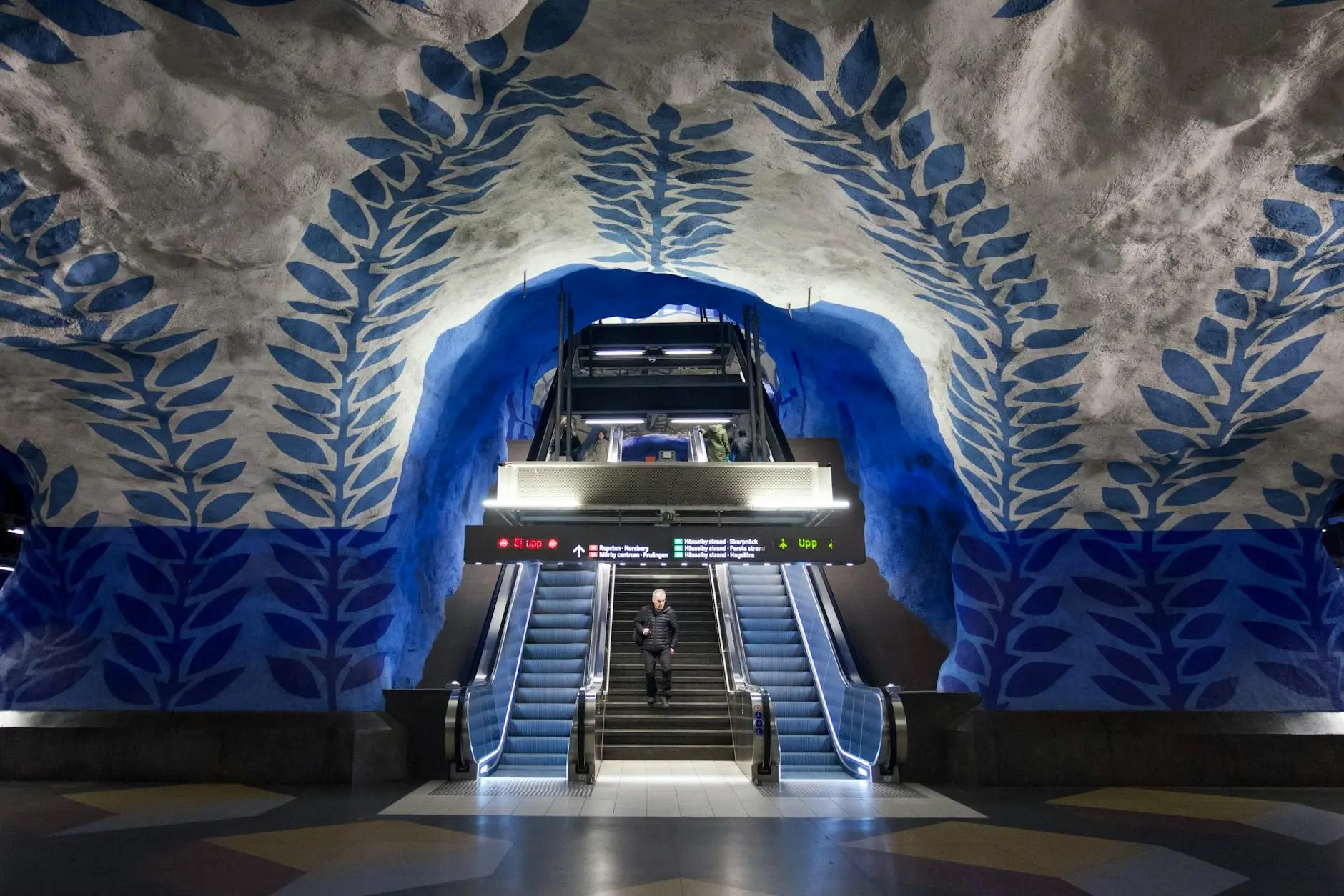
The Tunnelbana (T-Bana): It’s fast, efficient, and famously beautiful. Each station is a work of art. My favourite is T-Centralen with its calming blue vines.

Buses & Trams: Perfect for reaching islands like Djurgården when you don’t feel like walking.

Walking: The best way to experience the city. The islands are very walkable, and the views while crossing bridges are half the fun.

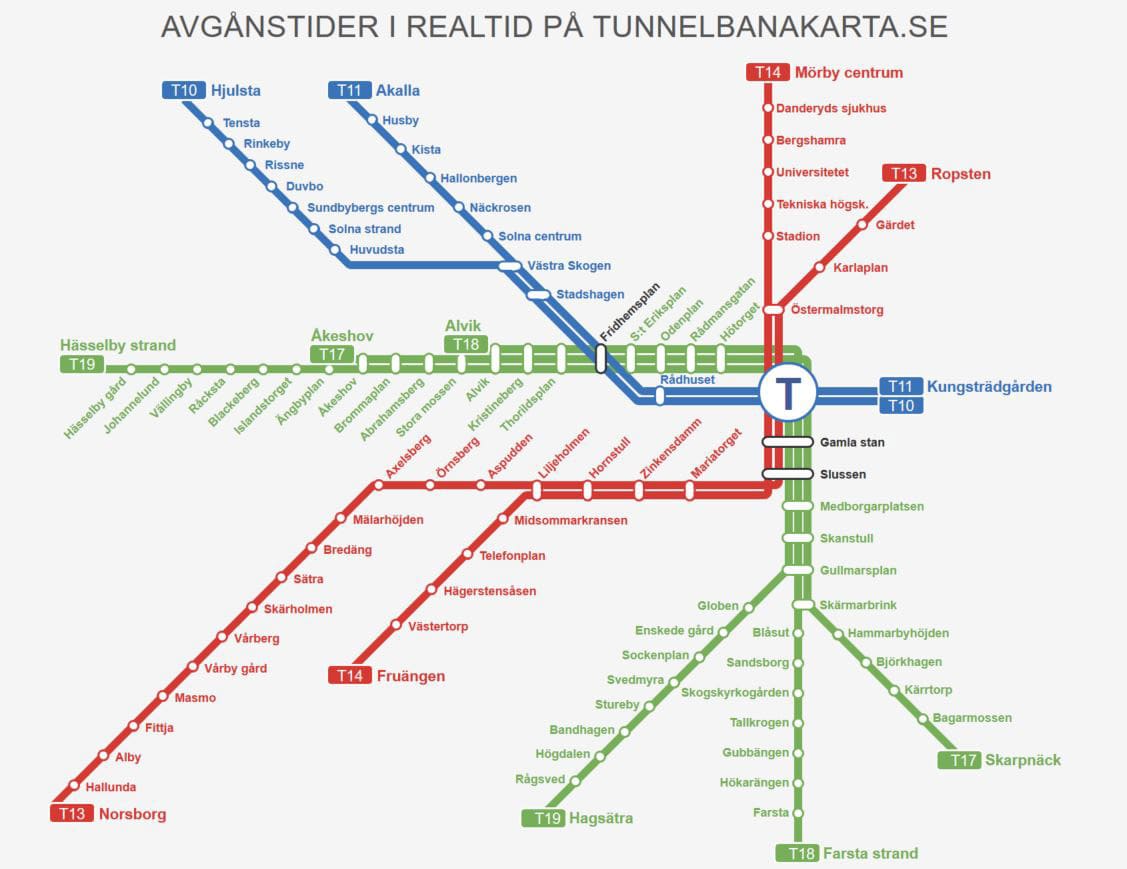
The Art Gallery Underground: The Blue Line of the T-Bana is an absolute must-see. Over 90 of the 100 stations are decked out with amazing art, turning your commute into a subterranean museum. Don’t miss T-Centralen, Kungsträdgården, and Stadion. It’s a fantastic, free activity that gets you out of the crowds!

Stockholm’s Tunnelbana map: your guide to navigating the city’s efficient and beautiful metro system.

Interior of a Stockholm subway station featuring colorful blue and white mural designs on the rock walls, with stairs and escalators leading to the platform.
The stunning blue and white artwork of Stockholm’s Tunnelbana, showcasing the city’s unique and vibrant metro system. Descending into an art gallery: The stunning blue vine motifs of T-Centralen station, a hallmark of Stockholm’s world-famous Tunnelbana (metro) system. It’s arguably the world’s longest art exhibition!
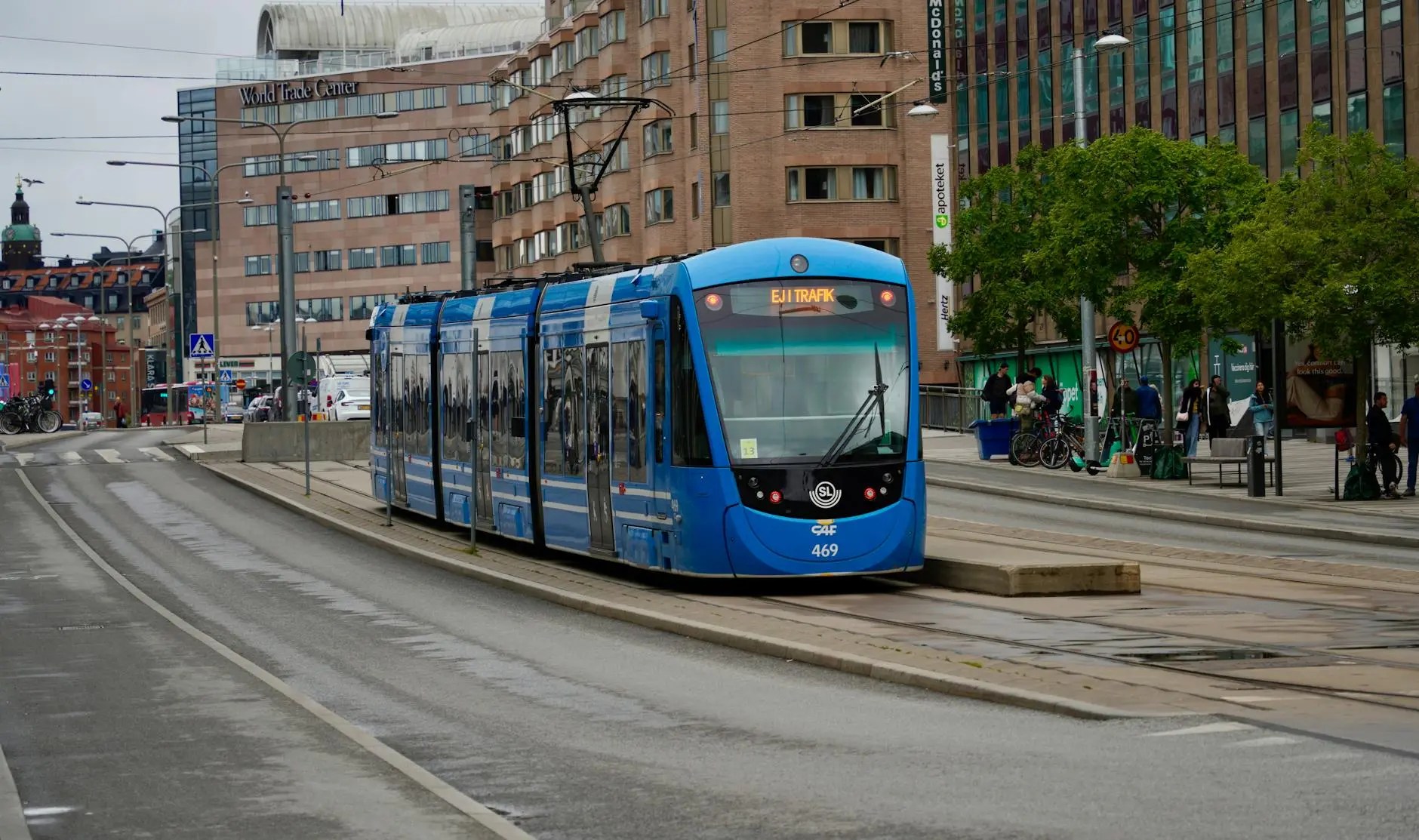
A blue tram marked 'EJ I TRAFIK' on the tracks in a modern urban setting, with buildings and trees in the background.
A sleek blue tram navigating the streets of Stockholm, showcasing the city’s efficient public transport system. Going with the flow: A modern blue tram glides through the streets of Stockholm, a perfect symbol of the city’s seamless and efficient public transport network that connects its many islands.

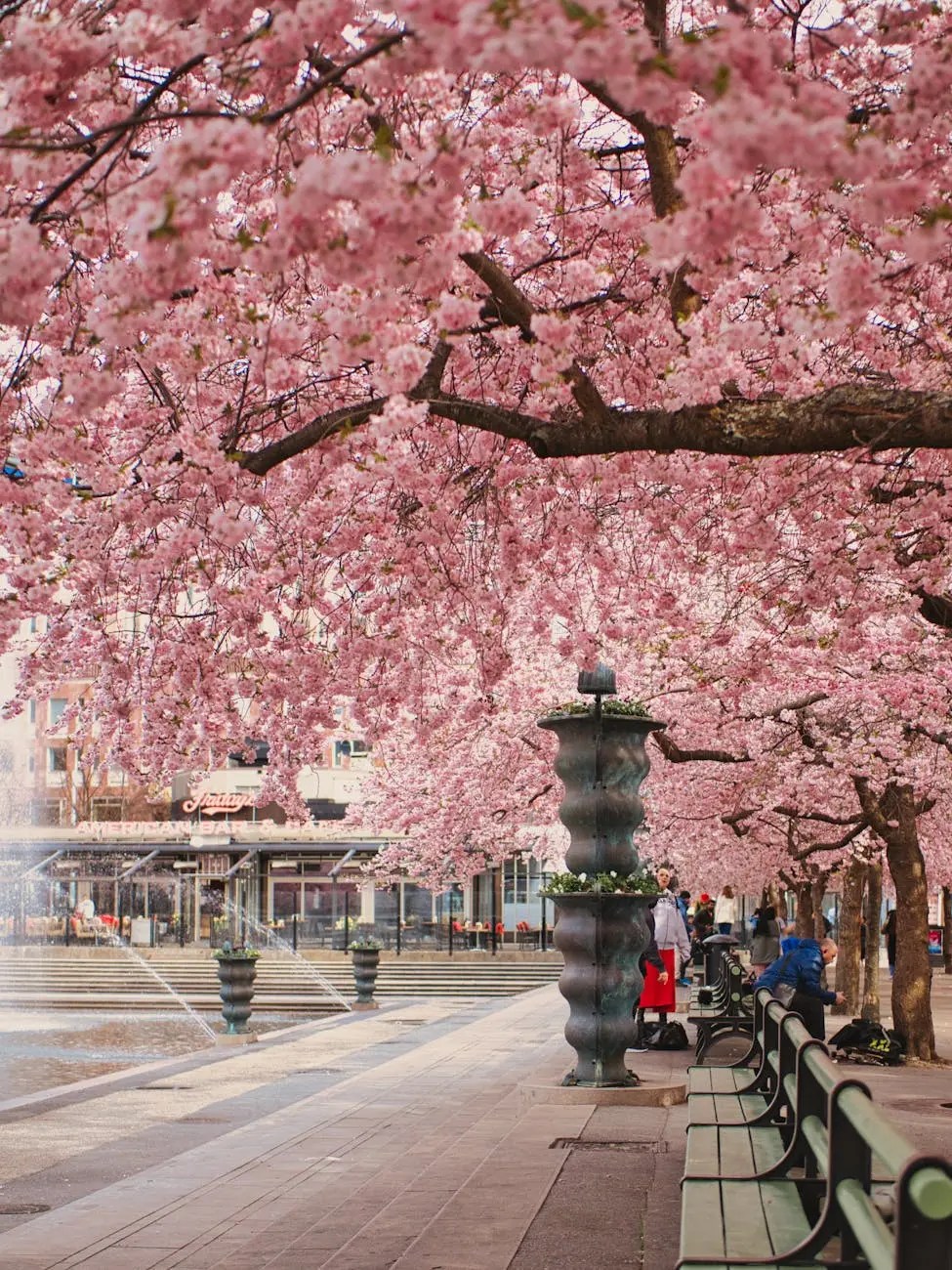
Cherry blossom trees in full bloom lining a city street, with a fountain and benches visible in the foreground.
Stunning cherry blossoms in Stockholm, creating a picturesque scene perfect for a spring day out. This image captures the cherry blossoms in full bloom at Kungsträdgården (King’s Garden) in central Stockholm, Sweden. 

Your Perfect 3-Day Stockholm Itinerary

We’ve designed this itinerary to flow logically using public transport to minimize backtracking.

Day 1: History, Royalty, and Fika (Gamla Stan & Södermalm)

  • Morning (History): Start in Gamla Stan, the Old Town. Wake up early to get ahead of the crowds—this is when the cobblestones are quietest and perfect for photography. Don’t miss the narrowest alley, Mårten Trotzigs Gränd (only 90cm wide!).
  • Mid-Day (Culture): Watch the Changing of the Guard ceremony at the Royal Palace (Kungliga Slottet). Check the time as it changes seasonally. Anecdote Alert: I once nearly missed the whole thing because I stopped for an unscheduled Fika break. Don’t be me. Prioritize the marching band, then get your pastry.
  • Afternoon (Scenic View): Cross over to Södermalm island. Head straight for Monteliusvägen (bus 4 stops nearby) for a spectacular, uninterrupted view of City Hall, Gamla Stan, and the Riddarholmen Church spire. This is a must for your camera.
  • Evening (Local Hangout): Explore the trendy Södermalm area, particularly around the Nytorget square, for dinner. It’s less touristy than Gamla Stan and has a great local vibe
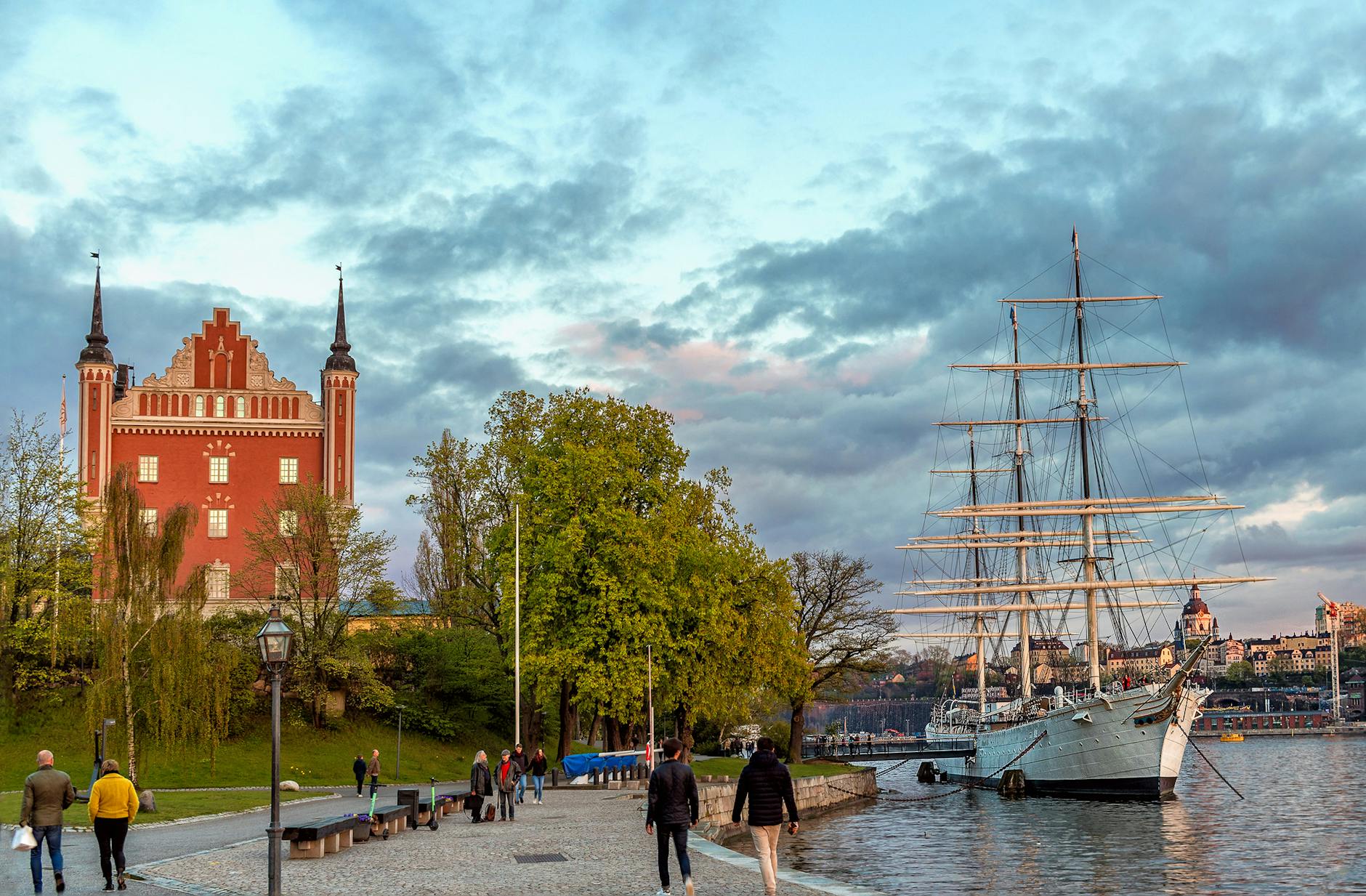
A scenic view of Stockholm's waterfront featuring a vintage ship docked beside a colorful historic building, with people walking along the promenade and lush trees along the water's edge.
A scenic view of a historic building alongside a docked ship in Stockholm, capturing the essence of the city’s beautiful architecture and waterfront landscapes. The image depicts Gamla Stan, Stockholm’s Old Town, with the Af Chapman sailing ship prominently docked in the foreground. 
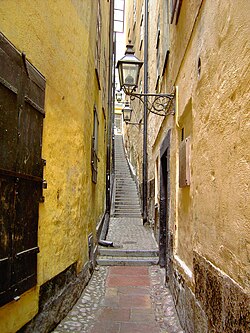
Narrow cobblestone alleyway in Gamla Stan, Stockholm, featuring yellow walls and a vintage lantern.
A narrow alleyway in Gamla Stan, Stockholm, showcasing picturesque yellow walls and cobblestone streets, perfect for capturing the city’s historic charm.

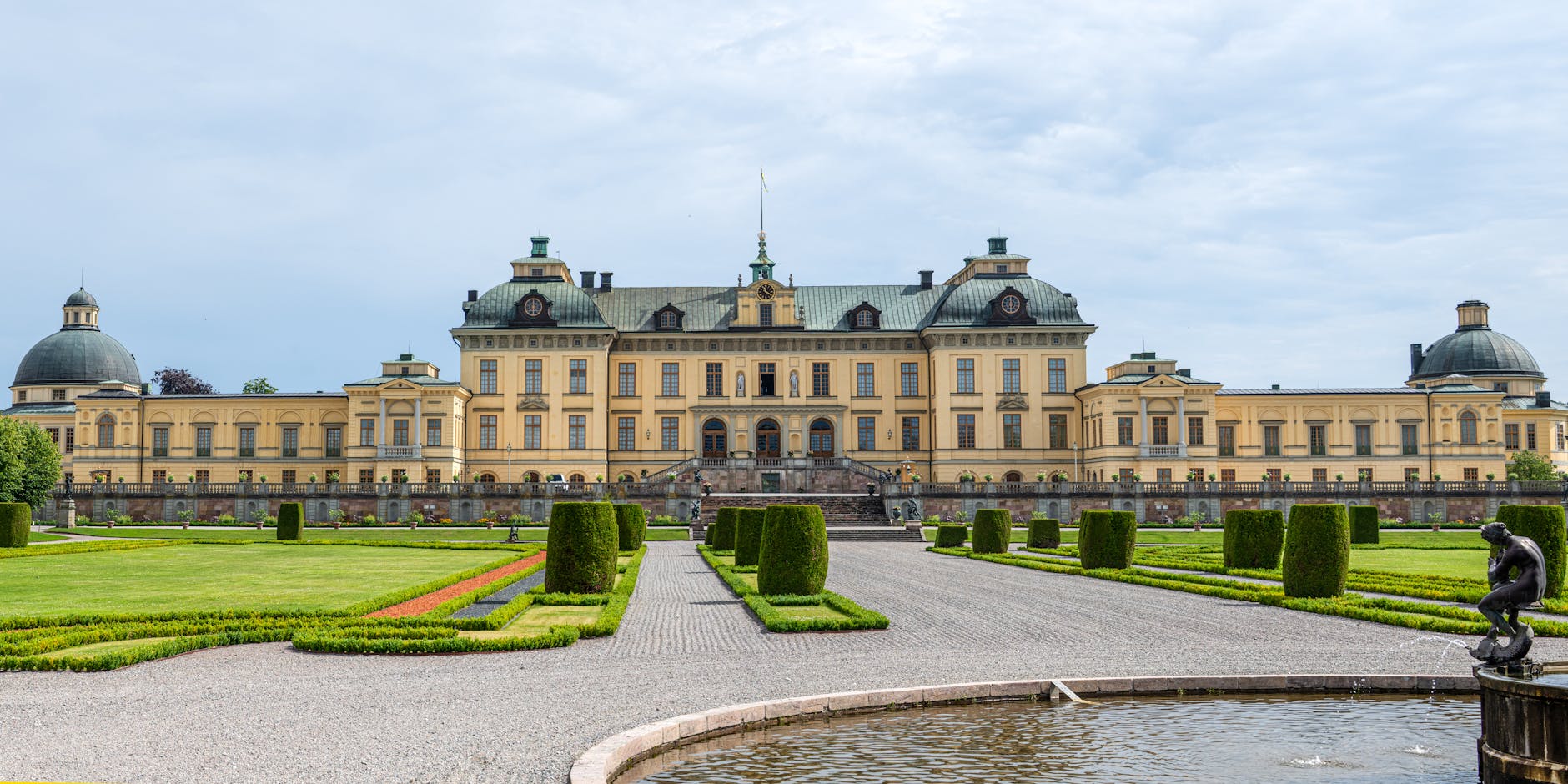
A grand historic palace with a manicured garden in the foreground, featuring neatly trimmed hedges and a statue by the pond, under a cloudy sky.
The regal Drottningholm Palace surrounded by lush gardens and intricate landscaping.

View of Stockholm from above featuring a golden star decoration in the foreground, with colourful buildings and waterfront visible in the background under a clear blue sky.
A scenic view of Stockholm showcasing its colorful buildings and beautiful waterways, framed by a golden star symbol.

Drottningholm Palace: The “Versailles of the North”

Drottningholm (which literally translates to “Queen’s Islet”) is often called the “Versailles of the North” for its stunning architecture and gardens. It is the official residence of the Swedish King and Queen, meaning they actually live there.

What you can see there:

  • The Palace: The magnificent 17th-century building itself.
  • The Palace Gardens: Immaculate Baroque-style gardens and a larger English park.
  • The Chinese Pavilion: A beautiful, exotic royal pleasure palace from the 1700s.
  • Drottningholm Court Theatre: A perfectly preserved 18th-century theatre that still uses its original stage machinery.

How to get there from Stockholm City:
It’s an easy 15-20 minute trip. You can take the T-Bana (metro) to Brommaplan and then a bus, or, more scenically, take a boat from Stadshuskajen (near City Hall). The boat ride is part of the experience, offering beautiful views of the city from the water.

Stockholm: The Vibrant Capital

Stockholm is the vibrant, dynamic city you explore for its many districts like Gamla Stan (Old Town), Södermalm, and Norrmalm. It’s home to the Royal Palace in Gamla Stan (where the King works, but doesn’t live), the Vasa Museum, ABBA The Museum, and countless restaurants, shops, and cafes.

In a nutshell:

You visit Drottningholm Palace while you are in Stockholm. It is a must-do day trip or half-day excursion from the city center, not the city itself.

Day 2: Shipwrecks, Pop Icons, and Hidden Views (Djurgården & Östermalm)

  • Morning (Museum Must-See): Take tram #7 or the ferry from Slussen (included in your SL card!) to Djurgården. Your first stop? The Vasa Museum. It houses the Vasa, a 17th-century warship that sank on its maiden voyage and was recovered 333 years later. It is stunning and an absolute time capsule.
  • Mid-Day (Pop Culture): Still on Djurgården, visit the ABBA Museum. Even if you’re not a die-hard fan, it’s an incredibly fun, interactive experience. Fun fact: I accidentally ended up ‘singing’ on stage with holograms of the band. It was gloriously embarrassing.
  • Afternoon (Hidden Gem – The Subway Art): Use your SL-kort to ride the Blue Line of the T-Bana. Hop off at Rådhuset (like a red cave!) and Kungsträdgården (a sunken garden vibe).
  • Evening (Splurge): Head to Östermalms Saluhall (a beautiful food market) for a classy dinner or just to browse the incredible fresh seafood and produce.
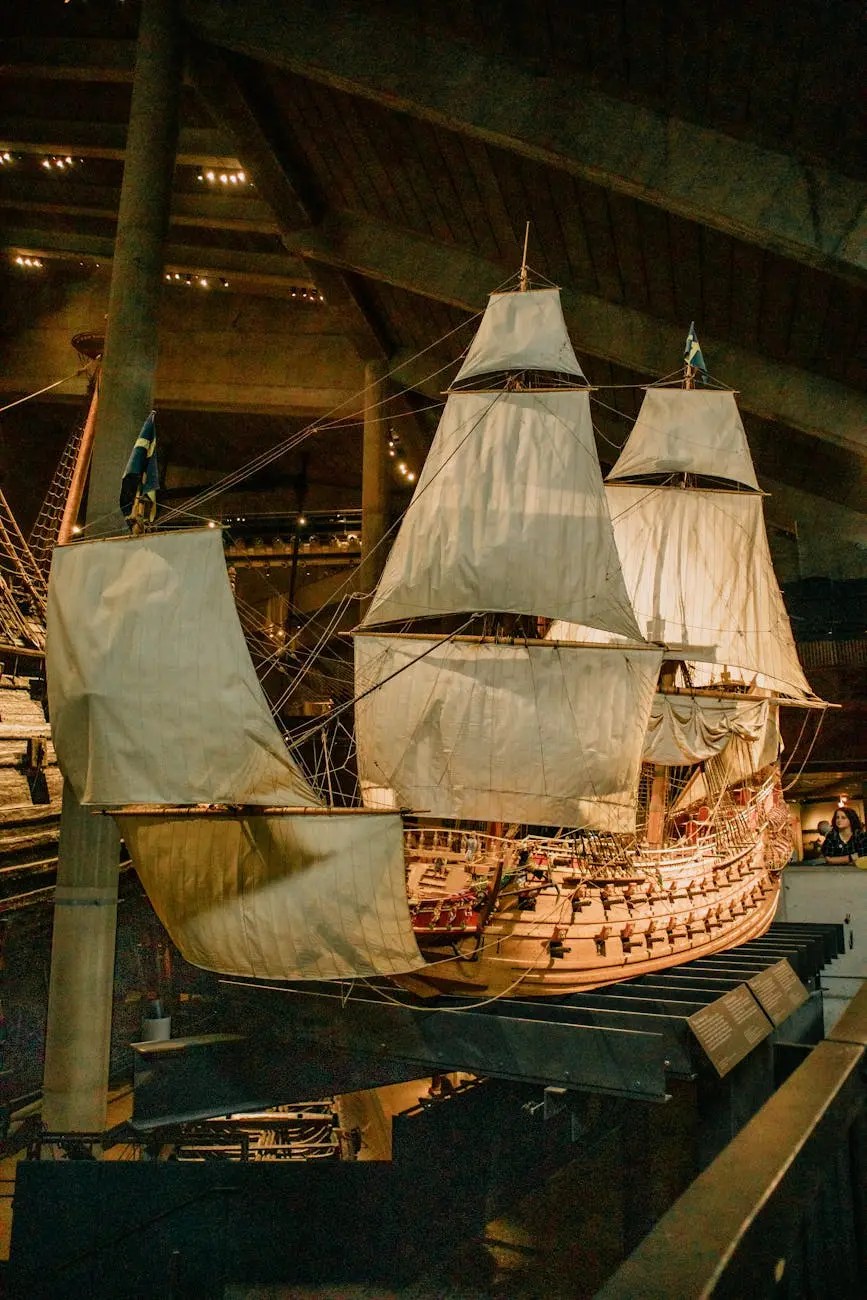
A detailed view of the Vasa warship, displayed inside the Vasa Museum in Stockholm, showcasing its sails and intricate craftsmanship.
The majestic Vasa ship, a 17th-century warship famously recovered from the depths after sinking on its maiden voyage, displayed in the Vasa Museum, Stockholm. A story rescued from the deep: The awe-inspiring Vasa warship, which sank on its maiden voyage in 1628 and was salvaged 333 years later, now stands as the centerpiece of Stockholm’s most visited museum.

Day 3: Archipelago Day Trip & Hidden Gems

Group of four performers dressed in colorful costumes, posing on stage with a vibrant backdrop.
Enjoying the interactive experience at the ABBA Museum in Stockholm, showcasing iconic moments of the famous Swedish band.

Day 3: Archipelago Day Trip & Hidden Gems

  • Morning (The Water): Time for the archipelago! The classic day trip is to Vaxholm, known as the “capital of the archipelago.” You can take a classic archipelago ferry (Waxholmsbolaget is the name to look for), which is a lovely 1-hour cruise.
  • Hidden Gem Day Trip: For a more local, quicker trip that’s fully covered by your SL card, take the commuter train (Pendeltåg) to Nynäshamn. This lovely coastal town is the gateway to the southern archipelago and a beautiful place for a seaside walk.
  • Afternoon (City Gem): Back in the city, check out Stortorget, the main square in Gamla Stan, and the most photographed spot in Stockholm. Look for the 82 colourful buildings—a perfect backdrop for your holiday snaps.
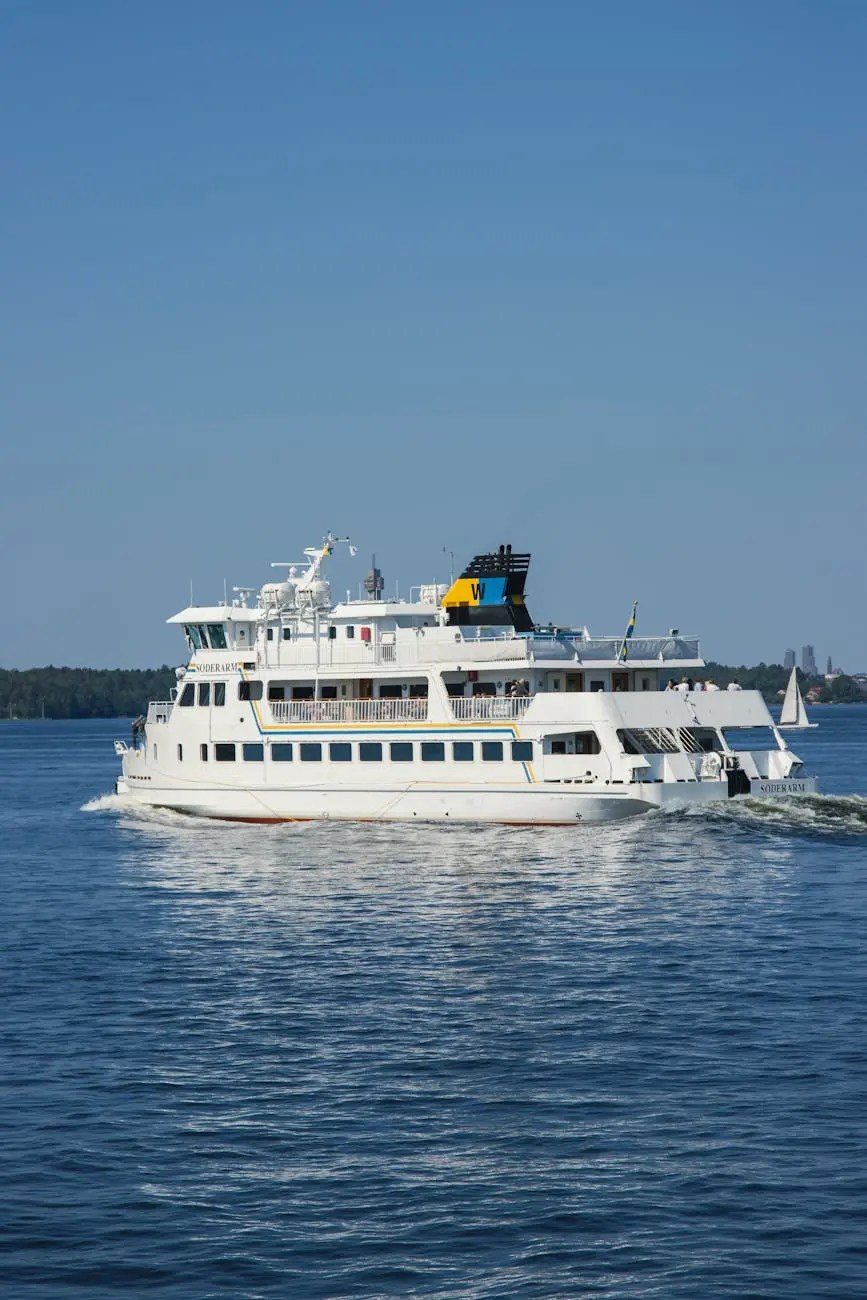
A scenic ferry navigating through the waters of Stockholm’s archipelago, showcasing the beauty of the Swedish capital’s waterways. Your ticket to island hopping: The M/S Dalarö, a vessel from the public transport fleet Waxholmsbolaget, glides through the serene waters of the Stockholm archipelago, connecting the city to over 30,000 islands.
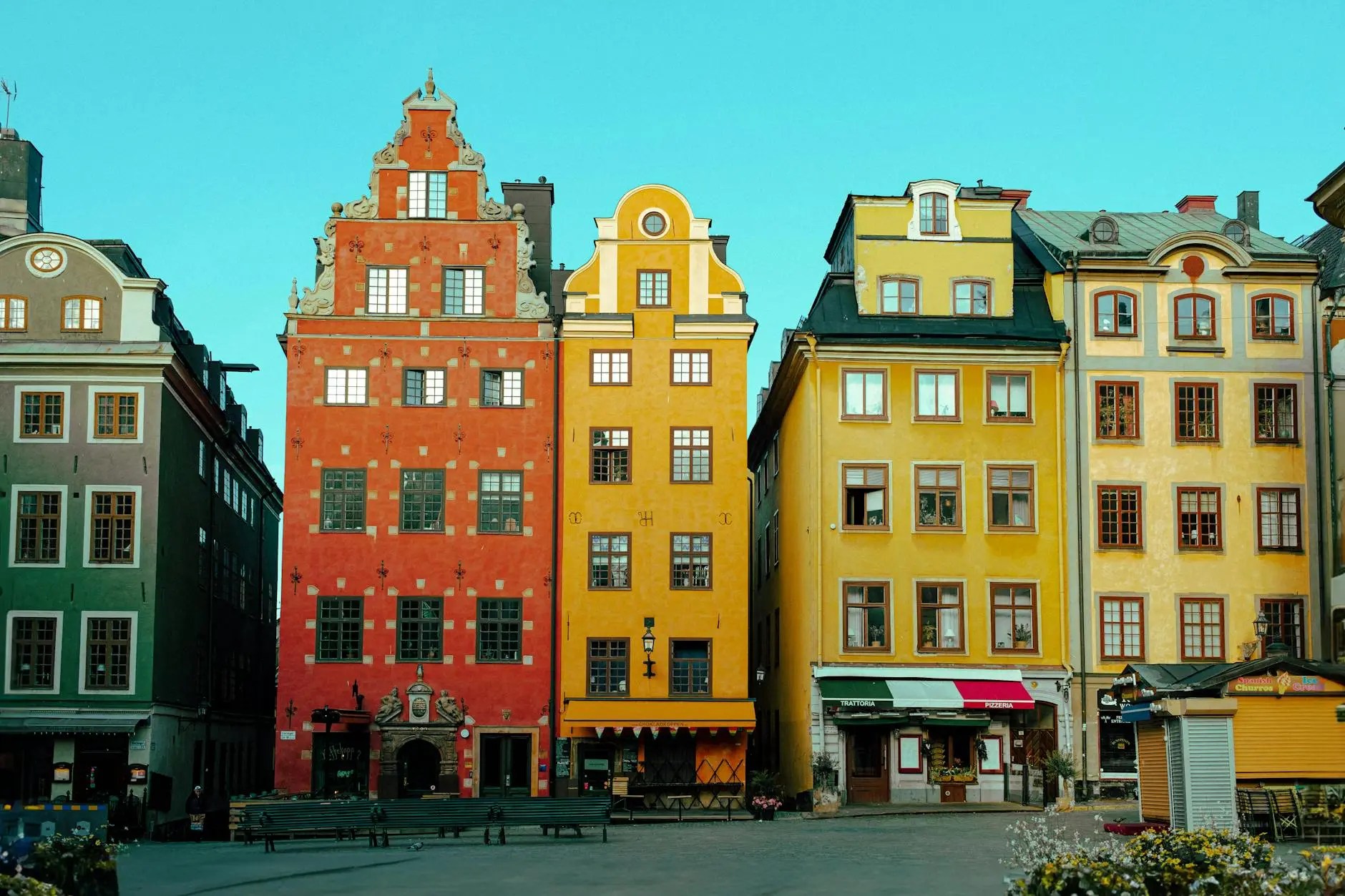
Colorful buildings in Gamla Stan, Old Town, Stockholm, under a clear blue sky.
Colorful buildings in Gamla Stan, Stockholm’s historic Old Town, showcasing the city’s architectural charm.The heart of the Old Town: Stortorget, Stockholm’s oldest square, is surrounded by the iconic, vibrant merchant houses that have become the defining postcard image of Gamla Stan

Stockholm’s Secret Sauce: Hidden Gems Most Tourists Miss

  • A Boat Trip to Fjäderholmarna: Got an extra half-day? Hop on a 25-minute ferry to the closest island in the archipelago, Fjäderholmarna. It feels a world away from the city, with artisan shops and rocky beaches. It’s the perfect quick archipelago fix.

Essential Swedish Words for the Road

While nearly everyone speaks excellent English, trying a few words goes a long way.

English WordSwedish WordPronunciation (Roughly)Meaning/Context
Hello/HiHejHayStandard, simple greeting.
Thank YouTackTakkThe most essential word.
Excuse MeUrsäktaOor-shek-taFor getting attention or passing through a crowd.
Cheers!Skål!Skawl!Perfect for evening drinks.
Coffee BreakFikaFee-kaCoffee, cake, and a chat!
Just RightLagomLaw-gomNot too much, not too little.

Travel Tools I Swear By

I’m a firm believer in preparation. Here are the tools that keep my trips smooth and stress-free:

✈️ Smart Travel Tip: Travel Insurance

No matter where your adventures take you, having the right travel insurance can save you from unexpected headaches (and bills). I personally recommend VisitorsCoverage — it’s a trusted platform where you can compare plans, find coverage that fits your trip, and book it in just a few clicks. Whether you’re planning a quick city escape or a longer international journey, it’s peace of mind worth packing. ✈️ Secure your peace of mind with VisitorsCoverage

✈️ Travel Tip: Stay Connected Safely

Staying connected abroad can be tricky (and expensive if you’re relying on airport SIM counters or roaming). That’s why I carry a Drimsim—a universal SIM card that works in 190+ countries without hidden fees. You just pop it into your phone, top up through the app, and you’re online wherever your adventure takes you. No more hunting for local SIM cards or stressing over roaming bills. If you’re planning your next getaway, check it out here: ✈️ Get your universal Drimsim card here

💻 Protect Your Data: While you’re online, never forget your security. Public Wi-Fi is a magnet for hackers. I use NordVPN to encrypt my connection and keep my personal data safe, whether I’m booking a hotel or checking my email at a café. It’s essential for peace of mind. 💻 Protect your privacy with NordVPN

✈️ Flight Delayed or Canceled? Get Compensated!

Travel isn’t always smooth sailing—sometimes flights get delayed, canceled, or overbooked. The good news? You might be entitled to up to $650 in compensation under air passenger rights. Most travellers never claim it, but I’ve got you covered: just check your flight with AirHelp. They handle the paperwork, fight the airlines for you, and only get paid if you win. Easy, stress-free, and potentially a nice surprise for your travel fund. ✈️ Check your compensation eligibility with AirHelp

“Beyond the Weekend: The Helsinki Ferry Adventure”

Feeling the pull of the Baltic Sea and have an extra day? One of the coolest “hidden gem” experiences isn’t actually in Stockholm—it’s leaving it. For a truly epic end to your Nordic escape, consider booking an overnight ferry from Stockholm to Helsinki. I’m not talking about a basic boat; these are massive, floating hotels and entertainment complexes with restaurants, bars, nightclubs, and tax-free shopping. You can spend an evening sailing through the stunning archipelago at sunset, wake up refreshed in a new country, and explore Finland’s capital before flying home. It’s not just transport; it’s a memorable mini-cruise and a two-for-one city break. You can check schedules and book your passage easily on 

Ferry from Stockholm to Helsinki —it’s my go-to for comparing routes and snagging the best deals.

FAQs

Q: Is Stockholm walkable?

A: Yes! The central islands (Gamla Stan, Norrmalm, Södermalm, Djurgården) are very walkable. However, using the SL public transport pass is essential for hopping between them quickly and comfortably, especially to Djurgården or the more distant T-Bana stops.

Q: When is the best time to visit Stockholm to avoid crowds?

A: Late Spring (May/Early June) and Early Autumn (September) offer great weather, longer daylight hours than winter, and fewer crowds than the peak July/August summer months. Plus, the autumnal colours in September are spectacular for photography.

Q: What is Fika?

A: Fika is more than just a coffee break; it’s a social institution. It involves pausing your day to enjoy a hot drink and a pastry (like a kanelbulle) with friends or colleagues. It’s a key part of Swedish culture—do not skip your Fika!

A close-up of a cinnamon bun drizzled with caramel sauce, placed on a wooden surface.
A delicious cinnamon bun, perfect for enjoying during your next fika in Stockholm. The heart of Swedish fika: A classic kanelbulle, perfectly baked with a soft, cardamom-spiced interior and a signature sprinkle of pearl sugar—this is the ultimate Stockholm coffee break companion.

As you wrap up your 48 hours in Stockholm, you might find yourself already dreaming of your next Scandinavian adventure. If the Nordic charm has you hooked, why not make it a double feature? Just an overnight ferry ride across the Baltic Sea lies Helsinki, a city with a completely different, yet equally captivating, personality. From the minimalist cool of Finnish design to the breathtaking fortress of Suomenlinna, it’s the perfect complement to a Swedish escape. Ready to continue the journey? I’ve put together the ultimate guide for an [Unforgettable Weekend Getaway to Helsinki] right here.

Just can’t get enough of that Scandinavian magic? If your soul is already craving another Nordic fix, you’re in luck. The adventure doesn’t have to end when you leave Stockholm. For the ultimate two-city escape, hop on an overnight ferry and find yourself in the cool, minimalist heart of Finland. I’ve crafted the perfect companion guide to this Stockholm itinerary for an Unforgettable Weekend Getaway to Helsinki. Discover sauna culture, stunning Art Nouveau architecture, and the island fortress of Suomenlinna. Think of it as the perfect Part Two to your epic Nordic adventure.


7. Final Call to Action

Stockholm is waiting to charm you with its unique blend of history, water, and cool, modern culture. It’s a city that asks you to slow down just enough to enjoy the moment (that’s the lagom kicking in!).

Don’t just dream about those gorgeous Scandinavian views—make them happen.

Ready to pack your bags? Start planning your perfect weekend escape to Stockholm today!

➡️ Search for the best flight and hotel deals on Expedia!


Universal Disclaimer/Disclosure Page:

Vienna in a Weekend: Your Ultimate Guide to Imperial Splendor, Coffee & Cake

Meta Description: Master your weekend escape to Vienna! This ultimate guide reveals a perfect 2-day itinerary, money-saving secrets, must-try foods, and hidden gems. Learn how to navigate the city like a pro and experience the best of imperial Vienna.

So, you’ve got a weekend to spare and a burning desire to soak up some serious culture, coffee, and cake? Let me tell you, you’ve picked a winner. Vienna isn’t just a city; it’s a feeling. It’s the waltz of horses on cobblestone streets, the scent of fresh strudel, and the sheer, awe-inspiring gold-leaf opulence of a Habsburg palace.

I remember my first time stepping into the Hofburg Palace complex. I was so busy staring up at the architecture that I almost walked into a very dignified, very unamused horse. Pro tip: Admire, but watch your step. This city is alive with history.

Planning a short trip can be daunting, but fear not! I’ve distilled the essence of Vienna into the perfect weekend itinerary designed to save you time, money, and logistical headaches. Let’s dive in.

Table of Contents

  1. Why Vienna is the Perfect Weekend Getaway
  2. Before You Go: Visa, Insurance & Smart Planning
  3. Your Vienna Weekend Itinerary: A Step-by-Step Guide
    • Friday Evening: Arrival & A Taste of Tradition
    • Saturday: Palaces, Pastries & Perfect Melodies
    • Sunday: Markets, Masterpieces & Departure
  4. Navigating Vienna Like a Pro: The Ultimate Public Transport Guide
  5. Money-Saving Secrets & Local Hidden Gems
  6. Speak Like a Local: Essential German Phrases for Travellers
  7. Travel Smarter, Not Harder: My Trusted Resources
  8. FAQ: Your Quick Vienna Weekend Questions Answered

Welcome to Vienna: Why This City Should Be Your Next Weekend Getaway

Compact, incredibly well-connected, and dripping with things to do, Vienna is a weekend warrior’s dream. You can go from a world-class art museum to a sprawling palace garden to a cozy wine tavern (a Heuriger) within a short tram ride. It’s a city that rewards both meticulous planners and spontaneous wanderers.

Ah, Vienna—where coffee culture meets imperial grandeur, and every corner seems straight out of a fairytale (or at least a well-directed period drama). This city is punchy, juicy, and elegant all at once—perfect for travellers with a sense of humor and an appetite for Austrian schnitzel.

Planning Your Trip: Timing, Visa & Budget Essentials

Visa Info: As a major Schengen Zone country, Austria allows visa-free entry for short stays (up to 90 days) for citizens of the US, UK, Canada, Australia, and many other countries. Always double-check the official government website for your nationality closer to your travel date, as rules can change.
Cost: If you do require a Schengen visa, the standard fee is €80 for adults.

Flights to Vienna

During my last spring visit, I noticed the lines to Schönbrunn were laughably short—so short, I actually did a little happy dance in line (thankfully, no one else joined in).

Best Time to Visit: Late spring (May–June) or early autumn (September) offer mild weather, blooming gardens, fewer crowds, and better hotel deals.

Hotels in Vienna

✈️ Smart Travel Tip: No matter where your adventures take you, having the right travel insurance can save you from unexpected headaches (and bills). I personally recommend VisitorsCoverage — it’s a trusted platform where you can compare plans, find coverage that fits your trip, and book it in just a few clicks. Whether you’re planning a quick city escape or a longer international journey, it’s peace of mind worth packing.

Friday Evening: Arrival & A Taste of Tradition

Assuming you land in the afternoon, hop on the CAT (City Airport Train). It’s a non-stop service that gets you to Wien Mitte station in just 16 minutes. From there, the U-Bahn (subway) or a short taxi ride will take you to your hotel.

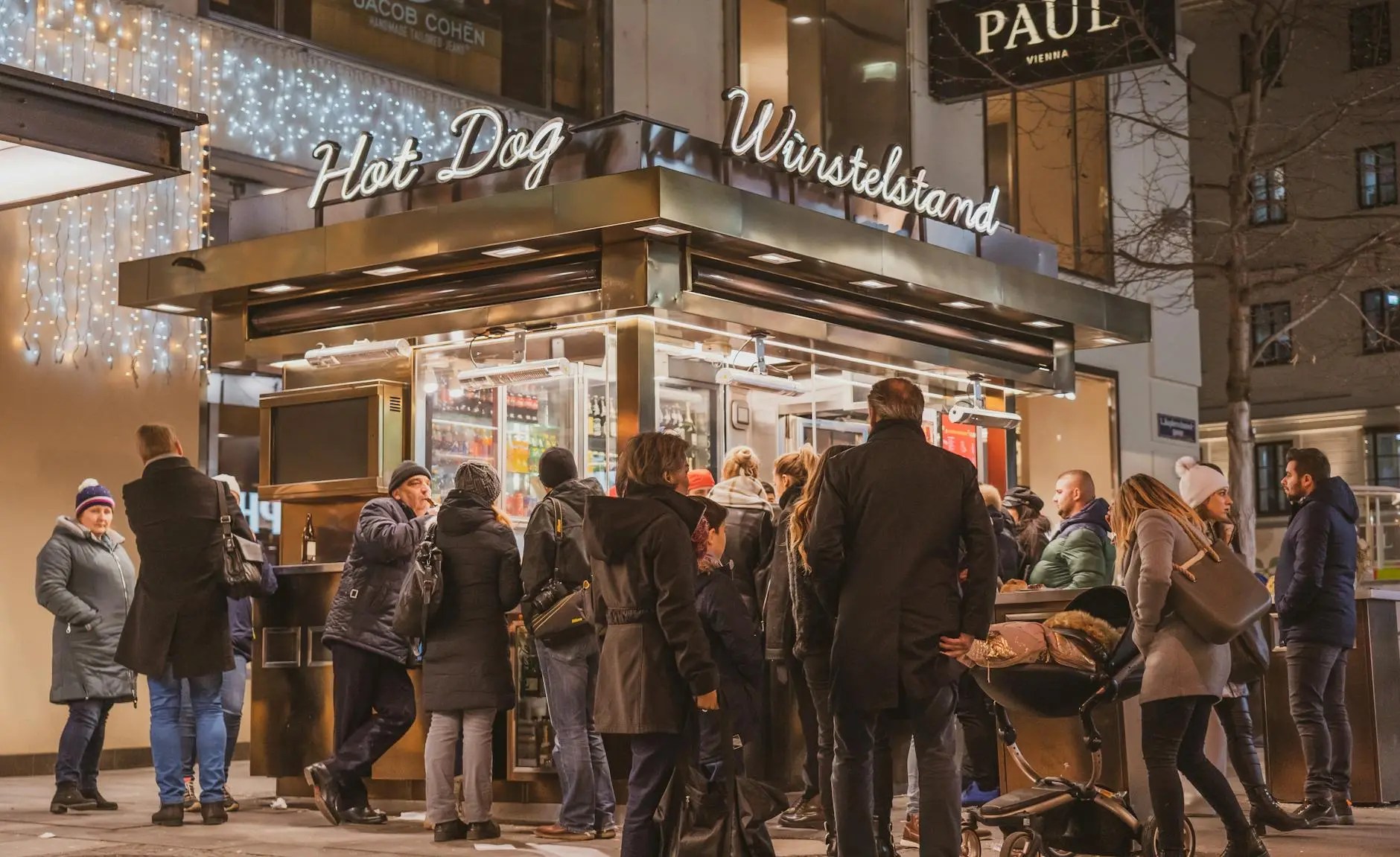
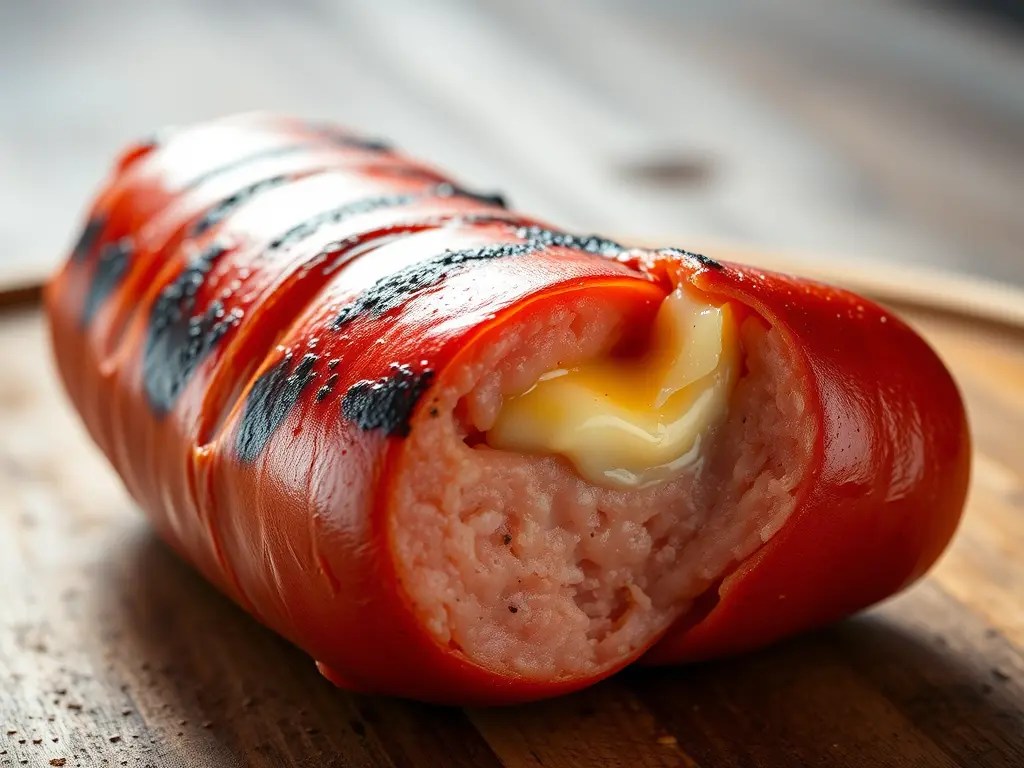
Once you’ve settled in, ditch the jet lag with a walk through the historic center. Your mission: find a classic Würstelstand (sausage stand). Grab a Käsekrainer (a cheesy, divine sausage) with a sharp mustard and a crisp Ottakringer beer. It’s the perfect, authentic welcome dinner.

A bustling Würstelstand (sausage stand) in Vienna at night, with customers waiting in line for traditional snacks, illuminated by warm lights.
A bustling Würstelstand in Vienna, where locals enjoy classic Viennese sausages under the evening glow.

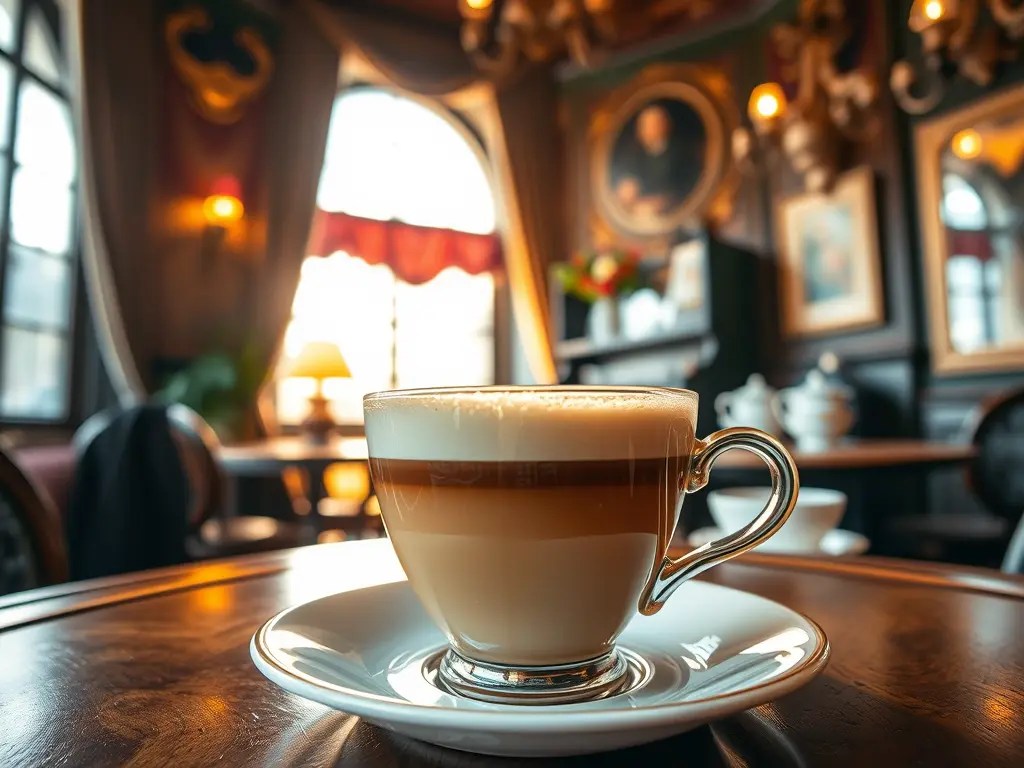
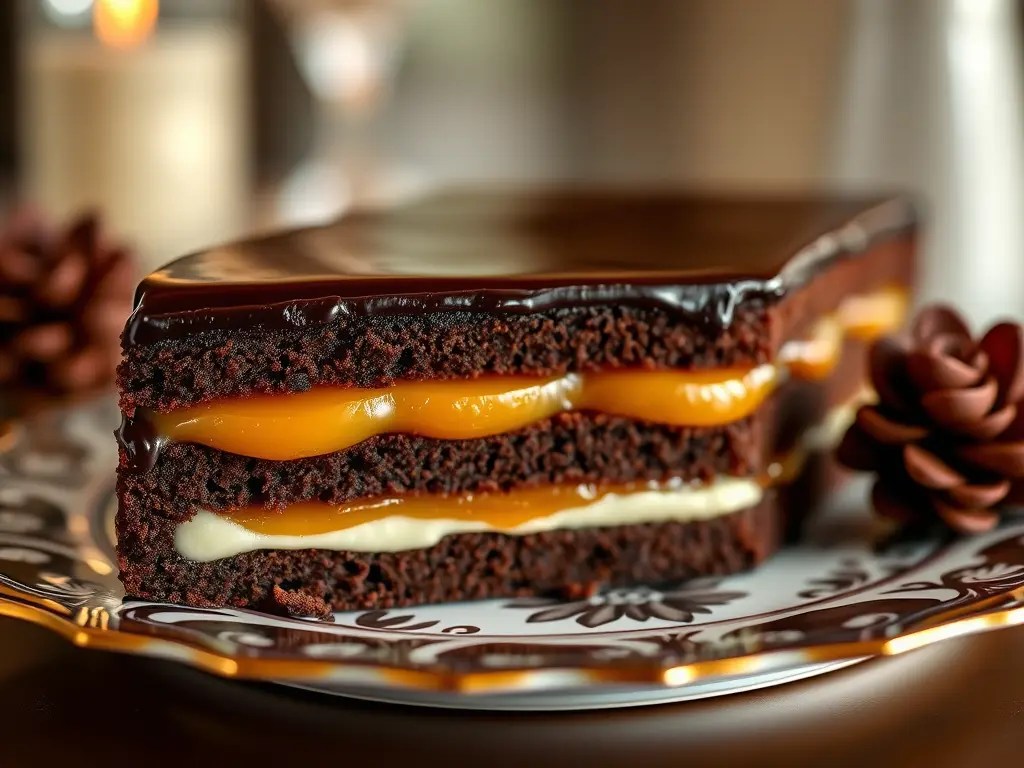
Cap the night at a traditional coffee house. Skip the tourist traps right on the Graben and find a smaller one like Café Schwarzenberg or Café Prückel. Order a Melange (the Viennese cappuccino) and a slice of Sachertorte. Sit back, read the paper provided, and do as the Viennese do: linger.

A grilled sausage cut in half, revealing a creamy filling, presented on a wooden board.
A delicious Käsekrainer sausage, grilled to perfection and ready to be enjoyed—an authentic Viennese culinary delight.

A bottle of Ottakringer Lager beer next to a filled glass on a table, with soft natural light highlighting the drink.
Enjoy a refreshing Ottakringer Lager, a perfect pairing for a Viennese culinary experience.

A beautifully presented cup of coffee sitting on a saucer, with a cozy coffee house interior in the background, featuring warm lighting and elegant decor.
A beautifully crafted Melange coffee, perfect for a cozy evening in a traditional Viennese coffee house.

A close-up of a slice of rich chocolate cake with layers of caramel and cream, elegantly presented on a decorative plate.
Indulge in a slice of decadent Sachertorte, the iconic chocolate cake from Vienna, featuring layers of rich chocolate and apricot filling.

Saturday: Palaces, Pastries & Perfect Melodies

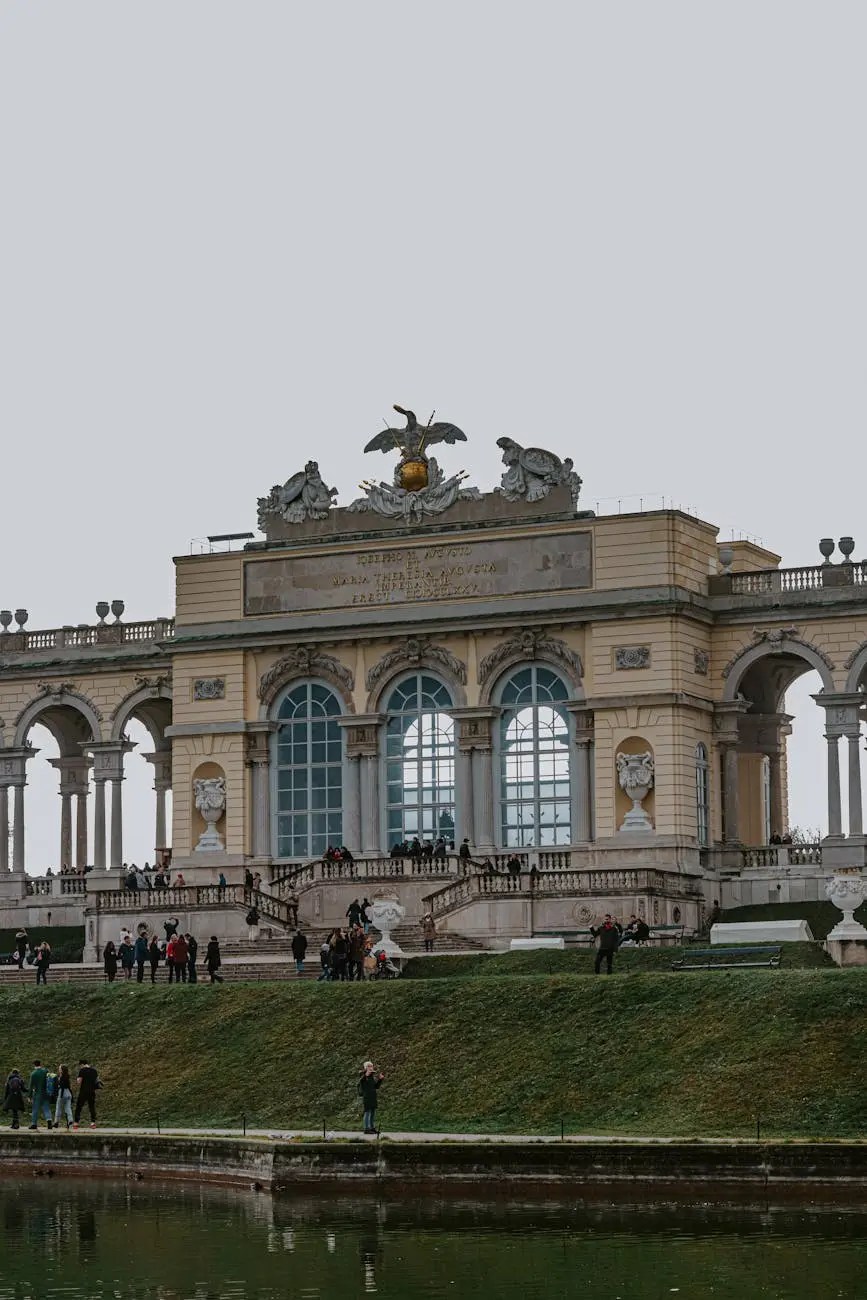
Morning: Fuel up and head to the magnificent Schönbrunn Palace. Book your tickets online in advance for a specific timeslot to avoid the monstrous queues. The Imperial Tour (22 rooms) is perfect for a weekend trip. The gardens are free to explore and offer a stunning view of the city from the Gloriette monument. For more on palace etiquette and history, check out my deep dive into [Exploring Europe’s Royal Residences].

CHOOSE WISELY: The Imperial Tour (22 rooms) is perfect for a weekend trip. The Grand Tour (40 rooms) is amazing but can lead to acute “palace fatigue.

BOOK AHEAD: Book your tickets online in advance for a specific timeslot. I learned this the hard way, watching the queue snake around the courtyard while I sipped my coffee, ticket securely in my app.

Afternoon: Take the U-Bahn back to the center. For lunch, I stumbled upon Bitzinger Würstelstand Albertina right behind the Opera House. It’s an institution. Afterwards, get your art fix at the Kunsthistorisches Museum (Art History Museum). Even if you’re not a huge art buff, the building itself is a masterpiece. The cafe in the dome is breathtaking.

Evening: This is Vienna—you have to experience music. You don’t need to break the bank for the Opera. Look for standing room tickets (Stehplätze) sold just before the performance for a few euros, or find a classical concert in a smaller, stunning venue like the St. Anne’s Church. I once saw a Mozart quartet in a tiny, ornate hall and it was one of the most memorable nights of my life.

Schönbrunn Palace Tours

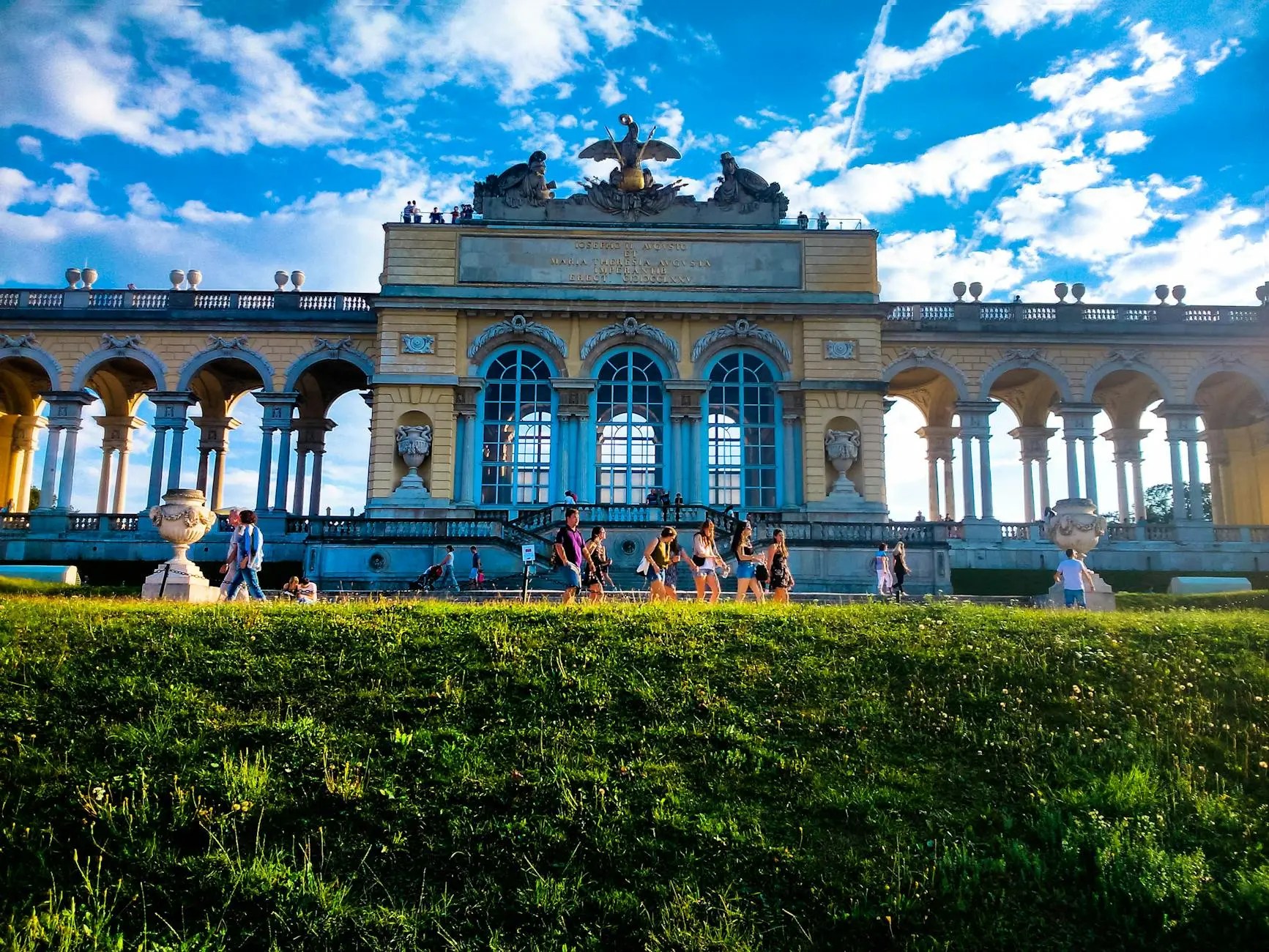
View of the Gloriette in Schönbrunn Palace gardens, showcasing its classical architecture and people enjoying the serene surroundings.
The stunning architecture of the Gloriette at Schönbrunn Palace, a must-see viewpoint in Vienna.

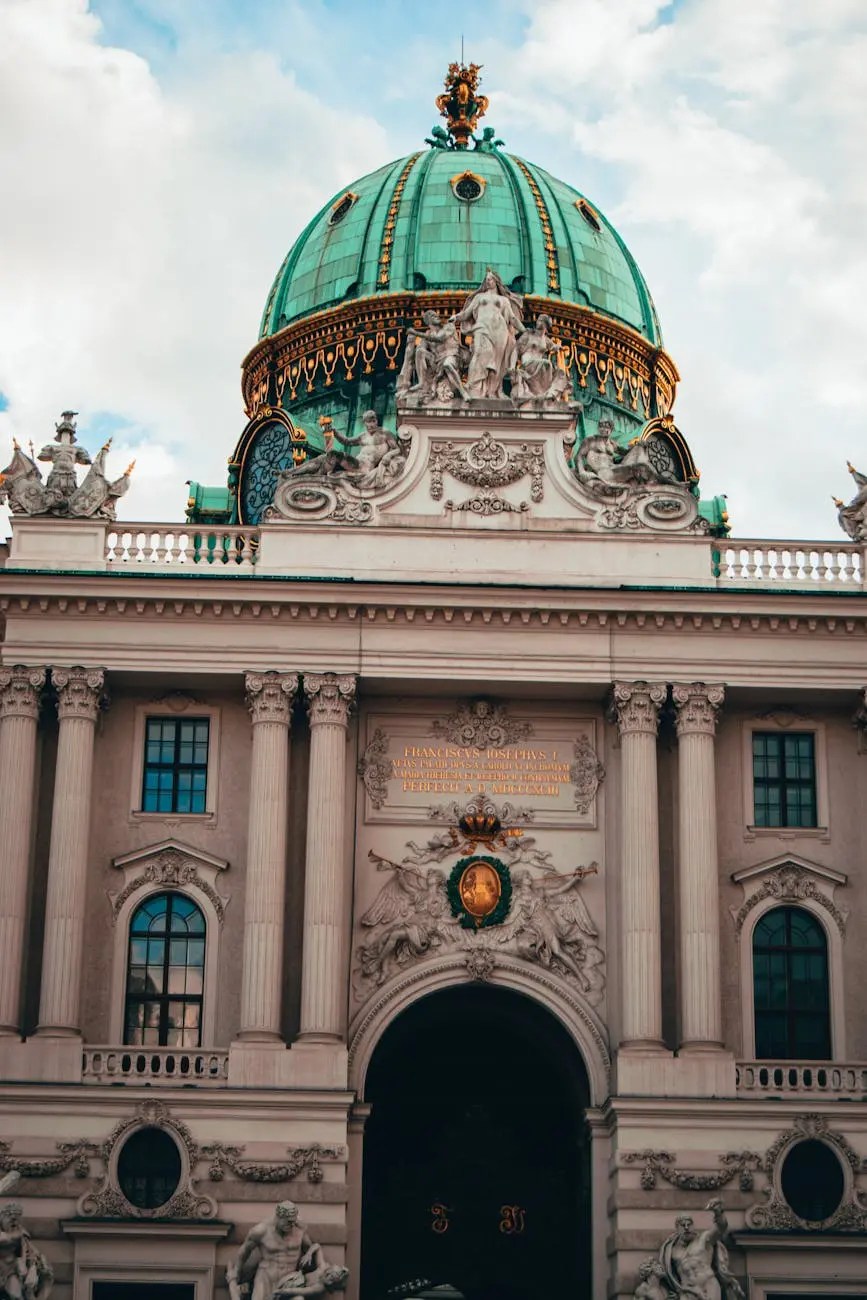
Close-up view of the ornate architecture of the Hofburg Palace in Vienna, highlighting its green dome and intricate sculptures.
The stunning architecture of Hofburg Palace, a symbol of Vienna’s imperial history. Look up! The Hofburg Palace’s breathtaking dome and facade are a masterclass in imperial grandeur. Every statue, gilded detail, and architectural curve tells a story of the powerful Habsburg dynasty that ruled from here for centuries. It’s easy to miss these details when navigating the bustling streets, but they’re what make Vienna an open-air museum.

Hofburg Palace: Once home to the Habsburg dynasty, this imperial complex is like Vienna’s beating historical heart. From the Imperial Apartments to the Sisi Museum, it’s history layered on history. (Tip: Early mornings or late afternoons are best to dodge big tour groups.)

Gloriette Tours and Activities

DON’T MISS THE GARDENS: The gardens are free to explore and offer a stunning, postcard-perfect view of the city from the Gloriette monument. It’s a steep walk but absolutely worth it.

View of the Gloriette at Schönbrunn Palace, with visitors walking on grassy grounds and a blue sky in the background.
The stunning Gloriette at Schönbrunn Palace, offering breathtaking views and rich history in Vienna. The perfect Viennese afternoon: soaking up the sun on the grand lawn of Schönbrunn Palace with the magnificent Gloriette as your backdrop. This is how locals and visitors alike enjoy the palace gardens—not just by touring the halls, but by lounging, picnicking, and marveling at the imperial skyline.

Kunsthistorisches Museum Vienna and Imperial Treasury of Vienna

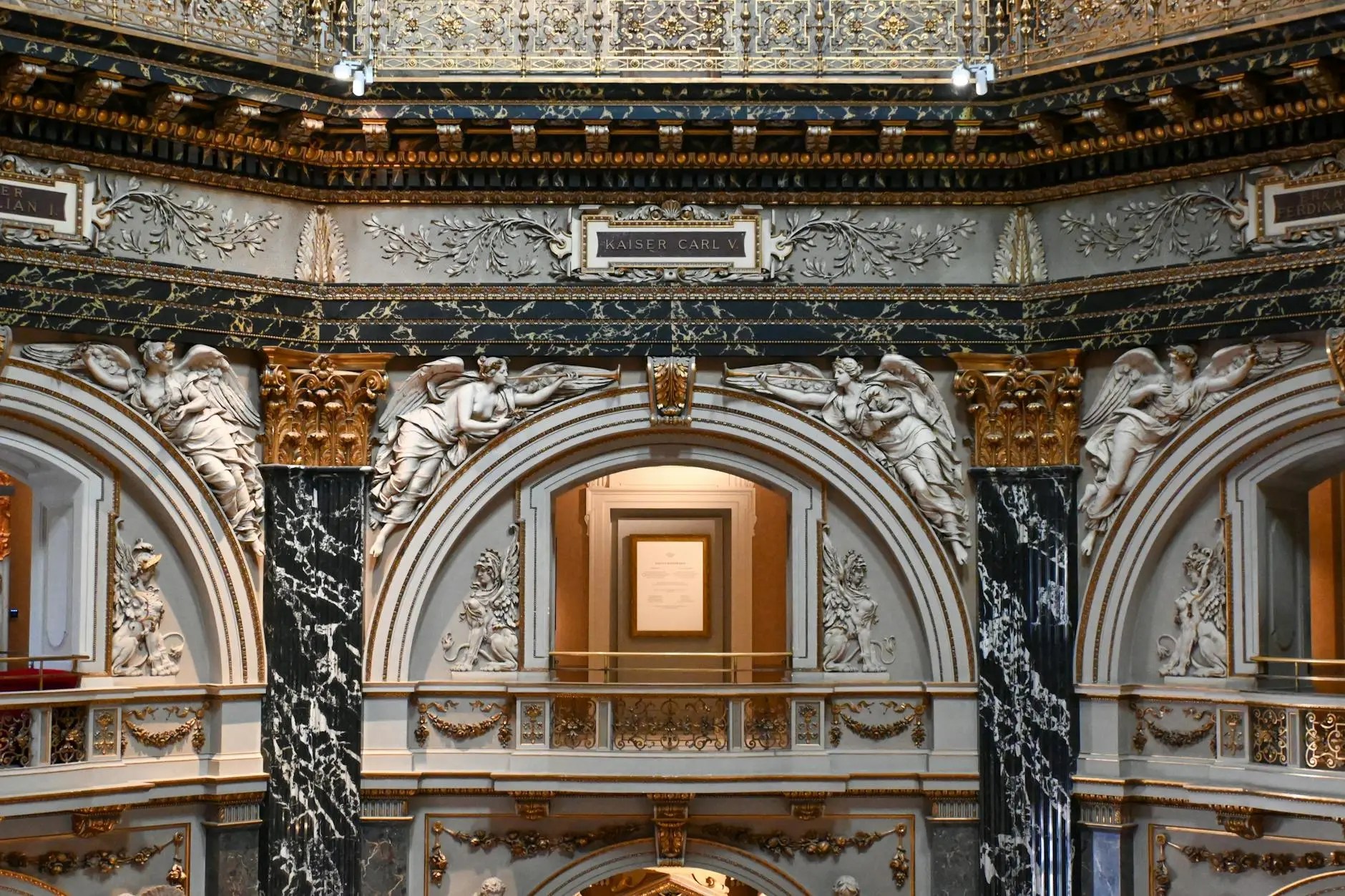
Intricate architectural detail of a hallway at the Kunsthistorisches Museum in Vienna, showcasing ornate sculptures and gold accents.
Intricate architectural details in the Kunsthistorisches Museum, showcasing Vienna’s imperial heritage. Where the art on the walls rivals the art on the walls. The Kunsthistorisches Museum’s interior is a masterpiece in itself. Look up from the paintings to admire the breathtaking ceiling frescoes, gilded stucco, and intricate marble work that make this one of the world’s most beautiful museums.

Sunday: Markets, Masterpieces & Departure

Morning: Head to the Naschmarkt, Vienna’s most famous market. It’s a vibrant, chaotic mix of food stalls, spices, antiques, and restaurants. Grab a Turkish breakfast or sample local cheeses. It’s the perfect place to pick up edible souvenirs.

For a final dose of culture, choose your fighter: the sleek, modern Hundertwasserhaus apartment building, a riot of color and uneven floors, or the breathtaking St. Stephen’s Cathedral in the heart of the city. Climb the South Tower for a final, fabulous view.

Afternoon: Have one last lunch—maybe a Wiener Schnitzel at Figlmüller (book ahead!) or a more casual bite at the market—before sadly heading back to the airport.

Naschmarkt Tours

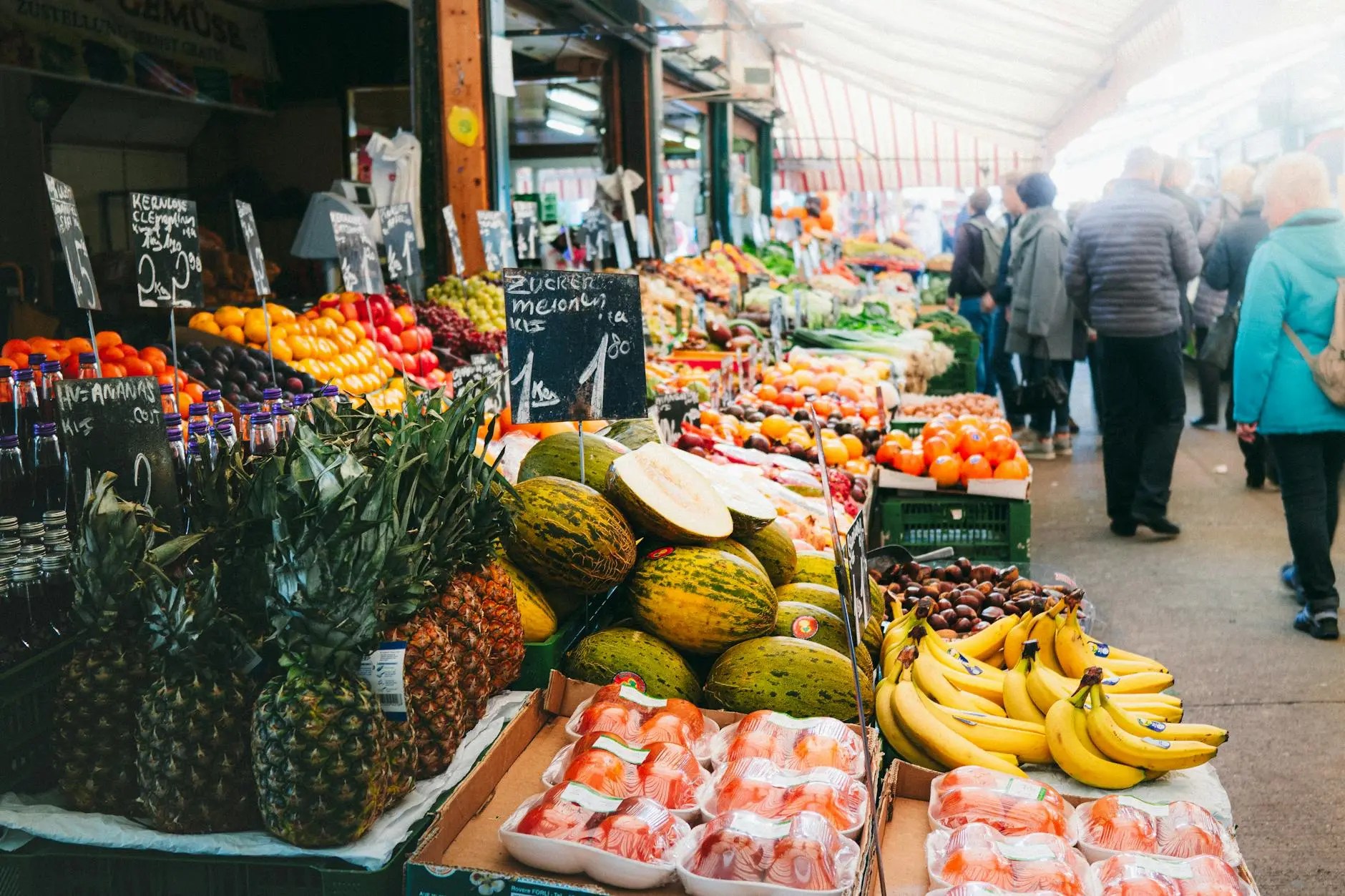
Vibrant market scene at Naschmarkt in Vienna, showcasing an array of colorful fruits and vegetables with shoppers exploring the stalls.
A vibrant display of fresh fruits and vegetables at Vienna’s Naschmarkt, showcasing the city’s culinary delights. A feast for the senses! Vienna’s Naschmarkt is a bustling, colorful paradise where you can find everything from local Austrian produce to exotic international imports. This is the perfect spot to grab a snack, pick up picnic supplies, or simply soak in the vibrant, aromatic atmosphere of the city’s most famous market.

Hundertwasser House Tours

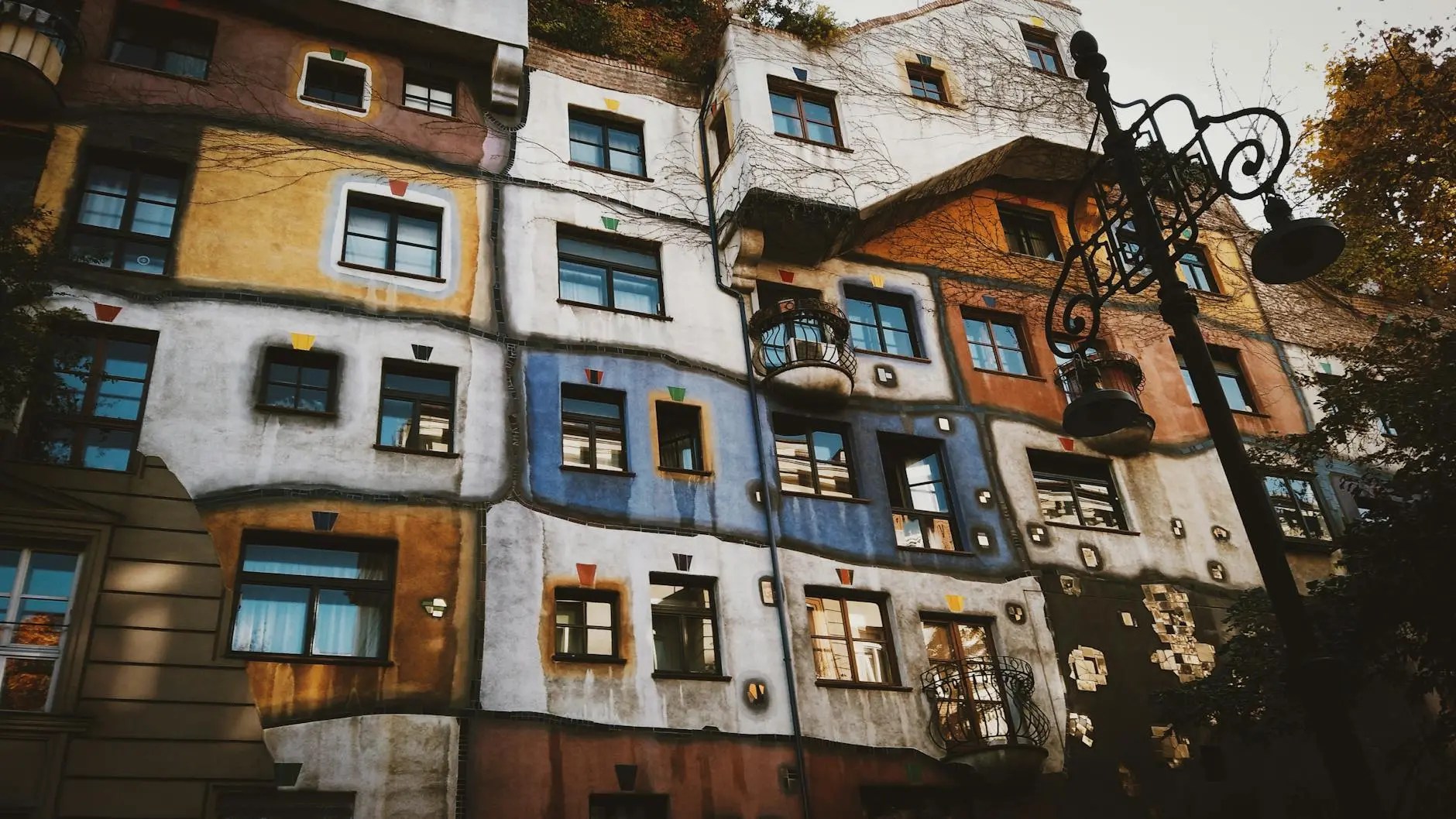
Colorful facade of the Hundertwasserhaus, an architectural landmark in Vienna, featuring irregular shapes, vibrant colors, and unique window designs.
Explore the vibrant architecture of Hundertwasserhaus, a unique apartment building known for its colorful facades and whimsical design in Vienna. Where architecture breaks all the rules! The Hundertwasserhaus is a riot of color and creativity, designed by artist Friedensreich Hundertwasser. With its undulating floors, trees growing from windows, and not a single straight line in sight, this iconic building is a joyful rebellion against boring, conventional design

St. Stephen’s Cathedral Tours

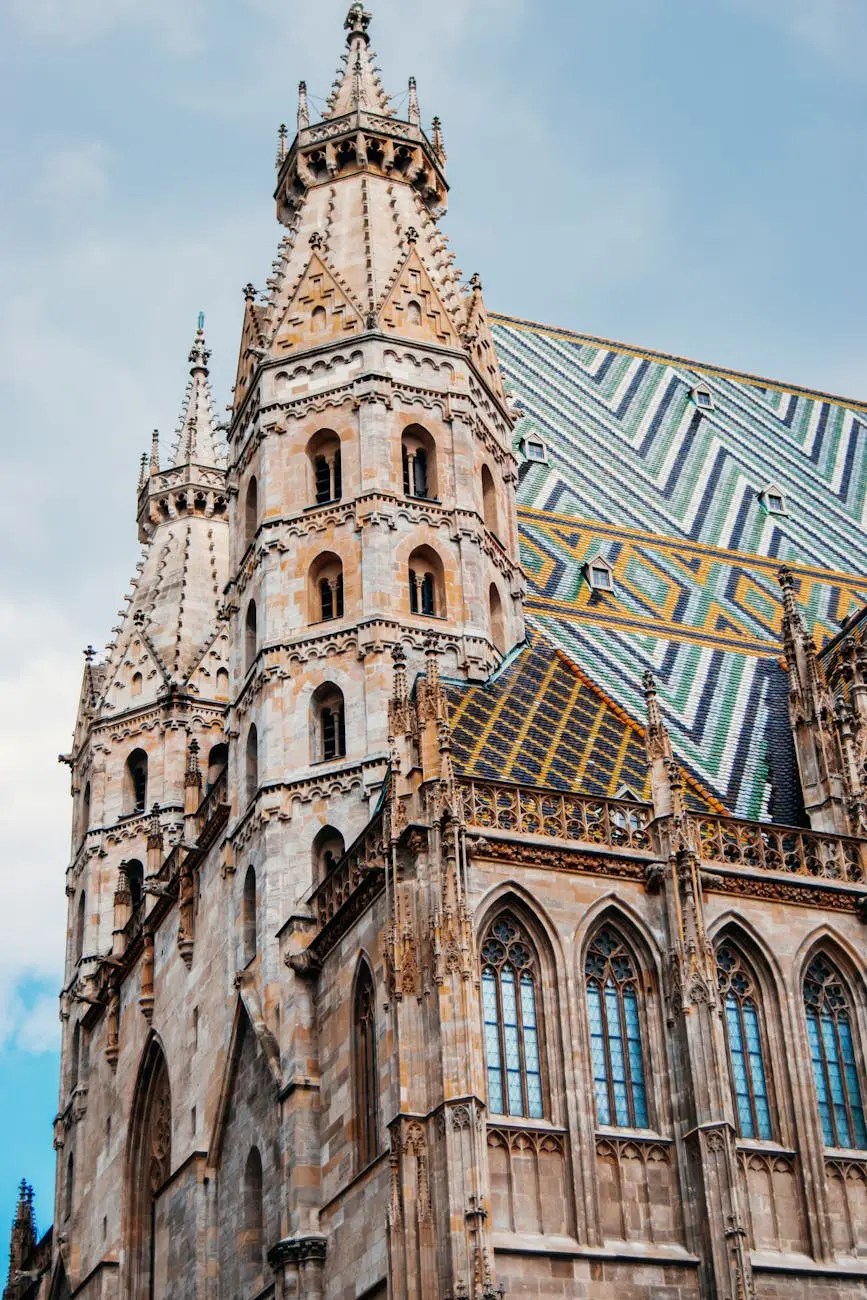
Close-up view of the intricate architecture and spires of St. Stephen's Cathedral in Vienna, showcasing its Gothic design and colorful patterned roof.
A stunning view of the intricate architecture of St. Stephen’s Cathedral in Vienna, showcasing its gothic spires and colorful tiled roof. Look up! The magnificent roof of St. Stephen’s Cathedral is covered in over 230,000 glazed tiles, arranged into intricate patterns, including the majestic double-headed eagle—a symbol of the Habsburg Empire. This Gothic masterpiece has watched over Vienna for centuries.
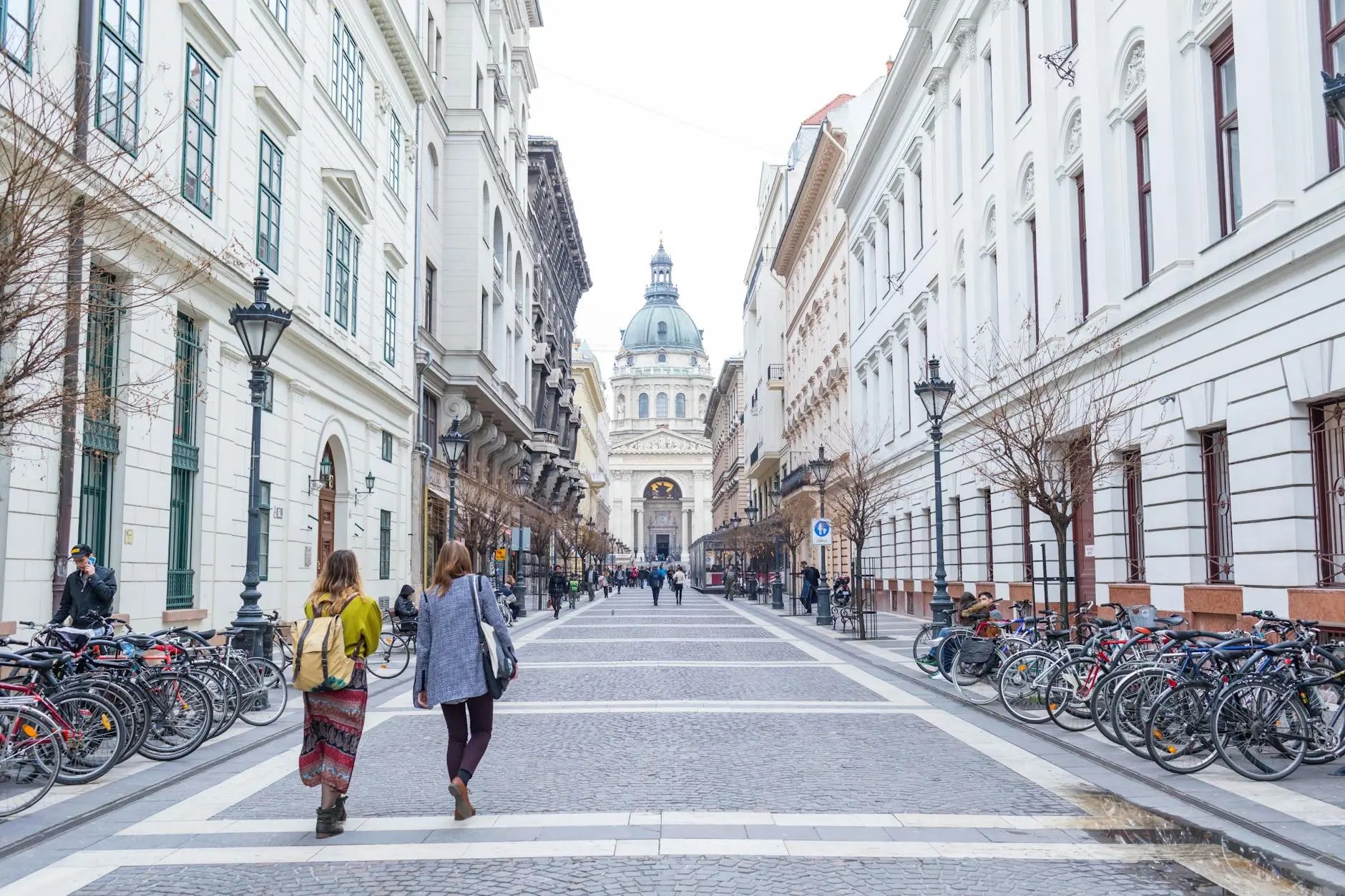
Street view in Vienna showing pedestrians walking along a cobblestone path lined with trees and bicycles parked on the side, with historic buildings and a dome structure in the background.
Strolling through the charming streets of Vienna, lined with historic architecture and bicycle racks. Getting lost is encouraged! The real magic of Vienna is found by wandering its charming, lesser-known cobblestone streets. Away from the grand palaces, you’ll find quiet lanes like this one, where bicycles lean against colorful historic buildings and the city’s effortless elegance is on full display.
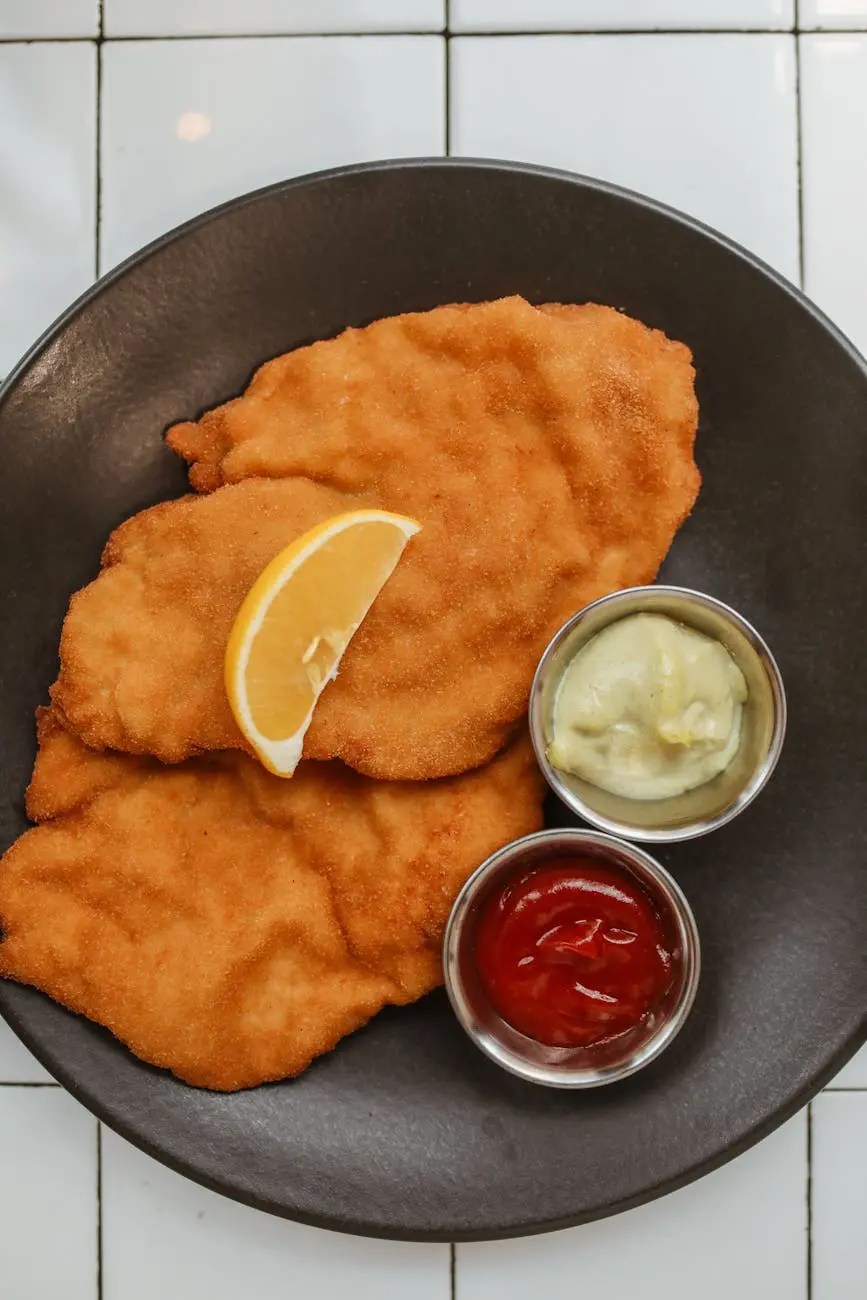
A plate of Wiener Schnitzel served with a slice of lemon and two small bowls of condiments: ketchup and mustard.
Indulge in Vienna’s iconic Wiener Schnitzel, served with lemon and traditional condiments. The ultimate Austrian comfort food: a perfectly golden, crispy Wiener Schnitzel. This pounded-thin, breaded, and fried veal cutlet is a national treasure. The key is a squeeze of fresh lemon to cut through the richness. While purists might scoff, a little dip of mustard or berry sauce never hurt anybody!
  • Hidden Gems:
    • Escape the crowds at Café Sperl, a time-capsule coffee house where locals play billiards
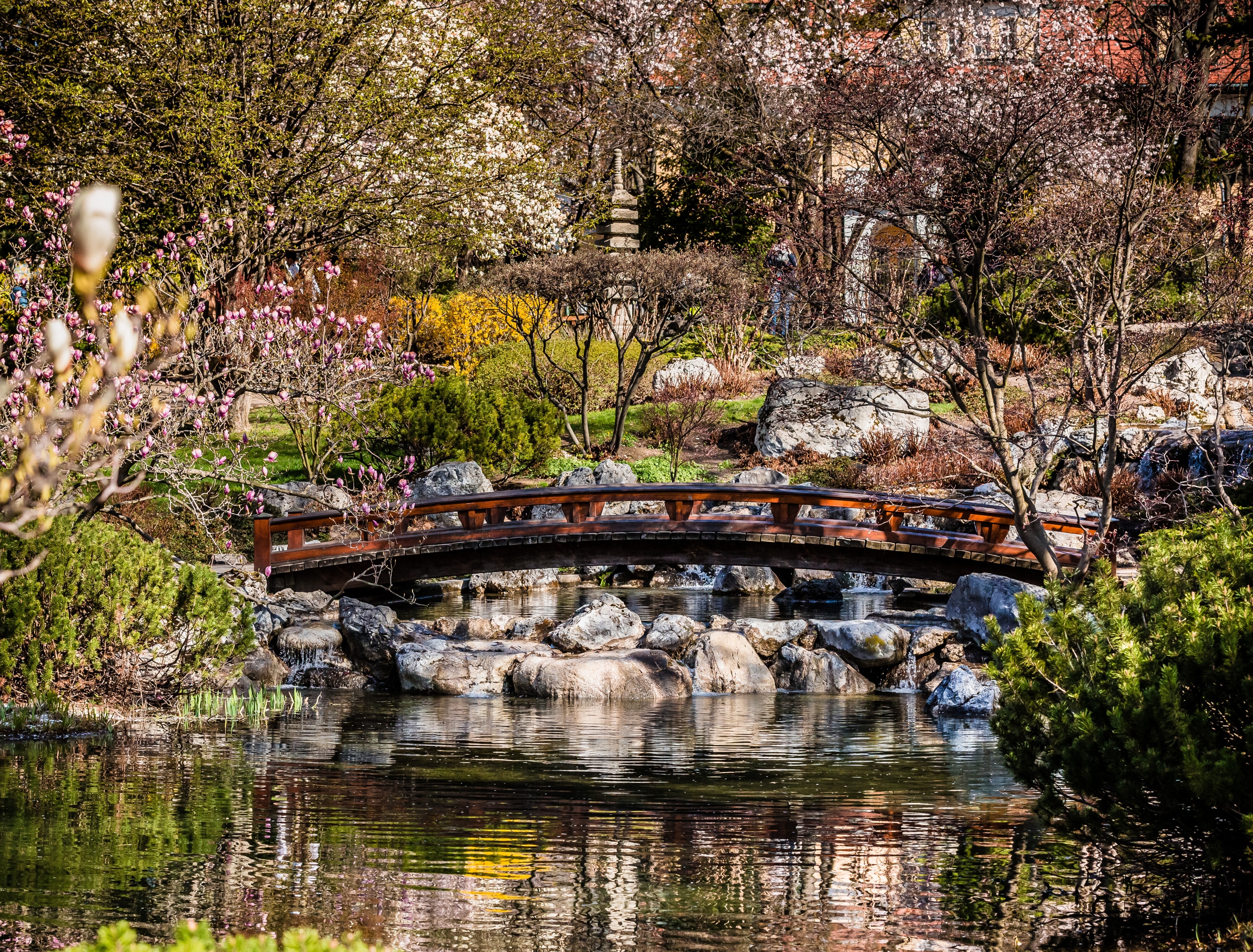
    • Discover Setagayapark, a peaceful Japanese tea garden hidden in the city
    • Visit Café Central for its stunning architecture and literary history

Setagaya Park Tours

Navigating Vienna Like a Pro: The Wiener Linien

Vienna’s public transport network (Wiener Linien) is a thing of beauty. It’s clean, efficient, and will get you absolutely anywhere.

  • The Network: It comprises U-Bahn (subway), trams, and buses. Google Maps is incredibly accurate for routes and times.
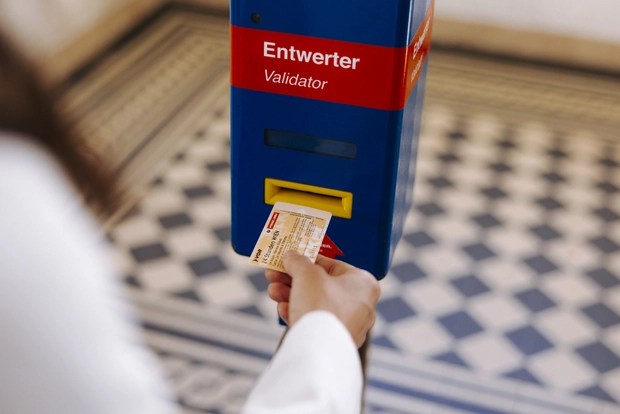
  • Tickets: For a weekend, your best bet is the Vienna City Card, which offers unlimited travel and discounts to major attractions. Alternatively, you can buy a 24-, 48-, or 72-hour unlimited pass. Remember to validate your ticket before your first journey at the little blue machines on platforms or on trams/buses! Plain-clothes inspectors are common, and fines are steep.
  • Car? Don’t even think about it. Parking is a nightmare and expensive. The city center is a maze of pedestrian zones. Save the car rental for a future [Road Trip Through the Austrian Alps].
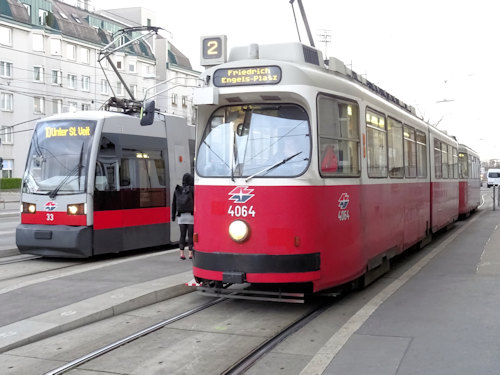
A red and gray tram at a station in Vienna, Austria, with another tram visible nearby and passengers waiting on the platform.
Vienna’s efficient public transport featuring classic trams and modern trains, showcasing the city’s seamless connectivity.

A person using a ticket validator machine with a public transport ticket in Vienna, Austria.
Validating a public transport ticket in Vienna.

Money-Saving Secrets & Hidden Gems

  • Free Entry: Many museums (like the MUMOK) have reduced or free entry on the first Sunday of the month.
  • The Water: Vienna’s tap water (Hahnwasser) is some of the best in the world, coming straight from the Alps. Carry a reusable bottle and fill up for free.
  • Hidden Gem: Escape the crowds at Café Sperl, a time-capsule coffee house where locals play billiards. Or, take tram D along the Ringstrasse for a stunning, moving tour of the city’s grandest buildings for the price of a single ticket.

Essential German Phrases for the Wiener Weekend

  • Hallo / Guten Tag (Hello / Good day)
  • Danke (Thank you)
  • Bitte (Please / You’re welcome)
  • Ein Melange, bitte (A Melange, please)
  • Zahlen, bitte (The bill, please)
  • Prost! (Cheers!)
  • Entschuldigung (Excuse me)
PhrasePronunciationMeaning
„Wo ist die U-Bahn?“Vo ist dee OO-bahn?Where is the subway?
„Ein Wasser, bitte.“Ine VAH-ser BIH-tuhOne water, please

Travel Smarter, Not Harder: My Trusted Resources

After countless trips, I rely on a few key tools to make everything smoother.

🌐 Stay Connected: I used to waste precious vacation time hunting for SIM cards at the airport. Now, I never travel without my Drimsim. It’s a genius universal SIM that works in 190+ countries. Pop it in, top up via the app, and you’re online instantly. No contracts, no hidden fees. It’s a total game-changer for navigating and posting those palace pics.

🔒 Stay Secure: Using public WiFi to check your bank account or book tickets? Big risk. A VPN encrypts your connection, keeping your data safe from hackers. It’s non-negotiable for modern travel. I’ve used NordVPN for years to stay secure and even access streaming from back home.

📸 Capture the Memories: To do Vienna justice, you need a good camera. I swear by my Sony Alpha series for capturing the gilded details of the palaces and the vibrant energy of the Naschmarkt. It’s the perfect travel companion.

🛡 Get What You’re Owed: Let’s be real, travel doesn’t always go to plan. My flight back from Vienna was once delayed by 8 hours. I didn’t stress because I knew AirHelp had my back. If your flight is delayed, canceled, or overbooked, you could be entitled to up to €600 in compensation. They handle all the paperwork and only charge if they win. It’s a no-brainer.

Ready to plan your Viennese adventure? Find the best flight and hotel deals for your dates here!

FAQ: Your Quick Vienna Weekend Questions Answered

Q: What is the best time of year for a weekend in Vienna?
A: Spring (April-May) and Fall (September-October) are ideal. The weather is mild, and the crowds are smaller than in the peak summer months. The Christmas markets in December are magical but very busy.

Q: Is Vienna expensive?
A: It can be, but it doesn’t have to be. Museum entry fees add up, so prioritize. Eating at Würstelstands and markets, using public transport, and enjoying free activities like wandering the gardens can keep costs down.

Q: How do I get from Vienna Airport (VIE) to the city center?
A: The CAT train is the fastest (16 mins) but most expensive. The ÖBB Railjet or S-Bahn (S7) train is cheaper and takes about 25 minutes to Wien Mitte. Buses and taxis are also available.

Q: Do I need to tip in Vienna?
A: Tipping is customary but modest. It’s common to round up the bill or leave 5-10% for good service in restaurants. For a €19 bill, you’d say “Make it 22, please.”

Q: Can I get by with English?
A: Absolutely. English is widely spoken in tourist areas, hotels, and restaurants. However, learning a few basic German phrases (see above!) is always appreciated and goes a long way.

Q: Is it safe?
A: Very. Typical big-city caution applies.

Q: Is the Vienna City Card worth it?
A: If you plan to visit multiple museums and use public transit extensively, the card often pays for itself within a day or two. Calculate your planned entries versus the card cost to be sure.

Emergency Number: Dial 112 throughout the EU for any emergency services.

Have your own Vienna tips or questions? Drop them in the comments below

Vienna has a way of stealing a piece of your heart. I’d love to hear what yours steals! What’s the one thing you’re most excited to see or taste? Is it the Schnitzel, the symphony, or the schnapps at a Heuriger? Drop your top pick in the comments below—I read every single one!

Final Thoughts

Vienna is a weekend escape that’s decadent yet approachable, packed with culture, coffee, cute carts, and enough architectural eye-candy to keep your camera shutter snapping. With careful planning—smart transport choices, savvy savings, and insider tips—you can sip your melange, wander palace halls, and laugh at your own jokes in baroque courtyards without breaking the bank.

Happy travels—and may your weekend in Vienna be legen—wait for it—dary!

Loved this guide? Share it with the friend you’d most want to get lost in Vienna’s streets with!

Universal Disclaimer/Disclosure Page: