So, you’ve got a long weekend and a burning desire to drink malbec in a city that pulses with tango, football, and fiery passion? Excellent choice. Buenos Aires is a marathon of a city, but with the right plan, you can have the perfect sprint of an escape. As someone who’s gotten blissfully lost in its calles more than once, I’m here to be your guide. Forget the generic checklists; this is how to dive deep, save some pesos, and live like a porteño (local) for 72 glorious hours.
So, you’ve decided to hit the “Paris of the South”? Excellent choice. Buenos Aires is a city that refuses to sleep, fueled by a dangerous combination of world-class steak, robust Malbec, and a local obsession with psychoanalysis. Whether you’re here to dance the tango or just eat your body weight in empanadas, this weekend guide will help you navigate the chaos with the grace of a seasoned porteño.
Table of Contents
Getting There: The Scenic Route by Ferry
The Savvy Traveler’s Logistics: Saving Time & Money
The Perfect Weekend Itinerary: Beyond the Obvious
Hidden Gems & Local Secrets
Essential Porteño Lingo & Tips
Travel Smart: Essential Gear & Services
Frequently Asked Questions (FAQ)
Getting There by Ferry (The Adventure Starts Early)
Flying into EZE is standard, but hear me out: one of the most memorable ways to arrive is by ferry from Uruguay. If you’re already exploring South America (maybe after reading my guide to Rio de Janeiro or Santiago), this is a fantastic, scenic option.
You can catch a high-speed ferry from Colonia del Sacramento (a stunning UNESCO town) or Montevideo directly to the Puerto Madero terminal in Buenos Aires. The ride from Colonia takes about an hour, offering beautiful Río de la Plata views. It’s a journey, not just a transfer.
Pro Ferry Tip: Use a site like Direct Ferries to compare schedules and prices from operators like Buquebus and Seacat. Booking ahead online can save you both cash and hassle at the terminal. You’ll clear Argentine immigration on arrival in Puerto Madero, which is often smoother than the airport.
Why I Love This Route:On my last trip, I spent a sunny morning in Colonia’s cobbled streets, sippingmate(the local herbal tea), before breezing into the sleek Puerto Madero for dinner. It felt like two trips in one.
The Savvy Traveler’s Logistics
Getting Around: Ditch the rental car. Traffic is hectic, parking is a nightmare, and the city is brilliantly walkable. The Subte (subway) is fast, cheap, and a cultural experience. Get a SUBE card at any kiosk, load it up, and tap your way across town. For longer distances, rideshares (Uber/Cabify) are affordable and safer than hailing random taxis. Buses (colectivos) are everywhere but require a bit more local know-how.
Money Matters:Always have cash (Argentine Pesos). While cards are accepted in nicer places, the best exchange rate is often via cash from Western Union or using USD/EUR at local cuevas (exchange houses). It sounds shady, but it’s a standard part of the dual-economy reality. My rule: withdraw/bring more than you think you’ll need.
Connectivity Hack: Let’s be real—airport SIMs are a rip-off, and roaming fees are a travel budget black hole. After one too many “$10 per day” surprises, I started usingDrimsim. It’s a universal data SIM that works in 190+ countries, including Argentina. Pop it in, top up via the app, and you’re online instantly. No hunting for kiosks, no language barrier stress.
A Non-Negotiable:Travel insurance. I once slipped on a rainy San Telmo cobblestone and sprained my ankle. My insurance saved me a fortune in clinic fees. I use VisitorsCoverage to compare and find affordable plans that fit my trip length. It’s five minutes for priceless peace of mind. Get a quote here.
The Perfect Weekend Itinerary (The Highlight Reel)
Friday PM: Tango & Taste. Check into your hotel (I found a gorgeous boutique place in Palermo via Expedia—always compare prices!). Head toSan Telmo for dinner. Skip the overpriced Plaza Dorrego joints and find a parrilla (steakhouse) down a side street. Then, catch an authentic milonga (tango social dance). La Catedral is a quirky, unpretentious spot in an old warehouse.
Saturday: Culture, Cafés & Chaos. Morning: Recoleta Cemetery. It’s not morbid; it’s an open-air museum of stunning architecture. Find Evita’s tomb.
Afternoon: Palermo Soho. Wander the leafy streets, shop at independent boutiques, and grab a coffee at a historic bodegón. For lunch, choripán (chorizo sandwich) from a street vendor is a rite of passage. Evening: A Football Match. If Boca Juniors or River Plate are playing, GO. It’s an electrifying spectacle. Book tickets through a reputable agency in advance.
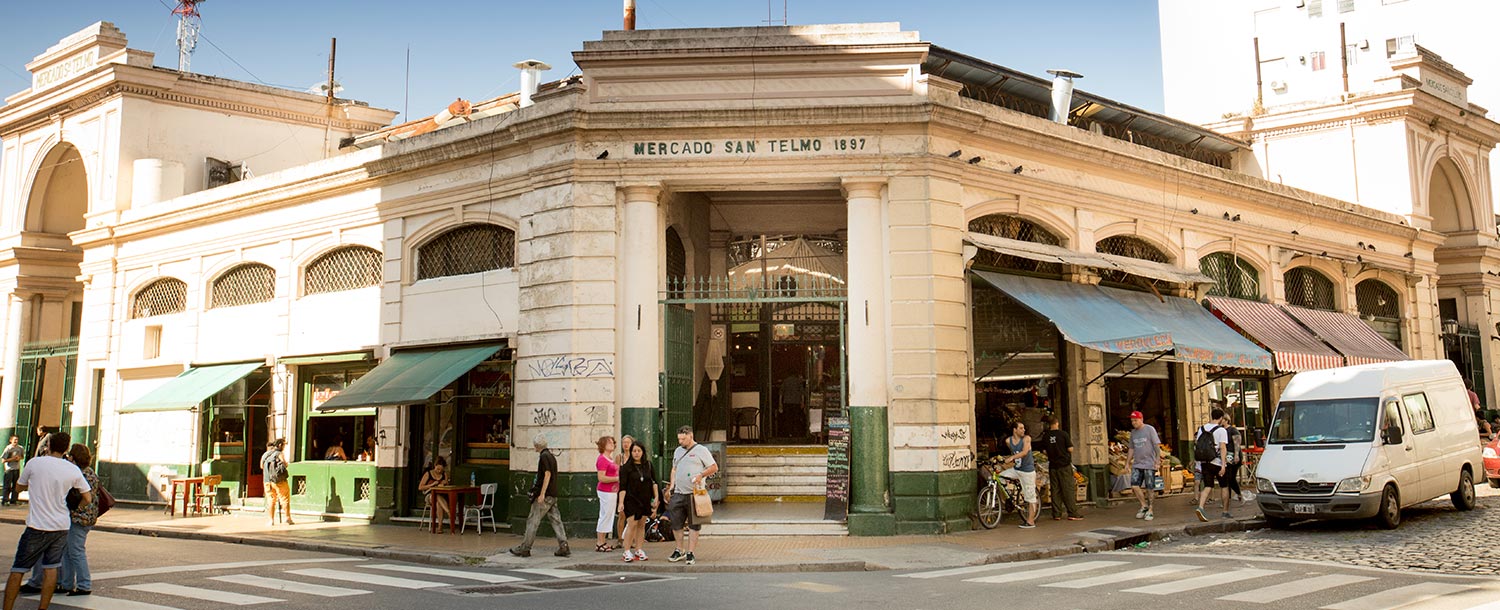
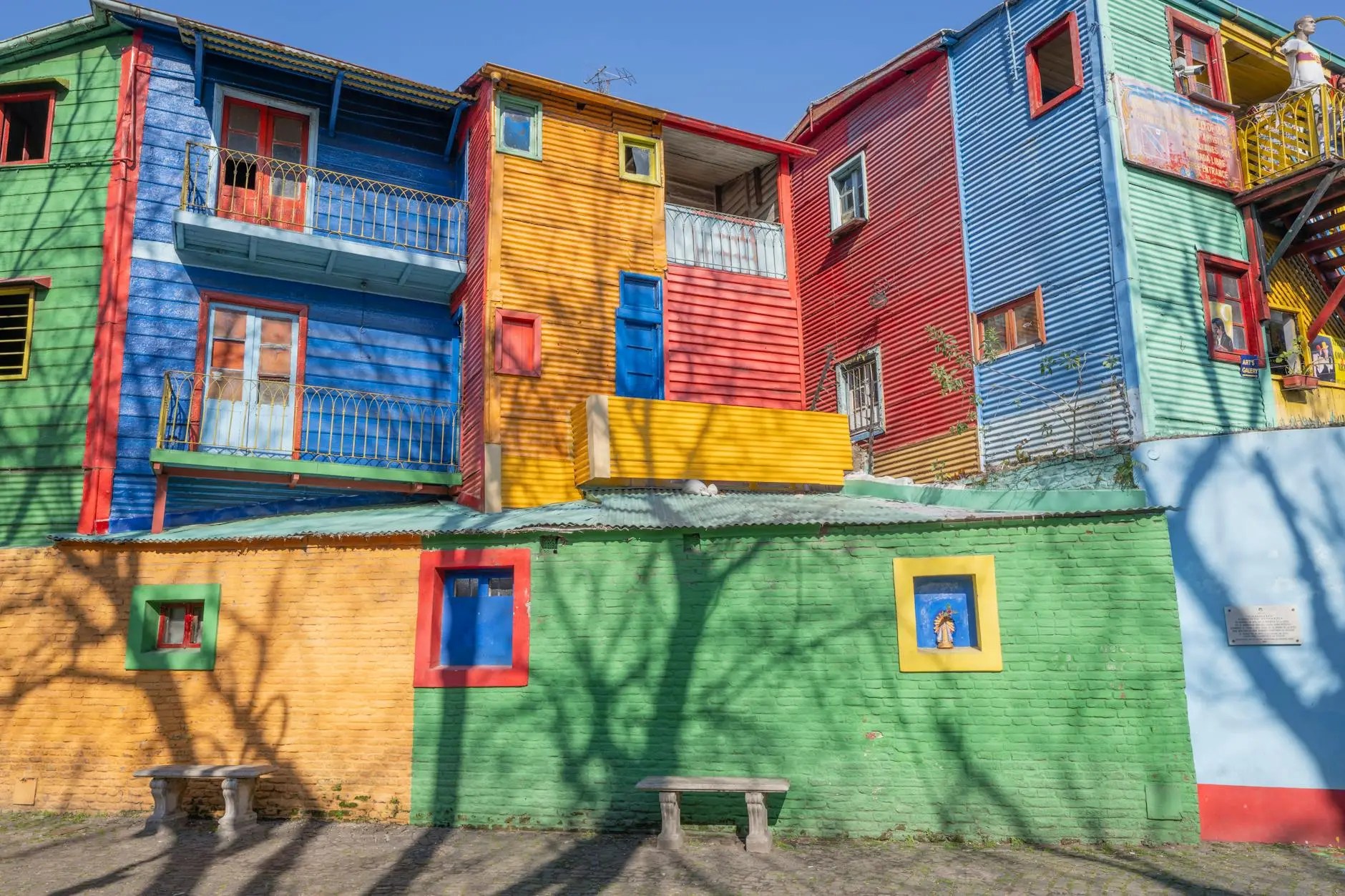
Sunday: Markets & Malbec. Morning: The San Telmo Antiques Market is legendary. Go early to beat the crowds and haggle for treasures. Afternoon: La Boca. Stick to the tourist-safe Caminito strip for colorful photos and tango shows, but be mindful of your belongings and don’t wander off.
Evening: Puerto Madero. Stroll the modern docks, have a farewell malbec, and reflect on your whirlwind adventure.
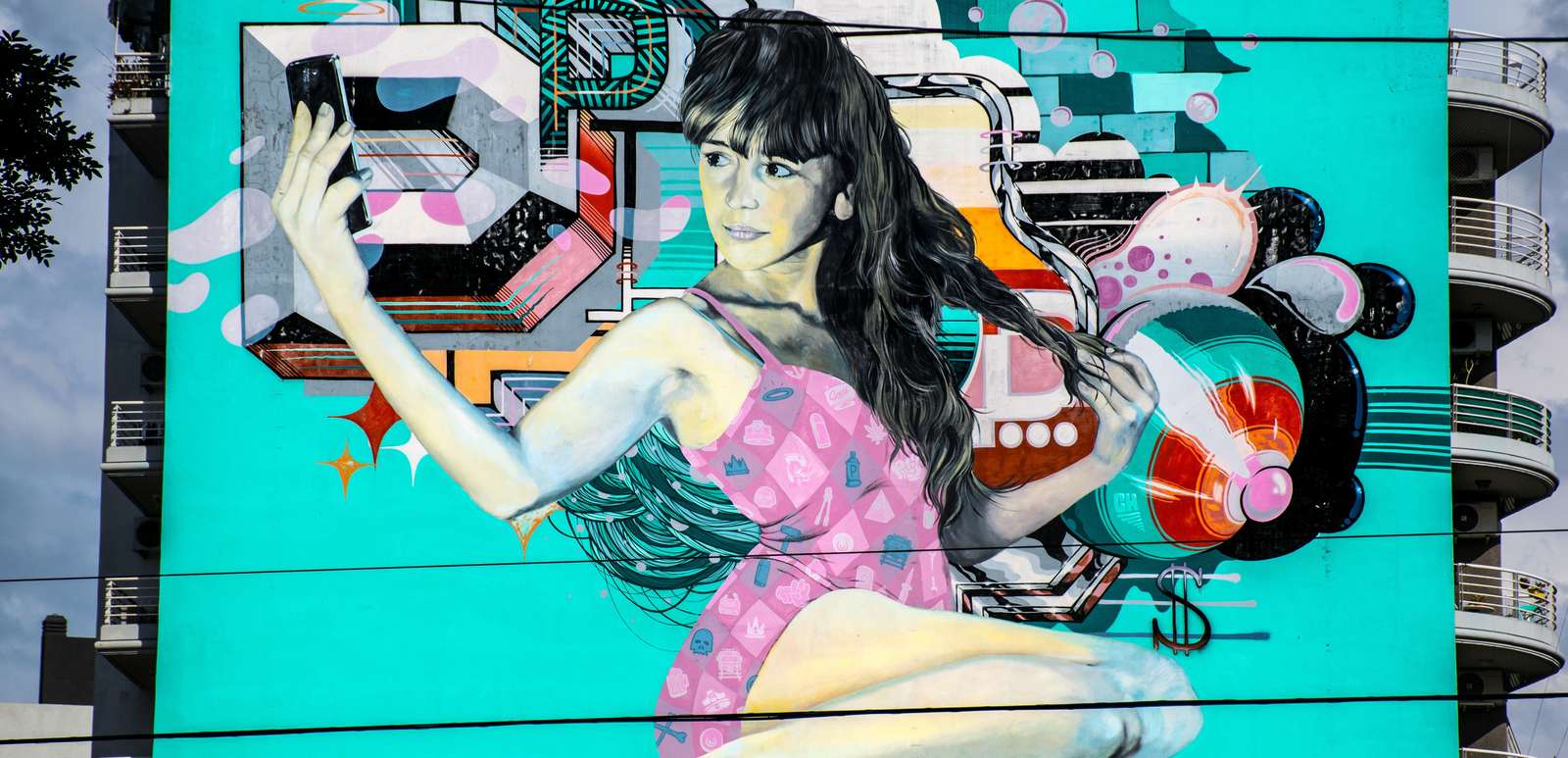
A scenic view of Recoleta Cemetery in Buenos Aires, showcasing its intricate mausoleums and statues under a bright blue sky.Vibrant street art in Buenos Aires depicts a girl taking a selfie, showcasing the city’s colorful urban culture.A delicious _choripán_ sandwich, featuring grilled chorizo and chimichurri, a must-try street food in Buenos Aires. The ultimate Buenos Aires street food: a sizzling choripán! This simple, perfect sandwich of grilled chorizo and crusty bread, slathered with chimichurri, is a rite of passage for any traveler in Argentina. 🤤 #BuenosAires #StreetFood #ArgentinaFood #Choripan #TravelEatsExplore the vibrant Mercado San Telmo, a historic market in Buenos Aires filled with local flavors and cultural experiences.Colorful buildings in La Boca, Buenos Aires, showcasing the vibrant architecture and artistic spirit of the neighborhood. A burst of color on Caminito in La Boca! 🎨 This iconic, open-air street museum in Buenos Aires is famous for its vibrant corrugated metal houses, a tradition started by Italian immigrants using leftover ship paint. The perfect backdrop for your Argentina photos! #LaBoca #Caminito #BuenosAires #Argentina #TravelPhotography #ColorfulPlaces
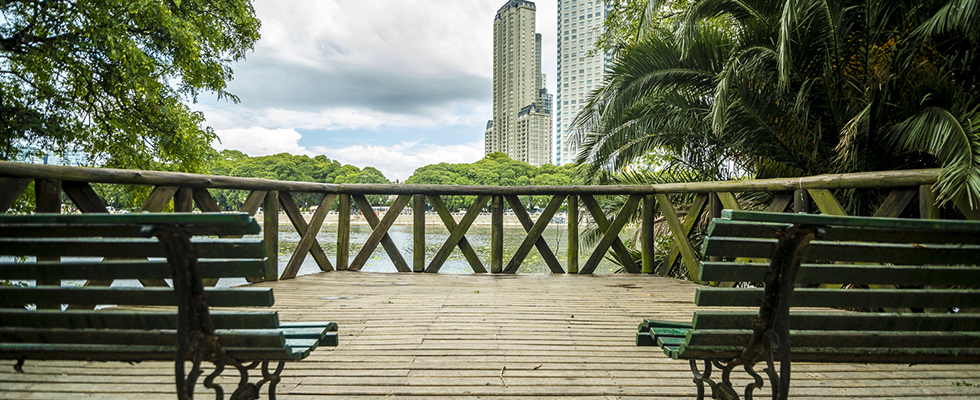
Costanera Sur Ecological Reserve: Escape the concrete. This massive green space by Puerto Madero has trails perfect for biking, running, or spotting wildlife with the city skyline as your backdrop.
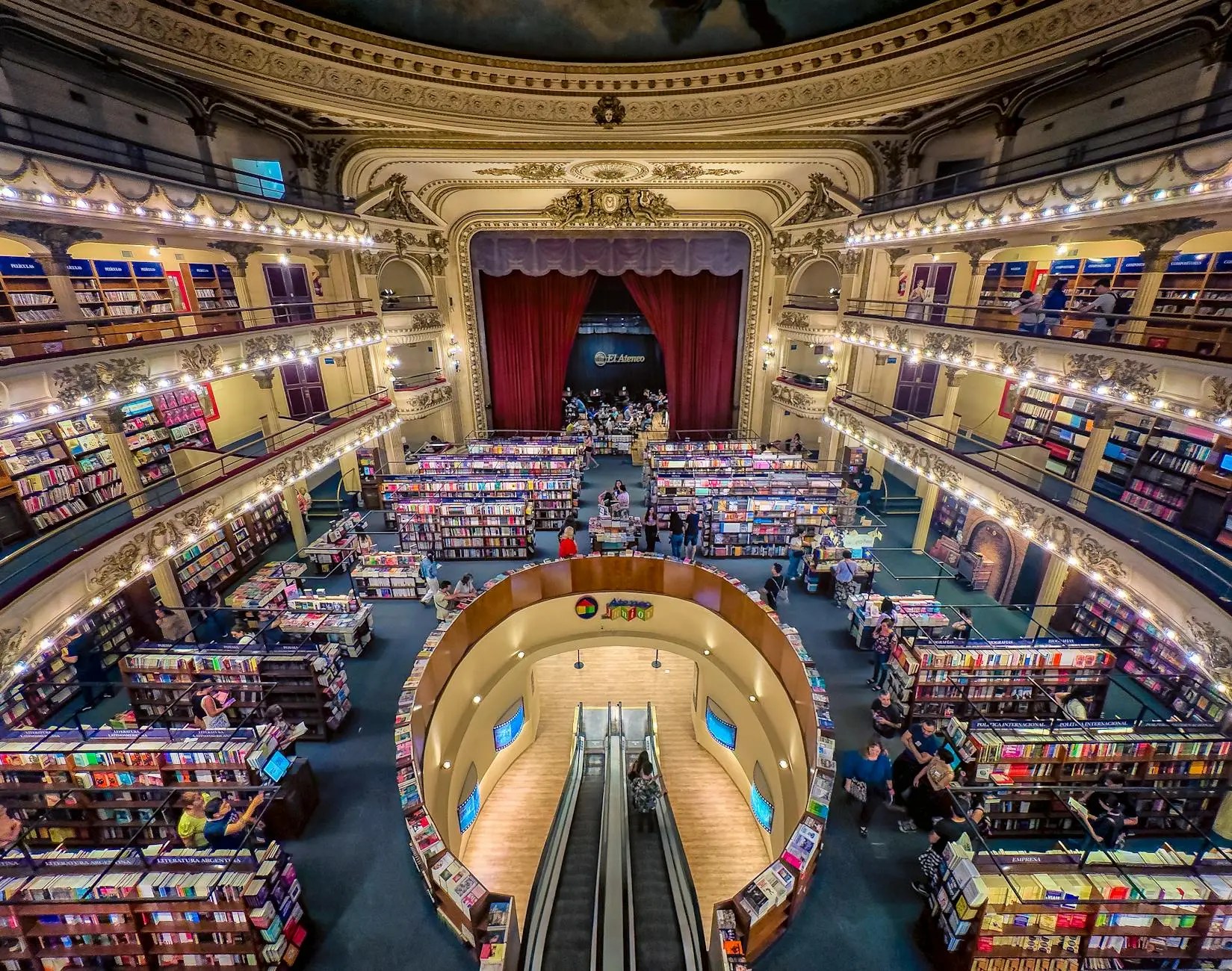
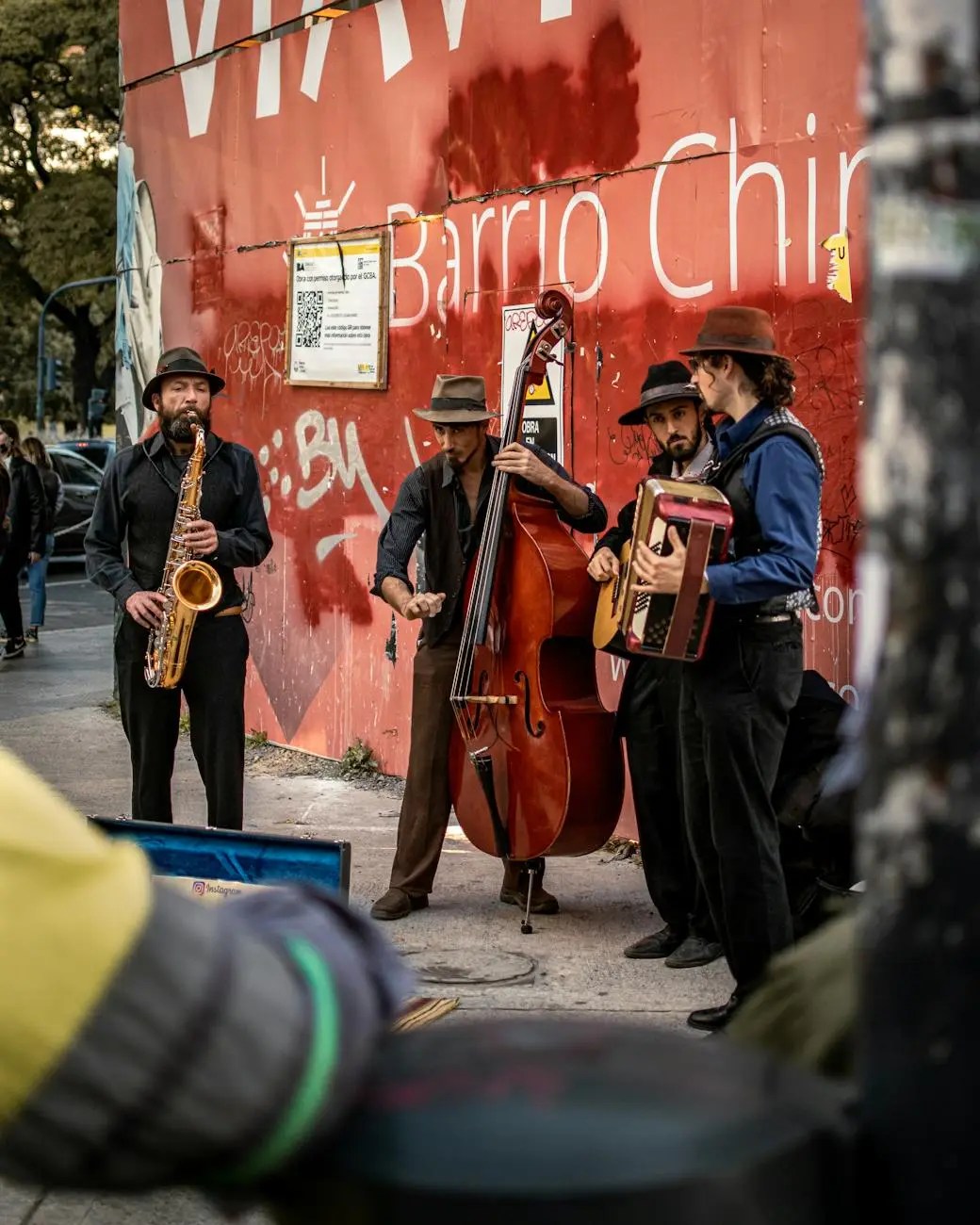
A stunning view of El Ateneo Grand Splendid, a former theater transformed into a beautiful bookstore in Buenos Aires, showcasing its intricate architecture and vast collection of books. Stepping into a literary palace! 📚✨ This is El Ateneo Grand Splendid in Buenos Aires—a breathtaking 1919 theatre transformed into one of the world’s most beautiful bookstores. The stage is now a café where you can read with a cortado. Pure magic! #BuenosAires #Argentina #Bookstore #ElAteneo #Travel #ArchitectureA lively street performance in Barrio Chino, Buenos Aires, showcasing local musicians playing a saxophone, double bass, and accordion. Unexpected rhythms in Barrio Chino! 🎶 Discovered this vibrant street music scene while exploring Buenos Aires’s lively Chinatown—a perfect blend of cultures, color, and sound. Always something surprising around every corner in BA! #BarrioChino #BuenosAires #StreetMusic #Argentina #TravelVibes #CulturalMixA serene view from a wooden deck overlooking the water in Buenos Aires, framed by lush greenery and modern skyscrapers. (Costanera Sur Ecological Reserve)
Essential Porteño Lingo
Che: (pronounced “chay”) The all-purpose “hey!” or “dude.” Very Argentine.
Boludo: Literally “big balls,” but used colloquially like “mate” or “buddy” among friends. Caution: Only use with people you’re very familiar with!
Dale: “Okay,” “sure,” “go ahead.” You’ll hear it constantly.
¿Cuánto sale?: “How much does it cost?”
La cuenta, por favor: “The bill, please.”
Travel Smart: Gear & Peace of Mind
Stay Charged: European outlets are standard in Argentina. This VINTAR European Travel Plug Adapter with multiple USB ports has been a lifesaver for keeping my phone, camera, and drone powered.
Look Fresh, Travel Confident: Long flights can wreak havoc on your skin. I swear by K-beauty sheets masks from Lakinza for an instant glow-up before landing. Use code Lalalax10 for a sweet discount at checkout. Treat your skin here.
When Travel Goes Wrong: A delayed flight out of EZE once cost me an extra hotel night. I used AirHelp to claim compensation. They handled the entire airline fight, and I got €250 back. If your flight is disrupted, check your eligibility here.
✈️ Ready to Book Your Escape? I always start my adventure planning on Expedia. It’s my one-stop shop for comparing flight and hotel deals, especially for last-minute weekend trips. See what you can save and start packing!
Frequently Asked Questions (FAQ)
Q: Is Buenos Aires safe for tourists? A: Like any major city, it has its areas. Be smart: no flashy jewelry, keep phones tucked away, use ride-shares at night, and be extra vigilant in crowded areas like La Boca and on public transport. In tourist zones during the day, it’s generally very safe.
Q: How much should I budget for a weekend? A: Excluding flights, a comfortable mid-range weekend (nice hotel, good meals, taxis, attractions) could cost $300-500 USD. It can be done for much less with hostels and street food, or much more with luxury.
Q: Do I need a visa for Argentina? A: For US, Canadian, UK, and most EU passport holders, no visa is required for tourist stays of up to 90 days. Always double-check official government sites before traveling, as rules can change. For more on visa logistics in South America, see my post on navigating South American borders.
Q: What’s the best time of year to visit? A: Spring (Sept-Nov) and Fall (Mar-May) offer glorious weather. Summer (Dec-Feb) can be hot and humid, and many locals desert the city in January. Winter (June-Aug) is mild but can be rainy.
Got questions I didn’t answer? Want more deep-dives on South America? Explore my completeTravel Master Listfor guides on neighboring Chile, Uruguay, and beyond.
Now, go forth, practice your tango shuffle, and eat all the steak. Buenos Aires is waiting. ¡Dale!
Feeling the South American wanderlust? If Buenos Aires has you hooked on the vibrant culture and stunning landscapes of this continent, you’re in luck. A short flight away lies the dynamic capital of Chile, Santiago, nestled against the breathtaking backdrop of the Andes Mountains—perfect for a cross-border adventure. For a deeper dive into the continent’s rich history and coastal cuisine, consider extending your trip toLima, Peru’s bustling capital. And if your journey to Argentina begins in Europe, you’ll likely connect through Spain. Be sure to soak up the vibrant, modern energy of Valencia or the classic grandeur of Madrid on your way—they’re the perfect start or finale to any Southern Hemisphere escapade.
Meta Description: Dreaming of a Moroccan weekend? Our ultimate Casablanca travel guide is packed with insider tips, hidden gems, and a perfect 2-day itinerary. Discover where to stay, how to get around, and how to experience the magic of Morocco’s bustling metropolis. Plan your unforgettable escape now!
Alright, let’s be real. Your vacation days are precious, and the thought of spending half of them on logistics is a special kind of torture. You’re craving an adventure that feels both exotic and effortless, a place where you can dive into a new culture without needing a PhD in trip planning.
Enter Casablanca. Forget just the movie (though, we’ll get to that). Morocco’s bustling economic hub is a city of art-deco elegance, ocean-front grandeur, and chaotic, captivating energy. It’s the perfect candidate for a whirlwind weekend that delivers a massive punch without draining your savings or your sanity.
I once made the mistake of thinking I could “wing it” in Casablanca. Cue me, hopelessly lost in the Old Medina, being expertly guided to a hidden carpet seller’s den by a “friendly local” who turned out to be a master negotiator. I left with a beautiful (if slightly overpriced) rug and a valuable lesson: a little planning goes a long way. Consider this guide that planning, so you can have all the magic and none of the rug-related regrets.
🌴 Why Casablanca Should Be on Your Travel Radar
Casablanca is Morocco’s beating heart — a mix of French colonial heritage, Islamic architecture, and Atlantic Ocean breeze. While Marrakech steals the spotlight with its bustling souks Casablanca offers a calmer, more sophisticated charm.
I remember my first stroll along La Corniche — I had mint tea in one hand and sea salt on my sunglasses. The city hums quietly; it doesn’t shout like Marrakech — it seduces.
🛂 Getting There & Visa Essentials
Visa: Most European, US, Canadian, and GCC travelers can enter Morocco visa-free for up to 90 days. Always double-check your country’s latest requirements before booking.
Flights: Casablanca’s Mohammed V International Airport (CMN) is the busiest in Morocco, connected to major hubs. I booked my flight via Expedia — best prices, smooth booking, and flexible cancellation options.
Getting from Airport to City: The train from the airport to Casa Voyageurs Station takes about 45 minutes and costs roughly 50 MAD ($5). Taxis are quicker but pricier (around 250 MAD).
🏨 Where to Stay — Comfort Meets Culture
Stay near Maarif if you like upscale cafés and shops, or Old Medina if you crave history and authenticity.
Budget:Hotel Central — perfect for backpackers who love character over chrome.
Find and book your ideal stay easily through Expedia.
🕌 Top Things to Do in Casablanca
Your Casablanca Game Plan: A 48-Hour Itinerary
This itinerary is designed to be logistically smart, grouping nearby attractions together to save you time and shoe leather.
Day 1: The Icons & The Medina
Morning (9:00 AM): Start with the big one. Head directly to the Hassan II Mosque. Pro-tip: Book your guided tour online in advance. It’s one of the few mosques in Morocco open to non-Muslims, and the sheer scale is mind-boggling. The detail in the zellij tilework and cedar wood carving is absolutely breathtaking.
Afternoon (1:00 PM): Grab a fresh seafood lunch at the nearby Marché aux Poissons (Fish Market). Pick your catch of the day from the stalls, and they’ll grill it right there for you. It’s chaotic, delicious, and an experience you won’t forget.
Late Afternoon (3:30 PM): From the mosque, take a leisurely stroll north along the Corniche. Breathe in the Atlantic air, watch the locals, and maybe stop for a mint tea at one of the many cafes. This will lead you towards the Habous Quarter (New Medina). It’s a more orderly and planned medina, perfect for picking up souvenirs like leather goods and argan oil without the intense haggling of other cities.
Evening (7:30 PM): For dinner, immerse yourself in the history of the original Old Medina. Get lost in its narrow, winding alleys (it’s small enough that you can’t get too lost) and find a local haunt for a classic tagine. The atmosphere here at night is electric.
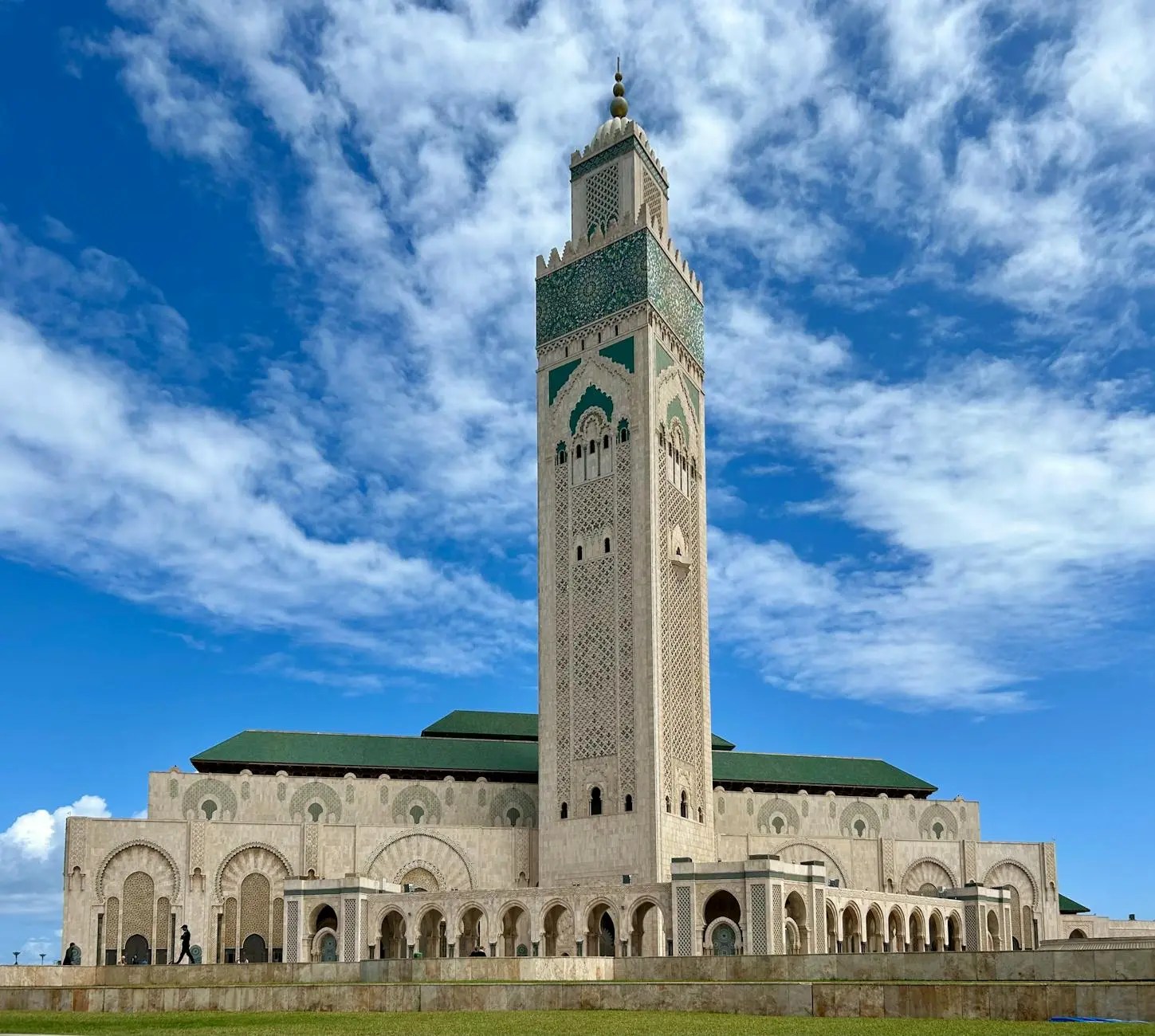
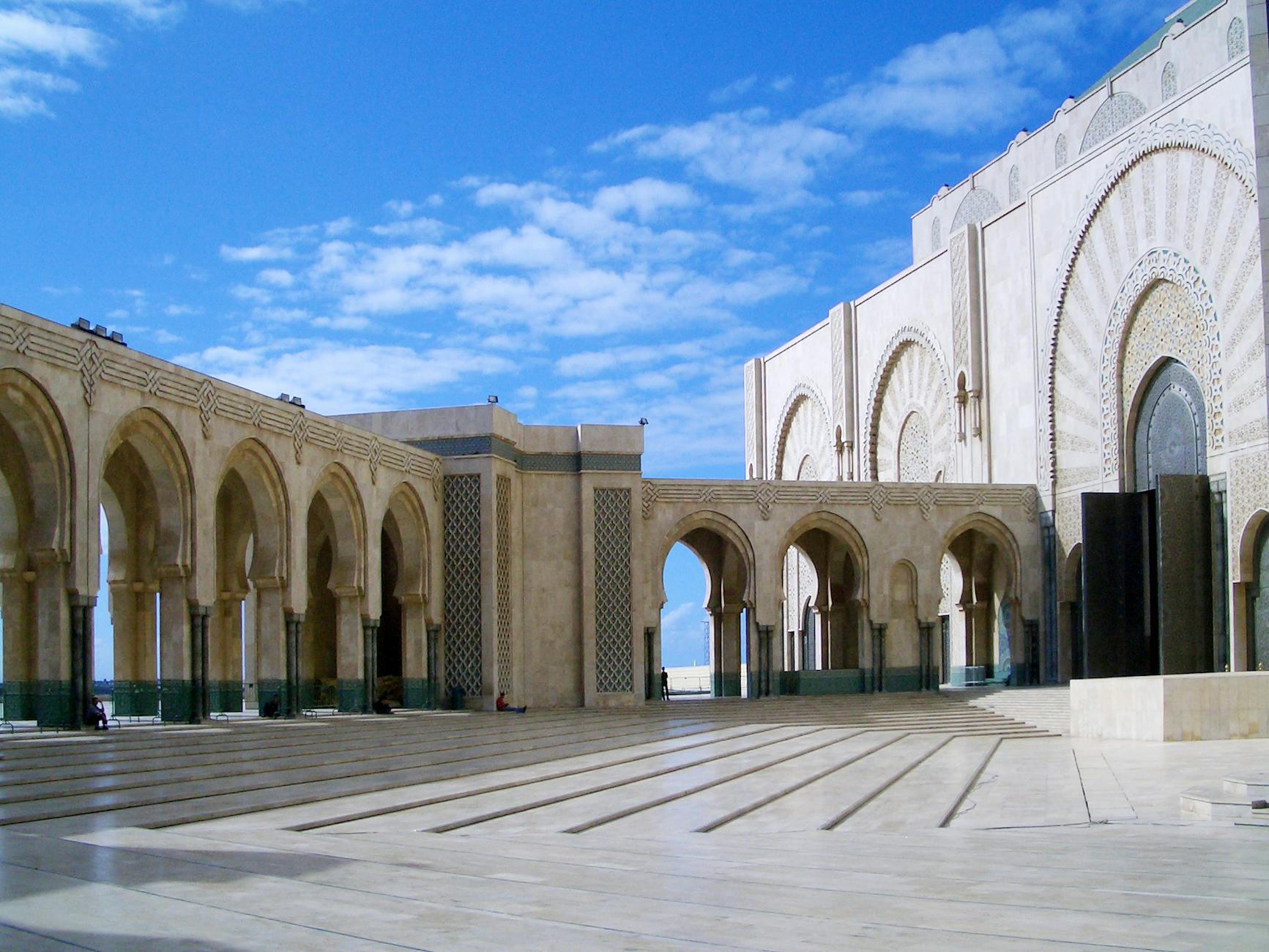
The majestic Hassan II Mosque in Casablanca, a striking example of Moroccan architecture against a vibrant blue sky. A masterpiece of Moorish architecture, the Hassan II Mosque’s 210-meter minaret stands as the tallest in the world, piercing the Casablanca sky. Its intricate zellij tilework and hand-carved stucco are a breathtaking prelude to the wonders inside.
Day 2: Art, History & Local Vibes
Morning (10:00 AM): Explore the city’s chic Art Deco architecture in the city center. Start at United Nations Square and wander the surrounding streets. It’s like a open-air museum of 1930s design.
Afternoon (1:00 PM): Time for a cultural fix. Head to the Villa des Arts. This beautiful art-deco villa houses a fantastic collection of modern and contemporary Moroccan art. It’s a peaceful, air-conditioned oasis away from the city bustle.
Late Afternoon (4:00 PM): Fulfill your Casablanca fantasy atRick’s Café. Yes, it’s a recreation from the movie, but it’s done with such style and charm that it’s worth it. Go for a late-afternoon drink rather than a full meal to soak in the ambience without the dinner crowd. Remember to dress smartly – no beachwear!
Evening: Enjoy a final farewell dinner in the trendyGauthier neighborhood, known for its fantastic international and fusion restaurants.
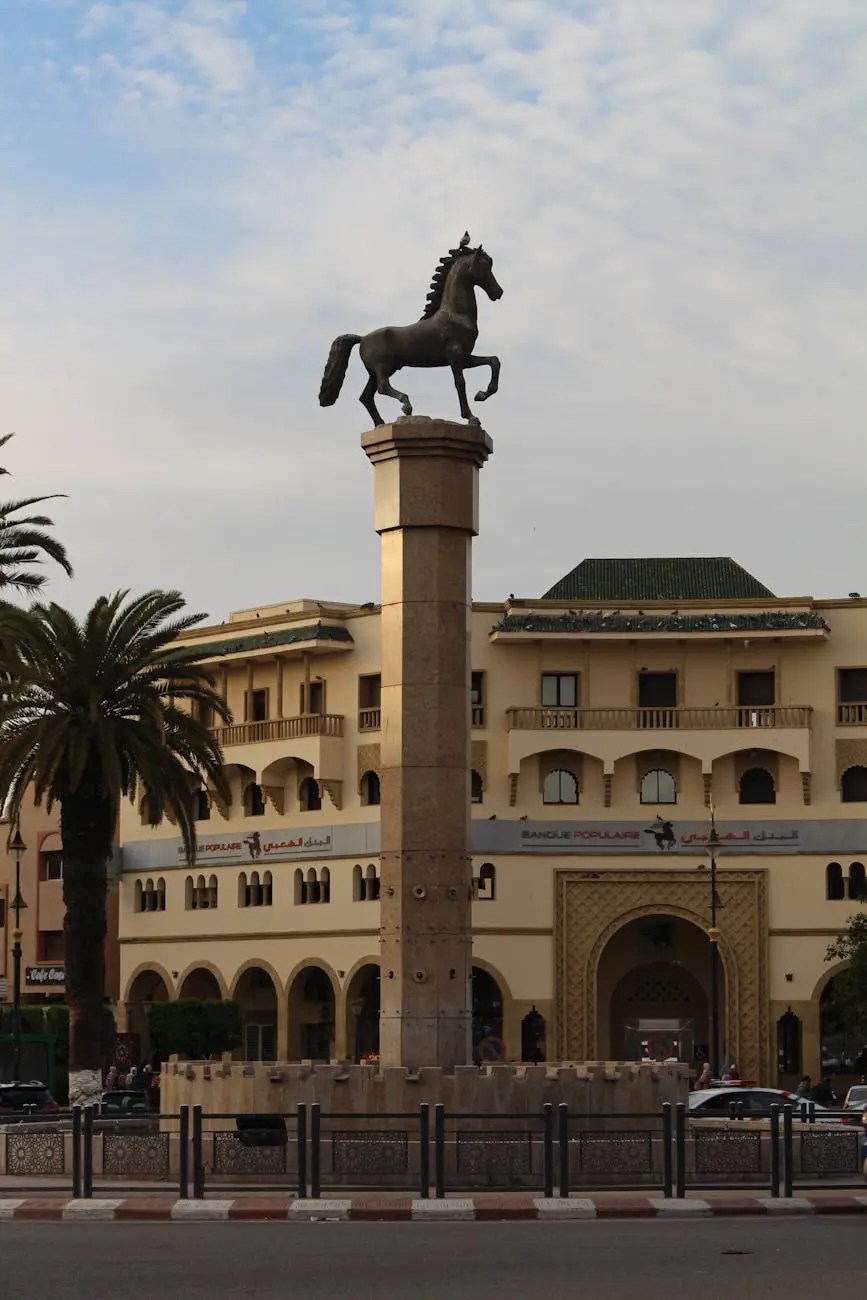
A striking statue of a horse stands atop a monument, flanked by palm trees, in the vibrant city of Casablanca. The iconic horse statue rears proudly in the heart of Settat, guarding the entrance to the historic Ismailiya Kasbah. This powerful symbol reflects the region’s deep equestrian heritage and serves as a central landmark for navigating the city
🚆Navigating Like a Pro: Buses, Trains & Petit Taxis
Getting around Casa is part of the adventure. Here’s the lowdown:
Tramway: This is your best friend. It’s clean, efficient, cheap, and connects most major points of interest (including the Casa Voyageurs train station, the city center, and the Hassan II Mosque). Buy a reusable card from the station and top it up. Two main lines cover most of the city. Tickets cost just 6 MAD (~$0.60).
Petit Taxis: These iconic blue (in the city center) or red cars are perfect for shorter trips. Always insist they use the meter (compteur). If they refuse, just get out and find another. It’s standard practice. Always agree on a price before hopping in. Petite taxis are red and cheap for inner-city travel.
Renting a Car? I don’t recommend it for a weekend in Casablanca itself. The traffic is intense and parking is a nightmare. Save the rental for a road trip into the countryside.
Beyond the Postcard: Casablanca’s Hidden Gems
The Abandoned Synagogue: Tucked away in the Old Medina is the Beth-El Synagogue. While no longer in use, its faded, almost haunting beauty and intricate Star of David mosaics are a poignant reminder of the city’s multicultural past. (Note: You may need to ask a local to point you to the exact door).
The Cathedral du Sacré Coeur: This former Catholic cathedral now serves as a cultural center. You can often walk right in and climb to the top for a unique, 360-degree view of the city that few tourists ever see.
Parc de la Ligue Arabe: Escape the hustle in this large, green park. It’s the perfect place to people-watch, enjoy a quiet moment, and see a cross-section of Casablancan life.
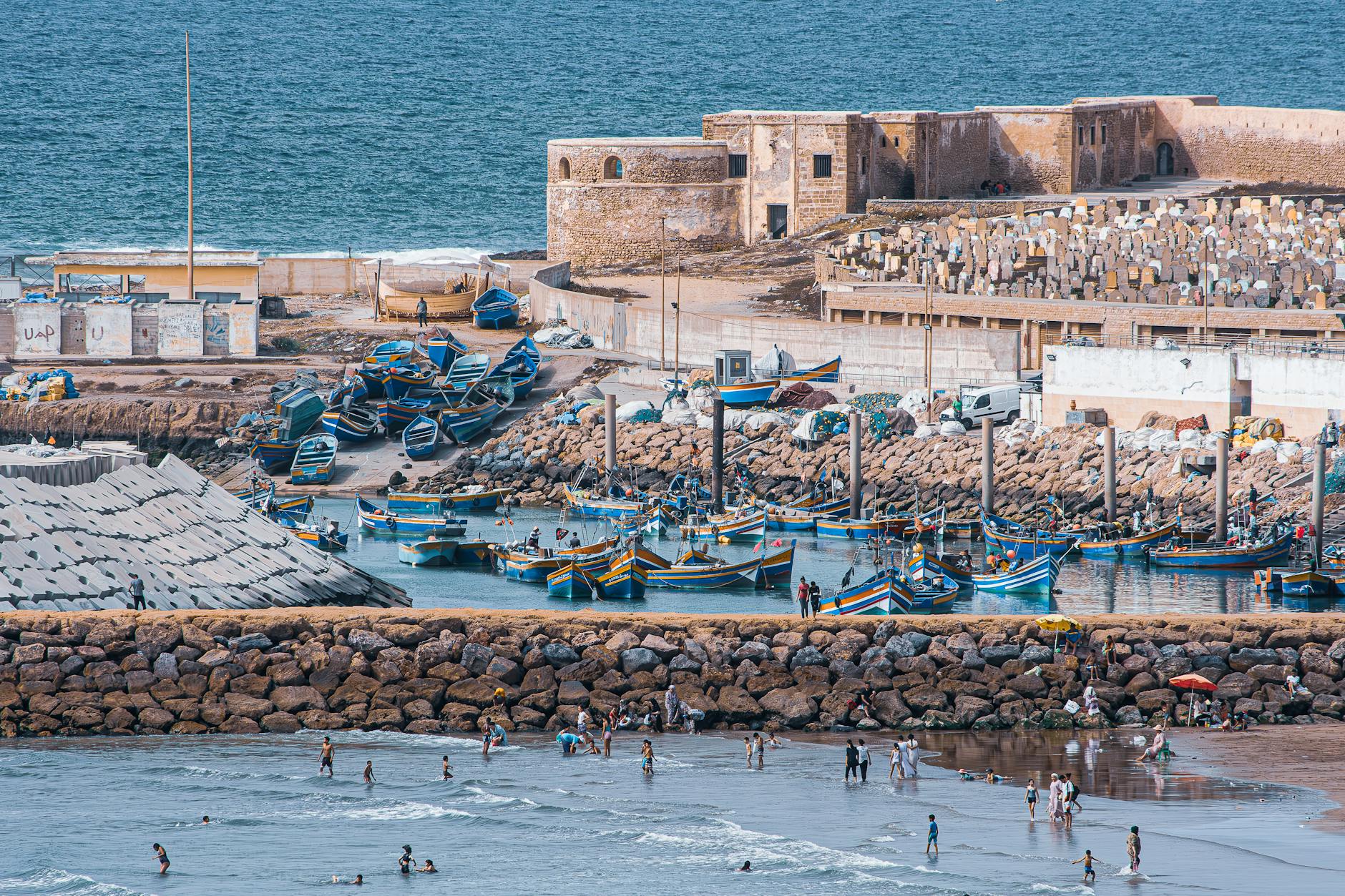
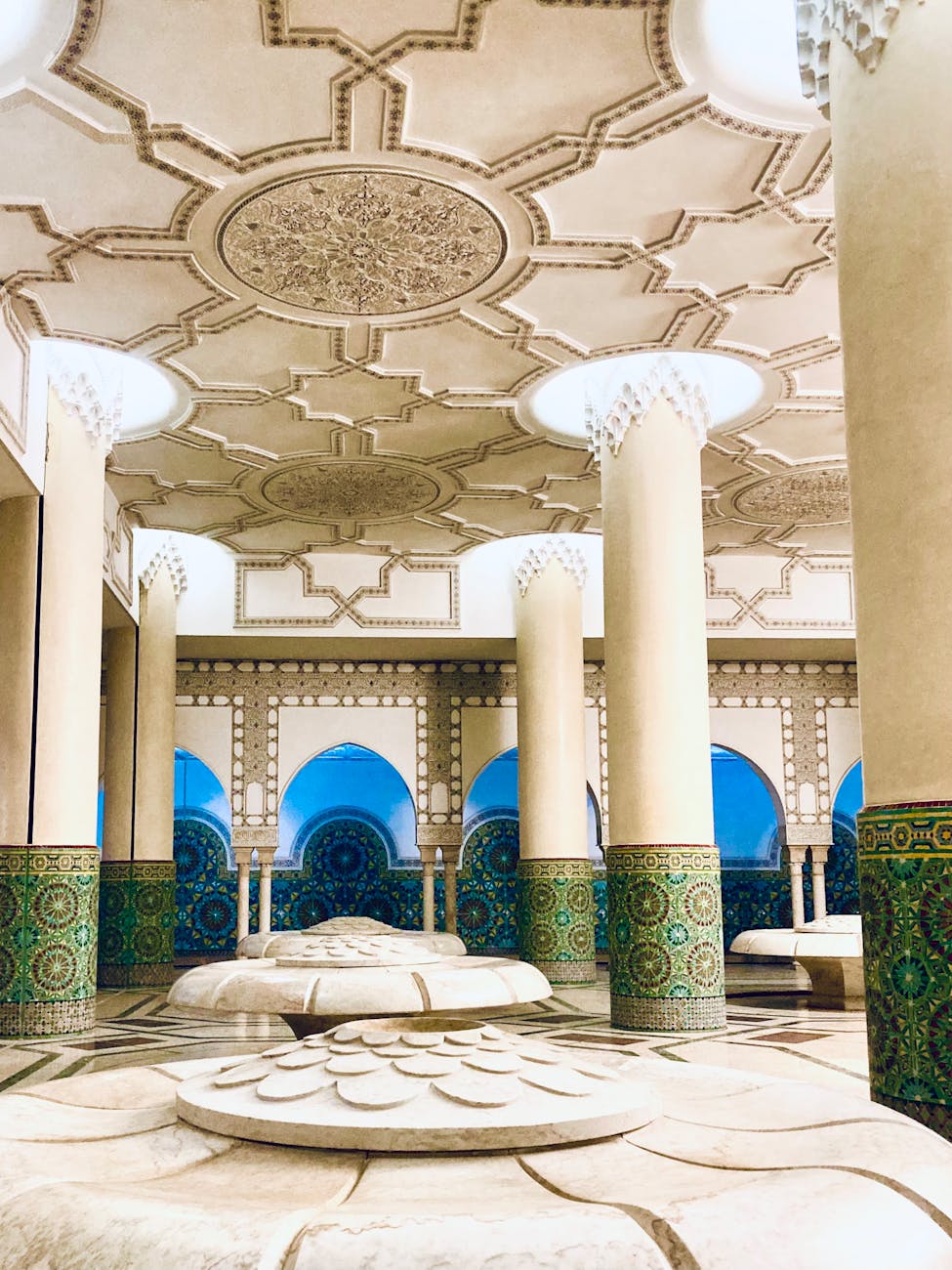
A scenic view of Casablanca’s harbor, featuring colorful fishing boats and locals enjoying the beach.Explore the intricate architecture of Casablanca, where traditional Moroccan design meets modern elegance.The stunning courtyard of Hassan II Mosque in Casablanca, showcasing intricate architectural details and a clear blue sky.
A Traveller’s Cheat Sheet: Key Arabic & French Phrases
Casablanca is very bilingual, but a little local language goes a long way.
Hello/Peace:Salaam Alaikum (Arabic – response is Wa Alaikum Salaam)
Thank you:Shukran (Arabic) / Merci (French)
How much?:Bshhal? (Arabic) / C’est combien? (French)
No, thank you:La, Shukran (Mix)
Let’s go:Yallah (Arabic – you’ll hear this everywhere!)
Stay Central: Book a hotel or riad near a tram stop. The time and money you’ll save on taxis is massive.
Eat Like a Local: Have at least one meal from a street food stall or a small local restaurant. A bowl of harira (lentil soup) or a msemen (flaky pancake) costs pennies and is delicious.
Water is Key: Buy large bottles of water from a supermarket or a hanut (small local shop) instead of your hotel minibar.
Carry Small Bills: Breaking a large bill at a small shop or with a taxi driver can be a challenge. Keep a stash of smaller 20-50 dirham notes.
📸 Capture the Magic: To document all this beauty, I never travel without my go-to camera. It’s lightweight, brilliant in low-light (perfect for medina alleys and mosque interiors), and has never let me down. Check out the camera I use here.
🌐 Stay Connected & Secure: Getting online abroad can be a wallet-draining nightmare. Between pricey airport SIMs and scary roaming bills, I used to dread it. Now, I just pop in my Drimsim—a global SIM that works in over 190 countries. Top up via the app, and you’re online the second you land. No fuss, no hidden fees. [Get your Drimsim here and stay connected!] And for booking flights and hotels safely on public Wi-Fi, I always have myVPN running. It’s a non-negotiable for me. [Protect your data and get a VPN here.]
Avoid airport taxis; take the train instead
Frequently Asked Questions (FAQ)
Q: What’s the best time of year to visit Casablanca? A: Spring (March-May) and Fall (September-November) are ideal. The weather is perfectly warm and sunny without the intense heat of summer.
Q: Do I need a visa for Morocco? A: Citizens of the US, UK, Canada, Australia, and EU countries do not need a visa for tourist stays of up to 90 days. Always double-check with official sources before you travel, as requirements can change.
Q: Is Casablanca safe for tourists? A: Yes, it is generally very safe. As in any major city, be aware of your surroundings, watch out for pickpockets in crowded areas, and be firm but polite with overly persistent vendors.
Q: What should I pack? A: Think “modest but chic.” Lightweight layers are your friend. Pack a scarf to cover your shoulders when visiting religious sites. And comfortable walking shoes are an absolute must!
Q: What about travel insurance? I never, ever travel without it. From lost luggage to a unexpected illness, it’s the safety net you’ll be glad to have. I use VisitorsCoverage to compare plans and find the perfect fit for my trip. It’s straightforward and gives me total peace of mind. [Get a quick quote for your trip here!]
Q: My flight got canceled! What can I do? Ugh, the ultimate travel nightmare. Did you know you might be entitled to compensation? Regulations like EU 261 protect passengers on delayed or canceled flights. I use AirHelp to check my eligibility—they handle all the annoying paperwork and only get paid if I win. It’s turned travel headaches into surprise travel funds more than once! [See if your flight qualifies for compensation here.]
Q5: What’s the local currency? Moroccan Dirham (MAD). Always keep small bills handy for taxis and tips.
💖 Final Thoughts — Let Casablanca Sweep You Away
Casablanca may not have Marrakech’s madness or Fez’s mystique, but it’s where Morocco’s soul quietly hums. Between ocean waves, mint tea, and art deco dreams, you’ll find yourself slowing down — and maybe even falling a little in love.
If you loved this Moroccan escape, check out nearby adventures:
This vibrant, complex city is waiting to share its stories with you. With this plan in your pocket, you’re all set for an unforgettable weekend of discovery.
✈️ Ready to plan your own Casablanca escape? Book your flight and hotel now through Expedia — and let your North African weekend adventure begin.
Meta Description: Escape to the enchanting canals of Venice for an unforgettable weekend. Our comprehensive guide for travelers reveals hidden gems, must-see sights, and savvy tips on transportation, visa costs, and saving money. Optimized for SEO and geo-generative engine optimization, this guide is packed with keywords to help you discover the magic of Venice.
I’m going to be honest with you. The first time I saw Venice, it was through the lens of a tourist in a hurry. You know the type—sprinting from St. Mark’s Square to the Rialto Bridge, snapping a few frantic photos, and feeling like you’ve “done” the city without ever really being there. It was a classic case of travel-FOMO (Fear of Missing Out). But the magic of Venice doesn’t reveal itself in a sprint; it whispers to you when you slow down, get a little lost, and let the city’s ancient rhythm guide you.
This blog post is for the traveler who wants to do it right. The one who wants to sip a spritz on a sun-drenched canal, find a quiet bacaro for some delicious bites, and fall in love with the city’s charming chaos. I’ve gone back, armed with a better plan, and I’m sharing all my secrets for the ultimate weekend escape.
Ah, Venice. The mere name conjures images of winding canals, operatic gondoliers, and masquerade balls. It’s a city that feels like a dream, but let me tell you, a dream you can absolutely conquer in a single, glorious weekend. Forget everything you’ve heard about it being too crowded or too expensive—with a little insider knowledge (and comfortable shoes), you can have the authentic Venetian experience without breaking the bank or your spirit.
I still remember my first time stepping out of the Santa Lucia train station. The grand canal wasn’t just a picture; it was a living, breathing, slightly damp masterpiece. The sound of water lapping against ancient stone, the distant call of “Gondola!”, the smell of salt and fresh coffee… it’s a sensory overload in the best way possible. I immediately got lost, and it was the best thing that could have happened. This guide is here to help you find that magic, without too much of the getting lost part (unless you want to!).
Table of Contents
Getting There: Planes, Trains, and Automobiles (But Mostly Boats)
Where to Stay: Finding Your Venetian Sanctuary
Day 1: The Grand Tour & Golden Hour
Day 2: Hidden Gems & Island Hopping
Day 3: Art, Souvenirs & The Sweet Goodbye
Navigating Venice: Public Transportation Deep Dive
Money-Saving Tips & Must-Know Phrases
My Personal Camera Kit
FAQs: Everything You Need to Know Before You Go
More Travel Inspiration & Backlinks
Why Venice is the Perfect Weekend Getaway
Venice is compact. Unlike sprawling metropolises like Rome or Paris, its labyrinthine alleys and canals are concentrated, making it possible to soak in the major highlights and discover secret corners in just 2-3 days. It’s a pedestrian (and boat-only) city, so you’re free to wander without worrying about traffic. It’s the ideal destination for a burst of culture, romance, and incredible food.
Before You Go: Visa & Costs As part of Italy’s Schengen Area, most US, Canadian, UK, and Australian travelers can enter visa-free for up to 90 days. Always check the latest entry requirements from official government sources. A great place to start for the most current and official visa information is the VFS Global page for Italy.
I always find the best flight deals to Venice Marco Polo Airport (VCE) on Expedia. They have great bundle options if you want to book your hotel at the same time.
Getting There: Planes, Trains, and Automobiles (But Mostly Boats)
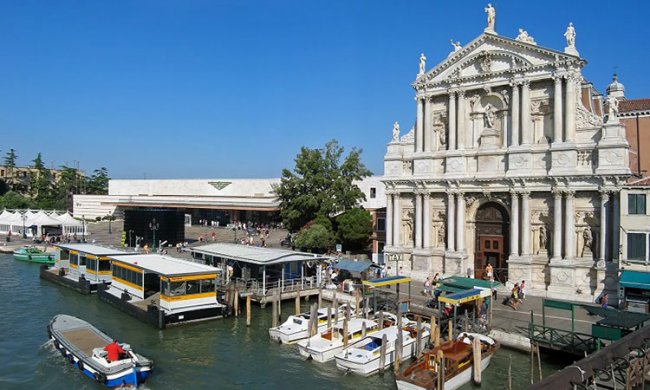
Venice is unique because you literally cannot drive into the historic city center. So, if you’re arriving by car, you’ll need to park it at Piazzale Roma or Tronchetto and then take a bus, water bus (vaporetto), or private water taxi to your accommodation. Trust me, the first glimpse of the Grand Canal from the water is worth the logistical effort.
The easiest way to arrive is by train. The Venezia Santa Lucia station drops you off right on the Grand Canal, a stone’s throw from the heart of the action. Italy’s high-speed trains connect Venice to major cities like Rome, Florence, and Milan. If you’re coming from another part of Europe, flying into Venice Marco Polo Airport (VCE) is also a great option. From there, you can catch a water bus (Alilaguna) or a private water taxi straight to the city.
✈️ Travel Tip: Travel isn’t always smooth sailing—sometimes flights get delayed, canceled, or overbooked. The good news? You might be entitled to up to $650 in compensation under air passenger rights. Most travelers never claim it, but I’ve got you covered: just check your flight withAirHelp. They handle the paperwork, fight the airlines for you, and only get paid if you win. Easy, stress-free, and potentially a nice surprise for your travel fund.
Where to Stay: Finding Your Venetian Sanctuary
Finding the right place to stay is key. I’ve found that using a trusted platform like Expedia to book my hotels helps me compare options and find the perfect spot. The main tourist areas like San Marco are central but can be noisy and expensive. For a more authentic experience, consider staying in the quieter districts of Dorsoduro or Cannaregio.
My personal favorite? Dorsoduro. One time, I stayed in a small guesthouse there, and the window overlooked a tiny, quiet canal. Every morning, I woke up to the sound of a gondolier singing as he glided past. It was a moment so perfectly Venetian it almost felt like a movie.
Friday: Arrival & The Magic of Getting Lost
Afternoon: Fly into VCE or arrive by train at Santa Lucia Station (this is the most dramatic entrance!). Pro Tip: If you’re arriving by train from another Italian city like Rome, Florence, or Milan, booking your tickets in advance on ItaliaRail can save you a significant amount of money compared to buying them at the station. The high-speed trains are comfortable and efficient, making for a relaxing start to your Venetian adventure.
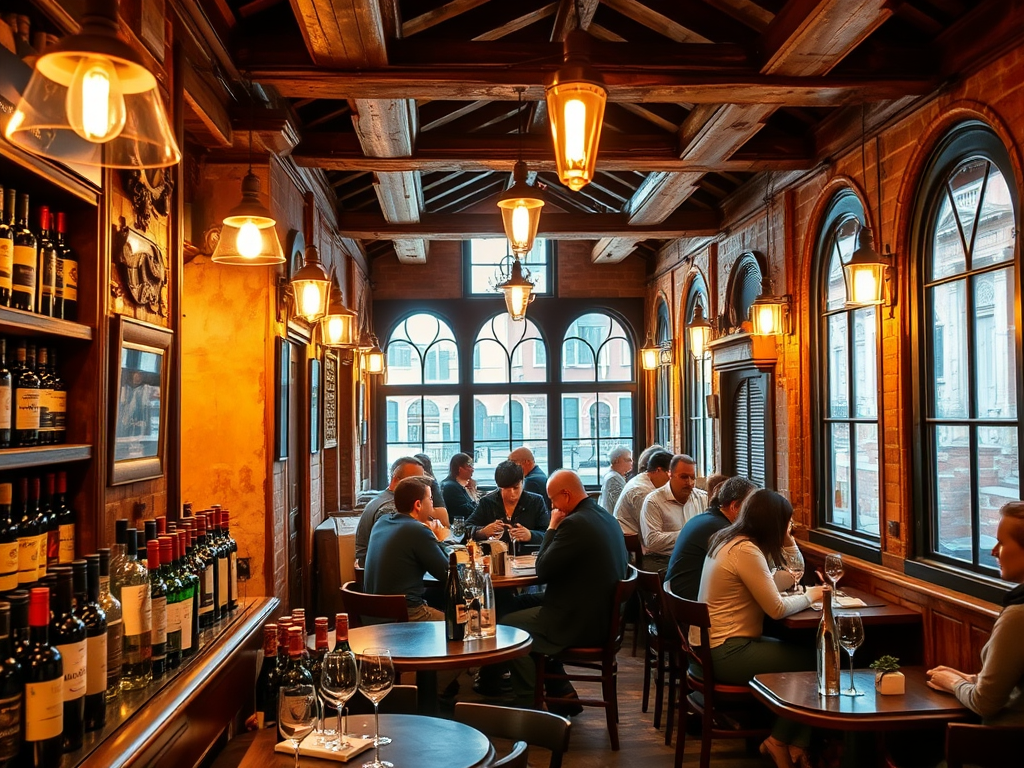
Evening: Check into your hotel . I recommend staying in the Dorsoduro or Cannaregio districts. They’re slightly removed from the San Marco chaos, more affordable, and brimming with authentic bacari (wine bars).
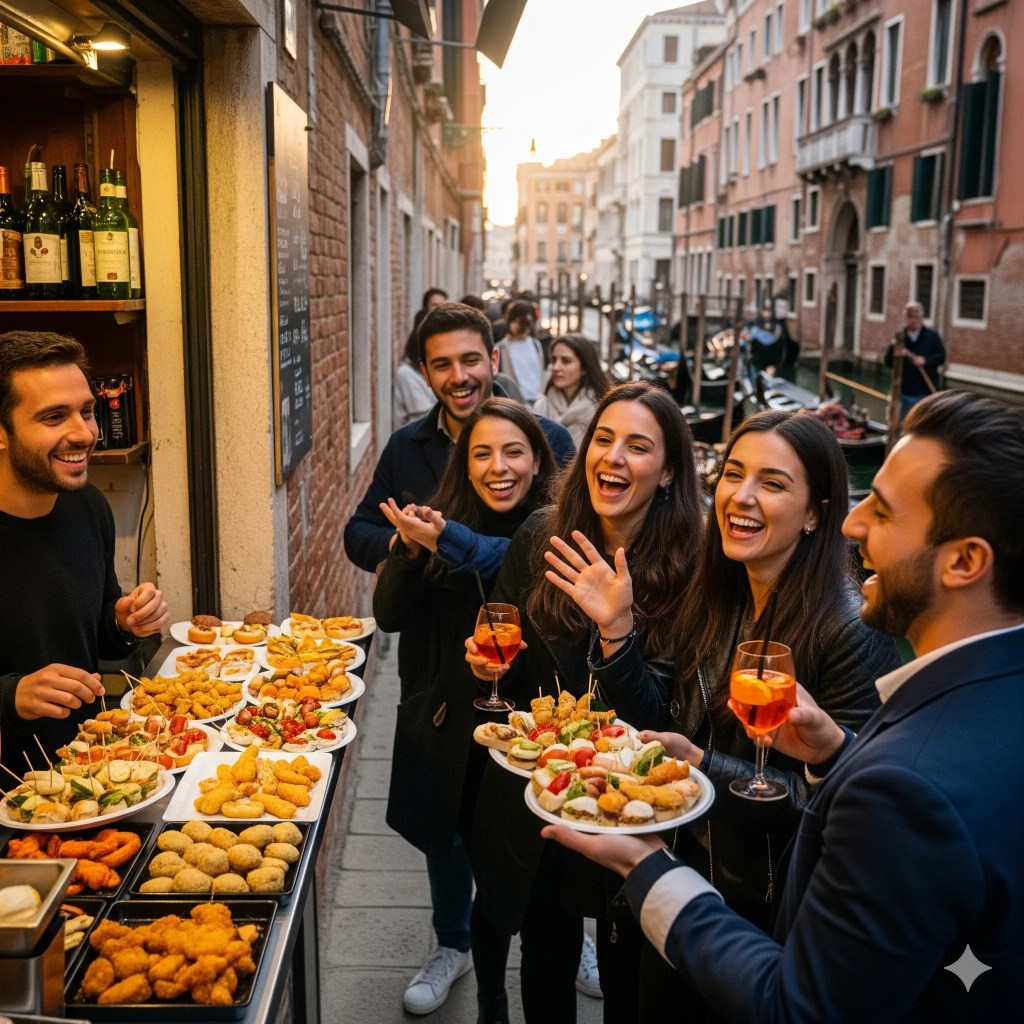
Dinner: Ditch the tourist menus. Find a small bacaro and do a cicchetti crawl. Cicchetti are Venetian tapas—think small slices of bread topped with cod, crab, or mortadella, alongside an ombra (small glass of wine). My favorite find was a tiny place where the owner insisted I try his artichoke heart special. Life-changing.
The stunning view near the Santa Lucia train station in Venice, featuring the historic church and bustling water taxis.A cozy Venetian bacaro with patrons enjoying cicchetti and wine, showcasing the charm of local dining in Venice.Enjoying a vibrant evening in Venice with friends, indulging in delicious cicchetti crawl and spritz on a charming canal.
Saturday: Icons, Tours, & Hidden Courtyards
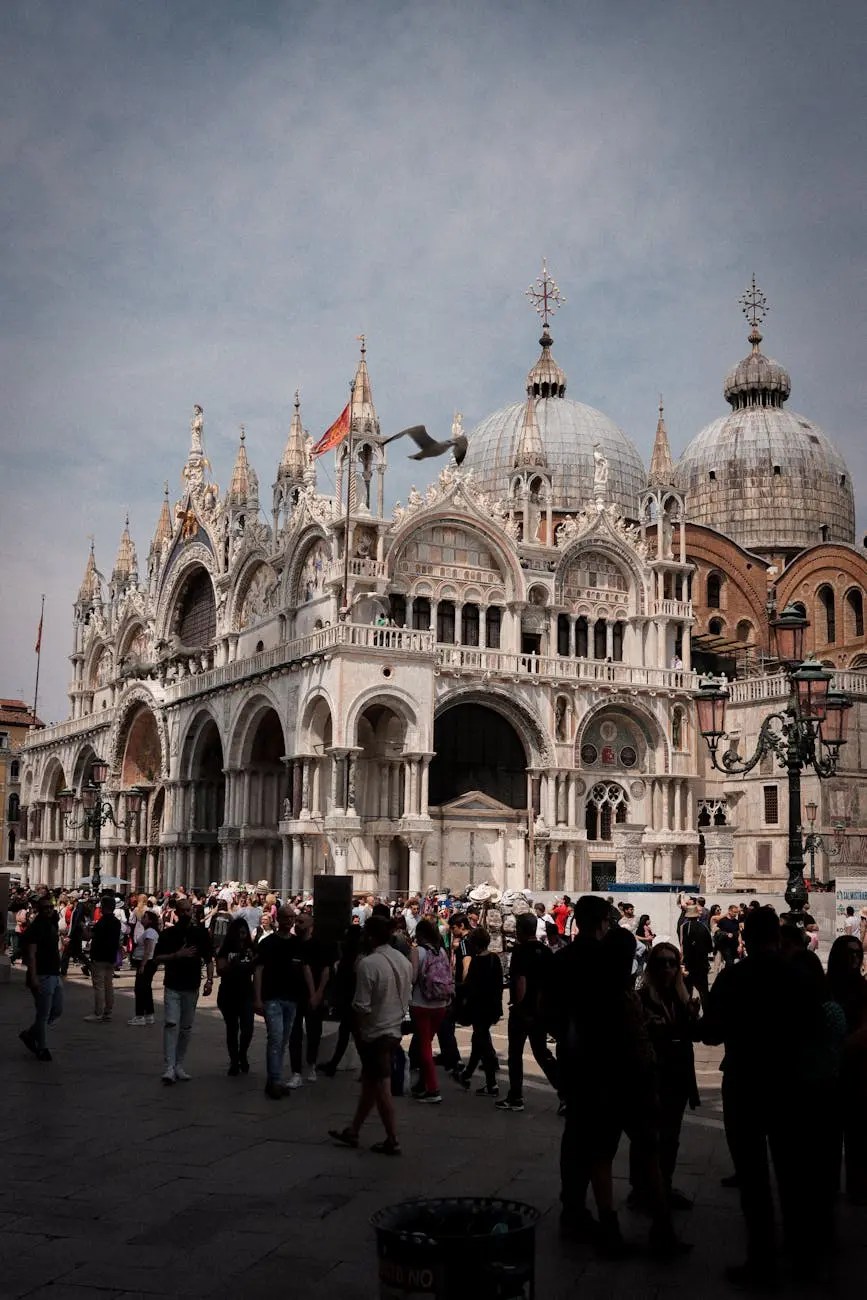
Morning (Early!): Be at Piazza San Marcoby 8:30 AM. Why? To have it almost to yourself before the day-tripping crowds arrive. You can admire the Basilica and the Campanile in peace. Pre-book a “Skip the Line” tour for the Basilica—it’s 100% worth it.
Late Morning: Book a Walking Tour & Gondola Ride. A guided tour is the best way to learn the history and find those hidden spots you’d never see otherwise. Then, opt for a shared gondola ride from a quieter canal rather than the Grand Canal to save money and enjoy a more intimate experience.
📸 Pro Tip: The light in Venice is magical. To capture it perfectly, I never travel without my lightweight, powerful Sony Alpha Camera. It’s a game-changer for low-light canal shots.
Afternoon: Get lost on purpose. Wander away from San Marco into the Castello district. Find the secluded Marinaressa Gardens for a quiet moment with a view of the lagoon. For a true hidden gem, seek out the pedestrian street Calle de le Bande near the Arsenale. It’s lined with artisan workshops and feels a world away from the tourist crowds.
Evening:Book a food tour! This was the highlight of my last trip. We visited the Rialto Market in the morning (a fantastic alternative activity) and then enjoyed a cooking class in the evening. Learning to make fresh pasta with a local nonna is an experience you’ll cherish forever.
St. Mark’s Basilica in Venice, bustling with tourists capturing the city’s breathtaking architecture. A Moment of Awe in Piazza San Marco. It’s impossible not to look up! The sheer scale and intricate details of St. Mark’s Basilica stop everyone in their tracks. While it’s always bustling, arriving right at opening time or later in the afternoon helps you avoid the biggest crowds. ✨ #StMarksBasilica #Venice #ItalyTravel #Architecture #UNESCO
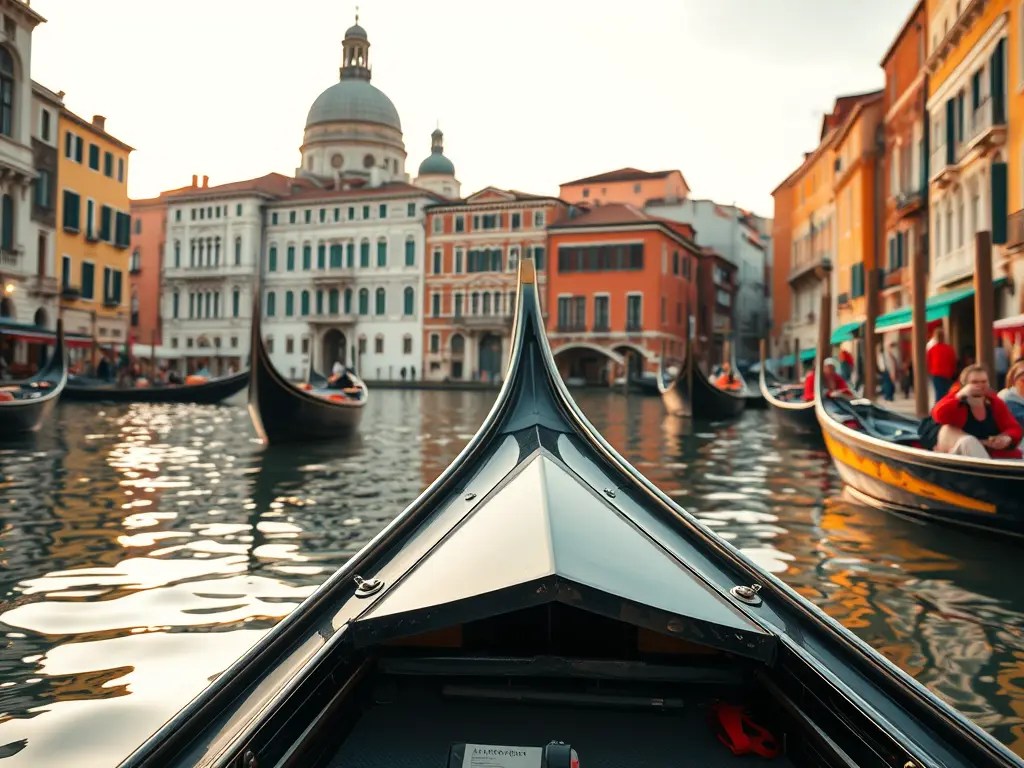
A scenic view from a gondola in Venice, showcasing the iconic architecture and tranquil canals, perfect for an idyllic getaway. The View From the Water. There’s no perspective quite like it! Gliding through the quiet, narrow canals of Venice in a gondola is the only way to truly appreciate the charming decay and beautiful details of the ancient buildings. It’s a moment of pure, peaceful magic. 🛶 #Venice #Gondola #ItalyTravel #HiddenCanals
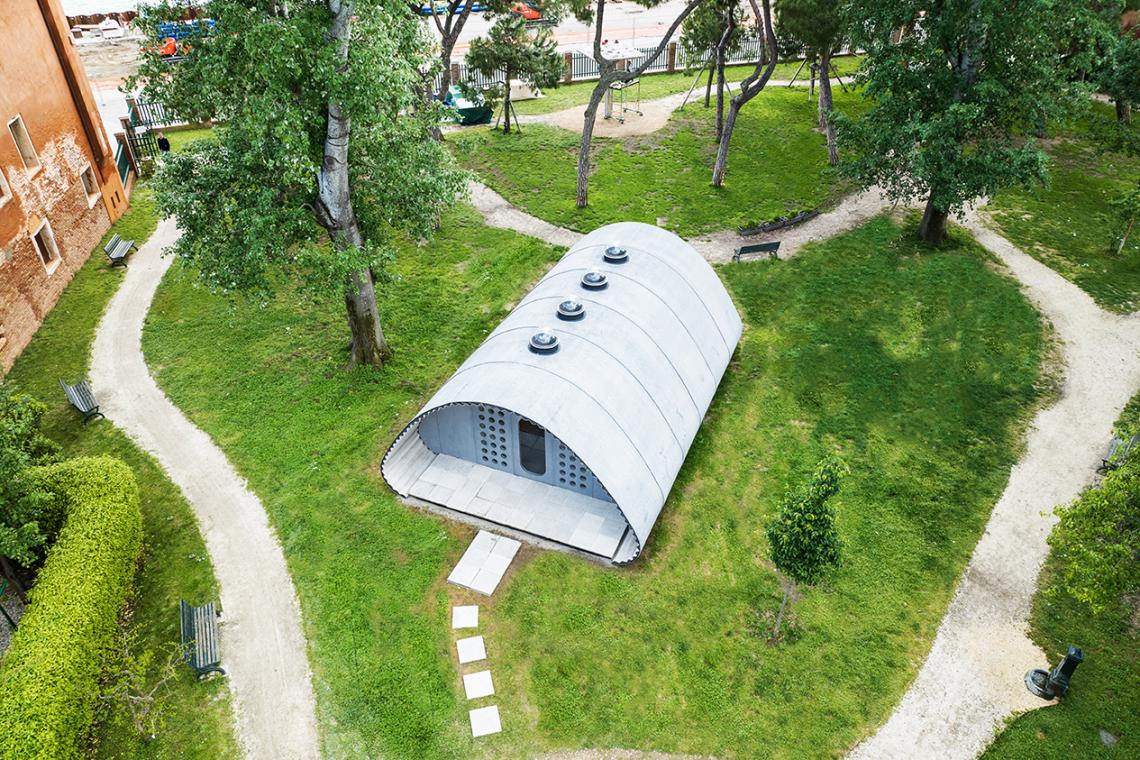
A modern architectural structure nestled in a green park in Venice, showcasing a unique design amidst natural beauty.
Sunday: Islands, Art, & Last Bites
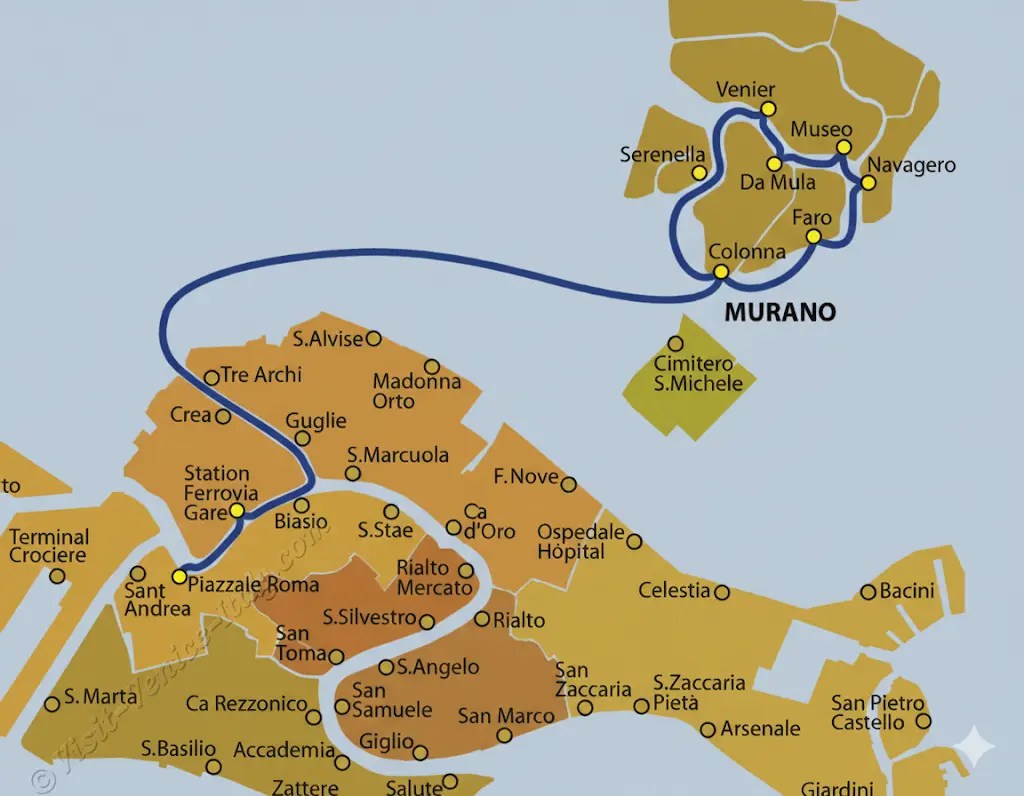
Morning: Take the vaporetto to Murano to see glassblowing demonstrations. If you have time, hop over to Burano—the island of brightly colored fishermen’s houses is an Instagram dream and utterly charming.
Late Afternoon: Enjoy one last gelato (I’m a pistachio purist) and slowly make your way back to the station or airport, taking in the final, golden-hour glimpses of the canals.
Map of the Vaporetto routes in Venice, highlighting connections to popular destinations like Murano and the Grand Canal.
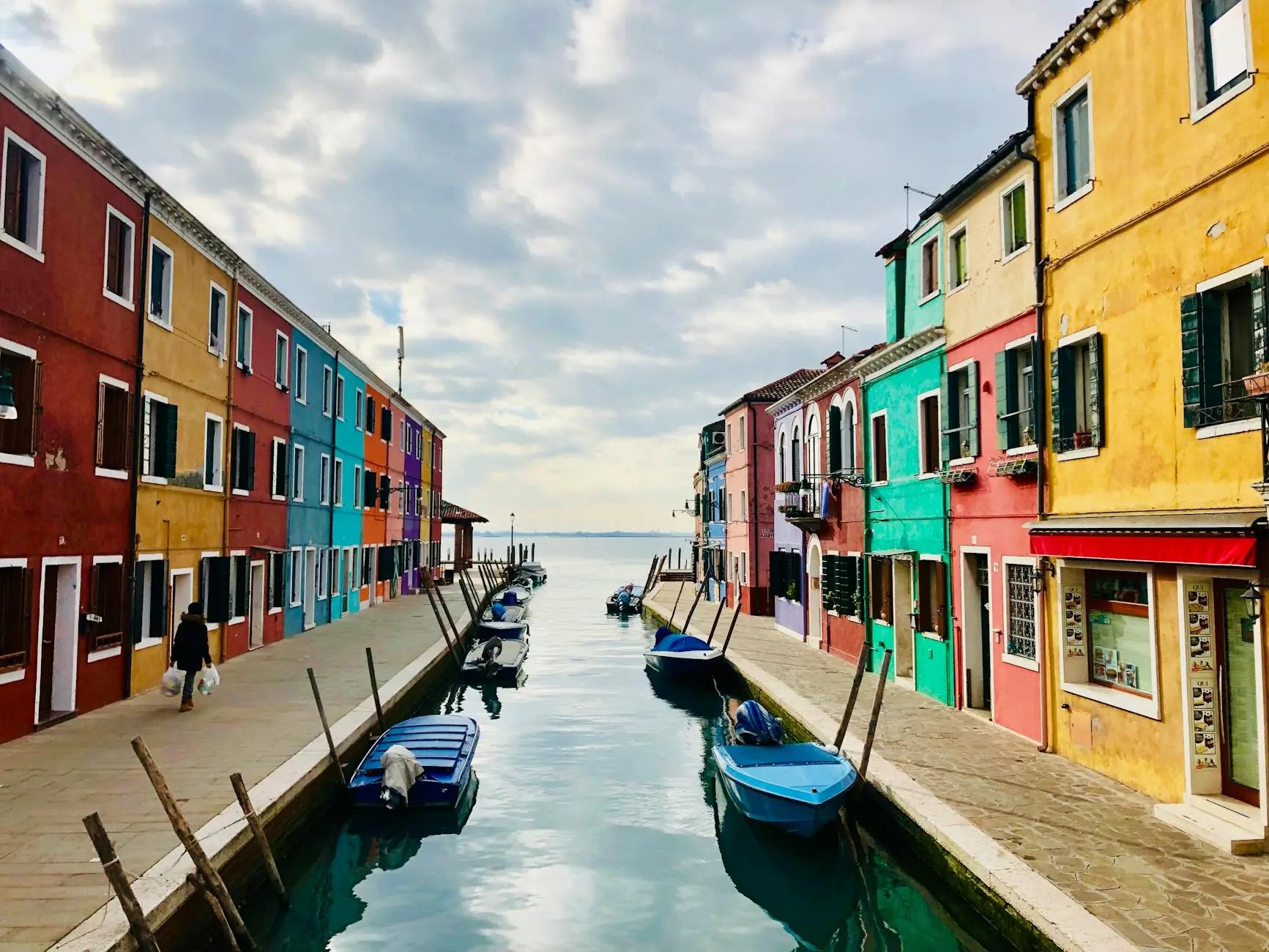
Colorful houses line the tranquil canals of Burano, Venice, offering a picturesque scene perfect for wanderers and photographers. A Rainbow on the Water: Burano’s Iconic Canal. No filter needed! The fishing island of Burano is famous for its kaleidoscope of vibrant houses, each painted a brilliant color to help fishermen find their way home in the fog. It’s the perfect half-day trip from Venice for photos and a peaceful stroll. 🌈 #Burano #Venice #Italy #ColorfulPlaces
Eat & Drink Like a Local: Cicchetti and ombre are your best friends. A lunch of a few cicchetti and a glass of wine will cost a fraction of a sit-down restaurant meal.
Water: Bring a reusable bottle. Venice has free, clean drinking water flowing from nasoni (big nose) fountains all over the city.
Skip the Gondola for a Traghetto: A gondola is a splurge. For just €2, you can ride a traghetto—a local gondola ferry that crosses the Grand Canal at various points. It’s a functional and fun taste of the gondola experience.
🌐 Staying Connected & Secure: ✈️ Travel Tip: Staying connected abroad used to be my nightmare. I’d either pay insane roaming fees or spend an hour at an airport SIM counter. Not anymore. I never travel without my Drimsim—a universal SIM that works in 190+ countries. Pop it in, top up via the app, and you’re online. No contracts, no hidden fees. It’s genuinely liberating.
I also always have my NordVPN active on my phone and laptop, especially when using public WiFi in airports and cafes. It keeps my personal data safe from prying eyes.
✈️ Travel Insurance: ✈️ Smart Travel Tip: I never, ever travel without insurance. A missed flight, a stolen bag, or a unexpected doctor’s visit can ruin a trip financially. I use VisitorsCoverage to compare plans and find the right coverage for every trip. It’s peace of mind in your pocket.
Navigating Like a Local: The Vaporetto
Forget cars. Forget Uber. In Venice, you walk or you take a boat.
The Vaporetto: This is the public water bus. It’s the best way to cover long distances (e.g., from the train station to San Marco, or to Murano).
The Ticket: A single ride is expensive (€9.50!). If you’re there for a weekend,BUY A TRAVEL CARD. The 72-hour card (€45) is perfect and will pay for itself after about 5 rides. Validate it before your first ride by tapping it on the electronic readers at the dock.
The Routes: Line 1 is the “tourist” line that goes slowly down the Grand Canal—great for sightseeing. Line 2 is the express version. ActV is the official app for routes and schedules.
Traghetto: As mentioned, these are cheap gondola ferries that cross the Grand Canal. They are a fantastic and authentic time-saver.
Speak a Little Venetian
While most people speak English, a little Italian goes a long way!
Ciao (chow): Hello / Goodbye (informal)
Buongiorno (bwon-jor-no): Good morning / Good day
Grazie (graht-tsee-eh): Thank you
Un ombra, per favore (oon ohm-brah, per fa-vor-eh): A small glass of wine, please
Quanto costa? (kwan-toh coh-stah): How much does it cost?
Dov’è il bagno? (doh-veh eel ban-yo): Where is the bathroom?
Scusi: (skoo-zee) Excuse me
Un biglietto, per favore: (oon bee-yet-toh, per fah-voh-reh) One ticket, please.
Frequently Asked Questions (FAQ)
Q: What is the best time of year to visit Venice for a weekend? A: The sweet spots are April-May and September-October. The weather is pleasant, and the crowds are thinner than in the peak summer months. Avoid February if you dislike crowds, as Carnevale brings massive numbers (though it’s an amazing experience!).
Q: Is Venice expensive? A: It can be, but it doesn’t have to be. By eating cicchetti, using a vaporetto pass, avoiding hotels right on San Marco, and enjoying free activities like wandering and seeing churches, you can manage a budget-friendly trip.
Q: How do I get from Marco Polo Airport (VCE) to the city center? A: The Alilaguna water bus (blue line) takes you directly to San Marco and takes about 1.5 hours (€15). A water taxi is a direct, glamorous, but expensive (€100-€150) option. The cheaper way is to take the ACTV bus (€10) to Piazzale Roma (the bus terminal in Venice) and then switch to the vaporetto.
Q: What should I do if my flight to Venice is canceled? A: Don’t panic! Under EU air passenger rights, you could be entitled to significant compensation (up to €600). Instead of fighting the airline yourself, use a service like AirHelp. They handle all the paperwork and legal stuff and only get paid if you win. I’ve used them successfully before—it’s a stress-free way to potentially get a nice chunk of your trip refunded.
Q: Is it easy to find ATMs in Venice?
A: Yes, ATMs (Bancomat) are widely available. Avoid Euronet ATMs as they often have poor exchange rates and high fees. Stick to machines associated with actual Italian banks.
More Travel Inspiration & Backlinks
If you’re considering a longer trip to Italy, be sure to check out my other guides:
Planning a longer Italian adventure? Check out our other ultimate city guides:


 Home Home sweet sweet home