🏞️Cape Town Weekend Itinerary: 3 Days of Adventure

Meta Description: Craft your ultimate weekend escape to Cape Town! This guide unlocks the Mother City’s secrets with a perfect 3-day itinerary, money-saving transport tips, essential Afrikaans phrases, and hidden gems. Optimize your South African adventure with our expert travel advice.

Table of Contents

  1. Your Battle Plan: A 3-Day Cape Town Itinerary
    • Day 1: The Iconic Trio – Mountain, Gardens & Sunset
    • Day 2: Peninsula Perfection & Penguins
    • Day 3: Local Vibes, Markets & That Last Glass of Wine
  2. Navigating the Mother City Like a Pro
    • The MyCiti Bus: Your Urban Sidekick
    • To Rent a Car or Not? The Honest Truth
    • Ride-Hailing & Other Tricks
  3. Cape Town’s Hidden Gems: Beyond the Postcard
  4. Speak Like a Local: A Few Handy Phrases
  5. Travel Smarter, Not Harder: My Non-Negotiable Tips
    • Staying Connected & Secure
    • Peace of Mind on the Road
  6. Cape Town Weekend Escape FAQ

🌍 Why Cape Town Should Be Your Next Weekend Escape

Cape Town is one of those rare cities where mountains meet the sea, history dances with modernity, and every sunset looks like a postcard. Known as “The Mother City,” Cape Town spoils travelers with jaw-dropping landscapes, world-class food, and enough adventure to fill your Instagram feed for months.

If you loved my Ultimate Casablanca Weekend Guide, Cape Town will absolutely blow you away—think of it as Casablanca with penguins, ocean drives, and vineyards. 🍷

Let’s be real, a weekend in Cape Town sounds a bit like trying to eat a giant gourmet burger in two bites—ambitious, a little messy, but oh-so-rewarding if you do it right. Fear not, fellow time-pressed traveler! I’ve perfected the art of the Capetonian weekend after more trips there than I can count (my passport has a permanent crush on South African immigration).

This isn’t just a list of places to see; it’s the blueprint for a whirlwind romance with one of the most beautiful cities on Earth. We’re talking epic landscapes, vibrant culture, and a food scene that will have you dreaming of bobotie for weeks. So, grab your favourite travel notebook (and maybe that camera I’m always raving about), and let’s dive in.

Quick Tip: Before you jet off, don’t forget to sort out the practical stuff. Check the latest South African visa requirements and costs on my master list to avoid any nasty surprises.

🕒 Best Time to Visit & Visa Info

  • Best Time to Visit: November to March (South Africa’s summer) for beach vibes and outdoor adventures.
  • Shoulder Season (April–May): Fewer crowds, cooler breezes, and discounted stays—perfect for budget travelers.

💸 Budget Tip: Flights from Europe are cheaper if booked via my Expedia partner link → Plan your Cape Town getaway now on Expedia.

🏨 Where to Stay (and Save Big!)

I always book through Expedia — flexible cancellations and loyalty discounts are lifesavers.

🚌 How to Get Around Like a Local

Getting around Cape Town is part of the adventure. Here’s the lowdown:

  • The MyCiti Bus: This is your best friend for getting around the City Bowl, Sea Point, and the Waterfront. It’s reliable, clean, and cheap. You’ll need a myconnect card (available at major stations) and remember to tap in and out. For a detailed route map to save time, check out my public transport guide for major cities.
  • Renting a Car: Essential for the Cape Peninsula drive (Day 2) and ultimate flexibility. The roads are great, but be prepared for aggressive minibus taxi drivers. Get a car with good fuel economy to save on gas. Use Google Maps or Waze—they are incredibly accurate and will save you from getting lost in the suburbs. If you plan to explore the Cape Winelands or Cape Point, renting a car via Expedia saves time and gas—especially when you plan routes in advance. Major roads like the M3 and N2 connect top spots quickly.
  • Ride-Hailing: Uber and Bolt are ubiquitous, affordable, and perfect for getting to dinners or when you’re too tired for the bus.
  • 🚲 Bicycle-Friendly: The Sea Point promenade and Green Point are perfect for biking with ocean views.
  • 💡 Local Map Tip: Download offline maps via Google Maps or Maps.me—roads around Chapman’s Peak Drive and Cape Peninsula are breathtaking but have limited signal.
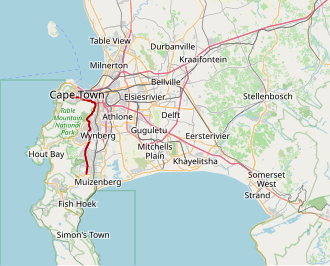
Map of Cape Town, South Africa, showing key locations, roads, and surrounding areas.
Map of Cape Town, showcasing key locations for exploring the Mother City.

Day 1: The Iconic Trio – Mountain, Gardens & Sunset

Morning (8:00 AM – 1:00 PM): Table Mountain Awaits
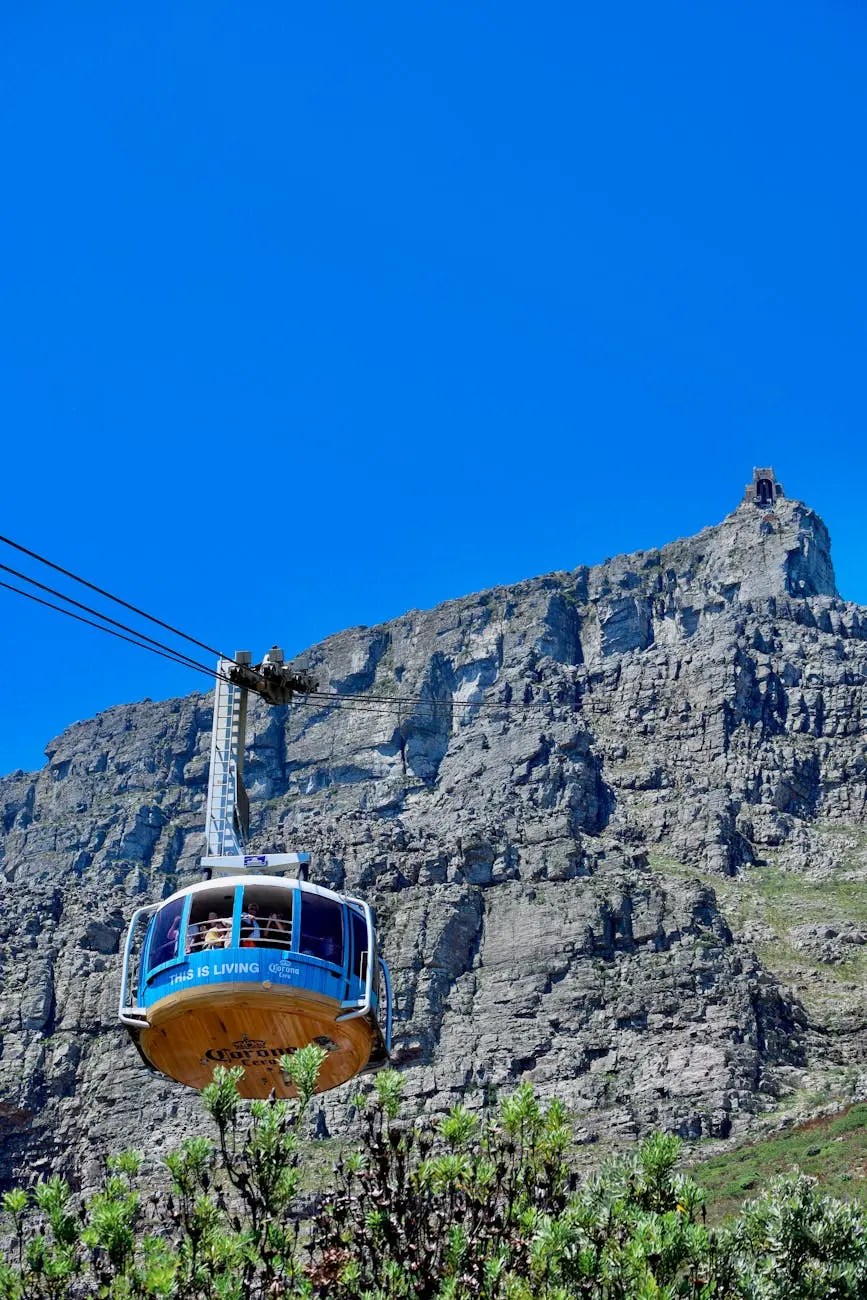
The key to conquering Table Mountain without conquering the queue is to book your Table Mountain Aerial Cableway tickets online in advance. I learned this the hard way, once spending two hours in a line that moved slower than a sleepy sloth. Go as early as possible to beat the clouds (affectionately known as the “tablecloth”) that often roll in during the afternoon.

Afternoon (1:00 PM – 4:00 PM): Kirstenbosch & a Lazy Lunch
Once you’re back on solid ground, hop in a cab or your car and head to the Kirstenbosch National Botanical Garden. This isn’t your grandma’s rose garden. It’s a sprawling, epic landscape carved into the eastern slopes of Table Mountain. Walk the Treetop Canopy Walkway (the “Boomslang”) and grab a bite at the restaurant there—the views are almost as delicious as the food.

Evening (5:00 PM onwards): Sundowners in Camps Bay
You can’t come to Cape Town and not have a “sundowner” (a drink at sunset). Drive over to the glamorous Camps Bay strip, find a spot on the beach or a seat at a cafe, and watch the sun dip below the Atlantic Ocean. It’s a ritual for a reason.
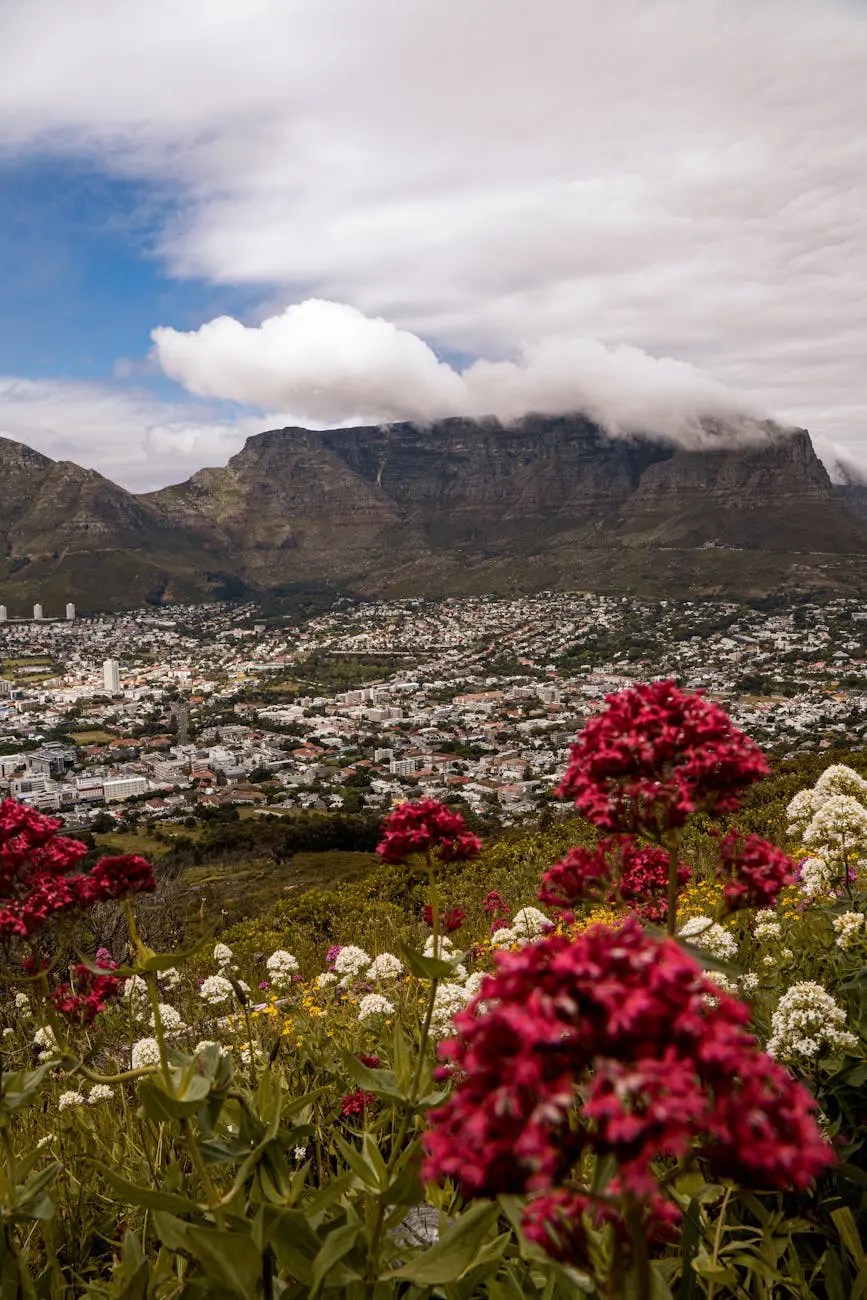
Scenic view of Table Mountain with clouds and vibrant flowers in the foreground, overlooking a cityscape in Cape Town.
A stunning view of Table Mountain framed by vibrant flowers, showcasing Cape Town’s natural beauty. The Iconic Frame: That classic Cape Town moment when you’re just walking down the road in Camps Bay and the entire city decides to show off. Table Mountain, always the star, perfectly framed by a riot of bougainvillea. Some views never get old.

Aerial view of the Table Mountain Cableway in Cape Town, South Africa, with a blue sky and rocky mountain backdrop.
The Table Mountain Aerial Cableway transports visitors to breathtaking views atop one of Cape Town’s iconic landmarks. The Ride Up: No, you’re not dizzy—the cabin really is spinning! The iconic Table Mountain Aerial Cableway does the hard work for you, offering 360-degree views as it climbs to the top. Pro tip: Book online in advance unless your hobby is standing in very long, scenic queues.
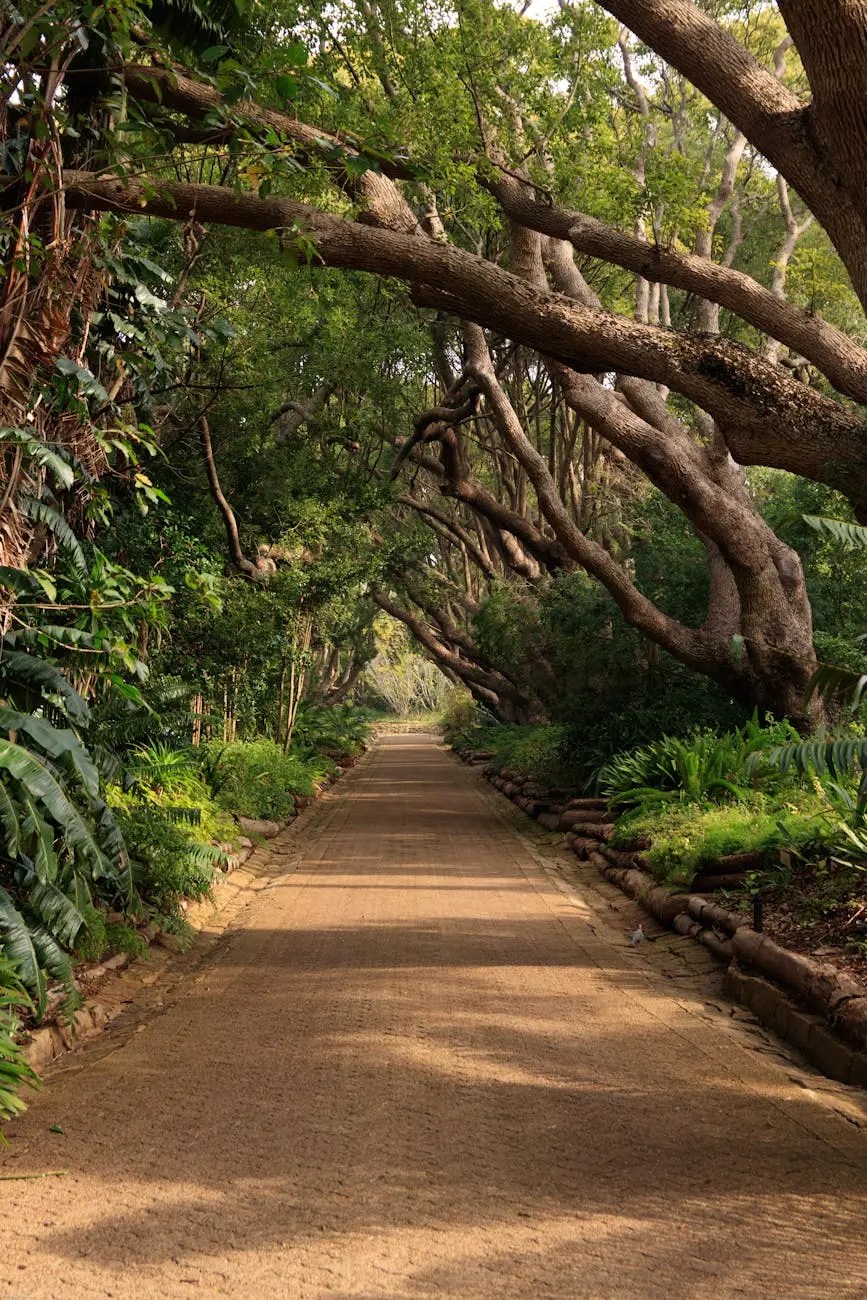
A serene pathway lined with tall trees and lush greenery, creating a tranquil atmosphere.
A serene pathway surrounded by lush greenery, perfect for a peaceful stroll in Cape Town’s lush gardens. The Quiet Escape: This isn’t just a path; it’s a deep breath for the soul. Getting lost on a quiet trail in Kirstenbosch Garden is the perfect antidote to a busy sightseeing schedule. Listen closely—the only sounds are the rustling leaves and the distant chirp of a sunbird. The garden was established in 1913 and is known for being the first botanical garden in the world dedicated to indigenous plants. 
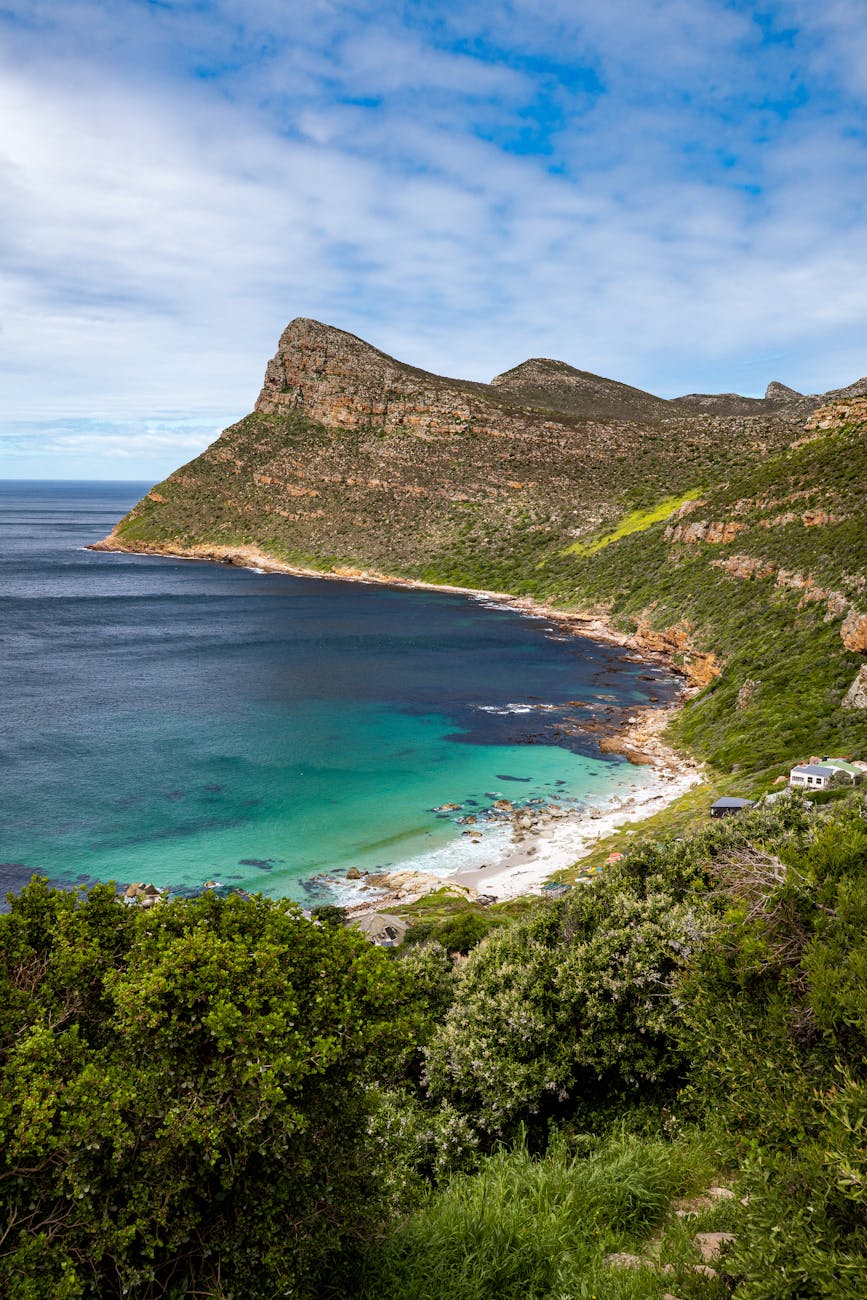
A scenic view of a beach cove surrounded by rocky hills, featuring turquoise waters and lush greenery in the foreground.
Stunning coastal views of Cape Town, showcasing the vibrant blue waters meeting lush green hills.

Day 2: Peninsula Perfection & Penguins

Today is for a road trip! Renting a car is your best bet here for flexibility.

Morning (9:00 AM – 12:00 PM): Chapman’s Peak Drive & Hout Bay
Drive the jaw-dropping Chapman’s Peak Drive. This coastal road is an engineering marvel with views that will have you pulling over every five minutes for a photo. Stop in Hout Bay for a quick wander. If you have time, a boat trip to Duiker Island to see the seals is a fun detour.

Afternoon (12:00 PM – 4:00 PM): Penguins at Boulders Beach & Cape Point
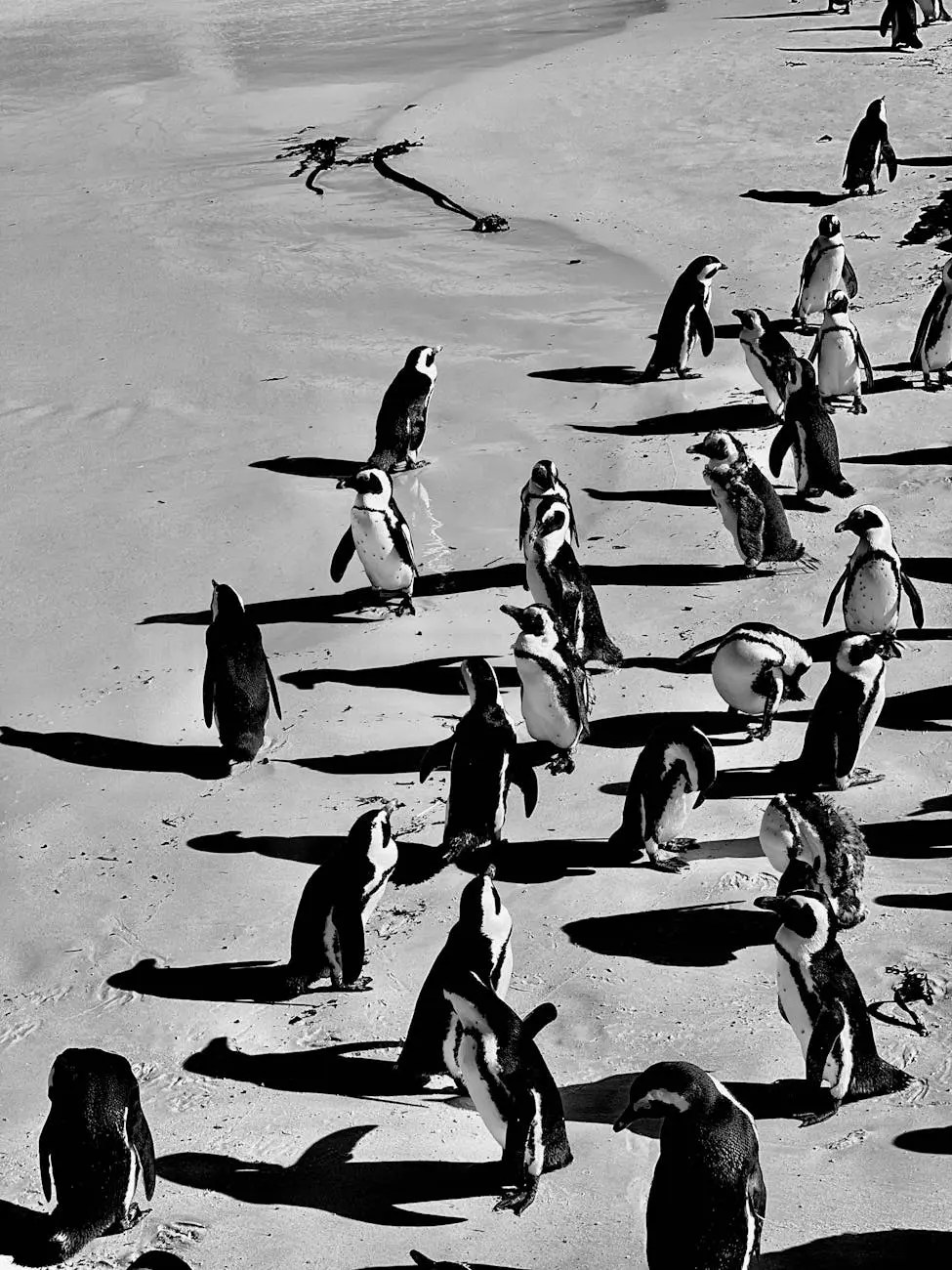
Continue to the Cape of Good Hope section of Table Mountain National Park. Feel the wind in your hair at the most south-westerly point of the African continent. But for me, the real stars of the show are the African Penguins at Boulders Beach. Watching these tuxedoed waddlers go about their day never gets old. It’s pure, unadulterated joy.

Money-Saving Tip: The drive itself is the main event. Pack a picnic lunch to enjoy at a scenic spot within the Cape Point reserve instead of eating at the (slightly overpriced) restaurant.
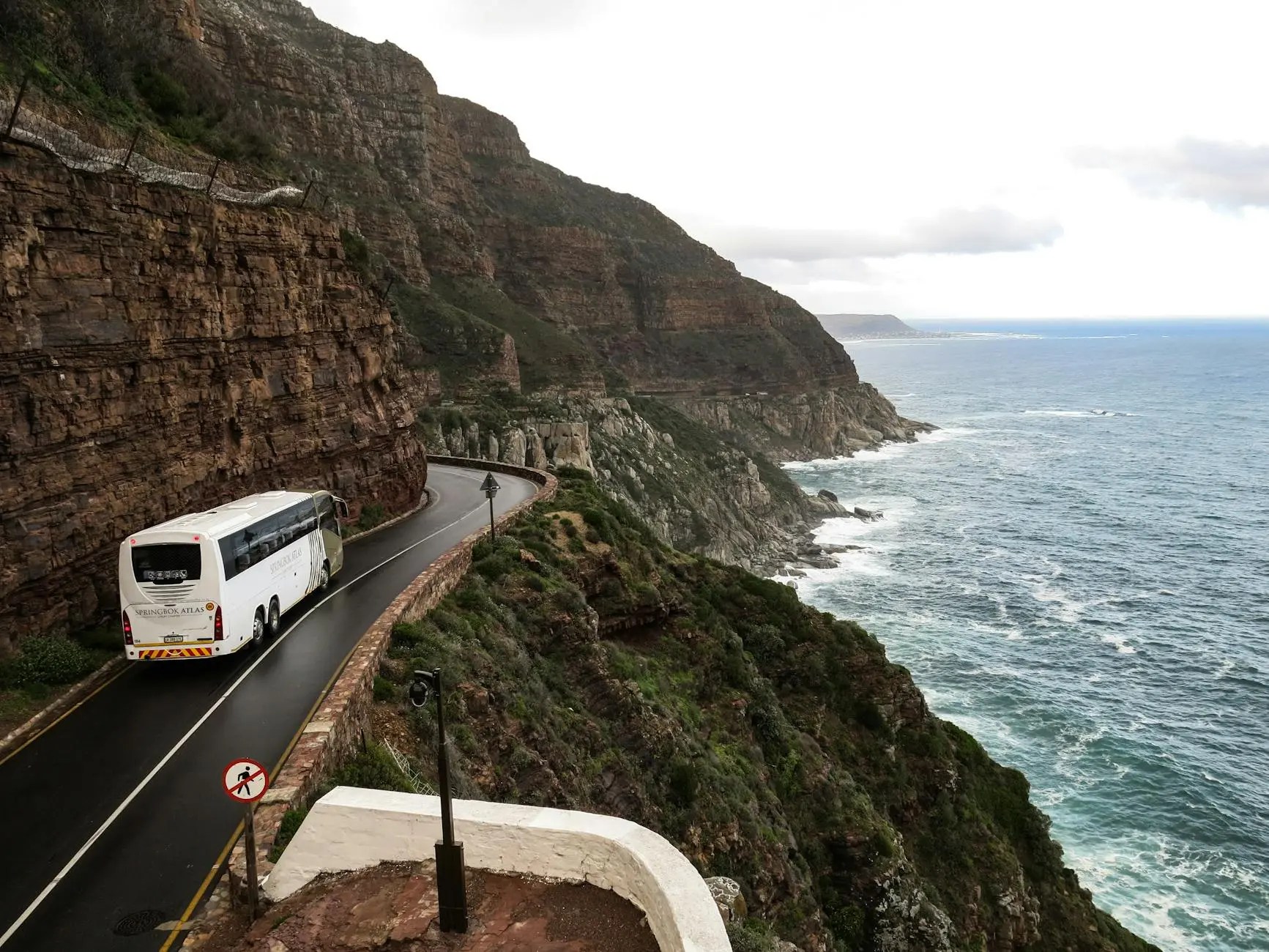
A scenic coastal road view with a bus traveling along the winding route, surrounded by steep cliffs and the ocean in the background.
A scenic view of Chapman’s Peak Drive, showcasing the stunning cliffs and ocean along Cape Town’s coastline, perfect for a road trip. The Ultimate Road Trip Moment: This is Chapman’s Peak Drive, and yes, it really is this stunning. Every hairpin turn reveals a view more incredible than the last. My advice? Drive it slowly, pull over at every designated viewpoint (like this one!), and just try to take it all in. This is why you rented the car.
A group of African penguins standing on a sandy beach, casting shadows in black and white.
A group of African penguins waddles along the sandy beach, showcasing their charming black and white plumage. On the Move: A group of endangered African penguins parades across the beach in a characteristic waddle, a behavior seen in their daily commutes between nesting sites and the ocean.

Day 3: Local Vibes, Markets & That Last Glass of Wine

Morning (10:00 AM – 1:00 PM): The Old Biscuit Mill & Bo-Kaap
Head to The Old Biscuit Mill in Woodstock for their famous Saturday Neighbourgoods Market (if you’re there on a weekend!). It’s a hipster paradise of incredible food, craft beer, and unique designer goods. Afterwards, brighten up your Instagram feed with a walk through the colourful houses of the Bo-Kaap neighbourhood. The history here is as rich as the colours.

Afternoon (1:00 PM onwards): Wine Tasting in Constantia
You think you need a week to experience South African wine? Think again. The Constantia Valley, a mere 20-minute drive from the city center, is home to some of the oldest wine estates in the hemisphere. Groot Constantia is a fantastic choice for its history and beautiful grounds. It’s the perfect, relaxed way to cap off your adventure.

Ready to make this itinerary a reality? I always book my flights and hotels through my trusted partner, Expedia. It makes planning so simple! ➡️ Find Great Deals on Cape Town Trips with Expedia 
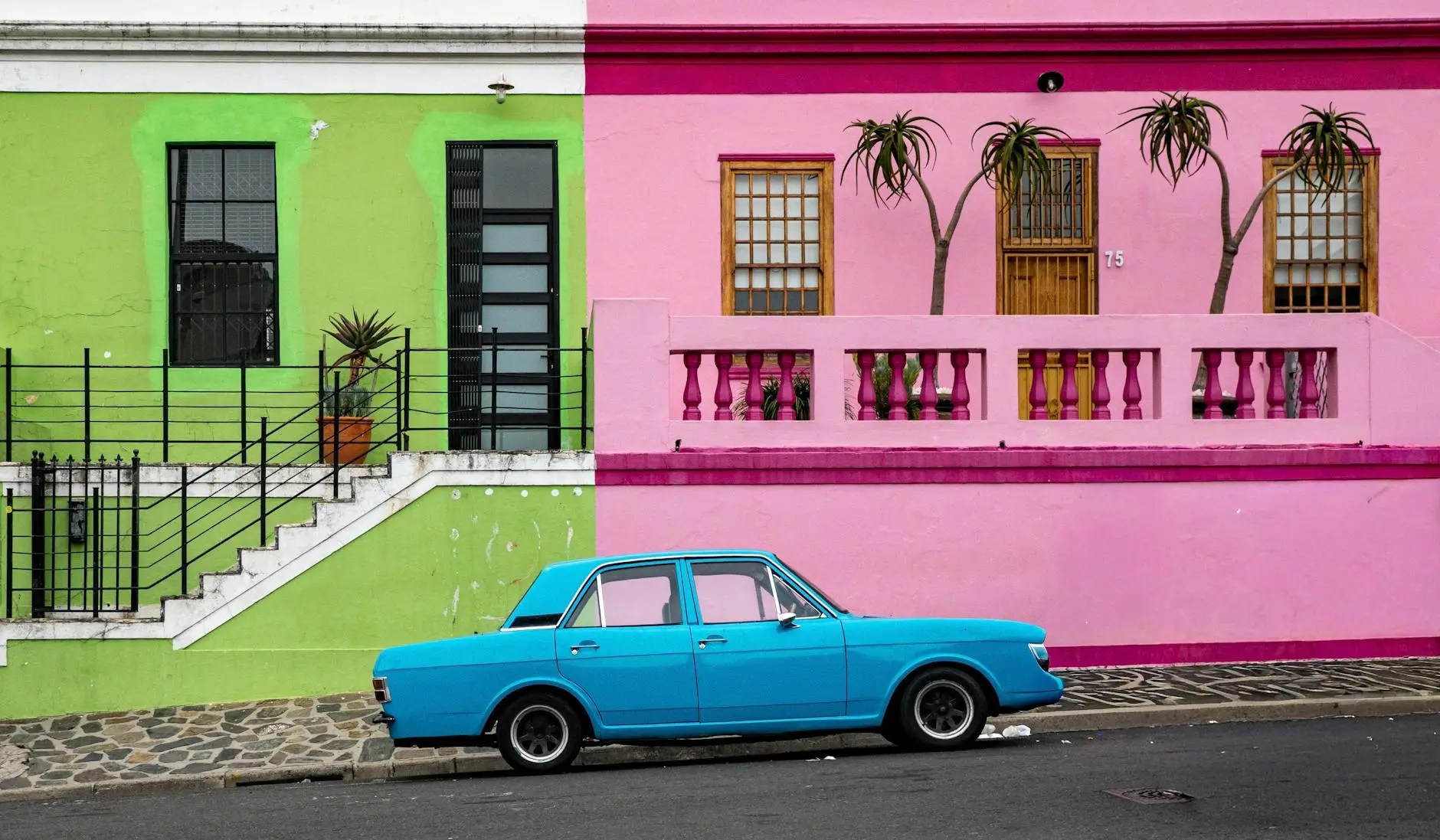
A vibrant street scene featuring a turquoise car parked beside a green and pink building, showcasing colorful architecture typical of Cape Town.
Vibrant street art and colorful houses in Cape Town’s Bo-Kaap neighborhood. A Splash of Cape Town Culture: This is Bo-Kaap, where every corner is a burst of joy. The colorful houses, a tradition rooted in the neighborhood’s freed slave history, are more than just a photo op—they’re a vibrant story. And that perfect blue car? Just a local casually living inside a postcard.
Vineyards in the Constantia Valley with autumn leaves and mountains in the background.
Explore the stunning vineyards of Constantia, featuring vibrant autumn foliage and majestic mountain views, perfect for a day of wine tasting.

Cape Town’s Hidden Gems: Beyond the Postcard

While everyone is at the V&A Waterfront, sneak away to The Watershed for more unique, local crafts. Skip the crowded Clifton beaches and head to Llandudno Beach for a more dramatic, boulder-strewn coastline that’s perfect for sunset. For a coffee fix, find Truth Coffee Roasting in the city center—it’s a steampunk-themed cafe that’s an experience in itself.

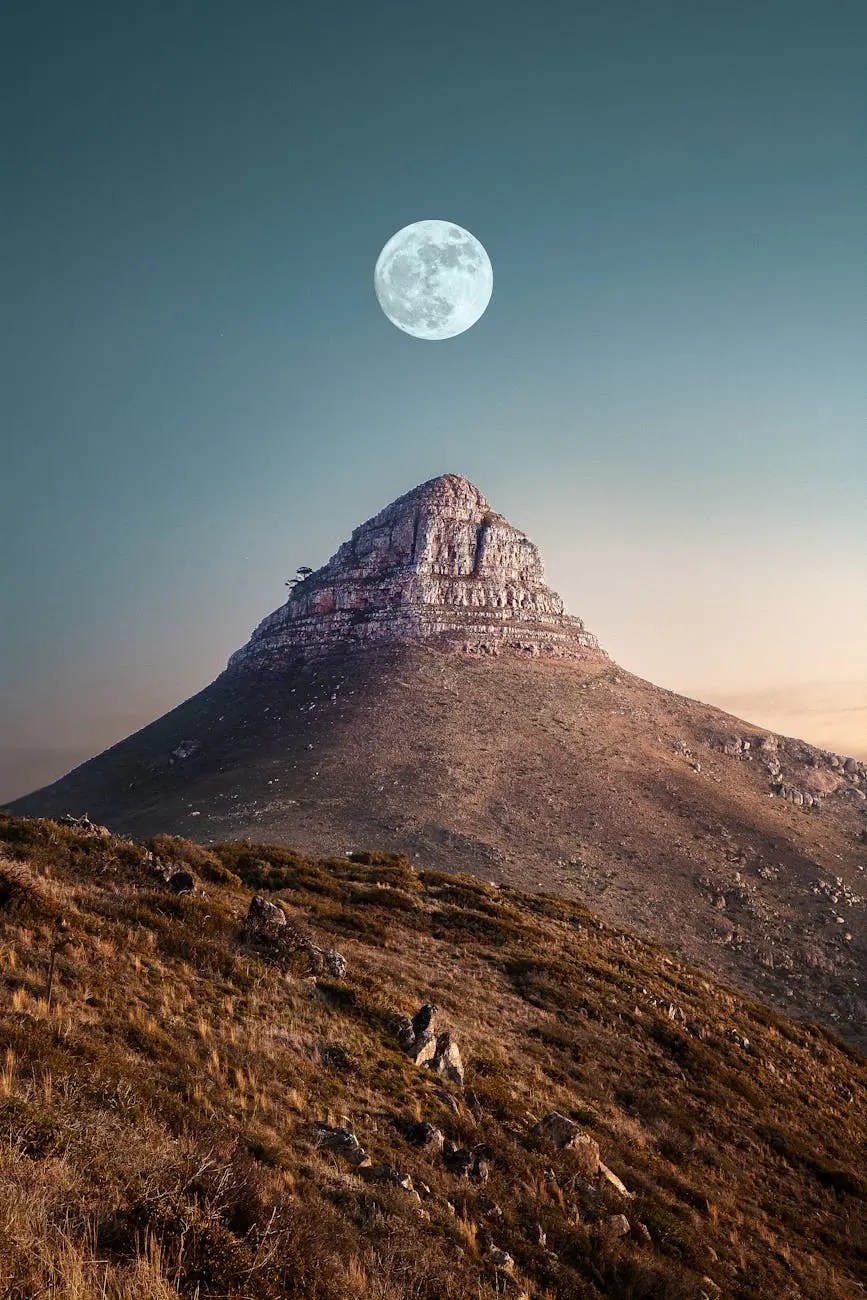
Lion’s Head Night Hike: Full moon hikes are safe, guided, and pure magic.
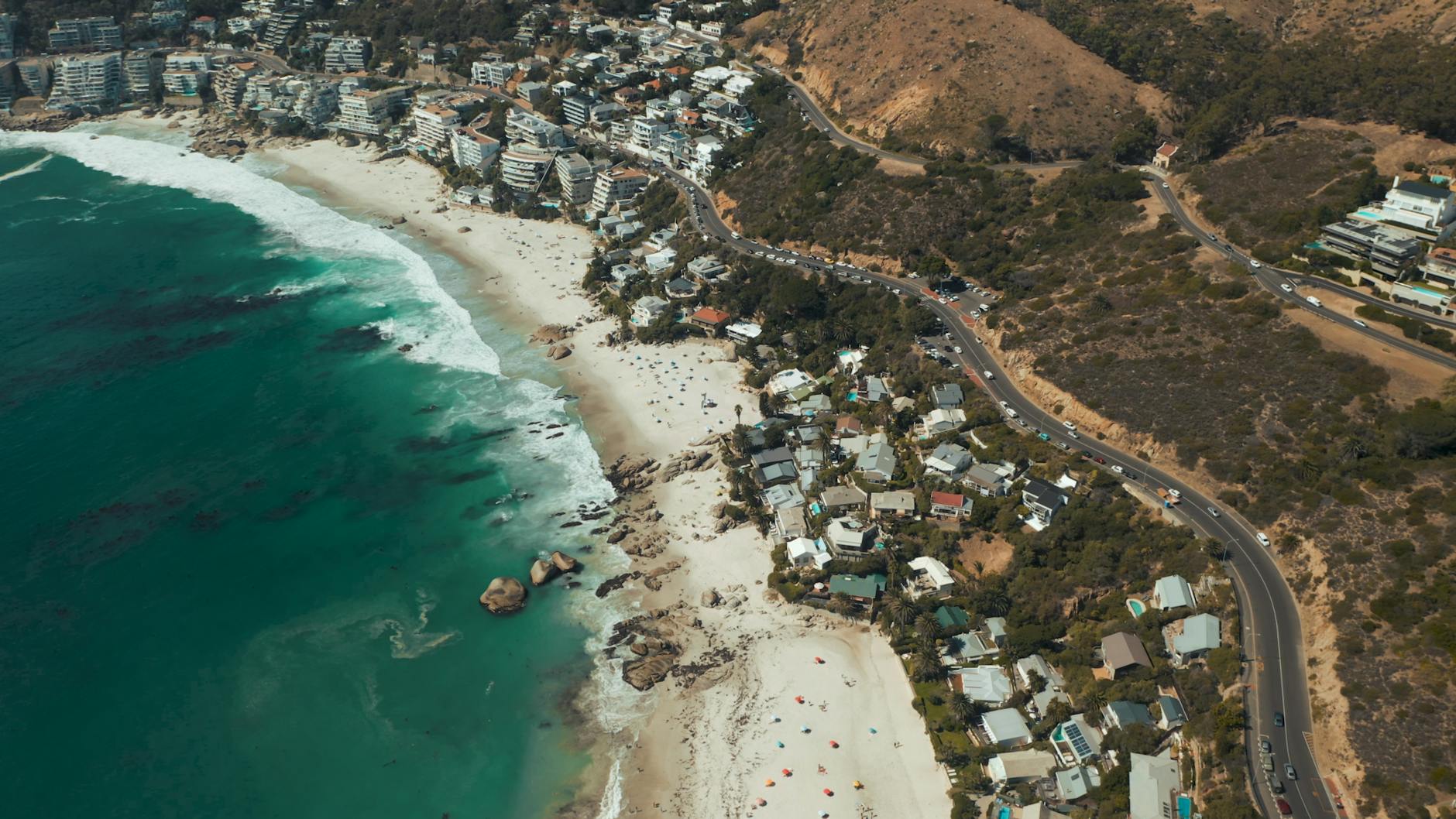
Aerial view of a picturesque beach with clear turquoise waters, sandy shorelines, and scattered beachgoers, surrounded by residential buildings and mountainous terrain.
A stunning aerial view of a picturesque beachside community in Cape Town, showcasing the blend of natural beauty and modern architecture.

A scenic view of a mountain peak under a clear sky with a large full moon in the background, showcasing the natural beauty of the landscape.
A stunning view of a peak with a full moon above, capturing the natural beauty of Cape Town’s landscape.The Night Watch: Lion’s Head standing guard under the glow of a full moon. This isn’t just a great photo—it’s a signal for one of Cape Town’s best adventures: the full moon hike. Trek up as the sun sets and be rewarded with a 360-degree view of the city glittering beneath the moonlit sky.

Speak Like a Local: A Few Handy Phrases

You’ll get by perfectly with English, but throwing in a little Afrikaans will earn you big smiles.

  • Hallo: Hello
  • Baie Dankie: (Buy-a Dun-key) – Thank you very much.
  • Lekker: (Lek-uh) – A fantastic word meaning nice, good, delicious, or enjoyable. “This wine is lekker!”
  • Howzit? – A common greeting, like “How are you?”
  • Braai: (Bry) – The sacred South African barbecue. If you’re invited to one, go!
  • Sundowner: That golden-hour drink we talked about.

💡 Smart Travel Tips & Money-Saving Hacks

✈️ Travel Tip: Staying connected abroad can be tricky (and expensive if you’re relying on airport SIM counters or roaming). That’s why I carry a Drimsim — a universal SIM card that works in 190+ countries without hidden fees. Just pop it in, top up via the app, and you’re online wherever your adventure takes you.

✈️ Flight Delayed or Canceled?
Travel isn’t always smooth sailing. You might be entitled to up to $650 in compensation under air passenger rights. Check your flight with AirHelp—they’ll fight the airlines for you and only get paid if you win.

✈️ Smart Travel Tip: Protect yourself with VisitorsCoverage Travel Insurance — compare, customize, and book instantly. It’s the peace of mind every traveler needs.

🔒 Stay Safe Online: Use NordVPN when connecting to public Wi-Fi—especially in hotels, cafés, or airports.

💄 Look Beautiful Always: Glow on the go with Lakinza K-beauty skincare — use code Lalax10 for a sweet discount.

Cape Town Weekend Escape FAQ

Q: What is the best time of year to visit Cape Town for a weekend?
A: The sweet spot is between March and May (Autumn/Fall). The weather is still fantastic, the summer crowds have thinned out, and the winelands are stunningly beautiful. Avoid the windy month of August if you can.

Q: Is Cape Town safe for tourists?
A: Like any major city, it has its issues. Be smart: don’t flash expensive jewelry, be aware of your surroundings, especially at night, and don’t walk alone in deserted areas. Stick to well-lit, populated places and use common sense. Most tourists have a perfectly safe and wonderful time.

Q: Can I get by with US Dollars/Euros, or do I need local currency?
A: You absolutely need the local currency, the South African Rand (ZAR). While credit cards are widely accepted, you’ll need cash for markets, smaller cafes, and tips.

Q: How much should I budget for a weekend?
A: Cape Town can be as luxurious or as budget-friendly as you want. A mid-range weekend (nice Airbnb, eating out, a few activities) could cost around $400-$600 per person excluding flights. Using the MyCiti bus and self-catering for some meals will save you a lot.

Q: Any other African destinations I can pair this with?
A: Absolutely! A weekend in Cape Town pairs perfectly with a safari. Check out my guides to Explore Marrakech: A Weekend Guide to the Red City – another vibrant North African city with cultural parallels.

or even hopping over to the stunning Explore Doha: Your Ultimate Weekend Travel Guide – perfect for travelers flying through the Middle East en route to Cape Town. for a truly epic trip.

Q4. Can I drive with a foreign license?
Yes, if it’s in English—otherwise, get an International Driving Permit (IDP).

🌅 Final Thoughts & Call to Adventure

Cape Town isn’t just a destination—it’s a feeling. Between ocean drives, mountain hikes, and penguin selfies, you’ll find a rhythm that feels refreshingly human. Whether you’re here for a quick escape or your next soul-recharging trip, this city makes you feel alive.

There you have it—your ultimate guide to a weekend that will feel like a full-blown vacation. Cape Town has a way of stealing a piece of your heart. Now go out there, climb that mountain, pet those penguins, and drink that wine.

What’s your dream Cape Town experience? Share it in the comments below!

Universal Disclaimer/Disclosure Page:

Ultimate Casablanca Weekend Guide

Meta Description: Dreaming of a Moroccan weekend? Our ultimate Casablanca travel guide is packed with insider tips, hidden gems, and a perfect 2-day itinerary. Discover where to stay, how to get around, and how to experience the magic of Morocco’s bustling metropolis. Plan your unforgettable escape now!

✨ Table of Contents

  1. Why Casablanca Should Be on Your Travel Radar
  2. Getting There & Visa Essentials
  3. Where to Stay — Comfort Meets Culture
  4. Top Things to Do in Casablanca
  5. Hidden Gems You Shouldn’t Miss
  6. Getting Around Like a Local
  7. Best Time to Visit
  8. Smart Money-Saving Tips
  9. Essential Moroccan Phrases for Travelers
  10. Travel Tools I Personally Use
  11. FAQs About Visiting Casablanca
  12. Final Thoughts — Let Casablanca Sweep You Away

Alright, let’s be real. Your vacation days are precious, and the thought of spending half of them on logistics is a special kind of torture. You’re craving an adventure that feels both exotic and effortless, a place where you can dive into a new culture without needing a PhD in trip planning.

Enter Casablanca. Forget just the movie (though, we’ll get to that). Morocco’s bustling economic hub is a city of art-deco elegance, ocean-front grandeur, and chaotic, captivating energy. It’s the perfect candidate for a whirlwind weekend that delivers a massive punch without draining your savings or your sanity.

I once made the mistake of thinking I could “wing it” in Casablanca. Cue me, hopelessly lost in the Old Medina, being expertly guided to a hidden carpet seller’s den by a “friendly local” who turned out to be a master negotiator. I left with a beautiful (if slightly overpriced) rug and a valuable lesson: a little planning goes a long way. Consider this guide that planning, so you can have all the magic and none of the rug-related regrets.

🌴 Why Casablanca Should Be on Your Travel Radar

Casablanca is Morocco’s beating heart — a mix of French colonial heritage, Islamic architecture, and Atlantic Ocean breeze. While Marrakech steals the spotlight with its bustling souks Casablanca offers a calmer, more sophisticated charm.

I remember my first stroll along La Corniche — I had mint tea in one hand and sea salt on my sunglasses. The city hums quietly; it doesn’t shout like Marrakech — it seduces.

🛂 Getting There & Visa Essentials

  • Visa: Most European, US, Canadian, and GCC travelers can enter Morocco visa-free for up to 90 days. Always double-check your country’s latest requirements before booking.
  • Flights: Casablanca’s Mohammed V International Airport (CMN) is the busiest in Morocco, connected to major hubs. I booked my flight via Expedia — best prices, smooth booking, and flexible cancellation options.
  • Getting from Airport to City: The train from the airport to Casa Voyageurs Station takes about 45 minutes and costs roughly 50 MAD ($5). Taxis are quicker but pricier (around 250 MAD).

🏨 Where to Stay — Comfort Meets Culture

Stay near Maarif if you like upscale cafés and shops, or Old Medina if you crave history and authenticity.

Some great stay ideas:

Find and book your ideal stay easily through Expedia.

🕌 Top Things to Do in Casablanca

Your Casablanca Game Plan: A 48-Hour Itinerary

This itinerary is designed to be logistically smart, grouping nearby attractions together to save you time and shoe leather.

Day 1: The Icons & The Medina

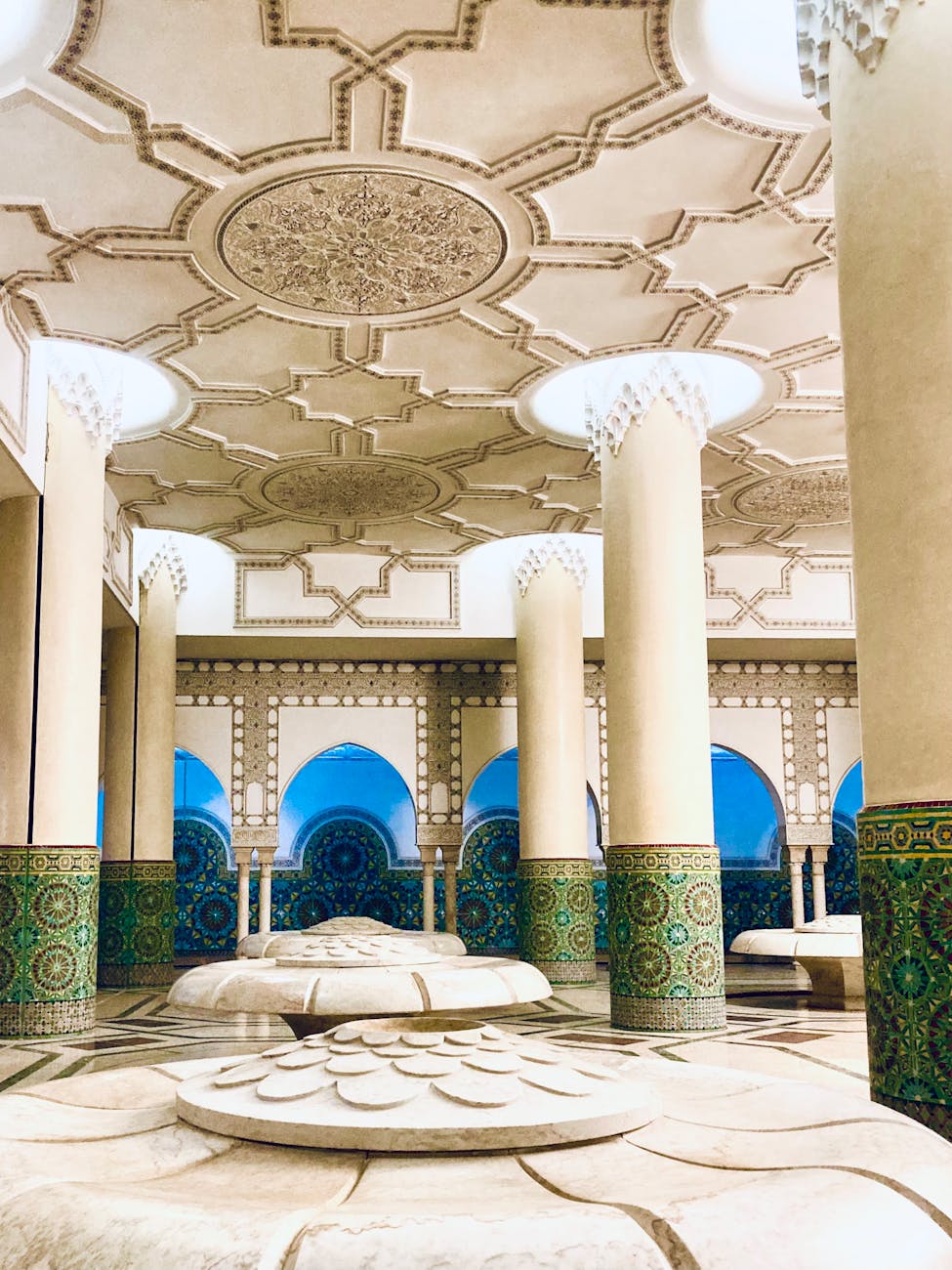
  • Morning (9:00 AM): Start with the big one. Head directly to the Hassan II Mosque. Pro-tip: Book your guided tour online in advance. It’s one of the few mosques in Morocco open to non-Muslims, and the sheer scale is mind-boggling. The detail in the zellij tilework and cedar wood carving is absolutely breathtaking.
  • Afternoon (1:00 PM): Grab a fresh seafood lunch at the nearby Marché aux Poissons (Fish Market). Pick your catch of the day from the stalls, and they’ll grill it right there for you. It’s chaotic, delicious, and an experience you won’t forget.
  • Late Afternoon (3:30 PM): From the mosque, take a leisurely stroll north along the Corniche. Breathe in the Atlantic air, watch the locals, and maybe stop for a mint tea at one of the many cafes. This will lead you towards the Habous Quarter (New Medina). It’s a more orderly and planned medina, perfect for picking up souvenirs like leather goods and argan oil without the intense haggling of other cities.
  • Evening (7:30 PM): For dinner, immerse yourself in the history of the original Old Medina. Get lost in its narrow, winding alleys (it’s small enough that you can’t get too lost) and find a local haunt for a classic tagine. The atmosphere here at night is electric.
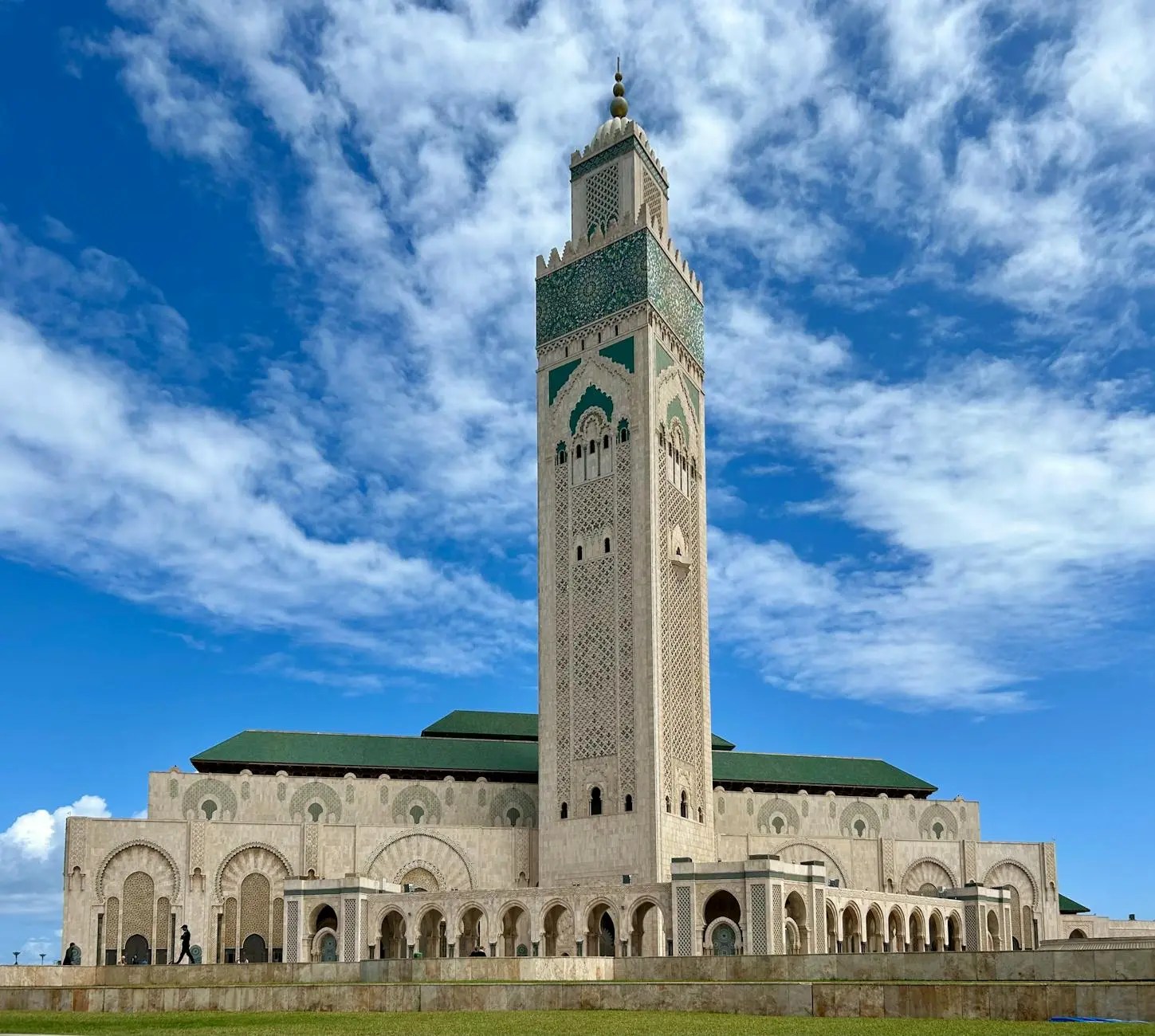
Hassan II Mosque in Casablanca, featuring intricate tilework and a tall minaret against a blue sky.
The majestic Hassan II Mosque in Casablanca, a striking example of Moroccan architecture against a vibrant blue sky. A masterpiece of Moorish architecture, the Hassan II Mosque’s 210-meter minaret stands as the tallest in the world, piercing the Casablanca sky. Its intricate zellij tilework and hand-carved stucco are a breathtaking prelude to the wonders inside.

Day 2: Art, History & Local Vibes

  • Morning (10:00 AM): Explore the city’s chic Art Deco architecture in the city center. Start at United Nations Square and wander the surrounding streets. It’s like a open-air museum of 1930s design.
  • Afternoon (1:00 PM): Time for a cultural fix. Head to the Villa des Arts. This beautiful art-deco villa houses a fantastic collection of modern and contemporary Moroccan art. It’s a peaceful, air-conditioned oasis away from the city bustle.
  • Late Afternoon (4:00 PM): Fulfill your Casablanca fantasy at Rick’s Café. Yes, it’s a recreation from the movie, but it’s done with such style and charm that it’s worth it. Go for a late-afternoon drink rather than a full meal to soak in the ambience without the dinner crowd. Remember to dress smartly – no beachwear!
  • Evening: Enjoy a final farewell dinner in the trendy Gauthier neighborhood, known for its fantastic international and fusion restaurants.
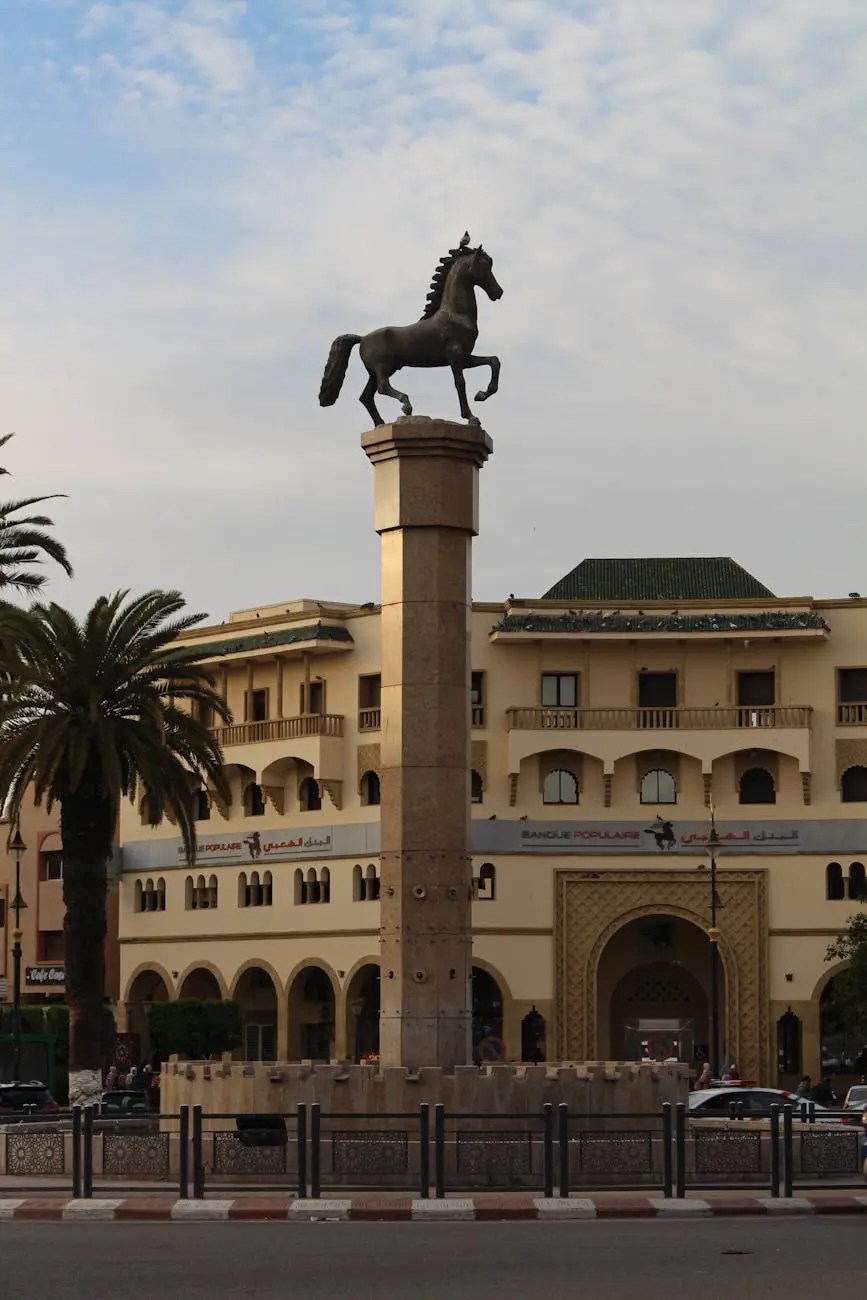
Statue of a horse atop a tall pedestal in a public square, with palm trees and buildings in the background under a cloudy sky.
A striking statue of a horse stands atop a monument, flanked by palm trees, in the vibrant city of Casablanca. The iconic horse statue rears proudly in the heart of Settat, guarding the entrance to the historic Ismailiya Kasbah. This powerful symbol reflects the region’s deep equestrian heritage and serves as a central landmark for navigating the city

🚆Navigating Like a Pro: Buses, Trains & Petit Taxis

Getting around Casa is part of the adventure. Here’s the lowdown:

  • Tramway: This is your best friend. It’s clean, efficient, cheap, and connects most major points of interest (including the Casa Voyageurs train station, the city center, and the Hassan II Mosque). Buy a reusable card from the station and top it up. Two main lines cover most of the city. Tickets cost just 6 MAD (~$0.60).
  • Petit Taxis: These iconic blue (in the city center) or red cars are perfect for shorter trips. Always insist they use the meter (compteur). If they refuse, just get out and find another. It’s standard practice. Always agree on a price before hopping in. Petite taxis are red and cheap for inner-city travel.
  • Renting a Car? I don’t recommend it for a weekend in Casablanca itself. The traffic is intense and parking is a nightmare. Save the rental for a road trip into the countryside.

Beyond the Postcard: Casablanca’s Hidden Gems

  • The Abandoned Synagogue: Tucked away in the Old Medina is the Beth-El Synagogue. While no longer in use, its faded, almost haunting beauty and intricate Star of David mosaics are a poignant reminder of the city’s multicultural past. (Note: You may need to ask a local to point you to the exact door).
  • The Cathedral du Sacré Coeur: This former Catholic cathedral now serves as a cultural center. You can often walk right in and climb to the top for a unique, 360-degree view of the city that few tourists ever see.
  • Parc de la Ligue Arabe: Escape the hustle in this large, green park. It’s the perfect place to people-watch, enjoy a quiet moment, and see a cross-section of Casablancan life.
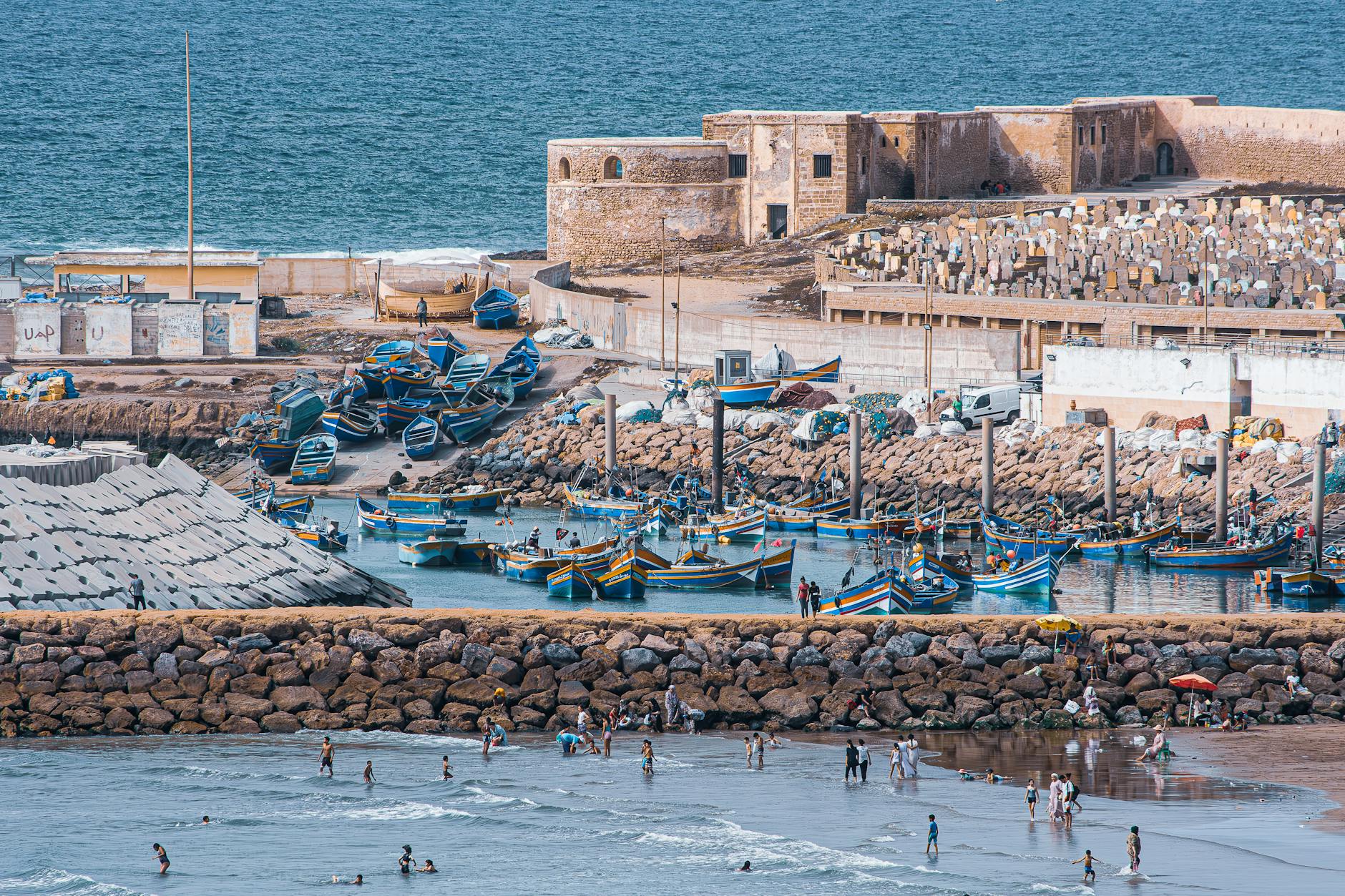
A scenic view of a coastal area in Casablanca, featuring colorful fishing boats docked near a rocky shoreline, people enjoying the beach, and an old building in the background against a serene ocean backdrop.
A scenic view of Casablanca’s harbor, featuring colorful fishing boats and locals enjoying the beach.
Explore the intricate architecture of Casablanca, where traditional Moroccan design meets modern elegance.
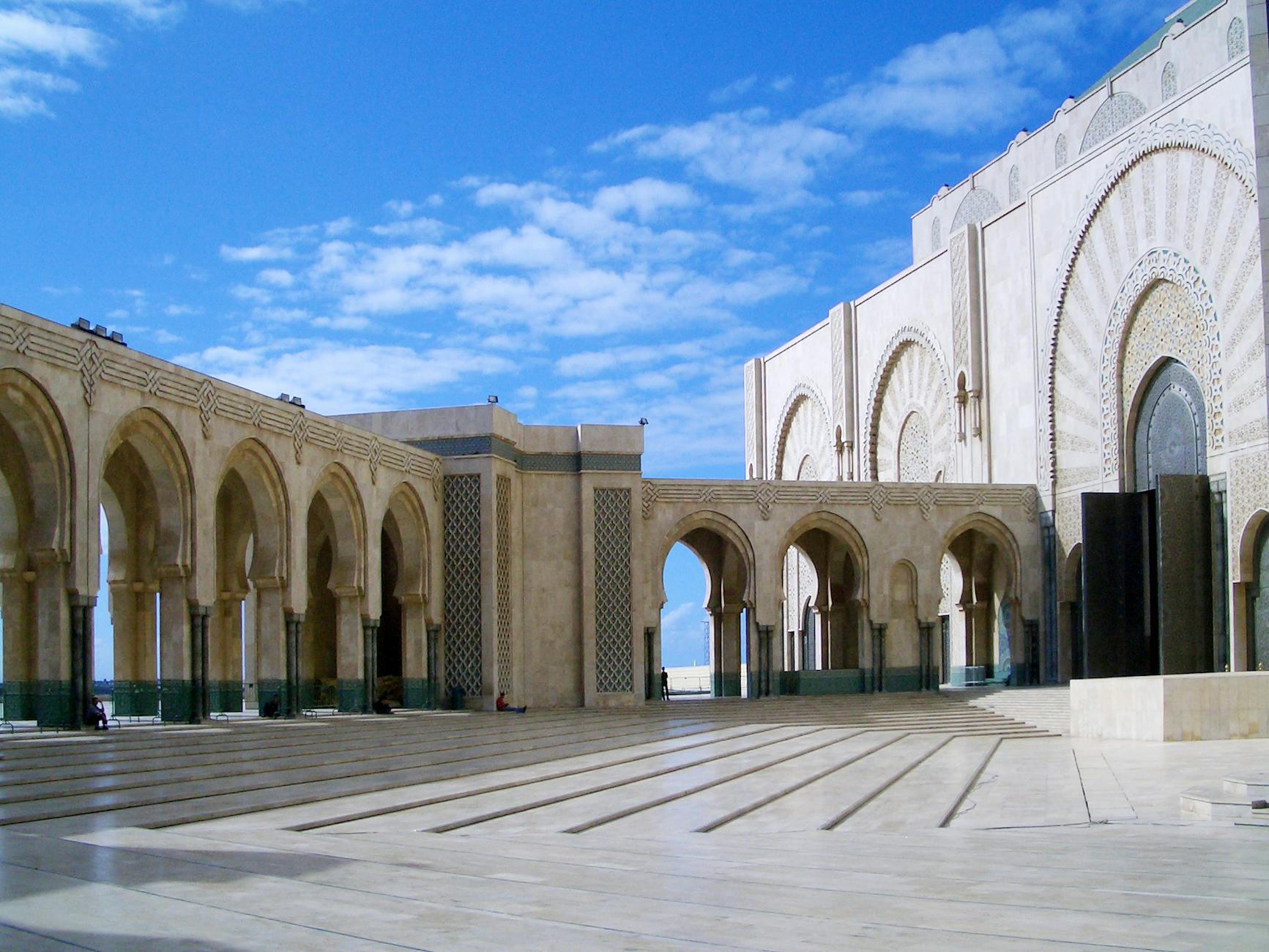
The entrance courtyard of the Hassan II Mosque in Casablanca, featuring ornate arches and intricate tile work under a blue sky.
The stunning courtyard of Hassan II Mosque in Casablanca, showcasing intricate architectural details and a clear blue sky.

A Traveller’s Cheat Sheet: Key Arabic & French Phrases

Casablanca is very bilingual, but a little local language goes a long way.

  • Hello/Peace: Salaam Alaikum (Arabic – response is Wa Alaikum Salaam)
  • Thank you: Shukran (Arabic) / Merci (French)
  • How much?: Bshhal? (Arabic) / C’est combien? (French)
  • No, thank you: La, Shukran (Mix)
  • Let’s go: Yallah (Arabic – you’ll hear this everywhere!)
  • Please: Min Fadlik (Arabic) / S’il vous plaît (French)

Saving Dirhams & Sanity: My Top Money-Saving Tips

  1. Stay Central: Book a hotel or riad near a tram stop. The time and money you’ll save on taxis is massive.
  2. Eat Like a Local: Have at least one meal from a street food stall or a small local restaurant. A bowl of harira (lentil soup) or a msemen (flaky pancake) costs pennies and is delicious.
  3. Water is Key: Buy large bottles of water from a supermarket or a hanut (small local shop) instead of your hotel minibar.
  4. Carry Small Bills: Breaking a large bill at a small shop or with a taxi driver can be a challenge. Keep a stash of smaller 20-50 dirham notes.
  5. 📸 Capture the Magic: To document all this beauty, I never travel without my go-to camera. It’s lightweight, brilliant in low-light (perfect for medina alleys and mosque interiors), and has never let me down. Check out the camera I use here.
  6. 🌐 Stay Connected & Secure: Getting online abroad can be a wallet-draining nightmare. Between pricey airport SIMs and scary roaming bills, I used to dread it. Now, I just pop in my Drimsim—a global SIM that works in over 190 countries. Top up via the app, and you’re online the second you land. No fuss, no hidden fees. [Get your Drimsim here and stay connected!] And for booking flights and hotels safely on public Wi-Fi, I always have my VPN running. It’s a non-negotiable for me. [Protect your data and get a VPN here.]
  7. Avoid airport taxis; take the train instead

Frequently Asked Questions (FAQ)

Q: What’s the best time of year to visit Casablanca?
A: Spring (March-May) and Fall (September-November) are ideal. The weather is perfectly warm and sunny without the intense heat of summer.

Q: Do I need a visa for Morocco?
A: Citizens of the US, UK, Canada, Australia, and EU countries do not need a visa for tourist stays of up to 90 days. Always double-check with official sources before you travel, as requirements can change.

Q: Is Casablanca safe for tourists?
A: Yes, it is generally very safe. As in any major city, be aware of your surroundings, watch out for pickpockets in crowded areas, and be firm but polite with overly persistent vendors.

Q: What should I pack?
A: Think “modest but chic.” Lightweight layers are your friend. Pack a scarf to cover your shoulders when visiting religious sites. And comfortable walking shoes are an absolute must!

Q: What about travel insurance?
I never, ever travel without it. From lost luggage to a unexpected illness, it’s the safety net you’ll be glad to have. I use VisitorsCoverage to compare plans and find the perfect fit for my trip. It’s straightforward and gives me total peace of mind. [Get a quick quote for your trip here!]

Q: My flight got canceled! What can I do?
Ugh, the ultimate travel nightmare. Did you know you might be entitled to compensation? Regulations like EU 261 protect passengers on delayed or canceled flights. I use AirHelp to check my eligibility—they handle all the annoying paperwork and only get paid if I win. It’s turned travel headaches into surprise travel funds more than once! [See if your flight qualifies for compensation here.]

Q5: What’s the local currency?
Moroccan Dirham (MAD). Always keep small bills handy for taxis and tips.

💖 Final Thoughts — Let Casablanca Sweep You Away

Casablanca may not have Marrakech’s madness or Fez’s mystique, but it’s where Morocco’s soul quietly hums. Between ocean waves, mint tea, and art deco dreams, you’ll find yourself slowing down — and maybe even falling a little in love.

If you loved this Moroccan escape, check out nearby adventures:

Ready to Answer the Call of Casablanca?

This vibrant, complex city is waiting to share its stories with you. With this plan in your pocket, you’re all set for an unforgettable weekend of discovery.

✈️ Ready to plan your own Casablanca escape?
Book your flight and hotel now through Expedia — and let your North African weekend adventure begin.

“Discover other short getaway ideas in my global weekend travel guide”

Universal Disclaimer/Disclosure Page:

Explore Marrakech: A Weekend Guide to the Red City

Meta Description: Escape to the vibrant magic of Marrakech! This guide for savvy travelers reveals hidden gems, local tips, and a perfectly optimized itinerary for an unforgettable and budget-friendly weekend in Morocco. Discover souks, spices, and savings!

So, your calendar has a glorious, empty weekend staring back at you, and your soul is screaming for something more exciting than laundry and Netflix. I’ve been there. Let me tell you, the answer isn’t in your fridge; it’s in the intoxicating, chaotic, and utterly magnificent city of Marrakech, Morocco.

A weekend might seem short, but with a solid plan (and a strong cup of mint tea), you can dive headfirst into the heart of this city and emerge feeling like you’ve been on a week-long adventure. Having gotten blissfully lost in its medina more times than I can count, I’ve crafted this guide to help you maximize every moment.

Table of Contents  Your Blueprint for the Perfect Weekend

  1. Welcome to the Red City!
  2. Getting There: Your Gateway to Marrakech
    • Visa & Entry Essentials
    • Flights & Booking Smart with Expedia
  3. Friday: A Kaleidoscope of Sights & Sounds
    • Afternoon: Stepping into Djemaa el-Fna
    • Evening: Culinary Adventures & Storytellers
  4. Saturday: Palaces, Gardens & Artisan Alleyways
    • Morning: Royal Splendor at Bahia Palace
    • Midday: The Tranquility of Jardin Majorelle
    • Afternoon: Navigating the Souks like a Pro
    • Evening: A Feast for the Senses (and the Stomach!)
  5. Sunday: Relaxation, Reflection & Departure
    • Morning: A Hammam Experience or Secret Garden Brunch
    • Late Morning: Last-Minute Souvenir Hunt
    • Afternoon: Farewell, Marrakech!
  6. Navigating Marrakech: Your Transportation Guide
    • Airport Transfers
    • Taxis: Hailing & Haggling
    • Buses: Local & Long-Distance
    • Walking: Your Best Bet for the Medina
  7. Saving Dirhams: Budgeting for Your Moroccan Adventure
    • Accommodation Hacks
    • Foodie Finds
    • Souk Bargaining Tips
  8. Essential Moroccan Arabic Phrases
  9. Hidden Gems & Local Secrets
  10. Stay Connected & Protected (Even Abroad!)
    • Smart Connectivity with Drimsim
    • Your Digital Shield: NordVPN
    • Peace of Mind: Travel Insurance with VisitorsCoverage
  11. Flight Woes? Get Compensated with AirHelp!
  12. FAQs: Your Marrakech Questions Answered

Why a Weekend in Marrakech?

Where else can you spend your morning sipping tea in a 16th-century palace, your afternoon getting (happily) lost in a labyrinth of vibrant souks, and your evening watching snake charmers and storytellers under the stars in a centuries-old square? Marrakech is a full-sensory experience. It’s the scent of orange blossoms and spices, the sound of a thousand simultaneous conversations, and the breathtaking sight of pink-walled buildings against the Atlas Mountains. It’s a cultural shot of espresso—intense, invigorating, and absolutely unforgettable.

Welcome to the Red City!

Oh, Marrakech! Just the name rolls off the tongue like a warm breeze carrying the scent of spices and orange blossoms. If you’ve been dreaming of an escape that’s vibrant, a little chaotic, utterly enchanting, and surprisingly accessible, then pack your bags (and your sense of adventure!) because this Moroccan jewel is calling. Forget those tired weekend routines; we’re about to dive headfirst into a city that feels like stepping into a living, breathing fairytale.

Flights to Marrakech

 Before You Go: The Essential Pre-Trip Checklist

A little prep goes a long way in making your weekend smooth.

  • Visa & Entry: Good news for many! Citizens of the US, UK, EU, Australia, and Canada do not need a visa for tourist travel to Morocco for stays up to 90 days. You just need a passport valid for at least six months. Always double-check with Morocco e-Visa Online for the most current info based on your nationality.
  • Travel Insurance: ✈️ Smart Travel Tip: No matter where your adventures take you, having the right travel insurance can save you from unexpected headaches (and bills). I personally recommend VisitorsCoverage — it’s a trusted platform where you can compare plans, find coverage that fits your trip, and book it in just a few clicks. Whether you’re planning a quick city escape or a longer international journey, it’s peace of mind worth packing.
  • Staying Connected & Secure:
    • Internet Access: Getting online abroad can be a nightmare of overpriced airport SIMs and shocking roaming bills. My secret weapon? My Drimsim. It’s a global data SIM that works in 190+ countries. Pop it in, top up via the app, and you’re online the second you land. No fuss, no hidden fees. It has saved my bacon more times than I can count when I needed to Google “how to politely decline a carpet” in the middle of a souk.
    • VPN (Virtual Private Network): Using public WiFi? A VPN is non-negotiable for security. It also lets you access geo-blocked content and can sometimes help find better flight deals. I never travel without my NordVPN running on my phone and laptop.

Flight Woes? Get Compensated with AirHelp!

  • Travel isn’t always smooth sailing—sometimes flights get delayed, canceled, or overbooked. The good news? You might be entitled to up to $650 in compensation under air passenger rights. Most travelers never claim it, but I’ve got you covered: just check your flight with AirHelp. They handle the paperwork, fight the airlines for you, and only get paid if you win. Easy, stress-free, and potentially a nice surprise for your travel fund. Check your flight: AirHelp

Now, for the fun part! I’ve used my trusty Sony Alpha a7III camera to capture the magic of Marrakech. It’s lightweight, incredible in low light (perfect for those dusky market shots), and has been my travel companion for years.

Friday: Dive into the Medina & Djemaa el-Fna

Morning/Afternoon: Arrive and Unwind
Fly into Marrakech Menara Airport (RAK). The fastest way to your accommodation is a pre-booked airport transfer or a petit taxiInsist the driver uses the meter (“compteur”) or agree on a firm price before you get in. A ride to the medina should cost around 70-100 MAD ($7-10).

Check into your riad—a traditional Moroccan house with an interior garden courtyard. This is where you’ll truly feel the city’s charm. I’ll never forget the first time I stepped off a dusty, noisy street into the serene, rose-scented oasis of Riad El Fenn—absolute magic. You can find great deals on riads and hotels on Expedia.

Evening: The Main Event
Your first stop has to be the iconic Djemaa el-Fna square. Trust me, it’s an assault on the senses in the best possible way Head to Jemaa el-Fnaa., the beating heart of Marrakech. By day it’s a square, but by night it transforms into a massive open-air theater and food festival.Snake charmers, storytellers, musicians, and the general hum of life… it’s a UNESCO World Heritage site for a reason.

It’s chaotic, overwhelming, and utterly magnificent.Take it all in, but keep an eye on your belongings – it gets busy! I remember my first time, a cheeky monkey tried to ‘help’ me take a photo! Follow your nose to the dozens of food stalls grilling up kebabs, selling snail soup, and pouring fresh orange juice. Grab a seat at a rooftop café like Café Glacier for a panoramic sunset view over the madness.

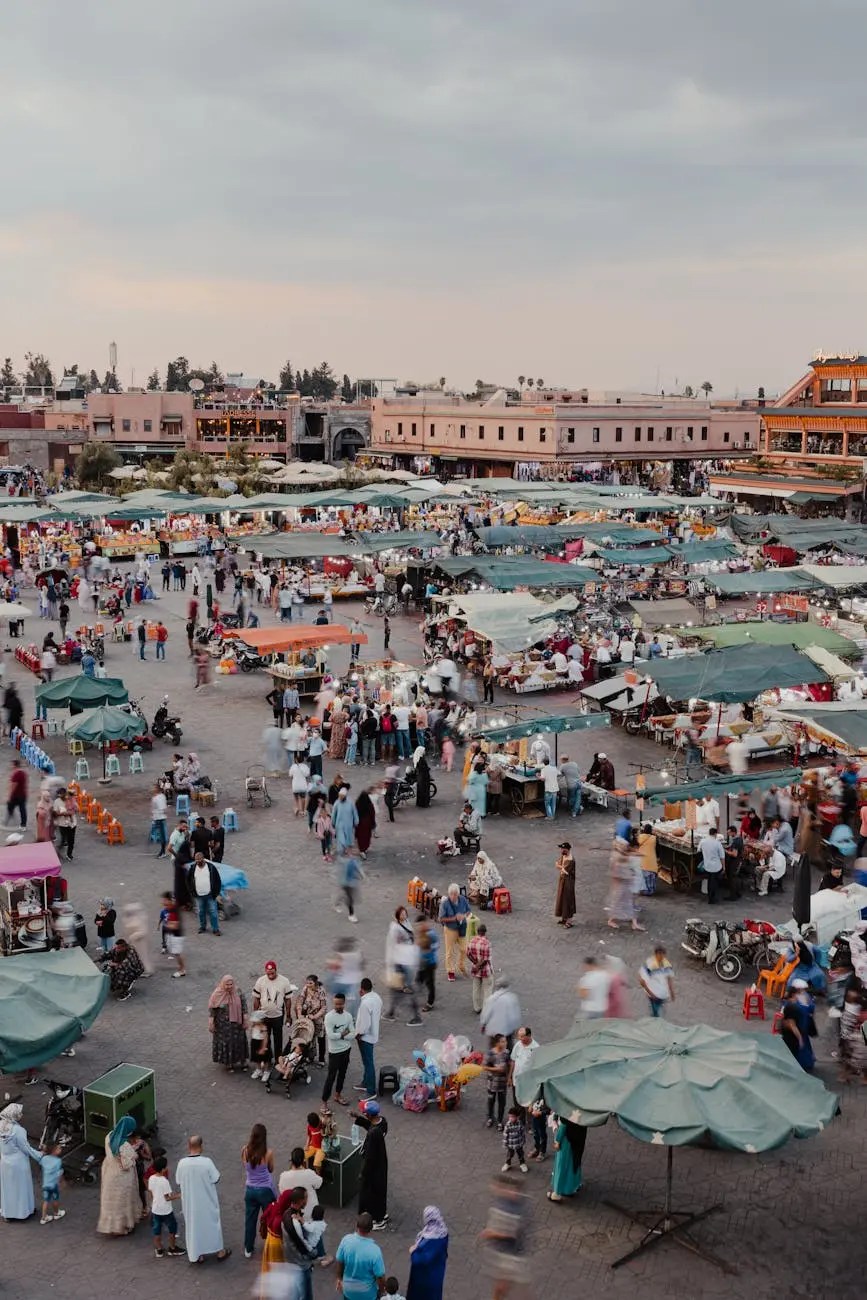
A bustling view of Djemaa el-Fna square in Marrakech, filled with people, market stalls, and shade tents under a cloudy sky.
A vibrant scene at Jemaa el-Fnaa, Marrakech’s bustling square filled with food stalls and lively crowds.The heart of Marrakech comes alive at dusk! This is Jemaa el-Fnaa square, where the scent of grilling kebabs and spices fills the air, storytellers captivate crowds, and the energy is absolutely electric. It’s a must-experience sensory overload

Saturday: Palaces, Gardens & Hidden Gems

Morning: Architectural Wonders
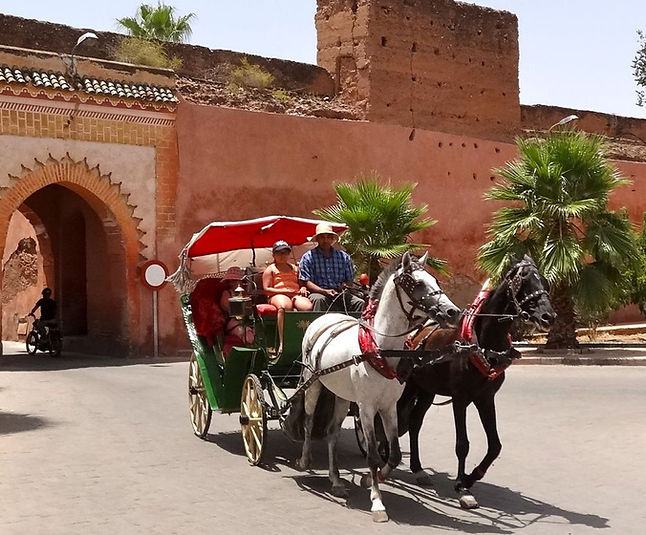
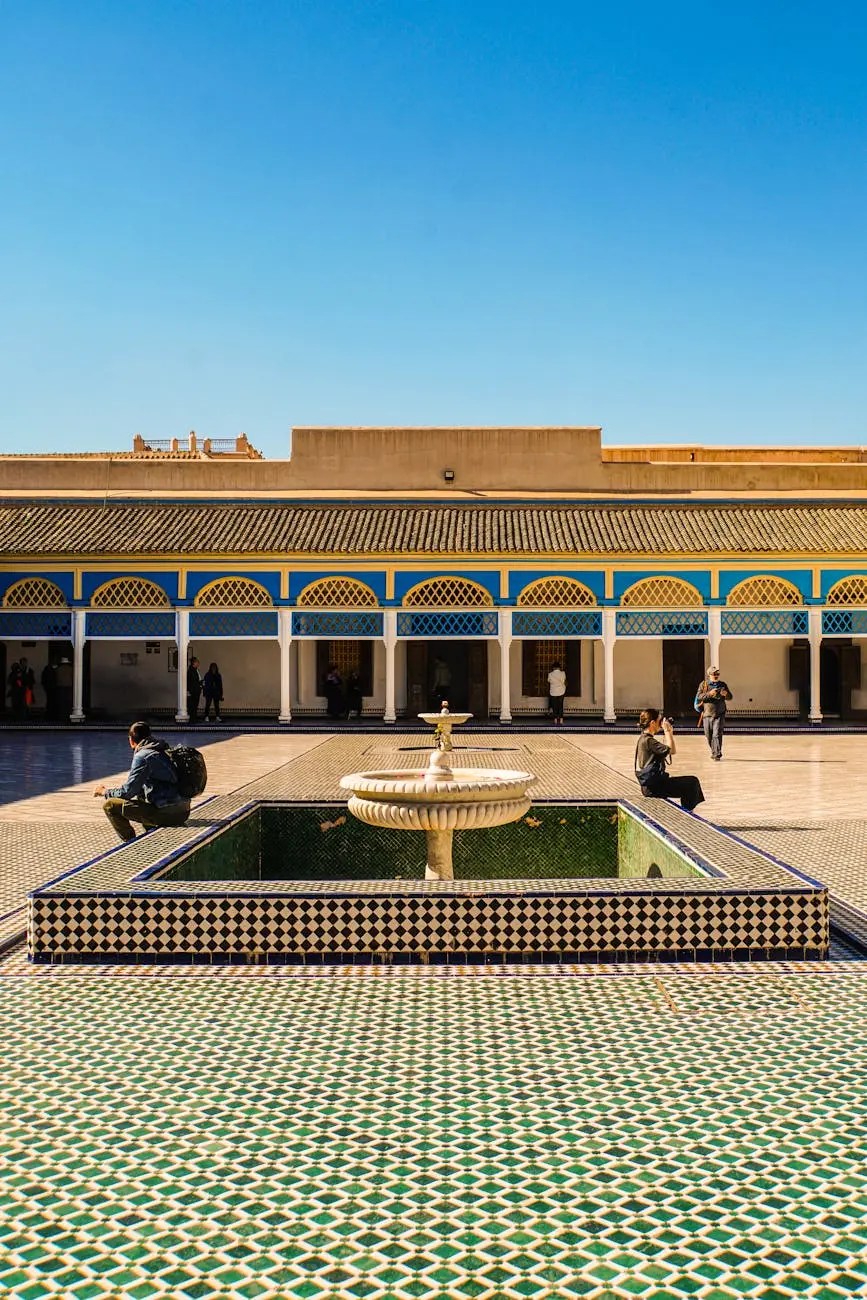
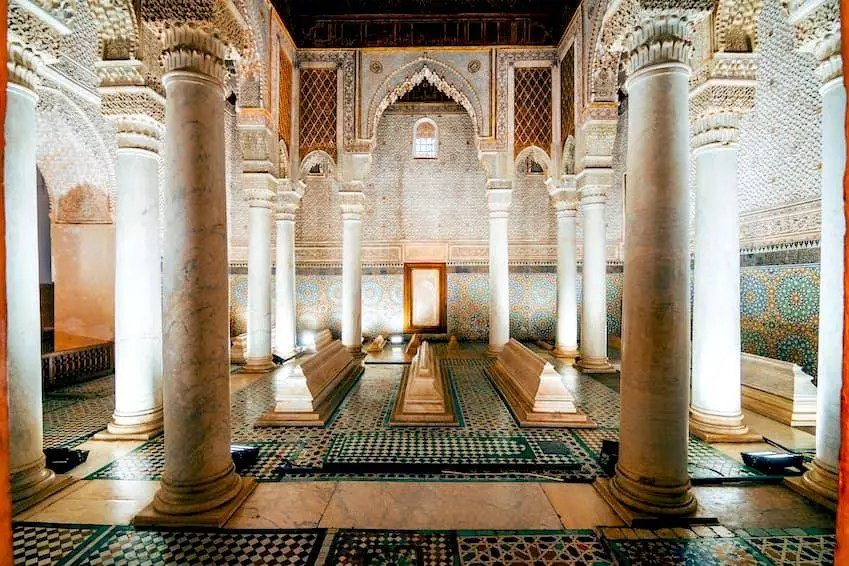
After breakfast on your riad’s rooftop, hire a caleche (horse-drawn carriage) for a trot to the Bahia Palace. It’s a stunning example of Moroccan architecture, with intricate mosaics and peaceful courtyards. Next door is the Saadian Tombs, a royal necropolis sealed for centuries.

Afternoon: Escape the Hustle
Need a break from the crowds? Skip the long lines at Jardin Majorelle (though it is beautiful) and head to the Le Jardin Secret, a recently restored haven with stunning gardens and a fascinating Islamic art museum. It’s a true hidden gem.

For lunch, dive into a back alley and find a local spot serving tagine (slow-cooked stew) or couscous (steamed semolina granules). Don’t be shy!

Evening: A Taste of Luxury
For your final night, treat yourself to a fancy dinner. Many riads offer incredible multi-course meals. Alternatively, book a table at one of the chic restaurants in Gueliz (the new city), like Grand Café de la Poste, for a blend of French and Moroccan flair.

A horse-drawn carriage, known as a caleche, rides through the streets of Marrakech, with passengers seated under a red canopy near historic walls.
A horse-drawn carriage ride through the historic streets of Marrakech, showcasing the city’s unique architecture and vibrant greenery.
A tranquil courtyard scene in Marrakech featuring a decorative fountain surrounded by intricate tile work and historic architecture under a clear blue sky.
Explore the stunning architectural beauty of Bahia Palace in Marrakech, featuring intricate mosaics and serene courtyards. Finding peace in the palace. The tranquil courtyards of the 19th-century Bahia Palace are a masterpiece of Moroccan design, where every arch, tile, and carved door tells a story of grandeur.

Interior view of a historical Moroccan palace with tall columns, intricate tile work, and ornate arches, showcasing a serene atmosphere and decorative elements.
Interior view of the Bahia Palace showcasing stunning Moroccan architecture and intricate tile work. Saadian tombs
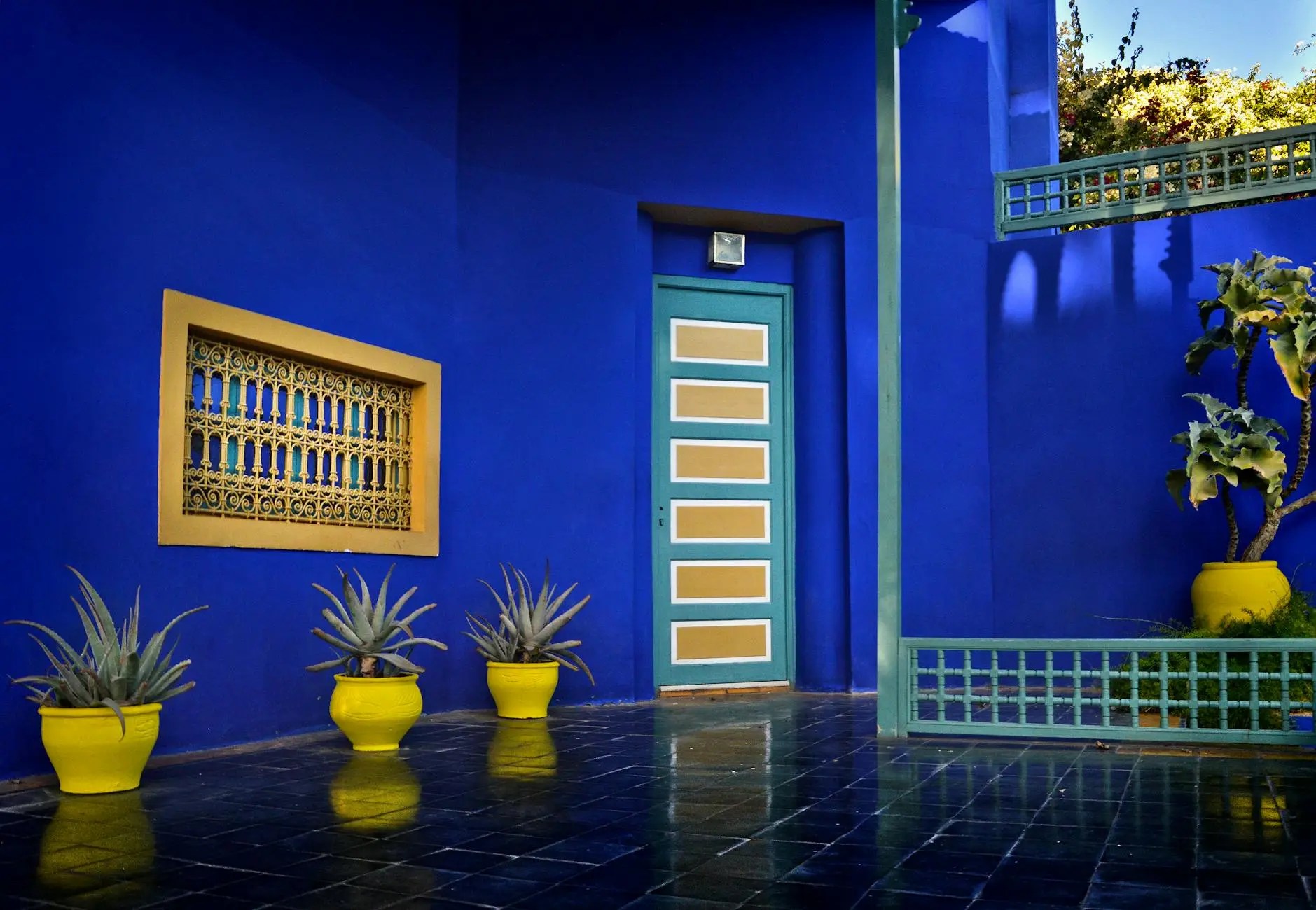
A vibrant blue wall with a decorative yellow window frame and a green door. Several yellow pots with agave plants are placed in front, reflecting on the shiny black floor.
A vibrant blue wall adorned with a decorative window and colorful potted plants, showcasing the enchanting architecture of Marrakech. vibrant blue building and courtyard within the Majorelle Garden (Jardin Majorelle) in Marrakech, Morocco. The unforgettable “Majorelle Blue” of Jardin Majorelle. This botanical garden and artist’s sanctuary, once owned by Yves Saint Laurent, is a stunning masterpiece of color and design.
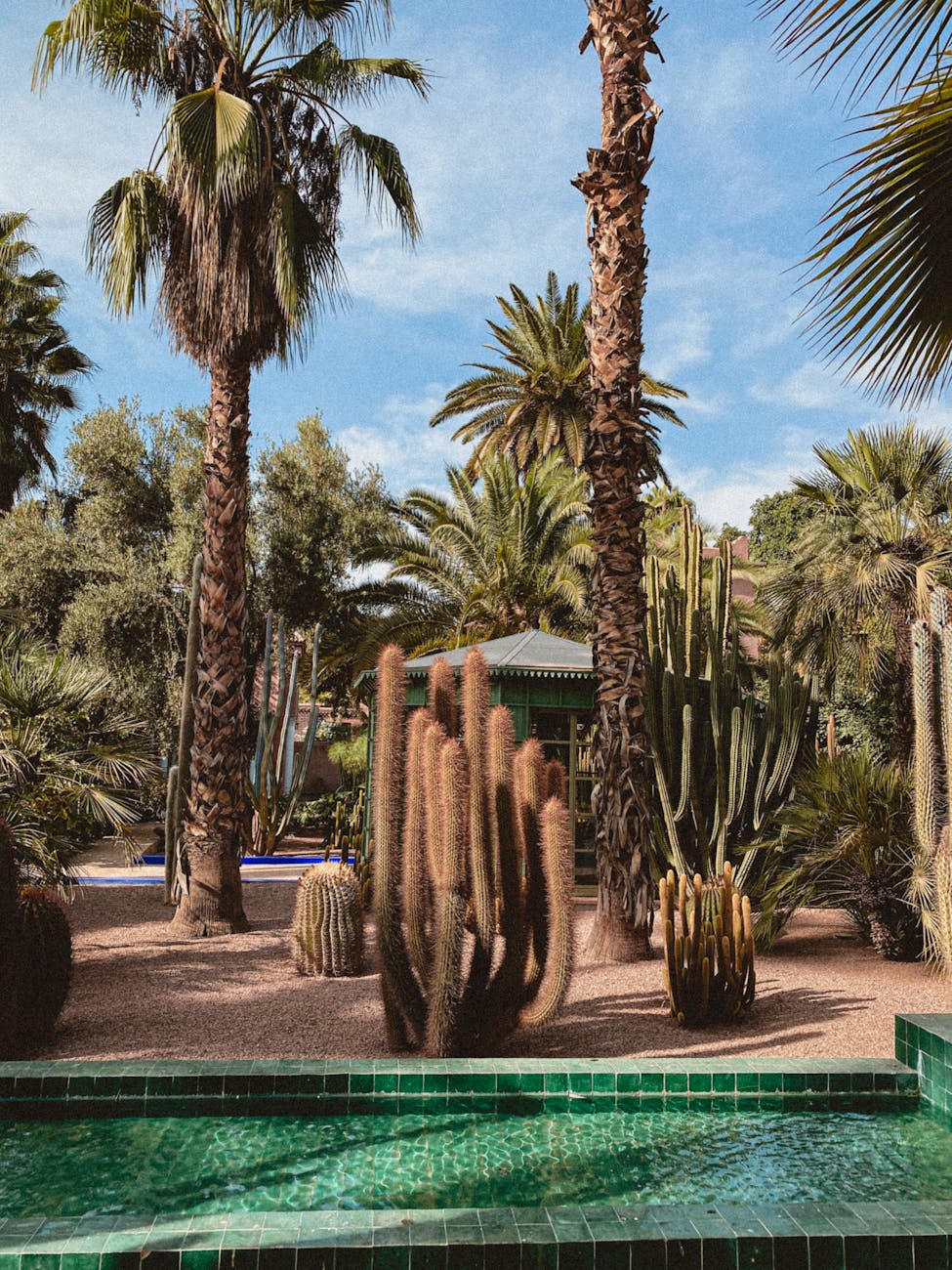
A serene garden scene featuring tall palm trees, cacti, and a Moroccan-style green tiled fountain under a blue sky.
Lush palm trees and exotic cacti create a serene oasis in Marrakech, inviting travelers to unwind and explore the tranquil beauty of Moroccan gardens.

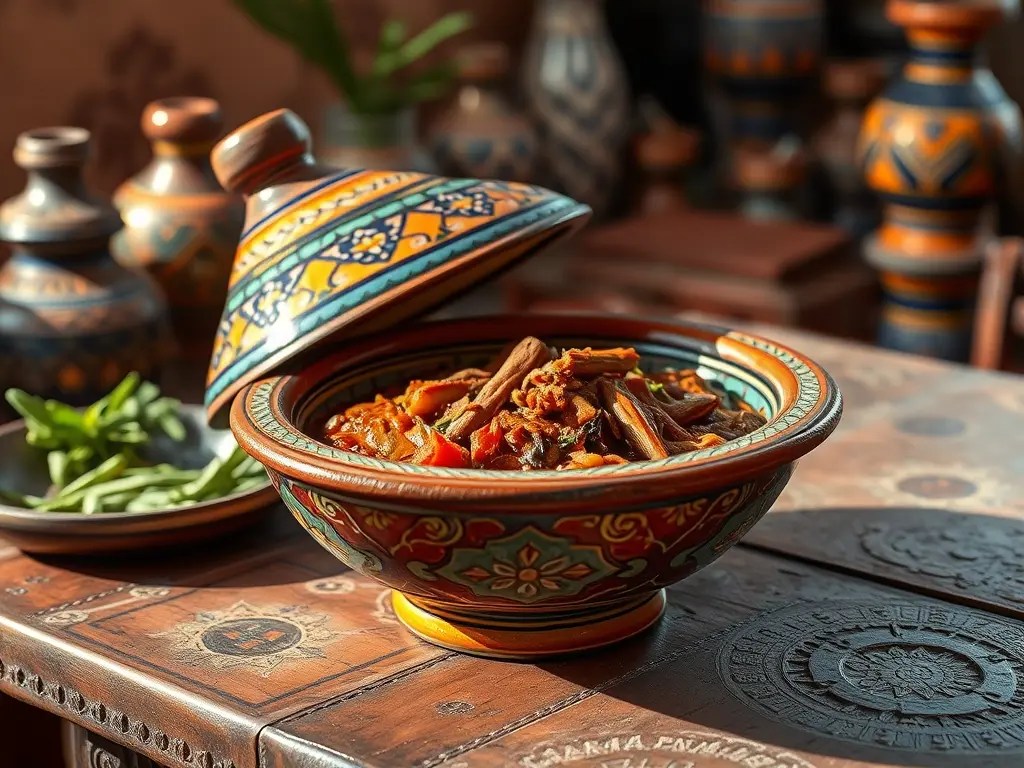
A beautifully decorated Moroccan tagine filled with a savory stew, placed on a wooden table surrounded by traditional ceramic pots.
A delicious Moroccan tagine, showcasing vibrant colors and traditional culinary design, served with fresh green beans. The moment of truth! Lifting the lid off a steaming, fragrant tagine to reveal the tender, slow-cooked stew inside is a quintessential Marrakech experience. This is comfort food, Moroccan style.

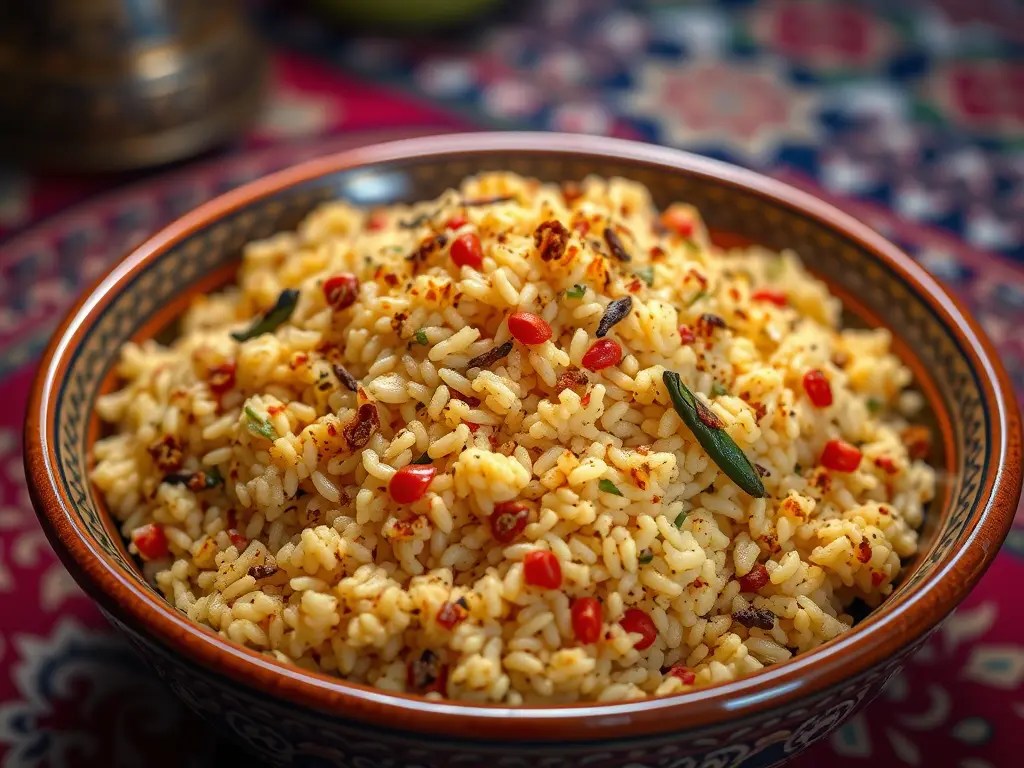
A bowl of vibrant Moroccan rice dish topped with colorful ingredients, set against a richly patterned tablecloth.
A vibrant Moroccan rice dish garnished with vivid spices and herbs, perfect for a flavorful meal. Fluffy, fragrant, and full of flavor. This is seffa medfouna – a celebratory Moroccan couscous dish steamed to perfection and often served with seven vegetables, sweet onions, and a dusting of cinnamon and sugar.

Sunday: A Final Taste & Souvenir Smarts

Morning: Last-Minute Souks
Use your morning for one last dive into the souks. This is your chance to put your haggling skills to the test. Remember, start at about 30-40% of the initial asking price, be polite, have fun with it, and be prepared to walk away. The best souvenirs are leather babouches (slippers), argan oil, beautiful lamps, and spices.

Grab a final Moroccan pastry and mint tea before heading to the airport for your flight home, your suitcase heavier and your heart fuller.

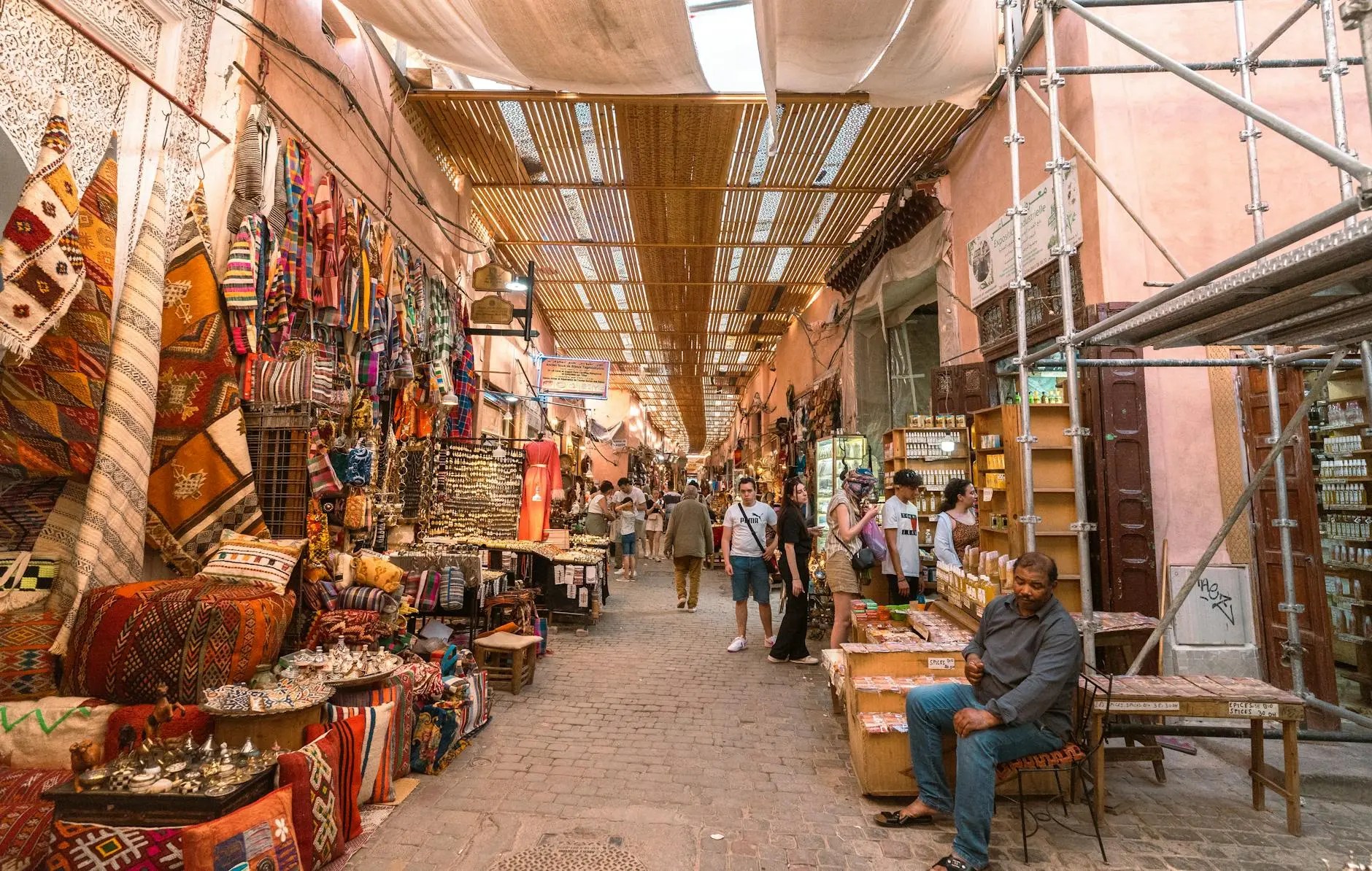
A vibrant souk in Marrakech, filled with colorful textiles, spices, and artisan goods, showcasing a lively atmosphere with shoppers and vendors.
Explore the vibrant souks of Marrakech, where colorful textiles and local crafts create a sensory overload. Getting lost is the whole point. Wandering the labyrinthine souks of Marrakech is a feast for the senses, where every turn reveals a new kaleidoscope of colors, from hand-woven textiles and gleaming lanterns to piles of fragrant spices.

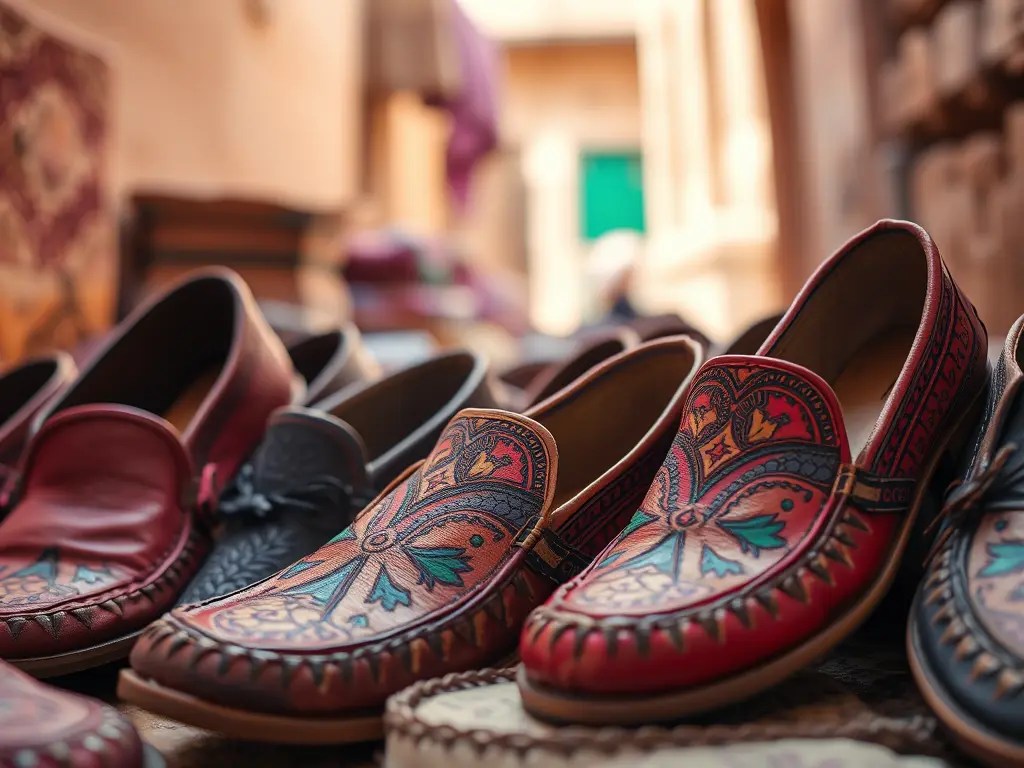
A selection of intricately designed Moroccan leather babouche slippers, showcasing vibrant colors and patterns, displayed in a traditional market setting.
Colorful Moroccan leather babouches displayed in the souks of Marrakech, showcasing intricate designs and craftsmanship. The ultimate Marrakech souvenir! These handcrafted leather babouches are as comfortable as they are colorful. Pro haggling tip: the yellow ones are traditionally for indoors, while other colors can be worn out.
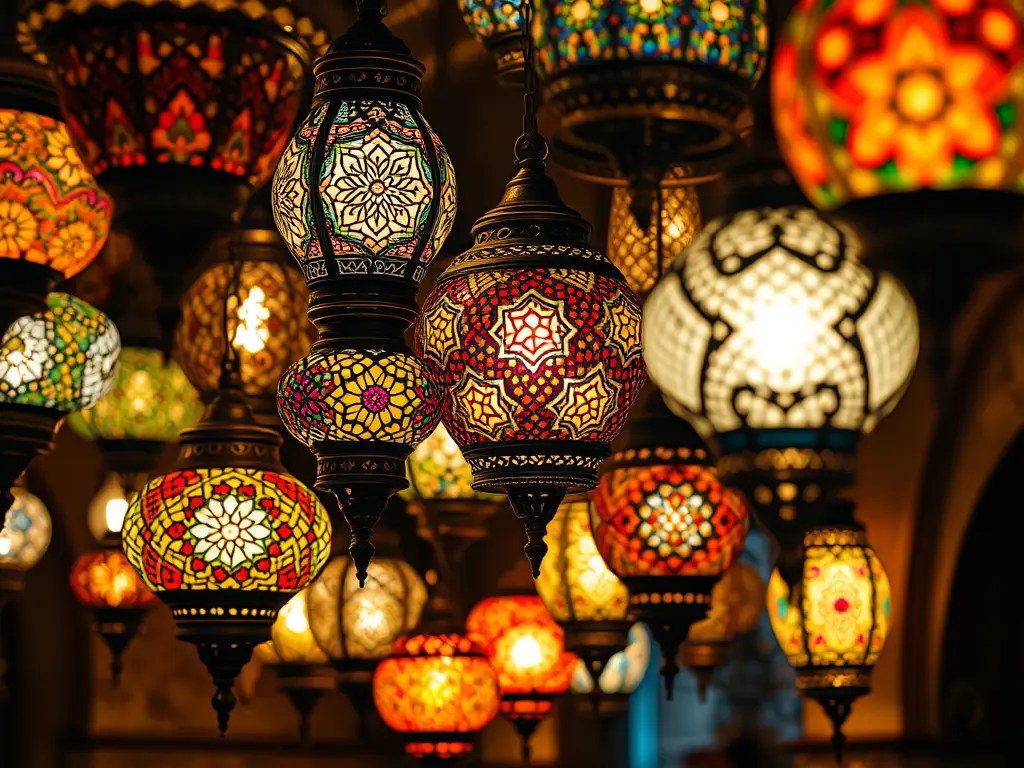
A collection of intricately designed Moroccan lamps hanging in a cozy setting, featuring vibrant colors and detailed patterns.
Vibrant Moroccan lanterns showcasing intricate designs and colors, encapsulating the enchanting ambiance of Marrakech. How to capture Marrakech’s magic in one object. These lanterns, called “fanous,” transform any room with their beautiful, patterned light. Just be sure to pack carefully—they’re the most fragile (and gorgeous) souvenir you’ll find.
A close-up of beautifully decorated Moroccan pastries, featuring intricate designs and vibrant colors, showcasing the artistry of traditional Moroccan desserts.
Colorful and intricately designed Moroccan pastries, a must-try treat during your visit to Marrakech. A feast for the eyes before the stomach. Moroccan pastry-making is an art form, often flavored with orange blossom water, almonds, and honey. Pro tip: pair with a strong mint tea to balance the sweetness!

Hidden Gems & Local Secrets

  • Maison de la Photographie: A beautiful museum showcasing vintage Moroccan photography, often with stunning views from its rooftop café.
  • Mellah (Jewish Quarter): Explore a different side of Marrakech’s history. The small Synagogue is worth a visit, and the market here is more focused on locals.
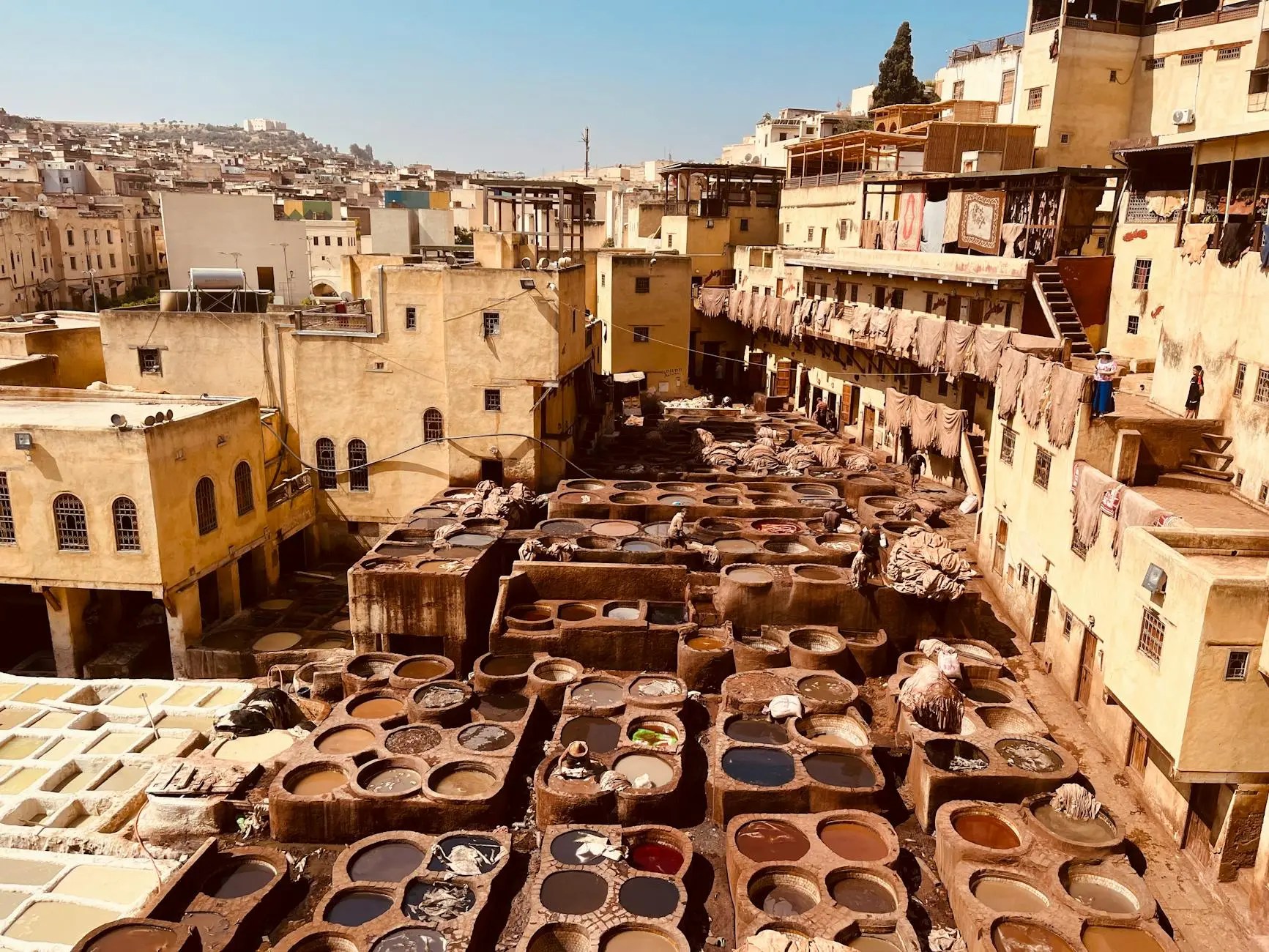
  • Tanneries (Bab Debbagh): If you’re feeling adventurous and can handle strong smells, visit the tanneries to see traditional leather processing. Be prepared for ‘guides’ who will expect a tip.
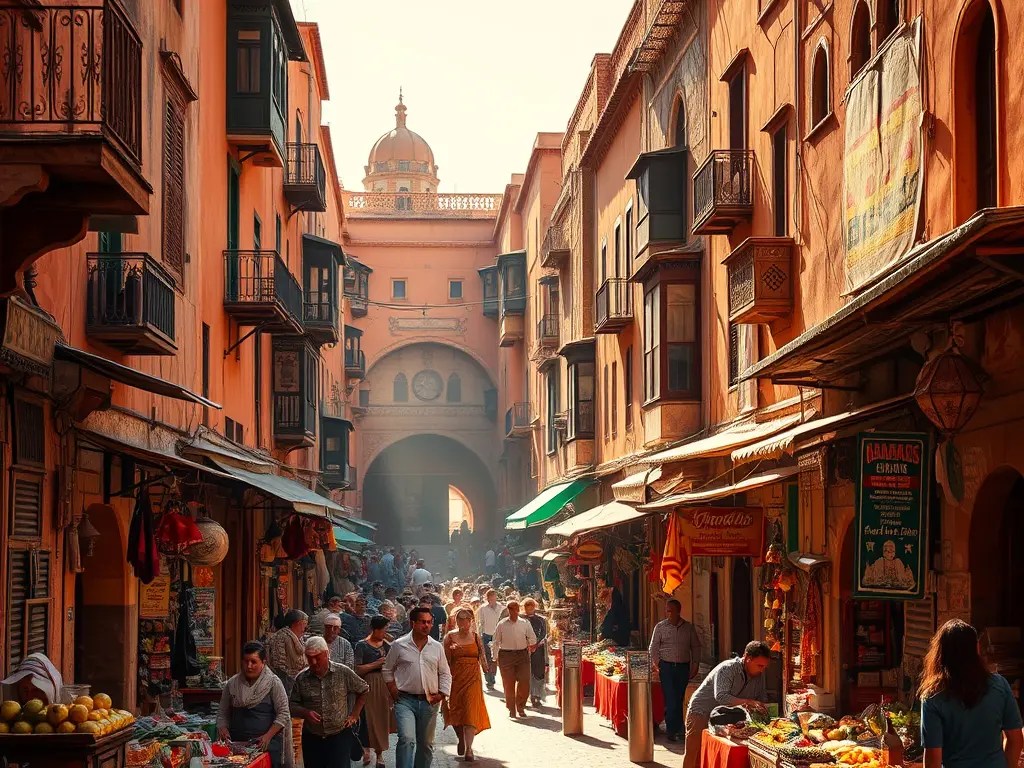
A bustling street market in Marrakech, showcasing vibrant stalls filled with fruits, spices, and local goods, with people walking along the sunlit path and historic architecture in the background.
Vibrant alleyway in Marrakech’s medina bustling with locals and colorful market stalls. The real magic of Marrakech is found in its hidden alleys. Beyond the main souks, these vibrant corridors are where daily life unfolds, filled with the scent of spices, the chatter of locals, and explosions of color at every turn.

View of traditional Moroccan tanneries in Fez, featuring large dyeing pits surrounded by beige buildings and residents working with leather.
Exploring the vibrant dye pits of Marrakech, a testament to traditional leather processing techniques. A look into a centuries-old craft. The iconic Chouara Tanneries in Fes use methods unchanged since the medieval era. Pro tip: The mint vendors offer sprigs to help with the potent smell, but the view from the surrounding leather shops is free!

Money-Saving Tips & Must-Know Phrases

Morocco can be very affordable if you know how to play your cards right!

Save Money:

Accommodation Hacks: Stay in a riad (traditional Moroccan house with an interior courtyard). They offer incredible charm and value. Many also include a delicious breakfast!

Souk Bargaining Tips: The golden rule: always negotiate! Start at about 50% of the asking price and work your way up. It’s a game, so enjoy it. A friendly demeanor goes a long way.

  • Walk: The medina is best explored on foot.
  • Eat Local: Avoid tourist-trap restaurants on the main squares. A meal at a local tagine shop can cost a fraction of the price.
  • Water: Buy large bottles of water from small shops instead of your riad or cafes.
  • Petit Taxis: They are cheap! Just always ensure the meter is running.

Must-Know Words & Phrases:

  • Hello: As-salaam alaykum (Peace be upon you)
  • Thank you: Shukran
  • How much?: Bshal?
  • Too expensive: Ghaali bezzaf
  • Yes: Iyeh / No: La
  • Please: Afak
  • Goodbye: Bslama
  • La shukran (La SHOOK-ran): No thank you
  • Bch-hal? (Bish-HAL?): How much?
  • Wakaha (Wha-KAH-ha): Okay

Marrakech Weekend FAQs

Q: Is a weekend enough time in Marrakech?
A: Absolutely! While you won’t see everything, a well-planned 2-3 day itinerary lets you experience the city’s major highlights and unique energy without feeling too rushed.

Q: What is the best way to get around Marrakech?
A: On foot within the medina. For longer distances (e.g., to Gueliz or the Palmeraie), use the petit taxis (beige cars for inner city). For a fun experience, try a caleche (horse carriage) for a fixed route and negotiated price.

Q: What should I wear?
A: Dress modestly to respect the local culture. Lightweight, loose-fitting clothing that covers shoulders and knees is perfect. Pack a scarf—it’s versatile for covering up or staying warm in the evening.

Q: Is it safe to travel to Marrakech?
A: Marrakech is generally very safe for tourists. The main issues are petty crime and scam artists targeting tourists. Be aware of your surroundings, don’t flash valuables, and be firm but polite with overly persistent shopkeepers and “guides.”

Q: Can I drink the tap water? A: It’s generally not recommended for tourists. Stick to bottled water to avoid any stomach upsets

Q: Is haggling expected in the souks? A: Absolutely! It’s part of the cultural experience. Start friendly, be firm, and walk away if you can’t agree on a price you’re happy with – often the vendor will call you back!

Q: How much should I tip? A: Tipping is customary. For restaurant staff, 10% is standard. For small services (like someone helping with directions), a few dirhams are appreciated. Taxi drivers typically don’t expect tips unless they go above and beyond.

P.S. If you’re more of a European city person, I’ve got you covered there too! Check out my guides for an Ultimate Weekend in Madrid48 Hours in Barcelona, and 48 Hours in Lisbon (all linked in my bio!).

Final Call to Adventure

Marrakech is waiting to steal your heart and overwhelm your senses. It’s a city that demands to be felt, not just seen. With this guide, you’re ready to conquer it in a single, incredible weekend.

Ready to book your escape? I always start my search for the best flight and hotel deals on Expedia to bundle and save.

So, tell me: what’s the first thing that comes to mind when you picture Marrakech? The food? The chaos? The colors? Let me know in the comments!

Universal Disclaimer/Disclosure Page:

🇺🇸🤝🇧🇭 The Relationship Between America and Bahrain – From Diplomacy to Dining


A Strong Bond Across the Seas

The relationship between the United States and the Kingdom of Bahrain dates back over 80 years. Bahrain was one of the first Gulf countries to establish diplomatic ties with the U.S., and this relationship has grown into a deep-rooted partnership based on mutual interests in defense, trade, education, and regional stability.

  • Military Cooperation: Bahrain is home to the U.S. Navy’s Fifth Fleet and the U.S. Naval Forces Central Command in Manama. This makes it a critical ally in ensuring maritime security and regional peace in the Gulf.
  • Economic Relations: The U.S.-Bahrain Free Trade Agreement (FTA), signed in 2006, opened doors for smoother trade between the two countries. American products, tech, and services are widely used in Bahrain, while Bahraini aluminum, textiles, and pearls find markets in the U.S.
  • Educational & Cultural Exchange: Bahraini students often study in American universities, and many Americans live and work in Bahrain, particularly in sectors like finance, hospitality, and military support.

Now, let’s go from diplomacy to deliciousness—because nothing reveals a culture better than its food.


🍔🇺🇸 American Food vs 🍚🇧🇭 Bahraini Food – A Tasty Cultural Showdown

Though both countries are strong partners, their food cultures couldn’t be more different—and that’s something worth celebrating.

🇺🇸 American Cuisine – Big, Bold & Fast

American food is a fusion of immigrant influences. It’s fast, flavorful, and often super-sized. Think:

  • Burgers & Fries: A global icon, often served with a Coke or milkshake.
  • BBQ: Smoked meats with tangy sauces, especially loved in southern states.
  • Mac & Cheese, Hotdogs, Pancakes, Apple Pie: Comfort food classics that reflect American values of convenience and creativity.

Style: Often quick, customizable, and served with a side of indulgence.

🇧🇭 Bahraini Cuisine – Slow-Cooked, Spiced, and Shared

Bahraini food is rooted in tradition and regional flavors. It reflects the island’s historic role in trade and seafaring.

  • Machboos (or Majboos): Bahrain’s national dish made with spiced rice, meat or fish, and dried lemon (loomi).
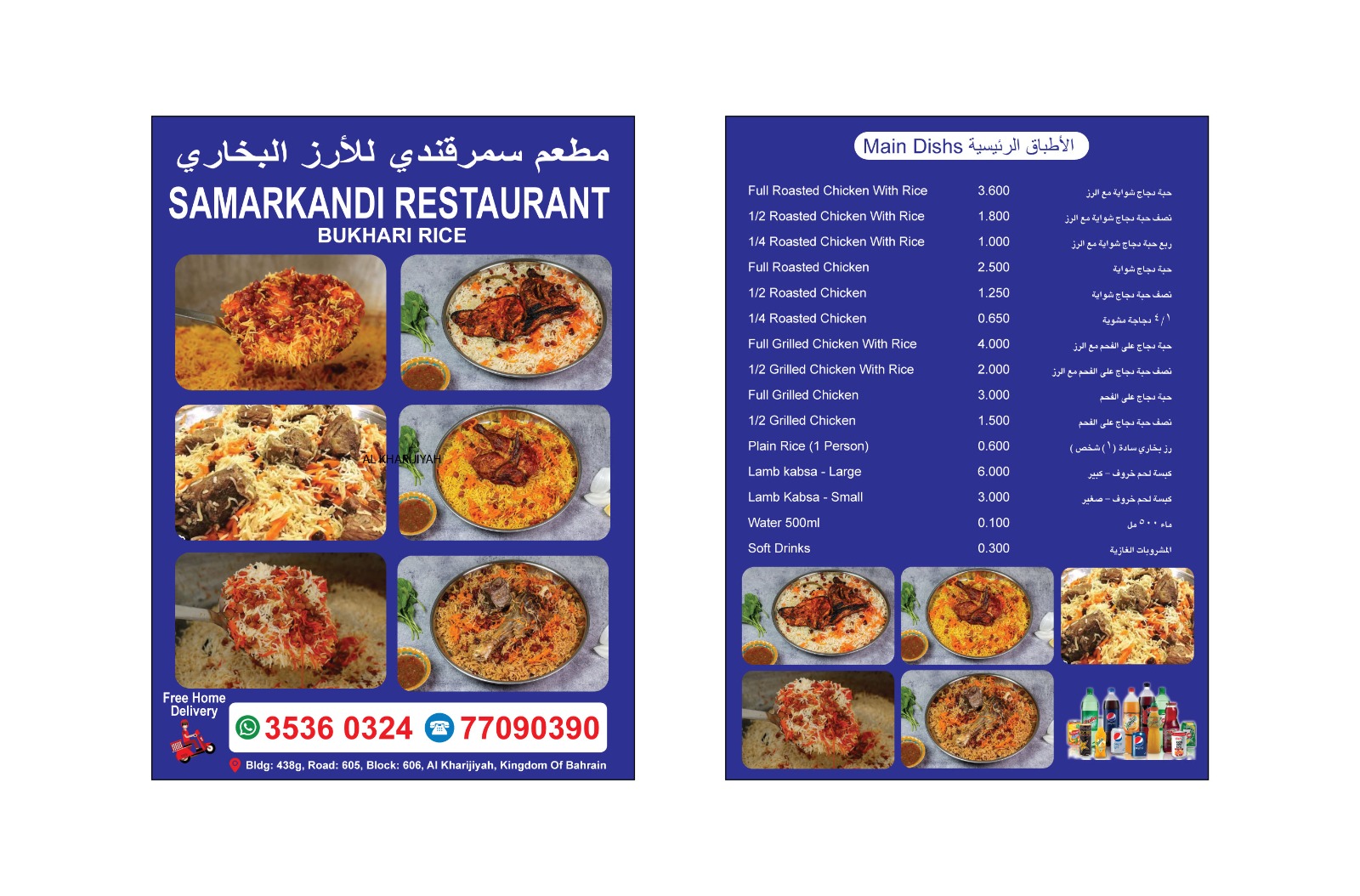
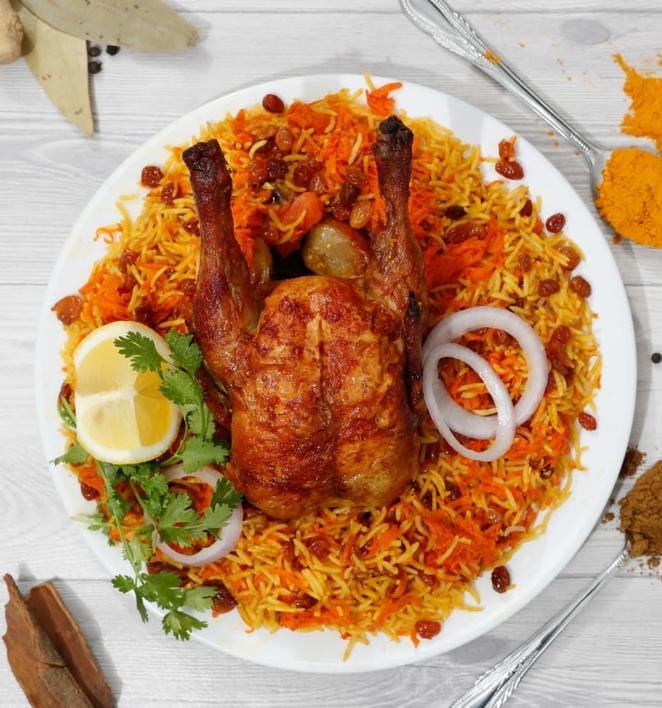
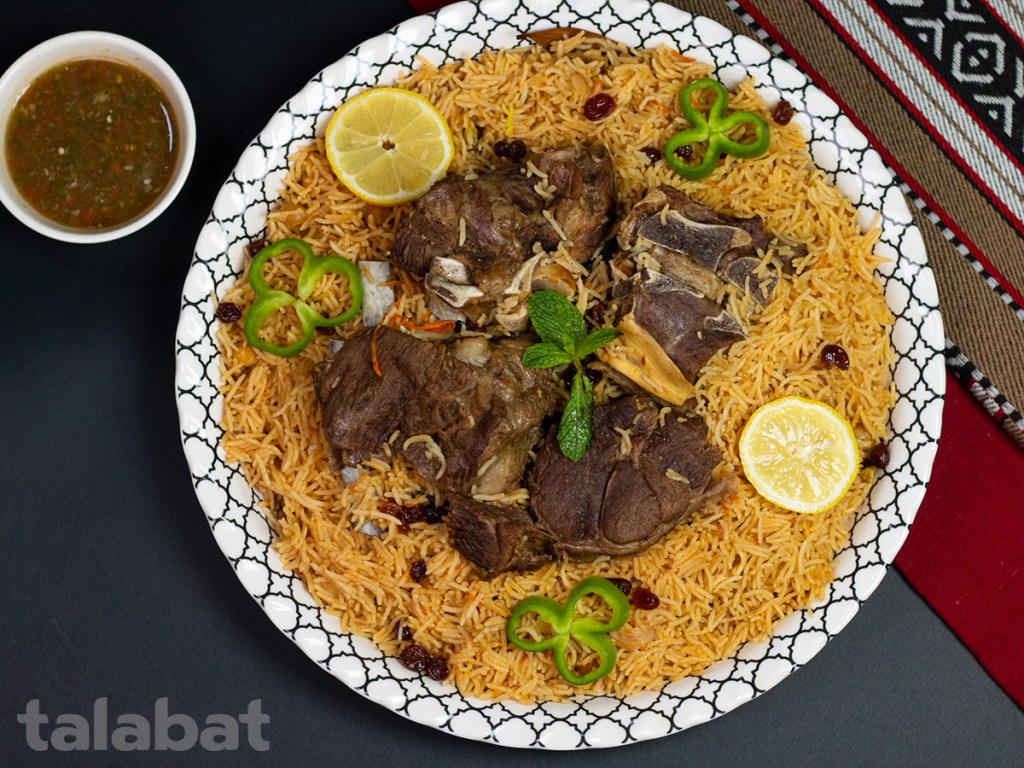
  • Bukhari Rice: A favorite served with grilled chicken or lamb—fragrant and generous in portion.
  • Harees & Thareed: Ramadan specialties with deep cultural meaning.
  • Fresh Seafood: Thanks to Bahrain’s location, grilled fish and shrimp are staples.

Style: Generous, family-style servings with strong spice profiles—like cardamom, cinnamon, saffron, and black lime.

Bukhari rice

“Samarkandi Restaurant in Al Kharijiyah is one of Bahrain’s most popular spots for authentic Bukhari rice, known for its tender chicken and fragrant spices.”


samarkandi

🌍 Cultural Differences at the Table

chicken
FeatureAmerican FoodBahraini Food
SpeedOften fast & ready-madeUsually slow-cooked & traditional
PortionLarge, individual servingsLarge, shared meals
FlavorsBold, salty, cheesy, and sweetSpicy, aromatic, and earthy
IngredientsBeef, cheese, potatoes, cornRice, lamb, fish, spices
OccasionsCasual, on-the-go eatingCommunal, festive, home-cooked

🌐 A Shared Table

Despite the differences, American fast food is hugely popular in Bahrain. Walk through Manama, and you’ll see McDonald’s, Five Guys, and Krispy Kreme side-by-side with local cafés serving karak tea and balaleet (sweet vermicelli with eggs).

More recently, Bahraini cuisine has made its way into American kitchens, especially among Gulf food enthusiasts and through social media food influencers.

✈️ Planning your next adventure? Don’t let complicated bookings slow you down! I always use Expedia to find the best flight deals—fast, reliable, and super easy to compare prices. Whether you’re jetting off to a tropical paradise or hopping over to your next city escape, book your tickets hassle-free through Expedia and start your journey right


Final Thoughts

The U.S.-Bahrain relationship is not just about military bases and trade deals—it’s also about shared experiences, respect for cultural differences, and an appreciation for the flavors that define who we are. Whether you’re biting into a juicy American burger or savoring spiced Bahraini rice, you’re tasting stories that connect two very different, yet friendly nations.


When I visited Petra, I found that booking a guided day trip to Amman made everything much easier. If you’re planning something similar, this link has some great tour options you can explore.

Universal Disclaimer/Disclosure Page: