
Meta Description: Craft your perfect weekend in Santiago, Chile! This ultimate guide is packed with insider tips, hidden gems, and savvy travel hacks for navigating the city, saving money, and experiencing the authentic culture. Discover the best of Santiago, from Andes views to local picarones.
🗺️ Table of Contents
- Introduction: Why Santiago Deserves Your Weekend
- Getting There & Visa Info
- Best Time to Visit (and When to Avoid the Crowds)
- How to Get Around: Public Transport, Taxis & Ferries
- Hidden Gems You Shouldn’t Miss
- Must-See Spots in Santiago
- Local Words to Know (Mini Spanish Survival Guide)
- Travel Smart: Saving Money and Staying Connected
- Affiliate Partners That Make My Travel Easier
- FAQ: Your Santiago Travel Questions Answered
- Final Thoughts & Call to Adventure
🌄 1. Introduction: Why Santiago Deserves Your Weekend
If you’ve ever wanted to sip world-class wine while staring at the snow-capped Andes, Santiago is your city. It’s got that perfect blend of cosmopolitan buzz and mountain serenity. I spent my first evening at a rooftop bar in Lastarria, watching the city lights flicker under the Chilean sunset — and honestly, that moment alone was worth the flight.
Santiago isn’t just a stopover; it’s a soulful weekend escape full of culture, cuisine, and calm.
🔗 You might also enjoy: The Ultimate Weekend Escape to Lima, Peru – another South American gem that pairs perfectly with Santiago on a multi-city trip!
Alright, let’s be real. Your vacation days are precious, and the thought of spending half of them on complicated logistics is a special kind of torture. You want an escape that’s long on experience and short on hassle.
Enter Santiago de Chile. This city, cradled by the snow-capped Andes, is the ultimate weekend warrior’s dream. It’s a place where you can sip a world-class Carménere as the sun sets over the mountains, all without needing a full month’s vacation to do it.
I’ve fallen for Santiago’s charms on multiple visits, from getting blissfully lost in its sprawling markets to having my breath taken away (literally and figuratively) on a hike in the nearby foothills. This guide is the one I wish I’d had—a no-nonsense, tip-filled plan to help you conquer Santiago with confidence, save a few pesos, and have an absolute blast.
✈️ 2. Getting There & Visa Info
Most travelers from the US, Canada, and the EU can enter Chile visa-free for up to 90 days. Always double-check with the Chilean consulate before your trip.
💡 Money Tip: Flights from North America and South America are often cheaper when booked via Expedia. I scored my Santiago weekend flights for under $184 using flexible date filters!
If you’re coming from nearby Lima, it’s just a 4-hour flight — perfect for combining two unforgettable South American destinations.
🌤️ 3. Best Time to Visit (and When to Avoid the Crowds)
The best time to visit Santiago is during spring (September–November) or fall (March–May) — think mild temperatures, fewer tourists, and cheaper hotels.
Try to avoid January and February, when local vacationers crowd the city, and hotel prices shoot up.
🚌 4. How to Get Around: Public Transport, Taxis & Ferries
Santiago’s Metro system is clean, efficient, and one of the safest in South America. Get a Bip! card for buses and trains — it’s your all-access pass.
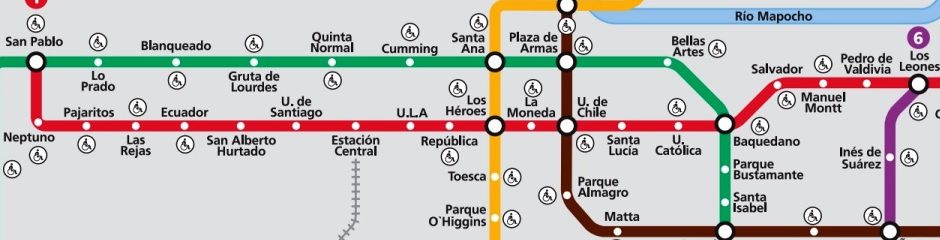
🚆 Metro Tip: Line 1 (Red Line) connects most tourist spots — from downtown (Los Héroes) to Las Condes and Providencia.
🚖 Taxi/Apps: Uber and Cabify work well here.
🚗 Road Tip: If you rent a car, the highways are well-marked and scenic, but avoid rush hour (7–9 AM and 6–8 PM). Download offline maps — it’ll save data and gas!
No ferries within the city, but you can take scenic day trips to the Valparaíso coast (about 1.5 hours away).
Navigating Santiago Like a Local: Your Guide to Buses, Metros, and Taxis
Alright, let’s talk logistics. Figuring out how to get from A to B in a new city can feel like solving a Rubik’s cube blindfolded. But in Santiago, it’s surprisingly straightforward once you know the rules of the game. The city’s public transport system is a well-oiled machine, and with a few insider tips, you’ll be zipping around like a Santiaguino in no time.
The Holy Grail: The BIP! Card
Before you do anything else, you need a BIP! card (pronounced “beep”). This little piece of plastic is your golden ticket to the city. Think of it like London’s Oyster card or New York’s MetroCard, but arguably better integrated.
- Where to Get It: Any Metro station, at the automated machines or the ticket counter. The machines have an English language option—look for the little British flag.
- How Much: The card itself costs about $1.500 CLP (roughly $1.50 USD), and you’ll need to load it with credit. I’d start with $10.000 CLP ($10 USD) for a weekend; you can always add more.
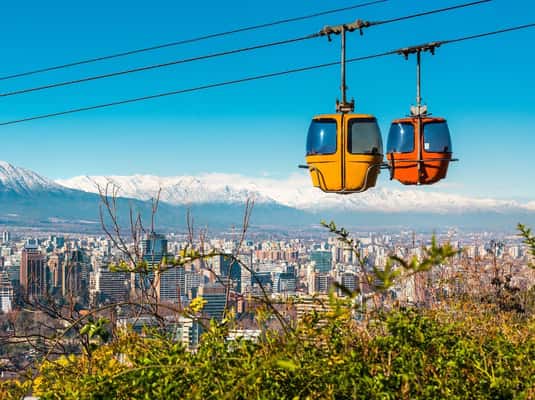
- The Best Part: It works seamlessly on the entire system—the Metro, the city buses (called micros), and even the funiculars to the hills. You just tap and go.

The Metro: Santiago’s Shining Star
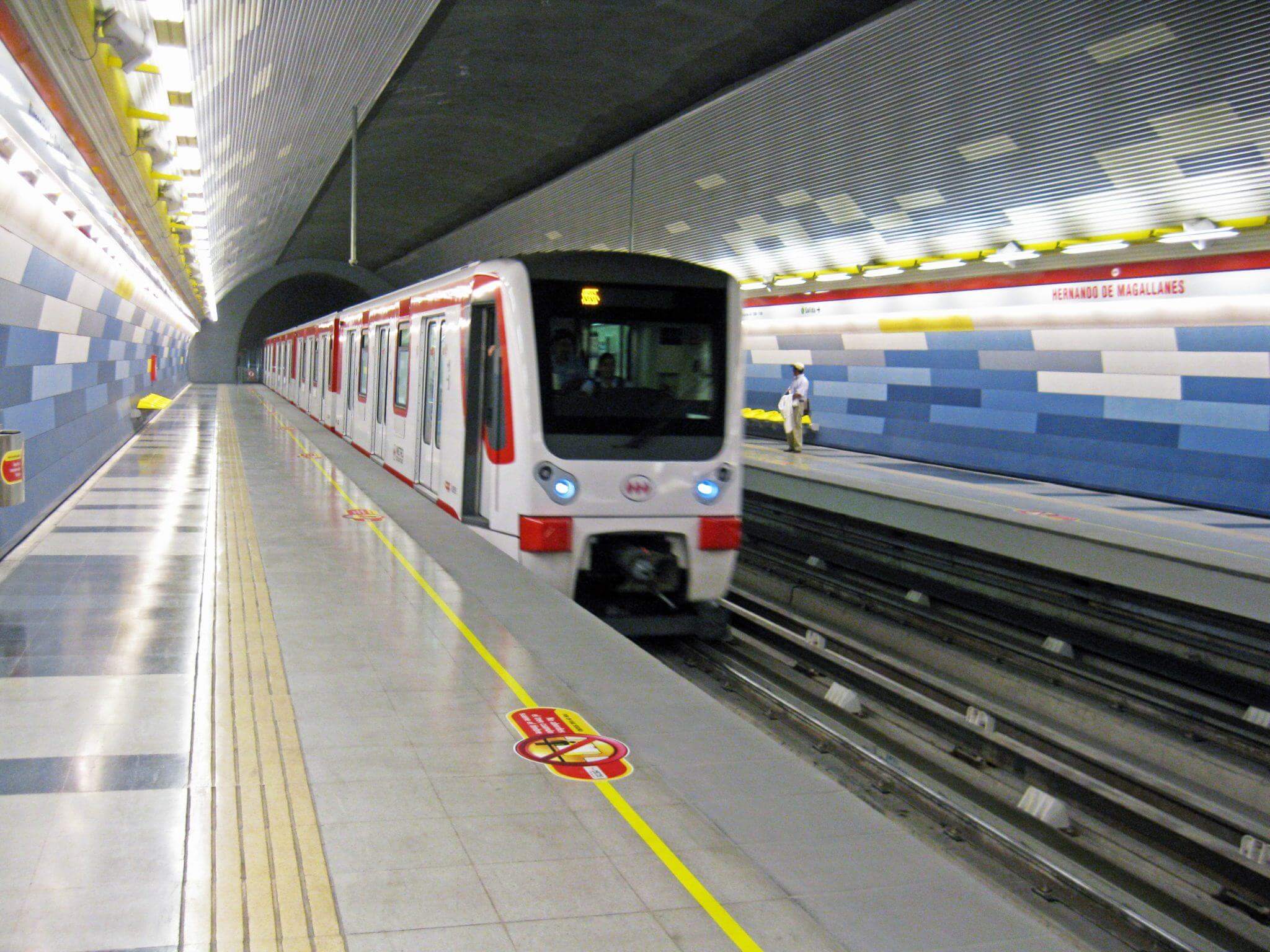
I’m not exaggerating when I say the Santiago Metro is one of the best I’ve ever used. It’s clean, efficient, safe, and the stations often feature cool public art.
- How to Use It: Tap your BIP! card at the turnstile. The map is color-coded and easy to follow. Google Maps is scarily accurate for giving you the best Metro route, including which stop to get off at and even which carriage to board for the easiest exit.
- Cost: A single Metro ride costs $830 CLP (about $0.85 USD) during off-peak hours. It’s slightly more during peak times (7:00-9:00 AM and 6:00-8:00 PM), which is a smart way to discourage crowding.
- Pro Tip: Avoid the Metro during hora punta (rush hour) if you can. The crowds can be intense, and it’s a prime time for pickpockets. If you must travel then, wear your backpack on your front and keep your wallet in a front pocket. My strategy? I use that time to sit in a lovely café and plan my next move.
The Buses (Micros): For the Intrepid Explorer
The bright red and white and green and white buses fill in the gaps the Metro doesn’t cover. They can seem chaotic at first, but they’re the lifeblood of the city.

- How to Use Them: This is the trickiest part. There’s no map inside the bus. Your best friend is the app “Moovit” or Google Maps. It will tell you the exact bus number and stop you need. When you see your bus, give a little wave to the driver. Get on, tap your BIP! card on the reader, and hold on.
- The Key to Getting Off: Chilean buses don’t automatically stop at every corner. You have to press the stop button! Look for a red button or a cord running along the windows. Press it before your stop so the driver has time to pull over.
- Cost: Also $830 CLP with your BIP! card. You get a free transfer between Metro and bus (and vice versa) within a two-hour window, which is an amazing deal.
Taxis & Ride-Sharing: The Easy Way Out
Sometimes, your feet are tired, it’s late, or you just can’t be bothered. That’s okay.
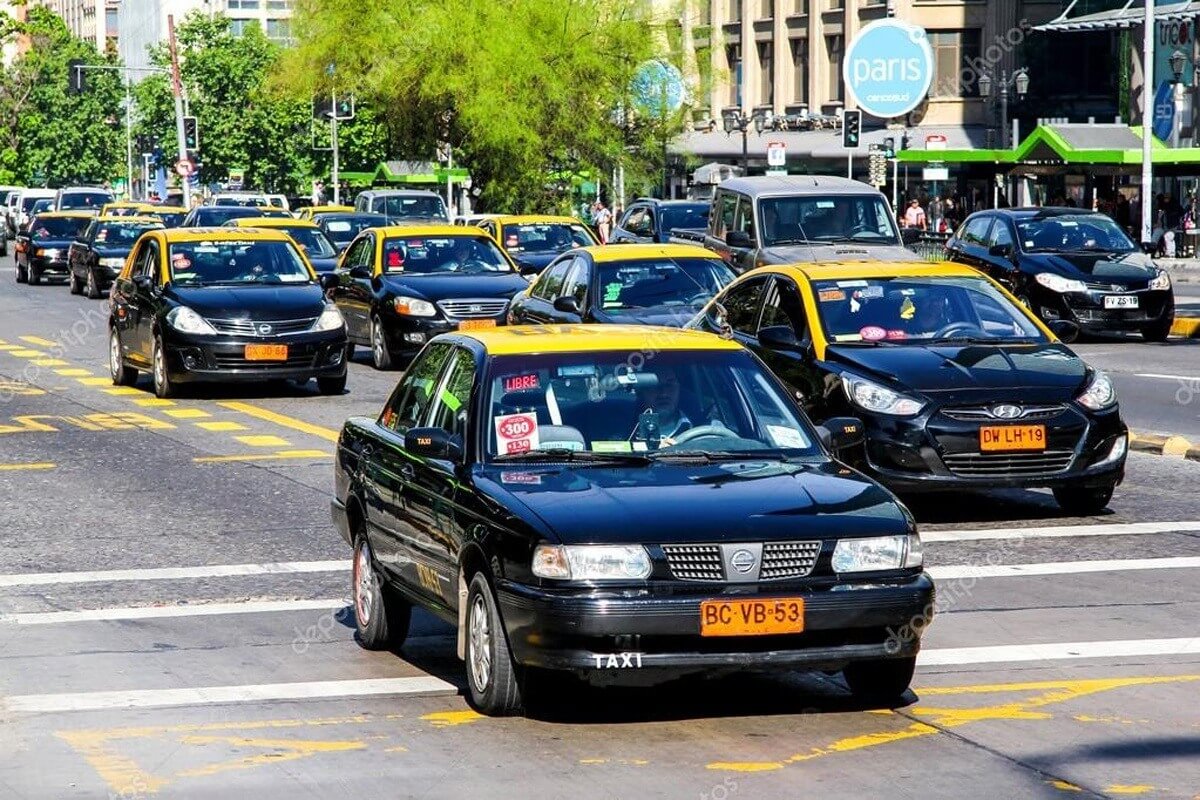
- Official Taxis: Look for black with yellow roofs and a lit-up taxi sign on top. They have meters (taxímetro). Always ensure the meter is running when you start your journey to avoid “creative” pricing at the end.
- Uber & Cabify: These apps are widely used in Santiago. I used Uber extensively and found it reliable and affordable. The price is fixed upfront, so there’s no haggling or meter anxiety. This is often my preferred method, especially at night or when going to/from a nice dinner.
A Quick Note on Ferries
This is a common question! While Chile has an incredible ferry system in the south (the Navimag ferry through the fjords is a bucket-list trip), there are no passenger ferries within the city of Santiago. It’s a landlocked city in a valley. The closest major body of water for a ferry is over 100 km away in Valparaíso. So, for your weekend trip, you can focus on mastering the land-based options!
Friday: First Impressions & Bohemian Vibes
Your adventure begins the moment you land at Arturo Merino Benítez International Airport (SCL). Don’t make my first mistake—avoid the overpriced airport taxis.
🚌 Getting to the City: Your best bet is the official TurBus or Centropuerto shuttle. For about $7-10 USD, they’ll drop you at Los Héroes station, a central metro stop. It’s comfortable, reliable, and the first of many money-saving wins. From there, the Santiago Metro (seriously, one of the best systems in the Americas) is your best friend.

🏨 Drop Your Bags: I’m a huge fan of staying in the Lastarria or Bellavista neighborhoods. They’re central, walkable, and pulsing with life. I found my perfect boutique hotel in Lastarria on —it had a rooftop view of the Santa Lucia hill I’ll never forget.
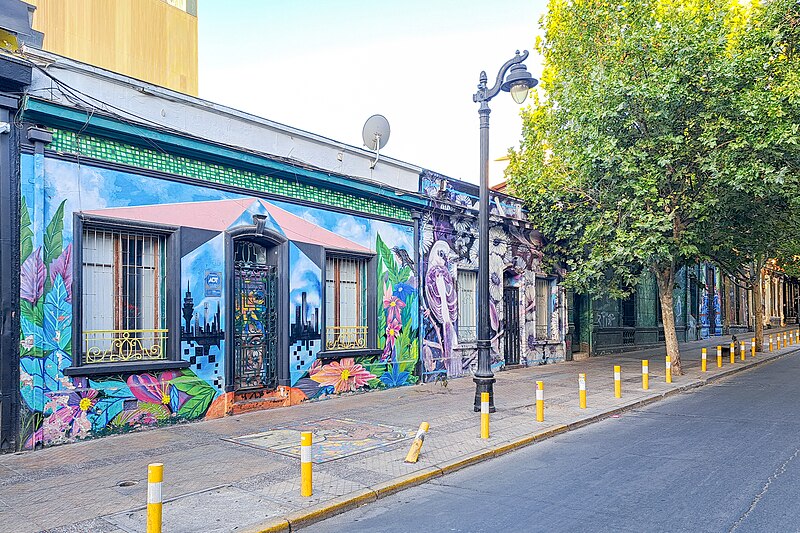
🌅 Evening Exploration: Once you’re settled, dive into Barrio Bellavista. This is Santiago’s bohemian heart. Grab a chorrillana (a mountain of fries topped with steak, onions, and a fried egg—share it, trust me) at a local picada. As dusk falls, walk along the colorful, graffiti-covered streets. The energy here is contagious.

Saturday: City Peaks & Market Feasts
Morning: Choose Your Own Adventure
- For the Active Soul: Hike up Cerro San Cristóbal. You can walk, or take the funicular from the Bellavista entrance. The reward at the top? A stunning 360-degree view of Santiago sprawled beneath the mighty Andes, with the serene statue of the Virgin Mary watching over it all. Pro Tip: Go early to avoid the crowds and the midday heat.
- For the Culture Vulture: Head to Museo Chileno de Arte Precolombino. This museum is a world-class gem, showcasing the incredible artistic heritage of ancient Latin America. It’s beautifully curated and a fantastic way to understand the continent’s deep history.
Afternoon: A Feast for the Senses
No trip to Santiago is complete without getting delightfully overwhelmed at Mercado Central (for seafood) and La Vega Central (for everything else). The hustle, the scents, the shouts of vendors—it’s a symphony of local life. For lunch, pull up a stool at a counter in Mercado Central and order a plate of machas a la parmesana (razor clams with parmesan cheese). You can thank me later.

Evening: A Sunset to Remember
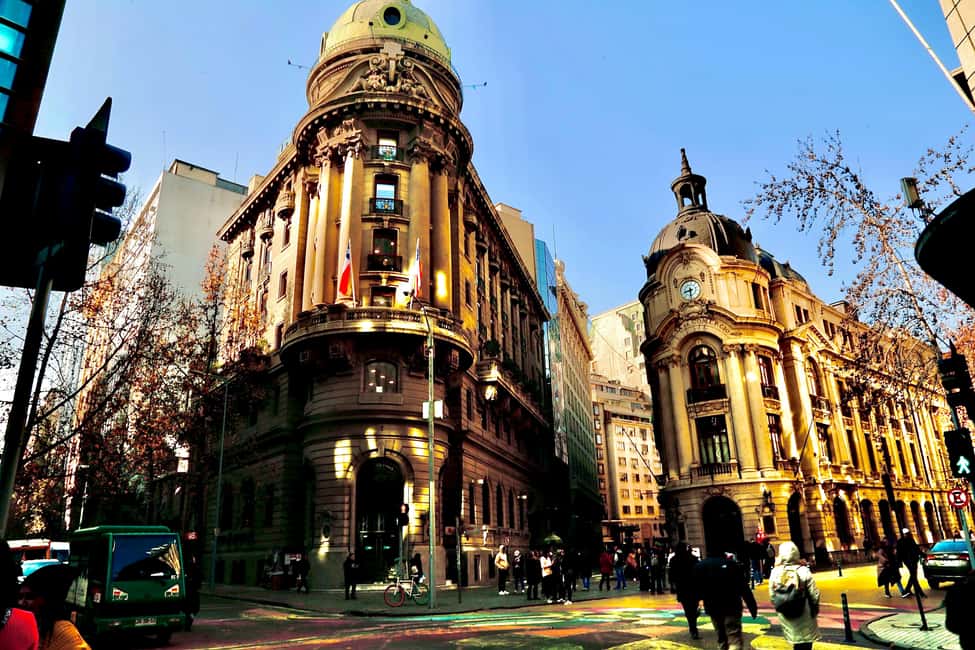
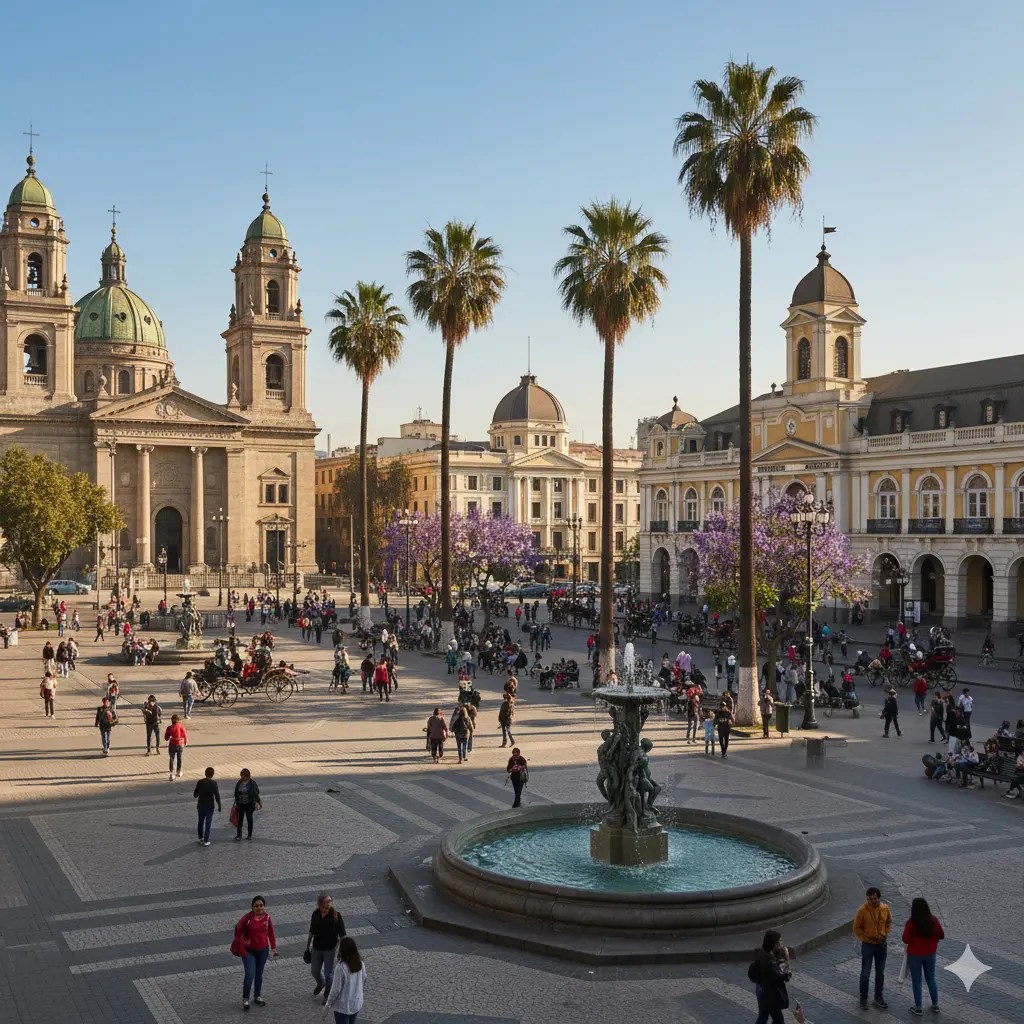
Take the metro to the Plaza de Armas and wander through the historic center. Then, make your way to Sky Costanera, the tallest building in Latin America. I was skeptical—I usually avoid super touristy spots—but watching the sun set from the open-air top floor, painting the Andes in shades of pink and orange, was worth every penny. It’s a perspective of the city you simply can’t get anywhere else.
Reaching for the Sky: The Gran Torre Santiago & Sky Costanera
Alright, let’s clear up a common point of confusion that I had myself before my first visit. You’ll hear two names for this iconic spot:
- Gran Torre Santiago: This is the name of the actual skyscraper. It’s the towering glass behemoth itself, part of the Costanera Center complex. It holds the title of the tallest building in Latin America.
- Sky Costanera: This is the name of the experience—the magnificent observatory and viewing deck on the 61st and 62nd floors. This is what you’re buying a ticket for.
So, you go to the Gran Torre Santiago to visit Sky Costanera. Think of it like going to the Empire State Building to visit its observatory.
My Take: Is It Worth It?
I’ll be honest, I’m often skeptical of these super-touristy viewpoints. They can be expensive and crowded. But I have to admit, Sky Costanera is an exception. The 360-degree view of Santiago is absolutely unparalleled.
Here’s the view that sold me: On one side, you have the endless, sprawling city. On the other, the mighty, snow-capped Andes mountains seem close enough to touch. It’s the only place where you can truly grasp the epic scale and dramatic setting of Santiago. Watching the sunset from up there is a genuine “pinch me” moment.
Savvy Traveler Tips for Your Visit:
- Beat the Crowds: Go right when it opens (10:00 AM) on a weekday for the quietest experience. Alternatively, book your ticket online in advance for a specific timeslot to avoid long queues.
- Sunset Strategy: Sunset is the most popular (and crowded) time. If you go then, book ahead and be prepared for company. The light is magical, but for a more peaceful experience, a day-time visit offers crystal-clear views of the Andes.
- Weather Check: Before you buy a ticket, do a quick sky check. If it’s a cloudy or smoggy day (pronóstico de smog), the views will be completely obscured, and it’s not worth the price.
- Combo Deal: Your ticket gives you access to both the 61st and 62nd floors. The 62nd is open-air with glass barriers, which is fantastic for photography without reflections.
In short: Yes, it’s touristy. But the perspective it offers is a foundational part of understanding Santiago’s geography. It’s a splurge that, on a clear day, pays off in unforgettable memories.


Sunday: Wine, Art, or Heights
Your final day deserves something special.
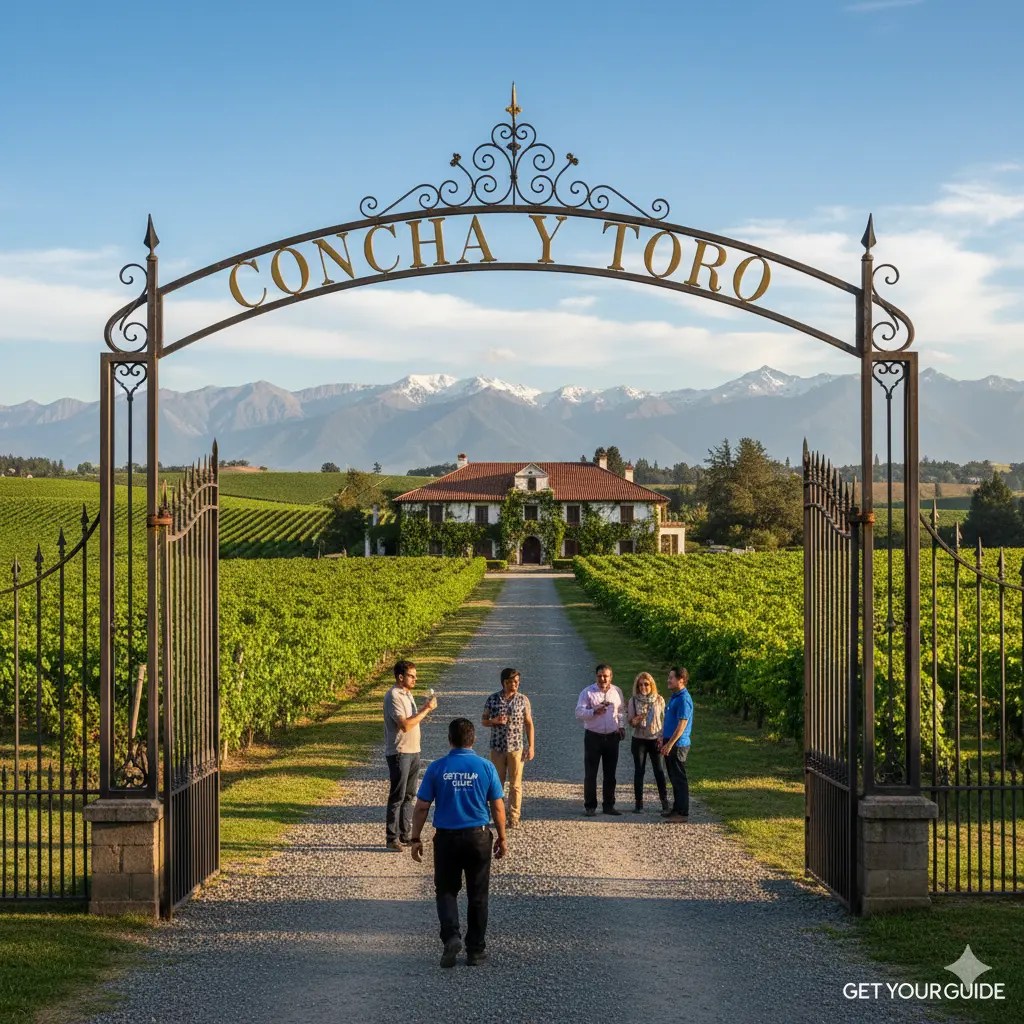
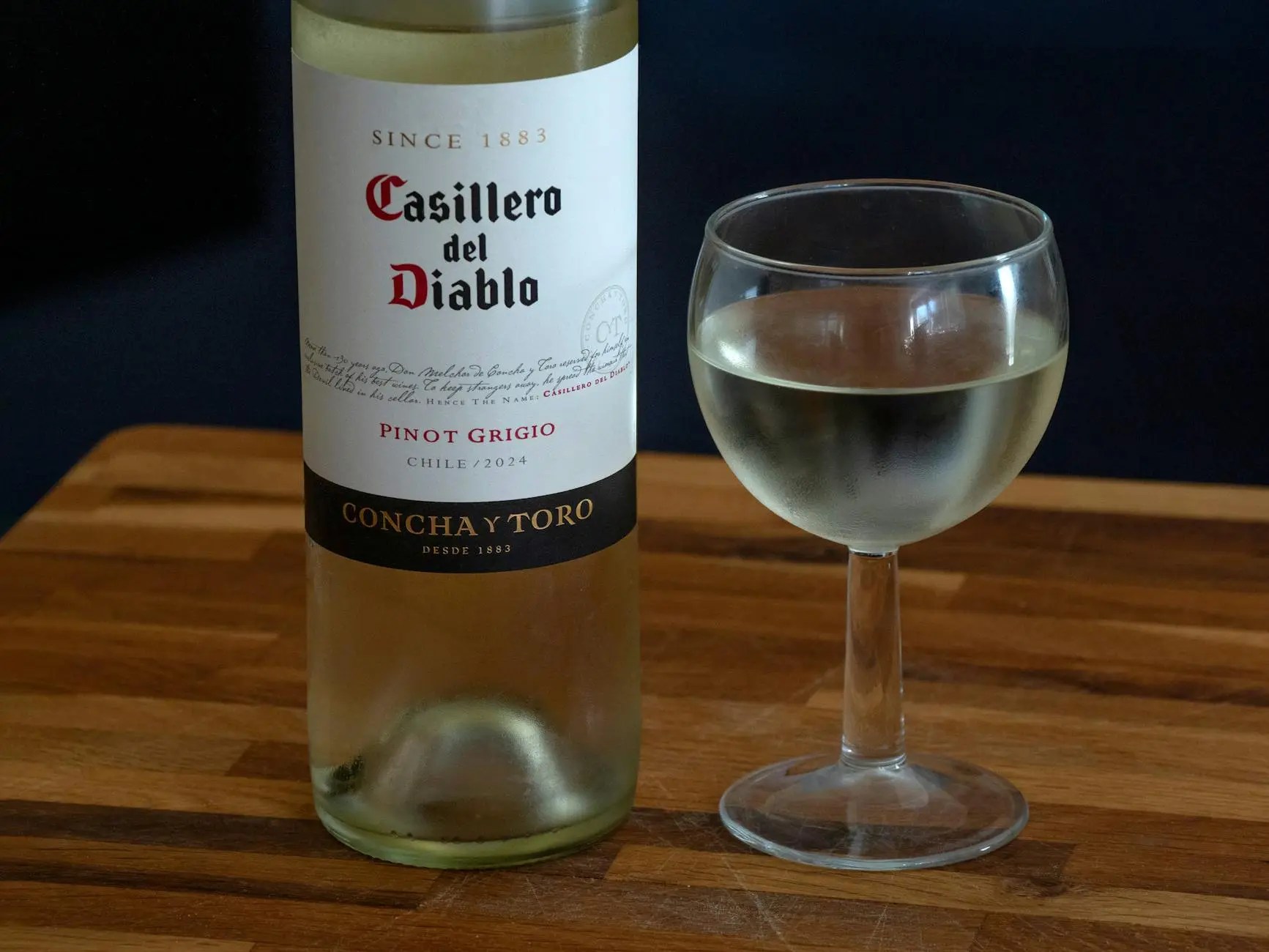
- Option 1: The Connoisseur’s Choice. Take a tour to the Concha y Toro winery in the Pirque region. It’s easily accessible from the city, and walking through the vineyards and tasting their famous Casillero del Diablo wine is a perfect Chilean experience. Booking this tour in advance online often saves you money and guarantees a spot.
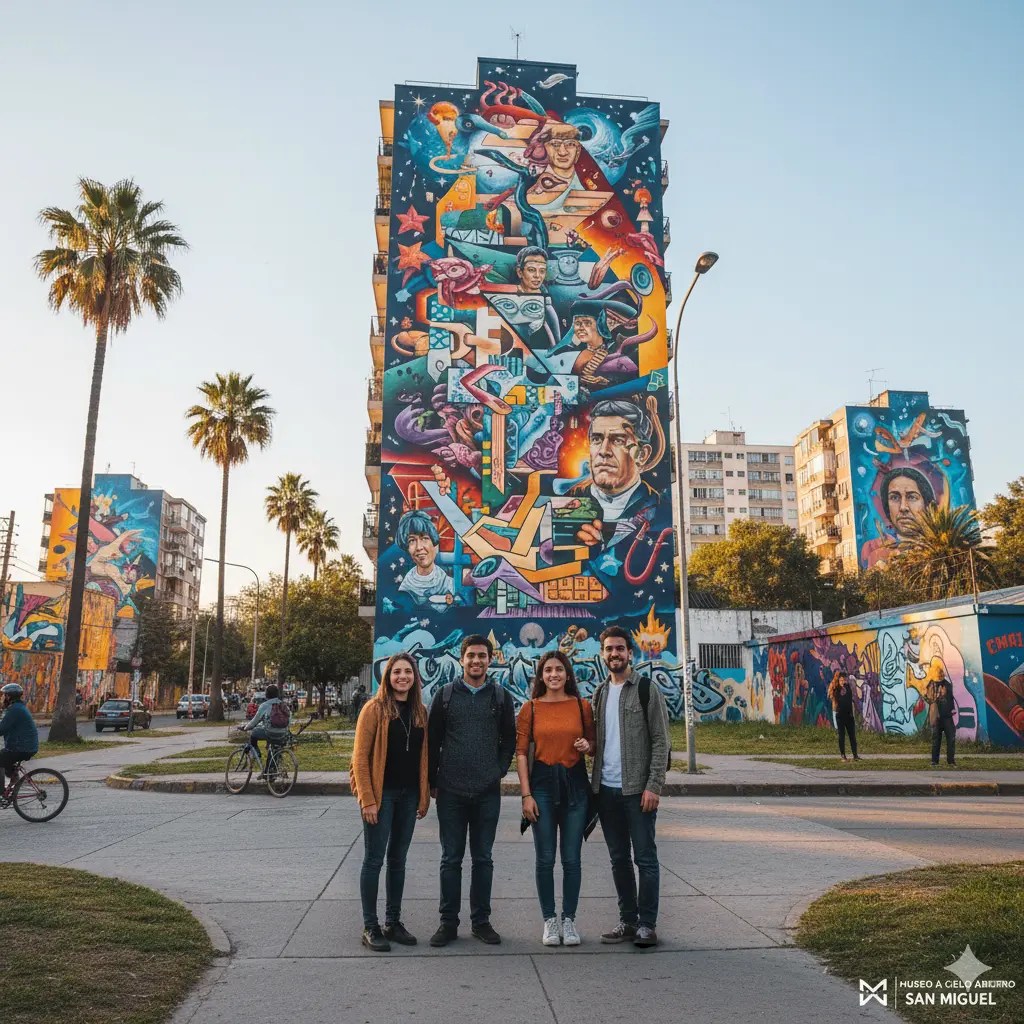
- Option 2: The Artsy Escape. Explore the Museo a Cielo Abierto in San Miguel—an “open-air museum” of massive murals painted on apartment buildings. It’s a vibrant, community-driven art project that’s completely free.
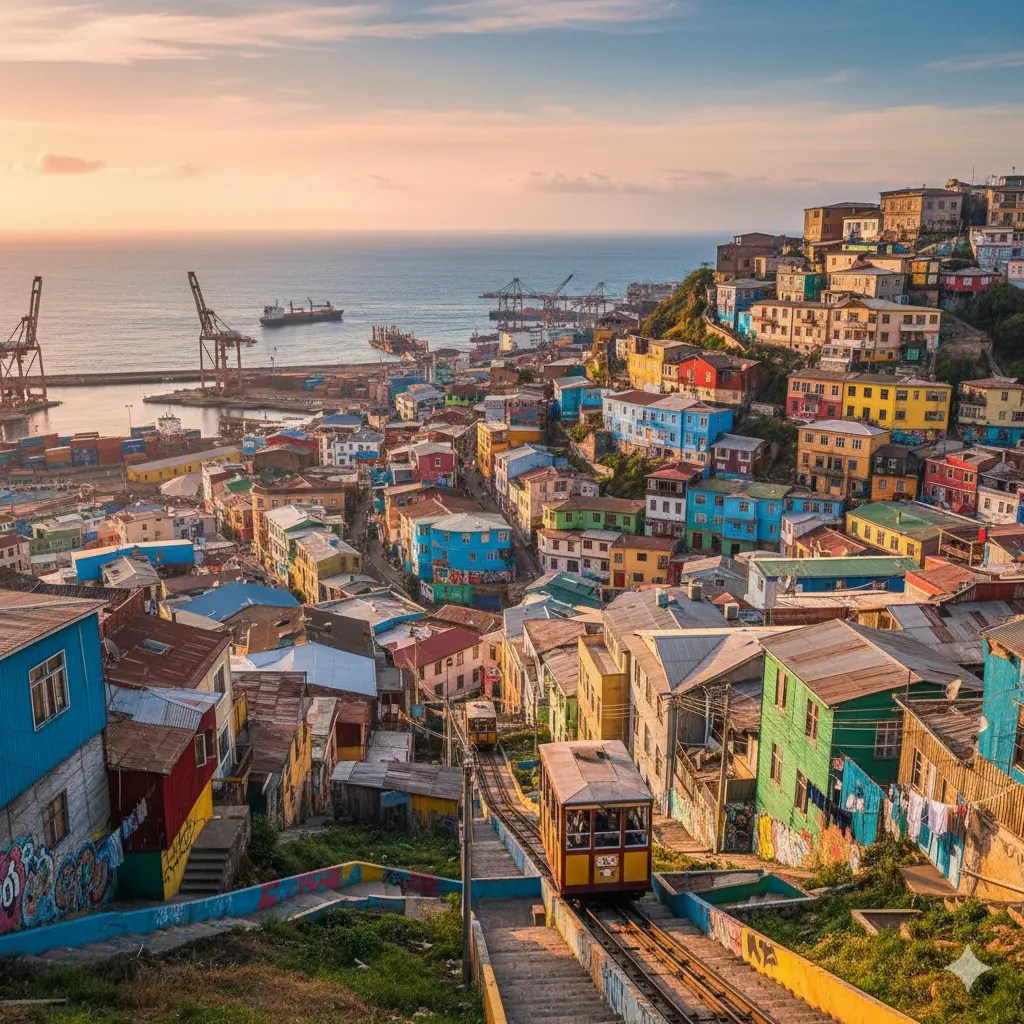
- Option 3: The Mountain Getaway. If you have a bit more time and energy, consider a day trip to Valparaíso, the colorful port city. While it’s a 90-minute bus ride, the chaotic charm of its hillside ascensores (funiculars) and street art is unforgettable. For more on coastal Chile, check out my guide to Exploring Chile’s Coastline.
Santiago’s Hidden Gems: Beyond the Guidebook
- Café con Piernas: Want a truly local, slightly quirky experience? Pop into a “Café con Piernas” (Coffee with Legs). These are stand-up espresso bars, often in dark, club-like rooms, staffed by waitresses in short dresses. It’s a unique Santiago tradition—just order your coffee, drink it quickly, and move on with a story to tell.
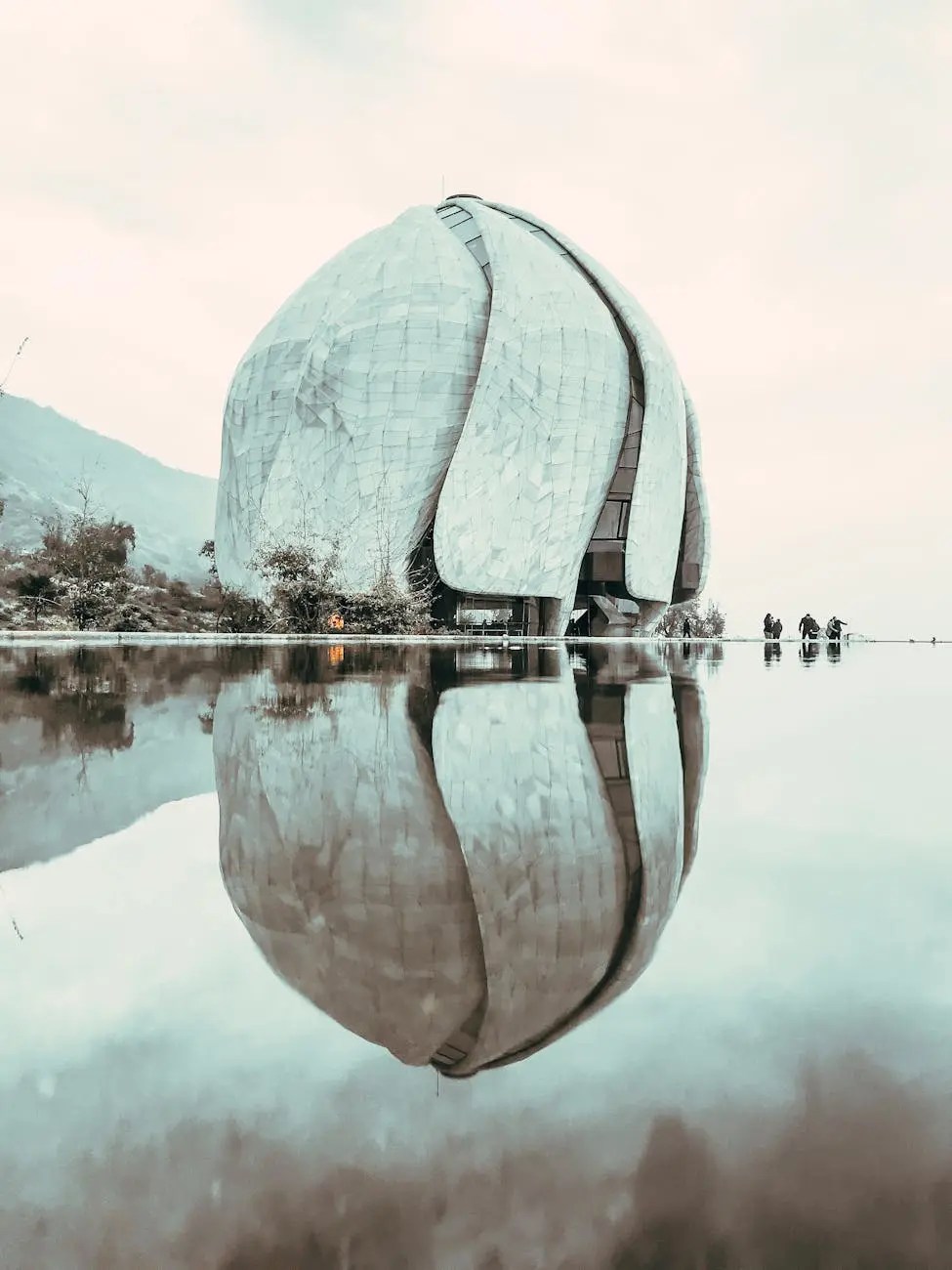
- Baha’i Temple: Located on the outskirts of the city, this lotus flower-shaped temple is a sanctuary of breathtaking peace and architecture. The views and the silence are profoundly moving.
- Patio Bellavista: While not exactly hidden, this courtyard within Bellavista is perfect for an evening pisco sour. It’s less chaotic than the main streets and has a great selection of restaurants and bars.
The Savvy Traveler’s Toolkit: Logistics Made Easy
🗣️ Speak Like a Local (A Little Bit):
- Hola (OH-lah) – Hello
- Por favor (por fah-VOR) – Please
- Gracias (GRAH-syahs) – Thank you
- La cuenta (lah KWEHN-tah) – The bill
- Carrete (kah-REH-teh) – Party (Chileans love a good carrete)
- Permiso = Excuse me
💰 Money-Saving Tips:
- Transport: Get a BIP! card at any metro station. It works on the metro and buses, and fares are significantly cheaper than single tickets.
- Food: Lunch is the main meal in Chile. Look for “menú del día” for a fixed-price, multi-course meal that’s a fraction of dinner prices.
- Water: The tap water in Santiago is safe to drink. Carry a reusable bottle!
🌐 Staying Connected & Secure:
Letting your mobile carrier rob you with roaming fees is so 2010. On my last trip, I used Drimsim, a global SIM that works in over 190 countries. Pop it in, top up via the app, and you’re online the moment you land. No more frantic airport SIM hunts!
And while we’re on tech, public Wi-Fi is a blessing and a curse. To keep my bookings and photos safe, I never travel without my NordVPN. It’s a digital seatbelt for your internet connection.
✈️ Travel Smart, Travel Insured:
A weekend trip can still go sideways. I never leave home without travel insurance from VisitorsCoverage. It’s a platform where you can compare plans and find one that fits your specific trip. It’s the peace of mind that lets you truly relax.
Speaking of things going sideways…
✈️ Flight Delayed or Canceled?
Don’t just sit there fuming! You might be entitled to up to $650 in compensation. Most people have no idea, but I’ve used AirHelp to successfully claim money back. They handle all the annoying paperwork and only get paid if you win. It’s a no-brainer.
📸 Capture the Magic:
The light in Chile, with the clear Andean air, is a photographer’s dream. I captured all the photos for this blog with my trusty Sony Alpha . It’s a workhorse that’s perfect for both sweeping landscapes and intimate street shots.
🧴 Look Fresh After a Long Flight:
That long flight can do a number on your skin. My secret weapon? Lakinza K-beauty products. Their serums and masks are a hydration miracle. Use code Lalax10 at checkout for a sweet discount on your glow-up.
Your Santiago Weekend FAQ
Do I need a visa for Chile?
It depends on your nationality! Citizens of the US, Canada, UK, and Australia currently do not need a visa for tourist stays of up to 90 days. Always double-check with official government sources before you travel, as policies can change.
What’s the best way to get around Santiago?
The Metro is your best friend—it’s clean, efficient, and extensive. For places it doesn’t go, the microbuses (local buses) are easy to use with a BIP! card. I’d avoid renting a car for a weekend trip; city traffic can be hectic.
Is Santiago a safe city for tourists?
Like any major city, be smart. Be aware of your surroundings in crowded areas like markets and on the Metro. Don’t flash expensive jewelry or phones. Stick to well-lit areas at night, and use Uber or registered taxis after dark. I’ve always felt safe by following these basic rules.
What’s one thing I absolutely shouldn’t miss?
The view from the top of Cerro San Cristóbal at sunset. It encapsulates the entire Santiago experience in one breathtaking panorama.
What’s the local currency?
A: Chilean Peso (CLP). Use ATMs instead of airport exchange booths for better rates.
Can I drink tap water?
A: Yes — it’s safe, but bottled water is widely available if you prefer.
Any vegetarian options?
A: Absolutely! Santiago’s food scene caters to all diets — try “Empanadas de Queso” or “Porotos Granados.”
Ready to Pack Your Bags?
Santiago is waiting to surprise you. With this plan, you’re not just visiting; you’re experiencing the city like a seasoned traveler. Now go enjoy your wine, your views, and your well-earned escape.
What’s your favorite South American city escape? Share your tips in the comments (and for more travel inspiration, don’t forget to check out the full Travel Master List!)
🌅 10. Final Thoughts & Call to Adventure
A weekend in Santiago, Chile feels like three trips in one — mountain views, city lights, and vineyard afternoons. Whether you’re hiking the Andes or sipping a Carménère under a terrace umbrella, the city delivers magic in every corner.
So, what are you waiting for?
👉 Plan your Santiago weekend now on Expedia — flexible stays, best prices, and no stress.
 Home Home sweet sweet home