Discover the heart of Santiago, Chile! This guide to the Plaza de Armas covers its colonial history, must-see architecture, practical visitor tips (including how to get there and safety advice), and the best times to visit this vibrant cultural hub.
“Every time I step into the Plaza de Armas, I feel the layers of Santiago’s history under my feet. From Spanish conquistadors to modern-day street artists, this square has seen it all. Here’s why it’s the unmissable starting point for any visit.”
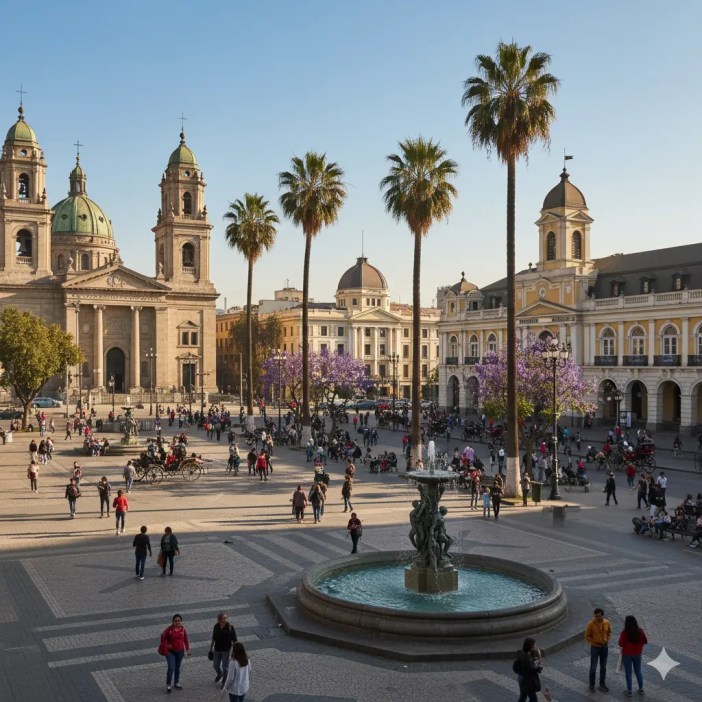
The heart of Santiago: Plaza de Armas, featuring the Metropolitan Cathedral and historic surrounding buildings. A central meeting point rich in Chilean history and daily life.
🏛️ The Soul of the City: A History of the Plaza de Armas
The Plaza de Armas is the historic heart and “Kilometer Zero” of Santiago, the point from which all distances in Chile are traditionally measured. Foundation (1541): It was established by the Spanish conquistador Pedro de Valdivia as the center of the newly founded city of Santiago. Following the standard Spanish colonial grid plan, it was initially a military training ground and a defensive space—hence the name, which literally means “Weapons Square.” Colonial Center: The most important colonial buildings were immediately erected around it, symbolizing Spanish power and order: the Metropolitan Cathedral (church), the Governor’s Residence (now the Central Post Office), the Royal Court Palace (now the National History Museum), and the City Council (now the Santiago Municipality). Evolution: Throughout the colonial era, the square served as the central marketplace, social hub, and stage for public events, including religious processions, festivals, and even bullfights. Modernization: In the mid-19th century, it was significantly modernized, replacing the dusty esplanade with gardens, fountains, and the iconic palm trees, transforming it into a beautiful European-style promenade. Continuing Role: Today, it remains a bustling, vibrant, and sometimes chaotic center of social, cultural, and political life, still surrounded by the original, historic government and religious institutions.
🗺️ Practical Visitor Tips for the Plaza de Armas
Here are some essential tips to help you make the most of your visit to Santiago’s historic main square:
Tip Category
Detail
How to Get There
Take the Santiago Metro to the Plaza de Armas station (Line 5 or Line 3). The square is virtually right above the station, meaning it’s just a 5-minute walk to emerge into the heart of the action.
Best Time to Visit
Mornings (9:00 AM – 11:00 AM) are cooler and less crowded, perfect for photography and admiring the architecture. Evenings (5:00 PM – 8:00 PM) are vibrant with locals, street performers, and artists, offering a great glimpse into the city’s pulse.
Money-Saving Tip
It’s a public square! Enjoying the grand colonial atmosphere, resting on a bench, and people-watching the chess players and artists is completely free. The surrounding museums often have very low or free entry days, too.
A Word on Safety
As the city’s busiest and most central square, it attracts large crowds. Keep a close eye on your belongings (bags, phones, cameras) and be aware of your surroundings, especially during peak hours.
The Chess Masters
I remember sitting on one of the benches near the fountain late one afternoon. I was trying to figure out which direction to head next when I noticed a small, intense crowd gathered under the palm trees. They were watching a silent battle: a group of older gentlemen playing speed chess on makeshift tables. The way they slammed the pieces down after a move, the sharp focus in their eyes, and the quiet camaraderie among the spectators perfectly captured the daily, vibrant pulse of the Plaza—a beautiful mix of history, routine, and life.
Where to Stay: Best Neighborhoods for Every Traveler
Your Ultimate 48-Hour Barcelona Itinerary
Day 1: Gaudí’s Masterpieces & Gothic Charm
Morning: Sagrada Família & Park Güell
Afternoon: The Gothic Quarter & La Rambla
Evening: Tapas & Drinks in El Born
Day 2: Markets, Views & Beach Vibes
Morning: Mercado de La Boqueria & Barcelona Cathedral
Afternoon: Barceloneta Beach & Waterfront
Evening: Magic Fountain Show & Panoramic Views
Essential Barcelona Experiences
A Food Guide: Tapas, Paella, and Catalan Cuisine
Cultural Tips: Understanding Local Customs
Practical Information for Your Trip
Language: Catalan and Spanish Basics
Money-Saving Tips & City Passes
Staying Safe: Pickpocket Awareness
Conclusion: Making Your Barcelona Weekend Unforgettable
Barcelona isn’t just a city—it’s a mood. The capital of Catalonia has mastered the art of balancing modern flair with old-world charm. Antoni Gaudí’s dreamlike architecture captivates visitors. Tapas are so delightful they could make you rethink every diet you’ve ever tried. Barcelona knows how to sweep travelers off their feet.
And here’s the kicker: Barcelona consistently ranks among the Top Visited Cities in the World, welcoming millions each year. If you’ve only got a weekend to spare, don’t worry. I’ve crafted the ultimate 48-hour escape. It’ll help you make the most of every churro-filled moment.
✈️ Flight Delayed or Canceled? Travel isn’t always smooth sailing—sometimes flights get delayed, canceled, or overbooked. The good news? You might be entitled to up to $650 in compensation under air passenger rights. Most travelers never claim it, but I’ve got you covered: just check your flight with AirHelp. They handle the paperwork, fight the airlines for you, and only get paid if you win. Easy, stress-free, and potentially a nice surprise for your travel fund.
✈️ Travel Hack: Tired of expensive international data? I use Drimsim—a global SIM that works in 190+ countries. Pop it in, top up on the app, and you’re online. No contracts, no hidden fees. Perfect for every getaway! 👉 Drimsim
Start your weekend like a true Barcelonian—with a slow stroll down La Rambla. This lively boulevard is packed with flower stalls, street performers, and enough souvenir magnets to cover your fridge twice. Take a detour into the Gothic Quarter (Barri Gòtic) where cobblestone alleys whisper tales of medieval kings and Roman ruins.
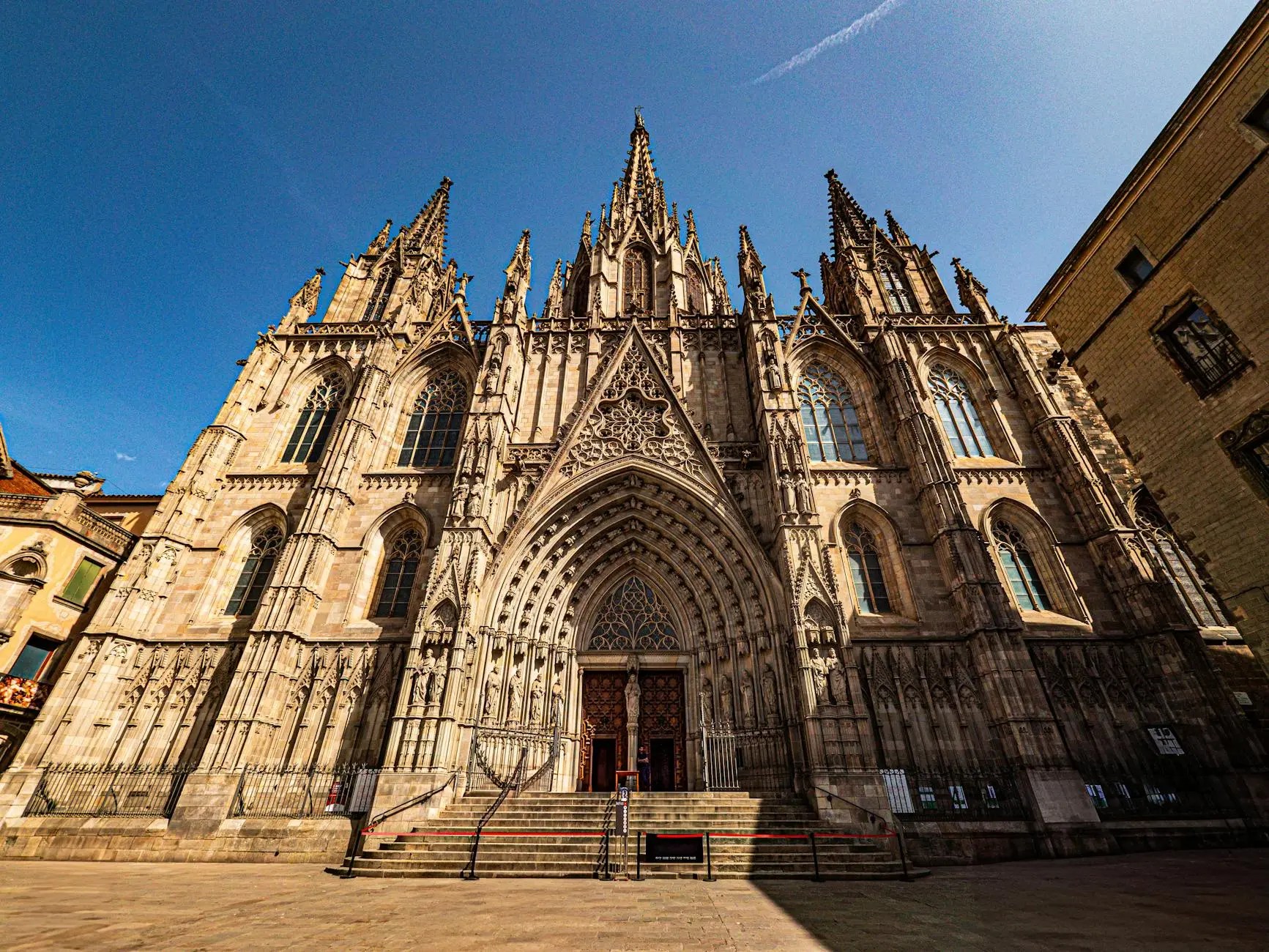
Explore the stunning architecture of the Gothic Quarter, featuring the magnificent facade of a historic cathedral.
💡 Pro Tip: If you’re a photography buff, this area is a goldmine. I always travel with my camera gear from Camera World. Let’s face it, iPhone snaps don’t do justice to Barcelona’s moody Gothic arches.
Afternoon: Gaudí’s Masterpieces
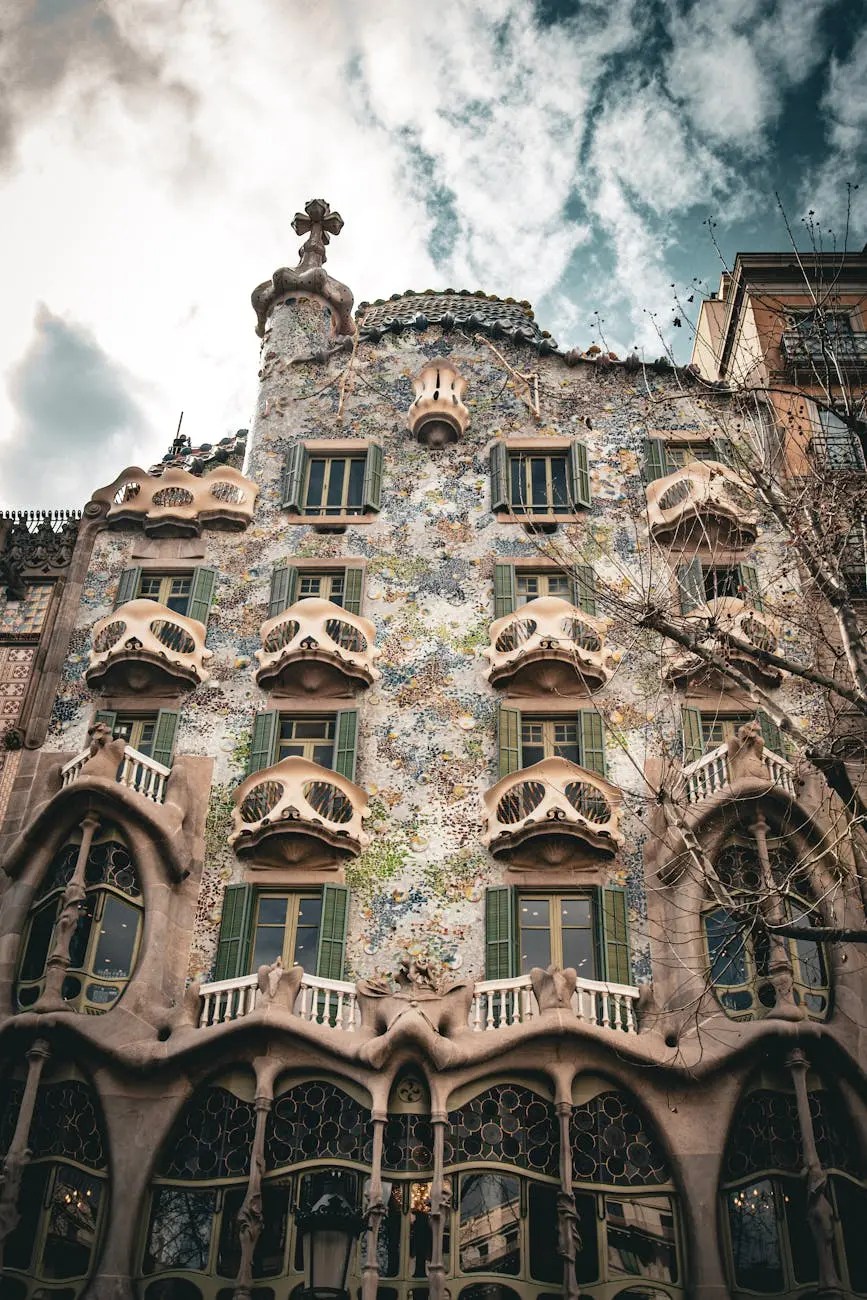
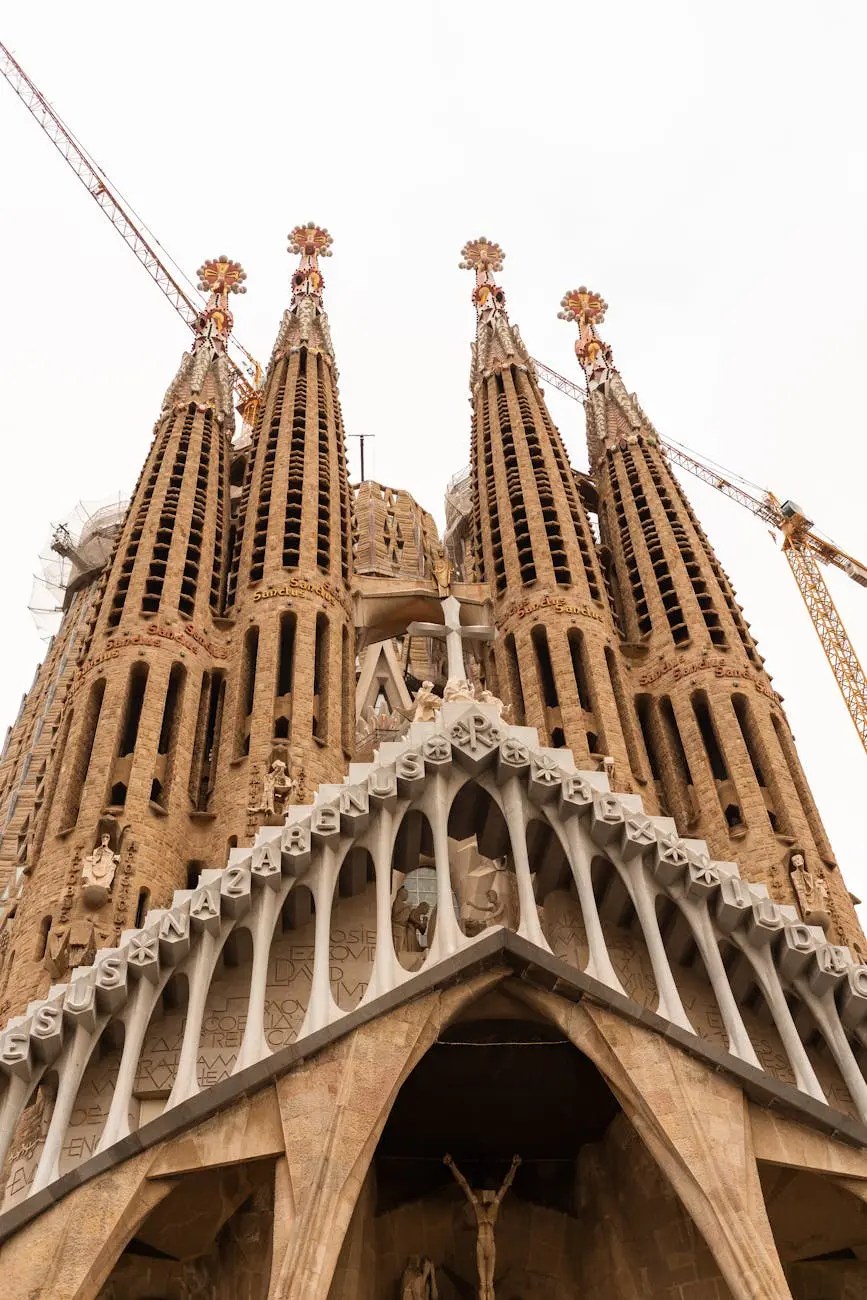
No trip to Barcelona is complete without Gaudí. Swing by Casa Batlló and La Pedrera, then spend your afternoon at the one-and-only Sagrada Família. Sure, it’s been “under construction” since 1882, but aren’t we all a work in progress?
⏰ Best Time to Visit: Late afternoon for softer light and fewer tourist buses.
The stunning facade of Gaudí’s Sagrada Família, showcasing its intricate architecture and iconic towers.
Evening: Tapas & Flamenco
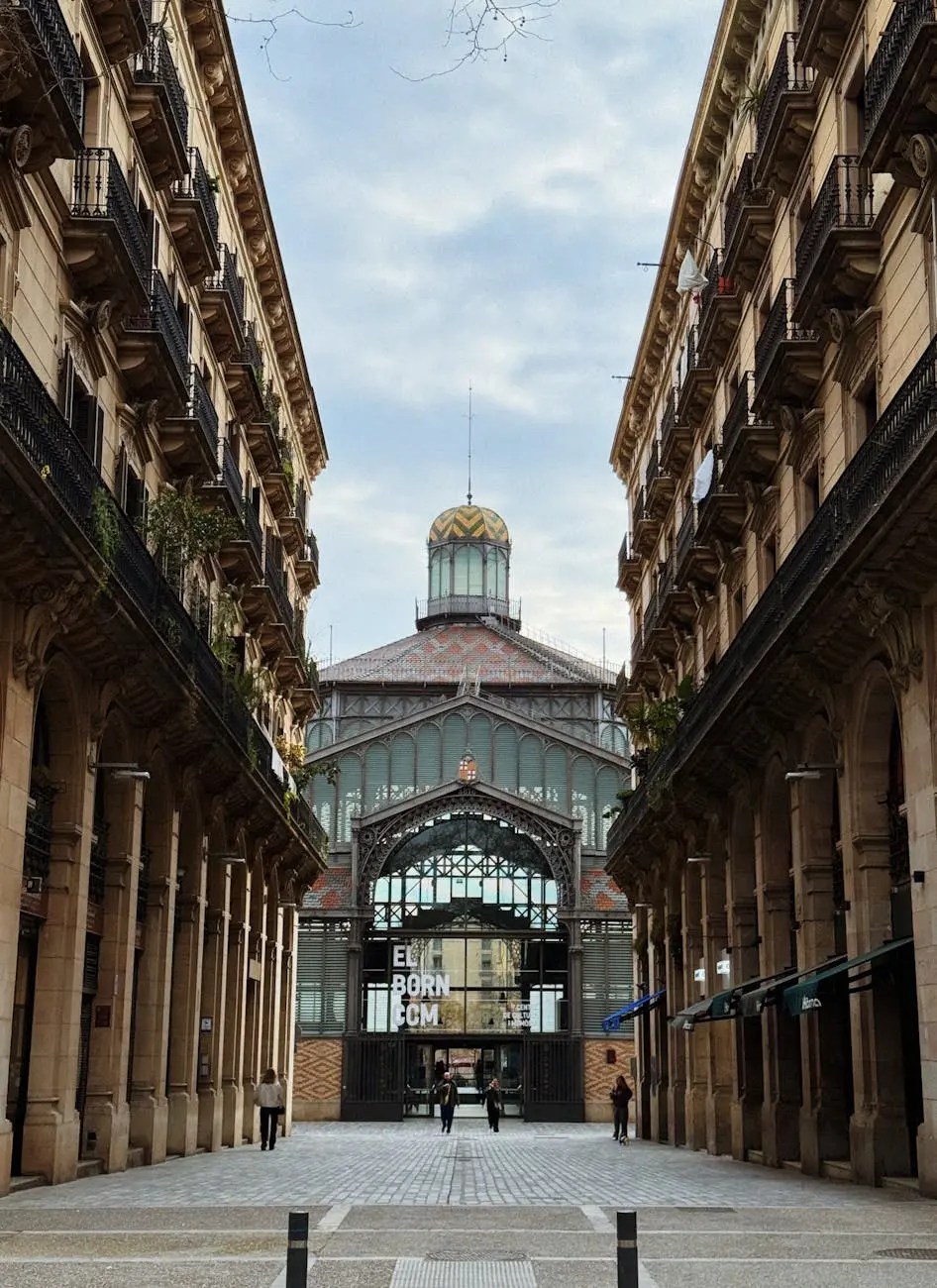
Head to El Born district for tapas hopping. Here’s my guideline: Look for a bar that’s crowded with locals. If it smells like garlic and grilled seafood, you’ve found the right spot. End the night with a flamenco show—it’s dramatic, passionate, and you’ll clap along even if you’re rhythm-challenged.
A view of El Born district in Barcelona, showcasing its distinctive architecture and vibrant atmosphere.
🌊 Day 2: Sunshine, Sea, and Secret Corners
Morning: Barceloneta Beach
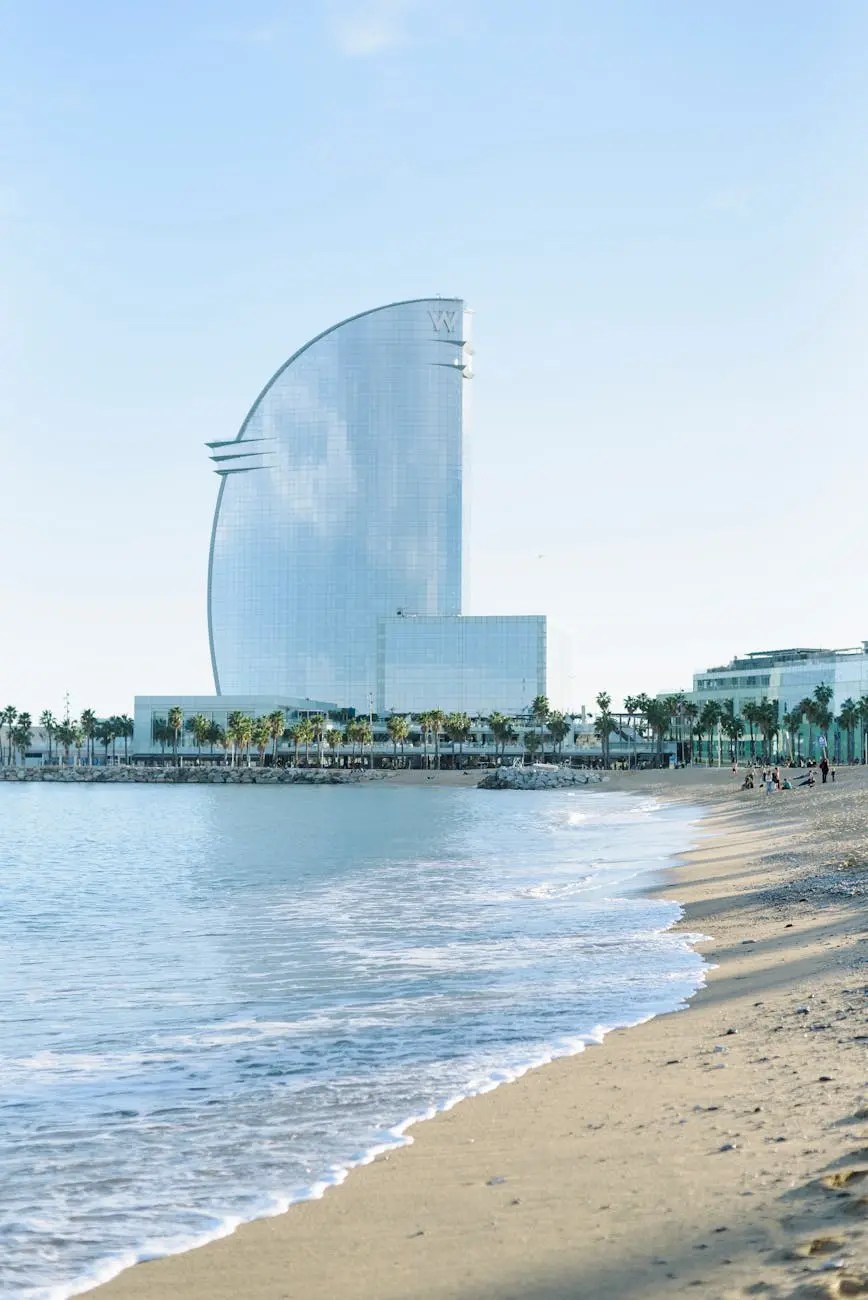
Barcelona’s coastline stretches for miles, and Barceloneta Beach is the most famous. Rent a bike (plenty of rental shops around) and cruise along the seaside promenade. It’s cheaper than taxis and way more fun.
🚴 Insider Hack: Download Citymapper for real-time bus/train routes. It’ll save you money and keep you from playing charades with bus drivers.
View of the iconic W Barcelona hotel by the beachfront, capturing the essence of seaside relaxation.
🚍 Getting Around Barcelona Like a True Local
Getting around Barcelona like a true local is much easier with the right apps. Your choices depend on your route, the time of day, or your preferred mode of transport. Forget the guesswork—here are some smart combos I’ve personally used to save both time and euros:
Citymapper + TMB App – The perfect duo for mastering public transport. Citymapper provides real-time navigation. It includes walking, metro, and bus options. The official TMB app keeps you updated on delays, live departures, and ticket prices.
Google Maps + Hola Barcelona Travel Card – Pair your digital map with an unlimited travel card. It covers metro, tram, and bus. You’ll breeze through the city without constantly reloading tickets.
Bicing + Komoot – Want to explore hidden corners on two wheels? Use Bicing (Barcelona’s bike-sharing system) to grab a ride. Use Komoot to find scenic cycling routes. These routes avoid the city’s busiest streets.
Cabify + FreeNow – For late nights when metros close (around midnight on weekdays), use these rideshare apps. They are safer and often cheaper than flagging random taxis.
💡 Traveler Tip: Download apps before you land and connect them to your payment method. This saves you from fumbling with WiFi at El Prat Airport. All you want is a café con leche and a nap.
💶 Mini Cost Breakdown: Barcelona Transport
Knowing what to expect cost-wise can save you from unnecessary “holiday math headaches.” Here’s a quick rundown of average prices for getting around Barcelona:
Single Metro/Bus Ticket: €2.55 per ride (valid for 75 minutes, including transfers).
Hola Barcelona Travel Card:
48 hours – €17.50
72 hours – €25.50
96 hours – €33.30
120 hours – €40.80 (Unlimited metro, bus, tram, and suburban train rides within Zone 1.)
T-Casual Ticket: €12.15 for 10 rides (non-transferable but perfect if you’re mixing walking with occasional public transport).
Airport Metro Ticket: €5.50 one-way (L9 Sud line).
Bike Rentals: Around €5–€8 per hour, or €15–€20 for a full day.
Electric Scooters: Approx. €0.25 per minute via apps like Lime or Dott.
Taxi Start Fare: €2.30 + €1.20 per km (expect €25–€30 from airport to city center).
💡 Budget Hack: For a 2–3 day trip, the Hola Barcelona Card usually works out cheaper than buying single tickets. This is especially true if you’re planning to visit must-see spots. These include Sagrada Família, Park Güell, and Montjuïc.
💡 Local Tip: For a weekend, the Hola Barcelona Card usually gives the best value. If you love exploring at your own pace, try a day bike rental + Hola Card combo. It is unbeatable. You’ll cover more ground while still enjoying Barcelona’s hidden corners.
Afternoon: Montjuïc Magic
Take the cable car up Montjuïc Hill for panoramic views of the city. While you’re up there, explore Montjuïc Castle and the gardens. Bonus: fewer crowds compared to Park Güell, and the views are just as breathtaking.
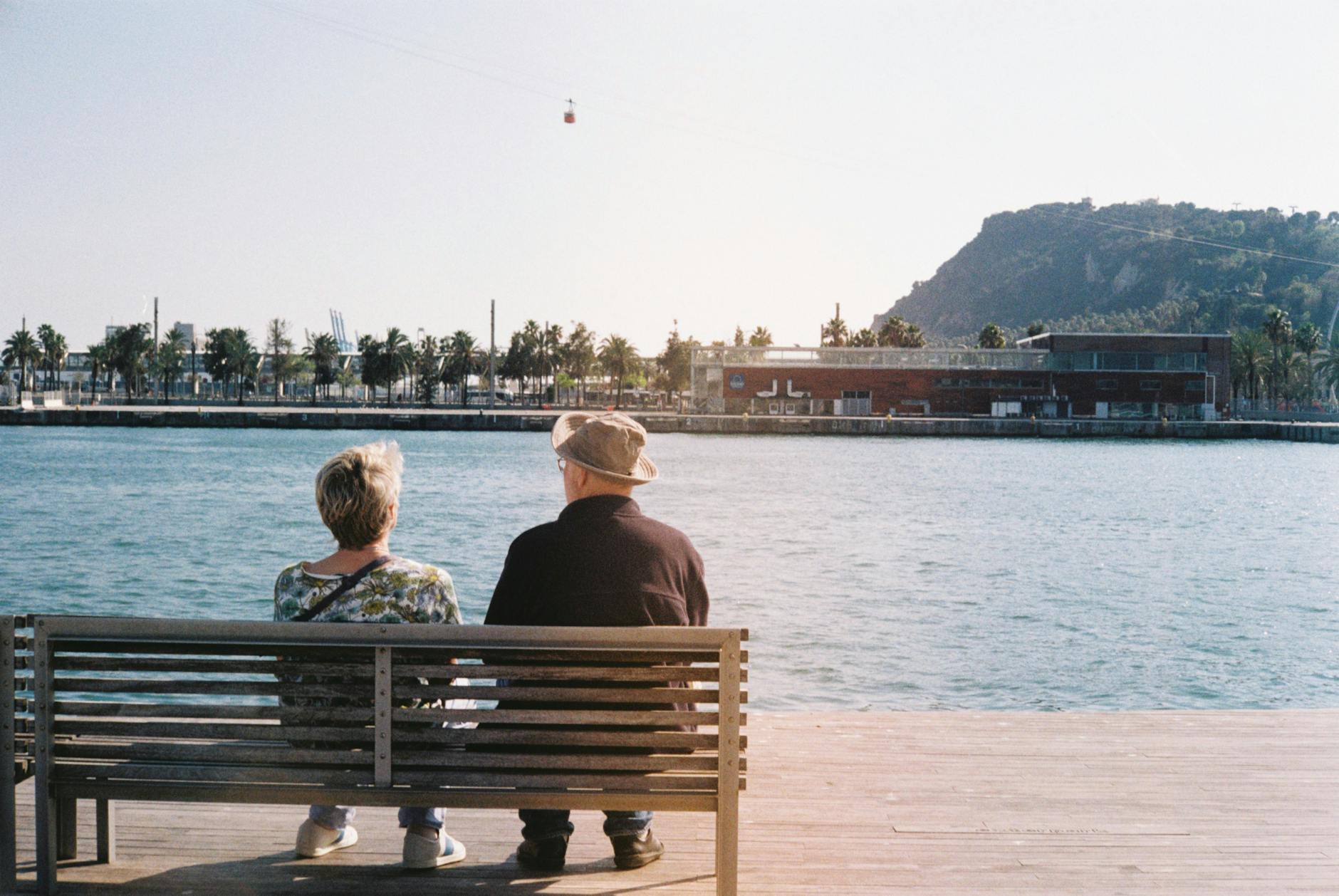
A serene moment captured at the waterfront. A couple enjoys the view of the sea. They admire the palm-lined promenade in Barcelona.
Palau Nacional / Museu Nacional d’Art de Catalunya (MNAC)
Location: On Montjuïc Hill, inside the grand Palau Nacional building.
Focus: Vast collection of Catalan art, including Romanesque church paintings, Gothic, Renaissance, Baroque, and Modern art.
Vibe: Monumental and majestic — with some of the best panoramic views of Barcelona from the steps.
Panoramic view of the Palau Nacional. It is home to the National Art Museum of Catalonia. The building is surrounded by lush gardens. Steps lead down to the square.
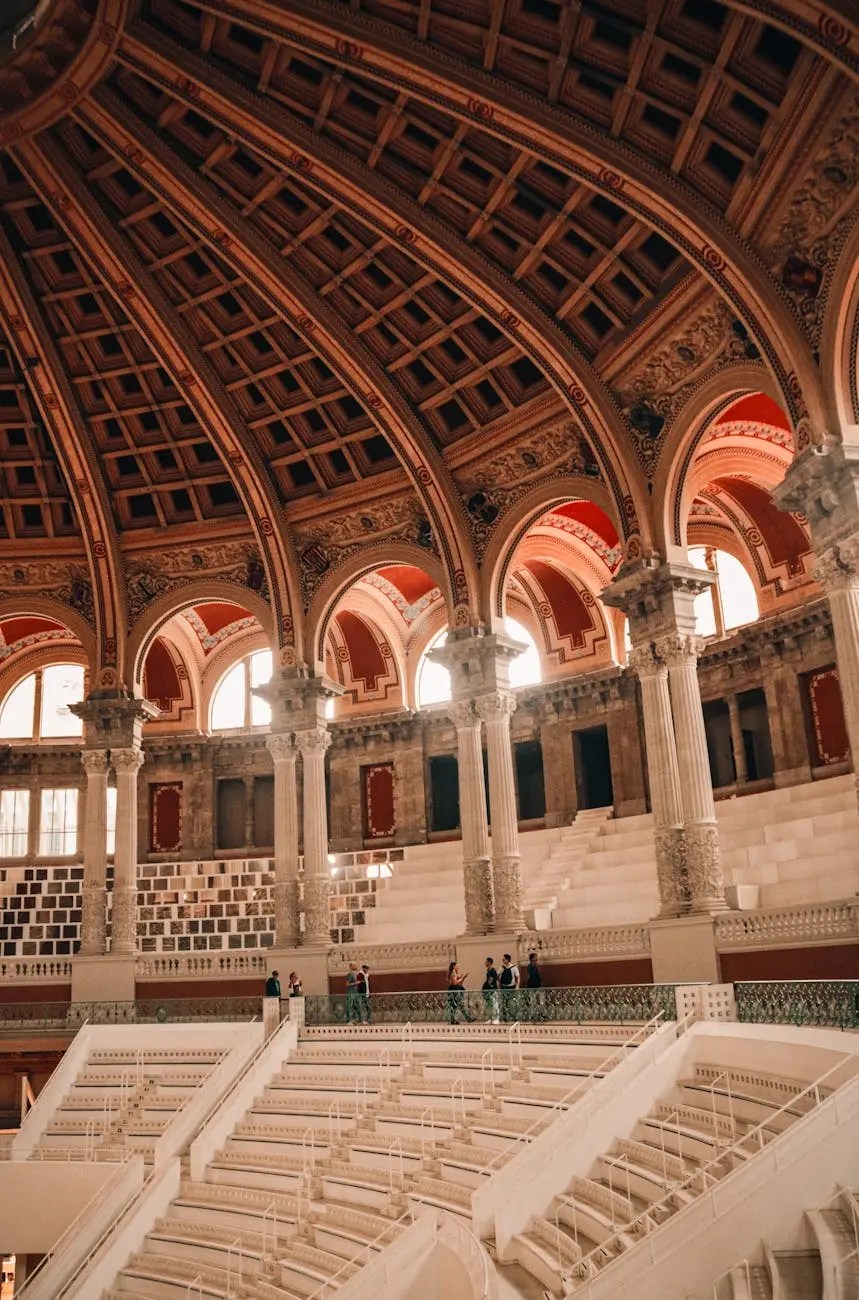
The stunning interior architecture of the Palau Nacional, showcasing its grand arches and intricate design.
Evening: Hidden Gems & Nightlife
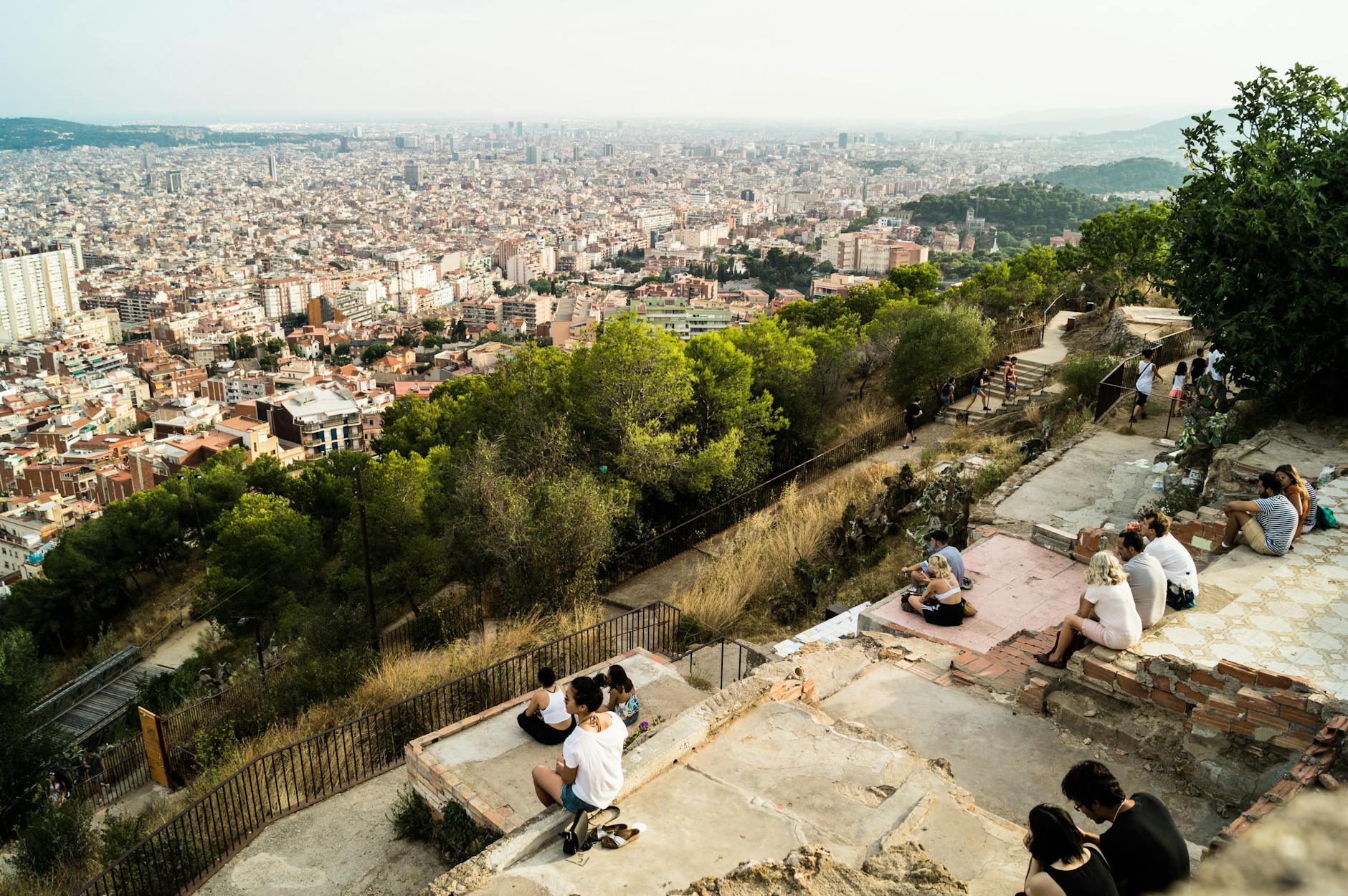
Skip the overcrowded tourist traps and head to Bunkers del Carmel, a former Spanish Civil War bunker turned sunset hotspot. Bring snacks, grab a spot, and watch Barcelona glow golden before heading down for late-night churros.
A breathtaking view from the Bunkers del Carmel overlooking the sprawling city of Barcelona.
🚉 Getting Around Barcelona Like a Local
Here’s where most travelers burn money—transportation. But with a little planning, you can save both time and euros.
Metro & Buses: Grab a Hola Barcelona Travel Card (2–5 days). It covers unlimited metro, tram, and bus rides. Perfect for a weekend blitz.
Walking: The city is compact. Walking from La Rambla to the Gothic Quarter is quicker than waiting for a taxi.
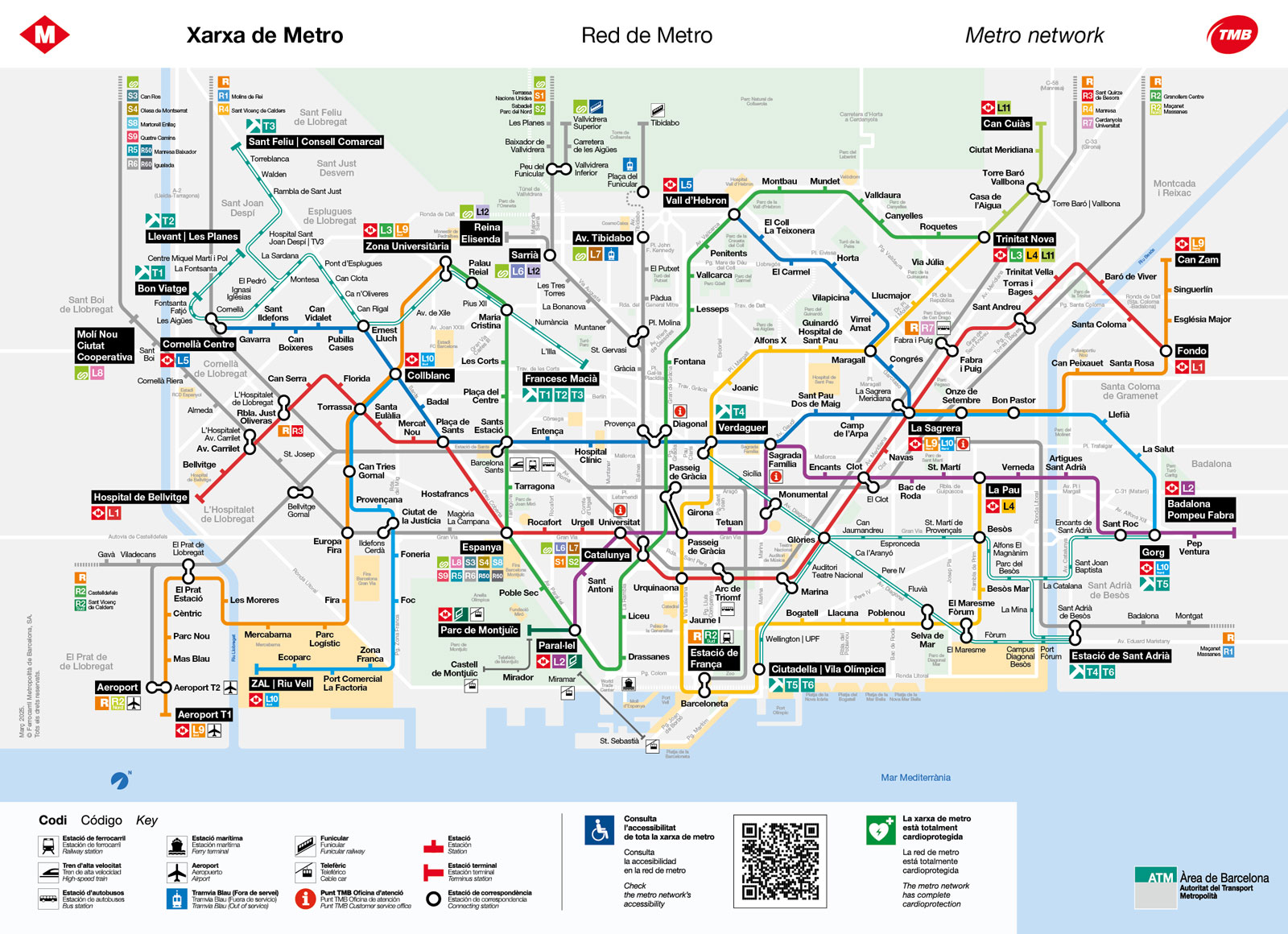
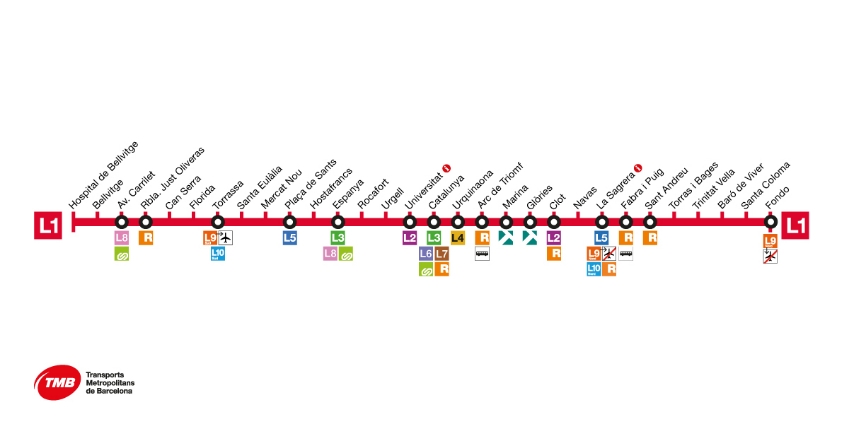
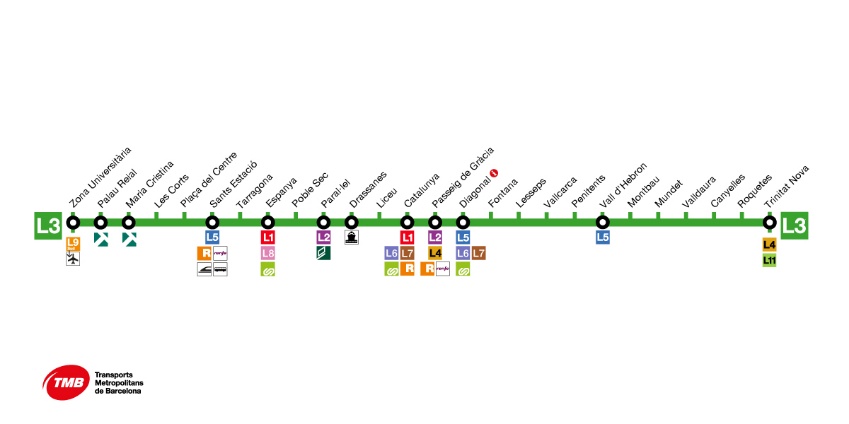
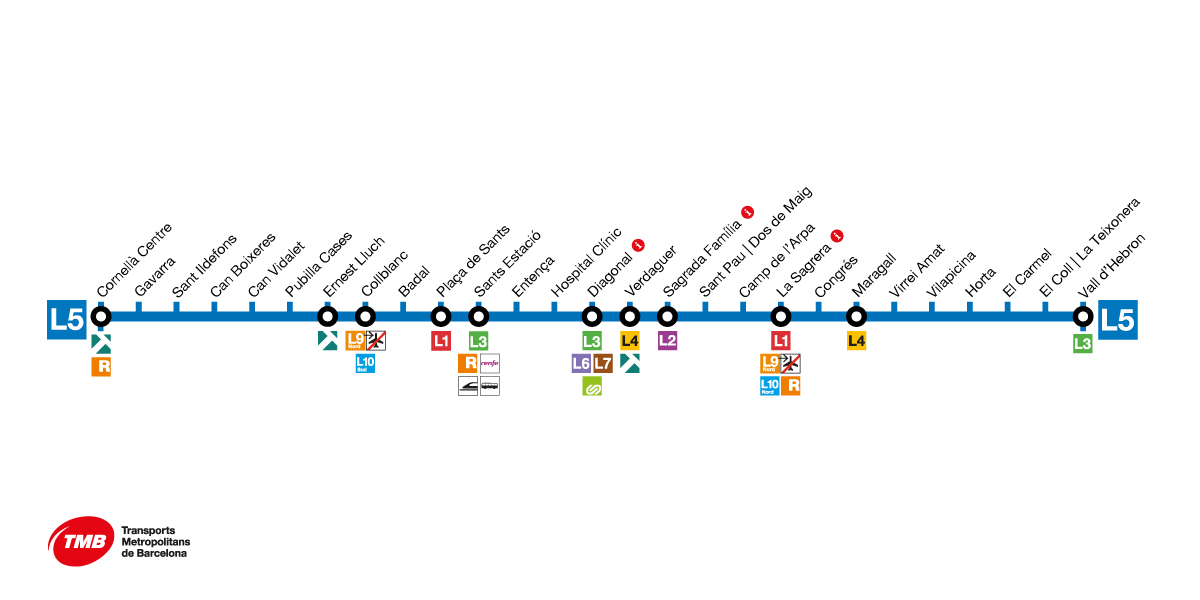
Maps & Routes: Stick to main metro lines (L1, L3, L5) to cover the must-sees without zigzagging. Saves time and sanity.
Driving: Honestly? Don’t. Narrow streets, aggressive scooters, and expensive parking make renting a car more headache than freedom.
🚦 Money-Saving Hack: Use Google Maps’ “avoid tolls” option if you absolutely must drive. Spanish tolls add up quickly.
🎨 The Picasso Museum: A Must for Art Lovers
If you’ve got even a couple of hours to spare, make time for the Museu Picasso in El Born. With over 4,000 works, it showcases Picasso’s early years and his deep connection to Barcelona. It’s not just about the paintings. You’ll get a glimpse into the artist’s journey. He evolved from a struggling teen sketching rooftops to the creative genius we know today.
💡 Traveler Tip: Entry is €12. Here’s the hack. Sunday afternoons after 3 pm are free. The first Sunday of every month is also free. Get there early because the line for free tickets is longer than the queue for churros at midnight!
Stay Connected: Forget overpriced airport SIM cards. I use Drimsim—a universal SIM card that works in 190+ countries. Just pop it in, recharge via app, and voilà—data wherever you wander.
Protect Your Privacy: Traveling means hopping on dodgy WiFi. I never leave home without NordVPN. Keeps my data safe and also unlocks my favorite shows while abroad (yes, Netflix knows I’m in Spain).
Flight Delays?: Been there, suffered that. Don’t just sigh into your sangria—AirHelp might get you up to $650 in compensation if your flight’s delayed or canceled. Worth a quick check!
✈️ Smart Travel Tip: No matter where your adventures take you, having the right travel insurance can save you from unexpected headaches (and bills). I personally recommend VisitorsCoverage — it’s a trusted platform where you can compare plans, find coverage that fits your trip, and book it in just a few clicks. Whether you’re planning a quick city escape or a longer international journey, it’s peace of mind worth packing.
💸 How to Save Money in Barcelona
Eat Menú del Día: Many restaurants offer a fixed-price lunch menu (starter + main + dessert + drink) for under €15.
Book Attractions Online: Sagrada Família and Park Güell are cheaper online than at the gate. Plus, you skip the queues.
Free Sundays: Many museums (like the Picasso Museum) offer free entry on Sundays after 3pm.
Tap Water: Safe to drink—just refill your bottle instead of buying plastic.
🌍 Related Weekend Escapes
Planning more short trips around the world? Check out my other guides:
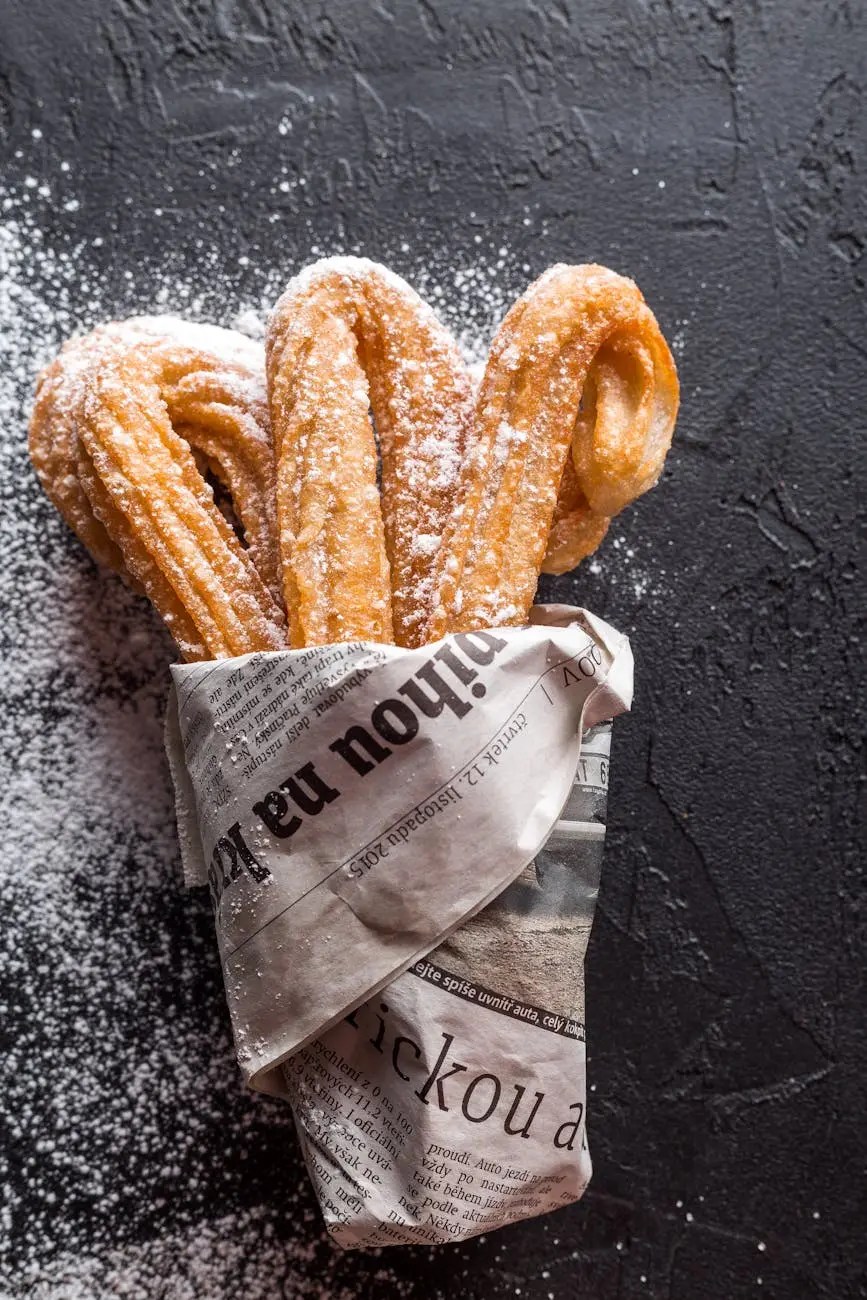
No Barcelona trip is complete without indulging in a plate of churros con chocolate. These are crispy, golden sticks of fried dough. They are paired with a cup of thick, velvety hot chocolate that’s basically liquid heaven. Locals often enjoy them as an afternoon snack. They also savor them as a late-night treat after tapas. Yes, dessert after dinner is very much a thing here. For an authentic experience, pop into a traditional churrería near the Gothic Quarter or El Born. There, churros are made fresh and served piping hot. Just don’t be surprised if you find yourself going back for a second round—they’re that addictive!
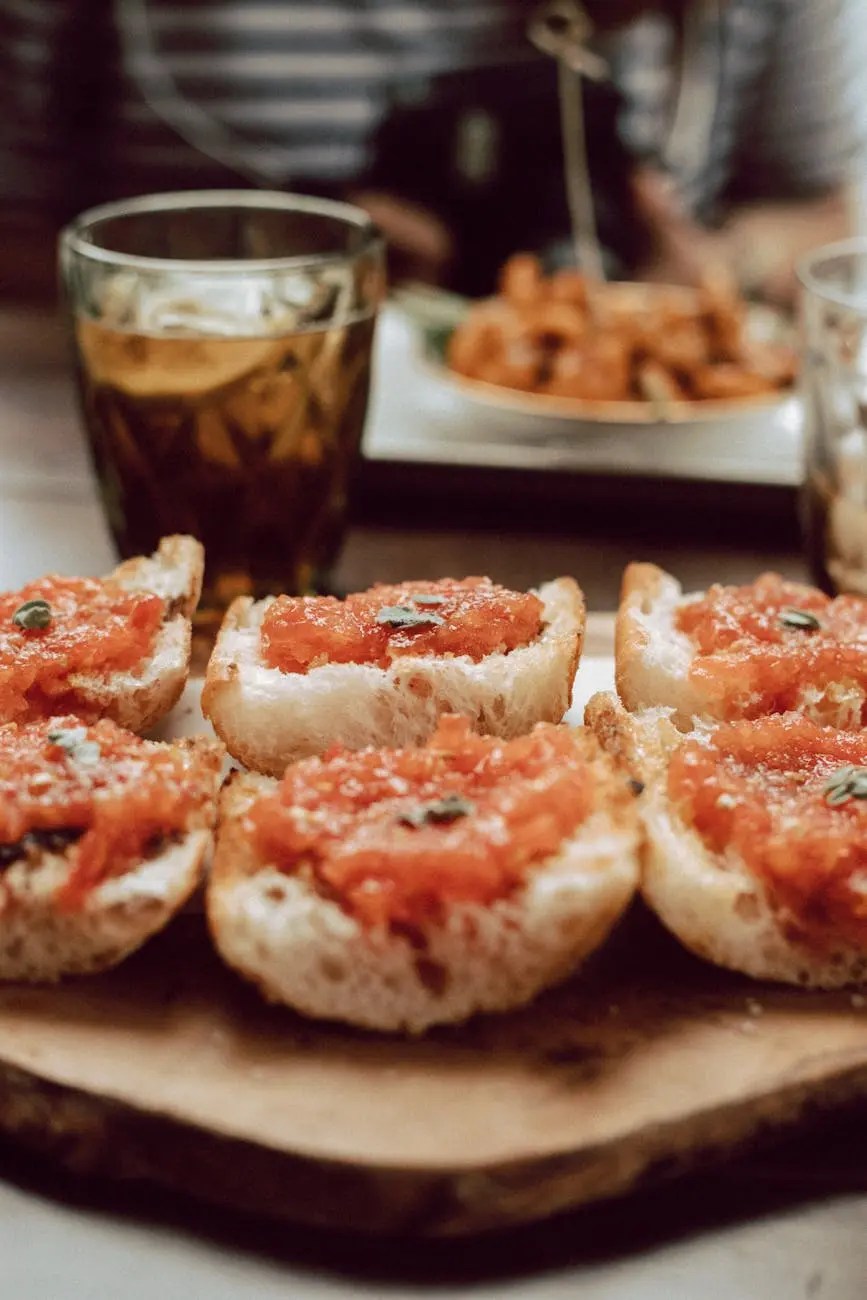
Delicious tapas featuring fresh tomato topping on crusty bread, a classic Spanish delight perfect for indulging in Barcelona.
Thinking Beyond Barcelona? If you have more than 48 hours, why not add a Mediterranean island adventure to your trip? A direct ferry connection links Barcelona to the beautiful island of Mallorca. Several companies, including Balearia and Grimaldi Lines, operate regular car and passenger ferries from the Port of Barcelona to Palma de Mallorca. The journey takes approximately 7-8 hours, often with overnight options, making it a scenic and convenient way to explore two iconic Spanish destinations in one trip. It’s the perfect way to extend your Spanish holiday from the urban energy of Barcelona to the sun-drenched beaches and coves of the Balearic Islands.
Barcelona is the kind of city that doesn’t just check boxes—it writes its own list. You can admire Gaudí’s genius. You might sip cava by the beach. Or you could discover hidden viewpoints. The city delivers a perfect blend of culture and chill.
So pack light, book your stay through Expedia, and let Barcelona sweep you away for the weekend. Just don’t be surprised if you’re already planning your return before your flight home.
“Barcelona is a city of endless adventures—so tell me, what’s the very first thing you’d do if you landed here? Drop your answer in the comments—I’d love to swap ideas!”
👉 Now your turn: Have you been to Barcelona? Did you find a hidden tapas bar worth sharing? Drop your tips in the comments—I’d love to hear them!
Frequently Asked Questions (FAQ)
Q1: Is 48 hours enough to get a good feel for Barcelona? Yes, a weekend is enough time to see the absolute must-see sights and get a wonderful taste of Barcelona’s unique architecture, vibrant food scene, and beach culture. This itinerary is designed to be efficient and cover the iconic highlights without feeling overly rushed.
Q2: What is the best way to get around Barcelona? Barcelona has an excellent and easy-to-use metro system that connects all major attractions. Walking is also a fantastic way to explore neighborhoods like the Gothic Quarter. For longer distances, taxis and ride-sharing services are readily available. The Hola BCN! travel card is great value for unlimited public transport.
Q3: Should I book tickets for attractions in advance? Absolutely yes. This is the most important tip for a short trip. Book tickets online weeks in advance for major attractions like the Sagrada Família and Park Güell. This guarantees entry, allows you to skip the enormous ticket lines, and helps you plan your time effectively.
Q4: What area is best to stay in for a short weekend trip? For first-time visitors, El Born or the Gothic Quarter (Barri Gòtic) are ideal for their central location, historic charm, and proximity to restaurants and bars. Eixample is also a great choice for its modernist architecture and more upscale vibe.
Q5: What is the dress code for visiting churches like the Sagrada Família? While not as strict as some churches, it is respectful to cover your shoulders and avoid wearing very short shorts or skirts. It’s a good idea to carry a light scarf or shawl to cover up when entering.
Q6: How prevalent is pickpocketing, and how can I avoid it? Pickpocketing is common in crowded tourist areas like La Rambla and on public transport. Stay vigilant. Use a cross-body bag kept in front of you, never keep your wallet in your back pocket, and avoid flashing expensive phones or jewelry in crowds.
Q7: What is one unique food I must try in Barcelona? Beyond tapas and paella, you must try Calcots (if in season, late winter/early spring) – a type of grilled green onion, or Esqueixada – a refreshing Catalan salted cod salad. For a sweet treat, try Crema Catalana.

 Home Home sweet sweet home