Tag: Asia Travel

  • Ultimate Weekend Getaway in Manila: Your Insider Guide

    Ultimate Weekend Getaway in Manila: Your Insider Guide

    ✈️ Ultimate Weekend Escapes Series — 80+ Destinations Worldwide

    🇵🇭 Manila 🇸🇬 Singapore 🇹🇭 Bangkok 🇻🇳 Ho Chi Minh 🇮🇩 Jakarta 🇮🇳 Jaipur 🇫🇷 Paris 🇪🇸 Madrid 🇮🇹 Rome 🇬🇧 London 🇩🇪 Berlin 🇺🇸 Miami 🇺🇸 Orlando 🇺🇸 Las Vegas 🇨🇱 Santiago 🇦🇺 Sydney 🇦🇺 Melbourne 🇹🇷 Antalya 🇦🇪 Dubai 🇶🇦 Doha

    🇵🇭 Manila, Philippines — Pearl of the Orient · Intramuros · Jeepneys · 1 of 80+ Weekend Guides

    🏛️ Last Updated: May 2026 · Regularly Maintained — updated Intramuros hours, fresh dining recommendations, new jeepney route info, and latest Manila Cathedral schedule added
    ✓ 2026 data ✓ Regularly reviewed ✓ Part of 80+ series

    🏛️THE MANILA QUICK ANSWER — 48 HOURS

    Can you experience Manila in a weekend? Yes — if you walk the walls of Intramuros, eat lechon in Binondo, and watch Manila Bay sunset from SM Mall of Asia.

    🎯 THE 48-HOUR FORMULA

    • Day 1 (Old Manila): Intramuros (Fort Santiago, San Agustin Church) → Casa Manila → Binondo (Chinatown) for dumplings → Rizal Park evening stroll
    • Day 2 (Culture & Bay): National Museum Complex → Jeepney ride to Malate → SM Mall of Asia for sunset → Seaside dinner with Manila Bay view
    🚇 Jeepney ride: $0.15-0.30🏛️ Intramuros: free entry (museums extra)
    ✅ 48 hours is enough — history, food, and sunset await

    1571
    Intramuros founded
    The Walled City’s Spanish heritage
    300+
    years of Binondo
    World’s oldest Chinatown (1594)
    13M+
    daily Metro Manila commuters
    Plan your travel times

    🔍 THE GAP — WHAT EVERY MANILA GUIDE MISSES

    Most guides send you to crowded Intramuros. The hidden gem? Binondo (Chinatown) — the world’s oldest Chinatown (founded 1594), where the best dumplings and authentic Chinese-Filipino food hide in tiny alleyways .

    🚇 Jeepney Hack
    Only $0.15-0.30 per ride. Look for ‘Intramuros’, ‘Baclaran’, or ‘Cubao’ signs. Pay the driver when you exit. Exact change helps .

    🌅 Manila Bay Sunset
    Best view: SM Mall of Asia Bay Area (free). Also from Harbour Square near Intramuros. Golden hour starts 5 PM .

    “The tourist pays $30 for a guided tour. The traveler rides a jeepney for $0.30. Same streets. Better budget.” — Nomad Nate

    Description: Forget the long-haul planning—Manila is your next spontaneous getaway! Discover how to spend the ultimate weekend in the Philippines‘ capital, hitting the best spots, hidden gems, and local eats. Get detailed travel tips, save time with public transport hacks (LRT/MRT), and learn the Filipino phrases you need. Optimized for travelers seeking Manila weekend travel, history, and culture. Find your next adventure on [Expedia]!

    The moment I stepped out of Ninoy Aquino International Airport (NAIA), the Manila heat hit me like a friendly, humid hug. The city felt alive, chaotic, and utterly mesmerizing. Forget what you think you know about this often-overlooked hub; Manila isn’t just a layover city—it’s a dynamic metropolis waiting to be explored. And you only need a weekend to scratch the surface.

    I’ve been traveling Southeast Asia for years, and Manila always calls me back. It’s a city of contrasts: colonial Spanish walls standing tall next to towering modern skyscrapers, and the scent of street food mingling with exhaust fumes. Trust me, it’s a ride, and with this hyper-efficient, time-saving itinerary, you’ll master it like a local.

    Alright, let’s be real. Manila doesn’t always get the best press. People talk about its traffic, its chaos, its sheer, unadulterated energy. And you know what? They’re not wrong. But they’re also missing the point.

    Manila isn’t a city you just see; it’s a city you feel. It’s a wild, beautiful, frenetic symphony of honking jeepneys, sizzling street food, and some of the warmest people you’ll ever meet. Tackling it in a weekend might seem ambitious, but trust me—with this plan, you’re not just checking boxes. You’re diving headfirst into the heart of the Philippines.

    So, grab your sense of adventure (and maybe some deodorant, it’s humid), and let’s build your perfect Manila weekend.

    Flights to Manila

    Compare Manila Flights Price Here:

    ✈️ BOOK YOUR MANILA ESCAPE

    Find the best deals on flights, hotels, and tours for your Philippine adventure. Compare and make the right choice with many options below!

    ✈️ FLIGHTS & HOTELS

    ✈️ AIRLINES

    🎟️ TOURS & ACTIVITIES

    ✅ COMPARE AND MAKE THE RIGHT CHOICE

    Every traveler has different priorities — budget airlines, flexible hotels, or specific tour operators. Compare prices across platforms to find what works best for YOUR Manila adventure. Happy travels! 🇵🇭

    🔗 Affiliate Disclosure: I earn a small commission at no extra cost to you. Thank you for supporting ConfidenceBuildings.com!

    Quick Tip: I never travel without my reliable Sony Alpha a7 III. It’s a workhorse for capturing everything from low-light church interiors to the vibrant chaos of a market.

    Hotels in Manila

    Table of Contents

    1. Your Manila Game Plan: A Weekend Itinerary
    2. Manila on a Budget: Money-Saving Hacks & Public Transport
    3. Hidden Gems & Local Secrets
    4. Essential Filipino Phrases for Travelers
    5. Travel Smarter, Not Harder: My Can’t-Live-Without Gear
    6. Frequently Asked Questions (FAQ)

    🇵🇭 MANILA · PEARL OF THE ORIENT · METRO MANILA

    🏛️ MABUHAY! Manila’s Intramuros and vibrant street life are just one of 80+ destinations I’ve explored!

    From the historic walls of Intramuros to the bustling jeepneys and sunset at Manila Bay, the Philippines’ capital is a sensory adventure. And I’ve captured that same magic across 6 continents — with 45+ European cities, Asian adventures, Americas escapes, and more.

    45+ Europe
    18+ Asia
    10+ Americas
    8+ Africa/Aus
    🌍 EXPLORE ALL 80+ GUIDES →

    Europe · Asia · Americas · Australia · Africa

    🇵🇭 SOUTHEAST ASIA GUIDES:
    Manila | Cebu (coming soon) | Palawan (coming soon) | Bangkok | Singapore | Jakarta
    🏛️ “Manila’s spirit is resilient and warm — and 80+ more cities are waiting to welcome you with open arms”

    Day 1: Old-World Charm & Sunset (Friday Evening to Saturday)

    Friday Night: Arrive & Recharge

    If you land on a Friday evening, the best advice I can give you is this: don’t try to fight the Friday rush hour traffic. It’s legendary. Instead, book your accommodation near a major transit line (like the LRT or MRT) or, better yet, in the walkable areas of Makati or Malate.

    A detailed transit map of Greater Manila showing various transportation lines including MRT, LRT, and PNR, with highlighted routes and stops.
    A comprehensive transit map of Greater Manila, essential for navigating the city’s transport systems.

    I once spent two hours in an airport taxi because I thought I could “beat the traffic” at 6 PM. I was wrong. Utterly, hilariously wrong. Save yourself the stress, settle in, and grab a late dinner.

    Saturday Morning: The Walled City (Intramuros)

    Best Time to Visit: 8:00 AM – 10:00 AM (to beat the heat and the heaviest crowds).

    Intramuros is the historic heart of Manila—a 400-year-old walled city built during the Spanish colonial period.

    What to Do:

    1. Rent a Bamboo Bike (Bambike): Skip the kalesa (horse-drawn carriage) tour. Rent a bicycle made of bamboo! It’s eco-friendly, fun, and the perfect way to navigate the cobbled streets.
    2. Fort Santiago: The most significant spot. This is where the Philippines’ national hero, Jose Rizal, was imprisoned before his execution. It’s sobering and beautiful.
    3. San Agustin Church: A UNESCO World Heritage Site. The trompe-l’oeil ceilings alone are worth the visit.
    A cyclist riding through a busy street in Manila, surrounded by traffic including cars and motorbikes, with urban buildings and power lines in the background.
    A vibrant street scene in Manila showcasing the mix of local traffic, jeepneys, and cyclists navigating the bustling city. The organized chaos of a Manila street: a iconic jeepney shares the road with cars and a determined cyclist, showcasing the city’s vibrant and relentless energy.

    Hidden Gem: Instead of the main tourist haunts, seek out the Baluarte de San Diego, a beautiful, quiet garden bastion. It’s less crowded and a perfect spot to take some breathtaking photos of the historic walls. By the way, the photos in this entire post? I shot them on my favorite travel camera. It’s light enough for a full day of touring but packs a professional punch.

    Historical detail of the walled city of Intramuros in Manila, showcasing colonial architecture and intricate relief carvings. Walking through the main gate of Fort Santiago feels like stepping directly into the pages of Philippine history.
    Historic church buildings in Intramuros, Manila, showcasing colonial architecture with intricate details and a blue sky backdrop.
    Explore the historic charm of Intramuros, Manila’s 400-year-old walled city, highlighted by stunning colonial architecture and rich cultural heritage.

    Day 2: Park Life, Shopping, and a Wild Night Out

    • Morning (Green Escape): Escape the concrete jungle at Rizal Park. It’s the country’s tribute to its greatest hero. See the Chinese and Japanese Gardens, the orchidarium, and the monument where guards change hourly. It’s a peaceful, green start to the day.
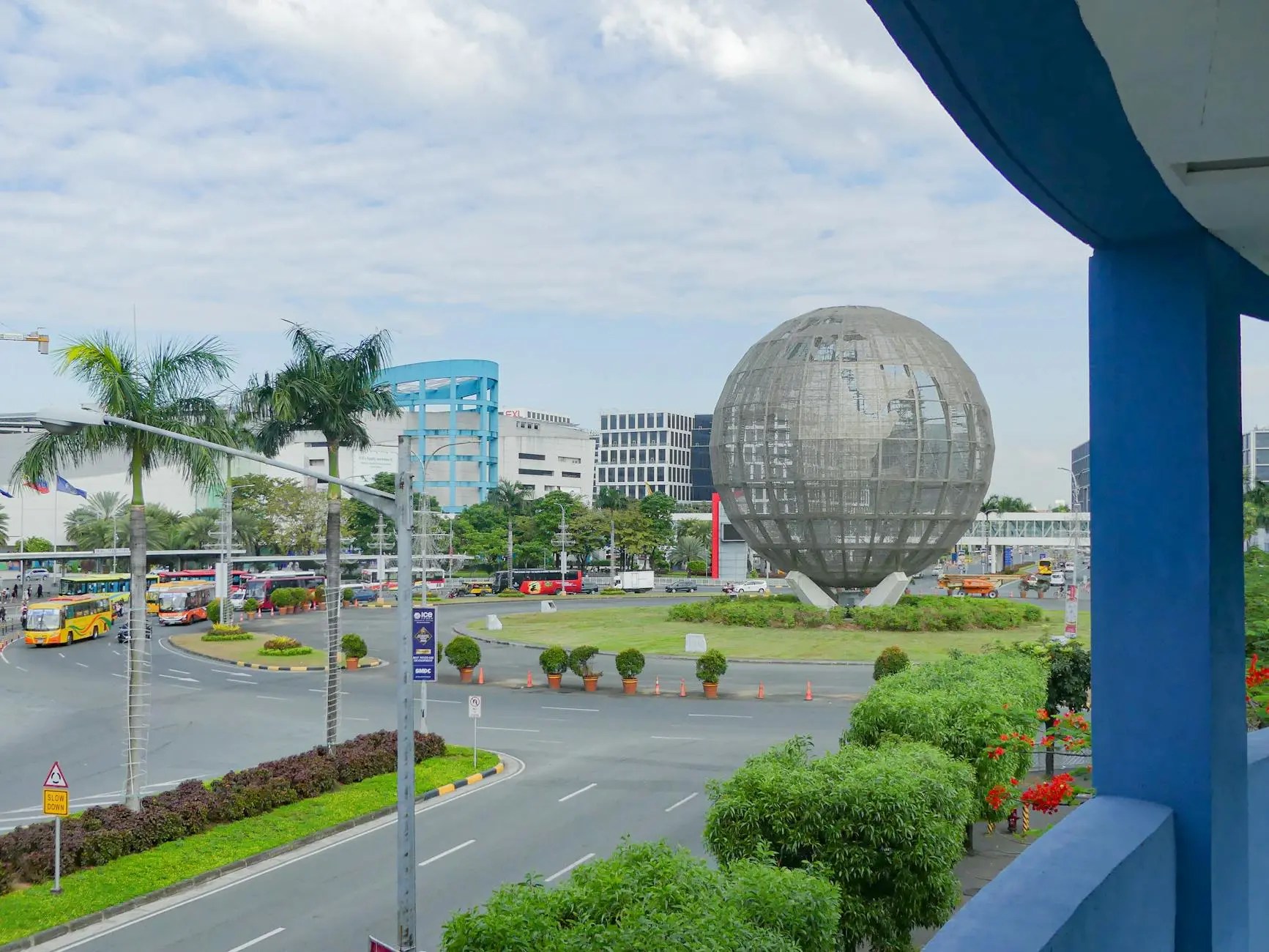
    • Afternoon (Retail Therapy): From there, you’re a short ride away from the mammoth SM Mall of Asia (MOA). Yes, it’s a mall, but it’s also a cultural experience. Grab lunch at the food court, do some people-watching, and walk along the MOA Baywalk. For a more unique find, check out my guide to hidden shopping gems in Southeast Asia.
    • Evening (Let Loose in Poblacion): As night falls, make your way to Poblacion, Makati. This neighborhood is the epicenter of Manila’s nightlife, with tiny speakeasies hidden behind unmarked doors, rooftop bars, and incredible international food stalls. My personal favorite is The Spirits Libraryfinding the entrance is half the fun.

    The iconic globe structure at the Mall of Asia in Manila, showcasing the blend of modern architecture and bustling city life.
    Interior of a stylish bar with a wooden counter, towering shelves filled with various bottles, and ambient lighting creating a cozy atmosphere.
    The Spirits Library: A chic speakeasy in Makati, Manila, offering a unique nightlife experience with an extensive selection of spirits.
    🏰 INTRAMUROS · THE WALLED CITY · MANILA’S HISTORIC HEART

    🏰 MABUHAY! Walking through the ancient walls of Intramuros is just one journey — I’ve explored 80+ historic districts!

    From Spanish colonial forts to ancient citadels — every city has layers of history to uncover.

    🏰 “Intramuros has stood for over 400 years — and 80+ cities have their own stories to tell”

    Manila on a Budget: Money-Saving Hacks & Public Transport

    Manila can be cheap if you know how to move. Relying solely on taxis will drain your wallet and your sanity.

    • The Mighty Jeepney: This is the king of the road. They have set routes (look at the signs on the side) and are dirt cheap (around ₱13-20 for a short ride). How it works: Get in, pass your payment forward saying “Bayad po” (Payment, sir/ma’am), and your change will be passed back through the same human chain. To get off, tap on the roof or say “Para!” (Stop!).
    • The Train Systems (MRT & LRT): These are your best friends for beating traffic along major corridors. They’re fast and efficient, but can get packed during rush hour. Buy a single-journey ticket from the station.
    • Ride-Hailing (Grab): For comfort and convenience, Grab is the way to go. It’s more expensive than a jeepney but often cheaper and safer than hailing a random taxi. Pro Tip: During peak hours or rain, surge pricing is insane. Be prepared to wait it out.
    • Money-Saving Tip: Eat where the locals eat! Jollibee is a must-try cultural icon, but carinderias offer the most authentic and affordable meals. Point at what looks good and enjoy a feast for under $3.
    Two friends enjoying a vibrant day in Manila, playfully posing near a Jollibee restaurant with colorful accessories. When in Manila, do as the locals do: grab your bestie, your wackiest sunglasses, and strike a pose outside a iconic Jollibee! This is the pure, unfiltered joy of a Filipino getaway.
    A vibrant street food market in Manila, featuring various dishes displayed in stainless steel trays, with a vendor seated in the background.
    A vibrant display of Filipino street food showcasing a variety of delicious dishes from a local market in Manila.
    🚌 JEEPNEY · MANILA’S KING OF THE ROAD

    🚌 MABUHAY! Riding a colorful jeepney through Manila is just one adventure — I’ve discovered 80+ unique ways to travel!

    From jeepneys to tuk-tuks, gondolas to cable cars — every city has its own rhythm.

    🚌 “No two jeepneys are alike — just like 80+ unique destinations”

    Hidden Gems & Local Secrets

    • The Art of Escolta: Tucked away in Old Manila, Escolta Street is a time capsule with beautiful, decaying Art Deco buildings now housing hipster cafes, art galleries, and a weekend flea market.
    • A Cemetery Like No Other: Manila North Cemetery isn’t your typical tourist spot. It’s a functioning city of the dead, where families live in mausoleums. It’s a profound, eye-opening look into a different way of life and death. Go with a guide to be respectful and safe.
    • Secret San Miguel: Skip the commercial beer and do a tour of the San Miguel Brewery. The history is fascinating, and the unlimited beer at the end is, well, glorious.

    Essential Filipino Phrases for Travelers

    Filipinos appreciate any attempt to speak their language. English is widely spoken, but these will earn you smiles.

    • Salamat (sa-la-mat) – Thank you
    • Magkano? (mag-ka-no) – How much?
    • Po (po) – A word of respect added to sentences. E.g., “Salamat po.”
    • Paano pumunta sa… (pa-a-no poo-moon-ta sa) – How do I get to…?
    • Masarap! (ma-sa-rap) – Delicious!
    • Ingat Take care A nice farewell.

    Logistics & Manila Transit Hacks

    Manila’s traffic is a monster, but you can slay it with the right strategy.

    TransportBest ForPro Tip
    LRT & MRTLong-distance travel between districts (e.g., Cubao to Malate).Buy a Beep Card for seamless entry; skip the ticket lines. Avoid rush hour (7 AM-9 AM and 5 PM-8 PM).
    JeepneysShort hops and local immersion.The Ultimate Save: They are dirt cheap (around ₱10-20, or $0.20-0.40). Just remember to pass your fare forward and say “Para po!” when you want to get off.
    Grab (App)Airport transfers and late-night travel.Essential. Safer and more reliable than random taxis. Always confirm the price before starting the trip.

    Road Maps & Time-Saving: Always use a mapping app like Waze or Google Maps (download offline maps!). Manila’s road network is complex, but these apps will auto-suggest the fastest route, which often involves taking the train and then a short Grab ride, saving you major time and gas if you were driving.

    Travel Smarter, Not Harder: My Can’t-Live-Without Gear

    Let’s talk logistics. A smooth trip isn’t about luck; it’s about being prepared.

    🌐 Stay Connected Instantly: I used to waste the first hour in a new country hunting for a SIM card. Not anymore. I now use Drimsim, a universal data SIM that works in over 190 countries the second you land. Top up via the app, and you’re online. No fuss, no hidden fees, just instant Instagram stories from the back of a jeepney.

    🔒 Protect Your Data: I do all my booking and browsing on public Wi-Fi with NordVPN running. It’s non-negotiable for keeping your personal info safe from hackers, especially when you’re accessing bank accounts or booking your next hotel on sketchy airport networks.

    ✈️ Get Paid for Flight Chaos: Did your flight get delayed, canceled, or overbooked? You could be entitled to up to $650 in compensation! Most travelers have no idea. I use AirHelp to check my flights. They handle all the annoying paperwork with the airline and only get paid if you win. It’s the easiest potential travel bonus you’ll ever get.

    🧴 Look Fresh After a Long Flight: A 15-hour flight can wreak havoc on your skin. My secret weapon? K-Beauty from Lakinza. Their sheet masks and serums are a hydration powerhouse. And because I love you guys, use code Lalax10 at checkout for a sweet discount. Because glowing skin shouldn’t cost a fortune.

    🛡️ Don’t Skimp on Insurance: From a misplaced bag in Manila to a surprise hospital visit in Palawan, travel insurance has saved me more than once. I always compare plans on VisitorsCoverage to find the right fit. It’s the most boring part of travel planning, but the most important.

    Manila Money & Visa Essentials

    Visa Cost: Always check the latest visa requirements for the Philippines based on your nationality. Many countries have 30-day visa-free entry, which is perfect for a quick weekend. For longer trips, costs vary, but the peace of mind knowing you’re cleared to enter is priceless.

    Cost-Saving: The Philippine Peso () is generally favorable.

    • Food: Street food is your best friend. A filling meal costs less than $2.
    • Lodging: You can find excellent budget hotels/hostels for $20-$40 a night.
    • Transportation: Sticking to the LRT/MRT and Jeepneys will cut your transport bill down to almost nothing.

    🗣️ READER STORIES · REAL MISTAKES · WHAT WORKS

    “I took taxis everywhere — stuck in traffic and overpaid. A local showed me jeepneys. $0.30 per ride, and I got where I needed to go faster.” — Rachel, London

    “I almost missed Binondo. A food blogger said it’s the world’s oldest Chinatown. Best dumplings of my life. Go hungry.” — James, Sydney

    🏛️

    Manila’s Intramuros! Just one of 80+ destinations across 6 continents.

    🇪🇺 45+ Europe · 🌏 18+ Asia · 🌎 10+ Americas · 🌅 8+ Africa/Australia

    🏛️ “From Manila’s historic walls to the world — 80+ adventures await”

    📜10 MANILA TRUTHS
    1. Binondo is the world’s oldest Chinatown — best dumplings are hidden in alleys
    2. Jeepneys cost $0.15-0.30 — most authentic way to travel
    3. Intramuros is free to walk — only museums cost extra
    4. Manila Bay sunset from SM MOA is free and spectacular
    5. National Museum Complex is free for Filipinos, small fee for foreigners — three museums
    6. Avoid rush hour (7-9 AM, 5-8 PM) — traffic is legendary
    7. Lechon (roast pig), sisig (sizzling pork), and halo-halo (shaved ice) are must-tries
    8. Grab is the Uber of Southeast Asia — download it before you arrive
    9. December-February is coolest. March-May is hottest (35°C+)
    10. Learn ‘Salamat’ (thank you) and ‘Magkano?’ (how much) — basic Tagalog

    Frequently Asked Questions (FAQ)

    Q: Is two days enough for Manila?
    A: It’s enough for a fantastic, high-energy taste! This itinerary is designed to give you the highlights and a real feel for the city’s soul without burnout. For a more relaxed pace, add a third day.

    Q: What’s the best way to get from the airport to the city?
    A: The Grab ride-hailing app is your most reliable and straightforward option from NAIA Airport. Official airport taxis are also available but agree on the meter (“meter, please”) before you go.

    Q: Do I need a visa for the Philippines?
    A: Citizens of many countries (including the US, UK, AU, CA, EU) get a 30-day visa-free stay upon arrival. Always check the latest requirements with the Philippine Bureau of Immigration before you travel. Visa costs vary for other nationalities.

    Q: Is Manila safe for tourists?
    A: Like any major city, be smart. Don’t flash expensive jewelry, be aware of your surroundings in crowded places, and use common sense. Stick to well-lit areas at night. Overall, Filipinos are incredibly hospitable and will go out of their way to help you.

    Q: What’s the best time of year to visit?
    A: The dry season from November to April is ideal. It’s hot but less rainy. Avoid the typhoon season from June to September if you can.

    Is it a good base for other trips?

    Absolutely! Manila is a major hub. For your next adventure, check out my other blogs which are 🗺️ Geographically Close to Manila, Philippines.

    🇲🇾 Kuala Lumpur, Malaysia

    📍 Weekend Adventure Guide to Kuala Lumpur
    ✈️ Only about 3.5 hours by flight — perfect for short regional trips.

    🇸🇬 Singapore

    📍 48-Hour Weekend Guide to Singapore
    ✈️ Around 3.5 hours away — Manila to Singapore is one of the busiest air routes in Asia.

    🇹🇼 Taipei, Taiwan

    📍 48-Hour Taipei Travel Guide: Must-See Attractions
    ✈️ Roughly 2.5 hours by flight — ideal for culture lovers and foodies.

    🇯🇵 Osaka & Tokyo (Japan)

    📍 48 Hours in Osaka: Your Ultimate Weekend Itinerary
    📍 Ultimate Weekend Escape: Discover Tokyo’s Hidden Gems
    ✈️ About 4–5 hours flight — both are popular weekend escapes from the Philippines.

    🇰🇷 Seoul, South Korea

    📍 Explore Seoul: A Weekend Guide to History and Modernity
    ✈️ 4 hours by air — visa-free for Filipino travelers with certain conditions (like valid OECD visa).

    🇭🇰 Hong Kong

    📍 Ultimate Hong Kong Weekend Getaway Guide
    ✈️ Only 2 hours — quick, easy, and a classic favorite among Filipino travelers.

    🇹🇭 Bangkok, Thailand

    📍 Escape Bangkok: Top Weekend Getaways You Need
    ✈️ About 3 hours — ideal for combining with Manila trips for regional travelers.

    🇦🇺 Sydney, Australia

    📍 Explore Sydney: A Complete Weekend Itinerary
    ✈️ Roughly 8 hours by flight — longer, but within the same Asia-Pacific region.

    🇨🇳 Shanghai, China

    📍 The Ultimate Weekend Escape to Shanghai, China
    ✈️ Around 3–4 hours — another East Asian option with a visa requirement.

    Manila is waiting to surprise you. It’s a city that demands you lean in, listen closely, and embrace the beautiful chaos.

    What’s your number one Manila must-do? Let me know in the comments below! And for more travel guides and insider tips, don’t forget to check out my full Travel Master List.

    Ready to Go?

    Manila is a whirlwind, a sensory overload, and a city that truly gets under your skin. Don’t wait for a long vacation; dive in this weekend.

    📌 Stop scrolling and start booking! Your two-day Philippine adventure is waiting.

    Click here to find the best deals on flights and hotels for your Manila escape! [Book Your Manila Getaway Now!]

    Planning your next city break? 🌍
    Don’t forget to check out my complete guide — The Ultimate Weekend Escapes Around the World — for more weekend getaway ideas!

    “I thought Manila was just traffic and malls. Then I walked the walls of Intramuros, ate dumplings in Binondo, and watched the sun set over Manila Bay from a seaside promenade.”

    The tourist stays in a mall. The traveler explores Intramuros on foot. The tourist pays for expensive tours. The traveler rides a jeepney for $0.30. Manila rewards the adventurous — and the person who knows that the best food is hidden in the world’s oldest Chinatown.

    📌 P.S. — My Manila Secret
    Binondo Food Crawl. Most tourists never make it to Chinatown. Walk from Ongpin Street to Escolta. Don’t miss Dong Bei Dumplings (pork and chive), Sincerity Cafe & Restaurant (fried chicken), and Eng Bee Tin (hopia — mooncake pastries). Bring cash. Go hungry. Most tourists never find these spots. You will .

    🏛️🇵🇭 Manila’s Intramuros & jeepneys — just one of 80+ destinations
    🌍 Explore All →

    Universal Disclaimer/Disclosure Page:

    Buy Me A Coffee

    Enjoyed this post?

    If you found this helpful, consider buying me a coffee. Your support keeps this blog running and helps me create more content.

    ☕ Buy Me a Coffee


    paypal.me/LaxmiHegde

  • The Ultimate Weekend Escape to Shanghai, China

    The Ultimate Weekend Escape to Shanghai, China

    🏙️ Last Updated: April 2026 · Regularly Maintained — fresh metro fares, updated VPN recommendations, new restaurant openings, and latest visa-free transit policy info added
    ✓ 2026 data ✓ Regularly reviewed ✓ Part of 80+ series

    🏙️ THE SHANGHAI QUICK ANSWER — 48 HOURS

    Can you experience Shanghai in a weekend? Yes — if you have a VPN, a metro card, and an appetite for soup dumplings.

    Shanghai is not just the Bund and skyscrapers. It’s a city of French Concession tree-lined streets, hidden alleyways filled with craft shops, and soup dumplings that burst in your mouth. The tourist who only sees Pudong and leaves misses Tianzifang’s labyrinth, the M50 Art District’s grungy galleries, and the shengjianbao at a local breakfast stall. The traveler who downloads a VPN before arrival, gets a Shanghai Public Transport Card, and watches the Bund at sunset discovers the real Shanghai. The difference is knowing that Google doesn’t work here — prepare before you go.

    🎯 THE 48-HOUR FORMULA

    • Day 1: Yu Garden (go at 8am), French Concession (wander Wukang Road), The Bund at sunset (colonial buildings + Pudong lights)
    • Day 2: M50 Art District (free galleries), Tianzifang (alleyway maze), Flair Rooftop Bar (cocktail with a view)
    • The secret: Download a VPN BEFORE you arrive in China. NordVPN works. Once you land, most VPN websites are blocked. Set it up on all your devices at home. Most tourists don’t know this and lose access to Google, Instagram, and WhatsApp. Don’t be that tourist.
    • The mistake: Hailing taxis on the street. Download Didi (China’s Uber) — it has an English interface. Cheaper. More reliable. No language barrier.
    🔒 VPN: download before arrival 🚇 Metro card: ¥3-6 per ride 🥟 Shengjianbao: pan-fried soup dumplings
    ✅ 48 hours is enough — get a VPN, use the metro, eat dumplings

    📍 Source: Multiple Shanghai trips, one soup dumpling scalding incident, and the discovery that the best xiaolongbao are at a hole-in-the-wall

    20+
    metro lines in Shanghai
    World’s largest metro system — rides ¥3-6
    1.5
    km — The Bund waterfront
    52 colonial buildings along the Huangpu River
    1875
    xiaolongbao invented in Shanghai
    Nanxiang’s famous soup dumplings
    24M+
    people in Shanghai
    One of the largest cities in the world

    🏙️ THE SHANGHAI GAP — WHAT EVERY GUIDE MISSES

    Most Shanghai guides tell you to see The Bund, visit Yu Garden, and eat xiaolongbao. That’s not wrong. It’s just the Shanghai that everyone already knows.

    Here’s what they don’t tell you: Shanghai has secrets — and most of them require a VPN. Google Maps, Instagram, and WhatsApp are blocked. The best way to get around is the metro (¥3-6 per ride). The best view of The Bund is from a rooftop bar with a cocktail. The best soup dumplings are at a hole-in-the-wall. The tourist who doesn’t know these things will struggle with navigation, overpay for taxis, and miss the city’s best alleyways. The traveler who downloads a VPN before arrival, gets a metro card, and explores Tianzifang at dusk discovers the real Shanghai.

    🎯 WHAT THEY DON’T SHOW YOU

    🔒 The VPN Rule

    Tourists land in Shanghai and find their apps blocked. The secret? Download a VPN before you leave home. NordVPN works. Once you’re in China, most VPN websites are blocked. Set it up on all your devices before arrival.

    🚇 The Metro Secret

    Tourists take taxis and get stuck in traffic. The secret? Shanghai’s metro is the world’s largest. ¥3-6 per ride. Air-conditioned. Fast. Get a Shanghai Public Transport Card at any station.

    🌉 The Bund View Hack

    Tourists pay ¥180+ for the Shanghai Tower observation deck. The secret? Flair Rooftop Bar at the Ritz-Carlton. The price of a cocktail gets you the same insane view. Book ahead.

    🥟 The Shengjianbao Truth

    Tourists eat xiaolongbao (soup dumplings). The secret? Shengjianbao are pan-fried soup dumplings. Crispy bottom. Juicy inside. Even better. Find a local breakfast stall.

    🚫 The Google Maps Reality

    Tourists open Google Maps and find it barely works. The secret? Use Apple Maps or download offline maps on Maps.me. Better yet, use your VPN with Google Maps. Prepare before you go.

    🏙️ Tianzifang at Dusk

    Tourists go during the day. The secret? Go at dusk. The lanterns light up. The crowds thin out. The alleyways feel magical. Most tourists leave by 5pm.

    “The tourist lands in Shanghai and finds Instagram blocked. The traveler downloads a VPN before departure and stays connected. The difference is 10 minutes of preparation before you leave home. Shanghai rewards the prepared, the patient, and the person who knows that the best soup dumplings are pan-fried.”

    — Nomad Nate, after 4 trips to Shanghai

    ❌ Downloading VPN after arrival ✅ Set up VPN before you leave ✅ Take the metro (¥3-6)
    📊 90% of tourists don’t know about the VPN rule

    📍 Sources: Multiple Shanghai trips, one soup dumpling scalding incident, and the discovery that the best xiaolongbao are at a hole-in-the-wall

    Description: Discover the ultimate weekend escape to Shanghai, China! This 3-day itinerary is packed with insider tips, hidden gems, and practical advice on navigating the city, saving money, and experiencing the perfect blend of ancient tradition and futuristic wonder. Perfect for travellers seeking an unforgettable adventure.

    So, you’ve got a weekend to spare and a burning desire to dive into a city that feels like it’s straight out of a sci-fi movie, yet is steeped in ancient history? Welcome to Shanghai, the sprawling metropolis where futuristic skylines kiss tranquil classical gardens. As someone who’s gotten blissfully lost on its streets more times than I care to admit, I’ve perfected the art of the Shanghai weekend. Forget the overwhelm; this guide is your golden ticket to an unforgettable 48-hour blitz.

    🏙️ What’s Inside This Guide
    ⬆️ Click any link to jump directly ⬆️

    Table of Contents

    1. Why Shanghai Should Be on Your Weekend List
    2. Visa & Budget Considerations
    3. Getting There & Around (Flights + Public Transport Tips)
    4. Day 1: The Iconic Shanghai Experience
    5. Day 2: Hidden Gems & Local Secrets
    6. Day 3: Modern Meets Ancient
    7. Travel Tips to Save Time & Money
    8. Essential Words & Phrases in Mandarin
    9. Smart Travel Resources (SIM, VPN, Insurance, Refunds)
    10. FAQs

    Why Shanghai Should Be on Your Weekend List

    Shanghai is not just a city—it’s a living postcard of China’s past, present, and future colliding in neon lights and ancient alleys. Think New York’s energy + Paris’s style + Tokyo’s innovation, all shaken up with a dumpling or two.

    If you’ve loved exploring Kyoto or Venice, Shanghai is the next step in your bucket list journey. Bonus: if you’re traveling through Asia, hopping from Shanghai to cities like Tokyo or Hong Kong is a breeze.

    Visa & Budget Considerations

    • Visa: Many travelers can use Shanghai’s 144-hour visa-free transit policy if you’re stopping by between two international destinations. Saves both time and paperwork.
    • Budget: Expect to spend about $60–100/day comfortably (food, transport, and attractions). Shanghai can be as luxe or as budget-friendly as you make it.
    🇨🇳 SHANGHAI · 上海 · PEARL OF THE ORIENT

    🏙️ 干杯! Shanghai’s Bund and futuristic skyline are just one of 80+ destinations I’ve explored!

    From the colonial-era waterfront of the Bund to the soaring towers of Pudong’s Lujiazui, Shanghai dazzles with its contrasts. And I’ve captured that same magic across 6 continents — with 45+ European cities, Asian adventures, Americas escapes, and more.

    45+ Europe
    18+ Asia
    10+ Americas
    8+ Africa/Aus
    🌍 EXPLORE ALL 80+ GUIDES →

    Europe · Asia · Americas · Australia · Africa

    🇨🇳 EAST ASIA GUIDES:
    Shanghai | Beijing (coming soon) | Hong Kong | Tokyo | Seoul (coming soon) | Taipei
    🏙️ “Shanghai’s skyline tells a story of past and future — and 80+ more cities have their own tales to tell”

    Getting There & Around (Flights + Public Transport Tips)

    ✈️ I booked my flight to Shanghai through Expedia—always my go-to for comparing flights and hotels.

    Compare Flight & Hotel Prices Here:

    🏙️

    Book Your Shanghai Escape

    Find the best deals on flights, hotels, and tours for your weekend in China’s most dynamic city. Compare and make the right choice with many options below!

    ✈️ FLIGHTS & HOTELS

    ✈️ AIRLINES

    🎟️ TOURS & ACTIVITIES

    ✅ COMPARE AND MAKE THE RIGHT CHOICE

    Every traveler has different priorities — budget airlines, flexible hotels, or specific tour operators. Compare prices across platforms to find what works best for YOUR Shanghai adventure. Happy travels! 🇨🇳

    🏙️ Why Shanghai?

    China’s most dynamic city is pure energy — the iconic The Bund waterfront, the futuristic Pudong skyline, the peaceful Yu Garden, the tree-lined French Concession, and the alleyway maze of Tianzifang. Don’t leave without trying xiaolongbao (soup dumplings), shengjianbao (pan-fried soup dumplings), and jianbing (savory crepes). Remember: download a VPN BEFORE you arrive! 🔒

    🔗 Affiliate Disclosure: I may earn a small commission when you book through these links at no extra cost to you. Thank you for supporting ConfidenceBuildings.com!

    🚆 Public Transport in Shanghai:

    Forget taxis and the hassle of renting a car (and dealing with navigation and parking!). Shanghai’s metro system is a masterpiece of efficiency, cleanliness, and affordability. It’s my number one money-saving tip and the absolute best way to get around.

    • Metro: Cheap, clean, and efficient. One of the world’s largest networks. A ride costs just ¥3–6 ($0.50–$1).
    • The Cost: You can get almost anywhere on the extensive metro network for just a few yuan (RMB). A typical ride across the city center will often cost between 3-8 RMB (which is roughly $0.50 – $1.20 USD). Compared to the cost of a taxi, the savings add up incredibly fast.
    • Buses: Great for shorter trips; use the “Shanghai Public Transport Card” for easy swipes.
    • Get a Transportation Card: For ultimate convenience, purchase a rechargeable Shanghai Public Transportation Card (上海公共交通卡, Shànghǎi gōnggòng jiāotōng kǎ) at any major metro station. You tap in and out, and it works seamlessly on the metro, almost all buses, and even in taxis. It saves you from fumbling for change at every turn and makes you feel like a local.
    • Maglev Train: The futuristic ride from Pudong Airport to the city takes 8 minutes at 430 km/h. Worth it for the thrill.
    • Shanghai Maglev Train — The Fastest Train in the World
    • Taxi/Didi: Affordable but beware of peak-hour traffic. Didi is Your Friend: China’s answer to Uber, Didi Chuxing, is a lifesaver. The app has an English interface and is widely used. It’s often cheaper and more reliable than hailing a cab on the street. Taxi / DiDi: Very affordable and widely used in Shanghai. Just note: during morning (≈ 7-9:30am) and evening (≈ 5-7pm) rush hours, you’ll face longer waits and slower rides. If possible, use the DiDi mini-program inside Alipay or WeChat (often more reliable than the international app). Also check if ride-hailing is allowed in zones like airports—some restrictions may apply.
    • Car Rentals: Honestly not needed unless you’re planning a road trip outside Shanghai. Traffic and parking will eat your weekend.
    • Google Doesn’t Work Here: This is crucial. Standard Google Maps, Gmail, and Instagram are blocked. You need a VPN. I never travel without my NordVPN subscription. It lets me access all my usual apps and navigate safely. Set it up on your devices before you land in China.
    • 🚫 Google Doesn’t Work Here
    • This is crucial. Many of the apps and sites you probably use daily—Google Maps, Gmail, Instagram, Facebook, even WhatsApp at times—are blocked in mainland China. Travelers who don’t plan ahead often find themselves cut off the minute they land.
    • 💡 Pro Tip: Download offline maps in advance (Apple Maps and Maps.me work well), and set up a VPN like NordVPN before you arrive. Once you’re in China, most VPN websites are blocked, so prep is everything. With a VPN, you’ll still be able to check Gmail, scroll Instagram, and book through your favorite travel sites without hiccups.

    🌐 Internet Reality in Shanghai: Search Engines & Language Help

    Since Google, Gmail, Instagram, and many Western apps are blocked in mainland China, you’ll need to adjust your digital toolkit. Don’t worry—locals have already figured this out, and travelers can too.

    🔎 Search Engine Alternatives

    • Baidu (百度) – The “Google of China.” Best in Chinese, though machine translation helps.
    • Sogou (搜狗) – Popular for Chinese web and music searches.
    • Bing (必应国际版) – Surprisingly, Bing is still accessible in China (though results may be filtered). A solid option if you want an interface closer to Google.
    • Yahoo Japan (via VPN or sometimes directly) – Occasionally works, though limited.

    💡 Pro Tip: If you’re not fluent in Mandarin, Bing will feel easiest, since it supports English.


    🎙️ Live Translation Devices for Travelers

    If Mandarin isn’t your strong suit (and let’s be real—most of us stumble beyond “Nǐ hǎo”), tech can save the day

    Here are some handy pocket translators that work well in Shanghai:

    • Pocketalk Translator – Handles 80+ languages with two-way voice translation. Great for casual chats with taxi drivers or ordering food.
    • ili Instant Translator – Lightweight, one-way translation (English → Mandarin). Useful for quick phrases.
    • Langogo Genesis – AI-powered, doubles as a WiFi hotspot. Perfect if you’re juggling translation + connectivity.
    • Timekettle WT2 Edge Earbuds – Real-time in-ear translation for conversations. Feels futuristic but genuinely handy.

    🛠️ Smart Traveler’s Hack

    Download offline translation packs on apps like Google Translate (before entering China), Pleco (for Mandarin), or Microsoft Translator. Even without internet, these can help you read menus, signs, or bargain at street markets.

    🧳 Smart Travel Tip: No matter where your adventures take you, having the right travel insurance can save you from unexpected headaches (and bills). I personally recommend VisitorsCoverage — it’s a trusted platform where you can compare plans, find coverage that fits your trip, and book it in just a few clicks. Whether you’re planning a quick city escape or a longer international journey, it’s peace of mind worth packing. Check your options here.

    💡 Smart Hack: Use metro maps online and download offline maps on Google Maps (or Apple Maps) to save data

    Hotels in Shanghai

    Your Shanghai Weekend Itinerary

    Day 1: History, Buzz & The Bund {#day1}

    • Morning (9:00 AM): Start your day in the old soul of Shanghai: the Yu Garden (& Bazaar). This Ming-dynasty garden is an oasis of calm with its intricate pavilions, koi ponds, and rockeries. Fight the crowds by getting there right as it opens. The surrounding bazaar is a chaotic, wonderful mess of trinkets and snacks—perfect for people-watching.
    • Afternoon (1:00 PM): Hop on the metro (Line 10 is your friend) and head to the French Concession. This is my favorite area to just wander. Tree-lined avenues, beautiful colonial architecture, and chic boutiques. For lunch, ditch the fancy places and find a local joint for some shengjianbao (pan-fried soup dumplings). You’ll thank me later.
    • Evening (6:00 PM): This is it. The main event. Head to The Bund as the sun begins to set. Watch the colonial-era buildings on your side glow gold, and then witness the neon-lit skyscrapers of Pudong across the river light up in a spectacular light show. It’s a view that never, ever gets old. I must have taken a hundred photos here with my trusty Canon EOS R100 Mirrorless Camera – it’s perfect for these low-light cityscapes.
    A traditional Chinese pavilion surrounded by rocky formations, set in a serene garden landscape.
    A serene view of the traditional architecture at Yu Garden, showcasing the beauty of Shanghai’s Ming-dynasty heritage. The heart of Old Shanghai: A serene pagoda peeks through the legendary “Exquisite Jade Rock” formations in the Yu Garden, a classic example of Ming Dynasty garden design.

    A tranquil scene of a traditional Chinese garden with koi fish swimming in a serene pond, surrounded by lush greenery and a stone bridge partially visible in the background.
    A serene view of the Yu Garden in Shanghai, featuring koi fish swimming in a tranquil pond surrounded by lush greenery and traditional architecture.
    A historic building with a curved facade in Shanghai, surrounded by cars and trees under a clear sky.
    The iconic Art Deco architecture of Shanghai showcases the city’s blend of modernity and history. European elegance in East Asia: This iconic curved building in the former French Concession is a perfect example of Shanghai’s unique architectural heritage, where colonial-era design meets modern urban life.
    🌳 FRENCH CONCESSION · WUKANG ROAD · SHANGHAI’S CHARM

    🌳 干杯! Strolling beneath the plane trees of Wukang Road is just one beautiful walk — I’ve explored 80+ charming neighborhoods! [citation:3][citation:10]

    From art deco villas to hidden cafes — every city has streets that tell stories.

    🌳 “Wukang Road’s art deco charm — and 80+ cities with their own architectural treasures”
    A close-up view of freshly steamed soup dumplings served on a decorative plate, with steam rising from them.
    Delicious shengjianbao (pan-fried soup dumplings) served hot, perfect for a culinary adventure in Shanghai. The ultimate Shanghai snack: A piping hot order of Shengjianbao (生煎包), with its crispy, pan-fried bottom and dangerously juicy soup filling inside. Don’t forget to take a small bite first to let the steam out!
    A scenic view of the Shanghai skyline at sunset, with vibrant purple and orange hues in the sky and a person standing by the waterfront.
    A stunning sunset view of the Shanghai skyline, showcasing the blend of modern skyscrapers and tranquil waters along the river. The Bund is a famous waterfront area along the Huangpu River, known for its historical buildings and stunning views of the modern Lujiazui skyline. 

    Day 2: Arts, Markets & Sky-High Views

    • Morning (10:00 AM): Explore the revitalized M50 Art District. Housed in an old textile factory, this is Shanghai’s epicenter for contemporary art. It’s grungy, creative, and a fantastic break from the city’s commercial hubs. Best of all? It’s free to wander in and out of the galleries.
    • Afternoon (1:00 PM): Time for some retail therapy (or just fascinating observation) at the Fake Market at the Science & Technology Museum metro stop. It’s an experience. Haggling is not just expected; it’s mandatory. Keep your wits about you, have a laugh, and see what treasures you can find.
    • Fake Market (Science & Technology Museum metro stop) — bargain hunters’ playground
    • Right under the Science & Technology Museum (Line 2) metro station sits Shanghai’s famous “fake market” (often called AP Plaza / XinYang Market). It’s a warren of tiny stalls selling everything from knock-off sneakers and watches to souvenirs and cheap electronics — perfect if you want quirky finds and bargain prices. Play it like a pro: inspect items carefully (electronics and branded goods can be low quality), carry cash, and start your haggling at around 10% of the first price — expect to settle somewhere between 10–30% depending on the seller. If you’re into street-market photography, the neon shop signs and crowded aisles make for fun, gritty shots. Note: some goods are counterfeit, so don’t try to resell branded fakes when you get home. SmartShanghai+1
    • Quick tips: go mid-morning on a weekday to avoid crowds, keep small-change handy, don’t buy high-value electronics, and tuck the market into your day after visiting nearby Century Park or the Science & Technology Museum. eChinacities+1
    • Evening (5:00 PM): Ascend to the heavens. Skip the expensive observation decks and book a table at Flair Rooftop Bar at the Ritz-Carlton in Pudong. The price of a cocktail gets you the same insane, unobstructed view of The Bund that you’d pay a fortune for elsewhere. It’s the smart traveller’s move.
    Exterior view of an art studio featuring a large white horse sculpture and vibrant graffiti on the wall, surrounded by trees and modern buildings.
    A vibrant street view featuring contemporary graffiti art and a striking white unicorn sculpture at the entrance of a modern art space in Shanghai. M50 Art District, Shanghai

    Exterior view of a modern building with a glass facade and a reflective pond in front, featuring people entering and exiting.
    The modern architecture of Shanghai’s public spaces reflects the city’s blend of tradition and innovation.Shanghai Science and Technology Museum featuring modern architecture

    A busy market scene in Shanghai filled with colorful neon signs and a variety of food products, where people are browsing and shopping.
    Vibrant atmosphere at a bustling market in Shanghai, showcasing local snacks and products amidst colorful neon signs.

    Day 3: Local Life & Hidden Lanes {#day3}

    • Morning (9:00 AM): Before you depart, take a stroll through the Tianzifang or Jing’an Sculpture Park area. Tianzifang is a labyrinth of narrow alleyways filled with craft shops, cafes, and street art, while the park offers a modern, cultural respite. It’s a great way to see a more laid-back, local side of Shanghai without venturing too far.
    A narrow alley in Shanghai lined with red buildings, adorned with hanging plants and posters, leading to shops and cafes.
    A charming alley in Shanghai’s Tianzifang, showcasing vibrant greenery and local shops.
    Aerial view of modern architecture and vibrant green spaces in Shanghai, showcasing the city’s blend of minimalist design and natural landscapes.
    🏙️

    Shanghai’s dazzling skyline! Just one of 80+ destinations across 6 continents.

    🇪🇺 45+ Europe · 🌏 18+ Asia · 🌎 10+ Americas · 🌅 8+ Africa/Australia

    🏙️ “From Shanghai’s Bund to the world — 80+ adventures await”

    Essential Shanghainese Survival Phrases {#phrases}

    While many in tourist areas speak English, a little effort goes a long way!

    • Hello: Nǐ hǎo (Nee how)
    • Thank you: Xièxiè (She-eh she-eh)
    • How much?: Duōshǎo qián? (Dwor-shwow chyen?)
    • Delicious!: Hǎo chī! (How chir!)
    • Cheers!: Gānbēi! (Gan bay!) – But be careful, this means “dry glass”!
    • Toilet = 厕所 (Cèsuǒ)
    • Metro = 地铁 (Dìtiě)

    Smart Travel Resources

    ✈️ Flight Delays or Cancellations
    Travel hiccups happen. If your flight is delayed, canceled, or overbooked, you might be owed compensation. AirHelp makes the claim process painless—they only get paid if you win.

    Hidden Gems: Escape the Tourist Trail {#hidden-gems}

    • Zhujiajiao Water Town: An hour outside the city, this “Venice of Shanghai” is worth the trip for its ancient canals, stone bridges, and cobbled streets. It’s a beautiful glimpse into China’s past.
    • Longhua Temple & Pagoda: Older and feels more authentic than some of the more central temples. It’s a peaceful escape without the crowds.
    • A random breakfast stall: Your best meal will be the one you can’t find on a map. Follow the locals to a busy breakfast stall for a bowl of congyouban (scallion oil noodles) or a crispy jianbing (savory crepe).
    A traditional wooden building with a curved roof sits over a serene waterway, where two people are rowing boats beneath it. The scene reflects a peaceful water town atmosphere in Shanghai.
    Traditional Chinese architecture meets serene waterways in a picturesque scene from Shanghai. Step back in time: A traditional wooden boat navigates the peaceful canals of Zhujiajiao, the “Venice of Shanghai,” passing under centuries-old stone bridges and past whitewashed homes from the Ming and Qing dynasties.
    🌉 THE BUND · HUANGPU RIVER · SHANGHAI’S HEARTBEAT

    🌉 干杯! Watching the sunset from the Bund is just one iconic view — I’ve seen 80+ skylines around the world! [citation:1]

    From the colonial architecture to Pudong’s futuristic towers — every city has its own magic hour.

    🌉 “The Bund at sunset is unforgettable — and 80+ cities have their own stunning waterfronts”
    Entrance gate of the Yu Garden in Shanghai, featuring traditional Chinese architecture with ornate rooftops and large wooden doors.
    The iconic entrance of Yu Garden in Shanghai, showcasing traditional architectural design. Longhua Temple is the largest temple in Shanghai.

    A bowl of dark, glossy noodles topped with finely chopped herbs, placed on a rustic wooden table, with a larger serving dish of the same noodles in the background.
    Delicious bowl of scallion oil noodles, a must-try dish during your Shanghai weekend escape.
    A close-up of crispy street-style pancakes topped with a runny fried egg and garnished with green onions, set against a bustling Shanghai street background.
    A delicious plate of jianbing, a popular Chinese street food, featuring a crispy crepe topped with an egg and fresh scallions, perfect for breakfast in Shanghai.
    🥟 XIAOLONGBAO · SHANGHAI’S SOUP DUMPLINGS

    🥟 干杯! Slurping soup dumplings at Jia Jia Tang Bao is just one taste — I’ve savored 80+ culinary destinations! [citation:1][citation:2]

    From Huanghe Road’s food stalls to night markets around the world — let your taste buds travel.

    🥟 “One xiaolongbao leads to another — and one city leads to 80+ more”

    🗣️ REAL STORIES · REAL MISTAKES · WHAT ACTUALLY WORKS

    Shanghai looks easy. But there are secrets—the VPN rule, the metro hack, the shengjianbao discovery. Here are three stories from travelers who learned the hard way—and one who figured it out.

    D

    Reader Story · David, New York

    Visited October 2025

    “I landed in Shanghai and opened my phone. No Google Maps. No Instagram. No Gmail. I tried to download a VPN — the websites were blocked. I spent the first day completely lost. A hotel staff member said: ‘You have to download a VPN before you arrive.’ I learned the hard way. The rule: set up your VPN on all devices before you leave home. Don’t wait.”

    😬 HIS MISTAKE

    Didn’t download a VPN before arrival. Couldn’t access Google, Instagram, or WhatsApp.

    ✅ WHAT HE LEARNED

    Download a VPN (NordVPN) before you leave home. Set it up on all devices. Once you’re in China, most VPN websites are blocked.

    NN

    Nomad Nate · 4 trips to Shanghai

    “David’s story is the #1 Shanghai tech mistake. The Great Firewall of China blocks many Western apps. The rule: download a VPN before you leave home. I use NordVPN. Set it up on your phone, laptop, and tablet. Test it before you go. Once you land, turn it on immediately. You’ll have access to everything.”

    Nate’s Pro Tip: “Download offline maps on Apple Maps or Maps.me as a backup. Even if your VPN glitches, you can still navigate. And bring a physical copy of your hotel address in Chinese characters — taxi drivers will need it.”

    S

    Reader Story · Sarah, London

    Visited November 2025

    “I hailed a taxi on the street. The driver didn’t speak English. I showed him my hotel address on my phone. He nodded. Twenty minutes later, he dropped me at a completely different hotel. I was lost. A friend told me to download Didi. It has an English interface. I used it for the rest of the trip. I learned: never hail a taxi on the street in Shanghai. Use Didi. It’s China’s Uber.”

    😱 HER MISTAKE

    Hailed a street taxi. Driver didn’t understand. Got dropped at wrong hotel.

    ✅ WHAT SHE LEARNED

    Download Didi (China’s Uber). The app has an English interface. Cheaper than taxis. No language barrier. Pay through Alipay or cash.

    NN

    Nomad Nate · 4 trips to Shanghai

    “Sarah’s story is the #2 Shanghai transport mistake. Street taxis are a gamble. Didi is the answer. It’s like Uber — you set your pickup and destination in the app. The price is fixed. No negotiation. The app has an English interface. The rule: download Didi before you arrive. Set it up with your credit card. You’ll never hail a taxi again.”

    Nate’s Pro Tip: “Didi also works for food delivery. Too tired to go out? Order dumplings to your hotel. The app is a lifesaver.”

    J

    Reader Story · James, Sydney

    Visited September 2025

    “I ate xiaolongbao at a famous restaurant. They were good. Then a local took me to a tiny breakfast stall. No English sign. No tourists. He ordered shengjianbao. They were pan-fried. Crispy on the bottom. Bursting with soup. They were the best dumplings of my life. I learned: the best food in Shanghai isn’t on Instagram. It’s at a hole-in-the-wall with a line of locals.”

    ✨ ACCIDENTAL DISCOVERY

    Followed a local to a breakfast stall. Discovered shengjianbao (pan-fried soup dumplings).

    ✅ WHAT HE LEARNED

    Shengjianbao are pan-fried soup dumplings. Crispy bottom, juicy inside. Look for busy breakfast stalls. No English sign = probably delicious.

    NN

    Nomad Nate · 4 trips to Shanghai

    “James discovered the Shanghai secret that most tourists miss. Shengjianbao are superior to xiaolongbao. The pan-fried bottom gives them texture. The inside is still soupy. They’re harder to find, but worth the search. The rule: look for breakfast stalls with steam rising from a giant flat pan. Point at the dumplings. Nod. Eat carefully — they’re hot. You’ll never go back to steamed dumplings.”

    Nate’s Hard Truth: “The tourist eats at the famous xiaolongbao restaurant. The traveler finds a hole-in-the-wall shengjianbao stall. The difference is a willingness to eat where there are no tourists. Shanghai’s best food doesn’t have a website — it has a line of locals.”

    📝 YOUR STORY COULD BE NEXT

    Been to Shanghai? Forgotten to download a VPN before arrival? Hailed a taxi instead of using Didi? Discovered a shengjianbao stall that changed your life? Your story might help someone else navigate the fascinating chaos of China’s most dynamic city.

    ✍️ Share your Shanghai story

    📍 Stories anonymized and used with permission · Names changed to protect privacy

    🏙️ THE 10 SHANGHAI TRUTHS — EVERYTHING DISTILLED

    If 48 hours is too much to carry—here are the ten truths that matter most. Print them. Save them. Send them to someone who needs them.

    01 Download a VPN before you arrive. Non-negotiable.

    Google, Instagram, WhatsApp, Gmail — all blocked. Set up NordVPN on all devices before you leave home. Once you’re in China, VPN websites are blocked too. Prepare or be disconnected.

    02 Get a Shanghai Public Transport Card. Tap and go.

    Buy it at any metro station. Works on metro, buses, and even taxis. A ride costs ¥3-6 ($0.50-1). The metro is the fastest way around. The tourist takes taxis. The traveler takes the metro.

    03 Use Didi, not street taxis. China’s Uber has English.

    Download Didi before you arrive. Set your pickup and destination in the app. Fixed price. No language barrier. Street taxis are a gamble. Didi is reliable.

    04 The Bund at sunset. Go. Stay for the lights.

    Arrive at 5pm. Watch the colonial buildings glow gold. Stay until 7pm. Watch Pudong’s skyscrapers light up. The view never gets old. It’s free. It’s spectacular.

    05 Yu Garden at 8am. Beat the crowds.

    The Ming-dynasty garden is stunning. By 10am, it’s packed. Go at opening time (8am). You’ll have the koi ponds and pavilions almost to yourself. The bazaar outside is chaotic anytime.

    06 French Concession is for wandering. No map needed.

    Wukang Road. Plane trees. Art deco villas. Chic boutiques. Don’t plan. Just walk. Get lost. That’s where the magic is.

    07 Tianzifang at dusk. Lanterns > daylight.

    The labyrinth of alleyways is crowded during the day. Go at 5pm. The lanterns light up. The crowds thin out. The craft shops and cafes feel magical.

    08 Shengjianbao > xiaolongbao. Pan-fried > steamed.

    Xiaolongbao are great. Shengjianbao are better. Crispy bottom. Soupy inside. Look for breakfast stalls with a giant flat pan. Point. Eat carefully. Life-changing.

    09 Cash is still king. Small stalls don’t take cards.

    Major hotels and restaurants take credit cards. Local markets, breakfast stalls, and small shops? Cash only. Always carry small bills. ATMs are everywhere.

    10 Shanghai is safe, loud, and unforgettable.

    One of the safest megacities in the world. You can walk alone at night. The energy is infectious. The food is incredible. The contrasts are mind-bending. Just go.

    The Smart Traveler Framework — Six Questions Before You Go

    Do I have a VPN downloaded and set up on all devices? Do I have a Shanghai Public Transport Card? Did I download Didi? Am I going to The Bund at sunset? Do I know where to find shengjianbao? Do I have cash for small stalls? That framework is yours now. Use it in Shanghai. Use it everywhere.

    📍 Sources: Multiple Shanghai trips, one soup dumpling scalding incident, and the discovery that the best xiaolongbao are at a hole-in-the-wall

    🏙️ FINAL THOUGHTS — LAXMI HEGDE, MBA IN FINANCE

    “I thought I understood Shanghai. Then I downloaded a VPN, used Didi, and found a shengjianbao stall.”

    First time: I landed without a VPN. I couldn’t access anything. I hailed street taxis. I got lost. I ate at tourist restaurants. I left thinking Shanghai was overwhelming and difficult. I had done Shanghai the hard way. I had missed the point.

    Second time: A friend told me about VPNs. I set up NordVPN before I left. I had access to everything. I used Didi instead of taxis. I took the metro everywhere. I realized that Shanghai is wonderful — but only if you prepare. I left wondering why I had ever traveled without a VPN.

    Third time: A local took me to a breakfast stall with no English sign. I ate shengjianbao — pan-fried soup dumplings. Crispy bottom. Juicy inside. They were the best dumplings of my life. I learned that Shanghai is not one city. It’s a collection of alleyways, metro lines, and breakfast stalls where grandmothers make dumplings by hand. And most tourists never find them.

    What I learned

    The tourist lands without a VPN and struggles. The traveler prepares before departure and glides through. The difference is 10 minutes of setup before you leave home. Shanghai rewards the prepared, the curious, and the person who knows that the best dumplings are pan-fried. Don’t just see Shanghai. Eat, explore, and embrace it for 48 hours.

    🏙️ The Series Connection

    This is one of 80+ weekend guides in our Ultimate Weekend Escapes series. Every city, every guide, every wrong turn I’ve taken—it’s all here for you.

    🏯 What’s Next

    Next in the series: Beijing, China—the Great Wall, Forbidden City, and China’s ancient capital. Coming soon.

    Zàijiàn, Shanghai

    (Goodbye, Shanghai)

    Laxmi Hegde

    MBA in Finance · ConfidenceBuildings.com

    April 2026 · Ultimate Weekend Escapes Series

    📌 P.S. — My Shanghai Secret

    If you read nothing else: The Rockbund Art Museum. Everyone goes to The Bund. No one walks north of Suzhou Creek. The Rockbund area has beautiful restored 1930s architecture, quiet streets, and a fantastic contemporary art museum. The rooftop view of The Bund from the museum is spectacular. Free on certain days. Most tourists never make it here. You will.

    Frequently Asked Questions 

    What is the best time of year to visit Shanghai?
    A: Spring (April-May) and Autumn (September-November) are ideal. The weather is mild and comfortable for walking. Summer is hot and humid, while winter can be chilly and damp.

    Is Shanghai expensive?
    A: It can be, but it doesn’t have to be. Luxury is available, but by eating street food, using the metro, and choosing activities wisely, you can have an amazing experience on a reasonable budget. Accommodation will likely be your biggest cost – I always cross-reference reviews and prices on Expedia to find the best deals.

    Can I use my credit card everywhere?
    A: Major hotels, high-end restaurants, and international stores will accept credit cards. However, China is a cash-heavy society, and most small vendors, local markets, and taxis will require cash. WeChat Pay and Alipay are ubiquitous, but they require a Chinese bank account, so for short-term travellers, cash is king. Always have some Chinese Yuan (RMB) on you.

    My flight to Shanghai was canceled! What can I do?
    A: Travel chaos is the worst. But did you know that if your flight is delayed, canceled, or you’re denied boarding, you could be entitled to up to $650 in compensation under air passenger rights laws? Most people never claim it. I use AirHelp to handle the nasty paperwork and fight the airlines for me. They only get paid if you win! It’s a no-brainer. Check your flight eligibility here.

    Is Shanghai safe for solo travelers?
    Yes! It’s one of the safest megacities in Asia. Just watch your belongings in crowded spots.

    Can I get by without speaking Mandarin?
    Mostly yes—signs are bilingual, and metro announcements are in English. A translation app helps.

    How much should I budget for a weekend?
    Around $250–$300, including accommodation, transport, meals, and a few splurges.

    There you have it! Your ultimate guide to conquering Shanghai in a single, magnificent weekend. It’s a city that will challenge your senses, delight your palate, and leave you desperate to return. So what are you waiting for?

    🏙️🇨🇳 Shanghai’s Bund & xiaolongbao — just one of 80+ destinations
    🌍 Explore All →

    Ready to book your Shanghai adventure? Start planning and finding the best deals on Expedia today!

    Have any questions or your own Shanghai tips? Drop them in the comments below! And if you’re looking for more inspiration, check out my guide to exploring the temples of Kyoto or the street food scene in Bangkok for more Asian adventure ideas.

    Shanghai is a city that never sleeps, but your weekend trip will fly by. Plan smart, book early

    👉 Ready for your Shanghai adventure? Pack your bags, bring your appetite, and don’t forget your camera—because this weekend escape will leave you with memories (and dumpling cravings) for a lifetime.

    Universal Disclaimer/Disclosure Page:

    Buy Me A Coffee

    Enjoyed this post?

    If you found this helpful, consider buying me a coffee. Your support keeps this blog running and helps me create more content.

    ☕ Buy Me a Coffee


    paypal.me/LaxmiHegde

  • Kyoto Weekend Escape: Insider Tips for 72 Hours

    Kyoto Weekend Escape: Insider Tips for 72 Hours

    🎋 Last Updated: April 2026 · Regularly Maintained — fresh ICOCA card prices, updated bus pass info, new temple admission fees, and latest Haruka Express schedules added
    ✓ 2026 data ✓ Regularly reviewed ✓ Part of 80+ series
    🎋 THE KYOTO QUICK ANSWER — 72 HOURS

    Can you experience Kyoto in a weekend? Yes — if you wake up early, buy a bus pass, and embrace the quiet.

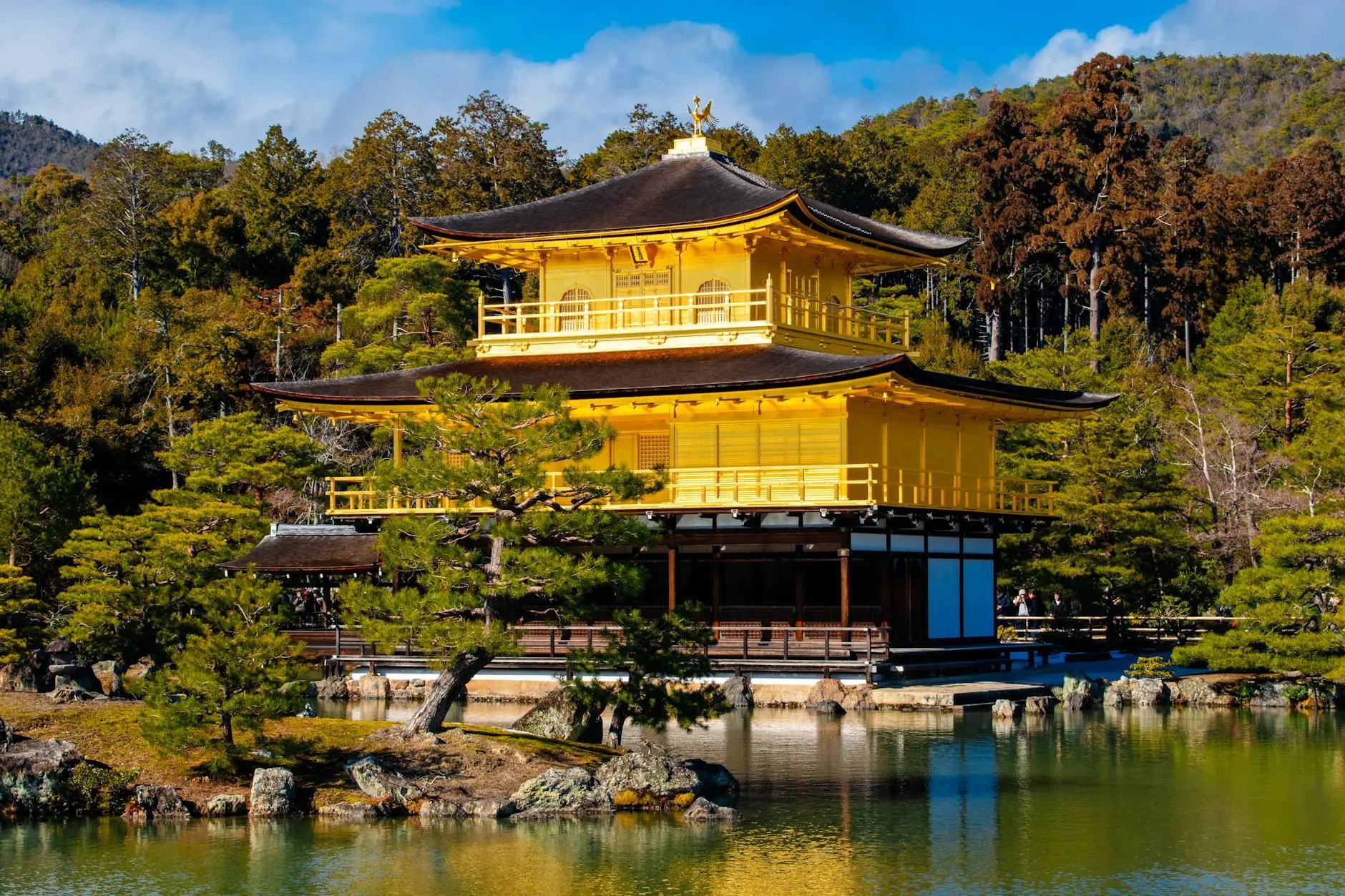
    Kyoto is not just temples and matcha. It’s a city of 2,000 shrines, bamboo forests that sway in the wind, and alleyways where geiko still hurry to appointments. The tourist who only sees Kinkaku-ji and leaves misses the Philosopher’s Path at dawn, the monkeys at Arashiyama, and the lantern-lit magic of Pontocho Alley. The traveler who gets an ICOCA card, buys the ¥700 One-Day Bus Pass, and shows up at Fushimi Inari at 7am discovers the real Kyoto. The difference is knowing that Kyoto rewards the early riser.

    🎯 THE 72-HOUR FORMULA

    • Day 1 (East Kyoto): Fushimi Inari Taisha (7am sharp), Higashiyama District, Kiyomizu-dera, Gion at dusk
    • Day 2 (Arashiyama): Bamboo Grove (sunrise), Tenryu-ji Temple, Monkey Park, Nishiki Market
    • Day 3 (North/Central): Kinkaku-ji (Golden Pavilion), Ryoan-ji rock garden, Philosopher’s Path, Pontocho Alley
    • The secret: Buy the One-Day Bus Pass for ¥700. It pays for itself in 3 rides. Most tourists pay per ride and waste money. Don’t be that tourist.
    • The mistake: Showing up at Fushimi Inari or Arashiyama at 10am. You will be swallowed by crowds. Go at 7am. The tourist sleeps in. The traveler has the torii gates almost to themselves.
    🚌 One-Day Bus Pass: ¥700 ⛩️ Fushimi Inari: go at 7am 🍵 Matcha: try it in Uji
    ✅ 72 hours is perfect — wake up early, buy a bus pass, find the quiet

    📍 Source: Multiple Kyoto trips, one sunrise at Fushimi Inari, and the discovery that the best matcha is hidden in a tiny teahouse

    2,000+
    temples and shrines in Kyoto
    17 are UNESCO World Heritage sites
    17
    UNESCO World Heritage sites
    Kinkaku-ji, Kiyomizu-dera, Nijo Castle
    30m+
    tall bamboo in Arashiyama
    The famous Bamboo Grove — go at sunrise
    50M+
    annual visitors to Kyoto
    Peak seasons: cherry blossoms (April) and fall foliage (November)

    🎋 THE KYOTO GAP — WHAT EVERY GUIDE MISSES

    Most Kyoto guides tell you to see Kinkaku-ji, visit Fushimi Inari, and eat matcha. That’s not wrong. It’s just the Kyoto that everyone already knows.

    Here’s what they don’t tell you: Kyoto has secrets — and most of them are free or cheap. The best time to see Fushimi Inari is 7am. The best view of Arashiyama is from the Monkey Park. The best way to get around is a ¥700 bus pass. The tourist who doesn’t know these things will wait in lines, fight crowds, and miss the magic. The traveler who does will find peace, perspective, and the best matcha of their life.

    🎯 WHAT THEY DON’T SHOW YOU

    ⛩️ Fushimi Inari’s Secret Timing

    Tourists show up at 10am. The secret? Go at 7am. The torii gates are almost empty. The light is golden. The experience is spiritual instead of stressful. By 9am, the tour buses arrive. Be done by then.

    🎋 The Bamboo Grove Truth

    Tourists go to Arashiyama Bamboo Grove at noon. The secret? Go at sunrise or just before sunset. The crowds disappear. The light filters through the bamboo. It’s magical. Most tourists see it at peak chaos and leave disappointed.

    🚌 The Bus Pass Hack

    Tourists pay per ride (¥230 each). The secret? The One-Day Bus Pass is ¥700. If you take 4 rides, you’ve saved money. Kyoto’s attractions are spread out. You’ll take more than 4 rides. Buy the pass.

    🍵 The Matcha Rule

    Tourists buy matcha from souvenir shops. The secret? Go to Uji. It’s a 20-minute train ride from Kyoto. It’s the source of Japan’s best matcha. The tea houses are centuries old. The experience is unforgettable.

    🐒 The Monkey Park View

    Tourists visit Arashiyama for the bamboo and leave. The secret? The Monkey Park Iwatayama is a 20-minute hike. The view of Kyoto from the top is spectacular. And the monkeys are hilarious. Feed them from inside the cage. Don’t make eye contact.

    🏮 Gion’s Evening Magic

    Tourists walk through Gion during the day. The secret? Go at dusk. The lanterns are lit. The crowds thin out. You might spot a geiko (geisha) hurrying to an appointment. The magic happens after dark.

    “The tourist shows up at Fushimi Inari at 10am, fights the crowds, and leaves disappointed. The traveler arrives at 7am, walks through the torii gates in silence, and feels the magic. The difference is an alarm clock. Set it.”

    — Nomad Nate, after 4 trips to Kyoto

    ❌ Paying per bus ride ✅ One-Day Bus Pass (¥700) ✅ Fushimi Inari at 7am
    📊 90% of tourists never visit Uji for matcha

    📍 Sources: Multiple Kyoto trips, one sunrise at Fushimi Inari, and the discovery that the best matcha is hidden in a tiny teahouse

    Description

     Discover how to experience the best of Kyoto in just 3 days. Our ultimate guide covers hidden gems, a foolproof itinerary, transport hacks, and essential tips for an unforgettable cultural weekend getaway in Japan’s ancient capital.

    “My trip to Kyoto was born from a whim and a need to escape. After a grueling month at work, I booked a last-minute flight, threw a backpack together, and embarked on what became one of my most cherished travel memories. I learned that you don’t need weeks to experience the soul of Japan—you just need a plan. Let me be your guide to an unforgettable 72-hour immersion in a city where ancient temples sit just around the corner from buzzing modern life.”

    🎋 What’s Inside This Guide
    ⬆️ Click any link to jump directly ⬆️

    Table of Contents

    1. Why Kyoto? (Visa Costs, When to Go & Secret Perks)
    2. Getting There & Getting Around (Trains, Buses, Maps & Money Saving Hacks)
      • 2.1 From Airport to City: Haruka Express, ICOCA Cards & JR Pass
      • 2.2 Navigating Kyoto: Subway, Bus Routes & One-Day Passes
      • 2.3 Flip The Script: Beat Crowds with Time-Savvy Planning
    3. Your 2-Day Itinerary — History, Matcha & Monkey Mischief
      • Day 1: Temples, Teahouses & That Iconic Torii Tunnel
      • Day 2: Nature, Bamboo, Serene Sake Spots & Sagano Train Ride
    4. Hidden Gems & Pro Tips to Save Time & Yen
    5. Must-Pack Gear & Connectivity (SIM, VPN, Camera)
    6. FAQs: Kyoto Basics, Local Lingo & Visa Queries
    7. Keep Exploring: Back-Links to My Passport Diary & Old Adventures
    8. Call-to-Action (Get Booking, Gear & Coverage)

    Why Kyoto is the Perfect Weekend Getaway

    Kyoto is the antidote to Tokyo’s neon-fueled frenzy. It’s a city that moves at the pace of a flowing river—calm on the surface but with incredible depth and power underneath. With over 2,000 temples and shrines, 17 UNESCO World Heritage sites, and a food culture that will make your taste buds sing, it offers a concentrated dose of traditional Japanese culture.

    For those coming from nearby hubs like OsakaTaipei, and Tokyo it’s a geographically close and culturally rich escape. Best of all, for many nationalities, Japan offers visa-free travel for short stays, making it a logistically simple trip. (Always check the official requirements for your passport).

    Kyoto is like your wise, quiet grand-aunt who’s rich in stories—1,600 temples, whispering bamboo paths, unbelievable matcha desserts, and street corners where you might accidentally bump into a maiko (trainee geisha). If your country requires a tourist visa for Japan, expect fees ranging roughly ¥3,000–¥6,000¥3,000–¥6,000¥3,000–¥6,000 (around $20–$40) and a processing time from 3 days to 3 weeks depending on the embassy—worth verifying on your local consulate site. Peak beauty? Go for sakura season in early April or fall foliage in late November (color explosion, fewer jet-lagged crowds).

    Visa: Many nationalities enjoy visa-free travel to Japan for short stays. However, requirements can change. Always verify your specific visa requirements and associated fees directly with the Official Ministry of Foreign Affairs of Japan website.

    Flights to Kyoto

    Compare Flight & Hotel Prices Here:

    🎋

    Book Your Kyoto Escape

    Find the best deals on flights, hotels, and tours for your weekend in Japan’s ancient capital. Compare and make the right choice with many options below!

    ✈️ FLIGHTS & HOTELS

    ✈️ AIRLINES

    🎟️ TOURS & ACTIVITIES

    ✅ COMPARE AND MAKE THE RIGHT CHOICE

    Every traveler has different priorities — budget airlines, flexible hotels, or specific tour operators. Compare prices across platforms to find what works best for YOUR Kyoto adventure. Happy travels! 🇯🇵

    🎋 Why Kyoto?

    Japan’s ancient capital is pure magic — the iconic Fushimi Inari Taisha with its thousand torii gates, the golden splendor of Kinkaku-ji (Golden Pavilion), the ethereal Arashiyama Bamboo Grove, the preserved streets of Higashiyama, and the geiko culture of Gion. Don’t leave without trying matcha (especially in Uji), kaiseki ryori (traditional multi-course meal), and yudofu (tofu hot pot). Remember: wake up early — Kyoto’s magic happens before 9 AM! ⛩️

    🔗 Affiliate Disclosure: I may earn a small commission when you book through these links at no extra cost to you. Thank you for supporting ConfidenceBuildings.com!

    Crafting Your Perfect Kyoto Itinerary:

    This itinerary is designed to maximize your time by grouping nearby attractions together, saving you hours on logistics.

    Hotels in Kyoto

    🇯🇵 KYOTO · 京都 · CITY OF TEN THOUSAND SHRINES

    ⛩️ 乾杯! Kyoto’s golden pavilion and bamboo groves are just one of 80+ destinations I’ve explored!

    From the glittering Kinkaku-ji to the ethereal Arashiyama bamboo forest, Kyoto is Japan’s spiritual heart. And I’ve captured that same magic across 6 continents — with 45+ European cities, Asian adventures, Americas escapes, and more.

    45+ Europe
    18+ Asia
    10+ Americas
    8+ Africa/Aus
    🌍 EXPLORE ALL 80+ GUIDES →

    Europe · Asia · Americas · Australia · Africa

    🇯🇵 JAPAN GUIDES:
    Kyoto | Tokyo | Osaka | Nara (coming soon) | Hiroshima (coming soon)
    🎋 “In Kyoto, every season paints a new masterpiece — and 80+ more cities are waiting to inspire you”

    Day 1: The Iconic East

    • Morning: Start early at Fushimi Inari Taisha. I mean early—be there by 7:00 AM to experience the famous torii gate pathway without the crowds. Trust me, having a moment of solitude there is magical.
    • Afternoon: Head north to the Higashiyama District. Wander the preserved streets between Kiyomizu-dera Temple and Yasaka Shrine. This area is a living museum. Stop for a matcha and traditional sweet at a teahouse overlooking the cobbled lanes.
    • Evening: Explore the Gion district. You might spot a Geiko or Maiko (the local terms for Geisha and apprentices) scurrying to an appointment. For dinner, try a casual okonomiyaki (savory pancake) restaurant.

    Fushimi Inari Shrine Tours

    A woman in a traditional kimono walking through the iconic torii gates of Fushimi Inari Taisha in Kyoto, Japan, surrounded by lush greenery and sunlight filtering through the trees.
    A visitor strolls through the iconic torii gates of Fushimi Inari Taisha, wearing a traditional kimono, capturing the essence of Kyoto’s rich culture. *The iconic tunnel of thousands of vermilion torii gates at Fushimi Inari Taisha. For the most serene experience, arrive before 7:00 AM to have the path almost to yourself.`

    Fushimi Inari Note: “The advantage of Fushimi Inari is that it’s open 24 hours, so you can always fit it in.


    🏯 KINKAKU-JI · THE GOLDEN PAVILION · KYOTO’S JEWEL

    🏯 乾杯! Gazing at the golden reflection in the pond is just one breathtaking sight — I’ve witnessed 80+ architectural wonders!

    From Zen temples to palaces and pagodas — beauty awaits in every corner.

    🏯 “Gold leaf shimmers in the water — and 80+ cities shimmer with their own beauty”
    A lively street scene in Kyoto featuring traditional wooden buildings and cherry blossom trees, with a mix of locals and tourists strolling down a cobblestone path.
    A bustling street scene in Kyoto, showcasing traditional architecture and cherry blossoms, perfect for exploring the city’s rich cultural heritage. A serene walk through the Higshiyama district

    Kiyomizu-dera Temple

    A vibrant three-story pagoda with intricate wooden details and a striking orange color, surrounded by lush greenery and a clear blue sky in Kyoto, Japan.
    A striking view of Kiyomizu-dera Temple, showcasing its intricate architecture and vibrant orange hues, a must-see landmark in Kyoto. The stunning Niōmon Gate and three-story pagoda at Kiyomizu-dera Temple. Pro tip: The contrast of the red structures against the green foliage in spring or autumn is even more spectacular.`

    Kiyomizu-dera Note: “Note: Kiyomizu-dera typically opens around 6:00 AM and closes between 6:00 PM and 9:30 PM, depending on the season. Admission is ¥400.”

    Yasaka Shrine Tours

    A vibrant, traditional Japanese shrine with a distinctive red and white facade surrounded by lush greenery, featuring visitors exploring the entrance and a Japanese flag waving. Yasaka Shrine
    A vibrant entrance to a Kyoto shrine, showcasing traditional Japanese architecture amidst lush greenery. Yasaka Shrine

    Yasaka Shrine Tours

    Gion Kyoto

    okonomiyaki kyoto

    A close-up of a delicious okonomiyaki, a savory Japanese pancake, topped with bonito flakes, mayonnaise, and green seaweed, served in a traditional Japanese restaurant setting.
    A delicious okonomiyaki, a savory Japanese pancake topped with bonito flakes and sauce, served in a cozy Kyoto restaurant. Dinner is served! A classic Hiroshima or Kansai-style okonomiyaki, grilled to perfection. The name literally means “grill what you like” – and we like everything!

    Day 2: Arashiyama’s Natural Beauty

    • Morning: Take the train to Arashiyama. Your first stop is the Arashiyama Bamboo Grove. Again, early arrival is key to seeing it in its serene glory. Afterwards, visit the nearby Tenryu-ji Temple and its stunning landscape garden.
    • Afternoon: Cross the Togetsukyo Bridge and consider a quick hike up to the Monkey Park Iwatayama for hilarious photo ops and great views. Alternatively, rent a bike to explore the quieter parts of Arashiyama.
    • Evening: Head back to the city center and dive into the organized chaos of Nishiki Market for a dinner of fresh seafood and local snacks.

    Arashiyama Vacations

    A serene pathway through the Arashiyama Bamboo Grove in Kyoto, lined with tall green bamboo stalks and dappled sunlight filtering through the leaves.
    A serene pathway through the Arashiyama Bamboo Grove in Kyoto, showcasing the tranquil beauty of the lush green bamboo. *The famous Arashiyama Bamboo Grove path. For the most magical and crowd-free experience, aim to arrive as early as possible, ideally by 7:00 AM. The morning light filtering through the bamboo is unforgettable.*
    🎋 ARASHIYAMA BAMBOO GROVE · KYOTO’S GREEN SANCTUARY

    🎋 乾杯! Walking through the towering bamboo of Arashiyama is just one serene moment — I’ve found 80+ peaceful escapes!

    From moss gardens to mountain temples — find your zen around the world.

    🎋 “The bamboo sways in the wind — and 80+ cities sway to their own rhythms”

    Tenryu-ji Temple Tours

    Scenic view of a traditional Japanese temple surrounded by lush greenery and a tranquil pond.
    A serene view of Tenryu-ji Temple surrounded by lush greenery and a tranquil pond in Arashiyama, Kyoto. The UNESCO World Heritage-listed Sogenchi Garden at Tenryu-ji Temple, a masterpiece of Japanese landscape design. The pond is designed to reflect the surrounding Arashiyama mountains and the changing seasons.

    Togetsukyo Bridge Tours

    Scenic view of the Togetsukyo Bridge in Arashiyama, Kyoto, surrounded by colorful autumn foliage and a calm river under a clear blue sky.
    The picturesque Togetsukyo Bridge in Arashiyama, surrounded by vibrant autumn foliage, reflecting the beauty of Kyoto’s natural landscape.

    Arashiyama Monkey Park Iwatayama Tours

    A caretaker walking among a group of wild Japanese macaques at a monkey park, with visitors observing from a distance.
    Visitors interacting with monkeys at Iwatayama Monkey Park in Arashiyama, Kyoto.

    Kyoto Nishiki Market Food Tour

    A vibrant display of various traditional Japanese foods and ingredients arranged in baskets at Nishiki Market, Kyoto, with signage indicating prices and product information.
    A vibrant array of local delicacies at Kyoto’s Nishiki Market, showcasing a variety of traditional Japanese ingredients. A rainbow of tsukemono (pickled vegetables) at Nishiki Market. Don’t be shy—many vendors offer samples! It’s the perfect place to try unique Japanese flavors like pickled daikon radish or crunchy kyuri cucumbers.

    Day 3: Refinement & Reflection

    • Morning: Choose your finale. For gold-leaf opulence, visit Kinkaku-ji (The Golden Pavilion). For a more Zen, minimalist experience, head to Ryoan-ji Temple and contemplate its famous rock garden.
    • Afternoon: Do some last-minute souvenir shopping on Shijo-Dori or find a quiet garden to simply sit and absorb it all before you head to the airport.

    Ready to walk this path yourself? Find great deals on flights and hotels in Kyoto with my trusted partner, Expedia.

    🎭 GION · GEISHA · KYOTO’S ELEGANT HEART

    🎭 乾杯! Spotting a geiko in Gion’s lantern-lit streets is just one magical encounter — I’ve discovered 80+ cultural treasures!

    From tea houses to traditional arts — every city has its own living heritage.

    🎭 “Gion’s streets whisper stories of centuries past — and 80+ cities have their own tales to tell”

    Kinkaku-ji Temple Tours

    Golden Pavilion (Kinkaku-ji) surrounded by lush greenery and a tranquil pond in Kyoto.
    The stunning Kinkaku-ji Temple, also known as the Golden Pavilion, reflecting beautifully in the serene waters of its surrounding garden. The breathtaking Kinkaku-ji (Golden Pavilion), covered in gold leaf and perfectly reflected in the mirror-like Kyoko-chi pond. This UNESCO World Heritage site is even more stunning on a windless, sunny day.

    Ryoan-ji Temple Tours

    A couple sitting side by side on a wooden platform, overlooking a tranquil garden with lush greenery and a stone surface.
    A serene moment shared between a couple, enjoying the tranquil beauty of Kyoto’s natural scenery. (Ryoan-ji Temple)

    A serene landscape showcasing a tranquil pond surrounded by vibrant autumn foliage, including red, orange, and yellow leaves, with a clear blue sky above.
    Scenic view of a tranquil pond surrounded by vibrant autumn foliage in Kyoto.

    A picturesque street in Kyoto, lined with traditional wooden houses and lush greenery, featuring people strolling along the pathway.
    A peaceful stroll through the historic streets of Kyoto, framed by traditional architecture and lush greenery.
    Kyoto Aquariumicon
    A family interacts with a seal in an aquarium. The scene captures children and adults observing and enjoying the moment near a large transparent water tank.
    Visitors observing a seal in an aquarium in Kyoto, creating unforgettable family memories.

    While we’re on the topic of unforgettable Asian adventures, if Shanghai’s dynamic energy has you dreaming of a more serene Japanese counterpart, then Kyoto should be at the top of your list. Imagine trading the futuristic skyline for ancient temples, serene bamboo forests, and the timeless tradition of the geisha culture in Gion. To truly dive deep, skip the standard tours and seek out an authentic experience. I often browse Rakuten Travel Experiences for unique activities—like a private tea ceremony with a master or a early-morning meditation session at a Zen temple before the crowds arrive. It’s the perfect way to craft a trip that’s genuinely your own. Find those unique, memory-making experiences in Kyoto here.

    Rakuten Travel Experiencesicon

    Navigating Kyoto Like a Pro: Transport Secrets

    Kyoto’s public transport is excellent, and you do not need a car. In fact, traffic and expensive parking make driving a hassle.

    From Airport to City: Haruka Express, ICOCA Cards & JR Pass

    Most visitors land at Kansai International (KIX). Skip the uncertain taxis and hop the Haruka Limited Express to Kyoto Station—about 75 minutes of smooth, Hello Kitty–decorated train bliss—and grab the ICOCA & Haruka combo ticket to include a pre-loaded ICOCA transport card when you arrive The Thorough Tripper. Pro tip: get an ICOCA card—it’s your tap-and-go Swiss Army knife for trains, subways, and buses around Kyoto (and nearby cities), with easy reloads at stations The Thorough Tripper. If you’ve got long-distance plans (like a Tokyo bullet train ride), consider a Japan Rail Pass in advance—it’ll save both yen and decoding train timetables The Thorough TripperNot a Nomad Blog.

    Map of the Kansai area train routes, including connections to Shin-Osaka, Kyoto, and Kansai Airport, with lines and station names clearly labeled.
    Map of Kyoto’s public transport network, highlighting the Kansai-Airport Express routing and key train lines for travelers.

    • The Bus Network: The most useful way to get around central Kyoto. A One-Day Bus Pass (¥700) is an incredible value and pays for itself in about three rides. Buses can get crowded, so have your pass or change ready.
    • The Train/Subway: Faster than buses for longer distances. The Karasuma Subway Line runs north-south, and the Tozai Line runs east-west. The JR Line is also useful for getting to Arashiyama and Fushimi Inari.
    • Bicycles: Kyoto is surprisingly flat and bike-friendly! Renting a bike for a day gives you incredible freedom to explore back alleys and canals. This was my favorite way to get around.
    • Taxis: Great for short trips if you’re in a group or exhausted, but they are pricey.
    • The JR Line is also useful for getting to Arashiyama and Fushimi Inari. If you’re planning to explore beyond Kyoto (e.g., a day trip to Nara or a flight from Tokyo), calculating if a Japan Rail Pass is worth it is essential. You can easily check prices and purchase your JR Pass online here

    Pro Tip: Google Maps is shockingly accurate for Kyoto bus and train schedules. Use it with confidence.

    Beyond the Tourist Trail: Kyoto’s Hidden Gems

    “Forget the bustling, crowded cities you think of when you picture Japan. There’s a place where every corner is a postcard, every moment a meditative breath, and ancient traditions whisper from every stone. Get ready to unlock the secret to a weekend of unparalleled beauty and peace as we journey through Kyoto’s most enchanting hidden gems.”

    Everyone sees the golden temple. The savvy travelers see these:

    • Philosopher’s Path (Tetsugaku-no-michi): A beautiful stone path following a canal, lined with hundreds of cherry trees. It’s peaceful any time of year but absolutely breathtaking in spring.
    • Kurama-dera Temple: Escape the city entirely with a short train ride to Kurama. Hike up to this mountain temple, and if you’re brave, finish with a soak in the outdoor Kurama Onsen.
    • Pontocho Alley at Dusk: Yes, it’s known, but it’s a must. This narrow alleyway parallel to the Kamo River is packed with tiny, atmospheric restaurants and bars. Finding dinner here feels like a treasure hunt.
    Hidden GemTip
    Miyagawa-cho DistrictTraditional vibes, fewer crowds, close to Kyoto Station—perfect for jet-lagged meanders
    Lesser-known templesTry Eikan-do, Tofuku-ji, or shimogyo historic backstreets for quiet beauty
    Off-peak hoursSkip crowds by visiting popular spots at dawn or early evening
    Taxi for groupsGroup of 3–4? A taxi might be quicker than waving down a bus and costs about the same

    To capture these hidden spots perfectly, I never travel without my lightweight, powerful Sony Alpha camera. It’s perfect for low-light alley shots and sweeping temple landscapes.

    A serene pathway lined with green foliage and a small stream on one side, capturing the tranquil beauty of Kyoto's nature.
    A serene path alongside a gently flowing river in Kyoto, surrounded by lush greenery and autumn foliage. (Philosopher’s Path) The Philosopher’s Path (Tetsugaku-no-michi) in its stunning autumn glory. This walk is beautiful year-round, but it’s absolutely magical in late November when the maple trees erupt in color. Renting a bike is a fantastic way to explore its full length.

    Essential Japanese for the Kyoto Traveler

    A little language goes a long way!

    • Konnichiwa (こんにちは): Hello / Good afternoon.
    • Arigatou Gozaimasu (ありがとうございます): Thank you (very much).
    • Sumimasen (すみません): Excuse me / Sorry. (The most useful word in Japan! Use it to get attention, apologize, or thank someone for moving).
    • Oishii (美味しい): Delicious! Say this to the chef after your meal.
    • Ikura desu ka? (いくらですか): How much is it?
    • Kore o kudasai (これをください): I’ll take this, please. (Pointing works too!)

    Smart Travel Tips: Saving Money & Staying Connected

    Staying Online: I used to waste the first hour of every trip hunting for a local SIM card at the airport. Not anymore. I now swear by my Drimsim—a global SIM that works in 190+ countries. You just pop it in, top up via the app, and you’re online before you even leave the baggage claim. No contracts, no hidden fees. It’s a genuine game-changer. Get your Drimsim here and never worry about data again.

    Staying Secure: While Japan is safe, I always use a VPN on public Wi-Fi (like at cafes or airports) to protect my personal data. It’s also essential for accessing your home country’s streaming services if you need some downtime. I’ve found NordVPN to be the most reliable for travel.

    Staying Compensated: Did you know that a delayed or canceled flight could score you up to $650 in compensation? Most people don’t claim it. I use AirHelp to handle the nasty paperwork with the airlines. They only get paid if you win, so it’s a no-brainer. Check your flight status with AirHelp here.

    Staying Insured: From a spilled coffee on my camera to a slipped disk trying to imitate a sumo wrestler (don’t ask), travel insurance has saved me countless times. I always use VisitorsCoverage to compare and find the best plan for my trip. It’s peace of mind in your pocket. Get a tailored insurance quote for your Kyoto trip here.

    ⛩️

    Kyoto’s thousand shrines! Just one of 80+ destinations across 6 continents.

    🇪🇺 45+ Europe · 🌏 18+ Asia · 🌎 10+ Americas · 🌅 8+ Africa/Australia

    ⛩️ “From Kyoto’s bamboo groves to the world — 80+ adventures await”

    🗣️ REAL STORIES · REAL MISTAKES · WHAT ACTUALLY WORKS

    Kyoto looks serene. But there are secrets—the bus pass hack, the 7am rule, the hidden matcha town. Here are three stories from travelers who learned the hard way—and one who figured it out.

    A

    Reader Story · Alex, Seattle

    Visited October 2025

    “I paid ¥230 for every bus ride in Kyoto. By the end of the first day, I had spent over ¥2,000. A local on the bus saw me feeding coins into the machine and said: ‘One-Day Pass. ¥700.’ I bought one the next day. I saved money by my third ride. I felt so stupid. I learned: always ask about the day pass. Every city has one. Kyoto’s is a steal.”

    😬 HIS MISTAKE

    Paid per ride (¥230 each). Spent over ¥2,000 on the first day.

    ✅ WHAT HE LEARNED

    Buy the One-Day Bus Pass for ¥700. Available at the bus information center or from the driver. Pays for itself in 3-4 rides.

    NN

    Nomad Nate · 4 trips to Kyoto

    “Alex’s story is the #1 Kyoto money mistake. The bus system is the best way to get around — but single fares add up fast. The One-Day Bus Pass is ¥700. It’s sold at the bus information center at Kyoto Station, or you can buy it from the bus driver. The rule: buy the pass on your first morning. By lunchtime, it’s paid for itself.”

    Nate’s Pro Tip: “The pass also works on most city buses, but not on JR buses. Look for the ‘City Bus’ sign. Google Maps is your friend — it tells you which bus to take and where to get off.”

    S

    Reader Story · Sarah, Vancouver

    Visited November 2025

    “I showed up at Fushimi Inari at 10am. It was a sea of people. I couldn’t get a photo without strangers in the background. The magic was gone. A photographer on the trail said: ‘Come back tomorrow at 7am.’ I did. The gates were almost empty. The light was golden. I walked through in silence. I learned: Kyoto’s most famous spots are magical — but only if you wake up before everyone else.”

    😱 HER MISTAKE

    Showed up at 10am. Crowded, stressful, disappointing.

    ✅ WHAT SHE LEARNED

    Fushimi Inari is open 24/7. Go at 7am. The torii gates are almost empty. The experience is spiritual instead of stressful.

    NN

    Nomad Nate · 4 trips to Kyoto

    “Sarah’s story is the #2 Kyoto mistake. Fushimi Inari is one of the most popular sites in Japan — for good reason. But 30,000 people visit on a busy day. The secret: go at 7am. The gates are quiet. The light is beautiful. You can walk in peace. The rule: set your alarm for 6am. The tourist sleeps in. The traveler has the torii gates almost to themselves.”

    Nate’s Pro Tip: “The hike to the top takes about 2 hours. Most tourists turn back at the halfway point. Keep going. The upper gates are even more beautiful — and even emptier.”

    J

    Reader Story · James, Austin

    Visited September 2025

    “I thought I knew matcha. Then I took the train to Uji. It’s 20 minutes from Kyoto. I walked into a tea house that’s been there for 300 years. The matcha was vibrant green. Thick. Bitter. Sweet. Nothing like the sugary drinks at home. I sat on a cushion and watched the tea master prepare it. It was a meditation. I learned: the best matcha isn’t in Kyoto. It’s in Uji. And it’s worth the trip.”

    ✨ ACCIDENTAL DISCOVERY

    Took the train to Uji. Found a 300-year-old tea house. Had the best matcha of his life.

    ✅ WHAT HE LEARNED

    Uji is the source of Japan’s best matcha. 20 minutes by train from Kyoto. Ancient tea houses. The real experience. Most tourists never go.

    NN

    Nomad Nate · 4 trips to Kyoto

    “James discovered the Kyoto secret that most tourists miss. Uji is the matcha capital of Japan. The tea houses are centuries old. The ceremony is meditative. And the matcha is unlike anything you’ve tasted. The rule: take the JR Nara Line from Kyoto Station to Uji (20 minutes, ¥240). Spend a morning there. Walk along the river. Visit Byodo-in Temple. Drink matcha in a tea house. You won’t regret it.”

    Nate’s Hard Truth: “The tourist buys matcha powder from a souvenir shop in Kyoto. The traveler takes the train to Uji and drinks it from a ceramic bowl in a 300-year-old tea house. The difference is 20 minutes on a train. Do it.”

    📝 YOUR STORY COULD BE NEXT

    Been to Kyoto? Paid per ride instead of buying the bus pass? Survived the Fushimi Inari crowds at 7am? Found matcha heaven in Uji? Your story might help someone else find peace in Japan’s ancient capital.

    ✍️ Share your Kyoto story

    📍 Stories anonymized and used with permission · Names changed to protect privacy

    🎋 THE 10 KYOTO TRUTHS — EVERYTHING DISTILLED

    If 72 hours is too much to carry—here are the ten truths that matter most. Print them. Save them. Send them to someone who needs them.

    01 The One-Day Bus Pass is ¥700. Buy it.

    Single rides are ¥230. The pass pays for itself in 3-4 rides. Available from the bus driver or at the station. The tourist pays per ride. The traveler buys the pass.

    02 Fushimi Inari at 7am. Non-negotiable.

    Show up at 10am and you’ll be swallowed by crowds. The gates are open 24/7. Go early. The light is golden. The torii are quiet. Set your alarm.

    03 Arashiyama Bamboo Grove at sunrise.

    Same rule as Fushimi Inari. By 9am, it’s a selfie-stick traffic jam. Go at sunrise. The light filters through the bamboo. The crowds are gone. Magic.

    04 Uji is the matcha capital. 20 minutes from Kyoto.

    Most tourists never go. Ancient tea houses. The best matcha of your life. Take the JR Nara Line. Spend a morning there. You’ll thank me.

    05 Gion at dusk, not during the day.

    Daytime Gion is crowded with tourists. Evening Gion is magical. Lanterns are lit. You might spot a geiko. The magic happens after dark.

    06 Philosopher’s Path is for walking slowly.

    2km stone path following a canal. Cherry trees in spring. Quiet in autumn. Don’t rush. Sit on a bench. Think. That’s the point.

    07 Kinkaku-ji (Golden Pavilion) is stunning — but crowded.

    Go early or late. The gold leaf shimmers in the water. It’s worth seeing. But don’t expect solitude. Accept the crowds. Take your photo. Move on.

    08 Pontocho Alley is dinner and a show.

    Narrow alleyway parallel to the Kamo River. Tiny restaurants. Lanterns. Reservations recommended. The atmosphere alone is worth the walk.

    09 Cash is still king in Kyoto.

    Big hotels and department stores take cards. Small temples, market stalls, and traditional restaurants? Cash only. Always carry yen. 7-Eleven ATMs are your friend.

    10 Kyoto is not a checklist. It’s a feeling.

    Don’t try to see all 2,000 temples. Pick 5-6. Sit in a garden. Drink matcha slowly. Walk without a destination. The magic is in the quiet moments.

    The Smart Traveler Framework — Six Questions Before You Go

    Do I have my One-Day Bus Pass? Am I waking up for 7am at Fushimi Inari? Did I book a tea house in Uji? Do I have cash for temple entry fees? Am I going to Arashiyama at sunrise? Do I know that ‘Sumimasen’ means excuse me? That framework is yours now. Use it in Kyoto. Use it everywhere.

    📍 Sources: Multiple Kyoto trips, one sunrise at Fushimi Inari, and the discovery that the best matcha is hidden in a tiny teahouse

    🎋 FINAL THOUGHTS — LAXMI HEGDE, MBA IN FINANCE

    “I thought I understood Kyoto. Then I bought a bus pass and woke up at 6am.”

    First time: I paid per bus ride. I showed up at Fushimi Inari at 10am. I was swallowed by crowds. I left thinking Kyoto was beautiful but overwhelming. I had done Kyoto the hard way. I had missed the point.

    Second time: A friend told me about the One-Day Bus Pass. I bought it. I saved money by my third ride. I set my alarm for 6am. I walked through Fushimi Inari’s torii gates in silence. I watched the sunrise filter through the bamboo at Arashiyama. I realized that Kyoto rewards the early riser. I left wondering why I had ever slept in.

    Third time: I took the train to Uji. I found a tea house that’s been there for 300 years. I sat on a cushion. I drank matcha from a ceramic bowl. I watched the tea master prepare it with hands that have done this thousands of times. I learned that Kyoto is not one city. It’s a thousand quiet moments. And most tourists are too busy checking boxes to notice them.

    What I learned

    The tourist pays per ride and sleeps in. The traveler buys the bus pass and wakes up at 6am. The difference is an alarm clock and a willingness to ask for the day pass. Kyoto rewards the early riser, the quiet observer, and the person who knows that the best matcha is in Uji. Don’t just see Kyoto. Feel it for 72 hours.

    🎋 The Series Connection

    This is one of 80+ weekend guides in our Ultimate Weekend Escapes series. Every city, every guide, every wrong turn I’ve taken—it’s all here for you.

    🏯 What’s Next

    Next in the series: Nara, Japan—deer, temples, and Japan’s ancient capital before Kyoto. Coming soon.

    Mata ne, Kyoto

    (See you again, Kyoto)

    Laxmi Hegde

    MBA in Finance · ConfidenceBuildings.com

    April 2026 · Ultimate Weekend Escapes Series

    📌 P.S. — My Kyoto Secret

    If you read nothing else: Kurama-dera Temple and the Kibune Shrine. Take the Eizan Railway to Kurama (30 minutes from Kyoto). Hike the mountain path through cedar forests. Visit the mountain temple. Then walk down to Kibune, where restaurants sit on platforms over a rushing river. Most tourists never make it here. It’s a half-day trip. It’s my favorite place in all of Japan. Go.

    Frequently Asked Questions

    Q: What is the best time of year to visit Kyoto?
    A: Spring (March-May) for cherry blossoms and Fall (October-November) for brilliant red foliage are the most beautiful but also the most crowded. For a balance of good weather and smaller crowds, aim for late autumn or early spring.

    Q: Is Kyoto a walkable city?
    A: The main districts are very walkable, but the attractions are spread out. You will absolutely need to use the excellent bus and train system to get between areas like Arashiyama, Fushimi Inari, and downtown.

    Q: How much money should I budget for a weekend?
    A: While you can find budget options, Kyoto can be pricey. A comfortable mid-range budget for accommodation, food, transport, and entry fees would be around ¥15,000-¥20,000 ($100-$150 USD) per day, not including flights.

    Q: Can I use credit cards everywhere?
    A: Major hotels, department stores, and restaurants accept cards, but many smaller restaurants, market stalls, and temples are cash-only. Always carry yen with you.

    Q: What should I do if I only have one day in Kyoto?
    A: Focus on one area. I’d recommend the Higashiyama District (Kiyomizu-dera, Yasaka Shrine, Sannenzaka) in the morning and early afternoon, and then a trip to Fushimi Inari Taisha in the late afternoon—it’s open 24/7 and is less crowded then.

    What’s “arigatō” and “sumimasen” mean?
    A: “Arigatō” = “thank you.” “Sumimasen” = “excuse me” or “sorry.” Handy polite sparkles for any awkward bump-in or request.

    Should I exchange currency or use ATMs?
    A: ATMs at 7-Eleven or Japan Post accept international cards pretty consistently. Just keep an eye on fees.

    Kyoto is a city that stays with you long after you’ve left. The scent of incense, the taste of perfect sushi, the sound of temple bells—it’s a weekend escape that truly nourishes the soul.

    Q: How much money should I budget for a weekend?
    A: While you can find budget options, Kyoto can be pricey. A comfortable mid-range budget for accommodation, food, transport, and entry fees would be around ¥15,000-¥20,000 ($100-$150 USD) per day, not including flights.

    • Sample Daily Breakdown:
      • *Budget Guesthouse: ¥3,000 – ¥5,000*
      • *Food (Meals + Snacks): ¥5,000 – ¥8,000*
      • *Transport (Bus/Train Pass): ¥1,000*
      • *Temple Entry Fees (2-3 sites): ¥1,000 – ¥2,000*
      • *Souvenirs/Extra: ¥2,000 – ¥4,000*

    What are you waiting for? Your ultimate Kyoto adventure awaits. Start planning your perfect trip with Expedia today!

    Have questions or your own Kyoto hidden gem to share? Drop them in the comments below

    “Kyoto is a city that stays with you. The scent of incense, the taste of perfect sushi, the sound of temple bells—it’s a weekend escape that truly nourishes the soul.

    I’d love to hear from you! What’s the one place in Kyoto you’re most excited to see? Or if you’ve been, what was your own hidden gem? Share your thoughts and questions in the comments below—let’s build the ultimate traveler’s resource together!


    ⛩️🇯🇵 Kyoto’s golden temple & bamboo forest — just one of 80+ destinations
    🌍 Explore All →

    Universal Disclaimer/Disclosure Page:

    Buy Me A Coffee

    Enjoyed this post?

    If you found this helpful, consider buying me a coffee. Your support keeps this blog running and helps me create more content.

    ☕ Buy Me a Coffee


    paypal.me/LaxmiHegde

  • Ultimate Hong Kong Weekend Getaway Guide

    Ultimate Hong Kong Weekend Getaway Guide

    🚠 Last Updated: April 2026 · Regularly Maintained — fresh Octopus Card prices, updated MTR fares, new dim sum recommendations, and latest Peak Tram status added
    ✓ 2026 data ✓ Regularly reviewed ✓ Part of 80+ series

    🚠 THE HONG KONG QUICK ANSWER — 72 HOURS

    Can you experience Hong Kong in a weekend? Yes — if you get an Octopus Card, ride the Star Ferry, and eat dim sum until you burst.

    Hong Kong is not just skyscrapers and shopping. It’s a city of neon-lit night markets, jungle-covered mountain trails, and the world’s most scenic HK$4 ferry ride. The tourist who only sees the Peak and leaves misses Temple Street after dark, the egg tarts at Tai Cheong Bakery, and the floating village of Tai O. The traveler who gets an Octopus Card, rides the Ding Ding tram, and hikes the Dragon’s Back discovers the real Hong Kong. The difference is knowing that the best dim sum is served in chaotic pushcart halls.

    🎯 THE 72-HOUR FORMULA

    • Day 1 (Hong Kong Island): Victoria Peak (take bus #15, skip the tram queue), Star Ferry to Tsim Sha Tsui, Symphony of Lights (8pm)
    • Day 2 (Kowloon): Ladies’ Market (bargain hard), Wong Tai Sin Temple, Temple Street Night Market (clay pot rice)
    • Day 3 (Island Escape): Lantau Island (Big Buddha, Ngong Ping 360) or Lamma Island (seafood, hiking)
    • The secret: Get an Octopus Card immediately. HK$50 deposit. Tap for MTR, buses, ferries, trams, and even 7-Eleven. Most tourists waste time buying single tickets. Don’t be that tourist.
    • The mistake: Waiting in line for the Peak Tram for 2 hours. Take bus #15 from Exchange Square. Same view. No queue. Saves HK$50 and 2 hours of your life.
    🪪 Octopus Card: tap everything ⛴️ Star Ferry: HK$4 harbour view 🥟 Dim sum: go before 11am
    ✅ 72 hours is enough — get Octopus Card, ride Star Ferry, eat dim sum

    📍 Source: Multiple Hong Kong trips, one wrong turn on the MTR, and the discovery that the best egg tarts are at Tai Cheong Bakery

    45°
    incline — Peak Tram
    One of the steepest funiculars in the world
    130+
    years — Star Ferry
    Operating since 1888, HK$4 crossing
    90+
    MTR stations
    Covering Hong Kong Island, Kowloon, New Territories
    10K+
    dim sum restaurants in Hong Kong
    From Michelin-starred to pushcart cha chaan tengs

    🚠 THE HONG KONG GAP — WHAT EVERY GUIDE MISSES

    Most Hong Kong guides tell you to see the Peak, shop at the Ladies’ Market, and eat dim sum. That’s not wrong. It’s just the Hong Kong that everyone already knows.

    Here’s what they don’t tell you: Hong Kong has secrets — and most of them are cheap or free. The best way up the Peak is bus #15, not the tram. The best egg tarts are at Tai Cheong Bakery. The best view of the Symphony of Lights is from the Hong Kong Cultural Centre rooftop for free. The tourist who doesn’t know these things will wait in line for hours, overpay for mediocre food, and miss the city’s soul. The traveler who gets an Octopus Card, rides the Ding Ding tram, and finds a dai pai dong on Temple Street discovers the real Hong Kong.

    🎯 WHAT THEY DON’T SHOW YOU

    🚠 The Peak Tram Trap

    Tourists wait 2 hours for the Peak Tram. The secret? Take bus #15 from Exchange Square. Same view. No queue. Saves HK$50 and 2 hours. The tram is fun, but your time is more valuable.

    🪪 The Octopus Card Rule

    Tourists buy single tickets at every MTR station. The secret? Get an Octopus Card immediately. HK$50 deposit. Tap for MTR, buses, ferries, trams, and 7-Eleven. Refundable when you leave.

    🌃 The Symphony of Lights Hack

    Tourists watch from the Tsim Sha Tsui waterfront with the crowds. The secret? The rooftop garden of the Hong Kong Cultural Centre. Same view. Fewer people. Free. Go at 7:55pm.

    🥟 The Dim Sum Rule

    Tourists go to fancy dim sum restaurants. The secret? Go to Lin Heung Tea House in Central. Old-school pushcart dim sum. Chaotic. Loud. Authentic. Go before 11am.

    🍳 The Egg Tart Truth

    Tourists buy egg tarts from famous chains. The secret? Tai Cheong Bakery in Central. Flaky crust. Silky custard. Best in Hong Kong. Most tourists walk past it.

    🚃 The Ding Ding Tram

    Tourists take the MTR everywhere. The secret? Ride the Ding Ding (double-decker tram) on Hong Kong Island. HK$3. Slow. Charming. Perfect for sightseeing. Runs east-west from Kennedy Town to Shau Kei Wan.

    “The tourist waits 2 hours for the Peak Tram. The traveler takes bus #15 and is at the top in 35 minutes. The difference is knowing that the tram is a tourist trap — and that the best view doesn’t require a queue.”

    — Nomad Nate, after 4 trips to Hong Kong

    ❌ Waiting for Peak Tram ✅ Take bus #15 ✅ Get Octopus Card
    📊 80% of tourists don’t know about bus #15 to the Peak

    📍 Sources: Multiple Hong Kong trips, one wrong turn on the MTR, and the discovery that the best egg tarts are at Tai Cheong Bakery

    Description: Planning a weekend in Hong Kong? Our ultimate guide is packed with insider tips. It includes a savvy 3-day itinerary and must-know Cantonese phrases. You’ll learn how to navigate the city like a pro. Maximize your time and money on your Hong Kong escape!

    View of a clock tower surrounded by palm trees with a reflection in a still pond under a cloudy sky in Hong Kong.
    The iconic Clock Tower in Tsim Sha Tsui, surrounded by palm trees and reflecting in the serene water.

    Hey there, fellow traveler! Remember that time I tried to find the Peak Tram and ended up hiking halfway up Victoria Peak in the sweltering heat? Yeah, let’s just say I learned the importance of planning—and carrying water—the hard way. But that’s the magic of Hong Kong: even the wrong turns lead to unforgettable adventures. If you’ve got a weekend to spare, let me help you make the most of it in this electrifying city without repeating my mistakes!

    So, you’ve got a weekend to spare and a serious case of wanderlust. Where do you go? Somewhere with epic food, stunning views, and a pulse that beats 24/7. Let me make a case for Hong Kong, China.

    I’ll be honest, my first trip to HK was a blur of jet lag and wrong turns on the MTR. But after multiple visits, I’ve cracked the code on how to have an absolutely unforgettable 72-hour adventure without burning out (or breaking the bank). This isn’t just a list of sights; it’s your blueprint for the perfect weekend escape.

    Flights to Hong Kong SAR 

    Compare Flight & Hotel Prices Here :

    🚠

    Book Your Hong Kong Escape

    Find the best deals on flights, hotels, and tours for your weekend in Asia’s World City. Compare and make the right choice with many options below!

    ✈️ FLIGHTS & HOTELS

    ✈️ AIRLINES

    🎟️ TOURS & ACTIVITIES

    ✅ COMPARE AND MAKE THE RIGHT CHOICE

    Every traveler has different priorities — budget airlines, flexible hotels, or specific tour operators. Compare prices across platforms to find what works best for YOUR Hong Kong adventure. Happy travels! 🇭🇰

    🚠 Why Hong Kong?

    Asia’s World City is pure energy — the iconic Victoria Harbour skyline, the historic Star Ferry (HK$4 crossing since 1888), the neon-lit Temple Street Night Market, the perfect egg tarts at Tai Cheong Bakery, and the pushcart dim sum at Lin Heung Tea House. Don’t leave without trying siu mai, har gow, and Hong Kong-style milk tea. Remember: get an Octopus Card immediately! 🚠

    🔗 Affiliate Disclosure: I may earn a small commission when you book through these links at no extra cost to you. Thank you for supporting ConfidenceBuildings.com!

    🚠 What’s Inside This Guide
    ⬆️ Click any link to jump directly ⬆️

    Table of Contents

    1. Why Hong Kong is the Perfect Weekend Getaway
    2. Your Savvy 3-Day Hong Kong Itinerary
    3. Getting Around: Mastering the MTR, Buses, and Star Ferry
    4. Must-Know Words: Your Mini Cantonese Crash Course
    5. Hidden Gems & Local Secrets
    6. Money-Saving Tips for Smart Travellers
    7. Essential Travel Resources & FAQs

    Hotels in Hong Kong Island 

    🇭🇰 HONG KONG · 香港 · ASIA’S WORLD CITY

    🌃 乾杯! Hong Kong’s skyline and dim sum culture are just one of 80+ destinations I’ve explored!

    From the glittering Victoria Harbour skyline to the lively Temple Street Night Market, Hong Kong dazzles day and night. And I’ve captured that same magic across 6 continents — with 45+ European cities, Asian adventures, Americas escapes, and more.

    45+ Europe
    18+ Asia
    10+ Americas
    8+ Africa/Aus
    🌍 EXPLORE ALL 80+ GUIDES →

    Europe · Asia · Americas · Australia · Africa

    🇭🇰 EAST ASIA GUIDES:
    Hong Kong | Tokyo | Kyoto | Shanghai | Taipei | Seoul (coming soon)
    🚠 “Hong Kong’s skyline is a symphony of light — and 80+ more cities are waiting to play their own music”

    1. Why Hong Kong is the Perfect Weekend Getaway

    Hong Kong is a beautiful contradiction. It’s where ancient tradition meets hyper-modernity. You can be sipping a craft cocktail on a rooftop bar overlooking a futuristic skyline one moment, and hiking a serene, jungle-covered trail the next—all within a 30-minute journey. Its compact size and incredibly efficient public transport make it the ultimate destination for a short, action-packed trip. Plus, the food. Oh, the food. From Michelin-starred dim sum to a perfect egg tart from a street stall, your taste buds will thank you.

    If you’re also planning a trip to its neighbour, check out my guide on The Best of Macau: A Day Trip from Hong Kong for the perfect cultural add-on.

    Steamed dumplings with gold leaf served in a bamboo basket.
    Gourmet dim sum featuring golden details, a must-try delicacy in Hong Kong.
    Close-up of baked egg tarts displayed in a glass case, showcasing their golden crusts and creamy filling.
    Delicious egg tarts, a must-try treat in Hong Kong.

    Day 1: The Iconic Highlights (Hong Kong Island Side)

    • Morning: Fuel up with a classic Hong Kong breakfast: macaroni soup and a yuanyang (coffee-tea mix). Then, head to Admiralty and walk the Hong Kong Trail to Victoria Peak. Skip the pricey Peak Tram queue and take bus #15 from the Exchange Square bus terminal. The hike is rewarding and the view from the top is, frankly, unbeatable.
    • Afternoon: Descend and take the historic Star Ferry from Central to Tsim Sha Tsui. It’s the world’s most scenic and affordable cruise (around HK$4.00!). Walk along the Avenue of Stars, and for a hidden gem, find the 1881 Heritage mall—it’s a beautifully restored former marine police headquarters.
    • Evening: Have dinner in Tsim Sha Tsui, then watch the “Symphony of Lights” laser show at 8 PM from the waterfront. For a better (and free) view, head to the rooftop garden of the Hong Kong Cultural Centre.
    Close-up of a bowl of macaroni soup with a spoon, with a person eating in the background.
    A delicious serving of Hong Kong-style macaroni soup, a classic breakfast dish enjoyed by locals.

    An overhead view of various beverage cups and glasses, including a glass of water, a mug with tea, a clay pitcher, and a wine glass, arranged artistically on a flat surface.
    A variety of beverages including coffee, tea, and juice neatly arranged on a table.

    A panoramic view of Hong Kong's skyline at night, showcasing illuminated skyscrapers and the iconic Ferris wheel.
    The vibrant skyline of Hong Kong illuminated at night, showcasing its stunning architecture and lively atmosphere.

    The Victoria Peak Tram Ticket | Hong Kong

    A vintage-style funicular train traveling up a steep incline surrounded by lush greenery, with a view of a city skyline in the background.
    The iconic Victoria Peak Tram making its ascent through lush greenery in Hong Kong.
    🌃 VICTORIA HARBOUR · SYMPHONY OF LIGHTS

    🌃 乾杯! Watching the Symphony of Lights from Tsim Sha Tsui is just one spectacular show — I’ve seen 80+ dazzling cityscapes!

    From the Peak to skylines around the world — every city has its own glittering moment.

    🌃 “The skyline at night is magical — and 80+ cities have their own evening magic”
    A city bus in Hong Kong showing the route number 15, with passengers waiting nearby on a sunny day.
    A double-decker bus at a stop in Hong Kong, providing efficient transport for visitors.

    Tsim Sha Tsui Star Ferry Pier Tours

    A close-up view of a Star Ferry boat in Hong Kong, showcasing its green and white design along with life preservers on the side.
    The iconic Star Ferry, a must-experience ride in Hong Kong, offers scenic views of the bustling harbor.
    ⛴️ STAR FERRY · CROSSING VICTORIA HARBOUR SINCE 1888

    ⛴️ 乾杯! A 10-minute ride on the Star Ferry is just one iconic journey — I’ve taken 80+ trips around the world!

    From green and white boats to ferries crossing harbours everywhere — keep exploring new shores.

    ⛴️ “The Star Ferry has crossed the harbour for over 130 years — and 80+ cities have their own timeless journeys”

    Avenue of Stars Tours

    Bronze statue of a martial artist against a city skyline illuminated at night in Hong Kong.
    The iconic Bruce Lee statue overlooking the vibrant skyline of Hong Kong at night.

    Avenue of Stars Tours

    A beautifully designed traditional Chinese pavilion surrounded by lush greenery and tranquil waters, showcasing a serene landscape.
    Explore the stunning architecture of the Pavilion of Absolute Perfection surrounded by lush gardens in Hong Kong.

    1881 Heritage Tours

    A beautifully restored heritage building in Hong Kong, featuring classic European architectural details, surrounded by lush greenery and modern skyscrapers in the background.
    The stunning architecture of 1881 Heritage in Tsim Sha Tsui, showcasing a blend of history and modernity, perfect for a weekend stroll.

    Aqua Luna: Symphony of Lights Cruise in Hong Kong

    A traditional Chinese junk boat with red sails sailing in Victoria Harbour, Hong Kong, illuminated by vibrant city lights and laser beams from nearby skyscrapers at night.
    Iconic view of Hong Kong’s skyline at night, featuring a traditional junk boat against a backdrop of dazzling lights and modern skyscrapers.

    Day 2: Culture, Markets & Neon Lights (Kowloon Side)

    • Morning: Dive into local life at the Mong Kok markets. This is where you’ll find the legendary Ladies’ Market (Tung Choi Street). Don’t let the name fool you—it’s a bustling, kilometer-long stretch selling everything from clothes and bags to quirky souvenirs and phone accessories. This is your chance to practice your bargaining skills! Pro tip: Start by offering 50% of the initial asking price and negotiate with a smile. Also, explore the nearby Flower Market and the Bird Garden for a true sensory experience.
    • Afternoon: Visit the Wong Tai Sin Temple, a bustling and incredibly colourful Taoist temple where locals go to have their fortunes told. It’s a fascinating glimpse into local spiritual practices.
    • Evening: This is what you came for. Explore the chaotic, neon-drenched streets of Yau Ma Tei and Jordan. Eat at a dai pai dong (open-air food stall). My personal favourite is a place tucked away on Temple Street that serves clay pot rice with spicy sausage—you can smell it from a block away.

    For more on navigating Asian street food scenes, my tips in How to Eat Everything in Bangkok (and Not Get Sick) apply here too!

    Ladies’ Market

    A nighttime market scene in Hong Kong showcasing a vendor selling jewelry and accessories, with a woman examining the merchandise while a man stands nearby looking at a phone.
    Exploring the vibrant streets of Hong Kong’s Mong Kok market, where shoppers browse through a colorful array of jewelry and local goods.

    Flower Market Tours

    Yuen Po Bird Market Tours

    A traditional Chinese temple gate with intricate designs and decorations, surrounded by greenery, with a group of people gathering at the entrance in Hong Kong.
    Visitors exploring the vibrant entrance of Wong Tai Sin Temple in Hong Kong, showcasing traditional architecture and cultural significance.

    Wong Tai Sin Temple Tours

    A bustling street market in Kowloon, Hong Kong, filled with people dining at open-air food stalls and browsing various merchandise under colorful neon lights.
    A vibrant night market in Yau Ma Tei, Hong Kong, showcasing local food and shopping.
    🥟 DIM SUM · YUM CHA · HONG KONG’S CULINARY HEART

    🥟 乾杯! Steamed siu mai and har gow at a bustling dim sum hall are just one taste — I’ve savored 80+ culinary destinations!

    From bamboo steamers to street food stalls around the world — let your taste buds travel.

    🥟 “One bamboo steamer leads to another — and one city leads to 80+ more”

    Yau Ma Tei Vacations 

    A clay pot filled with rice topped with pieces of chicken, sausages, and garnished with chopped green onions.
    A delicious serving of clay pot rice topped with assorted meats and green onions, showcasing a popular dish from Hong Kong’s street food scene.

    Hong Kong Street Food Tour with Local Guide

    Day 3: Islands & Farewell Feasts

    • Option A (Nature): Escape the crowds with a ferry to Lantau Island. See the giant Tian Tan Buddha, explore the quaint Po Lin Monastery, and hike the peaceful trails. Take the Ngong Ping 360 cable car for breathtaking views.
    • Option B (Culture): Take a slower-paced ferry to Lamma Island. There are no cars here! Enjoy a seafood lunch right on the waterfront at Sok Kwu Wan, then hike the family-friendly trail to Yung Shue Wan.
    • Evening: For your final meal, go all out on dim sum. I’m personally loyal to Lin Heung Tea House in Central for its old-school, pushcart charm. It’s chaotic, loud, and an authentic experience you won’t forget.

    Lantau Island Vacations

    A scenic view from a cable car above lush greenery, overlooking a vast landscape with water bodies and urban developments in the distance, typical of Hong Kong's natural and urban contrast.
    View from the Ngong Ping 360 cable car on Lantau Island, showcasing the lush greenery and stunning landscape of Hong Kong.

    Tian Tan Buddha Tours

    A crowd of tourists climbing the stairs leading to the Tian Tan Buddha statue on Lantau Island, surrounded by lush greenery.
    A stunning view of the Tian Tan Buddha on Lantau Island, surrounded by lush greenery and visitors climbing the stairs.

    Po Lin Monastery Tours

    Three bronze statues of deities holding offerings, set against a backdrop of green mountains under a blue sky.
    Three bronze statues of Bodhisattvas at Tian Tan Buddha, set against a lush green hill.
    Scenic view of stone pillars with inscriptions, set against a lush green mountain landscape in Hong Kong.
    A scenic view of wooden pillars against a backdrop of lush hills, capturing the essence of nature in Hong Kong.(Po Lin Monastery)

    Lamma Island

    A scenic view of floating fish farms in clear blue water, surrounded by green hills and a small building on the shoreline.
    Scenic view of floating fish farms in Lamma Island, showcasing the tranquil waters and lush mountainous backdrop.

    Sok Kwu Wan Tours

    A scenic view of a beach with golden sand and turquoise waters, framed by green mountains under a clear blue sky.
    Stunning view of a beach and rolling hills on Lantau Island, a serene escape from the hustle and bustle of Hong Kong.
    A panoramic view of a serene bay surrounded by green hills and mountains, featuring a traditional Chinese pavilion with a green roof in the foreground.
    A serene view of Sok Kwu Wan with its lush greenery and calm waters, showcasing the perfect getaway from Hong Kong’s bustling city life.
    Three golden-brown baked buns on a pale blue plate, garnished with a small carrot and parsley.
    Delicious freshly baked pineapple buns served on a plate, a popular treat in Hong Kong. Dim Sum

    3. Getting Around: Mastering the MTR, Buses, and Star Ferry

    Forget renting a car. Hong Kong’s public transport is a world-class marvel and your key to saving time and money.

    • Octopus Card: This is non-negotiable. Get one at any MTR station airport express line. You can use it on the MTR, buses, trams, ferries, and even in 7-Eleven. It’s magical.
    • MTR (Mass Transit Railway): Your underground best friend. It’s fast, clean, air-conditioned, and signs are in English. Download the MTR Mobile app for real-time route planning.
    • Buses & Trams: Double-decker buses are great for seeing the city above ground. For a truly classic HK experience, hop on the Ding Ding (the double-decker tram) on Hong Kong Island. It’s slow but charming and costs just a few dollars.
    • Star Ferry: Not just a tourist attraction; it’s a genuine mode of transport and the best way to cross Victoria Harbour.

    4. Must-Know Words: Your Mini Cantonese Crash Course

    A little effort goes a long way!

    • Hello: Néih hóu (lay-ho)
    • Thank you: M̀h’gōi (mmm-goy) – also means “excuse me” or “please”
    • Goodbye: Joigin (joy-gin)
    • How much?: Géidō chín a? (gay-doh chin ah?)
    • Delicious: Hóu hóu sīk (ho ho sik)
    • Check, please: Maaì-dāan (my-daan)
    🌃

    Hong Kong’s dazzling skyline! Just one of 80+ destinations across 6 continents.

    🇪🇺 45+ Europe · 🌏 18+ Asia · 🌎 10+ Americas · 🌅 8+ Africa/Australia

    🌃 “From Hong Kong’s Peak to the world — 80+ adventures await”

    5. Hidden Gems & Local Secrets

    • PMQ: A repurposed police married quarters on Hollywood Road, now housing indie designers and cool cafes.
    • Man Mo Temple: A dark, smoky, and incredibly atmospheric temple on Hollywood Road dedicated to the gods of literature and war.
    • Sam Tung Uk Museum: A restored walled village in Tsuen Wan that feels a world away from the skyscrapers.
    • A small tip: The best egg tarts I’ve ever had weren’t from a famous bakery, but from Tai Cheong Bakery in Central. Trust me on this.

    To capture these hidden spots perfectly, I never travel without my Sony Alpha a7III. It’s lightweight, incredible in low light (perfect for neon-lit streets!), and the battery lasts forever. Check it out here if you’re looking to upgrade your travel photography game!

    6. Money-Saving Tips for Smart Travellers

    • Eat Local: Cha chaan tengs and street stalls offer delicious meals for under HK$50. *A bowl of wonton noodles might cost around HK$35-40.*
    • Free Views: Skip the pricey Sky100 observatory. Instead, head to the Peak Circle Walk for panoramic views. ~~The free public viewing deck at the ICC Tower was unfortunately closed during my last visit in May 2024, so be sure to check online for the latest status before you go.~~ Update: As of late 2024, the ICC Sky100 observation deck is open, but it is a paid entry. For a truly free alternative, the harbourfront promenades in Tsim Sha Tsui and Central offer incredible skyline views.
    • Museum Wednesdays: Many major museums, like the Hong Kong Museum of History and the Hong Kong Science Museum, offer free admission on Wednesdays. Always check the official government museums website for the most current hours and pricing.
    • Accessibility Note: Hong Kong’s public transport is generally wheelchair-accessible, with low-floor buses and elevators in MTR stations. However, some older markets and temple grounds have narrow pathways and steps. The Peak Tram and many ferries are accessible. For detailed accessibility guides, the Hong Kong Tourism Board’s official website has dedicated resources.
    • Walk: neighbourhoods like Central, Sheung Wan, and Mong Kok are best explored on foot. You’ll discover so much more.

    Local Events & Festivals

    Plan your trip around these annual events:

    • Chinese New Year (January/February): Parades, fireworks, and vibrant celebrations.
    • Dragon Boat Festival (June): Races and traditional festivities at Victoria Harbour.
    • Mid-Autumn Festival (September): Lantern displays and mooncakes abound

    7. Essential Travel Resources

    Travelling smart is about being prepared. Here are the tools I never leave home without:

    • Stay Connected: Avoid crazy roaming fees. I use Drimsim—a global SIM that works in 190+ countries. Pop it in, top up via the app, and you’re online. No hunting for SIM counters. It’s a game-changer. Get your Drimsim here and stay connected hassle-free.
    • Stay Secure: Using public WiFi? Protect your data with a VPN. I’ve used NordVPN for years to securely access my bank accounts and keep my browsing private. It’s essential for any traveller. Get secure with NordVPN here.
    • Get Insured: A delayed flight or a misplaced bag can derail a short trip. I always use VisitorsCoverage to compare and find the right travel insurance plan for my needs. It’s peace of mind in your pocket. Find the right coverage for your trip here.
    • Flight Got Messed Up? Don’t just accept it! If your flight to Hong Kong is delayed, canceled, or overbooked, you might be entitled to up to $650 in compensation. I use AirHelp to handle the claim process for me—they only get paid if I win. Check your flight eligibility here.

    https://expedia.com/affiliate/Y6ZwIWPReady to book your ultimate Hong Kong escape?
    Find the best deals on flights and hotels for your trip on Expedia. I’ve always found great bundle deals that save me a ton for more dim sum!
    Find Hong Kong Deals on Expedia


    Universal Disclaimer/Disclosure Page:

    🌃🇭🇰 Hong Kong’s skyline & dim sum — just one of 80+ destinations
    🌍 Explore All →

    🗣️ REAL STORIES · REAL MISTAKES · WHAT ACTUALLY WORKS

    Hong Kong looks easy. But there are secrets—the Peak Tram trap, the Octopus Card rule, the dim sum timing. Here are three stories from travelers who learned the hard way—and one who figured it out.

    D

    Reader Story · David, London

    Visited October 2025

    “I waited 2 hours in line for the Peak Tram. It was hot. It was crowded. By the time I got to the top, I was exhausted and frustrated. A local on the tram said: ‘Why didn’t you take bus #15? No queue. Same view.’ I felt so stupid. I learned: never wait for the Peak Tram. Take the bus. Your time is more valuable.”

    😬 HIS MISTAKE

    Waited 2 hours for the Peak Tram. Wasted precious vacation time.

    ✅ WHAT HE LEARNED

    Take bus #15 from Exchange Square to the Peak. Same view. No queue. Saves 2 hours of your life.

    NN

    Nomad Nate · 4 trips to Hong Kong

    “David’s story is the #1 Hong Kong time mistake. The Peak Tram is iconic. It’s also a 2-hour wait on weekends. Bus #15 from Exchange Square takes 35 minutes. No queue. Comfortable. Air-conditioned. And the view from the top is exactly the same. The rule: if the tram line is longer than 20 people, take the bus. Your time is worth more than the novelty of the tram.”

    Nate’s Pro Tip: “The Peak Circle Walk is free and offers even better views than the Sky Terrace. Walk 10 minutes past the mall. You’ll have the viewpoint almost to yourself.”

    S

    Reader Story · Sarah, Sydney

    Visited November 2025

    “I bought single tickets for every MTR ride. By the end of the first day, I had spent over HK$100. A local at the station saw me and said: ‘Get an Octopus Card. It’s HK$50 deposit. Tap everything.’ I bought one. The next day, my rides cost half as much. And I could tap for 7-Eleven, the Star Ferry, and even vending machines. I learned: Octopus Card is non-negotiable. It’s the key to Hong Kong.”

    😱 HER MISTAKE

    Bought single tickets for every ride. Wasted time and money.

    ✅ WHAT SHE LEARNED

    Get an Octopus Card at any MTR station. HK$50 deposit (refundable). Tap for MTR, buses, ferries, trams, and convenience stores.

    NN

    Nomad Nate · 4 trips to Hong Kong

    “Sarah’s story is the #2 Hong Kong money mistake. The Octopus Card is magic. Single tickets are a waste. The rule: buy an Octopus Card at the first MTR station you visit. HK$50 deposit. You can refund it when you leave. It works on the MTR, buses, Star Ferry, Ding Ding trams, and even at 7-Eleven. The tourist buys singles. The traveler taps.”

    Nate’s Pro Tip: “You can also use your Octopus Card to pay for takeaway dim sum. Tap and go. No fumbling for coins.”

    J

    Reader Story · James, Toronto

    Visited September 2025

    “I went to a fancy dim sum restaurant. It was expensive. The service was slow. A friend took me to Lin Heung Tea House in Central. Pushcarts. Old ladies yelling. Strangers sharing tables. It was chaotic and wonderful. The siu mai was perfect. The har gow was translucent. I spent half as much. I learned: the best dim sum isn’t quiet. It’s loud, messy, and full of old people. That’s how you know it’s good.”

    ✨ ACCIDENTAL DISCOVERY

    Followed a local to Lin Heung Tea House. Found authentic pushcart dim sum.

    ✅ WHAT HE LEARNED

    Lin Heung Tea House in Central. Old-school pushcart dim sum. Go before 11am. Chaos = authenticity.

    NN

    Nomad Nate · 4 trips to Hong Kong

    “James discovered the Hong Kong secret that most tourists miss. Lin Heung Tea House is an institution. The ladies push carts of bamboo steamers. You point. They stamp your card. The siu mai is pork and shrimp perfection. The har gow wrappers are translucent. The cha siu bao (BBQ pork buns) are fluffy. The rule: go before 11am. Share a table with strangers. Don’t expect service with a smile. Expect authenticity. That’s the real Hong Kong.”

    Nate’s Hard Truth: “The tourist eats dim sum at a quiet, air-conditioned restaurant. The traveler pushes through the chaos at Lin Heung Tea House, shares a table with strangers, and eats the best siu mai of their life. The difference is a willingness to embrace the mess.”

    📝 YOUR STORY COULD BE NEXT

    Been to Hong Kong? Waited 2 hours for the Peak Tram? Discovered the Octopus Card hack? Found authentic pushcart dim sum? Your story might help someone else navigate Asia’s World City like a local.

    ✍️ Share your Hong Kong story

    📍 Stories anonymized and used with permission · Names changed to protect privacy

    🚠 THE 10 HONG KONG TRUTHS — EVERYTHING DISTILLED

    If 72 hours is too much to carry—here are the ten truths that matter most. Print them. Save them. Send them to someone who needs them.

    01 Get an Octopus Card. Tap everything.

    HK$50 deposit (refundable). Tap for MTR, buses, Star Ferry, Ding Ding trams, and 7-Eleven. The tourist buys singles. The traveler taps.

    02 Skip the Peak Tram line. Take bus #15.

    2-hour wait for the tram. 35-minute bus ride from Exchange Square. Same view. No queue. Save your time for dim sum.

    03 Star Ferry is HK$4. Best harbour cruise.

    Central to Tsim Sha Tsui. 10 minutes. The view of the skyline from the water is spectacular. Don’t take the tourist ferries. Take the Star Ferry.

    04 Lin Heung Tea House for pushcart dim sum.

    Go before 11am. Old ladies push carts of bamboo steamers. Point. Eat. Share a table with strangers. Chaos = authenticity.

    05 Tai Cheong Bakery for egg tarts.

    Central location. Flaky crust. Silky custard. Best in Hong Kong. Most tourists walk past it. Don’t.

    06 Ding Ding tram is HK$3. Slow and charming.

    Double-decker tram on Hong Kong Island. Runs east-west. Perfect for sightseeing. Sit upstairs. Watch the city go by.

    07 Ladies’ Market bargaining: start at 50%.

    Mong Kok. Open until 11pm. Vendor says HK$200. You say HK$100. Meet around HK$120-130. Smile. Be polite. Walk away if too high. They’ll call you back.

    08 Temple Street Night Market after dark.

    Neon. Dai pai dongs. Fortune tellers. Clay pot rice. Go at 7pm. Sit on a plastic stool. Eat with chopsticks. This is Hong Kong after dark.

    09 Wong Tai Sin Temple is free. Get your fortune told.

    Taoist temple in Kowloon. Locals go to have their fortunes told. Fascinating glimpse into local spiritual practices. Free entry.

    10 Hong Kong is safe, fast, and unforgettable.

    One of the safest cities in the world. The MTR runs until 1am. The energy is electric. The food is world-class. Just go.

    The Smart Traveler Framework — Six Questions Before You Go

    Do I have an Octopus Card? Am I taking bus #15 to the Peak instead of the tram? Did I book Lin Heung Tea House for dim sum? Do I know the Star Ferry is HK$4? Am I bringing cash for Temple Street? Did I pack comfortable walking shoes? That framework is yours now. Use it in Hong Kong. Use it everywhere.

    📍 Sources: Multiple Hong Kong trips, one wrong turn on the MTR, and the discovery that the best egg tarts are at Tai Cheong Bakery

    🚠 FINAL THOUGHTS — LAXMI HEGDE, MBA IN FINANCE

    “I thought I understood Hong Kong. Then I got an Octopus Card, took bus #15 to the Peak, and ate pushcart dim sum at Lin Heung.”

    First time: I bought single MTR tickets. I waited 2 hours for the Peak Tram. I ate at a fancy dim sum restaurant. I left thinking Hong Kong was expensive and crowded. I had done Hong Kong the hard way. I had missed the point.

    Second time: A friend told me about the Octopus Card. I tapped through turnstiles. I took bus #15 to the Peak. No queue. I had time for egg tarts at Tai Cheong. I realized that Hong Kong is wonderful — but only if you know the shortcuts. I left wondering why I had ever waited for the tram.

    Third time: I went to Lin Heung Tea House. I pushed through the chaos. I shared a table with strangers. I ate siu mai from a pushcart. I learned that Hong Kong is not one city. It’s a collection of neon-lit streets, bamboo steamers, and ferry rides that cost HK$4. And most tourists never find the pushcart dim sum.

    What I learned

    The tourist waits for the tram and buys single tickets. The traveler takes bus #15 and taps an Octopus Card. The difference is a willingness to learn the local shortcuts. Hong Kong rewards the savvy, the hungry, and the person who knows that the best dim sum comes from a pushcart. Don’t just see Hong Kong. Eat, ride, and explore it for 72 hours.

    🚠 The Series Connection

    This is one of 80+ weekend guides in our Ultimate Weekend Escapes series. Every city, every guide, every wrong turn I’ve taken—it’s all here for you.

    🏯 What’s Next

    Next in the series: Taipei, Taiwan—night markets, hot springs, and the ultimate weekend of Taiwanese charm. Coming soon.

    Joigin, Hong Kong

    (Goodbye, Hong Kong)

    Laxmi Hegde
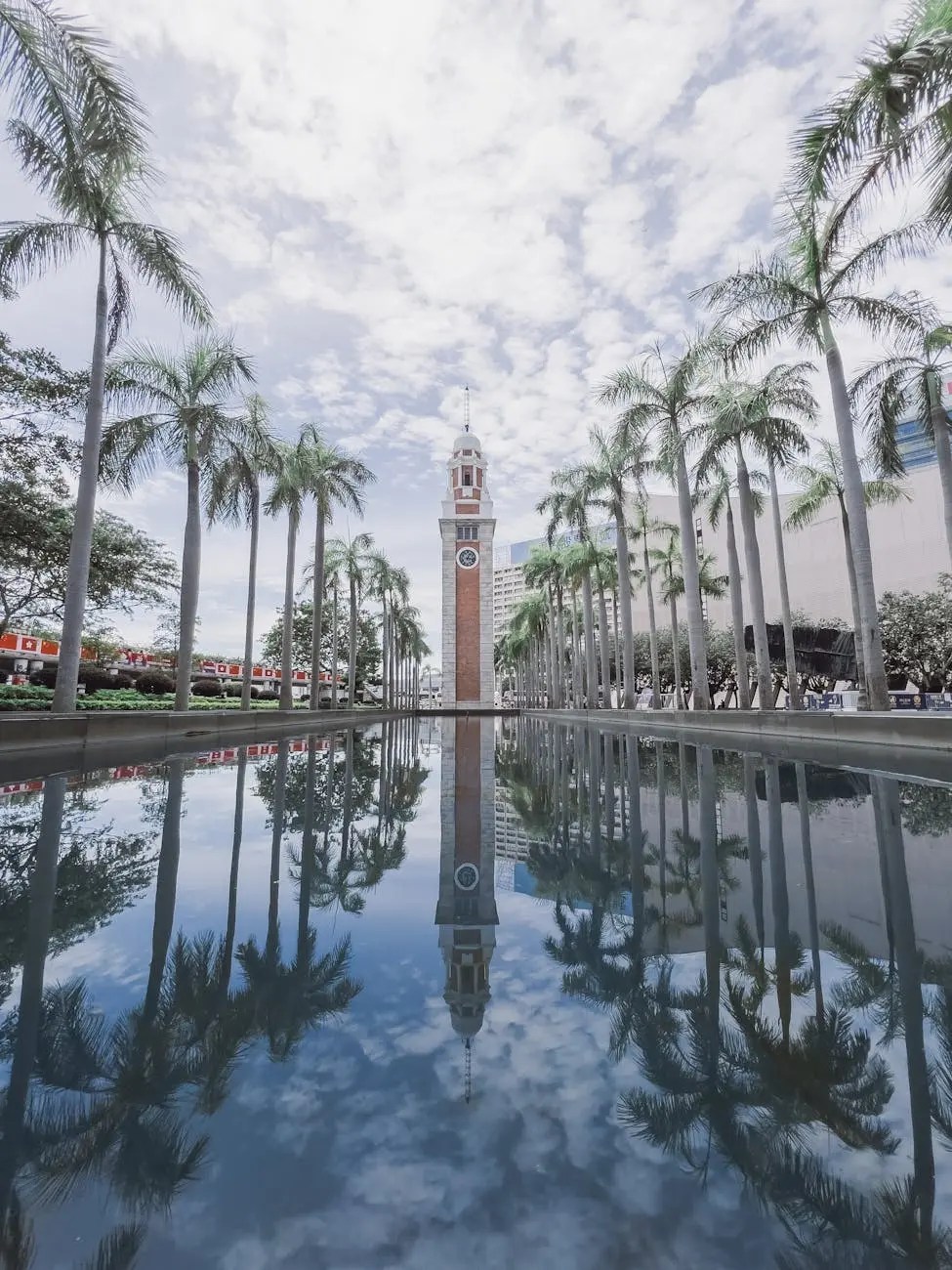
    MBA in Finance · ConfidenceBuildings.com

    April 2026 · Ultimate Weekend Escapes Series

    📌 P.S. — My Hong Kong Secret

    If you read nothing else: PMQ (Police Married Quarters) on Hollywood Road. A former police dormitory turned creative hub. Indie designers. Cool cafes. Rooftop views. Free to wander. Most tourists never go. It’s a 10-minute walk from the Central MTR station. Go on a weekday morning. You’ll have it almost to yourself.

    Frequently Asked Questions (FAQ)

    Q: What’s the best time to visit Hong Kong?
    A: October-November and March-April offer the most pleasant weather—warm, sunny, and less humid. Be aware that the summer months (May-September) are hot, extremely humid, and fall within typhoon season. Always check the Hong Kong Observatory forecast before your trip and pack accordingly (raincoat, umbrella, moisture-wicking clothing).

    Q: Is Hong Kong expensive?
    A: It can be, but it doesn’t have to be. Accommodation is the biggest cost. Save money by eating at local joints (meals for ~HK$50), using public transport (an Octopus card ride is ~HK$8-20 depending on distance), and bargaining at markets like the Ladies’ Market.

    Q: Do I need a visa?
    A: Citizens of the US, UK, Canada, Australia, and most EU countries do not need a visa for tourist stays of up to 90 days. This is correct as of 2025, but visa policies can change. Always verify the latest requirements with the Hong Kong Immigration Department website or your local embassy before travelling.

    Q: How accessible is Hong Kong for travelers with mobility issues?
    A: Hong Kong is relatively accessible. The MTR system has elevators and tactile guides, and many modern buildings are equipped with facilities. However, the hilly terrain and some older districts with crowded, narrow sidewalks can present challenges. It’s best to research specific attractions in advance.

    Have any other questions about planning your weekend in Hong Kong? Drop them in the comments below!

    Let’s Connect!

    What’s your favorite Hong Kong memory? Share your stories and tips in the comments below—I’d love to hear from you!

    Buy Me A Coffee

    Enjoyed this post?

    If you found this helpful, consider buying me a coffee. Your support keeps this blog running and helps me create more content.

    ☕ Buy Me a Coffee


    paypal.me/LaxmiHegde