🇨🇭 Zurich, Switzerland — Alpine Charm · Lake Zurich · Swiss Efficiency · 1 of 80+ Weekend Guides
🏔️Last Updated: May 2026 · Regularly Maintained — updated ZürichCard pricing, fresh restaurant recommendations, new Uetliberg cable car info, and latest public transport fares added
✓ 2026 data✓ Regularly reviewed✓ Part of 80+ series
🏔️THE ZURICH QUICK ANSWER — 48 HOURS
Can you experience Zurich in a weekend? Yes — if you climb the Grossmünster tower, take the Felsenegg cable car, and eat fondue in a hidden Altstadt alley.
🎯 THE 48-HOUR FORMULA
Day 1 (Old Town & Lake): Lindenhof view point → Fraumünster Church (Chagall windows) → Grossmünster climb → Lake Zurich boat ride → Altstadt fondue dinner
🚋 24h ZürichCard: ~$28 USD🍫 Fondue: $25-35 per person
✅ 48 hours is enough — Alps, chocolate, and efficiency await
10
minutes airport → city center
World’s most efficient airport train
1,200+
fountains with drinking water
Free, pristine tap water everywhere
871m
Uetliberg mountain summit
Panoramic Alpine views
🔍 THE GAP — WHAT EVERY ZURICH GUIDE MISSES
Most guides send you to expensive Bahnhofstrasse cafes. The hidden gem? Lindenhof — a quiet hilltop park with the best free view of the Old Town and Limmat River .
🎫 ZürichCard 2026 24h: 27 CHF (~$30), 72h: 53 CHF (~$60). Includes unlimited transport + free entry to 40+ museums. Worth it if visiting 2+ paid attractions .
🚠 Felsenegg Cable Car Hack Tram 13 or 17 to Albisgütli station, then short walk to the gondola. 10 CHF round trip. Breathtaking views of Zurich, Lake, and Alps .
“The tourist pays $8 for a coffee on Bahnhofstrasse. The traveler enjoys the same view for free at Lindenhof. Better budget.” — Nomad Nate
Description : Planning a weekend escape to Zurich, Switzerland? Discover the best things to do, hidden gems, public transport hacks, money-saving tips, and nearby getaways like Munich, Milan, and Vienna. Perfect for travelers looking for a stylish Swiss adventure.
So, your calendar has a glorious, empty weekend staring back at you, and your mind is whispering one word: Zürich. Good choice. Forget everything you’ve heard about it being all banks and watches. This city, nestled at the tip of a shimmering lake and surrounded by humble mountains, is a stunning blend of medieval charm and modern chic, and it’s absolutely perfect for a two-day blitz.
I recently found myself with exactly this opportunity, and I’m here to be your guide to doing Zurich right, without breaking the bank or wasting a precious minute.
Why Zurich Should Be Your Next Weekend Escape
Zurich isn’t just about banking and fancy watches—it’s a city where you can sip a coffee by Lake Zurich in the morning, hike up Uetliberg Mountain for panoramic views in the afternoon, and be clinking glasses of local wine in the Old Town by evening.
Plus, Zurich is a gateway to nearby gems: a quick train ride gets you to Munich, Milan, or Vienna. Think of Zurich as your stylish Swiss home base.
Zurich is compact, incredibly efficient, and stunningly beautiful. You can walk from the trendy, graffiti-lined streets of the Zurich West district to the cobblestone lanes of the ancient Old Town (Altstadt) in under 30 minutes. It’s a city that offers world-class art, lakeside relaxation, and hearty food, all within a easily navigable area. It’s the ideal canvas for a short, sweet, and immensely satisfying European escape.
Pro Tip: For a seamless trip planning experience, I always start by checking flight and hotel deals on Expedia. Bundling them can often save you a nice chunk of change for more Swiss chocolate!
How to Get There (Flights & Trains)
Most international flights land at Zurich Airport (ZRH), just 15 minutes from downtown by train. Pro tip: book early on Expedia for the best weekend deals.
If you’re hopping around Europe:
Munich → Zurich: 4 hours by direct train
Milan → Zurich: 3.5 hours via the scenic Gotthard route
Vienna → Zurich: 8 hours by night train (bring snacks and Netflix)
Compare Flight Prices Here
✈️ BOOK YOUR ZURICH ESCAPE
Find the best deals on flights and hotels for your Swiss adventure.
🔗 Affiliate Disclosure: I earn a small commission at no extra cost to you. Thank you for supporting ConfidenceBuildings.com!
Where to Stay in Zurich 🏨
Stay near Zurich HB (main train station) if you want easy connections, or Old Town (Altstadt) if you’re chasing charm. Personally, I once stayed near Langstrasse—let’s just say it was lively. Too lively. Lesson learned: if you want sleep, skip the party district.
🏔️ PROST!Zurich’s Lake and Old Town charm are just one of 80+ destinations I’ve explored!
From the crystal-clear Lake Zurich to the cobbled streets of the Old Town, Switzerland’s largest city combines urban sophistication with natural beauty. And I’ve captured that same magic across 6 continents — with 45+ European cities, Asian adventures, Americas escapes, and more.
🏔️ “Zurich’s lake reflects the Alps — and 80+ more reflections of beauty await you around the world”
Friday Evening: First Impressions & Fondue
Drop your bag at your hotel (I recommend somewhere central like the Aldstadt or near the main train station, Hauptbahnhof, for maximum convenience). Your first mission: fight the jet lag with cheese. Lots of it.
Head into the Altstadt, a labyrinth of narrow, winding streets that feel plucked from a storybook. Find a traditional restaurant like Zeughauskeller(in a former armoury!) or a cozy fondue spot. Order a classic Fondue Moitié-Moitié (half Gruyère, half Vacherin) and a glass of crisp Fendant wine. You are now officially in Switzerland.
Indulge in a classic Swiss fondue experience with melted cheese and fresh bread, a must-try dining highlight in Zurich. No trip to Zurich is complete without this! Dipping into a bubbling pot of classic Swiss fondue—a rich blend of melted Gruyère and Vacherin cheeses—is a quintessential and delicious Alpine experience.A selection of Fendant wines, perfect for pairing with traditional Swiss fondue in Zurich. The perfect partner for fondue: A selection of Fendant wine. This crisp, dry Swiss white wine from the Valais region cuts through the richness of the cheese beautifully.
My First Swiss Mistake
On my first visit, I made the classic tourist error: I sat down at a restaurant on the famous Bahnhofstrasse (one of the world’s most expensive shopping streets) and ordered a coffee. The people-watching was premium, but the bill for two espressos was a gut punch. Lesson learned! The best atmosphere is tucked away in the alleys, not on the main drags.
Saturday: Altstadt Charm & Lake Views
Start your day with a strong coffee and a buttery Gipfeli (the Swiss German word for croissant). Then, lose yourself in the Altstadt. Must-sees include:
Fraumünster Church: Famous for its stunning stained-glass windows by Marc Chagall.
Grossmünster Church: The iconic twin-towered cathedral. Climb the tower for a small fee – the view over the city rooftops to the lake is worth every step and every franc.
Lindenhof: A quiet hilltop square with a gorgeous lookout point over the Limmat River and the old town. It’s a perfect spot to just sit and soak it all in.
A picturesque view of Zurich’s iconic skyline, showcasing the beautiful architecture along the Limmat River against a clear blue sky. view of Fraumünster Church The stunning view of Zurich’s Altstadt (Old Town) from the Limmat River, with the towering spires of the Grossmünster church dominating the skyline.The iconic twin towers of Grossmünster Church stand majestically against a blue sky, showcasing Zurich’s medieval architecture and charm. The legendary twin towers of the Grossmünster, a defining symbol of Zurich’s skyline. According to legend, the church was built on the graves of the city’s patron saints, Felix and Regula.A picturesque view of Zurich, Switzerland, featuring the iconic church towers, charming waterfront, and vibrant blue boats along the serene lake. The stunning Zurichsee (Lake Zurich) waterfront, where the city meets the water. This peaceful spot, with its colorful boats and view of the Altstadt, is perfect for a leisurely stroll or a boat tour.
Sunday: Brunch & a Breathtaking View
Sundays in Europe can be quiet, but Zurich has you covered. For a fantastic brunch, head to the Kreis 4 or Kreis 5 districts (around Langstrasse), which are buzzing with cool cafes and international flair.
For your final act, take to the water. Your ZürichCard includes a short boat trip on Lake Zurich. There’s no better way to grasp the city’s beauty than from the deck of a boat, with the Alps framing the background. It’s the perfect, peaceful finale to your weekend.
📸 Photography Tip: To capture the perfect shot of the city skyline from the lake, I swear by mylightweight mirrorless camera. It’s a travel game-changer!
A picturesque view of Lake Zurich with a sailboat gliding through the water, framed by the stunning backdrop of the snow-capped Swiss Alps.
Navigating the Trams Like a Pro
Zurich’s public transport is a revelation—clean, punctual, and comprehensive. Do not rent a car. Parking is expensive and a nightmare, and the trams and trains will get you everywhere faster.
Your best friend is the ZürichCard. This genius pass gives you unlimited travel on trams, buses, trains, boats, and even cable cars within the city, plus free or discounted admission to most museums. You can get a 24 or 72-hour card. It pays for itself incredibly quickly.
Trams & Buses: Zurich’s ZVV network connects everything. A 24-hour pass covers tram, bus, train, and even ferries.
Trains: Perfect for day trips to Lucerne or Basel.
On Foot: Zurich is compact. Wear good shoes; cobblestones are ankle’s worst enemy.
Car Rental: Not needed unless you’re heading deep into the Alps. Gas is pricey, parking is limited.
🍫 SWISS CHOCOLATE · ZURICH’S SWEETEST INDULGENCE
🍫 PROST!Zurich’s luxurious chocolate shops are just one taste — I’ve savored 80+ destinations!
One praline leads to another — and one city leads to 80+ more. Explore all my guides.
🍫 “Swiss chocolate is the best in the world — and 80+ destinations are equally delicious”
A Hidden Gem You Can’t Miss
Tired of the crowds? Take a short tram ride (line 7 or 13) to Zürichberg. Wander through the serene Zürich Zoo or, better yet, find the Felsenegg Cable Car. For a few francs, it whisks you up the Uetliberg mountain for panoramic views of the city, lake, and, on a clear day, the distant Alps. It’s a local favourite for a reason and feels a world away from the city bustle.
Augustinergasse: A picturesque alley with colorful medieval houses.
Viadukt Market: Local produce and indie shops under old railway arches.
An Asian elephant reaching for food at Zürich Zoo, showcasing the vibrant wildlife experience available in the city. A magnificent Asian elephant engages in natural foraging behavior at the renowned Zürich Zoo, known for its commitment to conservation and expansive, species-appropriate enclosures.
⛵ LAKE ZURICH · ALPINE REFLECTIONS
⛵ PROST!Cruising Lake Zurich with Alpine views is just one voyage — I’ve explored 80+ waterfront cities!
From Swiss lakes to the world’s most beautiful shores — set sail for adventure.
⛵ “Lake Zurich’s waters are crystal clear — and 80+ more horizons await your view”
The Felsenegg Cable Car offers stunning views over Zurich and the shimmering lake, making it a must-visit for nature lovers.Discover the vibrant atmosphere of Zurich’s trendy Viadukt Market, featuring unique food stalls and lush greenery.A serene view of Lake Zurich with a sailboat gliding across the water, surrounded by lush green hills and the majestic snow-capped Alps in the background. The ultimate Zurich escape: experience the stunning contrast of a serene sailboat on Lake Zurich against the dramatic, snow-capped peaks of the Swiss Alps.
Zurich on a Budget: Money-Saving Hacks
Yes, Zurich is expensive. But it doesn’t have to break the bank.
Picnic by the Lake: Grab bread, cheese, and meat from a supermarket like Migros or Coop and have a gorgeous, affordable lunch by the water.
Tap Water is King: Swiss tap water is pristine and delicious. Carry a reusable bottle and fill up for free.
Free Museum Entries: Many museums, like theKunsthaus (Art Museum), offer free admission on Wednesdays. Plan accordingly if you’re here longer!
Skip the Taxi: The tram system is your wallet’s best friend. Use it.
Buy train tickets via the SBB Mobile app to save time (and avoid fines for boarding without one)
Essential Swiss German for Travellers
While everyone speaks English, a little effort goes a long way!
Grüezi (GROO-tsee): Hello
Merci (MER-see): Thank you
En Guete (en GOO-teh): Enjoy your meal!
Proscht (prosht): Cheers!
Wo isch…? (vo ish): Where is…?
Wo isch d’Toilette? (Where is the toilet?)
Ein Bier, bitte (One beer, please)
Before You Go: Visa & Essential Links
Visa: Switzerland is part of the Schengen Area. If you’re from the US, UK, or Canada, you typically don’t need a visa for short stays. Alwayscheck the official Swiss government site for the most current requirements based on your nationality.
💡 Tip: If you already have a valid multi-entry Schengen visa, you can use it to enter Switzerland and continue to nearby destinations like Munich, Milan, or Vienna without extra paperwork.
Travel Insurance: ✈️ Smart Travel Tip: No matter where your adventures take you, having the right travel insurance can save you from unexpected headaches (and bills). I personally recommend VisitorsCoverage — it’s a trusted platform where you can compare plans, find coverage that fits your trip, and book it in just a few clicks. Whether you’re planning a quick city escape or a longer international journey, it’s peace of mind worth packing.
Stay Connected: ✈️ Travel Tip: Staying connected abroad can be tricky (and expensive if you’re relying on airport SIM counters or roaming). That’s why I carry a Drimsim—a universal SIM card that works in 190+ countries without hidden fees. You just pop it into your phone, top up through the app, and you’re online wherever your adventure takes you. No more hunting for local SIM cards or stressing over roaming bills.
Stay Secure Online: Using public WiFi? Protect your data with a reliablenordvpn. It’s essential for any modern traveler.
Flight Trouble? ✈️ Flight Delayed or Canceled? Travel isn’t always smooth sailing. The good news? You might be entitled to up to $650 in compensation under air passenger rights. Most travelers never claim it, but I’ve got you covered: just check your flight with AirHelp. They handle the paperwork, fight the airlines for you, and only get paid if you win. Easy, stress-free, and potentially a nice surprise for your travel fund.
🗣️ READER STORIES · REAL MISTAKES · WHAT WORKS
“I paid $8 for a coffee on Bahnhofstrasse. A local saw me and said, ‘Go to Lindenhof. Same view. Free.’ I went the next day. He was right.” — Emma, London
“I almost skipped the Felsenegg cable car. A hostel worker said it’s better than Uetliberg. No crowds, Alps on a clear day, and only 10 CHF round trip.” — Liam, Sydney
🏔️
Zurich’s stunning lake views! Just one of 80+ destinations across 6 continents.
🇪🇺 45+ Europe · 🌏 18+ Asia · 🌎 10+ Americas · 🌅 8+ Africa/Australia
🏔️ “From Zurich’s Alps to the world — 80+ adventures await”
📜10 ZURICH TRUTHS
1.Lindenhof has the best free view — skip expensive cafes on Bahnhofstrasse
2.Tap water is free and delicious — bring a reusable bottle
3.Grossmünster tower climb costs 5 CHF — worth it for the city view
4.ZürichCard often pays for itself — do the math before buying
5.Viadukt Market is under the railway arches — local produce, affordable
6.Felsenegg cable car ($10 round trip) beats Uetliberg’s tourist crowds
7.Picnic by Lake Zurich with Migros/Coop supplies = best budget meal
8.Don’t rent a car — tram system is perfect and parking is $40+/night
9.May-June and September are ideal — mild weather, fewer crowds
10.Learn ‘Grüezi’ (hello) and ‘Merci’ (thank you) — Swiss German basics
Zurich Weekend FAQ
Is two days enough for Zurich? Absolutely! Zurich is perfectly sized for a weekend trip. You’ll have enough time to see the main sights, explore the old town, and enjoy the lake without feeling rushed.
What is the best way to get from Zurich Airport to the city center? The train is unequivocally the best way. It takes only 10 minutes, runs constantly, and drops you right at the main train station (Zürich HB), which is the hub for all trams.
What is the best time of year to visit Zurich? Spring (April-May) and Autumn (September-October) are ideal. The weather is mild, and the crowds are smaller than in the peak summer months. December is also magical for the famous Christmas markets.
Can I use Euros in Zurich? The official currency is the Swiss Franc (CHF). While some places might accept Euros, you will almost always get a terrible exchange rate. It’s best to just withdraw or pay with Francs.
Is Zurich very expensive? It has a reputation for a reason—it is one of the more expensive cities in Europe. However, with the tips in this guide (picnics, public transport, the ZürichCard), you can manage your budget effectively.
Q: Do I need cash? Cards are widely accepted, but keep a few Swiss Francs for small bakeries and kiosks.
Q: Is English widely spoken? Yes, especially in hotels and restaurants. But tossing in a “Grüezi” earns smiles.
“I thought Zurich was just expensive banks. Then I found free Lindenhof views, took the Felsenegg cable car, and ate fondue in a hidden Altstadt alley.”
The tourist pays $8 for a coffee on Bahnhofstrasse. The traveler enjoys the same view for free at Lindenhof. The tourist rents a car and pays $40/night for parking. The traveler rides the perfect tram system. Zurich rewards the savvy — and the person who knows that Swiss efficiency extends to your wallet.
📌 P.S. — My Zurich Secret Lindenhof. Most tourists never find it. It’s a quiet hilltop park in the middle of the Old Town. The Romans built a castle here. Now it’s a peaceful square with chess players, a fountain, and the best free view of the Limmat River, Grossmünster, and the city rooftops . Most tourists walk right past the entrance. Don’t be that tourist. It’s free. It’s quiet. It’s the perfect sunset spot.
Zurich is the perfect blend of lakeside relaxation, alpine adventure, and city chic. Whether you’re here for the chocolate, the views, or just a stylish weekend reset, this Swiss city delivers. And if you’ve got extra time, don’t stop—hop a train to Munich or Milan and turn your weekend escape into a Euro trip worth bragging about.
👉 Ready to plan? Start by booking your flights and stays with Expedia. Zurich’s waiting.
Ready to trade your weekend for a Swiss adventure? Start planning your ultimate escape to Zurich today! Check for the best travel deals and let the efficiency and beauty of Switzerland wow you.
🏔️🇨🇭Zurich’s lake & Old Town — just one of 80+ destinations
🇩🇰 Copenhagen, Denmark — City of Hygge · Nyhavn · Tivoli · 1 of 80+ Weekend Guides
🧜♀️Last Updated: May 2026 · Regularly Maintained — updated transport fares, fresh smørrebrød recommendations, new Copenhagen Card pricing, and latest Tivoli Gardens hours added
✓ 2026 data✓ Regularly reviewed✓ Part of 80+ series
🧜♀️THE COPENHAGEN QUICK ANSWER — 48 HOURS
Can you experience Copenhagen in a weekend? Yes — if you bike along the canals, eat smørrebrød at Schønnemann, and watch Tivoli light up at night.
🎯 THE 48-HOUR FORMULA
Day 1 (Canals & Royals): Nyhavn (sunrise photos) → Amalienborg Palace (noon changing of the guard) → water bus to Christianshavn → Freetown Christiania → Tivoli Gardens (twinkling lights at night)
Day 2 (Bikes & Hygge): Round Tower spiral ramp → Torvehallerne food hall → bike to Vesterbro → National Museum → dinner at smørrebrød restaurant
🚲 City Pass 48h: $25-30🥪 Smørrebrød: $15-25
✅ 48 hours is enough — bikes, boats, and bakeries await
50%
commute by bike daily
World’s most bike-friendly city
1843
Tivoli Gardens opened
World’s 2nd oldest amusement park
21
Michelin-starred restaurants
Noma, Geranium, Alchemist
🔍 THE GAP — WHAT EVERY COPENHAGEN GUIDE MISSES
Most guides send you to expensive canal tours. The hidden gem? The water bus (Havnebussen) — a public ferry that costs the same as a bus ticket (about $3) and gives you stunning harbor views .
🚲 City Pass vs Copenhagen Card 2026 City Pass 48h (small zone): 165 DKK (~$25). Unlimited transport. Copenhagen Card 48h: 549 DKK (~$80). Includes transport + 80+ attractions. Do the math before buying .
🍽️ Torvehallerne Food Hall Open daily. For less crowded experience, go before 11 AM or after 3 PM. Try Hallernes Smørrebrød for open-faced sandwiches (~$12-18) .
“The tourist pays $20 for a canal tour. The traveler pays $3 for the water bus. Same canals. Better budget.” — Nomad Nate
Description
Planning a weekend escape to Copenhagen? This guide for travelers covers everything from must-see sights like Nyhavn and Tivoli Gardens to navigating public transport with confidence. Discover hidden gems, save money, and get practical tips for an unforgettable trip to Denmark’s vibrant capital.
The Ultimate Weekend Escape to Copenhagen, Denmark
Copenhagen. Just the name itself conjures up images of brightly colored houses, cobblestone streets, and the kind of “hygge” (more on that later!) that makes you want to cozy up with a warm pastry and a good book. I’ve been fortunate enough to visit this Nordic gem, and I can tell you from personal experience: a weekend is the perfect amount of time to fall completely in love with it.
It’s a city that feels both ancient and effortlessly modern, where you can walk in the footsteps of royalty one minute and find yourself in a quirky, self-governed community the next. But let’s be real, a weekend trip means time is of the essence. You need a plan to make every single moment count, and that’s where I come in.
“Ready to trade your usual weekend for canals, castles, and the best pastries on the planet? Let’s talk Copenhagen.” Excellent choice. Copenhagen is the perfect city for a short, sweet, and incredibly satisfying escape. It’s a place where fairy-tale castles meet minimalist design, and where you can bike from a bustling food market to a serene canal in minutes.
I’ve visited this city more times than I can count, and each trip reveals a new secret alleyway or a coffee shop so perfect it feels like a hug. This guide is my love letter to Copenhagen, packed with everything you need to plan a seamless, unforgettable weekend. We’re talking logistics, money-saving hacks, and a few hidden gems that’ll make you feel like a local.
Pro Tip: I always start my trip planning by scouting for flight and hotel deals on Expedia Bundling them can often save you a nice chunk of change for more !
Compare Flight Prices Here :
✈️ BOOK YOUR COPENHAGEN ESCAPE
Find the best deals on flights and hotels for your hygge weekend.
Getting Around: Your Guide to Copenhagen’s Public Transit
Essential Danish Phrases (and a few fun words)
Saving Kroner: Tips for a Budget-Friendly Trip
FAQs
Hidden Gems
Why Copenhagen is the Perfect Weekend Getaway
Compact, incredibly bike-friendly, and dripping with charm, Copenhagen is built for the weekend explorer. You can experience world-class food, profound history, and cutting-edge design without spending hours on a train or in a car. The vibe is effortlessly cool yet deeply cozy—a combination I’ve yet to find anywhere else.
Pre-Trip Essentials: Visa, Budget & Getting There
Visa: Denmark is part of the Schengen Area. If you’re an EU citizen, you’re good to go. For US, Canadian, and many other passport holders, you typically get a 90-day visa-free stay. Always double-check the official Danish Immigration Service website for the most current requirements based on your nationality.
Budget: Let’s be real, Copenhagen isn’t cheap. But it doesn’t have to break the bank! A mid-range budget of about 800-1000 DKK ($115-$145 USD) per day per person is a good estimate for food, attractions, and transport. See our money-saving tips below to stretch those Kroner further.
Getting There: You’ll fly into Copenhagen Airport (CPH), which is brilliantly connected to the city center by train, metro, and bus. It’s a breeze.
🇩🇰 COPENHAGEN · HYGGE & HAPPINESS
🧜♀️ SKÅL!Copenhagen’s Nyhavn harbor and fairy-tale charm are just one of 80+ destinations I’ve explored!
From the colorful waterfront of Nyhavn to the Tivoli Gardens lights, Denmark’s capital radiates hygge. And I’ve captured that same cozy magic across 6 continents — with 45+ European cities, Asian adventures, Americas escapes, and more.
🕯️ “Copenhagen invented hygge — the art of cozy living. And I’ve found 80+ more cities where you can feel right at home”
Your Copenhagen Weekend Itinerary
Day 1: Royals, Canals & Hygge
A quick note: On my last trip, I decided to go all in with a good camera to capture the city’s incredible light. Seriously, a good lens can make all the difference, and I highly recommend checking out this one: My trusty travel camera. It’s compact, takes stunning photos, and doesn’t feel like a chore to carry around all day.
Morning: Start your day at the iconicNyhavn. No trip to Copenhagen is complete without a visit to Nyhavn, Yes, it’s touristy, but those colorful 17th-century townhouses reflecting on the canal are iconic for a reason. Grab a coffee and just soak it in. From there, it’s a short stroll to Amalienborg Palace, the winter home of the Danish royal family. Time your arrival for noon to watch the changing of the Guard. A personal anecdote: I once spent a good hour here trying to get the perfect shot of the houses reflecting in the water—it’s surprisingly difficult, but so worth it for the ‘gram!
Afternoon: Walk off your royal fantasies across the water to the Opera House for stunning photos, or jump on a water bus (a cheap alternative to a canal tour!) to Christianshavn. Explore the canals and then confront your contradictions at Freetown Christiania, the self-proclaimed autonomous neighborhood. Remember to be respectful—no photos inside the main areas.
Evening: This is when the hygge kicks in. Find a traditionalbodega (a cozy, no-frills Danish pub) for a local beer. For dinner, I still dream about the open-faced sandwiches (Smørrebrød) atSchønnemann(book ahead!) or the immersive food hall experience at TorvehallerneKBH.
Colorful houses and boats lining the canals of Nyhavn, Copenhagen, creating a picturesque waterfront scene. The iconic postcard view of Nyhavn—Copenhagen’s historic harbor canal. These beautifully preserved, colorful townhouses were once home to sailors and merchants (and even the famous author Hans Christian Andersen!). Today, they house bustling restaurants and cafes, making it the perfect spot to soak in the city’s vibrant atmosphereExploring Copenhagen’s royal sights on bicycles, with Amalienborg Palace in Copenhagen, Denmark, background. Two bicyclists riding through a cobblestone square in Copenhagen, passing by an equestrian statue with historic Danish architecture in the background.The iconic Copenhagen Opera House, a modern architectural marvel, viewed from the waterfront with visitors enjoying the surrounding gardens. The stunning Copenhagen Opera House (Operaen) on the island of Holmen. This masterpiece of modern architecture, designed by Henning Larsen and funded by the Møller Foundation, seems to float on the harbor waters. Its contemporary design, featuring a cantilevered roof and sleek lines, creates a dramatic contrast against the historic city skyline across the water.The modern waterfront architecture of Copenhagen reflects in the tranquil waters, showcasing the city’s blend of innovation and tradition. The unique and modern architecture of Christiansholm (Paper Island), a popular cultural and culinary destination on the Copenhagen waterfront.
Christiansholm and Christianshavn are not the same place. They are two distinct historical areas, but their similar names and proximity understandably cause mix-ups.
Here’s a breakdown to help tell them apart:
Christianshavn (The More Famous One)
What it is: A vibrant and well-known district or neighborhood in Copenhagen, complete with its own canals, famous for the freetown of Christiania.
Location: Southeast of the city center, on several artificial islands.
Key Features:
Canals and colorful houses (often called “Little Amsterdam”).
Freetown Christiania.
The spiral spire of Our Saviour’s Church (Vor Frelsers Kirke).
High-end restaurants and cafes.
History: Founded in the early 17th century by King Christian IV as a fortified merchant’s town to protect the approach to Copenhagen.
Christiansholm (The Lesser-Known One)
What it is: A single, small artificial islet (a very small island), not a full district. It’s more of a specific location within the larger harbor area.
Location: In the Frederiksholm Canal, right next to the Royal Library Garden (Slotsholmen).
Key Feature:
It is dominated by a single, striking, star-shaped fortress building—Christiansholm Fort (Christiansholms Fæstning).
History: Also built in the early 17th century by King Christian IV as part of the city’s defense ramparts. It was later used as a naval station and a prison. Today, the fortress building is used for offices and events.
The Simple Analogy:
Think of it this way:
Christianshavn is like Manhattan—a large, famous district with many streets, buildings, and a famous personality.
Christiansholm is like Liberty Island—a single, specific small island in the harbor, known for one primary structure (the fortress, instead of the Statue of Liberty).
So, while you will definitely visit Christianshavn for its canals and Christiania, you will likely see Christiansholm from a distance as you walk along the waterfront between Nyhavn and the Royal Library.New chat
vibrant street mural featuring a woman with intricate patterns, reflecting the artistic flair of Copenhagen. A glimpse into the unique world of Freetown Christiania. This self-governing community, founded in 1971, is a vibrant tapestry of DIY homes, radical art, and lush green spaces. Remember the main rule: no photos on Pusher Street, so keep your camera put away there and just soak in the truly one-of-a-kind vibe. A delicious open-faced sandwich, or Smørrebrød, topped with fresh vegetables, ideal for a culinary adventure in Copenhagen. The art of smørrebrød! This isn’t just a sandwich; it’s Denmark’s culinary pride and joy. This beautiful example, featuring fresh, crisp vegetables on dense rye bread (rugbrød), is a testament to the Danish love for simple, high-quality, and beautifully presented food. The perfect fuel for a day of exploring.
Day 2: Culture, Food & Local Vibes
Morning: Fuel up with a Danish pastry (trust me, it’s different here) and then rent a bike! Copenhagen is a cyclist’s paradise. Pedal your way to the Round Tower (Rundetårn) for a unique spiral ramp walk to panoramic city views. Then, get your culture fix at theNational Museum of Denmarkor the design-lover’s paradise, theDesign museum Danmark.
Afternoon: Head to the trendy Vesterbrodistrict. This area, once known for its edgier side, is now packed with chic boutiques, cool cafes, and a fantastic vibe. Grab a legendary hot dog from DØP or a more substantial lunch at one of the local eateries.
Evening: For your final night, consider a trip toTivoli Gardens. Even if you don’t go on the rides, the historic amusement park is pure magic at night, with thousands of lights and beautiful gardens. It’s a fittingly fairy-tale end to the trip
The iconic Round Tower in Copenhagen, showcasing its distinctive brick architecture and historical significance. A close-up look at the iconic Rundetårn, built by King Christian IV. The Latin inscription “DOCET IN” (short for “Docet Inania”/”It teaches the heavenly”) and the year “1642” are carved into its facade. This wasn’t just an observatory; it was a symbol of the king’s dedication to science and learning during Denmark’s Golden Age.A serene interior view of a modern art space, showcasing a spacious corridor with tall pillars and stylish benches. National Gallery of Denmark
National Gallery of Denmark (SMK – Statens Museum for Kunst)
What it is: Denmark’s largest art museum.
Focus:Fine Arts (paintings, sculptures, drawings, prints, installations).
Collection: Features over 700 years of art, from classical European masters (Rubens, Titian) to Danish Golden Age artists (Christoffer Wilhelm Eckersberg) and modern international art (Picasso, Matisse).
Location: Right by the botanical gardens, not far from Nørreport station.
In a nutshell: If you want to see art, this is the place.
National Museum of Denmark (Nationalmuseet)
What it is: Denmark’s largest museum of cultural history.
Focus:History and Ethnography (archaeology, ethnology, history of everyday life).
Collection: Traces Danish history from the Ice Age and Viking treasures to medieval times and modern Danish design. It also has extensive collections from ancient cultures around the world (Egypt, Greece, etc.).
Location: Located right behind the main shopping street, Strøget, in a beautiful former royal palace.
In a nutshell: If you want to see Viking artifacts, ancient relics, and historical objects, this is the place.
Quick Comparison Table:
Feature
National Gallery of Denmark (SMK)
National Museum of Denmark (Nationalmuseet)
Type of Museum
Art Museum
History & Culture Museum
What You’ll See
Paintings, Sculptures, Modern Art
Viking Ships, Runes, Egyptian Mummies, Danish History
Best For
Art Lovers
History Buffs, Families
Key Exhibit
Danish Golden Age paintings
The Sun Chariot, Viking weapons, Children’s Museum
Conclusion: You were right to double-check! They are two different, major museums. You could easily spend a full day at each.
Go to the National Gallery (SMK) for a journey through art history.
Go to the National Museum for a journey through Danish and world history.
Both are absolutely worth a visit depending on your interests
Explore the National Gallery of Denmark, featuring stunning sculptures and artworks in a bright, modern space.A serene view of Tivoli Gardens in Copenhagen, showcasing its iconic pagoda and tranquil water scenery, perfect for a weekend getaway. A moment of perfect peace in the heart of the city. This is the hidden, tranquil side of Tivoli Gardens that often surprises first-time visitors. Beyond the thrill rides and bustling crowds, you can find these serene pockets where the iconic Chinese Pagoda reflects perfectly on a still pond, surrounded by meticulously kept gardens.
🎡 TIVOLI GARDENS · SINCE 1843 · COPENHAGEN’S MAGIC
🎡 SKÅL!Tivoli’s twinkling lights and historic rides are just one enchanting experience — I’ve discovered 80+ magical destinations!
From Hans Christian Andersen’s inspiration to fairy-tale cities around the world — let the magic continue.
🎡 “Tivoli inspired Disney — and 80+ more cities will inspire your travels”
Illuminated gardens and festive decorations at Tivoli Gardens in Copenhagen during winter.
Getting Around: Your Guide to Copenhagen’s Public Transit
One of the best things about Copenhagen is how easy it is to get around without a car. The public transport system is incredibly efficient and reliable, saving you time and money on gas.
Bike: The #1 way to get around. You’ll feel like a local in minutes. Use bycyklen city bikes or rent from a shop like Baisikeli
Metro & Train: The network is extensive, punctual, and clean. The airport is on the line, making it incredibly easy. All local trains, metro, and buses are integrated under the same ticket system,DOT Mobilbilletter. Download the app—it’s the easiest way to buy tickets for zones you need. A City Pass for 48 hours (small zone) is often the most cost-effective option for tourists.
Buses: The A-buses are the main buses in the city, and they run frequently. The N-buses are for late-night travel, so you can explore after dark with confidence.
Tickets: The easiest way to pay is with a City Pass (available for 24, 48, or 72 hours) which gives you unlimited travel on buses, trains, and the metro in the city center. Another option is the Copenhagen Card, which not only covers all public transport but also includes free entry to most major attractions and museums.
Walking: The inner city is very walkable. Just bundle up in winter!
Copenhagen on a Budget: Yes, It’s Possible!
Eat Smart: Avoid restaurants in Nyhavn. Hit up food halls (Torvehallerneis a must), smørrebrød counters, and kebab shops for delicious, more affordable eats.
Free Attractions: Walk along Strøget (but window-shop, don’t buy!), watch the Changing of the Guard for free, explore the beautiful parks likeKongens Have, and visit the sereneAssistens Cemetery where Hans Christian Andersen is buried.
Copenhagen Card: If you plan to museum-hop and use public transport heavily, do the math. The Copenhagen Card includes entry to dozens of attractions and all public transport. It can be a huge saver.
A Few Handy Danish Phrases
Danes speak impeccable English, but a little effort goes a long way!
Hej (Hi): Pronounced “hi”. The universal greeting.
Tak (Thank you): Pronounced like “tack”. Use this constantly.
Skål (Cheers): Pronounced “skohl”. Essential for any beer.
Hygge (coziness/comfort): Pronounced “hoo-gah”. The feeling you’re there to experience!
📚 “Some journeys are fairy tales come true — I’ve found 80+ of them”
Hidden Gems & Local Secrets
Cisternerne: In Søndermarken park, this is a massive underground former reservoir that now hosts incredible art installations. It’s cool, damp, and utterly unique.
Refshaleøen: This former shipyard island is now a hub of creativity. Go for a dip at the minimalist CopenHot sea baths, enjoy a meal at the street food market Reffen (seasonal), and see a more industrial side of the city.
The Little Mermaid: Okay, not a hidden gem. She’s small and often crowded. See her if you must, but don’t make her a priority. The nearby Kastellet fortress park is actually more impressive.
The Black Diamond: This is the name given to the stunningly modern extension of the Royal Danish Library. It’s a gorgeous piece of architecture and a great place to sit and relax by the water.
Visitors admire the iconic Little Mermaid statue in Copenhagen, a must-see attraction representing Denmark’s rich cultural heritage.
🧜♀️ THE LITTLE MERMAID · HANS CHRISTIAN ANDERSEN’S COPENHAGEN
🧜♀️ SKÅL!The Little Mermaid and fairy-tale streets are just one story — I’ve written 80+ travel guides!
Every city has a story — let me be your guide to 80+ of them.
📚 “Some journeys are fairy tales come true — I’ve found 80+ of them”
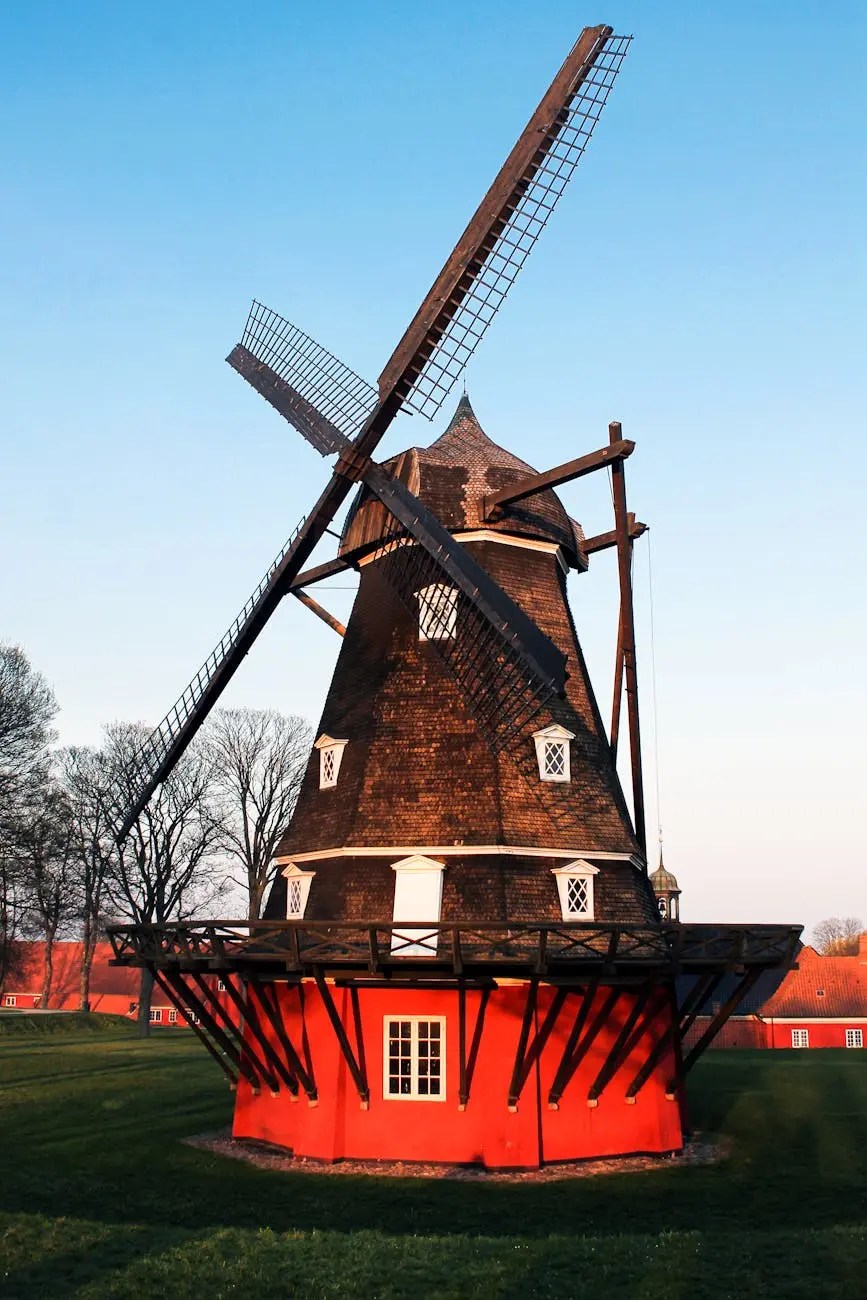
A traditional Danish windmill stands proudly with its vibrant red facade under a clear blue sky, showcasing the charm of Denmark’s rural heritage. Kastellet This isn’t just any windmill—it’s a sentinel of history. This beautifully preserved Dutch-style mill stands within the star-shaped Kastellet fortress, one of Northern Europe’s best-preserved fortifications. While it once ground grain for the garrison, today it spins as a charming symbol of Copenhagen’s layered past, blending rural heritage with military history.
🧜♀️
Copenhagen’s colorful Nyhavn! Just one of 80+ destinations across 6 continents.
🇪🇺 45+ Europe · 🌏 18+ Asia · 🌎 10+ Americas · 🌅 8+ Africa/Australia
🧜♀️ “From Copenhagen’s hygge to the world — 80+ adventures await”
🗣️ READER STORIES · REAL MISTAKES · WHAT WORKS
“I booked a $20 canal tour. A local told me about the water bus. I took it the next day — same route for $3. Felt like a fool.” — Sarah, London
“I almost missed Torvehallerne. A hostel worker said it’s the best food hall in the city. The smørrebrød was incredible. Go before 11 AM to beat the lines.” — David, Berlin
📜10 COPENHAGEN TRUTHS
1.Water bus is the best budget canal tour — $3 vs $20 for tourist boats
2.Nyhavn is best at sunrise — empty, golden light, no crowds
3.Rent a bike — it’s how locals move (and faster than walking)
4.Schønnemann requires reservations — book weeks ahead for smørrebrød
5.Christiania’s main street is photo-free — respect the rules
6.The Little Mermaid is small and crowded — don’t make it a priority
7.Tivoli at night > Tivoli during the day — lights are magical
8.Tap water is free and excellent — bring a reusable bottle
9.July is peak — prices and crowds. May-June and September are better
10.Learn ‘Tak’ (thank you) — Danes speak perfect English but appreciate the effort
Frequently Asked Questions (FAQ)
Q: What is the best time of year to visit Copenhagen? A: The summer (June-August) has long days and lively energy, but it’s also the most crowded. Spring (April-May) and Fall (September-October) offer milder weather and fewer tourists. Winter is cold but magical around Christmas.
Q: Is Copenhagen safe for tourists? A: Extremely safe. Standard city precautions apply (watch for pickpockets in crowded areas), but it’s one of the safest capitals in the world.
Q: Can I get by with just English? A: Absolutely. Virtually everyone speaks English fluently and happily.
Q: Do I need travel insurance for Denmark? A: While Denmark has excellent healthcare, travel insurance is crucial for covering trip cancellations, lost luggage, or emergency medical evacuation. It’s a small price for massive peace of mind. I always use VisitorsCoverage to compare plans and find the best fit for my trips.
Q: What’s the tipping culture like? A: Service charges are included in all bills. It’s customary to round up the bill or leave a small tip (5-10%) for exceptional service, but it is not expected.
Q: Is Copenhagen expensive?
A: Yes, Copenhagen is known for being a bit pricey, but with the tips in this guide (like using public transport, eating street food, and booking in advance on sites like Expedia), you can have an amazing time without overspending.
“Feeling ambitious and want to double your Scandinavian adventure? From Copenhagen, you can catch a direct overnight ferry to Oslo, Norway! It’s not just a journey; it’s an experience. Imagine watching the Danish coastline disappear as you settle into a comfortable cabin, enjoying a seafood buffet dinner, and waking up to the stunning views of the Oslofjord. It’s a seamless and magical way to travel between two incredible capitals. If you’re tempted to extend your trip, I’ve put together a complete guide to Unlocking Oslo for a perfect weekend.”
✈️ Smart Travel Tips for Your Copenhagen Adventure
Travel smart from the second you book. Here are my non-negotiables:
1. Stay Connected Without the Stress: I learned the hard way that airport SIM counters are a rip-off. Now, I never travel without my Drimsim. This genius universal SIM works in 190+ countries the second you land. Pop it in, top up via the app, and you’re online. No more hunting for a shop or dealing with insane roaming bills. It’s a total game-changer.
2. Protect Your Trip & Your Privacy:
Secure Browsing: Using public WiFi in airports and cafes? Protect your data with NordVPN. It’s essential for safe online banking and browsing while abroad.
.3. Get What You’re Owed: Had a flight delayed or canceled? Don’t just sigh and accept it. EU passenger rights mean you could be entitled to up to €600 in compensation. Most people never claim it. I use AirHelp to check my flight and let them handle the paperwork. They only get paid if you win, so it’s a no-brainer.
4. Capture the Memories: To capture all that Danish beauty, I rely on my trusty Sony Alpha a7III. It’s the perfect mirrorless camera for travel—powerful, lightweight, and takes stunning photos in every light, from the gloomy canals to the bright Tivoli lights.
Ready to experience the hygge of Copenhagen for yourself? Start planning your perfect weekend by checking out great flight and hotel deals on Expedia
What’s your favorite Scandinavian destination? Planning a trip? Let me know in the comments below!
P.S. Loved this guide? Check out my other European city break guides for more inspiration:
“I thought Copenhagen was just an expensive postcard. Then I took the $3 water bus, ate smørrebrød at Torvehallerne, and biked through Vesterbro like a local.”
The tourist pays $20 for a canal tour. The traveler pays $3 for the water bus. The tourist eats at expensive Nyhavn restaurants. The traveler eats at Torvehallerne food hall. Copenhagen rewards the savvy — and the person who knows that the best way to see the city is by bike.
📌 P.S. — My Copenhagen Secret The water bus (Havnebussen). Most tourists never use it. It’s a public ferry that costs the same as a bus ticket. Take the M1 line from Nyhavn to Refshaleøen. You’ll see the Opera House, the Black Diamond, and the old shipyard island. Stay on for the full loop. Best $3 sightseeing in Copenhagen . Most tourists never find it. You will.
Copenhagen isn’t just a city you visit; it’s a feeling you take with you. It’s the effortless charm, the happy cyclists, and the sense of calm in the middle of a bustling capital. So pack your bags (and your camera!), book your flight, and get ready for the ultimate weekend escape. Velkommen til København!
✈️ Ultimate Weekend Escapes Series — 80+ Destinations Worldwide
🇩🇪 Frankfurt🇩🇪 Berlin🇩🇪 Munich🇩🇪 Heidelberg🇩🇪 Cologne🇩🇪 Hamburg🇫🇷 Paris🇪🇸 Madrid🇮🇹 Rome🇬🇧 London🇳🇱 Amsterdam🇨🇭 Zurich🇦🇹 Vienna🇨🇿 Prague🇺🇸 New York🇦🇪 Dubai🇸🇬 Singapore🇦🇺 Sydney
🇩🇪 Frankfurt am Main, Germany — Mainhattan · Römer Square · Apfelwein · 1 of 80+ Weekend Guides
🌴Last Updated: May 2026 · Regularly Maintained — updated ESTA fee ($40), fresh restaurant recommendations, new Metromover tips, and latest Little Havana hours added
✓ 2026 data✓ Regularly reviewed✓ Part of 80+ series
🏙️
Frankfurt am Main • 2026
✈️ Airport to City: S8/S9 • 15 min • €5.80
🎫 Day Ticket: €7.50 • Group day €11.30
🏛️ Frankfurt Card: from €13 • includes museums
🍷 Must Try: Apfelwein • Grüne Soße
📅
World Design Capital 2026 – Don’t Miss!
🎨 Mar 2026: “City of WOW” opens🎬 Apr 28-May 3: LICHTER Filmfest🏙️ Jun 6: Rooftop Day🎭 Jul 24-Aug 9: Sommerwerft Festival🍎 Aug 7-16: Apple Wine Festival
The Ultimate Weekend Escape to Frankfurt am Main
Last updated: May 2026 | Includes World Design Capital 2026 events & new attractions
🏙️THE FRANKFURT QUICK ANSWER — 48 HOURS
Can you experience Frankfurt in a weekend?
Yes — if you climb the Cathedral tower for sunrise views, sip Apfelwein in Sachsenhausen, and watch the sunset over the Main River skyline.
🎯 THE 48-HOUR FORMULA
Day 1 (Old Town & Sachsenhausen): Römerberg square → Frankfurt Cathedral tower climb → Eiserner Steg bridge → Sachsenhausen Apfelwein taverns → Main River evening stroll
Day 2 (Museums & Modern Views): Main Tower viewing platform → Museumsufer (Städel or Film Museum) → Kleinmarkthalle lunch → Palmengarten garden → Berger Straße dinner
🚇 Day ticket: €7.50🍷 Apfelwein: €3-5 per glass🏛️ Main Tower: €9
✅ 48 hours is enough — skyline, cider, and culture await
12+
skyscrapers over 150m
“Mainhattan” skyline · Germany’s only high-rise cluster
50+
Apfelwein taverns in Sachsenhausen
Traditional “Ebbelwoi” since the 18th century
40+
museums along Museumsufer
One of Europe’s largest museum districts
🔍 THE GAP — WHAT EVERY FRANKFURT GUIDE MISSES
Most guides send you to Main Tower for sunset. The hidden gem?
Eiserner Steg bridge at golden hour — stand on the south side facing north, and you’ll capture the entire Frankfurt skyline reflected in the Main River, surrounded by love locks and local couples, completely free.
🚇 Free & Cheap Transport Hacks
The Gruppentageskarte (group day ticket) costs just €11.30 for up to 5 people — that’s €2.26 per person for unlimited travel all day. The Frankfurt Card (from €13) includes museums + transport.
🍎 Apfelwein on a Budget
Skip touristy Römerberg. Go to Alt-Sachsenhausen’s side streets (Klappergasse, Neuer Wall). Here, a “Bembel” (jug) of local Apfelwein costs €3-5, not €8-10. And it’s poured by third-generation tavern keepers.
“The tourist pays €9 to go up Main Tower. The traveler watches the sunset from Eiserner Steg with a €3 bottle of Apfelwein from the corner shop. Same skyline. Better memories.” — Local Frankfurt proverb
Description: Plan your ultimate weekend escape to Frankfurt am Main! This guide unlocks the best things to do in Frankfurt, from Römer square to hidden gems. Get essential travel tips on public transport, saving money, and must-know German phrases for a seamless German getaway.
Frankfurt am Main might be known as Germany’s financial powerhouse (cue skyscrapers, suits, and serious business lunches), but don’t let that fool you—it’s also a fantastic weekend escape destination. Think: old-town cobblestones, half-timbered houses at Römerberg, world-class museums, and beer gardens where your waiter might plop down a pint bigger than your head.
Plus, Frankfurt is a transportation hub. With one of Europe’s busiest airports and central train connections, you can hop in and out easily—or continue your travels to Berlin, Munich, or even nearby Prague and Vienna.
So, you’ve got a weekend to spare and a craving for a proper European city break that isn’t just beer halls and lederhosen (though we have those too, if you know where to look). Let me introduce you to Frankfurt am Main, Germany’s captivating financial hub that seamlessly blends a soaring, skyscraper-filled skyline with cozy, apple-wine taverns.
I’ll be honest, my first trip to Frankfurt was a layover that turned into an overnight stay. I expected a sterile, all-business city. What I found instead was a incredibly green, culturally rich, and deliciously quirky destination that’s perfect for a 48-hour adventure. Let’s craft your perfect weekend.
👉 I always book my flights and stays through Expedia—easy cancellations, good deals, and loyalty points.
Compare Flight Prices Here :
✈️ BOOK YOUR FRANKFURT ESCAPE
Find the best deals on flights and hotels for your Mainhattan weekend getaway.
✈️ “Your journey starts at FRA — but it doesn’t end until you’ve seen all 80+”
Frankfurt is a city of fascinating contrasts. It’s home to the European Central Bank, yet its heart is a beautifully reconstructed medieval old town (the Altstadt). You can spend your morning in a world-class museum and your afternoon sipping traditional Apfelwein (apple wine) in a rustic tavern. It’s incredibly well-connected, with one of Europe’s busiest airports and a central train station (Hauptbahnhof), making it the ideal hub for a short trip. Plus, as I discovered on a sunny Saturday by the river, it has a vibrant, laid-back energy that completely defies its “Bankfurt” nickname.
By Air: Frankfurt International Airport (FRA) is only 12 minutes by train to the city center. Don’t waste money on taxis—grab the S-Bahn (lines S8/S9).
By Car: Driving is fine, but parking is expensive and traffic is… let’s say, not for the faint of heart. If you do drive, check road maps with gas stations and rest stops marked to save both time and Euros.
The Ticket to Get: For a weekend, theTageskarte (Day Ticket)is your most economical choice. The “Tageskarte Frankfurt” covers the entire city zone (50) for around €6-7 per person. Even better? A Gruppentageskarte (Group Day Ticket) for up to 5 people is only about €11-12! It’s an insane bargain.
How to Buy: Use the RMV vending machines at any station. They have an English language option. Select your ticket type (Tageskarte), number of people, and validate it by stamping it in the little blue boxes on the platform before your first ride.
Frankfurt’s public transport network (trams, U-Bahn, S-Bahn, buses) is brilliant and your best friend for a weekend trip. Don’t bother with a rental car—parking is a nightmare and expensive.
Apps are Key: Download the official RMV Smartphone app or use Google Maps or DB Navigator. These apps provide flawless, real-time routing, telling you exactly which tram to catch, from which platform, and when it will arrive. They are the modern traveler’s best tool for navigating Frankfurt with confidence.
Frankfurt Card (€10–20) = unlimited rides + discounts at museums.
💡 Personal tip: The first time I tried the U-Bahn, I accidentally went in the wrong direction and ended up in a residential area. Luckily, a kind German grandma redirected me and even taught me how to say “Entschuldigung” (Excuse me).
🇩🇪 FRANKFURT · MAINHATTAN & GATEWAY TO EUROPE
🏙️ PROST!Frankfurt’s skyline and riverside charm are just one of 80+ destinations I’ve explored!
From the modern skyline of “Mainhattan” to the historic Römer square, Frankfurt perfectly blends tradition and innovation. And I’ve captured that same magic across 6 continents — with 45+ European cities, Asian adventures, Americas escapes, and more.
✈️ “Frankfurt Airport may connect you to the world — but my 80+ guides will take you there”
Your Frankfurt Weekend Itinerary: A Step-by-Step Guide
Day 1: Altstadt Charm & Modern Views
Morning (9:00 AM): Start your day at the epicenter of old Frankfurt, the Römerberg. This picturesque square, with its charming half-timbered houses, is the postcard view you’re looking for. Grab a coffee and a pastry from a nearby bakery and just soak it in. Don’t miss the Römer city hall and the Alte Nikolaikirche.
Late Morning (11:00 AM): From the square, take a short stroll to the Kaiserdom (Frankfurt Cathedral). Climb the tower for a small fee – your calves will thank you later, I promise – for a breathtaking 360-degree view of the city. This is the best orientation point you’ll get.
Lunch (1:00 PM): Time for your first true Frankfurt experience. Head to a traditional Apfelweinwirtschaft in the Sachsenhausen district (just over the Eiserner Steg bridge). Order a “Bembel” (the grey, ribbed jug) of Apfelwein and try the “Grüne Soße” (Green Sauce) with boiled eggs and potatoes. It’s a local obsession for a reason.
Afternoon (3:00 PM): Walk off lunch by crossing the iconic Eiserner Steg (Iron Footbridge), a pedestrian bridge covered in love locks. Then, for a dose of high culture, choose a museum from the Museumsufer (Museum Embankment) on the south side of the river. The Städel Museum is world-class for art lovers, while the German Film Museum is a fun interactive option.
Evening (7:00 PM): For dinner, explore the Fressgass’ (officially Kalbächer Gasse), a street whose nickname literally means “Pig-Out Alley.” It’s lined with everything from gourmet food stalls to elegant restaurants.
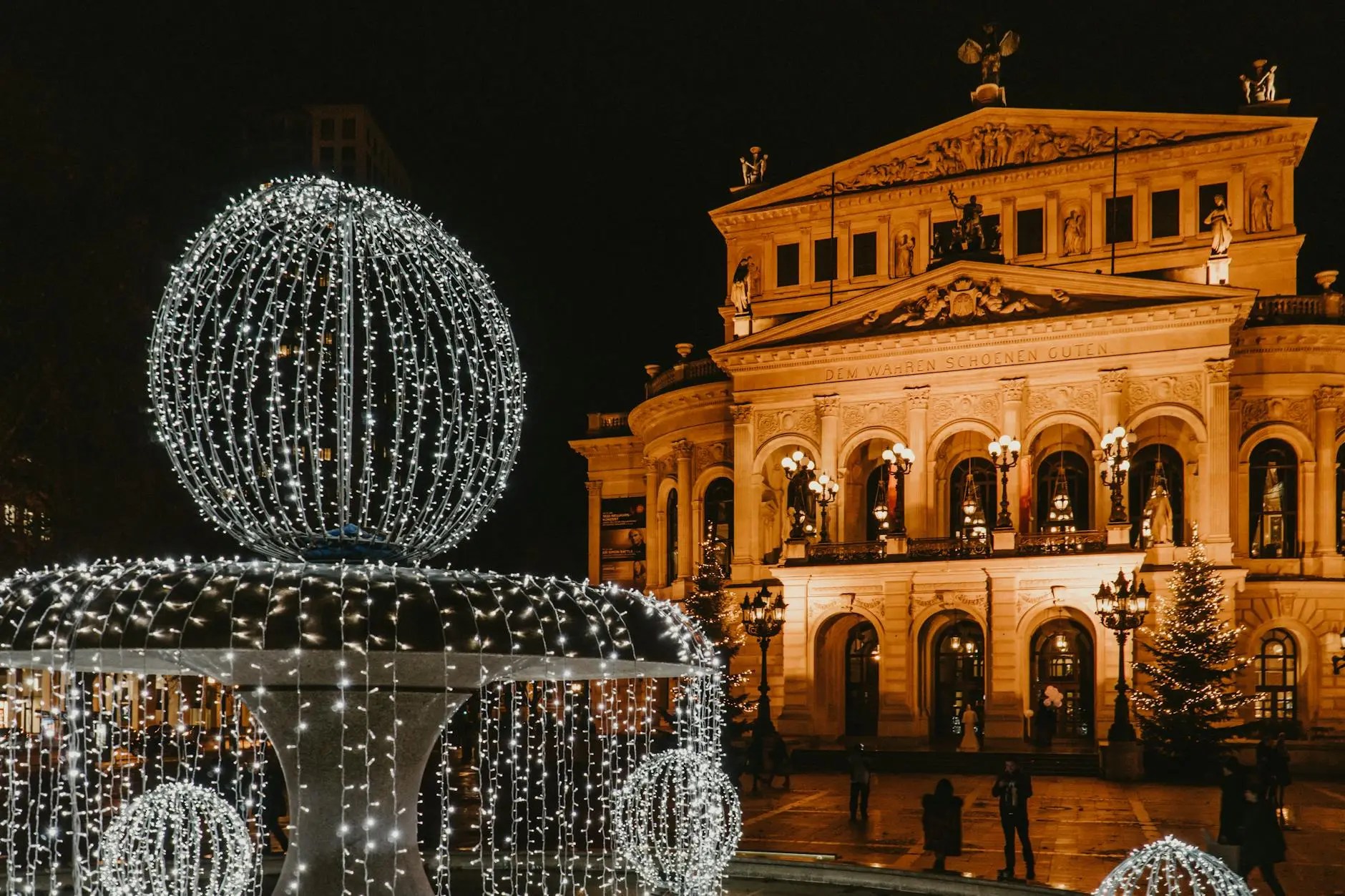
The picturesque Römerberg square in Frankfurt, showcasing iconic half-timbered houses and a vibrant atmosphere. A perfect spot to explore the city’s rich history and architecture. The Heart of the Altstadt: The historic Römerberg square in Frankfurt am Main, beautifully illuminated at dusk. This postcard-perfect scene, with its meticulously reconstructed half-timbered houses (Fachwerkhäuser), is the charming old soul of the modern city.An elegant interior of a hall featuring rows of chairs and a beautiful chandelier, perfect for events in Frankfurt.The Alte Oper (Old Opera House) illuminated at night, showcasing its neo-Renaissance architecture against a backdrop of festive lights. A Festive Masterpiece: The historic Alte Oper (Old Opera House) provides a majestic backdrop for a sparkling holiday fountain and light display, capturing the magical atmosphere of Frankfurt during the Christmas season.
Alte Oper (Old Opera House) 🎶
If you want to feel fancy without paying for a ticket, head to Alte Oper at Opernplatz. This neo-Renaissance building was bombed in WWII, rebuilt, and today it’s one of Frankfurt’s cultural landmarks. Even if you don’t go inside for a concert, the plaza outside is lively, with fountains and cafés perfect for people-watching.
Alte Nikolaikirche (Old St. Nicholas Church) ⛪
Just a short trip away, over at Römerberg, you’ll find the Alte Nikolaikirche—a 13th-century gem with Gothic vibes. It’s smaller and more intimate than Frankfurt Cathedral, but its green spire and medieval charm make it stand out. Inside, the simple yet historic interior feels like stepping back in time.
How to Get There 🚶🚋
Walking: From Alte Oper to Alte Nikolaikirche is about 1.2 km (15 minutes on foot). Start from Opernplatz, head east along Große Bockenheimer Straße (a foodie heaven nicknamed Fressgass), continue toward Hauptwache, and then follow Neue Kräme street straight into Römerberg square. You’ll pass shops, cafés, and great photo spots along the way.
By Tram: If you’re short on time (or your feet have had enough), hop on Tram 11 or 12 at “Alte Oper” stop and get off at “Römer/Paulskirche.” The ride takes 5 minutes and drops you right next to Römerberg and the Alte Nikolaikirche. A single short-trip ticket costs around €1.95, or you can use a day pass (€7.20) if you’re exploring multiple spots.
💡 Pro Tip: If you’re traveling with friends, grab a Gruppentageskarte (group day ticket) for about €11.30—covers up to 5 people for unlimited rides within the city for the day. Big savings compared to buying individual tickets.
The stunning spire of the Frankfurt Cathedral, a striking example of Gothic architecture in the heart of the city. Reaching for the Heavens: The majestic 95-meter spire of Frankfurt Cathedral (Frankfurter Dom), a stunning example of Gothic architecture that has dominated the city’s skyline for centuries.Traditional Frankfurt dish featuring Grüne Soße (green sauce) with boiled eggs and potatoes, a local favorite.A snowy scene on the Eiserner Steg bridge in Frankfurt, with couples and individuals walking amidst love locks and charming old buildings. A Winter’s Walk: The iconic Eiserner Steg pedestrian bridge, dusted with snow and covered in countless love locks, offers a picturesque pathway between Frankfurt’s Altstadt and Sachsenhausen districts on a quiet winter day.A view of the stunning glass dome of the Schirn Kunsthalle in Frankfurt, showcasing its architectural beauty and bright surroundings. A Modern Masterpiece: Gazing up into the breathtaking rotunda of the Schirn Kunsthalle Frankfurt, where a contemporary glass dome crowns a beautifully restored neo-baroque staircase.
Schirn Kunsthalle & The Rotunda’s Glass Dome 🎨✨
Even if modern art isn’t usually your jam, the Schirn Kunsthalle is worth a peek—especially for its striking Rotunda with the glass dome. This circular space feels like stepping into a giant lantern, flooding with natural light that changes with the time of day. The cool part? Entry to the Rotunda itself is free, so you can stand under the dome, snap some surreal Instagram shots, and soak in the architecture without spending a cent. If you’ve got more time (and budget), pop into the current exhibitions—Schirn often hosts thought-provoking contemporary and modern art shows that rival those in Berlin or Paris.
💡 Insider tip: The Rotunda is also a handy meeting point—if you’re traveling in a group and someone inevitably wanders off for bratwurst or souvenirs, tell them to “meet under the dome.” You literally can’t miss it.
Morning (10:00 AM): If it’s a Saturday, make a beeline for the Frankfurt Farmers’ Market on Konstablerwache. It’s a vibrant, noisy, delicious spectacle. Sample local cheeses, olives, and fresh produce. For a quieter morning, explore the Palmengarten, a stunning botanical garden that feels a world away from the city bustle.
Afternoon (1:00 PM): Dive into a different side of Frankfurt. Visit the European Quarter to gaze up at the skyscrapers, including the Main Tower, which has a public viewing platform (pro tip: go just before sunset for amazing lights). Alternatively, for a hidden gem, seek out the Alt-Sachsenhausen area’s smaller lanes for more intimate Apfelwein pubs.
Late Afternoon (4:00 PM): Go for a leisurely stroll or rent a bike and explore the Mainufer (Main River banks). The paths are excellent, and it’s where locals go to jog, picnic, and relax. It’s the perfect way to wind down your trip.
Farewell Dinner (7:30 PM): For your last meal, why not try something modern? The Bornheim district (around Berger Straße) is packed with trendy international restaurants, wine bars, and cafes favored by locals. It’s a great place to feel the city’s contemporary pulse.
Visitors enjoy fresh produce at the bustling Frankfurt Farmers’ Market, a vibrant hub of local flavors and community life. Market Fresh: Visitors explore the colorful bounty of the Frankfurt Farmers’ Market, selecting fresh, seasonal produce and local specialties from friendly vendors at one of the city’s most beloved culinary destinations.Explore the serene beauty of a botanical garden, featuring vibrant flowers and lush greenery, perfect for a peaceful weekend escape in Frankfurt.A panoramic view of Frankfurt am Main showcasing its modern skyline alongside lush greenery along the riverbank.A stunning sunset view over the skyline of Frankfurt am Main, highlighting the city’s blend of modern skyscrapers and historical architecture.
🏙️ MAINHATTAN · FRANKFURT’S ICONIC SKYLINE
🏙️ PROST!Frankfurt’s futuristic skyline along the Main River is just one view — I’ve captured 80+ skylines worldwide!
From the Main Tower to the world’s highest peaks — explore all my guides.
🏙️ “Frankfurt’s skyline shines — but 80+ more city lights await you”
Money-Saving Tips for Smart Travellers
Museum Savings: Many museums offer reduced entry on the last Saturday of the month (“Satourday”) or have specific free entry hours. Check their websites in advance!
Picnic by the River: Grab bread, cheese, and meat from a market or supermarket and have a classic German lunch by the Main. It’s cheap, delicious, and incredibly scenic.
Water is Free: Tap water in Germany is perfectly safe to drink. Carry a reusable bottle and ask for “Leitungswasser” (tap water) at restaurants—though it’s polite to order something else as well.
Essential German for the Frankfurt Traveller
You’ll get by with English easily, but a few words go a long way!
Hallo / Guten Tag: Hello / Good day
Tschüss / Auf Wiedersehen: Bye / Goodbye
Danke: Thank you
Ein Bier, bitte: One beer, please
Ein Apfelwein, bitte: One apple wine, please
Die Rechnung, bitte: The bill, please
Wo ist die U-Bahn?: Where is the subway?
Prost!: Cheers! (Say this before your first sip of Apfelwein!)
🏙️
Frankfurt’s stunning “Mainhattan” skyline! Just one of 80+ destinations across 6 continents.
🇪🇺 45+ Europe · 🌏 18+ Asia · 🌎 10+ Americas · 🌅 8+ Africa/Australia
🏙️ “From Frankfurt’s Main River to the world — 80+ adventures await”
Hidden Gems: Beyond the Tourist Trail
The Kleinmarkthalle: While the Saturday farmer’s market is great, the indoor Kleinmarkthalle is a foodie paradise every day. It’s a bustling market hall with butchers, cheesemongers, and small stalls serving incredible ready-to-eat food.
Höchst Altstadt: Feeling adventurous? Take the S-Bahn (included in your day ticket!) to Höchst. Its beautifully preserved old town with a castle and riverside views feels like a tiny village forgotten by time, and you’ll be the only tourist there.
The Dialog Museum: An utterly unique experience where you are guided through pitch-black exhibits by visually impaired guides, challenging all your senses. Book in advance!
Travel Smart: Essential Resources
Travelling smart is about more than just a good itinerary; it’s about being prepared. On my trips, a few tools have become non-negotiable for a stress-free experience.
✈️ Stay Connected Without the Shock: Staying connected abroad used to be my biggest headache. Between exorbitant roaming fees and the chaotic hunt for a local SIM at the airport, it was a nightmare. That all changed when I found Drimsim. It’s a universal data SIM that works in 190+ countries. You just pop it in your phone, top up via the app, and you’re online. No contracts, no hidden fees. It’s saved me countless times. Get your Drimsim here and never worry about data again.
✈️ Your Flight Was Canceled? Get Paid. Did you know that if your flight is significantly delayed, canceled, or you’re denied boarding, you could be entitled to up to $650 in compensation under EU law? Most people never claim it. I’ve used AirHelp multiple times—they handle all the paperwork and legal fights with the airline, and they only get paid if you win. It’s a no-brainer. Check your flight eligibility with AirHelp here.
✈️ Peace of Mind is Priceless: I never, ever travel without insurance. For shorter European trips like this, I always check options on VisitorsCoverage. It’s a platform where you can easily compare plans from top providers to find the right coverage for your specific trip, whether it’s for medical emergencies or trip cancellations. It’s the one thing you pack hoping to never use. Find the right travel insurance for your Frankfurt trip here.
✈️ Protect Your Privacy & Streaming: Using public WiFi at airports, hotels, and cafes is a security risk. I always use a VPN to encrypt my connection, keeping my personal data safe from prying eyes. It also lets me access my usual streaming services from back home. It’s an essential digital travel accessory. Stay secure online with NordVPN.
Ready to start planning? I always find the best flight and hotel deals for Frankfurt on Expedia. It’s my one-stop shop for bundling trips and saving money.Find deals on Frankfurt trips here!
📜10 FRANKFURT TRUTHS
1.Apfelwein is not cider — it’s drier, tarter, and served in a “Bembel” clay jug. Drink it pure or with sparkling water (“sauer gespritzt”)
2.Grüne Soße (green sauce) is Frankfurt’s signature dish — made with 7 fresh herbs, served with boiled eggs and potatoes. Don’t leave without trying it
3.The group day ticket (Gruppentageskarte) for €11.30 covers up to 5 people — that’s €2.26 each for unlimited travel
4.Eiserner Steg bridge at sunset is free and offers better skyline photos than the €9 Main Tower
5.The area around Hauptbahnhof (main train station) is sketchy at night — book accommodation in Altstadt, Sachsenhausen, or near Zeil shopping street instead
6.Kleinmarkthalle is a food paradise — skip tourist restaurants and eat your way through this indoor market (try the handmade bratwurst and fresh cheese)
7.Sachsenhausen is where locals drink — avoid the main square and go one block over to Klappergasse or Neuer Wall for authentic taverns
8.Römerberg looks medieval but was rebuilt after WWII — it’s beautiful, but real history is found at the original half-timbered houses in Höchst Altstadt (15 min by S-Bahn)
9.May–September is peak season, but September is the sweet spot — summer crowds thin out, apple wine harvest begins, and the weather is still warm
10.“Prost!” means cheers — always say it before your first sip of Apfelwein, and make eye contact. It’s not just polite, it’s required
“I thought Frankfurt was just skyscrapers and business suits. Then I climbed the Cathedral tower at sunrise, sipped Apfelwein in a Sachsenhausen tavern older than my country, and watched the skyline light up from Eiserner Steg bridge.”
The tourist pays €9 to go up Main Tower and eats at overpriced Römerberg tourist restaurants. The traveler buys a €3 bottle of Apfelwein from a corner shop, watches sunset from the iron bridge for free, and finds the real taverns one block off the main square. Frankfurt rewards the curious — the ones who know that the city’s heart beats not in its banks, but in its apple wine jugs and hidden river views.
📌 P.S. — My Frankfurt Secret Eiserner Steg at golden hour. Most tourists snap a photo from the bridge and keep walking. But here’s the secret: cross to the south side (Sachsenhausen bank), face north, and find a spot along the railing about 15 minutes before sunset. Watch as the sun dips behind the skyline, the lights of Main Tower flicker on, and the entire city reflects in the river. Bring a bottle of Apfelwein from the shop on Schweizer Straße. Stay until the stars come out. This is not in any tour guide. Thank me later.
Q: Do I need a visa for Frankfurt, Germany? A: Germany is part of the Schengen Area. If you are a citizen of the EU, EEA, US, Canada, Australia, UK, and several other countries, you do not need a visa for short tourist stays (up to 90 days). Always check the latest requirements from the German Federal Foreign Office based on your nationality.
Q: What is the best way to get from Frankfurt Airport (FRA) to the city center? A: The easiest and cheapest way is via the S-Bahn (commuter train). Take the S8 or S9 line from the regional train station in Terminal 1. It takes about 15 minutes to get to Frankfurt Hauptbahnhof (main station) or the city center (Hauptwache station) and your RMV day ticket already covers this journey! A taxi will cost €30-40.
Q: Is Frankfurt an expensive city? A: It can be, as it’s a financial center. However, it’s generally more affordable than cities like Paris or London. By using public transport day tickets, enjoying picnics, eating at Apfelwein pubs (which are reasonably priced), and seeking out free activities like walking along the Main, you can easily manage a budget-friendly weekend.
Q: What is the best time of year to visit Frankfurt? A: Spring (April-June) and Autumn (September-October) are ideal. The weather is mild and perfect for exploring. December is magical due to its famous Christmas market. Summers can be warm and busy, while winters are cold.
Q: How walkable is Frankfurt? A: The city center (Altstadt, Römer, Hauptwache, Zeil) is extremely walkable. For attractions further out like museums in Sachsenhausen or the European Quarter, the excellent and efficient public transport system is your best bet.
Q: Can I see Frankfurt in 2 days? A: Absolutely. Stick to Römerberg, Main Tower, museums, and a cider cellar—you’ll cover the essentials
Q: Is English widely spoken? A: Yes, but tossing in a “Danke” goes a long way.
Have more questions about planning your ultimate weekend in Frankfurt? Drop them in the comments below!
🎉
Special Events in Frankfurt 2026
⭐ World Design Capital 2026
Frankfurt brings months of design-focused exhibitions and events throughout the year. Don’t miss these highlights 👇
🏛️
“City of WOW” Exhibition
📅 Opens March 2026
Immersive 800-year city history experience with 270° projection. Located in former Dresdner Bank archive on Gutleutstraße.
🎬
LICHER Filmfest
📅 April 28 – May 3, 2026
International film festival celebrating cinema from Hessen and around the world.
🏙️
Rooftop Day
📅 June 6, 2026
47+ rooftops, terraces, and bars open to public – including the Mayor’s balcony! Free and ticketed events.
🎭
Sommerwerft Festival
📅 July 24 – August 9, 2026
Free open-air theater, music, and dance festival along the Main River. Completely non-commercial and community-driven.
🍎
Frankfurt Apple Wine Festival
📅 August 7 – 16, 2026
Traditional Apfelwein festival at Roßmarkt with live music and local specialties.
🎨
Kunststation Hauptwache
📅 Ongoing from Dec 2025
Student art exhibition in Hauptwache underground station – free to view.
📅 Dates and details subject to change. Check official websites before attending.
Thoughts
Frankfurt am Main is more than skyscrapers and business suits—it’s a city where tradition and modernity collide. With efficient transport, rich history, hearty food, and plenty of hidden gems, it’s the perfect weekend escape. And if you’ve got more time, hop over to Amsterdam, Paris, or even Berlin.
👉 Ready to book your trip? Find the best deals now on Expedia.
🏙️ Shanghai · 1 of 18+ Asia Guides · 80+ Destinations Worldwide
🏙️Last Updated: April 2026 · Regularly Maintained — fresh metro fares, updated VPN recommendations, new restaurant openings, and latest visa-free transit policy info added
✓ 2026 data✓ Regularly reviewed✓ Part of 80+ series
🏙️THE SHANGHAI QUICK ANSWER — 48 HOURS
Can you experience Shanghai in a weekend? Yes — if you have a VPN, a metro card, and an appetite for soup dumplings.
Shanghai is not just the Bund and skyscrapers. It’s a city of French Concession tree-lined streets, hidden alleyways filled with craft shops, and soup dumplings that burst in your mouth. The tourist who only sees Pudong and leaves misses Tianzifang’s labyrinth, the M50 Art District’s grungy galleries, and the shengjianbao at a local breakfast stall. The traveler who downloads a VPN before arrival, gets a Shanghai Public Transport Card, and watches the Bund at sunset discovers the real Shanghai. The difference is knowing that Google doesn’t work here — prepare before you go.
🎯 THE 48-HOUR FORMULA
Day 1: Yu Garden (go at 8am), French Concession (wander Wukang Road), The Bund at sunset (colonial buildings + Pudong lights)
Day 2: M50 Art District (free galleries), Tianzifang (alleyway maze), Flair Rooftop Bar (cocktail with a view)
The secret: Download a VPN BEFORE you arrive in China. NordVPN works. Once you land, most VPN websites are blocked. Set it up on all your devices at home. Most tourists don’t know this and lose access to Google, Instagram, and WhatsApp. Don’t be that tourist.
The mistake: Hailing taxis on the street. Download Didi (China’s Uber) — it has an English interface. Cheaper. More reliable. No language barrier.
🔒 VPN: download before arrival🚇 Metro card: ¥3-6 per ride🥟 Shengjianbao: pan-fried soup dumplings
✅ 48 hours is enough — get a VPN, use the metro, eat dumplings
📍 Source: Multiple Shanghai trips, one soup dumpling scalding incident, and the discovery that the best xiaolongbao are at a hole-in-the-wall
20+
metro lines in Shanghai
World’s largest metro system — rides ¥3-6
1.5
km — The Bund waterfront
52 colonial buildings along the Huangpu River
1875
xiaolongbao invented in Shanghai
Nanxiang’s famous soup dumplings
24M+
people in Shanghai
One of the largest cities in the world
🏙️THE SHANGHAI GAP — WHAT EVERY GUIDE MISSES
Most Shanghai guides tell you to see The Bund, visit Yu Garden, and eat xiaolongbao. That’s not wrong. It’s just the Shanghai that everyone already knows.
Here’s what they don’t tell you: Shanghai has secrets — and most of them require a VPN. Google Maps, Instagram, and WhatsApp are blocked. The best way to get around is the metro (¥3-6 per ride). The best view of The Bund is from a rooftop bar with a cocktail. The best soup dumplings are at a hole-in-the-wall. The tourist who doesn’t know these things will struggle with navigation, overpay for taxis, and miss the city’s best alleyways. The traveler who downloads a VPN before arrival, gets a metro card, and explores Tianzifang at dusk discovers the real Shanghai.
🎯 WHAT THEY DON’T SHOW YOU
🔒 The VPN Rule
Tourists land in Shanghai and find their apps blocked. The secret? Download a VPN before you leave home. NordVPN works. Once you’re in China, most VPN websites are blocked. Set it up on all your devices before arrival.
🚇 The Metro Secret
Tourists take taxis and get stuck in traffic. The secret? Shanghai’s metro is the world’s largest. ¥3-6 per ride. Air-conditioned. Fast. Get a Shanghai Public Transport Card at any station.
🌉 The Bund View Hack
Tourists pay ¥180+ for the Shanghai Tower observation deck. The secret? Flair Rooftop Bar at the Ritz-Carlton. The price of a cocktail gets you the same insane view. Book ahead.
🥟 The Shengjianbao Truth
Tourists eat xiaolongbao (soup dumplings). The secret? Shengjianbao are pan-fried soup dumplings. Crispy bottom. Juicy inside. Even better. Find a local breakfast stall.
🚫 The Google Maps Reality
Tourists open Google Maps and find it barely works. The secret? Use Apple Maps or download offline maps on Maps.me. Better yet, use your VPN with Google Maps. Prepare before you go.
🏙️ Tianzifang at Dusk
Tourists go during the day. The secret? Go at dusk. The lanterns light up. The crowds thin out. The alleyways feel magical. Most tourists leave by 5pm.
“The tourist lands in Shanghai and finds Instagram blocked. The traveler downloads a VPN before departure and stays connected. The difference is 10 minutes of preparation before you leave home. Shanghai rewards the prepared, the patient, and the person who knows that the best soup dumplings are pan-fried.”
— Nomad Nate, after 4 trips to Shanghai
❌ Downloading VPN after arrival✅ Set up VPN before you leave✅ Take the metro (¥3-6)
📊 90% of tourists don’t know about the VPN rule
📍 Sources: Multiple Shanghai trips, one soup dumpling scalding incident, and the discovery that the best xiaolongbao are at a hole-in-the-wall
Description: Discover the ultimate weekend escape to Shanghai, China! This 3-day itinerary is packed with insider tips, hidden gems, and practical advice on navigating the city, saving money, and experiencing the perfect blend of ancient tradition and futuristic wonder. Perfect for travellers seeking an unforgettable adventure.
So, you’ve got a weekend to spare and a burning desire to dive into a city that feels like it’s straight out of a sci-fi movie, yet is steeped in ancient history? Welcome to Shanghai, the sprawling metropolis where futuristic skylines kiss tranquil classical gardens. As someone who’s gotten blissfully lost on its streets more times than I care to admit, I’ve perfected the art of the Shanghai weekend. Forget the overwhelm; this guide is your golden ticket to an unforgettable 48-hour blitz.
Shanghai is not just a city—it’s a living postcard of China’s past, present, and future colliding in neon lights and ancient alleys. Think New York’s energy + Paris’s style + Tokyo’s innovation, all shaken up with a dumpling or two.
If you’ve loved exploring Kyoto or Venice, Shanghai is the next step in your bucket list journey. Bonus: if you’re traveling through Asia, hopping from Shanghai to cities like Tokyo or Hong Kong is a breeze.
Visa & Budget Considerations
Visa: Many travelers can use Shanghai’s 144-hour visa-free transit policy if you’re stopping by between two international destinations. Saves both time and paperwork.
Budget: Expect to spend about $60–100/day comfortably (food, transport, and attractions). Shanghai can be as luxe or as budget-friendly as you make it.
🇨🇳 SHANGHAI · 上海 · PEARL OF THE ORIENT
🏙️ 干杯!Shanghai’s Bund and futuristic skyline are just one of 80+ destinations I’ve explored!
From the colonial-era waterfront of the Bund to the soaring towers of Pudong’s Lujiazui, Shanghai dazzles with its contrasts. And I’ve captured that same magic across 6 continents — with 45+ European cities, Asian adventures, Americas escapes, and more.
🏙️ “Shanghai’s skyline tells a story of past and future — and 80+ more cities have their own tales to tell”
Getting There & Around (Flights + Public Transport Tips)
✈️ I booked my flight to Shanghai through Expedia—always my go-to for comparing flights and hotels.
Compare Flight & Hotel Prices Here:
🏙️
Book Your Shanghai Escape
Find the best deals on flights, hotels, and tours for your weekend in China’s most dynamic city. Compare and make the right choice with many options below!
Every traveler has different priorities — budget airlines, flexible hotels, or specific tour operators. Compare prices across platforms to find what works best for YOUR Shanghai adventure. Happy travels! 🇨🇳
🏙️ Why Shanghai?
China’s most dynamic city is pure energy — the iconic The Bund waterfront, the futuristic Pudong skyline, the peaceful Yu Garden, the tree-lined French Concession, and the alleyway maze of Tianzifang. Don’t leave without trying xiaolongbao (soup dumplings), shengjianbao (pan-fried soup dumplings), and jianbing (savory crepes). Remember: download a VPN BEFORE you arrive! 🔒
🔗 Affiliate Disclosure: I may earn a small commission when you book through these links at no extra cost to you. Thank you for supporting ConfidenceBuildings.com!
🚆 Public Transport in Shanghai:
Forget taxis and the hassle of renting a car (and dealing with navigation and parking!). Shanghai’s metro system is a masterpiece of efficiency, cleanliness, and affordability. It’s my number one money-saving tip and the absolute best way to get around.
Metro: Cheap, clean, and efficient. One of the world’s largest networks. A ride costs just ¥3–6 ($0.50–$1).
The Cost: You can get almost anywhere on the extensive metro network for just a few yuan (RMB). A typical ride across the city center will often cost between 3-8 RMB (which is roughly $0.50 – $1.20 USD). Compared to the cost of a taxi, the savings add up incredibly fast.
Get a Transportation Card: For ultimate convenience, purchase a rechargeable Shanghai Public Transportation Card (上海公共交通卡, Shànghǎi gōnggòng jiāotōng kǎ) at any major metro station. You tap in and out, and it works seamlessly on the metro, almost all buses, and even in taxis. It saves you from fumbling for change at every turn and makes you feel like a local.
Maglev Train: The futuristic ride from Pudong Airport to the city takes 8 minutes at 430 km/h. Worth it for the thrill.
Shanghai Maglev Train — The Fastest Train in the World
Taxi/Didi: Affordable but beware of peak-hour traffic. Didi is Your Friend:China’s answer to Uber, Didi Chuxing, is a lifesaver. The app has an English interface and is widely used. It’s often cheaper and more reliable than hailing a cab on the street. Taxi / DiDi: Very affordable and widely used in Shanghai. Just note: during morning (≈ 7-9:30am) and evening (≈ 5-7pm) rush hours, you’ll face longer waits and slower rides. If possible, use the DiDi mini-program inside Alipay or WeChat (often more reliable than the international app). Also check if ride-hailing is allowed in zones like airports—some restrictions may apply.
Car Rentals: Honestly not needed unless you’re planning a road trip outside Shanghai. Traffic and parking will eat your weekend.
Google Doesn’t Work Here: This is crucial. Standard Google Maps, Gmail, and Instagram are blocked. You need a VPN. I never travel without my NordVPN subscription. It lets me access all my usual apps and navigate safely. Set it up on your devices before you land in China.
🚫 Google Doesn’t Work Here
This is crucial. Many of the apps and sites you probably use daily—Google Maps, Gmail, Instagram, Facebook, even WhatsApp at times—are blocked in mainland China. Travelers who don’t plan ahead often find themselves cut off the minute they land.
💡 Pro Tip: Download offline maps in advance (Apple Maps and Maps.me work well), and set up a VPN like NordVPN before you arrive. Once you’re in China, most VPN websites are blocked, so prep is everything. With a VPN, you’ll still be able to check Gmail, scroll Instagram, and book through your favorite travel sites without hiccups.
🌐 Internet Reality in Shanghai: Search Engines & Language Help
Since Google, Gmail, Instagram, and many Western apps are blocked in mainland China, you’ll need to adjust your digital toolkit. Don’t worry—locals have already figured this out, and travelers can too.
🔎 Search Engine Alternatives
Baidu (百度) – The “Google of China.” Best in Chinese, though machine translation helps.
Sogou (搜狗) – Popular for Chinese web and music searches.
Bing (必应国际版) – Surprisingly, Bing is still accessible in China (though results may be filtered). A solid option if you want an interface closer to Google.
Yahoo Japan (via VPN or sometimes directly) – Occasionally works, though limited.
💡 Pro Tip: If you’re not fluent in Mandarin, Bing will feel easiest, since it supports English.
🎙️ Live Translation Devices for Travelers
If Mandarin isn’t your strong suit (and let’s be real—most of us stumble beyond “Nǐ hǎo”), tech can save the day
Here are some handy pocket translators that work well in Shanghai:
Pocketalk Translator – Handles 80+ languages with two-way voice translation. Great for casual chats with taxi drivers or ordering food.
ili Instant Translator – Lightweight, one-way translation (English → Mandarin). Useful for quick phrases.
Langogo Genesis – AI-powered, doubles as a WiFi hotspot. Perfect if you’re juggling translation + connectivity.
Timekettle WT2 Edge Earbuds – Real-time in-ear translation for conversations. Feels futuristic but genuinely handy.
🛠️ Smart Traveler’s Hack
Download offline translation packs on apps like Google Translate (before entering China), Pleco (for Mandarin), or Microsoft Translator. Even without internet, these can help you read menus, signs, or bargain at street markets.
🧳 Smart Travel Tip: No matter where your adventures take you, having the right travel insurance can save you from unexpected headaches (and bills). I personally recommend VisitorsCoverage — it’s a trusted platform where you can compare plans, find coverage that fits your trip, and book it in just a few clicks. Whether you’re planning a quick city escape or a longer international journey, it’s peace of mind worth packing. Check your options here.
💡 Smart Hack: Use metro maps online and download offline maps on Google Maps (or Apple Maps) to save data
Morning (9:00 AM): Start your day in the old soul of Shanghai: theYu Garden (& Bazaar). This Ming-dynasty garden is an oasis of calm with its intricate pavilions, koi ponds, and rockeries. Fight the crowds by getting there right as it opens. The surrounding bazaar is a chaotic, wonderful mess of trinkets and snacks—perfect for people-watching.
Afternoon (1:00 PM): Hop on the metro (Line 10 is your friend) and head to the French Concession. This is my favorite area to just wander. Tree-lined avenues, beautiful colonial architecture, and chic boutiques. For lunch, ditch the fancy places and find a local joint for some shengjianbao (pan-fried soup dumplings). You’ll thank me later.
Evening (6:00 PM): This is it. The main event. Head to The Bundas the sun begins to set. Watch the colonial-era buildings on your side glow gold, and then witness the neon-lit skyscrapers of Pudong across the river light up in a spectacular light show. It’s a view that never, ever gets old. I must have taken a hundred photos here with my trusty Canon EOS R100 Mirrorless Camera – it’s perfect for these low-light cityscapes.
A serene view of the traditional architecture at Yu Garden, showcasing the beauty of Shanghai’s Ming-dynasty heritage. The heart of Old Shanghai: A serene pagoda peeks through the legendary “Exquisite Jade Rock” formations in the Yu Garden, a classic example of Ming Dynasty garden design.A serene view of the Yu Garden in Shanghai, featuring koi fish swimming in a tranquil pond surrounded by lush greenery and traditional architecture.The iconic Art Deco architecture of Shanghai showcases the city’s blend of modernity and history. European elegance in East Asia: This iconic curved building in the former French Concession is a perfect example of Shanghai’s unique architectural heritage, where colonial-era design meets modern urban life.
🌳 FRENCH CONCESSION · WUKANG ROAD · SHANGHAI’S CHARM
🌳 干杯!Strolling beneath the plane trees of Wukang Road is just one beautiful walk — I’ve explored 80+ charming neighborhoods! [citation:3][citation:10]
From art deco villas to hidden cafes — every city has streets that tell stories.
🌳 “Wukang Road’s art deco charm — and 80+ cities with their own architectural treasures”
Delicious shengjianbao (pan-fried soup dumplings) served hot, perfect for a culinary adventure in Shanghai. The ultimate Shanghai snack: A piping hot order of Shengjianbao (生煎包), with its crispy, pan-fried bottom and dangerously juicy soup filling inside. Don’t forget to take a small bite first to let the steam out!A stunning sunset view of the Shanghai skyline, showcasing the blend of modern skyscrapers and tranquil waters along the river. The Bund is a famous waterfront area along the Huangpu River, known for its historical buildings and stunning views of the modern Lujiazui skyline.
Day 2: Arts, Markets & Sky-High Views
Morning (10:00 AM): Explore the revitalizedM50 Art District. Housed in an old textile factory, this is Shanghai’s epicenter for contemporary art. It’s grungy, creative, and a fantastic break from the city’s commercial hubs. Best of all? It’s free to wander in and out of the galleries.
Afternoon (1:00 PM): Time for some retail therapy (or just fascinating observation) at the Fake Market at the Science & Technology Museum metro stop. It’s an experience. Haggling is not just expected; it’s mandatory. Keep your wits about you, have a laugh, and see what treasures you can find.
Fake Market (Science & Technology Museum metro stop) — bargain hunters’ playground
Right under the Science & Technology Museum (Line 2) metro station sits Shanghai’s famous “fake market” (often called AP Plaza / XinYang Market). It’s a warren of tiny stalls selling everything from knock-off sneakers and watches to souvenirs and cheap electronics — perfect if you want quirky finds and bargain prices. Play it like a pro: inspect items carefully (electronics and branded goods can be low quality), carry cash, and start your haggling at around 10% of the first price — expect to settle somewhere between 10–30% depending on the seller. If you’re into street-market photography, the neon shop signs and crowded aisles make for fun, gritty shots. Note: some goods are counterfeit, so don’t try to resell branded fakes when you get home. SmartShanghai+1
Quick tips: go mid-morning on a weekday to avoid crowds, keep small-change handy, don’t buy high-value electronics, and tuck the market into your day after visiting nearby Century Park or the Science & Technology Museum. eChinacities+1
Evening (5:00 PM): Ascend to the heavens. Skip the expensive observation decks and book a table at Flair Rooftop Bar at the Ritz-Carlton in Pudong. The price of a cocktail gets you the same insane, unobstructed view of The Bund that you’d pay a fortune for elsewhere. It’s the smart traveller’s move.
A vibrant street view featuring contemporary graffiti art and a striking white unicorn sculpture at the entrance of a modern art space in Shanghai. M50 Art District, ShanghaiThe modern architecture of Shanghai’s public spaces reflects the city’s blend of tradition and innovation.Shanghai Science and Technology Museum featuring modern architecture
Vibrant atmosphere at a bustling market in Shanghai, showcasing local snacks and products amidst colorful neon signs.
Day 3: Local Life & Hidden Lanes {#day3}
Morning (9:00 AM): Before you depart, take a stroll through the Tianzifang or Jing’an Sculpture Park area. Tianzifang is a labyrinth of narrow alleyways filled with craft shops, cafes, and street art, while the park offers a modern, cultural respite. It’s a great way to see a more laid-back, local side of Shanghai without venturing too far.
A charming alley in Shanghai’s Tianzifang, showcasing vibrant greenery and local shops.Aerial view of modern architecture and vibrant green spaces in Shanghai, showcasing the city’s blend of minimalist design and natural landscapes.
🏙️
Shanghai’s dazzling skyline! Just one of 80+ destinations across 6 continents.
🇪🇺 45+ Europe · 🌏 18+ Asia · 🌎 10+ Americas · 🌅 8+ Africa/Australia
While many in tourist areas speak English, a little effort goes a long way!
Hello: Nǐ hǎo (Nee how)
Thank you: Xièxiè (She-eh she-eh)
How much?: Duōshǎo qián? (Dwor-shwow chyen?)
Delicious!: Hǎo chī! (How chir!)
Cheers!: Gānbēi! (Gan bay!) – But be careful, this means “dry glass”!
Toilet = 厕所 (Cèsuǒ)
Metro = 地铁 (Dìtiě)
Smart Travel Resources
✈️ Flight Delays or Cancellations Travel hiccups happen. If your flight is delayed, canceled, or overbooked, you might be owed compensation. AirHelp makes the claim process painless—they only get paid if you win.
Hidden Gems: Escape the Tourist Trail {#hidden-gems}
Zhujiajiao Water Town: An hour outside the city, this “Venice of Shanghai” is worth the trip for its ancient canals, stone bridges, and cobbled streets. It’s a beautiful glimpse into China’s past.
Longhua Temple & Pagoda: Older and feels more authentic than some of the more central temples. It’s a peaceful escape without the crowds.
A random breakfast stall: Your best meal will be the one you can’t find on a map. Follow the locals to a busy breakfast stall for a bowl of congyouban (scallion oil noodles) or a crispy jianbing (savory crepe).
Traditional Chinese architecture meets serene waterways in a picturesque scene from Shanghai. Step back in time: A traditional wooden boat navigates the peaceful canals of Zhujiajiao, the “Venice of Shanghai,” passing under centuries-old stone bridges and past whitewashed homes from the Ming and Qing dynasties.
🌉 THE BUND · HUANGPU RIVER · SHANGHAI’S HEARTBEAT
🌉 干杯!Watching the sunset from the Bund is just one iconic view — I’ve seen 80+ skylines around the world! [citation:1]
From the colonial architecture to Pudong’s futuristic towers — every city has its own magic hour.
🌉 “The Bund at sunset is unforgettable — and 80+ cities have their own stunning waterfronts”
The iconic entrance of Yu Garden in Shanghai, showcasing traditional architectural design. Longhua Temple is the largest temple in Shanghai.Delicious bowl of scallion oil noodles, a must-try dish during your Shanghai weekend escape.A delicious plate of jianbing, a popular Chinese street food, featuring a crispy crepe topped with an egg and fresh scallions, perfect for breakfast in Shanghai.
🥟 XIAOLONGBAO · SHANGHAI’S SOUP DUMPLINGS
🥟 干杯!Slurping soup dumplings at Jia Jia Tang Bao is just one taste — I’ve savored 80+ culinary destinations! [citation:1][citation:2]
From Huanghe Road’s food stalls to night markets around the world — let your taste buds travel.
🥟 “One xiaolongbao leads to another — and one city leads to 80+ more”
🗣️REAL STORIES · REAL MISTAKES · WHAT ACTUALLY WORKS
Shanghai looks easy. But there are secrets—the VPN rule, the metro hack, the shengjianbao discovery. Here are three stories from travelers who learned the hard way—and one who figured it out.
D
Reader Story · David, New York
Visited October 2025
“I landed in Shanghai and opened my phone. No Google Maps. No Instagram. No Gmail. I tried to download a VPN — the websites were blocked. I spent the first day completely lost. A hotel staff member said: ‘You have to download a VPN before you arrive.’ I learned the hard way. The rule: set up your VPN on all devices before you leave home. Don’t wait.”
😬 HIS MISTAKE
Didn’t download a VPN before arrival. Couldn’t access Google, Instagram, or WhatsApp.
✅ WHAT HE LEARNED
Download a VPN (NordVPN) before you leave home. Set it up on all devices. Once you’re in China, most VPN websites are blocked.
NN
Nomad Nate · 4 trips to Shanghai
“David’s story is the #1 Shanghai tech mistake. The Great Firewall of China blocks many Western apps. The rule: download a VPN before you leave home. I use NordVPN. Set it up on your phone, laptop, and tablet. Test it before you go. Once you land, turn it on immediately. You’ll have access to everything.”
Nate’s Pro Tip: “Download offline maps on Apple Maps or Maps.me as a backup. Even if your VPN glitches, you can still navigate. And bring a physical copy of your hotel address in Chinese characters — taxi drivers will need it.”
S
Reader Story · Sarah, London
Visited November 2025
“I hailed a taxi on the street. The driver didn’t speak English. I showed him my hotel address on my phone. He nodded. Twenty minutes later, he dropped me at a completely different hotel. I was lost. A friend told me to download Didi. It has an English interface. I used it for the rest of the trip. I learned: never hail a taxi on the street in Shanghai. Use Didi. It’s China’s Uber.”
😱 HER MISTAKE
Hailed a street taxi. Driver didn’t understand. Got dropped at wrong hotel.
✅ WHAT SHE LEARNED
Download Didi (China’s Uber). The app has an English interface. Cheaper than taxis. No language barrier. Pay through Alipay or cash.
NN
Nomad Nate · 4 trips to Shanghai
“Sarah’s story is the #2 Shanghai transport mistake. Street taxis are a gamble. Didi is the answer. It’s like Uber — you set your pickup and destination in the app. The price is fixed. No negotiation. The app has an English interface. The rule: download Didi before you arrive. Set it up with your credit card. You’ll never hail a taxi again.”
Nate’s Pro Tip: “Didi also works for food delivery. Too tired to go out? Order dumplings to your hotel. The app is a lifesaver.”
J
Reader Story · James, Sydney
Visited September 2025
“I ate xiaolongbao at a famous restaurant. They were good. Then a local took me to a tiny breakfast stall. No English sign. No tourists. He ordered shengjianbao. They were pan-fried. Crispy on the bottom. Bursting with soup. They were the best dumplings of my life. I learned: the best food in Shanghai isn’t on Instagram. It’s at a hole-in-the-wall with a line of locals.”
✨ ACCIDENTAL DISCOVERY
Followed a local to a breakfast stall. Discovered shengjianbao (pan-fried soup dumplings).
✅ WHAT HE LEARNED
Shengjianbao are pan-fried soup dumplings. Crispy bottom, juicy inside. Look for busy breakfast stalls. No English sign = probably delicious.
NN
Nomad Nate · 4 trips to Shanghai
“James discovered the Shanghai secret that most tourists miss. Shengjianbao are superior to xiaolongbao. The pan-fried bottom gives them texture. The inside is still soupy. They’re harder to find, but worth the search. The rule: look for breakfast stalls with steam rising from a giant flat pan. Point at the dumplings. Nod. Eat carefully — they’re hot. You’ll never go back to steamed dumplings.”
Nate’s Hard Truth: “The tourist eats at the famous xiaolongbao restaurant. The traveler finds a hole-in-the-wall shengjianbao stall. The difference is a willingness to eat where there are no tourists. Shanghai’s best food doesn’t have a website — it has a line of locals.”
📝 YOUR STORY COULD BE NEXT
Been to Shanghai? Forgotten to download a VPN before arrival? Hailed a taxi instead of using Didi? Discovered a shengjianbao stall that changed your life? Your story might help someone else navigate the fascinating chaos of China’s most dynamic city.
✍️ Share your Shanghai story
📍 Stories anonymized and used with permission · Names changed to protect privacy
🏙️THE 10 SHANGHAI TRUTHS — EVERYTHING DISTILLED
If 48 hours is too much to carry—here are the ten truths that matter most. Print them. Save them. Send them to someone who needs them.
01Download a VPN before you arrive. Non-negotiable.
Google, Instagram, WhatsApp, Gmail — all blocked. Set up NordVPN on all devices before you leave home. Once you’re in China, VPN websites are blocked too. Prepare or be disconnected.
02Get a Shanghai Public Transport Card. Tap and go.
Buy it at any metro station. Works on metro, buses, and even taxis. A ride costs ¥3-6 ($0.50-1). The metro is the fastest way around. The tourist takes taxis. The traveler takes the metro.
03Use Didi, not street taxis. China’s Uber has English.
Download Didi before you arrive. Set your pickup and destination in the app. Fixed price. No language barrier. Street taxis are a gamble. Didi is reliable.
04The Bund at sunset. Go. Stay for the lights.
Arrive at 5pm. Watch the colonial buildings glow gold. Stay until 7pm. Watch Pudong’s skyscrapers light up. The view never gets old. It’s free. It’s spectacular.
05Yu Garden at 8am. Beat the crowds.
The Ming-dynasty garden is stunning. By 10am, it’s packed. Go at opening time (8am). You’ll have the koi ponds and pavilions almost to yourself. The bazaar outside is chaotic anytime.
06French Concession is for wandering. No map needed.
Wukang Road. Plane trees. Art deco villas. Chic boutiques. Don’t plan. Just walk. Get lost. That’s where the magic is.
07Tianzifang at dusk. Lanterns > daylight.
The labyrinth of alleyways is crowded during the day. Go at 5pm. The lanterns light up. The crowds thin out. The craft shops and cafes feel magical.
Xiaolongbao are great. Shengjianbao are better. Crispy bottom. Soupy inside. Look for breakfast stalls with a giant flat pan. Point. Eat carefully. Life-changing.
09Cash is still king. Small stalls don’t take cards.
Major hotels and restaurants take credit cards. Local markets, breakfast stalls, and small shops? Cash only. Always carry small bills. ATMs are everywhere.
10Shanghai is safe, loud, and unforgettable.
One of the safest megacities in the world. You can walk alone at night. The energy is infectious. The food is incredible. The contrasts are mind-bending. Just go.
The Smart Traveler Framework — Six Questions Before You Go
Do I have a VPN downloaded and set up on all devices? Do I have a Shanghai Public Transport Card? Did I download Didi? Am I going to The Bund at sunset? Do I know where to find shengjianbao? Do I have cash for small stalls? That framework is yours now. Use it in Shanghai. Use it everywhere.
📍 Sources: Multiple Shanghai trips, one soup dumpling scalding incident, and the discovery that the best xiaolongbao are at a hole-in-the-wall
🏙️FINAL THOUGHTS — LAXMI HEGDE, MBA IN FINANCE
“I thought I understood Shanghai. Then I downloaded a VPN, used Didi, and found a shengjianbao stall.”
First time: I landed without a VPN. I couldn’t access anything. I hailed street taxis. I got lost. I ate at tourist restaurants. I left thinking Shanghai was overwhelming and difficult. I had done Shanghai the hard way. I had missed the point.
Second time: A friend told me about VPNs. I set up NordVPN before I left. I had access to everything. I used Didi instead of taxis. I took the metro everywhere. I realized that Shanghai is wonderful — but only if you prepare. I left wondering why I had ever traveled without a VPN.
Third time: A local took me to a breakfast stall with no English sign. I ate shengjianbao — pan-fried soup dumplings. Crispy bottom. Juicy inside. They were the best dumplings of my life. I learned that Shanghai is not one city. It’s a collection of alleyways, metro lines, and breakfast stalls where grandmothers make dumplings by hand. And most tourists never find them.
What I learned
The tourist lands without a VPN and struggles. The traveler prepares before departure and glides through. The difference is 10 minutes of setup before you leave home. Shanghai rewards the prepared, the curious, and the person who knows that the best dumplings are pan-fried. Don’t just see Shanghai. Eat, explore, and embrace it for 48 hours.
🏙️ The Series Connection
This is one of 80+ weekend guides in our Ultimate Weekend Escapes series. Every city, every guide, every wrong turn I’ve taken—it’s all here for you.
🏯 What’s Next
Next in the series: Beijing, China—the Great Wall, Forbidden City, and China’s ancient capital. Coming soon.
Zàijiàn, Shanghai
(Goodbye, Shanghai)
Laxmi Hegde
MBA in Finance · ConfidenceBuildings.com
April 2026 · Ultimate Weekend Escapes Series
📌 P.S. — My Shanghai Secret
If you read nothing else: The Rockbund Art Museum. Everyone goes to The Bund. No one walks north of Suzhou Creek. The Rockbund area has beautiful restored 1930s architecture, quiet streets, and a fantastic contemporary art museum. The rooftop view of The Bund from the museum is spectacular. Free on certain days. Most tourists never make it here. You will.
What is the best time of year to visit Shanghai? A: Spring (April-May) and Autumn (September-November) are ideal. The weather is mild and comfortable for walking. Summer is hot and humid, while winter can be chilly and damp.
Is Shanghai expensive? A: It can be, but it doesn’t have to be. Luxury is available, but by eating street food, using the metro, and choosing activities wisely, you can have an amazing experience on a reasonable budget. Accommodation will likely be your biggest cost – I always cross-reference reviews and prices on Expedia to find the best deals.
Can I use my credit card everywhere? A: Major hotels, high-end restaurants, and international stores will accept credit cards. However, China is a cash-heavy society, and most small vendors, local markets, and taxis will require cash. WeChat Pay and Alipay are ubiquitous, but they require a Chinese bank account, so for short-term travellers, cash is king. Always have some Chinese Yuan (RMB) on you.
My flight to Shanghai was canceled! What can I do? A: Travel chaos is the worst. But did you know that if your flight is delayed, canceled, or you’re denied boarding, you could be entitled to up to $650 in compensation under air passenger rights laws? Most people never claim it. I use AirHelp to handle the nasty paperwork and fight the airlines for me. They only get paid if you win! It’s a no-brainer. Check your flight eligibility here.
Is Shanghai safe for solo travelers? Yes! It’s one of the safest megacities in Asia. Just watch your belongings in crowded spots.
Can I get by without speaking Mandarin? Mostly yes—signs are bilingual, and metro announcements are in English. A translation app helps.
How much should I budget for a weekend? Around $250–$300, including accommodation, transport, meals, and a few splurges.
There you have it! Your ultimate guide to conquering Shanghai in a single, magnificent weekend. It’s a city that will challenge your senses, delight your palate, and leave you desperate to return. So what are you waiting for?
🏙️🇨🇳Shanghai’s Bund & xiaolongbao — just one of 80+ destinations
Ready to book your Shanghai adventure? Start planning and finding the best deals on Expedia today!
Have any questions or your own Shanghai tips? Drop them in the comments below! And if you’re looking for more inspiration, check out my guide to exploring the temples of Kyoto or the street food scene in Bangkok for more Asian adventure ideas.
Shanghai is a city that never sleeps, but your weekend trip will fly by. Plan smart, book early
👉 Ready for your Shanghai adventure? Pack your bags, bring your appetite, and don’t forget your camera—because this weekend escape will leave you with memories (and dumpling cravings) for a lifetime.
🎋 Kyoto · 1 of 18+ Asia Guides · 80+ Destinations Worldwide
🎋Last Updated: April 2026 · Regularly Maintained — fresh ICOCA card prices, updated bus pass info, new temple admission fees, and latest Haruka Express schedules added
✓ 2026 data✓ Regularly reviewed✓ Part of 80+ series
🎋THE KYOTO QUICK ANSWER — 72 HOURS
Can you experience Kyoto in a weekend? Yes — if you wake up early, buy a bus pass, and embrace the quiet.
Kyoto is not just temples and matcha. It’s a city of 2,000 shrines, bamboo forests that sway in the wind, and alleyways where geiko still hurry to appointments. The tourist who only sees Kinkaku-ji and leaves misses the Philosopher’s Path at dawn, the monkeys at Arashiyama, and the lantern-lit magic of Pontocho Alley. The traveler who gets an ICOCA card, buys the ¥700 One-Day Bus Pass, and shows up at Fushimi Inari at 7am discovers the real Kyoto. The difference is knowing that Kyoto rewards the early riser.
🎯 THE 72-HOUR FORMULA
Day 1 (East Kyoto): Fushimi Inari Taisha (7am sharp), Higashiyama District, Kiyomizu-dera, Gion at dusk
Day 2 (Arashiyama): Bamboo Grove (sunrise), Tenryu-ji Temple, Monkey Park, Nishiki Market
Day 3 (North/Central): Kinkaku-ji (Golden Pavilion), Ryoan-ji rock garden, Philosopher’s Path, Pontocho Alley
The secret: Buy the One-Day Bus Pass for ¥700. It pays for itself in 3 rides. Most tourists pay per ride and waste money. Don’t be that tourist.
The mistake: Showing up at Fushimi Inari or Arashiyama at 10am. You will be swallowed by crowds. Go at 7am. The tourist sleeps in. The traveler has the torii gates almost to themselves.
🚌 One-Day Bus Pass: ¥700⛩️ Fushimi Inari: go at 7am🍵 Matcha: try it in Uji
✅ 72 hours is perfect — wake up early, buy a bus pass, find the quiet
📍 Source: Multiple Kyoto trips, one sunrise at Fushimi Inari, and the discovery that the best matcha is hidden in a tiny teahouse
2,000+
temples and shrines in Kyoto
17 are UNESCO World Heritage sites
17
UNESCO World Heritage sites
Kinkaku-ji, Kiyomizu-dera, Nijo Castle
30m+
tall bamboo in Arashiyama
The famous Bamboo Grove — go at sunrise
50M+
annual visitors to Kyoto
Peak seasons: cherry blossoms (April) and fall foliage (November)
🎋THE KYOTO GAP — WHAT EVERY GUIDE MISSES
Most Kyoto guides tell you to see Kinkaku-ji, visit Fushimi Inari, and eat matcha. That’s not wrong. It’s just the Kyoto that everyone already knows.
Here’s what they don’t tell you: Kyoto has secrets — and most of them are free or cheap. The best time to see Fushimi Inari is 7am. The best view of Arashiyama is from the Monkey Park. The best way to get around is a ¥700 bus pass. The tourist who doesn’t know these things will wait in lines, fight crowds, and miss the magic. The traveler who does will find peace, perspective, and the best matcha of their life.
🎯 WHAT THEY DON’T SHOW YOU
⛩️ Fushimi Inari’s Secret Timing
Tourists show up at 10am. The secret? Go at 7am. The torii gates are almost empty. The light is golden. The experience is spiritual instead of stressful. By 9am, the tour buses arrive. Be done by then.
🎋 The Bamboo Grove Truth
Tourists go to Arashiyama Bamboo Grove at noon. The secret? Go at sunrise or just before sunset. The crowds disappear. The light filters through the bamboo. It’s magical. Most tourists see it at peak chaos and leave disappointed.
🚌 The Bus Pass Hack
Tourists pay per ride (¥230 each). The secret? The One-Day Bus Pass is ¥700. If you take 4 rides, you’ve saved money. Kyoto’s attractions are spread out. You’ll take more than 4 rides. Buy the pass.
🍵 The Matcha Rule
Tourists buy matcha from souvenir shops. The secret? Go to Uji. It’s a 20-minute train ride from Kyoto. It’s the source of Japan’s best matcha. The tea houses are centuries old. The experience is unforgettable.
🐒 The Monkey Park View
Tourists visit Arashiyama for the bamboo and leave. The secret? The Monkey Park Iwatayama is a 20-minute hike. The view of Kyoto from the top is spectacular. And the monkeys are hilarious. Feed them from inside the cage. Don’t make eye contact.
🏮 Gion’s Evening Magic
Tourists walk through Gion during the day. The secret? Go at dusk. The lanterns are lit. The crowds thin out. You might spot a geiko (geisha) hurrying to an appointment. The magic happens after dark.
“The tourist shows up at Fushimi Inari at 10am, fights the crowds, and leaves disappointed. The traveler arrives at 7am, walks through the torii gates in silence, and feels the magic. The difference is an alarm clock. Set it.”
— Nomad Nate, after 4 trips to Kyoto
❌ Paying per bus ride✅ One-Day Bus Pass (¥700)✅ Fushimi Inari at 7am
📊 90% of tourists never visit Uji for matcha
📍 Sources: Multiple Kyoto trips, one sunrise at Fushimi Inari, and the discovery that the best matcha is hidden in a tiny teahouse
Description
Discover how to experience the best of Kyoto in just 3 days. Our ultimate guide covers hidden gems, a foolproof itinerary, transport hacks, and essential tips for an unforgettable cultural weekend getaway in Japan’s ancient capital.
“My trip to Kyoto was born from a whim and a need to escape. After a grueling month at work, I booked a last-minute flight, threw a backpack together, and embarked on what became one of my most cherished travel memories. I learned that you don’t need weeks to experience the soul of Japan—you just need a plan. Let me be your guide to an unforgettable 72-hour immersion in a city where ancient temples sit just around the corner from buzzing modern life.”
Kyoto is the antidote to Tokyo’s neon-fueled frenzy. It’s a city that moves at the pace of a flowing river—calm on the surface but with incredible depth and power underneath. With over 2,000 temples and shrines, 17 UNESCO World Heritage sites, and a food culture that will make your taste buds sing, it offers a concentrated dose of traditional Japanese culture.
For those coming from nearby hubs like Osaka, Taipei, and Tokyo it’s a geographically close and culturally rich escape. Best of all, for many nationalities, Japan offers visa-free travel for short stays, making it a logistically simple trip. (Always check the official requirements for your passport).
Kyoto is like your wise, quiet grand-aunt who’s rich in stories—1,600 temples, whispering bamboo paths, unbelievable matcha desserts, and street corners where you might accidentally bump into a maiko (trainee geisha). If your country requires a tourist visa for Japan, expect fees ranging roughly ¥3,000–¥6,000¥3,000–¥6,000¥3,000–¥6,000 (around $20–$40) and a processing time from 3 days to 3 weeks depending on the embassy—worth verifying on your local consulate site. Peak beauty? Go for sakura season in early April or fall foliage in late November (color explosion, fewer jet-lagged crowds).
Visa: Many nationalities enjoy visa-free travel to Japan for short stays. However, requirements can change. Always verify your specific visa requirements and associated fees directly with the Official Ministry of Foreign Affairs of Japan website.
Find the best deals on flights, hotels, and tours for your weekend in Japan’s ancient capital. Compare and make the right choice with many options below!
Every traveler has different priorities — budget airlines, flexible hotels, or specific tour operators. Compare prices across platforms to find what works best for YOUR Kyoto adventure. Happy travels! 🇯🇵
🎋 Why Kyoto?
Japan’s ancient capital is pure magic — the iconic Fushimi Inari Taisha with its thousand torii gates, the golden splendor of Kinkaku-ji (Golden Pavilion), the ethereal Arashiyama Bamboo Grove, the preserved streets of Higashiyama, and the geiko culture of Gion. Don’t leave without trying matcha (especially in Uji), kaiseki ryori (traditional multi-course meal), and yudofu (tofu hot pot). Remember: wake up early — Kyoto’s magic happens before 9 AM! ⛩️
🔗 Affiliate Disclosure: I may earn a small commission when you book through these links at no extra cost to you. Thank you for supporting ConfidenceBuildings.com!
Crafting Your Perfect Kyoto Itinerary:
This itinerary is designed to maximize your time by grouping nearby attractions together, saving you hours on logistics.
⛩️ 乾杯!Kyoto’s golden pavilion and bamboo groves are just one of 80+ destinations I’ve explored!
From the glittering Kinkaku-ji to the ethereal Arashiyama bamboo forest, Kyoto is Japan’s spiritual heart. And I’ve captured that same magic across 6 continents — with 45+ European cities, Asian adventures, Americas escapes, and more.
🎋 “In Kyoto, every season paints a new masterpiece — and 80+ more cities are waiting to inspire you”
Day 1: The Iconic East
Morning: Start early at Fushimi Inari Taisha. I mean early—be there by 7:00 AM to experience the famous torii gate pathway without the crowds. Trust me, having a moment of solitude there is magical.
Afternoon: Head north to the Higashiyama District. Wander the preserved streets betweenKiyomizu-dera Temple and Yasaka Shrine. This area is a living museum. Stop for a matcha and traditional sweet at a teahouse overlooking the cobbled lanes.
Evening: Explore the Gion district. You might spot a Geiko or Maiko (the local terms for Geisha and apprentices) scurrying to an appointment. For dinner, try a casual okonomiyaki (savory pancake) restaurant.
A visitor strolls through the iconic torii gates of Fushimi Inari Taisha, wearing a traditional kimono, capturing the essence of Kyoto’s rich culture. *The iconic tunnel of thousands of vermilion torii gates at Fushimi Inari Taisha. For the most serene experience, arrive before 7:00 AM to have the path almost to yourself.`
Fushimi Inari Note: “The advantage of Fushimi Inari is that it’s open 24 hours, so you can always fit it in.
🏯 KINKAKU-JI · THE GOLDEN PAVILION · KYOTO’S JEWEL
🏯 乾杯!Gazing at the golden reflection in the pond is just one breathtaking sight — I’ve witnessed 80+ architectural wonders!
From Zen temples to palaces and pagodas — beauty awaits in every corner.
🏯 “Gold leaf shimmers in the water — and 80+ cities shimmer with their own beauty”
A bustling street scene in Kyoto, showcasing traditional architecture and cherry blossoms, perfect for exploring the city’s rich cultural heritage. A serene walk through the Higshiyama district
A striking view of Kiyomizu-dera Temple, showcasing its intricate architecture and vibrant orange hues, a must-see landmark in Kyoto. The stunning Niōmon Gate and three-story pagoda at Kiyomizu-dera Temple. Pro tip: The contrast of the red structures against the green foliage in spring or autumn is even more spectacular.`
Kiyomizu-dera Note: “Note: Kiyomizu-dera typically opens around 6:00 AM and closes between 6:00 PM and 9:30 PM, depending on the season. Admission is ¥400.”
A delicious okonomiyaki, a savory Japanese pancake topped with bonito flakes and sauce, served in a cozy Kyoto restaurant. Dinner is served! A classic Hiroshima or Kansai-style okonomiyaki, grilled to perfection. The name literally means “grill what you like” – and we like everything!
Day 2: Arashiyama’s Natural Beauty
Morning: Take the train to Arashiyama. Your first stop is the Arashiyama Bamboo Grove. Again, early arrival is key to seeing it in its serene glory. Afterwards, visit the nearby Tenryu-ji Temple and its stunning landscape garden.
Afternoon: Cross the Togetsukyo Bridge and consider a quick hike up to the Monkey Park Iwatayama for hilarious photo ops and great views. Alternatively, rent a bike to explore the quieter parts of Arashiyama.
Evening: Head back to the city center and dive into the organized chaos of Nishiki Marketfor a dinner of fresh seafood and local snacks.
A serene pathway through the Arashiyama Bamboo Grove in Kyoto, showcasing the tranquil beauty of the lush green bamboo. *The famous Arashiyama Bamboo Grove path. For the most magical and crowd-free experience, aim to arrive as early as possible, ideally by 7:00 AM. The morning light filtering through the bamboo is unforgettable.*
🎋 ARASHIYAMA BAMBOO GROVE · KYOTO’S GREEN SANCTUARY
🎋 乾杯!Walking through the towering bamboo of Arashiyama is just one serene moment — I’ve found 80+ peaceful escapes!
From moss gardens to mountain temples — find your zen around the world.
A serene view of Tenryu-ji Temple surrounded by lush greenery and a tranquil pond in Arashiyama, Kyoto. The UNESCO World Heritage-listed Sogenchi Garden at Tenryu-ji Temple, a masterpiece of Japanese landscape design. The pond is designed to reflect the surrounding Arashiyama mountains and the changing seasons.
A vibrant array of local delicacies at Kyoto’s Nishiki Market, showcasing a variety of traditional Japanese ingredients. A rainbow of tsukemono (pickled vegetables) at Nishiki Market. Don’t be shy—many vendors offer samples! It’s the perfect place to try unique Japanese flavors like pickled daikon radish or crunchy kyuri cucumbers.
Day 3: Refinement & Reflection
Morning: Choose your finale. For gold-leaf opulence, visit Kinkaku-ji (The Golden Pavilion). For a more Zen, minimalist experience, head to Ryoan-ji Temple and contemplate its famous rock garden.
Afternoon: Do some last-minute souvenir shopping on Shijo-Dori or find a quiet garden to simply sit and absorb it all before you head to the airport.
Ready to walk this path yourself? Find great deals on flights and hotels in Kyoto with my trusted partner, Expedia.
🎭 GION · GEISHA · KYOTO’S ELEGANT HEART
🎭 乾杯!Spotting a geiko in Gion’s lantern-lit streets is just one magical encounter — I’ve discovered 80+ cultural treasures!
From tea houses to traditional arts — every city has its own living heritage.
The stunning Kinkaku-ji Temple, also known as the Golden Pavilion, reflecting beautifully in the serene waters of its surrounding garden. The breathtaking Kinkaku-ji (Golden Pavilion), covered in gold leaf and perfectly reflected in the mirror-like Kyoko-chi pond. This UNESCO World Heritage site is even more stunning on a windless, sunny day.
A serene moment shared between a couple, enjoying the tranquil beauty of Kyoto’s natural scenery. (Ryoan-ji Temple)Scenic view of a tranquil pond surrounded by vibrant autumn foliage in Kyoto.A peaceful stroll through the historic streets of Kyoto, framed by traditional architecture and lush greenery.Kyoto AquariumVisitors observing a seal in an aquarium in Kyoto, creating unforgettable family memories.
While we’re on the topic of unforgettable Asian adventures, if Shanghai’s dynamic energy has you dreaming of a more serene Japanese counterpart, then Kyoto should be at the top of your list. Imagine trading the futuristic skyline for ancient temples, serene bamboo forests, and the timeless tradition of the geisha culture in Gion. To truly dive deep, skip the standard tours and seek out an authentic experience. I often browse Rakuten Travel Experiences for unique activities—like a private tea ceremony with a master or a early-morning meditation session at a Zen temple before the crowds arrive. It’s the perfect way to craft a trip that’s genuinely your own. Find those unique, memory-making experiences in Kyoto here.
Most visitors land at Kansai International (KIX). Skip the uncertain taxis and hop the Haruka Limited Express to Kyoto Station—about 75 minutes of smooth, Hello Kitty–decorated train bliss—and grab the ICOCA & Haruka combo ticket to include a pre-loaded ICOCA transport card when you arrive The Thorough Tripper. Pro tip: get an ICOCA card—it’s your tap-and-go Swiss Army knife for trains, subways, and buses around Kyoto (and nearby cities), with easy reloads at stations The Thorough Tripper. If you’ve got long-distance plans (like a Tokyo bullet train ride), consider a Japan Rail Pass in advance—it’ll save both yen and decoding train timetables The Thorough TripperNot a Nomad Blog.
Map of Kyoto’s public transport network, highlighting the Kansai-Airport Express routing and key train lines for travelers.
The Bus Network: The most useful way to get around central Kyoto. AOne-Day Bus Pass (¥700) is an incredible value and pays for itself in about three rides. Buses can get crowded, so have your pass or change ready.
The Train/Subway: Faster than buses for longer distances. The Karasuma Subway Line runs north-south, and the Tozai Line runs east-west. The JR Line is also useful for getting to Arashiyama and Fushimi Inari.
Bicycles: Kyoto is surprisingly flat and bike-friendly! Renting a bike for a day gives you incredible freedom to explore back alleys and canals. This was my favorite way to get around.
Taxis: Great for short trips if you’re in a group or exhausted, but they are pricey.
The JR Line is also useful for getting to Arashiyama and Fushimi Inari. If you’re planning to explore beyond Kyoto (e.g., a day trip to Nara or a flight from Tokyo), calculating if a Japan Rail Pass is worth it is essential. You can easily check prices and purchase your JR Pass online here
Pro Tip: Google Maps is shockingly accurate for Kyoto bus and train schedules. Use it with confidence.
Beyond the Tourist Trail: Kyoto’s Hidden Gems
“Forget the bustling, crowded cities you think of when you picture Japan. There’s a place where every corner is a postcard, every moment a meditative breath, and ancient traditions whisper from every stone. Get ready to unlock the secret to a weekend of unparalleled beauty and peace as we journey through Kyoto’s most enchanting hidden gems.”
Everyone sees the golden temple. The savvy travelers see these:
Philosopher’s Path (Tetsugaku-no-michi): A beautiful stone path following a canal, lined with hundreds of cherry trees. It’s peaceful any time of year but absolutely breathtaking in spring.
Kurama-dera Temple: Escape the city entirely with a short train ride to Kurama. Hike up to this mountain temple, and if you’re brave, finish with a soak in the outdoor Kurama Onsen.
Pontocho Alley at Dusk: Yes, it’s known, but it’s a must. This narrow alleyway parallel to the Kamo River is packed with tiny, atmospheric restaurants and bars. Finding dinner here feels like a treasure hunt.
Hidden Gem
Tip
Miyagawa-cho District
Traditional vibes, fewer crowds, close to Kyoto Station—perfect for jet-lagged meanders
Lesser-known temples
Try Eikan-do, Tofuku-ji, or shimogyo historic backstreets for quiet beauty
Off-peak hours
Skip crowds by visiting popular spots at dawn or early evening
Taxi for groups
Group of 3–4? A taxi might be quicker than waving down a bus and costs about the same
To capture these hidden spots perfectly, I never travel without my lightweight, powerful Sony Alpha camera. It’s perfect for low-light alley shots and sweeping temple landscapes.
A serene path alongside a gently flowing river in Kyoto, surrounded by lush greenery and autumn foliage. (Philosopher’s Path) The Philosopher’s Path (Tetsugaku-no-michi) in its stunning autumn glory. This walk is beautiful year-round, but it’s absolutely magical in late November when the maple trees erupt in color. Renting a bike is a fantastic way to explore its full length.
Essential Japanese for the Kyoto Traveler
A little language goes a long way!
Konnichiwa (こんにちは): Hello / Good afternoon.
Arigatou Gozaimasu (ありがとうございます): Thank you (very much).
Sumimasen (すみません): Excuse me / Sorry. (The most useful word in Japan! Use it to get attention, apologize, or thank someone for moving).
Oishii (美味しい): Delicious! Say this to the chef after your meal.
Ikura desu ka? (いくらですか): How much is it?
Kore o kudasai (これをください): I’ll take this, please. (Pointing works too!)
Staying Online: I used to waste the first hour of every trip hunting for a local SIM card at the airport. Not anymore. I now swear by my Drimsim—a global SIM that works in 190+ countries. You just pop it in, top up via the app, and you’re online before you even leave the baggage claim. No contracts, no hidden fees. It’s a genuine game-changer. Get your Drimsim here and never worry about data again.
Staying Secure: While Japan is safe, I always use a VPN on public Wi-Fi (like at cafes or airports) to protect my personal data. It’s also essential for accessing your home country’s streaming services if you need some downtime. I’ve found NordVPN to be the most reliable for travel.
Staying Compensated: Did you know that a delayed or canceled flight could score you up to $650 in compensation? Most people don’t claim it. I use AirHelp to handle the nasty paperwork with the airlines. They only get paid if you win, so it’s a no-brainer. Check your flight status with AirHelp here.
Staying Insured: From a spilled coffee on my camera to a slipped disk trying to imitate a sumo wrestler (don’t ask), travel insurance has saved me countless times. I always use VisitorsCoverage to compare and find the best plan for my trip. It’s peace of mind in your pocket. Get a tailored insurance quote for your Kyoto trip here.
⛩️
Kyoto’s thousand shrines! Just one of 80+ destinations across 6 continents.
🇪🇺 45+ Europe · 🌏 18+ Asia · 🌎 10+ Americas · 🌅 8+ Africa/Australia
⛩️ “From Kyoto’s bamboo groves to the world — 80+ adventures await”
🗣️REAL STORIES · REAL MISTAKES · WHAT ACTUALLY WORKS
Kyoto looks serene. But there are secrets—the bus pass hack, the 7am rule, the hidden matcha town. Here are three stories from travelers who learned the hard way—and one who figured it out.
A
Reader Story · Alex, Seattle
Visited October 2025
“I paid ¥230 for every bus ride in Kyoto. By the end of the first day, I had spent over ¥2,000. A local on the bus saw me feeding coins into the machine and said: ‘One-Day Pass. ¥700.’ I bought one the next day. I saved money by my third ride. I felt so stupid. I learned: always ask about the day pass. Every city has one. Kyoto’s is a steal.”
😬 HIS MISTAKE
Paid per ride (¥230 each). Spent over ¥2,000 on the first day.
✅ WHAT HE LEARNED
Buy the One-Day Bus Pass for ¥700. Available at the bus information center or from the driver. Pays for itself in 3-4 rides.
NN
Nomad Nate · 4 trips to Kyoto
“Alex’s story is the #1 Kyoto money mistake. The bus system is the best way to get around — but single fares add up fast. The One-Day Bus Pass is ¥700. It’s sold at the bus information center at Kyoto Station, or you can buy it from the bus driver. The rule: buy the pass on your first morning. By lunchtime, it’s paid for itself.”
Nate’s Pro Tip: “The pass also works on most city buses, but not on JR buses. Look for the ‘City Bus’ sign. Google Maps is your friend — it tells you which bus to take and where to get off.”
S
Reader Story · Sarah, Vancouver
Visited November 2025
“I showed up at Fushimi Inari at 10am. It was a sea of people. I couldn’t get a photo without strangers in the background. The magic was gone. A photographer on the trail said: ‘Come back tomorrow at 7am.’ I did. The gates were almost empty. The light was golden. I walked through in silence. I learned: Kyoto’s most famous spots are magical — but only if you wake up before everyone else.”
😱 HER MISTAKE
Showed up at 10am. Crowded, stressful, disappointing.
✅ WHAT SHE LEARNED
Fushimi Inari is open 24/7. Go at 7am. The torii gates are almost empty. The experience is spiritual instead of stressful.
NN
Nomad Nate · 4 trips to Kyoto
“Sarah’s story is the #2 Kyoto mistake. Fushimi Inari is one of the most popular sites in Japan — for good reason. But 30,000 people visit on a busy day. The secret: go at 7am. The gates are quiet. The light is beautiful. You can walk in peace. The rule: set your alarm for 6am. The tourist sleeps in. The traveler has the torii gates almost to themselves.”
Nate’s Pro Tip: “The hike to the top takes about 2 hours. Most tourists turn back at the halfway point. Keep going. The upper gates are even more beautiful — and even emptier.”
J
Reader Story · James, Austin
Visited September 2025
“I thought I knew matcha. Then I took the train to Uji. It’s 20 minutes from Kyoto. I walked into a tea house that’s been there for 300 years. The matcha was vibrant green. Thick. Bitter. Sweet. Nothing like the sugary drinks at home. I sat on a cushion and watched the tea master prepare it. It was a meditation. I learned: the best matcha isn’t in Kyoto. It’s in Uji. And it’s worth the trip.”
✨ ACCIDENTAL DISCOVERY
Took the train to Uji. Found a 300-year-old tea house. Had the best matcha of his life.
✅ WHAT HE LEARNED
Uji is the source of Japan’s best matcha. 20 minutes by train from Kyoto. Ancient tea houses. The real experience. Most tourists never go.
NN
Nomad Nate · 4 trips to Kyoto
“James discovered the Kyoto secret that most tourists miss. Uji is the matcha capital of Japan. The tea houses are centuries old. The ceremony is meditative. And the matcha is unlike anything you’ve tasted. The rule: take the JR Nara Line from Kyoto Station to Uji (20 minutes, ¥240). Spend a morning there. Walk along the river. Visit Byodo-in Temple. Drink matcha in a tea house. You won’t regret it.”
Nate’s Hard Truth: “The tourist buys matcha powder from a souvenir shop in Kyoto. The traveler takes the train to Uji and drinks it from a ceramic bowl in a 300-year-old tea house. The difference is 20 minutes on a train. Do it.”
📝 YOUR STORY COULD BE NEXT
Been to Kyoto? Paid per ride instead of buying the bus pass? Survived the Fushimi Inari crowds at 7am? Found matcha heaven in Uji? Your story might help someone else find peace in Japan’s ancient capital.
✍️ Share your Kyoto story
📍 Stories anonymized and used with permission · Names changed to protect privacy
🎋THE 10 KYOTO TRUTHS — EVERYTHING DISTILLED
If 72 hours is too much to carry—here are the ten truths that matter most. Print them. Save them. Send them to someone who needs them.
01The One-Day Bus Pass is ¥700. Buy it.
Single rides are ¥230. The pass pays for itself in 3-4 rides. Available from the bus driver or at the station. The tourist pays per ride. The traveler buys the pass.
02Fushimi Inari at 7am. Non-negotiable.
Show up at 10am and you’ll be swallowed by crowds. The gates are open 24/7. Go early. The light is golden. The torii are quiet. Set your alarm.
03Arashiyama Bamboo Grove at sunrise.
Same rule as Fushimi Inari. By 9am, it’s a selfie-stick traffic jam. Go at sunrise. The light filters through the bamboo. The crowds are gone. Magic.
04Uji is the matcha capital. 20 minutes from Kyoto.
Most tourists never go. Ancient tea houses. The best matcha of your life. Take the JR Nara Line. Spend a morning there. You’ll thank me.
05Gion at dusk, not during the day.
Daytime Gion is crowded with tourists. Evening Gion is magical. Lanterns are lit. You might spot a geiko. The magic happens after dark.
06Philosopher’s Path is for walking slowly.
2km stone path following a canal. Cherry trees in spring. Quiet in autumn. Don’t rush. Sit on a bench. Think. That’s the point.
07Kinkaku-ji (Golden Pavilion) is stunning — but crowded.
Go early or late. The gold leaf shimmers in the water. It’s worth seeing. But don’t expect solitude. Accept the crowds. Take your photo. Move on.
08Pontocho Alley is dinner and a show.
Narrow alleyway parallel to the Kamo River. Tiny restaurants. Lanterns. Reservations recommended. The atmosphere alone is worth the walk.
09Cash is still king in Kyoto.
Big hotels and department stores take cards. Small temples, market stalls, and traditional restaurants? Cash only. Always carry yen. 7-Eleven ATMs are your friend.
10Kyoto is not a checklist. It’s a feeling.
Don’t try to see all 2,000 temples. Pick 5-6. Sit in a garden. Drink matcha slowly. Walk without a destination. The magic is in the quiet moments.
The Smart Traveler Framework — Six Questions Before You Go
Do I have my One-Day Bus Pass? Am I waking up for 7am at Fushimi Inari? Did I book a tea house in Uji? Do I have cash for temple entry fees? Am I going to Arashiyama at sunrise? Do I know that ‘Sumimasen’ means excuse me? That framework is yours now. Use it in Kyoto. Use it everywhere.
📍 Sources: Multiple Kyoto trips, one sunrise at Fushimi Inari, and the discovery that the best matcha is hidden in a tiny teahouse
🎋FINAL THOUGHTS — LAXMI HEGDE, MBA IN FINANCE
“I thought I understood Kyoto. Then I bought a bus pass and woke up at 6am.”
First time: I paid per bus ride. I showed up at Fushimi Inari at 10am. I was swallowed by crowds. I left thinking Kyoto was beautiful but overwhelming. I had done Kyoto the hard way. I had missed the point.
Second time: A friend told me about the One-Day Bus Pass. I bought it. I saved money by my third ride. I set my alarm for 6am. I walked through Fushimi Inari’s torii gates in silence. I watched the sunrise filter through the bamboo at Arashiyama. I realized that Kyoto rewards the early riser. I left wondering why I had ever slept in.
Third time: I took the train to Uji. I found a tea house that’s been there for 300 years. I sat on a cushion. I drank matcha from a ceramic bowl. I watched the tea master prepare it with hands that have done this thousands of times. I learned that Kyoto is not one city. It’s a thousand quiet moments. And most tourists are too busy checking boxes to notice them.
What I learned
The tourist pays per ride and sleeps in. The traveler buys the bus pass and wakes up at 6am. The difference is an alarm clock and a willingness to ask for the day pass. Kyoto rewards the early riser, the quiet observer, and the person who knows that the best matcha is in Uji. Don’t just see Kyoto. Feel it for 72 hours.
🎋 The Series Connection
This is one of 80+ weekend guides in our Ultimate Weekend Escapes series. Every city, every guide, every wrong turn I’ve taken—it’s all here for you.
🏯 What’s Next
Next in the series: Nara, Japan—deer, temples, and Japan’s ancient capital before Kyoto. Coming soon.
Mata ne, Kyoto
(See you again, Kyoto)
Laxmi Hegde
MBA in Finance · ConfidenceBuildings.com
April 2026 · Ultimate Weekend Escapes Series
📌 P.S. — My Kyoto Secret
If you read nothing else: Kurama-dera Temple and the Kibune Shrine. Take the Eizan Railway to Kurama (30 minutes from Kyoto). Hike the mountain path through cedar forests. Visit the mountain temple. Then walk down to Kibune, where restaurants sit on platforms over a rushing river. Most tourists never make it here. It’s a half-day trip. It’s my favorite place in all of Japan. Go.
Q: What is the best time of year to visit Kyoto? A: Spring (March-May) for cherry blossoms and Fall (October-November) for brilliant red foliage are the most beautiful but also the most crowded. For a balance of good weather and smaller crowds, aim for late autumn or early spring.
Q: Is Kyoto a walkable city? A: The main districts are very walkable, but the attractions are spread out. You will absolutely need to use the excellent bus and train system to get between areas like Arashiyama, Fushimi Inari, and downtown.
Q: How much money should I budget for a weekend? A: While you can find budget options, Kyoto can be pricey. A comfortable mid-range budget for accommodation, food, transport, and entry fees would be around ¥15,000-¥20,000 ($100-$150 USD) per day, not including flights.
Q: Can I use credit cards everywhere? A: Major hotels, department stores, and restaurants accept cards, but many smaller restaurants, market stalls, and temples are cash-only. Always carry yen with you.
Q: What should I do if I only have one day in Kyoto? A: Focus on one area. I’d recommend the Higashiyama District (Kiyomizu-dera, Yasaka Shrine, Sannenzaka) in the morning and early afternoon, and then a trip to Fushimi Inari Taisha in the late afternoon—it’s open 24/7 and is less crowded then.
What’s “arigatō” and “sumimasen” mean? A: “Arigatō” = “thank you.” “Sumimasen” = “excuse me” or “sorry.” Handy polite sparkles for any awkward bump-in or request.
Should I exchange currency or use ATMs? A: ATMs at 7-Eleven or Japan Post accept international cards pretty consistently. Just keep an eye on fees.
Kyoto is a city that stays with you long after you’ve left. The scent of incense, the taste of perfect sushi, the sound of temple bells—it’s a weekend escape that truly nourishes the soul.
Q: How much money should I budget for a weekend? A: While you can find budget options, Kyoto can be pricey. A comfortable mid-range budget for accommodation, food, transport, and entry fees would be around ¥15,000-¥20,000 ($100-$150 USD) per day, not including flights.
Have questions or your own Kyoto hidden gem to share? Drop them in the comments below
“Kyoto is a city that stays with you. The scent of incense, the taste of perfect sushi, the sound of temple bells—it’s a weekend escape that truly nourishes the soul.
I’d love to hear from you! What’s the one place in Kyoto you’re most excited to see? Or if you’ve been, what was your own hidden gem? Share your thoughts and questions in the comments below—let’s build the ultimate traveler’s resource together!
⛩️🇯🇵Kyoto’s golden temple & bamboo forest — just one of 80+ destinations
🚠 Hong Kong · 1 of 18+ Asia Guides · 80+ Destinations Worldwide
🚠Last Updated: April 2026 · Regularly Maintained — fresh Octopus Card prices, updated MTR fares, new dim sum recommendations, and latest Peak Tram status added
✓ 2026 data✓ Regularly reviewed✓ Part of 80+ series
🚠THE HONG KONG QUICK ANSWER — 72 HOURS
Can you experience Hong Kong in a weekend? Yes — if you get an Octopus Card, ride the Star Ferry, and eat dim sum until you burst.
Hong Kong is not just skyscrapers and shopping. It’s a city of neon-lit night markets, jungle-covered mountain trails, and the world’s most scenic HK$4 ferry ride. The tourist who only sees the Peak and leaves misses Temple Street after dark, the egg tarts at Tai Cheong Bakery, and the floating village of Tai O. The traveler who gets an Octopus Card, rides the Ding Ding tram, and hikes the Dragon’s Back discovers the real Hong Kong. The difference is knowing that the best dim sum is served in chaotic pushcart halls.
🎯 THE 72-HOUR FORMULA
Day 1 (Hong Kong Island): Victoria Peak (take bus #15, skip the tram queue), Star Ferry to Tsim Sha Tsui, Symphony of Lights (8pm)
Day 2 (Kowloon): Ladies’ Market (bargain hard), Wong Tai Sin Temple, Temple Street Night Market (clay pot rice)
Day 3 (Island Escape): Lantau Island (Big Buddha, Ngong Ping 360) or Lamma Island (seafood, hiking)
The secret: Get an Octopus Card immediately. HK$50 deposit. Tap for MTR, buses, ferries, trams, and even 7-Eleven. Most tourists waste time buying single tickets. Don’t be that tourist.
The mistake: Waiting in line for the Peak Tram for 2 hours. Take bus #15 from Exchange Square. Same view. No queue. Saves HK$50 and 2 hours of your life.
🪪 Octopus Card: tap everything⛴️ Star Ferry: HK$4 harbour view🥟 Dim sum: go before 11am
✅ 72 hours is enough — get Octopus Card, ride Star Ferry, eat dim sum
📍 Source: Multiple Hong Kong trips, one wrong turn on the MTR, and the discovery that the best egg tarts are at Tai Cheong Bakery
45°
incline — Peak Tram
One of the steepest funiculars in the world
130+
years — Star Ferry
Operating since 1888, HK$4 crossing
90+
MTR stations
Covering Hong Kong Island, Kowloon, New Territories
10K+
dim sum restaurants in Hong Kong
From Michelin-starred to pushcart cha chaan tengs
🚠THE HONG KONG GAP — WHAT EVERY GUIDE MISSES
Most Hong Kong guides tell you to see the Peak, shop at the Ladies’ Market, and eat dim sum. That’s not wrong. It’s just the Hong Kong that everyone already knows.
Here’s what they don’t tell you: Hong Kong has secrets — and most of them are cheap or free. The best way up the Peak is bus #15, not the tram. The best egg tarts are at Tai Cheong Bakery. The best view of the Symphony of Lights is from the Hong Kong Cultural Centre rooftop for free. The tourist who doesn’t know these things will wait in line for hours, overpay for mediocre food, and miss the city’s soul. The traveler who gets an Octopus Card, rides the Ding Ding tram, and finds a dai pai dong on Temple Street discovers the real Hong Kong.
🎯 WHAT THEY DON’T SHOW YOU
🚠 The Peak Tram Trap
Tourists wait 2 hours for the Peak Tram. The secret? Take bus #15 from Exchange Square. Same view. No queue. Saves HK$50 and 2 hours. The tram is fun, but your time is more valuable.
🪪 The Octopus Card Rule
Tourists buy single tickets at every MTR station. The secret? Get an Octopus Card immediately. HK$50 deposit. Tap for MTR, buses, ferries, trams, and 7-Eleven. Refundable when you leave.
🌃 The Symphony of Lights Hack
Tourists watch from the Tsim Sha Tsui waterfront with the crowds. The secret? The rooftop garden of the Hong Kong Cultural Centre. Same view. Fewer people. Free. Go at 7:55pm.
🥟 The Dim Sum Rule
Tourists go to fancy dim sum restaurants. The secret? Go to Lin Heung Tea House in Central. Old-school pushcart dim sum. Chaotic. Loud. Authentic. Go before 11am.
🍳 The Egg Tart Truth
Tourists buy egg tarts from famous chains. The secret? Tai Cheong Bakery in Central. Flaky crust. Silky custard. Best in Hong Kong. Most tourists walk past it.
🚃 The Ding Ding Tram
Tourists take the MTR everywhere. The secret? Ride the Ding Ding (double-decker tram) on Hong Kong Island. HK$3. Slow. Charming. Perfect for sightseeing. Runs east-west from Kennedy Town to Shau Kei Wan.
“The tourist waits 2 hours for the Peak Tram. The traveler takes bus #15 and is at the top in 35 minutes. The difference is knowing that the tram is a tourist trap — and that the best view doesn’t require a queue.”
— Nomad Nate, after 4 trips to Hong Kong
❌ Waiting for Peak Tram✅ Take bus #15✅ Get Octopus Card
📊 80% of tourists don’t know about bus #15 to the Peak
📍 Sources: Multiple Hong Kong trips, one wrong turn on the MTR, and the discovery that the best egg tarts are at Tai Cheong Bakery
Description: Planning a weekend in Hong Kong? Our ultimate guide is packed with insider tips. It includes a savvy 3-day itinerary and must-know Cantonese phrases. You’ll learn how to navigate the city like a pro. Maximize your time and money on your Hong Kong escape!
The iconic Clock Tower in Tsim Sha Tsui, surrounded by palm trees and reflecting in the serene water.
Hey there, fellow traveler! Remember that time I tried to find the Peak Tram and ended up hiking halfway up Victoria Peak in the sweltering heat? Yeah, let’s just say I learned the importance of planning—and carrying water—the hard way. But that’s the magic of Hong Kong: even the wrong turns lead to unforgettable adventures. If you’ve got a weekend to spare, let me help you make the most of it in this electrifying city without repeating my mistakes!
So, you’ve got a weekend to spare and a serious case of wanderlust. Where do you go? Somewhere with epic food, stunning views, and a pulse that beats 24/7. Let me make a case for Hong Kong, China.
I’ll be honest, my first trip to HK was a blur of jet lag and wrong turns on the MTR. But after multiple visits, I’ve cracked the code on how to have an absolutely unforgettable 72-hour adventure without burning out (or breaking the bank). This isn’t just a list of sights; it’s your blueprint for the perfect weekend escape.
Every traveler has different priorities — budget airlines, flexible hotels, or specific tour operators. Compare prices across platforms to find what works best for YOUR Hong Kong adventure. Happy travels! 🇭🇰
🚠 Why Hong Kong?
Asia’s World City is pure energy — the iconic Victoria Harbour skyline, the historic Star Ferry (HK$4 crossing since 1888), the neon-lit Temple Street Night Market, the perfect egg tarts at Tai Cheong Bakery, and the pushcart dim sum at Lin Heung Tea House. Don’t leave without trying siu mai, har gow, and Hong Kong-style milk tea. Remember: get an Octopus Card immediately! 🚠
🔗 Affiliate Disclosure: I may earn a small commission when you book through these links at no extra cost to you. Thank you for supporting ConfidenceBuildings.com!
🌃 乾杯!Hong Kong’s skyline and dim sum culture are just one of 80+ destinations I’ve explored!
From the glittering Victoria Harbour skyline to the lively Temple Street Night Market, Hong Kong dazzles day and night. And I’ve captured that same magic across 6 continents — with 45+ European cities, Asian adventures, Americas escapes, and more.
Hong Kong|Tokyo|Kyoto|Shanghai|Taipei|Seoul (coming soon)
🚠 “Hong Kong’s skyline is a symphony of light — and 80+ more cities are waiting to play their own music”
1. Why Hong Kong is the Perfect Weekend Getaway
Hong Kong is a beautiful contradiction. It’s where ancient tradition meets hyper-modernity. You can be sipping a craft cocktail on a rooftop bar overlooking a futuristic skyline one moment, and hiking a serene, jungle-covered trail the next—all within a 30-minute journey. Its compact size and incredibly efficient public transport make it the ultimate destination for a short, action-packed trip. Plus, the food. Oh, the food. From Michelin-starred dim sum to a perfect egg tart from a street stall, your taste buds will thank you.
Gourmet dim sum featuring golden details, a must-try delicacy in Hong Kong.Delicious egg tarts, a must-try treat in Hong Kong.
Day 1: The Iconic Highlights (Hong Kong Island Side)
Morning: Fuel up with a classic Hong Kong breakfast: macaroni soup and a yuanyang (coffee-tea mix). Then, head to Admiralty and walk the Hong Kong Trail to Victoria Peak. Skip the pricey Peak Tram queue and take bus #15 from the Exchange Square bus terminal. The hike is rewarding and the view from the top is, frankly, unbeatable.
Afternoon: Descend and take the historic Star Ferry from Central to Tsim Sha Tsui. It’s the world’s most scenic and affordable cruise (around HK$4.00!). Walk along the Avenue of Stars, and for a hidden gem, find the 1881 Heritage mall—it’s a beautifully restored former marine police headquarters.
Evening: Have dinner in Tsim Sha Tsui, then watch the “Symphony of Lights” laser show at 8 PM from the waterfront. For a better (and free) view, head to the rooftop garden of the Hong Kong Cultural Centre.
A delicious serving of Hong Kong-style macaroni soup, a classic breakfast dish enjoyed by locals.A variety of beverages including coffee, tea, and juice neatly arranged on a table.The vibrant skyline of Hong Kong illuminated at night, showcasing its stunning architecture and lively atmosphere.
Iconic view of Hong Kong’s skyline at night, featuring a traditional junk boat against a backdrop of dazzling lights and modern skyscrapers.
Day 2: Culture, Markets & Neon Lights (Kowloon Side)
Morning: Dive into local life at the Mong Kok markets. This is where you’ll find the legendary Ladies’ Market (Tung Choi Street). Don’t let the name fool you—it’s a bustling, kilometer-long stretch selling everything from clothes and bags to quirky souvenirs and phone accessories. This is your chance to practice your bargaining skills! Pro tip: Start by offering 50% of the initial asking price and negotiate with a smile. Also, explore the nearby Flower Market and the Bird Garden for a true sensory experience.
Afternoon: Visit theWong Tai Sin Temple, a bustling and incredibly colourful Taoist temple where locals go to have their fortunes told. It’s a fascinating glimpse into local spiritual practices.
Evening: This is what you came for. Explore the chaotic, neon-drenched streets of Yau Ma Teiand Jordan. Eat at a dai pai dong (open-air food stall). My personal favourite is a place tucked away on Temple Street that serves clay pot rice with spicy sausage—you can smell it from a block away.
Option A (Nature): Escape the crowds with a ferry to Lantau Island. See the giant Tian Tan Buddha, explore the quaint Po Lin Monastery, and hike the peaceful trails. Take the Ngong Ping 360 cable car for breathtaking views.
Option B (Culture): Take a slower-paced ferry to Lamma Island. There are no cars here! Enjoy a seafood lunch right on the waterfront at Sok Kwu Wan, then hike the family-friendly trail to Yung Shue Wan.
Evening: For your final meal, go all out on dim sum. I’m personally loyal to Lin Heung Tea House in Central for its old-school, pushcart charm. It’s chaotic, loud, and an authentic experience you won’t forget.
Three bronze statues of Bodhisattvas at Tian Tan Buddha, set against a lush green hill.A scenic view of wooden pillars against a backdrop of lush hills, capturing the essence of nature in Hong Kong.(Po Lin Monastery)
Stunning view of a beach and rolling hills on Lantau Island, a serene escape from the hustle and bustle of Hong Kong.A serene view of Sok Kwu Wan with its lush greenery and calm waters, showcasing the perfect getaway from Hong Kong’s bustling city life.Delicious freshly baked pineapple buns served on a plate, a popular treat in Hong Kong. Dim Sum
3. Getting Around: Mastering the MTR, Buses, and Star Ferry
Forget renting a car. Hong Kong’s public transport is a world-class marvel and your key to saving time and money.
Octopus Card: This is non-negotiable. Get one at any MTR station airport express line. You can use it on the MTR, buses, trams, ferries, and even in 7-Eleven. It’s magical.
MTR (Mass Transit Railway): Your underground best friend. It’s fast, clean, air-conditioned, and signs are in English. Download the MTR Mobile app for real-time route planning.
Buses & Trams: Double-decker buses are great for seeing the city above ground. For a truly classic HK experience, hop on the Ding Ding (the double-decker tram) on Hong Kong Island. It’s slow but charming and costs just a few dollars.
Star Ferry: Not just a tourist attraction; it’s a genuine mode of transport and the best way to cross Victoria Harbour.
4. Must-Know Words: Your Mini Cantonese Crash Course
A little effort goes a long way!
Hello: Néih hóu (lay-ho)
Thank you: M̀h’gōi (mmm-goy) – also means “excuse me” or “please”
Goodbye: Joigin (joy-gin)
How much?: Géidō chín a? (gay-doh chin ah?)
Delicious: Hóu hóu sīk (ho ho sik)
Check, please: Maaì-dāan (my-daan)
🌃
Hong Kong’s dazzling skyline! Just one of 80+ destinations across 6 continents.
🇪🇺 45+ Europe · 🌏 18+ Asia · 🌎 10+ Americas · 🌅 8+ Africa/Australia
Eat Local:Cha chaan tengs and street stalls offer delicious meals for under HK$50. *A bowl of wonton noodles might cost around HK$35-40.*
Free Views: Skip the pricey Sky100 observatory. Instead, head to the Peak Circle Walk for panoramic views. ~~The free public viewing deck at the ICC Tower was unfortunately closed during my last visit in May 2024, so be sure to check online for the latest status before you go.~~Update: As of late 2024, the ICC Sky100 observation deck is open, but it is a paid entry. For a truly free alternative, the harbourfront promenades in Tsim Sha Tsui and Central offer incredible skyline views.
Museum Wednesdays: Many major museums, like the Hong Kong Museum of History and the Hong Kong Science Museum, offer free admission on Wednesdays. Always check the official government museums website for the most current hours and pricing.
Accessibility Note: Hong Kong’s public transport is generally wheelchair-accessible, with low-floor buses and elevators in MTR stations. However, some older markets and temple grounds have narrow pathways and steps. The Peak Tram and many ferries are accessible. For detailed accessibility guides, the Hong Kong Tourism Board’s official website has dedicated resources.
Walk: neighbourhoods like Central, Sheung Wan, and Mong Kok are best explored on foot. You’ll discover so much more.
Local Events & Festivals
Plan your trip around these annual events:
Chinese New Year (January/February): Parades, fireworks, and vibrant celebrations.
Dragon Boat Festival (June): Races and traditional festivities at Victoria Harbour.
Mid-Autumn Festival (September): Lantern displays and mooncakes abound
7. Essential Travel Resources
Travelling smart is about being prepared. Here are the tools I never leave home without:
Stay Connected: Avoid crazy roaming fees. I use Drimsim—a global SIM that works in 190+ countries. Pop it in, top up via the app, and you’re online. No hunting for SIM counters. It’s a game-changer. Get your Drimsim here and stay connected hassle-free.
Stay Secure: Using public WiFi? Protect your data with a VPN. I’ve used NordVPN for years to securely access my bank accounts and keep my browsing private. It’s essential for any traveller. Get secure with NordVPN here.
Get Insured: A delayed flight or a misplaced bag can derail a short trip. I always use VisitorsCoverage to compare and find the right travel insurance plan for my needs. It’s peace of mind in your pocket. Find the right coverage for your trip here.
Flight Got Messed Up? Don’t just accept it! If your flight to Hong Kong is delayed, canceled, or overbooked, you might be entitled to up to $650 in compensation. I use AirHelp to handle the claim process for me—they only get paid if I win. Check your flight eligibility here.
🗣️REAL STORIES · REAL MISTAKES · WHAT ACTUALLY WORKS
Hong Kong looks easy. But there are secrets—the Peak Tram trap, the Octopus Card rule, the dim sum timing. Here are three stories from travelers who learned the hard way—and one who figured it out.
D
Reader Story · David, London
Visited October 2025
“I waited 2 hours in line for the Peak Tram. It was hot. It was crowded. By the time I got to the top, I was exhausted and frustrated. A local on the tram said: ‘Why didn’t you take bus #15? No queue. Same view.’ I felt so stupid. I learned: never wait for the Peak Tram. Take the bus. Your time is more valuable.”
😬 HIS MISTAKE
Waited 2 hours for the Peak Tram. Wasted precious vacation time.
✅ WHAT HE LEARNED
Take bus #15 from Exchange Square to the Peak. Same view. No queue. Saves 2 hours of your life.
NN
Nomad Nate · 4 trips to Hong Kong
“David’s story is the #1 Hong Kong time mistake. The Peak Tram is iconic. It’s also a 2-hour wait on weekends. Bus #15 from Exchange Square takes 35 minutes. No queue. Comfortable. Air-conditioned. And the view from the top is exactly the same. The rule: if the tram line is longer than 20 people, take the bus. Your time is worth more than the novelty of the tram.”
Nate’s Pro Tip: “The Peak Circle Walk is free and offers even better views than the Sky Terrace. Walk 10 minutes past the mall. You’ll have the viewpoint almost to yourself.”
S
Reader Story · Sarah, Sydney
Visited November 2025
“I bought single tickets for every MTR ride. By the end of the first day, I had spent over HK$100. A local at the station saw me and said: ‘Get an Octopus Card. It’s HK$50 deposit. Tap everything.’ I bought one. The next day, my rides cost half as much. And I could tap for 7-Eleven, the Star Ferry, and even vending machines. I learned: Octopus Card is non-negotiable. It’s the key to Hong Kong.”
😱 HER MISTAKE
Bought single tickets for every ride. Wasted time and money.
✅ WHAT SHE LEARNED
Get an Octopus Card at any MTR station. HK$50 deposit (refundable). Tap for MTR, buses, ferries, trams, and convenience stores.
NN
Nomad Nate · 4 trips to Hong Kong
“Sarah’s story is the #2 Hong Kong money mistake. The Octopus Card is magic. Single tickets are a waste. The rule: buy an Octopus Card at the first MTR station you visit. HK$50 deposit. You can refund it when you leave. It works on the MTR, buses, Star Ferry, Ding Ding trams, and even at 7-Eleven. The tourist buys singles. The traveler taps.”
Nate’s Pro Tip: “You can also use your Octopus Card to pay for takeaway dim sum. Tap and go. No fumbling for coins.”
J
Reader Story · James, Toronto
Visited September 2025
“I went to a fancy dim sum restaurant. It was expensive. The service was slow. A friend took me to Lin Heung Tea House in Central. Pushcarts. Old ladies yelling. Strangers sharing tables. It was chaotic and wonderful. The siu mai was perfect. The har gow was translucent. I spent half as much. I learned: the best dim sum isn’t quiet. It’s loud, messy, and full of old people. That’s how you know it’s good.”
✨ ACCIDENTAL DISCOVERY
Followed a local to Lin Heung Tea House. Found authentic pushcart dim sum.
✅ WHAT HE LEARNED
Lin Heung Tea House in Central. Old-school pushcart dim sum. Go before 11am. Chaos = authenticity.
NN
Nomad Nate · 4 trips to Hong Kong
“James discovered the Hong Kong secret that most tourists miss. Lin Heung Tea House is an institution. The ladies push carts of bamboo steamers. You point. They stamp your card. The siu mai is pork and shrimp perfection. The har gow wrappers are translucent. The cha siu bao (BBQ pork buns) are fluffy. The rule: go before 11am. Share a table with strangers. Don’t expect service with a smile. Expect authenticity. That’s the real Hong Kong.”
Nate’s Hard Truth: “The tourist eats dim sum at a quiet, air-conditioned restaurant. The traveler pushes through the chaos at Lin Heung Tea House, shares a table with strangers, and eats the best siu mai of their life. The difference is a willingness to embrace the mess.”
📝 YOUR STORY COULD BE NEXT
Been to Hong Kong? Waited 2 hours for the Peak Tram? Discovered the Octopus Card hack? Found authentic pushcart dim sum? Your story might help someone else navigate Asia’s World City like a local.
✍️ Share your Hong Kong story
📍 Stories anonymized and used with permission · Names changed to protect privacy
🚠THE 10 HONG KONG TRUTHS — EVERYTHING DISTILLED
If 72 hours is too much to carry—here are the ten truths that matter most. Print them. Save them. Send them to someone who needs them.
01Get an Octopus Card. Tap everything.
HK$50 deposit (refundable). Tap for MTR, buses, Star Ferry, Ding Ding trams, and 7-Eleven. The tourist buys singles. The traveler taps.
02Skip the Peak Tram line. Take bus #15.
2-hour wait for the tram. 35-minute bus ride from Exchange Square. Same view. No queue. Save your time for dim sum.
03Star Ferry is HK$4. Best harbour cruise.
Central to Tsim Sha Tsui. 10 minutes. The view of the skyline from the water is spectacular. Don’t take the tourist ferries. Take the Star Ferry.
04Lin Heung Tea House for pushcart dim sum.
Go before 11am. Old ladies push carts of bamboo steamers. Point. Eat. Share a table with strangers. Chaos = authenticity.
05Tai Cheong Bakery for egg tarts.
Central location. Flaky crust. Silky custard. Best in Hong Kong. Most tourists walk past it. Don’t.
06Ding Ding tram is HK$3. Slow and charming.
Double-decker tram on Hong Kong Island. Runs east-west. Perfect for sightseeing. Sit upstairs. Watch the city go by.
07Ladies’ Market bargaining: start at 50%.
Mong Kok. Open until 11pm. Vendor says HK$200. You say HK$100. Meet around HK$120-130. Smile. Be polite. Walk away if too high. They’ll call you back.
08Temple Street Night Market after dark.
Neon. Dai pai dongs. Fortune tellers. Clay pot rice. Go at 7pm. Sit on a plastic stool. Eat with chopsticks. This is Hong Kong after dark.
09Wong Tai Sin Temple is free. Get your fortune told.
Taoist temple in Kowloon. Locals go to have their fortunes told. Fascinating glimpse into local spiritual practices. Free entry.
10Hong Kong is safe, fast, and unforgettable.
One of the safest cities in the world. The MTR runs until 1am. The energy is electric. The food is world-class. Just go.
The Smart Traveler Framework — Six Questions Before You Go
Do I have an Octopus Card? Am I taking bus #15 to the Peak instead of the tram? Did I book Lin Heung Tea House for dim sum? Do I know the Star Ferry is HK$4? Am I bringing cash for Temple Street? Did I pack comfortable walking shoes? That framework is yours now. Use it in Hong Kong. Use it everywhere.
📍 Sources: Multiple Hong Kong trips, one wrong turn on the MTR, and the discovery that the best egg tarts are at Tai Cheong Bakery
🚠FINAL THOUGHTS — LAXMI HEGDE, MBA IN FINANCE
“I thought I understood Hong Kong. Then I got an Octopus Card, took bus #15 to the Peak, and ate pushcart dim sum at Lin Heung.”
First time: I bought single MTR tickets. I waited 2 hours for the Peak Tram. I ate at a fancy dim sum restaurant. I left thinking Hong Kong was expensive and crowded. I had done Hong Kong the hard way. I had missed the point.
Second time: A friend told me about the Octopus Card. I tapped through turnstiles. I took bus #15 to the Peak. No queue. I had time for egg tarts at Tai Cheong. I realized that Hong Kong is wonderful — but only if you know the shortcuts. I left wondering why I had ever waited for the tram.
Third time: I went to Lin Heung Tea House. I pushed through the chaos. I shared a table with strangers. I ate siu mai from a pushcart. I learned that Hong Kong is not one city. It’s a collection of neon-lit streets, bamboo steamers, and ferry rides that cost HK$4. And most tourists never find the pushcart dim sum.
What I learned
The tourist waits for the tram and buys single tickets. The traveler takes bus #15 and taps an Octopus Card. The difference is a willingness to learn the local shortcuts. Hong Kong rewards the savvy, the hungry, and the person who knows that the best dim sum comes from a pushcart. Don’t just see Hong Kong. Eat, ride, and explore it for 72 hours.
🚠 The Series Connection
This is one of 80+ weekend guides in our Ultimate Weekend Escapes series. Every city, every guide, every wrong turn I’ve taken—it’s all here for you.
🏯 What’s Next
Next in the series: Taipei, Taiwan—night markets, hot springs, and the ultimate weekend of Taiwanese charm. Coming soon.
Joigin, Hong Kong
(Goodbye, Hong Kong)
Laxmi Hegde
MBA in Finance · ConfidenceBuildings.com
April 2026 · Ultimate Weekend Escapes Series
📌 P.S. — My Hong Kong Secret
If you read nothing else: PMQ (Police Married Quarters) on Hollywood Road. A former police dormitory turned creative hub. Indie designers. Cool cafes. Rooftop views. Free to wander. Most tourists never go. It’s a 10-minute walk from the Central MTR station. Go on a weekday morning. You’ll have it almost to yourself.
Q: What’s the best time to visit Hong Kong? A: October-November and March-April offer the most pleasant weather—warm, sunny, and less humid. Be aware that the summer months (May-September) are hot, extremely humid, and fall within typhoon season. Always check the Hong Kong Observatory forecast before your trip and pack accordingly (raincoat, umbrella, moisture-wicking clothing).
Q: Is Hong Kong expensive? A: It can be, but it doesn’t have to be. Accommodation is the biggest cost. Save money by eating at local joints (meals for ~HK$50), using public transport (an Octopus card ride is ~HK$8-20 depending on distance), and bargaining at markets like the Ladies’ Market.
Q: Do I need a visa? A: Citizens of the US, UK, Canada, Australia, and most EU countries do not need a visa for tourist stays of up to 90 days. This is correct as of 2025, but visa policies can change. Always verify the latest requirements with the Hong Kong Immigration Department website or your local embassy before travelling.
Q: How accessible is Hong Kong for travelers with mobility issues? A: Hong Kong is relatively accessible. The MTR system has elevators and tactile guides, and many modern buildings are equipped with facilities. However, the hilly terrain and some older districts with crowded, narrow sidewalks can present challenges. It’s best to research specific attractions in advance.
Have any other questions about planning your weekend in Hong Kong? Drop them in the comments below!
Let’s Connect!
What’s your favorite Hong Kong memory? Share your stories and tips in the comments below—I’d love to hear from you!
☕
Enjoyed this post?
If you found this helpful, consider buying me a coffee. Your support keeps this blog running and helps me create more content.
🍜 Osaka · 1 of 18+ Asia Guides · 80+ Destinations Worldwide
🍜Last Updated: April 2026 · Regularly Maintained — fresh IC card prices, updated Dotonbori hours, new Kuromon Market vendor info, and latest Umeda Sky Building ticket prices added
✓ 2026 data✓ Regularly reviewed✓ Part of 80+ series
🍜THE OSAKA QUICK ANSWER — 48 HOURS
Can you experience Osaka in a weekend? Yes — if you embrace kuidaore (eat until you drop) and follow the neon.
Osaka is not just a stop between Tokyo and Kyoto. It’s a city of takoyaki, neon-lit canals, and locals who will adopt you for a night. The tourist who only sees Dotonbori and leaves misses Hozenji Yokocho’s hidden alley, Shinsekai’s retro-future weirdness, and the Umeda Sky Building at sunset. The traveler who gets an ICOCA card, eats at Kuromon Market, and finds the moss-covered statue at Hozenji Temple discovers the real Osaka. The difference is knowing that Osaka’s motto is “kuidaore” — and you should take it seriously.
🎯 THE 48-HOUR FORMULA
Day 1: Osaka Castle (early morning), Kuromon Market (lunch), Shinsekai & Tsutenkaku Tower, Dotonbori at night (neon + takoyaki)
Day 2: Hozenji Yokocho hidden alley, Shinsaibashi shopping, Umeda Sky Building (sunset view)
The secret: Get an ICOCA or Suica card immediately. Tap and go — no buying individual tickets. Most tourists waste time at ticket machines. Don’t be that tourist.
The mistake: Only eating at restaurants. Kuromon Market is for sampling — grilled scallops, Wagyu skewers, fresh sashimi. Eat as you walk. That’s the Osaka way.
🚆 ICOCA/Suica: tap and go🍢 Kuromon Market: eat as you walk🌃 Dotonbori at night: non-negotiable
✅ 48 hours is enough — get ICOCA, eat takoyaki, find Hozenji Alley
📍 Source: Multiple Osaka trips, one takoyaki-induced food coma, and the discovery that the best okonomiyaki is hidden down a tiny alley
650+
takoyaki shops in Osaka
The octopus ball capital of the world
400+
years of Osaka Castle history
Built in 1583 by Toyotomi Hideyoshi
100K+
daily visitors to Dotonbori on weekends
The Glico Running Man has been there since 1935
2.5M+
daily riders on Osaka Metro
8 subway lines + JR Loop Line — IC card required
🍜THE OSAKA GAP — WHAT EVERY GUIDE MISSES
Most Osaka guides tell you to see Dotonbori, eat takoyaki, and visit the castle. That’s not wrong. It’s just the Osaka that everyone already knows.
Here’s what they don’t tell you: Osaka has secrets — and most of them are hidden in plain sight. The best alley is one minute from Dotonbori’s chaos. The best view is from the Umeda Sky Building at sunset. The best food is at Kuromon Market, not restaurants. The tourist who doesn’t know these things will stay on the main drag and leave thinking Osaka is just a neon circus. The traveler who does will find peace, perspective, and the best okonomiyaki of their life.
🎯 WHAT THEY DON’T SHOW YOU
🏯 Osaka Castle’s Best View
Tourists go inside the castle museum. The secret? The outside and the park are the real stars. The castle exterior is stunning. The park is free and peaceful. Save your ¥600 for takoyaki instead.
🏮 Hozenji Yokocho Secret Alley
Tourists stay on Dotonbori’s main strip. The secret? Walk one minute north to Hozenji Yokocho. Stone-paved alley. Traditional restaurants. A moss-covered statue. It feels like old Japan. Most tourists never find it.
🌆 Umeda Sky Building Timing
Tourists go during the day. The secret? Go at sunset. The 360-degree open-air views as the city lights up are unforgettable. Go 30 minutes before sunset. Watch the transition. Bring a jacket — it’s windy.
🍢 Kuromon Market Etiquette
Tourists walk through and take photos. The secret? Eat as you walk. Grilled scallops. Wagyu skewers. Fresh sashimi. Sample everything. That’s how Osaka eats.
🚆 The IC Card Rule
Tourists buy single tickets at every station. The secret? Get an ICOCA or Suica card. Tap in, tap out. Works on trains, subways, buses, and at convenience stores. Refundable when you leave. Most tourists waste time and money on single tickets.
🍜 Takoyaki vs Okonomiyaki
Tourists pick one. The secret? Eat both. Takoyaki (octopus balls) from a street cart. Okonomiyaki (savory pancake) from a tiny restaurant. They’re different. They’re both delicious. Don’t choose. Eat.
“The tourist stays on Dotonbori’s main strip and takes photos of the Glico man. The traveler walks one minute north to Hozenji Yokocho, finds the moss-covered statue, and eats okonomiyaki in a 100-year-old building. The difference is knowing that Osaka’s magic is hiding just around the corner.”
— Nomad Nate, after 4 trips to Osaka
❌ Buying single train tickets✅ Get ICOCA/Suica✅ Find Hozenji Yokocho alley
📊 80% of tourists never find Hozenji Yokocho
📍 Sources: Multiple Osaka trips, one takoyaki-induced food coma, and the discovery that the best okonomiyaki is hidden down a tiny alley
Meta Description: Craving a weekend packed with flavor and fun? Our ultimate Osaka itinerary guides you through neon-lit streets, ancient castles, and the world’s best street food. Save time and money with our insider tips!
You’ve got 48 hours to conquer Osaka, Japan’s undisputed kitchen. The city operates with the joyful chaos of a never-ending festival. Forget Tokyo’s polished pace and Kyoto’s serene formality—Osaka is here to hit you with a wave of infectious energy, a “kuidaore” (eat ‘til you drop) mentality, and some of the most genuinely hilarious locals you’ll ever meet.
Having navigated everything from its maze-like subway stations to its mouth-watering alleyways, I’ve crafted the perfect weekend guide to help you dive headfirst into Osaka’s glorious madness. Let’s get into it.
Every traveler has different priorities — budget airlines, flexible hotels, or specific tours. Compare prices across platforms to find what works best for YOUR Osaka adventure. Happy travels! 🇯🇵
🍜 Why Osaka?
Japan’s kitchen is pure energy — the iconic Dotonbori canal with its neon lights and giant mechanical signs (don’t miss the Glico Running Man), the majestic Osaka Castle (rebuilt after WWII), the thrilling rides at Universal Studios Japan (Super Nintendo World!), the vibrant street food of Kuromon Ichiba Market, and the nostalgic alleyways of Shinsekai with its Tsutenkaku Tower. Don’t leave without trying takoyaki (octopus balls), okonomiyaki (savory pancake), and kushikatsu (deep-fried skewers). Remember: Osaka is famous for “kuidaore” — eating until you drop! 🐙
🔗 Affiliate Disclosure: I may earn a small commission when you book through these links at no extra cost to you. Thank you for supporting ConfidenceBuildings.com!
Why Osaka Deserves Your Weekend
Osaka is often overshadowed by its big sister, Tokyo, but that’s a mistake. This is a city with its own fierce identity. It’s the birthplace of takoyaki (octopus balls), the home of Universal Studios Japan, and a place where ancient history and blinding futurism collide on every street corner. It’s also one of the top visited cities in the world for a reason—it’s an absolute blast.
🍜 乾杯!Osaka’s takoyaki and Dotonbori lights are just one of 80+ destinations I’ve explored!
From the neon glow of Dotonbori to the historic grandeur of Osaka Castle, this city knows how to have fun. And I’ve captured that same energy across 6 continents — with 45+ European cities, Asian adventures, Americas escapes, and more.
🍜 “In Osaka, they say ‘kuidaore’ — eat until you drop. And I say, explore until you’ve seen 80+ cities”
Friday Evening: Dive Headfirst into Dotonbori
Drop your bag at your hotel. I always find great deals on Expedia for last-minute weekend trips. Head straight to the heart of the beast: Dotonbori.
This canal-side strip is a sensory overload in the best way possible. Giant mechanical crabs, neon-lit giants, and the infamous Glico Running Man sign greet you. Your mission here is simple: eat.
Must-Eat: Join the queue for takoyaki from a street vendor. Watch as they expertly flip the doughy, octopus-filled balls and slather them in savory sauce and dancing bonito flakes. Follow it up with some okonomiyaki (a savory Japanese pancake) at a tiny upstairs restaurant.
Pro Tip: The crowds are part of the experience. Embrace the chaos! For a slightly different view, take a short cruise on the Dotonbori River to see the signs from the water.
A traveler soaking in the vibrant energy of Dotonbori, Osaka, surrounded by neon lights and iconic signage.
🌃 “Dotonbori at night is electric — and 80+ cities have their own voltage”
A picturesque view of Dotonbori in Osaka, featuring the bustling canal, vibrant signage, and a scenic boat ride.Delicious takoyaki topped with mayonnaise and bonito flakes, a must-try street food in Osaka.
Morning: Journey to Osaka Castle Start your day with a trip back in time at the magnificent Osaka Castle. While the interior is a modern museum (quite interesting, but not essential), the surrounding park and the castle’s exterior are the real stars. It’s a beautiful place for a stroll and the perfect opportunity to snap that iconic Japan photo.
How to get there: Take the JR Loop Line to Osakajokoen Station. It’s incredibly easy and efficient. Money-Saver Tip: If you’re planning to use trains a lot, consider a JR West Kansai Area Pass. Another option is an IC card, like ICOCA or Suica, for tap-and-go convenience.
Here’s a map to help you visualize your adventure! I’ve marked the location of Osakajokoen Station (大阪城公園駅) for your convenience. This is the closest train station to Osaka Castle, making it the perfect starting point for your visit. Remember, taking the JR Loop Line is the easiest way to get there!
🏯 “Osaka Castle has stood for 400 years — and 80+ cities have histories just as rich”
Afternoon: Kuromon Ichiba Market & Shinsekai From history to hunger: make your way to Kuromon Ichiba Market, nicknamed “Osaka’s Kitchen.” This covered market is a foodie’s paradise. Sample fresh sashimi, giant grilled scallops, and melt-in-your-mouth Wagyu beef skewers. This is lunch, Osaka-style.
The vibrant atmosphere of Kuromon Ichiba Market, showcasing colorful signage and traditional lanterns in Osaka.Delicious sushi rolls showcased on a plate, highlighting the vibrant flavors of Osaka’s culinary scene.Sizzling skewers of grilled meat over an open flame, perfect for a culinary adventure in Osaka.
Next, take a short train ride to the Shinsekai district. This neighborhood feels frozen in a retro-futuristic 1960s vision of tomorrow. The main attraction is the Tsutenkaku Tower. For a small fee, you can ride to the observation deck for a quirky, low-rise view of the city. The statue of Billiken, known as the god of “things as they ought to be,” is at the top. It is said to bring good luck if you rub the soles of his feet!
The illuminated Tsutenkaku Tower stands tall amidst the vibrant streets of Shinsekai, showcasing Osaka’s retro-futuristic charm.A cheerful statue representing luck and happiness, often found in the vibrant streets of Osaka.
Evening: Umeda Sky Building For a truly breathtaking modern perspective, head to the Umeda Sky Building. This incredible structure consists of two towers connected at the top by the “Floating Garden” observatory. The 360-degree open-air views of Osaka as the sun sets and the city lights up are absolutely unforgettable. It’s a completely different vibe from the old-world charm of the castle.
The Umeda Sky Building, a stunning architectural marvel in Osaka, featuring a unique sky bridge and panoramic views.
Sunday: Hidden Gems and Last-Minute Souvenirs
Morning: Hozenji Yokocho Alley Escape the main drag and discover one of Osaka’s best-kept secrets: Hozenji Yokocho. This narrow, stone-paved alleyway, just a minute away from the Dotonbori craziness, feels like stepping into old Japan. It’s lined with tiny, traditional restaurants and izakayas.
At the end of the alley, you’ll find Hozenji Temple, famous for the moss-covered statue of Fudo Myoo. Visitors splash water on the statue as an offering, giving it its unique green appearance. It’s a peaceful, almost spiritual spot hidden in plain sight.
🍜 “From Osaka’s kitchens to the world — 80+ adventures await”
A vibrant alley in Osaka adorned with lanterns and sunflower decorations, showcasing the lively atmosphere of the city’s nightlife.
Afternoon: Shinsaibashi Shopping & Namba Parks For your final dose of Osaka, hit Shinsaibashi-suji, a covered shopping arcade that seems to go on forever. It’s great for people-watching, grabbing quirky souvenirs, and experiencing Japanese retail therapy.
If you need a nature fix, Namba Parks is an architectural marvel—a shopping complex designed as a canyon with rooftop gardens, waterfalls, and walking paths. It’s the perfect place to relax before your journey home.
While this itinerary gives you the perfect DIY plan, sometimes you want a deeper dive with a local expert or a unique activity you can’t book yourself. For those moments, I love browsing Rakuten Experiences. They offer a huge range of curated activities in Osaka, from small-group street food tours in Dotonbori and hands-on cooking classes where you learn to make okonomiyaki, to more unique finds like calligraphy workshops or photography walks. It’s a great way to add something truly special to your itinerary. → Check out unique experiences in Osaka on Rakuten Experiences
Getting Around: Mastering Public Transport Osaka’s public transport is brilliant but can be daunting. Here’s the simple breakdown:
JR Loop Line: Perfect for Osaka Castle (Osakajokoen Station) and connecting to major hubs.
Midosuji Subway Line: The bright red line on maps. It’s your north-south artery, connecting Umeda, Shinsaibashi, Namba, and Shin-Osaka Station.
Private Railways (Nankai,Hanshin, Keihan): Great for day trips to places like Kobe, Nara, or Mount Koya.
IC Cards:Get an ICOCA or Suica card immediately. You tap in and out of trains, subways, and buses. You can even use them at convenience stores and vending machines. It eliminates the stress of buying individual tickets.
Avoid driving—traffic is heavy, parking is expensive, and the train system is far superior. Google Maps is incredibly accurate for real-time train schedules and routes.
🗣️ Quick Language Cheat Sheet:
Sumimasen (Soo-mee-ma-sen): “Excuse me” / “Sorry” (The most useful word in Japan!)
Arigatou gozaimasu (Ah-ree-ga-toh go-za-ee-mas): “Thank you very much”
Kore o kudasai (Ko-reh o koo-da-sigh): “This one, please” (Point at delicious food!)
Oishii! (Oy-sheee!): “Delicious!”
Ikura desu ka? (Ee-koo-ra des ka?): “How much is it?”
Pro Tips from a Local: Insider Insights
Best Time to Visit:Spring (March-May) for cherry blossoms or Autumn (October-November) for pleasant weather. Avoid Golden Week (late April/early May) and Obon (mid-August) unless you love crowds.
Money Saving: Convenience stores (7-Eleven, Lawson, FamilyMart) are your best friends for affordable, high-quality meals, snacks, and ATM withdrawals.
Avoid Crowds: Hit major sights like Osaka Castle right at opening time (8:30 AM or 9:00 AM) to have the grounds almost to yourself.
✈️ Travel Smart, Travel Connected: Staying online is non-negotiable for navigating and translating. Instead of hunting for a local SIM card, I use Drimsim. It’s a universal data SIM that works in 190+ countries, including Japan. Pop it in, top up via the app, and you’re online the moment you land. No contracts, no hidden fees. → Get your Drimsim here.
And while we’re on tech, securing my connection on public Wi-Fi is a must. I never travel without my → NordVPN. It keeps my personal data safe from prying eyes, especially when I’m booking last-minute tickets or checking my bank account abroad.
🛡️ Don’t Forget Peace of Mind: A weekend getaway can still have unexpected twists. I never travel without solid travel insurance from VisitorsCoverage. It’s a breeze to compare plans and find one that fits your short trip perfectly, covering everything from lost luggage to a sudden case of takoyaki-induced bliss overload. → Check plans on VisitorsCoverage.
😤 Flight Drama? Get Paid. Speaking of unexpected twists, has your flight ever been seriously delayed or canceled? Most travelers just sigh and accept it. But did you know EU and UK passenger rights laws can entitle you to up to $650 in compensation, even on flights departing from Osaka to Europe? AirHelp handles all the paperwork and fights the airlines for you. They only get paid if you win. I’ve used them successfully—it’s a no-brainer. → Check your flight with AirHelp now
📸 Capture the Magic: Osaka is a visual feast. From the neon glow of Dotonbori to the serene beauty of Hozenji Alley, you’ll want a reliable camera. I swear by my → Sony Alpha mirrorless camera. It’s lightweight, takes stunning photos in low light, and is perfect for capturing the fast-paced energy of this incredible city.
Ready for Your Osaka Adventure?
Osaka is a city that grabs you by the hand and pulls you into its whirlwind of food, fun, and laughter. It’s a place where you’re encouraged to let loose, eat with abandon, and leave with a full stomach and a bigger smile.
Feeling inspired to book your ticket? Start planning your ultimate Japanese escape and find the best deals on hotels and flights on → Expedia.
Where to next? If you loved this guide, check out my other city itineraries:
Now I want to hear from you! What’s the first thing you’d eat in Osaka? Are you a takoyaki fan, or is okonomiyaki more your style? Share your own Osaka tips and food recommendations in the comments below—let’s build the ultimate traveler resource together!
🍜🇯🇵Osaka’s Dotonbori & takoyaki — just one of 80+ destinations
🗣️REAL STORIES · REAL MISTAKES · WHAT ACTUALLY WORKS
Osaka looks easy. But there are secrets—the IC card hack, the hidden alley, the market etiquette. Here are three stories from travelers who learned the hard way—and one who figured it out.
D
Reader Story · David, Sydney
Visited October 2025
“I spent the first day of my Osaka trip buying single tickets at every station. I wasted so much time at ticket machines, trying to figure out the fare. A local saw me struggling and handed me an ICOCA card. ‘Tap,’ he said. ‘No more tickets.’ I bought one. The rest of the trip was seamless. I learned: get an IC card the moment you arrive. It’s not a luxury. It’s a necessity.”
😬 HIS MISTAKE
Bought single tickets at every station. Wasted time, stress, and money.
✅ WHAT HE LEARNED
Get an ICOCA or Suica card at any station ticket machine. Tap in, tap out. Works on trains, subways, buses, and at convenience stores.
NN
Nomad Nate · 4 trips to Osaka
“David’s story is the #1 Osaka mistake. Single tickets are a trap. You need to figure out the fare, find the right change, and do it every single time. An IC card costs ¥500 deposit (refundable). You load it with money. You tap. That’s it. The rule: buy an ICOCA or Suica at the first station you visit. Your future self will thank you.”
Nate’s Pro Tip: “You can also add a digital IC card to your iPhone Wallet. Same tap-and-go convenience. No physical card to lose. Most tourists don’t know this yet.”
S
Reader Story · Sarah, London
Visited November 2025
“Dotonbori was amazing but overwhelming. I needed a break from the neon. I turned down a random side street. Suddenly, the crowds disappeared. I found a stone-paved alley with tiny traditional restaurants. At the end, a moss-covered statue. I asked a local what it was. He said Hozenji Temple. People splash water on the statue as an offering. I spent an hour there, just breathing. I learned: Osaka’s best spot is one minute from the chaos. You just have to turn the corner.”
✨ ACCIDENTAL DISCOVERY
Turned down a side street. Found Hozenji Yokocho. Discovered peace in the middle of chaos.
✅ WHAT SHE LEARNED
Hozenji Yokocho is one minute north of Dotonbori’s main strip. Stone-paved alley. Traditional restaurants. Moss-covered statue. Most tourists never find it.
NN
Nomad Nate · 4 trips to Osaka
“Sarah discovered the Osaka secret that most tourists miss. Hozenji Yokocho is a time capsule. One minute from the Glico Running Man, you’re in old Japan. The moss-covered statue of Fudo Myoo is covered in water from visitors’ offerings. The restaurants in the alley are some of the best in the city. The rule: when Dotonbori feels like too much, walk north. You’ll find peace.”
Nate’s Pro Tip: “Go to Hozenji Yokocho in the evening. The lanterns are lit. The restaurants are buzzing. And the moss-covered statue feels magical in the soft light.”
J
Reader Story · James, Toronto
Visited September 2025
“I went to Kuromon Market and walked through, taking photos. A vendor called out to me. ‘Eat!’ she said, handing me a grilled scallop. I ate it. Then I bought a Wagyu skewer. Then fresh sashimi. Then takoyaki. I spent ¥3,000 and ate the best meal of my trip standing up. I learned: Kuromon Market is not a museum. It’s a buffet. Eat as you walk. That’s the Osaka way.”
✨ ACCIDENTAL DISCOVERY
Listened to a vendor. Ate as he walked. Discovered the joy of market grazing.
✅ WHAT HE LEARNED
Kuromon Market is for eating, not just looking. Grilled scallops, Wagyu skewers, fresh sashimi. Sample everything. Cash only.
NN
Nomad Nate · 4 trips to Osaka
“James discovered the Osaka food secret. Kuromon Market is ‘Osaka’s Kitchen’ for a reason. The vendors want you to taste. Grilled scallops in their shells. Wagyu beef skewers. Fresh uni (sea urchin). Tamagoyaki (Japanese omelette). The rule: bring cash. Go hungry. Eat as you walk. Don’t sit down. This is not a meal — it’s an experience.”
Nate’s Hard Truth: “The tourist walks through Kuromon Market with a camera. The traveler walks through with a full stomach and a smile. The difference is a willingness to eat standing up. Do it. You won’t regret it.”
📝 YOUR STORY COULD BE NEXT
Been to Osaka? Bought single tickets instead of ICOCA? Found Hozenji Yokocho’s hidden alley? Ate your way through Kuromon Market? Your story might help someone else find the magic beyond the neon.
✍️ Share your Osaka story
📍 Stories anonymized and used with permission · Names changed to protect privacy
🍜THE 10 OSAKA TRUTHS — EVERYTHING DISTILLED
If 48 hours is too much to carry—here are the ten truths that matter most. Print them. Save them. Send them to someone who needs them.
01Kuidaore means “eat until you drop.” Take it seriously.
This is Osaka’s motto. Street food. Market stalls. Late-night ramen. Don’t hold back. The city wants you to eat. Eat.
02Get an ICOCA or Suica card immediately.
Tap in, tap out. No buying single tickets. Works on trains, subways, buses, and at convenience stores. The tourist buys tickets. The traveler taps.
03Dotonbori at night is non-negotiable.
The neon. The giant mechanical crab. The Glico Running Man. Go at night. Embrace the chaos. Eat takoyaki from a street cart. This is Osaka’s heartbeat.
04Osaka Castle’s outside is better than inside.
The museum inside is fine. The grounds and exterior are stunning. Walk the park. Take photos from the outside. Save your ¥600 for more takoyaki.
05Hozenji Yokocho is one minute from Dotonbori.
Stone-paved alley. Traditional restaurants. A moss-covered statue. Most tourists never find it. Walk north from the Glico sign. Turn left. Find peace.
06Kuromon Market is for eating, not looking.
Grilled scallops. Wagyu skewers. Fresh sashimi. Tamagoyaki. Eat as you walk. Cash only. This is not a museum. It’s a buffet.
07Umeda Sky Building at sunset. Go.
The 360-degree open-air views as the city lights up are unforgettable. Go 30 minutes before sunset. Watch the transition. Bring a jacket — it’s windy.
08Shinsekai is wonderfully weird.
Retro-futuristic 1960s vibes. The Tsutenkaku Tower. Kushikatsu (deep-fried skewers) everywhere. It’s strange. It’s wonderful. Go for the photo ops, stay for the food.
09Takoyaki vs okonomiyaki. Eat both.
Takoyaki (octopus balls) from a street cart. Okonomiyaki (savory pancake) from a tiny restaurant. They’re different. They’re both delicious. Don’t choose.
10Osaka locals are the friendliest in Japan.
Tokyo is polite. Kyoto is reserved. Osaka is outgoing. Locals will adopt you for a night. They’ll recommend their favorite izakaya. They’ll make you laugh. Osaka has the biggest heart.
The Smart Traveler Framework — Six Questions Before You Go
Do I have an ICOCA or Suica card? Am I going to Hozenji Yokocho? Did I save room for both takoyaki AND okonomiyaki? Am I eating at Kuromon Market, not just walking through? Do I have cash for street food? Am I going to Umeda Sky Building at sunset? That framework is yours now. Use it in Osaka. Use it everywhere.
📍 Sources: Multiple Osaka trips, one takoyaki-induced food coma, and the discovery that the best okonomiyaki is hidden down a tiny alley
🍜FINAL THOUGHTS — LAXMI HEGDE, MBA IN FINANCE
“I thought I understood Osaka. Then I got an ICOCA card and found Hozenji Yokocho.”
First time: I bought single tickets at every station. I stayed on Dotonbori’s main strip. I ate at a restaurant instead of Kuromon Market. I left thinking Osaka was fun but overwhelming. I had done Osaka the lazy way. I had missed the point.
Second time: A friend told me about ICOCA. I tapped through turnstiles. I felt like a local. I found Hozenji Yokocho by accident. I sat at a tiny counter and ate okonomiyaki while a grandmother watched me with approval. I realized that Osaka hides its soul just off the main drag. I left wondering why I had ever bought single tickets.
Third time: I went to Kuromon Market with cash and an empty stomach. I ate grilled scallops, Wagyu skewers, fresh uni, and takoyaki. I stood on a street corner, paper plate in hand, and watched the world go by. I learned that Osaka is not one city. It’s a collection of markets, alleyways, and neon-lit corners where strangers become friends over shared plates of food. And most tourists never find them.
What I learned
The tourist buys single tickets and stays on the main strip. The traveler gets an IC card, finds hidden alleys, and eats at the market. The difference is a willingness to tap, turn corners, and eat standing up. Osaka rewards the curious, the hungry, and the person who knows that the best okonomiyaki is served with a smile. Don’t just see Osaka. Eat your way through it for 48 hours.
🍜 The Series Connection
This is one of 80+ weekend guides in our Ultimate Weekend Escapes series. Every city, every guide, every wrong turn I’ve taken—it’s all here for you.
🏯 What’s Next
Next in the series: Kyoto, Japan—temples, tea ceremonies, and Japan’s ancient capital. Coming soon.
Mata ne, Osaka
(See you again, Osaka)
Laxmi Hegde
MBA in Finance · ConfidenceBuildings.com
April 2026 · Ultimate Weekend Escapes Series
📌 P.S. — My Osaka Secret
If you read nothing else: The basement food halls of department stores (depachika). Most tourists never go downstairs. The depachika at Hankyu Umeda or Daimaru Shinsaibashi is a wonderland. Beautifully packaged bento boxes. Exquisite Japanese sweets. Samples everywhere. It’s not cheap. But it’s an experience. Go at 6pm — that’s when they start marking down the fresh food. You’ll eat like a king for half the price.
Q: Is 48 hours enough time to see Osaka? A: Absolutely! While you won’t see everything, 48 hours is perfect for experiencing the city’s core identity: its incredible food scene, vibrant neon-lit districts, and fascinating blend of history and modernity. This itinerary is designed to maximize your time and give you a fulfilling taste of Osaka’s energy.
Q: What is the best way to get around Osaka? A: Osaka’s public transport is efficient and user-friendly. The best way for tourists to get around is by using an IC card (ICOCA or Suica). You simply tap in and out of trains, subways, and buses. It also works at convenience stores and vending machines. For navigating, Google Maps is incredibly accurate for real-time schedules and routes.
Q: Is the Japan Rail (JR) Pass worth it for just Osaka? A: For a trip focused solely within Osaka city, a nationwide JR Pass is not cost-effective. However, if you are flying into Kansai International Airport (KIX) and plan on taking day trips to Kyoto, Nara, or Hiroshima within a 7-day period, a JR West Kansai Area Pass or the nationwide pass might be worth calculating. Remember, the JR Pass is only available to tourists on a temporary visitor visa.
Q: What is the one thing I shouldn’t eat in Osaka? A: This is tough! But if we had to choose, you cannot leave without trying takoyaki (octopus balls) and okonomiyaki (savory Japanese pancake). They are the heart and soul of Osaka’s street food culture.
Q: What is a good budget for a weekend in Osaka? A: Osaka can be very budget-friendly. Excluding flights and accommodation, a comfortable budget for food, transport, and attractions would be approximately ¥8,000 – ¥12,000 per day (roughly $50-$80 USD). You can save money by eating at convenience stores (which have great food!) and focusing on free sights like exploring neighborhoods and parks.
Q: What’s the best area to stay in for a short trip? A: For a first-time, short trip, staying in the Namba or Shinsaibashi areas is ideal. You’ll be within walking distance of Dotonbori, Kuromon Market, and great shopping, with excellent train connections to the rest of the city.
Q: I’m a solo traveler. Is Osaka a good destination for me? A: Yes, Osaka is a fantastic destination for solo travelers. It’s very safe, the food scene is easy to navigate alone (especially at bar-style seating in restaurants), and the locals are known for being friendly and outgoing.
Q: Do I need to speak Japanese to get by? A: Not at all. While knowing a few basic phrases like “Sumimasen” (Excuse me) and “Arigatou gozaimasu” (Thank you) is greatly appreciated, you can easily get by with English in tourist areas. Signs in train stations are in English, and many restaurants have picture or English menus.
Q: What should I do if it rains during my trip? A: Don’t worry! Osaka has plenty of great indoor activities. You can spend more time exploring the covered shopping arcades like Shinsaibashi-suji, visit the Kaiyukan Aquarium (one of the best in the world), explore the museums at Osaka Castle, or dive into the endless food options at Kuromon Market.
Q: Is Osaka more about food than sightseeing? A: It’s a perfect blend! Osaka is famous for its food, and for many, eating is the top activity. However, as this itinerary shows, it’s also filled with historic sights like Osaka Castle, unique neighborhoods like Shinsekai, stunning modern architecture like the Umeda Sky Building, and beautiful hidden temples. It offers a complete cultural experience.
Have more questions about planning your trip to Osaka? Ask me in the comments below! I’m happy to help.
🇰🇷 Seoul, South Korea — City of Contrasts · K-Pop · Palaces · Street Food · 1 of 18+ Asia Guides · 80+ Destinations Worldwide
🇰🇷Last Updated: April 2026 · Regularly Maintained — fresh T-Money card prices, updated Gyeongbokgung hours, new Myeongdong stall recommendations, and latest N Seoul Tower ticket info added
✓ 2026 data✓ Regularly reviewed✓ Part of 80+ series
🇰🇷THE SEOUL QUICK ANSWER — 48 HOURS
Can you experience Seoul in a weekend? Yes — if you get a T-Money card, wear a Hanbok, and eat fried chicken by the Han River.
Seoul is not just K-pop and kimchi. It’s a city of 600-year-old palaces, neon-lit shopping streets, and fried chicken picnics by the river. The tourist who only sees Myeongdong and leaves misses Bukchon’s traditional houses, the Han River at sunset, and Hongdae’s street performances. The traveler who gets a T-Money card, wears a Hanbok to Gyeongbokgung, and downloads Naver Map discovers the real Seoul. The difference is knowing that Google Maps doesn’t work well in Korea.
🎯 THE 48-HOUR FORMULA
Day 1: Gyeongbokgung Palace (wear Hanbok for free entry), Bukchon Hanok Village, Insadong tea houses, Myeongdong night market
Day 2: N Seoul Tower (morning views), Hongdae street performances, Han River fried chicken picnic, Dongdaemun Design Plaza
The secret: Download Naver Map or KakaoMap. Google Maps doesn’t give walking or driving directions in South Korea. Most tourists don’t know this and get frustrated. Don’t be that tourist.
The mistake: Not getting a T-Money card. Single tickets are a waste of time. Tap your card on subways, buses, and even taxis. Refill at any convenience store.
🚇 T-Money card: tap and go👘 Hanbok = free palace entry🍗 Han River fried chicken picnic
✅ 48 hours is enough — get T-Money, wear Hanbok, download Naver Map
📍 Source: Multiple Seoul trips, one tteokbokki-induced spice coma, and the discovery that fried chicken by the Han River is a rite of passage
600+
years old — Gyeongbokgung Palace
Built in 1395, largest of Seoul’s five grand palaces
8M+
daily riders on Seoul subway
One of the world’s largest and most efficient systems
10K+
street food stalls across Seoul
Tteokbokki, hotteok, eomuk, gimbap
236m
tall — N Seoul Tower
Iconic landmark with panoramic city views
🇰🇷THE SEOUL GAP — WHAT EVERY GUIDE MISSES
Most Seoul guides tell you to see Gyeongbokgung, shop in Myeongdong, and eat Korean BBQ. That’s not wrong. It’s just the Seoul that everyone already knows.
Here’s what they don’t tell you: Seoul has secrets — and most of them are cheap or free. The best way to see Gyeongbokgung is in a Hanbok (free entry). The best way to navigate is with Naver Map (not Google Maps). The best meal is fried chicken by the Han River. The tourist who doesn’t know these things will waste time, money, and patience. The traveler who does will eat tteokbokki at midnight and watch the city lights reflect on the water.
🎯 WHAT THEY DON’T SHOW YOU
👘 The Hanbok Hack
Tourists pay ₩3,000 to enter Gyeongbokgung. The secret? Rent a Hanbok for ₩10,000-20,000. You get free palace entry and incredible photos. Most Hanbok rental shops are near the palace. Wear it for 2 hours. Worth every won.
🗺️ The Naver Map Rule
Tourists open Google Maps and get frustrated. The secret? Download Naver Map or KakaoMap. Google Maps doesn’t provide walking or driving directions in South Korea due to government restrictions. Naver works perfectly.
🍗 The Han River Chicken Picnic
Tourists eat dinner at restaurants. The secret? Order fried chicken and beer (chimaek) delivered to Han River Park. Sit on a mat. Watch the sunset. Eat with your hands. This is how Seoul does dinner.
🚇 The T-Money Card Truth
Tourists buy single tickets at every station. The secret? Get a T-Money card at any convenience store (GS25, CU, 7-Eleven). Tap on subways, buses, and taxis. Refill at any convenience store. Save time, save money.
🏯 Bukchon is a Real Neighborhood
Tourists take photos and talk loudly. The secret? People actually live there. Be quiet. Respect the residents. Don’t block doorways. Some areas have signs asking for silence. Follow them.
🌙 Ikseon-don” style=”color:#f0c040;”>🌙 Ikseon-dong is Better Than Bukchon
Tourists crowd Bukchon Hanok Village. The secret? Ikseon-dong Hanok Street. Same traditional houses, but with trendy cafés and fusion restaurants. Less crowded. More interesting. Go at sunset.
“The tourist opens Google Maps and gets lost. The traveler downloads Naver Map and navigates like a local. The difference is knowing that Seoul runs on its own apps — not American ones.”
— Nomad Nate, after 4 trips to Seoul
❌ Using Google Maps in Korea✅ Download Naver Map✅ Hanbok for free palace entry
📊 90% of tourists don’t know about the Hanbok free entry hack
📍 Sources: Multiple Seoul trips, one tteokbokki-induced spice coma, and the discovery that fried chicken by the Han River is a rite of passage
🗺️ Best navigation app:Naver Map👘 Palace hack:Wear Hanbok (free entry)🍗 Best meal experience:Han River chimaek
⬆️ Click any link to jump directly ⬆️
Table of Contents
Introduction: A Glimpse into Seoul’s Duality
Planning Your Seoul Weekend Getaway
Best Time to Visit
Visa and Entry Requirements
Getting Around: Mastering Public Transport
Where to Stay: Neighborhood Highlights
Your Seoul Weekend Itinerary
Day 1: A Journey Through Ancient History
Morning: Gyeongbokgung Palace & Bukchon Hanok Village
Afternoon: Insadong Cultural Street & Jogyesa Temple
Evening: A Traditional Dinner and Night Views
Day 2: Modern Marvels & Urban Culture
Morning: Myeongdong Shopping & N Seoul Tower
Afternoon: Gangnam District & COEX Mall
Evening: Hongdae’s Lively Street Culture and Nightlife
Essential Korean Experiences
Food Guide: Must-Try Dishes and Street Food
Cultural Etiquette: Do’s and Don’ts
Practical Tips for Your Trip
Language and Useful Phrases
Staying Connected: WiFi and SIM Cards
Money and Tipping Culture
Conclusion: Your Unforgettable Seoul Adventure Awaits
Seoul isn’t just a city. It’s a whirlwind of neon lights, sizzling street food, and ancient palaces. K-pop beats will keep you moving faster than a high-speed KTX train. Ranked among the Top Visited Cities in the World, South Korea’s capital perfectly combines tradition and innovation. This makes it an unforgettable destination for your next weekend escape. Whether you’re a foodie, history buff, or just looking to snap some Instagram-worthy shots, Seoul has something for everyone.
Find the best deals on flights, hotels, and tours for your weekend in South Korea’s dynamic capital. Compare and make the right choice with many options below!
Every traveler has different priorities — budget airlines, flexible hotels, or specific tours. Compare prices across platforms to find what works best for YOUR Seoul adventure. Happy travels! 🇰🇷
🇰🇷 Why Seoul?
South Korea’s capital is a fascinating blend of ancient tradition and futuristic innovation — the majestic Gyeongbokgung Palace (wear a Hanbok for free entry!), the vibrant Myeongdong shopping district, the iconic N Seoul Tower (Namsan Tower), the traditional Bukchon Hanok Village, the trendy Hongdae street performances, and the colorful Dongdaemun Design Plaza. Don’t leave without trying Korean BBQ, tteokbokki (spicy rice cakes), hotteok (sweet pancakes), and fried chicken & beer (chimaek) by the Han River. Remember: download Naver Map — Google Maps doesn’t work well in Korea! 🍗
🔗 Affiliate Disclosure: I may earn a small commission when you book through these links at no extra cost to you. Thank you for supporting ConfidenceBuildings.com!
Day 1: History Meets Modern Seoul
Morning: Gyeongbokgung Palace
Start your trip with a royal touch at Gyeongbokgung Palace, the largest of Seoul’s five grand palaces. Watching the Changing of the Guard ceremony is like stepping into a time machine (minus the jet lag). Pro tip: rent a traditional Hanbok nearby—you’ll get free entry to the palace and look like you’ve walked straight out of a K-drama
Autumn colors at Gyeongbokgung Palace, showcasing the stunning architecture and tranquil pond.
Afternoon: Bukchon Hanok Village & Insadong
Wander through Bukchon Hanok Village, a maze of traditional Korean houses (hanoks) where old Seoul meets chic cafés and art galleries. Then stroll over to Insadong for tea houses, handicraft shops, and a little people-watching.
The view is picturesque. Traditional hanok houses in Bukchon Hanok Village, Seoul, are surrounded by lush hills. This scene blends history with modern charm.
A vibrant night scene in Seoul showcasing neon lights and lively streets, perfect for exploring during your weekend getaway.
Evening: Myeongdong Night Market
When the sun sets, Myeongdong comes alive. From spicy tteokbokki (rice cakes) to hotteok (sweet pancakes), your taste buds will thank you. Don’t forget skincare shopping—yes, you’ll probably leave with more sheet masks than you can carry. (If K-beauty makes your heart sing, you’ll love exploring our detailed reviews of Korean skincare essentials from Lakinza that we’ve already tested and recommended for glowing skin.)
Exploring the vibrant streets of Myeongdong, where shopping and street food come alive.A plate of spicy tteokbokki, a must-try street food in Seoul, featuring chewy rice cakes drenched in a vibrant red sauce.Enjoy a delicious stack of fluffy pancakes. They are topped with fresh strawberries and caramel sauce. This is perfect for a sweet start to your day in Seoul.
Day 2: Local Life & Hidden Gems
Morning: Namsan Tower (N Seoul Tower)
Kick off with panoramic views of Seoul at Namsan Tower. Hike up if you’re feeling energetic, or take the cable car if last night’s soju is still haunting you. Don’t miss the “love locks” fence—corny but cute.
A scenic view of cable cars hanging over a snowy landscape, perfect for tourists visiting Namsan Tower.
Afternoon: Hongdae & Mapo
Seoul’s youth culture hub, Hongdae, is buzzing with street performers, indie music, and quirky cafés. For lunch, dive into Mapo district for authentic Korean BBQ—yes, you cook the meat yourself, and yes, you’ll smell like grilled heaven afterward.
Exploring the unique displays in a trendy shop at Hongdae, showcasing various art and culture.A street vendor artfully preparing delicious skewered dishes at Myeongdong Night Market, a popular foodie destination in Seoul.
Evening: Han River & Dongdaemun Design Plaza (DDP)
Wrap up your weekend with a riverside picnic at the Han River. Locals often order fried chicken and beer delivered right to the park (because Seoul is just that awesome). If design and architecture fascinate you, finish with the futuristic Dongdaemun Design Plaza—it’s like stepping onto a sci-fi movie set.
Explore the futuristic architecture of Dongdaemun Design Plaza, a must-visit spot in Seoul.
Getting Around Seoul Like a Local
Seoul’s public transportation is a dream once you figure it out:
Metro: The Seoul Metro is vast, punctual, and affordable. Grab a T-Money card, which works on subways, buses, and even taxis.
Buses: Color-coded (blue for long distances, green for local, red for suburban, yellow for circular routes), buses are efficient and cover areas the metro doesn’t.
Taxis: Safe and relatively cheap, though traffic can be heavy. Apps like KakaoTaxi make hailing easier.
Car rentals: Not recommended for short visits—traffic is intense, and parking is expensive. Stick with public transport and save time and gas.
💡 Travel Hack: Download Naver Mapsor KakaoMap—Google Maps doesn’t always work well in South Korea.
Best Time to Visit Seoul
Spring (March–May): Cherry blossoms turn the city into a pastel dream.
Autumn (September–November): Crisp air and stunning fall foliage.
Winter (December–February): Cold but magical—perfect for hot street food.
Summer (June–August): Hot, humid, and crowded—bring sunscreen and patience.
To avoid crowds, plan your palace visits early in the morning and shopping sprees on weekdays.
Hidden Gems Only Locals Know
Ikseon-dong Hanok Street: A hip version of Bukchon, filled with boutique cafés and fusion restaurants.
Seoul Forest: A quieter alternative to the Han River parks, perfect for cycling or picnics.
Cheonggyecheon Stream: A peaceful walkway in the middle of downtown Seoul.
A street vendor prepares delicious Korean snacks at a bustling market in Seoul.
A traditional Korean pavilion nestled within lush greenery, showcasing Seoul’s serene architectural beauty.(Seoul Forest) A serene view of a tree-lined stream surrounded by tall buildings, decorated with colorful lanterns, evoking a lively atmosphere in Seoul.
Smart Travel Tips for Seoul
✈️ Stay Connected Without the Headache Roaming charges can ruin your travel budget. I use Drimsim—a universal SIM card that works in 190+ countries. Just insert it, top up via the app, and you’re online without hunting down local SIM cards.
✈️ Flight Delayed or Canceled? Travel hiccups happen. If your flight to or from Seoul is canceled or delayed, you could claim up to $650 in compensation through AirHelp. They handle the process, and you only pay if you win—stress-free.
🔒 Online Security While Traveling Public Wi-Fi in airports and cafés isn’t always safe. I keep my data secure with NordVPN—a must for booking flights, checking bank accounts, or just streaming Netflix abroad.
📸 Capture Every Moment Seoul is a photographer’s playground. From neon-lit streets in Gangnam to tranquil palaces, don’t forget to bring a good camera. I recommend checking out some solid gear here.
✈️ Smart Travel Tip: No matter where your adventures take you, having the right travel insurance can save you from unexpected headaches (and bills). I personally recommend VisitorsCoverage — it’s a trusted platform where you can compare plans, find coverage that fits your trip, and book it in just a few clicks. Whether you’re planning a quick city escape or a longer international journey, it’s peace of mind worth packing.
✈️ Book Your Stay Smartly I always use Expedia for hotels and flights. Flexible bookings mean less stress if plans change.
Final Thoughts
A weekend in Seoul might not be enough to cover everything. However, it’s more than enough to fall in love with the city. Between royal palaces, sizzling BBQ, futuristic towers, and cozy hidden cafés, Seoul blends tradition with modernity in the most seamless way possible. Whether you’re chasing cherry blossoms, shopping till midnight, or just people-watching by the Han River, this city will pull you back again and again.
If you’re planning more adventures, check out my other weekend guides like Barcelona, Sydney, and Madrid. ✈️
👉 So, when are you packing your bags for Seoul? Let me know in the comments—I’d love to hear your favorite hidden spots!
🗣️REAL STORIES · REAL MISTAKES · WHAT ACTUALLY WORKS
Seoul looks easy. But there are secrets—the T-Money card, the Hanbok hack, the Naver Map rule. Here are three stories from travelers who learned the hard way—and one who figured it out.
D
Reader Story · David, San Francisco
Visited October 2025
“I spent the first day in Seoul lost. Google Maps showed me where I was, but wouldn’t give me directions. A local saw me staring at my phone and said: ‘Google Maps doesn’t work here. Download Naver Map.’ I did. Suddenly, I could navigate. I learned: Seoul runs on its own apps. Google is useless. Naver is essential.”
😬 HIS MISTAKE
Used Google Maps in Seoul. Couldn’t get directions. Wasted hours lost.
✅ WHAT HE LEARNED
Download Naver Map or KakaoMap before you arrive. Google Maps does not provide walking or driving directions in South Korea.
NN
Nomad Nate · 4 trips to Seoul
“David’s story is the #1 Seoul tech mistake. Google Maps is crippled in South Korea due to government mapping restrictions. The secret: Naver Map. It’s in English. It works perfectly. It gives walking, subway, and driving directions. The rule: download Naver Map before you leave home. Open it once to set it up. You’ll thank me.”
Nate’s Pro Tip: “KakaoMap is also excellent. Many locals prefer it. Both are better than Google. Pick one and learn it before you arrive.”
S
Reader Story · Sarah, London
Visited November 2025
“I paid ₩3,000 to enter Gyeongbokgung. The palace was beautiful. Then I saw people in Hanbok taking photos. They looked amazing. A friend told me: ‘If you wear a Hanbok, entry is free.’ I rented one the next day. I saved ₩3,000 on entry. I got incredible photos. I felt like royalty. I learned: always rent the Hanbok. It’s cheaper than the entry fee alone — and you look fantastic.”
😱 HER MISTAKE
Paid palace entry fee. Didn’t know about the Hanbok free entry hack.
✅ WHAT SHE LEARNED
Rent a Hanbok near Gyeongbokgung (₩10,000-20,000). You get free palace entry and amazing photos. Worth every won.
NN
Nomad Nate · 4 trips to Seoul
“Sarah discovered the #2 Seoul hack. Hanbok rental shops are everywhere near Gyeongbokgung. They’ll help you dress. They’ll hold your bag. You pay ₩10,000-20,000 for 2-4 hours. You walk into the palace for free. The photos are stunning. The experience is unforgettable. The rule: wear the Hanbok. It’s not cultural appropriation — it’s cultural appreciation. And it’s a bargain.”
Nate’s Pro Tip: “Go early. The best Hanbok rental shops open at 9am. The palace gets crowded by 11am. Wear your Hanbok, take photos, then change back. It’s that simple.”
J
Reader Story · James, Sydney
Visited September 2025
“I was going to eat dinner at a restaurant. A local friend said: ‘No. We’re going to the Han River.’ We took the subway to Yeouido Park. We ordered fried chicken and beer on our phones. It arrived in 20 minutes. We sat on a mat. We ate with our hands. We watched the sunset over the city. It was the best meal of my trip. I learned: dinner in Seoul isn’t about the restaurant. It’s about the river.”
✨ ACCIDENTAL DISCOVERY
Followed a local to the Han River. Ordered chimaek (chicken + beer) delivery. Picnicked at sunset.
✅ WHAT HE LEARNED
Han River parks (Yeouido, Ttukseom, Banpo) are for picnics. Order fried chicken and beer (chimaek) delivery. Bring a mat. Watch the sunset.
NN
Nomad Nate · 4 trips to Seoul
“James discovered the Seoul secret that most tourists miss. Chimaek (chicken + beer) by the Han River is a Korean rite of passage. The delivery apps work perfectly. You order on your phone. The driver finds you in the park. You pay. You eat. The rule: go to Yeouido Park or Banpo Hangang Park. Bring a picnic mat (or buy one at the convenience store). Order fried chicken and beer. Watch the sunset. This is how Seoul relaxes.”
Nate’s Hard Truth: “The tourist eats dinner at a restaurant. The traveler eats fried chicken on a mat by the Han River. The difference is knowing that Seoul’s best meals don’t have tables — they have river views.”
📝 YOUR STORY COULD BE NEXT
Been to Seoul? Got lost using Google Maps? Rented a Hanbok for free palace entry? Picnicked by the Han River with fried chicken and beer? Your story might help someone else navigate South Korea’s incredible capital.
✍️ Share your Seoul story
📍 Stories anonymized and used with permission · Names changed to protect privacy
🇰🇷THE 10 SEOUL TRUTHS — EVERYTHING DISTILLED
If 48 hours is too much to carry—here are the ten truths that matter most. Print them. Save them. Send them to someone who needs them.
01Download Naver Map. Google Maps is useless in Korea.
Government restrictions cripple Google Maps in South Korea. No walking or driving directions. Naver Map works perfectly. Download it before you arrive.
02Get a T-Money card. Tap, don’t buy tickets.
Available at any convenience store (GS25, CU, 7-Eleven). Tap on subways, buses, and taxis. Refill at any convenience store. The tourist buys single tickets. The traveler taps.
03Wear a Hanbok to Gyeongbokgung. Free entry + amazing photos.
Rent a Hanbok for ₩10,000-20,000. You get free palace entry (normally ₩3,000). The photos are incredible. Most Hanbok rental shops are near the palace.
04Han River fried chicken picnic (chimaek). Do it.
Order fried chicken and beer delivery to Yeouido Park or Banpo Hangang Park. Bring a mat. Watch the sunset. Eat with your hands. This is how Seoul does dinner.
06Hongdae for street performances and youth culture.
Dancers. Singers. K-pop cover groups. The energy is electric. Go in the evening. Wander the main street. Follow the crowds. You’ll find the performances.
07Bukchon Hanok Village is a real neighborhood. Be quiet.
People live there. Don’t block doorways. Don’t talk loudly. Some areas have signs asking for silence. Follow them. Ikseon-dong is a less crowded alternative.
08Insadong for tea and traditional souvenirs.
Tea houses. Handicrafts. Art galleries. No pressure sales. Walk slowly. Pop into a tea house. Try traditional Korean tea and rice cakes.
09N Seoul Tower at sunrise or sunset. Avoid midday.
The cable car line can be 1+ hour at noon. Go at sunrise or just before sunset. The light is better. The crowds are thinner. Bring a lock for the love locks fence.
10Seoul is safe. Seoul is loud. Seoul is unforgettable.
One of the safest big cities in the world. You can walk alone at night. The subway runs until midnight. The energy is infectious. Just go.
The Smart Traveler Framework — Six Questions Before You Go
Do I have Naver Map downloaded? Do I have a T-Money card? Am I renting a Hanbok for Gyeongbokgung? Am I planning a Han River chicken picnic? Do I know that Google Maps doesn’t work? Do I have my ‘Annyeonghaseyo’ ready? That framework is yours now. Use it in Seoul. Use it everywhere.
📍 Sources: Multiple Seoul trips, one tteokbokki-induced spice coma, and the discovery that fried chicken by the Han River is a rite of passage
🇰🇷FINAL THOUGHTS — LAXMI HEGDE, MBA IN FINANCE
“I thought I understood Seoul. Then I downloaded Naver Map, wore a Hanbok, and ate fried chicken by the Han River.”
First time: I used Google Maps. I was lost constantly. I paid for palace entry. I ate at restaurants. I left thinking Seoul was beautiful but frustrating. I had done Seoul the hard way. I had missed the point.
Second time: A friend told me about Naver Map. I navigated perfectly. I rented a Hanbok. I walked into Gyeongbokgung for free. I felt like royalty. I realized that Seoul is wonderful — but only if you use the right tools. I left wondering why I had ever used Google Maps.
Third time: I went to the Han River. I ordered fried chicken and beer on my phone. It arrived in 20 minutes. I sat on a mat. I watched the sunset. I ate with my hands. I learned that Seoul is not one city. It’s a collection of palaces, street food carts, and river parks where strangers share chicken and beer. And most tourists never find the river.
What I learned
The tourist uses Google Maps and gets lost. The traveler downloads Naver Map and navigates with ease. The difference is a 2-minute download. Seoul rewards the prepared, the curious, and the person who knows that the best meal is fried chicken on a riverbank. Don’t just see Seoul. Eat, explore, and embrace it for 48 hours.
🇰🇷 The Series Connection
This is one of 80+ weekend guides in our Ultimate Weekend Escapes series. Every city, every guide, every wrong turn I’ve taken—it’s all here for you.
🏯 What’s Next
Next in the series: Busan, South Korea—beaches, seafood, and Korea’s second city. Coming soon.
Annyeong, Seoul
(Goodbye, Seoul)
Laxmi Hegde
MBA in Finance · ConfidenceBuildings.com
April 2026 · Ultimate Weekend Escapes Series
📌 P.S. — My Seoul Secret
If you read nothing else: Seoul Forest at sunrise. Everyone goes to Han River Park. Seoul Forest is quieter. Rent a bike. Ride along the river. Find the deer enclosure. Watch the city wake up. Most tourists never make it here. You will. And you’ll have the best morning of your trip.
“I thought I understood Seoul. Then I downloaded Naver Map, wore a Hanbok, and ate fried chicken by the Han River.”
First time: I used Google Maps. I was lost constantly. I paid for palace entry. I ate at restaurants. I left thinking Seoul was beautiful but frustrating. I had done Seoul the hard way. I had missed the point.
Second time: A friend told me about Naver Map. I navigated perfectly. I rented a Hanbok. I walked into Gyeongbokgung for free. I felt like royalty. I realized that Seoul is wonderful — but only if you use the right tools. I left wondering why I had ever used Google Maps.
Third time: I went to the Han River. I ordered fried chicken and beer on my phone. It arrived in 20 minutes. I sat on a mat. I watched the sunset. I ate with my hands. I learned that Seoul is not one city. It’s a collection of palaces, street food carts, and river parks where strangers share chicken and beer. And most tourists never find the river.
What I learned
The tourist uses Google Maps and gets lost. The traveler downloads Naver Map and navigates with ease. The difference is a 2-minute download. Seoul rewards the prepared, the curious, and the person who knows that the best meal is fried chicken on a riverbank. Don’t just see Seoul. Eat, explore, and embrace it for 48 hours.
🇰🇷 The Series Connection
This is one of 80+ weekend guides in our Ultimate Weekend Escapes series. Every city, every guide, every wrong turn I’ve taken—it’s all here for you.
🏯 What’s Next
Next in the series: Busan, South Korea—beaches, seafood, and Korea’s second city. Coming soon.
Annyeong, Seoul
(Goodbye, Seoul)
Laxmi Hegde
MBA in Finance · ConfidenceBuildings.com
April 2026 · Ultimate Weekend Escapes Series
📌 P.S. — My Seoul Secret
If you read nothing else: Seoul Forest at sunrise. Everyone goes to Han River Park. Seoul Forest is quieter. Rent a bike. Ride along the river. Find the deer enclosure. Watch the city wake up. Most tourists never make it here. You will. And you’ll have the best morning of your trip.
Q1: Is a weekend enough time to see Seoul? While you can’t see everything, a weekend is enough to get a wonderful taste of Seoul’s unique blend of ancient history and hyper-modernity. This itinerary is designed to efficiently cover the iconic highlights and give you a memorable experience.
Q2: What is the best way to get around Seoul? Seoul has one of the world’s best and most efficient subway systems. It’s the easiest and fastest way for tourists to get around. Taxis are also plentiful and relatively inexpensive, and buses cover every part of the city. Using a T-money card (a rechargeable transit card) is highly recommended for seamless travel on all public transport.
Q3: What area is best to stay in for a short trip? For first-time visitors, Myeongdong is extremely popular due to its central location, excellent subway connections, shopping, and food options. Hongdae is perfect for a younger vibe with great nightlife and culture, while Insadong offers a more traditional atmosphere close to palaces.
Q4: Do I need to learn Korean before I visit? No, it is not necessary. In tourist areas, signs are in English and Korean, and many people, especially younger generations, speak some English. However, learning a few basic phrases like “Annyeonghaseyo” (Hello) and “Gamsahabnida” (Thank you) is greatly appreciated and will enhance your experience.
Q5: What is one thing I shouldn’t miss in Seoul? Gyeongbokgung Palace is the quintessential Seoul experience. It’s the largest and most iconic of the Five Grand Palaces, offering a stunning look into Korea’s Joseon Dynasty history. Don’t miss the changing of the guard ceremony.
Q6: What should I pack for a weekend in Seoul? Comfortable walking shoes are non-negotiable. You will be walking a lot. Pack layers appropriate for the season. Also, bring an adapter for South Korea’s Type C/F power outlets (220V). A portable power bank is also very useful for a day of navigating and photos.
Q7: Is Seoul an expensive city to visit? Seoul can be as expensive or as budget-friendly as you make it. Accommodation is typically the biggest cost. However, street food, public transportation, and many attractions (like palaces and temples) are very affordable, allowing you to manage your budget effectively.
☕
Enjoyed this post?
If you found this helpful, consider buying me a coffee. Your support keeps this blog running and helps me create more content.
🏯 Taipei · 1 of 18+ Asia Guides · 80+ Destinations Worldwide
🏯Last Updated: April 2026 · Regularly Maintained — fresh EasyCard prices, updated MRT fares, new night market stall recommendations, and latest Beitou hot spring info added
✓ 2026 data✓ Regularly reviewed✓ Part of 80+ series
🏯THE TAIPEI QUICK ANSWER — 48 HOURS
Can you experience Taipei in a weekend? Yes — if you get an EasyCard, climb Elephant Mountain, and eat everything at the night markets.
Taipei is not just Taipei 101 and bubble tea. It’s a city of steaming hot springs, night markets with fried chicken the size of your head, and soup dumplings that burst in your mouth. The tourist who only sees Taipei 101 and leaves misses Elephant Mountain’s free sunset views, Beitou’s thermal valley, and Raohe Night Market’s pepper buns. The traveler who gets an EasyCard, takes the MRT to Xinbeitou, and hikes up Elephant Mountain at dusk discovers the real Taipei. The difference is knowing that the best view of Taipei 101 is from the mountain, not the building.
🎯 THE 48-HOUR FORMULA
Day 1: Chiang Kai-shek Memorial Hall, Din Tai Fung (original), Taipei 101, Shilin Night Market
Day 2: Longshan Temple, Beitou Hot Springs (MRT red line), Elephant Mountain at sunset, Ximending
The secret: Get an EasyCard at the airport or any MRT station. Tap for MRT, buses, and convenience stores. Cheaper than single tickets. Most tourists buy singles and waste time. Don’t be that tourist.
The mistake: Paying for the Taipei 101 observatory. Elephant Mountain is free and the view is better. The tourist pays NT$600. The traveler climbs 400 stairs and gets a better photo for free.
🪪 EasyCard: tap and go⛰️ Elephant Mountain: free sunset view♨️ Beitou: 30 min MRT to hot springs
✅ 48 hours is enough — get EasyCard, climb Elephant Mountain, eat stinky tofu
📍 Source: Multiple Taipei trips, one stinky tofu hesitation, and the discovery that the best xiao long bao are at the original Din Tai Fung
508m
tall — Taipei 101
Once the world’s tallest building
2M+
daily riders on Taipei MRT
Clean, efficient, air-conditioned
10K+
night market stalls across Taipei
Shilin, Raohe, Ningxia, Tonghua
3K+
bubble tea shops in Taiwan
Bubble tea was invented here
🏯THE TAIPEI GAP — WHAT EVERY GUIDE MISSES
Most Taipei guides tell you to see Taipei 101, eat at Din Tai Fung, and visit Shilin Night Market. That’s not wrong. It’s just the Taipei that everyone already knows.
Here’s what they don’t tell you: Taipei has secrets — and most of them are cheap or free. The best view of Taipei 101 is from Elephant Mountain, not the observatory. The best hot springs are a 30-minute MRT ride away. The best night market is Raohe, not Shilin. The tourist who doesn’t know these things will overpay, wait in long lines, and miss the city’s soul. The traveler who gets an EasyCard, climbs Elephant Mountain at sunset, and soaks in Beitou’s thermal valley discovers the real Taipei.
🎯 WHAT THEY DON’T SHOW YOU
⛰️ Elephant Mountain > Taipei 101 Observatory
Tourists pay NT$600 for the Taipei 101 observatory. The secret? Elephant Mountain is free. 400 stairs. 20-minute climb. Sunset view of Taipei 101 that beats any paid observatory. Go at 5pm.
🪪 The EasyCard Rule
Tourists buy single tickets at every MRT station. The secret? Get an EasyCard at the airport or any station. Tap for MRT, buses, and convenience stores. Cheaper per ride. Refundable deposit.
♨️ Beitou Hot Springs Hack
Tourists book expensive private hot spring resorts. The secret? Public hot springs at Beitou are cheap. Millenium Hot Spring is NT$40 (US$1.25). MRT red line to Xinbeitou. 30 minutes from central Taipei.
🥟 Din Tai Fung Timing
Tourists go to Din Tai Fung at lunch and wait 90 minutes. The secret? Go at 10:30am or 3pm. The original Xinyi Road location opens at 10am. Off-peak hours = no line.
🌃 Raohe > Shilin Night Market
Tourists go to Shilin (huge, touristy). The secret? Raohe Night Market is smaller but better. Pepper buns are famous. Fewer tourists. More authentic. MRT Songshan Station.
🏛️ Huashan 1914 is Free
Tourists pay for museums. The secret? Huashan 1914 Creative Park. Former wine factory turned art space. Free entry. Cool exhibits. Great cafes. Most tourists never go.
“The tourist pays NT$600 for the Taipei 101 observatory. The traveler climbs Elephant Mountain for free and gets a better photo. The difference is 400 stairs and a willingness to sweat. Taipei rewards the hiker.”
— Nomad Nate, after 3 trips to Taipei
❌ Paying for Taipei 101 observatory✅ Climb Elephant Mountain (free)✅ Get EasyCard
📊 80% of tourists never climb Elephant Mountain
📍 Sources: Multiple Taipei trips, one stinky tofu hesitation, and the discovery that the best xiao long bao are at the original Din Tai Fung
🪪 Best transit hack:EasyCard⛰️ Best free view:Elephant Mountain🌃 Best night market:Raohe (pepper buns)
⬆️ Click any link to jump directly ⬆️
Table of Contents
Introduction: Taipei – Where Tradition Meets Tomorrow
Before You Go: Essential Taipei Trip Planning
Best Time to Visit Taipei
Visa and Entry Essentials
Getting Around: Taipei’s Excellent Transport
Where to Stay: Top Areas for a Short Trip
Your 48-Hour Taipei Itinerary
Day 1: Cultural Heart & Culinary Delights
Morning: National Palace Museum
Afternoon: Lungshan Temple & Huashan 1914 Creative Park
Evening: Raohe Street Night Market
Day 2: Natural Wonders & Urban Views
Morning: Hike up Elephant Mountain
Afternoon: Taipei 101 Observatory & Shopping
Evening: Ximending Shopping District
Taipei’s Must-Try Food & Drink
Street Food Staples: What to Eat
Bubble Tea: The Essential Taipei Experience
Practical Tips for Your Taipei Adventure
Language and Simple Phrases
Money, Tipping, and Bargaining
Staying Connected: WiFi and SIM Cards
Conclusion: Making the Most of Your 48 Hours in Taipei
If there’s one city that knows how to mix centuries-old temples with neon-lit night markets, it’s Taipei. Taiwan’s bustling capital is highly visited worldwide. There are good reasons for this popularity. Bubble tea was invented here. Night markets feel like foodie carnivals. Hot springs are just a short MRT ride away.
I recently squeezed Taipei into a 48-hour weekend escape (because why not live on the edge?) and let me tell you—it was like drinking five espressos back-to-back: energizing, slightly overwhelming, but oh-so worth it.
Find the best deals on flights, hotels, and tours for your weekend in Taiwan’s vibrant capital. Compare and make the right choice with many options below!
Every traveler has different priorities — budget airlines, flexible hotels, or specific tours. Compare prices across platforms to find what works best for YOUR Taipei adventure. Happy travels! 🇹🇼
🏯 Why Taipei?
Taiwan’s capital is a feast for the senses — the iconic Taipei 101 (best viewed from free Elephant Mountain hike), the stunning Chiang Kai-shek Memorial Hall, the beautiful Longshan Temple, the world-famous Din Tai Fung (original location for xiao long bao!), and the vibrant night markets of Raohe and Shilin. Don’t leave without trying bubble tea (it was invented here!), stinky tofu, pepper buns, and beef noodle soup. Remember: get an EasyCard — tap for MRT, buses, and 7-Eleven! 🥟
🔗 Affiliate Disclosure: I may earn a small commission when you book through these links at no extra cost to you. Thank you for supporting ConfidenceBuildings.com!
✈️ LOVE THIS GUIDE?This destination is just one of 80+ weekend escapes I’ve explored across 6 continents!
From European city breaks to Asian adventures, American road trips to African escapes — I’ve got your next trip covered with insider tips, hidden gems, and perfectly paced itineraries.
Kick off your trip at the iconic Chiang Kai-shek Memorial Hall. The massive plaza, blue-roofed halls, and guard-changing ceremony are Instagram gold. Plus, it’s a perfect way to stretch your legs after a flight.
Insider Tip: Arrive early (before 10 AM) to avoid tour bus crowds.
The iconic Chiang Kai-shek Memorial Hall in Taipei, showcasing its stunning architecture and surrounding gardens.
Lunch: Din Tai Fung (Yes, the Original One)
When in Taipei, you must eat xiao long bao (soup dumplings). Head to the original Din Tai Fung on Xinyi Road. The line may be long, but I promise—it’s the kind of wait that makes you forget your own name in excitement.
A delicious spread featuring fresh ingredients alongside a freshly baked pizza, perfect for a culinary adventure.
Next stop: Taipei 101, once the tallest building in the world. Ride the high-speed elevator (you’ll feel like you’re in a spaceship) and soak in panoramic views of the city.
👉 Pro Tip: Book tickets online through Expedia to skip lines.
Taipei 101 illuminated at night, showcasing the iconic skyline of Taiwan’s capital.
Evening: Shilin Night Market
Welcome to foodie heaven. From stinky tofu (yes, it’s a thing) to fried chicken cutlets the size of your head, Shilin Night Market is where Taipei really shines. My personal regret? Not bringing stretchy pants.
A vibrant salad featuring mixed greens, cherry tomatoes, grapes, diced pineapple, and feta cheese, perfect for a refreshing meal.
“When I tried stinky tofu at Shilin Night Market, I nearly chickened out… but it was surprisingly delicious!”
Day 1 in Taipei: History at Chiang Kai-shek, dumplings at Din Tai Fung, breathtaking views from Taipei 101, and a foodie finale at Shilin Night Market.
🌿 Day 2: Temples, Hot Springs & Hidden Gems
Morning: Longshan Temple
A spiritual gem in the heart of the city, Longshan Temple is where locals come to pray, light incense, and find a moment of calm amid Taipei’s chaos.
Visitors admiring the intricate architecture of Longshan Temple in Taipei, a serene spot amidst the city’s hustle.
Afternoon Escape: Beitou Hot Springs
Hop on the MRT Red Line to Beitou, just 30 minutes from central Taipei. Here you’ll find natural hot springs, thermal valleys, and even a quirky Hot Spring Museum. Perfect for recharging before your flight home.
Relax in the natural hot springs of Beitou, just 30 minutes from central Taipei.
🚇 How to Get to Beitou Hot Springs by MRT
Reaching Beitou is super easy thanks to Taipei’s MRT system:
Start on the Red Line (Tamsui–Xinyi Line):
If you’re coming from central Taipei, just hop on any train heading northbound towards Tamsui.
The Red Line is clearly marked in red on the MRT map, so it’s hard to miss.
Get off at Beitou Station (R22):
The ride from Taipei Main Station to Beitou takes about 25–30 minutes.
Trains are frequent, usually every 3–5 minutes.
Transfer to the Xinbeitou Branch Line:
Once at Beitou Station, follow the signs for the Xinbeitou Line.
The transfer is super straightforward—it’s a small platform change with clear English signs.
The branch line ride is only about 3 minutes and drops you right at Xinbeitou Station (R22A).
Arriving at Xinbeitou:
Xinbeitou Station is within walking distance of the hot spring resorts, the Beitou Hot Spring Museum, and the famous Thermal Valley (Hell Valley).
The area is well-signposted, so you won’t get lost.
💡 Pro Tip: Use an EasyCard or iPASS instead of buying single tickets—it saves time, works on buses too, and you’ll avoid fumbling with coins. If you’re traveling with luggage, every MRT station (including Beitou) has elevators and escalators for convenience.
👉 For a smoother experience, download the official Taipei Metro App before your trip. It provides real-time train schedules, maps, and fare calculators.
Evening Hidden Gem: Elephant Mountain Hike
Forget pricey observation decks—Elephant Mountain gives you the BEST skyline views of Taipei (with Taipei 101 glowing in the distance). Pack water and climb the stairs just before sunset for the golden-hour glow.
Stunning skyline view of Taipei at sunset, featuring the iconic Taipei 101 tower.
“I was gasping from the stairs more than from the view—but it was worth it!”
Love this guide? This destination is just one of 80+ weekend escapes I’ve explored across Europe, Asia, the Americas, Australia, and Africa. Each guide is packed with insider tips, hidden gems, and perfectly paced itineraries to help you make the most of your travels.
🚇 Getting Around Taipei (Public Transport Made Easy)
Taipei’s MRT system is every traveler’s dream: clean, cheap, air-conditioned, and color-coded so even jet-lagged brains can navigate it.
MRT (Metro): Runs from 6 AM to midnight. A single ride costs about 20–65 TWD ($0.60–$2).
EasyCard / iPASS: Grab one at the airport or MRT stations. You’ll save money on fares and can even use it at convenience stores.
Buses: Cover areas beyond the MRT. English displays make it tourist-friendly.
Taxis: Affordable compared to most capitals, but MRT is faster during rush hour.
Road Trip Option: If you want flexibility, consider renting a car—but traffic can be hectic. Use Google Maps offline to save gas and sanity.
💡 Money-Saving Hack: Download the official Taipei Metro Map before your trip. This way, you don’t waste time or WiFi figuring out transfers.
💡 Smart Travel Tips for Taipei
Best Time to Visit: March–May and October–November. Fewer typhoons, cooler weather, and smaller crowds.
Language Barrier: English isn’t everywhere, but locals are super helpful. Google Translate will be your best friend.
Cash vs Card: Night markets = cash. Malls and major restaurants = cards.
Save Money: Eat street food, use public transport, and avoid taxis during peak hours.
✈️ Ready for more adventures? I’ve created 80+ weekend guides for destinations across Europe, Asia, the Americas, Australia, and Africa. Browse them all by continent →
📸 Gear Up for Taipei Adventures
If you want those jaw-dropping night shots of Taipei 101 or candid photos at Shilin Night Market, you’ll need a solid camera. I always recommend checking out Camera World’s selection before any trip—whether you want pro gear or just a trusty travel companion.
🌐 Stay Connected Like a Pro
✈️ Travel Tip : Staying online abroad doesn’t have to drain your wallet. Instead of juggling overpriced airport SIMs, I use Drimsim—a universal SIM that works in 190+ countries with no sneaky fees. Pop it in, recharge via the app, and you’re connected anywhere your weekend takes you.
And since not all WiFi networks are secure, I never travel without NordVPN. It keeps my data safe while I’m booking hotels, checking maps, or, let’s be honest, watching Netflix in my Taipei hotel bed.
✈️ Flight Delayed or Canceled?
Travel isn’t always smooth—sometimes flights get delayed, canceled, or overbooked. The good news? You might be owed up to $650 in compensation. Services like AirHelp handle all the paperwork and only get paid if you win. That’s what I call turning travel chaos into travel funds.
✈️ Smart Travel Tip: No matter where your adventures take you, having the right travel insurance can save you from unexpected headaches (and bills). I personally recommend VisitorsCoverage — it’s a trusted platform where you can compare plans, find coverage that fits your trip, and book it in just a few clicks. Whether you’re planning a quick city escape or a longer international journey, it’s peace of mind worth packing.
🔗 Related Reads You’ll Love
If Taipei has sparked your wanderlust, you’ll love these other weekend escapes I’ve written about:
🗣️REAL STORIES · REAL MISTAKES · WHAT ACTUALLY WORKS
Taipei looks easy. But there are secrets—the EasyCard, the Elephant Mountain hack, the Beitou hot springs. Here are three stories from travelers who learned the hard way—and one who figured it out.
D
Reader Story · David, Vancouver
Visited October 2025
“I paid NT$600 to go up Taipei 101. The view was great. Then a local asked if I’d climbed Elephant Mountain. I hadn’t. He said it’s free and the view is better. I went the next day. The stairs were tough, but the sunset view of Taipei 101 was incredible. I learned: never pay for the observatory. The best view is free. You just have to climb for it.”
😬 HIS MISTAKE
Paid NT$600 for Taipei 101 observatory. Didn’t know about free Elephant Mountain.
✅ WHAT HE LEARNED
Elephant Mountain is free. 400 stairs, 20-minute climb. Go at sunset. Best view of Taipei 101.
NN
Nomad Nate · 3 trips to Taipei
“David’s story is the #1 Taipei money mistake. The Taipei 101 observatory is fine. But Elephant Mountain is free, the view is better, and the sunset light on the building is spectacular. The rule: go to Elephant Mountain at 5pm. Climb the stairs (they’re steep but short). Bring water. Watch the city light up. Your wallet will thank you, and your photos will be better.”
Nate’s Pro Tip: “The best photo spot on Elephant Mountain is the second viewing platform, not the top. Stop there. The angle of Taipei 101 is perfect.”
S
Reader Story · Sarah, London
Visited November 2025
“I bought single tickets for every MTR ride. Every time, I stood at the machine, figuring out the fare. A local saw me and handed me an EasyCard. ‘Tap,’ he said. ‘No more tickets.’ I bought one. The rest of the trip was seamless. I learned: Taipei’s MTR is genius — but only if you have the right card. EasyCard is the key.”
😱 HER MISTAKE
Bought single tickets for every MTR ride. Wasted time at ticket machines.
✅ WHAT SHE LEARNED
Get an EasyCard at the airport or any MRT station. Tap for MRT, buses, and convenience stores. Cheaper per ride.
NN
Nomad Nate · 3 trips to Taipei
“Sarah’s story is the #2 Taipei time and money mistake. The EasyCard is non-negotiable. You can buy it at the airport. You can refund it when you leave. The rule: get an EasyCard at your first MTR station. Load it with NT$500. Tap for MRT, buses, and even 7-Eleven. The tourist buys singles. The traveler taps.”
Nate’s Pro Tip: “iPASS works the same as EasyCard. Both are accepted everywhere. Pick whichever design you like better.”
J
Reader Story · James, Melbourne
Visited September 2025
“The smell hit me before I saw the stall. Stinky tofu. I almost walked away. A local saw my hesitation and said: ‘Try it. Just once.’ I did. It was crunchy on the outside, soft on the inside, and served with pickled cabbage. It was delicious. I ate a whole plate. I learned: Taipei’s best food smells terrible. But it tastes amazing. Don’t let your nose decide.”
✨ ACCIDENTAL DISCOVERY
Tried stinky tofu despite the smell. Discovered it’s delicious.
✅ WHAT HE LEARNED
Stinky tofu smells terrible but tastes amazing. Raohe Night Market has the best. Try it once. You might love it.
NN
Nomad Nate · 3 trips to Taipei
“James discovered the Taipei secret that most tourists avoid. Stinky tofu is fermented tofu. It smells like blue cheese’s aggressive cousin. But fried stinky tofu is crispy on the outside, soft on the inside, and served with pickled cabbage. The rule: find a stall with a long line. That’s where the good stuff is. Hold your nose. Take a bite. You might be surprised.”
Nate’s Hard Truth: “The tourist walks past the stinky tofu stall, nose wrinkled. The traveler waits in line, orders a plate, and discovers one of Taipei’s most beloved foods. The difference is a willingness to trust the locals — and ignore your nose.”
📝 YOUR STORY COULD BE NEXT
Been to Taipei? Paid for Taipei 101 instead of climbing Elephant Mountain? Discovered the EasyCard hack? Tried stinky tofu? Your story might help someone else navigate Taiwan’s vibrant capital.
✍️ Share your Taipei story
📍 Stories anonymized and used with permission · Names changed to protect privacy
🏯THE 10 TAIPEI TRUTHS — EVERYTHING DISTILLED
If 48 hours is too much to carry—here are the ten truths that matter most. Print them. Save them. Send them to someone who needs them.
01Get an EasyCard. Tap, don’t buy tickets.
Available at the airport or any MRT station. Tap for MRT, buses, and convenience stores. Cheaper than single tickets. The tourist buys singles. The traveler taps.
400 stairs. 20-minute climb. Sunset view of Taipei 101 that beats any paid observatory. The tourist pays NT$600. The traveler climbs for free.
03Beitou hot springs are 30 minutes by MRT.
Red line to Xinbeitou. Public springs cost NT$40 (US$1.25). Private resorts available too. Thermal Valley is free to see. Go for an afternoon.
04Din Tai Fung: go at 10:30am or 3pm. No line.
The original Xinyi Road location. Lunch crowds are brutal. Go early or late. The xiao long bao (soup dumplings) are worth the trip.
05Raohe Night Market > Shilin. Pepper buns.
Shilin is huge but touristy. Raohe is smaller, more authentic, and has famous pepper buns. MRT Songshan Station. Go hungry.
06Longshan Temple is free. Go in the morning.
Beautiful Buddhist temple. Watch locals pray, light incense, and have their fortunes told. Free entry. Go before 10am to avoid crowds.
07Huashan 1914 is free and cool.
Former wine factory turned creative park. Art exhibits, indie shops, cafes. Free entry. Most tourists never go. You should.
08Bubble tea was invented in Taiwan. Drink it here.
Chun Shui Tang in Taichung claims origin. But every street in Taipei has a great bubble tea shop. Try classic milk tea with pearls.
09Ximending at night is neon chaos. Enjoy it.
The Harajuku of Taipei. Street performers, shopping, food stalls. Go at night. Embrace the energy. Don’t plan — just wander.
10Taipei is safe, clean, and easy to navigate.
The MTR is spotless. The streets are safe at night. Locals are friendly. English signs everywhere. Perfect for first-time travelers to Asia.
The Smart Traveler Framework — Six Questions Before You Go
Do I have an EasyCard? Am I climbing Elephant Mountain instead of paying for Taipei 101? Did I check Din Tai Fung off-peak hours? Am I going to Raohe Night Market? Do I have cash for stinky tofu? Did I pack comfortable walking shoes? That framework is yours now. Use it in Taipei. Use it everywhere.
📍 Sources: Multiple Taipei trips, one stinky tofu hesitation, and the discovery that the best xiao long bao are at the original Din Tai Fung
🏯FINAL THOUGHTS — LAXMI HEGDE, MBA IN FINANCE
“I thought I understood Taipei. Then I got an EasyCard, climbed Elephant Mountain, and tried stinky tofu.”
First time: I bought single MRT tickets. I paid for the Taipei 101 observatory. I ate at restaurants, not night markets. I left thinking Taipei was fine but expensive. I had done Taipei the expensive way. I had missed the point.
Second time: A friend told me about the EasyCard. I tapped through turnstiles. I climbed Elephant Mountain at sunset. The view was free and spectacular. I realized that Taipei is wonderful — but only if you know the shortcuts. I left wondering why I had ever paid for the observatory.
Third time: I went to Raohe Night Market. I tried stinky tofu. I ate pepper buns. I drank bubble tea from a street stall. I learned that Taipei is not one city. It’s a collection of night markets, hot springs, and MRT rides that cost NT$20. And most tourists never find the best stuff.
What I learned
The tourist pays for the observatory and buys single tickets. The traveler climbs Elephant Mountain for free and taps an EasyCard. The difference is a willingness to climb stairs and ask for the local card. Taipei rewards the hiker, the hungry, and the person who knows that the best view is free. Don’t just see Taipei. Eat, climb, and explore it for 48 hours.
🏯 The Series Connection
This is one of 80+ weekend guides in our Ultimate Weekend Escapes series. Every city, every guide, every wrong turn I’ve taken—it’s all here for you.
🏮 What’s Next
Next in the series: Tainan, Taiwan—street food, temples, and Taiwan’s ancient capital. Coming soon.
Zài jiàn, Taipei
(Goodbye, Taipei)
Laxmi Hegde
MBA in Finance · ConfidenceBuildings.com
April 2026 · Ultimate Weekend Escapes Series
📌 P.S. — My Taipei Secret
If you read nothing else: Dalongdong Bao’an Temple at night. Everyone goes to Longshan Temple. Bao’an Temple is quieter, beautifully lit at night, and has intricate carvings. It’s a 5-minute walk from Yuanshan MRT station. Go at 8pm. The lanterns are lit. The crowds are gone. You’ll have the temple almost to yourself.
✅ Thoughts: Why Taipei is Your Next Weekend Escape
Taipei is that rare city where you can slurp soup dumplings in the morning. You can also hike to skyline views, and dip in hot springs in the afternoon. Don’t forget to explore ancient temples. You can do all of this in just 48 hours. Add in its traveler-friendly transport, affordable eats, and friendly locals, and you’ve got the ultimate recipe for a weekend escape.
So pack your bags, book your trip through Expedia, and let Taipei surprise you. Who knows—you might just end up staying longer than a weekend. 😉
👉 What do you think? Would you rather spend your Taipei weekend eating your way through night markets? Or would you prefer soaking in Beitou hot springs? Drop your answer in the comments!
Frequently Asked Questions (FAQ)
Q1: Is 48 hours enough time to see Taipei? Absolutely. While you can’t see everything, 48 hours is a perfect amount of time to experience the core highlights of Taipei, including its world-class museum, iconic skyscraper, vibrant night markets, and a touch of its beautiful natural scenery. This itinerary is packed but efficient.
Q2: What is the best way to get from Taoyuan Airport to central Taipei? The Airport MRT (Metro) is the fastest and most convenient way, taking about 35-40 minutes to reach Taipei Main Station. Taxis and ride-sharing services are also available and offer door-to-door service but are more expensive and can be slower in traffic.
Q3: Do I need to get cash, or are credit cards widely accepted? While major hotels, department stores, and higher-end restaurants accept credit cards, Taiwan is still largely a cash-based society. You will need cash for night markets, small eateries, local shops, and transportation. ATMs are widely available.
Q4: What is the best area to stay in for a short 48-hour trip? For convenience and access to transit, Ximending is great for a youthful, energetic vibe and shopping. Zhongxiao East Road is ideal for upscale shopping and dining, and areas near Taipei Main Station offer unparalleled access to trains and the metro to explore the city and beyond.
Q5: What is the one thing I shouldn’t miss in Taipei? This is a tough choice, but the view from Elephant Mountain at dusk is a truly unforgettable experience. Seeing the city light up, with Taipei 101 as the centerpiece, is the iconic Taipei moment. A close second is exploring any of the city’s fantastic night markets, like Raohe or Shilin.
Q6: What should I pack for a weekend in Taipei? Comfortable, breathable clothing and walking shoes are essential. Taipei is humid for much of the year. Pack an umbrella or light rain jacket, as showers can be frequent. A portable power bank is very useful for keeping your phone charged while navigating.
Q7: Is it easy to get by with only English in Taipei? In central tourist areas and on public transportation, signs are in English. Younger people often speak some basic English, especially in shops and restaurants. However, learning a few key Mandarin phrases like “Nǐ hǎo” (Hello) and “Xièxie” (Thank you) will be greatly appreciated and smooth your interactions.
🗼 Tokyo · 1 of 18+ Asia Guides · 80+ Destinations Worldwide
🗼Last Updated: April 2026 · Regularly Maintained — fresh Suica/PASMO info, updated teamLab ticket prices, and new hidden izakaya discoveries added
✓ 2026 data✓ Regularly reviewed✓ Part of 80+ series
🗼THE TOKYO QUICK ANSWER — 48 HOURS
Can you experience Tokyo in a weekend? Yes — if you know where the hidden izakayas are.
Tokyo is not just Shibuya Crossing and robot restaurants. It’s a city of ancient temples tucked between skyscrapers, Michelin-starred ramen stalls, and alleyways where strangers become friends over sake. The tourist who only sees Senso-ji and Shibuya leaves. The traveler who finds Yanaka Ginza’s old-Tokyo charm, Kagurazaka’s cobblestones, and a Golden Gai bar with six seats discovers the real Tokyo. The difference is knowing which train to take.
🎯 THE 48-HOUR FORMULA
Day 1: Senso-ji Temple (early morning), Nakamise shopping street, Shibuya Crossing, Omoide Yokocho for yakitori, Golden Gai for tiny bars
Day 2: Tsukiji Outer Market (6am breakfast), teamLab Planets, Yanaka Ginza old Tokyo, Kagurazaka cobblestone streets
The secret: Get a Suica or PASMO card — digital version on your iPhone works instantly. Most tourists waste time buying tickets every ride. Don’t be that tourist.
The mistake: Carrying too much cash? No. The mistake is carrying no cash. Tokyo is modern but many small shops, temples, and izakayas are cash only.
🚆 Suica/PASMO: tap your phone🍜 Tsukiji Market: go at 6am💰 Cash is king in Golden Gai
✅ 48 hours is enough — get a Suica, carry cash, wake up early
📍 Source: Ramen-fueled weekends, one lost-in-translation three-bowl incident, and the discovery that the best sake is in a 6-seat bar
2,500+
people cross Shibuya Crossing at once
The world’s busiest pedestrian scramble
200+
Michelin-starred restaurants in Tokyo
More than Paris — including a ramen shop with a star
40M+
daily train riders in Tokyo
Trains leave exactly on time — 30 seconds late = missed train
3,000+
temples & shrines across Tokyo
Many hidden in plain sight between skyscrapers
🗼THE TOKYO GAP — WHAT EVERY GUIDE MISSES
Most Tokyo guides tell you to see Senso-ji, cross Shibuya, and eat sushi. That’s not wrong. It’s just the Tokyo that everyone already knows.
Here’s what they don’t tell you: Tokyo has layers. The best sushi is at 6am. The coolest bars have six seats and no sign. The most beautiful neighborhoods are hidden behind train stations. The tourist who doesn’t know these things will pay too much, wait in long lines, and miss the magic. The traveler who does will find old Tokyo, eat like a local, and leave planning their return trip.
🎯 WHAT THEY DON’T SHOW YOU
🍜 The Tsukiji Timing Trap
Everyone goes to Tsukiji Outer Market. But they go at 10am. The secret? Go at 6am. No crowds. Fresher fish. The best sushi of your life. Show up late and you’ll wait an hour for a seat.
🚆 The Suica Digital Hack
Most tourists buy physical Suica cards at ticket machines. The secret? Add Suica to your iPhone Wallet. Tap your phone to ride. Recharge with Apple Pay. No lines. No lost cards. It works instantly.
🏮 The Golden Gai Reality
Golden Gai is famous for tiny bars. But most tourists walk through and leave. The secret? Pick a bar with no English sign. Sit down. Say “Kanpai.” Let the owner recommend something. The best nights happen when you have no plan.
💴 The Cash Rule
Tokyo is modern. But many small shops, temples, and izakayas don’t take cards. The secret? Always carry ¥5,000-10,000 in cash. The tourist with only a credit card will miss the best street food and the most charming bars.
🌸 The Cherry Blossom Reality
Everyone wants to see cherry blossoms. But they go to the famous spots. The secret? Go to a neighborhood park at 7am. Shinjuku Gyoen at sunrise has no crowds. The tourist fights for photos at noon. The traveler drinks tea under falling petals in peace.
🍣 The “Lost in Translation” Advantage
Tourists panic when menus are in Japanese. The secret? Point and trust. The best meal I had in Tokyo came from pointing at a random picture. I ended up with three bowls of ramen. I ate them all. Tokyo rewards the brave.
“The tourist waits in line at a robot restaurant paying ¥8,000 for a show. The traveler finds a Golden Gai bar with six seats, buys the owner a drink, and ends up singing karaoke until 3am. The difference is knowing that Tokyo’s best experiences don’t have websites.”
— Nomad Nate, after 6 trips to Tokyo
❌ Carrying no cash✅ Get digital Suica✅ Tsukiji at 6am
📊 80% of tourists never find Yanaka Ginza’s old-Tokyo charm
📍 Sources: Ramen-fueled weekends, one lost-in-translation three-bowl incident, and the discovery that the best sake is in a 6-seat bar
🚆 Best travel card:Digital Suica (iPhone)🍜 Tsukiji best time:6am💴 Cash needed:¥5,000-10,000
⬆️ Click any link to jump directly ⬆️
Table of Contents
Introduction: Beyond the Neon – Uncovering the True Tokyo
Before You Go: Planning Your Tokyo Weekend Adventure
Best Time to Experience Tokyo’s Seasons
Navigating the City: Transport Tips and Tricks
Where to Stay: Neighborhoods with Unique Character
Your Weekend Itinerary: Tokyo’s Hidden Gems
Day 1: Tradition, Artisans, and Serene Gardens
Morning: Yanaka Ginza – The Old Tokyo Charm
Afternoon: Kagurazaka’s Cobblestone Streets and French Fusion
Evening: Shinjuku’s Omoide Yokocho and Golden Gai
Day 2: Design, Culture, and Local Flavors
Morning: Daikanyama and Nakameguro – Tokyo’s Trendy Nexus
Afternoon: Kappabashi “Kitchen Town” and Ameyoko Market
Evening: Local Izakaya Hopping in a Non-Touristy Area
Essential Off-the-Beaten-Path Experiences
Food: From Street Food to Secret Supper Clubs
Cultural Etiquette: Respectful Exploration
Practical Tips for the Discerning Traveler
Connectivity: Pocket WiFi vs. SIM Cards
Cash is King: Navigating Payments
Useful Japanese Phrases for Deeper Connection
Conclusion: Crafting Your Own Unique Tokyo Story
Have you ever dreamed of neon lights and futuristic tech? Do centuries-old temples captivate you? Does ramen make you want to weep tears of joy? If so, Tokyo is waiting for you. This city is not just Japan’s capital—it’s one of the most visited cities in the world. And yes, you can squeeze a taste of its magic into just one weekend (though trust me, you’ll be plotting your return trip before your plane even takes off).
Why Tokyo for a Weekend Escape?
Tokyo is the kind of city that gives you a thousand experiences in a single breath. Morning meditation at a 1,000-year-old shrine, lunch at a Michelin-star ramen shop, shopping in Harajuku, then belting karaoke under neon lights—it’s a weekend that feels like a lifetime.
I’ve explored weekend escapes in places like Istanbul, NYC, and Singapore. But Tokyo? It’s in a league of its own.
Find the best deals on flights, hotels, and tours for your weekend in Japan’s electrifying capital. Compare and make the right choice with many options below!
Every traveler has different priorities — budget airlines, flexible hotels, or specific tours. Compare prices across platforms to find what works best for YOUR Tokyo adventure. Happy travels! 🇯🇵
🗼 Why Tokyo?
Japan’s electrifying capital is a feast for the senses — the iconic Shibuya Crossing (world’s busiest pedestrian scramble), the ancient Senso-ji Temple in Asakusa, the Tsukiji Outer Market (go at 6am for the freshest sushi!), the neon-lit alleyways of Golden Gai and Omoide Yokocho (Memory Lane), the immersive teamLab Planets digital art museum, and the charming old-Tokyo streets of Yanaka Ginza. Don’t leave without trying ramen, sushi, yakitori, and okonomiyaki. Remember: get a digital Suica/PASMO on your phone and carry cash — many izakayas are cash only! 🍜
🔗 Affiliate Disclosure: I may earn a small commission when you book through these links at no extra cost to you. Thank you for supporting ConfidenceBuildings.com!
✈️ Flight Delayed or Canceled? Travel isn’t always smooth sailing—sometimes flights get delayed, canceled, or overbooked. The good news? You might be entitled to up to $650 in compensation under air passenger rights. Most travelers never claim it, but I’ve got you covered: just check your flight with 👉AirHelp. They handle the paperwork, fight the airlines for you, and only get paid if you win. Easy, stress-free, and potentially a nice surprise for your travel fund.
✈️ Don’t get stuck with a massive phone bill! We all know the struggle of finding affordable data abroad. Airport SIMs are overpriced, and international roaming fees are a nightmare. That’s why I never travel without my Drimsim. It’s a global SIM that works in almost every country instantly. Just top it up via the app when you need it, and you’re good to go. Stay connected from the moment you land without the stress. Check it out here: 👉 Drimsim: SIM Card for Traveling Around the World
💡 Pro Travel Tip: While hopping on metro, tram, or bus is super easy, travel hiccups like delays, lost luggage, or sudden medical emergencies can happen anywhere. That’s why I always carry travel insurance before jetting off. It gives peace of mind knowing I’m covered, no matter what. I personally recommend VisitorsCoverage Travel Insurance — quick to book, affordable, and traveler-friendly.
🇯🇵 TOKYO · 東京 · WHERE TRADITION MEETS THE FUTURE
🗼乾杯!Tokyo’s neon-lit streets and hidden alleyways are just one of 80+ destinations I’ve explored!
From the shimmering towers of Shinjuku to the serene gardens of the Imperial Palace, Tokyo is a city of endless discovery. And I’ve captured that same magic across 6 continents — with 45+ European cities, Asian adventures, Americas escapes, and more.
🗼 “Tokyo hides its best secrets in plain sight — and 80+ more cities are waiting to share theirs with you”
✨ Day 1: Tradition Meets Tech
Morning: Senso-ji Temple, Asakusa
Start with a bit of serenity. Senso-ji is Tokyo’s oldest temple, and walking through the Nakamise shopping street feels like stepping back into Edo-period Japan—except with better souvenir stalls. Grab a fresh melon pan (sweet bread) to keep you energized.
Personal Note: I once tried drawing a fortune here (called omikuji) and got the “worst luck” slip possible. Don’t panic if you do too—just tie it to the temple’s rack and move on with your day. Tokyo knows how to balance fate and fun.
Sensoji Temple, Tokyo’s most famous Buddhist temple, founded in 645 AD. The vibrant Kaminarimon Gate welcomes visitors to Nakamise shopping street.The Main Hall (Hondō) of Sensoji Temple, where visitors waft incense smoke for blessings. Founded in 645 AD, this sacred site remains a symbol of Tokyo’s spiritual heritage.
Afternoon: Shibuya Crossing
No Tokyo weekend is complete without standing in the middle of the world’s busiest pedestrian crossing. It’s chaotic, mesmerizing, and oddly therapeutic—like synchronized chaos.
🚦 “2,500 people cross at once — and 80+ cities have their own rhythms”
Evening: Shinjuku Nights
A vibrant evening scene in Shinjuku, Tokyo, illuminated by neon lights and bustling with energy.
Head to Omoide Yokocho (aka “Memory Lane”), where smoky yakitori stalls make you feel like you’ve entered a time capsule. Don’t be surprised if a stranger raises a glass and says “Kanpai!”—Tokyo nights are for making friends you’ll never forget.
Yes, the inner market moved, but Tsukiji’s outer stalls are still alive with sizzling seafood skewers, tamago rolls, and sushi so fresh it practically swims onto your plate. Pro tip: go early to avoid the tourist rush.
Bustling scene at Tsukiji Outer Market, filled with vibrant stalls and visitors enjoying fresh seafood and local delicacies.
Afternoon: Ghibli Museum (Hidden Gem!)
If you’re a Studio Ghibli fan, this spot in Mitaka is a dream. Think whimsical staircases, Totoro waiting rooms, and exclusive short films you’ll never see outside Japan. Tickets sell out fast, so book well in advance.
Forget everything you know about museums—this digital art experience is like walking through a dreamscape of light, mirrors, and water. Bring a change of socks (you’ll thank me later).
Visitors admire the stunning digital art installation at TeamLab Planets Tokyo, showcasing a mesmerizing globe that reflects Earth’s beauty.
🌏 Side Trip Idea: If your travels take you beyond Shanghai, Tokyo is just a short flight away and packs an entirely different vibe—think neon streets, sushi feasts, and ancient temples tucked between skyscrapers. I usually book activities and tours through Rakuten Experiences because it’s a hassle-free way to score everything from sumo-wrestling shows to sushi-making classes. Booking ahead saves time, and you’ll skip the stress of last-minute planning.
Best Time to Visit: Spring (March–April) for cherry blossoms or Autumn (October–November) for fiery leaves.
Getting Around: Grab a Suica or Pasmo card for hassle-free metro rides. Trains are punctual to the second (seriously, if you’re 30 seconds late, the train is gone).
If you plan on zipping around Tokyo (and trust me, you will), grab yourself a Suica card—it’s basically the city’s golden ticket for hassle-free travel. You can buy one at JR East train stations or even at the airport, load it up with yen, and then just tap your way through trains, buses, and even convenience stores. No more fumbling with coins for every ride. A bonus? You can use it to grab snacks at vending machines, buy coffee at 7-Eleven, or even pay at some restaurants. The card is rechargeable, refundable when you leave Japan, and makes navigating Tokyo’s famously punctual transport system a whole lot smoother.
🗼
Tokyo’s hidden gems! Just one of 80+ destinations across 6 continents.
🇪🇺 45+ Europe · 🌏 18+ Asia · 🌎 10+ Americas · 🌅 8+ Africa/Australia
🗼 “From Tokyo’s neon alleys to the world — 80+ adventures await”
🚌 What is a PASMO Card?
The PASMO cardis Tokyo’s other rechargeable smart travel card, created by private railway and bus companies. Just like Suica, it works on almost all trains, subways, and buses across Tokyo (and most of Japan’s major cities). You can also use it at convenience stores, vending machines, and some restaurants. PASMO is especially handy if you’re traveling more on the Tokyo Metro or private lines rather than JR East trains. You can pick one up at Tokyo Metro stations, airports, or bus terminals, top it up easily, and just tap your way through.
🔄 Suica vs. PASMO: Which One Should You Get?
Both cards are nearly identical in function, so you honestly can’t go wrong. But here are the small differences that matter:
Where They’re Issued
Suica: Issued by JR East (Japan Rail). Available at JR train stations and airports.
PASMO: Issued by private railway and bus operators. Available at Tokyo Metro stations and bus terminals.
Coverage Both work seamlessly across Tokyo’s transport network (JR lines, subways, buses) and are even accepted in other major cities like Osaka, Kyoto, and Fukuoka.
Refunds If you want your deposit back when leaving Japan, it’s easier to return a Suica at a JR station or a PASMO at a Metro station.
Everyday Use Both can be used for small purchases at convenience stores, vending machines, and some shops.
👉 Bottom Line:
If you’re staying around JR East train lines (like Shinjuku, Shibuya, Tokyo Station) → Suica is slightly more convenient.
If you’ll be riding more Tokyo Metro or private lines → PASMO might save you a line at the ticket machines.
Otherwise, pick whichever is available first at the airport—you’ll barely notice a difference once you’re zipping around the city.
💡 Insider Tip: You don’t even need to carry a physical Suica or PASMO card anymore—Japan’s gone fully digital! If you’ve got an iPhone (with Apple Wallet) or an Android phone (with Google Wallet or the Suica/PASMO app), you can add a mobile Suica or PASMO directly to your phone. Just top it up with your credit card and tap your phone at the gates or vending machines like a local. No more lining up at ticket counters or worrying about losing your card. Plus, recharging on the go is a lifesaver when you’re racing to catch that last train after karaoke.
Stay Connected: Roaming charges in Japan can be brutal. I avoid the airport SIM counter trap and instead use a universal travel SIM that works in 190+ countries. Just top it up via app, and you’re online—no hidden fees, no panic. Check out Drimsim: SIM Card for Traveling Around the World.
Safety: Tokyo is one of the safest cities globally, but I always keep my connection private when using public WiFi. A good VPN like NordVPN keeps your data safe while you’re Instagramming your sushi.
🍣 Personal Anecdote: Lost in Translation (Literally)
On my first Tokyo trip, I tried to order ramen using only gestures. I ended up with three bowls and a side of extra noodles. Did I eat it all? Absolutely. Was I in a food coma until morning? You bet. Lesson learned: embrace the unexpected—Tokyo rewards curiosity.
🔗 Related Reads You’ll Love
If Tokyo sparks your wanderlust, you might also enjoy:
🗣️REAL STORIES · REAL MISTAKES · WHAT ACTUALLY WORKS
Tokyo looks easy. But there are secrets—the Tsukiji timing, the Suica digital hack, the cash rule. Here are three stories from travelers who learned the hard way—and one who figured it out.
S
Reader Story · Sarah, London
Visited October 2025
“I showed up at Tsukiji Market at 11am. Every stall had a line. I waited 45 minutes for a sushi set that was good but not great. A local next to me whispered: ‘You came too late. 6am is the secret.’ I went back the next morning at 6am. No line. Better fish. Half the price. I learned: Tokyo rewards early risers.”
😬 HER MISTAKE
Went to Tsukiji at peak time. Waited in long lines for overpriced sushi.
✅ WHAT SHE LEARNED
Tsukiji Market opens early for a reason. Go at 6am. No lines. Better fish. The tourist sleeps in. The traveler eats well.
NN
Nomad Nate · 6 trips to Tokyo
“Sarah discovered the #1 Tokyo rule. The city wakes up early. Tsukiji’s best stalls open at 5 or 6am. By 9am, the lines start. By 11am, you’re waiting an hour. The secret? Set your alarm. Eat breakfast at the market. Take a nap later. The freshest fish and the shortest lines belong to the early riser.”
Nate’s Pro Tip: “If you can’t do 6am, aim for 2pm. The lunch rush ends. Some stalls close, but the hidden gems in the outer market are still serving. But honestly? Just wake up early. It’s worth it.”
M
Reader Story · Mike, Chicago
Visited November 2025
“I thought Tokyo was fully digital. I brought only my credit card and phone. Then I tried to buy grilled eel from a tiny stall in Yanaka Ginza. The owner pointed to a sign: ‘Cash Only.’ I had no cash. I walked away hungry. I learned that day: Tokyo is modern but traditional. Always carry cash. Especially at the best places.”
😱 HIS MISTAKE
Assumed everywhere takes cards. Brought no cash. Missed out on amazing food.
✅ WHAT HE LEARNED
Small shops, temples, and izakayas often don’t take cards. Carry ¥5,000-10,000 cash at all times. The best experiences are often cash only.
NN
Nomad Nate · 6 trips to Tokyo
“Mike’s story is the #2 Tokyo mistake. Japan loves cash. The big chains take cards. The small places—the ones you actually want to find—often don’t. The rule: withdraw ¥10,000-20,000 from a 7-Eleven ATM (they have the best exchange rates) and keep it in your wallet. You’ll sleep better knowing you can buy that grilled eel.”
Nate’s Pro Tip: “7-Eleven ATMs in Japan are your best friend. Low fees. English menus. And they’re everywhere. Withdraw cash when you land. Don’t wait until you’re at a cash-only stall with an empty wallet.”
L
Reader Story · Lisa, Melbourne
Visited March 2026
“I walked through Golden Gai and saw all the tourists taking photos. Then I noticed a tiny alley with no sign. I walked in. A bar with six seats. The owner didn’t speak English. I pointed at a bottle. He poured. I said ‘Kanpai.’ He smiled. Two hours later, I was singing karaoke with strangers. I learned: the best bars in Tokyo don’t have Instagram accounts.”
✨ ACCIDENTAL DISCOVERY
Walked past the tourist photos. Found an unmarked bar. Had the best night of her trip.
🗼THE 10 TOKYO TRUTHS — EVERYTHING DISTILLED
If 48 hours is too much to carry—here are the ten truths that matter most. Print them. Save them. Send them to someone who needs them.
01Suica/PASMO is your golden ticket.
Tap your way through trains, buses, and convenience stores. Better yet: add digital Suica to your iPhone Wallet. No lines. No lost cards. Recharge with Apple Pay. Most tourists don’t know this. Now you do.
02Tokyo is cash-friendly. Carry ¥5,000-10,000.
The big chains take cards. The small shops, temples, and izakayas don’t. The tourist with only a credit card misses the best street food and the most charming bars. 7-Eleven ATMs are your best friend.
03The best sushi is at 6am. Tsukiji proves it.
Tsukiji Outer Market opens early for a reason. No lines. Fresher fish. Half the price. The tourist sleeps in and waits an hour. The traveler eats breakfast at the market and wonders why everyone else showed up late.
04Trains leave EXACTLY on time. 30 seconds late = missed train.
Tokyo’s train system is punctual to the second. If Google Maps says 9:47, the train leaves at 9:47. Not 9:48. Not 9:47:30. Don’t test it. You will lose.
05Golden Gai is for night owls. The best bars have no sign.
Tourists photograph the famous Golden Gai bars. The traveler walks into an alley with no sign. Six seats. Cash only. No English menu. That’s where Tokyo’s magic lives. Say ‘Kanpai’ and trust the owner.
06You don’t need fluent Japanese. You need ‘Sumimasen.’
‘Sumimasen’ (excuse me) opens every door. Add ‘Arigatou gozaimasu’ (thank you) and ‘Kore o kudasai’ (this please). That’s 90% of your interactions. The rest you can point and smile.
07teamLab Planets requires socks. Bring a change.
You walk through water. Your socks will get wet. Bring a spare pair. Most tourists don’t read this and walk around with wet feet. Don’t be that tourist.
08Cherry blossom season is a sport. Book months ahead.
March-April is peak season. Hotels book out 3-6 months in advance. Prices double. The tourist who books last minute pays triple. The traveler who plans ahead drinks tea under falling petals in peace.
09Yanaka Ginza is old Tokyo. Most tourists never find it.
A neighborhood that survived WWII and modernization. Wooden houses. stray cats. traditional snack stalls. It’s a 10-minute walk from Nippori Station. Most tourists stay in Shinjuku and Shibuya. Their loss.
10Tokyo is not just a city. It’s a thousand neighborhoods.
The tourist sees Shibuya, Shinjuku, and Asakusa. The traveler finds Yanaka, Kagurazaka, Nakameguro, and Golden Gai’s unmarked bars. Tokyo hides its best secrets. But only if you’re willing to walk down the small alleys.
The Smart Traveler Framework — Six Questions Before You Go
Do I have digital Suica? Do I have cash? Am I waking up early for Tsukiji? Did I book teamLab Planets in advance? Do I know where the unmarked bars are? Do I have my ‘Sumimasen’ ready? That framework is yours now. Use it in Tokyo. Use it everywhere.
📍 Sources: Ramen-fueled weekends, one lost-in-translation three-bowl incident, and the discovery that the best sake is in a 6-seat bar
🗼FINAL THOUGHTS — LAXMI HEGDE, MBA IN FINANCE
“I thought I understood Tokyo. Then I walked into a bar with no sign.”
First time: I was a tourist. I saw Shibuya Crossing. I took photos at Senso-ji. I ate sushi at a restaurant in Shinjuku. I left thinking Tokyo was impressive but overwhelming. I had done Tokyo the easy way. I had missed the point.
Second time: I woke up at 5am. I went to Tsukiji Market before the crowds. I watched the tuna auction from a distance. I ate sushi at 6am that changed my understanding of fish. I realized Tokyo rewards the early riser. I left wondering why I had ever slept in.
Third time: I walked past Golden Gai’s famous bars. I found an alley with no sign. A bar with six seats. The owner didn’t speak English. I pointed at a bottle. He poured. I said ‘Kanpai.’ He smiled. Two hours later, I was singing karaoke with strangers. I realized that Tokyo is not one city. It’s a thousand. And most of them are hiding in plain sight, waiting for you to walk down the small alleys.
What I learned
The tourist sleeps in and misses Tsukiji. The traveler wakes up at 5am. The tourist takes photos of famous bars. The traveler walks into alleys with no signs. The difference is a willingness to get uncomfortable. Tokyo rewards the curious, the early riser, and the person who carries cash. Don’t just see Tokyo. Live in it for 48 hours.
🗼 The Series Connection
This is one of 80+ weekend guides in our Ultimate Weekend Escapes series. Every city, every guide, every wrong turn I’ve taken—it’s all here for you.
🍜 What’s Next
Next in the series: Kyoto, Japan—temples, tea ceremonies, and Japan’s ancient capital. Coming soon.
Mata ne, Tokyo
(See you again, Tokyo)
Laxmi Hegde
MBA in Finance · ConfidenceBuildings.com
April 2026 · Ultimate Weekend Escapes Series
📌 P.S. — My Tokyo Secret
If you read nothing else: Golden Gai’s unmarked bars — walk through the main alley. Then turn down a side street. Look for a bar with no sign, no menu, and six seats. Walk in. Say ‘Kanpai.’ Point at a bottle. Trust the owner. Most tourists never find these places. You will. And you’ll leave with friends you’ll never forget.
Tokyo is not just a destination—it’s an experience that lingers long after you’ve left. Whether you’re marveling at temples, navigating neon-lit streets, or slurping noodles at midnight, this city makes a weekend feel like a world tour.
👉 Ready to book your own Tokyo escape? I always use Expedia for flexible flights and stays. Pair that with a travel camera and a trusty VPN, and you’re set for the ultimate adventure.
So pack light, keep your chopsticks handy, and let Tokyo surprise you. 🌏✈️
A visually engaging itinerary for a 2-day adventure in Tokyo, highlighting iconic landmarks and experiences.
Frequently Asked Questions (FAQ)
Q1: Is this itinerary suitable for a first-time visitor to Tokyo? While it focuses on hidden gems, it’s a fantastic complement to the major sights. This guide is perfect for someone who has already seen Senso-ji or Shibuya Crossing, or for a traveler who prefers deeper, more local experiences over crowded tourist spots.
Q2: What is the best way to get around Tokyo to reach these areas? Tokyo’s subway and JR train lines are incredibly efficient and will get you close to all these neighborhoods. The key is using a Suica or Pasmo rechargeable IC card for seamless travel on all lines. Google Maps is extremely accurate for providing real-time train schedules and routes.
Q3: How walkable are these hidden gem neighborhoods? Extremely walkable. The charm of areas like Yanaka Ginza, Kagurazaka, and Nakameguro is best discovered on foot, wandering through side streets and alleyways. This itinerary is designed for exploring on foot once you arrive at the correct station.
Q4: Do I need to speak Japanese to enjoy these less touristy spots? While not strictly necessary, knowing a few key phrases (Arigatou gozaimasu – Thank you, Sumimasen – Excuse me, Kore o kudasai – This please) will greatly enhance your experience and is seen as a sign of respect. Many menus in local spots may be Japanese-only, but pointing and a friendly attitude work wonders.
Q5: What is one “hidden gem” I absolutely shouldn’t miss? Yanaka Ginza offers a rare glimpse into the Shitamachi (old downtown Tokyo) atmosphere that survived WWII and modernization. It’s a peaceful, nostalgic street filled with independent artisan shops, stray cats, and traditional snack stalls, providing a completely different side of the city.
Q6: Is it safe to explore these non-touristy areas at night? Tokyo is one of the safest large cities in the world. Exploring areas like Golden Gai or a local izakaya district at night is generally very safe. As always, practice basic situational awareness.
Q7: How should I budget for a weekend of exploring hidden gems? Many of the best experiences are low-cost or free (wandering neighborhoods, visiting temples). Budget more for unique dining experiences, artisan crafts, and transportation. Eating at local izakayas and market stalls can be very affordable.
🗼🇯🇵Tokyo’s hidden gems & neon nights — just one of 80+ destinations