So, you’ve got a long weekend and a burning desire to drink malbec in a city that pulses with tango, football, and fiery passion? Excellent choice. Buenos Aires is a marathon of a city, but with the right plan, you can have the perfect sprint of an escape. As someone who’s gotten blissfully lost in its calles more than once, I’m here to be your guide. Forget the generic checklists; this is how to dive deep, save some pesos, and live like a porteño (local) for 72 glorious hours.
So, you’ve decided to hit the “Paris of the South”? Excellent choice. Buenos Aires is a city that refuses to sleep, fueled by a dangerous combination of world-class steak, robust Malbec, and a local obsession with psychoanalysis. Whether you’re here to dance the tango or just eat your body weight in empanadas, this weekend guide will help you navigate the chaos with the grace of a seasoned porteño.
Table of Contents
Getting There: The Scenic Route by Ferry
The Savvy Traveler’s Logistics: Saving Time & Money
The Perfect Weekend Itinerary: Beyond the Obvious
Hidden Gems & Local Secrets
Essential Porteño Lingo & Tips
Travel Smart: Essential Gear & Services
Frequently Asked Questions (FAQ)
Getting There by Ferry (The Adventure Starts Early)
Flying into EZE is standard, but hear me out: one of the most memorable ways to arrive is by ferry from Uruguay. If you’re already exploring South America (maybe after reading my guide to Rio de Janeiro or Santiago), this is a fantastic, scenic option.
You can catch a high-speed ferry from Colonia del Sacramento (a stunning UNESCO town) or Montevideo directly to the Puerto Madero terminal in Buenos Aires. The ride from Colonia takes about an hour, offering beautiful Río de la Plata views. It’s a journey, not just a transfer.
Pro Ferry Tip: Use a site like Direct Ferries to compare schedules and prices from operators like Buquebus and Seacat. Booking ahead online can save you both cash and hassle at the terminal. You’ll clear Argentine immigration on arrival in Puerto Madero, which is often smoother than the airport.
Why I Love This Route:On my last trip, I spent a sunny morning in Colonia’s cobbled streets, sippingmate(the local herbal tea), before breezing into the sleek Puerto Madero for dinner. It felt like two trips in one.
The Savvy Traveler’s Logistics
Getting Around: Ditch the rental car. Traffic is hectic, parking is a nightmare, and the city is brilliantly walkable. The Subte (subway) is fast, cheap, and a cultural experience. Get a SUBE card at any kiosk, load it up, and tap your way across town. For longer distances, rideshares (Uber/Cabify) are affordable and safer than hailing random taxis. Buses (colectivos) are everywhere but require a bit more local know-how.
Money Matters:Always have cash (Argentine Pesos). While cards are accepted in nicer places, the best exchange rate is often via cash from Western Union or using USD/EUR at local cuevas (exchange houses). It sounds shady, but it’s a standard part of the dual-economy reality. My rule: withdraw/bring more than you think you’ll need.
Connectivity Hack: Let’s be real—airport SIMs are a rip-off, and roaming fees are a travel budget black hole. After one too many “$10 per day” surprises, I started usingDrimsim. It’s a universal data SIM that works in 190+ countries, including Argentina. Pop it in, top up via the app, and you’re online instantly. No hunting for kiosks, no language barrier stress.
A Non-Negotiable:Travel insurance. I once slipped on a rainy San Telmo cobblestone and sprained my ankle. My insurance saved me a fortune in clinic fees. I use VisitorsCoverage to compare and find affordable plans that fit my trip length. It’s five minutes for priceless peace of mind. Get a quote here.
The Perfect Weekend Itinerary (The Highlight Reel)
Friday PM: Tango & Taste. Check into your hotel (I found a gorgeous boutique place in Palermo via Expedia—always compare prices!). Head toSan Telmo for dinner. Skip the overpriced Plaza Dorrego joints and find a parrilla (steakhouse) down a side street. Then, catch an authentic milonga (tango social dance). La Catedral is a quirky, unpretentious spot in an old warehouse.
Saturday: Culture, Cafés & Chaos. Morning: Recoleta Cemetery. It’s not morbid; it’s an open-air museum of stunning architecture. Find Evita’s tomb.
Afternoon: Palermo Soho. Wander the leafy streets, shop at independent boutiques, and grab a coffee at a historic bodegón. For lunch, choripán (chorizo sandwich) from a street vendor is a rite of passage. Evening: A Football Match. If Boca Juniors or River Plate are playing, GO. It’s an electrifying spectacle. Book tickets through a reputable agency in advance.
Sunday: Markets & Malbec. Morning: The San Telmo Antiques Market is legendary. Go early to beat the crowds and haggle for treasures. Afternoon: La Boca. Stick to the tourist-safe Caminito strip for colorful photos and tango shows, but be mindful of your belongings and don’t wander off.
Evening: Puerto Madero. Stroll the modern docks, have a farewell malbec, and reflect on your whirlwind adventure.
A scenic view of Recoleta Cemetery in Buenos Aires, showcasing its intricate mausoleums and statues under a bright blue sky.Vibrant street art in Buenos Aires depicts a girl taking a selfie, showcasing the city’s colorful urban culture.A delicious _choripán_ sandwich, featuring grilled chorizo and chimichurri, a must-try street food in Buenos Aires. The ultimate Buenos Aires street food: a sizzling choripán! This simple, perfect sandwich of grilled chorizo and crusty bread, slathered with chimichurri, is a rite of passage for any traveler in Argentina. 🤤 #BuenosAires #StreetFood #ArgentinaFood #Choripan #TravelEatsExplore the vibrant Mercado San Telmo, a historic market in Buenos Aires filled with local flavors and cultural experiences.Colorful buildings in La Boca, Buenos Aires, showcasing the vibrant architecture and artistic spirit of the neighborhood. A burst of color on Caminito in La Boca! 🎨 This iconic, open-air street museum in Buenos Aires is famous for its vibrant corrugated metal houses, a tradition started by Italian immigrants using leftover ship paint. The perfect backdrop for your Argentina photos! #LaBoca #Caminito #BuenosAires #Argentina #TravelPhotography #ColorfulPlaces
Costanera Sur Ecological Reserve: Escape the concrete. This massive green space by Puerto Madero has trails perfect for biking, running, or spotting wildlife with the city skyline as your backdrop.
A stunning view of El Ateneo Grand Splendid, a former theater transformed into a beautiful bookstore in Buenos Aires, showcasing its intricate architecture and vast collection of books. Stepping into a literary palace! 📚✨ This is El Ateneo Grand Splendid in Buenos Aires—a breathtaking 1919 theatre transformed into one of the world’s most beautiful bookstores. The stage is now a café where you can read with a cortado. Pure magic! #BuenosAires #Argentina #Bookstore #ElAteneo #Travel #ArchitectureA lively street performance in Barrio Chino, Buenos Aires, showcasing local musicians playing a saxophone, double bass, and accordion. Unexpected rhythms in Barrio Chino! 🎶 Discovered this vibrant street music scene while exploring Buenos Aires’s lively Chinatown—a perfect blend of cultures, color, and sound. Always something surprising around every corner in BA! #BarrioChino #BuenosAires #StreetMusic #Argentina #TravelVibes #CulturalMixA serene view from a wooden deck overlooking the water in Buenos Aires, framed by lush greenery and modern skyscrapers. (Costanera Sur Ecological Reserve)
Essential Porteño Lingo
Che: (pronounced “chay”) The all-purpose “hey!” or “dude.” Very Argentine.
Boludo: Literally “big balls,” but used colloquially like “mate” or “buddy” among friends. Caution: Only use with people you’re very familiar with!
Dale: “Okay,” “sure,” “go ahead.” You’ll hear it constantly.
¿Cuánto sale?: “How much does it cost?”
La cuenta, por favor: “The bill, please.”
Travel Smart: Gear & Peace of Mind
Stay Charged: European outlets are standard in Argentina. This VINTAR European Travel Plug Adapter with multiple USB ports has been a lifesaver for keeping my phone, camera, and drone powered.
Look Fresh, Travel Confident: Long flights can wreak havoc on your skin. I swear by K-beauty sheets masks from Lakinza for an instant glow-up before landing. Use code Lalalax10 for a sweet discount at checkout. Treat your skin here.
When Travel Goes Wrong: A delayed flight out of EZE once cost me an extra hotel night. I used AirHelp to claim compensation. They handled the entire airline fight, and I got €250 back. If your flight is disrupted, check your eligibility here.
✈️ Ready to Book Your Escape? I always start my adventure planning on Expedia. It’s my one-stop shop for comparing flight and hotel deals, especially for last-minute weekend trips. See what you can save and start packing!
Frequently Asked Questions (FAQ)
Q: Is Buenos Aires safe for tourists? A: Like any major city, it has its areas. Be smart: no flashy jewelry, keep phones tucked away, use ride-shares at night, and be extra vigilant in crowded areas like La Boca and on public transport. In tourist zones during the day, it’s generally very safe.
Q: How much should I budget for a weekend? A: Excluding flights, a comfortable mid-range weekend (nice hotel, good meals, taxis, attractions) could cost $300-500 USD. It can be done for much less with hostels and street food, or much more with luxury.
Q: Do I need a visa for Argentina? A: For US, Canadian, UK, and most EU passport holders, no visa is required for tourist stays of up to 90 days. Always double-check official government sites before traveling, as rules can change. For more on visa logistics in South America, see my post on navigating South American borders.
Q: What’s the best time of year to visit? A: Spring (Sept-Nov) and Fall (Mar-May) offer glorious weather. Summer (Dec-Feb) can be hot and humid, and many locals desert the city in January. Winter (June-Aug) is mild but can be rainy.
Got questions I didn’t answer? Want more deep-dives on South America? Explore my completeTravel Master Listfor guides on neighboring Chile, Uruguay, and beyond.
Now, go forth, practice your tango shuffle, and eat all the steak. Buenos Aires is waiting. ¡Dale!
Feeling the South American wanderlust? If Buenos Aires has you hooked on the vibrant culture and stunning landscapes of this continent, you’re in luck. A short flight away lies the dynamic capital of Chile, Santiago, nestled against the breathtaking backdrop of the Andes Mountains—perfect for a cross-border adventure. For a deeper dive into the continent’s rich history and coastal cuisine, consider extending your trip toLima, Peru’s bustling capital. And if your journey to Argentina begins in Europe, you’ll likely connect through Spain. Be sure to soak up the vibrant, modern energy of Valencia or the classic grandeur of Madrid on your way—they’re the perfect start or finale to any Southern Hemisphere escapade.
Planning a weekend escape to Granada, Spain? This human‑written travel guide is crafted for curious travelers who want history, hidden gems, smart logistics, and money‑saving tips. SEO‑ and GEO‑optimized, packed with personal anecdotes, transport hacks, ferry options, affiliate deals, and insider advice to help you explore Granada confidently without wasting time or cash.
Ah, Granada. A city where the scent of orange blossoms mixes with the sound of flamenco drifting from a cave, where you can stand in a fortress built by sultans and watch the sunset over snow-capped mountains. I went for a long weekend, convinced I was just ticking the majestic Alhambra off my list. I left with my soul feeling fuller, my camera overflowing, and a profound belief that the best things in life are often free (hello, complimentary tapas!). This guide is your blueprint for an unforgettable, efficient, and deeply enriching weekend in this crown jewel of Andalusia.
Granada is the kind of city that sneaks up on you. One minute you’re admiring intricate Islamic tiles at the Alhambra, the next you’re eating free tapas with your drink and wondering why life doesn’t always feel this balanced. Tucked against the Sierra Nevada mountains in southern Spain, Granada blends Moorish history, student energy, and slow Andalusian charm—perfect for a long weekend that feels much longer (in the best way).
I still remember my first evening here: getting slightly lost in Albaicín, following the sound of a street guitarist, and accidentally discovering a viewpoint that made me forget my phone even existed. Granada does that to you.
Table of Contents
Why Granada Is Perfect for a Weekend Escape
Getting to Granada (Flights, Trains, Buses & Roads)
Getting There by Ferry (Direct Ferries Guide)
Getting Around Granada Like a Local
Where to Stay (Smart Areas for First‑Timers)
What to See in a Weekend (With Hidden Gems)
Food, Tapas & Local Experiences
Money‑Saving Tips for Granada
Handy Spanish Words You’ll Actually Use
Stay Connected, Protected & Stress‑Free Abroad
FAQs for First‑Time Travelers
Final Thoughts + Strong CTA
Why Granada Is Perfect for a Weekend Escape
Granada is compact, walkable, and endlessly atmospheric. You don’t need weeks here—48 to 72 hours is enough to see the highlights, slow down, and still leave wanting more. Compared to Barcelona or Madrid, prices are gentler, crowds feel manageable (especially if you plan smartly), and the culture feels deeply rooted rather than rushed.
It also pairs beautifully with nearby destinations—something I often recommend to travelers exploring Andalusia. If you’ve enjoyed historic city breaks before, you might also like Seville, Valencia, or Naples (all linked in my Travel Master List for easy planning)
Getting to Granada (Flights, Trains, Buses & Roads)
✈️ By Air
Granada has its own airport (GRX), but flights are limited. Most travelers fly into Málaga (AGP), which is well‑connected internationally and often cheaper.
Granada is inland, nestled at the foot of the Sierra Nevada mountains. While it has its own airport (GRX), it’s not a major international hub.
By Air:Federico García Lorca Granada-Jaén Airport (GRX) is about 17 km west of the city. It has good connections to major Spanish cities (Madrid, Barcelona) and some European hubs. The Alhambra Bus runs directly to the city center in about 45 minutes
👉 I usually compare flight + hotel bundles on Expedia because flexible cancellations have saved me more than once: 👉 Flights to Granada
By Train: The high-speed AVE train from Madrid to Granada takes about 3.5 hours and is a comfortable, scenic option. The station is well-connected to the city by bus and taxi.
From Málaga to Granada by train takes about 1h 15m–1h 30m. Renfe trains are comfortable, reliable, and surprisingly scenic once you leave the coast.
🚌 By Bus
ALSA buses run frequently from Málaga, Seville, and Córdoba. It’s budget‑friendly and often just as fast as the train.
By Bus: Often the most economical and well-connected option from other Andalusian cities. Companies like ALSA run frequent services from Seville, Málaga, and Córdoba. The main bus station is a short taxi ride from the center.
🚗 By Car (Road Tips)
Driving from Málaga to Granada takes around 1.5 hours via the A‑92. Roads are excellent, signage is clear, and fuel stops are frequent. Tip: avoid entering the Albaicín by car—streets are narrow and parking is… let’s say “character‑building.”
Getting There by Ferry (Direct Ferries Guide)
By Ferry: Here’s the important note: Granada itself does not have a ferry port as it is not on the coast. However, if you’re dreaming of a combined Spain trip with a ferry ride, your best bet is to sail into the nearby Port of Málaga or Almería. From these ports, you can easily rent a car or catch a direct bus (approx. 1.5-2 hours) to Granada. To check schedules and book ferry tickets to southern Spain from places like Morocco or the Balearic Islands, a great resource is Direct Ferries.
Granada itself doesn’t have a port, but ferry lovers aren’t left out.
The closest major ferry port is Málaga, which connects with routes from Morocco (Melilla) and seasonal Mediterranean crossings. You can:
Take a ferry to Málaga
Continue to Granada by train, bus, or car
To compare ferry routes, schedules, and prices, I recommend Direct Ferries—it’s the easiest way to see what’s actually running when you need it.
This combo works brilliantly if you’re mixing Spain with North Africa or doing a slower, more scenic Mediterranean journey.
Granada at a Glance: What You Need to Know
Granada is the dramatic finale of the Reconquista in Spain’s south. Its crown jewel, the Alhambra, is a sprawling palace and fortress complex that is a UNESCO World Heritage site and one of the most visited monuments in the world. But the city is more than just one site; it’s a layered experience of Moorish history, vibrant gypsy culture, and student energy.
Currency: Euro (€).
Language: Spanish. English is common in tourist areas, but a few basic phrases go a long way (see our guide below!).
Visa: For most US, Canadian, UK, and Australian travelers, no visa is required for tourist stays under 90 days within the Schengen Area. Always check the latest requirements with official sources before booking.
Best Time to Visit:Spring (April-June) and Fall (September-October) offer pleasant weather and fewer crushing crowds. Summer is fiercely hot, and winter can be surprisingly cold in the mountains.
City Vibe: Historic, passionate, youthful, and delightfully chaotic.
Getting Around Granada Like a Local
Granada is wonderfully walkable, especially the city center.
🚶 Walking: Best for Albaicín, city center, and viewpoints
🚍 Buses: Cheap and efficient—use buses C1 and C2 for hills
🚕 Taxis: Affordable for short trips
I saved time (and my knees) by using buses uphill and walking downhill—simple, smart, and budget‑friendly.
Your Strategic Weekend Itinerary
This plan maximizes your time, balancing iconic sights with local flavor.
Day 1: The Majesty of the Alhambra & Albayzín Twilight
Morning (9:00 AM):THE ALHAMBRA.BOOK YOUR TICKETS ONLINE MONTHS IN ADVANCE. I cannot stress this enough. Tickets for the Nasrid Palaces are for a strict 30-minute entry window—miss it and you’re out of luck. Spend 3-4 hours exploring the intricate palaces, rugged Alcazaba fortress, and serene Generalife gardens.
The stunning courtyard of the Alhambra, showcasing intricate Islamic architecture and serene reflections in the pool. The serene and stunning Court of the Myrtles, the central courtyard of the Nasrid Palaces, perfectly demonstrates Islamic architecture’s mastery of water, light, and geometry.
A bustling square in Granada featuring a historic monument and the beautiful architecture of surrounding buildings. The historic monument in Plaza Isabel la Católica commemorates the 1492 agreement between Queen Isabella I and Christopher Columbus, which set his voyage to the Americas in motion.
Late Afternoon (5:00 PM): Walk up into the Albayzín, the ancient Moorish quarter. Get lost in its cobblestone lanes, whitewashed houses, and hidden cármenes (walled gardens). Make your way to the Mirador de San Nicolás for the classic, breathtaking view of the Alhambra against the Sierra Nevada.
A charming cobblestone alley in the historic Albaicín neighborhood of Granada, showcasing its traditional architecture and inviting atmosphere. Getting lost in the labyrinthine, shaded streets of the Albaicín is the best way to experience the atmosphere of Granada’s ancient Moorish quarter
Evening (9:00 PM): Dinner and flamenco. Skip the expensive, staged shows for a more authentic tablao in the Sacromonte cave district. The raw passion here is electric.
Mirador de San Nicolas showing mountains, chateau or palace and heritage architectureA panoramic view of Granada’s Albaicín neighborhood showcasing its iconic whitewashed houses and tile roofs against the backdrop of the Sierra Nevada mountains. A breathtaking aerial perspective reveals the dramatic relationship between the two UNESCO World Heritage sites: the organic maze of the Albaicín and the formidable Alhambra.A flamenco dancer captures the spirit of Granada with graceful movements and traditional attire. The intense emotion and precise movement of a flamenco performance embody the soul of Granada, especially in the historic Sacromonte caves.
Day 2: Cathedral Grandeur, Local Markets & Tapas Trail
Morning (10:00 AM): Visit the Royal Chapel (Capilla Real), the final resting place of the Catholic Monarchs, Ferdinand and Isabella. Then, explore the colossal Granada Cathedral right next door.
Afternoon (1:00 PM): Wander through the Alcaicería, a maze of narrow streets that was once the Moorish silk market. It’s now full of shops selling spices, ceramics, and lamps.
Late Afternoon (4:00 PM):Granada’s Golden Rule: Drink, Get Fed for Free. Embark on a tapas crawl. In most granadino bars, every drink (a beer, wine, soft drink) comes with a free, substantial tapa. My strategy is to hop between bars in areas like Plaza Nueva or Calle Elvira, letting each drink decide my dinner. It’s social, delicious, and incredibly budget-friendly.
The ornate interior of Granada’s Royal Chapel, showcasing intricate frescoes and baroque architecture. The lavishly decorated church of the Royal Monastery of San Jerónimo, a masterpiece of Spanish Renaissance architecture and art.A vibrant market scene in Granada, showcasing colorful textiles, accessories, and local crafts that reflect the city’s rich culture.Aerial view of Granada’s charming rooftops and historic architecture showcasing the vibrant atmosphere of this Andalusian city. Plaza Nueva, the city’s oldest square, seen from above, revealing its strategic position at the foot of the Alhambra hill.Colorful street market in Granada showcasing tapestries, clothing, and local crafts. The bustling Calle Elvira is a sensory gateway, where the aromas from tapas bars mix with the sight of glittering lanterns in traditional tetería shopfronts.Picturesque view of a serene stream flanked by charming buildings and trees in Granada, creating a tranquil atmosphere. A stroll along Carrera del Darro feels like a walk through a living history book, with the river and centuries-old architecture on full display.
Granada’s Hidden Gems & Local Secrets
El Bañuelo: These stunning 11th-century Arab baths, hidden down a side street in the Albayzín, are often overlooked but are one of the best-preserved in Spain. Entrance is cheap and rarely crowded.
Carmen de los Mártires: A peaceful, slightly forgotten palace and garden just north of the Alhambra. It feels secret, romantic, and offers another unique viewpoint of the city.
Carrera del Darro at Night: This beautiful street along the river is magical after dark, with the Alhambra illuminated above. Skip the crowded bars here and just walk.
Tea in a Tetería: After the bustle, retreat to a tetería (tea house) in the Albayzín. Sip mint tea in a room filled with cushions and Moorish decor—it’s an instant transport to another time.
A tranquil garden in Granada, Spain, featuring lush greenery, orange trees, and a serene pond surrounded by classical statues. The romantic and secluded Carmen de los Mártires gardens offer a quiet escape with stunning, framed views of the city below.A serene nighttime view of a beautifully lit bridge in Granada, showcasing the city’s charming cobblestone streets.Experience the ritual of mint tea in Granada’s traditional teterías, complete with ornate silverware and sweet pastries. The ritual of mint tea in a tetería is a sensory journey, complete with ornate silverware, sweet pastries, and the glow of mosaic lamps.
Food, Tapas & Local Experiences
Granada is famous for free tapas—order a drink, get food. My advice?
The Granada Card: If you plan to visit multiple monuments (Alhambra, Cathedral, Royal Chapel, monasteries), this card can save you money and includes Alhambra access, bypassing the need for a separate ticket. Do the math based on your itinerary.
Public Transport is Cheap and Good: The city bus network is extensive. A single ticket is about €1.40, but a 10-ride Bonobús card (€8.20) is the best value. Taxis are also reasonably priced for short hops, especially if splitting with friends.
Walk, Walk, Walk: The historic center is very walkable, and getting “lost” is part of the fun (and free!).
Water and Siesta: Carry a reusable water bottle. Tap water is safe to drink. Embrace the siesta—many shops close from 2-5 PM, so plan your museum visits for the morning or late afternoon.
The Ultimate Tapa Hack: For the cheapest and most local tapas experience, venture just a block or two away from the main squares. The bars filled with students and locals always have the best value.
A little language goes a long way in earning smiles.
Hola / Buenos días – Hello / Good morning
Gracias – Thank you
Por favor – Please
Una caña, por favor – A small beer, please (the standard tapa drink)
La cuenta, por favor – The bill, please
Tapa – The free snack with a drink. In Granada, you often don’t choose it—it comes with the territory!
Paseo – A leisurely stroll. A key local activity.
Mirador – Viewpoint. You’ll be seeking these out!
Guiri – (Slang, not offensive) A tourist or foreigner. That’s us!
Stay Connected, Protected & Stress‑Free Abroad
📶 Stay Connected
Staying online abroad can be expensive if you rely on roaming or airport SIM counters. I travel with Drimsim, a global SIM that works in 190+ countries. Pop it in, top up via the app, and you’re connected—no surprises, no stress.
🔐 VPN for Travel Safety
Public Wi‑Fi and travel bookings don’t mix well without protection. I always useNordVPN when traveling:
✈️ Flight Delayed or Canceled?
You could be entitled to up to $650 in compensation. AirHelp checks eligibility and handles everything for you:
Travel photos hit differently when you feel good. I swear by K‑beauty essentials from Lakinza—affordable, effective, and perfect for travel skin recovery. Use code Lalax10 for a sweet discount.
Frequently Asked Questions (FAQ)
Q: How far in advance do I really need to book Alhambra tickets? A: As soon as your travel dates are firm. Tickets for the Nasrid Palaces are released exactly three months in advance and sell out incredibly fast, especially for morning slots in peak season. Set a calendar reminder.
Q: Is Granada safe for solo travelers? A: Generally, yes. It’s a university city with a vibrant street life. Standard precautions apply: be aware of pickpockets in crowded areas like the Alcaicería, and be cautious walking alone in the very steep, narrow streets of Sacromonte late at night.
Q: What’s the deal with tapas in Granada? Is it really free? A: Yes! It’s one of the last cities in Spain where the free tapa tradition remains strong. Order any drink (alcoholic or non-alcoholic) at most traditional bars, and a small plate of food will arrive with it. The quality and size often increase with your second or third drink.
Q: Can I do a day trip to the Sierra Nevada from Granada? A: Absolutely. In winter, you can go skiing (the resort is about 45 minutes by bus). In summer, it’s fantastic for hiking. Regular buses run from the city center to the mountain villages and ski station.
Q: I have more than a weekend. Where else should I go in Andalusia? A: You’re in the heart of it! Consider basing yourself in Seville for flamenco and the majestic Alcázar, or Córdoba for the mesmerizing Mezquita. You can explore my detailed guides to both cities for inspiration:
If Granada leaves you craving more Southern European magic (which it probably will), it pairs beautifully with several nearby city escapes I’ve already explored in depth. Just a few hours away, Seville, Spain delivers flamenco-filled nights, orange-scented courtyards, and some of Andalusia’s most dramatic architecture—perfect if you want to stay in the same cultural rhythm. Heading east,Valencia, Spain offers a completely different vibe with futuristic design, relaxed beaches, and one of the best food scenes in the country (yes, paella tastes better here). If you’re extending your trip north, Barcelona, Spain blends art, nightlife, and seaside energy in a way that feels effortlessly iconic. And for travelers hopping borders, Lisbon, Portugal makes a surprisingly smooth next stop—laid-back, photogenic, and ideal for slow wandering after Granada’s hilltop views. Linking these destinations together creates a smart, time-efficient route that saves money on transport while keeping the journey rich and varied.
Final Thoughts
Granada isn’t loud about its beauty—it reveals it slowly. Plan smart, walk often, eat well, and let the city surprise you.
👉 Ready to plan your escape? Compare flights and stays on Expedia now:
💬 Have questions or hidden gems to share? Drop a comment—I always reply.
Meta Description: Plan the perfect weekend escape to Herzegovina — from historic Mostar and hidden gems like Blagaj and Kravice Waterfalls, to smart travel tips on transport, saving money, and weather-smart timing. Uncover insider advice, practical logistics, and fun anecdotes for confident travel.
🗺️ Table of Contents
Introduction
Why Herzegovina Should Be on Your Bucket List
Getting There
Getting There by Ferry (with Direct Ferries link)
By Air
By Bus, Train, & Car
Where to Stay
Top Things to Do in Herzegovina
Mostar & Stari Most
Hidden Gems: Blagaj, Kravice, Počitelj
Neum & the Coast
Local Transport Tips (How to Save Time & Money)
Practical Travel Tips
Food & Drink to Try
Words & Phrases You Might Need
FAQs
Final Tips & CTAs
If “weekend getaway” were a sport, Herzegovina would be the undefeated champion. Part ancient wonder, part natural paradise, and part affordable destination that punches well above its scenic weight, this patch of Bosnia and Herzegovina blends culture, adventure, and lazy café afternoons into one irresistible mini escape.
Let’s be honest: planning a weekend trip is often about choosing what to skip. Do you want beaches or mountains? Riveting history or untamed nature? Well, friends, in Herzegovina, you don’t have to choose. This soul-stirring, heart-shaped corner of Europe serves it all on a single platter, with a side of strong coffee and a history so rich you can taste it in the air.
As someone who once spent a frantic Sunday trying to escape an overcrowded “hidden gem” elsewhere, I can tell you: Herzegovina is the real deal. It’s a place where you can hear the Muslim call to prayer echoing over cobblestones one minute and watch a brave soul leap from a 16th-century bridge into an emerald river the next. It’s Europe’s open secret, offering the drama of Croatia, the raw beauty of Montenegro, and the profound soul of the Balkans, all without the crushing crowds or crushing prices.
Ready for a weekend that feels like a week-long adventure? Let’s dive in.
Why Herzegovina Should Be on Your Bucket List
Mostar’s Stari Most isn’t just a bridge — it’s an icon. The historic Ottoman-era bridge once destroyed by war and beautifully rebuilt now symbolizes resilience, unity, and adrenaline-packed dives into the cold Neretva below — where locals and visitors cheer, tourist cameras whirr, and time slows in the best possible way.
But there’s more here: jaw-dropping waterfalls, cliffside monasteries, serene river springs, gold-hued vineyards, and one of Europe’s less predictable coastlines — the tiny seaside town of Neum, Bosnia’s only access to the Adriatic Sea
Getting There
⬆️ Getting There by Ferry
While Herzegovina is landlocked, the nearby Dalmatian Coast of Croatia is your perfect maritime gateway. The closest major port is Dubrovnik. From there, you have fantastic options:
While Herzegovina itself doesn’t host a major ferry port, you can arrive via scenic Adriatic ferry routes from Croatia or beyond and then continue overland — perfect for travelers who love sea views as part of the adventure. 👉 Check routes, timetables, and book your ferry with Direct Ferries here. Ferries along the Adriatic connect ports like Split or Dubrovnik with other coastal hubs, from which buses or cars can complete your journey to Herzegovina. Travel By Ticket
Quick Route Idea:Ferry to Split → Bus or Train to Mostar → Explore Herzegovina. (Skip the borders with a car — fewer delays and more countryside views!)
Sarajevo Airport (SJJ) — more frequent flights, then bus/train to Herzegovina.
Dubrovnik Airport (DBV) (Croatia) — great low-cost options, then bus or car through epic mountain and coastal roads.
✈️ Flight Delayed or Canceled? You might be entitled to up to $650 compensation. Check your flight with AirHelp — they do the heavy lifting for you (and only get paid if you win):
🚌 By Bus, Train, or Car
Buses criss-cross the region — from Split,Dubrovnik, Sarajevo, and Zagreb — stopping in Mostar’s central station, about a short stroll from the Old Town.
The train route between Sarajevo and Mostar? It’s not just transportation — it’s one of the most scenic journeys in the Balkans. Reddit
By car:Herzegovina is tailor-made for road tripping. Clear roads (especially outside August) and beautiful routes save time, fuel, and — honestly — are half the fun.
Where to Stay
Whether boutique guesthouses in Mostar’s Old Town or sea-view apartments near Neum, there’s an option for every budget. Book early in high season, and consider staying near public transport stops to save on taxis.
My Hercegovina Masterplan: A 3-Day Itinerary for the Perfect Escape
You’ve got 72 hours. Here’s how to spend them wisely, balancing iconic sights with local secrets and leaving just enough time to sit and savor the moment.
Day 1: The Soul of Mostar. Arrive and drop your bags. Your first mission is to get lost in the Old Town (Stari Grad). Wander the cobbled alleys, haggle (politely!) for a copper souvenir, and let the scent of grilled Ćevapi guide you to lunch. As the afternoon sun begins to soften, find your spot to witness the spectacle of theStari Most bridge divers. The iconic bridge (which is a UNESCO World Heritage Site) was originally built in the 16th century and has been beautifully reconstructed. These professional divers aren’t just showing off; it’s a centuries-old tradition. Be warned: they work for tips, so have a few coins ready. For dinner, venture away from the main tourist drag to find a family-run restaurant for a massive, affordable platter of Bosnian food.
The iconic Stari Most bridge in Mostar, a symbol of resilience and tradition, spans the Neretva River against a stunning backdrop of mountains and blue skies.
Day 2: Gorges & Mystical Springs. Rent a car for the day (trust me, it’s worth it for the freedom). Your first stop is Blagaj, just a 20-minute drive from Mostar. The sight of the Tekija (Dervish monastery) clinging to a 200-meter cliff face beside the impossibly blue Buna River spring will stop you in your tracks. Have a coffee by the water and soak in the serenity. In the afternoon, head to the Kravice Waterfalls. Picture a 25-meter crescent of cascading water tumbling into a bright emerald swimming hole. Pack a swimsuit—the brave can take a bracing dip, and there’s even a rope swing
The picturesque Blagaj Tekija, a historic Dervish monastery nestled against the cliffside by the serene Buna River in Herzegovina. The Blagaj Tekke (Tekija), a 16th-century Dervish monastery clinging to a cliff beside the Buna River spring. Founded around 1520, this spiritual retreat combines Ottoman and Mediterranean architectural styles in one of Herzegovina’s most serene settings.Breathtaking view of the cascading Kravice Waterfalls, a hidden gem in Herzegovina. Kravica Waterfall (also called Kravice), a stunning natural amphitheater of tufa cascades on the Trebižat River. Located near Ljubuški and about a 40-minute drive south of Mostar, this is one of Herzegovina’s most spectacular swimming and picnic spots.
Day 3: History & Hidden Gems. Before you leave Mostar, wake up at sunrise. You’ll have the Stari Most and the silent, lamp-lit streets almost entirely to yourself—it’s pure magic. Then, set your GPS for Počitelj. This fortified Ottoman village is like a living museum, tumbling down a hillside towards the river. Climb to the top of the stone fort for a panoramic view you won’t forget. On your journey back towards the coast or airport, consider a final, peaceful stop at Trebinje. This elegant little town, just a stone’s throw from Dubrovnik, is famed for its wine and the beautiful Arslanagić Bridge that was moved, stone by stone, to its current location
A stunning view of the historic Počitelj village, featuring its iconic stone tower and surrounding greenery by the Neretva River. “The historic stone Kula Fort tower rising above the steep, medieval village of Počitelj in Bosnia and Herzegovina, with the Neretva River valley in the background.”Scenic view of a picturesque town in Herzegovina, reflecting on a calm river with mountains in the background. Trebinje, the charming ‘City of the Sun’ in southern Herzegovina, beautifully positioned on the banks of the crystal-clear Trebišnjica River. Known for its relaxed atmosphere, wine, and proximity to Dubrovnik.The stunning stone bridge reflecting in the serene waters of Herzegovina, showcasing the region’s rich architectural heritage.
Hidden Gems Beyond the Postcard
While the Stari Most will (rightfully) steal your heart, here are a few spots where you can escape the day-trip crowds:
The “Practice” Bridge: Before you even get to the majestic Stari Most, look for Kriva Ćuprija (the Crooked Bridge) in Mostar’s Old Town. This petite, arched Ottoman bridge over a small stream is thought to have been a “test model” for its larger, more famous sibling. It’s a quiet, photogenic spot.
Konjic & its Secret Bunker: The town of Konjic, on the road from Sarajevo to Mostar, is home to another stunning Ottoman bridge. But its real claim to fame is hidden underneath a nondescript house: Tito’s Atomic Bunker. Built in total secrecy during the Cold War, this massive underground complex is now a unique contemporary art space. Tours must be booked in advance, and it’s a fascinating dive into 20th-century history.
Blidinje Nature Park: If your soul craves mountains, detour to this stunning park northwest of Mostar. It’s home to the largest glacial lake in Bosnia, wild horses, and some of the most pristine hiking trails in the Dinaric Alps. It feels a world away from everything.
A picturesque stone bridge overlooking a serene river in Mostar, Bosnia and Herzegovina. Kriva Ćuprija, the “Crooked Bridge,” a charming single-arch Ottoman bridge over the Radobolja River in Mostar’s Old Town. Often considered a prototype for the grander Stari Most, it’s a quieter piece of living history A stunning view of the mountain landscape in Herzegovina, featuring an intriguing rock formation with a natural arch that highlights the region’s breathtaking scenery. Hajdučka Vrata, the “Outlaws’ Gate”—a dramatic natural rock arch on Mt. Čvrsnica in Blidinje Nature Park. This iconic Herzegovinian landmark offers hikers one of the most breathtaking viewpoints in the Dinaric Alps
Essential Travel Intel: Money, Visas & Staying Safe
The Money Game: The currency is the Convertible Mark (BAM or KM). Here’s the easiest hack you’ll get: 1 Euro = 2 KM (almost exactly). While some places accept Euros, you’ll always get a better price in local currency. Cash is king, especially in smaller towns, guesthouses, and family-run restaurants. Withdraw BAM from local ATMs upon arrival.
Visa Info & Costs: Travelers from the US, UK, Canada, Australia, and the EU do not need a visa for tourist stays of up to 90 days within a 180-day period. Just ensure your passport is valid for at least three months beyond your planned departure date.
Safety First: Herzegovina is very safe for tourists. Standard city precautions against pickpocketing in crowded areas apply. The one critical rule involves the countryside: never, ever stray from marked paths or roads when hiking. Remnants of landmines from the 1990s conflict may still be present in remote, unmarked areas. Heed all warning signs.
When to Visit:Spring (April-June) and Autumn (September-October) are absolute perfection. The weather is mild, the landscapes are green (or golden), and the summer crowds have thinned. Summer can be fiercely hot, especially in Mostar.
Words to Know: A Quick Language Cheat-Sheet
Locals always appreciate the effort. Bosnian/Croatian/Serbian is the official language here.
Hello / Good day:Dobar dan (DOH-bar dahn)
Thank you:Hvala (HVAH-lah)
Please / You’re welcome:Molim (MOH-leem)
Yes / No:Da / Ne (DAH / NEH)
How much?:Koliko košta? (KOH-lee-koh KOHSH-tah?)
Bridge:Most (MOHST) – You’ll be using this one a lot!
Coffee:Kafa (KAH-fah) – Essential for joining the local café culture.
Practical Travel Tips
💡 Travel SIM/Connectivity Tip (Rephrased & Original): Staying online overseas can be confusing and expensive — roaming charges, random data limits, airport SIM queues — it’s all a headache. That’s why I always carry a universal travel SIM — works in 190+ countries with no hidden fees, topped up easily through an app, and gets you online wherever you roam. → Check it out here: Drimsim
🌍 VPN for Security & Streaming Abroad: Protect your data and access home content securely with a trusted VPN:
💼 Travel Insurance (Smart Safety Move): Unexpected health or travel hiccups are easier to handle with insurance. I use and recommend VisitorsCoverage — compare plans and find one fast:
Power Up: Bosnia uses Type C and F plugs (220V). A universal adapter with multiple USB ports is a lifesaver for keeping phones, cameras, and power banks charged. I never travel without a reliable one
Document Your Journey: Herzegovina is a photographer’s dream. Whether you’re capturing the dive off Stari Most or the mist rising at Blagaj, having a capable camera is key. I rely on my trusted gear to do this stunning region justice.
Glow on the Go: After long days of exploration, my skincare routine is sacred. I swear by the gentle, effective products from Lakinza. For a treat, use code Lalax10 at checkout for a sweet discount.
Frequently Asked Questions
Is a weekend in Herzegovina enough time? Absolutely. A well-planned 2-3 day trip centered in Mostar lets you experience the iconic bridge, explore the Old Town, and take a day trip to at least one stunning natural wonder like Blagaj or Kravice Waterfalls. It’s a perfect introduction.
Is Herzegovina expensive? Not at all. Compared to Western Europe and even coastal Croatia, Herzegovina is a fantastic value. Meals, accommodation, and transport are very affordable, making it ideal for budget-conscious travelers who don’t want to sacrifice experience.
What’s the best way to get from Dubrovnik to Mostar? For a weekend trip, I recommend a pre-booked private transfer or small group tour. It’s the most time-efficient, taking about 2.5 hours door-to-door. Renting a car offers maximum flexibility, while public buses are the most budget-friendly but less convenient.
Is it safe to travel to Herzegovina? Yes. The region is safe and welcoming to tourists. Standard travel precautions apply. The only specific safety rule is to stay on marked paths when in the countryside or hiking due to the rare but potential risk of landmines in unmarked areas.
Ready to explore more of this incredible region? Check out my other guides for deeper dives into the Balkans:
Herzegovina pairs beautifully with nearby destinations like
Sarajevo, “Most trips to Herzegovina begin in Sarajevo, connected by one of the most scenic train journeys in the Balkans…”
Dubrovnik, “Many travelers pair Herzegovina with a coastal escape to Dubrovnik, especially since the border is just a few hours away…
Split, “If you’re arriving by ferry into Split, Herzegovina makes an easy inland detour with jaw-dropping scenery…
Zadar — making it ideal for a Balkans road trip or multi-country weekend escape.”
Herzegovina isn’t just a destination; it’s a feeling. It’s the chill of the Neretva River, the warmth of the people, and the profound sense of history etched into every stone. Pack your bags (and this guide), and go find it.
Final Tips & CTAs
✨ Ready to book your escape? Grab flights, hotels, and package deals on Expedia (great for saving big on bundle deals)
Meta Description: Dreaming of a European weekend escape? Our ultimate guide to Ljubljana, Slovenia, reveals how to navigate this charming capital. Get insider tips on castles, cheap eats, public transport, and even how to get there by ferry. Plan your efficient and magical Slovenian adventure now!
Alright, let’s play a game. Picture a European capital city. Now, imagine it’s walkable, has a fairy-tale castle on a hill, a river lined with charming cafes, and a dragon as its symbol. No, it’s not a fantasy novel—it’s Ljubljana (pronounced lyoo-blyAH-nah, don’t worry, we’ll get to that), and it’s quite possibly the most underrated city break in Europe.
I stumbled upon Ljubljana almost by accident after a chaotic trip to a much more crowded tourist hub. The moment I arrived, the city felt like a deep, calming breath. It’s a place where efficiency meets enchantment. This guide is your blueprint for the perfect weekend, designed to save you time, money, and the headache of over-planning.
A Quick Note: This blog is part of my travel series. For more inspiration, check out my Travel Master Listfor all my guides and tips.
If there’s one city that fooled me into believing I had stepped into a live-action Pinterest board, it’s Ljubljana — the leafy, river-hugging, pastel-colored capital of Slovenia. The moment I arrived, I genuinely thought, “Where’s the catch? Who allowed a city to be this cute without charging an entrance fee?”
I’ve traveled through enough European cities to confidently say Ljubljana is the perfect weekend escape if you crave: ✔️ A walkable, peaceful, romantic, safe city ✔️ Good food without bankruptcy ✔️ Pastel buildings + dragons (yes, dragons!) ✔️ Nature right inside the city ✔️ A vibe that feels like a cozy hug
And yes — you can use all your travel weapons here: 🟢Expedia for flexible bookings 🟢 NordVPN to stay safe on public Wi-Fi (Ljubljana cafes love giving free Wi-Fi) 🟢 Camera World UK to find camera upgrades before travel 🟢VisitorsCoverage for travel insurance 🟢 Drimsim or Airalo Europe-wide data
Alright. Pack your comfiest shoes and a sense of adventure — and let’s go!
Table of Contents
Why Ljubljana Makes the Perfect Weekend Getaway
How to Get There (Flights, Trains, Buses & Ferries?)
Best Time to Visit
Where to Stay
Day-by-Day Itinerary
Hidden Gems Only Locals Whisper About
Food You Must Try
Safety + Transport Tips
Money-Saving Hacks
Best Cities Near Ljubljana (for your internal backlinks)
Final Thoughts + CTA
FAQs
Why Ljubljana Is the Perfect Weekend Escape
Ljubljana is one of those cities where nothing is extreme, but everything is delightful. Nothing overwhelms you, yet everything charms you. After doing weekend escapes in places like Dubrovnik, Split, Zadar, Warsaw, Nice, and Zurich, I finally found a capital that lets me breathe.
The city center is car-free. The cafés along the Ljubljanica River are the definition of “take my money, I’ll sit here forever.” And Ljubljana Castle is always photobombing your pictures — respectfully.
It’s basically Europe’s chillest capital.
Ljubljana is like that quiet, incredibly cool friend who is an amazing artist but never brags about it. The city is green, the people are friendly, and the vibe is effortlessly chic. It’s the perfect size to explore in a weekend without feeling rushed. Plus, as a Schengen country, if you have a standard EU visa, you’re golden. For others, always check visa costs and requirements in advance—it’s a small but crucial step.
How to Get There
✈️ By Flight
Most travelers arrive at Ljubljana Jože Pučnik Airport (LJU). If you’re booking flights, I always use Expedia’s flexible fares — less stress, more freedom: 👉 I always book flexible stays and flights through Expedia
🚆 By Train
Ljubljana is well connected to:
Vienna (6 hrs)
Zagreb (2 hrs)
Budapest (8 hrs)
Trieste (2 hrs)
Salzburg (4 hrs)
🚌 By Bus (cheapest option)
FlixBus and Nomago have great connections. Seats are comfortable, Wi-Fi is surprisingly good, and sometimes you get those €5 promo tickets (the real MVP of Europe travel).
⛴️ By Ferry
Now, you might be thinking, “A ferry to a landlocked city?” You’ve got a point! While there are no direct ferries to Ljubljana itself due to its geography, Slovenia has a beautiful sliver of coastline around Koper. You can easily book a ferry from various Italian ports (like Venice, Ancona, or Trieste) to Koper or nearby Trieste in Italy.
From there, it’s a short and scenic bus or train ride (about 1.5-2 hours) into the heart of Ljubljana. It’s a fantastic way to combine a city break with a coastal adventure. To find the best routes and prices for the ferry leg of your journey, check Direct Ferries.
Not directly — but if you’re coming from Italy or Croatia, you can use ferries and then connect by bus/train. Perfect chance to promote your new partner: 👉 You can compare ferries easily here:DirectFerries.
Best Time to Visit
👉 April–June: Perfect weather, flowers in bloom, fewer crowds 👉 September–October: Golden light, cheaper prices 👉 December: Fairytale Christmas markets ❌ July–August: Hot, crowded, festival season (fun… but chaotic)
Tip: Always book a hotel with free cancellation because Ljubljana weather loves surprises. 👉 Expedia link
Your Weekend Itinerary: A 48-Hour Blitz {itinerary}
Day 1: Castle Quests & Riverside Revelry
Morning (10 AM): Start at Prešeren Square, the vibrant heart of the city. Admire the pink Franciscan Church and the statue of the poet Prešeren. From here, cross the iconic Triple Bridge—a masterpiece by architect Jože Plečnik.
Late Morning (11 AM): Make your way to the Ljubljana Castle. You can hike up (about 10-15 minutes, good for the calves!), take the funicular, or even drive. The view from the tower is worth every penny and effort. I skipped the coffee and let the panoramic vista wake me up instead.
Lunch (1 PM): Head to the Open Kitchen (Odprta Kuhna) market if it’s Friday through Sunday. It’s a foodie paradise with dozens of cuisines. Otherwise, duck into a traditional gostilna for a plate of štruklji (delicious rolled dumplings).
Afternoon (3 PM): Wander along the Ljubljanica River. This is the city’s soul. The banks are lined with cafes, and the people-watching is top-tier. For a different perspective, I highly recommend this River Cruise—it’s a relaxing way to see the city’s architecture.
Evening (7 PM): Dinner in the old town. I stumbled upon a tiny place called Klobasarna and had the most incredible traditional sausage (kranjska klobasa). It’s simple, authentic, and won’t break the bank.
The Prešeren Monument in Ljubljana, honoring the poet France Prešeren, features a statue of a seated female figure representing Poetry. The iconic Prešeren Monument honors national poet France Prešeren, whose work inspired the Slovenian anthem. Located in the heart of Ljubljana, the square is a bustling meeting point with the beautiful pink Franciscan Church of the Annunciation providing a stunning backdrop.A bustling view of Ljubljana, Slovenia, featuring picturesque bridges over the Ljubljanica River and vibrant architecture. Strolling across the iconic Triple Bridge (Tromostovje)—a genius architectural solution by Jože Plečnik that transformed a single bridge into a spacious pedestrian triple-arched gateway to Ljubljana’s Old Town.A scenic view of Ljubljana’s vibrant architecture with the iconic Ljubljana Castle perched on the hill in the background. The image shows Kongresni trg (Congress Square) in Ljubljana, Slovenia, with the historic Ljubljana Castle on the hill in the background. Aerial view of Ljubljana Castle, showcasing the charming architecture and the surrounding cityscape of Ljubljana, Slovenia. From above: the sprawling inner courtyard of Ljubljana Castle, a medieval fortress that has been a Roman stronghold, a royal residence, and a prison, now offering the best views over the Slovenian capital.The picturesque Ljubljanica River, lined with charming cafes and featuring iconic architecture, perfectly captures the essence of Ljubljana. The heart and soul of Ljubljana: a view of the emerald-green Ljubljanica River from the Triple Bridge, perfectly framing the stunning pink Franciscan Church on Prešeren Square.Enjoy a delicious plate of traditional Slovenian sausage served with fresh bread and condiments in Ljubljana, Slovenia. (kranjska klobasa)
Day 2: Market Hopping & Tivoli Tranquility
Morning (9 AM): Explore the Central Market. It’s buzzing with life. Grab some local honey or a piece of fruit for a snack. This is where you feel the city’s pulse.
Late Morning (11 AM): Escape to Tivoli Park. It’s massive, beautiful, and the perfect place for a leisurely stroll. Find the fish pond and just… breathe. It’s the anti-thesis of a rushed tourist attraction.
Lunch (1 PM): Pack a picnic from the market or find a cafe on the edge of the park.
Afternoon: This is your free time! Want to explore further? Consider a day trip to the stunningLake Bledor the mesmerizing Postojna Cave.
✈️ Ready to Book Your Escape? I always useExpediato bundle my flights and hotels. It saves me time and often a surprising amount of cash.
A serene view of Tivoli Park in Ljubljana, Slovenia, showcasing its lush greenery and inviting pathways.Discover the enchanting beauty of Lake Bled, Slovenia, featuring a picturesque island and a church surrounded by lush greenery. The fairytale scene of Bled Island, home to the historic Church of the Assumption. Legend has it that ringing the church’s wishing bell makes your dreams come true.Discover the enchanting Predjama Castle nestled in the cliffs of Slovenia, a perfect blend of nature and history. Where fairy-tale fortresses meet subterranean worlds: Predjama Castle, defiantly nestled in a cliff face, guards the entrance to the incredible karst landscape that houses the sprawling Postojna Cave.
Hidden Gems & Money-Saving Secrets {#hidden-gems}
The Free Walking Tour: I’m a broken record on this, but it’s the best way to get oriented. Just remember to tip your guide based on what you think it was worth!
The Library Staircase: Tucked away near the market is a staircase that looks like a stack of books. It’s a whimsical, photo-worthy spot most people walk right past.
Ljubljana Card:If you’re planning to hit the castle, museums, and use public transport, this card can be a huge saver. Do the math for your planned activities.
Public Transport: The city buses are efficient and cheap. Buy anUrbana card (a rechargeable plastic card) at a tourist office or newspaper kiosk—it’s much cheaper than single tickets.
📸 Capture the Magic: I never travel without my trusty Sony Alpha a7III. It’s lightweight, incredible in low light, and has captured every dragon and castle perfectly. Check it out here if you’re looking to up your travel photo game.
Interior view of the National and University Library of Slovenia, showcasing elegant columns and a spacious hallway.
Speak Like a Local: A Survival Mini-Guide {#local-lingo}
Slovenes appreciate any effort to speak their language. Here are a few basics:
Hvala (HVAH-lah): Thank you. Use this one liberally.
Prosim (PRO-seem): Please / You’re welcome.
Na zdravje (nah ZDRAH-vyeh): Cheers!
Dober dan (DOH-ber dahn): Good day.
Račun, prosim (RAH-choon, PRO-seem): The bill, please.
Q: What is the best time of year to visit Ljubljana? A: Late spring (May-June) and early autumn (September) are absolute perfection. The weather is mild, and the crowds are thinner than in the peak summer months.
Q: Is Ljubljana a walkable city? A: Absolutely! The city center is compact and largely pedestrianized. You can easily explore all the main sights on foot.
Q: What currency is used in Slovenia? A: The Euro (€). Credit cards are widely accepted, but it’s always wise to have some cash for market stalls and smaller shops.
Q: I’m a skincare junkie. Any travel-friendly tips? A: You read my mind! Travel can wreak havoc on your skin. I always pack a few sheet masks from Lakinza. Their K-beauty products are a game-changer for keeping my skin hydrated and glowing after a long flight. Psst… use code Lalax10 at checkout for a sweet discount. Your skin will thank you.
Q: How can I stay connected without huge roaming fees? A: Oh, let me tell you about my travel lifesaver. I used to waste so much time at airport SIM counters. Now, I just pop in my Drimsim—a universal SIM that works in over 190 countries. You top it up via an app, and you’re online the moment you land. No hidden fees, no stress. It’s a no-brainer for the modern traveler.
🌐 Stay Secure Online: While you’re hopping on free Wi-Fi in cafes and hotels, remember to protect your data. I never travel without my NordVPN. It keeps my personal information safe from prying eyes and lets me access my favorite shows from back home.
Final Call to Action!
Ljubljana is waiting to charm your socks off. It’s a city that proves you don’t need to be big to be breathtaking.
Start planning your Slovenian fairy-tale today!
Find the perfect flight and hotel deal on Expedia.
Get connected effortlessly with Drimsim.
Ensure you’re covered for any mishaps with VisitorsCoverage.
And remember, if your flight goes sideways, see if you’re owed compensation with AirHelp.
Dreaming of a California getaway? Our ultimate weekend travel guide to San Francisco, USA, is packed with local tips, hidden gems, and a savvy 3-day itinerary. Discover how to navigate the iconic hills, save money on transit, and experience the true soul of the City by the Bay. Perfect for travellers seeking an unforgettable urban escape!
Hey there, fellow wanderers! Have you ever seen a city so breathtaking it looks like a movie set? No, I’m not talking about Hollywood. I’m talking about San Francisco, the City by the Bay, a place that’s part European charm, part bohemian rebel, and all-around magnificent.
I remember my first time in SF. It was a classic case of underestimating the hills. I’d been warned, of course, but a warning is nothing compared to the reality of standing at the bottom of Lombard Street and realizing that your life is about to become a vertical challenge. I swear my calves are still screaming.
But that’s the thing about San Francisco: the challenge is part of the charm. It’s a city that makes you work for its beauty, and it’s worth every single step. So, if you’re ready to embrace the climbs and the fog, pack your bags and get ready for the ultimate weekend escape.
Table of Contents
Before You Go: The Practical Stuff
Visa and Entry Requirements
Getting There and Around
Your SF Lingo Crash Course
Day 1: Icons, Seafood, and Surprises
Morning: The Golden Gate Grandeur
Afternoon: The Touristy, but Unmissable, Wharf
Evening: Chinatown’s Hidden Alleys
Day 2: Bohemian Vibes and Breathtaking Views
Morning: The Painted Ladies & Hippie History
Afternoon: Golden Gate Park and Hidden Stairs
Evening: Mission District Flavors
Hidden Gems You Won’t Find on a Postcard
Tips for Your Trip: Save Time, Save Money
Getting Around Like a Local
Where to Stay and How to Book
Money-Saving Magic
FAQ: Your Burning Questions Answered
Why San Francisco is the Perfect Weekend Getaway
Compact yet incredibly diverse, SF is a weekend warrior’s dream. You can have clam chowder from a sourdough bowl at Fisherman’s Wharf, wander through the hippie history of Haight-Ashbury, and be staring at awe-inspiring modern art in SoMa all in one afternoon. The energy is creative, the food is phenomenal, and the views… oh, the views. They’re absolutely free and around almost every corner.
Visa and Entry Requirements: If you’re coming from a country on the Visa Waiver Program (like the UK, Australia, or most EU nations), you’ll need an approved ESTA before you fly. It’s a quick online application, costs a few bucks, and saves you from the headache of a full visa application. For everyone else, make sure you apply for the correct tourist visa well in advance. Check the official U.S. State Department website for the most up-to-date information.
Getting There and Around: You’ll likely fly into San Francisco International Airport (SFO), but also check flights to Oakland (OAK) across the bay—sometimes you can find a better deal. From SFO, the easiest and cheapest way to get into the city is on the BART (Bay Area Rapid Transit) train. The ride is quick and drops you right downtown. Once in the city, you’ll be hella grateful for public transportation. San Francisco’s Muni system is your new best friend. It includes buses, trolleys, and the iconic cable cars. Grab a Clipper card or use the MuniMobile app for easy tap-and-go travel. It will save you time and money.
Cable Cars: A fun tourist experience, but slow and expensive ($8 per ride). Use them for a short, iconic joyride, not as your main transport.
Rideshares (Uber/Lyft): Inevitable for getting to specific hills or when your feet give up. Lyft is actually headquartered in SF, so they’re everywhere.
Walking: The best way to discover hidden details! Just be prepared for calf-burning inclines. Wear comfortable shoes—this is non-negotiable.
This itinerary is designed to group geographically close activities together to minimize travel time and maximize your experience. If you’re a fan of well-planned city escapes, you’ll love our Ultimate Weekend Guide to New York City for another fast-paced urban adventure.
Day 1: Icons, Seafood, and Surprises
Morning: The Golden Gate Grandeur Start your day with the star of the show: the Golden Gate Bridge. To be honest, I’ve seen it a hundred times, and it never fails to impress. This iconic feat of engineering is even more striking up close. Take a bus or an Uber to Battery Spencer in the Marin Headlands for that classic, postcard-perfect view. I swear, the first time I saw it from there, the sun hit the bridge just right, and it was a moment I’ll never forget. It’s worth the short drive across the bridge to get this perspective. watch the sun set behind the Golden Gate Bridge from Fort Mason or Crissy Field. The orange hue against the steel is pure magic.
A stunning view of the iconic Golden Gate Bridge over the bay, showcasing San Francisco’s breathtaking scenery. No trip to San Francisco is complete without witnessing the majestic Golden Gate Bridge. This panoramic view on a perfect sunny day shows why it’s one of the most photographed landmarks in the world.
Afternoon: The Touristy, but Unmissable, Wharf Next up, head to Fisherman’s Wharf. I know, I know, it’s a tourist trap. But some traps are just too good to miss. Walk down to Pier 39 and watch the famous sea lions. The sound, the smell… it’s all part of the experience. It’s like a chaotic, squawking symphony. Then, grab a bowl of clam chowder in a sourdough bread bowl at Boudin Bakery. Trust me, it’s a San Francisco rite of passage. For a different kind of iconic waterfront vibe, check out our guide to the ultimate-miami-weekend-guide-save-money-enjoy
Boats docked at Fisherman’s Wharf, a must-visit spot in San Francisco. The classic fishing fleet at Fisherman’s Wharf. This quieter moment offers a glimpse into the area’s working history before you dive into the bustling crowds and clam chowder bread bowls.
Evening: Chinatown’s Hidden Alleys Take a bus or a short walk to Chinatown. It’s the oldest in North America, and the moment you step through the Dragon Gate, you’ll be transported. The vibrant colors, the smells of sizzling food, the shops overflowing with trinkets… it’s an assault on the senses in the best way possible. Instead of just walking the main street, dive into the side alleys like Ross Alley, where you can watch fortune cookies being made at the Golden Gate Fortune Cookie Factory. It’s a hidden gem and a glimpse into the neighborhood’s history.
Dinner: Dive into the Italian heart of SF in North Beach. Family-owned trattorias line the streets. Try Tony’s Pizza or a plate of pasta at Original US Restaurant.
Morning: The Painted Ladies & Hippie History Start your day at Alamo Square Park to see the famous “Painted Ladies.” These stunning Victorian homes are even more impressive in person and make for a great photo op. From there, take a bus to the Haight-Ashbury neighborhood, the heart of the 1960s hippie movement. I remember being there and feeling a sort of time-warp. The psychedelic murals and vintage shops are a trip, and you can still feel the rebellious spirit.
The iconic Painted Ladies with the San Francisco skyline in the background, showcasing the city’s beautiful Victorian architecture. Postcard perfect! The iconic Painted Ladies of Alamo Square, framed by the towering skyline of downtown San Francisco—a stunning contrast of the city’s historic charm and its modern pulse.
Afternoon: Golden Gate Park and Hidden Stairs Golden Gate Park is bigger than Central Park in New York, and it’s full of surprises. You could spend a whole day here, but for a weekend trip, I suggest checking out the Japanese Tea Garden. It’s so peaceful and beautiful, a true escape from the city hustle. Afterwards, if you’re up for a little adventure, hunt for the 16th Avenue Tiled Steps. It’s a mosaic staircase designed by local artists and a beautiful, off-the-beaten-path find. You’ll thank me when you get that perfect shot for your Instagram. By the way, my trusty camera, a Sony A7S III, captured all my SF moments perfectly. If you’re serious about your travel photos, check it out here: Camera.
Explore the serene beauty of the Japanese Tea Garden, a tranquil escape nestled in Golden Gate Park, San Francisco. Find a moment of peace in the heart of the city. The historic Japanese Tea Garden offers a tranquil escape with its stunning pagodas, lush plants, and serene koi ponds.
Evening: Mission District Flavors For your final night, head to the Mission District. This neighborhood is a melting pot of culture, famous for its incredible street art (the murals are mind-blowing!) and even better food. Find a taqueria and order a burrito—I’m not kidding, they are the stuff of legends. I once had a burrito so big I thought I’d need a forklift to carry it, but it was hella good. For another city that knows how to light up the night, see our Ultimate Guide to Las Vegas
Colorful murals depicting local culture and history in the Mission District, San Francisco.
A delicious burrito filled with colorful vegetables and seasoned meat, perfect for a meal in San Francisco’s vibrant Mission District. The legendary Mission burrito: a San Francisco rite of passage. This hefty, foil-wrapped package of deliciousness is the perfect fuel for exploring the city.
Hidden Gems You Won’t Find on a Postcard
Musée Mécanique: A free, vintage arcade museum at Fisherman’s Wharf. It’s filled with old-school coin-operated games. It’s pure nostalgia and a total blast.
The Wave Organ: A “musical” sculpture made of PVC pipes and concrete at the end of a jetty. At high tide, the waves push air through the pipes, creating eerie, gurgling sounds. It’s weird and wonderful.
The Wave Organ at the Presidio, a unique musical sculpture made from reclaimed materials, creates enchanting sounds as the waves flow through its pipes.
The Presidio Tunnel Tops: A new park built over the Presidio Parkway tunnels, offering incredible views of the Golden Gate Bridge and the city skyline. Perfect for a picnic.
Seward Street Slides: Tucked away in a residential neighborhood in the Castro, these are two long, concrete slides. Bring a piece of cardboard, slide down, and feel like a kid again
The Seward Street Slides, a fun playground feature in the Castro district of San Francisco, offering a playful escape for both kids and adults.
Tips for Your Trip: Save Time, Save Money
Getting Around Like a Local:
Public Transportation: As I mentioned, Muni is your best friend. A single ride is about $3, but a day pass is the real deal. You can get an all-day Muni Passport for around $13 for unlimited rides on buses, streetcars, and even the cable cars. It’s a huge saving.
Ride-Sharing: Uber and Lyft are abundant, but San Francisco’s traffic can be brutal. It’s best to use them for longer distances or when you’re just too tired to walk another hill.
Walking: San Francisco is a walker’s city, but be prepared for those famous hills. Pack comfortable shoes. Seriously. My feet are still recovering from those Lombard Street escapades.
Where to Stay and How to Book: San Francisco can be expensive, so booking in advance is key. I’ve found some of the best deals and options on Expedia. They have a massive selection, from boutique hotels to budget-friendly hostels. Plus, their bundles for flights and hotels can save you a bundle. You can check out options and book your stay right here: Expedia Hotels & Flights.
Money-Saving Magic:
Museum Free Days: Many museums offer free admission on certain days of the month. Check their websites before you go.
Picnic in the Park: Instead of dining out for every meal, grab some sourdough bread, cheese, and local produce from the Ferry Building Marketplace and have a picnic in Golden Gate Park.
Walk, Don’t Ride: Whenever possible, walk between destinations. Not only do you save money, but you’ll also stumble upon things you’d never see from a bus or car.
✈️ Travel Essentials & Peace of Mind
Staying Connected: Staying connected abroad can be tricky (and expensive if you’re relying on airport SIM counters or roaming). That’s why I always travel with a Drimsim—a universal SIM card that works in 190+ countries without hidden fees. You just pop it into your phone, top up through the app, and you’re online wherever your adventure takes you. No more hunting for local SIM cards or stressing over roaming bills. If you’re planning your next getaway, check it out here: Drimsim
Online Security: While you’re traveling, don’t forget to protect your digital life. Public Wi-Fi is great, but it can be risky. That’s why I use a VPN (Virtual Private Network). It encrypts your data and keeps your online activity private and secure. I personally recommend NordVPN. It’s fast, reliable, and gives me peace of mind. Get yours here: NordVPN
Flight Delayed or Canceled? Travel isn’t always smooth sailing—sometimes flights get delayed, canceled, or overbooked. The good news? You might be entitled to up to $650 in compensation under air passenger rights. Most travelers never claim it, but I’ve got you covered: just check your flight with AirHelp. They handle the paperwork, fight the airlines for you, and only get paid if you win. Easy, stress-free, and potentially a nice surprise for your travel fund.
Smart Travel Tip: No matter where your adventures take you, having the right travel insurance can save you from unexpected headaches (and bills). I personally recommend VisitorsCoverage—it’s a trusted platform where you can compare plans, find coverage that fits your trip, and book it in just a few clicks. Whether you’re planning a quick city escape or a longer international journey, it’s peace of mind worth packing.
A Few Helpful Words:
San Fran: Don’t. Locals call it “SF” or “The City.”
Cable Car: The historic moving national landmark.
BART: The regional train system.
Muni: The local bus and light rail system.
The Mission: A vibrant neighborhood famous for its murals and burritos.
Karl the Fog: Yes, the fog has a name. Respect Karl.
FAQ: Your Burning Questions Answered
Q: When is the best time to visit San Francisco?A: The locals will tell you fall (September and October) is the best time. The famous fog “Karl” takes a break, and you get some of the warmest, sunniest days of the year.
Q: Are the cable cars a good way to get around?A: They’re a classic experience and great for short trips. For longer distances, it’s better to use buses or Muni Metro. The lines for the cable car can be long, so plan accordingly.
Q: Do I need a car in San Francisco?A: Absolutely not. In fact, I’d advise against it. Parking is expensive, and traffic is a nightmare. Rely on public transport, your feet, and the occasional ride-share.
Q: Is San Francisco a walkable city? A: Yes and no. Neighborhoods themselves are very walkable. But to get between neighborhoods, you’ll need to use public transit or rideshares due to the large hills and distances.
Q: How much should I budget for a weekend in SF? A: It’s not a cheap city. Budget for:
Budget: $150-200/day (hostels, street food, Muni passes)
Mid-Range: $250-400/day (hotels, nice meals, some Ubers)
Splurge: $500+/day (boutique hotels, fine dining, tours)
Q: Is travel insurance necessary for a domestic US trip? A: It’s highly recommended. Your regular health insurance may have limited coverage outside your home state. Travel insurance can cover medical emergencies, trip interruptions, and lost luggage.
Ready to experience San Francisco? Book your flights and hotels with Expedia and start planning your epic weekend now! What’s the first thing you’re going to do? Let me know in the comments!
San Francisco is waiting to steal your heart. The hills are calling, the sourdough is baking, and an unforgettable urban adventure is just a booking away.
Have any other SF secrets? Share your favorite hidden gem in the comments below
Meta Description: Plan your ultimate weekend escape to Orlando, Florida! This guide offers a perfect 3-day itinerary, hidden gems beyond the theme parks, and essential money-saving tips for transportation, dining, and more. Discover the real magic of O-Town.
Table of Contents
Why Orlando Deserves Your Weekend
How to Get There & Save on Flights
Where to Stay in Orlando
Getting Around: Public Transport, Maps & Money-Saving Tips
Orlando in 48 Hours: Morning–Afternoon–Evening Plan
Words & Phrases Every Traveler Should Know in Orlando
FAQs: Orlando Weekend Escape
Final Thoughts + Next Adventure
Why Orlando Deserves Your Weekend
If you think Orlando is just Mickey ears and rollercoasters, let me stop you right there. Sure, it’s home to Walt Disney World, Universal Studios, and SeaWorld, but this city also has quirky neighborhoods, killer food trucks, and even serene lakes where you can kayak.
Florida sunshine hits different here: bright mornings, warm nights, and humidity that makes your hair feel like it’s auditioning for a shampoo commercial.
Frankly, because it’s a masterclass in fun. Where else can you time-travel through worlds, kayak with manatees, and eat your weight in authentic Vietnamese food all within a 20-mile radius? A long weekend is the perfect amount of time to get a powerful dose of its energy without succumbing to full-blown theme park exhaustion. It’s a concentrated burst of sunshine and serotonin.
How to Get There & Save on Flights
Flying into Orlando International Airport (MCO) is your best bet. It’s about 20 minutes from downtown and 30 from Disney.
✈️ Save Money: Always check flexible flight options with Expedia. I’ve scored last-minute deals here that left me with extra cash for Butterbeer at Universal.
🚕 Airport Transfer: Rideshares are everywhere, but if you’re budget-minded, hop on the Lynx bus (more on that below).
💡 Visa Tip: If you’re visiting from abroad, check the US visa fees and processing times before planning. Some travelers can use the ESTA program for short visits. Download the ESTA App
Luxury: Stay inside Disney or at the Waldorf Astoria for the full royal treatment.
👉 Pro tip: Book stays with flexible cancellation policies through Expedia. Orlando weather loves to surprise you with a sudden tropical storm.
Your 3-Day Orlando Itinerary: A Perfect Blend
Day 1: The Theme Park Plunge (or the Savvy Sleeper Hit)
Morning: You can’t come to Orlando and not feel the gravitational pull of the parks. Pick your poison: the cinematic wizardry of Universal Orlando or the timeless magic of Walt Disney World. My pro-tip? GO AGAINST THE GRAIN. Most crowds hit the biggest ride first. Sprint to the back of the park and work your way forward. You’ll thank me when you’re on Harry Potter and the Forbidden Journey while everyone else is still in line for the Incredible Hulk Coaster.
💡 Smart Travel Tip: I never, ever travel without solid travel insurance. From a spilled coffee on my camera to a unexpected twist of an ankle on those park miles, VisitorsCoverage has been my go-to for comparing and finding affordable plans that actually cover my adventures. It’s the adulting part of travel that’s actually worth it.
Afternoon: Pack your own snacks and water bottle to avoid the brutal park markup. Find a bench, people-watch, and hydrate. The people-watching in these parks is a world-class sport unto itself.
Evening: For dinner, escape the park buffet trap. Head to Disney Springs or Universal CityWalk. They offer better food options and a great atmosphere, and you don’t need a park ticket to enjoy them. I’m personally a sucker for the live music and artisanal treats at Disney Springs.
Cinderella Castle at Walt Disney World: A fairytale landmark in Orlando, Florida. The breathtaking Cinderella Castle serves as the majestic centerpiece of Magic Kingdom Park in Walt Disney World, Florida.
Day 2: Nature, Neighborhoods & Nosh
Morning: Trade rollercoasters for kayaks. Drive about 45 minutes to Wekiwa Springs State Park. Rent a clear kayak (trust me, it’s worth it) and paddle the crystal-clear waters. If you’re lucky, you’ll spot turtles, otters, and maybe even a gentle manatee. It’s the absolute best antidote to yesterday’s sensory overload. Remember to book your kayak rental online in advance!
Afternoon: Refuel by diving into Orlando’s incredible food scene. Skip the chain restaurants and head to the Mills 50 District. This is the real cultural heart of the city. Grab a life-changing bowl of phở from Pho 88or a delicious banh mì from Bánh Mì Nha Trang. You’ll feel like you’ve been teleported to Saigon.
Evening: Explore the charming, walkable neighborhood of Park Avenue in Winter Park. It’s all of Orlando’s elegance packed into a few blocks. Browse boutique shops, admire the oak-tree-canopied streets, and grab a glass of wine at a sidewalk café. It’s the perfect, relaxed evening.
Visitors enjoying a sunny day by the water at Wekiwa Springs State Park, a perfect escape in Orlando’s nature. Finding a moment of peace: a couple enjoys a sunny afternoon on the banks of the iconic Wekiwa Springs
Day 3: Culture, Shopping & Reluctant Goodbyes
Morning: Get a dose of culture at the Charles Hosmer Morse Museum, home of the world’s most comprehensive collection of Louis Comfort Tiffany glass. It’s stunning, air-conditioned, and a beautiful, quiet way to start the day.
Afternoon: Time for some retail therapy that doesn’t involve mouse-ear hats. The Orlando International Premium Outlets is a legitimately great outlet mall with huge savings on luxury and designer brands. Plot your route on the map beforehand to save time and shoe leather.
Evening: For your last supper, experience ICON Park on International Drive. Ride The Wheel for breathtaking views of the city lights, then choose from dozens of restaurants. It’s a fantastic way to say goodbye to Orlando’s sparkling skyline
The Charles Hosmer Morse Museum, known for its stunning collection of Louis Comfort Tiffany glass. The elegant entrance to The Charles Hosmer Morse Museum, home to the world’s most comprehensive collection of works by Louis Comfort Tiffany.The ICON Orlando 360, a prominent observation wheel offering breathtaking views of the city, especially at dusk. The Wheel at ICON Park lights up the Orlando night, offering breathtaking 360-degree views of the city’s skyline from its climate-controlled capsules.
Getting Around Orlando: A Survival Guide
Let’s be real: Orlando is sprawling. Public transportation exists but isn’t always the most efficient for a tight weekend schedule.
Car (The King): Renting a car is, hands-down, the most flexible and time-efficient way to see everything on this itinerary. The roads are wide and well-signposted. Use Google Maps or Waze to avoid I-4 traffic during rush hour (which is, like, 6 AM to 8 PM, honestly). Pro Tip: Always check for validation at parking garages; many restaurants and shops in areas like Disney Springs or Winter Park will validate your ticket for free parking.
Save Gas: Use apps like GasBuddy to find the cheapest fuel nearby.
Rideshare (The Convenient Prince):Uber and Lyft are everywhere and are perfect for getting to and from dinners without worrying about parking.
Bus (The Budget Knight):Lynx buses cover the entire city and are very affordable. TheI-Ride Trolley is a fantastic and cheap way to navigate the dense International Drive tourist corridor, saving you a fortune on parking.
SunRail Train: Perfect for commuters, but note—it doesn’t run on weekends (oh, the irony).
🚗 Parking at theme parks costs a fortune, so consider shuttles from hotels instead.
Orlando on a Budget: Keeping the Magic, Not the Debt
Stay Slightly Off-Property: Hotels in Lake Buena Vista or on International Drive are often significantly cheaper than Disney or Universal resorts and are still very close.
Eat Like a Local: Your wallet and your taste buds will thank you. Mills 50 and the East Colonial Drive corridor are packed with fantastic, affordable ethnic restaurants.
Free Fun: People-watching at Disney Springs, window-shopping on Park Avenue, and exploring the lush campus of Rollins College are all completely free activities.
Pack Smart: A reusable water bottle, sunscreen, and ponchos (for those classic Florida afternoon showers) will save you from paying insane park prices.
Hidden Gems: Where Locals Actually Go
The Courtesy Bar: A speakeasy-style cocktail bar downtown with no sign. You have to text a number for the door code. The drinks are works of art.
East End Market: A food hall in the Audubon Park Garden District featuring local artisans, butchers, bakers, and an incredible ramen shop.
Leu Gardens: 50 acres of breathtaking botanical beauty. It’s a peaceful, romantic escape from the city’s buzz.
Essential Orlando Know-Before-You-Go
Visa Info: Most international travelers will need an ESTA (if from a Visa Waiver Program country) or a B-2 Tourist Visa. Check the official U.S. Department of State website for the most current requirements and costs, as they vary by nationality.
A Few Local Words:
“I-4”: The main interstate. You will hate it and complain about it. It’s a rite of passage.
“The Florida Left”: Often means a U-turn and then a right turn to avoid a traffic light.
“Sunshine”: The reason we all put up with the traffic.
Stay Connected & Secure: Orlando’s free Wi-Fi can be spotty. I never travel without my DrimSIM. It’s a genius universal SIM card that works in 190+ countries. Pop it in, top up via the app, and you’re online instantly—no hunting for a local store or dealing with insane roaming bills. For secure browsing on public networks, I always have my NordVPN on. It’s essential for protecting your data, especially when you’re booking last-minute tickets or checking your bank account on the go.
Capture It All: The lights of the parks, the glow of the springs, the vibrant food… you’ll want a good camera. I swear by my Sony Alpha for capturing those crystal-clear memories without carrying a giant DSLR.
✈️ Travel Isn’t Always Perfect… Let’s talk real life. Flights get delayed. Bags get lost. It’s a hassle. But did you know that if your flight is significantly delayed, canceled, or you’re denied boarding, you could be entitled to up to $650 in compensation? Most people don’t claim it, but companies likeAirHelp will handle all the paperwork and fight the airlines for you. They only get paid if you win. I’ve used them before after a nightmare delay from Paris, and it was a surprisingly smooth process. It’s always worth a quick check.
Frequently Asked Questions (FAQ)
Q: What is the best time of year to visit Orlando? A: The sweet spots are January-February and September-November. You’ll avoid the brutal summer heat and the largest summer crowds. Avoid major holidays like Spring Break and Christmas if you dislike peak prices and wait times.
Q: Is two days enough for Disney World? A: To see all four parks? Not even close. For a weekend trip, I highly recommend picking one park to fully enjoy rather than trying to “park hop” and spending half your day in transit.
Q: Do I need to rent a car? A: For the itinerary above, which includes Wekiwa Springs, yes, a rental car is highly recommended for maximum flexibility and time-saving. If you plan to only stay on International Drive and use theme park shuttles, you could manage with rideshares and the I-Ride Trolley.
Q: What should I pack for Orlando? A: Comfortable walking shoes are non-negotiable. Also pack: light clothing, a swimsuit, a rain jacket or poncho, sunscreen, a hat, and a portable phone charger. The weather can change in an instant.
Q: Are there any good beaches nearby? A: Yes! The Atlantic Coast (Cocoa Beach, about an hour east) and the Gulf Coast (Clearwater Beach, about 2 hours west) are both doable as a day trip if you’re craving some ocean time.
Q: How many parks can I realistically visit in two days? A: Two max. Don’t overstuff your schedule, or you’ll need a vacation after your vacation.
Q: Is Orlando expensive? A: It can be—but planning ahead (off-season travel, online tickets, public transport) saves a lot.
Built the Perfect USA Weekend Trip Collection
If you’re building a collection of ultimate American weekend getaways, you’re in the right place! This Orlando guide is part of my series on how to conquer a city in just a few days. Be sure to check out my other guides to plan your next adventure:
Desert Lights: If you love Orlando’s energy and entertainment, you’ll thrive in the 24-hour glow of Nevada. Next, try my Ultimate Weekend Getaway in Las Vegas.
City That Never Sleeps: For a completely different but equally thrilling urban weekend, nothing beats the iconic hustle. Master it with my guide to 48 Hours in NYC: The Ultimate Weekend Guide.
Now, back to the sunshine state!
Final Thoughts + Next Adventure
Orlando is proof that you can fit a week’s worth of fun into just two days—theme parks, hidden gems, and sunny strolls. Whether you’re here for Mickey, Marvel, or margaritas, you’ll leave with stories (and probably sore feet).
✨ Orlando isn’t just a city — it’s an adventure playground. Now, when are you booking your trip?
Ready to Build Your Own Orlando Adventure?
The magic of Orlando is waiting, and it’s so much more than you imagine. From the adrenaline-pumping rides to the serene springs and incredible food, a weekend here is a guaranteed adventure.
I’ve found that bundling my flight and hotel on Expedia often saves me time and money, leaving more in the budget for those extra butterbeers or a fancy dinner. Start planning your perfect Orlando escape today!
What’s your favorite hidden spot in Orlando? Share your tips in the comments below!
Meta Description: Dreaming of a weekend in Lisbon? Our ultimate guide unlocks the best 48-hour itinerary for travellers. Discover hidden gems, navigate like a local, save money on transport, and soak in the vibrant soul of Portugal’s sun-drenched capital. Get ready for your perfect European escape!
We’ll cover everything from must-see sights to local phrases and how to navigate the city like a pro. Perfect for travelers seeking an authentic and unforgettable Portuguese adventure!
Table of Contents
Day 1: Alfama’s Heartbeat and Downtown Delights
Morning: A Golden Hour Stroll and Historical Heights
Afternoon: Baixa’s Grandeur and a Lift with a View
Evening: Fado and Flavors in Alfama
Day 2: Belém’s Grandeur and Artistic Escapes
Morning: The Age of Discoveries
Afternoon: The Sweetest Sin and Creative Vibes
Evening: A Riverfront Farewell
Day 3: Hidden Gems and Local Life
Morning: Tile Tales and Secret Viewpoints
Afternoon: Market Munchies and Pink Street Party
Essential Lisbon Travel Tips
Getting Around Lisbon: Your Public Transport Cheat Sheet
Lisbon Lingo: A Few Key Phrases
Money-Saving Magic
Where to Stay and When to Go
Quick Check: Visa, Visas, and More Visas
The Travel Toolkit You Can’t Live Without
FAQ: Your Top Questions Answered
Why Lisbon is the Perfect Weekend Getaway
Lisbon hits differently. It’s a city that feels like it’s constantly bathed in golden hour light, where ancient trams clatter up impossibly steep hills, and the smell of grilling sardines and pastéis de nata wafts from every corner. It’s vibrant, affordable, and bursting with an energy that makes a weekend feel like a full-blown vacation.
I fell in love with it on a whim a few years ago after a friend’s wedding. I had an extra day and a desperate need to avoid the office. That spontaneous 48-hour trip turned into a lifelong love affair with the city’s soulful grit and effortless charm. Trust me, by Sunday evening, you’ll be plotting your return.
📍 Pro Tip: To visualize your adventure, here’s a custom Google Map I created that plots out this entire itinerary, including all the miradouros, restaurants, and hidden gems. >> Click here for the Interactive Lisbon Weekend Map <<
Now, a lot of people think you need a week or more to “do” Lisbon, but I’m here to tell you that a long weekend is the perfect appetizer. You can get a fantastic taste of the city’s soul without burning out. This is a plan I’ve personally tried and tested, and it’s designed to be efficient, enjoyable, and packed with as many local anecdotes as possible. So, lace up your most comfortable shoes, grab your camera (I used my trusty [ camera ] to capture all the magic!), and let’s go.
Your Lisbon Weekend Itinerary: A Step-by-Step Guide
This itinerary is designed for maximum experience with minimal fuss. We’ll walk, use the brilliant public transport, and eat… a lot.
Day 1: Getting Lost in the Labyrinth (Alfama, Castelo & Fado)
Morning (9:00 AM): Start your day where Lisbon began: in the Alfama district. Ditch the map. Seriously. The joy of Alfama is in getting lost in its narrow, winding streets, discovering hidden courtyards and sudden viewpoints called miradouros. Grab a bica (a potent Portuguese espresso) and a pastel de nata from any pastelaria and just wander.
Afternoon (1:00 PM): Work your way up to the São Jorge Castle. The climb is a leg workout, but the 360-degree views of the city and the Tagus River are worth every burning calf muscle. Pro tip: Buy tickets online in advance to skip the long queues.
Evening (8:00 PM): Alfama is the birthplace of Fado, Portugal’s soulful, melancholic music. For an authentic experience, skip the big, overpriced tourist traps. Find a small, family-run tasca (tavern). The food is honest, the wine is cheap, and the Fado is heartfelt. I stumbled into one down a tiny alleyway and it remains one of my most cherished travel memories.
A panoramic view of Lisbon showcasing the city’s iconic red-tiled roofs and the Tagus River in the background. .The postcard-perfect view from one of Lisbon’s many miradouros (viewpoints). Getting lost in the labyrinthine streets of the Alfama district is a rite of passage for any visitor to the city. Pro tip: This particular shot was taken from near the Portas do Sol lookout!
A rich cup of Portuguese bica, perfect for kickstarting your day in Lisbon. Fuel your exploration the local way with a bica—Portugal’s powerful and delicious answer to espresso. This tiny but mighty cup is the lifeblood of Lisbon’s café culture and the perfect pause during a day of sightseeing.A delicious pastel de nata, a must-try treat during your Lisbon adventure, displayed on a wooden board. The iconic Pastel de Nata! This heavenly Portuguese custard tart, with its crisp, caramelized pastry and creamy filling, is a non-negotiable Lisbon experience. Best enjoyed warm with a sprinkle of cinnamon.Colorful pastelaria in Lisbon’s charming streets, perfect for indulging in local pastries. The perfect Lisbon moment: soaking up the sun and the vibrant atmosphere outside a traditional pastelaria in the Alfama district. This is where you come to enjoy a slow coffee, a sweet treat, and watch the daily life of the city unfold.
Aerial view of São Jorge Castle, showcasing the ancient walls and panoramic scenery of Lisbon. A bird’s-eye view of the majestic São Jorge Castle, perched atop one of Lisbon’s highest hills. This historic fortress has guarded the city for centuries and offers some of the most breathtaking panoramic views in all of Portugal.
Day 2: Monuments, Marvels & Nightlife (Belém & Bairro Alto)
Morning (10:00 AM): Hop on the #15E tram from Praça da Figueira (it’s a classic!) and take the 20-minute ride to Belém. Here, you’ll find Portugal’s Age of Discoveries monuments. The Jerónimos Monastery is stunning, but if you’re short on time, the real can’t-miss is the Belém Tower. And you absolutely MUST go toPastéis de Belém for the original, secret-recipe custard tarts. Expect a line. It moves fast. It’s worth it.
Afternoon (4:00 PM): Head back and explore the trendyChiado and Bairro Alto districts. Chiado is for chic shopping and famous cafes like A Brasileira. As evening falls, Bairro Alto transforms. By day, it’s a quiet residential area; by night, its streets fill with people enjoying cheap drinks from tiny bars. It’s a fantastic, chaotic, and fun experience.
Dinner: For a truly local (and budget-friendly) dinner, find a “** cervejaria” for fresh seafood or a “churrasqueira**” for incredible grilled chicken.
A traveler admires the iconic Belém Tower, a symbol of Portugal’s Age of Discoveries, set against a cloudy sky. A moment of awe at the iconic Belém Tower. This masterpiece of Manueline architecture once served as a fortress and a ceremonial gateway to Lisbon, marking the spot where explorers began their voyages into the unknown.
Delicious pastéis de nata, a must-try traditional Portuguese tart, perfect for your Lisbon journey. The one and only! These are the legendary Pastéis de Belém, crafted from a secret recipe since 1837. Served warm with a sprinkle of cinnamon and powdered sugar, they are the sweet, creamy pinnacle of any trip to Lisbon.Iconic yellow trams navigate the charming streets of Lisbon, embodying the city’s vibrant spirit.
A bustling cafe in Lisbon, perfect for relaxing and enjoying local delicacies. ( Brasileira)
Lisbon Insider: Navigate Like a Pro (Transport & Maps)
Lisbon’s hills are no joke. But its public transport system is your best friend. Lisbon is a city built on hills, but don’t let that intimidate you. Public transport is a lifesaver. Grab a “Viva Viagem” or “Navegante” card from any metro station. This reusable card costs about €0.50 and you can load it with a 24-hour pass (€6.80) or with money to “zapping” (pay-as-you-go). This card works on the metro, buses, trams, and funiculars, making it incredibly convenient.
The Viva Viagem Card:This is key. For ~€0.50, you get the reusable card. You can then load it with:
Zapping: Add monetary value (e.g., €5) and tap for each journey. Cheaper than single tickets and works on trams, buses, metro, and elevators.
24-hour Ticket: Unlimited travel on all transport for €6.40. Calculate if you’ll make more than 7-8 journeys in a day.
Trams:Tram 28 is famous for a reason—it’s a rolling tour of the city. Also, it’s a pickpocket paradise. Be smart. For actually getting around, trams 12E and25E are often less crowded and just as scenic.
Metro: Clean, fast, and efficient for covering longer distances (e.g., from the airport to the city center).
Uber/Bolt: Inexpensive and a lifesaver after a long day of hill climbing.
Car Rental: I generally wouldn’t recommend renting a car in the city center. The roads are narrow, parking is a nightmare, and the public transport is excellent. However, if you plan to explore outside of Lisbon, say a day trip to Sintra or Cascais, a rental can be a good idea. Just be mindful of the cost and road conditions.
Google Maps works perfectly for real-time public transport directions. Download the offline map of Lisbon to save data.
Money-Saving Secrets & Hidden Gems Most Tourists Miss
Hidden Gem:LX Factory. Underneath the Ponte 25 de Abril bridge, this former industrial complex is now a hub of cool shops, incredible street art, and trendy restaurants. It’s the Brooklyn of Lisbon. The Ler Devagar bookstore is a must-see.
Free Views: While Miradouro de Santa Luzia is beautiful, it’s packed. Walk 5 more minutes up to Miradouro da Graça for an even better view with (slightly) fewer crowds.
Eat Cheap: Lunch is your best friend. Look for signs that say “Prato do Dia” (Plate of the Day). For €7-10, you’ll get a main course, drink, and sometimes dessert. It’s how the locals eat.
Tap Water: It’s perfectly safe to drink. Ask for “água da torneira” to avoid paying for bottled water.
Lisboa Card: If you plan on visiting a lot of museums and using public transport frequently, the Lisboa Card is a fantastic option. It gives you free entry to many attractions and unlimited travel on public transport.
Lisbon is famous for its beautiful azulejos, the painted ceramic tiles that cover so many of its buildings. Head to the National Tile Museum for an incredible deep dive into their history and artistry.
Explore the vibrant interior of Ler Devagar bookstore in Lisbon, a unique space filled with books and creative installations. Getting lost in Ler Devagar, one of the world’s most breathtaking bookstores, is a quintessential LX Factory experience. This creative hub, set in a converted industrial complex, is a paradise for art and literature lovers.
Essential Portuguese for the Weekend Warrior
You’ll get by with English, but a little effort goes a long way!
Olá (oh-LAH) – Hello
Bom dia (bom DEE-ah) – Good morning
Obrigado (oh-bree-GAH-doo) – Thank you (said by a man)
Obrigada (oh-bree-GAH-dah) – Thank you (said by a woman)
Por favor (por fah-VOR) – Please
Uma bica, por favor (OO-mah BEE-kah) – An espresso, please
Uma imperial, por favor (OO-mah eem-peh-ree-AHL) – A draft beer, please
Quanto custa? (KWAHN-toh KOOSH-tah) – How much does it cost?
A conta, por favor (ah CON-tah) – The bill, please
Tchau (chow) – Goodbye
Travel Smart: My Non-Negotiable Gear & Tips
Let’s talk logistics. A smooth trip is a happy trip.
✈️ Staying Connected: I learned the hard way that airport SIM counters are a rip-off, and international roaming bills are a horror story waiting to happen. Now, I never travel without my Drimsim. It’s a genius universal SIM that works in 190+ countries. You just pop it in, top up via the app, and you’re online instantly. No more frantic searches for a phone shop after a long flight. It’s a total game-changer for staying connected on the go. Check out Drimsim here.
✈️ Flight Trouble? Did you know that if your flight is delayed, canceled, or you’re denied boarding, you could be entitled to up to $650 in compensation? Most people don’t claim it, but companies like AirHelp will handle all the annoying paperwork and fight the airlines for you. They only get paid if you win. I’ve used them successfully before—it’s stress-free and feels like finding free money. See if your flight qualifies with AirHelp.
✈️ Peace of Mind: I never, ever travel without insurance. For a quick weekend or a long haul, VisitorsCoverage is my go-to. It’s a simple platform to compare plans and find the right coverage for your trip. It’s the one thing you pack hoping you’ll never need, but you’ll be so glad you have it if something goes wrong. Get a quote from VisitorsCoverage here.
✈️ Stay Secure Online: Using public WiFi in cafes and hotels? Please, use a VPN. It encrypts your data and keeps your personal info safe from prying eyes. It’s as essential as your passport in the digital age. I rely on NordVPN for all my travels.
And to capture all those beautiful Lisbon moments, I swear by my trusty travel camera. It’s lightweight, takes stunning photos, and has survived being dropped in more than one European cobblestone street!
Ready to start planning your Lisbon adventure? [Find the best deals on flights and hotels in Lisbon with Expedia]
FAQ: Your Quick Lisbon Questions Answered
Q: Do I need a visa for Portugal? A: Portugal is part of the Schengen Area. If you’re from the US, UK, Canada, Australia, and many other countries, you do not need a visa for short stays (up to 90 days). Always check the official government website for the most current requirements based on your nationality.
Q: What’s the best way to get from Lisbon Airport to the city center? A: The metro is the easiest and cheapest option. The Aeroporto – Saldanha red line takes you right into the heart of the city in about 20 minutes. A taxi or Uber is also a quick and affordable option.
Q: What is the best time of year to visit Lisbon for a weekend? A: Spring (March-May) and Fall (September-October) are ideal. The weather is perfect for walking, and the crowds are smaller than in the peak summer months.
Q: Is Lisbon a walkable city? A: Yes and no. The neighborhoods themselves are very walkable, but they are built on seven very steep hills. Be prepared for a workout! This is why using the trams and metro to get between districts is highly recommended.
Q: What should I pack for a weekend in Lisbon? A: Comfortable walking shoes are NON-NEGOTIABLE. You’ll thank me later. Also, pack layers, as evenings can be cool even in summer, and don’t forget sunscreen and a hat for those sunny days.
Q: Is Lisbon safe for solo travelers? A: Absolutely! Lisbon is one of the safest major cities in Europe. Just be mindful of your belongings in crowded areas like Tram 28 and tourist hot spots, as pickpocketing can occur.
Q: How much money do I need for a weekend in Lisbon? A: Lisbon is very budget-friendly. You can easily get by on a moderate budget of around €70-€100 per day, including accommodation, food, and activities. If you’re a savvy traveler who uses public transport, eats at local cafes, and takes advantage of free walking tours, you can spend even less
Discover how to experience the best of Kyoto in just 3 days. Our ultimate guide covers hidden gems, a foolproof itinerary, transport hacks, and essential tips for an unforgettable cultural weekend getaway in Japan’s ancient capital.
“My trip to Kyoto was born from a whim and a need to escape. After a grueling month at work, I booked a last-minute flight, threw a backpack together, and embarked on what became one of my most cherished travel memories. I learned that you don’t need weeks to experience the soul of Japan—you just need a plan. Let me be your guide to an unforgettable 72-hour immersion in a city where ancient temples sit just around the corner from buzzing modern life.”
Kyoto is the antidote to Tokyo’s neon-fueled frenzy. It’s a city that moves at the pace of a flowing river—calm on the surface but with incredible depth and power underneath. With over 2,000 temples and shrines, 17 UNESCO World Heritage sites, and a food culture that will make your taste buds sing, it offers a concentrated dose of traditional Japanese culture.
For those coming from nearby hubs like Osaka, Taipei, and Tokyo it’s a geographically close and culturally rich escape. Best of all, for many nationalities, Japan offers visa-free travel for short stays, making it a logistically simple trip. (Always check the official requirements for your passport).
Kyoto is like your wise, quiet grand-aunt who’s rich in stories—1,600 temples, whispering bamboo paths, unbelievable matcha desserts, and street corners where you might accidentally bump into a maiko (trainee geisha). If your country requires a tourist visa for Japan, expect fees ranging roughly ¥3,000–¥6,000¥3,000–¥6,000¥3,000–¥6,000 (around $20–$40) and a processing time from 3 days to 3 weeks depending on the embassy—worth verifying on your local consulate site. Peak beauty? Go for sakura season in early April or fall foliage in late November (color explosion, fewer jet-lagged crowds).
Visa: Many nationalities enjoy visa-free travel to Japan for short stays. However, requirements can change. Always verify your specific visa requirements and associated fees directly with the Official Ministry of Foreign Affairs of Japan website.
Morning: Start early at Fushimi Inari Taisha. I mean early—be there by 7:00 AM to experience the famous torii gate pathway without the crowds. Trust me, having a moment of solitude there is magical.
Afternoon: Head north to the Higashiyama District. Wander the preserved streets betweenKiyomizu-dera Temple and Yasaka Shrine. This area is a living museum. Stop for a matcha and traditional sweet at a teahouse overlooking the cobbled lanes.
Evening: Explore the Gion district. You might spot a Geiko or Maiko (the local terms for Geisha and apprentices) scurrying to an appointment. For dinner, try a casual okonomiyaki (savory pancake) restaurant.
A visitor strolls through the iconic torii gates of Fushimi Inari Taisha, wearing a traditional kimono, capturing the essence of Kyoto’s rich culture. *The iconic tunnel of thousands of vermilion torii gates at Fushimi Inari Taisha. For the most serene experience, arrive before 7:00 AM to have the path almost to yourself.`
Fushimi Inari Note: “The advantage of Fushimi Inari is that it’s open 24 hours, so you can always fit it in. A bustling street scene in Kyoto, showcasing traditional architecture and cherry blossoms, perfect for exploring the city’s rich cultural heritage. A serene walk through the Higshiyama district
A striking view of Kiyomizu-dera Temple, showcasing its intricate architecture and vibrant orange hues, a must-see landmark in Kyoto. The stunning Niōmon Gate and three-story pagoda at Kiyomizu-dera Temple. Pro tip: The contrast of the red structures against the green foliage in spring or autumn is even more spectacular.`
Kiyomizu-dera Note: “Note: Kiyomizu-dera typically opens around 6:00 AM and closes between 6:00 PM and 9:30 PM, depending on the season. Admission is ¥400.”
A delicious okonomiyaki, a savory Japanese pancake topped with bonito flakes and sauce, served in a cozy Kyoto restaurant. Dinner is served! A classic Hiroshima or Kansai-style okonomiyaki, grilled to perfection. The name literally means “grill what you like” – and we like everything!
Day 2: Arashiyama’s Natural Beauty
Morning: Take the train to Arashiyama. Your first stop is the Arashiyama Bamboo Grove. Again, early arrival is key to seeing it in its serene glory. Afterwards, visit the nearby Tenryu-ji Temple and its stunning landscape garden.
Afternoon: Cross the Togetsukyo Bridge and consider a quick hike up to the Monkey Park Iwatayama for hilarious photo ops and great views. Alternatively, rent a bike to explore the quieter parts of Arashiyama.
Evening: Head back to the city center and dive into the organized chaos of Nishiki Marketfor a dinner of fresh seafood and local snacks.
A serene pathway through the Arashiyama Bamboo Grove in Kyoto, showcasing the tranquil beauty of the lush green bamboo. *The famous Arashiyama Bamboo Grove path. For the most magical and crowd-free experience, aim to arrive as early as possible, ideally by 7:00 AM. The morning light filtering through the bamboo is unforgettable.*
A serene view of Tenryu-ji Temple surrounded by lush greenery and a tranquil pond in Arashiyama, Kyoto. The UNESCO World Heritage-listed Sogenchi Garden at Tenryu-ji Temple, a masterpiece of Japanese landscape design. The pond is designed to reflect the surrounding Arashiyama mountains and the changing seasons.
A vibrant array of local delicacies at Kyoto’s Nishiki Market, showcasing a variety of traditional Japanese ingredients. A rainbow of tsukemono (pickled vegetables) at Nishiki Market. Don’t be shy—many vendors offer samples! It’s the perfect place to try unique Japanese flavors like pickled daikon radish or crunchy kyuri cucumbers.
Day 3: Refinement & Reflection
Morning: Choose your finale. For gold-leaf opulence, visit Kinkaku-ji (The Golden Pavilion). For a more Zen, minimalist experience, head to Ryoan-ji Temple and contemplate its famous rock garden.
Afternoon: Do some last-minute souvenir shopping on Shijo-Dori or find a quiet garden to simply sit and absorb it all before you head to the airport.
Ready to walk this path yourself? Find great deals on flights and hotels in Kyoto with my trusted partner, Expedia.
The stunning Kinkaku-ji Temple, also known as the Golden Pavilion, reflecting beautifully in the serene waters of its surrounding garden. The breathtaking Kinkaku-ji (Golden Pavilion), covered in gold leaf and perfectly reflected in the mirror-like Kyoko-chi pond. This UNESCO World Heritage site is even more stunning on a windless, sunny day.
A serene moment shared between a couple, enjoying the tranquil beauty of Kyoto’s natural scenery. (Ryoan-ji Temple)Scenic view of a tranquil pond surrounded by vibrant autumn foliage in Kyoto.A peaceful stroll through the historic streets of Kyoto, framed by traditional architecture and lush greenery.Kyoto AquariumVisitors observing a seal in an aquarium in Kyoto, creating unforgettable family memories.
While we’re on the topic of unforgettable Asian adventures, if Shanghai’s dynamic energy has you dreaming of a more serene Japanese counterpart, then Kyoto should be at the top of your list. Imagine trading the futuristic skyline for ancient temples, serene bamboo forests, and the timeless tradition of the geisha culture in Gion. To truly dive deep, skip the standard tours and seek out an authentic experience. I often browse Rakuten Travel Experiences for unique activities—like a private tea ceremony with a master or a early-morning meditation session at a Zen temple before the crowds arrive. It’s the perfect way to craft a trip that’s genuinely your own. Find those unique, memory-making experiences in Kyoto here.
Most visitors land at Kansai International (KIX). Skip the uncertain taxis and hop the Haruka Limited Express to Kyoto Station—about 75 minutes of smooth, Hello Kitty–decorated train bliss—and grab the ICOCA & Haruka combo ticket to include a pre-loaded ICOCA transport card when you arrive The Thorough Tripper. Pro tip: get an ICOCA card—it’s your tap-and-go Swiss Army knife for trains, subways, and buses around Kyoto (and nearby cities), with easy reloads at stations The Thorough Tripper. If you’ve got long-distance plans (like a Tokyo bullet train ride), consider a Japan Rail Pass in advance—it’ll save both yen and decoding train timetables The Thorough TripperNot a Nomad Blog.
Map of Kyoto’s public transport network, highlighting the Kansai-Airport Express routing and key train lines for travelers.
The Bus Network: The most useful way to get around central Kyoto. AOne-Day Bus Pass (¥700) is an incredible value and pays for itself in about three rides. Buses can get crowded, so have your pass or change ready.
The Train/Subway: Faster than buses for longer distances. The Karasuma Subway Line runs north-south, and the Tozai Line runs east-west. The JR Line is also useful for getting to Arashiyama and Fushimi Inari.
Bicycles: Kyoto is surprisingly flat and bike-friendly! Renting a bike for a day gives you incredible freedom to explore back alleys and canals. This was my favorite way to get around.
Taxis: Great for short trips if you’re in a group or exhausted, but they are pricey.
The JR Line is also useful for getting to Arashiyama and Fushimi Inari. If you’re planning to explore beyond Kyoto (e.g., a day trip to Nara or a flight from Tokyo), calculating if a Japan Rail Pass is worth it is essential. You can easily check prices and purchase your JR Pass online here
Pro Tip: Google Maps is shockingly accurate for Kyoto bus and train schedules. Use it with confidence.
Beyond the Tourist Trail: Kyoto’s Hidden Gems
“Forget the bustling, crowded cities you think of when you picture Japan. There’s a place where every corner is a postcard, every moment a meditative breath, and ancient traditions whisper from every stone. Get ready to unlock the secret to a weekend of unparalleled beauty and peace as we journey through Kyoto’s most enchanting hidden gems.”
Everyone sees the golden temple. The savvy travelers see these:
Philosopher’s Path (Tetsugaku-no-michi): A beautiful stone path following a canal, lined with hundreds of cherry trees. It’s peaceful any time of year but absolutely breathtaking in spring.
Kurama-dera Temple: Escape the city entirely with a short train ride to Kurama. Hike up to this mountain temple, and if you’re brave, finish with a soak in the outdoor Kurama Onsen.
Pontocho Alley at Dusk: Yes, it’s known, but it’s a must. This narrow alleyway parallel to the Kamo River is packed with tiny, atmospheric restaurants and bars. Finding dinner here feels like a treasure hunt.
Hidden Gem
Tip
Miyagawa-cho District
Traditional vibes, fewer crowds, close to Kyoto Station—perfect for jet-lagged meanders
Lesser-known temples
Try Eikan-do, Tofuku-ji, or shimogyo historic backstreets for quiet beauty
Off-peak hours
Skip crowds by visiting popular spots at dawn or early evening
Taxi for groups
Group of 3–4? A taxi might be quicker than waving down a bus and costs about the same
To capture these hidden spots perfectly, I never travel without my lightweight, powerful Sony Alpha camera. It’s perfect for low-light alley shots and sweeping temple landscapes.
A serene path alongside a gently flowing river in Kyoto, surrounded by lush greenery and autumn foliage. (Philosopher’s Path) The Philosopher’s Path (Tetsugaku-no-michi) in its stunning autumn glory. This walk is beautiful year-round, but it’s absolutely magical in late November when the maple trees erupt in color. Renting a bike is a fantastic way to explore its full length.
Essential Japanese for the Kyoto Traveler
A little language goes a long way!
Konnichiwa (こんにちは): Hello / Good afternoon.
Arigatou Gozaimasu (ありがとうございます): Thank you (very much).
Sumimasen (すみません): Excuse me / Sorry. (The most useful word in Japan! Use it to get attention, apologize, or thank someone for moving).
Oishii (美味しい): Delicious! Say this to the chef after your meal.
Ikura desu ka? (いくらですか): How much is it?
Kore o kudasai (これをください): I’ll take this, please. (Pointing works too!)
Staying Online: I used to waste the first hour of every trip hunting for a local SIM card at the airport. Not anymore. I now swear by my Drimsim—a global SIM that works in 190+ countries. You just pop it in, top up via the app, and you’re online before you even leave the baggage claim. No contracts, no hidden fees. It’s a genuine game-changer. Get your Drimsim here and never worry about data again.
Staying Secure: While Japan is safe, I always use a VPN on public Wi-Fi (like at cafes or airports) to protect my personal data. It’s also essential for accessing your home country’s streaming services if you need some downtime. I’ve found NordVPN to be the most reliable for travel.
Staying Compensated: Did you know that a delayed or canceled flight could score you up to $650 in compensation? Most people don’t claim it. I use AirHelp to handle the nasty paperwork with the airlines. They only get paid if you win, so it’s a no-brainer. Check your flight status with AirHelp here.
Staying Insured: From a spilled coffee on my camera to a slipped disk trying to imitate a sumo wrestler (don’t ask), travel insurance has saved me countless times. I always use VisitorsCoverage to compare and find the best plan for my trip. It’s peace of mind in your pocket. Get a tailored insurance quote for your Kyoto trip here.
Frequently Asked Questions
Q: What is the best time of year to visit Kyoto? A: Spring (March-May) for cherry blossoms and Fall (October-November) for brilliant red foliage are the most beautiful but also the most crowded. For a balance of good weather and smaller crowds, aim for late autumn or early spring.
Q: Is Kyoto a walkable city? A: The main districts are very walkable, but the attractions are spread out. You will absolutely need to use the excellent bus and train system to get between areas like Arashiyama, Fushimi Inari, and downtown.
Q: How much money should I budget for a weekend? A: While you can find budget options, Kyoto can be pricey. A comfortable mid-range budget for accommodation, food, transport, and entry fees would be around ¥15,000-¥20,000 ($100-$150 USD) per day, not including flights.
Q: Can I use credit cards everywhere? A: Major hotels, department stores, and restaurants accept cards, but many smaller restaurants, market stalls, and temples are cash-only. Always carry yen with you.
Q: What should I do if I only have one day in Kyoto? A: Focus on one area. I’d recommend the Higashiyama District (Kiyomizu-dera, Yasaka Shrine, Sannenzaka) in the morning and early afternoon, and then a trip to Fushimi Inari Taisha in the late afternoon—it’s open 24/7 and is less crowded then.
What’s “arigatō” and “sumimasen” mean? A: “Arigatō” = “thank you.” “Sumimasen” = “excuse me” or “sorry.” Handy polite sparkles for any awkward bump-in or request.
Should I exchange currency or use ATMs? A: ATMs at 7-Eleven or Japan Post accept international cards pretty consistently. Just keep an eye on fees.
Kyoto is a city that stays with you long after you’ve left. The scent of incense, the taste of perfect sushi, the sound of temple bells—it’s a weekend escape that truly nourishes the soul.
Q: How much money should I budget for a weekend? A: While you can find budget options, Kyoto can be pricey. A comfortable mid-range budget for accommodation, food, transport, and entry fees would be around ¥15,000-¥20,000 ($100-$150 USD) per day, not including flights.
Have questions or your own Kyoto hidden gem to share? Drop them in the comments below
“Kyoto is a city that stays with you. The scent of incense, the taste of perfect sushi, the sound of temple bells—it’s a weekend escape that truly nourishes the soul.
I’d love to hear from you! What’s the one place in Kyoto you’re most excited to see? Or if you’ve been, what was your own hidden gem? Share your thoughts and questions in the comments below—let’s build the ultimate traveler’s resource together!
Introduction: Your Perfect Weekend Getaway from London
Top Destination Ideas for Every Traveler
For History Lovers: Bath and Oxford
For Nature Enthusiasts: The Cotswolds and Lake District
For Coastal Charm: Brighton and Cornwall
For Culture and Fun: Edinburgh and Liverpool
Planning Your Escape: A Step-by-Step Guide
How to Get There: Train, Car, or Coach?
Booking Tips: Accommodation and Attractions
What to Pack for a UK Weekend
Sample Weekend Itinerary: A Weekend in the Cotswolds
Day 1: Exploring Quaint Villages (Bibury, Bourton-on-the-Water)
Day 2: Country Walks and a Historic Castle (Sudeley Castle)
Making the Most of Your Short Trip
Budget-Friendly Tips
How to Avoid the Crowds
Conclusion: Start Planning Your Adventure
Top Picks for a Quick Reset — Without Losing Your Mind
Let’s be real — London is amazing. But sometimes, you just need to get out. Breathe some non-Tube air. Remind yourself there’s more to life than queueing politely.
If you’ve been staring out your flat’s window dreaming of a little getaway (but your calendar’s yelling “WEEKEND ONLY”), I’ve got you covered. Whether you’re a city explorer, beach bum, or history nerd, this blog has your escape plan mapped — and yes, you can book it all last-minute without a mental breakdown.
According to recent stats, London ranks among the most visited cities in the world, which is no surprise — but escaping from London is now the trend no one talks about. Until now.
✈️ Flight Delayed or Canceled? Travel isn’t always smooth sailing—sometimes flights get delayed, canceled, or overbooked. The good news? You might be entitled to up to $650 in compensation under air passenger rights. Most travelers never claim it, but I’ve got you covered: just check your flight with AirHelp. They handle the paperwork, fight the airlines for you, and only get paid if you win. Easy, stress-free, and potentially a nice surprise for your travel fund.
✈️ Travel Tip: Staying connected abroad can be tricky (and expensive if you’re relying on airport SIM counters or roaming). That’s why I carry a Drimsim—a universal SIM card that works in 190+ countries without hidden fees. You just pop it into your phone, top up through the app, and you’re online wherever your adventure takes you. No more hunting for local SIM cards or stressing over roaming bills. If you’re planning your next getaway, check it out here 👉 Drimsim: SIM Card for Traveling Around the World.
💡 Pro Travel Tip: While hopping on metro, tram, or bus is super easy, travel hiccups like delays, lost luggage, or sudden medical emergencies can happen anywhere. That’s why I always carry travel insurance before jetting off. It gives peace of mind knowing I’m covered, no matter what. I personally recommend VisitorsCoverage Travel Insurance — quick to book, affordable, and traveler-friendly.
🚆 Quick-Hit Escapes Within Reach from London
1. Bath, England — For Georgian Romance and Natural Hot Springs
Travel Time: ~1.5 hours by train Ideal For: Couples, history lovers, Jane Austen fans
There’s something cinematic about Bath. The golden stone, the Roman Baths, and that soft mist on a chilly morning. Pro tip: avoid weekends during high summer if you hate crowds. Instead, visit mid-spring or early fall for that perfect balance of sunshine and sanity.
Travel Tip: The Great Western Railway from Paddington gets you there fast. Pack your camera — this lens recommendation changed how I shoot architecture forever.
“Roman Baths & Abbey
Above image Fully public domain,
The grand Georgian facade of the Roman Baths in Bath, Somerset — a UNESCO World Heritage Site and one of the city’s most iconic landmarks.
🚗 How to Get to Bath from London (Without Stressing)
Whether you’re chasing Jane Austen vibes or just need a Georgian-era reset, getting to Bath from London is super easy — even if you’re not a seasoned traveler.
Booking Tip: Use GWR or Trainline for deals, and aim for off-peak hours if you like empty seats and quiet rides.
👉 Pro Tip: Sit on the right-hand side of the train for countryside views, especially as you glide past Wiltshire’s rolling hills.
🚗 By Car (For the Scenic Route)
Distance: ~115 miles (185 km)
Driving Time: ~2.5 hours (depending on traffic)
Route: M4 westbound → Exit at Junction 18 → A46 → Bath City Centre
Parking: Try Charlotte Street Car Park or SouthGate Bath Car Park for easy walking access to the Roman Baths and Abbey.
👉 Navigation Tip: Use Google Maps or Waze with NordVPN when connecting to free public WiFi along the route — it keeps your data safe and your Spotify playlist uninterrupted.
✨ Bonus: Make It a Mini-Road Trip
If you’re driving, stop at Castle Combe — dubbed “the prettiest village in England” — or grab a pub lunch in Lacock, a filming location for Harry Potter and Downton Abbey.
2. Bruges, Belgium — For Fairytale Feels and Chocolate-Soaked Walks
Travel Time: ~3.5 hrs (Eurostar to Brussels, local train to Bruges) Ideal For: Foodies, couples, solo travelers needing a reset
Think canals, cobblestone lanes, and the best hot chocolate of your life. You will take 300 photos of the same swan gliding across the water — just lean into it. If you love travel hacks, check out my post on 10 tips that saved me hundreds.
Bruges, Belgium—where every corner looks like a postcard. From canals to cobblestones, this city redefines storybook charm.
Bonus Tip: Download maps and translation apps before you leave using NordVPN to secure your connection, especially on public WiFi at train stations and Airbnbs.
3. Paris, France — For a Taste of Glam in a Weekend
Travel Time: ~2.5 hours via Eurostar Ideal For: Romantic souls, culture vultures, fashionistas on a budget
Yes, Paris is cliché. But it’s also magic. Skip the Eiffel Tower queues and stroll Montmartre at sunrise. If you’ve already done Paris and want more, check out my blog on weekend escapes beyond Paris — because why stop at one baguette?
Tip: Book your hotel last-minute with Expedia — I’ve found deals that had me doing a double-take. Flexible stays = stress-free spontaneity.
🌴 Feeling Beachy? Head Here:
4. Brighton, UK — Seaside Vibes with a Boho Twist
Travel Time: ~1 hour by train Ideal For: Creative types, beach lovers, anyone who owns a ukulele (no judgment)
Fish & chips. Pebble beaches. Vintage shops that smell like incense and broken dreams. Brighton is quirky, charming, and the perfect low-effort escape. Pack sunscreen. And a hoodie. Because UK.
5. The Cotswolds — For Rolling Hills and Pub Fires
Travel Time: ~2 hours by car or 2.5 by train + bus Ideal For: Solo travelers, wellness seekers, digital detoxers
This place is practically a watercolor painting. Walk, sip tea, read a book in a field and heal. If you’re a solo traveler, I’ve got a blog just for you: Top 5 Destinations for Soulful Solo Travelers.
Pair it with Expedia’s mobile app and you’ll be sipping wine in another country before your coworkers even notice your Slack status changed to “offline.”
🧳 What to Pack for a Weekend Escape
Power bank (and an extra charger because you will forget it somewhere)
Layers. Always layers. The UK weather is… opinionated.
A good travel lens — I swear by this one for Instagram-worthy shots
Your weekend escape doesn’t need to be a grand production. Sometimes it’s just about changing your view, hearing a new accent, or trying a croissant that makes you question your life choices.
You don’t need a 10-day leave or a spreadsheet to travel — just a packed bag, a smart itinerary, and a sense of humor.
If you’re feeling stuck, tired, or just too London lately, this is your sign to take off. Start planning your reset with Expedia today.
📣 Let’s Chat!
Have a favorite weekend escape I missed? Drop it in the comments! Or better yet, tag me on your next getaway pic — I might just feature you in my next post.
🧳 Safe travels,
💡Tip: Bookmark this blog or add a sticky banner so it’s handy the next time you impulsively check train prices on a Thursday night.
✈️ Weekend in London? Here’s how to escape the city and come back feeling brand new — even on a tight schedule. 🇬🇧 📍Hidden gems, stress-free travel tips, and a splash of humor. #WeekendVibes #TravelSmart
Frequently Asked Questions (FAQ)
Q1: What is the best destination for a weekend trip from London by train? Oxford and Brighton are two of the best and easiest options. Both are less than a 90-minute direct train ride from central London, meaning you’ll have more time to explore and less time traveling.
Q2: Is it better to drive or take the train? It depends on your destination. Trains are fast, efficient, and stress-free for cities like Bath, Oxford, or Brighton where parking is difficult. Driving is better for exploring the countryside and remote villages, like those in the Cotswolds or the Peak District, where public transport links are less frequent.
Q3: How far in advance should I book? For the best prices and availability, especially for popular destinations and during peak seasons (summer, bank holidays), it’s wise to book trains and accommodation several weeks to a few months in advance.
Q4: Can I realistically visit Edinburgh or Cornwall for a weekend? Yes, but it’s a longer journey. Edinburgh is a 4.5-hour train ride from London, making a Friday evening to Sunday evening trip perfectly feasible. Cornwall is a longer trek (5+ hours by train or car), so it’s better for a long weekend if possible, but a two-day trip is still doable if you plan carefully.
Q5: What are some budget-friendly tips for a UK weekend trip?
Book train tickets in advance for the cheapest “Advance” fares.
Look for accommodation that includes breakfast.
Explore free attractions like museums, parks, and historic town centers.
Picnic with supplies from a local supermarket or market.
Q6: What should I pack for a weekend in the British countryside? Always pack layers! The weather is famously changeable. Essentials include a waterproof jacket, comfortable walking shoes or boots, a warm layer (like a fleece), and an umbrella. Even in summer, it’s best to be prepared for rain.
Q7: Are these destinations suitable for a solo trip? Absolutely. Cities like Oxford, Bath, and Brighton are very safe and easy to navigate for solo travelers. The excellent UK train system also makes solo travel straightforward and enjoyable.
Hack 2: Use the 24-Hour Rule Like a Pro Negotiator
Hack 3: Pack Like a Minimalist (But Smarter)
Hack 4: Avoid Currency Conversion Fees Like the Plague
Hack 5: Be an Accommodation Ninja
Hack 6: Free Walking Tours Are Travel Gold
Hack 7: BYOS: Bring Your Own Snacks
Hack 8: Find Free Experiences First
Hack 9: Batch Bookings Save Big Bucks
Hack 10: Have a “Back-Up” Destination Ready
Bonus Hack: Travel Like a Local, Not a Tourist
Final Thoughts: Travel Smarter, Not Poorer
Let’s face it—traveling isn’t cheap. Between overpriced airport lattes and last-minute hotel rates that make your wallet scream, expenses stack up faster than your suitcase on check-out day. But after years of trial, error, and one too many “oops” moments abroad, I’ve discovered some not-so-obvious travel hacks that have saved me hundreds (yes, plural!)—and I’m spilling the tea just for you.
Whether you’re planning a budget beach escape, a last-minute getaway, or flying solo on a soul-searching journey, these tricks have your back—and your bank account.
Master the art of smart travel—this flat lay features the must-have items that helped me save hundreds on the road, from incognito bookings to snack-packing like a pro.
1. Book Flights in “Private Mode” Like a Spy
You know that eerie feeling when flight prices go up the second you check them twice? You’re not imagining it.
🔍 HACK: Always search for flights in incognito mode or clear your cookies. Browsing history can hike up fares based on interest.
2. Use a VPN and Cookie Strategy to Outsmart Dynamic Pricing
Let me tell you a secret: airlines and hotel websites are sneakier than you think.
💻 HACK: Prices aren’t just based on availability—they’re based on you. The more you visit a site, the more it assumes you’re desperate—and boom, the price magically goes up. It’s the digital version of a poker face, and you’re losing the bluff.
So here’s what I do like a total travel ninja:
First, I open a new browser (yes, even switching from Chrome to Firefox helps if they don’t share cookies).
Second, I clear cookies and browsing history. It’s not fun having to log into every site again, but hey, if it saves me $100, I’ll survive.
Third, I browse in incognito mode—just in case.
“Using a VPN to browse flights from Spain to Bali saved me $60 on the same airline that showed a higher price when I searched from Bahrain.”
🕶️ Use a VPN. A VPN lets you change your virtual location—so websites think you’re browsing from another country. And surprise: prices can vary drastically by region.
✈️ Pro tip: Try switching your location to the destination country or the U.S. (oddly, those often have better rates).
If you want to give it a go:
Try TunnelBear (free version, limited data).
Or for more control and country-switching, go with Private Internet Access.
It might take a few tries, but once I saved $60 on the same flight—just by pretending I was booking from Spain. That’s real tapas money, folks.
This fun and friendly infographic breaks down six practical travel hacks—from using a VPN to booking smart—that can help travelers save money on flights, hotels, and rentals.
10. Have a “Back-Up” Destination Ready
Your dream location might be expensive this week—but its neighbor isn’t.
🌍 HACK: Always keep a few affordable alternatives in mind. I call this my “Plan B Paradise.”
One thing I’ve learned? Your phone camera can only do so much when you’re standing on a cliff in Santorini at sunset. If you’re serious about documenting your adventures without packing a bulky DSLR, I highly recommend the Canon EOS R100—a compact mirrorless camera with a 24.1 MP APS-C sensor, 4K video, and built-in Wi-Fi & Bluetooth for quick uploads. It’s perfect for travelers who want pro-quality photos without the weight or the price tag. I’ve been using mine to snap everything from street food in Bangkok to beach sunsets in Tulum—and the results are chef’s kiss.
Q1: Does the “incognito mode” hack for flights really work? Yes, it can. Airlines and booking websites can use cookies to track your searches. If they see repeated interest in a specific route, they might display higher prices to create a sense of urgency. Searching in incognito or private mode prevents this tracking and can sometimes show lower initial prices.
Q2: Is the 24-hour cancellation rule a law? In the United States, the Department of Transportation mandates that airlines must hold a reservation for 24 hours at the quoted price or allow a free cancellation within 24 hours if the booking was made at least a week before the flight’s departure. This is not a global law, so always check the specific policy of the airline you’re booking with.
Q3: What’s the best way to get local currency without high fees? The best method is usually to use your debit card to withdraw cash from a local ATM upon arrival. Your bank may charge a fee, but it’s often lower than exchange kiosk rates. Always choose to be charged in the local currency instead of your home currency at ATMs or point-of-sale terminals to avoid dynamic currency conversion (DCC) fees.
Q4: Are free walking tours actually free? Yes, but they operate on a “pay-what-you-feel-it’s-worth” model. The guides work for tips, so it’s customary to give them a cash donation at the end of the tour based on how much you enjoyed it. This is often still significantly cheaper than a pre-paid tour.
Q5: How much can I really save by bundling flights and hotels? Savings can vary widely, but it’s not uncommon to save 10% or more on the total cost of your trip when you book a flight and hotel together as a package. Travel providers offer discounts to incentivize booking multiple services with them. Always compare the bundled price to the cost of booking separately to ensure it’s actually a deal.
Q6: What is a good resource for finding free activities in a new city? A simple Google search for “free things to do in [city name]” is a great start. Also, check the city’s official tourism website, local event calendars, and blogs dedicated to that specific destination. Many major museums also have “free admission” days or hours each month.




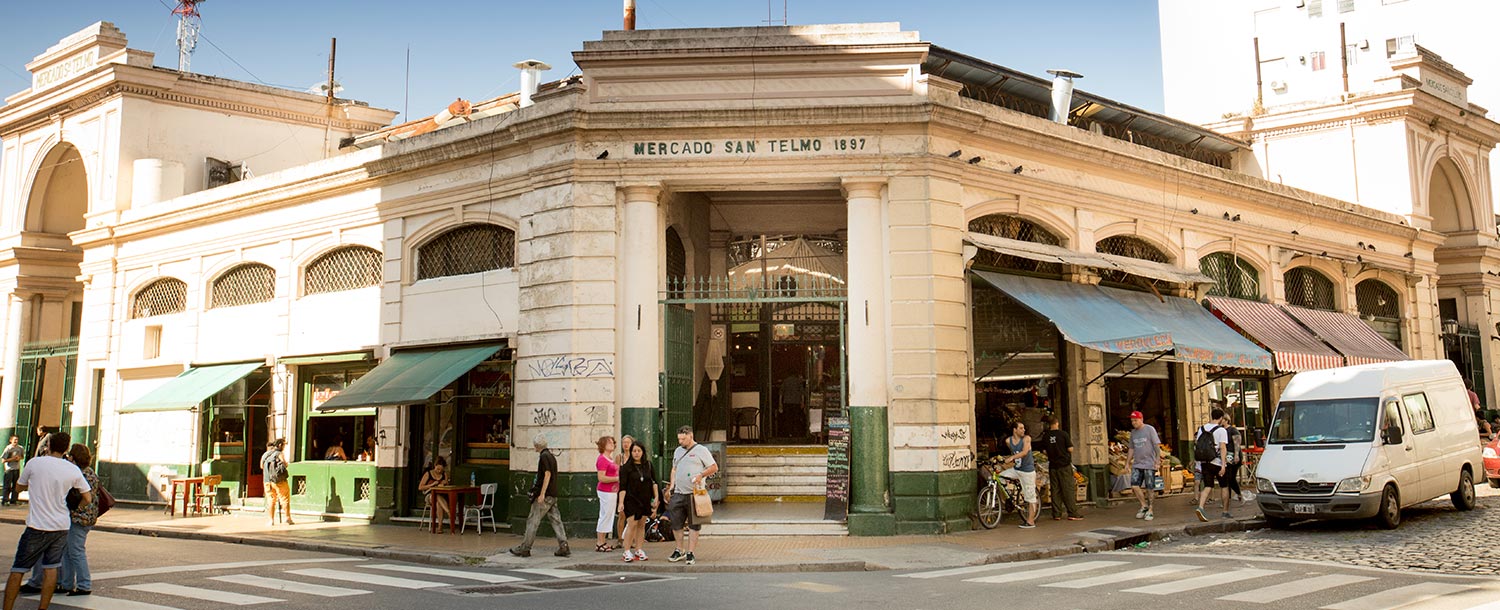
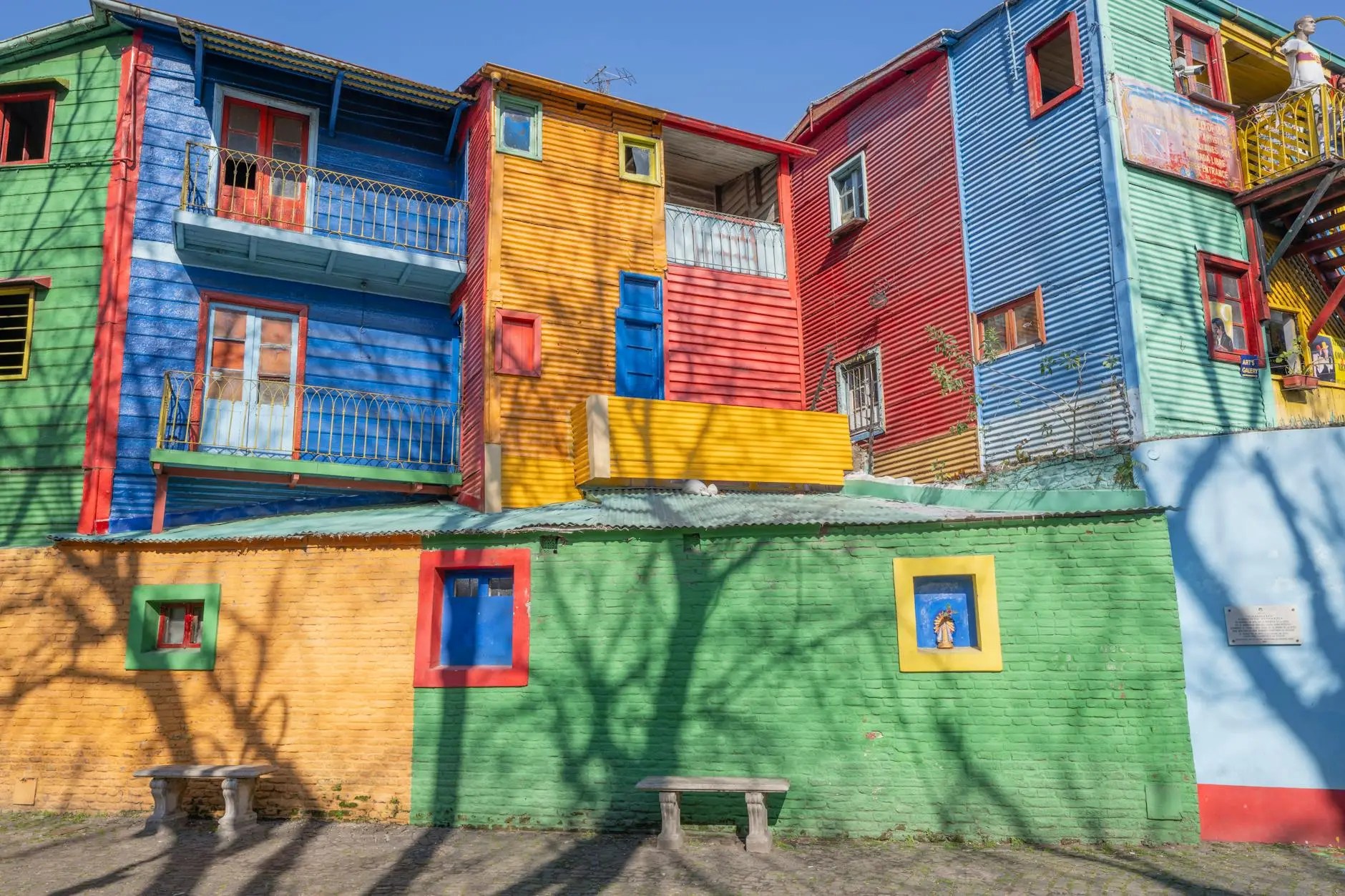

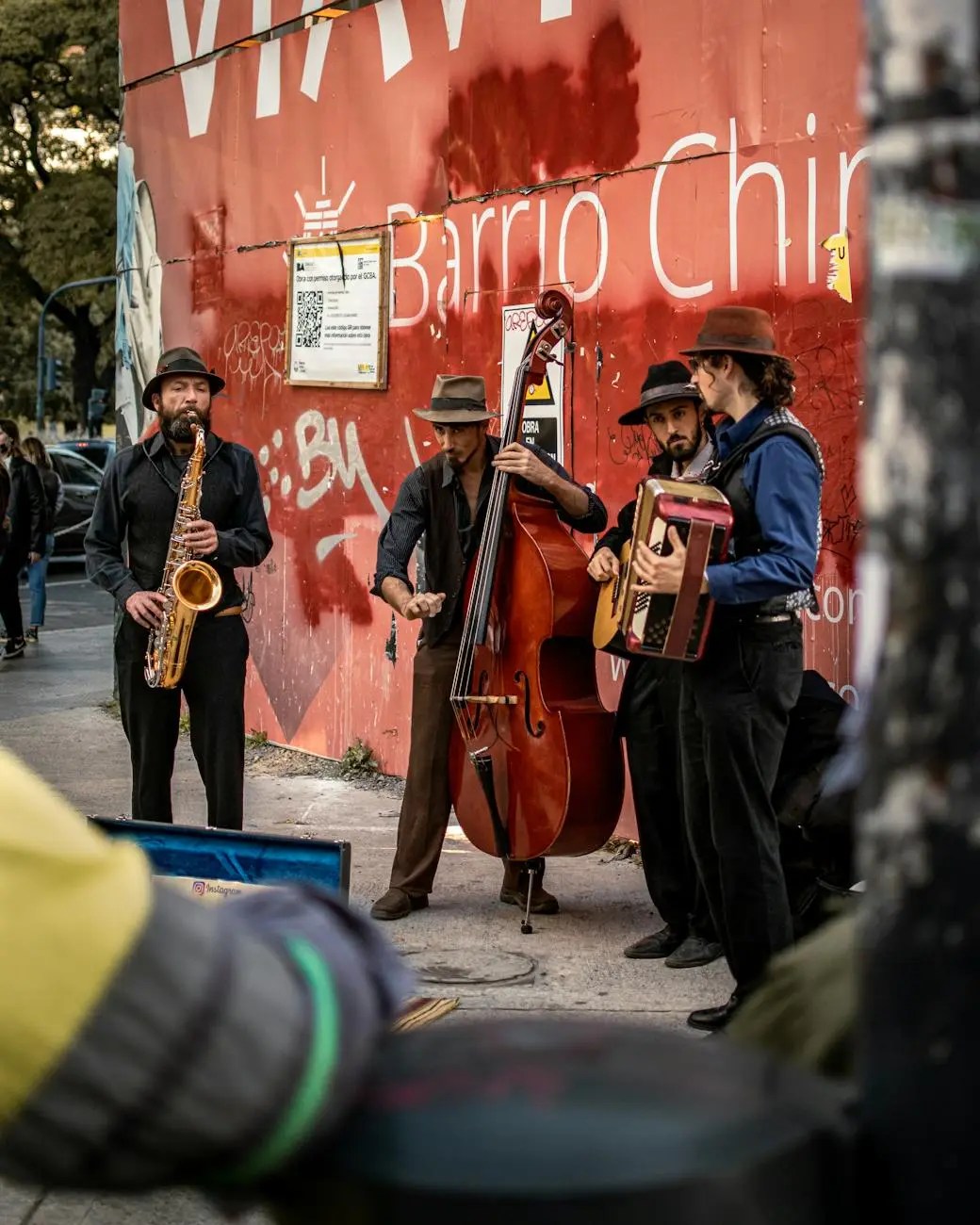
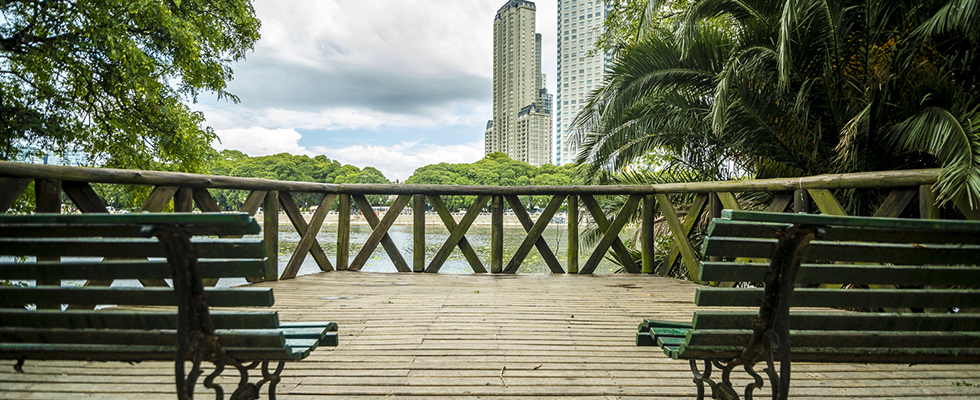
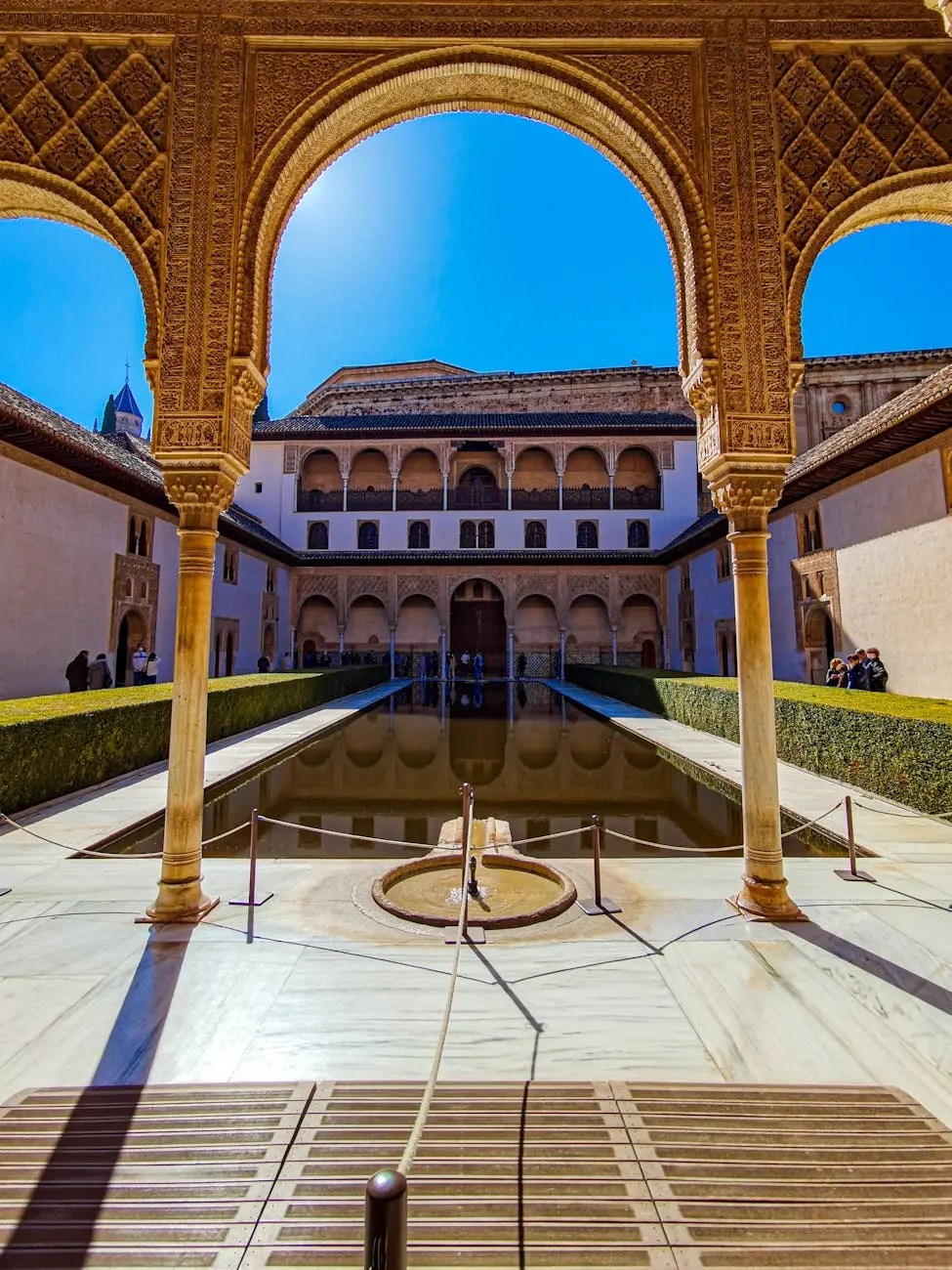
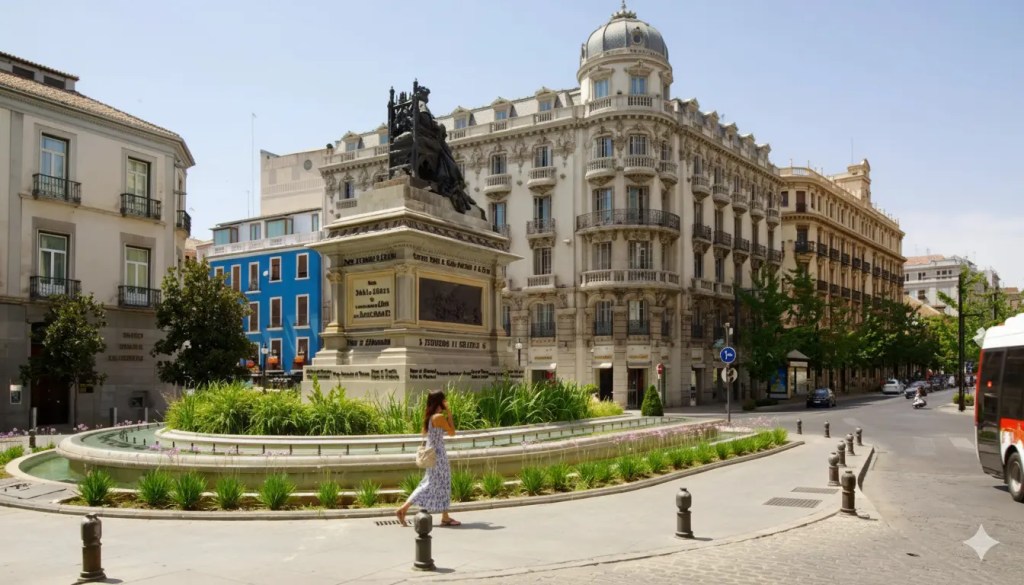
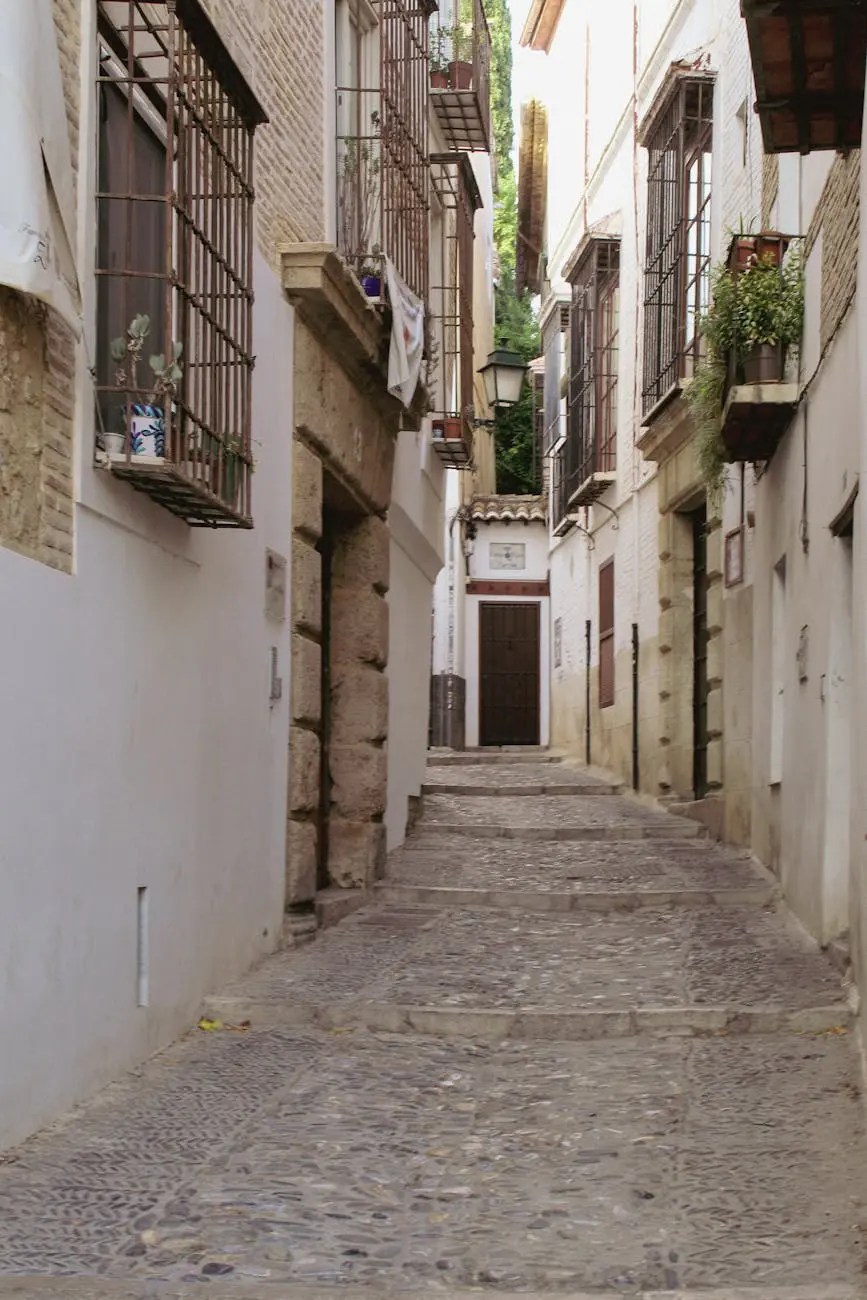

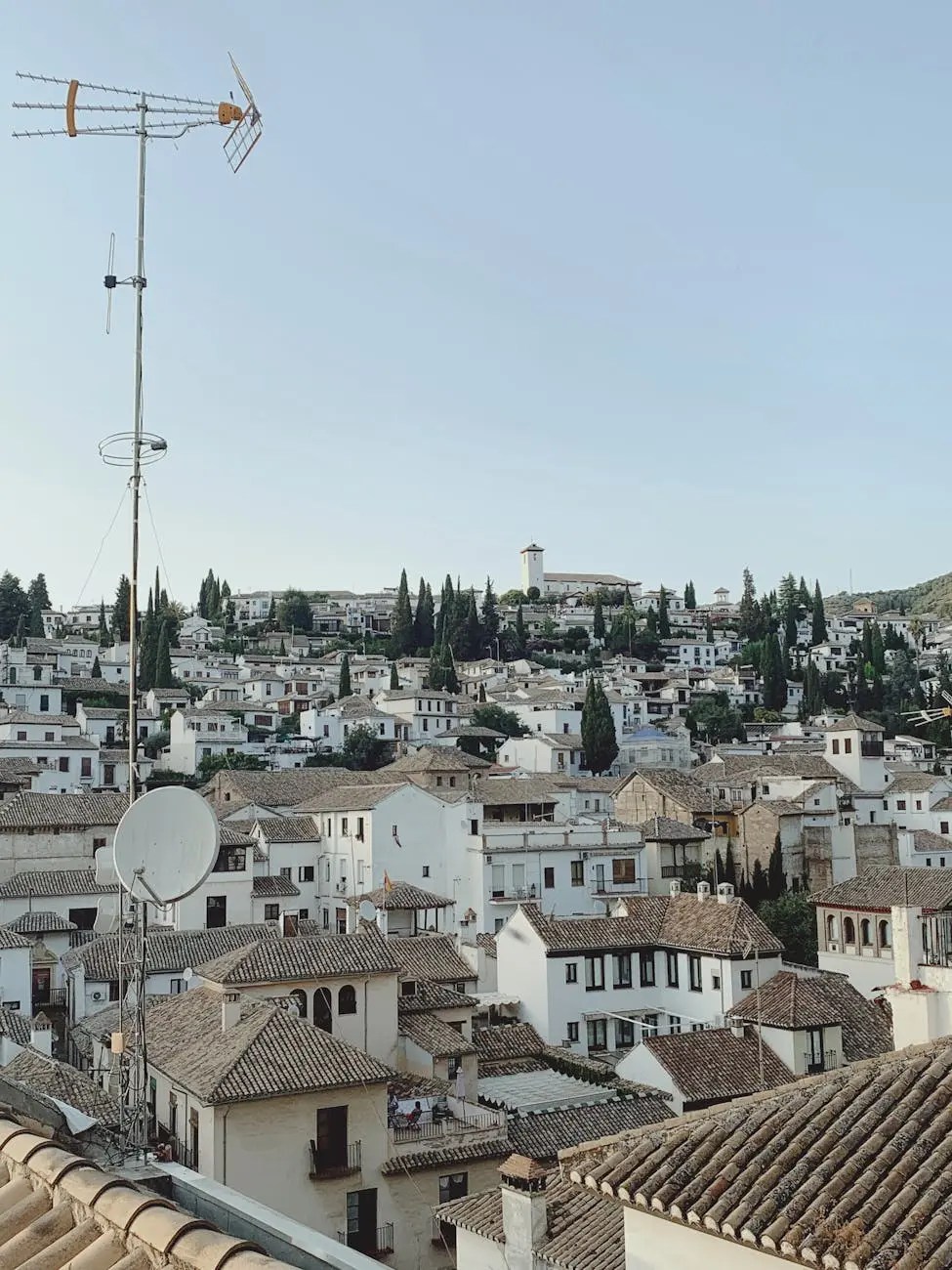

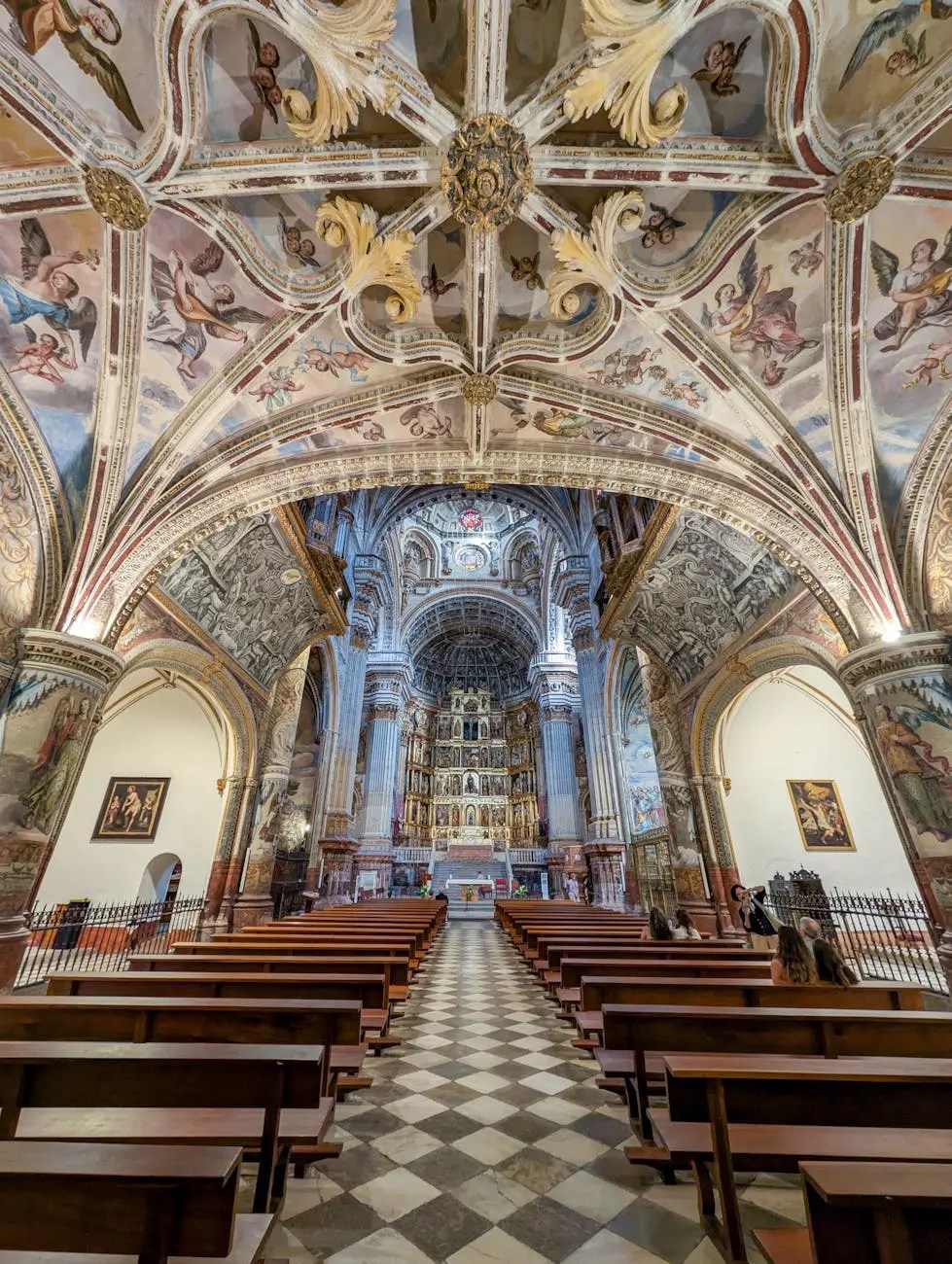
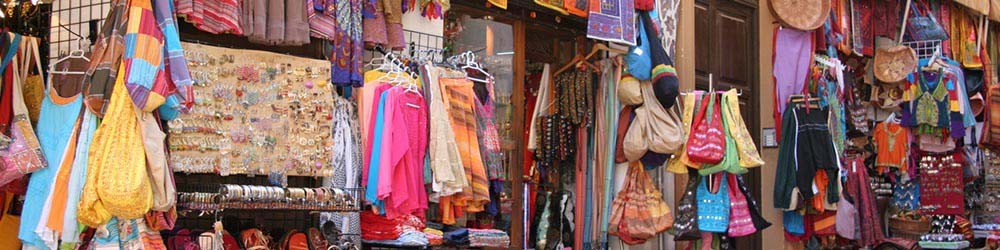
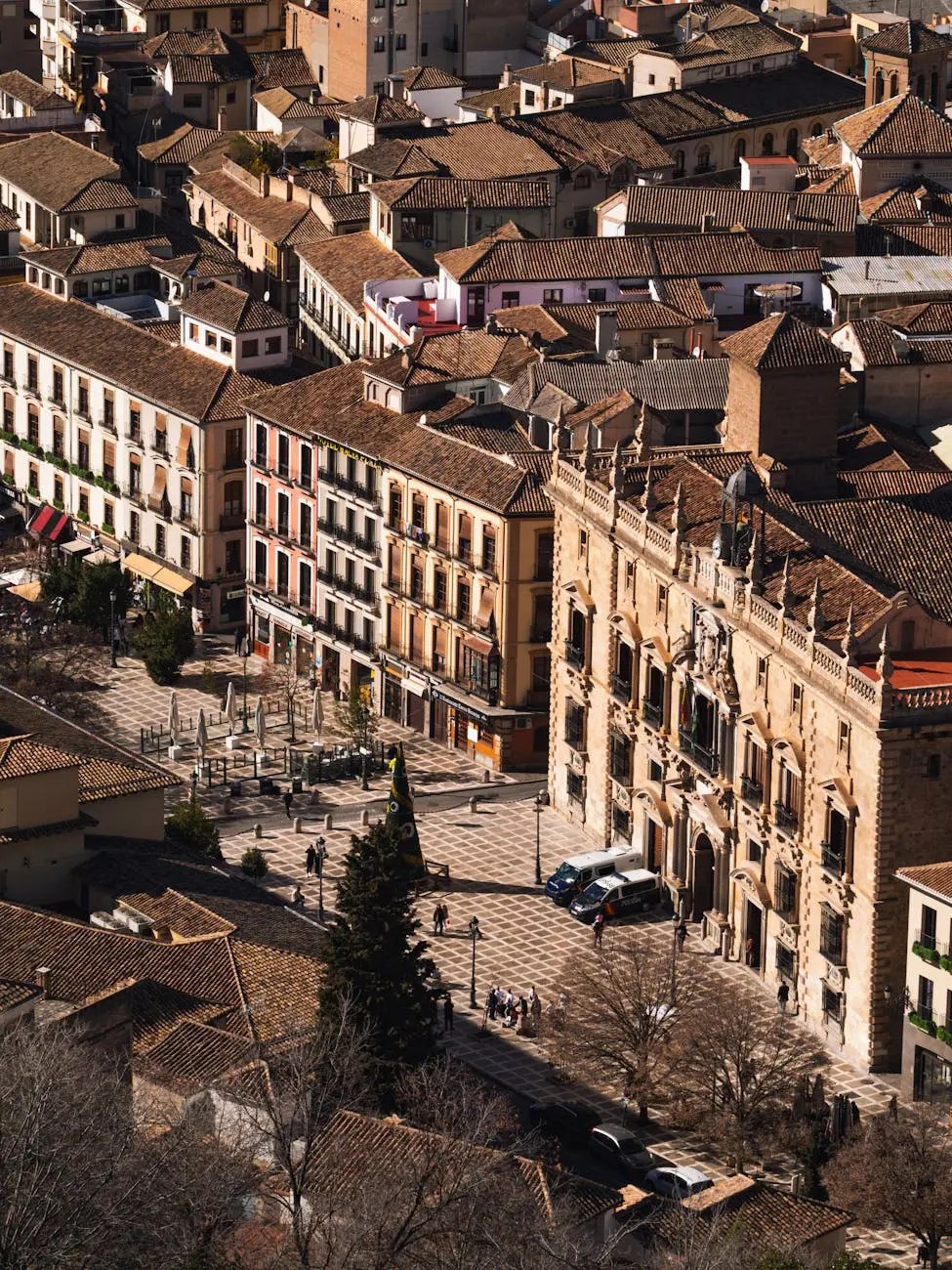
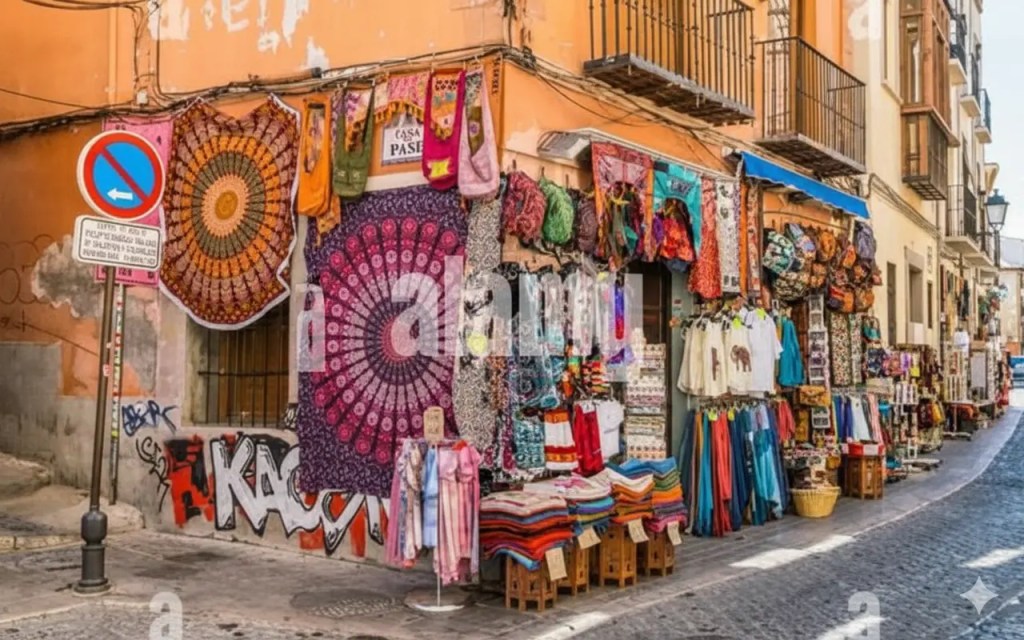
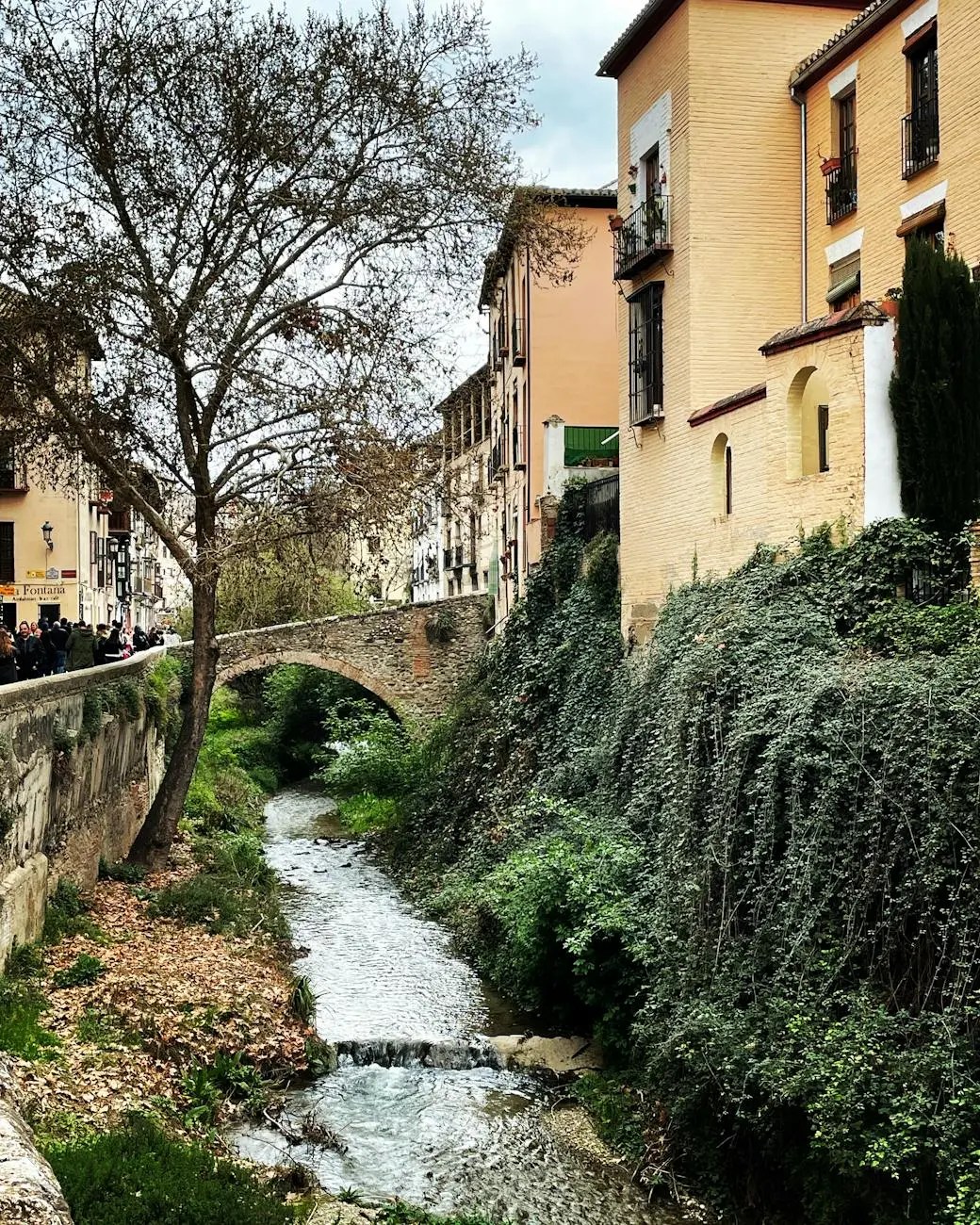
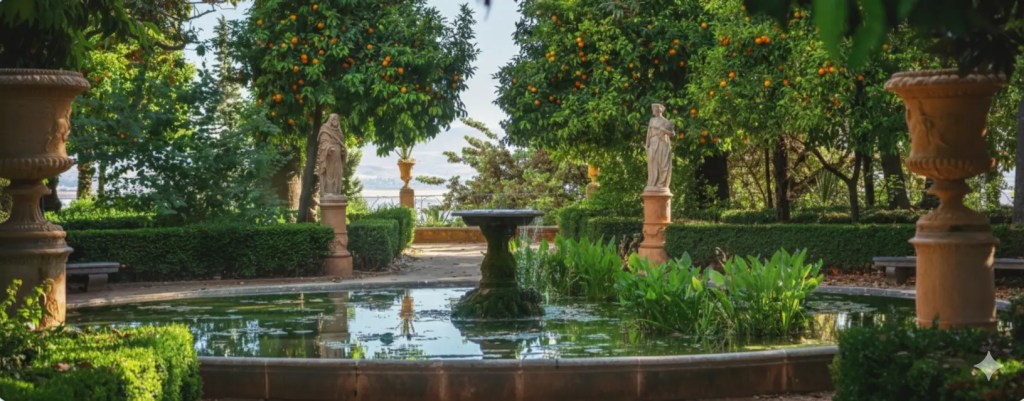
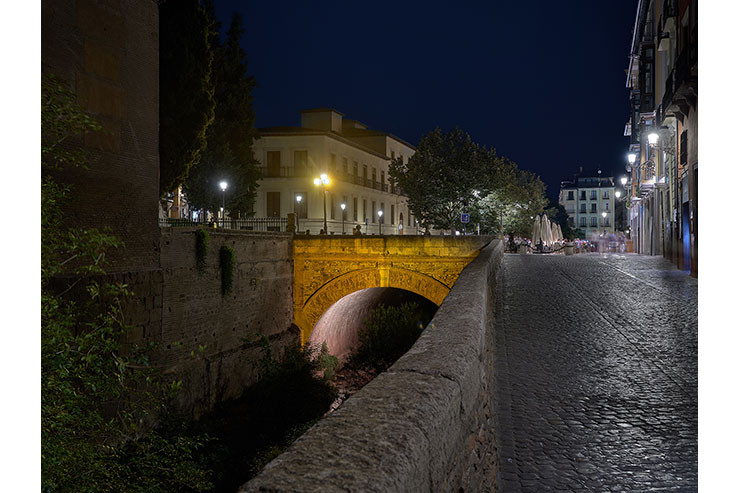
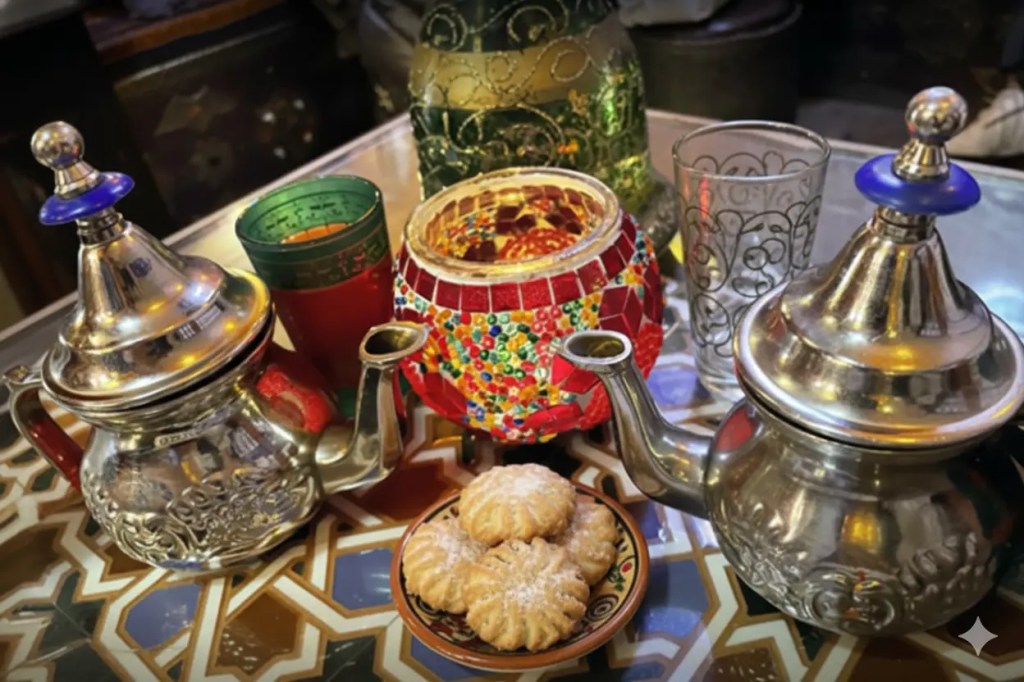
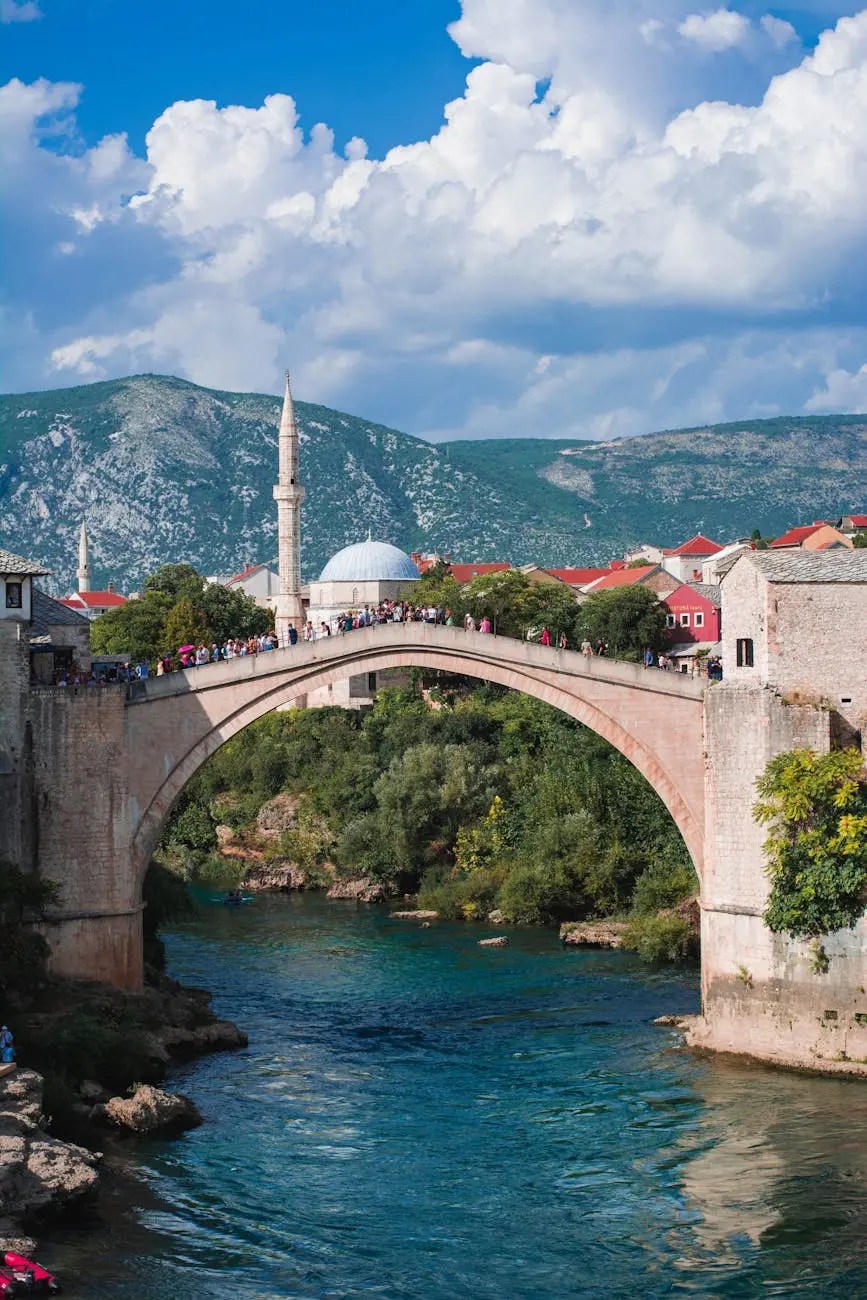
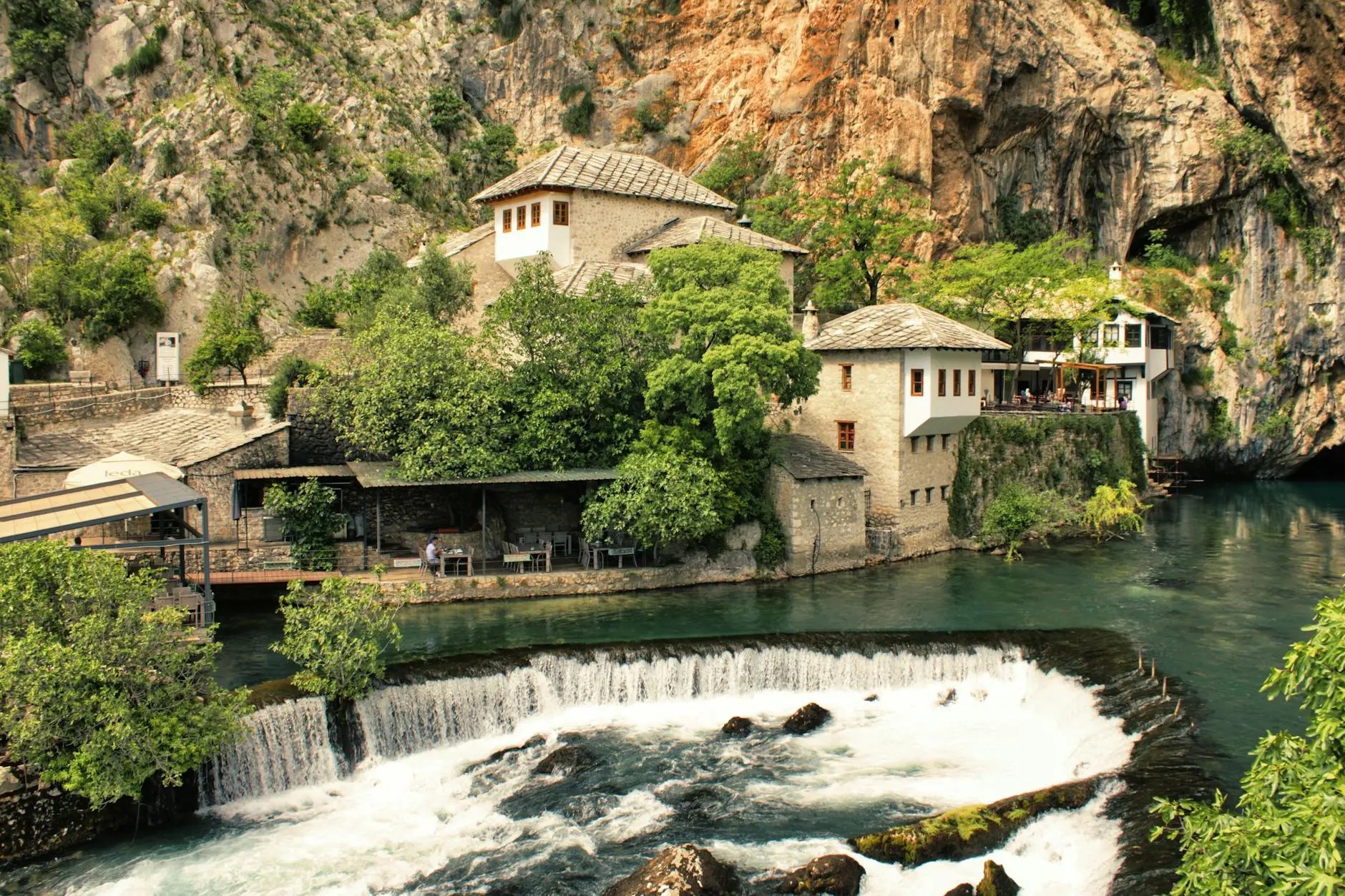
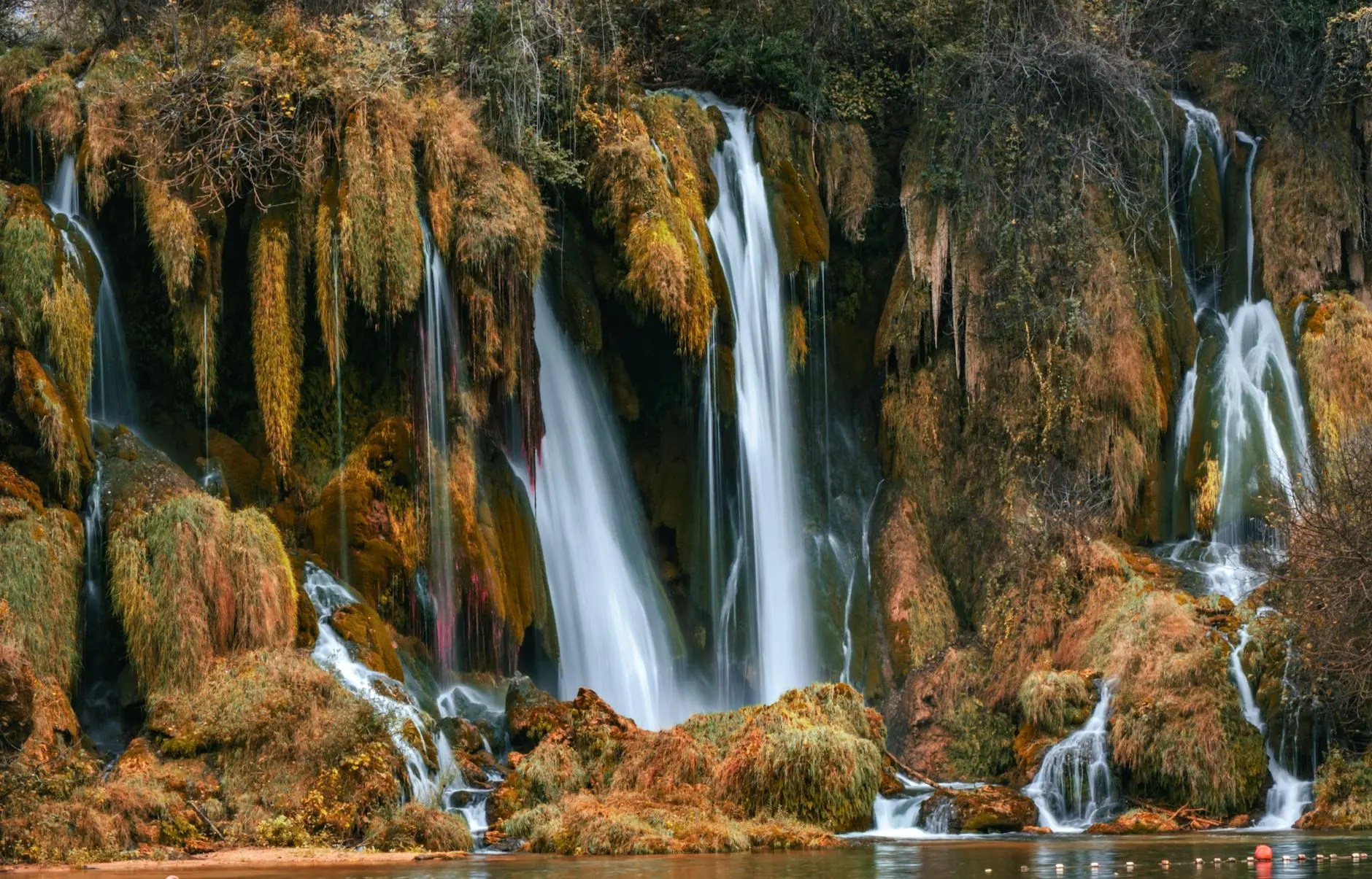
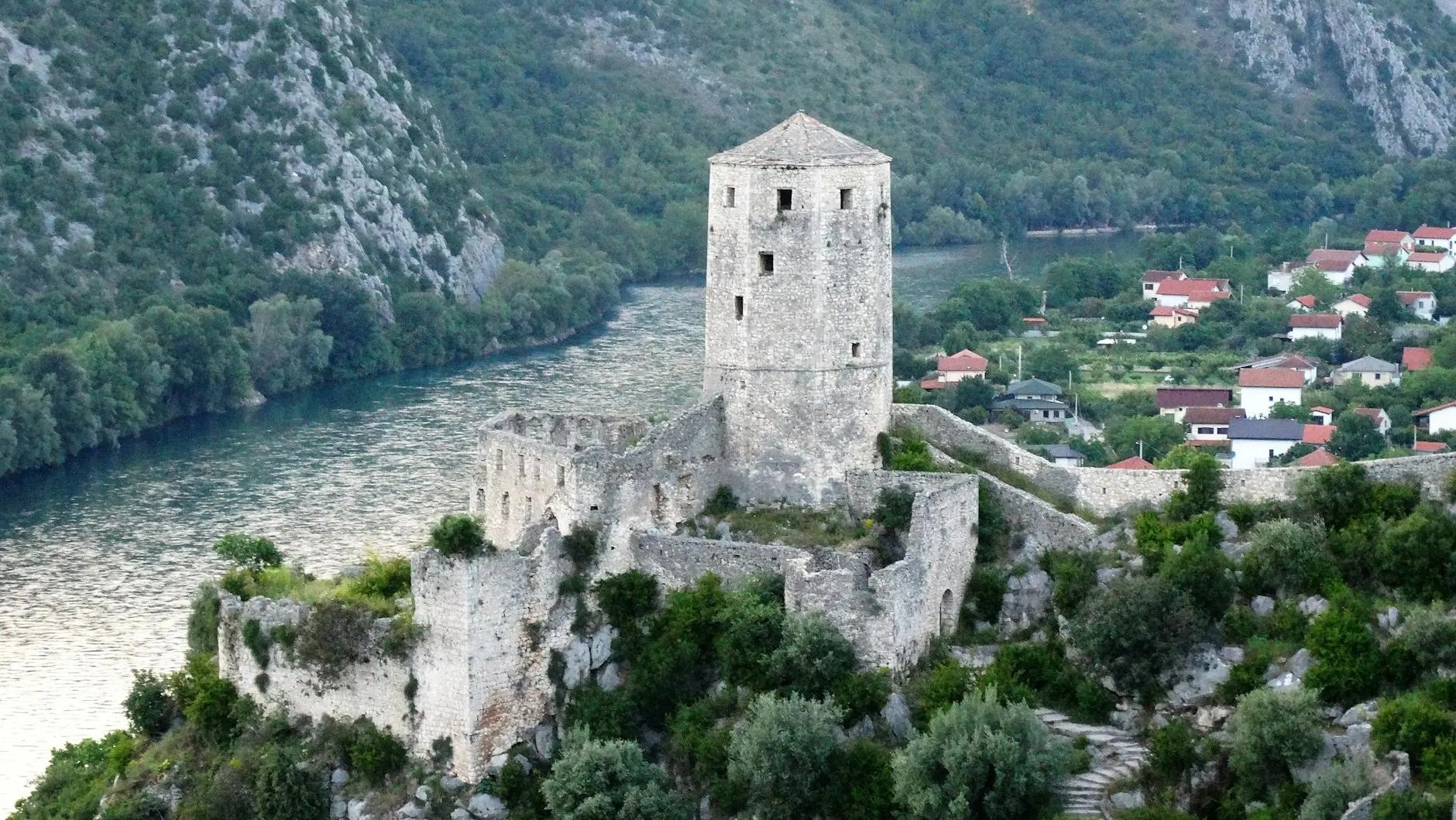
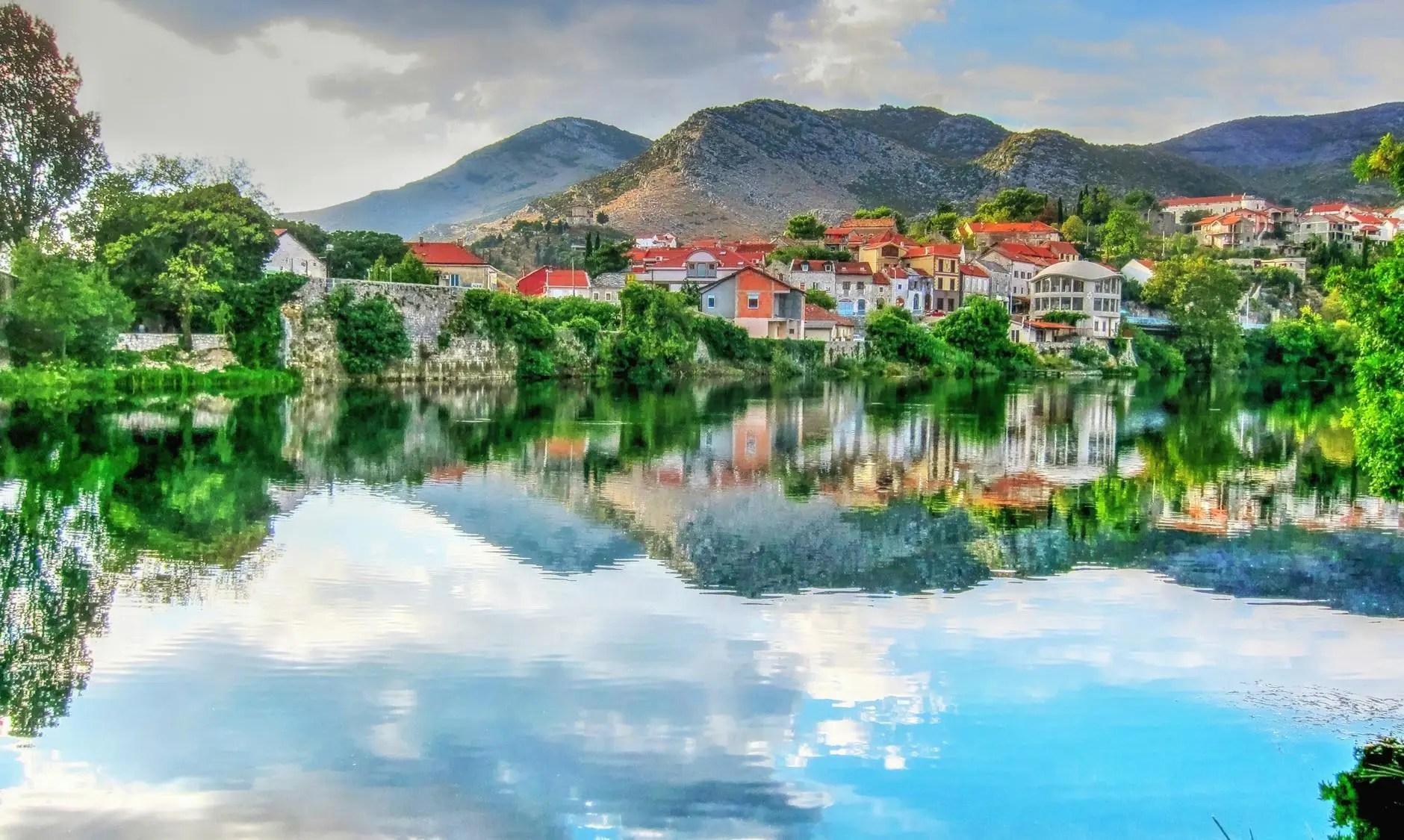
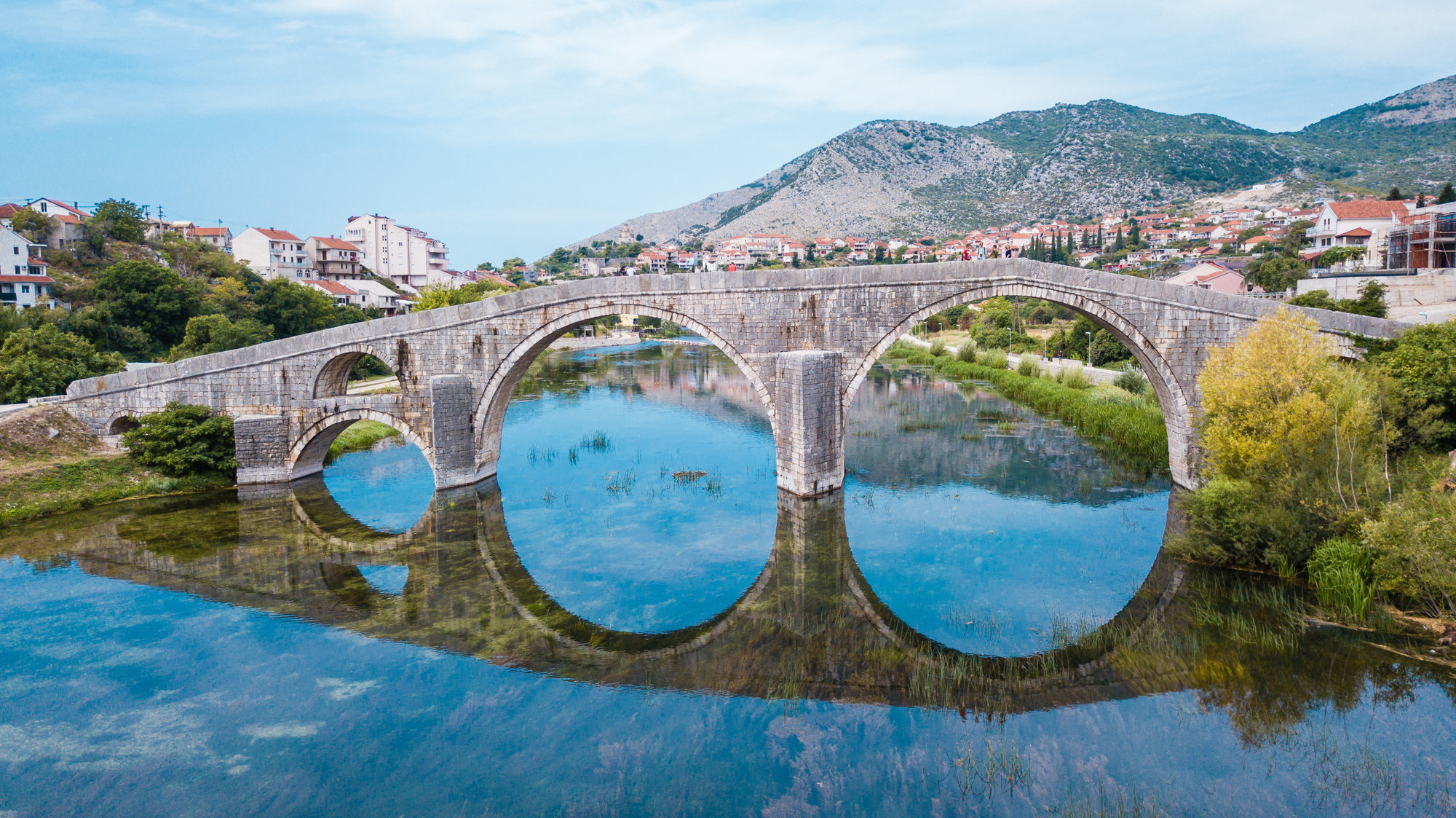
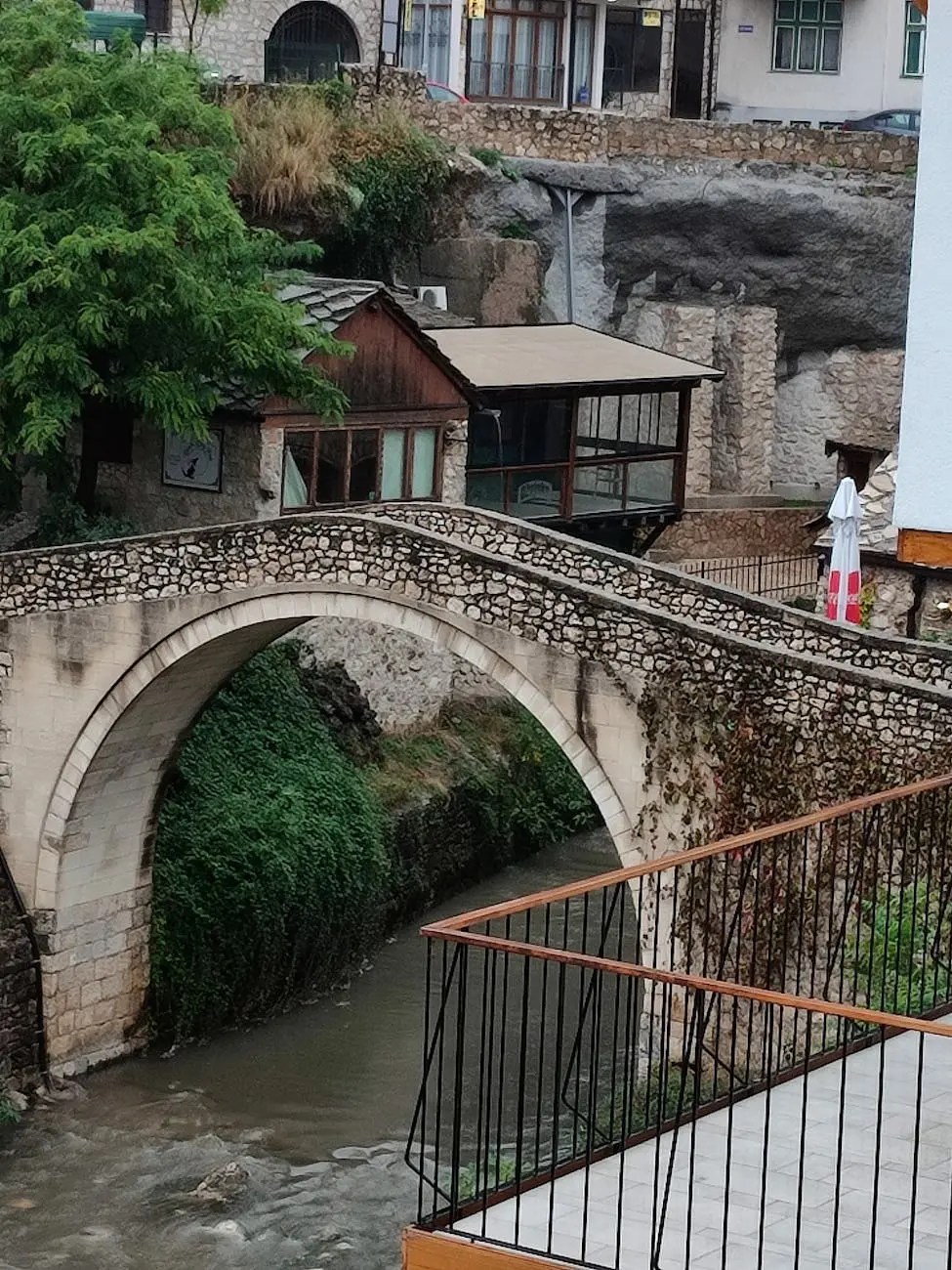
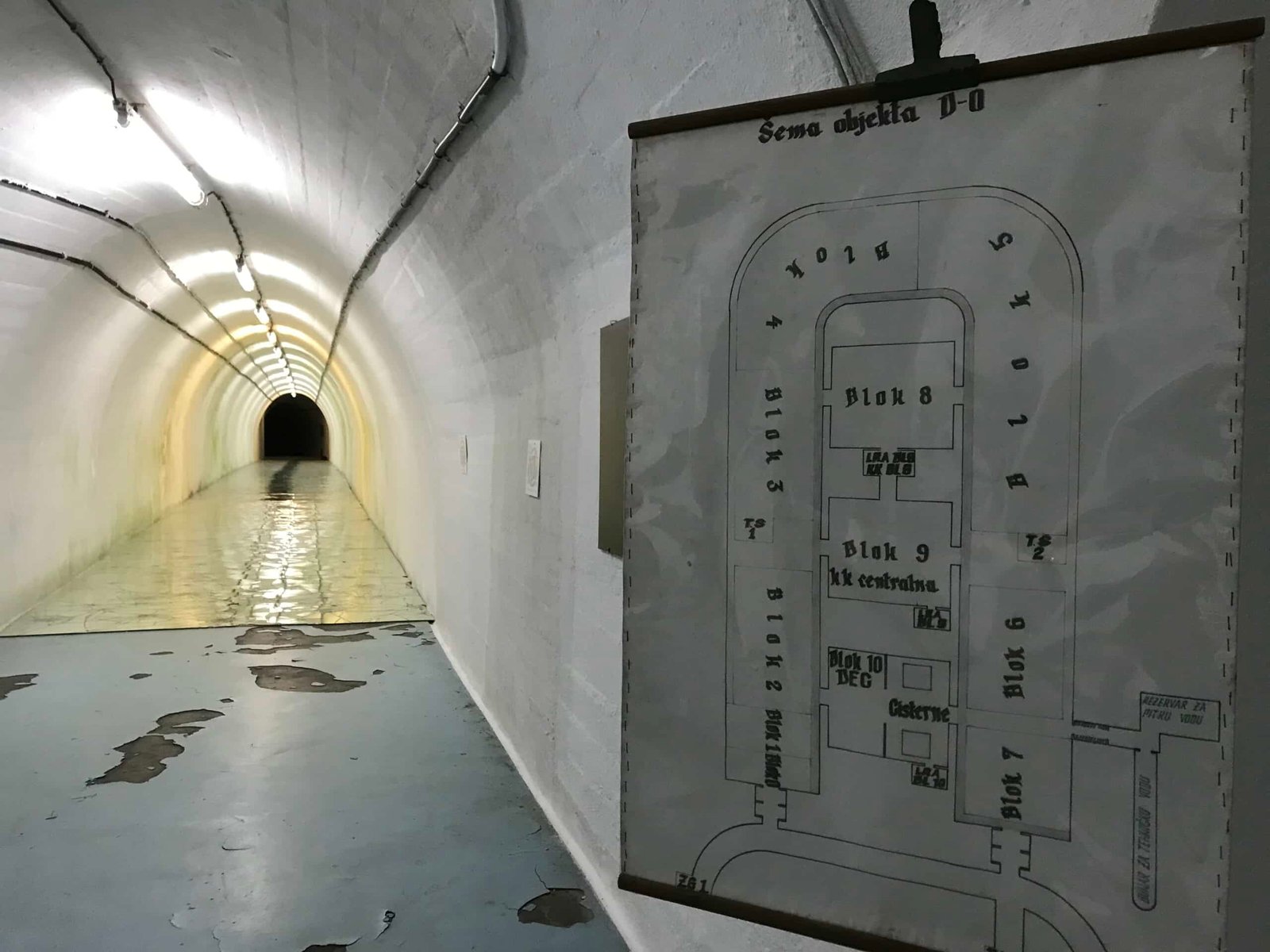
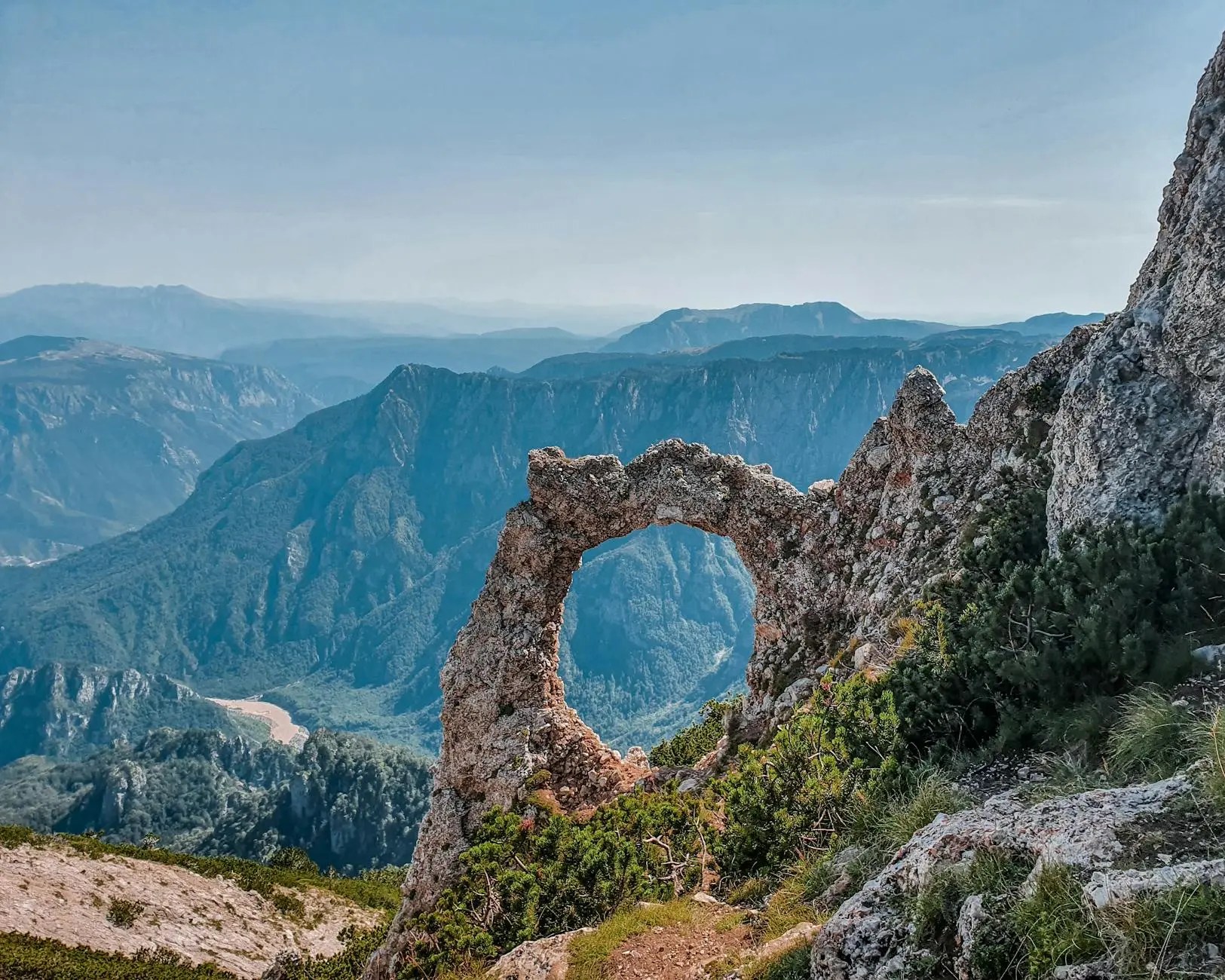

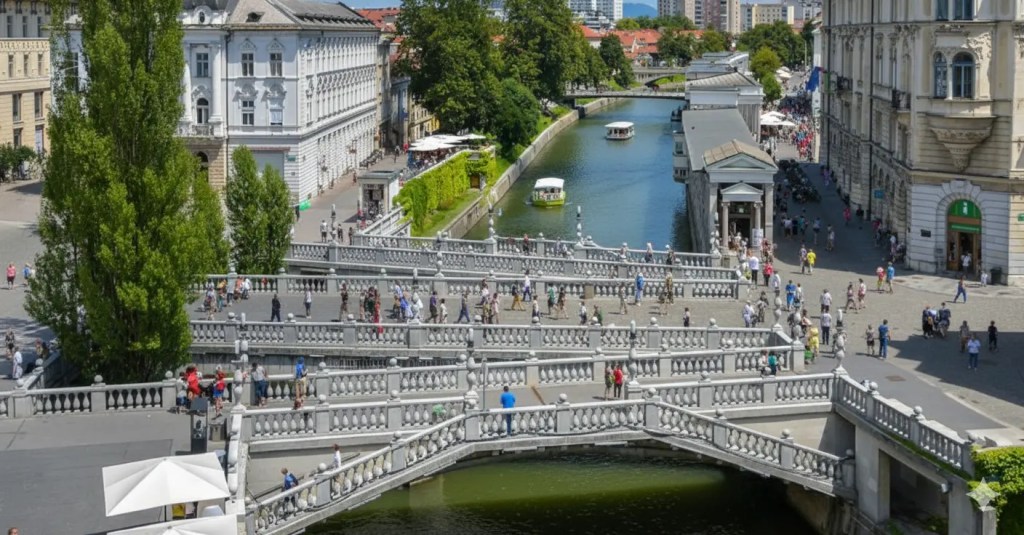

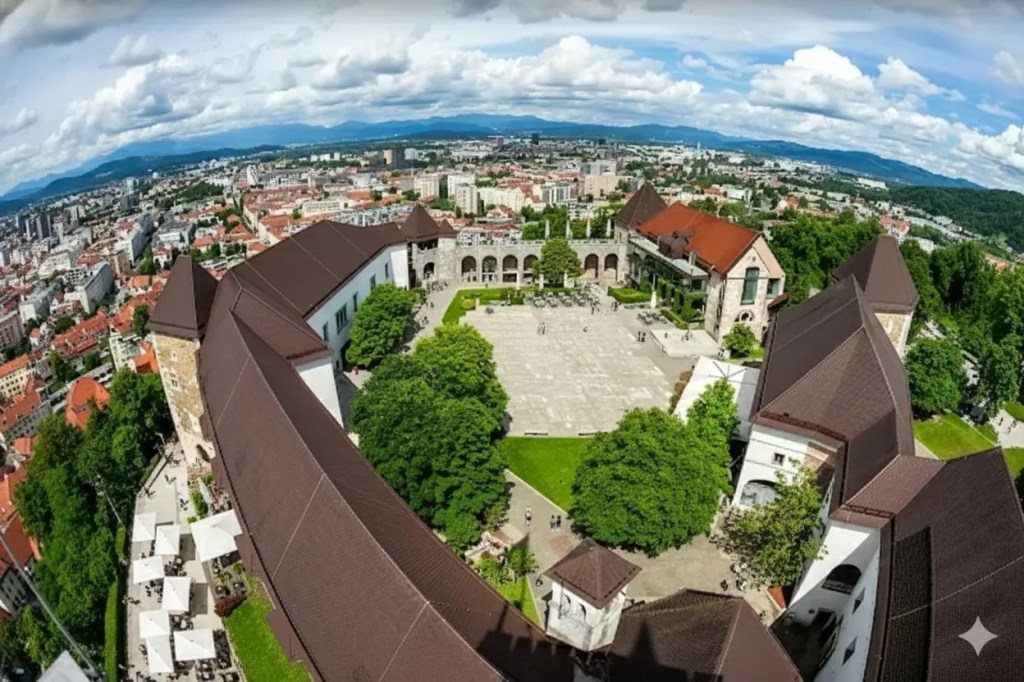
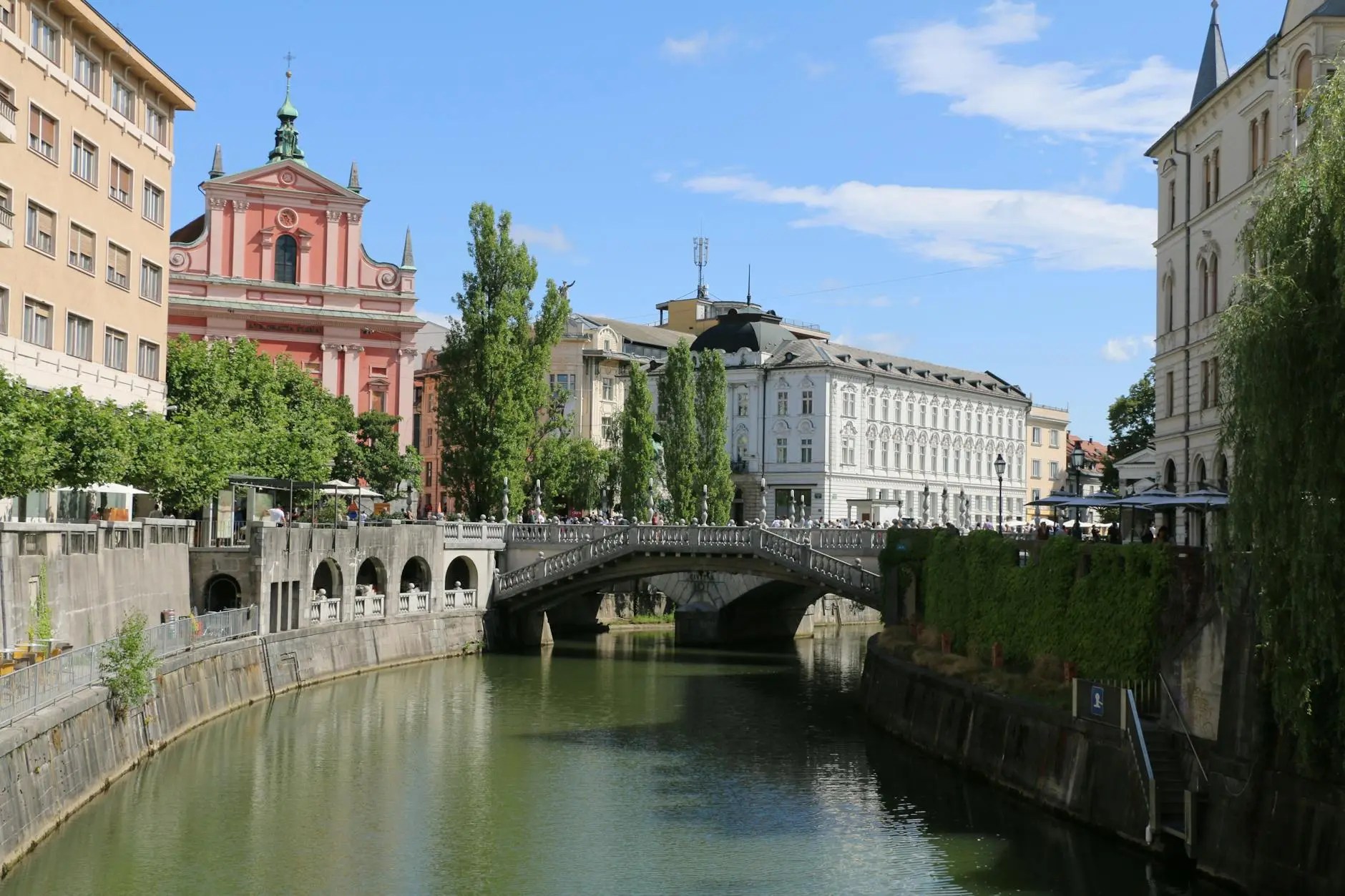

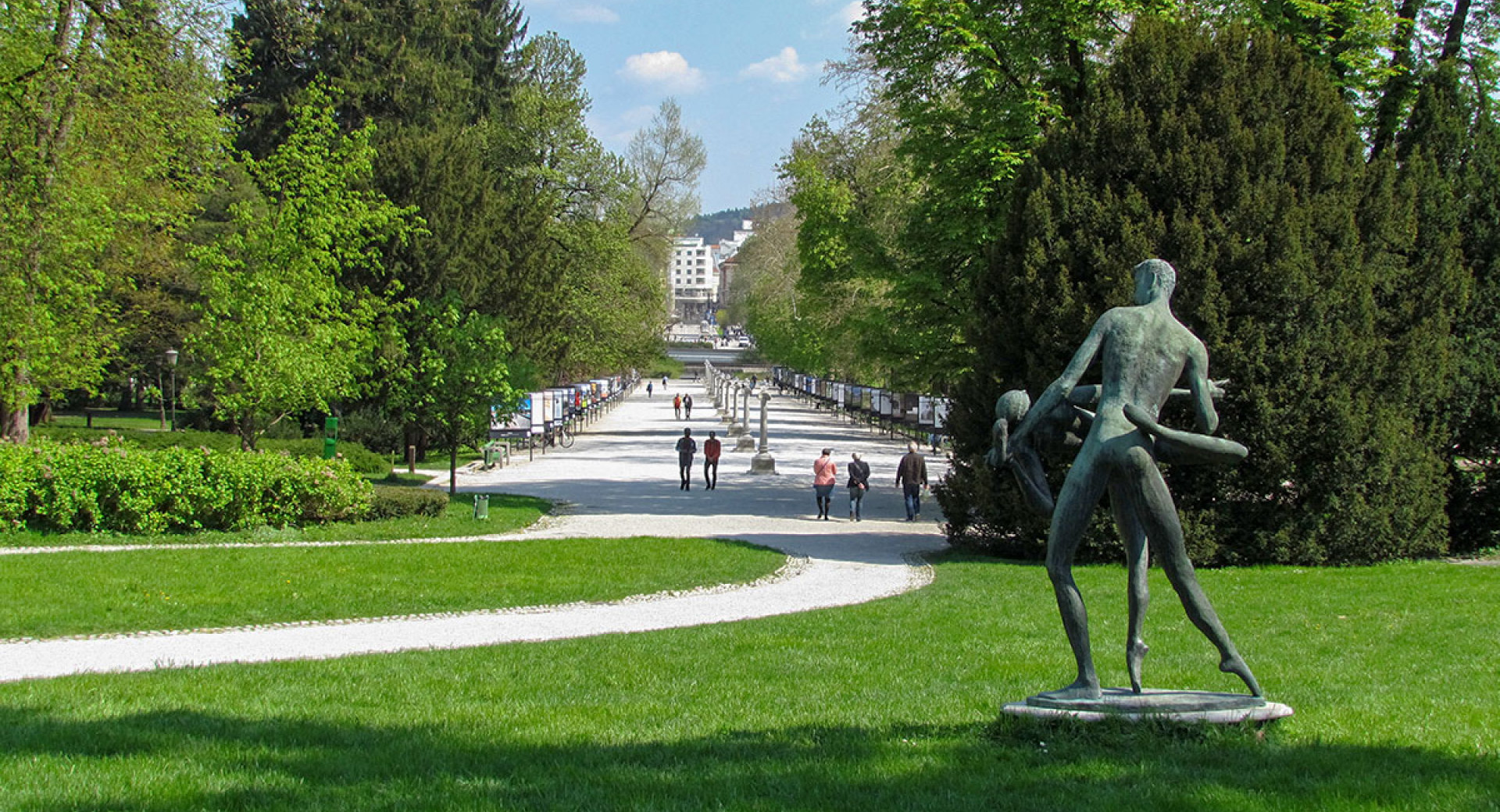
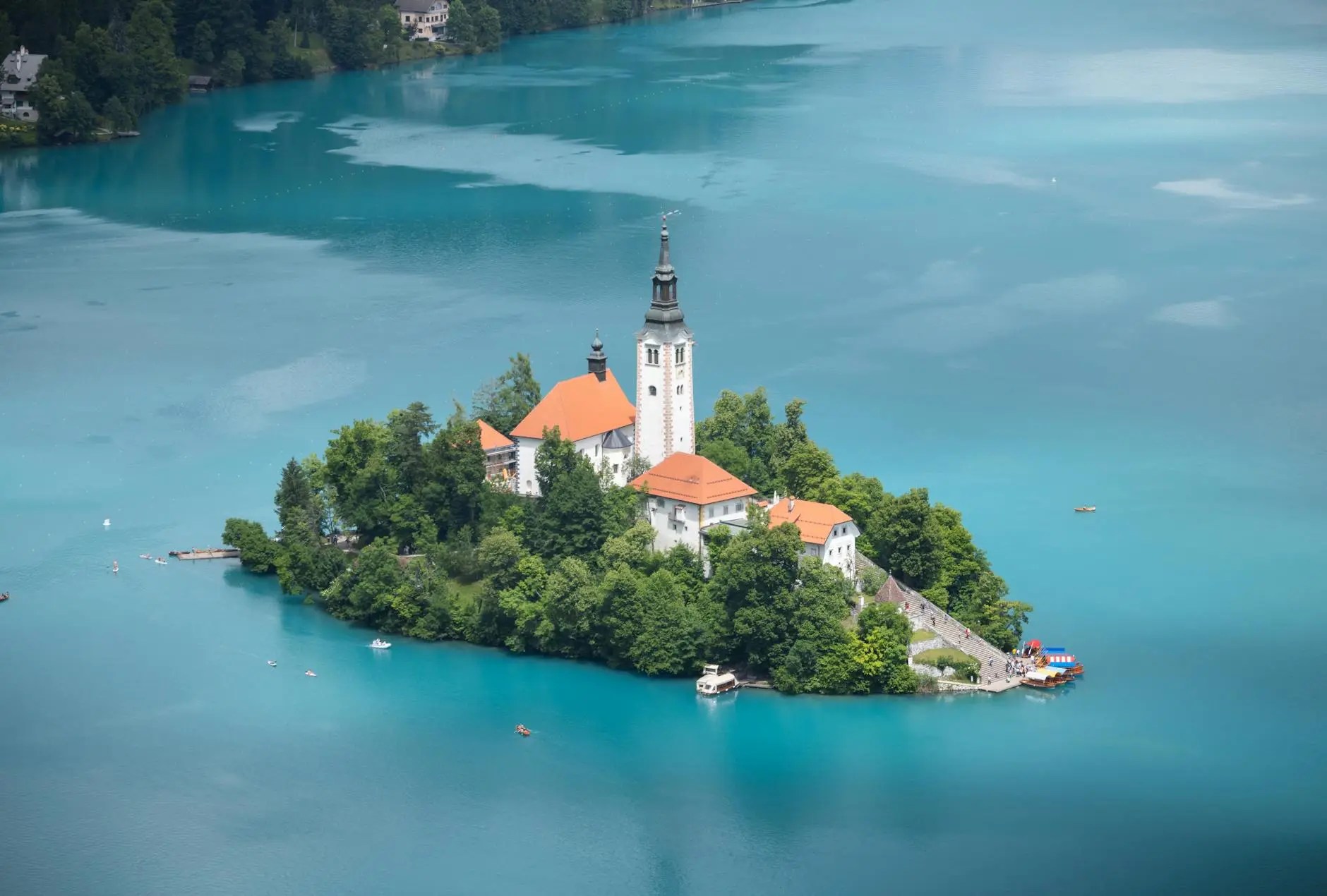
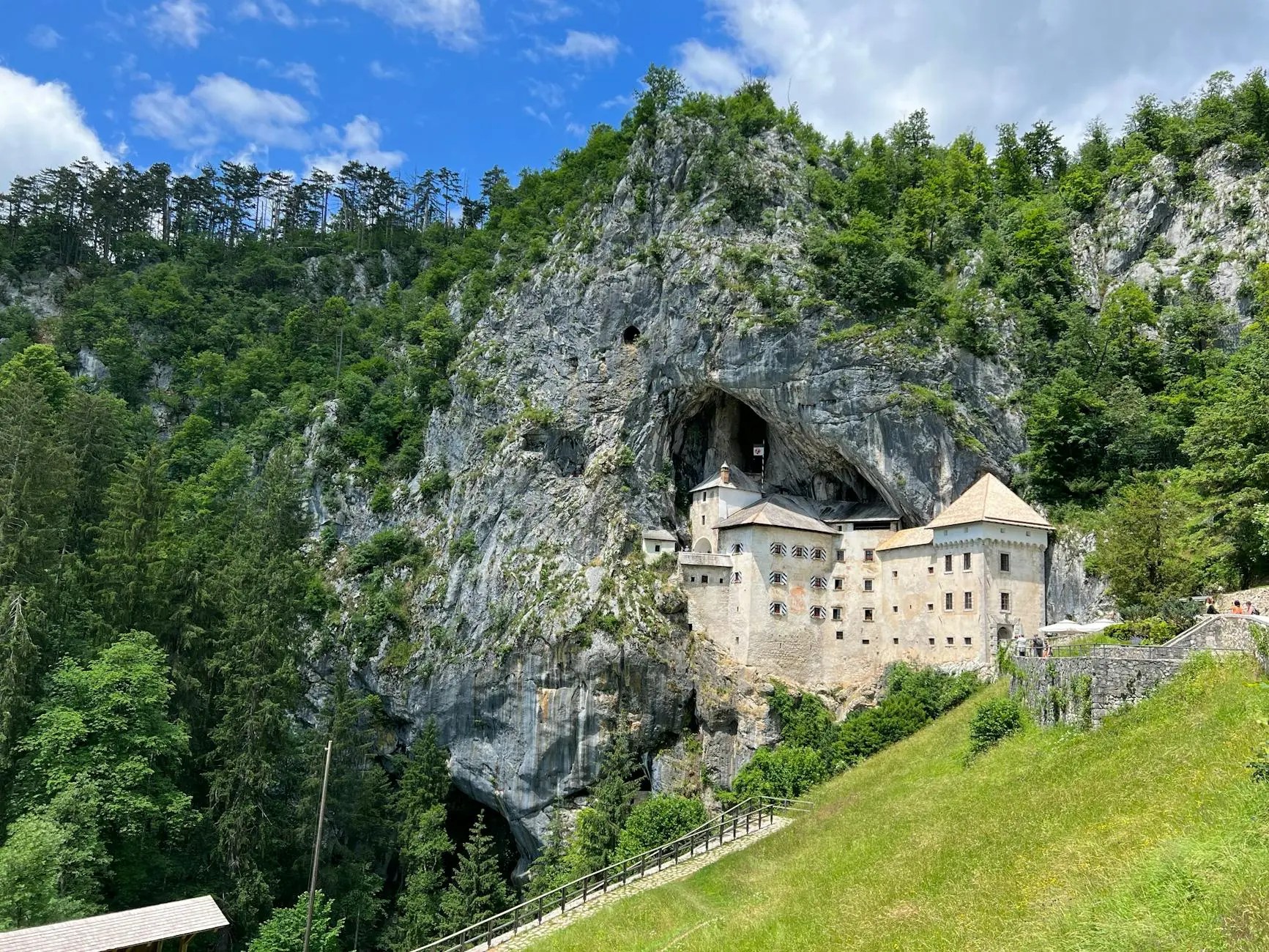
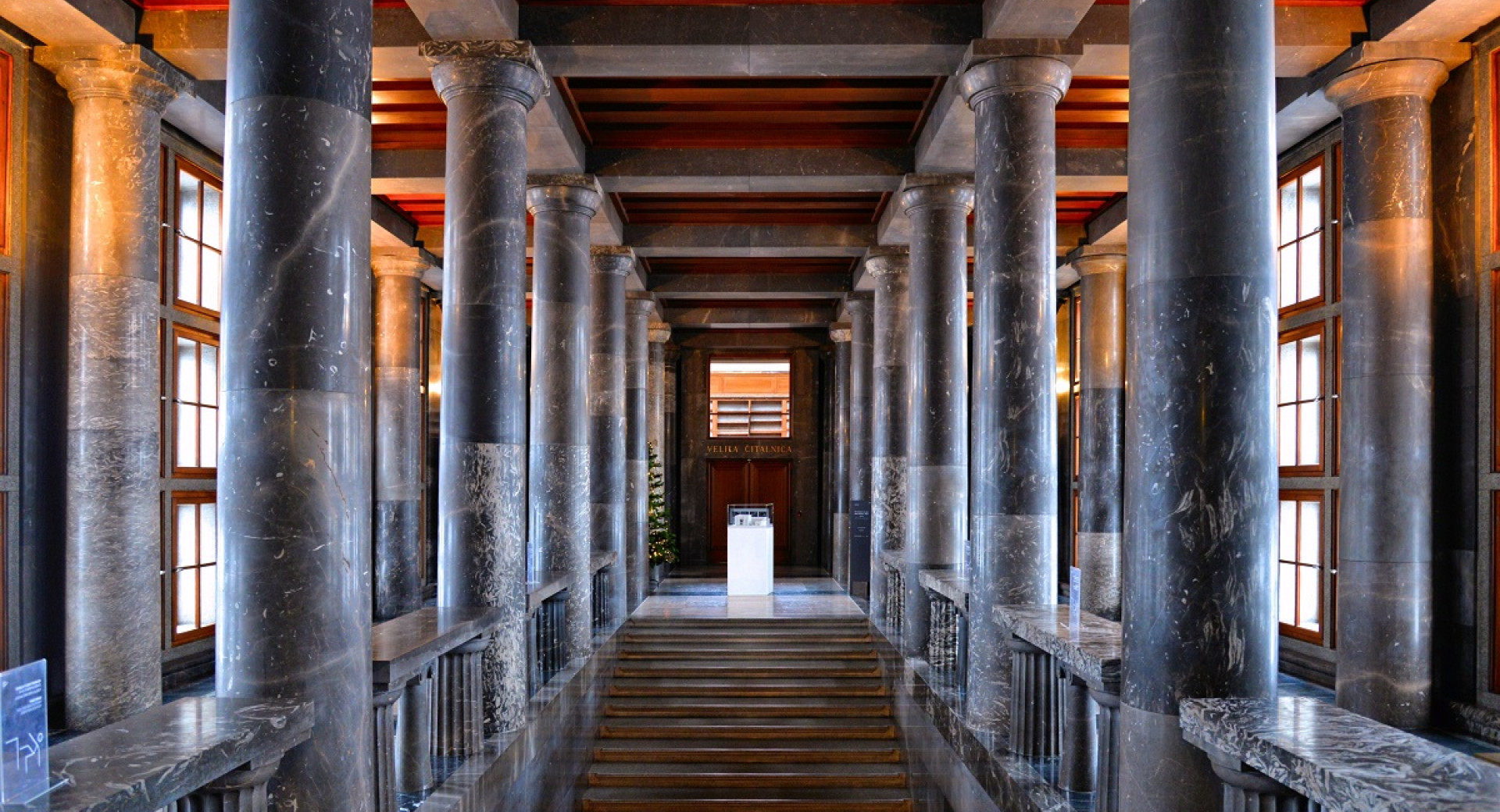
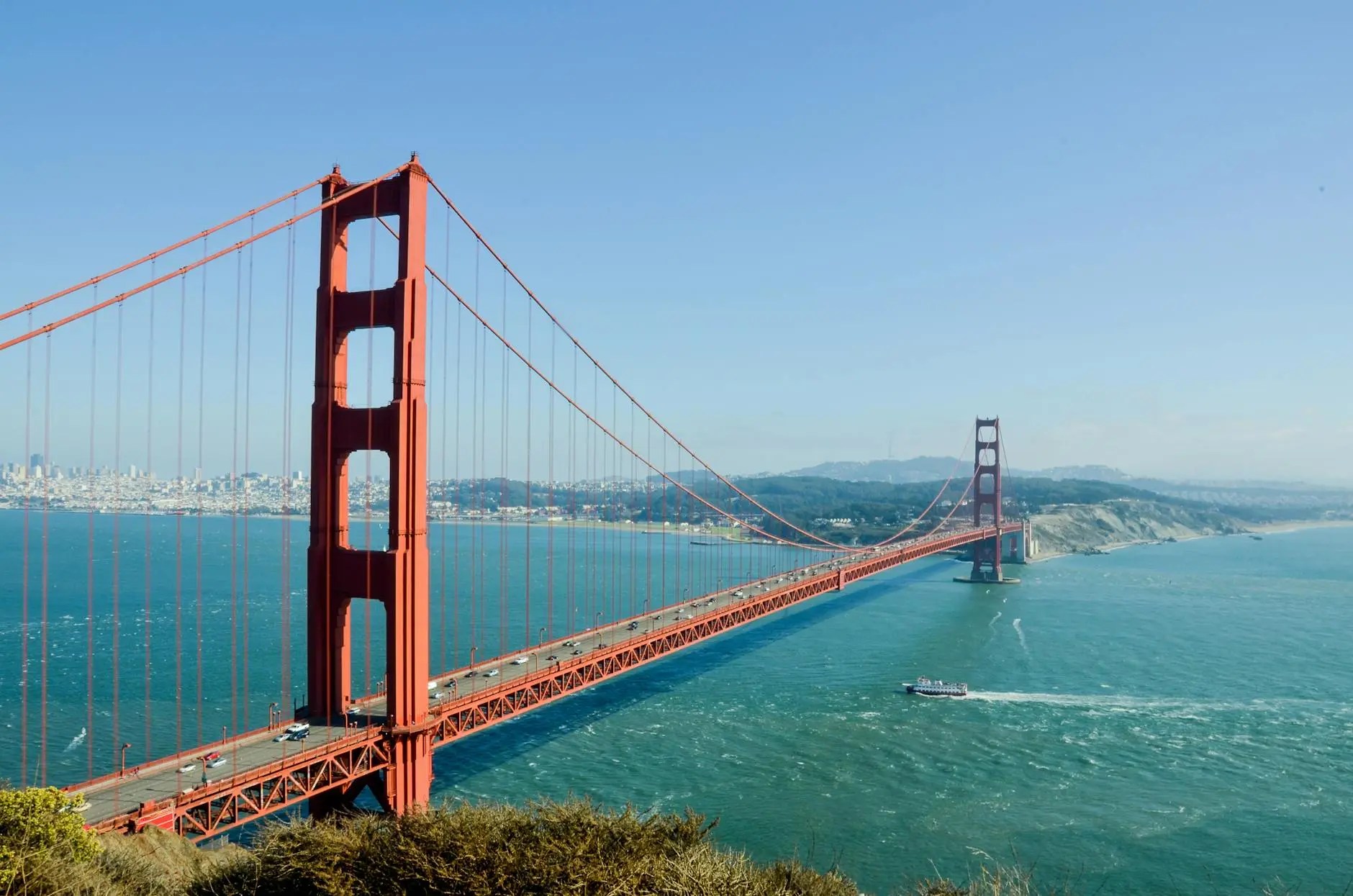


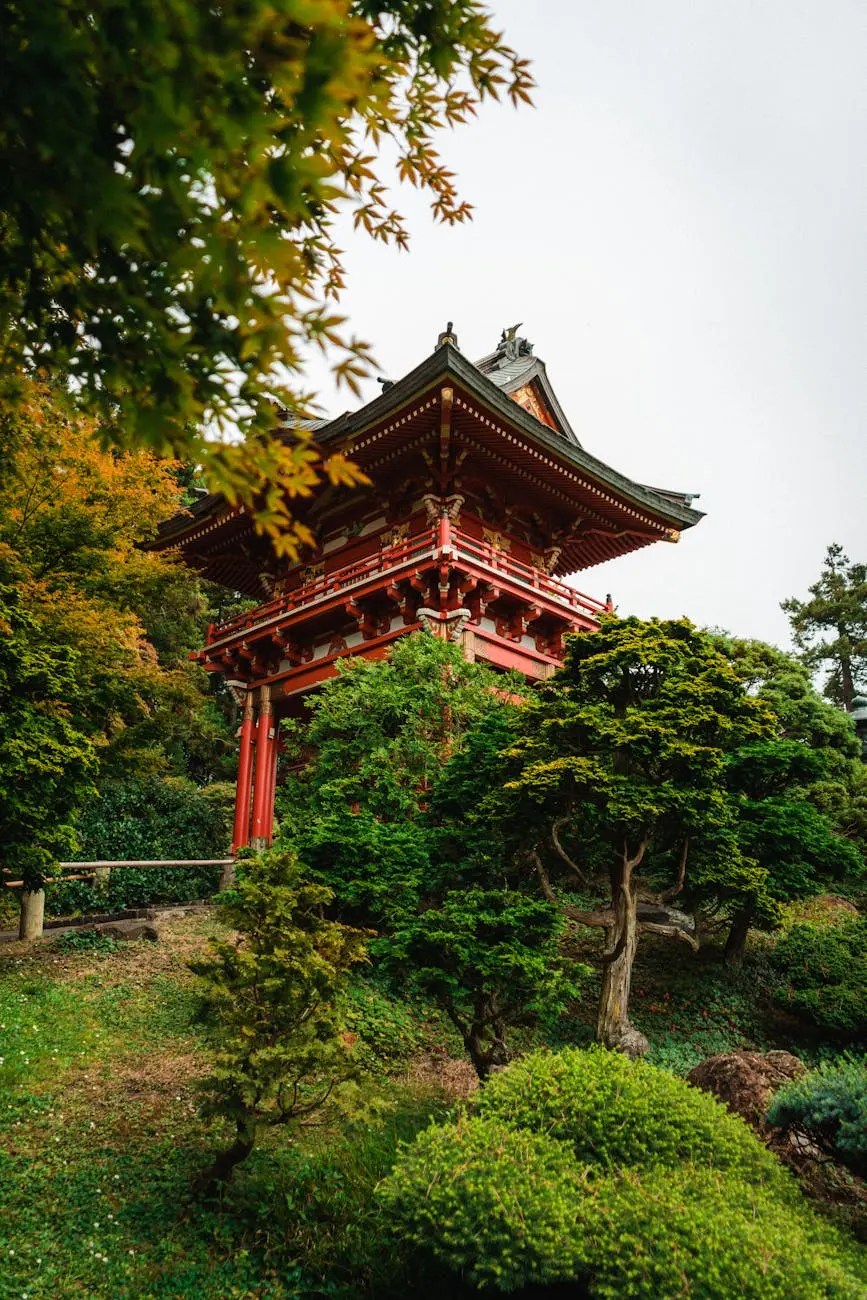

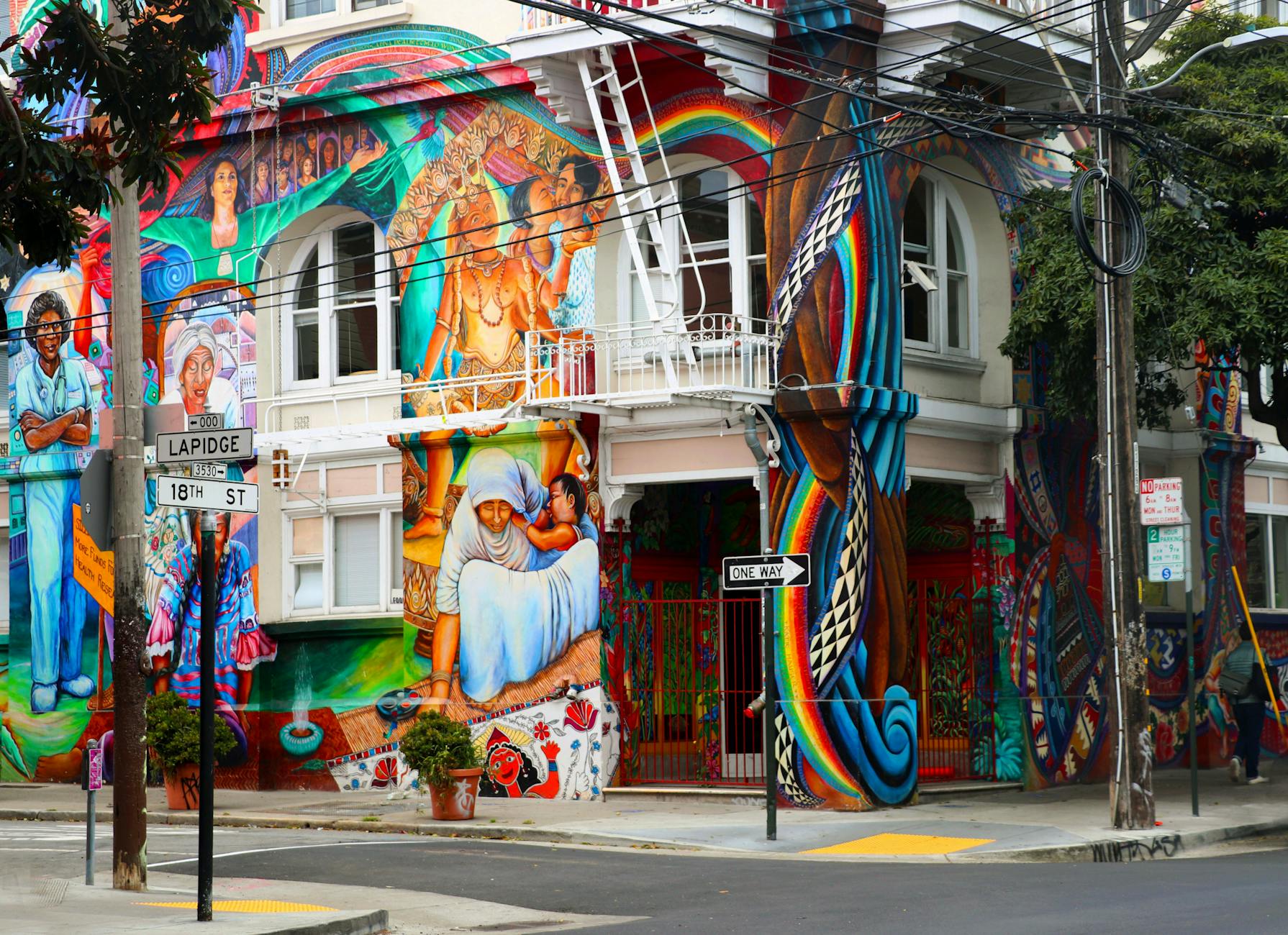

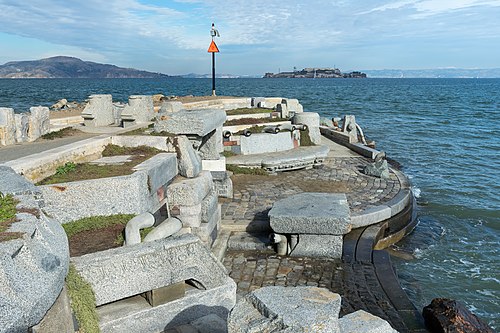


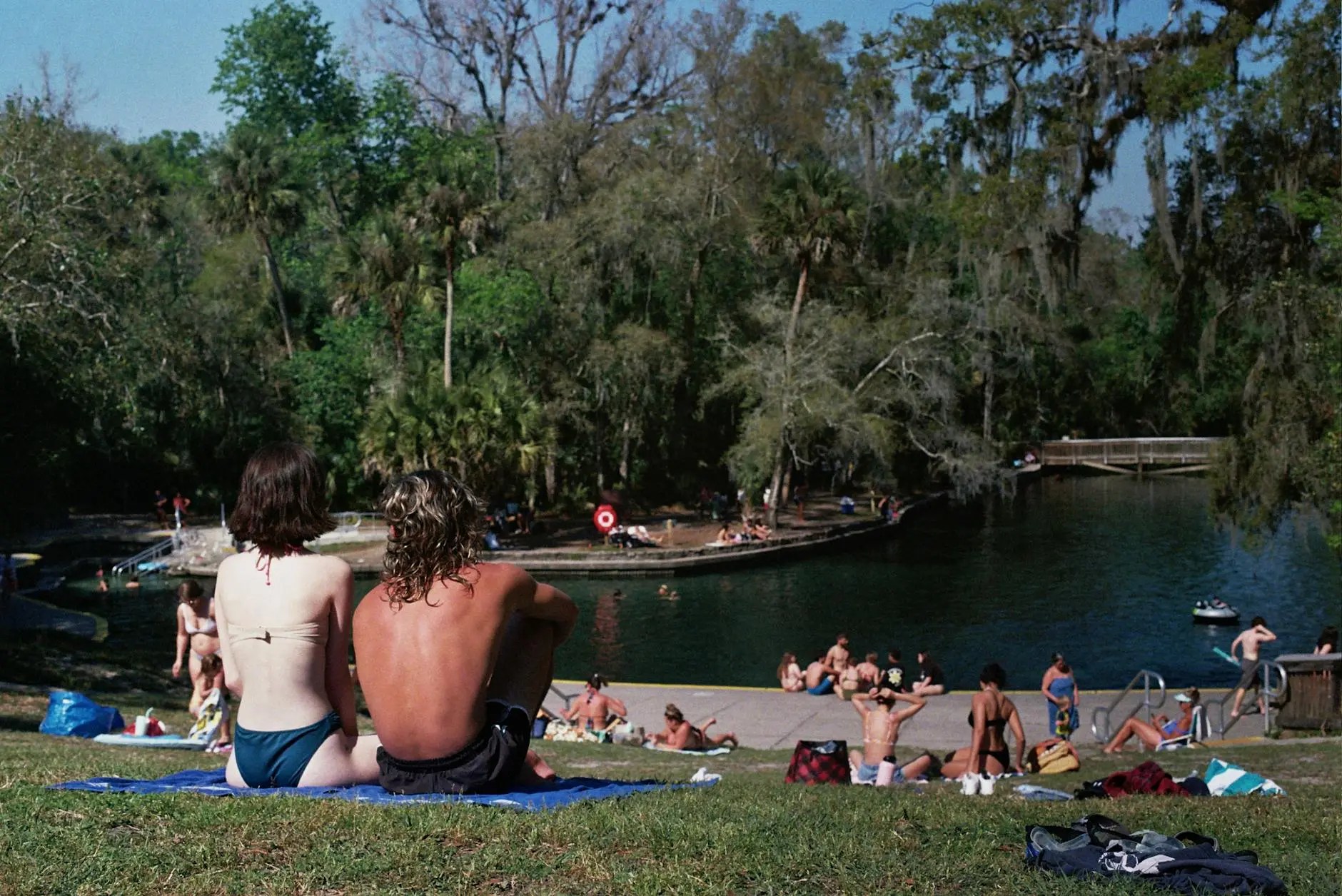

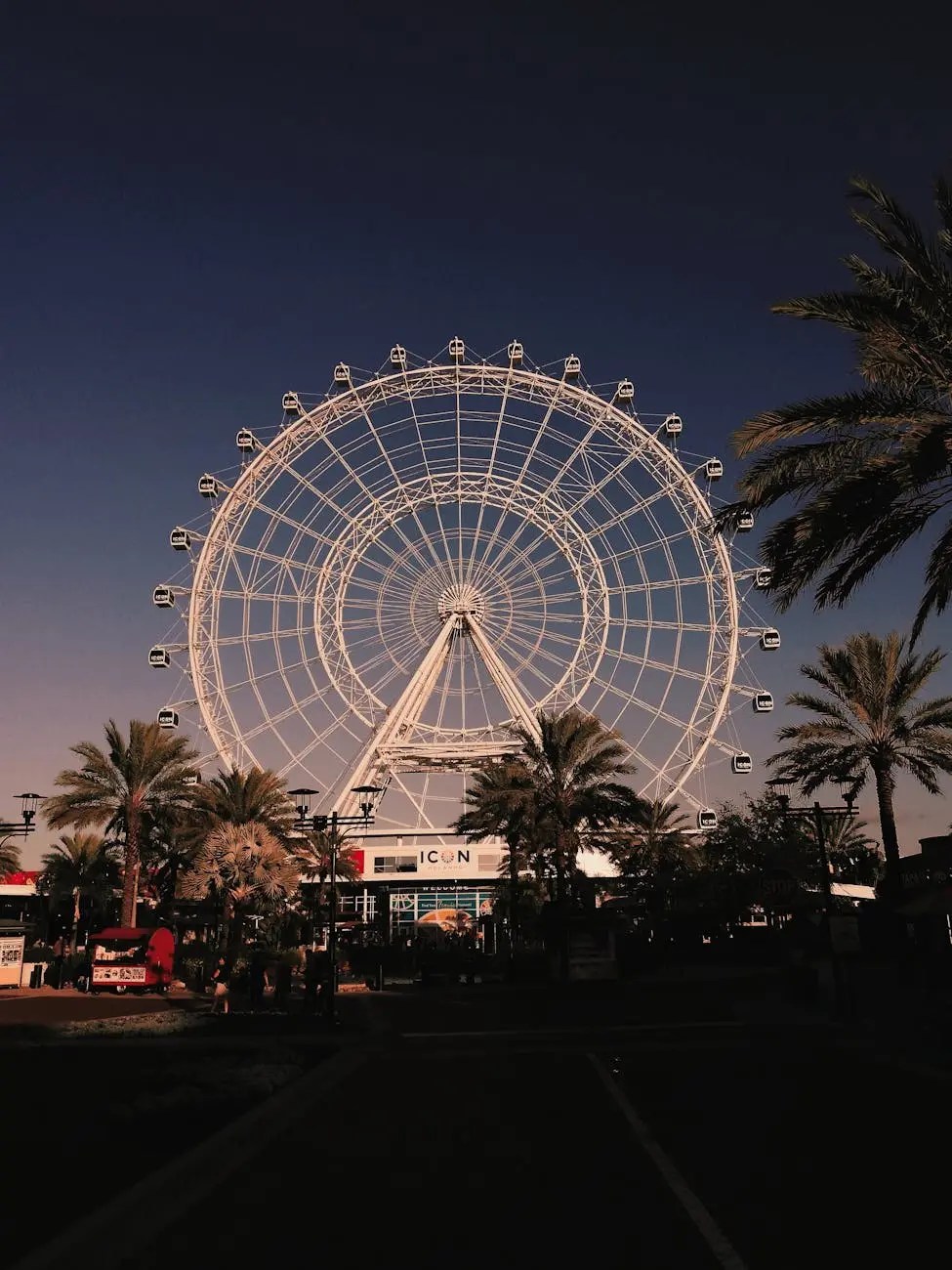
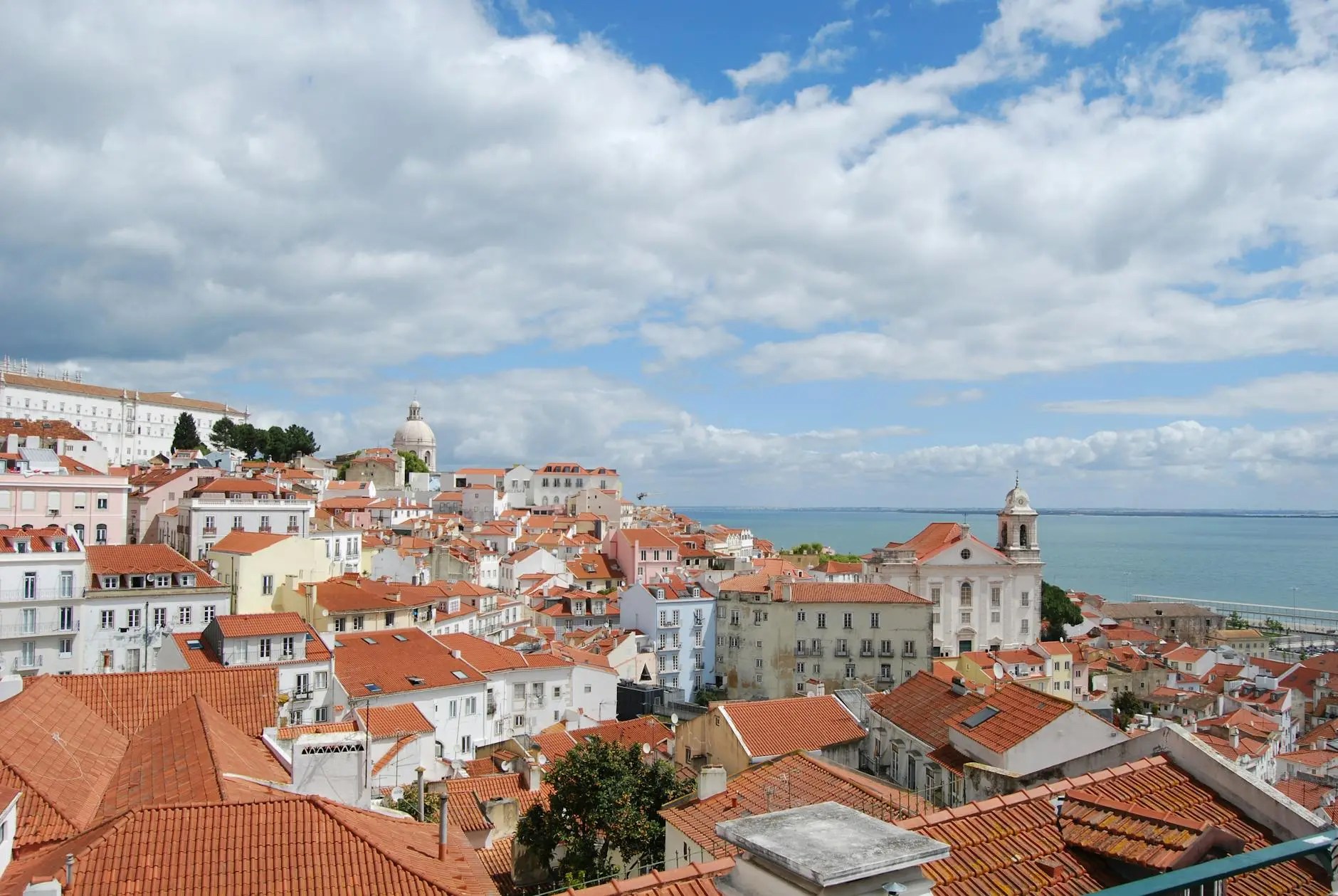


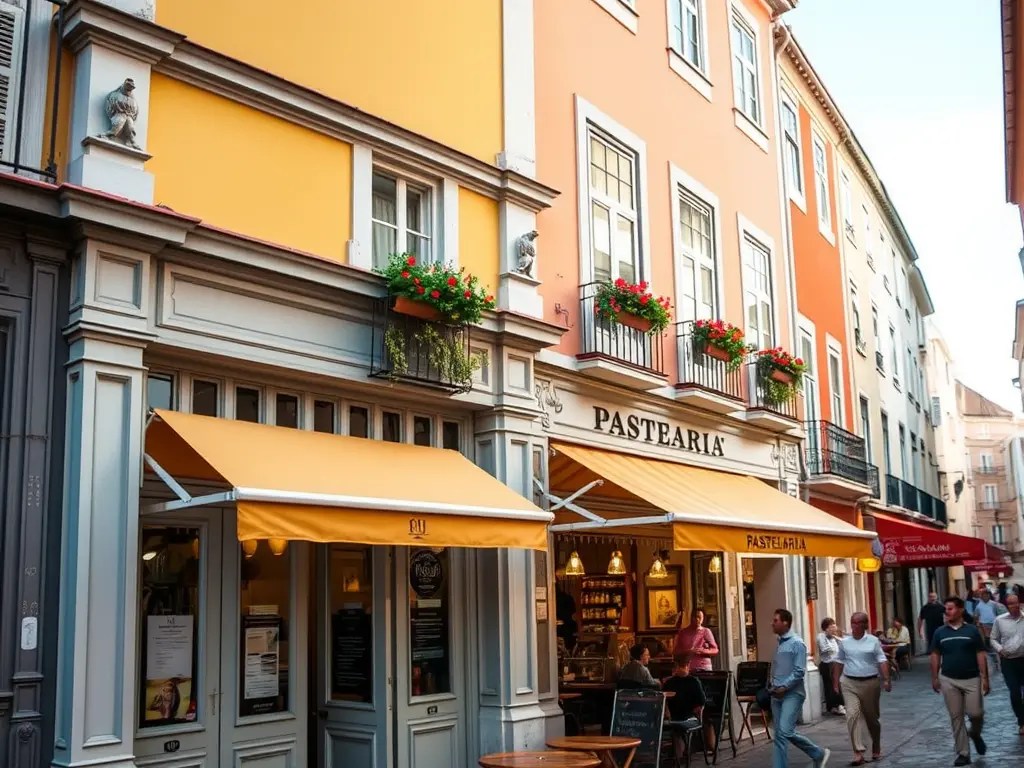
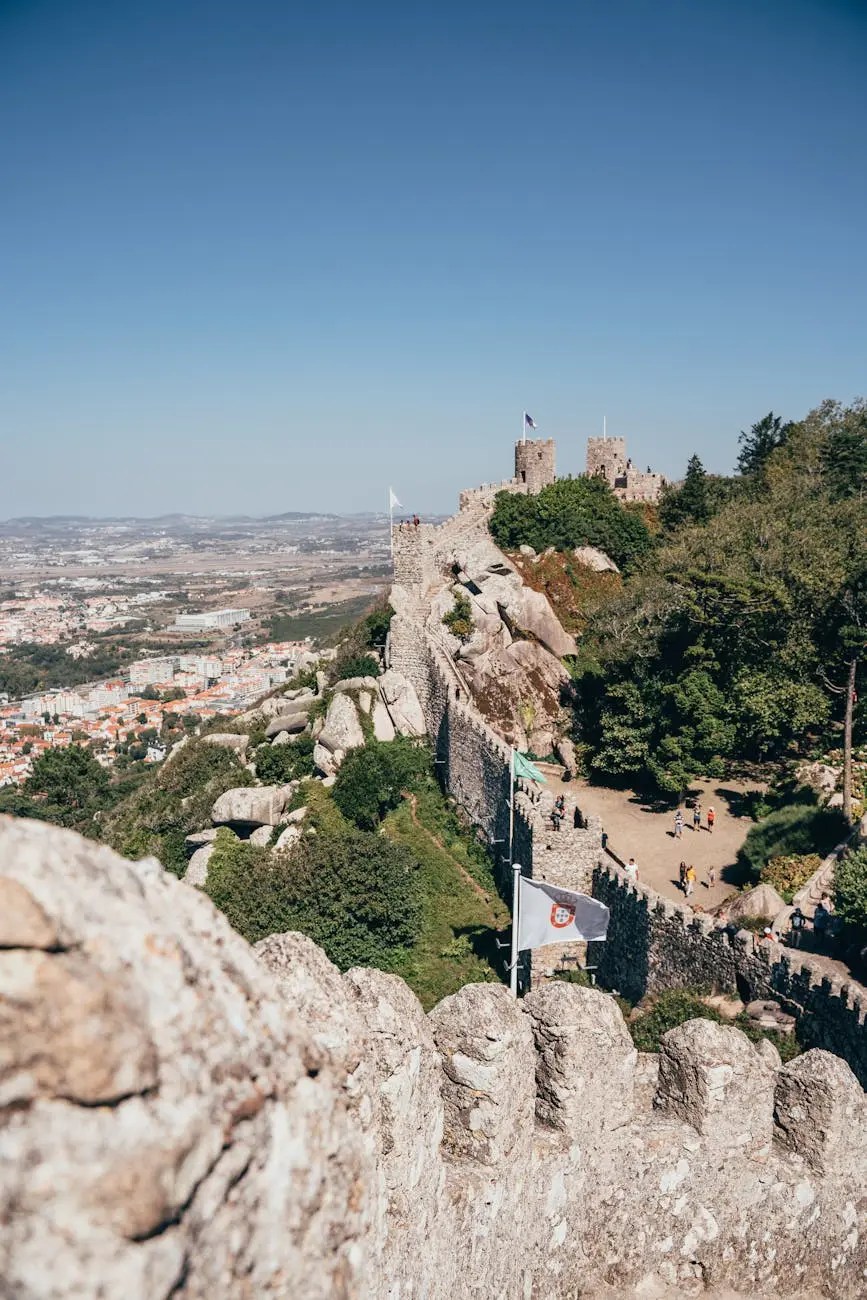

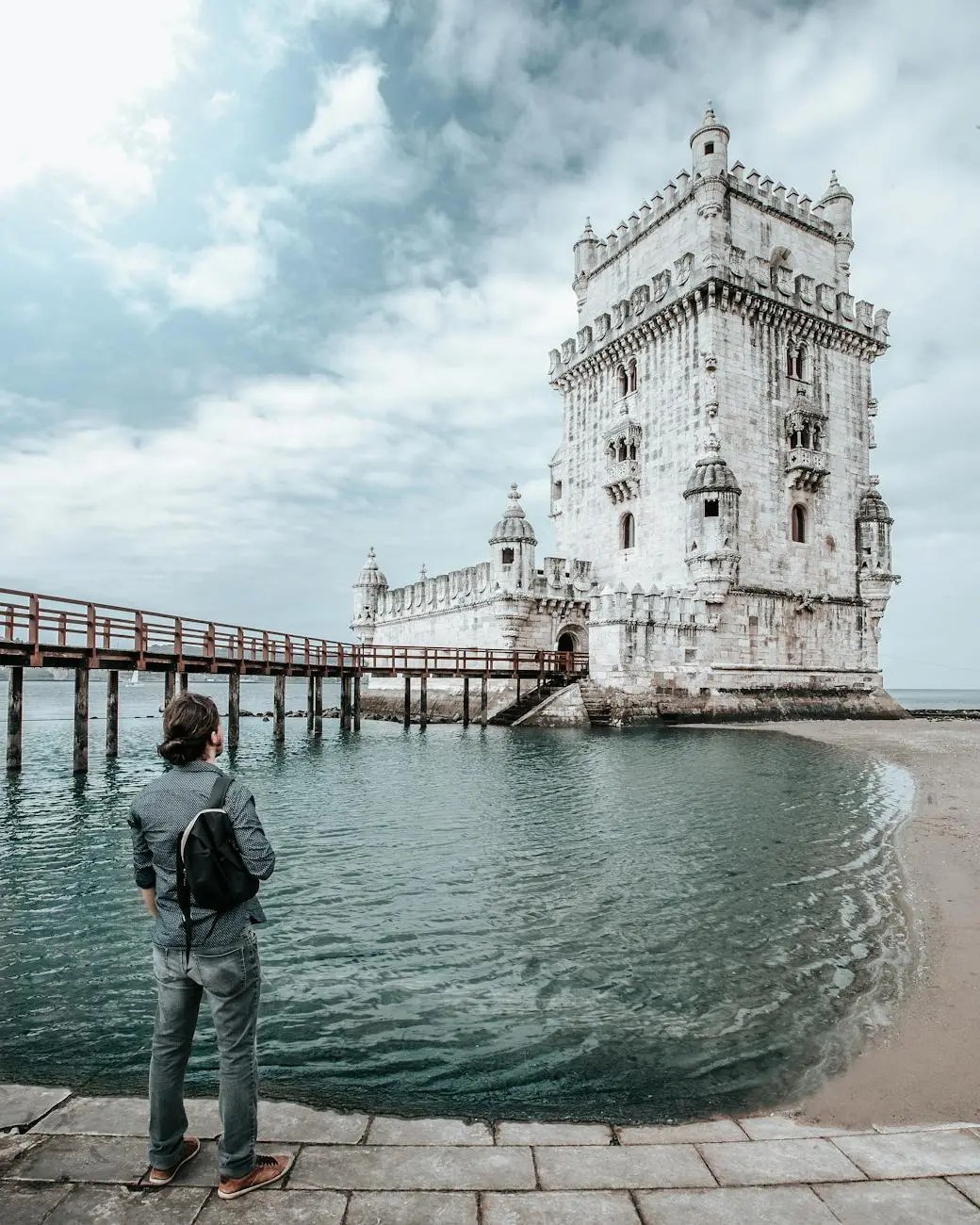

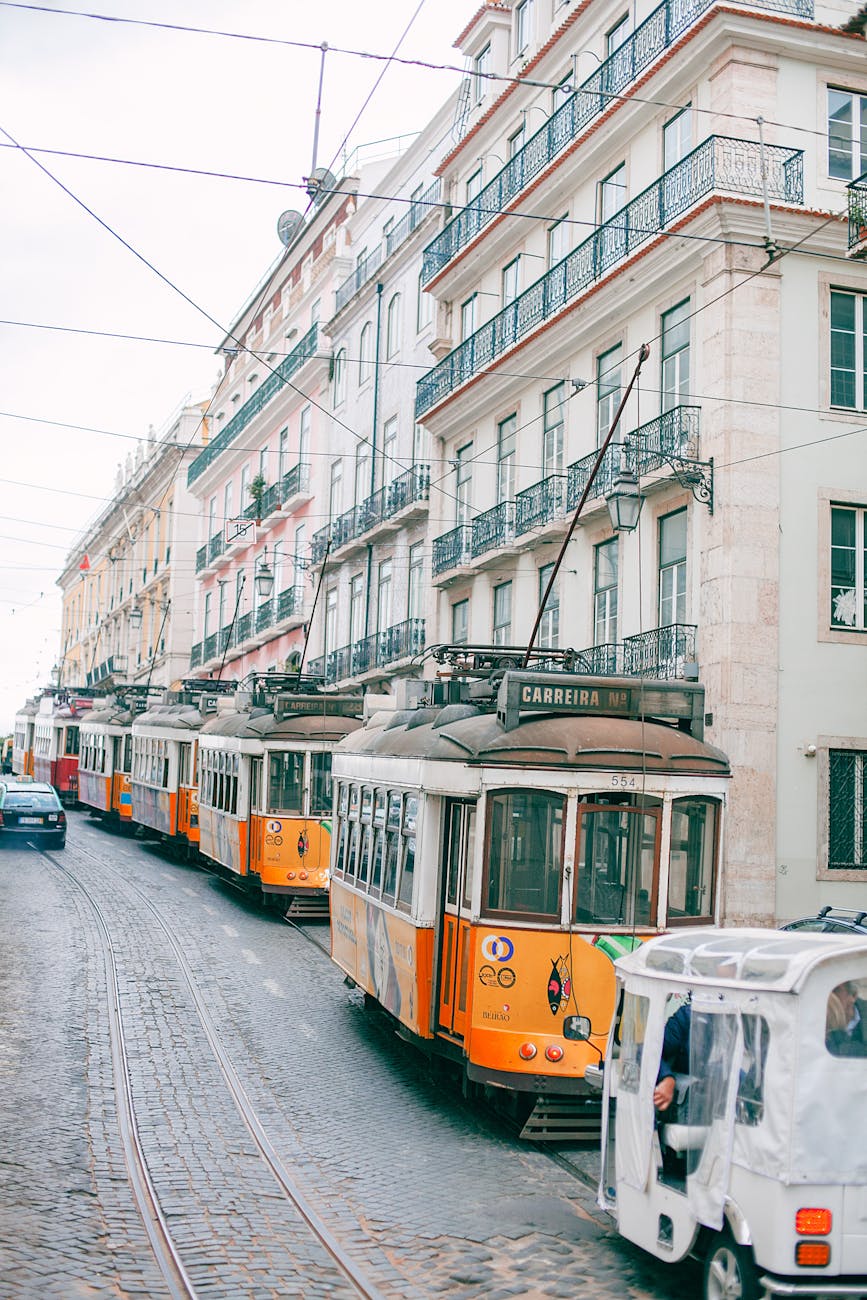


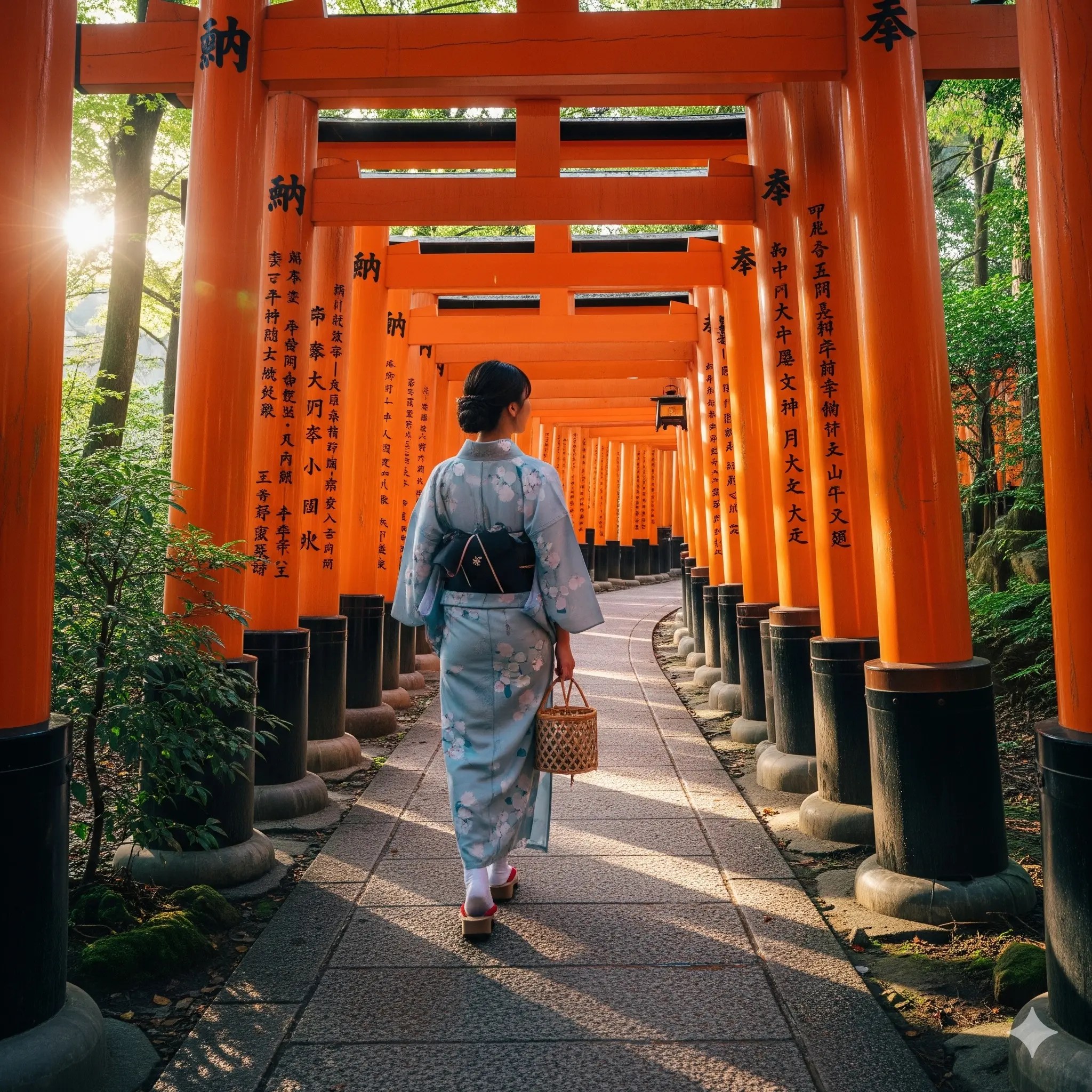
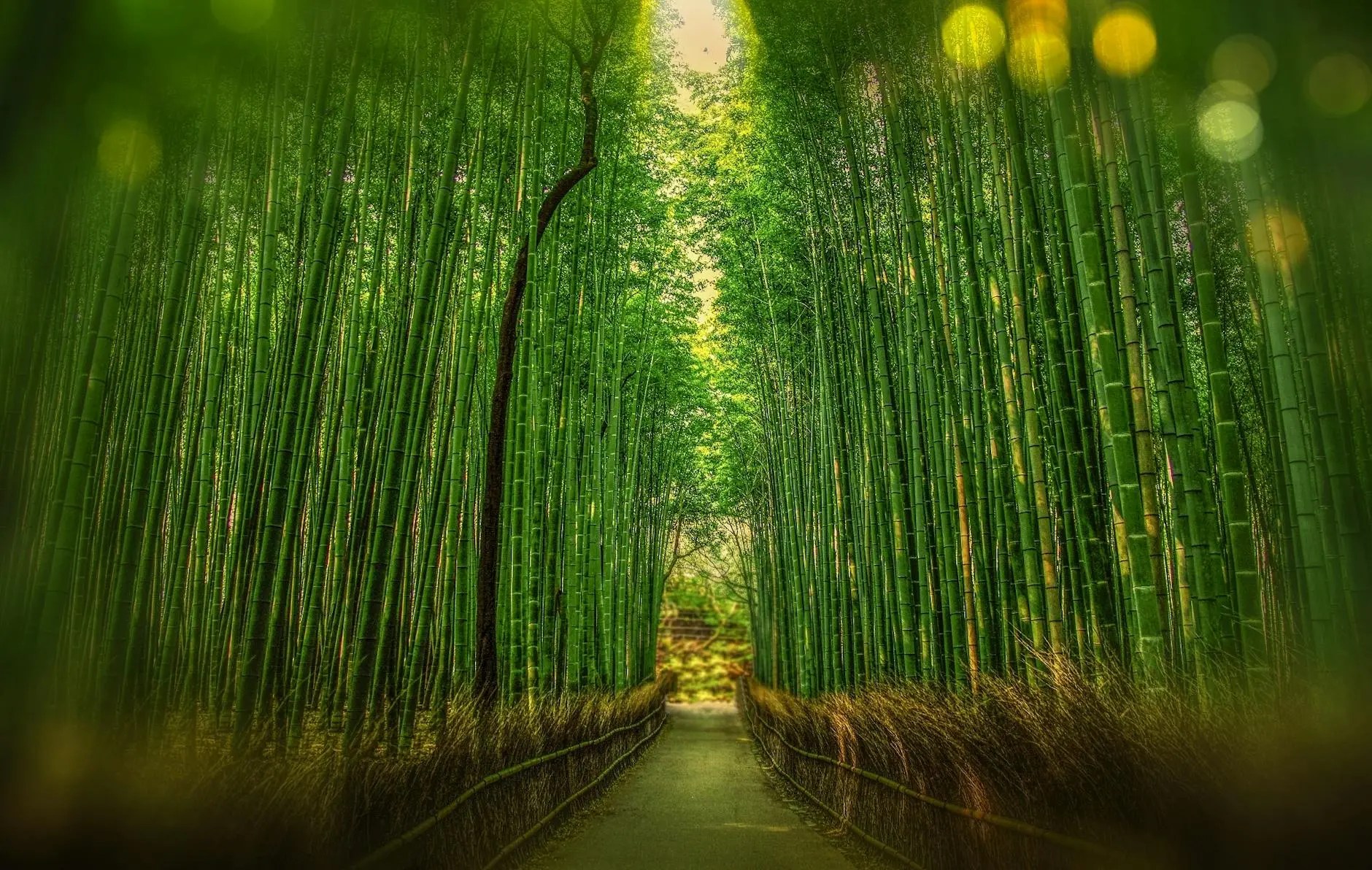
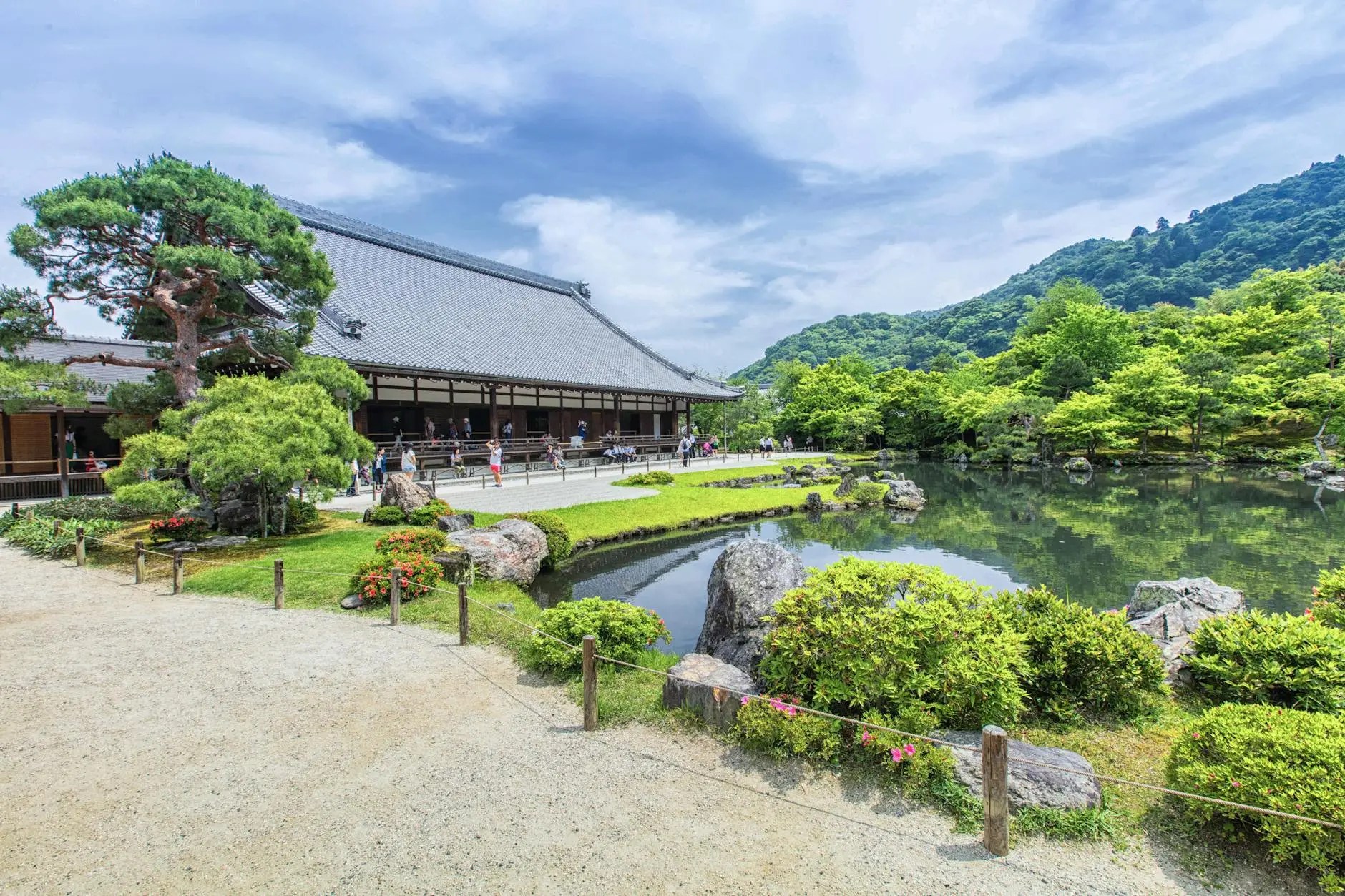
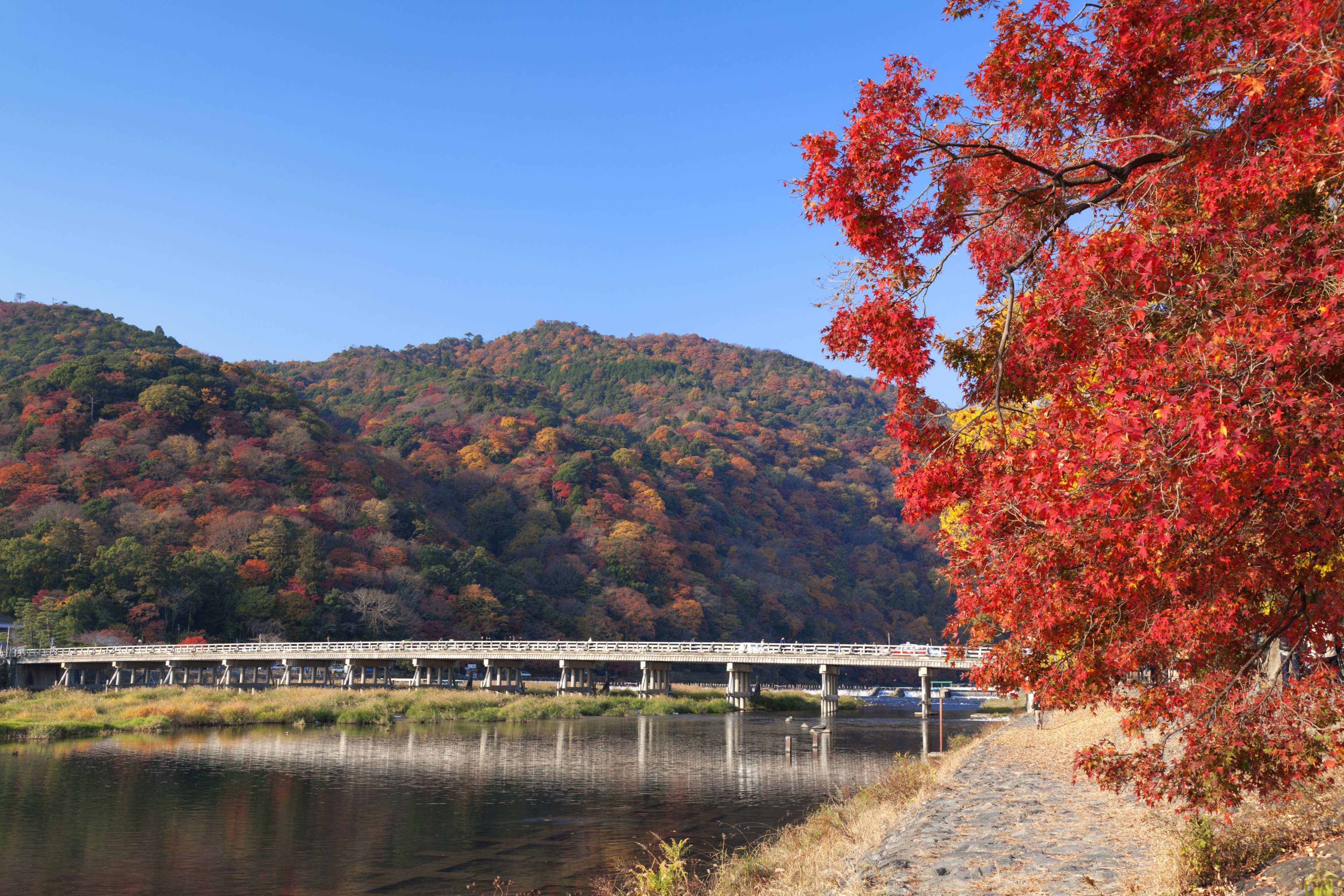

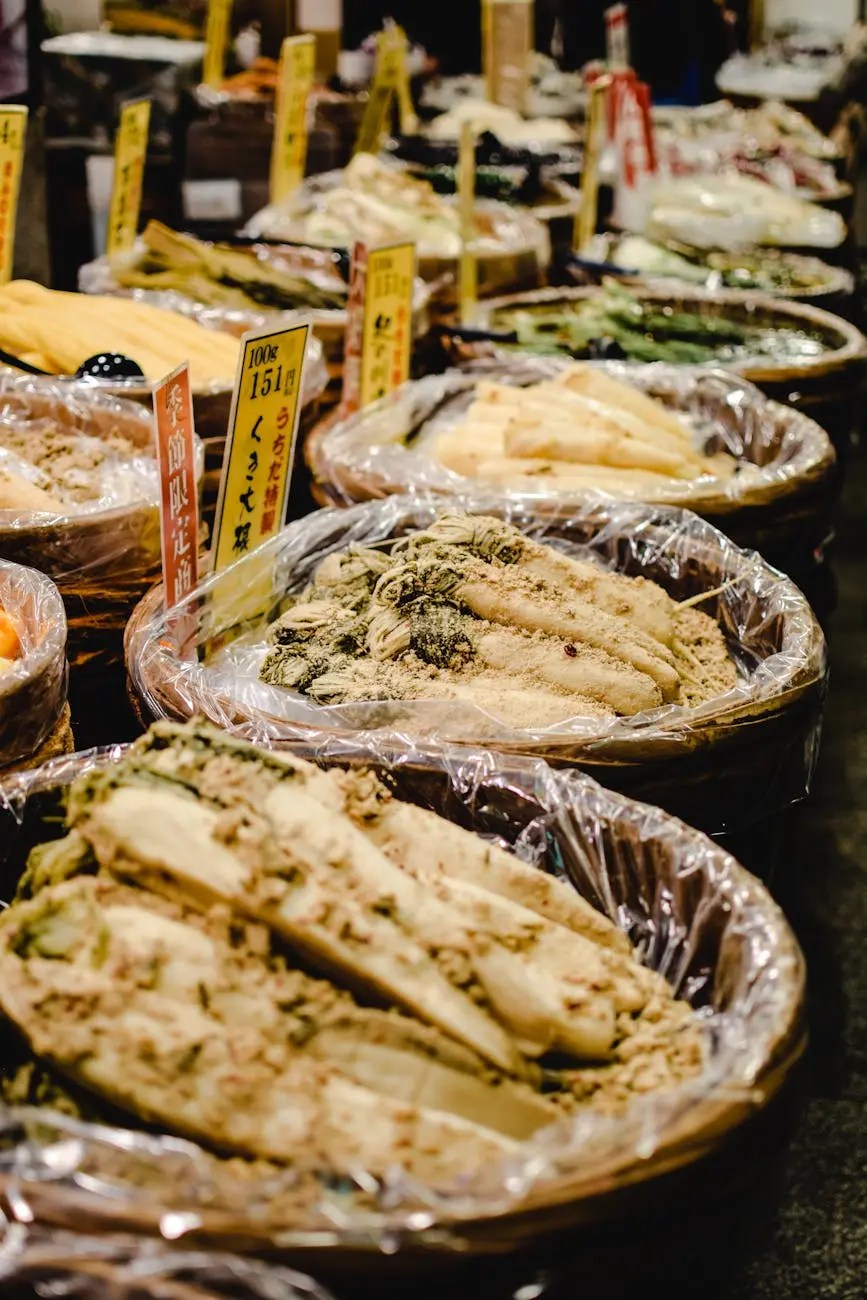
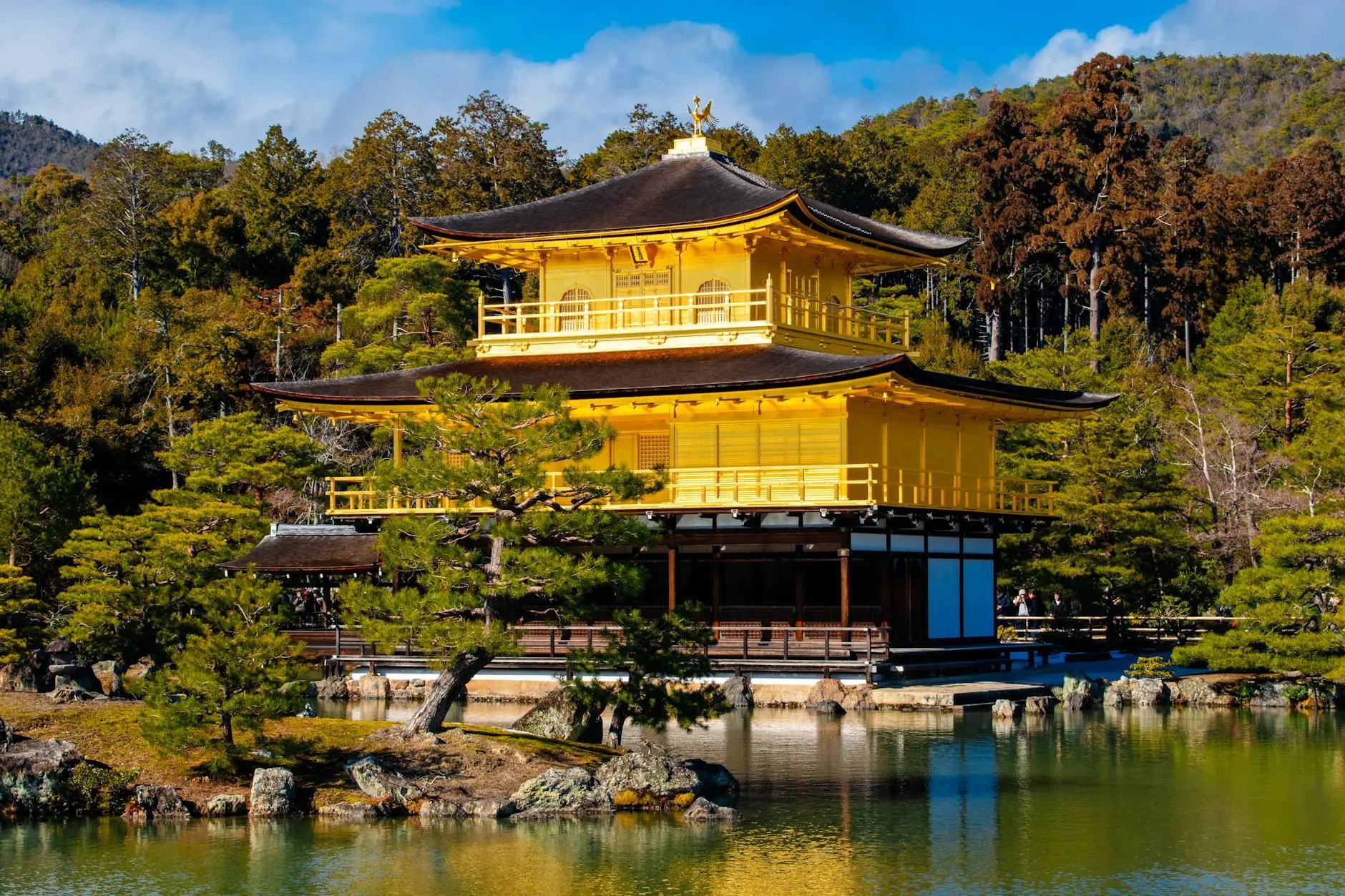
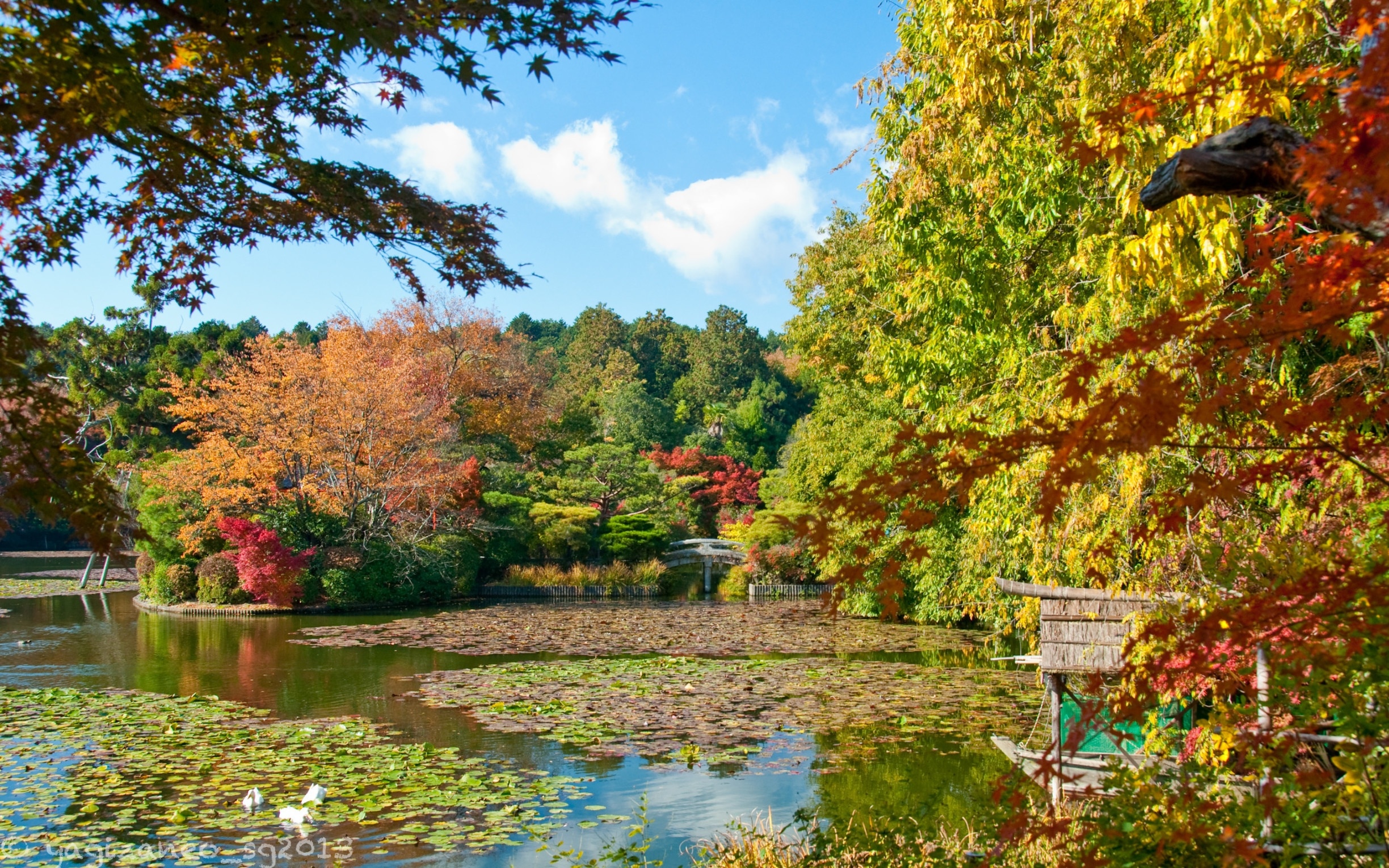
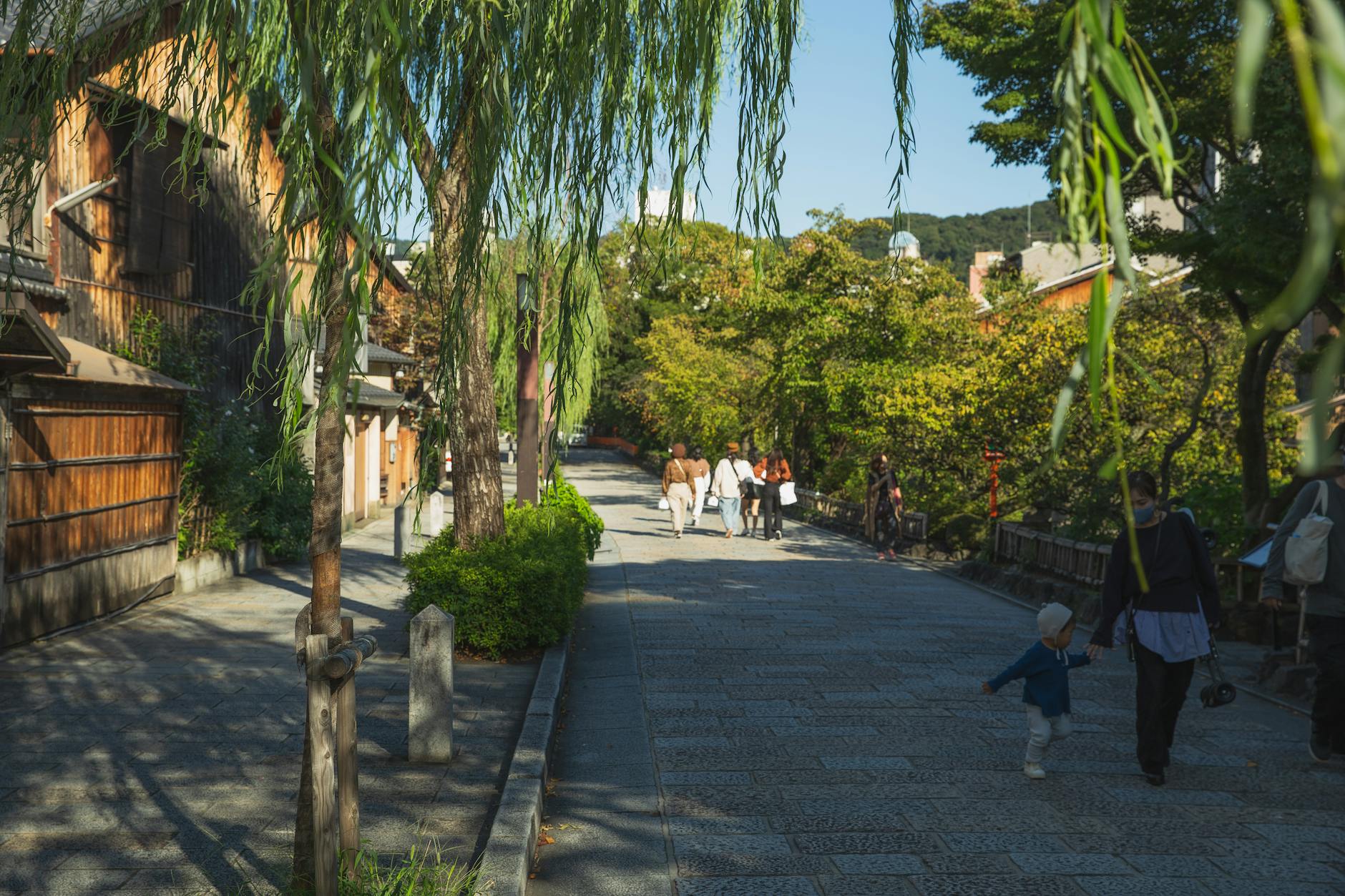
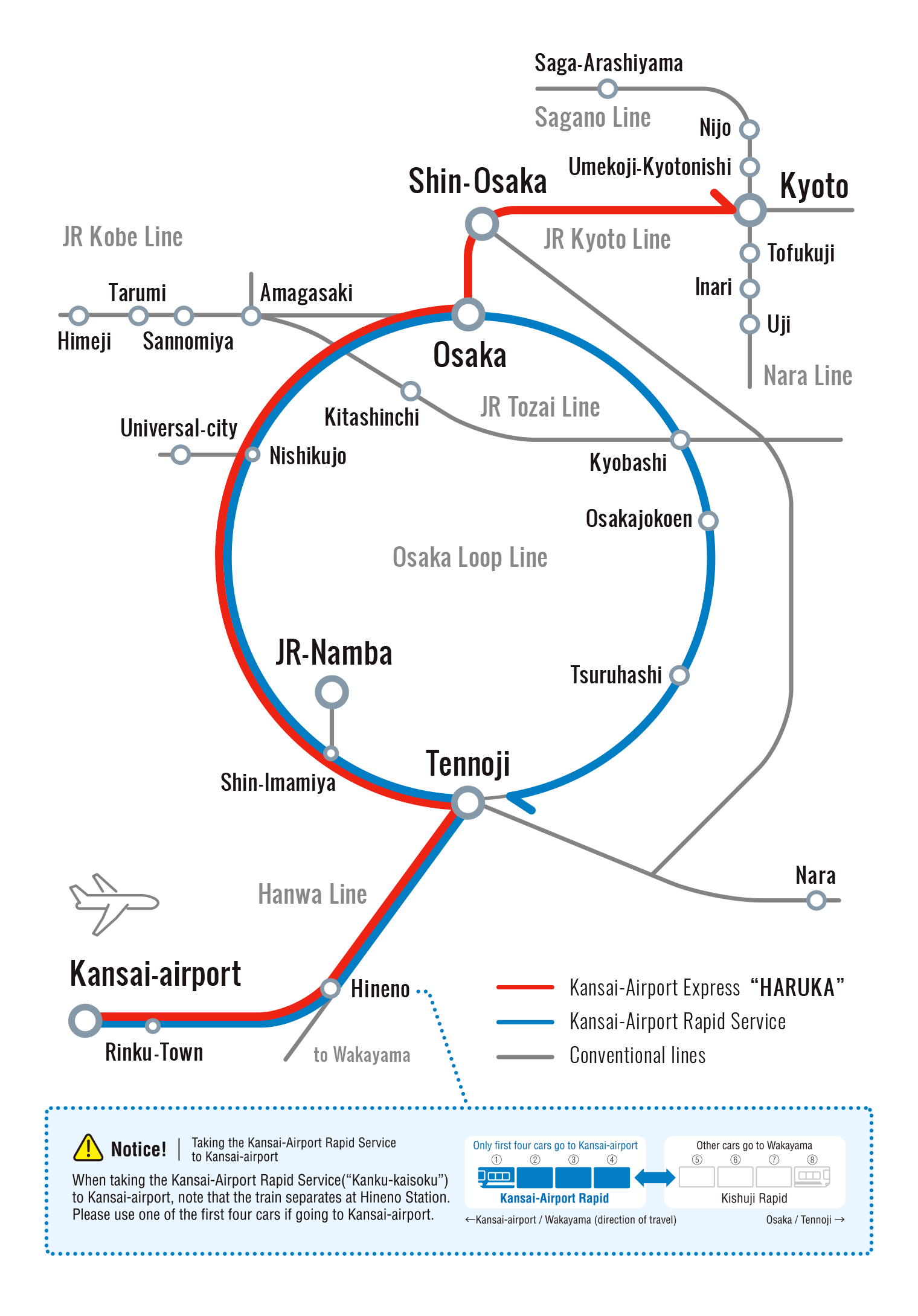
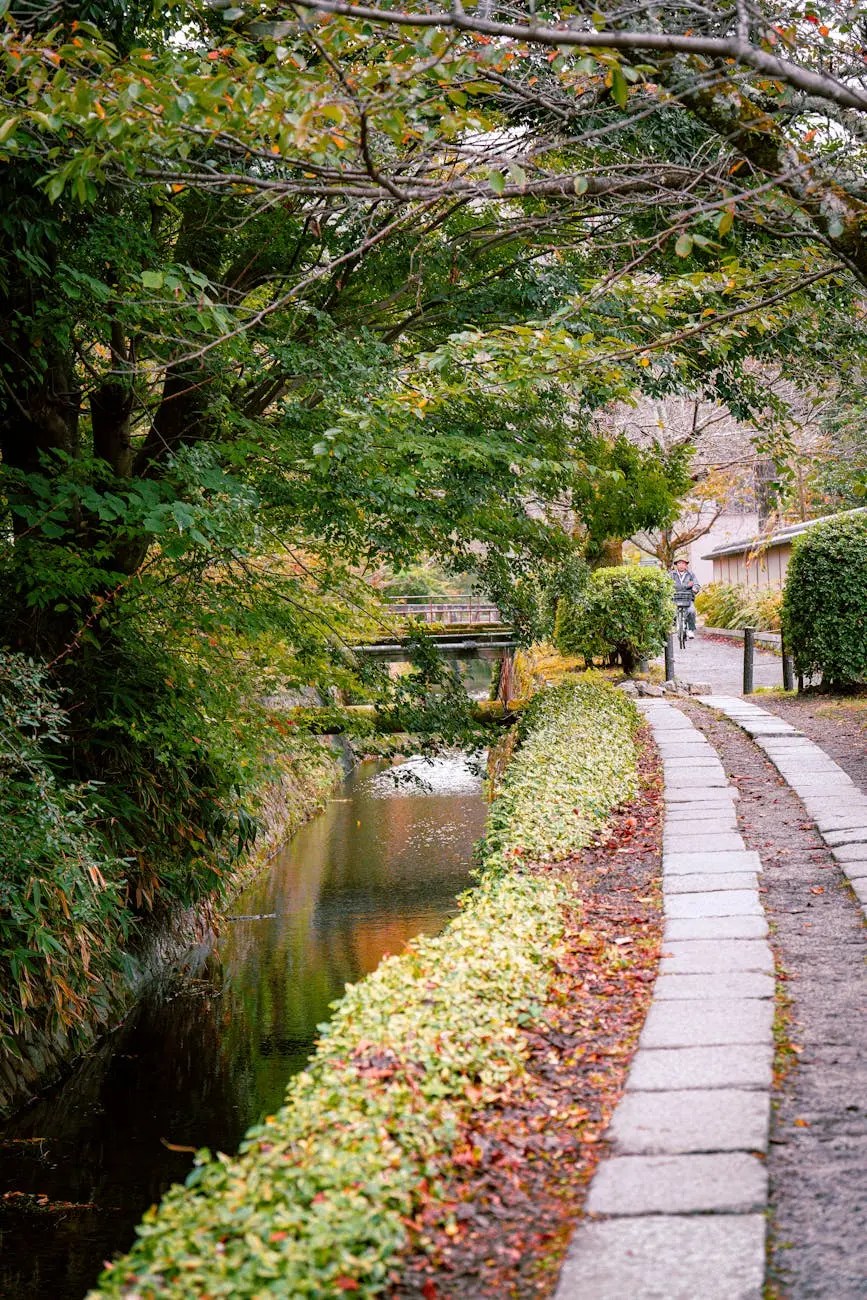
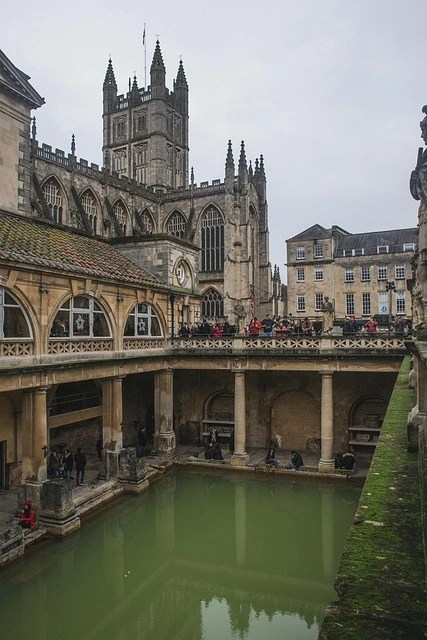

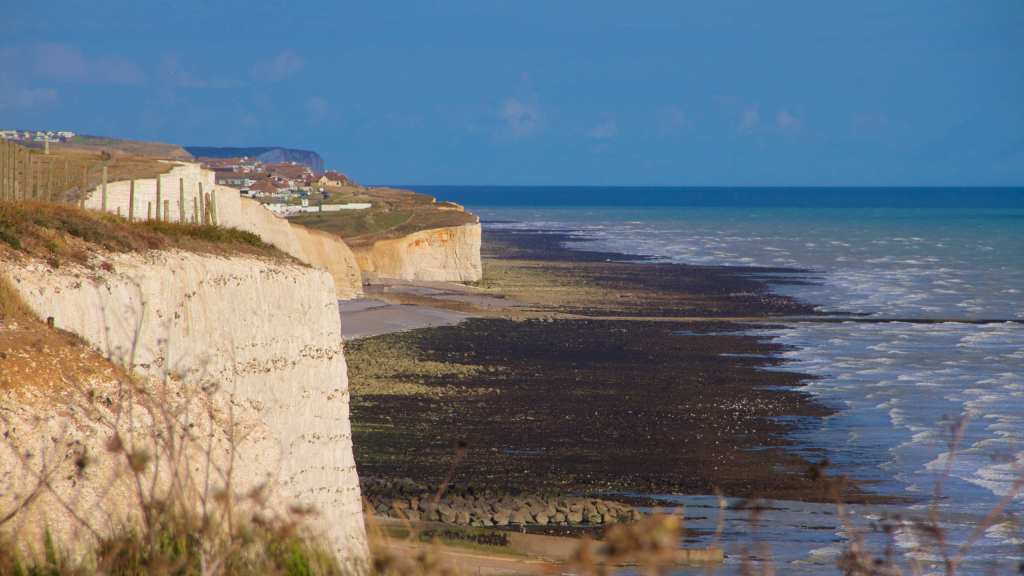

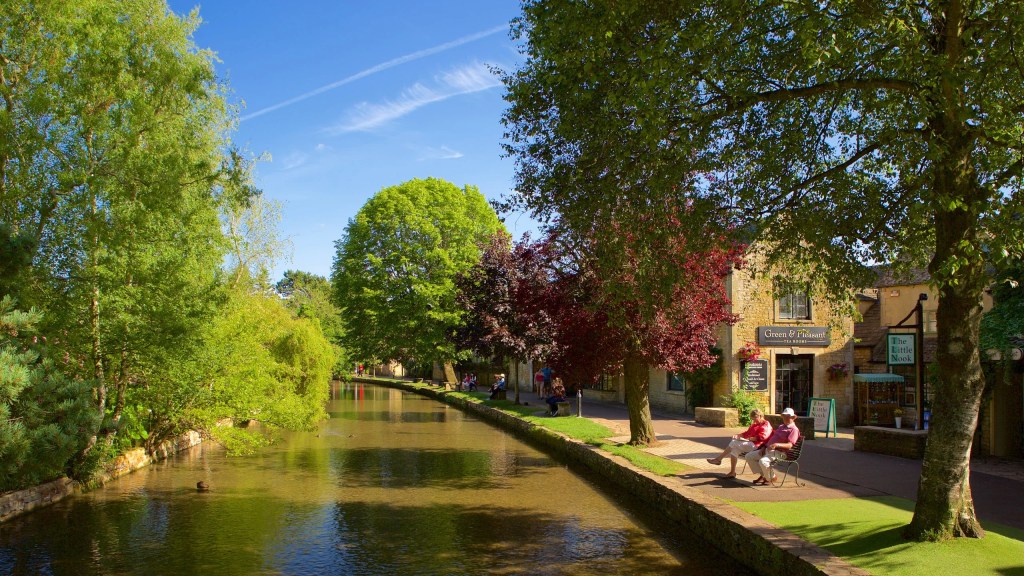
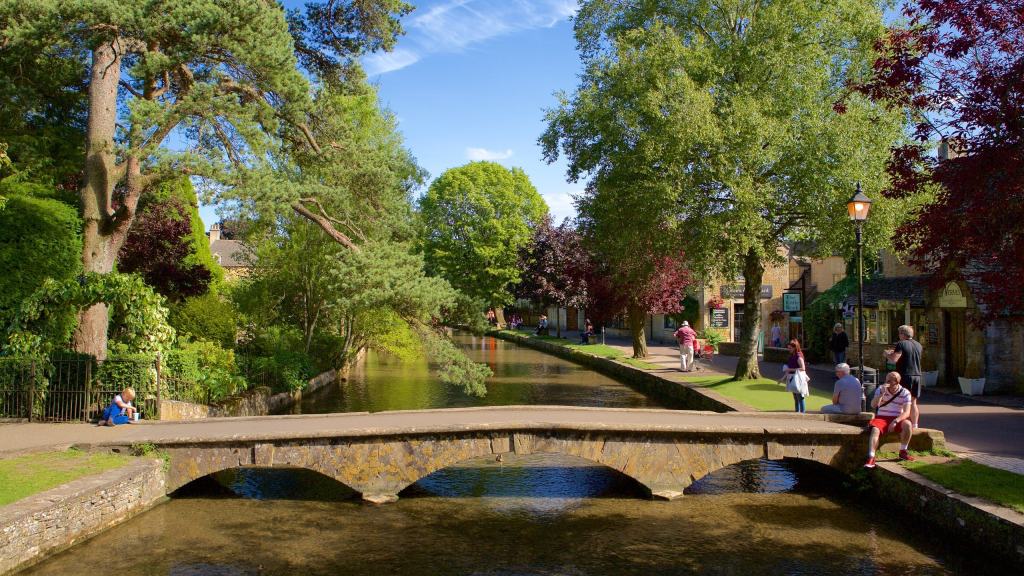

 Home Home sweet sweet home