The Ultimate Weekend Escape to Shanghai, China

Meta Description: Discover the ultimate weekend escape to Shanghai, China! This 3-day itinerary is packed with insider tips, hidden gems, and practical advice on navigating the city, saving money, and experiencing the perfect blend of ancient tradition and futuristic wonder. Perfect for travellers seeking an unforgettable adventure.

So, you’ve got a weekend to spare and a burning desire to dive into a city that feels like it’s straight out of a sci-fi movie, yet is steeped in ancient history? Welcome to Shanghai, the sprawling metropolis where futuristic skylines kiss tranquil classical gardens. As someone who’s gotten blissfully lost on its streets more times than I care to admit, I’ve perfected the art of the Shanghai weekend. Forget the overwhelm; this guide is your golden ticket to an unforgettable 48-hour blitz.

Table of Contents

  1. Why Shanghai Should Be on Your Weekend List
  2. Visa & Budget Considerations
  3. Getting There & Around (Flights + Public Transport Tips)
  4. Day 1: The Iconic Shanghai Experience
  5. Day 2: Hidden Gems & Local Secrets
  6. Day 3: Modern Meets Ancient
  7. Travel Tips to Save Time & Money
  8. Essential Words & Phrases in Mandarin
  9. Smart Travel Resources (SIM, VPN, Insurance, Refunds)
  10. FAQs

Why Shanghai Should Be on Your Weekend List

Shanghai is not just a city—it’s a living postcard of China’s past, present, and future colliding in neon lights and ancient alleys. Think New York’s energy + Paris’s style + Tokyo’s innovation, all shaken up with a dumpling or two.

If you’ve loved exploring Kyoto or Venice, Shanghai is the next step in your bucket list journey. Bonus: if you’re traveling through Asia, hopping from Shanghai to cities like Tokyo or Hong Kong is a breeze.

Visa & Budget Considerations

  • Visa: Many travelers can use Shanghai’s 144-hour visa-free transit policy if you’re stopping by between two international destinations. Saves both time and paperwork.
  • Budget: Expect to spend about $60–100/day comfortably (food, transport, and attractions). Shanghai can be as luxe or as budget-friendly as you make it.

Getting There & Around (Flights + Public Transport Tips)

✈️ I booked my flight to Shanghai through Expedia—always my go-to for comparing flights and hotels.

🚆 Public Transport in Shanghai:

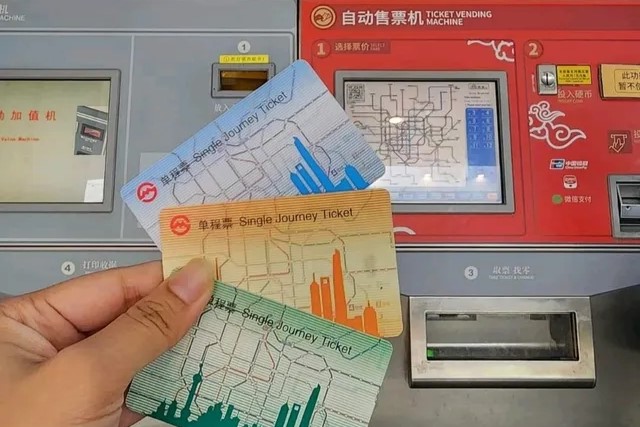
Forget taxis and the hassle of renting a car (and dealing with navigation and parking!). Shanghai’s metro system is a masterpiece of efficiency, cleanliness, and affordability. It’s my number one money-saving tip and the absolute best way to get around.

  • Metro: Cheap, clean, and efficient. One of the world’s largest networks. A ride costs just ¥3–6 ($0.50–$1).
  • The Cost: You can get almost anywhere on the extensive metro network for just a few yuan (RMB). A typical ride across the city center will often cost between 3-8 RMB (which is roughly $0.50 – $1.20 USD). Compared to the cost of a taxi, the savings add up incredibly fast.
  • Buses: Great for shorter trips; use the “Shanghai Public Transport Card” for easy swipes.
  • Get a Transportation Card: For ultimate convenience, purchase a rechargeable Shanghai Public Transportation Card (上海公共交通卡, Shànghǎi gōnggòng jiāotōng kǎ) at any major metro station. You tap in and out, and it works seamlessly on the metro, almost all buses, and even in taxis. It saves you from fumbling for change at every turn and makes you feel like a local.
  • Maglev Train: The futuristic ride from Pudong Airport to the city takes 8 minutes at 430 km/h. Worth it for the thrill.
  • Shanghai Maglev Train — The Fastest Train in the World
  • Taxi/Didi: Affordable but beware of peak-hour traffic. Didi is Your Friend: China’s answer to Uber, Didi Chuxing, is a lifesaver. The app has an English interface and is widely used. It’s often cheaper and more reliable than hailing a cab on the street. Taxi / DiDi: Very affordable and widely used in Shanghai. Just note: during morning (≈ 7-9:30am) and evening (≈ 5-7pm) rush hours, you’ll face longer waits and slower rides. If possible, use the DiDi mini-program inside Alipay or WeChat (often more reliable than the international app). Also check if ride-hailing is allowed in zones like airports—some restrictions may apply.
  • Car Rentals: Honestly not needed unless you’re planning a road trip outside Shanghai. Traffic and parking will eat your weekend.
  • Google Doesn’t Work Here: This is crucial. Standard Google Maps, Gmail, and Instagram are blocked. You need a VPN. I never travel without my NordVPN subscription. It lets me access all my usual apps and navigate safely. Set it up on your devices before you land in China.
  • 🚫 Google Doesn’t Work Here
  • This is crucial. Many of the apps and sites you probably use daily—Google Maps, Gmail, Instagram, Facebook, even WhatsApp at times—are blocked in mainland China. Travelers who don’t plan ahead often find themselves cut off the minute they land.
  • 💡 Pro Tip: Download offline maps in advance (Apple Maps and Maps.me work well), and set up a VPN like NordVPN before you arrive. Once you’re in China, most VPN websites are blocked, so prep is everything. With a VPN, you’ll still be able to check Gmail, scroll Instagram, and book through your favorite travel sites without hiccups.

🌐 Internet Reality in Shanghai: Search Engines & Language Help

Since Google, Gmail, Instagram, and many Western apps are blocked in mainland China, you’ll need to adjust your digital toolkit. Don’t worry—locals have already figured this out, and travelers can too.

🔎 Search Engine Alternatives

  • Baidu (百度) – The “Google of China.” Best in Chinese, though machine translation helps.
  • Sogou (搜狗) – Popular for Chinese web and music searches.
  • Bing (必应国际版) – Surprisingly, Bing is still accessible in China (though results may be filtered). A solid option if you want an interface closer to Google.
  • Yahoo Japan (via VPN or sometimes directly) – Occasionally works, though limited.

💡 Pro Tip: If you’re not fluent in Mandarin, Bing will feel easiest, since it supports English.


🎙️ Live Translation Devices for Travelers

If Mandarin isn’t your strong suit (and let’s be real—most of us stumble beyond “Nǐ hǎo”), tech can save the day

Here are some handy pocket translators that work well in Shanghai:

  • Pocketalk Translator – Handles 80+ languages with two-way voice translation. Great for casual chats with taxi drivers or ordering food.
  • ili Instant Translator – Lightweight, one-way translation (English → Mandarin). Useful for quick phrases.
  • Langogo Genesis – AI-powered, doubles as a WiFi hotspot. Perfect if you’re juggling translation + connectivity.
  • Timekettle WT2 Edge Earbuds – Real-time in-ear translation for conversations. Feels futuristic but genuinely handy.

🛠️ Smart Traveler’s Hack

Download offline translation packs on apps like Google Translate (before entering China), Pleco (for Mandarin), or Microsoft Translator. Even without internet, these can help you read menus, signs, or bargain at street markets.

🧳 Smart Travel Tip: No matter where your adventures take you, having the right travel insurance can save you from unexpected headaches (and bills). I personally recommend VisitorsCoverage — it’s a trusted platform where you can compare plans, find coverage that fits your trip, and book it in just a few clicks. Whether you’re planning a quick city escape or a longer international journey, it’s peace of mind worth packing. Check your options here.

💡 Smart Hack: Use metro maps online and download offline maps on Google Maps (or Apple Maps) to save data
Hotels in Shanghai

Your Shanghai Weekend Itinerary

Day 1: History, Buzz & The Bund {#day1}

  • Morning (9:00 AM): Start your day in the old soul of Shanghai: the Yu Garden (& Bazaar). This Ming-dynasty garden is an oasis of calm with its intricate pavilions, koi ponds, and rockeries. Fight the crowds by getting there right as it opens. The surrounding bazaar is a chaotic, wonderful mess of trinkets and snacks—perfect for people-watching.
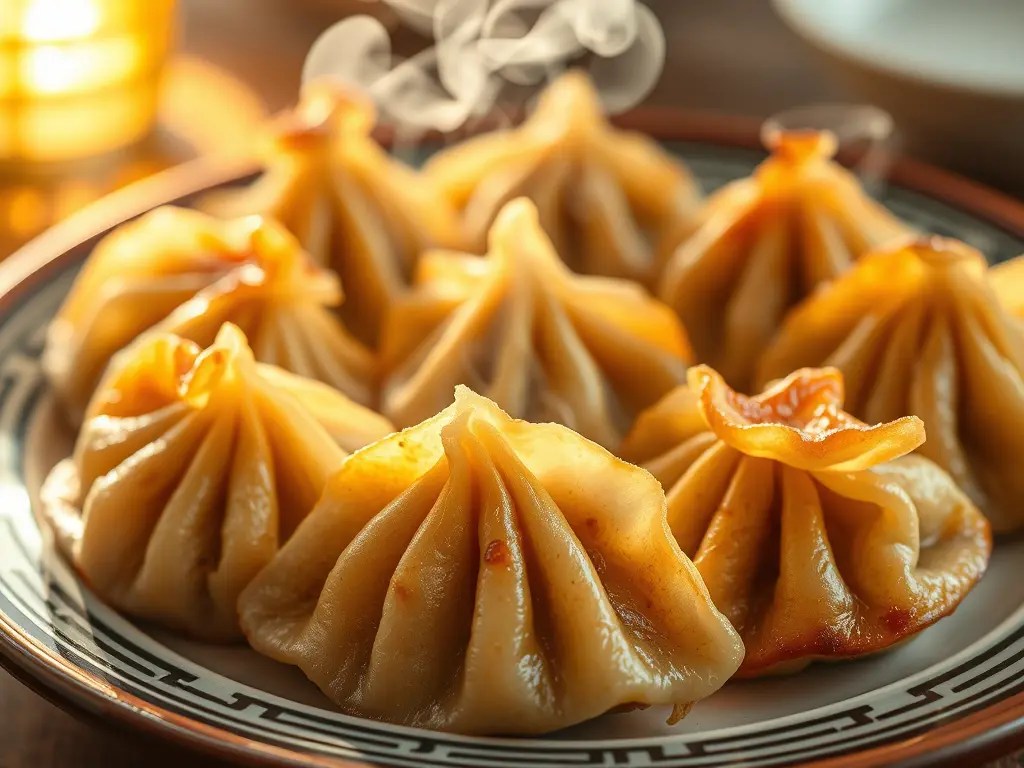
  • Afternoon (1:00 PM): Hop on the metro (Line 10 is your friend) and head to the French Concession. This is my favorite area to just wander. Tree-lined avenues, beautiful colonial architecture, and chic boutiques. For lunch, ditch the fancy places and find a local joint for some shengjianbao (pan-fried soup dumplings). You’ll thank me later.
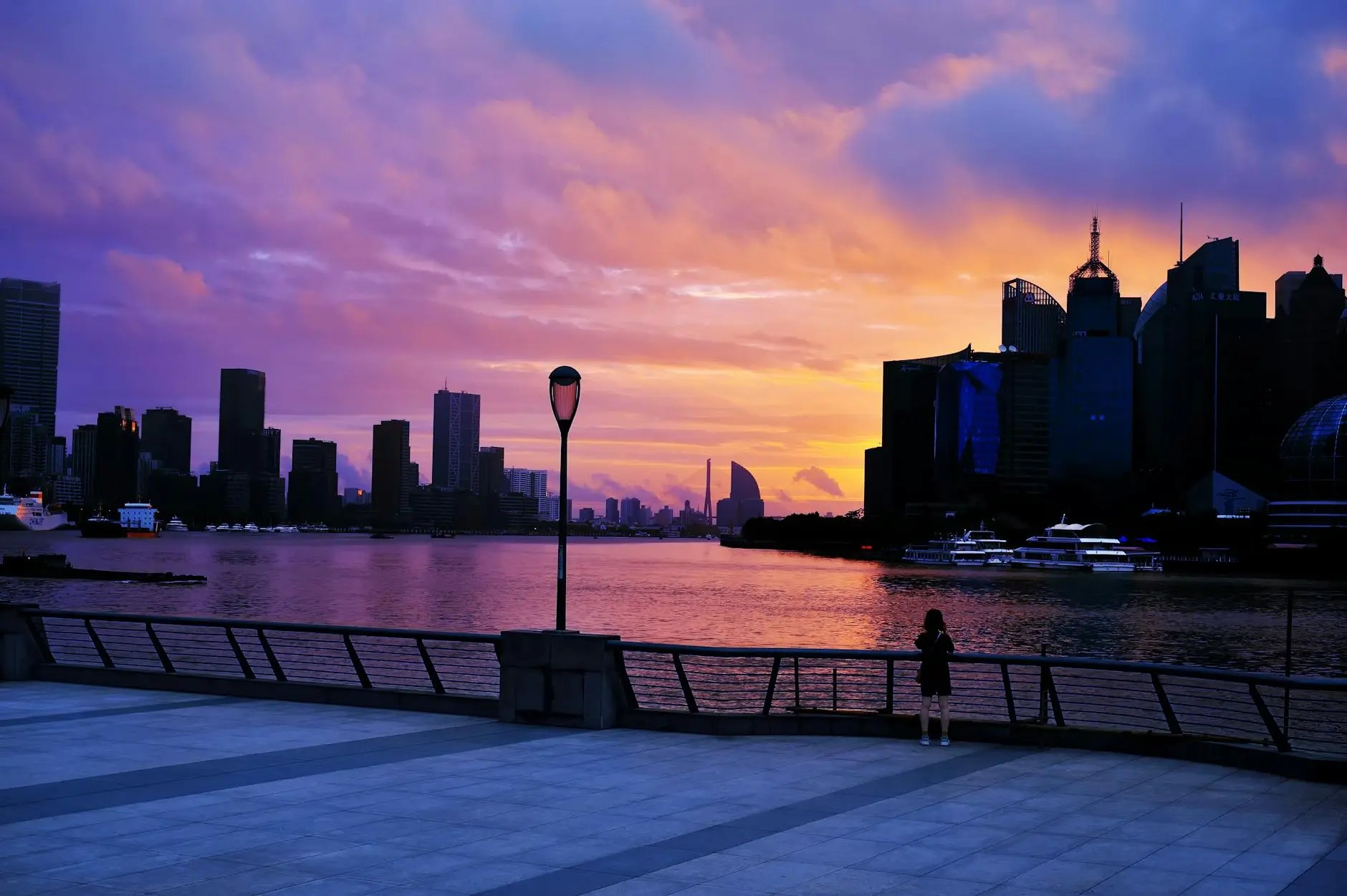
  • Evening (6:00 PM): This is it. The main event. Head to The Bund as the sun begins to set. Watch the colonial-era buildings on your side glow gold, and then witness the neon-lit skyscrapers of Pudong across the river light up in a spectacular light show. It’s a view that never, ever gets old. I must have taken a hundred photos here with my trusty Canon EOS R100 Mirrorless Camera – it’s perfect for these low-light cityscapes.
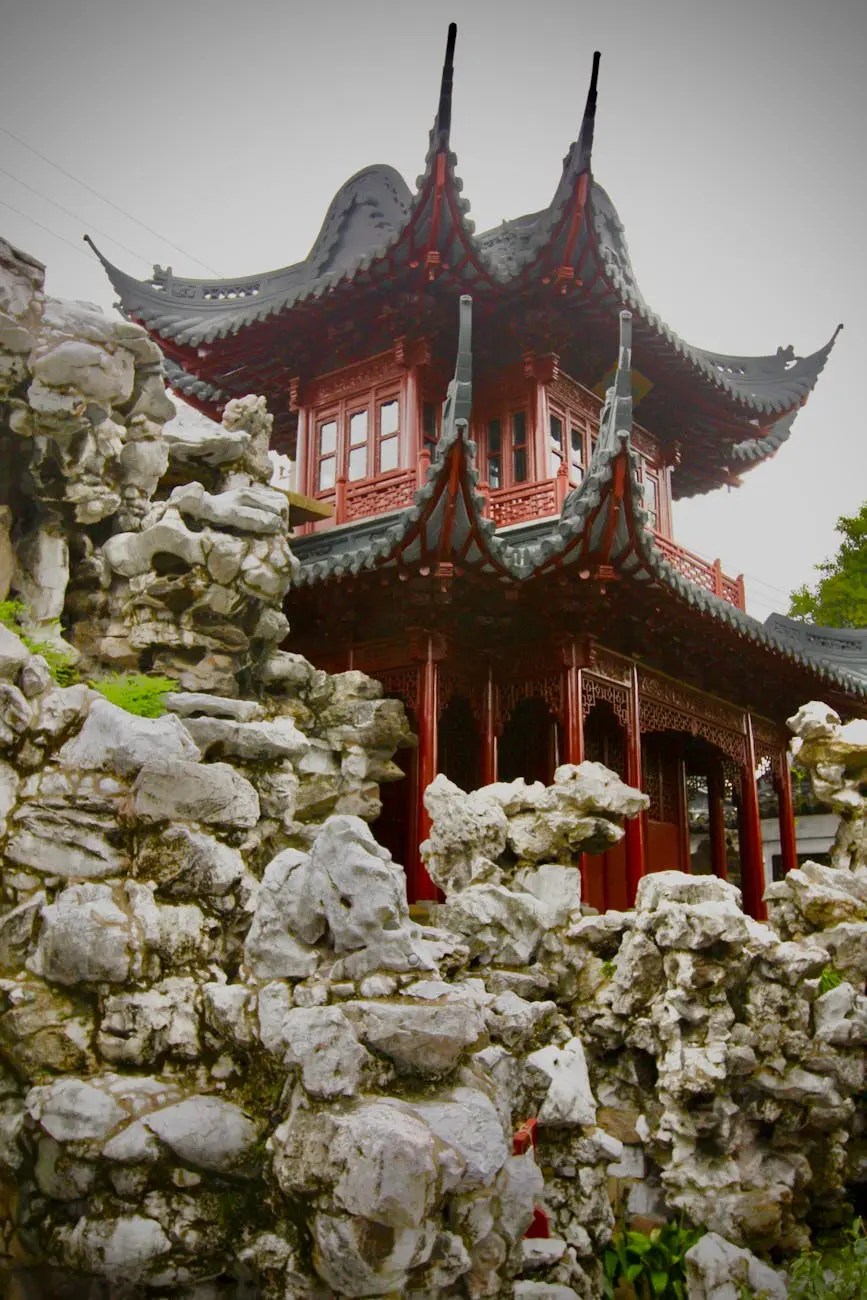
A traditional Chinese pavilion surrounded by rocky formations, set in a serene garden landscape.
A serene view of the traditional architecture at Yu Garden, showcasing the beauty of Shanghai’s Ming-dynasty heritage. The heart of Old Shanghai: A serene pagoda peeks through the legendary “Exquisite Jade Rock” formations in the Yu Garden, a classic example of Ming Dynasty garden design.

A tranquil scene of a traditional Chinese garden with koi fish swimming in a serene pond, surrounded by lush greenery and a stone bridge partially visible in the background.
A serene view of the Yu Garden in Shanghai, featuring koi fish swimming in a tranquil pond surrounded by lush greenery and traditional architecture.
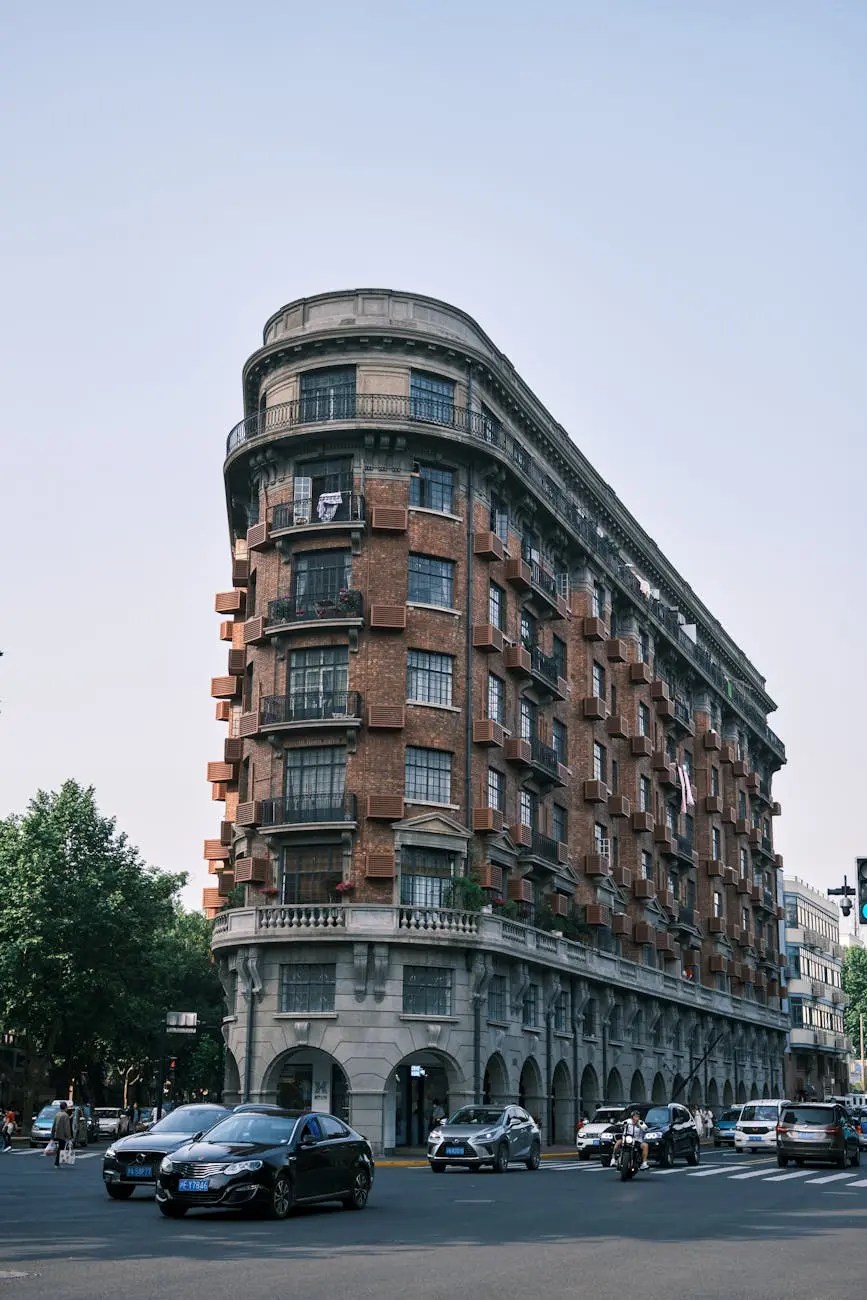
A historic building with a curved facade in Shanghai, surrounded by cars and trees under a clear sky.
The iconic Art Deco architecture of Shanghai showcases the city’s blend of modernity and history. European elegance in East Asia: This iconic curved building in the former French Concession is a perfect example of Shanghai’s unique architectural heritage, where colonial-era design meets modern urban life.

A close-up view of freshly steamed soup dumplings served on a decorative plate, with steam rising from them.
Delicious shengjianbao (pan-fried soup dumplings) served hot, perfect for a culinary adventure in Shanghai. The ultimate Shanghai snack: A piping hot order of Shengjianbao (生煎包), with its crispy, pan-fried bottom and dangerously juicy soup filling inside. Don’t forget to take a small bite first to let the steam out!
A scenic view of the Shanghai skyline at sunset, with vibrant purple and orange hues in the sky and a person standing by the waterfront.
A stunning sunset view of the Shanghai skyline, showcasing the blend of modern skyscrapers and tranquil waters along the river. The Bund is a famous waterfront area along the Huangpu River, known for its historical buildings and stunning views of the modern Lujiazui skyline. 

Day 2: Arts, Markets & Sky-High Views

  • Morning (10:00 AM): Explore the revitalized M50 Art District. Housed in an old textile factory, this is Shanghai’s epicenter for contemporary art. It’s grungy, creative, and a fantastic break from the city’s commercial hubs. Best of all? It’s free to wander in and out of the galleries.
  • Afternoon (1:00 PM): Time for some retail therapy (or just fascinating observation) at the Fake Market at the Science & Technology Museum metro stop. It’s an experience. Haggling is not just expected; it’s mandatory. Keep your wits about you, have a laugh, and see what treasures you can find.
  • Fake Market (Science & Technology Museum metro stop) — bargain hunters’ playground
  • Right under the Science & Technology Museum (Line 2) metro station sits Shanghai’s famous “fake market” (often called AP Plaza / XinYang Market). It’s a warren of tiny stalls selling everything from knock-off sneakers and watches to souvenirs and cheap electronics — perfect if you want quirky finds and bargain prices. Play it like a pro: inspect items carefully (electronics and branded goods can be low quality), carry cash, and start your haggling at around 10% of the first price — expect to settle somewhere between 10–30% depending on the seller. If you’re into street-market photography, the neon shop signs and crowded aisles make for fun, gritty shots. Note: some goods are counterfeit, so don’t try to resell branded fakes when you get home. SmartShanghai+1
  • Quick tips: go mid-morning on a weekday to avoid crowds, keep small-change handy, don’t buy high-value electronics, and tuck the market into your day after visiting nearby Century Park or the Science & Technology Museum. eChinacities+1
  • Evening (5:00 PM): Ascend to the heavens. Skip the expensive observation decks and book a table at Flair Rooftop Bar at the Ritz-Carlton in Pudong. The price of a cocktail gets you the same insane, unobstructed view of The Bund that you’d pay a fortune for elsewhere. It’s the smart traveller’s move.
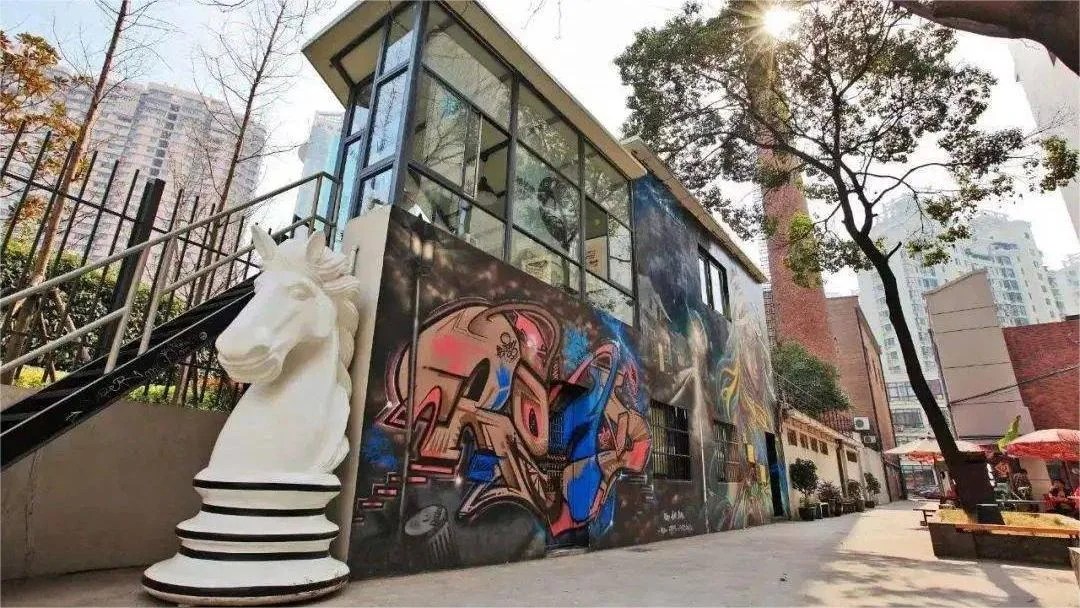
Exterior view of an art studio featuring a large white horse sculpture and vibrant graffiti on the wall, surrounded by trees and modern buildings.
A vibrant street view featuring contemporary graffiti art and a striking white unicorn sculpture at the entrance of a modern art space in Shanghai. M50 Art District, Shanghai

Exterior view of a modern building with a glass facade and a reflective pond in front, featuring people entering and exiting.
The modern architecture of Shanghai’s public spaces reflects the city’s blend of tradition and innovation.Shanghai Science and Technology Museum featuring modern architecture

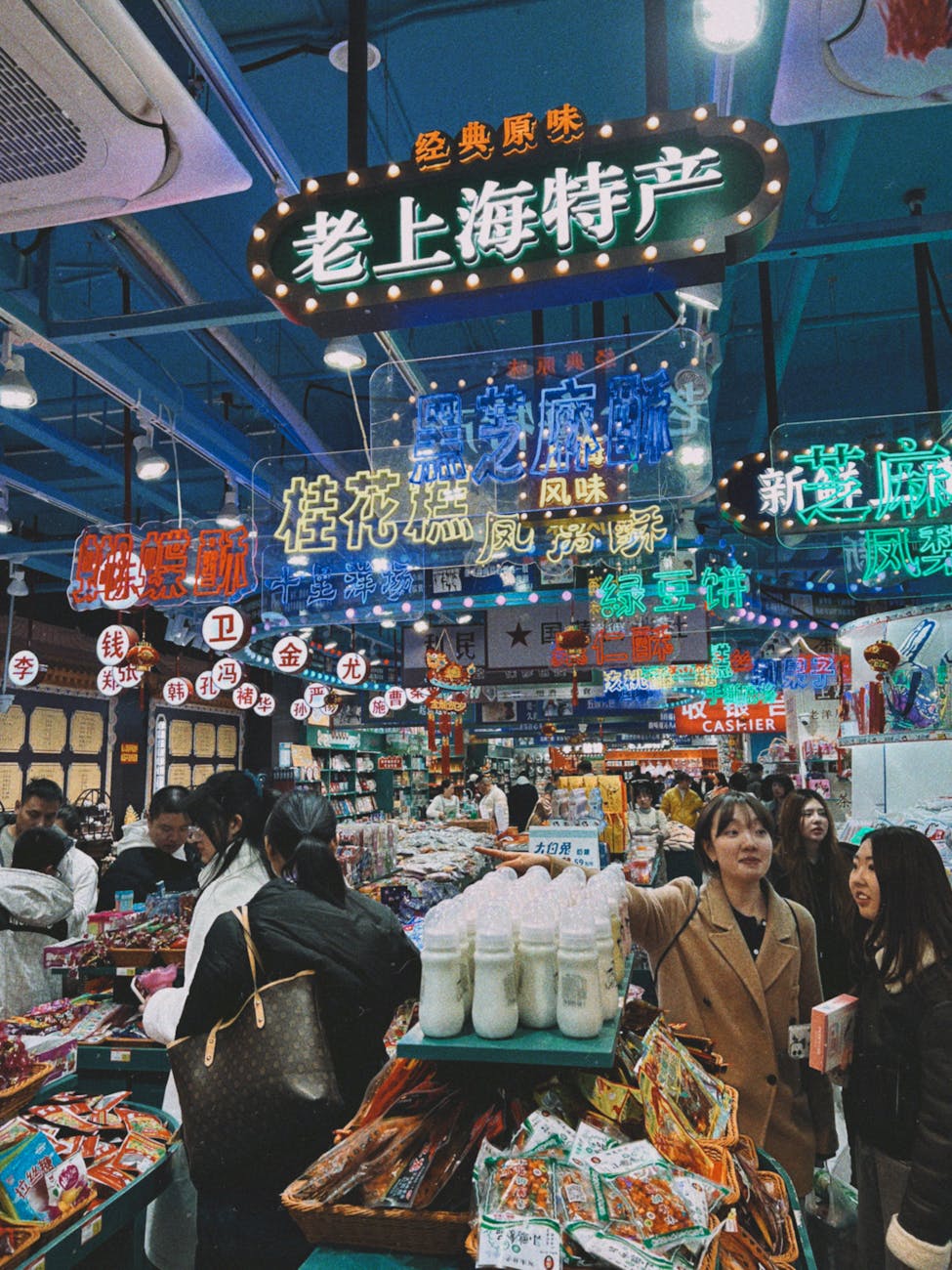
A busy market scene in Shanghai filled with colorful neon signs and a variety of food products, where people are browsing and shopping.
Vibrant atmosphere at a bustling market in Shanghai, showcasing local snacks and products amidst colorful neon signs.

Day 3: Local Life & Hidden Lanes {#day3}

  • Morning (9:00 AM): Before you depart, take a stroll through the Tianzifang or Jing’an Sculpture Park area. Tianzifang is a labyrinth of narrow alleyways filled with craft shops, cafes, and street art, while the park offers a modern, cultural respite. It’s a great way to see a more laid-back, local side of Shanghai without venturing too far.
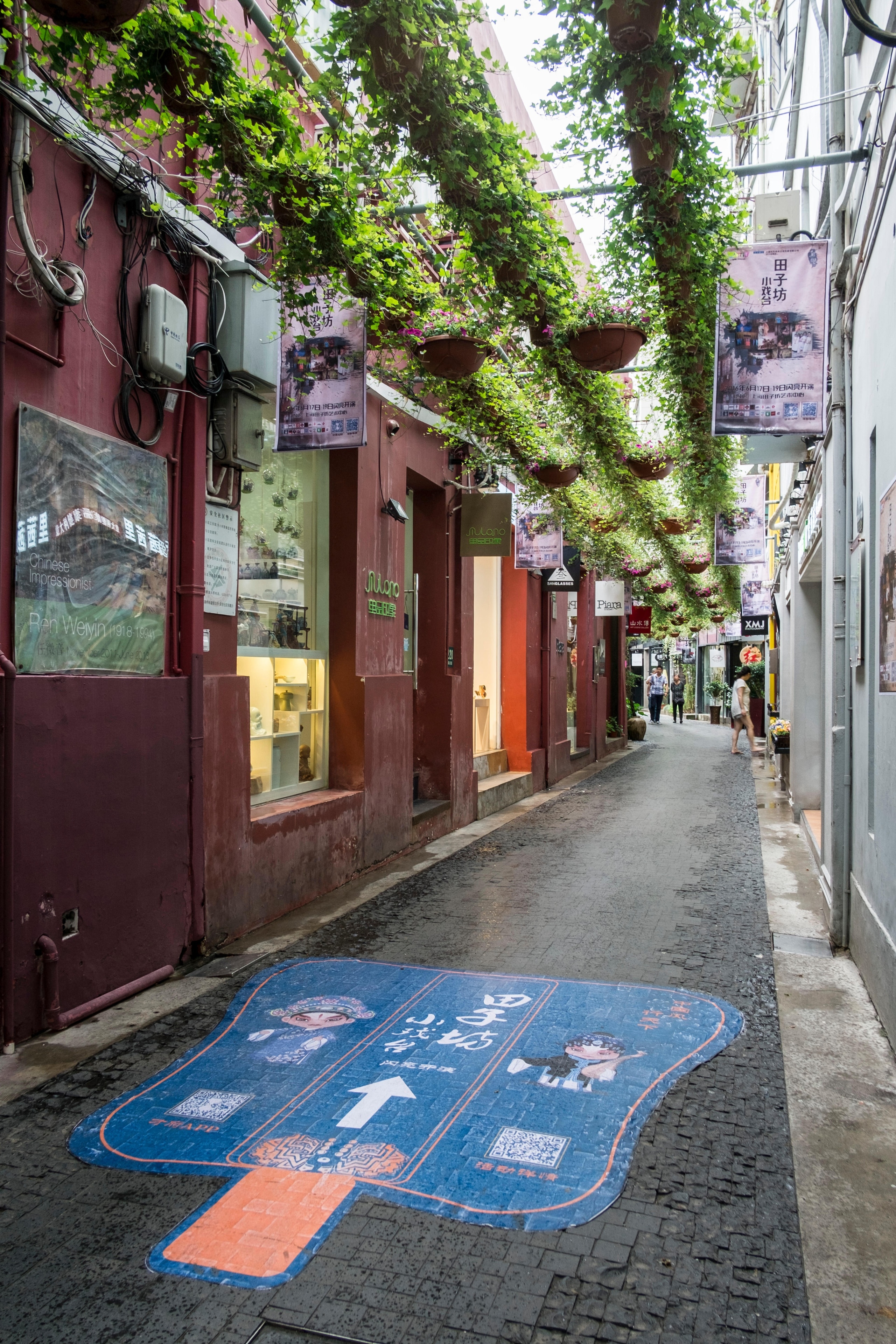
A narrow alley in Shanghai lined with red buildings, adorned with hanging plants and posters, leading to shops and cafes.
A charming alley in Shanghai’s Tianzifang, showcasing vibrant greenery and local shops.
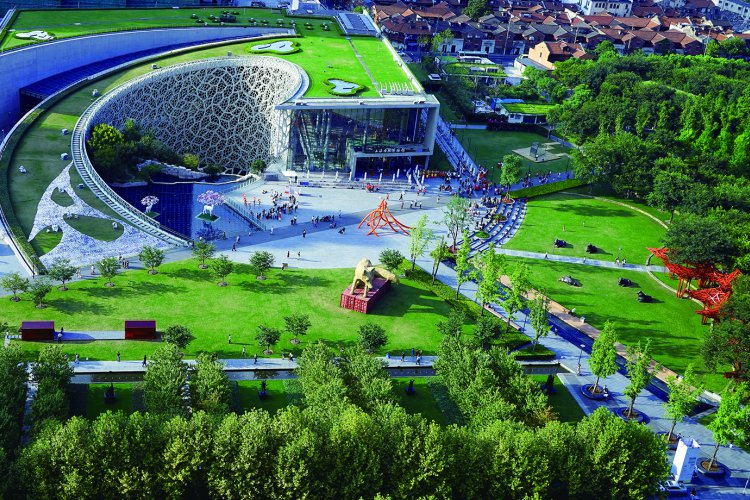
Aerial view of modern architecture and vibrant green spaces in Shanghai, showcasing the city’s blend of minimalist design and natural landscapes.

Essential Shanghainese Survival Phrases {#phrases}

While many in tourist areas speak English, a little effort goes a long way!

  • Hello: Nǐ hǎo (Nee how)
  • Thank you: Xièxiè (She-eh she-eh)
  • How much?: Duōshǎo qián? (Dwor-shwow chyen?)
  • Delicious!: Hǎo chī! (How chir!)
  • Cheers!: Gānbēi! (Gan bay!) – But be careful, this means “dry glass”!
  • Toilet = 厕所 (Cèsuǒ)
  • Metro = 地铁 (Dìtiě)

Smart Travel Resources

✈️ Flight Delays or Cancellations
Travel hiccups happen. If your flight is delayed, canceled, or overbooked, you might be owed compensation. AirHelp makes the claim process painless—they only get paid if you win.

Hidden Gems: Escape the Tourist Trail {#hidden-gems}

  • Zhujiajiao Water Town: An hour outside the city, this “Venice of Shanghai” is worth the trip for its ancient canals, stone bridges, and cobbled streets. It’s a beautiful glimpse into China’s past.
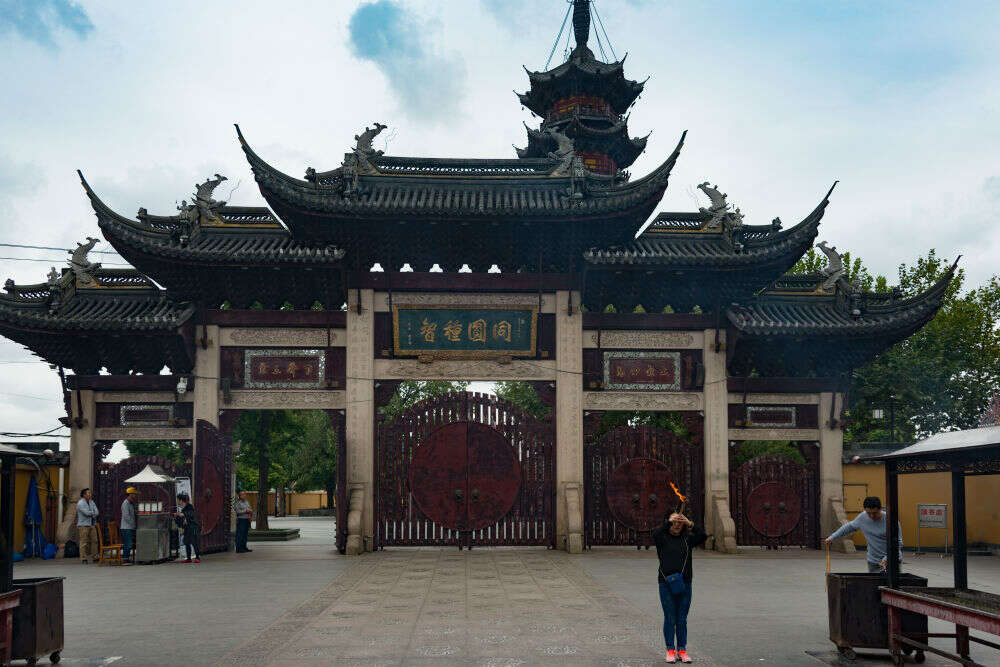
  • Longhua Temple & Pagoda: Older and feels more authentic than some of the more central temples. It’s a peaceful escape without the crowds.
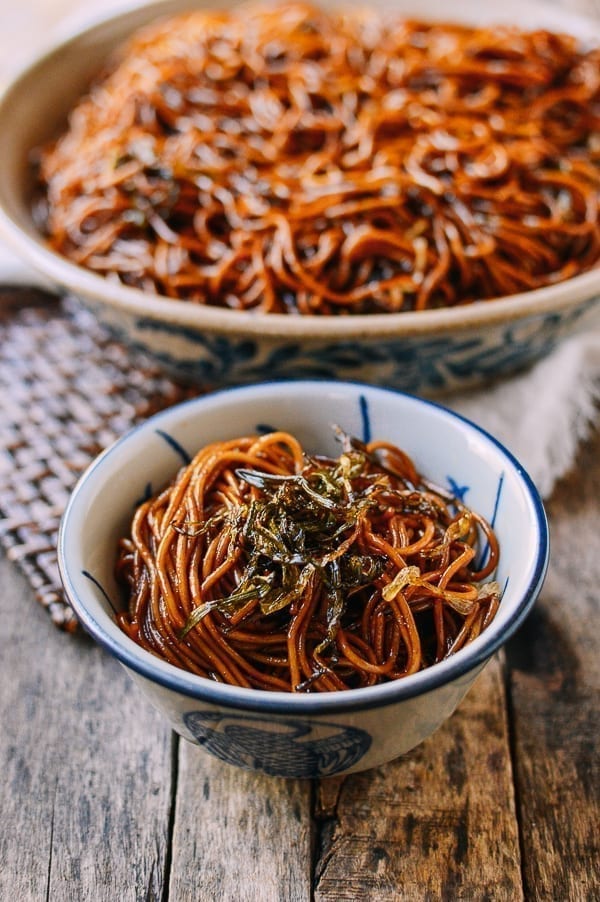
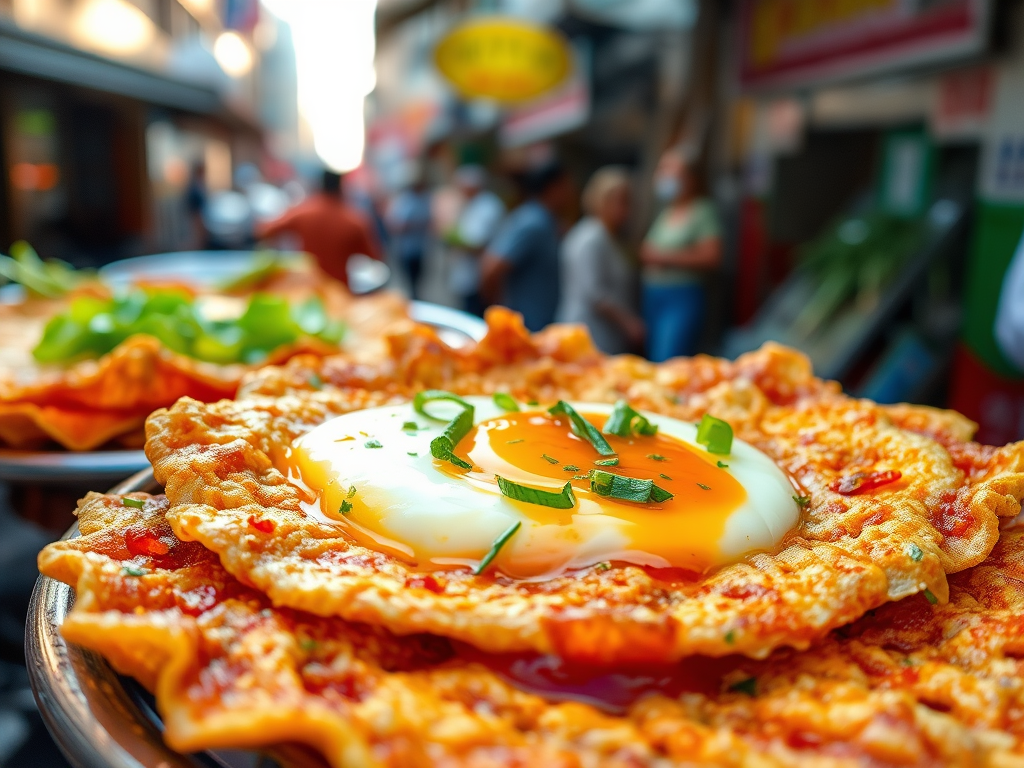
  • A random breakfast stall: Your best meal will be the one you can’t find on a map. Follow the locals to a busy breakfast stall for a bowl of congyouban (scallion oil noodles) or a crispy jianbing (savory crepe).
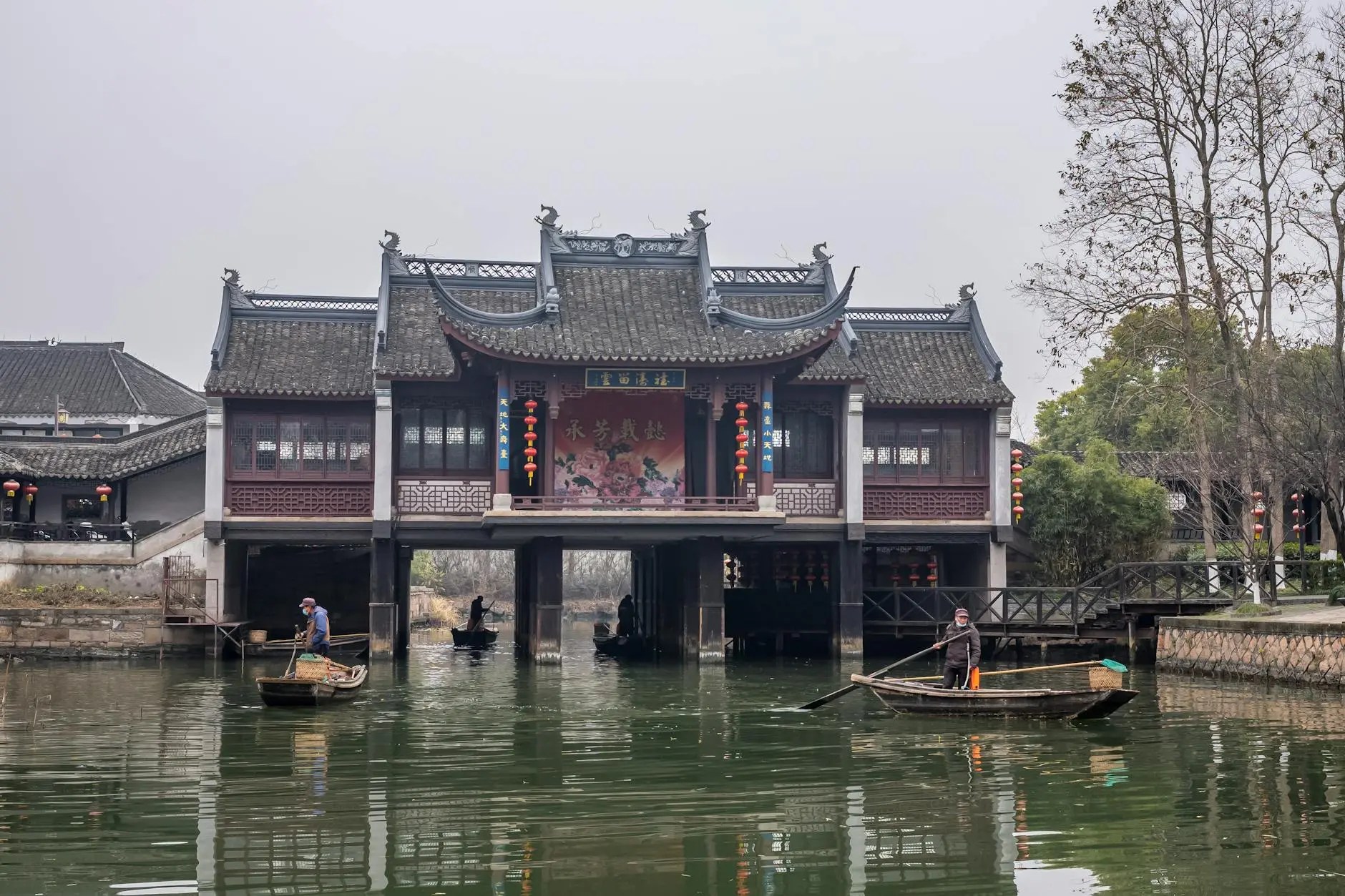
A traditional wooden building with a curved roof sits over a serene waterway, where two people are rowing boats beneath it. The scene reflects a peaceful water town atmosphere in Shanghai.
Traditional Chinese architecture meets serene waterways in a picturesque scene from Shanghai. Step back in time: A traditional wooden boat navigates the peaceful canals of Zhujiajiao, the “Venice of Shanghai,” passing under centuries-old stone bridges and past whitewashed homes from the Ming and Qing dynasties.
Entrance gate of the Yu Garden in Shanghai, featuring traditional Chinese architecture with ornate rooftops and large wooden doors.
The iconic entrance of Yu Garden in Shanghai, showcasing traditional architectural design. Longhua Temple is the largest temple in Shanghai.

A bowl of dark, glossy noodles topped with finely chopped herbs, placed on a rustic wooden table, with a larger serving dish of the same noodles in the background.
Delicious bowl of scallion oil noodles, a must-try dish during your Shanghai weekend escape.
A close-up of crispy street-style pancakes topped with a runny fried egg and garnished with green onions, set against a bustling Shanghai street background.
A delicious plate of jianbing, a popular Chinese street food, featuring a crispy crepe topped with an egg and fresh scallions, perfect for breakfast in Shanghai.

Frequently Asked Questions 

What is the best time of year to visit Shanghai?
A: Spring (April-May) and Autumn (September-November) are ideal. The weather is mild and comfortable for walking. Summer is hot and humid, while winter can be chilly and damp.

Is Shanghai expensive?
A: It can be, but it doesn’t have to be. Luxury is available, but by eating street food, using the metro, and choosing activities wisely, you can have an amazing experience on a reasonable budget. Accommodation will likely be your biggest cost – I always cross-reference reviews and prices on Expedia to find the best deals.

Can I use my credit card everywhere?
A: Major hotels, high-end restaurants, and international stores will accept credit cards. However, China is a cash-heavy society, and most small vendors, local markets, and taxis will require cash. WeChat Pay and Alipay are ubiquitous, but they require a Chinese bank account, so for short-term travellers, cash is king. Always have some Chinese Yuan (RMB) on you.

My flight to Shanghai was canceled! What can I do?
A: Travel chaos is the worst. But did you know that if your flight is delayed, canceled, or you’re denied boarding, you could be entitled to up to $650 in compensation under air passenger rights laws? Most people never claim it. I use AirHelp to handle the nasty paperwork and fight the airlines for me. They only get paid if you win! It’s a no-brainer. Check your flight eligibility here.

Is Shanghai safe for solo travelers?
Yes! It’s one of the safest megacities in Asia. Just watch your belongings in crowded spots.

Can I get by without speaking Mandarin?
Mostly yes—signs are bilingual, and metro announcements are in English. A translation app helps.

How much should I budget for a weekend?
Around $250–$300, including accommodation, transport, meals, and a few splurges.

There you have it! Your ultimate guide to conquering Shanghai in a single, magnificent weekend. It’s a city that will challenge your senses, delight your palate, and leave you desperate to return. So what are you waiting for?

Ready to book your Shanghai adventure? Start planning and finding the best deals on Expedia today!

Have any questions or your own Shanghai tips? Drop them in the comments below! And if you’re looking for more inspiration, check out my guide to exploring the temples of Kyoto or the street food scene in Bangkok for more Asian adventure ideas.

Shanghai is a city that never sleeps, but your weekend trip will fly by. Plan smart, book early

👉 Ready for your Shanghai adventure? Pack your bags, bring your appetite, and don’t forget your camera—because this weekend escape will leave you with memories (and dumpling cravings) for a lifetime.
Universal Disclaimer/Disclosure Page:

Ultimate Hong Kong Weekend Getaway Guide

Meta Description: Planning a weekend in Hong Kong? Our ultimate guide is packed with insider tips. It includes a savvy 3-day itinerary and must-know Cantonese phrases. You’ll learn how to navigate the city like a pro. Maximize your time and money on your Hong Kong escape!

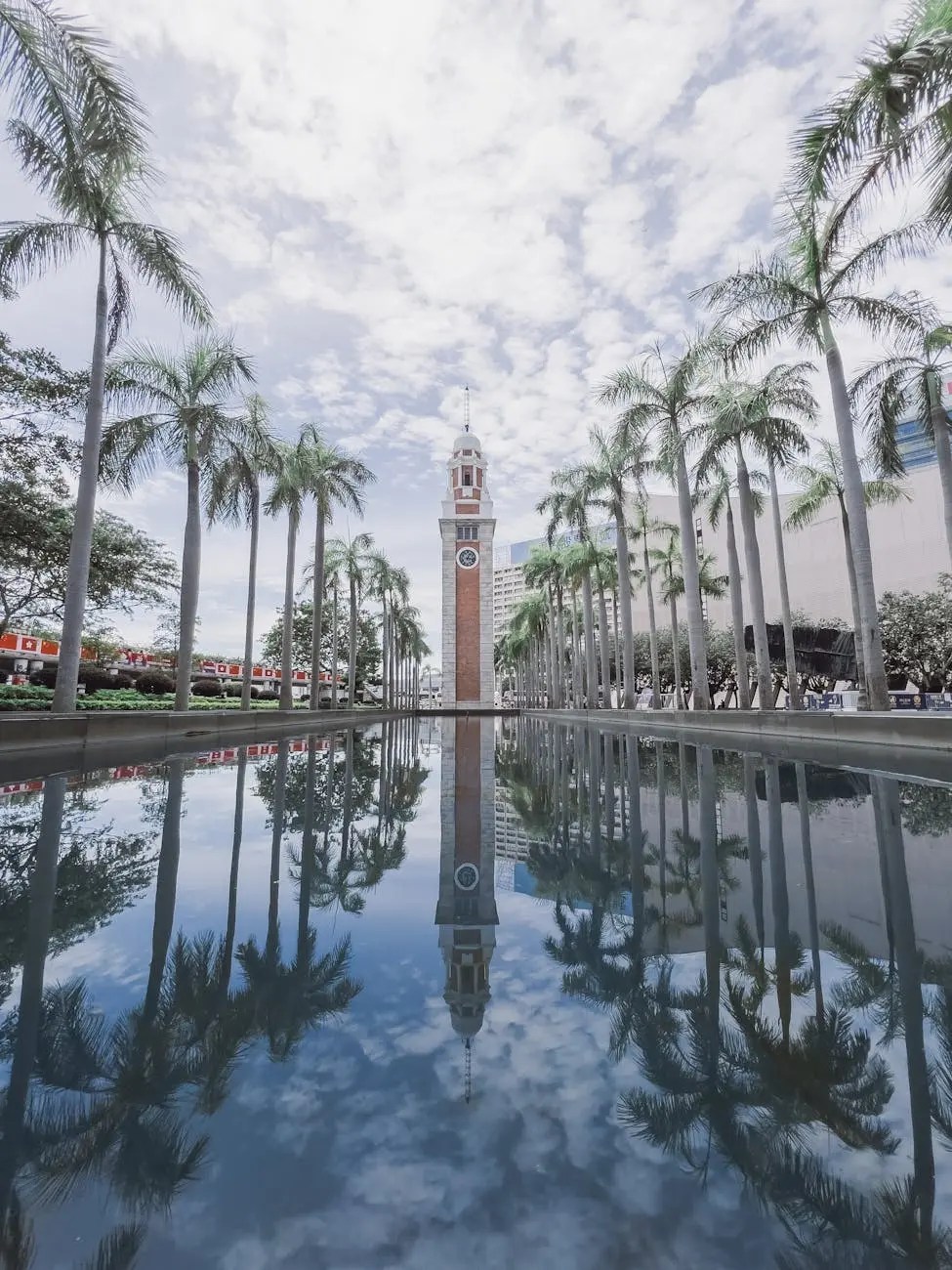
View of a clock tower surrounded by palm trees with a reflection in a still pond under a cloudy sky in Hong Kong.
The iconic Clock Tower in Tsim Sha Tsui, surrounded by palm trees and reflecting in the serene water.

Hey there, fellow traveler! Remember that time I tried to find the Peak Tram and ended up hiking halfway up Victoria Peak in the sweltering heat? Yeah, let’s just say I learned the importance of planning—and carrying water—the hard way. But that’s the magic of Hong Kong: even the wrong turns lead to unforgettable adventures. If you’ve got a weekend to spare, let me help you make the most of it in this electrifying city without repeating my mistakes!

So, you’ve got a weekend to spare and a serious case of wanderlust. Where do you go? Somewhere with epic food, stunning views, and a pulse that beats 24/7. Let me make a case for Hong Kong, China.

I’ll be honest, my first trip to HK was a blur of jet lag and wrong turns on the MTR. But after multiple visits, I’ve cracked the code on how to have an absolutely unforgettable 72-hour adventure without burning out (or breaking the bank). This isn’t just a list of sights; it’s your blueprint for the perfect weekend escape.

Flights to Hong Kong SAR 

Table of Contents

  1. Why Hong Kong is the Perfect Weekend Getaway
  2. Your Savvy 3-Day Hong Kong Itinerary
  3. Getting Around: Mastering the MTR, Buses, and Star Ferry
  4. Must-Know Words: Your Mini Cantonese Crash Course
  5. Hidden Gems & Local Secrets
  6. Money-Saving Tips for Smart Travellers
  7. Essential Travel Resources & FAQs

Hotels in Hong Kong Island 

1. Why Hong Kong is the Perfect Weekend Getaway

Hong Kong is a beautiful contradiction. It’s where ancient tradition meets hyper-modernity. You can be sipping a craft cocktail on a rooftop bar overlooking a futuristic skyline one moment, and hiking a serene, jungle-covered trail the next—all within a 30-minute journey. Its compact size and incredibly efficient public transport make it the ultimate destination for a short, action-packed trip. Plus, the food. Oh, the food. From Michelin-starred dim sum to a perfect egg tart from a street stall, your taste buds will thank you.

If you’re also planning a trip to its neighbour, check out my guide on The Best of Macau: A Day Trip from Hong Kong for the perfect cultural add-on.

Steamed dumplings with gold leaf served in a bamboo basket.
Gourmet dim sum featuring golden details, a must-try delicacy in Hong Kong.
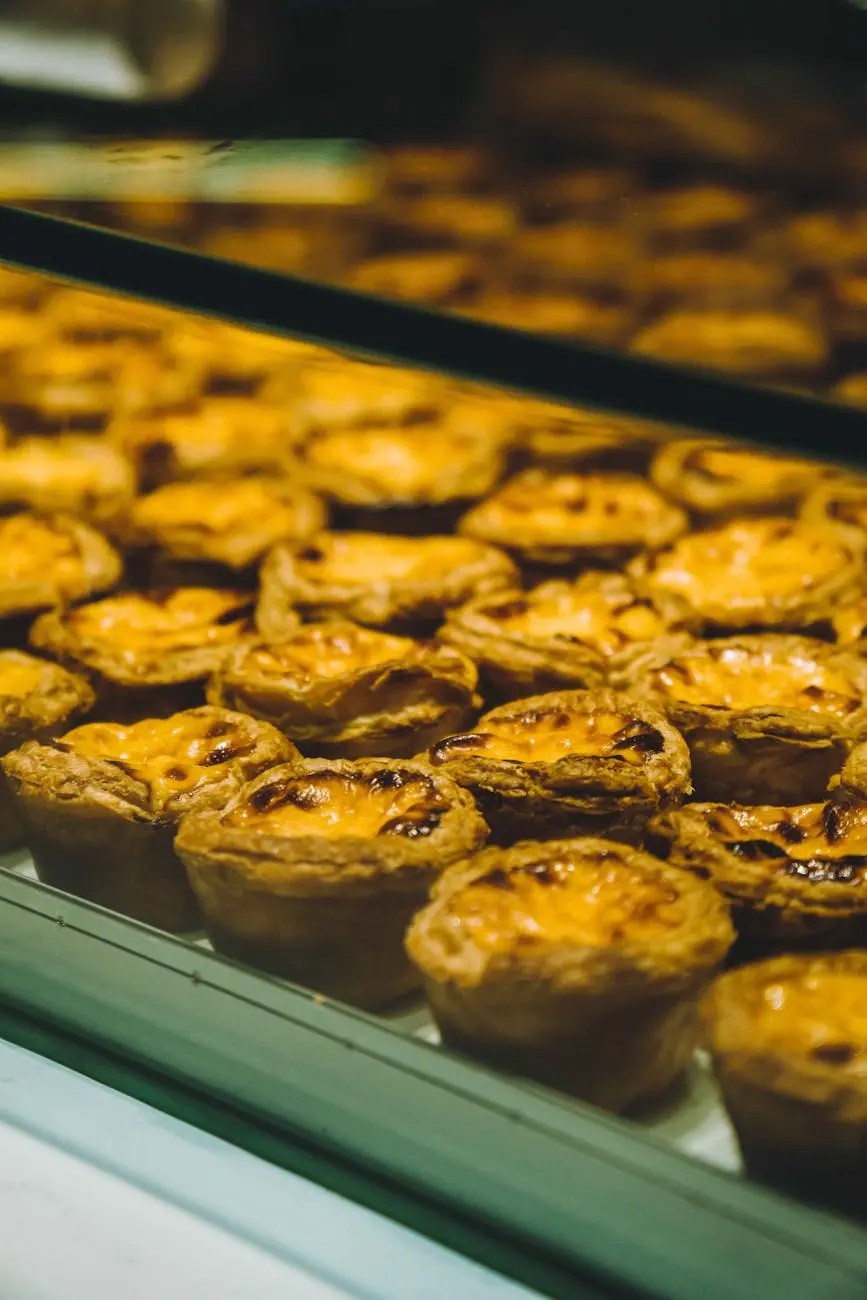
Close-up of baked egg tarts displayed in a glass case, showcasing their golden crusts and creamy filling.
Delicious egg tarts, a must-try treat in Hong Kong.

Day 1: The Iconic Highlights (Hong Kong Island Side)

  • Morning: Fuel up with a classic Hong Kong breakfast: macaroni soup and a yuanyang (coffee-tea mix). Then, head to Admiralty and walk the Hong Kong Trail to Victoria Peak. Skip the pricey Peak Tram queue and take bus #15 from the Exchange Square bus terminal. The hike is rewarding and the view from the top is, frankly, unbeatable.
  • Afternoon: Descend and take the historic Star Ferry from Central to Tsim Sha Tsui. It’s the world’s most scenic and affordable cruise (around HK$4.00!). Walk along the Avenue of Stars, and for a hidden gem, find the 1881 Heritage mall—it’s a beautifully restored former marine police headquarters.
  • Evening: Have dinner in Tsim Sha Tsui, then watch the “Symphony of Lights” laser show at 8 PM from the waterfront. For a better (and free) view, head to the rooftop garden of the Hong Kong Cultural Centre.
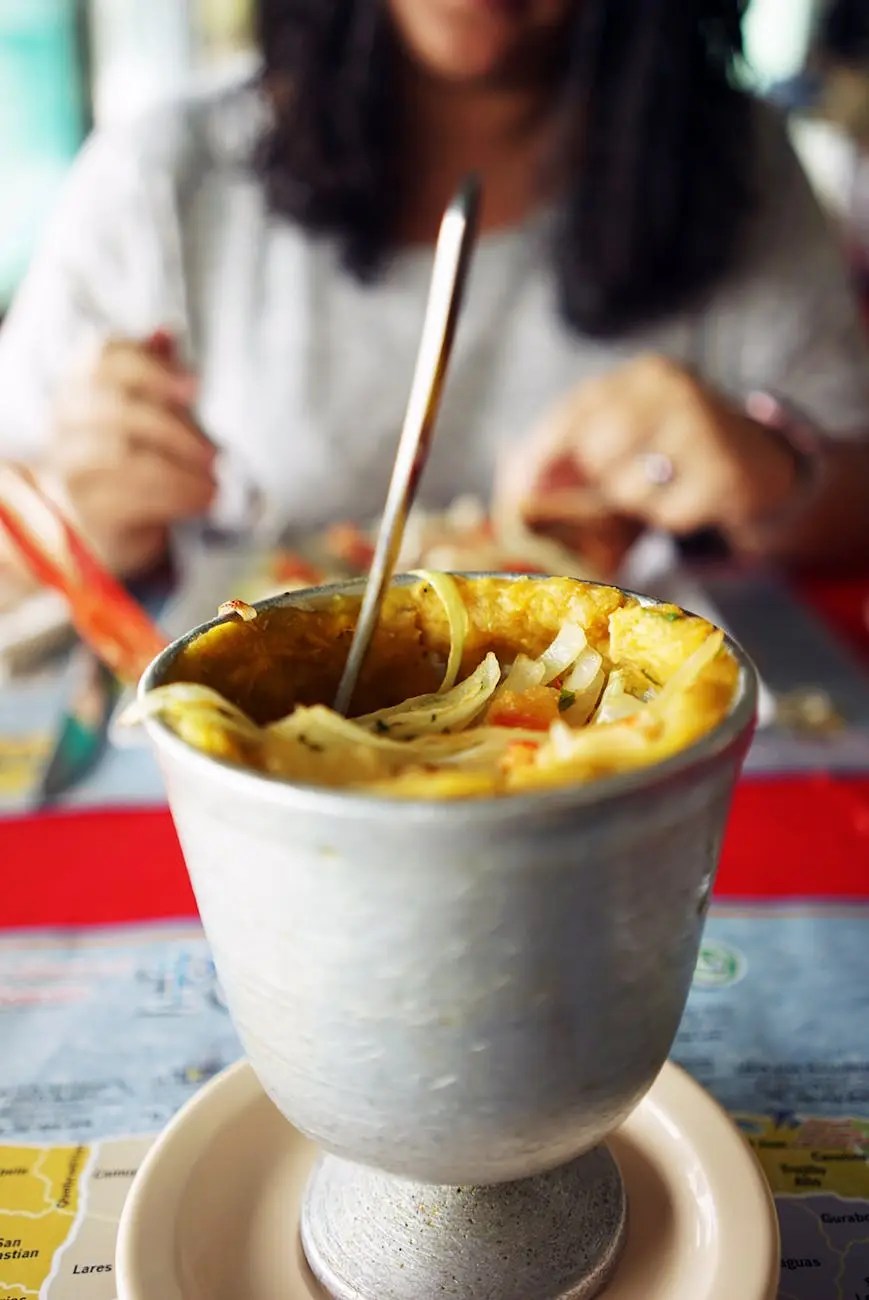
Close-up of a bowl of macaroni soup with a spoon, with a person eating in the background.
A delicious serving of Hong Kong-style macaroni soup, a classic breakfast dish enjoyed by locals.

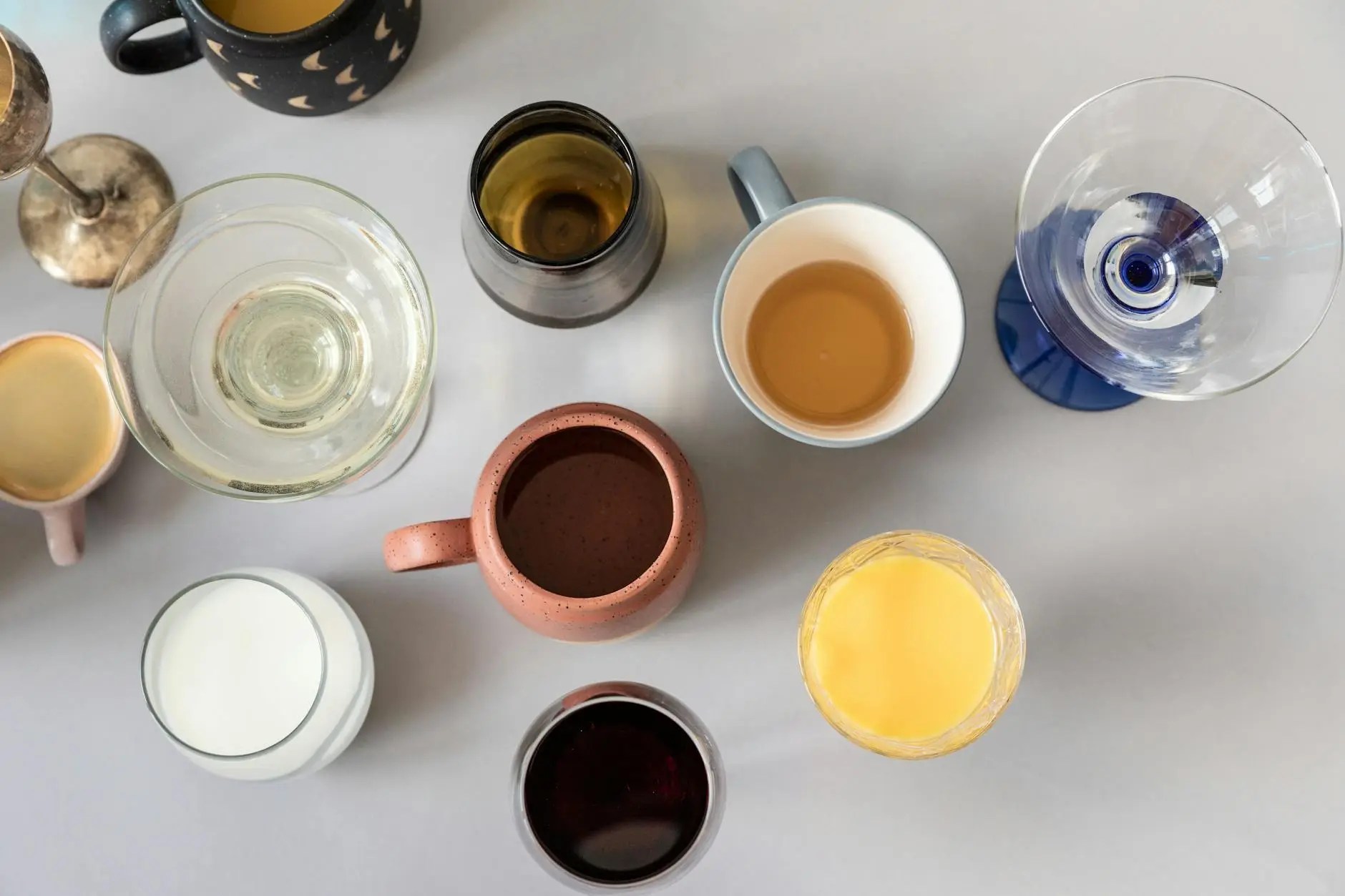
An overhead view of various beverage cups and glasses, including a glass of water, a mug with tea, a clay pitcher, and a wine glass, arranged artistically on a flat surface.
A variety of beverages including coffee, tea, and juice neatly arranged on a table.

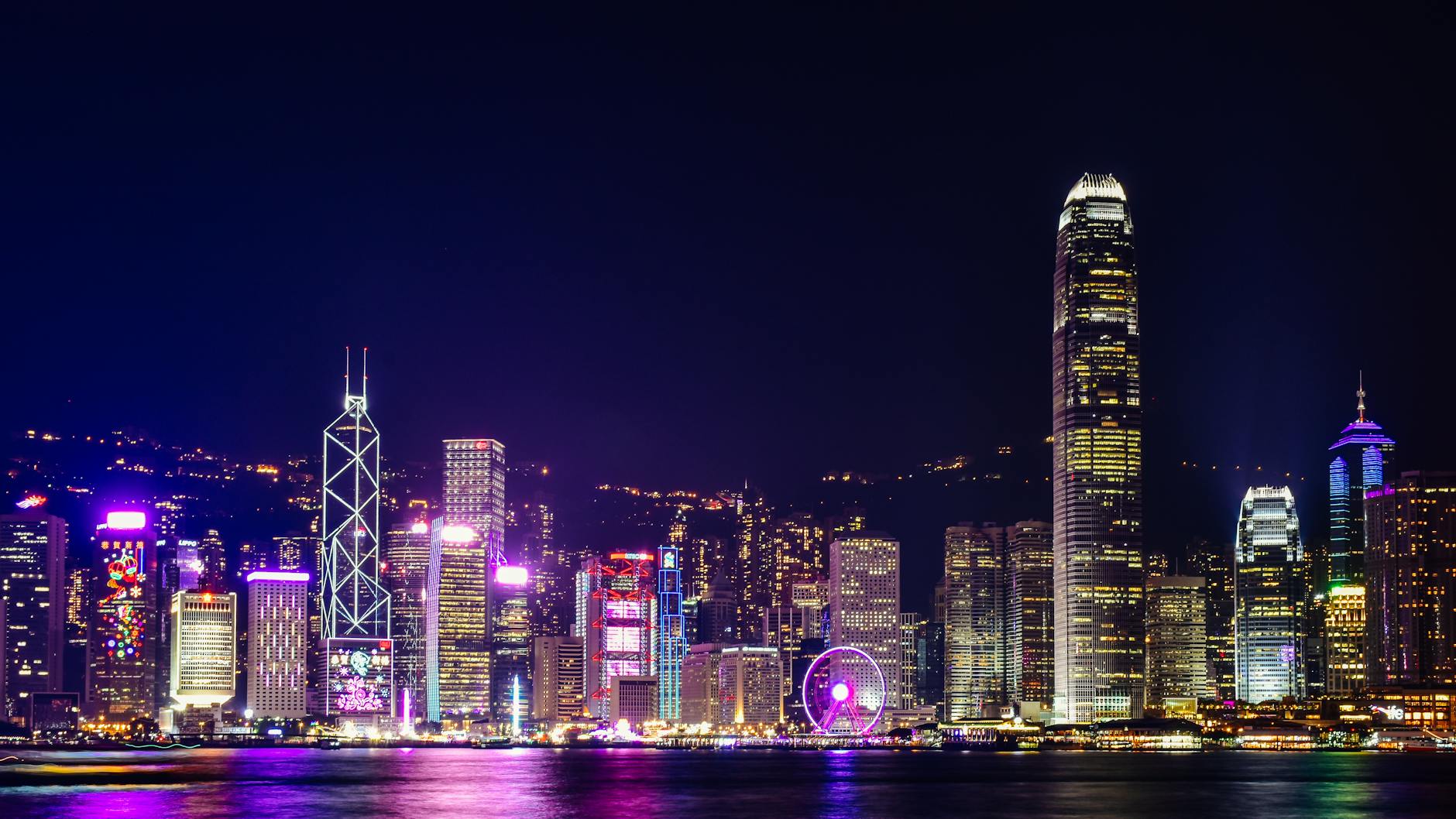
A panoramic view of Hong Kong's skyline at night, showcasing illuminated skyscrapers and the iconic Ferris wheel.
The vibrant skyline of Hong Kong illuminated at night, showcasing its stunning architecture and lively atmosphere.

The Victoria Peak Tram Ticket | Hong Kong

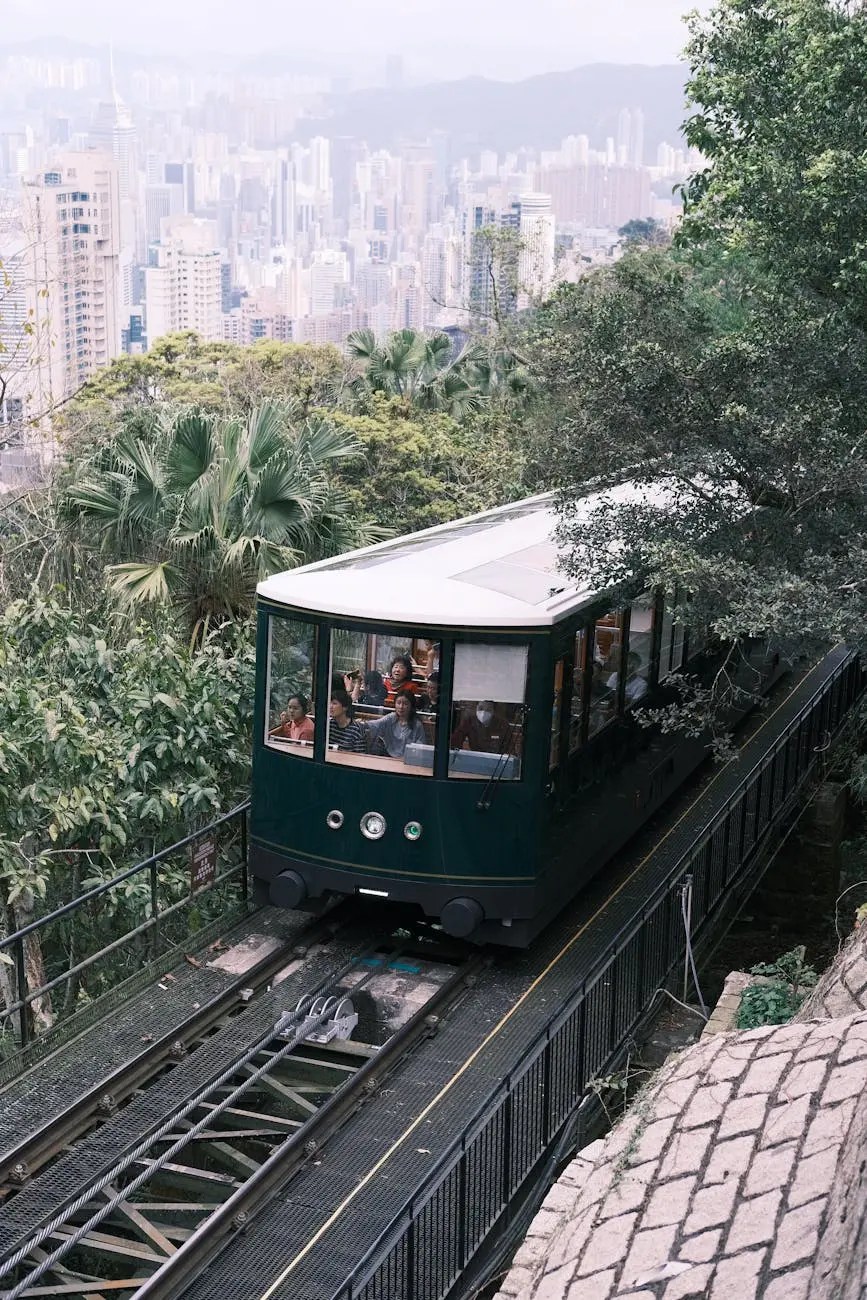
A vintage-style funicular train traveling up a steep incline surrounded by lush greenery, with a view of a city skyline in the background.
The iconic Victoria Peak Tram making its ascent through lush greenery in Hong Kong.

A city bus in Hong Kong showing the route number 15, with passengers waiting nearby on a sunny day.
A double-decker bus at a stop in Hong Kong, providing efficient transport for visitors.

Tsim Sha Tsui Star Ferry Pier Tours

A close-up view of a Star Ferry boat in Hong Kong, showcasing its green and white design along with life preservers on the side.
The iconic Star Ferry, a must-experience ride in Hong Kong, offers scenic views of the bustling harbor.

Avenue of Stars Tours

Bronze statue of a martial artist against a city skyline illuminated at night in Hong Kong.
The iconic Bruce Lee statue overlooking the vibrant skyline of Hong Kong at night.

Avenue of Stars Tours

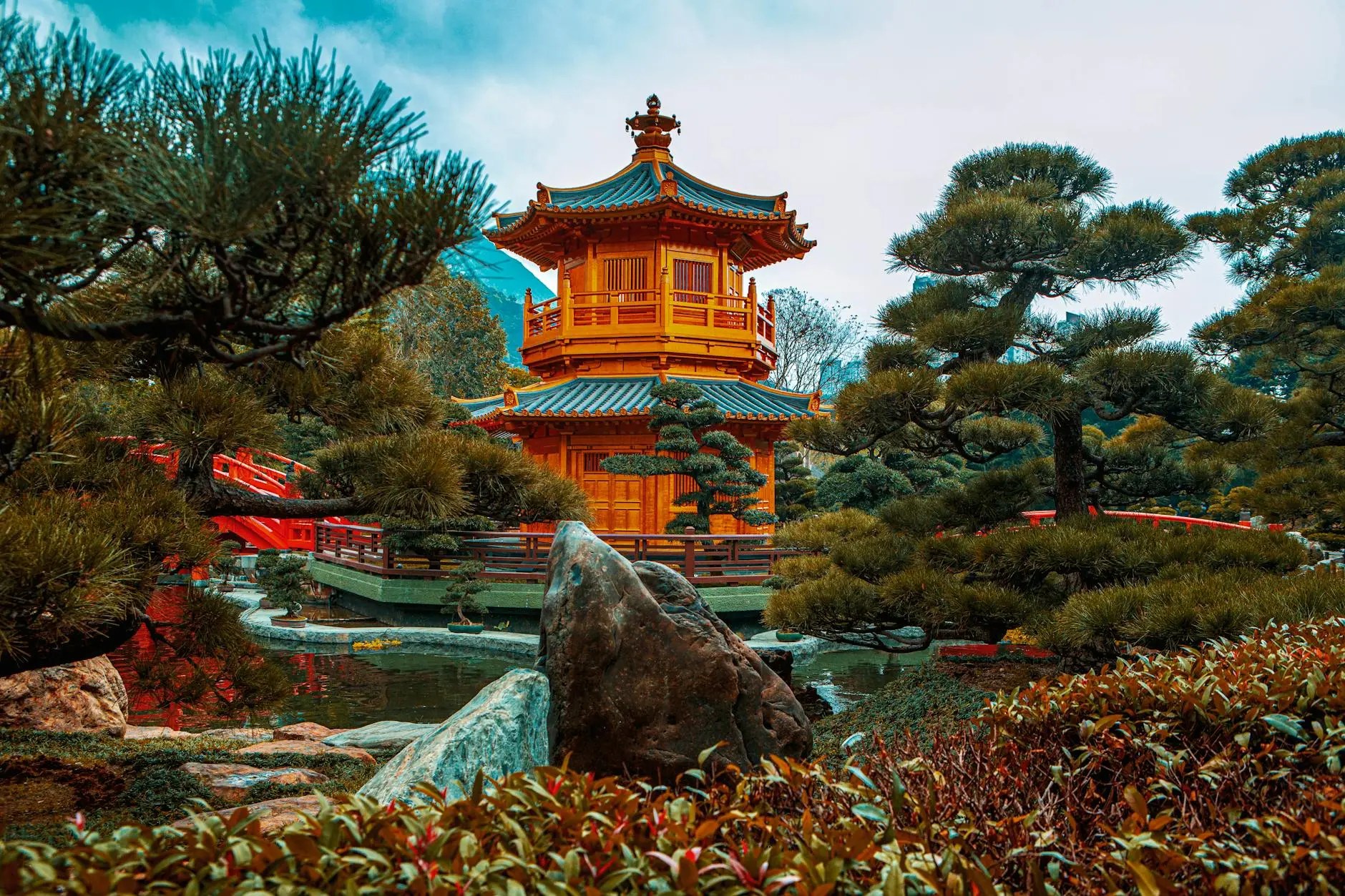
A beautifully designed traditional Chinese pavilion surrounded by lush greenery and tranquil waters, showcasing a serene landscape.
Explore the stunning architecture of the Pavilion of Absolute Perfection surrounded by lush gardens in Hong Kong.

1881 Heritage Tours

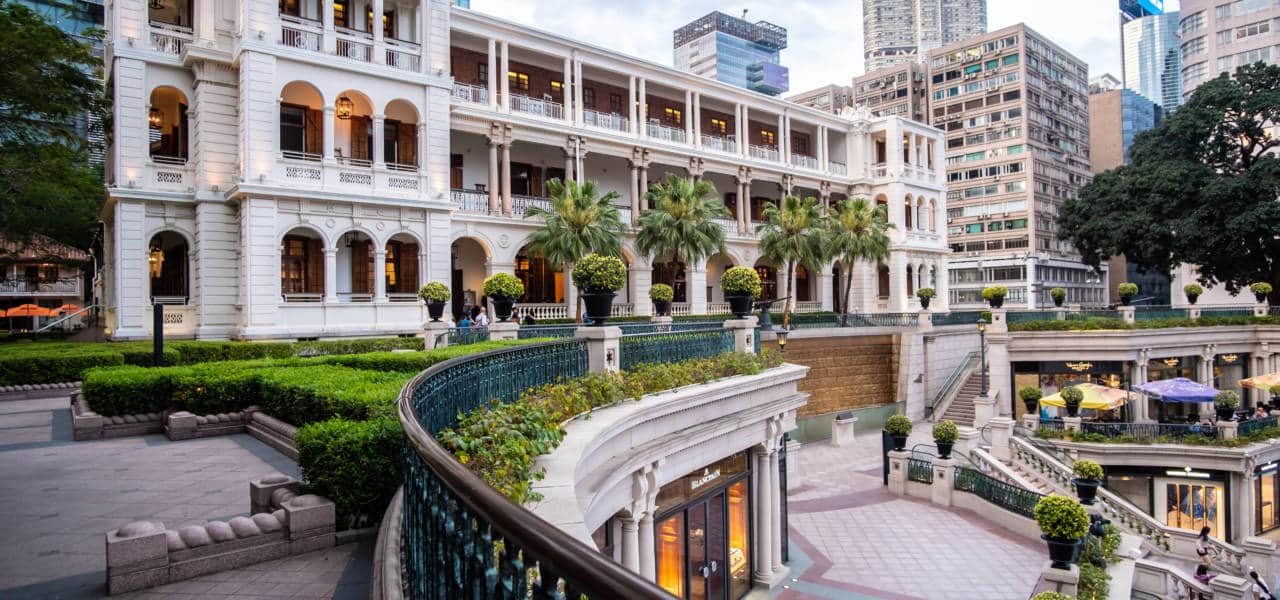
A beautifully restored heritage building in Hong Kong, featuring classic European architectural details, surrounded by lush greenery and modern skyscrapers in the background.
The stunning architecture of 1881 Heritage in Tsim Sha Tsui, showcasing a blend of history and modernity, perfect for a weekend stroll.

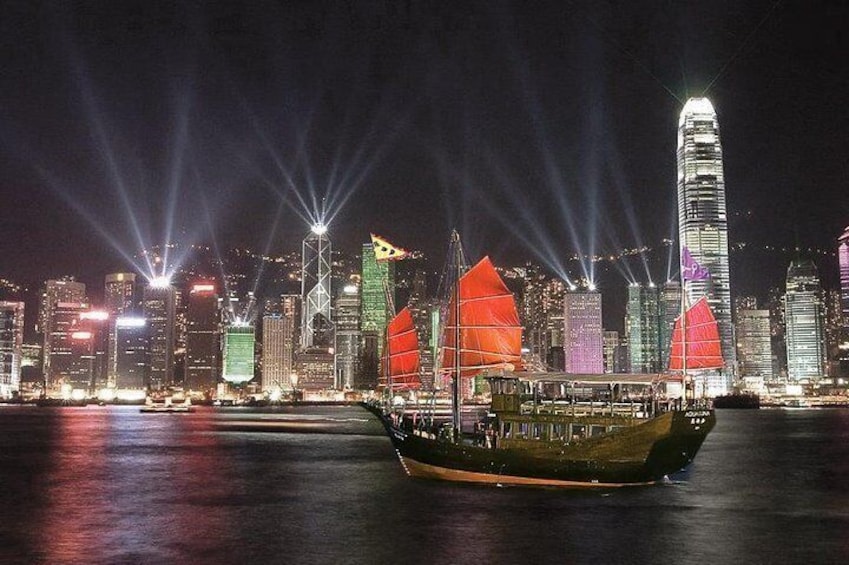
Aqua Luna: Symphony of Lights Cruise in Hong Kong

A traditional Chinese junk boat with red sails sailing in Victoria Harbour, Hong Kong, illuminated by vibrant city lights and laser beams from nearby skyscrapers at night.
Iconic view of Hong Kong’s skyline at night, featuring a traditional junk boat against a backdrop of dazzling lights and modern skyscrapers.

Day 2: Culture, Markets & Neon Lights (Kowloon Side)

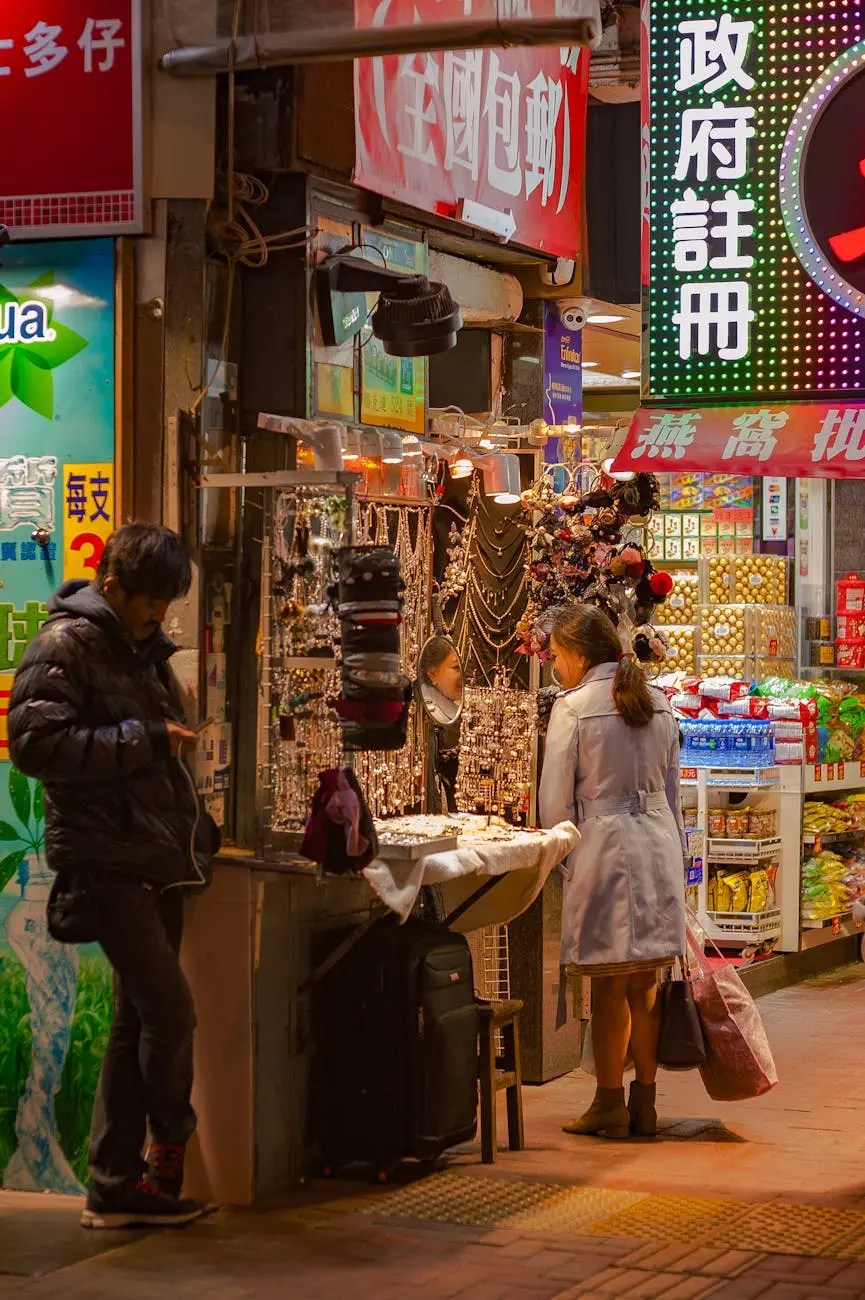
  • Morning: Dive into local life at the Mong Kok markets. This is where you’ll find the legendary Ladies’ Market (Tung Choi Street). Don’t let the name fool you—it’s a bustling, kilometer-long stretch selling everything from clothes and bags to quirky souvenirs and phone accessories. This is your chance to practice your bargaining skills! Pro tip: Start by offering 50% of the initial asking price and negotiate with a smile. Also, explore the nearby Flower Market and the Bird Garden for a true sensory experience.
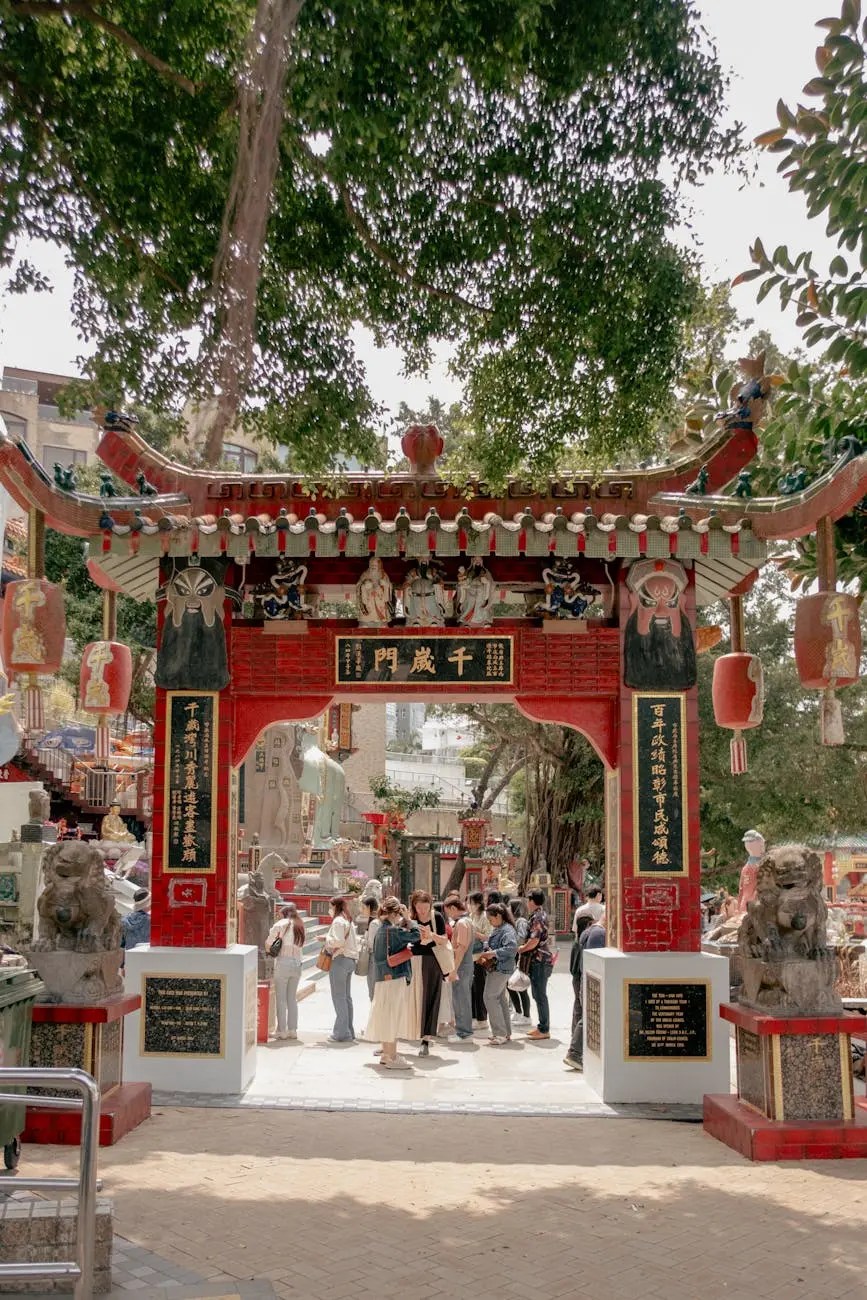
  • Afternoon: Visit the Wong Tai Sin Temple, a bustling and incredibly colourful Taoist temple where locals go to have their fortunes told. It’s a fascinating glimpse into local spiritual practices.
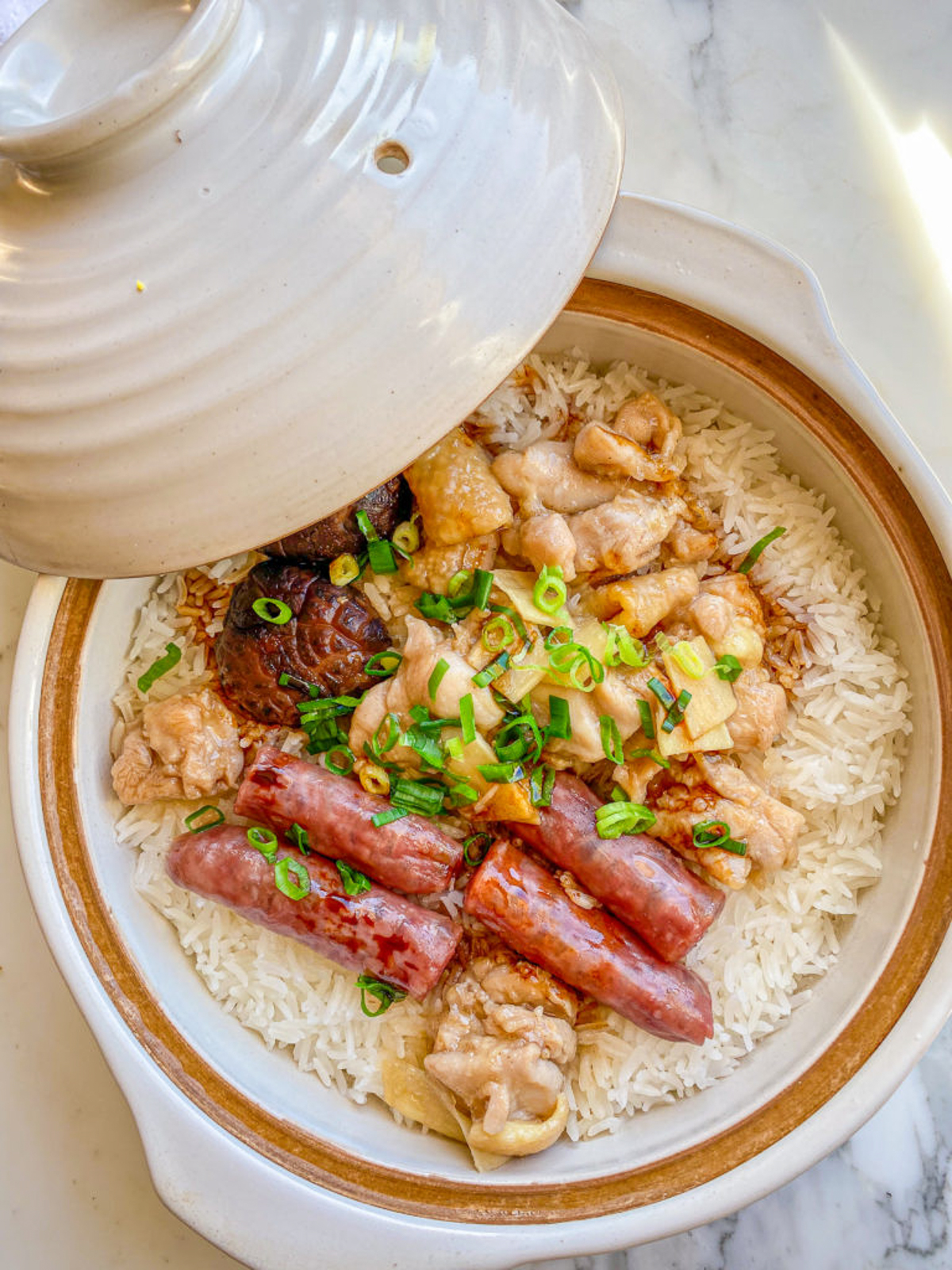
  • Evening: This is what you came for. Explore the chaotic, neon-drenched streets of Yau Ma Tei and Jordan. Eat at a dai pai dong (open-air food stall). My personal favourite is a place tucked away on Temple Street that serves clay pot rice with spicy sausage—you can smell it from a block away.

For more on navigating Asian street food scenes, my tips in How to Eat Everything in Bangkok (and Not Get Sick) apply here too!

Ladies’ Market

A nighttime market scene in Hong Kong showcasing a vendor selling jewelry and accessories, with a woman examining the merchandise while a man stands nearby looking at a phone.
Exploring the vibrant streets of Hong Kong’s Mong Kok market, where shoppers browse through a colorful array of jewelry and local goods.

Flower Market Tours

Yuen Po Bird Market Tours

A traditional Chinese temple gate with intricate designs and decorations, surrounded by greenery, with a group of people gathering at the entrance in Hong Kong.
Visitors exploring the vibrant entrance of Wong Tai Sin Temple in Hong Kong, showcasing traditional architecture and cultural significance.

Wong Tai Sin Temple Tours

A bustling street market in Kowloon, Hong Kong, filled with people dining at open-air food stalls and browsing various merchandise under colorful neon lights.
A vibrant night market in Yau Ma Tei, Hong Kong, showcasing local food and shopping.

Yau Ma Tei Vacations 

A clay pot filled with rice topped with pieces of chicken, sausages, and garnished with chopped green onions.
A delicious serving of clay pot rice topped with assorted meats and green onions, showcasing a popular dish from Hong Kong’s street food scene.

Hong Kong Street Food Tour with Local Guide

Day 3: Islands & Farewell Feasts

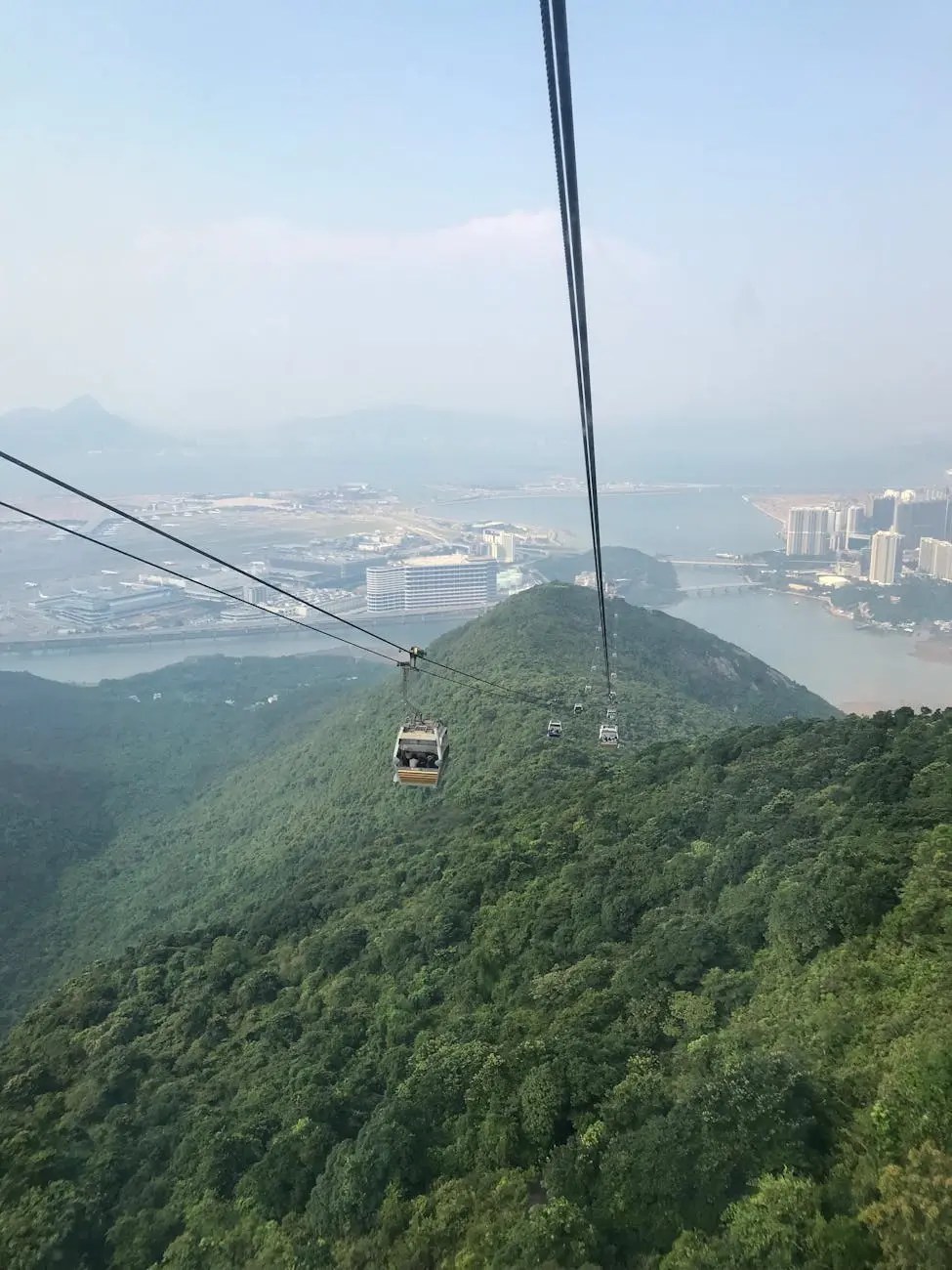
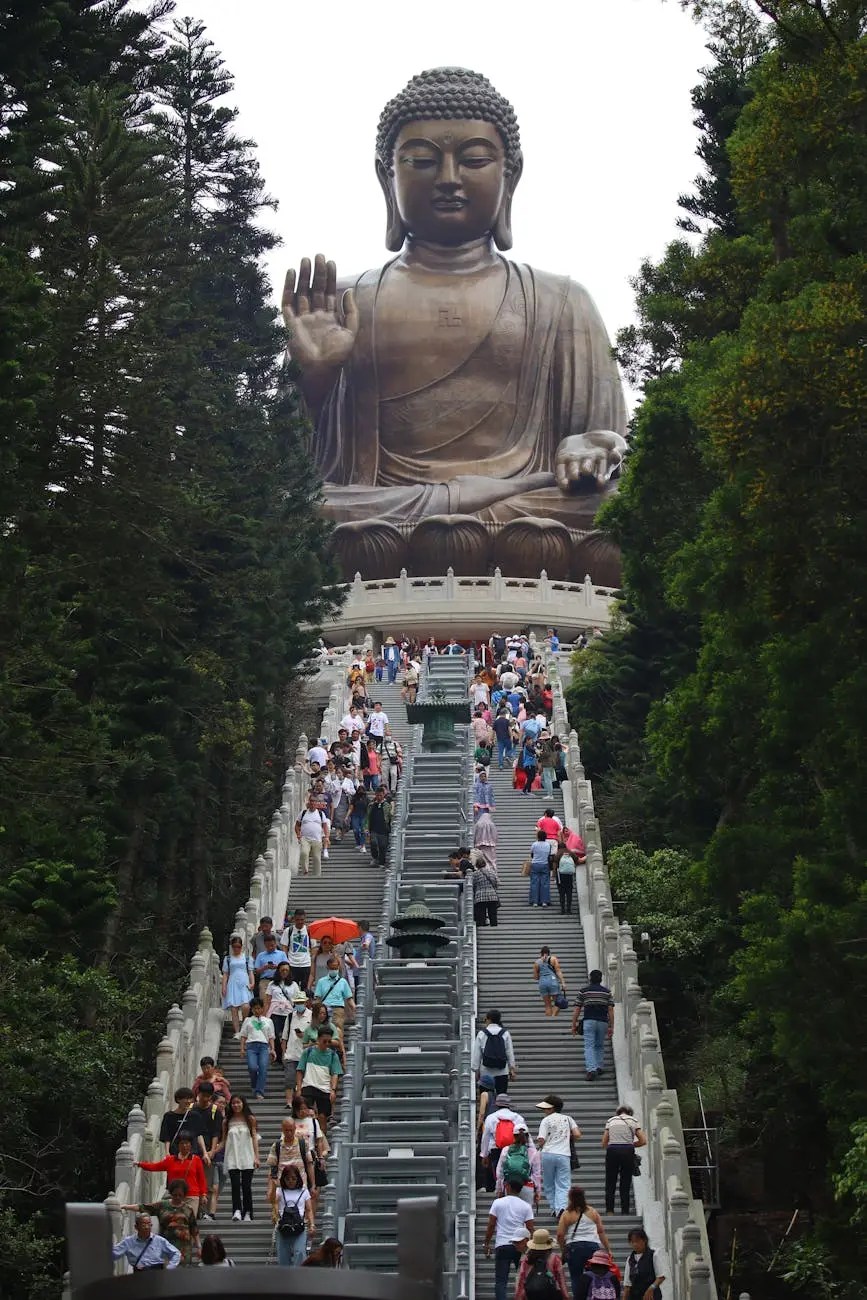
  • Option A (Nature): Escape the crowds with a ferry to Lantau Island. See the giant Tian Tan Buddha, explore the quaint Po Lin Monastery, and hike the peaceful trails. Take the Ngong Ping 360 cable car for breathtaking views.
  • Option B (Culture): Take a slower-paced ferry to Lamma Island. There are no cars here! Enjoy a seafood lunch right on the waterfront at Sok Kwu Wan, then hike the family-friendly trail to Yung Shue Wan.
  • Evening: For your final meal, go all out on dim sum. I’m personally loyal to Lin Heung Tea House in Central for its old-school, pushcart charm. It’s chaotic, loud, and an authentic experience you won’t forget.

Lantau Island Vacations

A scenic view from a cable car above lush greenery, overlooking a vast landscape with water bodies and urban developments in the distance, typical of Hong Kong's natural and urban contrast.
View from the Ngong Ping 360 cable car on Lantau Island, showcasing the lush greenery and stunning landscape of Hong Kong.

Tian Tan Buddha Tours

A crowd of tourists climbing the stairs leading to the Tian Tan Buddha statue on Lantau Island, surrounded by lush greenery.
A stunning view of the Tian Tan Buddha on Lantau Island, surrounded by lush greenery and visitors climbing the stairs.

Po Lin Monastery Tours

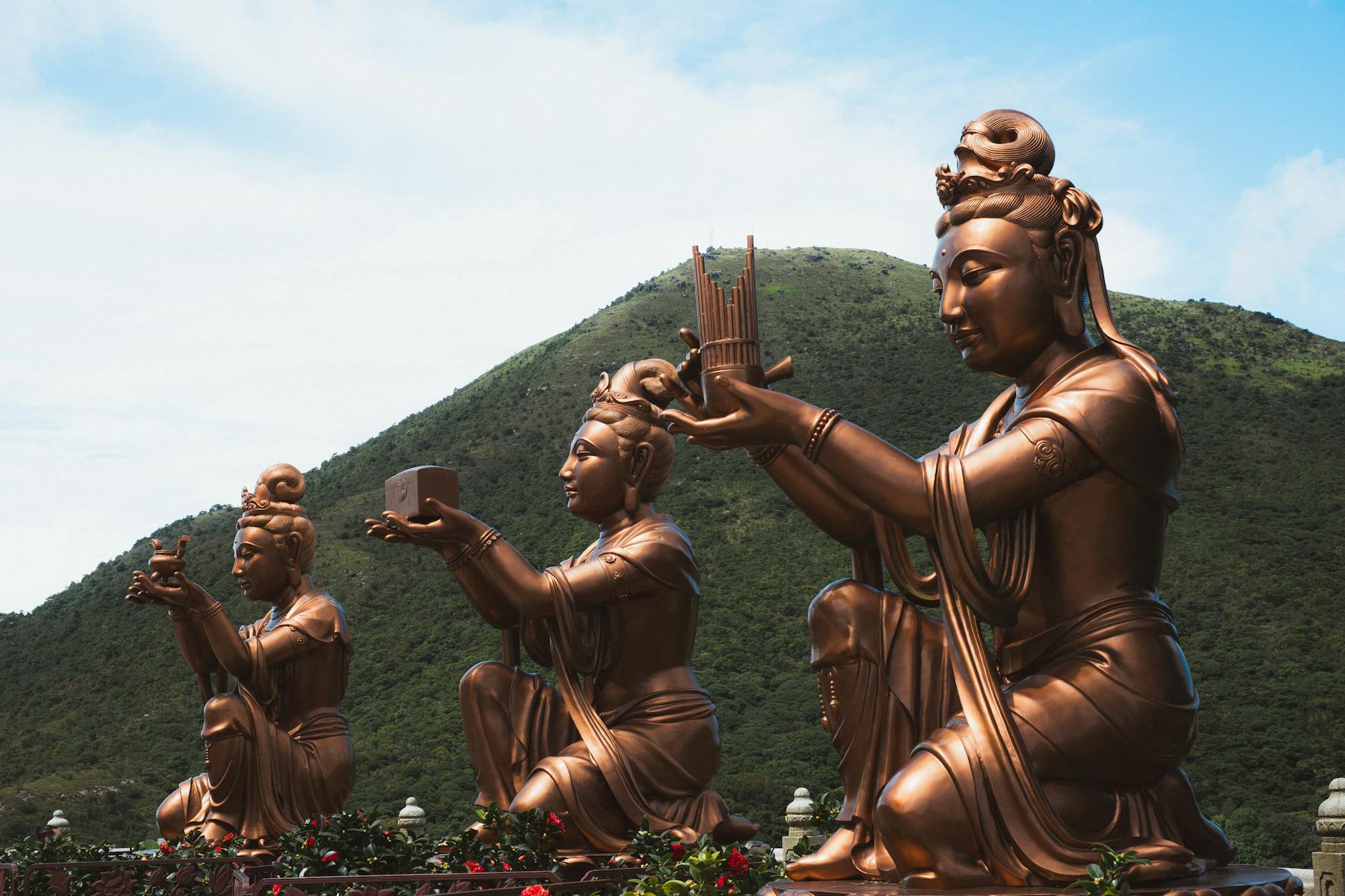
Three bronze statues of deities holding offerings, set against a backdrop of green mountains under a blue sky.
Three bronze statues of Bodhisattvas at Tian Tan Buddha, set against a lush green hill.
Scenic view of stone pillars with inscriptions, set against a lush green mountain landscape in Hong Kong.
A scenic view of wooden pillars against a backdrop of lush hills, capturing the essence of nature in Hong Kong.(Po Lin Monastery)

Lamma Island

A scenic view of floating fish farms in clear blue water, surrounded by green hills and a small building on the shoreline.
Scenic view of floating fish farms in Lamma Island, showcasing the tranquil waters and lush mountainous backdrop.

Sok Kwu Wan Tours

A scenic view of a beach with golden sand and turquoise waters, framed by green mountains under a clear blue sky.
Stunning view of a beach and rolling hills on Lantau Island, a serene escape from the hustle and bustle of Hong Kong.
A panoramic view of a serene bay surrounded by green hills and mountains, featuring a traditional Chinese pavilion with a green roof in the foreground.
A serene view of Sok Kwu Wan with its lush greenery and calm waters, showcasing the perfect getaway from Hong Kong’s bustling city life.
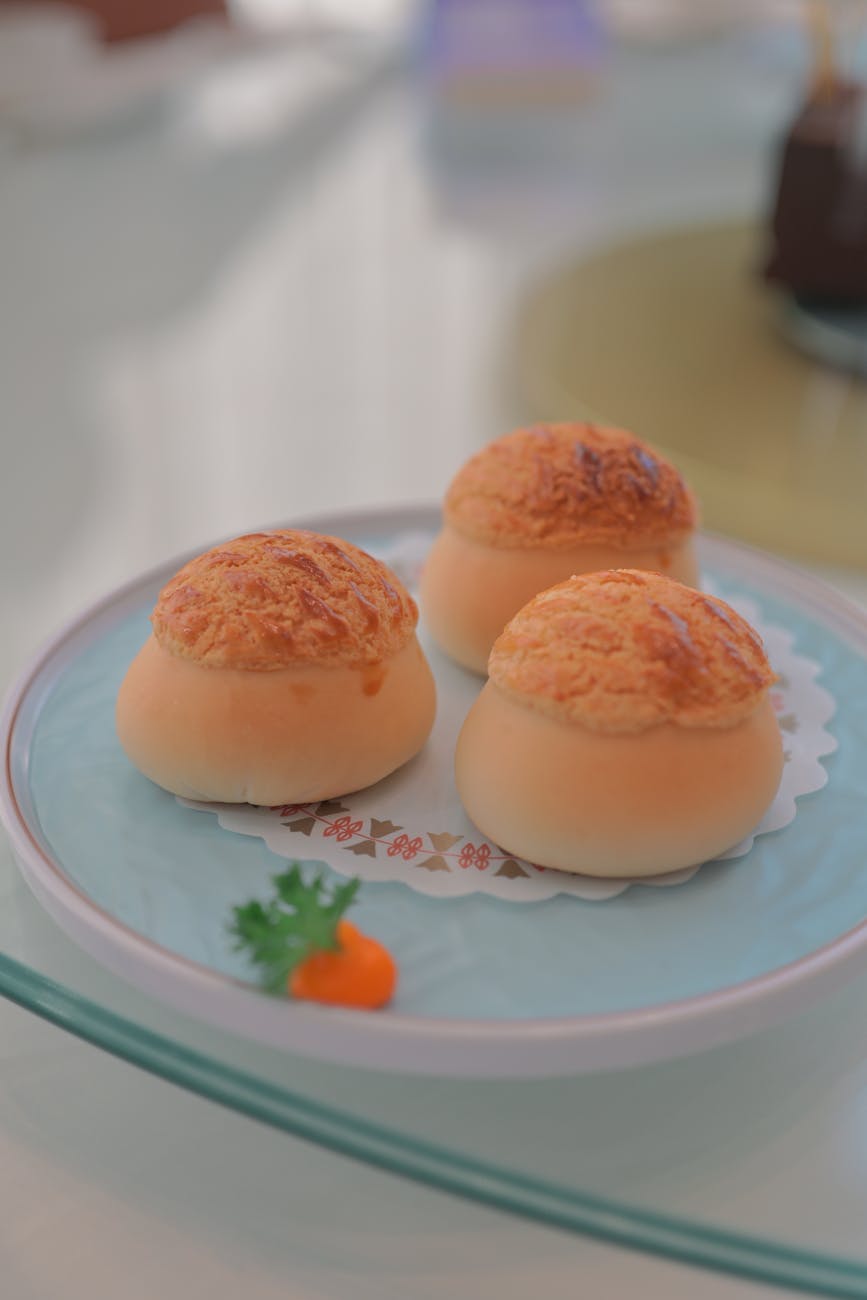
Three golden-brown baked buns on a pale blue plate, garnished with a small carrot and parsley.
Delicious freshly baked pineapple buns served on a plate, a popular treat in Hong Kong. Dim Sum

3. Getting Around: Mastering the MTR, Buses, and Star Ferry

Forget renting a car. Hong Kong’s public transport is a world-class marvel and your key to saving time and money.

  • Octopus Card: This is non-negotiable. Get one at any MTR station airport express line. You can use it on the MTR, buses, trams, ferries, and even in 7-Eleven. It’s magical.
  • MTR (Mass Transit Railway): Your underground best friend. It’s fast, clean, air-conditioned, and signs are in English. Download the MTR Mobile app for real-time route planning.
  • Buses & Trams: Double-decker buses are great for seeing the city above ground. For a truly classic HK experience, hop on the Ding Ding (the double-decker tram) on Hong Kong Island. It’s slow but charming and costs just a few dollars.
  • Star Ferry: Not just a tourist attraction; it’s a genuine mode of transport and the best way to cross Victoria Harbour.

4. Must-Know Words: Your Mini Cantonese Crash Course

A little effort goes a long way!

  • Hello: Néih hóu (lay-ho)
  • Thank you: M̀h’gōi (mmm-goy) – also means “excuse me” or “please”
  • Goodbye: Joigin (joy-gin)
  • How much?: Géidō chín a? (gay-doh chin ah?)
  • Delicious: Hóu hóu sīk (ho ho sik)
  • Check, please: Maaì-dāan (my-daan)

5. Hidden Gems & Local Secrets

  • PMQ: A repurposed police married quarters on Hollywood Road, now housing indie designers and cool cafes.
  • Man Mo Temple: A dark, smoky, and incredibly atmospheric temple on Hollywood Road dedicated to the gods of literature and war.
  • Sam Tung Uk Museum: A restored walled village in Tsuen Wan that feels a world away from the skyscrapers.
  • A small tip: The best egg tarts I’ve ever had weren’t from a famous bakery, but from Tai Cheong Bakery in Central. Trust me on this.

To capture these hidden spots perfectly, I never travel without my Sony Alpha a7III. It’s lightweight, incredible in low light (perfect for neon-lit streets!), and the battery lasts forever. Check it out here if you’re looking to upgrade your travel photography game!

6. Money-Saving Tips for Smart Travellers

  • Eat Local: Cha chaan tengs and street stalls offer delicious meals for under HK$50. *A bowl of wonton noodles might cost around HK$35-40.*
  • Free Views: Skip the pricey Sky100 observatory. Instead, head to the Peak Circle Walk for panoramic views. ~~The free public viewing deck at the ICC Tower was unfortunately closed during my last visit in May 2024, so be sure to check online for the latest status before you go.~~ Update: As of late 2024, the ICC Sky100 observation deck is open, but it is a paid entry. For a truly free alternative, the harbourfront promenades in Tsim Sha Tsui and Central offer incredible skyline views.
  • Museum Wednesdays: Many major museums, like the Hong Kong Museum of History and the Hong Kong Science Museum, offer free admission on Wednesdays. Always check the official government museums website for the most current hours and pricing.
  • Accessibility Note: Hong Kong’s public transport is generally wheelchair-accessible, with low-floor buses and elevators in MTR stations. However, some older markets and temple grounds have narrow pathways and steps. The Peak Tram and many ferries are accessible. For detailed accessibility guides, the Hong Kong Tourism Board’s official website has dedicated resources.
  • Walk: neighbourhoods like Central, Sheung Wan, and Mong Kok are best explored on foot. You’ll discover so much more.

Local Events & Festivals

Plan your trip around these annual events:

  • Chinese New Year (January/February): Parades, fireworks, and vibrant celebrations.
  • Dragon Boat Festival (June): Races and traditional festivities at Victoria Harbour.
  • Mid-Autumn Festival (September): Lantern displays and mooncakes abound

7. Essential Travel Resources

Travelling smart is about being prepared. Here are the tools I never leave home without:

  • Stay Connected: Avoid crazy roaming fees. I use Drimsim—a global SIM that works in 190+ countries. Pop it in, top up via the app, and you’re online. No hunting for SIM counters. It’s a game-changer. Get your Drimsim here and stay connected hassle-free.
  • Stay Secure: Using public WiFi? Protect your data with a VPN. I’ve used NordVPN for years to securely access my bank accounts and keep my browsing private. It’s essential for any traveller. Get secure with NordVPN here.
  • Get Insured: A delayed flight or a misplaced bag can derail a short trip. I always use VisitorsCoverage to compare and find the right travel insurance plan for my needs. It’s peace of mind in your pocket. Find the right coverage for your trip here.
  • Flight Got Messed Up? Don’t just accept it! If your flight to Hong Kong is delayed, canceled, or overbooked, you might be entitled to up to $650 in compensation. I use AirHelp to handle the claim process for me—they only get paid if I win. Check your flight eligibility here.

https://expedia.com/affiliate/Y6ZwIWPReady to book your ultimate Hong Kong escape?
Find the best deals on flights and hotels for your trip on Expedia. I’ve always found great bundle deals that save me a ton for more dim sum!
Find Hong Kong Deals on Expedia


Universal Disclaimer/Disclosure Page:

Frequently Asked Questions (FAQ)

Q: What’s the best time to visit Hong Kong?
A: October-November and March-April offer the most pleasant weather—warm, sunny, and less humid. Be aware that the summer months (May-September) are hot, extremely humid, and fall within typhoon season. Always check the Hong Kong Observatory forecast before your trip and pack accordingly (raincoat, umbrella, moisture-wicking clothing).

Q: Is Hong Kong expensive?
A: It can be, but it doesn’t have to be. Accommodation is the biggest cost. Save money by eating at local joints (meals for ~HK$50), using public transport (an Octopus card ride is ~HK$8-20 depending on distance), and bargaining at markets like the Ladies’ Market.

Q: Do I need a visa?
A: Citizens of the US, UK, Canada, Australia, and most EU countries do not need a visa for tourist stays of up to 90 days. This is correct as of 2025, but visa policies can change. Always verify the latest requirements with the Hong Kong Immigration Department website or your local embassy before travelling.

Q: How accessible is Hong Kong for travelers with mobility issues?
A: Hong Kong is relatively accessible. The MTR system has elevators and tactile guides, and many modern buildings are equipped with facilities. However, the hilly terrain and some older districts with crowded, narrow sidewalks can present challenges. It’s best to research specific attractions in advance.

Have any other questions about planning your weekend in Hong Kong? Drop them in the comments below!

Let’s Connect!

What’s your favorite Hong Kong memory? Share your stories and tips in the comments below—I’d love to hear from you!