Explore Tallinn: Your Ideal Weekend Getaway

Meta Description:
Discover the charm of Tallinn, Estonia — a fairy-tale weekend destination where medieval streets meet modern magic. From budget travel tips and scenic ferry rides to hidden gems and foodie adventures, this guide helps travelers save time, money, and stress while exploring one of Northern Europe’s most underrated capitals. ✈️

Table of Contents

  1. Why Tallinn is Your Next Weekend Winner
  2. Your Step-by-Step Tallinn Itinerary: A Perfect 48-72 Hours
    • Day 1: Dive into the Medieval Old Town
    • Day 2: Creative Quarters & Coastal Views
    • Day 3 (The Bonus Day!): Day Trips & Deeper Dives
  3. Tallinn Travel Smarts: Getting Around & Saving Cash
    • Public Transport: Your New Best Friend
    • Money-Saving Tips from a Local (Well, a Frequent Visitor)
  4. Tallinn’s Hidden Gems: Beyond the Postcard
  5. Essential Estonian: Don’t Leave Home Without These Phrases
  6. Travel FAQ: Tallinn Quick-Fire Questions
  7. Ready to Roam? Your Packing List & Final Checks

Why Tallinn is Your Next Weekend Winner

For my fellow Europeans, Tallinn is a ridiculously easy hop. For everyone else, it’s a stunning and affordable gateway to the Baltics. The compact, UNESCO-listed Old Town means you can see a staggering amount on foot. Plus, it’s incredibly safe, the food is a delicious mix of rustic and Nordic, and the tech scene is buzzing (they invented Skype, after all!).

Visa Note: As part of the Schengen Area, if you’re from a visa-exempt country, you can waltz right in. For others, always check the latest requirements.

I still remember stepping into Tallinn’s Old Town for the first time — cobblestones underfoot, pastel-colored houses glowing under a soft northern sun, and the smell of freshly baked pastries drifting from medieval cafés. It felt like wandering through a real-life storybook (minus the dragons, thankfully).

Tallinn, the capital of Estonia, is often overshadowed by its Scandinavian neighbors — Helsinki, Stockholm, and Copenhagen — but trust me, it’s just as magical (and a lot cheaper).

👉 Book your Tallinn weekend escape now through Expedia — flexible stays, best prices, and easy comparison.

🏰 Where to Stay in Tallinn

Stay inside the Old Town for the full medieval experience — waking up to church bells and pastel rooftops is pure magic.

If you’re after something trendier, Telliskivi Creative City offers artsy lofts, street art, and cafes that could give Brooklyn a run for its money.

💤 Book your stay here → Expedia Tallinn Hotels for last-minute deals and flexible cancellation

✈️ Getting There — Flights, Ferries & Visa Info

Tallinn Airport (TLL) is well-connected across Europe, and many budget airlines fly directly from London, Berlin, and Warsaw.

If you’re exploring the region, consider taking a ferry from Helsinki — it’s only a 2-hour scenic journey across the Gulf of Finland. I grabbed a hot coffee and watched the icy blue sea roll by — honestly, one of my favorite travel memories ever.

🚌 Getting Around — Public Transport Made Easy

Public transport in Tallinn is not just efficient — it’s free for residents (and super cheap for visitors).

  • Bus & Tram: Buy a QR ticket from the “pilet.ee” app. Most routes run from 5 a.m. to midnight.
  • Trolleybus: Great for getting to Kadriorg or the Seaplane Harbour.
  • Car: If you’re renting, roads are clean and well-marked. Parking in the Old Town can be tricky, so try Park & Ride zones outside the center.
  • Bike & Electric Scooters: Apps like Bolt make it a breeze to zip between sights.

🗺️ Time Saver Tip: Plan your route with Google Maps offline mode — it works even without Wi-Fi, saving data and battery.

Tallinn Travel Smarts: Getting Around & Saving Cash

Public Transport: Your New Best Friend

Forget renting a car in the city center—it’s a headache of narrow streets and expensive parking. Tallinn’s public transport is cheap, clean, and efficient. The system is a mix of buses, trams, and trolleys, and it’s incredibly easy to use.

  • From the Airport to the City: This is where I almost led you astray! There is no direct tram from Tallinn Airport (TLL). Here’s how you actually do it:
    • Best Option: Public Bus. Head right outside the terminal doors to the bus stops. Bus #2 will take you directly to the city center, with a key stop being “A. Laikmaa,” which is just a 5-minute walk from the Old Town and the vibrant Viru Street. The journey takes about 15-20 minutes. You can also take bus #15 or bus #49, which connect to other parts of the network.
    • Paying Your Fare: The easiest way is to simply tap your contactless bank card (credit/debit) on the validator when you board. It’s a seamless, “pay-as-you-go” system. Alternatively, you can buy a paper ticket from the driver for a slightly higher price (have some cash handy).
    • Taxi: If you have heavy bags or just want a direct drop-off, taxis are readily available and affordable. A ride to the Old Town should cost around €10-15. Ensure the taxi is licensed and uses a meter, or agree on a price beforehand.
  • The Tallinn Card: If you’re following this itinerary, this card is a no-brainer. It includes free public transport across the entire network (buses, trams, trolleys) and free entry to almost all the major attractions I’ve mentioned. I calculated it and saved over €50 in two days. It effectively makes getting from the airport and around the city completely free.
  • Getting Around the City: Once you’re in the center, you’ll mostly walk. To reach districts like Kalamaja or Kadriorg, the trams (especially #1 and #3) and buses are your best bet. Just tap your contactless card on the green validator inside the vehicle.

Your Step-by-Step Tallinn Itinerary

Day 1: Dive into the Medieval Old Town

Start at Viru Gate, the iconic twin-towered entrance to the Old Town. Let yourself get lost. Seriously. The magic of Tallinn is in its winding, cobbled alleys. My strategy? Pick a street that looks interesting and follow it.

  • Morning: Make a beeline for Town Hall Square (Raekoja plats). If you’re lucky enough to be there in winter, you’ll find a Christmas market straight out of a storybook. Grab a hot glögg (mulled wine) and soak it in.
  • Afternoon: Hike up to Toompea Hill. The views from the Kohtuotsa and Patkuli viewing platforms are, without exaggeration, breathtaking. You’ll see the entire Old Town with its sea of red roofs and spires. This is where I got my favorite shot of the trip, captured perfectly on my trusty Sony Alpha 7C.
  • Evening: Ditch the main square for dinner. Find a cozy cellar restaurant like Olde Hansa for a full-on medieval experience (try the bear meat if you’re feeling brave!) or Rataskaevu 16 for amazing modern Estonian cuisine. Pro-tip: Book ahead!
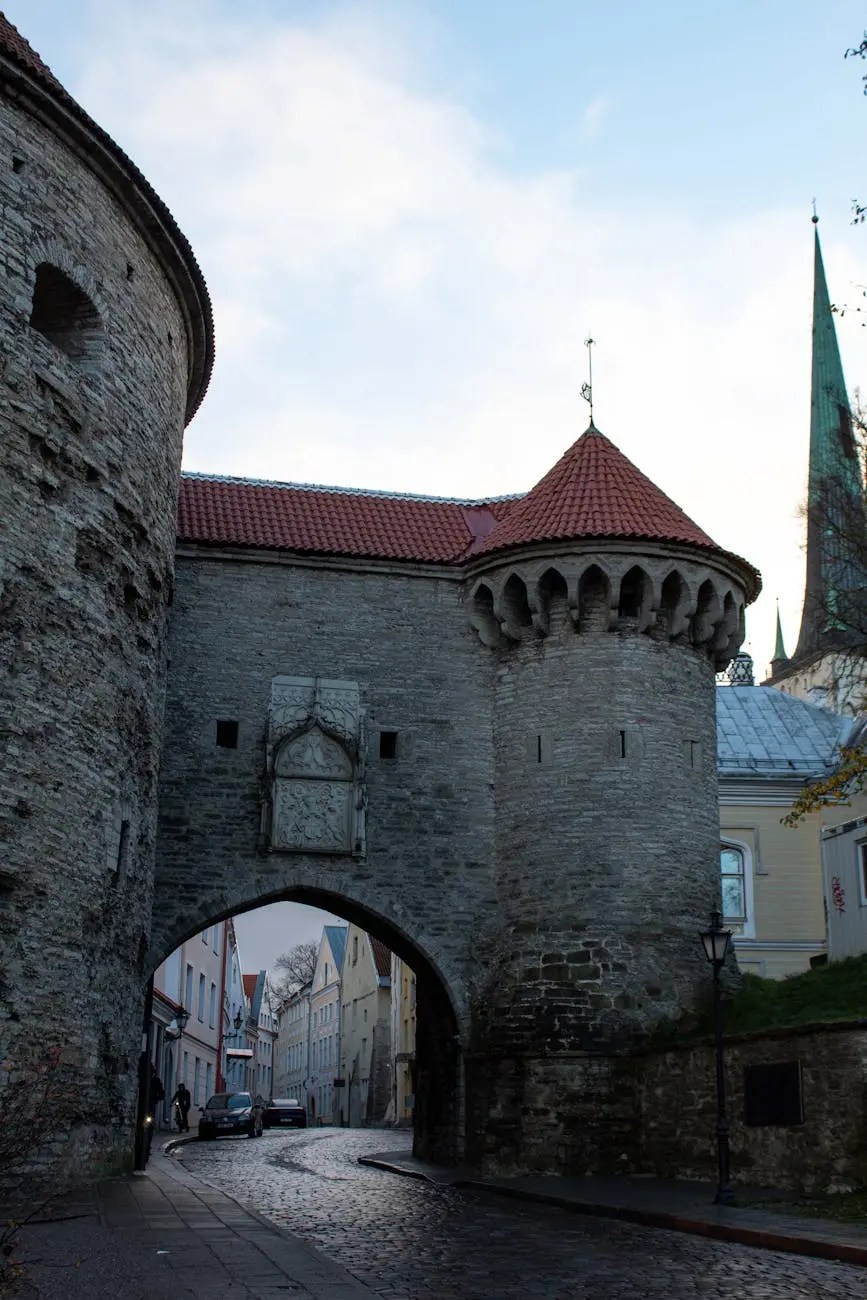
A view of a medieval stone archway with towers in Tallinn, Estonia, leading into a cobbled street lined with pastel-colored buildings.
Explore the iconic Viru Gate, a historic entrance to Tallinn’s enchanting Old Town.  Stepping through history at the iconic Viru Gate. This 14th-century entrance is the perfect introduction to the fairy-tale charm of Tallinn’s UNESCO-listed Old Town. Pro tip: the flower stalls here are some of the most beautiful in the city!

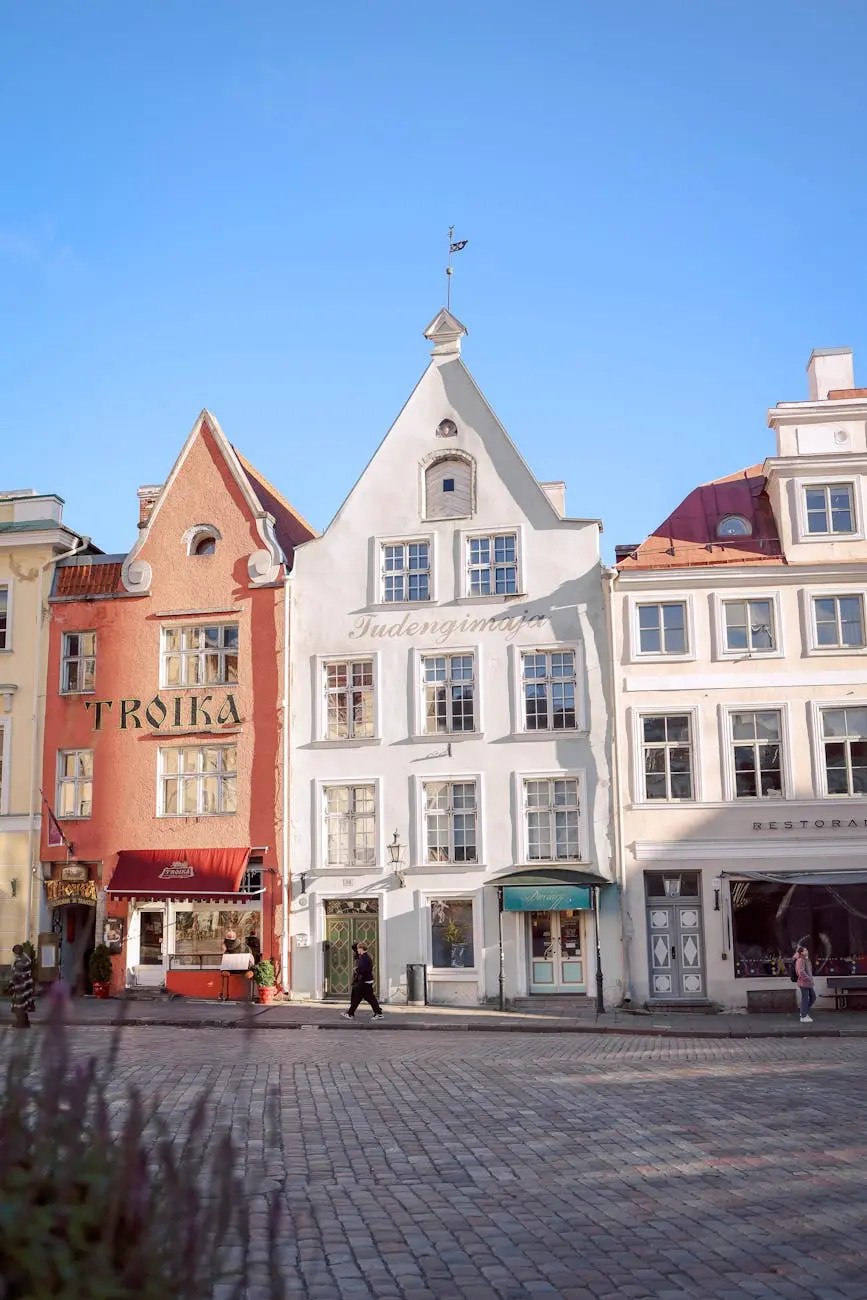
Colorful historical buildings lining a cobblestone street in Tallinn, Estonia, with clear blue skies above.
Charming pastel-colored buildings in Tallinn’s Old Town, showcasing medieval architecture against a clear blue sky. The heart of the medieval city: Tallinn’s Town Hall Square (Raekoja plats). These colorful gabled buildings have stood here for centuries, once housing wealthy Hanseatic merchants. In the winter, this very spot transforms into a magical Christmas market!
The interior of a legislative chamber featuring blue walls, wooden desks, and rows of black chairs, designed for meetings and sessions.

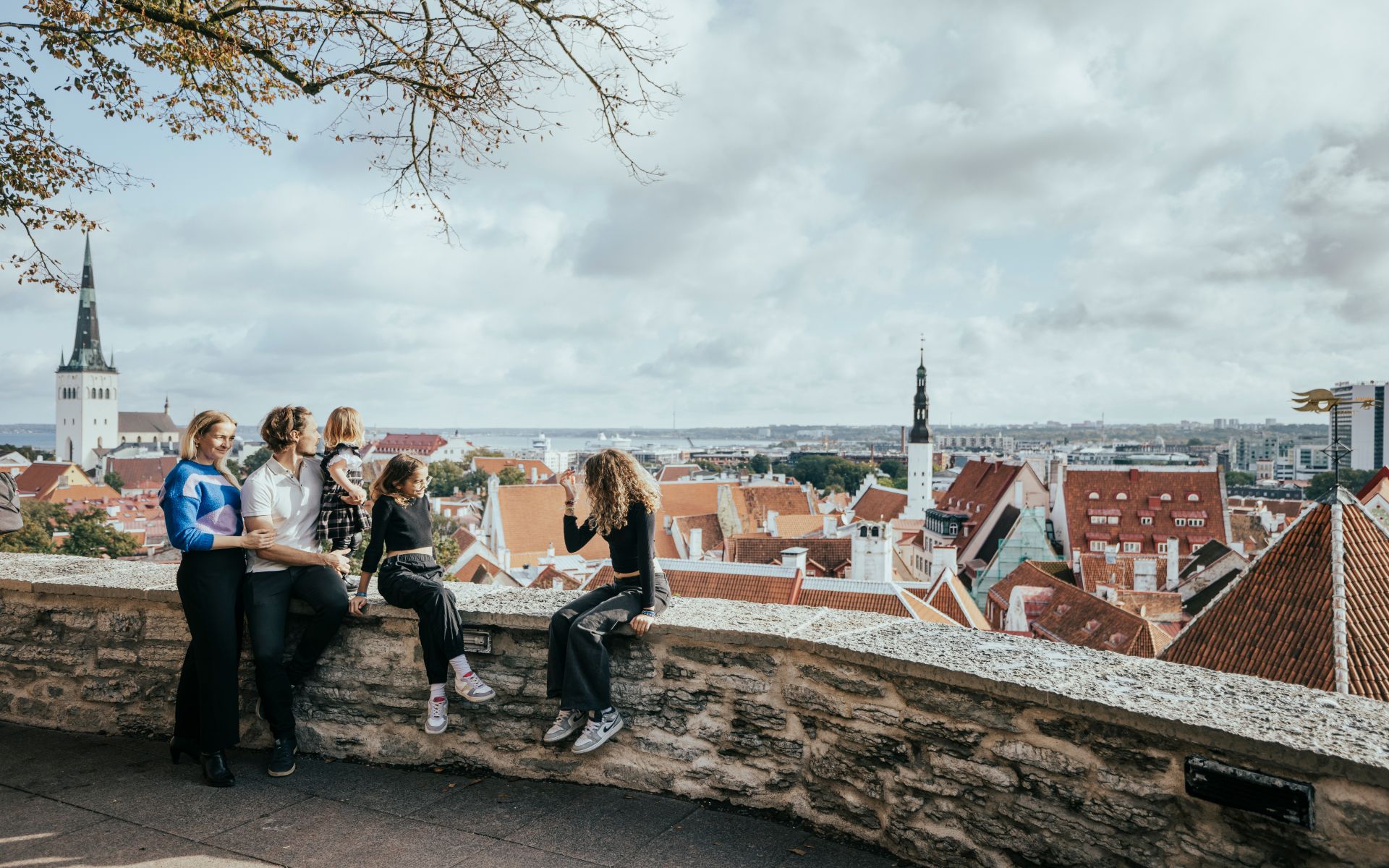
A group of four people enjoying a scenic view over Tallinn, Estonia, with medieval rooftops and the spire of a church in the background under a partly cloudy sky.
A group enjoying the stunning views of Tallinn’s Old Town, featuring iconic rooftops and spires.

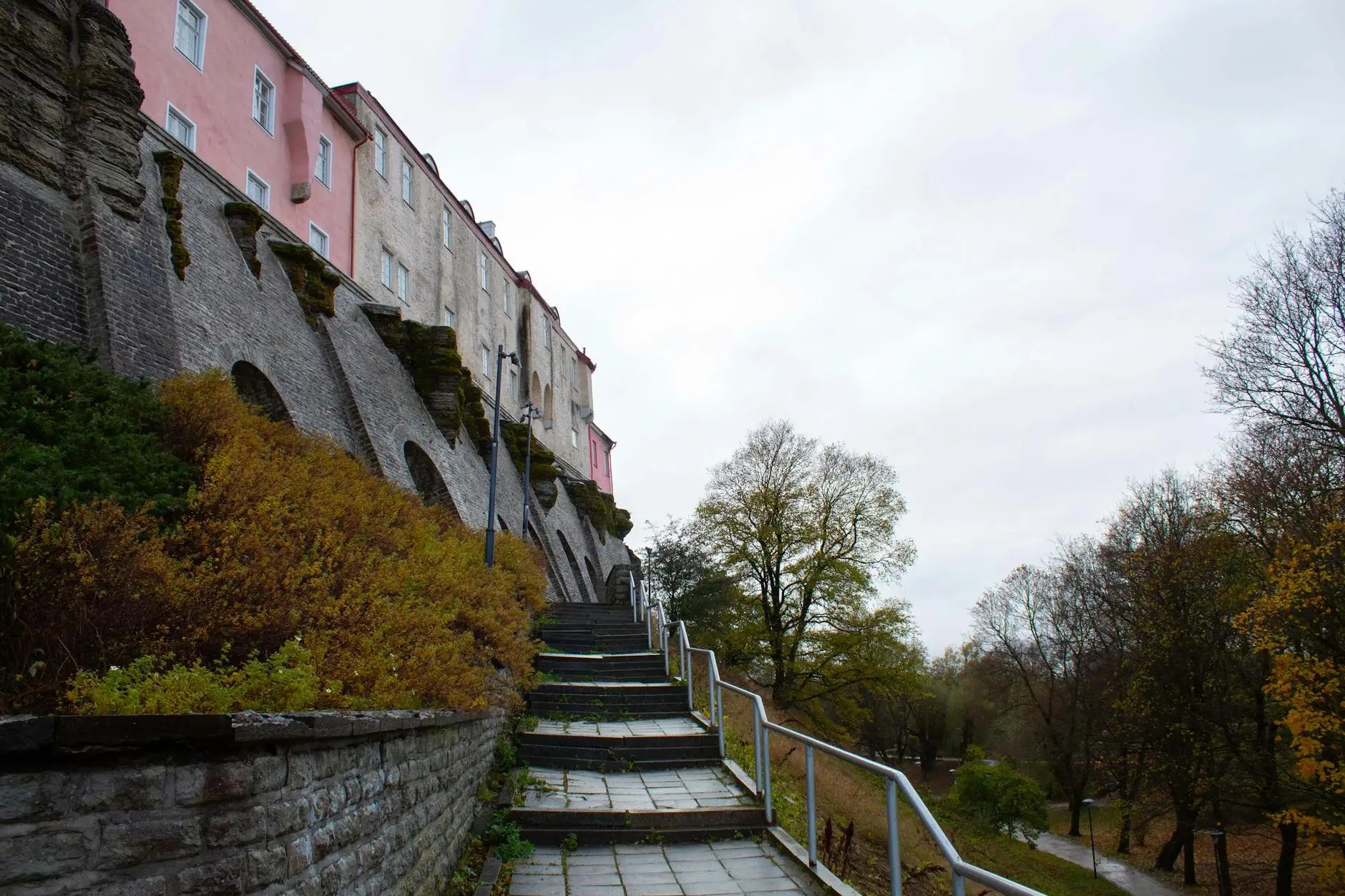
A stairway leading up to pastel-colored buildings and a stone wall overgrown with greenery, set against a cloudy sky.
A scenic view of Tallinn’s historic architecture, showcasing colorful buildings perched atop ancient city walls. The postcard-perfect view from Patkuli viewing platform. This is the scene that will convince you you’ve stepped into a fairy tale. Look for the “Three Sisters” towers and the spire of St. Olaf’s Church!

Day 2: Creative Quarters & Coastal Views

  • Morning: Cross the “Culture Kilometre” into the Kalamaja district. Famous for its picturesque, colourful wooden houses, this area is now the city’s hipster heart. Grab a coffee at a trendy café and then explore the Telliskivi Creative City, a sprawling complex of indie shops, galleries, and eateries in a former industrial complex.
  • Afternoon: From nearby Kalamaja, it’s a short walk to the Seaplane Harbour (Lennusadam). This is one of the coolest maritime museums I’ve ever visited, housed in a giant seaside hangar. You can clamber aboard a real submarine and see a historic icebreaker. It’s a hit for all ages.
  • Evening: Head to the Rotermann Quarter, a superbly done mix of old factory buildings and sharp modern architecture. It’s packed with great restaurants and bars. It’s the perfect spot to reflect on your trip over a local craft beer.
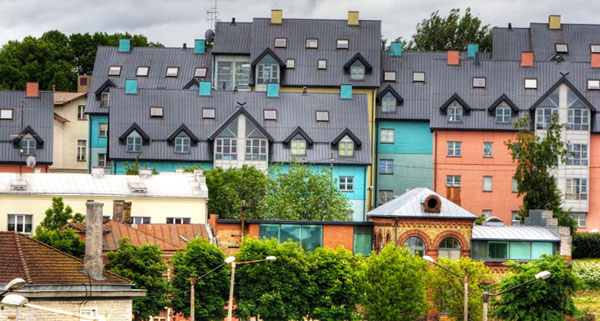
Colorful buildings with modern architecture in Tallinn, Estonia, surrounded by lush greenery.
Colorful buildings and lush greenery in Tallinn’s Kalamaja district, showcasing the area’s vibrant architecture.

Interior view of a maritime museum displaying an old tank, vintage aircraft models, and wooden stairs.
Explore the fascinating exhibits at the Seaplane Harbour, showcasing maritime history and technology.

Day 3 (The Bonus Day!): Day Trips & Deeper Dives

Got an extra day? Fantastic.

  • Option A (Nature): Take a 30-minute bus ride to Pirita. Walk along the beach, visit the ruins of St. Bridget’s Monastery, and climb the TV Tower for a panoramic view of the forest and coastline.
  • Option B (History): Venture further afield to Lahemaa National Park. You can join a tour to explore bogs, forests, and historic manor houses. It’s a complete contrast to the city and absolutely stunning.

For more Baltic inspiration, check out my guides to nearby Riga, Latvia and Vilnius, Lithuania. Doing all three is the ultimate Baltic road trip!
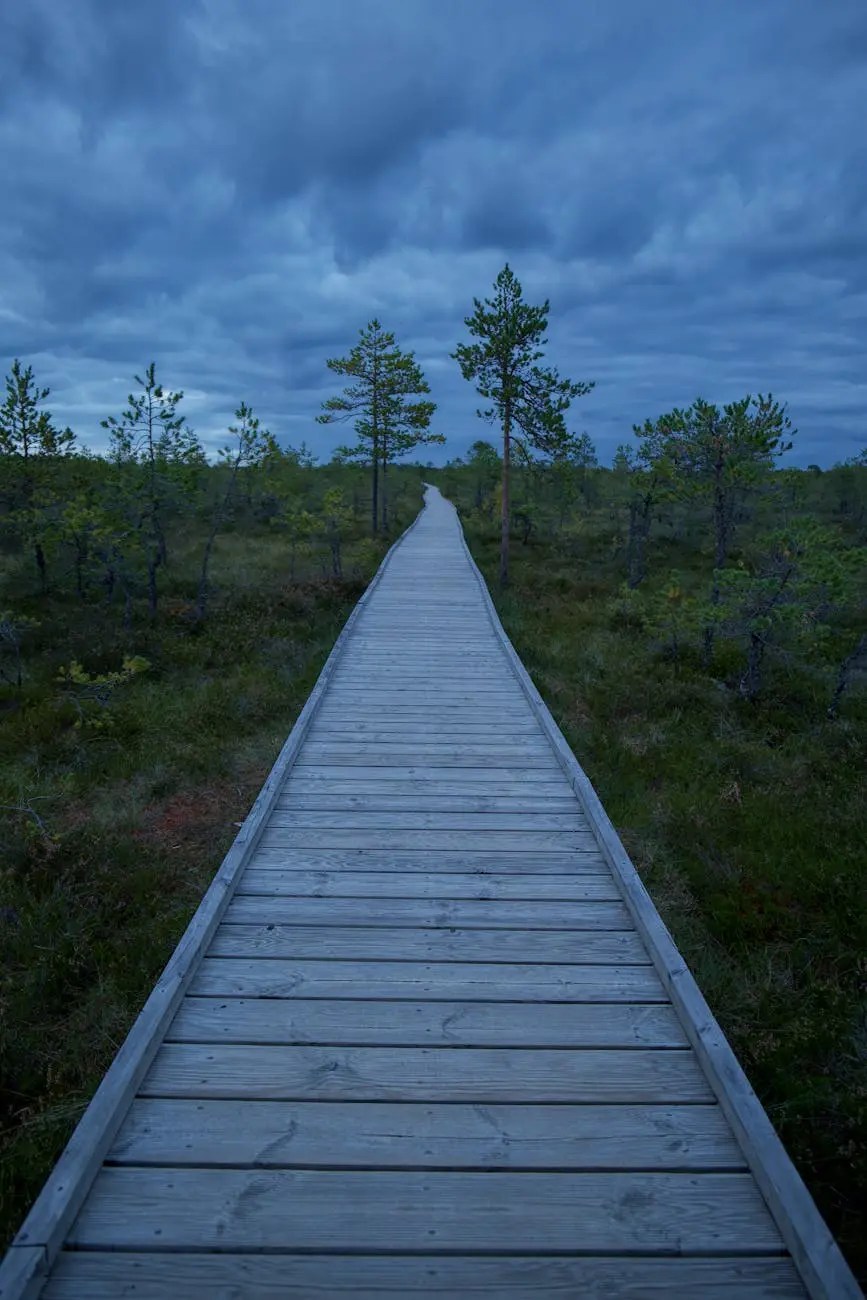
A serene wooden pathway leading through a lush, green landscape, perfect for nature exploration in Estonia. Walking the wooden boardwalk through Viru Bog feels like entering another world. The silence is broken only by the squelch of your own footsteps and the distant call of a bird. This is the raw, ancient beauty of the Estonian wilderness.

Tallinn Travel Smarts: Getting Around & Saving Cash

Public Transport: Your New Best Friend

Forget renting a car in the city center—it’s a headache of narrow streets and expensive parking. Tallinn’s public transport is cheap, clean, and efficient.

  • Single Tickets: You can buy a green Ühiskaart (smartcard) from kiosks or pay contactless with your bank card directly on the bus/tram. It’s super simple.
  • The Tallinn Card: If you’re following a busy sightseeing itinerary, this card is a no-brainer. It includes free public transport across the entire network (including those essential airport buses!) and free entry to almost all major attractions. I calculated it and saved over €50 in two days.
  • Getting Around the City: Once you’re in the center, you’ll mostly walk. To reach districts like Kalamaja (for the hipster cafes) or Kadriorg (for the art museum and park), the trams (especially #1 and #3) are your best bet. Just remember to tap your contactless card on the validator inside the vehicle.

💶 Smart Money-Saving Tips

  • Download Wolt or Bolt Food for cheaper local meals.
  • Visit museums on free entry days (usually first Wednesday of the month).
  • Walk or bike instead of taxis — Tallinn is compact!
  • Eat Lunch: Many restaurants offer a fantastic “lunch menu” on weekdays from 12-3 pm for a fraction of the dinner price.
  • Tap Water: The tap water in Tallinn is perfectly safe and delicious to drink. Bring a reusable bottle.
  • Free Walking Tours: Start your trip with one of the excellent free walking tours. You just tip the guide what you think it was worth.

🚌 Getting Around — Public Transport Made Easy

Public transport in Tallinn is not just efficient — it’s free for residents (and super cheap for visitors).

  • Bus & Tram: Buy a QR ticket from the “pilet.ee” app. Most routes run from 5 a.m. to midnight.
  • Trolleybus: Great for getting to Kadriorg or the Seaplane Harbour.
  • Car: If you’re renting, roads are clean and well-marked. Parking in the Old Town can be tricky, so try Park & Ride zones outside the center.
  • Bike & Electric Scooters: Apps like Bolt make it a breeze to zip between sights.

🗺️ Time Saver Tip: Plan your route with Google Maps offline mode — it works even without Wi-Fi, saving data and battery.

Tallinn’s Hidden Gems: Beyond the Postcard

  • The Danish King’s Garden: Behind Toompea Castle, this courtyard has a spooky legend and three mysterious monks carved into the wall. It’s much quieter than the main viewpoints.
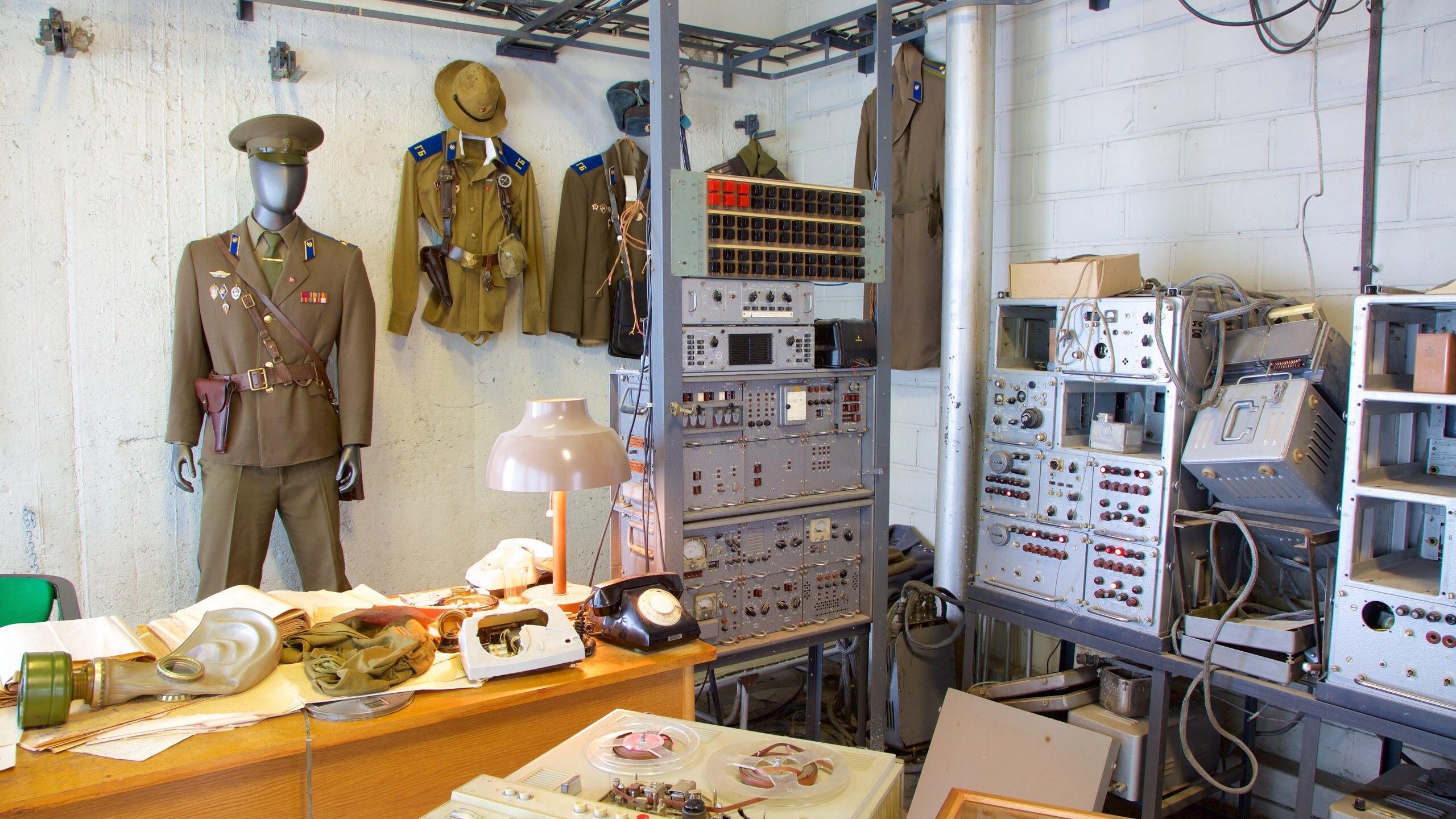
  • KGB Museum in the Viru Hotel: Book a tour of the former KGB headquarters on the 23rd floor of this Soviet-era hotel. It’s a chilling but fascinating look into Estonia’s not-so-distant past.
  • St. Catherine’s Passage: A beautiful, atmospheric alley where you can find the workshops of local artisans and see ancient tombstones embedded in the wall.

🌊Tallinn’s Hidden Gems: Beyond the Postcard

  • The Danish King’s Garden: Behind Toompea Castle, this courtyard has a spooky legend and three mysterious monks carved into the wall. It’s much quieter than the main viewpoints.
  • KGB Museum in the Viru Hotel: Book a tour of the former KGB headquarters on the 23rd floor of this Soviet-era hotel. It’s a chilling but fascinating look into Estonia’s not-so-distant past.
  • St. Catherine’s Passage: A beautiful, atmospheric alley where you can find the workshops of local artisans and see ancient tombstones embedded in the wall.
  • Head to Kadriorg Park for a peaceful morning walk — the palace, built by Peter the Great, is a pastel dream.
  • End your day at Patarei Sea Fortress, an atmospheric spot perfect for golden-hour photos.
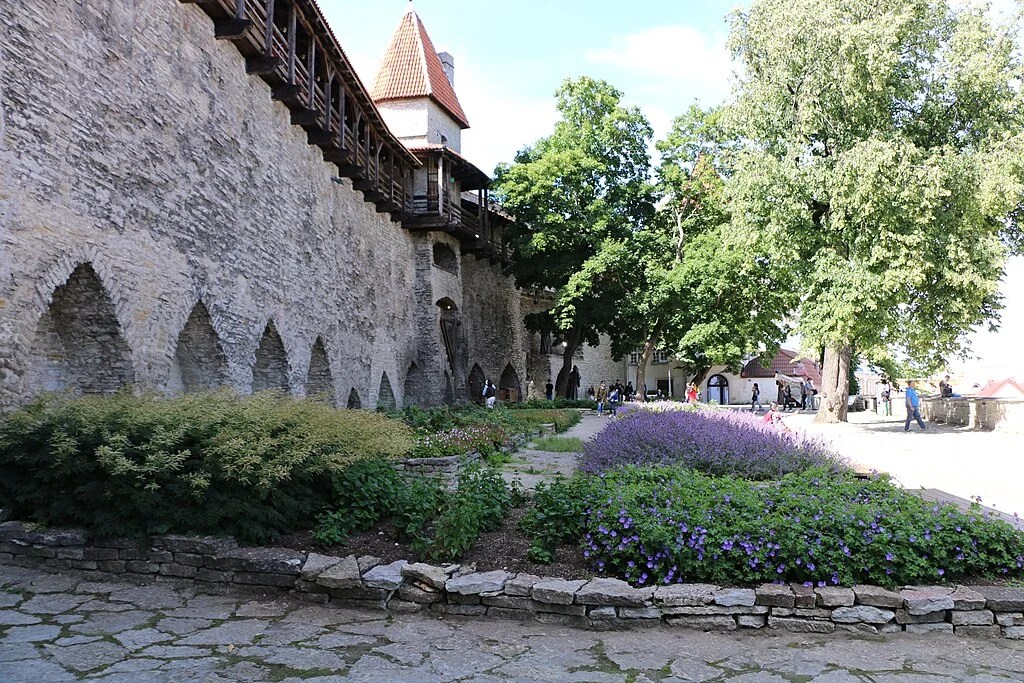
A view of a medieval stone wall with arched windows and a wooden walkway above, surrounded by green trees and blooming flowers in the foreground, showcasing a charming atmosphere of Tallinn's Old Town.
A scenic view of Tallinn’s medieval city wall surrounded by lush greenery and vibrant flowers, capturing the enchanting atmosphere of Estonia’s capital. By Taivo Pungas – Own work, CC BY-SA 4.0, https://commons.wikimedia.org/w/index.php?curid=49954130 The Danish King’s Garden, where legend says the Dannebrog—the world’s oldest national flag—fell from the heavens during a 13th-century battle. Talk about a divine fashion moment.
A display showcasing historical military uniforms and equipment, featuring a mannequin dressed in a military uniform with medals, surrounded by various vintage electronics and tools.
An exhibit showcasing vintage military uniforms and communication equipment at the KGB Museum in Tallinn, Estonia.
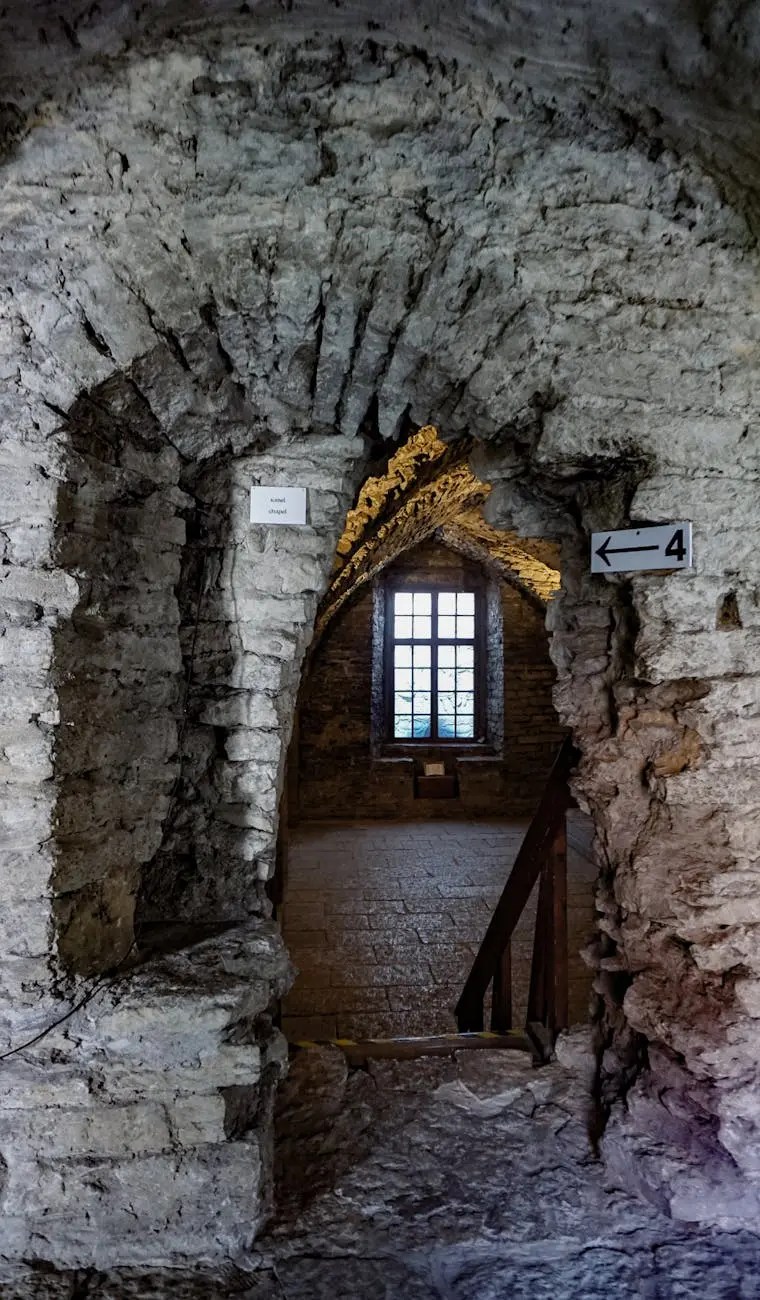
An arched stone doorway leading into a dimly lit room with a wooden staircase. The walls are rough-hewn stones, and a window is visible in the background with light filtering through.
A glimpse of the ancient architecture in Tallinn, Estonia, showcasing stone arches and historical elements. Walking through history in St. Catherine’s Passage. This ancient archway is all that remains of a bustling 13th-century Dominican monastery, offering a silent, powerful glimpse into medieval Tallinn.
A scenic view of Kadriorg Park in Tallinn, Estonia, featuring a decorative gazebo by a pond surrounded by lush greenery and a clear blue sky.
A picturesque view of a serene park in Tallinn, featuring a decorative gazebo by the lake surrounded by lush greenery. The perfect spot to pause. This gazebo, watching peacefully over the lake, is where you come to forget your itinerary and simply enjoy the moment.

Got an Extra Day? How to Pop Over to Helsinki, Finland

So, you’ve fallen in love with Tallinn and you’re thinking, “What’s next?” Well, how about breakfast in Estonia and lunch in Finland? Helsinki is just a short hop across the Gulf of Finland, making it an incredibly easy and popular day trip or next stop on your Baltic adventure.

Having done this journey myself, I can break down the two main options: flying (which I don’t recommend for this leg) and taking the ferry (which is an experience in itself).

The Ferry: The Obvious (and Awesome) Winner

This is, without a doubt, the way to go. The ferry isn’t just transport; it’s part of the adventure.

  • The Experience: Imagine a giant, sleek cruise ship equipped with multiple restaurants, bars, tax-free shopping, and even live music. The 2-3 hour journey feels like a mini-cruise. On a sunny day, the views of the Baltic Sea and the archipelago from the deck are stunning.
  • The Logistics:
    • Companies: The main operators are Tallink Silja and Eckerö Line. Both are excellent, with modern, comfortable vessels.
    • Duration: Most ferries take between 2 to 3 hours.
    • Cost: This is the best part. You can often find one-way tickets for as low as €15-€30 if you book in advance. I once snagged a €19 ticket and felt like I’d won the travel lottery.
    • Terminals: The ferries dock right in the heart of both cities. In Tallinn, the terminal is a pleasant 15-minute walk from the Old Town. In Helsinki, you arrive just a short walk from the city center. You simply walk on and walk off—no lengthy airport transfers.

Flying: The (Usually) Unnecessary Hassle

While there are short flights between Tallinn and Helsinki, it’s almost never the right choice for a traveler.

  • The “Why Not”:
    • Total Travel Time: A flight is only 30-40 minutes in the air. But you have to factor in getting to the airport (30-45 mins), arriving 2 hours early for security, waiting for baggage, and then another 30-45 minute transfer from Helsinki Airport to the city center. You’re looking at 4-5 hours of total hassle versus the ferry’s relaxed 2-hour city-center-to-city-center trip.
    • Cost: Flights are almost always significantly more expensive than a ferry ticket, especially when you add in the cost of airport transfers.
    • Experience: Sitting in a cramped plane seat for a half-hour flight just can’t compare to strolling on a sundeck with a coffee in hand.

My Verdict: Unless you have a severe fear of boats or are collecting air miles, the ferry is the only sensible option. It’s cheaper, faster when you consider door-to-door travel, and infinitely more enjoyable.

Ready to set sail?
👉 [Check ferry schedules and book your tickets here via Direct Ferries to lock in the best prices.

Tallinn to Helsinki Ferry Price

The price of a ferry from Tallinn to Helsinki can vary between $36.51 and $221.23 depending on the operator, season and whether you are travelling with a vehicle. The average price of a foot passenger is $71.51, with prices ranging from $16 and $147. The average price with a car is $175.38. Car prices can range from $41 and $315. Prices may vary for other vehicle types. All ferry prices can change from season to season. Please be aware that prices do not include booking fees. 1 November 2025

Loved your time in Tallinn and feeling the pull of another Nordic adventure just across the water? You’re in luck! The journey from fairy-tale Estonia to the modern design capital of Helsinki is easier than you think. I’ve put together the ultimate guide to exploring Finland’s vibrant capital, perfect for a day trip or a longer stay. Ready to continue your Baltic exploration? Dive into my guide: An Unforgettable Weekend Getaway to Helsinki.

Let’s talk numbers, because this is where the ferry truly sails into the winner’s circle. While you might occasionally find a flight deal for around €50-€70 one-way, that’s just the tip of the iceberg. By the time you add in the cost of airport transfers on both ends (easily €15-€20 each way), that “cheap” flight suddenly looks more like €100. Meanwhile, I’ve consistently snagged ferry tickets for a laughably low €15-€30 – and that price includes a city-center-to-city-center journey, the freedom to wander, and a scenic mini-cruise across the Baltic. Unless you’re actively trying to burn cash for a 40-minute flight, your wallet will thank you for choosing the boat.

Flights from Tallinn (TLL) to Helsinki (HEL)

Let’s create a quick example for Tallinn, Estonia to Helsinki, Finland.

H2: At a Glance: Quick Comparison Table

FeatureFerryFlight
Travel Time2-2.5 hours30 min flight + 2+ hours airport time = ~3 hours total
Average Cost€25-€40€60-€120+
BaggageVery generousStrict carry-on/checked baggage fees
SceneryBeautiful archipelago viewsViews during takeoff/landing
City Center to…Port is a 10-min walk/taxiTallinn Airport (TLL) is 15 min by tram, Helsinki Airport (HEL) is 30 min by train.

Verdict: For the Tallinn-Helsinki route, the ferry is the clear winner for almost all travelers due to its lower cost, central ports, and the fact it’s often faster door-to-door than flying.

Essential Estonian: Don’t Leave Home Without These Phrases

Estonians appreciate the effort! Here are the basics:

Estonian WordMeaningPronunciation
TereHelloTEH-reh
AitähThank youEye-tah
PalunPlease / You’re welcomePA-lun
Kui palju see maksab?How much does it cost?Koo-ee pal-yu seh mak-sab
HüvastiGoodbyeHOO-vah-stee

Travel FAQ: Tallinn Quick-Fire Questions

Q: What’s the best time to visit Tallinn?
A: May to September for lovely weather and long days. December for the magical Christmas market. Avoid the muddy shoulder months of March and April.

Q: Is Tallinn expensive?
A: It’s one of the more affordable capitals in Europe, especially compared to Scandinavia. You can have a fantastic time on a moderate budget.

Q: Can I get by with English?
A: Absolutely. Estonia has one of the highest English proficiency rates in Europe, especially among younger people and in the tourism industry.

Q: What should I pack?
A: Comfortable walking shoes are non-negotiable! Layers are key, as weather can change quickly. And don’t forget a power bank and…

Q :How much does a weekend trip cost?
Budget travelers can enjoy Tallinn for around €200–€250, including accommodation, meals, and transport.

Q: Do I need cash?
Most places accept cards, but keep a few euros for markets or small cafés.

Q: Are there good day trips from Tallinn?
Absolutely — try Lahemaa National Park or Parnu Beach for nature lovers.

Ready to Roam? Your Packing List & Final Checks

Before you zip up that suitcase, here are my final, can’t-live-without travel essentials:

  • Stay Connected (Without the Bill Shock): I never travel without my Drimsim. It’s a universal data SIM that works in 190+ countries. Pop it in, top up via the app, and you’re online. No more hunting for SIM cards or fearing roaming charges. Grab yours here and stay connected from the moment you land.
  • Protect Your Peace of Mind (and Your Wallet): Travel insurance isn’t glamorous, but it’s essential. I use VisitorsCoverage to compare plans and find the right coverage for every trip. It’s the smartest five minutes you’ll spend planning.
  • Browse Safely on Public WiFi: I always use a VPN on my phone and laptop, especially when using public WiFi in airports and cafes. It keeps my personal data safe from prying eyes.
  • Look Fresh, Even After a Red-Eye: Travel can wreak havoc on your skin. I swear by the gentle, effective formulas from Lakinza. Their K-beauty magic keeps my skin glowing through time zones. Use code Lalax10 for a sweet discount!
  • Flight Got Messed Up? Don’t just accept it! If your flight is delayed or canceled, you might be owed compensation. I use AirHelp to check my flight and let them handle the airline hassle. It’s free until they win!

🌍 Final Thoughts

Tallinn is where history whispers from cobblestones, and modern life hums in tech cafés. It’s a city that rewards slow exploration — and smart planning.

Whether you’re chasing fairy-tale rooftops, cozy saunas, or just a budget-friendly escape, Tallinn proves that the best European weekends don’t have to break the bank (or your Wi-Fi).

📍 Plan your ultimate Tallinn getaway now through Expedia and make it a weekend worth remembering!


🔗 Nearby Weekend Escapes You Might Love

Universal Disclaimer/Disclosure Page:

Ultimate Weekend Guide to Seville, Spain

Meta Description: Discover the ultimate weekend escape to Seville, Spain! From flamenco nights to Moorish palaces, this guide gives you hidden gems, money-saving tips, transport hacks, and personal anecdotes. Perfect for travelers looking to explore Seville with confidence and fun.

Table of Contents

  1. Why Seville Should Be Your Next Weekend Escape
  2. Best Time to Visit Seville (and Avoid the Crowds)
  3. Getting Around Seville: Public Transport & Road Tips
  4. Top Attractions You Can’t Miss
  5. Hidden Gems Only Locals Whisper About
  6. Foodie Heaven: What to Eat in Seville
  7. Money-Saving Travel Tips for Seville
  8. Useful Spanish Phrases Every Traveler Needs
  9. Smart Travel Tips (SIM cards, insurance & more)
  10. FAQs: Seville Weekend Travel Guide

1. Why Seville Should Be Your Next Weekend Escape

Seville isn’t just a city—it’s Spain with extra sparkle. Picture this: orange trees shading narrow alleys, tapas bars buzzing until midnight, and flamenco dancers who look like they’ve been training since birth.

The city’s charm is magnetic—so magnetic that when I once tried to “just stop for lunch,” I ended up spending half the day in a family-run tapas joint debating with locals about whether Real Betis or Sevilla FC has the better stadium churros. (Yes, that’s a real debate!)

If you’ve loved exploring Madrid or Barcelona, then Seville will feel like their soulful, fiery cousin.

Alright, let’s be real. Your vacation days are precious, and the thought of spending half of them on complicated logistics is a nightmare. What you need is a city that delivers a massive punch of culture, food, and beauty in one perfectly packed weekend.

Ladies and gentlemen, I give you Seville.

This isn’t just another city in Spain; it’s a feeling. It’s the scent of orange blossoms on a warm breeze, the raw passion of a flamenco guitar spilling from a tucked-away tavern, and the golden glow of sunset on ancient palaces. I once got lost in the Santa Cruz neighborhood for a blissful hour, only to stumble upon a tiny square where locals were dancing Sevillanas like it was the most natural thing in the world. That’s the magic of Seville—it doesn’t feel like a museum, it feels alive.

So, grab your suitcase (and maybe a fan), because we’re diving into the ultimate 48-hour Seville adventure designed to maximize your time and minimize your stress.

Flights to Seville

Best Time to Visit Seville (and Avoid the Crowds)

  • Spring (March–May): Perfect for festivals like Feria de Abril—imagine an entire city in party mode.
  • Autumn (September–November): Cooler weather, fewer crowds, and cheaper stays.
  • Summer (June–August): Unless you enjoy 40°C heat, avoid. Locals literally siesta for survival.

💡 Money-saving tip: Weekends in April spike in hotel prices—book early through Expedia for flexible deals.

Getting Around Seville: Public Transport & Road Tips

Seville’s historic core is walkable, but here’s the cheat sheet:

Flying In: Most international flights land at Seville Airport (SVQ). It’s a quick and easy 20-30 minute bus ride (the EA bus) into the city center, costing just a few euros. A taxi will cost around €25-€30.

  • Bus: Cheap and reliable. A single ride is €1.40, but grab a rechargeable tarjeta multiviaje to save time and cash.
  • Tram (MetroCentro): Runs from San Bernardo to Plaza Nueva, perfect if you’re tired of cobblestones.
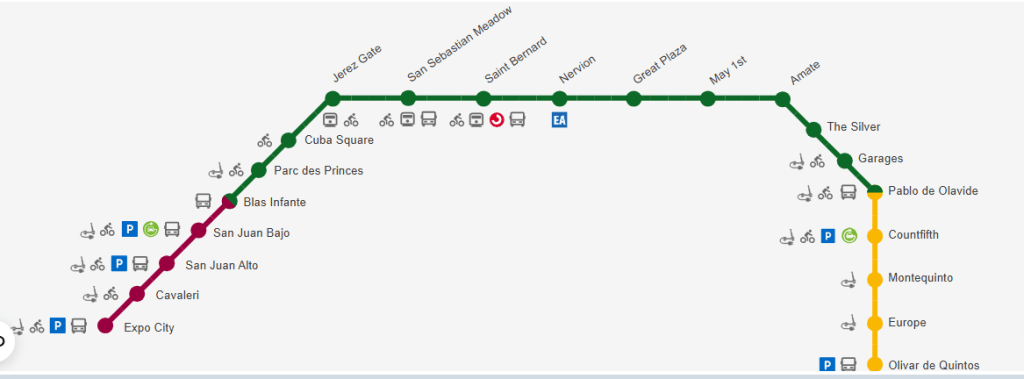
  • Metro: Only one line, but handy if you’re heading to Nervión for shopping.
  • Bike: Sevici bike rentals are everywhere. Don’t worry—it’s flat, so your calves won’t mutiny.
  • Car: Only rent if you’re road-tripping out of town (like to Córdoba). Parking in the center? A nightmare.
  • Road Tip: Highways like A-4 (to Córdoba/Madrid) and A-92 (to Granada) are smooth, but fill up gas outside the city—it’s cheaper.

Personal anecdote: I once tried to drive through Seville’s old town… let’s just say my rental car GPS had a nervous breakdown, and a kind abuela had to guide me out of a lane narrower than my luggage. Stick to walking.

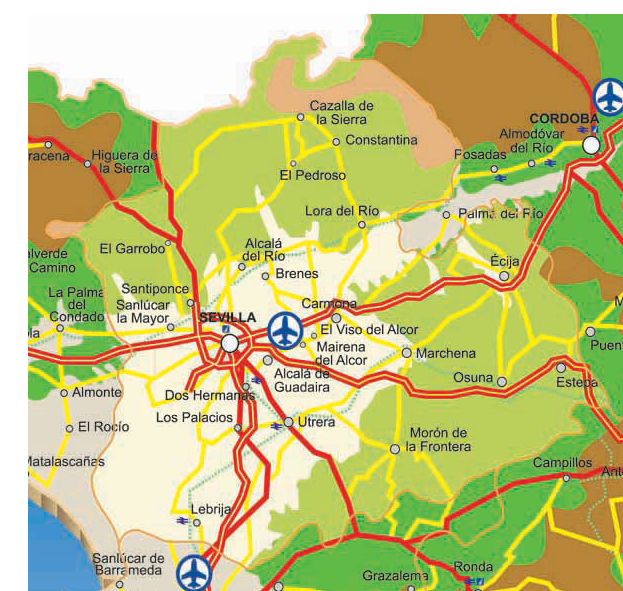
Map showing the geographical layout of Seville and surrounding areas, including major roads and transportation routes.
Map of Seville and its surrounding areas, highlighting key routes and landmarks for travelers.

Your Seville Weekend Itinerary: A Step-by-Step Guide

Day 1: Palaces, Tapas & Flamenco Soul

Morning (9:00 AM): The Real Alcázar. Do not, I repeat, do NOT come here without booking your tickets online in advance. The line for walk-ups can easily swallow two hours of your precious time. Trust me, I learned the hard way. This royal palace is a stunning mix of Moorish and Christian architecture, and its gardens are an oasis of calm. Pro Tip: The Game of Thrones fans will recognize the Water Gardens of Dorne!

Afternoon (1:30 PM): Lunch like a Local. Skip the tourist traps around the cathedral. Wander a few blocks away to the Calle Mateos Gago area. My favorite find was a tiny bar called El Rinconcillo, one of the oldest in the city. Point at the tapas behind the glass – the espinacas con garbanzos (spinach with chickpeas) is a Seville classic.

Evening (6:00 PM onwards): The Soul of Flamenco. Seville is the birthplace of Flamenco. For an authentic experience, avoid the big, expensive dinner shows. Head to the Triana neighborhood or the Calle Jeréz area for a peña (a flamenco club). The passion in these small, intimate settings is electric. It’s not just a performance; it’s a raw, emotional experience.

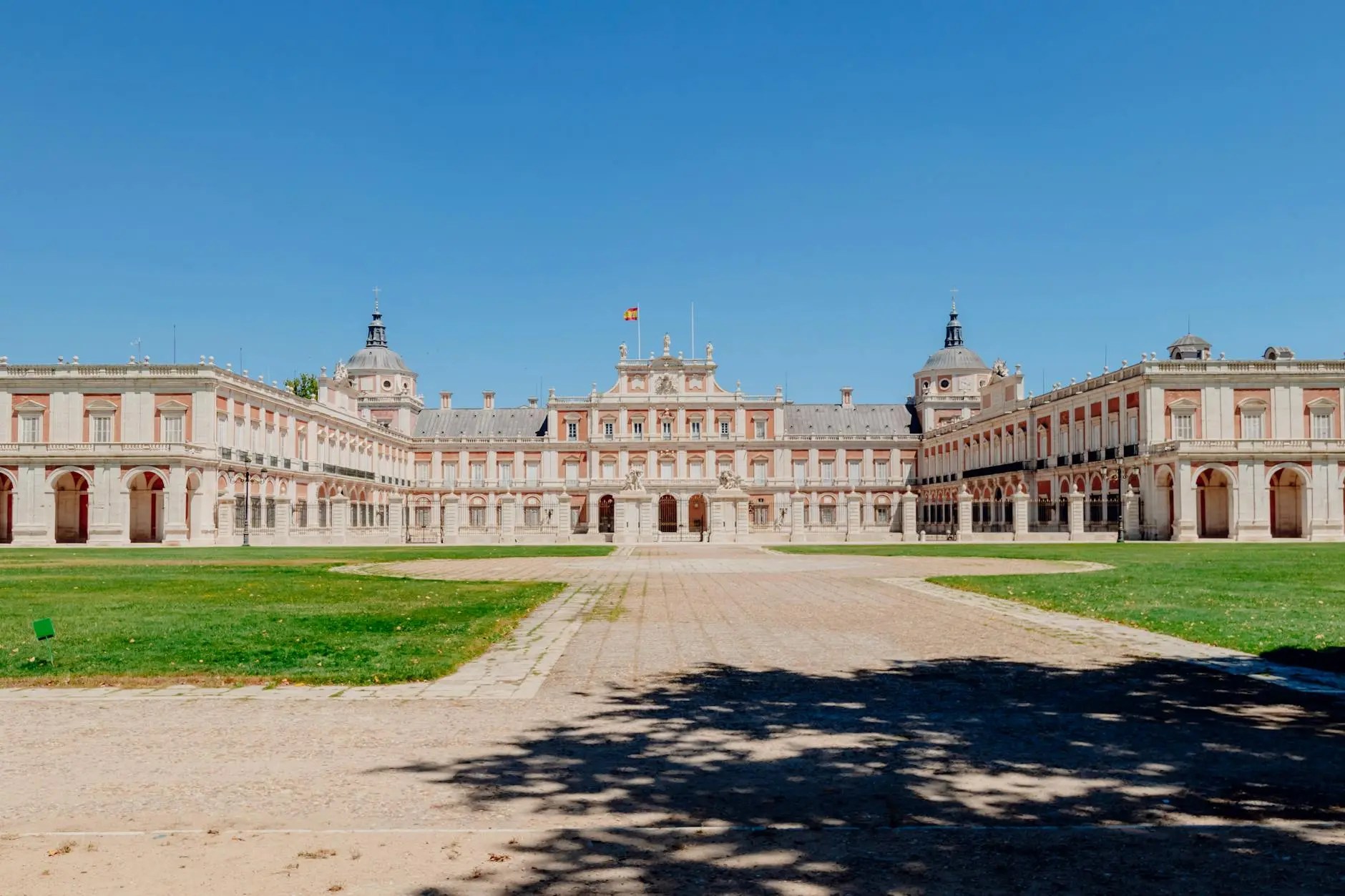
The wide view of a grand historical palace with beautiful architecture, surrounded by a lush green lawn under a clear blue sky.
The stunning facade of the Royal Palace, showcasing exquisite architecture and lush green surroundings, perfect for a Seville weekend adventure. Sunlight bathes the iconic facade of the Real Alcázar de Sevilla. Don’t forget to book your tickets online to skip the long queues!
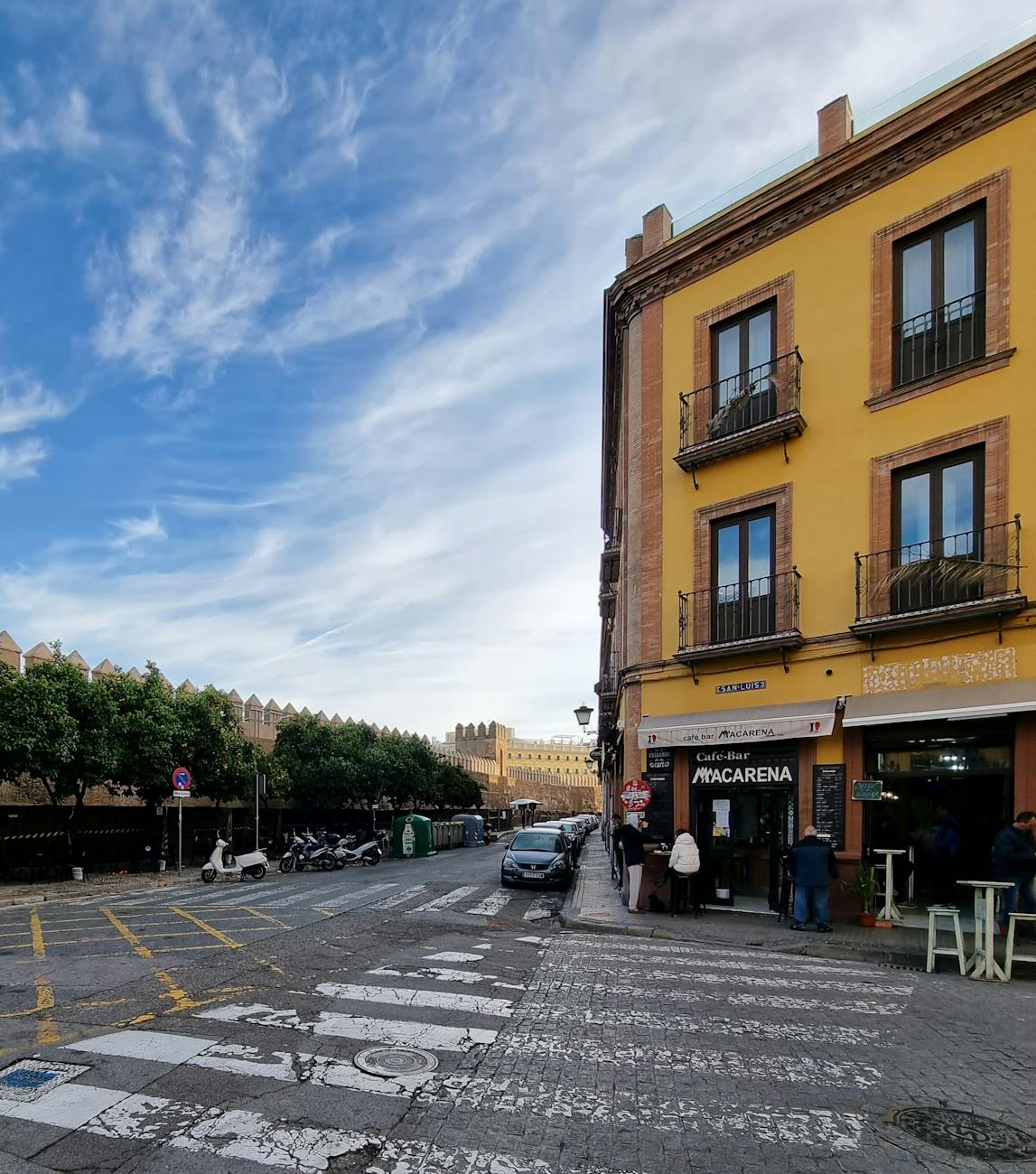
A street view in Seville featuring a vibrant yellow building with balconies, a cafe-bar named 'Macarena', and orange trees lining the street under a clear blue sky.
A vibrant street scene in Seville, showcasing the charming architecture and lively atmosphere, perfect for exploring local culture.
A close-up image of sautéed spinach mixed with chickpeas, showcasing the vibrant green leaves and pale yellow chickpeas.
A vibrant plate of _espinacas con garbanzos_, a classic Seville dish featuring spinach and chickpeas. The ultimate Seville comfort food: a hearty plate of Espinacas con Garbanzos. This isn’t just a side dish; it’s a flavor-packed tapa you’ll dream about long after you’ve left.

A flamenco dancer in a blue dress, gracefully posing with her skirt flowing around her.
A flamenco dancer in a shimmering blue dress showcases the passionate art form that embodies the spirit of Seville. The raw emotion and power of flamenco. Catching a live performance in a tucked-away tablao is an essential Seville experience.
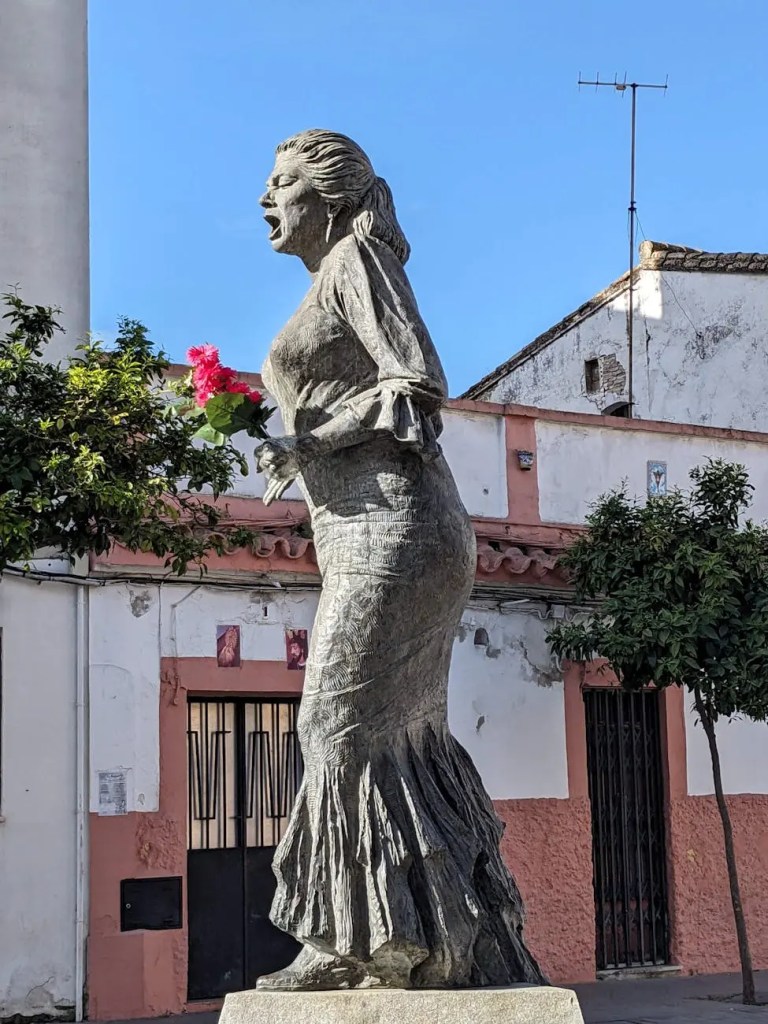
Statue of a flamenco dancer holding flowers, set against a backdrop of traditional Spanish architecture.
Statue of a flamenco dancer in Seville, capturing the vibrant spirit of Spanish culture. The Monumento Triana al Arte Flamenco celebrates the soul of the Triana neighborhood, considered the historic birthplace of many great flamenco artists.

Day 2: Towers, Triana & Sunset Views

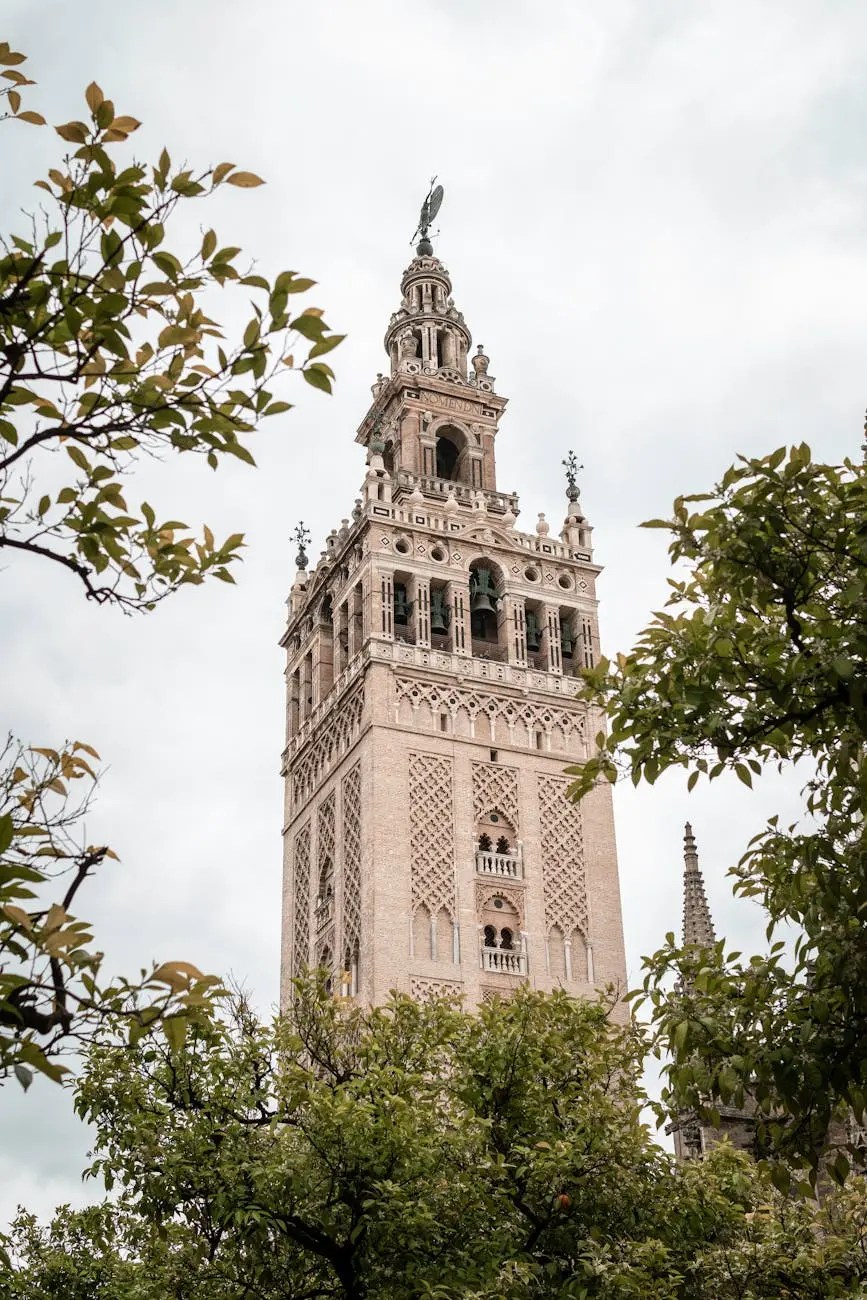
Morning (10:00 AM): Cathedral & La Giralda. Seville’s cathedral is the largest Gothic cathedral in the world. It’s massive. Instead of climbing a staircase to the top of the bell tower, La Giralda, you walk up a series of ramps—originally designed for guards on horseback! The view over the city is worth every step.

Afternoon (1:00 PM): Cross the River to Triana. This is my favorite hidden gem. Triana, across the Puente de Isabel II, is the historic home of flamenco, sailors, and ceramic artists. The vibe is more local, the prices are better, and the Mercado de Triana (Triana Market) is the perfect spot for a casual lunch. Grab a montadito (a small sandwich) and a caña (a small beer) and just watch the world go by.

Evening (Sunset): Rooftop Views. End your weekend on a high note—literally. There are several rooftop bars with stunning views of the cathedral. Hotel Doña María has a great one. Sipping a cocktail as the sun sets and the cathedral lights up is the perfect farewell to this incredible city.

Top Attractions You Can’t Miss

La Giralda Tower – Climb it for panoramic views that beat any postcard.

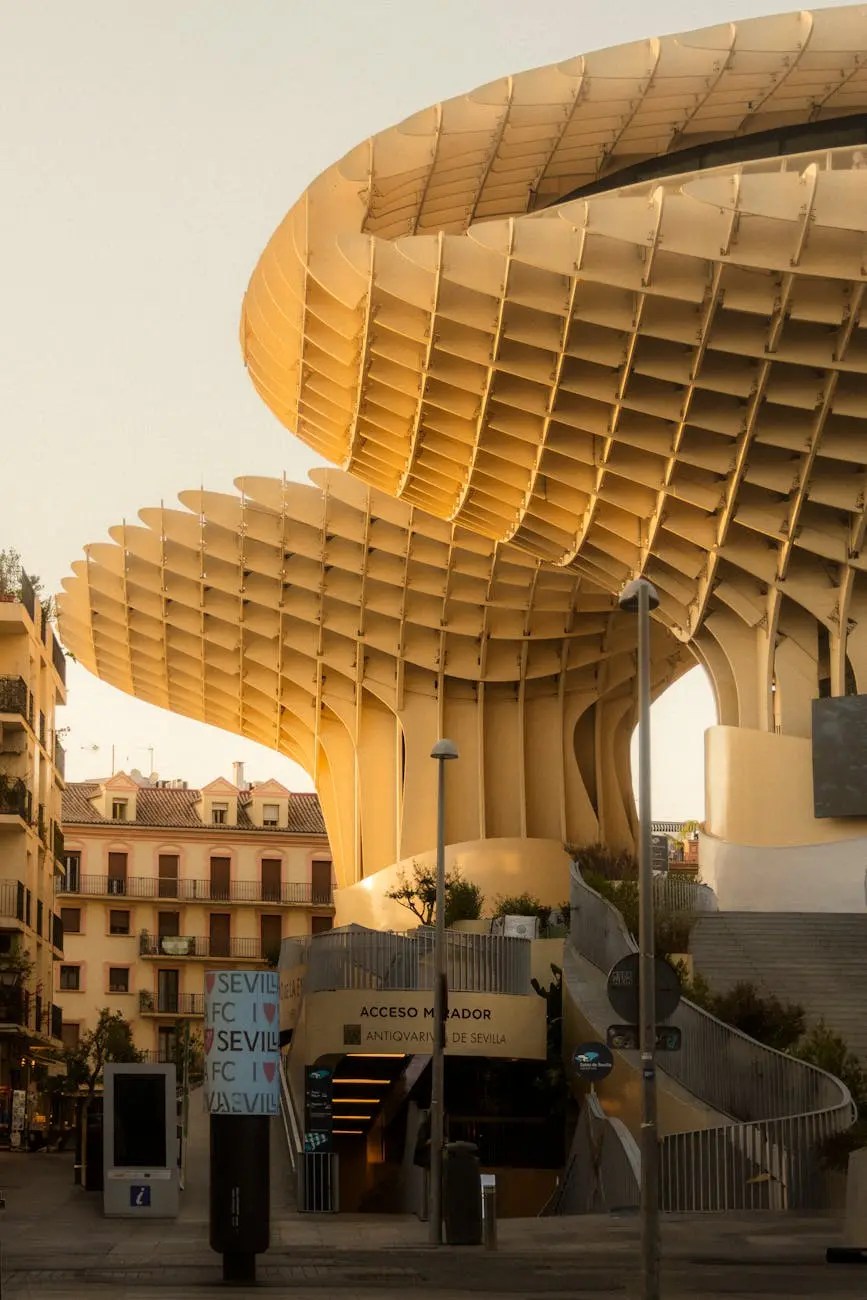
Metropol Parasol (Las Setas) – A giant wooden mushroom in the middle of the city. Bonus: great sunset shots for your travel camera.

Barrio Santa Cruz – The old Jewish quarter, with winding alleys perfect for “getting lost on purpose.”

For art and history buffs, compare with my guide to Porto, Portugal—these two Iberian gems share a love for azulejos (ceramic tiles).

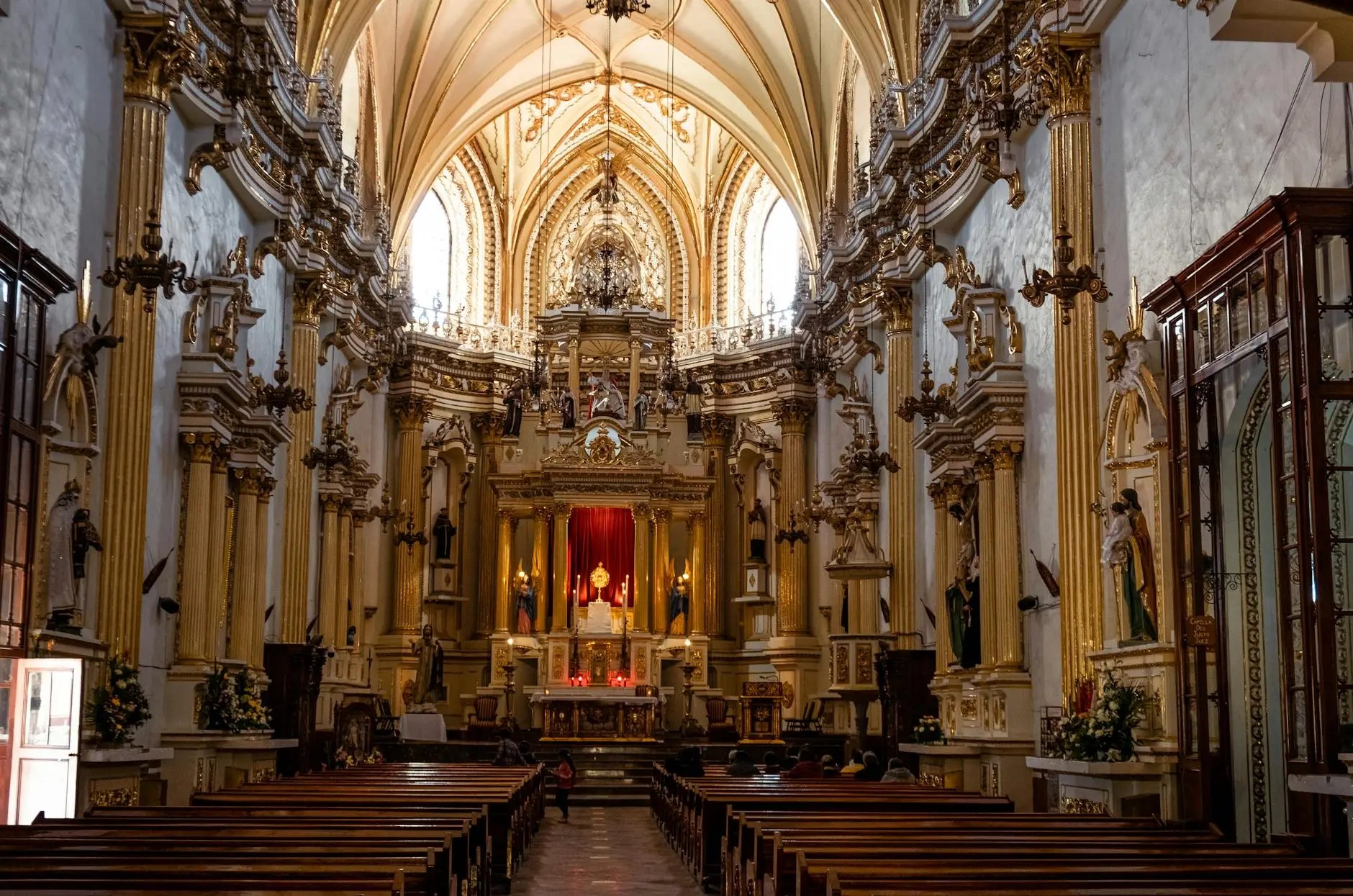
Interior of a grand church featuring ornate gold decorations, intricate architecture, and a vibrant altar, with pews in the foreground.
Interior of a beautifully ornate church featuring intricate gold detailing and a central altar, capturing the spiritual essence of Seville. The sheer scale and opulence of the Seville Cathedral interior is awe-inspiring. The main altarpiece, covered in gold leaf, is one of the largest in the world.
A delicious sandwich layered with slices of tomato, lettuce, cheese, and a variety of meats, displayed on a wooden board.
A delicious montadito, a small sandwich typical of Seville, featuring fresh vegetables and toppings, perfect for a casual lunch. The perfect bite: a classic Seville montadito. These small, flavorful sandwiches are ideal for a quick, delicious, and affordable lunch
Close-up view of La Giralda tower in Seville, Spain, framed by green leaves and a cloudy sky.
La Giralda Tower, a stunning symbol of Seville’s architectural heritage, stands majestically surrounded by lush greenery. La Giralda Tower, originally a minaret, offers one of the best views of Seville. The climb via ramps is surprisingly easy!
The Metropol Parasol in Seville, showcasing its striking wooden structure illuminated by warm sunlight, with surrounding buildings in the background.
Metropol Parasol in Seville: A modern architectural marvel in the heart of the city. A modern contrast to the old city: The Metropol Parasol, or ‘Las Setas’ (The Mushrooms), offers a stunning panoramic view, especially at sunset.
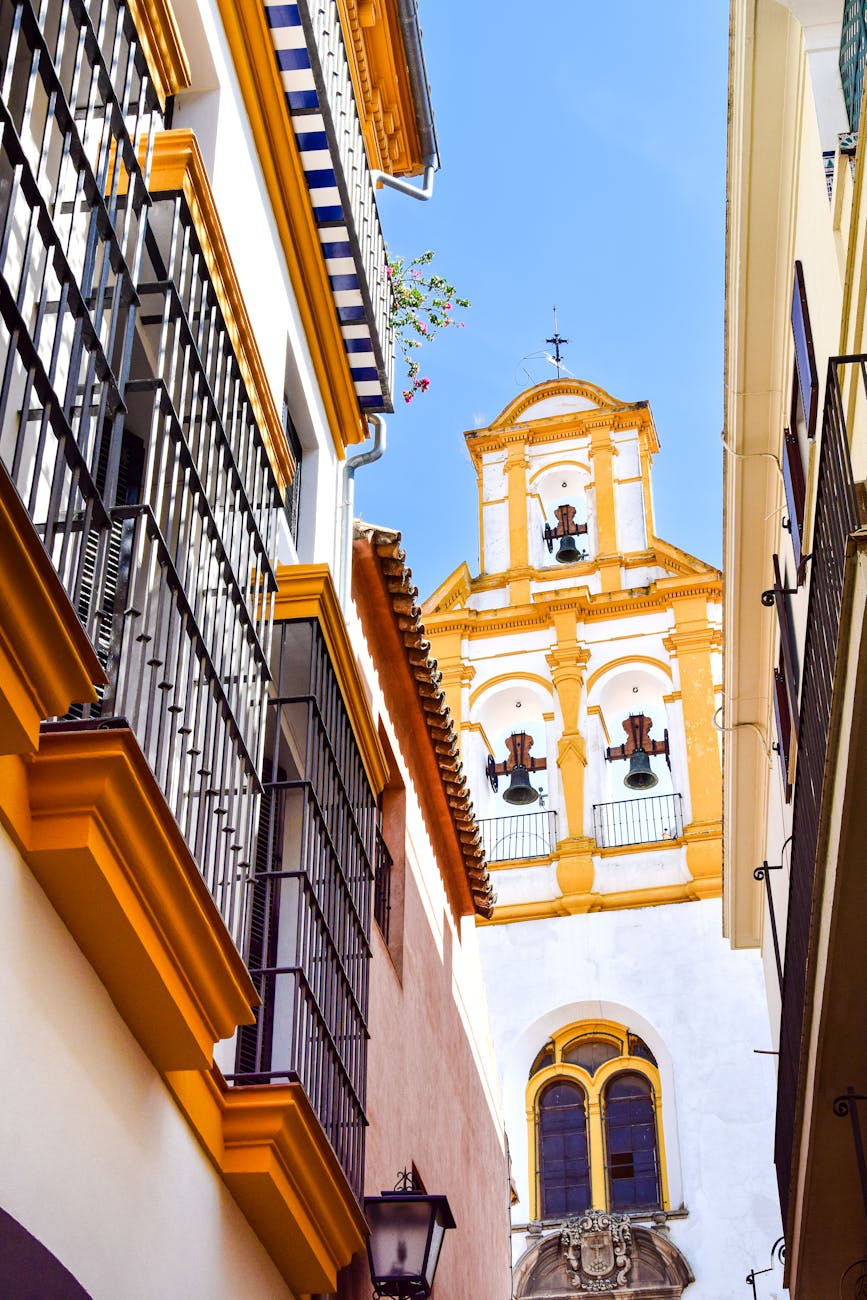
A narrow street in Seville, Spain, showcasing traditional white and yellow architecture, with a bell tower visible in the background under a clear blue sky.
The vibrant architecture of Seville, showcasing colorful balconies and a striking bell tower against a clear blue sky.

Hidden Gems Only Locals Whisper About

  • Casa de la Memoria: An intimate flamenco show, miles better than the touristy big stages.
  • Triana Market: Skip souvenirs—try goat cheese, olives, and jamón sold by locals.
  • Palacio de las Dueñas: A lesser-known aristocratic mansion dripping with Andalusian charm.
  • Callejón del Agua: A shady alley perfect for escaping summer heat while feeling like you’ve stepped into a 19th-century novel.
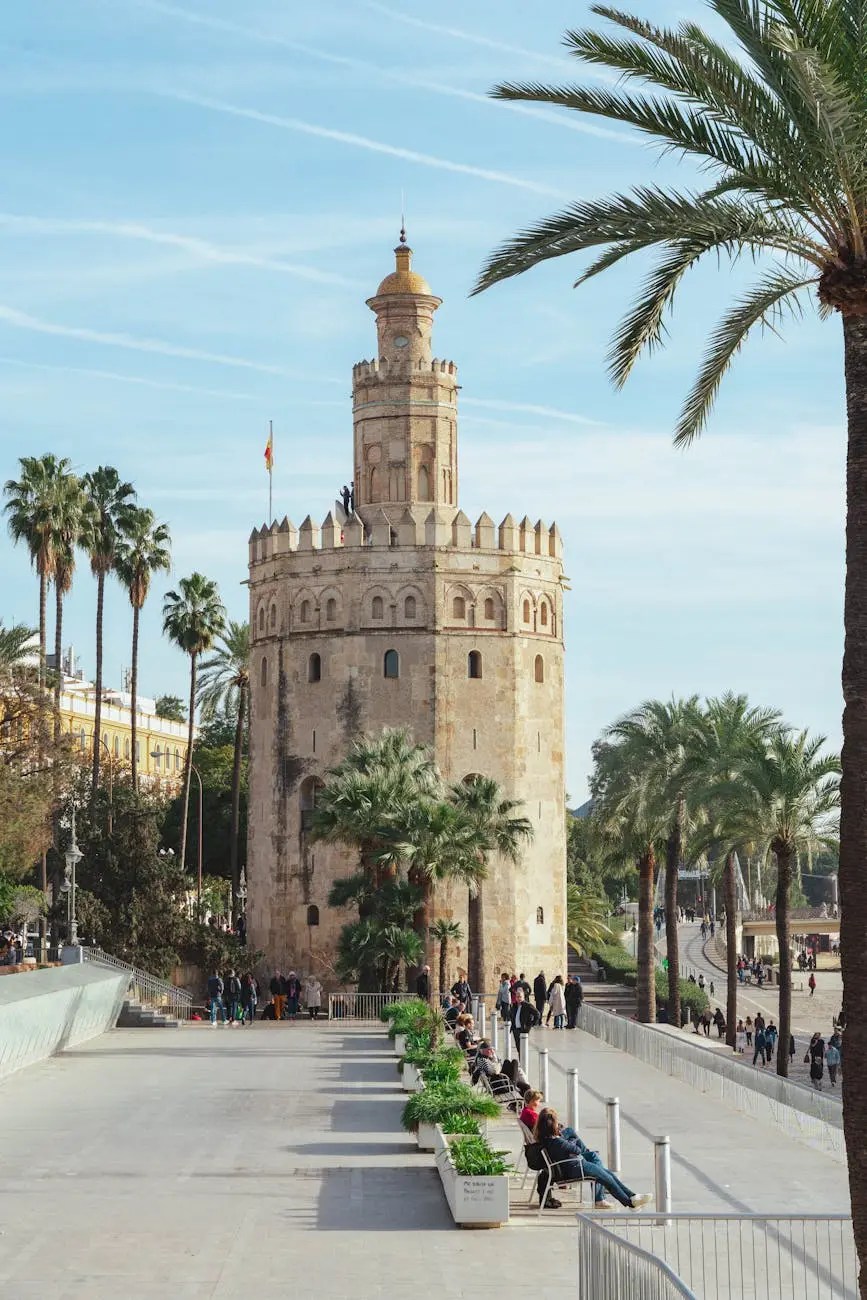
  • Torre del Oro (Golden Tower) – A 13th-century watchtower on the banks of the Guadalquivir River. It once guarded Seville’s port and allegedly stored treasures from the Americas (hence the name “Golden Tower”). Today, it’s a naval museum and one of the best spots for a riverside stroll at sunset.
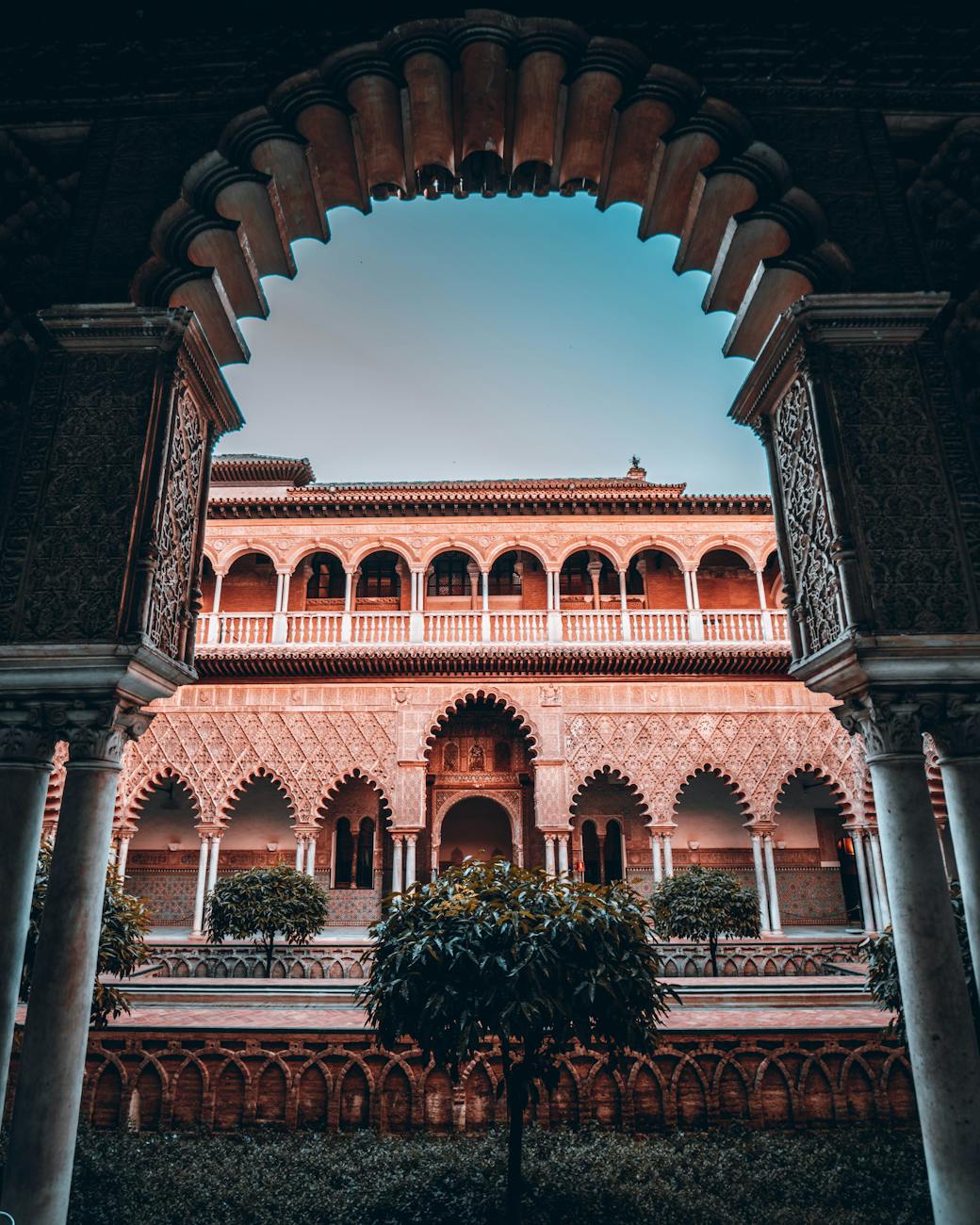
View of the intricate arched architecture and courtyards of the Real Alcázar in Seville, featuring lush greenery and ornate details.
The stunning architecture of the Real Alcázar, a highlight of Seville’s rich history.

A historic tower with a golden dome, surrounded by palm trees and people walking along a promenade in Seville, Spain.
The iconic Torre del Oro in Seville, framed by palm trees and vibrant surroundings. The Torre del Oro has guarded the Guadalquivir River since the 13th century. Today, it houses a small naval museum.

Money-Saving Tips & Hidden Gems

  • Save on Water: Carry a reusable bottle. Seville has many public water fountains (fuentes) with perfectly safe drinking water. It’s a lifesaver in the heat!
  • Free Tapas: Some bars still offer a free tapa with your drink, especially if you venture away from the main tourist squares. It’s worth asking, “¿La bebida viene con tapa?

Essential Spanish Phrases for Travellers

  • Hola (OH-la) – Hello
  • Por favor / Gracias – Please / Thank you
  • Una caña, por favor (OON-a CAN-ya) – A small beer, please (the most important phrase!)
  • La cuenta, por favor – The bill, please
  • ¿Dónde está…? (DON-day es-TAH) – Where is…?
  • Perdón (per-DON) – Excuse me / Sorry
  • ¿Dónde está el baño? – Where’s the bathroom?
  • Perdona, estoy perdido/a – Excuse me, I’m lost

Gear Up for Your Trip: My Trusted Travel Tools

A smooth trip is all about the right gear and protections. Here’s what I never travel without:

  • Stay Connected (Without the Bill Shock): I used to waste the first hour of every trip hunting for a SIM card. Not anymore. I use Drimsim, a global data SIM that works in over 190 countries. You just pop it in when you land, and you’re online. No contracts, no hidden fees. It’s a game-changer for navigating maps and finding last-minute tapas bars.
  • Peace of Mind with Travel Insurance: A missed connection or a misplaced bag can ruin a trip. I always compare plans on VisitorsCoverage to find flexible, affordable coverage that fits my itinerary. It’s one less thing to worry about.
  • Secure Your Connection with a VPN: Using public WiFi in hotels and cafes? Protect your personal data with a VPN. I’ve relied on NordVPN for years to keep my information safe and even access streaming services from back home.
  • Capture the Magic: Seville is incredibly photogenic. To capture all the vibrant colors and intricate details, I swear by my trusty mirrorless camera. It’s lightweight but takes stunning, professional-quality photos.

🛡️ Traveler’s Rights Tip: Had a flight delay or cancellation on your way to Seville? You might be owed up to €600 in compensation! Most people don’t claim it, but services like AirHelp make it simple. They handle all the paperwork with the airline for you. I’ve used them successfully before—it’s stress-free and feels like finding money you didn’t know you had.

Seville Weekend Escape FAQ

Q: What is the best time of year to visit Seville?
A: Spring (March-May) and Fall (September-October) are ideal. The weather is perfect. Avoid July and August unless you have a personal desire to experience what it feels like to live inside an oven. It is intensely, overwhelmingly hot.

Q: Do I need a visa for Spain?
A: This depends on your nationality. Spain is part of the Schengen Area. Travelers from the EU, US, Canada, and Australia typically don’t need a visa for short stays. Always check the official government website for the most current requirements based on your passport.

Q: Is Seville expensive?
A: Compared to other major European cities like Paris or London, Seville is very affordable. You can enjoy fantastic meals and activities without breaking the bank, especially if you follow the local lead on where to eat and drink.

Q: How walkable is Seville?
A: Extremely. The historic center is compact, and walking is the best way to discover its hidden corners. Comfortable shoes are non-negotiable!

Ready to Fall in Love with Seville?
This city has a way of stealing your heart. With this plan, you’re all set for an unforgettable weekend of adventure. Now, all that’s left to do is book that flight!

Over to You!

This city has a way of stealing your heart. With this plan, you’re all set for an unforgettable weekend of adventure. Now, all that’s left to do is book that flight!

I’d love to hear from you!
What’s your dream Spanish destination? Have any Seville tips of your own to share? Or maybe a question I didn’t answer? Drop a comment below and let’s chat!

Ready to Fall in Love with Seville?
Find the Best Flight Deals to Seville Here!

What’s your dream Spanish destination? Have any Seville tips of your own? Share them in the comments below!

Universal Disclaimer/Disclosure Page:

Ultimate Budapest Weekend Getaway: Your Insider Guide

Meta Description:

Dreaming of a European getaway? Our ultimate weekend guide to Budapest, Hungary is packed with insider tips, a perfect 3-day itinerary, and hidden gems. Learn how to navigate the city like a pro, save money, and experience the magic of the “Pearl of the Danube.” Perfect for travellers seeking a quick, unforgettable escape.

Table of Contents

  1. Why Budapest Should Be Your Next Weekend Escape
  2. Best Time to Visit & Crowd-Saving Hacks
  3. Getting There: Flights, Trains & Road Trips
  4. Moving Around: Budapest’s Public Transport Secrets
  5. Iconic Attractions You Can’t Miss
  6. Hidden Gems Only Locals Know
  7. Food & Drinks to Try (and Where to Find Them)
  8. Budget Tips to Save Time & Money
  9. Hungarian Words Every Traveler Should Know
  10. Nearby Escapes: Extend Your Trip to Vienna, Prague & Beyond
  11. Essential Travel Tools & Safety Hacks
  12. FAQ: Budapest Weekend Escape

1. Why Budapest Should Be Your Next Weekend Escape

Budapest is like that friend who has both a serious career and a wild nightlife side. One moment you’re soaking in thermal baths with a centuries-old Ottoman backdrop, the next you’re dancing at a ruin bar inside a crumbling building filled with fairy lights and mismatched furniture.

So, your calendar has miraculously cleared for a glorious 48 hours, and you’ve set your sights on Budapest. Excellent choice. Forget what you’ve heard about needing a week; Budapest is a city built for the dramatic, perfectly-packaged weekend.

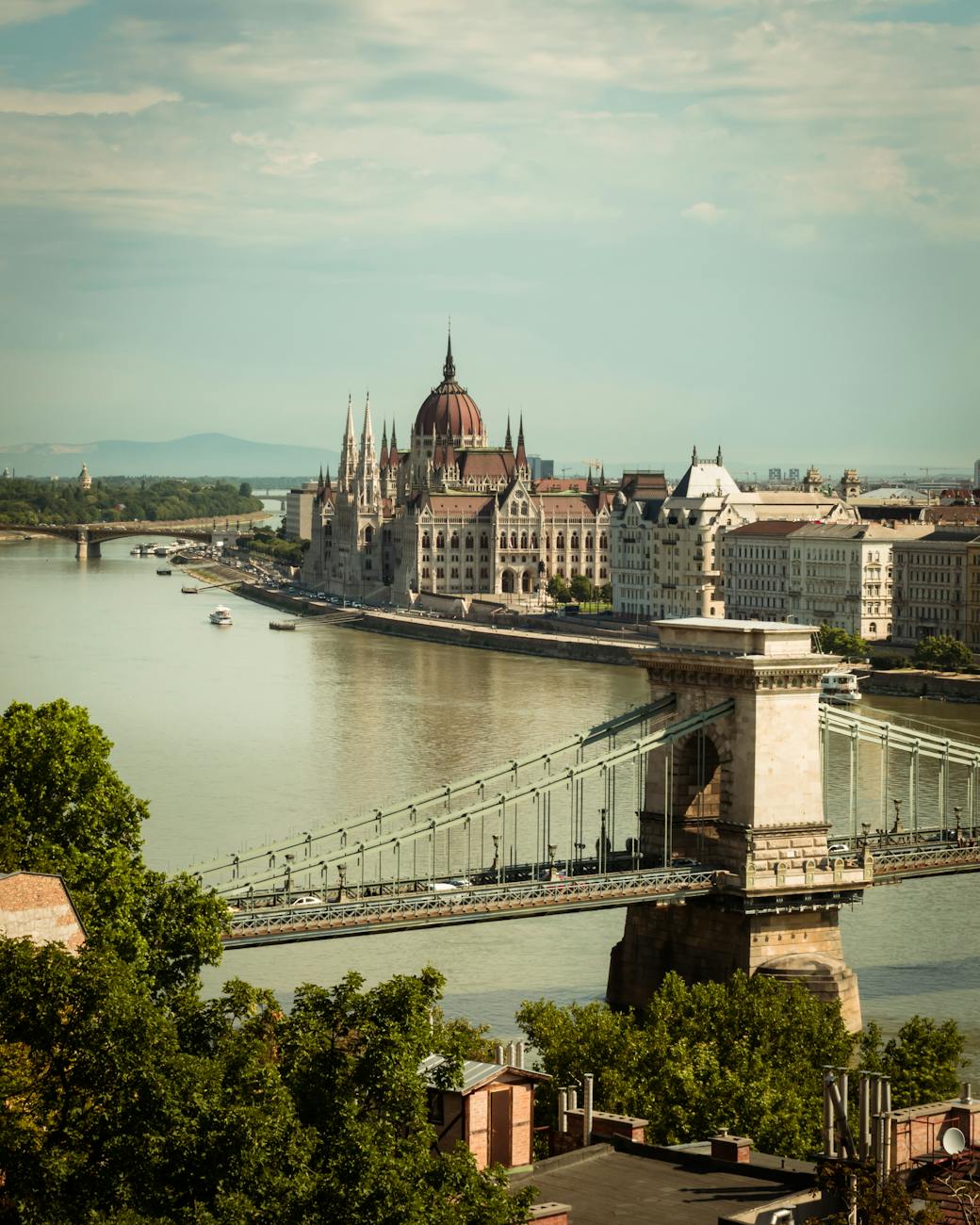
I’m convinced this city was designed by a poet with a flair for the dramatic. The Danube River doesn’t just flow through it; it acts as a liquid stage, separating the rolling hills of Buda from the pulsating, flat streets of Pest. I remember my first evening there, standing on the Chain Bridge as the city lit up gold. It was one of those travel moments that costs exactly zero dollars but feels like a million bucks.

This guide is your blueprint for a weekend that feels like a full-blown vacation. We’ll tackle logistics, hidden spots, and how to eat like a king without a royal budget. Let’s dive in.

Quick Visa Intel: As a major Schengen Area hub, Budapest is easily accessible for many passport holders. But rules vary! Always check your specific visa requirements and costs well in advance to avoid any last-minute panic. For my fellow Canadians and Americans, you’re good for up to 90 days visa-free.

I still remember my first night—wandering down the Danube promenade, goulash in my belly, thinking: Wow, this city feels like Vienna after three espressos!

👉 If you’ve loved my Vienna weekend guide, you’ll adore Budapest for its mix of grandeur and grit.

2. Best Time to Visit & Crowd-Saving Hacks

  • Spring (April–May) and Autumn (Sept–Oct) are golden—pleasant weather and fewer crowds.
  • Summer = peak season + higher hotel prices (but also open-air festivals and endless Danube sunsets).
  • Winter has Christmas markets and steaming thermal baths under snowfall—magical but chilly.

💡 Smart hack: Visit in September—cheaper than August, warm enough to stroll, and fewer tour buses.

Getting There: Flights, Trains & Road Trips

Budapest’s BKK network (metro, trams, buses, and suburban rail HÉV) is efficient and budget-friendly.

  • Flights: Budapest Ferenc Liszt International Airport (BUD) has budget connections all over Europe. Always check Expedia for deals.
  • 🚇 Metro: Europe’s oldest (M1 is a UNESCO site). Four lines cover the city well.
  • Trains: The city is well linked. From Vienna, it’s just 2h 30m by rail (no need for airport stress).
  • Road Trips: Highways M1 (from Vienna/Bratislava) and M7 (from Lake Balaton/Zagreb) are excellent. Rent a car, but keep in mind Hungarian roads use electronic vignettes (toll stickers)—buy them online before driving.

Hotels in Budapest

Getting Around Budapest: A Survival Guide

This is where you save both time and money. Budapest has a fantastic, integrated public transport system (BKK).

  • Public Transport: The network of metros, trams, buses, and trolleybuses is your best friend. A single ticket is 450 HUF, but for a weekend, the 72-hour Budapest Travel Card is a steal. Validate it once and you’re good to go. The M2 (red) and M3 (blue) metro lines are particularly useful.
  • 💡 Buy a 24/48/72-hour Budapest Travel Card—unlimited rides, discounts at attractions, and zero ticket stress.
  • 🚋 Trams: Tram 2 runs along the Danube—basically a sightseeing tour for €1.Tram Line 2: This is a free sightseeing tour! It runs along the Pest side of the Danube, offering stunning views of the Castle Hill. Use it to get from Parliament to the Great Market Hall.
  • 🚌 Buses & Trolleybuses: Reach outer districts. Google Maps works fine here.
  • 🚤 Danube Ferries: Cheap river cruises run by public transport. Yes, really.
  • Walking: Pest is incredibly walkable. You’ll discover so much more on foot.
  • Bolt: The local equivalent of Uber is reliable and often cheaper than taxis if your feet give out.
  • Driving? Don’t. Seriously. Parking is a nightmare and expensive in the center. Save the rental car for a Hungarian countryside road trip another time.

Your Game Plan: The Perfect 3-Day Budapest Itinerary

Day 1: Dive into the Heart of Pest

Morning: Start at the iconic Hungarian Parliament Building. It’s the postcard shot, and it’s even more breathtaking in person. Pro tip: Book your tour online weeks in advance if you want to go inside—spots fill up fast. Instead of waiting in line, I opted to admire it from across the river, which is free and offers a stunning perspective.

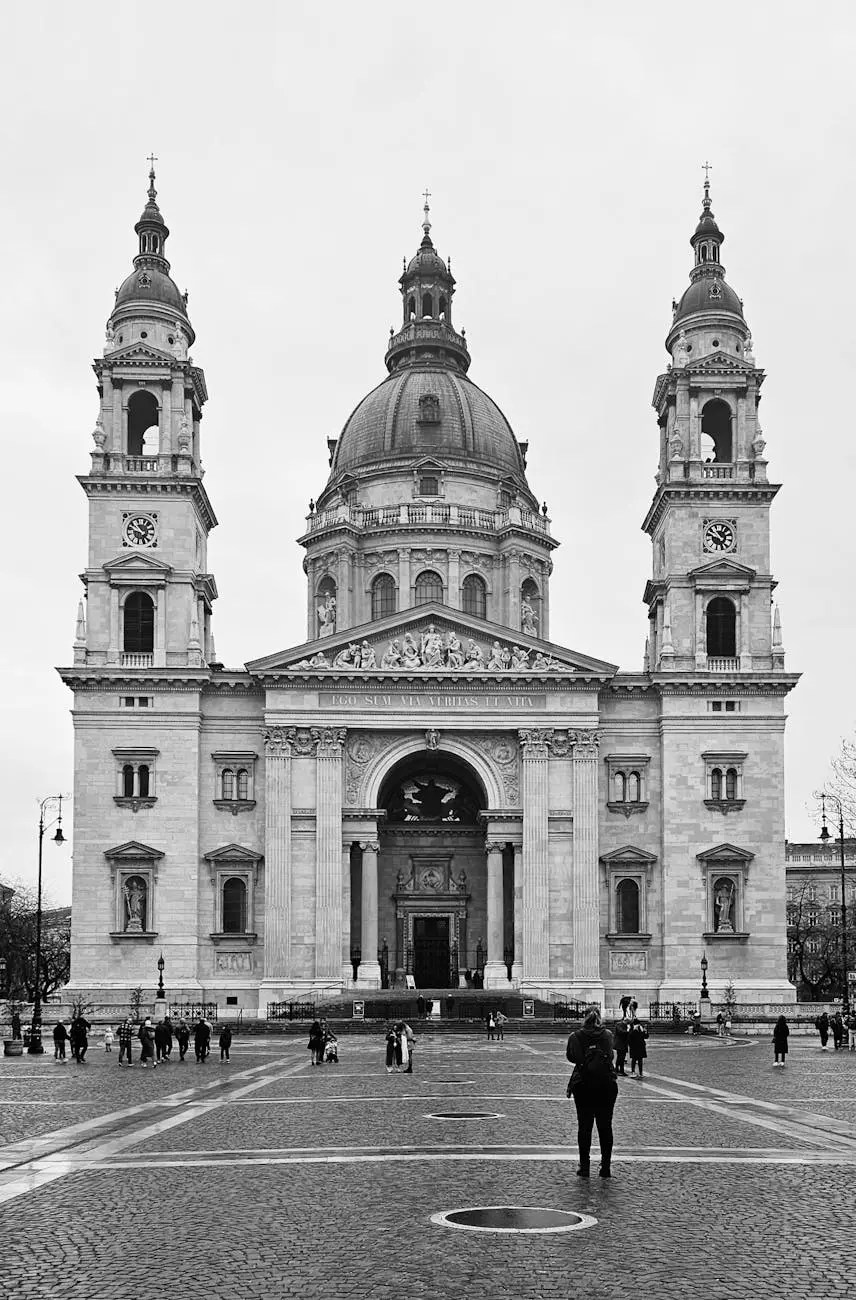
Afternoon: Walk to St. Stephen’s Basilica and for a few Euros, you can climb (or take the lift) to the panoramic terrace. The 360-degree view of the city is the best orientation you can get. Afterwards, get deliciously lost wandering the Jewish Quarter. If you need a caffeine hit, my favourite spot was a tiny window-service coffee shop called My Little Melbourne Brew Bar.

Evening: This is where the magic happens. You simply cannot leave without experiencing a ruin bar. These are not your average pubs; they are sprawling, bohemian wonderlands built in abandoned buildings and courtyards. Start with the original and most famous, Szimpla Kert, but then explore the others in the neighborhood. For dinner, skip the tourist traps and grab a legendary cheap eat at Karavan, a street food courtyard right next to Szimpla.

Nighttime view of the Hungarian Parliament Building illuminated in gold along the Danube River.
The stunning Hungarian Parliament Building illuminated at night, a must-see landmark in Budapest. The stunning Hungarian Parliament Building, lit up against the night sky. For the best view, cross to the Buda side of the Danube River just after sunset.

Black and white photograph of St. Stephen's Basilica in Budapest, showcasing its impressive facade and twin towers, with people gathering in the square in front.
St. Stephen’s Basilica: A stunning architectural masterpiece and a must-visit landmark in Budapest, Hungary. The majestic St. Stephen’s Basilica dominates the Budapest skyline. For a truly unforgettable experience, climb to the panoramic terrace for a 360-degree view of the city.

A vibrant ruin bar in Budapest, filled with eclectic furniture, colorful stools, and lush greenery, showcasing a lively atmosphere with people enjoying their time.
A vibrant ruin bar in Budapest, showcasing colorful seating and greenery, perfect for enjoying drinks and socializing.

Day 2: Conquer the Buda Castle Hill & Soak in History

Morning: Cross the Chain Bridge (on foot, it’s an experience!) and make your way up to Buda Castle. You can take the funicular for a classic experience, but walking up is free and offers gorgeous, gradual views. Explore the castle district and get lost in the cobblestone streets.

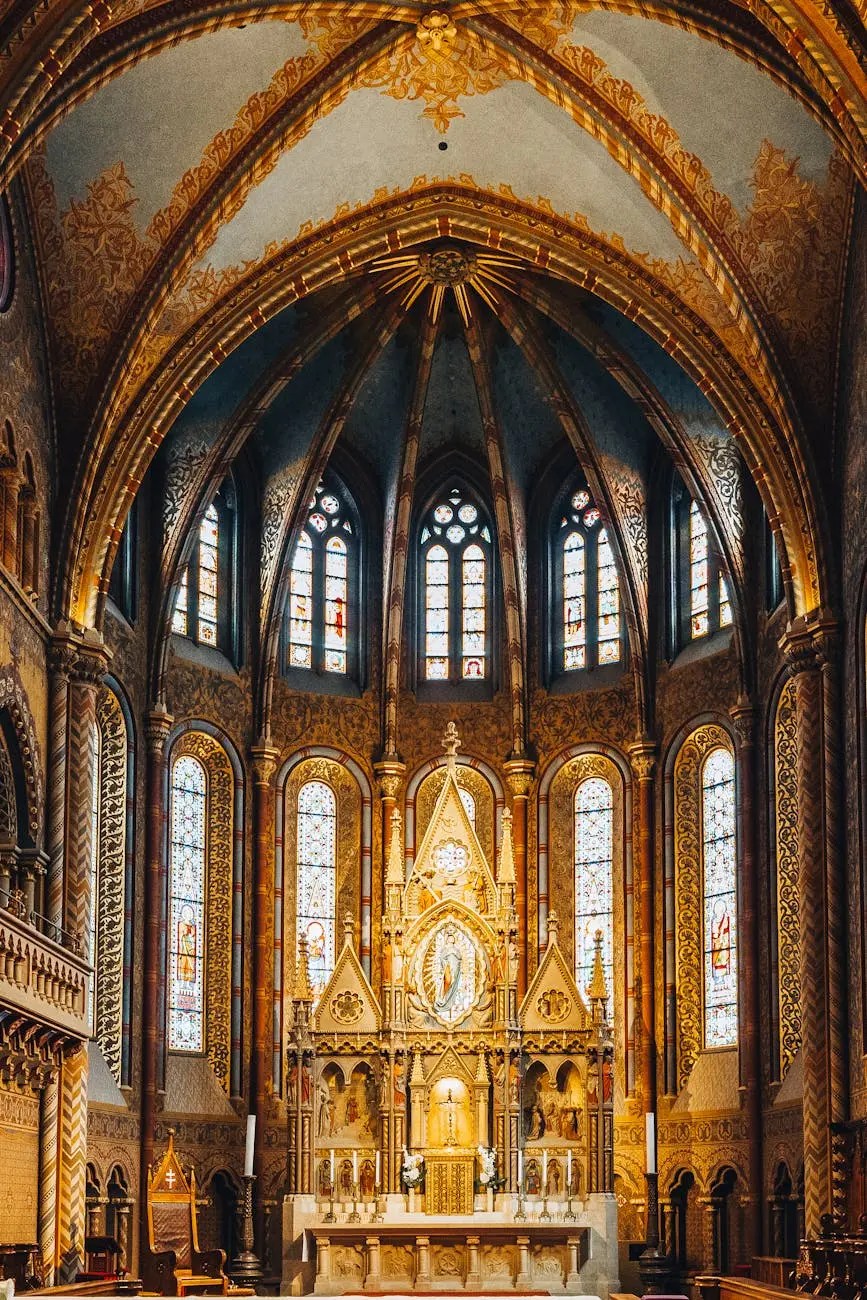
Afternoon: A short walk away is Matthias Church and the Fisherman’s Bastion. The Bastion’s white turrets look like something from a fairy tale and offer the best photo ops of the Parliament across the river. It can get packed, so go early or late.

Evening: Time to relax, Hungarian-style. Head to one of the city’s famous thermal baths. The Széchenyi Thermal Bath is the big, beautiful, iconic one with the yellow buildings and outdoor pools. It’s a party, especially on a weekend. For a more tranquil, historic experience, try the Gellért Baths. Either way, it’s the perfect way to soothe your sightseeing feet. I still dream about that warm, mineral-rich water.

A scenic view of Buda Castle in Budapest, Hungary, surrounded by lush greenery and residential buildings, with a clear sky in the background.
A stunning view of Buda Castle, showcasing its majestic architecture and the surrounding lush greenery.
A stunning view of the Chain Bridge connecting Buda and Pest, with the iconic Hungarian Parliament building in the background along the Danube River.

Interior view of a beautifully decorated church with stained glass windows and ornate golden altar.
Interior of Matthias Church featuring stunning architecture and intricate stained glass windows in Budapest. The breathtaking interior of Matthias Church, a jewel of Buda Castle. Look up to appreciate the stunning Gothic vaulted ceilings and the vibrant stained glass that fills the space with color.
Exterior view of the Fisherman's Bastion in Budapest, featuring its iconic turrets and staircase against a clear blue sky.
The iconic Fisherman’s Bastion in Budapest, showcasing its fairytale-like architecture and stunning views. The fairy-tale towers of Fisherman’s Bastion offer what might be the best panoramic view in Budapest. Pro tip: Visit early in the morning to have the place almost to yourself!
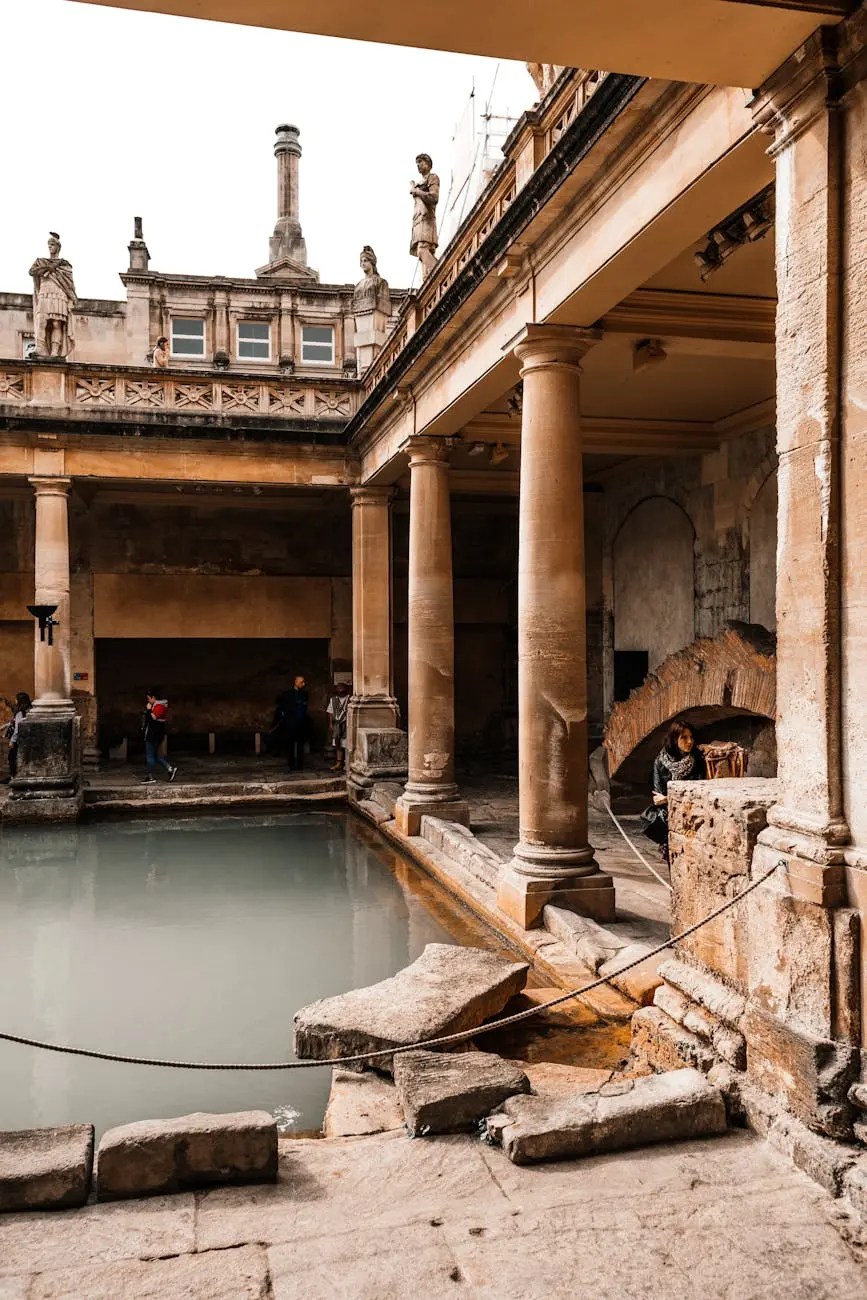
Interior of a historic thermal bath with Roman-style columns and statues, featuring a quiet mineral pool surrounded by stonework.
Explore the historic thermal baths of Budapest, a perfect blend of relaxation and cultural heritage. Stepping into one of Budapest’s historic thermal baths feels like traveling back in time. Don’t forget to bring your swimsuit and a towel for a truly local experience of relaxation.
A scenic view of a natural hot spring with people relaxing in the water, surrounded by greenery and hills in the background.
Relax in the natural hot springs at the scenic thermal baths of Budapest, surrounded by lush greenery and beautiful landscapes.
A vibrant thermal bath complex in Budapest, with steam rising from the heated outdoor pools. People are enjoying the warm water while the historic architecture of the Széchenyi Baths is visible in the background.
Soak in the historic Széchenyi Thermal Bath, Budapest’s iconic hotspot for relaxation and rejuvenation.

Day 3: Market Streets & Panoramic Views

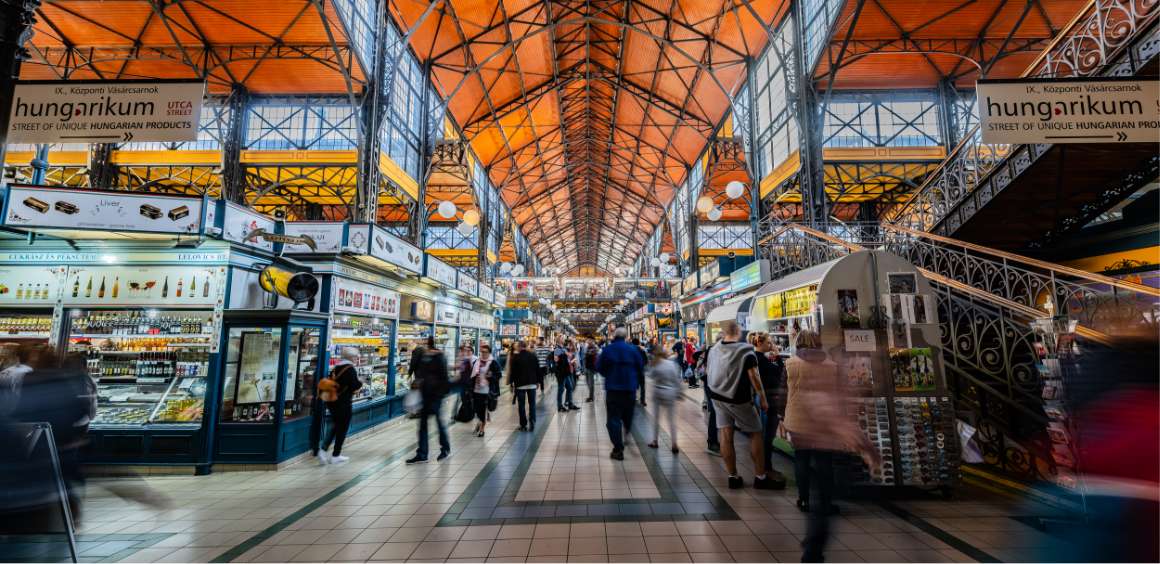
Morning: Fuel up at the Great Market Hall (Nagyvásárcsarnok). The ground floor is a feast for the senses with produce, meats, and paprika souvenirs. Upstairs, you can grab a cheap and delicious lunch of lángos (fried dough with toppings)—a must-try Hungarian treat.

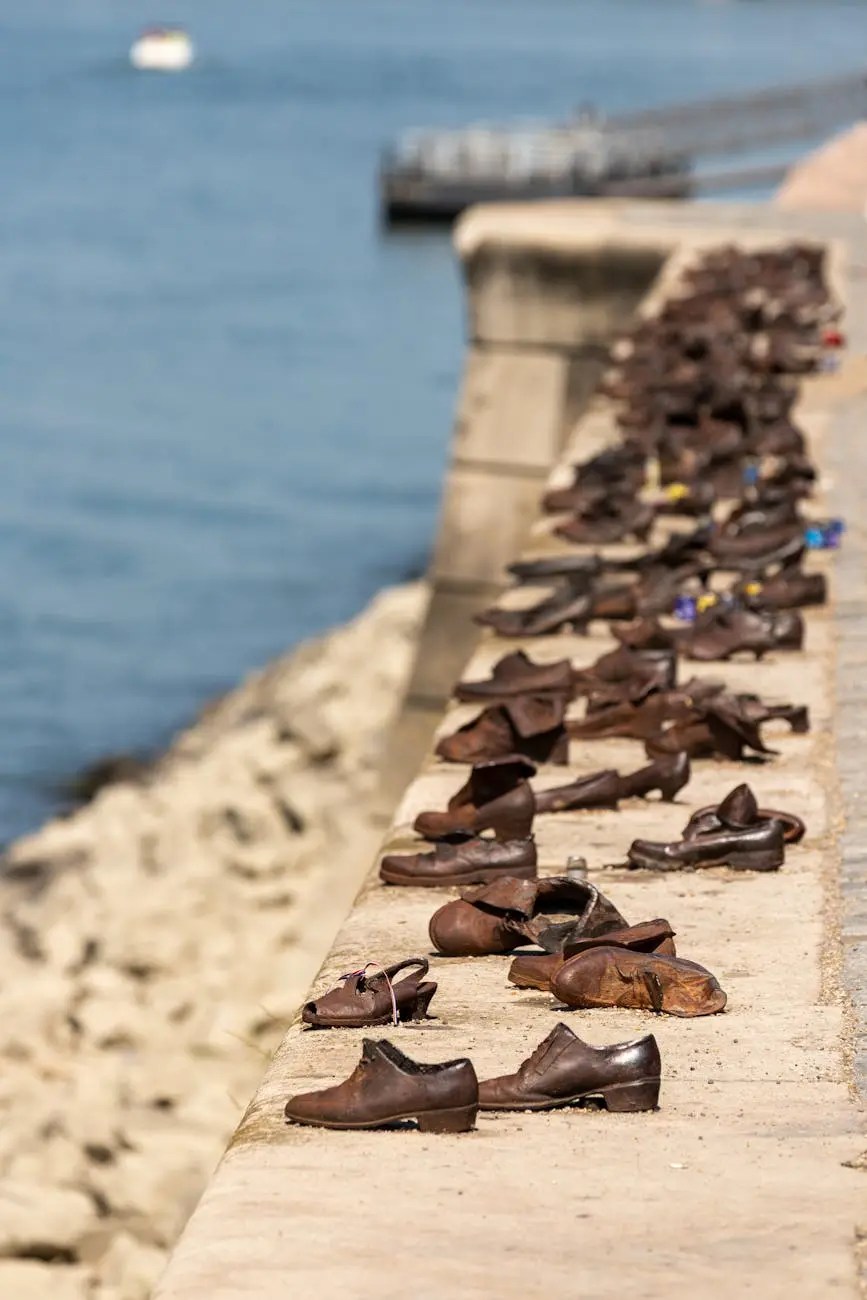
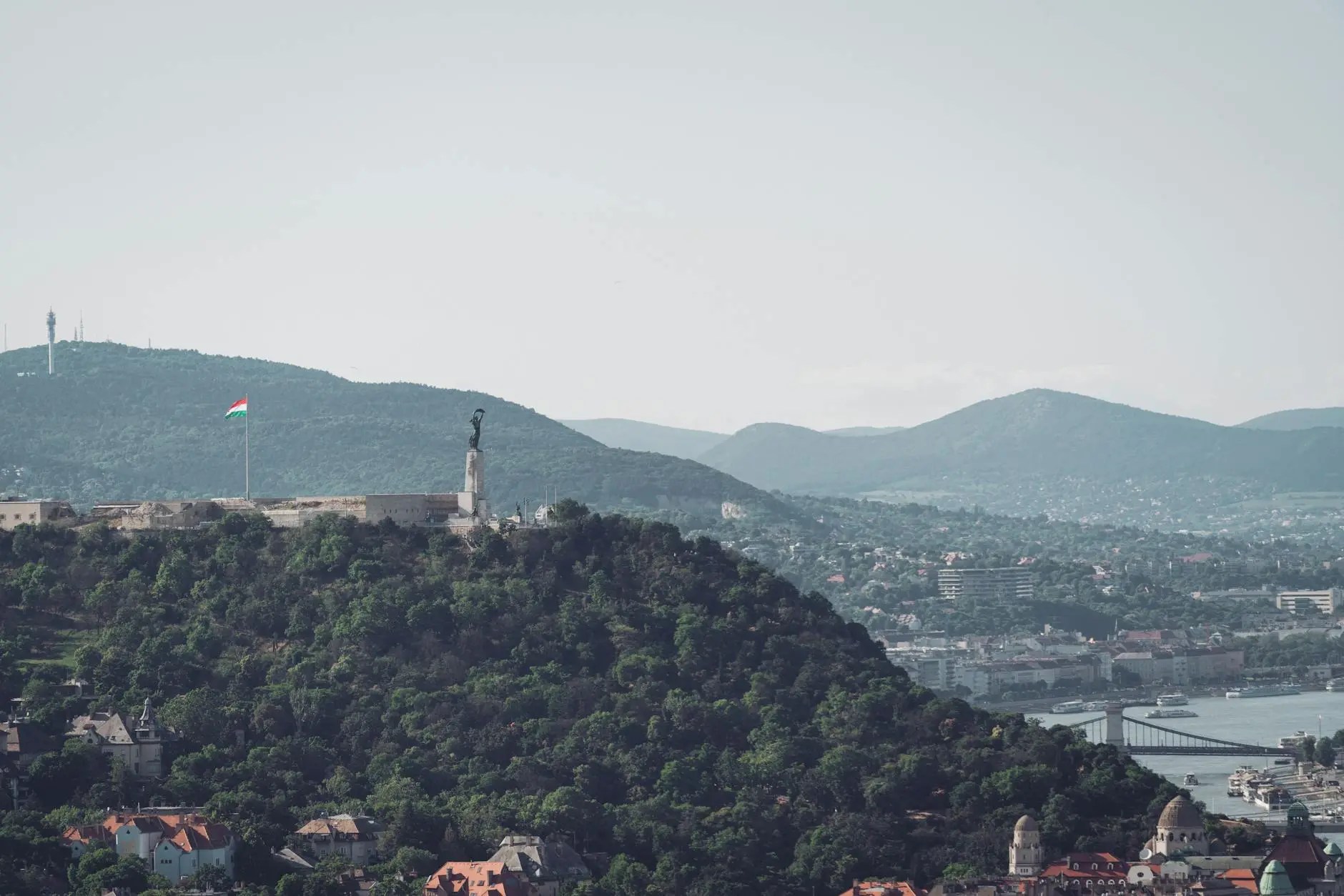
Afternoon: For your final afternoon, take a leisurely stroll along the Danube Promenade on the Pest side. See the poignant Shoes on the Danube Bank memorial. Then, make your way to Gellért Hill for the most spectacular panoramic view of the entire city. It’s a bit of a climb, but I promise you, it’s the ultimate farewell memory of Budapest.

Interior view of the Great Market Hall in Budapest, Hungary, with people walking among stalls filled with various Hungarian products.
The bustling interior of the Great Market Hall in Budapest, showcasing a variety of local products and vibrant architecture.
Delicious food offerings displayed at a bustling market, with people engaging in conversation in the background.
Delicious lángos topped with fresh ingredients at Budapest’s Great Market Hall, a must-try Hungarian treat.

A memorial featuring a series of old brown shoes placed along a stone riverbank, with the Danube River in the background.
The poignant Shoes on the Danube Bank memorial, commemorating the lives lost during World War II. The powerful ‘Shoes on the Danube Bank’ memorial, a somber tribute to the Jews who were shot at the edge of the river during World War II. A poignant reminder to pause and reflect.
A panoramic view of the Buda Hills in Budapest, featuring a statue on a hilltop and the Danube River in the foreground, with a flag waving in the wind.
A panoramic view of Gellért Hill featuring the Liberty Statue and a Hungarian flag, overlooking the verdant landscape and Danube River in Budapest. The climb up Gellért Hill is worth every step for this breathtaking panoramic view. The Liberty Statue, a symbol of the city’s resilience, stands watch over Budapest.

Hidden Gems: Escape the Tourist Trail

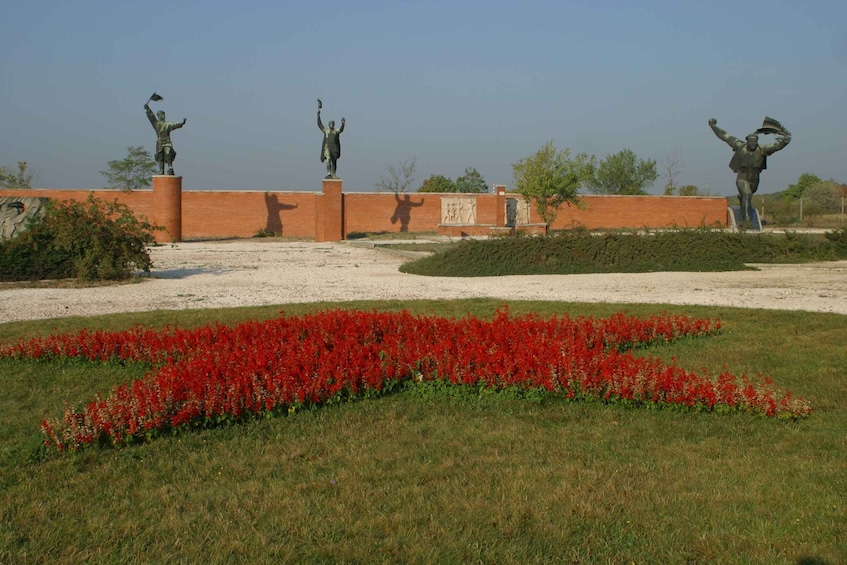
  • Memento Park: Love quirky, off-beat history? This park on the city’s outskirts houses the old communist statues torn down after 1989. It’s bizarre, fascinating, and a unique piece of the past.
  • The “Wedding Cake” at the top of St. Stephen’s Basilica: We mentioned the view, but the story behind the ornate, neo-renaissance dome is a fun piece of trivia.
  • Rudas Baths: For the truly adventurous, this Ottoman-era bath has a stunning rooftop pool with views and, on certain days, is adults-only or mixed-gender. Do your research, but it’s an incredible experience.
A park featuring a symbolic red star flowerbed in front of statues representing historical figures, set against a clear sky.
The iconic statues at Memento Park, showcasing Hungary’s communist past surrounded by vibrant flower arrangements.

Essential Hungarian for the Weekend Warrior

Hungarian is a tricky language, but a little effort goes a long way!

  • Hello/Goodbye: Szia (See-ya) [informal]
  • Thank you: Köszönöm (Kur-sur-nurm)
  • Cheers: Egészségedre! (Egg-esh-shay-ged-re) — practice this before your first ruin bar toast!
  • Yes: Igen (Ee-gen)
  • No: Nem (Nem)
  • Check, please: Fizetek, kérem (Fee-zet-ek, kay-rem)
  • Szia! = Hi/Bye
  • Hol van a…? = Where is the…
  • Jegy = Ticket
  • Fürdő = Bath

Smart Travel Tips for a Flawless Trip

  • Currency: The Hungarian Forint (HUF) is king. While some places take Euros, the rate is terrible. Always pay in Forint. ATMs are everywhere.
  • Best Time to Visit: Spring (April-May) and Fall (September-October) are ideal. The weather is pleasant, and the crowds are thinner than the peak summer months.
  • Stay Connected: I never travel without my Drimsim. It’s a global SIM that works in over 190 countries. Pop it in, top up via the app, and you’re online. No more hunting for SIM cards or scary roaming bills. It’s a game-changer for navigating and posting those ruin bar pics instantly.  Get connected with Drimsim here.
  • Travel Insurance: I consider this non-negotiable. For short trips, I use VisitorsCoverage to quickly compare and find a plan that fits. It’s peace of mind for delayed flights or a unexpected slip on the cobblestones.  Get a quote from VisitorsCoverage here.
  • Flight Hassles? If your flight to Budapest gets delayed or canceled, you might be owed compensation. I’ve used AirHelp to claim money back—they handle all the paperwork and only charge if they win. It’s worth a quick check!  See if you’re owed money with AirHelp.
  • VPN for Safety: Using public Wi-Fi? Protect your data with a VPN. I always have my NordVPN running on my phone and laptop. It’s essential for secure browsing and can sometimes help with geo-blocked content. > Stay secure online with NordVPN.

Frequently Asked Questions (FAQ)

Q: Is two days enough for Budapest?
A: While more time is always better, a weekend (2-3 days) is absolutely enough to see the major highlights and get a fantastic feel for the city’s unique atmosphere. This itinerary is designed to make the most of every hour.

Q: What is the best area to stay in Budapest for a weekend trip?
A: For a first-time visitor, District V (Belváros) or District VII (the Jewish Quarter, near the ruin bars) are perfect. You’ll be within walking distance of major Pest attractions and have excellent transport links.

Q: Is Budapest an expensive city?
A: Not at all! Compared to other Western European capitals like Paris or Amsterdam, Budapest is very affordable. Meals, drinks, and public transport offer excellent value for money.

Q: Can I use credit cards everywhere?
A: Mostly, yes. Major restaurants, shops, and hotels accept cards. However, it’s wise to carry some cash (Forint) for market stalls, smaller ruin bars, or tips.

Q: What should I pack?
A: Comfortable walking shoes are the #1 priority! The city is made of cobblestones. Also, pack a swimsuit for the baths, and in cooler months, layers are key.

Q: What’s the best way to get around?
A: Buy a Budapest Card for unlimited metro, tram, and bus rides. Ferry rides along the Danube are a bonus.

Nearby Escapes: Extend Your Trip

Budapest pairs beautifully with:

  • Vienna – Elegant and close by train.
  • Prague – 6 hours by train or a short flight.
  • Munich – Beer gardens + Alps vibes.
  • Venice – Worth flying for the canals.
  • Athens – Mediterranean sunshine after your Hungarian city break.

Ready to Pack Your Bags?

Budapest is waiting to steal your heart. From its grand architecture to its gritty, creative ruin bars, it’s a city of beautiful contrasts. With this plan in your pocket, you’re all set for an unforgettable weekend.

To start planning your adventure and snagging great flight and hotel deals, I always begin my search on Expedia. > Find your perfect Budapest getaway on Expedia here!

And don’t forget to capture every golden moment! I swear by my lightweight mirrorless camera for getting those perfect shots without the bulk. > Check out my favorite travel camera here.

🎒 Final Thoughts

Budapest isn’t just another European capital—it’s a city of contrasts. Grand boulevards sit next to gritty ruin pubs, historic baths bubble while techno beats thump nearby. It’s friendly on the wallet, rich in history, and packed with surprises.

Have you been to Budapest? What was your favorite hidden spot? Share your tips in the comments below!

Universal Disclaimer/Disclosure Page:

The Ultimate Weekend Escape to Zurich, Switzerland

Meta Description :
Planning a weekend escape to Zurich, Switzerland? Discover the best things to do, hidden gems, public transport hacks, money-saving tips, and nearby getaways like Munich, Milan, and Vienna. Perfect for travelers looking for a stylish Swiss adventure.

Table of Contents

  1. Why Zurich Should Be Your Next Weekend Escape
  2. How to Get There (Flights & Trains)
  3. Where to Stay in Zurich 🏨
  4. Getting Around Like a Local 🚆🚋
  5. Top Things to Do in Zurich
  6. Hidden Gems Most Tourists Miss
  7. Foodie Adventures 🍫🧀
  8. Budget & Money-Saving Tips
  9. Day Trips You Can’t Miss 🚞
  10. Essential Swiss Phrases to Know
  11. Smart Travel Tips & Must-Have Tools
  12. FAQs About Zurich

So, your calendar has a glorious, empty weekend staring back at you, and your mind is whispering one word: Zürich. Good choice. Forget everything you’ve heard about it being all banks and watches. This city, nestled at the tip of a shimmering lake and surrounded by humble mountains, is a stunning blend of medieval charm and modern chic, and it’s absolutely perfect for a two-day blitz.

I recently found myself with exactly this opportunity, and I’m here to be your guide to doing Zurich right, without breaking the bank or wasting a precious minute.

Why Zurich Should Be Your Next Weekend Escape

Zurich isn’t just about banking and fancy watches—it’s a city where you can sip a coffee by Lake Zurich in the morning, hike up Uetliberg Mountain for panoramic views in the afternoon, and be clinking glasses of local wine in the Old Town by evening.

Plus, Zurich is a gateway to nearby gems: a quick train ride gets you to Munich, Milan, or Vienna. Think of Zurich as your stylish Swiss home base.

Zurich is compact, incredibly efficient, and stunningly beautiful. You can walk from the trendy, graffiti-lined streets of the Zurich West district to the cobblestone lanes of the ancient Old Town (Altstadt) in under 30 minutes. It’s a city that offers world-class art, lakeside relaxation, and hearty food, all within a easily navigable area. It’s the ideal canvas for a short, sweet, and immensely satisfying European escape.

Pro Tip: For a seamless trip planning experience, I always start by checking flight and hotel deals on Expedia. Bundling them can often save you a nice chunk of change for more Swiss chocolate!

How to Get There (Flights & Trains)

Most international flights land at Zurich Airport (ZRH), just 15 minutes from downtown by train. Pro tip: book early on Expedia for the best weekend deals.

If you’re hopping around Europe:

  • Munich → Zurich: 4 hours by direct train
  • Milan → Zurich: 3.5 hours via the scenic Gotthard route
  • Vienna → Zurich: 8 hours by night train (bring snacks and Netflix)

Where to Stay in Zurich 🏨

Stay near Zurich HB (main train station) if you want easy connections, or Old Town (Altstadt) if you’re chasing charm. Personally, I once stayed near Langstrasse—let’s just say it was lively. Too lively. Lesson learned: if you want sleep, skip the party district.

👉 Book your flexible stays with Expedia.

Friday Evening: First Impressions & Fondue

Drop your bag at your hotel (I recommend somewhere central like the Aldstadt or near the main train station, Hauptbahnhof, for maximum convenience). Your first mission: fight the jet lag with cheese. Lots of it.

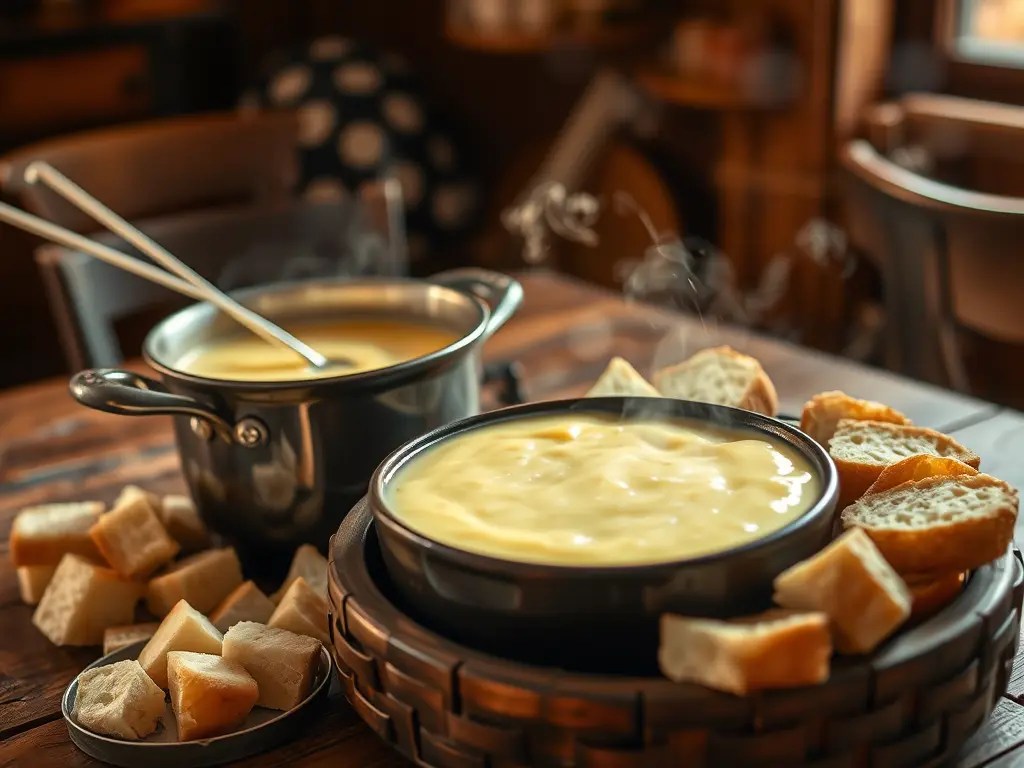
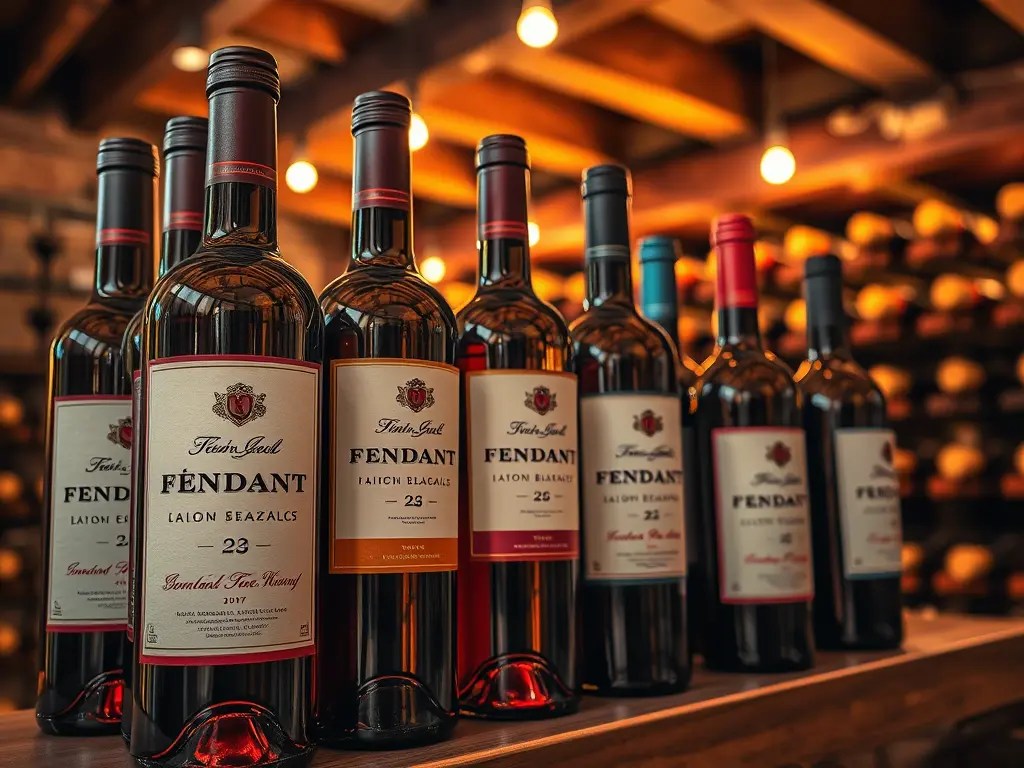
Head into the Altstadt, a labyrinth of narrow, winding streets that feel plucked from a storybook. Find a traditional restaurant like Zeughauskeller (in a former armoury!) or a cozy fondue spot. Order a classic Fondue Moitié-Moitié (half Gruyère, half Vacherin) and a glass of crisp Fendant wine. You are now officially in Switzerland.

A traditional Swiss fondue dish with melted cheese in a pot, accompanied by chunks of bread and a small bowl of cubed cheese on a wooden table.
Indulge in a classic Swiss fondue experience with melted cheese and fresh bread, a must-try dining highlight in Zurich. No trip to Zurich is complete without this! Dipping into a bubbling pot of classic Swiss fondue—a rich blend of melted Gruyère and Vacherin cheeses—is a quintessential and delicious Alpine experience.
A collection of Fendant wine bottles displayed on a wooden shelf, with a softly lit background featuring more wine bottles.
A selection of Fendant wines, perfect for pairing with traditional Swiss fondue in Zurich. The perfect partner for fondue: A selection of Fendant wine. This crisp, dry Swiss white wine from the Valais region cuts through the richness of the cheese beautifully.

My First Swiss Mistake

On my first visit, I made the classic tourist error: I sat down at a restaurant on the famous Bahnhofstrasse (one of the world’s most expensive shopping streets) and ordered a coffee. The people-watching was premium, but the bill for two espressos was a gut punch. Lesson learned! The best atmosphere is tucked away in the alleys, not on the main drags.

Saturday: Altstadt Charm & Lake Views

Start your day with a strong coffee and a buttery Gipfeli (the Swiss German word for croissant). Then, lose yourself in the Altstadt. Must-sees include:

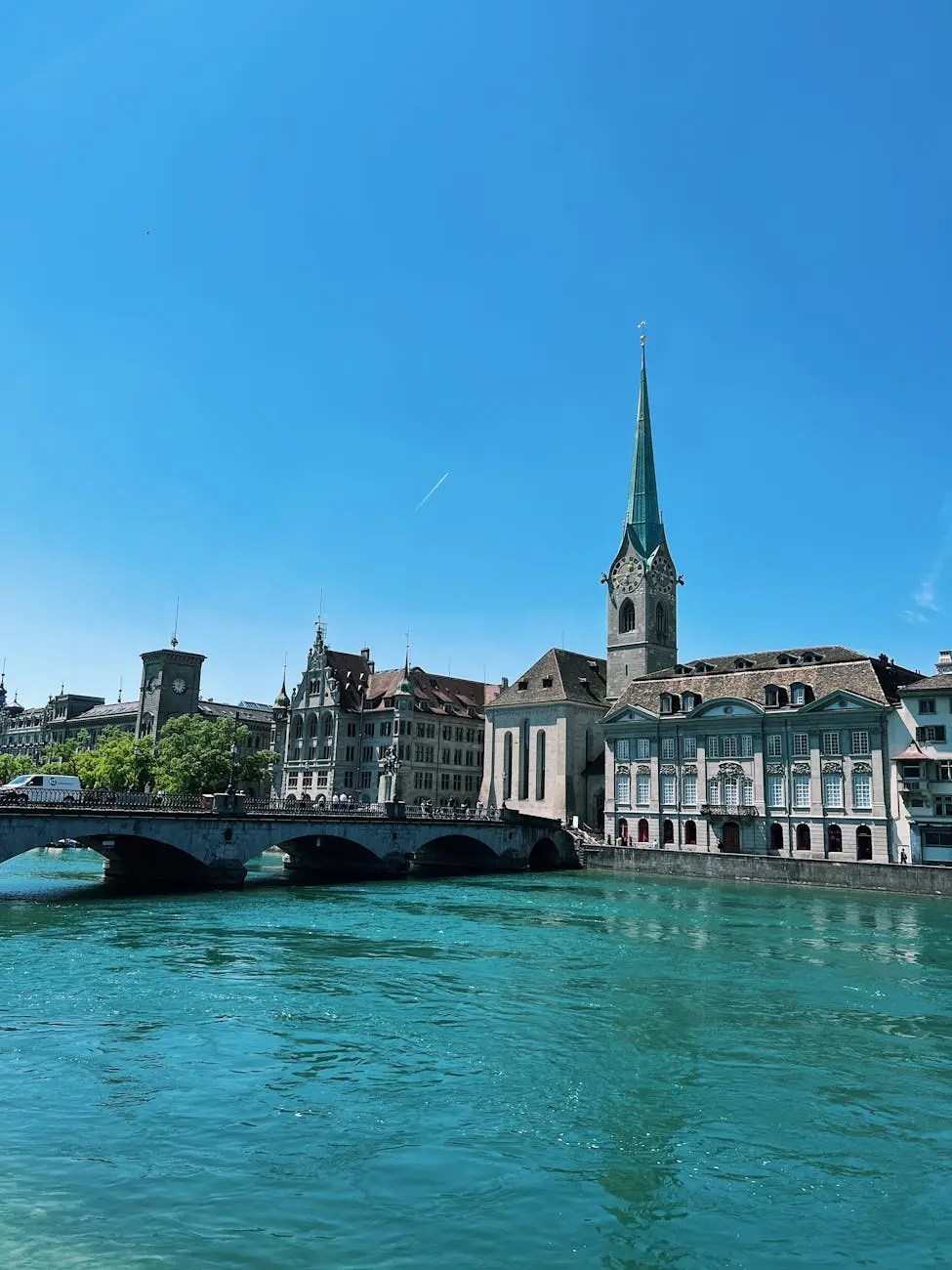
  • Fraumünster Church: Famous for its stunning stained-glass windows by Marc Chagall.
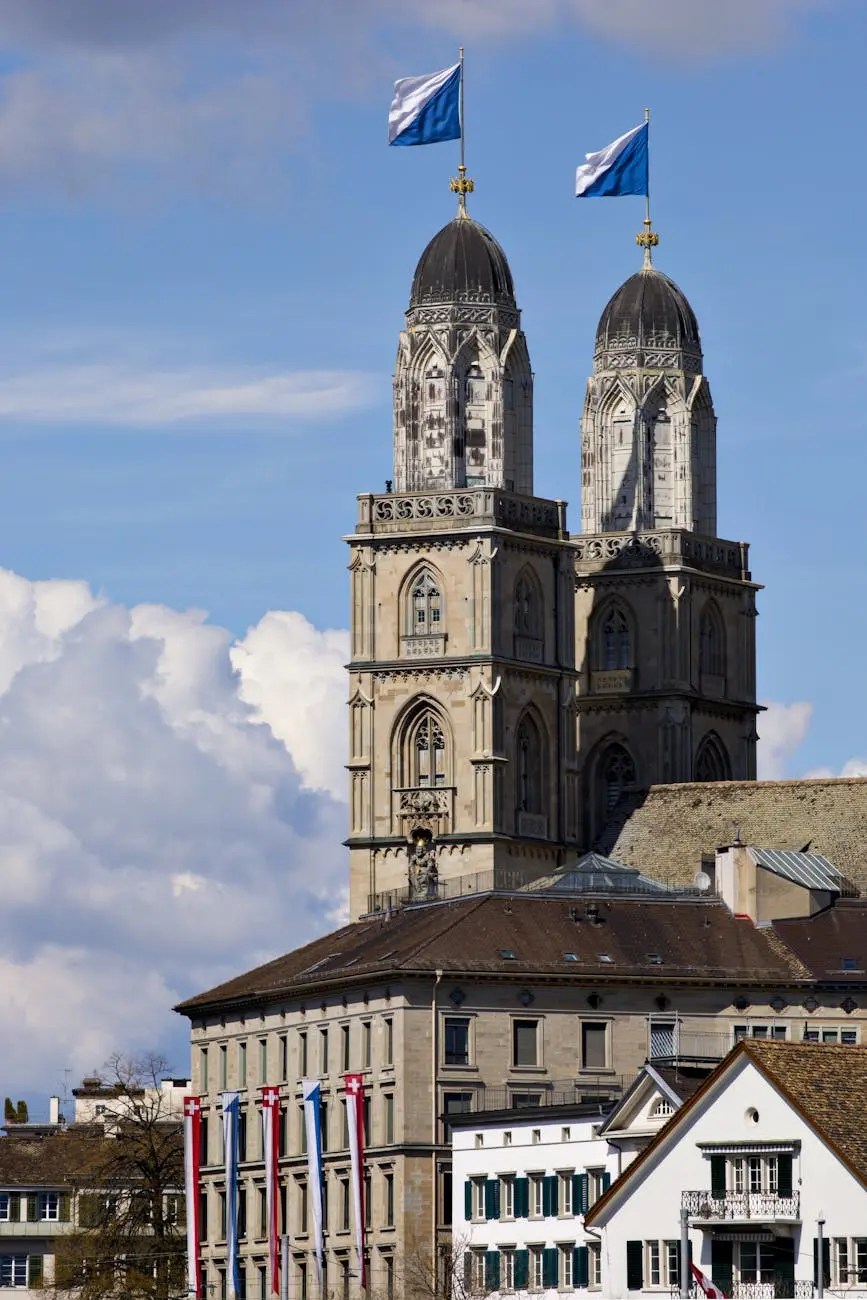
  • Grossmünster Church: The iconic twin-towered cathedral. Climb the tower for a small fee – the view over the city rooftops to the lake is worth every step and every franc.
  • Lindenhof: A quiet hilltop square with a gorgeous lookout point over the Limmat River and the old town. It’s a perfect spot to just sit and soak it all in.
A picturesque view of Zurich featuring the turquoise waters of the Limmat River, a historic bridge, and iconic buildings with a tall church steeple under a clear blue sky.
A picturesque view of Zurich’s iconic skyline, showcasing the beautiful architecture along the Limmat River against a clear blue sky. view of Fraumünster Church The stunning view of Zurich’s Altstadt (Old Town) from the Limmat River, with the towering spires of the Grossmünster church dominating the skyline.

The iconic twin towers of Grossmünster Church in Zurich, Switzerland, against a backdrop of blue sky and fluffy clouds.
The iconic twin towers of Grossmünster Church stand majestically against a blue sky, showcasing Zurich’s medieval architecture and charm. The legendary twin towers of the Grossmünster, a defining symbol of Zurich’s skyline. According to legend, the church was built on the graves of the city’s patron saints, Felix and Regula.
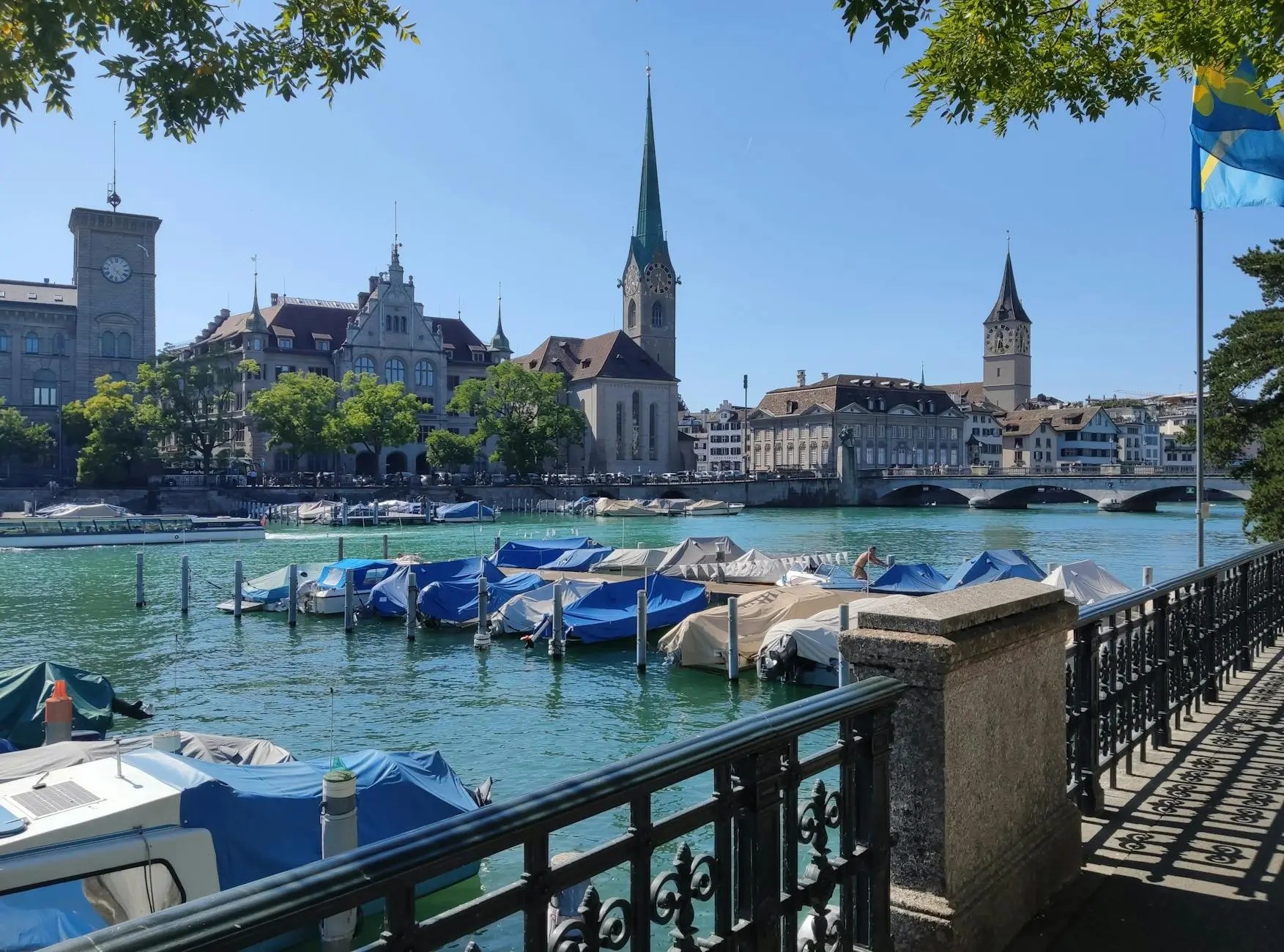
A scenic view of Lake Zurich with moored boats covered in blue tarps, showcasing the historic architecture and spires of Zurich's buildings against a clear blue sky.
A picturesque view of Zurich, Switzerland, featuring the iconic church towers, charming waterfront, and vibrant blue boats along the serene lake. The stunning Zurichsee (Lake Zurich) waterfront, where the city meets the water. This peaceful spot, with its colorful boats and view of the Altstadt, is perfect for a leisurely stroll or a boat tour.

Sunday: Brunch & a Breathtaking View

Sundays in Europe can be quiet, but Zurich has you covered. For a fantastic brunch, head to the Kreis 4 or Kreis 5 districts (around Langstrasse), which are buzzing with cool cafes and international flair.

For your final act, take to the water. Your ZürichCard includes a short boat trip on Lake Zurich. There’s no better way to grasp the city’s beauty than from the deck of a boat, with the Alps framing the background. It’s the perfect, peaceful finale to your weekend.

📸 Photography Tip: To capture the perfect shot of the city skyline from the lake, I swear by my lightweight mirrorless camera. It’s a travel game-changer!

A picturesque view of Lake Zurich with a sailboat gliding across the water, framed by lush green hills and snow-capped mountains in the background under a clear blue sky.
A picturesque view of Lake Zurich with a sailboat gliding through the water, framed by the stunning backdrop of the snow-capped Swiss Alps.

Navigating the Trams Like a Pro

Zurich’s public transport is a revelation—clean, punctual, and comprehensive. Do not rent a car. Parking is expensive and a nightmare, and the trams and trains will get you everywhere faster.

Your best friend is the ZürichCard. This genius pass gives you unlimited travel on trams, buses, trains, boats, and even cable cars within the city, plus free or discounted admission to most museums. You can get a 24 or 72-hour card. It pays for itself incredibly quickly. 

Trams & Buses: Zurich’s ZVV network connects everything. A 24-hour pass covers tram, bus, train, and even ferries.

Trains: Perfect for day trips to Lucerne or Basel.

On Foot: Zurich is compact. Wear good shoes; cobblestones are ankle’s worst enemy.

Car Rental: Not needed unless you’re heading deep into the Alps. Gas is pricey, parking is limited.

A Hidden Gem You Can’t Miss

Tired of the crowds? Take a short tram ride (line 7 or 13) to Zürichberg. Wander through the serene Zürich Zoo or, better yet, find the Felsenegg Cable Car. For a few francs, it whisks you up the Uetliberg mountain for panoramic views of the city, lake, and, on a clear day, the distant Alps. It’s a local favourite for a reason and feels a world away from the city bustle.

Frau Gerolds Garten: Outdoor bars, food stalls, and quirky art installations.

Augustinergasse: A picturesque alley with colorful medieval houses.

Viadukt Market: Local produce and indie shops under old railway arches.

An elephant reaching for food hanging from a tree in a zoo setting, surrounded by rocks and greenery.
An Asian elephant reaching for food at Zürich Zoo, showcasing the vibrant wildlife experience available in the city. A magnificent Asian elephant engages in natural foraging behavior at the renowned Zürich Zoo, known for its commitment to conservation and expansive, species-appropriate enclosures.
A red cable car with the text 'I LOVE YOU' on the front, traveling over lush green hills and offering a panoramic view of Zurich and the lake in the background.
The Felsenegg Cable Car offers stunning views over Zurich and the shimmering lake, making it a must-visit for nature lovers.

An interior view of a modern market featuring wooden structures, plants, and various goods for sale.
Discover the vibrant atmosphere of Zurich’s trendy Viadukt Market, featuring unique food stalls and lush greenery.
Sailboat gliding on Lake Zurich with snow-capped mountains in the background, showcasing a picturesque landscape.
A serene view of Lake Zurich with a sailboat gliding across the water, surrounded by lush green hills and the majestic snow-capped Alps in the background. The ultimate Zurich escape: experience the stunning contrast of a serene sailboat on Lake Zurich against the dramatic, snow-capped peaks of the Swiss Alps.

Zurich on a Budget: Money-Saving Hacks

Yes, Zurich is expensive. But it doesn’t have to break the bank.

  • Picnic by the Lake: Grab bread, cheese, and meat from a supermarket like Migros or Coop and have a gorgeous, affordable lunch by the water.
  • Tap Water is King: Swiss tap water is pristine and delicious. Carry a reusable bottle and fill up for free.
  • Free Museum Entries: Many museums, like the Kunsthaus (Art Museum), offer free admission on Wednesdays. Plan accordingly if you’re here longer!
  • Skip the Taxi: The tram system is your wallet’s best friend. Use it.
  • Buy train tickets via the SBB Mobile app to save time (and avoid fines for boarding without one)

Essential Swiss German for Travellers

While everyone speaks English, a little effort goes a long way!

  • Grüezi (GROO-tsee): Hello
  • Merci (MER-see): Thank you
  • En Guete (en GOO-teh): Enjoy your meal!
  • Proscht (prosht): Cheers!
  • Wo isch…? (vo ish): Where is…?
  • Wo isch d’Toilette? (Where is the toilet?)
  • Ein Bier, bitte (One beer, please)

Before You Go: Visa & Essential Links

  • Visa: Switzerland is part of the Schengen Area. If you’re from the US, UK, or Canada, you typically don’t need a visa for short stays. Always check the official Swiss government site for the most current requirements based on your nationality.
  • 💡 Tip: If you already have a valid multi-entry Schengen visa, you can use it to enter Switzerland and continue to nearby destinations like Munich, Milan, or Vienna without extra paperwork.
  • 👉 Always check the official Swiss government site for the latest visa requirements before you travel.
  • Travel Insurance: ✈️ Smart Travel Tip: No matter where your adventures take you, having the right travel insurance can save you from unexpected headaches (and bills). I personally recommend VisitorsCoverage — it’s a trusted platform where you can compare plans, find coverage that fits your trip, and book it in just a few clicks. Whether you’re planning a quick city escape or a longer international journey, it’s peace of mind worth packing.
  • Stay Connected: ✈️ Travel Tip: Staying connected abroad can be tricky (and expensive if you’re relying on airport SIM counters or roaming). That’s why I carry a Drimsim—a universal SIM card that works in 190+ countries without hidden fees. You just pop it into your phone, top up through the app, and you’re online wherever your adventure takes you. No more hunting for local SIM cards or stressing over roaming bills.
  • Stay Secure Online: Using public WiFi? Protect your data with a reliable nordvpn. It’s essential for any modern traveler.

Flight Trouble? ✈️ Flight Delayed or Canceled? Travel isn’t always smooth sailing. The good news? You might be entitled to up to $650 in compensation under air passenger rights. Most travelers never claim it, but I’ve got you covered: just check your flight with AirHelp. They handle the paperwork, fight the airlines for you, and only get paid if you win. Easy, stress-free, and potentially a nice surprise for your travel fund.

Zurich Weekend FAQ

Is two days enough for Zurich?
Absolutely! Zurich is perfectly sized for a weekend trip. You’ll have enough time to see the main sights, explore the old town, and enjoy the lake without feeling rushed.

What is the best way to get from Zurich Airport to the city center?
The train is unequivocally the best way. It takes only 10 minutes, runs constantly, and drops you right at the main train station (Zürich HB), which is the hub for all trams.

What is the best time of year to visit Zurich?
Spring (April-May) and Autumn (September-October) are ideal. The weather is mild, and the crowds are smaller than in the peak summer months. December is also magical for the famous Christmas markets.

Can I use Euros in Zurich?
The official currency is the Swiss Franc (CHF). While some places might accept Euros, you will almost always get a terrible exchange rate. It’s best to just withdraw or pay with Francs.

Is Zurich very expensive?
It has a reputation for a reason—it is one of the more expensive cities in Europe. However, with the tips in this guide (picnics, public transport, the ZürichCard), you can manage your budget effectively.

Q: Do I need cash?
Cards are widely accepted, but keep a few Swiss Francs for small bakeries and kiosks.

Q: Is English widely spoken?
Yes, especially in hotels and restaurants. But tossing in a “Grüezi” earns smiles.

Final Thoughts 💡

Zurich is the perfect blend of lakeside relaxation, alpine adventure, and city chic. Whether you’re here for the chocolate, the views, or just a stylish weekend reset, this Swiss city delivers. And if you’ve got extra time, don’t stop—hop a train to Munich or Milan and turn your weekend escape into a Euro trip worth bragging about.

👉 Ready to plan? Start by booking your flights and stays with Expedia. Zurich’s waiting.

Ready to trade your weekend for a Swiss adventure? Start planning your ultimate escape to Zurich today! Check for the best travel deals and let the efficiency and beauty of Switzerland wow you.

Universal Disclaimer/Disclosure Page:

Vienna in a Weekend: Your Ultimate Guide to Imperial Splendor, Coffee & Cake

Meta Description: Master your weekend escape to Vienna! This ultimate guide reveals a perfect 2-day itinerary, money-saving secrets, must-try foods, and hidden gems. Learn how to navigate the city like a pro and experience the best of imperial Vienna.

So, you’ve got a weekend to spare and a burning desire to soak up some serious culture, coffee, and cake? Let me tell you, you’ve picked a winner. Vienna isn’t just a city; it’s a feeling. It’s the waltz of horses on cobblestone streets, the scent of fresh strudel, and the sheer, awe-inspiring gold-leaf opulence of a Habsburg palace.

I remember my first time stepping into the Hofburg Palace complex. I was so busy staring up at the architecture that I almost walked into a very dignified, very unamused horse. Pro tip: Admire, but watch your step. This city is alive with history.

Planning a short trip can be daunting, but fear not! I’ve distilled the essence of Vienna into the perfect weekend itinerary designed to save you time, money, and logistical headaches. Let’s dive in.

Table of Contents

  1. Why Vienna is the Perfect Weekend Getaway
  2. Before You Go: Visa, Insurance & Smart Planning
  3. Your Vienna Weekend Itinerary: A Step-by-Step Guide
    • Friday Evening: Arrival & A Taste of Tradition
    • Saturday: Palaces, Pastries & Perfect Melodies
    • Sunday: Markets, Masterpieces & Departure
  4. Navigating Vienna Like a Pro: The Ultimate Public Transport Guide
  5. Money-Saving Secrets & Local Hidden Gems
  6. Speak Like a Local: Essential German Phrases for Travellers
  7. Travel Smarter, Not Harder: My Trusted Resources
  8. FAQ: Your Quick Vienna Weekend Questions Answered

Welcome to Vienna: Why This City Should Be Your Next Weekend Getaway

Compact, incredibly well-connected, and dripping with things to do, Vienna is a weekend warrior’s dream. You can go from a world-class art museum to a sprawling palace garden to a cozy wine tavern (a Heuriger) within a short tram ride. It’s a city that rewards both meticulous planners and spontaneous wanderers.

Ah, Vienna—where coffee culture meets imperial grandeur, and every corner seems straight out of a fairytale (or at least a well-directed period drama). This city is punchy, juicy, and elegant all at once—perfect for travellers with a sense of humor and an appetite for Austrian schnitzel.

Planning Your Trip: Timing, Visa & Budget Essentials

Visa Info: As a major Schengen Zone country, Austria allows visa-free entry for short stays (up to 90 days) for citizens of the US, UK, Canada, Australia, and many other countries. Always double-check the official government website for your nationality closer to your travel date, as rules can change.
Cost: If you do require a Schengen visa, the standard fee is €80 for adults.

Flights to Vienna

During my last spring visit, I noticed the lines to Schönbrunn were laughably short—so short, I actually did a little happy dance in line (thankfully, no one else joined in).

Best Time to Visit: Late spring (May–June) or early autumn (September) offer mild weather, blooming gardens, fewer crowds, and better hotel deals.

Hotels in Vienna

✈️ Smart Travel Tip: No matter where your adventures take you, having the right travel insurance can save you from unexpected headaches (and bills). I personally recommend VisitorsCoverage — it’s a trusted platform where you can compare plans, find coverage that fits your trip, and book it in just a few clicks. Whether you’re planning a quick city escape or a longer international journey, it’s peace of mind worth packing.

Friday Evening: Arrival & A Taste of Tradition

Assuming you land in the afternoon, hop on the CAT (City Airport Train). It’s a non-stop service that gets you to Wien Mitte station in just 16 minutes. From there, the U-Bahn (subway) or a short taxi ride will take you to your hotel.

Once you’ve settled in, ditch the jet lag with a walk through the historic center. Your mission: find a classic Würstelstand (sausage stand). Grab a Käsekrainer (a cheesy, divine sausage) with a sharp mustard and a crisp Ottakringer beer. It’s the perfect, authentic welcome dinner.

A bustling Würstelstand (sausage stand) in Vienna at night, with customers waiting in line for traditional snacks, illuminated by warm lights.
A bustling Würstelstand in Vienna, where locals enjoy classic Viennese sausages under the evening glow.

Cap the night at a traditional coffee house. Skip the tourist traps right on the Graben and find a smaller one like Café Schwarzenberg or Café Prückel. Order a Melange (the Viennese cappuccino) and a slice of Sachertorte. Sit back, read the paper provided, and do as the Viennese do: linger.

A grilled sausage cut in half, revealing a creamy filling, presented on a wooden board.
A delicious Käsekrainer sausage, grilled to perfection and ready to be enjoyed—an authentic Viennese culinary delight.

A bottle of Ottakringer Lager beer next to a filled glass on a table, with soft natural light highlighting the drink.
Enjoy a refreshing Ottakringer Lager, a perfect pairing for a Viennese culinary experience.

A beautifully presented cup of coffee sitting on a saucer, with a cozy coffee house interior in the background, featuring warm lighting and elegant decor.
A beautifully crafted Melange coffee, perfect for a cozy evening in a traditional Viennese coffee house.

A close-up of a slice of rich chocolate cake with layers of caramel and cream, elegantly presented on a decorative plate.
Indulge in a slice of decadent Sachertorte, the iconic chocolate cake from Vienna, featuring layers of rich chocolate and apricot filling.

Saturday: Palaces, Pastries & Perfect Melodies

Morning: Fuel up and head to the magnificent Schönbrunn Palace. Book your tickets online in advance for a specific timeslot to avoid the monstrous queues. The Imperial Tour (22 rooms) is perfect for a weekend trip. The gardens are free to explore and offer a stunning view of the city from the Gloriette monument. For more on palace etiquette and history, check out my deep dive into [Exploring Europe’s Royal Residences].

CHOOSE WISELY: The Imperial Tour (22 rooms) is perfect for a weekend trip. The Grand Tour (40 rooms) is amazing but can lead to acute “palace fatigue.

BOOK AHEAD: Book your tickets online in advance for a specific timeslot. I learned this the hard way, watching the queue snake around the courtyard while I sipped my coffee, ticket securely in my app.

Afternoon: Take the U-Bahn back to the center. For lunch, I stumbled upon Bitzinger Würstelstand Albertina right behind the Opera House. It’s an institution. Afterwards, get your art fix at the Kunsthistorisches Museum (Art History Museum). Even if you’re not a huge art buff, the building itself is a masterpiece. The cafe in the dome is breathtaking.

Evening: This is Vienna—you have to experience music. You don’t need to break the bank for the Opera. Look for standing room tickets (Stehplätze) sold just before the performance for a few euros, or find a classical concert in a smaller, stunning venue like the St. Anne’s Church. I once saw a Mozart quartet in a tiny, ornate hall and it was one of the most memorable nights of my life.

Schönbrunn Palace Tours

View of the Gloriette in Schönbrunn Palace gardens, showcasing its classical architecture and people enjoying the serene surroundings.
The stunning architecture of the Gloriette at Schönbrunn Palace, a must-see viewpoint in Vienna.

Close-up view of the ornate architecture of the Hofburg Palace in Vienna, highlighting its green dome and intricate sculptures.
The stunning architecture of Hofburg Palace, a symbol of Vienna’s imperial history. Look up! The Hofburg Palace’s breathtaking dome and facade are a masterclass in imperial grandeur. Every statue, gilded detail, and architectural curve tells a story of the powerful Habsburg dynasty that ruled from here for centuries. It’s easy to miss these details when navigating the bustling streets, but they’re what make Vienna an open-air museum.

Hofburg Palace: Once home to the Habsburg dynasty, this imperial complex is like Vienna’s beating historical heart. From the Imperial Apartments to the Sisi Museum, it’s history layered on history. (Tip: Early mornings or late afternoons are best to dodge big tour groups.)

Gloriette Tours and Activities

DON’T MISS THE GARDENS: The gardens are free to explore and offer a stunning, postcard-perfect view of the city from the Gloriette monument. It’s a steep walk but absolutely worth it.

View of the Gloriette at Schönbrunn Palace, with visitors walking on grassy grounds and a blue sky in the background.
The stunning Gloriette at Schönbrunn Palace, offering breathtaking views and rich history in Vienna. The perfect Viennese afternoon: soaking up the sun on the grand lawn of Schönbrunn Palace with the magnificent Gloriette as your backdrop. This is how locals and visitors alike enjoy the palace gardens—not just by touring the halls, but by lounging, picnicking, and marveling at the imperial skyline.

Kunsthistorisches Museum Vienna and Imperial Treasury of Vienna

Intricate architectural detail of a hallway at the Kunsthistorisches Museum in Vienna, showcasing ornate sculptures and gold accents.
Intricate architectural details in the Kunsthistorisches Museum, showcasing Vienna’s imperial heritage. Where the art on the walls rivals the art on the walls. The Kunsthistorisches Museum’s interior is a masterpiece in itself. Look up from the paintings to admire the breathtaking ceiling frescoes, gilded stucco, and intricate marble work that make this one of the world’s most beautiful museums.

Sunday: Markets, Masterpieces & Departure

Morning: Head to the Naschmarkt, Vienna’s most famous market. It’s a vibrant, chaotic mix of food stalls, spices, antiques, and restaurants. Grab a Turkish breakfast or sample local cheeses. It’s the perfect place to pick up edible souvenirs.

For a final dose of culture, choose your fighter: the sleek, modern Hundertwasserhaus apartment building, a riot of color and uneven floors, or the breathtaking St. Stephen’s Cathedral in the heart of the city. Climb the South Tower for a final, fabulous view.

Afternoon: Have one last lunch—maybe a Wiener Schnitzel at Figlmüller (book ahead!) or a more casual bite at the market—before sadly heading back to the airport.

Naschmarkt Tours

Vibrant market scene at Naschmarkt in Vienna, showcasing an array of colorful fruits and vegetables with shoppers exploring the stalls.
A vibrant display of fresh fruits and vegetables at Vienna’s Naschmarkt, showcasing the city’s culinary delights. A feast for the senses! Vienna’s Naschmarkt is a bustling, colorful paradise where you can find everything from local Austrian produce to exotic international imports. This is the perfect spot to grab a snack, pick up picnic supplies, or simply soak in the vibrant, aromatic atmosphere of the city’s most famous market.

Hundertwasser House Tours

Colorful facade of the Hundertwasserhaus, an architectural landmark in Vienna, featuring irregular shapes, vibrant colors, and unique window designs.
Explore the vibrant architecture of Hundertwasserhaus, a unique apartment building known for its colorful facades and whimsical design in Vienna. Where architecture breaks all the rules! The Hundertwasserhaus is a riot of color and creativity, designed by artist Friedensreich Hundertwasser. With its undulating floors, trees growing from windows, and not a single straight line in sight, this iconic building is a joyful rebellion against boring, conventional design

St. Stephen’s Cathedral Tours

Close-up view of the intricate architecture and spires of St. Stephen's Cathedral in Vienna, showcasing its Gothic design and colorful patterned roof.
A stunning view of the intricate architecture of St. Stephen’s Cathedral in Vienna, showcasing its gothic spires and colorful tiled roof. Look up! The magnificent roof of St. Stephen’s Cathedral is covered in over 230,000 glazed tiles, arranged into intricate patterns, including the majestic double-headed eagle—a symbol of the Habsburg Empire. This Gothic masterpiece has watched over Vienna for centuries.
Street view in Vienna showing pedestrians walking along a cobblestone path lined with trees and bicycles parked on the side, with historic buildings and a dome structure in the background.
Strolling through the charming streets of Vienna, lined with historic architecture and bicycle racks. Getting lost is encouraged! The real magic of Vienna is found by wandering its charming, lesser-known cobblestone streets. Away from the grand palaces, you’ll find quiet lanes like this one, where bicycles lean against colorful historic buildings and the city’s effortless elegance is on full display.
A plate of Wiener Schnitzel served with a slice of lemon and two small bowls of condiments: ketchup and mustard.
Indulge in Vienna’s iconic Wiener Schnitzel, served with lemon and traditional condiments. The ultimate Austrian comfort food: a perfectly golden, crispy Wiener Schnitzel. This pounded-thin, breaded, and fried veal cutlet is a national treasure. The key is a squeeze of fresh lemon to cut through the richness. While purists might scoff, a little dip of mustard or berry sauce never hurt anybody!
  • Hidden Gems:
    • Escape the crowds at Café Sperl, a time-capsule coffee house where locals play billiards
    • Discover Setagayapark, a peaceful Japanese tea garden hidden in the city
    • Visit Café Central for its stunning architecture and literary history

Setagaya Park Tours

Navigating Vienna Like a Pro: The Wiener Linien

Vienna’s public transport network (Wiener Linien) is a thing of beauty. It’s clean, efficient, and will get you absolutely anywhere.

  • The Network: It comprises U-Bahn (subway), trams, and buses. Google Maps is incredibly accurate for routes and times.
  • Tickets: For a weekend, your best bet is the Vienna City Card, which offers unlimited travel and discounts to major attractions. Alternatively, you can buy a 24-, 48-, or 72-hour unlimited pass. Remember to validate your ticket before your first journey at the little blue machines on platforms or on trams/buses! Plain-clothes inspectors are common, and fines are steep.
  • Car? Don’t even think about it. Parking is a nightmare and expensive. The city center is a maze of pedestrian zones. Save the car rental for a future [Road Trip Through the Austrian Alps].
A red and gray tram at a station in Vienna, Austria, with another tram visible nearby and passengers waiting on the platform.
Vienna’s efficient public transport featuring classic trams and modern trains, showcasing the city’s seamless connectivity.

A person using a ticket validator machine with a public transport ticket in Vienna, Austria.
Validating a public transport ticket in Vienna.

Money-Saving Secrets & Hidden Gems

  • Free Entry: Many museums (like the MUMOK) have reduced or free entry on the first Sunday of the month.
  • The Water: Vienna’s tap water (Hahnwasser) is some of the best in the world, coming straight from the Alps. Carry a reusable bottle and fill up for free.
  • Hidden Gem: Escape the crowds at Café Sperl, a time-capsule coffee house where locals play billiards. Or, take tram D along the Ringstrasse for a stunning, moving tour of the city’s grandest buildings for the price of a single ticket.

Essential German Phrases for the Wiener Weekend

  • Hallo / Guten Tag (Hello / Good day)
  • Danke (Thank you)
  • Bitte (Please / You’re welcome)
  • Ein Melange, bitte (A Melange, please)
  • Zahlen, bitte (The bill, please)
  • Prost! (Cheers!)
  • Entschuldigung (Excuse me)
PhrasePronunciationMeaning
„Wo ist die U-Bahn?“Vo ist dee OO-bahn?Where is the subway?
„Ein Wasser, bitte.“Ine VAH-ser BIH-tuhOne water, please

Travel Smarter, Not Harder: My Trusted Resources

After countless trips, I rely on a few key tools to make everything smoother.

🌐 Stay Connected: I used to waste precious vacation time hunting for SIM cards at the airport. Now, I never travel without my Drimsim. It’s a genius universal SIM that works in 190+ countries. Pop it in, top up via the app, and you’re online instantly. No contracts, no hidden fees. It’s a total game-changer for navigating and posting those palace pics.

🔒 Stay Secure: Using public WiFi to check your bank account or book tickets? Big risk. A VPN encrypts your connection, keeping your data safe from hackers. It’s non-negotiable for modern travel. I’ve used NordVPN for years to stay secure and even access streaming from back home.

📸 Capture the Memories: To do Vienna justice, you need a good camera. I swear by my Sony Alpha series for capturing the gilded details of the palaces and the vibrant energy of the Naschmarkt. It’s the perfect travel companion.

🛡 Get What You’re Owed: Let’s be real, travel doesn’t always go to plan. My flight back from Vienna was once delayed by 8 hours. I didn’t stress because I knew AirHelp had my back. If your flight is delayed, canceled, or overbooked, you could be entitled to up to €600 in compensation. They handle all the paperwork and only charge if they win. It’s a no-brainer.

Ready to plan your Viennese adventure? Find the best flight and hotel deals for your dates here!

FAQ: Your Quick Vienna Weekend Questions Answered

Q: What is the best time of year for a weekend in Vienna?
A: Spring (April-May) and Fall (September-October) are ideal. The weather is mild, and the crowds are smaller than in the peak summer months. The Christmas markets in December are magical but very busy.

Q: Is Vienna expensive?
A: It can be, but it doesn’t have to be. Museum entry fees add up, so prioritize. Eating at Würstelstands and markets, using public transport, and enjoying free activities like wandering the gardens can keep costs down.

Q: How do I get from Vienna Airport (VIE) to the city center?
A: The CAT train is the fastest (16 mins) but most expensive. The ÖBB Railjet or S-Bahn (S7) train is cheaper and takes about 25 minutes to Wien Mitte. Buses and taxis are also available.

Q: Do I need to tip in Vienna?
A: Tipping is customary but modest. It’s common to round up the bill or leave 5-10% for good service in restaurants. For a €19 bill, you’d say “Make it 22, please.”

Q: Can I get by with English?
A: Absolutely. English is widely spoken in tourist areas, hotels, and restaurants. However, learning a few basic German phrases (see above!) is always appreciated and goes a long way.

Q: Is it safe?
A: Very. Typical big-city caution applies.

Q: Is the Vienna City Card worth it?
A: If you plan to visit multiple museums and use public transit extensively, the card often pays for itself within a day or two. Calculate your planned entries versus the card cost to be sure.

Emergency Number: Dial 112 throughout the EU for any emergency services.

Have your own Vienna tips or questions? Drop them in the comments below

Vienna has a way of stealing a piece of your heart. I’d love to hear what yours steals! What’s the one thing you’re most excited to see or taste? Is it the Schnitzel, the symphony, or the schnapps at a Heuriger? Drop your top pick in the comments below—I read every single one!

Final Thoughts

Vienna is a weekend escape that’s decadent yet approachable, packed with culture, coffee, cute carts, and enough architectural eye-candy to keep your camera shutter snapping. With careful planning—smart transport choices, savvy savings, and insider tips—you can sip your melange, wander palace halls, and laugh at your own jokes in baroque courtyards without breaking the bank.

Happy travels—and may your weekend in Vienna be legen—wait for it—dary!

Loved this guide? Share it with the friend you’d most want to get lost in Vienna’s streets with!

Universal Disclaimer/Disclosure Page: