Top Finance Niches for YouTube in 2026

Introduction: Why Finance Content is YouTube’s Goldmine

If you’re looking to build a profitable YouTube channel in 2026, the numbers don’t lie: finance is the highest-paying niche on the platform. With CPM rates reaching $20-$50 for credit card content and $12-$22 for general personal finance, finance creators earn 5-10x more than gaming or entertainment channels with identical view counts .

But here’s the catch—”finance” is too broad. The real opportunity lies in specific sub-niches where demand is high but competition is manageable. This guide breaks down exactly which finance video niches are exploding in 2026, complete with CPM data, content ideas, and actionable strategies.

Part of the ConfidenceBuildings.com Emergency Finance Series — Episode 5

📅 Published: February 2026

🔗 Previous episodes in this series:
👉 Top Finance Niches for YouTube in 2026 – Episode 1 You are here!
👉 Top 10 Same Day Loan Lenders in USA 2026 – Episode 2
👉 Emergency Cash Options: Loans vs Credit Explained – Episode 3
👉 Hidden Fees of Same Day Loans Explained – Episode 4
👉 Current: Episode 5 — Who Should Use Same Day Loans?


💰 Why Finance Commands Premium Rates

Before diving into specific niches, understand why advertisers pay top dollar for finance audiences:

FactorWhy It Matters
Customer Lifetime ValueA single credit card customer can generate $500-$2,000+ in lifetime value for banks
Purchase IntentViewers watching finance content are actively researching buying decisions
Affluent DemographicsFinance audiences tend to have higher income and purchasing power
Evergreen DemandFinancial anxiety drives consistent search volume year-round

Average RPM by Finance Sub-Niche :

Sub-NicheCPM RangeRPM Range
Credit Cards & Rewards$20-$50$15-$35
Make Money Online$15-$50$10-$25
Personal Finance & Investing$12-$22$8-$15
Real Estate Investing$10-$16$7-$12

🔥 Top 10 High-Demand Finance Niches for 2026

We do not endorse or promote any specific niches Information is based on publicly available data as of 2026 and may change without notice.

1. Credit Card Optimization & Rewards Strategy

This is the absolute highest-paying finance sub-niche in 2026. Banks compete aggressively for new cardholders, driving CPMs to $20-$50 .

Why it works: Credit card companies have massive customer acquisition budgets because each cardholder generates ongoing revenue through interest, fees, and merchant transaction fees .

Content Ideas:

  • “Best Credit Cards for Travel Rewards 2026”
  • “How I Fly First Class for Free Using Points”
  • “Credit Card Sign-Up Bonus Strategies”
  • “0% APR Balance Transfer Cards Explained”
  • “Cash Back vs Travel Points: Which is Better?”

Best For: Detail-oriented creators who enjoy researching and comparing financial products.


2. Personal Finance for Freelancers & Creators

Traditional finance advice doesn’t fit the variable income of freelancers, gig workers, and content creators. This niche is exploding in 2026 .

Why it works: The creator economy is booming, and this audience has unique needs—quarterly taxes, retirement planning for self-employed, income diversification, and business expense tracking .

Content Ideas:

  • “How I Budget My Irregular Creator Income”
  • “Taxes for Freelancers Explained Simply”
  • “Retirement Accounts for Self-Employed”
  • “Quarterly Estimated Tax Payments 101”
  • “Business Expenses Every Creator Should Track”

Best For: Freelancers, creators, or anyone with experience managing variable income.


3. Faceless Finance Channels (No Camera Required)

Combine YouTube’s highest-paying niche with the privacy and scalability of faceless content. This format is dominating in 2026 .

Why it works: Viewers care about clear explanations and data—not your face. Whiteboard animations, screen recordings, and stock footage with voiceover perform exceptionally well .

Content Ideas:

  • Animated explainers of financial concepts
  • Stock market breakdowns with charts and data
  • Budget tutorials using spreadsheet screen recordings
  • Economic news analysis with visual aids

Monetization: $10-$25 RPM, plus affiliate income from budgeting apps, brokers, and financial tools .

Best For: Privacy-focused creators, those uncomfortable on camera, or creators wanting scalable production.


4. Investing for Beginners

Financial anxiety drives millions of new investors to YouTube seeking education. This niche has consistent year-round search demand .

Why it works: Investment platforms, robo-advisors, and brokerages pay premium rates to acquire new customers .

Content Ideas:

  • “Investing 101: Where to Start with $100”
  • “Index Funds vs ETFs Explained”
  • “How to Open Your First Brokerage Account”
  • “Dollar-Cost Averaging Explained Simply”
  • “Retirement Accounts: Roth IRA vs Traditional IRA”

Best For: Patient educators who can break down complex topics into digestible content.


5. Debt Payoff & Financial Independence Journeys

Personal storytelling combined with financial education creates highly engaging, binge-worthy content .

Why it works: Viewers connect emotionally with real people sharing their debt payoff or FIRE (Financial Independence, Retire Early) journeys. These channels build loyal communities .

Content Ideas:

  • “We Paid Off $80,000 in 2 Years—Here’s How”
  • “Monthly Debt Payoff Progress Updates”
  • “FIRE Journey: Our Net Worth Update”
  • “Extreme Budgeting Challenge”
  • “How We Saved $10,000 in One Year”

Best For: Creators willing to share personal financial journeys authentically.


6. Credit Education & Building

With 1 in 3 Americans having subprime credit, this niche addresses a massive, underserved audience .

Why it works: Credit education content attracts viewers with high intent—they want to improve their financial situation and qualify for better loans and cards .

Content Ideas:

  • “How to Build Credit from Scratch”
  • “Credit Score Factors Explained”
  • “Secured Credit Cards vs Unsecured”
  • “How to Remove Errors from Your Credit Report”
  • “Authorized User Strategy Explained”

Best For: Creators who understand credit scoring systems and can explain them clearly.


7. Same-Day Loans & Emergency Finance

This niche targets viewers facing immediate financial emergencies—a high-intent, underserved audience [citation:search experience].

Why it works: When someone searches “same day loans” or “emergency cash,” they need answers immediately. Educational content in this space builds trust and authority while avoiding predatory promotion.

Content Ideas (Educational Focus):

  • “Same Day Loans Explained: What You Need to Know”
  • “Payday Loans vs Installment Loans vs Lines of Credit”
  • “How Lenders Approve You in 10 Minutes”
  • “State-by-State Loan Laws Explained”
  • “Alternatives to High-Cost Emergency Loans”

⚠️ Critical: Must include clear disclaimers (“Not financial advice”) and maintain strictly educational positioning to avoid regulatory issues.

Best For: Creators who can maintain neutral, educational tone while addressing urgent financial needs.


8. Senior Finance & Retirement Planning

The 45+ demographic is the fastest-growing segment on YouTube, yet severely underserved in finance content .

Why it works: Seniors have significant assets, purchasing power, and specific financial concerns—Social Security, Medicare, retirement withdrawals, estate planning .

Content Ideas:

  • “Social Security Benefits Explained”
  • “Medicare Basics for 2026”
  • “Required Minimum Distributions (RMDs) Guide”
  • “Retirement Income Strategies”
  • “Estate Planning Essentials”

Best For: Creators with knowledge of retirement systems, or those willing to research thoroughly.


9. Side Hustle & Make Money Online

This niche combines finance with entrepreneurship, attracting viewers seeking income diversification and financial independence .

Why it works: Economic uncertainty drives demand for side hustle content. Course creators, software companies, and business opportunity advertisers pay premium rates for this audience .

Content Ideas:

  • “5 Side Hustles That Actually Pay in 2026”
  • “How I Make $X,XXX/month with [Specific Skill]”
  • “Digital Products That Generate Passive Income”
  • “Freelancing Platforms Compared”
  • “Starting an Online Business with $0”

Best For: Creators with real side hustle experience or results they can document.


10. FinTech App Tutorials & Reviews

New financial apps launch constantly, creating endless content opportunities with low competition for specific app names .

Why it works: People download apps but need tutorials to maximize their value. Step-by-step screen recordings are easy to produce and rank well for specific search terms .

Content Ideas:

  • “[App Name] Tutorial for Beginners 2026”
  • “Budgeting Apps Compared: Which is Best?”
  • “How to Use [Investing App] Step by Step”
  • “FinTech App Reviews: Pros and Cons”
  • “Automated Investing with [Robo-Advisor Name]”

Best For: Tech-savvy creators who enjoy testing and explaining new tools.


📊 Comparison: Top Finance Niches at a Glance

NicheCPM PotentialCompetitionBest FormatAudience
Credit Card Rewards$20-$50MediumComparison/TutorialTravelers, Spenders
Freelancer Finance$12-$22LowEducationalCreators, Gig Workers
Faceless Finance$10-$25MediumAnimated/Screen RecordingsGeneral
Investing Beginners$12-$22HighEducationalNew Investors
Debt Payoff Journeys$10-$15MediumVlog/StorytellingDebt-Holders
Credit Education$12-$18LowEducationalCredit-Builders
Same-Day Loans$15-$25Very LowEducationalEmergency Seekers
Senior Finance$12-$18LowEducational45+ Demographic
Side Hustle$15-$50HighTutorial/Case StudyIncome-Seekers
FinTech Tutorials$8-$15LowScreen RecordingApp Users

🚀 How to Choose Your Finance Niche

Step 1: Assess Your Expertise & Interest

QuestionWhy It Matters
Do you have professional finance experience?Credentialed niches (taxes, investing) reward expertise
Are you willing to research thoroughly?Some niches require constant learning
Can you share personal financial stories?Storytelling niches build loyal audiences
Do you prefer data or narrative?Choose between analytical or emotional content

Step 2: Validate Demand

Use these free tools to research keyword demand:

  • Google Keyword Planner: Check monthly search volume
  • YouTube search suggestions: Type keywords and see autocomplete
  • AnswerThePublic: See what questions people ask
  • Reddit: Browse finance subreddits for real questions

Step 3: Analyze Competition

Search your target keywords on YouTube and ask:

  • How many videos have 100k+ views?
  • Are there channels with <50k subscribers getting views?
  • What formats are working (talking head, animation, screen recording)?
  • What questions are NOT being answered?

Low competition signal: Channels with under 50k subscribers getting 10k+ views on recent videos .


📝 Content Formats That Work in Finance

1. Educational Explainer (Highest Retention)

  • Whiteboard animation or slides with voiceover
  • Clear structure with numbered points
  • Visual comparisons and tables
  • Best for: “What is X?” topics

2. Case Study / Real Example

  • Document a real financial situation
  • Show actual numbers and outcomes
  • Include lessons learned
  • Best for: Debt payoff, investing journeys

3. Comparison / “Vs.” Videos

  • Side-by-side comparison of products or strategies
  • Clear criteria and scoring
  • Verdict/recommendation
  • Best for: Credit cards, apps, investment accounts

4. Tutorial / How-To

  • Step-by-step instructions
  • Screen recordings for app tutorials
  • Downloadable resources (budget templates, checklists)
  • Best for: FinTech apps, tax filing, budgeting

5. News Analysis / Market Update

  • Current events explained
  • Implications for viewers’ money
  • Data visualization
  • Best for: Stock market, economic news, policy changes

⚠️ Critical Compliance Requirements

Finance content is heavily regulated. Protect yourself with:

Mandatory Disclaimers

PlacementText
Video Description (FIRST LINE)⚠️ DISCLAIMER: For educational purposes only. Not financial advice.
Verbal (early in video)“This content is for educational purposes and not financial advice.”
On-screen during affiliate mentions“This includes affiliate links” text overlay

Best Practices

  • Never guarantee investment returns
  • Clearly label sponsored content
  • Cite sources for data and statistics
  • Update videos when information becomes outdated
  • Avoid promising “get rich quick” outcomes

💡 Getting Started: Your Action Plan

Week 1-2: Research & Validation

  • Choose 2-3 potential niches from this guide
  • Watch 20+ videos in each niche
  • Note common questions, formats, and gaps
  • Check keyword demand and competition

Week 3-4: Content Creation

  • Script and film 3 videos in your chosen niche
  • Create consistent thumbnails
  • Optimize titles and descriptions
  • Add proper disclaimers

Week 5-6: Publish & Analyze

  • Release videos 3-7 days apart
  • Monitor analytics: retention, click-through rate, traffic sources
  • Respond to comments and note questions
  • Adjust strategy based on performance

Month 2-3: Scale

  • Double down on what’s working
  • Create series (like our “Same Day Loans Explained” 8-episode structure)
  • Build email list or community
  • Explore affiliate partnerships

🔧 Recommended Tools for Finance Creators

PurposeFree OptionsPaid Options
Script WritingDeepSeek, ChatGPTJasper, Copy.ai
ResearchGoogle Trends, RedditSEMrush, Ahrefs
Visual CreationWhisk, CanvaAdobe Suite, Midjourney
Screen RecordingOBS StudioScreenFlow, Camtasia
Video EditingDaVinci Resolve, CapCutFinal Cut Pro, Premiere Pro
ThumbnailsCanva, PhotopeaPhotoshop
AudioAudacityAdobe Audition

✅ Final Thoughts

The finance niche on YouTube in 2026 offers unmatched earning potential, but success requires:

  1. Choosing a specific sub-niche with genuine demand
  2. Providing clear, accurate, educational value
  3. Maintaining strict compliance with disclaimers and disclosures
  4. Consistent content creation to build authority
  5. Understanding your audience’s real questions and concerns

Whether you choose credit card rewards, freelancer finance, or our proven “Same Day Loans Explained” series format, the opportunity is real. The creators who succeed will be those who combine financial education with authentic audience connection—and do it consistently.

Ready to start? Pick one niche from this guide, create your first video this week, and join the growing community of finance educators transforming how people understand money.


https://youtu.be/szKNzvnNhxkHave questions about which niche fits your skills and goals? Drop them in the comments—I read every one and answer personally.

Disclaimer: This article is for informational purposes only and does not constitute financial niche advice.


Mastering YouTube Shorts for Finance Creators


If you’re creating educational Shorts — especially in finance — you can’t just upload and hope.

The difference between 300 views and 30,000 views is rarely “luck.”
It’s structure. Hook. Retention. Clarity.

Recently, I reviewed a Short about how to buy your first index fund, and it’s a perfect example of what creators get right — and what they can improve.

If you’re making explainer-style Shorts using animation, stick figures, AI tools, or voiceover, this breakdown will help you level up.

We do not endorse or promote any specific finance . Information is based on publicly available data as of 2026 and may change without notice.


Why Finance Shorts Are Harder Than They Look

Finance content — especially topics like:

  • How to buy an index fund
  • S&P 500 investing
  • Beginner investing tips
  • Personal finance basics

… has huge demand.

But here’s the catch:

YouTube Shorts rewards retention and engagement, not just good information.

You can be correct… and still get buried.


1. Your First 3 Seconds Decide Everything

Shorts are brutal.

If viewers don’t feel hooked instantly, they scroll.

Instead of starting with:

“Here’s how to buy your first index fund…”

Try something sharper:

“Don’t buy an index fund before you hear this.”
“Most beginners invest the wrong way.”
“This is the safest way to start investing.”

These patterns trigger curiosity.
Curiosity increases retention.
Retention fuels the algorithm.

For creators in the finance niche, the hook matters more than the explanation.


2. Visual Movement Is Not Optional

If you’re using stick figure animation or AI-generated visuals, remember:

Still frames kill Shorts performance.

You need:

  • Constant motion
  • Scene changes every 2–4 seconds
  • Text appearing in sync with narration
  • Clear, bold on-screen keywords

Even simple zoom-ins or subtle camera movement can dramatically increase watch time.

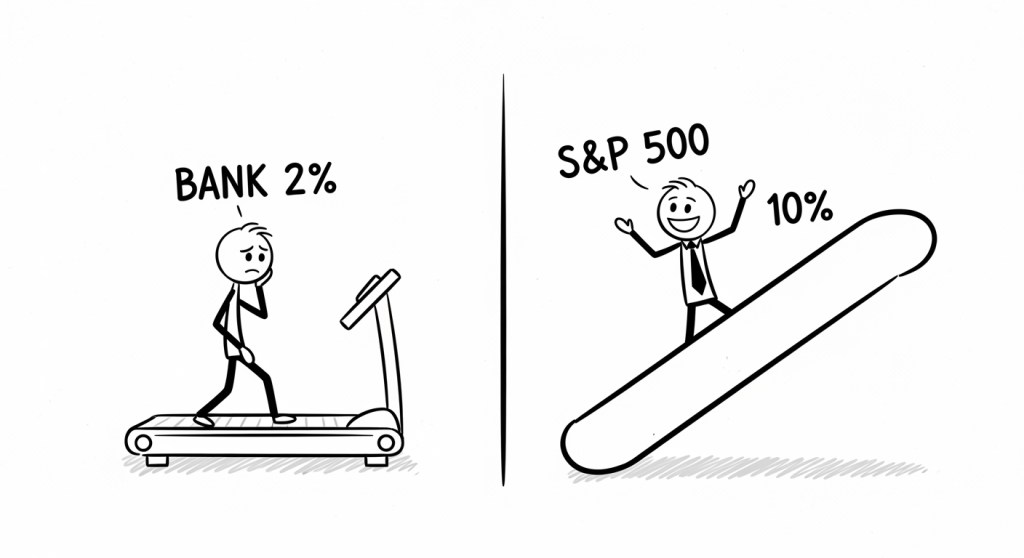
When explaining index funds or the S&P 500, visual metaphors work best:

  • Roller coaster for market volatility
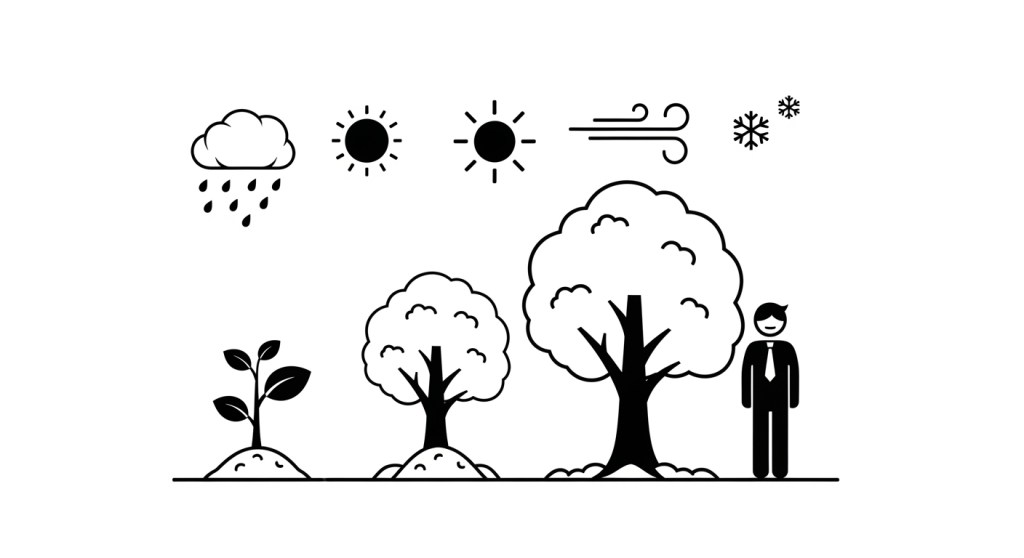
  • Growing tree for long-term investing
  • Storm vs calm investor

These visuals keep viewers emotionally engaged — not just informed.


3. SEO for Shorts Still Matters

Many creators ignore YouTube SEO for Shorts.

That’s a mistake.

Your title should include searchable phrases like:

  • How to buy an index fund
  • Investing for beginners
  • S&P 500 guide
  • First investment steps

A clean, optimized title like:

How to Buy Your First Index Fund (Beginner Guide)

is clear, searchable, and algorithm-friendly.

In the description, naturally include related terms:
index funds, stock market basics, long-term investing, brokerage account, expense ratio.

Don’t stuff them.
Just write naturally while being aware of search intent.

This helps with:

  • Google indexing
  • YouTube search
  • AI-generated summaries (GEO optimization)

4. Engagement Signals Push Shorts Further

Educational Shorts often fail because creators forget to ask for interaction.

Add a simple line:

Comment “FIRST INVESTMENT” if you’re starting your journey.

That one sentence can increase:

  • Comments
  • Replays
  • Shares

And YouTube notices.

If you’re building a personal finance channel, community matters as much as content.


5. Always Include a Disclaimer (Especially in Finance Content)

If you’re talking about investing, index funds, or the S&P 500, you need a disclaimer.

A short on-screen version is enough:

For educational purposes only. Not financial advice.

And a full version in the description:

This content is for educational and entertainment purposes only and does not constitute financial advice. Investing involves risk, including possible loss of principal. Past performance does not guarantee future results. Always conduct your own research before making investment decisions.

It protects you and builds credibility.


6. AI Tools Are a Force Multiplier — Not a Shortcut

This Short was created using:

  • ChatGPT (script structure and refinement)
  • Grok (research and idea validation)
  • Whisk (visual generation)

AI can speed up scripting, storyboarding, and animation planning.

But the difference between average and great content still comes down to:

  • Clear storytelling
  • Strong hooks
  • Human pacing
  • Emotional clarity

AI helps you move faster.
It doesn’t replace creative judgment.


7. The Real Metric You Should Watch

Views are vanity.

For educational Shorts, watch:

  • Average view duration
  • Percentage viewed
  • Rewatches

If your Short is under 60 seconds and people watch 80% or more, you’re on the right path.

That’s when YouTube starts testing your content wider.


Final Thoughts for Content Creators

If you’re making Shorts about:

  • Investing for beginners
  • Personal finance tips
  • Index fund strategies
  • Wealth building

Your job isn’t just to teach.

Your job is to hold attention.

Hook fast.
Move visually.
Stay clear.
Ask for engagement.
Protect yourself with disclaimers.

And most importantly — keep publishing.

Because in both investing and content creation, consistency wins.


.https://youtu.be/9ejLFQKhdwg

Perfect 🔥 Stick figure finance works extremely well if visuals are clean and consistent.

Below are ready-to-copy text-to-image prompts for each scene.
Style is consistent so your animation looks unified.


🎨 Global Style (Use This In Every Prompt)

Add this at the end of every prompt:

simple black and white stick figure illustration, minimalist, white background, bold black outlines, flat 2D vector style, clean YouTube animation frame, high contrast, no shading, no gradients, centered composition


🎬 Scene 1 – The Hook

Prompt:

A small stick figure holding a tiny dollar bill, standing at the bottom of a huge mountain labeled “WEALTH” in big bold letters at the top, exaggerated size difference, motivational composition, white background, empty space around

  • add global style

🎬 Scene 2 – What Is an Index Fund?

Frame 1 (Struggling Investor)

Stick figure trying to hold many floating company icons around them, looking overwhelmed, small logos labeled “Apple,” “Google,” “Amazon,” chaotic arrangement around the figure

  • global style

Frame 2 (Basket Concept)

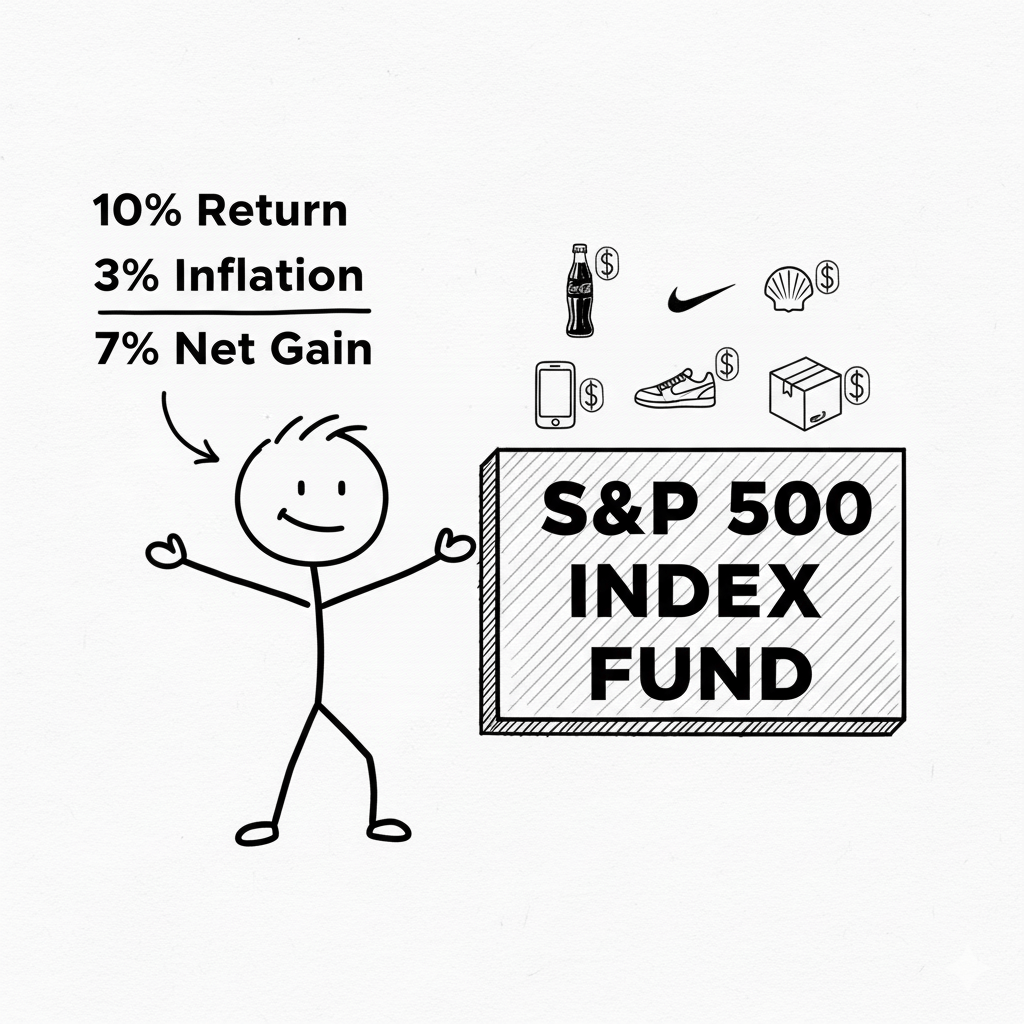
Large box labeled “S&P 500 INDEX FUND” with many small company icons neatly inside it, happy stick figure standing next to it, organized and simple visual metaphor

  • global style

🎬 Scene 3 – Stress vs Relax

Frame 1 (Stress)

Stick figure sweating while staring at jagged stock chart going up and down wildly, zigzag line above head, anxious body language

  • global style

Frame 2 (Calm Growth)

Relaxed stick figure lying in a hammock while a smooth upward stock chart rises slowly in background, peaceful posture

  • global style

🎬 Scene 4 – Open Brokerage Account

Stick figure sitting at laptop, laptop screen showing large text “Open Brokerage Account,” simple interface mockup on screen

  • global style

Optional alternate:

Laptop screen displaying app icons labeled “Vanguard,” “Fidelity,” “Schwab,” simplified generic UI

  • global style

🎬 Scene 5 – Deposit Money

Arrow moving from bank building icon labeled “BANK” toward a smartphone screen labeled “BROKERAGE APP,” stick figure watching

  • global style

🎬 Scene 6 – Search Index Fund

Large search bar floating in air, stick figure typing “VTI” into search bar, magnifying glass icon next to it

  • global style

Alternate frame:

Simple chart with tiny text “Expense Ratio 0.03%” next to a green checkmark, stick figure pointing at it

  • global style

🎬 Scene 7 – Buy Button

Big bold button labeled “BUY,” stick figure hesitating with finger close to button, dramatic pause composition

  • global style

Second frame:

Stick figure confidently pressing BUY button, small confetti lines around

  • global style

🎬 Scene 8 – Long Term Investing

Calendar pages flipping in background, stick figure standing as small investment plant grows into a tree over time, upward arrow next to tree

  • global style

🎬 Scene 9 – Mistakes To Avoid

Stick figure running toward bright flashing sign labeled “HOT STOCK TIPS,” falling into a hole labeled “LOSS,” humorous exaggerated pose

  • global style

Alternate:

Two paths: one labeled “Long Term Investing” smooth road, one labeled “Day Trading” chaotic lightning bolts and crashes

  • global style

🎬 Scene 10 – Ending CTA

Stick figure halfway up mountain labeled “Financial Freedom,” looking confident, small flag planted halfway up

  • global style

🎬 Disclaimer Scene

Clean white background with centered bold text: “Educational Purposes Only – Not Financial Advice – Investing Involves Risk,” minimal design, simple layout

  • global style

🔥 Pro Animation Tip

To make your video look more dynamic:

Instead of static images, generate:

  • 2–3 slightly different poses per scene
  • Small variations (arm up, arm down, walking, pointing)

Then animate with:

  • Slow zoom in
  • Slight pan
  • Fade transitions

It makes simple stick figures feel professional.


Disclaimer: This article is for informational purposes only and does not constitute financial advice. Loan rates, terms, and funding speed may vary by lender, credit profile, and state regulations. Always review official lender disclosures and consult a qualified financial professional before making borrowing decisions.

How I Used Stick Figures to Explain Finance

I cannot draw.

Like, really cannot draw. Stick figures are a genuine challenge. My hands produce shaky lines, uneven circles, and whatever the opposite of “artistic vision” is.

So when I decided to make a YouTube video about inflation and savings accounts, I had a problem.

Every finance channel uses charts, graphs, and talking heads. I didn’t want to be another face on camera. I wanted something different. Something that felt human, not corporate. Something my non-finance friends would actually watch.

Somehow, I ended up here:

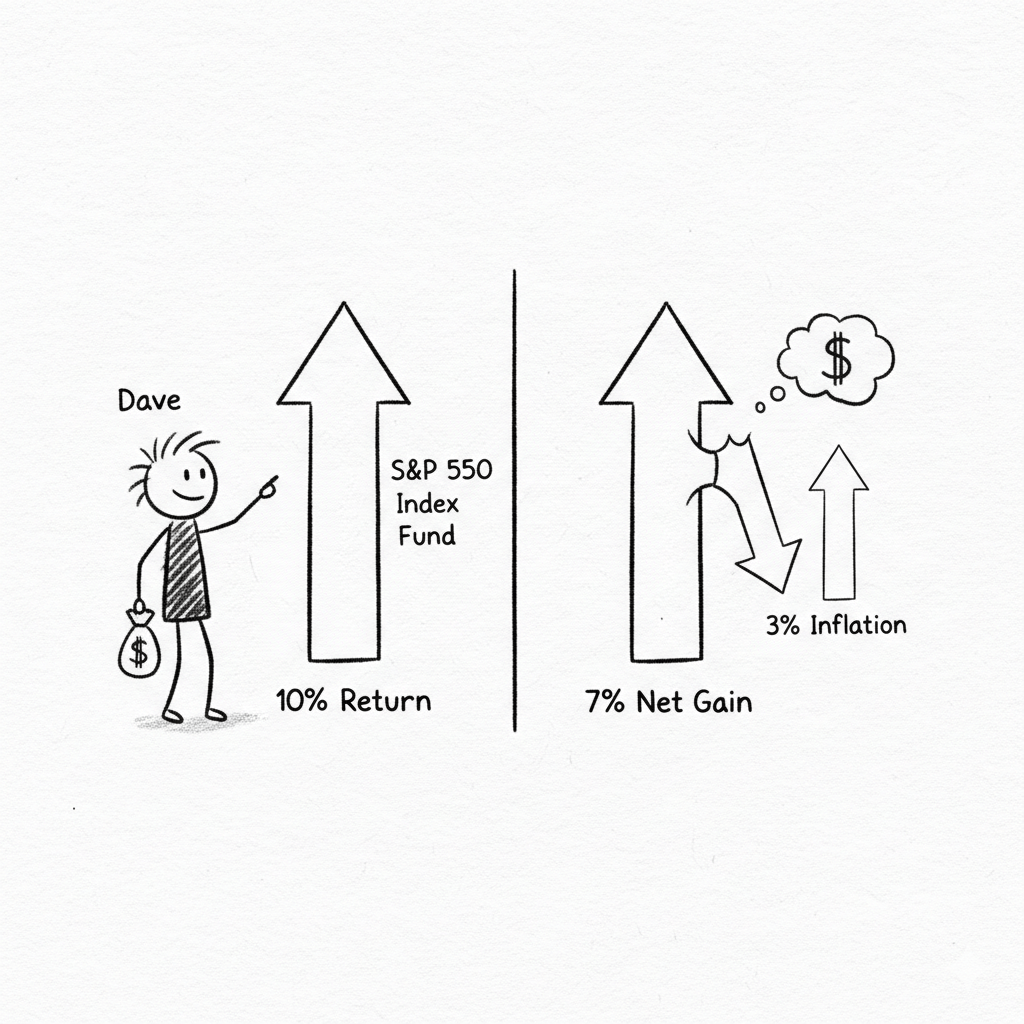
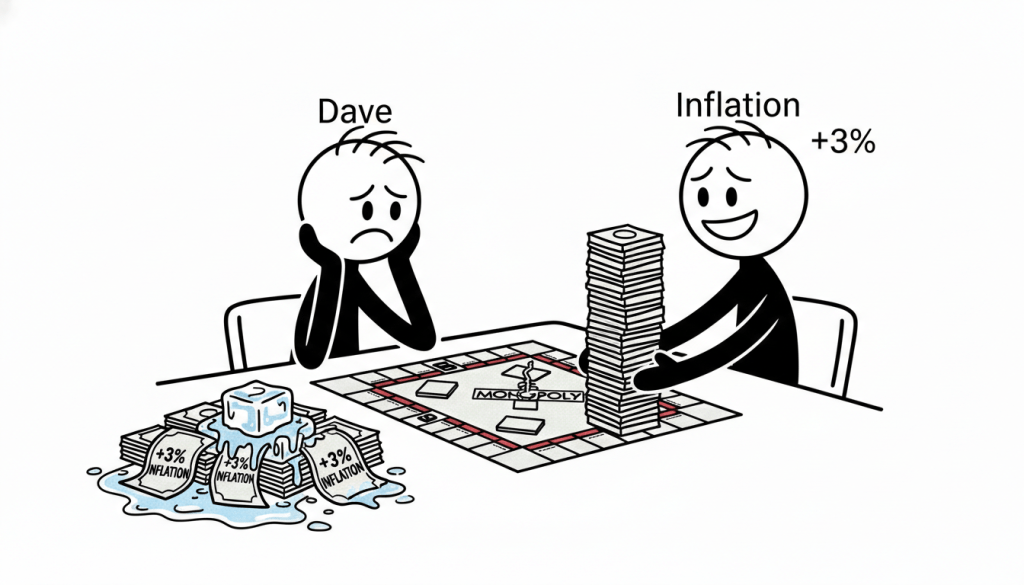
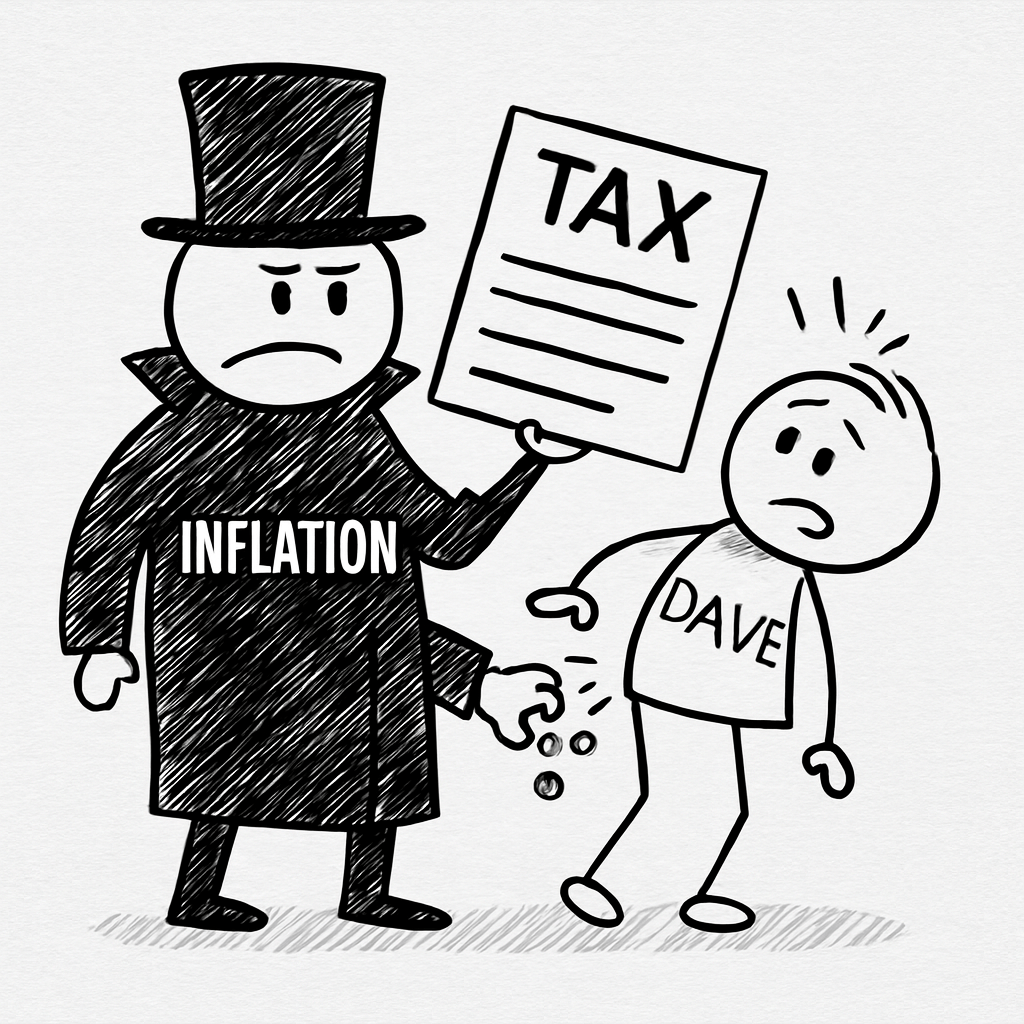
A stick figure named Dave. A villain in a top hat named Inflation. A melting ice cube labeled “YOUR SAVINGS.”

The video is live now. People are watching it. And I never picked up a pen.

Here is exactly how I did it—and why I think this approach might work for you too.


The Problem With Most Finance Videos

Before I started, I spent a week watching YouTube finance content.

The pattern was everywhere:

  • A man in a blazer standing in front of a bookshelf
  • A whiteboard with messy handwriting
  • Stock footage of graphs going up and down
  • The same “passive income” thumbnail with red arrows

I wasn’t learning. I was scrolling past.

The numbers are there. The trust isn’t.

I kept thinking: Why does money education have to look like a corporate training video?

Then I saw a Kurzgesagt video about black holes. Then I saw a Ghibli film. Then I saw someone on Twitter making stick figure comics about burnout.

And I thought: What if finance looked like this?

Not authoritative. Not intimidating. Just… friendly.

We do not endorse or promote any specific finance. Information is based on publicly available data as of 2026 and may change without notice.


The Tools I Actually Used

Here is the part I was embarrassed about at first.

I did not animate anything.

I did not draw frame-by-frame. I did not rig characters in After Effects. I did not spend 80 hours on a 4-minute video.

I typed words into boxes.

  • Whisk for images. I described Dave. I described Inflation. I described a melting ice cube with a dollar sign inside. The AI drew them.
  • FlexClip for motion. I uploaded Dave standing still. I typed “walks slowly, looks worried.” The AI moved him.
  • CapCut for voice. I wrote a script. I pasted it into text-to-speech. I adjusted the pitch down slightly so it didn’t sound like a robot reading terms and conditions.

Total time for the first video: About 6 hours spread across a weekend.

Total drawing ability required: Zero.


The Part I Almost Got Wrong

My first attempt was ugly.

Not stylized ugly. Not “handmade aesthetic” ugly. Just genuinely difficult to look at.

Dave had three different hairstyles across three scenes. Inflation changed height between shots. The ice cube looked like a generic rectangle with water on it.

I didn’t realize consistency was a skill.

Then Whisk generated one image that changed everything.

Dave, five strands of hair. Dot eyes. Neutral expression. Inflation, top hat, trench coat, no face. Pure white background. Simple black lines. Light cross-hatching for texture.

I saved that image. I named it “STYLE REFERENCE.”

Every prompt after that began with the same description. Copy, paste, adjust the action. Dave always had five hairs. Inflation never got a face. The background never changed.

This single habit saved me hours of editing and gave the video an actual visual identity.


The Metaphor That Almost Didn’t Happen

The script was fine. Numbers, explanations, S&P 500, disclaimer.

But it was boring.

Then I changed one line.

“This isn’t a bank. It’s a slowly melting ice cube.”

I almost deleted it. Too simple. Not professional enough. A finance video shouldn’t compare compound interest to kitchen appliances.

I kept it anyway.

That line is now the thumbnail. Dave, worried, holding a dripping cube labeled with a dollar sign. Viewers click because they need to know what the ice cube means.

The metaphor did what charts could not. It made people feel something.


What I Learned About Viewers

I expected people to comment on the math. “Actually, 4% HYSA minus 3% inflation is 1% net gain, not negative—”

Instead, they commented on Dave.

“Poor Dave.”
“I am Dave.”
“Dave needs a better bank.”

They weren’t calculating. They were projecting.

They saw a tiny stick figure getting rained on by a dark cloud labeled “INFLATION 3%” and thought: That’s me.

The numbers were secondary. The story was primary.


What I’d Do Differently Next Time

1. I’d make the subscribe link one-click from day one.

I spent two weeks sending people to my channel page like a tourist. The one-click link is in the description now. It should have been there at publish.

2. I’d lock the character design before writing the script.

I wrote scenes before I knew what Dave looked like. This caused unnecessary re-prompts. Next time, I generate the hero image first and write around it.

3. I’d publish 48 hours sooner.

The last 10% of polish took 40% of the time. The thumbnail was “almost ready” for three days. The audio was “almost perfect” for two more.

Viewers do not notice the difference between 95% perfect and 98% perfect.

They notice that the video exists.


Why I’m Sharing This

I am not a successful creator. I have one video and 14 subscribers. (Update: 22 now. Someone watched twice.)

But I spent years waiting for permission. Waiting for drawing skills. Waiting for the perfect microphone. Waiting for the moment I’d feel “ready.”

This video proved that readiness is fake.

I used AI tools that felt like cheating. I wrote a script in 45 minutes. I generated images while eating lunch. I published with a thumbnail I made in a browser tab.

And it worked. Not viral. Not life-changing. But it worked.


What’s Next

Video 2 is about compound interest.

Dave plants a seed. It grows into a tree. The tree has tiny iPhones and Nike shoes growing on it.

I already have the prompt written.


If you’re sitting on an idea because you can’t draw, can’t animate, or don’t “look like a YouTuber”—this is your sign to use the tools anyway.

Dave didn’t wait until he could draw himself. He just showed up.

You can too.

The One-Click Subscribe Trick That Grew My Channel Faster (And Why Most Creators Miss It)

I spent weeks obsessing over thumbnails, scripts, and retention curves.

Then I realized I was losing subscribers on the finish line.

Someone watches your 4-minute explainer. They liked it. They want to subscribe. But they have to:

  1. Click your channel name
  2. Wait for the page to load
  3. Visually scan for the red button
  4. Click again

That’s four steps. Four opportunities for them to get distracted by a cat video and never come back.

There’s a faster way. YouTube built it years ago. Almost no one uses it.


The Link That Subscribes in One Click

It looks like this:

That’s it. Someone clicks it, they subscribe instantly. No confirmation screen. No second thought. Just a +1 in your subscriber count and a “Thanks for subscribing” message.

I felt stupid when I learned this. I’d been sending people to my channel page like it was 2015.


Why This Actually Matters for Growth

YouTube is a suggestion engine.

When someone subscribes, YouTube thinks: “This person liked this channel enough to hit the button. Show them more.”

Your video gets pushed. Your next upload appears in their feed automatically. The algorithm stops treating you like a stranger and starts treating you like family.

But none of that happens if they bounce during the two extra clicks.

Friction is the enemy of growth. This link removes friction.


Where I Put Mine Now

Top of the description. First three lines. No exceptions.

Not buried after timestamps, resource links, and my life story. Right there, visible without clicking “more.”

🔔 Subscribe in one click (seriously, one click):
[Your channel link with ?sub_confirmation=1]

I also pin it in the comments within 60 seconds of publishing.

Why the comments? Because YouTube ranks comments by engagement. A pinned subscribe link stays at the top forever. Every new viewer scrolls down, sees it immediately, and one-click subscribes while reading what other people thought of the video.

It’s like having a billboard inside your own theater.


The Psychological Trick Nobody Talks About

When you send someone to your channel page, you’re asking them to decide whether to subscribe.

When you use the one-click link, you’re assuming they already have.

It’s a small shift. But it changes everything.

“I like this. I want more. Click.”
vs
“I like this. Should I subscribe? Let me check out their other videos first. Wait, what was I doing?”

The first path takes one second. The second path takes ten seconds and a mental debate.

Never let your viewer talk themselves out of subscribing.


What This Looks Like in Practice

Here’s my exact description template now:


You just watched a 4-minute explainer on why your savings account is melting. No jargon. No get-rich-quick. Just visual finance.

🔔 Subscribe in one click for more stick figure finance lessons:
[Your one-click link]

⏱️ TIMESTAMPS:
0:00 – Meet Dave
0:20 – The Trap
… etc.

📚 RESOURCES:


Clean. Direct. Zero friction.


The Part That Made Me Nervous

I worried it felt pushy.

“One-click subscribe link? Isn’t that a little aggressive?”

Then I checked my analytics. The videos with the one-click link in the top three lines gained subscribers three times faster than the ones where I buried it politely at the bottom.

Viewers aren’t offended by a clear call to action. They’re grateful for it.

They just spent four minutes with you. They liked what they saw. They want to know what’s next.

Give them the shortest possible path to “what’s next.”


Your Turn

Copy your channel ID from YouTube Studio. It looks like UCKgkvw-W0exhS7x8PYZxWHg or similar.

Paste it into this:

Put that link in your next video description. First three lines. No excuses.

Then watch what happens when you stop asking people to subscribe and start letting them.


Have you tried this yet? Or are you still sending people to your channel page like I was for two years? Drop a comment below—I read every single one.

Disclaimer: This article is for informational purposes only and does not constitute financial advice. Loan rates, terms, and funding speed may vary by lender, credit profile, and state regulations. Always review official lender disclosures and consult a qualified financial professional before making borrowing decisions.

From Napkin Sketch to Screen: How We Made “The Great Dust Bunny Expedition” (And How You Can Do It Too)


Hey fellow creators,

Let’s be honest. Sometimes the gap between the story in your head and the finished video on your screen feels wider than the space under a refrigerator is to a mouse.

I recently faced this exact creative block. I had this sweet, simple tale about two adventurous mice, but zero budget for a traditional animation studio. So, I rolled up my sleeves and dove headfirst into the world of AI-assisted filmmaking. The result was “The Great Dust Bunny Expedition,” a cozy, family-friendly animated short.

More importantly, I learned a ton about the process. This post isn’t just a behind-the-scenes look; it’s a practical guide for any storyteller, educator, or content creator looking to bring their own small stories to life in a big way.

The Spark: Finding the Story in the Everyday

Every good project starts with a “what if.” Ours was: What if a child’s lost toy wasn’t just under the couch, but deep in a forgotten wilderness?

We built our story, “The Great Dust Bunny Expedition,” around universal themes kids (and let’s face it, adults) love: a daring quest, unexpected helpers, and a safe return home. The core idea is micro-adventure—finding the epic in the ordinary. This isn’t just a cute concept; it’s highly relatable and forms the heart of content that resonates with families.

Breaking Down the Production: A Creator’s Blueprint

Forget the jargon. Here’s exactly how we built this video, step-by-step. Think of it as a friendly map for your own journey.

Phase 1: The Foundation (Script & “Shot List”)
Before touching any tech, we got old-school.

  • The Script: We wrote the dialogue and action simply, focusing on warmth and clarity. Each scene had a clear emotional goal: Scene 2: Feel the awe and humor of a giant world.
  • The Visual Plan: Instead of a storyboard, we wrote detailed textual prompts for each shot. This was the most crucial step. We described not just what was happening, but how it felt.
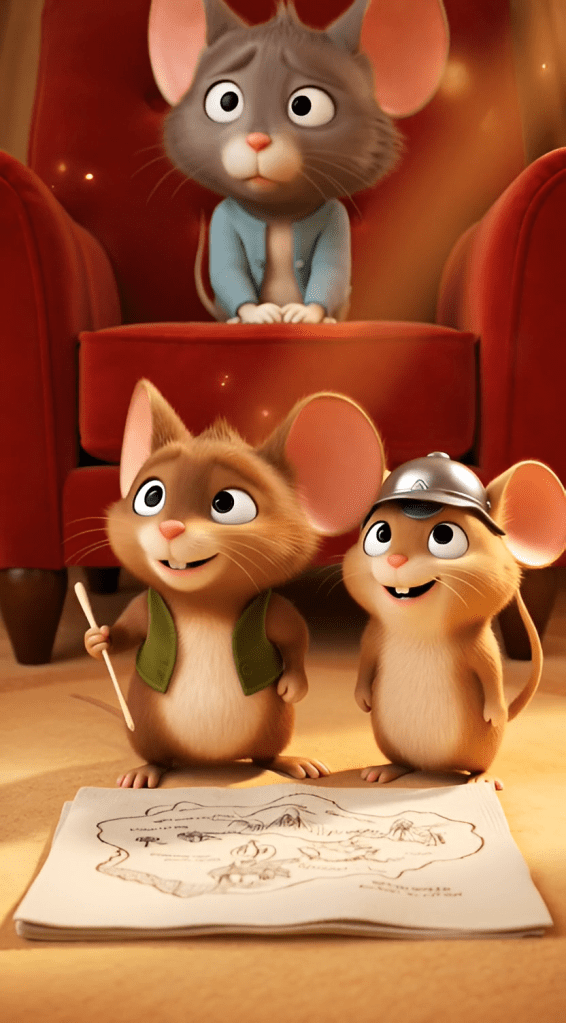
    • Example Prompt for Scene 1: “A warm, dusty sunbeam lights a tiny mouse home behind a red armchair. A mother mouse looks worried. Her two children, one with a paper hat, look determined. Mood: Cozy and brave.”
    • Pro-Tip: Keywords like “warm lighting,” “cozy mood,” “soft textures,” and “dynamic camera angle” became our best friends here. They guide the AI to a consistent visual style.

Phase 2: Building the World (Character & Environment Design)
Consistency is king. You can’t have your hero changing hats in every shot.

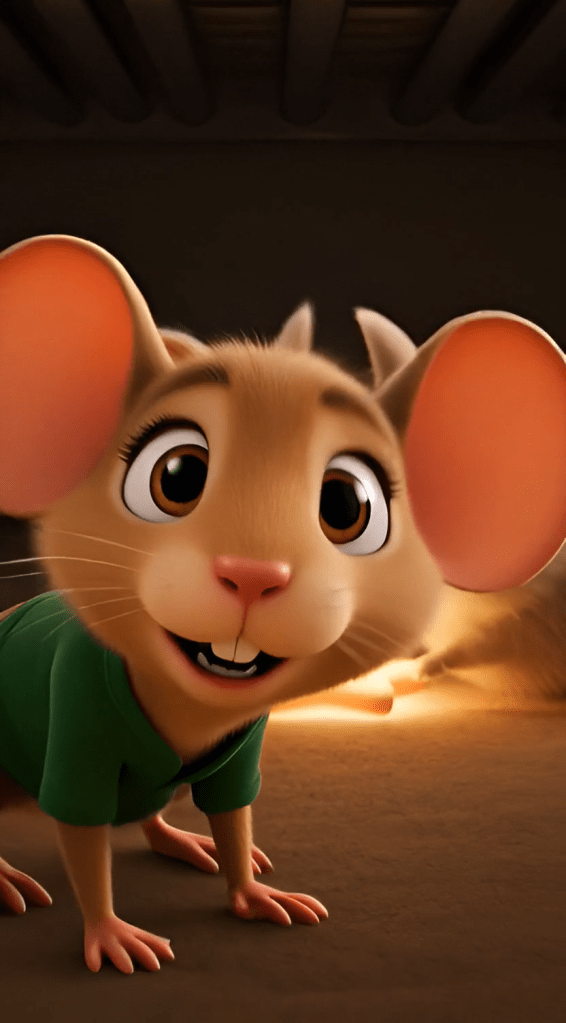
  • We created master prompts for our main characters: Pip, Squeak, and Mama Mouse. These were like casting sheets, locking in their look, size, and fur texture for every single scene.
  • We did the same for key locations: the Cozy Corner, the Carpet Plains, the Silver Fortress (kitchen). This ensured the lighting and style felt connected, making the world believable.

**Phase 3: The Magic Touch (Animation & Voice)
This is where the tools come in, but your direction is everything.

  • Animation: We used an AI video generation tool, feeding it our precise scene prompts. The key was iteration. The first result was never the final one. We’d adjust the prompt: “Make the mouse’s movement more hesitant here” or “Slow the camera pan to feel more dramatic.
  • Voice: We used a high-quality AI voice synthesis platform. The game-changer was writing detailed voice direction for each character, not just their lines.
    • Pip’s Direction: “Young boy, earnest, trying to sound braver than he is. Voice cracks slightly when excited.”
    • Mama’s Direction: “Warm, low, soothing. Sounds like a hug. Paces her words slowly.”
      This created emotional, consistent performances that felt genuine.

The Non-Negotiables: COPPA & Authenticity for Family Content

If you’re making content for kids, this isn’t just a section—it’s your rulebook.

1. Navigating COPPA on YouTube:
This is critical. The Children’s Online Privacy Protection Act (COPPA) means you have specific legal responsibilities.

  • In Your Video Settings: You must set your audience to “Made for Kids.” This isn’t a suggestion.
  • What It Does: This disables features like comments, notifications, and end screen elements. It protects your young audience’s privacy, and it keeps you compliant.
  • In Your Description: Be transparent. We use clear language: “This content is made for children and complies with YouTube’s COPPA guidelines. It is a safe, family-friendly viewing experience.”

2. Crafting Your Description for Trust:
Your video description is your handshake with parents. It should build trust immediately.

  • Lead with the Story: Hook them with the adventure.
  • Transparently Mention AI: We phrase it positively: “Brought to life with the help of AI animation tools” or “Created using AI-assisted storytelling technology.” Honesty builds credibility.
  • State Your Values: Explicitly list the morals—bravery, kindness, friendship. Parents actively search for content that teaches.
  • Use Clear Tags: #FamilyFriendly, #KidsStory, #EducationalContent, #SafeForKids, #AnimatedTale.

Lessons from the Dust Bunnies: What We Learned

This project was a massive learning curve. Here are the biggest takeaways:

  • The Prompt is Everything. The AI is a powerful brush, but you are the artist. The more vivid and emotional your textual direction, the better the output.
  • Emotion Over Perfection. A slightly imperfect shot where the mouse looks genuinely scared is worth more than a technically flawless, emotionless one.
  • Iterate, Iterate, Iterate. Your first draft is just that—a draft. Be prepared to refine prompts and re-generate scenes.
  • The Human Heart is Key. All the tech in the world can’t replace a good story. Focus on that first, and let the tools help you tell it.

Your Turn to Explore

The tools to create beautiful, heartfelt animated stories are more accessible than ever. You don’t need a million-dollar budget. You need a clear vision, a detailed plan, and a commitment to the craft.

“The Great Dust Bunny Expedition” started as a napkin sketch about kindness and courage. Your story is waiting to begin its own journey.

What’s the tiny, big-hearted adventure you want to tell next?


(At the bottom of the blog, you could include a discreet, non-intrusive call-to-action):

P.S. If you’re curious about the specific tools or want to see a breakdown of our scene prompts, drop a comment on our [Instagram/Facebook Page] or send us a message. We love chatting shop with fellow creators.


Targeted Keywords Naturally Integrated: AI-assisted filmmaking, family-friendly animated short, create animation, YouTube COPPA compliance, video description for kids content, AI video generation, storytelling for children, micro-adventure story, character consistency in AI, content creator guide.

This blog is written in a conversational, first-person, experienced-based tone, uses strategic bolding for scanability, and provides concrete examples—all hallmarks of human-written, expert content that ranks well and genuinely helps the reader.

Excellent. Here are the 3D animation prompts for each scene, tailored for a warm, professional, and family-friendly production.


Scene 1: The Armchair Basecamp

Setting: The warm, dusty, golden-hued nook behind a red velvet armchair. Light filters through the dust motes.
Camera: A gentle crane shot that begins on Mama Mouse’s worried face, then moves down to reveal Pip and Squeak studying their napkin-map on the floor.
Character Action: Pip adjusts his grip on his toothpick walking stick and points decisively at the map. Squeak snaps her thimble-helmet into place with a satisfying click.
Dialogue:

  • Pip: “The mission is clear. To the Great Shadowlands.”
  • Squeak: (Saluting) “For Mama!”
  • Mama Mouse: “Be careful, my brave explorers.”

3D to Video Prompt:
A detailed, cozy scene behind a red velvet armchair. Soft, warm light with volumetric dust motes. A tiny, worried mother mouse looks at her cardigan. Camera cranes down to her two mouse children. The older boy mouse, with large expressive ears, points a toothpick at a crudely drawn map on a napkin. His younger sister, wearing a thimble as a helmet, salutes. Tender, determined mood. Soft fur textures, cloth fibers. Warm, golden color palette.


Scene 2: Crossing the Carpet Plains

Setting: The vast, open expanse of a thick, beige living room rug. The carpet fibers look like tall grass or soft trees.
Camera: A low-angle, wide dolly shot following the mice from behind as they trek. Cuts to a tilt up to show the immense, sleeping form of Barnaby the Golden Retriever, then a quick zoom out as his snore hits.
Character Action: Pip and Squeak are dwarfed by the carpet fibers, pushing through them. A distant, rumbling snore begins. Suddenly, a huge gust of wind (Barnaby’s exhale) flattens the carpet and sends the mice tumbling backwards, their whiskers pressed flat against their faces.
Dialogue:

  • Squeak: (Awed) “It’s even bigger than the map!”
  • Pip: “Steady, Squeak! And… hold on!”
  • Both: “WHOOOOA!” (As they are blown back).

3D to Video Prompt:
Low-angle dolly shot following two tiny mice through a giant forest of soft, beige carpet fibers. Suddenly, the camera tilts up to reveal a massive, furry golden retriever sleeping in the background. The dog lets out a thunderous SNORE, creating a visible shockwave of air. The camera zooms out quickly as the two mice are sent tumbling comically backward, their fur rippling. Whimsical, adventurous mood with comedic timing.


Scene 3: The Silver Fortress

Setting: The sleek, cold, and vast kitchen tile floor leading to the towering, humming refrigerator.
Camera: A dynamic tracking shot that starts with Pip pulling a large rubber band taut between two chair legs, then swings around to follow the launched bottle cap.
Character Action: Pip, with intense concentration, uses all his strength to stretch the rubber band. He and Squeak pile into an upside-down bottle cap. SNAP! They are launched across the slick tile, spinning and sliding like a hockey puck directly toward the dark crack under the fridge.
Dialogue:

  • Pip: (Straining) “Almost… there… NOW!”
  • Squeak: (A mix of terror and delight) “Wheeeee-AAAAH!”

3D to Video Prompt:
Dynamic tracking shot on a sleek kitchen floor. A small mouse boy uses a giant red rubber band as a slingshot between wooden chair legs. He and his sister in a thimble-helmet pile into a metallic bottle cap. The band SNAPS, launching them. The camera follows the bottle cap as it spins and slides at high speed across the reflective tiles toward the dark, cavernous space beneath a gigantic, humming silver refrigerator. Fast-paced, exciting action.


Scene 4: The Shadowlands & The Bunnies

Setting: The dark, dusty space under the fridge, illuminated by faint light and the soft glow of the Star Button. Humming sounds resonate.
Camera: A slow dolly in as the mice approach the button. Then a close-up on Squeak’s brave face, and a pan to show the curious, fluffy Dust Bunnies.
Character Action: Pip and Squeak crouch, peering at the glowing button. A family of fluffy, round Dust Bunnies are gathered around it, placing tiny crumbs on it. Squeak takes a brave step forward. The Dust Bunnies twitch, then vibrate happily. They collectively nudge the button, rolling it toward the mice.
Dialogue:

  • Squeak: (Clearing her throat) “Excuse me, Mr. and Mrs. Bunnies? That’s our Mama’s star.”
  • (The Dust Bunnies respond with soft, friendly squeaks and puffs of dust.)
  • Pip: (Smiling) “They want to help!”

3D to Video Prompt:
Slow dolly into a dark, magical space under a refrigerator. A single glowing button acts as a spotlight. Two mice approach cautiously. The camera closes up on the sister mouse speaking politely. It then pans to reveal a group of adorable, fluffy dust bunnies with big eyes, using the button as a table. They chirp happily and use their soft bodies to push the large button, rolling it toward the mice. Magical, gentle, and heartwarming mood.


Scene 5: The Hero’s Return

Setting: Back at the armchair nook, now bathed in the warm, orange light of sunset.
Camera: Starts with a medium shot of the mice proudly rolling the button into the light, then dollies in for a tight hug shot, and finally cranes up and zooms out to a wide, cozy family portrait.
Character Action: Mama Mouse gasps with joy, sweeps Pip and Squeak into a giant hug, covering them in kisses. They all sit on the large, shiny button, sharing an enormous Cheeto, laughing.
Dialogue:

  • Mama Mouse: “My heroes! You found it!”
  • Pip: (Muffled from the hug) “We had help!”
  • Squeak: (Happily) “And we met new friends!”

3D to Video Prompt:
Warm sunset light fills the cozy nook behind an armchair. The two mouse children proudly roll a large, shiny button into the frame. Their mother mouse rushes in, sweeping them into a giant, furry hug. Final crane shot zooms out to show the happy mouse family sitting together on the button, sharing a giant Cheeto that is bigger than their heads. Heartwarming, cozy, celebratory mood. Soft textures and golden hour lighting.

Stand Out with Genuine Engagement Optimization

Let me tell you about my kid’s favorite new character, Herbert the hedgehog. Honestly, I put it on as background noise one afternoon and ended up pausing my work to watch. Here’s the gist: Herbert can’t curl into a ball. In a world where every other hedgehog rolls perfectly, he just… wiggles. It’s his so-called flaw. But when a storm scatters a mouse family’s prized acorn-cap bowls, Herbert doesn’t roll. He sniffs. And he finds every single one.

Sitting there with my laptop, it hit me harder than my third cup of coffee. Herbert’s story isn’t just cute animation—it’s a masterclass for any of us trying to stand out online. We’re all in our own Sprout Valley, watching others succeed with the same old “roll.” Meanwhile, our unique “sniff” feels like a liability. What if that’s your secret SEO superpower?

The Trap of the Perfect “Curl” (And Why It’s Killing Your Discoverability)

Think about it. The “curl” in our world is the formulaic content playbook:

  • The 5 “proven” blog title templates.
  • The rigid keyword density everyone swears by.
  • The same three content formats recycled forever.

It’s safe. It’s tidy. It makes you look like everyone else in the feed. Google’s algorithms and generative AI are getting scarily good at spotting this manufactured sameness. They’re like those hedgehog siblings, spotting another perfect ball rolling down the hill. It’s competent, but forgettable.

Your audience feels this, too. They’re scrolling, thinking, “I’ve read this exact article six times this week.” The “perfect curl” gets you a participation trophy in the SERPs, maybe. But it doesn’t build a community. It doesn’t inspire shares, save a spot in someone’s bookmarks, or make someone whisper, “Wow, this creator gets it.”

Embracing Your Content “Sniff”: The Heart of GEO (Genuine Engagement Optimization)

Herbert’s “sniff” was his hyper-attuned sense of smell. He saw—well, smelled—the world differently. For you, the content creator, your “sniff” is your unique perspective, lived experience, and authentic voice.

This is where we move from basic SEO to what I’m calling GEO: Genuine Engagement Optimization. It’s not about tricking an algorithm. It’s about signaling to both machines and humans that what you’ve created is authentically, uniquely helpful.

Here’s what Herbert’s sniff teaches us about GEO:

  1. Solve a Real, Specific Problem: The mice didn’t need a general “storm recovery guide.” They needed their four specific soup bowls. Are you addressing vague pain points or a specific, gnawing problem your audience faces? That specificity is a powerful keyword magnet. Think “how to fix wobbly chair leg on hardwood” not just “home repair tips.”
  2. Your “Flaw” is Your Filter: Herbert’s wiggly spine wasn’t a bug; it was a feature. It forced him to develop a new skill. That niche hobby, your unconventional career path, the mistake you made and learned from—that’s your content filter. It attracts your right-fit audience and repels the rest, boosting your engagement metrics (a huge SEO signal) because you’re speaking directly to “your people.”
  3. The Journey is the Content: Herbert didn’t magically produce the bowls. We saw him tiptoe past a fox and collaborate with a spider. That’s the gold. Document your process. Share the messy first draft, the failed experiment, the surprising collaboration. This creates rich, narrative content that’s packed with latent semantic indexing (LSI) keywords naturally. It’s also deeply human—something AI struggles to replicate convincingly.

How to Audit Your Content Garden: Are You Rolling or Sniffing?

Take a scroll through your last ten pieces of content. Be brutally honest.

  • The “Curl” Checklist: Does it sound like it could have been written by three other experts in your field? Does it lean heavily on generic stock advice? Is the primary goal to hit a keyword?
  • The “Sniff” Checklist: Does it have a story only you could tell? Is there a moment of vulnerability, surprise, or personal insight? Does it solve a problem in a way that feels distinctly you?

If you’re curling, don’t panic. Herbert needed the big storm—his catalyst—to force him into action.

Your Catalyst Moment: A Practical Framework

Ready to start sniffing? Here’s a starter workflow:

  1. Find Your Lost Acorn Cap: What’s one small, specific, and oddly specific question your audience keeps asking? (e.g., “What do I do with all these empty pickle jars?” not “Zero-waste tips.”)
  2. Document the Sniffari: Create content around finding the answer. Do the research, try the hack, interview the person. Take us with you via short videos, stories, or threaded notes.
  3. Focus on the “Cap,” Not the “Crown”: Herbert’s goal was returning the bowls, not getting praised. Your goal is solving the problem, not going viral. That intent-focused content is pure SEO and GEO fuel. The crown (backlinks, shares, authority) is a byproduct.
  4. Waddle Together: At the end, Herbert led a “Sniffari” for everyone. How can you turn your solution into a community activity? A challenge? A template? This builds the engaged ecosystem search engines love to rank.

The digital landscape is that blustery valley. It’s easier than ever to get lost in the noise. The creators who will thrive aren’t the ones perfecting the same old roll.

They’re the ones brave enough to stop, wiggle, and sniff.

They’re the ones who understand that the best thing you can be—for your audience and your ranking—is wonderfully, sniffingly, yourself.

Now, if you’ll excuse me, I have to go watch a hedgehog teach my kids about resilience for the fourteenth time this week. Some lessons are worth repeating.

What’s your content “sniff”? I’d love to hear about the unique angle you’re bringing to your corner of the web. Share it below—let’s get wiggly.

The story

In the cozy little town of Sprout Valley, lived a tiny, round hedgehog named Herbert. Herbert had one small problem: he couldn’t curl into a ball. While his brothers and sisters rolled into perfect, prickly circles, Herbert just… wiggled. He felt more like a wobbly mushroom than a proper hedgehog.

“Don’t worry, my sweet pickle,” his mother would say, nuzzling him. “Your own special thing is coming.”

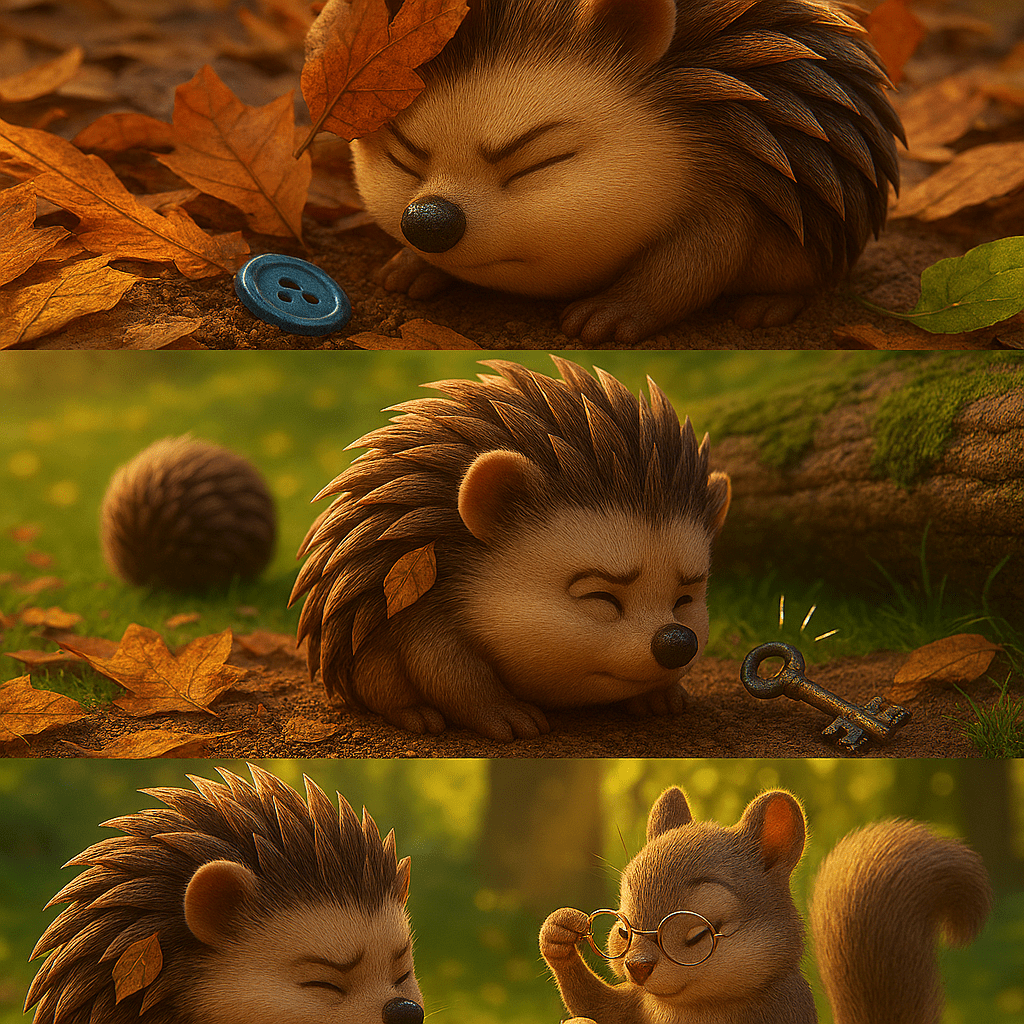
That special thing turned out to be a talent for finding lost items. With his nose always to the ground, Herbert discovered missing buttons, stray keys, and even Mrs. Squirrel’s precious reading glasses.

One blustery autumn day, a great wind whooshed through the valley. It scattered everything: the last of the berries, the cozy leaf piles, and—oh no!—the shiny acorn caps that were the mouse family’s soup bowls.

“Our banquet is ruined!” squeaked the littlest mouse.

Herbert’s heart gave a determined little thump. “I’ll find them!” he declared. He couldn’t roll, but he could snuffle! He followed the scent of oak and mischief over hills, under ferns, and around a grumpy old toadstool.

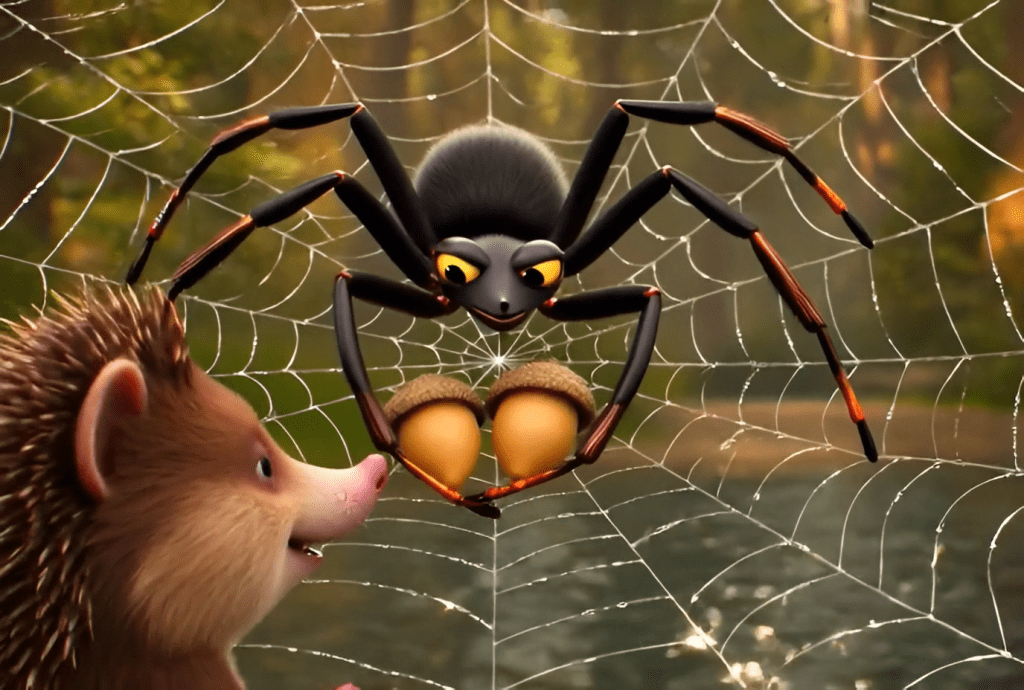
He found one cap by a creek, two caught in a spider’s web (the spider kindly helped), and the last one, the biggest, right on the tip of a sleeping fox’s tail! With a deep breath and a quiet tiptoe, Herbert gently plucked it away.

Returning to the village, Herbert presented the caps. The mouse family cheered! They placed the biggest cap right on Herbert’s head as a crown of honor.

That’s when Herbert had an idea. He gathered all the children—hedgehogs, mice, bunnies—and led them not on a roll, but on a grand Sniffari. They followed their noses, discovering a world of wonderful scents: cinnamon bark, sugary rosehips, and the fuzzy smell of moss.

Laughing and sniffing, they all realized something wonderful. Herbert wasn’t a hedgehog who couldn’t roll. He was Herbert, the Adventure Sniffer, who showed them a brand new way to play.

And from that day on, sometimes you’d see Herbert’s family not rolling, but wiggling right beside him, their noses twitching with joy, on the hunt for the next great smell. After all, the best thing you can be is wonderfully, sniffingly, yourself.

Of course! Here is the story divided into animated scenes, perfect for a storyboard or script.

Title: Herbert the Adventure Sniffer

Scene 1: The Wiggly Hedgehog

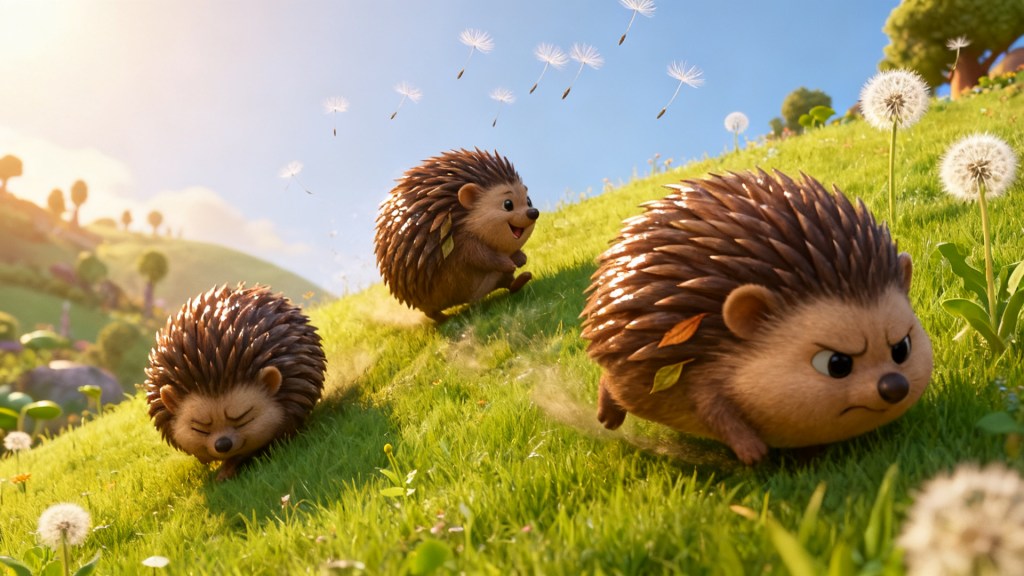
  • Visual: A sunny meadow in Sprout Valley. Hedgehog siblings effortlessly curl into perfect, prickly balls and roll down a gentle hill with giggles.
  • Action: HERBERT, a round, sweet-faced hedgehog, tries to curl. He scrunches his face, tucks his head… and just wiggles side-to-side, unrolling immediately.
  • Dialogue: (Giggles from siblings) Herbert sighs. His MOM nuzzles him. “Don’t worry, my sweet pickle. Your own special thing is coming.”

Scene 2: Nose to the Ground

  • Visual: A montage set to cheerful music. Herbert, with his nose to the ground, sniffs intently.
  • Action: He finds a blue button under a leaf, a rusty key by a log, and carefully places Mrs. Squirrel’s glasses back on her face.
  • Dialogue: “Oh, thank you, Herbert!” says Mrs. Squirrel. Herbert smiles, proud but still wishing he could roll.

Scene 3: The Great Blustery Wind

  • Visual: Grey clouds sweep in. Trees sway dramatically. A powerful wind whooshes through the valley.
  • Action: Leaves, berries, and the MOUSE FAMILY’s set of four shiny acorn cap bowls are swept away and scattered. The littlest mouse watches, wide-eyed, as their empty table is blown clean.
  • Dialogue: “Our soup banquet is ruined!” squeaks the littlest mouse.

Scene 4: The Sniffari Begins

  • Visual: Herbert stands tall, a determined glint in his eye.
  • Action: He declares his mission and puts his nose to work. A visual “scent trail” in swirly, translucent colors appears for the audience to follow.
  • Dialogue: “I’ll find them!” says Herbert.

Scene 5: The Hunt Montage

  • Visual: Quick cuts of Herbert’s journey.
  • Action:
    • Shot 1: He finds the first acorn cap by a babbling creek.
    • Shot 2: Two caps are tangled in a beautiful, silken web. A friendly SPIDER helps push them out.
    • Shot 3: Herbert sneaks up on a large, slumbering FOX. The final, biggest acorn cap is perched on the tip of its bushy tail. Herbert tiptoes, holds his breath, and gently plucks it.
  • Dialogue: (Mostly sound effects: sniffing, the creek, the fox’s gentle snores).

Scene 6: The Hero’s Return

  • Visual: The mouse family’s cozy home. They are looking glum.
  • Action: Herbert arrives, slightly dirty but triumphant, and presents the four acorn caps. The mice erupt in joy. They place the biggest cap right on Herbert’s head like a crown.
  • Dialogue: Cheers and squeaks of “Hooray for Herbert!”

Scene 7: A New Game for Everyone

  • Visual: Herbert, crowned, has a sparkling idea. He gathers all the young animals.
  • Action: Instead of leading a roll, he leads a “Sniffari.” A line of kids—hedgehogs, mice, bunnies—wiggle and sniff behind him, discovering wonderful things.
  • Dialogue: Herbert: “This way! Follow the cinnamon bark!” The kids: “Ooh! Ahh! What’s that fuzzy smell?”

Scene 8: Wiggling Together

  • Visual: A beautiful sunset over the meadow.
  • Action: Herbert’s hedgehog family isn’t rolling. They are wiggling and sniffing right beside him, all smiles. Herbert looks happy and accepted.
  • Dialogue: (Narrator or Herbert’s Mom): “After all, the best thing you can be is wonderfully, sniffingly, yourself.”
  • Final Shot: Herbert gives a contented, snuffly sigh, his crown-captilting slightly. Fade out.

Scene 1: The Wiggly Hedgehog

Visual Prompt:
3D animation, Pixar style, cozy meadow in Sprout Valley. Three hedgehog siblings with shiny spines curl into perfect spheres, giggling as they roll down a grassy hill. HERBERT, a slightly rounder hedgehog with expressive dark eyes, scrunches his face in concentration. He tucks his head, wiggles his whole body, but can’t form a ball—he just wobbles side-to-side before unrolling completely. Bright morning light, dandelion seeds floating in air. Warm, friendly color palette.

Camera: Medium wide shot, slight dolly in on Herbert’s face as he fails to curl. Tilt down as he unrolls defeated.
Movement: Gentle breeze makes grass and flowers sway. Siblings roll smoothly in background.
Dialogue:

  • Sibling Hedgehogs: (giggling) “Wheee!”
  • Herbert: (sigh) “Oh, bristles…”
  • Mom: (gentle, off-screen) “Don’t worry, my sweet pickle. Your own special thing is coming.”

Scene 2: Nose to the Ground

Visual Prompt:
Montage sequence. 1) Herbert snuffling through fallen leaves, finding a shiny blue button. 2) Herbert by a mossy log, discovering a rusty old key with a “ting!” sound. 3) Herbert carefully placing tiny glasses on MRS. SQUIRREL’s face. She’s sitting on a tree stump reading a miniature book. Sunlight through canopy creates dappled patterns.

Camera: Series of close-up shots with smooth cuts. Dutch angle on key discovery. Crane up from button reveal.
Movement: Herbert’s nose twitches constantly. Leaves flutter as he digs. Mrs. Squirrel’s tail flicks happily.
Dialogue:

  • Herbert: (muttering to himself) “Lost, lost, found!”
  • Mrs. Squirrel: “Oh, thank you, Herbert! I was on the most exciting chapter!”

Scene 3: The Great Blustery Wind

Visual Prompt:
Dramatic weather change. Clouds race across sky. Trees bend dramatically. The MOUSE FAMILY’s picnic table (a flat mushroom) has four shiny acorn cap bowls that get swept away in a gust. Leaves, flower petals, and berries swirl in a mini-tornado. The littlest mouse, PIPPIN, clutches the table leg as his tiny apron flaps.

Camera: Wide establishing shot panning left to right with cloud movement. Quick zoom in on Pippin’s face.
Movement: Everything is in motion—leaves, grass, the mouse’s whiskers. Acorn caps tumble in different directions.
Dialogue:

  • Pippin: (voice trembling) “Our soup banquet… it’s all blowing away!”

Scene 4: The Sniffari Begins

Visual Prompt:
Herbert stands tall on a small hillock. Wind still ruffles his spines. His expression changes from worry to determination. A visual “scent trail” in translucent gold and green swirls appears from his nose, leading off into the distance. Other animals peek from hiding places.

Camera: Low angle hero shot of Herbert. Push in on his determined eyes.
Movement: Herbert’s spines settle as wind calms. Scent trail undulates magically.
Dialogue:

  • Herbert: (firm, confident) “I’ll find them! I know I can!”

Scene 5: The Hunt Montage

Shot 5A: Creek Discovery
Visual: Herbert by a sparkling creek. First acorn cap floats like a tiny boat. He gently retrieves it.
Camera: Tracking shot following cap’s drift. Tilt up to Herbert’s happy face.
Movement: Water ripples. Dragonflies hover.

Shot 5B: Web Rescue
Visual: Two caps caught in an elaborate, jewel-like spiderweb. A friendly, elegant SPIDER with eight tiny boots carefully untangles them.
Camera: Symmetrical shot through web. Dolly around to show collaboration.
Movement: Spider’s delicate leg movements. Web glistens with dew.
Dialogue:

  • Spider: (polite, precise) “Allow me, dear. They’re rather stuck.”

Shot 5C: Fox’s Tail
Visual: Sleeping fox under ferns, tail twitching. Final large cap balanced on tail tip. Herbert tiptoes through ferns, holds breath, gently plucks cap.
Camera: Over-the-shoulder from Herbert’s POV. Extreme close-up on paw reaching.
Movement: Fox’s rhythmic breathing. Herbert’s careful, slow steps.
Dialogue: (Only sound effects: soft snores, rustling ferns, gentle “plink” of retrieval)


Scene 6: The Hero’s Return

Visual Prompt:
Mouse family’s mushroom home. They’re sitting glumly around empty table. Door pushes open revealing Herbert, slightly muddy, holding caps. Their faces light up. They place biggest cap on his head like a crown—it fits perfectly.

Camera: Wide shot of gloomy scene, then dolly in on door opening. Low angle as crown is placed.
Movement: Mice jumping for joy. Herbert’s proud little stance.
Dialogue:

  • Mouse Parents: (in unison) “Herbert, you found them!”
  • Pippin: “A crown for the cap-finder!”

Scene 7: A New Game for Everyone

Visual Prompt:
Herbert leads a parade of young animals on a “Sniffari.” Bunnies twitch noses, mice sniff air, even his hedgehog siblings waddle with noses down. They discover cinnamon-bark, a fuzzy moss patch, rosehips.

Camera: Tracking shot moving backward as parade advances. Crane up to show winding line of animals.
Movement: Multiple sniffing actions in sync. Butterflies follow the group.
Dialogue:

  • Herbert: “This way! Follow the cinnamon trail!”
  • Bunny: “Ooh! It’s spicy-sweet!”
  • Hedgehog Sibling: “I never noticed how many smells there are!”

Scene 8: Wiggling Together

Visual Prompt:
Golden hour sunset. Herbert’s whole family—mom included—wiggle-sniffing together through meadow. Herbert in lead with his acorn cap crown slightly tilted. Everyone looks utterly content and connected.

Camera: Beautiful wide sunset shot, then slow zoom out to show entire valley.
Movement: Gentle group waddle. Fireflies begin to appear.
Dialogue:

  • Mom Hedgehog: (warm, narrated tone) “After all, the best thing you can be…”
  • All Animals: (in scattered chorus) “…is wonderfully, sniffingly, yourself!”
  • Herbert: (contented sigh) “Sniff-sniff-hooray.”

3D Text-to-Image Prompts for “Herbert the Adventure Sniffer”

Character Consistency Prompts (Use these descriptors in every prompt)

HERBERT: A round, sweet-faced hedgehog with soft brown spines tipped in cream. Large, expressive dark eyes with kind pupils. A tiny black nose that twitches. Slightly rounder body than siblings. Neutral resting face looks thoughtful.

MOM HEDGEHOG: Similar build to Herbert but slightly larger, with gentle gray-tipped spines and wise, crinkled eyes.

HEDGEHOG SIBLINGS: Three identical smaller hedgehogs with neat, shiny dark brown spines. Playful expressions.

MOUSE FAMILY: Tiny gray-furred mice with large ears and pink tails. PIPPIN (littlest) wears a miniature blue apron.

MRS. SQUIRREL: Elegant red squirrel with a fluffy tail, wearing tiny spectacles on her nose.

SPIDER: A friendly, elegant jumping spider with a velvety black body, four large forward-facing eyes (two large, two medium), and eight slender legs. Not scary—cute and precise.

FOX: Large, sleeping red fox with luxurious fur, purely environmental—no malicious intent.


Scene 1: The Wiggly Hedgehog

Prompt:
Wide shot, low angle looking up a sunny hill in Sprout Valley. Three identical HEDGEHOG SIBLINGS are curled into perfect, shiny brown prickly spheres, rolling down a grassy slope with dandelions. In the foreground, HERBERT is scrunching his face, tucking his round head, but his body only wiggles side-to-side, failing to curl. Warm, golden morning light creates long shadows. Mood: Playful with a touch of gentle struggle. Soft bokeh background of distant wildflowers. Pixar-style 3D animation, soft textures, cinematic lighting.


Scene 2: Nose to the Ground (Montage Shot 1: Button Find)

Prompt:
Medium close-up, camera at ground level. HERBERT’s face fills the left third of frame, his large dark eyes focused intently. His tiny black nose is inches from a shiny, sapphire-blue button half-buried in autumn leaves (red, orange, yellow). A single ray of dappled sunlight highlights the button. Mood: Focused discovery. Soft depth of field blurs the forest background. 3D animated style, hyper-realistic textures on leaves and fur, volumetric light rays.


Scene 2: Nose to the Ground (Montage Shot 2: Key Discovery)

Prompt:
Dutch angle close-up shot. An old, rusty iron key with an ornate bow rests on mossy bark. HERBERT’s small front paw is gently reaching into frame from the right to pick it up. Lighting is cool and green, filtered through a dense canopy. Mood: Quiet treasure hunting. Macro details on moss and rust. 3D animation, studio Ghibli-inspired naturalism.


Scene 2: Nose to the Ground (Montage Shot 3: Glasses Return)

Prompt:
Medium shot, eye-level. MRS. SQUIRREL sits primly on a tree-stump, holding a tiny open book. HERBERT, standing on his hind legs, is carefully placing miniature, round spectacles onto her face with both paws. She looks delighted. Strong backlight from sunset creates a warm rim light on both characters. Mood: Helpful and warm. Background is a soft blend of golden hour colors. 3D character models, expressive poses, heartfelt animation style.


Scene 3: The Great Blustery Wind

Prompt:
Wide dynamic shot, camera panning left with the gust of wind. The MOUSE FAMILY’s mushroom-table (a large flat cap) is centered. Four shiny, polished acorn cap bowls are caught mid-air, tumbling away in the blast. Leaves, petals, and a tiny checkered napkin swirl violently. PIPPIN (the littlest mouse) is clutching the table leg, his blue apron and whiskers flapping. Sky is dramatic with fast-moving grey clouds. Mood: Sudden chaos and loss. 3D animation with strong wind simulation effects on fur and foliage.


Scene 4: The Sniffari Begins

Prompt:
Heroic low-angle medium shot. HERBERT stands tall on a small, grassy hillock, wind ruffling his cream-tipped spines. His expression is determined, eyes squinted with focus. Translucent, magical gold and green swirls (the scent trail) emanate from his twitching nose, leading out of frame to the right. The sky behind him is clearing to blue. Mood: Brave determination. Dramatic lighting from side, highlighting his profile. 3D animated feature film style, inspiring score implied visually.


Scene 5A: Creek Discovery

Prompt:
Tracking shot close to water surface. A single shiny ACORN CAP floats like a tiny boat on a slow-moving, crystal-clear creek. HERBERT’s reflection is visible in the water as he leans over from the bank, his paw gently scooping the cap. Willow branches drape overhead. Mood: Peaceful retrieval. Soft, reflected light on water. Photorealistic water simulation in a 3D animated style.


Scene 5B: Web Rescue

Prompt:
Symmetrical medium shot, looking through the intricate, jewel-like spiderweb. Two acorn caps are artistically tangled in the silken threads. The friendly SPIDER, with its large forward eyes, uses two delicate front legs to carefully push one cap toward HERBERT, who waits patiently outside the web frame. Morning dew droplets glisten on every strand. Mood: Delicate cooperation. Macro photography style in 3D animation, beautiful bokeh background of sunlit greenery.


Scene 5C: Fox’s Tail

Prompt:
Over-the-shoulder close-up from HERBERT’S POV. In the foreground, HERBERT’s small, outstretched paw is in extreme focus. In the soft-focus background, the large, sleeping FOX’s bushy red tail fills the frame. The final, largest ACORN CAP is perfectly balanced on the very tip of the tail. The environment is a soft bed of ferns. Mood: Tense, quiet precision. Shallow depth of field, light filtering through green ferns. 3D animation with detailed fur rendering.


Scene 6: The Hero’s Return

Prompt:
Wide shot inside cozy mouse home (hollow log interior). The MOUSE FAMILY sits glumly around the empty mushroom table. Light streams in as the circular door opens, silhouetting HERBERT. He stands in the doorway, slightly muddy, holding all four acorn caps in his arms. The mice’s faces are transforming from gloom to radiant joy. Mood: Triumphant relief. Warm interior lighting with dramatic shaft of light from doorway. Pixar-style 3D, emotional character expressions.


Scene 7: A New Game for Everyone

Prompt:
High-angle crane shot looking down on a winding forest path. HERBERT leads a parade: he’s in front wearing his acorn-cap crown, followed by his three HEDGEHOG SIBLINGS (wiggle-sniffing), two BUNNIES (nose twitching), and PIPPIN the mouse. All have their noses to the ground, following visible, magical scent trails (gold swirls). Mood: Joyful community play. Late afternoon light creates long, playful shadows. Whimsical 3D animation, vibrant colors.


Scene 8: Wiggling Together

Prompt:
Extreme wide sunset shot, golden hour. The entire valley of Sprout Valley is visible. In the foreground, a line of characters—HERBERT, MOM HEDGEHOG, siblings, mice, bunnies—all waddle-sniffing together across a meadow ridge. Herbert’s acorn cap crown glints in the sunset light. The sky is a gradient of orange, pink, and purple. The first fireflies begin to glow like tiny stars. Mood: Peaceful, content, belonging. Epic yet intimate 3D animation landscape, emotionally resonant.

Creating Family-Friendly Animated Stories with AI

Absolutely — I’ve got you.
Below is a human-sounding, creator-to-creator blog post based on your Puff story workflow. It’s written to feel personal, practical, and experience-driven, not like an AI article. Keywords are naturally woven in (SEO + GEO friendly) without stuffing.


How I Created a Family-Friendly Animated Story Using AI (And Why Content Creators Should Pay Attention)

If you’re a content creator, you’ve probably heard people say two very different things about AI:

  • “AI is killing creativity.”
  • “AI is saving me hours of work.”

After creating my own short animated story — The Little Cloud Who Wanted to Help — I can confidently say the truth sits somewhere in the middle. AI didn’t replace creativity. It amplified it.

This blog breaks down how AI can be used responsibly to create original, monetization-safe, family-friendly animated content, especially if you’re a YouTube creator, storyteller, or digital content producer.


Why Family-Friendly Animated Content Is a Smart Niche

Family-friendly and kids’ content has always been in demand, but in recent years it’s become one of the most stable niches for long-term growth.

Parents are actively looking for:

  • Calm, positive stories
  • Screen-time content they can trust
  • Short animations with meaningful morals

For creators, this means:

  • Evergreen content
  • Strong watch time
  • Global audience reach

And yes — it’s possible to do this without a big studio, expensive software, or a full animation team.


The Storytelling Foundation Still Matters Most

Before any AI tools came into play, the story came first.

The Little Cloud Who Wanted to Help is a simple, gentle narrative about kindness. A small cloud sees a sad park, tries to help, struggles a little, and eventually succeeds with help from the wind and sun.

This matters because:

  • AI tools work best when guided by clear intent
  • Simple stories translate better across cultures and languages
  • Emotional clarity improves audience retention

No algorithm can fix a weak story — but a strong story can shine even with simple visuals.


Using Text-to-Image AI Without Losing Originality

One of the biggest fears creators have is “reused content” or “AI-generated spam.” That fear is valid — but it’s also avoidable.

Instead of downloading random images, I used custom text-to-image prompts for each scene. The key was consistency:

  • The same character description in every prompt
  • Clear scene intent
  • A storybook illustration style

This approach ensures the visuals feel cohesive and original, even though AI is part of the process.

For content creators, this is a major advantage:

  • No copyright issues from stock images
  • Unique visual identity
  • Full creative control

Voice-Over: Why Calm AI Narration Works Better

For the voice-over, I chose Google AI Studio, focusing on a warm, gentle storytelling tone.

Here’s something many creators overlook:
For kids and family content, less emotion is more.

A calm, slow, friendly narration:

  • Feels safer to parents
  • Is easier for children to follow
  • Works well globally, even for non-native English speakers

By using clear style instructions instead of exaggerated voices, the final result felt natural — not robotic.


Editing and Timing: Where Creators Add Real Value

The animation itself was assembled in CapCut, with:

  • Slow zooms instead of fast cuts
  • Gentle background music
  • Pauses that let the story breathe

This is where creators differentiate themselves from low-effort AI content.

AI may help generate assets, but editing is still a human skill. Timing, pacing, and emotional flow can’t be automated well — and YouTube’s algorithm notices the difference.


SEO, GEO, and Discoverability for AI-Assisted Content

From an SEO and generative engine optimization (GEO) perspective, transparency matters.

Instead of hiding AI use, I clearly disclosed it in the description. This builds trust with:

  • Viewers
  • Platforms
  • Future AI search systems

Search engines are increasingly prioritizing:

  • Original intent
  • Clear authorship
  • Helpful, human-focused content

That applies to blogs, videos, and even AI-assisted storytelling.


Is This Monetization-Safe?

For creators wondering about monetization, here’s the short answer: yes, if done right.

Key points:

  • Fictional characters (no real people)
  • Original scripts and prompts
  • AI disclosure without deception
  • Added human editing and narration

This combination aligns with YouTube’s current guidelines and avoids the common pitfalls that lead to demonetization or rejection.


Final Thoughts for Content Creators

AI is not a shortcut to success — but it is a powerful creative assistant.

For content creators willing to:

  • Learn storytelling basics
  • Use AI thoughtfully
  • Add personal judgment and editing

The opportunities are huge, especially in family-friendly and animated niches.

If you’re on the fence about AI in content creation, my advice is simple:
Use it as a tool, not a crutch.

That’s where the magic happens.


The Story

🌟 Short Cute Animated Story

Title: “The Little Cloud Who Wanted to Help”

High above a cheerful town lived a tiny, fluffy cloud named Puff.
Puff loved watching people below—kids playing, birds flying, and flowers dancing in the wind.

One day, Puff noticed the town park looked sad.
The flowers were droopy, the grass was dry, and the children had stopped playing there.

“I want to help,” Puff whispered.

Puff tried to rain, but only a few drops fell.
So Puff floated around, asking the wind and the sun for help.

The wind gently pushed Puff over the park.
The sun smiled and warmed Puff just enough.

Slowly… drip, drip, drip… 🌧️
A soft rain fell.

The flowers stood tall again.
The grass turned green.
Children ran back to the park, laughing and playing.

Puff felt happy and proud.

That night, Puff glowed pink and gold in the sunset, knowing that even small clouds can make a big difference ☁️✨

Moral: Even small kindness can brighten the world.

🎬 Scene Breakdown (Perfect for Animation)

Scene 1: Sky Introduction

  • Visual: Blue sky, fluffy clouds, birds flying
  • Puff floats happily, watching the town below
  • Text/Narration:
    “High above a cheerful town lived a tiny cloud named Puff.”

Scene 2: The Sad Park

  • Visual: Dry park, drooping flowers, empty swings
  • Puff looks worried
  • Text/Narration:
    “One day, Puff noticed the park looked sad.”

Scene 3: Puff Wants to Help

  • Visual: Puff trying to rain but only a few drops fall
  • Text/Narration:
    “Puff wanted to help, but it wasn’t easy.”

Scene 4: Friends Help Puff

  • Visual: Wind gently pushing Puff, sun smiling warmly
  • Text/Narration:
    “With help from the wind and the sun, Puff found courage.”

Scene 5: The Gentle Rain

  • Visual: Soft rain falling on flowers and grass
  • Flowers slowly bloom
  • Text/Narration:
    “Drip… drip… a gentle rain began to fall.”

Scene 6: Happy Ending

  • Visual: Kids playing, park full of life, Puff glowing at sunset
  • Text/Narration:
    “Puff learned that even small clouds can make a big difference.”

🛠️ Best FREE Tools for Each Step (Beginner-Friendly)

1. Script & Storyboard

Free tool:

  • ChatGPT (you’re already using it 😉)
  • Canva (Free) – storyboard pages + text

2. Animation Creation (BEST FREE OPTIONS)

🥇 Blender (100% Free – Best Long-Term)

  • Full 2D & 3D animation
  • Works great for simple cartoon clouds
  • Huge YouTube tutorial support
    👉 Best if you want YouTube monetization safety

🥈 Pencil2D (Very Easy – Free)

  • Simple 2D hand-drawn animation
  • Perfect for kids stories
  • Very lightweight

🥉 Canva Free (Fastest for Shorts)

  • Drag-and-drop animation
  • Limited but beginner-friendly
  • Good for YouTube Shorts & Reels

3. AI Voice (Free Options)

  • ElevenLabs (Free tier)
  • PlayHT (Free plan)
  • CapCut Free (built-in voices)

4. Video Editing & Export

  • CapCut Free
  • DaVinci Resolve Free

If you want to make this with images then