Weekend Getaway Guide to Belgrade

Meta Description:
Planning a weekend getaway to Belgrade, Serbia? This human-written, SEO and GEO-optimized travel guide covers transport tips, money-saving hacks, local phrases, hidden gems, where to stay, visa essentials, and how to get around—including ferry/rivers, bus, train, car, and airport routes. Includes affiliate links, personal anecdotes, and nearby destination guides for travelers.

Table of Contents

  1. Why Belgrade Is the Perfect Weekend Escape
  2. Getting There (Flights, Border Info, Visa Tips)
  3. Getting Around Belgrade (Bus, Tram, Taxi, Car)
  4. Getting There by Ferry (Important Note + Danube Options)
  5. Where to Stay (With Expedia Affiliate Link)
  6. What to Do in 48 Hours
  7. Hidden Gems You Shouldn’t Miss
  8. Day Trips From Belgrade
  9. How to Travel From Belgrade to Dubrovnik, Split & Zadar (Backlinks)
  10. Money-Saving Tips
  11. Smart Travel Tools (VPN, Camera, Sims, Refunds, Insurance, Skincare)
  12. Useful Serbian Words
  13. FAQ

Why Belgrade Is the Perfect Weekend Escape

Belgrade hits different. One minute you’re sipping Turkish coffee in a century-old kafana, the next you’re dancing on a river barge at 3 AM wondering how Serbians still look fresh while you are aging in dog years.

It’s a city of grit, charm, and “just one more rakija” energy.

And as someone who accidentally stayed longer than planned because Belgrade nightlife refused to let me go—trust me, this city is worth every hour.

Let’s be honest, Belgrade wasn’t on my radar until a cheap flight alert popped up. I pictured a grey, post-communist bloc. How wrong I was. Belgrade, or “Beograd” (White City), is a vibrant, gritty, and endlessly captivating clash of history and hedonism. It’s where Ottoman ruins bump up against art nouveau masterpieces, and the scent of roast meat (or roštilj) mingles with Balkan beats until sunrise. It’s the perfect weekend escape for the traveller who wants culture by day and chaos by night.

✈️ Getting There (Flights, Border Info, Visa Tips)

Flights

Belgrade Nikola Tesla Airport connects to major European hubs.

👉Use my Expedia link for flexible booking:

Visa Tips

Most travelers from EU, UK, US, UAE, GCC, and many Asian countries get visa-free entry for 30–90 days.

Check your country’s requirement on official Serbia gov site before travel.

Airport to City Center

  • A1 Minibus: Cheapest (320 RSD / €3)
  • Taxi: ~2,000–2,300 RSD (€17–20)
  • Car Rentals: Available at the airport (Expedia link above)

Most visitors fly into Nikola Tesla Airport (BEG). I usually scout for deals on Expedia—bundling flights and a central hotel often saves a pretty dinar. The A1 minibus shuttle is the cheapest transfer to the city (around 300 RSD), but a taxi using the official booth is reliable and will cost about 1800-2500 RSD.

For a more scenic, regional approach, consider the train from nearby capitals like Budapest

Important Regional Travel Note: While Serbia has strong connections with the Serbian Republic (Republika Srpska) within Bosnia and Herzegovina, direct travel to the Federation entity can be less frequent. For example, as of my last visit, while you can easily find transport from Belgrade to East Sarajevo, there is typically only one direct bus per day to the central station in Sarajevo proper. Also, be aware that there are currently no operational passenger train connections between Belgrade and Sarajevo, despite the historic route. Always check the latest schedules with local carriers like Lasta or Globtour closer to your travel date.

Speaking of scenic approaches, don’t forget the river…

Getting There by Ferry

Yes, you can arrive in Belgrade by boat! While there aren’t traditional international ferry routes like in the Mediterranean, the mighty Danube and Sava rivers are Belgrade’s lifelines. The most iconic and practical “ferry” experience is the short, cheap hop across the rivers.

For the Adventurous: During warmer months, you can find longer, leisurely day-cruise ferries from nearby towns or even from as far as Budapest, Hungary. These are less about point-A-to-point-B transport and more about the experience—gliding past forested cliffs and historic fortresses. To check schedules and book these unique river journeys, I always use Direct Ferries. It’s a great hub for comparing different operators and routes. You can search for available options here.

Let’s clear the decks on this one: despite Belgrade sitting proudly at the confluence of the Danube and Sava, there is no regular, direct public ferry service from Belgrade Port to Zemun. I fell for this romantic idea on my first trip, only to wander the port looking for a phantom boat schedule. My bad—don’t make my mistake!

So, how do you make that glorious river crossing?
The excellent news is that getting to the charming, cobblestone streets of Zemun is easy and, as of recently, even cheaper. Belgrade’s entire public transport network (buses, trams, and trolleys) is now free for all users, including visitors. Simply hop on bus number 83 or the 704 from various points in the city center, and you’ll be in Zemun in about 20-25 minutes. A taxi or ride-sharing app like Car:Go is also a quick and affordable option.

For the True River Enthusiast:
If your heart is set on a river approach, your best bet during the warmer months (April-October) is to look for private boat tours that include Zemun as a stop. These aren’t public transport, but they offer a fantastic, slow-paced view of the city from the water. You can often find these operators offering short cruises from the docks near the Hotel Yugoslavia or along the Sava River in the Savamala district.

For the Danube Daydreamer: The Tourist Cruise Experience
Now, just because you can’t catch a commuter ferry doesn’t mean you should miss the rivers. The tourist river cruises that depart from the promenade near the Hotel Yugoslavia or along the Sava in Savamala are an essential Belgrade experience, especially at golden hour. These short, affordable voyages (typically 1-2 hours) are the perfect way to grasp the city’s geography and grandeur.

What You’ll See & Why It’s Worth It:

  • The Mighty Confluence: The cruise’s pièce de résistance is slowly drifting through the meeting point of the emerald-green Sava and the steel-blue Danube. Seeing the two distinct colours swirl together, right beneath the walls of Kalemegdan, is a geographic spectacle.
  • The Fortress in Full Glory: You get the postcard-perfect, panoramic view of Kalemegdan that you simply can’t get from land. Seeing the fortress walls cascade down to the river, with the Pobednik (Victory) monument standing tall, is breathtaking.
  • Zemun from the Water: The boat will often glide along the Zemun riverside (Kej), allowing you to admire its pastel-coloured buildings, church spires, and the iconic Gardoš Tower from a unique angle. It’s the best preview before you go explore its streets.
  • Architectural Tour: You’ll float past a fascinating timeline of Belgrade—from the brutalist blocks of Novi Beograd to the medieval ramparts and the modern architecture of the Belgrade Waterfront.

My Pro-Tip: Skip the generic midday cruise. Book the last cruise before sunset. Watching the fortress stones glow gold as the city lights begin to twinkle on, with a drink in hand (most boats have a small bar), is pure magic. It’s not just a boat ride; it’s the story of Belgrade, told by its two great rivers.

🏨 Where to Stay (Hotels Link)

I booked my hotel last time through Expedia because flexible cancellation saved me
during a “Belgrade nightlife ate my itinerary” moment.

👉 Best neighborhoods:

  • Dorćol — hip cafés, galleries
  • Vračar — chill, central, family-friendly
  • Zemun — waterfront views

The Perfect Weekend Itinerary: Your 48-Hour Game Plan

Friday PM: Fortress Sunset & Skadarlija
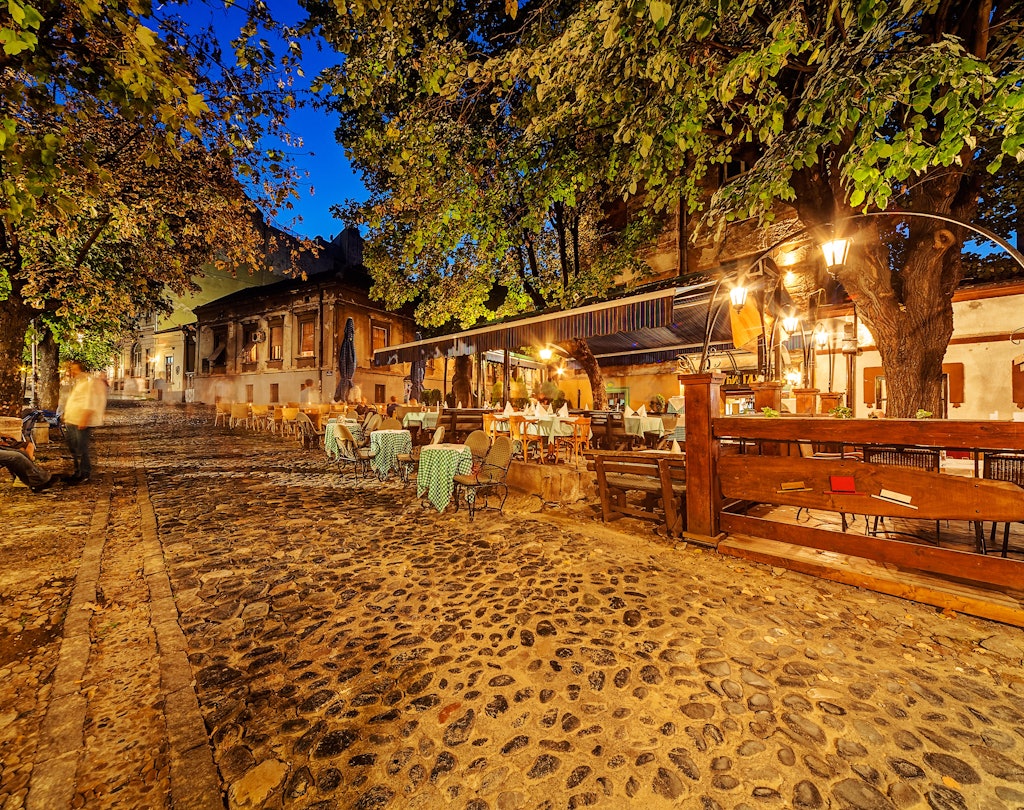
Drop your bag (I recommend the Dorcol or Savamala districts for character) and head straight to Kalemegdan Fortress. Follow the locals with picnic blankets for the ultimate free show: the sun melting into the confluence of the Sava and Danube. After, wander the cobbled Skadarlija street. It’s the “Montmartre of Belgrade“—slightly touristy but dripping in romance, with kafanas (taverns) serving up hearty portions and live starogradska (old city) music.
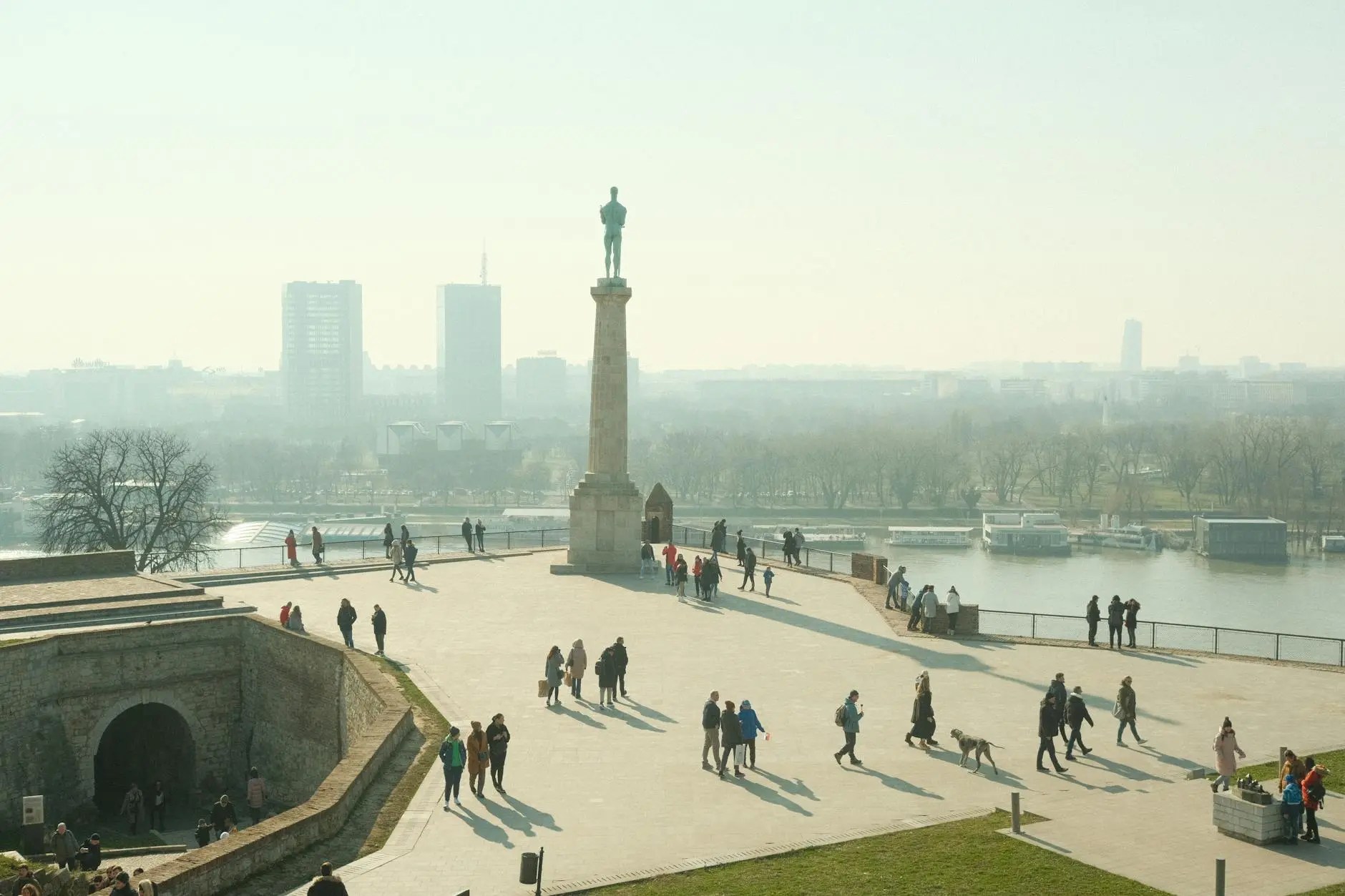
A view of Kalemegdan Fortress in Belgrade, with people walking on the grounds and the confluence of the Sava and Danube rivers in the background.
Panoramic view of the Kalemegdan Fortress in Belgrade, showcasing the Pobednik monument and the confluence of the Sava and Danube rivers. The iconic Pobednik (Victor) Monument stands watch over the confluence of the Sava and Danube rivers from within Kalemegdan Fortress—the most famous view in Belgrade.
A bustling street scene in Belgrade, Serbia, showcasing pedestrians walking along a cobblestone avenue lined with historic buildings and vintage street lamps under a clear blue sky.
A vibrant street in Belgrade showcasing its mix of historical and modern architecture, bustling with pedestrians.  Stroll down Knez Mihailova Street, Belgrade’s vibrant pedestrian heart, where 19th-century architecture meets modern cafe culture and buzzing street life.
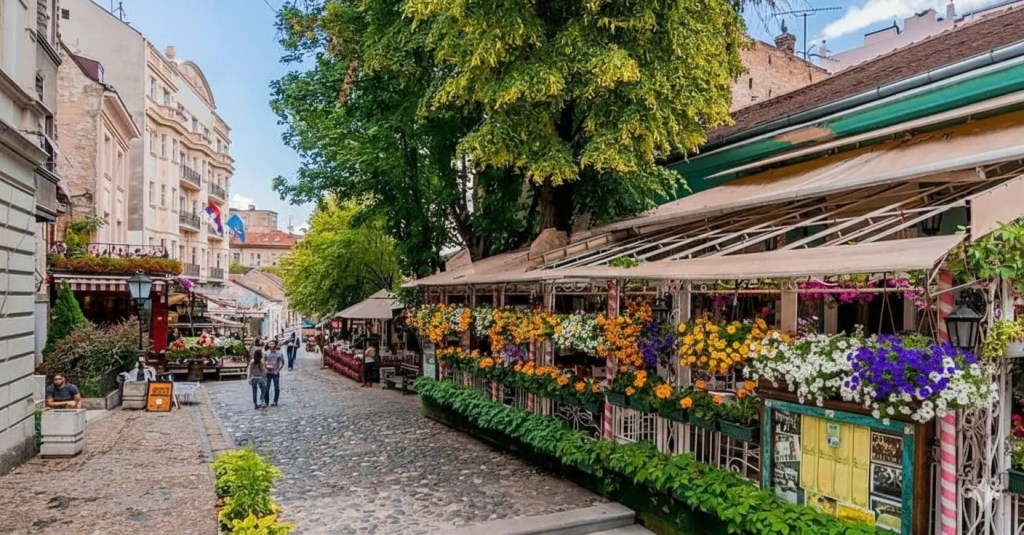
A picturesque cobblestone street in Belgrade lined with vibrant flower displays and outdoor seating at cafes, with people strolling leisurely past historical buildings and trees.
Charming cobblestone street in Belgrade filled with vibrant flowers and outdoor cafes, perfect for a leisurely stroll. Discover Skadarlija, the charming “Montmartre of Belgrade,” where cobblestone streets, traditional kafanas, and old-world charm capture the city’s bohemian soul

A picturesque evening in Skadarlija, Belgrade’s enchanting cobblestone street, lined with charming kafanas and illuminated by warm street lamps.

Saturday: History, Brunch & Splavovi
Morning: Dive into history at the Nikola Tesla Museum (book ahead!) or the profoundly moving Museum of Yugoslavia.
Afternoon: Brunch in trendy Dorcol. Then, explore the Bayrakli Mosque and the Church of Saint Sava—its cavernous, marble interior is staggering.
Night: This is Belgrade’s famous playbook. The nightlife happens on splavovi (floating river barges). Start with drinks on a chilled-out barge, then follow the bass to one of the mega-clubs. You don’t have to be a party animal to enjoy the spectacle.
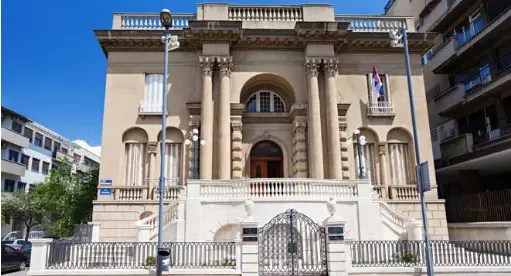
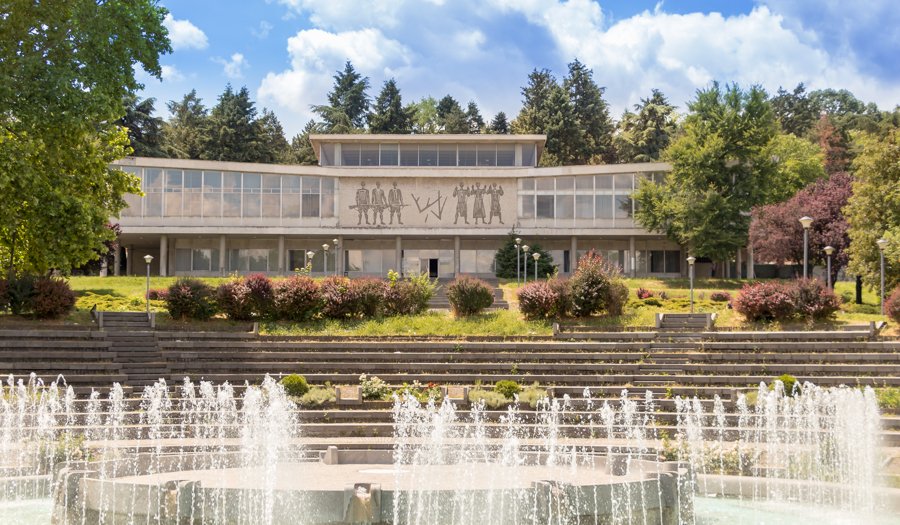
A grand historical building featuring classic architectural elements, with large columns, ornate details, and a serene entrance, located in a sunny urban setting.
An elegant historical building in Belgrade, Serbia, showcasing classic architectural features. Experience the genius of Nikola Tesla at his namesake museum in Belgrade, where you can safely interact with his groundbreaking electrical inventions.
A view of the Museum of Yugoslavia's modernist building, featuring a decorative relief and surrounded by lush greenery and fountains.
The architectural beauty of the Museum of Yugoslavia, showcasing its historic significance amidst lush greenery and modern design. Step into the complex legacy of Yugoslavia at Belgrade’s most visited museum, where the Memorial Center for Josip Broz Tito and thousands of symbolic Relay Batons tell a powerful story of a bygone era.
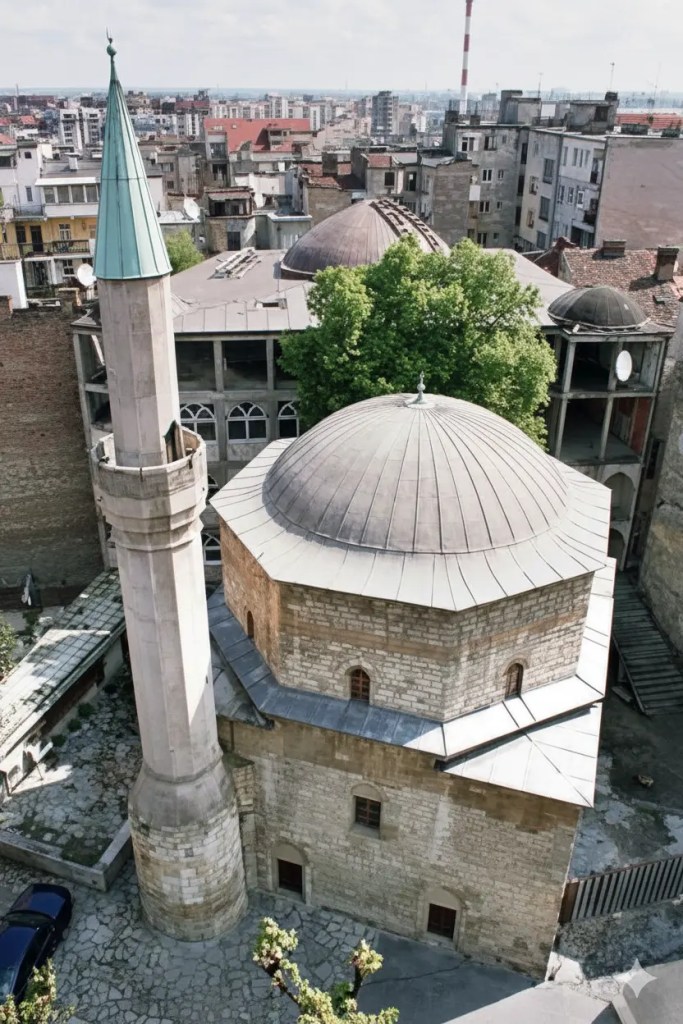
An aerial view of a historic mosque featuring a stone structure with a domed roof and a minaret, surrounded by modern buildings and greenery in Belgrade, Serbia.
An aerial view of the Bayrakli Mosque in Belgrade, showcasing its historic architecture against a backdrop of city buildings. Find a moment of serene reflection inside the Bajrakli Mosque, Belgrade’s only surviving Ottoman-era mosque located in the city’s historic Dorćol district.
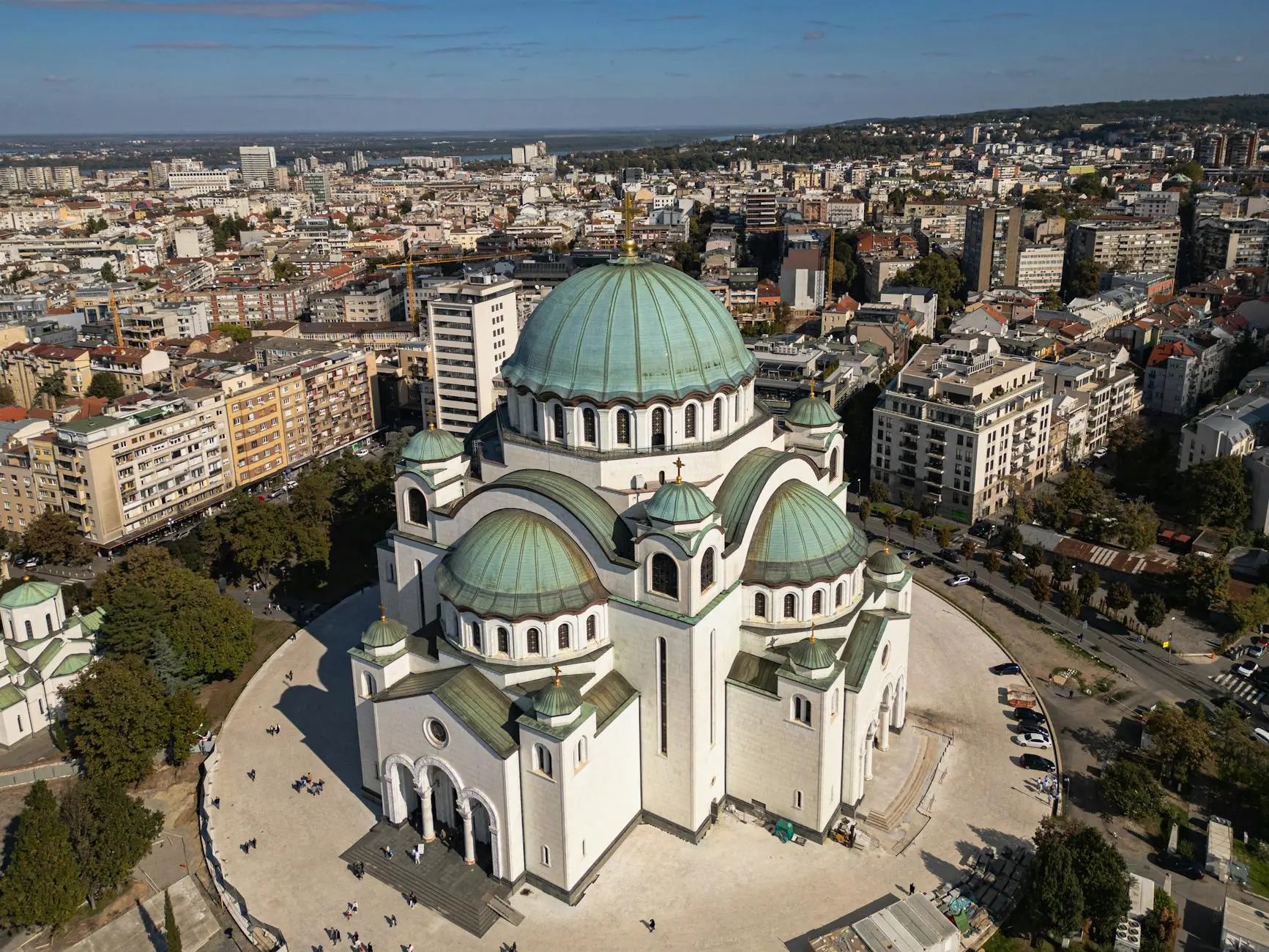
Aerial view of the Church of Saint Sava in Belgrade, showcasing its impressive architecture and surrounding cityscape.
Aerial view of the Church of Saint Sava in Belgrade, showcasing its impressive dome and surrounding cityscape.  Behold the monumental Church of Saint Sava, one of the world’s largest Orthodox churches, dominating the Belgrade skyline from the Vračar plateau.
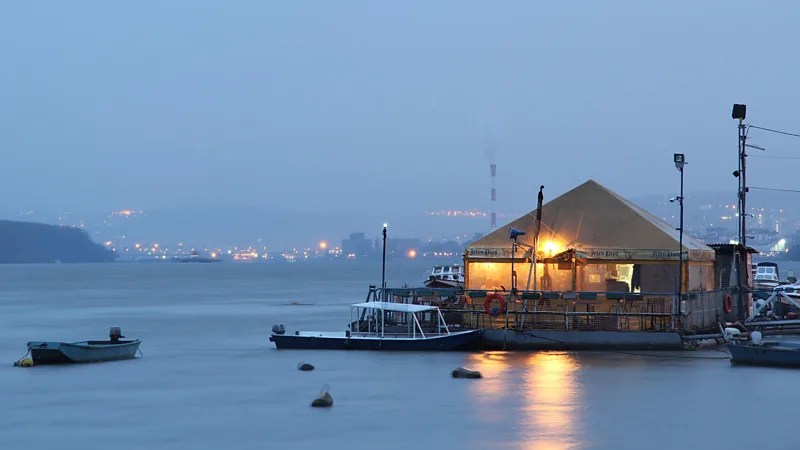
View of a river barge and a restaurant at dusk by the river, with city lights in the background.
A serene view of a floating river barge along the Danube, perfectly capturing the tranquil ambiance of Belgrade’s riverside, especially during twilight. The nightlife in Serbia’s capital has been touted as the best in the Balkans – and these rafts make every night feel like a Friday.

Sunday: Zemun & Market Magic
Cross the river (take that ferry!) to Zemun. Climb the Gardoš Tower for panoramic views, then feast on fresh Danube fish at a restaurant along the Kej. On your way back, stop at the Zeleni Venac market for spices, local cheese (kajmak), and souvenirs that aren’t made of plastic.
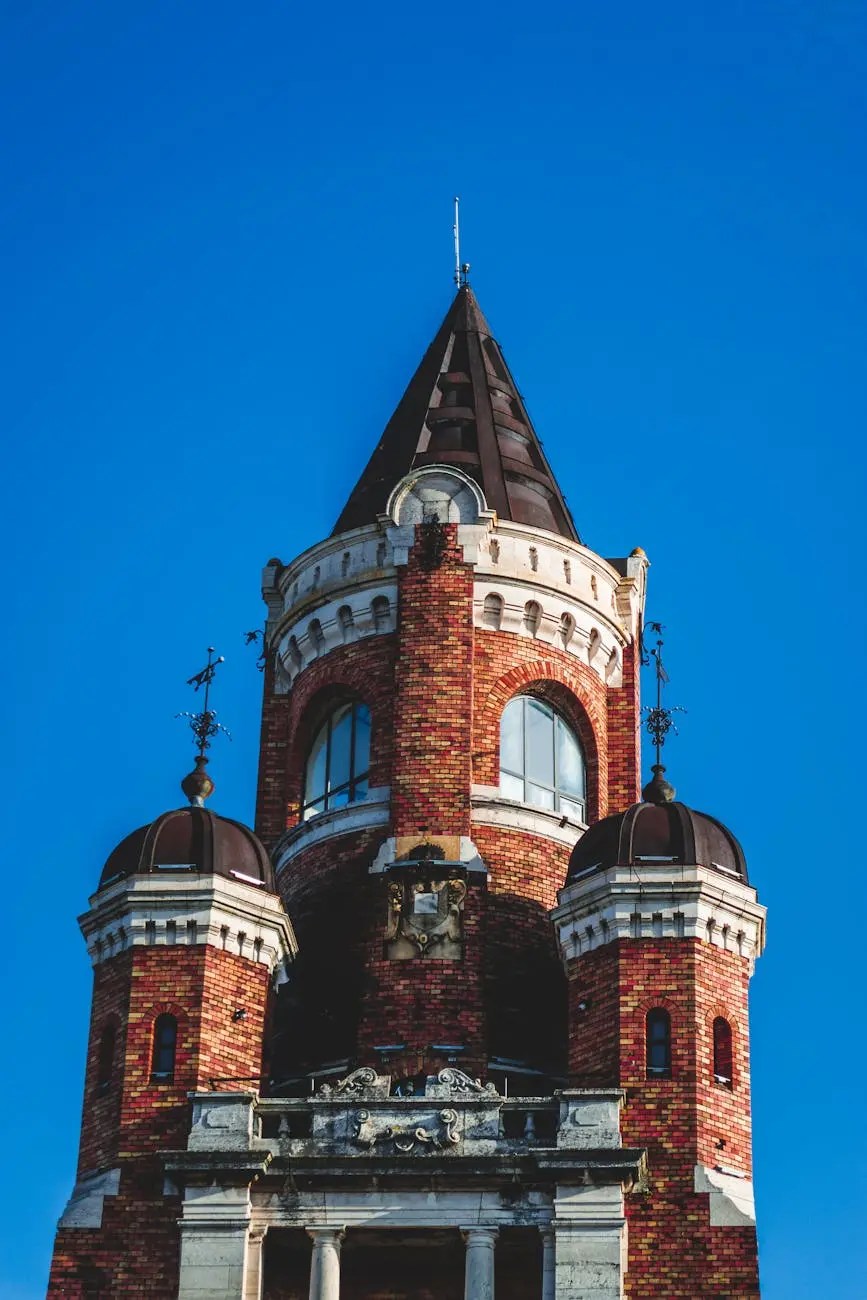
Close-up view of a tall, ornate tower with a cone-shaped roof and decorative brickwork against a clear blue sky.
A vibrant architectural detail of a historic building in Belgrade, showcasing its unique blend of styles against a clear blue sky. Climb the historic Gardoš Tower in Zemun for the best panoramic views of the Danube River, Belgrade’s skyline, and the old-town rooftops below.
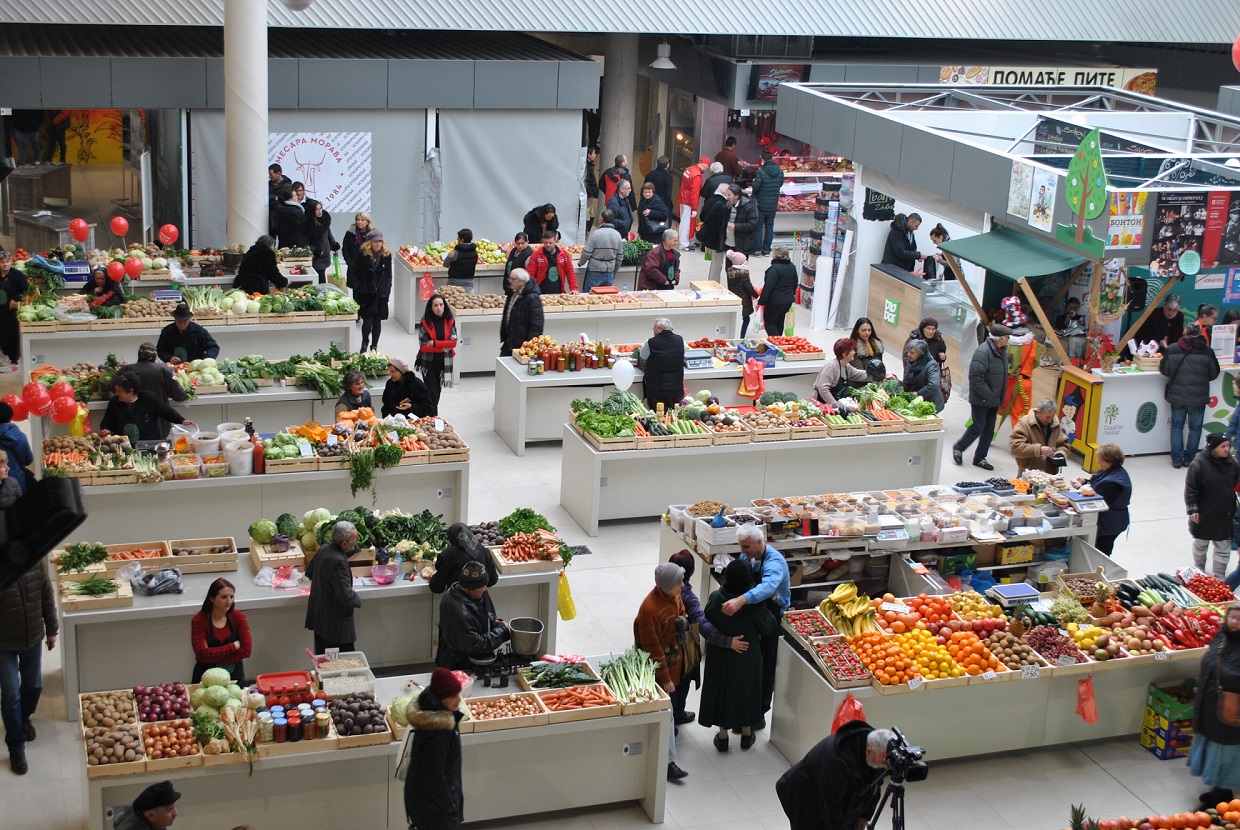
A bustling indoor market in Belgrade, Serbia, filled with vendors selling fresh produce, vegetables, and local goods. Shoppers are seen browsing and interacting, while colorful displays of fruits and vegetables are laid out on tables.
A bustling market in Belgrade, showcasing fresh produce and local goods. zeleni venac market belgrade serbia

Hidden Gems & Local Haunts

  • Mali Pekabazar: Not a bakery, but a tiny, always-packed bar in a former bakery. All decor is DIY, the music is impeccable, and the crowd is local.
  • The Iced Trenches of Tasmajdan: Underneath Park Tašmajdan are WWII-era cold storage tunnels, now used for hockey and concerts. It’s bizarrely cool (literally).
  • KC Grad: A gritty cultural center in Savamala with exhibitions, debates, and a fantastic courtyard bar perfect for a daytime coffee or evening beer.
  • Avala Tower — insane city views
  • Kosančićev Venac — romantic old quarter
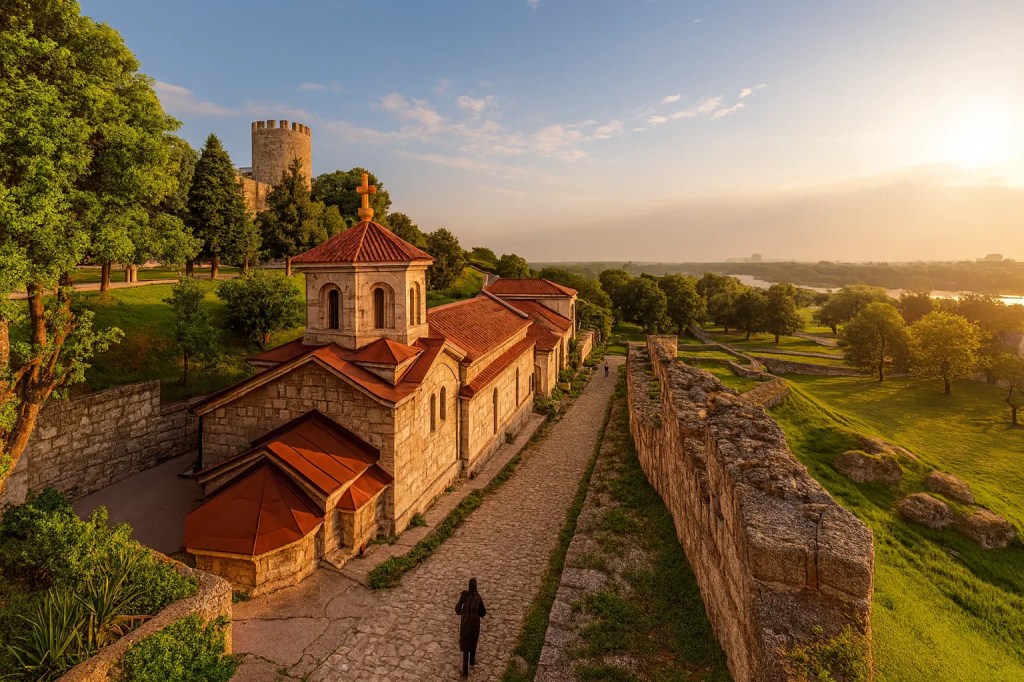
Scenic view of Kalemegdan Fortress and the Church of Ružica in Belgrade, Serbia, during sunset, with lush green surroundings and a pathway.
A serene view of the Kalemegdan Fortress in Belgrade at sunset, showcasing a historic church amidst lush greenery. Golden hour at Kalemegdan Fortress, Belgrade — where history, river views, and peaceful park paths meet.
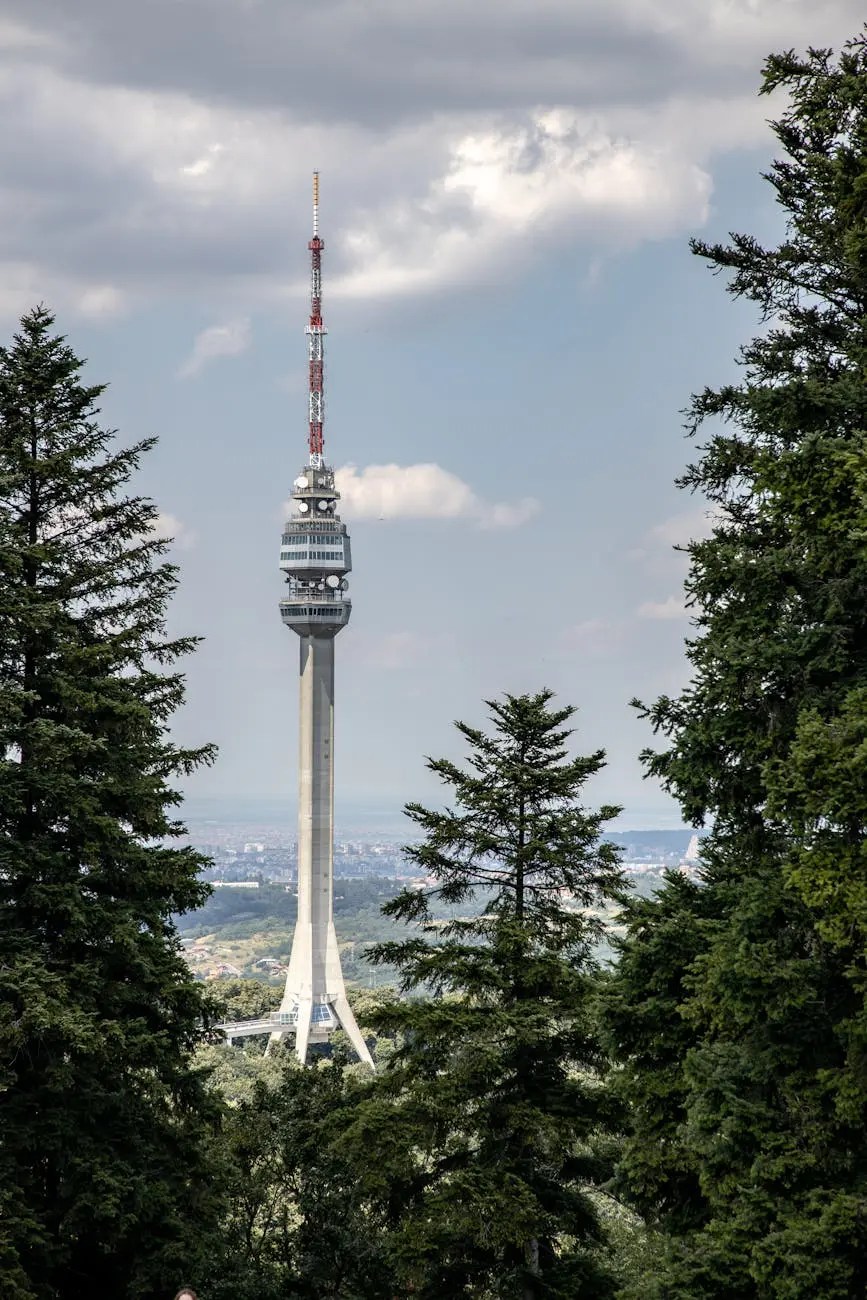
The Avala Tower surrounded by lush green trees, with a cloudy sky in the background, showcasing a modern architectural structure.
The Avala Tower stands tall amidst the trees, offering panoramic views of Belgrade and its surroundings.  Visit the iconic Avala Tower on Mount Avala—the tallest structure in the Balkans and a symbol of Belgrade’s resilience, just a short drive from the city center.
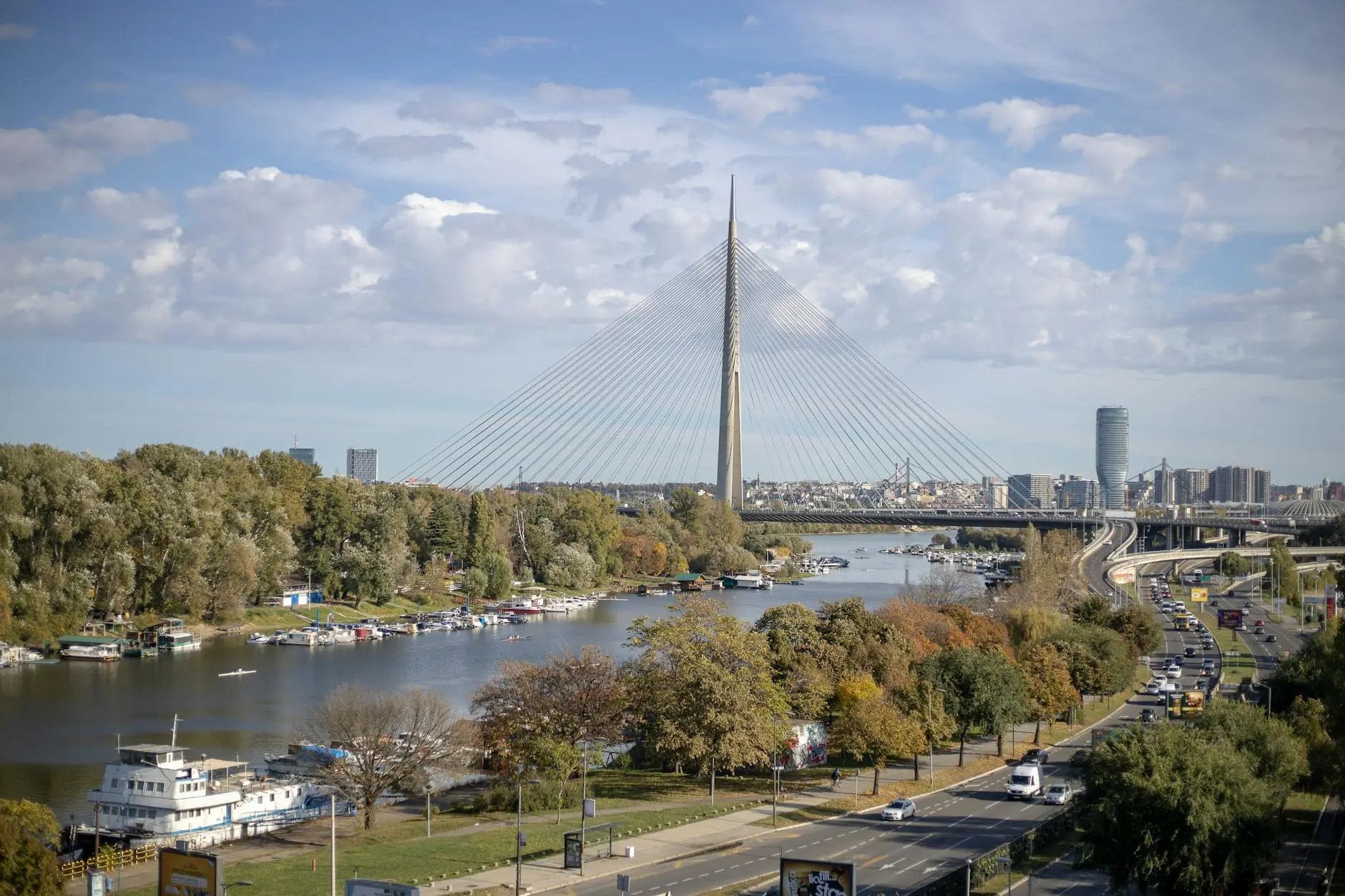
View of the Sava River with a suspension bridge in Belgrade, Serbia, featuring lush greenery along the shoreline and a skyline in the background.
A panoramic view of Belgrade featuring the iconic bridge spanning the Sava River, surrounded by greenery and bustling city life. The stunning Ada Bridge, with its iconic 200-meter pylon, illuminates the Belgrade skyline and connects the city across the Sava River.

🚗 Day Trips from Belgrade

  • Novi Sad (1 hr by train)
  • Golubac Fortress (2 hrs by car)
  • Sremski Karlovci wine region (perfect afternoon trip)

Navigating Belgrade Like a Pro: Transport Tips

  • Bus/Tram: Get a BusPlus card at a kiosk. Tap on and off. Single-ride tickets are for masochists.
  • Walking: The city center is very walkable. Dorcol to the Fortress is a lovely stroll.
  • Taxi: Only use certified companies like Pink or Lux. If the meter looks like it’s on hyperspeed, you’re in a pirate cab.
  • Car: Don’t drive in the center. Parking is a competitive sport. If you’re road-tripping wider Serbia, a good VPN is essential for secure browsing on public Wi-Fi when planning routes. I never travel without my NordVPN for safety and accessing content from home.

🌍 How to Travel From Belgrade to Dubrovnik, Split & Zadar

If you loved Belgrade and want a coastal escape next weekend, Croatia is your best friend.

1️⃣ Belgrade → Dubrovnik

How to go:

  • Flight: Fastest (~1 hr 10 min)
  • Bus: 9–11 hrs
  • Car: Scenic but long (900 km); cross Bosnia

Read my full Dubrovnik guide:
👉 https://confidencebuildings.com/2025/11/21/ultimate-dubrovnik-weekend-guide-tips-must-sees/


2️⃣ Belgrade → Split

How to go:

  • Flight: 1 hr 15 min
  • Bus: 9–12 hrs
  • Car: via Zagreb or Bosnia (highways are great)

My Split weekend guide:
👉 https://confidencebuildings.com/2025/11/23/weekend-getaway-in-split-your-ultimate-travel-guide/


3️⃣ Belgrade → Zadar

How to go:

  • Flight: seasonal
  • Bus: 12–13 hrs
  • Car: excellent road quality along Croatian coast

My Zadar travel blog:
👉 https://confidencebuildings.com/2025/11/26/explore-zadar-your-ultimate-weekend-getaway-guide/


💸 Money-Saving Tips for Belgrade

  • Eat at pekara (Serbian bakeries) — cheap & delicious
  • Use public transport instead of taxis
  • Buy SIM/eSIM online — cheaper than airport kiosks
  • Take free walking tours for orientation
  • Travel by bus/train instead of domestic flights

Savvy Traveller Section: Save Time & Money

  • Visa Info: For EU, US, UK, and AU/NZ citizens, it’s a breeze—no visa needed for stays up to 90 days. Always double-check official sources before travel.
  • Stay Connected (Without Getting Robbed): Airport SIMs are a trap. My secret weapon is Drimsim—a global data SIM that works in 190 countries. Pop it in, top up via the app, and you’re online. No more language barrier struggles at mobile shops. It’s saved me countless times.
  • Flight Gone Wrong? If your flight to Belgrade gets delayed or canceled, remember: EU passenger rights are powerful (and apply even on some non-EU airlines). You could be owed up to €600. Instead of fighting the airline myself, I let AirHelp handle it. They only get paid if you win.
  • Travel Insurance: Never skip it. A friend once slipped on Kalemegdan’s cobbles and needed stitches. I use VisitorsCoverage to compare and buy the right plan for every trip. It’s the adulting thing to do.
  • Capture the Magic: Belgrade’s light, from golden fortress glows to neon splav reflections, is incredible. I capture it all with my trusty Sony Alpha camera—it’s the perfect travel companion for sharp, vibrant photos.

Essential Serbian Survival Phrases

Serbs appreciate the effort immensely!

  • Hvala (HVAH-lah) = Thank you.
  • Dobar dan (DOH-bar dan) = Good day.
  • Koliko košta? (KOH-lee-koh KOSH-tah) = How much does it cost?
  • Jedno pivo, molim (YED-noh PEE-voh, MOH-leem) = One beer, please. (Your most important phrase.)
  • Živeli! (ZHEE-veh-lee) = Cheers!
  • Gde je autobus? – Where is the bus?
  • Voda – Water

Frequently Asked Questions (FAQs)

Q: Is Belgrade expensive?
A: Not at all. It’s one of Europe’s most affordable capitals. A huge meal with drinks can be under €15, and pints are often €2-3.

Q: What’s the best time to visit?
A: Late spring (May-June) and early autumn (September-October). You’ll avoid the summer heatwaves and the winter chill, and the riverside terraces are in full swing.

Q: Is it safe for solo travellers?
A: Yes, very. Standard city precautions apply (watch your bag in crowds), but I’ve always felt safe walking around, even at night.

Q: How do I get from the airport to the city center?
A: The A1 shuttle bus is the budget choice (300 RSD). An official taxi from the booth is easier and costs a fixed ~2500 RSD.

Is nightlife expensive?

Moderate. Drinks €3–7, clubs sometimes have entry fees.

Can I pay by card?

Yes, cards are accepted widely. Carry some cash for taxis/bakeries.

Are ferries available?

No sea ferries, but Danube river cruises are available.

Ready for Your Adventure?

Belgrade isn’t a polished, predictable city. It’s raw, authentic, and exhilarating. It gets under your skin. From the quiet moments watching barges slide down the Danube to the deafening beat inside a floating club, it’s a weekend you won’t forget.
Universal Disclaimer/Disclosure Page:

Ultimate Zagreb Weekend Getaway: Tips & Itinerary

Meta Description: Escape to the heart of Croatia! This ultimate guide to a Zagreb weekend escape covers everything: discovering quirky museums, mastering the cheap tram system, and finding the best food. Optimize your trip logistics, from flights and trains to visa and border crossings with neighboring countries like Slovenia and Italy. Perfect for independent travelers seeking an authentic European city break.

Alright, fellow travellers, let’s cut through the noise. You’re dreaming of a European weekend that doesn’t involve battling selfie-stick hordes for a glimpse of a monument. You want charm, great food, and a city with a personality. Let me introduce you to Zagreb, Croatia’s wonderfully underrated capital.

I stumbled into Zagreb a few years ago on a whim after a coastal trip, expecting just a quick stopover. I ended up staying for four days, completely captivated by its laid-back vibe, the hauntingly beautiful Museum of Broken Relationships, and the fact I could actually afford a coffee in the main square without taking out a second mortgage.

When you hear “Croatia,” your mind probably jumps straight to the shimmering turquoise waters of Split or the medieval walls of Dubrovnik. And while the Dalmatian Coast is undeniably gorgeous, if you overlook Zagreb, you’re missing out on the beating heart and soul of the country.

Zagreb isn’t just a capital; it’s a sophisticated, yet delightfully quirky city. It’s walkable, ridiculously affordable, and has a café culture that demands you slow down and simply exist. Planning a quick 48-hour or 72-hour getaway? Zagreb is the perfect spot.

Let’s dive into how you can conquer Croatia’s cool kid of a capital and make it the ultimate weekend escape.

This guide is the one I wish I’d had. We’re going to craft your perfect weekend, save you time and money, and uncover the soul of this city, one anecdote at a time.

Table of Contents

  1. Getting to Zagreb: Flights, Roads, and Ferries
  2. Where to Stay: The Best Hubs for Your Visit
  3. The Perfect 3-Day Zagreb Itinerary
  4. Zagreb’s Hidden Gems & Quirky Finds
  5. Smart Travel Toolkit: Tips to Save Time & Money
  6. Quick-Reference Croatian Phrases
  7. Frequently Asked Questions (FAQ)
  8. Further Adventures & Final Call to Action

Getting to Zagreb: Flights, Roads, and Ferries

Zagreb is centrally located, making it an ideal jump-off point for Central and Southeast European adventures.

✈️ By Air: Fast & Easy

Franjo Tuđman Airport (ZAG) is about 17 km outside the city. For a budget-friendly and quick trip into the center, grab the Pleso Prijevoz airport bus (approx. €8), which runs frequently to the main bus station (Autobusni kolodvor Zagreb). From there, you can hop on a tram.

Zagreb Airport (ZAG) is the main international hub. It’s well-connected and a quick 30-minute bus or taxi ride to the city centre. I always check for flight deals on expedia – bundling flight and hotel can sometimes unlock serious savings.

🚗 By Road: Map Tips to Save Gas

If you’re driving from nearby countries (like Slovenia, Hungary, or even Northern Italy), the motorways are generally excellent.

  • Road Map Tip for Time/Gas Savings: Croatia uses a toll system on its main highways (A-roads). While mapping apps like Google Maps can route you to avoid tolls, this often means much slower regional roads, which may actually increase your fuel consumption and definitely increase your travel time. My advice? Budget for the tolls, especially for longer distances. The A2 connects Zagreb to Slovenia, and the A3 connects to Serbia. Check current toll rates online before you leave to save time at the pay stations.
  • Road-tripping? The highways are excellent (but expect tolls). A little pro-tip: if you’re driving in from the coast, download a local traffic app to check for jams on the A1 motorway. It saved me from a two-hour standstill once!
  • Best Time to Visit to Avoid Crowds: Zagreb is fantastic year-round, but the best time to avoid crowds is during the shoulder seasons (April-May or September-October). You get beautiful weather without the July/August tourist rush. Plus, Zagreb is famously stunning during the Christmas Advent Market season, but expect major crowds and higher prices then.

🚢 Getting There by Ferry (The Coastal Connection)

Zagreb itself is inland, so you won’t dock your ship right in the city center—unless you count a particularly dramatic flood. However, Croatia is a nation defined by its coast!

If you’re integrating Zagreb into a wider Balkan or Mediterranean trip, you might arrive via the Adriatic Sea. You can take a ferry from Italy (e.g., Ancona,Bari, or Venice) to coastal Croatian ports like Split or Dubrovnik. Speaking of Italy, if you love water, don’t miss the ultimate guide to an Ultimate Weekend Getaway in Venice—it’s a stunning contrast to Zagreb’s continental charm.

From those coastal hubs, the journey to Zagreb is straightforward:

  • Coastal Croatia to Zagreb: A comfortable 4–5 hour ride on a fast train (the best option) or bus from the coast. To plan your trip to the coast first, check out the Weekend Getaway in Split: Your Ultimate Travel Guide for a true taste of the Adriatic.
  • Ferry Search: To find routes from Italy to Croatia’s coast, check out Direct Ferries and plan your sea journey efficiently.

From those coastal hubs, the journey to Zagreb is straightforward:

  • Split to Zagreb: A comfortable 4–5 hour ride on a fast train (the best option) or bus.
  • Ferry Search: To find routes from Italy to Croatia’s coast, check out Direct Ferries and plan your sea journey efficiently.

Where to Stay: The Best Hubs for Your Visit

Zagreb is divided into two main parts: the historic Gornji Grad (Upper Town) and the bustling Donji Grad (Lower Town).

  • Upper Town (Gornji Grad): Perfect for history buffs and those wanting a quieter, more romantic vibe. It’s where you’ll find the famous St. Mark’s Church.
  • Lower Town (Donji Grad): The heart of the city’s café culture, shopping, and museums, known for the “Green Horseshoe” of parks. This is generally the best base for a first-time visitor.

I always recommend finding a hotel near King Tomislav Square (Trg Kralja Tomislava) or Ban Jelačić Square for prime access to the city’s excellent tram network.

Whether you’re looking for a boutique stay in the Upper Town or a budget-friendly apartment near the main square, start your search here: Find Your Zagreb Accommodation on Expedia

Your Weekend Game Plan: A 48-Hour Itinerary

Friday Evening: Dive into the Old World

  • Start your day in the center, Ban Josip Jelačić Square, grab a coffee, and head straight up to the Upper Town (Gornji Grad).
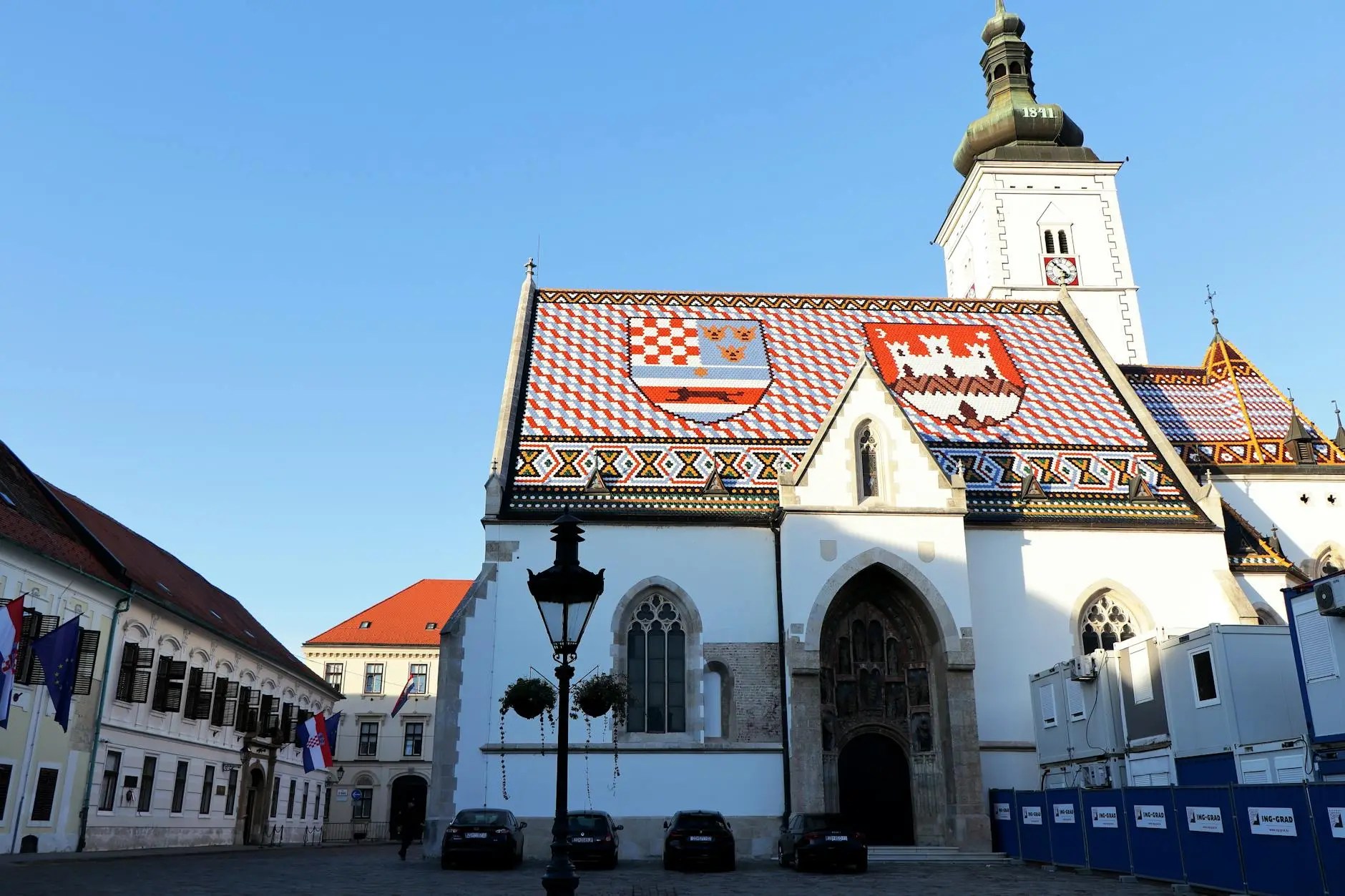
  • St. Mark’s Church (Crkva sv. Marka): Snap a photo of the iconic, colorful tiled roof featuring the medieval coat of arms of Croatia, Dalmatia, Slavonia, and the coat of arms of Zagreb.
  • Personal Anecdote: My first evening, I got lost in the cobblestone lanes behind St. Mark’s Church and stumbled upon a tiny, family-run konoba (tavern) that wasn’t on any map. I had the best štrukli (a delicious cheesy pastry) of my life. Don’t be afraid to wander!
  • Dinner: Find a restaurant in the Upper Town for authentic Croatian cuisine.
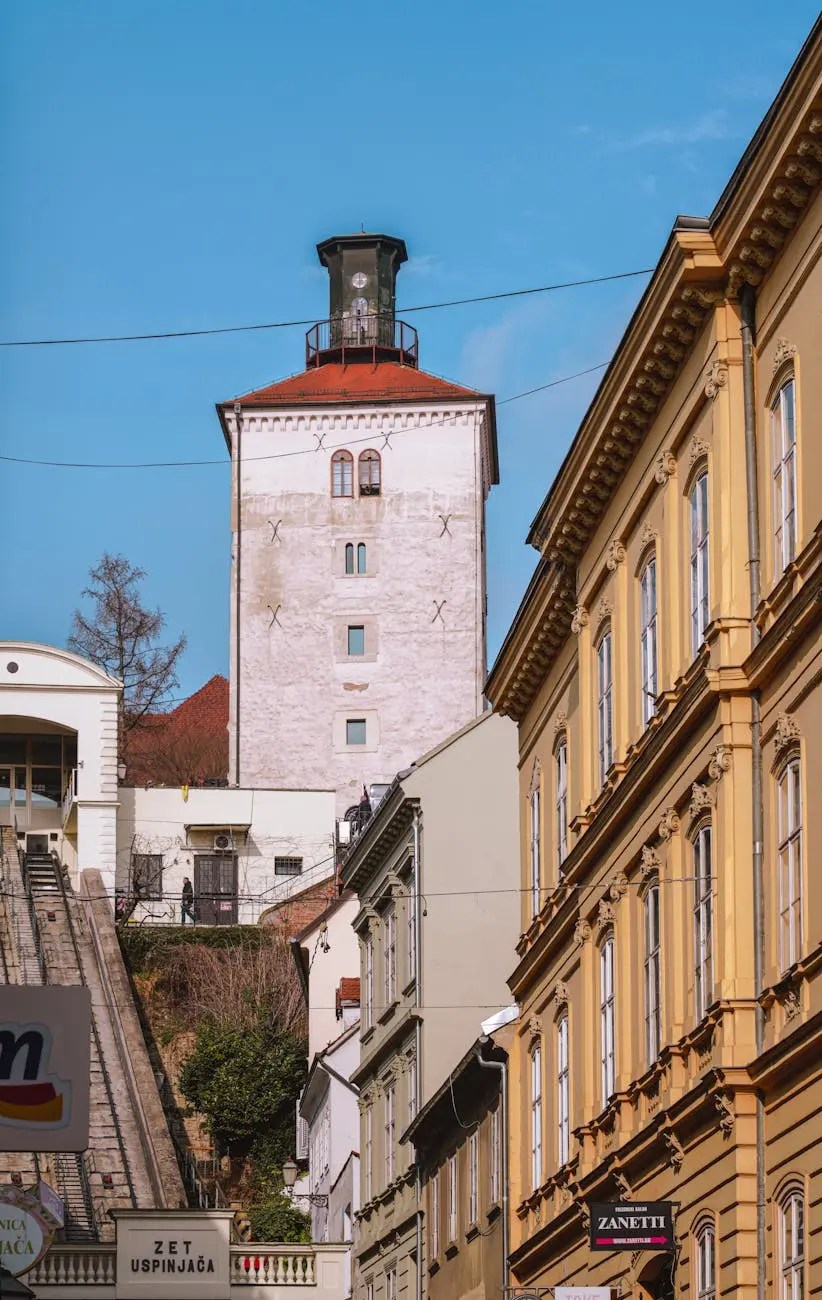
  • Lotrščak Tower & Grič Cannon: Climb the tower for the best panoramic view. Personal Anecdote: I was chilling down in the Lower Town square one day, nursing a strong Croatian kava, when suddenly—BOOM! It nearly made me drop my espresso. That’s how I learned about the Grič Cannon tradition—it fires precisely at noon every day. Don’t be like me; be ready for it!
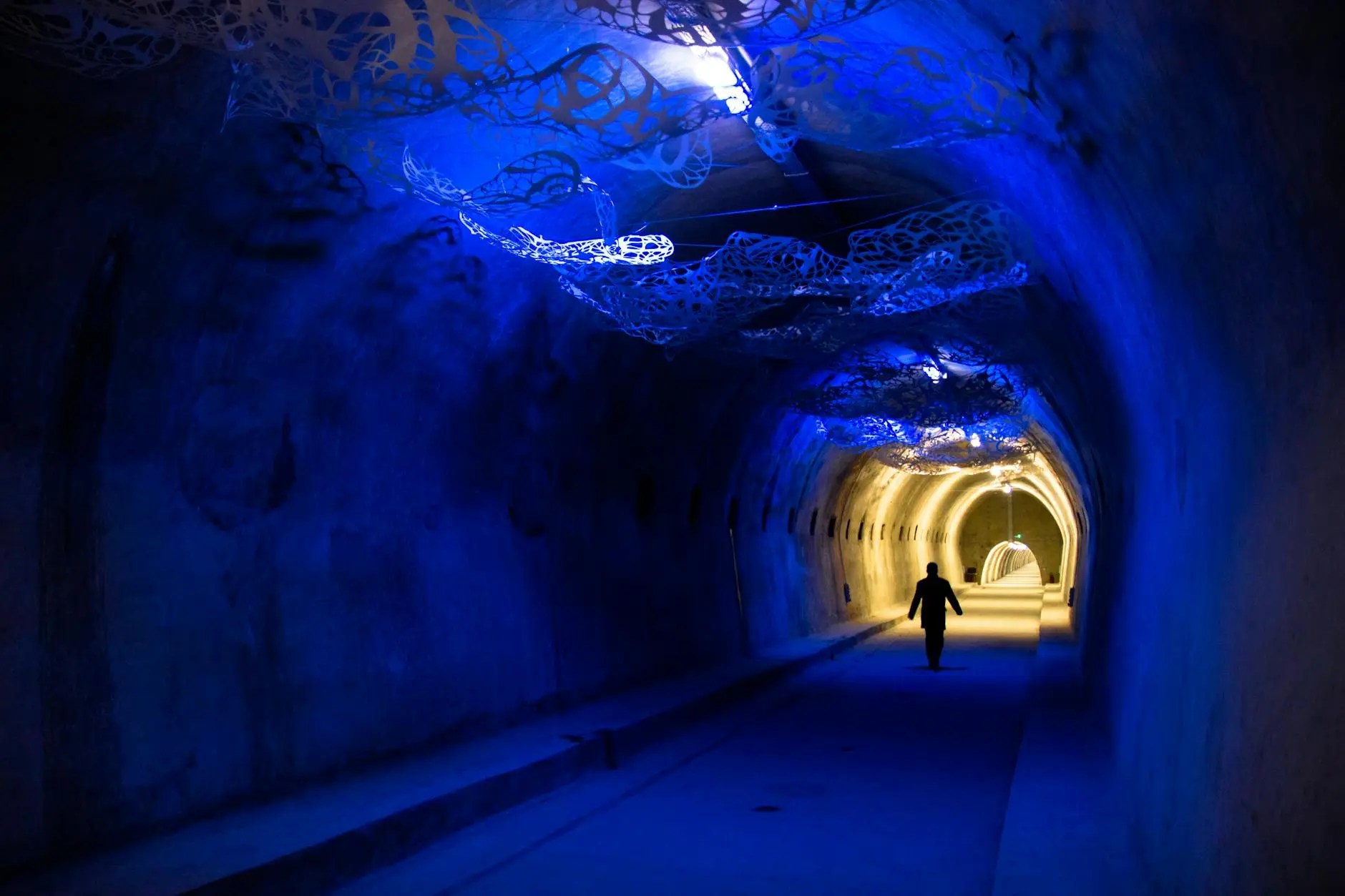
  • Hidden Gem Walk: The Grič Tunnel: Walk through this old WWII air raid shelter that cuts right under the city. It’s cool (literally) and often hosts light installations, providing a unique subterranean shortcut.
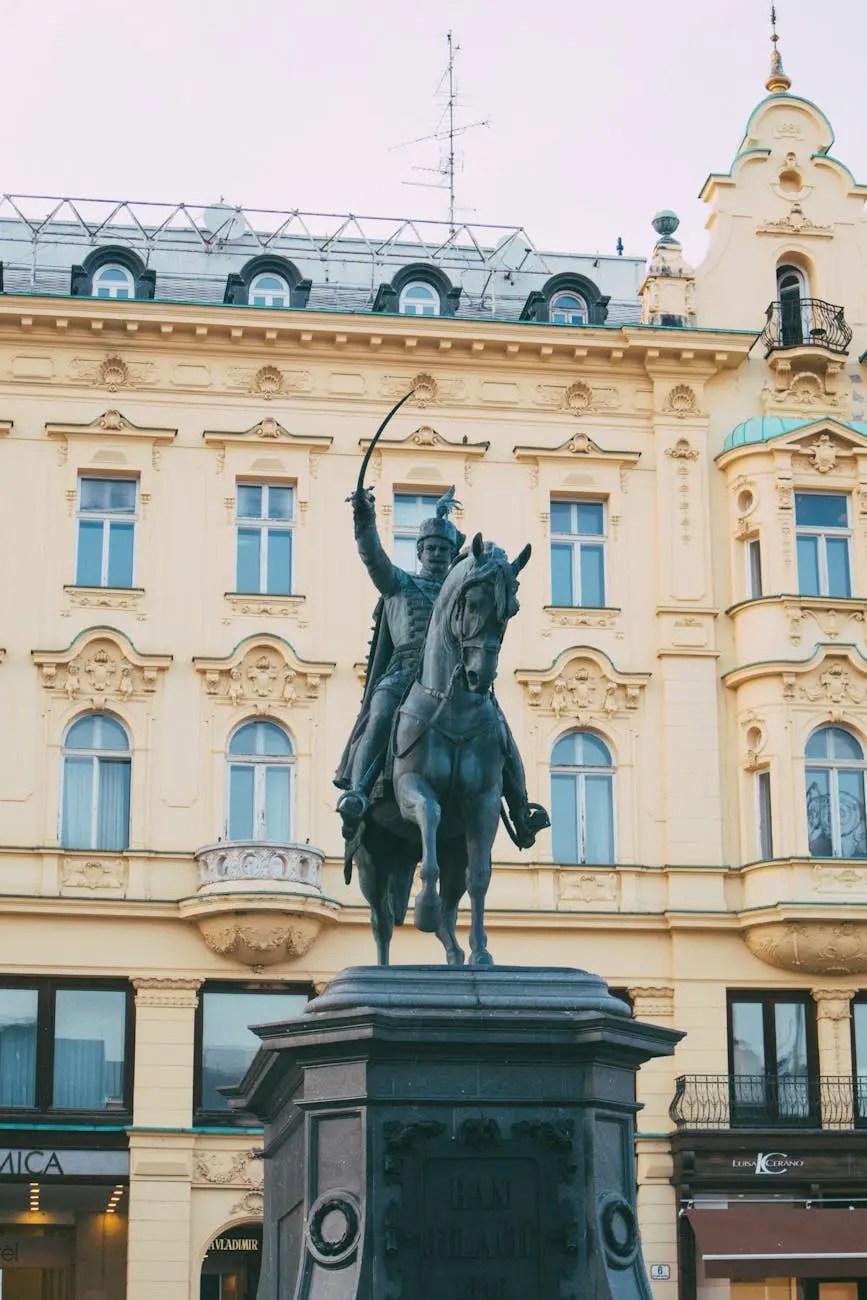
Statue of Ban Josip Jelačić on horseback in Zagreb, Croatia, with historic buildings in the background.
Statue of Ban Josip Jelačić in Zagreb, a significant historical landmark in the city’s main square. The iconic equestrian statue of Ban Josip Jelačić, taking pride of place in the bustling heart of Zagreb’s main square.

The iconic St. Mark's Church in Zagreb, showcasing a colorful, tiled roof adorned with Croatian coats of arms, set against a clear blue sky.
St. Mark’s Church, adorned with its iconic colorful tiled roof, showcasing Croatia’s heritage in Zagreb’s Upper Town. The unforgettable roof of St. Mark’s Church, a 13th-century gem in Zagreb’s Upper Town, displaying the medieval coats of arms of Croatia, Dalmatia, Slavonia, and the city of Zagreb.
View of the Lotrščak Tower in Zagreb, Croatia, surrounded by historical buildings and a funicular railway.
View of the iconic Lotrščak Tower in Zagreb, Croatia, surrounded by historic architecture and the funicular railway. The medieval Lotrščak Tower, standing guard over Zagreb since the 13th century, famous for its daily noon cannon blast.
A steaming cup of coffee placed on a wooden table, illuminated by soft sunlight coming through a window.
A steaming cup of coffee on a wooden table, perfect for kickstarting your Zagreb adventure.

Saturday: Culture, Markets, and Dolce Far Niente

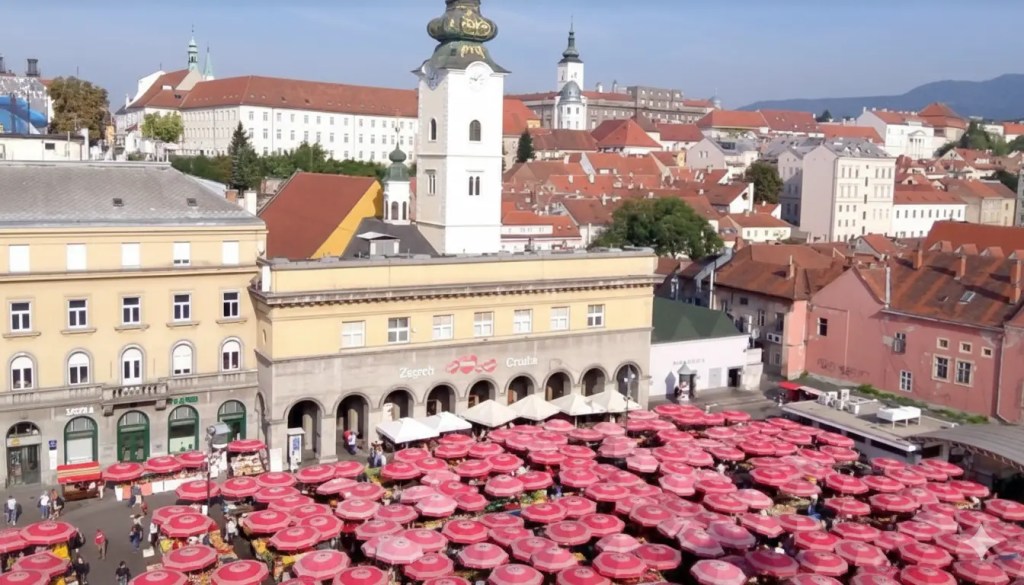
  • Morning: Fuel up with a coffee in Ban Jelačić Square. Then, explore the Dolac Market – the vibrant red umbrellas are an icon. Try some local cheese or fruit.
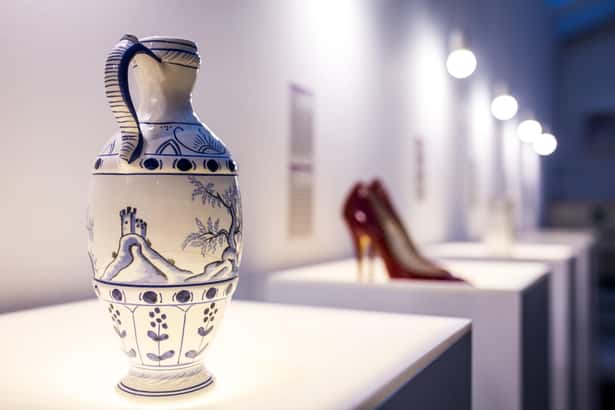
  • Afternoon: Get quirky at the Museum of Broken Relationships. It’s as fascinating and moving as everyone says. Afterwards, take the funicular (the world’s shortest!) back up to the Upper Town for panoramic views.
  • Evening: Join the locals for a stroll down Tkalčićeva Street. This street is the social heart of the city, lined with endless cafes and bars. It’s the perfect spot for people-watching.
A person walking through a dimly lit tunnel adorned with blue lights and intricate paper-like decorations on the ceiling.
A mesmerizing view of the Grič Tunnel in Zagreb, illuminated with blue lighting and intricate decorations, creating a unique underground experience. The Grič Tunnel, a subterranean passage built as a WWII bomb shelter in 1943, now serves as a unique cultural venue and pedestrian shortcut in Zagreb.
Aerial view of Zagreb's Dolac Market featuring vibrant red umbrellas amidst historic buildings and rooftops.
A vibrant view of Zagreb’s Dolac Market, adorned with iconic red umbrellas, showcasing the lively atmosphere of the city. The vibrant Dolac Market, known as “Zagreb’s pantry,” under its iconic canopy of red umbrellas.
A decorative ceramic jug displayed on a pedestal in a museum, next to red high-heeled shoes, illuminated by soft lighting.
A decorative vase on display at the Museum of Broken Relationships in Zagreb, Croatia.
People strolling along a vibrant street in Zagreb, Croatia, surrounded by colorful buildings and outdoor cafes.
A vibrant street in Zagreb showcasing its charming café culture and colorful architecture, perfect for leisurely strolls.

Sunday: Parks and Farewells

  • Morning: Escape the urban buzz at Mirogoj Cemetery. This sounds morbid, but trust me, it’s one of the most beautiful and peaceful park-like cemeteries in Europe, with stunning arcades.
  • Brunch: Grab a final pastry and coffee before you head out.

Alternative Museum: Check out the bizarre Museum of Hangovers for a genuinely funny experience, showcasing objects and stories from people’s drunken escapades.

Cross-Border Adventure: Zagreb is perfectly positioned for exploring Central Europe. For example, the incredibly scenic capital of Slovenia is just over two hours away! If you have the time, why not extend your journey with The Ultimate Weekend Escape to Ljubljana, Slovenia? It makes for an easy and charming side-trip.

Spend an Afternoon at the Art Pavilion: Just a short stroll from the main square, you’ll find the stunning Art Pavilion in Zrinjevac Park. This is the oldest gallery in Southeast Europe designed exclusively for exhibitions and it’s an architectural jewel itself—a beautiful yellow Secessionist building. I wandered in to escape a sudden rain shower and was blown away by the quality of the rotating exhibitions. Check their schedule online; it’s a perfect dose of culture in a serene, park-side setting.

Day Trip to Plitvice Lakes (Requires Car/Bus): If you have extra time, the cascading waterfalls of Plitvice Lakes National Park are only about 2 hours by car or bus. If you’re renting a car, book your ticket to the park far in advance, especially in summer!

🚗 Getting to Plitvice Lakes: Drive vs. Bus (The Logistics Deep Dive)

Getting to the waterfalls is simple, but the choice between car and bus depends on your priorities (flexibility vs. cost). If you’re driving, the journey takes a speedy 1.5 to 2 hours (approx. 140 km). The quickest route involves taking the A1 highway (remember to budget for the modest tolls!) southwest toward Karlovac, then following the clear signage onto the D1 state road directly to the park. Road Map Tip: For maximum efficiency, enter “Plitvice Lakes National Park Entrance 1” into your GPS. However, for a cheaper and less stressful experience, the bus is king. Buses depart frequently from Zagreb’s main bus station (Autobusni Kolodvor Zagreb) and take about 2 to 2.5 hours, dropping you right at the park’s entrance (typically Entrance 1). Expect tickets to cost around €15–€20 one-way. Money-Saving Tip: Book your bus tickets online in advance, as the price can be slightly cheaper and you guarantee your spot, especially if you plan to catch one of the crucial early morning departures! Since park tickets must also be bought online ahead of time (especially in the summer), securing both your transport and park entry ensures you are one of the first in the gates, beating the midday crush and guaranteeing a better view.

The Next European Capital: If you’re looking to extend your trip into another fantastic former Habsburg empire city, consider the incredible architecture and thermal baths of Hungary. You can find your essential guide here: Ultimate Budapest Weekend Getaway: Your Insider Guide.

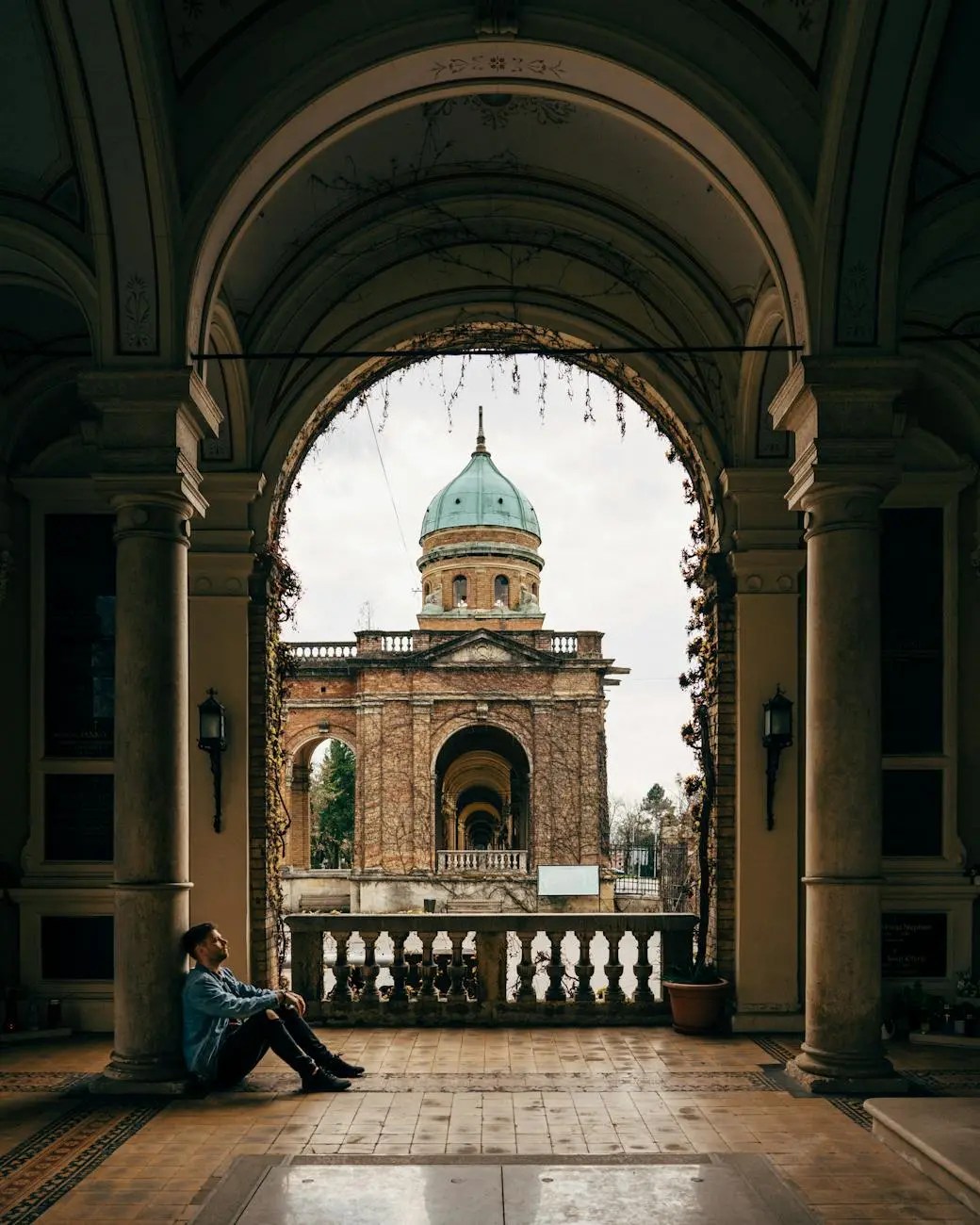
A person sitting against a wall in a historic building, looking contemplative towards a view of an ornate dome and arched colonnades.
A serene moment at Mirogoj Cemetery in Zagreb, showcasing stunning architecture framed by arches and greenery. The stunning Mirogoj Cemetery, renowned for its beautiful arcades, pavilions, and domes, is a park-like haven of peace and a major architectural landmark in Zagreb.

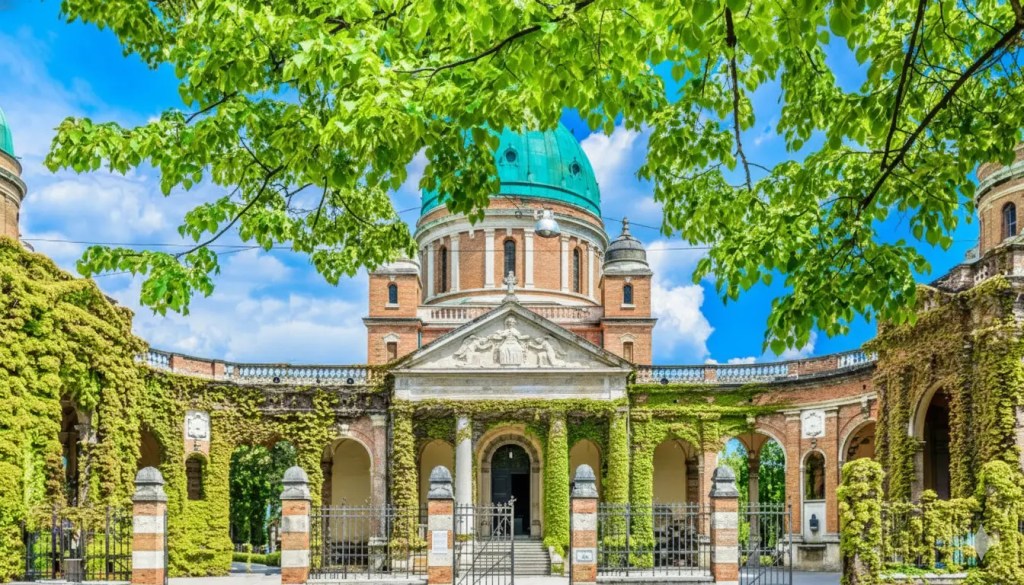
A picturesque view of Mirogoj Cemetery in Zagreb, Croatia, showcasing its beautiful architecture adorned with lush greenery and a clear blue sky.
The stunning Mirogoj Cemetery showcases beautiful architecture surrounded by lush greenery, offering a serene escape in Zagreb. The magnificent main entrance of Mirogoj Cemetery, designed by Hermann Bollé, featuring its iconic lengthy arcades and the central dome of the Chapel of Christ the King.
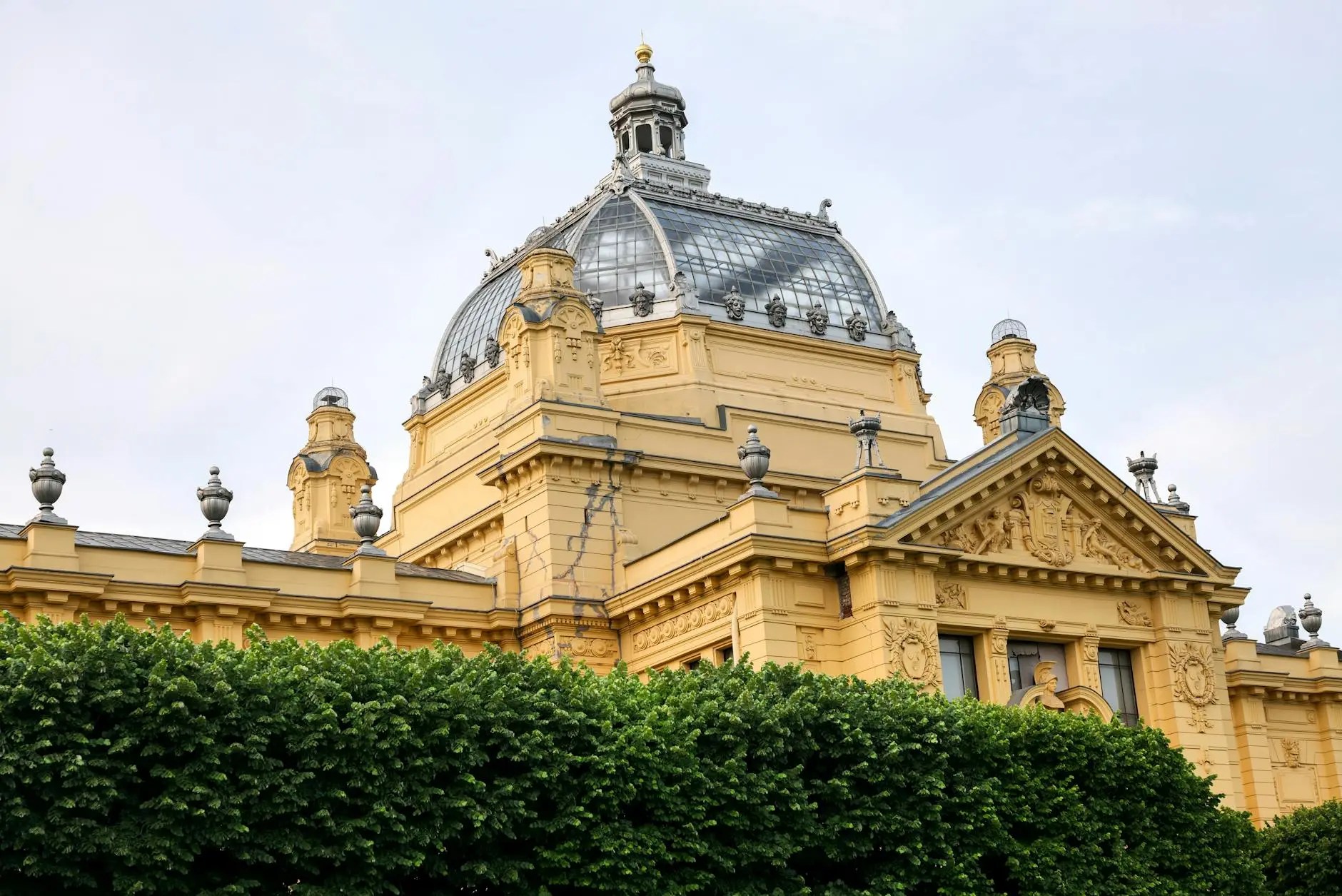
Close-up view of the ornate dome and architecture of a historic yellow building, partially obscured by green foliage.
The stunning architecture of the Zagreb Art Pavilion, showcasing its intricate details and vibrant yellow facade, set against lush greenery. The historic Art Pavilion in Zagreb, a vibrant yellow Secessionist building dedicated to hosting major art exhibitions.
A scenic view of cascading waterfalls surrounded by lush green trees and a clear blue sky.
Stunning waterfall cascading through lush greenery in Croatia’s Plitvice Lakes National Park. The magnificent Veliki Slap, or “Big Waterfall,” a 78-meter-high cascade in the UNESCO World Heritage Site of Plitvice Lakes National Park.

Zagreb on a Budget: Money-Saving Hacks

  • Get a Zagreb Card: This is a no-brainer. It offers free public transportation and discounts/free entry to many museums. You’ll save a bundle.
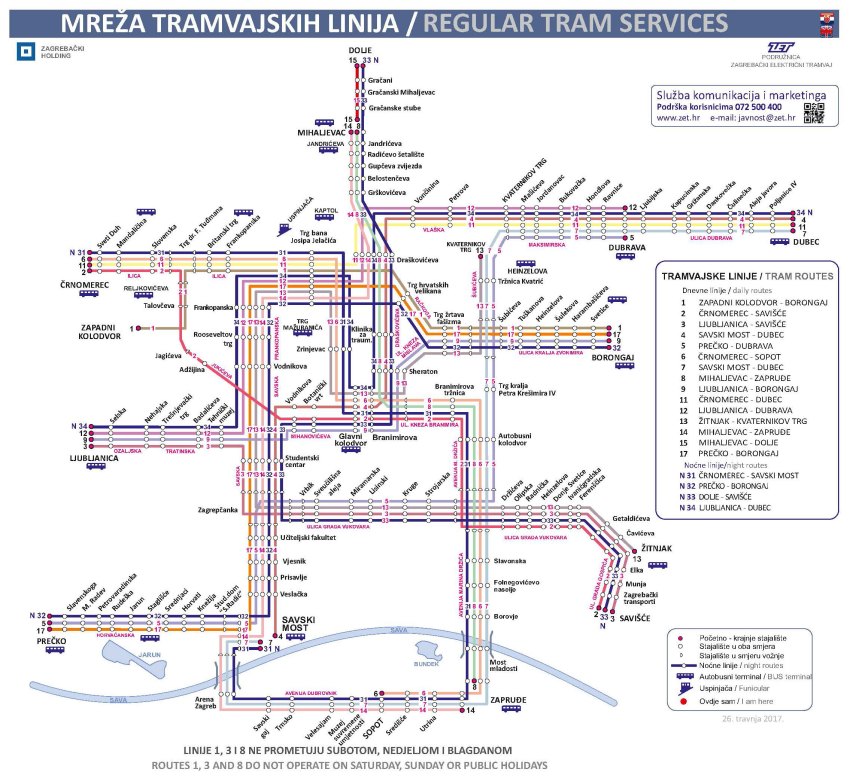
  • Public Transport is King: Trams are the best way to get around. Buy a Vremenska Karta (time-based ticket) from a kiosk (Tisak) – it’s cheaper than buying on board. The network is efficient and will get you everywhere you need to go.
  • Eat Away from the Main Squares: A block or two can make a huge difference in price. Look for places filled with locals.
  • Free Walking Tours: Tip-based walking tours are a fantastic way to get your bearings and learn the history from a passionate local guide.

🚌 Local Transportation: Master the Tram System

The backbone of Zagreb’s public transit is its tram system. It’s fast, efficient, and incredibly cheap, allowing you to save money on taxis and parking.

  • Trams: Buy tickets at kiosks (Tisak or iNovine). A single ticket is valid for 90 minutes. You can also buy a day pass for unlimited travel. Money-Saving Tip: Validate your ticket immediately upon boarding in the small orange machines. Inspectors are frequent, and the fines are steep!

Speak Like a Local: A Quick Survival Guide

Croatian is the language, but you’ll get by with English. However, a few words will earn you smiles:

  • Hvala (HVAH-lah) – Thank you. Use this constantly.
  • Dobar dan (DOH-bahr dahn) – Good day.
  • Oprostite (oh-PROHS-tee-teh) – Excuse me.
  • Gdje je…? (gdyeh yeh…) – Where is…? (Extremely useful!)
  • Račun, molim (RAH-choon, MO-leem) – The bill, please.
  • Ne razumijem(Neh rah-zoo-meeyehm)I don’t understand
  • Štrukli (Shtroo-klee) The local specialty pastry (Must-try!)

Travel Smart: My Essential Gear & Tips

Travelling smoothly isn’t about luck; it’s about being prepared. Here are my non-negotiables:

  • Stay Connected (Without Going Broke): ✈️ Travel Tip: I used to waste hours in foreign airports hunting for a local SIM. Not anymore. I never travel without my Drimsim – a universal data SIM that works in 190+ countries. You just pop it in, top up via the app, and you’re online. No hidden fees, no stress. It’s a game-changer. 
  • Protect Your Digital Self: Using public WiFi in cafes and hotels? Please, use a VPN. It keeps your data safe from prying eyes. I’ve relied on NordVPN for years for peace of mind.
  • Capture the Beauty: To capture Zagreb’s gorgeous architecture and vibrant street life, I use my trusty Sony Alpha . It’s lightweight, powerful, and perfect for travel photography.
  • Don’t Get Caught Out by Flight Chaos: ✈️ Flight Delayed or Canceled? It happened to me in Munich, and I was gutted until I learned I was owed compensation. Most travellers have no idea about their air passenger rights. If your flight is messed up, AirHelp. They handle the airline for you and only get paid if you win. It’s free money you’re probably entitled to!
  • Travel Insurance is a Must: From lost luggage to a surprise medical visit, insurance is your safety net. I use  VisitorsCoverage to compare and find the perfect plan for my trip length and needs. It’s the smartest thing you can pack.
  • Glow On the Go: Travel can wreak havoc on your skin. That’s why I swear by the gentle, effective magic of K-beauty from Lakinza. Their products keep my skin hydrated and happy. And because I love you guys, use code Lalax10 at checkout for a sweet discount!

For more deep dives into destinations near Zagreb, like the magical Plitvice Lakes or a guide to Slovenia’s Lake Bled, check out my full  Travel Master List

Frequently Asked Questions (FAQ)

Q: Is Zagreb a walkable city?
A: Absolutely! The core city centre, encompassing the Lower and Upper Towns, is extremely walkable. Trams are best for longer distances.

Q: What’s the best time of year to visit Zagreb?
A: Spring (May-June) and Autumn (September-October) are perfect – pleasant weather and fewer crowds. December is magical for the famous Advent Christmas market, but it’s also the busiest time.

Q: Do I need a visa for Croatia?
A: Croatia is part of the EU and follows the Schengen visa policy. For most North American and UK travellers, you don’t need a visa for short stays. Always check the official government website for your specific nationality for the most current info on visa requirements and costs.

Q: Is Zagreb expensive?
A: Compared to other European capitals like Paris or Vienna, Zagreb is very affordable, especially for dining out and public transportation.

Q: Can I use Euros?
A: The official currency is the Croatian Kuna (HRK). Some tourist places might accept Euros, but the exchange rate won’t be favourable. It’s best to use local currency.

Is English widely spoken in Zagreb?

Yes, especially in the central tourist areas, hotels, and restaurants. However, learning a few basic phrases (like Hvala and Bok) will always be appreciated by locals.

Zagreb is waiting for you to pull up a chair, order a kava, and settle into its charming, relaxed pace. Stop putting it off—book that flight!


Universal Disclaimer/Disclosure Page:

Kraków: Your Ultimate Weekend City Break Guide

Meta Description: Craving an unforgettable European city break? Discover the perfect itinerary for a weekend escape to Kraków, Poland. From the historic Old Town to delicious Polish cuisine, get local tips on transport, hidden gems, and how to save money. Optimize your Kraków travel with this essential guide! Keywords: Kraków, Poland, Weekend Escape, Travel, City Break, Europe, Kraków travel tips, GEO-optimized

Ah, Kraków. Just saying the name feels like unlocking a secret. Forget everything you think you know about Eastern Europe; this city is the continent’s beating heart of culture, resilience, and frankly, some of the best food I’ve ever eaten. I spent three days there last autumn, and I’m still dreaming about the smoked cheese.

Planning a weekend in Kraków is a brilliant idea. It’s compact, walkable, and packs a millennium of history into a stunningly beautiful package. So, grab your favourite travel notebook (and maybe a snack, because this will make you hungry), and let’s plan your perfect weekend escape.

Table of Contents

  1. Why Kraków Should Be Your Next Stop
  2. The Perfect 48-Hour Itinerary
  3. Kraków’s Hidden Gems (My Personal Faves)
  4. Logistics & Smart Travel: Saving Time and Złoty
    • Getting Around: Public Transportation & Road Tips
    • The Best Time to Visit
    • Money-Saving Magic
  5. Essential Polish Words for Travellers
  6. Need More Adventure? (Backlinks & Next Steps)
  7. Frequently Asked Questions (FAQ)

Why Kraków Should Be Your Next Weekend Getaway

Before we dive into the itinerary, let me set the scene. Kraków is the cultural capital of Poland, and it feels like it. Unlike some cities bombed to rubble in the war, Kraków’s historic centre remained miraculously intact. The result? A UNESCO World Heritage site that feels like a living, breathing museum, but with way better coffee and a thriving student energy.

It’s also incredibly affordable. Your money goes a long way here, meaning you can afford that extra glass of craft mead or a fancy dinner without wincing at the bill. For more on why Poland is a top European destination, check out my broader guide in my Travel Masterlist. or

🌍 Cities Near Kraków, Poland (Perfect for next trip)

🇨🇿 Prague, Czech Republic

🗺 Distance: ~540 km / 6 hours by car or 7 hours by train.
🚆 Great weekend route! Kraków–Prague is one of the most popular Central European itineraries.
👉 48-Hour Prague Itinerary: Essential Travel Guide

🇦🇹 Vienna, Austria

🗺 Distance: ~450 km / 5 hours by car or 7 hours by train (direct route via ÖBB Railjet).
🎶 Elegant architecture, classical vibes—pairs perfectly with Kraków’s old-world charm.
👉 Vienna in a Weekend: Your Ultimate Guide to Imperial Splendor & Coffee & Cake

🇭🇺 Budapest, Hungary

🗺 Distance: ~400 km / 5.5 hours by car or train.
♨️ Another Central European gem—historic baths, Danube views, and vibrant nightlife.
👉 Ultimate Budapest Weekend Getaway: Your Insider Guide

🇩🇪 Berlin, Germany

🗺 Distance: ~600 km / 7 hours by train or 1.5-hour flight.
🎨 A cultural mix of history and modern cool—a natural link from Kraków for European explorers.
👉 Unforgettable Weekend in Berlin: Your Ultimate Guide

🧭 Bonus Nearby Cities (Short Flight or Train)

Flights to Kraków Poland

Your Action-Packed Kraków Itinerary

Day 1: Royal Roots & Dragon Legends (The Old Town)

  • Morning: Start where the city began: the magnificent Rynek Główny (Main Market Square). It’s the largest medieval town square in Europe, and the first time you walk into it, your jaw will drop. Don’t just snap a photo of the Cloth Hall (Sukiennice) and run—go inside! It’s a bustling market hall where you can pick up beautiful amber jewellery and souvenirs. Pro tip: The best time to see the square is early morning, before the crowds descend. It’s just you, the pigeons, and the hauntingly beautiful Hejnał mariacki (the trumpet call) from St. Mary’s Basilica.
  • Afternoon: Get cultured! Choose between the opulent Wawel Royal Castle, the historic seat of Polish kings, or go underground at Rynek Underground, a fantastic museum beneath the main square that reveals the square’s medieval history. You can’t do both justice in one afternoon, so pick your passion. I chose the castle and have zero regrets, especially after finding the dragon’s den
  • Evening: Follow the path down from Wawel Castle to the banks of the Vistula River to meet the city’s mascot: the Wawel Dragon. This fire-breathing statue pays homage to a local legend, and it’s a fun, quick photo op. For dinner, wander into the Jewish Quarter, Kazimierz. I stumbled upon a tiny, family-run pierogi place (I wish I wrote down the name!) and had the most incredible plate of pierogi ruskie (potato and cheese). .
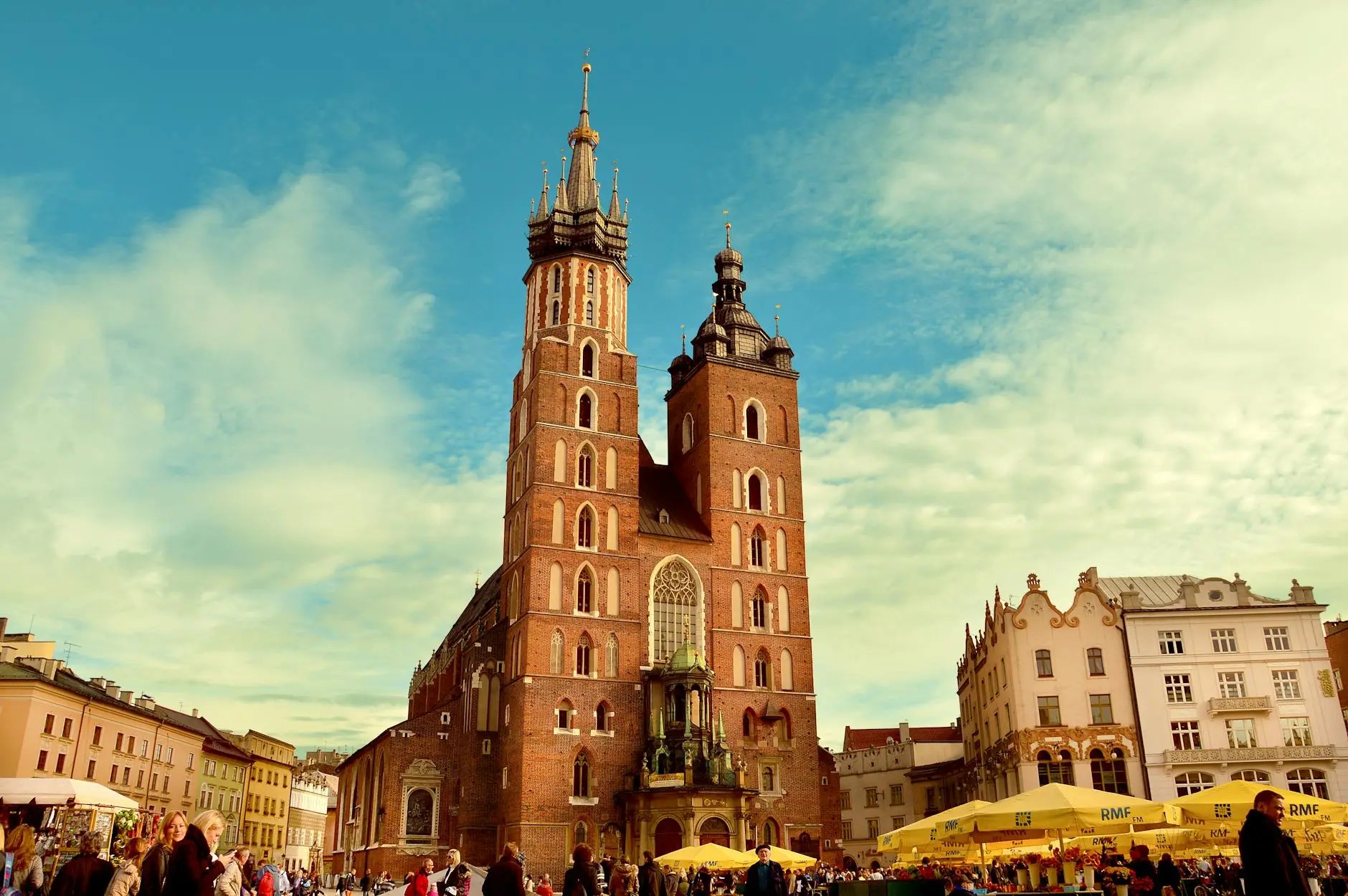
A view of St. Mary's Basilica in Kraków, Poland, with its two distinct towers and historic architecture, surrounded by a bustling market square filled with people.
The iconic St. Mary’s Basilica in Kraków, Poland, showcasing its stunning Gothic architecture and vibrant market square surroundings. The iconic twin towers of St. Mary’s Basilica dominate the skyline of Kraków’s Main Square (Rynek Główny). Listen for the hourly Hejnał mariacki trumpet call from the taller tower!
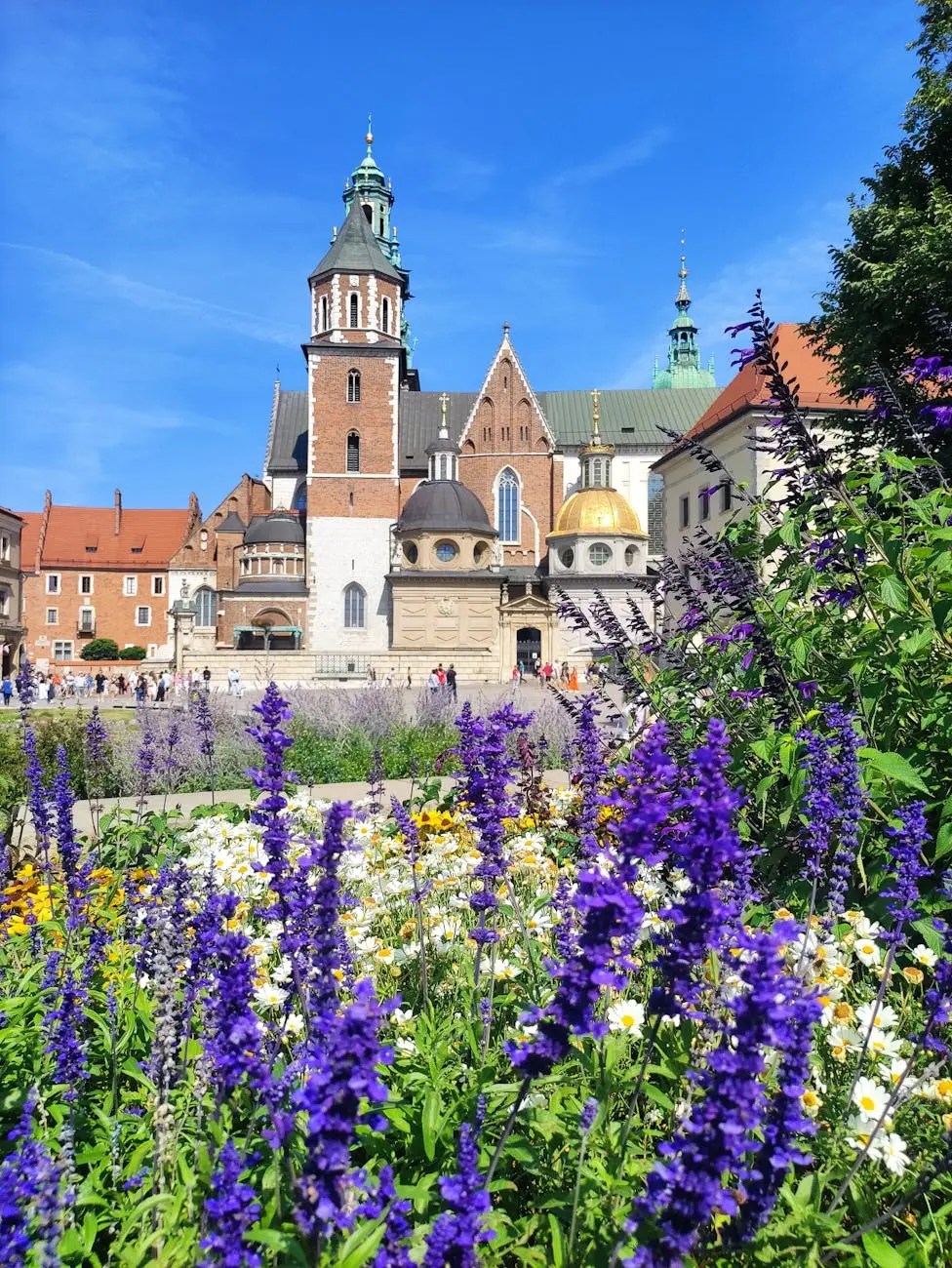
A vibrant view of colorful flowers in the foreground with the historic architecture of Wawel Castle in Kraków, Poland, under a clear blue sky.
Stunning view of Wawel Castle in Kraków, Poland, surrounded by vibrant flowers under a clear blue sky. The majestic Wawel Castle, the historic seat of Polish kings, is beautifully framed by a burst of summer flowers. This view from the grounds is a local favourite for a reason!
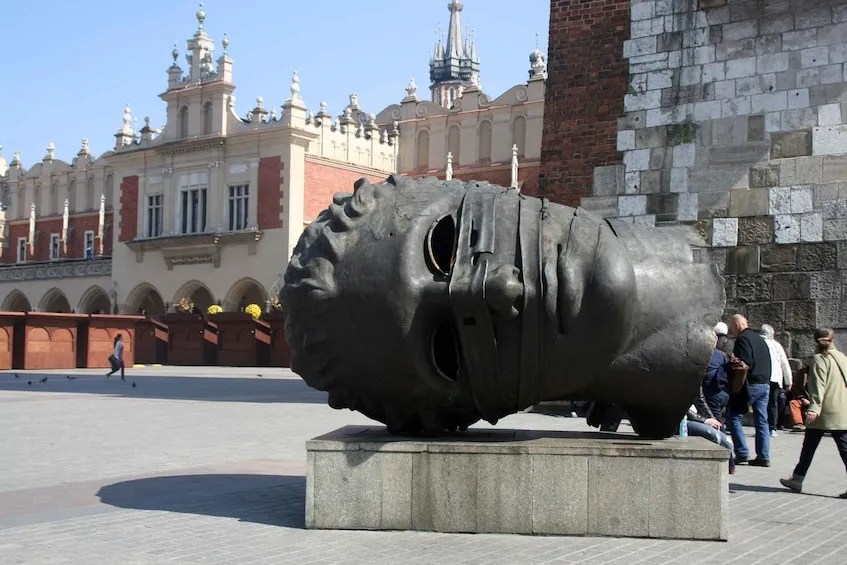
A large metal sculpture of a distorted human head placed on a stone pedestal, located in a public square. The background features historic buildings and a crowd of people walking by.
An iconic sculpture of a large head installed in the historic Main Market Square of Kraków, Poland, showcasing the city’s blend of contemporary art and rich history. Igor Mitoraj’s “Eros Bendato” (Bound Eros). A contemporary bronze giant, deliberately fractured and weathered, inviting quiet contemplation amidst the bustling energy of Europe’s oldest medieval market square.

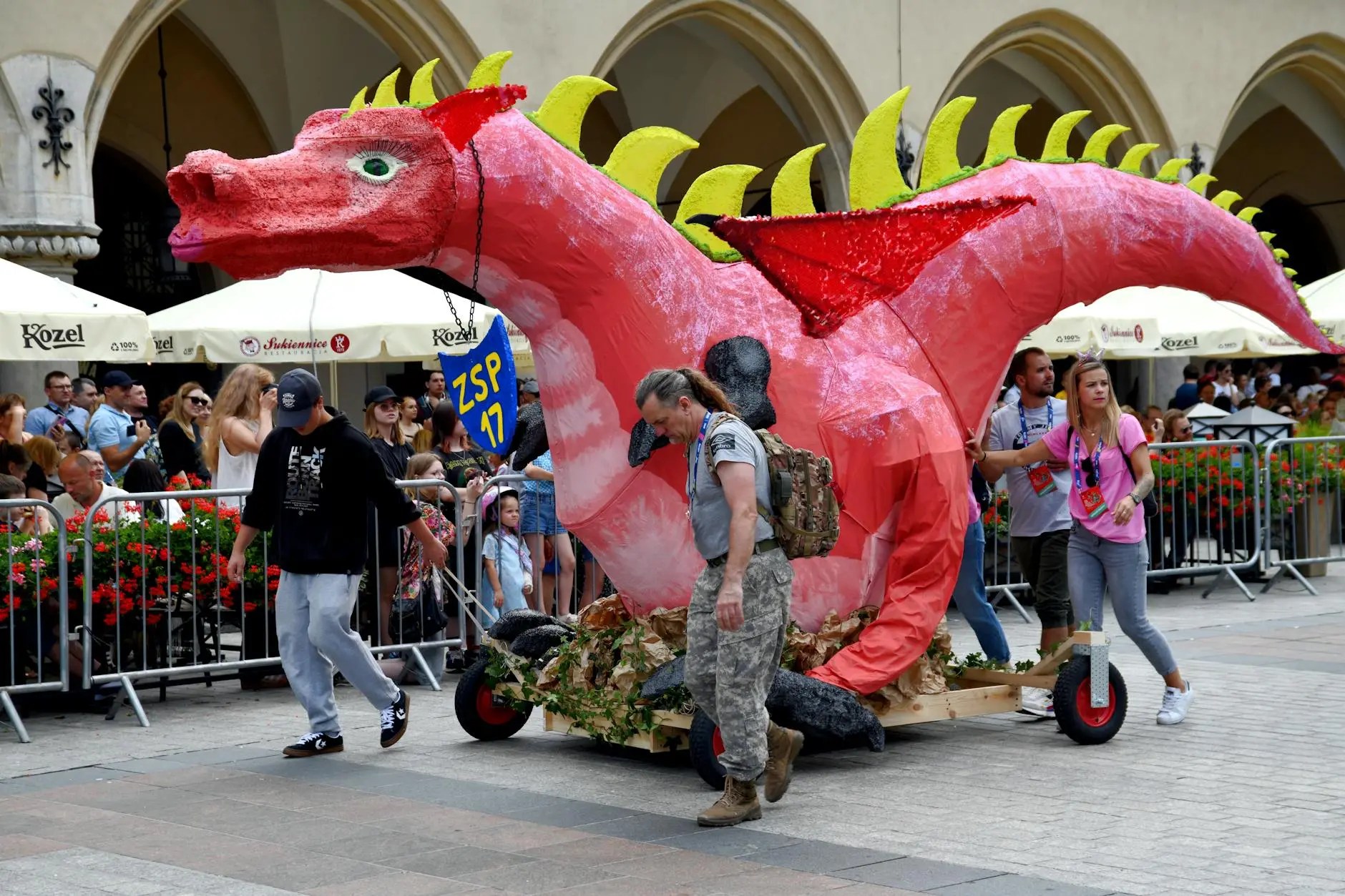
A large, colorful dragon puppet being wheeled through a busy street filled with spectators during a celebration in Kraków.
The Wawel Dragon parade in Kraków, showcasing a vibrant, colorful dragon float, celebrated during local festivities. The legendary Wawel Dragon comes to life! This fantastic puppet is the star of the show during Kraków’s summer parades, bringing the city’s most famous myth to the streets.

A wooden platter featuring several dumplings, known as pierogi, garnished with herbs and served with a small bowl of sour cream.
Delicious pierogi ruskie served with sour cream, a must-try in Kraków. The ultimate Polish comfort food: pierogi ruskie. These delicate dumplings are stuffed with a savory mix of potato and farmer’s cheese, then topped with crispy onions and a generous dollop of cool sour cream. Trust me, you’ll want to order a second plate.

Day 2: History & Heart in Kazimierz

  • Morning: Dedicate your morning to exploring Kazimierz, the historic Jewish Quarter. This area is profoundly moving and has undergone an incredible revival. It’s not just about history; it’s about vibrant street art, chic boutiques, and the best cafes in the city. Visit the Old Synagogue and walk through the peaceful Remuh Cemetery to pay your respects.
  • Afternoon: This is the time for a more profound historical experience. A trip to Oskar Schindler’s Enamel Factory is a powerful and essential visit. It’s not just a museum about the man from the movie; it’s a deeply immersive experience about Kraków during Nazi occupation. Book your tickets online in advance to avoid the queues—this is one of my top time-saving tips!
  • Evening: Kazimierz comes alive at night. The Plac Nowy square is the place to be. Grab a zapiekanka, a legendary Polish pizza-bagette, from one of the stalls in the round building. It’s the perfect cheap, delicious, and filling dinner. Afterwards, find a quirky bar for a craft beer or a Polish vodka tasting.
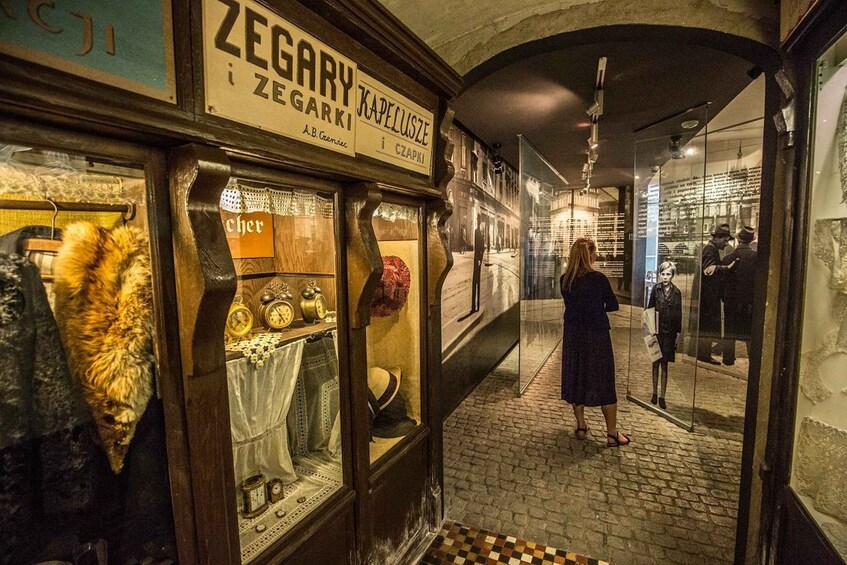
A woman exploring an exhibit in a historical museum showcasing vintage clothing and photographs in Kraków's Jewish Quarter, Kazimierz.
Explore the rich history of Kazimierz, the historic Jewish Quarter of Kraków, where past and present blend beautifully.

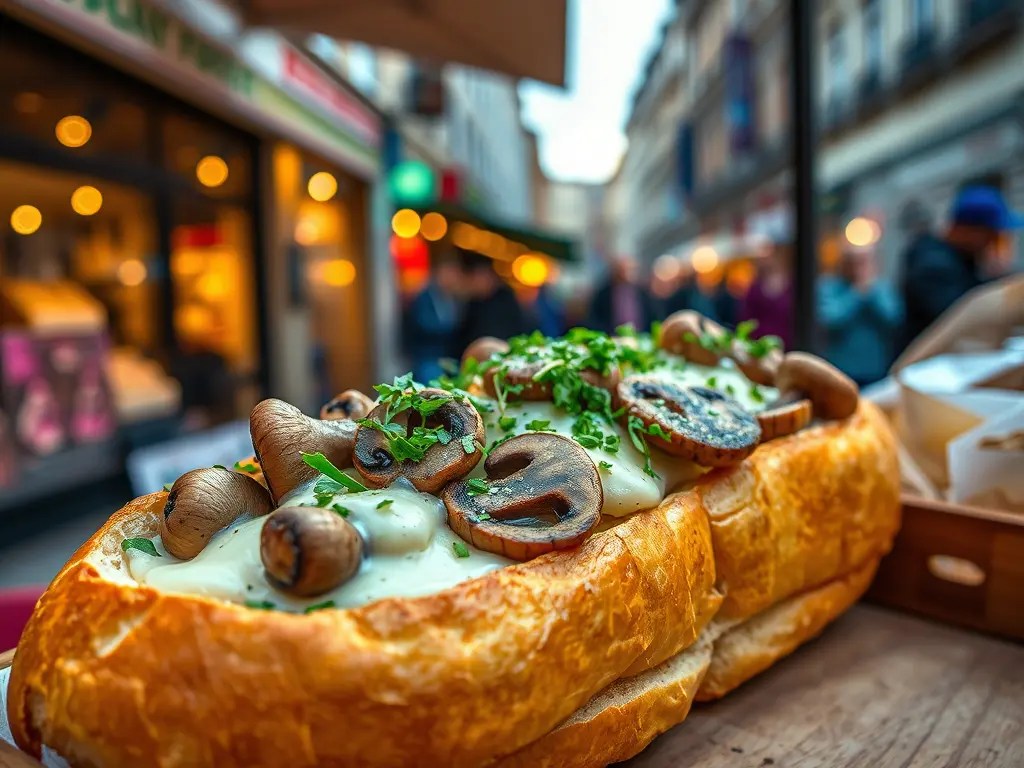
A close-up of a Polish zapiekanka, featuring a toasted baguette topped with melted cheese, mushrooms, and fresh herbs, set against a bustling street scene.
A delicious zapiekanka topped with mushrooms and cheese, a must-try Polish street food, perfect for your Kraków adventure. The legendary zapiekanka – Poland’s answer to pizza on a baguette! This iconic street food, piled high with mushrooms and cheese, is the perfect fuel for exploring Kraków’s Kazimierz district.

Hidden Gems: Beyond the Main Square

Want to escape the tourist trail? Here are a few spots I adored:

  • Krakus Mound: For the best panoramic view of the city, hike up this prehistoric mound. It’s a bit of a walk from the centre, but watching the sunset from here with a few locals is pure magic.
  • Vistula River Boulevards: Rent a bike or just take a long, leisurely stroll along the river. It offers a completely different perspective of Wawel Castle and is a favourite local spot for a weekend relax.
  • St. Francis’ Basilica: While everyone queues for St. Mary’s, pop into this church. It’s home to stunning Art Nouveau paintings and is a serene oasis.
Lush green mound with visitors atop, surrounded by a grassy landscape under a cloudy sky.
A view of Krakus Mound, a prehistoric mound offering panoramic views of Kraków, surrounded by lush greenery.

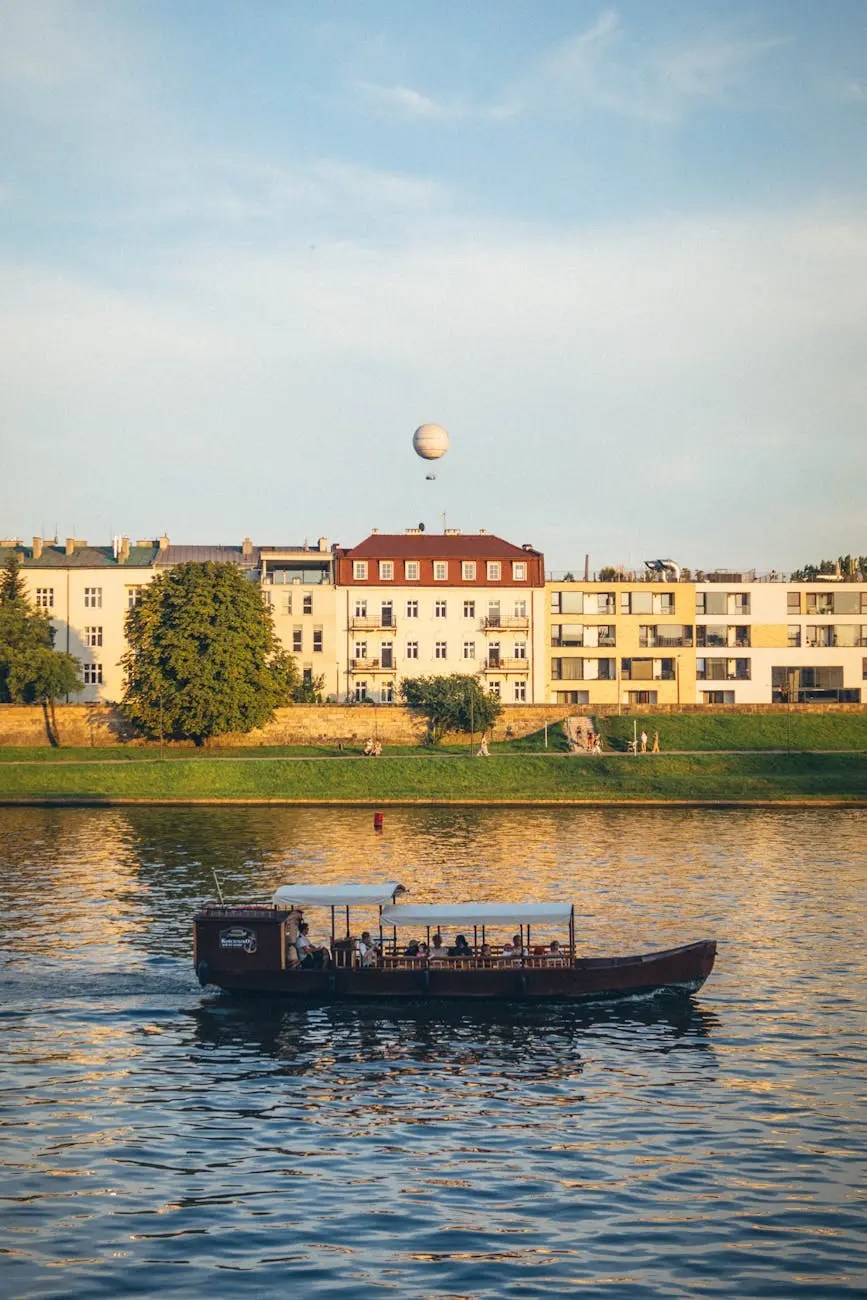
A scenic view of the Vistula River in Kraków, featuring a boat gliding along the water and a hot air balloon floatinThe best views of Kraków are from the water! Enjoy a unique perspective of the city’s skyline, where a modern hot air balloon shares the sky with the historic spires of Wawel Castle.g in the sky.
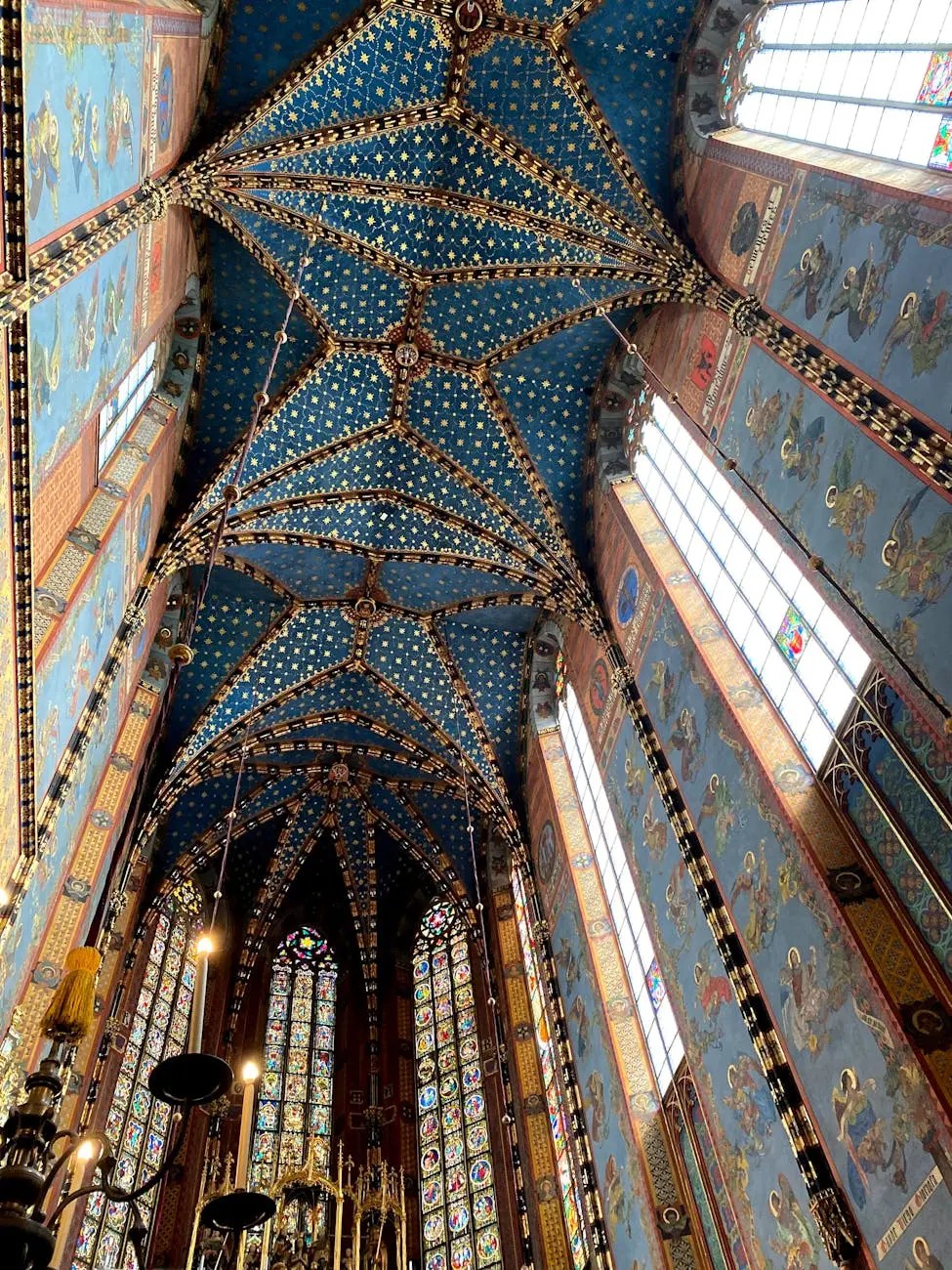
Interior view of a beautifully decorated church, showcasing a blue ceiling adorned with golden stars and intricate artwork.
The stunning interior of St. Mary’s Basilica in Kraków, showcasing intricate ceiling designs and colorful stained glass windows. Prepare to have your breath taken away. This is the famous Veit Stoss Altarpiece, a 12-meter tall, polychrome oak masterpiece that is the crowning glory of St. Mary’s Basilica’s breathtaking interior.

Getting Around Kraków Like a Pro

This is where you save time, money, and sanity.

  • On Foot: The Old Town and Kazimierz are incredibly walkable. Your own two feet are the best transport.
  • Kraków is highly walkable, but for trips out to Podgórze or Kazimierz, the public transport system is excellent, reliable, and cheap.
  • Public Transport: Kraków has an excellent and cheap network of trams and buses. Download the Jakdojade app. Seriously, do it now. You can plan your route, buy tickets on your phone, and it’s all in English. A 20-minute ticket is about 4 PLN (£0.80/$1), and you must validate it on board.
  • Tickets: You can buy tickets from machines at most major stops, or directly on newer trams/buses using a contactless card. You need to buy a ticket based on time (e.g., 20-minute, 60-minute, or 24-hour). For a quick weekend, a 48-hour pass is the most stress-free option. Always validate your ticket immediately upon boarding!
  • By Car: Don’t drive in the city centre. It’s a maze of pedestrian zones and restricted access. If you’re flying in, use the train from the airport to the main station (a 20-minute ride) or an Uber/Bolt, which are very affordable. For road-tripping around Poland later

Kraków on a Budget: Money-Saving Tips

  • Eat at Milk Bars (Bar Mleczny): These are communist-era canteens that serve hearty, traditional Polish food for a fraction of restaurant prices. It’s a true local experience.
  • Free Walking Tours: Tip-based walking tours are a fantastic way to get your bearings and learn the history. Just remember to tip your guide well!
  • Museum Sundays: Many state-run museums, including Wawel Castle, offer free entry on Sundays. Plan accordingly, but expect crowds.
  • Accommodation: Check out local apartment rentals (like those found on Expedia) outside the immediate Old Town walls. Kazimierz offers excellent hostels and boutique hotels that are slightly cheaper and closer to better food spots.

Speak Like a Local: A Few Key Phrases

  • Dzień dobry (Jeyn DOH-brih) – Good day
  • Dziękuję (Jen-KOO-yeh) – Thank you (say this a lot, it goes a long way!)
  • Na zdrowie (Nah ZDROH-vyeh) – Cheers! (and “to your health”)
  • Przepraszam (Psheh-PRAH-shahm) – Excuse me / I’m sorry
  • Poproszę piwo (Pop-ROH-sheh PEE-vo) – I’ll have a beer, please.

Smart Travel Add-Ons For Your Trip

✈️ Travel Tip: Staying connected abroad used to be my nightmare. I’d either pay a fortune for roaming or spend my first hour hunting for a local SIM. Not anymore. I now travel with a Drimsim—a universal data SIM that works in 190+ countries. You just pop it in, top up via the app, and you’re online. No contracts, no hidden fees. It’s a game-changer. → Grab your Drimsim here.

✈️ Flight Woes? Travel isn’t always smooth sailing. If your flight is delayed or canceled, you might be entitled to compensation. Most people don’t know their rights or can’t be bothered with the paperwork. I use AirHelp to fight the airlines for me. They only get paid if I win. It’s a stress-free way to potentially get up to $650 back. → Check your flight with AirHelp here.

🛡️ Peace of Mind: No matter how well you plan, things can go wrong. I never travel without solid travel insurance. I use VisitorsCoverage to compare plans and find the right coverage for my trip quickly and easily. It’s the one thing you pack hoping you’ll never need. → Find your perfect travel insurance here.

Also, to keep all your personal and financial info safe while using public Wi-Fi in those cute Kraków cafes, I never travel without a VPN. Protect your data (and unlock better streaming!) with my recommended VPN link.

✨ CTA: Look Amazing While Travelling!

After all that sightseeing, you deserve to look as refreshed as you feel. Want that glowy, did-she-just-come-from-a-spa look? Time to embrace K-beauty magic!

Lakinza is my go-to for all things skincare. Use Code Lalax10 for a Sweet Discount Because glowy skin should never break the bank. When you buy from Lakinza, use coupon code: Lalax10 at checkout to save a little extra for your next skincare haul. Trust me, you’ll want more. Shop the magic at Lakinza.

Need More Adventure?

Kraków is fantastic, but Central Europe is a wealth of history and fun. Since you’re already in this corner of the world, why not turn that weekend escape into a longer trip?

Given the ease of travel (train or bus!) and minimal visa hurdles, I highly recommend checking out some other jewels in the region:

Ready to book your flights and accommodation for any of these cities? I always use Expedia to compare deals and lock in the best prices.

Kraków Weekend Escape FAQ

Q: Do I need a visa for Kraków, Poland?
A: For EU, US, Canadian, and Australian citizens, you do not need a visa for short stays (up to 90 days). Always check the latest requirements with the Polish embassy or consult my visa resources masterlist for the most up-to-date info.

Q: What is the best time of year to visit Kraków?
A: Spring (May-June) and Autumn (September-October) are perfect. The weather is mild, and the crowds are thinner. Summer is busy but vibrant. Winter is cold but magical with Christmas markets.

Q: Is Kraków a walkable city?
A: Absolutely! The main attractions in the Old Town and Kazimierz are best explored on foot. Public transport is excellent for longer distances.

Q: What is the local currency?
A: The Polish Złoty (PLN, written as zł). While cards are widely accepted, it’s always good to have some cash for market stalls and smaller shops. The official currency is the Polish Złoty (PLN). While some large tourist shops or hotels might accept Euros, the exchange rate they use will be terrible. Always pay in PLN. Use a bank card for transactions or withdraw cash from an ATM to get the best rate

Q: How do I get from Kraków Airport to the city centre?
A: The train is the cheapest and most efficient way, taking about 20 minutes to the main station. Taxis and ride-sharing apps like Bolt are also readily available and affordable.

How much money do I need for a weekend in Kraków?

Poland is very budget-friendly. Excluding flights and accommodation, you can comfortably spend a weekend for about $50-$70 USD per person per day, covering meals, museum entry, and transportation. You can spend even less if you stick to milk bars and street food.

Is Kraków safe for tourists?

Yes, Kraków is generally considered very safe for tourists, even when walking alone at night in the main tourist areas (Old Town, Kazimierz). As with any major city, be mindful of pickpockets, especially on crowded trams or in the Main Square.

Ready to fall in love with Kraków? This city has a soul that’s hard to forget. From its royal history to its resilient spirit and incredible food, your weekend escape will feel like a full-blown vacation.
Start planning your adventure now! [Find great flight and hotel deals for Kraków on Expedia here.](Your Expedia Affiliate Link) And don’t forget to capture all that beauty. I shot all my photos with this fantastic lightweight camera, perfect for city exploring.

Happy travels!
The Confidence Builder

“Find your next 48-hour adventure in my ultimate weekend escapes list”

Universal Disclaimer/Disclosure Page:

Unlocking Oslo, Norway: A Weekend Travel Guide

Meta Description: Discover Oslo’s vibrant culture, stunning fjords, and hidden gems on an unforgettable weekend escape. This guide for savvy travelers offers insider tips on transportation, budget hacks, and how to embrace Norwegian “hygge” for an authentic experience

Table of Contents

  1. Why Oslo? More Than Just a Pretty Fjord
  2. Getting There: Smooth Sailing (and Flying!)
  3. Visa & Vitals: What You Need to Know
  4. Navigating Oslo Like a Pro: Public Transport & Hidden Paths
  5. Your Oslo Itinerary: A Weekend of Wonders
    • Friday Evening: Welcome to Oslo!
    • Saturday: Art, History & Island Hopping
    • Sunday: Fjords, Views & Farewell Fika
  6. Money-Saving Hacks & Budgeting Brilliance
  7. Essential Norwegian Phrases for the Savvy Traveler
  8. Hidden Gems & Local Secrets
  9. Stay Connected & Covered: My Go-To Travel Toolkit
  10. FAQs: Your Oslo Questions Answered

1. Why Oslo? More Than Just a Pretty Fjord

Oslo often gets overshadowed by its more budget-friendly Scandinavian siblings, but that, my friends, is a mistake. This city is a living canvas where modern architecture dances with ancient Viking history, where urban cool meets pristine nature just a short hop away. From world-class museums to the breathtaking Oslofjord, there’s a unique blend of experiences waiting for you. Plus, the Norwegians have truly mastered the art of “hygge” – that cozy, comfortable feeling that makes you want to snuggle up with a hot drink and watch the world go by.

Alright, let’s be real. Your vacation days are precious, and the thought of planning another trip can feel like a part-time job you didn’t sign up for. You want culture, you want nature, you want amazing food, and you don’t want to spend a fortune or get lost in a labyrinth of confusing logistics.

Enter Oslo.

Norway’s capital is the perfect compact, culture-packed weekend destination. It’s a city where you can pet a Viking ship in the morning and dive into a cutting-edge food scene by evening. I’ve put together this no-stress, maximum-fun guide based on my own slightly-awkward-but-always-memorable experiences there, so you can skip the research and get straight to the good stuff.

Getting There: Smooth Sailing (and Flying!)

Oslo is incredibly well-connected, with Oslo Airport Gardermoen (OSL) serving as a major international hub. For the best flight deals, I always start my search on Expedia. Trust me, finding those sweet spots can make or break your travel budget! Check out the latest offers here: Expedia . Once you land, the Flytoget Airport Express Train is your fastest (and most comfortable) bet into the city center, taking just 19 minutes. Alternatively, the local NSB regional trains are a bit slower but more budget-friendly.

Pro Travel Tip: Always compare prices for different days and times. Sometimes shifting your travel by a day can save you a significant chunk of change!

Visa & Vitals: What You Need to Know

Norway is part of the Schengen Area, so if you’re traveling from within Schengen, you’re usually good to go. For those outside, you’ll likely need a Schengen visa. Always check the official Norwegian Directorate of Immigration (UDI) website well in advance of your trip. Visa costs can vary, so factor that into your planning.

Hotels in Oslo

Navigating Oslo Like a Pro: Public Transport & Hidden Paths

Forget rental cars unless you’re planning extensive road trips outside the city. Oslo’s public transportation system (Ruter) is fantastic – efficient, clean, and covers pretty much everywhere you’d want to go. It includes buses, trams, metro (T-bane), and local ferries.

Ruter App: Download this app immediately. It’s your real-time planner for all buses, trams, trains, and ferries. You can buy tickets directly in the app—no need to fumble with cash or machines.

Your Best Bet: Get an Oslo Pass. This gem is a lifesaver! It gives you free public transport, free entry to most museums and attractions, and discounts on various activities. You can get it for 24, 48, or 72 hours. Trust me, the convenience and savings are worth it.

Road Maps & Saving Time/Gas: While I don’t recommend a car for city exploration, if you do venture out, apps like Google Maps or Here WeGo are excellent for real-time traffic and route planning. Public transport, however, is your time and money-saver within Oslo. The metro lines are intuitive, and trams offer scenic routes through the city.

Your Oslo Itinerary: A Weekend of Wonders

Here’s how I’d tackle a whirlwind weekend in Oslo, blending culture, nature, and a dash of local charm.

Friday Evening: Welcome to Oslo!

Arrive, settle into your accommodation, and hit the ground running.

  • Afternoon Arrival: Take the Flytoget into the city. Check into your hotel. (For inspiration on where to stay, my Travel Master List has some great budget-friendly and mid-range options!).
  • Evening Stroll & Dinner (Aker Brygge): Head to Aker & Tjuvholmen waterfront area a revitalized wharf area buzzing with life. It’s perfect for an evening stroll, people-watching, and admiring the harbor.
    • Anecdote: My first time here, I was mesmerized by the juxtaposition of the sleek modern architecture against the historic boats. It felt like stepping into a postcard.
    • Budget Hack: While restaurants here can be pricey, grab a delicious pølse (hot dog) from a street vendor – a Norwegian staple!
  • Oslo Opera House: Walk over to the iconic Oslo Opera House. It’s an architectural marvel, and you can walk on its sloped roof for fantastic city and fjord views. It’s especially magical at sunset.
Colorful historic buildings lining a waterfront in Oslo, Norway, with boats docked in the foreground.
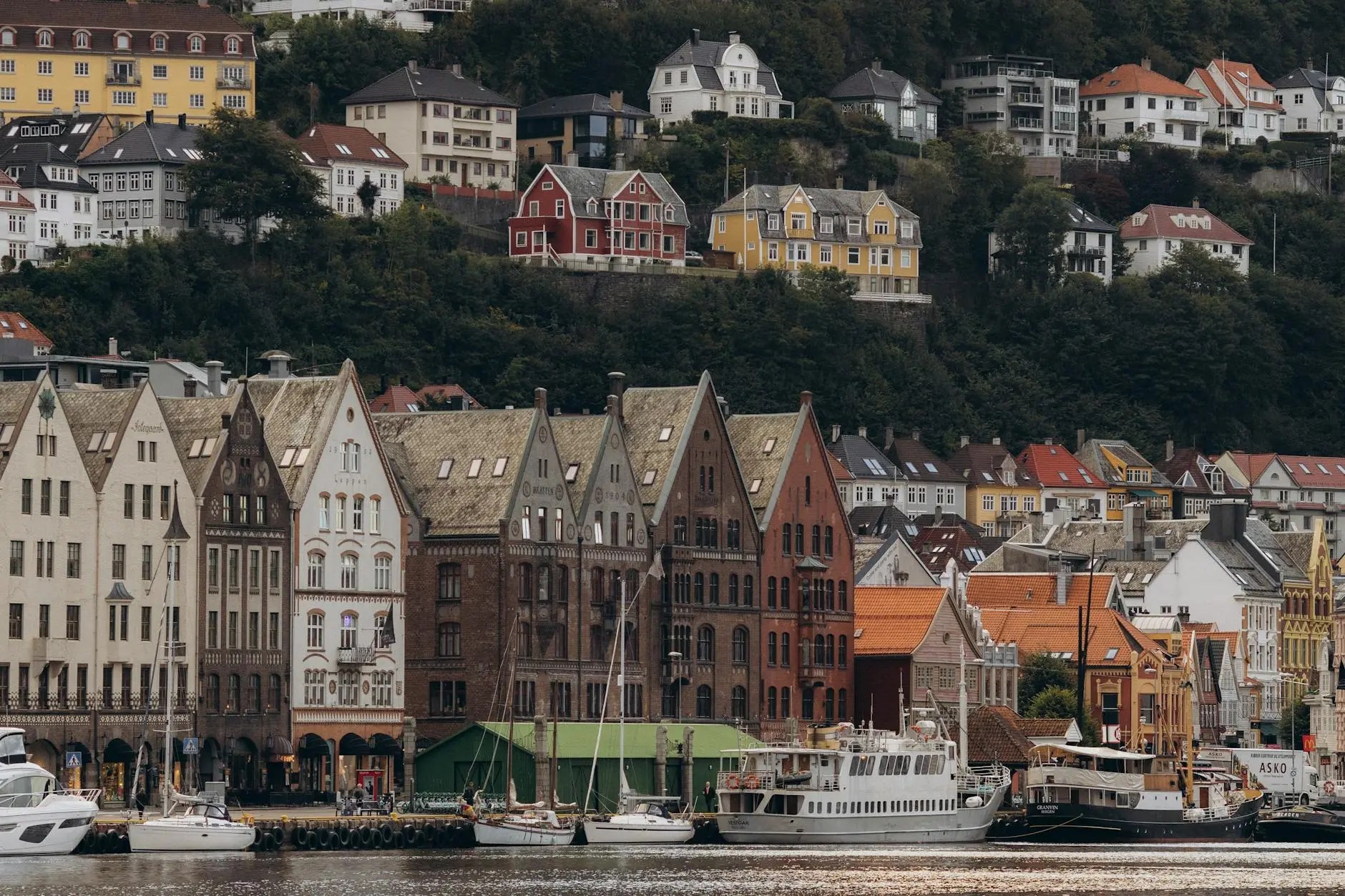
Colorful waterfront buildings and boats line the harbor, capturing the essence of Oslo’s charming architecture and vibrant atmosphere. The iconic and colorful wooden houses of Bryggen, a UNESCO World Heritage site in Bergen, Norway. This historic wharf is a testament to the city’s importance as a central trading hub during the Hanseatic League era.
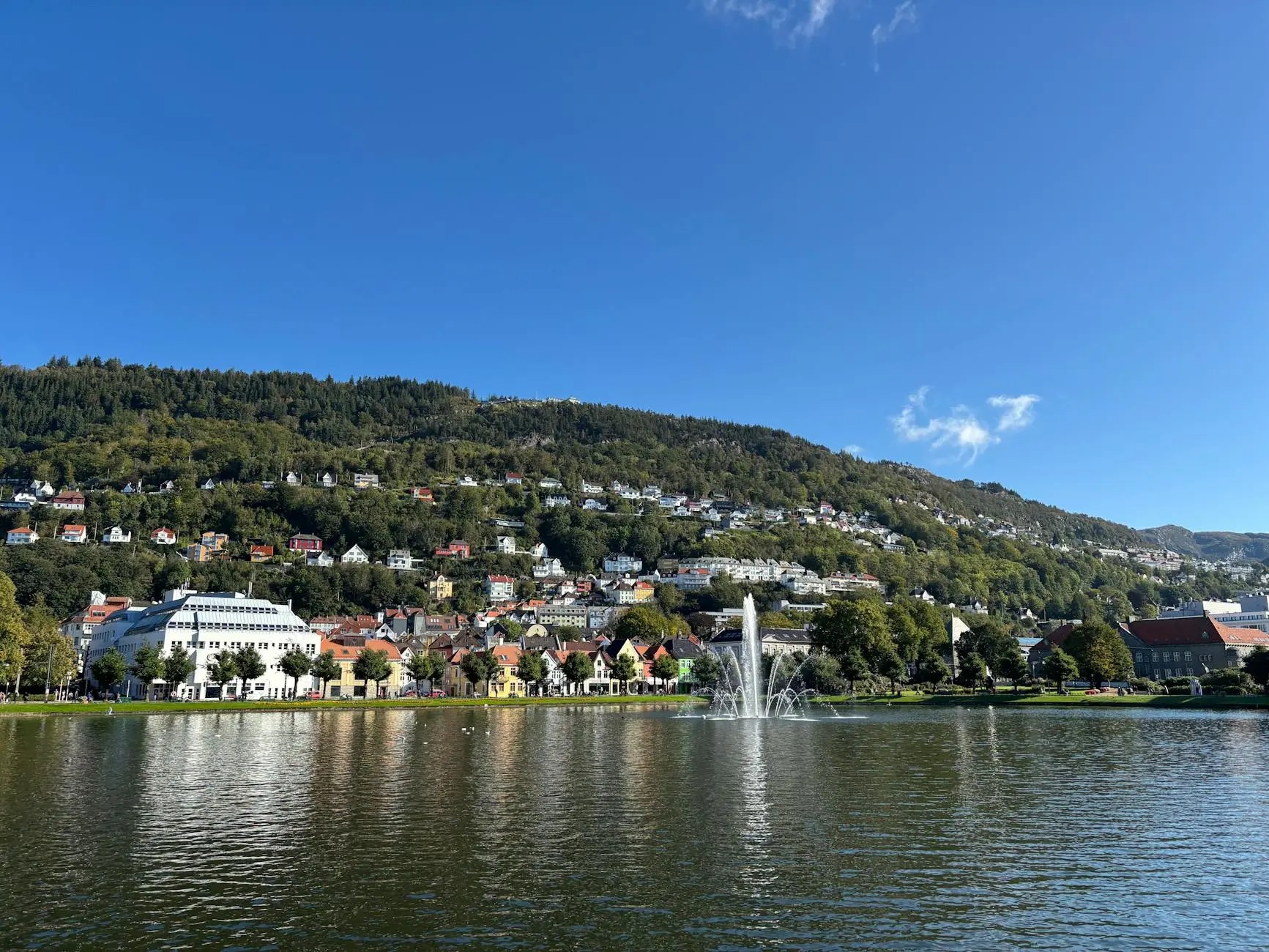
Beautiful view of a lake surrounded by lush hills and colorful houses in Oslo, capturing the essence of Norwegian nature and architecture. The charming, octagonal Lille Lungegårdsvannet lake offers a peaceful green oasis in the heart of Bergen. Surrounded by museums and parkland, it’s a popular spot for a stroll with beautiful views of the city’s seven mountains.
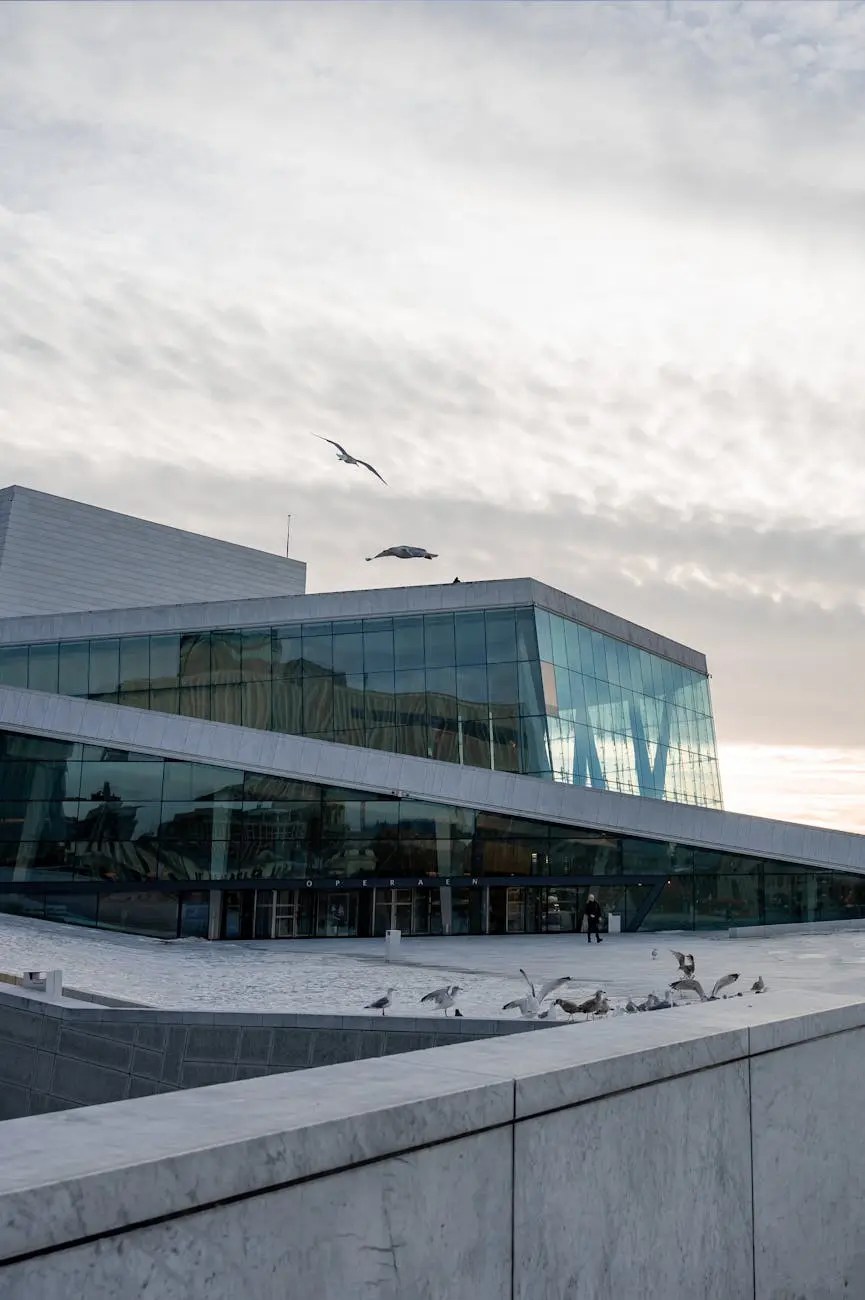
The Oslo Opera House, showcasing modern architecture with glass and white marble, under a cloudy sky, featuring seagulls flying above.
The iconic Oslo Opera House, showcasing its stunning modern architecture against a cloudy sky. Walk on the roof of art! The stunning Oslo Opera House, designed to look like a glacier sliding into the Oslofjord, invites visitors to climb its slopes for panoramic city views.

Saturday: Art, History & Island Hopping

Today is a mix of culture and natural beauty!

  • Morning (Museum Island – Bygdøy): Take a scenic ferry ride (covered by your Oslo Pass!) to Bygdøy Peninsula, home to some of Oslo’s best museums.
    • Ferry from Rådhusbrygge: This is a lovely way to see the fjord.
    • Viking Ship Museum (Temporarily closed for renovation): While it’s undergoing renovation, fear not! There are still incredible alternatives.
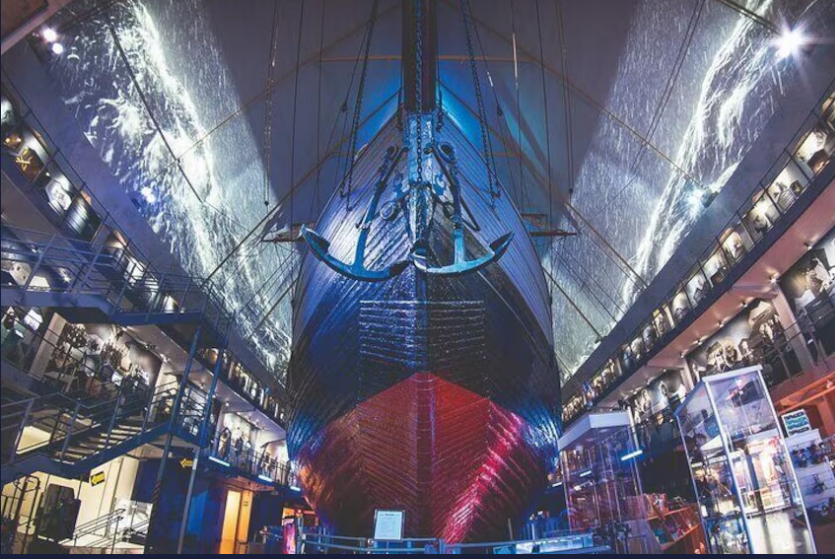
    • Fram Museum: Immerse yourself in polar exploration history with the incredible Fram ship. This is a must-see!
    • Kon-Tiki Museum: Learn about Thor Heyerdahl’s epic expeditions.
    • Norwegian Folk Museum: An open-air museum showcasing traditional Norwegian life and architecture. A fantastic cultural deep dive!
    • Camera Tip: For those stunning museum shots and fjord landscapes, I always rely on my trusty travel camera. It’s compact but captures incredible detail. Check out the model I use here: Camera Link
  • Lunch: Pack a picnic to enjoy on Bygdøy or grab a bite at one of the museum cafes.
  • Afternoon (Vigeland Park & National Museum):
    • Vigeland Park: Head back to the city and explore Vigeland Park, the world’s largest sculpture park by a single artist (Gustav Vigeland). It’s a truly unique and thought-provoking experience, and it’s free!
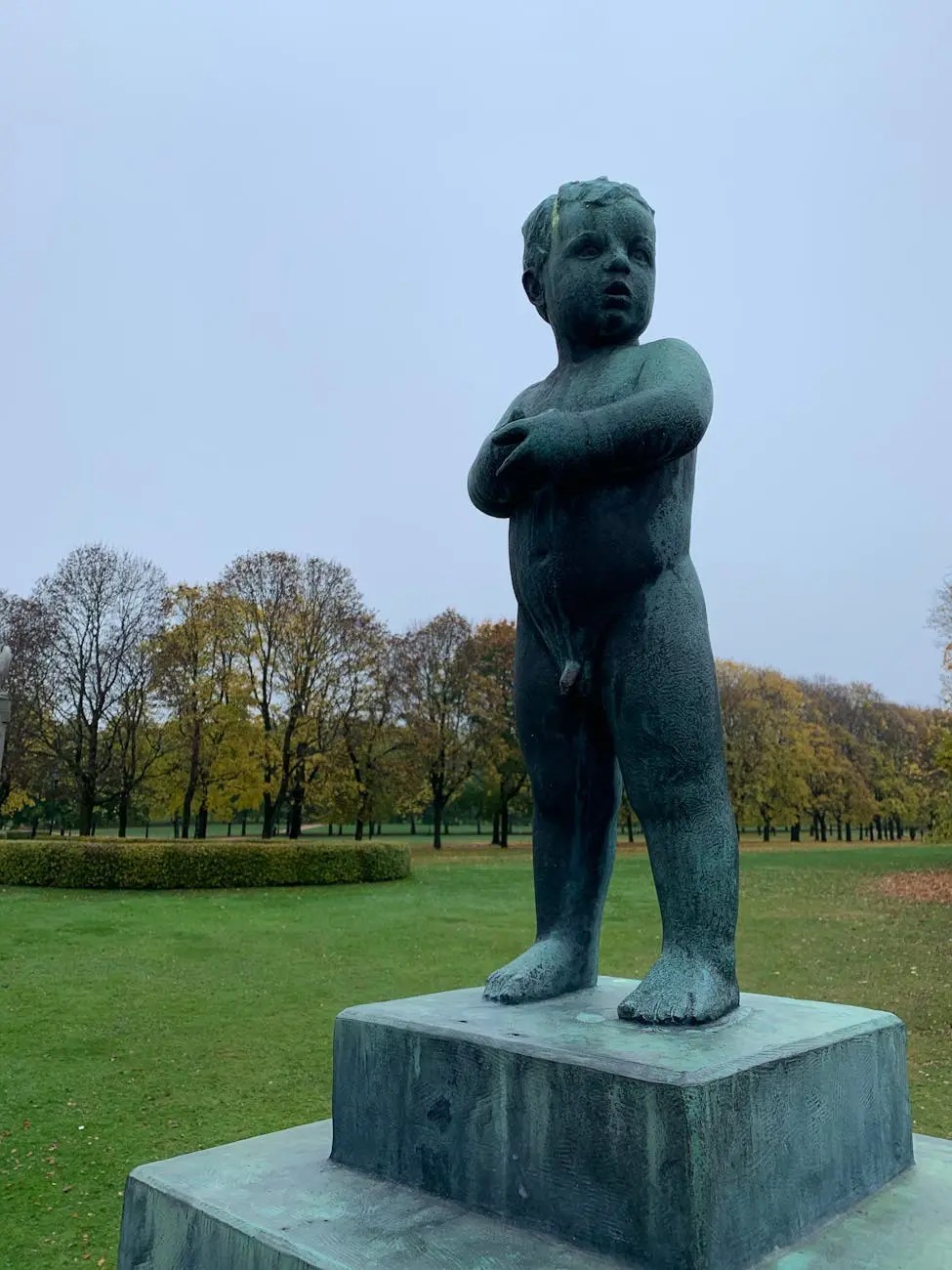
      • Anecdote: The first time I saw “The Angry Boy,” I literally stopped in my tracks. The raw emotion in the sculpture is just incredible.
    • The National Museum: Home to an impressive collection of Norwegian and international art, including Edvard Munch’s iconic “The Scream.”
  • Evening (Grünerløkka District): Head to the trendy Grünerløkka district for dinner. This area is known for its independent boutiques, cool cafes, and diverse restaurants.
    • Hidden Gem: Check out “Mathallen Food Hall” for a variety of delicious (and often more affordable) food options.
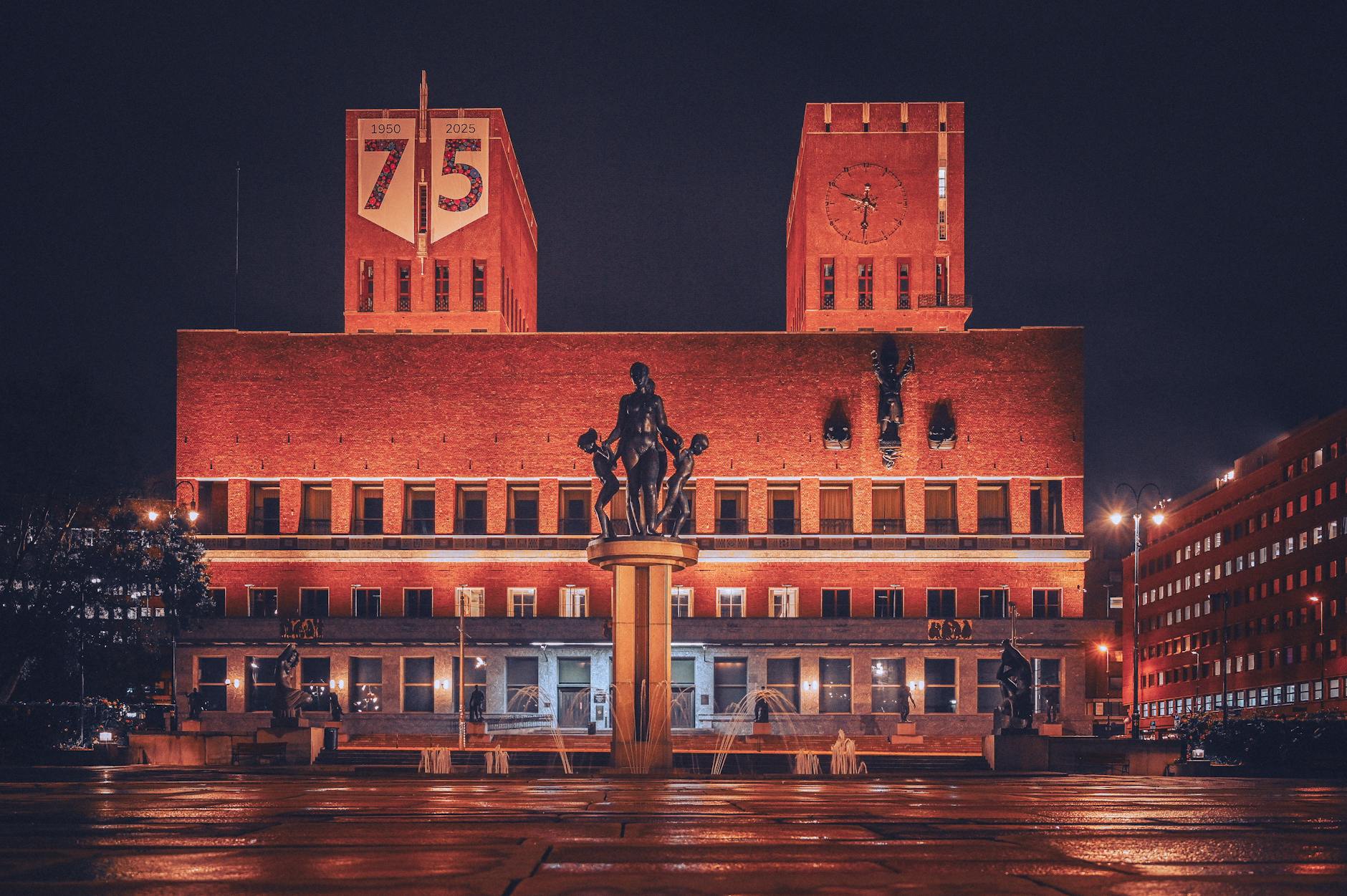
The Oslo City Hall illuminated at night, showcasing its architectural beauty and the iconic statue in front.

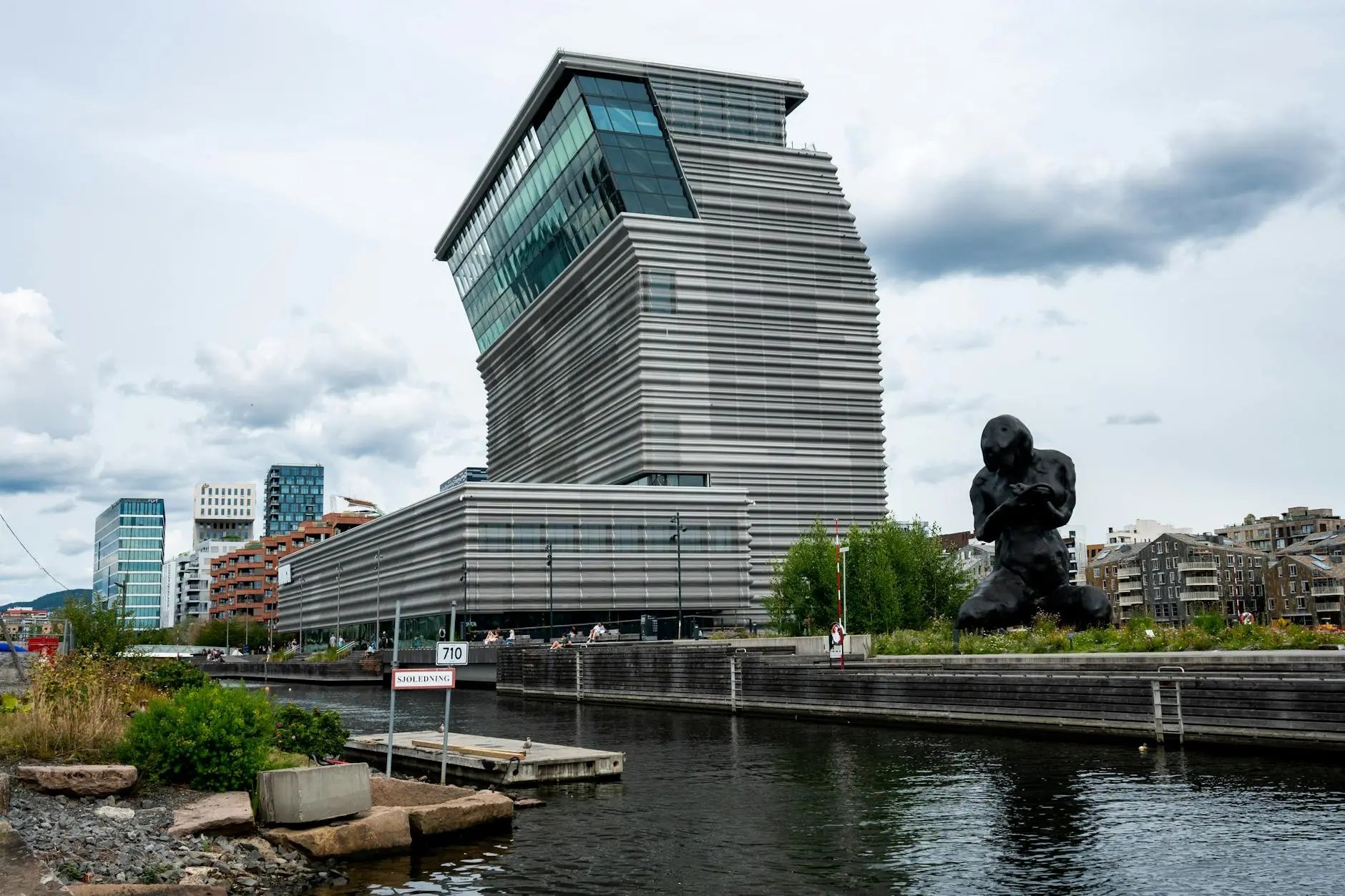
A modern architectural building with a unique design stands next to a waterfront in Oslo, Norway, featuring jagged lines and glass elements, accompanied by a large black sculpture nearby.
The striking modern architecture of Oslo’s waterfront, featuring innovative designs and a large sculpture by a contemporary artist. The towering and innovative MUNCH Museum in Oslo’s Bjørvika neighborhood. This architectural marvel doesn’t just hold the world’s largest collection of Edvard Munch’s art—including multiple versions of “The Scream”—it’s a monumental piece of modern art itself.

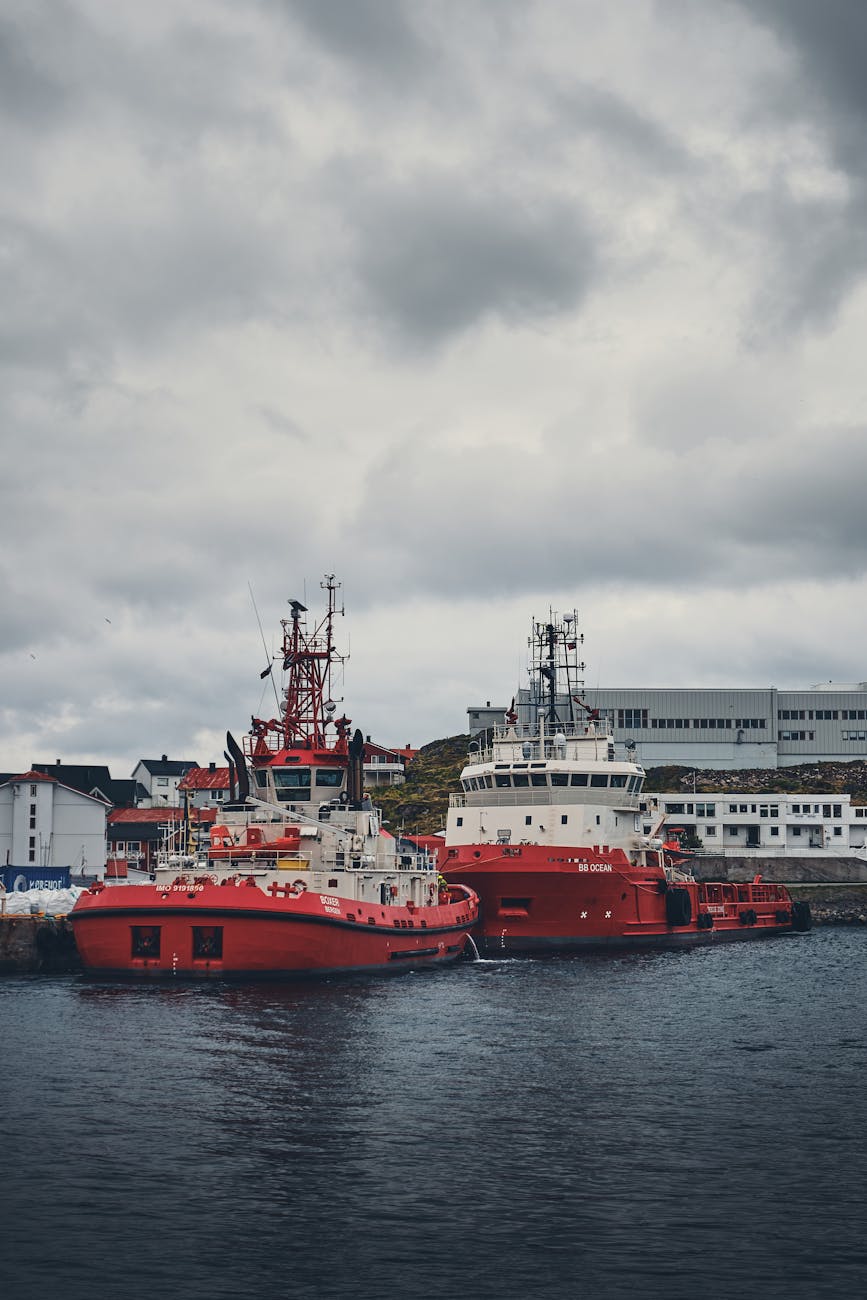
Tugboats docked in Oslo harbor, showcasing the city’s maritime charm and vibrant waterfront.

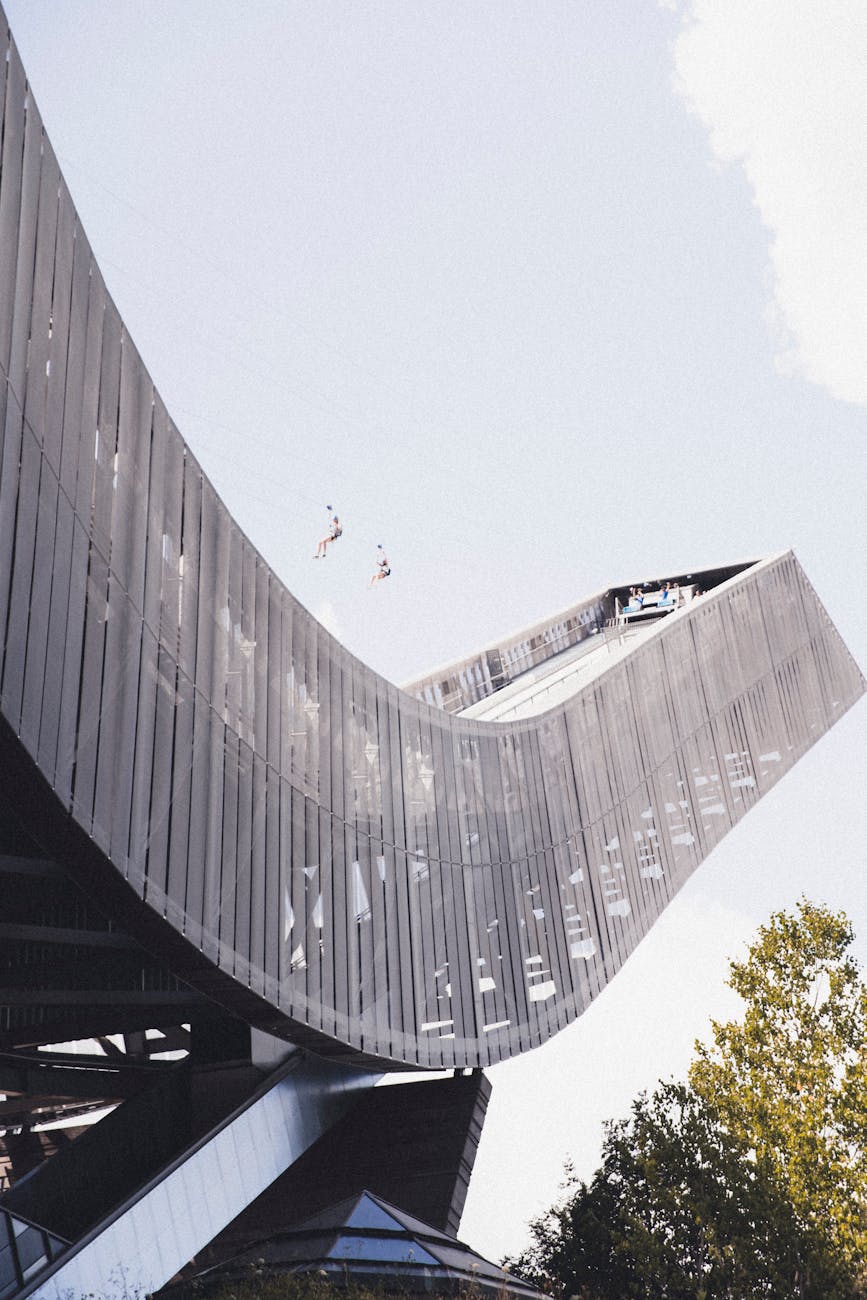
A thrilling zip line experience at the Oslo Opera House, showcasing modern architecture and exhilarating outdoor activities.
A striking interior view of the Viking Ship Museum, featuring a large Viking ship illuminated in blue and red light, with exhibition displays and walls showcasing maritime history.
Explore the iconic Viking ship at the Fram Museum, where history and adventure come alive.

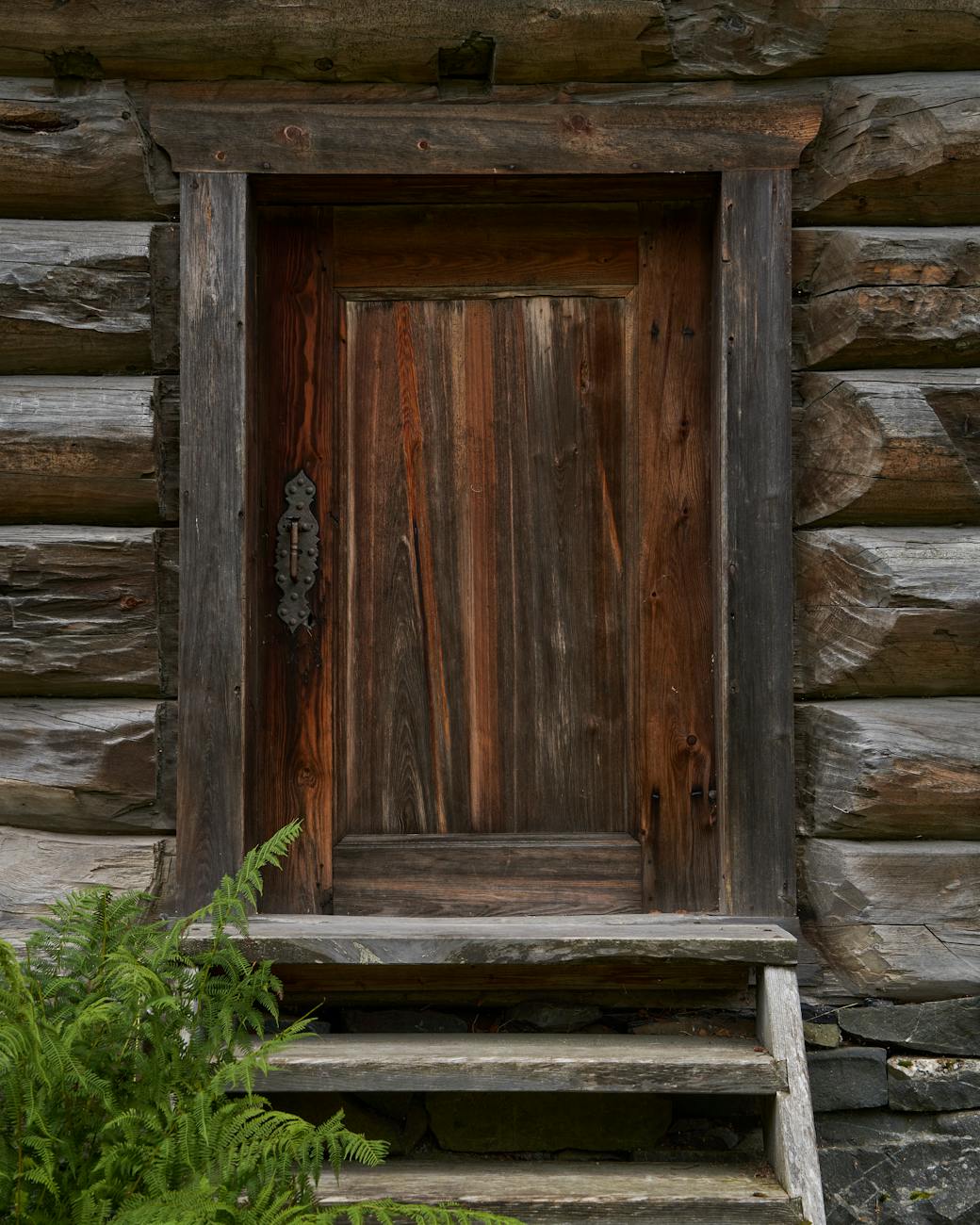
Close-up of a rustic wooden door on a log cabin, featuring detailed metal hardware and a stone step surrounded by greenery.
A beautifully rustic wooden door showcasing traditional Norwegian craftsmanship, framed by log walls and greenery.
A bronze statue of a small child with crossed arms, standing on a stone pedestal, surrounded by green grass and trees in the background.
The iconic ‘Angry Boy’ statue in Vigeland Park, Oslo, showcasing the emotional artistry of Gustav Vigeland. Meet “Sinnataggen,” or “The Angry Boy”—one of the most beloved and photographed sculptures in Oslo’s incredible Vigeland Park. This toddler’s universal temper tantrum is a masterpiece by artist Gustav Vigeland.
A close-up view of sculptures by Gustav Vigeland in Vigeland Park, depicting human figures engaged in various emotional poses, set against a grey sky.
Sculptures at Vigeland Park in Oslo, showcasing the emotional depth of human experiences through intricate stone carvings. The powerful and poignant human journey, carved in stone and cast in bronze. Gustav Vigeland’s sculptures in Oslo’s iconic Vigeland Park explore the full spectrum of life, from love and play to struggle and reflection.
A cozy wooden house with a red roof set in a lush green landscape, featuring picnic tables arranged on the grass, surrounded by tall trees under a partly cloudy sky.
A cozy Norwegian cabin surrounded by lush greenery, perfect for a relaxing getaway.

Sunday: Fjords, Views & Farewell Fika

  • Morning (Holmenkollen Ski Jump & Ekebergparken Sculpture Park):
    • Holmenkollen Ski Jump: Take the T-bane (metro) up to Holmenkollen. The views from the top are spectacular, and you can even try the zipline if you’re feeling adventurous! There’s also a ski museum.
    • Ekebergparken Sculpture Park: On your way back, stop at Ekebergparken. This park offers fantastic views of the city and the fjord, plus a unique collection of sculptures beautifully integrated into the natural landscape. It’s less crowded than Vigeland and offers a different perspective.
      • Best Time to Visit: Go in the morning for fewer crowds and great light for photos!
  • Lunch (A Local Cafe): Enjoy a traditional Norwegian fika (coffee break with a pastry) at a cozy cafe.
  • Afternoon (Karl Johans gate & Souvenirs): Stroll down Karl Johans gate, Oslo’s main street, connecting the Central Station to the Royal Palace. It’s great for people-watching and last-minute souvenir shopping.
  • Departure: Head back to the airport, filled with memories of your incredible Oslo escape.
A skier performing a jump against a backdrop of majestic snow-capped mountains and a clear blue sky.
A skier catching air against a stunning mountain backdrop, showcasing the exhilarating winter sports experience in Norway. Pure adrenaline in the Norwegian wilderness. A skier catches air, perfectly suspended against a dramatic mountain backdrop, showcasing the world-class freestyle terrain that makes Norway a winter sports paradise.
Close-up of two stone sculptures facing away from each other against a clear blue sky.
Sculptures at Ekebergparken Sculpture Park, showcasing artistic expressions against a clear blue sky.

Hidden Gems & Local Secrets

  • Emanuel Vigeland Museum: A fascinating, slightly eerie mausoleum adorned with frescoes by Gustav Vigeland’s brother. It’s a short bus ride from the city center and offers a completely different artistic experience.
  • Damstredet and Telthusbakken: These charming, cobbled streets near the city center are lined with picturesque old wooden houses. It’s like stepping back in time and perfect for a quiet stroll and some unique photos.
  • Hovedøya Island: Just a short ferry ride from Aker Brygge, this peaceful island offers beautiful nature, old monastery ruins, and lovely swimming spots in the summer. A perfect escape from the city bustle.
  • Ingens Gate: A small, vibrant street art alley tucked away in Grünerløkka. Keep your eyes peeled for constantly changing murals.

Money-Saving Hacks & Budgeting Brilliance

Oslo can be expensive, but with a few smart moves, you can keep your wallet happy:

  • Oslo Pass is Your MVP: Seriously, I can’t stress this enough.
  • Cook Your Own Meals: If your accommodation has a kitchen, hit up local supermarkets like Rema 1000 or Kiwi. Groceries are much cheaper than eating out for every meal.
  • Picnics are Your Friend: Grab some delicious Norwegian bread, cheese, and cold cuts for lunch and enjoy them in one of Oslo’s beautiful parks.
  • Water is Free and Delicious: Tap water in Norway is excellent. Carry a reusable bottle.
  • Walk Everywhere You Can: Oslo is a very walkable city, especially the city center.
  • Look for Lunch Deals: Many restaurants offer more affordable lunch specials than dinner.
  • Free Attractions: Vigeland Park, Ekebergparken, the Opera House roof, and many churches are free to enter.
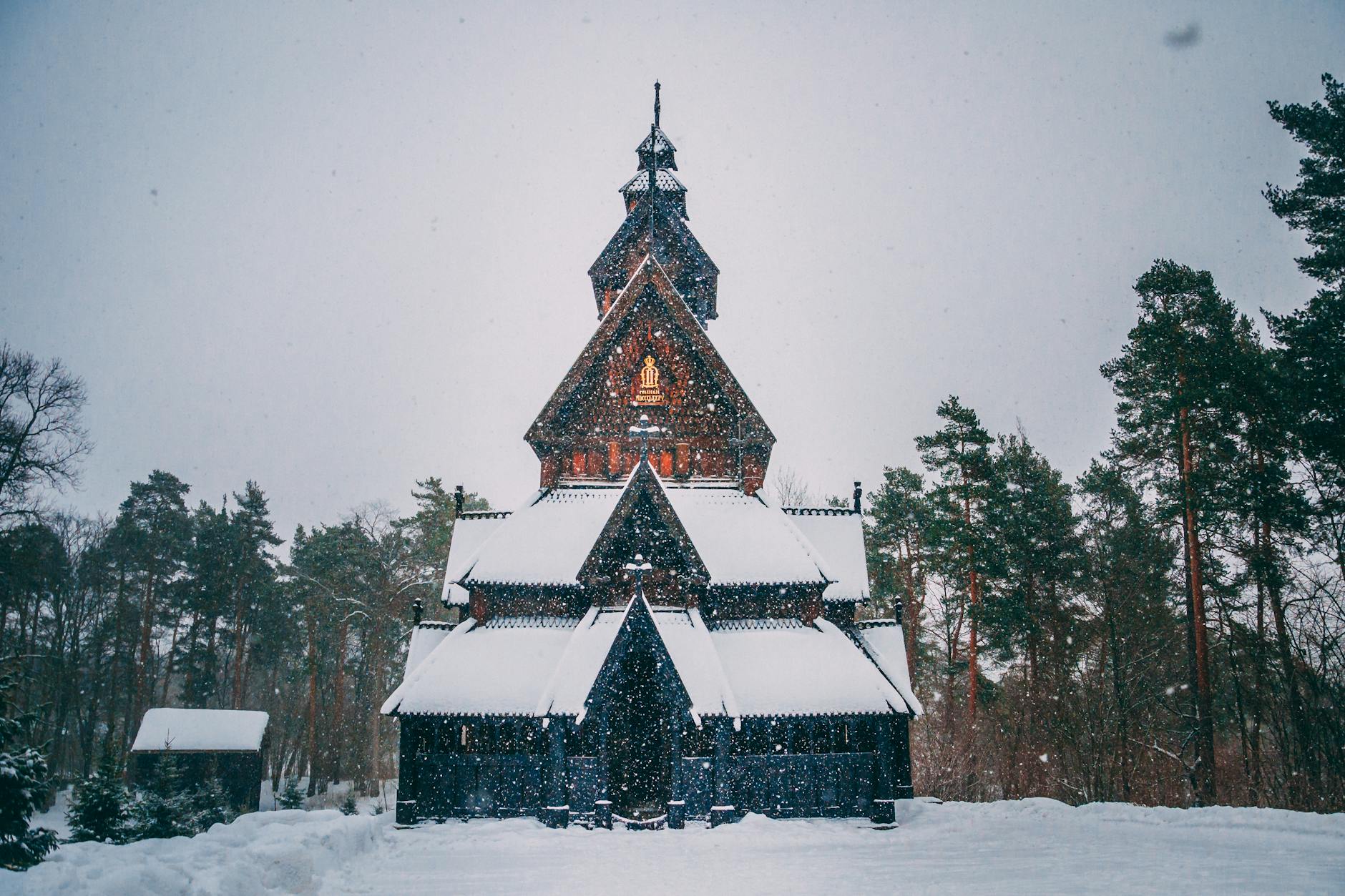
A traditional wooden church in Norway covered in snow, surrounded by snow-laden trees.
Snow-covered wooden church in Oslo, surrounded by trees, creating a picturesque winter scene.

A serene view of a lush, green island surrounded by calm water under a pastel sky, captured during sunset.
A serene view of a lush, wooded island amidst calm waters, highlighting the natural beauty surrounding Oslo. The tranquil escape of Husbergøya island, nestled in the Oslofjord. This typical Norwegian islet, part of the Nesodden municipality, offers a glimpse into the peaceful archipelago life just a short distance from Oslo.
A vibrant street art scene in Oslo, featuring colorful murals on brick buildings and a narrow alleyway with a metal staircase. A bicycle leans against the railing, adding to the urban atmosphere.
Explore Oslo’s colorful street art scene in the vibrant Grünerløkka district, filled with unique murals and charming alleyways.

Essential Norwegian Phrases for the Savvy Traveler

While most Norwegians speak excellent English, a few local phrases go a long way!

  • Hei (hi) – Hello
  • Takk (tahk) – Thank you
  • Vær så god (vair soh good) – You’re welcome / Here you go
  • Unnskyld (unn-shool) – Excuse me / Sorry
  • Ja (yah) – Yes
  • Nei (nye) – No
  • Snakker du engelsk? (snah-ker doo eng-elsk?) – Do you speak English?
  • Hvor mye koster det? (voor myoo koh-ster deh?) – How much does it cost?
  • En kaffe, takk. (en kah-feh, takk.) – One coffee, please.
  • Skål! (skawl!) – Cheers!

Stay Connected & Covered: My Go-To Travel Toolkit

Travel isn’t just about the destination; it’s about being prepared for anything. Here’s what I always pack in my digital toolkit:

Stay Connected (Literally!): ✈️ Travel Tip: Staying connected abroad can be tricky (and expensive if you’re relying on airport SIM counters or roaming). That’s why I carry a Drimsim—a universal SIM card that works in 190+ countries without hidden fees. You just pop it into your phone, top up through the app, and you’re online wherever your adventure takes you. No more hunting for local SIM cards or stressing over roaming bills. If you’re planning your next getaway, check it out here: Drimsim SIM Card for Traveling Around the World

Protect Your Privacy: When I’m hopping on public Wi-Fi in cafes or airports, a VPN is non-negotiable for keeping my data secure. I use NordVPN because it’s reliable and easy to use. Grab peace of mind (and maybe unlock some geo-restricted content!) with them: NordVPN Link

Don’t Let Flight Delays Ground Your Funds: ✈️ Flight Delayed or Canceled? Travel isn’t always smooth sailing—sometimes flights get delayed, canceled, or overbooked. The good news? You might be entitled to up to $650 in compensation under air passenger rights. Most travelers never claim it, but I’ve got you covered: just check your flight with AirHelp. They handle the paperwork, fight the airlines for you, and only get paid if you win. Easy, stress-free, and potentially a nice surprise for your travel fund. Check your eligibility here: AirHelp Link

Travel Insurance: The Ultimate Peace of Mind: ✈️ Smart Travel Tip: No matter where your adventures take you, having the right travel insurance can save you from unexpected headaches (and bills). I personally recommend VisitorsCoverage — it’s a trusted platform where you can compare plans, find coverage that fits your trip, and book it in just a few clicks. Whether you’re planning a quick city escape or a longer international journey, it’s peace of mind worth packing. Find your perfect plan here: VisitorsCoverage Link

Look Your Best (Even After a Long Flight!): Because glowy skin should never break the bank. When you buy from Lakinza, use coupon code: Lalax10 at checkout to save a little extra for your next skincare haul. Trust me, you’ll want more. Get your K-beauty magic here: Lakinza K-Beauty Link

Extend Your Nordic Adventure (Geographically Close Backlinks)

Oslo is the perfect launchpad for exploring other incredible Nordic and Northern European cities. If you loved the Scandinavian vibe, consider hopping a train or quick, affordable flight to these nearby destinations for your next weekend escape:

For a complete list of all my global adventures and tips, check out my: Travel Master List.

FAQs: Your Oslo Questions Answered

Q: Is Oslo expensive for tourists? A: Oslo can be pricey, but with smart planning, utilizing public transport, cooking some meals, and focusing on free attractions, you can have an amazing trip on a reasonable budget. The Oslo Pass is key!
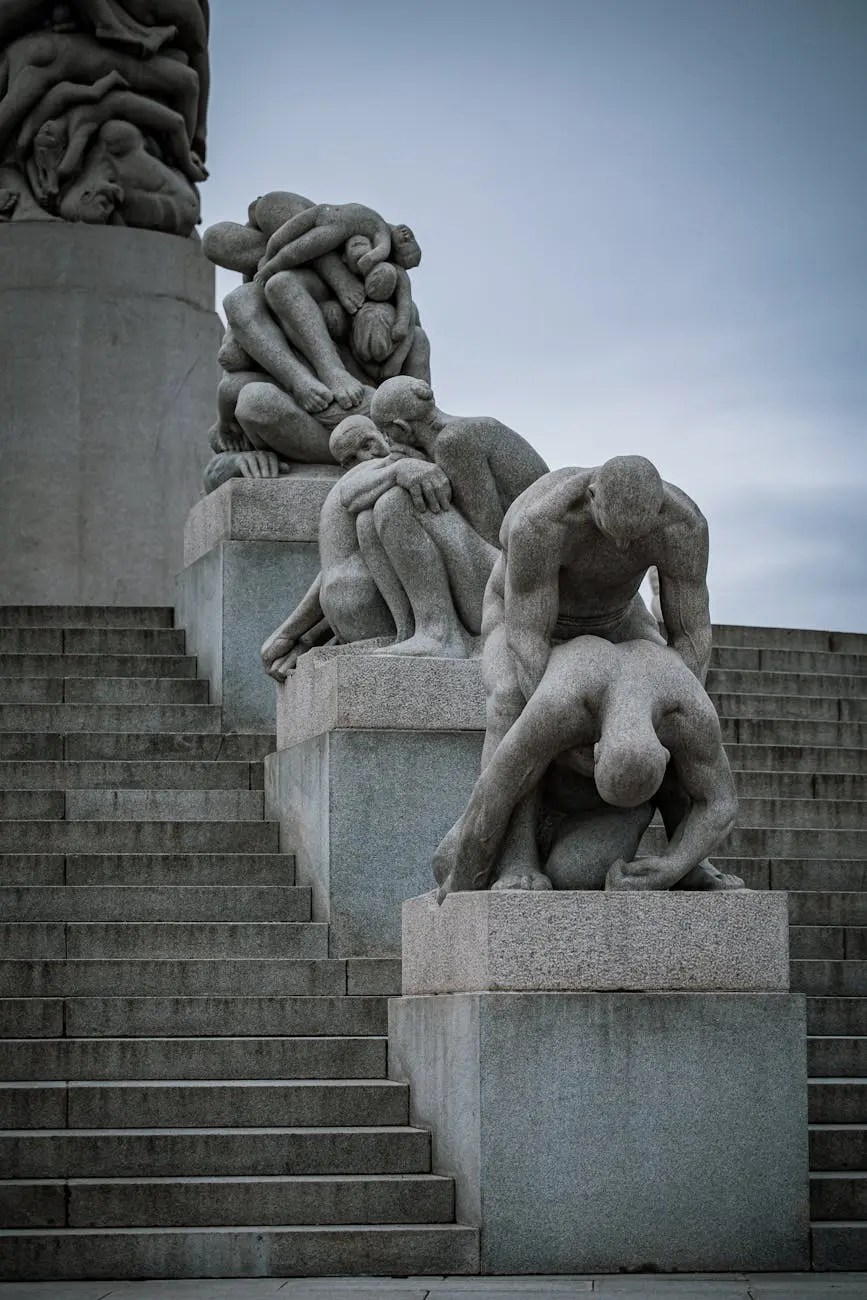
Q: What’s the best time of year to visit Oslo? A: Summer (June-August) offers long daylight hours, pleasant temperatures, and lots of outdoor activities and festivals. This is peak season. Spring (April-May) and Autumn (September-October) are beautiful with fewer crowds and moderate temperatures. Winter (November-March) is cold and dark but magical if you enjoy snow, winter sports, and cozy indoor activities.

Q: How many days are enough for Oslo? A: A full weekend (2-3 days) is perfect for hitting the main highlights and getting a good feel for the city. If you want to explore more deeply or take day trips, 4-5 days would be ideal.

Q: Do I need to learn Norwegian? A: No, not at all! Almost everyone in Oslo speaks excellent English, especially in tourist areas. Learning a few basic phrases (like “takk” for thank you) is always appreciated though.

Q: What currency do they use in Norway? A: The currency is the Norwegian Krone (NOK). Credit cards are widely accepted everywhere, and cash is rarely needed.

Q: What’s the best way to get around Oslo? A: Public transport (buses, trams, metro, ferries) is excellent and highly recommended. Walking is also a great way to explore the city center.

Q: Do I need a visa for Norway?
A: This depends on your passport. Norway is part of the Schengen Area. For most US, Canadian, UK, and Australian citizens, you don’t need a visa for short stays (up to 90 days). Always double-check official government sources for the most current info. Visa costs vary widely by nationality, so a quick web search for “Norway visa requirements for [your country]” is essential.

Q: Is Oslo safe for solo travellers?
A: Absolutely. Oslo is consistently ranked as one of the safest cities in the world. Just practice the usual common sense you would in any major city.

Q: What should I pack?
A: Layers, layers, layers! The weather can change in an instant. A waterproof jacket is a must, along with comfortable walking shoes.

Can I easily combine a trip to Oslo with other Scandinavian cities?
A: Absolutely! A fantastic way to do this is by taking an overnight ferry from Oslo to Copenhagen. It’s a unique travel experience that combines transport and accommodation. If two days in Oslo has only whetted your appetite…

Feeling the Wanderlust? Sail from Oslo to Copenhagen!
If two days in Oslo has only whetted your appetite for more Scandinavian adventures, why not extend your trip by hopping on a ferry? An overnight cruise from Oslo to Copenhagen is an experience in itself—think stunning fjord views at sunset, duty-free shopping, and cozy cabins. You’ll wake up refreshed and ready to explore the colorful canals and hygge vibes of Denmark’s capital. I’ve done this exact trip, and it’s a fantastic way to see two incredible cities in one go. Already dreaming of Danish pastries? I’ve got you covered with The Ultimate Weekend Escape to Copenhagen, Denmark.

Ferry from Oslo to Copenhagen

Ready for Your Norwegian Adventure?

Oslo is a city that surprises and delights at every turn. With this guide, you’re all set for an unforgettable weekend without the planning fatigue.

Your Next Step: I always start my trip planning by scouting for flight and hotel deals. Expedia often has great package deals for Oslo. [Start your search here and save!] And don’t forget to capture every moment beautifully with the camera I swear by for travel photographyCheck it out here!

Related Reading:
✈️ The Ultimate Weekend Escapes Around the World — Explore more 48-hour destinations across Asia, Europe, and beyond.


Universal Disclaimer/Disclosure Page:

The Ultimate Weekend Escape to Edinburgh, Scotland

Discover how to perfectly spend a long weekend in Edinburgh, Scotland! Our guide is packed with time-saving travel tips, hidden gems, essential public transport info, and budget hacks for your Edinburgh city break. Find the best deals on hotels and flights, and make your escape to the historic Scottish capital unforgettable.

🗺️ Table of Contents

  1. Friday: Arrival & Atmospheric Immersion
    • Getting from the Airport to the City
    • Checking In & First Impressions
  2. Saturday: Royal Mile, Castles & Hidden Closes
    • Conquering Edinburgh Castle Like a Pro
    • Wandering the Royal Mile & A Hidden Gem
    • Dinner & A Ghost Story
  3. Sunday: Volcanoes, Views & Reluctant Goodbyes
    • Hiking Arthur’s Seat for the Best Views
    • Exploring a Quirky Village (Yes, in the City!)
    • One Last Scotch & Departure Tips
  4. Edinburgh Travel Savvy: Your Logistics Cheat Sheet
    • Public Transport: Buses, Trams & Your Lifeline
    • Money-Saving Tips & City Lingo
    • Essential Travel Gear & Resources
  5. Frequently Asked Questions (FAQ)

1. Why Edinburgh is Your Next Perfect Weekend Getaway

Let’s be honest, we all need an escape. A place that feels worlds away without requiring you to take a full week off work. Enter Edinburgh, Scotland—a city where ancient history, Gothic architecture, and a cheeky modern buzz collide, all within a wonderfully walkable space. It’s like stepping onto a movie set, only the locals are friendlier, and the whisky is better.

The moment I first saw Edinburgh Castle, perched dramatically atop an extinct volcano, I was hooked. I distinctly remember dragging my suitcase up the cobbled streets, slightly winded (those hills are a workout!), but utterly mesmerized. It wasn’t just a castle; it was a fortress of pure fantasy, daring you to explore the stories etched into every stone. Trust me, this city is pure, dead brilliant!

Ready to swap your spreadsheet for a spectacular skyline? Let’s plan a weekend that’s efficient, magical, and easy on the wallet.
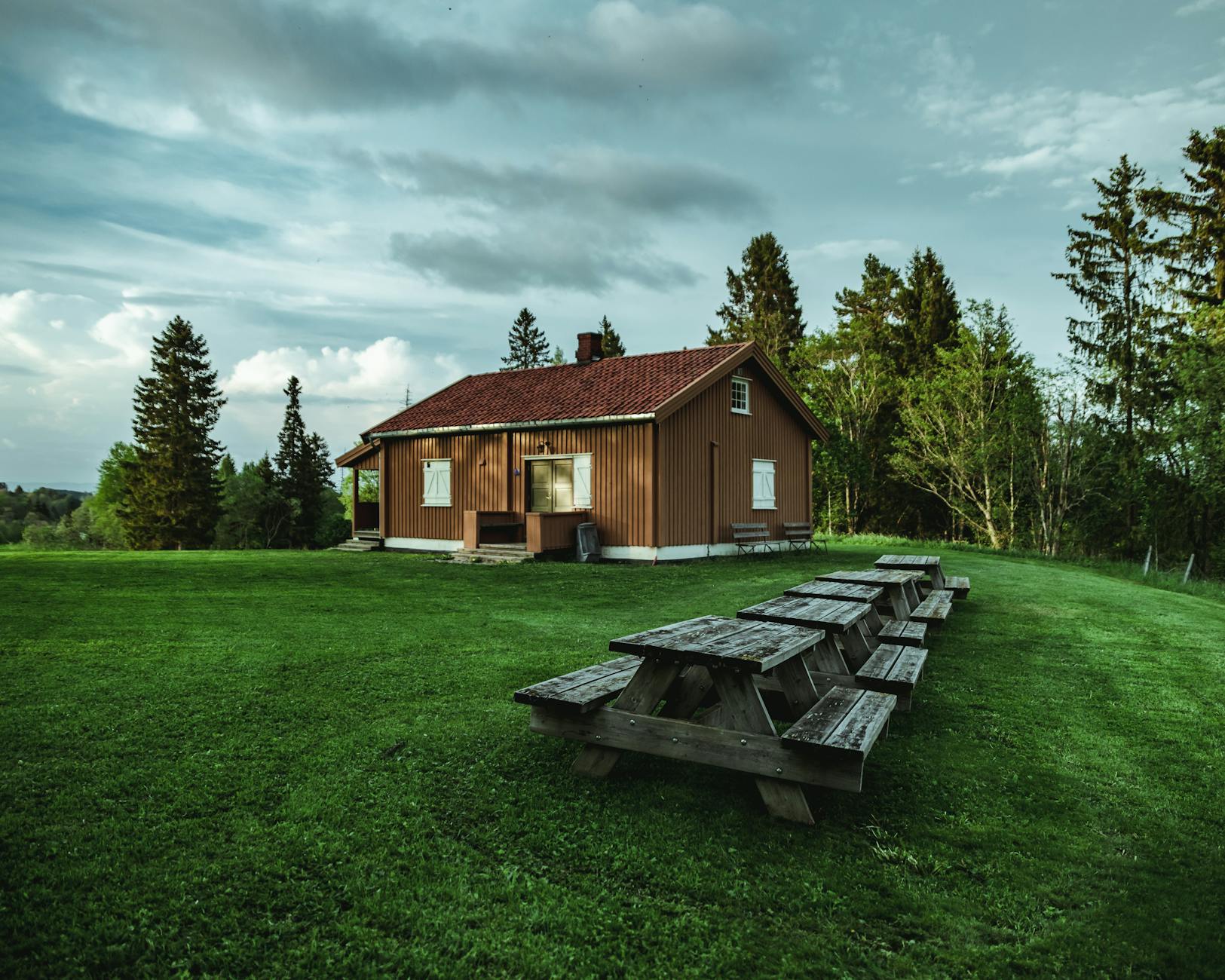
Ever felt that sudden, irresistible urge to just… go? Whether you’re based in the UK or hopping over from Europe, the need for a quick, refreshing escape is universal. If you’re looking for ideas, I’ve also written a guide for a fantastic the-ultimate-weekend-escape-from-london-united-kingdom/

But if your soul is currently whispering “Scotland,” and your calendar is screaming “I only have two days!”, fear not. A weekend in Edinburgh is not only possible; it can be absolutely perfect.
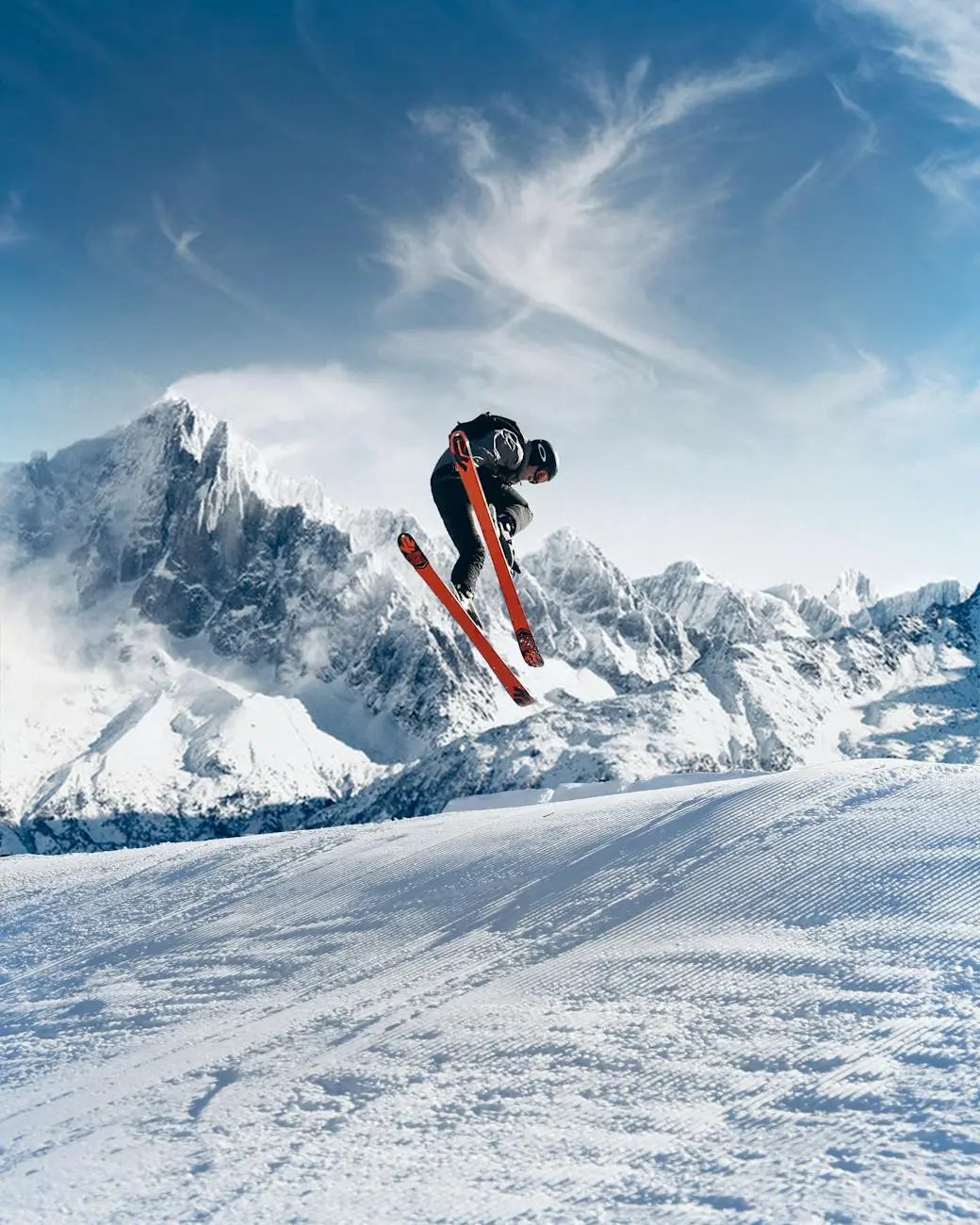
✈️ Travel Tip: Visa and Cost Check! For many nationalities, the UK/Scotland is a breeze for short stays. Remember to double-check the latest visa requirements for your passport before booking your flights! While the pound sterling isn’t the cheapest, a focused weekend trip with smart planning (like this itinerary!) is the perfect way to get a world-class European experience without a full vacation budget drain. Need to book flights, hotels, or rental cars? I always start my search here: Expedia

(Book your perfect Edinburgh stay!)

The Perfect Two-Day Itinerary: Logistics & Flow

Our itinerary is planned to save you time and energy by grouping major attractions geographically. Forget zig-zagging across the city; we’re moving from the historic Old Town spine to the elegant New Town in a logical flow.

Day 1: Castle, Cloisters, and Closes (Old Town)

  • Morning (9:00 AM): Edinburgh Castle (A Must-Do, But Be Early!)
    • Tip to Save Time: Book your ticket online and arrive 15 minutes before opening. The queues get hoachin’ (very busy) fast! If you want to skip the biggest crowd surge, avoid the 1:00 PM time slot when the famous One O’Clock Gun is fired (a tradition you can hear from almost anywhere in the city, no need to be at the castle for it!).
  • Late Morning (12:00 PM): The Royal Mile and St. Giles’ Cathedral
    • Walk downhill from the Castle along the historic spine of the Old Town. Stop at St. Giles’ Cathedral, whose crown spire is unmissable.
    • Anecdote: I once got completely lost exploring one of the narrow, secretive alleyways (or ‘closes’) off the Royal Mile. It felt like falling back in time! Make sure to peek down a few, like Lady Stair’s Close leading to the Writers’ Museum.
  • Afternoon (2:30 PM): Victoria Street & Grassmarket
    • Descend the colorful, curved Victoria Street (said to have inspired Diagon Alley—sorry, Potterheads, the real magic is the architecture!) and emerge into the historic Grassmarket.
    • Hidden Gem Alert: For a slightly darker experience, take a tour of The Real Mary King’s Close, an underground street network that gives a fascinating (and spooky) glimpse into 17th-century life.
  • Late Afternoon (5:00 PM): Holyrood Palace and Arthur’s Seat
    • Walk to the very end of the Royal Mile to Holyrood Palace (the Queen’s official residence in Scotland). Right next to it is the stunning Holyrood Park.
    • Logistics Tip: If you’ve got the energy, hike up Arthur’s Seat for the city’s best panoramic view. Allow about 90 minutes round-trip. It’s worth the thigh burn!
View of Edinburgh Castle perched atop a rocky hill, surrounded by bare trees and an overcast sky.
A stunning view of Edinburgh Castle perched atop an extinct volcano, surrounded by historical gravestones and trees, capturing the essence of Scotland’s rich history. Edinburgh Castle standing guard over the city. This stunning view from the Grassmarket area shows the castle perched atop Castle Rock, an extinct volcano, embodying centuries of Scottish history. The historical gravestones in the foreground add a poignant touch to the scene.
A busy street scene in Edinburgh, Scotland, featuring historic buildings, cars parked along the cobblestone road, and people walking. The sky is clear and blue, providing a vibrant backdrop to the architectural detail.
Historic architecture along the Royal Mile in Edinburgh, Scotland, showcasing vibrant shops and cobblestone streets.

Interior of a historic church with a vaulted ceiling, wooden chairs arranged in rows, and stained glass windows illuminating the space.
Interior of St. Giles’ Cathedral showcasing its stunning architecture and serene atmosphere, perfect for a long weekend in Edinburgh. A moment of quiet awe inside St Giles’ Cathedral. The stunning Gothic architecture, with its intricate stonework and beautiful stained glass, creates a serene escape from the bustle of the Royal Mile just outside the doors.

A stone inscription featuring the phrase 'Freedome is a noble thing' by John Barbour, set against a backdrop of historic Edinburgh architecture with stone walls and windows.
Historic stone steps and a plaque featuring a quote from John Barbour, set against the backdrop of charming Edinburgh architecture. Lady Stairs Close There are more than 80 closes off the Royal Mile, but few are as picturesque—or as well-known—as this moody little courtyard, reached by a dark passageway and dominated by a 17th-century townhouse, once the home of the first Countess of Stair.

Interior view of the National Museum of Scotland featuring a spacious atrium with high ceilings, natural light, and visitors exploring the exhibits.
An expansive view of the National Museum of Scotland, showcasing its stunning architecture and vibrant atmosphere.

Three busts of famous Scottish writers displayed in a museum, with the background featuring wooden paneling and a red wall.
Busts of prominent Scottish writers displayed at the Writers’ Museum in Edinburgh, showcasing the city’s rich literary heritage.
A street scene in Edinburgh showcasing a mix of historic and contemporary buildings, with pedestrians walking and traffic visible on a rainy day.
A bustling street scene in Edinburgh, showcasing the unique blend of historic and modern architecture.

Narrow, cobbled alleyway in Edinburgh, illuminated by soft lighting and featuring stone walls, with clothing hanging above.
Explore the atmospheric closes of Edinburgh, a hidden gem rich in history and stories. Edinburgh: Real Mary King’s Close

Close-up view of a stone building with turreted roofs, showcasing historic architecture and window details.
The architectural beauty of Holyrood Palace, the Queen’s official residence in Scotland. Where modern monarchy meets ancient history. As the King’s official residence in Scotland, Holyrood Palace’s stunning Renaissance architecture has been the backdrop for royal drama for centuries. Don’t just look at the outside—the history inside is even more compelling!

A couple walking along the ridge of a rocky cliff, overlooking a scenic view of Edinburgh's landscape, with climbers visible on the lower section of the cliff.
Couple hiking along the edge of Arthur’s Seat, offering panoramic views of Edinburgh and its surroundings.

Day 2: Georgian Grandeur and Panoramic Views (New Town & Peaks)

  • Morning (9:00 AM): New Town and Calton Hill
    • Start your day exploring the elegant Georgian architecture of New Town. Head up Calton Hill, often called “Athens of the North” due to its classical monuments (like the unfinished National Monument, “Scotland’s Disgrace”). This is your postcard view spot.
    • Pro Photo Tip: This is where I snapped some of my favorite city views! A good camera makes a difference, and I always travel with a reliable mirrorless. Check out the one I use: Camera
  • Late Morning (11:00 AM): Dean Village & Water of Leith Walkway
    • Hidden Gem Alert: Take a bus or a short, scenic walk to Dean Village. This little hamlet looks like something out of a fairy tale, with historic mills and a quiet, peaceful atmosphere beside the Water of Leith.
  • Afternoon (1:00 PM): Lunch and Exploration in Stockbridge
    • From Dean Village, you can follow the Water of Leith Walkway to the trendy neighborhood of Stockbridge. It’s full of independent shops, cozy cafes, and the beautiful Circus Lane. This is the perfect spot to grab a relaxing, non-touristy lunch.
  • Late Afternoon (4:00 PM): Museums or Whisky
    • If the weather is being a bit dreich (miserable), duck into a free museum like the magnificent National Museum of Scotland (don’t miss the rooftop terrace for a great view!) or warm up with a tour at The Scotch Whisky Experience on the Royal Mile.
View of the National Monument of Scotland on Calton Hill, Edinburgh, featuring grand columns and a stone tower in the background.
The iconic National Monument of Scotland on Calton Hill, showcasing classical architectural elements and panoramic views of Edinburgh. Edinburgh’s ‘Acropolis’? The National Monument, designed to mimic the Parthenon in Athens, was intended as a memorial to Scottish soldiers but was never finished. Locals affectionately call it “Scotland’s Disgrace,” but the views from up here are absolutely glorious.
A scenic view of charming historic buildings along a riverbank in Edinburgh, Scotland, with autumn foliage and a tranquil atmosphere.
Quaint architectural beauty by the Water of Leith in Edinburgh’s Dean Village, showcasing stunning autumn colors. A hidden oasis just steps from the city centre. Dean Village feels like a secret world frozen in time. This view of the Water of Leith, framed by historic buildings and blazing autumn colors, is one of Edinburgh’s most peaceful and photogenic spots.
A quiet cobblestone street lined with trees and charming buildings, featuring a clock tower in the distance under a blue sky.
A quaint cobbled street in Edinburgh, highlighting the charming architecture and historical ambiance of the city. The image depicts Circus Lane in Edinburgh, Scotland, a picturesque cobbled street known for its charm and historic significance
View of the Royal Scottish Academy building in Edinburgh, Scotland, featuring classical architecture with a statue on the roof, surrounded by historic buildings and a cloudy sky.
A scenic view of the Royal Scottish Academy building in Edinburgh, showcasing its neoclassical architecture against the backdrop of historic buildings.

Edinburgh Travel Savvy: Your Logistics Cheat Sheet

Public Transport: Your Lifeline
Edinburgh is a very walkable city, but for longer distances, the bus system is excellent. Consider a Lothian Buses Day Ticket for unlimited travel. Download the Lothian Buses app for live tracking and route planning. It’s a game-changer. Trams are best for the airport route. I’d advise against renting a car for a weekend trip—city centre parking is expensive and a nightmare

Walking (The Best Way to See the City): Most of the Old and New Town highlights in this itinerary are easily reachable on foot. Wear comfortable shoes!

Lothian Buses: The network is extensive, reliable, and runs 24/7 (NightBus services too!).

  • Money-Saving Tip: A single adult fare is cheap, but the best value for a weekend is the DAYticket, allowing unlimited travel on buses all day.
  • Pro Tip: Use the TapTapCap system. Use the same contactless card or device for every journey, and the system automatically ensures you pay no more than the cost of a Day Ticket, saving you the hassle of buying a physical ticket! Always tap when you board.

Edinburgh Trams: Great for connecting the city centre (Princes Street/St Andrew Square) to the airport or the northern docklands (Leith).

  • Airport Transfer Hack: The Airlink 100 bus or the Tram are the most cost-effective and fastest ways into the city from Edinburgh Airport (EDI).

Road Maps to Save Time: Planning journeys is easy with the Lothian Buses App or Google Maps, which are both highly accurate for real-time bus locations and routes. Trust the local transport; it’s much faster than driving and searching for parking!

💰 Money-Saving Tips & Local Lingo

  • Attraction Pass: If you were staying longer, the Edinburgh City Pass could be worth it, but for a weekend, just pick one or two paid attractions.
  • Eat & Drink Smart: Have a pub lunch instead of a fancy dinner. Many pubs offer great “pub grub” deals. A “dram” is a measure of whisky, and you’ll want to try one!
  • Free Attractions: The National Museum of Scotland is fantastic and free. So is wandering the Royal Mile, exploring Princes Street Gardens, and hiking Arthur’s Seat.
  • Handy Phrases: “Aye” (Yes), “Naw” (No), “Canny” (Good/nice), “Cheers” (Thanks/Goodbye). “Auld Reekie” is the old nickname for Edinburgh, referring to the smoke from old coal fires.

Essential Traveler Links for Peace of Mind

Navigating travel challenges is part of the adventure, but getting caught out is never fun. These are my go-to resources for a smoother journey:

  • ✈️ Connectivity That Works: Staying connected abroad can be tricky (and expensive if you’re relying on airport SIM counters or roaming). That’s why I carry a universal SIM card—a lifesaver that works in 190+ countries without hidden fees. No more hunting for local SIM cards or stressing over roaming bills. If you’re planning your next getaway, check it out here: Drimsim
  • 🛡️ Protect Your Trip: No matter where your adventures take you, having the right travel insurance can save you from unexpected headaches (and bills). I personally recommend VisitorsCoverage — it’s a trusted platform where you can compare plans, find coverage that fits your trip, and book it in just a few clicks. Whether you’re planning a quick city escape or a longer international journey, it’s peace of mind worth packing. VisitorsCoverage
  • 💻 Secure Your Data: When using public Wi-Fi in cafes and hotels, a Virtual Private Network (VPN) is essential for keeping your personal data safe from prying eyes. I use NordVPN for fast, secure connections wherever I am in the world. [NordVPN
  • ✈️ Flight Delayed or Canceled? Get Compensation! Travel isn’t always smooth sailing—sometimes flights get delayed, canceled, or overbooked. The good news? You might be entitled to up to $650 in compensation under air passenger rights. Most travelers never claim it, but I’ve got you covered: just check your flight with AirHelp. They handle the paperwork, fight the airlines for you, and only get paid if you win. Easy, stress-free, and potentially a nice surprise for your travel fund. AirHelp

FAQs for Your Edinburgh Trip

Q: What is the best time to visit Edinburgh to avoid the worst crowds? A: Avoid August! That’s when the famous Edinburgh Fringe Festival and Military Tattoo occur, making the city hoachin’ and prices sky-high. May, June (early), and September/October offer the best combination of pleasant weather, manageable crowds, and better accommodation prices. The light in May and September is also stunning for photos!

Q: Do I need to book Edinburgh Castle tickets in advance? A: Absolutely, aye! If you want to save time and guarantee entry, book online at least a few days ahead. The walk-up queue can be enormous, especially during peak season.

Q: Is it safe to walk around Edinburgh at night? A: Generally, yes. Edinburgh is considered a very safe city, even in the Old Town. Stick to well-lit, main thoroughfares like the Royal Mile and Princes Street. Just like any major city, be aware of your belongings, especially in crowded tourist areas.

Q: Where can I find the best traditional Scottish food? A: Skip the flashy tourist restaurants! Look for traditional pubs, often called ‘Inns’ or simply ‘Pubs,’ tucked away in the closes and side streets of the Old Town or in neighborhoods like Stockbridge or Leith. They serve up excellent, hearty, and affordable classics like Cullen Skink, Haggis, and Steak Pie.

Q: Is two days in Edinburgh enough?
A: It’s enough for a fantastic taster session! You won’t see everything, but you can absolutely hit the major highlights and get a real feel for the city’s unique character. It will definitely leave you wanting to come back for more.

Have you booked your flight yet? Don’t let this perfect itinerary go to waste! Click here to find the best deals on flights and hotels right now and turn this inspiration into reality!

Universal Disclaimer/Disclosure Page: