Short horror stories are quietly becoming one of the highest-engagement formats on platforms like YouTube Shorts, TikTok, Instagram Reels, and even blogs. What makes them powerful isn’t expensive animation, jump scares, or gore — it’s curiosity.
Let’s break down why a simple psychological horror story like “The Last Seen Online” works so well and how content creators can use this format to grow faster.
Why Psychological Horror Works Better Than Gore
Modern audiences scroll fast. They don’t want long setups or overdone visuals. Psychological horror taps into something more effective: relatability.
Everyone has:
A phone
Been awake late at night
Felt that quiet, unsettling silence at 2 a.m.
When a story starts with something familiar — like a phone lighting up — viewers instantly lean in. That’s where retention begins.
SEO note: psychological horror stories, short horror content, and creepy phone stories are currently strong search interests across the US, Canada, UK, and Australia.
The Story Concept (Simple, But Effective)
Every night at exactly 2:17 a.m., a phone receives a message — from its own number.
No monsters. No blood. Just a slow realization that the messages are being sent from inside the apartment.
This kind of storytelling works because:
It creates an open loop
It lets the viewer’s imagination do the work
It feels realistic, not cinematic
For content creators, realism = comments.
Why This Format Is Perfect for Short-Form Video Creators
Short horror stories like this are ideal for:
AI-generated videos
Stock footage
Minimal animation
Voice-over storytelling
You don’t need complex visuals. A dark room, a glowing phone, subtle sound design — that’s enough.
Creators using this format often see:
Higher watch time
Strong repeat views
More comments than likes (a good thing for algorithms)
The Real Growth Hack: Let the Audience Finish the Story
The most powerful part of this horror story isn’t the ending — it’s the lack of one.
Ending with a line like:
“If this were you… would you turn around?”
invites the viewer into the story. Instead of passively watching, they start thinking — and then commenting.
This does three important things:
Boosts engagement signals
Builds community
Gives you free ideas for Part 2
For creators, this is gold.
SEO + GEO Tip for Horror Content Creators
When publishing horror stories as blogs or videos, avoid stuffing keywords like “scary story” repeatedly. Instead, naturally use variations such as:
short horror story
psychological horror
creepy late-night stories
horror storytelling for content creators
AI horror videos
Mention locations subtly when relevant (e.g., “popular in the US and Canada”) to help with GEO optimization without sounding forced.
Search engines favor natural language — and so do humans.
Why This Works Across Platforms
This single horror concept can be repurposed into:
YouTube Shorts
TikTok videos
Instagram Reels
Blog posts
Email newsletters
Podcast narration
Content creators who reuse one story across platforms save time and build recognizable themes — something algorithms love.
Final Thoughts for Content Creators
You don’t need a big budget to tell a scary story. You need:
A relatable idea
Controlled pacing
An ending that invites participation
If you’re a content creator looking to grow in 2025, psychological horror is not just entertainment — it’s a strategy.
And sometimes, the scariest stories are the ones that don’t end at all.
Story
The Last Seen Online
Every night at exactly 2:17 a.m., my phone lights up.
“Are you awake?”
It’s from my own number.
At first, I thought it was a glitch. Maybe an app bug. Maybe sleepwalking me was sending messages. I laughed it off—until I replied.
Me:Who is this? Me:Stop messing around.
Three dots appeared instantly.
Unknown:You shouldn’t be in my room.
My heart started hammering. I was alone. Door locked. Curtains closed.
I checked the sent info. The messages weren’t sent from my phone.
They were sent to my phone… from inside my apartment.
I sat frozen on the bed, staring at the screen, when another message came through.
Unknown:Don’t turn around.
The phone slipped from my hand.
Behind me, the mattress dipped—as if someone had just sat down.
And my screen lit up one last time.
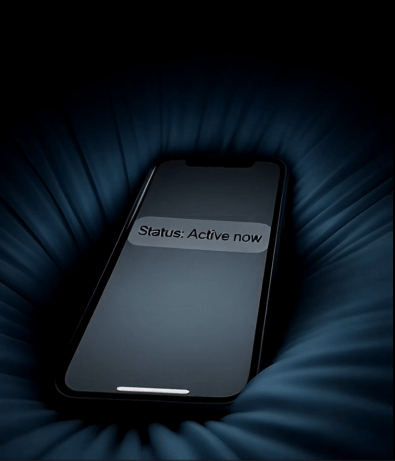
Status: Active now.
Scene 1: The Routine
Setting: Bedroom, night. Visual: A dark room. Phone screen lights up at 2:17 a.m. Sound: Soft phone buzz. Distant silence.
Text/Narration:
Every night at exactly 2:17 a.m., my phone lights up.
Scene 2: The Message
Setting: Close-up on phone screen. Visual: Message notification appears.
On Screen Text:
“Are you awake?” Sender:My own number.
Emotion: Confusion, mild unease.
Scene 3: Dismissal
Setting: Bed, half-lit by phone glow. Visual: Fingers typing. Slight smile, brushing it off.
On Screen Text:
Who is this? Stop messing around.
Emotion: Skeptical, calm.
Scene 4: Immediate Reply
Setting: Extreme close-up of phone. Visual: Typing dots appear instantly.
On Screen Text:
You shouldn’t be in my room.
Sound: Low hum or rising tension tone.
Scene 5: Reality Check
Setting: Wide shot of the bedroom. Visual: Locked door. Closed curtains. Empty room.
Narration:
My heart started hammering. I was alone. Door locked. Curtains closed.
Scene 6: The Location
Setting: Phone screen – message details. Visual: Location pin or text: Sent from inside your apartment.
Setting: Same room, darker. Visual: Mattress slowly sinks beside the protagonist.
Sound: Soft fabric shift. Breathing.
Narration:
The mattress dipped—as if someone had just sat down.
Scene 9: Final Ping
Setting: Phone on the bed or floor. Visual: Screen lights up one last time.
On Screen Text:
Status: Active now.
Cut to black.
🎬 GROK TEXT-TO-VIDEO PROMPTS
Style for all scenes (you can reuse this line):
cinematic horror, realistic lighting, dark atmosphere, shallow depth of field, slow camera movement, film grain, high tension, night setting, 4K, realistic human, no text on screen
Scene 1 – The Routine
Prompt:
A dark bedroom at night, only moonlight through a small window, a smartphone lying on a bed suddenly lights up at 2:17 a.m., eerie silence, slow zoom toward the glowing phone, cinematic horror mood, realistic shadows, unsettling calm
Scene 2 – The Message
Prompt:
Extreme close-up of a smartphone screen glowing in the darkness, a message notification appears saying “Are you awake?”, sender shown as the same phone number, blue light reflecting on the wall, suspenseful atmosphere, shallow depth of field
Scene 3 – Dismissal
Prompt:
A person sitting on a bed in a dimly lit room, casually holding a phone, typing a reply, relaxed body language but dark surroundings, soft phone light on their face, calm before the storm, cinematic tension
Scene 4 – Immediate Reply
Prompt:
Close-up on phone screen showing typing dots appearing instantly, message reads “You shouldn’t be in my room”, lighting flickers slightly, sudden rise in tension, ominous horror tone, slow camera push in
Scene 5 – Reality Check
Prompt:
Wide shot of an empty bedroom at night, locked door, closed curtains, still air, shadows stretching across the room, unsettling silence, feeling of isolation, realistic horror lighting
Scene 6 – The Location
Prompt:
Close-up of phone message details showing location sent from inside the apartment, phone trembling slightly in a hand, heartbeat tension, dark background, cinematic psychological horror
Scene 7 – Frozen
Prompt:
Person sitting frozen on the bed, eyes wide with fear, phone glowing in their hand, darkness behind them feels heavy, message on phone reads “Don’t turn around”, slow zoom, intense suspense
Scene 8 – The Presence
Prompt:
Side view of a bed in a dark room, mattress slowly sinking as if someone invisible sits down, no figure visible, only movement in fabric, chilling atmosphere, realistic paranormal horror
Scene 9 – Final Ping
Prompt:
Smartphone lying on the bed lights up one last time in total darkness, message reads “Status: Active now”, eerie glow illuminating the room, sudden cut to black feeling, final horror moment
I never thought I’d be making horror films. But after two years of consuming every scary movie on streaming platforms and wondering “how hard could it be?”, I finally took the plunge. What started as a late-night idea became “The Last Light”—a six-minute horror short that’s genuinely terrifying (at least, my test audience said so while they gripped their armrests).
Here’s the thing: you don’t need film school or expensive equipment anymore. You need a compelling story, some creative problem-solving, and honestly? A lot of patience. Let me walk you through exactly how I did it.
Why I Chose This Story
The concept hit me during a particularly restless 3 AM session. What if cheap rent came with supernatural strings attached? We’ve all seen those listings that seem too good to be true—the beautiful apartment in a great neighborhood that’s somehow half the market rate. There’s always a catch.
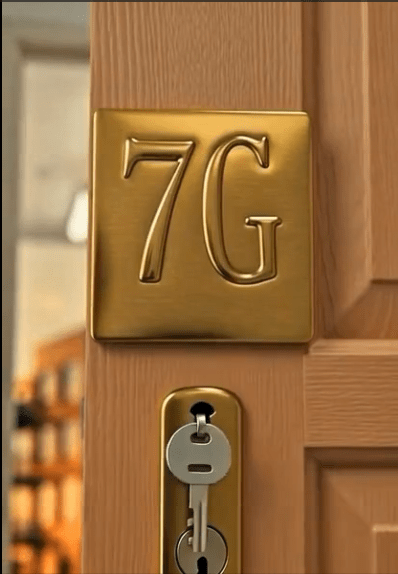
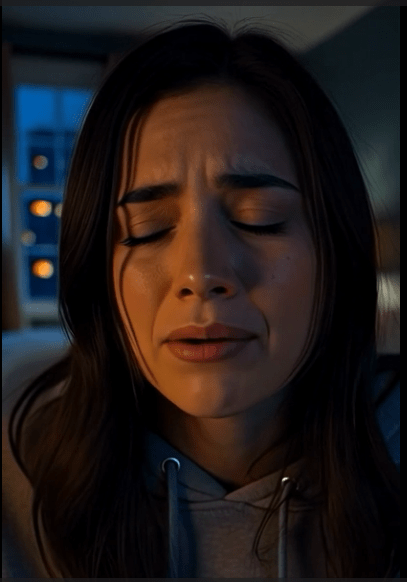
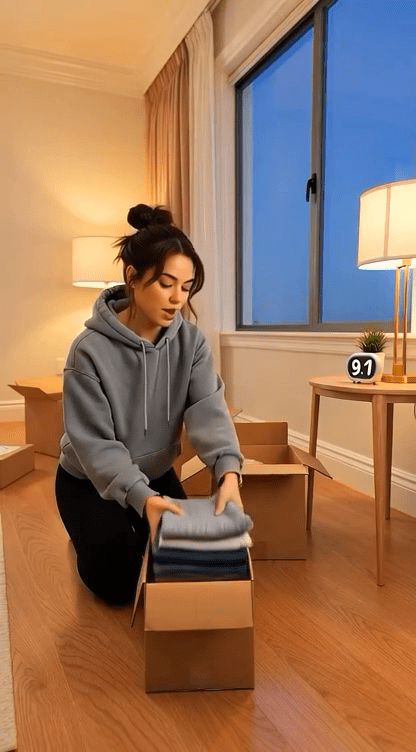
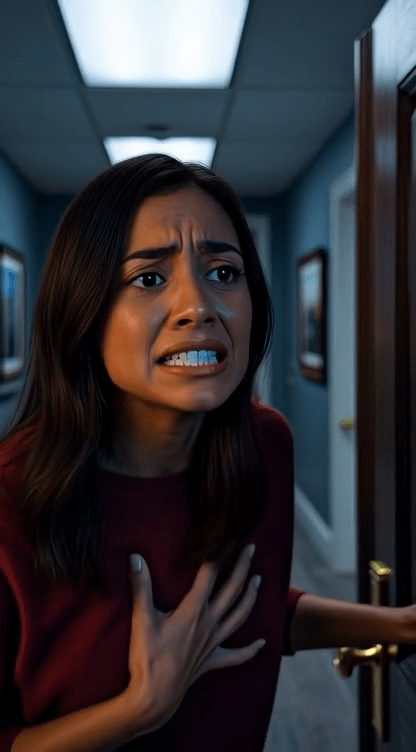
I wanted to explore something deeper than jump scares, though. My protagonist Emma is a domestic violence survivor who’s financially broke and desperate for safety. When she finds apartment 7G for $600 a month (absurdly cheap for any city), she doesn’t ask questions. She can’t afford to.
That’s the hook that makes horror work—relatable desperation. We’ve all made questionable decisions when we’re desperate, right?
The building’s dark secret? It’s constructed on the ruins of an old morgue. And every night at exactly 9:47 PM, something remembers what used to be there. The rule is simple: keep your lights on. Always.
Breaking Down the Story Structure
Horror short films live or die in the first thirty seconds. You can’t waste time with slow builds when you’ve got six minutes total. Here’s how I structured “The Last Light”:
The Opening (90 seconds): I start with a narrator explaining the building’s history—the morgue, the bodies, the demolition, the apartments built on top. Then we meet Emma. Not when she’s already terrified, but when she’s hopeful. That contrast makes the horror hit harder.
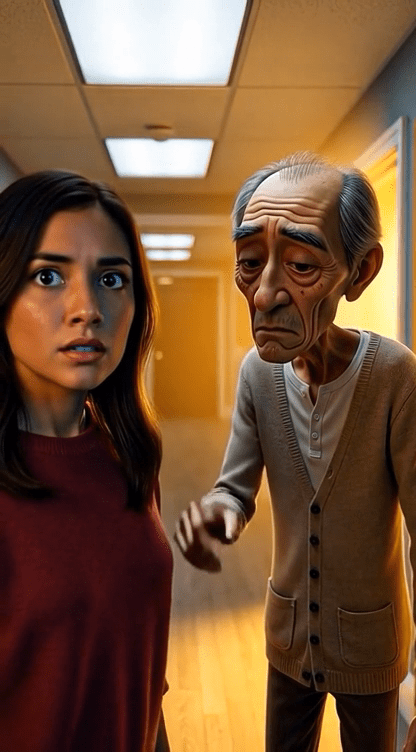
The Setup (120 seconds): Emma moves in. Her neighbor Mr. Chen gives her a bizarre warning about keeping lights on at 9:47 PM. She laughs it off. We’ve all dismissed warnings we should’ve heeded.
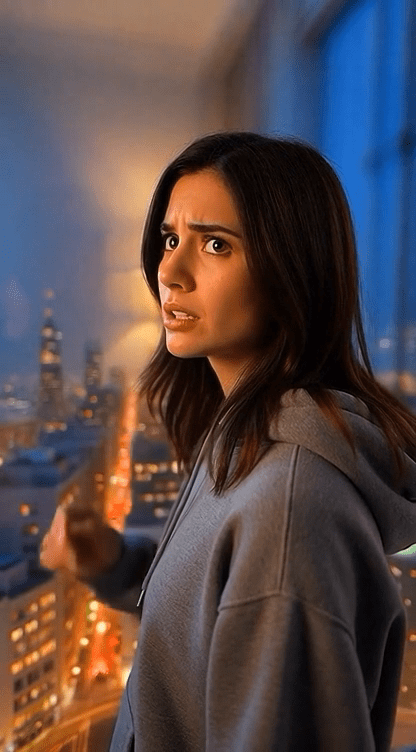
The Escalation (90 seconds): She sees it happen—shadows that move wrong, things with too many limbs pressing under her door. But her light keeps them away. Night after night, she stays awake watching. The exhaustion builds.
The Break (60 seconds): She falls asleep at 9:45 PM. Wakes up at 9:48 in complete darkness. They’re in her room.
The Escape (45 seconds): Pure panic. Phone flashlight. Running. Shadows following. She reaches Mr. Chen’s apartment—a fortress of light.
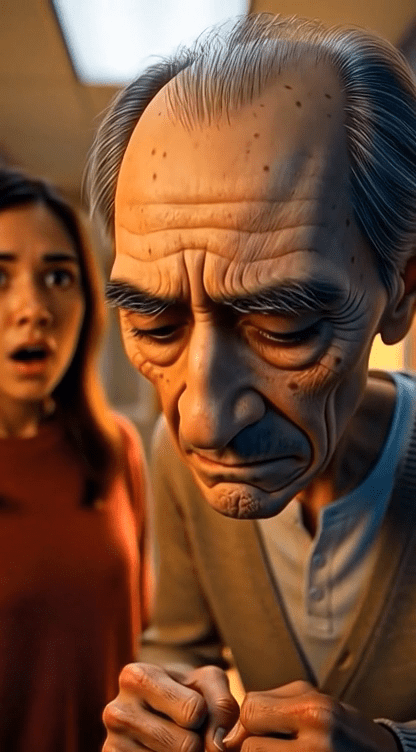
The Twist (75 seconds): Mr. Chen has lived like this for seventeen years. Every tenant in the building does the same thing. We see them through windows—all awake, all surrounded by lights, all prisoners. Emma’s phone battery is at 23%. And it won’t last forever.
The ending isn’t about survival. It’s about realizing you’ve traded one prison for another, and this time there’s no escape.
The Technical Challenge: Making Horror Visual
Here’s where most beginner filmmakers struggle. How do you create genuinely scary visuals without a Hollywood budget?
I used AI image generation tools (Midjourney primarily, with some DALL-E for specific shots) to create each frame. Seventy-three individual shots total. But here’s the crucial part—consistency is everything.
Character Design Challenges
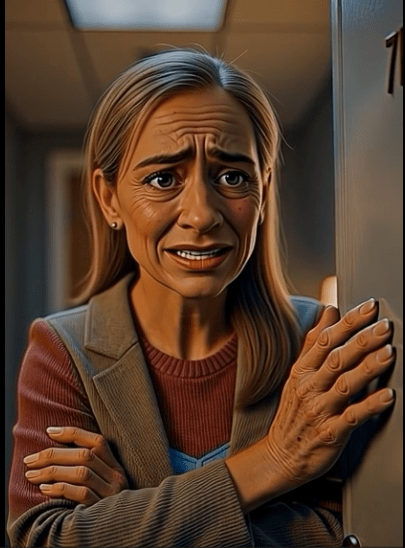
My biggest headache? Keeping Emma looking like the same person across all scenes. AI tools want to age characters when you prompt “exhausted” or “tired.” I learned this the hard way when my 28-year-old protagonist suddenly looked 50 in the fourth scene.
The fix: incredibly specific prompts. Instead of “exhausted woman,” I wrote “28-year-old woman with smooth youthful face showing acute sleep deprivation: dark circles under eyes, pale skin, messy hair, bloodshot eyes, but maintaining young facial structure with NO wrinkles or age lines.”
Every. Single. Time.
I also created a reference sheet with Emma’s exact features—hazel eyes, light olive skin, shoulder-length dark brown hair, specific face shape. I fed this into every prompt to maintain consistency.
Lighting as a Character
Since the whole story revolves around light versus darkness, I obsessed over lighting specifications. Each prompt included exact color temperatures in Kelvin:
Emma’s apartment safety: Warm 2700K (cozy but desperate)
Mr. Chen’s fortress: Overwhelming 2700K from dozens of sources (obsessive safety)
Darkness with shadows: Cool 8000K ambient with volumetric rendering
Sound pretentious? Maybe. But it created visual consistency that makes the film feel professionally shot rather than like a random collection of AI images.
Camera Angles That Tell the Story
I scripted specific camera movements for each shot:
Wide establishing shots for showing Emma’s isolation
Low angles looking up when the building or shadows loom threateningly
Extreme close-ups on Emma’s eyes to show her psychological state
High angles looking down to make her vulnerable during attacks
POV shots so the audience experiences her terror firsthand
The camera angle isn’t just technical—it’s emotional. When Emma first sees the shadows under her door, I used a ground-level extreme close-up. You’re right there with her, seeing something that shouldn’t exist.
Voice Acting: Finding the Right Sound
I wrote detailed voice specifications for each character because consistency matters as much in audio as visuals.
Emma’s voice evolves through six emotional stages:
Confident Emma (moving in): 165 words per minute, pitch around 220 Hz, bright and optimistic
Skeptical Emma (hearing warnings): Slower at 145 WPM, more controlled
Frightened Emma (first encounter): Pitch jumps to 250 Hz, breathing becomes audible
Exhausted Emma (sleep-deprived): Drops to 100 WPM, slurred, monotone
Terror Emma (escaping): 200 WPM rapid panic, pitch spikes to 320 Hz with screaming
Broken Emma (acceptance): 90 WPM, hollow, emotionally dead
I specified exact decibel levels, speaking pace, pitch ranges, and even pause lengths. Why? Because whether you use human voice actors or AI voice synthesis, you need these parameters to maintain character consistency.
Mr. Chen’s voice stays consistently weary—low pitch around 120 Hz, slow pace at 105 WPM, with elderly vocal characteristics like slight tremor and breathiness. He’s been exhausted for seventeen years. That doesn’t change.
The Sound Design Nobody Talks About
Here’s a secret: amateur horror films fail because their sound design sucks. You can have the scariest visuals, but if the audio feels off, the whole thing collapses.
I built layered soundscapes:
Background ambience (always present at -35 to -40 dB): City traffic for exterior shots, fluorescent hum for hallways, absolute silence in dark rooms (silence is terrifying).
The clock tick became a recurring motif. It starts barely audible at -36 dB during the intro, grows louder as tension builds, and continues throughout the film. It’s the sound of 9:47 approaching—over and over.
Shadow creature sounds aren’t traditional. I layered:
Wet breathing (pitched down 12 semitones)
Bone scraping on concrete (2000-4000 Hz range)
Reversed whispers (unintelligible, creepy)
When light hits them: high-pitched shrieks (3000-8000 Hz, actually painful)
The narration got special treatment too—medium hall reverb at 15% wet to create that documentary-style authority. The voice needed to sound like it’s revealing a terrible truth, not just reading a script.
Editing: Where Good Ideas Become Great Films
I used CapCut (free desktop version) for editing. DaVinci Resolve is more powerful if you want professional color grading, but CapCut’s interface is friendlier for beginners.
My workflow:
Import all 73 images in order
Set duration for each shot: Quick shots (2-3 seconds), emotional beats (6-8 seconds), important reveals (4-6 seconds)
Add transitions: Mostly hard cuts (jarring, keeps tension), occasional fades for scene changes
Layer in voice recordings: Match dialogue to specific shots
Build the soundscape: Background ambience first, then effects, then music
Color grade each scene: Historical morgue footage is desaturated with grain; Emma’s scenes transition from warm hope to cold fear; final scenes are harsh and overlit
The color grading matters more than you’d think. Emma’s apartment starts with warm, hopeful tones (3500K golden hour). By the end, it’s the same warm light, but now it feels oppressive—she’s trapped in forced brightness.
The Part Nobody Warns You About: Pacing
My first cut was eight minutes. Way too long. Horror shorts need to move.
I killed my darlings ruthlessly:
Cut an entire subplot about Emma researching the building (slowed everything down)
Removed a scene where she talks to another neighbor (redundant)
Trimmed every shot by 0.5-1 second (tightened the whole piece)
The final six-minute runtime feels fast but complete. Every shot earns its place.
What I Learned About Horror Storytelling
Fear needs context. The shadows aren’t scary because they’re monster designs. They’re scary because Emma just escaped an abusive relationship and desperately needs safety. The building’s trap is crueler because she specifically needed walls to protect her.
Rules create tension. “Never turn off your light at 9:47 PM” is simple and specific. The audience understands it immediately. We watch the clock with dread.
The scariest horror is inevitable. Emma can’t stay awake forever. We know she’ll fall asleep eventually. That countdown is more terrifying than any jump scare.
Endings should hurt. Emma doesn’t die. That would be mercy. She survives—trapped in a building where she has to stay awake watching her door every single night, probably for the rest of her life. That’s a horror that continues after the credits roll.
Budget Breakdown (Spoiler: Under $50)
Here’s what I actually spent:
Midjourney subscription: $10/month (cancelled after finishing)
ElevenLabs voice AI: $5 trial (one month)
Stock sound effects: $15 (SFX library)
CapCut: Free
My time: About 40 hours over two weeks
Total out-of-pocket: $30
Could you do it cheaper? Absolutely. Free AI tools exist (though with limitations). You could record your own voice. You could use copyright-free sound effects from Freesound.org.
Could you spend more? Also yes. Professional voice actors, custom music composition, 4K rendering—the ceiling is high. But you don’t need it for YouTube or festival submissions.
Publishing Strategy: Actually Getting Views
Making the film is half the battle. Getting people to watch it is the other half.
YouTube optimization:
Title: “THE LAST LIGHT | Never Turn Off Your Light at 9:47 PM | Horror Short Film” (includes hook and keywords)
Thumbnail: Bold text “9:47 PM” with Emma’s terrified face (readable on mobile)
Description: Full synopsis with content warnings, credits, and a question for engagement
Cut 3-5 teaser clips (60 seconds each) for TikTok and Instagram Reels
Post behind-the-scenes content showing the creation process
Share to Reddit communities (r/horror, r/ShortFilm, r/IndieFilm)
Create Pinterest pins with compelling text overlays
Engagement tactics:
Pinned comment: “Would you stay in this apartment for $600/month? Or risk being homeless?”
Reply to every comment in the first 48 hours
Post to relevant horror communities and forums
The algorithm rewards watch time and engagement. A six-minute horror short that people actually finish performs better than a twenty-minute film where viewers drop off.
What Worked (And What I’d Change)
What worked:
The emotional hook (domestic violence survivor seeking safety)
The simple, clear rule (lights on at 9:47 PM)
Building tension through exhaustion rather than just scares
The tragic ending (no escape, permanent imprisonment)
Character consistency across all shots (after I figured it out)
What I’d change:
Add more variety in shot composition—some scenes felt visually repetitive
Spend more time on sound mixing—a few transitions were jarring
Create a proper making-of documentary—people love behind-the-scenes content
Test with more audiences before finalizing—I showed it to five people; should’ve been fifteen
Advice for Your First Horror Short
Start with concept, not effects. Don’t build your story around a cool visual you want to create. Build it around an emotion you want to evoke. What keeps you up at night? What makes you uncomfortable? That’s your starting point.
Shorter is better. Aim for 3-6 minutes max. Attention spans are short. Prove you can tell a complete story efficiently before attempting longer formats.
Sound matters more than visuals. Seriously. Watch your film with eyes closed. If it’s not scary just from audio, fix the sound design.
Write detailed prompts. Whether you’re using AI tools or directing human actors/artists, specificity prevents endless revisions. “Scary woman in dark room” gets you garbage. “28-year-old woman, hazel eyes wide with terror, pale skin, lit only by phone screen glow from below, shadows behind her” gets you something usable.
Study what scares you. Before I wrote a word, I watched fifty horror shorts. I noted what worked: pacing, reveals, sound cues, camera angles. Steal techniques (not stories).
Embrace limitations. No budget means you can’t do elaborate chase scenes or complex locations. Good. Constraints force creativity. “The Last Light” happens almost entirely in one apartment. That limitation made me focus on psychological horror rather than spectacle.
Test early and often. Show rough cuts to people who’ll be honest. If they’re checking their phones during the “scary” parts, those parts aren’t working.
The Unexpected Benefits
Beyond creating something I’m genuinely proud of, this project taught me skills I didn’t expect:
Prompt engineering (useful for any AI tool, not just image generation)
Audio engineering basics (now I notice sound design in every film I watch)
Plus, having a completed film opens doors. I’ve already been invited to submit to two indie horror film festivals. Whether it gets accepted isn’t the point—I actually finished something.
What’s Next
I’m already outlining my next short. Same process, different story. This one’s about a video call that won’t end, even after you hang up. Working title: “Still Connected.”
The skills compound. This second film will take half the time because I’m not learning the tools anymore. By the fifth or sixth, I might actually be good at this.
Resources That Actually Helped
For learning:
YouTube channels: Film Riot, Indy Mogul, StudioBinder
“Save the Cat! Writes a Novel” by Jessica Brody (story structure)
Reddit: r/Filmmakers, r/horror, r/indiefilmmaking
For creation:
Midjourney (AI image generation)
CapCut or DaVinci Resolve (editing)
ElevenLabs (AI voice synthesis)
Freesound.org (sound effects)
Epidemic Sound or Artlist (royalty-free music)
For distribution:
YouTube (primary platform)
Film Freeway (festival submissions)
TikTok/Instagram (short-form promo)
Reddit communities (targeted sharing)
Final Thoughts
“The Last Light” isn’t perfect. There are things I’d fix if I could start over (that awkward transition at 3:42, for instance). But perfect isn’t the goal when you’re learning. Done is the goal.
A year ago, I was just another person who thought “I could probably make a horror film.” Now I’ve actually done it. That shift from consumer to creator changes how you see everything.
The tools have never been more accessible. The barriers have never been lower. You don’t need permission, funding, or connections. You need a story worth telling and the discipline to finish it.
So here’s my question: What’s your horror story? What keeps you up at 3 AM? What would make someone grip their armrest?
Figure that out, and you’re already halfway there.
“The Last Light” is available to watch on YouTube. If you create your own horror short using this guide, I’d genuinely love to see it—tag me or drop a link in the comments below.
About the Author: [Your Name] is an independent filmmaker and content creator specializing in horror short films. After creating “The Last Light” with zero budget and no film school training, they’re documenting the entire process to help other aspiring creators bring their stories to life. Follow their journey on [social media links].
Comments Section (Engagement)
What would YOU do if you found an apartment with a rule like this? Would you stay for cheap rent, or would you run?
Drop your horror short film ideas below—I’m curious what stories are keeping other creators up at night.

 Home Home sweet sweet home