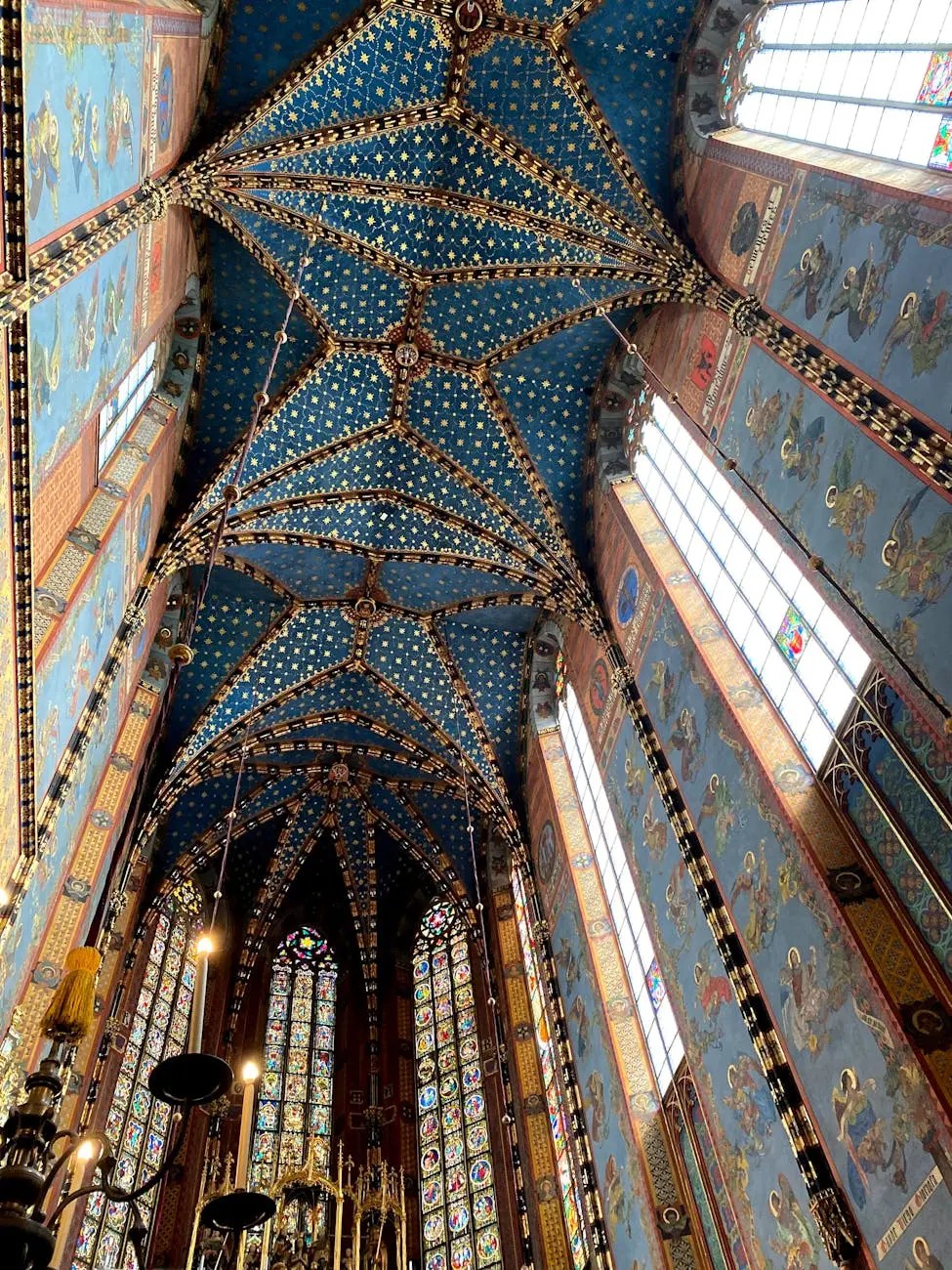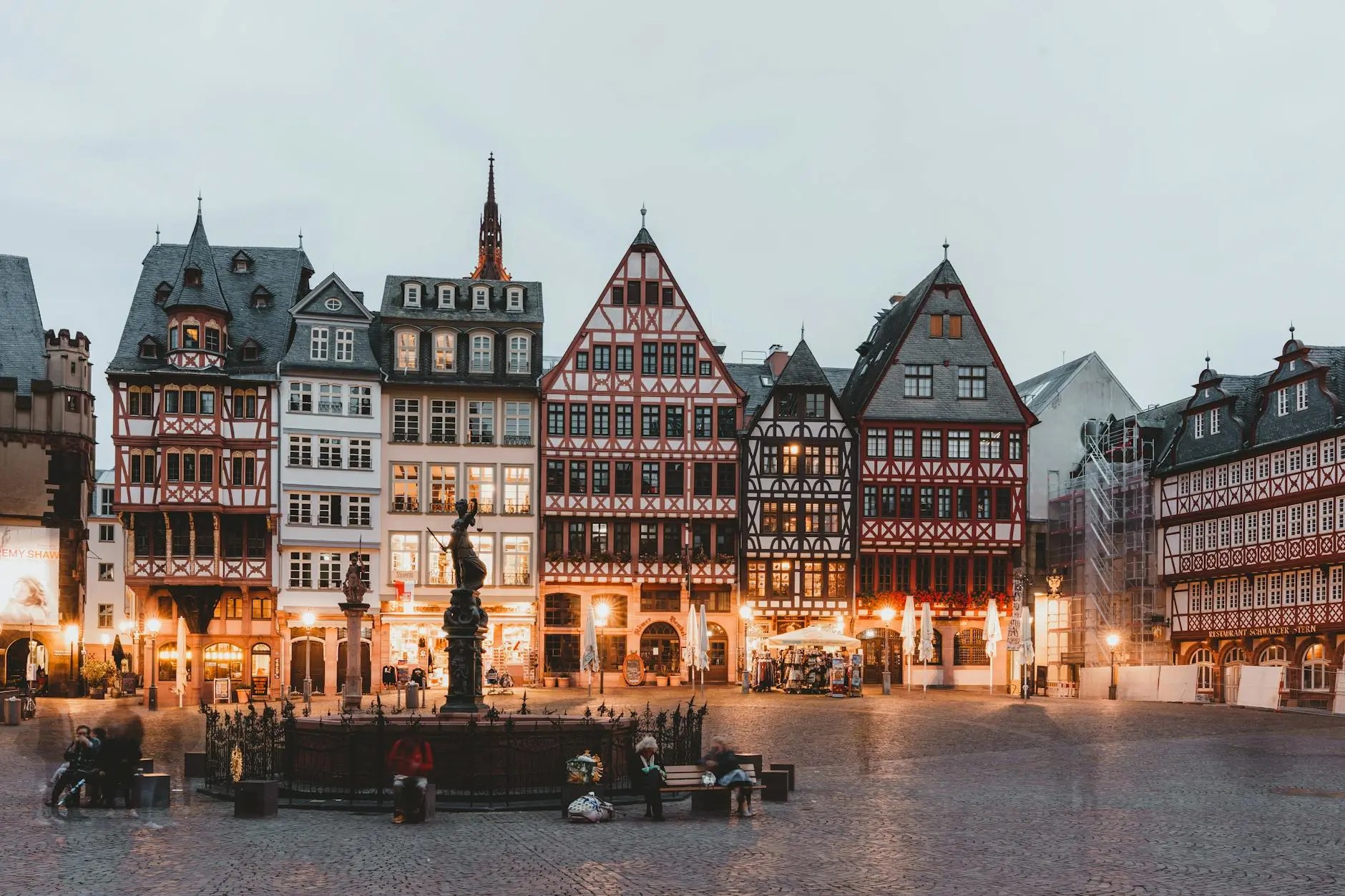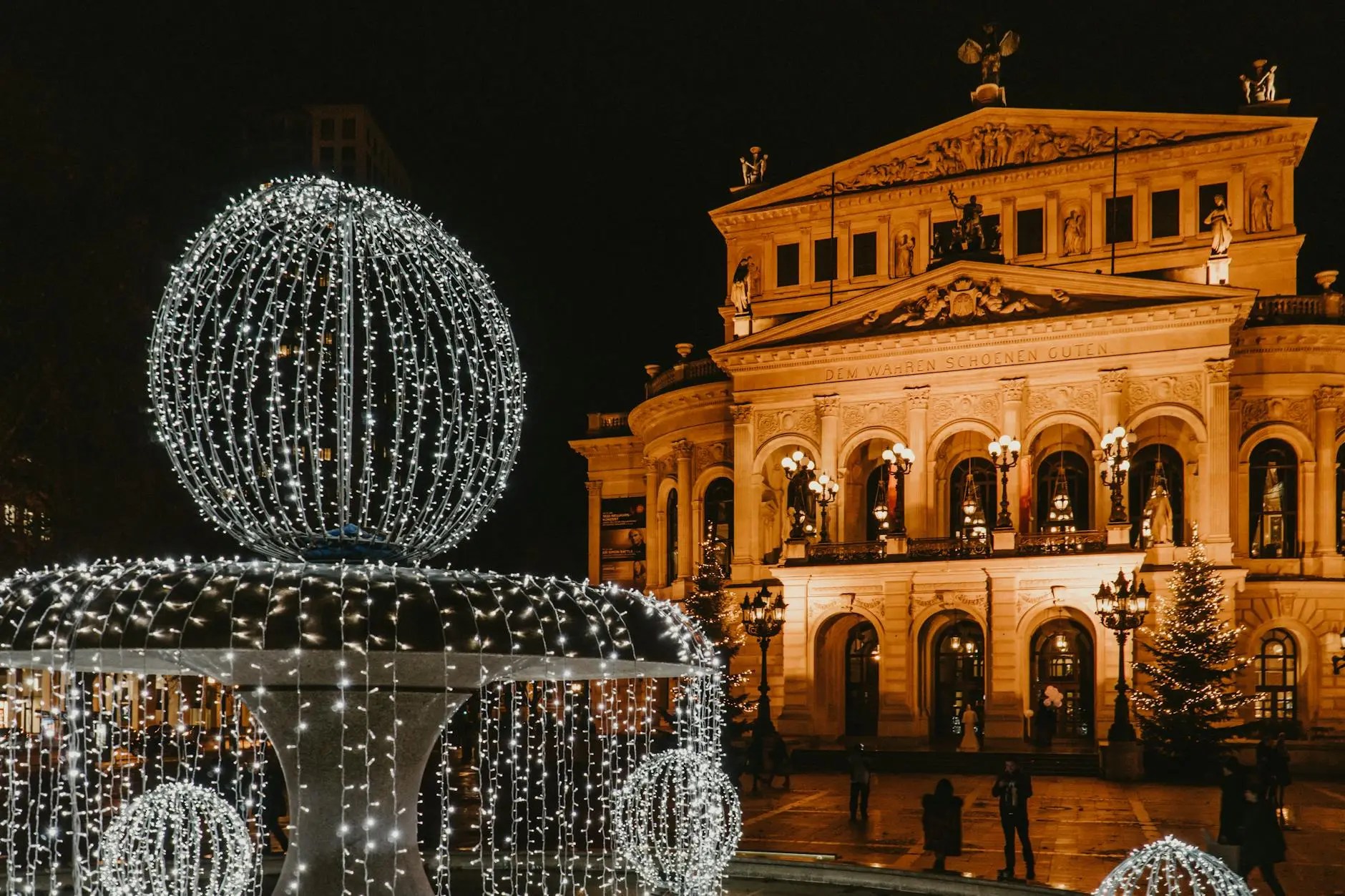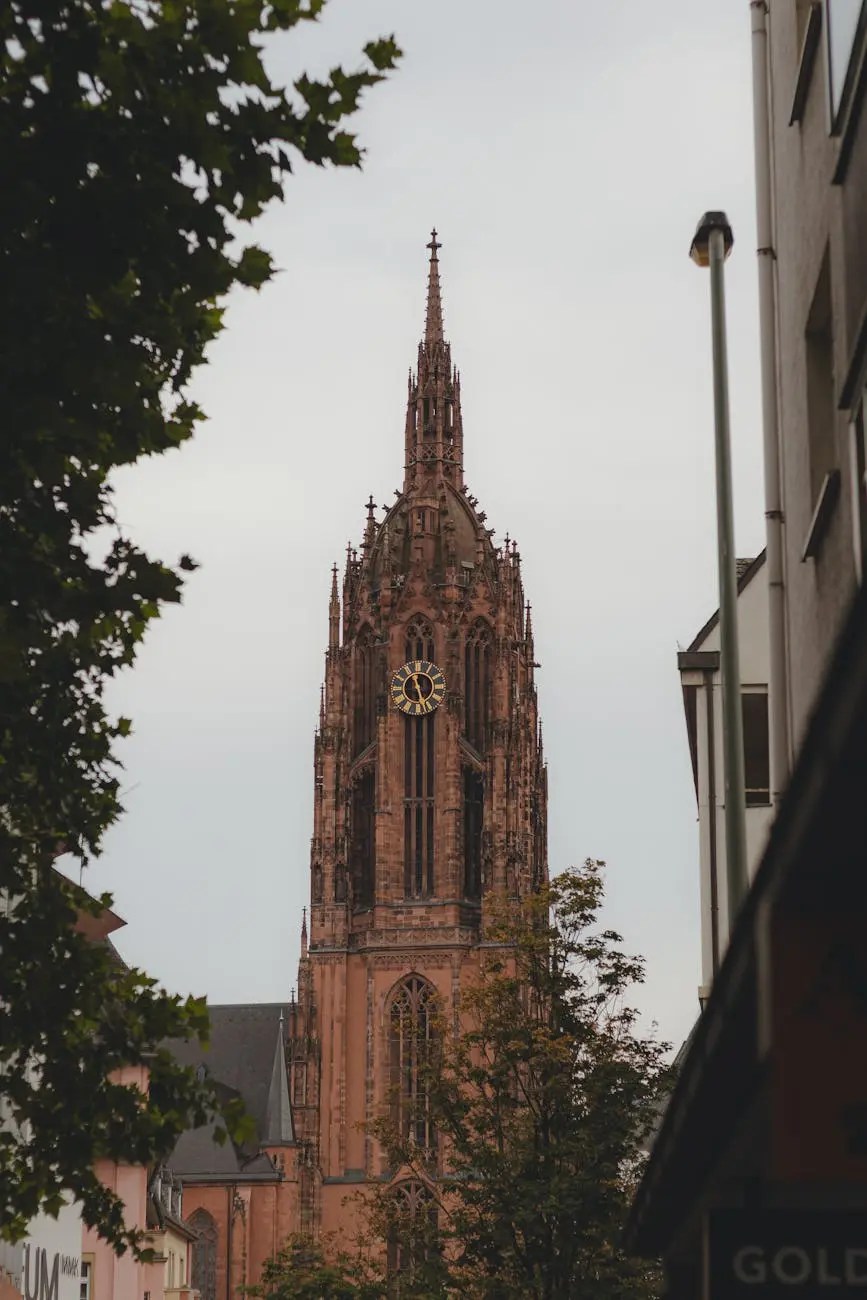
Ultimate Weekend Guide to Sarajevo: Travel Smart & Explore

Meta Description: Planning a weekend in Sarjaevo? Discover the ultimate travel guide for Bosnia’s captivating capital. Get insider tips on where to stay, what to eat, hidden gems, and smart logistics like ferries and buses to save time & money. Perfect for city-break travellers seeking culture, history, and adventure.

Table of Contents

  1. Why Sarajevo? The City Where East Whispers to West
  2. Getting There: Planes, Trains, and… Ferries!
  3. Where to Lay Your Head: Neighbourhood Guide
  4. A Taste of Sarajevo: Ćevapi, Coffee, and More
  5. The Perfect Weekend Itinerary: History, Culture & Vibe
  6. Sarajevo’s Hidden Gems (Skip the Tourist Herd)
  7. Navigating the City Like a Local: Transport & Tips
  8. Essential Bosnian Phrases & Know-How
  9. Smart Traveler’s Toolkit: Save Money, Time & Hassle
  10. Frequently Asked Questions (FAQ)

 Why Sarajevo? The City Where East Whispers to West {#why}

Let’s be honest, when you think of a weekend city break, Sarajevo probably isn’t the first name that pops up. But that’s precisely its magic. This is a city that has lived a thousand lives. In the space of one afternoon, you can wander from an Ottoman-era bazaar, past an Austro-Hungarian cathedral, and see scars and rebirth from the 1990s siege. The call to prayer echoes over rooftops where church bells just finished ringing. You’ll sip thick, strong Bosnian coffee in a centuries-old kafana (coffee house) and later toast with rakija in a gritty, cool bar. It’s intense, profoundly moving, and surprisingly relaxed all at once. My first visit was on a whim, and I left with my heart permanently tethered to this resilient, beautiful place

.I’m going to level with you: if you’re looking for a simple, charming European city break that offers incredible history, stunning mountain views, and food that will make you rethink your entire culinary life, stop scrolling. Sarajevo is it.

Dubbed the “Jerusalem of Europe,” this city is a masterpiece of contrasts. Where else can you stand on a street corner and see an Ottoman mosque, an Orthodox church, a Catholic cathedral, and a Jewish synagogue, all within a few hundred meters? Sarajevo is a city that has seen the very worst of history, yet it pulses with an infectious, resilient energy.

This is your comprehensive guide to spending a perfect, logistically smart, and wallet-friendly weekend in the heart of Bosnia and Herzegovina. Pack your bags—and your sense of humor—because this is going to be good.

Visa & Entry: What You Need to Know

The fantastic news is that for many passport holders, including citizens of the US, UK, EU, Canada, and Australia, a short stay (up to 90 days within a 180-day period) in Bosnia and Herzegovina is visa-free!

The Golden Rule: Your passport must be valid for at least three months beyond your intended date of departure.

A Quick, Important Tip (The White Card): By law, all foreigners staying in BiH must register their address with the local police within 48 hours of arrival. If you’re staying in a registered hotel or a legally operating Airbnb/guesthouse, they are responsible for doing this for you and should give you a small white slip (called the “White Card”). Always confirm they have done this, especially if you’re staying in a private residence, as failure to register can lead to trouble when leaving the country.

Getting There: Your Logistics Cheat Sheet {#getting-there}

By Air {#by-air}

Getting into Sarajevo requires some smart planning, especially if you’re flying in or combining it with a larger Balkan road trip.

Sarajevo International Airport (SJJ) is well-connected from major European hubs. It’s a compact, manageable airport. My pro-tip? Don’t get a taxi from the rank outside. They’re notorious for overcharging tourists. Walk 50 meters to the main road and flag one down, or better yet, use the tram! Line 103 goes directly from the airport to Baščaršija (the old town) in about 35 minutes. It’s the cheapest and most authentic welcome you can get.

✈️ Travel Smart: I always book my flights through Expedia. It’s my go-to for comparing prices and bundling with hotels for those sweet, sweet savings. Check flight deals to Sarajevo here.

By Land: Bus, Train, & Road Tips {#by-land}

  • Bus: The main bus station is a hub for regional travel. Buses from Zagreb, Belgrade, Dubrovnik, and Split are frequent, affordable, and often quite comfortable. Check schedules on Centrotrans or Globtour.
  • Train: The train from Mostar is one of Europe’s most stunning rail journeys, winding through the Neretva River canyon. It’s slow, but the views are 100% worth it. From other countries, trains are less reliable.
  • Car: Driving gives you freedom to explore nearby mountains. Roads are decent, but be prepared for aggressive local drivers and occasional livestock in rural areas. Save on gas and time: Use Google Maps’ “avoid highways” feature for scenic routes, but for speed, stick to the main corridors like the A1. Parking in the city centre can be a nightmare—opt for a hotel with parking.

Getting There by Ferry (The Scenic Route) {#ferry}

While Sarajevo itself is landlocked, a fantastic way to approach Bosnia for a longer Balkan tour is by ferry from Italy to Croatia, then a bus inland. It’s an adventure that turns the journey into part of the holiday.

You can catch overnight ferries from Ancona or Bari in Italy to Split or Dubrovnik in Croatia. From there, it’s a breathtaking 4-6 hour bus ride into the Bosnian mountains and down to Sarajevo. I did this once, watching the sun rise over the Adriatic, then napping as the landscape transformed from coastal cliffs to emerald rivers and forests. It’s epic.

The best resource for planning this maritime leg is Direct Ferries. They compare all operators, routes, and times in one place. Check ferry routes and book your Adriatic crossing here.

Where to Lay Your Head: Neighbourhood Guide {#where-to-stay}

  • Baščaršija (Old Town): Perfect for first-timers. You’ll be steps from the main sights, cafes, and restaurants. Can be noisy at night, but the atmosphere is unbeatable. Great for a short weekend.
  • Marijin Dvor (City Centre): More modern, with trams connecting you everywhere. You’ll find more business hotels and apartments here. It’s a 15-minute walk or a quick tram ride to the old town.
  • Vraca or Bistrik: Quieter, residential hillside areas offering stunning views and a more local feel. You’ll get your steps in, but the peace and panoramas are worth it.

A Taste of Sarajevo: Ćevapi, Coffee, and More {#food}

You cannot leave without trying ćevapi (small, grilled minced meat sausages) in somun (flatbread) with onions and kajmak (creamy dairy spread). My favourite spot is Ćevabdžinica Željo – it’s basic, busy, and perfect.

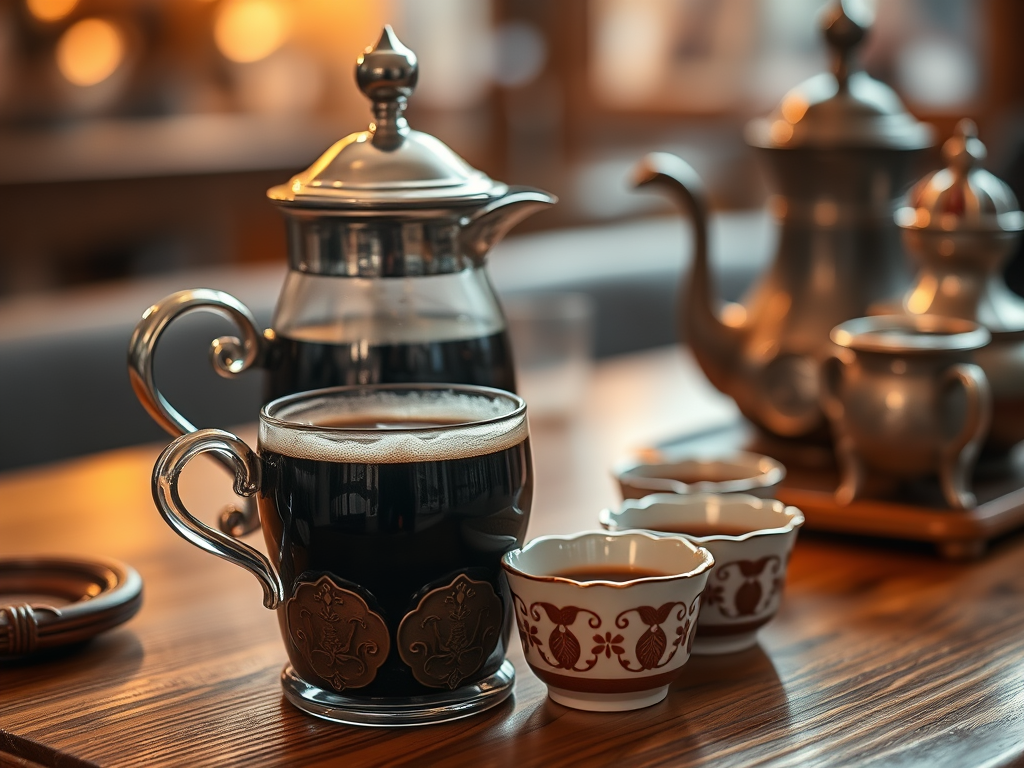
Bosnian coffee is a ritual. It’s served in a džezva (pot) with a fildžan (cup) and sugar cubes. Sip slowly. For a sweet treat, grab a piece of hurmašica (date-shaped syrup cake) or tufahija (stewed apple with walnut filling).

Dinner with a view? Head to Park Princeva. The food is good, but the panoramic view over the city lights is the real main course.
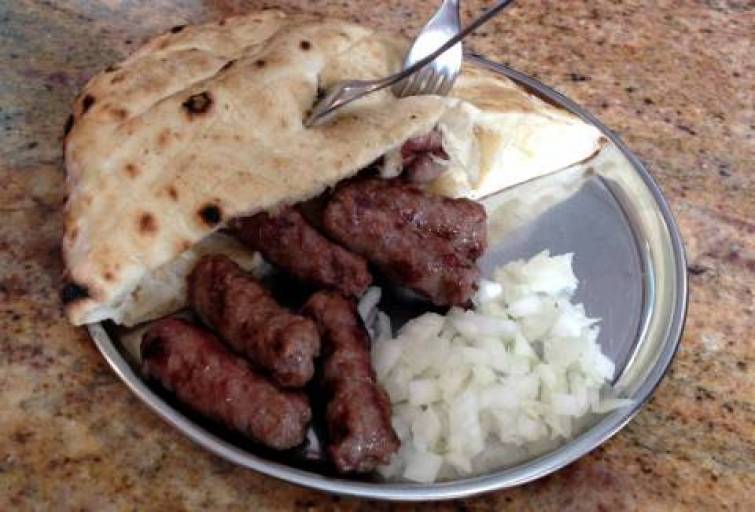
A plate of ćevapi (grilled minced meat sausages) served with flatbread, chopped onions, and garnished on a metal platter.
Savor traditional Ćevapi with fresh somun and onions, a must-try dish in Sarajevo.

A steaming cup of Bosnian coffee served in an ornate glass alongside traditional coffee pots and delicate porcelain cups on a wooden table.
Experience the rich tradition of Bosnian coffee served in a džezva and fildžan, perfect for a taste of Sarajevo.

Day 1: Čaršija Culture & Coffee

Morning: Ottoman Sarajevo Start where it all began: Baščaršija (The Old Bazaar). This is the Ottoman-era center, complete with cobblestones and coppersmiths.

Baščaršija (Expedia) Baščaršija (get your guide)
  • The Pigeon Square (Sebilj): Grab a coffee at one of the tiny cafes. Legend says if you drink the water from the Sebilj fountain, you will return to Sarajevo. (I’m still waiting, but I’ve gone back twice, so it works, I guess.)
Pigeon Square (Expedia)Pigeon Square (get your guide)
  • Gazi Husrev-beg Mosque: A stunning example of Ottoman architecture. Be respectful and cover up before entering.
Gazi Husrev-beg Mosque (Expedia)Gazi Husrev-beg Mosque (get your guide)
  • Hidden Gem Alert: The Coppersmith Street (Kazandžiluk): Forget the tourist shops; watch the coppersmiths at work. This street smells of history and metal, and you can pick up a beautiful hand-engraved Turkish coffee set for a fraction of the cost you’d pay elsewhere.
Sarajevo Old Town Tour (Expedia)Kazandžiluk (get your guide)

Afternoon: Austro-Hungarian Sarajevo Walk west along Ferhadija Street. You’ll literally cross an imaginary line on the ground marked “Sarajevo Meeting of Cultures.” Everything instantly changes: the architecture becomes grand, European, and Viennese.

Austro-Hungarian Sarajevo(get your guide)
  • Assassination Spot: Stop at the Latin Bridge, the site where Gavrilo Princip assassinated Archduke Franz Ferdinand in 1914, triggering WWI. It’s quiet and unassuming—a potent reminder that major world history can happen anywhere.
Franz Ferdinand Assassination (Expedia)Franz Ferdinand Assassination(get your guide)

Evening: Fueling Up & Wind Down For dinner, you must try Ćevapi (grilled minced meat sausages served in a pita-like flatbread called somun). Find a classic ćevabdžinica (Ćevapi house) in the Old Town.

  • Hidden Gem: Instead of going to the most famous ones, try Hodžić. It’s consistently good, and they don’t rush you out.
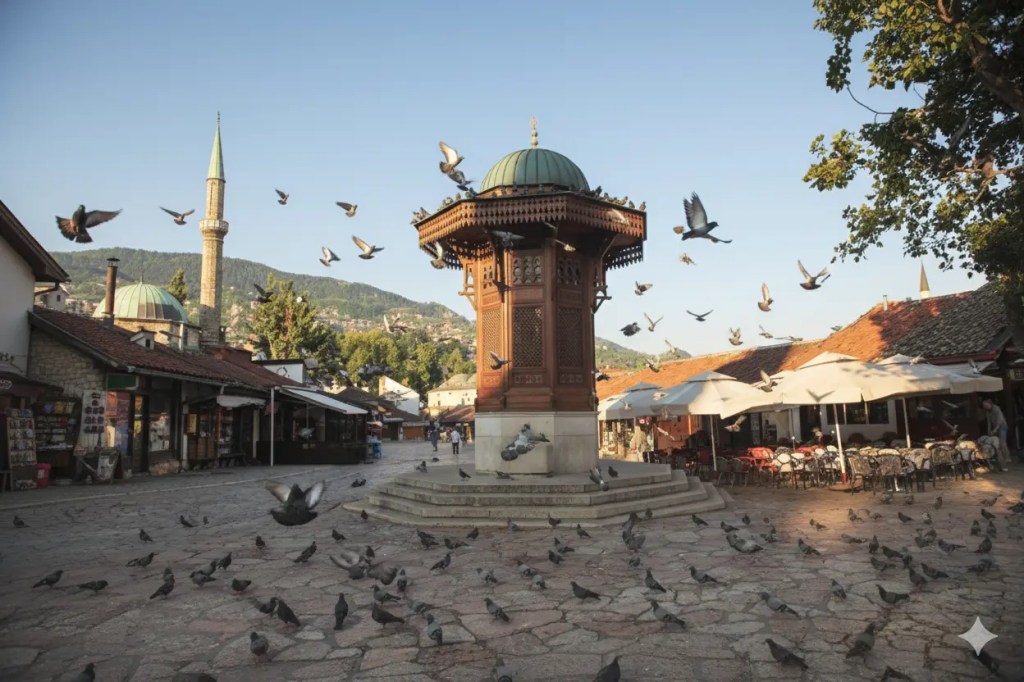
A lively scene at the Sebilj fountain in Baščaršija, Sarajevo, surrounded by rooftops and a mosque, with pigeons taking flight.
The vibrant Pigeon Square in Sarajevo, filled with pigeons and surrounded by historic architecture, captures the city’s blend of culture and tradition. The Sebilj Fountain—Sarajevo’s most photographed landmark. This ornate, Ottoman-style public drinking fountain in the heart of Baščaršija is where locals and travelers alike gather, often called the “pigeon square.” Legend says if you drink from it, you’re destined to return to Sarajevo. (Spoiler: I drank. Twice.)
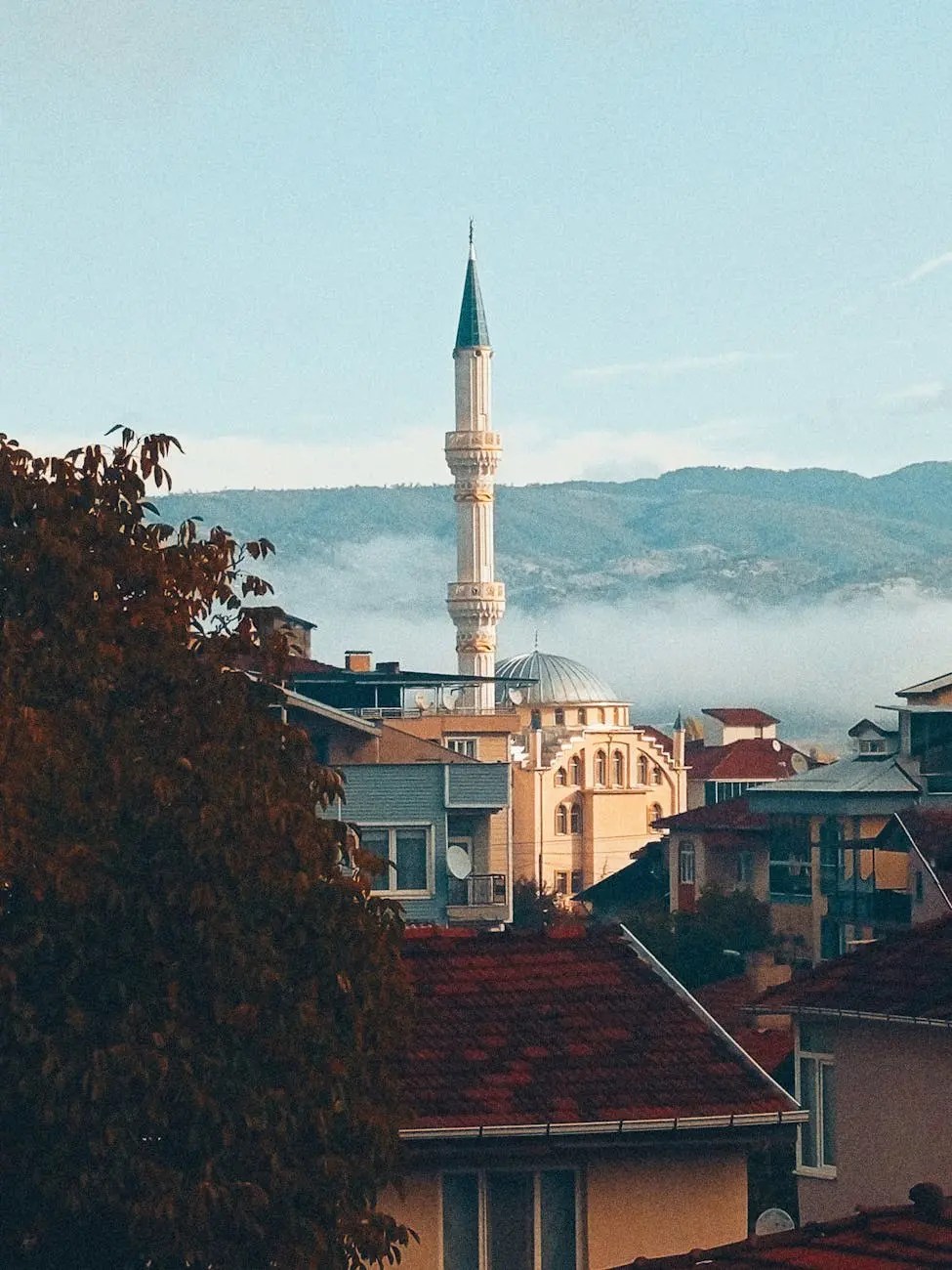
View of a mosque's minaret and surrounding buildings in Sarajevo, with mountains in the background.
A picturesque view of Sarajevo with a mosque’s minaret against a backdrop of mountains and rooftops, embodying the city’s blend of cultures and history. The Gazi Husrev-beg Mosque, built in 1530, anchors Sarajevo’s historic Baščaršija district. It’s not just a place of worship, but the heart of the old town and a stunning example of classical Ottoman architecture in the Balkans. Remember to dress modestly and remove your shoes before entering.

Day 2: War History & Mountain Views

Morning: The Tunnel of Hope This is a solemn, essential stop, but worth the logistical effort.

  • Logistics: The Tunnel of Hope (Tunnel Spasa) is near the airport, slightly outside the city center. Time-Saving Tip: Skip the public transport faff. Grab a taxi or an organized tour. It’s the quickest and least stressful way to get there. The tunnel was the only way in and out of the besieged city during the war, running under the runway. It’s a powerful, sobering experience.
The Tunnel of Hope (expedia)The Tunnel of Hope (get your guide)

Afternoon: City Views and Peace

  • The Yellow Fortress (Žuta Tabija): Head up here in the late afternoon for the best panoramic view of the city—a perfect place to reflect on the morning’s visit and see the city sprawling out in the valley. If you’re a photographer, this is where you’ll want to have your Camera ready for sunset shots.

Evening: Bosnian Wine Sarajevo is the perfect hub for exploring the Balkans. If you loved the history here, you’d be foolish not to continue your trip. Head over to my Blog Masterlist at The Confidence Building Masterlist and check out my guides on:

  • Croatia’s Coastal Gems: (zagreb or zadar) For more beautiful water views after the bus trip.
  • Montenegro’s Mountains: If you want more dramatic, rugged scenery.
  • Belgrade (Serbia): The ultimate contrast to Sarajevo’s East-meets-West feel.
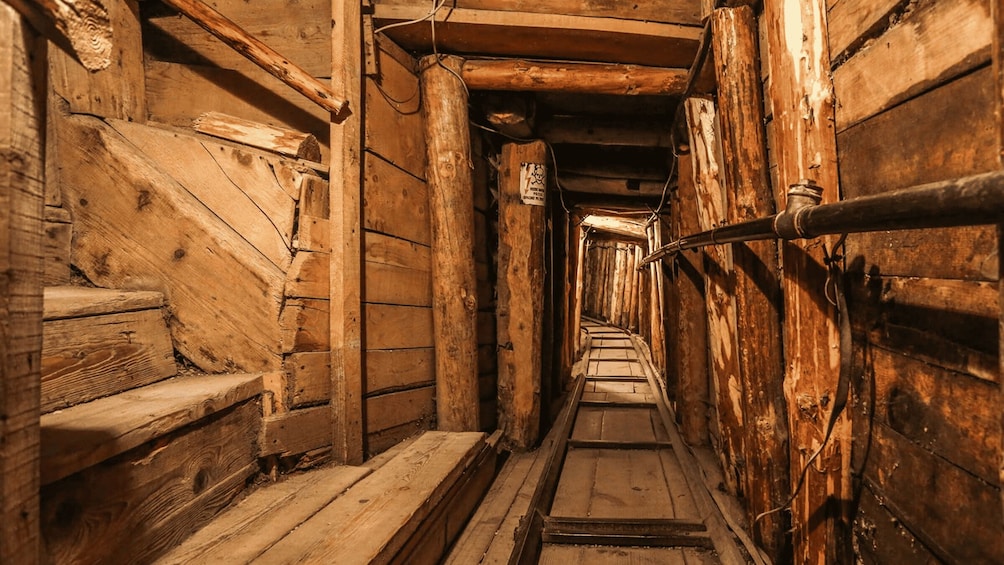
Interior view of the Tunnel of Hope in Sarajevo, showcasing wooden beams and steps along a dusty path, symbolizing resilience and history during the Bosnian War.
Interior of the Tunnel of Hope in Sarajevo, a historical site from the 1990s siege, showcasing its wooden structure and narrow pathways.
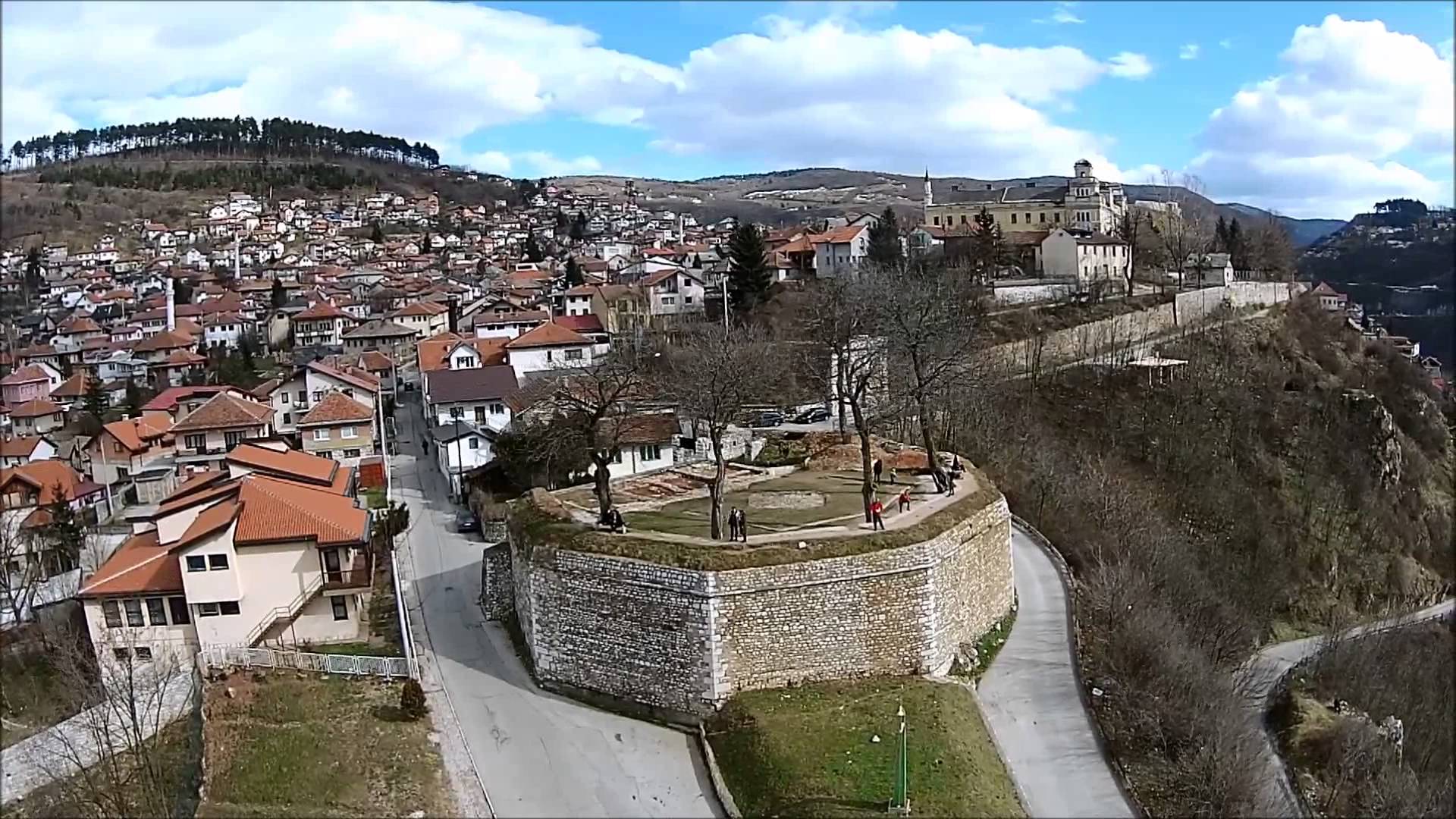
Aerial view of Sarajevo showcasing city rooftops with red-tiled roofs, green trees, and a distant mountainous landscape under a partly cloudy sky.
A scenic view of Sarajevo’s winding streets, showcasing its unique blend of architecture and natural landscapes. (Yellow Fortres)

Money-Saving Tips & Local Transport

Public Transportation

Sarajevo’s public transport is primarily trams and buses.

  • Trams: The central tram line runs through the main street and is perfect for getting between the Old Town and the New Town efficiently. Tickets are inexpensive (about 1.80 BAM/€0.90) and must be purchased from the driver or kiosk and validated immediately. Fines for not having a validated ticket are high!
  • The tram network is your best friend. Buy a GRAS card from a kiosk and top it up—it’s cheaper than single tickets. Trams are clean, frequent, and cover most tourist areas. For routes not covered, taxis are affordable if you use reputable companies like Paja Taxi or Crveni TaxiWalking is the absolute best way to discover the city’s layered soul. The centre is very compact
  • Walk Everywhere: Honestly, the best way to save money and find the hidden gems is to walk. The core tourist area (Baščaršija to the Eternal Flame) is totally walkable.

 Essential Bosnian Phrases & Know-How {#phrases}

  • Hello / Goodbye: Zdravo / Doviđenja
  • Thank you: Hvala (say it with a smile, it goes far!)
  • Please: Molim
  • How much?: Koliko košta?
  • One coffee, please: Jednu kahvu, molim.
  • Cheers!: Živjeli!
  • Yes/No: Da / Ne
  • Nema Problema Нема проблема No problem
  • Račun, molim Рачун, молим The bill, please

Smart Traveler’s Toolkit {#toolkit}

🛡️ Travel Insurance is Non-Negotiable
Sarajevo is safe, but travel is unpredictable. A misplaced bag, a slipped step on a cobblestone, or a delayed flight can happen. I never leave home without coverage from VisitorsCoverage. It lets me easily compare and choose a plan that fits my trip, giving me peace of mind to fully enjoy the adventure. Get a quote for your trip here.

🌐 Stay Connected Without the Headache
Staying connected abroad used to be my travel nightmare—airport SIM counters are a rip-off, and roaming fees are terrifying. My secret? Drimsim. It’s a universal data SIM that works in 190+ countries, including Bosnia. Pop it in, top up via the app, and you’re online. No hunting for shops, no language barriers. It’s a game-changer. Grab your Drimsim here.

🔒 Protect Your Data on Public Wi-Fi
Using public Wi-Fi in cafes and hotels? A VPN is essential to keep your personal info safe. I’ve relied on NordVPN for years—it’s fast, reliable, and lets me access my home streaming services abroad (a crucial evening ritual!). Secure your connection with NordVPN.

✈️ Flight Delayed? Get Paid.
Got hit with a long delay or cancellation flying into Sarajevo? EU passenger rights (which often apply) mean you could be owed up to €600. Most people never claim. I use AirHelp to check my flights—they handle all the legal hassle and only charge if they win you money. It’s turned travel frustrations into surprise funding for my next trip. Check your flight compensation eligibility here.

📸 Capture the Magic
To capture Sarajevo’s stunning contrasts—the smoky coffee shops, the vibrant markets, the hauntingly beautiful landscapes—you need a reliable camera. I swear by my Sony Alpha series for its versatility and stunning image quality. It’s the perfect companion for city breaks. Check out my favourite travel camera here.

🔌 Stay Powered Up
Bosnia uses the standard European Type C & F plugs (220V). Don’t get caught with a dead phone! This European Travel Plug Adapter Kit has multiple USB ports, so you can charge all your gadgets at once. A must-pack. Get the adapter kit here.

🧴 Travel Glowing with K-Beauty
Long flights and busy days can wreak havoc on your skin. I keep my complexion in check with hydrating Korean skincare from Lakinza. Their serums and masks are travel-size friendly and incredibly effective. Pro Tip: Use code Lalax10 at checkout for a sweet discount on your first haul. Because looking fresh shouldn’t cost a fortune. Explore Lakinza’s K-Beauty magic here.

Frequently Asked Questions (FAQ) {#faq}

Q: Is Sarajevo safe for tourists?
A: Absolutely. Today’s Sarajevo is one of the safest capitals in Europe. Exercise normal city precautions (watch your bag in crowds), and you’ll feel welcome and secure.

Q: What’s the best time of year to visit?
A: Spring (May-June) and Autumn (September-October) are ideal. The weather is mild, perfect for walking, and the crowds are thinner than in the peak summer. Winter can be cold and snowy but has its own charm, especially with Christmas markets.

Q: Is Bosnia expensive?
A: Not at all. For Western travellers, it’s incredibly affordable. A filling meal can cost under €10, coffee is €1-2, and public transport is cheap. It’s a fantastic budget-friendly destination.

Q: Can I use Euros?
A: The official currency is the Bosnian Convertible Mark (BAM or KM). Some places in tourist areas might accept Euros, but the rate will be terrible. Always use local currency. ATMs are widely available.

Q: How do I get from the airport to the city centre?
A: Take Tram Line 103 right outside the terminal. It’s the cheapest and easiest way. Taxis are an option but agree on a price first (should be around 15-20 KM to the centre).

Final Call to Adventure

Sarajevo is a city that gets under your skin. It’s a place of deep history, warm smiles, and phenomenal food, all nestled in a stunning river valley. Stop putting it off—your ultimate weekend escape to the Balkans starts now.


Ready to explore the crossroads of history? Don’t wait until the secret is out!

Click here to find the perfect flights and hotels for your Sarajevo adventure today: Book Your Escape with Expedia
Universal Disclaimer/Disclosure Page:

Santiago’s Plaza de Armas: Why This Historic Heart is Your First Stop (Cluster Page)

📝 Meta Description

Discover the heart of Santiago, Chile! This guide to the Plaza de Armas covers its colonial history, must-see architecture, practical visitor tips (including how to get there and safety advice), and the best times to visit this vibrant cultural hub.

“Every time I step into the Plaza de Armas, I feel the layers of Santiago’s history under my feet. From Spanish conquistadors to modern-day street artists, this square has seen it all. Here’s why it’s the unmissable starting point for any visit.”

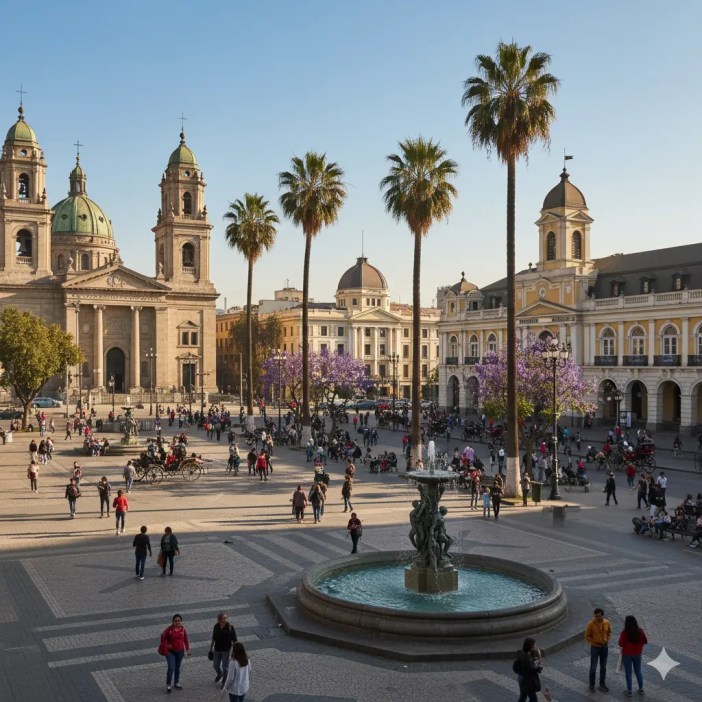
A vibrant, high-angle view of the Plaza de Armas in Santiago, Chile, featuring a central bronze fountain surrounded by people. On the left is the neoclassical Metropolitan Cathedral, and on the right is the historic central post office and the yellow facade of the National History Museum. Tall palm trees line the square, and the sunlight highlights the colonial architecture
The heart of Santiago: Plaza de Armas, featuring the Metropolitan Cathedral and historic surrounding buildings. A central meeting point rich in Chilean history and daily life.

🏛️ The Soul of the City: A History of the Plaza de Armas

The Plaza de Armas is the historic heart and “Kilometer Zero” of Santiago, the point from which all distances in Chile are traditionally measured. Foundation (1541): It was established by the Spanish conquistador Pedro de Valdivia as the center of the newly founded city of Santiago. Following the standard Spanish colonial grid plan, it was initially a military training ground and a defensive space—hence the name, which literally means “Weapons Square.” Colonial Center: The most important colonial buildings were immediately erected around it, symbolizing Spanish power and order: the Metropolitan Cathedral (church), the Governor’s Residence (now the Central Post Office), the Royal Court Palace (now the National History Museum), and the City Council (now the Santiago Municipality). Evolution: Throughout the colonial era, the square served as the central marketplace, social hub, and stage for public events, including religious processions, festivals, and even bullfights. Modernization: In the mid-19th century, it was significantly modernized, replacing the dusty esplanade with gardens, fountains, and the iconic palm trees, transforming it into a beautiful European-style promenade. Continuing Role: Today, it remains a bustling, vibrant, and sometimes chaotic center of social, cultural, and political life, still surrounded by the original, historic government and religious institutions.

🗺️ Practical Visitor Tips for the Plaza de Armas

Here are some essential tips to help you make the most of your visit to Santiago’s historic main square:

Tip CategoryDetail
How to Get ThereTake the Santiago Metro to the Plaza de Armas station (Line 5 or Line 3). The square is virtually right above the station, meaning it’s just a 5-minute walk to emerge into the heart of the action.
Best Time to VisitMornings (9:00 AM – 11:00 AM) are cooler and less crowded, perfect for photography and admiring the architecture. Evenings (5:00 PM – 8:00 PM) are vibrant with locals, street performers, and artists, offering a great glimpse into the city’s pulse.
Money-Saving TipIt’s a public square! Enjoying the grand colonial atmosphere, resting on a bench, and people-watching the chess players and artists is completely free. The surrounding museums often have very low or free entry days, too.
A Word on SafetyAs the city’s busiest and most central square, it attracts large crowds. Keep a close eye on your belongings (bags, phones, cameras) and be aware of your surroundings, especially during peak hours.

The Chess Masters

I remember sitting on one of the benches near the fountain late one afternoon. I was trying to figure out which direction to head next when I noticed a small, intense crowd gathered under the palm trees. They were watching a silent battle: a group of older gentlemen playing speed chess on makeshift tables. The way they slammed the pieces down after a move, the sharp focus in their eyes, and the quiet camaraderie among the spectators perfectly captured the daily, vibrant pulse of the Plaza—a beautiful mix of history, routine, and life.

https://confidencebuildings.com/?p=9517

Ultimate Weekend Getaway in Manila: Your Insider Guide

Meta Description: Forget the long-haul planning—Manila is your next spontaneous getaway! Discover how to spend the ultimate weekend in the Philippines‘ capital, hitting the best spots, hidden gems, and local eats. Get detailed travel tips, save time with public transport hacks (LRT/MRT), and learn the Filipino phrases you need. Optimized for travelers seeking Manila weekend travel, history, and culture. Find your next adventure on [Expedia]!

The moment I stepped out of Ninoy Aquino International Airport (NAIA), the Manila heat hit me like a friendly, humid hug. The city felt alive, chaotic, and utterly mesmerizing. Forget what you think you know about this often-overlooked hub; Manila isn’t just a layover city—it’s a dynamic metropolis waiting to be explored. And you only need a weekend to scratch the surface.

I’ve been traveling Southeast Asia for years, and Manila always calls me back. It’s a city of contrasts: colonial Spanish walls standing tall next to towering modern skyscrapers, and the scent of street food mingling with exhaust fumes. Trust me, it’s a ride, and with this hyper-efficient, time-saving itinerary, you’ll master it like a local.

Alright, let’s be real. Manila doesn’t always get the best press. People talk about its traffic, its chaos, its sheer, unadulterated energy. And you know what? They’re not wrong. But they’re also missing the point.

Manila isn’t a city you just see; it’s a city you feel. It’s a wild, beautiful, frenetic symphony of honking jeepneys, sizzling street food, and some of the warmest people you’ll ever meet. Tackling it in a weekend might seem ambitious, but trust me—with this plan, you’re not just checking boxes. You’re diving headfirst into the heart of the Philippines.

So, grab your sense of adventure (and maybe some deodorant, it’s humid), and let’s build your perfect Manila weekend.

Flights to Manila

Quick Tip: I never travel without my reliable Sony Alpha a7 III. It’s a workhorse for capturing everything from low-light church interiors to the vibrant chaos of a market.

Hotels in Manila

Table of Contents

  1. Your Manila Game Plan: A Weekend Itinerary
  2. Manila on a Budget: Money-Saving Hacks & Public Transport
  3. Hidden Gems & Local Secrets
  4. Essential Filipino Phrases for Travelers
  5. Travel Smarter, Not Harder: My Can’t-Live-Without Gear
  6. Frequently Asked Questions (FAQ)

Day 1: Old-World Charm & Sunset (Friday Evening to Saturday)

Friday Night: Arrive & Recharge

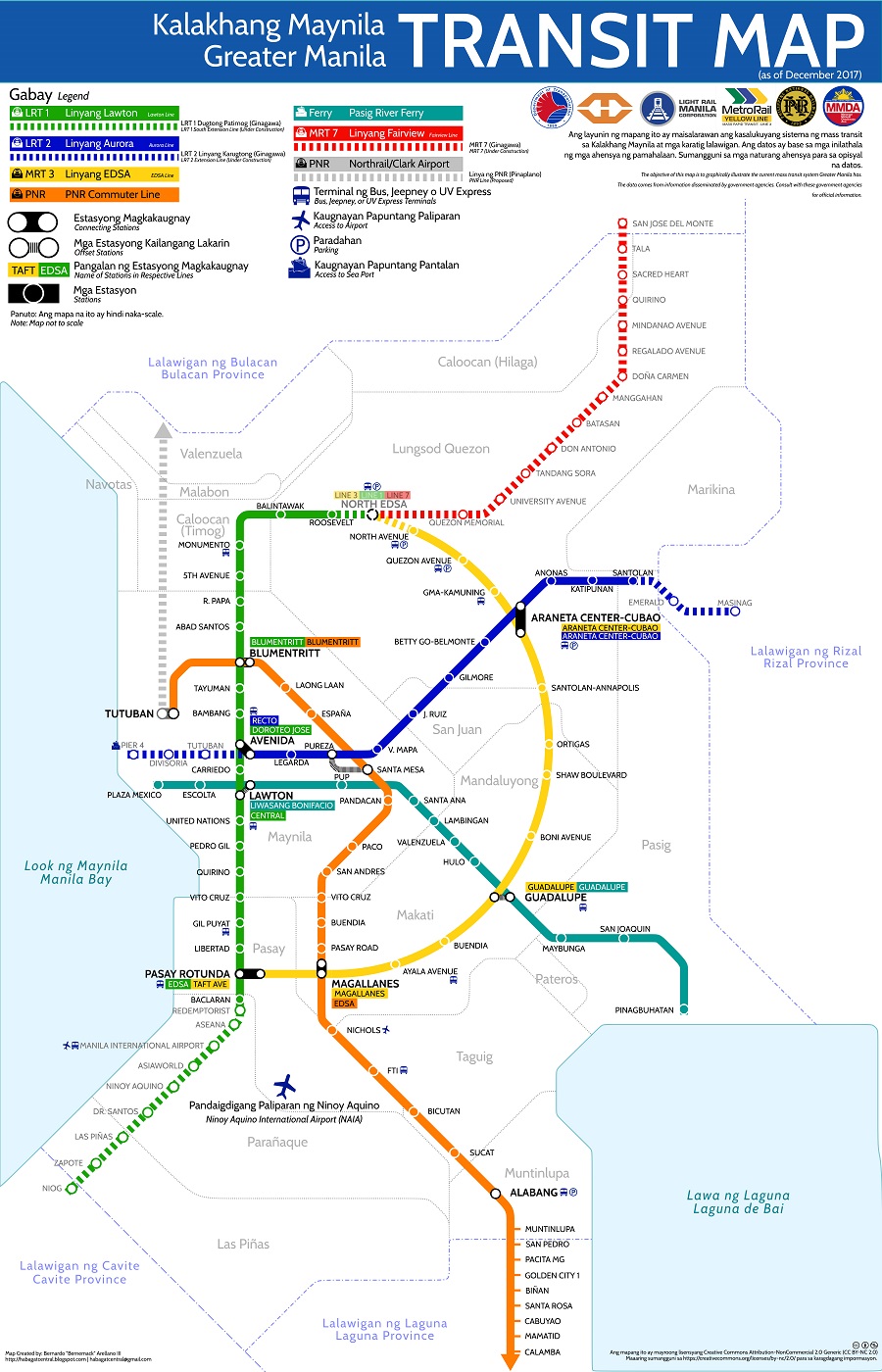
If you land on a Friday evening, the best advice I can give you is this: don’t try to fight the Friday rush hour traffic. It’s legendary. Instead, book your accommodation near a major transit line (like the LRT or MRT) or, better yet, in the walkable areas of Makati or Malate.

A detailed transit map of Greater Manila showing various transportation lines including MRT, LRT, and PNR, with highlighted routes and stops.
A comprehensive transit map of Greater Manila, essential for navigating the city’s transport systems.

I once spent two hours in an airport taxi because I thought I could “beat the traffic” at 6 PM. I was wrong. Utterly, hilariously wrong. Save yourself the stress, settle in, and grab a late dinner.

Saturday Morning: The Walled City (Intramuros)

Best Time to Visit: 8:00 AM – 10:00 AM (to beat the heat and the heaviest crowds).

Intramuros is the historic heart of Manila—a 400-year-old walled city built during the Spanish colonial period.

What to Do:

  1. Rent a Bamboo Bike (Bambike): Skip the kalesa (horse-drawn carriage) tour. Rent a bicycle made of bamboo! It’s eco-friendly, fun, and the perfect way to navigate the cobbled streets.
  2. Fort Santiago: The most significant spot. This is where the Philippines’ national hero, Jose Rizal, was imprisoned before his execution. It’s sobering and beautiful.
  3. San Agustin Church: A UNESCO World Heritage Site. The trompe-l’oeil ceilings alone are worth the visit.
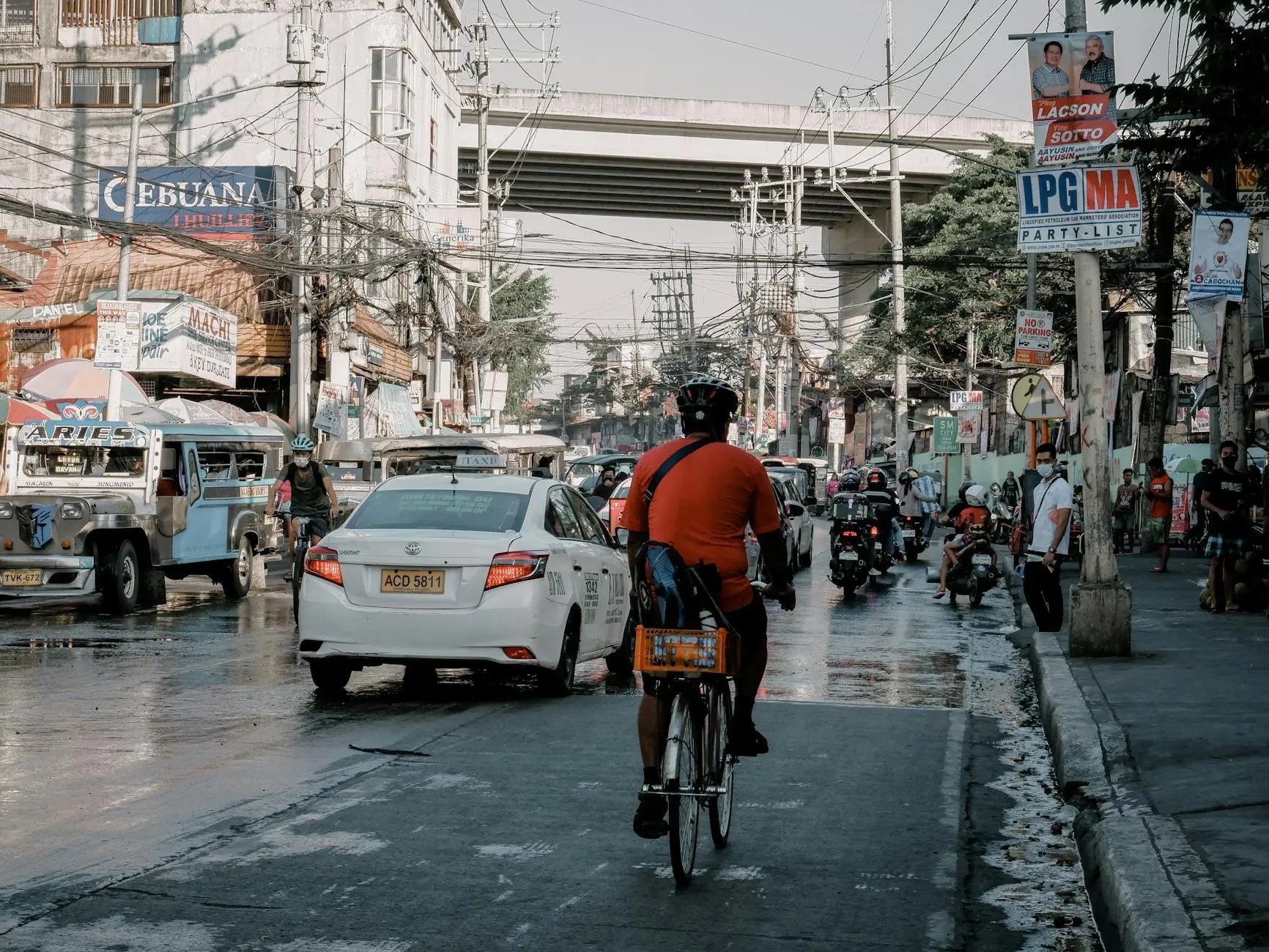
A cyclist riding through a busy street in Manila, surrounded by traffic including cars and motorbikes, with urban buildings and power lines in the background.
A vibrant street scene in Manila showcasing the mix of local traffic, jeepneys, and cyclists navigating the bustling city. The organized chaos of a Manila street: a iconic jeepney shares the road with cars and a determined cyclist, showcasing the city’s vibrant and relentless energy.

Hidden Gem: Instead of the main tourist haunts, seek out the Baluarte de San Diego, a beautiful, quiet garden bastion. It’s less crowded and a perfect spot to take some breathtaking photos of the historic walls. By the way, the photos in this entire post? I shot them on my favorite travel camera. It’s light enough for a full day of touring but packs a professional punch.

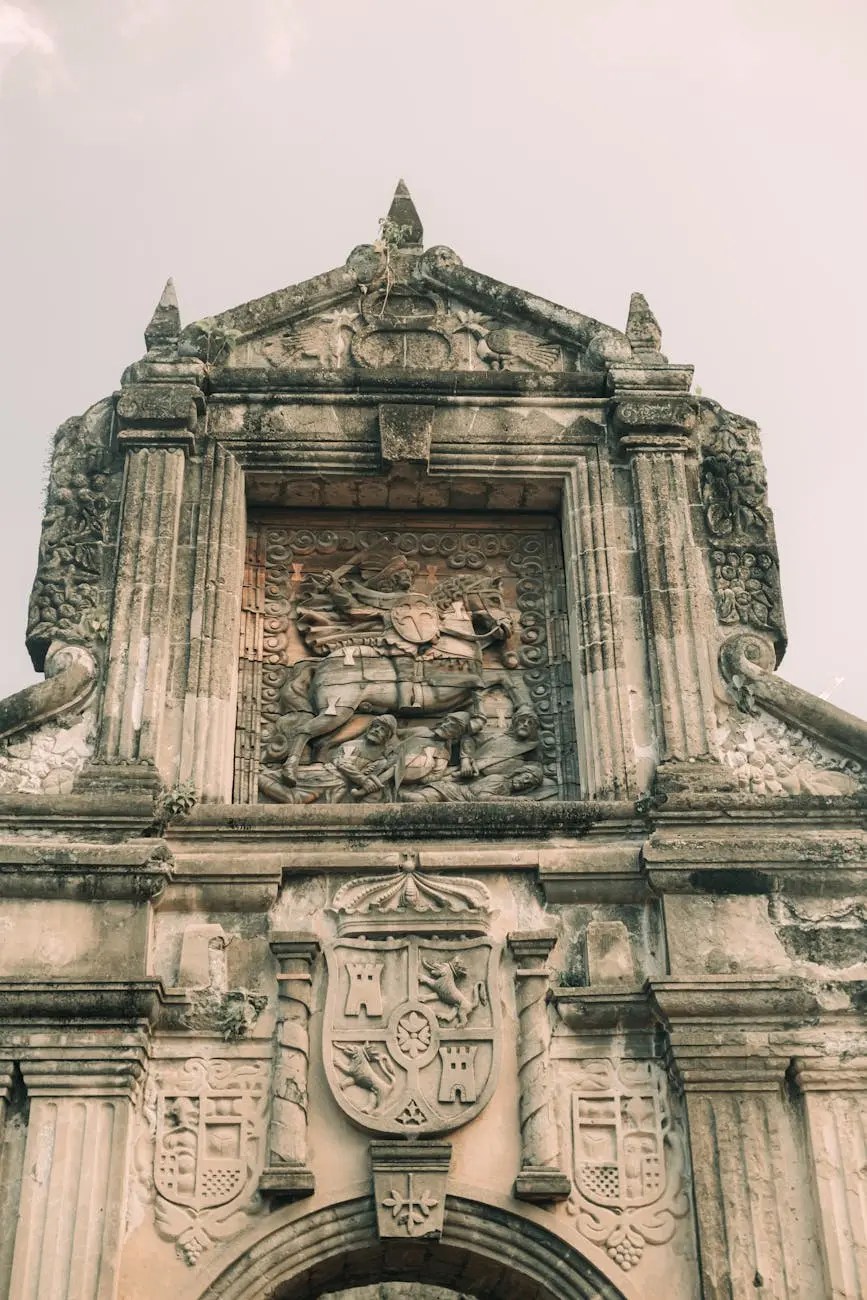
Historical detail of the walled city of Intramuros in Manila, showcasing colonial architecture and intricate relief carvings. Walking through the main gate of Fort Santiago feels like stepping directly into the pages of Philippine history.
Historic church buildings in Intramuros, Manila, showcasing colonial architecture with intricate details and a blue sky backdrop.
Explore the historic charm of Intramuros, Manila’s 400-year-old walled city, highlighted by stunning colonial architecture and rich cultural heritage.

Day 2: Park Life, Shopping, and a Wild Night Out

  • Morning (Green Escape): Escape the concrete jungle at Rizal Park. It’s the country’s tribute to its greatest hero. See the Chinese and Japanese Gardens, the orchidarium, and the monument where guards change hourly. It’s a peaceful, green start to the day.
  • Afternoon (Retail Therapy): From there, you’re a short ride away from the mammoth SM Mall of Asia (MOA). Yes, it’s a mall, but it’s also a cultural experience. Grab lunch at the food court, do some people-watching, and walk along the MOA Baywalk. For a more unique find, check out my guide to hidden shopping gems in Southeast Asia.
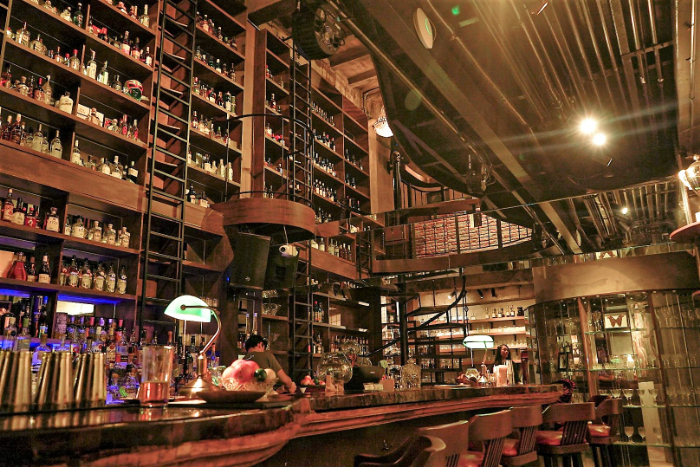
  • Evening (Let Loose in Poblacion): As night falls, make your way to Poblacion, Makati. This neighborhood is the epicenter of Manila’s nightlife, with tiny speakeasies hidden behind unmarked doors, rooftop bars, and incredible international food stalls. My personal favorite is The Spirits Libraryfinding the entrance is half the fun.

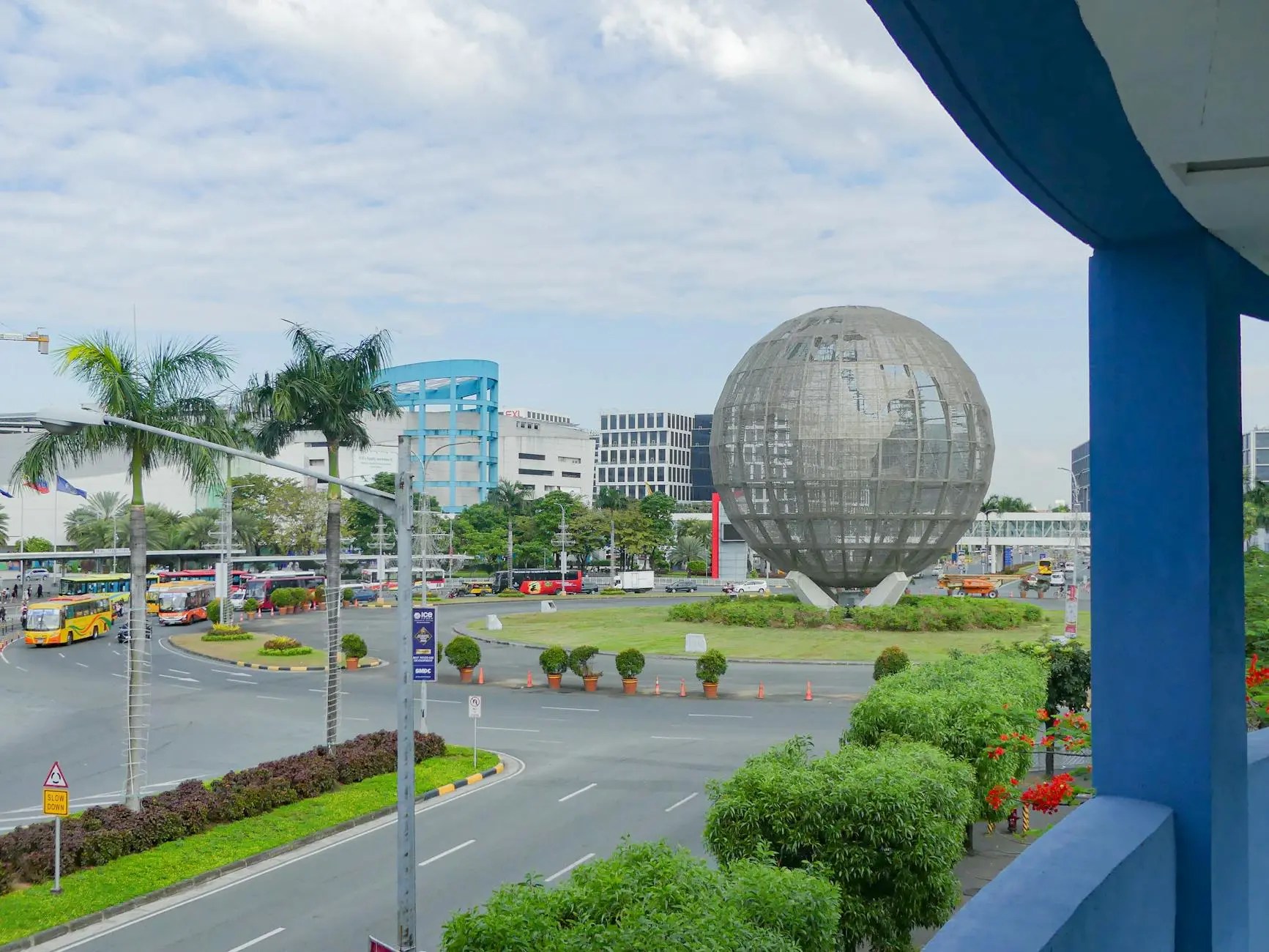
The iconic globe structure at the Mall of Asia in Manila, showcasing the blend of modern architecture and bustling city life.
Interior of a stylish bar with a wooden counter, towering shelves filled with various bottles, and ambient lighting creating a cozy atmosphere.
The Spirits Library: A chic speakeasy in Makati, Manila, offering a unique nightlife experience with an extensive selection of spirits.

Manila on a Budget: Money-Saving Hacks & Public Transport

Manila can be cheap if you know how to move. Relying solely on taxis will drain your wallet and your sanity.

  • The Mighty Jeepney: This is the king of the road. They have set routes (look at the signs on the side) and are dirt cheap (around ₱13-20 for a short ride). How it works: Get in, pass your payment forward saying “Bayad po” (Payment, sir/ma’am), and your change will be passed back through the same human chain. To get off, tap on the roof or say “Para!” (Stop!).
  • The Train Systems (MRT & LRT): These are your best friends for beating traffic along major corridors. They’re fast and efficient, but can get packed during rush hour. Buy a single-journey ticket from the station.
  • Ride-Hailing (Grab): For comfort and convenience, Grab is the way to go. It’s more expensive than a jeepney but often cheaper and safer than hailing a random taxi. Pro Tip: During peak hours or rain, surge pricing is insane. Be prepared to wait it out.
  • Money-Saving Tip: Eat where the locals eat! Jollibee is a must-try cultural icon, but carinderias offer the most authentic and affordable meals. Point at what looks good and enjoy a feast for under $3.
Two friends enjoying a vibrant day in Manila, playfully posing near a Jollibee restaurant with colorful accessories. When in Manila, do as the locals do: grab your bestie, your wackiest sunglasses, and strike a pose outside a iconic Jollibee! This is the pure, unfiltered joy of a Filipino getaway.
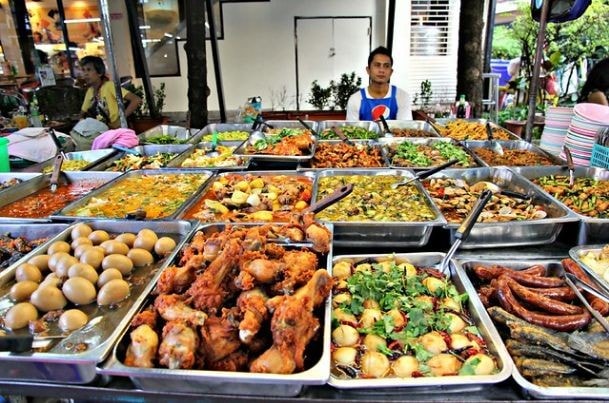
A vibrant street food market in Manila, featuring various dishes displayed in stainless steel trays, with a vendor seated in the background.
A vibrant display of Filipino street food showcasing a variety of delicious dishes from a local market in Manila.

Hidden Gems & Local Secrets

  • The Art of Escolta: Tucked away in Old Manila, Escolta Street is a time capsule with beautiful, decaying Art Deco buildings now housing hipster cafes, art galleries, and a weekend flea market.
  • A Cemetery Like No Other: Manila North Cemetery isn’t your typical tourist spot. It’s a functioning city of the dead, where families live in mausoleums. It’s a profound, eye-opening look into a different way of life and death. Go with a guide to be respectful and safe.
  • Secret San Miguel: Skip the commercial beer and do a tour of the San Miguel Brewery. The history is fascinating, and the unlimited beer at the end is, well, glorious.

Essential Filipino Phrases for Travelers

Filipinos appreciate any attempt to speak their language. English is widely spoken, but these will earn you smiles.

  • Salamat (sa-la-mat) – Thank you
  • Magkano? (mag-ka-no) – How much?
  • Po (po) – A word of respect added to sentences. E.g., “Salamat po.”
  • Paano pumunta sa… (pa-a-no poo-moon-ta sa) – How do I get to…?
  • Masarap! (ma-sa-rap) – Delicious!
  • Ingat Take care A nice farewell.

Logistics & Manila Transit Hacks

Manila’s traffic is a monster, but you can slay it with the right strategy.

TransportBest ForPro Tip
LRT & MRTLong-distance travel between districts (e.g., Cubao to Malate).Buy a Beep Card for seamless entry; skip the ticket lines. Avoid rush hour (7 AM-9 AM and 5 PM-8 PM).
JeepneysShort hops and local immersion.The Ultimate Save: They are dirt cheap (around ₱10-20, or $0.20-0.40). Just remember to pass your fare forward and say “Para po!” when you want to get off.
Grab (App)Airport transfers and late-night travel.Essential. Safer and more reliable than random taxis. Always confirm the price before starting the trip.

Road Maps & Time-Saving: Always use a mapping app like Waze or Google Maps (download offline maps!). Manila’s road network is complex, but these apps will auto-suggest the fastest route, which often involves taking the train and then a short Grab ride, saving you major time and gas if you were driving.

Travel Smarter, Not Harder: My Can’t-Live-Without Gear

Let’s talk logistics. A smooth trip isn’t about luck; it’s about being prepared.

🌐 Stay Connected Instantly: I used to waste the first hour in a new country hunting for a SIM card. Not anymore. I now use Drimsim, a universal data SIM that works in over 190 countries the second you land. Top up via the app, and you’re online. No fuss, no hidden fees, just instant Instagram stories from the back of a jeepney.

🔒 Protect Your Data: I do all my booking and browsing on public Wi-Fi with NordVPN running. It’s non-negotiable for keeping your personal info safe from hackers, especially when you’re accessing bank accounts or booking your next hotel on sketchy airport networks.

✈️ Get Paid for Flight Chaos: Did your flight get delayed, canceled, or overbooked? You could be entitled to up to $650 in compensation! Most travelers have no idea. I use AirHelp to check my flights. They handle all the annoying paperwork with the airline and only get paid if you win. It’s the easiest potential travel bonus you’ll ever get.

🧴 Look Fresh After a Long Flight: A 15-hour flight can wreak havoc on your skin. My secret weapon? K-Beauty from Lakinza. Their sheet masks and serums are a hydration powerhouse. And because I love you guys, use code Lalax10 at checkout for a sweet discount. Because glowing skin shouldn’t cost a fortune.

🛡️ Don’t Skimp on Insurance: From a misplaced bag in Manila to a surprise hospital visit in Palawan, travel insurance has saved me more than once. I always compare plans on VisitorsCoverage to find the right fit. It’s the most boring part of travel planning, but the most important.

Manila Money & Visa Essentials

Visa Cost: Always check the latest visa requirements for the Philippines based on your nationality. Many countries have 30-day visa-free entry, which is perfect for a quick weekend. For longer trips, costs vary, but the peace of mind knowing you’re cleared to enter is priceless.

Cost-Saving: The Philippine Peso () is generally favorable.

  • Food: Street food is your best friend. A filling meal costs less than $2.
  • Lodging: You can find excellent budget hotels/hostels for $20-$40 a night.
  • Transportation: Sticking to the LRT/MRT and Jeepneys will cut your transport bill down to almost nothing.

Frequently Asked Questions (FAQ)

Q: Is two days enough for Manila?
A: It’s enough for a fantastic, high-energy taste! This itinerary is designed to give you the highlights and a real feel for the city’s soul without burnout. For a more relaxed pace, add a third day.

Q: What’s the best way to get from the airport to the city?
A: The Grab ride-hailing app is your most reliable and straightforward option from NAIA Airport. Official airport taxis are also available but agree on the meter (“meter, please”) before you go.

Q: Do I need a visa for the Philippines?
A: Citizens of many countries (including the US, UK, AU, CA, EU) get a 30-day visa-free stay upon arrival. Always check the latest requirements with the Philippine Bureau of Immigration before you travel. Visa costs vary for other nationalities.

Q: Is Manila safe for tourists?
A: Like any major city, be smart. Don’t flash expensive jewelry, be aware of your surroundings in crowded places, and use common sense. Stick to well-lit areas at night. Overall, Filipinos are incredibly hospitable and will go out of their way to help you.

Q: What’s the best time of year to visit?
A: The dry season from November to April is ideal. It’s hot but less rainy. Avoid the typhoon season from June to September if you can.

Is it a good base for other trips?

Absolutely! Manila is a major hub. For your next adventure, check out my other blogs which are 🗺️ Geographically Close to Manila, Philippines.

🇲🇾 Kuala Lumpur, Malaysia

📍 Weekend Adventure Guide to Kuala Lumpur
✈️ Only about 3.5 hours by flight — perfect for short regional trips.

🇸🇬 Singapore

📍 48-Hour Weekend Guide to Singapore
✈️ Around 3.5 hours away — Manila to Singapore is one of the busiest air routes in Asia.

🇹🇼 Taipei, Taiwan

📍 48-Hour Taipei Travel Guide: Must-See Attractions
✈️ Roughly 2.5 hours by flight — ideal for culture lovers and foodies.

🇯🇵 Osaka & Tokyo (Japan)

📍 48 Hours in Osaka: Your Ultimate Weekend Itinerary
📍 Ultimate Weekend Escape: Discover Tokyo’s Hidden Gems
✈️ About 4–5 hours flight — both are popular weekend escapes from the Philippines.

🇰🇷 Seoul, South Korea

📍 Explore Seoul: A Weekend Guide to History and Modernity
✈️ 4 hours by air — visa-free for Filipino travelers with certain conditions (like valid OECD visa).

🇭🇰 Hong Kong

📍 Ultimate Hong Kong Weekend Getaway Guide
✈️ Only 2 hours — quick, easy, and a classic favorite among Filipino travelers.

🇹🇭 Bangkok, Thailand

📍 Escape Bangkok: Top Weekend Getaways You Need
✈️ About 3 hours — ideal for combining with Manila trips for regional travelers.

🇦🇺 Sydney, Australia

📍 Explore Sydney: A Complete Weekend Itinerary
✈️ Roughly 8 hours by flight — longer, but within the same Asia-Pacific region.

🇨🇳 Shanghai, China

📍 The Ultimate Weekend Escape to Shanghai, China
✈️ Around 3–4 hours — another East Asian option with a visa requirement.

Manila is waiting to surprise you. It’s a city that demands you lean in, listen closely, and embrace the beautiful chaos.

What’s your number one Manila must-do? Let me know in the comments below! And for more travel guides and insider tips, don’t forget to check out my full Travel Master List.

Ready to Go?

Manila is a whirlwind, a sensory overload, and a city that truly gets under your skin. Don’t wait for a long vacation; dive in this weekend.

📌 Stop scrolling and start booking! Your two-day Philippine adventure is waiting.

Click here to find the best deals on flights and hotels for your Manila escape! [Book Your Manila Getaway Now!]

Planning your next city break? 🌍
Don’t forget to check out my complete guide — The Ultimate Weekend Escapes Around the World — for more weekend getaway ideas!

Universal Disclaimer/Disclosure Page:

Ultimate Weekend Guide to Warsaw: Hidden Gems & Smart Tips

Meta Description: Planning the ultimate weekend escape to Warsaw, Poland? This guide is packed with insider tips, hidden gems, and a perfect 2-day itinerary to help you explore the vibrant heart of Poland. Discover where to save time and money, master public transport, and fall in love with this resilient city.

🧭 Table of Contents

  1. Introduction – Why Warsaw Deserves Your Weekend
  2. Getting There & Visa Tips
  3. Where to Stay (and Save)
  4. Getting Around Warsaw – Smart Transit Tips
  5. Top Things to Do & Hidden Gems
  6. Where to Eat & Drink
  7. Smart Travel Tips (Affiliate Resources You’ll Love)
  8. Handy Polish Words You’ll Actually Use
  9. FAQs for First-Time Travelers
  10. Final Thoughts + Must-Read Nearby Escapes

✈️ 1. Introduction – Why Warsaw Deserves Your Weekend

If Kraków is the nostalgic soul of Poland, Warsaw is its beating heart — bold, modern, and unafraid to flaunt its scars. I arrived expecting gray post-war blocks and left enchanted by riverside cafes, neon-lit murals, and the kind of unexpected kindness that makes you rethink stereotypes.

From the fairy-tale façades of the Old Town (Stare Miasto) to the electric vibe of Nowy Świat Street, Warsaw is the kind of place that surprises you between bites of pierogi. Whether you’re here for history, art, or just a really good reason to wear that travel hat, this city’s got you covered.

So, your passport is whispering your name, and you’ve managed to carve out a glorious 48 hours for an adventure. Forget what you think you know about Eastern Europe; Warsaw is waiting to blow your socks off.

I’ll be honest, my first time in Warsaw was a happy accident—a missed connection turned into a 48-hour love affair with a city that has more grit, glamour, and good food than I could have ever imagined. It’s a phoenix that literally rose from the ashes, and its energy is absolutely contagious.

This isn’t just another list of things to do. This is your battle-tested, coffee-fueled guide to conquering Warsaw in a weekend, saving both your sanity and your wallet.

🛂 2. Getting There & Visa Tips

Most travelers from the EU, UK, and the US can enter Poland visa-free for up to 90 days. If you need a Schengen visa, it’s the same one that covers your Kraków, Prague, and Vienna trips — perfect for multi-city explorers.

Money tip: Fly into Warsaw Chopin Airport (WAW) or the budget-friendly Modlin Airport (WMI). For cheaper flights and hotels, I always book through Expedia. Their bundle deals often shave off 20–30% compared to booking separately.

🏨 3. Where to Stay (and Save)

Stay in Śródmieście (City Centre) if you want to be within walking distance of most attractions. For something more local and affordable, Praga District offers boho hostels and art cafés.

Money-saver hack: Use the map view on Expedia to spot hotels near tram or metro stations — it’ll save both your feet and your wallet.

🚊 4. Getting Around Warsaw – Smart Transit Tips

Warsaw’s public transport system is surprisingly easy to navigate and wallet-friendly.

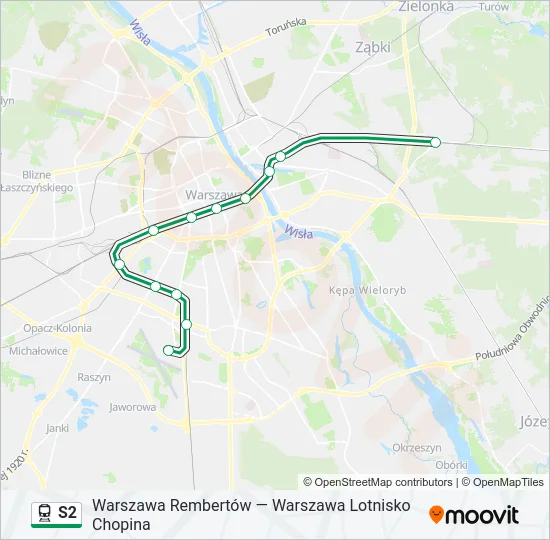
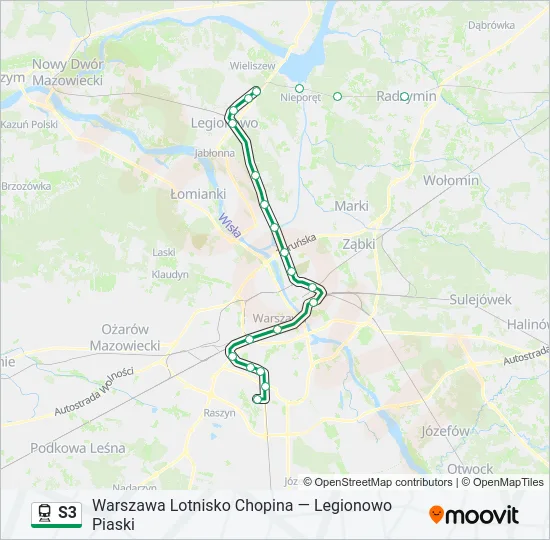
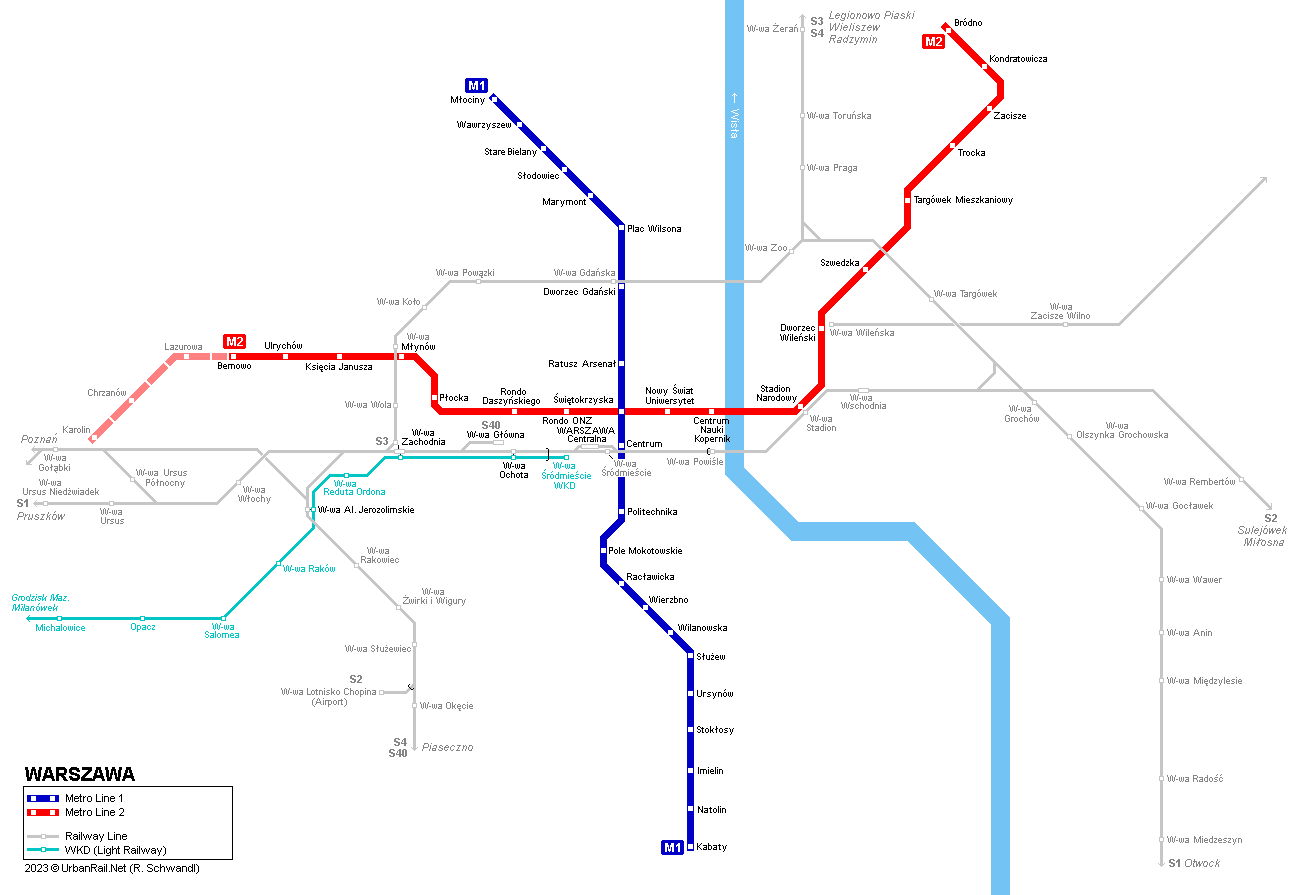
The Train (SKM): Perfect for getting from the airport (Chopin) to the city center. The S2 and S3 lines will have you downtown in 20-25 minutes for a fraction of a taxi price.

Map showing the S2 train line route from Warszawa Rembertów to Warszawa Lotnisko Chopina in Warsaw, Poland.
Public transport map of Warsaw, highlighting the S2 train line from Rembertów to Warsaw Chopin Airport.

Map showing the S3 train line connecting Warsaw Chopin Airport to the city center, highlighting key stops along the route.
Map showing the route from Warsaw Chopin Airport to central Warsaw, illustrating the efficient public transportation connectivity.

🚆 Metro

  • Two main lines: M1 (north–south) and M2 (east–west).
  • A single 20-minute ticket costs about 4.60 PLN (around $1).

🚌 Buses & Trams

  • Operate 24/7 (night lines start with “N”).
  • Tickets are valid across buses, trams, and metro — no need to buy multiple. A 24-hour or weekend pass is your most cost-effective bet. Validate it once on your first journey, and you’re good to go.
  • Trams & Buses: The network is extensive. Download the Jakdojade app. It’s a lifesaver. You plug in your start and end points, and it gives you the exact routes, times, and even the cost. You can buy tickets directly in the app—no need to fumble with machines.

🚗 By Car

Driving is doable, but parking is limited in the Old Town. Use Google Maps or Waze — the city’s well-marked, and expressways save serious time and gas.

💡 Local Tip: Download the Jakdojade app — it shows live routes, ticket prices, and best connections.

Warsaw in a Weekend: Your Action-Packed Itinerary

Day 1: The Royal & The Resilient (Old Town Focus)

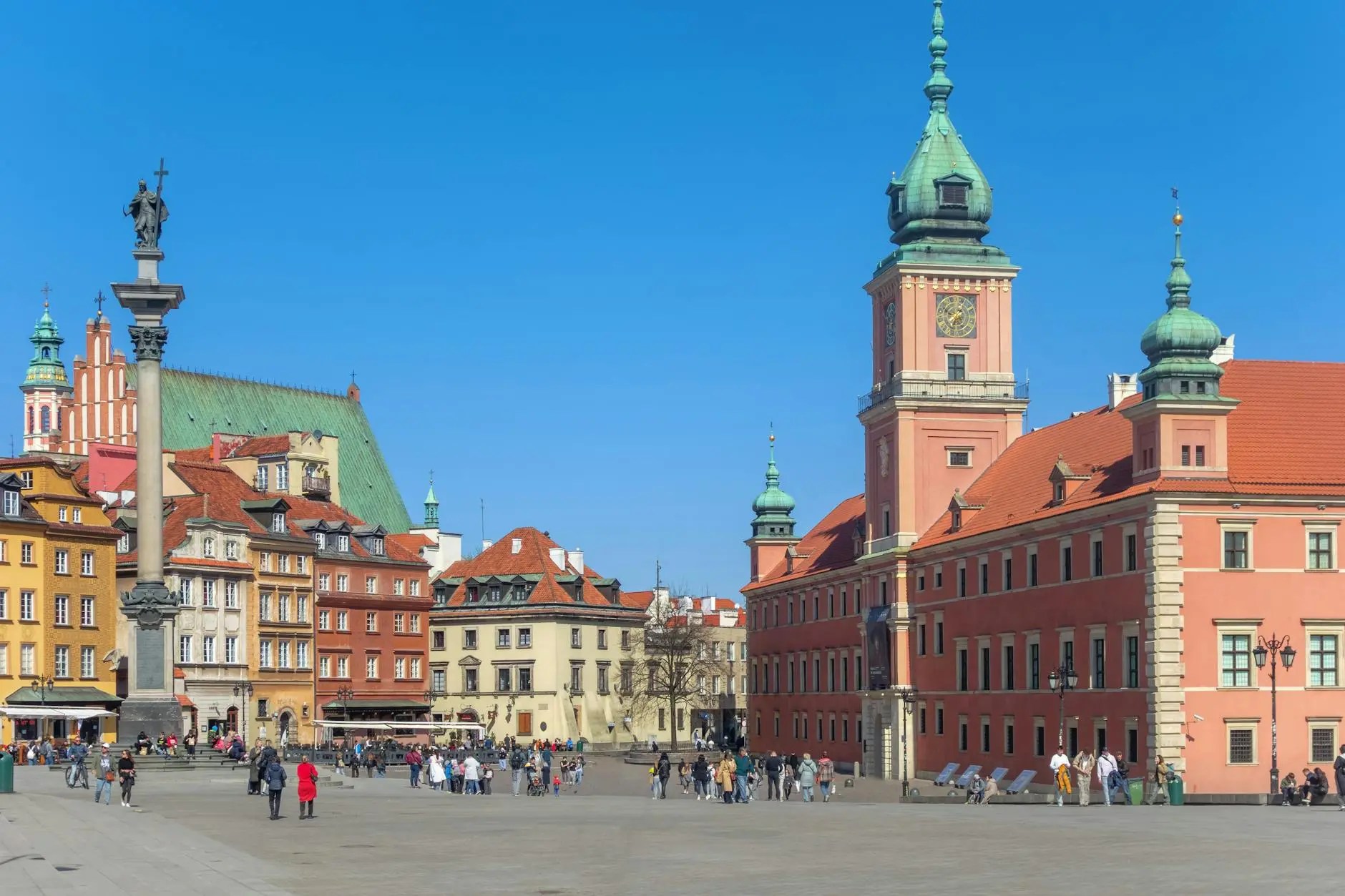
Morning (9:00 AM – 1:00 PM): Start your day at the heart of it all: the Old Town (Stare Miasto). A word of advice? Get here early. The tour buses haven’t yet descended, and the morning light on the cobblestones is pure magic. It’s easy to forget this entire area was meticulously rebuilt after being deliberately destroyed in WWII—a testament to the city’s unbreakable spirit.

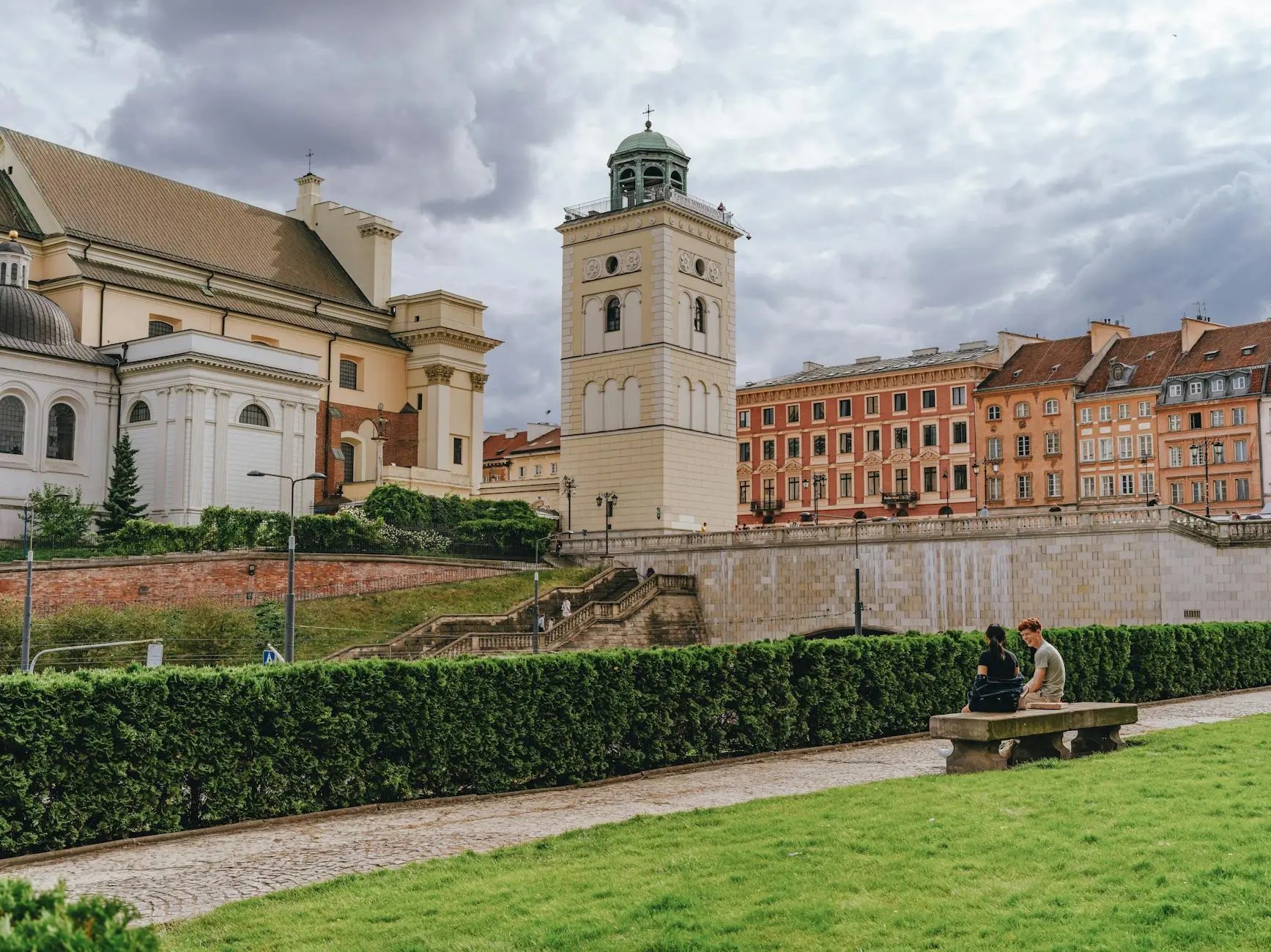
  • Must-Do: Climb to the top of the St. Anne’s Bell Tower for a breathtaking 360-degree view. It’s cheaper and often less crowded than the Palace of Culture viewing terrace, offering a perfect orientation of the city.
  • Pro Tip: From the Old Town, take a leisurely stroll down the Royal Route (Krakowskie Przedmieście). You’ll pass palaces, churches, and the University of Warsaw. Keep an eye out for the quirky Chopin benches—press a button, and they play a piece by Poland’s most famous composer!

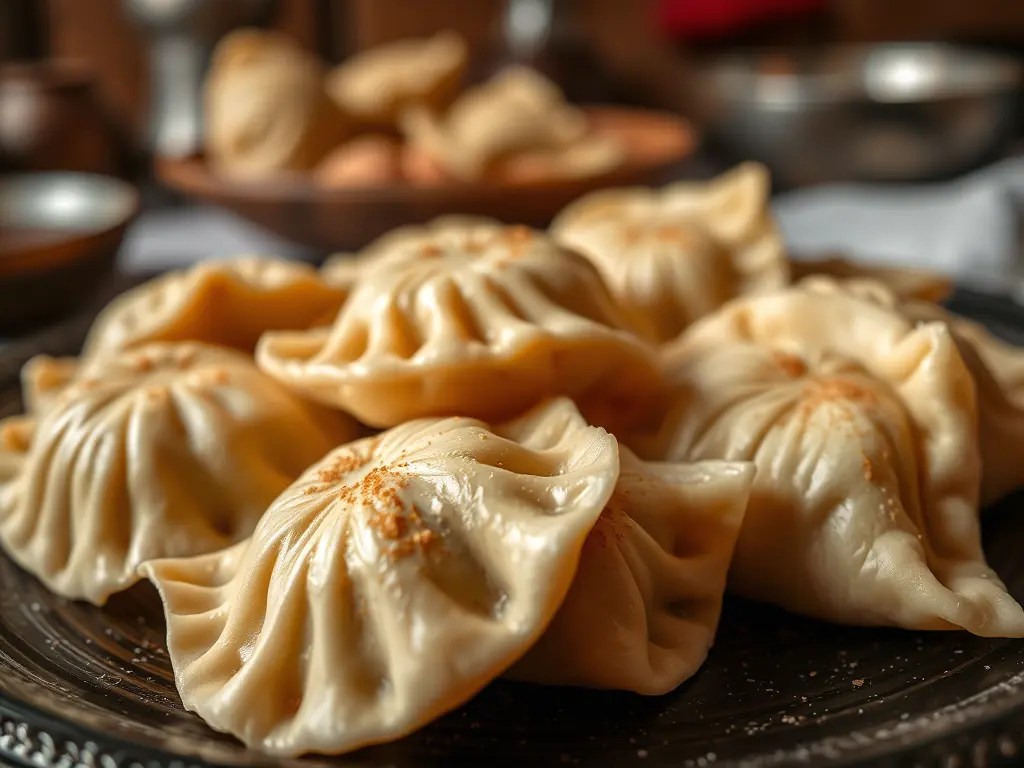
Afternoon (1:00 PM – 5:00 PM): You’ve earned a feast. Dive into a pierogi (dumpling) coma at a Bar Mleczny (Milk Bar). These are not fancy places; they are communist-era canteens subsidized by the government, serving hearty, dirt-cheap Polish classics. Point at what looks good, pay a pittance, and enjoy a truly local experience. My personal favorite is Bar Mleczny Familijny.

After lunch, dive deeper into history at the POLIN Museum of the History of Polish Jews. It’s not a lighthearted stop, but it is a profoundly moving and essential one, telling a 1000-year story of Jewish life in Poland.

Evening (6:00 PM onwards): For dinner, head to the Hala Koszyki, a beautifully restored market hall now teeming with upscale food stalls and restaurants. It’s the perfect place to sample different cuisines. Afterwards, experience Warsaw’s legendary nightlife. For a cool, laid-back vibe, explore the bars and pubs in the Praga district (across the river). Just a few years ago, this was a no-go zone; now it’s the city’s hipster heartland.

A vibrant view of Warsaw’s Old Town, showcasing historic architecture and lively crowds under a clear blue sky.
This image features the magnificent St. Anne's Church, one of the oldest and most important churches in Warsaw. Its elaborate Baroque facade, characterized by intricate details and striking twin bell towers, dominates the view at the entrance to the city's historic Old Town. Located adjacent to Castle Square, the church has witnessed centuries of Polish history. While its interior is beautifully decorated, the real hidden gem is the viewing terrace at the top of its bell tower, which offers a breathtaking, unobstructed vista of the Vistula River, the Royal Castle, and the city's sprawling skyline—a must-do for any visitor.
Couple enjoying a peaceful moment in front of Warsaw’s historic architecture and greenery. The stunning St. Anne’s Church, a cornerstone of Warsaw’s Old Town. Don’t just admire it from the outside—climb the bell tower for what I consider the best panoramic view of the city!
A close-up image of a plate filled with dumplings, showcasing their intricate folds and texture, with a blurred background of additional food items.
Delicious pierogi, a must-try dish in Warsaw, served warm and full of flavor. The moment of truth! My first bite into these homemade pierogi at a Warsaw milk bar was a revelation. That crispy, buttery exterior giving way to a savory, steaming filling… this is the taste of Polish comfort food.
Modern architectural building in Warsaw, Poland, featuring a glass facade and triangular design elements, surrounded by clear blue skies.
The POLIN Museum of the History of Polish Jews, a stunning glass architectural landmark in Warsaw.
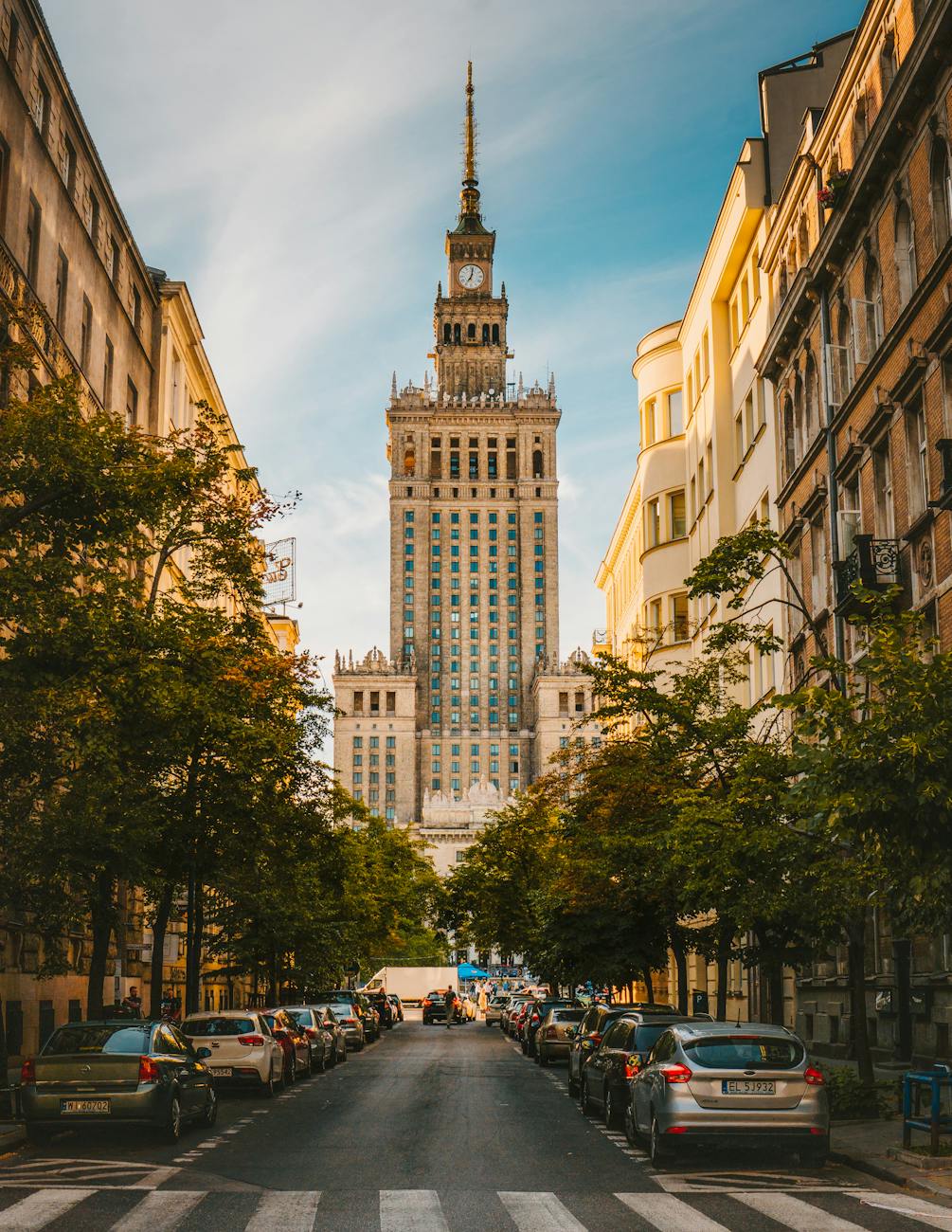
A street view in Warsaw showcasing the iconic Palace of Culture and Science, a tall, ornate building, surrounded by trees and parked cars under a clear blue sky.
View of the iconic Palace of Culture and Science in Warsaw, a symbol of the city’s resilience and modern spirit.
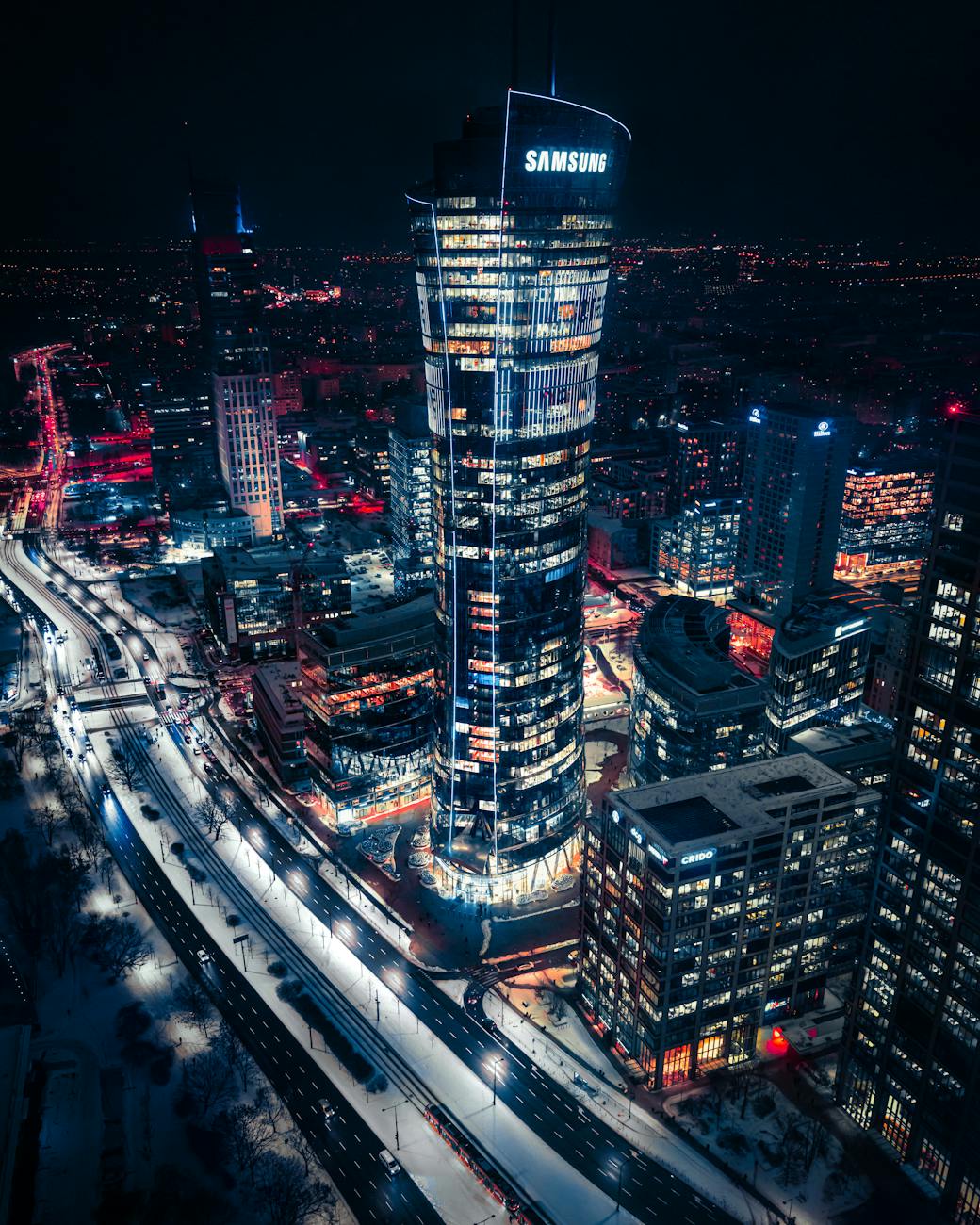
Aerial view of a modern cityscape in Warsaw at night, featuring the illuminated Samsung building and a busy street with vehicles and bright lights.
A stunning night view of Warsaw, showcasing the vibrant cityscape and modern architecture, particularly the illuminated Samsung tower.

Day 2: Parks, Palaces & Palaces of Culture

Morning (10:00 AM – 1:00 PM): Escape the urban buzz at Łazienki Park. This is not just a park; it’s a sprawling, gorgeous palace-and-garden complex. Wander past peacocks, find the stunning Palace on the Isle, and if you’re there on a Sunday, you can catch a free Chopin concert by his monument.

Afternoon (1:00 PM – 4:00 PM): Time for a choice.

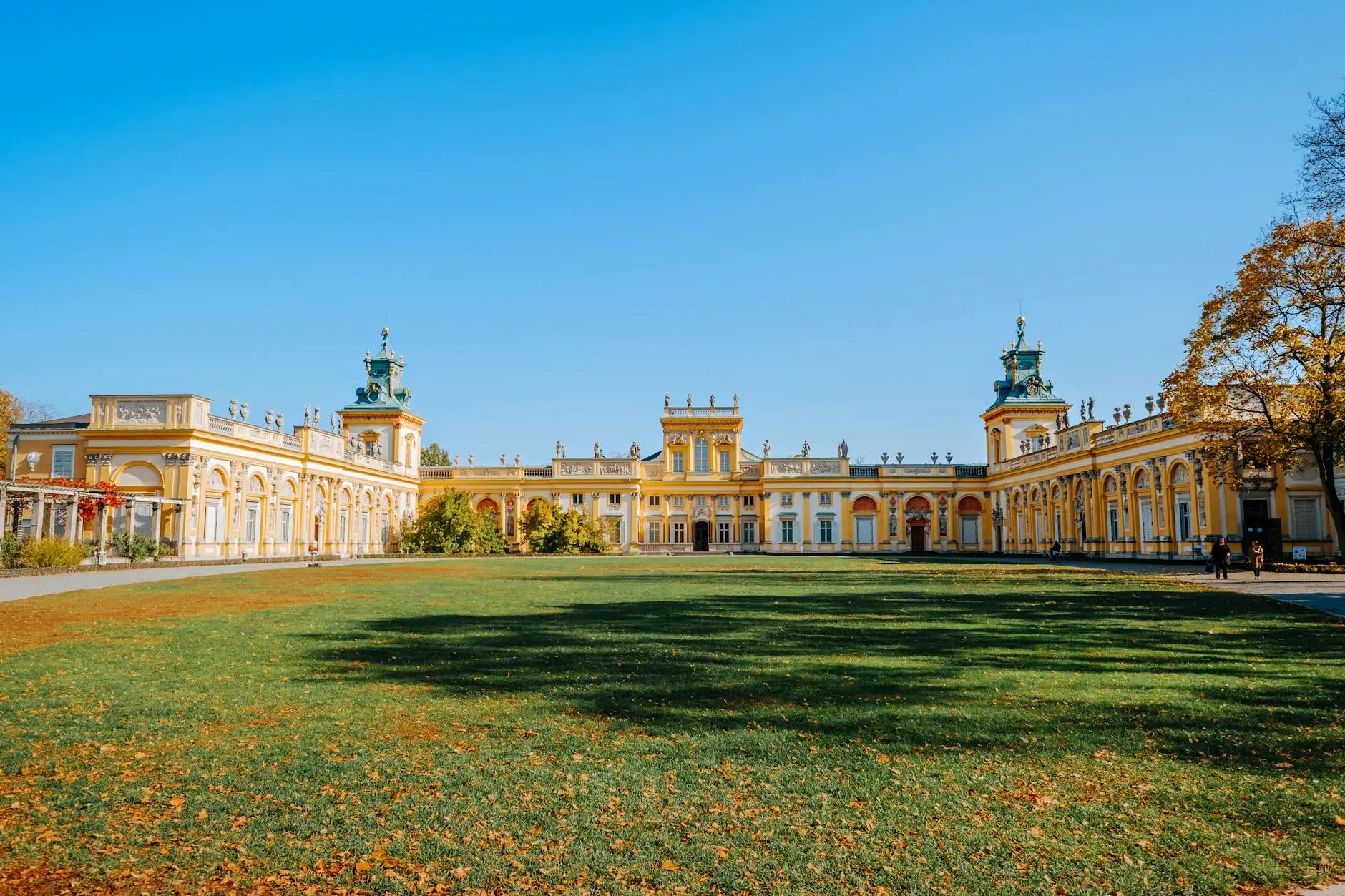
  • Option A (The Grand): Take a short bus ride to Wilanów Palace, the “Polish Versailles.” It’s opulent, beautiful, and its gardens are perfect for a sunny afternoon stroll.
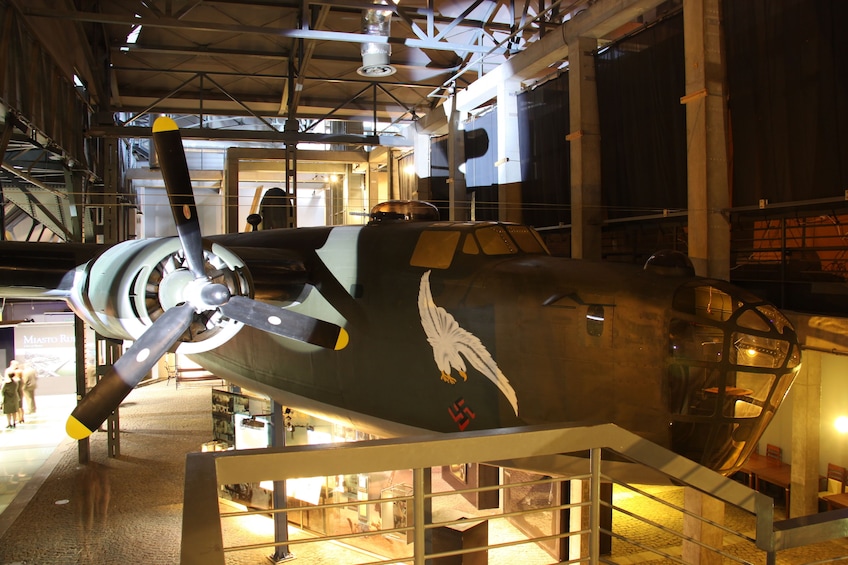
  • Option B (The Quirky): Explore the Warsaw Uprising Museum. This is a world-class, immersive museum that tells the harrowing, heroic story of the 1944 uprising. Book your tickets online in advance to skip the massive queues. Seriously, this tip will save you hours.

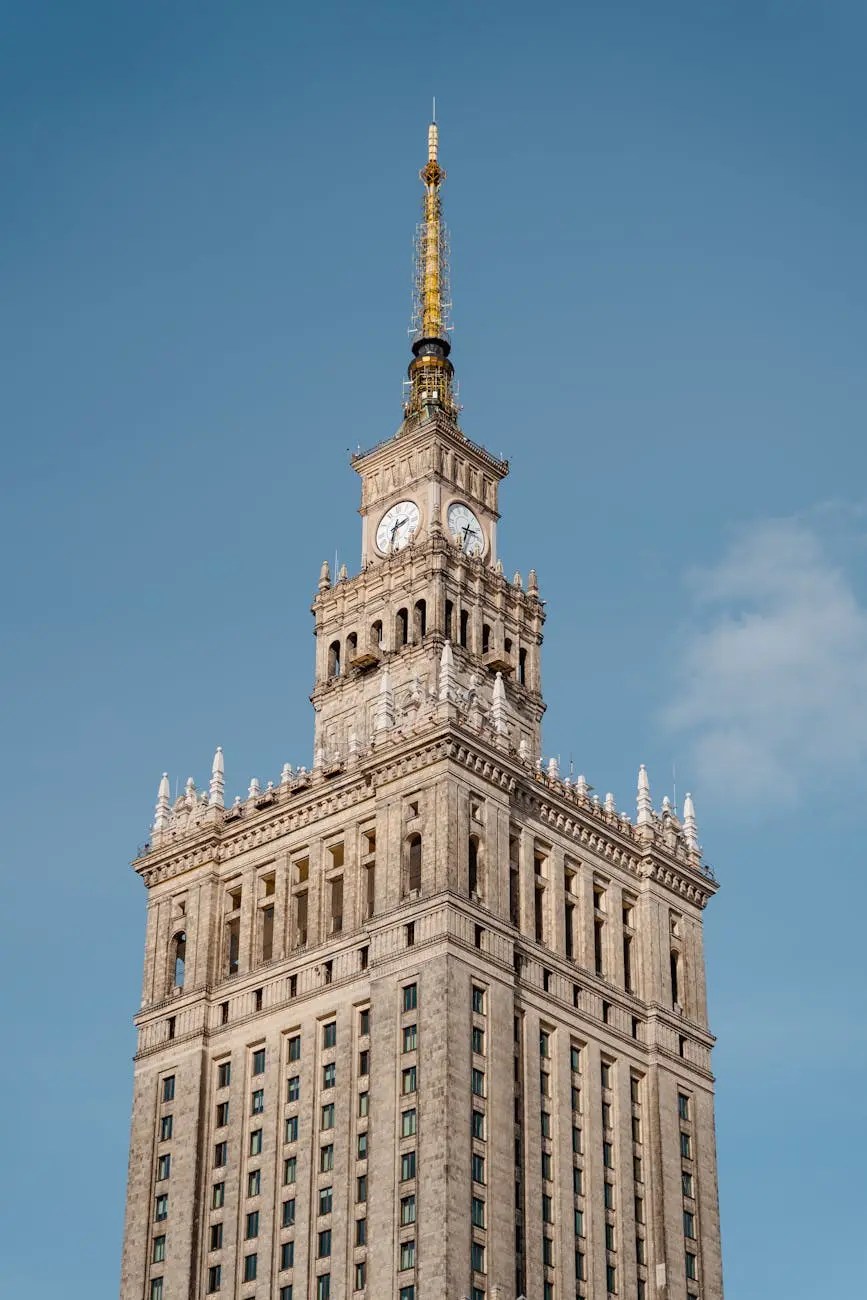
Evening: For your final night, treat yourself to a dinner in one of the city’s modern Polish restaurants. Then, see the city from above. The Palace of Culture and Science (a “gift” from Stalin) is a controversial landmark, but the viewing terrace on the 30th floor offers an unbeatable, if slightly ironic, view of the Warsaw skyline.

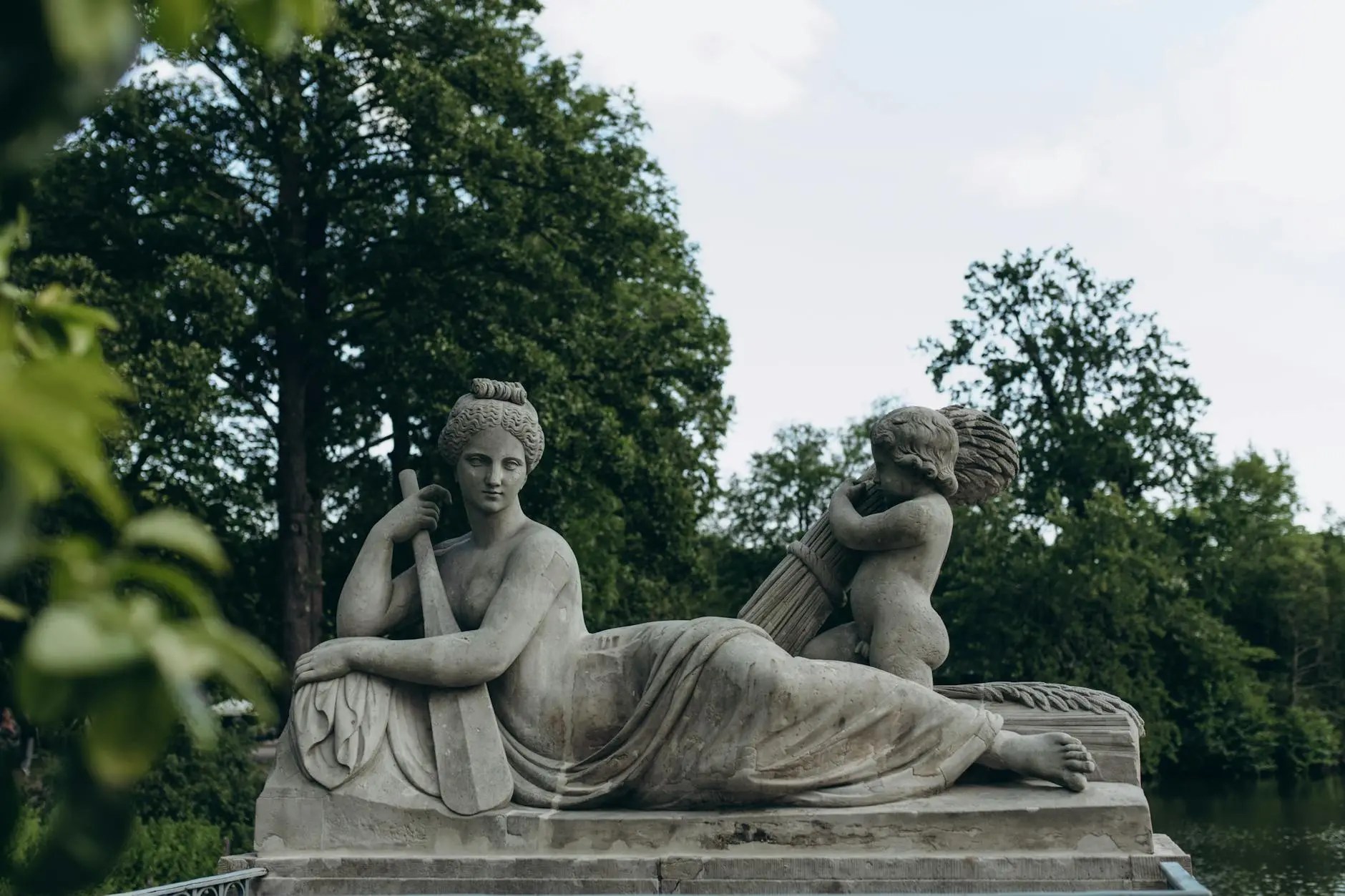
A striking sculpture in Łazienki Park, Warsaw, showcasing a serene figure and cherub amidst lush greenery. The dramatic and beloved Chopin Monument in Łazienki Park. If you visit on a Sunday afternoon in the summer, you can enjoy a free piano concert right here!
The exterior of Łazienki Palace surrounded by green grass and clear blue skies in Warsaw, Poland.
The stunning Palace on the Isle in Łazienki Park, Warsaw, surrounded by lush greenery and a clear blue sky. The breathtaking Palace on the Isle (Pałac na Wyspie), the crown jewel of Łazienki Park. It’s hard to imagine a more perfect spot for a royal summer residence.
A historic aircraft displayed in a museum, featuring a prominent propeller and an eagle emblem, set within a modern architectural space.
A historical airplane displayed in a museum, showcasing its intricate details and significance during World War II.
Close-up view of the Palace of Culture and Science in Warsaw, Poland, showcasing its architectural details and golden spire against a clear blue sky.
The iconic Palace of Culture and Science in Warsaw, a symbol of the city’s resilience and history. Love it or loathe it, the Palace of Culture and Science is an undeniable part of Warsaw’s identity. The view from its 30th-floor terrace is the best way to understand the city’s vast scale and dramatic transformation.

Warsaw’s Hidden Gems: Because You’re Fancy Like That

  1. The Keret House: Tucked in a narrow gap between two buildings, this is the world’s slimmest house at 92 cm at its narrowest point. It’s a quirky art installation you have to see to believe.
  2. Pawilony: Hidden in a courtyard just off Nowy Świat street, this is a labyrinth of 20+ tiny, unique bars. It’s a local institution and the perfect place for a bar crawl in one spot.
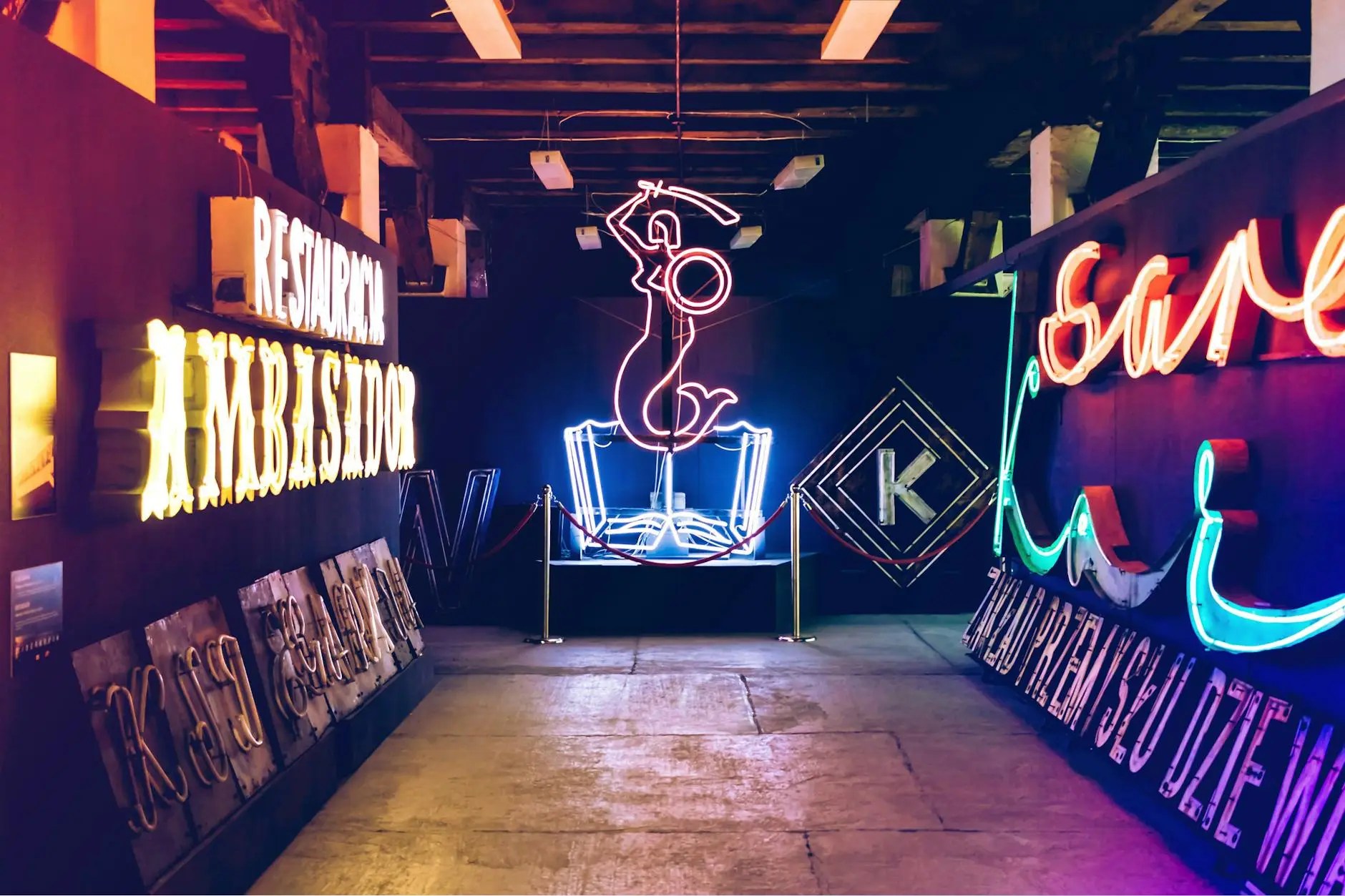
  3. The Neon Museum: Located in the Praga district, this is a cool, retro tribute to the neon signs of the Cold War era. It’s small, photogenic, and utterly unique.
An exhibition featuring colorful neon signs and art installations, including a prominent neon figure, set in a dimly lit room.
An artistic display of neon signs showcasing Warsaw’s vibrant nightlife and cultural history at the Neon Museum. Stepping into the Neon Museum feels like walking into a different, brilliantly lit era. This place is a hidden gem that perfectly captures the quirky, creative soul of Warsaw.

Essential Polish for the Confident Traveler

Don’t worry, English is widely spoken, but a few words go a long way!

  • Dzień dobry (Jin DOH-brih) – Good day / Hello
  • Dziękuję (Jen-KOO-yeh) – Thank you (This is the big one!)
  • Na zdrowie (Nah ZDROH-vyeh) – Cheers!
  • Przepraszam (Psheh-PRAH-shahm) – Excuse me / I’m sorry
  • Poproszę (Poh-PROH-sheh) – I’d like to order… / Can I have…
  • Rachunek, proszę (Rah-HOO-nek, PROH-sheh) – The bill, please
  • Gdzie jest toaleta? (g-jeh yest toa-le-ta) Where is the toilet?
  • Ile to kosztuje? ( ee-le toh koh-shtoo-yeh) How much does it cost?

The Smart Traveler’s Toolkit (Your Trip’s Best Friends)

Let’s be real, a smooth trip is a happy trip. Here are a few things I never, ever travel without.

✈️ Stay Connected, Stress-Free
Figuring out data abroad is the modern traveler’s nightmare. I used to overpay for roaming or waste precious time hunting for a local SIM. Not anymore. I now travel with Drimsim, a universal data SIM that works in 190+ countries. You just pop it in, top up via the app, and you’re online the moment you land. No contracts, no hidden fees. It’s been a total game-changer for navigating and posting in real-time.

Get your global data SIM with Drimsim here.

✈️ Your Flight Got Cancelled? Get Paid.
It happened to me in Berlin. My flight was canceled, and I was stuck for a day. I had no idea I was entitled to compensation! Most travelers don’t. If your flight is delayed, canceled, or overbooked, you could be owed up to $650. AirHelp handles all the annoying paperwork with the airline for you, and they only get paid if you win. It’s a no-brainer.

Check your flight eligibility with AirHelp here.

✈️ Travel Insurance is Non-Negotiable
From a stolen bag in Barcelona to a sudden illness in Tokyo, I’ve learned this the hard way. Never skip travel insurance. I use VisitorsCoverage to compare plans and find the right coverage for my trip quickly. It gives me peace of mind to enjoy my adventures fully.

Find the right travel insurance for your trip on VisitorsCoverage.

✈️ Stay Secure Online with a VPN
Using public WiFi in cafes and hotels? Please, protect your data. A VPN is essential. I’ve relied on NordVPN for years to keep my information safe and to access my favorite shows from back home.

Secure your internet connection with NordVPN.

Capture the Magic
Warsaw is incredibly photogenic, from the pastel colors of the Old Town to the gritty graffiti of Praga. To capture it all, I swear by my trusty Sony Alpha camera. It’s the perfect blend of professional quality and portability for a city break.

And Because Glowy Skin is a Universal Currency…
Travel can wreak havoc on your skin. I keep mine in check with the magic of K-beauty from Lakinza. Their products are a treat, and you can treat yourself without guilt by using my code Lalax10 at checkout for a sweet discount!

Explore K-beauty wonders at Lakinza.

Warsaw Weekend FAQ

Q: Do I need a visa for Poland?
A: If you’re a citizen of the US, Canada, UK, or any EU country, you do not need a visa for short stays. For other nationalities, check the official Polish government website. Visa costs vary, so always confirm with official sources.

Q: What’s the best time to visit Warsaw for a weekend?
A: Late Spring (May-June) and Early Autumn (September) are perfect. The weather is mild, the crowds are smaller, and the outdoor beer gardens are in full swing. Summer can be busy and hot, while winter is bitterly cold but has a beautiful, festive charm.

Q: Is Warsaw an expensive city?
A: Not at all! Compared to other European capitals like Paris or London, Warsaw is very affordable. You can eat, drink, and travel well without blowing your budget, especially if you use the public transport and Milk Bars I mentioned.

Q: Where should I stay?
A: For a first-time weekend trip, I recommend Śródmieście (City Center) or Old Town to be in the middle of the action. For a more local, trendy vibe, look at apartments in Praga.

Q: Can I get by with just English?
A: Absolutely. In tourist areas, restaurants, and among younger people, English is very common. Learning a few Polish phrases (see above!) will earn you big smiles, though.

Is Warsaw safe for solo travelers?
Absolutely. Stick to well-lit areas at night, and you’ll feel perfectly comfortable.

How many days do I need?
2–3 full days are ideal to explore the highlights without rushing.

What’s the local currency?
Polish złoty (PLN). Cash is handy for small cafés and markets.

How do I save money on attractions?
Get the Warsaw Pass — it includes entry to major sites and unlimited transport.

💡 10. Final Thoughts + Must-Read Nearby Escapes

Warsaw might not scream “romance” at first glance, but spend one weekend here, and it’ll charm you with resilience, flavor, and heart. Whether you’re strolling the Vistula River at sunset or catching live jazz in a candlelit cellar, this city whispers, “Stay one more night.”

If you’re extending your trip, don’t miss these nearby gems:

🧳 Ready to plan your Warsaw weekend?

👉 Book your flights and stays now via Expedia.

Looking for your next weekend destination?

Around-the-world

Universal Disclaimer/Disclosure Page:

Kraków: Your Ultimate Weekend City Break Guide

Meta Description: Craving an unforgettable European city break? Discover the perfect itinerary for a weekend escape to Kraków, Poland. From the historic Old Town to delicious Polish cuisine, get local tips on transport, hidden gems, and how to save money. Optimize your Kraków travel with this essential guide! Keywords: Kraków, Poland, Weekend Escape, Travel, City Break, Europe, Kraków travel tips, GEO-optimized

Ah, Kraków. Just saying the name feels like unlocking a secret. Forget everything you think you know about Eastern Europe; this city is the continent’s beating heart of culture, resilience, and frankly, some of the best food I’ve ever eaten. I spent three days there last autumn, and I’m still dreaming about the smoked cheese.

Planning a weekend in Kraków is a brilliant idea. It’s compact, walkable, and packs a millennium of history into a stunningly beautiful package. So, grab your favourite travel notebook (and maybe a snack, because this will make you hungry), and let’s plan your perfect weekend escape.

Table of Contents

  1. Why Kraków Should Be Your Next Stop
  2. The Perfect 48-Hour Itinerary
  3. Kraków’s Hidden Gems (My Personal Faves)
  4. Logistics & Smart Travel: Saving Time and Złoty
    • Getting Around: Public Transportation & Road Tips
    • The Best Time to Visit
    • Money-Saving Magic
  5. Essential Polish Words for Travellers
  6. Need More Adventure? (Backlinks & Next Steps)
  7. Frequently Asked Questions (FAQ)

Why Kraków Should Be Your Next Weekend Getaway

Before we dive into the itinerary, let me set the scene. Kraków is the cultural capital of Poland, and it feels like it. Unlike some cities bombed to rubble in the war, Kraków’s historic centre remained miraculously intact. The result? A UNESCO World Heritage site that feels like a living, breathing museum, but with way better coffee and a thriving student energy.

It’s also incredibly affordable. Your money goes a long way here, meaning you can afford that extra glass of craft mead or a fancy dinner without wincing at the bill. For more on why Poland is a top European destination, check out my broader guide in my Travel Masterlist. or

🌍 Cities Near Kraków, Poland (Perfect for next trip)

🇨🇿 Prague, Czech Republic

🗺 Distance: ~540 km / 6 hours by car or 7 hours by train.
🚆 Great weekend route! Kraków–Prague is one of the most popular Central European itineraries.
👉 48-Hour Prague Itinerary: Essential Travel Guide

🇦🇹 Vienna, Austria

🗺 Distance: ~450 km / 5 hours by car or 7 hours by train (direct route via ÖBB Railjet).
🎶 Elegant architecture, classical vibes—pairs perfectly with Kraków’s old-world charm.
👉 Vienna in a Weekend: Your Ultimate Guide to Imperial Splendor & Coffee & Cake

🇭🇺 Budapest, Hungary

🗺 Distance: ~400 km / 5.5 hours by car or train.
♨️ Another Central European gem—historic baths, Danube views, and vibrant nightlife.
👉 Ultimate Budapest Weekend Getaway: Your Insider Guide

🇩🇪 Berlin, Germany

🗺 Distance: ~600 km / 7 hours by train or 1.5-hour flight.
🎨 A cultural mix of history and modern cool—a natural link from Kraków for European explorers.
👉 Unforgettable Weekend in Berlin: Your Ultimate Guide

🧭 Bonus Nearby Cities (Short Flight or Train)

Flights to Kraków Poland

Your Action-Packed Kraków Itinerary

Day 1: Royal Roots & Dragon Legends (The Old Town)

  • Morning: Start where the city began: the magnificent Rynek Główny (Main Market Square). It’s the largest medieval town square in Europe, and the first time you walk into it, your jaw will drop. Don’t just snap a photo of the Cloth Hall (Sukiennice) and run—go inside! It’s a bustling market hall where you can pick up beautiful amber jewellery and souvenirs. Pro tip: The best time to see the square is early morning, before the crowds descend. It’s just you, the pigeons, and the hauntingly beautiful Hejnał mariacki (the trumpet call) from St. Mary’s Basilica.
  • Afternoon: Get cultured! Choose between the opulent Wawel Royal Castle, the historic seat of Polish kings, or go underground at Rynek Underground, a fantastic museum beneath the main square that reveals the square’s medieval history. You can’t do both justice in one afternoon, so pick your passion. I chose the castle and have zero regrets, especially after finding the dragon’s den
  • Evening: Follow the path down from Wawel Castle to the banks of the Vistula River to meet the city’s mascot: the Wawel Dragon. This fire-breathing statue pays homage to a local legend, and it’s a fun, quick photo op. For dinner, wander into the Jewish Quarter, Kazimierz. I stumbled upon a tiny, family-run pierogi place (I wish I wrote down the name!) and had the most incredible plate of pierogi ruskie (potato and cheese). .
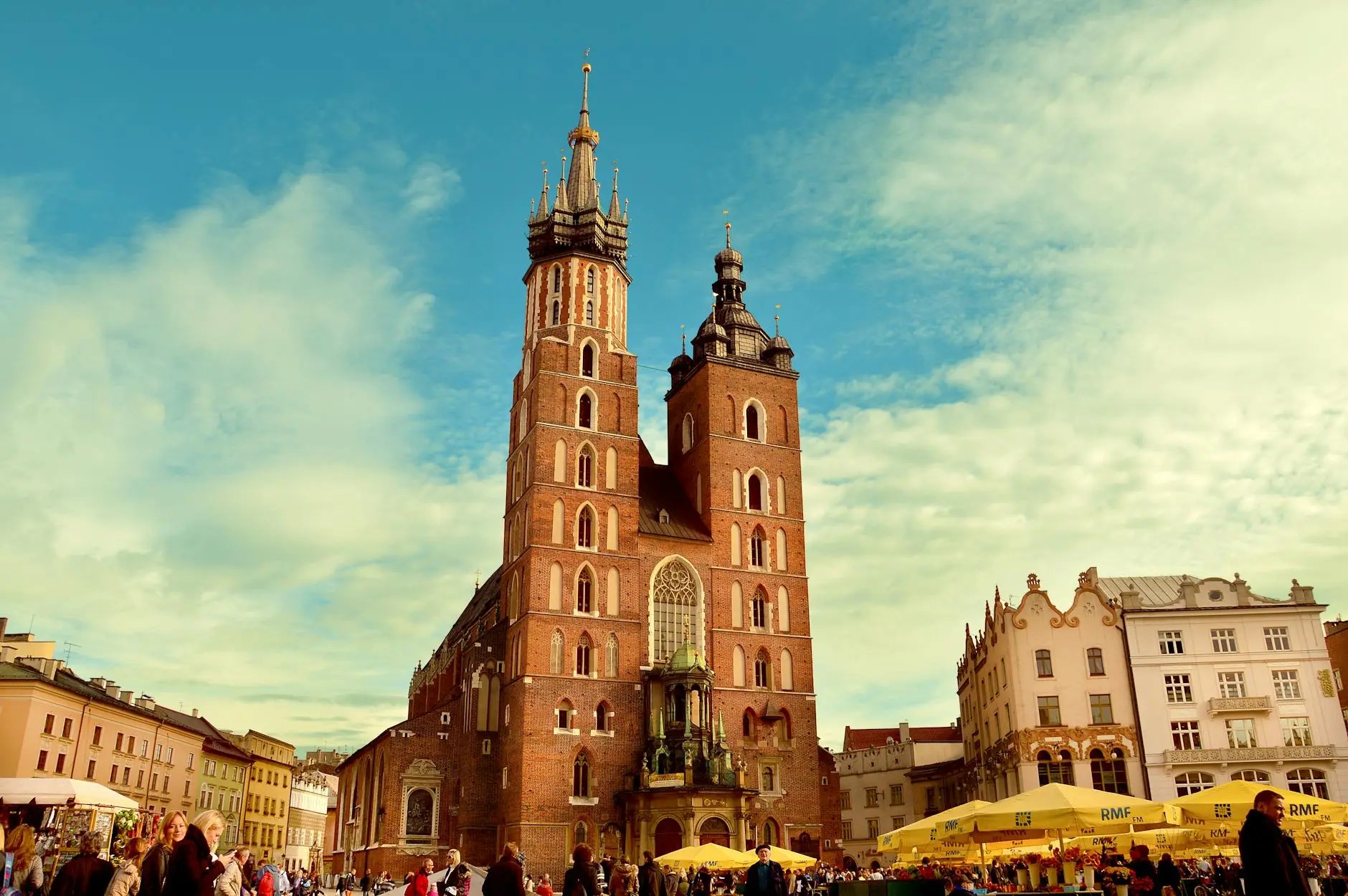
A view of St. Mary's Basilica in Kraków, Poland, with its two distinct towers and historic architecture, surrounded by a bustling market square filled with people.
The iconic St. Mary’s Basilica in Kraków, Poland, showcasing its stunning Gothic architecture and vibrant market square surroundings. The iconic twin towers of St. Mary’s Basilica dominate the skyline of Kraków’s Main Square (Rynek Główny). Listen for the hourly Hejnał mariacki trumpet call from the taller tower!
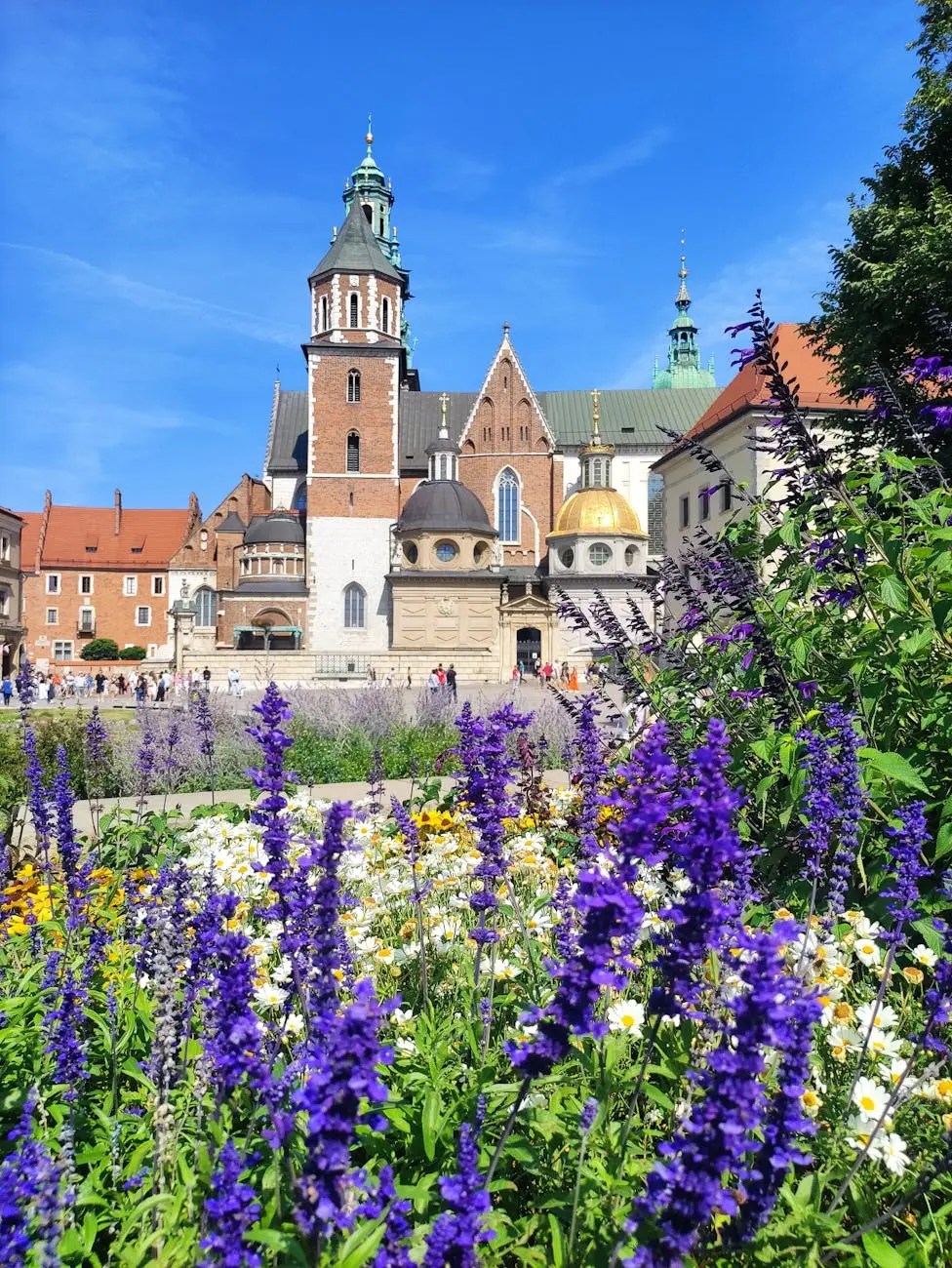
A vibrant view of colorful flowers in the foreground with the historic architecture of Wawel Castle in Kraków, Poland, under a clear blue sky.
Stunning view of Wawel Castle in Kraków, Poland, surrounded by vibrant flowers under a clear blue sky. The majestic Wawel Castle, the historic seat of Polish kings, is beautifully framed by a burst of summer flowers. This view from the grounds is a local favourite for a reason!
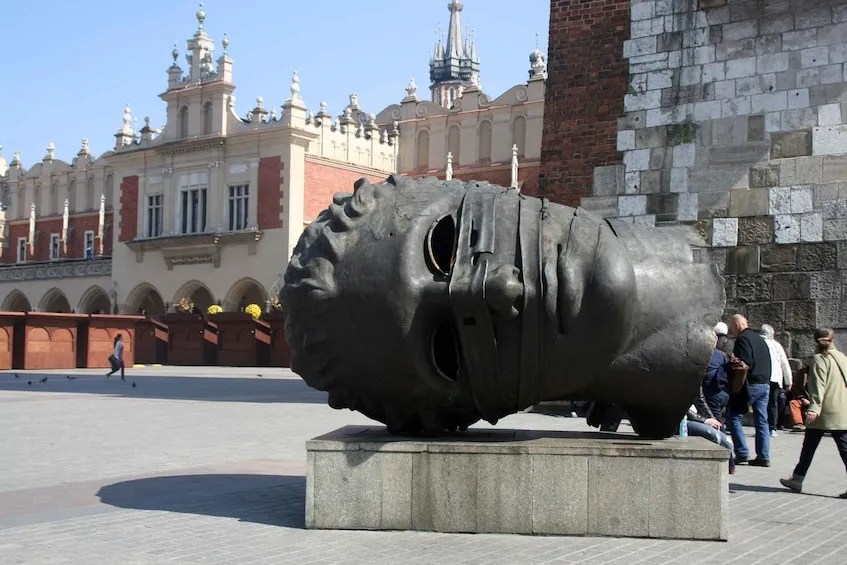
A large metal sculpture of a distorted human head placed on a stone pedestal, located in a public square. The background features historic buildings and a crowd of people walking by.
An iconic sculpture of a large head installed in the historic Main Market Square of Kraków, Poland, showcasing the city’s blend of contemporary art and rich history. Igor Mitoraj’s “Eros Bendato” (Bound Eros). A contemporary bronze giant, deliberately fractured and weathered, inviting quiet contemplation amidst the bustling energy of Europe’s oldest medieval market square.

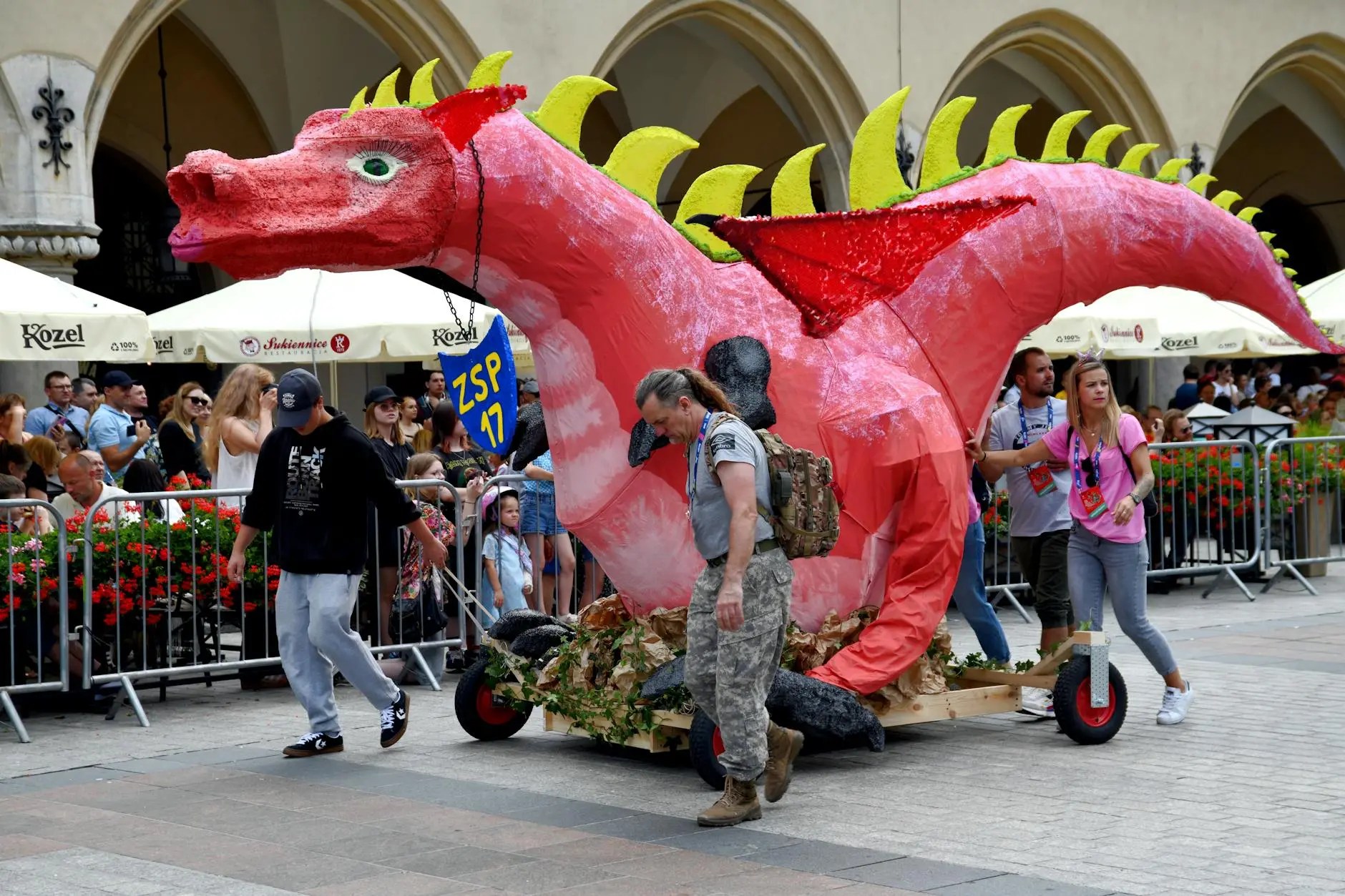
A large, colorful dragon puppet being wheeled through a busy street filled with spectators during a celebration in Kraków.
The Wawel Dragon parade in Kraków, showcasing a vibrant, colorful dragon float, celebrated during local festivities. The legendary Wawel Dragon comes to life! This fantastic puppet is the star of the show during Kraków’s summer parades, bringing the city’s most famous myth to the streets.

A wooden platter featuring several dumplings, known as pierogi, garnished with herbs and served with a small bowl of sour cream.
Delicious pierogi ruskie served with sour cream, a must-try in Kraków. The ultimate Polish comfort food: pierogi ruskie. These delicate dumplings are stuffed with a savory mix of potato and farmer’s cheese, then topped with crispy onions and a generous dollop of cool sour cream. Trust me, you’ll want to order a second plate.

Day 2: History & Heart in Kazimierz

  • Morning: Dedicate your morning to exploring Kazimierz, the historic Jewish Quarter. This area is profoundly moving and has undergone an incredible revival. It’s not just about history; it’s about vibrant street art, chic boutiques, and the best cafes in the city. Visit the Old Synagogue and walk through the peaceful Remuh Cemetery to pay your respects.
  • Afternoon: This is the time for a more profound historical experience. A trip to Oskar Schindler’s Enamel Factory is a powerful and essential visit. It’s not just a museum about the man from the movie; it’s a deeply immersive experience about Kraków during Nazi occupation. Book your tickets online in advance to avoid the queues—this is one of my top time-saving tips!
  • Evening: Kazimierz comes alive at night. The Plac Nowy square is the place to be. Grab a zapiekanka, a legendary Polish pizza-bagette, from one of the stalls in the round building. It’s the perfect cheap, delicious, and filling dinner. Afterwards, find a quirky bar for a craft beer or a Polish vodka tasting.
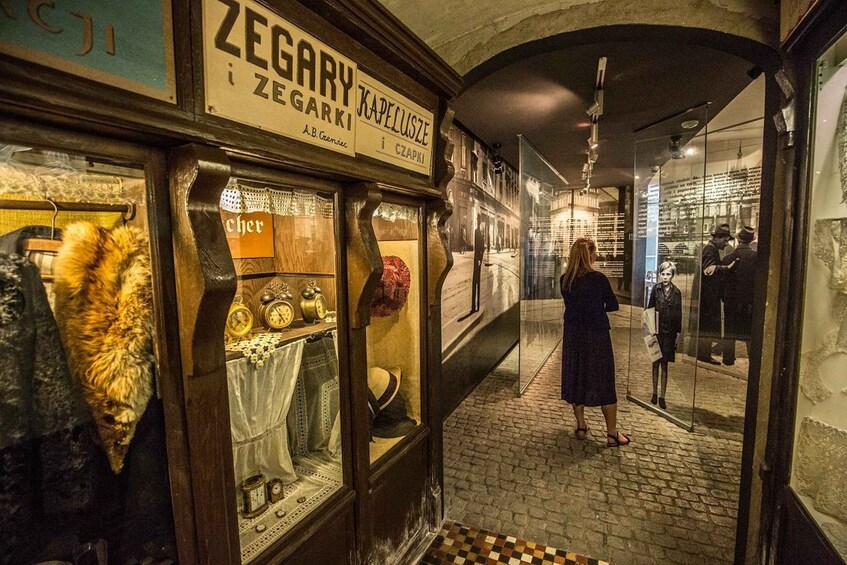
A woman exploring an exhibit in a historical museum showcasing vintage clothing and photographs in Kraków's Jewish Quarter, Kazimierz.
Explore the rich history of Kazimierz, the historic Jewish Quarter of Kraków, where past and present blend beautifully.

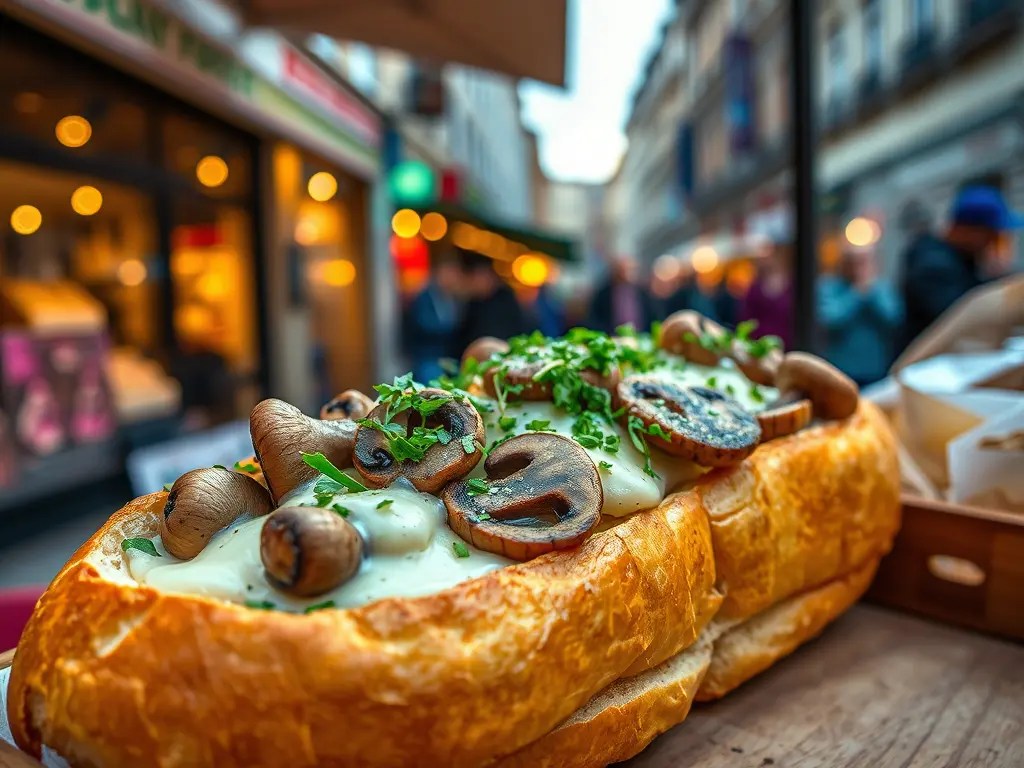
A close-up of a Polish zapiekanka, featuring a toasted baguette topped with melted cheese, mushrooms, and fresh herbs, set against a bustling street scene.
A delicious zapiekanka topped with mushrooms and cheese, a must-try Polish street food, perfect for your Kraków adventure. The legendary zapiekanka – Poland’s answer to pizza on a baguette! This iconic street food, piled high with mushrooms and cheese, is the perfect fuel for exploring Kraków’s Kazimierz district.

Hidden Gems: Beyond the Main Square

Want to escape the tourist trail? Here are a few spots I adored:

  • Krakus Mound: For the best panoramic view of the city, hike up this prehistoric mound. It’s a bit of a walk from the centre, but watching the sunset from here with a few locals is pure magic.
  • Vistula River Boulevards: Rent a bike or just take a long, leisurely stroll along the river. It offers a completely different perspective of Wawel Castle and is a favourite local spot for a weekend relax.
  • St. Francis’ Basilica: While everyone queues for St. Mary’s, pop into this church. It’s home to stunning Art Nouveau paintings and is a serene oasis.
Lush green mound with visitors atop, surrounded by a grassy landscape under a cloudy sky.
A view of Krakus Mound, a prehistoric mound offering panoramic views of Kraków, surrounded by lush greenery.

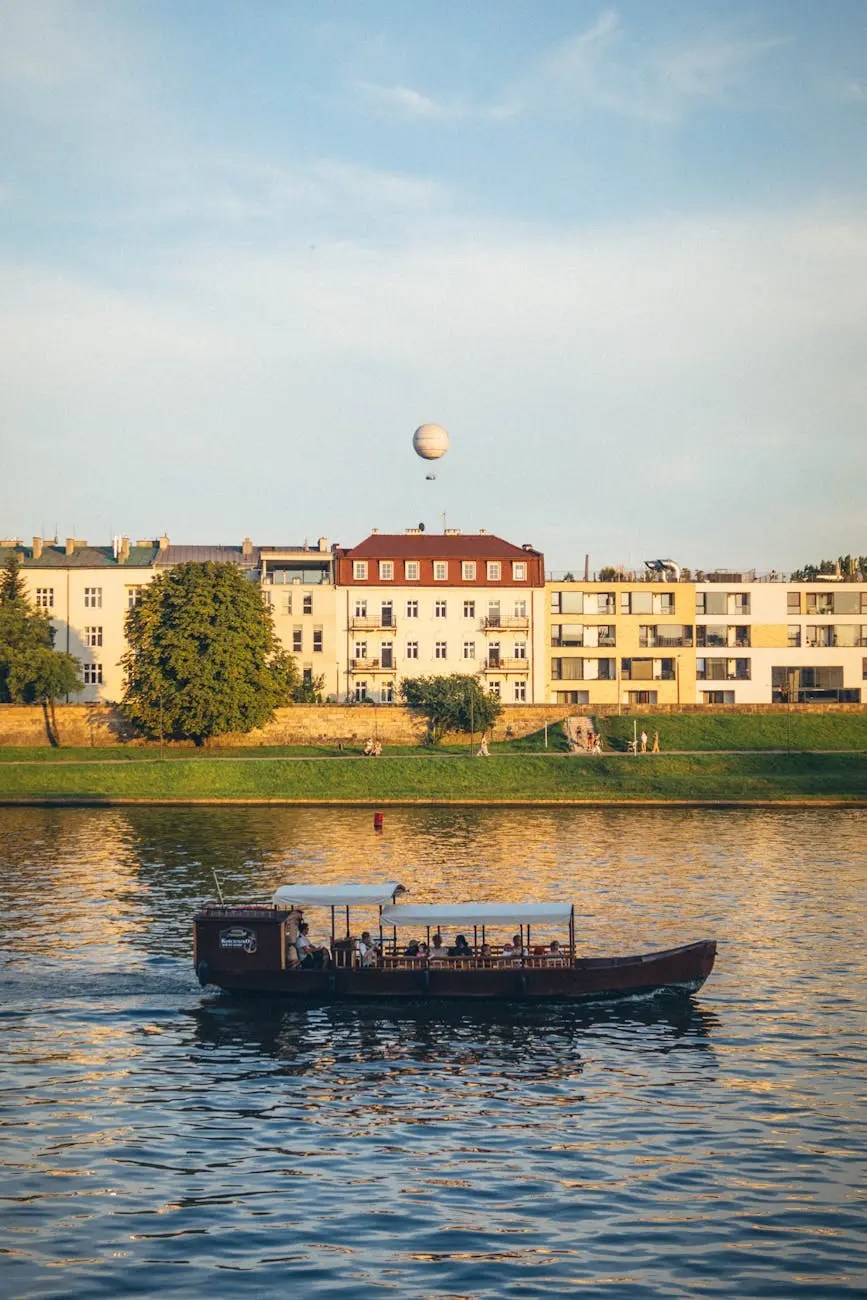
A scenic view of the Vistula River in Kraków, featuring a boat gliding along the water and a hot air balloon floatinThe best views of Kraków are from the water! Enjoy a unique perspective of the city’s skyline, where a modern hot air balloon shares the sky with the historic spires of Wawel Castle.g in the sky.
Interior view of a beautifully decorated church, showcasing a blue ceiling adorned with golden stars and intricate artwork.
The stunning interior of St. Mary’s Basilica in Kraków, showcasing intricate ceiling designs and colorful stained glass windows. Prepare to have your breath taken away. This is the famous Veit Stoss Altarpiece, a 12-meter tall, polychrome oak masterpiece that is the crowning glory of St. Mary’s Basilica’s breathtaking interior.

Getting Around Kraków Like a Pro

This is where you save time, money, and sanity.

  • On Foot: The Old Town and Kazimierz are incredibly walkable. Your own two feet are the best transport.
  • Kraków is highly walkable, but for trips out to Podgórze or Kazimierz, the public transport system is excellent, reliable, and cheap.
  • Public Transport: Kraków has an excellent and cheap network of trams and buses. Download the Jakdojade app. Seriously, do it now. You can plan your route, buy tickets on your phone, and it’s all in English. A 20-minute ticket is about 4 PLN (£0.80/$1), and you must validate it on board.
  • Tickets: You can buy tickets from machines at most major stops, or directly on newer trams/buses using a contactless card. You need to buy a ticket based on time (e.g., 20-minute, 60-minute, or 24-hour). For a quick weekend, a 48-hour pass is the most stress-free option. Always validate your ticket immediately upon boarding!
  • By Car: Don’t drive in the city centre. It’s a maze of pedestrian zones and restricted access. If you’re flying in, use the train from the airport to the main station (a 20-minute ride) or an Uber/Bolt, which are very affordable. For road-tripping around Poland later

Kraków on a Budget: Money-Saving Tips

  • Eat at Milk Bars (Bar Mleczny): These are communist-era canteens that serve hearty, traditional Polish food for a fraction of restaurant prices. It’s a true local experience.
  • Free Walking Tours: Tip-based walking tours are a fantastic way to get your bearings and learn the history. Just remember to tip your guide well!
  • Museum Sundays: Many state-run museums, including Wawel Castle, offer free entry on Sundays. Plan accordingly, but expect crowds.
  • Accommodation: Check out local apartment rentals (like those found on Expedia) outside the immediate Old Town walls. Kazimierz offers excellent hostels and boutique hotels that are slightly cheaper and closer to better food spots.

Speak Like a Local: A Few Key Phrases

  • Dzień dobry (Jeyn DOH-brih) – Good day
  • Dziękuję (Jen-KOO-yeh) – Thank you (say this a lot, it goes a long way!)
  • Na zdrowie (Nah ZDROH-vyeh) – Cheers! (and “to your health”)
  • Przepraszam (Psheh-PRAH-shahm) – Excuse me / I’m sorry
  • Poproszę piwo (Pop-ROH-sheh PEE-vo) – I’ll have a beer, please.

Smart Travel Add-Ons For Your Trip

✈️ Travel Tip: Staying connected abroad used to be my nightmare. I’d either pay a fortune for roaming or spend my first hour hunting for a local SIM. Not anymore. I now travel with a Drimsim—a universal data SIM that works in 190+ countries. You just pop it in, top up via the app, and you’re online. No contracts, no hidden fees. It’s a game-changer. → Grab your Drimsim here.

✈️ Flight Woes? Travel isn’t always smooth sailing. If your flight is delayed or canceled, you might be entitled to compensation. Most people don’t know their rights or can’t be bothered with the paperwork. I use AirHelp to fight the airlines for me. They only get paid if I win. It’s a stress-free way to potentially get up to $650 back. → Check your flight with AirHelp here.

🛡️ Peace of Mind: No matter how well you plan, things can go wrong. I never travel without solid travel insurance. I use VisitorsCoverage to compare plans and find the right coverage for my trip quickly and easily. It’s the one thing you pack hoping you’ll never need. → Find your perfect travel insurance here.

Also, to keep all your personal and financial info safe while using public Wi-Fi in those cute Kraków cafes, I never travel without a VPN. Protect your data (and unlock better streaming!) with my recommended VPN link.

✨ CTA: Look Amazing While Travelling!

After all that sightseeing, you deserve to look as refreshed as you feel. Want that glowy, did-she-just-come-from-a-spa look? Time to embrace K-beauty magic!

Lakinza is my go-to for all things skincare. Use Code Lalax10 for a Sweet Discount Because glowy skin should never break the bank. When you buy from Lakinza, use coupon code: Lalax10 at checkout to save a little extra for your next skincare haul. Trust me, you’ll want more. Shop the magic at Lakinza.

Need More Adventure?

Kraków is fantastic, but Central Europe is a wealth of history and fun. Since you’re already in this corner of the world, why not turn that weekend escape into a longer trip?

Given the ease of travel (train or bus!) and minimal visa hurdles, I highly recommend checking out some other jewels in the region:

Ready to book your flights and accommodation for any of these cities? I always use Expedia to compare deals and lock in the best prices.

Kraków Weekend Escape FAQ

Q: Do I need a visa for Kraków, Poland?
A: For EU, US, Canadian, and Australian citizens, you do not need a visa for short stays (up to 90 days). Always check the latest requirements with the Polish embassy or consult my visa resources masterlist for the most up-to-date info.

Q: What is the best time of year to visit Kraków?
A: Spring (May-June) and Autumn (September-October) are perfect. The weather is mild, and the crowds are thinner. Summer is busy but vibrant. Winter is cold but magical with Christmas markets.

Q: Is Kraków a walkable city?
A: Absolutely! The main attractions in the Old Town and Kazimierz are best explored on foot. Public transport is excellent for longer distances.

Q: What is the local currency?
A: The Polish Złoty (PLN, written as zł). While cards are widely accepted, it’s always good to have some cash for market stalls and smaller shops. The official currency is the Polish Złoty (PLN). While some large tourist shops or hotels might accept Euros, the exchange rate they use will be terrible. Always pay in PLN. Use a bank card for transactions or withdraw cash from an ATM to get the best rate

Q: How do I get from Kraków Airport to the city centre?
A: The train is the cheapest and most efficient way, taking about 20 minutes to the main station. Taxis and ride-sharing apps like Bolt are also readily available and affordable.

How much money do I need for a weekend in Kraków?

Poland is very budget-friendly. Excluding flights and accommodation, you can comfortably spend a weekend for about $50-$70 USD per person per day, covering meals, museum entry, and transportation. You can spend even less if you stick to milk bars and street food.

Is Kraków safe for tourists?

Yes, Kraków is generally considered very safe for tourists, even when walking alone at night in the main tourist areas (Old Town, Kazimierz). As with any major city, be mindful of pickpockets, especially on crowded trams or in the Main Square.

Ready to fall in love with Kraków? This city has a soul that’s hard to forget. From its royal history to its resilient spirit and incredible food, your weekend escape will feel like a full-blown vacation.

Start planning your adventure now! [Find great flight and hotel deals for Kraków on Expedia here.](Your Expedia Affiliate Link) And don’t forget to capture all that beauty. I shot all my photos with this fantastic lightweight camera, perfect for city exploring.

Happy travels!
The Confidence Builder

“Find your next 48-hour adventure in my ultimate weekend escapes list”

Universal Disclaimer/Disclosure Page:

The Ultimate Weekend Escape to Frankfurt am Main

Meta Description: Plan your ultimate weekend escape to Frankfurt am Main! This guide unlocks the best things to do in Frankfurt, from Römer square to hidden gems. Get essential travel tips on public transport, saving money, and must-know German phrases for a seamless German getaway.

Table of Contents

  1. Why Frankfurt is the Perfect Weekend Getaway
  2. Your Frankfurt Weekend Itinerary: A Step-by-Step Guide
  3. Frankfurt Travel Hacks: Saving Time & Money
  4. Essential German for the Frankfurt Traveller
  5. Hidden Gems: Beyond the Tourist Trail
  6. Travel Smart: Essential Resources
  7. Frankfurt Weekend Escape: Frequently Asked Questions (FAQ)

1. Why Frankfurt for a Weekend?

Frankfurt am Main might be known as Germany’s financial powerhouse (cue skyscrapers, suits, and serious business lunches), but don’t let that fool you—it’s also a fantastic weekend escape destination. Think: old-town cobblestones, half-timbered houses at Römerberg, world-class museums, and beer gardens where your waiter might plop down a pint bigger than your head.

Plus, Frankfurt is a transportation hub. With one of Europe’s busiest airports and central train connections, you can hop in and out easily—or continue your travels to Berlin, Munich, or even nearby Prague and Vienna.

So, you’ve got a weekend to spare and a craving for a proper European city break that isn’t just beer halls and lederhosen (though we have those too, if you know where to look). Let me introduce you to Frankfurt am Main, Germany’s captivating financial hub that seamlessly blends a soaring, skyscraper-filled skyline with cozy, apple-wine taverns.

I’ll be honest, my first trip to Frankfurt was a layover that turned into an overnight stay. I expected a sterile, all-business city. What I found instead was a incredibly green, culturally rich, and deliciously quirky destination that’s perfect for a 48-hour adventure. Let’s craft your perfect weekend.

👉 I always book my flights and stays through Expedia—easy cancellations, good deals, and loyalty points.

Frankfurt is a city of fascinating contrasts. It’s home to the European Central Bank, yet its heart is a beautifully reconstructed medieval old town (the Altstadt). You can spend your morning in a world-class museum and your afternoon sipping traditional Apfelwein (apple wine) in a rustic tavern. It’s incredibly well-connected, with one of Europe’s busiest airports and a central train station (Hauptbahnhof), making it the ideal hub for a short trip. Plus, as I discovered on a sunny Saturday by the river, it has a vibrant, laid-back energy that completely defies its “Bankfurt” nickname.

Hotels in Frankfurt

2. Getting There & Around

  • By Air: Frankfurt International Airport (FRA) is only 12 minutes by train to the city center. Don’t waste money on taxis—grab the S-Bahn (lines S8/S9).
  • By Train: Deutsche Bahn is your friend. The ICE trains connect Frankfurt with cities like Amsterdam and Paris in just a few hours.
  • By Car: Driving is fine, but parking is expensive and traffic is… let’s say, not for the faint of heart. If you do drive, check road maps with gas stations and rest stops marked to save both time and Euros.
  • The Ticket to Get: For a weekend, the Tageskarte (Day Ticket) is your most economical choice. The “Tageskarte Frankfurt” covers the entire city zone (50) for around €6-7 per person. Even better? A Gruppentageskarte (Group Day Ticket) for up to 5 people is only about €11-12! It’s an insane bargain.
  • How to Buy: Use the RMV vending machines at any station. They have an English language option. Select your ticket type (Tageskarte), number of people, and validate it by stamping it in the little blue boxes on the platform before your first ride.

Frankfurt’s public transport network (trams, U-Bahn, S-Bahn, buses) is brilliant and your best friend for a weekend trip. Don’t bother with a rental car—parking is a nightmare and expensive.

Apps are Key: Download the official RMV Smartphone app or use Google Maps or DB Navigator. These apps provide flawless, real-time routing, telling you exactly which tram to catch, from which platform, and when it will arrive. They are the modern traveler’s best tool for navigating Frankfurt with confidence.

Frankfurt Card (€10–20) = unlimited rides + discounts at museums.

💡 Personal tip: The first time I tried the U-Bahn, I accidentally went in the wrong direction and ended up in a residential area. Luckily, a kind German grandma redirected me and even taught me how to say “Entschuldigung” (Excuse me).

 Your Frankfurt Weekend Itinerary: A Step-by-Step Guide

Day 1: Altstadt Charm & Modern Views

  • Morning (9:00 AM): Start your day at the epicenter of old Frankfurt, the Römerberg. This picturesque square, with its charming half-timbered houses, is the postcard view you’re looking for. Grab a coffee and a pastry from a nearby bakery and just soak it in. Don’t miss the Römer city hall and the Alte Nikolaikirche.
  • Late Morning (11:00 AM): From the square, take a short stroll to the Kaiserdom (Frankfurt Cathedral). Climb the tower for a small fee – your calves will thank you later, I promise – for a breathtaking 360-degree view of the city. This is the best orientation point you’ll get.
  • Lunch (1:00 PM): Time for your first true Frankfurt experience. Head to a traditional Apfelweinwirtschaft in the Sachsenhausen district (just over the Eiserner Steg bridge). Order a “Bembel” (the grey, ribbed jug) of Apfelwein and try the “Grüne Soße” (Green Sauce) with boiled eggs and potatoes. It’s a local obsession for a reason.
  • Afternoon (3:00 PM): Walk off lunch by crossing the iconic Eiserner Steg (Iron Footbridge), a pedestrian bridge covered in love locks. Then, for a dose of high culture, choose a museum from the Museumsufer (Museum Embankment) on the south side of the river. The Städel Museum is world-class for art lovers, while the German Film Museum is a fun interactive option.
  • Evening (7:00 PM): For dinner, explore the Fressgass’ (officially Kalbächer Gasse), a street whose nickname literally means “Pig-Out Alley.” It’s lined with everything from gourmet food stalls to elegant restaurants.
A picturesque view of Römerberg square in Frankfurt, featuring charming half-timbered houses and a statue in the center, illuminated by warm lights during twilight.
The picturesque Römerberg square in Frankfurt, showcasing iconic half-timbered houses and a vibrant atmosphere. A perfect spot to explore the city’s rich history and architecture. The Heart of the Altstadt: The historic Römerberg square in Frankfurt am Main, beautifully illuminated at dusk. This postcard-perfect scene, with its meticulously reconstructed half-timbered houses (Fachwerkhäuser), is the charming old soul of the modern city.
Interior view of a large hall with wooden flooring, arching ceilings, and rows of black chairs facing a central stage area. The room is illuminated by a large chandelier and features tall windows and painted historical figures on the walls.
An elegant interior of a hall featuring rows of chairs and a beautiful chandelier, perfect for events in Frankfurt.
A beautifully illuminated fountain adorned with lights in front of the Alte Oper (Old Opera House) in Frankfurt at night.
The Alte Oper (Old Opera House) illuminated at night, showcasing its neo-Renaissance architecture against a backdrop of festive lights. A Festive Masterpiece: The historic Alte Oper (Old Opera House) provides a majestic backdrop for a sparkling holiday fountain and light display, capturing the magical atmosphere of Frankfurt during the Christmas season.

Alte Oper (Old Opera House) 🎶

If you want to feel fancy without paying for a ticket, head to Alte Oper at Opernplatz. This neo-Renaissance building was bombed in WWII, rebuilt, and today it’s one of Frankfurt’s cultural landmarks. Even if you don’t go inside for a concert, the plaza outside is lively, with fountains and cafés perfect for people-watching.


Alte Nikolaikirche (Old St. Nicholas Church) ⛪

Just a short trip away, over at Römerberg, you’ll find the Alte Nikolaikirche—a 13th-century gem with Gothic vibes. It’s smaller and more intimate than Frankfurt Cathedral, but its green spire and medieval charm make it stand out. Inside, the simple yet historic interior feels like stepping back in time.


How to Get There 🚶🚋

  • Walking:
    From Alte Oper to Alte Nikolaikirche is about 1.2 km (15 minutes on foot). Start from Opernplatz, head east along Große Bockenheimer Straße (a foodie heaven nicknamed Fressgass), continue toward Hauptwache, and then follow Neue Kräme street straight into Römerberg square. You’ll pass shops, cafés, and great photo spots along the way.
  • By Tram:
    If you’re short on time (or your feet have had enough), hop on Tram 11 or 12 at “Alte Oper” stop and get off at “Römer/Paulskirche.” The ride takes 5 minutes and drops you right next to Römerberg and the Alte Nikolaikirche. A single short-trip ticket costs around €1.95, or you can use a day pass (€7.20) if you’re exploring multiple spots.

💡 Pro Tip: If you’re traveling with friends, grab a Gruppentageskarte (group day ticket) for about €11.30—covers up to 5 people for unlimited rides within the city for the day. Big savings compared to buying individual tickets.

A tall Gothic church tower peeks through a narrow street, surrounded by trees and modern buildings, under a cloudy sky.
The stunning spire of the Frankfurt Cathedral, a striking example of Gothic architecture in the heart of the city. Reaching for the Heavens: The majestic 95-meter spire of Frankfurt Cathedral (Frankfurter Dom), a stunning example of Gothic architecture that has dominated the city’s skyline for centuries.
Plate of Grüne Soße, a green sauce made from herbs, served with boiled potatoes and sliced hard-boiled eggs.
Traditional Frankfurt dish featuring Grüne Soße (green sauce) with boiled eggs and potatoes, a local favorite.
Snow-covered pedestrian bridge in Frankfurt, with couples walking and love locks visible on the railing.
A snowy scene on the Eiserner Steg bridge in Frankfurt, with couples and individuals walking amidst love locks and charming old buildings. A Winter’s Walk: The iconic Eiserner Steg pedestrian bridge, dusted with snow and covered in countless love locks, offers a picturesque pathway between Frankfurt’s Altstadt and Sachsenhausen districts on a quiet winter day.

A view from below the glass dome of the Schirn Kunsthalle, showcasing a circular design with reflections and skylights, and two individuals on a platform working above.
A view of the stunning glass dome of the Schirn Kunsthalle in Frankfurt, showcasing its architectural beauty and bright surroundings. A Modern Masterpiece: Gazing up into the breathtaking rotunda of the Schirn Kunsthalle Frankfurt, where a contemporary glass dome crowns a beautifully restored neo-baroque staircase.

Schirn Kunsthalle & The Rotunda’s Glass Dome 🎨✨

Even if modern art isn’t usually your jam, the Schirn Kunsthalle is worth a peek—especially for its striking Rotunda with the glass dome. This circular space feels like stepping into a giant lantern, flooding with natural light that changes with the time of day. The cool part? Entry to the Rotunda itself is free, so you can stand under the dome, snap some surreal Instagram shots, and soak in the architecture without spending a cent. If you’ve got more time (and budget), pop into the current exhibitions—Schirn often hosts thought-provoking contemporary and modern art shows that rival those in Berlin or Paris.

💡 Insider tip: The Rotunda is also a handy meeting point—if you’re traveling in a group and someone inevitably wanders off for bratwurst or souvenirs, tell them to “meet under the dome.” You literally can’t miss it.

Frankfurt Vacations

Day 2: Culture, Markets, and Off-The-Beaten-Path

  • Morning (10:00 AM): If it’s a Saturday, make a beeline for the Frankfurt Farmers’ Market on Konstablerwache. It’s a vibrant, noisy, delicious spectacle. Sample local cheeses, olives, and fresh produce. For a quieter morning, explore the Palmengarten, a stunning botanical garden that feels a world away from the city bustle.
  • Afternoon (1:00 PM): Dive into a different side of Frankfurt. Visit the European Quarter to gaze up at the skyscrapers, including the Main Tower, which has a public viewing platform (pro tip: go just before sunset for amazing lights). Alternatively, for a hidden gem, seek out the Alt-Sachsenhausen area’s smaller lanes for more intimate Apfelwein pubs.
  • Late Afternoon (4:00 PM): Go for a leisurely stroll or rent a bike and explore the Mainufer (Main River banks). The paths are excellent, and it’s where locals go to jog, picnic, and relax. It’s the perfect way to wind down your trip.
  • Farewell Dinner (7:30 PM): For your last meal, why not try something modern? The Bornheim district (around Berger Straße) is packed with trendy international restaurants, wine bars, and cafes favored by locals. It’s a great place to feel the city’s contemporary pulse.
A bustling outdoor farmers' market in Frankfurt, showcasing a variety of fresh produce and vegetables with shoppers interacting with vendors.
Visitors enjoy fresh produce at the bustling Frankfurt Farmers’ Market, a vibrant hub of local flavors and community life. Market Fresh: Visitors explore the colorful bounty of the Frankfurt Farmers’ Market, selecting fresh, seasonal produce and local specialties from friendly vendors at one of the city’s most beloved culinary destinations.

A lush garden with various colorful flowers and plants, featuring stone pathways and visitors walking among the greenery.
Explore the serene beauty of a botanical garden, featuring vibrant flowers and lush greenery, perfect for a peaceful weekend escape in Frankfurt.

A skyline view of Frankfurt am Main featuring modern skyscrapers, a crane, and a green park along the riverbank, with a cloudy sky overhead.
A panoramic view of Frankfurt am Main showcasing its modern skyline alongside lush greenery along the riverbank.

Skyline of Frankfurt am Main at sunset, featuring modern skyscrapers and colorful rooftops against a vibrant sky.
A stunning sunset view over the skyline of Frankfurt am Main, highlighting the city’s blend of modern skyscrapers and historical architecture.

Money-Saving Tips for Smart Travellers

  • Museum Savings: Many museums offer reduced entry on the last Saturday of the month (“Satourday”) or have specific free entry hours. Check their websites in advance!
  • Picnic by the River: Grab bread, cheese, and meat from a market or supermarket and have a classic German lunch by the Main. It’s cheap, delicious, and incredibly scenic.
  • Water is Free: Tap water in Germany is perfectly safe to drink. Carry a reusable bottle and ask for “Leitungswasser” (tap water) at restaurants—though it’s polite to order something else as well.

Essential German for the Frankfurt Traveller

You’ll get by with English easily, but a few words go a long way!

  • Hallo / Guten Tag: Hello / Good day
  • Tschüss / Auf Wiedersehen: Bye / Goodbye
  • Danke: Thank you
  • Ein Bier, bitte: One beer, please
  • Ein Apfelwein, bitte: One apple wine, please
  • Die Rechnung, bitte: The bill, please
  • Wo ist die U-Bahn?: Where is the subway?
  • Prost!: Cheers! (Say this before your first sip of Apfelwein!)

Hidden Gems: Beyond the Tourist Trail

  • The Kleinmarkthalle: While the Saturday farmer’s market is great, the indoor Kleinmarkthalle is a foodie paradise every day. It’s a bustling market hall with butchers, cheesemongers, and small stalls serving incredible ready-to-eat food.
  • Höchst Altstadt: Feeling adventurous? Take the S-Bahn (included in your day ticket!) to Höchst. Its beautifully preserved old town with a castle and riverside views feels like a tiny village forgotten by time, and you’ll be the only tourist there.
  • The Dialog Museum: An utterly unique experience where you are guided through pitch-black exhibits by visually impaired guides, challenging all your senses. Book in advance!

 Travel Smart: Essential Resources

Travelling smart is about more than just a good itinerary; it’s about being prepared. On my trips, a few tools have become non-negotiable for a stress-free experience.

✈️ Stay Connected Without the Shock:
Staying connected abroad used to be my biggest headache. Between exorbitant roaming fees and the chaotic hunt for a local SIM at the airport, it was a nightmare. That all changed when I found Drimsim. It’s a universal data SIM that works in 190+ countries. You just pop it in your phone, top up via the app, and you’re online. No contracts, no hidden fees. It’s saved me countless times. Get your Drimsim here and never worry about data again.

✈️ Your Flight Was Canceled? Get Paid.
Did you know that if your flight is significantly delayed, canceled, or you’re denied boarding, you could be entitled to up to $650 in compensation under EU law? Most people never claim it. I’ve used AirHelp multiple times—they handle all the paperwork and legal fights with the airline, and they only get paid if you win. It’s a no-brainer. Check your flight eligibility with AirHelp here.

✈️ Peace of Mind is Priceless:
I never, ever travel without insurance. For shorter European trips like this, I always check options on VisitorsCoverage. It’s a platform where you can easily compare plans from top providers to find the right coverage for your specific trip, whether it’s for medical emergencies or trip cancellations. It’s the one thing you pack hoping to never use. Find the right travel insurance for your Frankfurt trip here.

✈️ Protect Your Privacy & Streaming:
Using public WiFi at airports, hotels, and cafes is a security risk. I always use a VPN to encrypt my connection, keeping my personal data safe from prying eyes. It also lets me access my usual streaming services from back home. It’s an essential digital travel accessory. Stay secure online with NordVPN.

Ready to start planning? I always find the best flight and hotel deals for Frankfurt on Expedia. It’s my one-stop shop for bundling trips and saving money. Find deals on Frankfurt trips here!

Frankfurt Weekend Escape: Frequently Asked Questions (FAQ)

Q: Do I need a visa for Frankfurt, Germany?
A: Germany is part of the Schengen Area. If you are a citizen of the EU, EEA, US, Canada, Australia, UK, and several other countries, you do not need a visa for short tourist stays (up to 90 days). Always check the latest requirements from the German Federal Foreign Office based on your nationality.

Q: What is the best way to get from Frankfurt Airport (FRA) to the city center?
A: The easiest and cheapest way is via the S-Bahn (commuter train). Take the S8 or S9 line from the regional train station in Terminal 1. It takes about 15 minutes to get to Frankfurt Hauptbahnhof (main station) or the city center (Hauptwache station) and your RMV day ticket already covers this journey! A taxi will cost €30-40.

Q: Is Frankfurt an expensive city?
A: It can be, as it’s a financial center. However, it’s generally more affordable than cities like Paris or London. By using public transport day tickets, enjoying picnics, eating at Apfelwein pubs (which are reasonably priced), and seeking out free activities like walking along the Main, you can easily manage a budget-friendly weekend.

Q: What is the best time of year to visit Frankfurt?
A: Spring (April-June) and Autumn (September-October) are ideal. The weather is mild and perfect for exploring. December is magical due to its famous Christmas market. Summers can be warm and busy, while winters are cold.

Q: How walkable is Frankfurt?
A: The city center (Altstadt, Römer, Hauptwache, Zeil) is extremely walkable. For attractions further out like museums in Sachsenhausen or the European Quarter, the excellent and efficient public transport system is your best bet.

Q: Can I see Frankfurt in 2 days?
A: Absolutely. Stick to Römerberg, Main Tower, museums, and a cider cellar—you’ll cover the essentials

Q: Is English widely spoken?
A: Yes, but tossing in a “Danke” goes a long way.

Have more questions about planning your ultimate weekend in Frankfurt? Drop them in the comments below!

Final Thoughts

Frankfurt am Main is more than skyscrapers and business suits—it’s a city where tradition and modernity collide. With efficient transport, rich history, hearty food, and plenty of hidden gems, it’s the perfect weekend escape. And if you’ve got more time, hop over to Amsterdam, Paris, or even Berlin.

👉 Ready to book your trip? Find the best deals now on Expedia.

Universal Disclaimer/Disclosure Page:

The Ultimate Weekend Escape to Shanghai, China

Meta Description: Discover the ultimate weekend escape to Shanghai, China! This 3-day itinerary is packed with insider tips, hidden gems, and practical advice on navigating the city, saving money, and experiencing the perfect blend of ancient tradition and futuristic wonder. Perfect for travellers seeking an unforgettable adventure.

So, you’ve got a weekend to spare and a burning desire to dive into a city that feels like it’s straight out of a sci-fi movie, yet is steeped in ancient history? Welcome to Shanghai, the sprawling metropolis where futuristic skylines kiss tranquil classical gardens. As someone who’s gotten blissfully lost on its streets more times than I care to admit, I’ve perfected the art of the Shanghai weekend. Forget the overwhelm; this guide is your golden ticket to an unforgettable 48-hour blitz.

Table of Contents

  1. Why Shanghai Should Be on Your Weekend List
  2. Visa & Budget Considerations
  3. Getting There & Around (Flights + Public Transport Tips)
  4. Day 1: The Iconic Shanghai Experience
  5. Day 2: Hidden Gems & Local Secrets
  6. Day 3: Modern Meets Ancient
  7. Travel Tips to Save Time & Money
  8. Essential Words & Phrases in Mandarin
  9. Smart Travel Resources (SIM, VPN, Insurance, Refunds)
  10. FAQs

Why Shanghai Should Be on Your Weekend List

Shanghai is not just a city—it’s a living postcard of China’s past, present, and future colliding in neon lights and ancient alleys. Think New York’s energy + Paris’s style + Tokyo’s innovation, all shaken up with a dumpling or two.

If you’ve loved exploring Kyoto or Venice, Shanghai is the next step in your bucket list journey. Bonus: if you’re traveling through Asia, hopping from Shanghai to cities like Tokyo or Hong Kong is a breeze.

Visa & Budget Considerations

  • Visa: Many travelers can use Shanghai’s 144-hour visa-free transit policy if you’re stopping by between two international destinations. Saves both time and paperwork.
  • Budget: Expect to spend about $60–100/day comfortably (food, transport, and attractions). Shanghai can be as luxe or as budget-friendly as you make it.

Getting There & Around (Flights + Public Transport Tips)

✈️ I booked my flight to Shanghai through Expedia—always my go-to for comparing flights and hotels.

🚆 Public Transport in Shanghai:

Forget taxis and the hassle of renting a car (and dealing with navigation and parking!). Shanghai’s metro system is a masterpiece of efficiency, cleanliness, and affordability. It’s my number one money-saving tip and the absolute best way to get around.

  • Metro: Cheap, clean, and efficient. One of the world’s largest networks. A ride costs just ¥3–6 ($0.50–$1).
  • The Cost: You can get almost anywhere on the extensive metro network for just a few yuan (RMB). A typical ride across the city center will often cost between 3-8 RMB (which is roughly $0.50 – $1.20 USD). Compared to the cost of a taxi, the savings add up incredibly fast.
  • Buses: Great for shorter trips; use the “Shanghai Public Transport Card” for easy swipes.
  • Get a Transportation Card: For ultimate convenience, purchase a rechargeable Shanghai Public Transportation Card (上海公共交通卡, Shànghǎi gōnggòng jiāotōng kǎ) at any major metro station. You tap in and out, and it works seamlessly on the metro, almost all buses, and even in taxis. It saves you from fumbling for change at every turn and makes you feel like a local.
  • Maglev Train: The futuristic ride from Pudong Airport to the city takes 8 minutes at 430 km/h. Worth it for the thrill.
  • Shanghai Maglev Train — The Fastest Train in the World
  • Taxi/Didi: Affordable but beware of peak-hour traffic. Didi is Your Friend: China’s answer to Uber, Didi Chuxing, is a lifesaver. The app has an English interface and is widely used. It’s often cheaper and more reliable than hailing a cab on the street. Taxi / DiDi: Very affordable and widely used in Shanghai. Just note: during morning (≈ 7-9:30am) and evening (≈ 5-7pm) rush hours, you’ll face longer waits and slower rides. If possible, use the DiDi mini-program inside Alipay or WeChat (often more reliable than the international app). Also check if ride-hailing is allowed in zones like airports—some restrictions may apply.
  • Car Rentals: Honestly not needed unless you’re planning a road trip outside Shanghai. Traffic and parking will eat your weekend.
  • Google Doesn’t Work Here: This is crucial. Standard Google Maps, Gmail, and Instagram are blocked. You need a VPN. I never travel without my NordVPN subscription. It lets me access all my usual apps and navigate safely. Set it up on your devices before you land in China.
  • 🚫 Google Doesn’t Work Here
  • This is crucial. Many of the apps and sites you probably use daily—Google Maps, Gmail, Instagram, Facebook, even WhatsApp at times—are blocked in mainland China. Travelers who don’t plan ahead often find themselves cut off the minute they land.
  • 💡 Pro Tip: Download offline maps in advance (Apple Maps and Maps.me work well), and set up a VPN like NordVPN before you arrive. Once you’re in China, most VPN websites are blocked, so prep is everything. With a VPN, you’ll still be able to check Gmail, scroll Instagram, and book through your favorite travel sites without hiccups.

🌐 Internet Reality in Shanghai: Search Engines & Language Help

Since Google, Gmail, Instagram, and many Western apps are blocked in mainland China, you’ll need to adjust your digital toolkit. Don’t worry—locals have already figured this out, and travelers can too.

🔎 Search Engine Alternatives

  • Baidu (百度) – The “Google of China.” Best in Chinese, though machine translation helps.
  • Sogou (搜狗) – Popular for Chinese web and music searches.
  • Bing (必应国际版) – Surprisingly, Bing is still accessible in China (though results may be filtered). A solid option if you want an interface closer to Google.
  • Yahoo Japan (via VPN or sometimes directly) – Occasionally works, though limited.

💡 Pro Tip: If you’re not fluent in Mandarin, Bing will feel easiest, since it supports English.


🎙️ Live Translation Devices for Travelers

If Mandarin isn’t your strong suit (and let’s be real—most of us stumble beyond “Nǐ hǎo”), tech can save the day

Here are some handy pocket translators that work well in Shanghai:

  • Pocketalk Translator – Handles 80+ languages with two-way voice translation. Great for casual chats with taxi drivers or ordering food.
  • ili Instant Translator – Lightweight, one-way translation (English → Mandarin). Useful for quick phrases.
  • Langogo Genesis – AI-powered, doubles as a WiFi hotspot. Perfect if you’re juggling translation + connectivity.
  • Timekettle WT2 Edge Earbuds – Real-time in-ear translation for conversations. Feels futuristic but genuinely handy.

🛠️ Smart Traveler’s Hack

Download offline translation packs on apps like Google Translate (before entering China), Pleco (for Mandarin), or Microsoft Translator. Even without internet, these can help you read menus, signs, or bargain at street markets.

🧳 Smart Travel Tip: No matter where your adventures take you, having the right travel insurance can save you from unexpected headaches (and bills). I personally recommend VisitorsCoverage — it’s a trusted platform where you can compare plans, find coverage that fits your trip, and book it in just a few clicks. Whether you’re planning a quick city escape or a longer international journey, it’s peace of mind worth packing. Check your options here.

💡 Smart Hack: Use metro maps online and download offline maps on Google Maps (or Apple Maps) to save data

Hotels in Shanghai

Your Shanghai Weekend Itinerary

Day 1: History, Buzz & The Bund {#day1}

  • Morning (9:00 AM): Start your day in the old soul of Shanghai: the Yu Garden (& Bazaar). This Ming-dynasty garden is an oasis of calm with its intricate pavilions, koi ponds, and rockeries. Fight the crowds by getting there right as it opens. The surrounding bazaar is a chaotic, wonderful mess of trinkets and snacks—perfect for people-watching.
  • Afternoon (1:00 PM): Hop on the metro (Line 10 is your friend) and head to the French Concession. This is my favorite area to just wander. Tree-lined avenues, beautiful colonial architecture, and chic boutiques. For lunch, ditch the fancy places and find a local joint for some shengjianbao (pan-fried soup dumplings). You’ll thank me later.
  • Evening (6:00 PM): This is it. The main event. Head to The Bund as the sun begins to set. Watch the colonial-era buildings on your side glow gold, and then witness the neon-lit skyscrapers of Pudong across the river light up in a spectacular light show. It’s a view that never, ever gets old. I must have taken a hundred photos here with my trusty Canon EOS R100 Mirrorless Camera – it’s perfect for these low-light cityscapes.
A traditional Chinese pavilion surrounded by rocky formations, set in a serene garden landscape.
A serene view of the traditional architecture at Yu Garden, showcasing the beauty of Shanghai’s Ming-dynasty heritage. The heart of Old Shanghai: A serene pagoda peeks through the legendary “Exquisite Jade Rock” formations in the Yu Garden, a classic example of Ming Dynasty garden design.

A tranquil scene of a traditional Chinese garden with koi fish swimming in a serene pond, surrounded by lush greenery and a stone bridge partially visible in the background.
A serene view of the Yu Garden in Shanghai, featuring koi fish swimming in a tranquil pond surrounded by lush greenery and traditional architecture.
A historic building with a curved facade in Shanghai, surrounded by cars and trees under a clear sky.
The iconic Art Deco architecture of Shanghai showcases the city’s blend of modernity and history. European elegance in East Asia: This iconic curved building in the former French Concession is a perfect example of Shanghai’s unique architectural heritage, where colonial-era design meets modern urban life.

A close-up view of freshly steamed soup dumplings served on a decorative plate, with steam rising from them.
Delicious shengjianbao (pan-fried soup dumplings) served hot, perfect for a culinary adventure in Shanghai. The ultimate Shanghai snack: A piping hot order of Shengjianbao (生煎包), with its crispy, pan-fried bottom and dangerously juicy soup filling inside. Don’t forget to take a small bite first to let the steam out!
A scenic view of the Shanghai skyline at sunset, with vibrant purple and orange hues in the sky and a person standing by the waterfront.
A stunning sunset view of the Shanghai skyline, showcasing the blend of modern skyscrapers and tranquil waters along the river. The Bund is a famous waterfront area along the Huangpu River, known for its historical buildings and stunning views of the modern Lujiazui skyline. 

Day 2: Arts, Markets & Sky-High Views

  • Morning (10:00 AM): Explore the revitalized M50 Art District. Housed in an old textile factory, this is Shanghai’s epicenter for contemporary art. It’s grungy, creative, and a fantastic break from the city’s commercial hubs. Best of all? It’s free to wander in and out of the galleries.
  • Afternoon (1:00 PM): Time for some retail therapy (or just fascinating observation) at the Fake Market at the Science & Technology Museum metro stop. It’s an experience. Haggling is not just expected; it’s mandatory. Keep your wits about you, have a laugh, and see what treasures you can find.
  • Fake Market (Science & Technology Museum metro stop) — bargain hunters’ playground
  • Right under the Science & Technology Museum (Line 2) metro station sits Shanghai’s famous “fake market” (often called AP Plaza / XinYang Market). It’s a warren of tiny stalls selling everything from knock-off sneakers and watches to souvenirs and cheap electronics — perfect if you want quirky finds and bargain prices. Play it like a pro: inspect items carefully (electronics and branded goods can be low quality), carry cash, and start your haggling at around 10% of the first price — expect to settle somewhere between 10–30% depending on the seller. If you’re into street-market photography, the neon shop signs and crowded aisles make for fun, gritty shots. Note: some goods are counterfeit, so don’t try to resell branded fakes when you get home. SmartShanghai+1
  • Quick tips: go mid-morning on a weekday to avoid crowds, keep small-change handy, don’t buy high-value electronics, and tuck the market into your day after visiting nearby Century Park or the Science & Technology Museum. eChinacities+1
  • Evening (5:00 PM): Ascend to the heavens. Skip the expensive observation decks and book a table at Flair Rooftop Bar at the Ritz-Carlton in Pudong. The price of a cocktail gets you the same insane, unobstructed view of The Bund that you’d pay a fortune for elsewhere. It’s the smart traveller’s move.
Exterior view of an art studio featuring a large white horse sculpture and vibrant graffiti on the wall, surrounded by trees and modern buildings.
A vibrant street view featuring contemporary graffiti art and a striking white unicorn sculpture at the entrance of a modern art space in Shanghai. M50 Art District, Shanghai

Exterior view of a modern building with a glass facade and a reflective pond in front, featuring people entering and exiting.
The modern architecture of Shanghai’s public spaces reflects the city’s blend of tradition and innovation.Shanghai Science and Technology Museum featuring modern architecture

A busy market scene in Shanghai filled with colorful neon signs and a variety of food products, where people are browsing and shopping.
Vibrant atmosphere at a bustling market in Shanghai, showcasing local snacks and products amidst colorful neon signs.

Day 3: Local Life & Hidden Lanes {#day3}

  • Morning (9:00 AM): Before you depart, take a stroll through the Tianzifang or Jing’an Sculpture Park area. Tianzifang is a labyrinth of narrow alleyways filled with craft shops, cafes, and street art, while the park offers a modern, cultural respite. It’s a great way to see a more laid-back, local side of Shanghai without venturing too far.
A narrow alley in Shanghai lined with red buildings, adorned with hanging plants and posters, leading to shops and cafes.
A charming alley in Shanghai’s Tianzifang, showcasing vibrant greenery and local shops.
Aerial view of modern architecture and vibrant green spaces in Shanghai, showcasing the city’s blend of minimalist design and natural landscapes.

Essential Shanghainese Survival Phrases {#phrases}

While many in tourist areas speak English, a little effort goes a long way!

  • Hello: Nǐ hǎo (Nee how)
  • Thank you: Xièxiè (She-eh she-eh)
  • How much?: Duōshǎo qián? (Dwor-shwow chyen?)
  • Delicious!: Hǎo chī! (How chir!)
  • Cheers!: Gānbēi! (Gan bay!) – But be careful, this means “dry glass”!
  • Toilet = 厕所 (Cèsuǒ)
  • Metro = 地铁 (Dìtiě)

Smart Travel Resources

✈️ Flight Delays or Cancellations
Travel hiccups happen. If your flight is delayed, canceled, or overbooked, you might be owed compensation. AirHelp makes the claim process painless—they only get paid if you win.

Hidden Gems: Escape the Tourist Trail {#hidden-gems}

  • Zhujiajiao Water Town: An hour outside the city, this “Venice of Shanghai” is worth the trip for its ancient canals, stone bridges, and cobbled streets. It’s a beautiful glimpse into China’s past.
  • Longhua Temple & Pagoda: Older and feels more authentic than some of the more central temples. It’s a peaceful escape without the crowds.
  • A random breakfast stall: Your best meal will be the one you can’t find on a map. Follow the locals to a busy breakfast stall for a bowl of congyouban (scallion oil noodles) or a crispy jianbing (savory crepe).
A traditional wooden building with a curved roof sits over a serene waterway, where two people are rowing boats beneath it. The scene reflects a peaceful water town atmosphere in Shanghai.
Traditional Chinese architecture meets serene waterways in a picturesque scene from Shanghai. Step back in time: A traditional wooden boat navigates the peaceful canals of Zhujiajiao, the “Venice of Shanghai,” passing under centuries-old stone bridges and past whitewashed homes from the Ming and Qing dynasties.
Entrance gate of the Yu Garden in Shanghai, featuring traditional Chinese architecture with ornate rooftops and large wooden doors.
The iconic entrance of Yu Garden in Shanghai, showcasing traditional architectural design. Longhua Temple is the largest temple in Shanghai.

A bowl of dark, glossy noodles topped with finely chopped herbs, placed on a rustic wooden table, with a larger serving dish of the same noodles in the background.
Delicious bowl of scallion oil noodles, a must-try dish during your Shanghai weekend escape.
A close-up of crispy street-style pancakes topped with a runny fried egg and garnished with green onions, set against a bustling Shanghai street background.
A delicious plate of jianbing, a popular Chinese street food, featuring a crispy crepe topped with an egg and fresh scallions, perfect for breakfast in Shanghai.

Frequently Asked Questions 

What is the best time of year to visit Shanghai?
A: Spring (April-May) and Autumn (September-November) are ideal. The weather is mild and comfortable for walking. Summer is hot and humid, while winter can be chilly and damp.

Is Shanghai expensive?
A: It can be, but it doesn’t have to be. Luxury is available, but by eating street food, using the metro, and choosing activities wisely, you can have an amazing experience on a reasonable budget. Accommodation will likely be your biggest cost – I always cross-reference reviews and prices on Expedia to find the best deals.

Can I use my credit card everywhere?
A: Major hotels, high-end restaurants, and international stores will accept credit cards. However, China is a cash-heavy society, and most small vendors, local markets, and taxis will require cash. WeChat Pay and Alipay are ubiquitous, but they require a Chinese bank account, so for short-term travellers, cash is king. Always have some Chinese Yuan (RMB) on you.

My flight to Shanghai was canceled! What can I do?
A: Travel chaos is the worst. But did you know that if your flight is delayed, canceled, or you’re denied boarding, you could be entitled to up to $650 in compensation under air passenger rights laws? Most people never claim it. I use AirHelp to handle the nasty paperwork and fight the airlines for me. They only get paid if you win! It’s a no-brainer. Check your flight eligibility here.

Is Shanghai safe for solo travelers?
Yes! It’s one of the safest megacities in Asia. Just watch your belongings in crowded spots.

Can I get by without speaking Mandarin?
Mostly yes—signs are bilingual, and metro announcements are in English. A translation app helps.

How much should I budget for a weekend?
Around $250–$300, including accommodation, transport, meals, and a few splurges.

There you have it! Your ultimate guide to conquering Shanghai in a single, magnificent weekend. It’s a city that will challenge your senses, delight your palate, and leave you desperate to return. So what are you waiting for?

Ready to book your Shanghai adventure? Start planning and finding the best deals on Expedia today!

Have any questions or your own Shanghai tips? Drop them in the comments below! And if you’re looking for more inspiration, check out my guide to exploring the temples of Kyoto or the street food scene in Bangkok for more Asian adventure ideas.

Shanghai is a city that never sleeps, but your weekend trip will fly by. Plan smart, book early

👉 Ready for your Shanghai adventure? Pack your bags, bring your appetite, and don’t forget your camera—because this weekend escape will leave you with memories (and dumpling cravings) for a lifetime.

Universal Disclaimer/Disclosure Page:

Ultimate Weekend Getaway in Venice: A Complete Traveler’s Guide

Meta Description: Escape to the enchanting canals of Venice for an unforgettable weekend. Our comprehensive guide for travelers reveals hidden gems, must-see sights, and savvy tips on transportation, visa costs, and saving money. Optimized for SEO and geo-generative engine optimization, this guide is packed with keywords to help you discover the magic of Venice.

I’m going to be honest with you. The first time I saw Venice, it was through the lens of a tourist in a hurry. You know the type—sprinting from St. Mark’s Square to the Rialto Bridge, snapping a few frantic photos, and feeling like you’ve “done” the city without ever really being there. It was a classic case of travel-FOMO (Fear of Missing Out). But the magic of Venice doesn’t reveal itself in a sprint; it whispers to you when you slow down, get a little lost, and let the city’s ancient rhythm guide you.

This blog post is for the traveler who wants to do it right. The one who wants to sip a spritz on a sun-drenched canal, find a quiet bacaro for some delicious bites, and fall in love with the city’s charming chaos. I’ve gone back, armed with a better plan, and I’m sharing all my secrets for the ultimate weekend escape.

Ah, Venice. The mere name conjures images of winding canals, operatic gondoliers, and masquerade balls. It’s a city that feels like a dream, but let me tell you, a dream you can absolutely conquer in a single, glorious weekend. Forget everything you’ve heard about it being too crowded or too expensive—with a little insider knowledge (and comfortable shoes), you can have the authentic Venetian experience without breaking the bank or your spirit.

I still remember my first time stepping out of the Santa Lucia train station. The grand canal wasn’t just a picture; it was a living, breathing, slightly damp masterpiece. The sound of water lapping against ancient stone, the distant call of “Gondola!”, the smell of salt and fresh coffee… it’s a sensory overload in the best way possible. I immediately got lost, and it was the best thing that could have happened. This guide is here to help you find that magic, without too much of the getting lost part (unless you want to!).

Table of Contents

  1. Getting There: Planes, Trains, and Automobiles (But Mostly Boats)
  2. Where to Stay: Finding Your Venetian Sanctuary
  3. Day 1: The Grand Tour & Golden Hour
  4. Day 2: Hidden Gems & Island Hopping
  5. Day 3: Art, Souvenirs & The Sweet Goodbye
  6. Navigating Venice: Public Transportation Deep Dive
  7. Money-Saving Tips & Must-Know Phrases
  8. My Personal Camera Kit
  9. FAQs: Everything You Need to Know Before You Go
  10. More Travel Inspiration & Backlinks

Why Venice is the Perfect Weekend Getaway

Venice is compact. Unlike sprawling metropolises like Rome or Paris, its labyrinthine alleys and canals are concentrated, making it possible to soak in the major highlights and discover secret corners in just 2-3 days. It’s a pedestrian (and boat-only) city, so you’re free to wander without worrying about traffic. It’s the ideal destination for a burst of culture, romance, and incredible food.

Before You Go: Visa & Costs
As part of Italy’s Schengen Area, most US, Canadian, UK, and Australian travelers can enter visa-free for up to 90 days. Always check the latest entry requirements from official government sources. A great place to start for the most current and official visa information is the VFS Global page for Italy.

I always find the best flight deals to Venice Marco Polo Airport (VCE) on Expedia. They have great bundle options if you want to book your hotel at the same time.

Getting There: Planes, Trains, and Automobiles (But Mostly Boats)

Venice is unique because you literally cannot drive into the historic city center. So, if you’re arriving by car, you’ll need to park it at Piazzale Roma or Tronchetto and then take a bus, water bus (vaporetto), or private water taxi to your accommodation. Trust me, the first glimpse of the Grand Canal from the water is worth the logistical effort.

The easiest way to arrive is by train. The Venezia Santa Lucia station drops you off right on the Grand Canal, a stone’s throw from the heart of the action. Italy’s high-speed trains connect Venice to major cities like Rome, Florence, and Milan. If you’re coming from another part of Europe, flying into Venice Marco Polo Airport (VCE) is also a great option. From there, you can catch a water bus (Alilaguna) or a private water taxi straight to the city.

✈️ Travel Tip: Travel isn’t always smooth sailing—sometimes flights get delayed, canceled, or overbooked. The good news? You might be entitled to up to $650 in compensation under air passenger rights. Most travelers never claim it, but I’ve got you covered: just check your flight withAirHelp. They handle the paperwork, fight the airlines for you, and only get paid if you win. Easy, stress-free, and potentially a nice surprise for your travel fund.

Where to Stay: Finding Your Venetian Sanctuary

Finding the right place to stay is key. I’ve found that using a trusted platform like Expedia to book my hotels helps me compare options and find the perfect spot. The main tourist areas like San Marco are central but can be noisy and expensive. For a more authentic experience, consider staying in the quieter districts of Dorsoduro or Cannaregio.

My personal favorite? Dorsoduro. One time, I stayed in a small guesthouse there, and the window overlooked a tiny, quiet canal. Every morning, I woke up to the sound of a gondolier singing as he glided past. It was a moment so perfectly Venetian it almost felt like a movie.

Friday: Arrival & The Magic of Getting Lost

  • Afternoon: Fly into VCE or arrive by train at Santa Lucia Station (this is the most dramatic entrance!). Pro Tip: If you’re arriving by train from another Italian city like Rome, Florence, or Milan, booking your tickets in advance on ItaliaRail can save you a significant amount of money compared to buying them at the station. The high-speed trains are comfortable and efficient, making for a relaxing start to your Venetian adventure.
  • Evening: Check into your hotel . I recommend staying in the Dorsoduro or Cannaregio districts. They’re slightly removed from the San Marco chaos, more affordable, and brimming with authentic bacari (wine bars).
  • Dinner: Ditch the tourist menus. Find a small bacaro and do a cicchetti crawl. Cicchetti are Venetian tapas—think small slices of bread topped with cod, crab, or mortadella, alongside an ombra (small glass of wine). My favorite find was a tiny place where the owner insisted I try his artichoke heart special. Life-changing.
A view of the Grand Canal in Venice, featuring a marina with boats and the exterior of a historic building with ornate architecture.
The stunning view near the Santa Lucia train station in Venice, featuring the historic church and bustling water taxis.

Interior of a cozy Venetian restaurant featuring wooden beams and large windows, with patrons enjoying meals and wine.
A cozy Venetian bacaro with patrons enjoying cicchetti and wine, showcasing the charm of local dining in Venice.
A group of friends enjoying cicchetti and spritz drinks outside a small eatery in Venice, laughing and celebrating the vibrant atmosphere of the city.
Enjoying a vibrant evening in Venice with friends, indulging in delicious cicchetti crawl and spritz on a charming canal.

Saturday: Icons, Tours, & Hidden Courtyards

  • Morning (Early!): Be at Piazza San Marco by 8:30 AM. Why? To have it almost to yourself before the day-tripping crowds arrive. You can admire the Basilica and the Campanile in peace. Pre-book a “Skip the Line” tour for the Basilica—it’s 100% worth it.
  • Late Morning: Book a Walking Tour & Gondola Ride. A guided tour is the best way to learn the history and find those hidden spots you’d never see otherwise. Then, opt for a shared gondola ride from a quieter canal rather than the Grand Canal to save money and enjoy a more intimate experience.
    • 📸 Pro Tip: The light in Venice is magical. To capture it perfectly, I never travel without my lightweight, powerful Sony Alpha Camera. It’s a game-changer for low-light canal shots.
  • Afternoon: Get lost on purpose. Wander away from San Marco into the Castello district. Find the secluded Marinaressa Gardens for a quiet moment with a view of the lagoon. For a true hidden gem, seek out the pedestrian street Calle de le Bande near the Arsenale. It’s lined with artisan workshops and feels a world away from the tourist crowds.
  • Evening: Book a food tour! This was the highlight of my last trip. We visited the Rialto Market in the morning (a fantastic alternative activity) and then enjoyed a cooking class in the evening. Learning to make fresh pasta with a local nonna is an experience you’ll cherish forever.

San Marco Vacations

A bustling scene in Venice's St. Mark's Square, featuring the ornate Basilica di San Marco and a crowd of tourists.
St. Mark’s Basilica in Venice, bustling with tourists capturing the city’s breathtaking architecture. A Moment of Awe in Piazza San Marco. It’s impossible not to look up! The sheer scale and intricate details of St. Mark’s Basilica stop everyone in their tracks. While it’s always bustling, arriving right at opening time or later in the afternoon helps you avoid the biggest crowds. ✨ #StMarksBasilica #Venice #ItalyTravel #Architecture #UNESCO

Classic 30 minutes Gondola Ride

View from the front of a gondola navigating a canal in Venice, surrounded by colorful buildings and other gondolas.
A scenic view from a gondola in Venice, showcasing the iconic architecture and tranquil canals, perfect for an idyllic getaway. The View From the Water. There’s no perspective quite like it! Gliding through the quiet, narrow canals of Venice in a gondola is the only way to truly appreciate the charming decay and beautiful details of the ancient buildings. It’s a moment of pure, peaceful magic. 🛶 #Venice #Gondola #ItalyTravel #HiddenCanals

San Marco Vacations

Aerial view of a modern, curved pavilion surrounded by lush green grass and trees in a park.
A modern architectural structure nestled in a green park in Venice, showcasing a unique design amidst natural beauty.

Sunday: Islands, Art, & Last Bites

  • Morning: Take the vaporetto to Murano to see glassblowing demonstrations. If you have time, hop over to Burano—the island of brightly colored fishermen’s houses is an Instagram dream and utterly charming.
  • Afternoon: Visit the Dorsoduro district for art. The Accademia Gallery holds the world’s best collection of Venetian art, or check out the modern masterpieces at the Peggy Guggenheim Collection.
  • Late Afternoon: Enjoy one last gelato (I’m a pistachio purist) and slowly make your way back to the station or airport, taking in the final, golden-hour glimpses of the canals.
Map of the Vaporetto routes in Venice, highlighting connections to popular destinations like Murano and the Grand Canal.
  • Vaporetto Fares (Verify with ACTV Official Site):
    • Single Ride: €9.50 (valid for 75 minutes)
    • 72-Hour Travel Card: €45 (unlimited rides)
    • Pro Tip: Validate your card before boarding by tapping it on the electronic readers at the dock.
  • Airport Transfer Options (Marco Polo Airport – VCE):
    • Alilaguna Water Bus (Blue Line): €15, ~1.5 hours to San Marco. Check schedules here.
    • ACTV Bus (#35 or #5): €10, ~20 minutes to Piazzale Roma (then switch to vaporetto).
    • Water Taxi: €100-€150, ~30 minutes (direct to your hotel).

Burano Vacations

A picturesque canal in Burano, Venice, lined with colorful houses and small boats moored along the waterfront, under a cloudy sky.
Colorful houses line the tranquil canals of Burano, Venice, offering a picturesque scene perfect for wanderers and photographers. A Rainbow on the Water: Burano’s Iconic Canal. No filter needed! The fishing island of Burano is famous for its kaleidoscope of vibrant houses, each painted a brilliant color to help fishermen find their way home in the fog. It’s the perfect half-day trip from Venice for photos and a peaceful stroll. 🌈 #Burano #Venice #Italy #ColorfulPlaces

Accademia Gallery David Skip The Line Entrance Tickets

A marble statue of a warrior holding a shield, set against a richly decorated backdrop featuring historical paintings.
A striking statue of a warrior, adorned with intricate details, set against a backdrop of dramatic artwork in a historic Venetian building.

Venice: Peggy Guggenheim Collection Private Tour with Tickets

Venice Travel Toolkit

💰 Saving Money:

  • Eat & Drink Like a Local: Cicchetti and ombre are your best friends. A lunch of a few cicchetti and a glass of wine will cost a fraction of a sit-down restaurant meal.
  • Water: Bring a reusable bottle. Venice has free, clean drinking water flowing from nasoni (big nose) fountains all over the city.
  • Skip the Gondola for a Traghetto: A gondola is a splurge. For just €2, you can ride a traghetto—a local gondola ferry that crosses the Grand Canal at various points. It’s a functional and fun taste of the gondola experience.

🌐 Staying Connected & Secure:
✈️ Travel Tip: Staying connected abroad used to be my nightmare. I’d either pay insane roaming fees or spend an hour at an airport SIM counter. Not anymore. I never travel without my Drimsim—a universal SIM that works in 190+ countries. Pop it in, top up via the app, and you’re online. No contracts, no hidden fees. It’s genuinely liberating.

I also always have my NordVPN active on my phone and laptop, especially when using public WiFi in airports and cafes. It keeps my personal data safe from prying eyes.

✈️ Travel Insurance:
✈️ Smart Travel Tip: I never, ever travel without insurance. A missed flight, a stolen bag, or a unexpected doctor’s visit can ruin a trip financially. I use VisitorsCoverage to compare plans and find the right coverage for every trip. It’s peace of mind in your pocket.


Navigating Like a Local: The Vaporetto

Forget cars. Forget Uber. In Venice, you walk or you take a boat.

  • The Vaporetto: This is the public water bus. It’s the best way to cover long distances (e.g., from the train station to San Marco, or to Murano).
  • The Ticket: A single ride is expensive (€9.50!). If you’re there for a weekend, BUY A TRAVEL CARD. The 72-hour card (€45) is perfect and will pay for itself after about 5 rides. Validate it before your first ride by tapping it on the electronic readers at the dock.
  • The Routes: Line 1 is the “tourist” line that goes slowly down the Grand Canal—great for sightseeing. Line 2 is the express version. ActV is the official app for routes and schedules.
  • Traghetto: As mentioned, these are cheap gondola ferries that cross the Grand Canal. They are a fantastic and authentic time-saver.

Speak a Little Venetian

While most people speak English, a little Italian goes a long way!

  • Ciao (chow): Hello / Goodbye (informal)
  • Buongiorno (bwon-jor-no): Good morning / Good day
  • Grazie (graht-tsee-eh): Thank you
  • Un ombra, per favore (oon ohm-brah, per fa-vor-eh): A small glass of wine, please
  • Quanto costa? (kwan-toh coh-stah): How much does it cost?
  • Dov’è il bagno? (doh-veh eel ban-yo): Where is the bathroom?
  • Scusi: (skoo-zee) Excuse me
  • Un biglietto, per favore: (oon bee-yet-toh, per fah-voh-reh) One ticket, please.

Frequently Asked Questions (FAQ)

Q: What is the best time of year to visit Venice for a weekend?
A: The sweet spots are April-May and September-October. The weather is pleasant, and the crowds are thinner than in the peak summer months. Avoid February if you dislike crowds, as Carnevale brings massive numbers (though it’s an amazing experience!).

Q: Is Venice expensive?
A: It can be, but it doesn’t have to be. By eating cicchetti, using a vaporetto pass, avoiding hotels right on San Marco, and enjoying free activities like wandering and seeing churches, you can manage a budget-friendly trip.

Q: How do I get from Marco Polo Airport (VCE) to the city center?
A: The Alilaguna water bus (blue line) takes you directly to San Marco and takes about 1.5 hours (€15). A water taxi is a direct, glamorous, but expensive (€100-€150) option. The cheaper way is to take the ACTV bus (€10) to Piazzale Roma (the bus terminal in Venice) and then switch to the vaporetto.

Q: What should I do if my flight to Venice is canceled?
A: Don’t panic! Under EU air passenger rights, you could be entitled to significant compensation (up to €600). Instead of fighting the airline yourself, use a service like AirHelp. They handle all the paperwork and legal stuff and only get paid if you win. I’ve used them successfully before—it’s a stress-free way to potentially get a nice chunk of your trip refunded.


Q: Is it easy to find ATMs in Venice?

A: Yes, ATMs (Bancomat) are widely available. Avoid Euronet ATMs as they often have poor exchange rates and high fees. Stick to machines associated with actual Italian banks.

More Travel Inspiration & Backlinks

If you’re considering a longer trip to Italy, be sure to check out my other guides:

Planning a longer Italian adventure? Check out our other ultimate city guides:

Remember, Venice is not just a city—it’s an experience. Go with an open mind, a sense of adventure, and a good pair of walking shoes. Buon viaggio!

Universal Disclaimer/Disclosure Page:

Unforgettable Weekend in Berlin: Your Ultimate Guide

Table of Contents

  1. Introduction: Why Berlin is the Perfect Weekend Getaway
  2. Before You Go: Essential Planning Tips
    • Best Time to Visit
    • Getting There & Getting Around
    • Where to Stay: Neighborhood Guide
  3. Your Berlin Weekend Itinerary: Day by Day
    • Day 1: History & Culture
      • Morning: Brandenburg Gate & Reichstag Building
      • Afternoon: Memorial to the Murdered Jews of Europe & Checkpoint Charlie
      • Evening: Dinner in Mitte
    • Day 2: Art, Creativity & Nightlife
      • Morning: East Side Gallery
      • Afternoon: Museum Island or Alternative Tour
      • Evening: Experience Berlin’s Legendary Nightlife
  4. Beyond the Itinerary: More Things to Do in Berlin
    • For Foodies: Must-Try Dishes & Markets
    • For Shoppers: From Boutiques to Flea Markets
    • For Families: Fun Activities for All Ages
  5. Practical Information & Tips
    • Language & Currency
    • Saving Money with the Berlin WelcomeCard
    • Staying Safe & Connected
  6. Conclusion: Making Your Berlin Weekend Unforgettable

If there’s one city that knows how to mix history, modern culture, and a serious nightlife scene, it’s Berlin. With its buzzing energy, Berlin captivates tourists. It has historic landmarks and hipster cafes. These cafes somehow make avocado toast feel like a cultural statement. Berlin is one of the most visited cities in the world—and for good reason. Whether you’re here for the museums, the techno clubs, or just to eat your body weight in currywurst, Berlin delivers.

In this guide, I’ll share how to squeeze the best of Berlin into one unforgettable weekend. You’ll save time and money while avoiding the dreaded tourist traps.

Flights to Berlin

🏨 Where to Stay in Berlin for a Weekend

👉 Find the latest Berlin hotel deals on Expedia.

Hotels in Berlin

Berlin Vacations

Infographic highlighting key travel tips for Berlin, including recommended areas like Kreuzberg, must-try food like currywurst, and useful advice like obtaining a Berlin WelcomeCard.
Flowchart outlining essential tips for visiting Berlin, including key locations and must-try foods.

Day 1: History Meets Hipster Vibes

Morning – Brandenburg Gate & Reichstag Dome

Start where history comes alive: the Brandenburg Gate. This iconic landmark is best visited in the early morning before the selfie-stick crowds arrive. From there, stroll over to the Reichstag, where the glass dome offers panoramic views of the city. (Pro tip: book tickets online in advance—it’s free but fills up quickly.)

👉 If you loved exploring historic gems in Spain, you’ll also enjoy my Ultimate Weekend in Madrid.

Brandenburg Gate Tours

The Brandenburg Gate illuminated at night, surrounded by people and a clear blue sky.
The iconic Brandenburg Gate illuminated at night, a must-visit landmark in Berlin.

Reichstag Building Tours

Interior view of the glass dome of the Reichstag building in Berlin, showcasing its spiral structure and visitors strolling on the viewing platforms.
Interior view of the Reichstag Dome showcasing its modern architecture and visitors enjoying panoramic views of Berlin.

Reichstag Building Tours

Afternoon – Berlin Wall & East Side Gallery

No Berlin trip is complete without a stop at the East Side Gallery—a 1.3 km stretch of the Berlin Wall covered in thought-provoking murals. It’s both sobering and inspiring, perfect for photos (don’t forget to bring your camera—my go-to is from Camera World).

Berlin Wall Memorial Tours

Two individuals interacting in front of a colorful mural on a section of the Berlin Wall, featuring vibrant graffiti and the word 'BERLIN'.
Visitors at the East Side Gallery, an iconic stretch of the Berlin Wall featuring vibrant murals and street art.

East Side Gallery Berlin, Germany Tours

Colorful mural on the East Side Gallery, featuring intricate swirls and abstract designs, showcasing artistic expression related to the Berlin Wall.
Vibrant murals at the East Side Gallery, a must-visit highlight of Berlin’s rich history and culture.

Evening – Kreuzberg Nightlife

When the sun sets, Kreuzberg comes alive. Bars, clubs, street food—you name it. If you’ve got energy, Berlin’s legendary techno clubs keep going until sunrise (yes, sunrise). If you’re more of a “two beers and bed by midnight” traveler, cozy up in a beer garden instead.

Hotels in Kreuzberg, Berlin

The Oberbaum Bridge in Berlin, featuring its distinctive brick towers and arches, with a train passing overhead and cyclists on the road.
The iconic Oberbaum Bridge in Berlin, showcasing its unique architectural style and bustling atmosphere.

Day 2: Culture, Coffee & Canals

Morning – Museum Island

Dedicate your morning to Museum Island, a UNESCO World Heritage site with five world-class museums. If you’re short on time, pick the Pergamon Museum—its artifacts will make you feel like you’ve accidentally time-traveled.

Museum Island Tours

View of the Berlin Cathedral and a bridge over the Spree River, showcasing a blend of historic and modern architecture.
A scenic view of the Berliner Dom and the surrounding architecture along Museum Island in Berlin.

A black and white image of visitors inside a large museum, featuring an ancient structure resembling a temple on a raised platform, with multiple staircases and detailed sculptures. People are scattered throughout the space, some looking at the artwork and others standing in contemplation.
Visitors exploring the Pergamon Museum on Museum Island in Berlin, unveiling masterpieces of ancient art.

Afternoon – Spree River & Hidden Gems

Take a boat cruise down the Spree River. It’s one of the most efficient ways to see the city. It’s also very relaxing. Want a hidden gem? Skip the touristy spots and check out Prinzessinnengarten, a community garden café that feels like an urban oasis.

For a hidden gem away from the usual tourist trail, check out the Prinzessinnengarten Kollektiv Neukölln. Originally rooted in Kreuzberg, this beloved community garden project relocated in 2020 to the green grounds of the New St. Jacobi Cemetery in Neukölln. It’s now a peaceful urban oasis. You can sip coffee and wander through veggie plots. Soak up Berlin’s eco-friendly, creative spirit, all while escaping the city buzz.

Berlin: Boat Tour Along the River Spree

🦓 Travel Tip: Don’t Miss the Berlin Zoo
If you’re traveling with kids—or just have a soft spot for animals—the Berlin Zoological Garden (Zoologischer Garten Berlin) is worth adding to your itinerary. Opened in 1844, it’s not only Germany’s oldest zoo but also one of the most diverse in the world, home to over 20,000 animals from nearly 1,200 species. Highlights include the giant pandas (yes, Berlin is one of the few cities in Europe where you can see them!), the sprawling aviary, and the beautifully designed aquarium next door.

📍 Getting there: The zoo has its own U-Bahn and S-Bahn stop—Zoologischer Garten—making it super easy to reach from anywhere in the city.

💡 Pro tip: Go early in the morning when the animals are most active, and if you’re short on time, focus on the panda enclosure and the big cat house.

Zoo Berlin Tours

A panda sitting among greenery, munching on bamboo.
A playful panda munching on bamboo, showcasing one of the highlights at the Berlin Zoological Garden.

Spree River ideal spot for your next Berlin Instagram shot.”

A boat cruising along the Spree River, with the impressive dome of the Berliner Dom (Berlin Cathedral) in the background, showcasing its historic architecture.
A scenic boat cruise on the Spree River, showcasing the stunning architecture of Berlin’s museums along the waterfront.

Evening – Dinner in Mitte

Wrap up your trip with dinner in Mitte, the cultural heart of Berlin. Try local dishes like schnitzel or Berlin’s famous currywurst. Pair it with a pint of Berliner Kindl, and you’re basically a local.

Mitte Vacations

A hand squeezing a lemon slice over two golden, breaded schnitzels on a dark plate, accompanied by small bowls of mustard and ketchup.
Enjoying traditional Berliner schnitzel with lemon and dipping sauces.

The Reichstag Building in Berlin, featuring its glass dome and surrounded by a large grassy area filled with people enjoying the outdoors.
Visitors enjoying the lush green lawn in front of the iconic Reichstag building in Berlin, a symbol of German democracy.

East Meets West: Berlin’s Street Art & Culinary Culture

A plate of crispy schnitzel served with lemon, ketchup, and mustard, reflecting Berlin’s vibrant culinary scene.

Beyond Currywurst: Berlin’s Hidden Street Food & Culture Tour

Two tacos filled with savory meat, topped with onions, cilantro, and sauces, held by a hand, with colorful table decor in the background.
Delicious tacos filled with savory ingredients and topped with fresh herbs and salsa, showcasing Berlin’s vibrant culinary scene. (currywurst)

🍴 Must-Try Foods:

  • Currywurst – Iconic street food, best from Curry 36 or Konnopke’s Imbiss.
  • Döner Kebab – Fun fact: it was invented in Berlin! Mustafa’s Gemüse Kebap is legendary.
  • Berliner Pfannkuchen – A jam-filled donut, often just called “Berliner.”
A tray filled with dusted Berliner Pfannkuchen (jam-filled donuts) placed on parchment paper.
Delicious German Berliner Pfannkuchen, a jam-filled pastry, perfect for a sweet treat during your visit to Berlin.

🍺 Drinks:

  • Try a Berliner Weisse (sour wheat beer) with flavored syrup (raspberry or woodruff). Locals sip it on sunny afternoons.
  • Coffee lovers should check out The Barn—one of Berlin’s most famous roasteries.
A bottle of Maisel's Weisse Dunkel Hefe-Weißbier set against a dark background, showcasing its distinctive label and condensation on the glass.
Enjoy a refreshing Maisel’s Weisse Dunkel, a classic German wheat beer perfect for your Berlin experience.

Berlin Travel Tips (Save Money + Time)

  • Public Transportation: Berlin’s U-Bahn (underground) and S-Bahn (suburban train) are your best friends. A Berlin WelcomeCard gets you unlimited rides and discounts at attractions—worth every euro.
  • Buses & Trams: Bus 100 is basically a budget sightseeing tour—it passes the Brandenburg Gate, Reichstag, and Zoo.
  • Maps & Apps: Download offline maps (Google Maps or Maps.me). Roads in Berlin can be confusing, and this saves you gas if you’re renting a car.
  • Best Time to Visit: Spring (April–June) or autumn (September–October) avoids the summer tourist crush while keeping the weather pleasant.

Practical Travel Tips

  • Transportation: Buy a Berlin ABC Day Ticket if you’re heading to the airport or Potsdam—it covers all zones. Otherwise, the AB ticket is enough for central Berlin.
  • Etiquette: On escalators, always stand on the right so locals can hurry past on the left. Berliners will definitely remind you if you forget.

Smart Travel Tips

✈️ Stay Connected Without the Headache
Roaming charges can ruin your travel budget. I use Drimsim—a universal SIM card that works in 190+ countries. Just insert it, top up via the app, and you’re online without hunting down local SIM cards.

✈️ Flight Delayed or Canceled?
Travel hiccups happen. If your flight to or from Seoul is canceled or delayed, you could claim up to $650 in compensation through AirHelp. They handle the process, and you only pay if you win—stress-free.

🔒 Online Security While Traveling
Public Wi-Fi in airports and cafés isn’t always safe. I keep my data secure with NordVPN—a must for booking flights, checking bank accounts, or just streaming Netflix abroad.

📸 Capture Every Moment
Seoul is a photographer’s playground. From neon-lit streets in Gangnam to tranquil palaces, don’t forget to bring a good camera. I recommend checking out some solid gear here.

✈️ Smart Travel Tip: No matter where your adventures take you, having the right travel insurance can save you from unexpected headaches (and bills). I personally recommend VisitorsCoverage — it’s a trusted platform where you can compare plans, find coverage that fits your trip, and book it in just a few clicks. Whether you’re planning a quick city escape or a longer international journey, it’s peace of mind worth packing.

👉 For more city-hopping inspiration, check out my guides to Barcelona and Sydney.

Essential German Phrases for Travelers

Don’t worry—Berliners speak excellent English, but knowing a few German words makes the trip smoother:

  • Hallo! – Hello
  • Danke! – Thank you
  • Entschuldigung – Excuse me / Sorry
  • Wie viel kostet das? – How much does this cost?
  • Bahn – Train
  • Ausgang – Exit
  • Prost! – Cheers!

Use these and you might just get an extra smile (or an extra bratwurst).

Frequently Asked Questions (FAQ)

Is 2 days in Berlin enough?
Yes—if you plan wisely. Focus on Mitte, Kreuzberg, and a couple of big attractions (Reichstag + East Side Gallery). Think of it as a highlights reel.

What’s the best way to get from Berlin Brandenburg Airport (BER) to the city center?
The FEX Airport Express Train takes ~30 minutes to Berlin Hbf. S-Bahn and regional trains are also good budget-friendly options.

Is the Berlin WelcomeCard worth it?
If you’re using public transport + hitting museums, absolutely. It covers buses, trams, trains, and gives discounts at 180+ attractions.

What’s the dress code for Berlin techno clubs?
All black, no logos, no flashy clothes. Keep it simple, mysterious, and let your attitude do the talking.

(Check out the map below for a visual .)”

A detailed map of Berlin's public transportation system, showcasing the U-Bahn, S-Bahn, regional trains, and bus routes, along with various fare zones.
Map of Berlin’s public transportation system, outlining the U-Bahn, S-Bahn, and bus routes for easy navigation around the city.

Final Thoughts: Why Berlin Deserves Your Weekend

Berlin isn’t just a city—it’s an experience. It’s a place where you can have a deep conversation about history at breakfast, explore cutting-edge art at lunch, and end the day dancing until sunrise. And somehow, it all feels effortless.

So, pack your bags, brush up on your “Danke” and “Prost,” and dive into one of the most dynamic cities in Europe. Your ultimate weekend escape to Berlin awaits.

👉 Have you done a weekend in Berlin? Was it currywurst, clubbing, or culture that stole your heart? Share your Berlin tips in the comments—I’d love to hear them!

👉 Planning more adventures? Don’t miss my weekend guides to Tokyo and New York City.


Frequently Asked Questions (FAQ)

Q1: Is two days enough to see Berlin?
While you can’t see everything, a weekend (2-3 days) is perfect for a first visit to get a fantastic overview of Berlin’s main highlights, iconic history, and vibrant atmosphere. This itinerary is designed to help you make the most of a short trip.

Q2: What is the best way to get around Berlin?
Berlin’s public transportation system (BVG) is excellent. The U-Bahn (subway), S-Bahn (urban train), buses, and trams are efficient and cover the entire city. Purchasing a day pass or the Berlin WelcomeCard is highly recommended for unlimited travel and discounts on attractions.

Q3: What is the most convenient area to stay in for a weekend trip?
For a first-time visitor, the districts of Mitte (central, close to major sights), Kreuzberg (vibrant, great food and nightlife), or Friedrichshain (edgy, home to the East Side Gallery) are all excellent and well-connected bases.

Q4: Do I need to book tickets for attractions in advance?
It is highly advisable to book online in advance for popular attractions like the Reichstag Dome (which is free but requires registration) and the museums on Museum Island. This saves time and guarantees entry, especially on weekends.

Q5: What should I pack for a weekend in Berlin?
Comfortable walking shoes are an absolute must. Pack for variable weather—layers are key, even in summer. Berlin has a casual, stylish vibe, so smart-casual attire is suitable for most restaurants and bars.

Q6: Is Berlin an expensive city to visit?
Berlin is generally considered one of the more affordable major capitals in Western Europe. While prices vary, you can find options for all budgets, from cheap street food and free walking tours to high-end dining and luxury hotels.

Q7: Is it easy to get by with just English in Berlin?
Yes, absolutely. English is widely spoken, especially in tourist areas, hotels, restaurants, and by younger generations. Learning a few basic German phrases like “Guten Tag” (Good day) and “Danke” (Thank you) is always appreciated.

Universal Disclaimer/Disclosure Page:

🌳 Explore Bahrain: The Mysterious Tree of Life – Nature’s Desert Diva

Meet Bahrain’s Most Mysterious Resident

Move over skyscrapers, there’s a desert celebrity that’s been standing strong for over 400 years—and it doesn’t even need Wi-Fi. Introducing the Tree of Life (Shajarat-al-Hayat), Bahrain’s most iconic natural wonder and possibly the most Instagrammed tree in the Middle East.

If you think a tree growing alone in the middle of an arid desert with no visible water source sounds like a fairytale… well, you’re not the only one. Travelers, geologists, and even the occasional camel pass by with the same wide-eyed wonder.

The Tree of Life in Bahrain, showcasing its large, twisted branches and a rugged trunk, surrounded by desert sands.
Rooted in mystery and thriving against the odds, the Tree of Life stands tall near Sitra—drawing curious travelers, storytellers, and local legends from across Bahrain.

Where is the Tree of Life?

📍 Located roughly 40 kilometers south of Manama, near Jebel Dukhan, this tree thrives in a barren patch of desert with no neighboring flora for miles. You can literally put “Tree of Life, Bahrain” into Google Maps and it’ll guide you right to it.

Looking for directions and accessibility info? Visit the official Bahrain tourism page or check routes on Visit Bahrain for tours and transport options.

A timeless silhouette rising from the sands, the Tree of Life near Sitra stuns visitors with its quiet strength and solitary charm—an oasis of wonder in the heart of Bahrain’s desert.

Top Tip: Want to make the most of your time in Jordan? Consider a day trip from Petra to Amman. Tiqets offers some excellent choices here.

The History & Legend Behind the Tree

Let’s rewind. This Prosopis cineraria tree (also known as a mesquite tree) is believed to have been planted around 1582 AD. That’s older than most countries’ constitutions.

Locals tell of mystical origins—some claim it marks the original site of the Garden of Eden, while others say it was planted by ancient tribes who possessed secret knowledge of desert survival. Cue the Indiana Jones soundtrack.

Modern researchers, on the other hand, say its roots tap into a deep underground water source—perhaps from sweetwater aquifers connected to Bahrain’s unique geological setup. But hey, where’s the magic in that?

Welcoming travelers from Bahrain and beyond, the Tree of Life Visitor Centre near Sitra offers a quiet, modern space to start your journey into the heart of one of the world’s most enduring natural mysteries.

How Does It Even Survive? Science vs. Myth

  • Science says: The roots of the Tree of Life go deep. Really deep. Mesquite trees can grow roots more than 50 meters down, reaching untapped water.
  • The locals say: It’s protected by ancient spirits or blessed by divine forces. Some even say it glows at night (okay, maybe just a trick of the desert moonlight).

Whether you’re #TeamScience or #TeamMystical, the fact that this tree thrives in 40+°C temperatures with minimal rainfall is nothing short of miraculous.


“Travel Hacker’s Toolkit is your ultimate shortcut to globetrotting like a pro—without blowing your budget. This game-changing guide unlocks secret flight deals, hidden hotel discounts, and credit card hacks that airlines don’t want you to know. Imagine booking business class for economy prices or scoring free upgrades with a few clever tricks. Whether you’re a frequent flyer or a weekend wanderer, this toolkit turns travel dreams into reality—while keeping your wallet happy. ✈️? #TravelHacks #FlyForLess”

Visiting the Tree: What to Expect & Travel Tips

  • Admission Fee: Absolutely FREE.
  • Best Time to Visit: Early morning or sunset (golden hour for those Insta photos).
  • Essentials to Bring: Water, sunscreen, hat, a camera (or five), and maybe a small notebook for sketching or journaling if you’re the poetic type.
  • Facilities: Basic ones are nearby. A small visitor area has been developed recently.

👉 Pro Tip: The area is remote. Ensure your GPS is loaded or join a guided cultural tour that includes the Tree of Life in its itinerary.

Fun Facts & Quirky Tales

  • UNESCO Connection? Not yet officially listed, but many advocate for it.
  • Hollywood Moment: Featured in regional films and documentaries about Bahrain’s ancient history.
  • A Social Tree: Thousands of people visit each year and it’s a hot spot on Google Reviews (yes, people leave reviews for trees).

Some even say if you whisper your wish to the tree, it might just come true. No promises—but hey, it’s worth a shot!

Conclusion: Is It Just a Tree? Or Something More?

At first glance, the Tree of Life is just a lone tree standing defiant in the middle of a desert. But spend a few moments under its sprawling branches, and you’ll realize—this isn’t just a tree. It’s a symbol of resilience, mystery, and Bahrain’s deep connection to nature and myth.

So, next time you’re in Bahrain, ditch the mall for a few hours, head into the desert, and meet this unassuming desert legend.

✈️ Planning your next adventure? Don’t let complicated bookings slow you down! I always use Expedia to find the best flight deals—fast, reliable, and super easy to compare prices. Whether you’re jetting off to a tropical paradise or hopping over to your next city escape, book your tickets hassle-free through Expedia and start your journey right
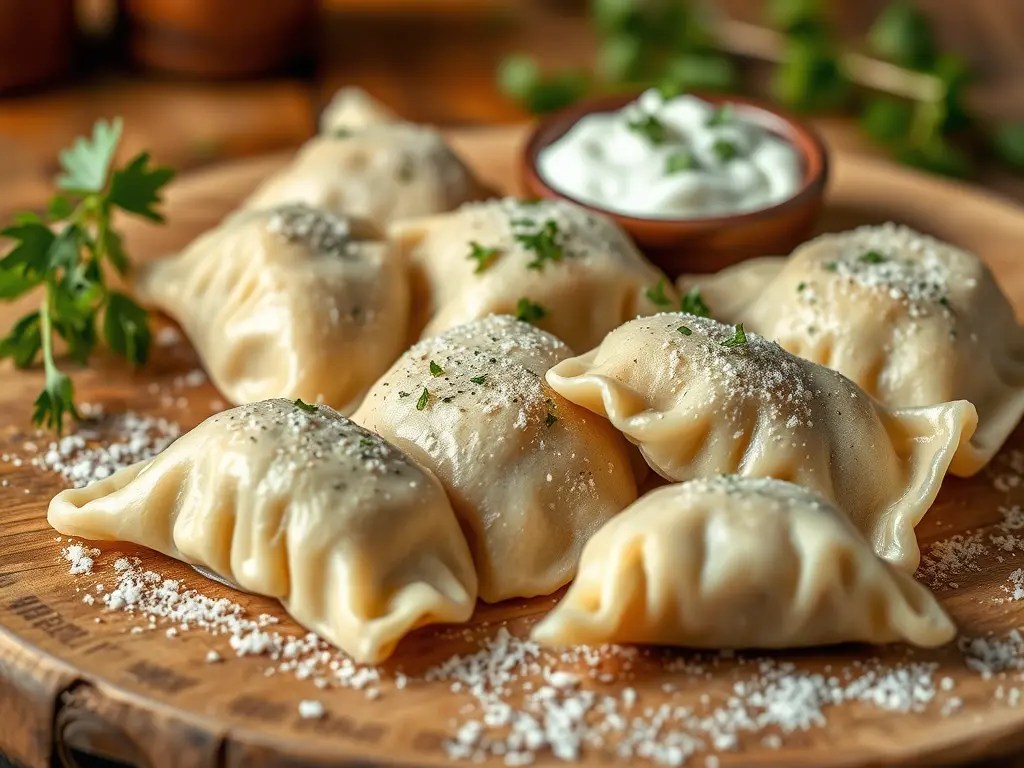
✨ Bonus: Suggested Backlinks for More Exploration

🏝️ Al Dar Islands – Your Tropical Escape Just Minutes from Manama
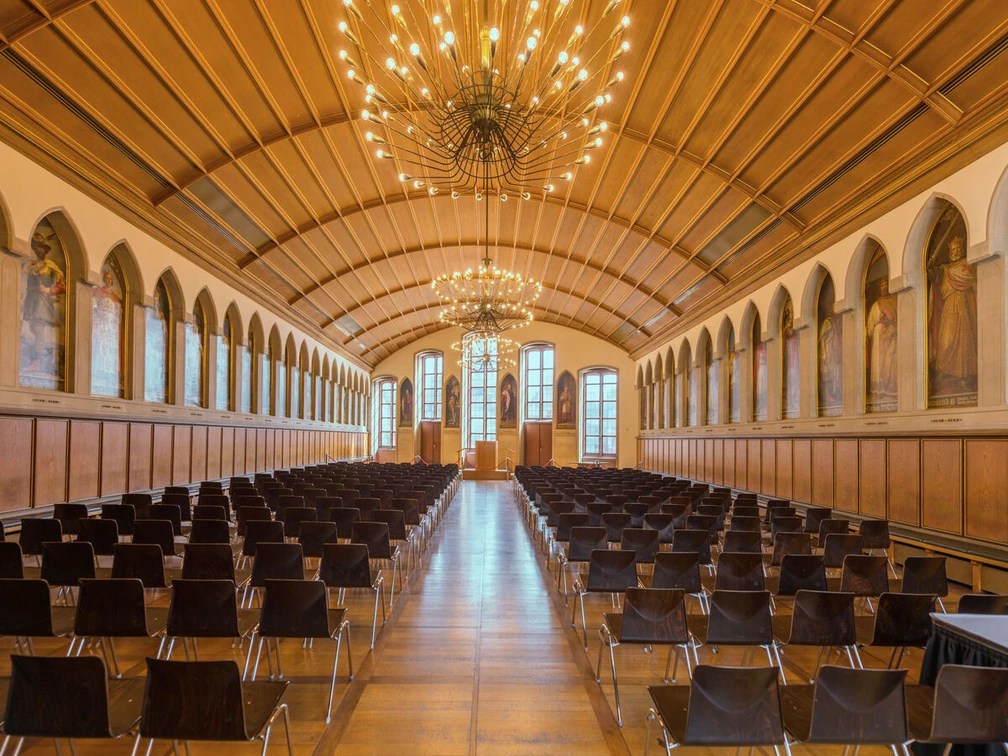
If you thought Bahrain was all desert and skyline, think again! Just a short boat ride away from Sitra’s Al Dar Fisherman’s Port, you’ll find Al Dar Islands, a breezy slice of paradise that feels like stepping into another world. 🌊☀️

Whether you’re craving a lazy beach day or a splash of adventure, this spot has it all. You can rent a pedal boat and glide peacefully across the turquoise waters, grab a kayak to explore hidden corners of the island, or jump on a banana boat ride for a dose of laughter and adrenaline.

🎟️ Tickets are available directly at aldarislands.com

  • Weekend & Public Holidays: Adults – 8 BD | Children – 5 BD
  • Weekdays (Sun–Thu): Adults – 6 BD | Children – 3 BD

The short boat transfer from the mainland adds to the fun—watch the horizon open up as you sail toward soft sands and crystal-clear water. Whether you’re a solo traveler, a family from Sitra, or a weekend wanderer from Manama, Al Dar Islands is the perfect mini-getaway to recharge, unwind, and feel the island breeze kiss your face. 🌴✨

A marina at dusk with several boats docked along a stone walkway, illuminated by lights. The sunset creates a colorful sky in the background.
A serene view of Al Dar Fisherman’s Port at sunset, with boats lining the dock and the sky painted in soft hues.

A view of a fishing harbor at dusk with several small boats docked along the shoreline, illuminated by a bright overhead light.
Fishing boats moored at Al Dar Islands, reflecting the serene atmosphere of Bahrain’s coastal landscape.
View of a marina at dusk with several fishing boats docked and illuminated by street lights.
A tranquil view of the marina at Al Dar Islands, showcasing moored boats and serene waters at dusk.

Universal Disclaimer/Disclosure Page: