Short horror stories are quietly becoming one of the highest-engagement formats on platforms like YouTube Shorts, TikTok, Instagram Reels, and even blogs. What makes them powerful isn’t expensive animation, jump scares, or gore — it’s curiosity.
Let’s break down why a simple psychological horror story like “The Last Seen Online” works so well and how content creators can use this format to grow faster.
Why Psychological Horror Works Better Than Gore
Modern audiences scroll fast. They don’t want long setups or overdone visuals. Psychological horror taps into something more effective: relatability.
Everyone has:
A phone
Been awake late at night
Felt that quiet, unsettling silence at 2 a.m.
When a story starts with something familiar — like a phone lighting up — viewers instantly lean in. That’s where retention begins.
SEO note: psychological horror stories, short horror content, and creepy phone stories are currently strong search interests across the US, Canada, UK, and Australia.
The Story Concept (Simple, But Effective)
Every night at exactly 2:17 a.m., a phone receives a message — from its own number.
No monsters. No blood. Just a slow realization that the messages are being sent from inside the apartment.
This kind of storytelling works because:
It creates an open loop
It lets the viewer’s imagination do the work
It feels realistic, not cinematic
For content creators, realism = comments.
Why This Format Is Perfect for Short-Form Video Creators
Short horror stories like this are ideal for:
AI-generated videos
Stock footage
Minimal animation
Voice-over storytelling
You don’t need complex visuals. A dark room, a glowing phone, subtle sound design — that’s enough.
Creators using this format often see:
Higher watch time
Strong repeat views
More comments than likes (a good thing for algorithms)
The Real Growth Hack: Let the Audience Finish the Story
The most powerful part of this horror story isn’t the ending — it’s the lack of one.
Ending with a line like:
“If this were you… would you turn around?”
invites the viewer into the story. Instead of passively watching, they start thinking — and then commenting.
This does three important things:
Boosts engagement signals
Builds community
Gives you free ideas for Part 2
For creators, this is gold.
SEO + GEO Tip for Horror Content Creators
When publishing horror stories as blogs or videos, avoid stuffing keywords like “scary story” repeatedly. Instead, naturally use variations such as:
short horror story
psychological horror
creepy late-night stories
horror storytelling for content creators
AI horror videos
Mention locations subtly when relevant (e.g., “popular in the US and Canada”) to help with GEO optimization without sounding forced.
Search engines favor natural language — and so do humans.
Why This Works Across Platforms
This single horror concept can be repurposed into:
YouTube Shorts
TikTok videos
Instagram Reels
Blog posts
Email newsletters
Podcast narration
Content creators who reuse one story across platforms save time and build recognizable themes — something algorithms love.
Final Thoughts for Content Creators
You don’t need a big budget to tell a scary story. You need:
A relatable idea
Controlled pacing
An ending that invites participation
If you’re a content creator looking to grow in 2025, psychological horror is not just entertainment — it’s a strategy.
And sometimes, the scariest stories are the ones that don’t end at all.
Story
The Last Seen Online
Every night at exactly 2:17 a.m., my phone lights up.
“Are you awake?”
It’s from my own number.
At first, I thought it was a glitch. Maybe an app bug. Maybe sleepwalking me was sending messages. I laughed it off—until I replied.
Me:Who is this? Me:Stop messing around.
Three dots appeared instantly.
Unknown:You shouldn’t be in my room.
My heart started hammering. I was alone. Door locked. Curtains closed.
I checked the sent info. The messages weren’t sent from my phone.
They were sent to my phone… from inside my apartment.
I sat frozen on the bed, staring at the screen, when another message came through.
Unknown:Don’t turn around.
The phone slipped from my hand.
Behind me, the mattress dipped—as if someone had just sat down.
And my screen lit up one last time.
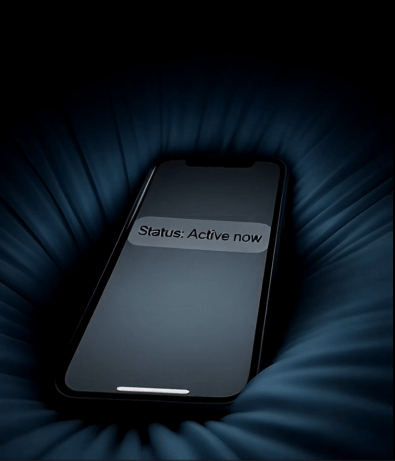
Status: Active now.
Scene 1: The Routine
Setting: Bedroom, night. Visual: A dark room. Phone screen lights up at 2:17 a.m. Sound: Soft phone buzz. Distant silence.
Text/Narration:
Every night at exactly 2:17 a.m., my phone lights up.
Scene 2: The Message
Setting: Close-up on phone screen. Visual: Message notification appears.
On Screen Text:
“Are you awake?” Sender:My own number.
Emotion: Confusion, mild unease.
Scene 3: Dismissal
Setting: Bed, half-lit by phone glow. Visual: Fingers typing. Slight smile, brushing it off.
On Screen Text:
Who is this? Stop messing around.
Emotion: Skeptical, calm.
Scene 4: Immediate Reply
Setting: Extreme close-up of phone. Visual: Typing dots appear instantly.
On Screen Text:
You shouldn’t be in my room.
Sound: Low hum or rising tension tone.
Scene 5: Reality Check
Setting: Wide shot of the bedroom. Visual: Locked door. Closed curtains. Empty room.
Narration:
My heart started hammering. I was alone. Door locked. Curtains closed.
Scene 6: The Location
Setting: Phone screen – message details. Visual: Location pin or text: Sent from inside your apartment.
Setting: Same room, darker. Visual: Mattress slowly sinks beside the protagonist.
Sound: Soft fabric shift. Breathing.
Narration:
The mattress dipped—as if someone had just sat down.
Scene 9: Final Ping
Setting: Phone on the bed or floor. Visual: Screen lights up one last time.
On Screen Text:
Status: Active now.
Cut to black.
🎬 GROK TEXT-TO-VIDEO PROMPTS
Style for all scenes (you can reuse this line):
cinematic horror, realistic lighting, dark atmosphere, shallow depth of field, slow camera movement, film grain, high tension, night setting, 4K, realistic human, no text on screen
Scene 1 – The Routine
Prompt:
A dark bedroom at night, only moonlight through a small window, a smartphone lying on a bed suddenly lights up at 2:17 a.m., eerie silence, slow zoom toward the glowing phone, cinematic horror mood, realistic shadows, unsettling calm
Scene 2 – The Message
Prompt:
Extreme close-up of a smartphone screen glowing in the darkness, a message notification appears saying “Are you awake?”, sender shown as the same phone number, blue light reflecting on the wall, suspenseful atmosphere, shallow depth of field
Scene 3 – Dismissal
Prompt:
A person sitting on a bed in a dimly lit room, casually holding a phone, typing a reply, relaxed body language but dark surroundings, soft phone light on their face, calm before the storm, cinematic tension
Scene 4 – Immediate Reply
Prompt:
Close-up on phone screen showing typing dots appearing instantly, message reads “You shouldn’t be in my room”, lighting flickers slightly, sudden rise in tension, ominous horror tone, slow camera push in
Scene 5 – Reality Check
Prompt:
Wide shot of an empty bedroom at night, locked door, closed curtains, still air, shadows stretching across the room, unsettling silence, feeling of isolation, realistic horror lighting
Scene 6 – The Location
Prompt:
Close-up of phone message details showing location sent from inside the apartment, phone trembling slightly in a hand, heartbeat tension, dark background, cinematic psychological horror
Scene 7 – Frozen
Prompt:
Person sitting frozen on the bed, eyes wide with fear, phone glowing in their hand, darkness behind them feels heavy, message on phone reads “Don’t turn around”, slow zoom, intense suspense
Scene 8 – The Presence
Prompt:
Side view of a bed in a dark room, mattress slowly sinking as if someone invisible sits down, no figure visible, only movement in fabric, chilling atmosphere, realistic paranormal horror
Scene 9 – Final Ping
Prompt:
Smartphone lying on the bed lights up one last time in total darkness, message reads “Status: Active now”, eerie glow illuminating the room, sudden cut to black feeling, final horror moment
 Home Home sweet sweet home