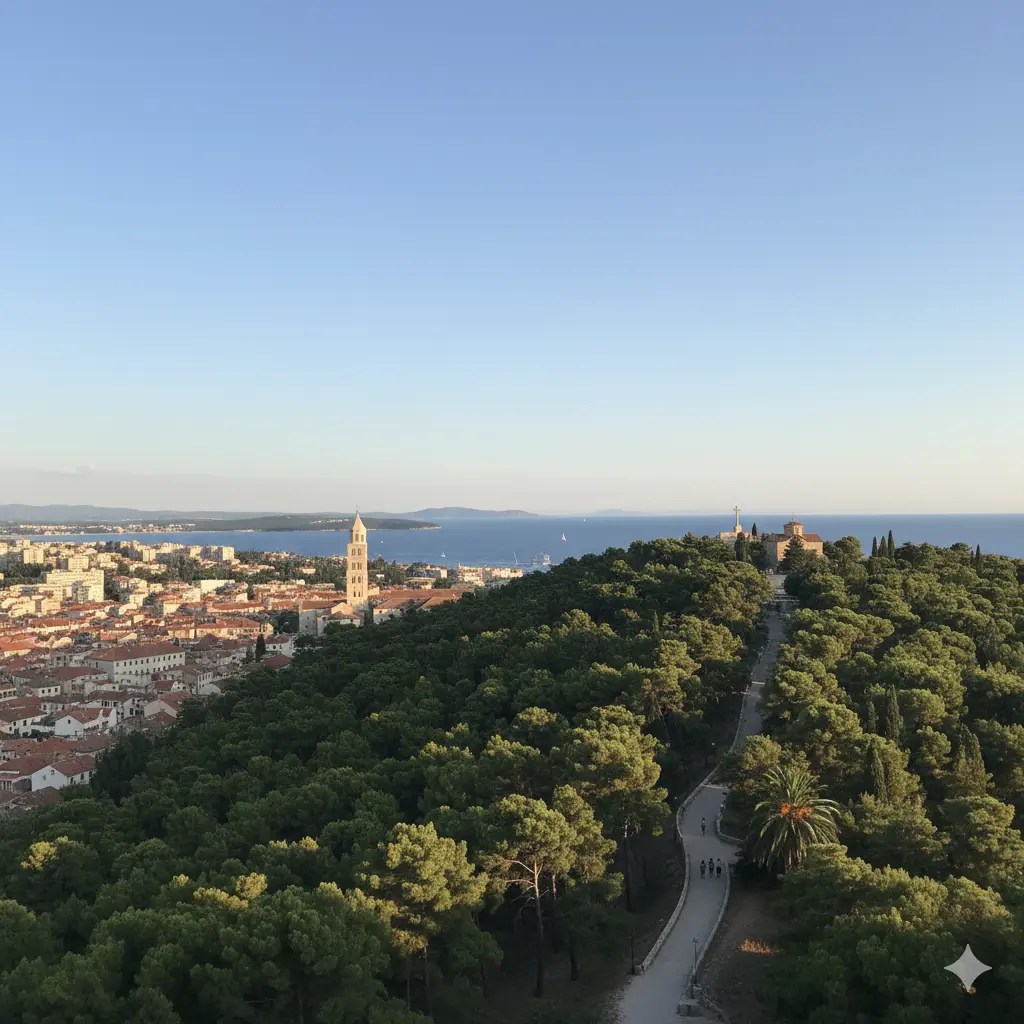
Explore Zadar: Your Ultimate Weekend Getaway Guide

Meta Description: Plan your perfect weekend in Zadar, Croatia! This ultimate guide for travellers covers hidden gems, how to get there by ferry, money-saving tips, and essential Croatian phrases. Discover the Sea Organ, historic ruins, and where to find the best gelato. Optimized for your Dalmatian Coast adventure.

Table of Contents

  1. Getting There: A Snapshot
  2. What to Do in Zadar
  3. The Secret Beaches You Need to Know
  4. A Slice of History: Zadar’s Ancient Side
  5. Smart Travel Tip for Zadar
  6. Exploring Nearby Destinations
  7. Where to Stay in Zadar
  8. Best Time to Visit
  9. FAQs

Alright, let’s be real. My idea of a perfect weekend doesn’t involve fighting through crowds for a blurry photo of a monument. It involves somewhere with ancient streets, a spectacular sunset, and the sound of the sea literally playing music. Enter Zadar, Croatia—a stunning Dalmatian coast gem that stole a piece of my heart faster than you can say “fala” (that’s “thanks,” you’ll need it).

This isn’t just another pretty old town. Zadar is a vibe. It’s where Roman ruins coexist with modern art installations, and where the coffee is strong enough to power your explorations. So, grab your notebook (or just bookmark this page), because we’re diving into the ultimate weekend escape.

My Travel Master List: For more travel guides, tips, and gear recommendations, always check my constantly updated Travel Master List.

Looking for a weekend getaway that’s a perfect mix of rich history, stunning coastline, and a dash of quirky charm? Zadar, Croatia, might just be your next destination. Nestled along the Adriatic Sea, Zadar is often overshadowed by Croatia’s more famous cities like Dubrovnik and Split. But that’s exactly what makes it a hidden gem—less crowded, more affordable, and brimming with authentic local vibes. Whether you’re a history buff, nature lover, or beach enthusiast, Zadar offers something for everyone. And yes, there’s plenty of room for a few “Instagram-worthy” moments too!

Flights to Zadar

Getting There: A Snapshot

Zadar’s charm is easy to access, and it’s not as complicated as you might think. You can either fly into Zadar’s airport or, for a scenic route, catch a ferry from nearby cities. I’m a big fan of the ferry—there’s something about cruising across the Adriatic that just sets the tone for a perfect weekend. Direct ferries are available from places like Split and Rijeka. Direct Ferries is a great platform to compare routes and prices to book your ferry tickets easily. Check it out here.

Pro Tip: To save time and skip the hassle of waiting at airports, ferries can be a fun alternative, and there’s something magical about seeing Zadar’s skyline approach as you cross the blue waters.

Hotels in Zadar

Your Zadar Weekend Itinerary: A 48-Hour Masterpiece

Day 1: History, Harmony & A Heavenly Sunset

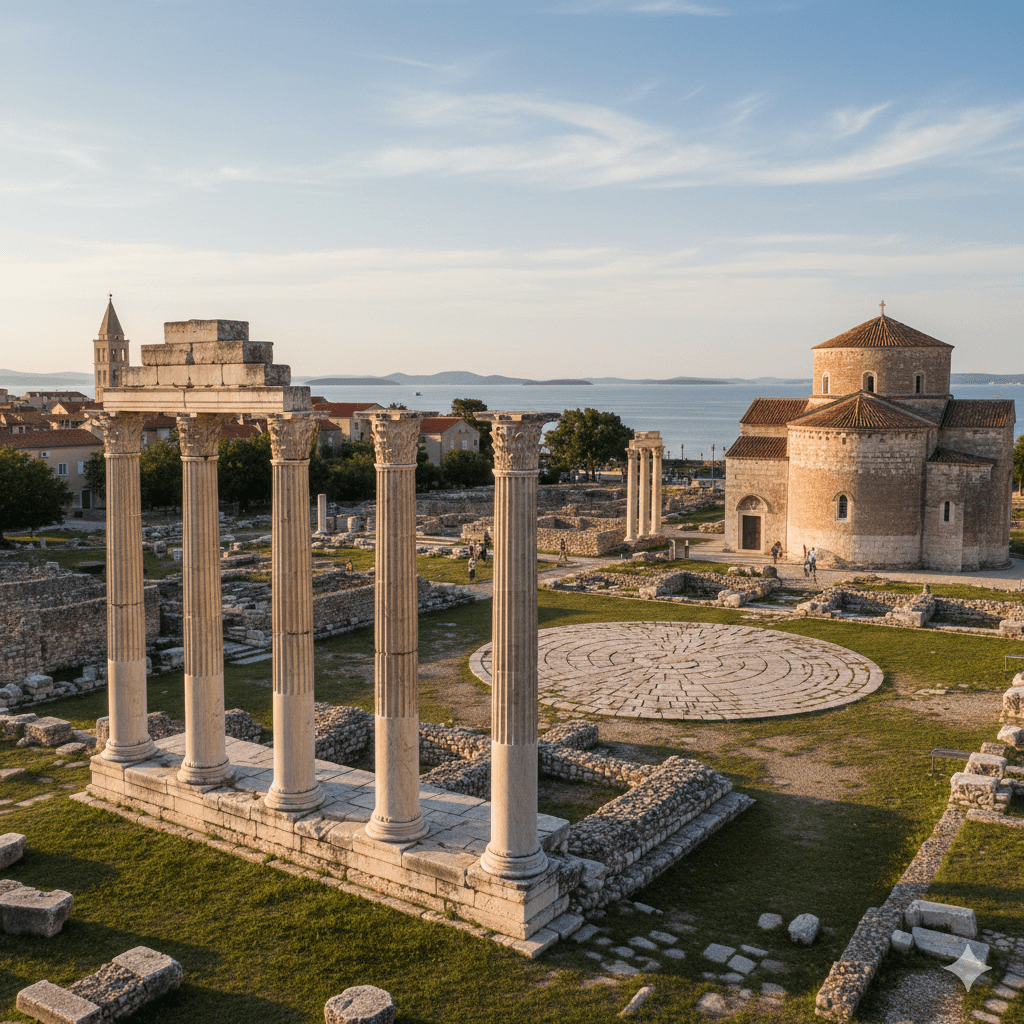
  • Morning (10 AM): Drop your bags and head straight into the car-free Old Town. Your first stop? The Roman Forum. It’s not a museum you enter; it’s just… there. Open to the sky, with columns and stones scattered about. I loved grabbing a coffee at a nearby café and just imagining the toga-clad Romans who once walked there.
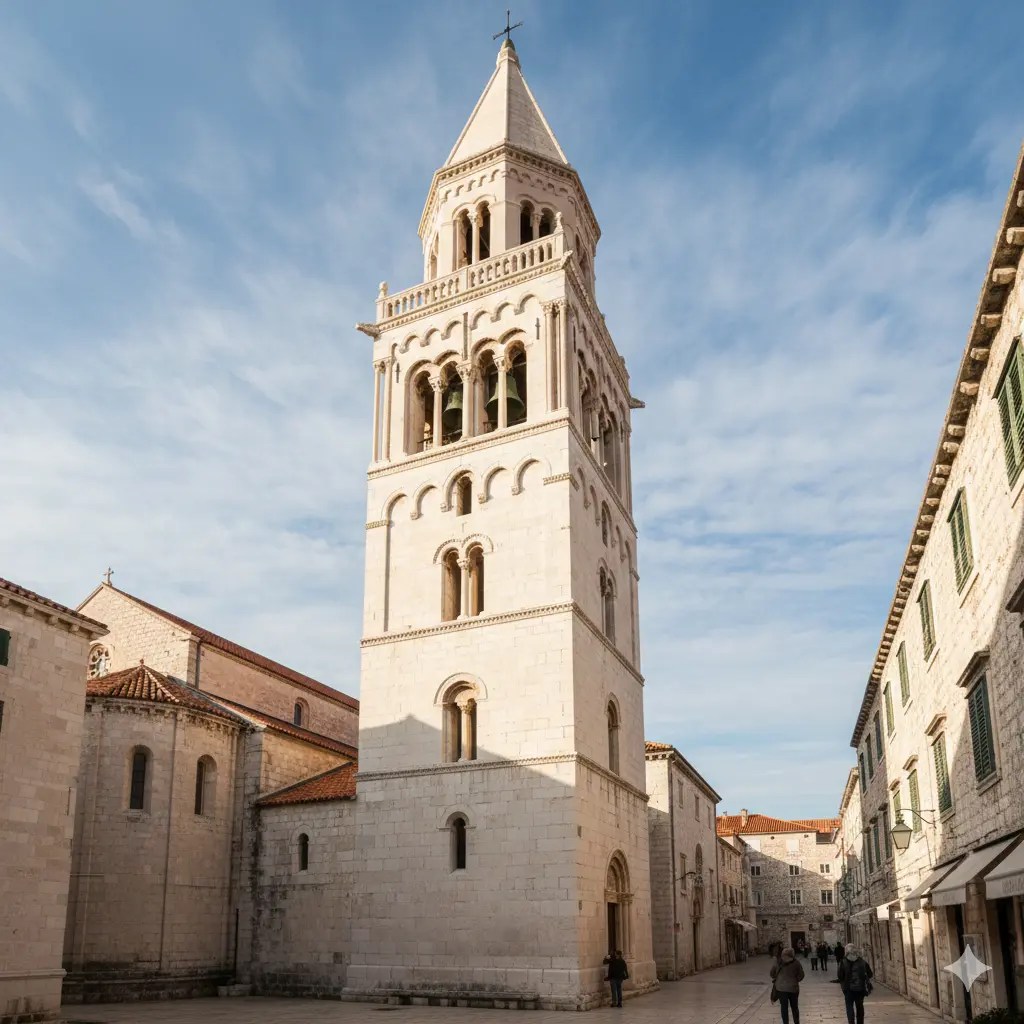
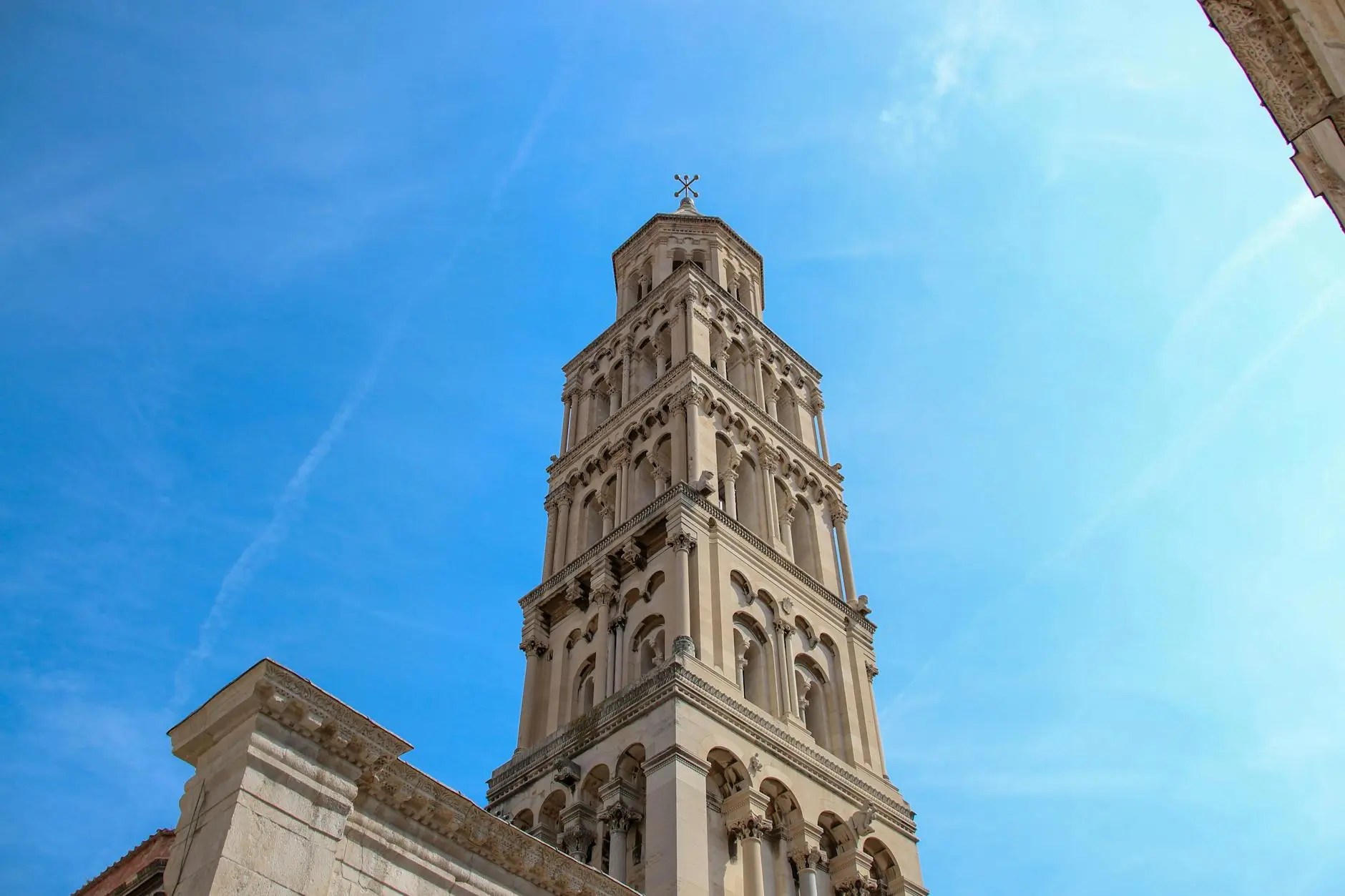
  • Afternoon (1 PM): Time for some height. Climb the Bell Tower of St. Anastasia’s Cathedral. The steps are a bit of a workout, but the 360-degree view of the city, the islands, and the terracotta rooftops is absolutely worth the burning calves.
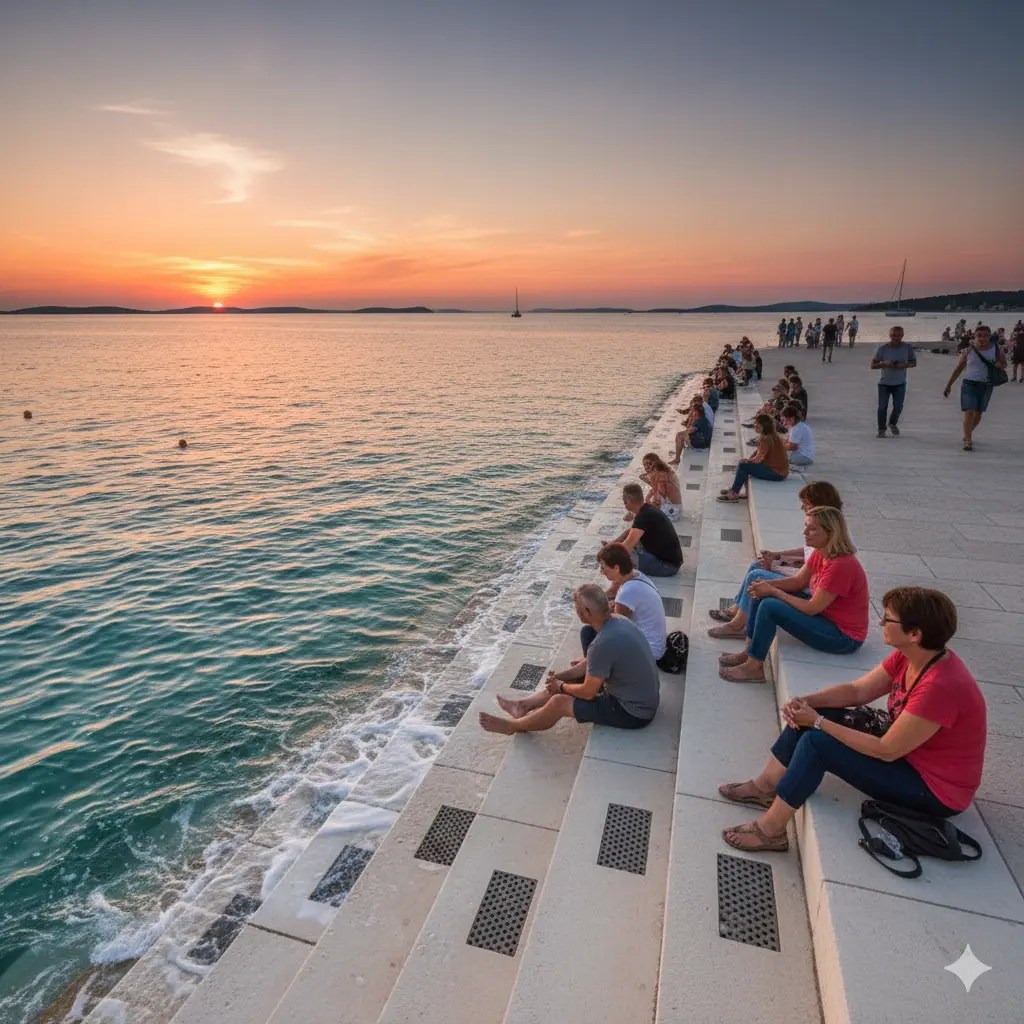
  • Evening (6 PM onwards): This is the main event. Head to the western tip of the peninsula for sunset. First, you’ll hear it—a low, melodic hum. That’s the Sea Organ. The marble steps are designed with pipes that create music as the waves push air through them. It’s nature’s symphony. As the sun dips below the horizon, the Greeting to the Sun installation right next to it begins to light up, absorbing solar energy all day to create a dazzling light show after dark. It’s pure magic. Hitchcock was right.
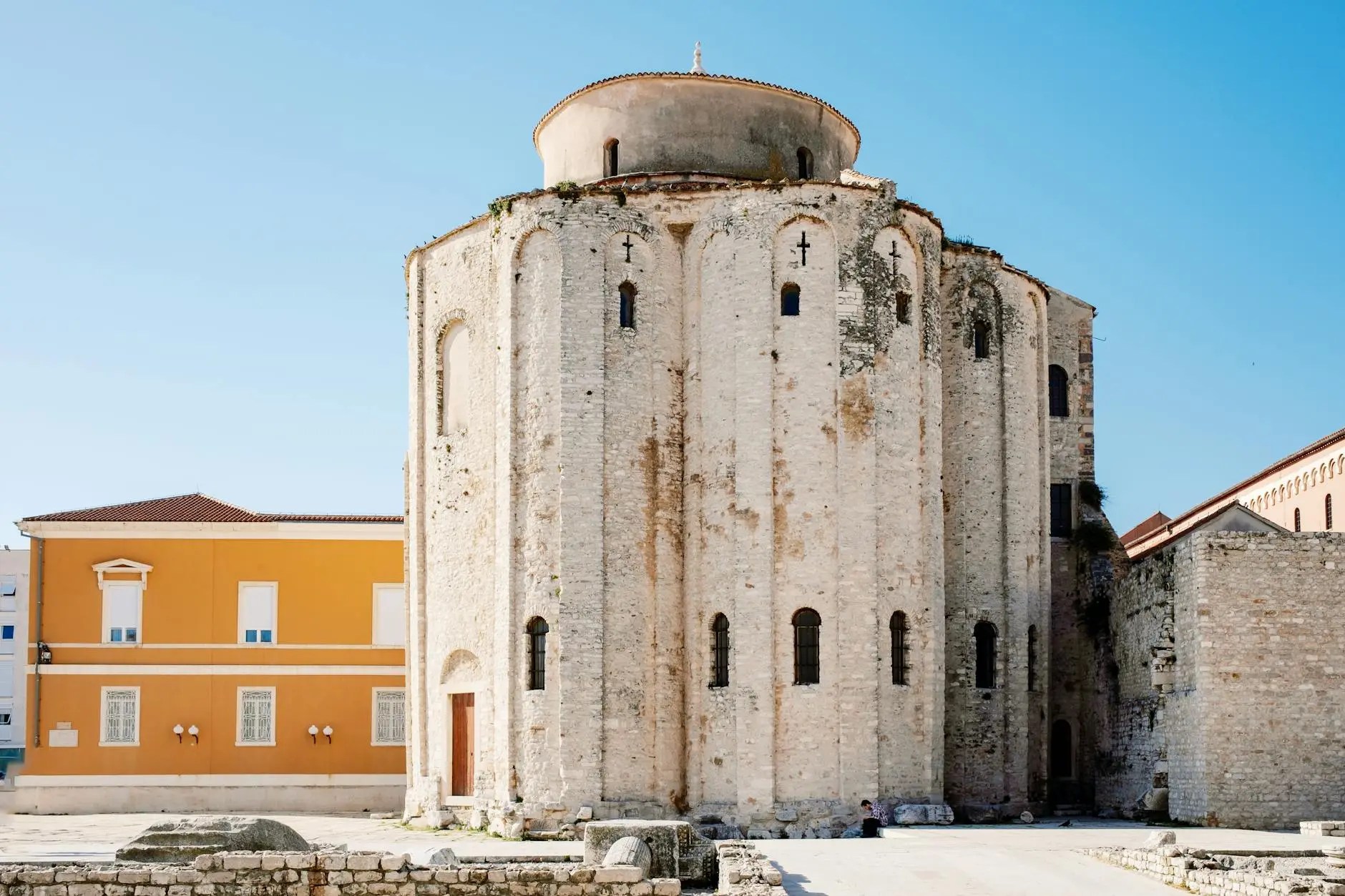
A historic round stone building with a domed roof and arched windows, surrounded by a mix of modern and ancient architecture in Zadar, Croatia.
A stunning view of the historical Church of St. Donatus in Zadar, Croatia, surrounded by ancient ruins and vibrant architecture. The iconic St. Donatus Church, a 9th-century marvel and the undeniable symbol of Zadar’s skyline, bathed in the golden glow of a Dalmatian sunset. This view from the Roman Forum makes it easy to see why it’s the city’s most famous landmark.
A scenic view of the Roman Forum in Zadar, Croatia, showcasing ancient columns and historical ruins with a church in the background, against a sunset sky.
Exploring the ancient ruins of Zadar, Croatia, featuring well-preserved columns and a historic church, set against a picturesque sunset. Where history layers upon itself: The ancient Roman Forum, once the heart of the city of Iader, with the 9th-century Church of St. Donatus towering in the background—a powerful visual narrative of Zadar’s rich past

The Bell Tower of St. Anastasia's Cathedral standing tall in Zadar, Croatia, with a clear sky and historic buildings surrounding it.
The iconic Bell Tower of St. Anastasia’s Cathedral standing tall in Zadar’s historic Old Town. The climb is worth it! The Bell Tower of St. Anastasia’s Cathedral, a defining feature of Zadar’s skyline. While its base is Romanesque, the upper levels were added in the 15th and 19th centuries, creating its unique layered look.
People sitting on a stone staircase by the sea, enjoying the sunset over the water in Zadar, Croatia.
Visitors enjoying a stunning sunset at the Sea Organ in Zadar, Croatia, as waves create a natural symphony. The world’s most beautiful concert hall: Visitors experience the magical Sea Organ (Morske Orgulje) at sunset. This architectural marvel uses wave energy to create endless, hauntingly beautiful music through pipes embedded in the steps.

A scenic view of the Sea Organ in Zadar, Croatia, showcasing the marble steps leading to the water, with colorful lighting reflecting in the waves at sunset.
The enchanting Sea Organ in Zadar, Croatia, with its illuminated marble steps and mesmerizing sunset over the Adriatic Sea. An evening symphony: The Sea Organ’s marble steps are gently illuminated at night, creating a serene atmosphere where visitors gather to listen to the sea’s endless, ethereal music under the stars.

Day 2: Islands, Ice Cream & Idyllic Streets

  • Morning (9 AM): Take a short boat taxi (it’s cheap and frequent) to the Zadar Archipelago. I highly recommend a half-day trip to one of the closer islands like Ugljan or Ošljak. Rent a bike, find a secluded cove, and take a dip in the unbelievably clear water. For more detailed island-hopping routes, check out my guide on Exploring the Dalmatian Islands.
  • Afternoon (2 PM): Back in Zadar, it’s time for lunch and exploration. Get lost in the maze of marble streets. Find Široka Street for people-watching and, more importantly, gelato-hunting. My personal favourite spot is Donat, serving up some of the creamiest, most flavourful gelato I’ve had outside of Italy.
  • Evening: For your final dinner, skip the most touristy spots right on the waterfront and duck into one of the konobas (taverns) on the side streets. The food is more authentic, the wine is local, and the atmosphere is cozier.
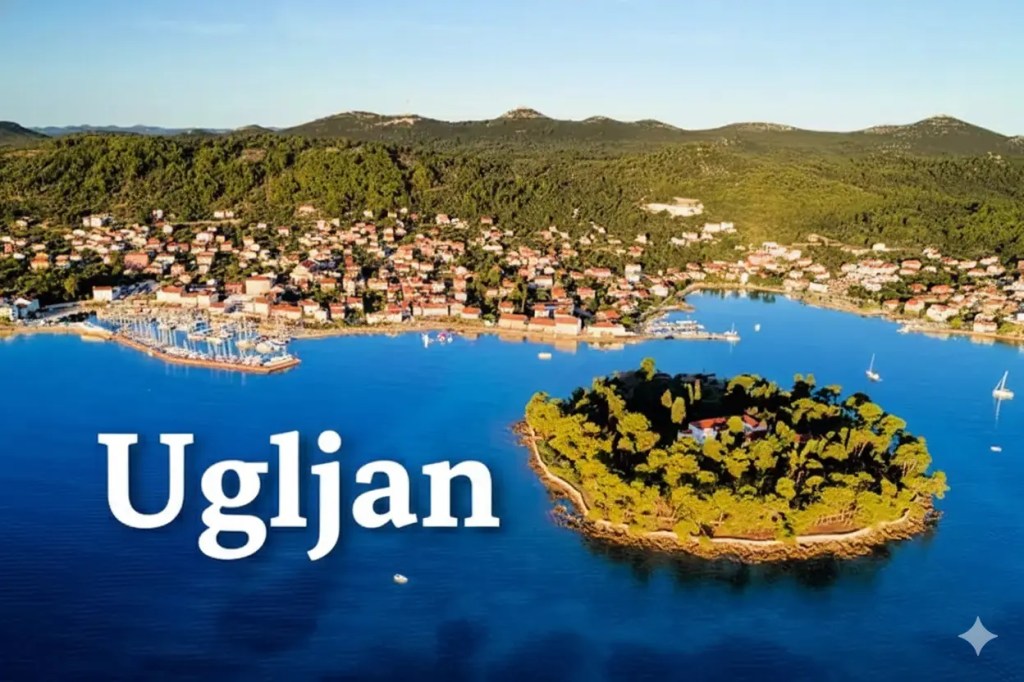
Aerial view of the island of Ugljan in Croatia, featuring green hills, a small harbor with boats, and a picturesque coastal village along the shoreline.
Aerial view of Ugljan Island, showcasing its serene coastline and lush greenery, perfect for a weekend getaway from Zadar. The “green island” of Ugljan as seen from Zadar’s waterfront – just a short ferry ride but a world away from the city bustle, offering peaceful coves, olive groves, and picture-perfect villages.
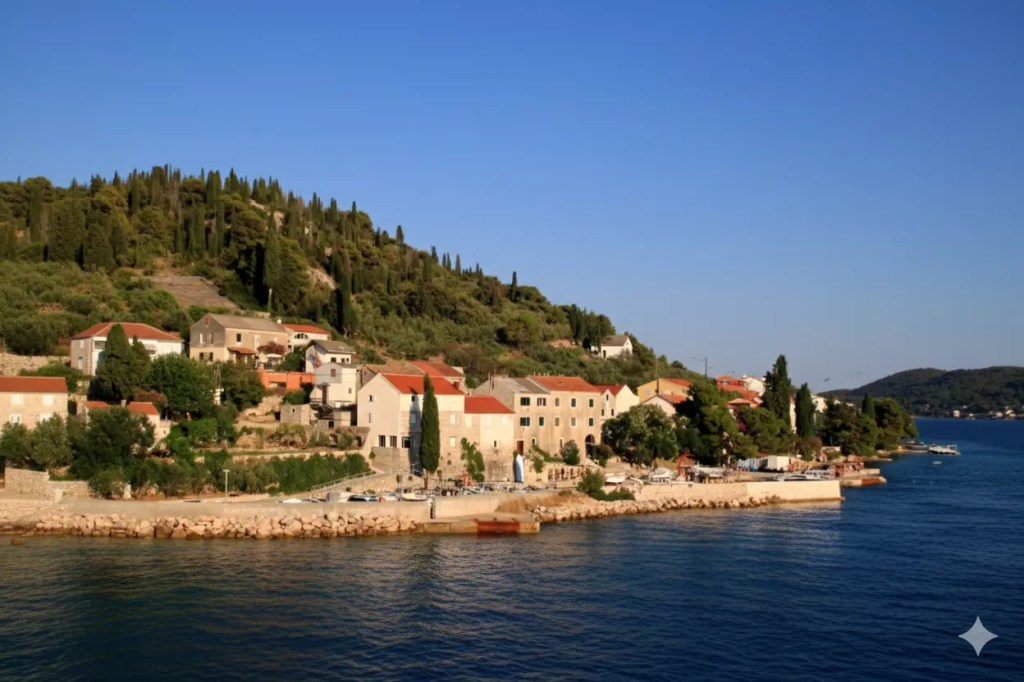
Scenic view of a coastal village with terracotta-roofed houses nestled against a green hillside, overlooking clear blue waters.
Scenic view of a coastal village in Croatia, showcasing traditional architecture and lush greenery by the Adriatic Sea. Tiny Ošljak Island, Croatia’s smallest inhabited island, offers a glimpse into peaceful Dalmatian life with just one village, no cars, and plenty of secluded swimming spots just a short boat ride from Zadar.
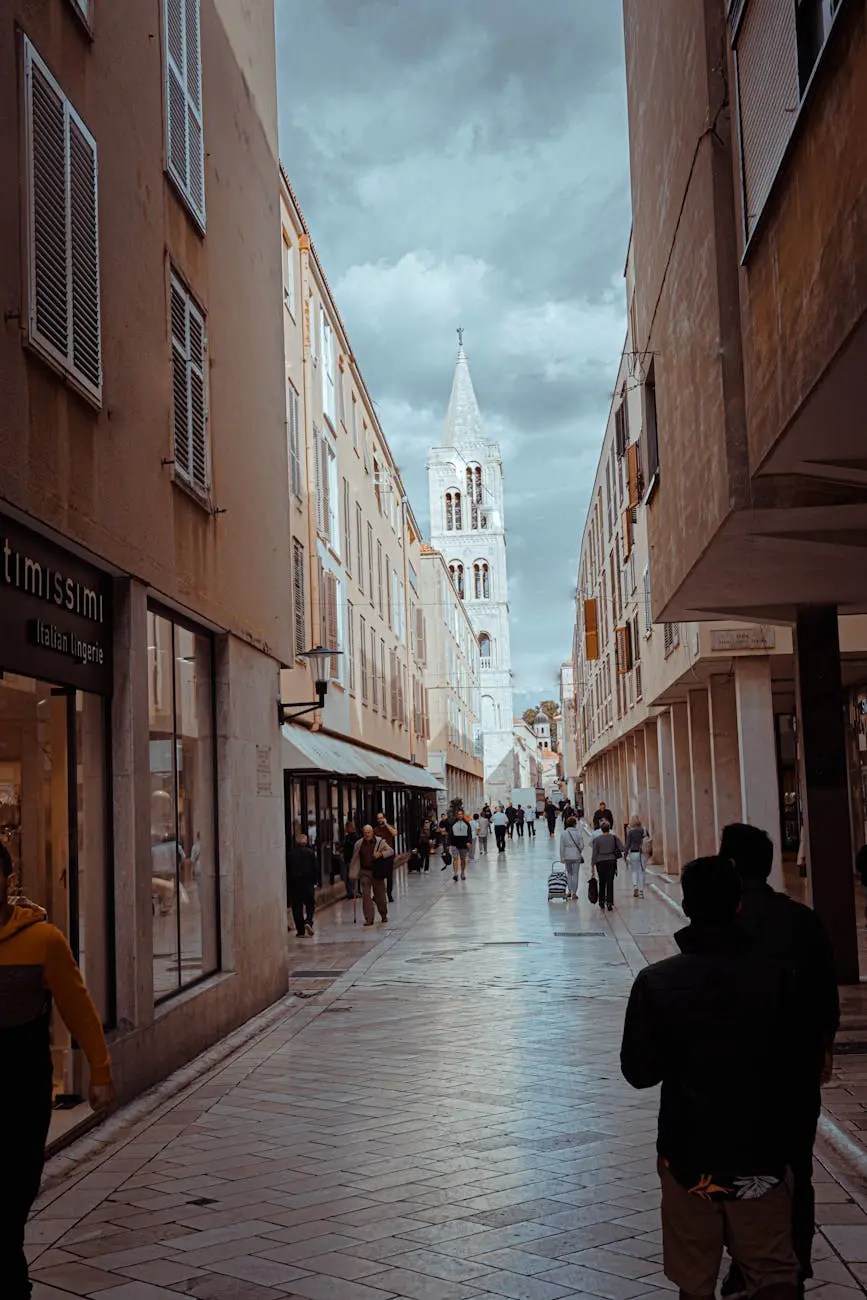
A bustling street in Zadar, Croatia, lined with shops and cafes, featuring a glimpse of a historic bell tower in the background under a cloudy sky.
Strolling through the charming streets of Zadar, with its historical architecture and lively atmosphere. Walking the heart of the city: Kalelarga (Široka ulica), Zadar’s main thoroughfare for centuries, draws visitors on a direct path from the modern city gate straight to the ancient Church of St. Donatus, perfectly framing the city’s history.
Close-up of a delicious swirl of gelato in a cup, featuring vibrant pink and orange hues, with a sprinkle of red on top.
Indulge in delicious gelato from Zadar, a perfect treat for your coastal adventure.

Hidden Gems: Where the Crowds Aren’t

  1. The Gold and Silver of Zadar: Tucked away in a Benedictine convent is a museum holding some of the most breathtaking religious art I’ve ever seen. The sheer craftsmanship of the reliquaries is humbling.
  2. The Museum of Ancient Glass: Sounds niche, but it’s fascinating! You can even watch live glassblowing demonstrations. It’s a great, air-conditioned break from the afternoon sun.
  3. Foša Harbour: Just outside the Land Gate, this tiny, picturesque harbour is lined with cafes. It’s a much quieter spot for a drink than the main Riva (waterfront).
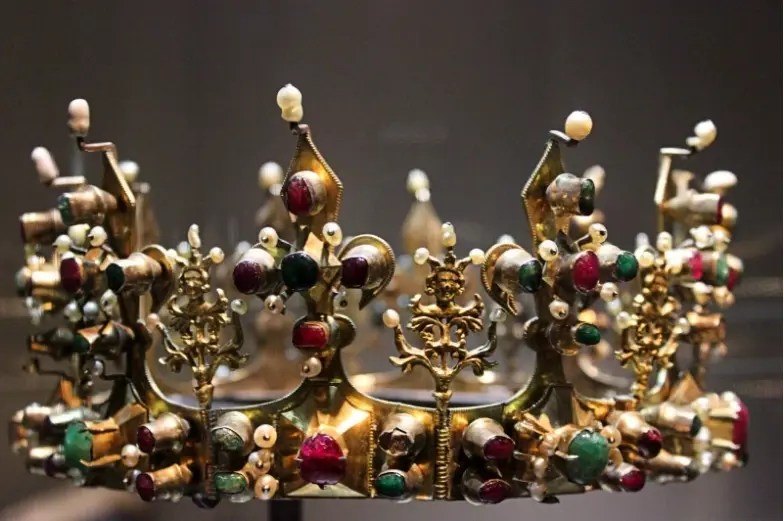
A detailed ornate crown adorned with colorful jewels and pearls, displayed in a museum setting.
A stunning gold crown adorned with precious stones, showcasing the rich craftsmanship of Zadar’s historical artistry. A royal treasure: The exquisite Crown of Elizabeth Kotromanić, a masterpiece of medieval goldsmithery. This 14th-century reliquary crown, adorned with precious stones and delicate filigree, is one of the most priceless artifacts in the “Gold and Silver of Zadar” collection
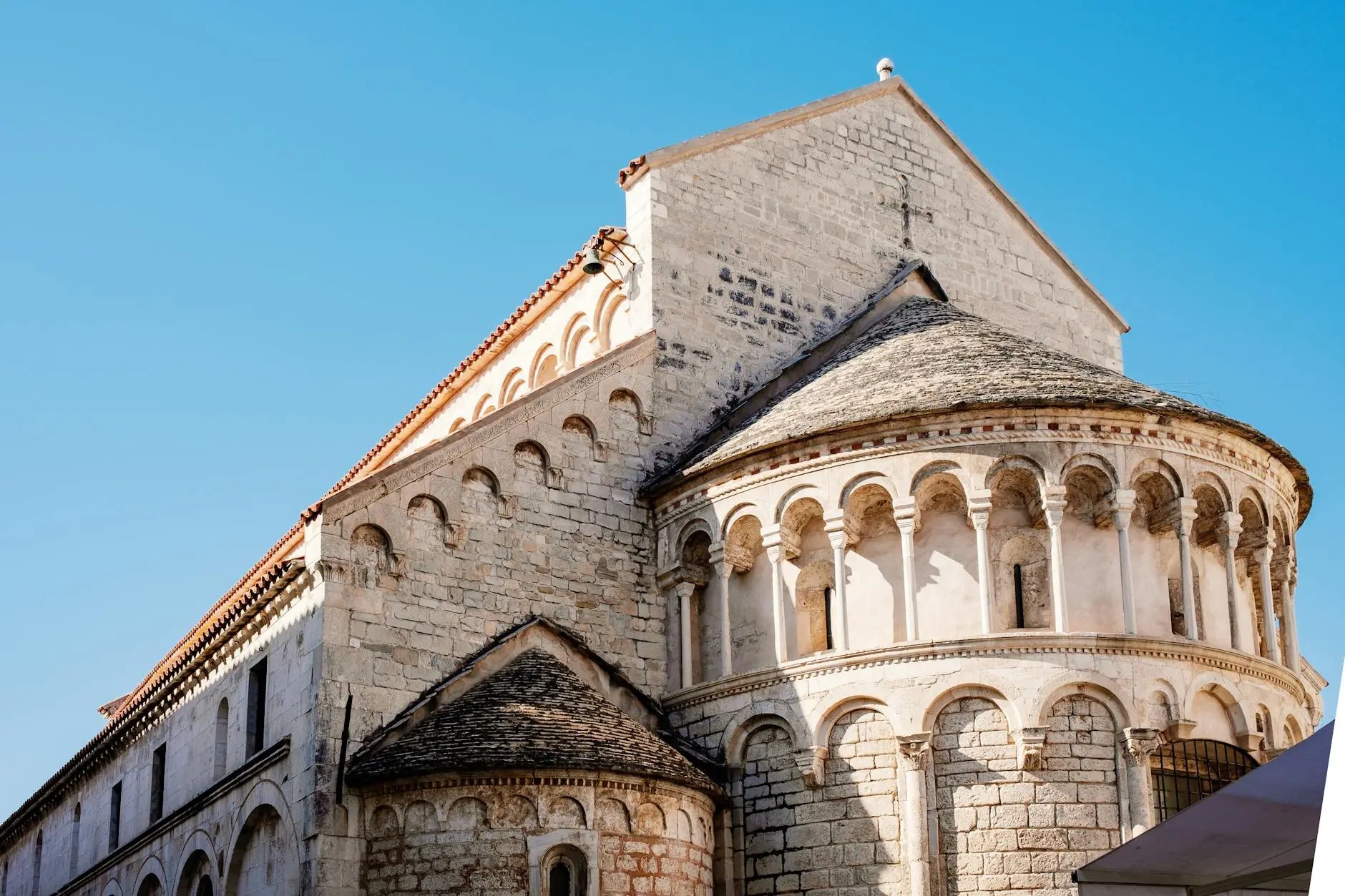
View of a historical church in Zadar, Croatia, showcasing its stone architecture and decorative arches against a bright blue sky.
Explore the stunning architecture of Zadar, Croatia, featuring ancient stonework and intricate details against a clear blue sky. A masterpiece of Romanesque architecture: The Church of St. Chrysogonus, consecrated in 1175, boasts one of the most beautiful and well-preserved facades in Dalmatia, with its detailed portals and elegant rose window
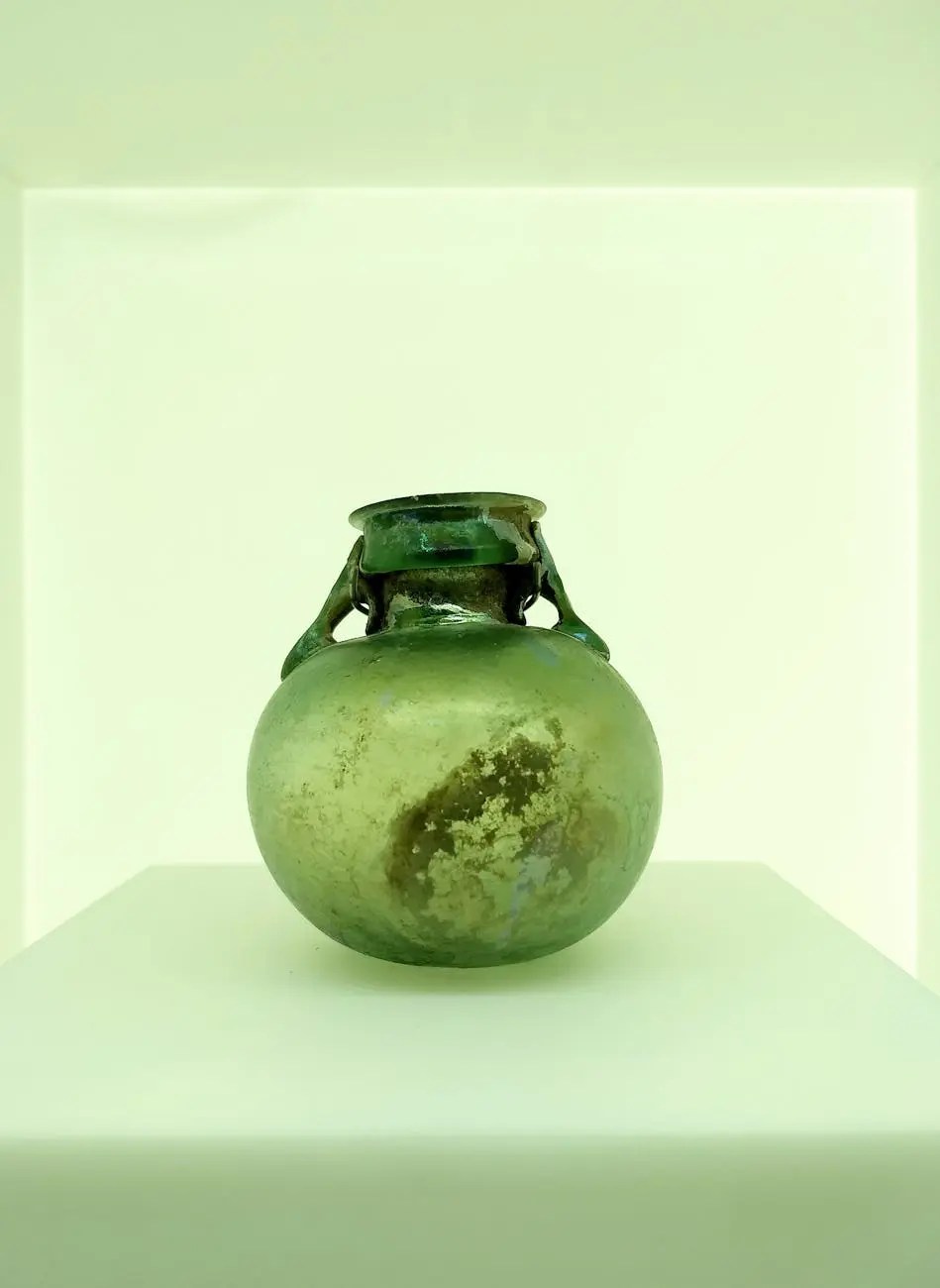
A historic green glass amphora displayed on a pedestal with a minimalist background.
An ancient glass vessel on display, reflecting Zadar’s rich cultural heritage. A glimpse into Roman luxury: This exquisite glass aryballos, used for holding precious oils or perfumes, is one of the thousands of well-preserved artifacts that make Zadar’s Museum of Ancient Glass a world-class collection.
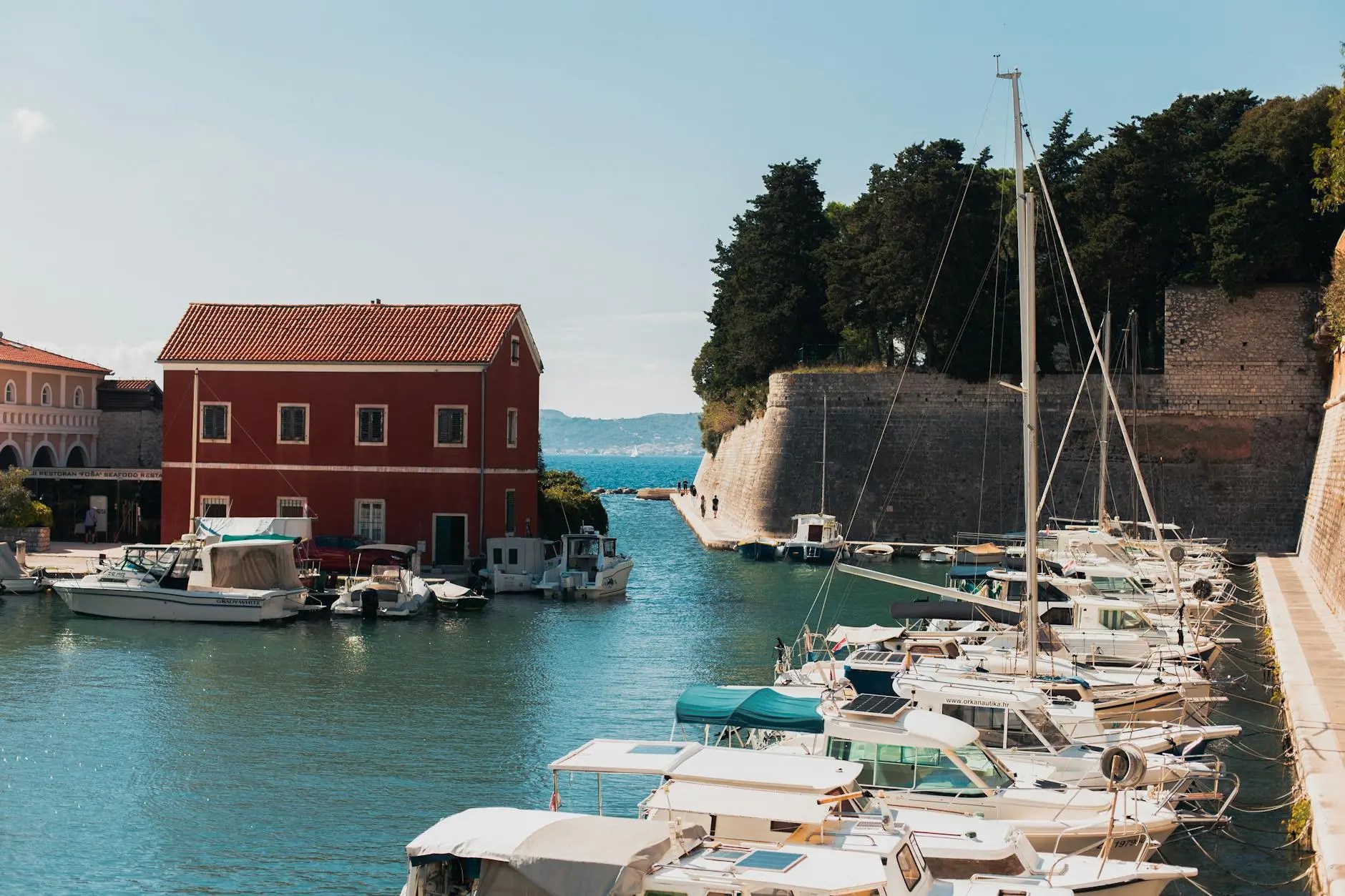
A scenic view of a marina in Zadar, Croatia, featuring a variety of boats moored in the water, with a red building and green trees in the background under a clear blue sky.
A picturesque view of the harbor in Zadar, Croatia, featuring colorful buildings and docked boats. The charming Foša harbor, once Zadar’s main maritime entrance, is now a tranquil spot framed by impressive Venetian defensive walls and home to some of the city’s best seafood restaurants.

Zadar on a Budget: Smart Tips for Smart Travellers

  • Public Transport is Your Friend: The old town is completely walkable. For the airport or beaches further out, the local buses are efficient and cheap. Buy tickets from a kiosk or the driver.
  • Picnic like a Pro: Hit the local market (Tržnica Zadar) for fresh fruit, cheese, and bread. A picnic on the steps of the Sea Organ is a meal you’ll never forget.
  • The Water is Free (and Delicious): Bring a reusable water bottle. Croatia is full of public drinking fountains with perfectly safe, cold water.
  • Book in Advance: I always cross-reference flights and hotels on Expedia. I’ve found some killer bundle deals for Croatia that saved me a bundle. Find a great deal on Expedia here.

Speak Like a Local: A Crash Course in Croatian

Don’t worry, English is widely spoken, but a little effort goes a long way!

  • Hello: Bok (informal)
  • Thank you: Hvala (Fah-lah)
  • Please: Molim
  • Cheers: Živjeli! (Zhee-veh-lee)
  • Coffee: Kava
  • Beer: Pivo
  • Goodbye: Doviđenja (Doh-vee-jen-yah)

Travel Smarter, Not Harder: My Essential Toolkit

Travelling smoothly is all about having the right tools in your kit. Here are the ones I never leave home without:

  • Stay Connected (Without the Headache): ✈️ Travel Tip: I used to waste the first hour in a new country hunting for a SIM card. Not anymore. I now travel with a Drimsim—a universal data SIM that works in 190+ countries. You just pop it in, top up via the app, and you’re online. No hidden fees, no stress. It’s a game-changer. Get your Drimsim here.
  • Protect Your Trip (& Your Peace of Mind): ✈️ Smart Travel Tip: From canceled flights to unexpected snorkeling-related phone damage, I’ve learned my lesson. I never travel without insurance from VisitorsCoverage. It’s a platform where you can easily compare plans and find one that fits your adventure. It’s peace of mind you can’t afford to skip. Find your coverage here.
  • Get What You’re Owed: ✈️ Flight Delayed or Canceled? It happens! But did you know you could be entitled to up to $650 in compensation? Most people don’t claim it. I use AirHelp to check my flights—they handle all the paperwork and only get paid if I win. It’s a no-brainer. Check your flight with AirHelp.
  • Stay Secure Online: Using public WiFi abroad is a necessity, but it’s also a risk. I always have NordVPN running on my phone and laptop to keep my data safe from prying eyes. Stay secure with NordVPN.
  • Capture the Magic: To get those stunning sunset and crystal-clear water shots, I rely on my trusty Sony Alpha. It’s the perfect balance of quality and portability for travel photography. Check out the camera I use.
  • Glow on the Go: Long flights and changing climates can wreak havoc on your skin. I keep my complexion in check with the gentle, effective magic of K-beauty from Lakinza. Their serums and masks are a travel essential for me. When you buy from Lakinza, use coupon code: Lalax10 at checkout for a sweet discount! Your skin (and wallet) will thank you.

If you’re anything like me and your idea of a “quick trip” accidentally turns into a mini-European tour, Zadar is the perfect place to start connecting the dots on the map. Just down the coast sits Split, a city so close that you can practically hear the Diocletian Palace whispering, “Come visit me next!” I already wrote a full guide on Split — because once you see that waterfront glow at sunset, you’ll want to stay forever (or at least long enough to pretend you’re on a Netflix travel show). And if you keep following Croatia’s dramatic coastline all the way south, you’ll land in Dubrovnik, the ultimate “I swear I’m not here just for Game of Thrones scenes” destination. My Dubrovnik blog covers all the good stuff: medieval walls, cliffside bars, and the dangerously addictive habit of photographing every single orange rooftop.

But here’s the fun part — Zadar is also just a short hop across the Adriatic from Venice, Italy. Yes, that Venice. The one with gondolas, gelato, and alleyways so twisty even Google Maps gets confused. I’ve already written about Venice too, because of course I got lost there and turned it into a travel story. So whether you’re planning a Croatia-only adventure or plotting a “Why not hop to Italy?” moment, these nearby destinations fit perfectly with your Zadar itinerary — and all my past blogs are ready to help you plan the most chaotic, spontaneous, and unforgettable trip of your life.

So, you’re plotting your next European adventure? If you’re flying into a hub like Venice, Budapest, or Vienna, or perhaps exploring the stunning coastlines of Split and Dubrovnik, consider weaving the unforgettable city of Zadar into your itinerary. It’s the perfect, less-crowded gateway to the Dalmatian Coast’s charm. For a deep dive on how to spend a perfect weekend there—from the musical Sea Organ to hidden island gems

Frequently Asked Questions (FAQ)

Q: What is the best time of year to visit Zadar?
A: The sweet spots are May-June and September. The weather is perfect for exploring and swimming, but the summer crowds are thinner. July and August are beautiful but very busy and hot.

Q: Do I need a visa for Croatia?
A: Croatia is a member of the EU and follows the Schengen Area visa rules. If you are from the US, Canada, UK, or Australia, you can enter visa-free for up to 90 days. Always double-check the latest requirements with official sources before you travel.

Q: Is Zadar a walkable city?
A: Absolutely! The historic Old Town is a pedestrian-only peninsula, and it’s best explored on foot. You can easily see all the main sights without needing any transport within the city walls.

Q: What’s the local currency?
A: Croatia uses the Euro (€). While credit cards are widely accepted in hotels and restaurants, it’s always wise to have some cash for market stalls, smaller cafes, and bus tickets.

Q: Can I use Uber or Bolt in Zadar?
A: Yes! Both Uber and Bolt operate in Zadar and are a convenient and affordable way to get to and from the airport or ferry port.

Ready to Fall in Love with Zadar?

Zadar is the kind of place that lingers in your memory long after you’ve left. It’s the sound of the sea organ, the taste of fresh seafood, and the glow of a perfect sunset. So what are you waiting for? Start planning your ultimate weekend escape now!

What’s your favourite hidden gem in Croatia? Share your tips in the comments below!
Universal Disclaimer/Disclosure Page:

Weekend Getaway in Split: Your Ultimate Travel Guide

Meta Description: Plan your perfect weekend in Split, Croatia! This ultimate guide covers Diocletian’s Palace, ferry travel from Direct Ferries, money-saving tips, hidden gems, and essential Croatian phrases. Get the inside scoop on where to go, what to eat, and how to navigate like a pro for an unforgettable Dalmatian coast adventure.

Table of Contents

  1. Day 1: Roman Ghosts and Riva Charm
    • The Imperial Core: Diocletian’s Palace
    • Hidden Gem: Marjan Hill
    • Dinner & Drinks: Saving Kuna
  2. Day 2: Island Hopping and Hidden Beaches
    • Hvar or Brač? Choosing Your Escape
    • Island Logistics: Time is Money
  3. Getting There by Ferry: Your Adriatic Freeway
  4. ✈️ Essential Travel Logistics & Affiliate Corner
  5. Practical Tips for a Flawless Trip
    • Transportation Tips (Bus, Train, Car)
    • Croatian Crash Course
  6. FAQ: Your Burning Split Questions
  7. More Adventures (Backlinks & Masterlist)

If you’re anything like me, your idea of a perfect weekend involves trading spreadsheets for sunshine and history for hummus. My last trip to Split, Croatia—the beating heart of the Dalmatian Coast—was exactly that. It’s a city where a living, breathing Roman emperor’s palace serves as the downtown core. Talk about a historic downtown!

I still remember stepping off the bus, walking straight into the walls of Diocletian’s Palace, and realizing the cafe I was sitting at for my first kava (coffee) was built into the actual ruins. It was less like a museum and more like a time machine disguised as a bustling, modern city.

Ready to trade your routine for Roman ruins and crystalline seas? Grab your passport, pack your favorite walking shoes, and make sure your travel lens is clear—I shoot all my travel photos with my trusted Mirrorless Travel Camera. Let’s dive into how you can conquer Split in just one unforgettable weekend, saving time and cash along the way!

Picture this: You’re sipping a crisp local wine on a sun-drenched terrace, ancient Roman walls on one side and the sparkling Adriatic Sea on the other. No, it’s not a movie—it’s just a typical afternoon in Split, Croatia.

As someone who’s gotten blissfully lost in its marble-paved alleys more than once, I can confirm that Split is the perfect city for a weekend escape. It’s a place where history isn’t just in museums; it’s the fabric of the city you’re walking, dining, and laughing in.

Ready to trade your everyday for an epic Roman-and-sea-infused adventure? Let’s dive in.

Flights to Split

Getting There by Ferry: Your Maritime Gateway

Flying into Split Airport (SPU) is one option, but let me let you in on a secret: the real adventure begins on the water. Arriving by ferry into Split’s port is an experience in itself. You’ll glide past islands, with the city’s iconic bell tower and rugged mountains rising to greet you. It’s an absolute “wow” moment.

The main ferry hub is just a 10-15 minute walk from the Old Town, making it incredibly convenient. Whether you’re coming from Ancona or Pescara in Italy, or hopping over from islands like Hvar or Brač, the ferry is your best friend.

The easiest way I’ve found to compare schedules, companies (like Jadrolinija), and prices all in one place is through Direct Ferries. It’s my go-to for booking – no fuss, no hidden fees, just a straightforward ticket to paradise.

Split’s port is one of the busiest and most accessible hubs on the Adriatic. It’s perfectly located right next to the bus and train stations, making onward travel seamless.

The port connects Split to numerous domestic islands (Hvar, Brač, Korčula) and even internationally to Italy (Ancona). If you’re traveling from the other side of the Adriatic, taking an overnight ferry can be a fun and practical way to travel, saving you a night’s accommodation cost!

You can easily compare prices, operators (like direct ferries), and book your tickets in advance.
→ Check ferry schedules and book your ticket via Direct Ferries here.

Hotels in Split

The Perfect Split Weekend Itinerary

Friday: Dive Headfirst into History

  • Afternoon: Drop your bags (I always book my stays on Expedia for the rewards) and head straight for the heart of the city: Diocletian’s Palace. Don’t just look at it—get lost in it. The Peristyle square is the main event, but the real magic is in the narrow alleys that smell of laundry soap and espresso. Pro tip: The “basements” are actually the original foundation and are stunningly preserved. It’s like a time machine.
  • Evening: Join the locals for the traditional korzo (evening stroll) along the Riva promenade. Grab a bench, people-watch, and feel the city’s pulse. For dinner, ditch the main Riva restaurants (they’re overpriced) and duck into a konoba (tavern) in the Veli Varoš district. I still dream about the black risotto I had at Konoba Matejuška.
Close-up view of the bell tower of Diocletian's Palace in Split, Croatia, against a clear blue sky.
The iconic bell tower of Diocletian’s Palace reaching towards the blue sky in Split, Croatia. The view from below! Climbing the historic bell tower of Diocletian’s Palace is a rite of passage for any visit to Split. Trust me, the wobbly-kneed climb is worth it for the panoramic views at the top.
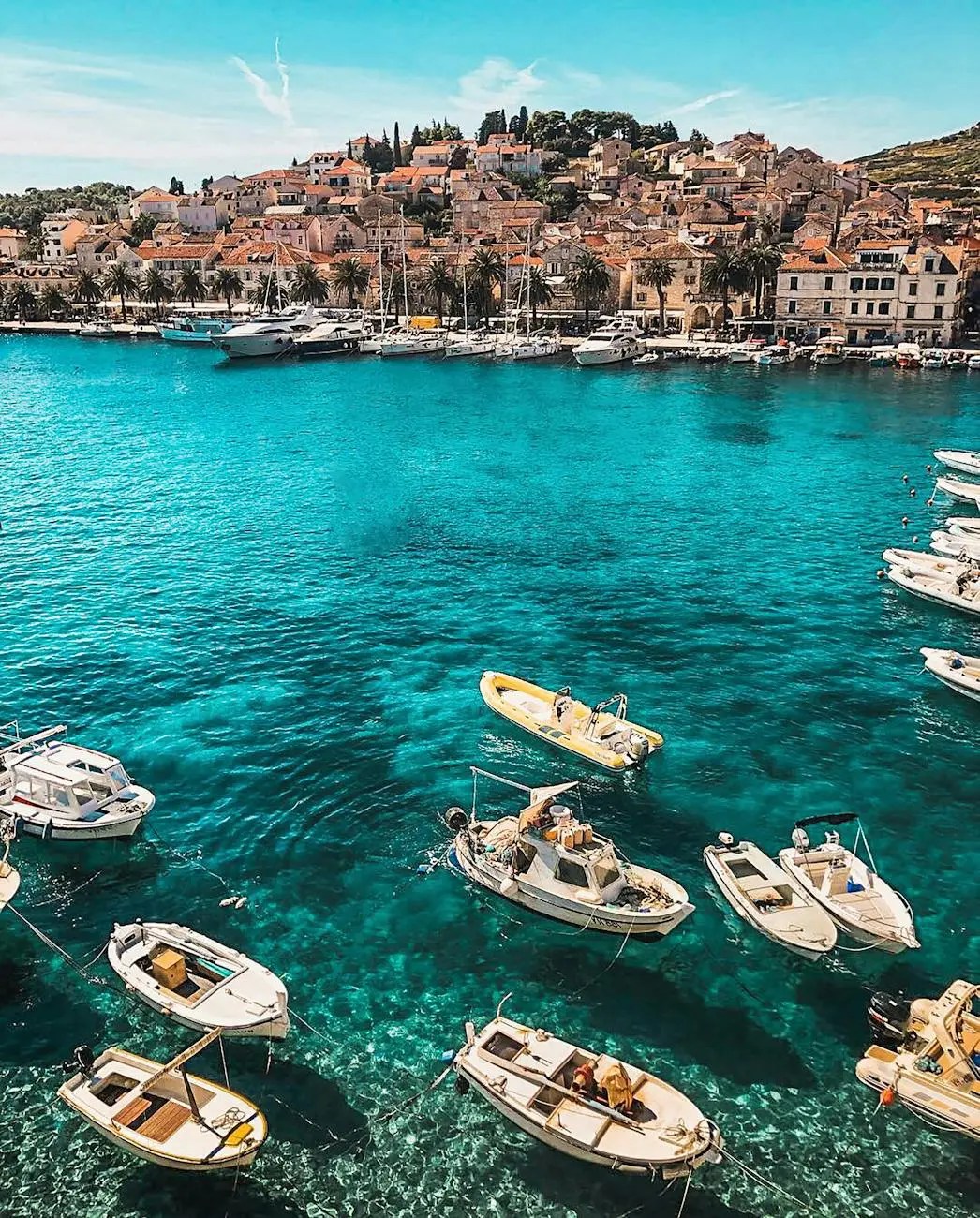
A picturesque view of a harbor in Croatia, featuring numerous small boats on crystal-clear turquoise water, surrounded by charming coastal buildings and lush greenery.
Hvar Town isn’t just a port; it’s a glamorous gateway on the Dalmatian Coast. From its packed marinas to the hilltop fortress, this view shows why it’s a favorite for yachters and sunset chasers alike.

Ready for a dose of glamour and lavender-scented air? Getting from Split to the legendary island of Hvar is a quintessential Dalmatian experience and surprisingly straightforward. Your best bet is to hop on a passenger ferry from Split’s main port; the journey is a scenic, breezy 50-minute to an hour-long cruise that feels like a mini-adventure, offering stunning views of the archipelago. And you’re not just heading to any island—you’re traveling to a destination consistently crowned one of the most beautiful islands in the world. Its reputation isn’t new; Hvar has been a cherished health resort since 1868, attracting European aristocracy with its uniquely mild climate, an abundance of sunny days, and the soothing, aromatic scent of lavender that wafts from its hillsides. It’s a place where wellness and wonder have been intertwined for over 150 years.

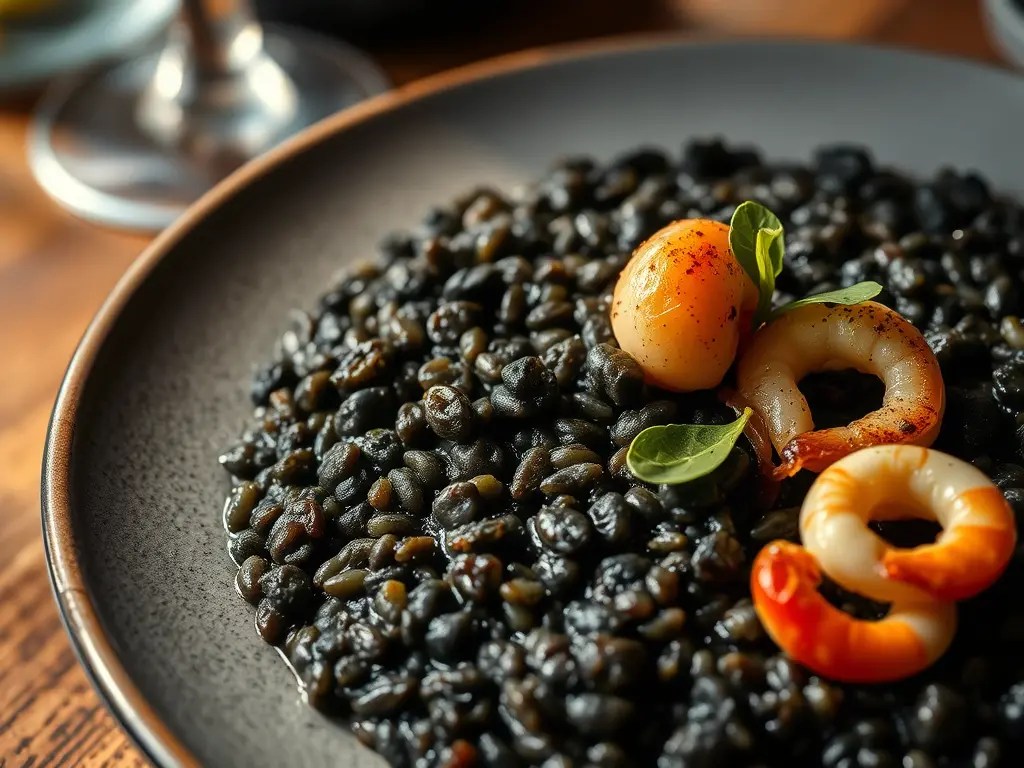
A plate of black risotto garnished with a quail egg, shrimp, and fresh herbs, showcasing a rich, glossy texture.
A delicious plate of black risotto with seafood, featuring shrimp and a soft egg, capturing the essence of Dalmatian cuisine. Don’t let the color fool you—this crni rizot is one of the most delicious and dramatic dishes you’ll eat in Dalmatia. The creamy, squid-ink infused rice, plump shrimp, and that perfect runny egg yolk is a flavor explosion you won’t forget

Saturday: Islands & Instagrams

  • Morning: Fuel up with a kava (coffee) and a pastry. Then, make your way to the Green Market (Pazar) for a burst of color and local life. It’s the perfect place to grab some figs or cherries for a snack.
  • Afternoon: You can’t come to Split without an island trip! Hop on a short ferry to Šolta. It’s less crowded than Hvar but just as charming. Swim in the crystal-cove at Nečujam Bay and enjoy a leisurely seafood lunch in the village of Maslinica.
  • Evening: Back in Split, climb the Bell Tower of St. Domnius Cathedral for sunset. The climb is a bit claustrophobic and the steps are… historic, but the 360-degree view is worth every shaky knee. Afterwards, explore the jazz bars in the palace cellars for a cool, moody vibe.
Close-up of a wooden cup filled with coffee, with a warm, frothy surface displaying a subtle pattern.
A warm cup of coffee, perfect for starting your day in Split, Croatia.

A vibrant market scene in Split, Croatia, featuring stalls overflowing with fresh fruits and vegetables, with people shopping and interacting amidst lush greenery overhead.
A vibrant scene at the Green Market in Split, Croatia, showcasing fresh fruits and vegetables, perfect for a local experience.

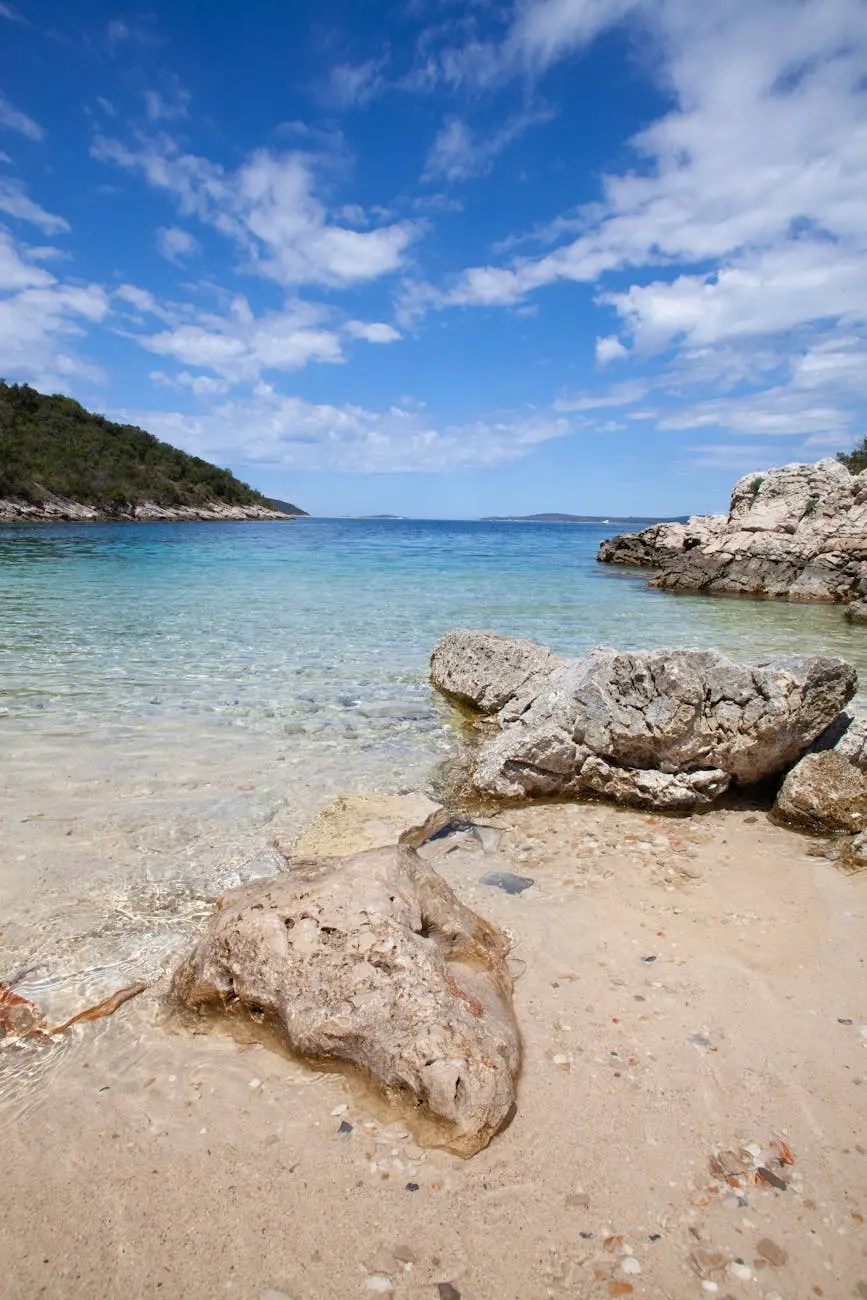
A scenic view of a clear, turquoise sea gently lapping against rocky shores and a sandy beach, under a bright blue sky with scattered clouds.
Crystal-clear waters and rocky shores of a charming Croatian beach, perfect for island-hopping adventures. This is the Šolta I fell in love with—a hidden cove where the only sounds are the lapping waves and the distant buzz of a boat. It’s the perfect antidote to the hustle of Split, just a short ferry ride away.
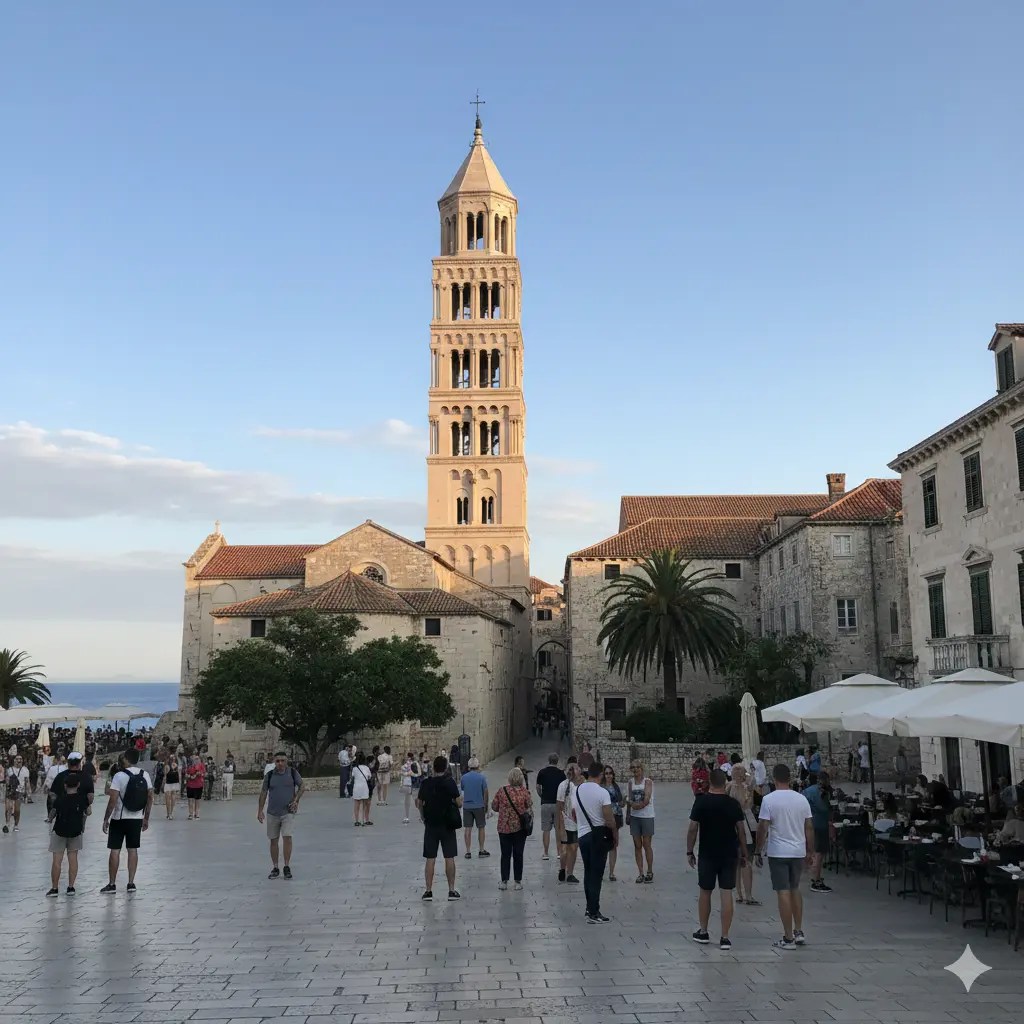
View of the bell tower of St. Domnius Cathedral in Split, Croatia, surrounded by historic buildings and tourists enjoying the square.
The iconic bell tower of St. Domnius Cathedral in Split, Croatia, standing tall amidst bustling crowds and ancient architecture. Conquering the climb up the Bell Tower of St. Domnius Cathedral is a rite of passage in Split. The slightly nerve-wracking, ancient stairs are 100% worth it for the unforgettable 360-degree views of the city and harbor

Sunday: Relax & Reflect

  • Morning: Hike up Marjan Hill. The “lungs of Split” offer shaded trails and breathtaking viewpoints over the city and islands. It’s the perfect way to work off all that pasta and seafood.
  • Afternoon: Have one last long, lazy lunch. I’m a sucker for a long Dalmatian lunch where the wine flows as freely as the conversation. Then, pick up some lavender soap or a bottle of local olive oil as a souvenir before you head to the airport or ferry port.
A panoramic view of Split, Croatia, featuring city buildings, a bell tower, and the Adriatic Sea beyond, framed by lush green trees.
A stunning view of Split, Croatia, showcasing the lush Marjan Hill and the city’s iconic architecture against the sparkling Adriatic Sea.

 Hidden Gems & Local Secrets

  • The Game of Thrones Museum: Even if you’re not a superfan, this quirky museum in the basement is a hoot. My friend tried on the Hand of the King pin and refused to take it off.
  • Froggyland: This is arguably the weirdest museum in the Balkans. It features over 500 taxidermied frogs in human tableaus. It’s bizarre, unforgettable, and a great conversation starter.
  • Bene Beach: Skip the crowded Bacvice beach and walk 15 minutes further to this rocky, local-friendly spot with epic views back towards the city.
A young man poses beside a large dragon head sculpture and sits on a throne made of swords, referencing themes from a popular fantasy series.
Visiting the Game of Thrones Museum in Split, showcasing iconic elements from the series including a dragon head and the Iron Throne.

 Money-Saving Tips & Navigating Like a Pro

  • Public Transport: The city buses are efficient and cheap. Buy a Splitka card from a Tisak (newsstand) for even cheaper fares. Uber and Bolt are also widely available and affordable.
  • Renting a Car? I’d only recommend it if you’re planning to drive the epic Dalmatian Coast afterwards. For a weekend in Split itself, it’s a liability—parking is a nightmare and expensive. Save your money and gas; the city is incredibly walkable.
  • Best Time to Visit: Shoulder seasons! May-June and September-October offer glorious weather with half the crowds. You’ll thank me when you’re not elbowing for space in the Peristyle.
  • Visa Info: For US, Canadian, UK, and AU travelers, Croatia is part of the Schengen Area, so you can stay for up to 90 days within a 180-day period visa-free. Always double-check the latest entry requirements before you book!

Speak Like a Local: A Few Key Phrases

Croatians appreciate the effort immensely!

  • Hvala (HVAH-lah) – Thank you. You will use this 100 times a day.
  • Dobar dan (DOH-bar dahn) – Good day.
  • Oprostite (oh-PRO-stee-teh) – Excuse me.
  • Gdje je…? (Gdyeh yeh…) – Where is…?
  • Račun, molim (RAH-choon, MO-leem) – The bill, please. Essential for those long lunches.

Travel Smarter, Not Harder: My Go-To Gear & Tips

✈️ Stay Connected Without the Headache:
Staying connected abroad used to be my personal travel nightmare. I’d either get ripped off by my carrier’s roaming or spend half a day hunting for a local SIM card. My game-changer? Drimsim. It’s a universal data SIM that works in 190+ countries. You just pop it in, top up via the app, and you’re online the moment you land. No contracts, no hidden fees. It’s saved my bacon (and my Google Maps) more times than I can count.
→ Grab your universal Drimsim travel SIM here.

✈️ Flight Got Derailed? Get Paid.
Let’s be real, travel hiccups happen. But did you know if your flight is significantly delayed, canceled, or you were bumped, you could be entitled to up to $650 in compensation? Most people don’t claim it, but I never miss a chance thanks to AirHelp. They handle all the annoying paperwork and fight the airlines for you. They only get paid if you win, so it’s a complete no-brainer. I once got a nice surprise €250 for a delayed flight from Frankfurt—it paid for my entire weekend of meals in Split!
→ Check your flight for compensation with AirHelp.

Don’t Forget Travel Insurance!
A missing bag, a sudden illness, or a canceled tour can quickly turn a dream trip sour. I never travel without insurance. I use VisitorsCoverage to compare plans and find one that fits my specific trip. It’s a trusted platform that gives me peace of mind, so I can focus on the adventure, not the “what-ifs.”
→ Find the right travel insurance for your trip with VisitorsCoverage.

My Secret to Glowy Travel Skin:
Plane air and changing climates can wreak havoc on your skin. My secret weapon? Lakinza, a fantastic K-beauty site. Their serums and sheet masks are a hydration lifesaver. And because glowing skin shouldn’t cost a fortune, use my code Lalax10 at checkout for a sweet discount. Trust me, your skin will thank you after a long day in the Dalmatian sun.
→ Discover your new skincare favorites at Lakinza.

(Shameless Plug) How I Capture These Memories:
All the gorgeous, sunny photos you see on my blog? I shoot with this lightweight but powerful camera. It’s the perfect travel companion—not too bulky, but with incredible quality that makes every shot look professional.
→ Check out my favorite travel camera here.

A Final Must-Have: VPN
Using public WiFi at airports, hotels, and cafes? Please, protect your data! I always have my NordVPN running. It keeps my personal info safe from prying eyes and also lets me access my favorite shows from back home.
→ Get secure and save with NordVPN.

🗺️ Beyond Diocletian’s Walls: Your Next European Adventure

While Split will easily capture your heart (and your camera roll!), its central location on the Adriatic makes it an ideal launchpad for exploring the rest of the Balkans and Southern Europe. Ready to extend your journey after you’ve explored Diocletian’s Palace and sunned yourself on Brač?

For another dose of stunning Croatian history, the majestic walls of Dubrovnik are just a short bus or catamaran ride south—a must-see destination where history and Hollywood collide. If you’re looking to hop across the water, the architectural grandeur of Venice, Italy, is a manageable journey, often involving a scenic ferry connection across the Adriatic. And if you’re keen to explore more of the region’s dynamic culture and history on a budget, look to Budapest, Hungary, or Vienna, Austria, both accessible via a longer but rewarding journey.

To help you seamlessly plan your next leg, including visa information, budget breakdowns, and transport options for these geographically close destinations, be sure to consult my complete Blog Masterlist: [LINK]

Frequently Asked Questions (FAQ)

Q: Is two days in Split enough?
A: Absolutely! Two to three days is perfect to see the main sights of the city, take an island day trip, and get a real feel for the Dalmatian lifestyle without feeling rushed.

Q: What is the best way to get around Split?
A: Your own two feet! The historic core is completely walkable. For attractions further out, like Marjan Hill, the city bus system is reliable and inexpensive.

Q: Is Split expensive?
A: It’s more affordable than Western European hotspots like Paris or Amsterdam, but prices have risen with its popularity. You can still find great value by eating at konobas (taverns) away from the waterfront and using public transport.

Q: Can I use Euros in Split?
A: Croatia now uses the Euro (EUR) as its official currency, so you’re all set!

Q: What’s one thing I shouldn’t miss?
A: Besides the Palace, make time to just sit in the Peristyle with a gelato and listen to the buskers. The acoustics in that ancient square are magical.

What is the best time of year to visit Split to avoid crowds? A: Late May/Early June or September are ideal. You’ll have fantastic weather (warm, sunny, and great for swimming) without the massive, sweaty crowds of July and August.

Do I need a car in Split? A: No, absolutely not for the city center. Split’s core is pedestrianized. You only need a car if you plan to do extensive, time-sensitive day trips (like Krka or Plitvice Lakes). For islands, take the passenger ferry to save money and hassle.

Ready to Wander?
Split is waiting to steal your heart. From its ancient soul to its modern energy, it’s a city that begs to be explored.

👉 Ready to book your Croatian escape? Find the best deals on flights and hotels on Expedia and start packing!

Have you been to Split? What was your favorite hidden gem? Spill the details in the comments below!

For more travel guides, tips, and itineraries, check out my complete Travel Master List 


Universal Disclaimer/Disclosure Page: