The Ultimate Weekend Escape to Herzegovina: Where History Meets Heart-Stopping Beauty

Meta Description:
Plan the perfect weekend escape to Herzegovina — from historic Mostar and hidden gems like Blagaj and Kravice Waterfalls, to smart travel tips on transport, saving money, and weather-smart timing. Uncover insider advice, practical logistics, and fun anecdotes for confident travel.

🗺️ Table of Contents

  1. Introduction
  2. Why Herzegovina Should Be on Your Bucket List
  3. Getting There
    • Getting There by Ferry (with Direct Ferries link)
    • By Air
    • By Bus, Train, & Car
  4. Where to Stay
  5. Top Things to Do in Herzegovina
    • Mostar & Stari Most
    • Hidden Gems: Blagaj, Kravice, Počitelj
    • Neum & the Coast
  6. Local Transport Tips (How to Save Time & Money)
  7. Practical Travel Tips
  8. Food & Drink to Try
  9. Words & Phrases You Might Need
  10. FAQs
  11. Final Tips & CTAs

If “weekend getaway” were a sport, Herzegovina would be the undefeated champion. Part ancient wonder, part natural paradise, and part affordable destination that punches well above its scenic weight, this patch of Bosnia and Herzegovina blends culture, adventure, and lazy café afternoons into one irresistible mini escape.

Let’s be honest: planning a weekend trip is often about choosing what to skip. Do you want beaches or mountains? Riveting history or untamed nature? Well, friends, in Herzegovina, you don’t have to choose. This soul-stirring, heart-shaped corner of Europe serves it all on a single platter, with a side of strong coffee and a history so rich you can taste it in the air.

As someone who once spent a frantic Sunday trying to escape an overcrowded “hidden gem” elsewhere, I can tell you: Herzegovina is the real deal. It’s a place where you can hear the Muslim call to prayer echoing over cobblestones one minute and watch a brave soul leap from a 16th-century bridge into an emerald river the next. It’s Europe’s open secret, offering the drama of Croatia, the raw beauty of Montenegro, and the profound soul of the Balkans, all without the crushing crowds or crushing prices.

Ready for a weekend that feels like a week-long adventure? Let’s dive in.

Why Herzegovina Should Be on Your Bucket List

Mostar’s Stari Most isn’t just a bridge — it’s an icon. The historic Ottoman-era bridge once destroyed by war and beautifully rebuilt now symbolizes resilience, unity, and adrenaline-packed dives into the cold Neretva below — where locals and visitors cheer, tourist cameras whirr, and time slows in the best possible way.

But there’s more here: jaw-dropping waterfalls, cliffside monasteries, serene river springs, gold-hued vineyards, and one of Europe’s less predictable coastlines — the tiny seaside town of Neum, Bosnia’s only access to the Adriatic Sea

Getting There

⬆️ Getting There by Ferry

While Herzegovina is landlocked, the nearby Dalmatian Coast of Croatia is your perfect maritime gateway. The closest major port is Dubrovnik. From there, you have fantastic options:

While Herzegovina itself doesn’t host a major ferry port, you can arrive via scenic Adriatic ferry routes from Croatia or beyond and then continue overland — perfect for travelers who love sea views as part of the adventure.
👉 Check routes, timetables, and book your ferry with Direct Ferries here.
Ferries along the Adriatic connect ports like Split or Dubrovnik with other coastal hubs, from which buses or cars can complete your journey to Herzegovina. Travel By Ticket

Quick Route Idea: Ferry to Split → Bus or Train to Mostar → Explore Herzegovina.
(Skip the borders with a car — fewer delays and more countryside views!)


🛫 By Air

Your easiest gateways are:

  • Mostar Airport (OMO) — small, convenient, limited routes.
  • Sarajevo Airport (SJJ) — more frequent flights, then bus/train to Herzegovina.
  • Dubrovnik Airport (DBV) (Croatia) — great low-cost options, then bus or car through epic mountain and coastal roads.

✈️ Flight Delayed or Canceled?
You might be entitled to up to $650 compensation. Check your flight with AirHelp — they do the heavy lifting for you (and only get paid if you win):


🚌 By Bus, Train, or Car

Buses criss-cross the region — from Split, Dubrovnik, Sarajevo, and Zagreb — stopping in Mostar’s central station, about a short stroll from the Old Town.

The train route between Sarajevo and Mostar? It’s not just transportation — it’s one of the most scenic journeys in the Balkans. Reddit

By car: Herzegovina is tailor-made for road tripping. Clear roads (especially outside August) and beautiful routes save time, fuel, and — honestly — are half the fun.

Where to Stay

Whether boutique guesthouses in Mostar’s Old Town or sea-view apartments near Neum, there’s an option for every budget. Book early in high season, and consider staying near public transport stops to save on taxis.

My Hercegovina Masterplan: A 3-Day Itinerary for the Perfect Escape

You’ve got 72 hours. Here’s how to spend them wisely, balancing iconic sights with local secrets and leaving just enough time to sit and savor the moment.

  • Day 1: The Soul of Mostar. Arrive and drop your bags. Your first mission is to get lost in the Old Town (Stari Grad). Wander the cobbled alleys, haggle (politely!) for a copper souvenir, and let the scent of grilled Ćevapi guide you to lunch. As the afternoon sun begins to soften, find your spot to witness the spectacle of the Stari Most bridge divers. The iconic bridge (which is a UNESCO World Heritage Site) was originally built in the 16th century and has been beautifully reconstructed. These professional divers aren’t just showing off; it’s a centuries-old tradition. Be warned: they work for tips, so have a few coins ready. For dinner, venture away from the main tourist drag to find a family-run restaurant for a massive, affordable platter of Bosnian food.
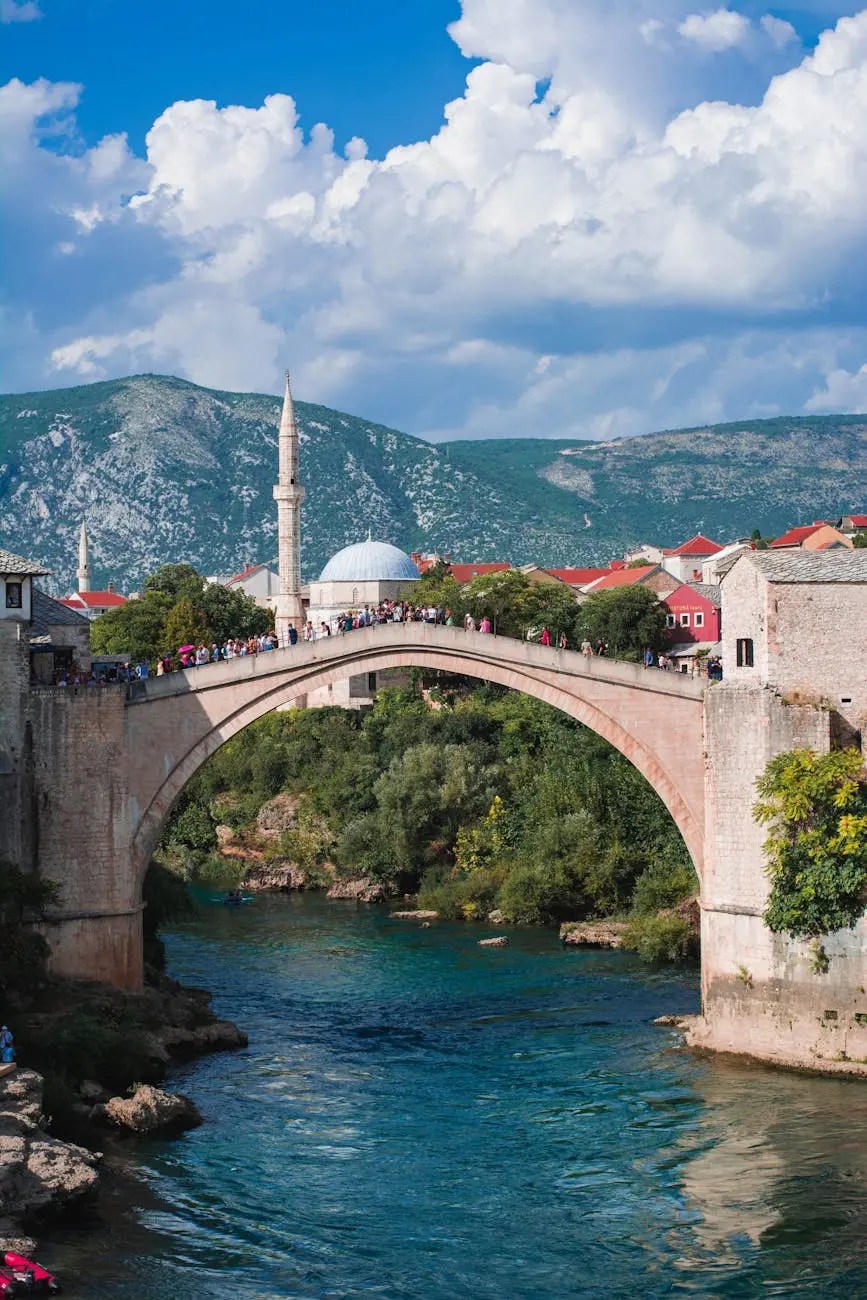
The historic Stari Most bridge in Mostar, Bosnia and Herzegovina, spans the Neretva River with a backdrop of mountains and traditional architecture under a bright blue sky.
The iconic Stari Most bridge in Mostar, a symbol of resilience and tradition, spans the Neretva River against a stunning backdrop of mountains and blue skies.

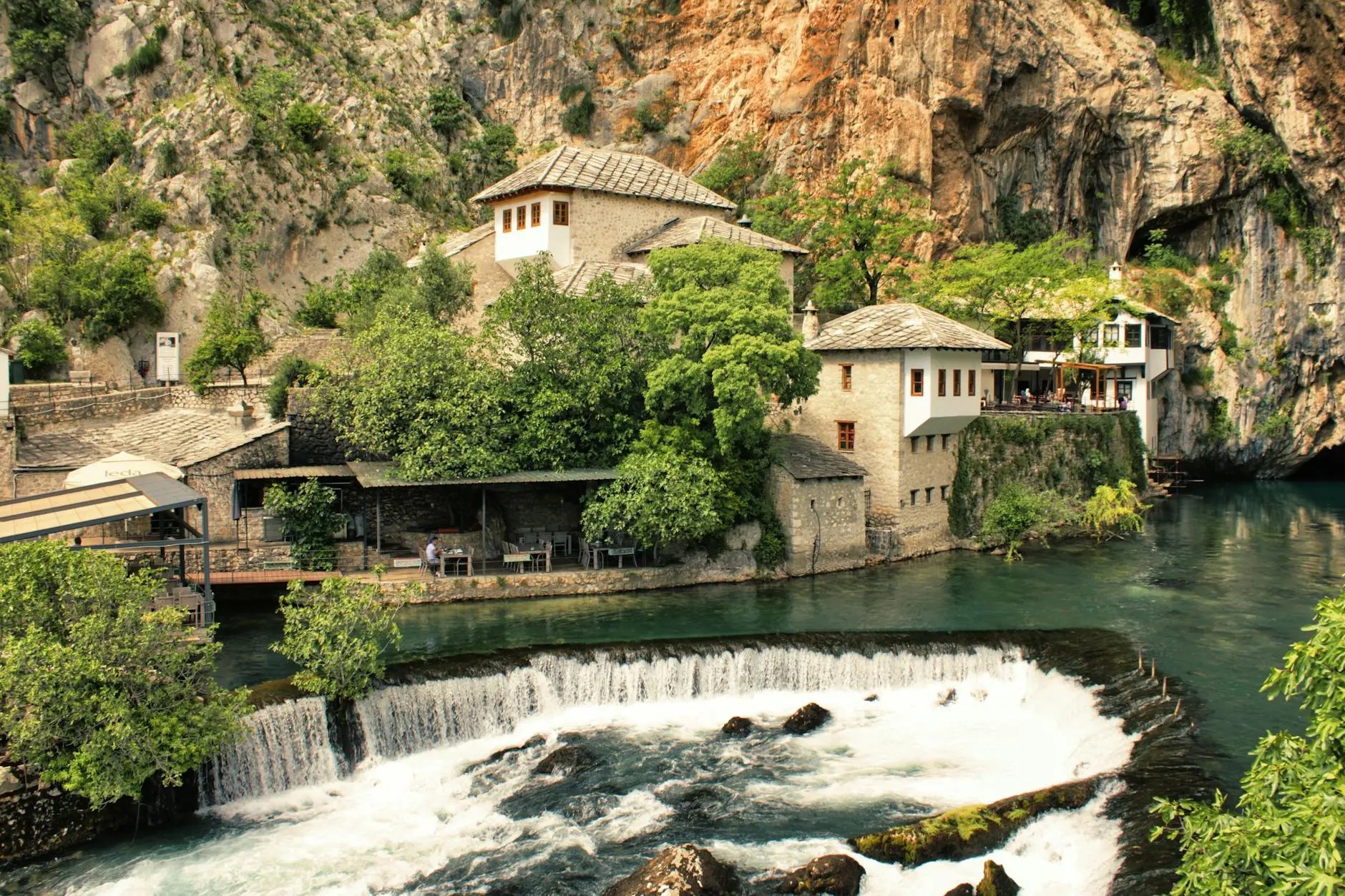
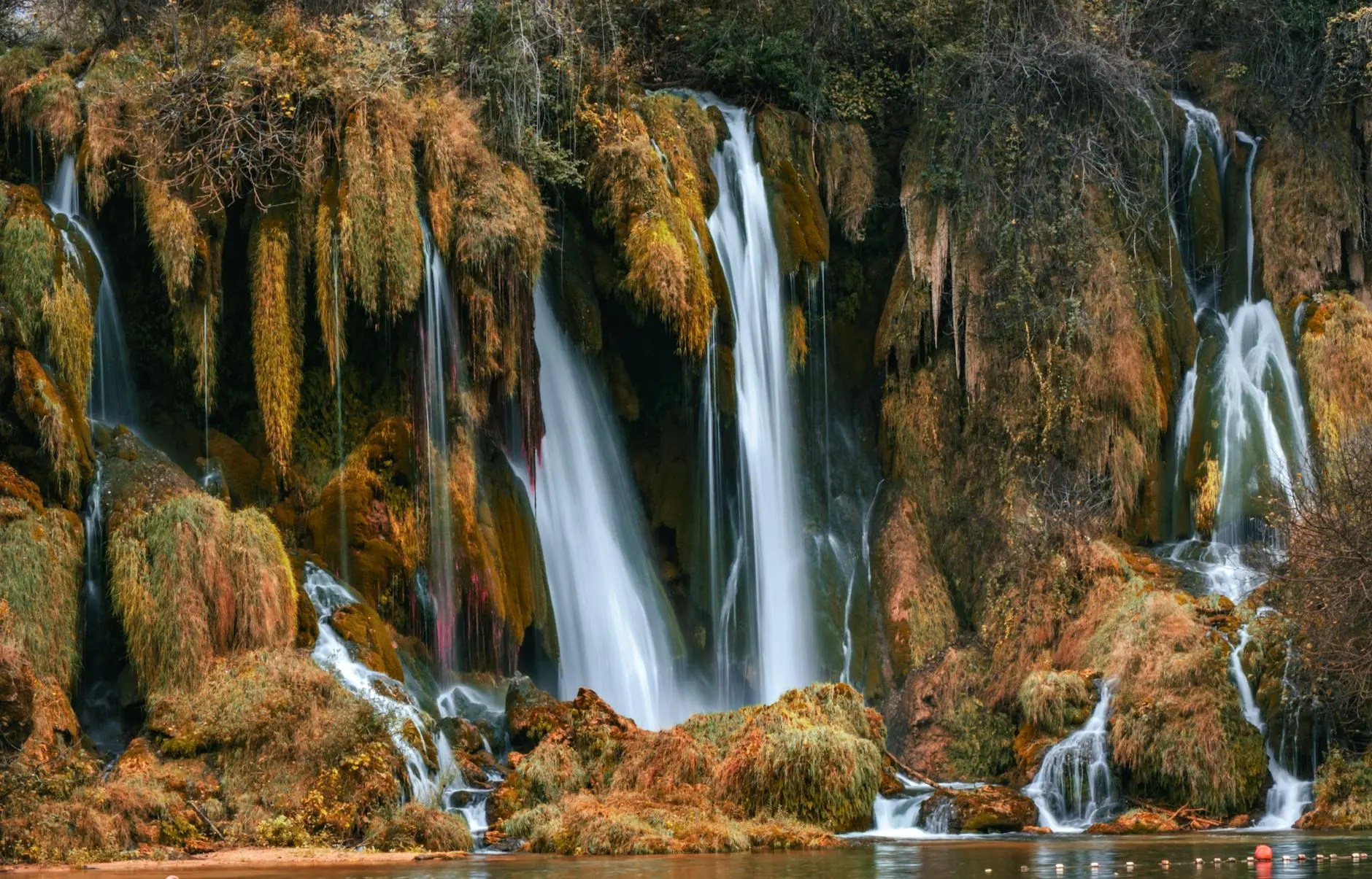
Day 2: Gorges & Mystical Springs. Rent a car for the day (trust me, it’s worth it for the freedom). Your first stop is Blagaj, just a 20-minute drive from Mostar. The sight of the Tekija (Dervish monastery) clinging to a 200-meter cliff face beside the impossibly blue Buna River spring will stop you in your tracks. Have a coffee by the water and soak in the serenity. In the afternoon, head to the Kravice Waterfalls. Picture a 25-meter crescent of cascading water tumbling into a bright emerald swimming hole. Pack a swimsuit—the brave can take a bracing dip, and there’s even a rope swing

Blagaj, (Expedia)Blagaj,(Get your guide)
Kravice Waterfalls.(Expedia)Kravice Waterfalls.(Get your guide)
A scenic view of the Blagaj Tekija, a historic Dervish monastery nestled against a rocky cliff, with green trees and blue waters flowing beneath it.
The picturesque Blagaj Tekija, a historic Dervish monastery nestled against the cliffside by the serene Buna River in Herzegovina. The Blagaj Tekke (Tekija), a 16th-century Dervish monastery clinging to a cliff beside the Buna River spring. Founded around 1520, this spiritual retreat combines Ottoman and Mediterranean architectural styles in one of Herzegovina’s most serene settings.
Cascading waterfalls surrounded by lush greenery and mossy rocks in a serene natural setting.
Breathtaking view of the cascading Kravice Waterfalls, a hidden gem in Herzegovina. Kravica Waterfall (also called Kravice), a stunning natural amphitheater of tufa cascades on the Trebižat River. Located near Ljubuški and about a 40-minute drive south of Mostar, this is one of Herzegovina’s most spectacular swimming and picnic spots.

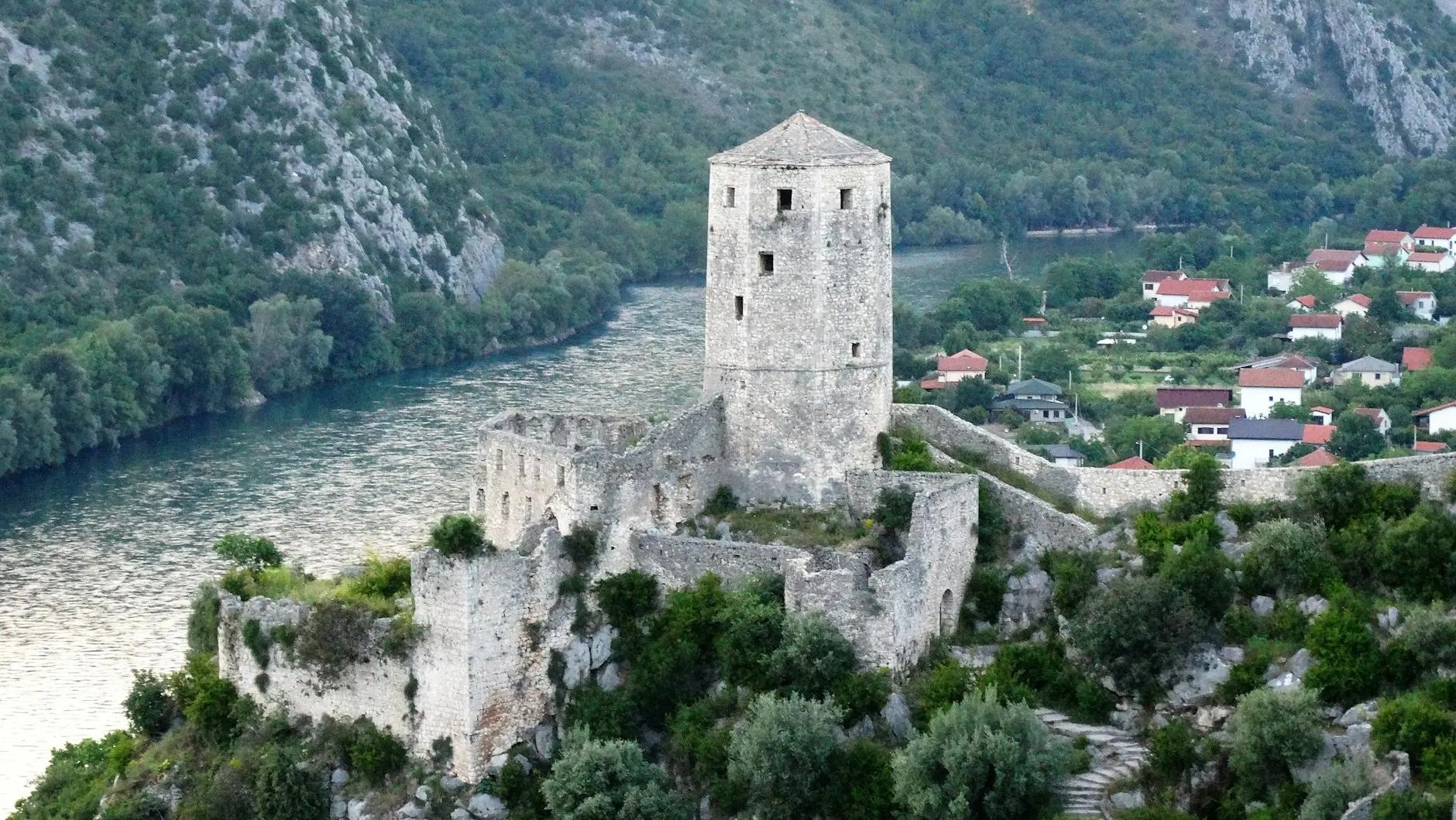
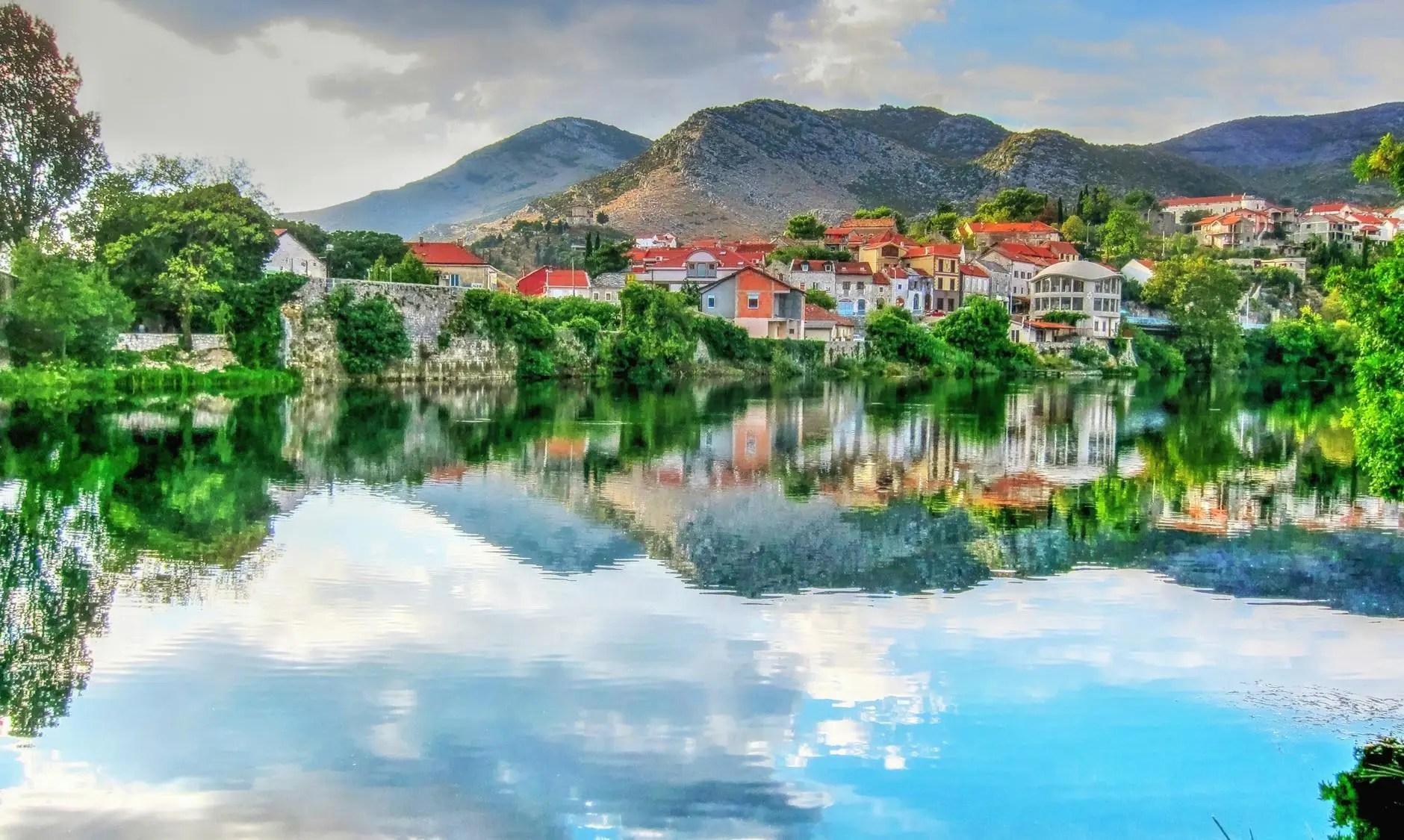
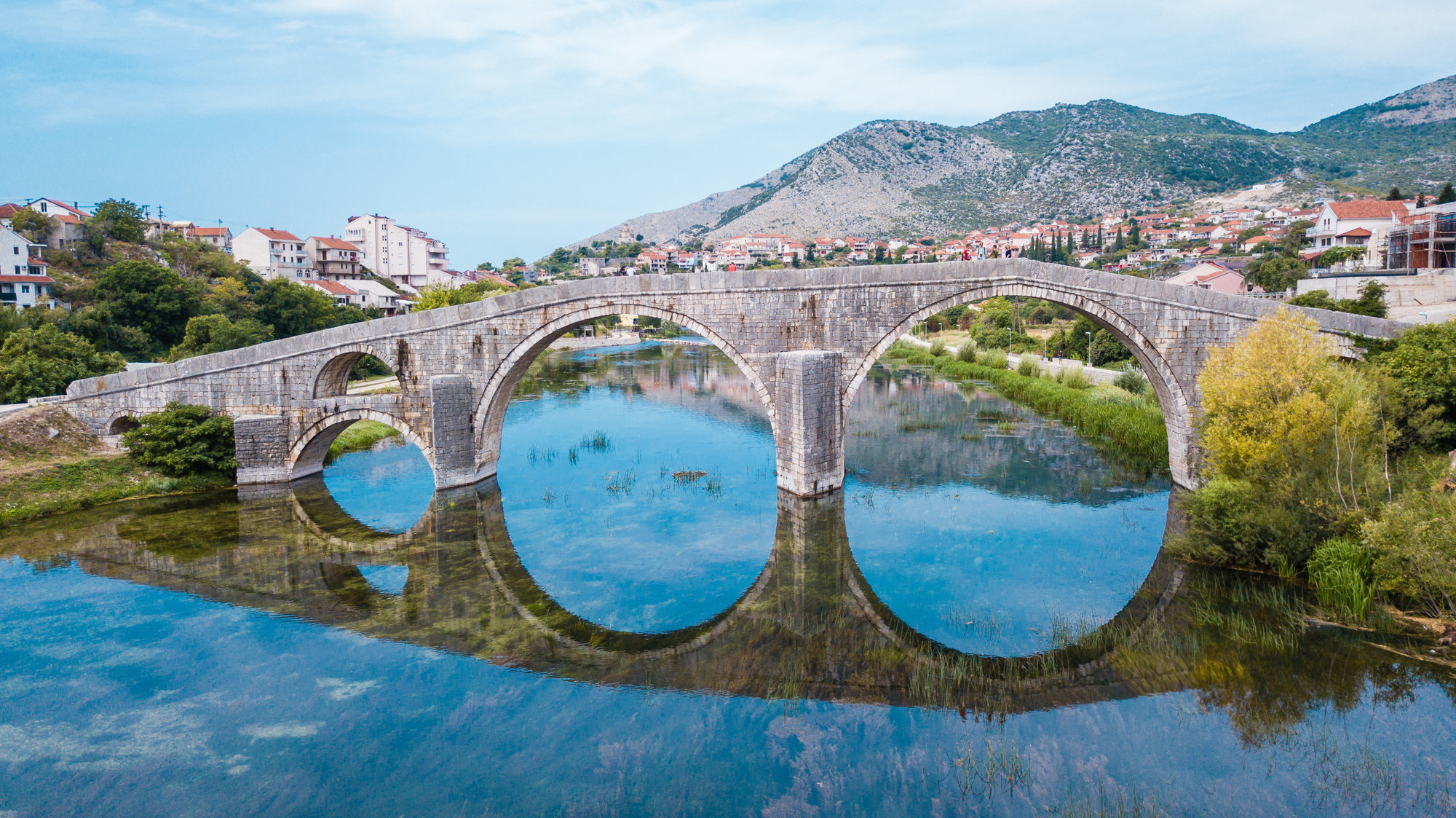
Day 3: History & Hidden Gems. Before you leave Mostar, wake up at sunrise. You’ll have the Stari Most and the silent, lamp-lit streets almost entirely to yourself—it’s pure magic. Then, set your GPS for Počitelj. This fortified Ottoman village is like a living museum, tumbling down a hillside towards the river. Climb to the top of the stone fort for a panoramic view you won’t forget. On your journey back towards the coast or airport, consider a final, peaceful stop at Trebinje. This elegant little town, just a stone’s throw from Dubrovnik, is famed for its wine and the beautiful Arslanagić Bridge that was moved, stone by stone, to its current location

Počitelj (Expedia)Počitelj (Get your guide)

Aerial view of a historic fortress on a rocky hill overlooking a river, with lush greenery and houses in the background.
A stunning view of the historic Počitelj village, featuring its iconic stone tower and surrounding greenery by the Neretva River. “The historic stone Kula Fort tower rising above the steep, medieval village of Počitelj in Bosnia and Herzegovina, with the Neretva River valley in the background.”
"A scenic aerial view of Trebinje, the southernmost city in Bosnia and Herzegovina, nestled along the calm, reflective waters of the Trebišnjica River in a green valley."
Scenic view of a picturesque town in Herzegovina, reflecting on a calm river with mountains in the background. Trebinje, the charming ‘City of the Sun’ in southern Herzegovina, beautifully positioned on the banks of the crystal-clear Trebišnjica River. Known for its relaxed atmosphere, wine, and proximity to Dubrovnik.
Aerial view of a historic stone bridge with arches reflected in a calm river, surrounded by greenery and hillside homes.
The stunning stone bridge reflecting in the serene waters of Herzegovina, showcasing the region’s rich architectural heritage.

Hidden Gems Beyond the Postcard

While the Stari Most will (rightfully) steal your heart, here are a few spots where you can escape the day-trip crowds:

  • The “Practice” Bridge: Before you even get to the majestic Stari Most, look for Kriva Ćuprija (the Crooked Bridge) in Mostar’s Old Town. This petite, arched Ottoman bridge over a small stream is thought to have been a “test model” for its larger, more famous sibling. It’s a quiet, photogenic spot.
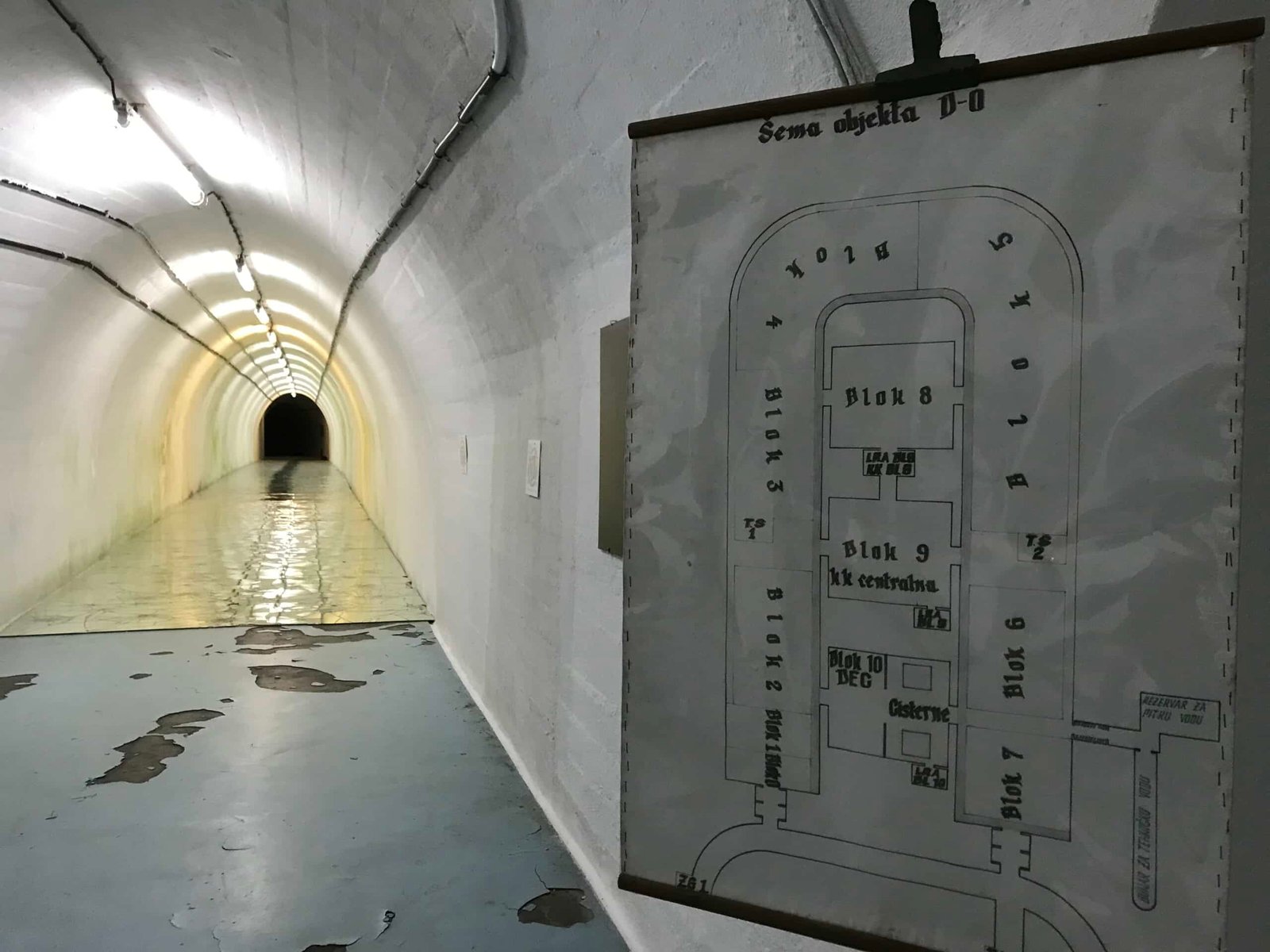
  • Konjic & its Secret Bunker: The town of Konjic, on the road from Sarajevo to Mostar, is home to another stunning Ottoman bridge. But its real claim to fame is hidden underneath a nondescript house: Tito’s Atomic Bunker. Built in total secrecy during the Cold War, this massive underground complex is now a unique contemporary art space. Tours must be booked in advance, and it’s a fascinating dive into 20th-century history.
Tito’s Atomic Bunker (Expedia)Tito’s Atomic Bunker (Get your guide)
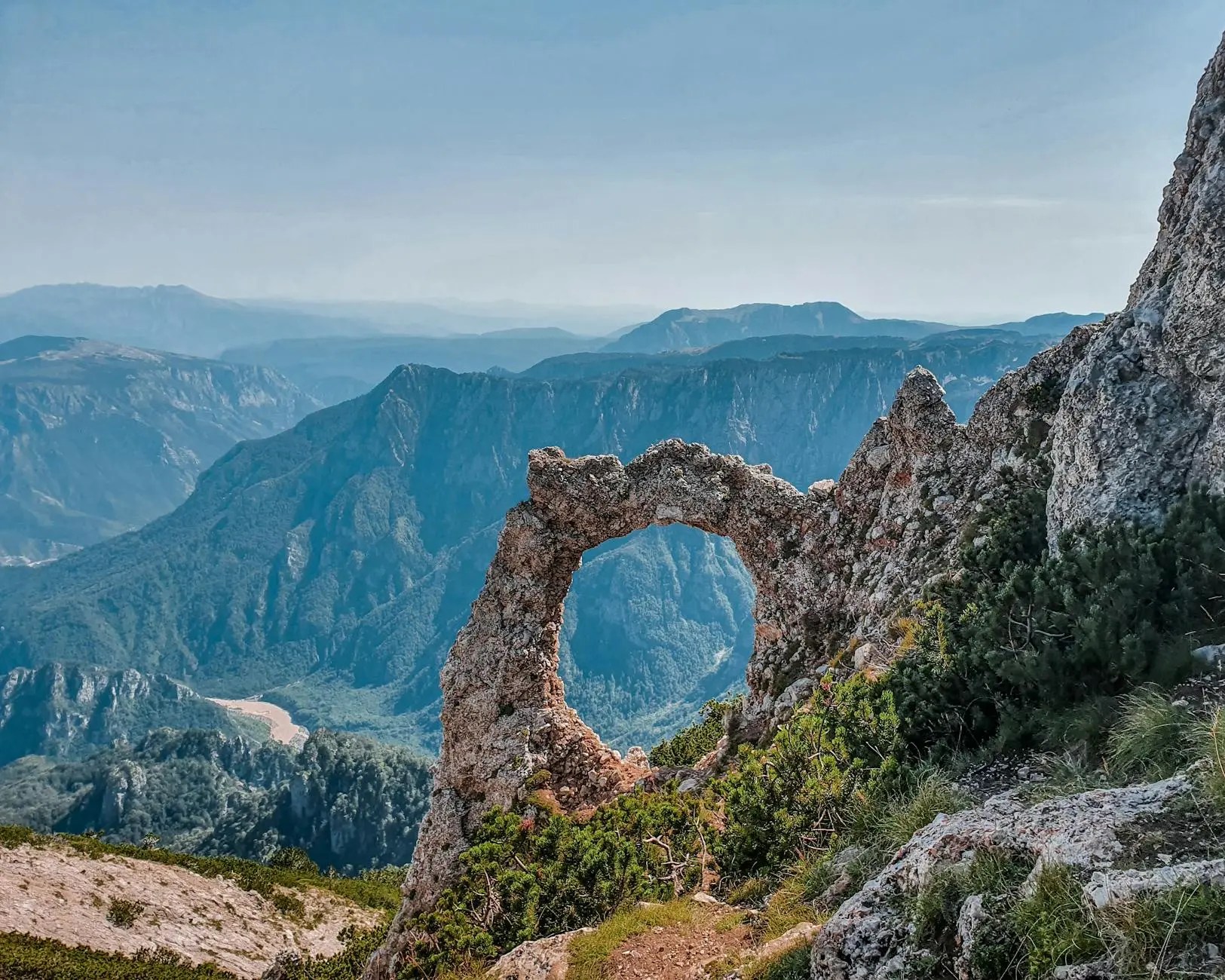
  • Blidinje Nature Park: If your soul craves mountains, detour to this stunning park northwest of Mostar. It’s home to the largest glacial lake in Bosnia, wild horses, and some of the most pristine hiking trails in the Dinaric Alps. It feels a world away from everything.
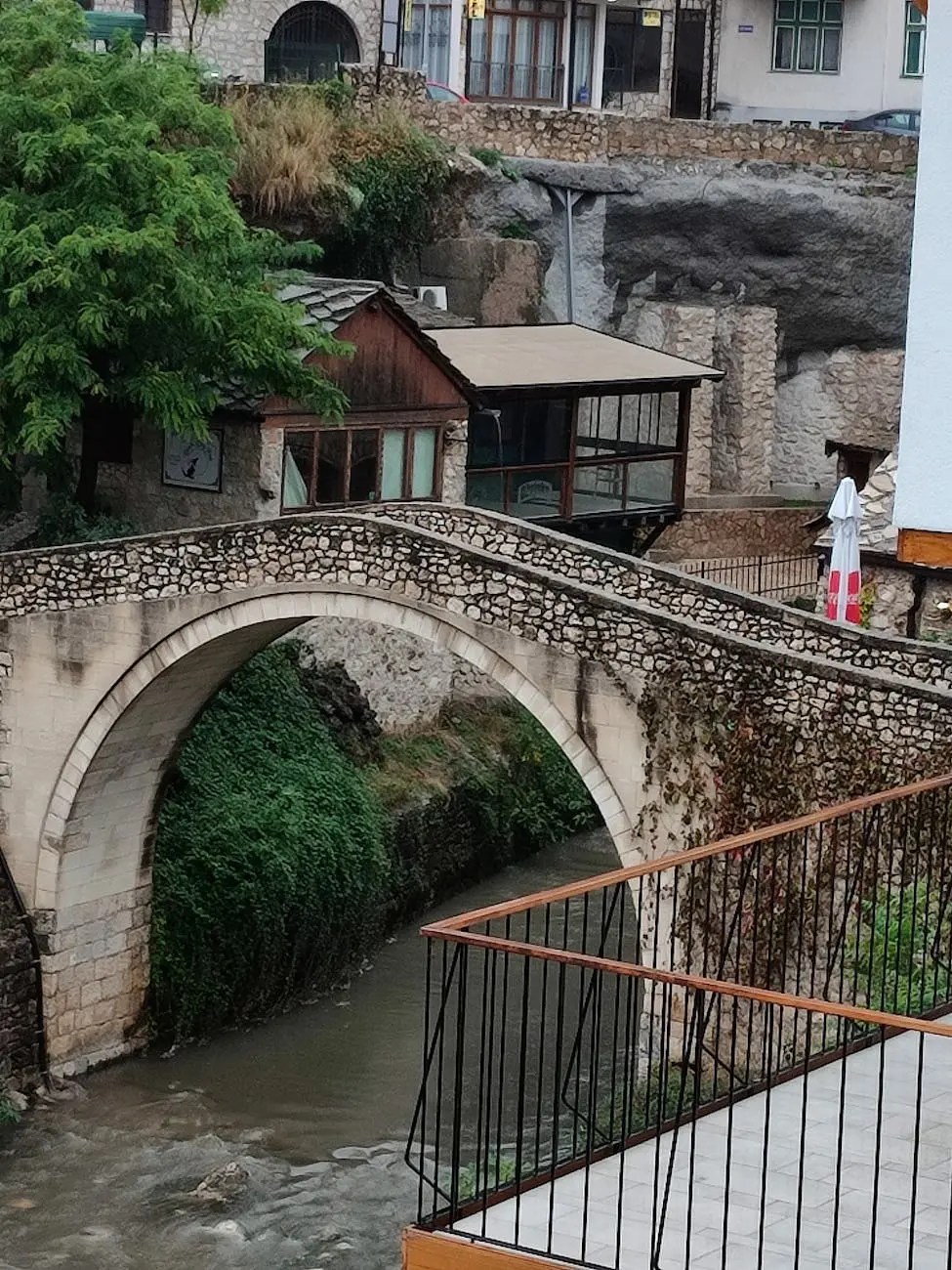
A stone arch bridge crosses a small river, surrounded by lush greenery and traditional buildings in Mostar, Bosnia and Herzegovina.
A picturesque stone bridge overlooking a serene river in Mostar, Bosnia and Herzegovina. Kriva Ćuprija, the “Crooked Bridge,” a charming single-arch Ottoman bridge over the Radobolja River in Mostar’s Old Town. Often considered a prototype for the grander Stari Most, it’s a quieter piece of living history

A rocky arch formation on a mountain with expansive valleys and hills in the background under a clear blue sky.
A stunning view of the mountain landscape in Herzegovina, featuring an intriguing rock formation with a natural arch that highlights the region’s breathtaking scenery. Hajdučka Vrata, the “Outlaws’ Gate”—a dramatic natural rock arch on Mt. Čvrsnica in Blidinje Nature Park. This iconic Herzegovinian landmark offers hikers one of the most breathtaking viewpoints in the Dinaric Alps

Essential Travel Intel: Money, Visas & Staying Safe

  • The Money Game: The currency is the Convertible Mark (BAM or KM). Here’s the easiest hack you’ll get: 1 Euro = 2 KM (almost exactly). While some places accept Euros, you’ll always get a better price in local currency. Cash is king, especially in smaller towns, guesthouses, and family-run restaurants. Withdraw BAM from local ATMs upon arrival.
  • Visa Info & Costs: Travelers from the US, UK, Canada, Australia, and the EU do not need a visa for tourist stays of up to 90 days within a 180-day period. Just ensure your passport is valid for at least three months beyond your planned departure date.
  • Safety First: Herzegovina is very safe for tourists. Standard city precautions against pickpocketing in crowded areas apply. The one critical rule involves the countryside: never, ever stray from marked paths or roads when hiking. Remnants of landmines from the 1990s conflict may still be present in remote, unmarked areas. Heed all warning signs.
  • When to Visit: Spring (April-June) and Autumn (September-October) are absolute perfection. The weather is mild, the landscapes are green (or golden), and the summer crowds have thinned. Summer can be fiercely hot, especially in Mostar.

Words to Know: A Quick Language Cheat-Sheet

Locals always appreciate the effort. Bosnian/Croatian/Serbian is the official language here.

  • Hello / Good day: Dobar dan (DOH-bar dahn)
  • Thank you: Hvala (HVAH-lah)
  • Please / You’re welcome: Molim (MOH-leem)
  • Yes / No: Da / Ne (DAH / NEH)
  • How much?: Koliko košta? (KOH-lee-koh KOHSH-tah?)
  • Bridge: Most (MOHST) – You’ll be using this one a lot!
  • Coffee: Kafa (KAH-fah) – Essential for joining the local café culture.

Practical Travel Tips

💡 Travel SIM/Connectivity Tip (Rephrased & Original):
Staying online overseas can be confusing and expensive — roaming charges, random data limits, airport SIM queues — it’s all a headache. That’s why I always carry a universal travel SIM — works in 190+ countries with no hidden fees, topped up easily through an app, and gets you online wherever you roam.
→ Check it out here: Drimsim

🌍 VPN for Security & Streaming Abroad:
Protect your data and access home content securely with a trusted VPN:

💼 Travel Insurance (Smart Safety Move):
Unexpected health or travel hiccups are easier to handle with insurance. I use and recommend VisitorsCoverage — compare plans and find one fast:

Power Up: Bosnia uses Type C and F plugs (220V). A universal adapter with multiple USB ports is a lifesaver for keeping phones, cameras, and power banks charged. I never travel without a reliable one

Document Your Journey: Herzegovina is a photographer’s dream. Whether you’re capturing the dive off Stari Most or the mist rising at Blagaj, having a capable camera is key. I rely on my trusted gear to do this stunning region justice.

Glow on the Go: After long days of exploration, my skincare routine is sacred. I swear by the gentle, effective products from Lakinza. For a treat, use code Lalax10 at checkout for a sweet discount.

Frequently Asked Questions

Is a weekend in Herzegovina enough time?
Absolutely. A well-planned 2-3 day trip centered in Mostar lets you experience the iconic bridge, explore the Old Town, and take a day trip to at least one stunning natural wonder like Blagaj or Kravice Waterfalls. It’s a perfect introduction.

Is Herzegovina expensive?
Not at all. Compared to Western Europe and even coastal Croatia, Herzegovina is a fantastic value. Meals, accommodation, and transport are very affordable, making it ideal for budget-conscious travelers who don’t want to sacrifice experience.

What’s the best way to get from Dubrovnik to Mostar?
For a weekend trip, I recommend a pre-booked private transfer or small group tour. It’s the most time-efficient, taking about 2.5 hours door-to-door. Renting a car offers maximum flexibility, while public buses are the most budget-friendly but less convenient.

Is it safe to travel to Herzegovina?
Yes. The region is safe and welcoming to tourists. Standard travel precautions apply. The only specific safety rule is to stay on marked paths when in the countryside or hiking due to the rare but potential risk of landmines in unmarked areas.

Ready to explore more of this incredible region? Check out my other guides for deeper dives into the Balkans:

Herzegovina pairs beautifully with nearby destinations like

Sarajevo, “Most trips to Herzegovina begin in Sarajevo, connected by one of the most scenic train journeys in the Balkans…”

Dubrovnik, “Many travelers pair Herzegovina with a coastal escape to Dubrovnik, especially since the border is just a few hours away…

Split, “If you’re arriving by ferry into Split, Herzegovina makes an easy inland detour with jaw-dropping scenery…

Zadar — making it ideal for a Balkans road trip or multi-country weekend escape.”

Herzegovina isn’t just a destination; it’s a feeling. It’s the chill of the Neretva River, the warmth of the people, and the profound sense of history etched into every stone. Pack your bags (and this guide), and go find it.

Final Tips & CTAs

Ready to book your escape? Grab flights, hotels, and package deals on Expedia (great for saving big on bundle deals)
Universal Disclaimer/Disclosure Page:

Beirut Weekend: Your Ultimate 3-Day Escape Guide

Meta Description: Craft your perfect weekend in Beirut, Lebanon! This ultimate travel guide is packed with insider tips, hidden gems, and a savvy 3-day itinerary to explore the Paris of the Middle East. Discover where to eat, how to get around, and how to save time and money on your Lebanese escape.

So, your passport is begging for a stamp, and you’ve got a glorious 48-ish hours to spare? Forget the usual European city breaks; let’s talk about a place that will hijack your senses and steal a piece of your heart: Beirut.

This city is a beautiful, chaotic, and utterly captivating paradox. It’s where you’ll hear the call to prayer mingle with the bass from a rooftop bar, and see bullet-riddled buildings standing next to gleaming designer boutiques. It’s a city that lives life loudly and passionately. And honestly, a long weekend is the perfect amount of time to get a delicious, intoxicating taste of it.

As someone who’s gotten blissfully lost in its streets more times than I can count, I’m here to be your guide. Let’s craft your perfect weekend escape.

Forget everything you think you know about the Middle East—Beirut is here to rewrite the script. Known as the “Paris of the Middle East,” this city is a dazzling, chaotic, and utterly mesmerizing blend of ancient history and a non-stop modern pulse. One minute you’re marveling at Roman ruins, and the next you’re sipping a world-class cocktail on a rooftop bar.

My first visit to Beirut was supposed to be a low-key stopover, but it quickly turned into an obsession. I remember wandering through the streets of Gemmayzeh, the air thick with the scent of spices and jasmine, and thinking, “How is this place not swarming with tourists?” It’s a city with scars, yes, but its energy is utterly infectious. If you’re looking for a destination that’s more than just a pretty photo op—a place that grabs your soul and gives it a vigorous shake—then trust me, you need this Beirut escape.

Table of Contents

  1. Your Savvy 3-Day Beirut Itinerary
  2. Beirut on a Budget: Money-Saving Hacks & Public Transport
  3. Hidden Gems: Beirut’s Secret Spots
  4. Essential Lebanese Lingo for Travellers
  5. Packing Your Beirut Toolkit (My Travel Lifesavers)
  6. Beirut Weekend Escape: Frequently Asked Questions

💰 Know Before You Go: Visa & Money-Saving Tips {#visa-money-tips}

Let’s talk logistics. Smart travel starts with knowing the rules.

Visa & Entry Essentials

Many nationalities, including US citizens, can get a free visa on arrival for a stay of up to one month at Beirut International Airport, provided they have a valid passport (with no Israeli stamps!) and a return ticket. For other countries, check with your local Lebanese embassy well in advance. Remember, visa costs can vary, but the hassle of pre-applying is often less than you’d think!

  • Geographically Close Cities Suggestion: Since you’re in the area, why not hop over? Check out my guide on

Explore Doha: Your Ultimate Weekend Travel Guide

Ultimate Casablanca Weekend Guide

Explore Bahrain: Al-Fateh Mosque

Budgeting in the City

Lebanon’s financial situation means you need to be smart about money. While the official currency is the Lebanese Lira (LBP), most large transactions, tourist prices, and even many small ones are quoted and preferably paid in US Dollars (USD). Always carry a mix of smaller USD bills (fives, tens, twenties) and some local currency for small purchases like water or street food. This can often save you money on unfavorable exchange rates in shops.

Flights to Beirut

Hotels in Beirut

Your Savvy 3-Day Beirut Itinerary

This itinerary is designed to be a loop, saving you time and cab fare. I highly recommend using a mix of walking and cheap Uber/Careem rides to get around.

Day 1: The Heartbeat of History & The Sunset Coast

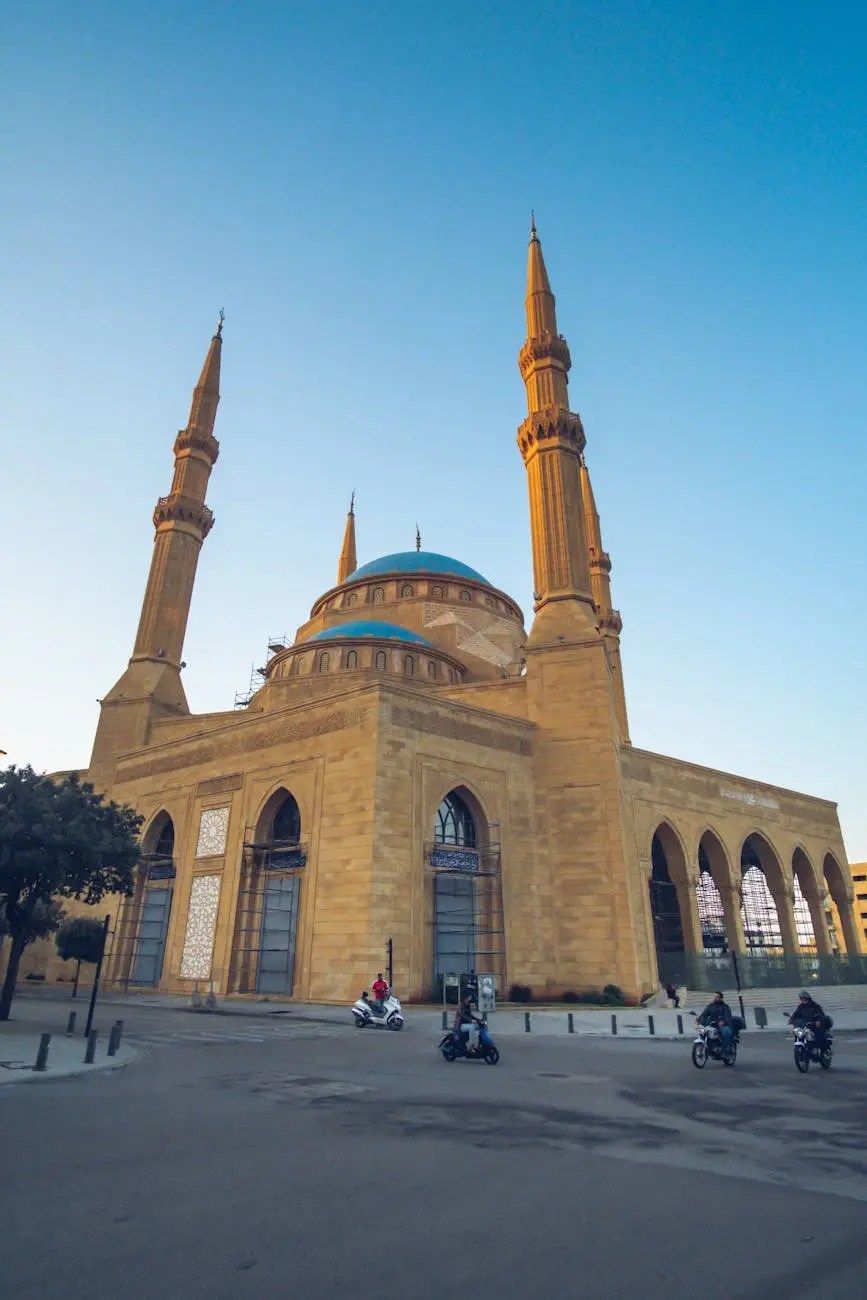
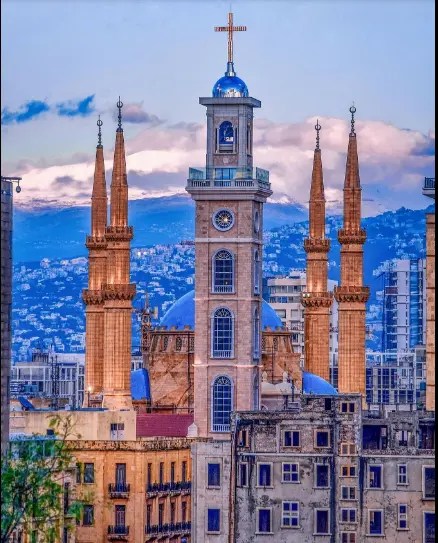
  • Morning (10 AM): Start at the Mohammad Al-Amin Mosque (the Blue Mosque). Its grandeur is breathtaking. Right next door, you’ll find St. George Maronite Cathedral, a testament to Beirut’s religious tapestry. This area is a powerful, visual story.
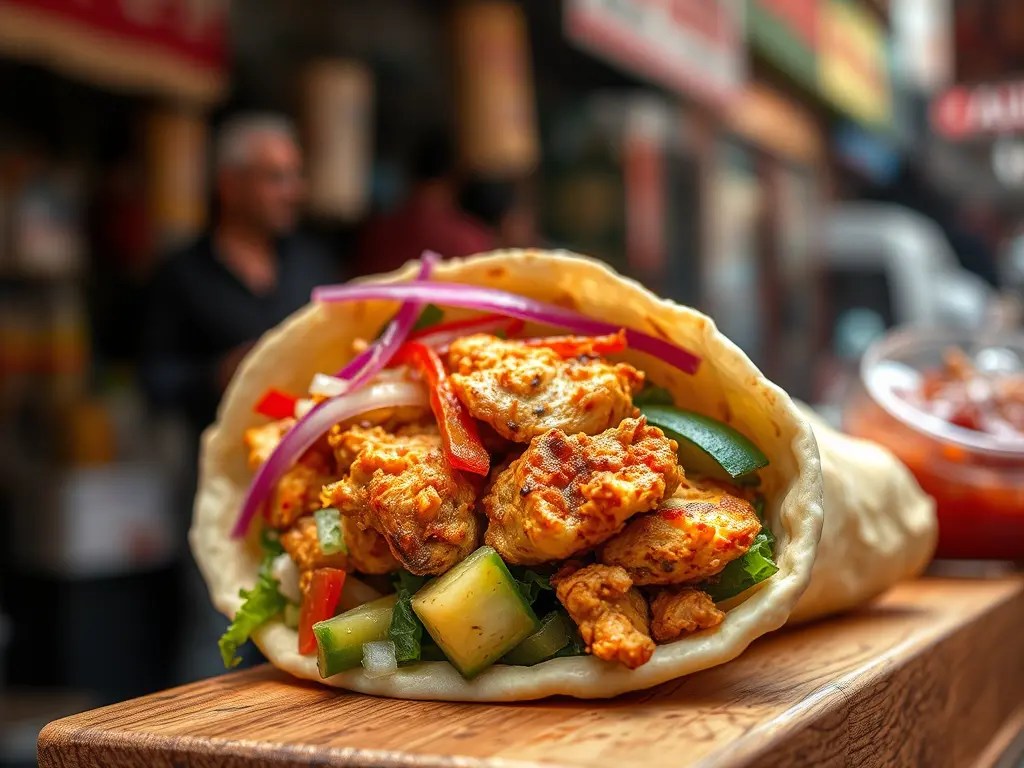
  • Afternoon (1 PM): For lunch, you have two choices. Go upscale at Em Sherif for a mind-blowing, multi-course Lebanese feast (book ahead!), or for a more local (and wallet-friendly) experience, dive into a hole-in-the-wall for a chicken shawarma wrap. You can’t go wrong with either.
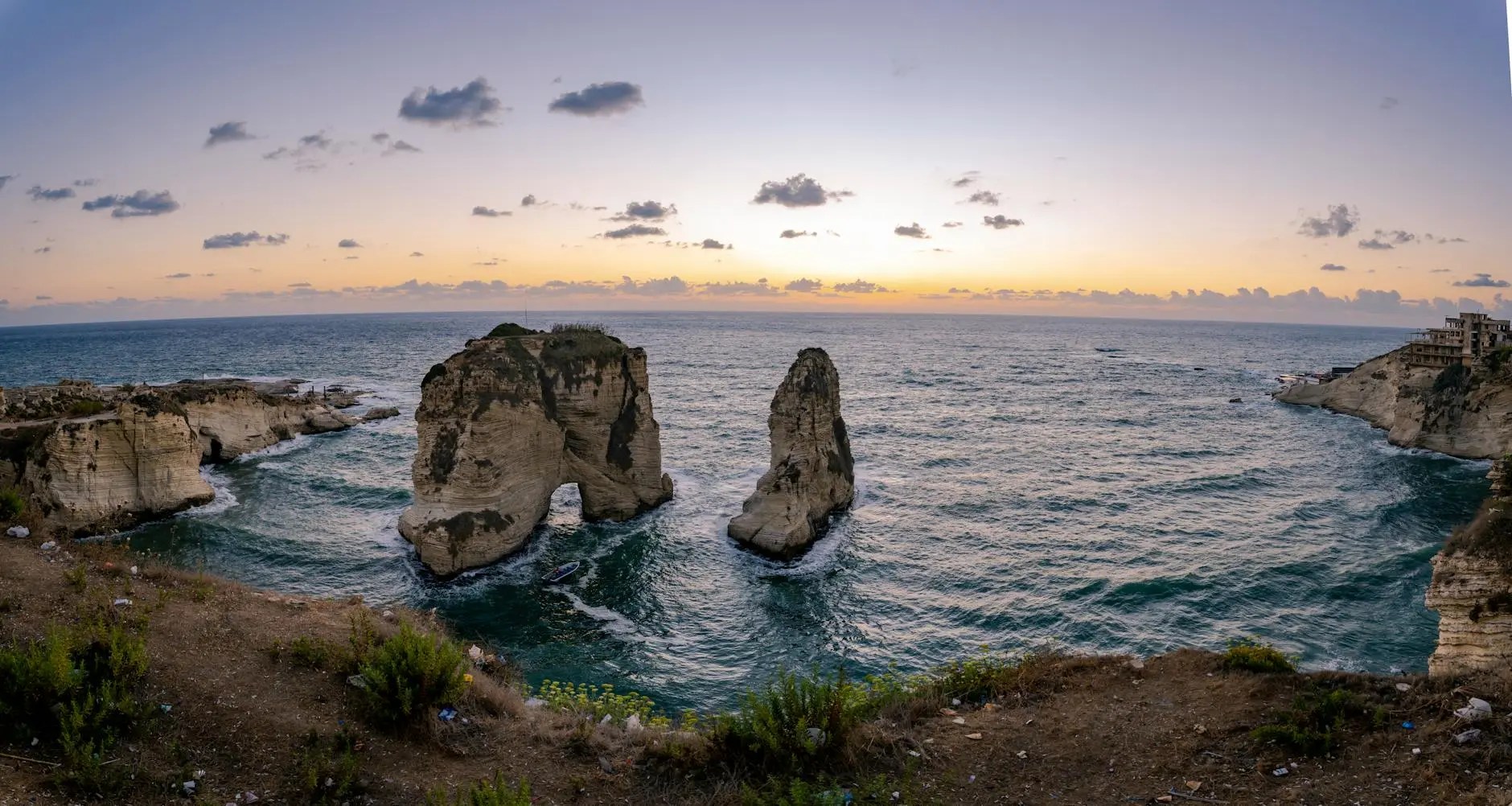
  • Late Afternoon (4 PM): Walk towards Raouché (the Pigeon Rocks). This is my pro-tip: skip the crowded corniche-side cafes. Instead, grab a bottle of water and walk down the stairs to the platform right by the rocks. The view from there is unbeatable and free. Stay for sunset – it’s magical.
  • Evening (8 PM): Head to the Gemmayzeh or Mar Mikhael districts. These are the epicenters of Beirut’s legendary nightlife. Start with dinner at a cozy restaurant like Baron (get the Baron Burger, thank me later) and then let the night take you. The energy here is infectious.
A stunning view of the Mohammad Al-Amin Mosque in Beirut, Lebanon, showcasing its tall minarets and blue dome against a clear blue sky, with motorcycles passing by.
The stunning Mohammad Al-Amin Mosque, also known as the Blue Mosque, stands majestically in Beirut, showcasing the city’s unique blend of modernity and tradition. A moment of serenity. The magnificent Mohammad Al-Amin Mosque, often called the Blue Mosque, is a cornerstone of Beirut’s dynamic cityscape. Its grand Ottoman-inspired architecture stands in powerful dialogue with the modern city around it, perfectly encapsulating Beirut’s spirit.

A skyline view of Beirut featuring a blend of historic religious architecture, including a prominent church with a blue dome and several minarets, set against a backdrop of mountains and urban buildings.
This image shows the Saint George Maronite Cathedral and the Mohammad Al-Amin Mosque in downtown Beirut, Lebanon Where faiths meet. The Saint George Maronite Cathedral (left) and the Mohammad Al-Amin Mosque (right) stand side-by-side in Beirut’s city center, a powerful daily symbol of the city’s layered history and spirit of coexistence.
A close-up of a delicious chicken shawarma wrap filled with fresh vegetables, served on a wooden board, showcasing vibrant colors in a busy street setting.
A delicious chicken shawarma wrap filled with fresh vegetables, perfect for a quick meal in Beirut. The ultimate Beirut street food experience. This isn’t just a sandwich; it’s a perfectly spiced, juicy, and messy masterpiece of grilled chicken, fresh veggies, and garlic sauce, all wrapped in warm, thin bread. A must-eat that costs just a few dollars but delivers a million-dollar flavor.
Panoramic view of the Pigeon Rocks in Raouché, Beirut, at sunset, with the tranquil Mediterranean Sea and a colorful sky.
Stunning view of the Pigeon Rocks in Raouché, Beirut, at sunset, showcasing the beautiful coastline and vibrant sky. Golden hour magic at Raouché. There’s a reason this is Beirut’s most iconic postcard view. Watching the sun dip below the horizon behind the majestic Pigeon Rocks is a rite of passage for every visitor. Pro tip: skip the crowded cafes and find a spot on the corniche to enjoy the free show.

Day 2: Ruins, Retail Therapy & Rooftops

  • Morning (10 AM): Explore the Beirut Souks. This isn’t your dusty, traditional souk; it’s a stunningly modern shopping complex built around the archaeological remains of the old market. It’s a fascinating blend of past and present.
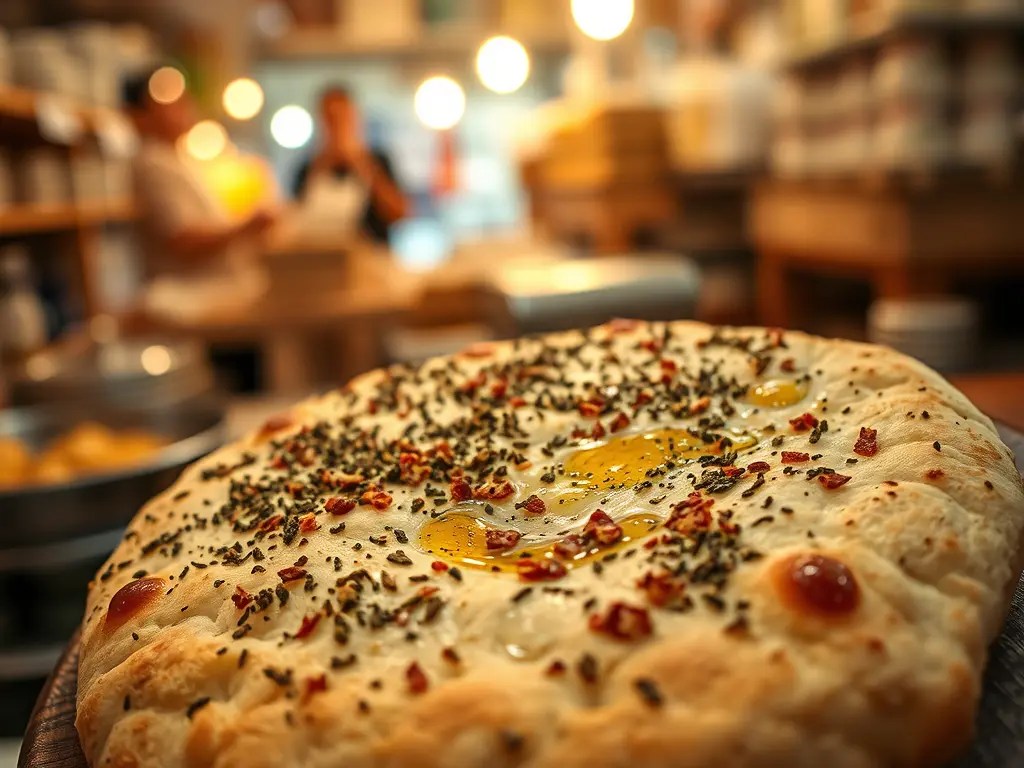
  • Afternoon (1 PM): Fuel up with a mana’esh (a za’atar or cheese flatbread) from a local bakery. It’s the Lebanese pizza, and it costs pennies.
  • Late Afternoon (3 PM): Visit the Roman Baths Garden in Downtown. It’s a peaceful, green archaeological site that’s often overlooked. It’s the perfect place to sit with a coffee and just breathe.
  • Evening (7 PM): Dress up a bit and head to a rooftop bar. Albergo’s rooftop is iconic, with stunning 360-degree views of the city. It’s the perfect, sophisticated end to a day of exploration.
A close-up of Lebanese flatbread topped with za'atar and olive oil, placed on a wooden surface with a warm, blurred background.
A delicious mana’esh topped with za’atar and olive oil, perfect for a quick Lebanese lunch in Beirut. The ultimate Lebanese power breakfast. This isn’t just flatbread; it’s a warm, fragrant mana’esh, straight from the oven, topped with an iconic blend of wild thyme, sumac, sesame seeds, and rich olive oil. For about a dollar, it’s the most delicious and authentic start to your day in Beirut.

Day 3: The Artist’s Escape

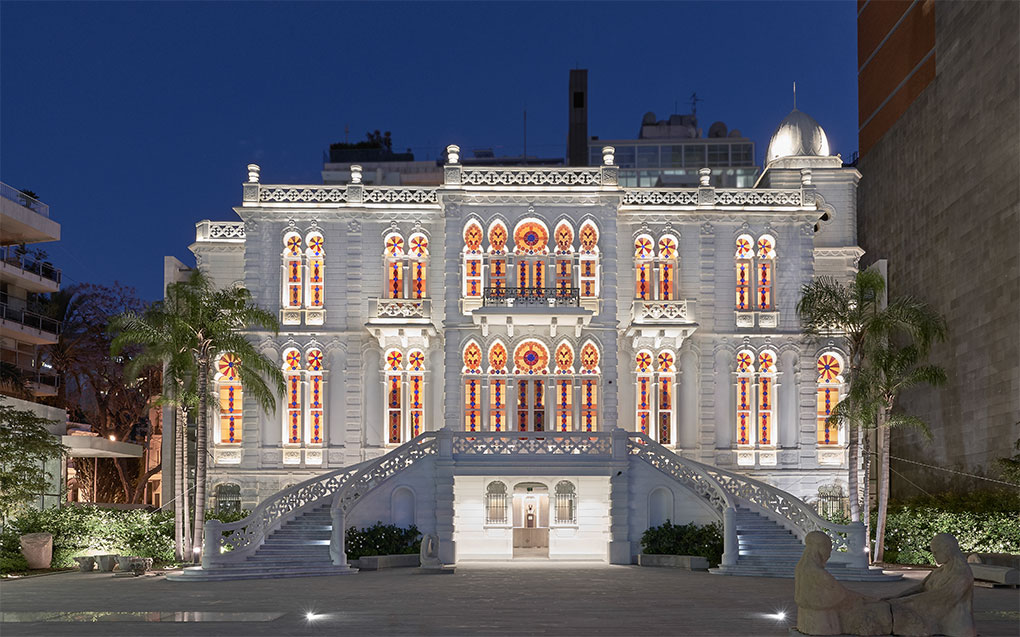
  • Morning (11 AM): It’s Sunday, which means the Beirut Art Center or the Sursock Museum (a gorgeous villa-turned-museum) is calling. Both showcase incredible contemporary art from the region.
  • Afternoon (2 PM): For your final meal, venture into the Armenian quarter of Bourj Hammoud. It’s a chaotic, vibrant, and sensory-overloading experience. The food is phenomenal and incredibly cheap. Try the lahmajoun (Armenian pizza) and the soujouk (spicy sausage) sandwiches.
A beautifully illuminated historic building in Beirut, Lebanon, featuring ornate architecture, colorful stained glass windows, and surrounded by palm trees, captured at night.
The beautifully illuminated facade of a historic building in Beirut, showcasing its stunning architecture and vibrant details at night.

🚌Beirut on a Budget: Money-Saving Hacks & Public Transport

Let’s be real, travel costs add up. Here’s how to stretch your dollars in Beirut. To truly save time and money, you need to understand Beirut’s wild public transport system. There are no trains or subway. It’s all about the road.

  • Public Transport: Forget a formal bus system. Beirut’s main public transport is the shared service (pronounced servees) taxi. These are old Mercedes sedans that run set routes. It’s an adventure! Flag one down, tell the driver your general area, and if he’s going that way, you hop in. It costs around 2,000-3,000 L.L. per person. It’s chaotic but the cheapest and most local way to travel.
  • Ride-Hailing Apps: Uber and Careem are your best friends. They are ridiculously cheap compared to Western standards and eliminate haggling. A 15-minute ride will often cost less than $5.
  • How to ride private: If you want the taxi to take you directly and not pick up others, say “Taxi” (not service) and negotiate a higher, private price.
  • Renting a Car? I don’t recommend it for a weekend trip. Beirut’s traffic is legendary (in a bad way), and parking is a nightmare. You’ll waste precious time and gas circling blocks. Stick to walking, services, and ride-hailing.
  • Saving Time & Gas: Plan your days by grouping sites that are close (e.g., Downtown/Corniche, or a separate day for the Mar Mikhael/Sursock area) to avoid long, expensive, private taxi rides through peak traffic (worst times are 7:30-9:30 AM and 4:30-7:00 PM).

Hidden Gems: Beirut’s Secret Spots

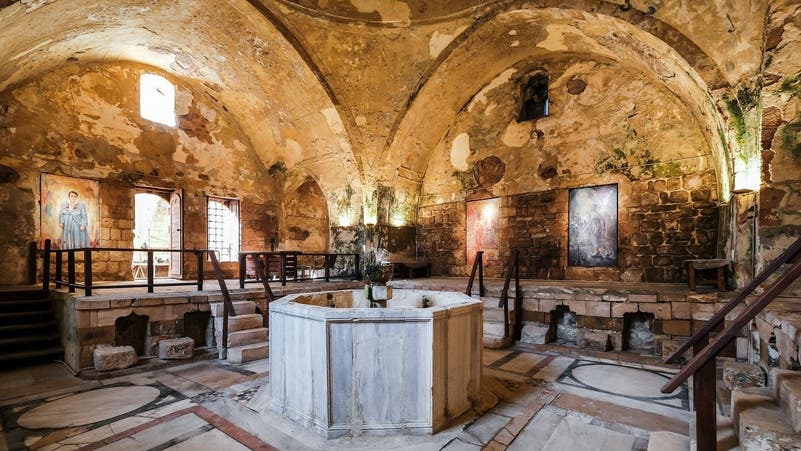
  • Hammam Al-Jadid: This isn’t a tourist hammam. It’s a local, no-frills bathhouse. If you’re brave and looking for a truly authentic experience, this is it. Just know what you’re getting into!
  • A Hamra Street Café: Skip the chains and find a tiny café in the Hamra district. Order a Turkish coffee and just people-watch. This is where you’ll see the real, intellectual heartbeat of the old Beirut.
  • The Corniche at Dawn: Everyone does the corniche at sunset. Do it at dawn. You’ll have it almost to yourself, shared only with the city’s dedicated fishermen. The light is soft, and the city feels peacefully still.
Interior of an ancient stone church featuring arched ceilings, weathered walls, and artwork on the walls, with a stone font in the center.
Hammam Al-Jadeed bathhouse combines art and antiquity in Lebanon

Essential Lebanese Lingo for Travellers

You’ll get by with English and French, but a few words of Arabic will open doors and hearts.

  • Marhaba (mar-ha-ba): Hello
  • Shukran (shook-ran): Thank you
  • Yalla (ya-la): Let’s go! / Come on! (You’ll hear this constantly)
  • Kifak? (ki-fak): How are you? (to a male)
  • Kifik? (ki-fik): How are you? (to a female)
  • Bi kam? (bee kam): How much?
  • Saha (sa-ha): Said to someone who is eating, like “Bon Appétit”

Packing Your Beirut Toolkit (My Travel Lifesavers)

A smooth trip is all about the right gear and the right backups. These are the products I never travel without.

✈️ Stay Connected & Secure:

Let’s talk internet. Relying on airport SIMs or roaming is a surefire way to burn cash. My secret weapon? Drimsim. It’s a universal data SIM that works in over 190 countries, including Lebanon. You just pop it in, top up via the app, and you’re online. No hunting for a store upon arrival. → Grab your Drimsim here and stay connected hassle-free.

And while we’re on digital safety, a VPN is non-negotiable, especially when using public WiFi. I’ve used NordVPN for years to keep my data safe and stream my home Netflix. → Protect your online privacy with NordVPN.

✈️ Travel with Peace of Mind:

Stuff happens. Flights get delayed, luggage gets lost. I never leave home without solid travel insurance from VisitorsCoverage. It’s a platform where you can easily compare plans and find one that fits your specific trip. It’s the ultimate safety net. → Compare and book your travel insurance with VisitorsCoverage.

Speaking of flight troubles, did you know if your flight is delayed or canceled, you could be owed up to $650? Most people never claim it. I use AirHelp to fight the airlines for me—they only get paid if I win. It’s a no-brainer. → Check your flight for compensation with AirHelp.

✈️ Capture the Magic:

Beirut is incredibly photogenic. I capture all its beauty with my trusty Sony Alpha camera. It’s lightweight, powerful, and perfect for both cityscapes and food shots.

Ready to book your flight and hotel? I always find the best deals on Expedia. → [Start planning your Beirut escape here!]( Your Link)

Beirut Weekend Escape: Frequently Asked Questions

Q: Is Beirut safe for tourists?
A: This is the number one question. The political and economic situation is complex, and it’s important to stay informed. However, on a day-to-day level, Beirut is an incredibly welcoming city. The hospitality is genuine, and the areas tourists frequent are generally safe. Exercise the same caution you would in any major city.

Q: What’s the visa situation and cost?
A: Visa policies can change, but for many Western passport holders (US, Canada, EU, UK), a free visa-on-arrival is granted for a stay of one month. Always check with the Lebanese embassy in your country for the most current information before you travel.

Q: What’s the best time of year to visit for a weekend?
A: The ultimate sweet spots are Spring (April-May) and Autumn (September-October). The weather is perfect—warm and sunny, but not the oppressive heat of summer. You’ll also avoid the peak summer crowds.

Q: Can I use US Dollars/Euros?
A: Yes, absolutely. Lebanon has a massive currency crisis, and the country operates on a “Liraize” system. You can pay in US Dollars almost everywhere, and you’ll often get change in a mix of dollars and lira. Don’t bother changing large amounts of money; just bring crisp, new US dollar bills.

Q: I love to shop! Any tips?
A: Beyond the designer stores in the Souks, look for local crafts. I love the ceramic shops and the beautiful, traditional glassware. And for a truly unique souvenir, pick up a bottle of Arak, the national anise-flavored spirit.

Q: Is a weekend enough for Beirut? A: Absolutely! Three days is perfect for hitting the city highlights (Corniche, Downtown, Museums, nightlife) and squeezing in one fantastic day trip (like Byblos). For a deeper dive, you’d need a week, but the ultimate weekend escape is totally doable.

Q: How safe is Beirut for solo female travelers? A: In my experience, Beirut is welcoming and friendly. Basic common sense applies, especially at night or when navigating public transport. Dress respectfully when visiting religious sites, but the city’s vibe is generally very modern and liberal.


Your Next Adventure Awaits!

Beirut isn’t just a destination; it’s an experience. It’s a city that will challenge you, delight you, and leave you craving more. With this guide, you’re armed with everything you need for an unforgettable weekend.

So, what are you waiting for? [Check flight prices to Beirut now] start packing! Have any questions? Drop them in the comments below – I love talking all things travel.

P.S. Looking for more weekend inspiration? Don’t forget to explore my complete Travel Master List for guides to other incredible destinations!

https://pin.it/4OPRwZK86

Universal Disclaimer/Disclosure Page: