
Meta Description: Discover the ultimate weekend escape to Shanghai, China! This 3-day itinerary is packed with insider tips, hidden gems, and practical advice on navigating the city, saving money, and experiencing the perfect blend of ancient tradition and futuristic wonder. Perfect for travellers seeking an unforgettable adventure.
So, you’ve got a weekend to spare and a burning desire to dive into a city that feels like it’s straight out of a sci-fi movie, yet is steeped in ancient history? Welcome to Shanghai, the sprawling metropolis where futuristic skylines kiss tranquil classical gardens. As someone who’s gotten blissfully lost on its streets more times than I care to admit, I’ve perfected the art of the Shanghai weekend. Forget the overwhelm; this guide is your golden ticket to an unforgettable 48-hour blitz.
Table of Contents
- Why Shanghai Should Be on Your Weekend List
- Visa & Budget Considerations
- Getting There & Around (Flights + Public Transport Tips)
- Day 1: The Iconic Shanghai Experience
- Day 2: Hidden Gems & Local Secrets
- Day 3: Modern Meets Ancient
- Travel Tips to Save Time & Money
- Essential Words & Phrases in Mandarin
- Smart Travel Resources (SIM, VPN, Insurance, Refunds)
- FAQs
Why Shanghai Should Be on Your Weekend List
Shanghai is not just a city—it’s a living postcard of China’s past, present, and future colliding in neon lights and ancient alleys. Think New York’s energy + Paris’s style + Tokyo’s innovation, all shaken up with a dumpling or two.
If you’ve loved exploring Kyoto or Venice, Shanghai is the next step in your bucket list journey. Bonus: if you’re traveling through Asia, hopping from Shanghai to cities like Tokyo or Hong Kong is a breeze.
Visa & Budget Considerations
- Visa: Many travelers can use Shanghai’s 144-hour visa-free transit policy if you’re stopping by between two international destinations. Saves both time and paperwork.
- Budget: Expect to spend about $60–100/day comfortably (food, transport, and attractions). Shanghai can be as luxe or as budget-friendly as you make it.
Getting There & Around (Flights + Public Transport Tips)
✈️ I booked my flight to Shanghai through Expedia—always my go-to for comparing flights and hotels.
🚆 Public Transport in Shanghai:
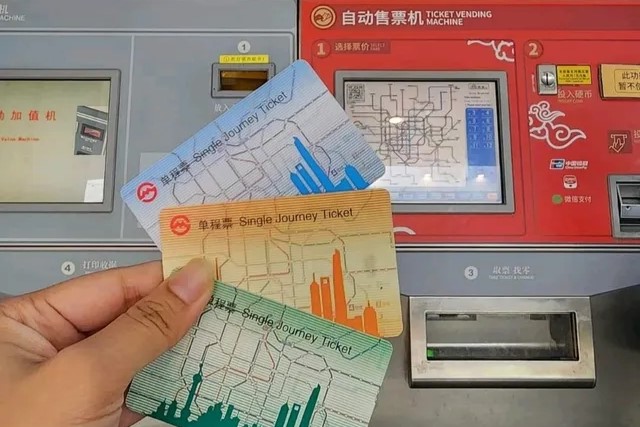
Forget taxis and the hassle of renting a car (and dealing with navigation and parking!). Shanghai’s metro system is a masterpiece of efficiency, cleanliness, and affordability. It’s my number one money-saving tip and the absolute best way to get around.
- Metro: Cheap, clean, and efficient. One of the world’s largest networks. A ride costs just ¥3–6 ($0.50–$1).
- The Cost: You can get almost anywhere on the extensive metro network for just a few yuan (RMB). A typical ride across the city center will often cost between 3-8 RMB (which is roughly $0.50 – $1.20 USD). Compared to the cost of a taxi, the savings add up incredibly fast.
- Buses: Great for shorter trips; use the “Shanghai Public Transport Card” for easy swipes.
- Get a Transportation Card: For ultimate convenience, purchase a rechargeable Shanghai Public Transportation Card (上海公共交通卡, Shànghǎi gōnggòng jiāotōng kǎ) at any major metro station. You tap in and out, and it works seamlessly on the metro, almost all buses, and even in taxis. It saves you from fumbling for change at every turn and makes you feel like a local.
- Maglev Train: The futuristic ride from Pudong Airport to the city takes 8 minutes at 430 km/h. Worth it for the thrill.
- Shanghai Maglev Train — The Fastest Train in the World
- Taxi/Didi: Affordable but beware of peak-hour traffic. Didi is Your Friend: China’s answer to Uber, Didi Chuxing, is a lifesaver. The app has an English interface and is widely used. It’s often cheaper and more reliable than hailing a cab on the street. Taxi / DiDi: Very affordable and widely used in Shanghai. Just note: during morning (≈ 7-9:30am) and evening (≈ 5-7pm) rush hours, you’ll face longer waits and slower rides. If possible, use the DiDi mini-program inside Alipay or WeChat (often more reliable than the international app). Also check if ride-hailing is allowed in zones like airports—some restrictions may apply.
- Car Rentals: Honestly not needed unless you’re planning a road trip outside Shanghai. Traffic and parking will eat your weekend.
- Google Doesn’t Work Here: This is crucial. Standard Google Maps, Gmail, and Instagram are blocked. You need a VPN. I never travel without my NordVPN subscription. It lets me access all my usual apps and navigate safely. Set it up on your devices before you land in China.
- 🚫 Google Doesn’t Work Here
- This is crucial. Many of the apps and sites you probably use daily—Google Maps, Gmail, Instagram, Facebook, even WhatsApp at times—are blocked in mainland China. Travelers who don’t plan ahead often find themselves cut off the minute they land.
- 💡 Pro Tip: Download offline maps in advance (Apple Maps and Maps.me work well), and set up a VPN like NordVPN before you arrive. Once you’re in China, most VPN websites are blocked, so prep is everything. With a VPN, you’ll still be able to check Gmail, scroll Instagram, and book through your favorite travel sites without hiccups.
🌐 Internet Reality in Shanghai: Search Engines & Language Help
Since Google, Gmail, Instagram, and many Western apps are blocked in mainland China, you’ll need to adjust your digital toolkit. Don’t worry—locals have already figured this out, and travelers can too.
🔎 Search Engine Alternatives
- Baidu (百度) – The “Google of China.” Best in Chinese, though machine translation helps.
- Sogou (搜狗) – Popular for Chinese web and music searches.
- Bing (必应国际版) – Surprisingly, Bing is still accessible in China (though results may be filtered). A solid option if you want an interface closer to Google.
- Yahoo Japan (via VPN or sometimes directly) – Occasionally works, though limited.
💡 Pro Tip: If you’re not fluent in Mandarin, Bing will feel easiest, since it supports English.
🎙️ Live Translation Devices for Travelers
If Mandarin isn’t your strong suit (and let’s be real—most of us stumble beyond “Nǐ hǎo”), tech can save the day
Here are some handy pocket translators that work well in Shanghai:
- Pocketalk Translator – Handles 80+ languages with two-way voice translation. Great for casual chats with taxi drivers or ordering food.
- ili Instant Translator – Lightweight, one-way translation (English → Mandarin). Useful for quick phrases.
- Langogo Genesis – AI-powered, doubles as a WiFi hotspot. Perfect if you’re juggling translation + connectivity.
- Timekettle WT2 Edge Earbuds – Real-time in-ear translation for conversations. Feels futuristic but genuinely handy.
🛠️ Smart Traveler’s Hack
Download offline translation packs on apps like Google Translate (before entering China), Pleco (for Mandarin), or Microsoft Translator. Even without internet, these can help you read menus, signs, or bargain at street markets.
🧳 Smart Travel Tip: No matter where your adventures take you, having the right travel insurance can save you from unexpected headaches (and bills). I personally recommend VisitorsCoverage — it’s a trusted platform where you can compare plans, find coverage that fits your trip, and book it in just a few clicks. Whether you’re planning a quick city escape or a longer international journey, it’s peace of mind worth packing. Check your options here.
💡 Smart Hack: Use metro maps online and download offline maps on Google Maps (or Apple Maps) to save data
Your Shanghai Weekend Itinerary
Day 1: History, Buzz & The Bund {#day1}
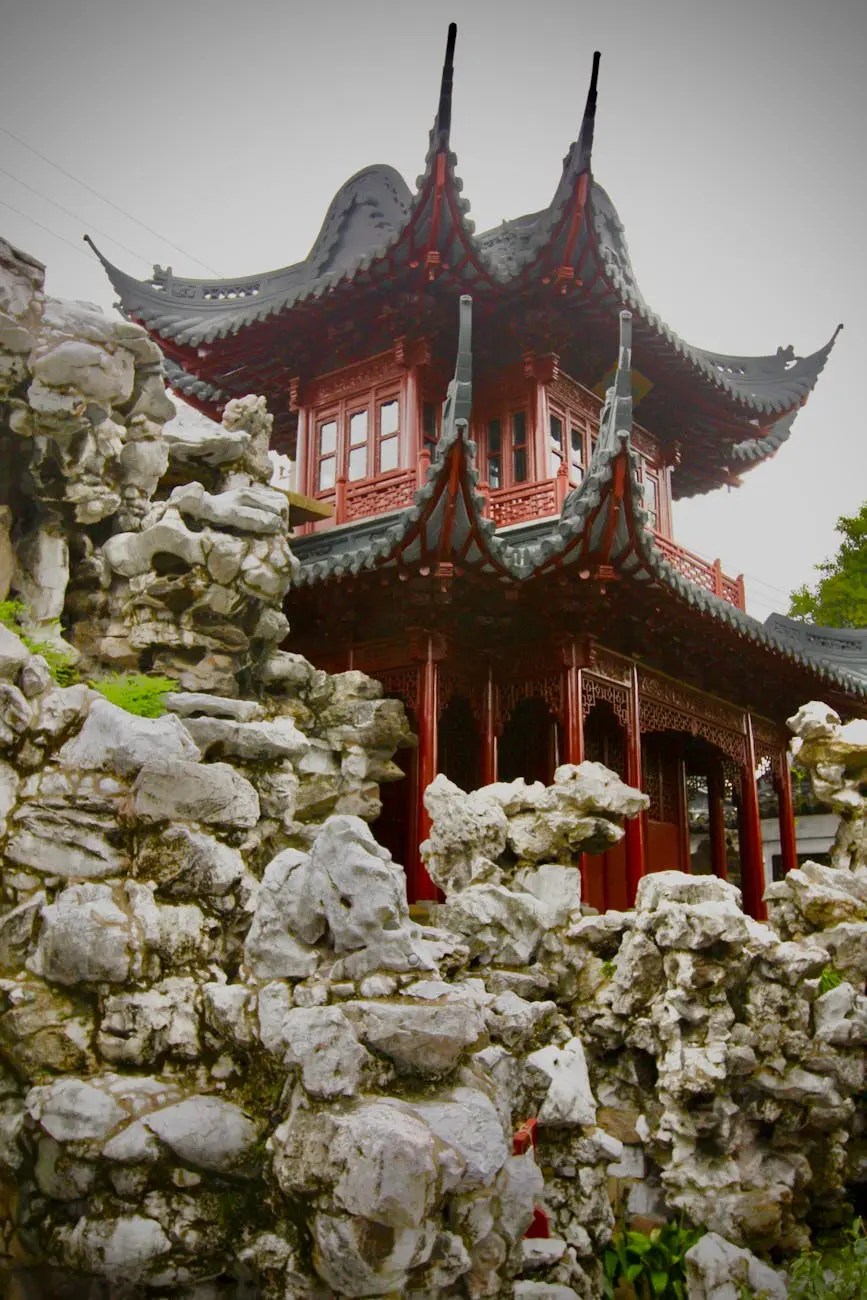
- Morning (9:00 AM): Start your day in the old soul of Shanghai: the Yu Garden (& Bazaar). This Ming-dynasty garden is an oasis of calm with its intricate pavilions, koi ponds, and rockeries. Fight the crowds by getting there right as it opens. The surrounding bazaar is a chaotic, wonderful mess of trinkets and snacks—perfect for people-watching.
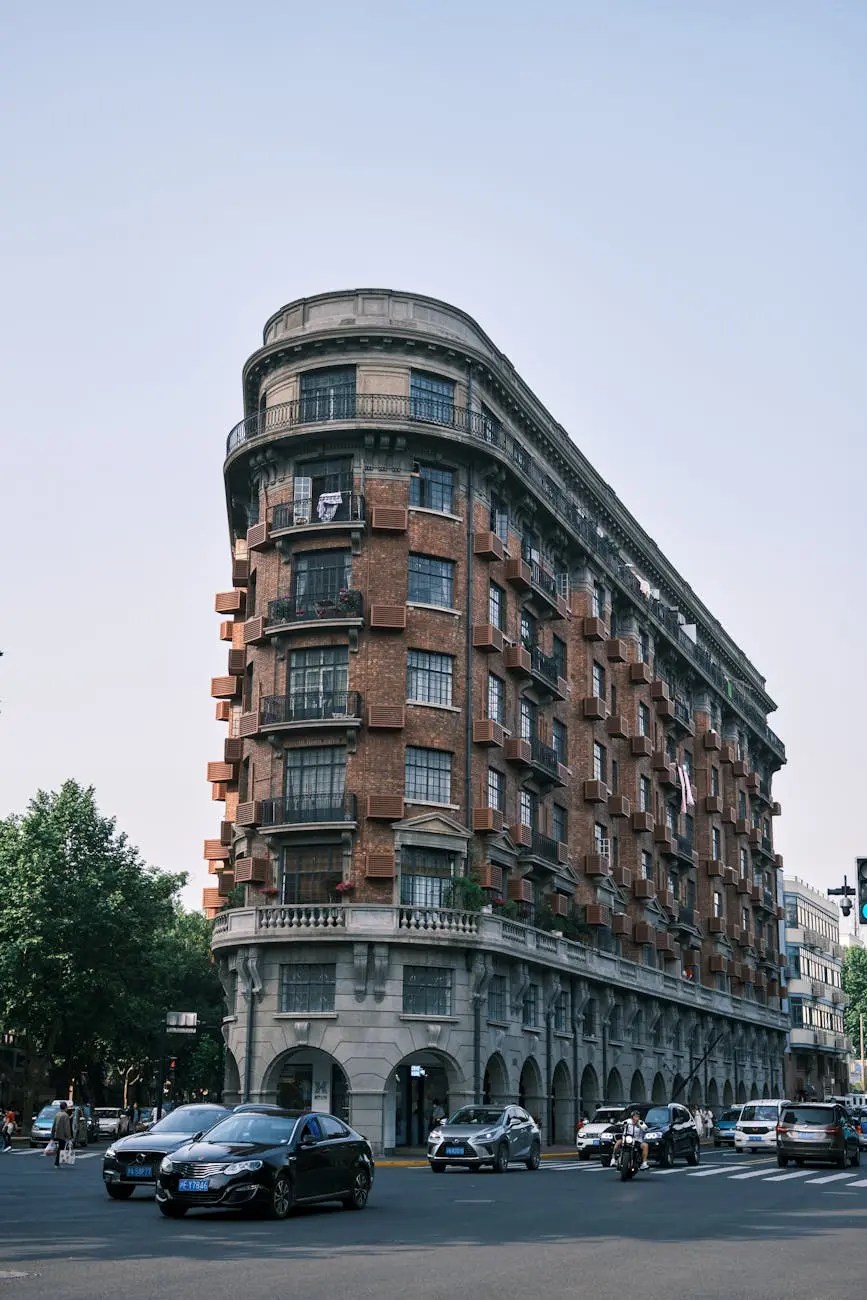
- Afternoon (1:00 PM): Hop on the metro (Line 10 is your friend) and head to the French Concession. This is my favorite area to just wander. Tree-lined avenues, beautiful colonial architecture, and chic boutiques. For lunch, ditch the fancy places and find a local joint for some shengjianbao (pan-fried soup dumplings). You’ll thank me later.
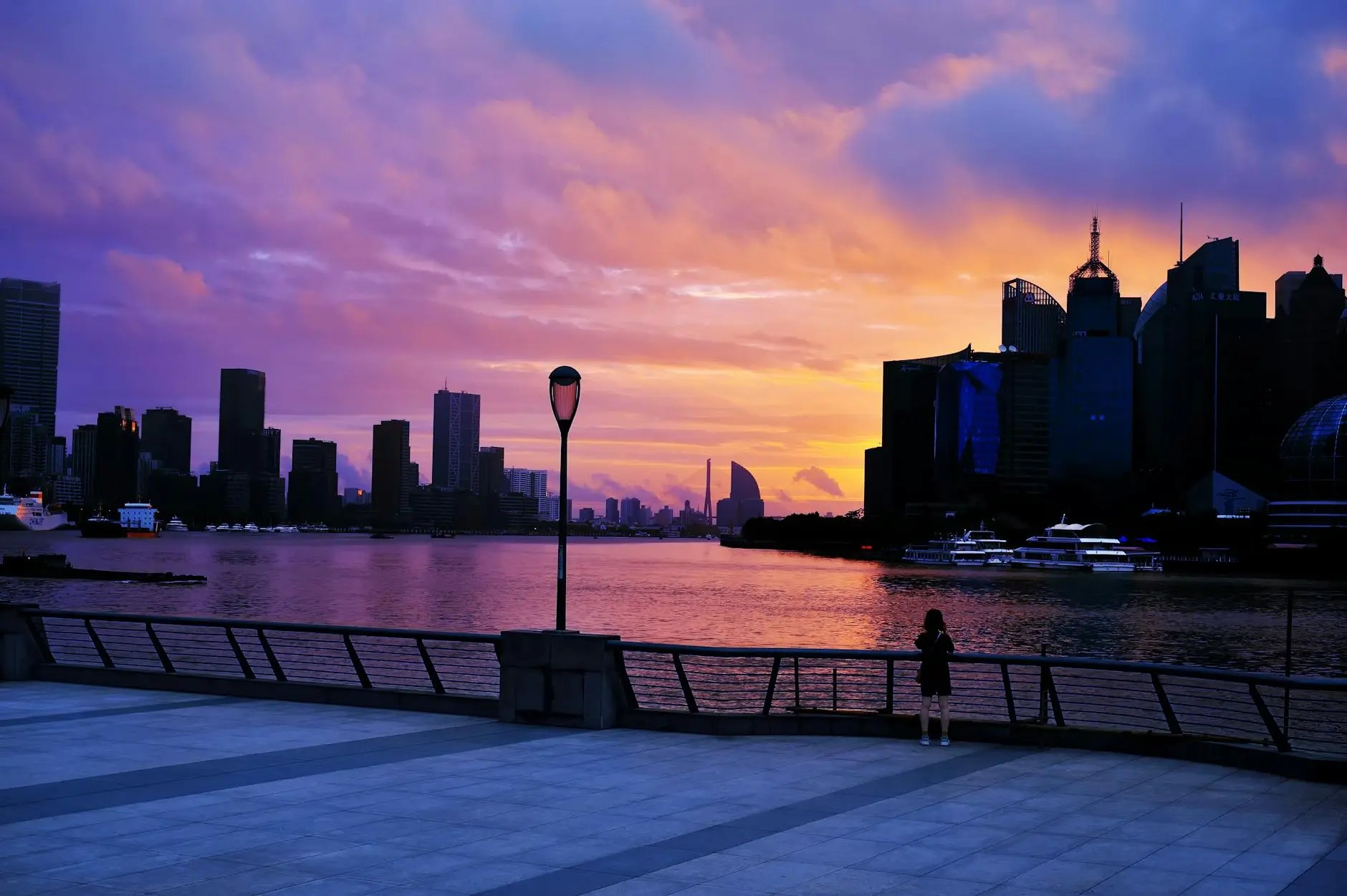
- Evening (6:00 PM): This is it. The main event. Head to The Bund as the sun begins to set. Watch the colonial-era buildings on your side glow gold, and then witness the neon-lit skyscrapers of Pudong across the river light up in a spectacular light show. It’s a view that never, ever gets old. I must have taken a hundred photos here with my trusty Canon EOS R100 Mirrorless Camera – it’s perfect for these low-light cityscapes.


Day 2: Arts, Markets & Sky-High Views
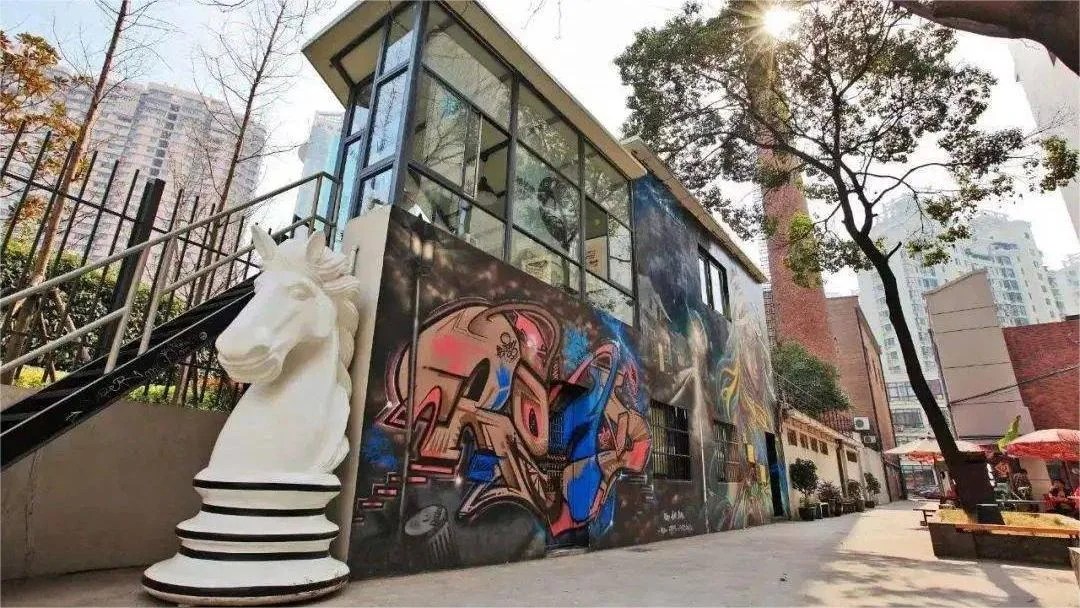
- Morning (10:00 AM): Explore the revitalized M50 Art District. Housed in an old textile factory, this is Shanghai’s epicenter for contemporary art. It’s grungy, creative, and a fantastic break from the city’s commercial hubs. Best of all? It’s free to wander in and out of the galleries.
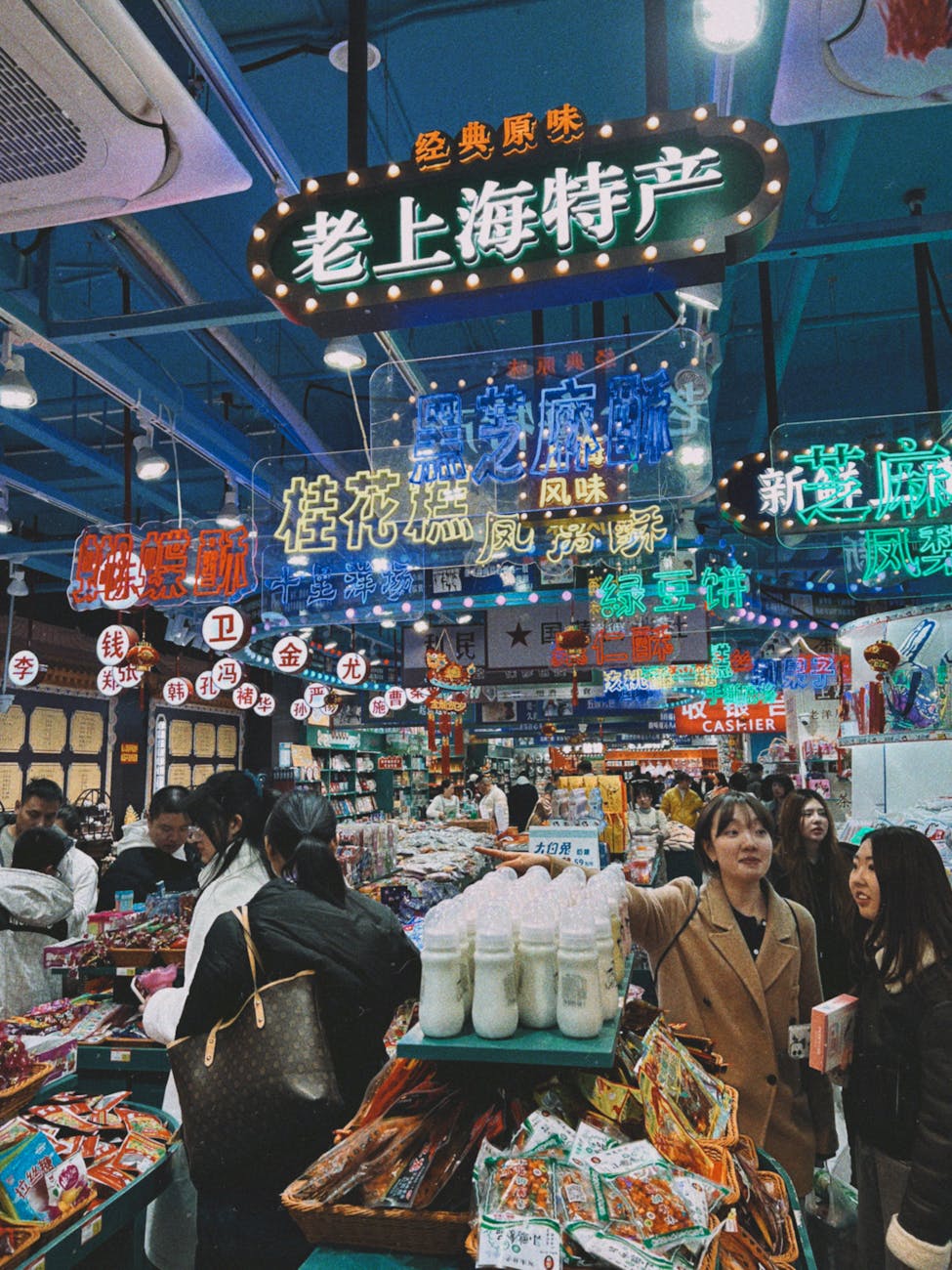
- Afternoon (1:00 PM): Time for some retail therapy (or just fascinating observation) at the Fake Market at the Science & Technology Museum metro stop. It’s an experience. Haggling is not just expected; it’s mandatory. Keep your wits about you, have a laugh, and see what treasures you can find.
- Fake Market (Science & Technology Museum metro stop) — bargain hunters’ playground
- Right under the Science & Technology Museum (Line 2) metro station sits Shanghai’s famous “fake market” (often called AP Plaza / XinYang Market). It’s a warren of tiny stalls selling everything from knock-off sneakers and watches to souvenirs and cheap electronics — perfect if you want quirky finds and bargain prices. Play it like a pro: inspect items carefully (electronics and branded goods can be low quality), carry cash, and start your haggling at around 10% of the first price — expect to settle somewhere between 10–30% depending on the seller. If you’re into street-market photography, the neon shop signs and crowded aisles make for fun, gritty shots. Note: some goods are counterfeit, so don’t try to resell branded fakes when you get home. SmartShanghai+1
- Quick tips: go mid-morning on a weekday to avoid crowds, keep small-change handy, don’t buy high-value electronics, and tuck the market into your day after visiting nearby Century Park or the Science & Technology Museum. eChinacities+1
- Evening (5:00 PM): Ascend to the heavens. Skip the expensive observation decks and book a table at Flair Rooftop Bar at the Ritz-Carlton in Pudong. The price of a cocktail gets you the same insane, unobstructed view of The Bund that you’d pay a fortune for elsewhere. It’s the smart traveller’s move.

Day 3: Local Life & Hidden Lanes {#day3}
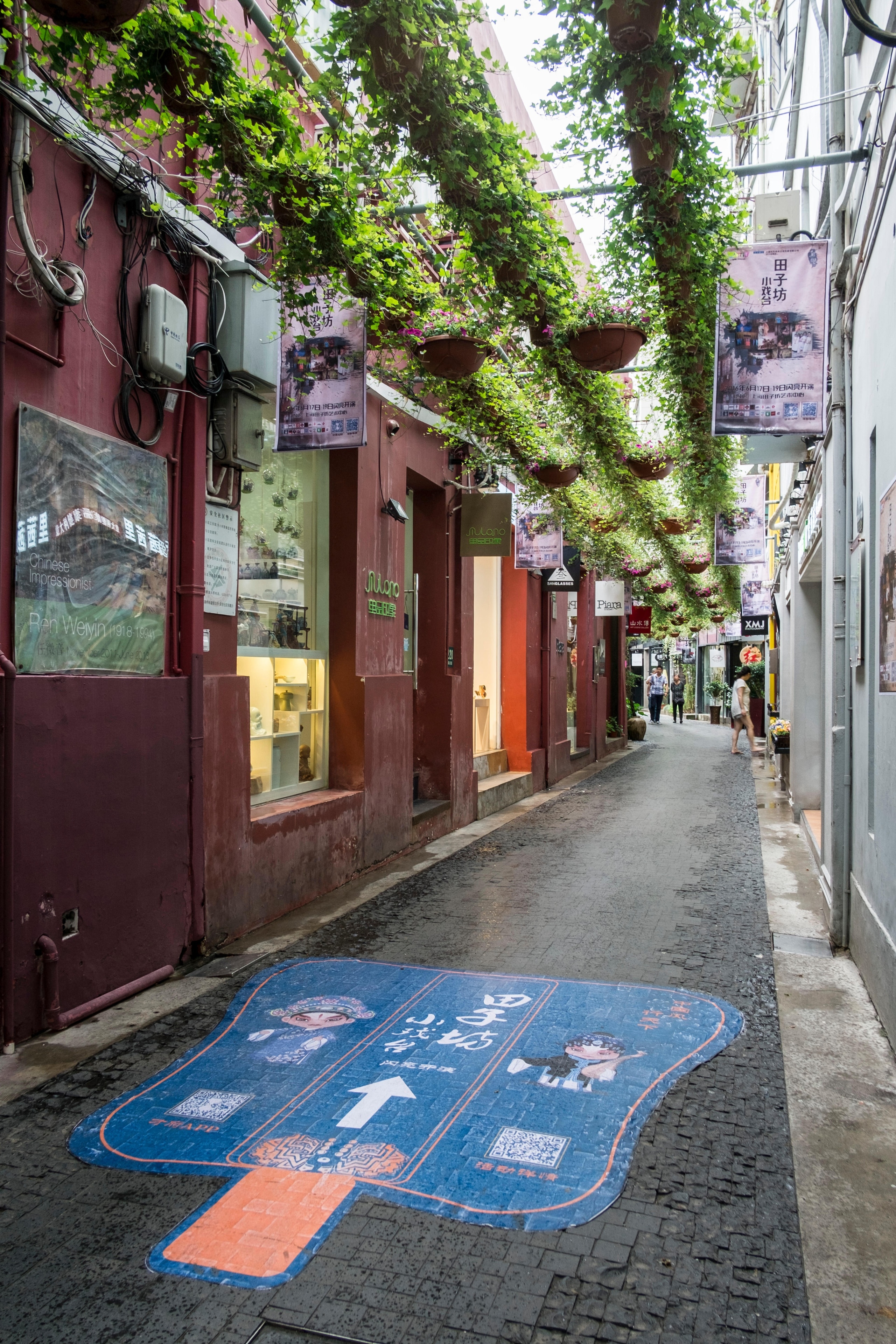
- Morning (9:00 AM): Before you depart, take a stroll through the Tianzifang or Jing’an Sculpture Park area. Tianzifang is a labyrinth of narrow alleyways filled with craft shops, cafes, and street art, while the park offers a modern, cultural respite. It’s a great way to see a more laid-back, local side of Shanghai without venturing too far.

Essential Shanghainese Survival Phrases {#phrases}
While many in tourist areas speak English, a little effort goes a long way!
- Hello: Nǐ hǎo (Nee how)
- Thank you: Xièxiè (She-eh she-eh)
- How much?: Duōshǎo qián? (Dwor-shwow chyen?)
- Delicious!: Hǎo chī! (How chir!)
- Cheers!: Gānbēi! (Gan bay!) – But be careful, this means “dry glass”!
- Toilet = 厕所 (Cèsuǒ)
- Metro = 地铁 (Dìtiě)
Smart Travel Resources
✈️ Flight Delays or Cancellations
Travel hiccups happen. If your flight is delayed, canceled, or overbooked, you might be owed compensation. AirHelp makes the claim process painless—they only get paid if you win.
Hidden Gems: Escape the Tourist Trail {#hidden-gems}
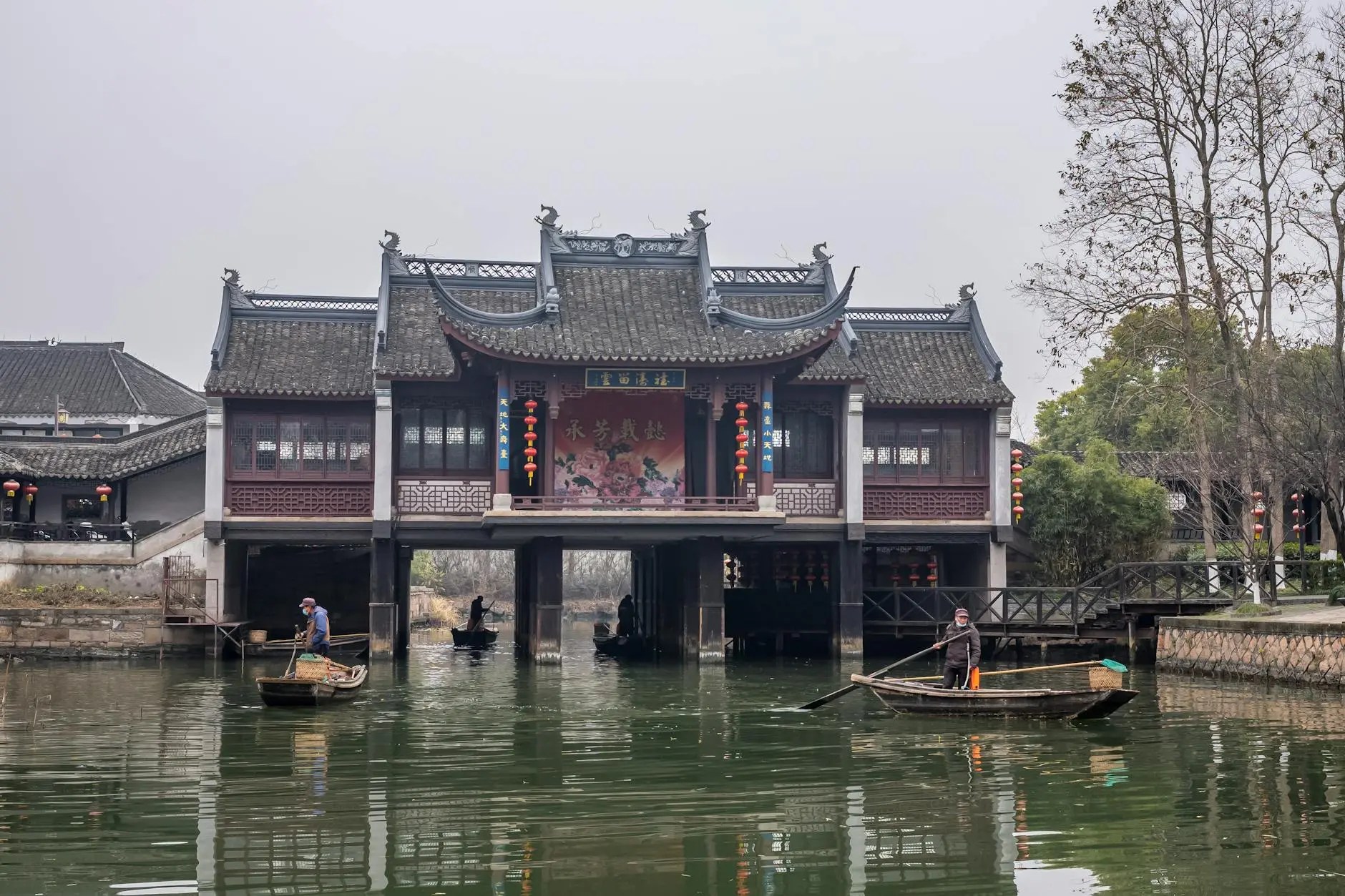
- Zhujiajiao Water Town: An hour outside the city, this “Venice of Shanghai” is worth the trip for its ancient canals, stone bridges, and cobbled streets. It’s a beautiful glimpse into China’s past.
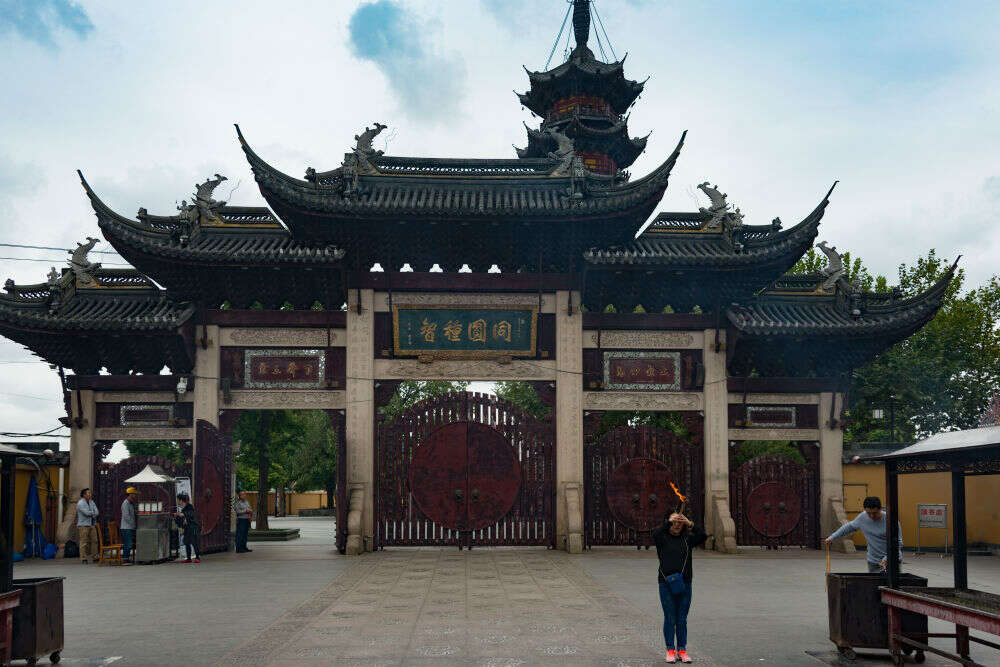
- Longhua Temple & Pagoda: Older and feels more authentic than some of the more central temples. It’s a peaceful escape without the crowds.
- A random breakfast stall: Your best meal will be the one you can’t find on a map. Follow the locals to a busy breakfast stall for a bowl of congyouban (scallion oil noodles) or a crispy jianbing (savory crepe).


Frequently Asked Questions
What is the best time of year to visit Shanghai?
A: Spring (April-May) and Autumn (September-November) are ideal. The weather is mild and comfortable for walking. Summer is hot and humid, while winter can be chilly and damp.
Is Shanghai expensive?
A: It can be, but it doesn’t have to be. Luxury is available, but by eating street food, using the metro, and choosing activities wisely, you can have an amazing experience on a reasonable budget. Accommodation will likely be your biggest cost – I always cross-reference reviews and prices on Expedia to find the best deals.
Can I use my credit card everywhere?
A: Major hotels, high-end restaurants, and international stores will accept credit cards. However, China is a cash-heavy society, and most small vendors, local markets, and taxis will require cash. WeChat Pay and Alipay are ubiquitous, but they require a Chinese bank account, so for short-term travellers, cash is king. Always have some Chinese Yuan (RMB) on you.
My flight to Shanghai was canceled! What can I do?
A: Travel chaos is the worst. But did you know that if your flight is delayed, canceled, or you’re denied boarding, you could be entitled to up to $650 in compensation under air passenger rights laws? Most people never claim it. I use AirHelp to handle the nasty paperwork and fight the airlines for me. They only get paid if you win! It’s a no-brainer. Check your flight eligibility here.
Is Shanghai safe for solo travelers?
Yes! It’s one of the safest megacities in Asia. Just watch your belongings in crowded spots.
Can I get by without speaking Mandarin?
Mostly yes—signs are bilingual, and metro announcements are in English. A translation app helps.
How much should I budget for a weekend?
Around $250–$300, including accommodation, transport, meals, and a few splurges.
There you have it! Your ultimate guide to conquering Shanghai in a single, magnificent weekend. It’s a city that will challenge your senses, delight your palate, and leave you desperate to return. So what are you waiting for?
Ready to book your Shanghai adventure? Start planning and finding the best deals on Expedia today!
Have any questions or your own Shanghai tips? Drop them in the comments below! And if you’re looking for more inspiration, check out my guide to exploring the temples of Kyoto or the street food scene in Bangkok for more Asian adventure ideas.
Shanghai is a city that never sleeps, but your weekend trip will fly by. Plan smart, book early
👉 Ready for your Shanghai adventure? Pack your bags, bring your appetite, and don’t forget your camera—because this weekend escape will leave you with memories (and dumpling cravings) for a lifetime.
 Home Home sweet sweet home