So, you’ve got a long weekend and a burning desire to drink malbec in a city that pulses with tango, football, and fiery passion? Excellent choice. Buenos Aires is a marathon of a city, but with the right plan, you can have the perfect sprint of an escape. As someone who’s gotten blissfully lost in its calles more than once, I’m here to be your guide. Forget the generic checklists; this is how to dive deep, save some pesos, and live like a porteño (local) for 72 glorious hours.
So, you’ve decided to hit the “Paris of the South”? Excellent choice. Buenos Aires is a city that refuses to sleep, fueled by a dangerous combination of world-class steak, robust Malbec, and a local obsession with psychoanalysis. Whether you’re here to dance the tango or just eat your body weight in empanadas, this weekend guide will help you navigate the chaos with the grace of a seasoned porteño.
Table of Contents
Getting There: The Scenic Route by Ferry
The Savvy Traveler’s Logistics: Saving Time & Money
The Perfect Weekend Itinerary: Beyond the Obvious
Hidden Gems & Local Secrets
Essential Porteño Lingo & Tips
Travel Smart: Essential Gear & Services
Frequently Asked Questions (FAQ)
Getting There by Ferry (The Adventure Starts Early)
Flying into EZE is standard, but hear me out: one of the most memorable ways to arrive is by ferry from Uruguay. If you’re already exploring South America (maybe after reading my guide to Rio de Janeiro or Santiago), this is a fantastic, scenic option.
You can catch a high-speed ferry from Colonia del Sacramento (a stunning UNESCO town) or Montevideo directly to the Puerto Madero terminal in Buenos Aires. The ride from Colonia takes about an hour, offering beautiful Río de la Plata views. It’s a journey, not just a transfer.
Pro Ferry Tip: Use a site like Direct Ferries to compare schedules and prices from operators like Buquebus and Seacat. Booking ahead online can save you both cash and hassle at the terminal. You’ll clear Argentine immigration on arrival in Puerto Madero, which is often smoother than the airport.
Why I Love This Route:On my last trip, I spent a sunny morning in Colonia’s cobbled streets, sippingmate(the local herbal tea), before breezing into the sleek Puerto Madero for dinner. It felt like two trips in one.
The Savvy Traveler’s Logistics
Getting Around: Ditch the rental car. Traffic is hectic, parking is a nightmare, and the city is brilliantly walkable. The Subte (subway) is fast, cheap, and a cultural experience. Get a SUBE card at any kiosk, load it up, and tap your way across town. For longer distances, rideshares (Uber/Cabify) are affordable and safer than hailing random taxis. Buses (colectivos) are everywhere but require a bit more local know-how.
Money Matters:Always have cash (Argentine Pesos). While cards are accepted in nicer places, the best exchange rate is often via cash from Western Union or using USD/EUR at local cuevas (exchange houses). It sounds shady, but it’s a standard part of the dual-economy reality. My rule: withdraw/bring more than you think you’ll need.
Connectivity Hack: Let’s be real—airport SIMs are a rip-off, and roaming fees are a travel budget black hole. After one too many “$10 per day” surprises, I started usingDrimsim. It’s a universal data SIM that works in 190+ countries, including Argentina. Pop it in, top up via the app, and you’re online instantly. No hunting for kiosks, no language barrier stress.
A Non-Negotiable:Travel insurance. I once slipped on a rainy San Telmo cobblestone and sprained my ankle. My insurance saved me a fortune in clinic fees. I use VisitorsCoverage to compare and find affordable plans that fit my trip length. It’s five minutes for priceless peace of mind. Get a quote here.
The Perfect Weekend Itinerary (The Highlight Reel)
Friday PM: Tango & Taste. Check into your hotel (I found a gorgeous boutique place in Palermo via Expedia—always compare prices!). Head toSan Telmo for dinner. Skip the overpriced Plaza Dorrego joints and find a parrilla (steakhouse) down a side street. Then, catch an authentic milonga (tango social dance). La Catedral is a quirky, unpretentious spot in an old warehouse.
Saturday: Culture, Cafés & Chaos. Morning: Recoleta Cemetery. It’s not morbid; it’s an open-air museum of stunning architecture. Find Evita’s tomb.
Afternoon: Palermo Soho. Wander the leafy streets, shop at independent boutiques, and grab a coffee at a historic bodegón. For lunch, choripán (chorizo sandwich) from a street vendor is a rite of passage. Evening: A Football Match. If Boca Juniors or River Plate are playing, GO. It’s an electrifying spectacle. Book tickets through a reputable agency in advance.
Sunday: Markets & Malbec. Morning: The San Telmo Antiques Market is legendary. Go early to beat the crowds and haggle for treasures. Afternoon: La Boca. Stick to the tourist-safe Caminito strip for colorful photos and tango shows, but be mindful of your belongings and don’t wander off.
Evening: Puerto Madero. Stroll the modern docks, have a farewell malbec, and reflect on your whirlwind adventure.
A scenic view of Recoleta Cemetery in Buenos Aires, showcasing its intricate mausoleums and statues under a bright blue sky.Vibrant street art in Buenos Aires depicts a girl taking a selfie, showcasing the city’s colorful urban culture.A delicious _choripán_ sandwich, featuring grilled chorizo and chimichurri, a must-try street food in Buenos Aires. The ultimate Buenos Aires street food: a sizzling choripán! This simple, perfect sandwich of grilled chorizo and crusty bread, slathered with chimichurri, is a rite of passage for any traveler in Argentina. 🤤 #BuenosAires #StreetFood #ArgentinaFood #Choripan #TravelEatsExplore the vibrant Mercado San Telmo, a historic market in Buenos Aires filled with local flavors and cultural experiences.Colorful buildings in La Boca, Buenos Aires, showcasing the vibrant architecture and artistic spirit of the neighborhood. A burst of color on Caminito in La Boca! 🎨 This iconic, open-air street museum in Buenos Aires is famous for its vibrant corrugated metal houses, a tradition started by Italian immigrants using leftover ship paint. The perfect backdrop for your Argentina photos! #LaBoca #Caminito #BuenosAires #Argentina #TravelPhotography #ColorfulPlaces
Costanera Sur Ecological Reserve: Escape the concrete. This massive green space by Puerto Madero has trails perfect for biking, running, or spotting wildlife with the city skyline as your backdrop.
A stunning view of El Ateneo Grand Splendid, a former theater transformed into a beautiful bookstore in Buenos Aires, showcasing its intricate architecture and vast collection of books. Stepping into a literary palace! 📚✨ This is El Ateneo Grand Splendid in Buenos Aires—a breathtaking 1919 theatre transformed into one of the world’s most beautiful bookstores. The stage is now a café where you can read with a cortado. Pure magic! #BuenosAires #Argentina #Bookstore #ElAteneo #Travel #ArchitectureA lively street performance in Barrio Chino, Buenos Aires, showcasing local musicians playing a saxophone, double bass, and accordion. Unexpected rhythms in Barrio Chino! 🎶 Discovered this vibrant street music scene while exploring Buenos Aires’s lively Chinatown—a perfect blend of cultures, color, and sound. Always something surprising around every corner in BA! #BarrioChino #BuenosAires #StreetMusic #Argentina #TravelVibes #CulturalMixA serene view from a wooden deck overlooking the water in Buenos Aires, framed by lush greenery and modern skyscrapers. (Costanera Sur Ecological Reserve)
Essential Porteño Lingo
Che: (pronounced “chay”) The all-purpose “hey!” or “dude.” Very Argentine.
Boludo: Literally “big balls,” but used colloquially like “mate” or “buddy” among friends. Caution: Only use with people you’re very familiar with!
Dale: “Okay,” “sure,” “go ahead.” You’ll hear it constantly.
¿Cuánto sale?: “How much does it cost?”
La cuenta, por favor: “The bill, please.”
Travel Smart: Gear & Peace of Mind
Stay Charged: European outlets are standard in Argentina. This VINTAR European Travel Plug Adapter with multiple USB ports has been a lifesaver for keeping my phone, camera, and drone powered.
Look Fresh, Travel Confident: Long flights can wreak havoc on your skin. I swear by K-beauty sheets masks from Lakinza for an instant glow-up before landing. Use code Lalalax10 for a sweet discount at checkout. Treat your skin here.
When Travel Goes Wrong: A delayed flight out of EZE once cost me an extra hotel night. I used AirHelp to claim compensation. They handled the entire airline fight, and I got €250 back. If your flight is disrupted, check your eligibility here.
✈️ Ready to Book Your Escape? I always start my adventure planning on Expedia. It’s my one-stop shop for comparing flight and hotel deals, especially for last-minute weekend trips. See what you can save and start packing!
Frequently Asked Questions (FAQ)
Q: Is Buenos Aires safe for tourists? A: Like any major city, it has its areas. Be smart: no flashy jewelry, keep phones tucked away, use ride-shares at night, and be extra vigilant in crowded areas like La Boca and on public transport. In tourist zones during the day, it’s generally very safe.
Q: How much should I budget for a weekend? A: Excluding flights, a comfortable mid-range weekend (nice hotel, good meals, taxis, attractions) could cost $300-500 USD. It can be done for much less with hostels and street food, or much more with luxury.
Q: Do I need a visa for Argentina? A: For US, Canadian, UK, and most EU passport holders, no visa is required for tourist stays of up to 90 days. Always double-check official government sites before traveling, as rules can change. For more on visa logistics in South America, see my post on navigating South American borders.
Q: What’s the best time of year to visit? A: Spring (Sept-Nov) and Fall (Mar-May) offer glorious weather. Summer (Dec-Feb) can be hot and humid, and many locals desert the city in January. Winter (June-Aug) is mild but can be rainy.
Got questions I didn’t answer? Want more deep-dives on South America? Explore my completeTravel Master Listfor guides on neighboring Chile, Uruguay, and beyond.
Now, go forth, practice your tango shuffle, and eat all the steak. Buenos Aires is waiting. ¡Dale!
Feeling the South American wanderlust? If Buenos Aires has you hooked on the vibrant culture and stunning landscapes of this continent, you’re in luck. A short flight away lies the dynamic capital of Chile, Santiago, nestled against the breathtaking backdrop of the Andes Mountains—perfect for a cross-border adventure. For a deeper dive into the continent’s rich history and coastal cuisine, consider extending your trip toLima, Peru’s bustling capital. And if your journey to Argentina begins in Europe, you’ll likely connect through Spain. Be sure to soak up the vibrant, modern energy of Valencia or the classic grandeur of Madrid on your way—they’re the perfect start or finale to any Southern Hemisphere escapade.
Planning a weekend escape to Granada, Spain? This human‑written travel guide is crafted for curious travelers who want history, hidden gems, smart logistics, and money‑saving tips. SEO‑ and GEO‑optimized, packed with personal anecdotes, transport hacks, ferry options, affiliate deals, and insider advice to help you explore Granada confidently without wasting time or cash.
Ah, Granada. A city where the scent of orange blossoms mixes with the sound of flamenco drifting from a cave, where you can stand in a fortress built by sultans and watch the sunset over snow-capped mountains. I went for a long weekend, convinced I was just ticking the majestic Alhambra off my list. I left with my soul feeling fuller, my camera overflowing, and a profound belief that the best things in life are often free (hello, complimentary tapas!). This guide is your blueprint for an unforgettable, efficient, and deeply enriching weekend in this crown jewel of Andalusia.
Granada is the kind of city that sneaks up on you. One minute you’re admiring intricate Islamic tiles at the Alhambra, the next you’re eating free tapas with your drink and wondering why life doesn’t always feel this balanced. Tucked against the Sierra Nevada mountains in southern Spain, Granada blends Moorish history, student energy, and slow Andalusian charm—perfect for a long weekend that feels much longer (in the best way).
I still remember my first evening here: getting slightly lost in Albaicín, following the sound of a street guitarist, and accidentally discovering a viewpoint that made me forget my phone even existed. Granada does that to you.
Table of Contents
Why Granada Is Perfect for a Weekend Escape
Getting to Granada (Flights, Trains, Buses & Roads)
Getting There by Ferry (Direct Ferries Guide)
Getting Around Granada Like a Local
Where to Stay (Smart Areas for First‑Timers)
What to See in a Weekend (With Hidden Gems)
Food, Tapas & Local Experiences
Money‑Saving Tips for Granada
Handy Spanish Words You’ll Actually Use
Stay Connected, Protected & Stress‑Free Abroad
FAQs for First‑Time Travelers
Final Thoughts + Strong CTA
Why Granada Is Perfect for a Weekend Escape
Granada is compact, walkable, and endlessly atmospheric. You don’t need weeks here—48 to 72 hours is enough to see the highlights, slow down, and still leave wanting more. Compared to Barcelona or Madrid, prices are gentler, crowds feel manageable (especially if you plan smartly), and the culture feels deeply rooted rather than rushed.
It also pairs beautifully with nearby destinations—something I often recommend to travelers exploring Andalusia. If you’ve enjoyed historic city breaks before, you might also like Seville, Valencia, or Naples (all linked in my Travel Master List for easy planning)
Getting to Granada (Flights, Trains, Buses & Roads)
✈️ By Air
Granada has its own airport (GRX), but flights are limited. Most travelers fly into Málaga (AGP), which is well‑connected internationally and often cheaper.
Granada is inland, nestled at the foot of the Sierra Nevada mountains. While it has its own airport (GRX), it’s not a major international hub.
By Air:Federico García Lorca Granada-Jaén Airport (GRX) is about 17 km west of the city. It has good connections to major Spanish cities (Madrid, Barcelona) and some European hubs. The Alhambra Bus runs directly to the city center in about 45 minutes
👉 I usually compare flight + hotel bundles on Expedia because flexible cancellations have saved me more than once: 👉 Flights to Granada
By Train: The high-speed AVE train from Madrid to Granada takes about 3.5 hours and is a comfortable, scenic option. The station is well-connected to the city by bus and taxi.
From Málaga to Granada by train takes about 1h 15m–1h 30m. Renfe trains are comfortable, reliable, and surprisingly scenic once you leave the coast.
🚌 By Bus
ALSA buses run frequently from Málaga, Seville, and Córdoba. It’s budget‑friendly and often just as fast as the train.
By Bus: Often the most economical and well-connected option from other Andalusian cities. Companies like ALSA run frequent services from Seville, Málaga, and Córdoba. The main bus station is a short taxi ride from the center.
🚗 By Car (Road Tips)
Driving from Málaga to Granada takes around 1.5 hours via the A‑92. Roads are excellent, signage is clear, and fuel stops are frequent. Tip: avoid entering the Albaicín by car—streets are narrow and parking is… let’s say “character‑building.”
Getting There by Ferry (Direct Ferries Guide)
By Ferry: Here’s the important note: Granada itself does not have a ferry port as it is not on the coast. However, if you’re dreaming of a combined Spain trip with a ferry ride, your best bet is to sail into the nearby Port of Málaga or Almería. From these ports, you can easily rent a car or catch a direct bus (approx. 1.5-2 hours) to Granada. To check schedules and book ferry tickets to southern Spain from places like Morocco or the Balearic Islands, a great resource is Direct Ferries.
Granada itself doesn’t have a port, but ferry lovers aren’t left out.
The closest major ferry port is Málaga, which connects with routes from Morocco (Melilla) and seasonal Mediterranean crossings. You can:
Take a ferry to Málaga
Continue to Granada by train, bus, or car
To compare ferry routes, schedules, and prices, I recommend Direct Ferries—it’s the easiest way to see what’s actually running when you need it.
This combo works brilliantly if you’re mixing Spain with North Africa or doing a slower, more scenic Mediterranean journey.
Granada at a Glance: What You Need to Know
Granada is the dramatic finale of the Reconquista in Spain’s south. Its crown jewel, the Alhambra, is a sprawling palace and fortress complex that is a UNESCO World Heritage site and one of the most visited monuments in the world. But the city is more than just one site; it’s a layered experience of Moorish history, vibrant gypsy culture, and student energy.
Currency: Euro (€).
Language: Spanish. English is common in tourist areas, but a few basic phrases go a long way (see our guide below!).
Visa: For most US, Canadian, UK, and Australian travelers, no visa is required for tourist stays under 90 days within the Schengen Area. Always check the latest requirements with official sources before booking.
Best Time to Visit:Spring (April-June) and Fall (September-October) offer pleasant weather and fewer crushing crowds. Summer is fiercely hot, and winter can be surprisingly cold in the mountains.
City Vibe: Historic, passionate, youthful, and delightfully chaotic.
Getting Around Granada Like a Local
Granada is wonderfully walkable, especially the city center.
🚶 Walking: Best for Albaicín, city center, and viewpoints
🚍 Buses: Cheap and efficient—use buses C1 and C2 for hills
🚕 Taxis: Affordable for short trips
I saved time (and my knees) by using buses uphill and walking downhill—simple, smart, and budget‑friendly.
Your Strategic Weekend Itinerary
This plan maximizes your time, balancing iconic sights with local flavor.
Day 1: The Majesty of the Alhambra & Albayzín Twilight
Morning (9:00 AM):THE ALHAMBRA.BOOK YOUR TICKETS ONLINE MONTHS IN ADVANCE. I cannot stress this enough. Tickets for the Nasrid Palaces are for a strict 30-minute entry window—miss it and you’re out of luck. Spend 3-4 hours exploring the intricate palaces, rugged Alcazaba fortress, and serene Generalife gardens.
The stunning courtyard of the Alhambra, showcasing intricate Islamic architecture and serene reflections in the pool. The serene and stunning Court of the Myrtles, the central courtyard of the Nasrid Palaces, perfectly demonstrates Islamic architecture’s mastery of water, light, and geometry.
A bustling square in Granada featuring a historic monument and the beautiful architecture of surrounding buildings. The historic monument in Plaza Isabel la Católica commemorates the 1492 agreement between Queen Isabella I and Christopher Columbus, which set his voyage to the Americas in motion.
Late Afternoon (5:00 PM): Walk up into the Albayzín, the ancient Moorish quarter. Get lost in its cobblestone lanes, whitewashed houses, and hidden cármenes (walled gardens). Make your way to the Mirador de San Nicolás for the classic, breathtaking view of the Alhambra against the Sierra Nevada.
A charming cobblestone alley in the historic Albaicín neighborhood of Granada, showcasing its traditional architecture and inviting atmosphere. Getting lost in the labyrinthine, shaded streets of the Albaicín is the best way to experience the atmosphere of Granada’s ancient Moorish quarter
Evening (9:00 PM): Dinner and flamenco. Skip the expensive, staged shows for a more authentic tablao in the Sacromonte cave district. The raw passion here is electric.
Mirador de San Nicolas showing mountains, chateau or palace and heritage architectureA panoramic view of Granada’s Albaicín neighborhood showcasing its iconic whitewashed houses and tile roofs against the backdrop of the Sierra Nevada mountains. A breathtaking aerial perspective reveals the dramatic relationship between the two UNESCO World Heritage sites: the organic maze of the Albaicín and the formidable Alhambra.A flamenco dancer captures the spirit of Granada with graceful movements and traditional attire. The intense emotion and precise movement of a flamenco performance embody the soul of Granada, especially in the historic Sacromonte caves.
Day 2: Cathedral Grandeur, Local Markets & Tapas Trail
Morning (10:00 AM): Visit the Royal Chapel (Capilla Real), the final resting place of the Catholic Monarchs, Ferdinand and Isabella. Then, explore the colossal Granada Cathedral right next door.
Afternoon (1:00 PM): Wander through the Alcaicería, a maze of narrow streets that was once the Moorish silk market. It’s now full of shops selling spices, ceramics, and lamps.
Late Afternoon (4:00 PM):Granada’s Golden Rule: Drink, Get Fed for Free. Embark on a tapas crawl. In most granadino bars, every drink (a beer, wine, soft drink) comes with a free, substantial tapa. My strategy is to hop between bars in areas like Plaza Nueva or Calle Elvira, letting each drink decide my dinner. It’s social, delicious, and incredibly budget-friendly.
The ornate interior of Granada’s Royal Chapel, showcasing intricate frescoes and baroque architecture. The lavishly decorated church of the Royal Monastery of San Jerónimo, a masterpiece of Spanish Renaissance architecture and art.A vibrant market scene in Granada, showcasing colorful textiles, accessories, and local crafts that reflect the city’s rich culture.Aerial view of Granada’s charming rooftops and historic architecture showcasing the vibrant atmosphere of this Andalusian city. Plaza Nueva, the city’s oldest square, seen from above, revealing its strategic position at the foot of the Alhambra hill.Colorful street market in Granada showcasing tapestries, clothing, and local crafts. The bustling Calle Elvira is a sensory gateway, where the aromas from tapas bars mix with the sight of glittering lanterns in traditional tetería shopfronts.Picturesque view of a serene stream flanked by charming buildings and trees in Granada, creating a tranquil atmosphere. A stroll along Carrera del Darro feels like a walk through a living history book, with the river and centuries-old architecture on full display.
Granada’s Hidden Gems & Local Secrets
El Bañuelo: These stunning 11th-century Arab baths, hidden down a side street in the Albayzín, are often overlooked but are one of the best-preserved in Spain. Entrance is cheap and rarely crowded.
Carmen de los Mártires: A peaceful, slightly forgotten palace and garden just north of the Alhambra. It feels secret, romantic, and offers another unique viewpoint of the city.
Carrera del Darro at Night: This beautiful street along the river is magical after dark, with the Alhambra illuminated above. Skip the crowded bars here and just walk.
Tea in a Tetería: After the bustle, retreat to a tetería (tea house) in the Albayzín. Sip mint tea in a room filled with cushions and Moorish decor—it’s an instant transport to another time.
A tranquil garden in Granada, Spain, featuring lush greenery, orange trees, and a serene pond surrounded by classical statues. The romantic and secluded Carmen de los Mártires gardens offer a quiet escape with stunning, framed views of the city below.A serene nighttime view of a beautifully lit bridge in Granada, showcasing the city’s charming cobblestone streets.Experience the ritual of mint tea in Granada’s traditional teterías, complete with ornate silverware and sweet pastries. The ritual of mint tea in a tetería is a sensory journey, complete with ornate silverware, sweet pastries, and the glow of mosaic lamps.
Food, Tapas & Local Experiences
Granada is famous for free tapas—order a drink, get food. My advice?
The Granada Card: If you plan to visit multiple monuments (Alhambra, Cathedral, Royal Chapel, monasteries), this card can save you money and includes Alhambra access, bypassing the need for a separate ticket. Do the math based on your itinerary.
Public Transport is Cheap and Good: The city bus network is extensive. A single ticket is about €1.40, but a 10-ride Bonobús card (€8.20) is the best value. Taxis are also reasonably priced for short hops, especially if splitting with friends.
Walk, Walk, Walk: The historic center is very walkable, and getting “lost” is part of the fun (and free!).
Water and Siesta: Carry a reusable water bottle. Tap water is safe to drink. Embrace the siesta—many shops close from 2-5 PM, so plan your museum visits for the morning or late afternoon.
The Ultimate Tapa Hack: For the cheapest and most local tapas experience, venture just a block or two away from the main squares. The bars filled with students and locals always have the best value.
A little language goes a long way in earning smiles.
Hola / Buenos días – Hello / Good morning
Gracias – Thank you
Por favor – Please
Una caña, por favor – A small beer, please (the standard tapa drink)
La cuenta, por favor – The bill, please
Tapa – The free snack with a drink. In Granada, you often don’t choose it—it comes with the territory!
Paseo – A leisurely stroll. A key local activity.
Mirador – Viewpoint. You’ll be seeking these out!
Guiri – (Slang, not offensive) A tourist or foreigner. That’s us!
Stay Connected, Protected & Stress‑Free Abroad
📶 Stay Connected
Staying online abroad can be expensive if you rely on roaming or airport SIM counters. I travel with Drimsim, a global SIM that works in 190+ countries. Pop it in, top up via the app, and you’re connected—no surprises, no stress.
🔐 VPN for Travel Safety
Public Wi‑Fi and travel bookings don’t mix well without protection. I always useNordVPN when traveling:
✈️ Flight Delayed or Canceled?
You could be entitled to up to $650 in compensation. AirHelp checks eligibility and handles everything for you:
Travel photos hit differently when you feel good. I swear by K‑beauty essentials from Lakinza—affordable, effective, and perfect for travel skin recovery. Use code Lalax10 for a sweet discount.
Frequently Asked Questions (FAQ)
Q: How far in advance do I really need to book Alhambra tickets? A: As soon as your travel dates are firm. Tickets for the Nasrid Palaces are released exactly three months in advance and sell out incredibly fast, especially for morning slots in peak season. Set a calendar reminder.
Q: Is Granada safe for solo travelers? A: Generally, yes. It’s a university city with a vibrant street life. Standard precautions apply: be aware of pickpockets in crowded areas like the Alcaicería, and be cautious walking alone in the very steep, narrow streets of Sacromonte late at night.
Q: What’s the deal with tapas in Granada? Is it really free? A: Yes! It’s one of the last cities in Spain where the free tapa tradition remains strong. Order any drink (alcoholic or non-alcoholic) at most traditional bars, and a small plate of food will arrive with it. The quality and size often increase with your second or third drink.
Q: Can I do a day trip to the Sierra Nevada from Granada? A: Absolutely. In winter, you can go skiing (the resort is about 45 minutes by bus). In summer, it’s fantastic for hiking. Regular buses run from the city center to the mountain villages and ski station.
Q: I have more than a weekend. Where else should I go in Andalusia? A: You’re in the heart of it! Consider basing yourself in Seville for flamenco and the majestic Alcázar, or Córdoba for the mesmerizing Mezquita. You can explore my detailed guides to both cities for inspiration:
If Granada leaves you craving more Southern European magic (which it probably will), it pairs beautifully with several nearby city escapes I’ve already explored in depth. Just a few hours away, Seville, Spain delivers flamenco-filled nights, orange-scented courtyards, and some of Andalusia’s most dramatic architecture—perfect if you want to stay in the same cultural rhythm. Heading east,Valencia, Spain offers a completely different vibe with futuristic design, relaxed beaches, and one of the best food scenes in the country (yes, paella tastes better here). If you’re extending your trip north, Barcelona, Spain blends art, nightlife, and seaside energy in a way that feels effortlessly iconic. And for travelers hopping borders, Lisbon, Portugal makes a surprisingly smooth next stop—laid-back, photogenic, and ideal for slow wandering after Granada’s hilltop views. Linking these destinations together creates a smart, time-efficient route that saves money on transport while keeping the journey rich and varied.
Final Thoughts
Granada isn’t loud about its beauty—it reveals it slowly. Plan smart, walk often, eat well, and let the city surprise you.
👉 Ready to plan your escape? Compare flights and stays on Expedia now:
💬 Have questions or hidden gems to share? Drop a comment—I always reply.
Meta Description: Plan the perfect weekend escape to Herzegovina — from historic Mostar and hidden gems like Blagaj and Kravice Waterfalls, to smart travel tips on transport, saving money, and weather-smart timing. Uncover insider advice, practical logistics, and fun anecdotes for confident travel.
🗺️ Table of Contents
Introduction
Why Herzegovina Should Be on Your Bucket List
Getting There
Getting There by Ferry (with Direct Ferries link)
By Air
By Bus, Train, & Car
Where to Stay
Top Things to Do in Herzegovina
Mostar & Stari Most
Hidden Gems: Blagaj, Kravice, Počitelj
Neum & the Coast
Local Transport Tips (How to Save Time & Money)
Practical Travel Tips
Food & Drink to Try
Words & Phrases You Might Need
FAQs
Final Tips & CTAs
If “weekend getaway” were a sport, Herzegovina would be the undefeated champion. Part ancient wonder, part natural paradise, and part affordable destination that punches well above its scenic weight, this patch of Bosnia and Herzegovina blends culture, adventure, and lazy café afternoons into one irresistible mini escape.
Let’s be honest: planning a weekend trip is often about choosing what to skip. Do you want beaches or mountains? Riveting history or untamed nature? Well, friends, in Herzegovina, you don’t have to choose. This soul-stirring, heart-shaped corner of Europe serves it all on a single platter, with a side of strong coffee and a history so rich you can taste it in the air.
As someone who once spent a frantic Sunday trying to escape an overcrowded “hidden gem” elsewhere, I can tell you: Herzegovina is the real deal. It’s a place where you can hear the Muslim call to prayer echoing over cobblestones one minute and watch a brave soul leap from a 16th-century bridge into an emerald river the next. It’s Europe’s open secret, offering the drama of Croatia, the raw beauty of Montenegro, and the profound soul of the Balkans, all without the crushing crowds or crushing prices.
Ready for a weekend that feels like a week-long adventure? Let’s dive in.
Why Herzegovina Should Be on Your Bucket List
Mostar’s Stari Most isn’t just a bridge — it’s an icon. The historic Ottoman-era bridge once destroyed by war and beautifully rebuilt now symbolizes resilience, unity, and adrenaline-packed dives into the cold Neretva below — where locals and visitors cheer, tourist cameras whirr, and time slows in the best possible way.
But there’s more here: jaw-dropping waterfalls, cliffside monasteries, serene river springs, gold-hued vineyards, and one of Europe’s less predictable coastlines — the tiny seaside town of Neum, Bosnia’s only access to the Adriatic Sea
Getting There
⬆️ Getting There by Ferry
While Herzegovina is landlocked, the nearby Dalmatian Coast of Croatia is your perfect maritime gateway. The closest major port is Dubrovnik. From there, you have fantastic options:
While Herzegovina itself doesn’t host a major ferry port, you can arrive via scenic Adriatic ferry routes from Croatia or beyond and then continue overland — perfect for travelers who love sea views as part of the adventure. 👉 Check routes, timetables, and book your ferry with Direct Ferries here. Ferries along the Adriatic connect ports like Split or Dubrovnik with other coastal hubs, from which buses or cars can complete your journey to Herzegovina. Travel By Ticket
Quick Route Idea:Ferry to Split → Bus or Train to Mostar → Explore Herzegovina. (Skip the borders with a car — fewer delays and more countryside views!)
Sarajevo Airport (SJJ) — more frequent flights, then bus/train to Herzegovina.
Dubrovnik Airport (DBV) (Croatia) — great low-cost options, then bus or car through epic mountain and coastal roads.
✈️ Flight Delayed or Canceled? You might be entitled to up to $650 compensation. Check your flight with AirHelp — they do the heavy lifting for you (and only get paid if you win):
🚌 By Bus, Train, or Car
Buses criss-cross the region — from Split,Dubrovnik, Sarajevo, and Zagreb — stopping in Mostar’s central station, about a short stroll from the Old Town.
The train route between Sarajevo and Mostar? It’s not just transportation — it’s one of the most scenic journeys in the Balkans. Reddit
By car:Herzegovina is tailor-made for road tripping. Clear roads (especially outside August) and beautiful routes save time, fuel, and — honestly — are half the fun.
Where to Stay
Whether boutique guesthouses in Mostar’s Old Town or sea-view apartments near Neum, there’s an option for every budget. Book early in high season, and consider staying near public transport stops to save on taxis.
My Hercegovina Masterplan: A 3-Day Itinerary for the Perfect Escape
You’ve got 72 hours. Here’s how to spend them wisely, balancing iconic sights with local secrets and leaving just enough time to sit and savor the moment.
Day 1: The Soul of Mostar. Arrive and drop your bags. Your first mission is to get lost in the Old Town (Stari Grad). Wander the cobbled alleys, haggle (politely!) for a copper souvenir, and let the scent of grilled Ćevapi guide you to lunch. As the afternoon sun begins to soften, find your spot to witness the spectacle of theStari Most bridge divers. The iconic bridge (which is a UNESCO World Heritage Site) was originally built in the 16th century and has been beautifully reconstructed. These professional divers aren’t just showing off; it’s a centuries-old tradition. Be warned: they work for tips, so have a few coins ready. For dinner, venture away from the main tourist drag to find a family-run restaurant for a massive, affordable platter of Bosnian food.
The iconic Stari Most bridge in Mostar, a symbol of resilience and tradition, spans the Neretva River against a stunning backdrop of mountains and blue skies.
Day 2: Gorges & Mystical Springs. Rent a car for the day (trust me, it’s worth it for the freedom). Your first stop is Blagaj, just a 20-minute drive from Mostar. The sight of the Tekija (Dervish monastery) clinging to a 200-meter cliff face beside the impossibly blue Buna River spring will stop you in your tracks. Have a coffee by the water and soak in the serenity. In the afternoon, head to the Kravice Waterfalls. Picture a 25-meter crescent of cascading water tumbling into a bright emerald swimming hole. Pack a swimsuit—the brave can take a bracing dip, and there’s even a rope swing
The picturesque Blagaj Tekija, a historic Dervish monastery nestled against the cliffside by the serene Buna River in Herzegovina. The Blagaj Tekke (Tekija), a 16th-century Dervish monastery clinging to a cliff beside the Buna River spring. Founded around 1520, this spiritual retreat combines Ottoman and Mediterranean architectural styles in one of Herzegovina’s most serene settings.Breathtaking view of the cascading Kravice Waterfalls, a hidden gem in Herzegovina. Kravica Waterfall (also called Kravice), a stunning natural amphitheater of tufa cascades on the Trebižat River. Located near Ljubuški and about a 40-minute drive south of Mostar, this is one of Herzegovina’s most spectacular swimming and picnic spots.
Day 3: History & Hidden Gems. Before you leave Mostar, wake up at sunrise. You’ll have the Stari Most and the silent, lamp-lit streets almost entirely to yourself—it’s pure magic. Then, set your GPS for Počitelj. This fortified Ottoman village is like a living museum, tumbling down a hillside towards the river. Climb to the top of the stone fort for a panoramic view you won’t forget. On your journey back towards the coast or airport, consider a final, peaceful stop at Trebinje. This elegant little town, just a stone’s throw from Dubrovnik, is famed for its wine and the beautiful Arslanagić Bridge that was moved, stone by stone, to its current location
A stunning view of the historic Počitelj village, featuring its iconic stone tower and surrounding greenery by the Neretva River. “The historic stone Kula Fort tower rising above the steep, medieval village of Počitelj in Bosnia and Herzegovina, with the Neretva River valley in the background.”Scenic view of a picturesque town in Herzegovina, reflecting on a calm river with mountains in the background. Trebinje, the charming ‘City of the Sun’ in southern Herzegovina, beautifully positioned on the banks of the crystal-clear Trebišnjica River. Known for its relaxed atmosphere, wine, and proximity to Dubrovnik.The stunning stone bridge reflecting in the serene waters of Herzegovina, showcasing the region’s rich architectural heritage.
Hidden Gems Beyond the Postcard
While the Stari Most will (rightfully) steal your heart, here are a few spots where you can escape the day-trip crowds:
The “Practice” Bridge: Before you even get to the majestic Stari Most, look for Kriva Ćuprija (the Crooked Bridge) in Mostar’s Old Town. This petite, arched Ottoman bridge over a small stream is thought to have been a “test model” for its larger, more famous sibling. It’s a quiet, photogenic spot.
Konjic & its Secret Bunker: The town of Konjic, on the road from Sarajevo to Mostar, is home to another stunning Ottoman bridge. But its real claim to fame is hidden underneath a nondescript house: Tito’s Atomic Bunker. Built in total secrecy during the Cold War, this massive underground complex is now a unique contemporary art space. Tours must be booked in advance, and it’s a fascinating dive into 20th-century history.
Blidinje Nature Park: If your soul craves mountains, detour to this stunning park northwest of Mostar. It’s home to the largest glacial lake in Bosnia, wild horses, and some of the most pristine hiking trails in the Dinaric Alps. It feels a world away from everything.
A picturesque stone bridge overlooking a serene river in Mostar, Bosnia and Herzegovina. Kriva Ćuprija, the “Crooked Bridge,” a charming single-arch Ottoman bridge over the Radobolja River in Mostar’s Old Town. Often considered a prototype for the grander Stari Most, it’s a quieter piece of living history A stunning view of the mountain landscape in Herzegovina, featuring an intriguing rock formation with a natural arch that highlights the region’s breathtaking scenery. Hajdučka Vrata, the “Outlaws’ Gate”—a dramatic natural rock arch on Mt. Čvrsnica in Blidinje Nature Park. This iconic Herzegovinian landmark offers hikers one of the most breathtaking viewpoints in the Dinaric Alps
Essential Travel Intel: Money, Visas & Staying Safe
The Money Game: The currency is the Convertible Mark (BAM or KM). Here’s the easiest hack you’ll get: 1 Euro = 2 KM (almost exactly). While some places accept Euros, you’ll always get a better price in local currency. Cash is king, especially in smaller towns, guesthouses, and family-run restaurants. Withdraw BAM from local ATMs upon arrival.
Visa Info & Costs: Travelers from the US, UK, Canada, Australia, and the EU do not need a visa for tourist stays of up to 90 days within a 180-day period. Just ensure your passport is valid for at least three months beyond your planned departure date.
Safety First: Herzegovina is very safe for tourists. Standard city precautions against pickpocketing in crowded areas apply. The one critical rule involves the countryside: never, ever stray from marked paths or roads when hiking. Remnants of landmines from the 1990s conflict may still be present in remote, unmarked areas. Heed all warning signs.
When to Visit:Spring (April-June) and Autumn (September-October) are absolute perfection. The weather is mild, the landscapes are green (or golden), and the summer crowds have thinned. Summer can be fiercely hot, especially in Mostar.
Words to Know: A Quick Language Cheat-Sheet
Locals always appreciate the effort. Bosnian/Croatian/Serbian is the official language here.
Hello / Good day:Dobar dan (DOH-bar dahn)
Thank you:Hvala (HVAH-lah)
Please / You’re welcome:Molim (MOH-leem)
Yes / No:Da / Ne (DAH / NEH)
How much?:Koliko košta? (KOH-lee-koh KOHSH-tah?)
Bridge:Most (MOHST) – You’ll be using this one a lot!
Coffee:Kafa (KAH-fah) – Essential for joining the local café culture.
Practical Travel Tips
💡 Travel SIM/Connectivity Tip (Rephrased & Original): Staying online overseas can be confusing and expensive — roaming charges, random data limits, airport SIM queues — it’s all a headache. That’s why I always carry a universal travel SIM — works in 190+ countries with no hidden fees, topped up easily through an app, and gets you online wherever you roam. → Check it out here: Drimsim
🌍 VPN for Security & Streaming Abroad: Protect your data and access home content securely with a trusted VPN:
💼 Travel Insurance (Smart Safety Move): Unexpected health or travel hiccups are easier to handle with insurance. I use and recommend VisitorsCoverage — compare plans and find one fast:
Power Up: Bosnia uses Type C and F plugs (220V). A universal adapter with multiple USB ports is a lifesaver for keeping phones, cameras, and power banks charged. I never travel without a reliable one
Document Your Journey: Herzegovina is a photographer’s dream. Whether you’re capturing the dive off Stari Most or the mist rising at Blagaj, having a capable camera is key. I rely on my trusted gear to do this stunning region justice.
Glow on the Go: After long days of exploration, my skincare routine is sacred. I swear by the gentle, effective products from Lakinza. For a treat, use code Lalax10 at checkout for a sweet discount.
Frequently Asked Questions
Is a weekend in Herzegovina enough time? Absolutely. A well-planned 2-3 day trip centered in Mostar lets you experience the iconic bridge, explore the Old Town, and take a day trip to at least one stunning natural wonder like Blagaj or Kravice Waterfalls. It’s a perfect introduction.
Is Herzegovina expensive? Not at all. Compared to Western Europe and even coastal Croatia, Herzegovina is a fantastic value. Meals, accommodation, and transport are very affordable, making it ideal for budget-conscious travelers who don’t want to sacrifice experience.
What’s the best way to get from Dubrovnik to Mostar? For a weekend trip, I recommend a pre-booked private transfer or small group tour. It’s the most time-efficient, taking about 2.5 hours door-to-door. Renting a car offers maximum flexibility, while public buses are the most budget-friendly but less convenient.
Is it safe to travel to Herzegovina? Yes. The region is safe and welcoming to tourists. Standard travel precautions apply. The only specific safety rule is to stay on marked paths when in the countryside or hiking due to the rare but potential risk of landmines in unmarked areas.
Ready to explore more of this incredible region? Check out my other guides for deeper dives into the Balkans:
Herzegovina pairs beautifully with nearby destinations like
Sarajevo, “Most trips to Herzegovina begin in Sarajevo, connected by one of the most scenic train journeys in the Balkans…”
Dubrovnik, “Many travelers pair Herzegovina with a coastal escape to Dubrovnik, especially since the border is just a few hours away…
Split, “If you’re arriving by ferry into Split, Herzegovina makes an easy inland detour with jaw-dropping scenery…
Zadar — making it ideal for a Balkans road trip or multi-country weekend escape.”
Herzegovina isn’t just a destination; it’s a feeling. It’s the chill of the Neretva River, the warmth of the people, and the profound sense of history etched into every stone. Pack your bags (and this guide), and go find it.
Final Tips & CTAs
✨ Ready to book your escape? Grab flights, hotels, and package deals on Expedia (great for saving big on bundle deals)
Meta Description: Forget the long-haul planning—Manila is your next spontaneous getaway! Discover how to spend the ultimate weekend in the Philippines‘ capital, hitting the best spots, hidden gems, and local eats. Get detailed travel tips, save time with public transport hacks (LRT/MRT), and learn the Filipino phrases you need. Optimized for travelers seeking Manila weekend travel, history, and culture. Find your next adventure on [Expedia]!
The moment I stepped out of Ninoy Aquino International Airport (NAIA), the Manila heat hit me like a friendly, humid hug. The city felt alive, chaotic, and utterly mesmerizing. Forget what you think you know about this often-overlooked hub; Manila isn’t just a layover city—it’s a dynamic metropolis waiting to be explored. And you only need a weekend to scratch the surface.
I’ve been traveling Southeast Asia for years, and Manila always calls me back. It’s a city of contrasts: colonial Spanish walls standing tall next to towering modern skyscrapers, and the scent of street food mingling with exhaust fumes. Trust me, it’s a ride, and with this hyper-efficient, time-saving itinerary, you’ll master it like a local.
Alright, let’s be real. Manila doesn’t always get the best press. People talk about its traffic, its chaos, its sheer, unadulterated energy. And you know what? They’re not wrong. But they’re also missing the point.
Manila isn’t a city you just see; it’s a city you feel. It’s a wild, beautiful, frenetic symphony of honking jeepneys, sizzling street food, and some of the warmest people you’ll ever meet. Tackling it in a weekend might seem ambitious, but trust me—with this plan, you’re not just checking boxes. You’re diving headfirst into the heart of the Philippines.
So, grab your sense of adventure (and maybe some deodorant, it’s humid), and let’s build your perfect Manila weekend.
Quick Tip: I never travel without my reliable Sony Alpha a7 III. It’s a workhorse for capturing everything from low-light church interiors to the vibrant chaos of a market.
Day 1: Old-World Charm & Sunset (Friday Evening to Saturday)
Friday Night: Arrive & Recharge
If you land on a Friday evening, the best advice I can give you is this: don’t try to fight the Friday rush hour traffic. It’s legendary. Instead, book your accommodation near a major transit line (like the LRT or MRT) or, better yet, in the walkable areas of Makati or Malate.
A comprehensive transit map of Greater Manila, essential for navigating the city’s transport systems.
I once spent two hours in an airport taxi because I thought I could “beat the traffic” at 6 PM. I was wrong. Utterly, hilariously wrong. Save yourself the stress, settle in, and grab a late dinner.
Saturday Morning: The Walled City (Intramuros)
Best Time to Visit: 8:00 AM – 10:00 AM (to beat the heat and the heaviest crowds).
Intramuros is the historic heart of Manila—a 400-year-old walled city built during the Spanish colonial period.
What to Do:
Rent a Bamboo Bike (Bambike): Skip the kalesa (horse-drawn carriage) tour. Rent a bicycle made of bamboo! It’s eco-friendly, fun, and the perfect way to navigate the cobbled streets.
Fort Santiago: The most significant spot. This is where the Philippines’ national hero, Jose Rizal, was imprisoned before his execution. It’s sobering and beautiful.
San Agustin Church: A UNESCO World Heritage Site. The trompe-l’oeil ceilings alone are worth the visit.
A vibrant street scene in Manila showcasing the mix of local traffic, jeepneys, and cyclists navigating the bustling city. The organized chaos of a Manila street: a iconic jeepney shares the road with cars and a determined cyclist, showcasing the city’s vibrant and relentless energy.
Hidden Gem: Instead of the main tourist haunts, seek out the Baluarte de San Diego, a beautiful, quiet garden bastion. It’s less crowded and a perfect spot to take some breathtaking photos of the historic walls. By the way, the photos in this entire post? I shot them on my favorite travel camera. It’s light enough for a full day of touring but packs a professional punch.
Historical detail of the walled city of Intramuros in Manila, showcasing colonial architecture and intricate relief carvings. Walking through the main gate of Fort Santiago feels like stepping directly into the pages of Philippine history.Explore the historic charm of Intramuros, Manila’s 400-year-old walled city, highlighted by stunning colonial architecture and rich cultural heritage.
Day 2: Park Life, Shopping, and a Wild Night Out
Morning (Green Escape): Escape the concrete jungle at Rizal Park. It’s the country’s tribute to its greatest hero. See the Chinese and Japanese Gardens, the orchidarium, and the monument where guards change hourly. It’s a peaceful, green start to the day.
Afternoon (Retail Therapy): From there, you’re a short ride away from the mammoth SM Mall of Asia (MOA). Yes, it’s a mall, but it’s also a cultural experience. Grab lunch at the food court, do some people-watching, and walk along the MOA Baywalk. For a more unique find, check out my guide to hidden shopping gems in Southeast Asia.
Evening (Let Loose in Poblacion): As night falls, make your way to Poblacion, Makati. This neighborhood is the epicenter of Manila’s nightlife, with tiny speakeasies hidden behind unmarked doors, rooftop bars, and incredible international food stalls. My personal favorite is The Spirits Library—finding the entrance is half the fun.
The iconic globe structure at the Mall of Asia in Manila, showcasing the blend of modern architecture and bustling city life.The Spirits Library: A chic speakeasy in Makati, Manila, offering a unique nightlife experience with an extensive selection of spirits.
Manila on a Budget: Money-Saving Hacks & Public Transport
Manila can be cheap if you know how to move. Relying solely on taxis will drain your wallet and your sanity.
The Mighty Jeepney: This is the king of the road. They have set routes (look at the signs on the side) and are dirt cheap (around ₱13-20 for a short ride). How it works: Get in, pass your payment forward saying “Bayad po” (Payment, sir/ma’am), and your change will be passed back through the same human chain. To get off, tap on the roof or say “Para!” (Stop!).
The Train Systems (MRT & LRT): These are your best friends for beating traffic along major corridors. They’re fast and efficient, but can get packed during rush hour. Buy a single-journey ticket from the station.
Ride-Hailing (Grab): For comfort and convenience, Grab is the way to go. It’s more expensive than a jeepney but often cheaper and safer than hailing a random taxi. Pro Tip: During peak hours or rain, surge pricing is insane. Be prepared to wait it out.
Money-Saving Tip: Eat where the locals eat! Jollibee is a must-try cultural icon, but carinderias offer the most authentic and affordable meals. Point at what looks good and enjoy a feast for under $3.
Two friends enjoying a vibrant day in Manila, playfully posing near a Jollibee restaurant with colorful accessories. When in Manila, do as the locals do: grab your bestie, your wackiest sunglasses, and strike a pose outside a iconic Jollibee! This is the pure, unfiltered joy of a Filipino getaway.A vibrant display of Filipino street food showcasing a variety of delicious dishes from a local market in Manila.
Hidden Gems & Local Secrets
The Art of Escolta: Tucked away in Old Manila, Escolta Street is a time capsule with beautiful, decaying Art Deco buildings now housing hipster cafes, art galleries, and a weekend flea market.
A Cemetery Like No Other:Manila North Cemetery isn’t your typical tourist spot. It’s a functioning city of the dead, where families live in mausoleums. It’s a profound, eye-opening look into a different way of life and death. Go with a guide to be respectful and safe.
Secret San Miguel: Skip the commercial beer and do a tour of the San Miguel Brewery. The history is fascinating, and the unlimited beer at the end is, well, glorious.
Essential Filipino Phrases for Travelers
Filipinos appreciate any attempt to speak their language. English is widely spoken, but these will earn you smiles.
Salamat (sa-la-mat) – Thank you
Magkano? (mag-ka-no) – How much?
Po (po) – A word of respect added to sentences. E.g., “Salamat po.”
Paano pumunta sa… (pa-a-no poo-moon-ta sa) – How do I get to…?
Masarap! (ma-sa-rap) – Delicious!
Ingat Take care A nice farewell.
Logistics & Manila Transit Hacks
Manila’s traffic is a monster, but you can slay it with the right strategy.
Transport
Best For
Pro Tip
LRT & MRT
Long-distance travel between districts (e.g., Cubao to Malate).
Buy a Beep Card for seamless entry; skip the ticket lines. Avoid rush hour (7 AM-9 AM and 5 PM-8 PM).
Jeepneys
Short hops and local immersion.
The Ultimate Save: They are dirt cheap (around ₱10-20, or $0.20-0.40). Just remember to pass your fare forward and say “Para po!” when you want to get off.
Grab (App)
Airport transfers and late-night travel.
Essential. Safer and more reliable than random taxis. Always confirm the price before starting the trip.
Road Maps & Time-Saving: Always use a mapping app like Waze or Google Maps (download offline maps!). Manila’s road network is complex, but these apps will auto-suggest the fastest route, which often involves taking the train and then a short Grab ride, saving you major time and gas if you were driving.
Travel Smarter, Not Harder: My Can’t-Live-Without Gear
Let’s talk logistics. A smooth trip isn’t about luck; it’s about being prepared.
🌐 Stay Connected Instantly: I used to waste the first hour in a new country hunting for a SIM card. Not anymore. I now use Drimsim, a universal data SIM that works in over 190 countries the second you land. Top up via the app, and you’re online. No fuss, no hidden fees, just instant Instagram stories from the back of a jeepney.
🔒 Protect Your Data: I do all my booking and browsing on public Wi-Fi with NordVPN running. It’s non-negotiable for keeping your personal info safe from hackers, especially when you’re accessing bank accounts or booking your next hotel on sketchy airport networks.
✈️ Get Paid for Flight Chaos: Did your flight get delayed, canceled, or overbooked? You could be entitled to up to $650 in compensation! Most travelers have no idea. I use AirHelp to check my flights. They handle all the annoying paperwork with the airline and only get paid if you win. It’s the easiest potential travel bonus you’ll ever get.
🧴 Look Fresh After a Long Flight: A 15-hour flight can wreak havoc on your skin. My secret weapon? K-Beauty from Lakinza. Their sheet masks and serums are a hydration powerhouse. And because I love you guys, use code Lalax10 at checkout for a sweet discount. Because glowing skin shouldn’t cost a fortune.
🛡️ Don’t Skimp on Insurance: From a misplaced bag in Manila to a surprise hospital visit in Palawan, travel insurance has saved me more than once. I always compare plans on VisitorsCoverage to find the right fit. It’s the most boring part of travel planning, but the most important.
Manila Money & Visa Essentials
Visa Cost: Always check the latest visa requirements for the Philippines based on your nationality. Many countries have 30-day visa-free entry, which is perfect for a quick weekend. For longer trips, costs vary, but the peace of mind knowing you’re cleared to enter is priceless.
Cost-Saving: The Philippine Peso (₱) is generally favorable.
Food: Street food is your best friend. A filling meal costs less than $2.
Lodging: You can find excellent budget hotels/hostels for $20-$40 a night.
Transportation: Sticking to the LRT/MRT and Jeepneys will cut your transport bill down to almost nothing.
Frequently Asked Questions (FAQ)
Q: Is two days enough for Manila? A: It’s enough for a fantastic, high-energy taste! This itinerary is designed to give you the highlights and a real feel for the city’s soul without burnout. For a more relaxed pace, add a third day.
Q: What’s the best way to get from the airport to the city? A: The Grab ride-hailing app is your most reliable and straightforward option from NAIA Airport. Official airport taxis are also available but agree on the meter (“meter, please”) before you go.
Q: Do I need a visa for the Philippines? A: Citizens of many countries (including the US, UK, AU, CA, EU) get a 30-day visa-free stay upon arrival. Always check the latest requirements with the Philippine Bureau of Immigration before you travel. Visa costs vary for other nationalities.
Q: Is Manila safe for tourists? A: Like any major city, be smart. Don’t flash expensive jewelry, be aware of your surroundings in crowded places, and use common sense. Stick to well-lit areas at night. Overall, Filipinos are incredibly hospitable and will go out of their way to help you.
Q: What’s the best time of year to visit? A: The dry season from November to April is ideal. It’s hot but less rainy. Avoid the typhoon season from June to September if you can.
Is it a good base for other trips?
Absolutely! Manila is a major hub. For your next adventure, check out my other blogs which are 🗺️ Geographically Close to Manila, Philippines.
Manila is waiting to surprise you. It’s a city that demands you lean in, listen closely, and embrace the beautiful chaos.
What’s your number one Manila must-do? Let me know in the comments below! And for more travel guides and insider tips, don’t forget to check out my full Travel Master List.
Ready to Go?
Manila is a whirlwind, a sensory overload, and a city that truly gets under your skin. Don’t wait for a long vacation; dive in this weekend.
📌 Stop scrolling and start booking! Your two-day Philippine adventure is waiting.
Meta Description: Dreaming of ancient history, delicious food, and a vibrant city vibe? Discover how to experience the ultimate weekend in Athens, Greece. This guide is packed with travel tips, local insights, and hidden gems for an unforgettable escape. Perfect for travelers seeking a quick and immersive trip. #Athens #Greece #WeekendEscape #TravelGuide #CityBreak
Table of Contents
Introduction: Why Athens is More Than Just a Layover
Day 1: Ancient Wonders & Bohemian Rhapsody
Morning: Climbing to the Top of the World (and the Acropolis)
Afternoon: Stepping Back in Time in Plaka
Evening: Rooftop Drinks and a Culinary Adventure
Day 2: Hidden Gems & Local Life
Morning: A Stroll Through a Village in the City
Afternoon: History Beyond the Parthenon
Evening: Sunset on a Hill with the Gods
Essential Athens Travel Tips
Getting Around Athens: A Guide to Public Transportation
Saving Money: The Smart Traveler’s Guide
Mind Your Manners: A Few Words of Greek
Useful Tools for Your Trip
FAQs: Your Athens Questions Answered
Why Athens is More Than Just a Layover
When most people think of Greece, their minds immediately jump to the sun-drenched islands like Santorini or Mykonos. Athens, the capital, is often just a quick stop on the way. And while I completely get the island-hopping obsession, let me tell you, you’d be doing yourself a massive disservice by skipping this city.
Athens is a living, breathing paradox. It’s where 2,500-year-old history literally spills out onto the modern-day streets. You’ll be sipping a coffee in a trendy cafe only to look up and see the Parthenon towering over you. It’s gritty, chaotic, and beautiful all at once. And trust me, two days is the perfect amount of time to get a taste of its magic, leaving you craving more. Think of this as your personal cheat sheet to making the most of a weekend in the birthplace of democracy.
For those considering a broader trip, Athens is a fantastic starting point. After you’ve had your fill of history, you can easily continue your adventure. If you’re looking for more Mediterranean magic and have more time, check out my other blogs: The Ultimate Italian Adventure: From Rome to the Amalfi Coast (Rome is just a short, inexpensive flight away, and visa costs are the same for the Schengen Area) or maybe even Exploring the Ancient Wonders of Turkey.(Istanbul)
Where else can you sip a freddo cappuccino in the shadow of a 2,500-year-old temple? Athens is the perfect weekend destination because its core historical sites are wonderfully concentrated. You can achieve a profound sense of awe and a serious dose of culture shock in just 48 hours. Plus, the food. Oh, the food. We’ll get to that.
Your Athens Weekend Itinerary: A Step-by-Step Guide
Morning (9:00 AM): Start strong at the Acropolis. Yes, it’s obvious, but for a reason. Buy your tickets online in advance to skip the massive queue. The sight of the Parthenon up close is worth every single step. My advice? Go as early as possible to avoid the crowds and the midday sun. Trust me, climbing marble steps under the Mediterranean sun is a workout Plato himself would have skipped.
Afternoon (1:00 PM): Descend from the gods and dive into the Plaka neighborhood. Get lost in its labyrinthine streets, browse the souvenir shops (the good stuff is off the main paths), and grab a table at a taverna for a long, lazy lunch. Order the moussaka and a Greek salad. You deserve it.
For Moussaka with a View: “A for Athens rooftop bar in Monastiraki is famous for its Acropolis view (go for a drink, it’s pricey for dinner). For a more authentic meal, Kuzina (near the Acropolis Museum) offers fantastic creative Greek cuisine with a great patio.
Authentic Taverna in Plaka: “Glykis (Sweet) is a small, unassuming place tucked away on a side street. It’s beloved by locals for its simple, delicious food and reasonable prices. Try the pastitsio here.”
Evening (7:00 PM): For sunset, head toLycabettus Hill. You can take a funicular or, if your legs are still functioning, hike up. The 360-degree view of the Athenian sprawl, with the Acropolis illuminated in the center, is pure magic. Later, explore the trendy Psiri district for dinner and drinks—it’s packed with amazing restaurants and buzzing bars.
“Pro Tip: The Lycabettus Funicular operating hours can vary seasonally. Before making the trek, check their official website for the most current schedule to avoid a surprise hike up (or down!).“
The Erechtheion, an ancient Greek temple on the Acropolis of Athens, featuring the iconic Caryatids. The Iconic Caryatids of the Erechtheion: These six beautiful maidens, each uniquely detailed, have stood as architectural columns on the Acropolis for over 2,400 years. The ones you see here are expert replicas; the originals are protected in the Acropolis Museum from pollution and weathering.Explore the charming streets of Plaka, Athens, filled with history and vibrant colors. Getting Lost in Plaka’s Maze: This is the real magic of Athens’ oldest neighborhood. Wandering these sun-dappled, cobblestone steps lined with vibrant neoclassical buildings is like stepping back in time. You’re never quite sure if you’ll find a hidden taverna, a tiny artisan shop, or a sudden, breathtaking view of the Acropolis around the next corner.
“I’ll never forget the time I accidentally joined a local’s wedding dance in Plaka—turns out, ‘Opa!’ is the universal password to fun!”
Enjoying a delicious moussaka with a view of the Acropolis in Athens, Greece. The Ultimate Athenian Dinner: This is the view dreams are made of! Enjoying a classic, hearty moussaka—a layered masterpiece of eggplant, spiced meat, and béchamel sauce—with a glass of robust Greek wine, all while the ancient Acropolis glows in the sunset. It’s a feast for the stomach and the soul.
A panoramic view of Lycabettus Hill rising above the cityscape of Athens, offering a glimpse into the unique blend of modern architecture and natural beauty.The Best View in Athens: This panoramic vista from the summit of Lycabettus Hill offers a breathtaking perspective of the Athenian basin. From here, you can truly grasp the city’s vast scale, seeing everything from the iconic Acropolis to the glistening Aegean Sea. The hike to the top is worth every step for this unforgettable moment.
Day 2: Markets, Museums, and Sunset Views
Morning (10:00 AM): Engage all your senses at theVarvakios Agora (Central Market). This is not a place for the faint of heart. The meat, fish, and spice markets are a chaotic, loud, and authentic glimpse into Athenian daily life. It’s vibrant, pungent, and utterly unforgettable.
Afternoon (1:00 PM): Choose your history deep-dive. The Acropolis Museumis a modern marvel, housing the treasures of the Acropolis with floors that hover over ancient ruins. Alternatively, the National Archaeological Museum is a treasure trove of ancient bling and sculptures. You can’t go wrong.
National Archaeological Museum: “Beyond the sheer volume, make a beeline for these two showstoppers: the Mask of Agamemnon (Room 4) and the surprisingly complex Antikythera Mechanism (Room 38), an ancient Greek analog computer used to predict astronomical positions.”
Evening: For your final night, skip the tourist traps and head to theMonastiraki Square area. Find a rooftop bar for a final cocktail with a view of the Acropolis. It’s the perfect, cliché-free way to say goodbye to this ancient city.
The National Archaeological Museum of Athens showcasing classic architecture and a vibrant outdoor space. A Temple of Treasures: This isn’t just any museum—it’s the home of Greece’s most magnificent ancient artifacts. The grand neoclassical building of the National Archaeological Museum itself is a preview of the historical wonders waiting inside, from the Mask of Agamemnon to the breathtaking Antikythera Mechanism.
Athens Travel Smarts: Logistics Made Easy
Getting There & Away
Athens is well-connected globally. Most international flights land at Athens International Airport (ATH). A quick note on entry: As part of the Schengen Area, ensure you check visa requirements. For many nationalities, it’s visa-free for short stays, but always verify official sources before you travel.
Navigating the City: Public Transport Like a Pro
Forget renting a car. Driving in central Athens is a contact sport best left to locals. The public transport is cheap, efficient, and will get you everywhere.
Metro: Your best friend. The red line (M2) connects the Acropolis (Acropoli station) to Syntagma Square. The blue line (M3) goes to Monastiraki and the airport. A €4.10 ticket gives you 90 minutes on all transport. It’s the fastest way to get around the city, especially during rush hour. A single ticket costs €1.20 and is valid for 90 minutes. You can also get a daily pass for €4.10, which is a great value if you plan on using public transport frequently. The metro lines are well-marked, and you’ll find English translations at all the stations.
Airport Express: The Metro Blue Line (M3) goes directly to Syntagma Square from the airport in about 40 minutes for €9 one-way. A no-brainer.
“*As of 2025, a standard 90-minute public transport ticket in Athens costs approximately €1.50. The metro from the airport to the city center (Syntagma) costs €10 for a one-way ticket. Always check the official Athens Public Transport website (oasa.gr) for the most current fares before your trip.*”
Buses/Trams: Great for reaching beaches or specific suburbs, but the metro covers the core tourist circuit best. The bus network is extensive but can be a bit more confusing for first-time visitors. However, they’re great for reaching areas not served by the metro. Screens on the newer buses show upcoming stops in both Greek and English.
Taxis: Taxis are readily available and affordable compared to many other European cities. I’d highly recommend using an app like FreeNow to avoid any potential fare issues.
Roads: While renting a car is a good option for exploring the rest of Greece, driving in central Athens is a nightmare. The traffic is chaotic, and parking is a major headache. Stick to public transport for your weekend escape
Detailed map of the Athens metro system, showcasing the various lines and stations for easy navigation throughout the city.
Money-Saving Tips for the Savvy Traveller
Combo Ticket: Buy the €30 combo ticket at the first archaeological site you visit. It gives you entry to the Acropolis, Ancient Agora, Roman Agora, Temple of Zeus, and more. It’s valid for 5 days and saves you a fortune.
“*The multi-site combo ticket for the Acropolis and other major archaeological sites is currently priced at €36 (summer 2025) and is valid for five days. It includes entry to the Acropolis, Ancient Agora, Roman Agora, Temple of Olympian Zeus, and more. Confirm the latest price and participating sites on the official Hellenic Heritage website.* official site]
Eat Away from the Tourists: A gyros or souvlaki pita from a small joint away from the Plaka should cost no more than €3-4. It’s the best €4 lunch you’ll ever have.
Free Stuff: Changing of the Guard at the Parliament in Syntagma Square (hourly) is free and fascinating. Exploring the charmingAnafiotika neighborhood (a hidden island village tucked under the Acropolis) costs nothing but your time
Water: Tap water in Athens is safe to drink, so bring a reusable water bottle to save money and reduce plastic waste.
The Hellenic Parliament building in Athens, showcasing its iconic neoclassical architecture. The Heart of Greek Democracy: Standing proudly in Syntagma (Constitution) Square, the Hellenic Parliament is more than a government building—it’s a national symbol. Don’t miss the famous Evzones (presidential guards) performing their hypnotic, high-stepping changing of the guard ceremony in front of the Tomb of the Unknown Soldier.
Beyond the Guidebook: Athens’ Hidden Gems
The Benaki Museum of Greek Culture: A more intimate and beautifully curated collection than the massive national museum. The rooftop cafe has stunning views.
Benaki Museum: “Don’t miss the stunning rooftop cafe for a coffee with a view. Hours: Closed Tuesdays. Price: ~€12 general admission. Tip: The museum stays open until midnight on Thursdays and Fridays for a unique evening culture fix.
A for Athens Rooftop Bar: While popular, the view of Monastiraki Square and the Acropolis is arguably the best in the city. Go for a pre-dinner drink instead of a pricey dinner.
Anafiotika: “Tucked beneath the Acropolis, this hidden neighborhood feels like a Greek island village. How to get there: From Plaka, look for the steep, whitewashed staircases off Stratonos Street. It’s easy to miss! Best for: Photos in the early morning or late afternoon when the light is golden and the crowds are thin.”
The iconic Parthenon, a symbol of ancient Athens, stands proudly under a clear blue sky.
Essential Greek for the Weekend Warrior
A little effort goes a long way!
Greeks are incredibly welcoming, and making an effort to speak a few words of their language will earn you big smiles
Hello: Γειά σου (YAH-soo) – informal
Thank you: Ευχαριστώ (eff-kha-ri-STOH)
Please: Παρακαλώ (para-ka-LOH)
Cheers: Γειά μας (YAH-mas)
The bill, please: Το λογαριασμό, παρακαλώ (to lo-gariaz-MO, para-ka-LOH)
Hello/Goodbye:Yassou (yah-soo)
Yes:Ne (neh) — this one can be tricky, as it sounds like the English “nay,” but trust me, it means yes!
3. Local Experiences
Staying Connected & Safe: My Non-Negotiable Travel Gear
✈️ Travel Tip: Staying connected abroad used to be my nightmare. I’d either get rinsed by roaming charges or spend my first hour in a new country hunting for a SIM card. Not anymore. I never travel without my Drimsim—a universal SIM that works in 190+ countries. You just pop it in, top up via the app, and you’re online. No contracts, no hidden fees. It’s a game-changer
And while we’re on essential gear, two other things I never leave home without:
Using public WiFi is a necessity, but it’s not always secure I use A VPN . to keep my data encrypted, especially when checking bank accounts or booking things on the go. It also lets me access streaming from back home!
Good Travel Insurance: I learned this the hard way after a misplaced suitcase. Now, I always use visitorscoverage to compare and find a plan that fits my trip. It’s peace of mind you’ll be thankful for if anything goes sideways.
🛡️ Flight Hassle? Speaking of things going sideways, ever had a flight delayed or canceled? Most travelers just sigh and accept it. But did you know you could be entitled to up to $650 in compensation under air passenger rights laws? I use AirHelp to check my flights. They handle all the paperwork and only get paid if I win. It’s the easiest potential travel bonus ever.
Frequently Asked Questions (FAQ)
Q: Is Athens safe for tourists? A: Yes, Athens is generally a very safe city for tourists. The main tourist areas are well-policed, but as with any major city, it’s wise to be aware of your surroundings, especially in crowded areas like the metro or Monastiraki Square, where pickpocketing can occur.
Q: Can I get by with just English? A: Absolutely. Most people working in tourism, restaurants, and hotels speak excellent English. However, learning a few Greek phrases goes a long way and is a sign of respect.
Q: What is the best time of year for a weekend in Athens? A: The sweet spots are spring (April-June) and autumn (September-October). The weather is perfect for walking, and the crowds are thinner than in the scorching hot summer months.
Q: Is Athens a walkable city? A: Absolutely! The historical center is very walkable. The key is to use the excellent metro to connect between neighborhoods (e.g., from Syntagma to the Acropolis) and then explore each area on foot.
Q: How much money should I budget for a weekend? A: Athens can be very affordable. Excluding flights and accommodation, a comfortable budget for food, sights, and transport would be around €60-80 per day.
Q: What should I pack? A: Comfortable walking shoes are NON-NEGOTIABLE. You will be walking on uneven stone paths and marble. Also, pack layers, a sun hat, and a reusable water bottle.
Q: Can I use credit cards everywhere? A: Most restaurants and shops accept cards, but it’s always wise to carry some cash (Euros) for small purchases at markets, street food stalls, or tiny family-run tavernas.
Q: Is haggling common in Athens? A: Not in most shops or restaurants. Prices are generally fixed. However, in flea markets like Monastiraki, a friendly bit of haggling is expected and part of the fun.
Ready to Wander Through Ancient Streets? Athens is a city that gets under your skin. It’s a place of breathtaking beauty, chaotic energy, and undeniable soul. With this plan, you’re ready to dive in and make the most of every second. Now go forth, explore, and eat all the feta cheese
Don’t forget to capture it all! I use this camera for all my travel photos – it’s lightweight, powerful, and perfect for grabbing those stunning shots of the Parthenon without weighing you down.
“Ready to wander through ancient streets and create your own Athenian adventure? Don’t just dream—make it happen! Book your flights and hotel today through Expedia for the best deals. Got questions or your own Athens tips? Share them in the comments below—I’d love to hear from you!”
What are you most excited to see in Athens? Share your thoughts in the comments below!
If you’re craving more than just a weekend on land, Celestyal Cruises offers 3- to 7-day Aegean itineraries that include Santorini, Mykonos, and hidden gems like Patmos—all without the hassle of repacking your suitcase.”
Meta Description: Escape to the enchanting canals of Venice for an unforgettable weekend. Our comprehensive guide for travelers reveals hidden gems, must-see sights, and savvy tips on transportation, visa costs, and saving money. Optimized for SEO and geo-generative engine optimization, this guide is packed with keywords to help you discover the magic of Venice.
I’m going to be honest with you. The first time I saw Venice, it was through the lens of a tourist in a hurry. You know the type—sprinting from St. Mark’s Square to the Rialto Bridge, snapping a few frantic photos, and feeling like you’ve “done” the city without ever really being there. It was a classic case of travel-FOMO (Fear of Missing Out). But the magic of Venice doesn’t reveal itself in a sprint; it whispers to you when you slow down, get a little lost, and let the city’s ancient rhythm guide you.
This blog post is for the traveler who wants to do it right. The one who wants to sip a spritz on a sun-drenched canal, find a quiet bacaro for some delicious bites, and fall in love with the city’s charming chaos. I’ve gone back, armed with a better plan, and I’m sharing all my secrets for the ultimate weekend escape.
Ah, Venice. The mere name conjures images of winding canals, operatic gondoliers, and masquerade balls. It’s a city that feels like a dream, but let me tell you, a dream you can absolutely conquer in a single, glorious weekend. Forget everything you’ve heard about it being too crowded or too expensive—with a little insider knowledge (and comfortable shoes), you can have the authentic Venetian experience without breaking the bank or your spirit.
I still remember my first time stepping out of the Santa Lucia train station. The grand canal wasn’t just a picture; it was a living, breathing, slightly damp masterpiece. The sound of water lapping against ancient stone, the distant call of “Gondola!”, the smell of salt and fresh coffee… it’s a sensory overload in the best way possible. I immediately got lost, and it was the best thing that could have happened. This guide is here to help you find that magic, without too much of the getting lost part (unless you want to!).
Table of Contents
Getting There: Planes, Trains, and Automobiles (But Mostly Boats)
Where to Stay: Finding Your Venetian Sanctuary
Day 1: The Grand Tour & Golden Hour
Day 2: Hidden Gems & Island Hopping
Day 3: Art, Souvenirs & The Sweet Goodbye
Navigating Venice: Public Transportation Deep Dive
Money-Saving Tips & Must-Know Phrases
My Personal Camera Kit
FAQs: Everything You Need to Know Before You Go
More Travel Inspiration & Backlinks
Why Venice is the Perfect Weekend Getaway
Venice is compact. Unlike sprawling metropolises like Rome or Paris, its labyrinthine alleys and canals are concentrated, making it possible to soak in the major highlights and discover secret corners in just 2-3 days. It’s a pedestrian (and boat-only) city, so you’re free to wander without worrying about traffic. It’s the ideal destination for a burst of culture, romance, and incredible food.
Before You Go: Visa & Costs As part of Italy’s Schengen Area, most US, Canadian, UK, and Australian travelers can enter visa-free for up to 90 days. Always check the latest entry requirements from official government sources. A great place to start for the most current and official visa information is the VFS Global page for Italy.
I always find the best flight deals to Venice Marco Polo Airport (VCE) on Expedia. They have great bundle options if you want to book your hotel at the same time.
Getting There: Planes, Trains, and Automobiles (But Mostly Boats)
Venice is unique because you literally cannot drive into the historic city center. So, if you’re arriving by car, you’ll need to park it at Piazzale Roma or Tronchetto and then take a bus, water bus (vaporetto), or private water taxi to your accommodation. Trust me, the first glimpse of the Grand Canal from the water is worth the logistical effort.
The easiest way to arrive is by train. The Venezia Santa Lucia station drops you off right on the Grand Canal, a stone’s throw from the heart of the action. Italy’s high-speed trains connect Venice to major cities like Rome, Florence, and Milan. If you’re coming from another part of Europe, flying into Venice Marco Polo Airport (VCE) is also a great option. From there, you can catch a water bus (Alilaguna) or a private water taxi straight to the city.
✈️ Travel Tip: Travel isn’t always smooth sailing—sometimes flights get delayed, canceled, or overbooked. The good news? You might be entitled to up to $650 in compensation under air passenger rights. Most travelers never claim it, but I’ve got you covered: just check your flight withAirHelp. They handle the paperwork, fight the airlines for you, and only get paid if you win. Easy, stress-free, and potentially a nice surprise for your travel fund.
Where to Stay: Finding Your Venetian Sanctuary
Finding the right place to stay is key. I’ve found that using a trusted platform like Expedia to book my hotels helps me compare options and find the perfect spot. The main tourist areas like San Marco are central but can be noisy and expensive. For a more authentic experience, consider staying in the quieter districts of Dorsoduro or Cannaregio.
My personal favorite? Dorsoduro. One time, I stayed in a small guesthouse there, and the window overlooked a tiny, quiet canal. Every morning, I woke up to the sound of a gondolier singing as he glided past. It was a moment so perfectly Venetian it almost felt like a movie.
Friday: Arrival & The Magic of Getting Lost
Afternoon: Fly into VCE or arrive by train at Santa Lucia Station (this is the most dramatic entrance!). Pro Tip: If you’re arriving by train from another Italian city like Rome, Florence, or Milan, booking your tickets in advance on ItaliaRail can save you a significant amount of money compared to buying them at the station. The high-speed trains are comfortable and efficient, making for a relaxing start to your Venetian adventure.
Evening: Check into your hotel . I recommend staying in the Dorsoduro or Cannaregio districts. They’re slightly removed from the San Marco chaos, more affordable, and brimming with authentic bacari (wine bars).
Dinner: Ditch the tourist menus. Find a small bacaro and do a cicchetti crawl. Cicchetti are Venetian tapas—think small slices of bread topped with cod, crab, or mortadella, alongside an ombra (small glass of wine). My favorite find was a tiny place where the owner insisted I try his artichoke heart special. Life-changing.
The stunning view near the Santa Lucia train station in Venice, featuring the historic church and bustling water taxis.A cozy Venetian bacaro with patrons enjoying cicchetti and wine, showcasing the charm of local dining in Venice.Enjoying a vibrant evening in Venice with friends, indulging in delicious cicchetti crawl and spritz on a charming canal.
Saturday: Icons, Tours, & Hidden Courtyards
Morning (Early!): Be at Piazza San Marcoby 8:30 AM. Why? To have it almost to yourself before the day-tripping crowds arrive. You can admire the Basilica and the Campanile in peace. Pre-book a “Skip the Line” tour for the Basilica—it’s 100% worth it.
Late Morning: Book a Walking Tour & Gondola Ride. A guided tour is the best way to learn the history and find those hidden spots you’d never see otherwise. Then, opt for a shared gondola ride from a quieter canal rather than the Grand Canal to save money and enjoy a more intimate experience.
📸 Pro Tip: The light in Venice is magical. To capture it perfectly, I never travel without my lightweight, powerful Sony Alpha Camera. It’s a game-changer for low-light canal shots.
Afternoon: Get lost on purpose. Wander away from San Marco into the Castello district. Find the secluded Marinaressa Gardens for a quiet moment with a view of the lagoon. For a true hidden gem, seek out the pedestrian street Calle de le Bande near the Arsenale. It’s lined with artisan workshops and feels a world away from the tourist crowds.
Evening:Book a food tour! This was the highlight of my last trip. We visited the Rialto Market in the morning (a fantastic alternative activity) and then enjoyed a cooking class in the evening. Learning to make fresh pasta with a local nonna is an experience you’ll cherish forever.
St. Mark’s Basilica in Venice, bustling with tourists capturing the city’s breathtaking architecture. A Moment of Awe in Piazza San Marco. It’s impossible not to look up! The sheer scale and intricate details of St. Mark’s Basilica stop everyone in their tracks. While it’s always bustling, arriving right at opening time or later in the afternoon helps you avoid the biggest crowds. ✨ #StMarksBasilica #Venice #ItalyTravel #Architecture #UNESCO
A scenic view from a gondola in Venice, showcasing the iconic architecture and tranquil canals, perfect for an idyllic getaway. The View From the Water. There’s no perspective quite like it! Gliding through the quiet, narrow canals of Venice in a gondola is the only way to truly appreciate the charming decay and beautiful details of the ancient buildings. It’s a moment of pure, peaceful magic. 🛶 #Venice #Gondola #ItalyTravel #HiddenCanals
A modern architectural structure nestled in a green park in Venice, showcasing a unique design amidst natural beauty.
Sunday: Islands, Art, & Last Bites
Morning: Take the vaporetto to Murano to see glassblowing demonstrations. If you have time, hop over to Burano—the island of brightly colored fishermen’s houses is an Instagram dream and utterly charming.
Late Afternoon: Enjoy one last gelato (I’m a pistachio purist) and slowly make your way back to the station or airport, taking in the final, golden-hour glimpses of the canals.
Map of the Vaporetto routes in Venice, highlighting connections to popular destinations like Murano and the Grand Canal.
Colorful houses line the tranquil canals of Burano, Venice, offering a picturesque scene perfect for wanderers and photographers. A Rainbow on the Water: Burano’s Iconic Canal. No filter needed! The fishing island of Burano is famous for its kaleidoscope of vibrant houses, each painted a brilliant color to help fishermen find their way home in the fog. It’s the perfect half-day trip from Venice for photos and a peaceful stroll. 🌈 #Burano #Venice #Italy #ColorfulPlaces
Eat & Drink Like a Local: Cicchetti and ombre are your best friends. A lunch of a few cicchetti and a glass of wine will cost a fraction of a sit-down restaurant meal.
Water: Bring a reusable bottle. Venice has free, clean drinking water flowing from nasoni (big nose) fountains all over the city.
Skip the Gondola for a Traghetto: A gondola is a splurge. For just €2, you can ride a traghetto—a local gondola ferry that crosses the Grand Canal at various points. It’s a functional and fun taste of the gondola experience.
🌐 Staying Connected & Secure: ✈️ Travel Tip: Staying connected abroad used to be my nightmare. I’d either pay insane roaming fees or spend an hour at an airport SIM counter. Not anymore. I never travel without my Drimsim—a universal SIM that works in 190+ countries. Pop it in, top up via the app, and you’re online. No contracts, no hidden fees. It’s genuinely liberating.
I also always have my NordVPN active on my phone and laptop, especially when using public WiFi in airports and cafes. It keeps my personal data safe from prying eyes.
✈️ Travel Insurance: ✈️ Smart Travel Tip: I never, ever travel without insurance. A missed flight, a stolen bag, or a unexpected doctor’s visit can ruin a trip financially. I use VisitorsCoverage to compare plans and find the right coverage for every trip. It’s peace of mind in your pocket.
Navigating Like a Local: The Vaporetto
Forget cars. Forget Uber. In Venice, you walk or you take a boat.
The Vaporetto: This is the public water bus. It’s the best way to cover long distances (e.g., from the train station to San Marco, or to Murano).
The Ticket: A single ride is expensive (€9.50!). If you’re there for a weekend,BUY A TRAVEL CARD. The 72-hour card (€45) is perfect and will pay for itself after about 5 rides. Validate it before your first ride by tapping it on the electronic readers at the dock.
The Routes: Line 1 is the “tourist” line that goes slowly down the Grand Canal—great for sightseeing. Line 2 is the express version. ActV is the official app for routes and schedules.
Traghetto: As mentioned, these are cheap gondola ferries that cross the Grand Canal. They are a fantastic and authentic time-saver.
Speak a Little Venetian
While most people speak English, a little Italian goes a long way!
Ciao (chow): Hello / Goodbye (informal)
Buongiorno (bwon-jor-no): Good morning / Good day
Grazie (graht-tsee-eh): Thank you
Un ombra, per favore (oon ohm-brah, per fa-vor-eh): A small glass of wine, please
Quanto costa? (kwan-toh coh-stah): How much does it cost?
Dov’è il bagno? (doh-veh eel ban-yo): Where is the bathroom?
Scusi: (skoo-zee) Excuse me
Un biglietto, per favore: (oon bee-yet-toh, per fah-voh-reh) One ticket, please.
Frequently Asked Questions (FAQ)
Q: What is the best time of year to visit Venice for a weekend? A: The sweet spots are April-May and September-October. The weather is pleasant, and the crowds are thinner than in the peak summer months. Avoid February if you dislike crowds, as Carnevale brings massive numbers (though it’s an amazing experience!).
Q: Is Venice expensive? A: It can be, but it doesn’t have to be. By eating cicchetti, using a vaporetto pass, avoiding hotels right on San Marco, and enjoying free activities like wandering and seeing churches, you can manage a budget-friendly trip.
Q: How do I get from Marco Polo Airport (VCE) to the city center? A: The Alilaguna water bus (blue line) takes you directly to San Marco and takes about 1.5 hours (€15). A water taxi is a direct, glamorous, but expensive (€100-€150) option. The cheaper way is to take the ACTV bus (€10) to Piazzale Roma (the bus terminal in Venice) and then switch to the vaporetto.
Q: What should I do if my flight to Venice is canceled? A: Don’t panic! Under EU air passenger rights, you could be entitled to significant compensation (up to €600). Instead of fighting the airline yourself, use a service like AirHelp. They handle all the paperwork and legal stuff and only get paid if you win. I’ve used them successfully before—it’s a stress-free way to potentially get a nice chunk of your trip refunded.
Q: Is it easy to find ATMs in Venice?
A: Yes, ATMs (Bancomat) are widely available. Avoid Euronet ATMs as they often have poor exchange rates and high fees. Stick to machines associated with actual Italian banks.
More Travel Inspiration & Backlinks
If you’re considering a longer trip to Italy, be sure to check out my other guides:
Planning a longer Italian adventure? Check out our other ultimate city guides:
Meta Description: Dreaming of a weekend in Lisbon? Our ultimate guide unlocks the best 48-hour itinerary for travellers. Discover hidden gems, navigate like a local, save money on transport, and soak in the vibrant soul of Portugal’s sun-drenched capital. Get ready for your perfect European escape!
We’ll cover everything from must-see sights to local phrases and how to navigate the city like a pro. Perfect for travelers seeking an authentic and unforgettable Portuguese adventure!
Table of Contents
Day 1: Alfama’s Heartbeat and Downtown Delights
Morning: A Golden Hour Stroll and Historical Heights
Afternoon: Baixa’s Grandeur and a Lift with a View
Evening: Fado and Flavors in Alfama
Day 2: Belém’s Grandeur and Artistic Escapes
Morning: The Age of Discoveries
Afternoon: The Sweetest Sin and Creative Vibes
Evening: A Riverfront Farewell
Day 3: Hidden Gems and Local Life
Morning: Tile Tales and Secret Viewpoints
Afternoon: Market Munchies and Pink Street Party
Essential Lisbon Travel Tips
Getting Around Lisbon: Your Public Transport Cheat Sheet
Lisbon Lingo: A Few Key Phrases
Money-Saving Magic
Where to Stay and When to Go
Quick Check: Visa, Visas, and More Visas
The Travel Toolkit You Can’t Live Without
FAQ: Your Top Questions Answered
Why Lisbon is the Perfect Weekend Getaway
Lisbon hits differently. It’s a city that feels like it’s constantly bathed in golden hour light, where ancient trams clatter up impossibly steep hills, and the smell of grilling sardines and pastéis de nata wafts from every corner. It’s vibrant, affordable, and bursting with an energy that makes a weekend feel like a full-blown vacation.
I fell in love with it on a whim a few years ago after a friend’s wedding. I had an extra day and a desperate need to avoid the office. That spontaneous 48-hour trip turned into a lifelong love affair with the city’s soulful grit and effortless charm. Trust me, by Sunday evening, you’ll be plotting your return.
📍 Pro Tip: To visualize your adventure, here’s a custom Google Map I created that plots out this entire itinerary, including all the miradouros, restaurants, and hidden gems. >> Click here for the Interactive Lisbon Weekend Map <<
Now, a lot of people think you need a week or more to “do” Lisbon, but I’m here to tell you that a long weekend is the perfect appetizer. You can get a fantastic taste of the city’s soul without burning out. This is a plan I’ve personally tried and tested, and it’s designed to be efficient, enjoyable, and packed with as many local anecdotes as possible. So, lace up your most comfortable shoes, grab your camera (I used my trusty [ camera ] to capture all the magic!), and let’s go.
Your Lisbon Weekend Itinerary: A Step-by-Step Guide
This itinerary is designed for maximum experience with minimal fuss. We’ll walk, use the brilliant public transport, and eat… a lot.
Day 1: Getting Lost in the Labyrinth (Alfama, Castelo & Fado)
Morning (9:00 AM): Start your day where Lisbon began: in the Alfama district. Ditch the map. Seriously. The joy of Alfama is in getting lost in its narrow, winding streets, discovering hidden courtyards and sudden viewpoints called miradouros. Grab a bica (a potent Portuguese espresso) and a pastel de nata from any pastelaria and just wander.
Afternoon (1:00 PM): Work your way up to the São Jorge Castle. The climb is a leg workout, but the 360-degree views of the city and the Tagus River are worth every burning calf muscle. Pro tip: Buy tickets online in advance to skip the long queues.
Evening (8:00 PM): Alfama is the birthplace of Fado, Portugal’s soulful, melancholic music. For an authentic experience, skip the big, overpriced tourist traps. Find a small, family-run tasca (tavern). The food is honest, the wine is cheap, and the Fado is heartfelt. I stumbled into one down a tiny alleyway and it remains one of my most cherished travel memories.
A panoramic view of Lisbon showcasing the city’s iconic red-tiled roofs and the Tagus River in the background. .The postcard-perfect view from one of Lisbon’s many miradouros (viewpoints). Getting lost in the labyrinthine streets of the Alfama district is a rite of passage for any visitor to the city. Pro tip: This particular shot was taken from near the Portas do Sol lookout!
A rich cup of Portuguese bica, perfect for kickstarting your day in Lisbon. Fuel your exploration the local way with a bica—Portugal’s powerful and delicious answer to espresso. This tiny but mighty cup is the lifeblood of Lisbon’s café culture and the perfect pause during a day of sightseeing.A delicious pastel de nata, a must-try treat during your Lisbon adventure, displayed on a wooden board. The iconic Pastel de Nata! This heavenly Portuguese custard tart, with its crisp, caramelized pastry and creamy filling, is a non-negotiable Lisbon experience. Best enjoyed warm with a sprinkle of cinnamon.Colorful pastelaria in Lisbon’s charming streets, perfect for indulging in local pastries. The perfect Lisbon moment: soaking up the sun and the vibrant atmosphere outside a traditional pastelaria in the Alfama district. This is where you come to enjoy a slow coffee, a sweet treat, and watch the daily life of the city unfold.
Aerial view of São Jorge Castle, showcasing the ancient walls and panoramic scenery of Lisbon. A bird’s-eye view of the majestic São Jorge Castle, perched atop one of Lisbon’s highest hills. This historic fortress has guarded the city for centuries and offers some of the most breathtaking panoramic views in all of Portugal.
Day 2: Monuments, Marvels & Nightlife (Belém & Bairro Alto)
Morning (10:00 AM): Hop on the #15E tram from Praça da Figueira (it’s a classic!) and take the 20-minute ride to Belém. Here, you’ll find Portugal’s Age of Discoveries monuments. The Jerónimos Monastery is stunning, but if you’re short on time, the real can’t-miss is the Belém Tower. And you absolutely MUST go toPastéis de Belém for the original, secret-recipe custard tarts. Expect a line. It moves fast. It’s worth it.
Afternoon (4:00 PM): Head back and explore the trendyChiado and Bairro Alto districts. Chiado is for chic shopping and famous cafes like A Brasileira. As evening falls, Bairro Alto transforms. By day, it’s a quiet residential area; by night, its streets fill with people enjoying cheap drinks from tiny bars. It’s a fantastic, chaotic, and fun experience.
Dinner: For a truly local (and budget-friendly) dinner, find a “** cervejaria” for fresh seafood or a “churrasqueira**” for incredible grilled chicken.
A traveler admires the iconic Belém Tower, a symbol of Portugal’s Age of Discoveries, set against a cloudy sky. A moment of awe at the iconic Belém Tower. This masterpiece of Manueline architecture once served as a fortress and a ceremonial gateway to Lisbon, marking the spot where explorers began their voyages into the unknown.
Delicious pastéis de nata, a must-try traditional Portuguese tart, perfect for your Lisbon journey. The one and only! These are the legendary Pastéis de Belém, crafted from a secret recipe since 1837. Served warm with a sprinkle of cinnamon and powdered sugar, they are the sweet, creamy pinnacle of any trip to Lisbon.Iconic yellow trams navigate the charming streets of Lisbon, embodying the city’s vibrant spirit.
A bustling cafe in Lisbon, perfect for relaxing and enjoying local delicacies. ( Brasileira)
Lisbon Insider: Navigate Like a Pro (Transport & Maps)
Lisbon’s hills are no joke. But its public transport system is your best friend. Lisbon is a city built on hills, but don’t let that intimidate you. Public transport is a lifesaver. Grab a “Viva Viagem” or “Navegante” card from any metro station. This reusable card costs about €0.50 and you can load it with a 24-hour pass (€6.80) or with money to “zapping” (pay-as-you-go). This card works on the metro, buses, trams, and funiculars, making it incredibly convenient.
The Viva Viagem Card:This is key. For ~€0.50, you get the reusable card. You can then load it with:
Zapping: Add monetary value (e.g., €5) and tap for each journey. Cheaper than single tickets and works on trams, buses, metro, and elevators.
24-hour Ticket: Unlimited travel on all transport for €6.40. Calculate if you’ll make more than 7-8 journeys in a day.
Trams:Tram 28 is famous for a reason—it’s a rolling tour of the city. Also, it’s a pickpocket paradise. Be smart. For actually getting around, trams 12E and25E are often less crowded and just as scenic.
Metro: Clean, fast, and efficient for covering longer distances (e.g., from the airport to the city center).
Uber/Bolt: Inexpensive and a lifesaver after a long day of hill climbing.
Car Rental: I generally wouldn’t recommend renting a car in the city center. The roads are narrow, parking is a nightmare, and the public transport is excellent. However, if you plan to explore outside of Lisbon, say a day trip to Sintra or Cascais, a rental can be a good idea. Just be mindful of the cost and road conditions.
Google Maps works perfectly for real-time public transport directions. Download the offline map of Lisbon to save data.
Money-Saving Secrets & Hidden Gems Most Tourists Miss
Hidden Gem:LX Factory. Underneath the Ponte 25 de Abril bridge, this former industrial complex is now a hub of cool shops, incredible street art, and trendy restaurants. It’s the Brooklyn of Lisbon. The Ler Devagar bookstore is a must-see.
Free Views: While Miradouro de Santa Luzia is beautiful, it’s packed. Walk 5 more minutes up to Miradouro da Graça for an even better view with (slightly) fewer crowds.
Eat Cheap: Lunch is your best friend. Look for signs that say “Prato do Dia” (Plate of the Day). For €7-10, you’ll get a main course, drink, and sometimes dessert. It’s how the locals eat.
Tap Water: It’s perfectly safe to drink. Ask for “água da torneira” to avoid paying for bottled water.
Lisboa Card: If you plan on visiting a lot of museums and using public transport frequently, the Lisboa Card is a fantastic option. It gives you free entry to many attractions and unlimited travel on public transport.
Lisbon is famous for its beautiful azulejos, the painted ceramic tiles that cover so many of its buildings. Head to the National Tile Museum for an incredible deep dive into their history and artistry.
Explore the vibrant interior of Ler Devagar bookstore in Lisbon, a unique space filled with books and creative installations. Getting lost in Ler Devagar, one of the world’s most breathtaking bookstores, is a quintessential LX Factory experience. This creative hub, set in a converted industrial complex, is a paradise for art and literature lovers.
Essential Portuguese for the Weekend Warrior
You’ll get by with English, but a little effort goes a long way!
Olá (oh-LAH) – Hello
Bom dia (bom DEE-ah) – Good morning
Obrigado (oh-bree-GAH-doo) – Thank you (said by a man)
Obrigada (oh-bree-GAH-dah) – Thank you (said by a woman)
Por favor (por fah-VOR) – Please
Uma bica, por favor (OO-mah BEE-kah) – An espresso, please
Uma imperial, por favor (OO-mah eem-peh-ree-AHL) – A draft beer, please
Quanto custa? (KWAHN-toh KOOSH-tah) – How much does it cost?
A conta, por favor (ah CON-tah) – The bill, please
Tchau (chow) – Goodbye
Travel Smart: My Non-Negotiable Gear & Tips
Let’s talk logistics. A smooth trip is a happy trip.
✈️ Staying Connected: I learned the hard way that airport SIM counters are a rip-off, and international roaming bills are a horror story waiting to happen. Now, I never travel without my Drimsim. It’s a genius universal SIM that works in 190+ countries. You just pop it in, top up via the app, and you’re online instantly. No more frantic searches for a phone shop after a long flight. It’s a total game-changer for staying connected on the go. Check out Drimsim here.
✈️ Flight Trouble? Did you know that if your flight is delayed, canceled, or you’re denied boarding, you could be entitled to up to $650 in compensation? Most people don’t claim it, but companies like AirHelp will handle all the annoying paperwork and fight the airlines for you. They only get paid if you win. I’ve used them successfully before—it’s stress-free and feels like finding free money. See if your flight qualifies with AirHelp.
✈️ Peace of Mind: I never, ever travel without insurance. For a quick weekend or a long haul, VisitorsCoverage is my go-to. It’s a simple platform to compare plans and find the right coverage for your trip. It’s the one thing you pack hoping you’ll never need, but you’ll be so glad you have it if something goes wrong. Get a quote from VisitorsCoverage here.
✈️ Stay Secure Online: Using public WiFi in cafes and hotels? Please, use a VPN. It encrypts your data and keeps your personal info safe from prying eyes. It’s as essential as your passport in the digital age. I rely on NordVPN for all my travels.
And to capture all those beautiful Lisbon moments, I swear by my trusty travel camera. It’s lightweight, takes stunning photos, and has survived being dropped in more than one European cobblestone street!
Ready to start planning your Lisbon adventure? [Find the best deals on flights and hotels in Lisbon with Expedia]
FAQ: Your Quick Lisbon Questions Answered
Q: Do I need a visa for Portugal? A: Portugal is part of the Schengen Area. If you’re from the US, UK, Canada, Australia, and many other countries, you do not need a visa for short stays (up to 90 days). Always check the official government website for the most current requirements based on your nationality.
Q: What’s the best way to get from Lisbon Airport to the city center? A: The metro is the easiest and cheapest option. The Aeroporto – Saldanha red line takes you right into the heart of the city in about 20 minutes. A taxi or Uber is also a quick and affordable option.
Q: What is the best time of year to visit Lisbon for a weekend? A: Spring (March-May) and Fall (September-October) are ideal. The weather is perfect for walking, and the crowds are smaller than in the peak summer months.
Q: Is Lisbon a walkable city? A: Yes and no. The neighborhoods themselves are very walkable, but they are built on seven very steep hills. Be prepared for a workout! This is why using the trams and metro to get between districts is highly recommended.
Q: What should I pack for a weekend in Lisbon? A: Comfortable walking shoes are NON-NEGOTIABLE. You’ll thank me later. Also, pack layers, as evenings can be cool even in summer, and don’t forget sunscreen and a hat for those sunny days.
Q: Is Lisbon safe for solo travelers? A: Absolutely! Lisbon is one of the safest major cities in Europe. Just be mindful of your belongings in crowded areas like Tram 28 and tourist hot spots, as pickpocketing can occur.
Q: How much money do I need for a weekend in Lisbon? A: Lisbon is very budget-friendly. You can easily get by on a moderate budget of around €70-€100 per day, including accommodation, food, and activities. If you’re a savvy traveler who uses public transport, eats at local cafes, and takes advantage of free walking tours, you can spend even less
👉 Planning a weekend in Los Angeles? Discover the ultimate 48-hour LA itinerary with Hollywood highlights, hidden gems, food spots, and travel tips to save time and money.
Los Angeles. The City of Angels. The land where palm trees sway, movie stars sip oat lattes, and freeways look like spaghetti bowls on Google Maps. You might be here for Hollywood glamour. Perhaps you are drawn by Venice Beach vibes. Maybe you simply want to eat your way through tacos and In-N-Out. LA makes for one of the top visited cities in the world. It is also a surprisingly doable weekend escape.
If you’ve been following my weekend city guides—like Barcelona’s 48-hour magic or the food-meets-futurism trip in Seoul—you’ll know I love squeezing the best of a city into just a couple of days. So buckle up: here’s how to conquer Los Angeles in one unforgettable weekend.
Morning – Hollywood Walk of Fame & Griffith Observatory Start with the classics. Stroll the Hollywood Walk of Fame—yes, it’s touristy, but finding your favorite celebrity’s star is oddly satisfying. From there, head to Griffith Observatory, where you get panoramic views of LA and the famous Hollywood Sign. It’s free (budget win!) and the hike up saves you on parking fees.
👉 Insider Tip: Skip renting a car here. Instead, use the DASH Observatory bus (just $0.50 per ride). It saves gas, time, and stress on those winding hills.
Walt Disney’s star on the Hollywood Walk of Fame, a must-see for tourists in Los Angeles.
Aerial view of Griffith Observatory showcasing its iconic dome and stunning panoramic backdrop of Los Angeles.
Afternoon – Studio Tour For movie buffs, book a studio tour at Warner Bros. or Paramount. Standing on the “Friends” set while sipping coffee at Central Perk? Totally worth it. If TV nostalgia isn’t your thing, explore Los Feliz for indie shops and lunch at a taco truck.
Evening – Santa Monica Pier & Sunset Head west to Santa Monica. Ride the Ferris wheel, eat funnel cake, and watch the sun melt into the Pacific. If you’ve still got energy, stroll down to Venice Beach for street performers, funky shops, and a late-night gelato.
The iconic Santa Monica Pier featuring the Ferris wheel and vibrant colors against a clear blue sky.
🌞 Day 2: Culture, Coastlines & Foodie Heaven
Morning – Downtown LA & The Broad Museum DTLA has gone from sketchy to chic. Start at The Broad Museum (free tickets, but book in advance online). Across the street, check out the Walt Disney Concert Hall for an architectural selfie.
Aerial view of Manhattan Beach Pier, showcasing the bustling beach and vibrant coastal town.Sunset at the beach, showcasing silhouettes of volleyball players and ships on the horizon.
Evening – Foodie Crawl in Koreatown No LA trip is complete without late-night Korean BBQ. K-town is where locals go to eat and laugh for hours. Don’t be shy—just say “Annyeonghaseyo” (Hello) and dive in.
A vibrant Korean-style pavilion in Los Angeles, surrounded by a bustling urban backdrop.Deliciously grilled chicken wings served with fresh herbs and sides, perfect for a foodie experience in Los Angeles.
Getting Around Los Angeles: Transportation Tips for Your Weekend 🚇
Forget the stereotype—you don’t always need a car in LA. Here’s how to save time, money, and sanity:
Metro Rail & Bus: Buy a TAP card. The Metro gets you from downtown to Santa Monica ($1.75 a ride).
DASH buses: Great for short hops in neighborhoods like Hollywood and DTLA.
Rideshares: Uber/Lyft are plentiful but surge pricing can sting.
Driving? Use apps like Waze to dodge traffic jams and find gas-saving shortcuts.
👉 Money-Saving Tip: If you’re planning day trips to Malibu or Disneyland, rent a car only for those days. That way, you skip the crazy downtown parking fees.
🌟 Hidden Gems in Los Angeles
The Last Bookstore – A whimsical bookshop in DTLA that feels like a maze of stories.
El Matador Beach – Malibu’s secret cove with caves and dramatic cliffs.
Grand Central Market – The OG foodie hall with $3 tacos right next to $15 vegan donuts.
The Last Bookstore in Downtown LA features a stunning interior with intricate woodwork and a grand staircase, perfect for book lovers and architectural enthusiasts.
Explore the vibrant food scene at Grand Central Market in Downtown LA, where local vendors serve mouth-watering dishes.
✈️ Smart Travel Tips
Stay Connected: Don’t waste cash on airport SIMs. I use Drimsim—a universal SIM that works in 190+ countries with no hidden fees. Pop it in, top up via the app, and you’re instantly online.
Protect Your Data: Free Wi-Fi is tempting, but hackers love it too. Stay safe with NordVPN when browsing or booking on the go.
Travel Insurance: LA has world-class hospitals—and world-class bills. I recommend VisitorsCoverage for peace of mind.
Flight Troubles? Canceled or delayed? Don’t just sigh—claim your compensation with AirHelp. You could get up to $650.
🗣️ A Few Handy Words & Phrases in LA
Okay, English is the main language, but here are some LA-isms you’ll hear:
“The 405” = a freeway that’s always jammed.
“In-N-Out” = legendary burger chain. Order “Animal Style.”
“The Valley” = San Fernando Valley, land of influencers and vintage diners.
“DTLA” = Downtown Los Angeles.
💡 Final Thoughts
A weekend in Los Angeles is like binge-watching a Netflix show: a little chaotic, sometimes dramatic, but always addictive. From Hollywood’s glitz to Malibu’s sunsets and Koreatown’s sizzling BBQ, LA proves why it’s one of the most visited cities in the world.
👉 Ready to book your ultimate weekend escape? I always lock in my flights and stays on Expedia—flexible options, deals, and one less thing to stress about.
And if you’re hungry for more weekend adventures, check out my guides to New York City and Sydney. Your travel bucket list will thank you.
Frequently Asked Questions About a Weekend in Los Angeles
1. What is the best time of year to visit Los Angeles?
Los Angeles is a year-round destination, but the best months are March to May and September to November. You’ll enjoy mild weather, fewer crowds, and lower hotel rates compared to the summer rush.
2. How many days do I need to explore Los Angeles?
A weekend (2–3 days) is perfect for hitting the highlights like Hollywood, Santa Monica, Venice Beach, and Griffith Observatory. If you want to dive deeper into neighborhoods and museums, 4–5 days are ideal.
3. What is the best way to get around Los Angeles?
LA is famously car-centric, so renting a car gives you the most flexibility. However, if you’d rather avoid traffic, ride-sharing apps and the Metro Rail can take you to major spots like Downtown, Hollywood, and Santa Monica.
4. Is Los Angeles expensive for a weekend trip?
It can be, but it doesn’t have to break the bank. Many attractions—like Griffith Park, Venice Beach, and the Getty Center—are free. Budget travelers can save on food with local taco trucks and plan hotel stays in less touristy areas.
5. What should I pack for a weekend in Los Angeles?
Pack light layers! Days are usually warm, but evenings can get cool, especially near the beach. Don’t forget sunscreen, comfortable walking shoes, and a reusable water bottle.
6. Can I visit Los Angeles without a car?
Yes, but plan smart. Stick to areas well-served by the Metro (Downtown, Hollywood, Santa Monica) and use Uber or Lyft for places in between. Many visitors combine public transport with ride-shares for convenience.
7. What are some hidden gems in Los Angeles?
Beyond the big-name spots, check out The Last Bookstore in Downtown LA, hike to the Wisdom Tree for panoramic views, or grab a coffee in the artsy Silver Lake neighborhood.


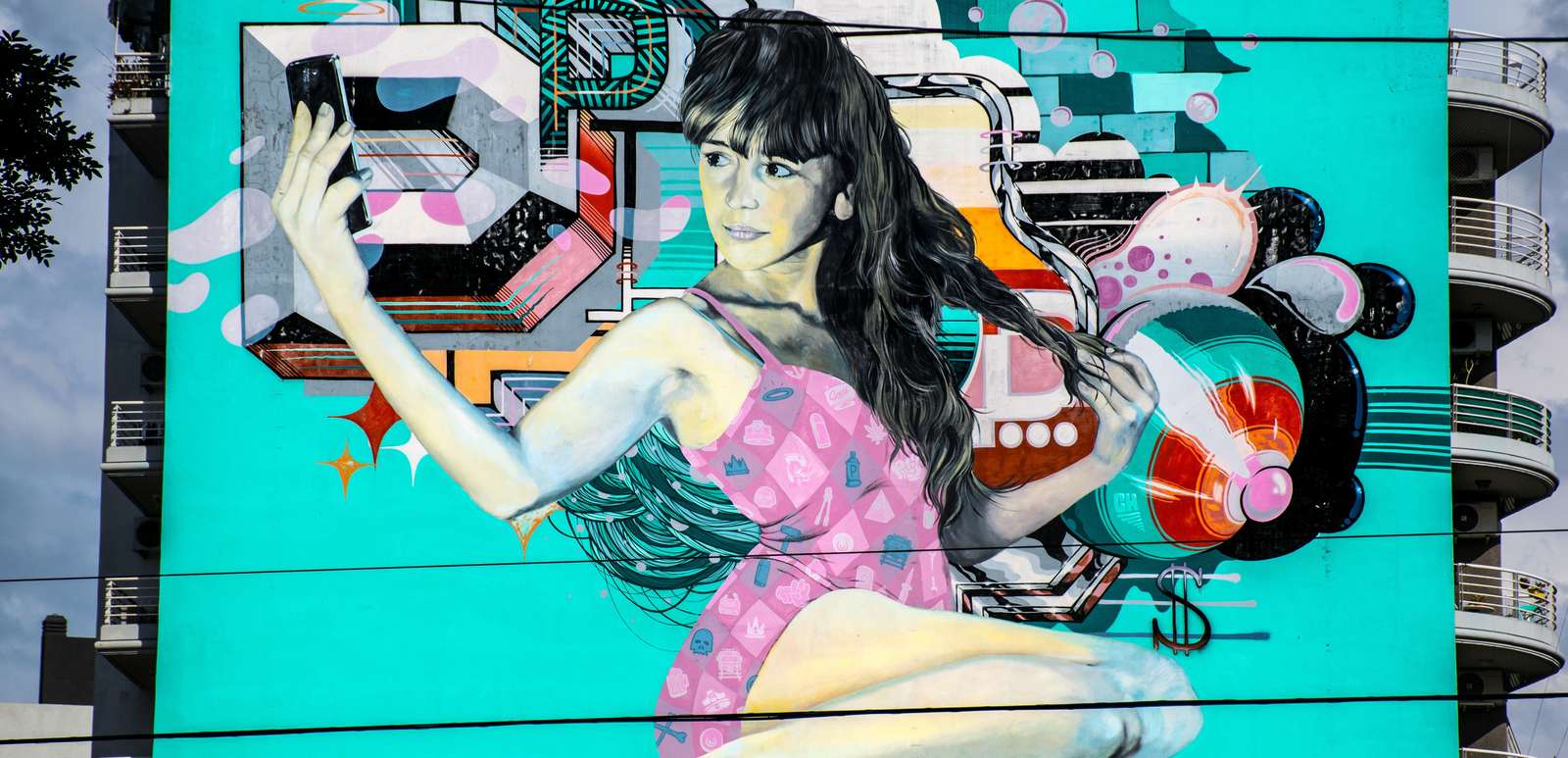

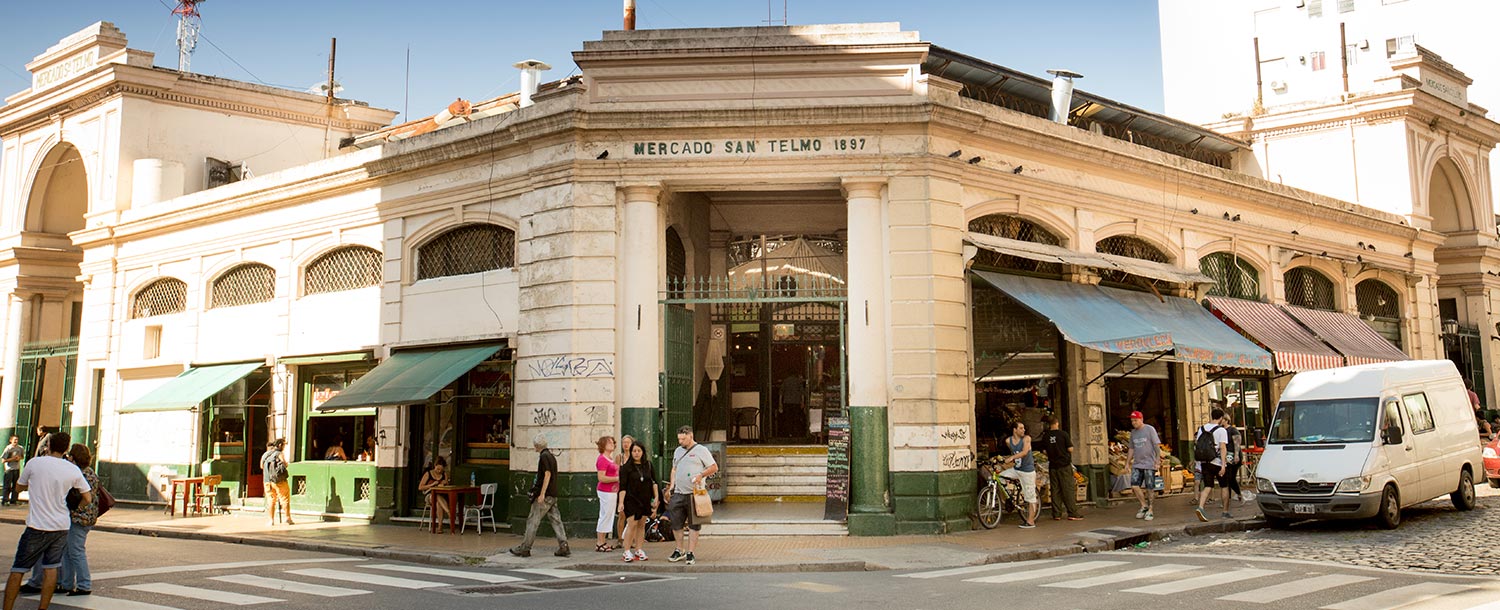
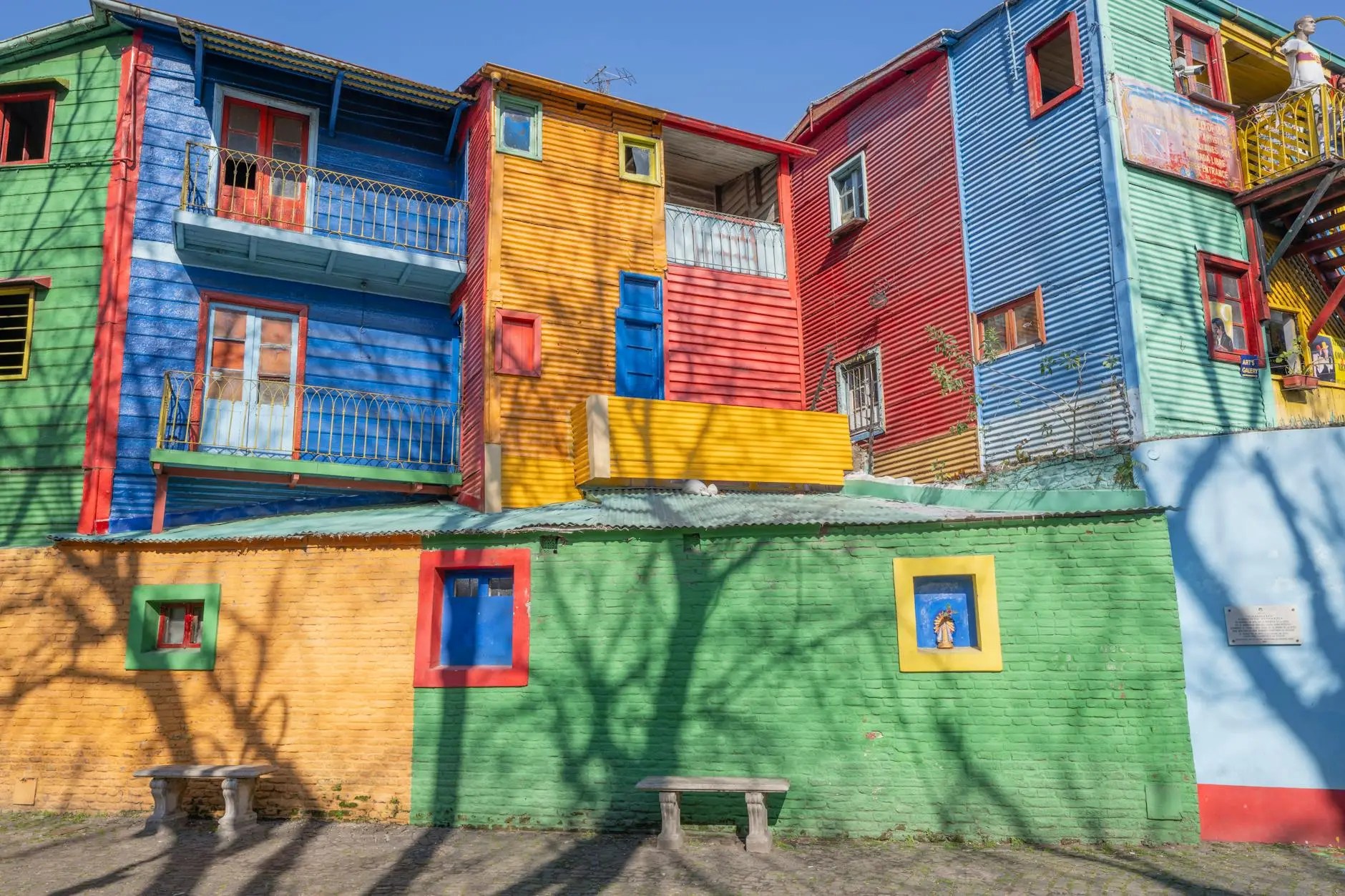

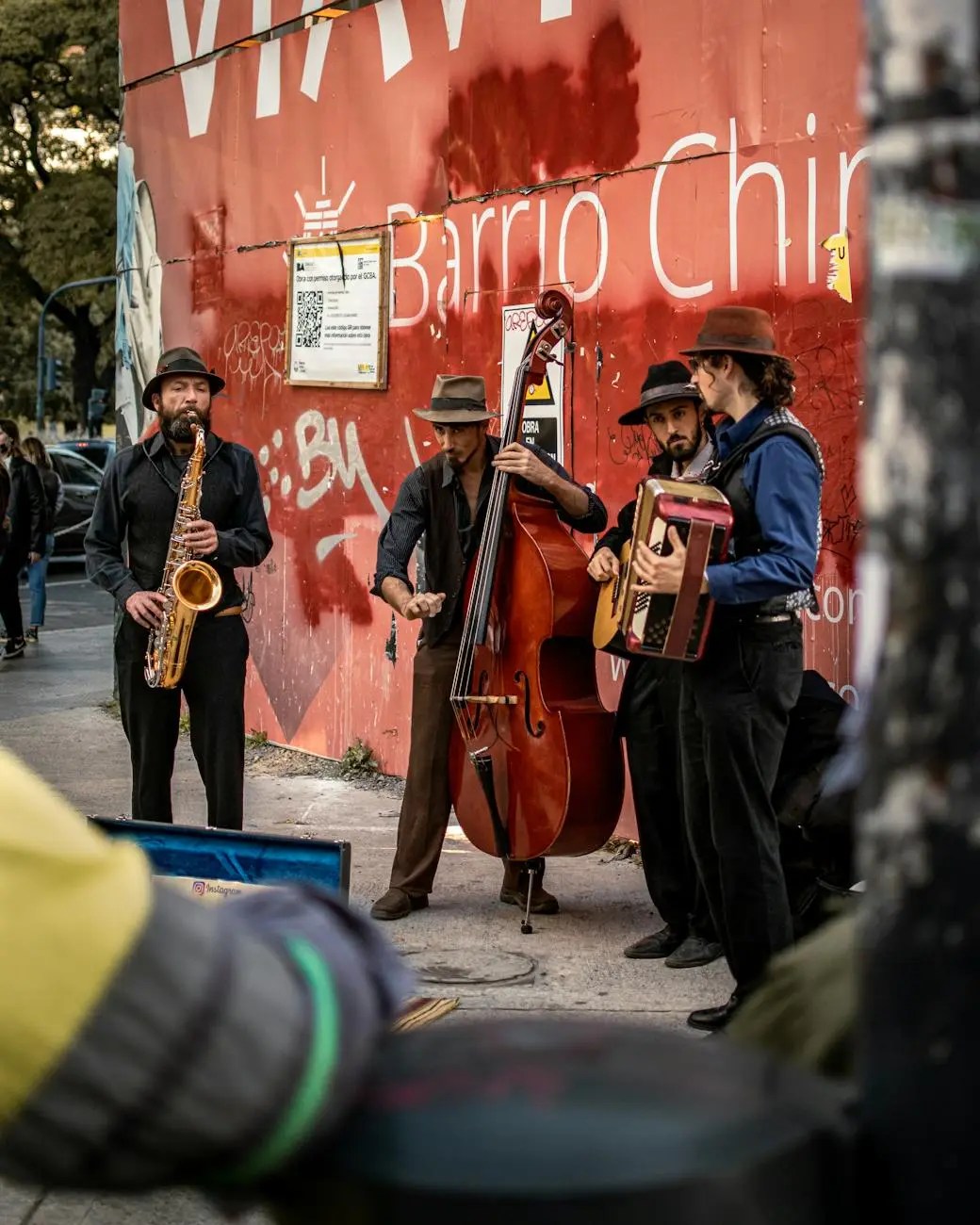
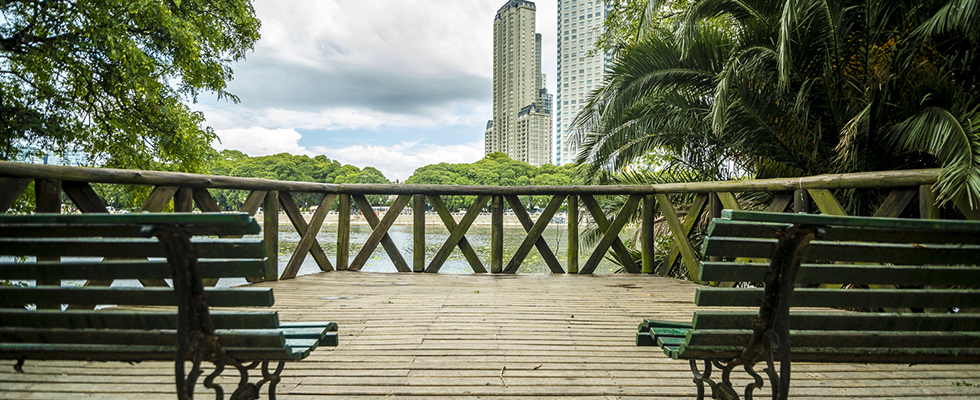
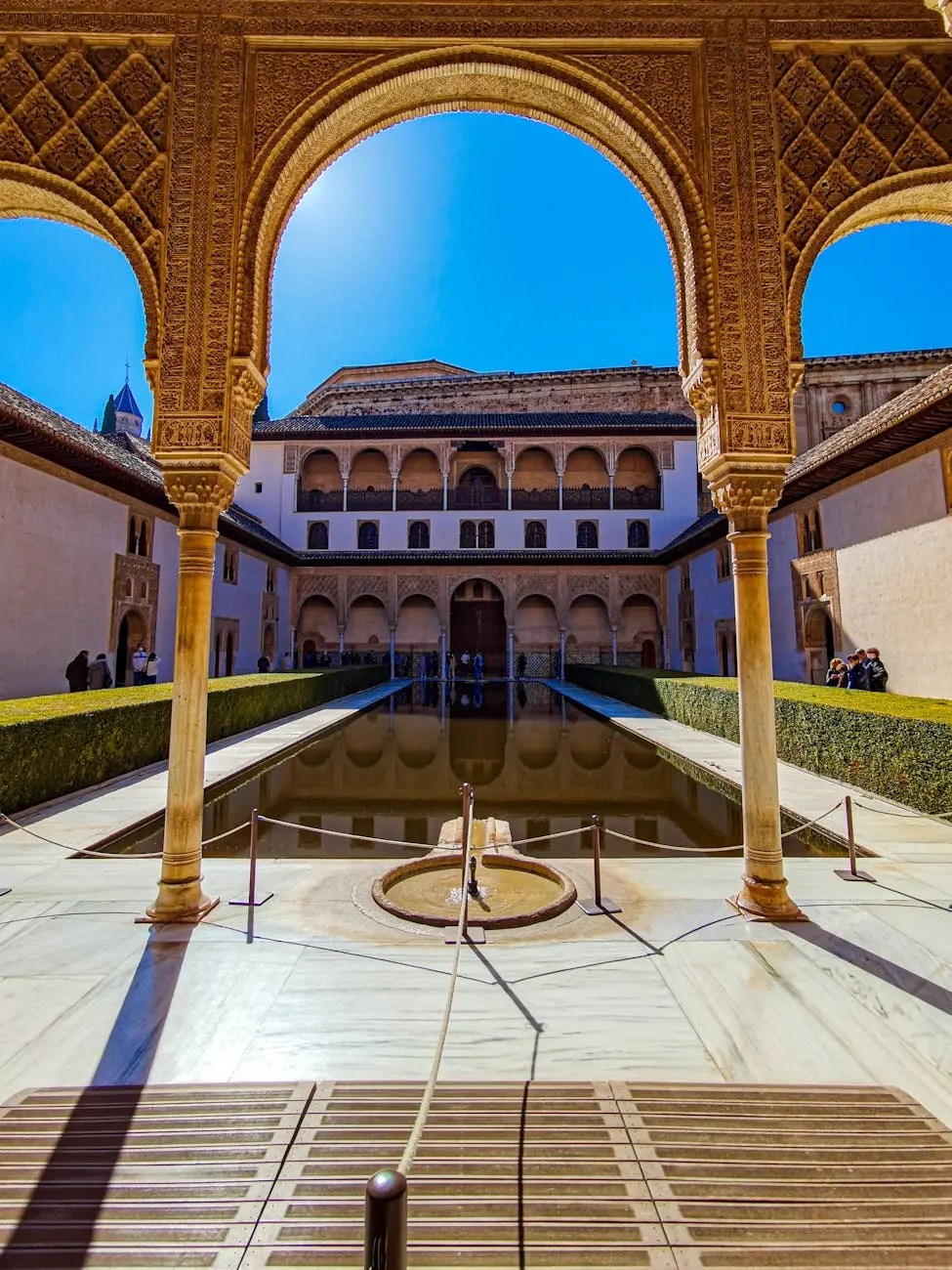
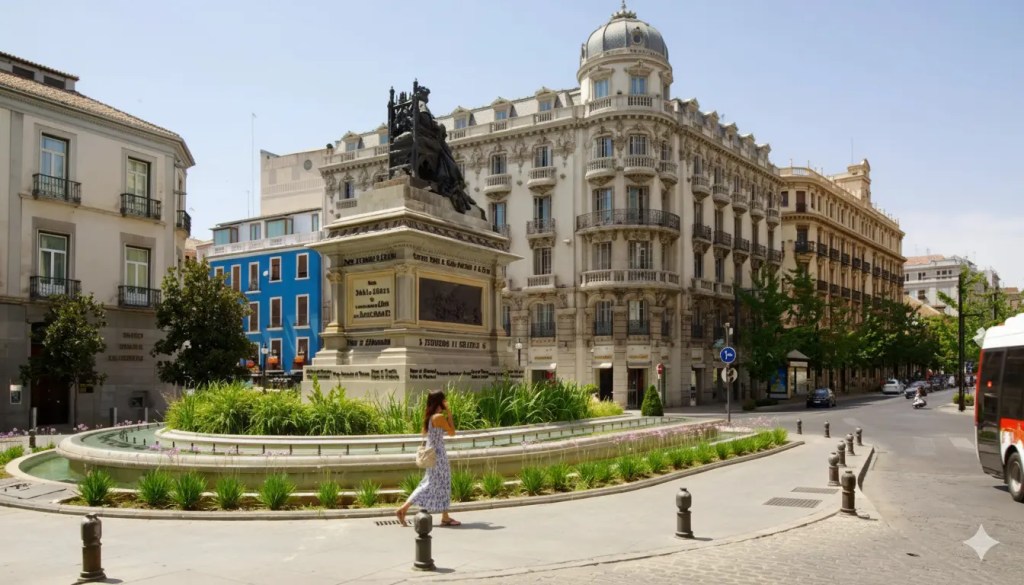
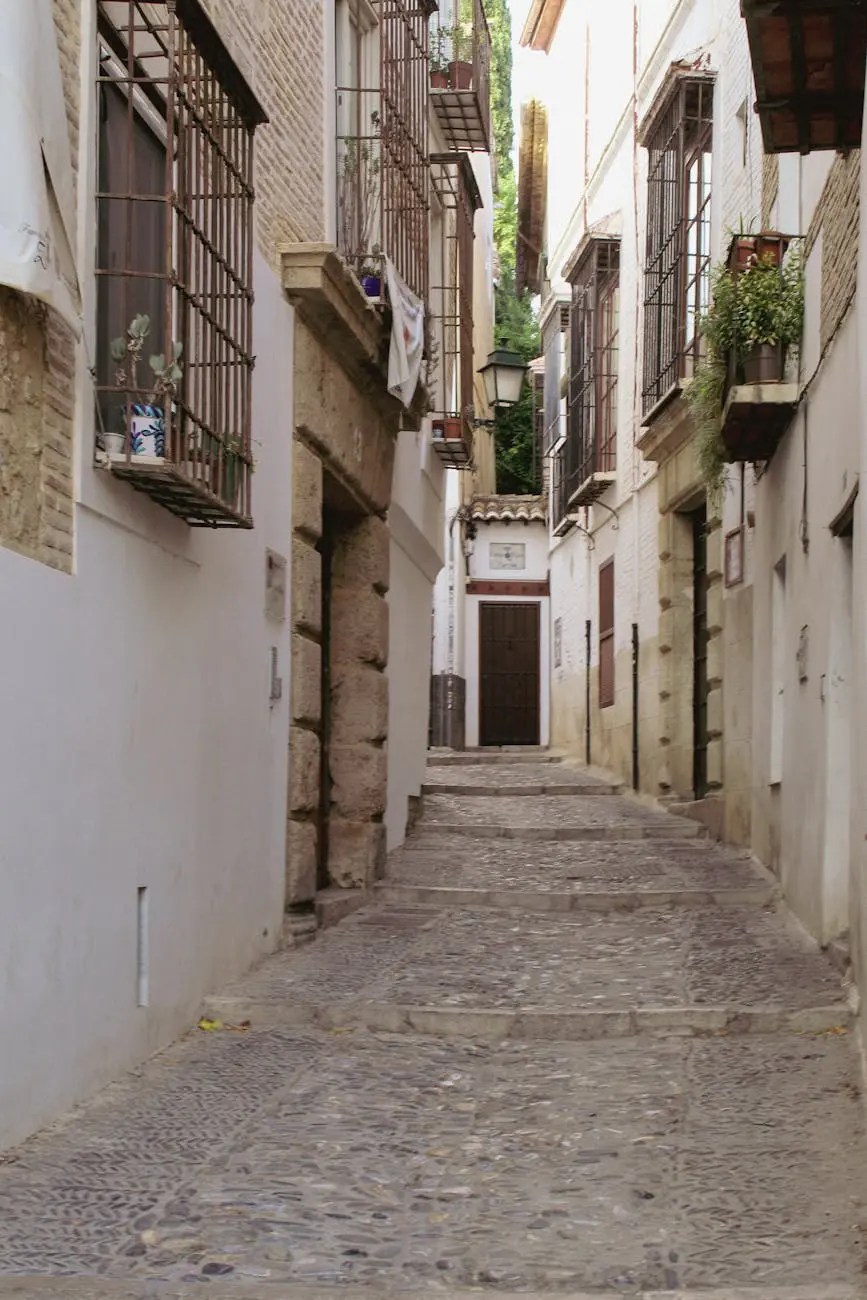

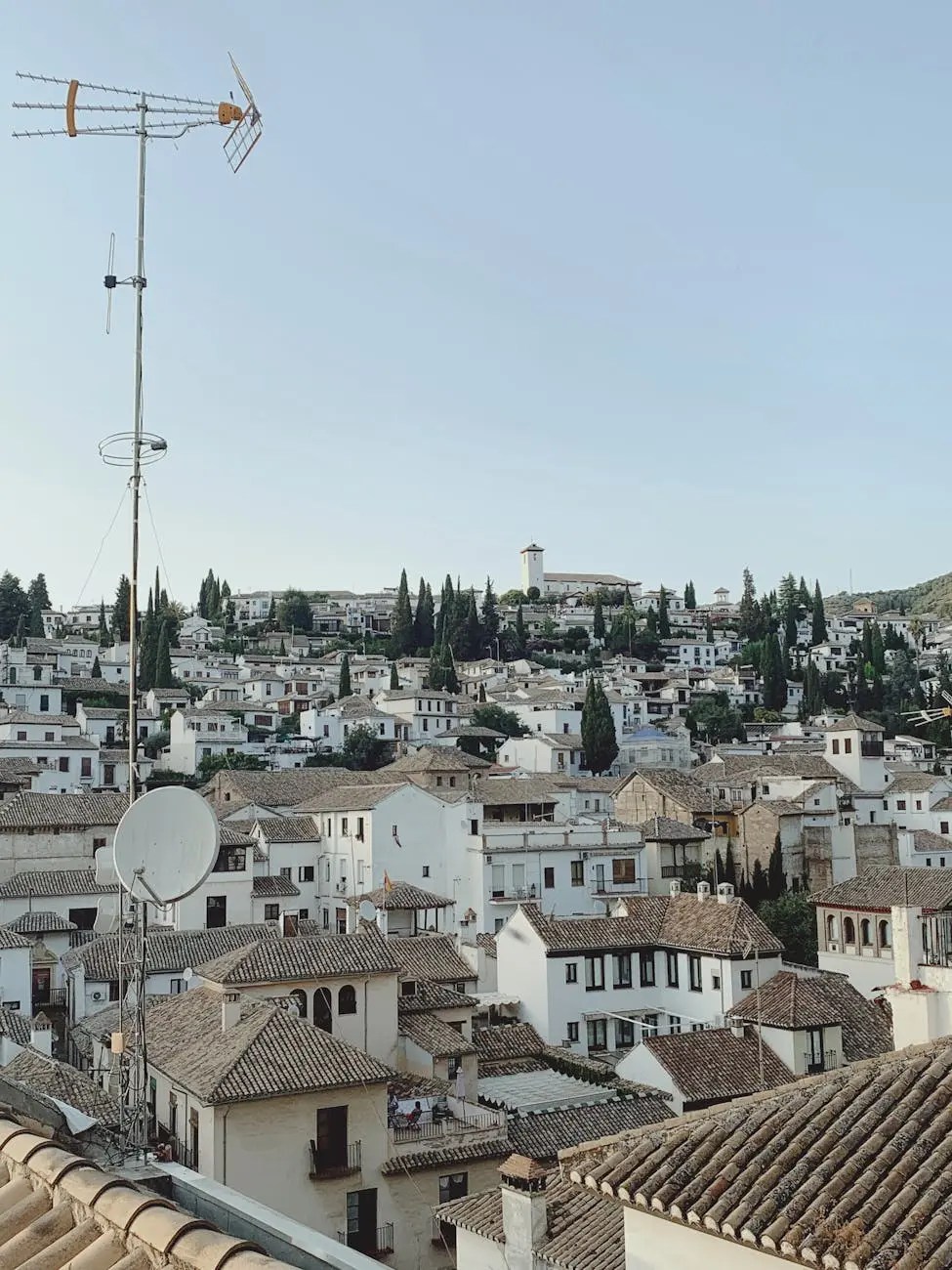

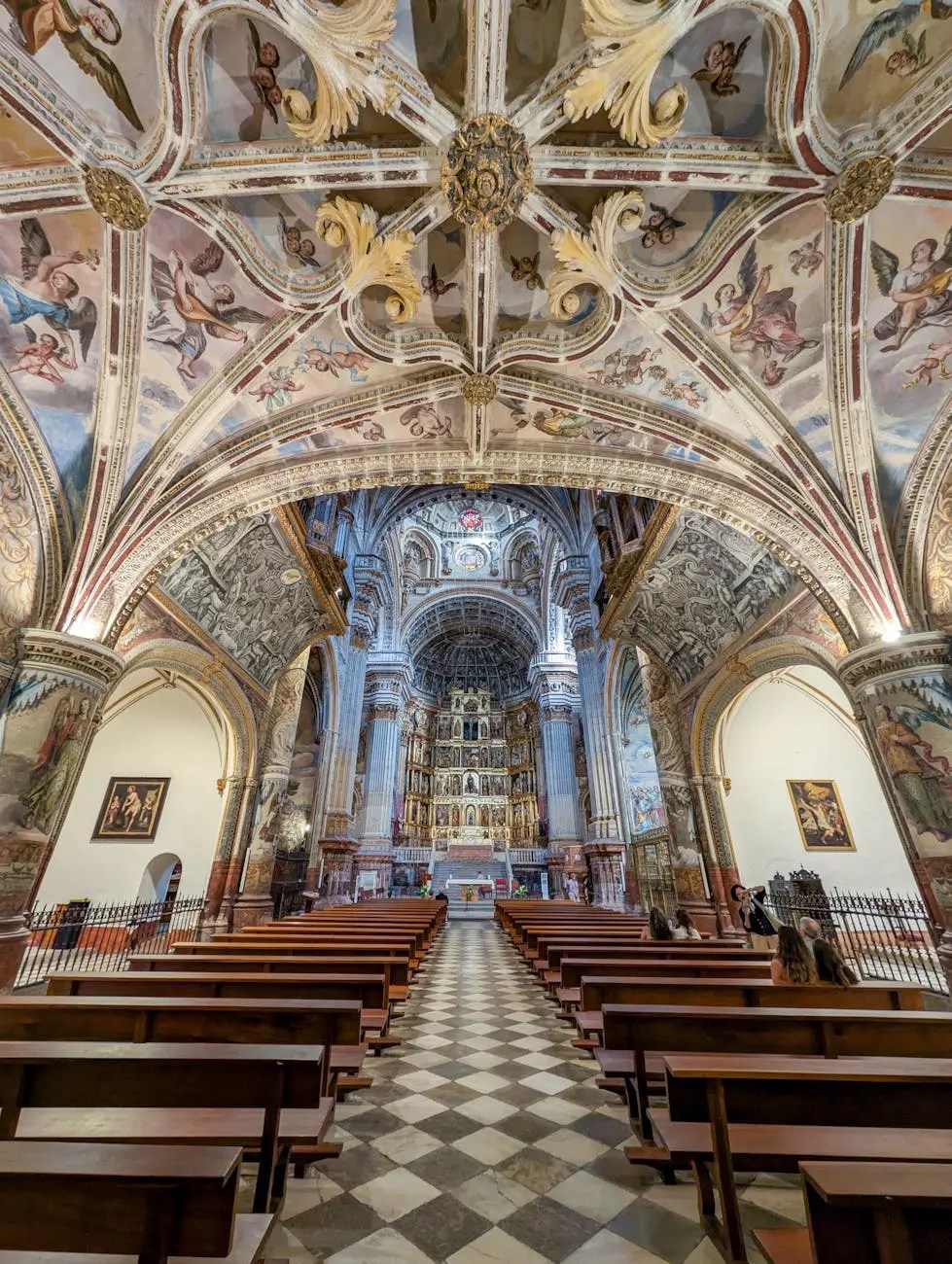
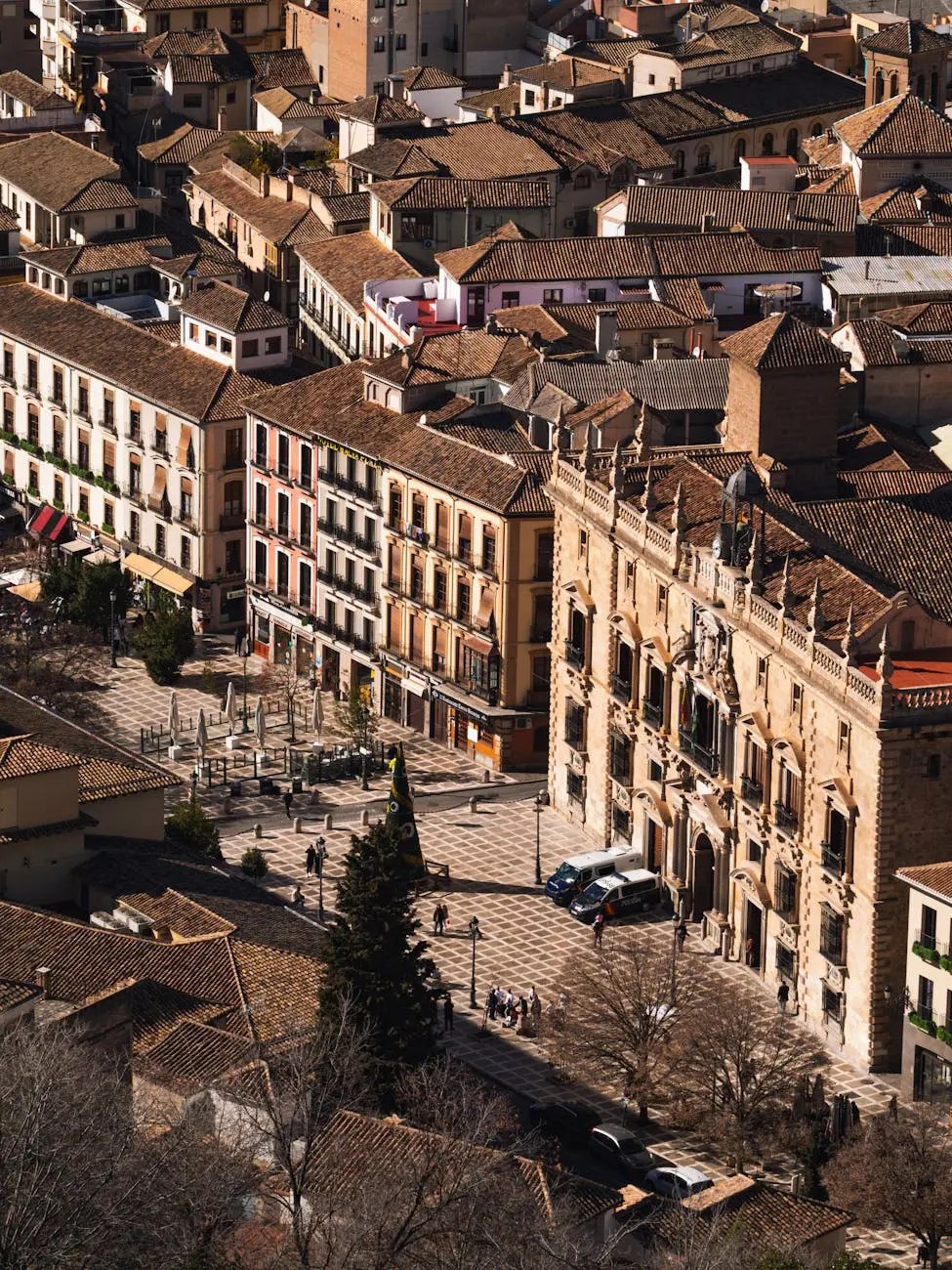
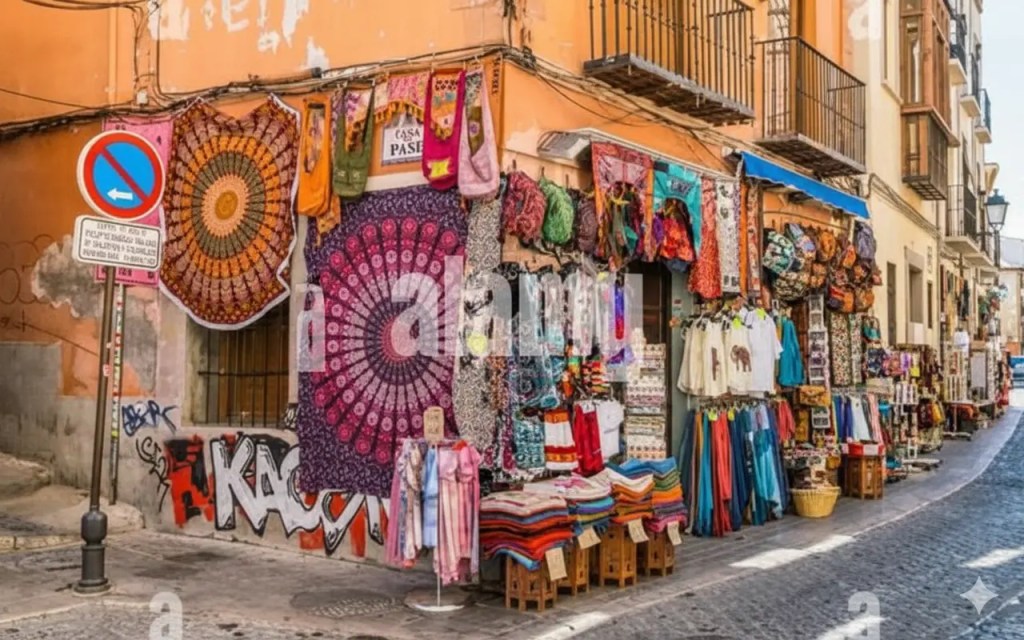
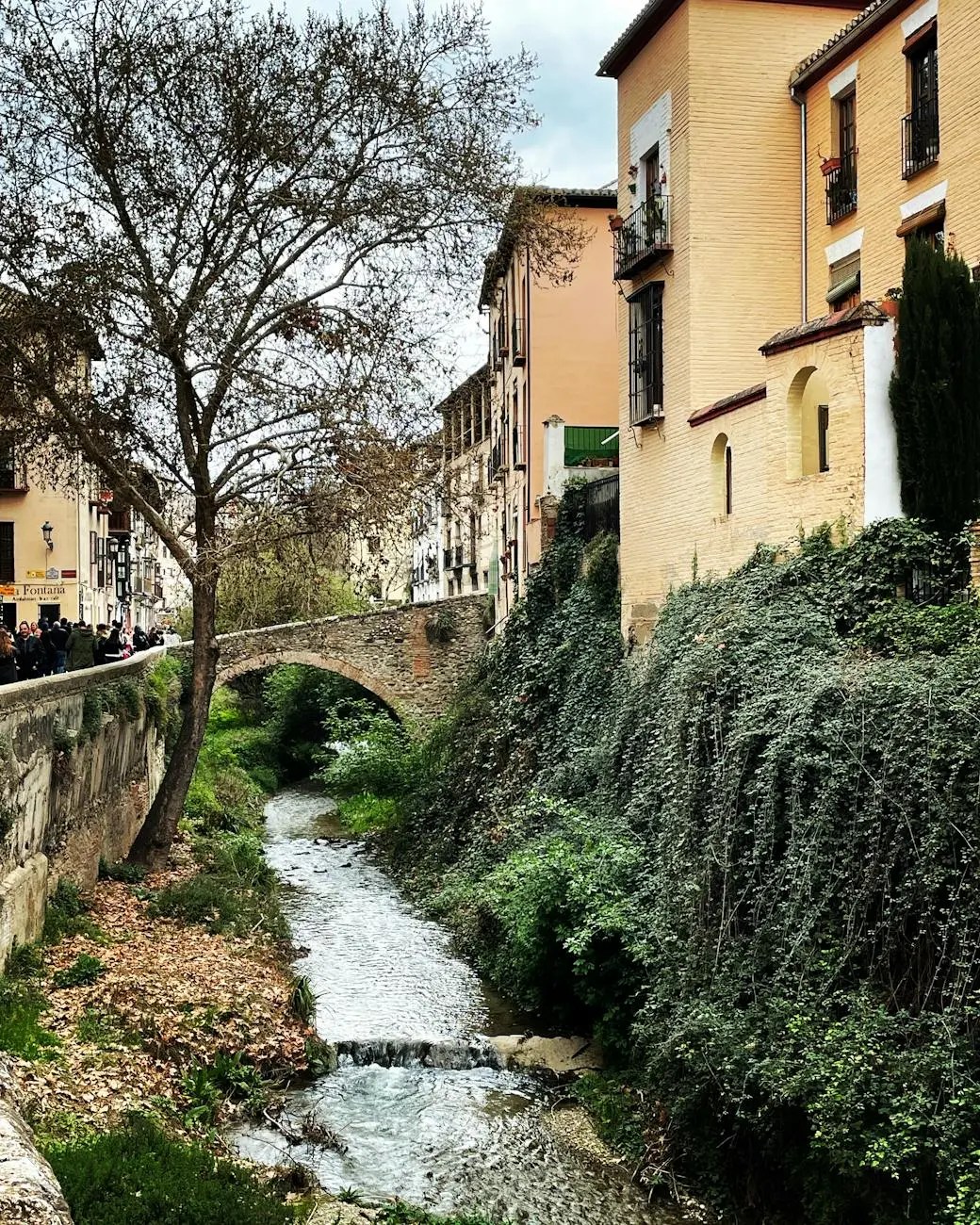
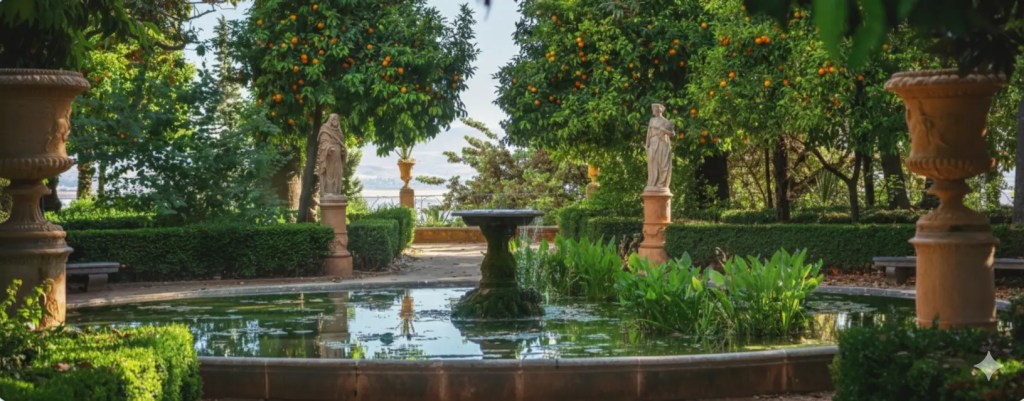
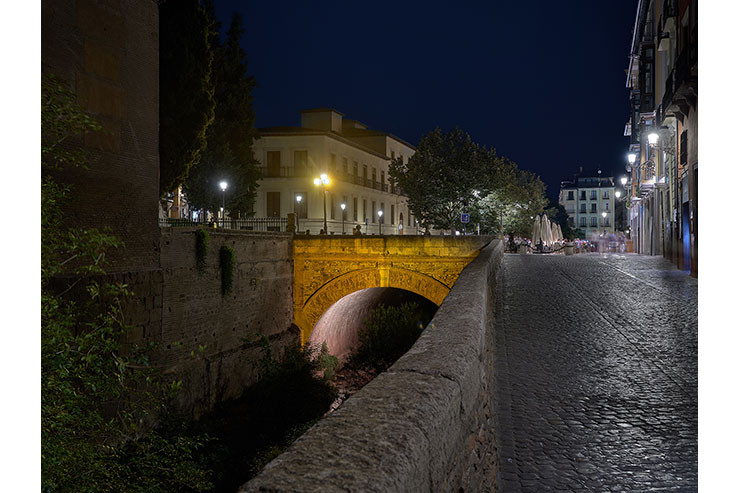
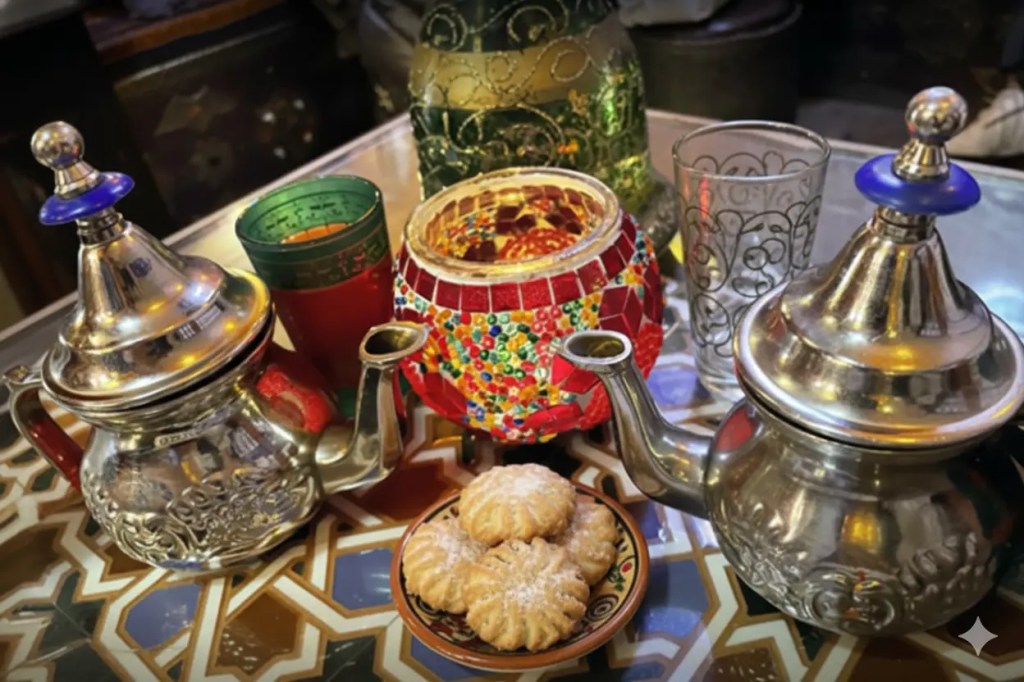
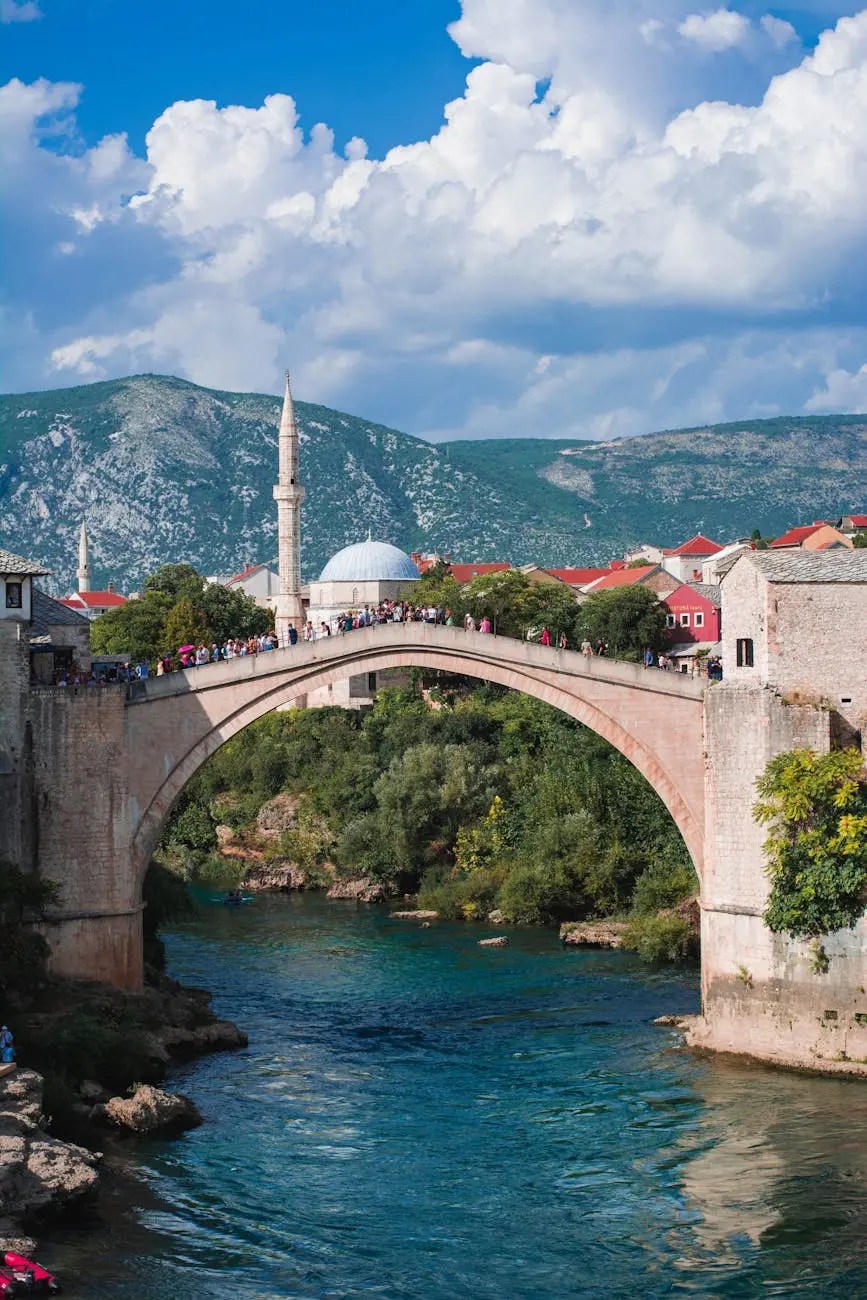
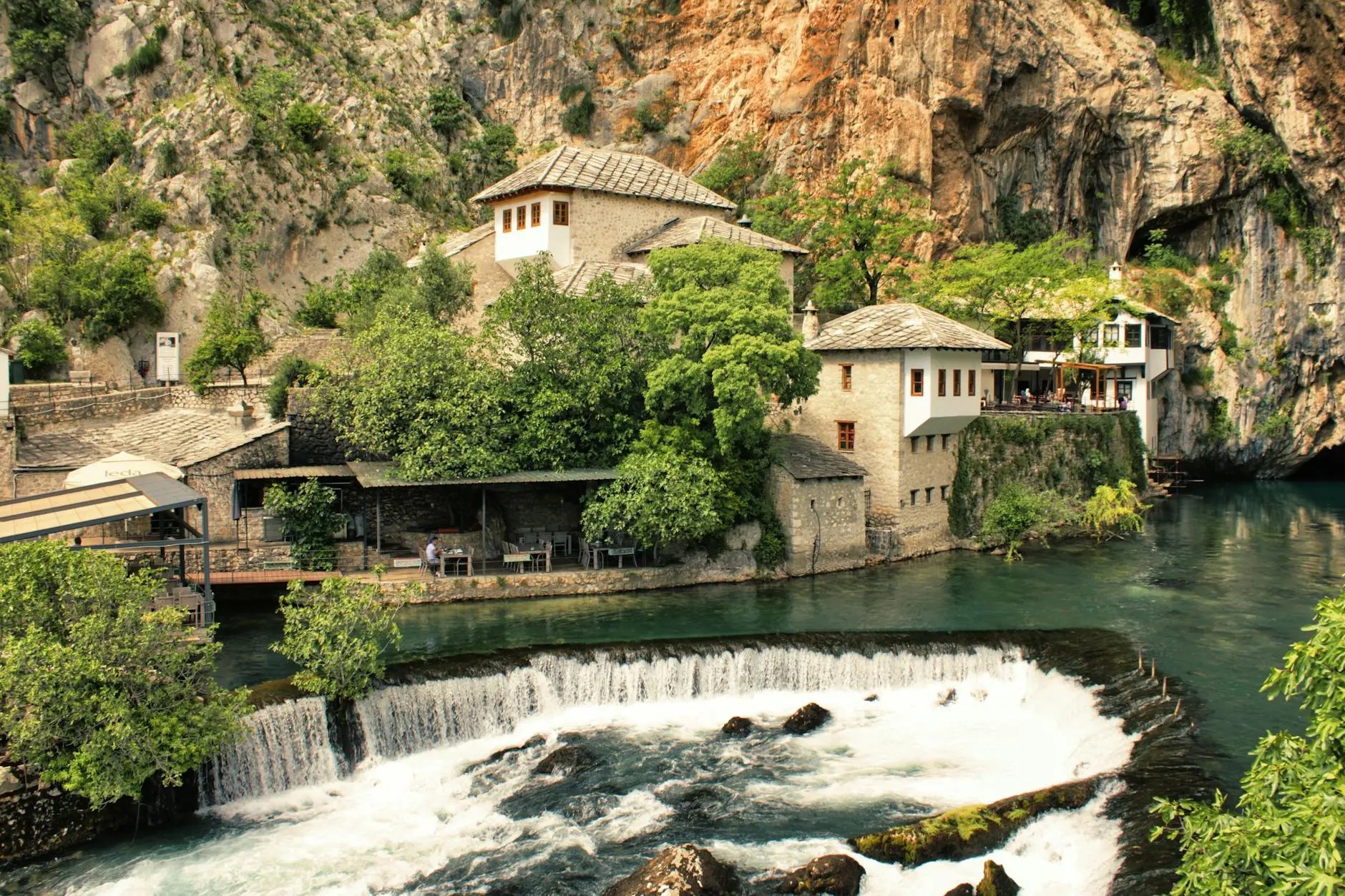
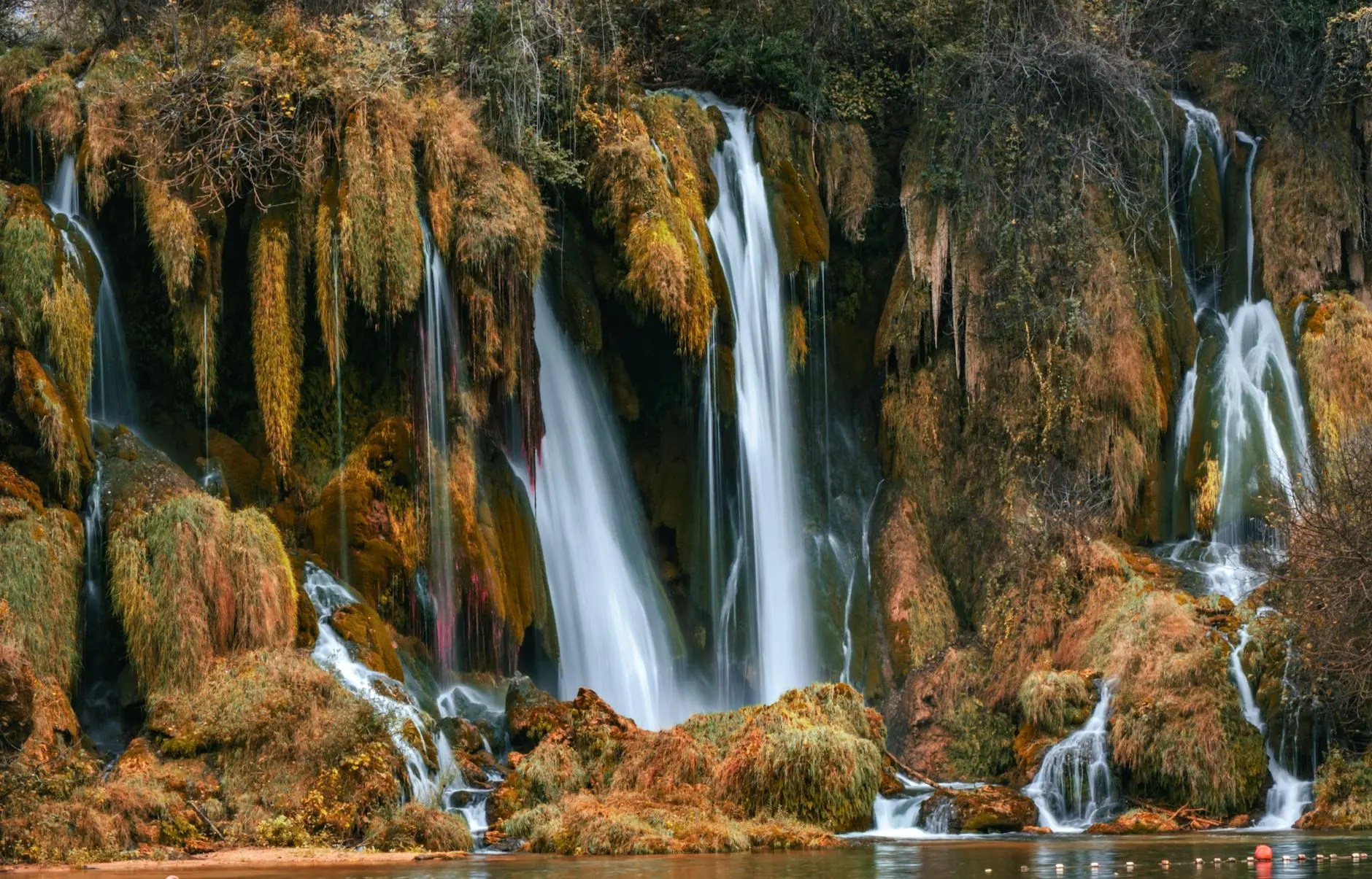
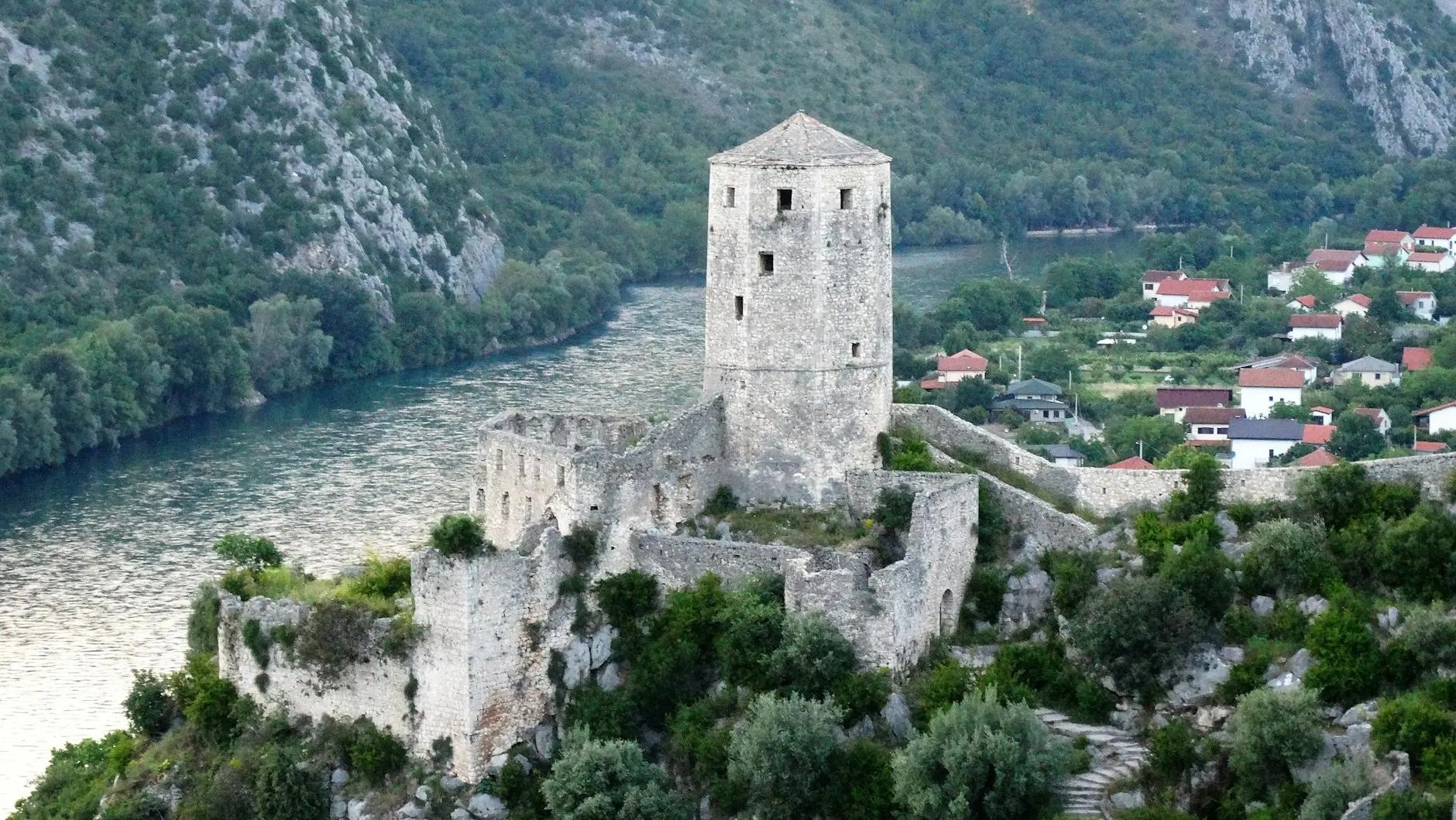
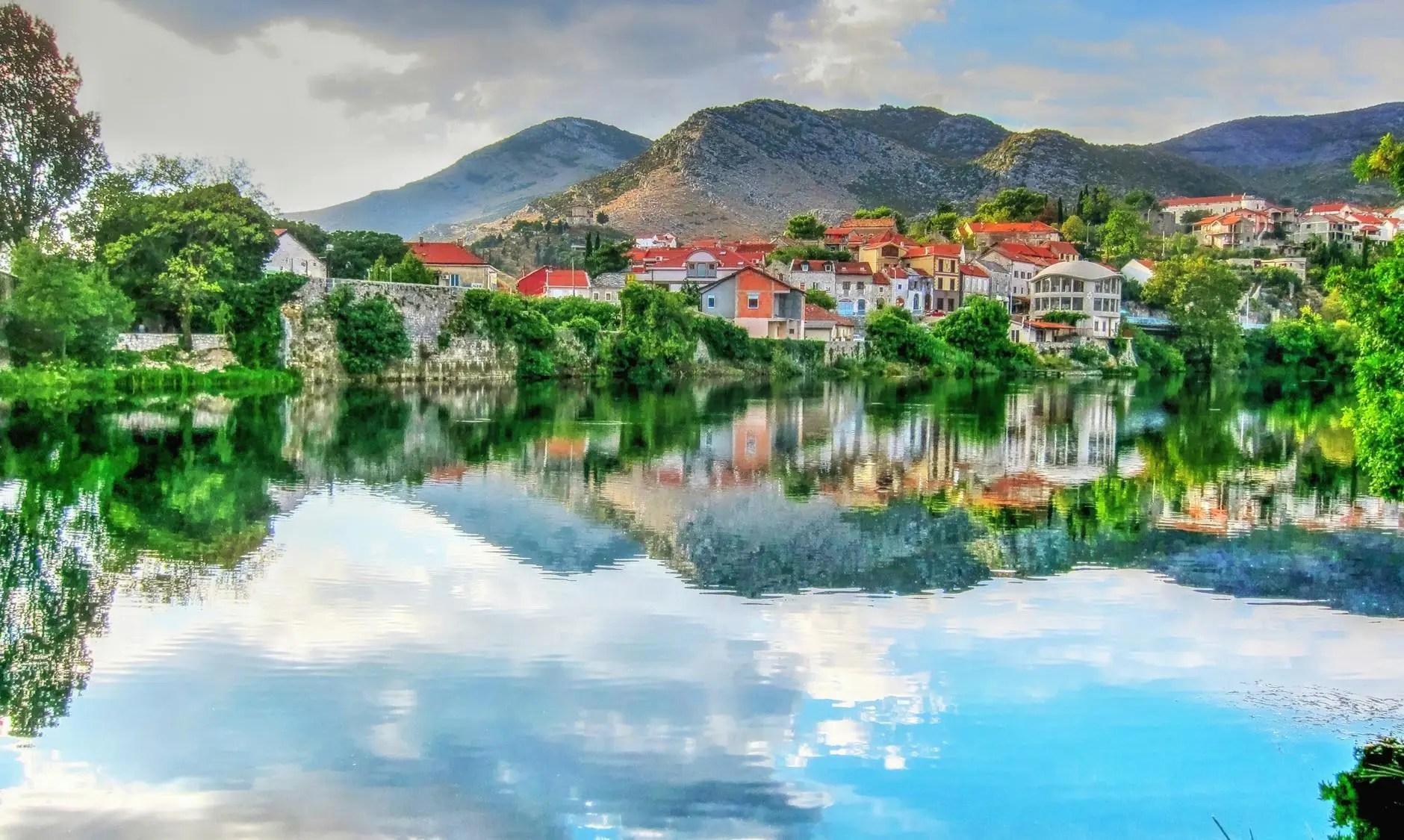
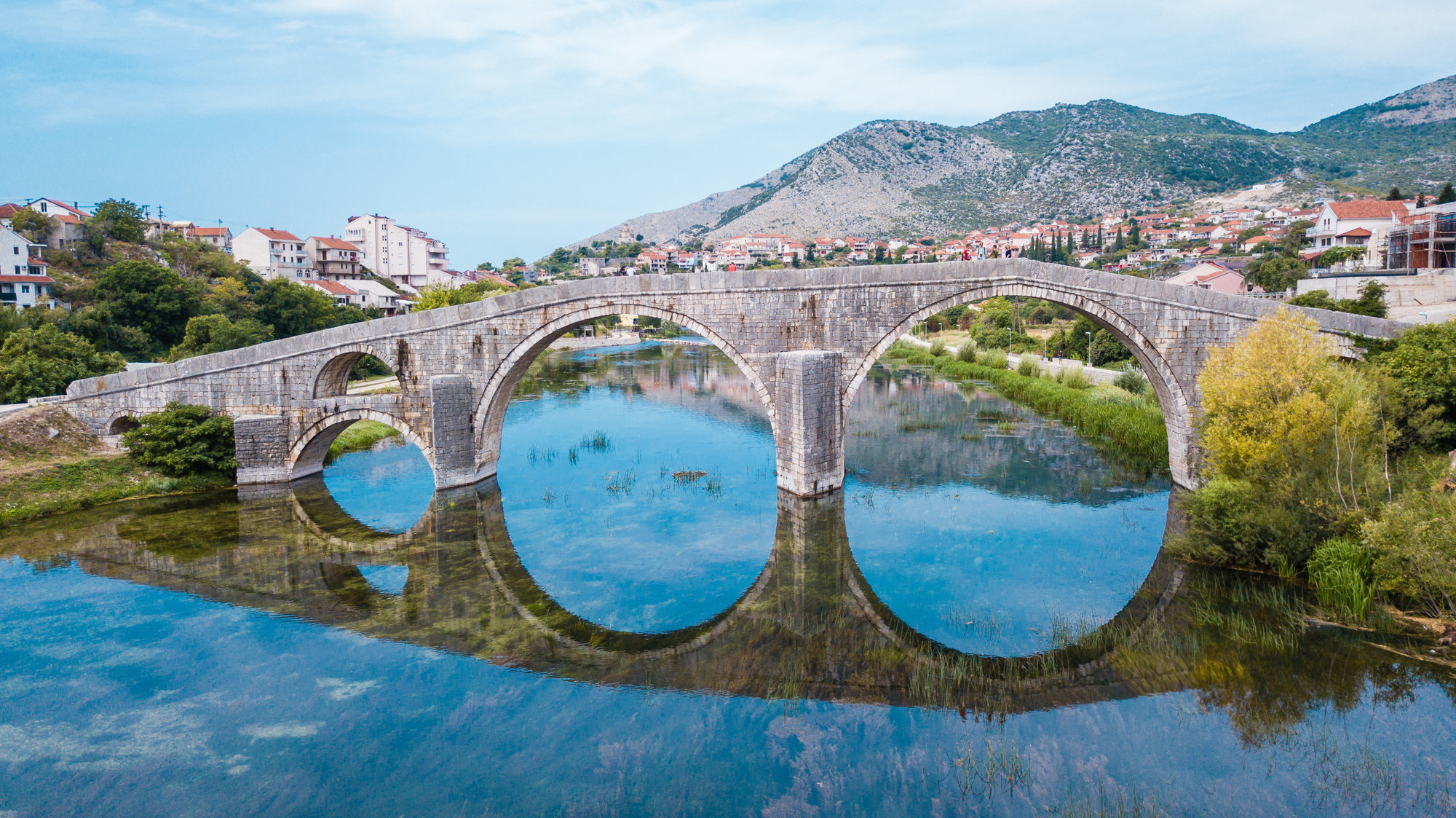
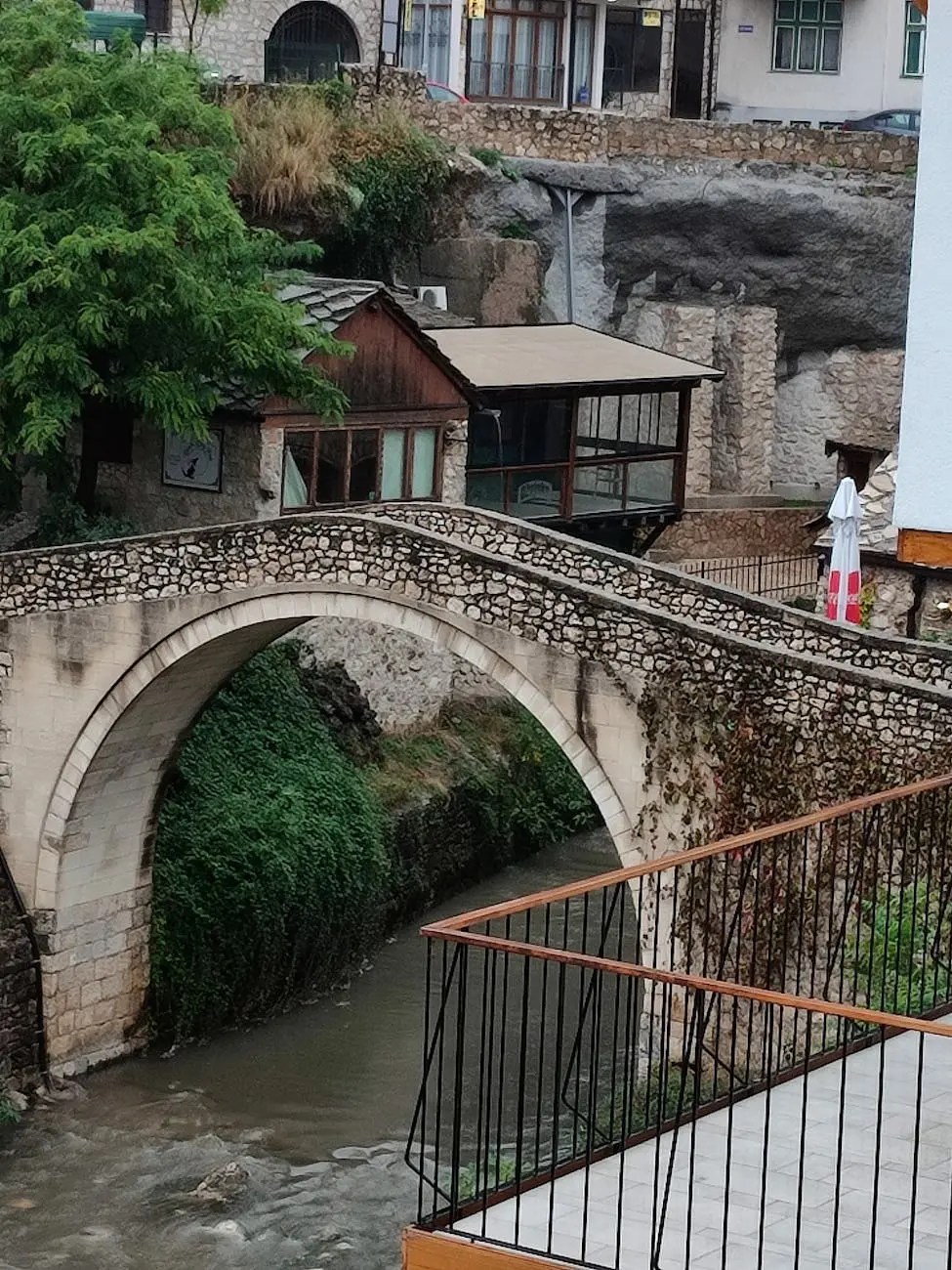
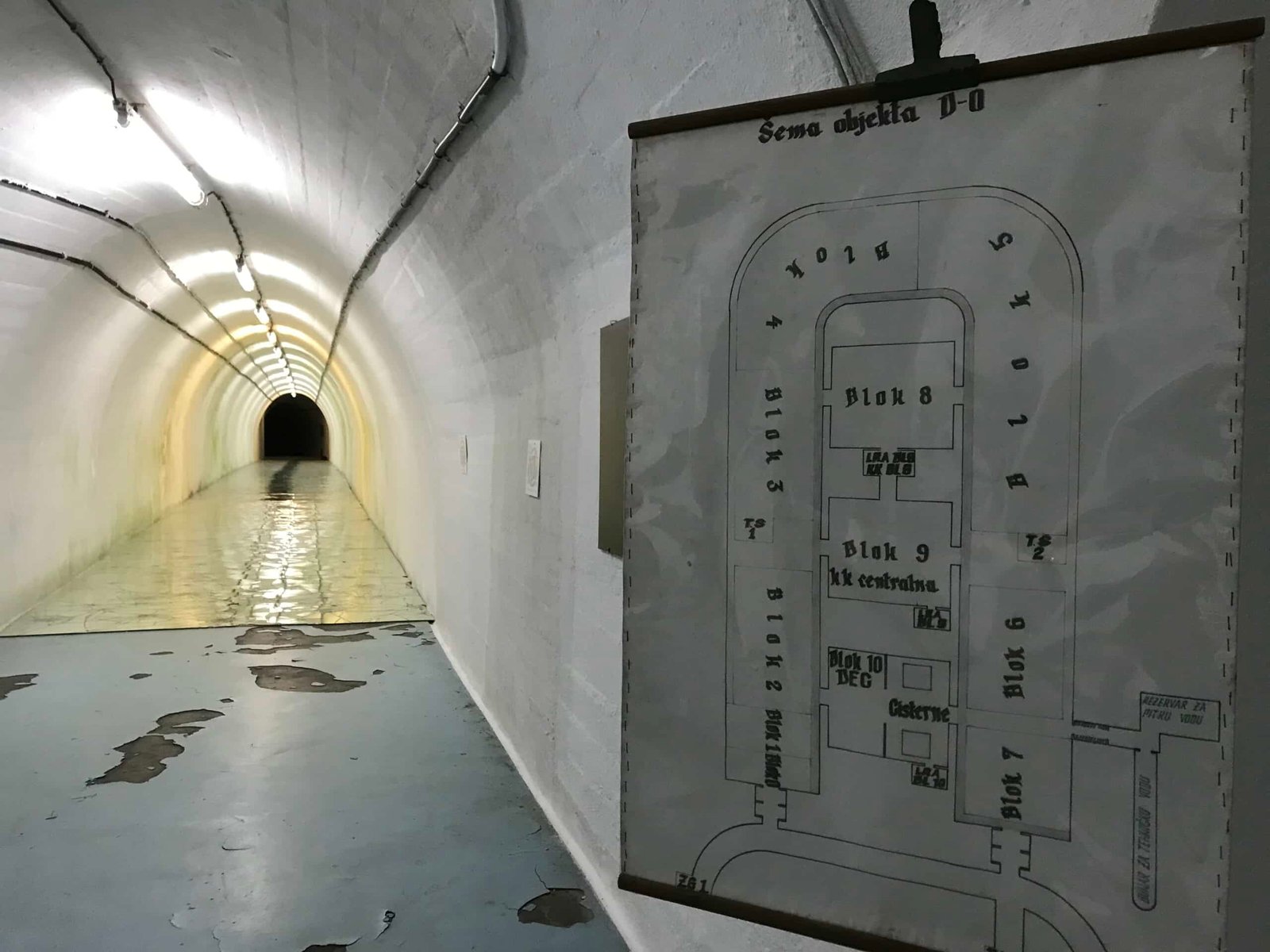
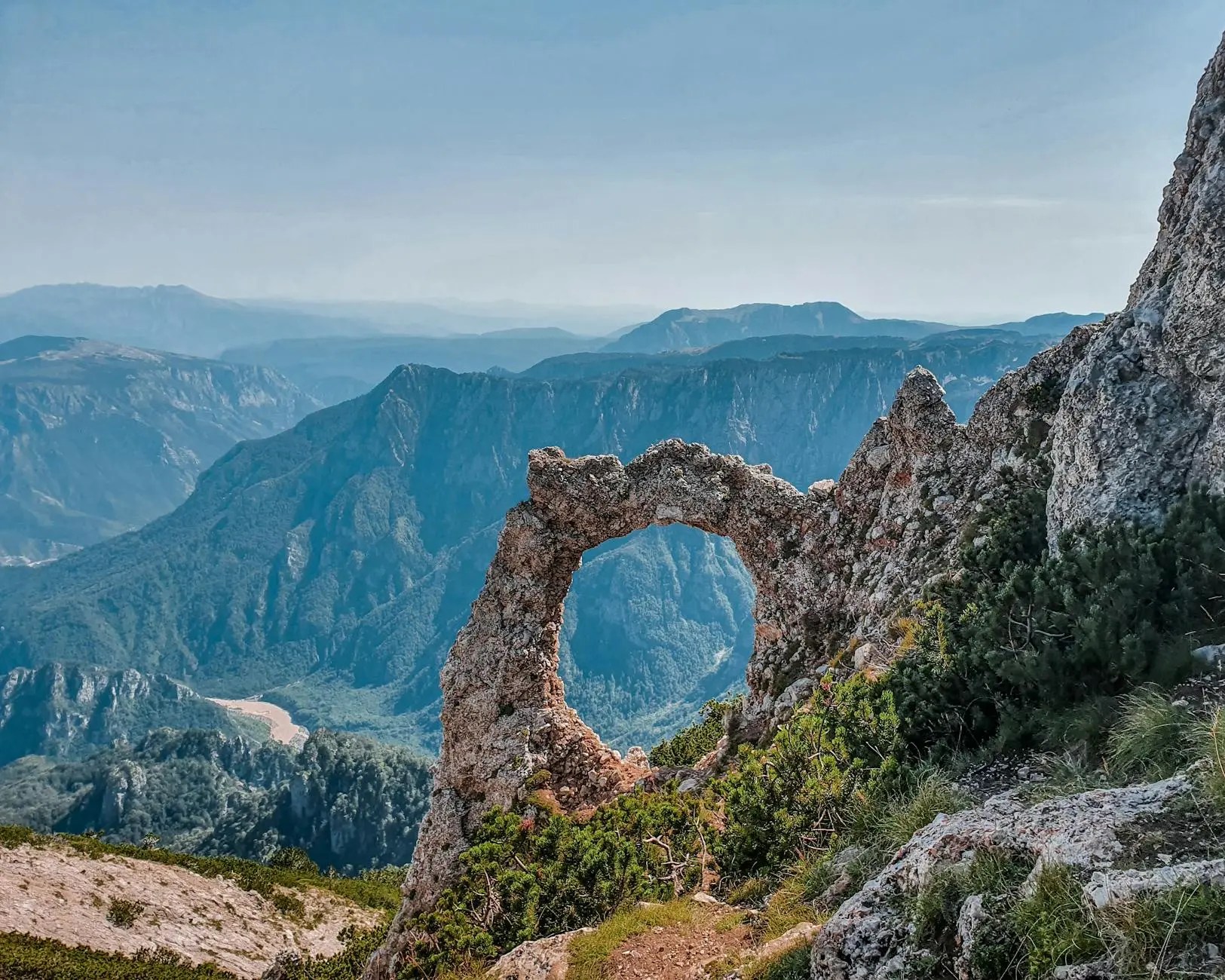
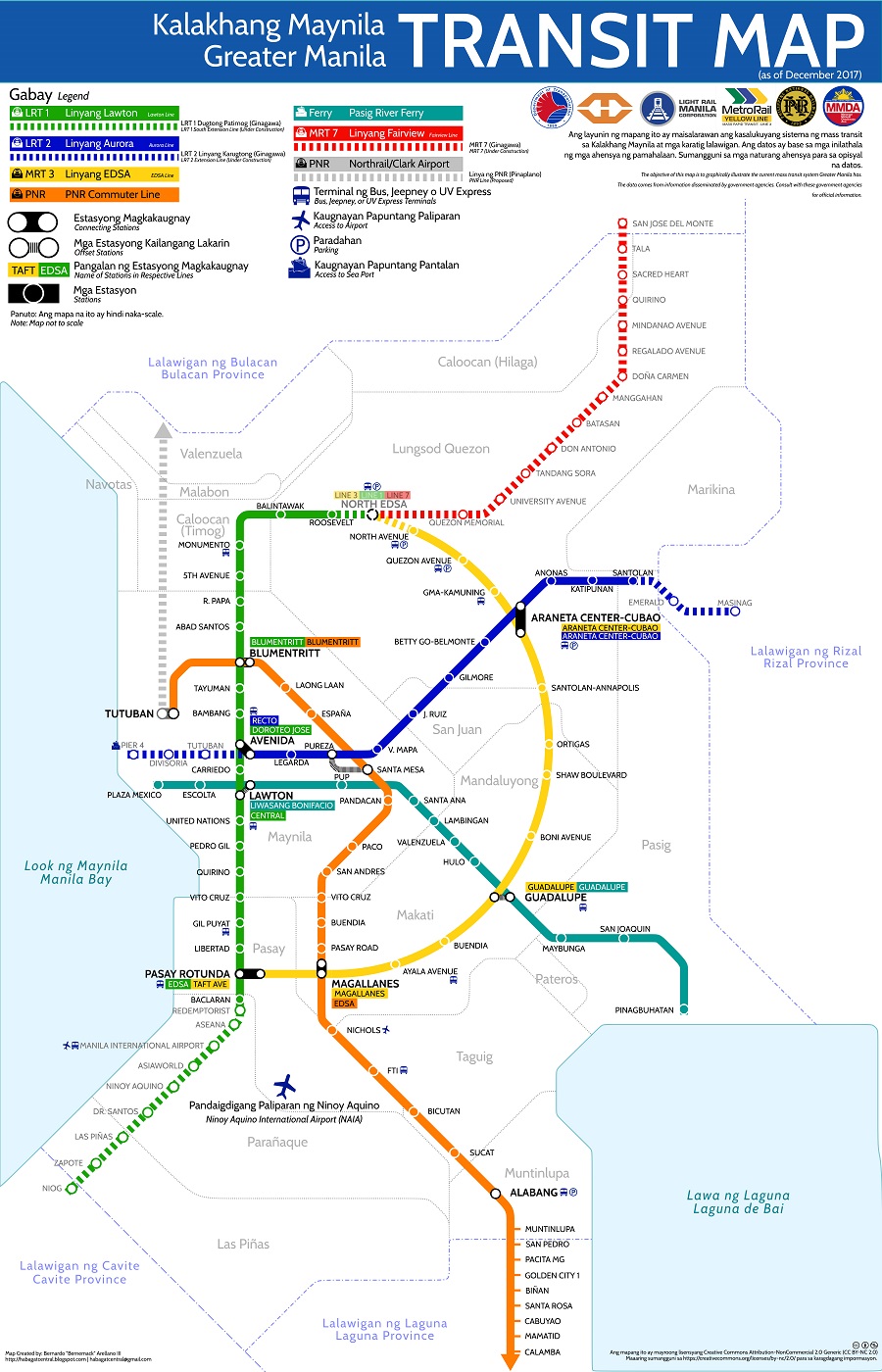
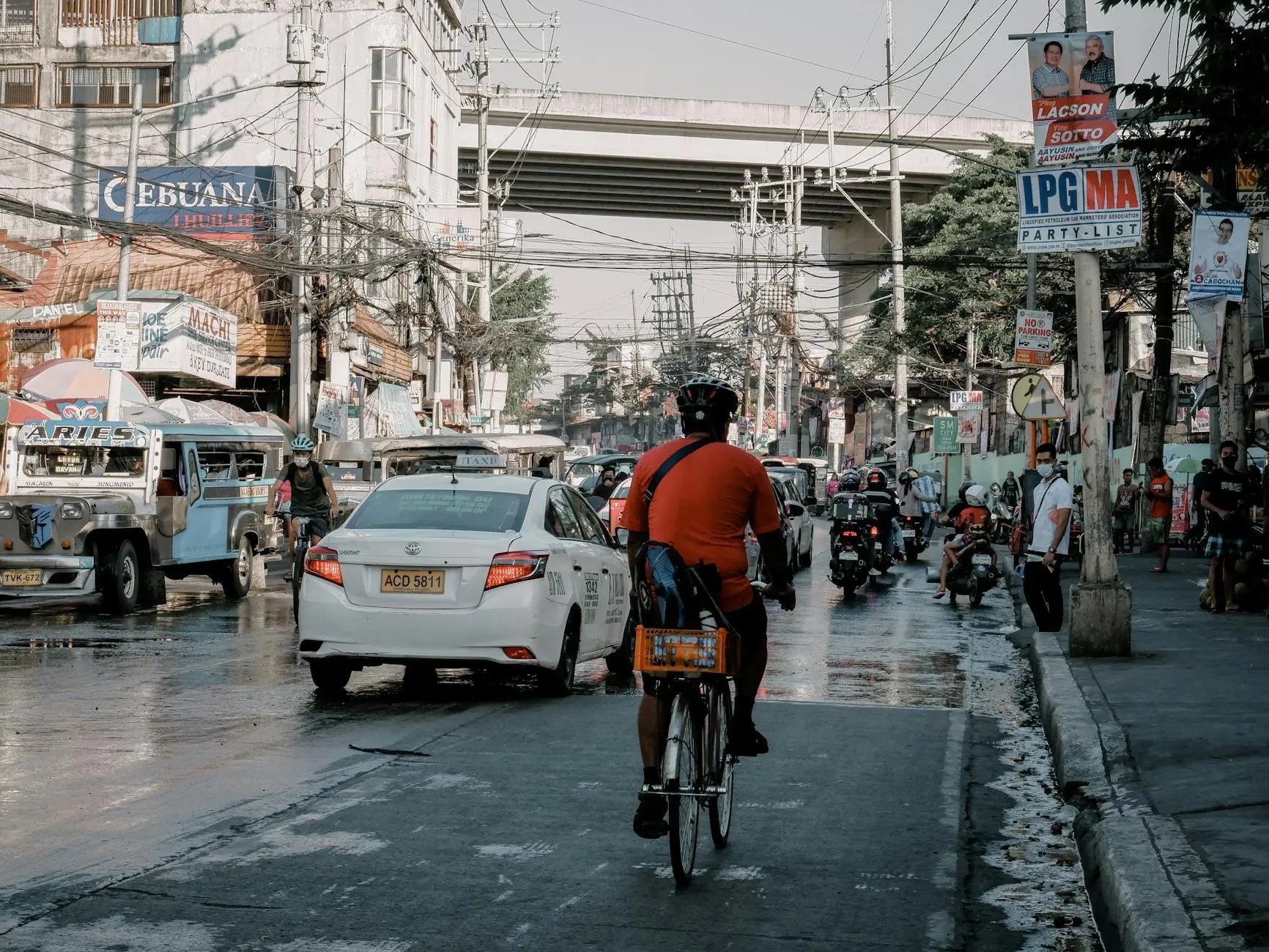
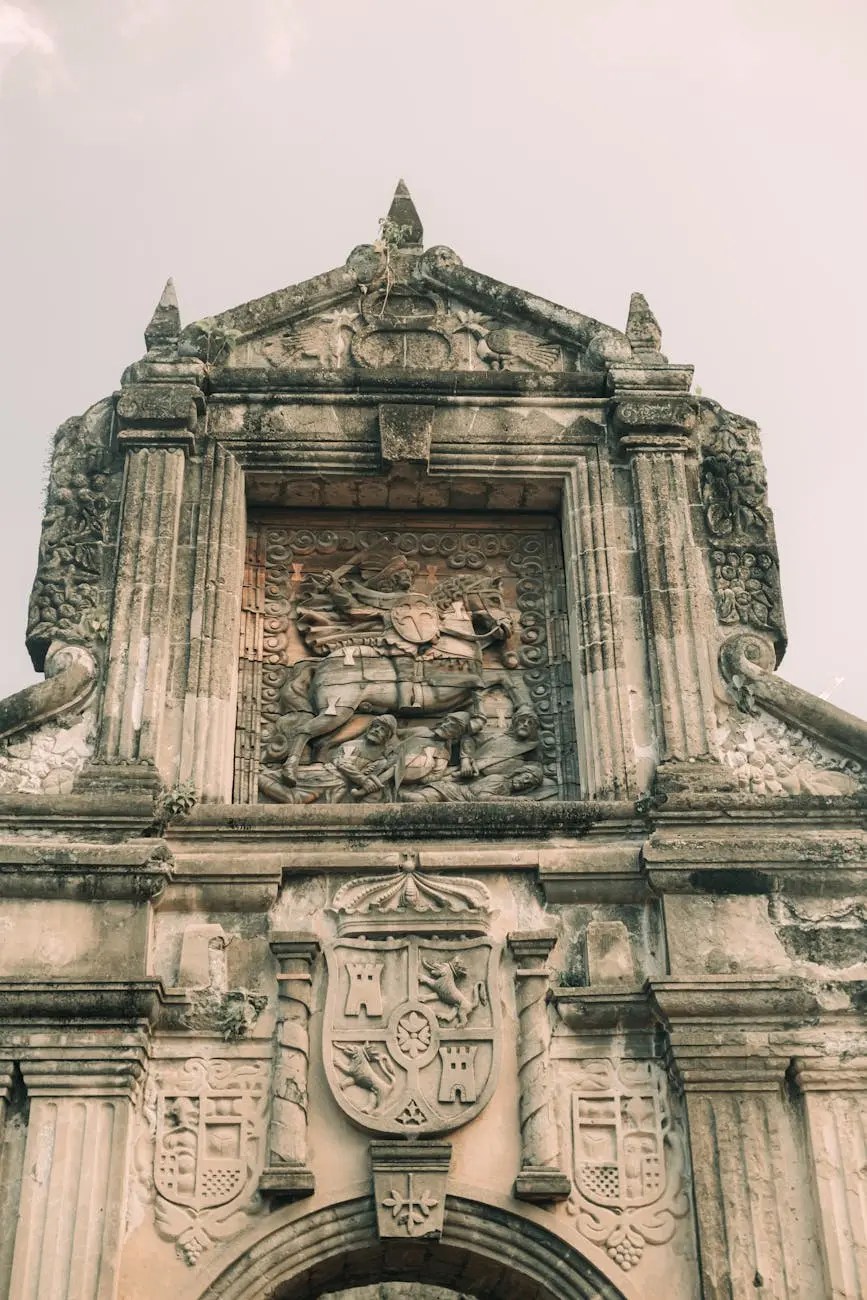
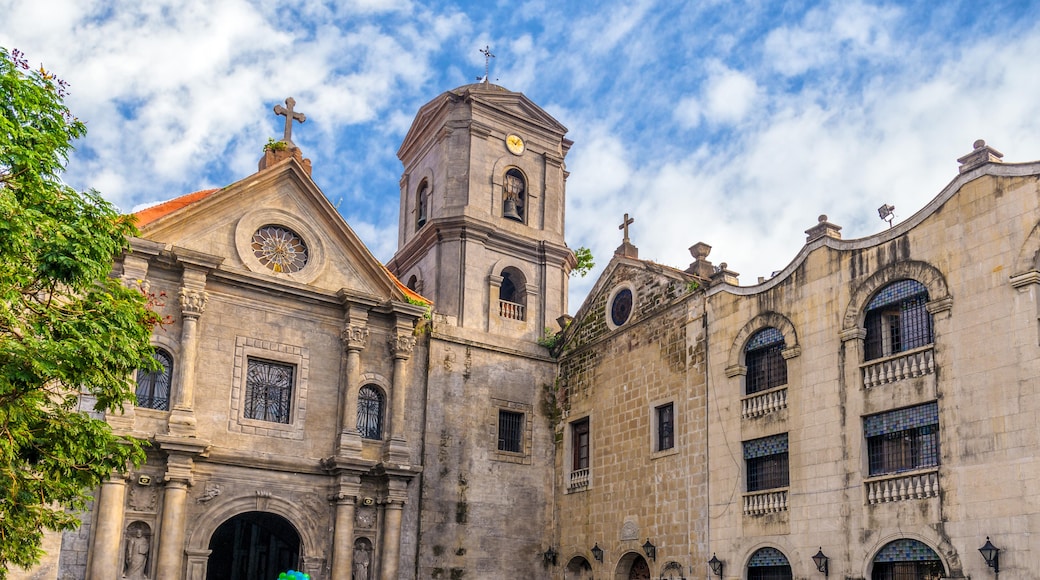


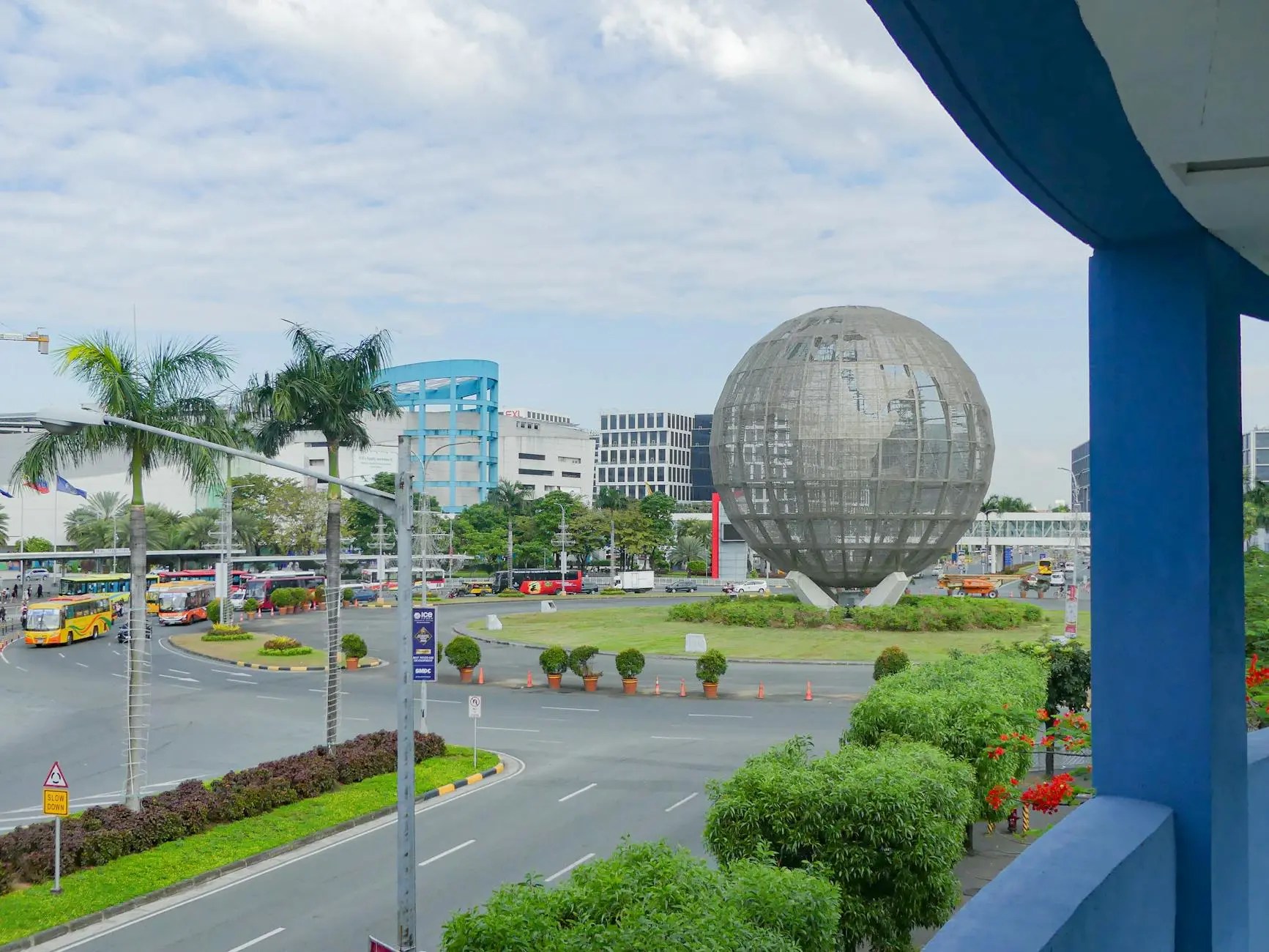
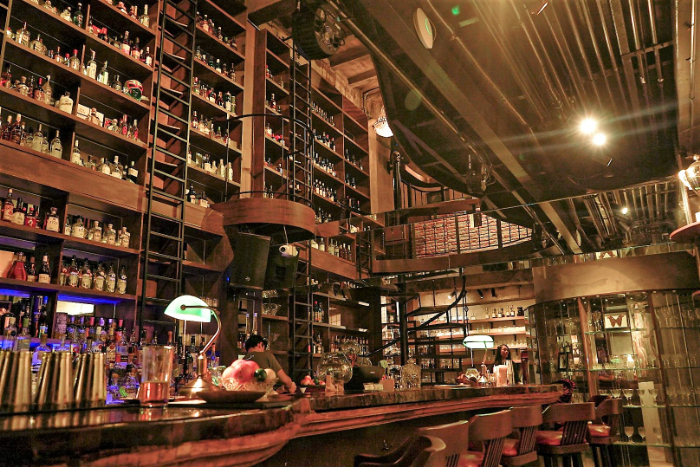

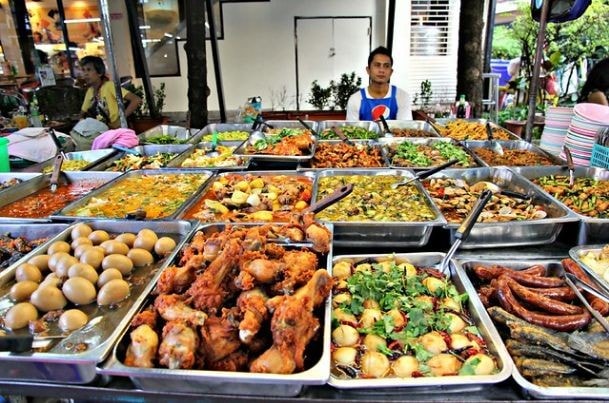
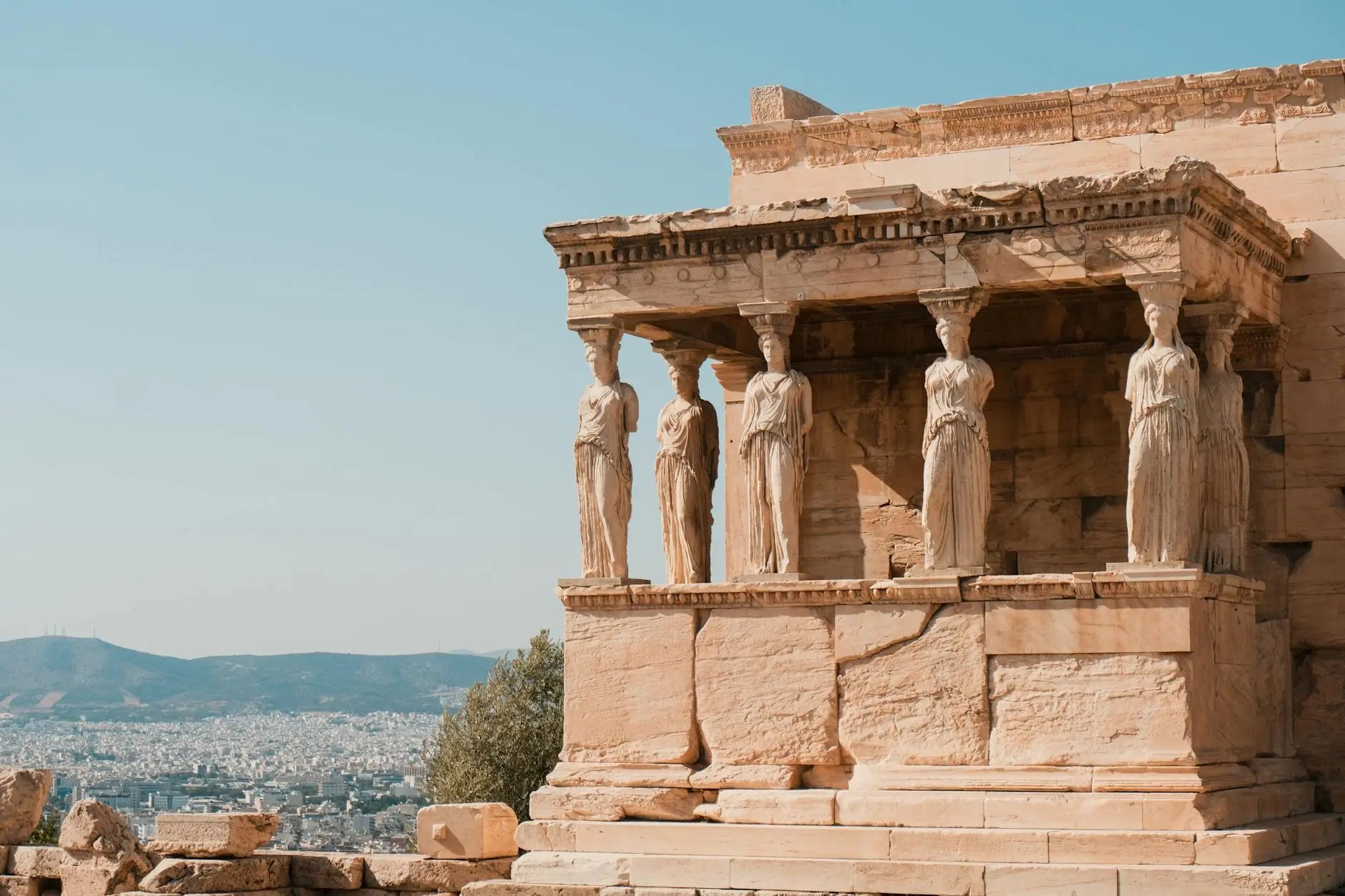
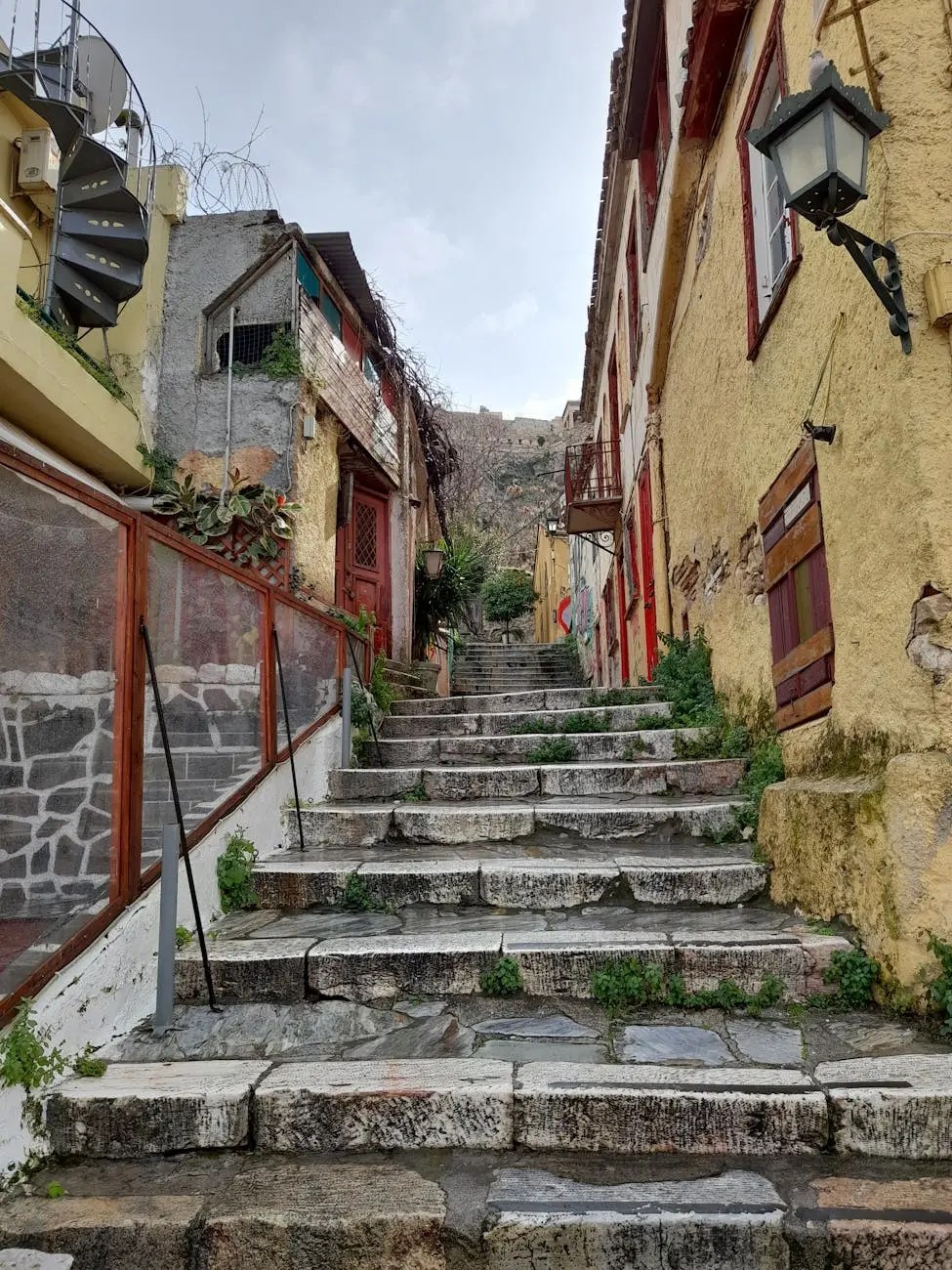
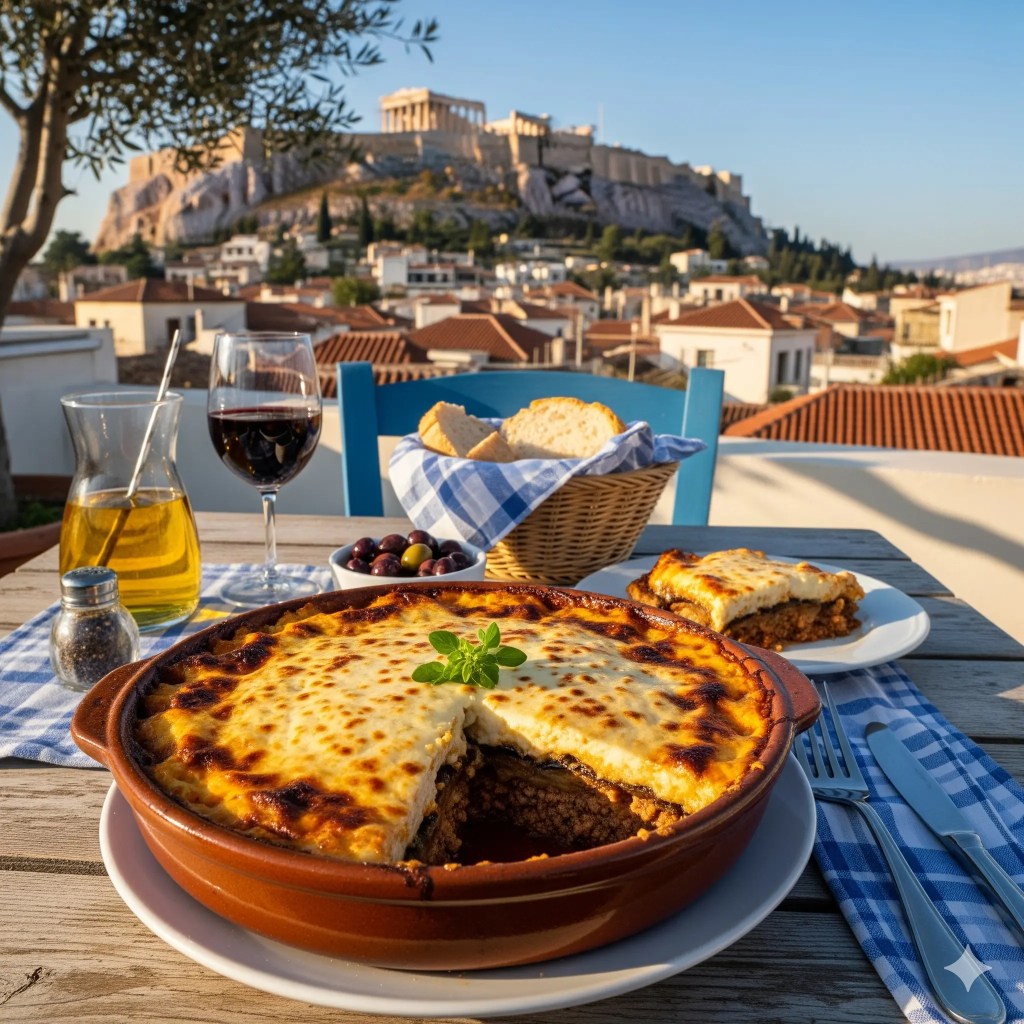
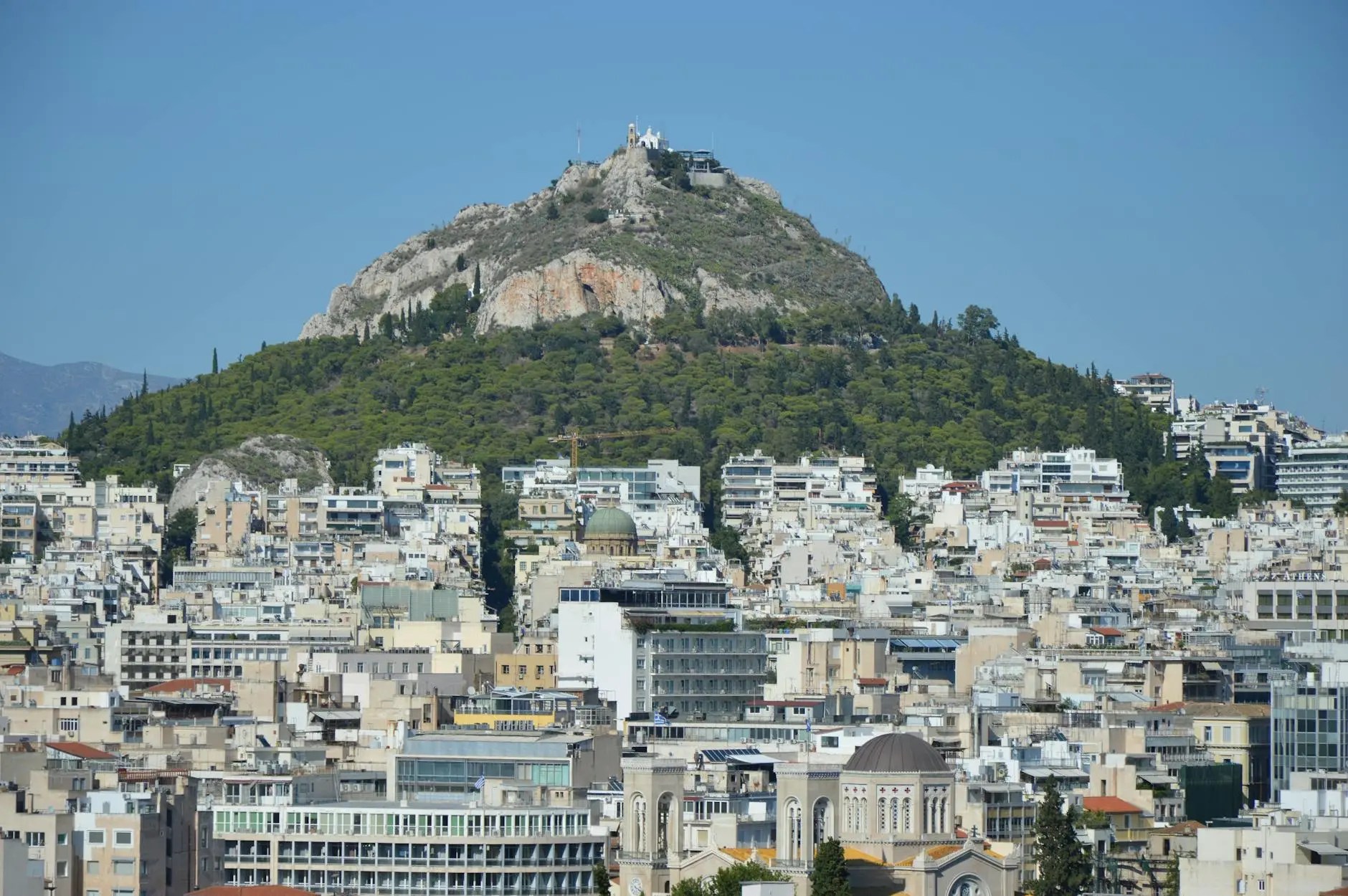
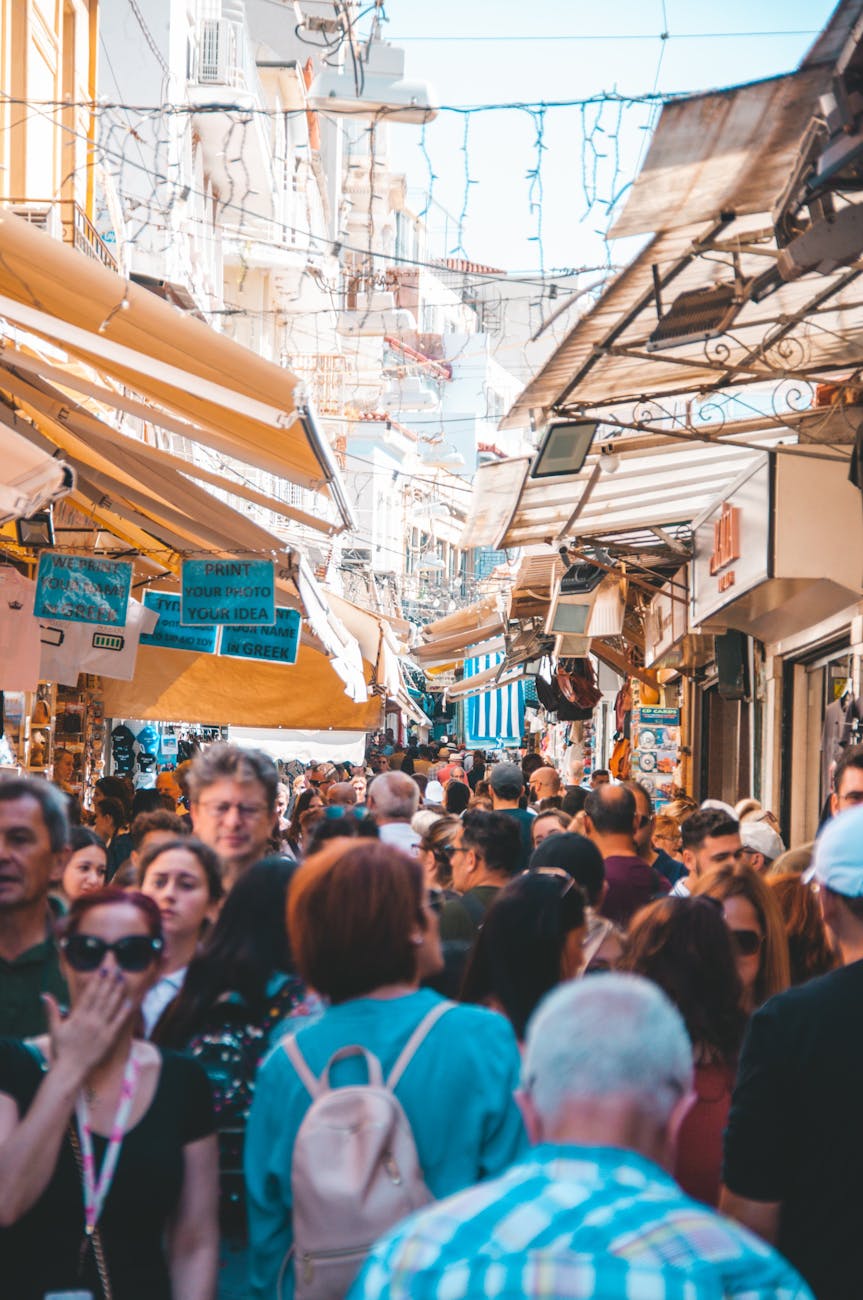
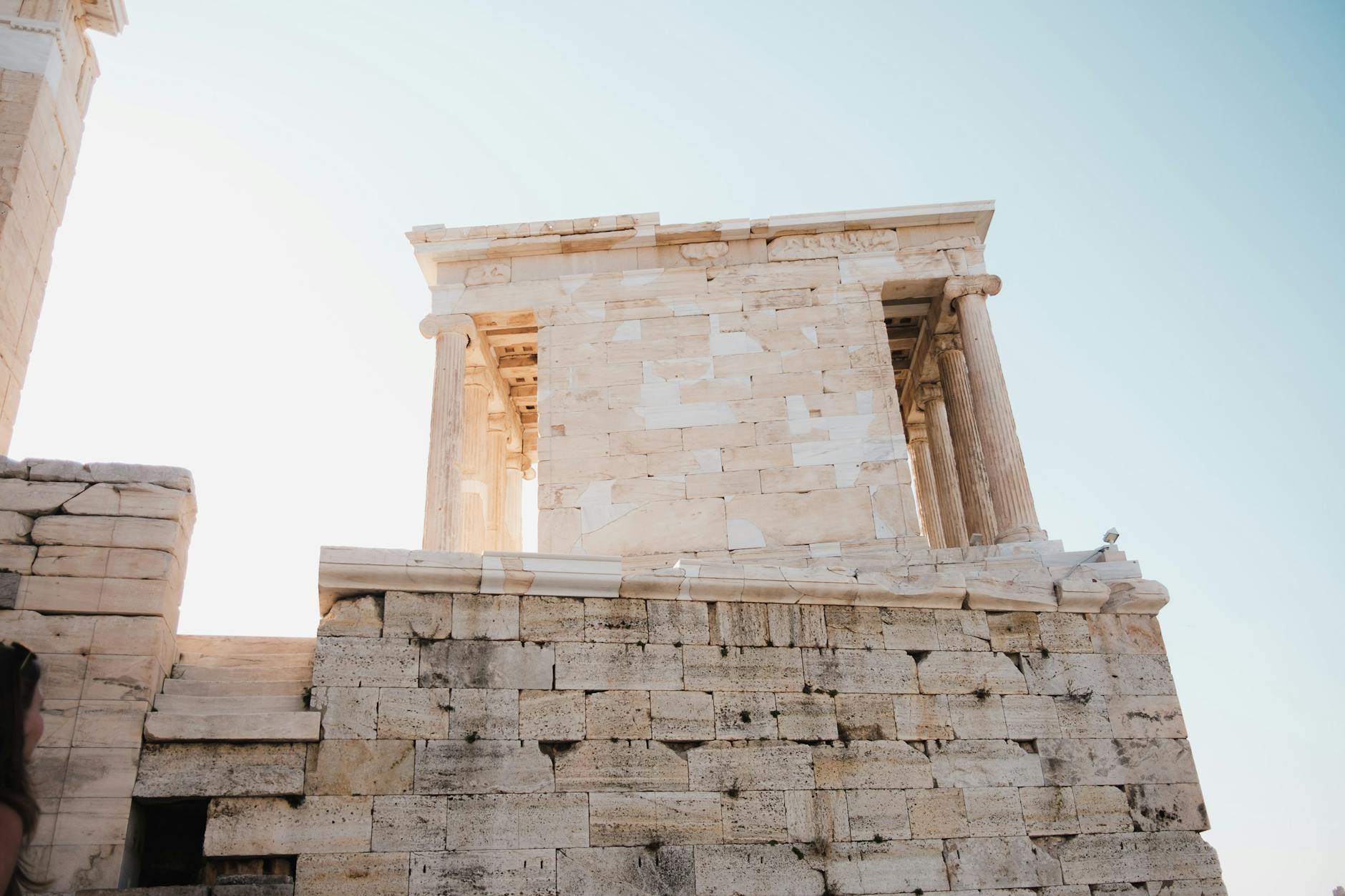
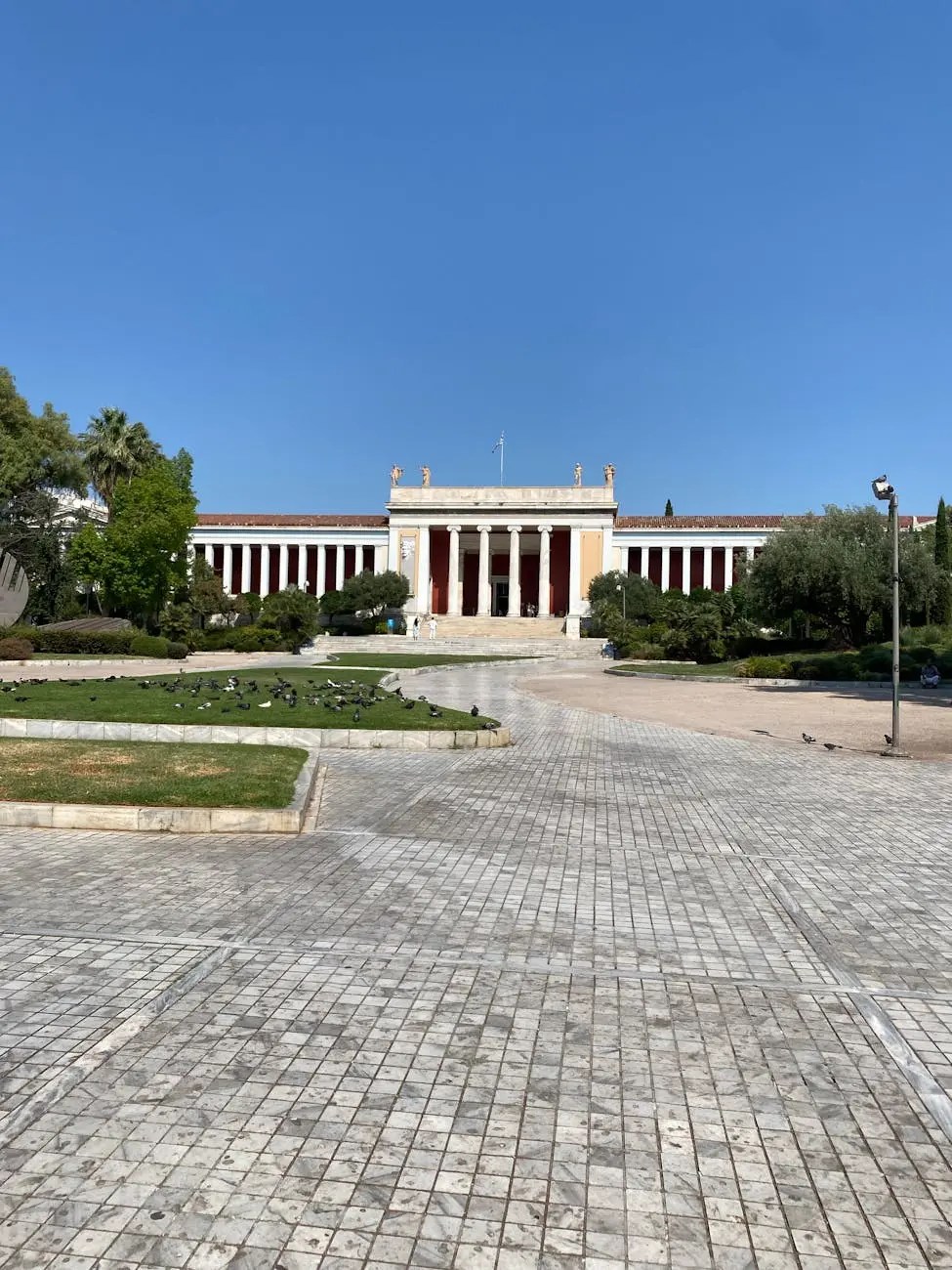
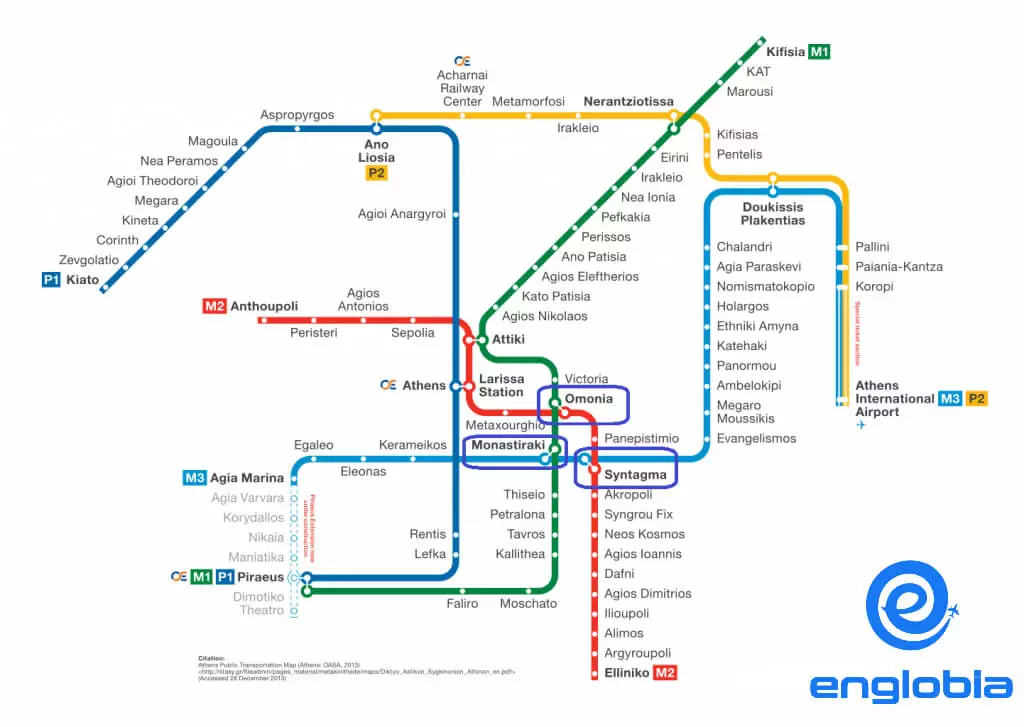

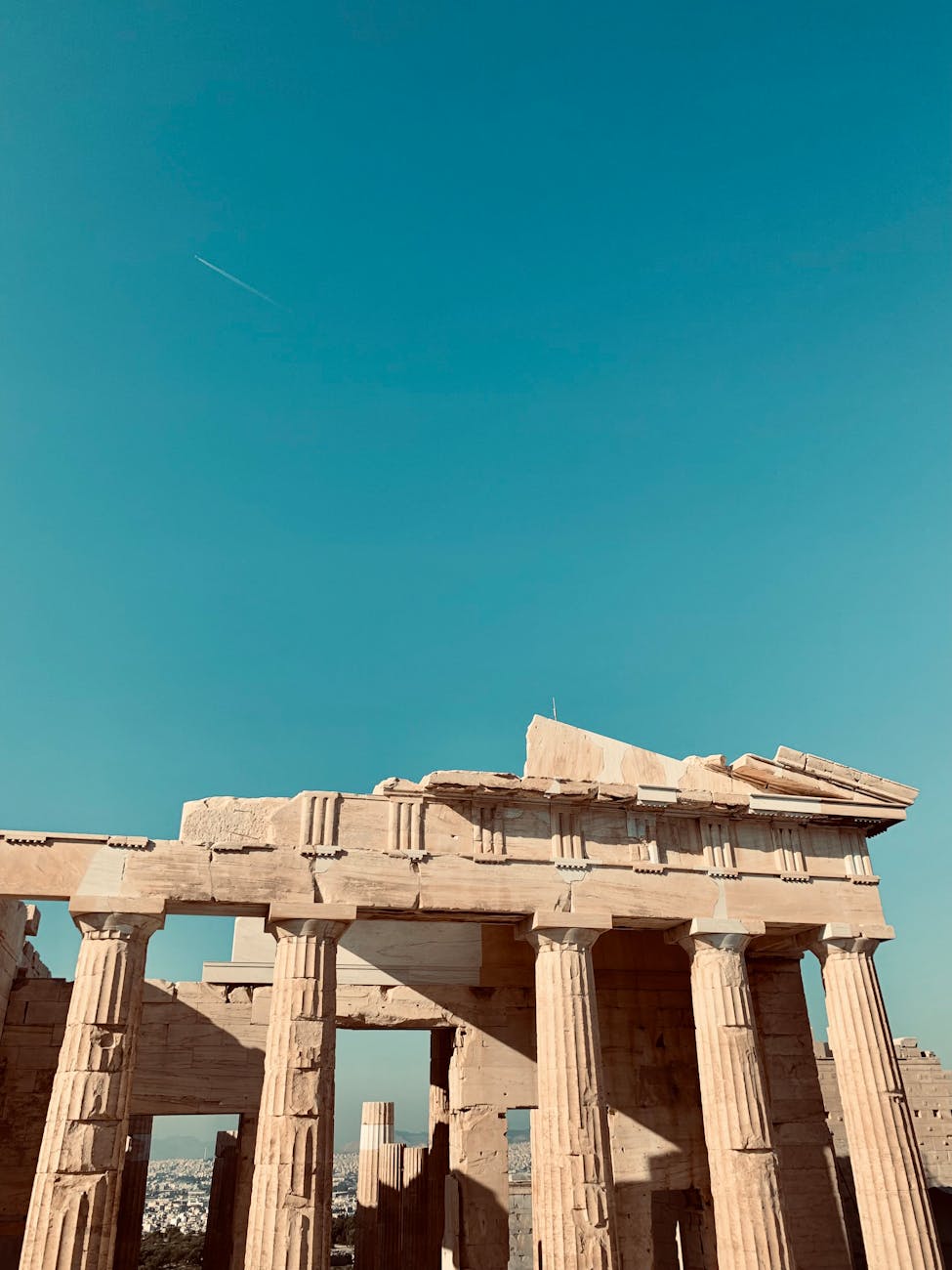
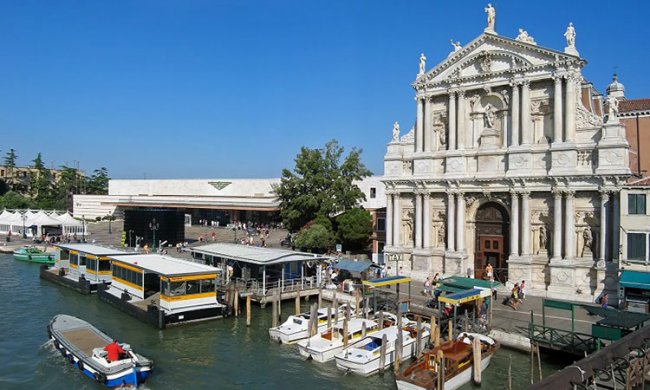
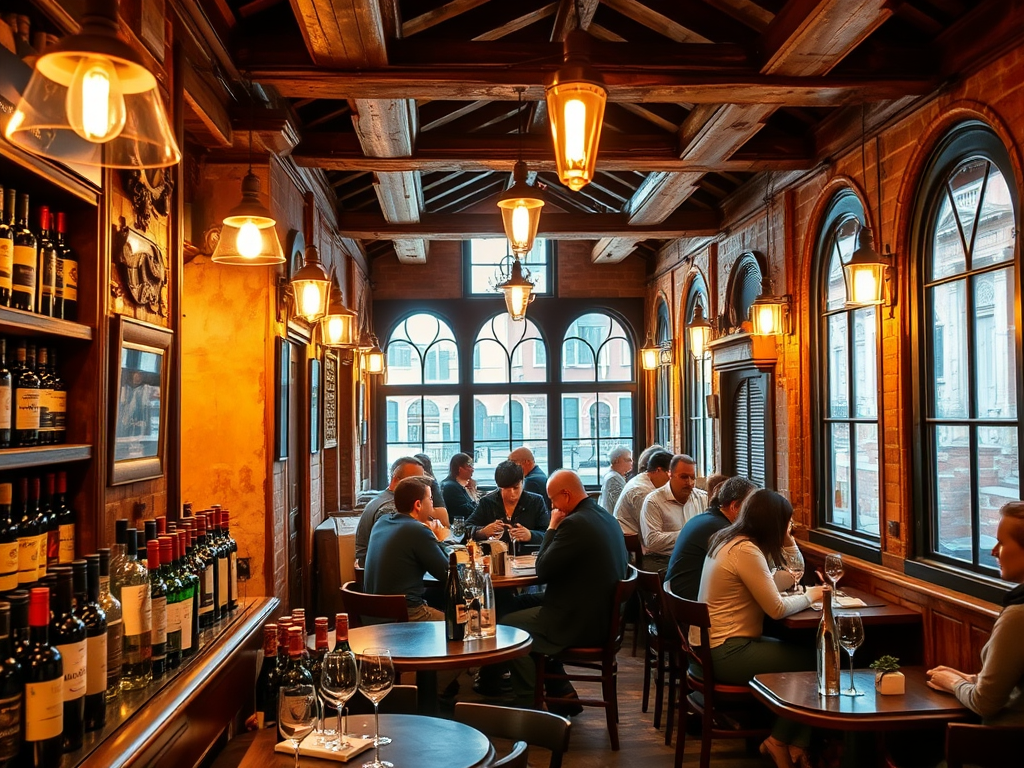
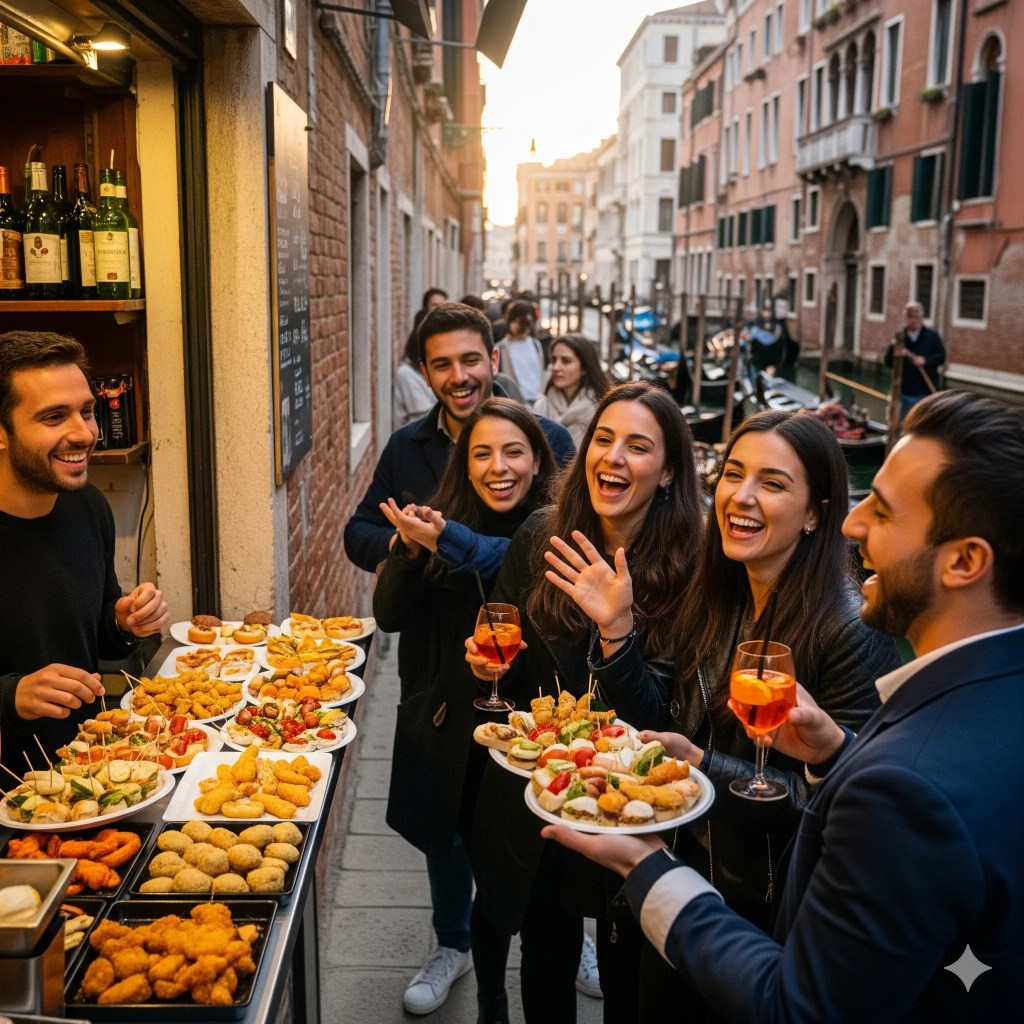
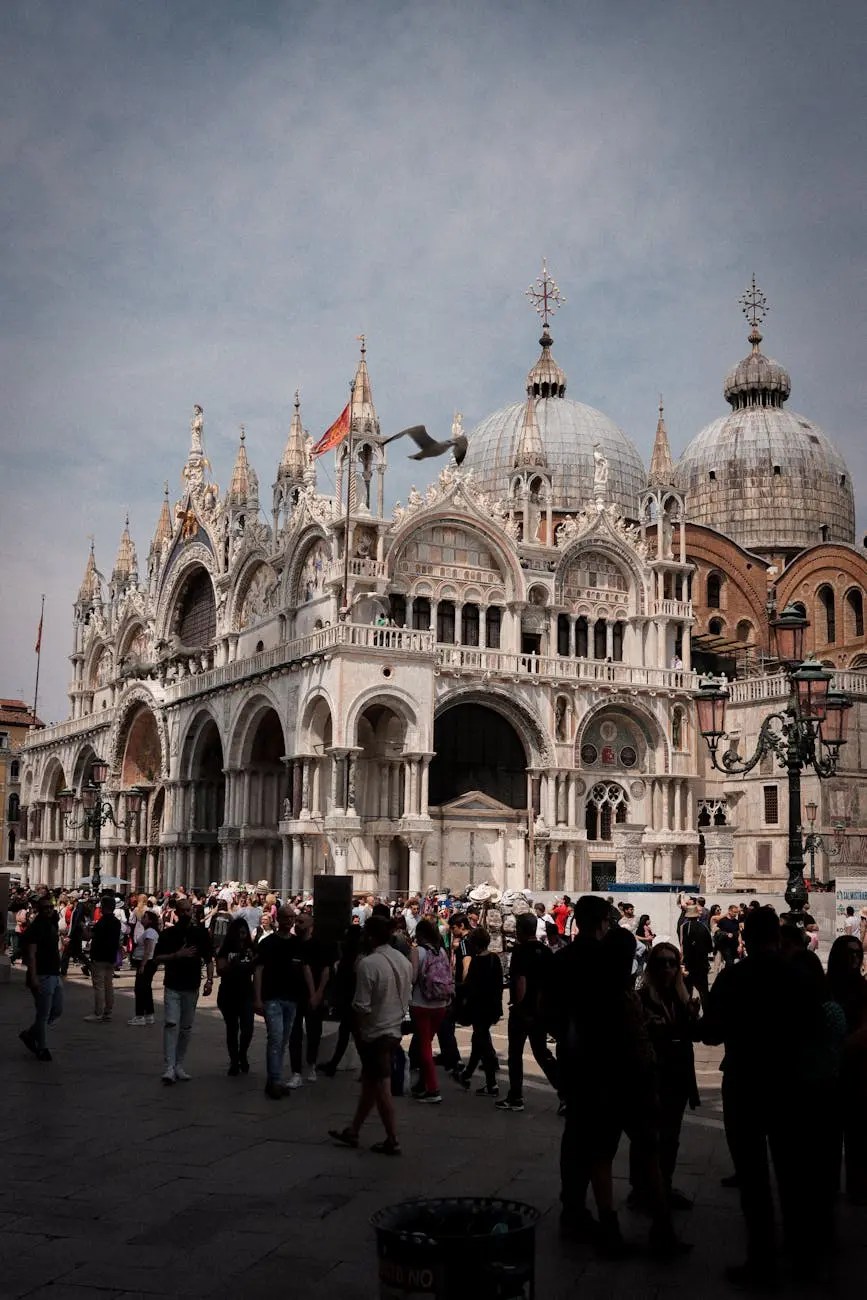
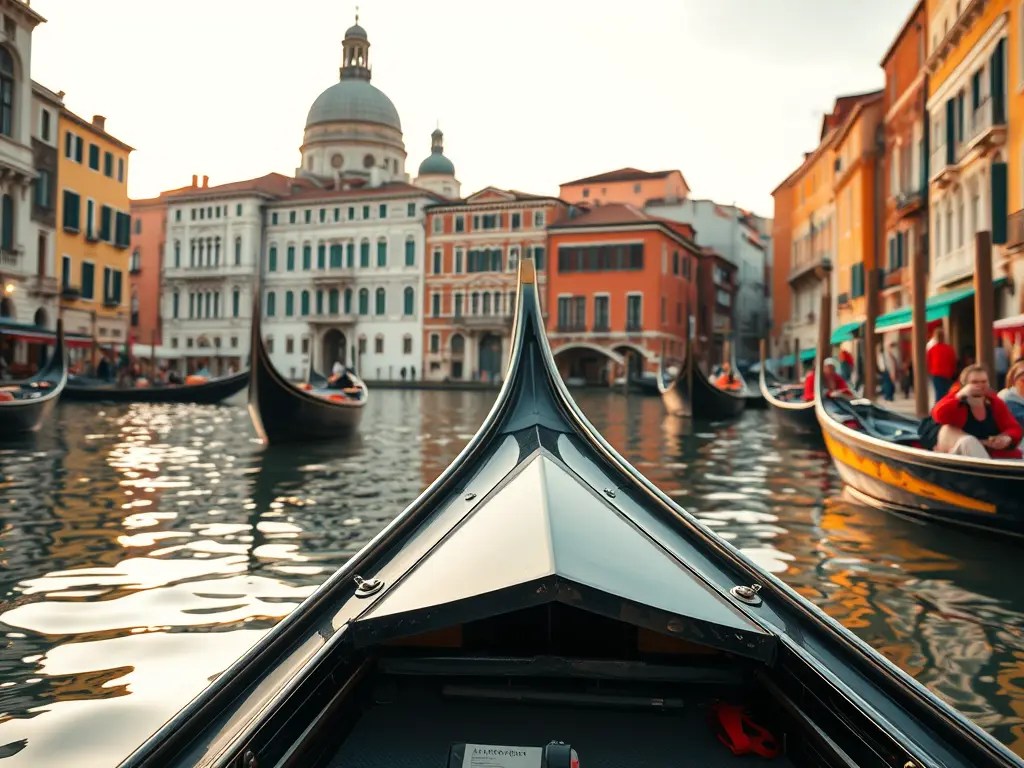
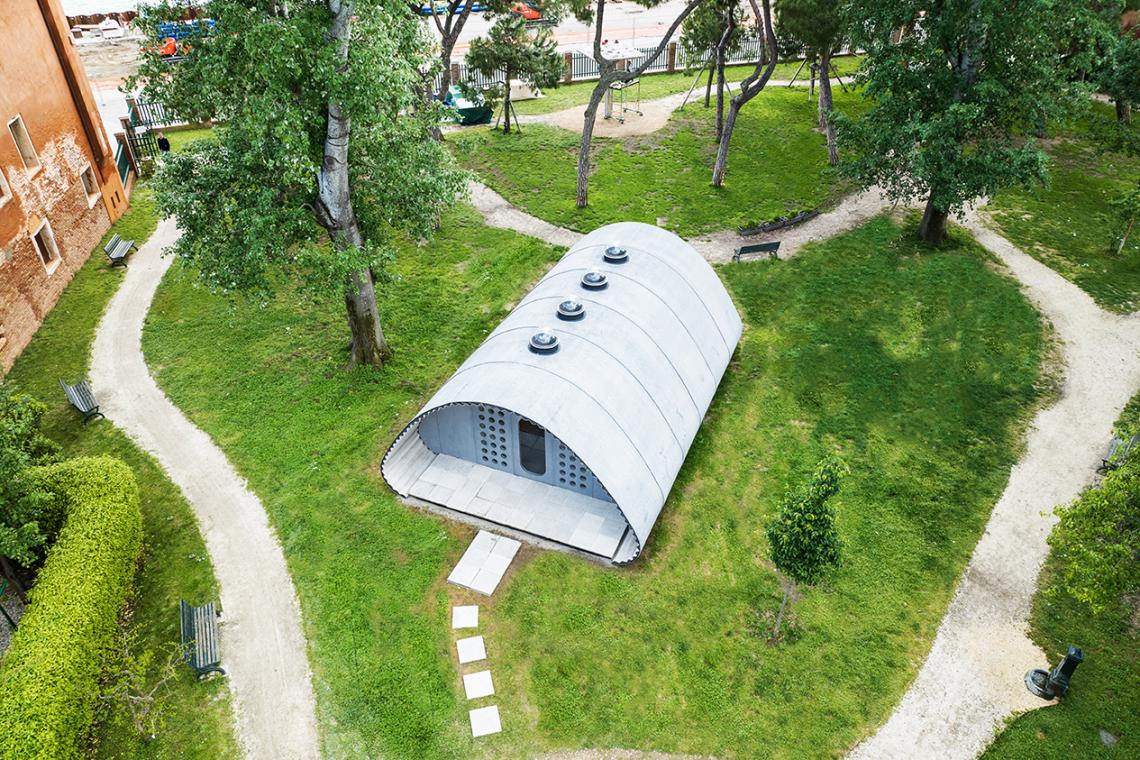
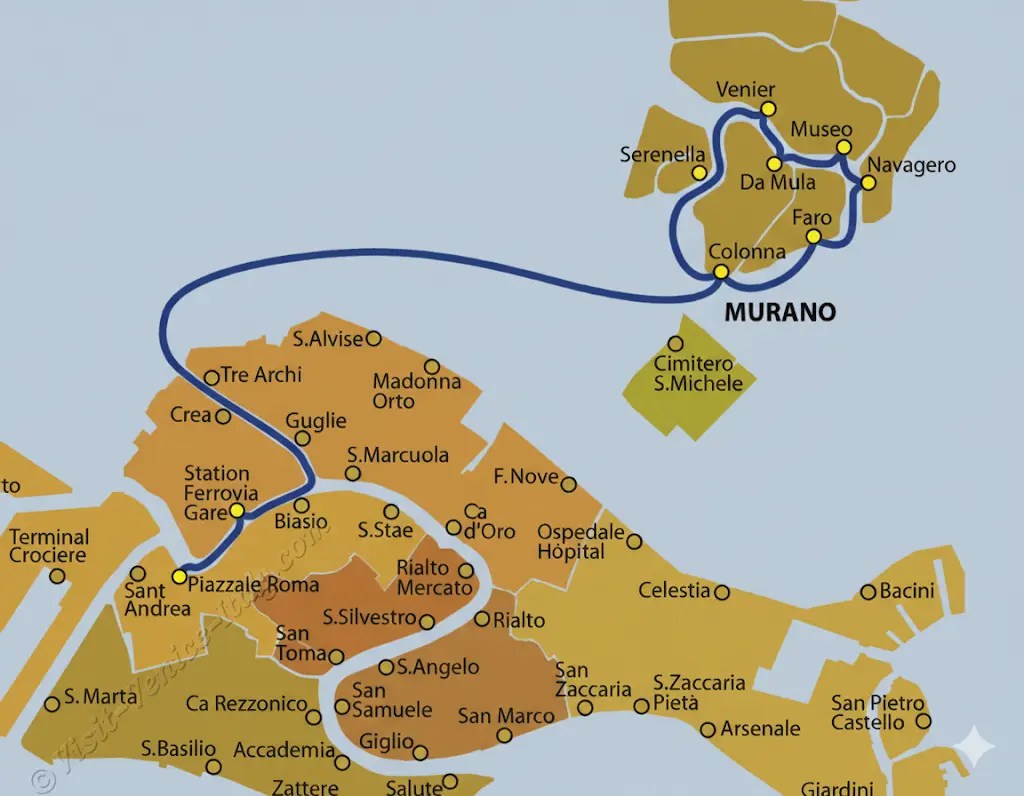
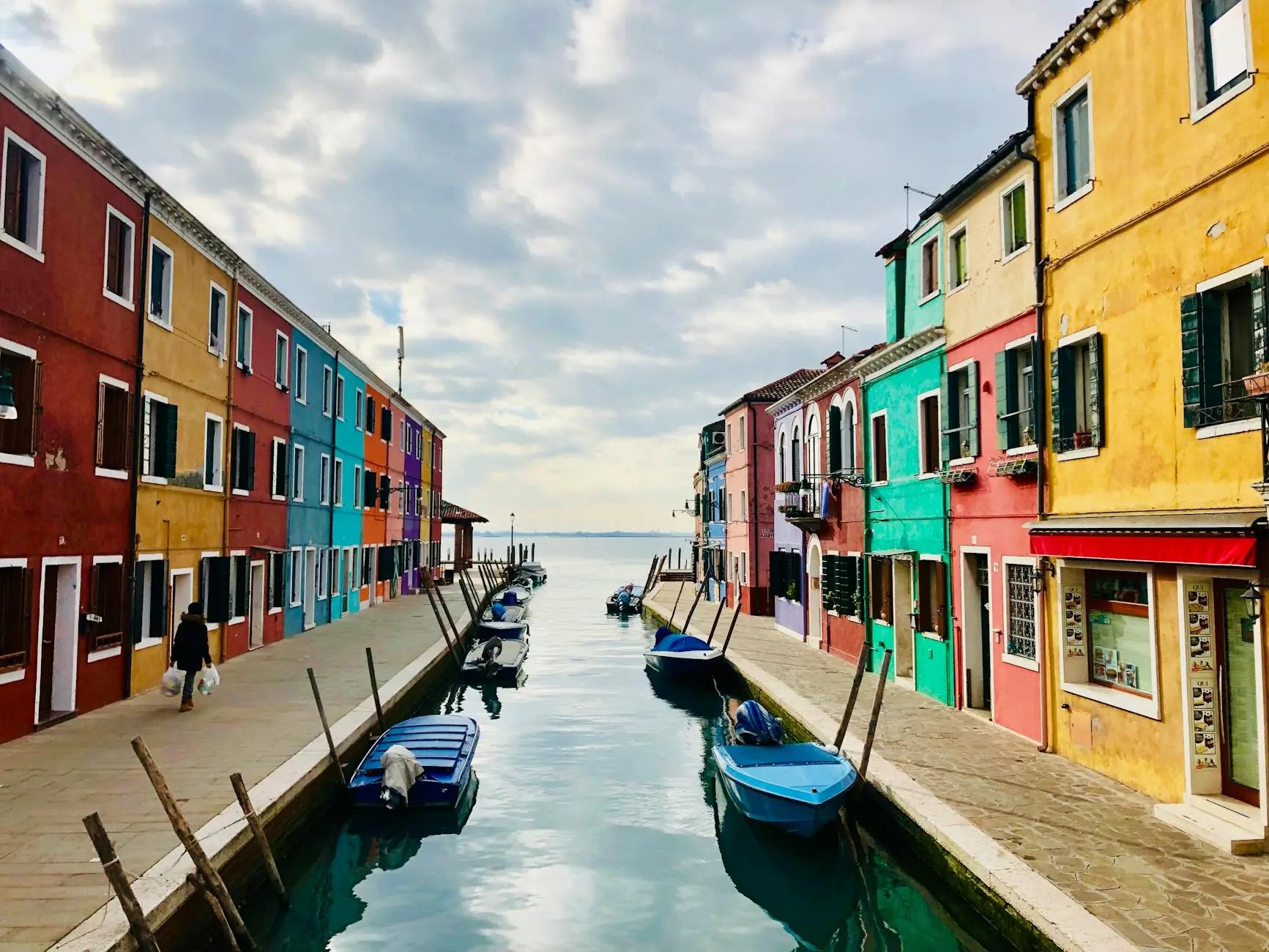
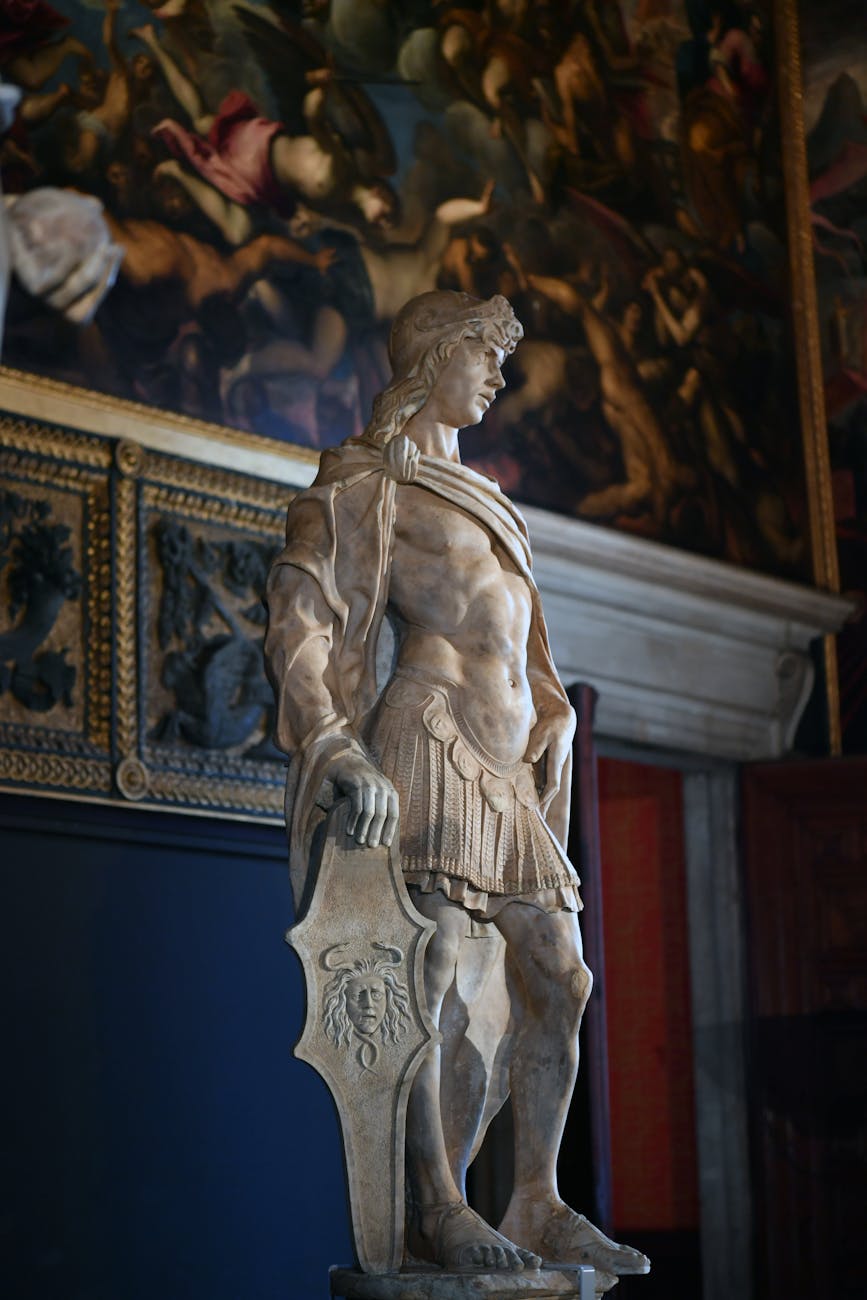
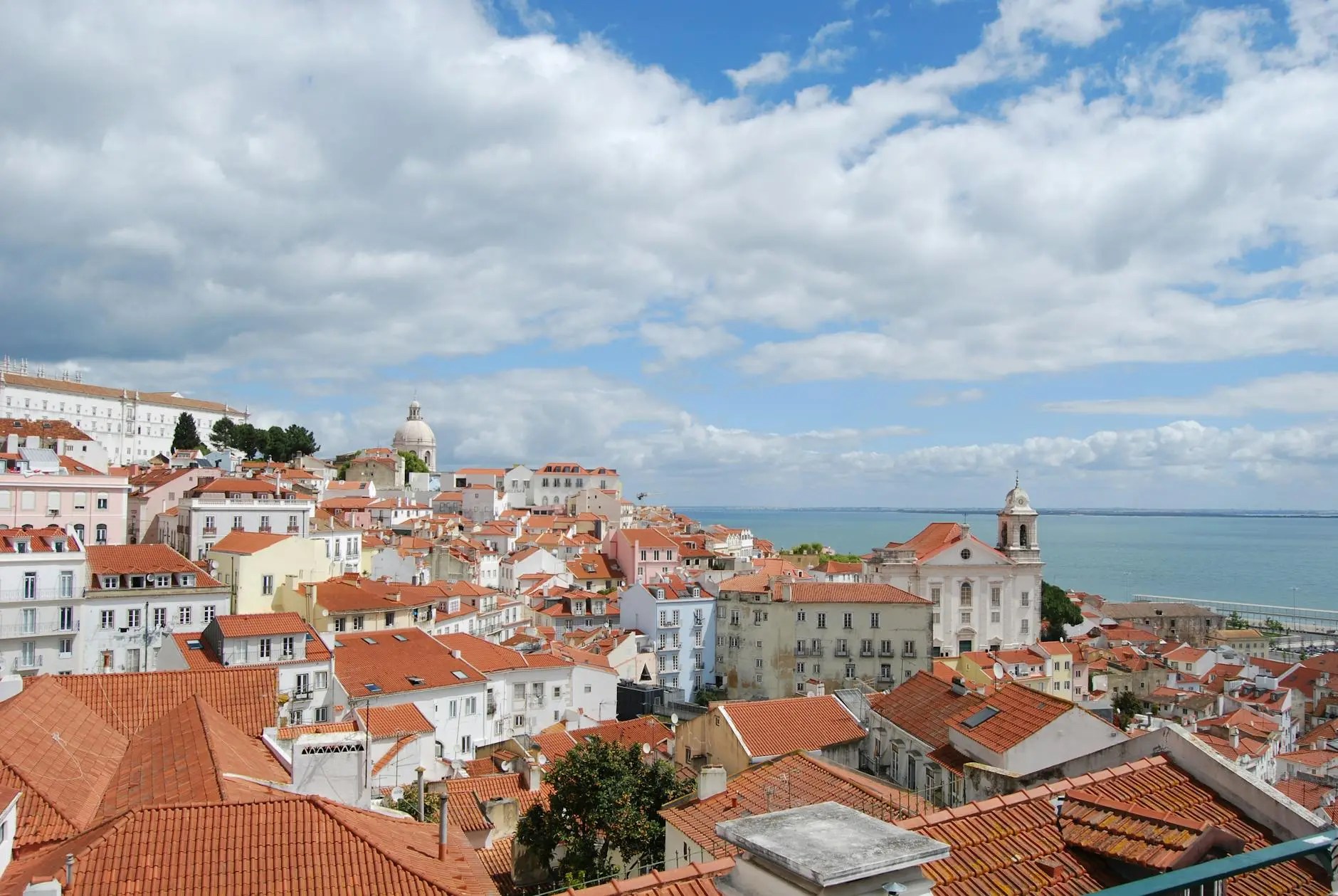


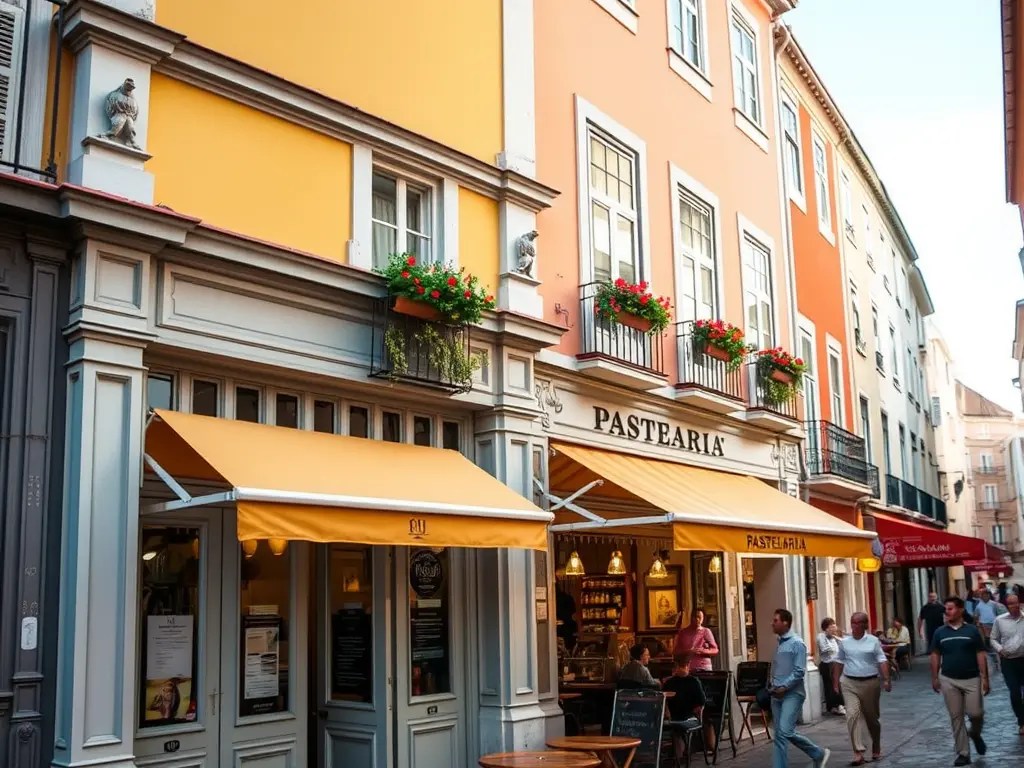
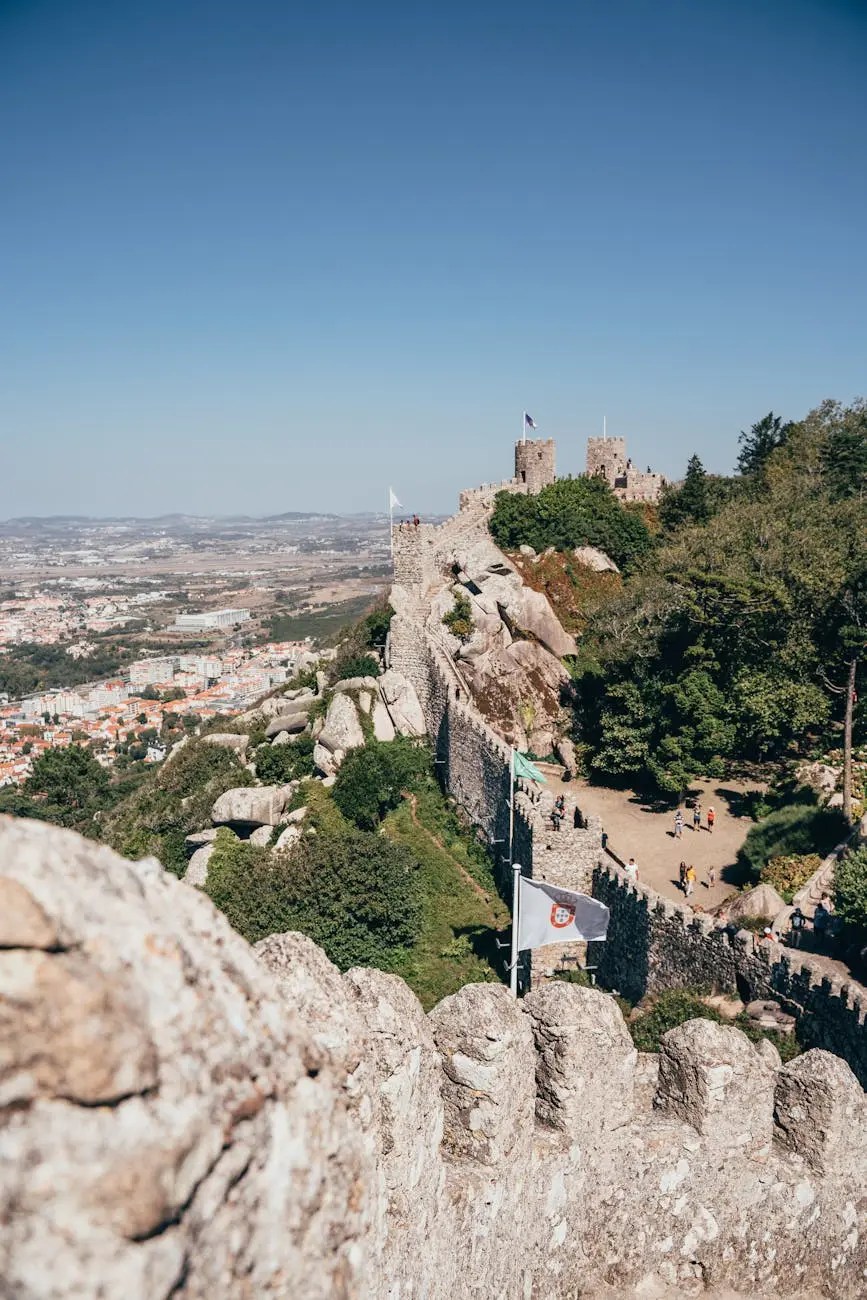

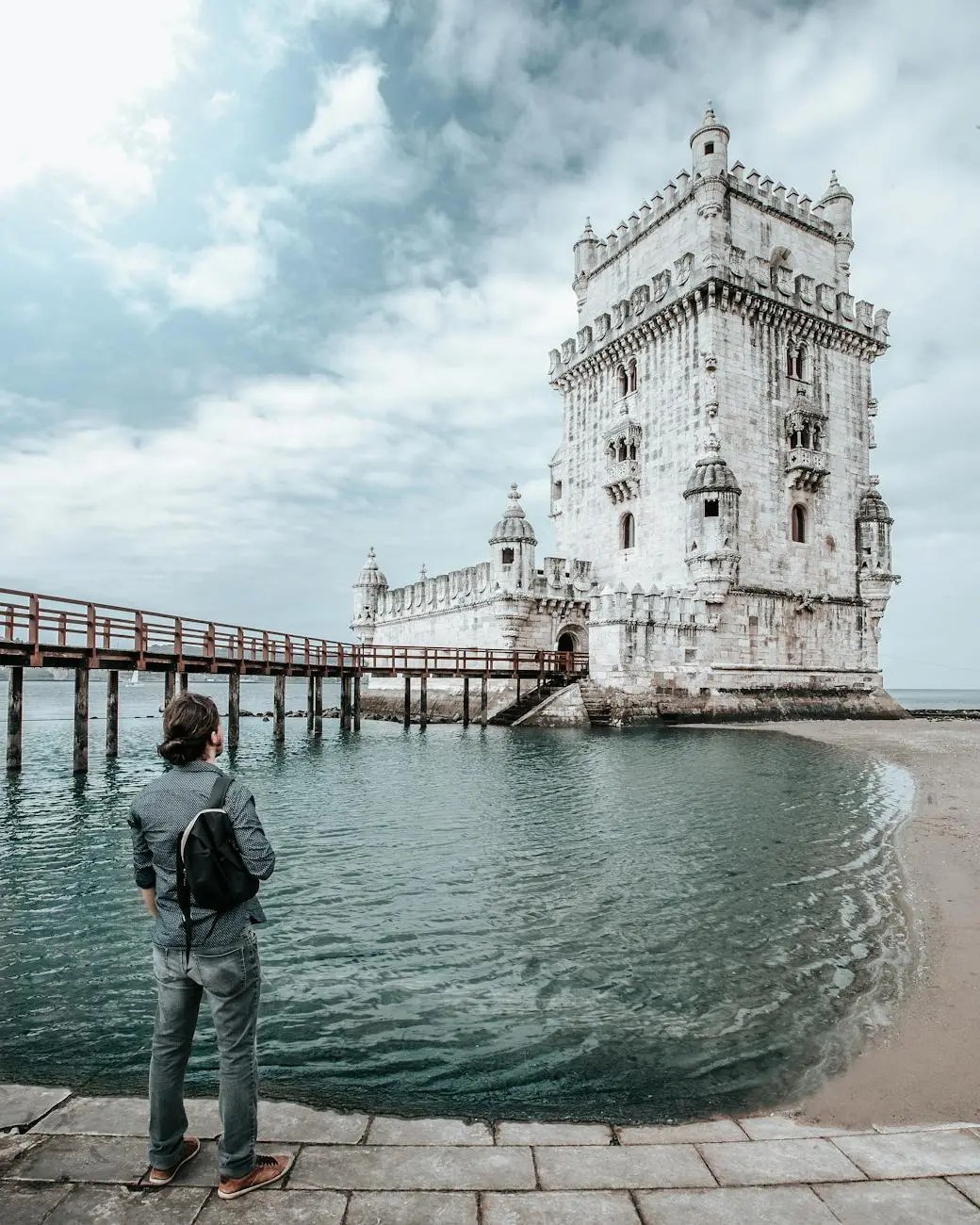

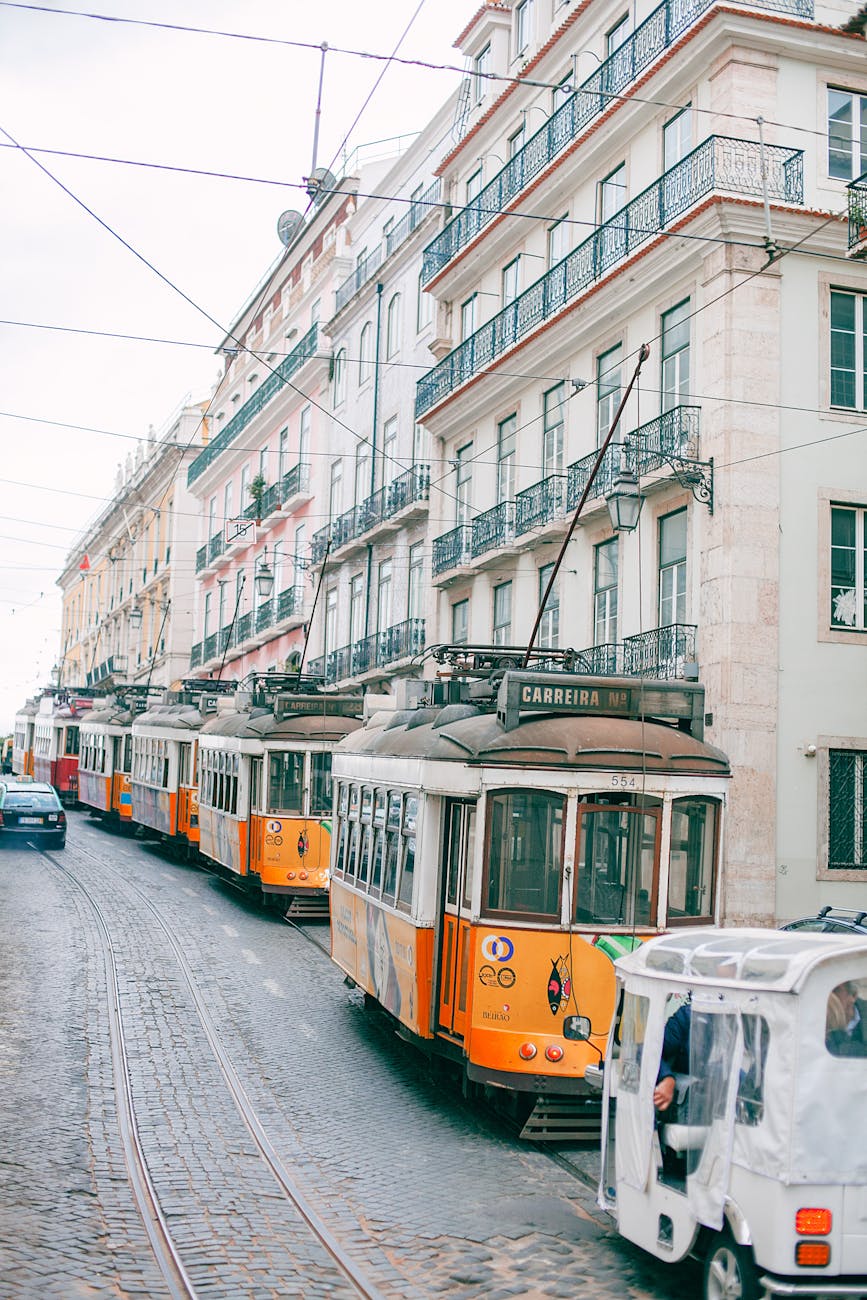



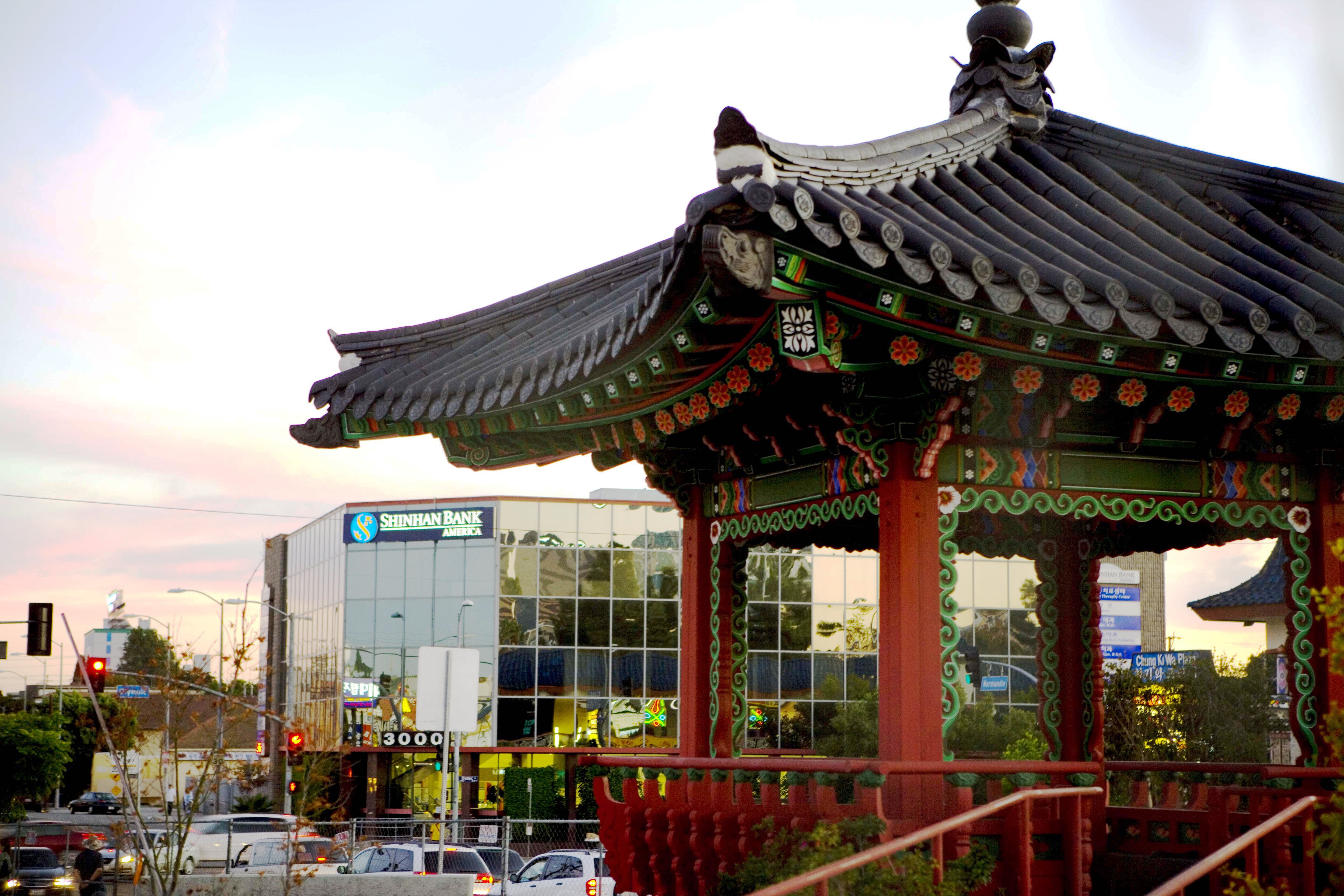
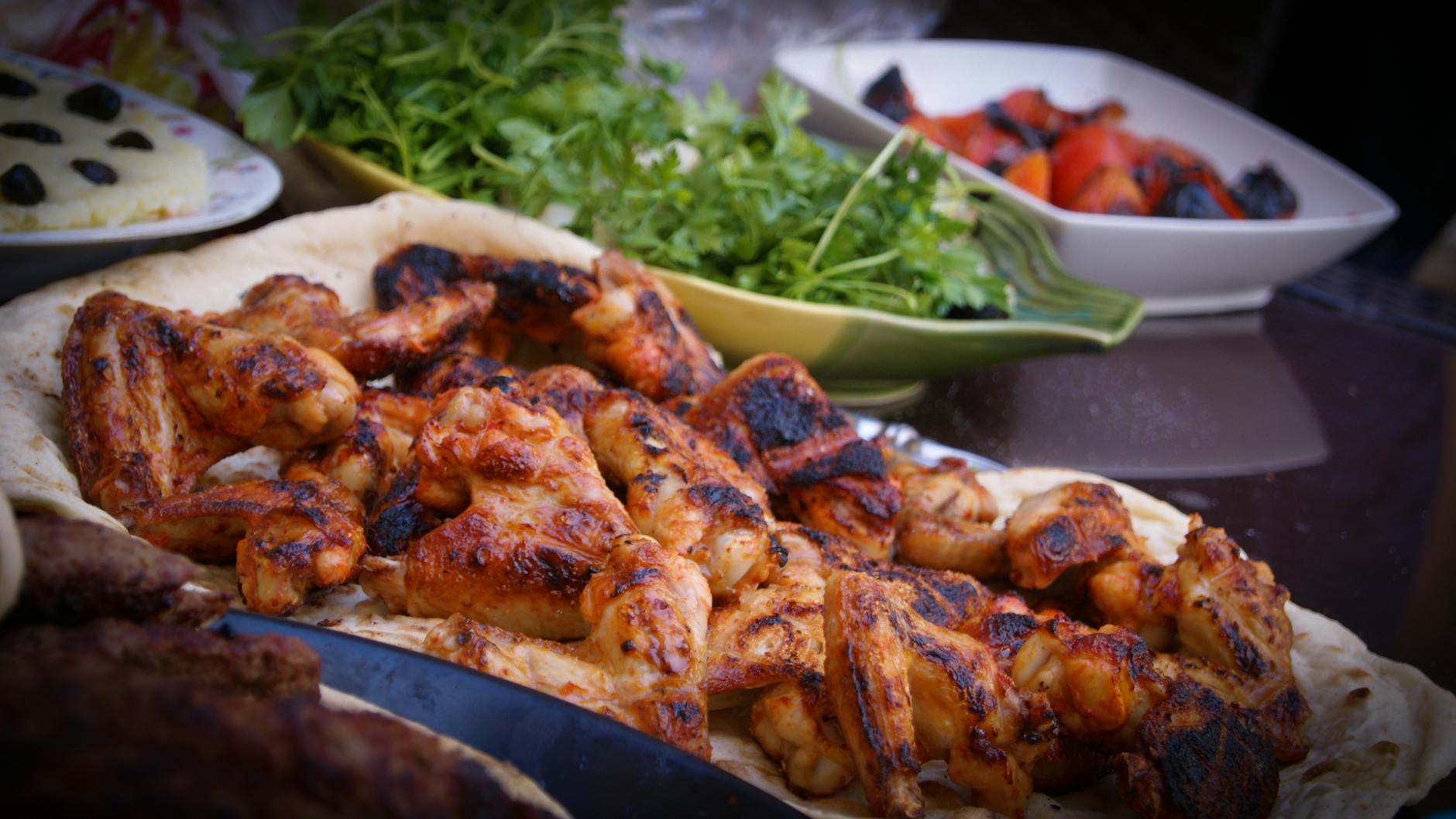

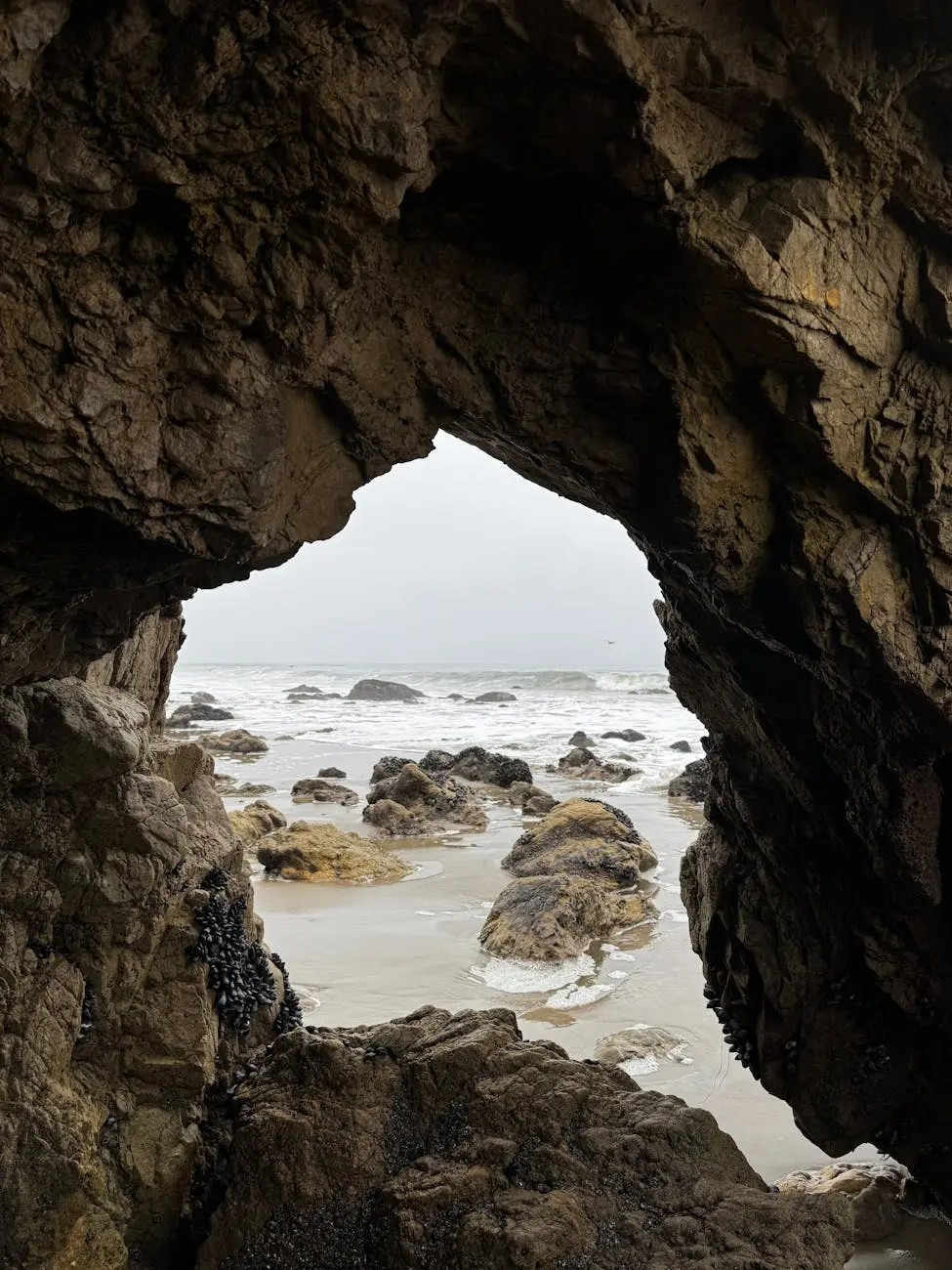
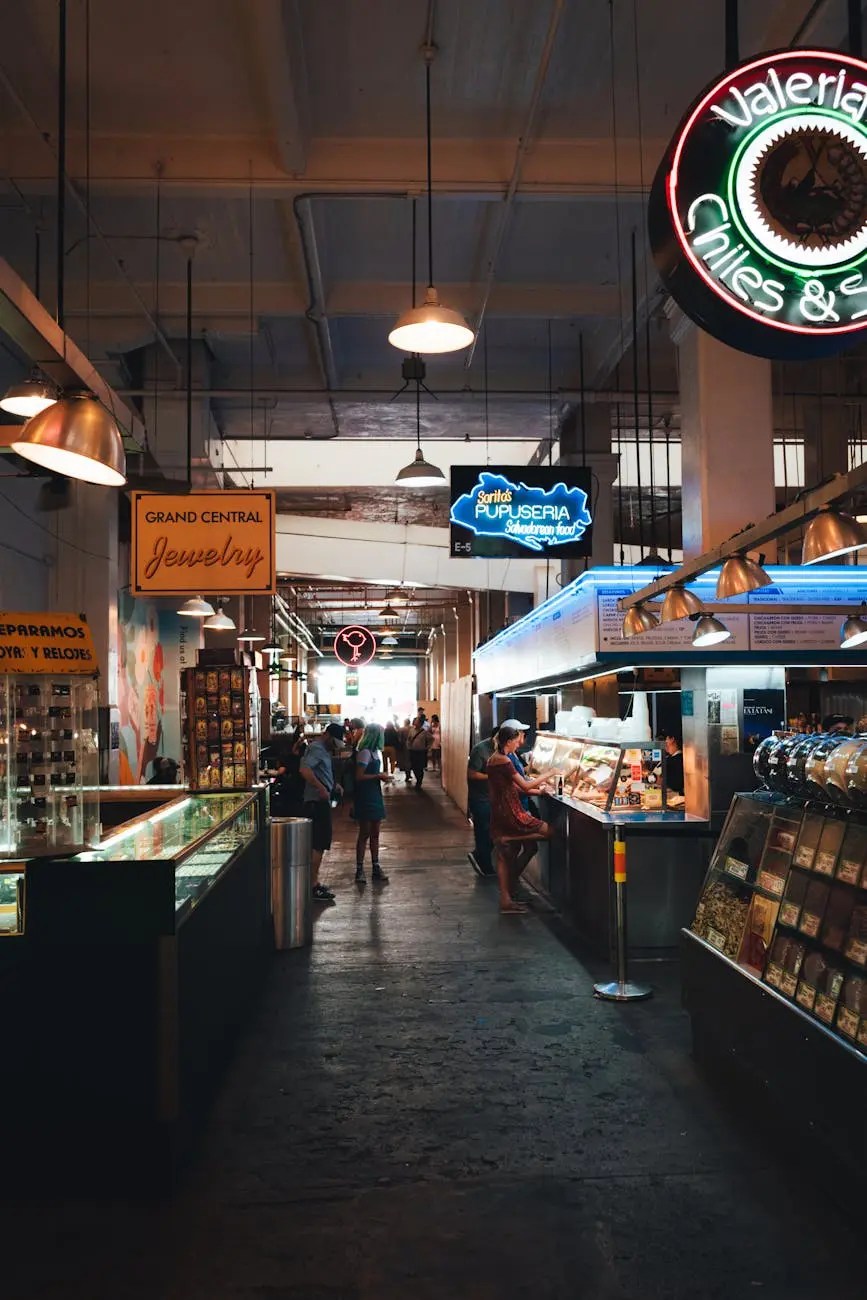
 Home Home sweet sweet home