So, you’ve got a long weekend and a burning desire to drink malbec in a city that pulses with tango, football, and fiery passion? Excellent choice. Buenos Aires is a marathon of a city, but with the right plan, you can have the perfect sprint of an escape. As someone who’s gotten blissfully lost in its calles more than once, I’m here to be your guide. Forget the generic checklists; this is how to dive deep, save some pesos, and live like a porteño (local) for 72 glorious hours.
So, you’ve decided to hit the “Paris of the South”? Excellent choice. Buenos Aires is a city that refuses to sleep, fueled by a dangerous combination of world-class steak, robust Malbec, and a local obsession with psychoanalysis. Whether you’re here to dance the tango or just eat your body weight in empanadas, this weekend guide will help you navigate the chaos with the grace of a seasoned porteño.
Table of Contents
Getting There: The Scenic Route by Ferry
The Savvy Traveler’s Logistics: Saving Time & Money
The Perfect Weekend Itinerary: Beyond the Obvious
Hidden Gems & Local Secrets
Essential Porteño Lingo & Tips
Travel Smart: Essential Gear & Services
Frequently Asked Questions (FAQ)
Getting There by Ferry (The Adventure Starts Early)
Flying into EZE is standard, but hear me out: one of the most memorable ways to arrive is by ferry from Uruguay. If you’re already exploring South America (maybe after reading my guide to Rio de Janeiro or Santiago), this is a fantastic, scenic option.
You can catch a high-speed ferry from Colonia del Sacramento (a stunning UNESCO town) or Montevideo directly to the Puerto Madero terminal in Buenos Aires. The ride from Colonia takes about an hour, offering beautiful Río de la Plata views. It’s a journey, not just a transfer.
Pro Ferry Tip: Use a site like Direct Ferries to compare schedules and prices from operators like Buquebus and Seacat. Booking ahead online can save you both cash and hassle at the terminal. You’ll clear Argentine immigration on arrival in Puerto Madero, which is often smoother than the airport.
Why I Love This Route:On my last trip, I spent a sunny morning in Colonia’s cobbled streets, sippingmate(the local herbal tea), before breezing into the sleek Puerto Madero for dinner. It felt like two trips in one.
The Savvy Traveler’s Logistics
Getting Around: Ditch the rental car. Traffic is hectic, parking is a nightmare, and the city is brilliantly walkable. The Subte (subway) is fast, cheap, and a cultural experience. Get a SUBE card at any kiosk, load it up, and tap your way across town. For longer distances, rideshares (Uber/Cabify) are affordable and safer than hailing random taxis. Buses (colectivos) are everywhere but require a bit more local know-how.
Money Matters:Always have cash (Argentine Pesos). While cards are accepted in nicer places, the best exchange rate is often via cash from Western Union or using USD/EUR at local cuevas (exchange houses). It sounds shady, but it’s a standard part of the dual-economy reality. My rule: withdraw/bring more than you think you’ll need.
Connectivity Hack: Let’s be real—airport SIMs are a rip-off, and roaming fees are a travel budget black hole. After one too many “$10 per day” surprises, I started usingDrimsim. It’s a universal data SIM that works in 190+ countries, including Argentina. Pop it in, top up via the app, and you’re online instantly. No hunting for kiosks, no language barrier stress.
A Non-Negotiable:Travel insurance. I once slipped on a rainy San Telmo cobblestone and sprained my ankle. My insurance saved me a fortune in clinic fees. I use VisitorsCoverage to compare and find affordable plans that fit my trip length. It’s five minutes for priceless peace of mind. Get a quote here.
The Perfect Weekend Itinerary (The Highlight Reel)
Friday PM: Tango & Taste. Check into your hotel (I found a gorgeous boutique place in Palermo via Expedia—always compare prices!). Head toSan Telmo for dinner. Skip the overpriced Plaza Dorrego joints and find a parrilla (steakhouse) down a side street. Then, catch an authentic milonga (tango social dance). La Catedral is a quirky, unpretentious spot in an old warehouse.
Saturday: Culture, Cafés & Chaos. Morning: Recoleta Cemetery. It’s not morbid; it’s an open-air museum of stunning architecture. Find Evita’s tomb.
Afternoon: Palermo Soho. Wander the leafy streets, shop at independent boutiques, and grab a coffee at a historic bodegón. For lunch, choripán (chorizo sandwich) from a street vendor is a rite of passage. Evening: A Football Match. If Boca Juniors or River Plate are playing, GO. It’s an electrifying spectacle. Book tickets through a reputable agency in advance.
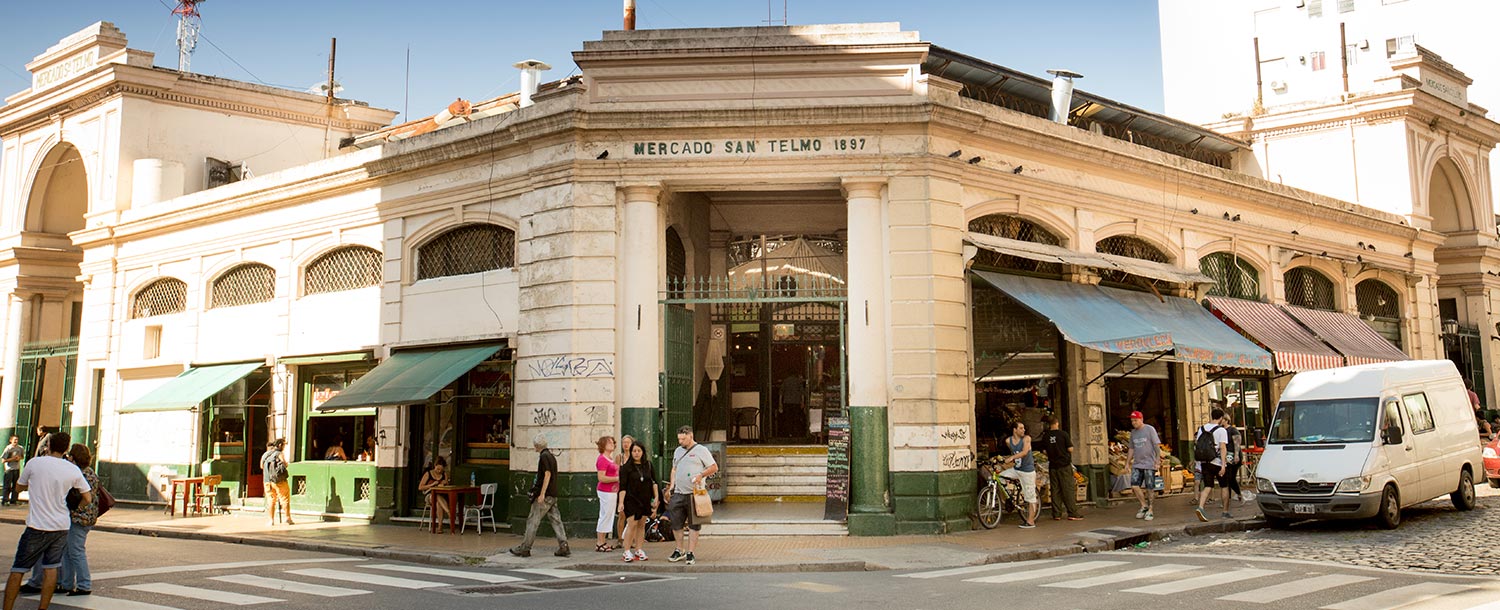
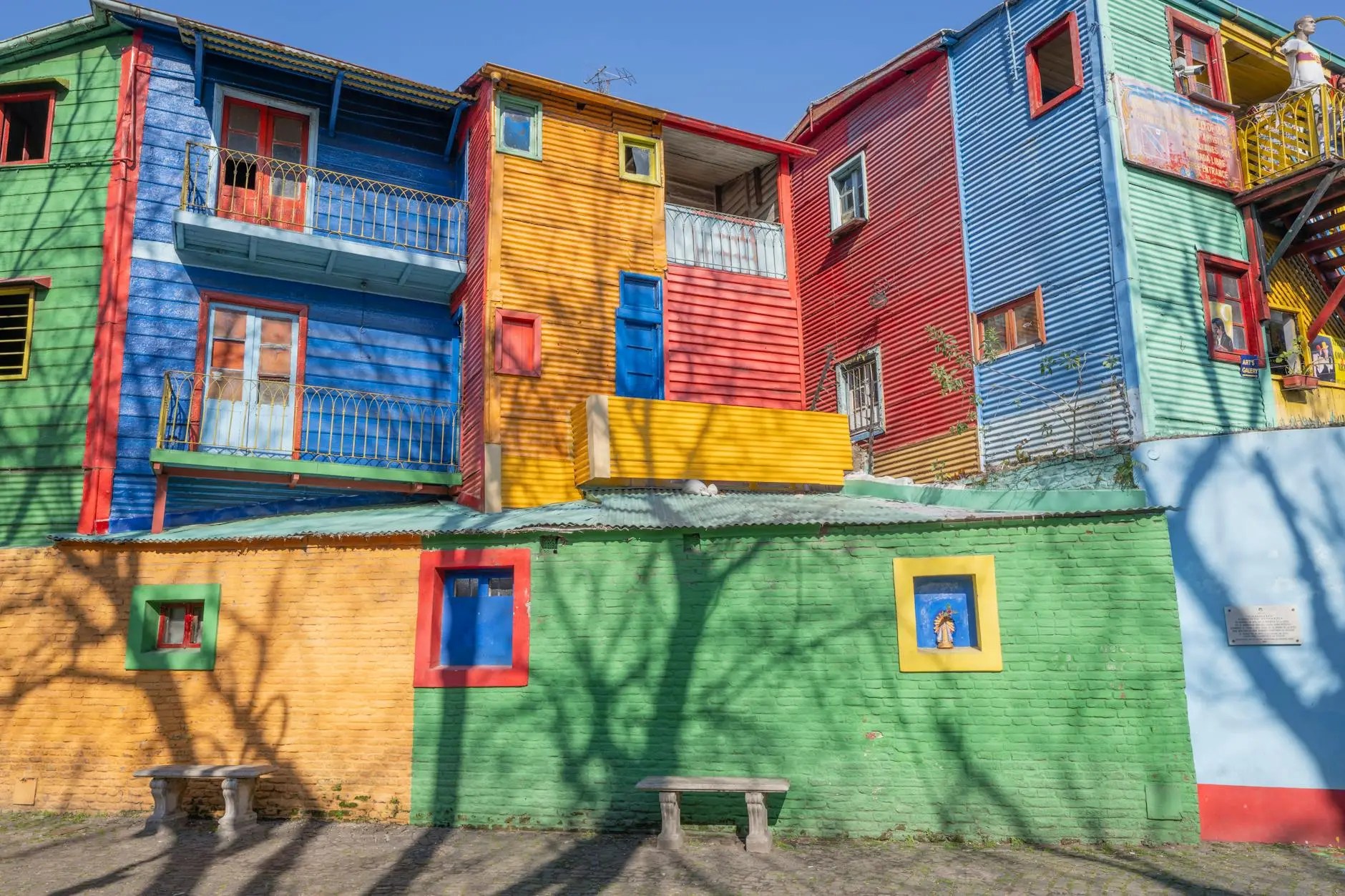
Sunday: Markets & Malbec. Morning: The San Telmo Antiques Market is legendary. Go early to beat the crowds and haggle for treasures. Afternoon: La Boca. Stick to the tourist-safe Caminito strip for colorful photos and tango shows, but be mindful of your belongings and don’t wander off.
Evening: Puerto Madero. Stroll the modern docks, have a farewell malbec, and reflect on your whirlwind adventure.
A scenic view of Recoleta Cemetery in Buenos Aires, showcasing its intricate mausoleums and statues under a bright blue sky.Vibrant street art in Buenos Aires depicts a girl taking a selfie, showcasing the city’s colorful urban culture.A delicious _choripán_ sandwich, featuring grilled chorizo and chimichurri, a must-try street food in Buenos Aires. The ultimate Buenos Aires street food: a sizzling choripán! This simple, perfect sandwich of grilled chorizo and crusty bread, slathered with chimichurri, is a rite of passage for any traveler in Argentina. 🤤 #BuenosAires #StreetFood #ArgentinaFood #Choripan #TravelEatsExplore the vibrant Mercado San Telmo, a historic market in Buenos Aires filled with local flavors and cultural experiences.Colorful buildings in La Boca, Buenos Aires, showcasing the vibrant architecture and artistic spirit of the neighborhood. A burst of color on Caminito in La Boca! 🎨 This iconic, open-air street museum in Buenos Aires is famous for its vibrant corrugated metal houses, a tradition started by Italian immigrants using leftover ship paint. The perfect backdrop for your Argentina photos! #LaBoca #Caminito #BuenosAires #Argentina #TravelPhotography #ColorfulPlaces
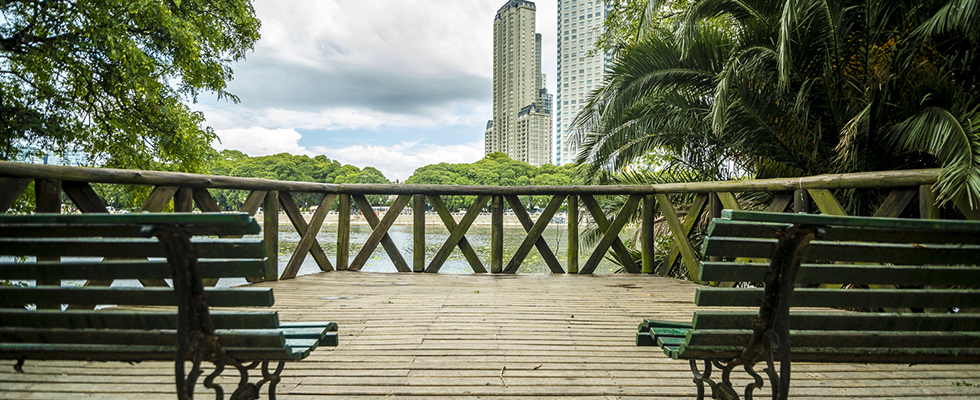
Costanera Sur Ecological Reserve: Escape the concrete. This massive green space by Puerto Madero has trails perfect for biking, running, or spotting wildlife with the city skyline as your backdrop.
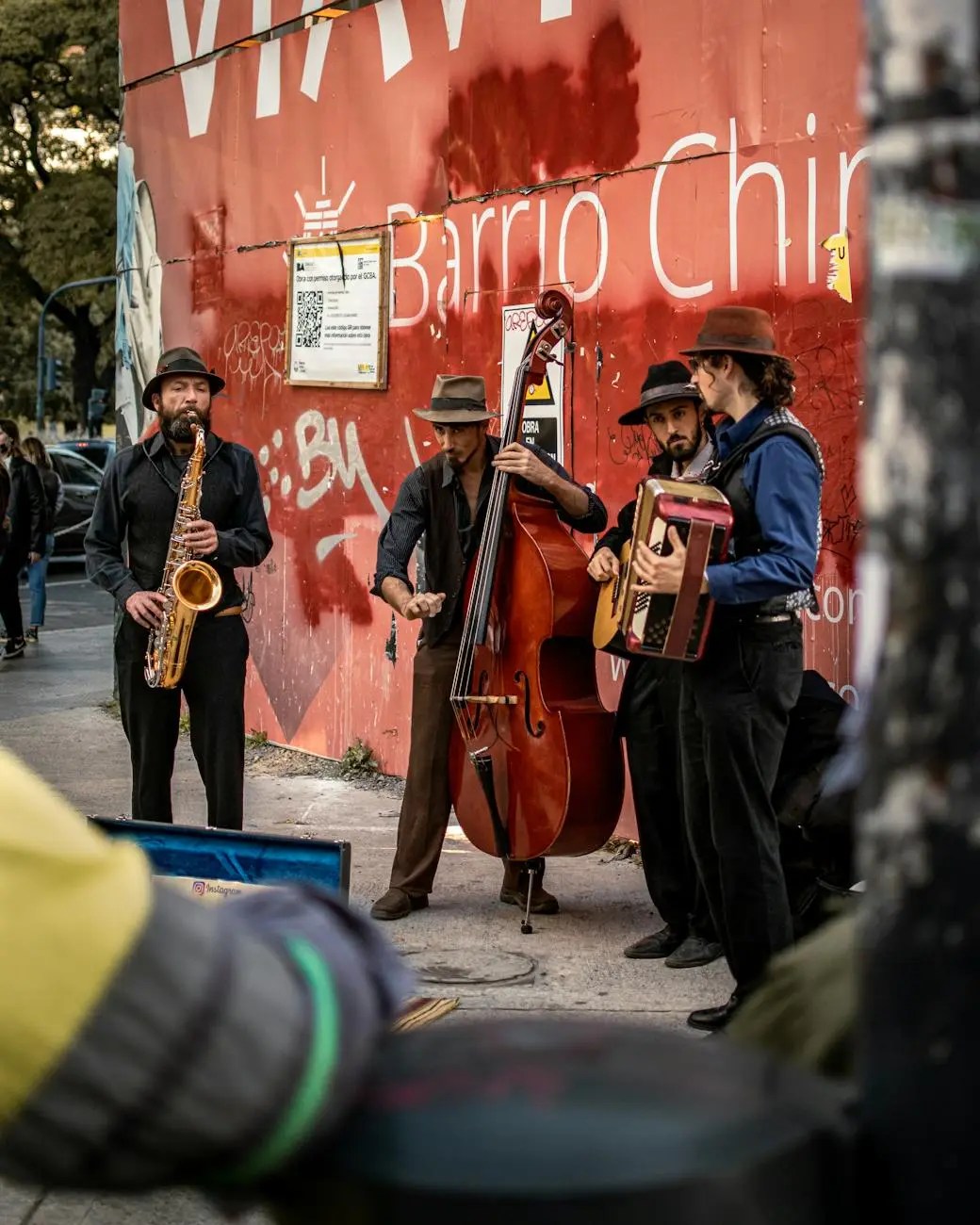
A stunning view of El Ateneo Grand Splendid, a former theater transformed into a beautiful bookstore in Buenos Aires, showcasing its intricate architecture and vast collection of books. Stepping into a literary palace! 📚✨ This is El Ateneo Grand Splendid in Buenos Aires—a breathtaking 1919 theatre transformed into one of the world’s most beautiful bookstores. The stage is now a café where you can read with a cortado. Pure magic! #BuenosAires #Argentina #Bookstore #ElAteneo #Travel #ArchitectureA lively street performance in Barrio Chino, Buenos Aires, showcasing local musicians playing a saxophone, double bass, and accordion. Unexpected rhythms in Barrio Chino! 🎶 Discovered this vibrant street music scene while exploring Buenos Aires’s lively Chinatown—a perfect blend of cultures, color, and sound. Always something surprising around every corner in BA! #BarrioChino #BuenosAires #StreetMusic #Argentina #TravelVibes #CulturalMixA serene view from a wooden deck overlooking the water in Buenos Aires, framed by lush greenery and modern skyscrapers. (Costanera Sur Ecological Reserve)
Essential Porteño Lingo
Che: (pronounced “chay”) The all-purpose “hey!” or “dude.” Very Argentine.
Boludo: Literally “big balls,” but used colloquially like “mate” or “buddy” among friends. Caution: Only use with people you’re very familiar with!
Dale: “Okay,” “sure,” “go ahead.” You’ll hear it constantly.
¿Cuánto sale?: “How much does it cost?”
La cuenta, por favor: “The bill, please.”
Travel Smart: Gear & Peace of Mind
Stay Charged: European outlets are standard in Argentina. This VINTAR European Travel Plug Adapter with multiple USB ports has been a lifesaver for keeping my phone, camera, and drone powered.
Look Fresh, Travel Confident: Long flights can wreak havoc on your skin. I swear by K-beauty sheets masks from Lakinza for an instant glow-up before landing. Use code Lalalax10 for a sweet discount at checkout. Treat your skin here.
When Travel Goes Wrong: A delayed flight out of EZE once cost me an extra hotel night. I used AirHelp to claim compensation. They handled the entire airline fight, and I got €250 back. If your flight is disrupted, check your eligibility here.
✈️ Ready to Book Your Escape? I always start my adventure planning on Expedia. It’s my one-stop shop for comparing flight and hotel deals, especially for last-minute weekend trips. See what you can save and start packing!
Frequently Asked Questions (FAQ)
Q: Is Buenos Aires safe for tourists? A: Like any major city, it has its areas. Be smart: no flashy jewelry, keep phones tucked away, use ride-shares at night, and be extra vigilant in crowded areas like La Boca and on public transport. In tourist zones during the day, it’s generally very safe.
Q: How much should I budget for a weekend? A: Excluding flights, a comfortable mid-range weekend (nice hotel, good meals, taxis, attractions) could cost $300-500 USD. It can be done for much less with hostels and street food, or much more with luxury.
Q: Do I need a visa for Argentina? A: For US, Canadian, UK, and most EU passport holders, no visa is required for tourist stays of up to 90 days. Always double-check official government sites before traveling, as rules can change. For more on visa logistics in South America, see my post on navigating South American borders.
Q: What’s the best time of year to visit? A: Spring (Sept-Nov) and Fall (Mar-May) offer glorious weather. Summer (Dec-Feb) can be hot and humid, and many locals desert the city in January. Winter (June-Aug) is mild but can be rainy.
Got questions I didn’t answer? Want more deep-dives on South America? Explore my completeTravel Master Listfor guides on neighboring Chile, Uruguay, and beyond.
Now, go forth, practice your tango shuffle, and eat all the steak. Buenos Aires is waiting. ¡Dale!
Feeling the South American wanderlust? If Buenos Aires has you hooked on the vibrant culture and stunning landscapes of this continent, you’re in luck. A short flight away lies the dynamic capital of Chile, Santiago, nestled against the breathtaking backdrop of the Andes Mountains—perfect for a cross-border adventure. For a deeper dive into the continent’s rich history and coastal cuisine, consider extending your trip toLima, Peru’s bustling capital. And if your journey to Argentina begins in Europe, you’ll likely connect through Spain. Be sure to soak up the vibrant, modern energy of Valencia or the classic grandeur of Madrid on your way—they’re the perfect start or finale to any Southern Hemisphere escapade.
Meta Description: Craft your perfect weekend in Santiago, Chile! This ultimate guide is packed with insider tips, hidden gems, and savvy travel hacks for navigating the city, saving money, and experiencing the authentic culture. Discover the best of Santiago, from Andes views to local picarones.
🗺️ Table of Contents
Introduction: Why Santiago Deserves Your Weekend
Getting There & Visa Info
Best Time to Visit (and When to Avoid the Crowds)
How to Get Around: Public Transport, Taxis & Ferries
Hidden Gems You Shouldn’t Miss
Must-See Spots in Santiago
Local Words to Know (Mini Spanish Survival Guide)
Travel Smart: Saving Money and Staying Connected
Affiliate Partners That Make My Travel Easier
FAQ: Your Santiago Travel Questions Answered
Final Thoughts & Call to Adventure
🌄 1. Introduction: Why Santiago Deserves Your Weekend
If you’ve ever wanted to sip world-class wine while staring at the snow-capped Andes, Santiago is your city. It’s got that perfect blend of cosmopolitan buzz and mountain serenity. I spent my first evening at a rooftop bar in Lastarria, watching the city lights flicker under the Chilean sunset — and honestly, that moment alone was worth the flight.
Santiago isn’t just a stopover; it’s a soulful weekend escape full of culture, cuisine, and calm.
Alright, let’s be real. Your vacation days are precious, and the thought of spending half of them on complicated logistics is a special kind of torture. You want an escape that’s long on experience and short on hassle.
Enter Santiago de Chile. This city, cradled by the snow-capped Andes, is the ultimate weekend warrior’s dream. It’s a place where you can sip a world-class Carménere as the sun sets over the mountains, all without needing a full month’s vacation to do it.
I’ve fallen for Santiago’s charms on multiple visits, from getting blissfully lost in its sprawling markets to having my breath taken away (literally and figuratively) on a hike in the nearby foothills. This guide is the one I wish I’d had—a no-nonsense, tip-filled plan to help you conquer Santiago with confidence, save a few pesos, and have an absolute blast.
✈️ 2. Getting There & Visa Info
Most travelers from the US, Canada, and the EU can enter Chile visa-free for up to 90 days. Always double-check with the Chilean consulate before your trip.
💡 Money Tip: Flights from North America and South America are often cheaper when booked via Expedia. I scored my Santiago weekend flights for under $184 using flexible date filters!
If you’re coming from nearby Lima, it’s just a 4-hour flight — perfect for combining two unforgettable South American destinations.
🌤️ 3. Best Time to Visit (and When to Avoid the Crowds)
The best time to visit Santiago is during spring (September–November) or fall (March–May) — think mild temperatures, fewer tourists, and cheaper hotels.
Try to avoid January and February, when local vacationers crowd the city, and hotel prices shoot up.
🚌 4. How to Get Around: Public Transport, Taxis & Ferries
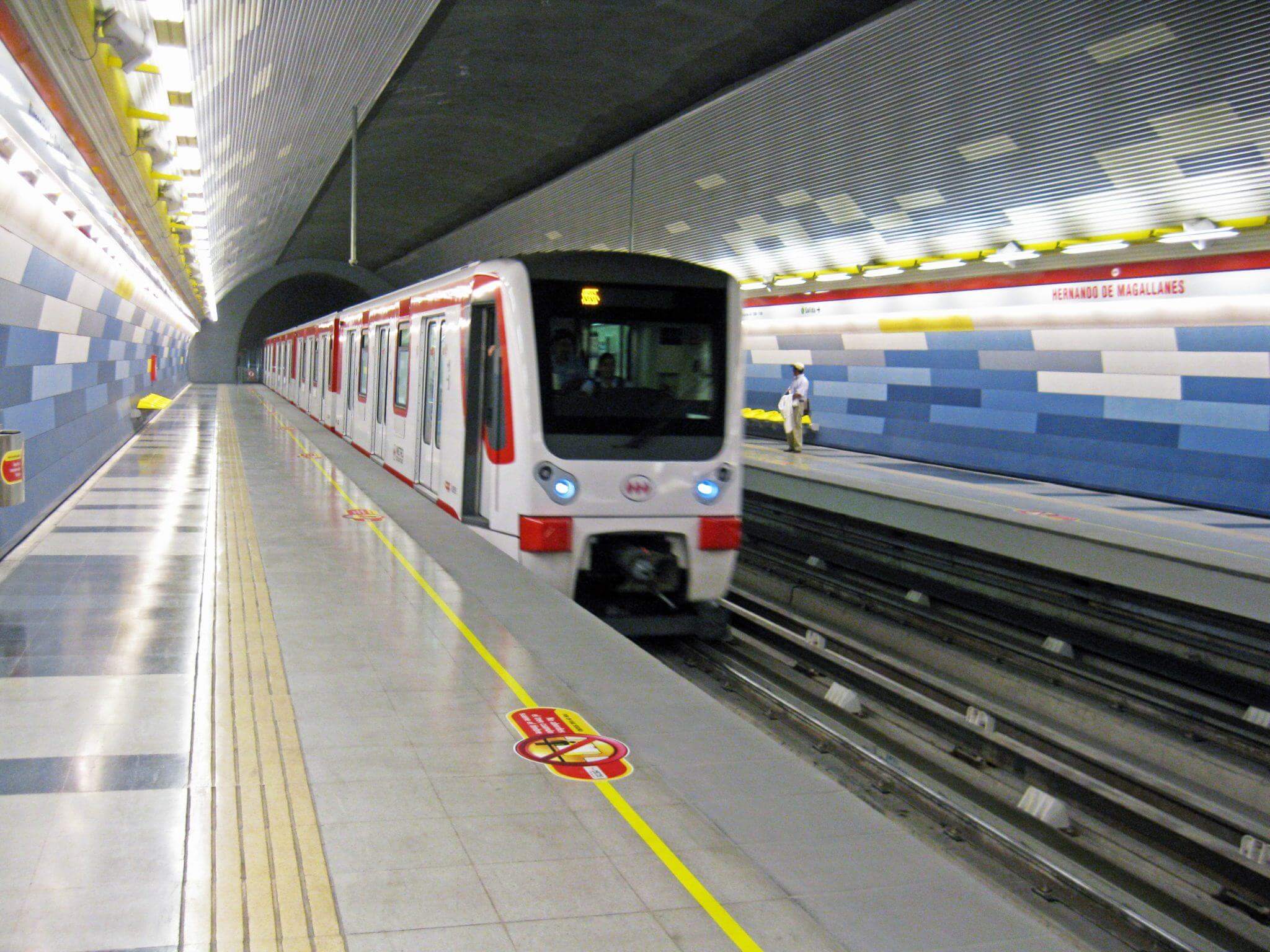
Santiago’s Metro system is clean, efficient, and one of the safest in South America. Get a Bip! card for buses and trains — it’s your all-access pass.
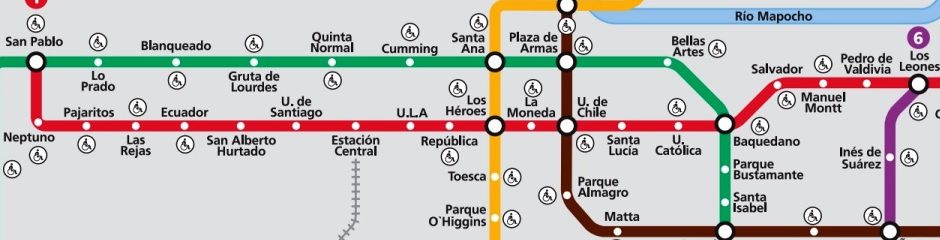
🚆 Metro Tip: Line 1 (Red Line) connects most tourist spots — from downtown (Los Héroes) to Las Condes and Providencia. 🚖 Taxi/Apps: Uber and Cabify work well here. 🚗 Road Tip: If you rent a car, the highways are well-marked and scenic, but avoid rush hour (7–9 AM and 6–8 PM). Download offline maps — it’ll save data and gas!
No ferries within the city, but you can take scenic day trips to the Valparaíso coast (about 1.5 hours away).
Navigating Santiago Like a Local: Your Guide to Buses, Metros, and Taxis
Alright, let’s talk logistics. Figuring out how to get from A to B in a new city can feel like solving a Rubik’s cube blindfolded. But in Santiago, it’s surprisingly straightforward once you know the rules of the game. The city’s public transport system is a well-oiled machine, and with a few insider tips, you’ll be zipping around like a Santiaguino in no time.
The Holy Grail: The BIP! Card
Before you do anything else, you need a BIP! card (pronounced “beep”). This little piece of plastic is your golden ticket to the city. Think of it like London’s Oyster card or New York’s MetroCard, but arguably better integrated.
Where to Get It: Any Metro station, at the automated machines or the ticket counter. The machines have an English language option—look for the little British flag.
How Much: The card itself costs about $1.500 CLP (roughly $1.50 USD), and you’ll need to load it with credit. I’d start with $10.000 CLP ($10 USD) for a weekend; you can always add more.
The Best Part: It works seamlessly on the entire system—the Metro, the city buses (called micros), and even the funiculars to the hills. You just tap and go.
A close-up of a person using a BIP! card, the all-access pass for navigating Santiago’s public transport system.
The Metro: Santiago’s Shining Star
I’m not exaggerating when I say the Santiago Metro is one of the best I’ve ever used. It’s clean, efficient, safe, and the stations often feature cool public art.
How to Use It: Tap your BIP! card at the turnstile. The map is color-coded and easy to follow. Google Maps is scarily accurate for giving you the best Metro route, including which stop to get off at and even which carriage to board for the easiest exit.
Cost: A single Metro ride costs $830 CLP (about $0.85 USD) during off-peak hours. It’s slightly more during peak times (7:00-9:00 AM and 6:00-8:00 PM), which is a smart way to discourage crowding.
Pro Tip: Avoid the Metro during hora punta (rush hour) if you can. The crowds can be intense, and it’s a prime time for pickpockets. If you must travel then, wear your backpack on your front and keep your wallet in a front pocket. My strategy? I use that time to sit in a lovely café and plan my next move.
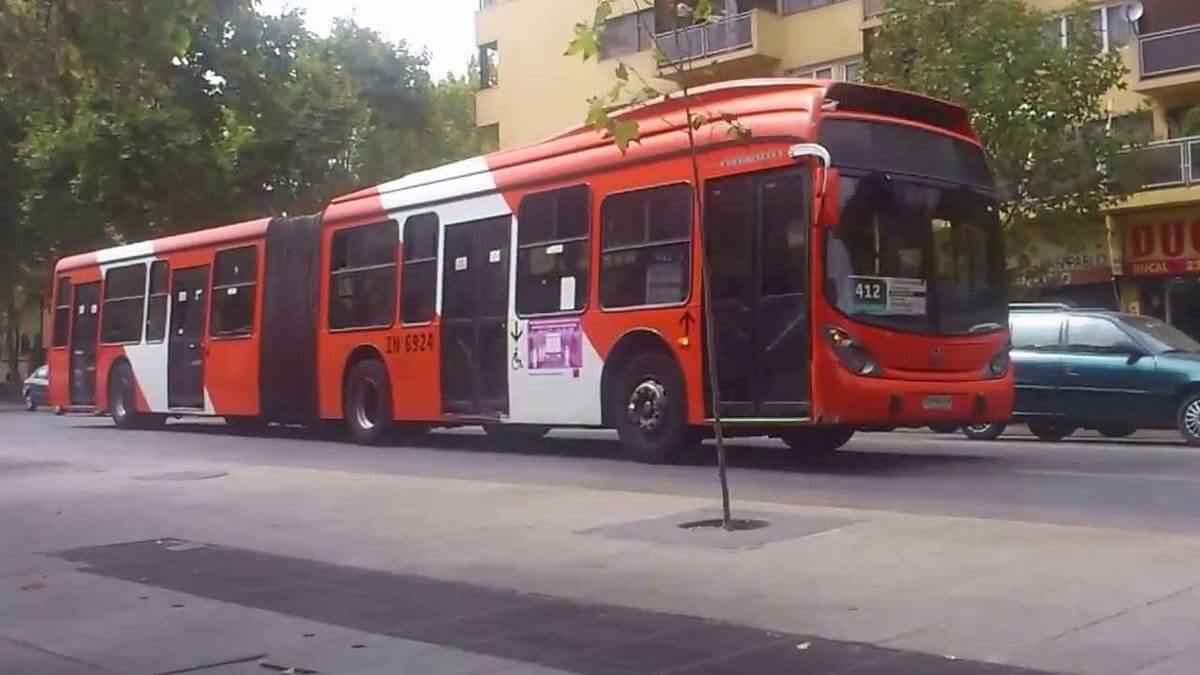
The bright red and white and green and white buses fill in the gaps the Metro doesn’t cover. They can seem chaotic at first, but they’re the lifeblood of the city.
How to Use Them:This is the trickiest part. There’s no map inside the bus. Your best friend is the app “Moovit” or Google Maps. It will tell you the exact bus number and stop you need. When you see your bus, give a little wave to the driver. Get on, tap your BIP! card on the reader, and hold on.
The Key to Getting Off: Chilean buses don’t automatically stop at every corner. You have to press the stop button! Look for a red button or a cord running along the windows. Press it before your stop so the driver has time to pull over.
Cost: Also $830 CLP with your BIP! card. You get a free transfer between Metro and bus (and vice versa) within a two-hour window, which is an amazing deal.
Taxis & Ride-Sharing: The Easy Way Out
Sometimes, your feet are tired, it’s late, or you just can’t be bothered. That’s okay.
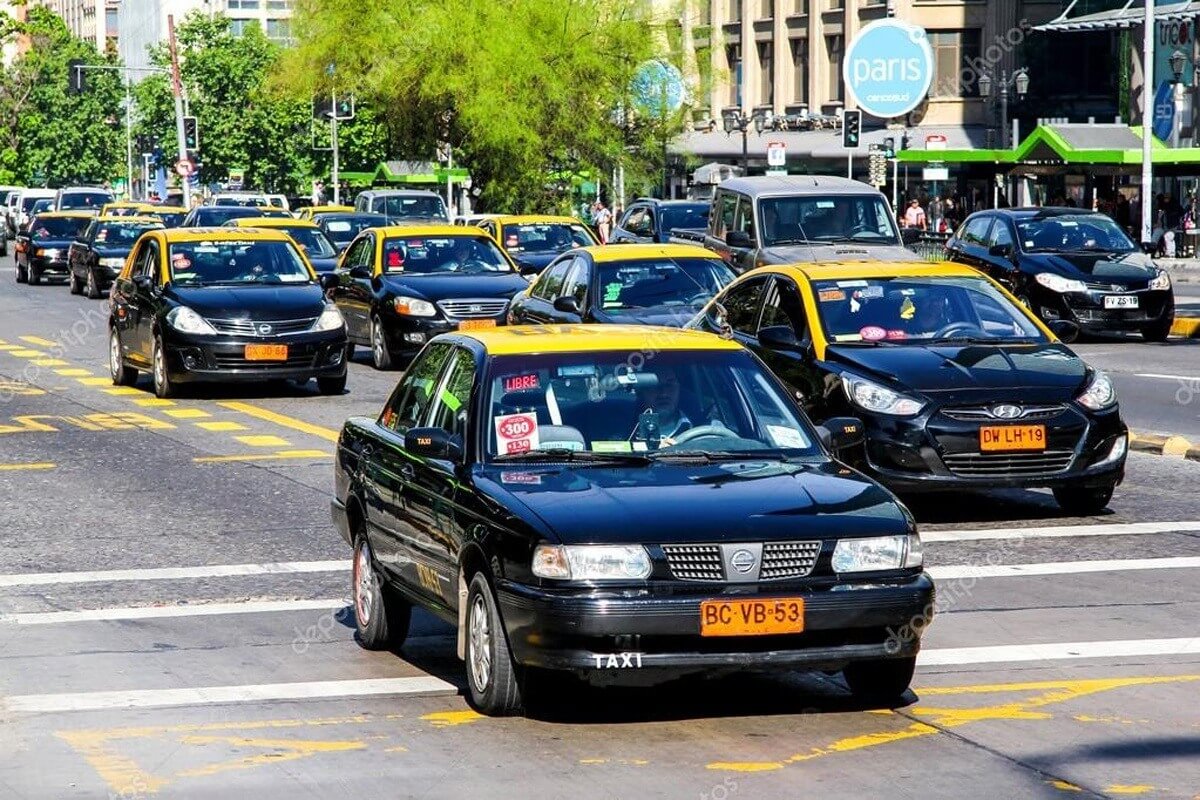
Official Taxis: Look for black with yellow roofs and a lit-up taxi sign on top. They have meters (taxímetro). Always ensure the meter is running when you start your journey to avoid “creative” pricing at the end.
Uber & Cabify: These apps are widely used in Santiago. I used Uber extensively and found it reliable and affordable. The price is fixed upfront, so there’s no haggling or meter anxiety. This is often my preferred method, especially at night or when going to/from a nice dinner.
A Quick Note on Ferries
This is a common question! While Chile has an incredible ferry system in the south (the Navimag ferry through the fjords is a bucket-list trip), there are no passenger ferries within the city of Santiago. It’s a landlocked city in a valley. The closest major body of water for a ferry is over 100 km away in Valparaíso. So, for your weekend trip, you can focus on mastering the land-based options!
🚌 Getting to the City: Your best bet is the official TurBusor Centropuerto shuttle. For about $7-10 USD, they’ll drop you at Los Héroes station, a central metro stop. It’s comfortable, reliable, and the first of many money-saving wins. From there, the Santiago Metro (seriously, one of the best systems in the Americas) is your best friend.
🏨 Drop Your Bags: I’m a huge fan of staying in the Lastarriaor Bellavista neighborhoods. They’re central, walkable, and pulsing with life. I found my perfect boutique hotel in Lastarria on —it had a rooftop view of the Santa Lucia hill I’ll never forget.
🌅 Evening Exploration: Once you’re settled, dive intoBarrio Bellavista. This is Santiago’s bohemian heart. Grab a chorrillana (a mountain of fries topped with steak, onions, and a fried egg—share it, trust me) at a local picada. As dusk falls, walk along the colorful, graffiti-covered streets. The energy here is contagious.
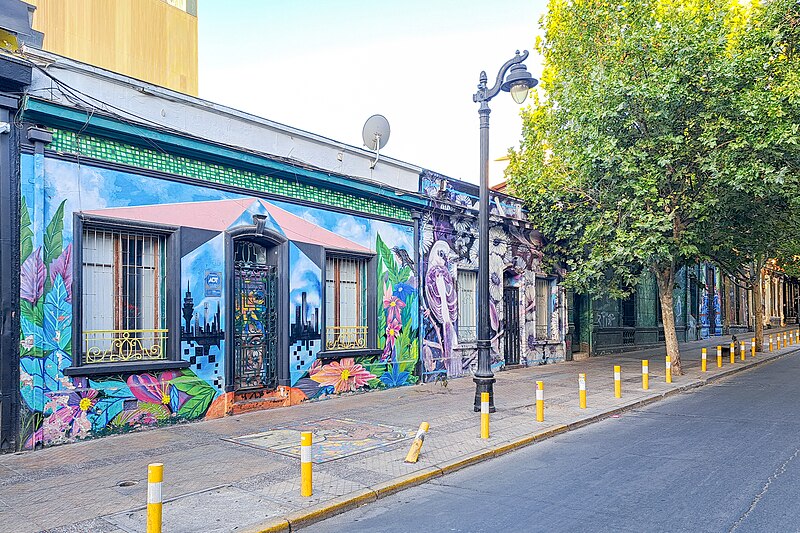
Enjoy the mouthwatering chorrillana, a beloved Chilean dish featuring fries topped with steak, onions, and fried eggs—a perfect local treat in Santiago. The Ultimate Shareable Feast: Don’t even think about ordering this for yourself! This is a chorrillana, Chile’s legendary answer to late-night hunger. A mountain of crispy fries is piled high with juicy steak, caramelized onions, and crowned with perfectly runny fried eggs. It’s the perfect, gloriously messy dish to share with friends after a night out. Pro Tip: Dig in fast while the egg yolks are still warm!Vibrant street art graces the colorful buildings of Santiago, showcasing the city’s artistic spirit.
Saturday: City Peaks & Market Feasts
Morning: Choose Your Own Adventure
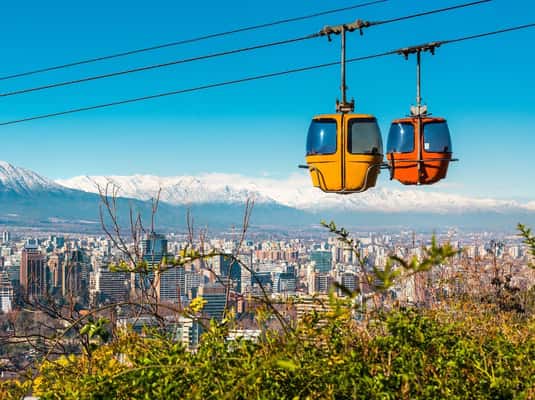
For the Active Soul: Hike up Cerro San Cristóbal. You can walk, or take the funicular from the Bellavista entrance. The reward at the top? A stunning 360-degree view of Santiago sprawled beneath the mighty Andes, with the serene statue of the Virgin Mary watching over it all. Pro Tip: Go early to avoid the crowds and the midday heat.
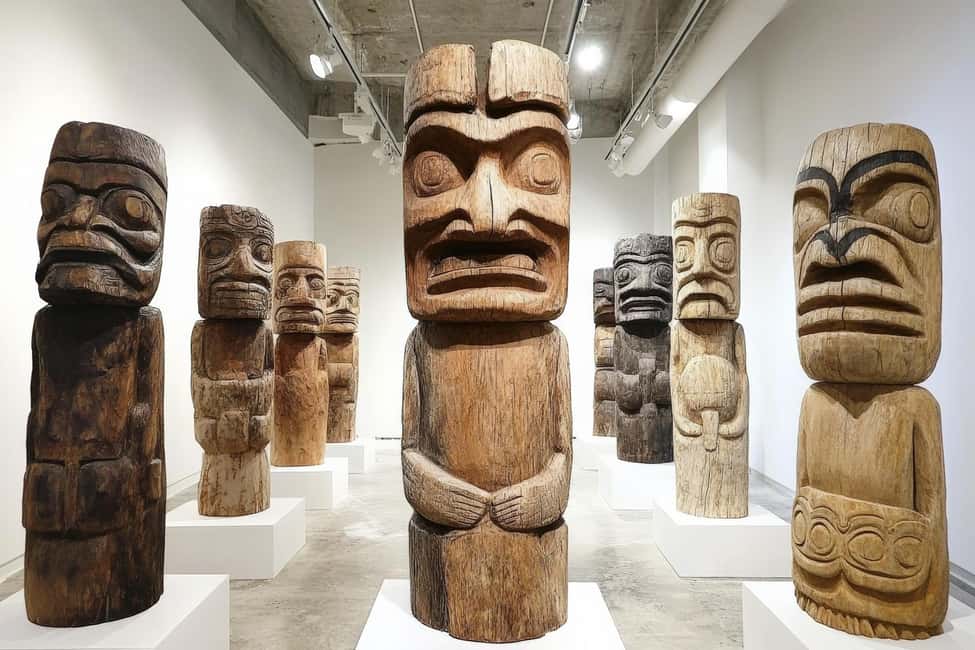
For the Culture Vulture: Head to Museo Chileno de Arte Precolombino. This museum is a world-class gem, showcasing the incredible artistic heritage of ancient Latin America. It’s beautifully curated and a fantastic way to understand the continent’s deep history.
Cable cars overlooking Santiago with the Andes mountains in the background, offering stunning views of the city.
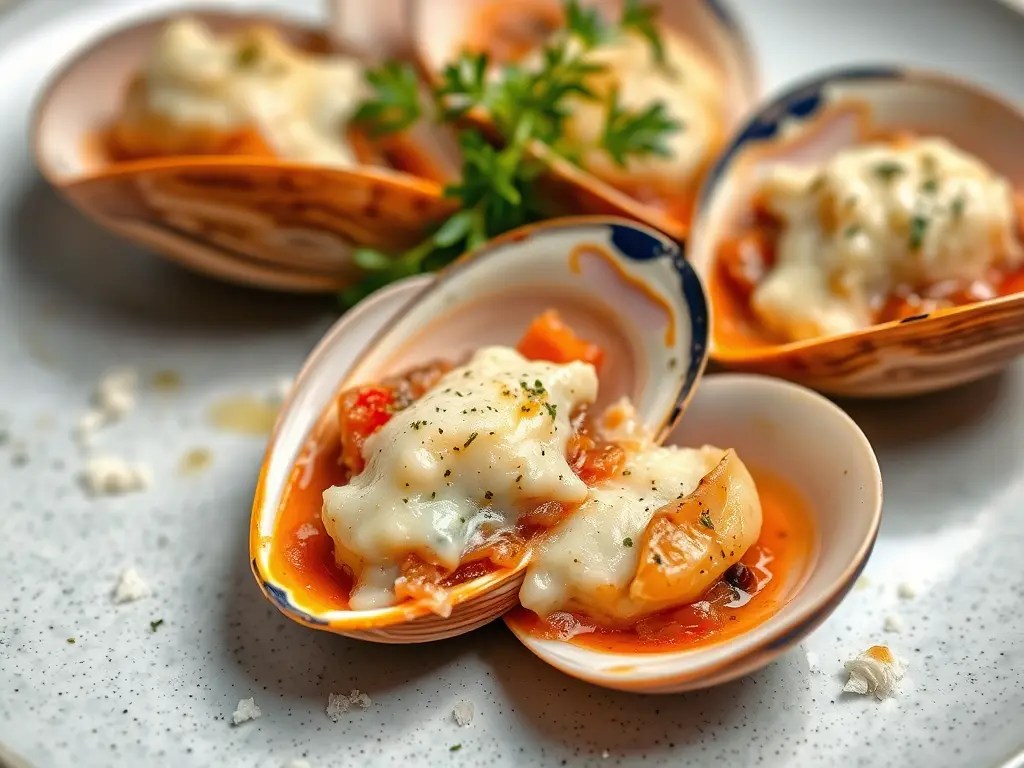
Afternoon: A Feast for the Senses No trip to Santiago is complete without getting delightfully overwhelmed at Mercado Central (for seafood) and La Vega Central (for everything else). The hustle, the scents, the shouts of vendors—it’s a symphony of local life. For lunch, pull up a stool at a counter in Mercado Central and order a plate of machas a la parmesana (razor clams with parmesan cheese). You can thank me later.
Wooden sculptures depicting traditional art forms in Santiago’s museum, showcasing the rich cultural heritage of Chile.
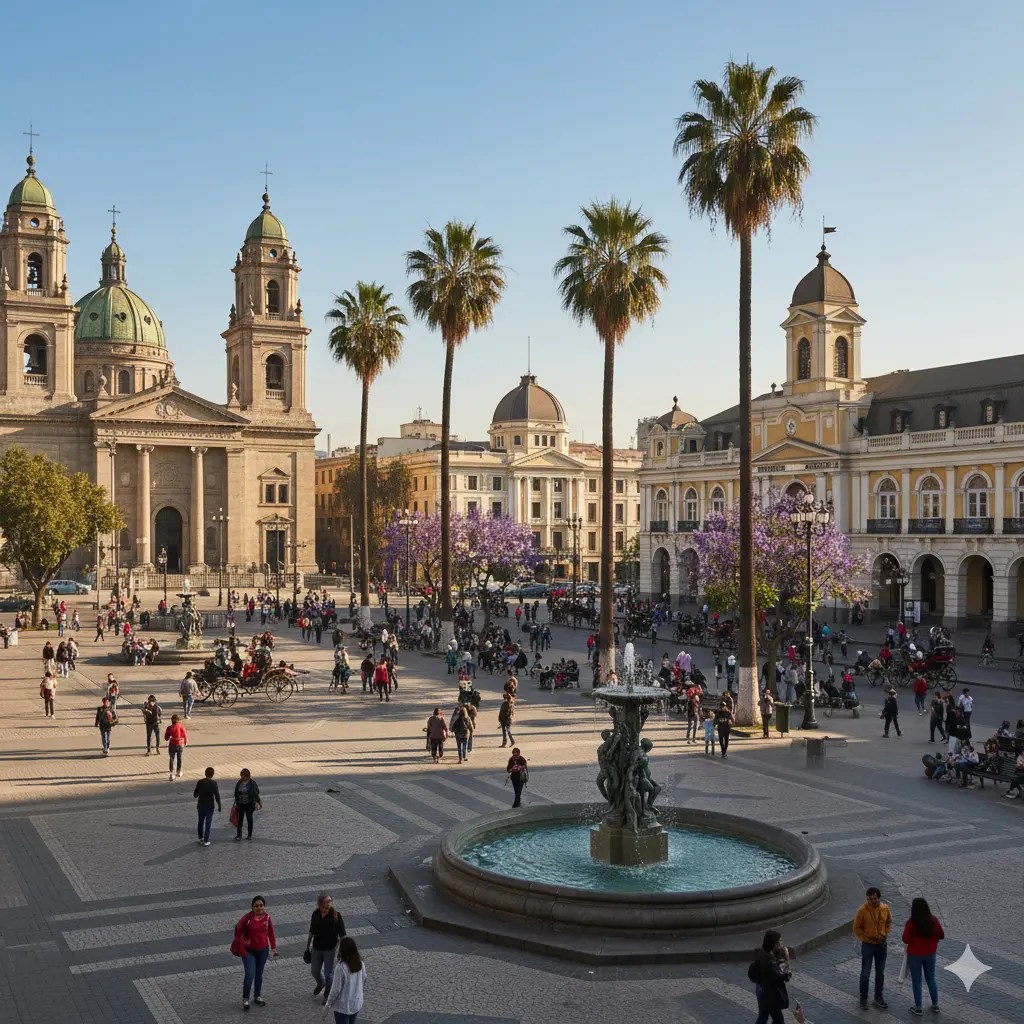
Evening: A Sunset to Remember Take the metro to thePlaza de Armas and wander through the historic center. Then, make your way to Sky Costanera, the tallest building in Latin America. I was skeptical—I usually avoid super touristy spots—but watching the sun set from the open-air top floor, painting the Andes in shades of pink and orange, was worth every penny. It’s a perspective of the city you simply can’t get anywhere else.
Reaching for the Sky: The Gran Torre Santiago & Sky Costanera
Alright, let’s clear up a common point of confusion that I had myself before my first visit. You’ll hear two names for this iconic spot:
Gran Torre Santiago: This is the name of the actual skyscraper. It’s the towering glass behemoth itself, part of the Costanera Center complex. It holds the title of the tallest building in Latin America.
Sky Costanera: This is the name of the experience—the magnificent observatory and viewing deck on the 61st and 62nd floors. This is what you’re buying a ticket for.
So, you go to the Gran Torre Santiago to visit Sky Costanera. Think of it like going to the Empire State Building to visit its observatory.
My Take: Is It Worth It?
I’ll be honest, I’m often skeptical of these super-touristy viewpoints. They can be expensive and crowded. But I have to admit, Sky Costanera is an exception. The 360-degree view of Santiago is absolutely unparalleled.
Here’s the view that sold me: On one side, you have the endless, sprawling city. On the other, the mighty, snow-capped Andes mountains seem close enough to touch. It’s the only place where you can truly grasp the epic scale and dramatic setting of Santiago. Watching the sunset from up there is a genuine “pinch me” moment.
Savvy Traveler Tips for Your Visit:
Beat the Crowds: Go right when it opens (10:00 AM) on a weekday for the quietest experience. Alternatively, book your ticket online in advance for a specific timeslot to avoid long queues.
Sunset Strategy: Sunset is the most popular (and crowded) time. If you go then, book ahead and be prepared for company. The light is magical, but for a more peaceful experience, a day-time visit offers crystal-clear views of the Andes.
Weather Check: Before you buy a ticket, do a quick sky check. If it’s a cloudy or smoggy day (pronóstico de smog), the views will be completely obscured, and it’s not worth the price.
Combo Deal: Your ticket gives you access to both the 61st and 62nd floors. The 62nd is open-air with glass barriers, which is fantastic for photography without reflections.
In short: Yes, it’s touristy. But the perspective it offers is a foundational part of understanding Santiago’s geography. It’s a splurge that, on a clear day, pays off in unforgettable memories.
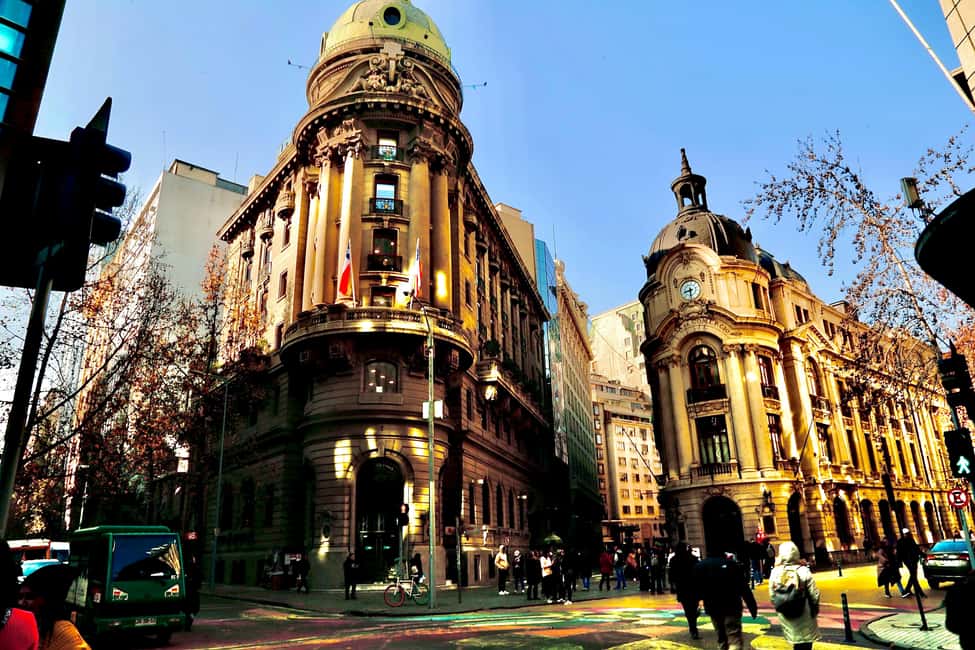
A vibrant view of historic architecture in downtown Santiago, Chile, showcasing the city’s rich cultural heritage.Delicious _machas a la parmesana_ served in elegant shells, a must-try dish at Mercado Central in Santiago. Your First Bite Should Be This: Behold, the glorious machas a la parmesana! This is the quintessential starter at Santiago’s Mercado Central. Imagine tender razor clams, bathed in butter and garlic, topped with bubbling parmesan cheese, all served in their beautiful natural shell. It’s the perfect, briny, cheesy introduction to Chilean coastal cuisine.The stunning architecture of a historic church in Santiago’s central square, showcasing the city’s rich cultural heritage. The heart of Santiago: Plaza de Armas, featuring the Metropolitan Cathedral and historic surrounding buildings. A central meeting point rich in Chilean history and daily life.The towering Gran Torre Santiago stands out against the backdrop of the Andes mountains in Santiago, Chile.
Sunday: Wine, Art, or Heights
Your final day deserves something special.
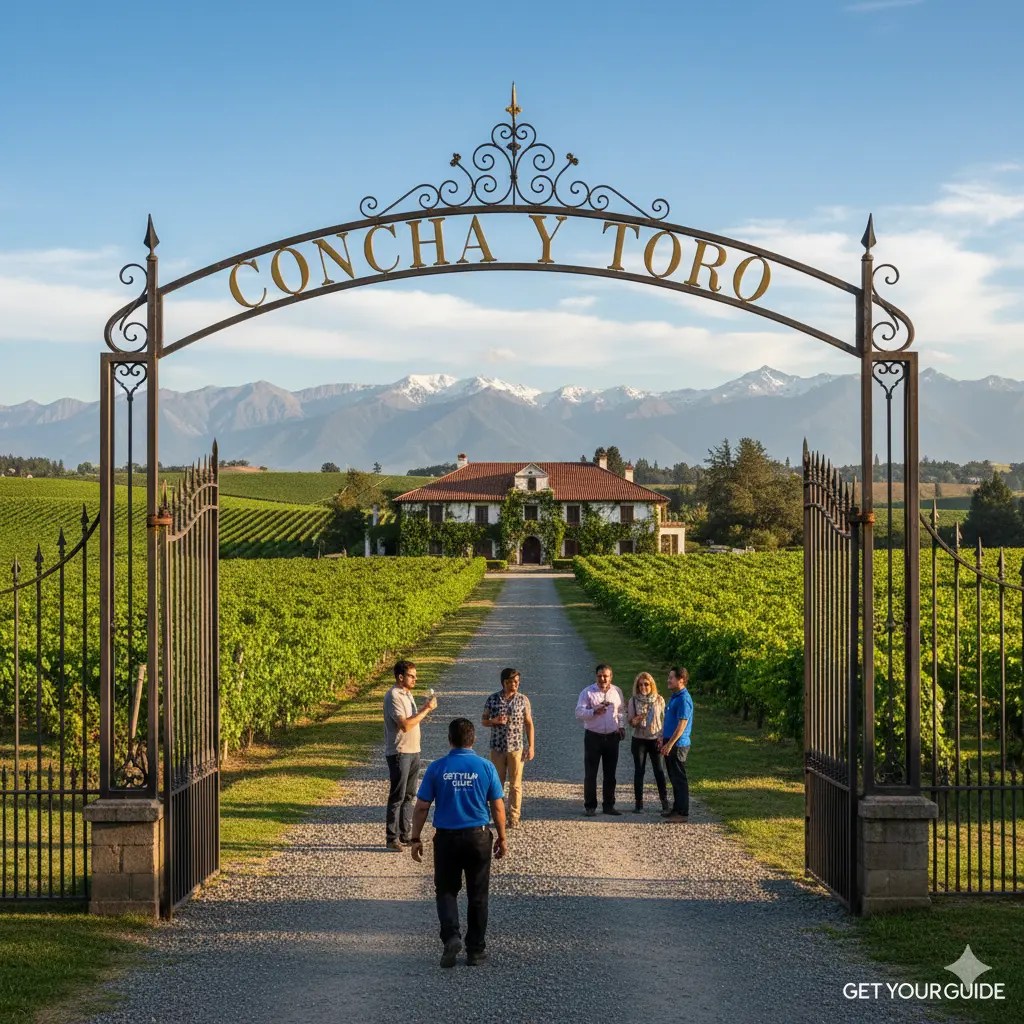
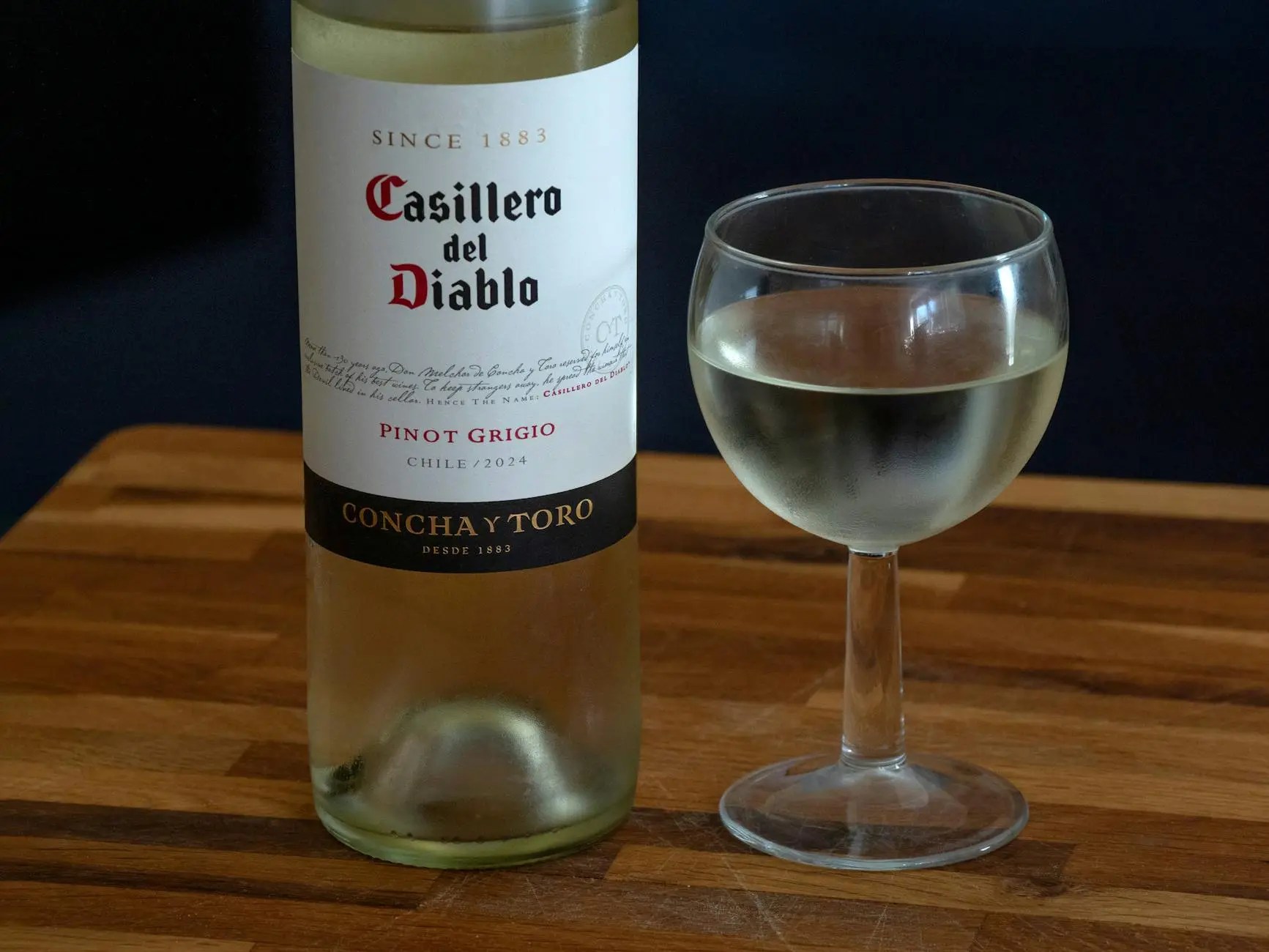
Option 1: The Connoisseur’s Choice. Take a tour to theConcha y Toro winery in the Pirque region. It’s easily accessible from the city, and walking through the vineyards and tasting their famous Casillero del Diablo wine is a perfect Chilean experience. Booking this tour in advance online often saves you money and guarantees a spot.
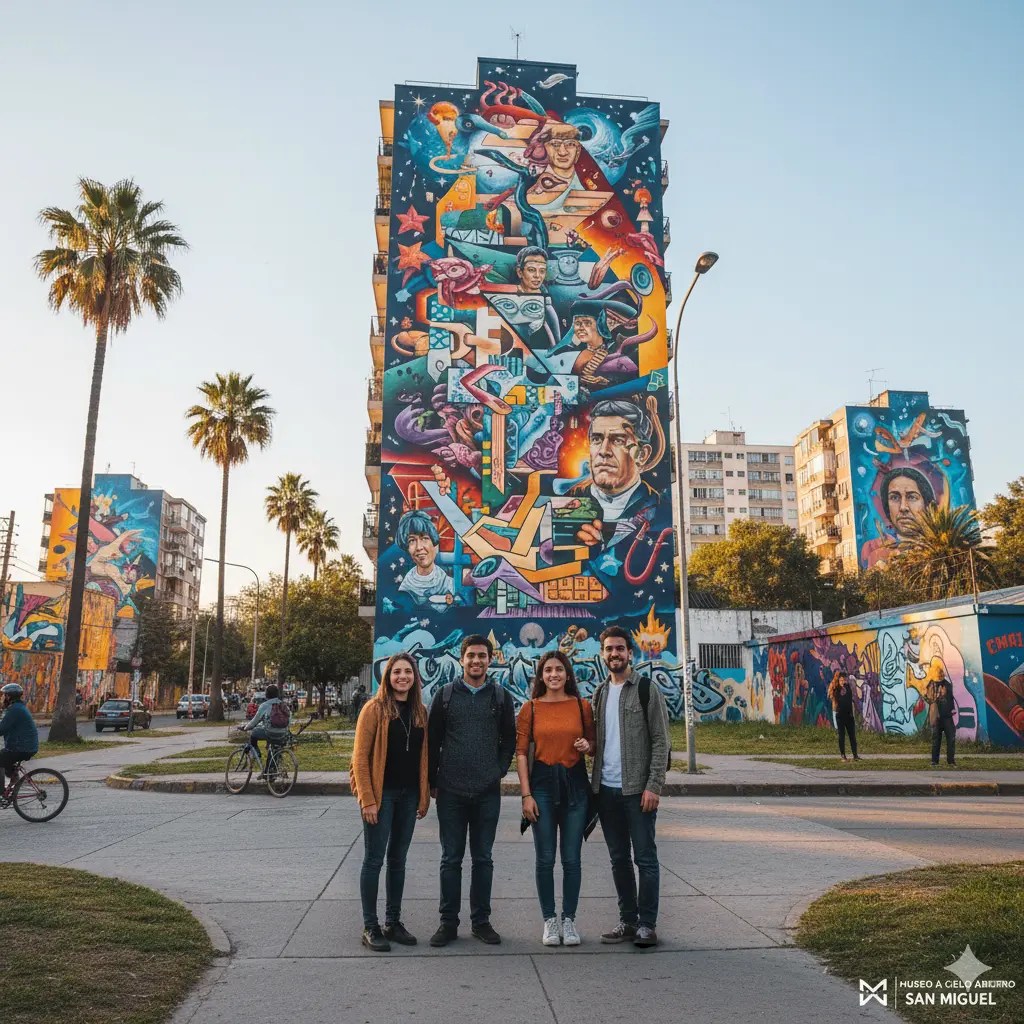
Option 2: The Artsy Escape. Explore the Museo a Cielo Abierto in San Miguel—an “open-air museum” of massive murals painted on apartment buildings. It’s a vibrant, community-driven art project that’s completely free.
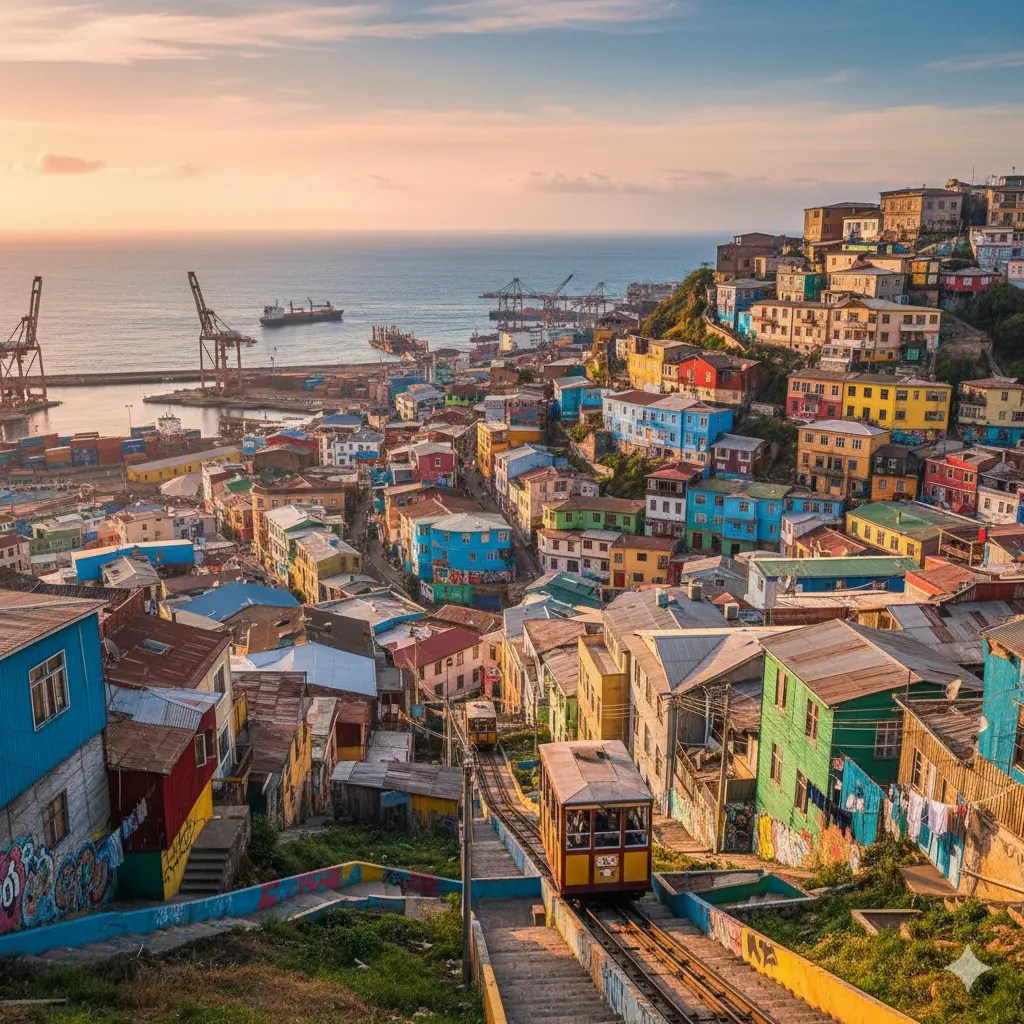
Option 3: The Mountain Getaway. If you have a bit more time and energy, consider a day trip toValparaíso, the colorful port city. While it’s a 90-minute bus ride, the chaotic charm of its hillside ascensores (funiculars) and street art is unforgettable. For more on coastal Chile, check out my guide to Exploring Chile’s Coastline.
Visitors explore the scenic Concha y Toro winery, surrounded by lush vineyards and the majestic Andes mountains. Stepping into a Chilean Legend: The iconic entrance of Viña Concha y Toro, one of the world’s most famous wineries. Fun fact: “Concha y Toro” means “Shell and Bull,” a name that comes from the founder’s family coat of arms. This is where your journey into Chilean wine begins!Enjoying a glass of Casillero del Diablo Pinot Grigio, a renowned Chilean wine from Concha y Toro. The Devil’s Own White: This is the Casillero del Diablo Reserva Pinot Grigio – my go-to for a crisp, refreshing white. With its notes of citrus and green apple, it’s the perfect bottle to enjoy on a warm Santiago afternoon or to bring back as a delicious (and affordable) souvenir.Explore the vibrant street art in San Miguel, showcasing stunning murals and local culture. Art for Everyone: A burst of color in the San Miguel neighborhood! This is the Museo a Cielo Abierto, a true “open-air museum” where the walls of apartment blocks are the canvases. It’s a free, walkable gallery showcasing some of Santiago’s most impressive urban art, created to transform the community.A stunning view of Valparaíso’s colorful hillside neighborhoods and bustling coastline at sunset. The Jewel of the Pacific: Just a 90-minute bus ride from Santiago lies Valparaíso, a city that feels like a different world. This is the view that greets you—a chaotic, beautiful cascade of colorful casas tumbling down the hillsides towards the sea. It’s a place of poets, pirates, and unparalleled charm.
Santiago’s Hidden Gems: Beyond the Guidebook
Café con Piernas: Want a truly local, slightly quirky experience? Pop into a “Café con Piernas” (Coffee with Legs). These are stand-up espresso bars, often in dark, club-like rooms, staffed by waitresses in short dresses. It’s a unique Santiago tradition—just order your coffee, drink it quickly, and move on with a story to tell.
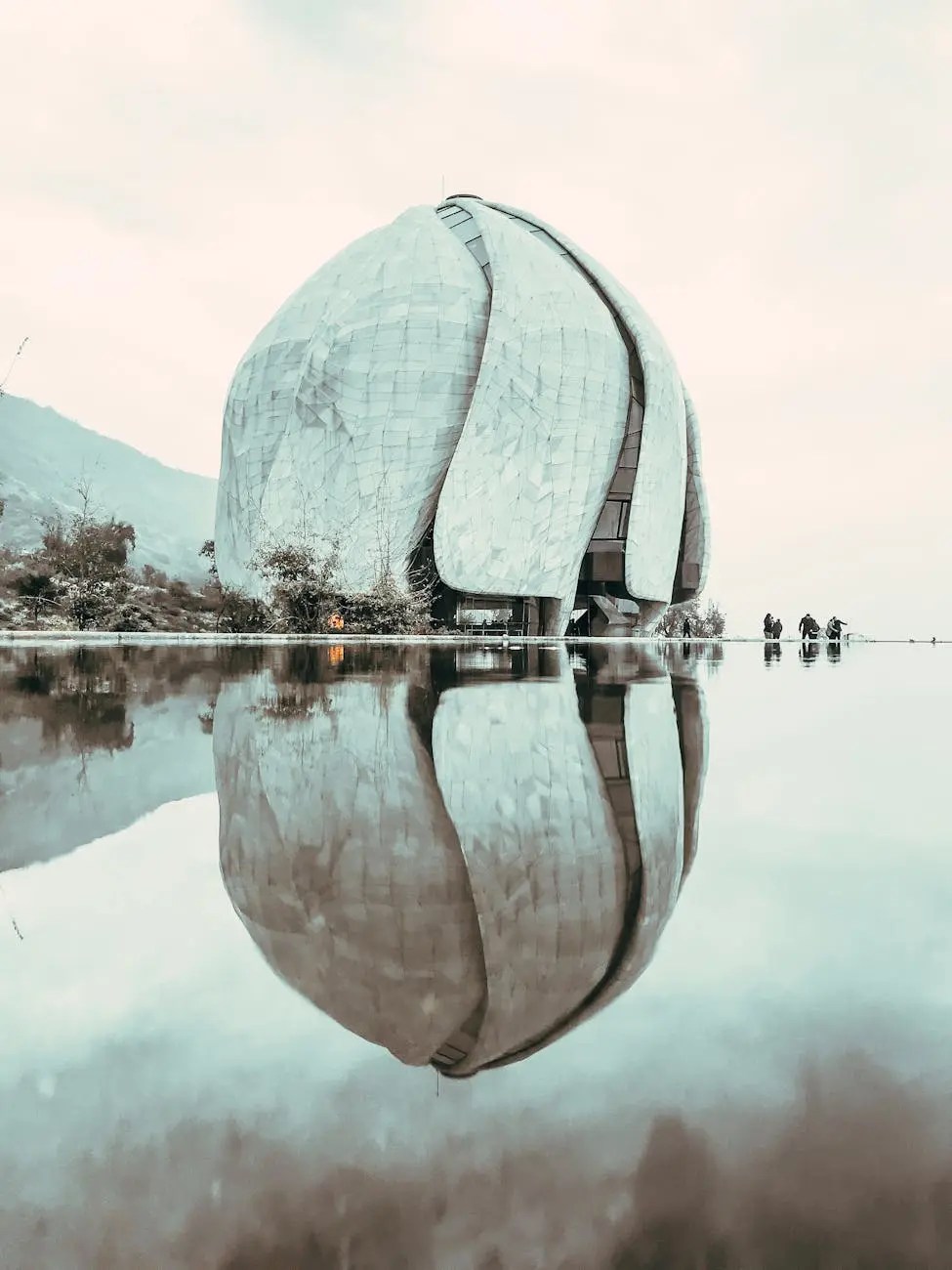
Baha’i Temple: Located on the outskirts of the city, this lotus flower-shaped temple is a sanctuary of breathtaking peace and architecture. The views and the silence are profoundly moving.
Patio Bellavista: While not exactly hidden, this courtyard within Bellavista is perfect for an evening pisco sour. It’s less chaotic than the main streets and has a great selection of restaurants and bars.
The Baha’i Temple in Santiago, Chile, showcasing its unique lotus flower-inspired architecture. The Bahá’í Temple of South America isn’t just a building; it’s an experience. Its nine graceful “petals,” crafted from translucent marble, seem to glow from within. The profound silence inside, broken only by birdsong, is as breathtaking as the Andean backdrop. It’s a place for quiet reflection, regardless of your faith.
The Savvy Traveler’s Toolkit: Logistics Made Easy
🗣️ Speak Like a Local (A Little Bit):
Hola (OH-lah) – Hello
Por favor (por fah-VOR) – Please
Gracias (GRAH-syahs) – Thank you
La cuenta (lah KWEHN-tah) – The bill
Carrete (kah-REH-teh) – Party (Chileans love a good carrete)
Permiso = Excuse me
💰 Money-Saving Tips:
Transport: Get a BIP! card at any metro station. It works on the metro and buses, and fares are significantly cheaper than single tickets.
Food: Lunch is the main meal in Chile. Look for “menú del día” for a fixed-price, multi-course meal that’s a fraction of dinner prices.
Water: The tap water in Santiago is safe to drink. Carry a reusable bottle!
🌐 Staying Connected & Secure: Letting your mobile carrier rob you with roaming fees is so 2010. On my last trip, I used Drimsim, a global SIM that works in over 190 countries. Pop it in, top up via the app, and you’re online the moment you land. No more frantic airport SIM hunts!
And while we’re on tech, public Wi-Fi is a blessing and a curse. To keep my bookings and photos safe, I never travel without my NordVPN. It’s a digital seatbelt for your internet connection.
✈️ Travel Smart, Travel Insured: A weekend trip can still go sideways. I never leave home without travel insurance from VisitorsCoverage. It’s a platform where you can compare plans and find one that fits your specific trip. It’s the peace of mind that lets you truly relax.
Speaking of things going sideways…
✈️ Flight Delayed or Canceled? Don’t just sit there fuming! You might be entitled to up to $650 in compensation. Most people have no idea, but I’ve used AirHelp to successfully claim money back. They handle all the annoying paperwork and only get paid if you win. It’s a no-brainer.
📸 Capture the Magic: The light in Chile, with the clear Andean air, is a photographer’s dream. I captured all the photos for this blog with my trusty Sony Alpha. It’s a workhorse that’s perfect for both sweeping landscapes and intimate street shots.
🧴 Look Fresh After a Long Flight: That long flight can do a number on your skin. My secret weapon? Lakinza K-beauty products. Their serums and masks are a hydration miracle. Use code Lalax10 at checkout for a sweet discount on your glow-up.
Your Santiago Weekend FAQ
Do I need a visa for Chile? It depends on your nationality! Citizens of the US, Canada, UK, and Australia currently do not need a visa for tourist stays of up to 90 days. Always double-check with official government sources before you travel, as policies can change.
What’s the best way to get around Santiago? The Metro is your best friend—it’s clean, efficient, and extensive. For places it doesn’t go, the microbuses (local buses) are easy to use with a BIP! card. I’d avoid renting a car for a weekend trip; city traffic can be hectic.
Is Santiago a safe city for tourists? Like any major city, be smart. Be aware of your surroundings in crowded areas like markets and on the Metro. Don’t flash expensive jewelry or phones. Stick to well-lit areas at night, and use Uber or registered taxis after dark. I’ve always felt safe by following these basic rules.
What’s one thing I absolutely shouldn’t miss? The view from the top of Cerro San Cristóbal at sunset. It encapsulates the entire Santiago experience in one breathtaking panorama.
What’s the local currency? A: Chilean Peso (CLP). Use ATMs instead of airport exchange booths for better rates.
Can I drink tap water? A: Yes — it’s safe, but bottled water is widely available if you prefer.
Any vegetarian options? A: Absolutely! Santiago’s food scene caters to all diets — try “Empanadas de Queso” or “Porotos Granados.”
Ready to Pack Your Bags?
Santiago is waiting to surprise you. With this plan, you’re not just visiting; you’re experiencing the city like a seasoned traveler. Now go enjoy your wine, your views, and your well-earned escape.
What’s your favorite South American city escape? Share your tips in the comments (and for more travel inspiration, don’t forget to check out the full Travel Master List!)
🌅 10. Final Thoughts & Call to Adventure
A weekend in Santiago, Chile feels like three trips in one — mountain views, city lights, and vineyard afternoons. Whether you’re hiking the Andes or sipping a Carménère under a terrace umbrella, the city delivers magic in every corner.
So, what are you waiting for? 👉 Plan your Santiago weekend now on Expedia — flexible stays, best prices, and no stress.
Meta Description: Dreaming of a weekend in Lima, Peru? This ultimate guide unlocks the best of the City of Kings in 48 hours. Get insider tips on Miraflores, Barranco, authentic ceviche, public transport, and hidden gems to maximize your time and budget. Your perfect Peruvian escape starts here!
So, your calendar has a glorious, empty weekend staring back at you, and you’ve decided to fill it with the vibrant energy of Lima, Peru. Excellent choice. Forget everything you’ve heard about it just being a gateway to Machu Picchu; Lima is a destination that buzzes with life, flavor, and a thrilling clash of the ancient and the ultra-modern.
I once made the mistake of treating Lima as a mere layover. I left 48 hours later, my mind blown and my stomach eternally grateful, vowing to return. This guide is the one I wish I’d had—a no-nonsense, time-conscious, and fun-filled plan to help you conquer the City of Kings in one unforgettable weekend.
Why Lima? The City of Kings & Flavors
When I first landed in Lima, I wasn’t sure what to expect — just a blur of ocean mist, pastel-colored cliffs, and the smell of anticuchos sizzling on every corner. Within hours, I realized this city has a pulse — somewhere between bohemian and beachy.
Nicknamed “La Ciudad de los Reyes” (City of Kings), Lima blends Incan heritage, Spanish colonial charm, and modern coastal coolness all in one weekend-perfect destination.
If you’ve read my past city escapes like Miami or San Francisco, you know I love cities where you can surf, sip coffee, and visit museums all before sunset — Lima absolutely nails that combo.
🗓️ Best Time to Visit & Visa Tips
Best time to visit: December to April — Peru’s summer months, when Lima’s coast is bright and warm. Avoid June–September if you’re not a fan of the garúa (a thick coastal fog that can turn photos gray).
Visa: Most travelers from North America, the EU, and many parts of Asia can stay up to 90 days visa-free. Always double-check your country’s status before flying in.
💡 Smart Tip: Check visa requirements and book flights with flexible options on Expedia. Their filter for “no change fee” flights saved me once when I mixed up my dates (don’t ask).
Quick Lima Cheat Sheet:
A “Limeño/a”: A person from Lima. Useful for sounding like a pro.
“La Cuenta, Por Favor”: “The bill, please.” Your most important phrase after a meal.
“¿Cuánto Cuesta?”: “How much does it cost?” Essential for market haggling.
“Bacán”: Slang for “cool” or “awesome.” Sprinkle this in, and watch locals smile.
(Planning a bigger South American adventure? I’ve got you covered. Check out my comprehensive Travel Master List for more guides.)
Your adventure begins the moment you land. After clearing customs at Jorge Chávez International (LIM), you have two main choices to get to the upscale district of Miraflores, where you’ll likely be staying.
The Budget Win: The Airport Express Bus is a fantastic, reliable service. For around $8 USD, it has dedicated stops in Miraflores and is a million times better than dealing with taxi haggles after a long flight.
The Convenience Play: Use the official taxi counters inside the airport. You pay a fixed, slightly higher rate, but it’s safe and direct. I learned this the hard way after a 2 AM arrival and an “interesting” negotiation with a driver who didn’t seem to know his way.
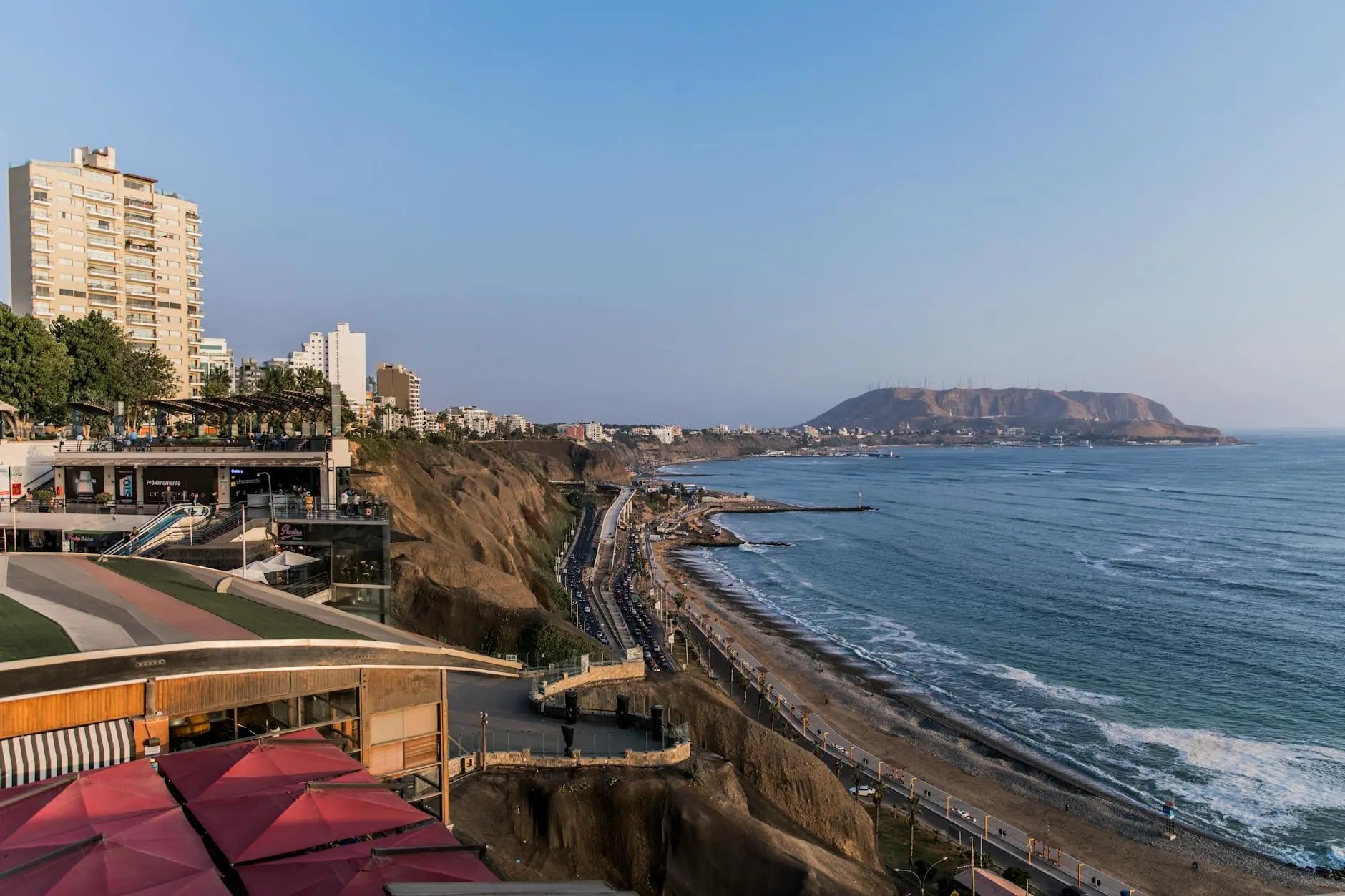
Check into your hotel (I always find the best deals for Lima on Expedia) and head straight to the Malecón—the breathtaking cliff-top park overlooking the Pacific Ocean. Watch the paragliders (parapentes) catch the coastal breeze as the sun begins to set. It’s pure magic.
For dinner, you can’t go wrong in Miraflores. Skip the generic spots and head to a picanteríafor your first taste of Peruvian soul food.
Saturday: Bohemian Vibes & Culinary Heaven
Morning: The Bohemian Pulse of Barranco Grab a coffee and hop on the Metropolitano bus (more on this lifesaver below) south to Barranco, Lima’s coolest neighborhood. This is where the city’s artists and musicians hang out. Stroll through the colorful streets, cross the iconic Puente de los Suspiros (Bridge of Sighs), and soak in the graffiti art that covers every other wall.
My Anecdote: I stumbled upon a tiny art gallery off a side street and ended up chatting with the owner for an hour about Peruvian politics and art, all in broken Spanglish. These are the moments that define a trip.
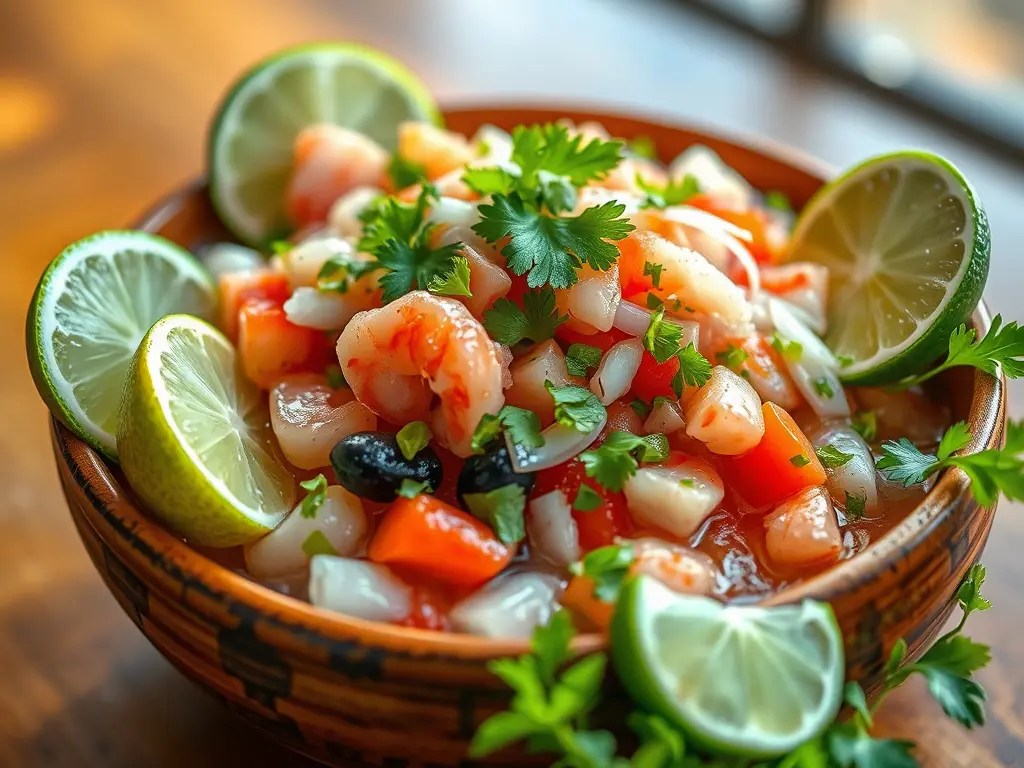
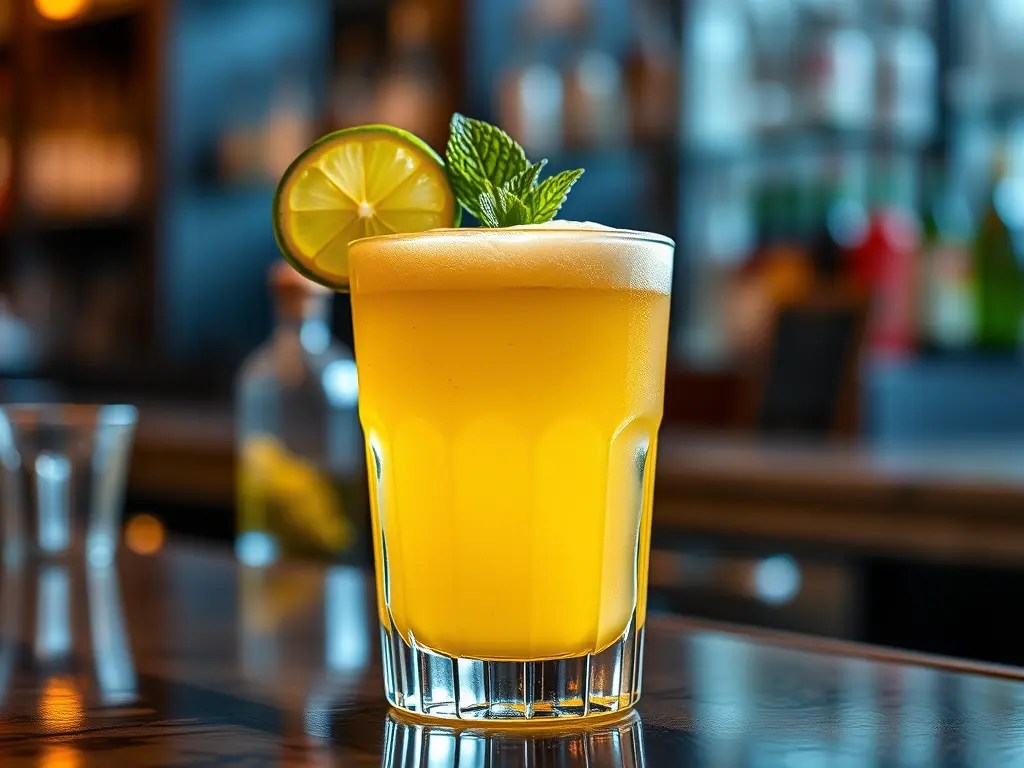
Lunch: Your Ceviche Pilgrimage You are in Peru. You must eat ceviche. For lunch, make your way to a cevichería. The rule of thumb here is that ceviche is a lunch dish—Peruvians believe eating it in the evening is a digestive no-no. Order a classic Ceviche Clásico and a Pisco Sour. The citrusy marinade (leche de tigre) is so good, you’ll want to drink it. And you should.
Afternoon: Choices, Choices!
For the History Buff: Take a taxi to theHistoric Center of Lima (a UNESCO World Heritage site). Wander around the Plaza de Armas, peek into the Monastery of San Francisco and its eerie catacombs.
For the Shopper: Explore theIndian Marketsin Miraflores. It’s the perfect place to pick up alpaca sweaters, souvenirs, and practice your “¿Cuánto Cuesta?” skills.
Evening: A Dinner to Remember Barranco is your spot for dinner and drinks. The area comes alive at night with bustling bars and world-class restaurants. Book a table at a place with live música criolla for the full experience.
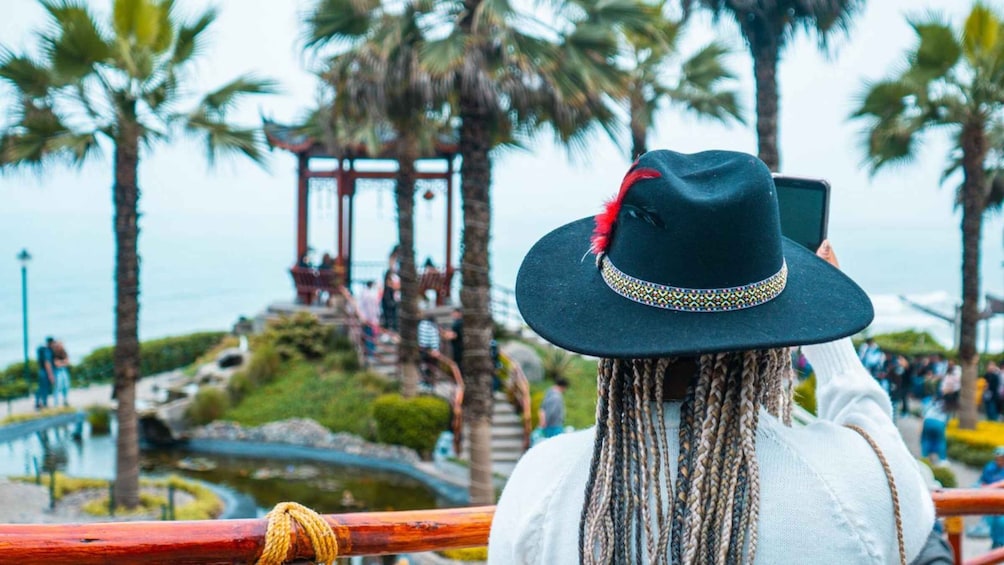
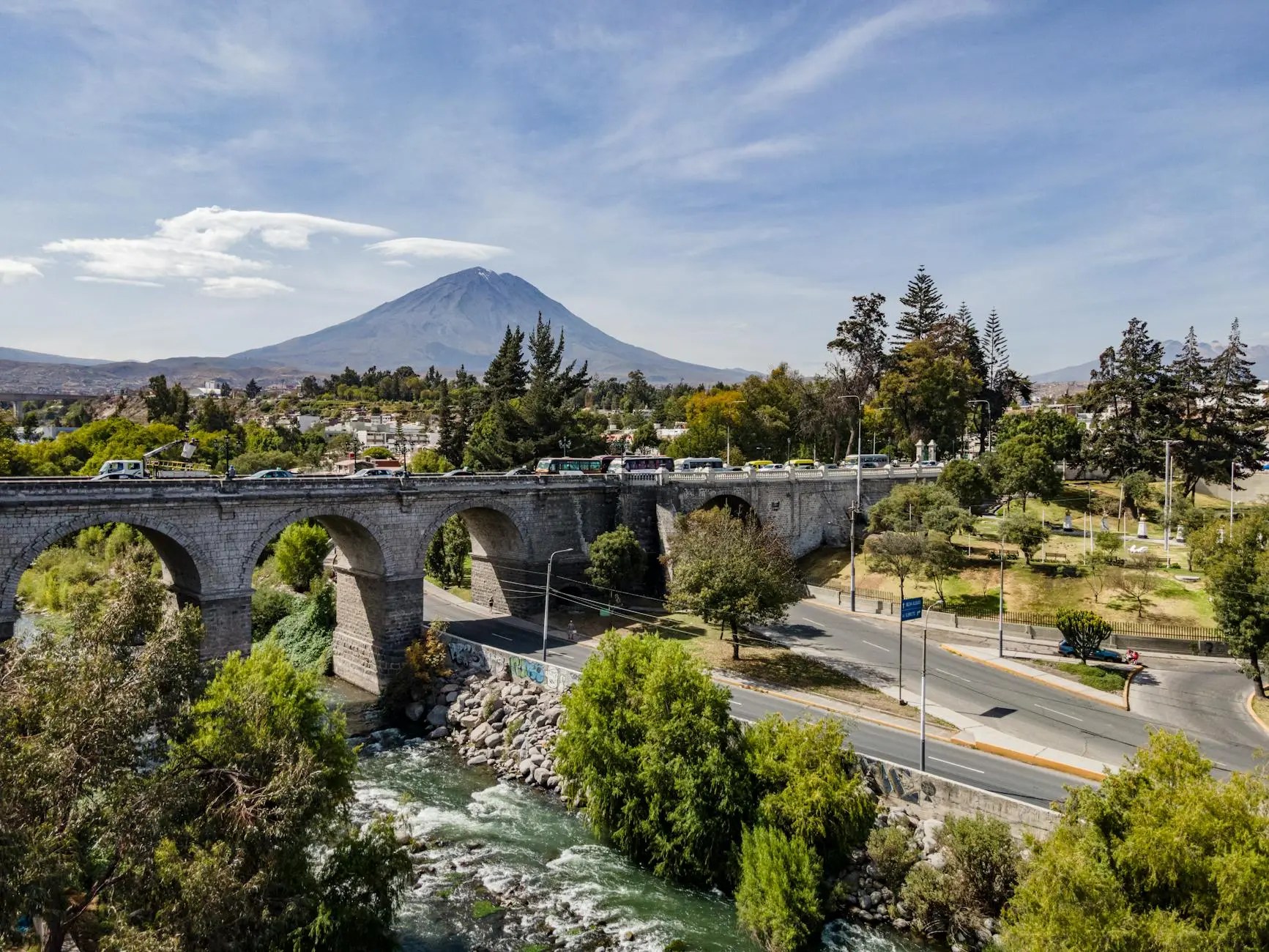
A breathtaking view of the coastline in Lima, Peru, showcasing the cliffs, ocean, and vibrant cityscape. Where the city meets the sea: The dramatic cliffs of Miraflores, with the iconic Larcomar shopping center carved directly into the landscape. This is the perfect spot to watch paragliders soar above the Pacific.A visitor captures the scenic view at Malecón in Miraflores, Lima, surrounded by palm trees and a serene coastal atmosphere.A scenic view of the iconic bridge with a backdrop of the majestic El Misti volcano in Arequipa, Peru. The historic Puente Grau iron bridge spanning the Chili River in Arequipa, Peru, with the majestic Misti Volcano under a blue sky in the background.(Note this is not in LIMA)A vibrant bowl of ceviche featuring shrimp, fish, and fresh ingredients, garnished with lime and cilantro—an essential Peruvian dish. The star of Peruvian cuisine: Ceviche Clásico. This isn’t just a dish; it’s a refreshing, citrusy marvel where fresh fish is “cooked” in lime juice, served with the essential sides of sweet potato and corn.Experience the refreshing taste of a classic Pisco Sour, a must-try cocktail while enjoying the vibrant culinary scene in Lima, Peru. The legendary Peruvian Pisco Sour – that iconic layer of frothy egg white, the tangy kick of fresh lime, and the smooth punch of Pisco. It’s not just a drink; it’s a rite of passage in Lima. Leche de tigre lima peru Leche de Tigre isn’t just a marinade—it’s the heart and soul of Peruvian ceviche and a key ingredient in many Peruvian dishes! Despite its name, this vibrant elixir contains no milk—its creamy, white appearance comes from the emulsion of citrus juice, fish proteins, and seasonings.The stunning architecture of the Cathedral of Lima, showcasing its intricate design amidst palm trees in Plaza de Armas. Dominating the historic Plaza Mayor, the Cathedral of Lima is a cornerstone of the city’s rich colonial history. This architectural marvel has witnessed everything from Pizarro’s founding of the city to modern-day festivities.A vibrant market in Lima, showcasing colorful textiles, handicrafts, and local souvenirs. Indian Markets in Miraflores. lima peruVibrant street art in Barranco, Lima, showcasing colorful murals and local artistry.
Sunday: History, Views, and a Proper Send-off
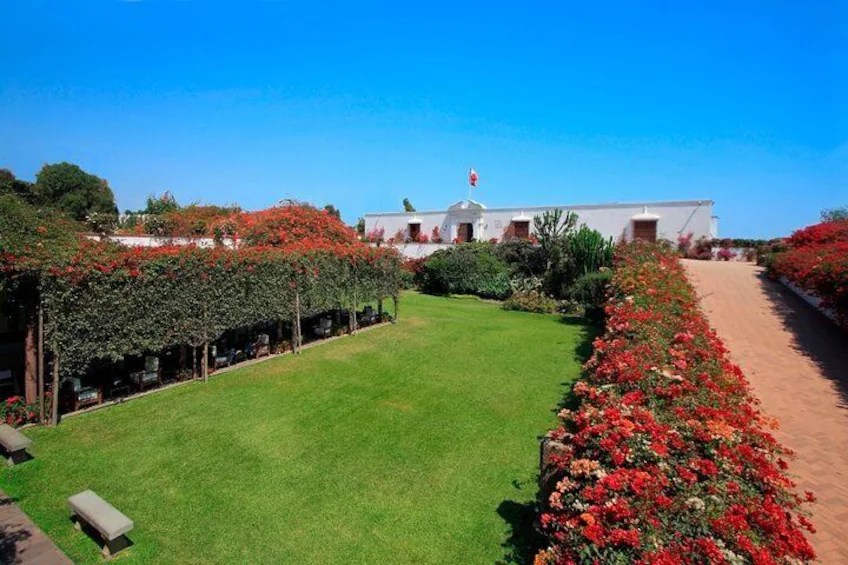
Morning: Pre-Columbian Wonders Before the crowds get thick, visit the Larco Museum. Housed in an 18th-century vice-royal mansion, this museum boasts a stunning collection of pre-Columbian art. Its beautifully curated rooms and tranquil gardens make history feel incredibly immediate. Plus, the quite (open storage) area is a goldmine for archaeology nerds.
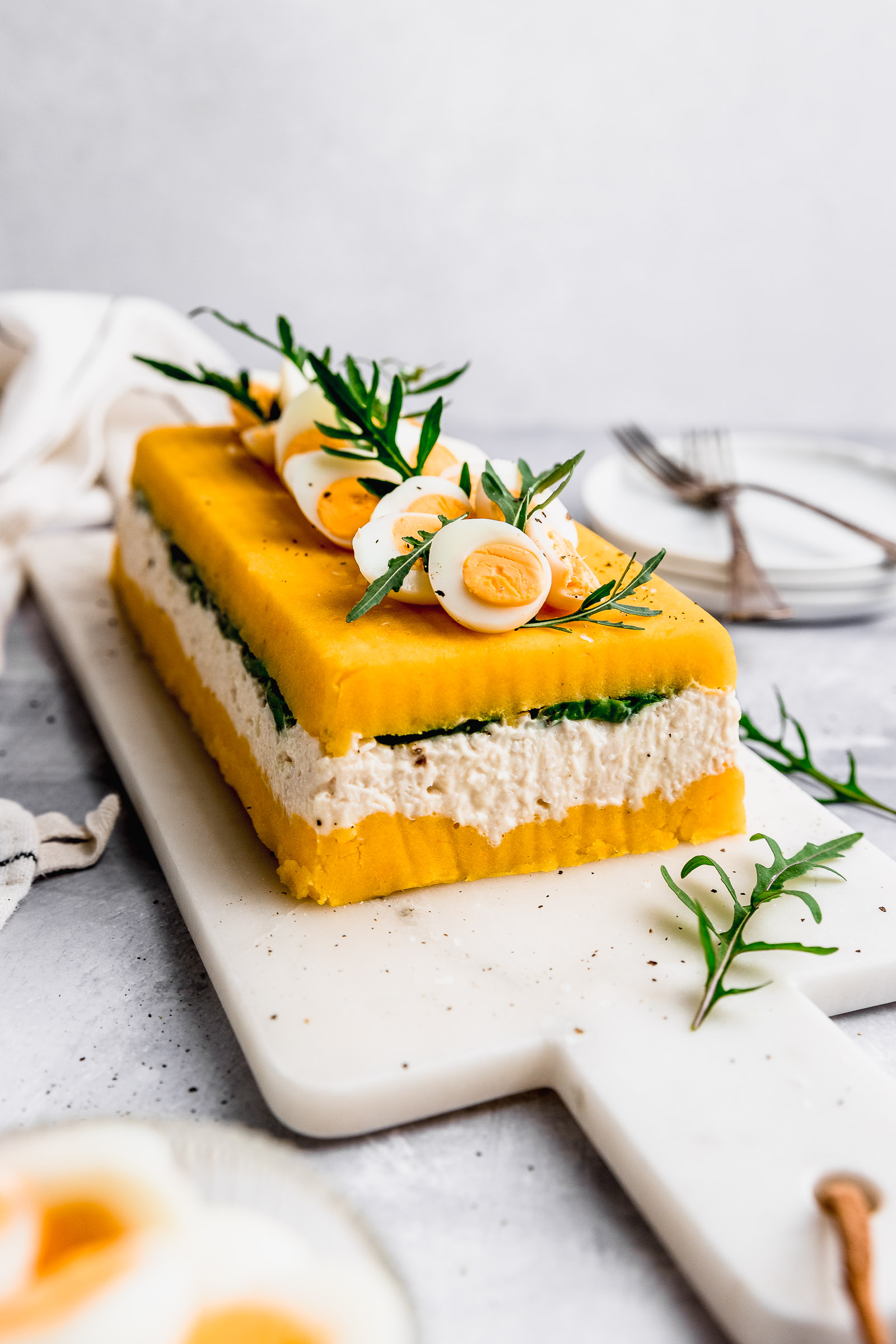
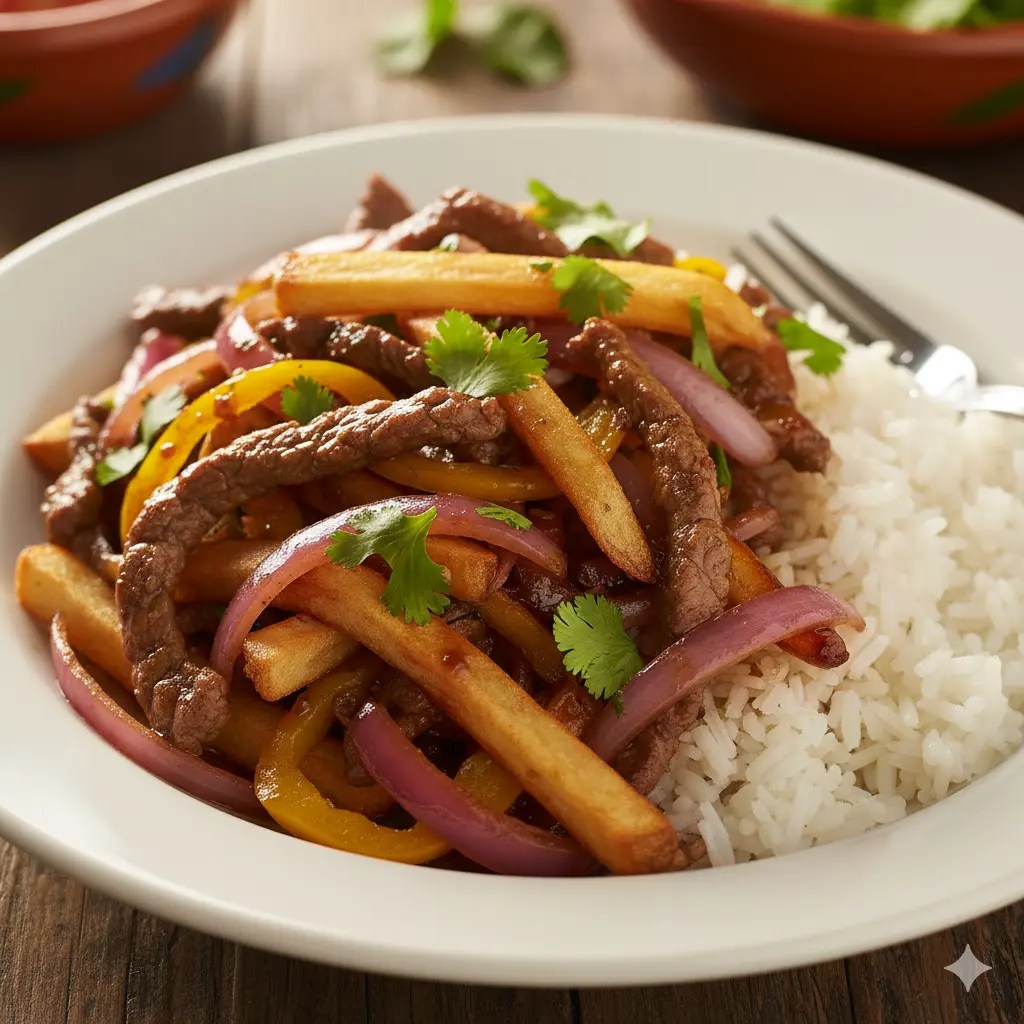
Afternoon: One Last View & Flight Prep For your final Lima meal, why not go for a causa (a layered potato dish) or lomo saltado (a stir-fry that perfectly represents Peru’s Chinese fusion)? Afterwards, take a final walk along the Malecón to say goodbye to the Pacific.
Before you head to the airport, do two things:
Check your flight status. Travel isn’t always smooth sailing.✈️ Flight Delayed or Canceled? The good news? You might be entitled to compensation. I use AirHelp to handle the annoying paperwork and fight the airlines for me. They only get paid if you win. It’s a stress-free way to potentially get a nice surprise for your travel fund. Check your flight with AirHelp here.
Back up your photos. You’ve taken hundreds of stunning shots. Make sure they’re safe! The camera I use for all my travel photos is this brilliant point-and-shoot – it’s lightweight and takes professional-level images without the DSLR bulk.
Beautifully landscaped garden at a historic site in Lima, Peru, showcasing vibrant flowers and clear blue skies.Step into a tranquil oasis at the Larco Museum, where history blooms in its stunning gardens. This 18th-century mansion, built upon an ancient pyramid, is as beautiful on the outside as its artifacts are within.Enjoy a vibrant Peruvian causa topped with quail eggs, a must-try dish during your visit to Lima. A Peruvian Causa or Causa limeña (from Lima) is a Peruvian dish made of layers of mashed potato and filled with chicken, tuna or other more modern alternatives. The ingredients for Peruvian causa are mainly Peruvian yellow potatoes and ají amarillo paste (Peruvian yellow chilli). Enjoy a traditional plate of Lomo Saltado, a delicious Peruvian stir-fry dish featuring marinated beef, onions, and fries served over rice. A taste of fusion history! Lomo Saltado, Peru’s iconic stir-fry, sizzles with marinated beef, onions, and tomatoes—a delicious testament to the Chinese-Peruvian culinary legacy, perfectly accompanied by both rice and fries.
🚌 Getting Around Lima: Buses, Taxis & Money-Saving Routes
Public transport in Lima isn’t perfect, but it’s improving fast.
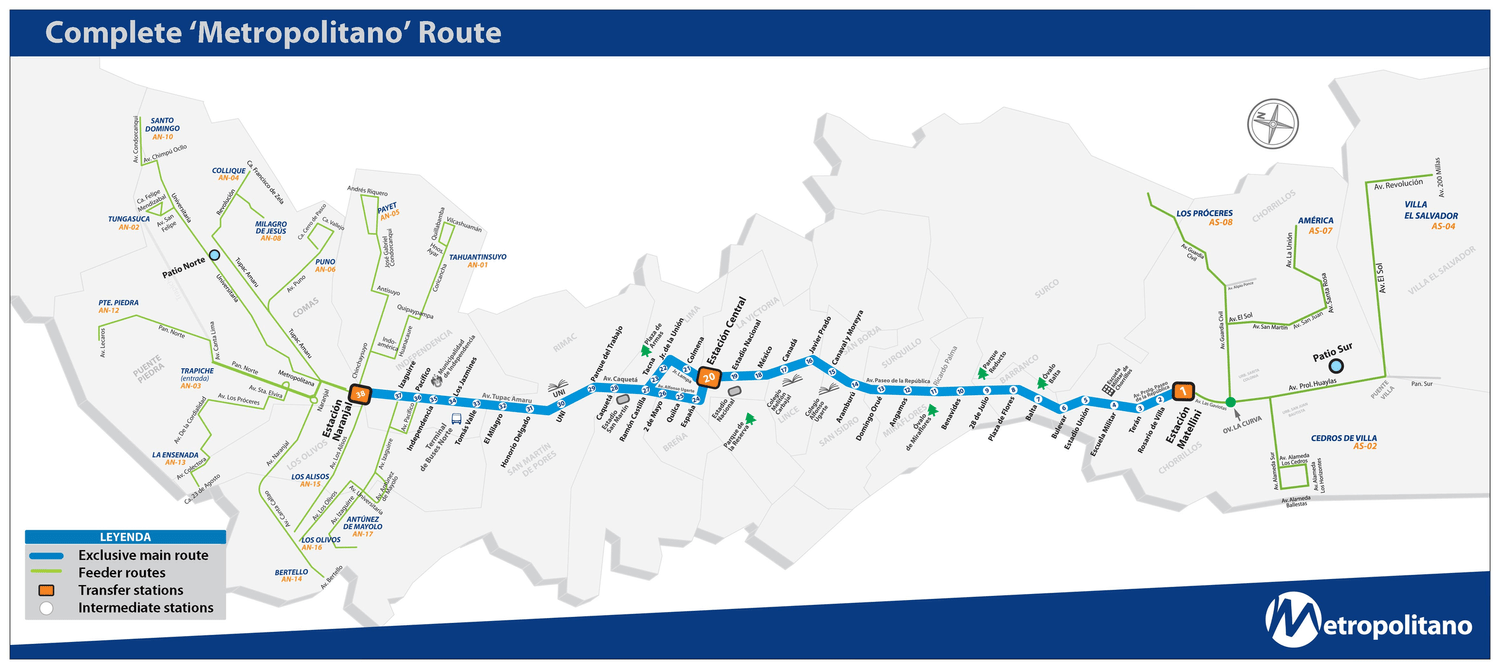
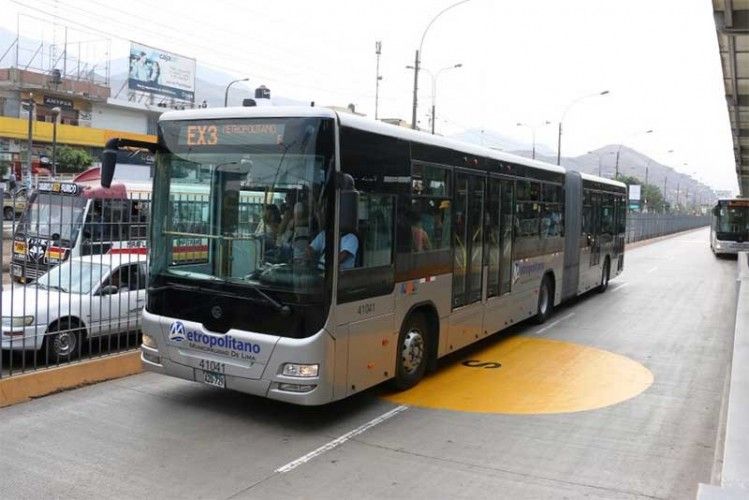
🚍 Metropolitano Bus: Lima’s BRT system is cheap and quick — runs along dedicated lanes. Perfect for reaching downtown from Miraflores. This is your best friend. It’s a dedicated-lane bus system, like a subway on wheels, that runs from the north of the city down through Miraflores and Barranco. Get a rechargeable card at any station. It’s fast, cheap, and avoids the infamous Lima traffic. 🚕 Taxis: Always negotiate or use apps like Cabifyor InDriver.Taxis & Ride-Sharing: Uber and Beat (a local app) are widely used and generally safer and more reliable than hailing a random cab off the street. The price is fixed in the app, so no haggling. 🚗 Rental Cars: I recommend booking through Expedia. If you drive, use Google Maps’ offline mode — Lima’s traffic can make or break your trip. 🛵 Short on time? Plan routes the night before — Lima’s traffic peaks between 7–9 AM and 5–8 PM.
💡 Pro Tip: Combine nearby attractions to save gas and time. For example, hit Barranco right after Miraflores — they’re only 15 minutes apart by cab.
Map of Lima’s Metropolitano bus route, outlining main and feeder routes for efficient public transport.A Metropolitano bus in Lima, Peru, showcasing the city’s efficient public transport system.
Lima’s Hidden Gems: Escape the Tourist Trail
Chorrillos Fishing Wharf: Skip the fancy restaurants for one meal and head to this local pier in the Chorrillos district. The no-frills seafood shacks here serve the freshest catch right off the boat. It’s authentic, bustling, and incredibly cheap.
Amano Museum: Tucked away in Miraflores, this small museum focuses exclusively on Peruvian textiles. It’s a quiet, air-conditioned haven with a breathtaking collection that tells the story of ancient Peru through fabric.
Parque del Amor:Okay, it’s in Miraflores, but it’s often rushed. Stay a while. The vibrant mosaic walls, inspired by Gaudí, and the massive kissing statue make it a wonderfully romantic spot, even if you’re just people-watching.
A fleet of fishing boats on the tranquil waters off the coast of Lima, Peru, showcasing the region’s vibrant fishing industry. A bird’s-eye perspective of Lima’s vast fishing fleet in the Pacific Ocean. This powerful image highlights the scale of Peru’s maritime industry, the source of the world’s freshest ceviche, and opens a crucial conversation about sustainable seafood.A vibrant sculpture in Parque del Amor, Lima, surrounded by blooming red flowers and overlooking the Pacific Ocean.
Essential Pre-Trip Intel
Visa & Costs: For most US, Canadian, and EU passport holders, you get a 90-180 day tourist stamp upon arrival—no visa needed! Peru is generally affordable. A nice dinner can cost $20-$40, while a local lunch is under $10.
Stay Connected (Without the Headache):✈️ Travel Tip: Staying connected abroad can be a nightmare of overpriced airport SIMs and shocking roaming bills. My secret? Drimsim—a global SIM that works in 190+ countries. Pop it in your phone, top up via the app, and you’re online. No hidden fees, no stress. It’s a game-changer. Get your Drimsim here.
Stay Secure Online: Using public WiFi? Protect your data with a VPN. I never travel without my NordVPN subscription. It’s essential for security and for accessing your favorite shows from back home.Secure your connection with NordVPN.
Travel Insurance is Non-Negotiable: From lost luggage to a surprise medical issue, insurance is your safety net.✈️ Smart Travel Tip: I always use VisitorsCoverage to compare and find the perfect plan for my trips. It’s quick, easy, and the peace of mind is priceless. Find your coverage with VisitorsCoverage.
Look and Feel Your Best: Travel can be harsh on your skin. I rely on Lakinza’s K-beauty magic to keep my skin glowing on the road. Their products are a travel essential for me!Look beautiful always with K-beauty magic from Lakinza. Use Code Lalax10 for a Sweet Discount! Because glowy skin shouldn’t break the bank. Save a little extra for your next Pisco Sour!
Q: Is two days in Lima enough? A: It’s the perfect amount for a thrilling weekend escape! You won’t see everything, but you can absolutely experience the city’s top highlights, food, and culture without feeling rushed.
Q: What is the best time of year to visit Lima? A: Lima’s “summer” (December to April) is sunny and warm. The “winter” (May to November) is grey, overcast, and drizzly, but the temperatures are still mild. Honestly, any time is a good time for the food!
Q: Is Lima safe for tourists? A: The main tourist areas like Miraflores and Barranco are very safe. Exercise standard big-city caution: don’t flash expensive jewelry, be aware of your surroundings, and use official taxis or ride-sharing apps.
Q: Can I drink the tap water in Lima? A: It’s not recommended. Stick to bottled or filtered water. Many hotels and hostels provide filtered water stations.
Q: What’s a must-try dish? Ceviche. Fresh, zesty, and practically Peru’s national treasure.
Q: How to handle cash and cards? Carry some cash (soles). Cards work fine in most restaurants and hotels.
🌞 Final Thoughts
Lima surprised me. It’s a city where the ocean kisses the desert, history dances with hipster art, and every meal feels like a celebration.
If you’re dreaming of a weekend escape that’s equal parts flavor, fun, and culture — book your trip to Lima, Peru now on Expedia. Just pack your appetite, camera, and sense of adventure — Lima will take care of the rest.
There’s something deeply liberating about packing your bags, grabbing your passport, and heading out into the world—solo. Whether you’re soul-searching, or you just want some peace and quiet, the right destination can feel like a warm hug. It’s comforting after a long day. I’ve been there, and trust me, these places understand what a solo traveler really needs.
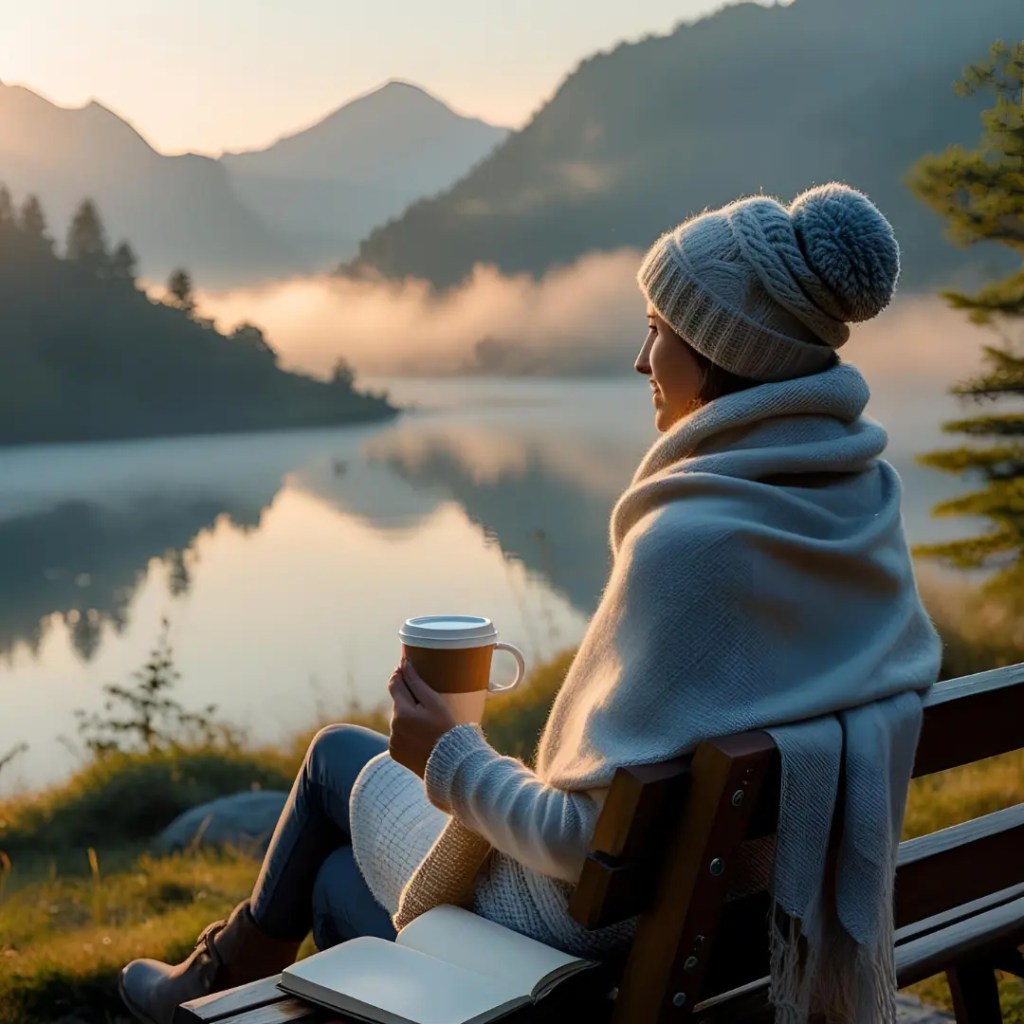
Wrapped in calm and coffee—this is what solo soul-searching looks like.
🌸 1. Kyoto, Japan – Serenity in Every Step
🌸 1. Kyoto, Japan – Serenity in Every Step
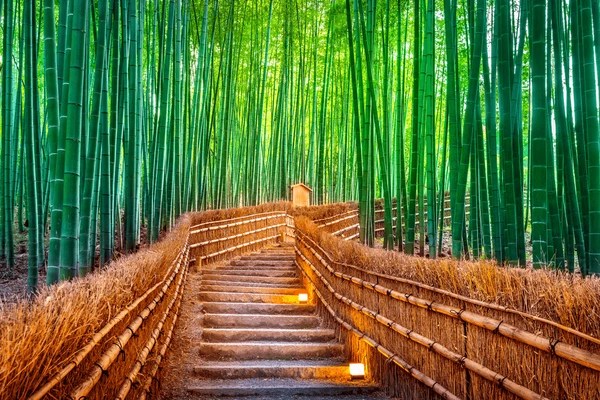
Between whispering bamboo groves in Arashiyama and the gentle rustle of kimonos in Gion, Kyoto wraps you in tradition and calm. Perfect for thoughtful walks, matcha-fueled afternoons, and temple hopping without a rush. Personal note: I once wandered into a tiny teahouse off Philosopher’s Path, where an old lady served me the best mochi I’ve ever tasted. We didn’t speak the same language, but it felt like home. 📍 Best time to visit: March to April for cherry blossoms. 🛏️ Tip: I always book flexible stays and flights through Expedia—less stress, more soul-searching.
✈️ Flight Delayed or Canceled? Travel isn’t always smooth sailing—sometimes flights get delayed, canceled, or overbooked. The good news? You might be entitled to up to $650 in compensation under air passenger rights. Most travelers never claim it, but I’ve got you covered: just check your flight with AirHelp. They handle the paperwork, fight the airlines for you, and only get paid if you win. Easy, stress-free, and potentially a nice surprise for your travel fund.
✈️ Travel Tip: Staying connected abroad can be tricky (and expensive if you’re relying on airport SIM counters or roaming). That’s why I carry a Drimsim—a universal SIM card that works in 190+ countries without hidden fees. You just pop it into your phone, top up through the app, and you’re online wherever your adventure takes you. No more hunting for local SIM cards or stressing over roaming bills. If you’re planning your next getaway, check it out here 👉 Drimsim: SIM Card for Traveling Around the World.
💡 Pro Travel Tip: While hopping on metro, tram, or bus is super easy, travel hiccups like delays, lost luggage, or sudden medical emergencies can happen anywhere. That’s why I always carry travel insurance before jetting off. It gives peace of mind knowing I’m covered, no matter what. I personally recommend VisitorsCoverage Travel Insurance — quick to book, affordable, and traveler-friendly.
Step into calm: Kyoto’s Arashiyama Bamboo Grove is nature’s version of a silent meditation app—no subscription required.
☀️ 2. Lisbon, Portugal – Sunshine & Solo Café Vibes
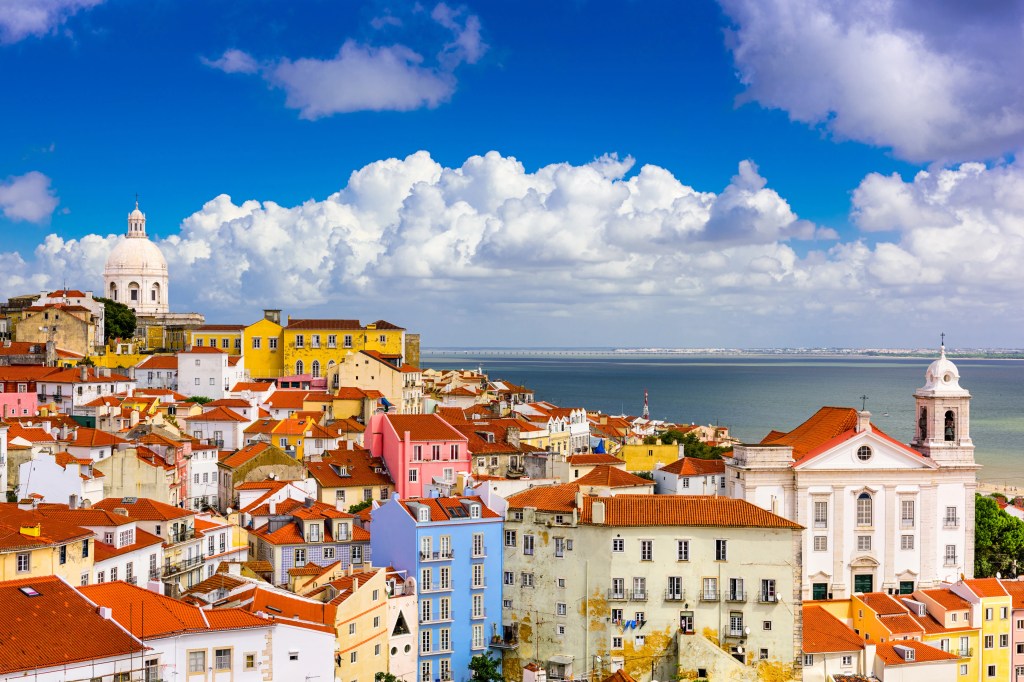
Lisbon is where your solo journey gets a Mediterranean soundtrack. Friendly locals, affordable hostels, and endless miradouros (viewpoints) make you feel like you’re in a European indie film. Why it’s a hug: The hills give you a workout, the pastel de nata gives you a reason to stop. 📍 Best time to visit: May to early July. 💡 Geo Tip: Tram 28 is your vintage ride through history—and great for solo Instagram moments
Lose yourself in Lisbon’s Alfama—pastel walls, cobbled alleys, and the kind of calm that makes solo travel feel like a friend.
🌊 3. Ubud, Bali – Healing Energy & Soulful Community
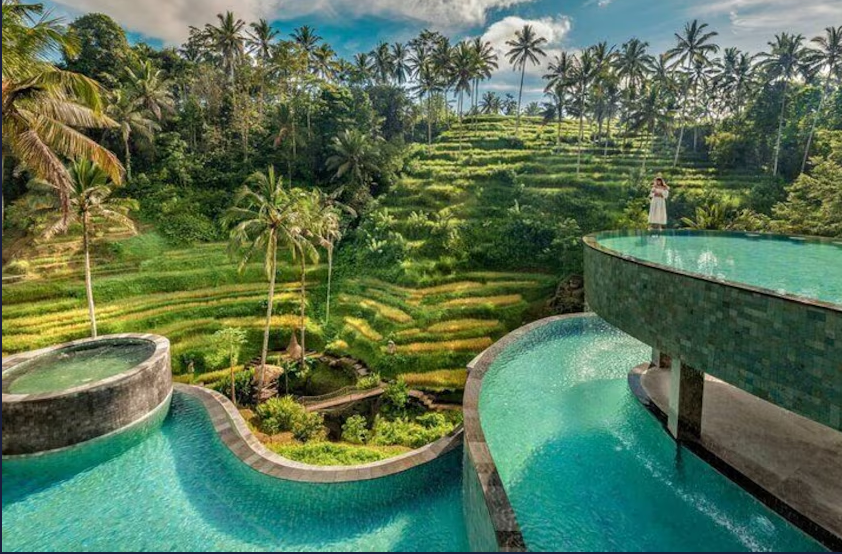
Ubud isn’t just a place—it’s a vibe. Picture morning yoga with jungle views, evenings filled with candle-lit vegan meals, and the kind of conversations that start with, “What brought you here?” My story: I cried (in a good way) after my first sound healing session in Ubud. The woman next to me just handed me tissues. No words needed. 📍 Stay at: Eco-lodges or co-living retreats—they’re solo-traveler gold. 🧘♀️ Hot tip: Don’t miss the Campuhan Ridge Walk at sunrise
Tucked away in Bali’s emerald jungle, this hidden Ubud waterfall is nature’s version of a warm hug—serene, soothing, and soul-refreshing.
🌄 4. Reykjavik, Iceland – Alone, but Never Lonely
Iceland embraces solo travelers like no other. Safe, stunning, and soul-shakingly beautiful. Reykjavik is the starting point for Northern Lights, golden hour waterfalls, and quiet coffee shops filled with books and Icelandic kindness. 📍 Go solo, drive wild: Rent a car and do the Golden Circle loop—it’s like being in a dream, with seat warmers. 💬 Travel truth: You’ll talk to more people as a solo traveler here than in a group tour
A quiet stroll along Reykjavík Harbour is the perfect Icelandic welcome—peaceful, colorful, and full of northern charm.
🌴 5. Medellín, Colombia – Solo with a Spark
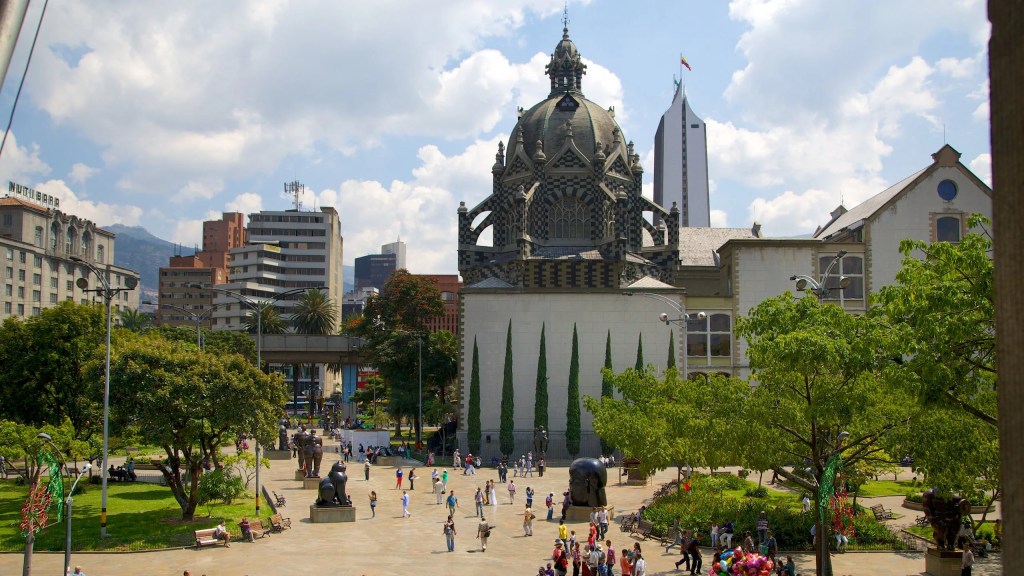
Once infamous, now beloved—Medellín is a city that welcomes you with open arms and salsa beats. Solo travelers are everywhere, co-working cafés are buzzing, and the metro cable views are unmatched. Human moment: A street musician played “Despacito” on a cello in a park, and an old man pulled me into a dance. I had two left feet, but I laughed like I hadn’t in months. 📍 Stay in: El Poblado for safety, community, and nightlife.
Botero’s curvy bronze masterpieces turn Medellín’s city center into an open-air museum—quirky, bold, and totally selfie-worthy.
✈️ Final Thoughts
Solo travel isn’t about being alone—it’s about being open. Every destination on this list isn’t just beautiful—it’s beautifully kind to solo travelers. They offer space to breathe, people who smile, and moments you’ll tuck away for years.
I always book flexible stays and flights through Expedia—less stress, more soul-searching.
📸 Bonus Hack: Capture Smarter, Travel Lighter
One thing I’ve learned? Your phone camera can only do so much when you’re standing on a cliff in Santorini at sunset. If you’re serious about documenting your adventures without packing a bulky DSLR, I highly recommend the Canon EOS R100—a compact mirrorless camera with a 24.1 MP APS-C sensor, 4K video, and built-in Wi-Fi & Bluetooth for quick uploads. It’s perfect for travelers who want pro-quality photos without the weight or the price tag. I’ve been using mine to snap everything from street food in Bangkok to beach sunsets in Tulum—and the results are chef’s kiss.














 Home Home sweet sweet home