Ultimate Bilbao Weekend Guide: Art, Food & Local Secrets

Meta Description

Plan your perfect weekend in Bilbao, Spain! This ultimate travel guide for art, food, and city explorers covers the Guggenheim, Old Town pintxos bars, and hidden gems. Get practical tips on ferry travel, public transport, money-saving hacks, and day trips. Optimize your Bilbao, Spain, getaway with our SEO and GEO-focused itinerary.

So, you’ve decided to swap your usual weekend on the sofa for a bit of Northern Spanish flair? Excellent choice. Bilbao is like that kid in high school who went away for the summer and came back with a leather jacket, a cool haircut, and a sudden interest in avant-garde architecture. It’s gritty, it’s gleaming, and it smells faintly of grilled octopus and prestige.

Whether you’re here for the world-famous Guggenheim or just to see if you can eat your body weight in pintxos, this city delivers.

Table of Contents

  1. Why Bilbao is the Perfect Weekend Escape
  2. Your Logistics & Money-Saving Blueprint
  3. Day 1: Iconic Art & the Soul of the Old Town
  4. Day 2: City Views, Culture & A Secret Garden
  5. Day 3: Choose Your Own Adventure (Day Trips)
  6. Beyond the Guide: Pro-Tips & Hidden Gems
  7. Frequently Asked Questions (FAQ)

More Than Just a Museum City 

Let’s be honest: for many, Bilbao was a name on a map that suddenly got a giant, shimmering titanium art museum dropped on it in the late 90s. The “Guggenheim Effect” is real—it transformed this industrial port into a global cultural destination. But here’s the secret I discovered on my first visit: Bilbao’s magic isn’t just Frank Gehry’s masterpiece. It’s in the labyrinthine streets of the Casco Viejo (Old Town), where the smell of salt cod and sizzling pintxos hangs in the air. It’s in the sleek, silent trams gliding past centuries-old buildings. It’s the warmth of a local saying “topa!” (cheers!) as you clink glasses of txakoli, the slightly fizzy local white wine.

This guide is designed to help you experience that perfect blend of the iconic and the intimate over a brilliant, busy weekend. We’ll tackle the logistics so you can save time and money, dive deep into the culture, and even uncover a few spots where you might just have a cobblestone plaza all to yourself.

Ready to find the best flight and hotel combo for your trip? I always start my search on Expedia to compare options and snag package deals.

Your Logistics & Money-Saving Blueprint <a name=”logistics-blueprint”

A smooth trip starts with smart planning. Here’s how to get there, get around, and keep more euros in your pocket for pintxos.

Getting There: By Air, Rail, and Sea

Flights to Bilbao

  • By Air: Bilbao Airport (BIO) is well-connected across Europe. The Bizkaibus A3247 goes directly to the city centre (Moyua Plaza) in about 20 minutes for just €3. A taxi costs a fixed €30-€35.
  • By Train: RENFE and FEVE services connect Bilbao to major Spanish cities. The central stations are Abando Indalecio Prieto (for long-distance) and Concordia (a beautiful historic station for regional routes).
  •  🚢 Getting There by Ferry: The Scenic Route

 Hotels in Bilbao

If you fancy arriving like a 19th-century explorer (but with better WiFi and a duty-free shop), take the ferry. It is arguably the most relaxing way to start your holiday. No liquid restrictions, no middle-seat armrest battles, and you get to watch the Spanish coastline rise out of the Bay of Biscay.

Brittany Ferries operates routes from Portsmouth and Rosslare directly into the Port of Bilbao (Zierbena). The journey takes about 28–32 hours, but honestly, with a cabin and a sunset over the deck, it feels more like a mini-cruise.

  • Pro Tip: Book through Direct Ferries to snag the best deals.
  • Logistics: The ferry terminal is about 20 minutes from the city center. You can catch a taxi or use the A8 motorway if you brought your car.

Getting Around Bilbao Like a Pro

Bilbao is a wonderfully walkable city, especially between the main sights. For longer hops, its public transport is cheap, efficient, and clean. Bilbao is a “human-scale” city, meaning you can walk most places. But for everything else, the transport system is slicker than a buttered noodle.

  • Metro: Designed by Sir Norman Foster (his stations are called Fosteritos!), it’s a sight itself. It has two lines and is perfect for getting from the centre to the coast or the Guggenheim. the entrances look like glass shrimp emerging from the ground (locals call them fosteritos).
  • Tram & Bus: The tram (EuskoTran) is handy for riverside routes. Buses fill in the gaps.
  • The Barik Card: Buy this immediately at any metro station. It’s a rechargeable card that works on the metro, trams, and buses. It’ll save you a fortune compared to single tickets. This is your golden ticket. For €3 (non-refundable), you get the physical card, and then you load it with credit. All fares on metro, tram, and bus are about 50% cheaper with the Barik Card than buying single tickets. You can buy and top it up at any metro station.
  • By Car: Not recommended for exploring the city centre. Traffic is tight, and parking is expensive and scarce. Save a rental car for a dedicated day trip.
  • Road Map Tip: To save gas and time, follow the BI-631 for mountain views or the AP-8 for the fastest coastal route toward San Sebastian (check my Master List for more nearby stops!).

Money-Saving Tips for the Smart Traveller

  1. Bilbao Card: If you plan to museum-hop and use transport heavily, check if the Bilbao Card (offering discounts and free transport) makes sense for your itinerary.
  2. Pintxos for Lunch: The best way to eat. Many bars offer a caña (small beer) and a gourmet pintxo for €3-€5. Graze at several spots for a cheap, delicious, and authentic meal.
  3. Free Entry Times: Most museums, like the Fine Arts Museum, have free entry hours (often 6 PM – 8 PM on Fridays or specific weekday evenings). Plan accordingly!
  4. Free Walking Tours: A fantastic way to orient yourself and learn history. Just remember to tip your guide based on what you think it was worth.

A Few Handy Basque & Spanish Phrases

While Spanish (Castellano) is universally understood, Basque (Euskera) is co-official. Locals light up if you try a word or two.

  • Kaixo (kai-sho): Hello
  • Agur (a-goor): Goodbye
  • Eskerrik asko (es-keh-rik as-ko): Thank you
  • Mesedez (meh-seh-des): Please
  • Pintxo (pin-cho): The iconic Basque bar snack
  • Txikiteo (chee-kee-teh-o): The art of going from bar to bar having a small drink and a pintxo
  • PintxoSmall snackPin-cho

The Perfect 48-72 Hour Bilbao Itinerary 

Day 1: Architectural Wonders & Old Town Magic

  • Morning (The Icon): Start at the Guggenheim Museum Bilbao. Book your ticket online in advance to skip the queue. Spend 2-3 hours marvelling at the building itself (the exterior is free to admire!) and the contemporary art inside. Don’t miss Puppy, the flower-covered terrier outside, or Maman, the giant spider.
Guggenheim Museum Bilbao(Expedia)Guggenheim Museum Bilbao(Get Your Guide)
  • Lunch: Walk across the Zubizuri Bridge (the white “glass bridge”) towards the Old Town. Dive into Calle Ledesma or Plaza Nueva for your first pintxo crawl. Just point at what looks good!
  • Afternoon (The Old Soul): Get lost in the Casco Viejo. Visit the grand Bilbao Cathedral and the bustling Mercado de la Ribera (one of Europe’s largest covered markets). For a unique view, take the Artxanda Funicular up the mountain for panoramic city views.
Casco Viejo. (Expedia)Casco Viejo.(Get your Guide)
 Bilbao Cathedral (Expedia) Bilbao Cathedral (Get your Guide)
  • Evening: Enjoy a more relaxed dinner back in the Old Town. Then, experience the local txikiteo ritual on Calle Somera or Calle Jardines.
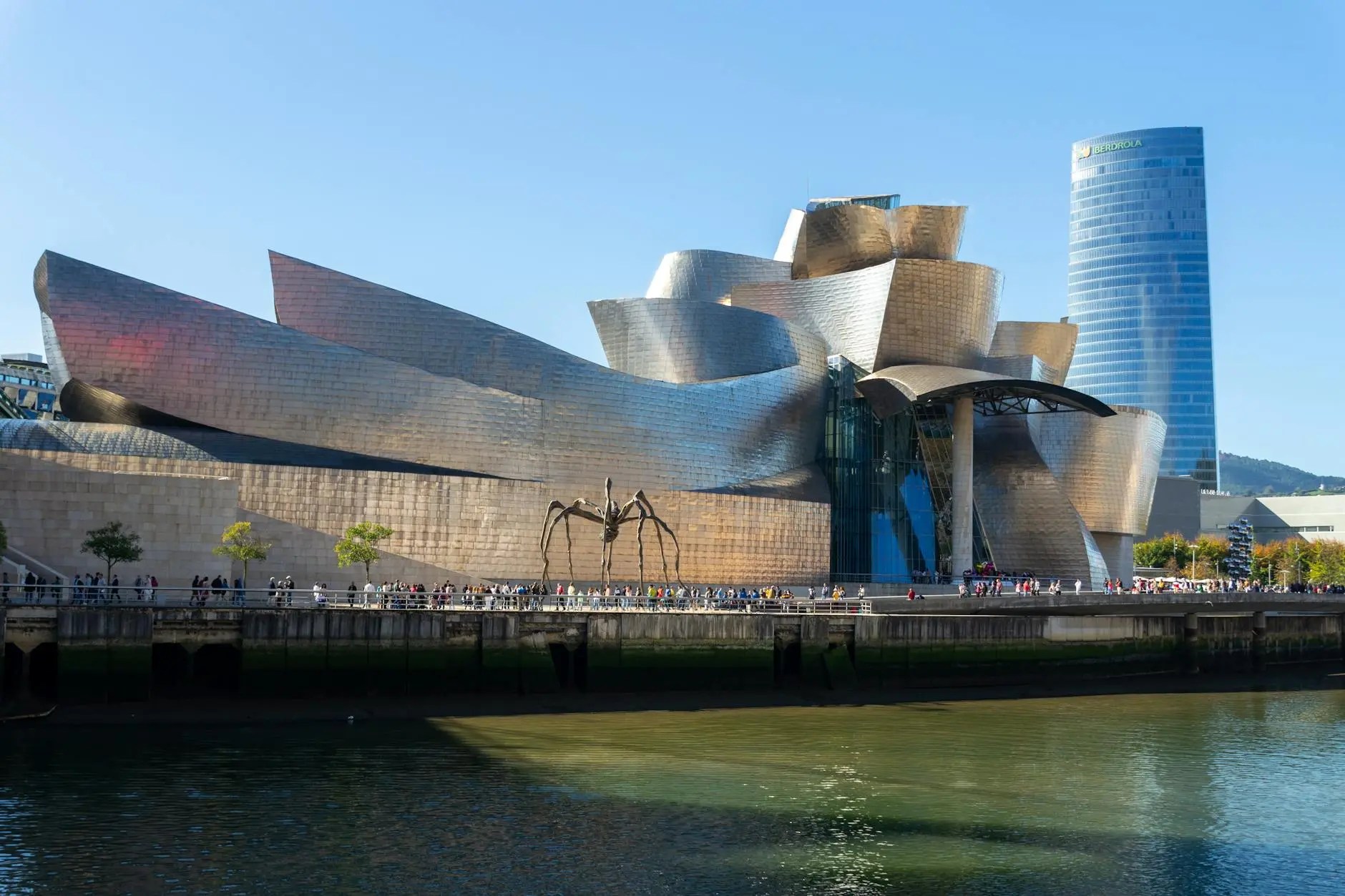
Guggenheim Museum Bilbao exterior with a large spider sculpture in the foreground, reflecting modern architecture and vibrant city life.
The iconic Guggenheim Museum Bilbao, showcasing its stunning titanium façade and the famous spider sculpture, Maman. The Frank Gehry-designed Guggenheim Museum Bilbao, a titanium-clad architectural wonder that transformed the city.
View of the Zubizuri Bridge in Bilbao, Spain, with a curved design above the green waters of the river, framed by lush trees and city buildings.
The stunning Zubizuri Bridge in Bilbao, showcasing modern architecture and scenic views over the river.

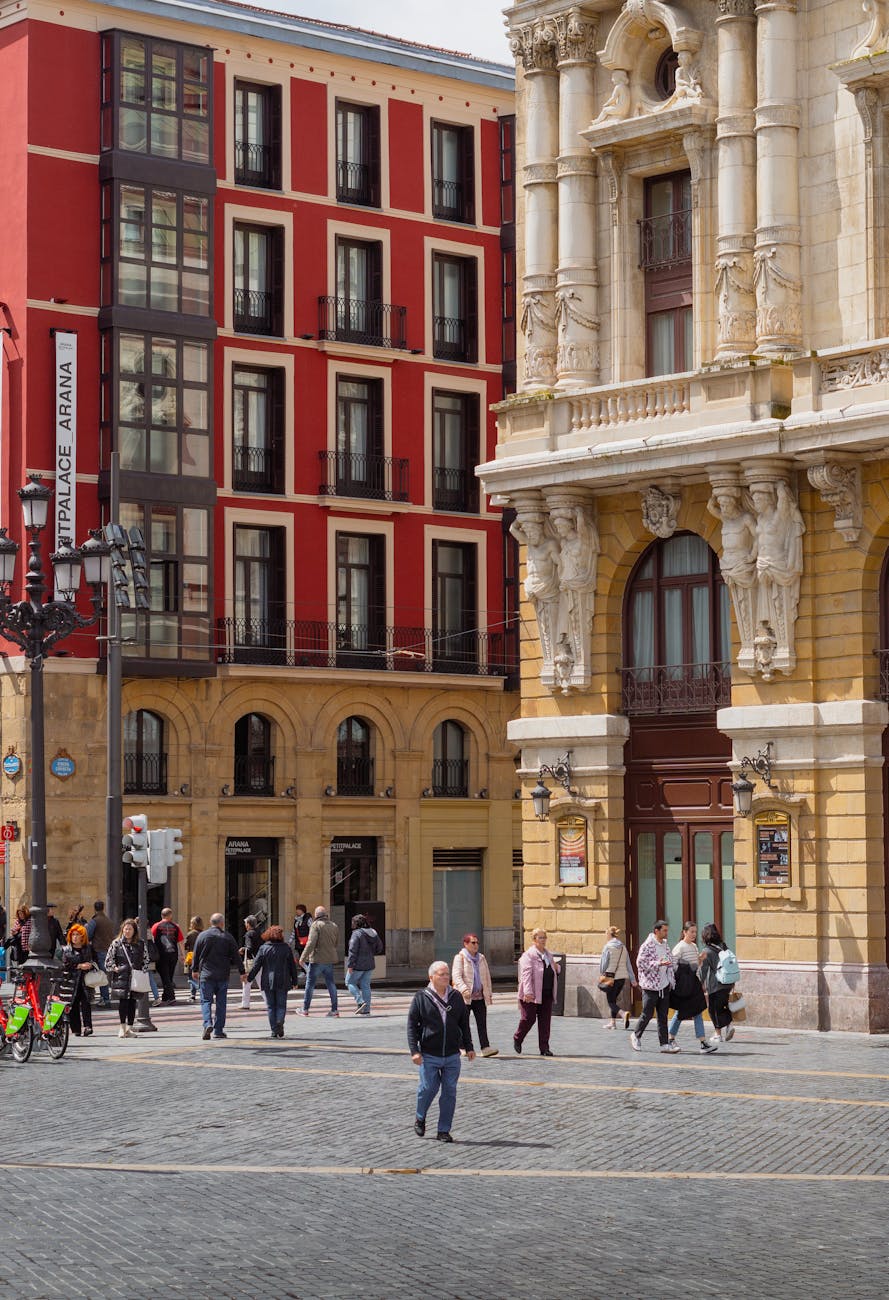
A bustling street scene in Bilbao, Spain, featuring a mix of modern and historical architecture, with pedestrians walking and enjoying the vibrant atmosphere.
A vibrant corner in Bilbao showcasing a mix of modern and classic architecture, bustling with people.
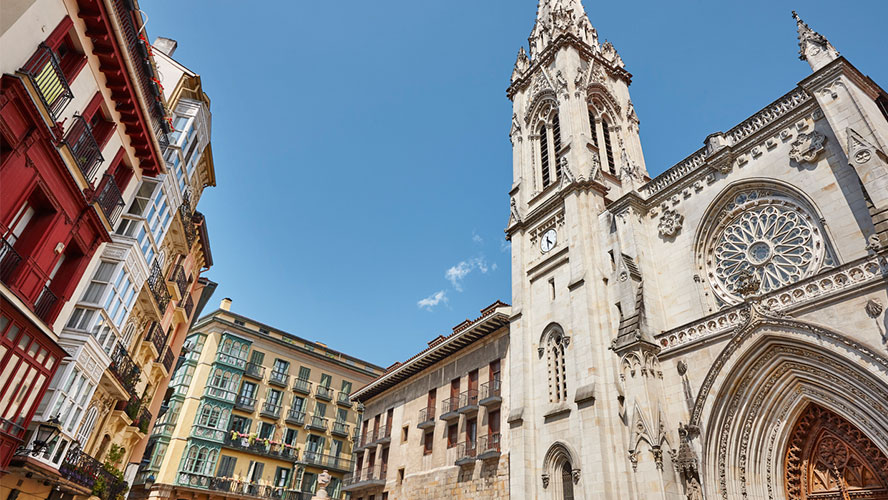
Historic architecture featuring a church tower and surrounding colorful buildings under a clear blue sky.
The stunning facades of Casco Viejo, featuring colorful buildings and the iconic Bilbao Cathedral, bathed in sunlight.

Day 2: Culture, Views & The Modern District

  • Morning: Visit the Museo de Bellas Artes (Fine Arts Museum), a world-class museum often overshadowed by the Guggenheim but holding masterpieces from Goya to Gauguin.
Museo de Bellas Artes (Expedia)Museo de Bellas Artes (Get Your Guide)
  • Afternoon: Explore the Ensanche district, Bilbao’s elegant 19th-century expansion. Stroll down the Gran Vía, shop, and admire the architecture. For a truly hidden gem, seek out the Azkuna Zentroa, a former wine warehouse transformed into a stunning cultural and leisure center with a spectacular indoor swimming pool on the roof.
  • Evening: Head to the Deusto area near the university for a more local, vibrant atmosphere and excellent, affordable pintxo bars.
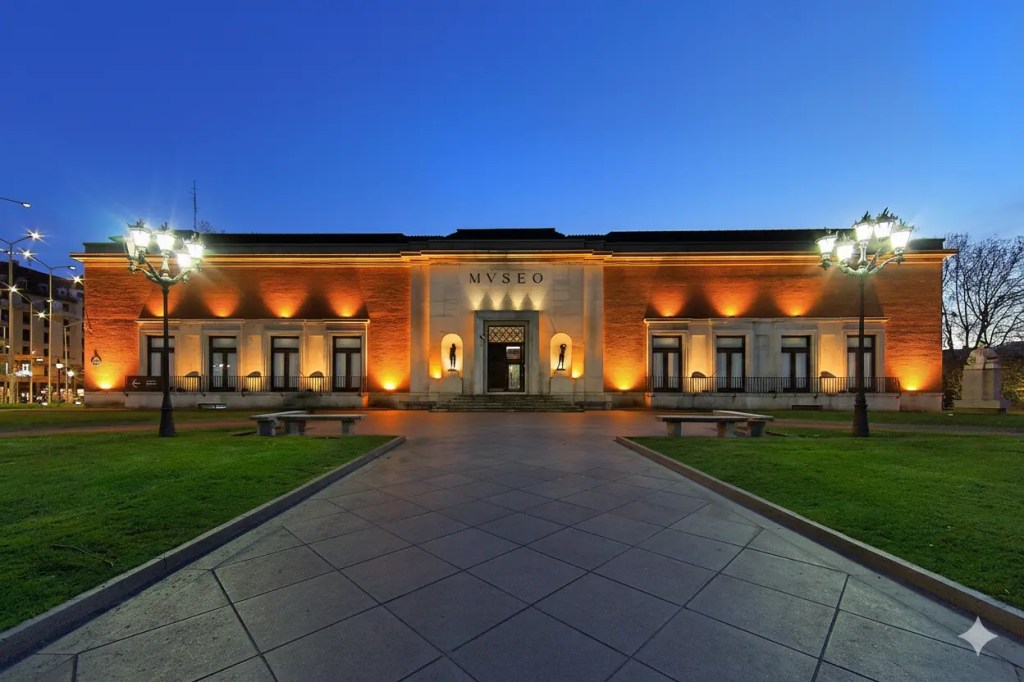
Exterior view of a museum building illuminated at dusk, featuring orange lighting highlights and a grassy area in front.
The Museo de Bellas Artes in Bilbao illuminated at dusk, showcasing its historic architecture and vibrant atmosphere. The Bilbao Fine Arts Museum, a world-class art collection housed in a stately building in the city’s most famous park.

Traffic scene at a busy intersection featuring historic buildings and a statue at dusk, with a city bus and cars in motion.
A bustling street scene in Bilbao, showcasing the blend of modern and classic architecture along with the vibrant city life. (Ensanche district)
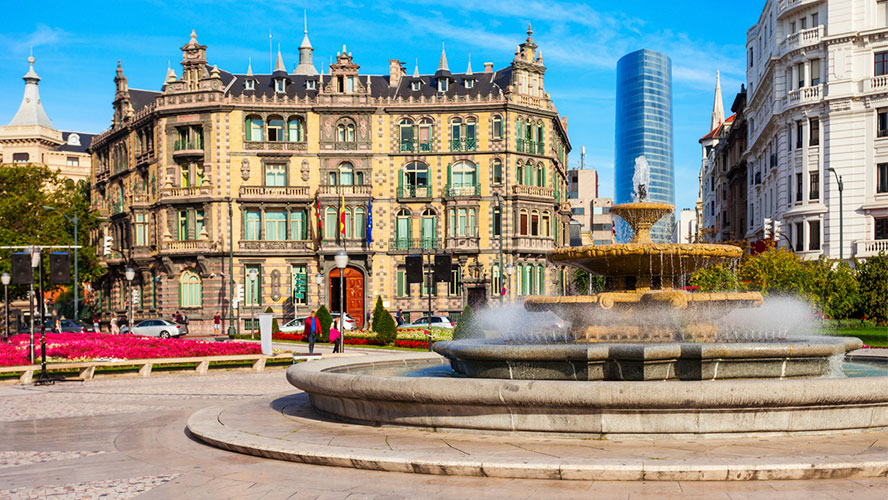
A decorative fountain in a city square with colorful flowers and historic architecture in the background, showcasing a mix of traditional and modern buildings under a clear blue sky.
A vibrant view of Bilbao featuring a historic building and a decorative fountain, highlighting the city’s blend of architecture and urban charm. (Bilbao’s Gran Vía)
A stunning view of the historic building showcasing Bilbao’s architectural blend of classical and modern styles. (azkuna zentroa)
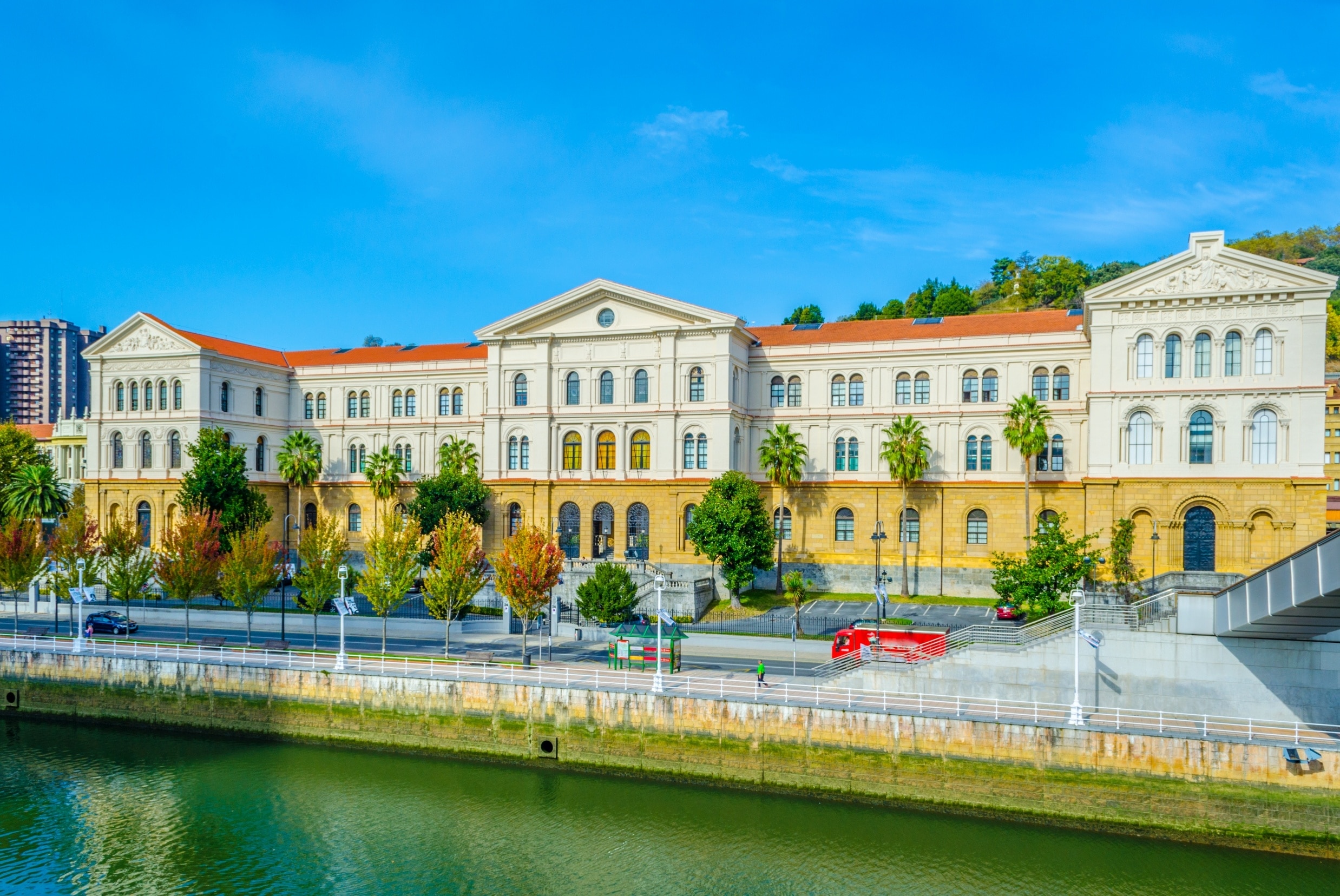
View of a historic building with a neoclassical facade, surrounded by palm trees and greenery, next to a river under a clear blue sky.
A picturesque view of the historic Universidad de Deusto building along the river in Bilbao, Spain, showcasing its stunning architecture and lush surroundings.

Day 3: Choose Your Own Adventure (Day Trips) 

If you have a third day, escape the city. Renting a car for the day opens up the most possibilities.

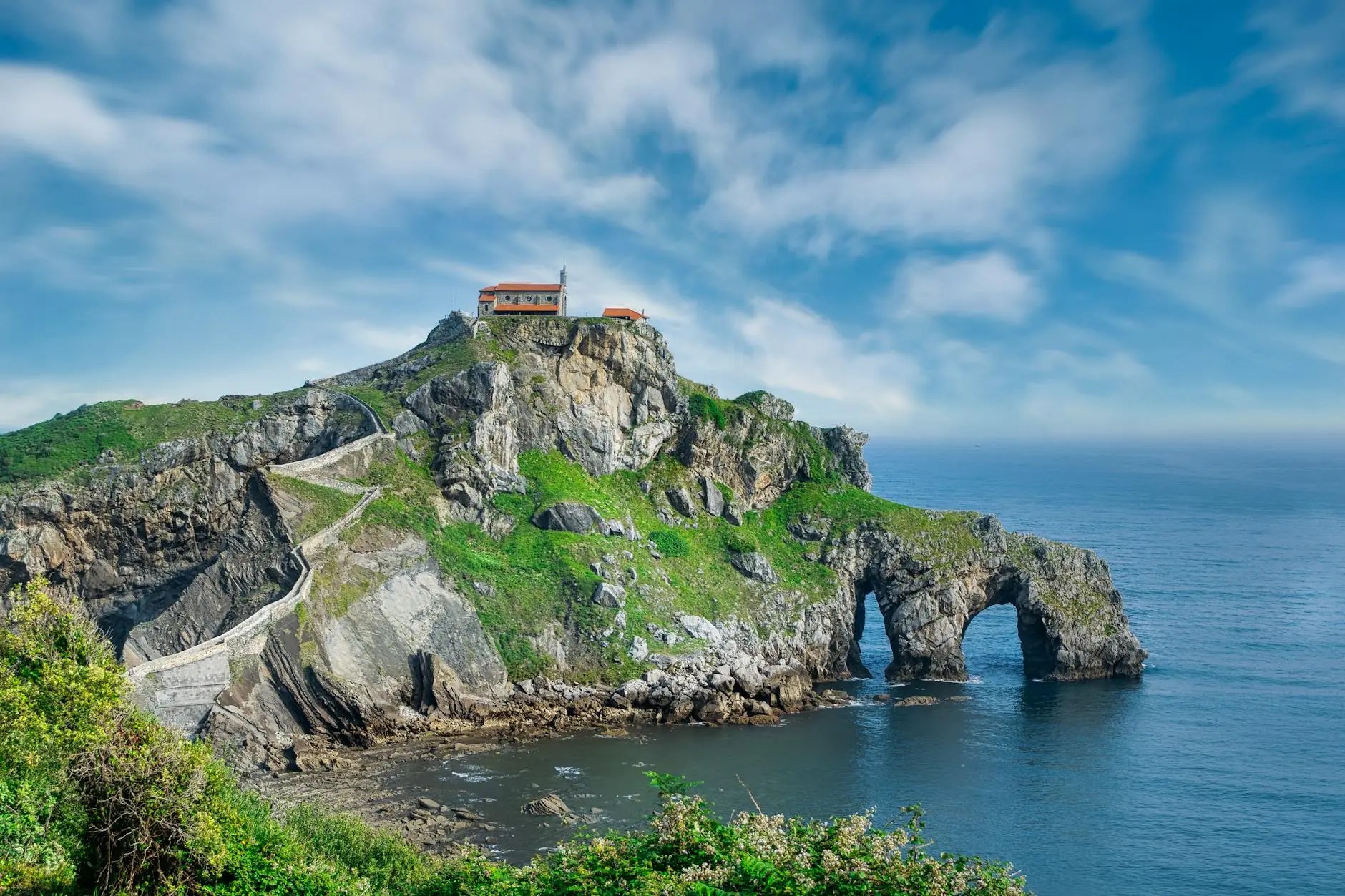
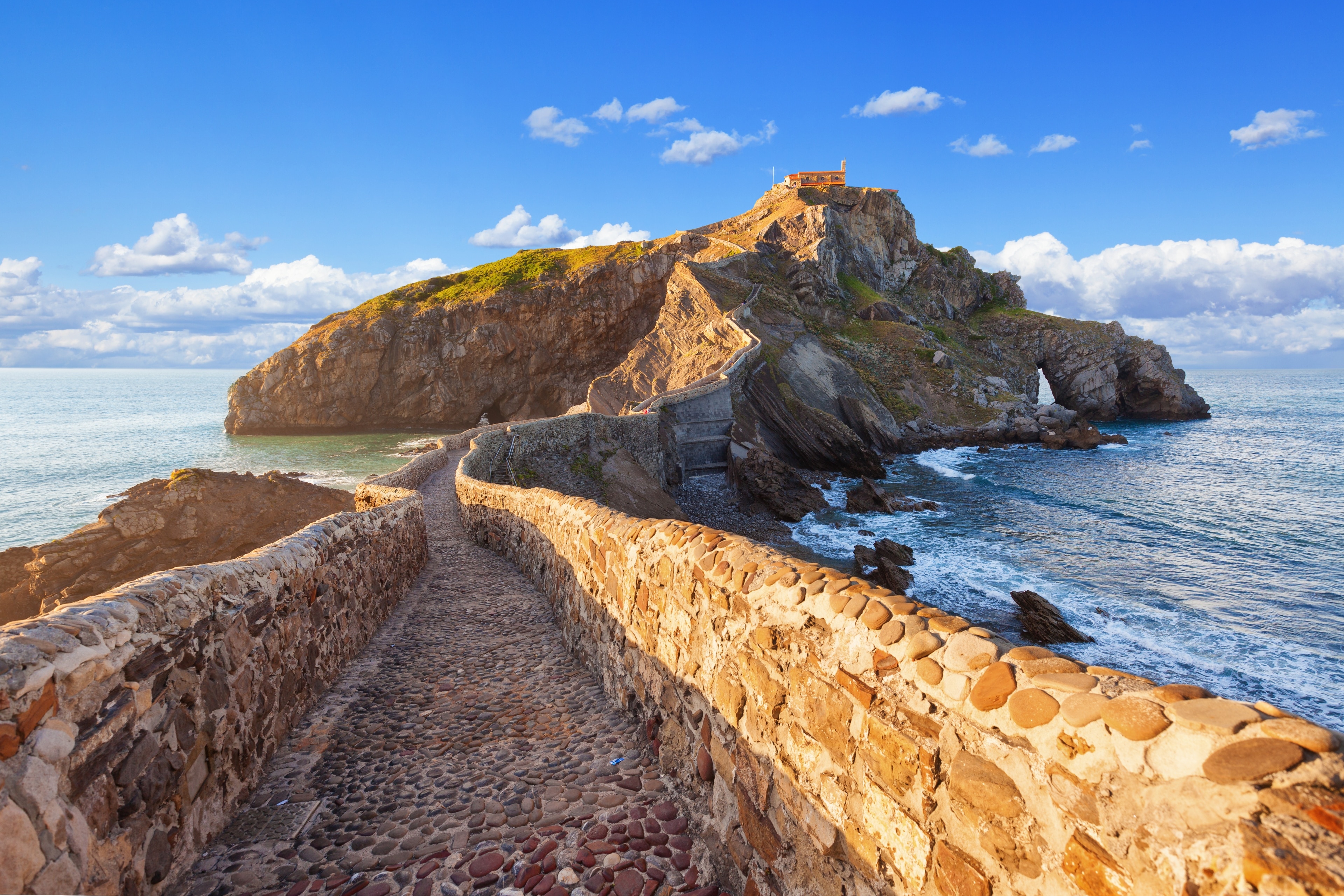
  • Option A (The Coast): Drive the spectacular Biarritz Coast Geopark towards San Juan de Gaztelugatxe. This is the famous “Dragonstone” from Game of Thrones. You’ll need to book a free timed entry ticket online in advance during peak season. Combine it with a visit to the charming fishing village of Bermeo.
 San Juan de Gaztelugatxe (Expedia) San Juan de Gaztelugatxe (Get Your Guide)
  • Option B (The Mountains & Sacred Forest): Head inland to the Urdaibai Biosphere Reserve. Visit the peaceful village of Gernika, with its profound history and iconic Tree of Assembly. Then, hike through the enchanted Oma Forest (Painted Forest) by artist Agustín Ibarrola.
Urdaibai Biosphere Reserve.(Expedia_Urdaibai Biosphere Reserve.(Get your Guider)
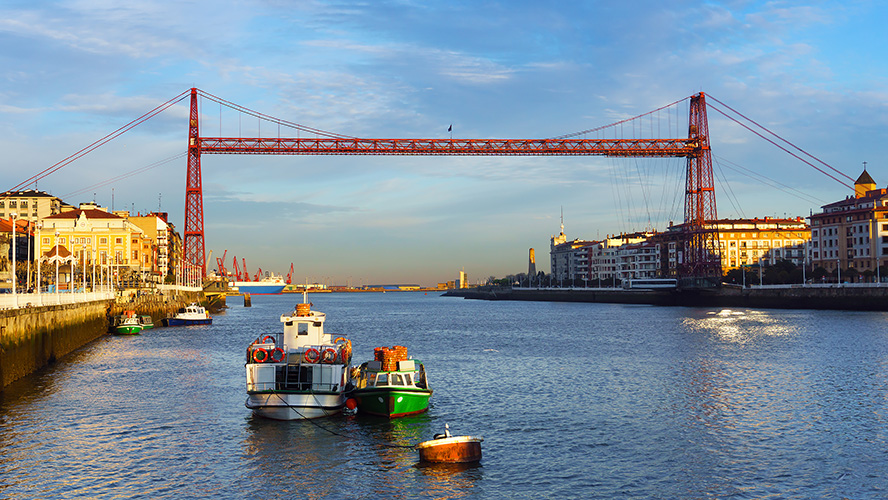
  • Option C (The Classic): Take a short 30-minute metro ride to the Portugalete district to see and cross the Vizcaya Bridge, a UNESCO-listed transporter bridge—the world’s oldest, still in use. It’s a unique piece of industrial heritage.
Portugalete (Expedia)Portugalete (Get your Guide)
Vizcaya Bridge (Expedia)Vizcaya Bridge (Get your Guide)
Scenic view of a rocky cliff with a small house on top, surrounded by greenery and overlooking the ocean, under a partly cloudy sky.
A stunning coastal view of San Juan de Gaztelugatxe, a picturesque monastery perched on a rocky cliff in the Basque Country. The breathtaking San Juan de Gaztelugatxe, a legendary islet and pilgrimage site famously known as “Dragonstone” from Game of Thrones
A scenic view of a rocky island connected to the shore by a stone path, under a clear blue sky with clouds.
Pathway leading to San Juan de Gaztelugatxe, a stunning cliffside landmark off the coast of Spain.
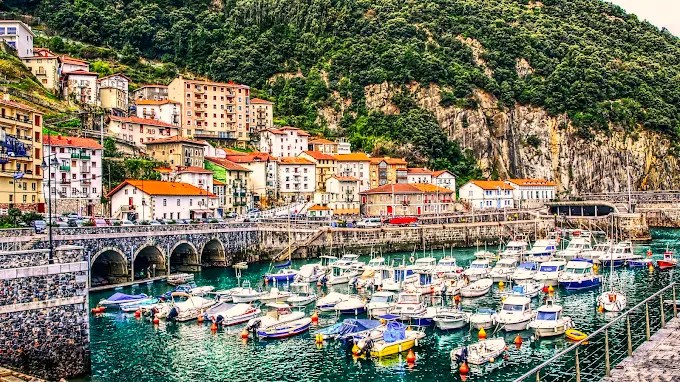
A picturesque coastal view featuring a marina filled with various boats, surrounded by colorful buildings and lush green hills.
Colorful buildings lining the waterfront in a picturesque harbor near Bilbao, Spain, with boats anchored in clear waters. (Urdaibai Biosferaren Erreserba)
A view of a scenic river with small boats and a prominent red suspension bridge in the background.
The iconic Vizcaya Bridge, a UNESCO-listed transporter bridge in Bilbao, stands majestically over the river, showcasing the city’s rich industrial heritage.
View of a suspension bridge over a river, with buildings along the shore and a cloudy sky.
The Vizcaya Bridge, a UNESCO World Heritage site, elegantly spans the water, connecting the two banks of the river in Bilbao, Spain.

 Beyond the Guide: Pro-Tips & Hidden Gems 

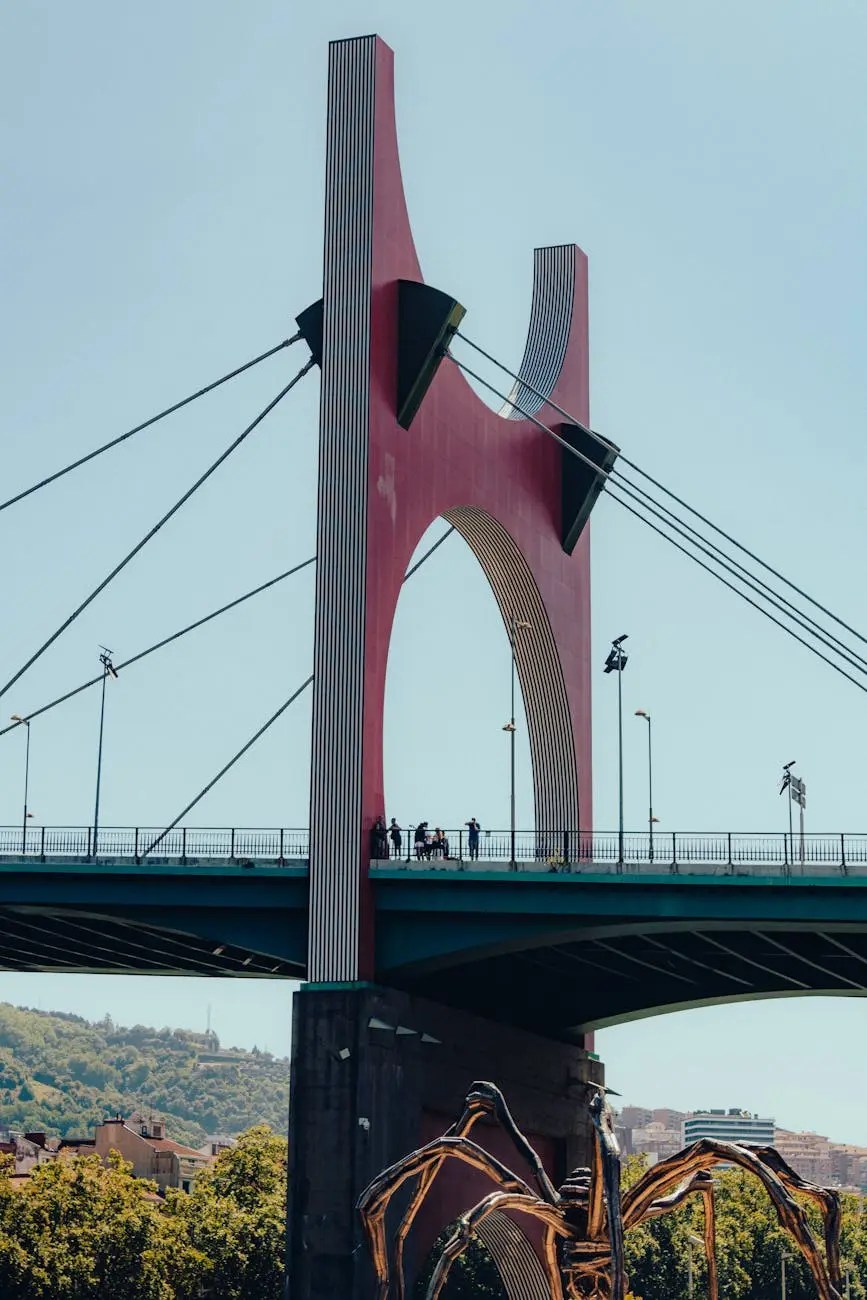
  • Photography Tip: The best light on the Guggenheim is in the late afternoon. For a classic reflection shot, position yourself on the La Salve Bridge. To capture your travels beautifully, I never travel without my trusty travel camera.
La Salve Bridge (Expedia)La Salve Bridge (Get your Guide)
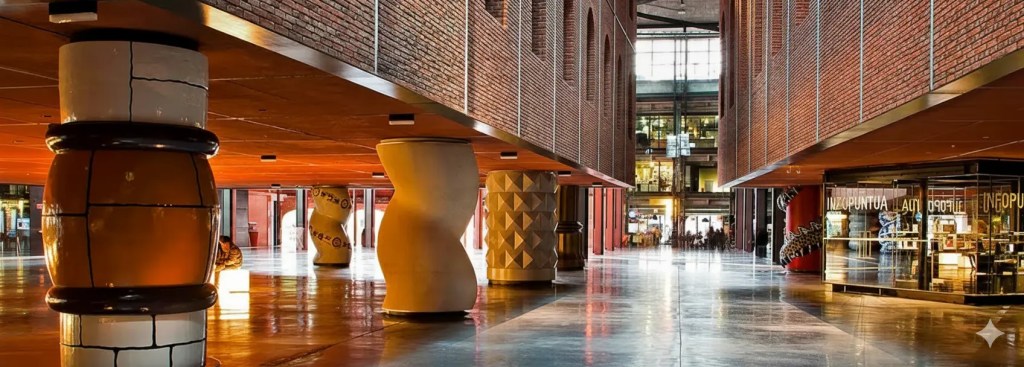
  • Hidden Gem: Alhóndiga Bilbao (Azkuna Zentroa). As mentioned, this is a must-see. Even if you don’t swim, go inside to see the 43 unique columns supporting the old warehouse structure.
Azkuna Zentroa (Expedia)Azkuna Zentroa (Get your Guide)
  • Pintxo Rule: The best spots are often the most crowded with locals. Look for bars with napkins littering the floor—it’s a sign of quality and turnover!
  • Tech & Safety: Public Wi-Fi is convenient but insecure. I always use a VPN to protect my data and access content from home. Also, a universal travel adapter is a non-negotiable item in my bag.
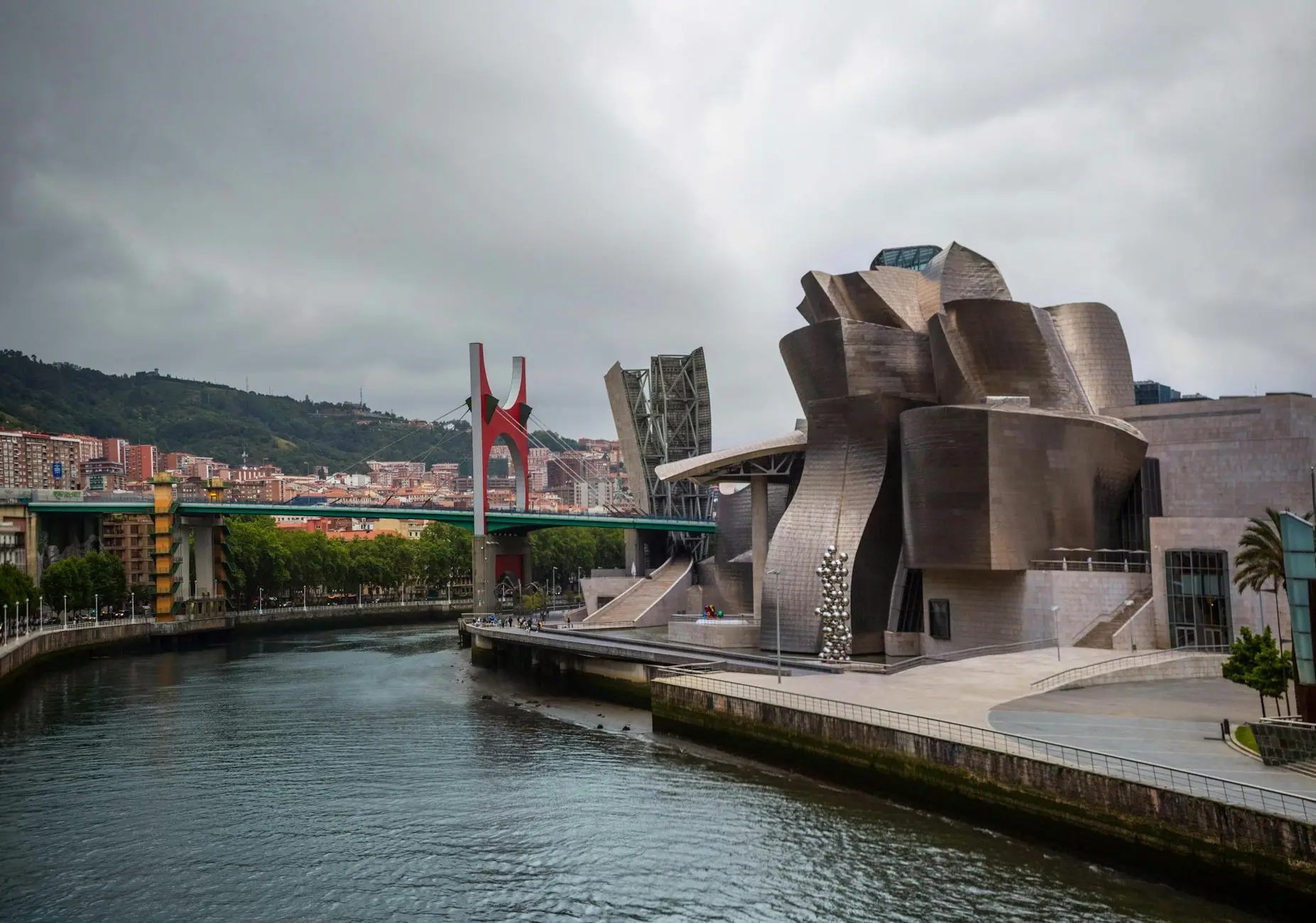
View of the Guggenheim Museum in Bilbao, featuring its unique architecture and surrounding landscape along the river.
The iconic Guggenheim Museum Bilbao, showcasing its stunning architecture along the river.

A large modern red bridge with distinctive architectural design, featuring tall supports and cables, with people standing on the bridge. Below is a statue of a spider, surrounded by greenery and city buildings in the background.
The striking Zubizuri Bridge, an architectural marvel in Bilbao, Spain, featuring its iconic red and white design. The iconic red arch of the Puente de la Salve bridge, framing a perfect view of the Guggenheim Museum Bilbao.
Interior view of a modern architectural space showcasing colorful sculptural columns and a polished concrete floor, with large windows allowing natural light.
Interior view of the Azkuna Zentroa, showcasing unique column designs and modern architecture. Inside the Azkuna Zentroa—where a century-old wine warehouse meets a “forest” of 43 artistic columns and a rooftop pool.

A Few Handy Basque & Spanish Phrases

While Spanish (Castellano) is universally understood, Basque (Euskera) is co-official. Locals light up if you try a word or two.

  • Kaixo (kai-sho): Hello
  • Agur (a-goor): Goodbye
  • Eskerrik asko (es-keh-rik as-ko): Thank you
  • Mesedez (meh-seh-des): Please
  • Pintxo (pin-cho): The iconic Basque bar snack
  • Txikiteo (chee-kee-teh-o): The art of going from bar to bar having a small drink and a pintxo

✈️ Travel Tips for the Modern Nomad

Before we dive into the fun stuff, let’s talk about the “boring” bits that make or break a trip.

Stay Connected: Getting online abroad shouldn’t cost a kidney. I always pack a Drimsim—it’s a universal SIM card that works in over 190 countries. No hidden fees, no “airport SIM” scams. You just pop it in, top up via the app, and you’re good to go. Check it out here:Drimsim: SIM Card for Traveling Around the World.

Flight Fails: Did your flight to Bilbao get canceled or delayed? Don’t just sit there eating overpriced airport chocolate. You could be entitled to up to $650 in compensation. LetAirHelphandle the legal headaches while you enjoy your vacation.

Security First: Always use a VPN when booking hotels or using public WiFi at the Guggenheim. Grab a deal onNordVPN hereto keep your data safe.

🧳 Smart Travel Tip: No matter where your adventures take you, having the right travel insurance can save you from unexpected headaches (and bills). I personally recommend VisitorsCoverage — it’s a trusted platform where you can compare plans, find coverage that fits your trip, and book it in just a few clicks. Whether you’re planning a quick city escape or a longer international journey, it’s peace of mind worth packing. Get a quote here.

Look Fresh, Travel Happy: Long flights and busy days can take a toll on your skin. My secret? A few sheets of hydrating Korean face masks in my carry-on. For the full range of K-beauty magic that delivers that “glass skin” glow, I love browsing LakinzaPro-tip: Use code Lalax10 at checkout for a sweet discount!

✈️ Flight Delayed or Canceled?
Travel isn’t always smooth sailing—sometimes flights get delayed, canceled, or overbooked. The good news? You might be entitled to up to $650 in compensation under air passenger rights. Most travelers never claim it, but I’ve got you covered: just check your flight with AirHelp. They handle the paperwork, fight the airlines for you, and only get paid if you win. Easy, stress-free, and potentially a nice surprise for your travel fund. Check your flight here.

Frequently Asked Questions (FAQ) 

Do I need a visa to visit Bilbao, Spain?
Spain is part of the Schengen Area. Travelers from the EU, US, Canada, UK, Australia, and many other countries do not need a visa for short tourist stays (up to 90 days within a 180-day period). Always check the latest official requirements with the Spanish consulate in your country of residence before traveling, as rules can change. For non-EU travelers, standard Schengen visa costs are typically around €80 for adults.

What is the best time of year to visit Bilbao to avoid crowds?
The sweet spots are the shoulder seasons: April-May and September-October. The weather is pleasant, and the summer tourist crowds have thinned. July and August are the warmest and busiest. Winter (Nov-March) is cool and rainy but has its own charm and fewer tourists.

Is Bilbao expensive for a weekend trip?
Bilbao is generally more affordable than Madrid or Barcelona. You can have a fantastic mid-range weekend by using the Barik Card for transport, eating pintxos for lunch, staying in a central hotel or Airbnb, and taking advantage of free museum hours. A budget of €100-€150 per day per person (excluding accommodation) is comfortable.

What’s the difference between tapas and pintxos?
While both are small plates, pintxos (from the Basque word pincho, meaning “spike”) are typically served on a slice of bread and held together with a toothpick. They are often more elaborate and artistic than tapas. In many pintxo bars, you grab what you want from the counter, and they count the toothpicks at the end to bill you!

Can I get by with just English in Bilbao?
Yes, especially in hotels, museums, and tourist-oriented restaurants and bars. However, learning a few basic phrases in Spanish or Basque (like the ones provided earlier) is greatly appreciated and enhances your experience.

Can I visit San Sebastian from here? Yes! It’s only a 75-minute bus ride away. Check my Master List for a full guide on that route!

While Bilbao itself is a fantastic weekend destination, its location in northern Spain makes it an excellent launchpad for exploring more of the Iberian Peninsula and southwestern Europe. If you’ve soaked up the Basque culture and find yourself with more time, consider a longer adventure to the sunny, modernist city of Valencia, the historic and atmospheric Porto across the border in Portugal, the passionate and flamenco-filled streets of Seville, or the glamorous Mediterranean coastline of Nice, France.
Universal Disclaimer/Disclosure Page:

Ultimate Weekend Guide to Granada: History & Hidden Gems

Meta Description

Planning a weekend escape to Granada, Spain? This human‑written travel guide is crafted for curious travelers who want history, hidden gems, smart logistics, and money‑saving tips. SEO‑ and GEO‑optimized, packed with personal anecdotes, transport hacks, ferry options, affiliate deals, and insider advice to help you explore Granada confidently without wasting time or cash.

Ah, Granada. A city where the scent of orange blossoms mixes with the sound of flamenco drifting from a cave, where you can stand in a fortress built by sultans and watch the sunset over snow-capped mountains. I went for a long weekend, convinced I was just ticking the majestic Alhambra off my list. I left with my soul feeling fuller, my camera overflowing, and a profound belief that the best things in life are often free (hello, complimentary tapas!). This guide is your blueprint for an unforgettable, efficient, and deeply enriching weekend in this crown jewel of Andalusia.

Granada is the kind of city that sneaks up on you. One minute you’re admiring intricate Islamic tiles at the Alhambra, the next you’re eating free tapas with your drink and wondering why life doesn’t always feel this balanced. Tucked against the Sierra Nevada mountains in southern Spain, Granada blends Moorish history, student energy, and slow Andalusian charm—perfect for a long weekend that feels much longer (in the best way).

I still remember my first evening here: getting slightly lost in Albaicín, following the sound of a street guitarist, and accidentally discovering a viewpoint that made me forget my phone even existed. Granada does that to you.

Table of Contents

  1. Why Granada Is Perfect for a Weekend Escape
  2. Getting to Granada (Flights, Trains, Buses & Roads)
  3. Getting There by Ferry (Direct Ferries Guide)
  4. Getting Around Granada Like a Local
  5. Where to Stay (Smart Areas for First‑Timers)
  6. What to See in a Weekend (With Hidden Gems)
  7. Food, Tapas & Local Experiences
  8. Money‑Saving Tips for Granada
  9. Handy Spanish Words You’ll Actually Use
  10. Stay Connected, Protected & Stress‑Free Abroad
  11. FAQs for First‑Time Travelers
  12. Final Thoughts + Strong CTA

Why Granada Is Perfect for a Weekend Escape

Granada is compact, walkable, and endlessly atmospheric. You don’t need weeks here—48 to 72 hours is enough to see the highlights, slow down, and still leave wanting more. Compared to Barcelona or Madrid, prices are gentler, crowds feel manageable (especially if you plan smartly), and the culture feels deeply rooted rather than rushed.

It also pairs beautifully with nearby destinations—something I often recommend to travelers exploring Andalusia. If you’ve enjoyed historic city breaks before, you might also like Seville, Valencia, or Naples (all linked in my Travel Master List for easy planning)

Getting to Granada (Flights, Trains, Buses & Roads)

✈️ By Air

Granada has its own airport (GRX), but flights are limited. Most travelers fly into Málaga (AGP), which is well‑connected internationally and often cheaper.

Granada is inland, nestled at the foot of the Sierra Nevada mountains. While it has its own airport (GRX), it’s not a major international hub.

By Air: Federico García Lorca Granada-Jaén Airport (GRX) is about 17 km west of the city. It has good connections to major Spanish cities (Madrid, Barcelona) and some European hubs. The Alhambra Bus runs directly to the city center in about 45 minutes

👉 I usually compare flight + hotel bundles on Expedia because flexible cancellations have saved me more than once: 👉 Flights to Granada

Where to Stay

I usually filter stays on Expedia for “guest rating + location”—it’s saved me from booking regret more than once.

Hotels in Granada

🚆 By Train

By Train: The high-speed AVE train from Madrid to Granada takes about 3.5 hours and is a comfortable, scenic option. The station is well-connected to the city by bus and taxi.

From Málaga to Granada by train takes about 1h 15m–1h 30m. Renfe trains are comfortable, reliable, and surprisingly scenic once you leave the coast.

🚌 By Bus

ALSA buses run frequently from Málaga, Seville, and Córdoba. It’s budget‑friendly and often just as fast as the train.

By Bus: Often the most economical and well-connected option from other Andalusian cities. Companies like ALSA run frequent services from Seville, Málaga, and Córdoba. The main bus station is a short taxi ride from the center.

🚗 By Car (Road Tips)

Driving from Málaga to Granada takes around 1.5 hours via the A‑92. Roads are excellent, signage is clear, and fuel stops are frequent. Tip: avoid entering the Albaicín by car—streets are narrow and parking is… let’s say “character‑building.”

Getting There by Ferry (Direct Ferries Guide)

By Ferry: Here’s the important note: Granada itself does not have a ferry port as it is not on the coast. However, if you’re dreaming of a combined Spain trip with a ferry ride, your best bet is to sail into the nearby Port of Málaga or Almería. From these ports, you can easily rent a car or catch a direct bus (approx. 1.5-2 hours) to Granada. To check schedules and book ferry tickets to southern Spain from places like Morocco or the Balearic Islands, a great resource is Direct Ferries.

Granada itself doesn’t have a port, but ferry lovers aren’t left out.

The closest major ferry port is Málaga, which connects with routes from Morocco (Melilla) and seasonal Mediterranean crossings. You can:

  1. Take a ferry to Málaga
  2. Continue to Granada by train, bus, or car

To compare ferry routes, schedules, and prices, I recommend Direct Ferries—it’s the easiest way to see what’s actually running when you need it.

This combo works brilliantly if you’re mixing Spain with North Africa or doing a slower, more scenic Mediterranean journey.

Granada at a Glance: What You Need to Know

Granada is the dramatic finale of the Reconquista in Spain’s south. Its crown jewel, the Alhambra, is a sprawling palace and fortress complex that is a UNESCO World Heritage site and one of the most visited monuments in the world. But the city is more than just one site; it’s a layered experience of Moorish history, vibrant gypsy culture, and student energy.

  • Currency: Euro (€).
  • Language: Spanish. English is common in tourist areas, but a few basic phrases go a long way (see our guide below!).
  • Visa: For most US, Canadian, UK, and Australian travelers, no visa is required for tourist stays under 90 days within the Schengen Area. Always check the latest requirements with official sources before booking.
  • Best Time to Visit: Spring (April-June) and Fall (September-October) offer pleasant weather and fewer crushing crowds. Summer is fiercely hot, and winter can be surprisingly cold in the mountains.
  • City Vibe: Historic, passionate, youthful, and delightfully chaotic.

Getting Around Granada Like a Local

Granada is wonderfully walkable, especially the city center.

  • 🚶 Walking: Best for Albaicín, city center, and viewpoints
  • 🚍 Buses: Cheap and efficient—use buses C1 and C2 for hills
  • 🚕 Taxis: Affordable for short trips

I saved time (and my knees) by using buses uphill and walking downhill—simple, smart, and budget‑friendly.

Your Strategic Weekend Itinerary

This plan maximizes your time, balancing iconic sights with local flavor.

Day 1: The Majesty of the Alhambra & Albayzín Twilight

  • Morning (9:00 AM): THE ALHAMBRA. BOOK YOUR TICKETS ONLINE MONTHS IN ADVANCE. I cannot stress this enough. Tickets for the Nasrid Palaces are for a strict 30-minute entry window—miss it and you’re out of luck. Spend 3-4 hours exploring the intricate palaces, rugged Alcazaba fortress, and serene Generalife gardens.
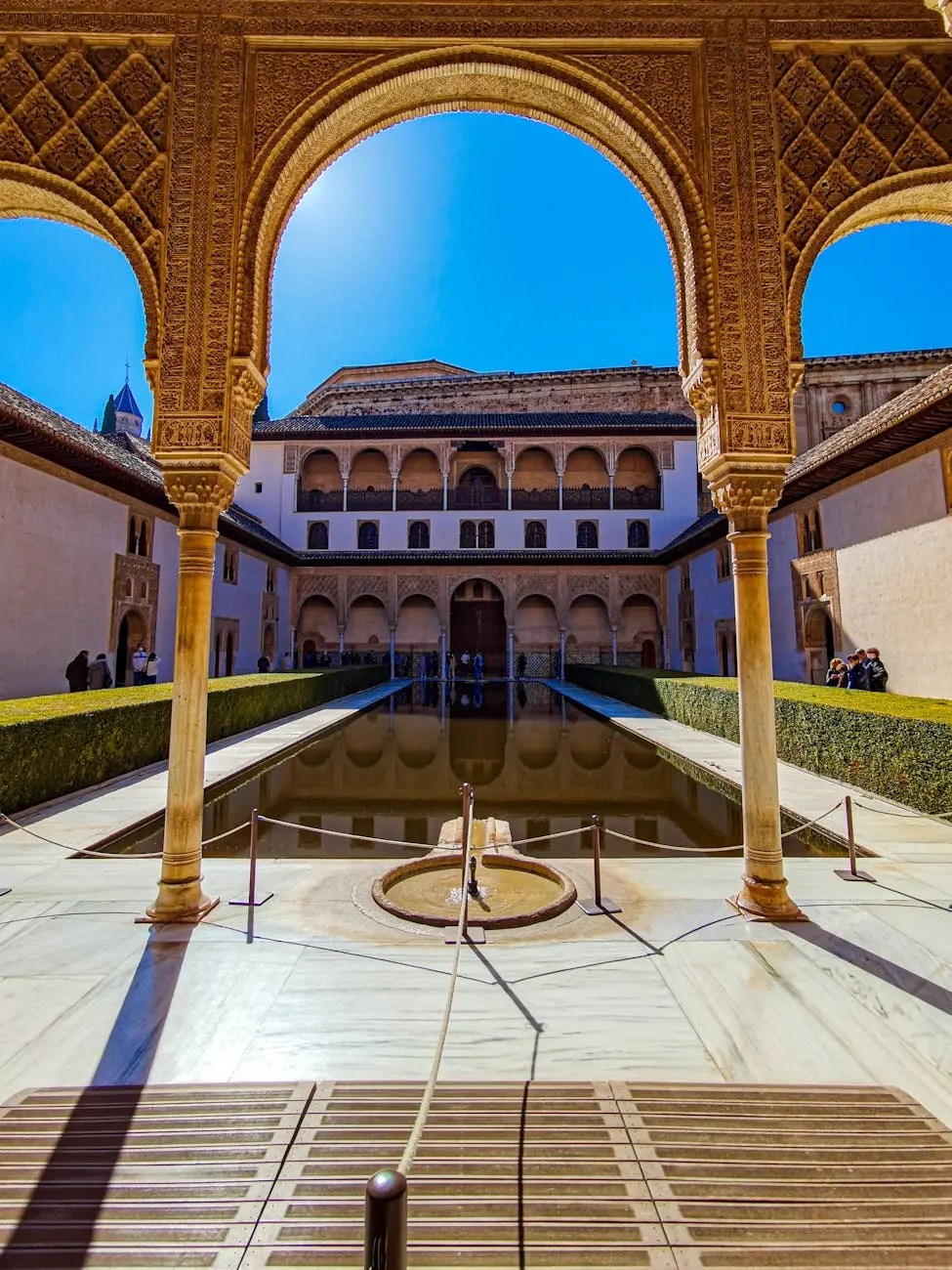
View of the Courtyard of the Lions in the Alhambra, featuring intricate arches, a central fountain, and lush greenery under a clear blue sky.
The stunning courtyard of the Alhambra, showcasing intricate Islamic architecture and serene reflections in the pool. The serene and stunning Court of the Myrtles, the central courtyard of the Nasrid Palaces, perfectly demonstrates Islamic architecture’s mastery of water, light, and geometry.

ALHAMBRA (Expedia)ALHAMBRA (Get Your Guide)
  • Afternoon (2:00 PM): Lunch in Realejo, the old Jewish quarter. Find a small bar for a ración of local cheese or grilled vegetables.
Realejo (Expedia)Realejo (Get Your Guide)
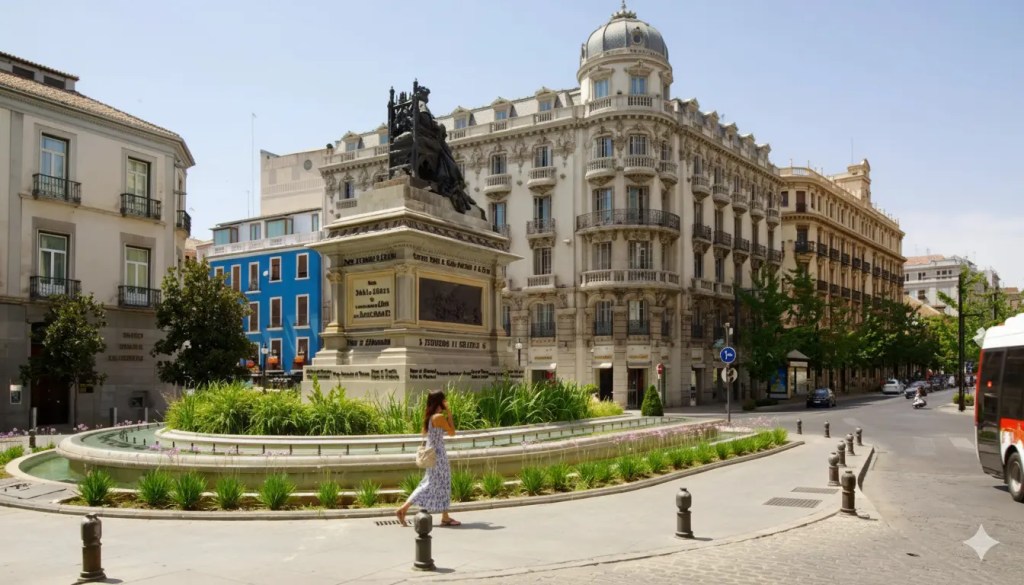
Monument to the Capitulations of Santa Fe in Plaza Isabel la Católica, Granada, showing a statue of Queen Isabella I presenting documents to Christopher Columbus.
A bustling square in Granada featuring a historic monument and the beautiful architecture of surrounding buildings. The historic monument in Plaza Isabel la Católica commemorates the 1492 agreement between Queen Isabella I and Christopher Columbus, which set his voyage to the Americas in motion.
  • Late Afternoon (5:00 PM): Walk up into the Albayzín, the ancient Moorish quarter. Get lost in its cobblestone lanes, whitewashed houses, and hidden cármenes (walled gardens). Make your way to the Mirador de San Nicolás for the classic, breathtaking view of the Alhambra against the Sierra Nevada.
Albayzín (Expedia)Albayzín (Get your guide)
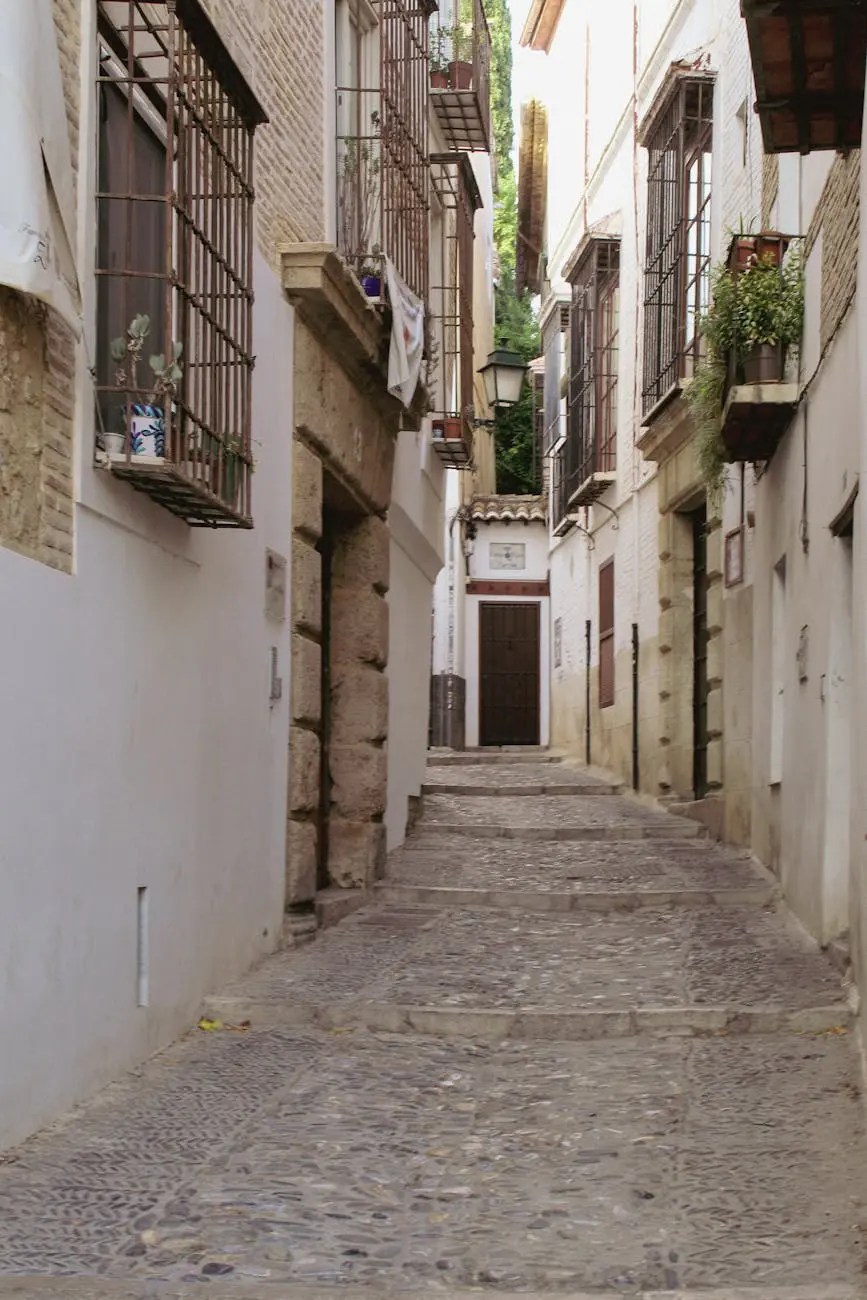
A narrow cobblestone street in Granada, Spain, lined with whitewashed buildings featuring wrought iron balconies and greenery.
A charming cobblestone alley in the historic Albaicín neighborhood of Granada, showcasing its traditional architecture and inviting atmosphere. Getting lost in the labyrinthine, shaded streets of the Albaicín is the best way to experience the atmosphere of Granada’s ancient Moorish quarter

  • Evening (9:00 PM): Dinner and flamenco. Skip the expensive, staged shows for a more authentic tablao in the Sacromonte cave district. The raw passion here is electric.
A panoramic view of the Alhambra, a historic palace and fortress in Granada, Spain, surrounded by lush greenery and set against the backdrop of the Sierra Nevada mountains.
Mirador de San Nicolas showing mountains, chateau or palace and heritage architecture
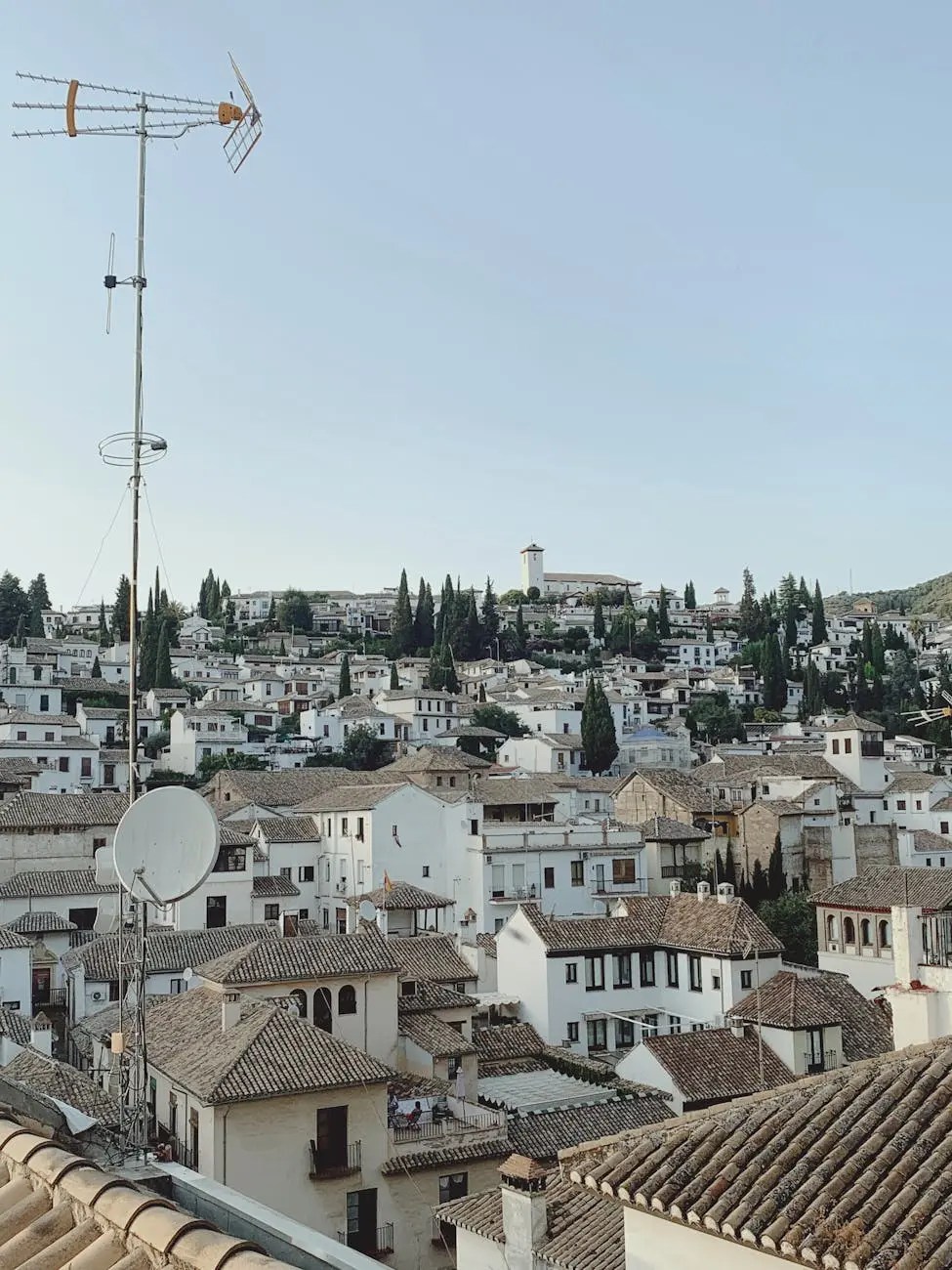
Scenic view of whitewashed houses and terracotta roofs in Granada, Spain, with a clear blue sky.
A panoramic view of Granada’s Albaicín neighborhood showcasing its iconic whitewashed houses and tile roofs against the backdrop of the Sierra Nevada mountains. A breathtaking aerial perspective reveals the dramatic relationship between the two UNESCO World Heritage sites: the organic maze of the Albaicín and the formidable Alhambra.
A dancer in a purple dress gracefully twirls with a flowing black shawl against a solid blue background.
A flamenco dancer captures the spirit of Granada with graceful movements and traditional attire. The intense emotion and precise movement of a flamenco performance embody the soul of Granada, especially in the historic Sacromonte caves.

Day 2: Cathedral Grandeur, Local Markets & Tapas Trail

  • Morning (10:00 AM): Visit the Royal Chapel (Capilla Real), the final resting place of the Catholic Monarchs, Ferdinand and Isabella. Then, explore the colossal Granada Cathedral right next door.
Royal Chapel (Expedia)Royal Chapel (Get Your Guide)
 Granada Cathedra (Expedia) Granada Cathedra (Get your guide)
  • Afternoon (1:00 PM): Wander through the Alcaicería, a maze of narrow streets that was once the Moorish silk market. It’s now full of shops selling spices, ceramics, and lamps.
 Alcaicería (Expedia) Alcaicería (Get your Guide)
  • Late Afternoon (4:00 PM): Granada’s Golden Rule: Drink, Get Fed for Free. Embark on a tapas crawl. In most granadino bars, every drink (a beer, wine, soft drink) comes with a free, substantial tapa. My strategy is to hop between bars in areas like Plaza Nueva or Calle Elvira, letting each drink decide my dinner. It’s social, delicious, and incredibly budget-friendly.
Plaza Nueva (Expedia)Plaza Nueva (Get your Guide)
Calle Elvirab (Expedia)Calle Elvira (Get your Guide)
  • Evening: Enjoy a leisurely stroll along the River Darro as the monuments light up.
River Darro (Expedia)River Darro (Get your Guide)
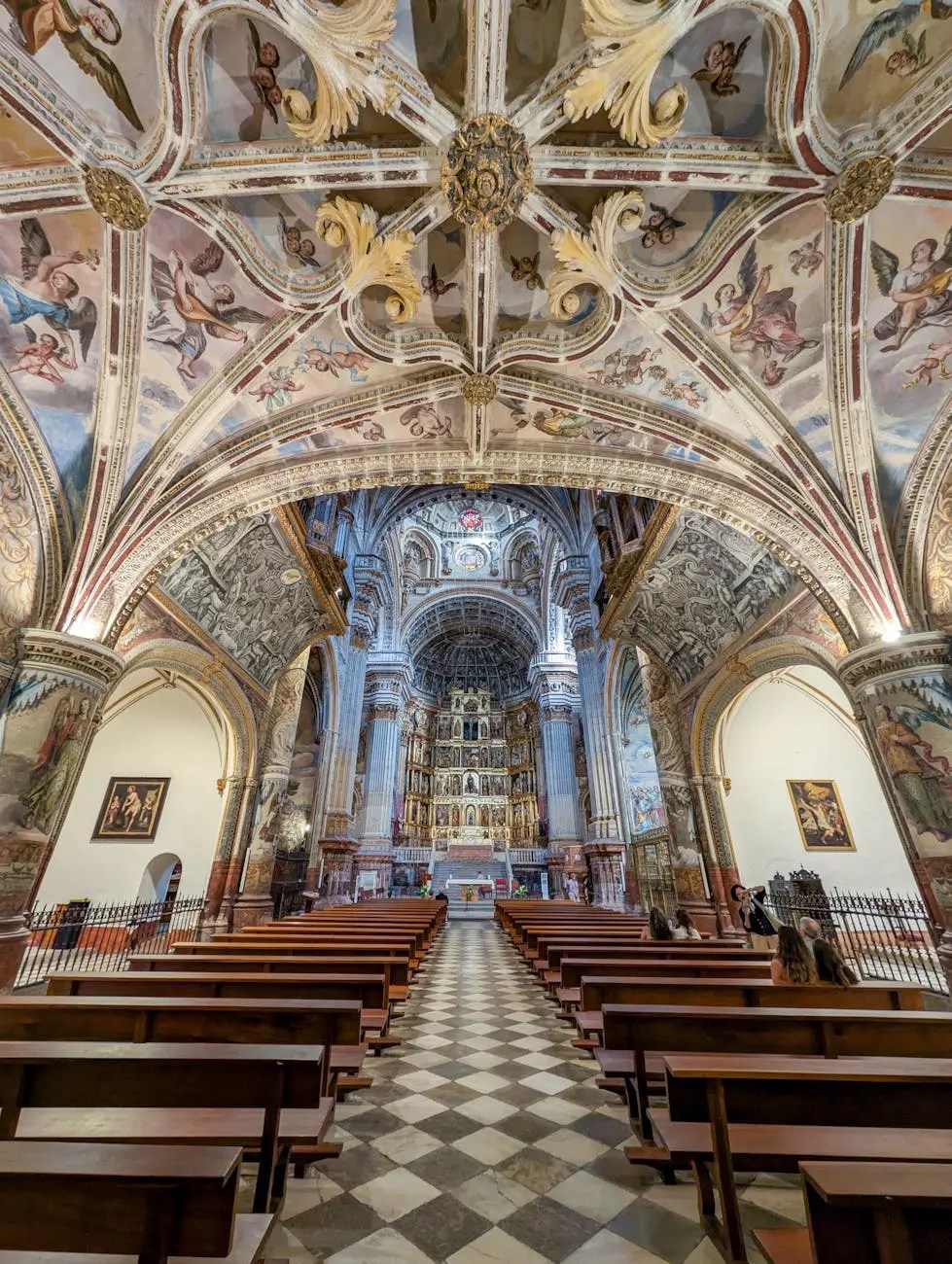
Interior view of a historic cathedral featuring intricate frescoes on the ceiling, ornate altar, and empty wooden pews leading towards the altar.
The ornate interior of Granada’s Royal Chapel, showcasing intricate frescoes and baroque architecture. The lavishly decorated church of the Royal Monastery of San Jerónimo, a masterpiece of Spanish Renaissance architecture and art.
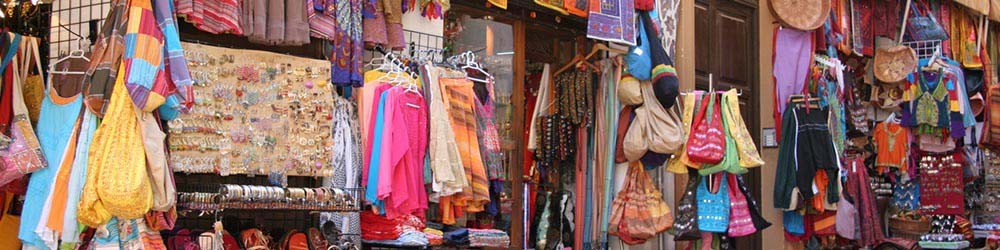
Colorful shops displaying a variety of textiles, clothing, and accessories in a vibrant market.
A vibrant market scene in Granada, showcasing colorful textiles, accessories, and local crafts that reflect the city’s rich culture.

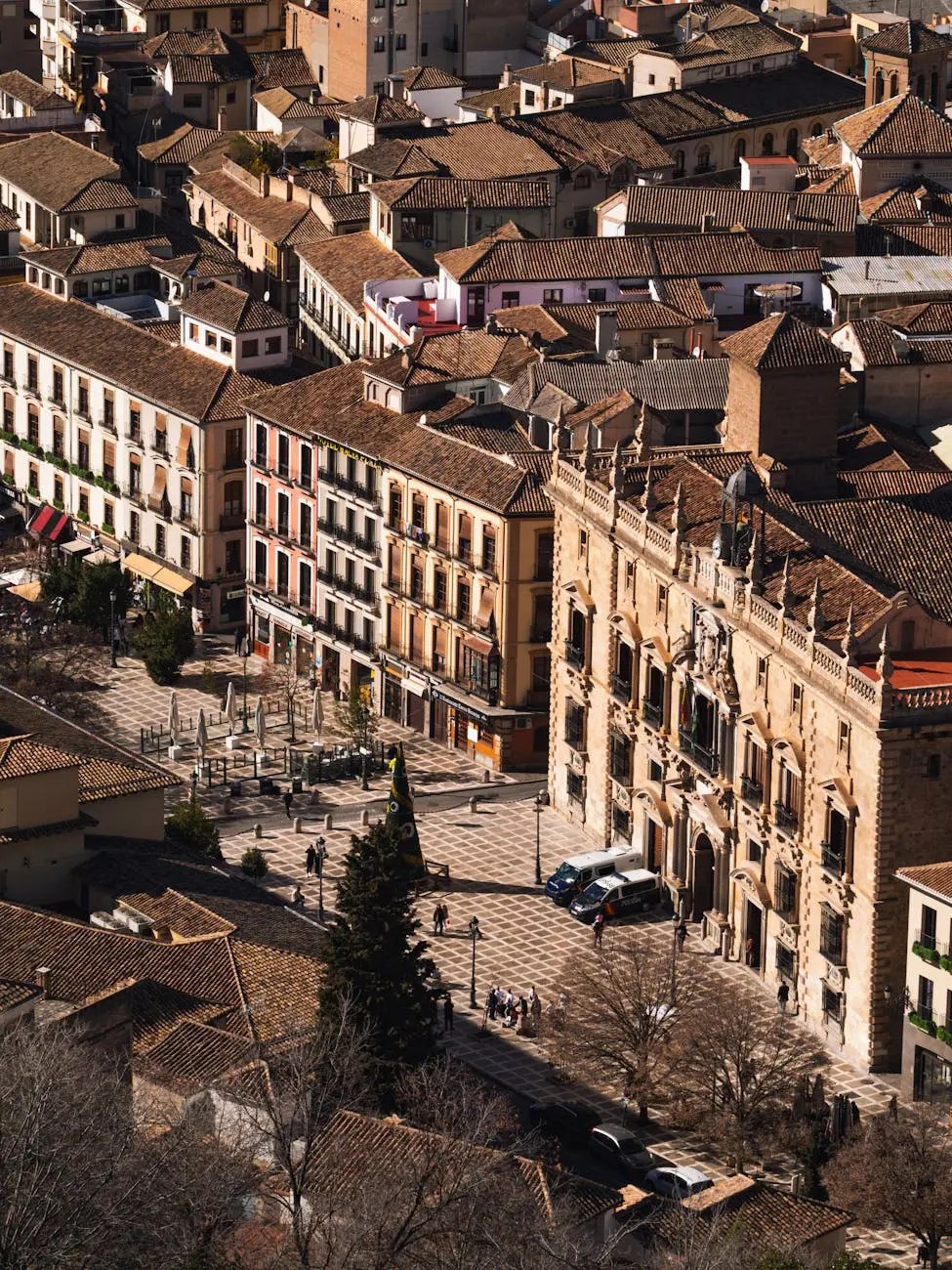
Aerial view of a historic square in Granada, Spain, featuring traditional Spanish architecture, tiled rooftops, and quaint streets lined with shops and cafes.
Aerial view of Granada’s charming rooftops and historic architecture showcasing the vibrant atmosphere of this Andalusian city. Plaza Nueva, the city’s oldest square, seen from above, revealing its strategic position at the foot of the Alhambra hill.
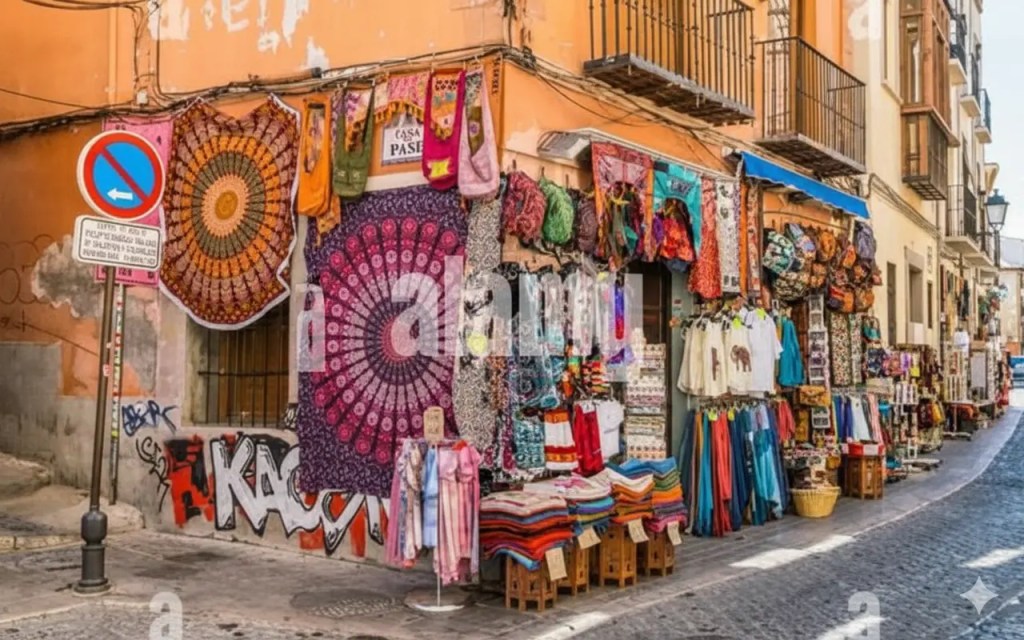
A vibrant street market in Granada, featuring colorful textiles, tapestry displays, and traditional clothing for sale, alongside a narrow cobblestone street.
Colorful street market in Granada showcasing tapestries, clothing, and local crafts. The bustling Calle Elvira is a sensory gateway, where the aromas from tapas bars mix with the sight of glittering lanterns in traditional tetería shopfronts.

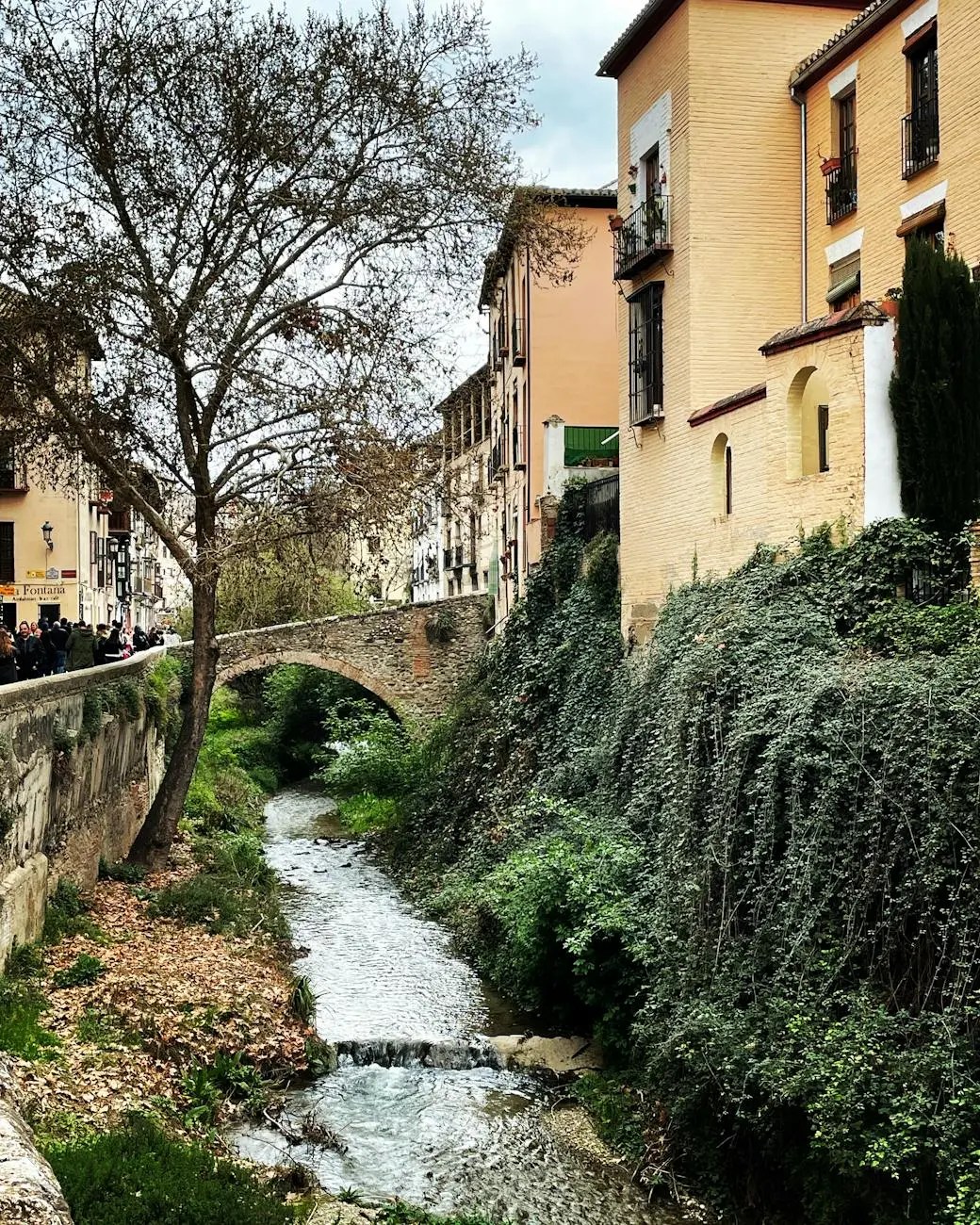
A picturesque view of a narrow stream running alongside a stone bridge, surrounded by lush green vegetation and charming buildings in Granada, Spain.
Picturesque view of a serene stream flanked by charming buildings and trees in Granada, creating a tranquil atmosphere. A stroll along Carrera del Darro feels like a walk through a living history book, with the river and centuries-old architecture on full display.

Granada’s Hidden Gems & Local Secrets

  • El Bañuelo: These stunning 11th-century Arab baths, hidden down a side street in the Albayzín, are often overlooked but are one of the best-preserved in Spain. Entrance is cheap and rarely crowded.
  • Carmen de los Mártires: A peaceful, slightly forgotten palace and garden just north of the Alhambra. It feels secret, romantic, and offers another unique viewpoint of the city.
Carmen de los Mártires (Expedia)Carmen de los Mártires (Get your Guide)
  • Carrera del Darro at Night: This beautiful street along the river is magical after dark, with the Alhambra illuminated above. Skip the crowded bars here and just walk.
  • Tea in a Tetería: After the bustle, retreat to a tetería (tea house) in the Albayzín. Sip mint tea in a room filled with cushions and Moorish decor—it’s an instant transport to another time.
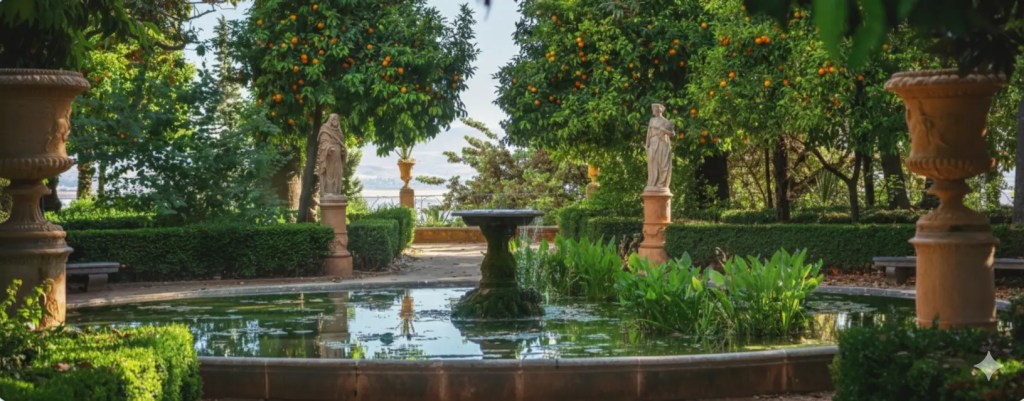
A serene garden scene featuring a circular fountain surrounded by lush greenery and trees bearing oranges. Statues are placed among the foliage, adding an artistic touch to the tranquil setting.
A tranquil garden in Granada, Spain, featuring lush greenery, orange trees, and a serene pond surrounded by classical statues. The romantic and secluded Carmen de los Mártires gardens offer a quiet escape with stunning, framed views of the city below.
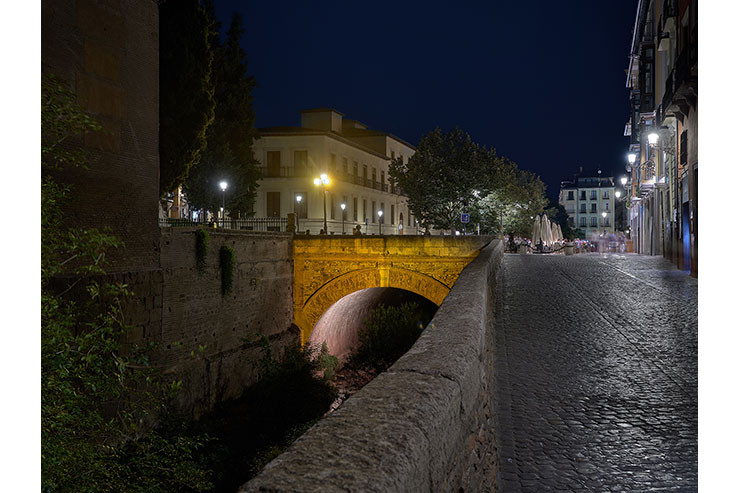
Night view of a cobblestone street in Granada, Spain, featuring a lit bridge arching over a small river, surrounded by trees and buildings.
A serene nighttime view of a beautifully lit bridge in Granada, showcasing the city’s charming cobblestone streets.
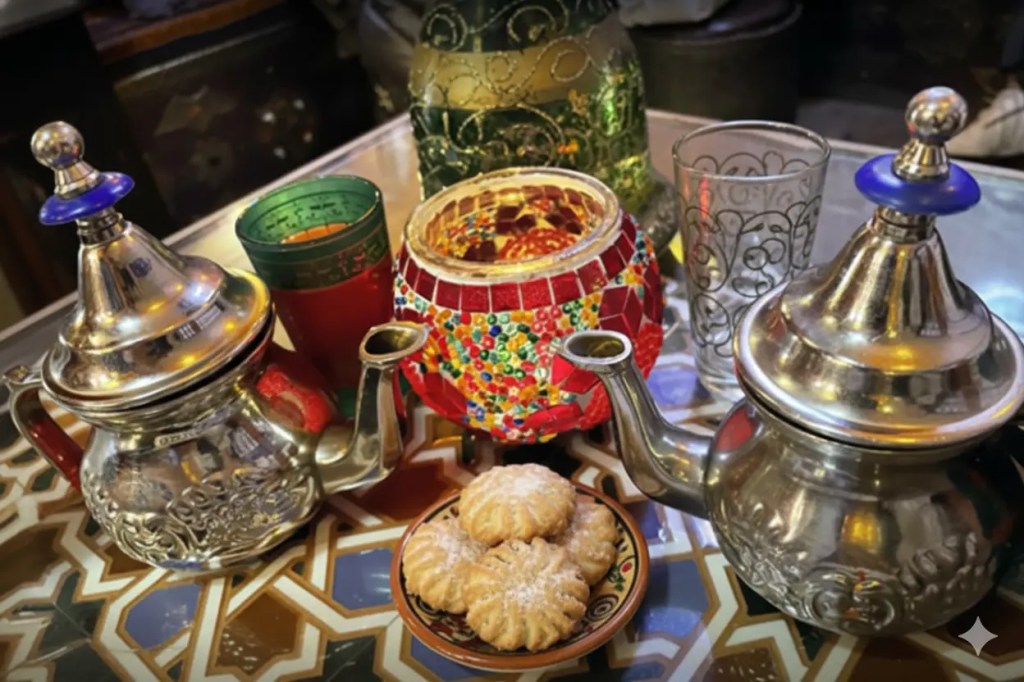
A traditional Moroccan tea set in a Granada tetería, featuring a colorful mosaic candle holder, silver teapots, glasses, and cookies.
Experience the ritual of mint tea in Granada’s traditional teterías, complete with ornate silverware and sweet pastries. The ritual of mint tea in a tetería is a sensory journey, complete with ornate silverware, sweet pastries, and the glow of mosaic lamps.

Food, Tapas & Local Experiences

Granada is famous for free tapas—order a drink, get food. My advice?

  • Avoid tourist menus near major sights
  • Follow locals into busy bars
  • Don’t rush—Granada eats slowly

Money‑Saving Tips for Granada

  • Visit major sights early morning
  • Use buses instead of taxis uphill
  • Stay slightly outside Albaicín
  • Combine ferry + train if coming via Málaga

🔌 Don’t forget power needs. This European Travel Plug Adapter Kit has covered me across Spain, Italy, and France:

Money-Saving Tips & Navigating Like a Pro

  • The Granada Card: If you plan to visit multiple monuments (Alhambra, Cathedral, Royal Chapel, monasteries), this card can save you money and includes Alhambra access, bypassing the need for a separate ticket. Do the math based on your itinerary.
  • Public Transport is Cheap and Good: The city bus network is extensive. A single ticket is about €1.40, but a 10-ride Bonobús card (€8.20) is the best value. Taxis are also reasonably priced for short hops, especially if splitting with friends.
  • Walk, Walk, Walk: The historic center is very walkable, and getting “lost” is part of the fun (and free!).
  • Water and Siesta: Carry a reusable water bottle. Tap water is safe to drink. Embrace the siesta—many shops close from 2-5 PM, so plan your museum visits for the morning or late afternoon.
  • The Ultimate Tapa Hack: For the cheapest and most local tapas experience, venture just a block or two away from the main squares. The bars filled with students and locals always have the best value.

Essential Spanish & Andalusian Lingo {#essential-lingo}

A little language goes a long way in earning smiles.

  • Hola / Buenos días – Hello / Good morning
  • Gracias – Thank you
  • Por favor – Please
  • Una caña, por favor – A small beer, please (the standard tapa drink)
  • La cuenta, por favor – The bill, please
  • Tapa – The free snack with a drink. In Granada, you often don’t choose it—it comes with the territory!
  • Paseo – A leisurely stroll. A key local activity.
  • Mirador – Viewpoint. You’ll be seeking these out!
  • Guiri – (Slang, not offensive) A tourist or foreigner. That’s us!

Stay Connected, Protected & Stress‑Free Abroad

📶 Stay Connected

Staying online abroad can be expensive if you rely on roaming or airport SIM counters. I travel with Drimsim, a global SIM that works in 190+ countries. Pop it in, top up via the app, and you’re connected—no surprises, no stress.

🔐 VPN for Travel Safety

Public Wi‑Fi and travel bookings don’t mix well without protection. I always use NordVPN when traveling:

✈️ Flight Delayed or Canceled?

You could be entitled to up to $650 in compensation. AirHelp checks eligibility and handles everything for you:

🛡️ Travel Insurance

No matter how short the trip, insurance matters. I recommend VisitorsCoverage for quick comparisons and flexible plans: 👉 https://visitorscoverage.tpm.lv/QUKMbHg3


✨ Travel Glow‑Up Tip

Travel photos hit differently when you feel good. I swear by K‑beauty essentials from Lakinza—affordable, effective, and perfect for travel skin recovery. Use code Lalax10 for a sweet discount.

Frequently Asked Questions (FAQ)

Q: How far in advance do I really need to book Alhambra tickets?
A: As soon as your travel dates are firm. Tickets for the Nasrid Palaces are released exactly three months in advance and sell out incredibly fast, especially for morning slots in peak season. Set a calendar reminder.

Q: Is Granada safe for solo travelers?
A: Generally, yes. It’s a university city with a vibrant street life. Standard precautions apply: be aware of pickpockets in crowded areas like the Alcaicería, and be cautious walking alone in the very steep, narrow streets of Sacromonte late at night.

Q: What’s the deal with tapas in Granada? Is it really free?
A: Yes! It’s one of the last cities in Spain where the free tapa tradition remains strong. Order any drink (alcoholic or non-alcoholic) at most traditional bars, and a small plate of food will arrive with it. The quality and size often increase with your second or third drink.

Q: Can I do a day trip to the Sierra Nevada from Granada?
A: Absolutely. In winter, you can go skiing (the resort is about 45 minutes by bus). In summer, it’s fantastic for hiking. Regular buses run from the city center to the mountain villages and ski station.

Q: I have more than a weekend. Where else should I go in Andalusia?
A: You’re in the heart of it! Consider basing yourself in Seville for flamenco and the majestic Alcázar, or Córdoba for the mesmerizing Mezquita. You can explore my detailed guides to both cities for inspiration:

If Granada leaves you craving more Southern European magic (which it probably will), it pairs beautifully with several nearby city escapes I’ve already explored in depth. Just a few hours away, Seville, Spain delivers flamenco-filled nights, orange-scented courtyards, and some of Andalusia’s most dramatic architecture—perfect if you want to stay in the same cultural rhythm. Heading east, Valencia, Spain offers a completely different vibe with futuristic design, relaxed beaches, and one of the best food scenes in the country (yes, paella tastes better here). If you’re extending your trip north, Barcelona, Spain blends art, nightlife, and seaside energy in a way that feels effortlessly iconic. And for travelers hopping borders, Lisbon, Portugal makes a surprisingly smooth next stop—laid-back, photogenic, and ideal for slow wandering after Granada’s hilltop views. Linking these destinations together creates a smart, time-efficient route that saves money on transport while keeping the journey rich and varied.

Final Thoughts

Granada isn’t loud about its beauty—it reveals it slowly. Plan smart, walk often, eat well, and let the city surprise you.

👉 Ready to plan your escape? Compare flights and stays on Expedia now:

💬 Have questions or hidden gems to share? Drop a comment—I always reply.

📌 Explore more nearby escapes in my Travel Master List: 👉 https://confidencebuildings.com/travel-master-list/

https://www.tumblr.com/indigosavageryshark/804921819792621568?source=share

Universal Disclaimer/Disclosure Page:

Explore Valencia: Your Ultimate 48-Hour Weekend Guide

Meta Description:✈️ Dreaming of a sun-drenched Spanish escape? Our ultimate weekend guide to Valencia, Spain is packed with insider tips, hidden gems, and a perfect itinerary to help you explore the City of Arts and Sciences, savor authentic paella, and navigate like a local. Discover how to make the most of your 48-hour Valencia adventure!

Table of Contents

  1. Why Valencia? My Love Affair with the Paella Capital
  2. Logistics: Travel Smart, Not Hard (Visa, Getting There & Where to Stay)
  3. The Perfect 3-Day Valencia Itinerary: Day-by-Day
    • Day 1: Old Town Charm & Culinary Delights
    • Day 2: Futuristic Wonders & Beach Bliss
    • Day 3: Paella’s Birthplace & Hidden Gems
  4. Mastering Valencia’s Public Transport: Your Money-Saving Guide
  5. Language & Local Lingo: Key Phrases to Know
  6. Smart Travel Toolkit: Apps, Insurance, and Staying Connected
  7. FAQs for Your Valencia Trip
  8. Ready to Book? A Final Call to Adventure!

Why Valencia? My Love Affair with the Paella Capital

Let’s be real. When you think of a Spanish city break, your mind probably jumps to Barcelona or Madrid. Don’t get me wrong, I adore both (check out my tips for navigating Barcelona’s Gothic Quarter [LINK from master list: confidencebuildings.com/travel-master-list/]), but let me tell you about their sophisticated, sun-drenched little sister: Valencia!

This city has it all—history, an ocean-sized park (yes, an entire riverbed turned into a park!), jaw-dropping futuristic architecture, and, most importantly, it’s the undisputed birthplace of paella. My first bite of authentic Valencian paella—the traditional chicken and rabbit version—was a revelation. I remember sitting by the Albufera lagoon, the sun setting over the rice fields, thinking, “Why didn’t I come here sooner?” This city is the perfect blend of laid-back coastal vibes and cultural immersion, making it the ultimate weekend escape.

Alright, let’s be real. Your vacation days are precious, and the urge to just go somewhere—to soak up a new culture, taste incredible food, and forget your inbox for a few glorious days—is powerful. If you’re staring at a free weekend and a burning desire for a Spanish fiesta, I’ve got one word for you: Valencia.

I fell in love with this city on a whim after a particularly grueling project at work. I needed sun, sangria, and a serious change of scenery, and let me tell you, Valencia delivered in spades. It’s the perfect blend of stunning modern architecture, ancient history, and a laid-back Mediterranean vibe that’s just chef’s kiss.

So, grab your favorite travel notebook (or just bookmark this page), because we’re about to plan your perfect weekend in Valencia.

Flights to Valencia

Logistics: Travel Smart, Not Hard

Visa & Cost Check (Keep it Cheap!)

For my readers traveling to Spain, remember that Spain is part of the Schengen Area. If you are an EU/Schengen passport holder, you’re good to go! For others, ensure you check the current visa requirements well in advance. As for cost, Valencia is generally much cheaper than Barcelona or the big cities—you can easily snag a delicious menú del día (a fixed-price lunch) for $10-$15. A little saving here means more money for those gorgeous ceramic souvenirs!
Getting There & Where to Stay

Valencia Airport (VLC) is a breeze to navigate. You can get into the city center in about 20 minutes on the Metro (Line 3 or 5).

Hotels in Valencia

Speaking of logistics, finding the right hotel is key to saving time. I always use Expedia to compare prices . I personally recommend staying near the Ruzafa neighborhood for its vibrant nightlife and cafe culture, or near the Ciutat Vella (Old Town) if you want to be within walking distance of history.

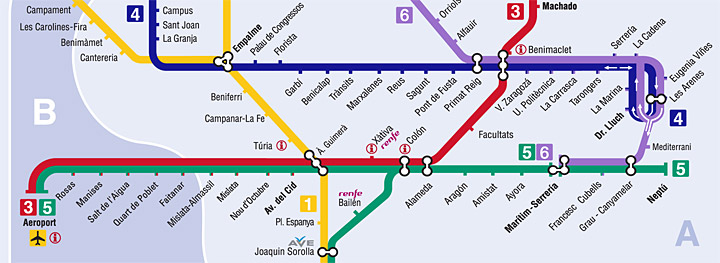
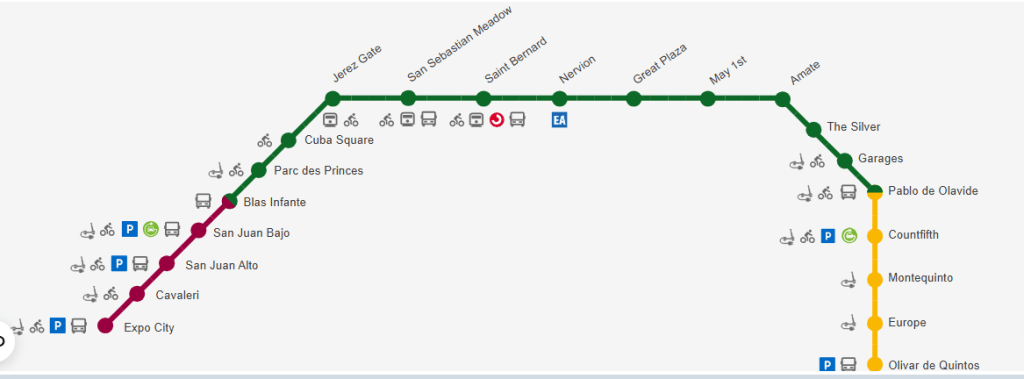
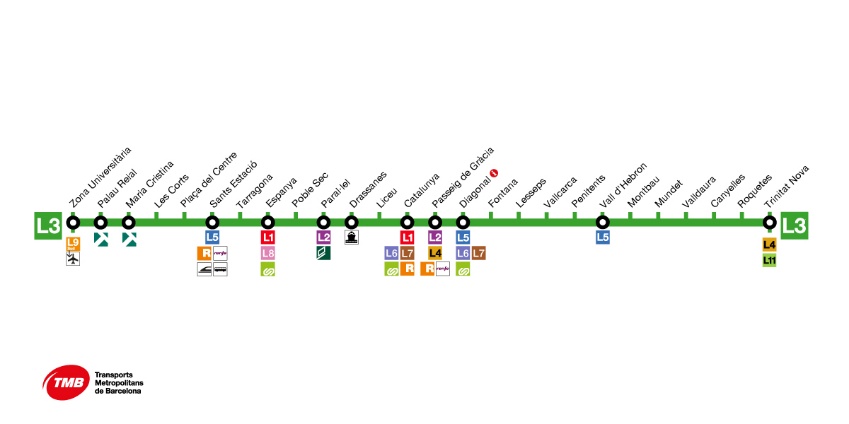
Valencia Metro Map: Navigate the city’s public transport easily while exploring its vibrant neighborhoods and attractions.

Friday: Ancient Hearts & Modern Arts

Afternoon: Touch Down & Dive into the Old Town

You’ve landed! First things first: getting into the city. The Valencia Metro is your best friend. A quick, easy, and affordable ride on Line 3 or 5 will get you from Manises Airport (VLC) to the city centre in about 20 minutes. Ditch the expensive taxi queue; your wallet will thank you.

Drop your bags at your hotel (I found a gorgeous little place in the El Carmen district on Expedia), and it’s time to hit the cobblestones.

Your first stop? The Plaza de la Virgen. This square is the historic heartbeat of the city. Grab a bench, watch the world go by, and admire the stunning Valencia Cathedral. For a small fee, you can climb the Miguelete Bell Tower—the 207-step climb is a thigh-burner, but the 360-degree views of the terracotta rooftops are absolutely worth it. Inside the cathedral, legend claims you’ll find the Holy Chalice, said to be the true Holy Grail. Believe it or not, it’s a seriously cool thing to see.

Evening: Tapas & Tangles

As the sun sets, get lost. Seriously. The El Carmen neighborhood is a labyrinth of narrow medieval streets, vibrant street art, and hidden plazas. For dinner, skip the tourist traps on the main squares and duck into a smaller side street. My best meal was at a tiny, family-run bar where I pointed at what looked good in the display case. Order a clara (a shandy – beer with lemon soda) and a few raciones (sharing plates) of local cheese and jamón.

💎 Hidden Gem: Hunt for the Museo de las Rocas, a hidden courtyard where the giant, elaborate figures from the Fallas festival are stored. It’s free to peek through the gates and feels like discovering a secret.

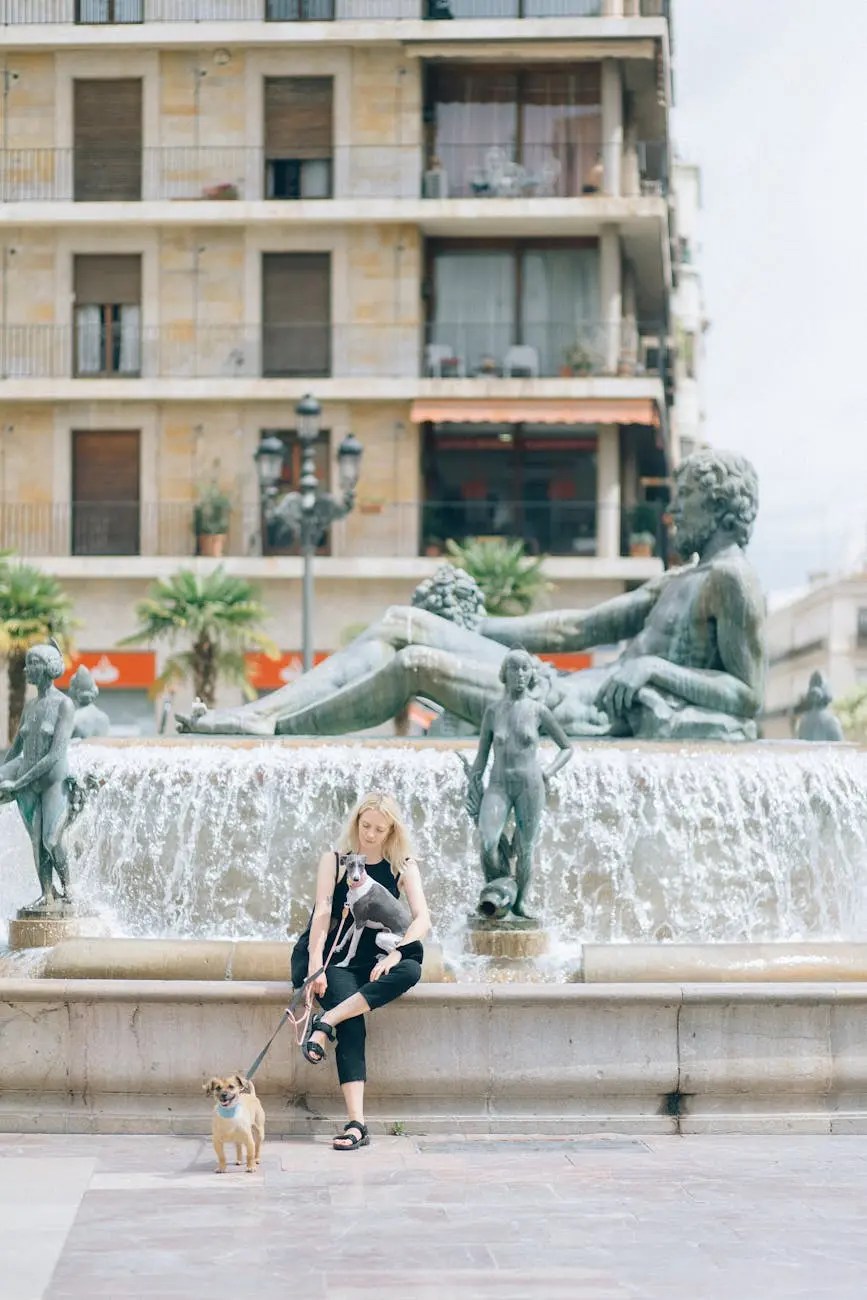
A serene moment by a fountain in Valencia, featuring a woman with her dogs amidst stunning sculptures and architecture. Plaza de la Virgen “Finding a moment of pure Valencian peace. This is the true magic of Plaza de la Virgen: where the sound of the Turia Fountain mixes with the chatter from nearby cafés, and history isn’t just in the guidebooks—it’s all around you. The perfect spot to just be.”
The top of a historic stone tower against a clear blue sky.
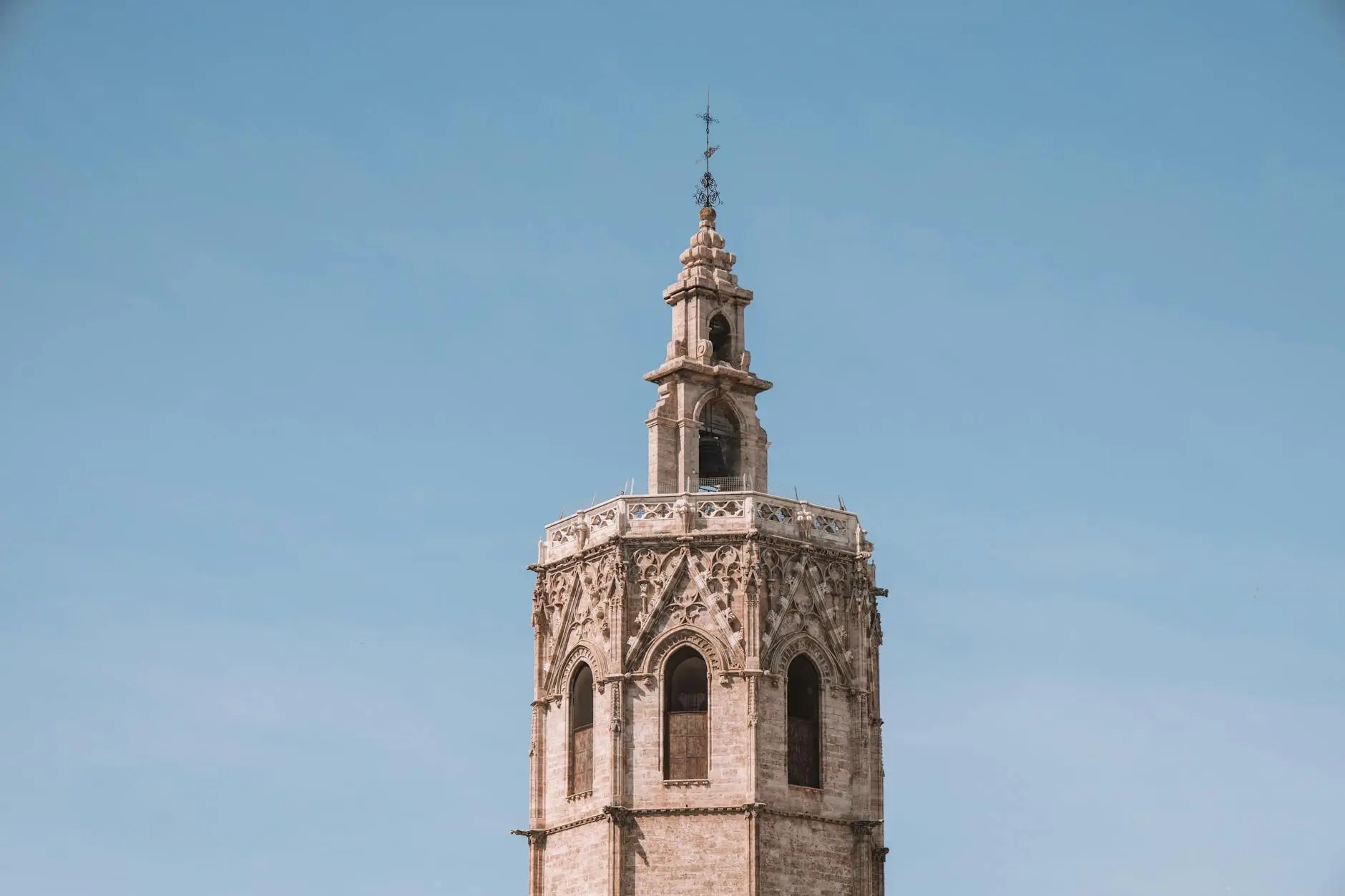
A close-up of the iconic Miguelete Bell Tower, a historical landmark featuring intricate Gothic architecture against a clear blue sky. “Getting up close and personal with the Miguelete’s Gothic grandeur. From down here, you can really appreciate the centuries of craftsmanship in every stone. It’s a neck-craning, awe-inducing kind of beauty.”
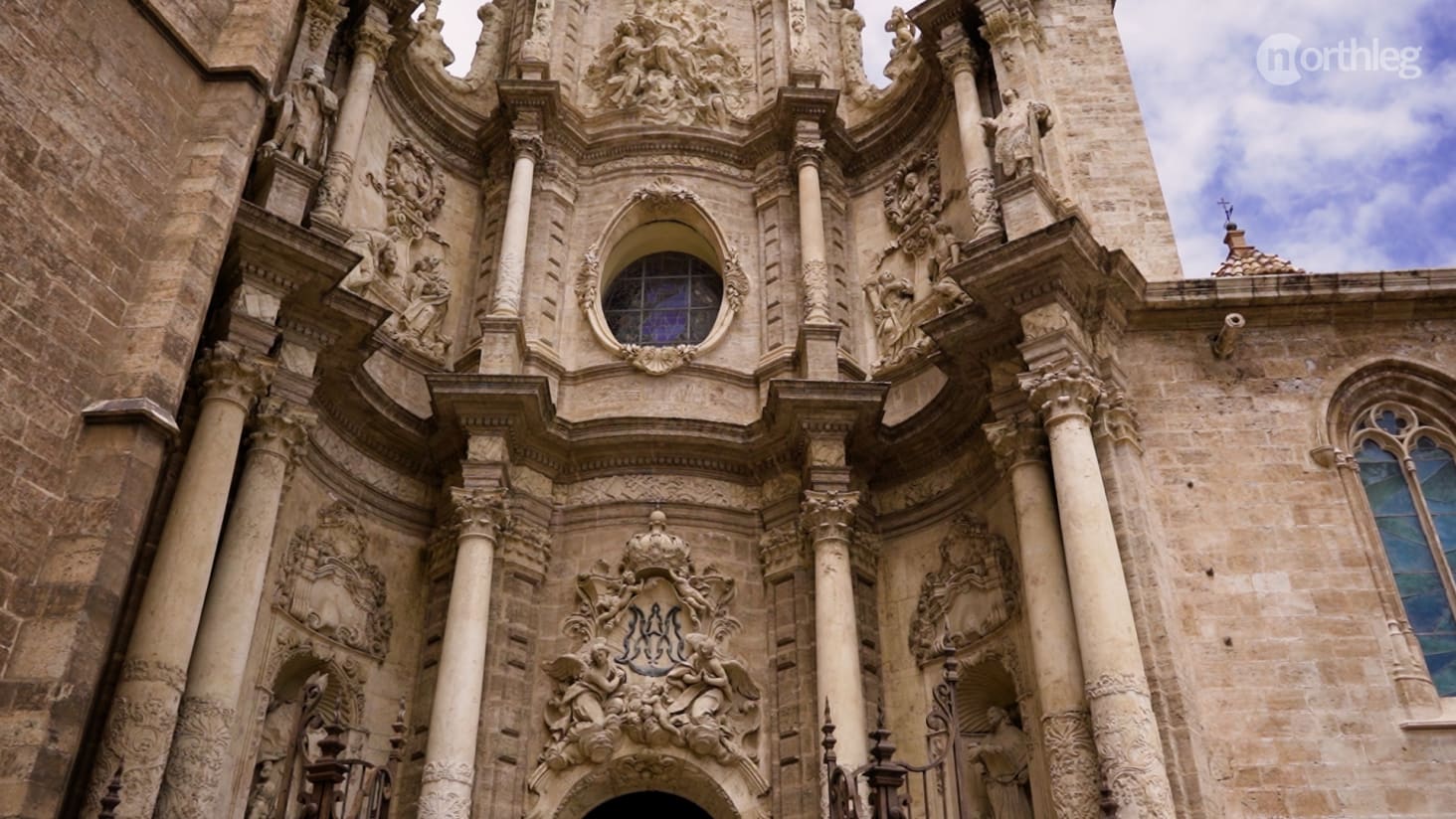
Close-up view of the ornate facade of a historic church in Valencia, featuring intricate sculptures, columns, and a stained glass window.
Detailed architectural features of Valencia Cathedral, showcasing its intricate sculptures and historical significance.
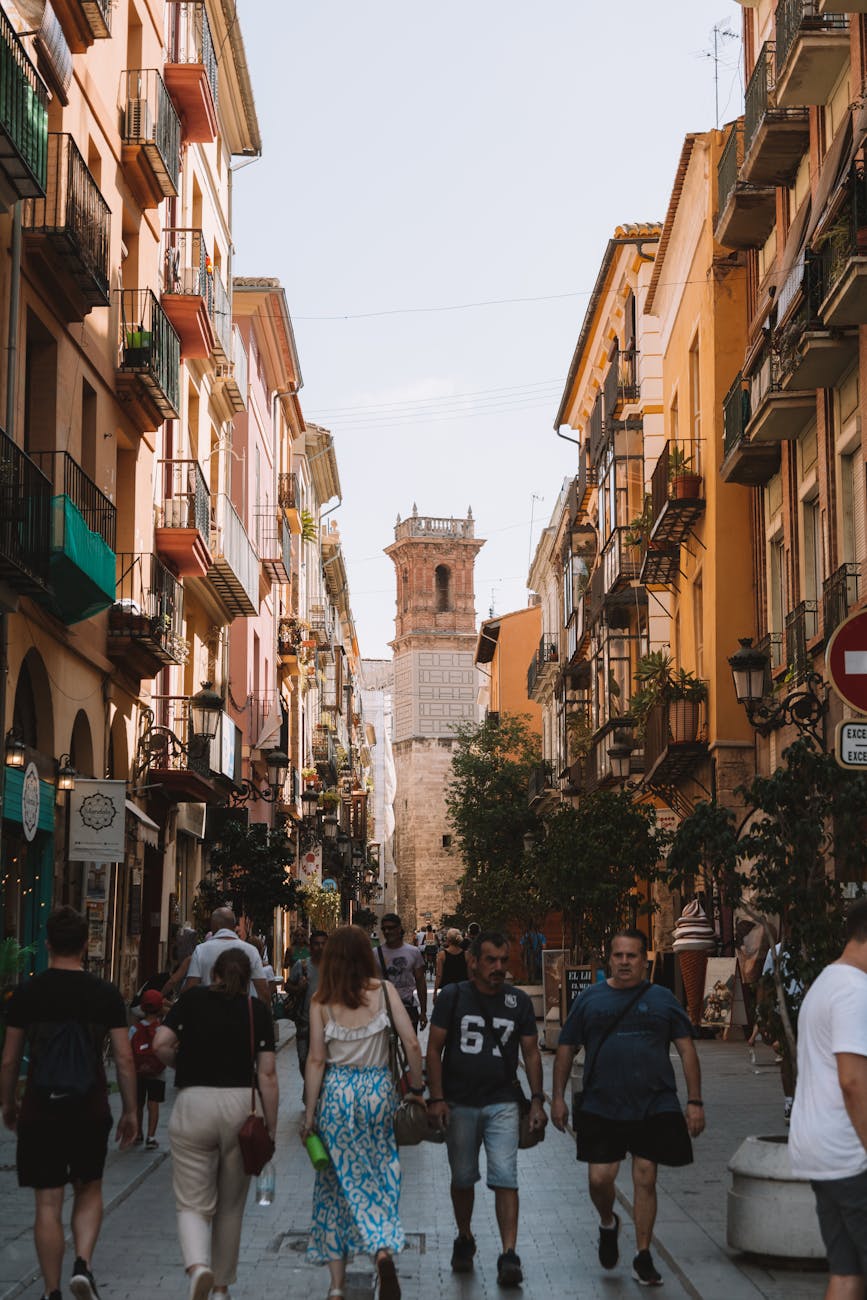
Narrow street in Valencia, Spain, lined with colorful buildings and balconies, featuring people walking and the Miguelete bell tower visible in the background.
Strolling through the charming streets of Valencia, where historic architecture meets vibrant city life.

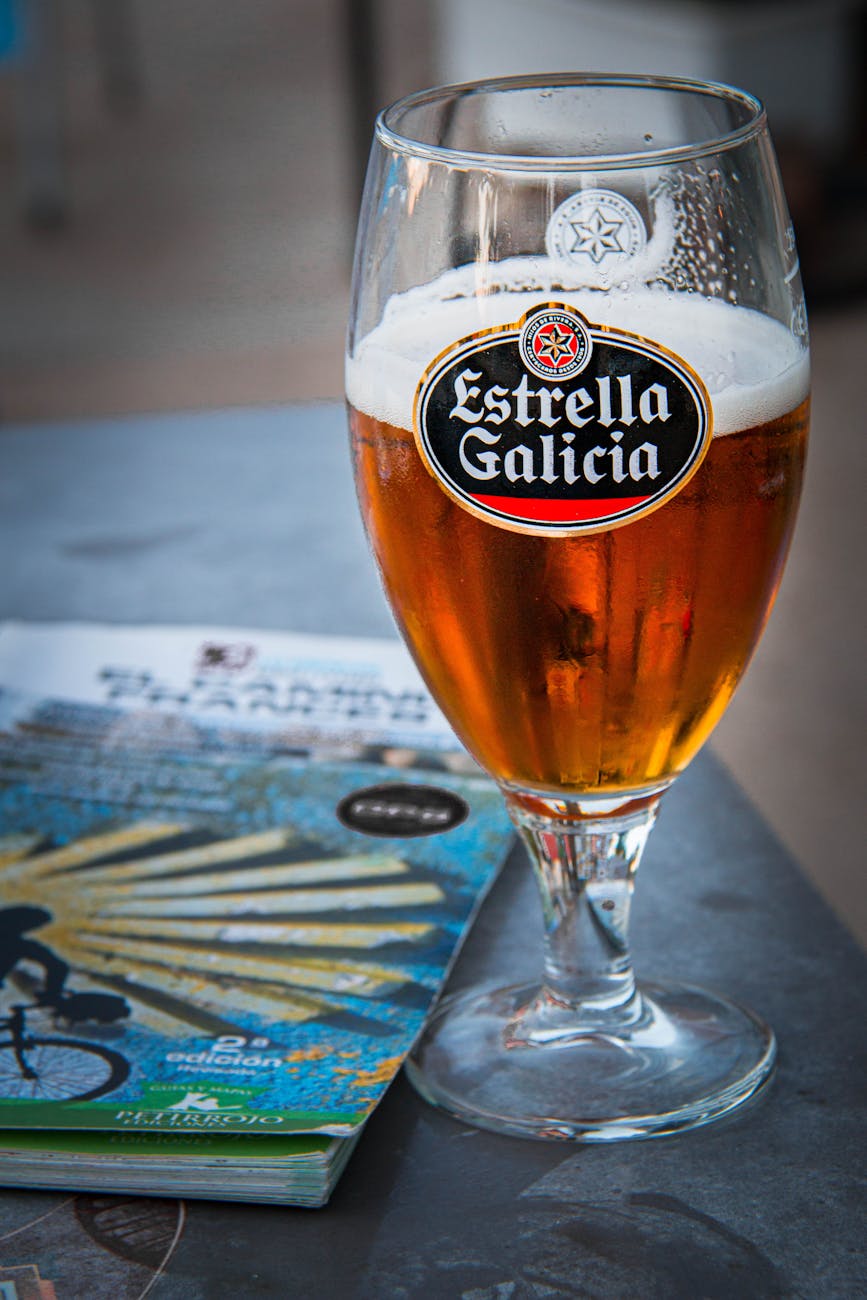
A glass of Estrella Galicia beer resting on a table with a colorful brochure in the background.
A refreshing glass of Estrella Galicia beer, perfect for savoring after exploring Valencia.

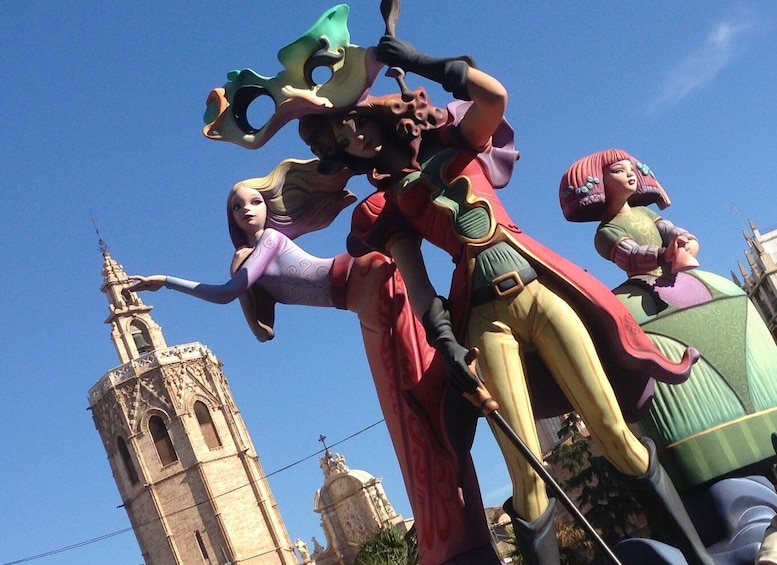
Colorful sculptures representing characters from Valencia's Fallas festival, with a historic tower in the background under a clear blue sky.
Colorful sculptures from the Las Fallas festival in Valencia, showcasing vibrant artistry against a clear blue sky.

“Continue your Mediterranean adventure with a weekend in Nice, France

Saturday: Silk, Science & The Holy Grail

Morning: Market Fresh & A Silk-Covered Past

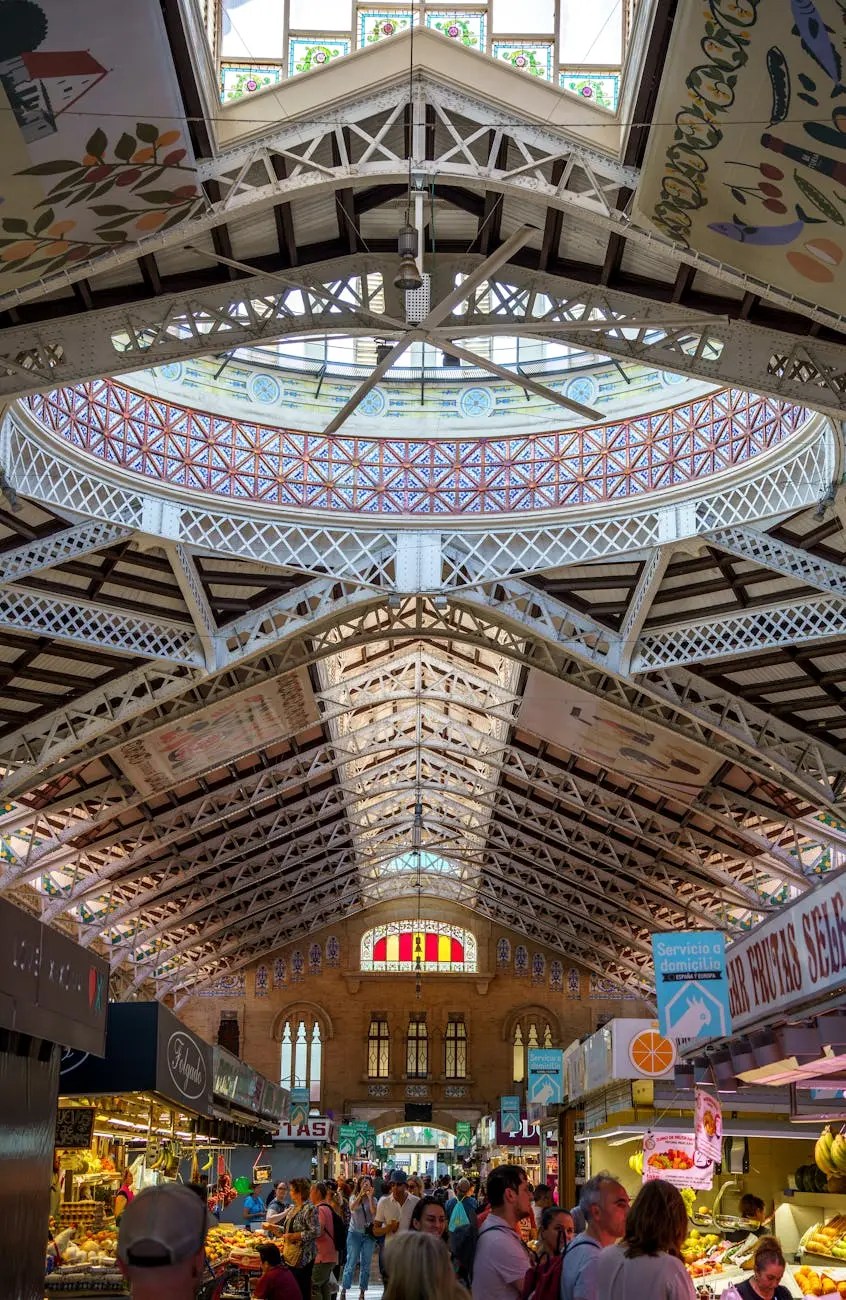
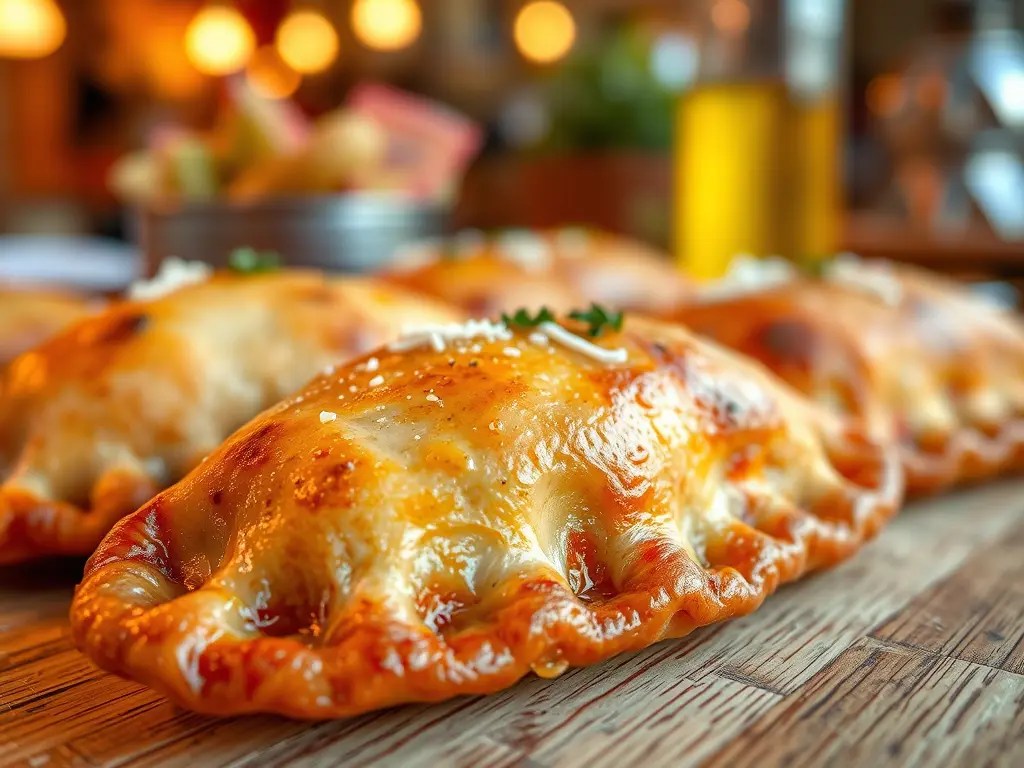
Start your day at the Mercado Central, one of Europe’s largest and most beautiful fresh food markets. The building itself is an Art Nouveau masterpiece. The energy here is electric—fishmongers shouting, the smell of ripe produce, and locals doing their daily shopping. Grab a fresh-squeezed juice and a empanada for breakfast on the go.
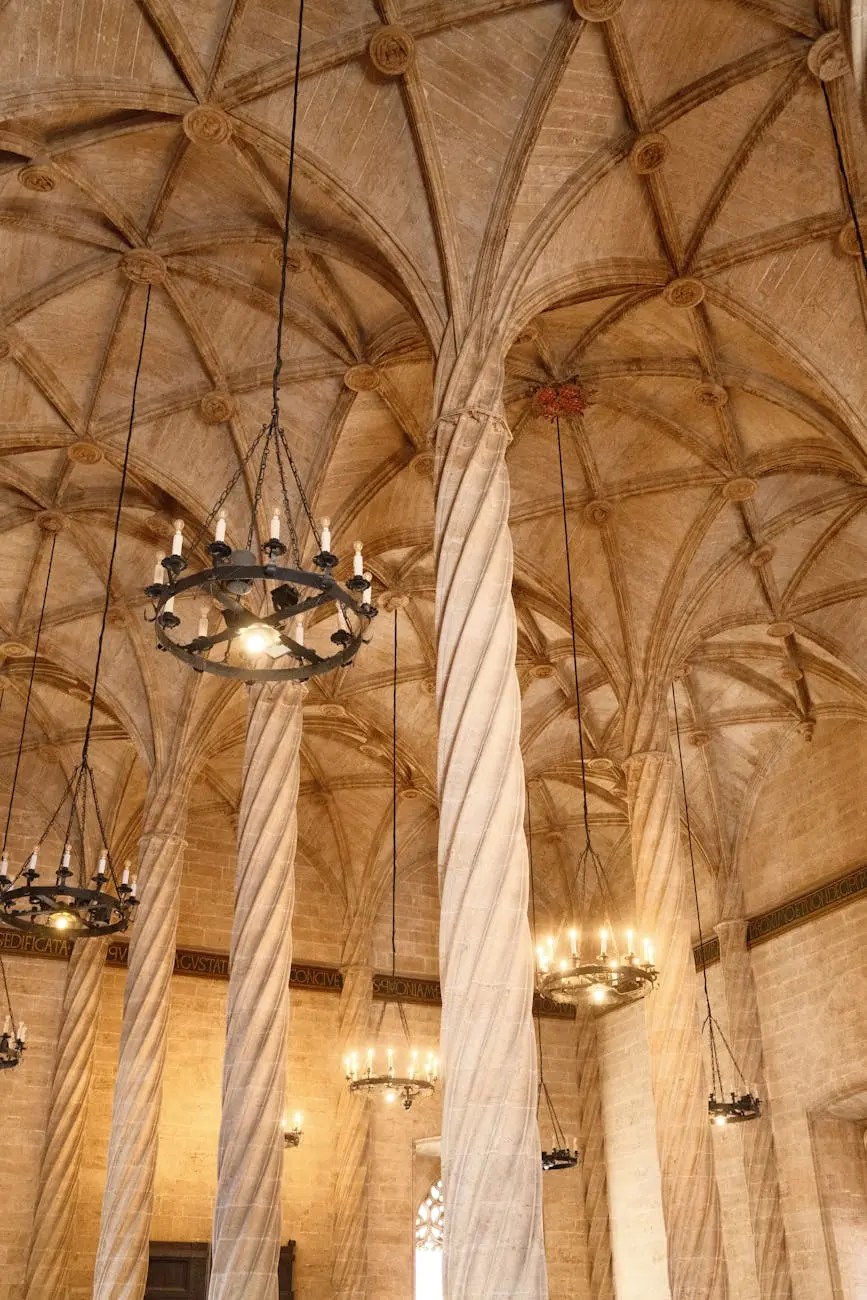
Just a stone’s throw away is the Lonja de la Seda (Silk Exchange). This UNESCO World Heritage site is a breathtaking example of late Gothic civil architecture. Standing in the grand Column Hall feels like stepping onto the set of a fantasy movie. It’s a quick visit but utterly unforgettable.


Afternoon: The Future is Now

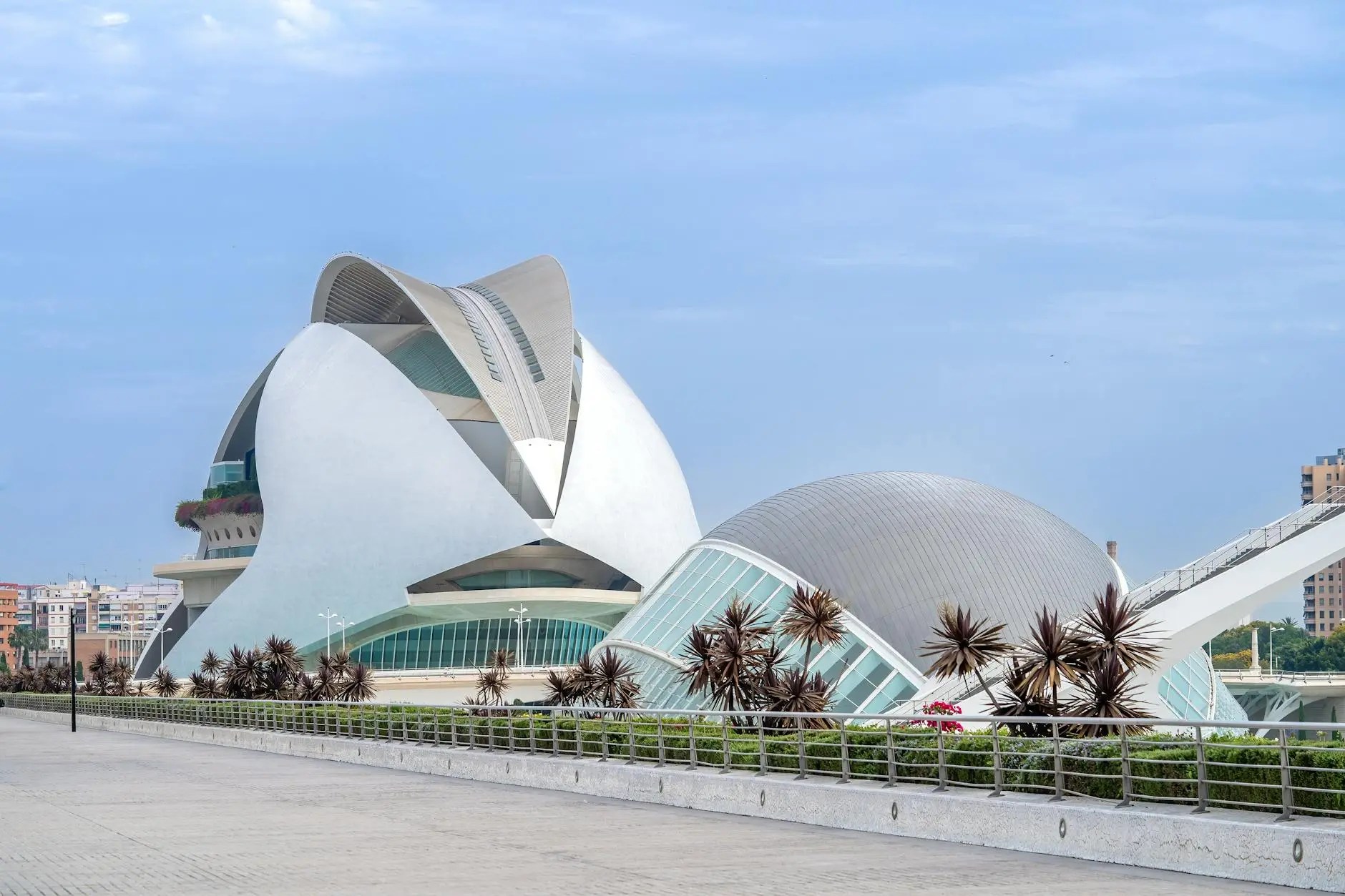
After soaking in the old world, take a pleasant 20-minute stroll or hop on a bus down to the Ciudad de las Artes y las Ciencias (City of Arts and Sciences). This place is mind-blowing. The sprawling, futuristic complex seems to have landed from another planet. You don’t need to buy tickets for every museum to appreciate it—just walking around the turquoise lagoons and under the soaring arches of the L’Oceanogràfic (Europe’s largest aquarium) is an experience in itself. It’s the perfect place to unleash your inner photographer.

📸 Pro Tip: The white, futuristic buildings against the blue Valencian sky are a dream to shoot. To get those crisp, vibrant shots without the crowds, I never leave home without my trusty Sony Alpha Camera. It’s a game-changer for travel photography.

Evening: The Paella Pilgrimage

You cannot, I repeat, cannot leave Valencia without eating authentic Paella Valenciana. A word to the wise: authentic paella is made with rabbit, chicken, and snails (though you can find seafood versions), and it’s a lunch dish. But for us weekend warriors, a Saturday dinner is our only shot.

For the real deal, you need to head to the Playa de la Malvarrosa or the Albufera Natural Park (the birthplace of rice). I took the bus to Malvarrosa and had an unforgettable dinner watching the sunset over the Mediterranean. It’s a pilgrimage every foodie must make.

“Looking for a cultural contrast? Cross the Mediterranean to Marrakech, the Red City.

Interior view of the Mercado Central in Valencia, showcasing its beautiful Art Nouveau architecture and bustling atmosphere with shoppers browsing fresh produce.
The vibrant interior of Mercado Central, Valencia’s bustling market, showcasing a mix of fresh produce and local specialties. “A feast for the senses! Stepping inside the Mercado Central is like walking into a living, breathing, (and deliciously smelling) work of Art Nouveau art. The colors, the energy, the chatter of local shoppers—it’s the absolute heart of the city. I left with a bag of oranges and a huge smile.”
Golden-brown empanadas arranged on a wooden surface, with a hint of green garnish on top, illuminated by soft ambient lighting.
Delicious golden-brown empanadas served on a wooden platter, perfect for a snack or meal. “My favorite Spanish snack discovery! These golden-brown parcels of joy, filled with anything from spiced meat to creamy tuna, are the perfect on-the-go fuel for exploring. I may have eaten one (or three) every single day.”
Interior view of a grand Gothic-style hall featuring intricately designed vaulted ceilings and decorative chandeliers.
Interior of the Valencia Cathedral featuring intricate vaulted ceilings and elegant chandeliers. “Standing in the main trading hall of the Silk Exchange feels like stepping into a stone forest. Those spiraling columns are a masterpiece of 15th-century Gothic flair—proof that even a place of business was once a work of art. No wonder it’s a UNESCO World Heritage site.”

Futuristic architectural design of the City of Arts and Sciences in Valencia, Spain, featuring unique curves and shapes against a clear blue sky.
The striking architecture of Valencia’s City of Arts and Sciences, showcasing futuristic design against a serene sky. “First glimpse of the City of Arts and Sciences and my jaw actually dropped. It doesn’t feel real—it’s like a movie set from the future has landed in the middle of a dried-up riverbed. The scale of this place is just mind-bending.”
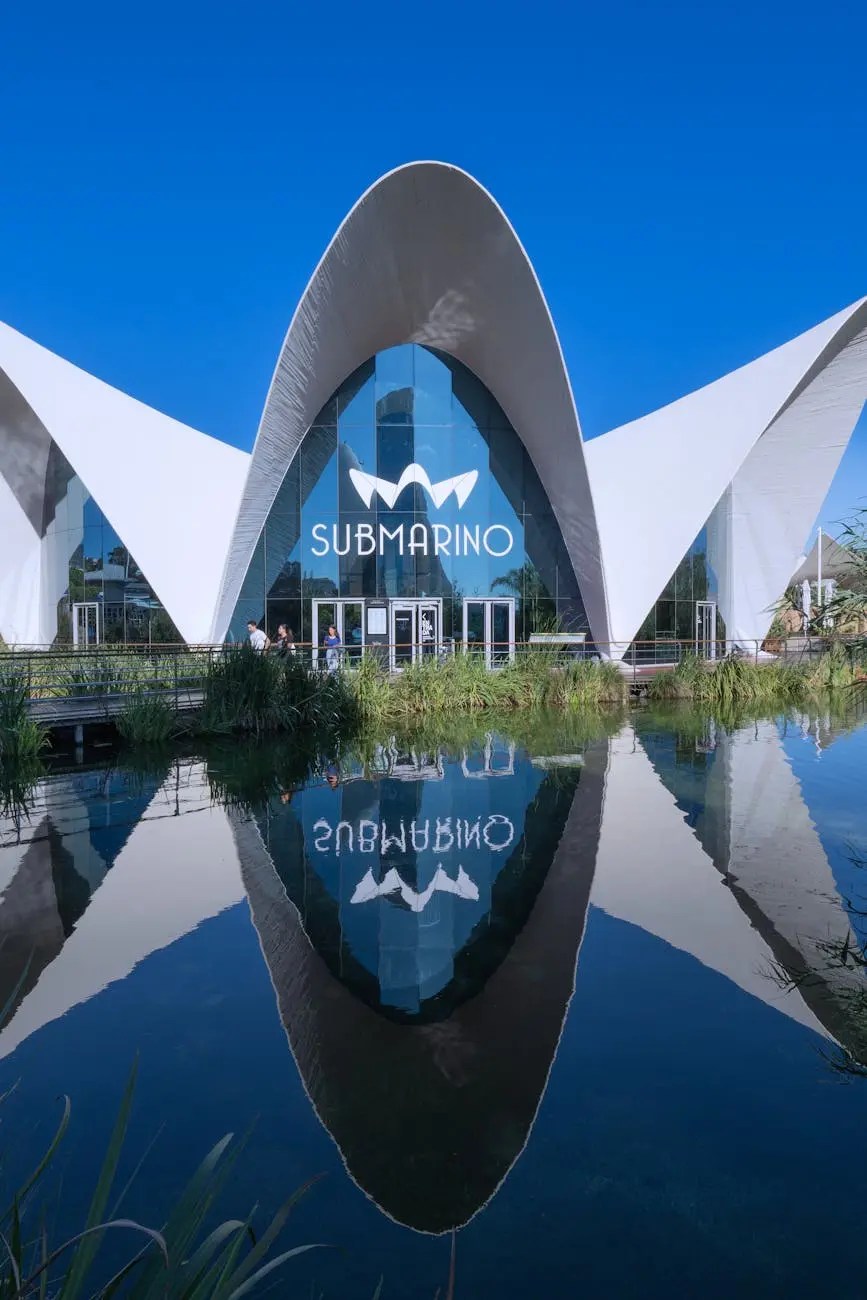
The futuristic exterior of the Submarino building at the City of Arts and Sciences in Valencia, Spain, reflecting in the tranquil water below.
The futuristic ‘Submarino’ building at the City of Arts and Sciences in Valencia, showcasing stunning architecture and its reflection in the surrounding waters. “Dinner with a view! Eating at the Submarino Restaurant feels like you’ve stumbled into a secret chamber at the bottom of the sea. Watching sharks glide past while you sip wine is an experience I’ll never forget. It’s as close to being in a Jacques Cousteau documentary as you can get while eating patatas bravas.”
A close-up of a traditional seafood paella dish, featuring yellow rice topped with various seafood, cherry tomatoes, green beans, and lemon slices.
A vibrant plate of authentic Valencian paella, featuring chicken, seafood, and fresh vegetables, perfect for a culinary adventure in Valencia. “The holy grail of Spanish cuisine, found! This isn’t just rice with stuff in it—this is a proper Valencian paella, with socarrat (that delicious crispy bottom layer), saffron-infused Bomba rice, and the perfect mix of land and sea. My taste buds are still celebrating.”
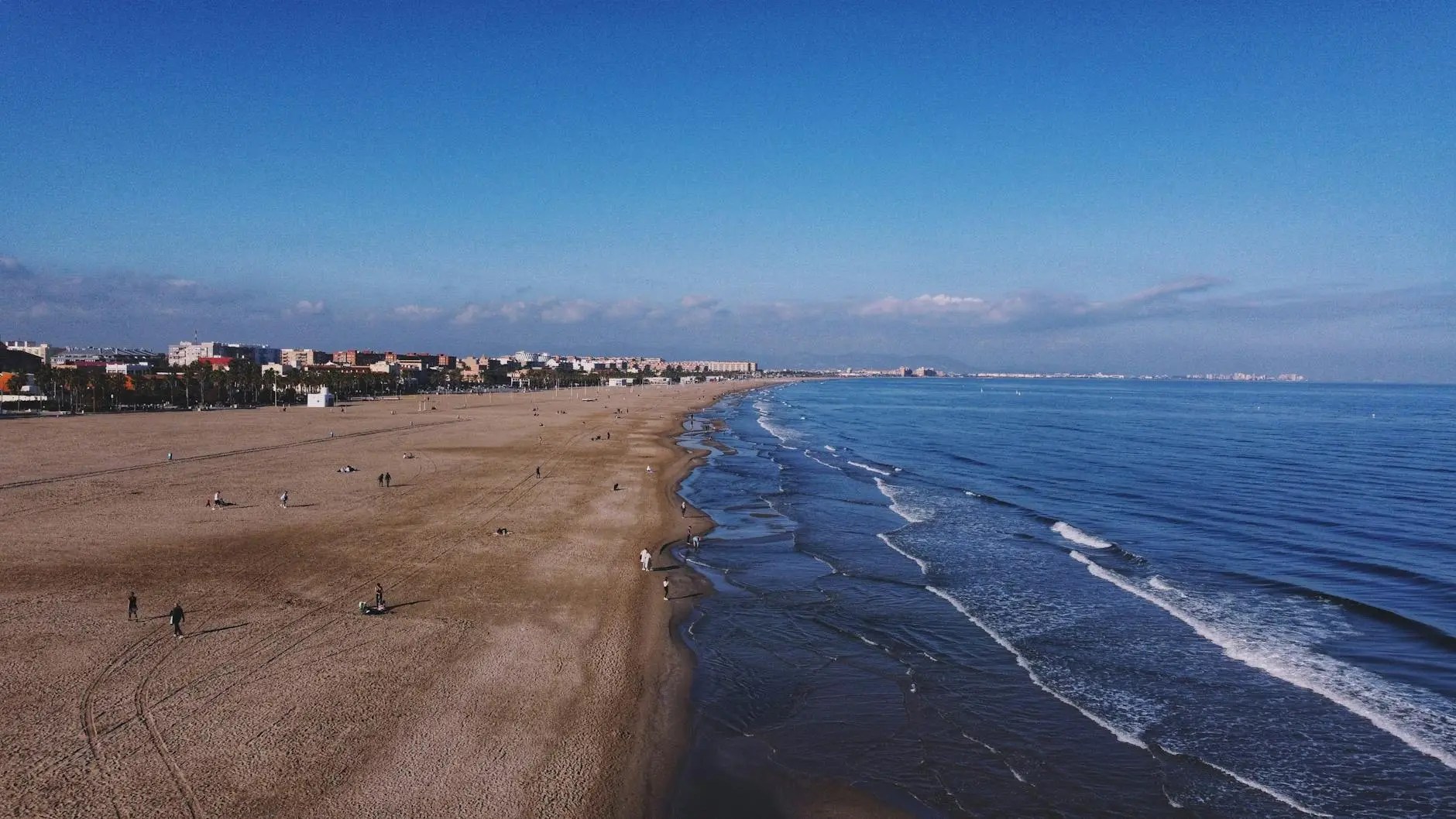
A scenic view of Valencia's Malvarrosa Beach, featuring golden sand, gentle waves lapping at the shore, and a clear blue sky above.
Breathtaking view of Valencia’s sandy beach and azure waters, perfect for a weekend getaway. “That moment you realize Valencia has it all: futuristic architecture, ancient history, AND miles of gorgeous beach. This aerial view of Malvarrosa Beach is my happy place. The perfect spot to unwind after a morning of exploring, paella optional (but highly recommended).”

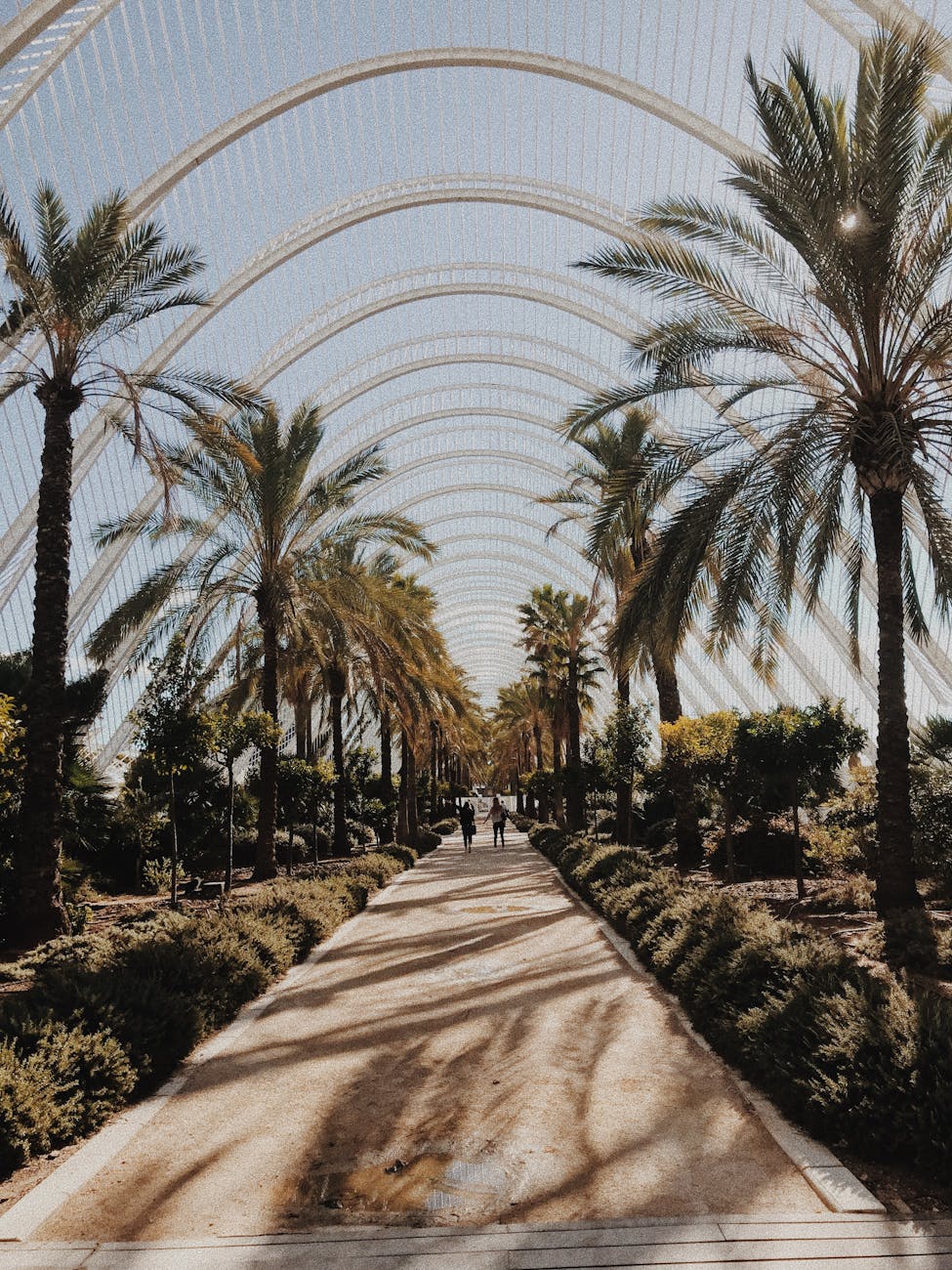
A scenic pathway adorned with palm trees under a stunning archway in Valencia’s City of Arts and Sciences.

“For another sunlit escape with a North African twist, check out Casablanca.

Sunday: Sands, Siestas & Sad Goodbyes

Morning: Bike Rides & Green Serenity

Valencia is blessedly flat, making it a perfect city for cycling. The Turia Gardens, a stunning 9km-long park, was created by diverting the Turia River. It winds through the city, and you can rent a bike for a few euros to cycle all the way from the City of Arts and Sciences to the Bioparc zoo. It’s the most delightful way to spend a Sunday morning, surrounded by locals jogging, playing football, and walking their dogs.

Afternoon: One Last Look & A Necessary Siesta

Grab a final café con leche in the Plaza de la Reina, do some last-minute souvenir shopping for some classic horchata powder, or simply find a sunny patio and just be. Remember, many smaller shops close on Sundays, and the Spanish siesta is a very real (and wonderful) tradition. Embrace the quiet.

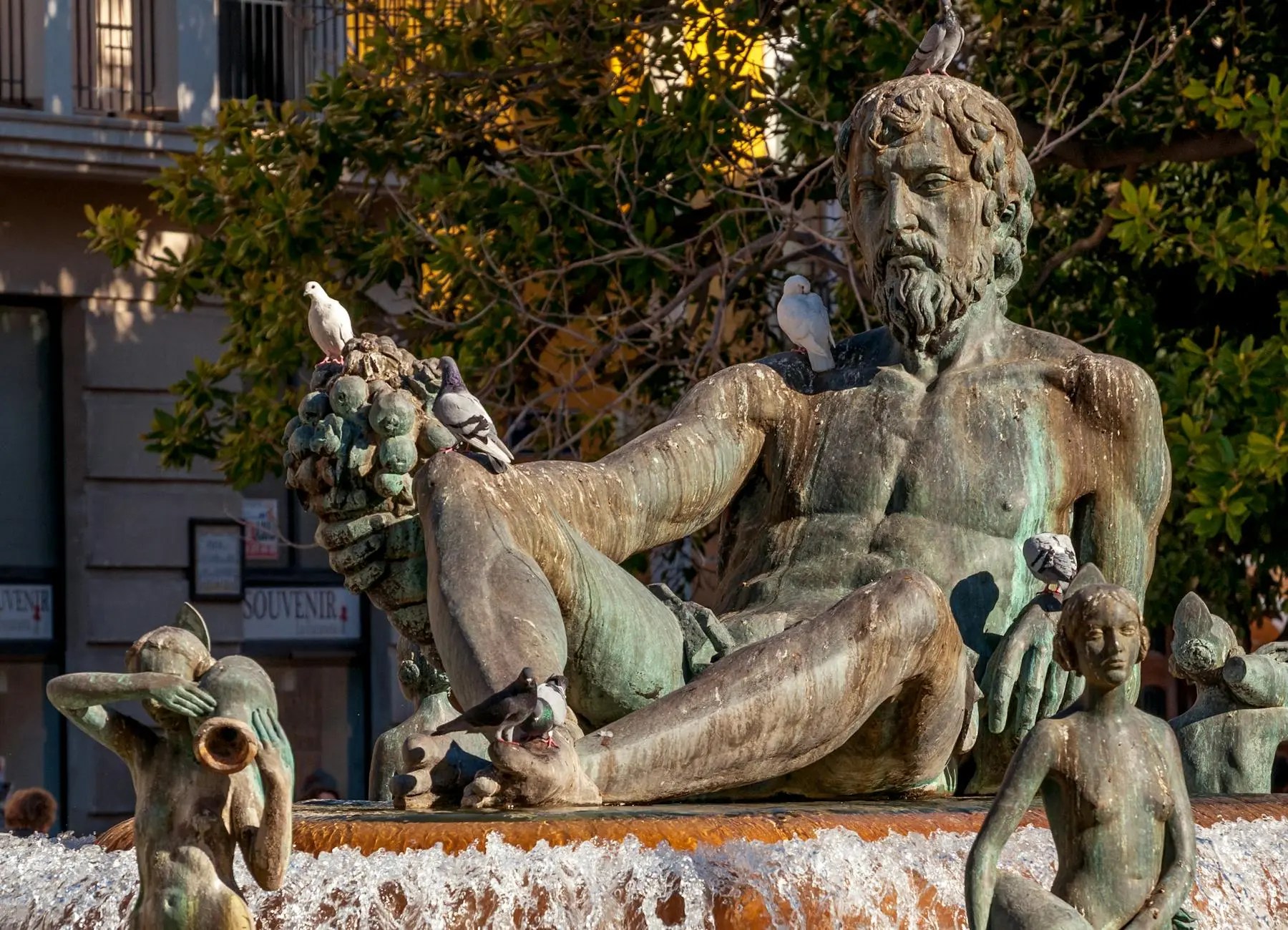
A historic fountain in Valencia featuring a seated figure surrounded by playful sculptures, with pigeons perched atop.

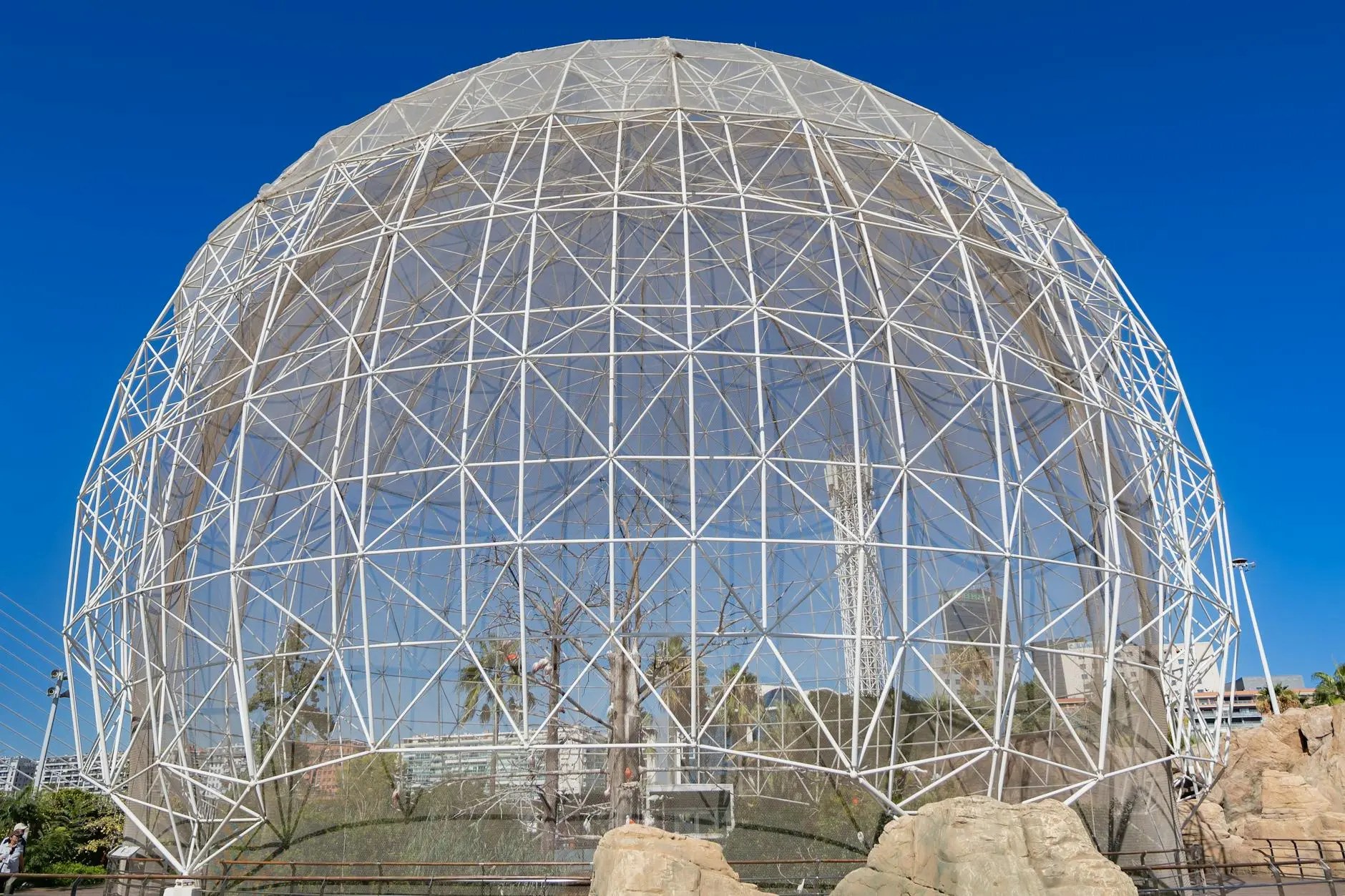
A close-up view of the iconic futuristic structure at the City of Arts and Sciences in Valencia, Spain, showcasing its distinct white geometric framework against a bright blue sky.
The futuristic architecture of the Ciudad de las Artes y las Ciencias in Valencia, showcasing its innovative design. “Who knew Europe’s largest aquarium had a secret jungle? Stepping into the Oceanogràfic’s aviary was a complete surprise – a lush, humid wetland where flamingos preen and tropical birds call from the canopy. It’s a whole other world tucked inside a marine paradise.”
View of ornate architectural details from below, showcasing intricately carved columns and sculptures against a clear blue sky.
A stunning view of the intricately designed architectural features from the base, showcasing Valencia’s historical artistry.

Valencia Travel Toolkit: Your Logistics Lifesaver

Getting Around:

  • Metro & Bus: The EMT Valencia app is fantastic for real-time bus info. Consider a Hola Valencia Travel Card for unlimited travel if you plan on lots of trips.
  • Biking: The Valenbisi public bike system is cheap and efficient for short trips.
  • Walking: The city centre is incredibly walkable. Ditch the map and get delightfully lost.

Money-Saving Tips:

  • Many museums offer free entry on Sundays. Check their websites!
  • Eat the Menu del Día (Menu of the Day) for lunch—it’s a fixed-price, three-course meal that’s a fraction of the dinner cost.
  • Fill your water bottle at public fountains; the tap water is perfectly safe to drink.
Pass/TicketCost (Approx.)Where to BuyBest ForMoney-Saving Tip
Single Bus Ticket (EMT)€1.50On the Bus (Exact Change)One-off ridesThe most expensive option, avoid if possible.
SUMA 10 Pass€8.00 (plus €1 for card)Metro Stations, Tabac ShopsFrequent use over 1-2 daysBest value! Valid for 10 trips on Metro, Bus, and MetroBus, allowing one free transfer.
Valencia Tourist Card (VTC)From €15 (24h) – €25 (72h)Tourist Offices, OnlineSightseeing + Airport TransportGreat for first-timers: Includes unlimited transport (including airport) PLUS discounts/free entry to museums.

Of course! Here is a comprehensive and engaging section about the Valencia Tourist Card, written in a human, informative, and helpful tone, perfect for your blog post.


Is the Valencia Tourist Card Your Golden Ticket to Savings?

Alright, let’s talk logistics and money—because who doesn’t love saving a few euros for more sangria? On my last trip, I decided to finally put the Valencia Tourist Card to the test. Was it worth it, or just another tourist trap? Here’s the honest scoop.

What is the Valencia Tourist Card?

In a nutshell, it’s your all-in-one pass to unlock the city. Think of it as a backstage pass that gets you into the main attractions, onto public transport, and even scores you discounts at restaurants. You can buy it for 24, 48, or 72 hours, and it activates the first time you use it on transport or enter an attraction.

The Perks: Why It Might Be Your Best Travel Buddy

After using it for 48 hours, here’s what I found to be the biggest benefits:

  1. Free Public Transport: This is the game-changer. The card covers unlimited travel on buses, metro, and trams within Zone A. That includes your ride from the airport (a huge saving right there) and all your zipping around between the Old Town, the beach, and the City of Arts and Sciences. No fumbling for change, no worrying about ticket types. Just tap and go.
  2. Free Entry to Municipal Museums & Monuments: This is where you really start saving. Your card gets you straight into:
    • The Valencia Cathedral (including the climb up the Miguelete Tower – that view is priceless, but the entry fee isn’t!).
    • The Lonja de la Seda (the stunning Silk Exchange).
    • The Museo de la Ciudad (City Museum).
    • The Museo de Bellas Artes (Fine Arts Museum).
    • And several others.
  3. Discounted Entry to Major Attractions: While it doesn’t grant free entry to the massive City of Arts and Sciences, it does give you a hefty up to 20% discount on tickets for L’Oceanogràfic, the Science Museum, and L’Hemisfèric. This discount alone often covers the cost of the card if you plan to visit one or two of them.
  4. Handy Discounts on Tours, Shops, and Restaurants: This is the cherry on top. I used my card for:
    • A discount on a bike tour through the Turia Gardens.
    • A percentage off my final bill at a couple of partnered restaurants.
    • A deal at a few souvenir shops.

It even includes a free 24-hour bike rental, which is perfect for exploring the park.

The Reality Check: When Might You Skip It?

The card isn’t a one-size-fits-all miracle. You might skip it if:

  • You’re a “wander and soak it up” traveler who prefers just seeing the city from the outside and people-watching in plazas.
  • You’re on an extremely tight budget and only plan to see the free attractions (like the Mercado Central and wandering the streets).
  • You’re only in town for a single day and your itinerary is very light.

The Verdict: Is It Worth It?

For most visitors on a weekend trip, the answer is a resounding YES.

Do the math: A single metro ticket from the airport is almost €4. Entry to the Cathedral and Miguelete Tower is around €9. The Lonja de la Seda is another €2. Suddenly, before you’ve even had your first coffee, you’re at €15. A 48-hour card costs around €35 and immediately covers all that, plus gives you unlimited transport and discounts on the big-ticket items.

For me, the sheer convenience of bypassing ticket lines and hopping on any bus without a second thought was worth its weight in gold. It encourages you to pop into museums you might otherwise skip and removes the friction from exploring.

💡 Smart Traveler Tip: Plan your itinerary before you buy! Map out the attractions you definitely want to see, add up the individual costs, and compare it to the price of the card. You’ll know in five minutes if it’s the right choice for your adventure.

You can purchase the card online in advance or at official tourist offices in the city. I bought mine online and picked it up at the airport—it was the first smart decision of my trip!

Ready to unlock Valencia? Check current prices and buy your Valencia Tourist Card here.

Language & Local Lingo: Key Phrases to Know

While most people in the tourism industry speak English, using a little Spanish (or even Valencian!) goes a long way.

Phrase (Spanish)MeaningWhen to Use It
Una caña, por favor.A small beer, please.At any bar or restaurant.
La cuenta, por favor.The bill, please.After your meal (don’t expect it to be rushed to you!).
Bon profit! (Valencian)Enjoy your meal!A nice way to thank staff or wish well to other diners.
¿Dónde está el baño?Where is the bathroom?Essential, everywhere!
¿Me puede ayudar?Can you help me?When asking directions or assistance.
HorchataA sweet, milky drink made from tigernuts.Order it with fartons (long pastries) at any horchatería!

Travel Smarter, Not Harder:

Let’s talk about the not-so-glamorous side of travel. On my last trip, my flight was delayed by 6 hours. I would have just grumbled and accepted it, but I remembered that under EU air passenger rights, I was likely owed compensation. I filed a claim with AirHelp, and they handled all the annoying paperwork with the airline. A few weeks later, I had €250 in my account. It’s a no-brainer.

✈️ Flight Hassle? If your flight is delayed, canceled, or overbooked, you could be entitled to up to $650 in compensation. Don’t leave money on the table—let the experts at AirHelp check your flight for free. Check Your Flight Now & See If You Qualify.

And while we’re on the subject of smart travel, staying connected is non-negotiable for navigating and sharing those Insta-worthy shots. I used to waste so much time and money at airport SIM counters. Now, I just pop in my Drimsim—a universal data SIM that works in over 190 countries. You top it up via the app, and you’re online the moment you land. No more hunting for a shop or scary roaming bills.

🌐 Stay Connected Anywhere: Get a Drimsim and say goodbye to connectivity headaches. It’s my number one travel hack. Grab Your Universal Travel SIM Here.

Finally, for booking everything from flights to that perfect hotel in El Carmen, I always start my search on Expedia. It’s my one-stop shop for comparing prices and bundling deals.

🏡 Find Your Perfect Valencia Base: Ready to wander those cobblestone streets? Start planning your stay by finding the best deals on ExpediaSearch for Valencia Hotels Here.

🗺️ Closest Cities to Valencia (Spain) — Best short trips

These cities are in Spain or neighboring countries (ideal for linking to your Valencia post):

🇪🇸 Within Spain

  1. SevilleUltimate Weekend Guide to Seville, Spain
  2. MadridUltimate Weekend in Madrid
  3. Barcelona48 Hours in Barcelona

Valencia FAQ: Your Questions, Answered

Q: Is two days enough for Valencia?
A: Absolutely! While you could easily fill a week, a weekend is perfect for hitting the major highlights—the Old Town, the Central Market, and the City of Arts and Sciences. It’s a fantastic sampler that will leave you wanting more.

Q: What is the best way to get from the airport to the city centre?
A: The Metro (Line 3 or 5) is the most efficient and cost-effective way. A single ticket to the city centre (like Xàtiva station) is just a few euros.

Q: When is the best time to visit Valencia?
A: Spring (April-June) and Fall (September-October) are ideal. The weather is perfect for exploring—warm but not scorching. Summer is hot and crowded, but the beach is a great respite.

Q: Do I need a visa for Spain?
A: For most EU, US, and Canadian citizens, you do not need a visa for short tourist visits (up to 90 days). Always check the latest requirements with the Spanish consulate in your home country before you travel, as rules can change.

Q: Is Valencia a walkable city?
A: Incredibly so! The main tourist areas are compact and flat. Walking is the best way to discover hidden plazas and charming alleyways you’d miss otherwise.

Q: What should I pack?
A: Comfortable walking shoes are non-negotiable! Pack light, breathable clothing for the day, a sweater for cooler evenings, and of course, sunscreen and a hat. And to keep that travel glow, I never travel without my trusted K-beauty essentials from Lakinza. Their products are a lifesaver for my skin after a long flight.

✨ Look and Feel Beautiful: Keep your skin hydrated and glowing on the go with the magic of K-beauty from Lakinza. Use my code Lalax10 at checkout for a sweet discount! Explore Lakinza’s Skincare Collection.

Inspired to explore more of Spain? Check out my other guides for your next adventure:

“If you’re craving mountain views after the Mediterranean, plan a trip to Zurich, Switzerland.

Ready to Book? A Final Call to Adventure!

Valencia is waiting to surprise you. It’s a city that manages to be historic, futuristic, and perfectly delicious all at once. Whether you’re cycling through the Turia Gardens or savoring the world’s best paella, this Spanish escape will leave you feeling refreshed and inspired.

Start planning your next adventure today! Head over to my Blog Masterlist for more travel tips and geographically close destinations to keep your momentum going: [Master List Link: https://confidencebuildings.com/travel-master-list/]

Universal Disclaimer/Disclosure Page:

Ultimate Weekend Guide to Seville, Spain

Meta Description: Discover the ultimate weekend escape to Seville, Spain! From flamenco nights to Moorish palaces, this guide gives you hidden gems, money-saving tips, transport hacks, and personal anecdotes. Perfect for travelers looking to explore Seville with confidence and fun.

Table of Contents

  1. Why Seville Should Be Your Next Weekend Escape
  2. Best Time to Visit Seville (and Avoid the Crowds)
  3. Getting Around Seville: Public Transport & Road Tips
  4. Top Attractions You Can’t Miss
  5. Hidden Gems Only Locals Whisper About
  6. Foodie Heaven: What to Eat in Seville
  7. Money-Saving Travel Tips for Seville
  8. Useful Spanish Phrases Every Traveler Needs
  9. Smart Travel Tips (SIM cards, insurance & more)
  10. FAQs: Seville Weekend Travel Guide

1. Why Seville Should Be Your Next Weekend Escape

Seville isn’t just a city—it’s Spain with extra sparkle. Picture this: orange trees shading narrow alleys, tapas bars buzzing until midnight, and flamenco dancers who look like they’ve been training since birth.

The city’s charm is magnetic—so magnetic that when I once tried to “just stop for lunch,” I ended up spending half the day in a family-run tapas joint debating with locals about whether Real Betis or Sevilla FC has the better stadium churros. (Yes, that’s a real debate!)

If you’ve loved exploring Madrid or Barcelona, then Seville will feel like their soulful, fiery cousin.

Alright, let’s be real. Your vacation days are precious, and the thought of spending half of them on complicated logistics is a nightmare. What you need is a city that delivers a massive punch of culture, food, and beauty in one perfectly packed weekend.

Ladies and gentlemen, I give you Seville.

This isn’t just another city in Spain; it’s a feeling. It’s the scent of orange blossoms on a warm breeze, the raw passion of a flamenco guitar spilling from a tucked-away tavern, and the golden glow of sunset on ancient palaces. I once got lost in the Santa Cruz neighborhood for a blissful hour, only to stumble upon a tiny square where locals were dancing Sevillanas like it was the most natural thing in the world. That’s the magic of Seville—it doesn’t feel like a museum, it feels alive.

So, grab your suitcase (and maybe a fan), because we’re diving into the ultimate 48-hour Seville adventure designed to maximize your time and minimize your stress.

Flights to Seville

Best Time to Visit Seville (and Avoid the Crowds)

  • Spring (March–May): Perfect for festivals like Feria de Abril—imagine an entire city in party mode.
  • Autumn (September–November): Cooler weather, fewer crowds, and cheaper stays.
  • Summer (June–August): Unless you enjoy 40°C heat, avoid. Locals literally siesta for survival.

💡 Money-saving tip: Weekends in April spike in hotel prices—book early through Expedia for flexible deals.

Getting Around Seville: Public Transport & Road Tips

Seville’s historic core is walkable, but here’s the cheat sheet:

Flying In: Most international flights land at Seville Airport (SVQ). It’s a quick and easy 20-30 minute bus ride (the EA bus) into the city center, costing just a few euros. A taxi will cost around €25-€30.

  • Bus: Cheap and reliable. A single ride is €1.40, but grab a rechargeable tarjeta multiviaje to save time and cash.
  • Tram (MetroCentro): Runs from San Bernardo to Plaza Nueva, perfect if you’re tired of cobblestones.
  • Metro: Only one line, but handy if you’re heading to Nervión for shopping.
  • Bike: Sevici bike rentals are everywhere. Don’t worry—it’s flat, so your calves won’t mutiny.
  • Car: Only rent if you’re road-tripping out of town (like to Córdoba). Parking in the center? A nightmare.
  • Road Tip: Highways like A-4 (to Córdoba/Madrid) and A-92 (to Granada) are smooth, but fill up gas outside the city—it’s cheaper.

Personal anecdote: I once tried to drive through Seville’s old town… let’s just say my rental car GPS had a nervous breakdown, and a kind abuela had to guide me out of a lane narrower than my luggage. Stick to walking.

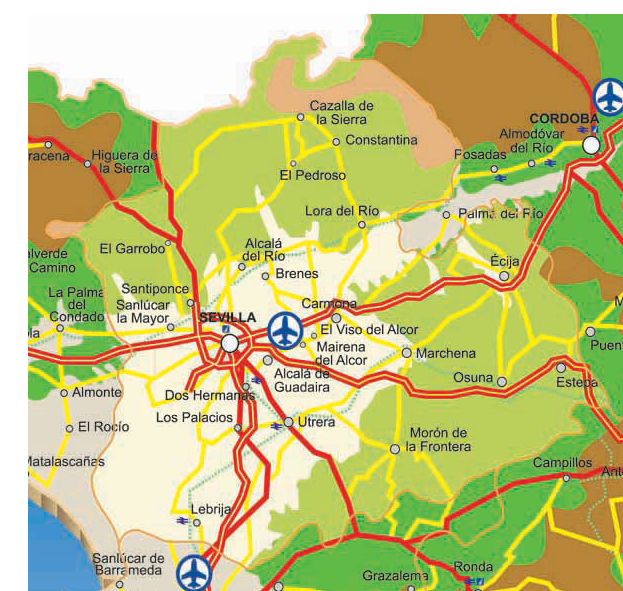
Map showing the geographical layout of Seville and surrounding areas, including major roads and transportation routes.
Map of Seville and its surrounding areas, highlighting key routes and landmarks for travelers.

Your Seville Weekend Itinerary: A Step-by-Step Guide

Day 1: Palaces, Tapas & Flamenco Soul

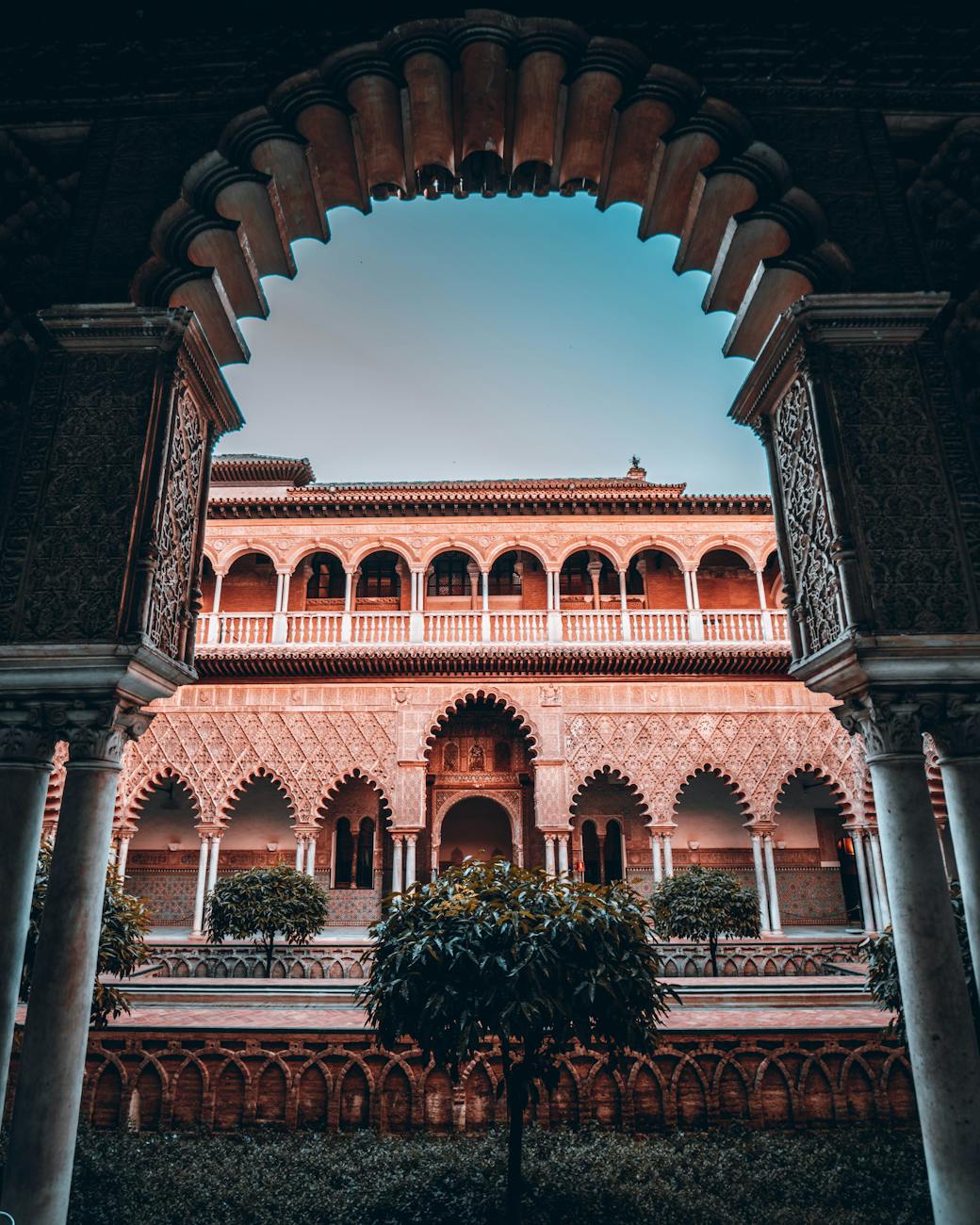
Morning (9:00 AM): The Real Alcázar. Do not, I repeat, do NOT come here without booking your tickets online in advance. The line for walk-ups can easily swallow two hours of your precious time. Trust me, I learned the hard way. This royal palace is a stunning mix of Moorish and Christian architecture, and its gardens are an oasis of calm. Pro Tip: The Game of Thrones fans will recognize the Water Gardens of Dorne!

Afternoon (1:30 PM): Lunch like a Local. Skip the tourist traps around the cathedral. Wander a few blocks away to the Calle Mateos Gago area. My favorite find was a tiny bar called El Rinconcillo, one of the oldest in the city. Point at the tapas behind the glass – the espinacas con garbanzos (spinach with chickpeas) is a Seville classic.

Evening (6:00 PM onwards): The Soul of Flamenco. Seville is the birthplace of Flamenco. For an authentic experience, avoid the big, expensive dinner shows. Head to the Triana neighborhood or the Calle Jeréz area for a peña (a flamenco club). The passion in these small, intimate settings is electric. It’s not just a performance; it’s a raw, emotional experience.

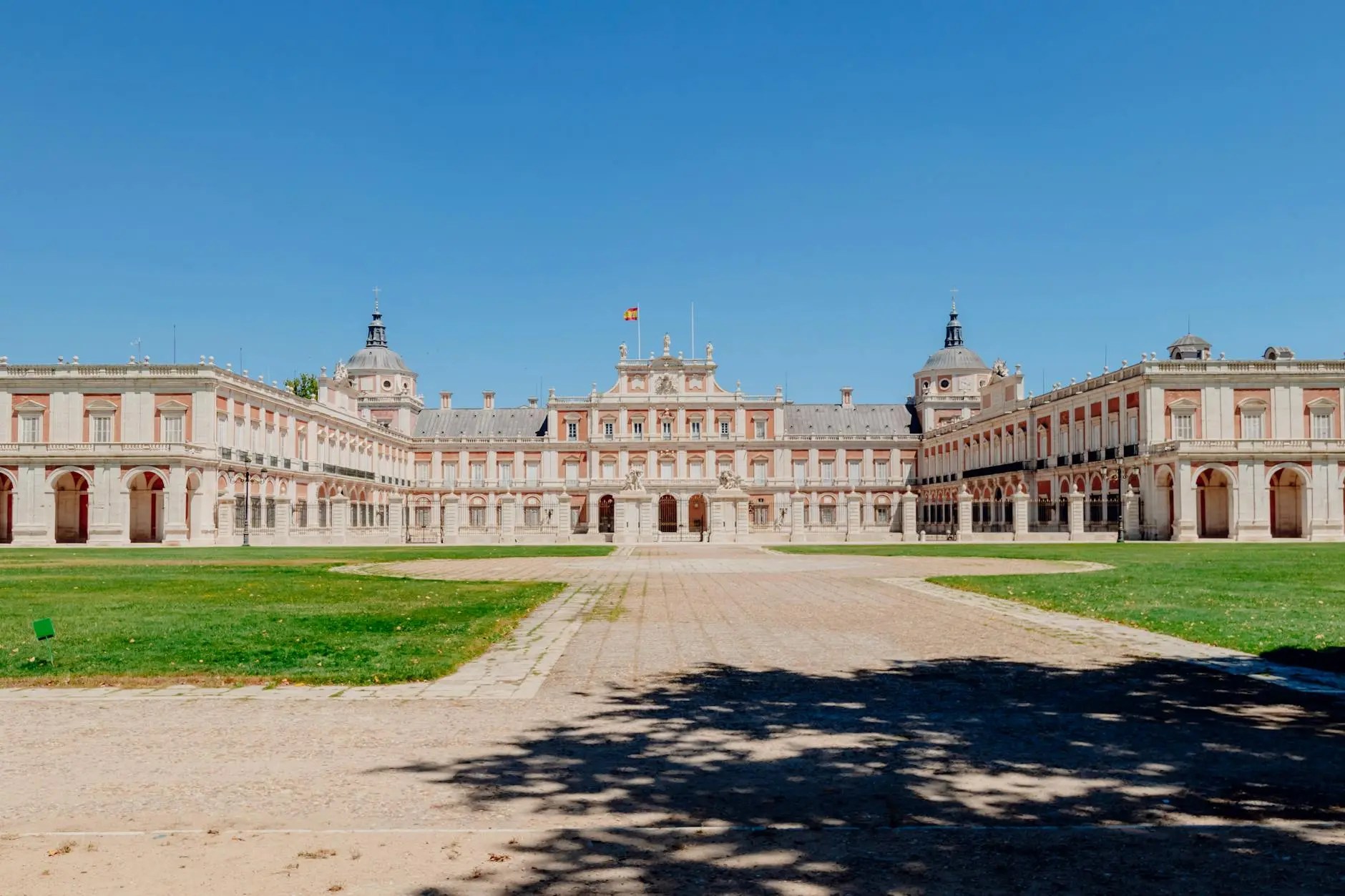
The wide view of a grand historical palace with beautiful architecture, surrounded by a lush green lawn under a clear blue sky.
The stunning facade of the Royal Palace, showcasing exquisite architecture and lush green surroundings, perfect for a Seville weekend adventure. Sunlight bathes the iconic facade of the Real Alcázar de Sevilla. Don’t forget to book your tickets online to skip the long queues!
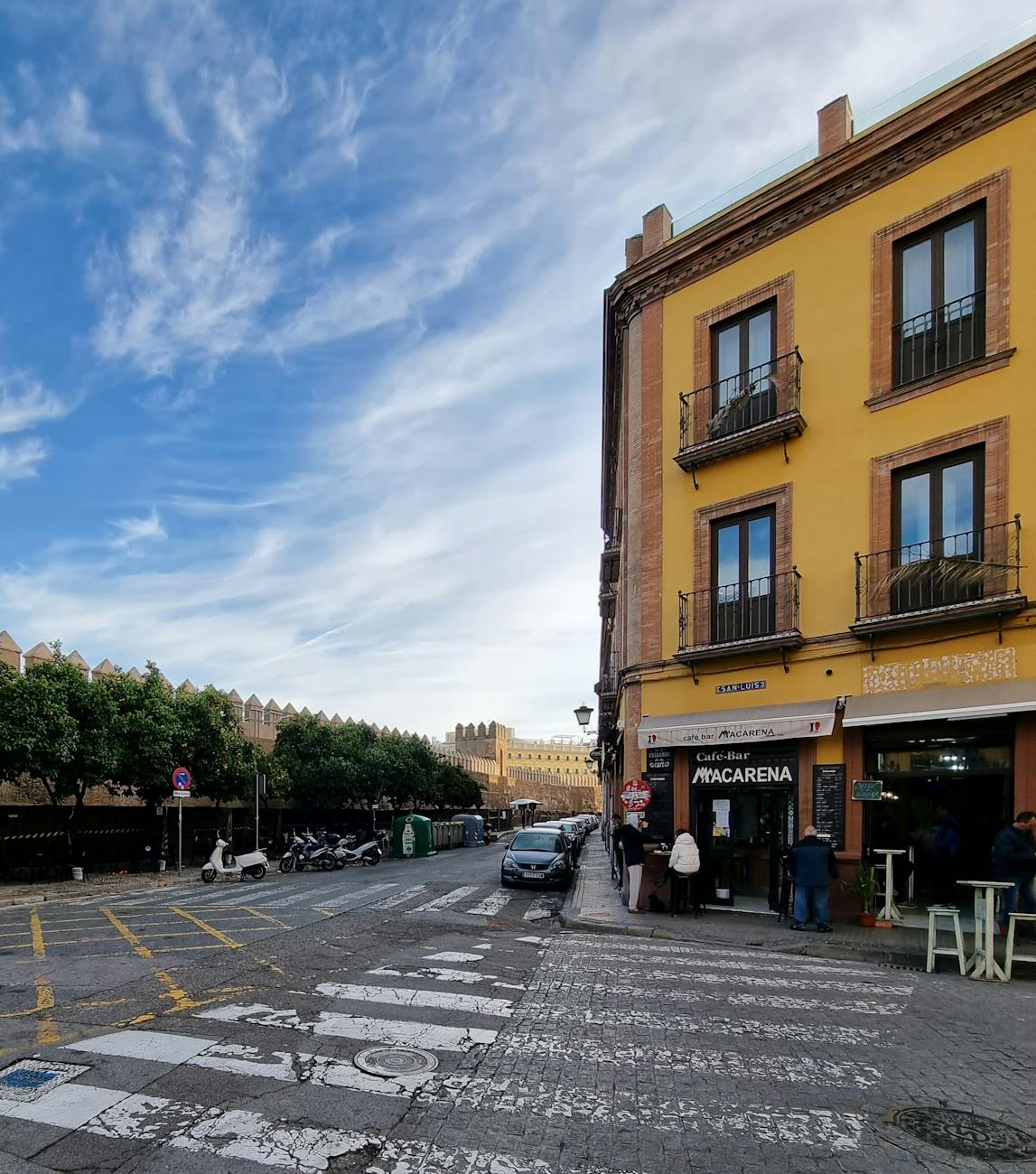
A street view in Seville featuring a vibrant yellow building with balconies, a cafe-bar named 'Macarena', and orange trees lining the street under a clear blue sky.
A vibrant street scene in Seville, showcasing the charming architecture and lively atmosphere, perfect for exploring local culture.
A close-up image of sautéed spinach mixed with chickpeas, showcasing the vibrant green leaves and pale yellow chickpeas.
A vibrant plate of _espinacas con garbanzos_, a classic Seville dish featuring spinach and chickpeas. The ultimate Seville comfort food: a hearty plate of Espinacas con Garbanzos. This isn’t just a side dish; it’s a flavor-packed tapa you’ll dream about long after you’ve left.

A flamenco dancer in a blue dress, gracefully posing with her skirt flowing around her.
A flamenco dancer in a shimmering blue dress showcases the passionate art form that embodies the spirit of Seville. The raw emotion and power of flamenco. Catching a live performance in a tucked-away tablao is an essential Seville experience.
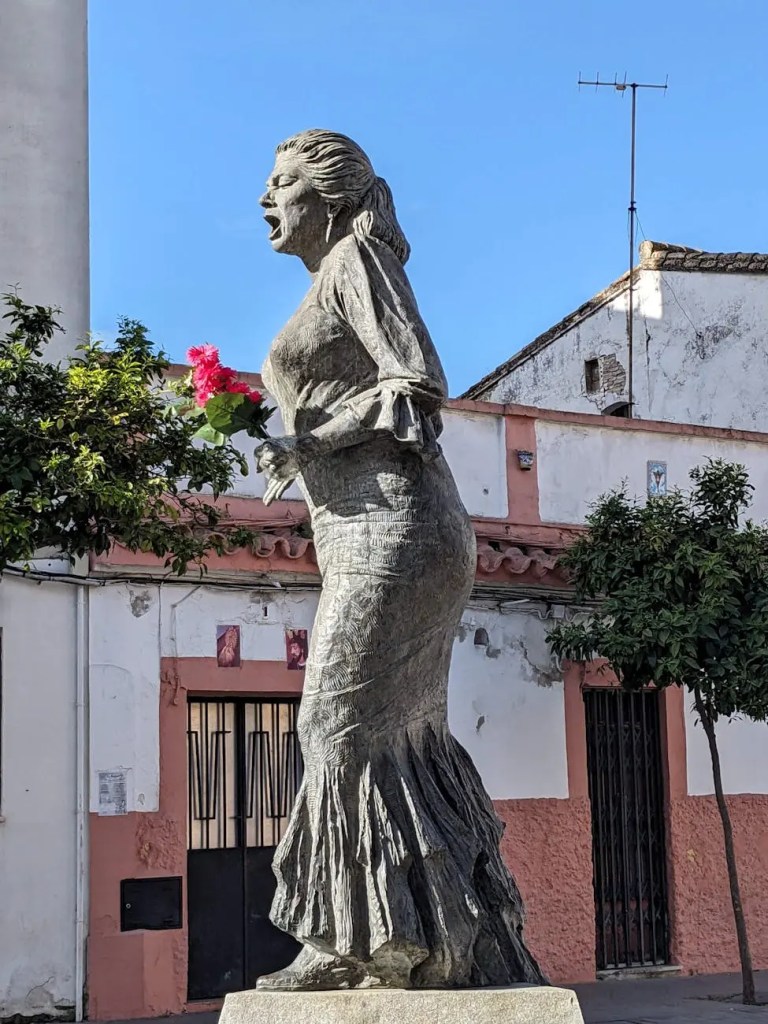
Statue of a flamenco dancer holding flowers, set against a backdrop of traditional Spanish architecture.
Statue of a flamenco dancer in Seville, capturing the vibrant spirit of Spanish culture. The Monumento Triana al Arte Flamenco celebrates the soul of the Triana neighborhood, considered the historic birthplace of many great flamenco artists.

Day 2: Towers, Triana & Sunset Views

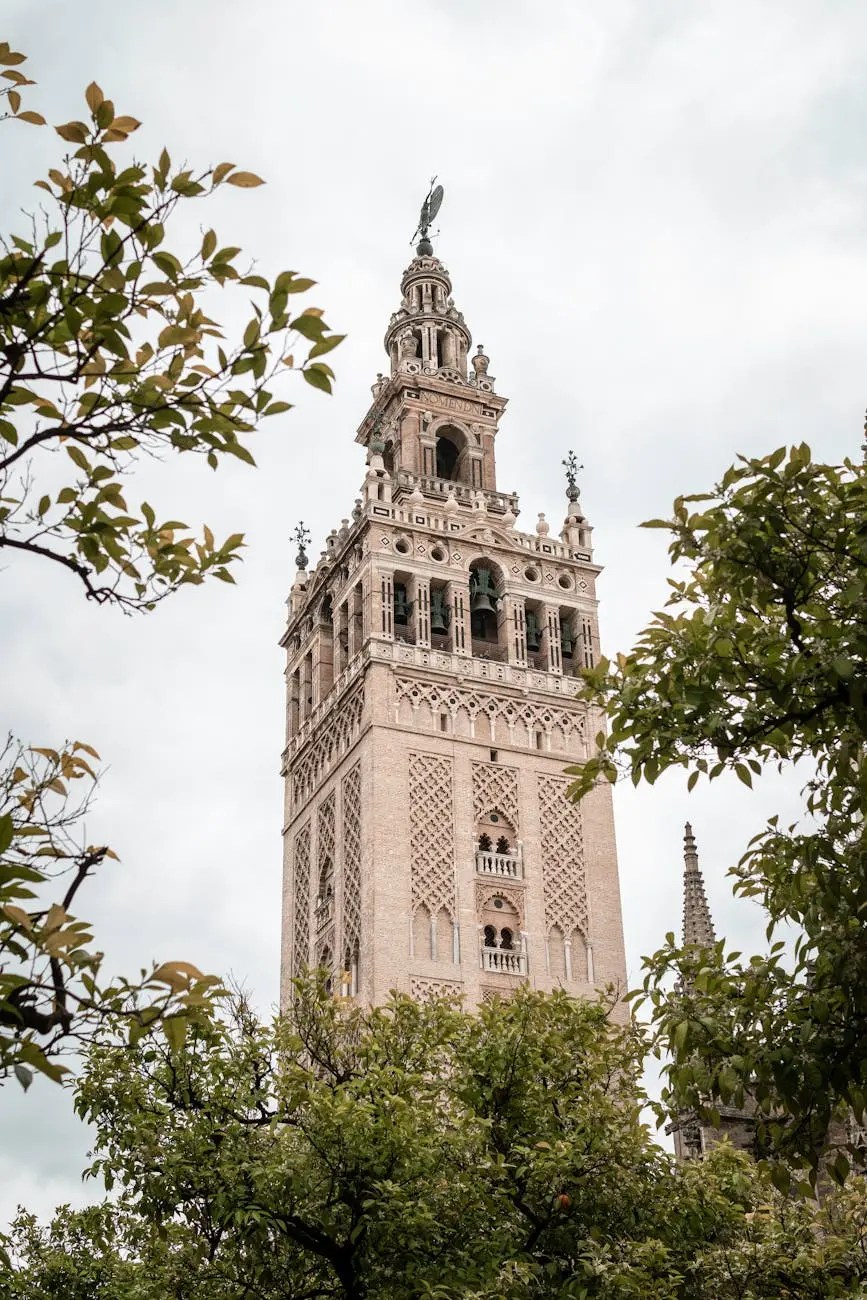
Morning (10:00 AM): Cathedral & La Giralda. Seville’s cathedral is the largest Gothic cathedral in the world. It’s massive. Instead of climbing a staircase to the top of the bell tower, La Giralda, you walk up a series of ramps—originally designed for guards on horseback! The view over the city is worth every step.

Afternoon (1:00 PM): Cross the River to Triana. This is my favorite hidden gem. Triana, across the Puente de Isabel II, is the historic home of flamenco, sailors, and ceramic artists. The vibe is more local, the prices are better, and the Mercado de Triana (Triana Market) is the perfect spot for a casual lunch. Grab a montadito (a small sandwich) and a caña (a small beer) and just watch the world go by.

Evening (Sunset): Rooftop Views. End your weekend on a high note—literally. There are several rooftop bars with stunning views of the cathedral. Hotel Doña María has a great one. Sipping a cocktail as the sun sets and the cathedral lights up is the perfect farewell to this incredible city.

Top Attractions You Can’t Miss

La Giralda Tower – Climb it for panoramic views that beat any postcard.

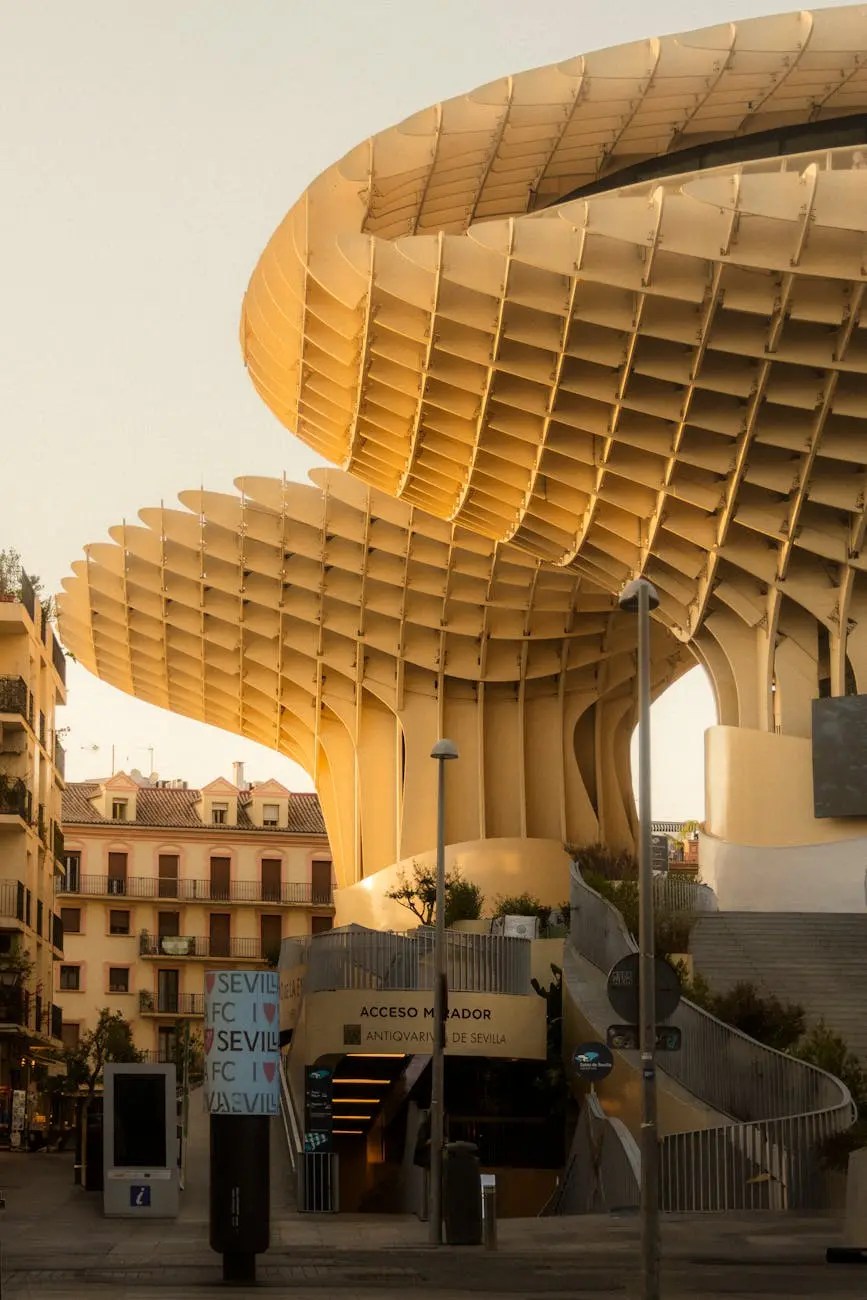
Metropol Parasol (Las Setas) – A giant wooden mushroom in the middle of the city. Bonus: great sunset shots for your travel camera.

Barrio Santa Cruz – The old Jewish quarter, with winding alleys perfect for “getting lost on purpose.”

For art and history buffs, compare with my guide to Porto, Portugal—these two Iberian gems share a love for azulejos (ceramic tiles).

Interior of a grand church featuring ornate gold decorations, intricate architecture, and a vibrant altar, with pews in the foreground.
Interior of a beautifully ornate church featuring intricate gold detailing and a central altar, capturing the spiritual essence of Seville. The sheer scale and opulence of the Seville Cathedral interior is awe-inspiring. The main altarpiece, covered in gold leaf, is one of the largest in the world.
A delicious sandwich layered with slices of tomato, lettuce, cheese, and a variety of meats, displayed on a wooden board.
A delicious montadito, a small sandwich typical of Seville, featuring fresh vegetables and toppings, perfect for a casual lunch. The perfect bite: a classic Seville montadito. These small, flavorful sandwiches are ideal for a quick, delicious, and affordable lunch
Close-up view of La Giralda tower in Seville, Spain, framed by green leaves and a cloudy sky.
La Giralda Tower, a stunning symbol of Seville’s architectural heritage, stands majestically surrounded by lush greenery. La Giralda Tower, originally a minaret, offers one of the best views of Seville. The climb via ramps is surprisingly easy!
The Metropol Parasol in Seville, showcasing its striking wooden structure illuminated by warm sunlight, with surrounding buildings in the background.
Metropol Parasol in Seville: A modern architectural marvel in the heart of the city. A modern contrast to the old city: The Metropol Parasol, or ‘Las Setas’ (The Mushrooms), offers a stunning panoramic view, especially at sunset.
A narrow street in Seville, Spain, showcasing traditional white and yellow architecture, with a bell tower visible in the background under a clear blue sky.
The vibrant architecture of Seville, showcasing colorful balconies and a striking bell tower against a clear blue sky.

Hidden Gems Only Locals Whisper About

  • Casa de la Memoria: An intimate flamenco show, miles better than the touristy big stages.
  • Triana Market: Skip souvenirs—try goat cheese, olives, and jamón sold by locals.
  • Palacio de las Dueñas: A lesser-known aristocratic mansion dripping with Andalusian charm.
  • Callejón del Agua: A shady alley perfect for escaping summer heat while feeling like you’ve stepped into a 19th-century novel.
  • Torre del Oro (Golden Tower) – A 13th-century watchtower on the banks of the Guadalquivir River. It once guarded Seville’s port and allegedly stored treasures from the Americas (hence the name “Golden Tower”). Today, it’s a naval museum and one of the best spots for a riverside stroll at sunset.
View of the intricate arched architecture and courtyards of the Real Alcázar in Seville, featuring lush greenery and ornate details.
The stunning architecture of the Real Alcázar, a highlight of Seville’s rich history.

A historic tower with a golden dome, surrounded by palm trees and people walking along a promenade in Seville, Spain.
The iconic Torre del Oro in Seville, framed by palm trees and vibrant surroundings. The Torre del Oro has guarded the Guadalquivir River since the 13th century. Today, it houses a small naval museum.

Money-Saving Tips & Hidden Gems

  • Save on Water: Carry a reusable bottle. Seville has many public water fountains (fuentes) with perfectly safe drinking water. It’s a lifesaver in the heat!
  • Free Tapas: Some bars still offer a free tapa with your drink, especially if you venture away from the main tourist squares. It’s worth asking, “¿La bebida viene con tapa?

Essential Spanish Phrases for Travellers

  • Hola (OH-la) – Hello
  • Por favor / Gracias – Please / Thank you
  • Una caña, por favor (OON-a CAN-ya) – A small beer, please (the most important phrase!)
  • La cuenta, por favor – The bill, please
  • ¿Dónde está…? (DON-day es-TAH) – Where is…?
  • Perdón (per-DON) – Excuse me / Sorry
  • ¿Dónde está el baño? – Where’s the bathroom?
  • Perdona, estoy perdido/a – Excuse me, I’m lost

Gear Up for Your Trip: My Trusted Travel Tools

A smooth trip is all about the right gear and protections. Here’s what I never travel without:

  • Stay Connected (Without the Bill Shock): I used to waste the first hour of every trip hunting for a SIM card. Not anymore. I use Drimsim, a global data SIM that works in over 190 countries. You just pop it in when you land, and you’re online. No contracts, no hidden fees. It’s a game-changer for navigating maps and finding last-minute tapas bars.
  • Peace of Mind with Travel Insurance: A missed connection or a misplaced bag can ruin a trip. I always compare plans on VisitorsCoverage to find flexible, affordable coverage that fits my itinerary. It’s one less thing to worry about.
  • Secure Your Connection with a VPN: Using public WiFi in hotels and cafes? Protect your personal data with a VPN. I’ve relied on NordVPN for years to keep my information safe and even access streaming services from back home.
  • Capture the Magic: Seville is incredibly photogenic. To capture all the vibrant colors and intricate details, I swear by my trusty mirrorless camera. It’s lightweight but takes stunning, professional-quality photos.

🛡️ Traveler’s Rights Tip: Had a flight delay or cancellation on your way to Seville? You might be owed up to €600 in compensation! Most people don’t claim it, but services like AirHelp make it simple. They handle all the paperwork with the airline for you. I’ve used them successfully before—it’s stress-free and feels like finding money you didn’t know you had.

Seville Weekend Escape FAQ

Q: What is the best time of year to visit Seville?
A: Spring (March-May) and Fall (September-October) are ideal. The weather is perfect. Avoid July and August unless you have a personal desire to experience what it feels like to live inside an oven. It is intensely, overwhelmingly hot.

Q: Do I need a visa for Spain?
A: This depends on your nationality. Spain is part of the Schengen Area. Travelers from the EU, US, Canada, and Australia typically don’t need a visa for short stays. Always check the official government website for the most current requirements based on your passport.

Q: Is Seville expensive?
A: Compared to other major European cities like Paris or London, Seville is very affordable. You can enjoy fantastic meals and activities without breaking the bank, especially if you follow the local lead on where to eat and drink.

Q: How walkable is Seville?
A: Extremely. The historic center is compact, and walking is the best way to discover its hidden corners. Comfortable shoes are non-negotiable!

Ready to Fall in Love with Seville?
This city has a way of stealing your heart. With this plan, you’re all set for an unforgettable weekend of adventure. Now, all that’s left to do is book that flight!

Over to You!

This city has a way of stealing your heart. With this plan, you’re all set for an unforgettable weekend of adventure. Now, all that’s left to do is book that flight!

I’d love to hear from you!
What’s your dream Spanish destination? Have any Seville tips of your own to share? Or maybe a question I didn’t answer? Drop a comment below and let’s chat!

Ready to Fall in Love with Seville?
Find the Best Flight Deals to Seville Here!

What’s your dream Spanish destination? Have any Seville tips of your own? Share them in the comments below!

Universal Disclaimer/Disclosure Page:

48 Hours in Barcelona: Ultimate Weekend Itinerary

Table of Contents

  1. Introduction: The Magic of Barcelona in a Weekend
  2. Planning Your Barcelona Weekend Escape
    • Best Time to Visit for Perfect Weather
    • Getting There & Getting Around: Transport Tips
    • Where to Stay: Best Neighborhoods for Every Traveler
  3. Your Ultimate 48-Hour Barcelona Itinerary
    • Day 1: Gaudí’s Masterpieces & Gothic Charm
      • Morning: Sagrada Família & Park Güell
      • Afternoon: The Gothic Quarter & La Rambla
      • Evening: Tapas & Drinks in El Born
    • Day 2: Markets, Views & Beach Vibes
      • Morning: Mercado de La Boqueria & Barcelona Cathedral
      • Afternoon: Barceloneta Beach & Waterfront
      • Evening: Magic Fountain Show & Panoramic Views
  4. Essential Barcelona Experiences
    • A Food Guide: Tapas, Paella, and Catalan Cuisine
    • Cultural Tips: Understanding Local Customs
  5. Practical Information for Your Trip
    • Language: Catalan and Spanish Basics
    • Money-Saving Tips & City Passes
    • Staying Safe: Pickpocket Awareness
  6. Conclusion: Making Your Barcelona Weekend Unforgettable

Barcelona isn’t just a city—it’s a mood. The capital of Catalonia has mastered the art of balancing modern flair with old-world charm. Antoni Gaudí’s dreamlike architecture captivates visitors. Tapas are so delightful they could make you rethink every diet you’ve ever tried. Barcelona knows how to sweep travelers off their feet.

And here’s the kicker: Barcelona consistently ranks among the Top Visited Cities in the World, welcoming millions each year. If you’ve only got a weekend to spare, don’t worry. I’ve crafted the ultimate 48-hour escape. It’ll help you make the most of every churro-filled moment.

Flights to Barcelona

✈️ Flight Delayed or Canceled?
Travel isn’t always smooth sailing—sometimes flights get delayed, canceled, or overbooked. The good news? You might be entitled to up to $650 in compensation under air passenger rights. Most travelers never claim it, but I’ve got you covered: just check your flight with AirHelp. They handle the paperwork, fight the airlines for you, and only get paid if you win. Easy, stress-free, and potentially a nice surprise for your travel fund.

✈️ Travel Hack: Tired of expensive international data? I use Drimsim—a global SIM that works in 190+ countries. Pop it in, top up on the app, and you’re online. No contracts, no hidden fees. Perfect for every getaway! 👉 Drimsim

Hotels in Barcelona

🏰 Day 1: Dive into the Heart of Barcelona

Morning: La Rambla & Gothic Quarter Stroll

Start your weekend like a true Barcelonian—with a slow stroll down La Rambla. This lively boulevard is packed with flower stalls, street performers, and enough souvenir magnets to cover your fridge twice. Take a detour into the Gothic Quarter (Barri Gòtic) where cobblestone alleys whisper tales of medieval kings and Roman ruins.

La Rambla Tours

A bustling market in Barcelona, filled with vibrant stalls offering fresh fruits, vegetables, and local delicacies, with a lively crowd of shoppers enjoying the atmosphere.
A bustling market in Barcelona, filled with colorful stalls and a lively crowd, showcasing the city’s vibrant food culture.

Hotels in Gothic Quarter, Barcelona

Facade of the ornate Barcelona Cathedral, showcasing intricate Gothic architecture under a clear blue sky.
Explore the stunning architecture of the Gothic Quarter, featuring the magnificent facade of a historic cathedral.

💡 Pro Tip: If you’re a photography buff, this area is a goldmine. I always travel with my camera gear from Camera World. Let’s face it, iPhone snaps don’t do justice to Barcelona’s moody Gothic arches.

Afternoon: Gaudí’s Masterpieces

No trip to Barcelona is complete without Gaudí. Swing by Casa Batlló and La Pedrera, then spend your afternoon at the one-and-only Sagrada Família. Sure, it’s been “under construction” since 1882, but aren’t we all a work in progress?

Best Time to Visit: Late afternoon for softer light and fewer tourist buses.

Casa Batllo Tours

Close-up view of the ornate facade of Casa Batlló, showcasing its colorful tiles, unique architectural details, and distinctive windows against a cloudy sky.
The intricate façade of Casa Batlló, a masterpiece by Antoni Gaudí, showcasing its unique architecture and vibrant details.

Sagrada Familia Tours

Close-up view of the Sagrada Família, showcasing its intricate architectural details and towering spires against a cloudy sky.
The stunning facade of Gaudí’s Sagrada Família, showcasing its intricate architecture and iconic towers.

Evening: Tapas & Flamenco

Head to El Born district for tapas hopping. Here’s my guideline: Look for a bar that’s crowded with locals. If it smells like garlic and grilled seafood, you’ve found the right spot. End the night with a flamenco show—it’s dramatic, passionate, and you’ll clap along even if you’re rhythm-challenged.

Hotels in El Born, Barcelona

View of El Born cultural center, framed by historic buildings in Barcelona, showcasing a mix of modern and classical architectural styles.
A view of El Born district in Barcelona, showcasing its distinctive architecture and vibrant atmosphere.

🌊 Day 2: Sunshine, Sea, and Secret Corners

Morning: Barceloneta Beach

Barcelona’s coastline stretches for miles, and Barceloneta Beach is the most famous. Rent a bike (plenty of rental shops around) and cruise along the seaside promenade. It’s cheaper than taxis and way more fun.

🚴 Insider Hack: Download Citymapper for real-time bus/train routes. It’ll save you money and keep you from playing charades with bus drivers.

Hotels near Barceloneta Beach

Barceloneta Beach Tours

View of the W Barcelona hotel from the beach, featuring its distinctive sail-like shape and the shoreline with gentle waves, palm trees, and a clear sky.
View of the iconic W Barcelona hotel by the beachfront, capturing the essence of seaside relaxation.

🚍 Getting Around Barcelona Like a True Local

Getting around Barcelona like a true local is much easier with the right apps. Your choices depend on your route, the time of day, or your preferred mode of transport. Forget the guesswork—here are some smart combos I’ve personally used to save both time and euros:

  • Citymapper + TMB App – The perfect duo for mastering public transport. Citymapper provides real-time navigation. It includes walking, metro, and bus options. The official TMB app keeps you updated on delays, live departures, and ticket prices.
  • Google Maps + Hola Barcelona Travel Card – Pair your digital map with an unlimited travel card. It covers metro, tram, and bus. You’ll breeze through the city without constantly reloading tickets.
  • Bicing + Komoot – Want to explore hidden corners on two wheels? Use Bicing (Barcelona’s bike-sharing system) to grab a ride. Use Komoot to find scenic cycling routes. These routes avoid the city’s busiest streets.
  • Cabify + FreeNow – For late nights when metros close (around midnight on weekdays), use these rideshare apps. They are safer and often cheaper than flagging random taxis.

💡 Traveler Tip: Download apps before you land and connect them to your payment method. This saves you from fumbling with WiFi at El Prat Airport. All you want is a café con leche and a nap.

💶 Mini Cost Breakdown: Barcelona Transport

Knowing what to expect cost-wise can save you from unnecessary “holiday math headaches.” Here’s a quick rundown of average prices for getting around Barcelona:

  • Single Metro/Bus Ticket: €2.55 per ride (valid for 75 minutes, including transfers).
  • Hola Barcelona Travel Card:
    • 48 hours – €17.50
    • 72 hours – €25.50
    • 96 hours – €33.30
    • 120 hours – €40.80
      (Unlimited metro, bus, tram, and suburban train rides within Zone 1.)
  • T-Casual Ticket: €12.15 for 10 rides (non-transferable but perfect if you’re mixing walking with occasional public transport).
  • Airport Metro Ticket: €5.50 one-way (L9 Sud line).
  • Bike Rentals: Around €5–€8 per hour, or €15–€20 for a full day.
  • Electric Scooters: Approx. €0.25 per minute via apps like Lime or Dott.
  • Taxi Start Fare: €2.30 + €1.20 per km (expect €25–€30 from airport to city center).

💡 Budget Hack: For a 2–3 day trip, the Hola Barcelona Card usually works out cheaper than buying single tickets. This is especially true if you’re planning to visit must-see spots. These include Sagrada Família, Park Güell, and Montjuïc.

🚖 Barcelona Transport Comparison

OptionCost (Average)Best ForProsCons
Metro / Bus (Single Ticket)€2.55 per rideShort trips or occasional useCheap per ride, reliable networkAdds up quickly if you travel a lot
Hola Barcelona Card€17.50 (48 hrs) – €25.50 (72 hrs)Weekend/short-term visitorsUnlimited rides, covers metro, bus, tram + airport trainUpfront cost, only valid in Zone 1
Bike Rental€5–8 per hour / €15–20 per dayExploring beaches & scenic routesFun, flexible, eco-friendlyNot ideal for steep hills, weather-dependent
Taxi€2.30 start + €1.20/km (≈ €25–30 airport–city)Late nights, luggage, quick airport transfersComfortable, door-to-doorMore expensive, traffic delays

💡 Local Tip: For a weekend, the Hola Barcelona Card usually gives the best value. If you love exploring at your own pace, try a day bike rental + Hola Card combo. It is unbeatable. You’ll cover more ground while still enjoying Barcelona’s hidden corners.

Afternoon: Montjuïc Magic

Take the cable car up Montjuïc Hill for panoramic views of the city. While you’re up there, explore Montjuïc Castle and the gardens. Bonus: fewer crowds compared to Park Güell, and the views are just as breathtaking.

Hotels near Montjuïc, Barcelona

Montjuïc Tours

A couple sitting on a wooden bench by the water in Barcelona, looking out at the sea and nearby palm trees.
A serene moment captured at the waterfront. A couple enjoys the view of the sea. They admire the palm-lined promenade in Barcelona.

Palau Nacional / Museu Nacional d’Art de Catalunya (MNAC)

  • Location: On Montjuïc Hill, inside the grand Palau Nacional building.
  • Focus: Vast collection of Catalan art, including Romanesque church paintings, Gothic, Renaissance, Baroque, and Modern art.
  • Vibe: Monumental and majestic — with some of the best panoramic views of Barcelona from the steps.

A majestic view of the Palau Nacional in Barcelona, showcasing its grand architecture and beautiful gardens, with visitors enjoying the scenery along the steps.
Panoramic view of the Palau Nacional. It is home to the National Art Museum of Catalonia. The building is surrounded by lush gardens. Steps lead down to the square.

Barcelona: Museu Nacional d’Art de Catalunya Entrance Ticket

Interior view of a grand architectural space featuring a high vaulted ceiling with intricate woodwork and decorative arches, showcasing a mix of light and shadows.
The stunning interior architecture of the Palau Nacional, showcasing its grand arches and intricate design.

Evening: Hidden Gems & Nightlife

Skip the overcrowded tourist traps and head to Bunkers del Carmel, a former Spanish Civil War bunker turned sunset hotspot. Bring snacks, grab a spot, and watch Barcelona glow golden before heading down for late-night churros.

Bunker del Carmel Tours

A panoramic view of Barcelona from the hills, showcasing the cityscape with people sitting and enjoying the scenery among greenery.
A breathtaking view from the Bunkers del Carmel overlooking the sprawling city of Barcelona.

🚉 Getting Around Barcelona Like a Local

Here’s where most travelers burn money—transportation. But with a little planning, you can save both time and euros.

  • Metro & Buses: Grab a Hola Barcelona Travel Card (2–5 days). It covers unlimited metro, tram, and bus rides. Perfect for a weekend blitz.
  • Walking: The city is compact. Walking from La Rambla to the Gothic Quarter is quicker than waiting for a taxi.
  • Maps & Routes: Stick to main metro lines (L1, L3, L5) to cover the must-sees without zigzagging. Saves time and sanity.

  • Driving: Honestly? Don’t. Narrow streets, aggressive scooters, and expensive parking make renting a car more headache than freedom.

🚦 Money-Saving Hack: Use Google Maps’ “avoid tolls” option if you absolutely must drive. Spanish tolls add up quickly.

🎨 The Picasso Museum: A Must for Art Lovers

If you’ve got even a couple of hours to spare, make time for the Museu Picasso in El Born. With over 4,000 works, it showcases Picasso’s early years and his deep connection to Barcelona. It’s not just about the paintings. You’ll get a glimpse into the artist’s journey. He evolved from a struggling teen sketching rooftops to the creative genius we know today.

💡 Traveler Tip: Entry is €12. Here’s the hack. Sunday afternoons after 3 pm are free. The first Sunday of every month is also free. Get there early because the line for free tickets is longer than the queue for churros at midnight!

Picasso Museum Tours

✈️ Travel Tips for the Smart Explorer

  • Stay Connected: Forget overpriced airport SIM cards. I use Drimsim—a universal SIM card that works in 190+ countries. Just pop it in, recharge via app, and voilà—data wherever you wander.
  • Protect Your Privacy: Traveling means hopping on dodgy WiFi. I never leave home without NordVPN. Keeps my data safe and also unlocks my favorite shows while abroad (yes, Netflix knows I’m in Spain).
  • Flight Delays?: Been there, suffered that. Don’t just sigh into your sangria—AirHelp might get you up to $650 in compensation if your flight’s delayed or canceled. Worth a quick check!
  • ✈️ Smart Travel Tip: No matter where your adventures take you, having the right travel insurance can save you from unexpected headaches (and bills). I personally recommend VisitorsCoverage — it’s a trusted platform where you can compare plans, find coverage that fits your trip, and book it in just a few clicks. Whether you’re planning a quick city escape or a longer international journey, it’s peace of mind worth packing.

💸 How to Save Money in Barcelona

  1. Eat Menú del Día: Many restaurants offer a fixed-price lunch menu (starter + main + dessert + drink) for under €15.
  2. Book Attractions Online: Sagrada Família and Park Güell are cheaper online than at the gate. Plus, you skip the queues.
  3. Free Sundays: Many museums (like the Picasso Museum) offer free entry on Sundays after 3pm.
  4. Tap Water: Safe to drink—just refill your bottle instead of buying plastic.

🌍 Related Weekend Escapes

Planning more short trips around the world? Check out my other guides:

No Barcelona trip is complete without indulging in a plate of churros con chocolate. These are crispy, golden sticks of fried dough. They are paired with a cup of thick, velvety hot chocolate that’s basically liquid heaven. Locals often enjoy them as an afternoon snack. They also savor them as a late-night treat after tapas. Yes, dessert after dinner is very much a thing here. For an authentic experience, pop into a traditional churrería near the Gothic Quarter or El Born. There, churros are made fresh and served piping hot. Just don’t be surprised if you find yourself going back for a second round—they’re that addictive!

Barcelona Tapas and Wine Experience Small-Group Walking Tour

Close-up of traditional churros dusted with powdered sugar, served in a newspaper cone against a dark background.
Delicious churros con chocolate, a must-try treat enjoyed throughout Barcelona.

Barcelona Tapas and Wine Experience Small-Group Walking Tour

Close-up of toasted bread topped with tomato spread, surrounded by drinks, in a cozy dining setting.
Delicious tapas featuring fresh tomato topping on crusty bread, a classic Spanish delight perfect for indulging in Barcelona.

Thinking Beyond Barcelona?
If you have more than 48 hours, why not add a Mediterranean island adventure to your trip? A direct ferry connection links Barcelona to the beautiful island of Mallorca. Several companies, including Balearia and Grimaldi Lines, operate regular car and passenger ferries from the Port of Barcelona to Palma de Mallorca. The journey takes approximately 7-8 hours, often with overnight options, making it a scenic and convenient way to explore two iconic Spanish destinations in one trip. It’s the perfect way to extend your Spanish holiday from the urban energy of Barcelona to the sun-drenched beaches and coves of the Balearic Islands.

Ferry from Barcelona to Palma

✅ Final Thoughts: Why Barcelona Steals Hearts

Barcelona is the kind of city that doesn’t just check boxes—it writes its own list. You can admire Gaudí’s genius. You might sip cava by the beach. Or you could discover hidden viewpoints. The city delivers a perfect blend of culture and chill.

So pack light, book your stay through Expedia, and let Barcelona sweep you away for the weekend. Just don’t be surprised if you’re already planning your return before your flight home.

“Barcelona is a city of endless adventures—so tell me, what’s the very first thing you’d do if you landed here? Drop your answer in the comments—I’d love to swap ideas!”

👉 Now your turn: Have you been to Barcelona? Did you find a hidden tapas bar worth sharing? Drop your tips in the comments—I’d love to hear them!

Frequently Asked Questions (FAQ)

Q1: Is 48 hours enough to get a good feel for Barcelona?
Yes, a weekend is enough time to see the absolute must-see sights and get a wonderful taste of Barcelona’s unique architecture, vibrant food scene, and beach culture. This itinerary is designed to be efficient and cover the iconic highlights without feeling overly rushed.

Q2: What is the best way to get around Barcelona?
Barcelona has an excellent and easy-to-use metro system that connects all major attractions. Walking is also a fantastic way to explore neighborhoods like the Gothic Quarter. For longer distances, taxis and ride-sharing services are readily available. The Hola BCN! travel card is great value for unlimited public transport.

Q3: Should I book tickets for attractions in advance?
Absolutely yes. This is the most important tip for a short trip. Book tickets online weeks in advance for major attractions like the Sagrada Família and Park Güell. This guarantees entry, allows you to skip the enormous ticket lines, and helps you plan your time effectively.

Q4: What area is best to stay in for a short weekend trip?
For first-time visitors, El Born or the Gothic Quarter (Barri Gòtic) are ideal for their central location, historic charm, and proximity to restaurants and bars. Eixample is also a great choice for its modernist architecture and more upscale vibe.

Q5: What is the dress code for visiting churches like the Sagrada Família?
While not as strict as some churches, it is respectful to cover your shoulders and avoid wearing very short shorts or skirts. It’s a good idea to carry a light scarf or shawl to cover up when entering.

Q6: How prevalent is pickpocketing, and how can I avoid it?
Pickpocketing is common in crowded tourist areas like La Rambla and on public transport. Stay vigilant. Use a cross-body bag kept in front of you, never keep your wallet in your back pocket, and avoid flashing expensive phones or jewelry in crowds.

Q7: What is one unique food I must try in Barcelona?
Beyond tapas and paella, you must try Calcots (if in season, late winter/early spring) – a type of grilled green onion, or Esqueixada – a refreshing Catalan salted cod salad. For a sweet treat, try Crema Catalana.

Universal Disclaimer/Disclosure Page:

Ultimate Weekend in Madrid: Top Tips & Attractions

Table of Contents

  1. Introduction: Dive into the Vibrant Heart of Spain
  2. Planning Your Madrid Weekend Getaway
    • Best Time to Visit for Sun and Festivals
    • Getting There and Getting Around: Metro, Walk, and More
    • Where to Stay: Neighborhoods from Historic to Hip
  3. Your Ultimate Weekend in Madrid Itinerary
    • Day 1: Royal History & Artistic Masterpieces
      • Morning: Royal Palace and Almudena Cathedral
      • Afternoon: Prado Museum or Reina Sofía Museum
      • Evening: Tapas Crawl in La Latina
    • Day 2: Local Life, Parks, and Elegant Squares
      • Morning: El Rastro Market (if Sunday) or Retiro Park
      • Afternoon: Gran Vía, Puerta del Sol, and Plaza Mayor
      • Evening: Flamenco Show and Dinner
  4. Essential Madrid Experiences
    • Food & Drink: Mastering the Art of the Tapeo and Churros
    • Cultural Tips: Understanding Spanish Timings and Siesta
  5. Practical Tips for Your Trip
    • The Madrid Tourist Travel Pass: Is It Worth It?
    • Staying Safe and Savvy
    • Language and Local Phrases
  6. Conclusion: ¡Hasta Luego! Your Unforgettable Madrid Weekend

Madrid doesn’t just make the “Top Visited Cities in the World” list. It practically dances onto it, waving a sangria glass and shouting, “¡Vamos!” You might be drawn to its grand boulevards. The buzzing tapas bars could capture your interest. The late-night energy is irresistible. Seriously, Madrileños treat midnight like it’s still happy hour. A weekend in Madrid can feel like a full cultural immersion. It’s a mini holiday detox from your 9-to-5 grind.

If you loved my weekend guides to Tokyo or Istanbul, buckle up. Madrid will give you a city break that’s equally thrilling. It also offers more jamón and flamenco flair.

Why Madrid is the Perfect Weekend Escape

I’ll be honest—Madrid wasn’t always on my radar. Like many travelers, I thought, “Barcelona gets the beach, Seville has the charm… so what’s Madrid’s deal?” But here’s the thing: Madrid is Spain’s heartbeat. The capital’s wide plazas, royal palaces, and art museums make it the cultural big-league. Its vibrant nightlife means you’ll probably need a vacation after this “weekend vacation.”

What makes it even better? Madrid is ridiculously easy to navigate. It has a modern metro system, cheap airport transfers, and walkable neighborhoods. You don’t waste time figuring things out. You just dive straight into churros, history, and rooftop cocktails.

👉 Ready to book? I always find the best deals (and flexible stays) through Expedia—a lifesaver when your weekend escape suddenly turns into “oops, let’s stay another day.”

✈️ Flight Delayed or Canceled?
Travel isn’t always smooth sailing—sometimes flights get delayed, canceled, or overbooked. The good news? You might be entitled to up to $650 in compensation under air passenger rights. Most travelers never claim it, but I’ve got you covered: just check your flight with AirHelp. They handle the paperwork, fight the airlines for you, and only get paid if you win. Easy, stress-free, and potentially a nice surprise for your travel fund.

✈️ Staying online abroad shouldn’t be a stressful or expensive part of your trip. Avoid the airport SIM counters and bill shock! I use Drimsim, a universal SIM card that works seamlessly in over 190 countries. There are no hidden fees—you just pay for the data you actually use. Get connected the second you land and spend your time enjoying your adventure, not hunting for a SIM card. Learn more here: 👉 Drimsim: SIM Card for Traveling Around the World

💡 Pro Travel Tip:
While hopping on Madrid metro, tram, or bus is super easy, travel hiccups like delays, lost luggage, or sudden medical emergencies can happen anywhere. That’s why I always carry travel insurance before jetting off. It gives peace of mind knowing I’m covered, no matter what. I personally recommend VisitorsCoverage Travel Insurance — quick to book, affordable, and traveler-friendly.

Hotels in Madrid

Top Things to Do in 48 Hours in Madrid

🏰 Explore the Royal Palace of Madrid

Think Buckingham Palace, but Spanish-style and even bigger. I remember standing in front of the palace, half in awe, half wondering how many IKEA lamps it would take to light up the halls. Go early in the morning to avoid the lines—by 10 AM, tour groups start rolling in.

Travel Tip: Buy your tickets online ahead of time to skip the queues.

Royal Palace of Madrid Tours

View of the Royal Palace of Madrid, showcasing its grand architecture and surrounding gardens on a clear blue sky day.
The Royal Palace of Madrid, an iconic symbol of Spain’s rich history and architecture, showcases elegant gates and vibrant surroundings, inviting visitors to explore its majestic beauty.

🎨 Art Lover’s Paradise: Prado & Reina Sofía

Madrid is like Disneyland for art lovers. The Prado Museum houses works by Goya and Velázquez, while the Reina Sofía has Picasso’s iconic Guernica. Even if you’re not an “art person,” the sheer scale of these museums makes them must-sees.

Personal note? I wandered through Reina Sofía for so long that I came out blinking like a mole person, only to realize it was past tapas o’clock (rookie mistake).

Prado Museum Tours

Facade of the Museo del Prado, a renowned art museum in Madrid, featuring classic architecture with columns and a statue in front, under a clear blue sky.
The iconic facade of the Museo del Prado, a must-visit destination for art lovers in Madrid.

🌳 Retiro Park: A Breath of Green

After all that history and art, you’ll want fresh air. Retiro Park is Madrid’s version of Central Park, complete with rowing boats on its lake, tree-lined paths, and plenty of shaded benches where you can recharge (or nap off your food coma).

Hotels near El Retiro Park, Madrid

El Retiro Park Tours

View of the Crystal Palace in Retiro Park, Madrid, surrounded by autumn leaves and a serene pond with a fountain.
The Crystal Palace in Retiro Park, Madrid, surrounded by autumn foliage and reflecting in the serene lake.

🍷 Tapas Crawl in La Latina

Madrid’s food scene isn’t about fancy sit-down meals. It’s about hopping from bar to bar. You grab a plate of patatas bravas here and a slice of tortilla Española there. Then, you wash it all down with a caña (small beer).

One of my favorite nights in Madrid involved a tapas crawl in La Latina that somehow ended with me dancing at 3 AM. Madrileños don’t just “go out”—they make it an Olympic sport.

Madrid Tapas & Dinner Food Tour w/ Local Guide in La Latina

A plate of black sesame buns filled with fried seafood, accompanied by two small bowls of sauce and several glasses of red wine in the background.
Savor the flavors of Madrid with this delicious platter of crispy calamari served in black buns, perfect for a vibrant tapas experience.

🎶 Hidden Gem: Flamenco at a Tablao

Skip the tourist traps and head to a small tablao (flamenco bar). The raw energy of live flamenco will give you chills—and maybe inspire you to stomp your feet in rhythm (don’t worry, no judgment).

A dancer in a blue costume performs with a flame in one hand, showcasing a vibrant and energetic atmosphere indoors.
A captivating flamenco performer showcasing her talent with fire, embodying the vibrant nightlife of Madrid.

Insider Travel Tips for Madrid

  • Best Time to Visit: Spring (April–June) and Fall (September–October) when it’s sunny but not scorching. Avoid August unless you like melting.
  • Getting Around: Madrid’s metro is fast, cheap, and cleaner than most cities I’ve been to. Buy a 10-ride pass—it’s cheaper than single tickets.
  • Hidden Gem: Visit El Rastro flea market on Sunday morning. Even if you don’t buy anything, people-watching here is priceless.
  • Stay Connected Abroad:
    Staying online while traveling doesn’t have to mean hunting down sketchy Wi-Fi or racking up roaming bills. I use Drimsim, a universal SIM card that works in 190+ countries. Just pop it into your phone, top up through the app, and voilà—you’re connected everywhere from Madrid’s bustling plazas to hidden alleyway cafés.

The Smart Way to Zip Around Madrid: The Tourist Travel Pass

Madrid travel pass

If the idea of figure-it-out-as-you-go on Madrid’s metro, buses, and commuter trains fills you with dread, let me introduce you to your new best friend: the Tourist Travel Pass—preloaded onto the Tarjeta Multi, Madrid’s contactless city-hopping smartcard. Valid for 1, 2, 3, 4, 5 or even 7 calendar days, this pass gives you unlimited rides in either Zone A (central Madrid—perfect for your weekend whirlwind) or the wider Zone T (if you’re planning to sneak in day-trips to places like Toledo or Guadalajara) ES MadridSpain TravellerGran View Apartments.

Here’s why it’s a travel game-changer:

  • Easy peasy activation: It starts ticking the moment you tap on the metro, hop on a bus, or board a Cercanías train—no wishy-washy 24-hour countdown ES MadridSpain Traveller.
  • Best for central explorers: Go with Zone A if you’re staying in the city proper—it covers metro lines (even airport surcharge included), blue EMT buses, Cercanías in zones 0/A, and the light-rail ML1 Travelling with Chronic PainSpain TravellerGran View Apartments.
  • For wider adventures: Choose Zone T if you’ll trek farther out—it encompasses all metro zones plus green intercity buses and commuter segments reaching beyond the city Gran View ApartmentsSpain Traveller.
  • Where to get it: Snag one at metro stations (including airport terminals T1–T4), selected tobacconists, the Madrid Regional Transport Consortium office, or light-rail stops ES MadridGran View Apartments.
  • No waste, just ride: After your pass expires, that well-loved Tarjeta Multi doesn’t morph into a relic—you can refill it with single-ride or 10-trip tickets ES Madrid.

So whether you’re sprinting across Spain’s bustling capital for churros at dawn or plotting a vineyard-flush wine-tasting day-trip, this tourist pass gives you the freedom to explore—and maybe even an extra churro.

For full details and purchase info, check out the official Madrid tourism site here: Madrid Tourist Travel Pass details.

🗺️ Madrid Tourist Travel Pass: Zone A vs. Zone T

FeatureZone AZone T
Coverage AreaCentral Madrid only (city center + airport)Entire Madrid Region (all metro zones + nearby towns)
Transport Included– Metro (all central lines)- Airport Metro surcharge included- EMT city buses (blue buses)- Cercanías commuter trains in zones 0 & A- Light Rail ML1– Everything in Zone A plus:- Metro lines in all zones- Cercanías commuter trains across the region- Intercity (green) buses- Light Rail ML2, ML3, ML4
Best ForWeekend city explorers sticking to central Madrid (palaces, museums, parks, tapas districts)Travelers planning day trips (Toledo, Alcalá de Henares, El Escorial, Guadalajara)
Validity Options1, 2, 3, 4, 5, or 7 calendar days1, 2, 3, 4, 5, or 7 calendar days
Airport Transfer✔ Included✔ Included
PriceLower (budget-friendly for short stays)Higher (covers wider distances)
Where to BuyMetro stations (including airport T1–T4), selected tobacconists, transport officesSame as Zone A

👉 Quick Tip: If your weekend escape is focused on Madrid’s central highlights, Zone A is all you need. But if you’re itching to squeeze in a quick trip to nearby gems, Zone T gives you that flexibility.

Madrid Tourist Travel Pass Comparison: Zone A vs. Zone T (Pricing Included)

Madrid metro card,

FeatureZone A (Central Madrid)Zone T (Wider Madrid Region & Day Trips)
Coverage AreaMetro, blue city buses, Cercanías (zones 0-A), ML1 light rail, plus airport surchargeEverything in Zone A, plus intercity buses, all suburbs via Metro, Cercanías (zones up to C2), ML2/ML3/ML4
Best ForWeekend explorers sticking to the city centerTravelers planning day trips to Toledo, El Escorial, Guadalajara, etc.
Validity Options1, 2, 3, 4, 5, or 7 calendar days1, 2, 3, 4, 5, or 7 calendar days
Prices (Adults)1 day – €10 • 2 days – €17 • 3 days – €22.50 • 4 days – €27 • 5 days – €32.50 • 7 days – €42 (ES Madrid)1 day – €15 • 2 days – €25.50 • 3 days – €34 • 4 days – €42 • 5 days – €49 • 7 days – €61 (ES Madrid)
Value Per Day (Approx.)Ranges from €10/day (1-day) to €6/day (7-day)Ranges from €15/day (1-day) to ~€8.70/day (7-day)

Quick Tips to Choose the Right Pass

  • Zone A is perfect (and budget-friendly!) if your weekend itinerary is all Madrid city vibes—think museums, plazas, tapas crawls, and a quick airport pickup.
  • Zone T is your go-to if you’re hoping to squeeze in an extra day trip or two—exploring beyond the city isn’t just wise, it’s wallet-smart compared to individual tickets.

Once you’ve decided which zone fits your plan, pop on over to your nearest metro or Cercanías station (even at the airport) and grab your Tarjeta Multi with your travel pass loaded on it—it’s good for years and reloadable! ES Madrid

A Madrid local once told me, “If you’re staying just in the center, Zone A is all you’ll ever need—don’t waste money on Zone T unless you’re off to the mountains.”

🚗 Getting Around Madrid Made Easy

Madrid’s metro is fantastic for zipping around the city, but if you’re the type who likes total freedom—say, a spontaneous road trip to Toledo or Segovia—a rental car can be a game-changer. Driving in Spain is straightforward (once you get used to the roundabouts), and the highways are in great shape. I usually book through Localrent because they connect you with trusted local companies, often with better prices and fewer hidden fees than the big global brands. It’s perfect if you want the flexibility to explore beyond Madrid at your own pace.

Don’t Forget the Essentials

📸 If Madrid’s plazas and palaces don’t make you want to upgrade your photography game, nothing will. I recommend checking out this camera deal—perfect for capturing those rooftop sunsets without your phone camera betraying you.

🛡️ Oh, and one more thing—Spain’s public Wi-Fi is… let’s just say, trust at your own risk. I never travel without NordVPN to keep my data safe while booking tickets or uploading photos.

✈️ Smart Travel Tip: No matter where your adventures take you, having the right travel insurance can save you from unexpected headaches (and bills). I personally recommend VisitorsCoverage — it’s a trusted platform where you can compare plans, find coverage that fits your trip, and book it in just a few clicks. Whether you’re planning a quick city escape or a longer international journey, it’s peace of mind worth packing.

Final Thoughts: Why Madrid is Worth Your Weekend

Madrid is one of those cities that makes you wish weekends had 72 hours. Between the grandeur of its palaces, the energy of its nightlife, and the charm of its hidden corners, it’s a destination that gives you a little bit of everything—art, history, food, and fun.

If you’ve enjoyed my guides to Antalya or New York City, consider Madrid the European counterpart that blends elegance with pure joy.

Ready to Plan Your Madrid Getaway?

✈️ Don’t just dream it—book it! Check out Expedia’s best weekend deals for flights, hotels, and packages that fit your schedule (and your budget).

👉 Have you been to Madrid? Drop your favorite hidden gems, tapas bars, or wild late-night stories in the comments—I’d love to hear them!

🗺️ Bonus: My Custom Madrid Map

To make your Madrid adventure smoother, I’ve put together a personalized Google My Maps highlighting all the key spots, from must-see attractions like the Royal Palace and Retiro Park to hidden gems and recommended tapas stops. It’s perfect for visualizing your routes and planning your days without bouncing between apps or guidebooks. You can check it out here: My Madrid Routes Map—feel free to save it and use it as your digital travel buddy while exploring the city.

Frequently Asked Questions (FAQ)

Q1: Is Madrid a good city for a weekend trip?
Absolutely. Madrid’s major sights are relatively concentrated, making it perfect for a weekend. You can easily experience world-class art, grand royal history, beautiful parks, and the unbeatable tapas bar culture in just 48-72 hours.

Q2: What is the best way to get around Madrid?
Madrid has one of the best metro systems in Europe. It’s fast, efficient, and easy to navigate. The city center is also very walkable. For a scenic ride, hop on the EMT tourist bus.

Q3: What area is best to stay in for a short trip?
For first-time visitors, Sol / Centro is the most central and puts you within walking distance of Plaza Mayor, Puerta del Sol, and Gran Vía. La Latina is ideal for foodies who love tapas, and Chueca offers a trendy, vibrant atmosphere.

Q4: Do I need to book museum tickets in advance?
It is highly recommended, especially for a weekend trip where time is limited. Booking online for the Prado Museum and Reina Sofía (home to Picasso’s Guernica) in advance allows you to skip the ticket lines and guarantee entry.

Q5: What is the proper way to do a “tapeo” (tapas crawl)?
The authentic way is to hop from bar to bar, having a small drink (a caña – small beer, or glass of wine) and the free or inexpensive tapas that often come with it. Order one or two larger, shared plates (raciones) at each spot. La Latina (Calle Cava Baja) is the most famous street for this.

Q6: What is a must-try food in Madrid?
You cannot leave without trying churros con chocolate at the famous Chocolatería San Ginés. Also, don’t miss the classic Madrid stew, cocido madrileño, and a bocadillo de calamares (fried calamari sandwich).

Q7: Are shops and museums closed in the afternoon for siesta?
While smaller independent shops may close for a few hours in the afternoon (approx. 2-5 PM), museums, major department stores, and chain shops remain open all day. The tradition is more about the timing of meals (a late lunch around 2-4 PM and a late dinner after 9 PM).

Universal Disclaimer/Disclosure Page: