The Ultimate Weekend Escape to Herzegovina: Where History Meets Heart-Stopping Beauty

Meta Description:
Plan the perfect weekend escape to Herzegovina — from historic Mostar and hidden gems like Blagaj and Kravice Waterfalls, to smart travel tips on transport, saving money, and weather-smart timing. Uncover insider advice, practical logistics, and fun anecdotes for confident travel.

🗺️ Table of Contents

  1. Introduction
  2. Why Herzegovina Should Be on Your Bucket List
  3. Getting There
    • Getting There by Ferry (with Direct Ferries link)
    • By Air
    • By Bus, Train, & Car
  4. Where to Stay
  5. Top Things to Do in Herzegovina
    • Mostar & Stari Most
    • Hidden Gems: Blagaj, Kravice, Počitelj
    • Neum & the Coast
  6. Local Transport Tips (How to Save Time & Money)
  7. Practical Travel Tips
  8. Food & Drink to Try
  9. Words & Phrases You Might Need
  10. FAQs
  11. Final Tips & CTAs

If “weekend getaway” were a sport, Herzegovina would be the undefeated champion. Part ancient wonder, part natural paradise, and part affordable destination that punches well above its scenic weight, this patch of Bosnia and Herzegovina blends culture, adventure, and lazy café afternoons into one irresistible mini escape.

Let’s be honest: planning a weekend trip is often about choosing what to skip. Do you want beaches or mountains? Riveting history or untamed nature? Well, friends, in Herzegovina, you don’t have to choose. This soul-stirring, heart-shaped corner of Europe serves it all on a single platter, with a side of strong coffee and a history so rich you can taste it in the air.

As someone who once spent a frantic Sunday trying to escape an overcrowded “hidden gem” elsewhere, I can tell you: Herzegovina is the real deal. It’s a place where you can hear the Muslim call to prayer echoing over cobblestones one minute and watch a brave soul leap from a 16th-century bridge into an emerald river the next. It’s Europe’s open secret, offering the drama of Croatia, the raw beauty of Montenegro, and the profound soul of the Balkans, all without the crushing crowds or crushing prices.

Ready for a weekend that feels like a week-long adventure? Let’s dive in.

Why Herzegovina Should Be on Your Bucket List

Mostar’s Stari Most isn’t just a bridge — it’s an icon. The historic Ottoman-era bridge once destroyed by war and beautifully rebuilt now symbolizes resilience, unity, and adrenaline-packed dives into the cold Neretva below — where locals and visitors cheer, tourist cameras whirr, and time slows in the best possible way.

But there’s more here: jaw-dropping waterfalls, cliffside monasteries, serene river springs, gold-hued vineyards, and one of Europe’s less predictable coastlines — the tiny seaside town of Neum, Bosnia’s only access to the Adriatic Sea

Getting There

⬆️ Getting There by Ferry

While Herzegovina is landlocked, the nearby Dalmatian Coast of Croatia is your perfect maritime gateway. The closest major port is Dubrovnik. From there, you have fantastic options:

While Herzegovina itself doesn’t host a major ferry port, you can arrive via scenic Adriatic ferry routes from Croatia or beyond and then continue overland — perfect for travelers who love sea views as part of the adventure.
👉 Check routes, timetables, and book your ferry with Direct Ferries here.
Ferries along the Adriatic connect ports like Split or Dubrovnik with other coastal hubs, from which buses or cars can complete your journey to Herzegovina. Travel By Ticket

Quick Route Idea: Ferry to Split → Bus or Train to Mostar → Explore Herzegovina.
(Skip the borders with a car — fewer delays and more countryside views!)


🛫 By Air

Your easiest gateways are:

  • Mostar Airport (OMO) — small, convenient, limited routes.
  • Sarajevo Airport (SJJ) — more frequent flights, then bus/train to Herzegovina.
  • Dubrovnik Airport (DBV) (Croatia) — great low-cost options, then bus or car through epic mountain and coastal roads.

✈️ Flight Delayed or Canceled?
You might be entitled to up to $650 compensation. Check your flight with AirHelp — they do the heavy lifting for you (and only get paid if you win):


🚌 By Bus, Train, or Car

Buses criss-cross the region — from Split, Dubrovnik, Sarajevo, and Zagreb — stopping in Mostar’s central station, about a short stroll from the Old Town.

The train route between Sarajevo and Mostar? It’s not just transportation — it’s one of the most scenic journeys in the Balkans. Reddit

By car: Herzegovina is tailor-made for road tripping. Clear roads (especially outside August) and beautiful routes save time, fuel, and — honestly — are half the fun.

Where to Stay

Whether boutique guesthouses in Mostar’s Old Town or sea-view apartments near Neum, there’s an option for every budget. Book early in high season, and consider staying near public transport stops to save on taxis.

My Hercegovina Masterplan: A 3-Day Itinerary for the Perfect Escape

You’ve got 72 hours. Here’s how to spend them wisely, balancing iconic sights with local secrets and leaving just enough time to sit and savor the moment.

  • Day 1: The Soul of Mostar. Arrive and drop your bags. Your first mission is to get lost in the Old Town (Stari Grad). Wander the cobbled alleys, haggle (politely!) for a copper souvenir, and let the scent of grilled Ćevapi guide you to lunch. As the afternoon sun begins to soften, find your spot to witness the spectacle of the Stari Most bridge divers. The iconic bridge (which is a UNESCO World Heritage Site) was originally built in the 16th century and has been beautifully reconstructed. These professional divers aren’t just showing off; it’s a centuries-old tradition. Be warned: they work for tips, so have a few coins ready. For dinner, venture away from the main tourist drag to find a family-run restaurant for a massive, affordable platter of Bosnian food.
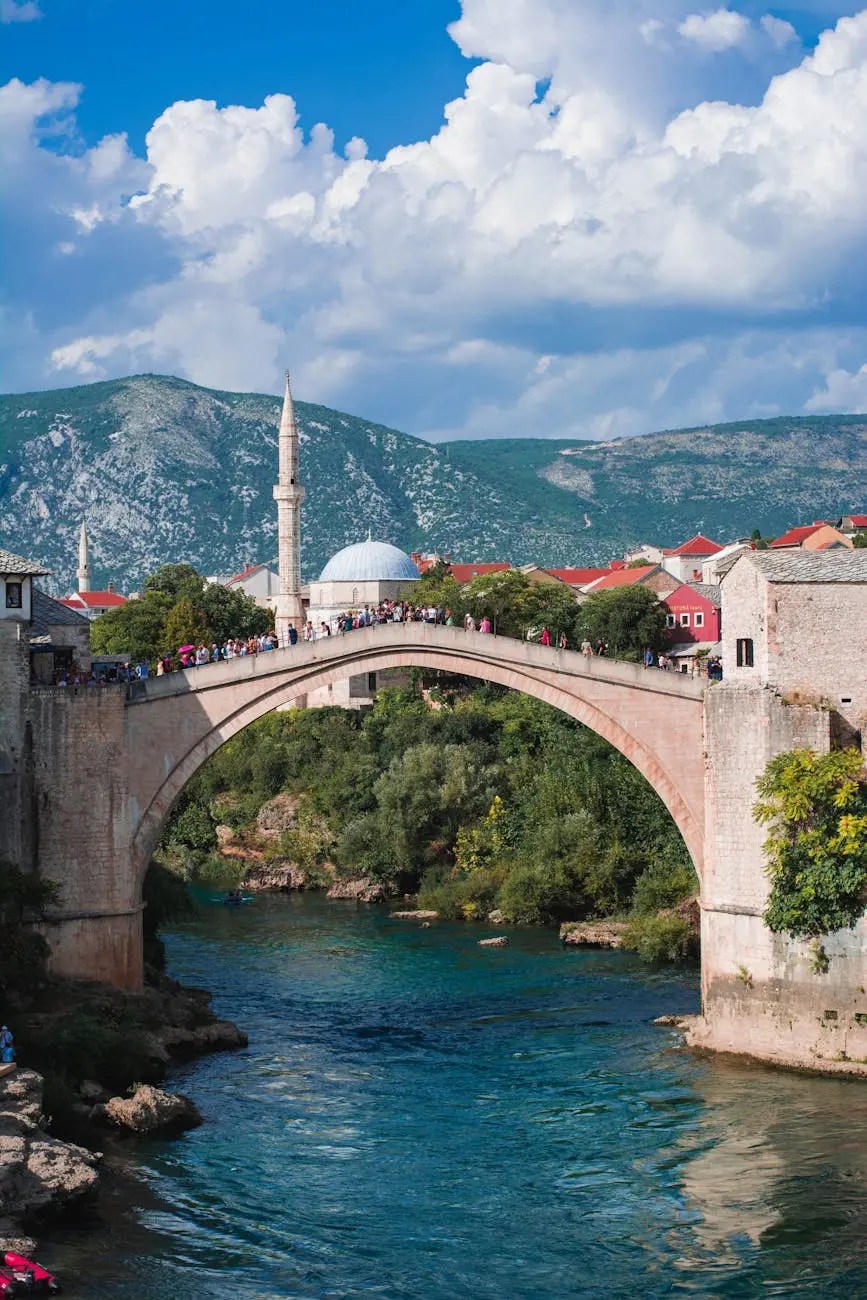
The historic Stari Most bridge in Mostar, Bosnia and Herzegovina, spans the Neretva River with a backdrop of mountains and traditional architecture under a bright blue sky.
The iconic Stari Most bridge in Mostar, a symbol of resilience and tradition, spans the Neretva River against a stunning backdrop of mountains and blue skies.

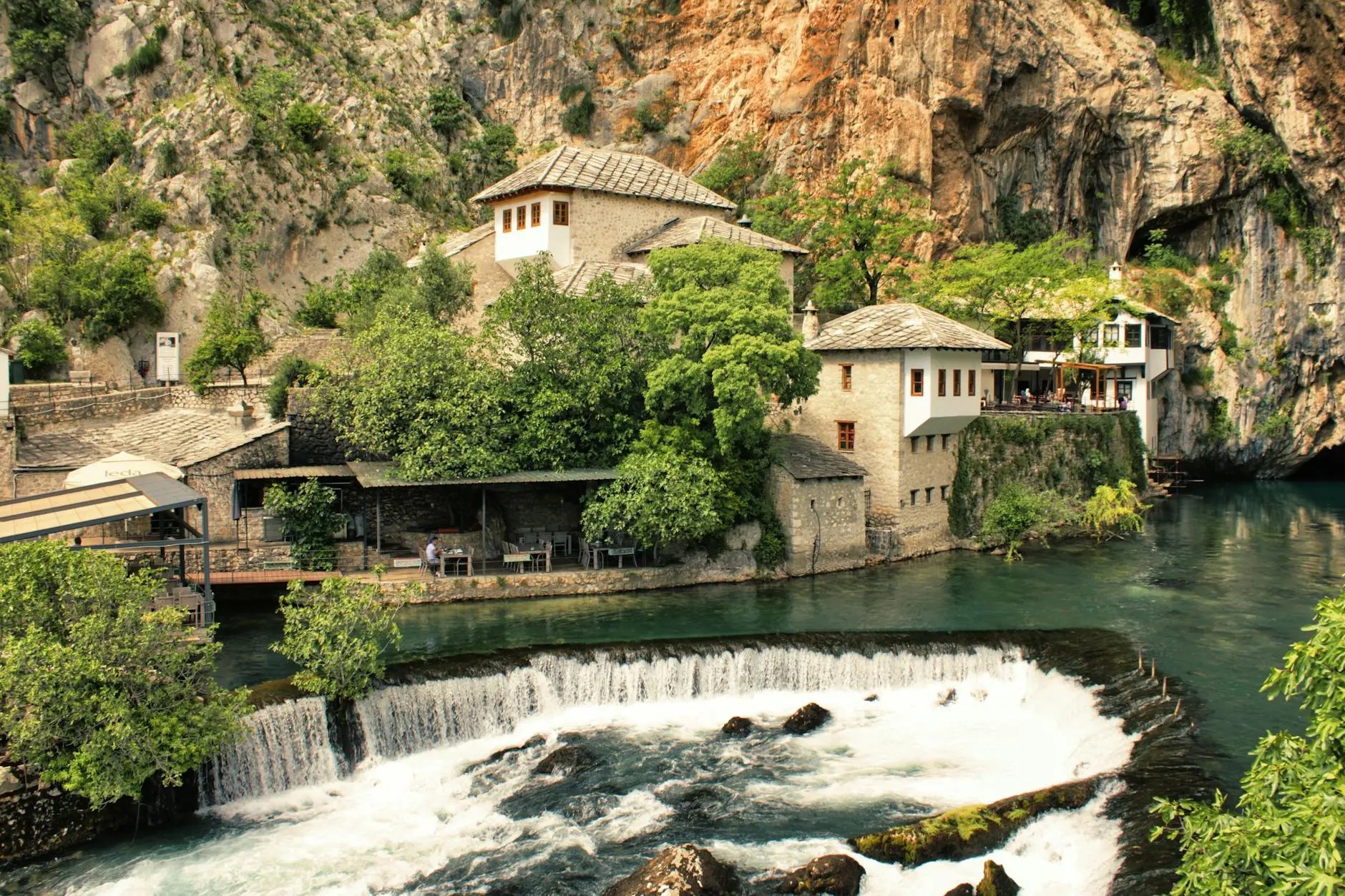
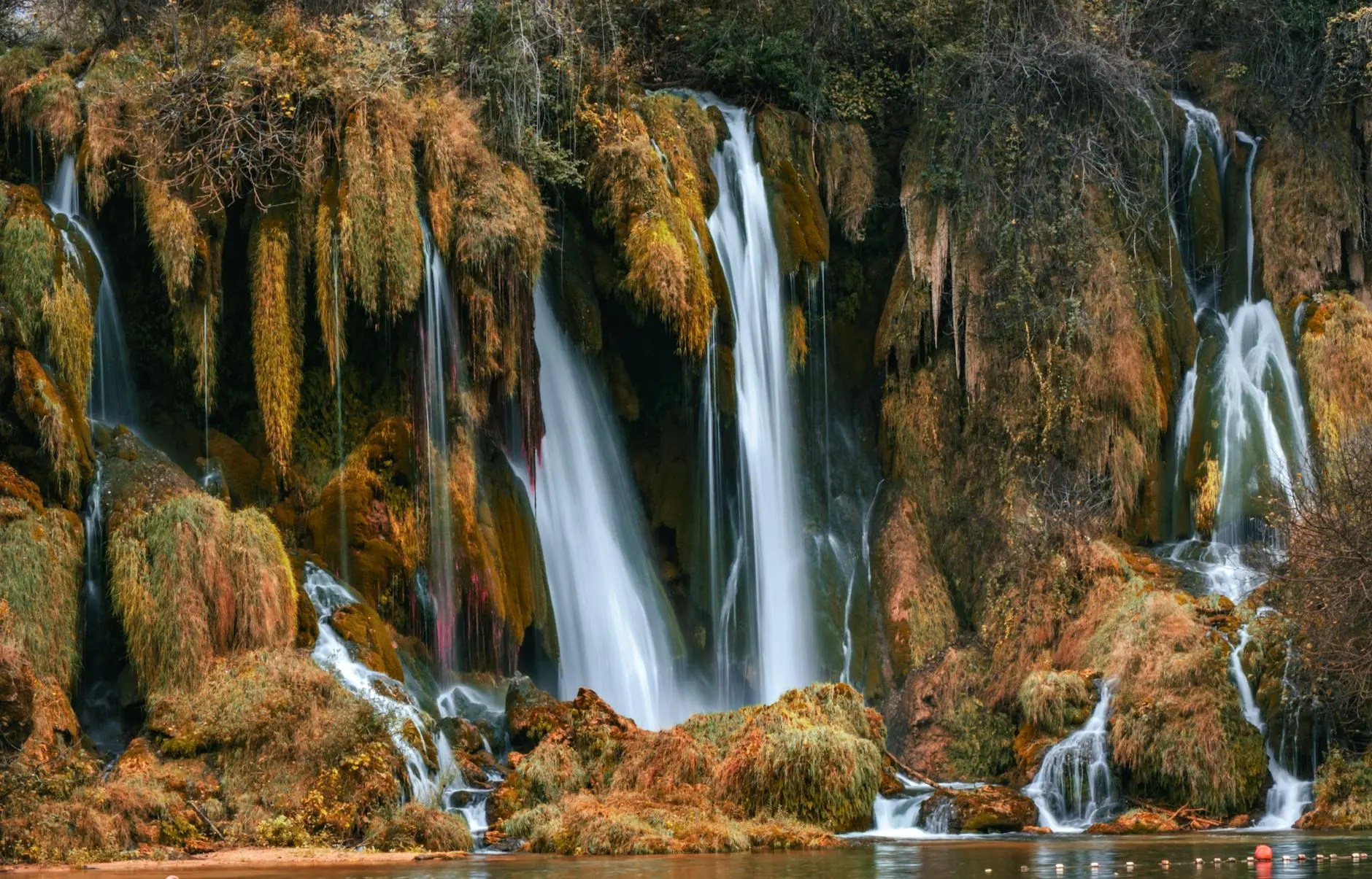
Day 2: Gorges & Mystical Springs. Rent a car for the day (trust me, it’s worth it for the freedom). Your first stop is Blagaj, just a 20-minute drive from Mostar. The sight of the Tekija (Dervish monastery) clinging to a 200-meter cliff face beside the impossibly blue Buna River spring will stop you in your tracks. Have a coffee by the water and soak in the serenity. In the afternoon, head to the Kravice Waterfalls. Picture a 25-meter crescent of cascading water tumbling into a bright emerald swimming hole. Pack a swimsuit—the brave can take a bracing dip, and there’s even a rope swing

Blagaj, (Expedia)Blagaj,(Get your guide)
Kravice Waterfalls.(Expedia)Kravice Waterfalls.(Get your guide)
A scenic view of the Blagaj Tekija, a historic Dervish monastery nestled against a rocky cliff, with green trees and blue waters flowing beneath it.
The picturesque Blagaj Tekija, a historic Dervish monastery nestled against the cliffside by the serene Buna River in Herzegovina. The Blagaj Tekke (Tekija), a 16th-century Dervish monastery clinging to a cliff beside the Buna River spring. Founded around 1520, this spiritual retreat combines Ottoman and Mediterranean architectural styles in one of Herzegovina’s most serene settings.
Cascading waterfalls surrounded by lush greenery and mossy rocks in a serene natural setting.
Breathtaking view of the cascading Kravice Waterfalls, a hidden gem in Herzegovina. Kravica Waterfall (also called Kravice), a stunning natural amphitheater of tufa cascades on the Trebižat River. Located near Ljubuški and about a 40-minute drive south of Mostar, this is one of Herzegovina’s most spectacular swimming and picnic spots.

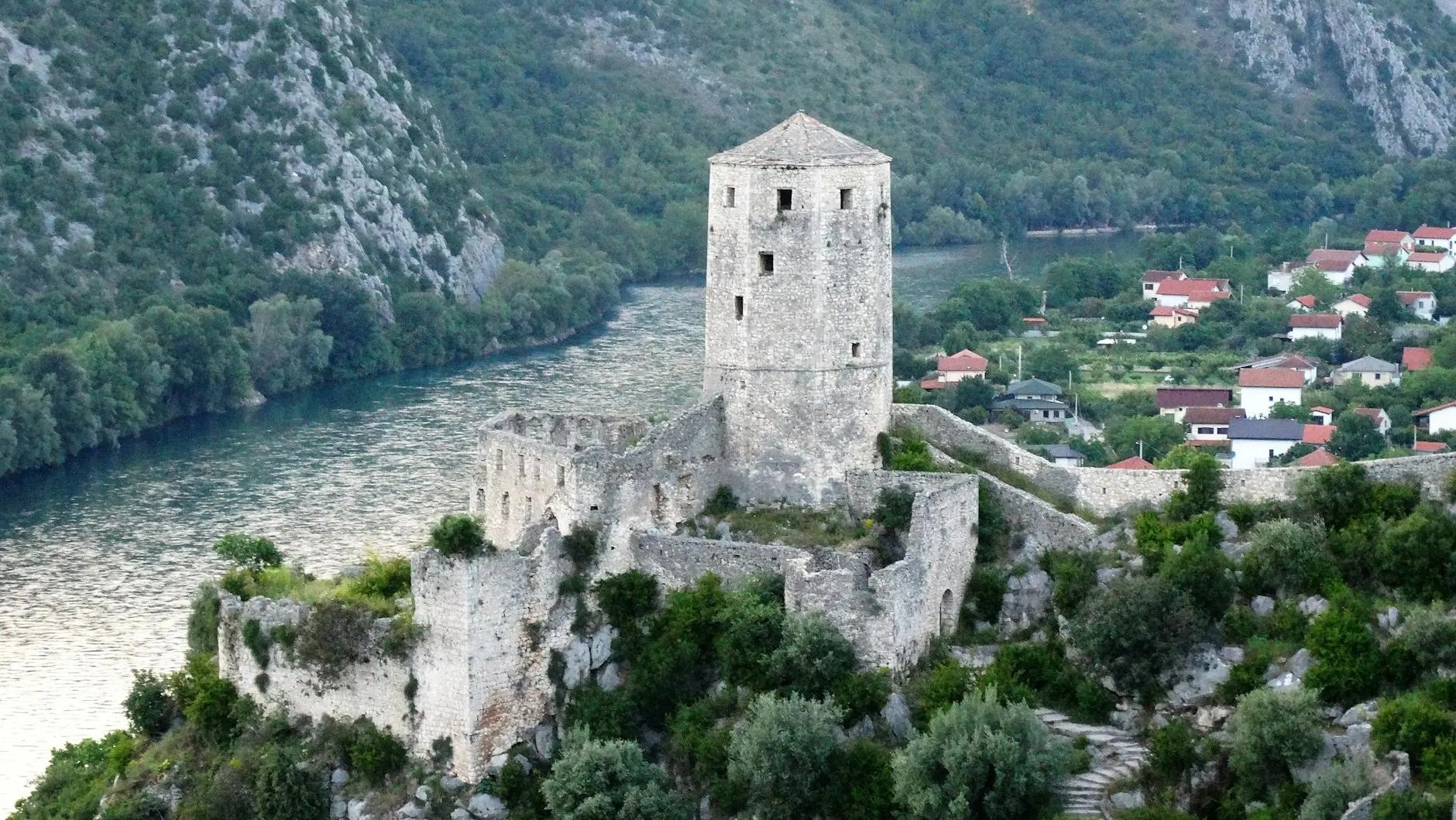
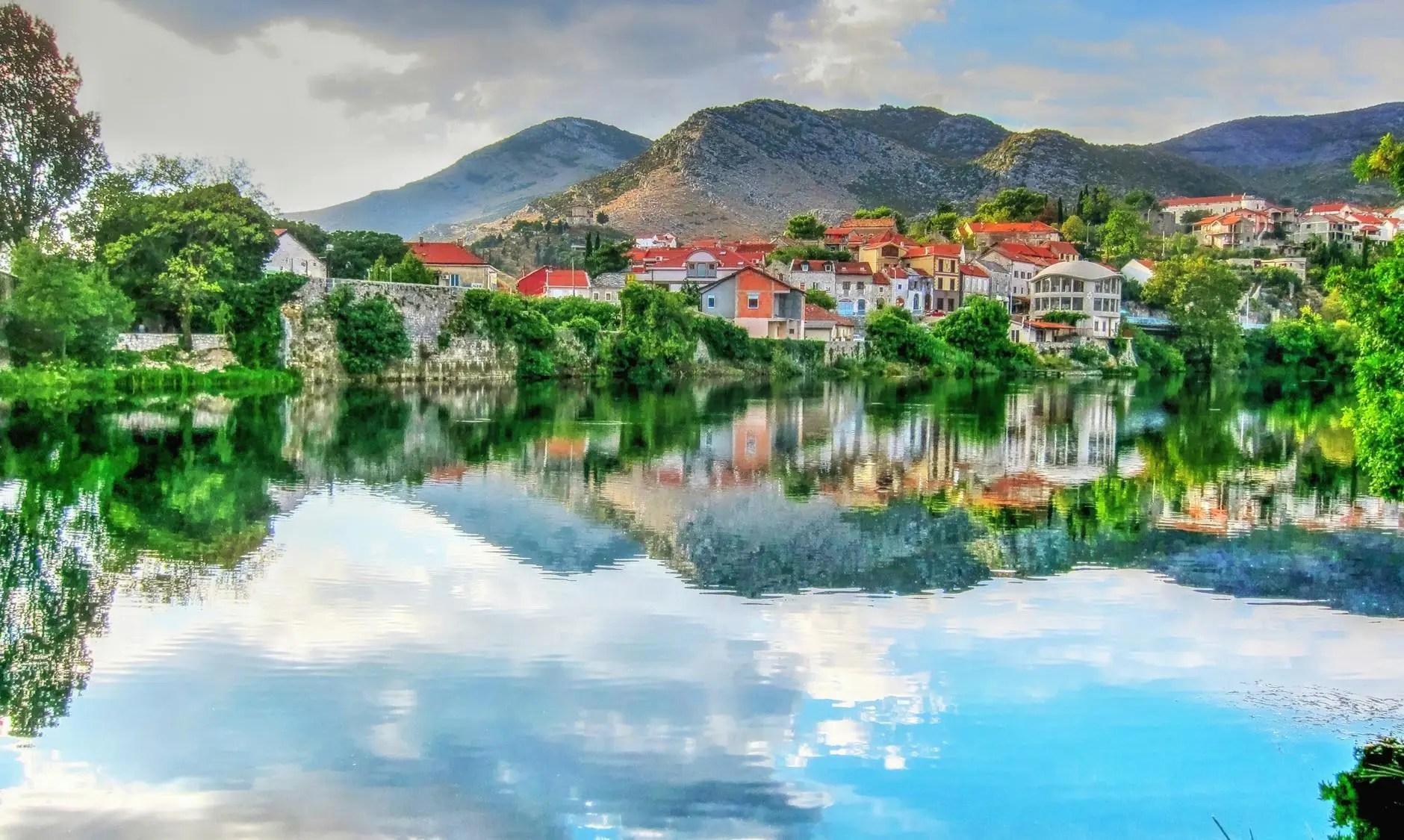
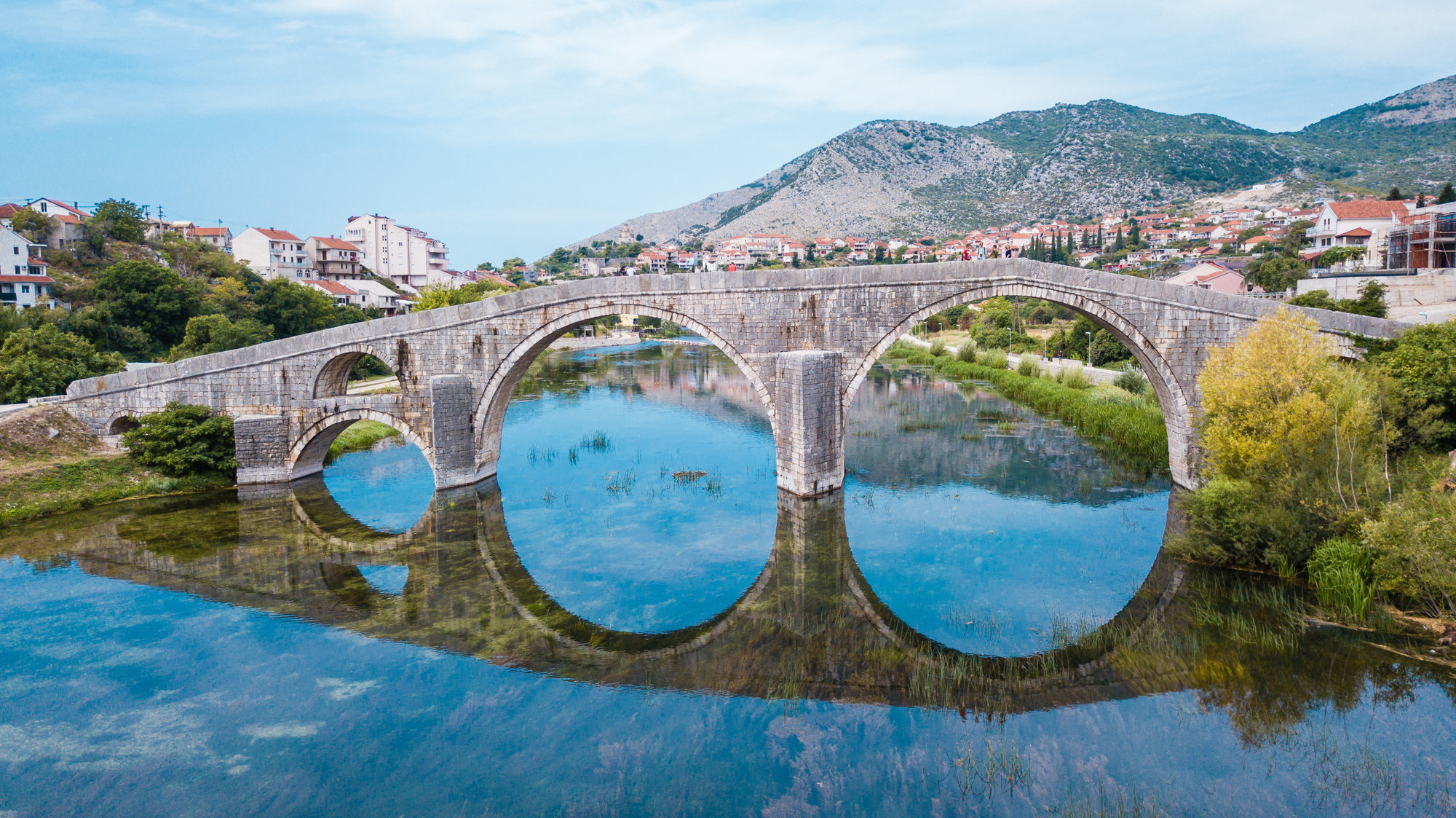
Day 3: History & Hidden Gems. Before you leave Mostar, wake up at sunrise. You’ll have the Stari Most and the silent, lamp-lit streets almost entirely to yourself—it’s pure magic. Then, set your GPS for Počitelj. This fortified Ottoman village is like a living museum, tumbling down a hillside towards the river. Climb to the top of the stone fort for a panoramic view you won’t forget. On your journey back towards the coast or airport, consider a final, peaceful stop at Trebinje. This elegant little town, just a stone’s throw from Dubrovnik, is famed for its wine and the beautiful Arslanagić Bridge that was moved, stone by stone, to its current location

Počitelj (Expedia)Počitelj (Get your guide)

Aerial view of a historic fortress on a rocky hill overlooking a river, with lush greenery and houses in the background.
A stunning view of the historic Počitelj village, featuring its iconic stone tower and surrounding greenery by the Neretva River. “The historic stone Kula Fort tower rising above the steep, medieval village of Počitelj in Bosnia and Herzegovina, with the Neretva River valley in the background.”
"A scenic aerial view of Trebinje, the southernmost city in Bosnia and Herzegovina, nestled along the calm, reflective waters of the Trebišnjica River in a green valley."
Scenic view of a picturesque town in Herzegovina, reflecting on a calm river with mountains in the background. Trebinje, the charming ‘City of the Sun’ in southern Herzegovina, beautifully positioned on the banks of the crystal-clear Trebišnjica River. Known for its relaxed atmosphere, wine, and proximity to Dubrovnik.
Aerial view of a historic stone bridge with arches reflected in a calm river, surrounded by greenery and hillside homes.
The stunning stone bridge reflecting in the serene waters of Herzegovina, showcasing the region’s rich architectural heritage.

Hidden Gems Beyond the Postcard

While the Stari Most will (rightfully) steal your heart, here are a few spots where you can escape the day-trip crowds:

  • The “Practice” Bridge: Before you even get to the majestic Stari Most, look for Kriva Ćuprija (the Crooked Bridge) in Mostar’s Old Town. This petite, arched Ottoman bridge over a small stream is thought to have been a “test model” for its larger, more famous sibling. It’s a quiet, photogenic spot.
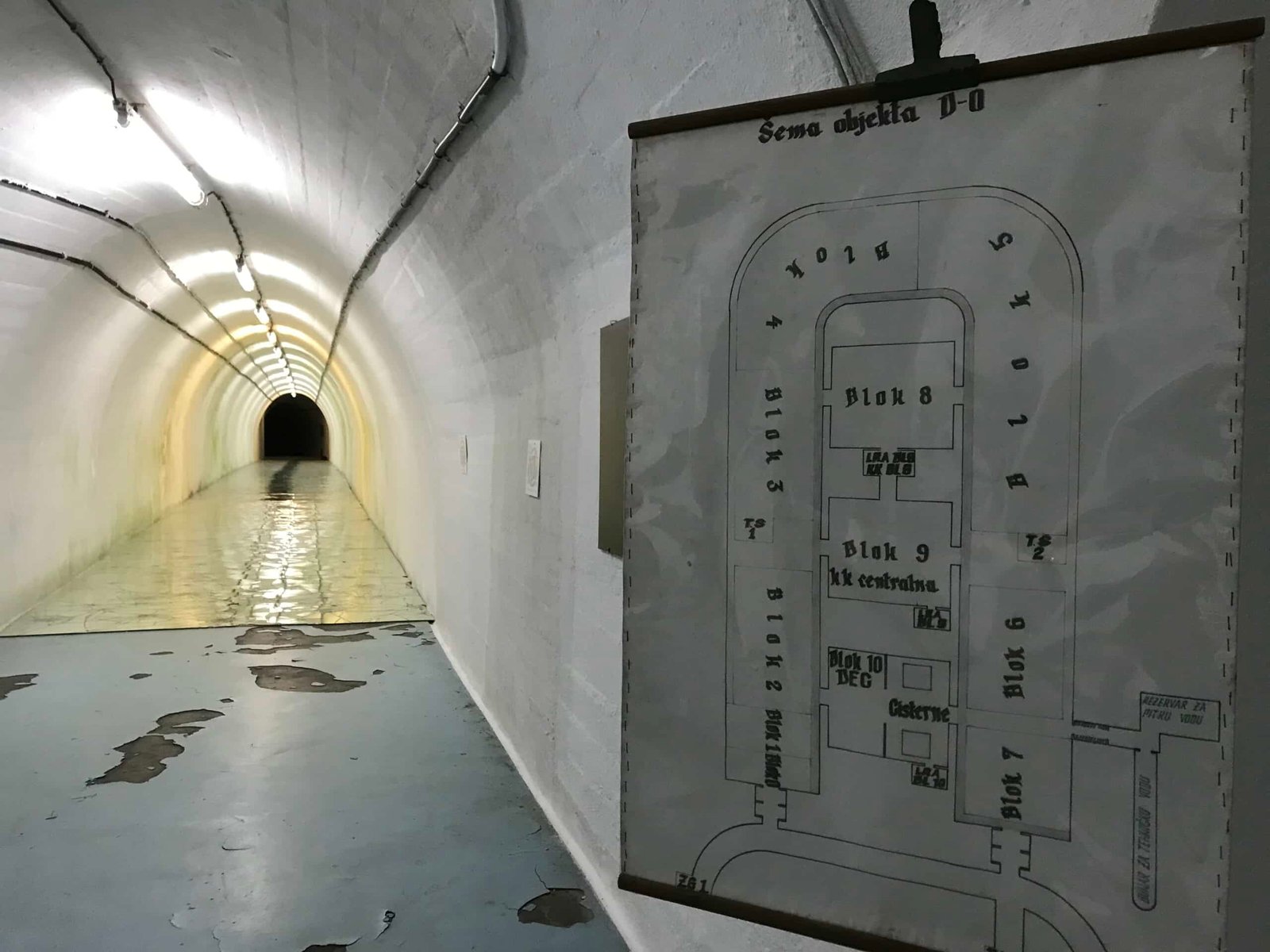
  • Konjic & its Secret Bunker: The town of Konjic, on the road from Sarajevo to Mostar, is home to another stunning Ottoman bridge. But its real claim to fame is hidden underneath a nondescript house: Tito’s Atomic Bunker. Built in total secrecy during the Cold War, this massive underground complex is now a unique contemporary art space. Tours must be booked in advance, and it’s a fascinating dive into 20th-century history.
Tito’s Atomic Bunker (Expedia)Tito’s Atomic Bunker (Get your guide)
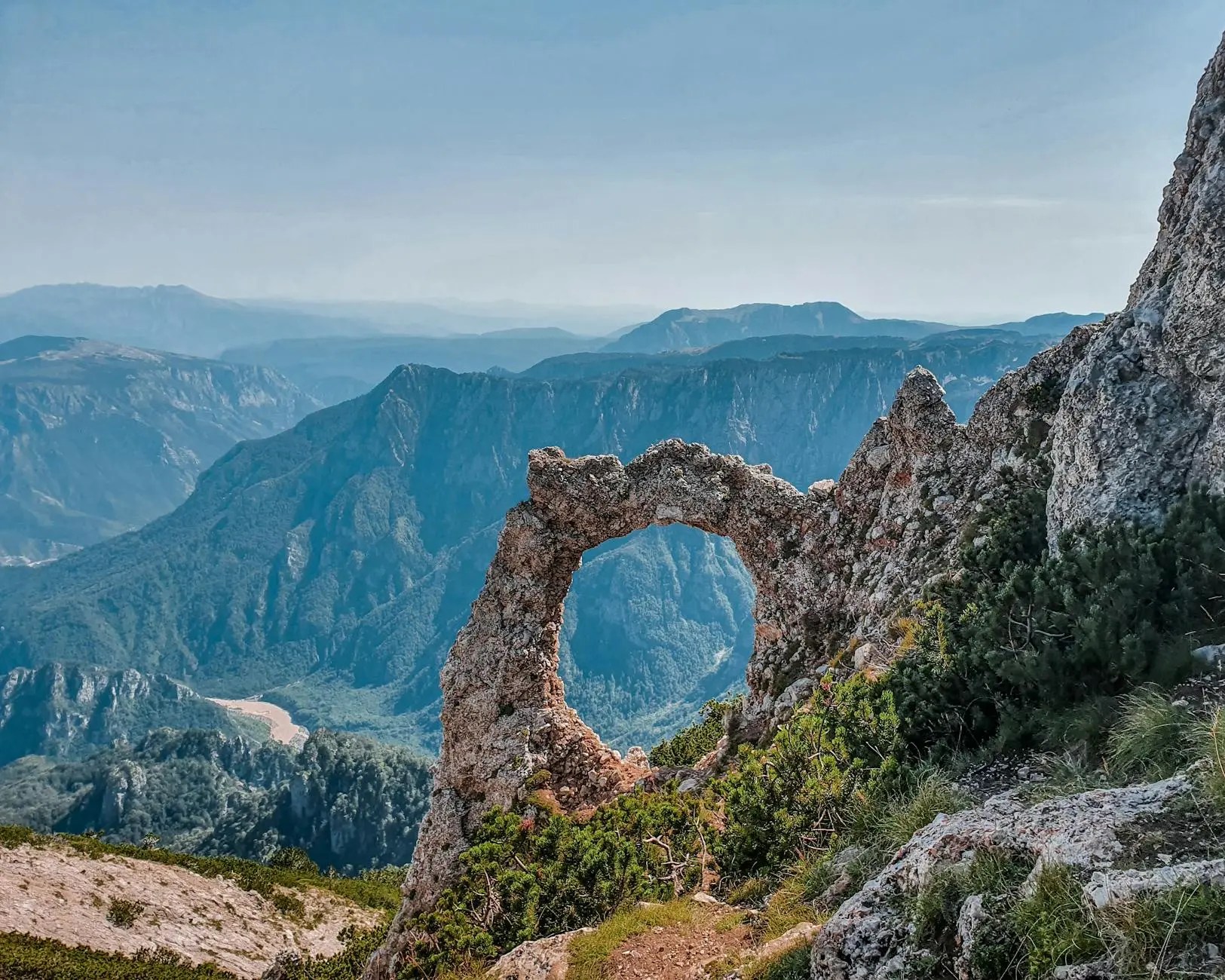
  • Blidinje Nature Park: If your soul craves mountains, detour to this stunning park northwest of Mostar. It’s home to the largest glacial lake in Bosnia, wild horses, and some of the most pristine hiking trails in the Dinaric Alps. It feels a world away from everything.
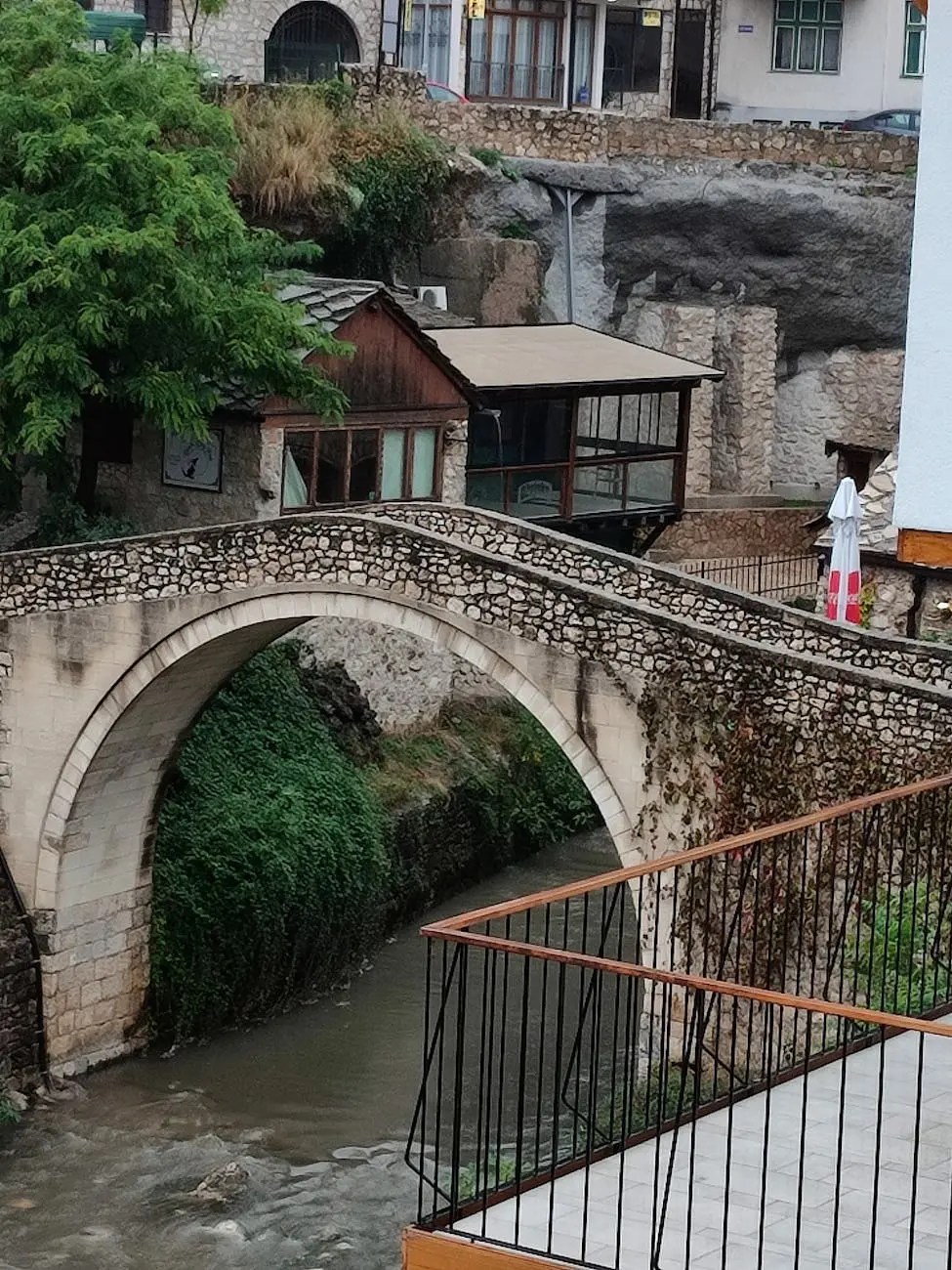
A stone arch bridge crosses a small river, surrounded by lush greenery and traditional buildings in Mostar, Bosnia and Herzegovina.
A picturesque stone bridge overlooking a serene river in Mostar, Bosnia and Herzegovina. Kriva Ćuprija, the “Crooked Bridge,” a charming single-arch Ottoman bridge over the Radobolja River in Mostar’s Old Town. Often considered a prototype for the grander Stari Most, it’s a quieter piece of living history

A rocky arch formation on a mountain with expansive valleys and hills in the background under a clear blue sky.
A stunning view of the mountain landscape in Herzegovina, featuring an intriguing rock formation with a natural arch that highlights the region’s breathtaking scenery. Hajdučka Vrata, the “Outlaws’ Gate”—a dramatic natural rock arch on Mt. Čvrsnica in Blidinje Nature Park. This iconic Herzegovinian landmark offers hikers one of the most breathtaking viewpoints in the Dinaric Alps

Essential Travel Intel: Money, Visas & Staying Safe

  • The Money Game: The currency is the Convertible Mark (BAM or KM). Here’s the easiest hack you’ll get: 1 Euro = 2 KM (almost exactly). While some places accept Euros, you’ll always get a better price in local currency. Cash is king, especially in smaller towns, guesthouses, and family-run restaurants. Withdraw BAM from local ATMs upon arrival.
  • Visa Info & Costs: Travelers from the US, UK, Canada, Australia, and the EU do not need a visa for tourist stays of up to 90 days within a 180-day period. Just ensure your passport is valid for at least three months beyond your planned departure date.
  • Safety First: Herzegovina is very safe for tourists. Standard city precautions against pickpocketing in crowded areas apply. The one critical rule involves the countryside: never, ever stray from marked paths or roads when hiking. Remnants of landmines from the 1990s conflict may still be present in remote, unmarked areas. Heed all warning signs.
  • When to Visit: Spring (April-June) and Autumn (September-October) are absolute perfection. The weather is mild, the landscapes are green (or golden), and the summer crowds have thinned. Summer can be fiercely hot, especially in Mostar.

Words to Know: A Quick Language Cheat-Sheet

Locals always appreciate the effort. Bosnian/Croatian/Serbian is the official language here.

  • Hello / Good day: Dobar dan (DOH-bar dahn)
  • Thank you: Hvala (HVAH-lah)
  • Please / You’re welcome: Molim (MOH-leem)
  • Yes / No: Da / Ne (DAH / NEH)
  • How much?: Koliko košta? (KOH-lee-koh KOHSH-tah?)
  • Bridge: Most (MOHST) – You’ll be using this one a lot!
  • Coffee: Kafa (KAH-fah) – Essential for joining the local café culture.

Practical Travel Tips

💡 Travel SIM/Connectivity Tip (Rephrased & Original):
Staying online overseas can be confusing and expensive — roaming charges, random data limits, airport SIM queues — it’s all a headache. That’s why I always carry a universal travel SIM — works in 190+ countries with no hidden fees, topped up easily through an app, and gets you online wherever you roam.
→ Check it out here: Drimsim

🌍 VPN for Security & Streaming Abroad:
Protect your data and access home content securely with a trusted VPN:

💼 Travel Insurance (Smart Safety Move):
Unexpected health or travel hiccups are easier to handle with insurance. I use and recommend VisitorsCoverage — compare plans and find one fast:

Power Up: Bosnia uses Type C and F plugs (220V). A universal adapter with multiple USB ports is a lifesaver for keeping phones, cameras, and power banks charged. I never travel without a reliable one

Document Your Journey: Herzegovina is a photographer’s dream. Whether you’re capturing the dive off Stari Most or the mist rising at Blagaj, having a capable camera is key. I rely on my trusted gear to do this stunning region justice.

Glow on the Go: After long days of exploration, my skincare routine is sacred. I swear by the gentle, effective products from Lakinza. For a treat, use code Lalax10 at checkout for a sweet discount.

Frequently Asked Questions

Is a weekend in Herzegovina enough time?
Absolutely. A well-planned 2-3 day trip centered in Mostar lets you experience the iconic bridge, explore the Old Town, and take a day trip to at least one stunning natural wonder like Blagaj or Kravice Waterfalls. It’s a perfect introduction.

Is Herzegovina expensive?
Not at all. Compared to Western Europe and even coastal Croatia, Herzegovina is a fantastic value. Meals, accommodation, and transport are very affordable, making it ideal for budget-conscious travelers who don’t want to sacrifice experience.

What’s the best way to get from Dubrovnik to Mostar?
For a weekend trip, I recommend a pre-booked private transfer or small group tour. It’s the most time-efficient, taking about 2.5 hours door-to-door. Renting a car offers maximum flexibility, while public buses are the most budget-friendly but less convenient.

Is it safe to travel to Herzegovina?
Yes. The region is safe and welcoming to tourists. Standard travel precautions apply. The only specific safety rule is to stay on marked paths when in the countryside or hiking due to the rare but potential risk of landmines in unmarked areas.

Ready to explore more of this incredible region? Check out my other guides for deeper dives into the Balkans:

Herzegovina pairs beautifully with nearby destinations like

Sarajevo, “Most trips to Herzegovina begin in Sarajevo, connected by one of the most scenic train journeys in the Balkans…”

Dubrovnik, “Many travelers pair Herzegovina with a coastal escape to Dubrovnik, especially since the border is just a few hours away…

Split, “If you’re arriving by ferry into Split, Herzegovina makes an easy inland detour with jaw-dropping scenery…

Zadar — making it ideal for a Balkans road trip or multi-country weekend escape.”

Herzegovina isn’t just a destination; it’s a feeling. It’s the chill of the Neretva River, the warmth of the people, and the profound sense of history etched into every stone. Pack your bags (and this guide), and go find it.

Final Tips & CTAs

Ready to book your escape? Grab flights, hotels, and package deals on Expedia (great for saving big on bundle deals)
Universal Disclaimer/Disclosure Page:

Ultimate Weekend Getaway in Venice: A Complete Traveler’s Guide

Meta Description: Escape to the enchanting canals of Venice for an unforgettable weekend. Our comprehensive guide for travelers reveals hidden gems, must-see sights, and savvy tips on transportation, visa costs, and saving money. Optimized for SEO and geo-generative engine optimization, this guide is packed with keywords to help you discover the magic of Venice.

I’m going to be honest with you. The first time I saw Venice, it was through the lens of a tourist in a hurry. You know the type—sprinting from St. Mark’s Square to the Rialto Bridge, snapping a few frantic photos, and feeling like you’ve “done” the city without ever really being there. It was a classic case of travel-FOMO (Fear of Missing Out). But the magic of Venice doesn’t reveal itself in a sprint; it whispers to you when you slow down, get a little lost, and let the city’s ancient rhythm guide you.

This blog post is for the traveler who wants to do it right. The one who wants to sip a spritz on a sun-drenched canal, find a quiet bacaro for some delicious bites, and fall in love with the city’s charming chaos. I’ve gone back, armed with a better plan, and I’m sharing all my secrets for the ultimate weekend escape.

Ah, Venice. The mere name conjures images of winding canals, operatic gondoliers, and masquerade balls. It’s a city that feels like a dream, but let me tell you, a dream you can absolutely conquer in a single, glorious weekend. Forget everything you’ve heard about it being too crowded or too expensive—with a little insider knowledge (and comfortable shoes), you can have the authentic Venetian experience without breaking the bank or your spirit.

I still remember my first time stepping out of the Santa Lucia train station. The grand canal wasn’t just a picture; it was a living, breathing, slightly damp masterpiece. The sound of water lapping against ancient stone, the distant call of “Gondola!”, the smell of salt and fresh coffee… it’s a sensory overload in the best way possible. I immediately got lost, and it was the best thing that could have happened. This guide is here to help you find that magic, without too much of the getting lost part (unless you want to!).

Table of Contents

  1. Getting There: Planes, Trains, and Automobiles (But Mostly Boats)
  2. Where to Stay: Finding Your Venetian Sanctuary
  3. Day 1: The Grand Tour & Golden Hour
  4. Day 2: Hidden Gems & Island Hopping
  5. Day 3: Art, Souvenirs & The Sweet Goodbye
  6. Navigating Venice: Public Transportation Deep Dive
  7. Money-Saving Tips & Must-Know Phrases
  8. My Personal Camera Kit
  9. FAQs: Everything You Need to Know Before You Go
  10. More Travel Inspiration & Backlinks

Why Venice is the Perfect Weekend Getaway

Venice is compact. Unlike sprawling metropolises like Rome or Paris, its labyrinthine alleys and canals are concentrated, making it possible to soak in the major highlights and discover secret corners in just 2-3 days. It’s a pedestrian (and boat-only) city, so you’re free to wander without worrying about traffic. It’s the ideal destination for a burst of culture, romance, and incredible food.

Before You Go: Visa & Costs
As part of Italy’s Schengen Area, most US, Canadian, UK, and Australian travelers can enter visa-free for up to 90 days. Always check the latest entry requirements from official government sources. A great place to start for the most current and official visa information is the VFS Global page for Italy.

I always find the best flight deals to Venice Marco Polo Airport (VCE) on Expedia. They have great bundle options if you want to book your hotel at the same time.

Getting There: Planes, Trains, and Automobiles (But Mostly Boats)

Venice is unique because you literally cannot drive into the historic city center. So, if you’re arriving by car, you’ll need to park it at Piazzale Roma or Tronchetto and then take a bus, water bus (vaporetto), or private water taxi to your accommodation. Trust me, the first glimpse of the Grand Canal from the water is worth the logistical effort.

The easiest way to arrive is by train. The Venezia Santa Lucia station drops you off right on the Grand Canal, a stone’s throw from the heart of the action. Italy’s high-speed trains connect Venice to major cities like Rome, Florence, and Milan. If you’re coming from another part of Europe, flying into Venice Marco Polo Airport (VCE) is also a great option. From there, you can catch a water bus (Alilaguna) or a private water taxi straight to the city.

✈️ Travel Tip: Travel isn’t always smooth sailing—sometimes flights get delayed, canceled, or overbooked. The good news? You might be entitled to up to $650 in compensation under air passenger rights. Most travelers never claim it, but I’ve got you covered: just check your flight withAirHelp. They handle the paperwork, fight the airlines for you, and only get paid if you win. Easy, stress-free, and potentially a nice surprise for your travel fund.

Where to Stay: Finding Your Venetian Sanctuary

Finding the right place to stay is key. I’ve found that using a trusted platform like Expedia to book my hotels helps me compare options and find the perfect spot. The main tourist areas like San Marco are central but can be noisy and expensive. For a more authentic experience, consider staying in the quieter districts of Dorsoduro or Cannaregio.

My personal favorite? Dorsoduro. One time, I stayed in a small guesthouse there, and the window overlooked a tiny, quiet canal. Every morning, I woke up to the sound of a gondolier singing as he glided past. It was a moment so perfectly Venetian it almost felt like a movie.

Friday: Arrival & The Magic of Getting Lost

  • Afternoon: Fly into VCE or arrive by train at Santa Lucia Station (this is the most dramatic entrance!). Pro Tip: If you’re arriving by train from another Italian city like Rome, Florence, or Milan, booking your tickets in advance on ItaliaRail can save you a significant amount of money compared to buying them at the station. The high-speed trains are comfortable and efficient, making for a relaxing start to your Venetian adventure.
  • Evening: Check into your hotel . I recommend staying in the Dorsoduro or Cannaregio districts. They’re slightly removed from the San Marco chaos, more affordable, and brimming with authentic bacari (wine bars).
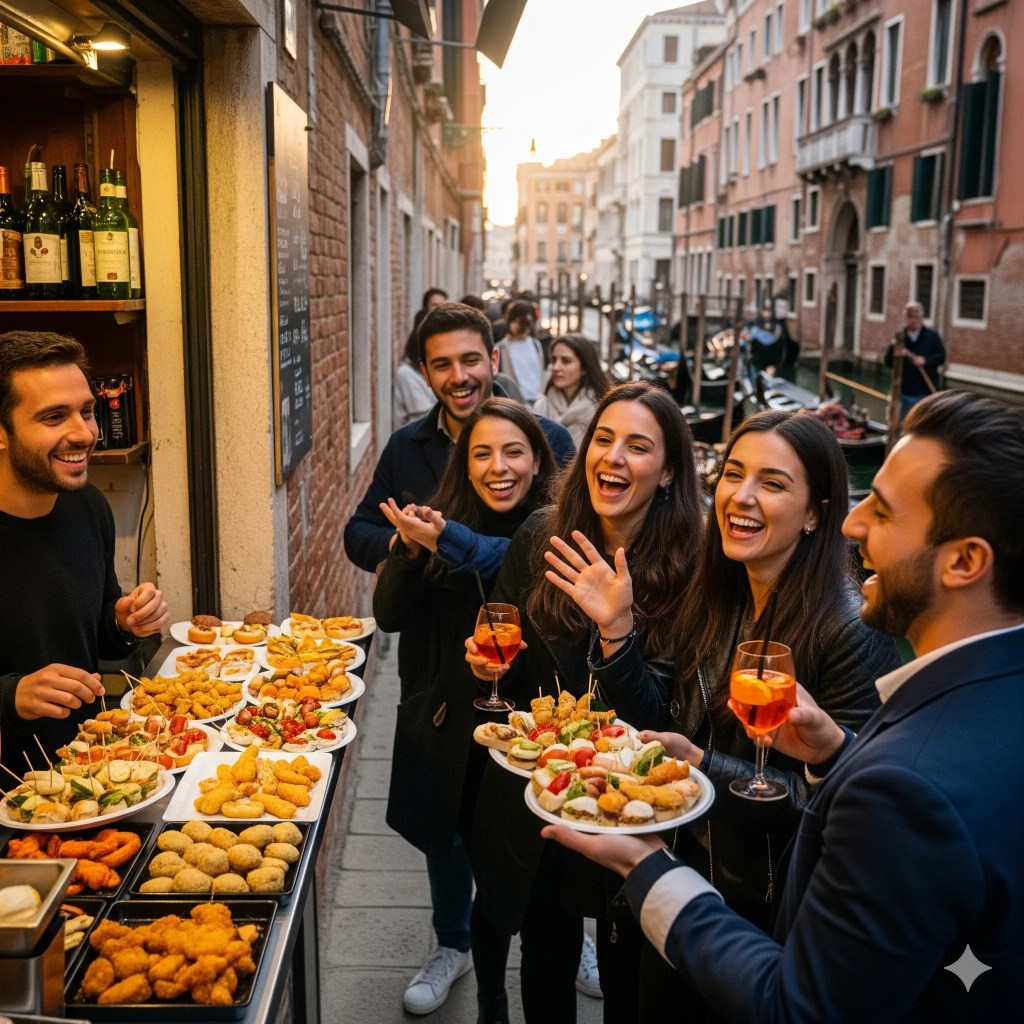
  • Dinner: Ditch the tourist menus. Find a small bacaro and do a cicchetti crawl. Cicchetti are Venetian tapas—think small slices of bread topped with cod, crab, or mortadella, alongside an ombra (small glass of wine). My favorite find was a tiny place where the owner insisted I try his artichoke heart special. Life-changing.
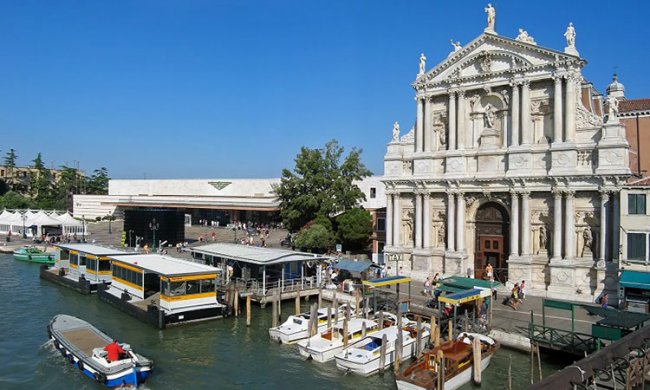
A view of the Grand Canal in Venice, featuring a marina with boats and the exterior of a historic building with ornate architecture.
The stunning view near the Santa Lucia train station in Venice, featuring the historic church and bustling water taxis.

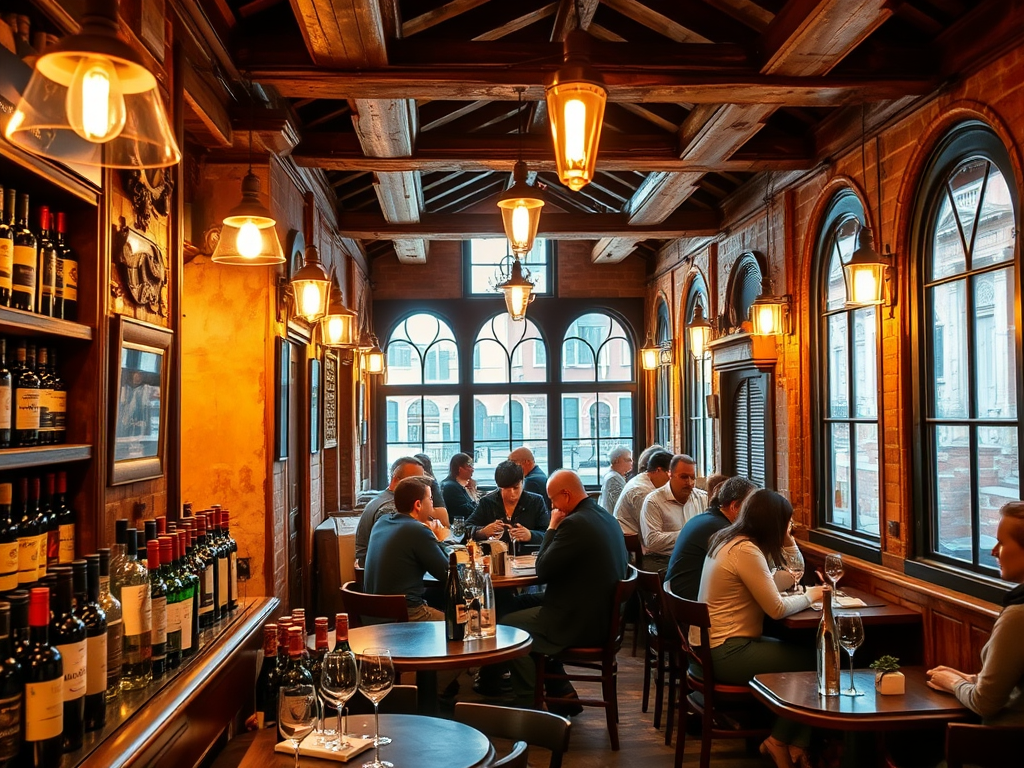
Interior of a cozy Venetian restaurant featuring wooden beams and large windows, with patrons enjoying meals and wine.
A cozy Venetian bacaro with patrons enjoying cicchetti and wine, showcasing the charm of local dining in Venice.
A group of friends enjoying cicchetti and spritz drinks outside a small eatery in Venice, laughing and celebrating the vibrant atmosphere of the city.
Enjoying a vibrant evening in Venice with friends, indulging in delicious cicchetti crawl and spritz on a charming canal.

Saturday: Icons, Tours, & Hidden Courtyards

  • Morning (Early!): Be at Piazza San Marco by 8:30 AM. Why? To have it almost to yourself before the day-tripping crowds arrive. You can admire the Basilica and the Campanile in peace. Pre-book a “Skip the Line” tour for the Basilica—it’s 100% worth it.
  • Late Morning: Book a Walking Tour & Gondola Ride. A guided tour is the best way to learn the history and find those hidden spots you’d never see otherwise. Then, opt for a shared gondola ride from a quieter canal rather than the Grand Canal to save money and enjoy a more intimate experience.
    • 📸 Pro Tip: The light in Venice is magical. To capture it perfectly, I never travel without my lightweight, powerful Sony Alpha Camera. It’s a game-changer for low-light canal shots.
  • Afternoon: Get lost on purpose. Wander away from San Marco into the Castello district. Find the secluded Marinaressa Gardens for a quiet moment with a view of the lagoon. For a true hidden gem, seek out the pedestrian street Calle de le Bande near the Arsenale. It’s lined with artisan workshops and feels a world away from the tourist crowds.
  • Evening: Book a food tour! This was the highlight of my last trip. We visited the Rialto Market in the morning (a fantastic alternative activity) and then enjoyed a cooking class in the evening. Learning to make fresh pasta with a local nonna is an experience you’ll cherish forever.

San Marco Vacations

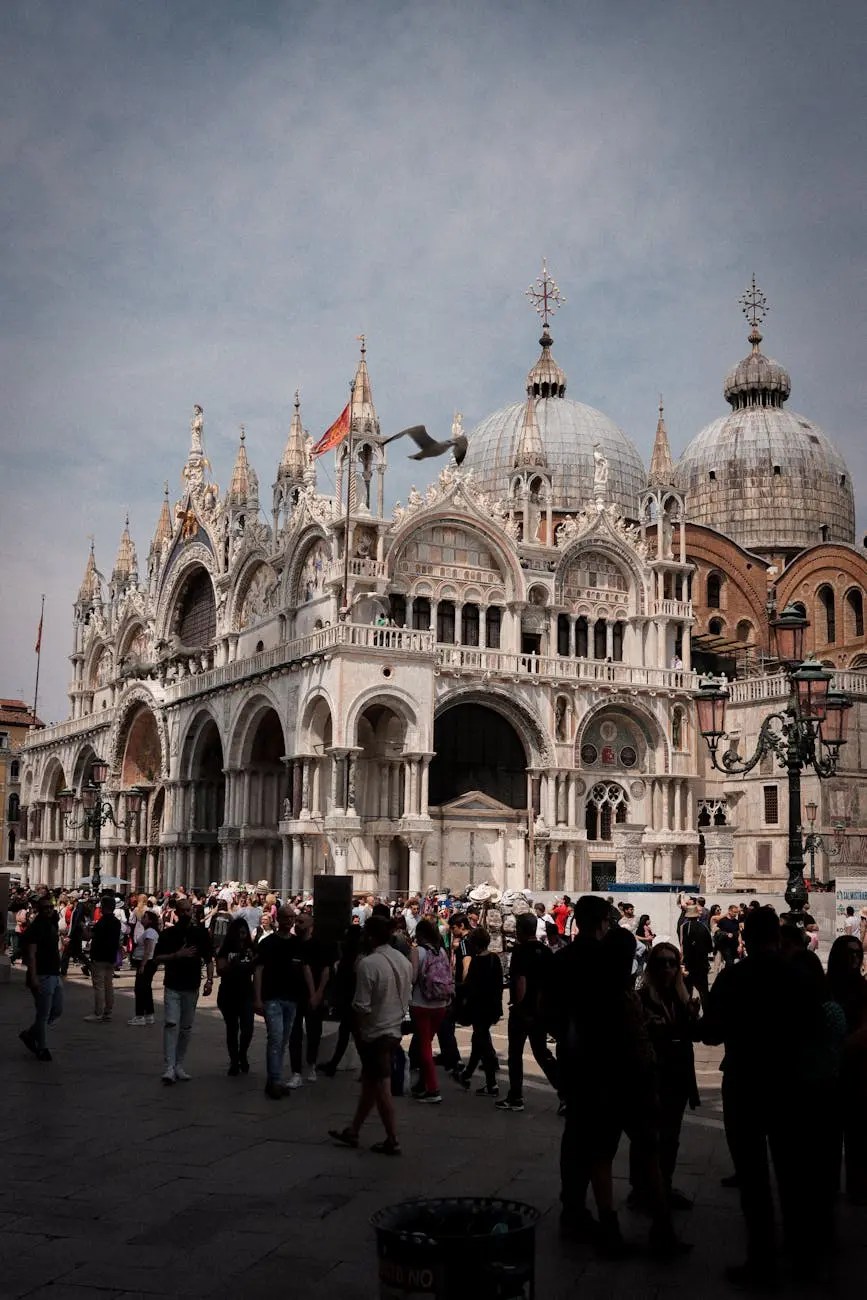
A bustling scene in Venice's St. Mark's Square, featuring the ornate Basilica di San Marco and a crowd of tourists.
St. Mark’s Basilica in Venice, bustling with tourists capturing the city’s breathtaking architecture. A Moment of Awe in Piazza San Marco. It’s impossible not to look up! The sheer scale and intricate details of St. Mark’s Basilica stop everyone in their tracks. While it’s always bustling, arriving right at opening time or later in the afternoon helps you avoid the biggest crowds. ✨ #StMarksBasilica #Venice #ItalyTravel #Architecture #UNESCO

Classic 30 minutes Gondola Ride

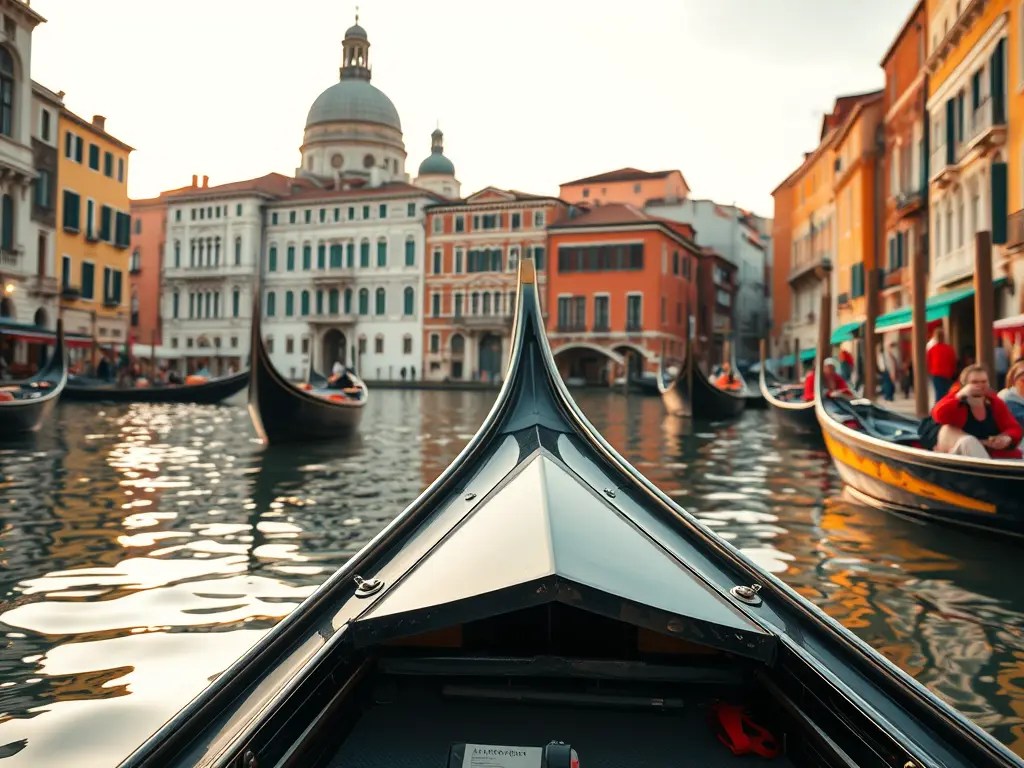
View from the front of a gondola navigating a canal in Venice, surrounded by colorful buildings and other gondolas.
A scenic view from a gondola in Venice, showcasing the iconic architecture and tranquil canals, perfect for an idyllic getaway. The View From the Water. There’s no perspective quite like it! Gliding through the quiet, narrow canals of Venice in a gondola is the only way to truly appreciate the charming decay and beautiful details of the ancient buildings. It’s a moment of pure, peaceful magic. 🛶 #Venice #Gondola #ItalyTravel #HiddenCanals

San Marco Vacations

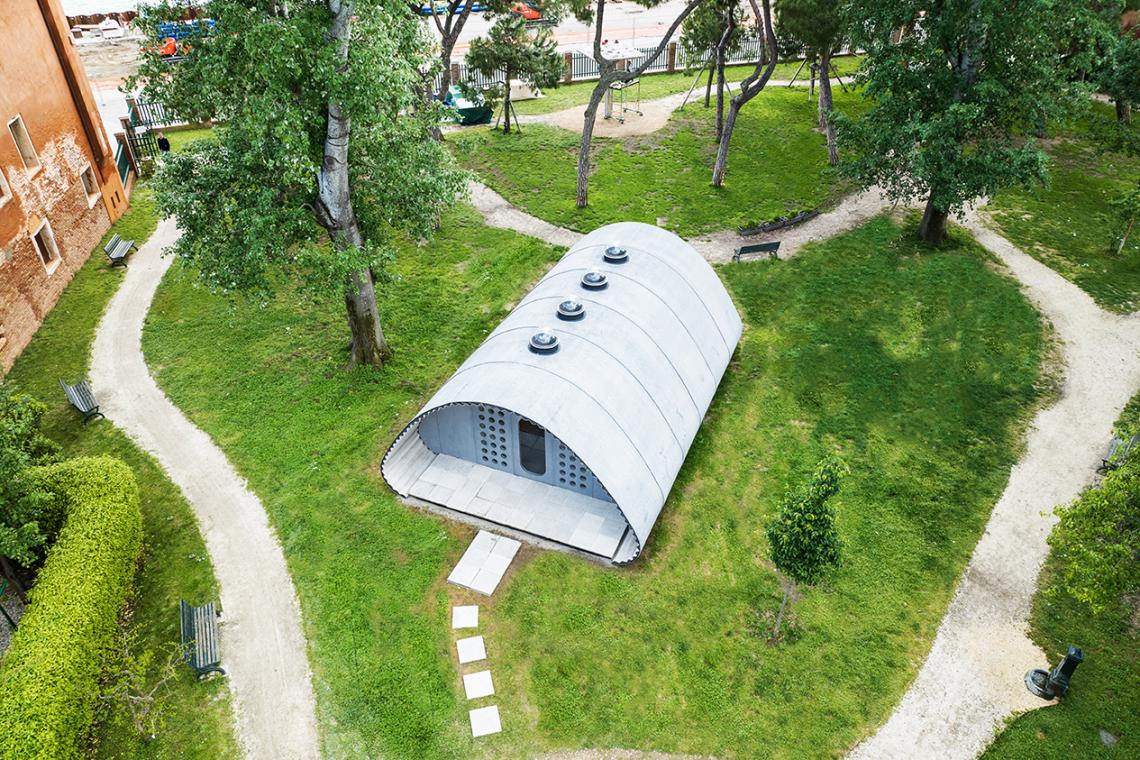
Aerial view of a modern, curved pavilion surrounded by lush green grass and trees in a park.
A modern architectural structure nestled in a green park in Venice, showcasing a unique design amidst natural beauty.

Sunday: Islands, Art, & Last Bites

  • Morning: Take the vaporetto to Murano to see glassblowing demonstrations. If you have time, hop over to Burano—the island of brightly colored fishermen’s houses is an Instagram dream and utterly charming.
  • Afternoon: Visit the Dorsoduro district for art. The Accademia Gallery holds the world’s best collection of Venetian art, or check out the modern masterpieces at the Peggy Guggenheim Collection.
  • Late Afternoon: Enjoy one last gelato (I’m a pistachio purist) and slowly make your way back to the station or airport, taking in the final, golden-hour glimpses of the canals.
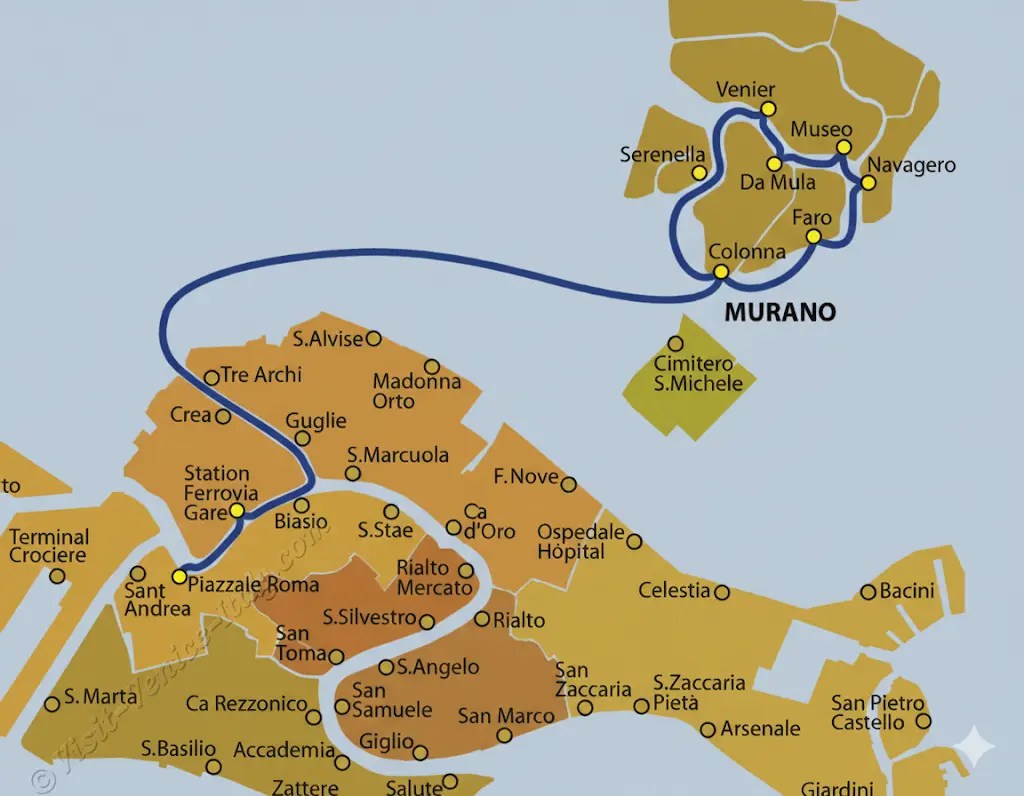
Map of the Vaporetto routes in Venice, highlighting connections to popular destinations like Murano and the Grand Canal.
  • Vaporetto Fares (Verify with ACTV Official Site):
    • Single Ride: €9.50 (valid for 75 minutes)
    • 72-Hour Travel Card: €45 (unlimited rides)
    • Pro Tip: Validate your card before boarding by tapping it on the electronic readers at the dock.
  • Airport Transfer Options (Marco Polo Airport – VCE):
    • Alilaguna Water Bus (Blue Line): €15, ~1.5 hours to San Marco. Check schedules here.
    • ACTV Bus (#35 or #5): €10, ~20 minutes to Piazzale Roma (then switch to vaporetto).
    • Water Taxi: €100-€150, ~30 minutes (direct to your hotel).

Burano Vacations

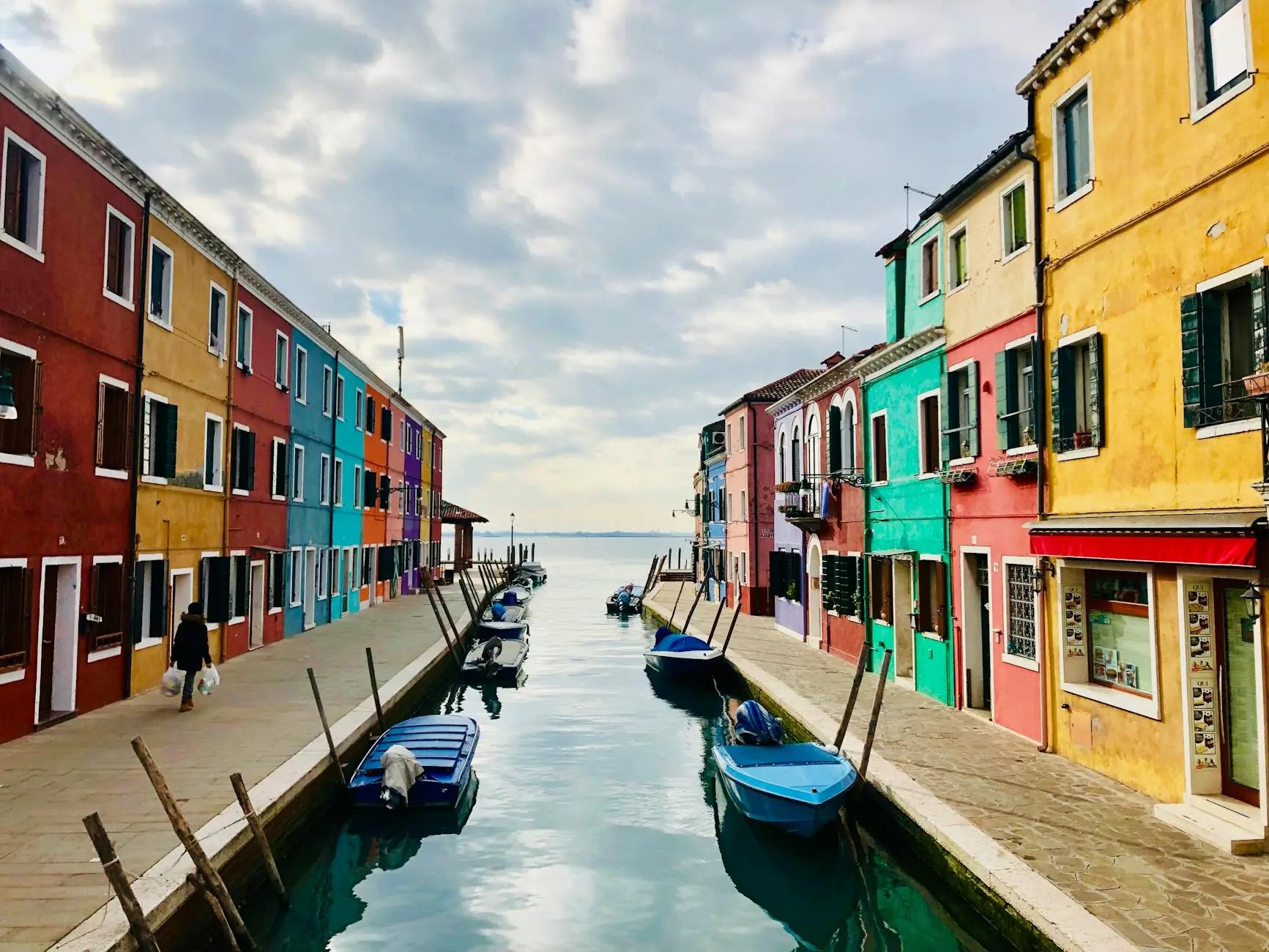
A picturesque canal in Burano, Venice, lined with colorful houses and small boats moored along the waterfront, under a cloudy sky.
Colorful houses line the tranquil canals of Burano, Venice, offering a picturesque scene perfect for wanderers and photographers. A Rainbow on the Water: Burano’s Iconic Canal. No filter needed! The fishing island of Burano is famous for its kaleidoscope of vibrant houses, each painted a brilliant color to help fishermen find their way home in the fog. It’s the perfect half-day trip from Venice for photos and a peaceful stroll. 🌈 #Burano #Venice #Italy #ColorfulPlaces

Accademia Gallery David Skip The Line Entrance Tickets

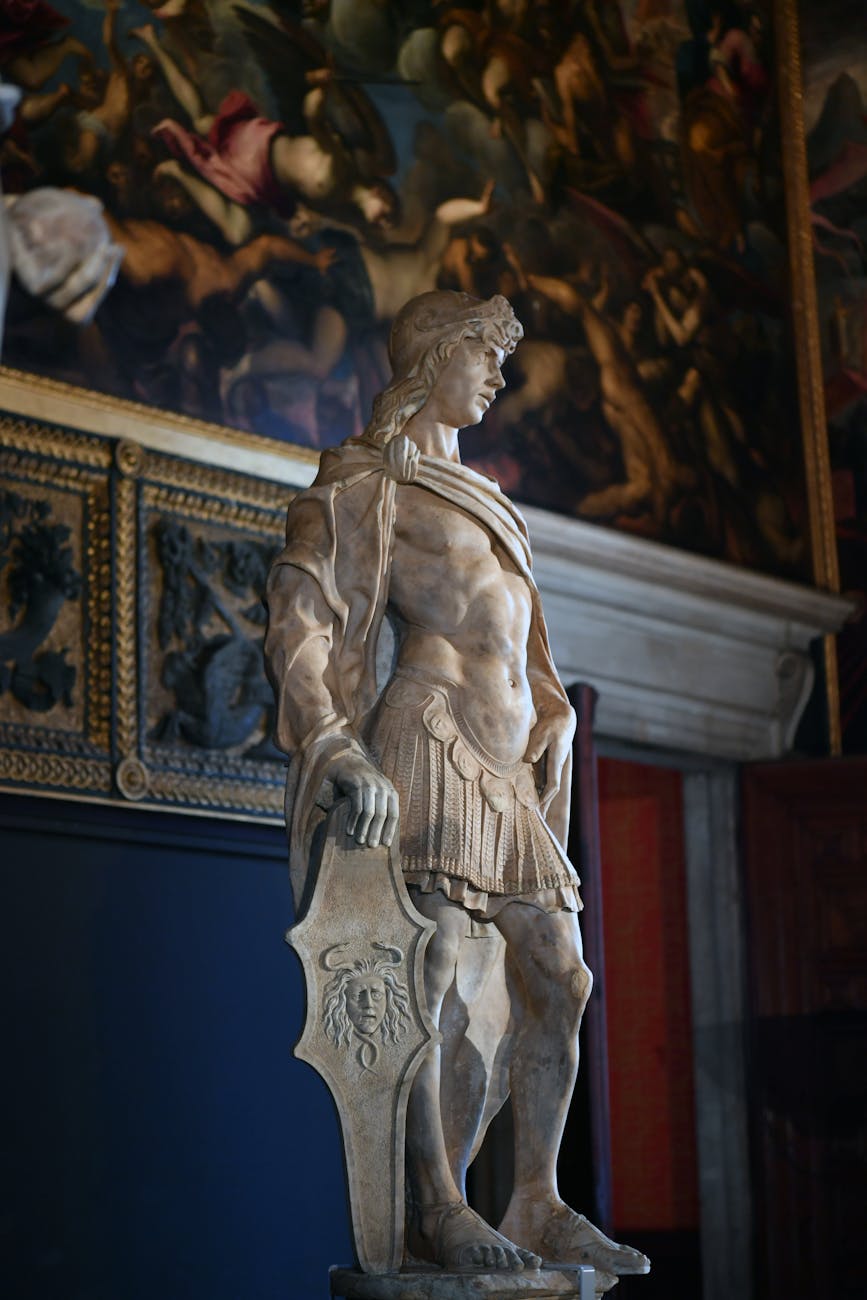
A marble statue of a warrior holding a shield, set against a richly decorated backdrop featuring historical paintings.
A striking statue of a warrior, adorned with intricate details, set against a backdrop of dramatic artwork in a historic Venetian building.

Venice: Peggy Guggenheim Collection Private Tour with Tickets

Venice Travel Toolkit

💰 Saving Money:

  • Eat & Drink Like a Local: Cicchetti and ombre are your best friends. A lunch of a few cicchetti and a glass of wine will cost a fraction of a sit-down restaurant meal.
  • Water: Bring a reusable bottle. Venice has free, clean drinking water flowing from nasoni (big nose) fountains all over the city.
  • Skip the Gondola for a Traghetto: A gondola is a splurge. For just €2, you can ride a traghetto—a local gondola ferry that crosses the Grand Canal at various points. It’s a functional and fun taste of the gondola experience.

🌐 Staying Connected & Secure:
✈️ Travel Tip: Staying connected abroad used to be my nightmare. I’d either pay insane roaming fees or spend an hour at an airport SIM counter. Not anymore. I never travel without my Drimsim—a universal SIM that works in 190+ countries. Pop it in, top up via the app, and you’re online. No contracts, no hidden fees. It’s genuinely liberating.

I also always have my NordVPN active on my phone and laptop, especially when using public WiFi in airports and cafes. It keeps my personal data safe from prying eyes.

✈️ Travel Insurance:
✈️ Smart Travel Tip: I never, ever travel without insurance. A missed flight, a stolen bag, or a unexpected doctor’s visit can ruin a trip financially. I use VisitorsCoverage to compare plans and find the right coverage for every trip. It’s peace of mind in your pocket.


Navigating Like a Local: The Vaporetto

Forget cars. Forget Uber. In Venice, you walk or you take a boat.

  • The Vaporetto: This is the public water bus. It’s the best way to cover long distances (e.g., from the train station to San Marco, or to Murano).
  • The Ticket: A single ride is expensive (€9.50!). If you’re there for a weekend, BUY A TRAVEL CARD. The 72-hour card (€45) is perfect and will pay for itself after about 5 rides. Validate it before your first ride by tapping it on the electronic readers at the dock.
  • The Routes: Line 1 is the “tourist” line that goes slowly down the Grand Canal—great for sightseeing. Line 2 is the express version. ActV is the official app for routes and schedules.
  • Traghetto: As mentioned, these are cheap gondola ferries that cross the Grand Canal. They are a fantastic and authentic time-saver.

Speak a Little Venetian

While most people speak English, a little Italian goes a long way!

  • Ciao (chow): Hello / Goodbye (informal)
  • Buongiorno (bwon-jor-no): Good morning / Good day
  • Grazie (graht-tsee-eh): Thank you
  • Un ombra, per favore (oon ohm-brah, per fa-vor-eh): A small glass of wine, please
  • Quanto costa? (kwan-toh coh-stah): How much does it cost?
  • Dov’è il bagno? (doh-veh eel ban-yo): Where is the bathroom?
  • Scusi: (skoo-zee) Excuse me
  • Un biglietto, per favore: (oon bee-yet-toh, per fah-voh-reh) One ticket, please.

Frequently Asked Questions (FAQ)

Q: What is the best time of year to visit Venice for a weekend?
A: The sweet spots are April-May and September-October. The weather is pleasant, and the crowds are thinner than in the peak summer months. Avoid February if you dislike crowds, as Carnevale brings massive numbers (though it’s an amazing experience!).

Q: Is Venice expensive?
A: It can be, but it doesn’t have to be. By eating cicchetti, using a vaporetto pass, avoiding hotels right on San Marco, and enjoying free activities like wandering and seeing churches, you can manage a budget-friendly trip.

Q: How do I get from Marco Polo Airport (VCE) to the city center?
A: The Alilaguna water bus (blue line) takes you directly to San Marco and takes about 1.5 hours (€15). A water taxi is a direct, glamorous, but expensive (€100-€150) option. The cheaper way is to take the ACTV bus (€10) to Piazzale Roma (the bus terminal in Venice) and then switch to the vaporetto.

Q: What should I do if my flight to Venice is canceled?
A: Don’t panic! Under EU air passenger rights, you could be entitled to significant compensation (up to €600). Instead of fighting the airline yourself, use a service like AirHelp. They handle all the paperwork and legal stuff and only get paid if you win. I’ve used them successfully before—it’s a stress-free way to potentially get a nice chunk of your trip refunded.


Q: Is it easy to find ATMs in Venice?

A: Yes, ATMs (Bancomat) are widely available. Avoid Euronet ATMs as they often have poor exchange rates and high fees. Stick to machines associated with actual Italian banks.

More Travel Inspiration & Backlinks

If you’re considering a longer trip to Italy, be sure to check out my other guides:

Planning a longer Italian adventure? Check out our other ultimate city guides:

Remember, Venice is not just a city—it’s an experience. Go with an open mind, a sense of adventure, and a good pair of walking shoes. Buon viaggio!

Universal Disclaimer/Disclosure Page: