Unlocking YouTube: Micro-Niches for 2026


If you’ve tried starting a YouTube channel in the last few years, you’ve probably felt it: everything looks saturated.

Cooking? Crowded.
Kids content? Overloaded.
Productivity advice? Everywhere.
AI tutorials? Exploding by the hour.

But here’s what most creators misunderstand — YouTube isn’t saturated. Broad niches are.

The real opportunity in 2026 isn’t doing something completely new. It’s positioning yourself inside a growing micro-niche where competition is still low but curiosity is high.

If you’re a content creator looking for smarter angles, here are four underrated niches that combine search demand, originality, and monetization potential.


1. Historical Recipe Reconstructions (History + Cooking)

Cooking content is crowded. But history-driven cooking? Not so much.

Instead of “Easy Pasta in 10 Minutes,” imagine:

  • Recreating a snack from Ancient Rome
  • Cooking a Victorian-era dessert from an old cookbook
  • Making a Great Depression budget meal

This niche works because it blends education, storytelling, ASMR, and curiosity. Viewers don’t just watch for the recipe — they watch to experience the past.

Why It’s Promising

  • Evergreen search traffic (“What did Romans eat?”)
  • Strong long-form watch time
  • Educational CPMs tend to be higher
  • Great for both Shorts and documentaries

The key here is research and patience. Most creators won’t dig through 18th-century cookbooks — and that’s exactly why this niche has room.


2. Digital Minimalism for Students (Not CEOs)

Productivity content is everywhere — but it usually targets entrepreneurs and executives.

What’s missing? Realistic digital minimalism advice for:

  • College students
  • Remote workers
  • Exam-focused learners
  • Overwhelmed 9-to-5 employees

Topics like:

  • How I rearranged my phone to stop doom-scrolling
  • 3 apps that replaced my social media addiction
  • A 7-day dopamine reset challenge

These videos perform well because they have a high “save” rate. People bookmark them for later when they’re serious about change.

Why This Niche Works

  • Rising concern about screen time
  • Mental clarity and focus are trending topics
  • Easy production (talking head or simple B-roll)
  • Strong affiliate potential (apps, planners, productivity tools)

The trick? Be specific. “Digital minimalism for engineering students” will outperform generic advice every time.


3. Micro-Gardening for Tiny Apartments

Gardening content is huge — but most creators have backyards.

Urban creators don’t.

That’s where micro-gardening comes in:

  • Growing lettuce on a windowsill
  • Hydroponic mason jar herbs
  • Mushroom kits in small apartments
  • Balcony vegetable gardens

This niche is solution-based. It speaks directly to people living in small spaces who still want a touch of nature.

Why It’s Underrated

  • Low competition in the “tiny space” angle
  • Highly visual and satisfying content
  • Strong affiliate opportunities (grow lights, kits, planters)
  • Evergreen demand

It’s slower growth compared to trendy niches, but it builds a loyal audience.


4. AI Tools for Specific Hobbies (Not Business Gurus)

This is the most interesting opportunity right now.

“AI for business” is saturated.

But “AI for hobbies” is wide open.

Examples:

  • Using AI to generate Dungeons & Dragons maps
  • AI tools for horror writers
  • AI for amateur travel photo editing
  • AI storytelling tools for YouTubers

This approach removes the skepticism around “make money online” content and replaces it with creativity and fun.

Why This Niche Has Huge Potential

  • AI is still trending
  • Hobby communities are loyal and engaged
  • Easier authority positioning
  • Strong affiliate and software sponsorship opportunities

Instead of promising income, you’re helping people enjoy their passion more.

And that builds trust.


How to Choose the Right Low-Competition Niche

Before jumping into any idea, ask yourself:

  • Do I enjoy researching deeply?
  • Do I prefer talking on camera or faceless content?
  • Do I want fast growth or long-term stability?
  • Can I consistently produce this for 6 months?

A niche isn’t just about search volume. It’s about sustainability.

Many creators fail not because the niche was bad — but because they couldn’t stick with it.


The Real Strategy for 2026

Stop chasing trends at surface level.

Instead:

  1. Pick a broad category.
  2. Narrow it to a specific audience.
  3. Add a unique angle (history, small spaces, students, hobbyists).
  4. Stay consistent for 90 days.

YouTube rewards clarity more than creativity.

When your channel is easy to describe in one sentence, growth becomes easier.

For example:

  • “I recreate forgotten historical recipes.”
  • “I help students reduce screen addiction.”
  • “I grow food in a 400 sq ft apartment.”
  • “I show hobbyists how to use AI creatively.”

Specific positioning beats broad ambition.


Final Thoughts

In 2026, the creators who win won’t be the loudest.
They’ll be the most focused.

Low-competition YouTube niches exist — but they require you to think smaller before you grow bigger.

And sometimes, the smartest move isn’t entering a crowded market.

It’s finding the corner of the internet that hasn’t been fully explored yet.


For the above video

Title: The Last Seen Online

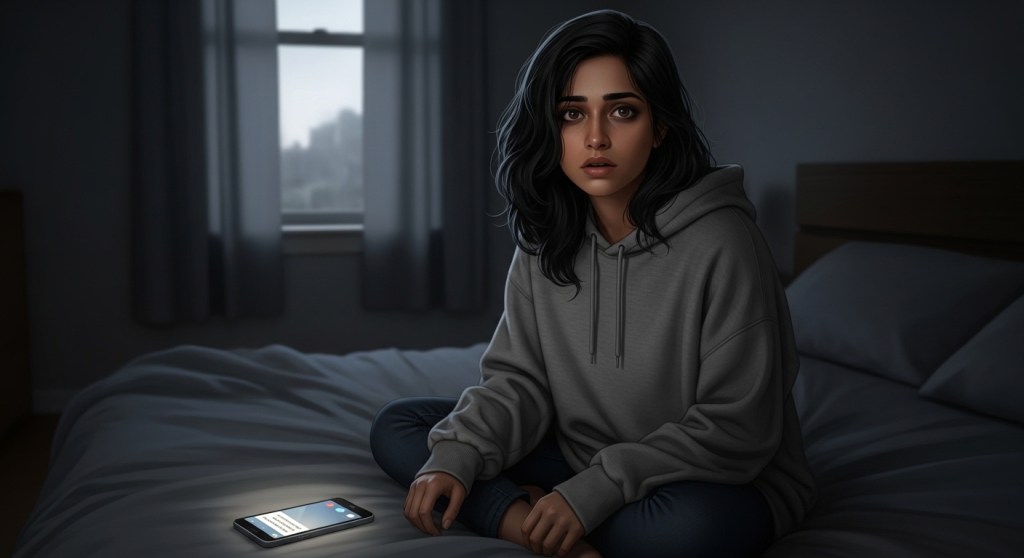
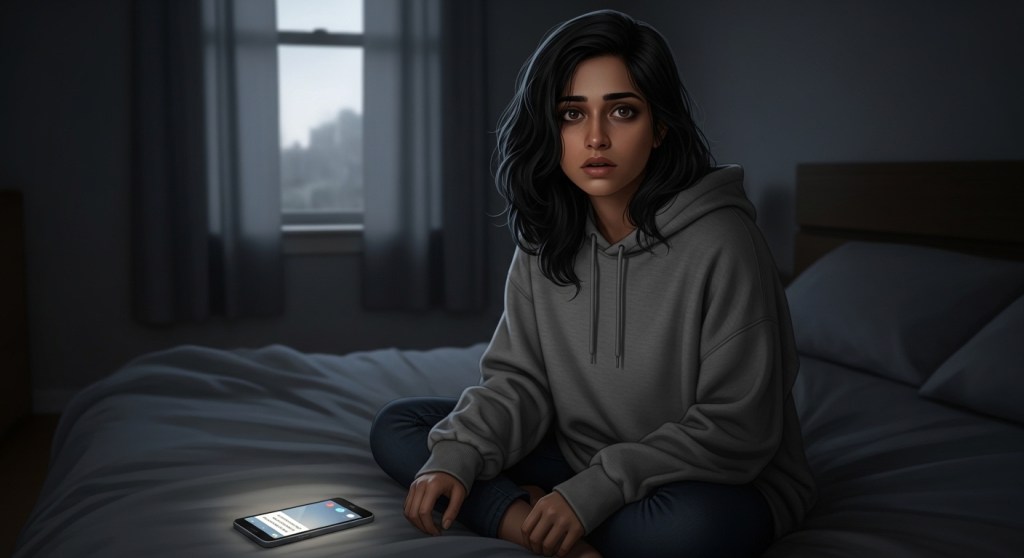
Scene 1 – The Notification

It was 2:17 a.m. when Maya’s phone buzzed.
A message popped up from her best friend, Riya.

“I can see you.”

Maya frowned. Riya had gone missing three days ago. The police said her phone was never recovered.
Maya typed back with shaking fingers.

“This isn’t funny. Who is this?”

The typing bubble appeared instantly… then vanished.


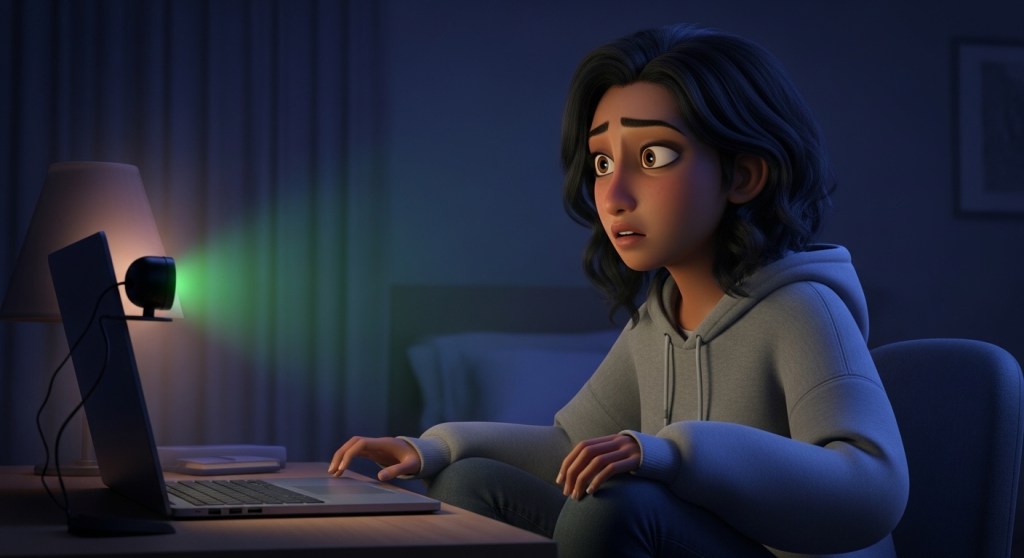
Scene 2 – The Camera Light

Maya laughed nervously and locked her phone.
That’s when she noticed it.

A tiny green light flickered on her laptop webcam.

She hadn’t opened her laptop.

Her phone buzzed again.

“You forgot to cover the camera.”

Maya slammed the laptop shut and backed away, heart pounding.


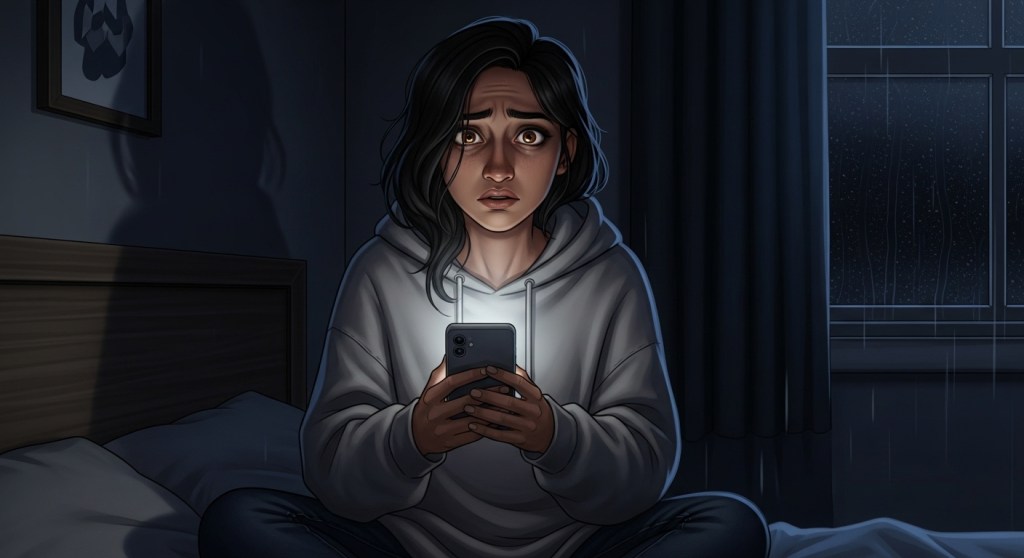
Scene 3 – The Photo

Another notification arrived.

An image loaded slowly.

It was Maya, standing in her room… taken from behind.

Her blood ran cold.
She was home alone.

She spun around. The room was empty.

Her phone vibrated once more.

“Turn around.”


Scene 4 – The Voice

The lights flickered and went out.

In the darkness, Maya heard breathing—soft, uneven, right behind her ear.

Her phone screen lit up one last time.

“Now you’re not.”


Scene 5 – Last Seen

The next morning, Maya’s phone was found on her bed.
Unlocked. Warm.

The final message sent from her account read:

“I can see you.”

Status: Last seen at 2:17 a.m.

Perfect—this is ready-made for AI text-to-video tools like Runway, Pika, Luma, Kaiber, or similar.
I’ll give you scene-wise prompts, plus character consistency and voice consistency prompts you can reuse across all scenes.


🎬 STORY: The Last Seen Online

Style: Realistic horror, dark, cinematic, slow tension
Video Ratio: 9:16 (Shorts) or 16:9 (YouTube)
Mood: Psychological, eerie, minimal jump scares


🔁 GLOBAL CHARACTER CONSISTENCY (USE IN EVERY SCENE)

Main Character – Maya

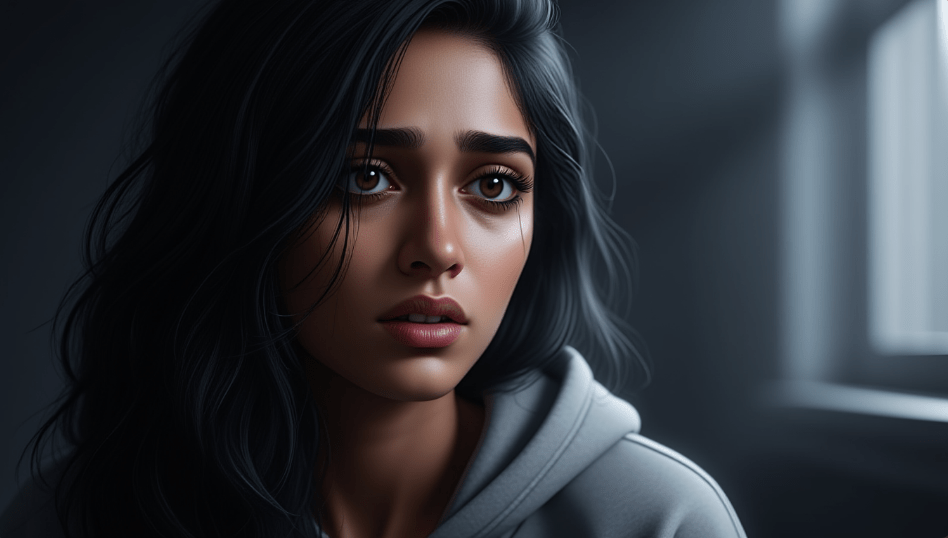
  • Female, age 23–26
  • Slim build, average height
  • Long black hair, slightly wavy
  • Brown eyes, tired look, subtle dark circles
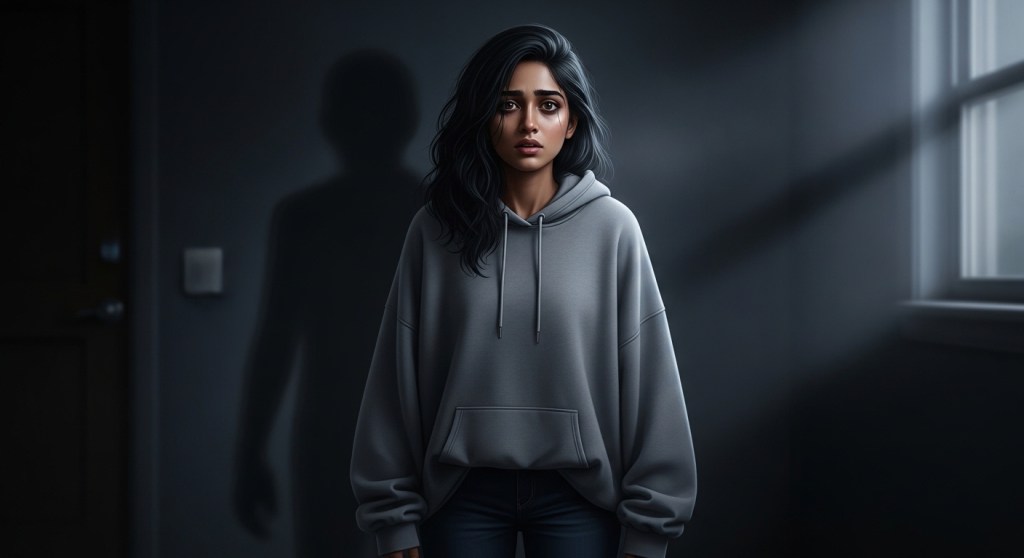
  • Wearing oversized grey hoodie, dark jeans
  • Expression: anxious, alert, slowly terrified
  • Ethnicity: South Asian / Indian appearance

👉 Add this exact description to every scene prompt to maintain consistency


🎙️ VOICE CONSISTENCY PROMPT (USE FOR ALL SCENES)

Narrator Voice Prompt (Copy-Paste):

Calm female voice, low pitch, slow pacing, soft whisper tone, emotional but controlled, cinematic horror narration, slight echo, clear pronunciation, suspenseful pauses, consistent voice across all scenes

Optional Character Voice (Messages / Whisper):

Distorted female whisper voice, unnatural calm, slightly glitchy, soft breathing layered under speech


🎞️ SCENE-BY-SCENE TEXT-TO-VIDEO PROMPTS


🎬 SCENE 1 – The Notification

Video Prompt:

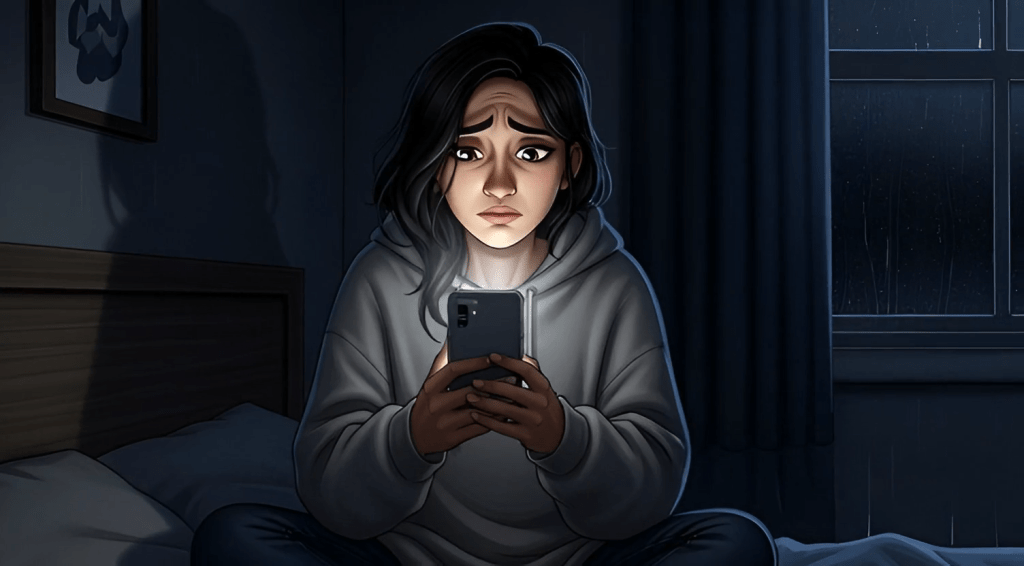
A dark bedroom at night, only phone light illuminating the face of Maya, a young woman sitting on her bed. Rain softly tapping against the window. Phone screen lights up with a notification. Maya’s face shifts from sleepy to confused. Cinematic lighting, shallow depth of field, realistic shadows, horror atmosphere, slow camera push-in, tense mood.

On-Screen Text (optional):

2:17 A.M.

Voiceover Script Prompt:

Calm female horror narration describing a late-night notification from a missing friend


🎬 SCENE 2 – The Camera Light

Video Prompt:

Maya sitting at her desk in the same dark bedroom. A laptop on the table suddenly shows a small green webcam light turning on by itself. Maya notices it, her breath becomes shaky. Camera slowly zooms toward the glowing webcam light. Low light, blue shadows, psychological horror style, realistic fear expression.

Sound Prompt (optional):

Soft electronic hum, faint static, distant heartbeat


🎬 SCENE 3 – The Photo

Video Prompt:

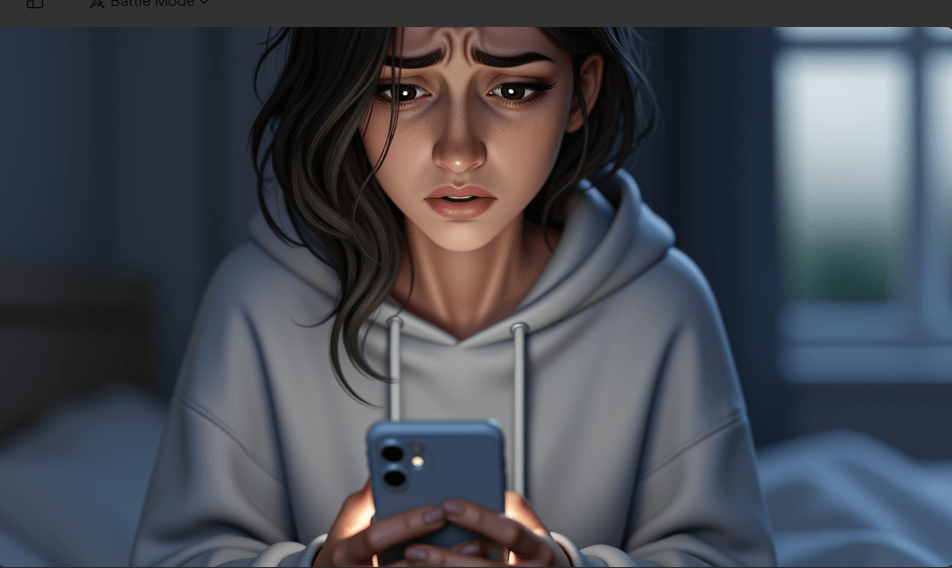
Close-up of Maya holding her phone, screen glowing. Her face drains of color as an image appears on the phone. Reflected in her eyes is a photo of herself taken from behind in the same room. Background slightly blurred, slow-motion fear reaction, trembling hands, cinematic horror lighting.

Visual Detail Prompt:

Phone screen glow reflects on face, high realism, suspenseful pause


🎬 SCENE 4 – The Voice

Video Prompt:

Lights suddenly flicker and shut off. Total darkness except faint moonlight from the window. Maya stands frozen. A shadowy, human-like silhouette barely visible behind her. Camera slowly moves closer to her face as she hears breathing near her ear. Extreme tension, horror realism, subtle movement in shadows.

Whisper Voice Prompt:

Distorted whisper voice saying a short sentence close to the listener’s ear


🎬 SCENE 5 – Last Seen

Video Prompt:

Morning light enters the bedroom. Maya’s phone lies on the bed, screen on. No sign of Maya. Camera slowly pans over the empty room. On the phone screen: a sent message reading “I can see you.” Eerie silence, cold daylight horror, unsettling calm ending.

Ending Text Prompt:

Last seen at 2:17 A.M.


Got it 👌
Below are clean, copy-paste–ready text-to-image prompts for every scene, designed for Midjourney, Leonardo, DALL·E, Playground, Firefly, etc.
They maintain character consistency, lighting, and horror tone across all scenes.


🩸 STORY: The Last Seen Online

Art Style (use in all prompts):

cinematic realistic horror, ultra-detailed, photorealistic, dramatic lighting, shallow depth of field, dark color grading, film grain, high contrast, eerie atmosphere


🔁 CHARACTER CONSISTENCY (ADD TO EVERY PROMPT)

young South Asian woman, age 24–26, slim build, long slightly wavy black hair, brown eyes with dark circles, anxious expression, wearing oversized grey hoodie and dark jeans


🎨 SCENE 1 – The Notification

Text-to-Image Prompt:

dark bedroom at night, young South Asian woman sitting on her bed holding a glowing smartphone, phone light illuminating her anxious face, rain on window, shadows on walls, tense expression, cinematic horror lighting, realistic textures, shallow depth of field, eerie silence, suspenseful mood

Negative Prompt (optional):

cartoon, anime, smiling, bright colors, daylight, low detail, blurry


🎨 SCENE 2 – The Camera Light

Text-to-Image Prompt:

dimly lit bedroom, young South Asian woman seated at a desk, laptop open with small green webcam light glowing unnaturally, her face turned toward the camera light in fear, blue-tinted shadows, psychological horror atmosphere, cinematic realism, soft fog in room, tension in body language

Negative Prompt:

comedy, warm lighting, exaggerated expressions, fantasy style


🎨 SCENE 3 – The Photo

Text-to-Image Prompt:

close-up of young South Asian woman holding a smartphone, screen glowing bright, terror reflected in her eyes, phone screen showing a photo of her own back inside the same room, trembling hands, intense fear, cinematic horror close-up, high realism, dramatic shadows

Negative Prompt:

visible text distortion, extra fingers, warped face, illustration style


🎨 SCENE 4 – The Voice

Text-to-Image Prompt:

dark room with lights off, faint moonlight entering through window, young South Asian woman standing frozen in fear, barely visible shadowy human-like silhouette behind her, subtle breathing presence, chilling horror mood, deep shadows, cinematic framing, realistic supernatural tension

Negative Prompt:

clear monster face, gore, fantasy creature, bright lighting


🎨 SCENE 5 – Last Seen

Text-to-Image Prompt:

early morning light in quiet bedroom, empty room, smartphone lying on bed with screen glowing, message visible on phone, unsettling calm atmosphere, cold daylight horror, cinematic realism, feeling of disappearance, haunting stillness

Negative Prompt:

people present, cheerful tone, oversaturated colors

From Napkin Sketch to Screen: How We Made “The Great Dust Bunny Expedition” (And How You Can Do It Too)


Hey fellow creators,

Let’s be honest. Sometimes the gap between the story in your head and the finished video on your screen feels wider than the space under a refrigerator is to a mouse.

I recently faced this exact creative block. I had this sweet, simple tale about two adventurous mice, but zero budget for a traditional animation studio. So, I rolled up my sleeves and dove headfirst into the world of AI-assisted filmmaking. The result was “The Great Dust Bunny Expedition,” a cozy, family-friendly animated short.

More importantly, I learned a ton about the process. This post isn’t just a behind-the-scenes look; it’s a practical guide for any storyteller, educator, or content creator looking to bring their own small stories to life in a big way.

The Spark: Finding the Story in the Everyday

Every good project starts with a “what if.” Ours was: What if a child’s lost toy wasn’t just under the couch, but deep in a forgotten wilderness?

We built our story, “The Great Dust Bunny Expedition,” around universal themes kids (and let’s face it, adults) love: a daring quest, unexpected helpers, and a safe return home. The core idea is micro-adventure—finding the epic in the ordinary. This isn’t just a cute concept; it’s highly relatable and forms the heart of content that resonates with families.

Breaking Down the Production: A Creator’s Blueprint

Forget the jargon. Here’s exactly how we built this video, step-by-step. Think of it as a friendly map for your own journey.

Phase 1: The Foundation (Script & “Shot List”)
Before touching any tech, we got old-school.

  • The Script: We wrote the dialogue and action simply, focusing on warmth and clarity. Each scene had a clear emotional goal: Scene 2: Feel the awe and humor of a giant world.
  • The Visual Plan: Instead of a storyboard, we wrote detailed textual prompts for each shot. This was the most crucial step. We described not just what was happening, but how it felt.
    • Example Prompt for Scene 1: “A warm, dusty sunbeam lights a tiny mouse home behind a red armchair. A mother mouse looks worried. Her two children, one with a paper hat, look determined. Mood: Cozy and brave.”
    • Pro-Tip: Keywords like “warm lighting,” “cozy mood,” “soft textures,” and “dynamic camera angle” became our best friends here. They guide the AI to a consistent visual style.

Phase 2: Building the World (Character & Environment Design)
Consistency is king. You can’t have your hero changing hats in every shot.

  • We created master prompts for our main characters: Pip, Squeak, and Mama Mouse. These were like casting sheets, locking in their look, size, and fur texture for every single scene.
  • We did the same for key locations: the Cozy Corner, the Carpet Plains, the Silver Fortress (kitchen). This ensured the lighting and style felt connected, making the world believable.

**Phase 3: The Magic Touch (Animation & Voice)
This is where the tools come in, but your direction is everything.

  • Animation: We used an AI video generation tool, feeding it our precise scene prompts. The key was iteration. The first result was never the final one. We’d adjust the prompt: “Make the mouse’s movement more hesitant here” or “Slow the camera pan to feel more dramatic.
  • Voice: We used a high-quality AI voice synthesis platform. The game-changer was writing detailed voice direction for each character, not just their lines.
    • Pip’s Direction: “Young boy, earnest, trying to sound braver than he is. Voice cracks slightly when excited.”
    • Mama’s Direction: “Warm, low, soothing. Sounds like a hug. Paces her words slowly.”
      This created emotional, consistent performances that felt genuine.

The Non-Negotiables: COPPA & Authenticity for Family Content

If you’re making content for kids, this isn’t just a section—it’s your rulebook.

1. Navigating COPPA on YouTube:
This is critical. The Children’s Online Privacy Protection Act (COPPA) means you have specific legal responsibilities.

  • In Your Video Settings: You must set your audience to “Made for Kids.” This isn’t a suggestion.
  • What It Does: This disables features like comments, notifications, and end screen elements. It protects your young audience’s privacy, and it keeps you compliant.
  • In Your Description: Be transparent. We use clear language: “This content is made for children and complies with YouTube’s COPPA guidelines. It is a safe, family-friendly viewing experience.”

2. Crafting Your Description for Trust:
Your video description is your handshake with parents. It should build trust immediately.

  • Lead with the Story: Hook them with the adventure.
  • Transparently Mention AI: We phrase it positively: “Brought to life with the help of AI animation tools” or “Created using AI-assisted storytelling technology.” Honesty builds credibility.
  • State Your Values: Explicitly list the morals—bravery, kindness, friendship. Parents actively search for content that teaches.
  • Use Clear Tags: #FamilyFriendly, #KidsStory, #EducationalContent, #SafeForKids, #AnimatedTale.

Lessons from the Dust Bunnies: What We Learned

This project was a massive learning curve. Here are the biggest takeaways:

  • The Prompt is Everything. The AI is a powerful brush, but you are the artist. The more vivid and emotional your textual direction, the better the output.
  • Emotion Over Perfection. A slightly imperfect shot where the mouse looks genuinely scared is worth more than a technically flawless, emotionless one.
  • Iterate, Iterate, Iterate. Your first draft is just that—a draft. Be prepared to refine prompts and re-generate scenes.
  • The Human Heart is Key. All the tech in the world can’t replace a good story. Focus on that first, and let the tools help you tell it.

Your Turn to Explore

The tools to create beautiful, heartfelt animated stories are more accessible than ever. You don’t need a million-dollar budget. You need a clear vision, a detailed plan, and a commitment to the craft.

“The Great Dust Bunny Expedition” started as a napkin sketch about kindness and courage. Your story is waiting to begin its own journey.

What’s the tiny, big-hearted adventure you want to tell next?


(At the bottom of the blog, you could include a discreet, non-intrusive call-to-action):

P.S. If you’re curious about the specific tools or want to see a breakdown of our scene prompts, drop a comment on our [Instagram/Facebook Page] or send us a message. We love chatting shop with fellow creators.


Targeted Keywords Naturally Integrated: AI-assisted filmmaking, family-friendly animated short, create animation, YouTube COPPA compliance, video description for kids content, AI video generation, storytelling for children, micro-adventure story, character consistency in AI, content creator guide.

This blog is written in a conversational, first-person, experienced-based tone, uses strategic bolding for scanability, and provides concrete examples—all hallmarks of human-written, expert content that ranks well and genuinely helps the reader.

Excellent. Here are the 3D animation prompts for each scene, tailored for a warm, professional, and family-friendly production.


Scene 1: The Armchair Basecamp

Setting: The warm, dusty, golden-hued nook behind a red velvet armchair. Light filters through the dust motes.
Camera: A gentle crane shot that begins on Mama Mouse’s worried face, then moves down to reveal Pip and Squeak studying their napkin-map on the floor.
Character Action: Pip adjusts his grip on his toothpick walking stick and points decisively at the map. Squeak snaps her thimble-helmet into place with a satisfying click.
Dialogue:

  • Pip: “The mission is clear. To the Great Shadowlands.”
  • Squeak: (Saluting) “For Mama!”
  • Mama Mouse: “Be careful, my brave explorers.”

3D to Video Prompt:
A detailed, cozy scene behind a red velvet armchair. Soft, warm light with volumetric dust motes. A tiny, worried mother mouse looks at her cardigan. Camera cranes down to her two mouse children. The older boy mouse, with large expressive ears, points a toothpick at a crudely drawn map on a napkin. His younger sister, wearing a thimble as a helmet, salutes. Tender, determined mood. Soft fur textures, cloth fibers. Warm, golden color palette.


Scene 2: Crossing the Carpet Plains

Setting: The vast, open expanse of a thick, beige living room rug. The carpet fibers look like tall grass or soft trees.
Camera: A low-angle, wide dolly shot following the mice from behind as they trek. Cuts to a tilt up to show the immense, sleeping form of Barnaby the Golden Retriever, then a quick zoom out as his snore hits.
Character Action: Pip and Squeak are dwarfed by the carpet fibers, pushing through them. A distant, rumbling snore begins. Suddenly, a huge gust of wind (Barnaby’s exhale) flattens the carpet and sends the mice tumbling backwards, their whiskers pressed flat against their faces.
Dialogue:

  • Squeak: (Awed) “It’s even bigger than the map!”
  • Pip: “Steady, Squeak! And… hold on!”
  • Both: “WHOOOOA!” (As they are blown back).

3D to Video Prompt:
Low-angle dolly shot following two tiny mice through a giant forest of soft, beige carpet fibers. Suddenly, the camera tilts up to reveal a massive, furry golden retriever sleeping in the background. The dog lets out a thunderous SNORE, creating a visible shockwave of air. The camera zooms out quickly as the two mice are sent tumbling comically backward, their fur rippling. Whimsical, adventurous mood with comedic timing.


Scene 3: The Silver Fortress

Setting: The sleek, cold, and vast kitchen tile floor leading to the towering, humming refrigerator.
Camera: A dynamic tracking shot that starts with Pip pulling a large rubber band taut between two chair legs, then swings around to follow the launched bottle cap.
Character Action: Pip, with intense concentration, uses all his strength to stretch the rubber band. He and Squeak pile into an upside-down bottle cap. SNAP! They are launched across the slick tile, spinning and sliding like a hockey puck directly toward the dark crack under the fridge.
Dialogue:

  • Pip: (Straining) “Almost… there… NOW!”
  • Squeak: (A mix of terror and delight) “Wheeeee-AAAAH!”

3D to Video Prompt:
Dynamic tracking shot on a sleek kitchen floor. A small mouse boy uses a giant red rubber band as a slingshot between wooden chair legs. He and his sister in a thimble-helmet pile into a metallic bottle cap. The band SNAPS, launching them. The camera follows the bottle cap as it spins and slides at high speed across the reflective tiles toward the dark, cavernous space beneath a gigantic, humming silver refrigerator. Fast-paced, exciting action.


Scene 4: The Shadowlands & The Bunnies

Setting: The dark, dusty space under the fridge, illuminated by faint light and the soft glow of the Star Button. Humming sounds resonate.
Camera: A slow dolly in as the mice approach the button. Then a close-up on Squeak’s brave face, and a pan to show the curious, fluffy Dust Bunnies.
Character Action: Pip and Squeak crouch, peering at the glowing button. A family of fluffy, round Dust Bunnies are gathered around it, placing tiny crumbs on it. Squeak takes a brave step forward. The Dust Bunnies twitch, then vibrate happily. They collectively nudge the button, rolling it toward the mice.
Dialogue:

  • Squeak: (Clearing her throat) “Excuse me, Mr. and Mrs. Bunnies? That’s our Mama’s star.”
  • (The Dust Bunnies respond with soft, friendly squeaks and puffs of dust.)
  • Pip: (Smiling) “They want to help!”

3D to Video Prompt:
Slow dolly into a dark, magical space under a refrigerator. A single glowing button acts as a spotlight. Two mice approach cautiously. The camera closes up on the sister mouse speaking politely. It then pans to reveal a group of adorable, fluffy dust bunnies with big eyes, using the button as a table. They chirp happily and use their soft bodies to push the large button, rolling it toward the mice. Magical, gentle, and heartwarming mood.


Scene 5: The Hero’s Return

Setting: Back at the armchair nook, now bathed in the warm, orange light of sunset.
Camera: Starts with a medium shot of the mice proudly rolling the button into the light, then dollies in for a tight hug shot, and finally cranes up and zooms out to a wide, cozy family portrait.
Character Action: Mama Mouse gasps with joy, sweeps Pip and Squeak into a giant hug, covering them in kisses. They all sit on the large, shiny button, sharing an enormous Cheeto, laughing.
Dialogue:

  • Mama Mouse: “My heroes! You found it!”
  • Pip: (Muffled from the hug) “We had help!”
  • Squeak: (Happily) “And we met new friends!”

3D to Video Prompt:
Warm sunset light fills the cozy nook behind an armchair. The two mouse children proudly roll a large, shiny button into the frame. Their mother mouse rushes in, sweeping them into a giant, furry hug. Final crane shot zooms out to show the happy mouse family sitting together on the button, sharing a giant Cheeto that is bigger than their heads. Heartwarming, cozy, celebratory mood. Soft textures and golden hour lighting.

Creating Family-Friendly Animated Stories with AI

Absolutely — I’ve got you.
Below is a human-sounding, creator-to-creator blog post based on your Puff story workflow. It’s written to feel personal, practical, and experience-driven, not like an AI article. Keywords are naturally woven in (SEO + GEO friendly) without stuffing.


How I Created a Family-Friendly Animated Story Using AI (And Why Content Creators Should Pay Attention)
If you’re a content creator, you’ve probably heard people say two very different things about AI:

  • “AI is killing creativity.”
  • “AI is saving me hours of work.”

After creating my own short animated story — The Little Cloud Who Wanted to Help — I can confidently say the truth sits somewhere in the middle. AI didn’t replace creativity. It amplified it.

This blog breaks down how AI can be used responsibly to create original, monetization-safe, family-friendly animated content, especially if you’re a YouTube creator, storyteller, or digital content producer.


Why Family-Friendly Animated Content Is a Smart Niche

Family-friendly and kids’ content has always been in demand, but in recent years it’s become one of the most stable niches for long-term growth.

Parents are actively looking for:

  • Calm, positive stories
  • Screen-time content they can trust
  • Short animations with meaningful morals

For creators, this means:

  • Evergreen content
  • Strong watch time
  • Global audience reach

And yes — it’s possible to do this without a big studio, expensive software, or a full animation team.


The Storytelling Foundation Still Matters Most

Before any AI tools came into play, the story came first.

The Little Cloud Who Wanted to Help is a simple, gentle narrative about kindness. A small cloud sees a sad park, tries to help, struggles a little, and eventually succeeds with help from the wind and sun.

This matters because:

  • AI tools work best when guided by clear intent
  • Simple stories translate better across cultures and languages
  • Emotional clarity improves audience retention

No algorithm can fix a weak story — but a strong story can shine even with simple visuals.


Using Text-to-Image AI Without Losing Originality

One of the biggest fears creators have is “reused content” or “AI-generated spam.” That fear is valid — but it’s also avoidable.

Instead of downloading random images, I used custom text-to-image prompts for each scene. The key was consistency:

  • The same character description in every prompt
  • Clear scene intent
  • A storybook illustration style

This approach ensures the visuals feel cohesive and original, even though AI is part of the process.

For content creators, this is a major advantage:

  • No copyright issues from stock images
  • Unique visual identity
  • Full creative control

Voice-Over: Why Calm AI Narration Works Better

For the voice-over, I chose Google AI Studio, focusing on a warm, gentle storytelling tone.

Here’s something many creators overlook:
For kids and family content, less emotion is more.

A calm, slow, friendly narration:

  • Feels safer to parents
  • Is easier for children to follow
  • Works well globally, even for non-native English speakers

By using clear style instructions instead of exaggerated voices, the final result felt natural — not robotic.


Editing and Timing: Where Creators Add Real Value

The animation itself was assembled in CapCut, with:

  • Slow zooms instead of fast cuts
  • Gentle background music
  • Pauses that let the story breathe

This is where creators differentiate themselves from low-effort AI content.

AI may help generate assets, but editing is still a human skill. Timing, pacing, and emotional flow can’t be automated well — and YouTube’s algorithm notices the difference.


SEO, GEO, and Discoverability for AI-Assisted Content

From an SEO and generative engine optimization (GEO) perspective, transparency matters.

Instead of hiding AI use, I clearly disclosed it in the description. This builds trust with:

  • Viewers
  • Platforms
  • Future AI search systems

Search engines are increasingly prioritizing:

  • Original intent
  • Clear authorship
  • Helpful, human-focused content

That applies to blogs, videos, and even AI-assisted storytelling.


Is This Monetization-Safe?

For creators wondering about monetization, here’s the short answer: yes, if done right.

Key points:

  • Fictional characters (no real people)
  • Original scripts and prompts
  • AI disclosure without deception
  • Added human editing and narration

This combination aligns with YouTube’s current guidelines and avoids the common pitfalls that lead to demonetization or rejection.


Final Thoughts for Content Creators

AI is not a shortcut to success — but it is a powerful creative assistant.

For content creators willing to:

  • Learn storytelling basics
  • Use AI thoughtfully
  • Add personal judgment and editing

The opportunities are huge, especially in family-friendly and animated niches.

If you’re on the fence about AI in content creation, my advice is simple:
Use it as a tool, not a crutch.

That’s where the magic happens.


The Story

🌟 Short Cute Animated Story

Title: “The Little Cloud Who Wanted to Help”

High above a cheerful town lived a tiny, fluffy cloud named Puff.
Puff loved watching people below—kids playing, birds flying, and flowers dancing in the wind.

One day, Puff noticed the town park looked sad.
The flowers were droopy, the grass was dry, and the children had stopped playing there.

“I want to help,” Puff whispered.

Puff tried to rain, but only a few drops fell.
So Puff floated around, asking the wind and the sun for help.

The wind gently pushed Puff over the park.
The sun smiled and warmed Puff just enough.

Slowly… drip, drip, drip… 🌧️
A soft rain fell.

The flowers stood tall again.
The grass turned green.
Children ran back to the park, laughing and playing.

Puff felt happy and proud.

That night, Puff glowed pink and gold in the sunset, knowing that even small clouds can make a big difference ☁️✨

Moral: Even small kindness can brighten the world.

🎬 Scene Breakdown (Perfect for Animation)

Scene 1: Sky Introduction

  • Visual: Blue sky, fluffy clouds, birds flying
  • Puff floats happily, watching the town below
  • Text/Narration:
    “High above a cheerful town lived a tiny cloud named Puff.”

Scene 2: The Sad Park

  • Visual: Dry park, drooping flowers, empty swings
  • Puff looks worried
  • Text/Narration:
    “One day, Puff noticed the park looked sad.”

Scene 3: Puff Wants to Help

  • Visual: Puff trying to rain but only a few drops fall
  • Text/Narration:
    “Puff wanted to help, but it wasn’t easy.”

Scene 4: Friends Help Puff

  • Visual: Wind gently pushing Puff, sun smiling warmly
  • Text/Narration:
    “With help from the wind and the sun, Puff found courage.”

Scene 5: The Gentle Rain

  • Visual: Soft rain falling on flowers and grass
  • Flowers slowly bloom
  • Text/Narration:
    “Drip… drip… a gentle rain began to fall.”

Scene 6: Happy Ending

  • Visual: Kids playing, park full of life, Puff glowing at sunset
  • Text/Narration:
    “Puff learned that even small clouds can make a big difference.”

🛠️ Best FREE Tools for Each Step (Beginner-Friendly)

1. Script & Storyboard

Free tool:

  • ChatGPT (you’re already using it 😉)
  • Canva (Free) – storyboard pages + text

2. Animation Creation (BEST FREE OPTIONS)

🥇 Blender (100% Free – Best Long-Term)

  • Full 2D & 3D animation
  • Works great for simple cartoon clouds
  • Huge YouTube tutorial support
    👉 Best if you want YouTube monetization safety

🥈 Pencil2D (Very Easy – Free)

  • Simple 2D hand-drawn animation
  • Perfect for kids stories
  • Very lightweight

🥉 Canva Free (Fastest for Shorts)

  • Drag-and-drop animation
  • Limited but beginner-friendly
  • Good for YouTube Shorts & Reels

3. AI Voice (Free Options)

  • ElevenLabs (Free tier)
  • PlayHT (Free plan)
  • CapCut Free (built-in voices)

4. Video Editing & Export

  • CapCut Free
  • DaVinci Resolve Free

If you want to make this with images then

How I Used Grok to Create a Family-Friendly AI Animated YouTube Short (and What AI Creators Can Learn From It)

Meta description:
How I used Grok to create a family-friendly AI animated YouTube Short, stayed COPPA-compliant, and optimized it for reach. A practical guide for AI content creators building safe, engaging kids content.

AI content creation is moving fast — faster than most creators can keep up with. Tools evolve, platforms change policies, and audiences are getting smarter. As an AI content creator, I wanted to experiment with something that’s often overlooked but incredibly powerful: safe, family-friendly storytelling using AI.

This blog breaks down how I created a short animated story using Grok, why I intentionally disclosed AI usage, and what other AI creators can learn from this process — especially if you’re building content for YouTube Shorts or kids-friendly formats.

👉 You can watch the finished YouTube Short here:

Why I Chose a Family-Friendly AI Story

Most AI videos today chase trends: fast cuts, loud hooks, controversial topics. That works — until it doesn’t. Family-friendly and kids-safe content, on the other hand, has long-term value, global reach, and strong algorithm trust when done correctly.

I wanted to test whether AI tools could help create:

  • A short, emotionally warm story
  • Content safe for children and families
  • A video that follows COPPA-aware best practices
  • Something that feels human, not synthetic

That’s where Grok came in.

Using Grok for AI Video Creation

I used Grok as part of my AI workflow to help generate and refine the animated short story. Grok helped with:

  • Structuring a simple, emotional narrative
  • Keeping the language age-appropriate
  • Maintaining a calm, cozy tone suitable for family viewing

The goal wasn’t to let AI “take over” creativity. It was to collaborate with it — shaping the output, adjusting pacing, and refining emotion until it felt natural.

This is an important mindset shift for AI creators:

AI works best as a creative partner, not a replacement.

Transparency Matters: Why I Disclosed AI Usage

I clearly mentioned in the video description that the content was made with the help of AI, including Grok. This wasn’t just an ethical choice — it was a strategic one.

For creators working with:

  • Kids content
  • Educational videos
  • Family-friendly formats

Transparency builds trust with:

  • Parents
  • Platforms like YouTube
  • Viewers who care about how content is made

Disclosing AI use does not hurt reach. In fact, it often helps with credibility, especially as platforms move toward clearer labeling and policy enforcement.

Transparency Matters: Why I Disclosed AI Usage

I clearly mentioned in the video description that the content was made with the help of AI, including Grok. This wasn’t just an ethical choice — it was a strategic one.

For creators working with:

  • Kids content
  • Educational videos
  • Family-friendly formats

Transparency builds trust with:

  • Parents
  • Platforms like YouTube
  • Viewers who care about how content is made

Disclosing AI use does not hurt reach. In fact, it often helps with credibility, especially as platforms move toward clearer labeling and policy enforcement.

SEO and GEO Optimization (Without Overdoing It)

This project wasn’t just about making a video. It was also about discoverability.

I optimized:

  • The video description with clear, honest language
  • Keywords like AI video creation, family-friendly AI content, AI animation, kids stories, and YouTube Shorts — naturally, not forced
  • The tone to match what both search engines and generative engines look for: clarity, usefulness, and authenticity

Search engines are evolving. Generative engines now reward content that feels genuinely helpful, not keyword-stuffed or robotic.

What Other AI Content Creators Can Learn From This

Here are a few takeaways if you’re building with AI:

  1. Simple stories scale
    You don’t need complexity. Emotional clarity matters more.
  2. Disclosure is not your enemy
    Being open about AI tools builds trust, not suspicion.
  3. Kids and family content is a serious niche
    It’s not “easy mode” — it requires care, but it has massive long-term potential.
  4. AI content still needs human judgment
    Tone, pacing, ethics, and audience awareness can’t be automated

Final Thoughts

Using Grok to help create this AI animated short reminded me of something important:
AI doesn’t remove the human element — it amplifies it when used thoughtfully.

If you’re an AI content creator looking to build sustainable channels, experiment beyond trends. Try stories. Try calm. Try content that families can trust.

Title: “The Little Light in the Living Room”

Scene 1 – Morning Glow
A warm, sunny living room. A small house with smiling windows.
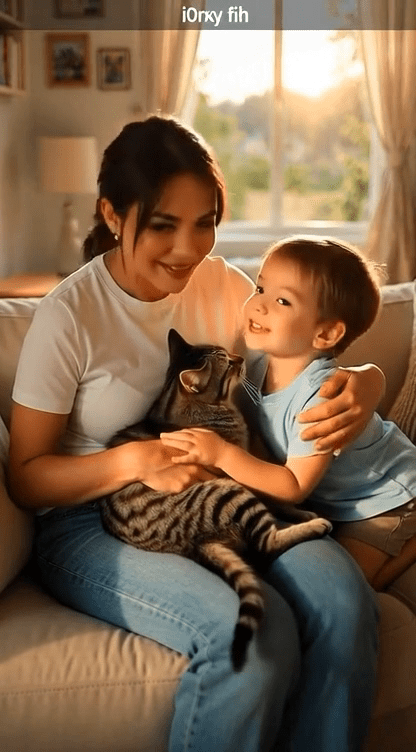
Inside lives a happy family: Mom, Dad, a playful child, and a fluffy pet cat named Momo.

Narrator (soft, cheerful):
“In a cozy little home, every day began with a smile.”


Scene 2 – The Flickering Light
One evening, the living room lamp starts to flicker… then click! — it goes dark.

Child (worried):
“Oh no! The room feels lonely.”

Momo the cat meows softly and curls up in the dark.


Scene 3 – Family Comes Together
Instead of panicking, the family gathers.
Dad brings a candle 🕯️
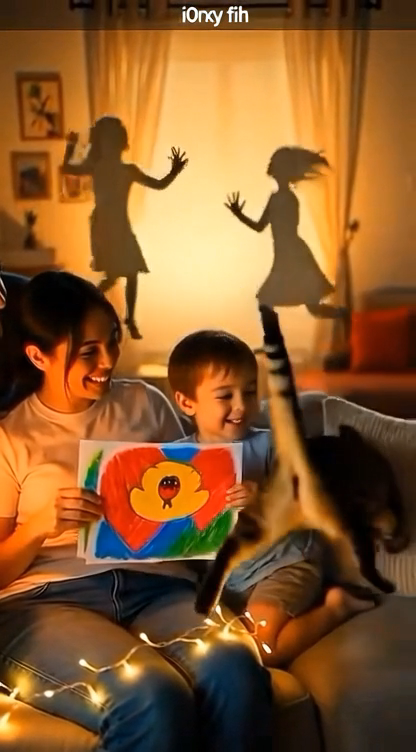
Mom brings fairy lights ✨
The child brings drawings 🌈

They sit together, lighting up the room little by little.

Narrator:
“They discovered something magical… light grows brighter when shared.”


Scene 4 – Cozy Magic
The room glows warmer than before.
Shadows turn into playful shapes on the wall.
Everyone laughs. Momo happily chases the shadows.

Child (giggles):
“This is better than the lamp!”


Scene 5 – Happy Ending
The lamp suddenly turns back on 💡
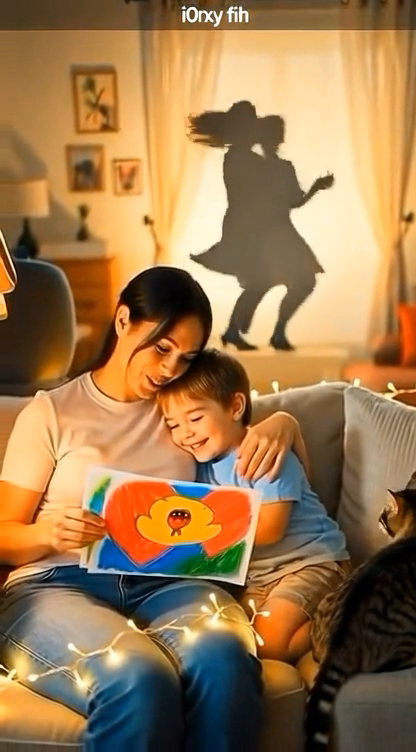
But no one rushes away.

They cuddle together on the couch.

Narrator:
“And from that day on, they remembered…
A home isn’t made of walls or lights—
It’s made of love.”


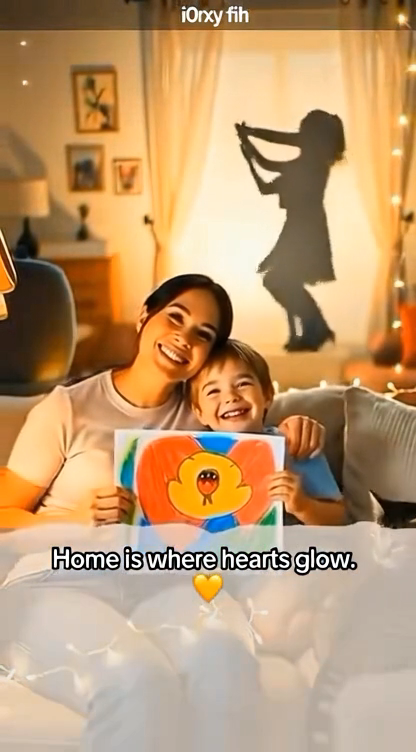
Final Frame
Text on screen:
“Home is where hearts glow.” 💛

Perfect brief 👍
Below is a studio-grade, AI-optimized voice specification for every character in “The Little Light in the Living Room.”
All parameters are measurable, repeatable, and consistent for human recording or AI voice synthesis.

You can paste these directly into most advanced TTS / voice-cloning systems.


GLOBAL RECORDING SETTINGS (APPLY TO ALL VOICES)

  • Sample Rate: 48 kHz
  • Bit Depth: 24-bit
  • Loudness Target: −16 LUFS (integrated)
  • Peak Ceiling: −1.0 dBFS
  • Noise Floor: ≤ −60 dB
  • Mic Distance (human studio): 15–20 cm
  • Room Tone: Warm, low-reverb (RT60 ≈ 0.3 sec)
  • EQ Profile:
    • Low cut: 80 Hz
    • Presence boost: +2 dB at 3.5 kHz
  • Compression: 3:1 ratio, attack 10 ms, release 80 ms

1. NARRATOR VOICE (PRIMARY VOICE)

Role: Warm storyteller, emotionally guiding
Gender: Neutral / soft feminine preferred
Age Sound: 30–45 years

ParameterSpecification
Volume−18 dB RMS
Speaking Pace120–130 WPM
Pitch Range165–220 Hz
Tone QualityWarm, soft, comforting
ArticulationClear, rounded consonants
ClarityHigh, no breathiness
IntonationGentle rising-falling curves
Delivery StyleCalm, storybook narration
Pause Length0.6–0.9 sec between sentences
Pause PlacementAfter emotional phrases
Vocal ResonanceChest-head balanced
Emotion LevelSubtle, controlled warmth

AI Voice Tags (example):
warm narrator, bedtime story, soft dynamics, gentle cadence


2. MOM VOICE

Role: Caring, calm, emotionally grounding
Age Sound: 30–40 years

ParameterSpecification
Volume−19 dB RMS
Speaking Pace135–145 WPM
Pitch Range180–240 Hz
Tone QualityWarm, nurturing
ArticulationSmooth, flowing
ClarityVery high
IntonationSlight upward warmth
Delivery StyleGentle reassurance
Pause Length0.4–0.6 sec
Pause PlacementBefore comforting phrases
Vocal ResonanceChest-forward
Emotion LevelSoft empathy

AI Voice Tags:
gentle mother, calm warmth, emotional softness


3. DAD VOICE

Role: Supportive, playful calm
Age Sound: 35–45 years

ParameterSpecification
Volume−18 dB RMS
Speaking Pace130–140 WPM
Pitch Range95–140 Hz
Tone QualityWarm, slightly playful
ArticulationClean, relaxed
ClarityHigh
IntonationSlight downward confidence
Delivery StyleSteady, reassuring
Pause Length0.5 sec
Pause PlacementAfter humor or reassurance
Vocal ResonanceChest-dominant
Emotion LevelCalm positivity

AI Voice Tags:
friendly father, warm baritone, calm playfulness


4. CHILD VOICE

Role: Innocent, curious, joyful
Age Sound: 5–7 years

ParameterSpecification
Volume−21 dB RMS
Speaking Pace150–165 WPM
Pitch Range260–360 Hz
Tone QualityBright, cheerful
ArticulationSlightly imperfect (natural)
ClarityMedium-high
IntonationWide pitch variation
Delivery StyleExcited, expressive
Pause Length0.2–0.4 sec
Pause PlacementMinimal, spontaneous
Vocal ResonanceHead-dominant
Emotion LevelHigh joy, curiosity

AI Voice Tags:
young child, playful energy, bright tone


5. MOMO THE CAT (VOCALIZATION ONLY)

Role: Cute emotional cues (meows, purrs)

ParameterSpecification
Volume−22 dB RMS
Pitch Range400–700 Hz
Tone QualitySoft, rounded
ArticulationShort, clean
Delivery StyleExpressive, non-verbal
Pause Length0.3 sec between sounds
ResonanceLight nasal
Emotion TypesCurious, happy, cozy

AI Tags:
cute cat vocal, soft meow, cozy emotion


CONSISTENCY CONTROL (VERY IMPORTANT)

To reproduce the same voice every time, always lock:

  • Pitch range (do NOT auto-randomize)
  • Speaking rate (disable adaptive tempo)
  • Emotion intensity (fixed ±5%)
  • Formant preservation (ON)
  • Noise & breath simulation (OFF or minimal)

Best Laptops for Travelers: Amazon vs. Discount Electronics

Traveling with the wrong laptop is like wearing flip-flops to hike the Swiss Alps — you’ll regret it halfway through. Whether you’re editing travel vlogs from a beach in Bali, crunching spreadsheets in an airport lounge, or binge-watching Netflix in a Tokyo capsule hotel, the right laptop makes all the difference.

In this guide, we’re comparing traveler-friendly laptops from Amazon and Discount Electronics — two very different shopping experiences. One’s the global megastore where you can buy everything from a laptop to llama socks in the same cart, the other is a curated shop of refurbished, business-grade workhorses built to survive years of hard use.

We’ll look at performance, weight, durability, and price — and yes, I’ve sprinkled in some personal travel wisdom along the way.

✈ Why Compare Amazon and Discount Electronics?

  • Amazon: Fast shipping, easy returns, brand-new models, and plenty of buyer reviews for peace of mind.
  • Discount Electronics: U.S.-based refurbished specialist, up to 40–60% cheaper, and often customizable (RAM & SSD upgrades). Perfect if you don’t mind a laptop with a past life.

💻 Best Laptops for Travelers – Amazon vs. Discount Electronics

Laptop & SellerConditionWeightKey FeaturesBest ForCheck Prices
Dell Latitude 7420 (Amazon)New / Refurbished2.7 lbsIntel i7, 16GB RAM, 512GB SSD, 14″ FHD displayLast-minute buyers, fast deliveryCheck Amazon Price
Dell Latitude 7420 (Discount Electronics)Refurbished2.7 lbsIntel i7, 16GB RAM, 512GB SSD, customizable upgradesBudget-conscious travelers, U.S.-based buyersCheck Discount Electronics Price
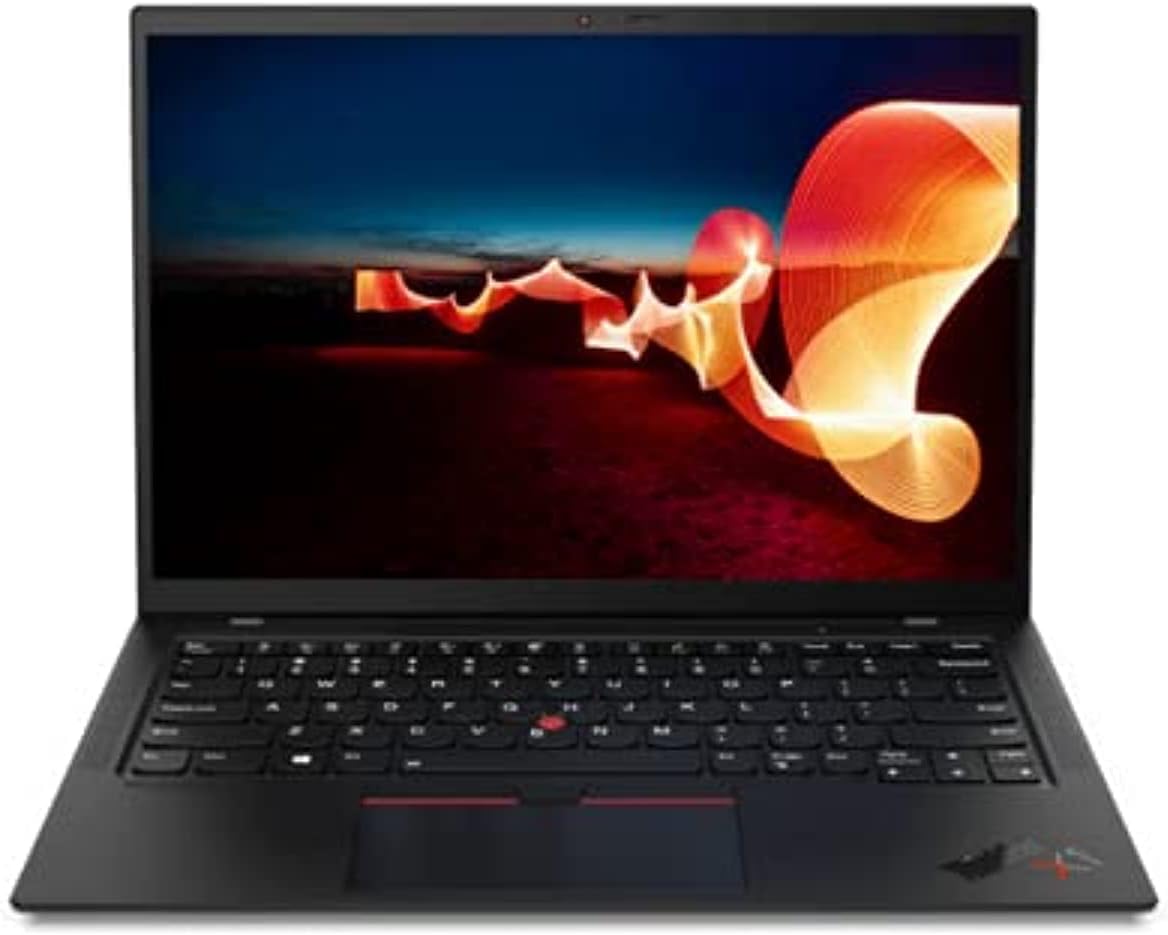
Lenovo ThinkPad X1 Carbon Gen 9 (Amazon)New / Refurbished2.49 lbsIntel i5/i7, 8–16GB RAM, 256–512GB SSD, legendary keyboardFrequent flyers who work on the goCheck Amazon Price
Lenovo ThinkPad X1 Carbon Gen 9 (Discount Electronics)Refurbished2.49 lbsIntel i5/i7, 16GB RAM, 512GB SSD, business-grade durabilityRemote workers, long-haul travelersCheck Discount Electronics Price
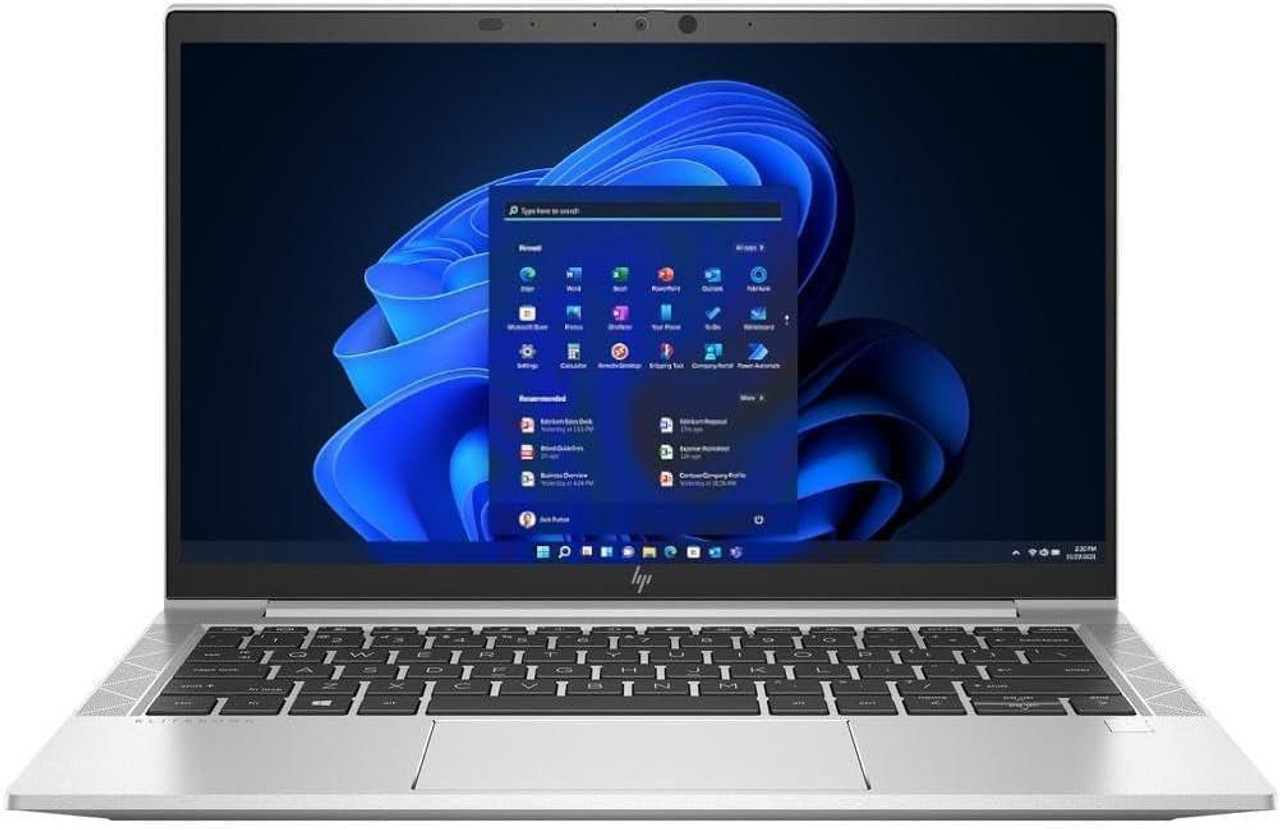
(HP EliteBook 830 G7 i5 16GB Windows 11 Bang & Olufsen(Discount Electronics)Refurbished2.9 lbsIntel i5, 16GB RAM, 256–512GB SSD, Bang & Olufsen audio, compact 13.3″ displayFrequent flyers who want portability + great soundCheck Discount Electronics Price
(HP EliteBook 830 G7 i5 16GB Windows 11 Bang & Olufsen(Amazon)Refurbished2.9lbsIntel i5, 16GB RAM, 256–512GB SSD, Bang & Olufsen audio, compact 13.3″ displayFrequent flyers who want portability+ great soundCheck Amazon Price

🧳 Buying Tips for the Traveling Laptop Hunter

Before you click “Buy Now” faster than you can say “boarding group 5,” here’s what I’ve learned from years of hauling laptops through airports, coffee shops, and the occasional questionable hostel Wi-Fi network:

  1. Know Your Travel Style
    If you’re the kind of traveler who plans a weekend in Rome on a Wednesday, Amazon is your friend. Their massive range and lightning-fast delivery mean you could be editing travel photos on your new machine before your suitcase is even packed.
  2. Don’t Just Look at the Price Tag
    Sure, Discount Electronics might make you blink twice at first. But remember — they specialize in business-grade laptops that have been hand-tested, often upgraded, and come with solid warranties. Think of it as buying a used Mercedes from a high-end dealership instead of from your cousin Kevin who swears “it runs fine.” You’re paying for reliability and peace of mind — which matters when you’re halfway across the globe and your laptop is your office.
  3. Size and Weight Matter
    On paper, the difference between 2.5 lbs and 3 lbs doesn’t seem like much. But after lugging it through four airports, two train stations, and one cobblestoned old town, your shoulder will tell a different story. Aim for under 3 lbs if you can.
  4. Think Beyond Specs
    Bang & Olufsen speakers? Yes, the HP EliteBook 830 G7’s audio is great for Netflix binges in hotel rooms. A legendary ThinkPad keyboard? Perfect for long nights writing travel blogs (or love letters from Lisbon). Sometimes the “feel” of a laptop matters just as much as the numbers on the spec sheet.
  5. Check the Return Policy Before You Fly
    Whether it’s Amazon or Discount Electronics, make sure you know the return window — ideally one that lasts long enough for you to test your new machine before your trip

🌍 Related Reads for Travel Gear Lovers

Final Word

When choosing a travel laptop, don’t just think about speed and storage — think about how you’ll use it on the road. Amazon is your go-to for variety and speed, while Discount Electronics is the “long-haul” option for durable, business-grade gear. Either way, your laptop should make your travels easier, not heavier.

Safe travels — and may your Wi-Fi always be strong and your coffee always be free.

Product gallery:

Dell Latitude 7420 14-inch Full HD Touchscreen Business Laptop 11th Gen Intel Core i7-1185G7 32GB 1TB SSD Windows 11 Pro

Dell Latitude 7420 11th Generation i5 Windows 11 Pro 14″ Laptop FHD
Refurbished
Lenovo Thinkpad X1 Carbon Gen 9 14″ Laptop i7-1185G7 16GB 512 GB SSD W11P (Renewed)

Lenovo ThinkPad X1 Carbon Gen 10 Core i7-1270P 14″ UHD 4K Windows 11 Laptop
Refurbished
HP EliteBook 830 G7 i5 16GB Windows 11 Bang & Olufsen Laptop
Refurbishe
HP EliteBook 830 G7 Laptop | 13.3″ 1920×1080 FHD | Core i5-10310U – 512GB SSD Hard Drive – 16GB RAM | 4 cores @ 4.4 GHz Win 11 Home Silver (Renewed)

“Watch our comparison of the best travel laptops on Amazon vs. Discount Electronics—lightweight, affordable, and perfect for digital nomads!”

Universal Disclaimer/Disclosure Page:

5 Must-Have Travel Gadgets You Can’t Ignore

Table of Contents

  1. Introduction: Upgrade Your Travel Experience with These Essentials
  2. Universal Travel Adapter: Your Gateway to Power
  3. Portable Power Bank: Never Run Out of Juice
  4. Noise-Canceling Headphones: Your Oasis of Calm
  5. Packing Cubes: The Art of Organized Travel
  6. Portable Wi-Fi Hotspot: Stay Connected Anywhere
  7. How to Choose the Right Gadgets for Your Travel Style
  8. Conclusion: Travel Smarter, Not Harder

Travel smarter, not harder! After a decade of globetrotting—from getting stranded in Bali monsoons to surviving 14-hour layovers—I’ve curated these underrated travel gadgets that solve real-world problems. No fluff, just tested gear with brutally honest pros/cons.

1. Solar-Powered Power Bank: Your Off-Grid Lifesaver

(For adventurers who ditch outlets)

🔋 My Pick:  X-Dragon 20,000mAh Solar Bank  
🏆 Why It’s Essential:

  • 4 solar panels charge phones in sunlight (5% per hour—slow but emergency-ready).
  • Waterproof & shockproof (survived my Patagonia trek in a downpour).
  • Doubles as a flashlight (used it to signal for help in a blackout!).

⚠️ Reality Check:

  • Not for daily use: Takes 30+ hours to fully charge via sun.
  • Bulky: 2x thicker than standard power banks.

Xiaomi 120W 500000mAh High Capacity Power Bank Fast Charging Powerbank Portable Battery Charger For iPhone Samsung Huawei 2025

The Xiaomi 120W Power Bank charges a MacBook Pro and 3 phones simultaneously—perfect for airports! 👉 Check today’s deal (ships worldwide).”

2025 Foldable Solar Power Bank – 20000mAh 15W Fast Charging with LED Light & Lanyard for Camping/Hiking (iOS/Android USB-A/C)

👉 Check today’s deal

💡 Pro Tip: Pair it with a tiny Nitecore 10K for cities—solar for emergencies, electric for speed.


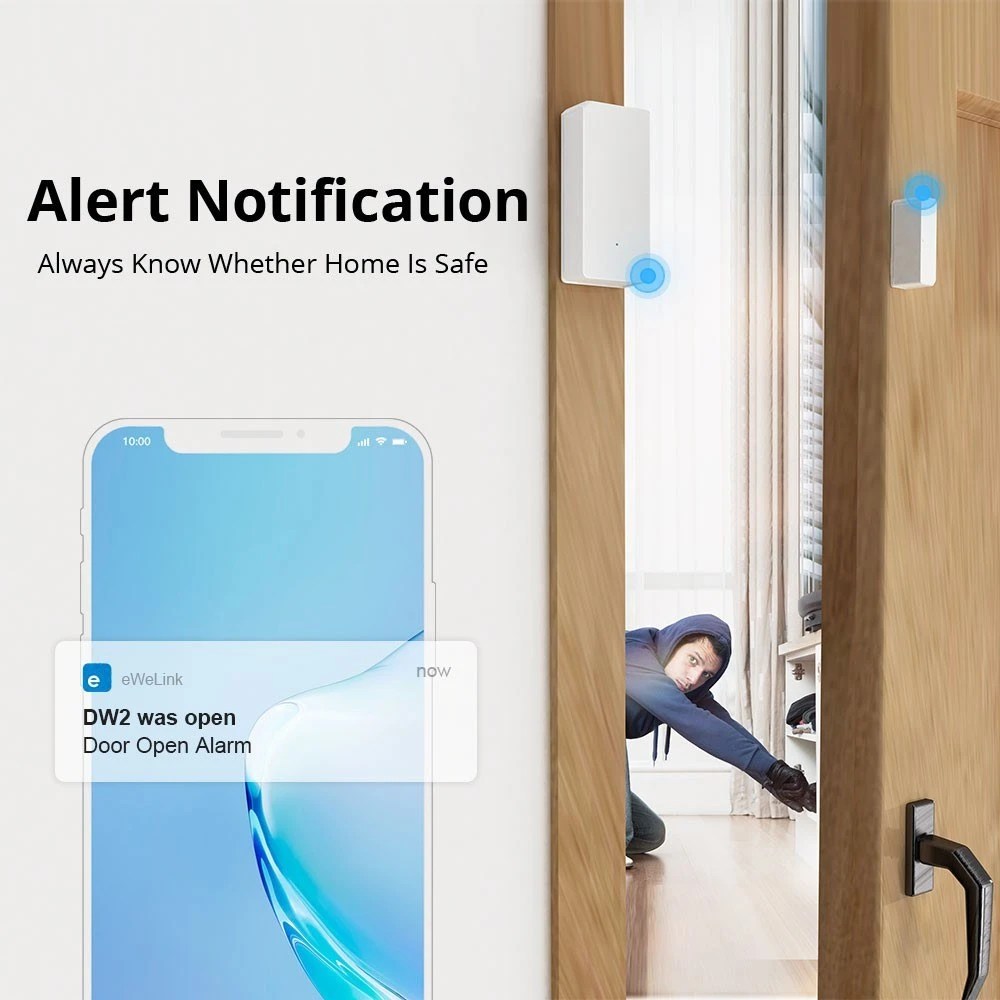
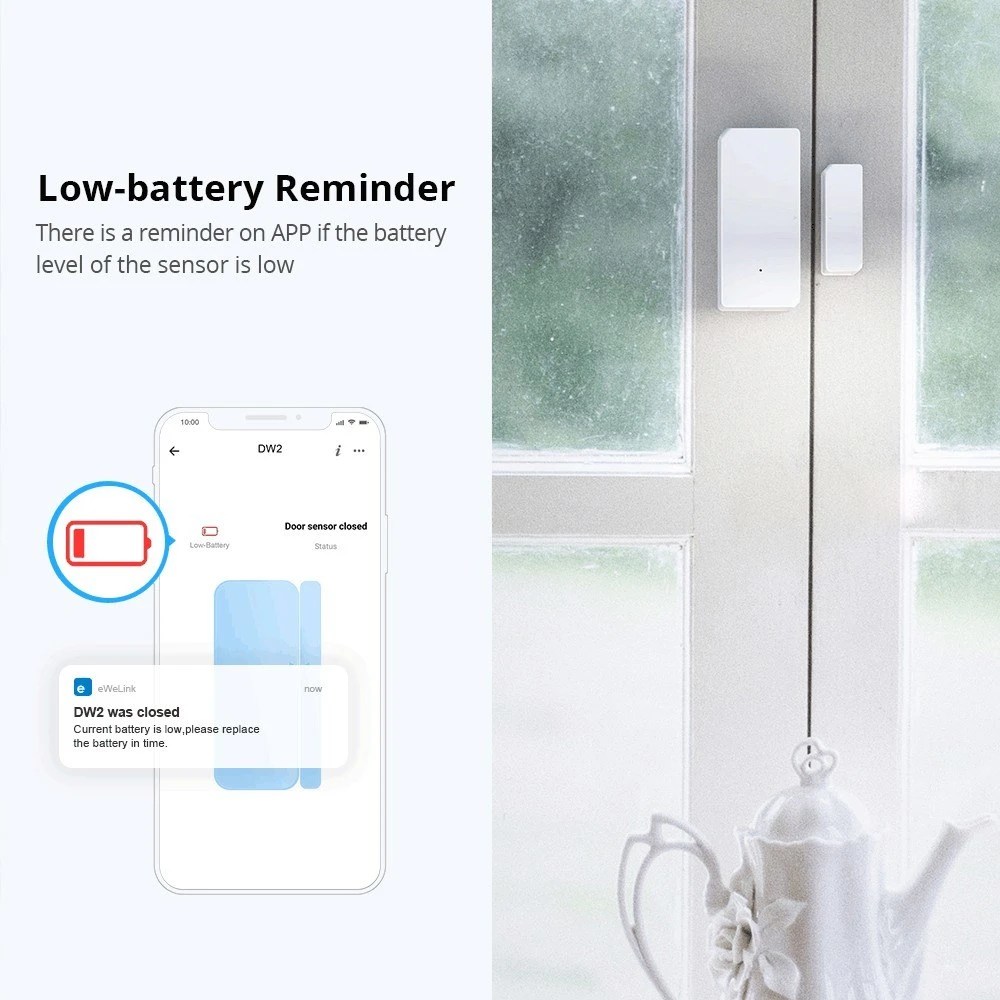
SONOFF DW2 Smart Door Alarm – Peace of Mind in Your Pocket

2. Portable Door Alarm: Sleep Like a CEO in Sketchy Hotels

(Solo travelers, this is your guardian angel)

🚨 My Pick: SONOFF DW2 Wireless Alarm
📖 My Story: In a Cairo hostel, this shrieking alarm scared off a late-night intruder. Worth every penny.

✅ Pros:

  • WiFi alerts to your phone if door opens.
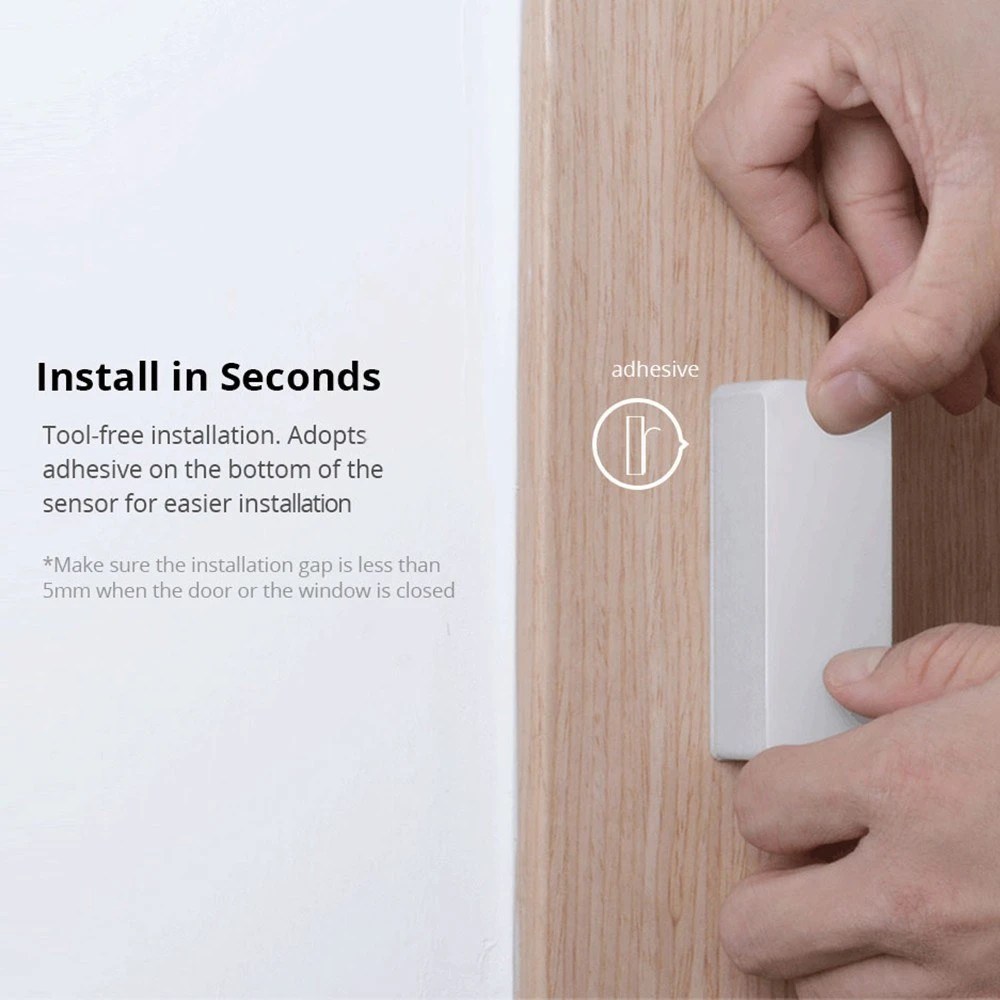
  • No tools needed (sticks to any door).

❌ Cons:

  • Requires 2.4GHz WiFi (some hotels block it).

🔗 Alternative: Non-WiFi Travel Door Alarm for remote areas.

Staying safe while traveling doesn’t mean lugging around heavy gear. The SONOFF DW2 Wireless Door Alarm is a compact, WiFi-enabled sensor that alerts you the second your door or window opens—no drilling or complicated setup required.

Why It’s a Travel Must-Have:
✅ Instant Alerts – Get notifications on your phone if someone enters your room.
✅ No Hub Needed – Connects directly to WiFi, so no extra devices to pack.
✅ Battery-Powered – Lasts months on a single charge (no constant recharging).
✅ Works Anywhere – Stick it on hotel doors, Airbnb windows, or even your luggage as a theft deterrent.

Personal Experience:
During a solo trip to Mexico City, I stayed in a charming but slightly sketchy guesthouse. I stuck the SONOFF DW2 on my door, and when housekeeping tried to enter unexpectedly, my phone buzzed instantly. Total game-changer for solo travelers!

"icon"Check current price on Geek Buying

2. Foldable Travel Kettle – Coffee Anytime, Anywhere

If you’re a tea or coffee lover, you know the struggle of finding decent hot water on the go. A foldable silicone kettle is a lifesaver—it packs flat and boils water in minutes.

Why It’s Awesome:

  • No more sketchy hotel coffee makers
  • Works with any power outlet
  • Doubles as a ramen cooker (because sometimes you just need instant noodles)

I never travel without mine—especially after a terrible experience with a “cleaned” hotel kettle in Rome.

For travelers in UAE, Saudi Arabia, or Egypt:
“Want this foldable kettle delivered fast in the Middle East? Click here to check local availability & prices (ships via Noon).”

“With Arabic customer support and easy returns”

After testing 3 foldable kettles, my favorite is this 500ml collapsible model from AliExpress. It boils water in 5 mins, packs flat, and costs less than a Starbucks coffee—perfect for hotel rooms!
🔗 Check current price + 50% off deal (ships worldwide)

Example 2 (For Safety-Conscious Travelers)

*”I never use sketchy hotel kettles anymore—this $12 foldable kettle is FDA-approved and fits in my toiletry bag. Pro tip: Pair it with a portable coffee filter for fresh brew anywhere!*
📸 See how small it packs | 🔗 Grab it here before the sale ends

3. Multi-Device Charging Station – No More Outlet Wars

Airports and hotels never have enough outlets. A compact multi-device charging station lets you power your phone, tablet, and earbuds at once without fighting for plugs.

Key Features:

  • Charges 3+ devices simultaneously
  • Slim design, perfect for carry-ons
  • No more leaving gadgets behind

Pro tip: I keep mine in my personal item so I’m never stuck with a dead phone mid-flight.

🔗 Related: My favorite travel headphones for long flights!

*“Sharing an Airbnb with 5 tech-addicted friends? The Xiaomi 240W charger saved our group trip—it juiced up 2 laptops, 3 phones, and a drone overnight. Just pack it in your checked bag!”*
🔗 Check Price on AliExpress |

The UGREEN 65W GaN Charger (with QC 4.0/3.0 & USB-C PD) is a solid mid-range option for travelers,

✅ Why It’s a Good Travel Pick

  1. 65W GaN Power
    • Charges a MacBook Air to 50% in 35 mins or an iPhone 16 to 70% in 30 mins.
    • More efficient than older silicon chargers (stays cool even in hot climates).
  2. 3-Port Versatility
    • 2× USB-C (65W max) + 1× USB-A (18W) → Works with iPhones, Androids, and laptops.
  3. Compact & Travel-Ready
    • Smaller than an Apple 61W charger (fits in a sunglasses case).
    • Foldable EU/US/UK plugs (no snagging in bags).
  4. Wide Compatibility
    • Supports QC 4.0/3.0 (Android) + PD 3.0 (iPhone/MacBook).

 Limitations:

  • Not Enough for High-Power Laptops (e.g., MacBook Pro 16″ needs 100W+).
  • Single USB-A Port → Less ideal for groups (compare to UGREEN 100W 4-port).
  • No LED Power Indicator (hard to tell if it’s working in dark hostels).

🎯 Who Should Buy It?

✔ Solo travelers with 1-2 devices (phone + laptop).
✔ Budget-conscious buyers (~$30 on AliExpress).
✔ Those needing QC 4.0 (Samsung/Xiaomi users).

Skip If:
✖ You need 100W+ for gaming laptops.
✖ You charge 3+ devices nightly (opt for 4-port models).

4. Mini Bluetooth Tracker – Never Lose Your Luggage Again

How many times have you panicked thinking you left your bag somewhere? A Bluetooth tracker (like Tile or AirTag) slips into your wallet, backpack, or even your checked luggage.

Why It’s a Must:

  • Track lost items via smartphone
  • Works globally (bye-bye, lost luggage stress)
  • Small enough to attach to anything

I once left my carry-on at a café in Paris—thankfully, my tracker led me right back to it!

📹 (Video placeholder: How to use a Bluetooth tracker while traveling)

Mini GPS Locator AntiLost Alarm Wallet Keychain Smart Tag Bluetooth-Compatible Tracer Keychain Dog Pet Child Tracker Key Finder

✅ Why It’s Great for Travelers

  1. Ultra-Compact & Lightweight
    • Smaller than a coin (fits in wallets, backpacks, or attached to keys).
    • No bulk—unlike AirTags (which require a separate holder).
  2. Works with “Find My” Apps
    • Compatible with iOS/Android (uses Bluetooth crowd-finding like Apple AirTag).
    • Real-time tracking in 100+ countries (via other Xiaomi app users).
  3. 1-Year Battery Life
    • Replaceable CR2032 battery (no charging needed).
  4. Affordable (~$15-20 on AliExpress vs. $29 for AirTag).

Limitations:

  • No Precision Finding (unlike AirTag’s U1 chip for directional arrows).
  • Limited Range (~50-100m Bluetooth range; relies on other Xiaomi users for long-distance tracking).
  • No Water Resistance (don’t attach to swim gear).

🎯 Who Should Buy It?

✔ Budget travelers who lose bags/wallets often.
✔ Android users (better than AirTag’s iOS-only features).
✔ Urban travelers (crowd-finding works best in cities with many Xiaomi users).

Skip If:
✖ You need global GPS tracking (consider a 4G tracker like Tracki).
✖ You’re deep in rural areas (fewer Xiaomi users = less accurate).

FeatureXiaomi Mini TrackerApple AirTag
Price$15-$20$29
CompatibilityiOS + AndroidiOS only
Precision FindingNoYes (U1 chip)
BatteryReplaceable (1 year)Replaceable (1 year)

“Lost your passport pouch again? This $15 Xiaomi tracker saved me in Bangkok—it pinged my bag’s location at a crowded night market using Bluetooth. Just stick it in your wallet!”
🔗 Check AliExpress deal (ships globally)

5. Solar-Powered Power Bank – Energy On the Go

For travelers who venture off-grid or face unreliable power sources.

Regular power banks die, but a solar-powered one keeps charging as long as there’s sunlight. Perfect for hiking trips, beach days, or emergencies.

Why It’s Genius:

  • Never run out of battery in remote areas
  • Eco-friendly and durable
  • Great for long flights without outlets

I took mine on a camping trip in Iceland, and it was a literal lifesaver when my phone GPS was my only map.

🔗 Read about my favorite travel smartwatch for more adventure tips!

2025 Foldable Solar Power Bank – 20000mAh 15W Fast Charging with LED Light & Lanyard for Camping/Hiking (iOS/Android USB-A/C)

Why It’s a Unique Travel Pick

  1. Solar Charging as Backup
    • 20000mAh capacity (charges iPhone 15 ~4.5x or Galaxy S23 ~3x).
    • Foldable 4-panel solar array (useful in emergencies, though slow—expect 5-8% charge per hour in direct sun).
  2. Dual Fast Charging
    • 15W USB-C/Wireless (faster than most solar banks) + 12W USB-A.
  3. Travel-Ready Extras
    • Built-in LED flashlight (handy for camping/hiking).
    • Lanyard + carabiner (attach to backpacks).

 Limitations:

  • Solar is a Last Resort: Takes 30+ hours to fully charge via sun (USB charging is faster).
  • Bulky When Folded (~2x thicker than standard 20000mAh banks).
  • No 65W+ Laptop Charging (max 15W—fine for phones, useless for MacBooks).

🎯 Who Should Buy It?

✔ Adventure travelers (hiking/camping off-grid).
✔ Preppers who want emergency solar backup.
✔ Beachgoers (sun + USB combo extends phone life).

Skip If:
✖ You need fast laptop charging (try Anker 737 instead).
✖ You’re mostly in cities (solar is overkill).

🔍 How It Compares to Standard Power Banks

FeatureFoldable Solar BankAnker 737 (24K)
Capacity20000mAh24000mAh
Solar ChargingYes (slow)No
Max Output15W140W (for laptops)
Weight450g360g

After getting stranded on a Costa Rican hike with a dead phone, I now pack this solar power bank. It’s not perfect, but the solar panels gave me just enough juice to call for help—plus the LED light doubled as a tent lantern!”
🔗 Check AliExpress deal (with lanyard)

Best for: Off-grid adventurers, hikers, or travelers visiting remote areas with unreliable electricity.

Final Verdict: A niche but lifesaving pick for outdoor trips, but not ideal for urban travelers. Highlight its emergency uses over daily convenience.

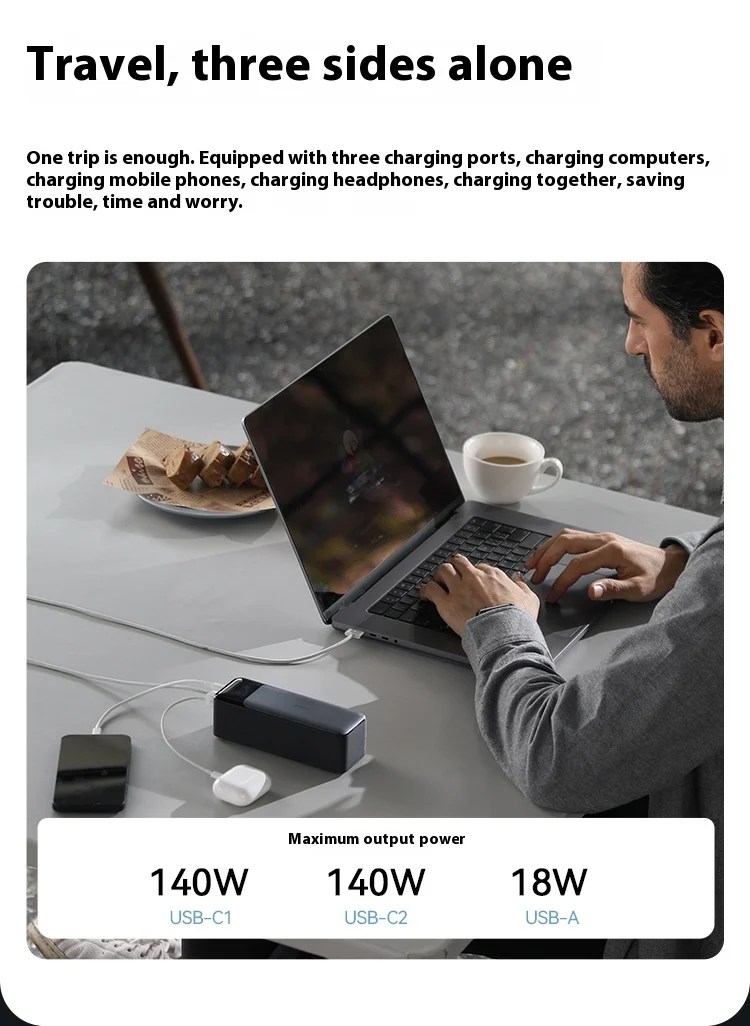
Anker Prime 737 Power Bank 140w PD Two-Way Fast Charge 24000mAh Portable Powerbank Mobile Power For iPhone Pro MacBook Laptop (not solar—powered)

✅ Why It’s a TOP-TIER Travel Pick

  1. Blazing 140W Charging
    • Charges a 16″ MacBook Pro to 50% in 30 mins (faster than most wall chargers!).
    • Two-way fast charging: Refills the power bank itself in 45 mins (via 140W USB-C).
  2. Huge 24000mAh Capacity
    • Powers an iPhone 15 Pro ~5x, a MacBook Air 13” 1.5x, or a Nintendo Switch 4x.
  3. Smart Digital Display
    • Shows exact battery % + wattage output (no guessing).
  4. Airplane-Friendly
    • TSA-approved (under 100Wh limit for carry-ons).

Key Drawbacks

🎯 Who Should Buy It?

✔ Digital nomads needing to charge laptops + phones on the go.
✔ Photographers/videographers with power-hungry gear (drones, cameras).
✔ Tech-heavy travelers who prioritize speed over portability.

Skip If:
✖ You only charge phones/tablets (a 65W bank is cheaper/lighter).
✖ You’re ultra-light packing (try Nitecore 10000mAh at 185g).

🔍 How It Compares to Competitors

FeatureAnker Prime 737UGREEN 145WBaseus 140W
Max Output140W145W140W
Capacity24000mAh (86.4Wh)25000mAh (90Wh)20000mAh (72Wh)
DisplayYes (digital)NoYes (LED bar)
Best ForApple ecosystemMulti-device chargingBudget 140W option

*“As someone who works from beaches and trains, the Anker Prime 737 is my holy grail. It juiced up my MacBook Pro twice during a 14-hour Tokyo-to-Dubai flight—and the display told me exactly how much power was left!”*
🔗 Check Aliexpress for current prices | 

Best for: City travelers, digital nomads, or anyone needing fast, reliable charging with access to outlets.

Final Thoughts – Travel Smarter, Not Harder

Packing the right gadgets can turn a stressful trip into a smooth adventure. From staying safe with a portable alarm to never losing luggage again with a Bluetooth tracker, these tools are worth every penny.

What’s your favorite travel gadget? Drop a comment below—I’m always looking for new tech to test on my next trip!

Frequently Asked Questions (FAQ)

Q1: Are these gadgets really necessary, or just nice to have?
While you can travel without them, these gadgets solve common travel pains. They are designed to reduce stress, save time, keep you connected, and protect your belongings, ultimately making your trip significantly more comfortable and efficient. They shift from “nice-to-have” to “essential” very quickly.

Q2: What should I look for in a universal travel adapter?
The best adapters are truly universal, covering outlets in North America, Europe, the UK, Australia, and Asia. Key features to look for include multiple USB ports (especially USB-C for fast charging), a compact design, and built-in safety fuses to protect your devices from power surges.

Q3: How many mAh (milliampere-hour) should a good travel power bank have?
For most travelers, a power bank between 10,000mAh and 20,000mAh is the sweet spot. A 10,000mAh bank can charge a smartphone 2-3 times and is still relatively lightweight. If you need to charge multiple devices or a laptop, aim for 20,000mAh or higher.

Q4: Are noise-canceling headphones worth the investment for travel?
Absolutely. They are a game-changer for long flights, train rides, or noisy hotels. By blocking out constant ambient noise (like engine hum), they drastically reduce travel fatigue, allow you to enjoy media at lower volumes, and help you arrive at your destination feeling more rested.

Q5: How do packing cubes actually help?
Packing cubes revolutionize organization. They compress clothing to save space, separate clean clothes from dirty ones, and organize items by type or day. This means no more rummaging through your entire suitcase to find one item, and they make repacking a breeze.

Q6: Is a portable Wi-Fi hotspot better than using my phone’s international data plan?
It often is. A dedicated portable Wi-Fi hotspot (or Pocket Wi-Fi) usually provides a more stable and faster connection, allows multiple devices to connect at once (phone, laptop, tablet), and can be more cost-effective than paying for expensive international roaming fees from your carrier.

Q7: Where is the best place to buy these travel gadgets?
Reliable electronics retailers (like Amazon, Best Buy), travel specialty stores, and directly from manufacturer websites are your best bets. Always read reviews to verify quality and performance from other travelers before making a purchase.

Universal Disclaimer/Disclosure Page:

Top Travel Headphones: Tronsmart Sounfii Q20 Review

Table of Contents

  1. Introduction: Are These the Best Budget Travel Headphones?
  2. Unboxing and First Impressions: What You Get
  3. Design and Build Quality: Comfort for Long Journeys
  4. Sound Performance: How Do They Really Sound?
    • Bass, Mids, and Treble
    • Active Noise Cancellation (ANC) Tested
  5. Key Features for Travelers
    • Battery Life: The Marathon Performer
    • Microphone and Call Quality
    • Portability and Foldable Design
  6. Tronsmart Sounfii Q20 vs. The Competition
  7. Pros and Cons: The Honest Verdict
  8. Final Conclusion: Who Should Buy Them?

As a digital nomad, I’ve learned that peace and productivity aren’t found in luxurious coworking spaces — they’re found in the small, smart gadgets we pack. And trust me, after hopping flights, dealing with noisy cafés, and working from hostel lounges with blaring music, the Tronsmart Sounfii Q20 ANC Wireless Headphones are my new MVP.

These aren’t just any headphones. They’re my sanity-savers.

👉🏼 Check out these amazing Wireless Headphones

🎒 Why They Belong in Every Travel Bag

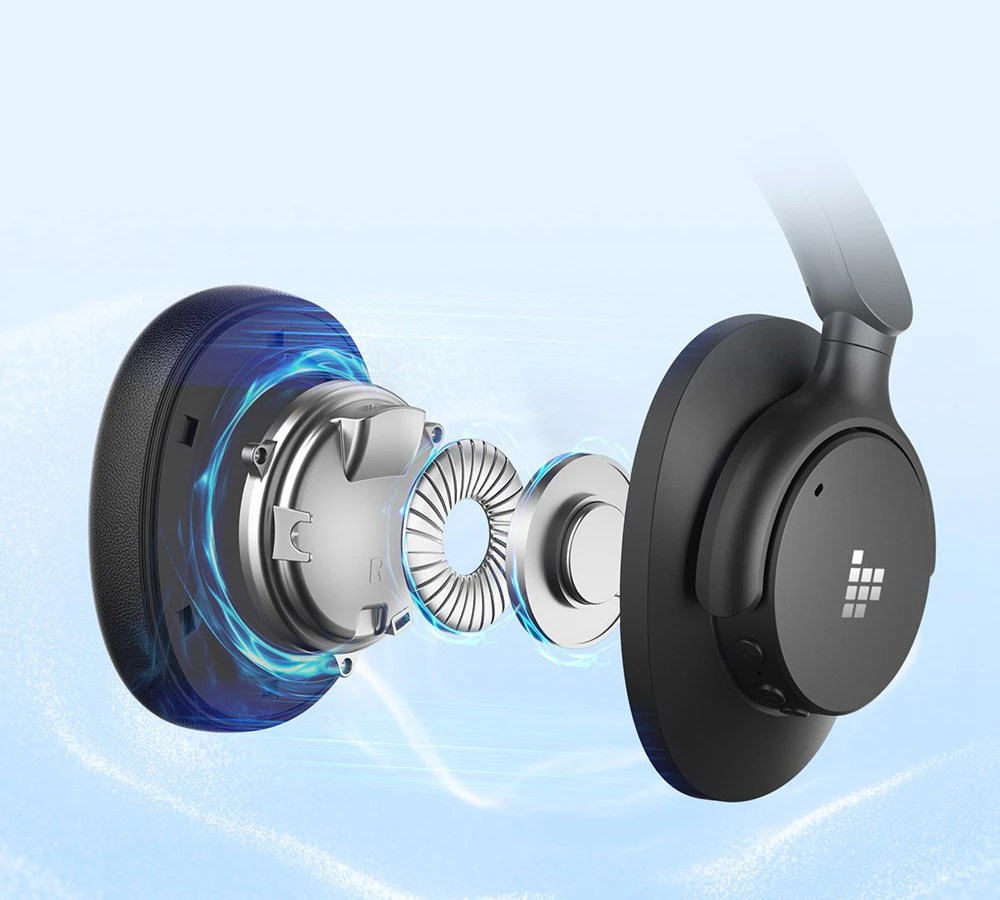
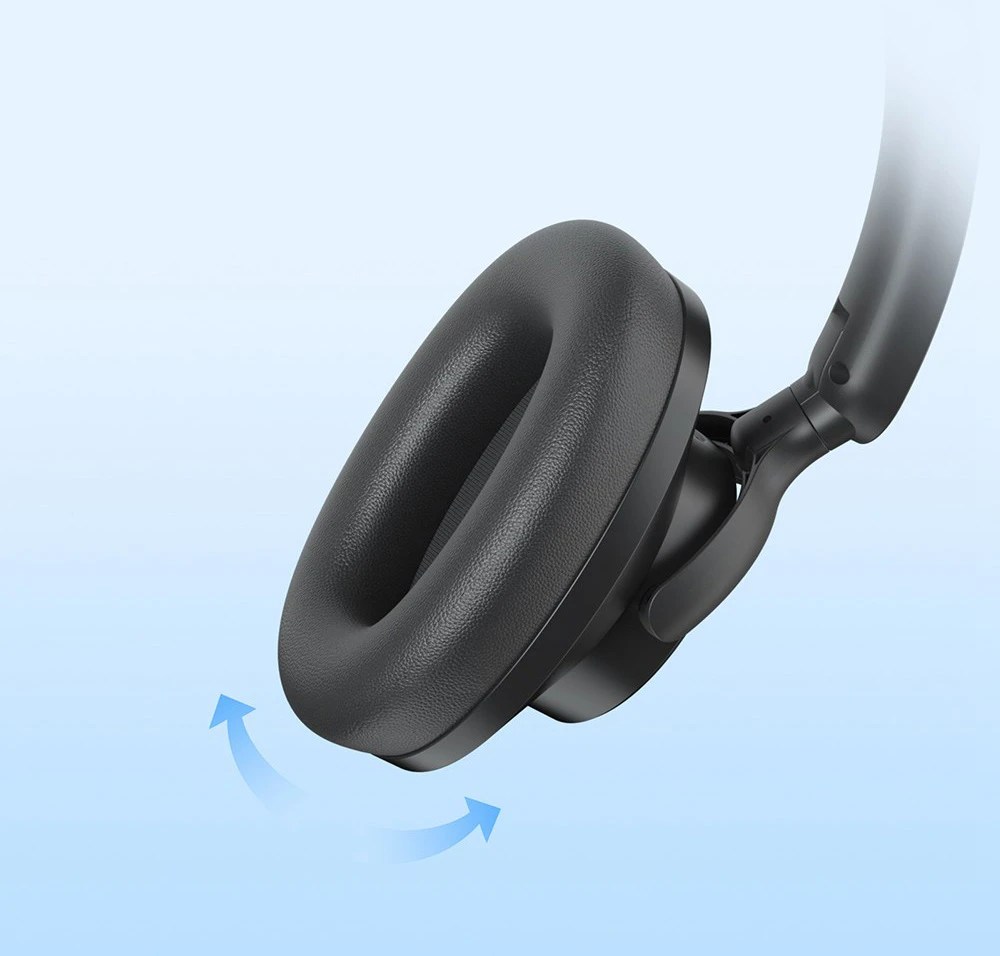
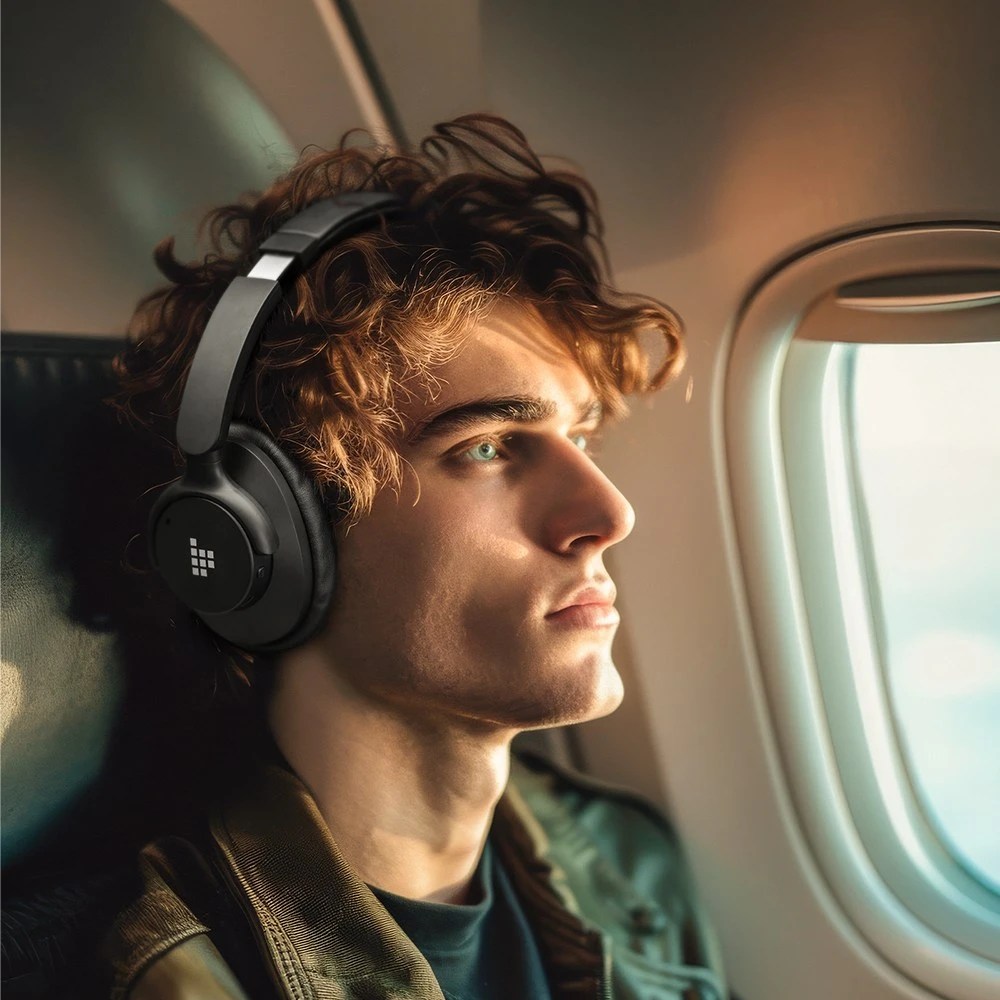
Let’s be honest: most travel-friendly headphones give up after a few hours or crush your ears like walnuts in a vice. Not these. The Tronsmart Q20s come with 50 hours of playtime, 90° swiveling earpads, and active noise cancellation that filters out a whopping 85% of ambient noise.

I tested them on a 12-hour layover in Bangkok cafés . Between the announcements, crying babies, and a chatty stranger beside me (he meant well), I slipped on the Q20s, tapped ANC on, and sank into a sound bubble so silent I could hear my own heartbeat.

They don’t just mute chaos — they cancel it with style.

🧳 Features That Matter When You’re Always Moving

Let’s break down the highlights — no fluff, just real-life wins:

🛠 Feature💡 Why It Matters on the Road
Active Noise CancellationBlocks out city clatter, airplane engines, and office café drama.
Crystal Clear CallsBuilt-in mic makes Zoom calls sound like you’re in a studio.
50-Hour Battery LifeThat’s an entire work week (or 20 Netflix downloads) without charging.
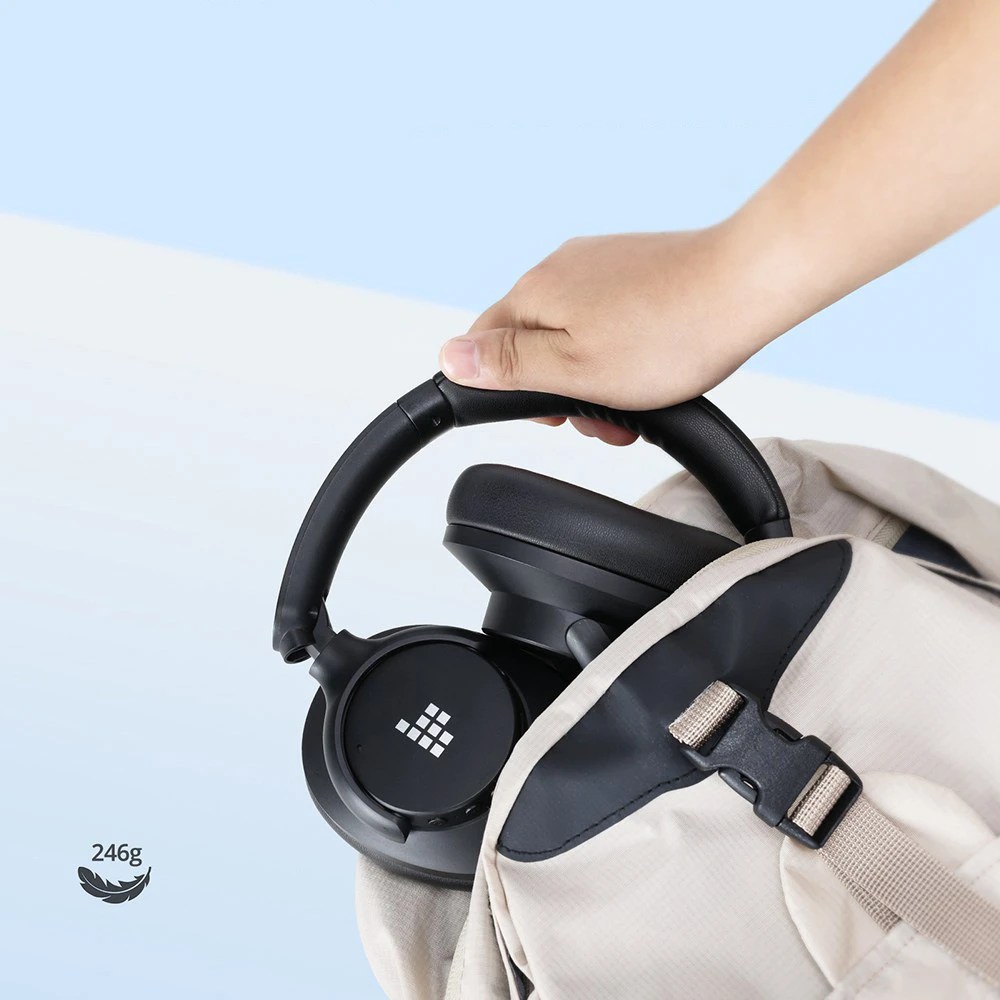
90° Swiveling EarpadsFold them. Twist them. Stuff them in your daypack with zero guilt.
Dual Device PairingJuggle your laptop and phone like a tech ninja.
EQ Control via AppCustomize sound to match your playlist, podcast, or deep work mode.
Rotatable & PortableTuck into even the smallest packing cube. Your carry-on says thank you.

✈️ Tested and Loved on the Go

During a recent trip to Cappadocia, I wore these headphones from sunrise balloon rides to sunset editing sessions. And not once did I feel the dreaded ear fatigue. They’re breathable, cushioned just right, and surprisingly durable — even after a clumsy water bottle spill (don’t ask).

They’re now my go-to travel tool, just like the Zeblaze GTR 3 Pro Smartwatch saved me during a health emergency (yep, real story — read it if you haven’t).

💻 Ideal for Remote Work, Too

Whether you’re hopping between coworking spaces in Bali or editing videos in a Thai café, switching between laptop and phone is seamless. I often stream interviews on one device while editing notes on another. No re-pairing headaches, just smooth multitasking.

Pro Tip: Use the Tronsmart app’s EQ tuner to shift between “Podcast Clarity” and “Bass Boost” depending on your focus needs.

🧠 Final Thoughts: Do You Need Them?

If you’re a travel enthusiast, remote worker, or content creator constantly on the move, then YES — these headphones are worth every cent.

They’re sleek, smart, and surprisingly affordable. But most importantly, they allow you to disconnect from the chaos and reconnect with your flow.

🎧 Ready to hear the world your way?
👉🏼 Grab the Tronsmart Sounfii Q20 ANC Headphones here

🧠 Got Questions? Let’s Clear Things Up (FAQ Time)

Before you hit “Add to Cart,” here are some smart answers to questions fellow nomads, commuters, and audiophiles are asking about the Tronsmart Sounfii Q20:


🔄 Can I update the firmware?

Yes! Just open the Tronsmart app — it’ll notify you with a pop-up whenever a firmware update is available. No complicated steps.

🎧 How do I reset the headphones?

Press and hold the Volume + and Volume – buttons simultaneously for 5 seconds. It’s the tech equivalent of a deep breath.

🔌 Can I use them while charging?

Nope. The Q20 needs a little “me-time” during charging. They won’t function until they’re juiced up.

How long does it take to fully charge?

Only about 2 hours. After that, you get a massive 50 hours of wireless playtime. That’s more than most flights — and layovers — combined.

📴 Do they automatically power off?

Yes! If there’s no connection or audio input for 30 minutes, they’ll shut down on their own to save battery.

🎙 How do I activate voice assistants like Siri?

Just double-press the Multifunction button, and you’re talking to Siri or Google Assistant in seconds.

How do I skip tracks?

To go to the next or previous song, press and hold the Volume + or Volume – button for 2 seconds. Super intuitive.

🎵 Can I customize the sound?

Absolutely. Download the Tronsmart app (available on Google Play and the App Store) to adjust the EQ settings and personalize your listening vibe.

📵 Not pairing with your device?

Reset the headphones (Volume + and – for 5 seconds), then try pairing again. It usually fixes connection issues right away.

🔊 What audio codec do they use?

The Sounfii Q20 supports SBC, offering solid, reliable Bluetooth audio across most devices.

💬 Let’s Hear From You!

Have a favorite travel gadget that makes life easier on the road? Tried the Tronsmart Q20s already?
Drop your thoughts in the comments — I’d love to feature some real-world user stories in my next post.

🧳 Stay connected. Stay curious. Stay tuned in.

Product Gallery

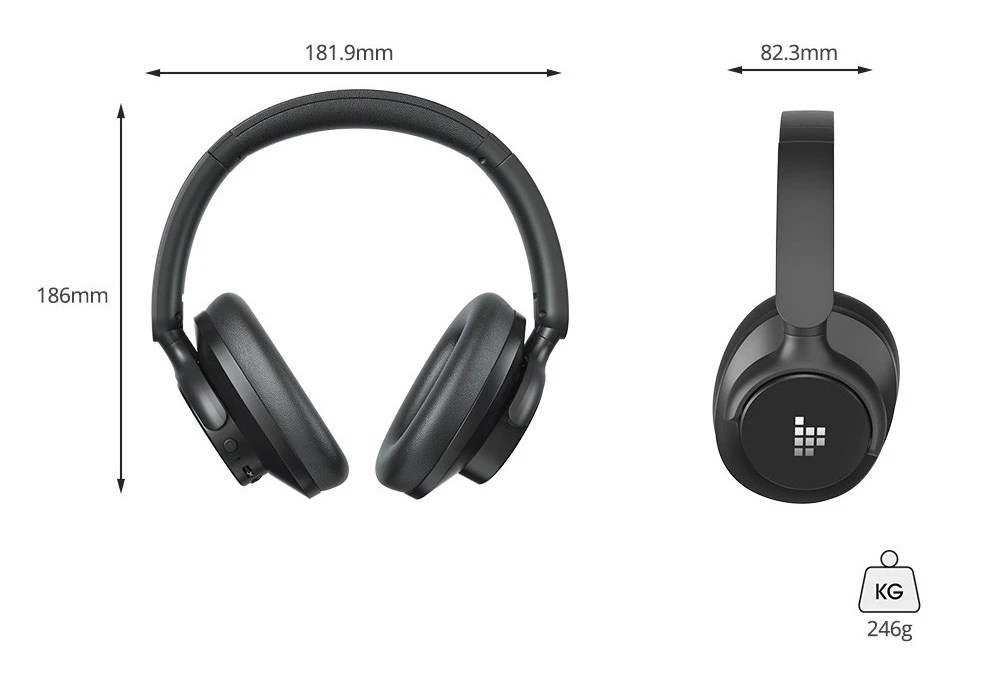
Sleek, modern, and built for comfort — meet your travel-friendly sound companion.

Block the chaos. Focus on what matters.

Control your vibe. Customize your EQ via the Tronsmart app.

Fold, pack, go. These headphones are designed for life on the move.

Switch between devices without missing a beat.

Just 2 hours to full charge. 50 hours of freedom.

Be heard clearly, even in noisy surroundings.

Tronsmart Q20 headphones, charging cable, user manual, and packaging box

Be heard clearly, even in noisy surroundings.

Frequently Asked Questions (FAQ)

Q1: How is the battery life on the Tronsmart Sounfii Q20?
The battery life is exceptional. With Active Noise Cancellation (ANC) enabled, you can expect up to 30-40 hours of playtime on a single charge. With ANC turned off, this can extend even further. This makes them ideal for long-haul flights or multi-day trips without needing to recharge.

Q2: How effective is the Active Noise Cancellation (ANC)?
The ANC is very effective for its price point. It does an excellent job of canceling out constant low-frequency noises like airplane engine hum, train sounds, or air conditioning. It may not eliminate all higher-frequency sounds like nearby conversations completely, but it significantly reduces overall ambient noise.

Q3: Are they comfortable for wearing for many hours?
Yes, comfort is a key strength. They feature plush, memory foam earpads and an adjustable headband that distributes weight evenly. Most users find they can wear them for extended periods, such as on an international flight, without experiencing significant ear fatigue or discomfort.

Q4: Do they come with a carrying case?
Yes, the headphones typically come included with a hard-shell zippered carrying case. This case is compact, protects the headphones in your luggage, and is a crucial feature for any travel headphone.

Q5: Can you use them wired or only wirelessly?
They offer dual functionality. You can use them wirelessly via Bluetooth for convenience. They also include a 3.5mm audio cable, allowing you to use them in wired mode, which is perfect for plugging into in-flight entertainment systems when you want to save battery.

Q6: How is the call quality for phone/video calls?
The built-in microphone with noise reduction technology provides clear call quality in quiet environments. However, like most headphones, call quality can diminish slightly in very windy or noisy settings, but it is more than adequate for standard travel calls.

Q7: Are the Tronsmart Sounfii Q20 headphones worth the price?
Absolutely. They are considered a top-tier value proposition. They offer features (like strong ANC and incredible battery life) that are typically found in much more expensive models, making them an outstanding choice for budget-conscious travelers who don’t want to compromise on core performance.

Universal Disclaimer/Disclosure Page: