Kyoto Weekend Escape: Insider Tips for 72 Hours

🎋 Last Updated: April 2026 · Regularly Maintained — fresh ICOCA card prices, updated bus pass info, new temple admission fees, and latest Haruka Express schedules added
✓ 2026 data ✓ Regularly reviewed ✓ Part of 80+ series
🎋 THE KYOTO QUICK ANSWER — 72 HOURS

Can you experience Kyoto in a weekend? Yes — if you wake up early, buy a bus pass, and embrace the quiet.

Kyoto is not just temples and matcha. It’s a city of 2,000 shrines, bamboo forests that sway in the wind, and alleyways where geiko still hurry to appointments. The tourist who only sees Kinkaku-ji and leaves misses the Philosopher’s Path at dawn, the monkeys at Arashiyama, and the lantern-lit magic of Pontocho Alley. The traveler who gets an ICOCA card, buys the ¥700 One-Day Bus Pass, and shows up at Fushimi Inari at 7am discovers the real Kyoto. The difference is knowing that Kyoto rewards the early riser.

🎯 THE 72-HOUR FORMULA

  • Day 1 (East Kyoto): Fushimi Inari Taisha (7am sharp), Higashiyama District, Kiyomizu-dera, Gion at dusk
  • Day 2 (Arashiyama): Bamboo Grove (sunrise), Tenryu-ji Temple, Monkey Park, Nishiki Market
  • Day 3 (North/Central): Kinkaku-ji (Golden Pavilion), Ryoan-ji rock garden, Philosopher’s Path, Pontocho Alley
  • The secret: Buy the One-Day Bus Pass for ¥700. It pays for itself in 3 rides. Most tourists pay per ride and waste money. Don’t be that tourist.
  • The mistake: Showing up at Fushimi Inari or Arashiyama at 10am. You will be swallowed by crowds. Go at 7am. The tourist sleeps in. The traveler has the torii gates almost to themselves.
🚌 One-Day Bus Pass: ¥700 ⛩️ Fushimi Inari: go at 7am 🍵 Matcha: try it in Uji
✅ 72 hours is perfect — wake up early, buy a bus pass, find the quiet

📍 Source: Multiple Kyoto trips, one sunrise at Fushimi Inari, and the discovery that the best matcha is hidden in a tiny teahouse

2,000+
temples and shrines in Kyoto
17 are UNESCO World Heritage sites
17
UNESCO World Heritage sites
Kinkaku-ji, Kiyomizu-dera, Nijo Castle
30m+
tall bamboo in Arashiyama
The famous Bamboo Grove — go at sunrise
50M+
annual visitors to Kyoto
Peak seasons: cherry blossoms (April) and fall foliage (November)

🎋 THE KYOTO GAP — WHAT EVERY GUIDE MISSES

Most Kyoto guides tell you to see Kinkaku-ji, visit Fushimi Inari, and eat matcha. That’s not wrong. It’s just the Kyoto that everyone already knows.

Here’s what they don’t tell you: Kyoto has secrets — and most of them are free or cheap. The best time to see Fushimi Inari is 7am. The best view of Arashiyama is from the Monkey Park. The best way to get around is a ¥700 bus pass. The tourist who doesn’t know these things will wait in lines, fight crowds, and miss the magic. The traveler who does will find peace, perspective, and the best matcha of their life.

🎯 WHAT THEY DON’T SHOW YOU

⛩️ Fushimi Inari’s Secret Timing

Tourists show up at 10am. The secret? Go at 7am. The torii gates are almost empty. The light is golden. The experience is spiritual instead of stressful. By 9am, the tour buses arrive. Be done by then.

🎋 The Bamboo Grove Truth

Tourists go to Arashiyama Bamboo Grove at noon. The secret? Go at sunrise or just before sunset. The crowds disappear. The light filters through the bamboo. It’s magical. Most tourists see it at peak chaos and leave disappointed.

🚌 The Bus Pass Hack

Tourists pay per ride (¥230 each). The secret? The One-Day Bus Pass is ¥700. If you take 4 rides, you’ve saved money. Kyoto’s attractions are spread out. You’ll take more than 4 rides. Buy the pass.

🍵 The Matcha Rule

Tourists buy matcha from souvenir shops. The secret? Go to Uji. It’s a 20-minute train ride from Kyoto. It’s the source of Japan’s best matcha. The tea houses are centuries old. The experience is unforgettable.

🐒 The Monkey Park View

Tourists visit Arashiyama for the bamboo and leave. The secret? The Monkey Park Iwatayama is a 20-minute hike. The view of Kyoto from the top is spectacular. And the monkeys are hilarious. Feed them from inside the cage. Don’t make eye contact.

🏮 Gion’s Evening Magic

Tourists walk through Gion during the day. The secret? Go at dusk. The lanterns are lit. The crowds thin out. You might spot a geiko (geisha) hurrying to an appointment. The magic happens after dark.

“The tourist shows up at Fushimi Inari at 10am, fights the crowds, and leaves disappointed. The traveler arrives at 7am, walks through the torii gates in silence, and feels the magic. The difference is an alarm clock. Set it.”

— Nomad Nate, after 4 trips to Kyoto

❌ Paying per bus ride ✅ One-Day Bus Pass (¥700) ✅ Fushimi Inari at 7am
📊 90% of tourists never visit Uji for matcha

📍 Sources: Multiple Kyoto trips, one sunrise at Fushimi Inari, and the discovery that the best matcha is hidden in a tiny teahouse

Description

 Discover how to experience the best of Kyoto in just 3 days. Our ultimate guide covers hidden gems, a foolproof itinerary, transport hacks, and essential tips for an unforgettable cultural weekend getaway in Japan’s ancient capital.

“My trip to Kyoto was born from a whim and a need to escape. After a grueling month at work, I booked a last-minute flight, threw a backpack together, and embarked on what became one of my most cherished travel memories. I learned that you don’t need weeks to experience the soul of Japan—you just need a plan. Let me be your guide to an unforgettable 72-hour immersion in a city where ancient temples sit just around the corner from buzzing modern life.”

🎋 What’s Inside This Guide
⬆️ Click any link to jump directly ⬆️

Table of Contents

  1. Why Kyoto? (Visa Costs, When to Go & Secret Perks)
  2. Getting There & Getting Around (Trains, Buses, Maps & Money Saving Hacks)
    • 2.1 From Airport to City: Haruka Express, ICOCA Cards & JR Pass
    • 2.2 Navigating Kyoto: Subway, Bus Routes & One-Day Passes
    • 2.3 Flip The Script: Beat Crowds with Time-Savvy Planning
  3. Your 2-Day Itinerary — History, Matcha & Monkey Mischief
    • Day 1: Temples, Teahouses & That Iconic Torii Tunnel
    • Day 2: Nature, Bamboo, Serene Sake Spots & Sagano Train Ride
  4. Hidden Gems & Pro Tips to Save Time & Yen
  5. Must-Pack Gear & Connectivity (SIM, VPN, Camera)
  6. FAQs: Kyoto Basics, Local Lingo & Visa Queries
  7. Keep Exploring: Back-Links to My Passport Diary & Old Adventures
  8. Call-to-Action (Get Booking, Gear & Coverage)

Why Kyoto is the Perfect Weekend Getaway

Kyoto is the antidote to Tokyo’s neon-fueled frenzy. It’s a city that moves at the pace of a flowing river—calm on the surface but with incredible depth and power underneath. With over 2,000 temples and shrines, 17 UNESCO World Heritage sites, and a food culture that will make your taste buds sing, it offers a concentrated dose of traditional Japanese culture.

For those coming from nearby hubs like OsakaTaipei, and Tokyo it’s a geographically close and culturally rich escape. Best of all, for many nationalities, Japan offers visa-free travel for short stays, making it a logistically simple trip. (Always check the official requirements for your passport).

Kyoto is like your wise, quiet grand-aunt who’s rich in stories—1,600 temples, whispering bamboo paths, unbelievable matcha desserts, and street corners where you might accidentally bump into a maiko (trainee geisha). If your country requires a tourist visa for Japan, expect fees ranging roughly ¥3,000–¥6,000¥3,000–¥6,000¥3,000–¥6,000 (around $20–$40) and a processing time from 3 days to 3 weeks depending on the embassy—worth verifying on your local consulate site. Peak beauty? Go for sakura season in early April or fall foliage in late November (color explosion, fewer jet-lagged crowds).

Visa: Many nationalities enjoy visa-free travel to Japan for short stays. However, requirements can change. Always verify your specific visa requirements and associated fees directly with the Official Ministry of Foreign Affairs of Japan website.

Flights to Kyoto

Crafting Your Perfect Kyoto Itinerary:

This itinerary is designed to maximize your time by grouping nearby attractions together, saving you hours on logistics.

Hotels in Kyoto

🇯🇵 KYOTO · 京都 · CITY OF TEN THOUSAND SHRINES

⛩️ 乾杯! Kyoto’s golden pavilion and bamboo groves are just one of 80+ destinations I’ve explored!

From the glittering Kinkaku-ji to the ethereal Arashiyama bamboo forest, Kyoto is Japan’s spiritual heart. And I’ve captured that same magic across 6 continents — with 45+ European cities, Asian adventures, Americas escapes, and more.

45+ Europe
18+ Asia
10+ Americas
8+ Africa/Aus
🌍 EXPLORE ALL 80+ GUIDES →

Europe · Asia · Americas · Australia · Africa

🇯🇵 JAPAN GUIDES:
Kyoto | Tokyo | Osaka | Nara (coming soon) | Hiroshima (coming soon)
🎋 “In Kyoto, every season paints a new masterpiece — and 80+ more cities are waiting to inspire you”

Day 1: The Iconic East

  • Morning: Start early at Fushimi Inari Taisha. I mean early—be there by 7:00 AM to experience the famous torii gate pathway without the crowds. Trust me, having a moment of solitude there is magical.
  • Afternoon: Head north to the Higashiyama District. Wander the preserved streets between Kiyomizu-dera Temple and Yasaka Shrine. This area is a living museum. Stop for a matcha and traditional sweet at a teahouse overlooking the cobbled lanes.
  • Evening: Explore the Gion district. You might spot a Geiko or Maiko (the local terms for Geisha and apprentices) scurrying to an appointment. For dinner, try a casual okonomiyaki (savory pancake) restaurant.

Fushimi Inari Shrine Tours

A woman in a traditional kimono walking through the iconic torii gates of Fushimi Inari Taisha in Kyoto, Japan, surrounded by lush greenery and sunlight filtering through the trees.
A visitor strolls through the iconic torii gates of Fushimi Inari Taisha, wearing a traditional kimono, capturing the essence of Kyoto’s rich culture. *The iconic tunnel of thousands of vermilion torii gates at Fushimi Inari Taisha. For the most serene experience, arrive before 7:00 AM to have the path almost to yourself.`

Fushimi Inari Note: “The advantage of Fushimi Inari is that it’s open 24 hours, so you can always fit it in.


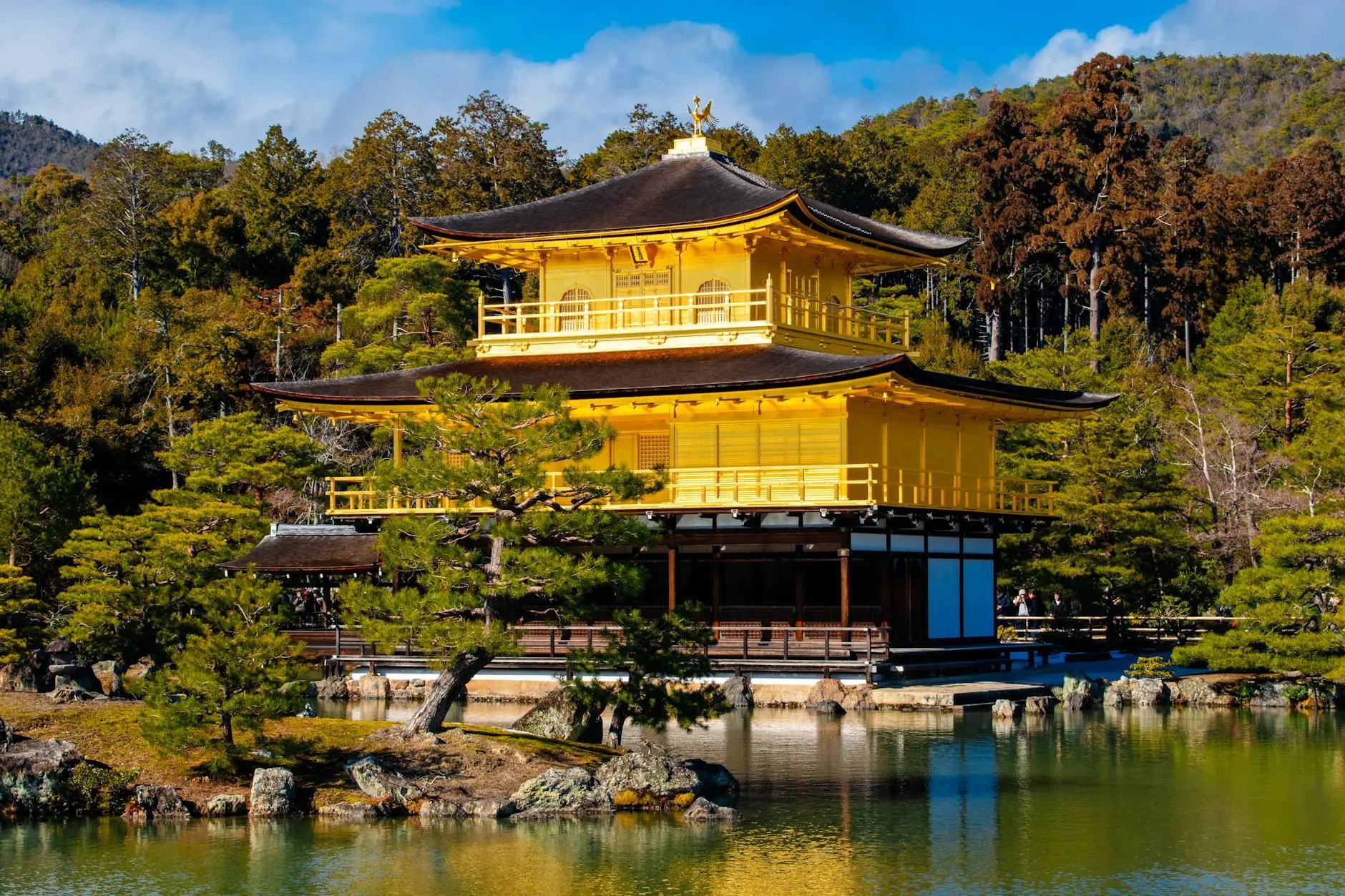
🏯 KINKAKU-JI · THE GOLDEN PAVILION · KYOTO’S JEWEL

🏯 乾杯! Gazing at the golden reflection in the pond is just one breathtaking sight — I’ve witnessed 80+ architectural wonders!

From Zen temples to palaces and pagodas — beauty awaits in every corner.

🏯 “Gold leaf shimmers in the water — and 80+ cities shimmer with their own beauty”
A lively street scene in Kyoto featuring traditional wooden buildings and cherry blossom trees, with a mix of locals and tourists strolling down a cobblestone path.
A bustling street scene in Kyoto, showcasing traditional architecture and cherry blossoms, perfect for exploring the city’s rich cultural heritage. A serene walk through the Higshiyama district

Kiyomizu-dera Temple

A vibrant three-story pagoda with intricate wooden details and a striking orange color, surrounded by lush greenery and a clear blue sky in Kyoto, Japan.
A striking view of Kiyomizu-dera Temple, showcasing its intricate architecture and vibrant orange hues, a must-see landmark in Kyoto. The stunning Niōmon Gate and three-story pagoda at Kiyomizu-dera Temple. Pro tip: The contrast of the red structures against the green foliage in spring or autumn is even more spectacular.`

Kiyomizu-dera Note: “Note: Kiyomizu-dera typically opens around 6:00 AM and closes between 6:00 PM and 9:30 PM, depending on the season. Admission is ¥400.”

Yasaka Shrine Tours

A vibrant, traditional Japanese shrine with a distinctive red and white facade surrounded by lush greenery, featuring visitors exploring the entrance and a Japanese flag waving. Yasaka Shrine
A vibrant entrance to a Kyoto shrine, showcasing traditional Japanese architecture amidst lush greenery. Yasaka Shrine

Yasaka Shrine Tours

Gion Kyoto

okonomiyaki kyoto

A close-up of a delicious okonomiyaki, a savory Japanese pancake, topped with bonito flakes, mayonnaise, and green seaweed, served in a traditional Japanese restaurant setting.
A delicious okonomiyaki, a savory Japanese pancake topped with bonito flakes and sauce, served in a cozy Kyoto restaurant. Dinner is served! A classic Hiroshima or Kansai-style okonomiyaki, grilled to perfection. The name literally means “grill what you like” – and we like everything!

Day 2: Arashiyama’s Natural Beauty

  • Morning: Take the train to Arashiyama. Your first stop is the Arashiyama Bamboo Grove. Again, early arrival is key to seeing it in its serene glory. Afterwards, visit the nearby Tenryu-ji Temple and its stunning landscape garden.
  • Afternoon: Cross the Togetsukyo Bridge and consider a quick hike up to the Monkey Park Iwatayama for hilarious photo ops and great views. Alternatively, rent a bike to explore the quieter parts of Arashiyama.
  • Evening: Head back to the city center and dive into the organized chaos of Nishiki Market for a dinner of fresh seafood and local snacks.

Arashiyama Vacations

A serene pathway through the Arashiyama Bamboo Grove in Kyoto, lined with tall green bamboo stalks and dappled sunlight filtering through the leaves.
A serene pathway through the Arashiyama Bamboo Grove in Kyoto, showcasing the tranquil beauty of the lush green bamboo. *The famous Arashiyama Bamboo Grove path. For the most magical and crowd-free experience, aim to arrive as early as possible, ideally by 7:00 AM. The morning light filtering through the bamboo is unforgettable.*
🎋 ARASHIYAMA BAMBOO GROVE · KYOTO’S GREEN SANCTUARY

🎋 乾杯! Walking through the towering bamboo of Arashiyama is just one serene moment — I’ve found 80+ peaceful escapes!

From moss gardens to mountain temples — find your zen around the world.

🎋 “The bamboo sways in the wind — and 80+ cities sway to their own rhythms”

Tenryu-ji Temple Tours

Scenic view of a traditional Japanese temple surrounded by lush greenery and a tranquil pond.
A serene view of Tenryu-ji Temple surrounded by lush greenery and a tranquil pond in Arashiyama, Kyoto. The UNESCO World Heritage-listed Sogenchi Garden at Tenryu-ji Temple, a masterpiece of Japanese landscape design. The pond is designed to reflect the surrounding Arashiyama mountains and the changing seasons.

Togetsukyo Bridge Tours

Scenic view of the Togetsukyo Bridge in Arashiyama, Kyoto, surrounded by colorful autumn foliage and a calm river under a clear blue sky.
The picturesque Togetsukyo Bridge in Arashiyama, surrounded by vibrant autumn foliage, reflecting the beauty of Kyoto’s natural landscape.

Arashiyama Monkey Park Iwatayama Tours

A caretaker walking among a group of wild Japanese macaques at a monkey park, with visitors observing from a distance.
Visitors interacting with monkeys at Iwatayama Monkey Park in Arashiyama, Kyoto.

Kyoto Nishiki Market Food Tour

A vibrant display of various traditional Japanese foods and ingredients arranged in baskets at Nishiki Market, Kyoto, with signage indicating prices and product information.
A vibrant array of local delicacies at Kyoto’s Nishiki Market, showcasing a variety of traditional Japanese ingredients. A rainbow of tsukemono (pickled vegetables) at Nishiki Market. Don’t be shy—many vendors offer samples! It’s the perfect place to try unique Japanese flavors like pickled daikon radish or crunchy kyuri cucumbers.

Day 3: Refinement & Reflection

  • Morning: Choose your finale. For gold-leaf opulence, visit Kinkaku-ji (The Golden Pavilion). For a more Zen, minimalist experience, head to Ryoan-ji Temple and contemplate its famous rock garden.
  • Afternoon: Do some last-minute souvenir shopping on Shijo-Dori or find a quiet garden to simply sit and absorb it all before you head to the airport.

Ready to walk this path yourself? Find great deals on flights and hotels in Kyoto with my trusted partner, Expedia.

🎭 GION · GEISHA · KYOTO’S ELEGANT HEART

🎭 乾杯! Spotting a geiko in Gion’s lantern-lit streets is just one magical encounter — I’ve discovered 80+ cultural treasures!

From tea houses to traditional arts — every city has its own living heritage.

🎭 “Gion’s streets whisper stories of centuries past — and 80+ cities have their own tales to tell”

Kinkaku-ji Temple Tours

Golden Pavilion (Kinkaku-ji) surrounded by lush greenery and a tranquil pond in Kyoto.
The stunning Kinkaku-ji Temple, also known as the Golden Pavilion, reflecting beautifully in the serene waters of its surrounding garden. The breathtaking Kinkaku-ji (Golden Pavilion), covered in gold leaf and perfectly reflected in the mirror-like Kyoko-chi pond. This UNESCO World Heritage site is even more stunning on a windless, sunny day.

Ryoan-ji Temple Tours

A couple sitting side by side on a wooden platform, overlooking a tranquil garden with lush greenery and a stone surface.
A serene moment shared between a couple, enjoying the tranquil beauty of Kyoto’s natural scenery. (Ryoan-ji Temple)

A serene landscape showcasing a tranquil pond surrounded by vibrant autumn foliage, including red, orange, and yellow leaves, with a clear blue sky above.
Scenic view of a tranquil pond surrounded by vibrant autumn foliage in Kyoto.

A picturesque street in Kyoto, lined with traditional wooden houses and lush greenery, featuring people strolling along the pathway.
A peaceful stroll through the historic streets of Kyoto, framed by traditional architecture and lush greenery.
Kyoto Aquariumicon
A family interacts with a seal in an aquarium. The scene captures children and adults observing and enjoying the moment near a large transparent water tank.
Visitors observing a seal in an aquarium in Kyoto, creating unforgettable family memories.

While we’re on the topic of unforgettable Asian adventures, if Shanghai’s dynamic energy has you dreaming of a more serene Japanese counterpart, then Kyoto should be at the top of your list. Imagine trading the futuristic skyline for ancient temples, serene bamboo forests, and the timeless tradition of the geisha culture in Gion. To truly dive deep, skip the standard tours and seek out an authentic experience. I often browse Rakuten Travel Experiences for unique activities—like a private tea ceremony with a master or a early-morning meditation session at a Zen temple before the crowds arrive. It’s the perfect way to craft a trip that’s genuinely your own. Find those unique, memory-making experiences in Kyoto here.

Rakuten Travel Experiencesicon

Navigating Kyoto Like a Pro: Transport Secrets

Kyoto’s public transport is excellent, and you do not need a car. In fact, traffic and expensive parking make driving a hassle.

From Airport to City: Haruka Express, ICOCA Cards & JR Pass

Most visitors land at Kansai International (KIX). Skip the uncertain taxis and hop the Haruka Limited Express to Kyoto Station—about 75 minutes of smooth, Hello Kitty–decorated train bliss—and grab the ICOCA & Haruka combo ticket to include a pre-loaded ICOCA transport card when you arrive The Thorough Tripper. Pro tip: get an ICOCA card—it’s your tap-and-go Swiss Army knife for trains, subways, and buses around Kyoto (and nearby cities), with easy reloads at stations The Thorough Tripper. If you’ve got long-distance plans (like a Tokyo bullet train ride), consider a Japan Rail Pass in advance—it’ll save both yen and decoding train timetables The Thorough TripperNot a Nomad Blog.

Map of the Kansai area train routes, including connections to Shin-Osaka, Kyoto, and Kansai Airport, with lines and station names clearly labeled.
Map of Kyoto’s public transport network, highlighting the Kansai-Airport Express routing and key train lines for travelers.

  • The Bus Network: The most useful way to get around central Kyoto. A One-Day Bus Pass (¥700) is an incredible value and pays for itself in about three rides. Buses can get crowded, so have your pass or change ready.
  • The Train/Subway: Faster than buses for longer distances. The Karasuma Subway Line runs north-south, and the Tozai Line runs east-west. The JR Line is also useful for getting to Arashiyama and Fushimi Inari.
  • Bicycles: Kyoto is surprisingly flat and bike-friendly! Renting a bike for a day gives you incredible freedom to explore back alleys and canals. This was my favorite way to get around.
  • Taxis: Great for short trips if you’re in a group or exhausted, but they are pricey.
  • The JR Line is also useful for getting to Arashiyama and Fushimi Inari. If you’re planning to explore beyond Kyoto (e.g., a day trip to Nara or a flight from Tokyo), calculating if a Japan Rail Pass is worth it is essential. You can easily check prices and purchase your JR Pass online here

Pro Tip: Google Maps is shockingly accurate for Kyoto bus and train schedules. Use it with confidence.

Beyond the Tourist Trail: Kyoto’s Hidden Gems

“Forget the bustling, crowded cities you think of when you picture Japan. There’s a place where every corner is a postcard, every moment a meditative breath, and ancient traditions whisper from every stone. Get ready to unlock the secret to a weekend of unparalleled beauty and peace as we journey through Kyoto’s most enchanting hidden gems.”

Everyone sees the golden temple. The savvy travelers see these:

  • Philosopher’s Path (Tetsugaku-no-michi): A beautiful stone path following a canal, lined with hundreds of cherry trees. It’s peaceful any time of year but absolutely breathtaking in spring.
  • Kurama-dera Temple: Escape the city entirely with a short train ride to Kurama. Hike up to this mountain temple, and if you’re brave, finish with a soak in the outdoor Kurama Onsen.
  • Pontocho Alley at Dusk: Yes, it’s known, but it’s a must. This narrow alleyway parallel to the Kamo River is packed with tiny, atmospheric restaurants and bars. Finding dinner here feels like a treasure hunt.
Hidden GemTip
Miyagawa-cho DistrictTraditional vibes, fewer crowds, close to Kyoto Station—perfect for jet-lagged meanders
Lesser-known templesTry Eikan-do, Tofuku-ji, or shimogyo historic backstreets for quiet beauty
Off-peak hoursSkip crowds by visiting popular spots at dawn or early evening
Taxi for groupsGroup of 3–4? A taxi might be quicker than waving down a bus and costs about the same

To capture these hidden spots perfectly, I never travel without my lightweight, powerful Sony Alpha camera. It’s perfect for low-light alley shots and sweeping temple landscapes.

A serene pathway lined with green foliage and a small stream on one side, capturing the tranquil beauty of Kyoto's nature.
A serene path alongside a gently flowing river in Kyoto, surrounded by lush greenery and autumn foliage. (Philosopher’s Path) The Philosopher’s Path (Tetsugaku-no-michi) in its stunning autumn glory. This walk is beautiful year-round, but it’s absolutely magical in late November when the maple trees erupt in color. Renting a bike is a fantastic way to explore its full length.

Essential Japanese for the Kyoto Traveler

A little language goes a long way!

  • Konnichiwa (こんにちは): Hello / Good afternoon.
  • Arigatou Gozaimasu (ありがとうございます): Thank you (very much).
  • Sumimasen (すみません): Excuse me / Sorry. (The most useful word in Japan! Use it to get attention, apologize, or thank someone for moving).
  • Oishii (美味しい): Delicious! Say this to the chef after your meal.
  • Ikura desu ka? (いくらですか): How much is it?
  • Kore o kudasai (これをください): I’ll take this, please. (Pointing works too!)

Smart Travel Tips: Saving Money & Staying Connected

Staying Online: I used to waste the first hour of every trip hunting for a local SIM card at the airport. Not anymore. I now swear by my Drimsim—a global SIM that works in 190+ countries. You just pop it in, top up via the app, and you’re online before you even leave the baggage claim. No contracts, no hidden fees. It’s a genuine game-changer. Get your Drimsim here and never worry about data again.

Staying Secure: While Japan is safe, I always use a VPN on public Wi-Fi (like at cafes or airports) to protect my personal data. It’s also essential for accessing your home country’s streaming services if you need some downtime. I’ve found NordVPN to be the most reliable for travel.

Staying Compensated: Did you know that a delayed or canceled flight could score you up to $650 in compensation? Most people don’t claim it. I use AirHelp to handle the nasty paperwork with the airlines. They only get paid if you win, so it’s a no-brainer. Check your flight status with AirHelp here.

Staying Insured: From a spilled coffee on my camera to a slipped disk trying to imitate a sumo wrestler (don’t ask), travel insurance has saved me countless times. I always use VisitorsCoverage to compare and find the best plan for my trip. It’s peace of mind in your pocket. Get a tailored insurance quote for your Kyoto trip here.

⛩️

Kyoto’s thousand shrines! Just one of 80+ destinations across 6 continents.

🇪🇺 45+ Europe · 🌏 18+ Asia · 🌎 10+ Americas · 🌅 8+ Africa/Australia

⛩️ “From Kyoto’s bamboo groves to the world — 80+ adventures await”

🗣️ REAL STORIES · REAL MISTAKES · WHAT ACTUALLY WORKS

Kyoto looks serene. But there are secrets—the bus pass hack, the 7am rule, the hidden matcha town. Here are three stories from travelers who learned the hard way—and one who figured it out.

A

Reader Story · Alex, Seattle

Visited October 2025

“I paid ¥230 for every bus ride in Kyoto. By the end of the first day, I had spent over ¥2,000. A local on the bus saw me feeding coins into the machine and said: ‘One-Day Pass. ¥700.’ I bought one the next day. I saved money by my third ride. I felt so stupid. I learned: always ask about the day pass. Every city has one. Kyoto’s is a steal.”

😬 HIS MISTAKE

Paid per ride (¥230 each). Spent over ¥2,000 on the first day.

✅ WHAT HE LEARNED

Buy the One-Day Bus Pass for ¥700. Available at the bus information center or from the driver. Pays for itself in 3-4 rides.

NN

Nomad Nate · 4 trips to Kyoto

“Alex’s story is the #1 Kyoto money mistake. The bus system is the best way to get around — but single fares add up fast. The One-Day Bus Pass is ¥700. It’s sold at the bus information center at Kyoto Station, or you can buy it from the bus driver. The rule: buy the pass on your first morning. By lunchtime, it’s paid for itself.”

Nate’s Pro Tip: “The pass also works on most city buses, but not on JR buses. Look for the ‘City Bus’ sign. Google Maps is your friend — it tells you which bus to take and where to get off.”

S

Reader Story · Sarah, Vancouver

Visited November 2025

“I showed up at Fushimi Inari at 10am. It was a sea of people. I couldn’t get a photo without strangers in the background. The magic was gone. A photographer on the trail said: ‘Come back tomorrow at 7am.’ I did. The gates were almost empty. The light was golden. I walked through in silence. I learned: Kyoto’s most famous spots are magical — but only if you wake up before everyone else.”

😱 HER MISTAKE

Showed up at 10am. Crowded, stressful, disappointing.

✅ WHAT SHE LEARNED

Fushimi Inari is open 24/7. Go at 7am. The torii gates are almost empty. The experience is spiritual instead of stressful.

NN

Nomad Nate · 4 trips to Kyoto

“Sarah’s story is the #2 Kyoto mistake. Fushimi Inari is one of the most popular sites in Japan — for good reason. But 30,000 people visit on a busy day. The secret: go at 7am. The gates are quiet. The light is beautiful. You can walk in peace. The rule: set your alarm for 6am. The tourist sleeps in. The traveler has the torii gates almost to themselves.”

Nate’s Pro Tip: “The hike to the top takes about 2 hours. Most tourists turn back at the halfway point. Keep going. The upper gates are even more beautiful — and even emptier.”

J

Reader Story · James, Austin

Visited September 2025

“I thought I knew matcha. Then I took the train to Uji. It’s 20 minutes from Kyoto. I walked into a tea house that’s been there for 300 years. The matcha was vibrant green. Thick. Bitter. Sweet. Nothing like the sugary drinks at home. I sat on a cushion and watched the tea master prepare it. It was a meditation. I learned: the best matcha isn’t in Kyoto. It’s in Uji. And it’s worth the trip.”

✨ ACCIDENTAL DISCOVERY

Took the train to Uji. Found a 300-year-old tea house. Had the best matcha of his life.

✅ WHAT HE LEARNED

Uji is the source of Japan’s best matcha. 20 minutes by train from Kyoto. Ancient tea houses. The real experience. Most tourists never go.

NN

Nomad Nate · 4 trips to Kyoto

“James discovered the Kyoto secret that most tourists miss. Uji is the matcha capital of Japan. The tea houses are centuries old. The ceremony is meditative. And the matcha is unlike anything you’ve tasted. The rule: take the JR Nara Line from Kyoto Station to Uji (20 minutes, ¥240). Spend a morning there. Walk along the river. Visit Byodo-in Temple. Drink matcha in a tea house. You won’t regret it.”

Nate’s Hard Truth: “The tourist buys matcha powder from a souvenir shop in Kyoto. The traveler takes the train to Uji and drinks it from a ceramic bowl in a 300-year-old tea house. The difference is 20 minutes on a train. Do it.”

📝 YOUR STORY COULD BE NEXT

Been to Kyoto? Paid per ride instead of buying the bus pass? Survived the Fushimi Inari crowds at 7am? Found matcha heaven in Uji? Your story might help someone else find peace in Japan’s ancient capital.

✍️ Share your Kyoto story

📍 Stories anonymized and used with permission · Names changed to protect privacy

🎋 THE 10 KYOTO TRUTHS — EVERYTHING DISTILLED

If 72 hours is too much to carry—here are the ten truths that matter most. Print them. Save them. Send them to someone who needs them.

01 The One-Day Bus Pass is ¥700. Buy it.

Single rides are ¥230. The pass pays for itself in 3-4 rides. Available from the bus driver or at the station. The tourist pays per ride. The traveler buys the pass.

02 Fushimi Inari at 7am. Non-negotiable.

Show up at 10am and you’ll be swallowed by crowds. The gates are open 24/7. Go early. The light is golden. The torii are quiet. Set your alarm.

03 Arashiyama Bamboo Grove at sunrise.

Same rule as Fushimi Inari. By 9am, it’s a selfie-stick traffic jam. Go at sunrise. The light filters through the bamboo. The crowds are gone. Magic.

04 Uji is the matcha capital. 20 minutes from Kyoto.

Most tourists never go. Ancient tea houses. The best matcha of your life. Take the JR Nara Line. Spend a morning there. You’ll thank me.

05 Gion at dusk, not during the day.

Daytime Gion is crowded with tourists. Evening Gion is magical. Lanterns are lit. You might spot a geiko. The magic happens after dark.

06 Philosopher’s Path is for walking slowly.

2km stone path following a canal. Cherry trees in spring. Quiet in autumn. Don’t rush. Sit on a bench. Think. That’s the point.

07 Kinkaku-ji (Golden Pavilion) is stunning — but crowded.

Go early or late. The gold leaf shimmers in the water. It’s worth seeing. But don’t expect solitude. Accept the crowds. Take your photo. Move on.

08 Pontocho Alley is dinner and a show.

Narrow alleyway parallel to the Kamo River. Tiny restaurants. Lanterns. Reservations recommended. The atmosphere alone is worth the walk.

09 Cash is still king in Kyoto.

Big hotels and department stores take cards. Small temples, market stalls, and traditional restaurants? Cash only. Always carry yen. 7-Eleven ATMs are your friend.

10 Kyoto is not a checklist. It’s a feeling.

Don’t try to see all 2,000 temples. Pick 5-6. Sit in a garden. Drink matcha slowly. Walk without a destination. The magic is in the quiet moments.

The Smart Traveler Framework — Six Questions Before You Go

Do I have my One-Day Bus Pass? Am I waking up for 7am at Fushimi Inari? Did I book a tea house in Uji? Do I have cash for temple entry fees? Am I going to Arashiyama at sunrise? Do I know that ‘Sumimasen’ means excuse me? That framework is yours now. Use it in Kyoto. Use it everywhere.

📍 Sources: Multiple Kyoto trips, one sunrise at Fushimi Inari, and the discovery that the best matcha is hidden in a tiny teahouse

🎋 FINAL THOUGHTS — LAXMI HEGDE, MBA IN FINANCE

“I thought I understood Kyoto. Then I bought a bus pass and woke up at 6am.”

First time: I paid per bus ride. I showed up at Fushimi Inari at 10am. I was swallowed by crowds. I left thinking Kyoto was beautiful but overwhelming. I had done Kyoto the hard way. I had missed the point.

Second time: A friend told me about the One-Day Bus Pass. I bought it. I saved money by my third ride. I set my alarm for 6am. I walked through Fushimi Inari’s torii gates in silence. I watched the sunrise filter through the bamboo at Arashiyama. I realized that Kyoto rewards the early riser. I left wondering why I had ever slept in.

Third time: I took the train to Uji. I found a tea house that’s been there for 300 years. I sat on a cushion. I drank matcha from a ceramic bowl. I watched the tea master prepare it with hands that have done this thousands of times. I learned that Kyoto is not one city. It’s a thousand quiet moments. And most tourists are too busy checking boxes to notice them.

What I learned

The tourist pays per ride and sleeps in. The traveler buys the bus pass and wakes up at 6am. The difference is an alarm clock and a willingness to ask for the day pass. Kyoto rewards the early riser, the quiet observer, and the person who knows that the best matcha is in Uji. Don’t just see Kyoto. Feel it for 72 hours.

🎋 The Series Connection

This is one of 80+ weekend guides in our Ultimate Weekend Escapes series. Every city, every guide, every wrong turn I’ve taken—it’s all here for you.

🏯 What’s Next

Next in the series: Nara, Japan—deer, temples, and Japan’s ancient capital before Kyoto. Coming soon.

Mata ne, Kyoto

(See you again, Kyoto)

Laxmi Hegde

MBA in Finance · ConfidenceBuildings.com

April 2026 · Ultimate Weekend Escapes Series

📌 P.S. — My Kyoto Secret

If you read nothing else: Kurama-dera Temple and the Kibune Shrine. Take the Eizan Railway to Kurama (30 minutes from Kyoto). Hike the mountain path through cedar forests. Visit the mountain temple. Then walk down to Kibune, where restaurants sit on platforms over a rushing river. Most tourists never make it here. It’s a half-day trip. It’s my favorite place in all of Japan. Go.

Frequently Asked Questions

Q: What is the best time of year to visit Kyoto?
A: Spring (March-May) for cherry blossoms and Fall (October-November) for brilliant red foliage are the most beautiful but also the most crowded. For a balance of good weather and smaller crowds, aim for late autumn or early spring.

Q: Is Kyoto a walkable city?
A: The main districts are very walkable, but the attractions are spread out. You will absolutely need to use the excellent bus and train system to get between areas like Arashiyama, Fushimi Inari, and downtown.

Q: How much money should I budget for a weekend?
A: While you can find budget options, Kyoto can be pricey. A comfortable mid-range budget for accommodation, food, transport, and entry fees would be around ¥15,000-¥20,000 ($100-$150 USD) per day, not including flights.

Q: Can I use credit cards everywhere?
A: Major hotels, department stores, and restaurants accept cards, but many smaller restaurants, market stalls, and temples are cash-only. Always carry yen with you.

Q: What should I do if I only have one day in Kyoto?
A: Focus on one area. I’d recommend the Higashiyama District (Kiyomizu-dera, Yasaka Shrine, Sannenzaka) in the morning and early afternoon, and then a trip to Fushimi Inari Taisha in the late afternoon—it’s open 24/7 and is less crowded then.

What’s “arigatō” and “sumimasen” mean?
A: “Arigatō” = “thank you.” “Sumimasen” = “excuse me” or “sorry.” Handy polite sparkles for any awkward bump-in or request.

Should I exchange currency or use ATMs?
A: ATMs at 7-Eleven or Japan Post accept international cards pretty consistently. Just keep an eye on fees.

Kyoto is a city that stays with you long after you’ve left. The scent of incense, the taste of perfect sushi, the sound of temple bells—it’s a weekend escape that truly nourishes the soul.

Q: How much money should I budget for a weekend?
A: While you can find budget options, Kyoto can be pricey. A comfortable mid-range budget for accommodation, food, transport, and entry fees would be around ¥15,000-¥20,000 ($100-$150 USD) per day, not including flights.

  • Sample Daily Breakdown:
    • *Budget Guesthouse: ¥3,000 – ¥5,000*
    • *Food (Meals + Snacks): ¥5,000 – ¥8,000*
    • *Transport (Bus/Train Pass): ¥1,000*
    • *Temple Entry Fees (2-3 sites): ¥1,000 – ¥2,000*
    • *Souvenirs/Extra: ¥2,000 – ¥4,000*

What are you waiting for? Your ultimate Kyoto adventure awaits. Start planning your perfect trip with Expedia today!

Have questions or your own Kyoto hidden gem to share? Drop them in the comments below

“Kyoto is a city that stays with you. The scent of incense, the taste of perfect sushi, the sound of temple bells—it’s a weekend escape that truly nourishes the soul.

I’d love to hear from you! What’s the one place in Kyoto you’re most excited to see? Or if you’ve been, what was your own hidden gem? Share your thoughts and questions in the comments below—let’s build the ultimate traveler’s resource together!


⛩️🇯🇵 Kyoto’s golden temple & bamboo forest — just one of 80+ destinations
🌍 Explore All →

Universal Disclaimer/Disclosure Page:

48 Hours in Osaka: Your Ultimate Weekend Itinerary

🍜 Last Updated: April 2026 · Regularly Maintained — fresh IC card prices, updated Dotonbori hours, new Kuromon Market vendor info, and latest Umeda Sky Building ticket prices added
✓ 2026 data ✓ Regularly reviewed ✓ Part of 80+ series

🍜 THE OSAKA QUICK ANSWER — 48 HOURS

Can you experience Osaka in a weekend? Yes — if you embrace kuidaore (eat until you drop) and follow the neon.

Osaka is not just a stop between Tokyo and Kyoto. It’s a city of takoyaki, neon-lit canals, and locals who will adopt you for a night. The tourist who only sees Dotonbori and leaves misses Hozenji Yokocho’s hidden alley, Shinsekai’s retro-future weirdness, and the Umeda Sky Building at sunset. The traveler who gets an ICOCA card, eats at Kuromon Market, and finds the moss-covered statue at Hozenji Temple discovers the real Osaka. The difference is knowing that Osaka’s motto is “kuidaore” — and you should take it seriously.

🎯 THE 48-HOUR FORMULA

  • Day 1: Osaka Castle (early morning), Kuromon Market (lunch), Shinsekai & Tsutenkaku Tower, Dotonbori at night (neon + takoyaki)
  • Day 2: Hozenji Yokocho hidden alley, Shinsaibashi shopping, Umeda Sky Building (sunset view)
  • The secret: Get an ICOCA or Suica card immediately. Tap and go — no buying individual tickets. Most tourists waste time at ticket machines. Don’t be that tourist.
  • The mistake: Only eating at restaurants. Kuromon Market is for sampling — grilled scallops, Wagyu skewers, fresh sashimi. Eat as you walk. That’s the Osaka way.
🚆 ICOCA/Suica: tap and go 🍢 Kuromon Market: eat as you walk 🌃 Dotonbori at night: non-negotiable
✅ 48 hours is enough — get ICOCA, eat takoyaki, find Hozenji Alley

📍 Source: Multiple Osaka trips, one takoyaki-induced food coma, and the discovery that the best okonomiyaki is hidden down a tiny alley

650+
takoyaki shops in Osaka
The octopus ball capital of the world
400+
years of Osaka Castle history
Built in 1583 by Toyotomi Hideyoshi
100K+
daily visitors to Dotonbori on weekends
The Glico Running Man has been there since 1935
2.5M+
daily riders on Osaka Metro
8 subway lines + JR Loop Line — IC card required

🍜 THE OSAKA GAP — WHAT EVERY GUIDE MISSES

Most Osaka guides tell you to see Dotonbori, eat takoyaki, and visit the castle. That’s not wrong. It’s just the Osaka that everyone already knows.

Here’s what they don’t tell you: Osaka has secrets — and most of them are hidden in plain sight. The best alley is one minute from Dotonbori’s chaos. The best view is from the Umeda Sky Building at sunset. The best food is at Kuromon Market, not restaurants. The tourist who doesn’t know these things will stay on the main drag and leave thinking Osaka is just a neon circus. The traveler who does will find peace, perspective, and the best okonomiyaki of their life.

🎯 WHAT THEY DON’T SHOW YOU

🏯 Osaka Castle’s Best View

Tourists go inside the castle museum. The secret? The outside and the park are the real stars. The castle exterior is stunning. The park is free and peaceful. Save your ¥600 for takoyaki instead.

🏮 Hozenji Yokocho Secret Alley

Tourists stay on Dotonbori’s main strip. The secret? Walk one minute north to Hozenji Yokocho. Stone-paved alley. Traditional restaurants. A moss-covered statue. It feels like old Japan. Most tourists never find it.

🌆 Umeda Sky Building Timing

Tourists go during the day. The secret? Go at sunset. The 360-degree open-air views as the city lights up are unforgettable. Go 30 minutes before sunset. Watch the transition. Bring a jacket — it’s windy.

🍢 Kuromon Market Etiquette

Tourists walk through and take photos. The secret? Eat as you walk. Grilled scallops. Wagyu skewers. Fresh sashimi. Sample everything. That’s how Osaka eats.

🚆 The IC Card Rule

Tourists buy single tickets at every station. The secret? Get an ICOCA or Suica card. Tap in, tap out. Works on trains, subways, buses, and at convenience stores. Refundable when you leave. Most tourists waste time and money on single tickets.

🍜 Takoyaki vs Okonomiyaki

Tourists pick one. The secret? Eat both. Takoyaki (octopus balls) from a street cart. Okonomiyaki (savory pancake) from a tiny restaurant. They’re different. They’re both delicious. Don’t choose. Eat.

“The tourist stays on Dotonbori’s main strip and takes photos of the Glico man. The traveler walks one minute north to Hozenji Yokocho, finds the moss-covered statue, and eats okonomiyaki in a 100-year-old building. The difference is knowing that Osaka’s magic is hiding just around the corner.”

— Nomad Nate, after 4 trips to Osaka

❌ Buying single train tickets ✅ Get ICOCA/Suica ✅ Find Hozenji Yokocho alley
📊 80% of tourists never find Hozenji Yokocho

📍 Sources: Multiple Osaka trips, one takoyaki-induced food coma, and the discovery that the best okonomiyaki is hidden down a tiny alley

🍜 What’s Inside This Guide
⬆️ Click any link to jump directly ⬆️

📑 Table of Contents

  1. Why Osaka is a Must-Visit City
  2. Day 1: Historic Sights and Osakan Delights
    1. Morning: Osaka Castle Exploration
    2. Midday: Kuromon Ichiba Market
    3. Afternoon: Shinsaibashi Shopping
    4. Evening: Dotonbori Street Food Adventure
  3. Day 2: Modern Osaka and Cultural Experiences
    1. Morning: Umeda Sky Building
    2. Midday: Osaka Aquarium Kaiyukan
    3. Afternoon: Shinsekai District
    4. Evening: Traditional Dinner in Namba
  4. Getting Around Osaka
  5. Smart Money-Saving Tips
  6. Hidden Gems in Osaka
  7. Essential Travel Resources
    1. Stay Connected with Drimsim
    2. Flight Compensation with AirHelp
    3. Online Safety with NordVPN
    4. Capture Moments with the Right Camera
    5. Travel Insurance with VisitorsCoverage
  8. Japanese Phrases Cheat Sheet
  9. More Weekend Escapes You’ll Love
  10. Final Thoughts

Meta Description: Craving a weekend packed with flavor and fun? Our ultimate Osaka itinerary guides you through neon-lit streets, ancient castles, and the world’s best street food. Save time and money with our insider tips!

You’ve got 48 hours to conquer Osaka, Japan’s undisputed kitchen. The city operates with the joyful chaos of a never-ending festival. Forget Tokyo’s polished pace and Kyoto’s serene formality—Osaka is here to hit you with a wave of infectious energy, a “kuidaore” (eat ‘til you drop) mentality, and some of the most genuinely hilarious locals you’ll ever meet.

Having navigated everything from its maze-like subway stations to its mouth-watering alleyways, I’ve crafted the perfect weekend guide to help you dive headfirst into Osaka’s glorious madness. Let’s get into it.

Flights to Osaka

Why Osaka Deserves Your Weekend

Osaka is often overshadowed by its big sister, Tokyo, but that’s a mistake. This is a city with its own fierce identity. It’s the birthplace of takoyaki (octopus balls), the home of Universal Studios Japan, and a place where ancient history and blinding futurism collide on every street corner. It’s also one of the top visited cities in the world for a reason—it’s an absolute blast.

Hotels in Osaka

If you loved the electric energy of Tokyo’s Hidden Gems or the culinary depth of Istanbul’s Rich Culture, Osaka is the beautiful, rowdy lovechild of the two.

🇯🇵 OSAKA · 大阪 · JAPAN’S KITCHEN

🍜 乾杯! Osaka’s takoyaki and Dotonbori lights are just one of 80+ destinations I’ve explored!

From the neon glow of Dotonbori to the historic grandeur of Osaka Castle, this city knows how to have fun. And I’ve captured that same energy across 6 continents — with 45+ European cities, Asian adventures, Americas escapes, and more.

45+ Europe
18+ Asia
10+ Americas
8+ Africa/Aus
🌍 EXPLORE ALL 80+ GUIDES →

Europe · Asia · Americas · Australia · Africa

🇯🇵 JAPAN GUIDES:
Osaka | Tokyo | Kyoto | Nara (coming soon) | Kobe (coming soon)
🍜 “In Osaka, they say ‘kuidaore’ — eat until you drop. And I say, explore until you’ve seen 80+ cities”

Friday Evening: Dive Headfirst into Dotonbori

Drop your bag at your hotel. I always find great deals on Expedia for last-minute weekend trips. Head straight to the heart of the beast: Dotonbori.

This canal-side strip is a sensory overload in the best way possible. Giant mechanical crabs, neon-lit giants, and the infamous Glico Running Man sign greet you. Your mission here is simple: eat.

  • Must-Eat: Join the queue for takoyaki from a street vendor. Watch as they expertly flip the doughy, octopus-filled balls and slather them in savory sauce and dancing bonito flakes. Follow it up with some okonomiyaki (a savory Japanese pancake) at a tiny upstairs restaurant.
  • Pro Tip: The crowds are part of the experience. Embrace the chaos! For a slightly different view, take a short cruise on the Dotonbori River to see the signs from the water.
A person gazing up at neon lights and advertisements in Dotonbori, Osaka, surrounded by vibrant city scenery.
A traveler soaking in the vibrant energy of Dotonbori, Osaka, surrounded by neon lights and iconic signage.

Dotonbori Tours

🌃 DOTONBORI · OSAKA’S NEON PLAYGROUND

🌃 乾杯! The Glico Running Man and neon canal are just one iconic view — I’ve seen 80+ dazzling cityscapes!

From the Ebisu Bridge to neon-lit streets around the world — let the lights guide you.

🌃 “Dotonbori at night is electric — and 80+ cities have their own voltage”
A person observes the Dotonbori area, featuring a bustling canal with a sightseeing boat and vibrant buildings adorned with colorful advertisements and neon signs under a cloudy sky.
A picturesque view of Dotonbori in Osaka, featuring the bustling canal, vibrant signage, and a scenic boat ride.

A close-up of a plate of takoyaki, octopus balls, drizzled with mayonnaise and topped with bonito flakes and green seasoning.
Delicious takoyaki topped with mayonnaise and bonito flakes, a must-try street food in Osaka.

TAKOYAKI cooking class “MUGEN

🍢 KUIDAORE · OSAKA’S EAT-TILL-YOU-DROP SPIRIT

🍢 乾杯! Takoyaki, okonomiyaki, and kushikatsu are just one taste — I’ve savored 80+ culinary destinations!

From street food stalls to Michelin-starred restaurants — let your taste buds travel the world.

🍢 “One takoyaki leads to another — and one city leads to 80+ more”
A colorful plate of okonomiyaki topped with green onions, mayonnaise, and crispy bits, served with carrots and a bowl of toppings on the side.
Delicious okonomiyaki, a savory Japanese pancake, topped with scallions and sauce, served alongside fresh vegetables.

Osaka Okonomiyaki Cooking Experience!

Saturday: History, Heights, and Haute Street Food

Morning: Journey to Osaka Castle
Start your day with a trip back in time at the magnificent Osaka Castle. While the interior is a modern museum (quite interesting, but not essential), the surrounding park and the castle’s exterior are the real stars. It’s a beautiful place for a stroll and the perfect opportunity to snap that iconic Japan photo.

How to get there: Take the JR Loop Line to Osakajokoen Station. It’s incredibly easy and efficient. Money-Saver Tip: If you’re planning to use trains a lot, consider a JR West Kansai Area Pass. Another option is an IC card, like ICOCA or Suica, for tap-and-go convenience.

Here’s a map to help you visualize your adventure! I’ve marked the location of Osakajokoen Station (大阪城公園駅) for your convenience. This is the closest train station to Osaka Castle, making it the perfect starting point for your visit. Remember, taking the JR Loop Line is the easiest way to get there!

Osaka Castle Park Tours

Cherry blossoms in full bloom in front of Osaka Castle, showcasing the historic structure's beautiful architecture against a clear blue sky.
Cherry blossoms in full bloom frame the iconic Osaka Castle, a stunning blend of history and natural beauty.
🏯 OSAKA CASTLE · TOYOTOMI HIDEYOSHI’S LEGACY

🏯 乾杯! Standing beneath Osaka Castle’s golden shachihoko is just one historic moment — I’ve discovered 80+ ancient wonders!

From samurai history to civilizations across time — explore the past across 6 continents.

🏯 “Osaka Castle has stood for 400 years — and 80+ cities have histories just as rich”

Afternoon: Kuromon Ichiba Market & Shinsekai
From history to hunger: make your way to Kuromon Ichiba Market, nicknamed “Osaka’s Kitchen.” This covered market is a foodie’s paradise. Sample fresh sashimi, giant grilled scallops, and melt-in-your-mouth Wagyu beef skewers. This is lunch, Osaka-style.

Kuromon Market Tours

Osaka: Premium Wagyu Yakiniku at Nikuoroshi Mannoya Bettei

A bustling scene inside Kuromon Ichiba Market in Osaka, featuring overhead colorful banners and large lanterns, with a crowd of shoppers enjoying the vibrant atmosphere.
The vibrant atmosphere of Kuromon Ichiba Market, showcasing colorful signage and traditional lanterns in Osaka.
Close-up of sushi rolls arranged on a plate, featuring layers of fish and greens.
Delicious sushi rolls showcased on a plate, highlighting the vibrant flavors of Osaka’s culinary scene.

Grilled meat skewers over an open flame with smoke rising, showcasing a delicious barbecue cooking process.
Sizzling skewers of grilled meat over an open flame, perfect for a culinary adventure in Osaka.

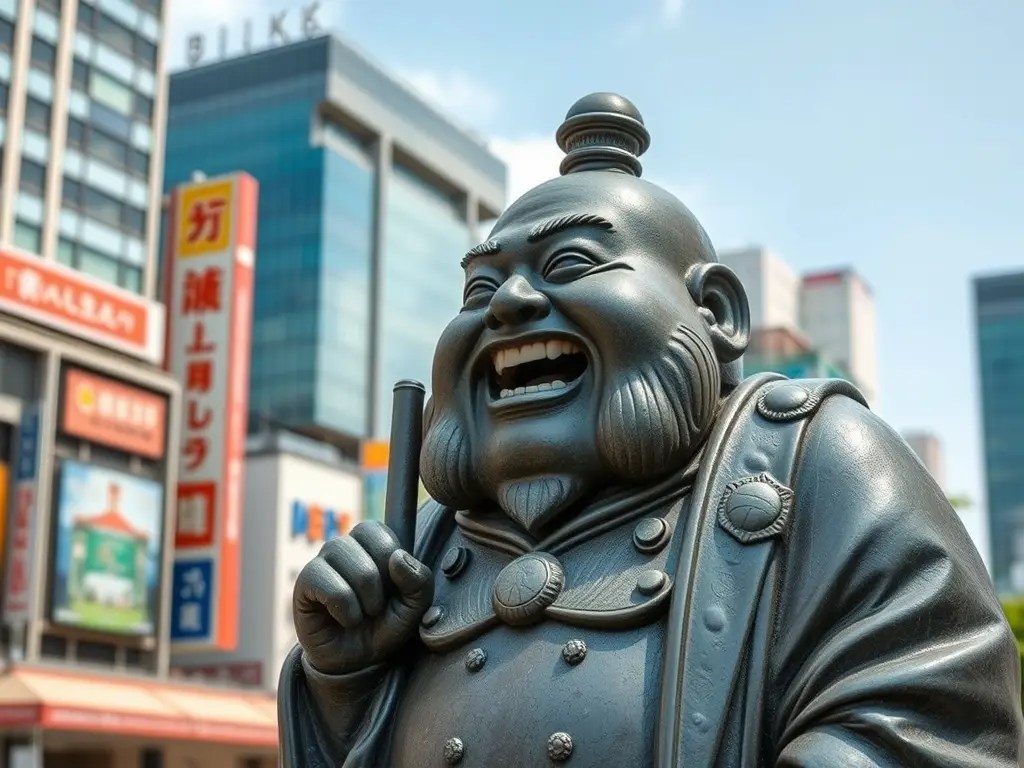
Next, take a short train ride to the Shinsekai district. This neighborhood feels frozen in a retro-futuristic 1960s vision of tomorrow. The main attraction is the Tsutenkaku Tower. For a small fee, you can ride to the observation deck for a quirky, low-rise view of the city. The statue of Billiken, known as the god of “things as they ought to be,” is at the top. It is said to bring good luck if you rub the soles of his feet!

Tsutenkaku Tower Tours

Night view of Tsutenkaku Tower illuminated in blue, surrounded by colorful neon signs and bustling streets in Osaka.
The illuminated Tsutenkaku Tower stands tall amidst the vibrant streets of Shinsekai, showcasing Osaka’s retro-futuristic charm.

A smiling bronze statue of a deity in an urban setting, surrounded by modern buildings and colorful signs.
A cheerful statue representing luck and happiness, often found in the vibrant streets of Osaka.

Evening: Umeda Sky Building
For a truly breathtaking modern perspective, head to the Umeda Sky Building. This incredible structure consists of two towers connected at the top by the “Floating Garden” observatory. The 360-degree open-air views of Osaka as the sun sets and the city lights up are absolutely unforgettable. It’s a completely different vibe from the old-world charm of the castle.

Umeda Sky Building Tours

View of the Umeda Sky Building in Osaka, showcasing its unique architectural design against a clear blue sky with lush green trees in the foreground.
The Umeda Sky Building, a stunning architectural marvel in Osaka, featuring a unique sky bridge and panoramic views.

Sunday: Hidden Gems and Last-Minute Souvenirs

Morning: Hozenji Yokocho Alley
Escape the main drag and discover one of Osaka’s best-kept secrets: Hozenji Yokocho. This narrow, stone-paved alleyway, just a minute away from the Dotonbori craziness, feels like stepping into old Japan. It’s lined with tiny, traditional restaurants and izakayas.

Osaka: Izakaya Bars Guided Walking Tour

At the end of the alley, you’ll find Hozenji Temple, famous for the moss-covered statue of Fudo Myoo. Visitors splash water on the statue as an offering, giving it its unique green appearance. It’s a peaceful, almost spiritual spot hidden in plain sight.

Hozenji-Yokocho Alley Tours

Hozen-ji Temple Tours

🍜

Osaka’s Dotonbori & street food! Just one of 80+ destinations across 6 continents.

🇪🇺 45+ Europe · 🌏 18+ Asia · 🌎 10+ Americas · 🌅 8+ Africa/Australia

🍜 “From Osaka’s kitchens to the world — 80+ adventures await”
Narrow alleyway in Osaka adorned with lanterns and sunflower decorations, bustling with pedestrians and lively storefronts.
A vibrant alley in Osaka adorned with lanterns and sunflower decorations, showcasing the lively atmosphere of the city’s nightlife.

Afternoon: Shinsaibashi Shopping & Namba Parks
For your final dose of Osaka, hit Shinsaibashi-suji, a covered shopping arcade that seems to go on forever. It’s great for people-watching, grabbing quirky souvenirs, and experiencing Japanese retail therapy.

If you need a nature fix, Namba Parks is an architectural marvel—a shopping complex designed as a canyon with rooftop gardens, waterfalls, and walking paths. It’s the perfect place to relax before your journey home.

Shinsaibashi-suji Shopping Street Tours

While this itinerary gives you the perfect DIY plan, sometimes you want a deeper dive with a local expert or a unique activity you can’t book yourself. For those moments, I love browsing Rakuten Experiences. They offer a huge range of curated activities in Osaka, from small-group street food tours in Dotonbori and hands-on cooking classes where you learn to make okonomiyaki, to more unique finds like calligraphy workshops or photography walks. It’s a great way to add something truly special to your itinerary. → Check out unique experiences in Osaka on Rakuten Experiences

Rakuten Travel Experiencesicon

The Savvy Traveler’s Osaka Toolkit

Getting Around: Mastering Public Transport
Osaka’s public transport is brilliant but can be daunting. Here’s the simple breakdown:

  • JR Loop Line: Perfect for Osaka Castle (Osakajokoen Station) and connecting to major hubs.
  • Midosuji Subway Line: The bright red line on maps. It’s your north-south artery, connecting Umeda, Shinsaibashi, Namba, and Shin-Osaka Station.
  • Private Railways (Nankai, Hanshin, Keihan): Great for day trips to places like Kobe, Nara, or Mount Koya.
  • IC Cards: Get an ICOCA or Suica card immediately. You tap in and out of trains, subways, and buses. You can even use them at convenience stores and vending machines. It eliminates the stress of buying individual tickets.
  • Avoid driving—traffic is heavy, parking is expensive, and the train system is far superior. Google Maps is incredibly accurate for real-time train schedules and routes.

🗣️ Quick Language Cheat Sheet:

  • Sumimasen (Soo-mee-ma-sen): “Excuse me” / “Sorry” (The most useful word in Japan!)
  • Arigatou gozaimasu (Ah-ree-ga-toh go-za-ee-mas): “Thank you very much”
  • Kore o kudasai (Ko-reh o koo-da-sigh): “This one, please” (Point at delicious food!)
  • Oishii! (Oy-sheee!): “Delicious!”
  • Ikura desu ka? (Ee-koo-ra des ka?): “How much is it?”

Pro Tips from a Local: Insider Insights

  • Best Time to Visit: Spring (March-May) for cherry blossoms or Autumn (October-November) for pleasant weather. Avoid Golden Week (late April/early May) and Obon (mid-August) unless you love crowds.
  • Money Saving: Convenience stores (7-Eleven, Lawson, FamilyMart) are your best friends for affordable, high-quality meals, snacks, and ATM withdrawals.
  • Avoid Crowds: Hit major sights like Osaka Castle right at opening time (8:30 AM or 9:00 AM) to have the grounds almost to yourself.

✈️ Travel Smart, Travel Connected:
Staying online is non-negotiable for navigating and translating. Instead of hunting for a local SIM card, I use Drimsim. It’s a universal data SIM that works in 190+ countries, including Japan. Pop it in, top up via the app, and you’re online the moment you land. No contracts, no hidden fees. → Get your Drimsim here.

And while we’re on tech, securing my connection on public Wi-Fi is a must. I never travel without my → NordVPN. It keeps my personal data safe from prying eyes, especially when I’m booking last-minute tickets or checking my bank account abroad.

🛡️ Don’t Forget Peace of Mind:
A weekend getaway can still have unexpected twists. I never travel without solid travel insurance from VisitorsCoverage. It’s a breeze to compare plans and find one that fits your short trip perfectly, covering everything from lost luggage to a sudden case of takoyaki-induced bliss overload. → Check plans on VisitorsCoverage.

😤 Flight Drama? Get Paid.
Speaking of unexpected twists, has your flight ever been seriously delayed or canceled? Most travelers just sigh and accept it. But did you know EU and UK passenger rights laws can entitle you to up to $650 in compensation, even on flights departing from Osaka to Europe? AirHelp handles all the paperwork and fights the airlines for you. They only get paid if you win. I’ve used them successfully—it’s a no-brainer.
→ Check your flight with AirHelp now

📸 Capture the Magic:
Osaka is a visual feast. From the neon glow of Dotonbori to the serene beauty of Hozenji Alley, you’ll want a reliable camera. I swear by my → Sony Alpha mirrorless camera. It’s lightweight, takes stunning photos in low light, and is perfect for capturing the fast-paced energy of this incredible city.

Ready for Your Osaka Adventure?

Osaka is a city that grabs you by the hand and pulls you into its whirlwind of food, fun, and laughter. It’s a place where you’re encouraged to let loose, eat with abandon, and leave with a full stomach and a bigger smile.

Feeling inspired to book your ticket? Start planning your ultimate Japanese escape and find the best deals on hotels and flights on → Expedia.

Where to next? If you loved this guide, check out my other city itineraries:

Now I want to hear from you!
What’s the first thing you’d eat in Osaka? Are you a takoyaki fan, or is okonomiyaki more your style? Share your own Osaka tips and food recommendations in the comments below—let’s build the ultimate traveler resource together!

🍜🇯🇵 Osaka’s Dotonbori & takoyaki — just one of 80+ destinations
🌍 Explore All →

🗣️ REAL STORIES · REAL MISTAKES · WHAT ACTUALLY WORKS

Osaka looks easy. But there are secrets—the IC card hack, the hidden alley, the market etiquette. Here are three stories from travelers who learned the hard way—and one who figured it out.

D

Reader Story · David, Sydney

Visited October 2025

“I spent the first day of my Osaka trip buying single tickets at every station. I wasted so much time at ticket machines, trying to figure out the fare. A local saw me struggling and handed me an ICOCA card. ‘Tap,’ he said. ‘No more tickets.’ I bought one. The rest of the trip was seamless. I learned: get an IC card the moment you arrive. It’s not a luxury. It’s a necessity.”

😬 HIS MISTAKE

Bought single tickets at every station. Wasted time, stress, and money.

✅ WHAT HE LEARNED

Get an ICOCA or Suica card at any station ticket machine. Tap in, tap out. Works on trains, subways, buses, and at convenience stores.

NN

Nomad Nate · 4 trips to Osaka

“David’s story is the #1 Osaka mistake. Single tickets are a trap. You need to figure out the fare, find the right change, and do it every single time. An IC card costs ¥500 deposit (refundable). You load it with money. You tap. That’s it. The rule: buy an ICOCA or Suica at the first station you visit. Your future self will thank you.”

Nate’s Pro Tip: “You can also add a digital IC card to your iPhone Wallet. Same tap-and-go convenience. No physical card to lose. Most tourists don’t know this yet.”

S

Reader Story · Sarah, London

Visited November 2025

“Dotonbori was amazing but overwhelming. I needed a break from the neon. I turned down a random side street. Suddenly, the crowds disappeared. I found a stone-paved alley with tiny traditional restaurants. At the end, a moss-covered statue. I asked a local what it was. He said Hozenji Temple. People splash water on the statue as an offering. I spent an hour there, just breathing. I learned: Osaka’s best spot is one minute from the chaos. You just have to turn the corner.”

✨ ACCIDENTAL DISCOVERY

Turned down a side street. Found Hozenji Yokocho. Discovered peace in the middle of chaos.

✅ WHAT SHE LEARNED

Hozenji Yokocho is one minute north of Dotonbori’s main strip. Stone-paved alley. Traditional restaurants. Moss-covered statue. Most tourists never find it.

NN

Nomad Nate · 4 trips to Osaka

“Sarah discovered the Osaka secret that most tourists miss. Hozenji Yokocho is a time capsule. One minute from the Glico Running Man, you’re in old Japan. The moss-covered statue of Fudo Myoo is covered in water from visitors’ offerings. The restaurants in the alley are some of the best in the city. The rule: when Dotonbori feels like too much, walk north. You’ll find peace.”

Nate’s Pro Tip: “Go to Hozenji Yokocho in the evening. The lanterns are lit. The restaurants are buzzing. And the moss-covered statue feels magical in the soft light.”

J

Reader Story · James, Toronto

Visited September 2025

“I went to Kuromon Market and walked through, taking photos. A vendor called out to me. ‘Eat!’ she said, handing me a grilled scallop. I ate it. Then I bought a Wagyu skewer. Then fresh sashimi. Then takoyaki. I spent ¥3,000 and ate the best meal of my trip standing up. I learned: Kuromon Market is not a museum. It’s a buffet. Eat as you walk. That’s the Osaka way.”

✨ ACCIDENTAL DISCOVERY

Listened to a vendor. Ate as he walked. Discovered the joy of market grazing.

✅ WHAT HE LEARNED

Kuromon Market is for eating, not just looking. Grilled scallops, Wagyu skewers, fresh sashimi. Sample everything. Cash only.

NN

Nomad Nate · 4 trips to Osaka

“James discovered the Osaka food secret. Kuromon Market is ‘Osaka’s Kitchen’ for a reason. The vendors want you to taste. Grilled scallops in their shells. Wagyu beef skewers. Fresh uni (sea urchin). Tamagoyaki (Japanese omelette). The rule: bring cash. Go hungry. Eat as you walk. Don’t sit down. This is not a meal — it’s an experience.”

Nate’s Hard Truth: “The tourist walks through Kuromon Market with a camera. The traveler walks through with a full stomach and a smile. The difference is a willingness to eat standing up. Do it. You won’t regret it.”

📝 YOUR STORY COULD BE NEXT

Been to Osaka? Bought single tickets instead of ICOCA? Found Hozenji Yokocho’s hidden alley? Ate your way through Kuromon Market? Your story might help someone else find the magic beyond the neon.

✍️ Share your Osaka story

📍 Stories anonymized and used with permission · Names changed to protect privacy

🍜 THE 10 OSAKA TRUTHS — EVERYTHING DISTILLED

If 48 hours is too much to carry—here are the ten truths that matter most. Print them. Save them. Send them to someone who needs them.

01 Kuidaore means “eat until you drop.” Take it seriously.

This is Osaka’s motto. Street food. Market stalls. Late-night ramen. Don’t hold back. The city wants you to eat. Eat.

02 Get an ICOCA or Suica card immediately.

Tap in, tap out. No buying single tickets. Works on trains, subways, buses, and at convenience stores. The tourist buys tickets. The traveler taps.

03 Dotonbori at night is non-negotiable.

The neon. The giant mechanical crab. The Glico Running Man. Go at night. Embrace the chaos. Eat takoyaki from a street cart. This is Osaka’s heartbeat.

04 Osaka Castle’s outside is better than inside.

The museum inside is fine. The grounds and exterior are stunning. Walk the park. Take photos from the outside. Save your ¥600 for more takoyaki.

05 Hozenji Yokocho is one minute from Dotonbori.

Stone-paved alley. Traditional restaurants. A moss-covered statue. Most tourists never find it. Walk north from the Glico sign. Turn left. Find peace.

06 Kuromon Market is for eating, not looking.

Grilled scallops. Wagyu skewers. Fresh sashimi. Tamagoyaki. Eat as you walk. Cash only. This is not a museum. It’s a buffet.

07 Umeda Sky Building at sunset. Go.

The 360-degree open-air views as the city lights up are unforgettable. Go 30 minutes before sunset. Watch the transition. Bring a jacket — it’s windy.

08 Shinsekai is wonderfully weird.

Retro-futuristic 1960s vibes. The Tsutenkaku Tower. Kushikatsu (deep-fried skewers) everywhere. It’s strange. It’s wonderful. Go for the photo ops, stay for the food.

09 Takoyaki vs okonomiyaki. Eat both.

Takoyaki (octopus balls) from a street cart. Okonomiyaki (savory pancake) from a tiny restaurant. They’re different. They’re both delicious. Don’t choose.

10 Osaka locals are the friendliest in Japan.

Tokyo is polite. Kyoto is reserved. Osaka is outgoing. Locals will adopt you for a night. They’ll recommend their favorite izakaya. They’ll make you laugh. Osaka has the biggest heart.

The Smart Traveler Framework — Six Questions Before You Go

Do I have an ICOCA or Suica card? Am I going to Hozenji Yokocho? Did I save room for both takoyaki AND okonomiyaki? Am I eating at Kuromon Market, not just walking through? Do I have cash for street food? Am I going to Umeda Sky Building at sunset? That framework is yours now. Use it in Osaka. Use it everywhere.

📍 Sources: Multiple Osaka trips, one takoyaki-induced food coma, and the discovery that the best okonomiyaki is hidden down a tiny alley

🍜 FINAL THOUGHTS — LAXMI HEGDE, MBA IN FINANCE

“I thought I understood Osaka. Then I got an ICOCA card and found Hozenji Yokocho.”

First time: I bought single tickets at every station. I stayed on Dotonbori’s main strip. I ate at a restaurant instead of Kuromon Market. I left thinking Osaka was fun but overwhelming. I had done Osaka the lazy way. I had missed the point.

Second time: A friend told me about ICOCA. I tapped through turnstiles. I felt like a local. I found Hozenji Yokocho by accident. I sat at a tiny counter and ate okonomiyaki while a grandmother watched me with approval. I realized that Osaka hides its soul just off the main drag. I left wondering why I had ever bought single tickets.

Third time: I went to Kuromon Market with cash and an empty stomach. I ate grilled scallops, Wagyu skewers, fresh uni, and takoyaki. I stood on a street corner, paper plate in hand, and watched the world go by. I learned that Osaka is not one city. It’s a collection of markets, alleyways, and neon-lit corners where strangers become friends over shared plates of food. And most tourists never find them.

What I learned

The tourist buys single tickets and stays on the main strip. The traveler gets an IC card, finds hidden alleys, and eats at the market. The difference is a willingness to tap, turn corners, and eat standing up. Osaka rewards the curious, the hungry, and the person who knows that the best okonomiyaki is served with a smile. Don’t just see Osaka. Eat your way through it for 48 hours.

🍜 The Series Connection

This is one of 80+ weekend guides in our Ultimate Weekend Escapes series. Every city, every guide, every wrong turn I’ve taken—it’s all here for you.

🏯 What’s Next

Next in the series: Kyoto, Japan—temples, tea ceremonies, and Japan’s ancient capital. Coming soon.

Mata ne, Osaka

(See you again, Osaka)

Laxmi Hegde

MBA in Finance · ConfidenceBuildings.com

April 2026 · Ultimate Weekend Escapes Series

📌 P.S. — My Osaka Secret

If you read nothing else: The basement food halls of department stores (depachika). Most tourists never go downstairs. The depachika at Hankyu Umeda or Daimaru Shinsaibashi is a wonderland. Beautifully packaged bento boxes. Exquisite Japanese sweets. Samples everywhere. It’s not cheap. But it’s an experience. Go at 6pm — that’s when they start marking down the fresh food. You’ll eat like a king for half the price.

Frequently Asked Questions: Osaka Weekend Trip

Q: Is 48 hours enough time to see Osaka?
A: Absolutely! While you won’t see everything, 48 hours is perfect for experiencing the city’s core identity: its incredible food scene, vibrant neon-lit districts, and fascinating blend of history and modernity. This itinerary is designed to maximize your time and give you a fulfilling taste of Osaka’s energy.

Q: What is the best way to get around Osaka?
A: Osaka’s public transport is efficient and user-friendly. The best way for tourists to get around is by using an IC card (ICOCA or Suica). You simply tap in and out of trains, subways, and buses. It also works at convenience stores and vending machines. For navigating, Google Maps is incredibly accurate for real-time schedules and routes.

Q: Is the Japan Rail (JR) Pass worth it for just Osaka?
A: For a trip focused solely within Osaka city, a nationwide JR Pass is not cost-effective. However, if you are flying into Kansai International Airport (KIX) and plan on taking day trips to Kyoto, Nara, or Hiroshima within a 7-day period, a JR West Kansai Area Pass or the nationwide pass might be worth calculating. Remember, the JR Pass is only available to tourists on a temporary visitor visa.

Q: What is the one thing I shouldn’t eat in Osaka?
A: This is tough! But if we had to choose, you cannot leave without trying takoyaki (octopus balls) and okonomiyaki (savory Japanese pancake). They are the heart and soul of Osaka’s street food culture.

Q: What is a good budget for a weekend in Osaka?
A: Osaka can be very budget-friendly. Excluding flights and accommodation, a comfortable budget for food, transport, and attractions would be approximately ¥8,000 – ¥12,000 per day (roughly $50-$80 USD). You can save money by eating at convenience stores (which have great food!) and focusing on free sights like exploring neighborhoods and parks.

Q: What’s the best area to stay in for a short trip?
A: For a first-time, short trip, staying in the Namba or Shinsaibashi areas is ideal. You’ll be within walking distance of Dotonbori, Kuromon Market, and great shopping, with excellent train connections to the rest of the city.

Q: I’m a solo traveler. Is Osaka a good destination for me?
A: Yes, Osaka is a fantastic destination for solo travelers. It’s very safe, the food scene is easy to navigate alone (especially at bar-style seating in restaurants), and the locals are known for being friendly and outgoing.

Q: Do I need to speak Japanese to get by?
A: Not at all. While knowing a few basic phrases like “Sumimasen” (Excuse me) and “Arigatou gozaimasu” (Thank you) is greatly appreciated, you can easily get by with English in tourist areas. Signs in train stations are in English, and many restaurants have picture or English menus.

Q: What should I do if it rains during my trip?
A: Don’t worry! Osaka has plenty of great indoor activities. You can spend more time exploring the covered shopping arcades like Shinsaibashi-suji, visit the Kaiyukan Aquarium (one of the best in the world), explore the museums at Osaka Castle, or dive into the endless food options at Kuromon Market.

Q: Is Osaka more about food than sightseeing?
A: It’s a perfect blend! Osaka is famous for its food, and for many, eating is the top activity. However, as this itinerary shows, it’s also filled with historic sights like Osaka Castle, unique neighborhoods like Shinsekai, stunning modern architecture like the Umeda Sky Building, and beautiful hidden temples. It offers a complete cultural experience.

Have more questions about planning your trip to Osaka? Ask me in the comments below! I’m happy to help.


Universal Disclaimer/Disclosure Page:

Ultimate Weekend Escape: Discover Tokyo’s Hidden Gems

🗼 Last Updated: April 2026 · Regularly Maintained — fresh Suica/PASMO info, updated teamLab ticket prices, and new hidden izakaya discoveries added
✓ 2026 data ✓ Regularly reviewed ✓ Part of 80+ series

🗼 THE TOKYO QUICK ANSWER — 48 HOURS

Can you experience Tokyo in a weekend? Yes — if you know where the hidden izakayas are.

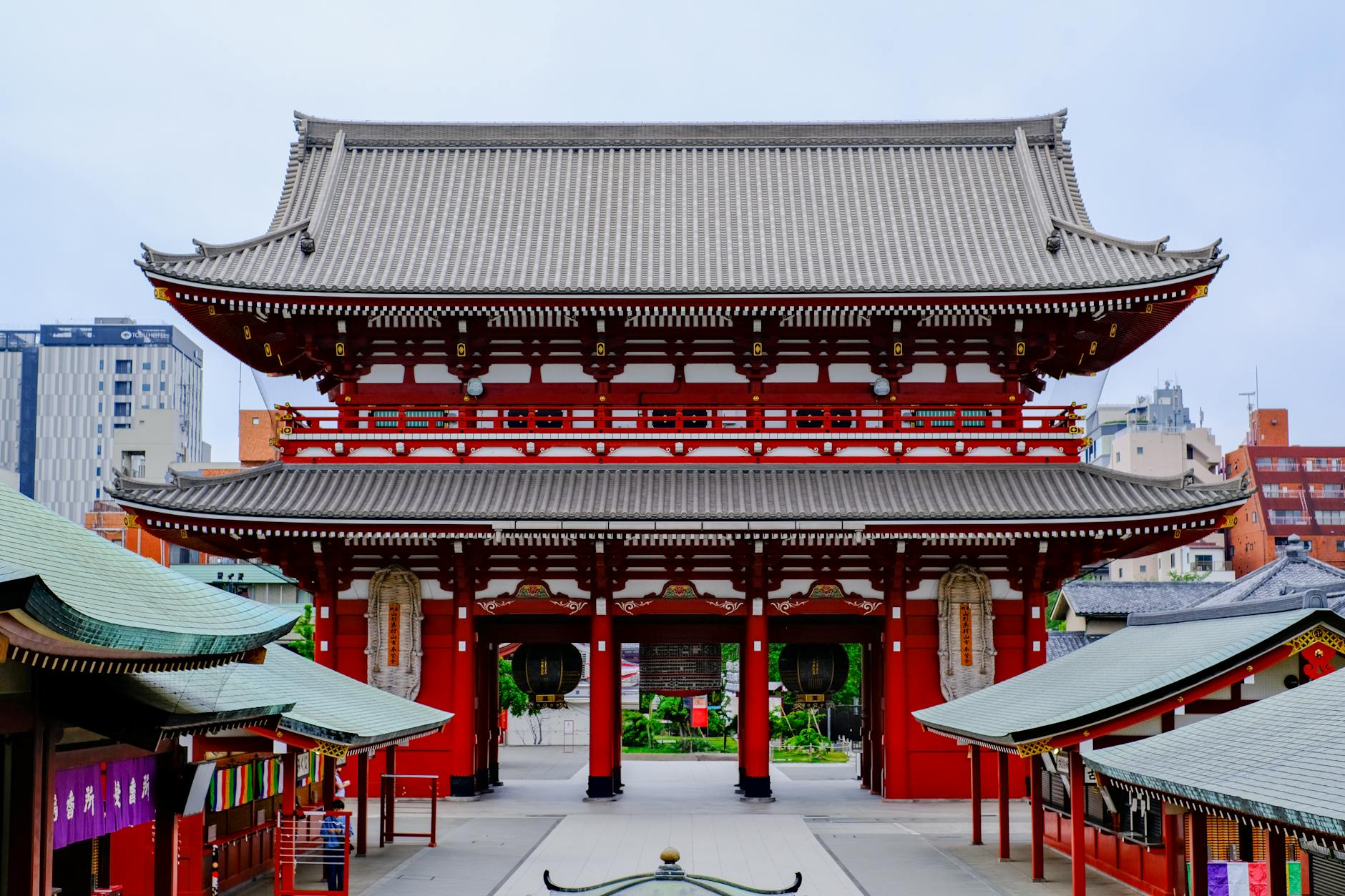
Tokyo is not just Shibuya Crossing and robot restaurants. It’s a city of ancient temples tucked between skyscrapers, Michelin-starred ramen stalls, and alleyways where strangers become friends over sake. The tourist who only sees Senso-ji and Shibuya leaves. The traveler who finds Yanaka Ginza’s old-Tokyo charm, Kagurazaka’s cobblestones, and a Golden Gai bar with six seats discovers the real Tokyo. The difference is knowing which train to take.

🎯 THE 48-HOUR FORMULA

  • Day 1: Senso-ji Temple (early morning), Nakamise shopping street, Shibuya Crossing, Omoide Yokocho for yakitori, Golden Gai for tiny bars
  • Day 2: Tsukiji Outer Market (6am breakfast), teamLab Planets, Yanaka Ginza old Tokyo, Kagurazaka cobblestone streets
  • The secret: Get a Suica or PASMO card — digital version on your iPhone works instantly. Most tourists waste time buying tickets every ride. Don’t be that tourist.
  • The mistake: Carrying too much cash? No. The mistake is carrying no cash. Tokyo is modern but many small shops, temples, and izakayas are cash only.
🚆 Suica/PASMO: tap your phone 🍜 Tsukiji Market: go at 6am 💰 Cash is king in Golden Gai
✅ 48 hours is enough — get a Suica, carry cash, wake up early

📍 Source: Ramen-fueled weekends, one lost-in-translation three-bowl incident, and the discovery that the best sake is in a 6-seat bar

2,500+
people cross Shibuya Crossing at once
The world’s busiest pedestrian scramble
200+
Michelin-starred restaurants in Tokyo
More than Paris — including a ramen shop with a star
40M+
daily train riders in Tokyo
Trains leave exactly on time — 30 seconds late = missed train
3,000+
temples & shrines across Tokyo
Many hidden in plain sight between skyscrapers
🗼 THE TOKYO GAP — WHAT EVERY GUIDE MISSES

Most Tokyo guides tell you to see Senso-ji, cross Shibuya, and eat sushi. That’s not wrong. It’s just the Tokyo that everyone already knows.

Here’s what they don’t tell you: Tokyo has layers. The best sushi is at 6am. The coolest bars have six seats and no sign. The most beautiful neighborhoods are hidden behind train stations. The tourist who doesn’t know these things will pay too much, wait in long lines, and miss the magic. The traveler who does will find old Tokyo, eat like a local, and leave planning their return trip.

🎯 WHAT THEY DON’T SHOW YOU

🍜 The Tsukiji Timing Trap

Everyone goes to Tsukiji Outer Market. But they go at 10am. The secret? Go at 6am. No crowds. Fresher fish. The best sushi of your life. Show up late and you’ll wait an hour for a seat.

🚆 The Suica Digital Hack

Most tourists buy physical Suica cards at ticket machines. The secret? Add Suica to your iPhone Wallet. Tap your phone to ride. Recharge with Apple Pay. No lines. No lost cards. It works instantly.

🏮 The Golden Gai Reality

Golden Gai is famous for tiny bars. But most tourists walk through and leave. The secret? Pick a bar with no English sign. Sit down. Say “Kanpai.” Let the owner recommend something. The best nights happen when you have no plan.

💴 The Cash Rule

Tokyo is modern. But many small shops, temples, and izakayas don’t take cards. The secret? Always carry ¥5,000-10,000 in cash. The tourist with only a credit card will miss the best street food and the most charming bars.

🌸 The Cherry Blossom Reality

Everyone wants to see cherry blossoms. But they go to the famous spots. The secret? Go to a neighborhood park at 7am. Shinjuku Gyoen at sunrise has no crowds. The tourist fights for photos at noon. The traveler drinks tea under falling petals in peace.

🍣 The “Lost in Translation” Advantage

Tourists panic when menus are in Japanese. The secret? Point and trust. The best meal I had in Tokyo came from pointing at a random picture. I ended up with three bowls of ramen. I ate them all. Tokyo rewards the brave.

“The tourist waits in line at a robot restaurant paying ¥8,000 for a show. The traveler finds a Golden Gai bar with six seats, buys the owner a drink, and ends up singing karaoke until 3am. The difference is knowing that Tokyo’s best experiences don’t have websites.”

— Nomad Nate, after 6 trips to Tokyo

❌ Carrying no cash ✅ Get digital Suica ✅ Tsukiji at 6am
📊 80% of tourists never find Yanaka Ginza’s old-Tokyo charm

📍 Sources: Ramen-fueled weekends, one lost-in-translation three-bowl incident, and the discovery that the best sake is in a 6-seat bar

🗼 What’s Inside This Guide
⬆️ Click any link to jump directly ⬆️

Table of Contents

  1. Introduction: Beyond the Neon – Uncovering the True Tokyo
  2. Before You Go: Planning Your Tokyo Weekend Adventure
    • Best Time to Experience Tokyo’s Seasons
    • Navigating the City: Transport Tips and Tricks
    • Where to Stay: Neighborhoods with Unique Character
  3. Your Weekend Itinerary: Tokyo’s Hidden Gems
    • Day 1: Tradition, Artisans, and Serene Gardens
      • Morning: Yanaka Ginza – The Old Tokyo Charm
      • Afternoon: Kagurazaka’s Cobblestone Streets and French Fusion
      • Evening: Shinjuku’s Omoide Yokocho and Golden Gai
    • Day 2: Design, Culture, and Local Flavors
      • Morning: Daikanyama and Nakameguro – Tokyo’s Trendy Nexus
      • Afternoon: Kappabashi “Kitchen Town” and Ameyoko Market
      • Evening: Local Izakaya Hopping in a Non-Touristy Area
  4. Essential Off-the-Beaten-Path Experiences
    • Food: From Street Food to Secret Supper Clubs
    • Cultural Etiquette: Respectful Exploration
  5. Practical Tips for the Discerning Traveler
    • Connectivity: Pocket WiFi vs. SIM Cards
    • Cash is King: Navigating Payments
    • Useful Japanese Phrases for Deeper Connection
  6. Conclusion: Crafting Your Own Unique Tokyo Story

Have you ever dreamed of neon lights and futuristic tech? Do centuries-old temples captivate you? Does ramen make you want to weep tears of joy? If so, Tokyo is waiting for you. This city is not just Japan’s capital—it’s one of the most visited cities in the world. And yes, you can squeeze a taste of its magic into just one weekend (though trust me, you’ll be plotting your return trip before your plane even takes off).

Why Tokyo for a Weekend Escape?

Tokyo is the kind of city that gives you a thousand experiences in a single breath. Morning meditation at a 1,000-year-old shrine, lunch at a Michelin-star ramen shop, shopping in Harajuku, then belting karaoke under neon lights—it’s a weekend that feels like a lifetime.

I’ve explored weekend escapes in places like Istanbul, NYC, and Singapore. But Tokyo? It’s in a league of its own.

Flights to Tokyo

✈️ Flight Delayed or Canceled?
Travel isn’t always smooth sailing—sometimes flights get delayed, canceled, or overbooked. The good news? You might be entitled to up to $650 in compensation under air passenger rights. Most travelers never claim it, but I’ve got you covered: just check your flight with AirHelp. They handle the paperwork, fight the airlines for you, and only get paid if you win. Easy, stress-free, and potentially a nice surprise for your travel fund.

✈️ Don’t get stuck with a massive phone bill! We all know the struggle of finding affordable data abroad. Airport SIMs are overpriced, and international roaming fees are a nightmare. That’s why I never travel without my Drimsim. It’s a global SIM that works in almost every country instantly. Just top it up via the app when you need it, and you’re good to go. Stay connected from the moment you land without the stress. Check it out here: 👉 Drimsim: SIM Card for Traveling Around the World

💡 Pro Travel Tip:
While hopping on metro, tram, or bus is super easy, travel hiccups like delays, lost luggage, or sudden medical emergencies can happen anywhere. That’s why I always carry travel insurance before jetting off. It gives peace of mind knowing I’m covered, no matter what. I personally recommend VisitorsCoverage Travel Insurance — quick to book, affordable, and traveler-friendly.

🇯🇵 TOKYO · 東京 · WHERE TRADITION MEETS THE FUTURE

🗼乾杯! Tokyo’s neon-lit streets and hidden alleyways are just one of 80+ destinations I’ve explored!

From the shimmering towers of Shinjuku to the serene gardens of the Imperial Palace, Tokyo is a city of endless discovery. And I’ve captured that same magic across 6 continents — with 45+ European cities, Asian adventures, Americas escapes, and more.

45+ Europe
18+ Asia
10+ Americas
8+ Africa/Aus
🌍 EXPLORE ALL 80+ GUIDES →

Europe · Asia · Americas · Australia · Africa

🇯🇵 JAPAN GUIDES:
Tokyo | Kyoto | Osaka | Hakone (coming soon) | Nikko (coming soon)
🗼 “Tokyo hides its best secrets in plain sight — and 80+ more cities are waiting to share theirs with you”

✨ Day 1: Tradition Meets Tech

Morning: Senso-ji Temple, Asakusa

Start with a bit of serenity. Senso-ji is Tokyo’s oldest temple, and walking through the Nakamise shopping street feels like stepping back into Edo-period Japan—except with better souvenir stalls. Grab a fresh melon pan (sweet bread) to keep you energized.

Find the best hotels near Sensoji Temple

Personal Note: I once tried drawing a fortune here (called omikuji) and got the “worst luck” slip possible. Don’t panic if you do too—just tie it to the temple’s rack and move on with your day. Tokyo knows how to balance fate and fun.

Sensoji Temple Tours

Sensoji Temple, Tokyo’s most famous Buddhist temple, founded in 645 AD. The vibrant Kaminarimon Gate welcomes visitors to Nakamise shopping street.

The Main Hall (Hondō) of Sensoji Temple, where visitors waft incense smoke for blessings. Founded in 645 AD, this sacred site remains a symbol of Tokyo’s spiritual heritage.

Afternoon: Shibuya Crossing

No Tokyo weekend is complete without standing in the middle of the world’s busiest pedestrian crossing. It’s chaotic, mesmerizing, and oddly therapeutic—like synchronized chaos.

Hotels near Shibuya Crossing, Tokyo

Aerial view of Shibuya Crossing in Tokyo, showcasing busy pedestrian pathways and bustling streets, with bright advertisements on surrounding buildings.
Aerial view of the iconic Shibuya Crossing, bustling with pedestrians and surrounded by vibrant city lights.

📸 If you’re planning to capture this moment (and you should), don’t forget a solid camera. I recommend browsing some great travel-ready cameras here.

Shibuya Crossing Tours

🚦 SHIBUYA SCRAMBLE · TOKYO’S PULSE

🚦乾杯! Shibuya Crossing at rush hour is just one iconic moment — I’ve experienced 80+ cities at their most vibrant!

From the Hachiko statue to bustling intersections around the world — let the energy guide you.

🚦 “2,500 people cross at once — and 80+ cities have their own rhythms”

Evening: Shinjuku Nights

A vibrant street in Tokyo at night, filled with colorful neon signs in Japanese, bustling with people enjoying the nightlife.
A vibrant evening scene in Shinjuku, Tokyo, illuminated by neon lights and bustling with energy.

Head to Omoide Yokocho (aka “Memory Lane”), where smoky yakitori stalls make you feel like you’ve entered a time capsule. Don’t be surprised if a stranger raises a glass and says “Kanpai!”—Tokyo nights are for making friends you’ll never forget.

Hotels in Shinjuku, Tokyo 

Tokyo Bar Hopping Night Tour in Shinjuku

A narrow alley in Tokyo filled with vibrant lanterns and signage, creating a cozy, inviting atmosphere for diners. People can be seen walking and enjoying the lively atmosphere of this bustling street.
Experience the vibrant nightlife of Omoide Yokocho, a charming alleyway lined with glowing lanterns and yakitori stalls in Tokyo.

Hotels near Omoide Yokocho, Tokyo

Omoide Yokocho Tours

🌸 Day 2: Hidden Gems & Modern Marvels

Morning: Tsukiji Outer Market

Yes, the inner market moved, but Tsukiji’s outer stalls are still alive with sizzling seafood skewers, tamago rolls, and sushi so fresh it practically swims onto your plate. Pro tip: go early to avoid the tourist rush.

A bustling shopping street in Tokyo filled with people, lined with colorful storefronts and hanging lanterns.
Bustling scene at Tsukiji Outer Market, filled with vibrant stalls and visitors enjoying fresh seafood and local delicacies.

Afternoon: Ghibli Museum (Hidden Gem!)

If you’re a Studio Ghibli fan, this spot in Mitaka is a dream. Think whimsical staircases, Totoro waiting rooms, and exclusive short films you’ll never see outside Japan. Tickets sell out fast, so book well in advance.

Hotels near Ghibli Museum, Tokyo

🔍 TOKYO’S HIDDEN GEMS · AND 80+ MORE CITIES

🔍乾杯! Tokyo’s secret sake bars and hidden gardens are just the beginning — I’ve uncovered 80+ destinations’ best-kept secrets!

From Golden Gai’s tiny bars to local favorites around the world — travel like an insider.

🔍 “Tokyo’s hidden gems are special — and 80+ cities have their own secrets waiting for you”
Interior view of an art gallery featuring wooden flooring, modern lighting, and several paintings displayed on white walls. Visitors are observing the artwork.
Explore the captivating Ghibli Museum in Mitaka, a must-visit for fans of Studio Ghibli’s enchanting animations.

Ghibli Museum Tours

Evening: TeamLab Planets Tokyo

Forget everything you know about museums—this digital art experience is like walking through a dreamscape of light, mirrors, and water. Bring a change of socks (you’ll thank me later).

A large illuminated globe hanging in a modern museum, with silhouettes of visitors walking along a bridge in the background.
Visitors admire the stunning digital art installation at TeamLab Planets Tokyo, showcasing a mesmerizing globe that reflects Earth’s beauty.

🌏 Side Trip Idea: If your travels take you beyond Shanghai, Tokyo is just a short flight away and packs an entirely different vibe—think neon streets, sushi feasts, and ancient temples tucked between skyscrapers. I usually book activities and tours through Rakuten Experiences because it’s a hassle-free way to score everything from sumo-wrestling shows to sushi-making classes. Booking ahead saves time, and you’ll skip the stress of last-minute planning.

Rakuten Experiencesicon

🛫 Travel Tips for Tokyo

  • Best Time to Visit: Spring (March–April) for cherry blossoms or Autumn (October–November) for fiery leaves.
  • Getting Around: Grab a Suica or Pasmo card for hassle-free metro rides. Trains are punctual to the second (seriously, if you’re 30 seconds late, the train is gone).

If you plan on zipping around Tokyo (and trust me, you will), grab yourself a Suica card—it’s basically the city’s golden ticket for hassle-free travel. You can buy one at JR East train stations or even at the airport, load it up with yen, and then just tap your way through trains, buses, and even convenience stores. No more fumbling with coins for every ride. A bonus? You can use it to grab snacks at vending machines, buy coffee at 7-Eleven, or even pay at some restaurants. The card is rechargeable, refundable when you leave Japan, and makes navigating Tokyo’s famously punctual transport system a whole lot smoother.

🗼

Tokyo’s hidden gems! Just one of 80+ destinations across 6 continents.

🇪🇺 45+ Europe · 🌏 18+ Asia · 🌎 10+ Americas · 🌅 8+ Africa/Australia

🗼 “From Tokyo’s neon alleys to the world — 80+ adventures await”

🚌 What is a PASMO Card?

The PASMO card is Tokyo’s other rechargeable smart travel card, created by private railway and bus companies. Just like Suica, it works on almost all trains, subways, and buses across Tokyo (and most of Japan’s major cities). You can also use it at convenience stores, vending machines, and some restaurants. PASMO is especially handy if you’re traveling more on the Tokyo Metro or private lines rather than JR East trains. You can pick one up at Tokyo Metro stations, airports, or bus terminals, top it up easily, and just tap your way through.

🔄 Suica vs. PASMO: Which One Should You Get?

Both cards are nearly identical in function, so you honestly can’t go wrong. But here are the small differences that matter:

  • Where They’re Issued
    • Suica: Issued by JR East (Japan Rail). Available at JR train stations and airports.
    • PASMO: Issued by private railway and bus operators. Available at Tokyo Metro stations and bus terminals.
  • Coverage
    Both work seamlessly across Tokyo’s transport network (JR lines, subways, buses) and are even accepted in other major cities like Osaka, Kyoto, and Fukuoka.
  • Refunds
    If you want your deposit back when leaving Japan, it’s easier to return a Suica at a JR station or a PASMO at a Metro station.
  • Everyday Use
    Both can be used for small purchases at convenience stores, vending machines, and some shops.

👉 Bottom Line:

  • If you’re staying around JR East train lines (like Shinjuku, Shibuya, Tokyo Station) → Suica is slightly more convenient.
  • If you’ll be riding more Tokyo Metro or private linesPASMO might save you a line at the ticket machines.
  • Otherwise, pick whichever is available first at the airport—you’ll barely notice a difference once you’re zipping around the city.

💡 Insider Tip: You don’t even need to carry a physical Suica or PASMO card anymore—Japan’s gone fully digital! If you’ve got an iPhone (with Apple Wallet) or an Android phone (with Google Wallet or the Suica/PASMO app), you can add a mobile Suica or PASMO directly to your phone. Just top it up with your credit card and tap your phone at the gates or vending machines like a local. No more lining up at ticket counters or worrying about losing your card. Plus, recharging on the go is a lifesaver when you’re racing to catch that last train after karaoke.

  • Stay Connected: Roaming charges in Japan can be brutal. I avoid the airport SIM counter trap and instead use a universal travel SIM that works in 190+ countries. Just top it up via app, and you’re online—no hidden fees, no panic. Check out Drimsim: SIM Card for Traveling Around the World.
  • Safety: Tokyo is one of the safest cities globally, but I always keep my connection private when using public WiFi. A good VPN like NordVPN keeps your data safe while you’re Instagramming your sushi.

🍣 Personal Anecdote: Lost in Translation (Literally)

On my first Tokyo trip, I tried to order ramen using only gestures. I ended up with three bowls and a side of extra noodles. Did I eat it all? Absolutely. Was I in a food coma until morning? You bet. Lesson learned: embrace the unexpected—Tokyo rewards curiosity.

🔗 Related Reads You’ll Love

If Tokyo sparks your wanderlust, you might also enjoy:

🗣️ REAL STORIES · REAL MISTAKES · WHAT ACTUALLY WORKS

Tokyo looks easy. But there are secrets—the Tsukiji timing, the Suica digital hack, the cash rule. Here are three stories from travelers who learned the hard way—and one who figured it out.

S

Reader Story · Sarah, London

Visited October 2025

“I showed up at Tsukiji Market at 11am. Every stall had a line. I waited 45 minutes for a sushi set that was good but not great. A local next to me whispered: ‘You came too late. 6am is the secret.’ I went back the next morning at 6am. No line. Better fish. Half the price. I learned: Tokyo rewards early risers.”

😬 HER MISTAKE

Went to Tsukiji at peak time. Waited in long lines for overpriced sushi.

✅ WHAT SHE LEARNED

Tsukiji Market opens early for a reason. Go at 6am. No lines. Better fish. The tourist sleeps in. The traveler eats well.

NN

Nomad Nate · 6 trips to Tokyo

“Sarah discovered the #1 Tokyo rule. The city wakes up early. Tsukiji’s best stalls open at 5 or 6am. By 9am, the lines start. By 11am, you’re waiting an hour. The secret? Set your alarm. Eat breakfast at the market. Take a nap later. The freshest fish and the shortest lines belong to the early riser.”

Nate’s Pro Tip: “If you can’t do 6am, aim for 2pm. The lunch rush ends. Some stalls close, but the hidden gems in the outer market are still serving. But honestly? Just wake up early. It’s worth it.”

M

Reader Story · Mike, Chicago

Visited November 2025

“I thought Tokyo was fully digital. I brought only my credit card and phone. Then I tried to buy grilled eel from a tiny stall in Yanaka Ginza. The owner pointed to a sign: ‘Cash Only.’ I had no cash. I walked away hungry. I learned that day: Tokyo is modern but traditional. Always carry cash. Especially at the best places.”

😱 HIS MISTAKE

Assumed everywhere takes cards. Brought no cash. Missed out on amazing food.

✅ WHAT HE LEARNED

Small shops, temples, and izakayas often don’t take cards. Carry ¥5,000-10,000 cash at all times. The best experiences are often cash only.

NN

Nomad Nate · 6 trips to Tokyo

“Mike’s story is the #2 Tokyo mistake. Japan loves cash. The big chains take cards. The small places—the ones you actually want to find—often don’t. The rule: withdraw ¥10,000-20,000 from a 7-Eleven ATM (they have the best exchange rates) and keep it in your wallet. You’ll sleep better knowing you can buy that grilled eel.”

Nate’s Pro Tip: “7-Eleven ATMs in Japan are your best friend. Low fees. English menus. And they’re everywhere. Withdraw cash when you land. Don’t wait until you’re at a cash-only stall with an empty wallet.”

L

Reader Story · Lisa, Melbourne

Visited March 2026

“I walked through Golden Gai and saw all the tourists taking photos. Then I noticed a tiny alley with no sign. I walked in. A bar with six seats. The owner didn’t speak English. I pointed at a bottle. He poured. I said ‘Kanpai.’ He smiled. Two hours later, I was singing karaoke with strangers. I learned: the best bars in Tokyo don’t have Instagram accounts.”

✨ ACCIDENTAL DISCOVERY

Walked past the tourist photos. Found an unmarked bar. Had the best night of her trip.

🗼 THE 10 TOKYO TRUTHS — EVERYTHING DISTILLED

If 48 hours is too much to carry—here are the ten truths that matter most. Print them. Save them. Send them to someone who needs them.

01 Suica/PASMO is your golden ticket.

Tap your way through trains, buses, and convenience stores. Better yet: add digital Suica to your iPhone Wallet. No lines. No lost cards. Recharge with Apple Pay. Most tourists don’t know this. Now you do.

02 Tokyo is cash-friendly. Carry ¥5,000-10,000.

The big chains take cards. The small shops, temples, and izakayas don’t. The tourist with only a credit card misses the best street food and the most charming bars. 7-Eleven ATMs are your best friend.

03 The best sushi is at 6am. Tsukiji proves it.

Tsukiji Outer Market opens early for a reason. No lines. Fresher fish. Half the price. The tourist sleeps in and waits an hour. The traveler eats breakfast at the market and wonders why everyone else showed up late.

04 Trains leave EXACTLY on time. 30 seconds late = missed train.

Tokyo’s train system is punctual to the second. If Google Maps says 9:47, the train leaves at 9:47. Not 9:48. Not 9:47:30. Don’t test it. You will lose.

05 Golden Gai is for night owls. The best bars have no sign.

Tourists photograph the famous Golden Gai bars. The traveler walks into an alley with no sign. Six seats. Cash only. No English menu. That’s where Tokyo’s magic lives. Say ‘Kanpai’ and trust the owner.

06 You don’t need fluent Japanese. You need ‘Sumimasen.’

‘Sumimasen’ (excuse me) opens every door. Add ‘Arigatou gozaimasu’ (thank you) and ‘Kore o kudasai’ (this please). That’s 90% of your interactions. The rest you can point and smile.

07 teamLab Planets requires socks. Bring a change.

You walk through water. Your socks will get wet. Bring a spare pair. Most tourists don’t read this and walk around with wet feet. Don’t be that tourist.

08 Cherry blossom season is a sport. Book months ahead.

March-April is peak season. Hotels book out 3-6 months in advance. Prices double. The tourist who books last minute pays triple. The traveler who plans ahead drinks tea under falling petals in peace.

09 Yanaka Ginza is old Tokyo. Most tourists never find it.

A neighborhood that survived WWII and modernization. Wooden houses. stray cats. traditional snack stalls. It’s a 10-minute walk from Nippori Station. Most tourists stay in Shinjuku and Shibuya. Their loss.

10 Tokyo is not just a city. It’s a thousand neighborhoods.

The tourist sees Shibuya, Shinjuku, and Asakusa. The traveler finds Yanaka, Kagurazaka, Nakameguro, and Golden Gai’s unmarked bars. Tokyo hides its best secrets. But only if you’re willing to walk down the small alleys.

The Smart Traveler Framework — Six Questions Before You Go

Do I have digital Suica? Do I have cash? Am I waking up early for Tsukiji? Did I book teamLab Planets in advance? Do I know where the unmarked bars are? Do I have my ‘Sumimasen’ ready? That framework is yours now. Use it in Tokyo. Use it everywhere.

📍 Sources: Ramen-fueled weekends, one lost-in-translation three-bowl incident, and the discovery that the best sake is in a 6-seat bar

🗼 FINAL THOUGHTS — LAXMI HEGDE, MBA IN FINANCE

“I thought I understood Tokyo. Then I walked into a bar with no sign.”

First time: I was a tourist. I saw Shibuya Crossing. I took photos at Senso-ji. I ate sushi at a restaurant in Shinjuku. I left thinking Tokyo was impressive but overwhelming. I had done Tokyo the easy way. I had missed the point.

Second time: I woke up at 5am. I went to Tsukiji Market before the crowds. I watched the tuna auction from a distance. I ate sushi at 6am that changed my understanding of fish. I realized Tokyo rewards the early riser. I left wondering why I had ever slept in.

Third time: I walked past Golden Gai’s famous bars. I found an alley with no sign. A bar with six seats. The owner didn’t speak English. I pointed at a bottle. He poured. I said ‘Kanpai.’ He smiled. Two hours later, I was singing karaoke with strangers. I realized that Tokyo is not one city. It’s a thousand. And most of them are hiding in plain sight, waiting for you to walk down the small alleys.

What I learned

The tourist sleeps in and misses Tsukiji. The traveler wakes up at 5am. The tourist takes photos of famous bars. The traveler walks into alleys with no signs. The difference is a willingness to get uncomfortable. Tokyo rewards the curious, the early riser, and the person who carries cash. Don’t just see Tokyo. Live in it for 48 hours.

🗼 The Series Connection

This is one of 80+ weekend guides in our Ultimate Weekend Escapes series. Every city, every guide, every wrong turn I’ve taken—it’s all here for you.

🍜 What’s Next

Next in the series: Kyoto, Japan—temples, tea ceremonies, and Japan’s ancient capital. Coming soon.

Mata ne, Tokyo

(See you again, Tokyo)

Laxmi Hegde

MBA in Finance · ConfidenceBuildings.com

April 2026 · Ultimate Weekend Escapes Series

📌 P.S. — My Tokyo Secret

If you read nothing else: Golden Gai’s unmarked bars — walk through the main alley. Then turn down a side street. Look for a bar with no sign, no menu, and six seats. Walk in. Say ‘Kanpai.’ Point at a bottle. Trust the owner. Most tourists never find these places. You will. And you’ll leave with friends you’ll never forget.

💡 Final Thoughts & Call to Action

Tokyo is not just a destination—it’s an experience that lingers long after you’ve left. Whether you’re marveling at temples, navigating neon-lit streets, or slurping noodles at midnight, this city makes a weekend feel like a world tour.

👉 Ready to book your own Tokyo escape? I always use Expedia for flexible flights and stays. Pair that with a travel camera and a trusty VPN, and you’re set for the ultimate adventure.

So pack light, keep your chopsticks handy, and let Tokyo surprise you. 🌏✈️

Infographic outlining a 2-day itinerary for Tokyo, featuring key attractions and activities for each day.
A visually engaging itinerary for a 2-day adventure in Tokyo, highlighting iconic landmarks and experiences.

Frequently Asked Questions (FAQ)

Q1: Is this itinerary suitable for a first-time visitor to Tokyo?
While it focuses on hidden gems, it’s a fantastic complement to the major sights. This guide is perfect for someone who has already seen Senso-ji or Shibuya Crossing, or for a traveler who prefers deeper, more local experiences over crowded tourist spots.

Q2: What is the best way to get around Tokyo to reach these areas?
Tokyo’s subway and JR train lines are incredibly efficient and will get you close to all these neighborhoods. The key is using a Suica or Pasmo rechargeable IC card for seamless travel on all lines. Google Maps is extremely accurate for providing real-time train schedules and routes.

Q3: How walkable are these hidden gem neighborhoods?
Extremely walkable. The charm of areas like Yanaka Ginza, Kagurazaka, and Nakameguro is best discovered on foot, wandering through side streets and alleyways. This itinerary is designed for exploring on foot once you arrive at the correct station.

Q4: Do I need to speak Japanese to enjoy these less touristy spots?
While not strictly necessary, knowing a few key phrases (Arigatou gozaimasu – Thank you, Sumimasen – Excuse me, Kore o kudasai – This please) will greatly enhance your experience and is seen as a sign of respect. Many menus in local spots may be Japanese-only, but pointing and a friendly attitude work wonders.

Q5: What is one “hidden gem” I absolutely shouldn’t miss?
Yanaka Ginza offers a rare glimpse into the Shitamachi (old downtown Tokyo) atmosphere that survived WWII and modernization. It’s a peaceful, nostalgic street filled with independent artisan shops, stray cats, and traditional snack stalls, providing a completely different side of the city.

Q6: Is it safe to explore these non-touristy areas at night?
Tokyo is one of the safest large cities in the world. Exploring areas like Golden Gai or a local izakaya district at night is generally very safe. As always, practice basic situational awareness.

Q7: How should I budget for a weekend of exploring hidden gems?
Many of the best experiences are low-cost or free (wandering neighborhoods, visiting temples). Budget more for unique dining experiences, artisan crafts, and transportation. Eating at local izakayas and market stalls can be very affordable.

🗼🇯🇵 Tokyo’s hidden gems & neon nights — just one of 80+ destinations
🌍 Explore All →

Universal Disclaimer/Disclosure Page:

Top 5 Destinations for Soulful Solo Travelers

There’s something deeply liberating about packing your bags, grabbing your passport, and heading out into the world—solo. Whether you’re soul-searching, or you just want some peace and quiet, the right destination can feel like a warm hug. It’s comforting after a long day. I’ve been there, and trust me, these places understand what a solo traveler really needs.

Wrapped in calm and coffee—this is what solo soul-searching looks like.
🧘 SOLO SOULFUL TRAVEL · FIND YOURSELF IN THE JOURNEY

✨ NAMASTE These 5 soulful solo destinations are just a taste of the 80+ places I’ve explored!

From the misty temples of Kyoto to the silent deserts of Bhutan, I’ve found destinations that speak to the soul. And I’ve captured that same transformative magic across 6 continents — with 45+ European cities, Asian adventures, Americas escapes, and more.

45+ Europe
18+ Asia
10+ Americas
8+ Africa/Aus
🌍 EXPLORE ALL 80+ GUIDES →

Europe · Asia · Americas · Australia · Africa

🧘 SOULFUL SOLO DESTINATIONS FEATURED:
Kyoto, Japan | Bhutan | Reykjavik, Iceland | Queenstown, NZ | Chiang Mai, Thailand
🧘 “Solo travel is not about being alone — it’s about being fully present with yourself. And 80+ more destinations are waiting for you to discover them.”

🌸 1. Kyoto, Japan – Serenity in Every Step

🌸 1. Kyoto, Japan – Serenity in Every Step

Between whispering bamboo groves in Arashiyama and the gentle rustle of kimonos in Gion, Kyoto wraps you in tradition and calm. Perfect for thoughtful walks, matcha-fueled afternoons, and temple hopping without a rush.
Personal note: I once wandered into a tiny teahouse off Philosopher’s Path, where an old lady served me the best mochi I’ve ever tasted. We didn’t speak the same language, but it felt like home.
📍 Best time to visit: March to April for cherry blossoms.
🛏️ Tip: I always book flexible stays and flights through Expedia—less stress, more soul-searching.

The Latest Kyoto vacation packages: Book a Hotel + Flight or Car together to unlock savings

✈️ Flight Delayed or Canceled?
Travel isn’t always smooth sailing—sometimes flights get delayed, canceled, or overbooked. The good news? You might be entitled to up to $650 in compensation under air passenger rights. Most travelers never claim it, but I’ve got you covered: just check your flight with AirHelp. They handle the paperwork, fight the airlines for you, and only get paid if you win. Easy, stress-free, and potentially a nice surprise for your travel fund.

✈️ Travel Tip: Staying connected abroad can be tricky (and expensive if you’re relying on airport SIM counters or roaming). That’s why I carry a Drimsim—a universal SIM card that works in 190+ countries without hidden fees. You just pop it into your phone, top up through the app, and you’re online wherever your adventure takes you. No more hunting for local SIM cards or stressing over roaming bills. If you’re planning your next getaway, check it out here 👉 Drimsim: SIM Card for Traveling Around the World.

💡 Pro Travel Tip:
While hopping on metro, tram, or bus is super easy, travel hiccups like delays, lost luggage, or sudden medical emergencies can happen anywhere. That’s why I always carry travel insurance before jetting off. It gives peace of mind knowing I’m covered, no matter what. I personally recommend VisitorsCoverage Travel Insurance — quick to book, affordable, and traveler-friendly.


Step into calm: Kyoto’s Arashiyama Bamboo Grove is nature’s version of a silent meditation app—no subscription required.

☀️ 2. Lisbon, Portugal – Sunshine & Solo Café Vibes

Lisbon is where your solo journey gets a Mediterranean soundtrack. Friendly locals, affordable hostels, and endless miradouros (viewpoints) make you feel like you’re in a European indie film.
Why it’s a hug: The hills give you a workout, the pastel de nata gives you a reason to stop.
📍 Best time to visit: May to early July.
💡 Geo Tip: Tram 28 is your vintage ride through history—and great for solo Instagram moments

Your dream Lisbon vacation is here, clicks now.

Lose yourself in Lisbon’s Alfama—pastel walls, cobbled alleys, and the kind of calm that makes solo travel feel like a friend.

🌊 3. Ubud, Bali – Healing Energy & Soulful Community

Ubud isn’t just a place—it’s a vibe. Picture morning yoga with jungle views, evenings filled with candle-lit vegan meals, and the kind of conversations that start with, “What brought you here?”
My story: I cried (in a good way) after my first sound healing session in Ubud. The woman next to me just handed me tissues. No words needed.
📍 Stay at: Eco-lodges or co-living retreats—they’re solo-traveler gold.
🧘‍♀️ Hot tip: Don’t miss the Campuhan Ridge Walk at sunrise

Go beyond your typical stay in Ubud

🕉️ 5 SOULFUL DESTINATIONS · INFINITE JOURNEYS

🕉️ These 5 soulful escapes are just the beginning — I’ve discovered 80+ places where you can find yourself.

From silent temples to mountain solitude — your next inner journey awaits.

🧘 “The journey inward begins with a step outward”
Tucked away in Bali’s emerald jungle, this hidden Ubud waterfall is nature’s version of a warm hug—serene, soothing, and soul-refreshing.

🌄 4. Reykjavik, Iceland – Alone, but Never Lonely

Iceland embraces solo travelers like no other. Safe, stunning, and soul-shakingly beautiful. Reykjavik is the starting point for Northern Lights, golden hour waterfalls, and quiet coffee shops filled with books and Icelandic kindness.
📍 Go solo, drive wild: Rent a car and do the Golden Circle loop—it’s like being in a dream, with seat warmers.
💬 Travel truth: You’ll talk to more people as a solo traveler here than in a group tour

Lock in a Reykjavik vacation package

A quiet stroll along Reykjavík Harbour is the perfect Icelandic welcome—peaceful, colorful, and full of northern charm.

🌴 5. Medellín, Colombia – Solo with a Spark

Once infamous, now beloved—Medellín is a city that welcomes you with open arms and salsa beats. Solo travelers are everywhere, co-working cafés are buzzing, and the metro cable views are unmatched.
Human moment: A street musician played “Despacito” on a cello in a park, and an old man pulled me into a dance. I had two left feet, but I laughed like I hadn’t in months.
📍 Stay in: El Poblado for safety, community, and nightlife.

Botero’s curvy bronze masterpieces turn Medellín’s city center into an open-air museum—quirky, bold, and totally selfie-worthy.
🧘

5 soulful solo destinations! Just a taste of 80+ places across 6 continents.

🇪🇺 45+ Europe · 🌏 18+ Asia · 🌎 10+ Americas · 🌅 8+ Africa/Australia

🧘 “From these 5 soulful escapes to 80+ more — find yourself everywhere”

✈️ Final Thoughts

Solo travel isn’t about being alone—it’s about being open. Every destination on this list isn’t just beautiful—it’s beautifully kind to solo travelers. They offer space to breathe, people who smile, and moments you’ll tuck away for years.

I always book flexible stays and flights through Expedia—less stress, more soul-searching.

📸 Bonus Hack: Capture Smarter, Travel Lighter

One thing I’ve learned? Your phone camera can only do so much when you’re standing on a cliff in Santorini at sunset. If you’re serious about documenting your adventures without packing a bulky DSLR, I highly recommend the Canon EOS R100—a compact mirrorless camera with a 24.1 MP APS-C sensor, 4K video, and built-in Wi-Fi & Bluetooth for quick uploads. It’s perfect for travelers who want pro-quality photos without the weight or the price tag. I’ve been using mine to snap everything from street food in Bangkok to beach sunsets in Tulum—and the results are chef’s kiss.

👉 Grab it here: Canon EOS R100 – Travel-Ready Mirrorless Camera

🧘🌄 5 soulful solo destinations — just a taste of 80+ places
🌍 Explore All →

Universal Disclaimer/Disclosure Page: