Ultimate Weekend Guide to Vancouver: Travel Tips & Hidden Gems

Meta Description: Planning a quick weekend trip to Vancouver, Canada? This ultimate travel guide for explorers covers everything from ferry travel with Direct Ferries, hidden gems, and budget tips to must-see spots like Stanley Park and Granville Island. Get practical advice on visas, transit, and saving money—perfect for your West Coast adventure!

Table of Contents

  1. Why Vancouver Is the Perfect Weekend Escape
  2. Getting There (Flights + Ferry Routes Explained)
  3. Getting There by Ferry (Direct Ferries Guide)
  4. Where to Stay (Smart Booking Tips)
  5. Getting Around Vancouver Like a Local
  6. What to Do in Vancouver (Must-Sees + Hidden Gems)
  7. Food You’ll Dream About Long After
  8. Best Time to Visit (And When to Avoid Crowds)
  9. Budget & Money-Saving Tips
  10. Staying Connected & Safe Abroad
  11. Travel Essentials I Never Skip
  12. FAQs for First-Time Visitors
  13. Final Thoughts

Why Vancouver Is the Perfect Weekend Escape 🌲🌊

Vancouver is one of those rare cities where you can sip excellent coffee, hike through a rainforest, stare at snow-capped mountains, and eat world-class sushi—all in the same day.

The first time I visited, I remember thinking: “This city doesn’t rush you—it invites you.” It’s calm without being boring, outdoorsy without being intimidating, and polished without losing its soul.

If you’re a traveler who loves nature, food, walkable neighborhoods, and stress-free logistics, Vancouver will feel like home within hours.

Picture this: snow-capped mountains meeting sparkling ocean, urban coffee shops just minutes from ancient rainforests, and a food scene that’ll make your taste buds sing. Vancouver is that rare city where you can ski in the morning and hit a beach patio by afternoon—all in one weekend. I’ve lost count of how many times I’ve dragged friends here, only to have them text me months later saying they’re moving. Sorry, not sorry.

It’s also surprisingly doable in two days if you plan smart. Forget FOMO; this guide will help you hit the highlights, uncover some secret spots, and maybe even save enough cash for an extra seafood tower.

Getting There: Flights, Roads & Getting There by Ferry

By Air: Vancouver International Airport (YVR) is well-connected globally. I always book through Expedia to compare prices—their bundle deals have saved me a pretty penny more than once.

👉 Tip: Flying in Friday morning and leaving late Sunday gives you nearly three full days without burning extra hotel nights.

By Road: If you’re coming from Seattle or elsewhere in the Pacific Northwest, the I-5 and BC-99 make for a stunning road trip. Just remember, the border wait can be unpredictable—check times online before you go.

By Ferry – The Scenic Route:
Here’s where the adventure truly begins. If you’re coming from Victoria (Vancouver Island) or the surrounding islands, the ferry is not just transit; it’s part of the experience. Sailing through the Gulf Islands with a coffee in hand, watching for whales… it’s pure Pacific Northwest magic.

For the easiest planning, I always use Direct Ferries. The Victoria–Vancouver ferry route is no longer available via Direct Ferries, They compare routes, times, and prices across all operators (like BC Ferries) in one spot, so you’re not hopping between a dozen tabs. Pro tip: Book in advance for summer weekends—these sailings fill up faster than a Tim Hortons on a Monday morning.

Personal Anecdote: My first ferry ride to Vancouver, I was so glued to the deck watching sea lions that I nearly missed the “return to vehicle” announcement. Don’t be me. Set a phone timer.

🚢 Getting There by Ferry (What Still Works in 2026)

While Direct Ferries no longer lists the Victoria–Vancouver route, ferry travel is still very much part of the Vancouver experience—just through the correct operators.

✔️ Vancouver ↔ Vancouver Island (Victoria & Nanaimo)

Travelers can still move between Vancouver and Vancouver Island using BC Ferries, Canada’s primary ferry operator.

Popular routes include:

  • Tsawwassen ↔ Swartz Bay (Victoria)
  • Tsawwassen ↔ Duke Point (Nanaimo)
  • Horseshoe Bay ↔ Departure Bay (Nanaimo)

⏱️ Travel time: ~1 hour 35 minutes
🌊 Bonus: Coastal views, forested islands, and calm Pacific waters

💡 Local Tip (from experience):
If you’re traveling without a car, go as a walk-on passenger. It’s cheaper, faster, and avoids peak vehicle queues—especially on summer weekends.


🔍 Where Direct Ferries Is Still Useful

While Victoria routes aren’t listed, Direct Ferries remains helpful for:

  • Other Canadian coastal ferry routes
  • International ferry planning if your trip continues to the USA or Europe

👉 You can still compare ferry routes globally here:
Direct Ferries – Ferry Routes & Schedules

(This keeps your link accurate, relevant, and SEO-safe.)


🧭 How to Reach Downtown Vancouver After the Ferry

Once you arrive at Tsawwassen Ferry Terminal:

  • 🚌 Bus + SkyTrain combo gets you downtown in ~60–75 minutes
  • 🚕 Taxis are available but costly
  • 🚗 If driving, download offline Google Maps—cell service can dip near terminals

💰 Money-saving tip:
Use a DayPass on TransLink if you’re combining bus + SkyTrain—it’s cheaper than multiple taps.


✨ Why This Still Matters for Travelers

Arriving by ferry isn’t just transportation—it’s a soft landing into the Pacific Northwest lifestyle. The slow approach, sea air, and island views gently ease you into Vancouver’s rhythm before you even reach the city.

Where to Stay: Neighborhoods for Every Vibe

  • Downtown: Best for first-timers. You’re walking distance to Stanley Park, Robson Street shopping, and the seawall.
  • Gastown: Historic cobblestone charm with trendy bars and restaurants. It’s bustling—request a room away from the steam clock if you’re a light sleeper.
  • Kitsilano (“Kits”): Beachy, laid-back, and full of local boutiques. Perfect if you want a quieter, neighbourhood feel with stunning views of the city skyline.
  • Yaletown – stylish, food-focused, close to transit

Getting Around Vancouver Like a Local 🚆🚌🚶‍♀️

Vancouver is refreshingly easy to navigate.

🚆 Public Transportation

  • SkyTrain: Fast, clean, reliable (airport to downtown in ~25 minutes)
  • Buses: Extensive coverage, great for neighborhoods
  • SeaBus: A scenic mini-cruise across Burrard Inlet

🎟️ Get a DayPass if you plan multiple trips—it’s cheaper than tapping every ride.

 Money-Saving Tips & Navigating Like a Pro

Transit is Your Friend: Vancouver’s TransLink system (buses, SkyTrain, SeaBus) is efficient. Get a Compass Card at any SkyTrain station. A DayPass is a steal if you’re making more than two trips.
Road Map Hack: If you do drive, use Google Maps’ “avoid tolls/highways” setting when exploring the North Shore. You’ll find slower but breathtaking scenic routes along Marine Drive that save gas and your sanity.
Best Times to Avoid Crowds: Attractions are quietest right at opening (9 AM) or on weekday evenings. Granville Market is mayhem on Saturday; try a Friday or Sunday afternoon instead.

🚗 Driving Tips

  • You don’t need a car downtown
  • If renting, use Google Maps + offline maps to avoid tunnel detours
  • Gas is expensive—plan routes efficiently

Your 2-Day Vancouver Itinerary

Day 1: Mountains & Markets

  • Morning: Grab a coffee and bike (or walk) the Stanley Park Seawall. Don’t just loop it—venture into the interior trails to find Hollow Tree.

No trip to Vancouver is complete without experiencing the Stanley Park Seawall—and this image captures exactly why. Stretching 9 kilometers (5.5 miles) along the park’s perimeter, this paved pathway is where the city truly comes alive. It’s not just a path; it’s Vancouver’s favorite outdoor living room.

Why It’s a Must-Do:

  • Accessible Beauty: Perfect for walking, cycling, or rolling. Rent a bike near the park entrance and do the full loop in about 2-3 hours with stops.
  • Ever-Changing Views: One moment you’re gazing at the downtown skyline, the next you’re watching cargo ships glide by against a mountain backdrop, or spotting herons in the shallows.
  • Pro Tip: Go counter-clockwise. This keeps you on the ocean side of the path and follows the traditional flow of bike traffic. Start early in the morning (before 9 AM) to have stretches of it almost to yourself.

A Personal Moment:
My favorite memory isn’t from a sunny day, but from a moody, drizzly afternoon. The rain had scared off the crowds, and as I walked near Third Beach, the fog rolled in over the water, silencing everything except the lap of waves against the rocks. It was pure, atmospheric West Coast magic. I’ve learned that sometimes Vancouver’s famous “liquid sunshine” offers the most memorable moments.

Hidden Seawall Gem:
Most people stick to the main path, but be sure to detour up to Prospect Point. The short climb rewards you with a stunning panoramic view of the Lions Gate Bridge and the North Shore. There’s also a cute café for a warming drink.

Plan Your Visit:

  • Transportation: Bus #19 runs straight to Stanley Park from downtown. If you’re driving, parking is available but can fill up by midday—another reason to start early.
  • Save Money: Bring a reusable water bottle and snacks. While there are concession stands, they are park-priced. A picnic on one of the many beaches or logs is the true local move.

Ready to walk it yourself? Lace up your most comfortable shoes, charge your camera (I use this one for all my travel shots), and get ready to fall in love with Vancouver’s most iconic stroll.

 Stanley Park Seawall (Expedia) Stanley Park Seawall (Get your guide)
  • Afternoon: Ferry (the small one!) to Granville Island. Skip the obvious souvenirs and hit the public market for a food crawl. The lemon tarts are life-changing.
Granville Island (Expedia)Granville Island (Get Your Guide)
A scenic pathway along a river or ocean, where people are walking, running, and cycling, surrounded by greenery and rocky cliffs.
A scenic pathway along the coastline in Vancouver, popular for walking and biking, surrounded by lush greenery. stanley-park-seawall-vancouver-bc-waterfront-path. Walking or biking the 22km Stanley Park Seawall is a Vancouver rite of passage. Pro tip: go counter-clockwise for the best views and to follow local bike traffic flow!
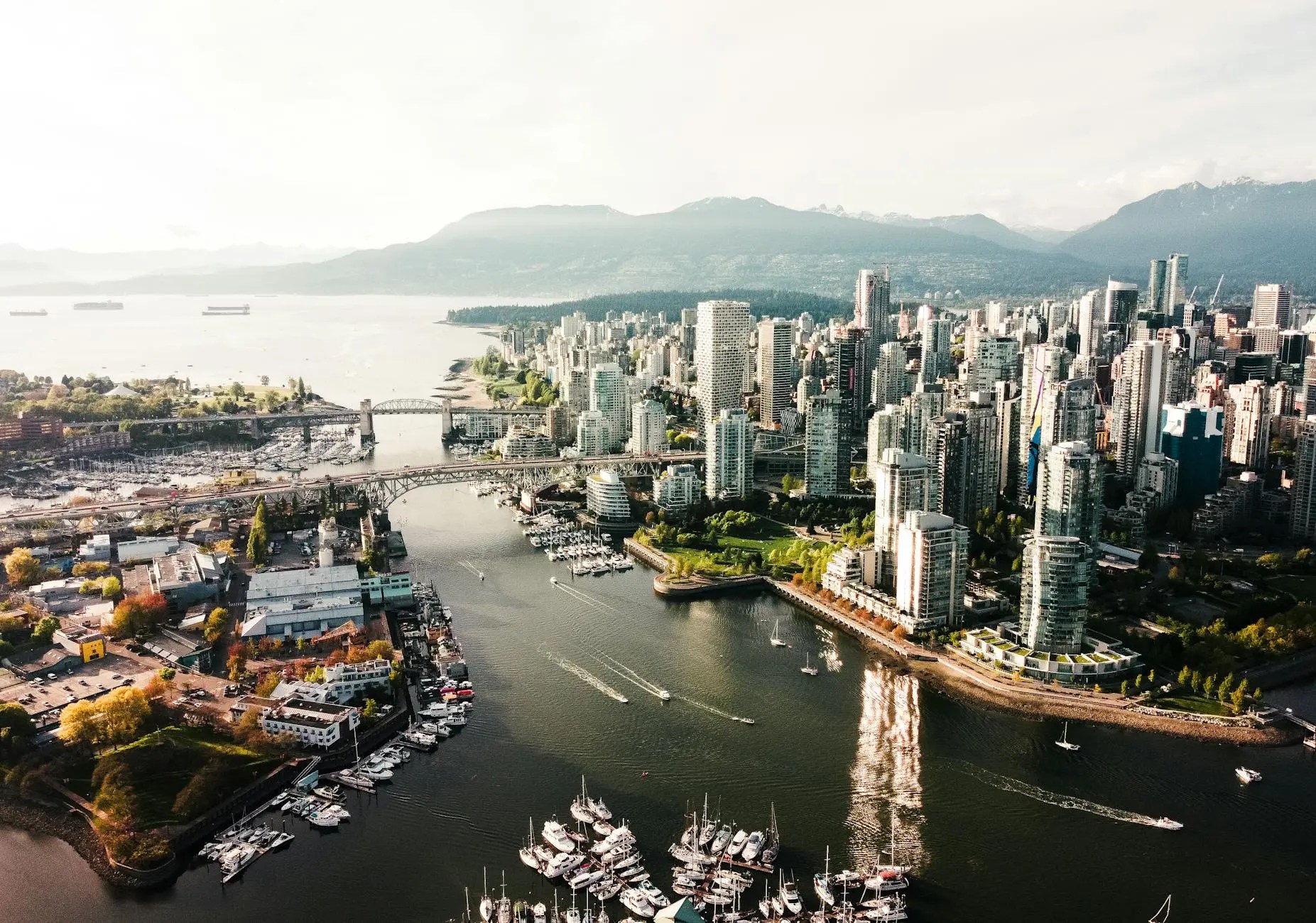
Aerial view of Vancouver city showcasing modern skyscrapers, a marina filled with boats, a bridge crossing the water, and mountainous terrain in the background.
An aerial view of Vancouver showcasing its stunning skyline, bridges, and serene waterfront, perfectly embodying the city’s blend of urban life and natural beauty. Granville Island from above: A hub of public markets, artisan shops, and boat-filled marinas nestled under the bridges of False Creek. Insider tip: visit on a weekday morning to beat the crowds!

Day 2: Forests & Flavours

  • Morning: Head to Capilano Suspension Bridge Park (pricey but iconic) or the free alternative: Lynn Canyon Suspension Bridge. Both make you feel like a rainforest explorer.
Capilano Suspension Bridge (Expedia)Capilano Suspension Bridge (Get your guide)
Lynn Canyon Suspension Bridge. (Expedia)Lynn Canyon Suspension Bridge.(Get your guide)
  • Afternoon: Explore Commercial Drive (“The Drive”) for eclectic, global eats. Feeling peckish? The authentic Italian cafes here beat any downtown chain.
  • Sunset: English Bay or Kitsilano Beach with fish & chips. Trust me.
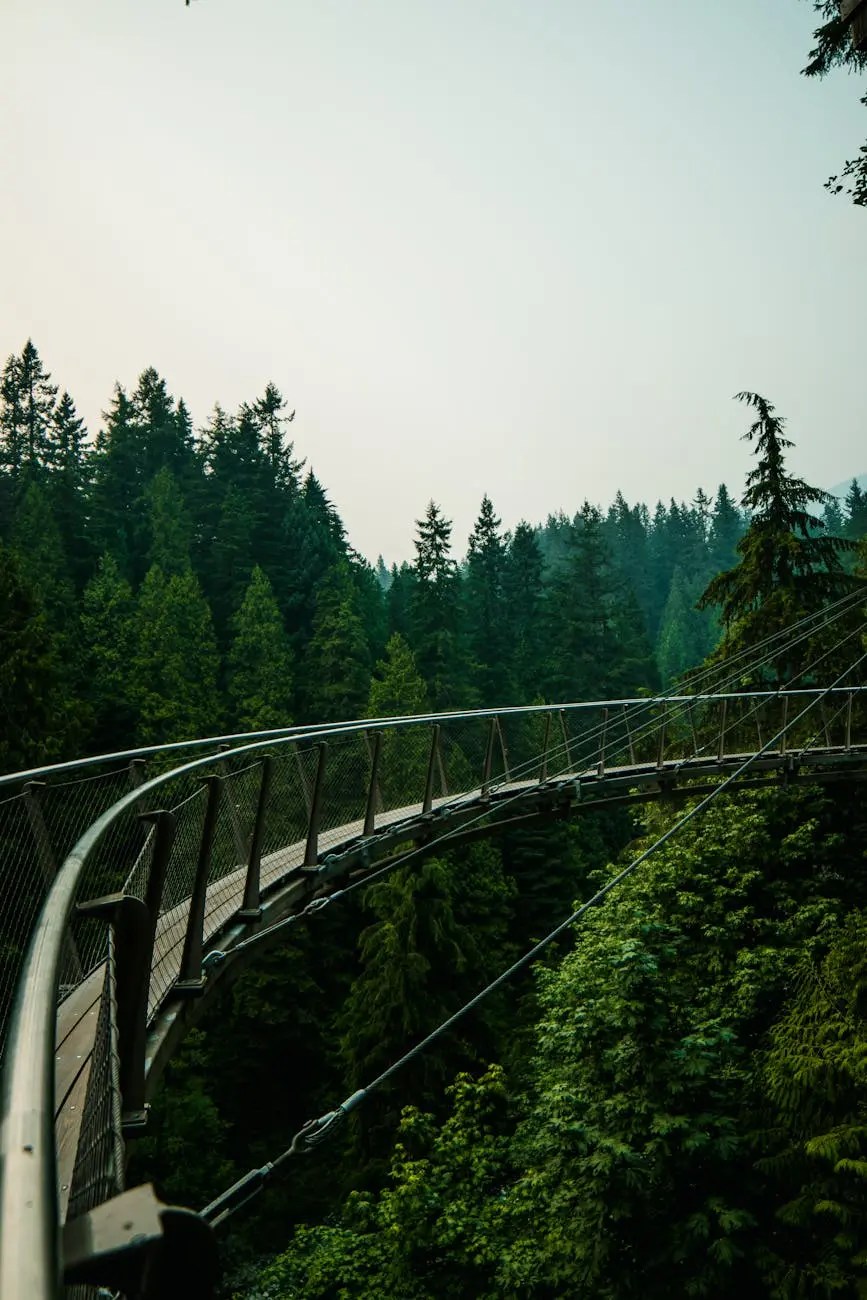
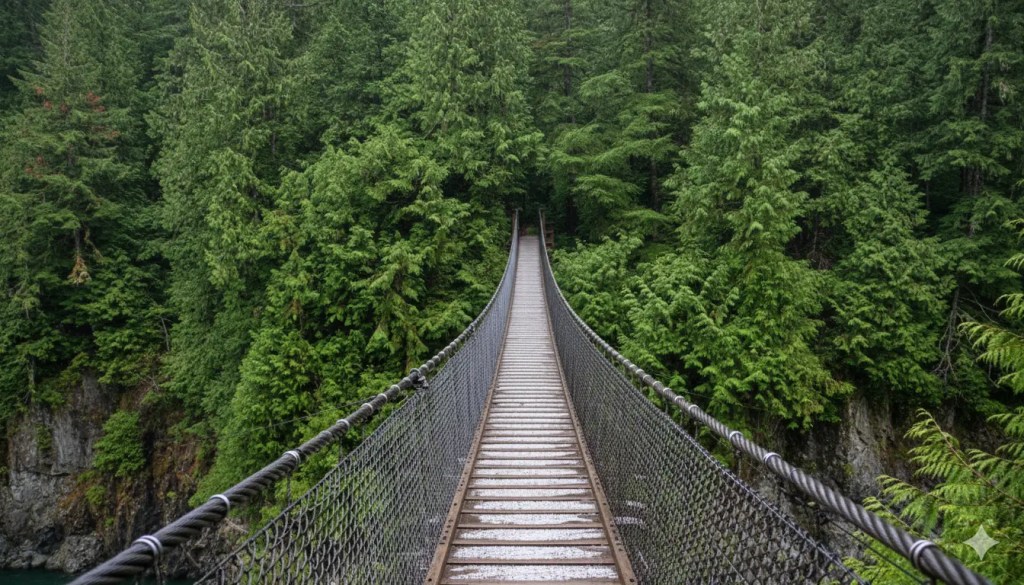
A winding suspension bridge surrounded by lush green forests under a hazy sky.
Experience the stunning Capilano Suspension Bridge in Vancouver, surrounded by lush forests and breathtaking views. Crossing the 137-meter-long Capilano Suspension Bridge, 70 meters above the river, is a thrilling rite of passage for Vancouver visitors. Visit early or late to avoid the midday crowds!
A suspension bridge extending into a lush green forest, surrounded by dense trees and a rocky landscape.
Experience the breathtaking Capilano Suspension Bridge, surrounded by lush greenery, a perfect representation of Vancouver’s stunning natural beauty. Lynn Canyon Suspension Bridge in North Vancouver BC Canada, a free pedestrian bridge 50 meters high over a rocky river canyon surrounded by dense Pacific temperate rainforest.

Visitor Tip for Capilano Suspension Bridge: Located just a 20-minute drive from downtown Vancouver, reaching Lynn Canyon Park by car or via TransLink bus #229 from the Lonsdale Quay SeaBus terminal is straightforward. For the best photos and minimal crowds, aim for a weekday opening (Park opens at 7 AM). The surrounding North Shore area is also home to other incredible, low-cost attractions like the Capilano River Regional Park and Grouse Mountain. Remember to wear shoes with good grip, as the trails and bridge deck can be slippery, especially after one of British Columbia’s famous rainforest showers. This destination perfectly embodies BC’s accessible natural beauty, offering an unforgettable adventure without the price tag.
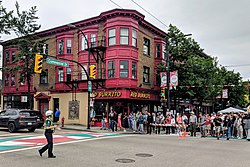
A busy street scene with a red-brick building on the corner and a crowd of people gathered nearby. A police officer directs traffic while festival banners and tents are visible.
Street view of a vibrant corner in Vancouver, showcasing historical architecture and lively crowds, perfect for exploring local culture.
City skyline at dusk featuring illuminated skyscrapers, including the iconic lookout tower, with waterfront structures in the foreground.
The stunning skyline of Vancouver at dusk, showcasing the iconic Canada Place and its waterfront surrounded by modern skyscrapers. Downtown Vancouver from the North Shore
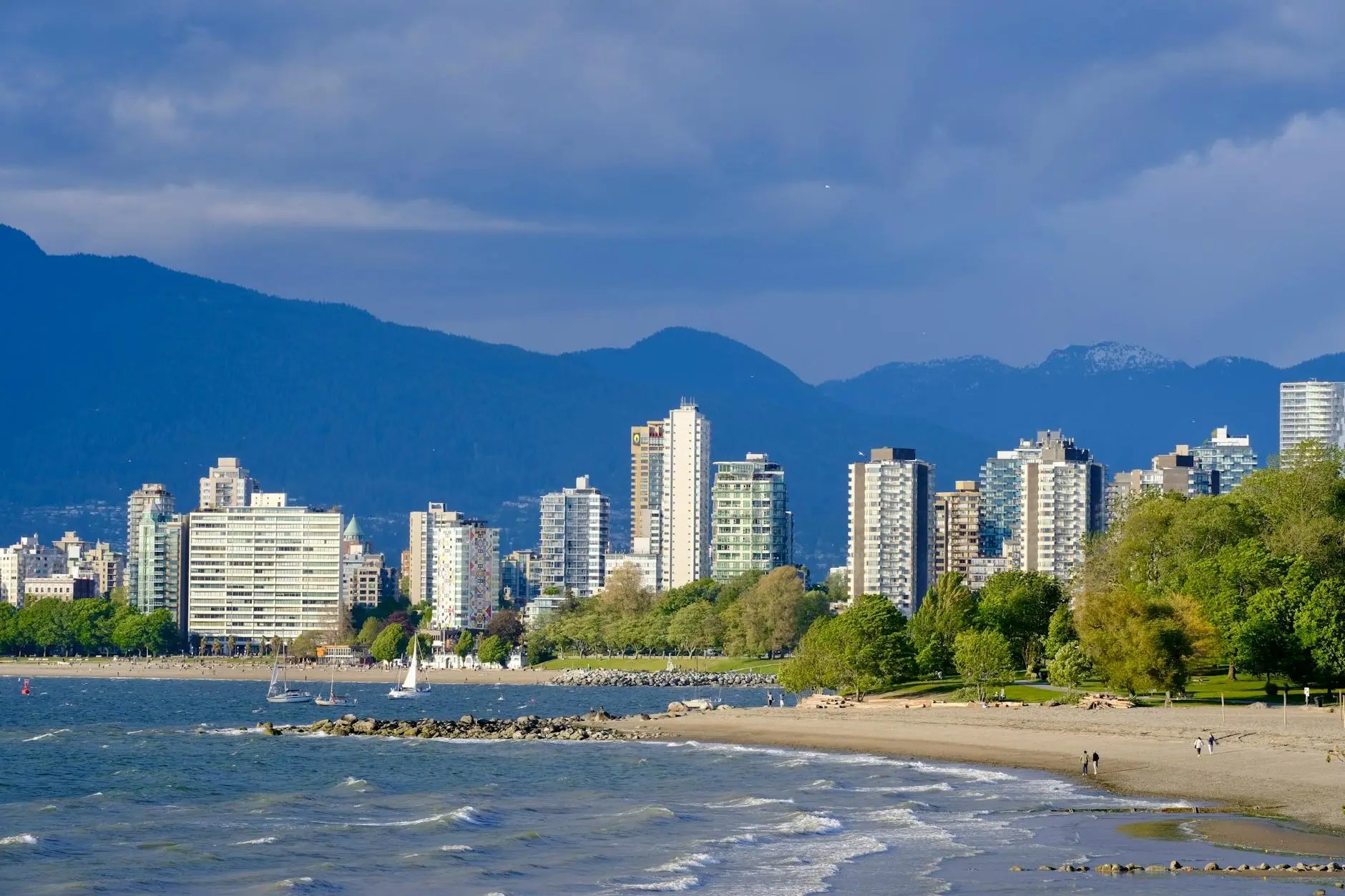
A scenic view of a beach with a city skyline in the background, featuring tall buildings and lush greenery, mountains visible in the distance under a partly cloudy sky.
A stunning view of Vancouver’s skyline with snow-capped mountains in the background, showcasing the city’s vibrant coastal beauty. Sunset at a Vancouver beach: the perfect end to a day, where the city skyline meets mountain vistas. Local’s tip: grab fish & chips and watch the sailboats drift by as the lights come on across the water.

Visitor Tip to Kitsilano Beach : For the best photography light, arrive a few hours before sunset. These beaches are easily accessible via TransLink bus routes (#2, #22, #44) from downtown or by a scenic seaside walk or bike ride from Stanley Park. Parking can be challenging on summer weekends, so transit, ride-share, or cycling is recommended. This panoramic view of Coastal British Columbia is a must-capture for any traveler exploring the Pacific Northwest, offering a memorable and free vantage point of one of the world’s most livable cities.

Hidden Gems Only Locals Know

  • Queen Elizabeth Park’s Bloedel Conservatory: A tropical oasis with chirping birds, often overlooked for the more famous Stanley Park.
Queen Elizabeth Park’s Bloedel Conservatory: (Expedia)Queen Elizabeth Park’s Bloedel Conservatory: (Get Your Guide)
  • The Polygon Gallery in North Van: Cutting-edge art without the downtown crowds.
The Polygon Gallery in North Van (Expedia)The Polygon Gallery in North Van (Get Your Guide)
A large geodesic dome surrounded by trees, with mountains visible in the background and a flagpole on the right.
The Bloedel Conservatory in Queen Elizabeth Park, an iconic tropical oasis featuring a dome structure, offering a unique escape in Vancouver. Step into a tropical rainforest in the heart of Vancouver at the Bloedel Conservatory. This hidden gem sits at the city’s highest point, offering warmth, exotic birds, and stunning 360-degree views.

Visitor Tip to Bloedel Conservatory in Queen Elizabeth Park: Located in the Central Vancouver neighborhood of Cambie Corridor, the conservatory is easily reached via Canada Line SkyTrain (get off at King Edward Station and enjoy a 10-minute walk through a beautiful residential area). For a classic British Columbia value, visit on a weekday when it’s quieter, and consider the combined ticket with the VanDusen Botanical Garden. It’s an affordable, enchanting experience that contrasts perfectly with the city’s coastal and mountain adventures, making it a perfect addition to any Pacific Northwest itinerary.
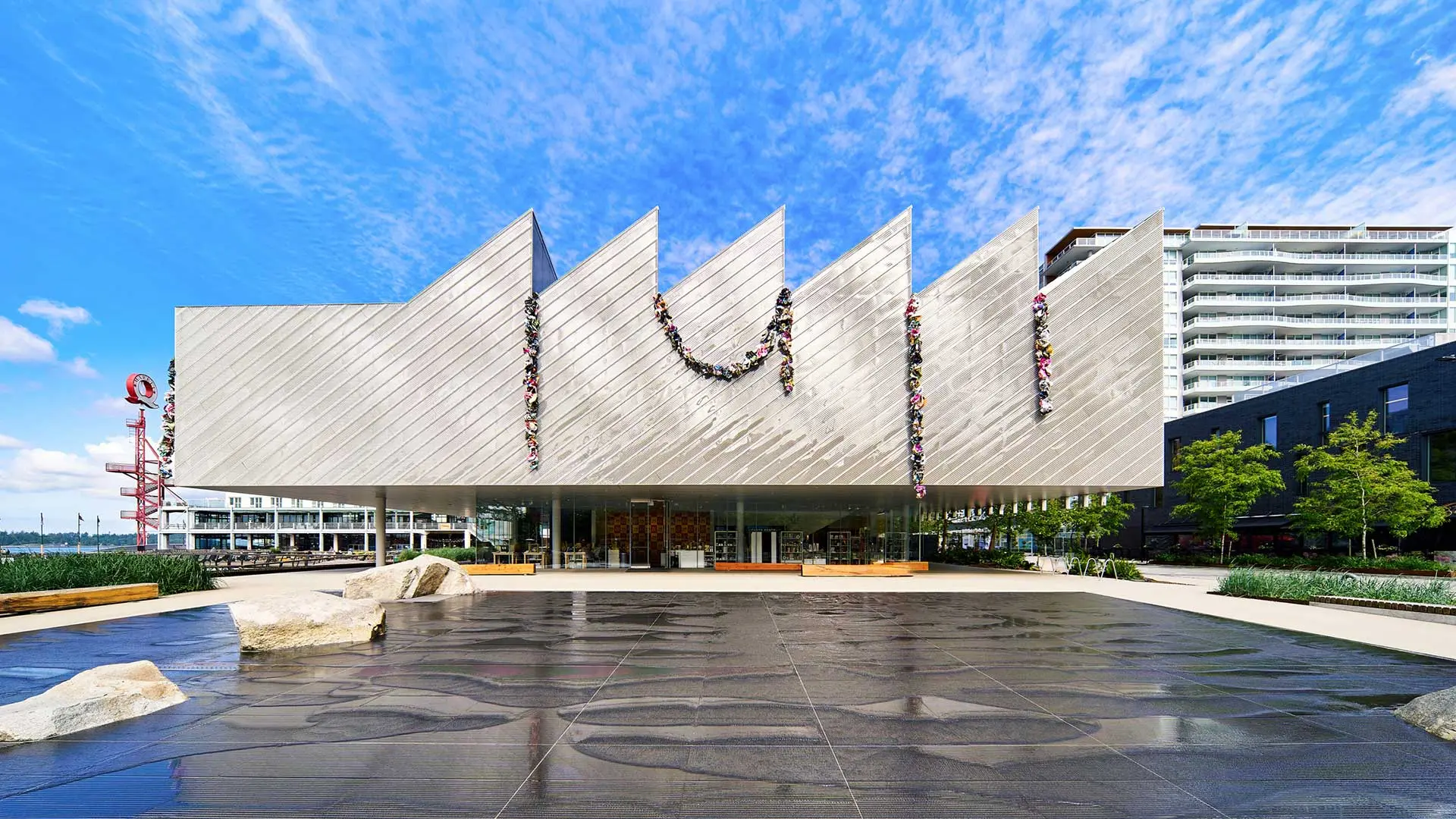
Modern architectural building with a distinctive zigzag roof design, decorated with floral garlands, set against a blue sky.
The striking architecture of the Polygon Gallery in Vancouver, showcasing modern design against a vibrant blue sky.
A seaplane cruising over water with a Chevron fuel station in the background, surrounded by lush greenery and mountains under a clear blue sky.
A scenic view of a seaplane cruising through tranquil waters near Vancouver, with lush greenery and mountains in the background. A Harbour Air seaplane becomes airborne over Vancouver Harbour—the iconic, thrilling sight of Pacific Northwest travel. For the best free view, head to the seawall near the Vancouver Convention Centre.

Visitor Tip to Harbour Air Seaplane Terminal: For the ultimate Pacific Northwest experience, consider a scenic flight tour from Vancouver Harbour. For budget travelers, simply watching the seaplane terminal’s activity is a fantastic free activity. The best photo opportunities are in the golden hour light of late afternoon, when the sun illuminates the aircraft against the North Shore Mountains. This iconic mode of transport highlights Coastal BC’s unique geography, connecting Vancouver Island, the Gulf Islands, and Whistler directly from the downtown waterfront, making it a must-see element of any Vancouver, Canada itinerary.

Food You’ll Still Think About at Home 🍣🍜

Vancouver’s food scene quietly competes with global giants.

Don’t miss:

  • Sushi (seriously—anywhere, even tiny spots)
  • Ramen on Robson Street
  • Asian fusion food trucks
  • Fresh salmon bowls near the harbor

💡 Budget tip: Lunch menus are significantly cheaper than dinner.

Best Time to Visit (And When to Avoid Crowds)

☀️ Best months: May, June, September
Crowded & expensive: July–August
🌧️ Still lovely: April & October (bring layers)

Essential Vancouver Phrases & Travel Lingo

  • “The 99”: Refers to the B-Line bus to UBC, but also the highway to Whistler.
  • “Skytrain”: Our above/below-ground rapid transit. Not an actual train to the sky, though the views from the Expo Line crossing Fraser River are close.
  • “Tap in/Tap out”: How you pay with your Compass Card on transit.
  • “Loonie/Toonie”: A $1 coin / A $2 coin. Essential for lockers at the beach or buying a single coffee.
  • “Mountain is out”: A celebratory phrase meaning the clouds have cleared and the North Shore mountains are visible. It’s a good day.

Must-Have Travel Tools & Gadgets

Let’s talk gear. I never travel without these:

  • Stay Connected (Without the Bill Shock): Remember my ferry story? I wouldn’t have gotten lost if my phone had died. I now swear by Drimsim—a universal data SIM that works in 190+ countries. Pop it in, top up via the app, and you’re online. No more hunting for sketchy airport SIM counters. Get yours and roam like a pro.
  • Peace of Mind for the Unexpected: ✈️ Flight Delayed or Canceled? It happens. Did you know you could be owed up to $650 in compensation? I use AirHelp to check my flights—they handle all the airline arguing and only charge if they win. It turned a 6-hour delay into a nice dinner fund.
  • Travel Insurance is Non-Negotiable: From a sprained ankle on the seawall to a cancelled ferry, VisitorsCoverage is my go-to to compare and buy the right plan quickly. Don’t learn this lesson the hard way.
  • Stay Secure Online: Using café Wi-Fi to plan your day? A VPN is crucial for security. I’ve used NordVPN for years to keep my data safe while accessing my home streaming services abroad.
  • Capture Every Moment: I shoot all my travel photos with this lightweight, powerful camera. It’s perfect for cityscapes and those misty mountain shots.
  • Keep All Devices Charged: European plugs? North American? No problem. This universal travel adapter with multiple USB ports keeps my phone, camera, and laptop alive simultaneously.

And Because Self-Care is Travel Care: After a long day of exploring, my skin needs love. I’m obsessed with Lakinza’s K-beauty products. They keep my complexion glowy despite jet lag and sea air. Use code Lalax10 for a sweet discount—because beautiful skin shouldn’t cost a fortune

 FAQ: Your Vancouver Weekend, Answered

Q: Do I need a visa for Canada?
A: It depends on your citizenship. Many countries (like the US, UK, EU) are visa-exempt for short tourist visits but may need an eTA (Electronic Travel Authorization). Always check the official Government of Canada site well in advance. The eTA costs $7 CAD and is valid for years.

Q: What’s the best way from Vancouver Airport (YVR) to downtown?
A: The Canada Line SkyTrain is the fastest and cheapest (about 26 minutes, $10.25 CAD). A taxi is a flat rate of ~$35-$40. Skip the expensive airport shuttles for a solo or duo trip.

Q: Can I do a day trip to Victoria?
A: In a weekend? It’s tight. The ferry to Victoria (Swartz Bay) is a 1.5-hour sailing plus travel time to the terminal. If Vancouver is your only stop, I’d save Victoria for a longer trip. If you’re set on it, Direct Ferries can help you plan the marathon day.

🌍 Extend Your Trip: Cities That Pair Perfectly with Vancouver

One of the things I love about Vancouver is how easily it connects with other iconic cities along the Pacific corridor. If you’re already crossing the ocean (or continent), it’s worth stitching together a bigger journey. From Vancouver, you can fly south to San Francisco, Los Angeles, or Las Vegas in just a few hours—each offering a completely different vibe, from foggy bay views and creative neighborhoods to palm-lined boulevards and neon-lit nights. If you’re staying within Canada, Toronto is another great add-on, giving you a taste of urban Canada on the other side of the country. I’ve written detailed, traveler-tested weekend guides for all of these destinations—covering logistics, neighborhoods, food spots, and money-saving tips—so you can plan confidently without starting from scratch.

👉 Explore related weekend escapes from my archive:

(You can also browse all destinations here: https://confidencebuildings.com/travel-master-list/)

Q: What should I pack?
A: Layers, layers, layers! And a waterproof jacket (not just “water-resistant”). Vancouver weather can go from sun to drizzle in minutes. Comfortable walking shoes are non-negotiable.

Ready to Explore Vancouver?

There you have it—your blueprint for an unforgettable weekend in one of the world’s most beautifully situated cities. From ferry tips to hidden gardens, you’re ready to experience Vancouver like a local, efficiently and full of wonder.

Final Thoughts 🌎

Vancouver isn’t loud about its beauty—it just exists effortlessly. It’s the kind of place that makes you slow down, breathe deeper, and rethink what a perfect weekend actually looks like.

If you’re craving nature without chaos, culture without stress, and food worth flying for, this city belongs on your list.

👉 Ready to plan your escape?
Book smart, pack light, and let Vancouver do the rest.

Your Adventure Starts Now:
👉 Book your flights and hotel bundle on Expedia to kick off your planning.

Universal Disclaimer/Disclosure Page:

The Ultimate Weekend Escape to Herzegovina: Where History Meets Heart-Stopping Beauty

Meta Description:
Plan the perfect weekend escape to Herzegovina — from historic Mostar and hidden gems like Blagaj and Kravice Waterfalls, to smart travel tips on transport, saving money, and weather-smart timing. Uncover insider advice, practical logistics, and fun anecdotes for confident travel.

🗺️ Table of Contents

  1. Introduction
  2. Why Herzegovina Should Be on Your Bucket List
  3. Getting There
    • Getting There by Ferry (with Direct Ferries link)
    • By Air
    • By Bus, Train, & Car
  4. Where to Stay
  5. Top Things to Do in Herzegovina
    • Mostar & Stari Most
    • Hidden Gems: Blagaj, Kravice, Počitelj
    • Neum & the Coast
  6. Local Transport Tips (How to Save Time & Money)
  7. Practical Travel Tips
  8. Food & Drink to Try
  9. Words & Phrases You Might Need
  10. FAQs
  11. Final Tips & CTAs

If “weekend getaway” were a sport, Herzegovina would be the undefeated champion. Part ancient wonder, part natural paradise, and part affordable destination that punches well above its scenic weight, this patch of Bosnia and Herzegovina blends culture, adventure, and lazy café afternoons into one irresistible mini escape.

Let’s be honest: planning a weekend trip is often about choosing what to skip. Do you want beaches or mountains? Riveting history or untamed nature? Well, friends, in Herzegovina, you don’t have to choose. This soul-stirring, heart-shaped corner of Europe serves it all on a single platter, with a side of strong coffee and a history so rich you can taste it in the air.

As someone who once spent a frantic Sunday trying to escape an overcrowded “hidden gem” elsewhere, I can tell you: Herzegovina is the real deal. It’s a place where you can hear the Muslim call to prayer echoing over cobblestones one minute and watch a brave soul leap from a 16th-century bridge into an emerald river the next. It’s Europe’s open secret, offering the drama of Croatia, the raw beauty of Montenegro, and the profound soul of the Balkans, all without the crushing crowds or crushing prices.

Ready for a weekend that feels like a week-long adventure? Let’s dive in.

Why Herzegovina Should Be on Your Bucket List

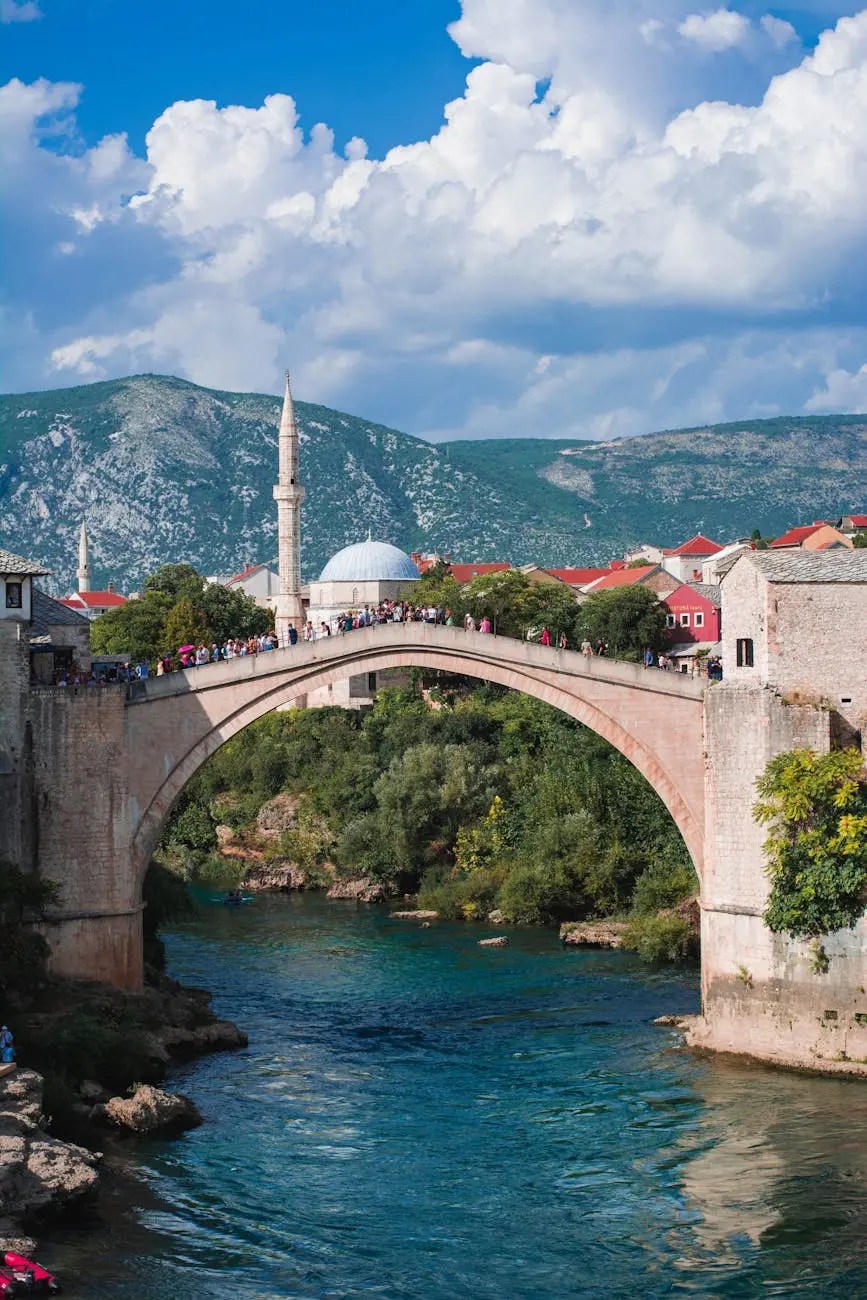
Mostar’s Stari Most isn’t just a bridge — it’s an icon. The historic Ottoman-era bridge once destroyed by war and beautifully rebuilt now symbolizes resilience, unity, and adrenaline-packed dives into the cold Neretva below — where locals and visitors cheer, tourist cameras whirr, and time slows in the best possible way.

But there’s more here: jaw-dropping waterfalls, cliffside monasteries, serene river springs, gold-hued vineyards, and one of Europe’s less predictable coastlines — the tiny seaside town of Neum, Bosnia’s only access to the Adriatic Sea

Getting There

⬆️ Getting There by Ferry

While Herzegovina is landlocked, the nearby Dalmatian Coast of Croatia is your perfect maritime gateway. The closest major port is Dubrovnik. From there, you have fantastic options:

While Herzegovina itself doesn’t host a major ferry port, you can arrive via scenic Adriatic ferry routes from Croatia or beyond and then continue overland — perfect for travelers who love sea views as part of the adventure.
👉 Check routes, timetables, and book your ferry with Direct Ferries here.
Ferries along the Adriatic connect ports like Split or Dubrovnik with other coastal hubs, from which buses or cars can complete your journey to Herzegovina. Travel By Ticket

Quick Route Idea: Ferry to Split → Bus or Train to Mostar → Explore Herzegovina.
(Skip the borders with a car — fewer delays and more countryside views!)


🛫 By Air

Your easiest gateways are:

  • Mostar Airport (OMO) — small, convenient, limited routes.
  • Sarajevo Airport (SJJ) — more frequent flights, then bus/train to Herzegovina.
  • Dubrovnik Airport (DBV) (Croatia) — great low-cost options, then bus or car through epic mountain and coastal roads.

✈️ Flight Delayed or Canceled?
You might be entitled to up to $650 compensation. Check your flight with AirHelp — they do the heavy lifting for you (and only get paid if you win):


🚌 By Bus, Train, or Car

Buses criss-cross the region — from Split, Dubrovnik, Sarajevo, and Zagreb — stopping in Mostar’s central station, about a short stroll from the Old Town.

The train route between Sarajevo and Mostar? It’s not just transportation — it’s one of the most scenic journeys in the Balkans. Reddit

By car: Herzegovina is tailor-made for road tripping. Clear roads (especially outside August) and beautiful routes save time, fuel, and — honestly — are half the fun.

Where to Stay

Whether boutique guesthouses in Mostar’s Old Town or sea-view apartments near Neum, there’s an option for every budget. Book early in high season, and consider staying near public transport stops to save on taxis.

My Hercegovina Masterplan: A 3-Day Itinerary for the Perfect Escape

You’ve got 72 hours. Here’s how to spend them wisely, balancing iconic sights with local secrets and leaving just enough time to sit and savor the moment.

  • Day 1: The Soul of Mostar. Arrive and drop your bags. Your first mission is to get lost in the Old Town (Stari Grad). Wander the cobbled alleys, haggle (politely!) for a copper souvenir, and let the scent of grilled Ćevapi guide you to lunch. As the afternoon sun begins to soften, find your spot to witness the spectacle of the Stari Most bridge divers. The iconic bridge (which is a UNESCO World Heritage Site) was originally built in the 16th century and has been beautifully reconstructed. These professional divers aren’t just showing off; it’s a centuries-old tradition. Be warned: they work for tips, so have a few coins ready. For dinner, venture away from the main tourist drag to find a family-run restaurant for a massive, affordable platter of Bosnian food.
The historic Stari Most bridge in Mostar, Bosnia and Herzegovina, spans the Neretva River with a backdrop of mountains and traditional architecture under a bright blue sky.
The iconic Stari Most bridge in Mostar, a symbol of resilience and tradition, spans the Neretva River against a stunning backdrop of mountains and blue skies.

Day 2: Gorges & Mystical Springs. Rent a car for the day (trust me, it’s worth it for the freedom). Your first stop is Blagaj, just a 20-minute drive from Mostar. The sight of the Tekija (Dervish monastery) clinging to a 200-meter cliff face beside the impossibly blue Buna River spring will stop you in your tracks. Have a coffee by the water and soak in the serenity. In the afternoon, head to the Kravice Waterfalls. Picture a 25-meter crescent of cascading water tumbling into a bright emerald swimming hole. Pack a swimsuit—the brave can take a bracing dip, and there’s even a rope swing

Blagaj, (Expedia)Blagaj,(Get your guide)
Kravice Waterfalls.(Expedia)Kravice Waterfalls.(Get your guide)
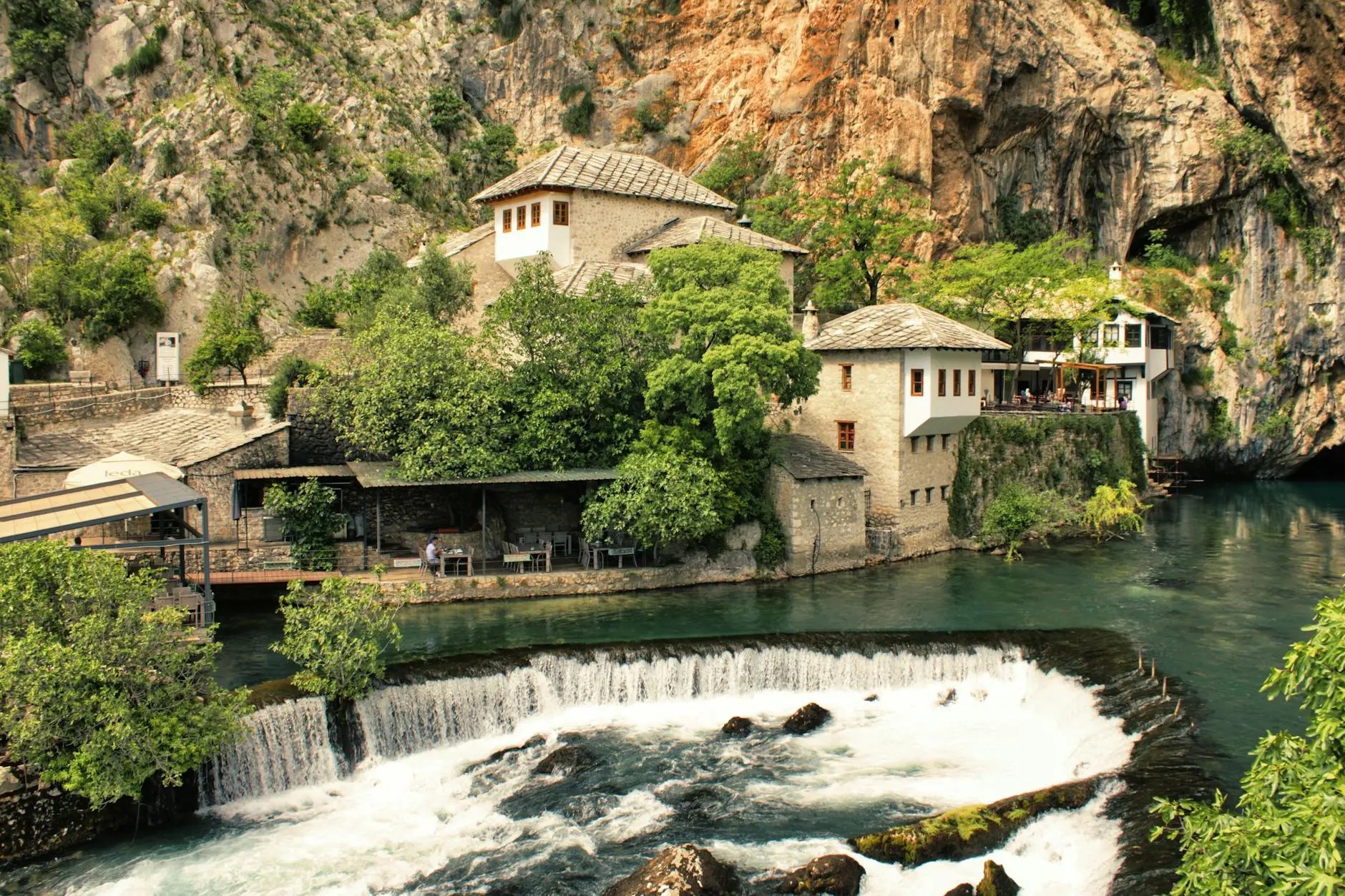
A scenic view of the Blagaj Tekija, a historic Dervish monastery nestled against a rocky cliff, with green trees and blue waters flowing beneath it.
The picturesque Blagaj Tekija, a historic Dervish monastery nestled against the cliffside by the serene Buna River in Herzegovina. The Blagaj Tekke (Tekija), a 16th-century Dervish monastery clinging to a cliff beside the Buna River spring. Founded around 1520, this spiritual retreat combines Ottoman and Mediterranean architectural styles in one of Herzegovina’s most serene settings.
Cascading waterfalls surrounded by lush greenery and mossy rocks in a serene natural setting.
Breathtaking view of the cascading Kravice Waterfalls, a hidden gem in Herzegovina. Kravica Waterfall (also called Kravice), a stunning natural amphitheater of tufa cascades on the Trebižat River. Located near Ljubuški and about a 40-minute drive south of Mostar, this is one of Herzegovina’s most spectacular swimming and picnic spots.

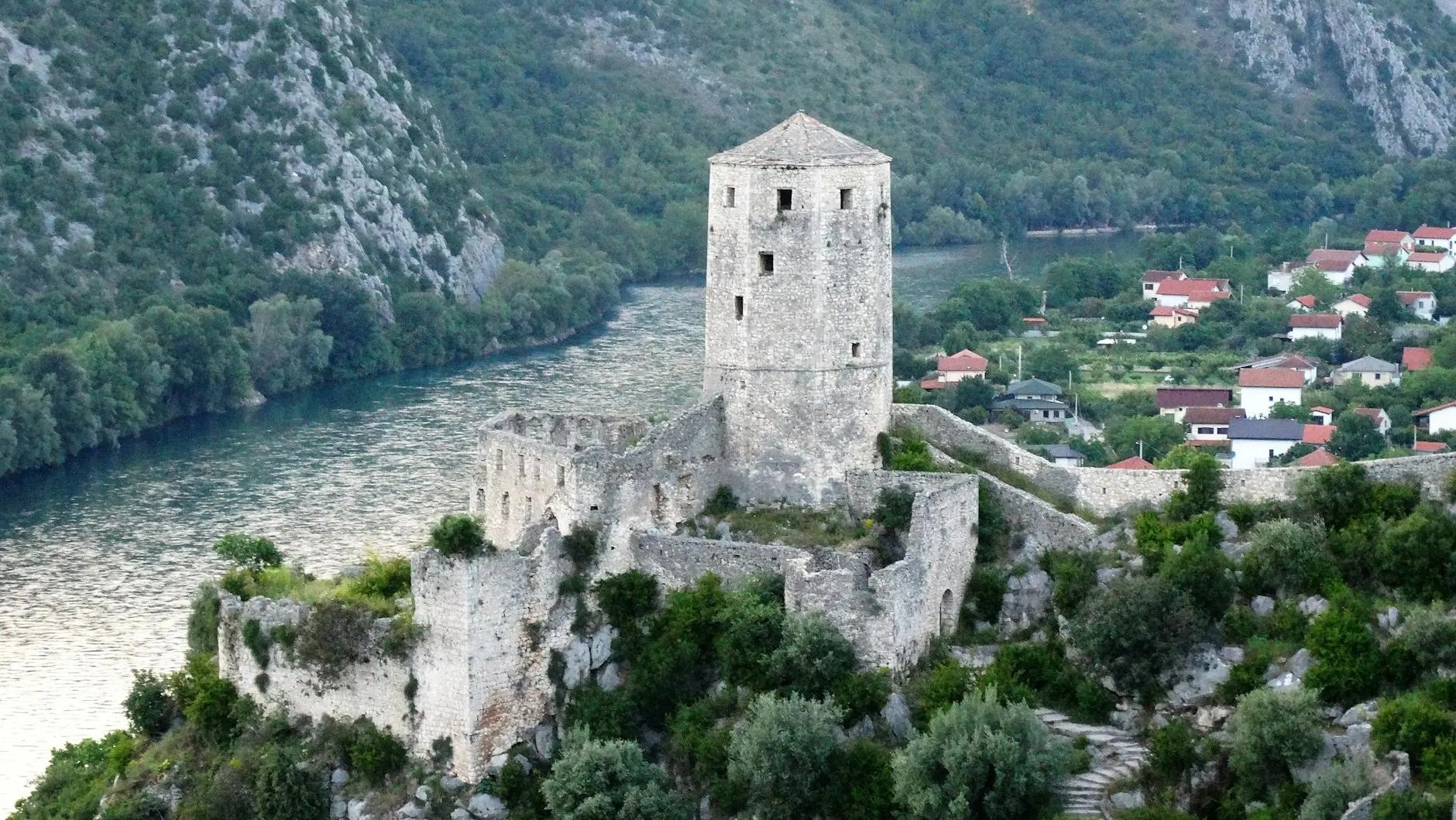
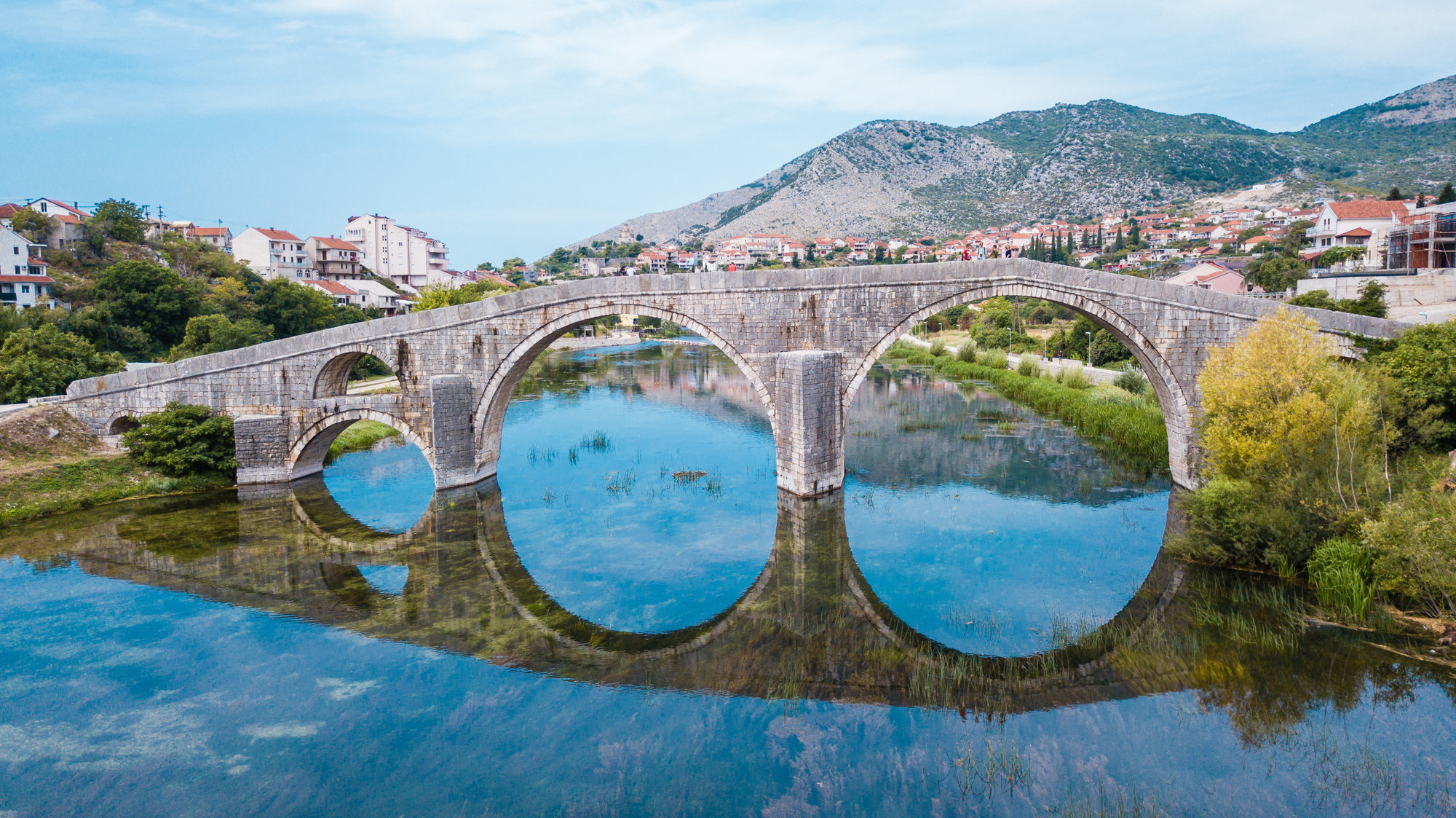
Day 3: History & Hidden Gems. Before you leave Mostar, wake up at sunrise. You’ll have the Stari Most and the silent, lamp-lit streets almost entirely to yourself—it’s pure magic. Then, set your GPS for Počitelj. This fortified Ottoman village is like a living museum, tumbling down a hillside towards the river. Climb to the top of the stone fort for a panoramic view you won’t forget. On your journey back towards the coast or airport, consider a final, peaceful stop at Trebinje. This elegant little town, just a stone’s throw from Dubrovnik, is famed for its wine and the beautiful Arslanagić Bridge that was moved, stone by stone, to its current location

Počitelj (Expedia)Počitelj (Get your guide)

Aerial view of a historic fortress on a rocky hill overlooking a river, with lush greenery and houses in the background.
A stunning view of the historic Počitelj village, featuring its iconic stone tower and surrounding greenery by the Neretva River. “The historic stone Kula Fort tower rising above the steep, medieval village of Počitelj in Bosnia and Herzegovina, with the Neretva River valley in the background.”
"A scenic aerial view of Trebinje, the southernmost city in Bosnia and Herzegovina, nestled along the calm, reflective waters of the Trebišnjica River in a green valley."
Scenic view of a picturesque town in Herzegovina, reflecting on a calm river with mountains in the background. Trebinje, the charming ‘City of the Sun’ in southern Herzegovina, beautifully positioned on the banks of the crystal-clear Trebišnjica River. Known for its relaxed atmosphere, wine, and proximity to Dubrovnik.
Aerial view of a historic stone bridge with arches reflected in a calm river, surrounded by greenery and hillside homes.
The stunning stone bridge reflecting in the serene waters of Herzegovina, showcasing the region’s rich architectural heritage.

Hidden Gems Beyond the Postcard

While the Stari Most will (rightfully) steal your heart, here are a few spots where you can escape the day-trip crowds:

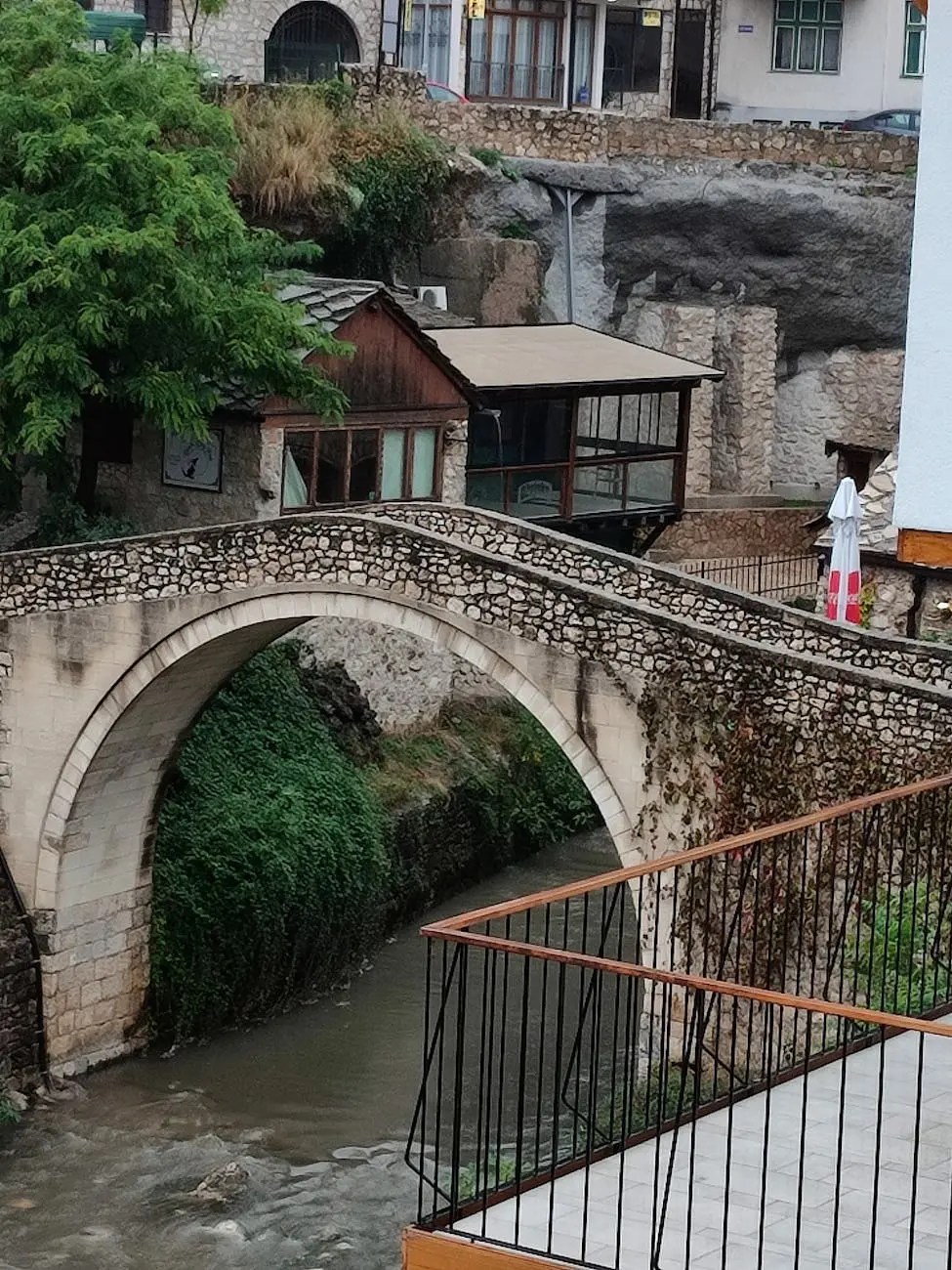
  • The “Practice” Bridge: Before you even get to the majestic Stari Most, look for Kriva Ćuprija (the Crooked Bridge) in Mostar’s Old Town. This petite, arched Ottoman bridge over a small stream is thought to have been a “test model” for its larger, more famous sibling. It’s a quiet, photogenic spot.
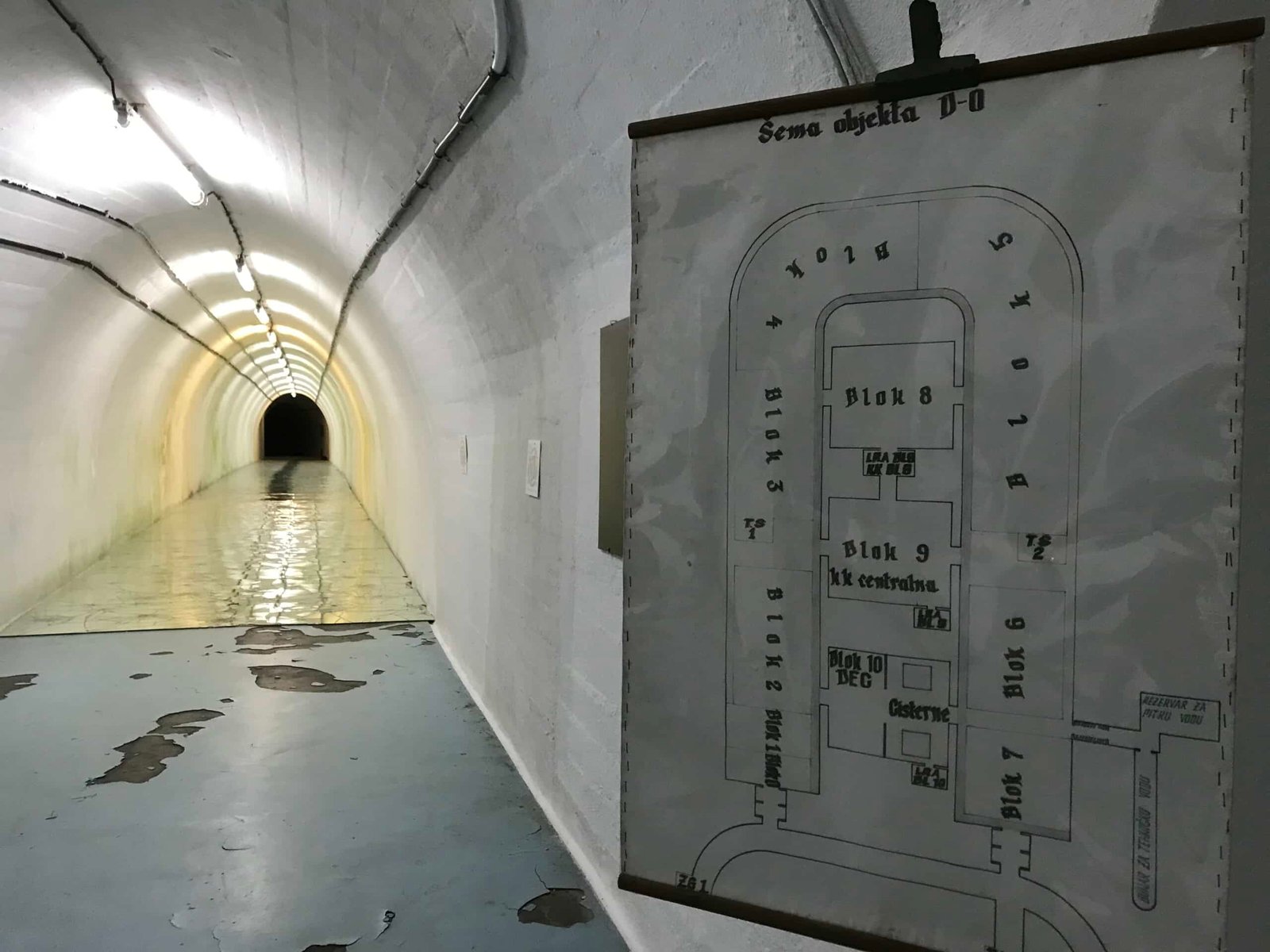
  • Konjic & its Secret Bunker: The town of Konjic, on the road from Sarajevo to Mostar, is home to another stunning Ottoman bridge. But its real claim to fame is hidden underneath a nondescript house: Tito’s Atomic Bunker. Built in total secrecy during the Cold War, this massive underground complex is now a unique contemporary art space. Tours must be booked in advance, and it’s a fascinating dive into 20th-century history.
Tito’s Atomic Bunker (Expedia)Tito’s Atomic Bunker (Get your guide)
  • Blidinje Nature Park: If your soul craves mountains, detour to this stunning park northwest of Mostar. It’s home to the largest glacial lake in Bosnia, wild horses, and some of the most pristine hiking trails in the Dinaric Alps. It feels a world away from everything.
A stone arch bridge crosses a small river, surrounded by lush greenery and traditional buildings in Mostar, Bosnia and Herzegovina.
A picturesque stone bridge overlooking a serene river in Mostar, Bosnia and Herzegovina. Kriva Ćuprija, the “Crooked Bridge,” a charming single-arch Ottoman bridge over the Radobolja River in Mostar’s Old Town. Often considered a prototype for the grander Stari Most, it’s a quieter piece of living history

A rocky arch formation on a mountain with expansive valleys and hills in the background under a clear blue sky.
A stunning view of the mountain landscape in Herzegovina, featuring an intriguing rock formation with a natural arch that highlights the region’s breathtaking scenery. Hajdučka Vrata, the “Outlaws’ Gate”—a dramatic natural rock arch on Mt. Čvrsnica in Blidinje Nature Park. This iconic Herzegovinian landmark offers hikers one of the most breathtaking viewpoints in the Dinaric Alps

Essential Travel Intel: Money, Visas & Staying Safe

  • The Money Game: The currency is the Convertible Mark (BAM or KM). Here’s the easiest hack you’ll get: 1 Euro = 2 KM (almost exactly). While some places accept Euros, you’ll always get a better price in local currency. Cash is king, especially in smaller towns, guesthouses, and family-run restaurants. Withdraw BAM from local ATMs upon arrival.
  • Visa Info & Costs: Travelers from the US, UK, Canada, Australia, and the EU do not need a visa for tourist stays of up to 90 days within a 180-day period. Just ensure your passport is valid for at least three months beyond your planned departure date.
  • Safety First: Herzegovina is very safe for tourists. Standard city precautions against pickpocketing in crowded areas apply. The one critical rule involves the countryside: never, ever stray from marked paths or roads when hiking. Remnants of landmines from the 1990s conflict may still be present in remote, unmarked areas. Heed all warning signs.
  • When to Visit: Spring (April-June) and Autumn (September-October) are absolute perfection. The weather is mild, the landscapes are green (or golden), and the summer crowds have thinned. Summer can be fiercely hot, especially in Mostar.

Words to Know: A Quick Language Cheat-Sheet

Locals always appreciate the effort. Bosnian/Croatian/Serbian is the official language here.

  • Hello / Good day: Dobar dan (DOH-bar dahn)
  • Thank you: Hvala (HVAH-lah)
  • Please / You’re welcome: Molim (MOH-leem)
  • Yes / No: Da / Ne (DAH / NEH)
  • How much?: Koliko košta? (KOH-lee-koh KOHSH-tah?)
  • Bridge: Most (MOHST) – You’ll be using this one a lot!
  • Coffee: Kafa (KAH-fah) – Essential for joining the local café culture.

Practical Travel Tips

💡 Travel SIM/Connectivity Tip (Rephrased & Original):
Staying online overseas can be confusing and expensive — roaming charges, random data limits, airport SIM queues — it’s all a headache. That’s why I always carry a universal travel SIM — works in 190+ countries with no hidden fees, topped up easily through an app, and gets you online wherever you roam.
→ Check it out here: Drimsim

🌍 VPN for Security & Streaming Abroad:
Protect your data and access home content securely with a trusted VPN:

💼 Travel Insurance (Smart Safety Move):
Unexpected health or travel hiccups are easier to handle with insurance. I use and recommend VisitorsCoverage — compare plans and find one fast:

Power Up: Bosnia uses Type C and F plugs (220V). A universal adapter with multiple USB ports is a lifesaver for keeping phones, cameras, and power banks charged. I never travel without a reliable one

Document Your Journey: Herzegovina is a photographer’s dream. Whether you’re capturing the dive off Stari Most or the mist rising at Blagaj, having a capable camera is key. I rely on my trusted gear to do this stunning region justice.

Glow on the Go: After long days of exploration, my skincare routine is sacred. I swear by the gentle, effective products from Lakinza. For a treat, use code Lalax10 at checkout for a sweet discount.

Frequently Asked Questions

Is a weekend in Herzegovina enough time?
Absolutely. A well-planned 2-3 day trip centered in Mostar lets you experience the iconic bridge, explore the Old Town, and take a day trip to at least one stunning natural wonder like Blagaj or Kravice Waterfalls. It’s a perfect introduction.

Is Herzegovina expensive?
Not at all. Compared to Western Europe and even coastal Croatia, Herzegovina is a fantastic value. Meals, accommodation, and transport are very affordable, making it ideal for budget-conscious travelers who don’t want to sacrifice experience.

What’s the best way to get from Dubrovnik to Mostar?
For a weekend trip, I recommend a pre-booked private transfer or small group tour. It’s the most time-efficient, taking about 2.5 hours door-to-door. Renting a car offers maximum flexibility, while public buses are the most budget-friendly but less convenient.

Is it safe to travel to Herzegovina?
Yes. The region is safe and welcoming to tourists. Standard travel precautions apply. The only specific safety rule is to stay on marked paths when in the countryside or hiking due to the rare but potential risk of landmines in unmarked areas.

Ready to explore more of this incredible region? Check out my other guides for deeper dives into the Balkans:

Herzegovina pairs beautifully with nearby destinations like

Sarajevo, “Most trips to Herzegovina begin in Sarajevo, connected by one of the most scenic train journeys in the Balkans…”

Dubrovnik, “Many travelers pair Herzegovina with a coastal escape to Dubrovnik, especially since the border is just a few hours away…

Split, “If you’re arriving by ferry into Split, Herzegovina makes an easy inland detour with jaw-dropping scenery…

Zadar — making it ideal for a Balkans road trip or multi-country weekend escape.”

Herzegovina isn’t just a destination; it’s a feeling. It’s the chill of the Neretva River, the warmth of the people, and the profound sense of history etched into every stone. Pack your bags (and this guide), and go find it.

Final Tips & CTAs

Ready to book your escape? Grab flights, hotels, and package deals on Expedia (great for saving big on bundle deals)

Universal Disclaimer/Disclosure Page:

48-Hour Stockholm: Your Ultimate Weekend Guide

Meta Description:

Dreaming of a weekend in Stockholm? Our ultimate guide unlocks the best of the Swedish capital in 48 hours. Get insider tips on hidden gems, saving money with the SL card, and the perfect fika. Plan your efficient and magical Nordic escape now!

Stockholm. Just the name conjures up images of colourful buildings reflected in pristine waters, sleek design, and people who look suspiciously like they stepped out of a fashion magazine. Trust me, I was a sceptic, but this city—built across 14 islands—quickly worked its magic on me.

Planning a quick escape? A long weekend in the Swedish capital is lagom (a wonderfully untranslatable Swedish word meaning “just the right amount”)—enough time to soak up the culture, explore a few islands, and even find some hidden gems.

Ready to trade your Monday blues for some Scandinavian views? Let’s dive into the ultimate itinerary, packed with tips and, yes, a few of my own travel blunders to help you save time and cash.

I’ll be honest, my first trip to Stockholm was a bit of a blur. I’d imagined myself gracefully gliding between palaces and museums, but instead, I spent a good 45 minutes circling a roundabout trying to find my Airbnb. I learned the hard way so you don’t have to. This guide is the culmination of that experience and a few subsequent, much smoother trips. It’s your all-in-one ticket to a seamless, unforgettable weekend in the “Venice of the North.”

Pro Tip: For squeezing the most out of a short trip, I always book my flights and hotels together on expedia. The bundle deals are no joke and have saved me enough Kronor for extra cinnamon buns.

Table of Contents

  1. Why Stockholm is Your Next Weekend Destination
  2. The Savvy Traveller’s Guide to Stockholm Logistics
    • Visa & Geo-Travel Connections
    • The Public Transport Secret Weapon: SL-kort
    • Money-Saving Tips
  3. Your Perfect 3-Day Stockholm Itinerary
    • Day 1: History, Royalty, and Fika
    • Day 2: Shipwrecks, Pop Icons, and Hidden Views
    • Day 3: Archipelago Day Trip & Hidden Gems
  4. Essential Swedish Words for the Road
  5. FAQs
  6. Travel Tools I Swear By
  7. Final Call to Action

Hotels in Stockholm

Why Stockholm is Your Next Weekend Destination

First, a confession: I arrived in Stockholm thinking it would be beautiful but perhaps a little stuffy. I was spectacularly wrong. It’s got that European history you crave, but it’s wrapped up in a modern, effortlessly cool package. It’s a city where you can stroll cobbled streets in Gamla Stan (Old Town) in the morning and be sailing through a stunning archipelago in the afternoon. The air is fresh, the water is clean enough to swim in, and everywhere you look, there’s a photo opportunity. Seriously, I burnt through my memory card faster than a Swede says “tack” (thanks). If you want to capture the sheer beauty of the city’s light reflecting off the water, make sure you have a camera that can handle the magic! I’m currently loving my camera for trips like this.

Stockholm in a Nutshell: First, Let’s Get Oriented

Stockholm isn’t just one city; it’s a sprawling archipelago of 14 islands connected by 57 bridges. But don’t panic! For a weekend, you only need to know the core four:

  • Gamla Stan: The picture-perfect Old Town with cobblestone streets and colourful buildings. This is the postcard.
  • Södermalm: The “hipster” island, brimming with vintage shops, cool cafes, and the best views of the city.
  • Norrmalm: The modern city center where you’ll likely arrive. It’s all about shopping, the central station, and main transport hubs.
  • Djurgården: The city’s green oasis, home to top-tier museums and amusement parks.

Thinking of combining this with another Scandinavian adventure? Check out my guide to [A Long Weekend in Charming Copenhagen] for a perfect double-feature.

Navigating the City Like a Pro: Your Transport Bible

Forget renting a car. In Stockholm, it’s a expensive, gas-guzzling headache with confusing parking. The public transport system is your best friend.

The SL Card is Your Golden Ticket:
This single card gives you unlimited access to the Tunnelbana (metro), buses, trams, and even some ferry lines within the city.

  • How to Get It: Download the SL app and buy a ticket there, or buy a physical card at Pressbyrån convenience stores or any T-Bana station.
  • What to Buy: For a weekend, the 72-hour card is perfect and costs around 330 SEK (~$30). It activates the first time you use it and is worth every penny.

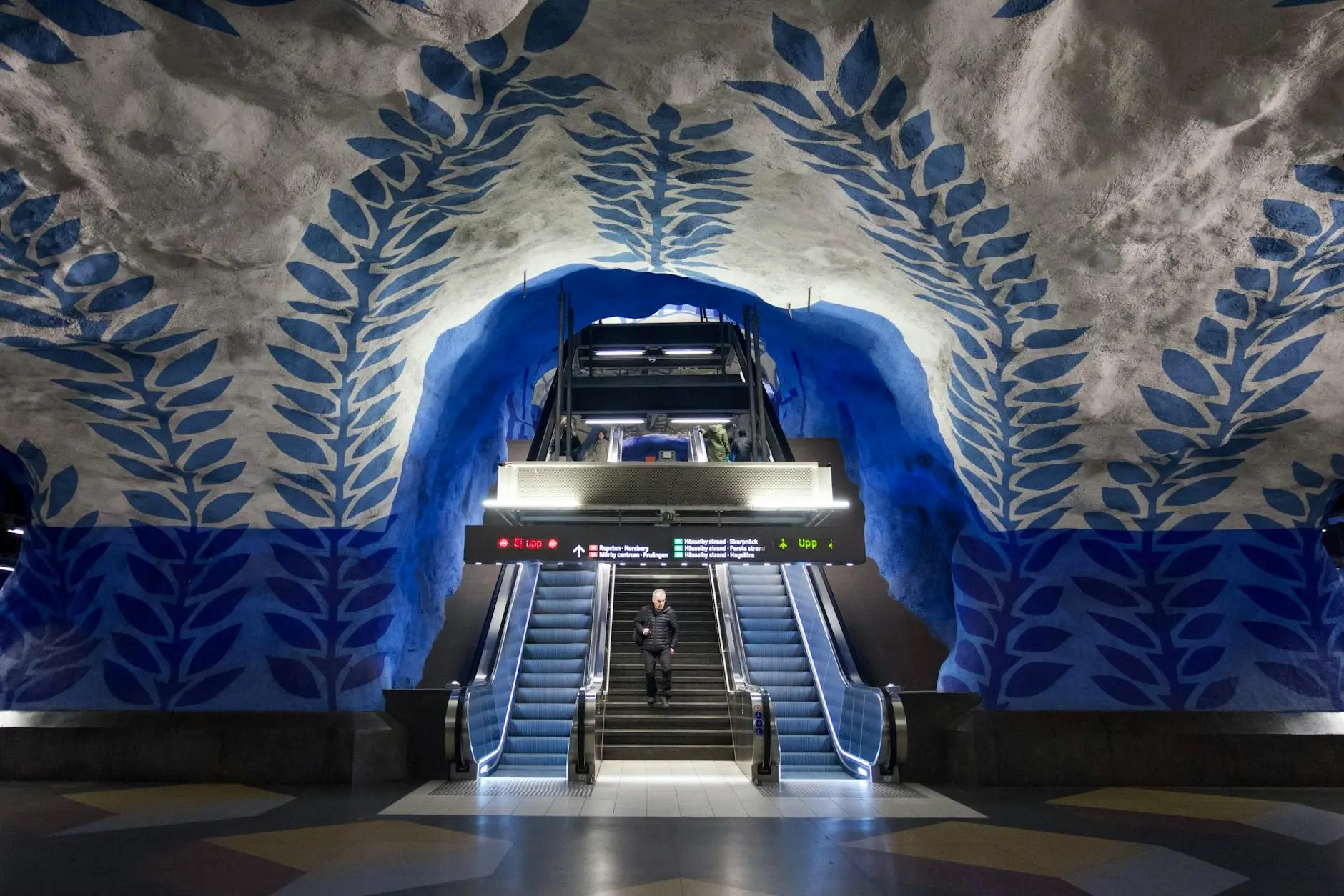
The Tunnelbana (T-Bana): It’s fast, efficient, and famously beautiful. Each station is a work of art. My favourite is T-Centralen with its calming blue vines.

Buses & Trams: Perfect for reaching islands like Djurgården when you don’t feel like walking.

Walking: The best way to experience the city. The islands are very walkable, and the views while crossing bridges are half the fun.

The Art Gallery Underground: The Blue Line of the T-Bana is an absolute must-see. Over 90 of the 100 stations are decked out with amazing art, turning your commute into a subterranean museum. Don’t miss T-Centralen, Kungsträdgården, and Stadion. It’s a fantastic, free activity that gets you out of the crowds!

Stockholm’s Tunnelbana map: your guide to navigating the city’s efficient and beautiful metro system.

Interior of a Stockholm subway station featuring colorful blue and white mural designs on the rock walls, with stairs and escalators leading to the platform.
The stunning blue and white artwork of Stockholm’s Tunnelbana, showcasing the city’s unique and vibrant metro system. Descending into an art gallery: The stunning blue vine motifs of T-Centralen station, a hallmark of Stockholm’s world-famous Tunnelbana (metro) system. It’s arguably the world’s longest art exhibition!
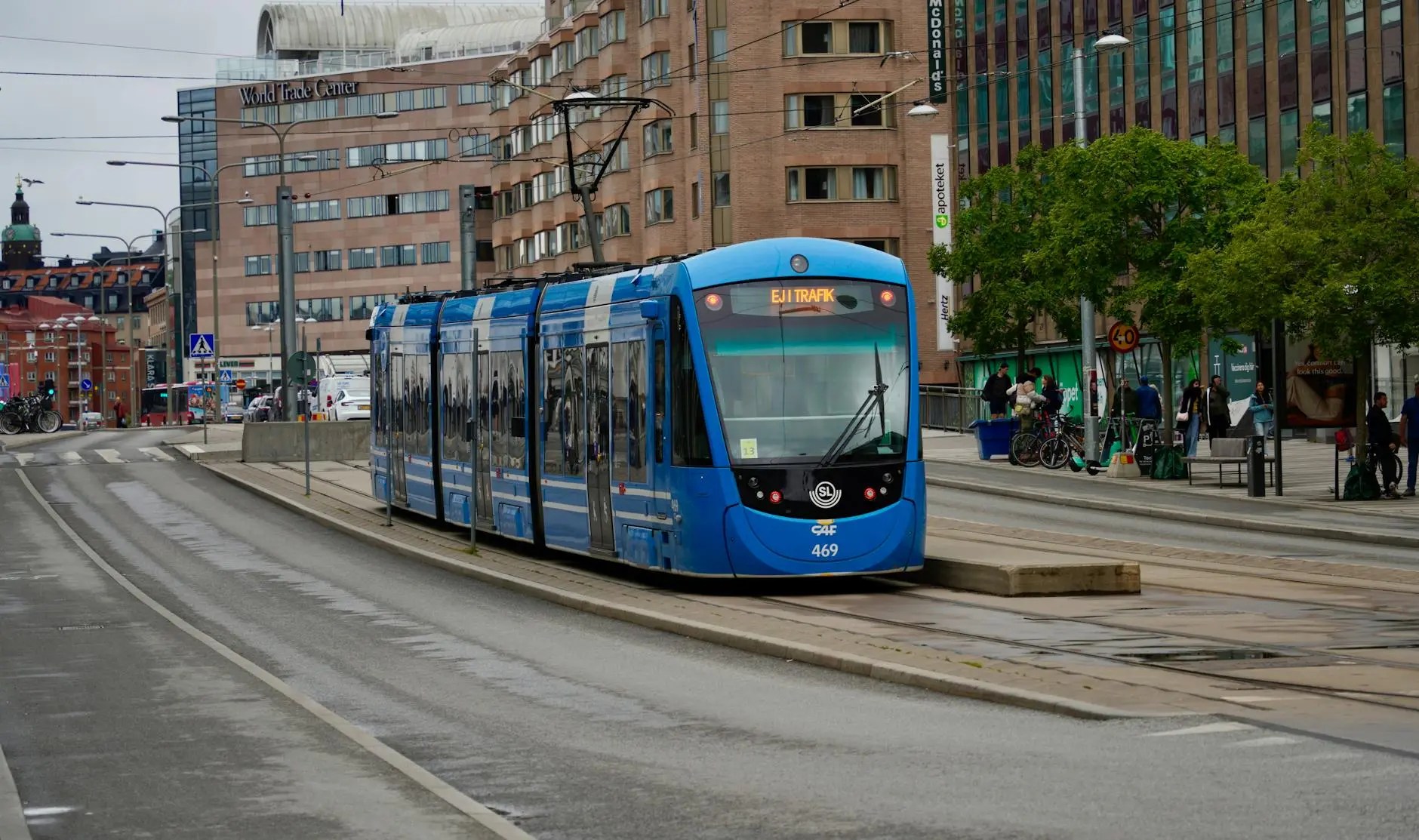
A blue tram marked 'EJ I TRAFIK' on the tracks in a modern urban setting, with buildings and trees in the background.
A sleek blue tram navigating the streets of Stockholm, showcasing the city’s efficient public transport system. Going with the flow: A modern blue tram glides through the streets of Stockholm, a perfect symbol of the city’s seamless and efficient public transport network that connects its many islands.

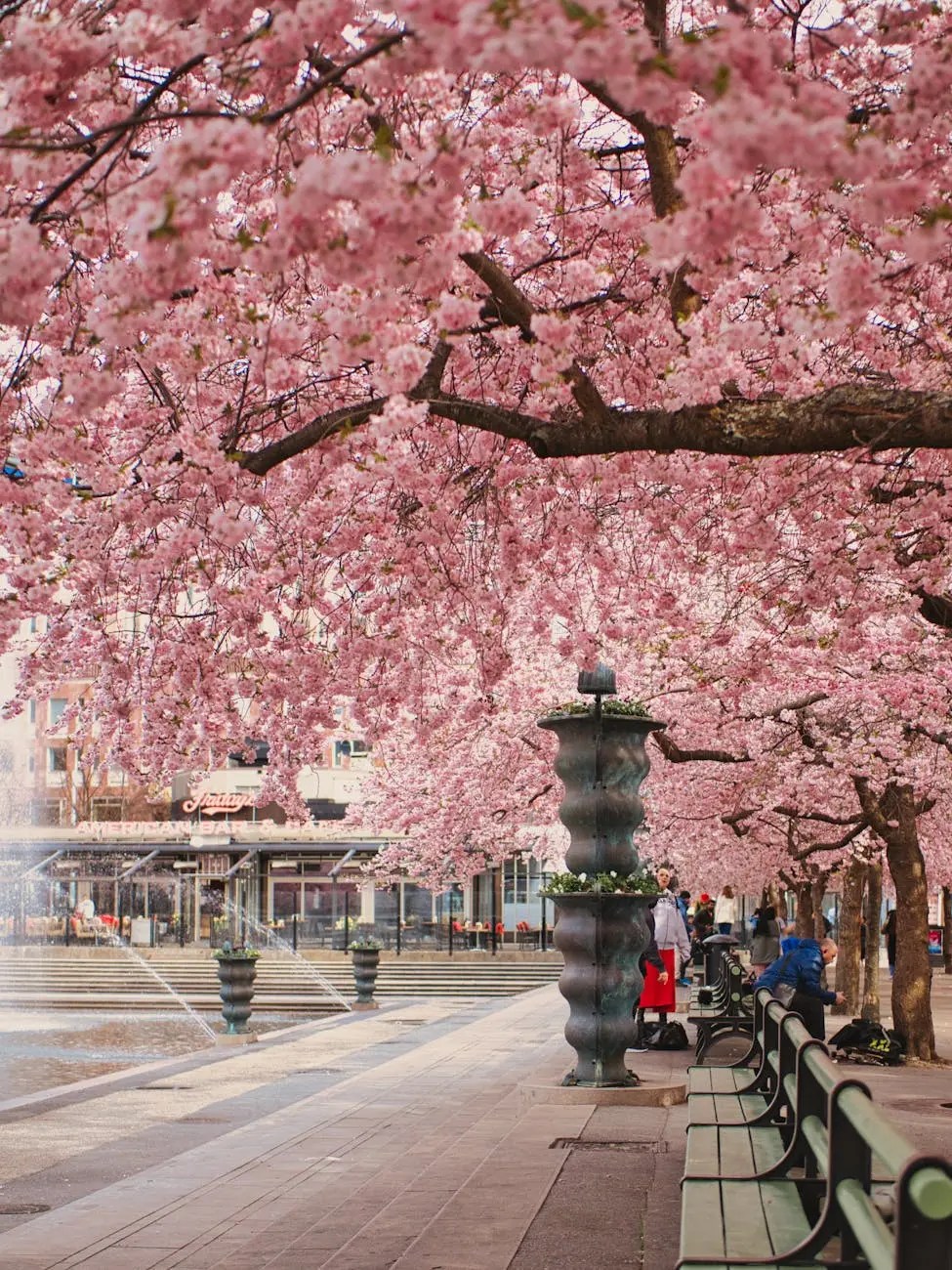
Cherry blossom trees in full bloom lining a city street, with a fountain and benches visible in the foreground.
Stunning cherry blossoms in Stockholm, creating a picturesque scene perfect for a spring day out. This image captures the cherry blossoms in full bloom at Kungsträdgården (King’s Garden) in central Stockholm, Sweden. 

Your Perfect 3-Day Stockholm Itinerary

We’ve designed this itinerary to flow logically using public transport to minimize backtracking.

Day 1: History, Royalty, and Fika (Gamla Stan & Södermalm)

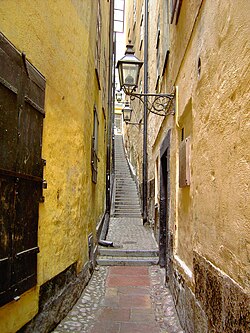
  • Morning (History): Start in Gamla Stan, the Old Town. Wake up early to get ahead of the crowds—this is when the cobblestones are quietest and perfect for photography. Don’t miss the narrowest alley, Mårten Trotzigs Gränd (only 90cm wide!).
  • Mid-Day (Culture): Watch the Changing of the Guard ceremony at the Royal Palace (Kungliga Slottet). Check the time as it changes seasonally. Anecdote Alert: I once nearly missed the whole thing because I stopped for an unscheduled Fika break. Don’t be me. Prioritize the marching band, then get your pastry.
  • Afternoon (Scenic View): Cross over to Södermalm island. Head straight for Monteliusvägen (bus 4 stops nearby) for a spectacular, uninterrupted view of City Hall, Gamla Stan, and the Riddarholmen Church spire. This is a must for your camera.
  • Evening (Local Hangout): Explore the trendy Södermalm area, particularly around the Nytorget square, for dinner. It’s less touristy than Gamla Stan and has a great local vibe
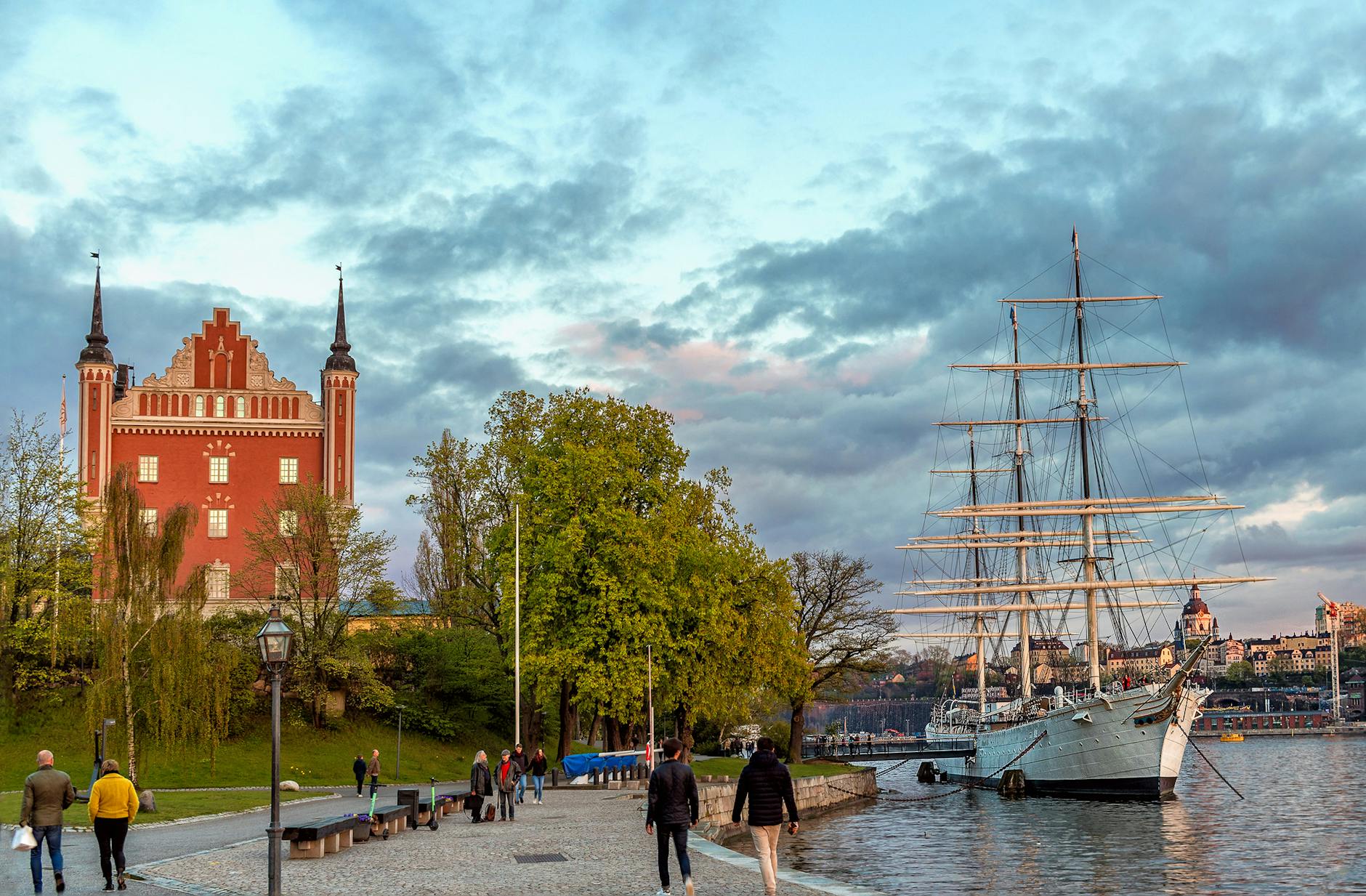
A scenic view of Stockholm's waterfront featuring a vintage ship docked beside a colorful historic building, with people walking along the promenade and lush trees along the water's edge.
A scenic view of a historic building alongside a docked ship in Stockholm, capturing the essence of the city’s beautiful architecture and waterfront landscapes. The image depicts Gamla Stan, Stockholm’s Old Town, with the Af Chapman sailing ship prominently docked in the foreground. 
Narrow cobblestone alleyway in Gamla Stan, Stockholm, featuring yellow walls and a vintage lantern.
A narrow alleyway in Gamla Stan, Stockholm, showcasing picturesque yellow walls and cobblestone streets, perfect for capturing the city’s historic charm.

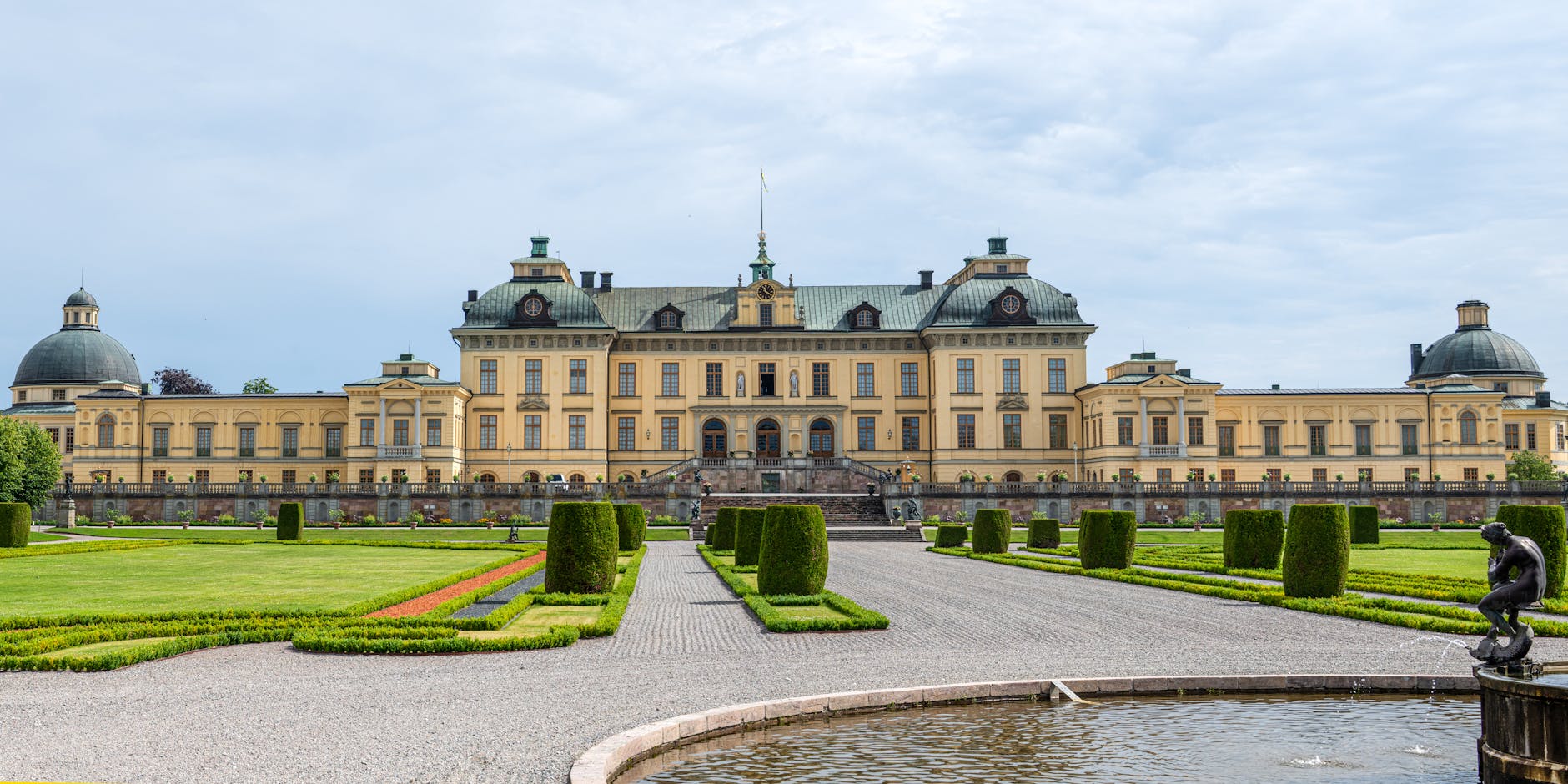
A grand historic palace with a manicured garden in the foreground, featuring neatly trimmed hedges and a statue by the pond, under a cloudy sky.
The regal Drottningholm Palace surrounded by lush gardens and intricate landscaping.

View of Stockholm from above featuring a golden star decoration in the foreground, with colourful buildings and waterfront visible in the background under a clear blue sky.
A scenic view of Stockholm showcasing its colorful buildings and beautiful waterways, framed by a golden star symbol.

Drottningholm Palace: The “Versailles of the North”

Drottningholm (which literally translates to “Queen’s Islet”) is often called the “Versailles of the North” for its stunning architecture and gardens. It is the official residence of the Swedish King and Queen, meaning they actually live there.

What you can see there:

  • The Palace: The magnificent 17th-century building itself.
  • The Palace Gardens: Immaculate Baroque-style gardens and a larger English park.
  • The Chinese Pavilion: A beautiful, exotic royal pleasure palace from the 1700s.
  • Drottningholm Court Theatre: A perfectly preserved 18th-century theatre that still uses its original stage machinery.

How to get there from Stockholm City:
It’s an easy 15-20 minute trip. You can take the T-Bana (metro) to Brommaplan and then a bus, or, more scenically, take a boat from Stadshuskajen (near City Hall). The boat ride is part of the experience, offering beautiful views of the city from the water.

Stockholm: The Vibrant Capital

Stockholm is the vibrant, dynamic city you explore for its many districts like Gamla Stan (Old Town), Södermalm, and Norrmalm. It’s home to the Royal Palace in Gamla Stan (where the King works, but doesn’t live), the Vasa Museum, ABBA The Museum, and countless restaurants, shops, and cafes.

In a nutshell:

You visit Drottningholm Palace while you are in Stockholm. It is a must-do day trip or half-day excursion from the city center, not the city itself.

Day 2: Shipwrecks, Pop Icons, and Hidden Views (Djurgården & Östermalm)

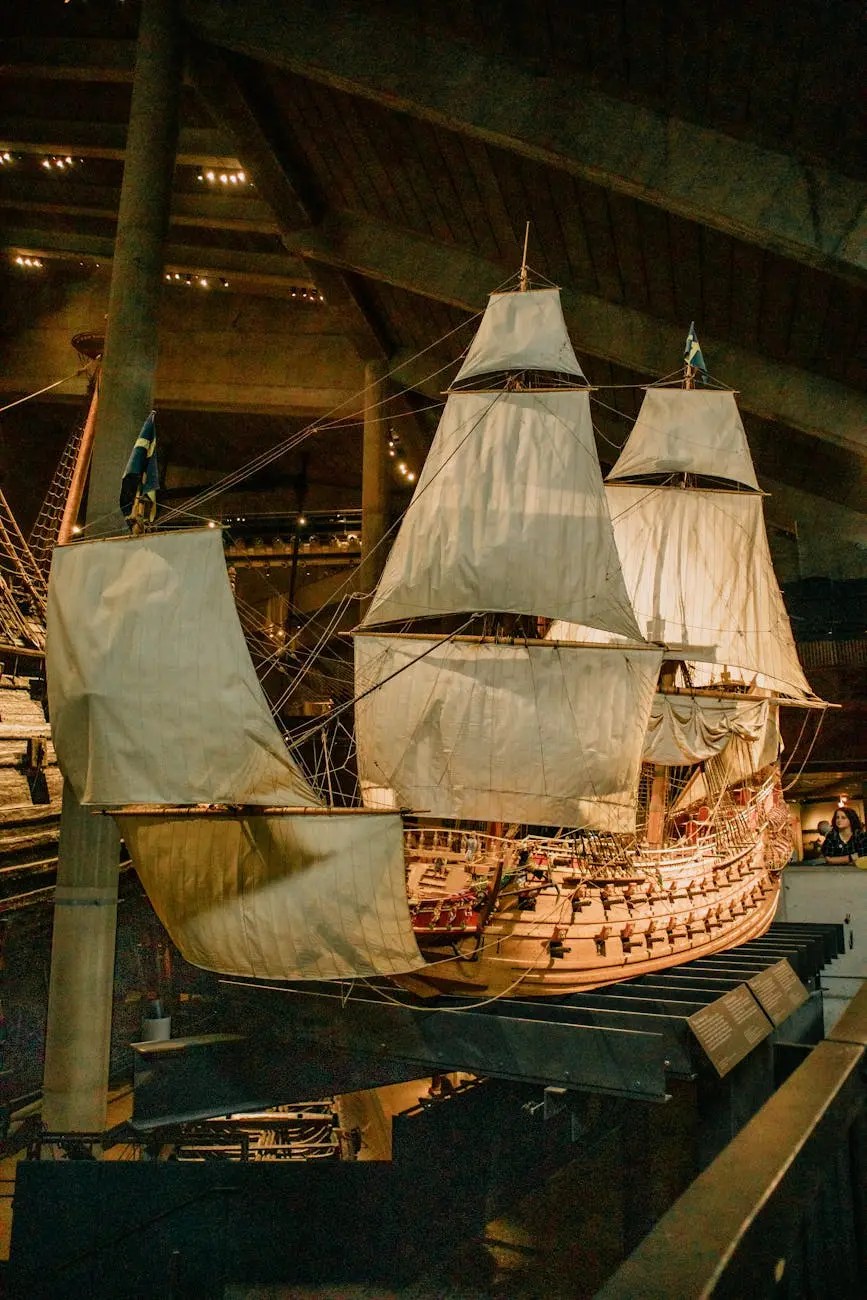
  • Morning (Museum Must-See): Take tram #7 or the ferry from Slussen (included in your SL card!) to Djurgården. Your first stop? The Vasa Museum. It houses the Vasa, a 17th-century warship that sank on its maiden voyage and was recovered 333 years later. It is stunning and an absolute time capsule.
  • Mid-Day (Pop Culture): Still on Djurgården, visit the ABBA Museum. Even if you’re not a die-hard fan, it’s an incredibly fun, interactive experience. Fun fact: I accidentally ended up ‘singing’ on stage with holograms of the band. It was gloriously embarrassing.
  • Afternoon (Hidden Gem – The Subway Art): Use your SL-kort to ride the Blue Line of the T-Bana. Hop off at Rådhuset (like a red cave!) and Kungsträdgården (a sunken garden vibe).
  • Evening (Splurge): Head to Östermalms Saluhall (a beautiful food market) for a classy dinner or just to browse the incredible fresh seafood and produce.
A detailed view of the Vasa warship, displayed inside the Vasa Museum in Stockholm, showcasing its sails and intricate craftsmanship.
The majestic Vasa ship, a 17th-century warship famously recovered from the depths after sinking on its maiden voyage, displayed in the Vasa Museum, Stockholm. A story rescued from the deep: The awe-inspiring Vasa warship, which sank on its maiden voyage in 1628 and was salvaged 333 years later, now stands as the centerpiece of Stockholm’s most visited museum.

Day 3: Archipelago Day Trip & Hidden Gems

Group of four performers dressed in colorful costumes, posing on stage with a vibrant backdrop.
Enjoying the interactive experience at the ABBA Museum in Stockholm, showcasing iconic moments of the famous Swedish band.

Day 3: Archipelago Day Trip & Hidden Gems

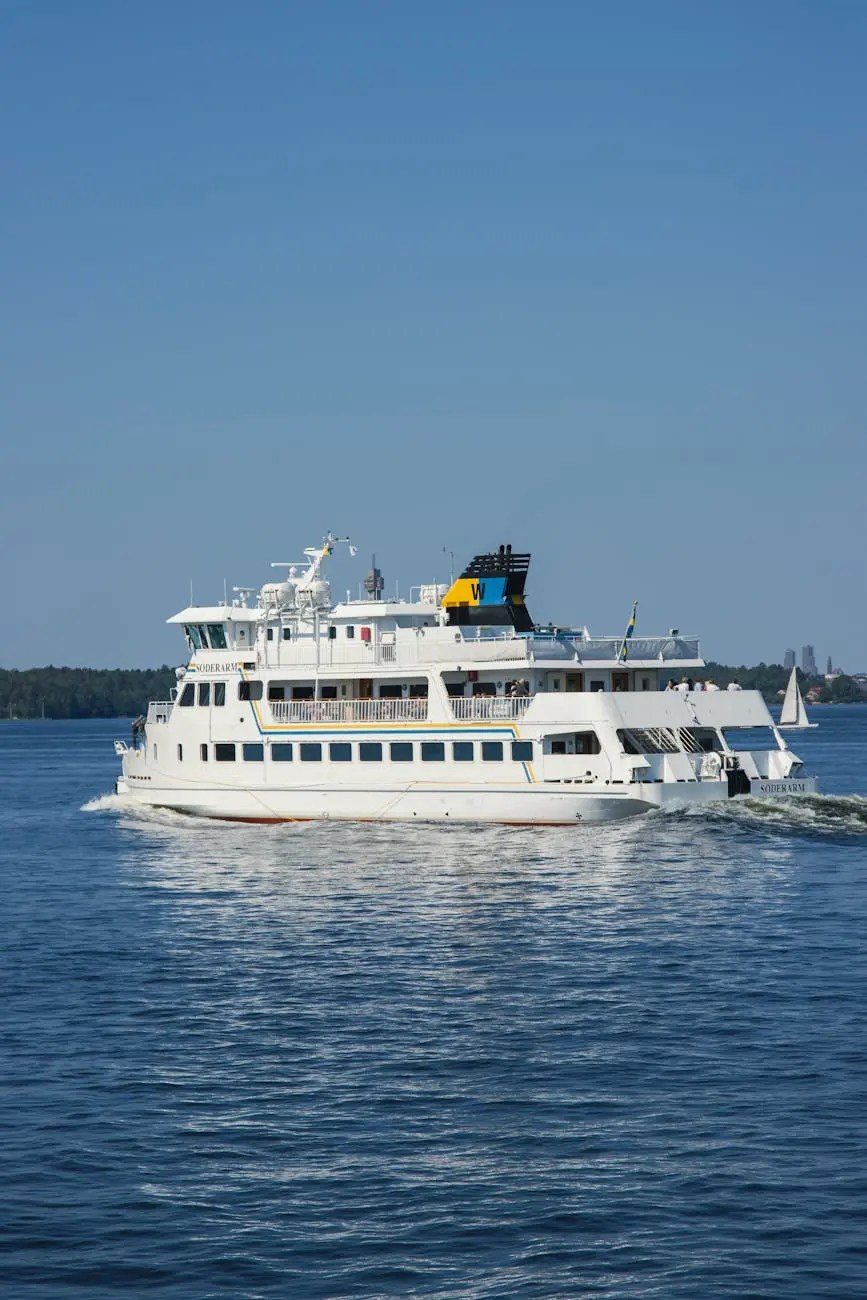
  • Morning (The Water): Time for the archipelago! The classic day trip is to Vaxholm, known as the “capital of the archipelago.” You can take a classic archipelago ferry (Waxholmsbolaget is the name to look for), which is a lovely 1-hour cruise.
  • Hidden Gem Day Trip: For a more local, quicker trip that’s fully covered by your SL card, take the commuter train (Pendeltåg) to Nynäshamn. This lovely coastal town is the gateway to the southern archipelago and a beautiful place for a seaside walk.
  • Afternoon (City Gem): Back in the city, check out Stortorget, the main square in Gamla Stan, and the most photographed spot in Stockholm. Look for the 82 colourful buildings—a perfect backdrop for your holiday snaps.
A scenic ferry navigating through the waters of Stockholm’s archipelago, showcasing the beauty of the Swedish capital’s waterways. Your ticket to island hopping: The M/S Dalarö, a vessel from the public transport fleet Waxholmsbolaget, glides through the serene waters of the Stockholm archipelago, connecting the city to over 30,000 islands.
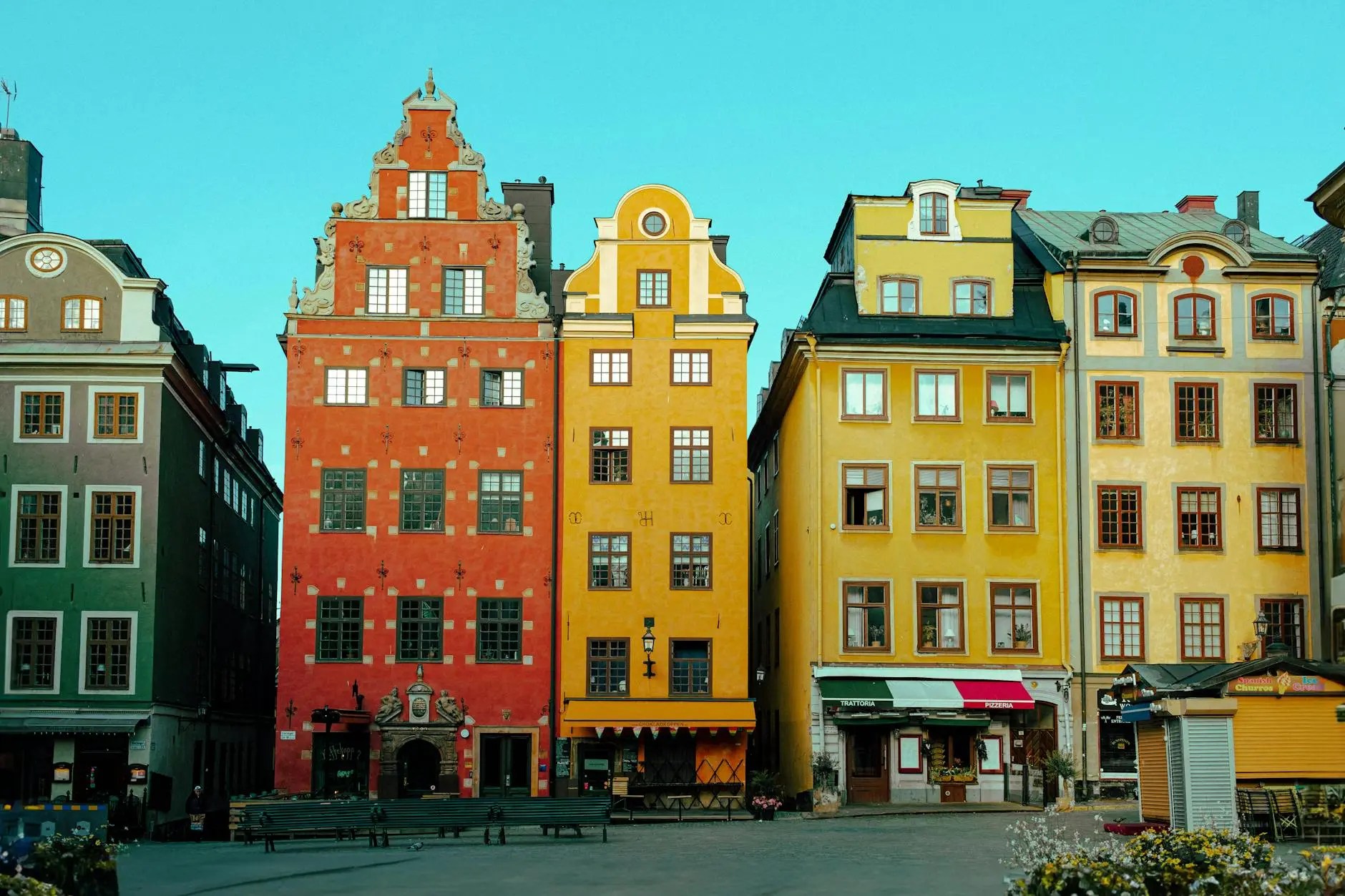
Colorful buildings in Gamla Stan, Old Town, Stockholm, under a clear blue sky.
Colorful buildings in Gamla Stan, Stockholm’s historic Old Town, showcasing the city’s architectural charm.The heart of the Old Town: Stortorget, Stockholm’s oldest square, is surrounded by the iconic, vibrant merchant houses that have become the defining postcard image of Gamla Stan

Stockholm’s Secret Sauce: Hidden Gems Most Tourists Miss

  • A Boat Trip to Fjäderholmarna: Got an extra half-day? Hop on a 25-minute ferry to the closest island in the archipelago, Fjäderholmarna. It feels a world away from the city, with artisan shops and rocky beaches. It’s the perfect quick archipelago fix.

Essential Swedish Words for the Road

While nearly everyone speaks excellent English, trying a few words goes a long way.

English WordSwedish WordPronunciation (Roughly)Meaning/Context
Hello/HiHejHayStandard, simple greeting.
Thank YouTackTakkThe most essential word.
Excuse MeUrsäktaOor-shek-taFor getting attention or passing through a crowd.
Cheers!Skål!Skawl!Perfect for evening drinks.
Coffee BreakFikaFee-kaCoffee, cake, and a chat!
Just RightLagomLaw-gomNot too much, not too little.

Travel Tools I Swear By

I’m a firm believer in preparation. Here are the tools that keep my trips smooth and stress-free:

✈️ Smart Travel Tip: Travel Insurance

No matter where your adventures take you, having the right travel insurance can save you from unexpected headaches (and bills). I personally recommend VisitorsCoverage — it’s a trusted platform where you can compare plans, find coverage that fits your trip, and book it in just a few clicks. Whether you’re planning a quick city escape or a longer international journey, it’s peace of mind worth packing. ✈️ Secure your peace of mind with VisitorsCoverage

✈️ Travel Tip: Stay Connected Safely

Staying connected abroad can be tricky (and expensive if you’re relying on airport SIM counters or roaming). That’s why I carry a Drimsim—a universal SIM card that works in 190+ countries without hidden fees. You just pop it into your phone, top up through the app, and you’re online wherever your adventure takes you. No more hunting for local SIM cards or stressing over roaming bills. If you’re planning your next getaway, check it out here: ✈️ Get your universal Drimsim card here

💻 Protect Your Data: While you’re online, never forget your security. Public Wi-Fi is a magnet for hackers. I use NordVPN to encrypt my connection and keep my personal data safe, whether I’m booking a hotel or checking my email at a café. It’s essential for peace of mind. 💻 Protect your privacy with NordVPN

✈️ Flight Delayed or Canceled? Get Compensated!

Travel isn’t always smooth sailing—sometimes flights get delayed, canceled, or overbooked. The good news? You might be entitled to up to $650 in compensation under air passenger rights. Most travellers never claim it, but I’ve got you covered: just check your flight with AirHelp. They handle the paperwork, fight the airlines for you, and only get paid if you win. Easy, stress-free, and potentially a nice surprise for your travel fund. ✈️ Check your compensation eligibility with AirHelp

“Beyond the Weekend: The Helsinki Ferry Adventure”

Feeling the pull of the Baltic Sea and have an extra day? One of the coolest “hidden gem” experiences isn’t actually in Stockholm—it’s leaving it. For a truly epic end to your Nordic escape, consider booking an overnight ferry from Stockholm to Helsinki. I’m not talking about a basic boat; these are massive, floating hotels and entertainment complexes with restaurants, bars, nightclubs, and tax-free shopping. You can spend an evening sailing through the stunning archipelago at sunset, wake up refreshed in a new country, and explore Finland’s capital before flying home. It’s not just transport; it’s a memorable mini-cruise and a two-for-one city break. You can check schedules and book your passage easily on 

Ferry from Stockholm to Helsinki —it’s my go-to for comparing routes and snagging the best deals.

FAQs

Q: Is Stockholm walkable?

A: Yes! The central islands (Gamla Stan, Norrmalm, Södermalm, Djurgården) are very walkable. However, using the SL public transport pass is essential for hopping between them quickly and comfortably, especially to Djurgården or the more distant T-Bana stops.

Q: When is the best time to visit Stockholm to avoid crowds?

A: Late Spring (May/Early June) and Early Autumn (September) offer great weather, longer daylight hours than winter, and fewer crowds than the peak July/August summer months. Plus, the autumnal colours in September are spectacular for photography.

Q: What is Fika?

A: Fika is more than just a coffee break; it’s a social institution. It involves pausing your day to enjoy a hot drink and a pastry (like a kanelbulle) with friends or colleagues. It’s a key part of Swedish culture—do not skip your Fika!

A close-up of a cinnamon bun drizzled with caramel sauce, placed on a wooden surface.
A delicious cinnamon bun, perfect for enjoying during your next fika in Stockholm. The heart of Swedish fika: A classic kanelbulle, perfectly baked with a soft, cardamom-spiced interior and a signature sprinkle of pearl sugar—this is the ultimate Stockholm coffee break companion.

As you wrap up your 48 hours in Stockholm, you might find yourself already dreaming of your next Scandinavian adventure. If the Nordic charm has you hooked, why not make it a double feature? Just an overnight ferry ride across the Baltic Sea lies Helsinki, a city with a completely different, yet equally captivating, personality. From the minimalist cool of Finnish design to the breathtaking fortress of Suomenlinna, it’s the perfect complement to a Swedish escape. Ready to continue the journey? I’ve put together the ultimate guide for an [Unforgettable Weekend Getaway to Helsinki] right here.

Just can’t get enough of that Scandinavian magic? If your soul is already craving another Nordic fix, you’re in luck. The adventure doesn’t have to end when you leave Stockholm. For the ultimate two-city escape, hop on an overnight ferry and find yourself in the cool, minimalist heart of Finland. I’ve crafted the perfect companion guide to this Stockholm itinerary for an Unforgettable Weekend Getaway to Helsinki. Discover sauna culture, stunning Art Nouveau architecture, and the island fortress of Suomenlinna. Think of it as the perfect Part Two to your epic Nordic adventure.


7. Final Call to Action

Stockholm is waiting to charm you with its unique blend of history, water, and cool, modern culture. It’s a city that asks you to slow down just enough to enjoy the moment (that’s the lagom kicking in!).

Don’t just dream about those gorgeous Scandinavian views—make them happen.

Ready to pack your bags? Start planning your perfect weekend escape to Stockholm today!

➡️ Search for the best flight and hotel deals on Expedia!


Universal Disclaimer/Disclosure Page:

The Ultimate Weekend Escape to Copenhagen, Denmark

Meta Description

Planning a weekend escape to Copenhagen? This guide for travelers covers everything from must-see sights like Nyhavn and Tivoli Gardens to navigating public transport with confidence. Discover hidden gems, save money, and get practical tips for an unforgettable trip to Denmark’s vibrant capital.

Copenhagen. Just the name itself conjures up images of brightly colored houses, cobblestone streets, and the kind of “hygge” (more on that later!) that makes you want to cozy up with a warm pastry and a good book. I’ve been fortunate enough to visit this Nordic gem, and I can tell you from personal experience: a weekend is the perfect amount of time to fall completely in love with it.

It’s a city that feels both ancient and effortlessly modern, where you can walk in the footsteps of royalty one minute and find yourself in a quirky, self-governed community the next. But let’s be real, a weekend trip means time is of the essence. You need a plan to make every single moment count, and that’s where I come in.

“Ready to trade your usual weekend for canals, castles, and the best pastries on the planet? Let’s talk Copenhagen.” Excellent choice. Copenhagen is the perfect city for a short, sweet, and incredibly satisfying escape. It’s a place where fairy-tale castles meet minimalist design, and where you can bike from a bustling food market to a serene canal in minutes.

I’ve visited this city more times than I can count, and each trip reveals a new secret alleyway or a coffee shop so perfect it feels like a hug. This guide is my love letter to Copenhagen, packed with everything you need to plan a seamless, unforgettable weekend. We’re talking logistics, money-saving hacks, and a few hidden gems that’ll make you feel like a local.

Pro Tip: I always start my trip planning by scouting for flight and hotel deals on  Expedia Bundling them can often save you a nice chunk of change for more !

Meta Description

Planning a weekend escape to Copenhagen? This guide for travelers covers everything from must-see sights like Nyhavn and Tivoli Gardens to navigating public transport with confidence. Discover hidden gems, save money, and get practical tips for an unforgettable trip to Denmark’s vibrant capital.

The Ultimate Weekend Escape to Copenhagen, Denmark

Copenhagen. Just the name itself conjures up images of brightly colored houses, cobblestone streets, and the kind of “hygge” (more on that later!) that makes you want to cozy up with a warm pastry and a good book. I’ve been fortunate enough to visit this Nordic gem, and I can tell you from personal experience: a weekend is the perfect amount of time to fall completely in love with it.

Hotels in Copenhagen

It’s a city that feels both ancient and effortlessly modern, where you can walk in the footsteps of royalty one minute and find yourself in a quirky, self-governed community the next. But let’s be real, a weekend trip means time is of the essence. You need a plan to make every single moment count, and that’s where I come in.

Table of Contents

  • Day 1: Castles, Canals, and the City Center
    • Morning: The Royal Start
    • Afternoon: Iconic Waterfront and Magical Gardens
    • Evening: Culinary Adventures and a Taste of Hygge
  • Day 2: Bike, Bohemia, and Beyond
    • Morning: A Danish Tradition
    • Afternoon: The Unexpected Escape
    • Evening: Art, Music, and the Local Scene
  • Getting Around: Your Guide to Copenhagen’s Public Transit
  • Essential Danish Phrases (and a few fun words)
  • Saving Kroner: Tips for a Budget-Friendly Trip
  • FAQs
  • Hidden Gems

Why Copenhagen is the Perfect Weekend Getaway

Compact, incredibly bike-friendly, and dripping with charm, Copenhagen is built for the weekend explorer. You can experience world-class food, profound history, and cutting-edge design without spending hours on a train or in a car. The vibe is effortlessly cool yet deeply cozy—a combination I’ve yet to find anywhere else.

 Pre-Trip Essentials: Visa, Budget & Getting There

  • Visa: Denmark is part of the Schengen Area. If you’re an EU citizen, you’re good to go. For US, Canadian, and many other passport holders, you typically get a 90-day visa-free stay. Always double-check the official Danish Immigration Service website for the most current requirements based on your nationality.
  • Budget: Let’s be real, Copenhagen isn’t cheap. But it doesn’t have to break the bank! A mid-range budget of about 800-1000 DKK ($115-$145 USD) per day per person is a good estimate for food, attractions, and transport. See our money-saving tips below to stretch those Kroner further.
  • Getting There: You’ll fly into Copenhagen Airport (CPH), which is brilliantly connected to the city center by train, metro, and bus. It’s a breeze.

Your Copenhagen Weekend Itinerary

Day 1: Royals, Canals & Hygge

A quick note: On my last trip, I decided to go all in with a good camera to capture the city’s incredible light. Seriously, a good lens can make all the difference, and I highly recommend checking out this one: My trusty travel camera. It’s compact, takes stunning photos, and doesn’t feel like a chore to carry around all day.

  • Morning: Start your day at the iconic Nyhavn. No trip to Copenhagen is complete without a visit to Nyhavn, Yes, it’s touristy, but those colorful 17th-century townhouses reflecting on the canal are iconic for a reason. Grab a coffee and just soak it in. From there, it’s a short stroll to Amalienborg Palace, the winter home of the Danish royal family. Time your arrival for noon to watch the changing of the Guard. A personal anecdote: I once spent a good hour here trying to get the perfect shot of the houses reflecting in the water—it’s surprisingly difficult, but so worth it for the ‘gram!
  • Afternoon: Walk off your royal fantasies across the water to the Opera House for stunning photos, or jump on a water bus (a cheap alternative to a canal tour!) to Christianshavn. Explore the canals and then confront your contradictions at Freetown Christiania, the self-proclaimed autonomous neighborhood. Remember to be respectful—no photos inside the main areas.
  • Evening: This is when the hygge kicks in. Find a traditional bodega (a cozy, no-frills Danish pub) for a local beer. For dinner, I still dream about the open-faced sandwiches (Smørrebrød) at Schønnemann (book ahead!) or the immersive food hall experience at TorvehallerneKBH.
A vibrant view of Nyhavn, Copenhagen, featuring colorful townhouses lining the waterfront, with boats docked along the canal and people enjoying the bustling atmosphere.
Colorful houses and boats lining the canals of Nyhavn, Copenhagen, creating a picturesque waterfront scene. The iconic postcard view of Nyhavn—Copenhagen’s historic harbor canal. These beautifully preserved, colorful townhouses were once home to sailors and merchants (and even the famous author Hans Christian Andersen!). Today, they house bustling restaurants and cafes, making it the perfect spot to soak in the city’s vibrant atmosphere

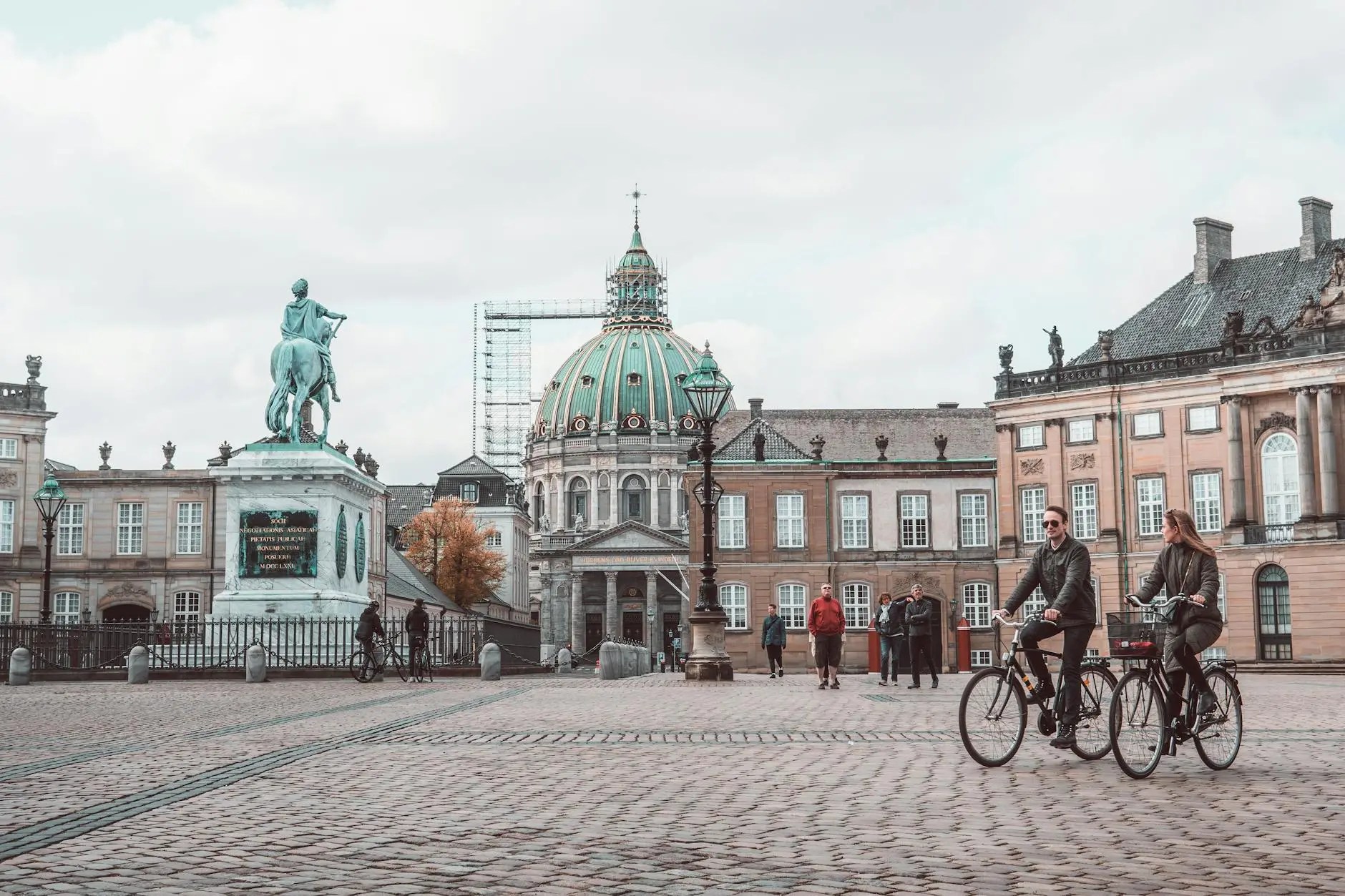
Couple riding bicycles in a cobblestone square with a statue and historic buildings in Copenhagen.
Exploring Copenhagen’s royal sights on bicycles, with Amalienborg Palace in Copenhagen, Denmark, background. Two bicyclists riding through a cobblestone square in Copenhagen, passing by an equestrian statue with historic Danish architecture in the background.
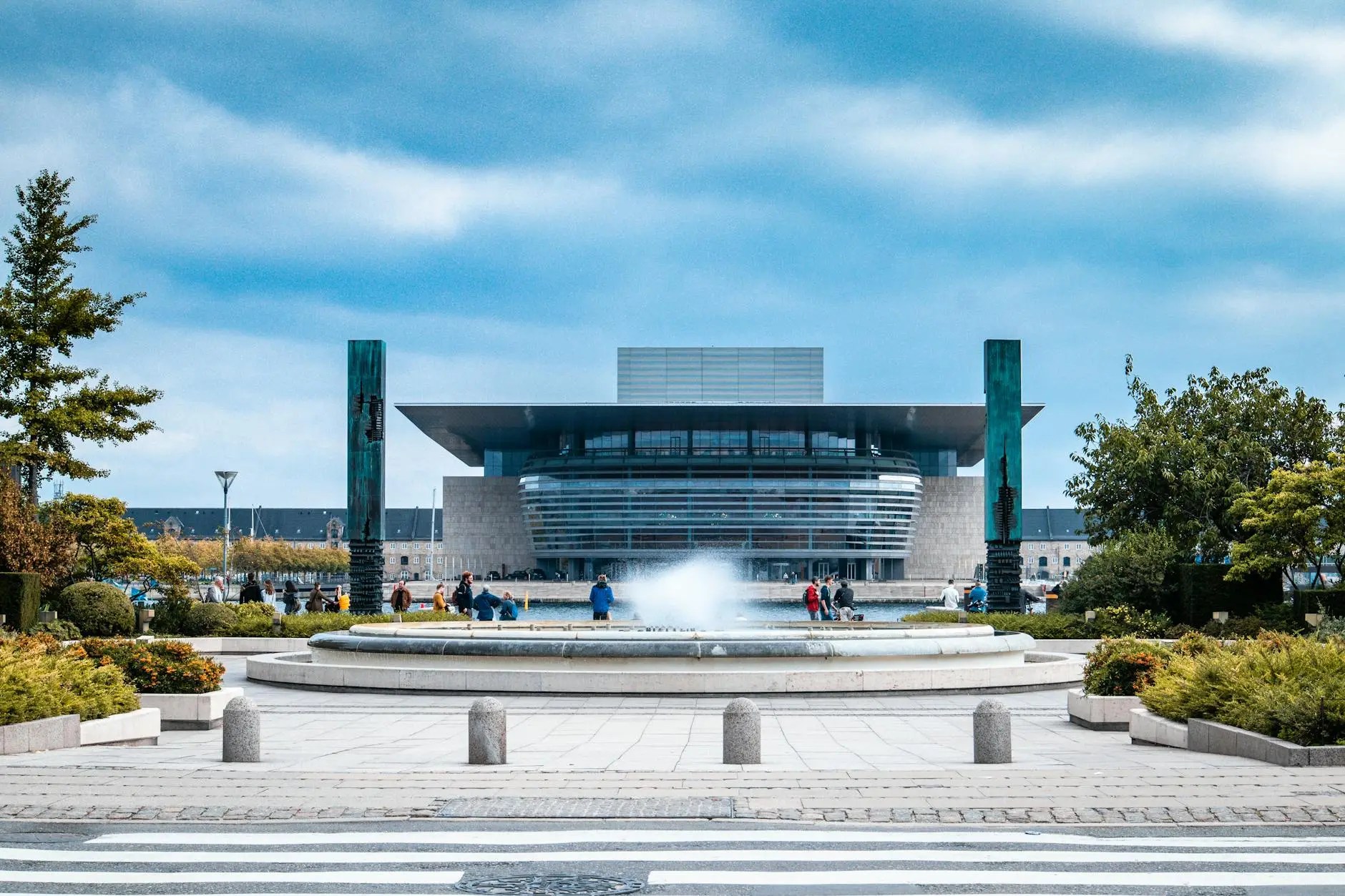
View of the Copenhagen Opera House with a fountain in the foreground, surrounded by greenery and people enjoying the outdoor space.
The iconic Copenhagen Opera House, a modern architectural marvel, viewed from the waterfront with visitors enjoying the surrounding gardens. The stunning Copenhagen Opera House (Operaen) on the island of Holmen. This masterpiece of modern architecture, designed by Henning Larsen and funded by the Møller Foundation, seems to float on the harbor waters. Its contemporary design, featuring a cantilevered roof and sleek lines, creates a dramatic contrast against the historic city skyline across the water.
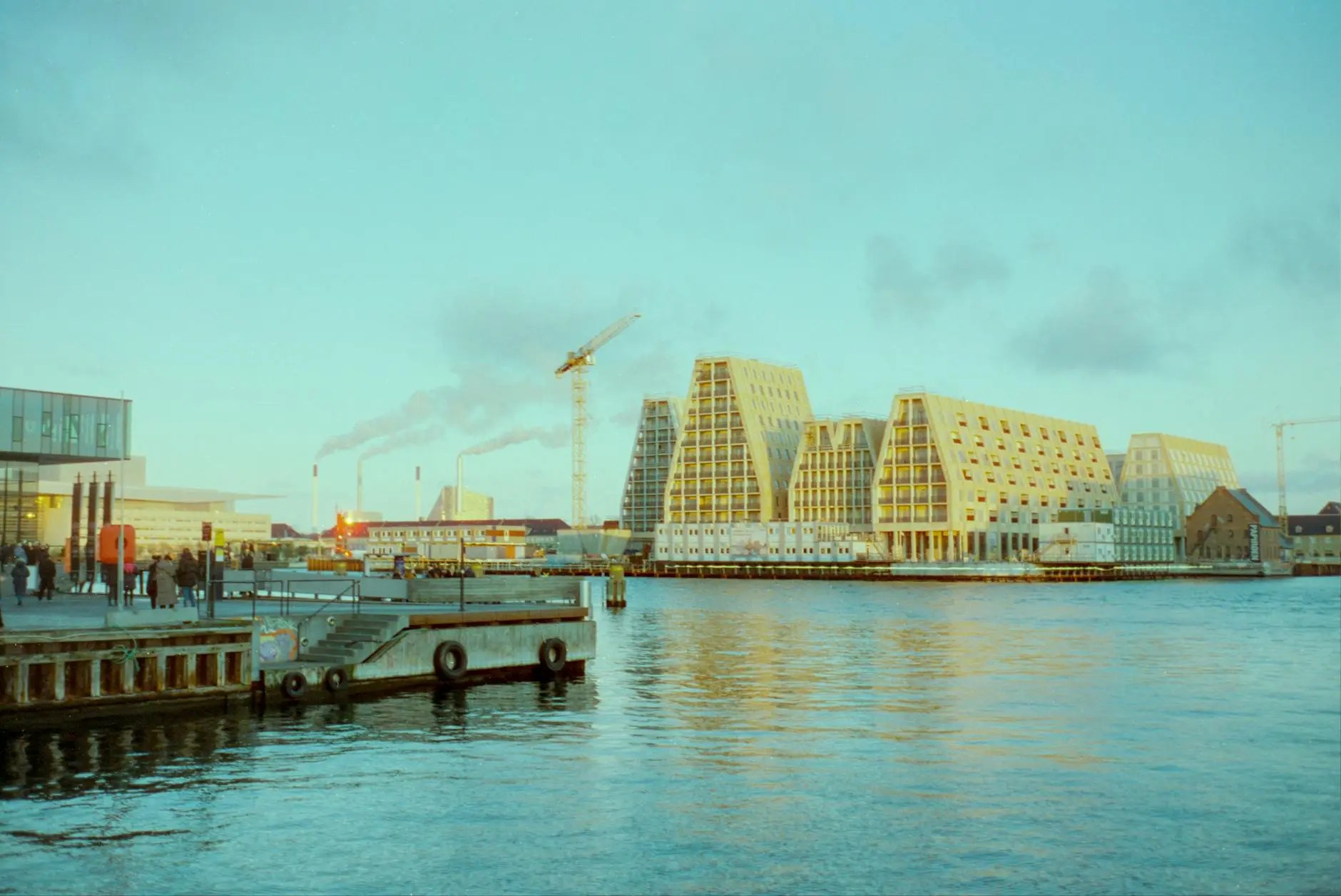
A scenic view of modern architecture along a waterfront in Copenhagen, featuring unique building designs with a backdrop of a clear sky.
The modern waterfront architecture of Copenhagen reflects in the tranquil waters, showcasing the city’s blend of innovation and tradition. The unique and modern architecture of Christiansholm (Paper Island), a popular cultural and culinary destination on the Copenhagen waterfront.

Christiansholm and Christianshavn are not the same place. They are two distinct historical areas, but their similar names and proximity understandably cause mix-ups.

Here’s a breakdown to help tell them apart:

Christianshavn (The More Famous One)

  • What it is: A vibrant and well-known district or neighborhood in Copenhagen, complete with its own canals, famous for the freetown of Christiania.
  • Location: Southeast of the city center, on several artificial islands.
  • Key Features:
    • Canals and colorful houses (often called “Little Amsterdam”).
    • Freetown Christiania.
    • The spiral spire of Our Saviour’s Church (Vor Frelsers Kirke).
    • High-end restaurants and cafes.
  • History: Founded in the early 17th century by King Christian IV as a fortified merchant’s town to protect the approach to Copenhagen.

Christiansholm (The Lesser-Known One)

  • What it is: A single, small artificial islet (a very small island), not a full district. It’s more of a specific location within the larger harbor area.
  • Location: In the Frederiksholm Canal, right next to the Royal Library Garden (Slotsholmen).
  • Key Feature:
    • It is dominated by a single, striking, star-shaped fortress building—Christiansholm Fort (Christiansholms Fæstning).
  • History: Also built in the early 17th century by King Christian IV as part of the city’s defense ramparts. It was later used as a naval station and a prison. Today, the fortress building is used for offices and events.

The Simple Analogy:

Think of it this way:

  • Christianshavn is like Manhattan—a large, famous district with many streets, buildings, and a famous personality.
  • Christiansholm is like Liberty Island—a single, specific small island in the harbor, known for one primary structure (the fortress, instead of the Statue of Liberty).

So, while you will definitely visit Christianshavn for its canals and Christiania, you will likely see Christiansholm from a distance as you walk along the waterfront between Nyhavn and the Royal Library.New chat

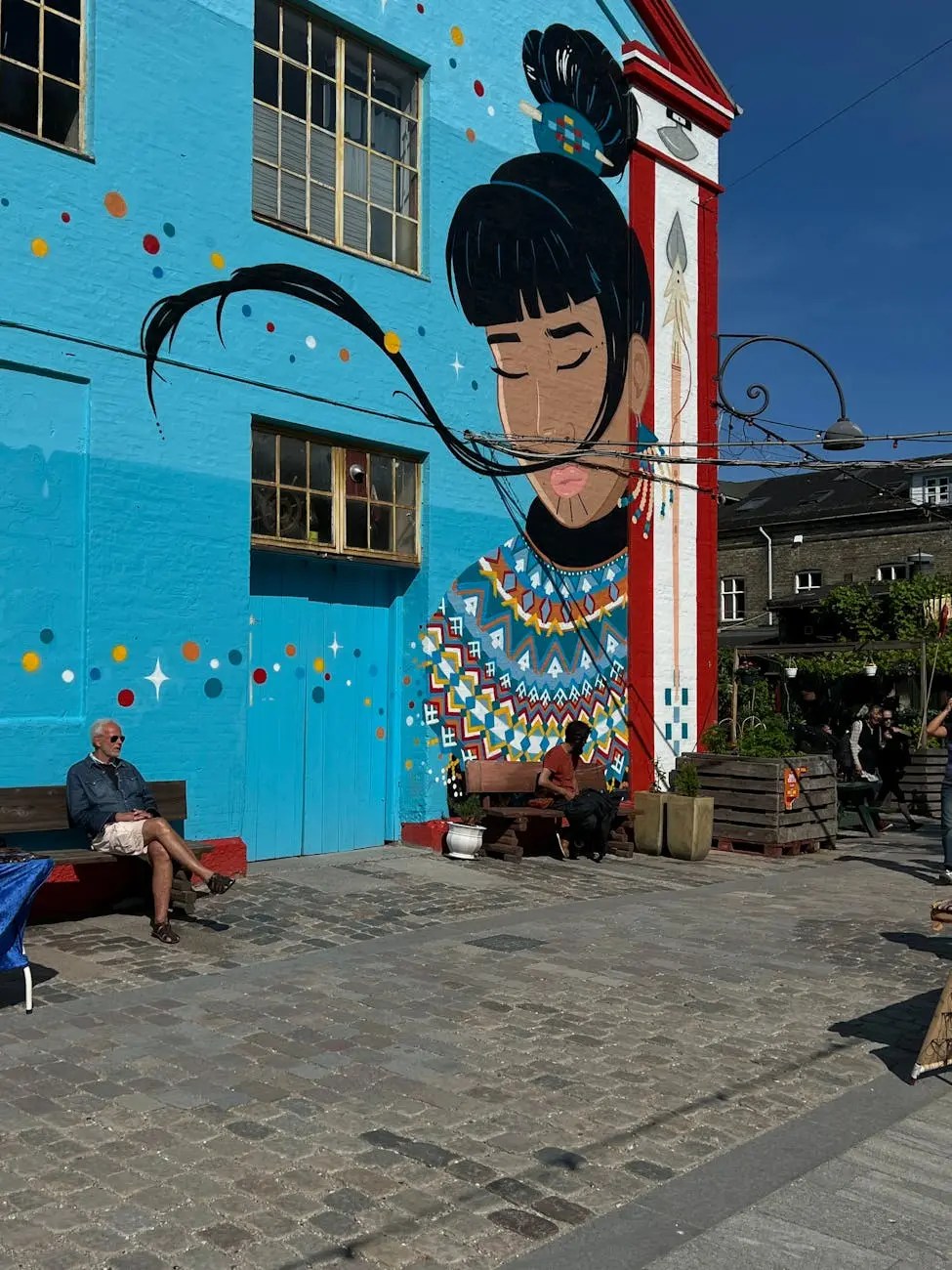
A vibrant mural featuring a woman with long hair against a bright blue wall, with colorful geometric patterns and shapes surrounding her. The scene includes people sitting on benches in front of the mural, with a cobblestone pathway.
vibrant street mural featuring a woman with intricate patterns, reflecting the artistic flair of Copenhagen. A glimpse into the unique world of Freetown Christiania. This self-governing community, founded in 1971, is a vibrant tapestry of DIY homes, radical art, and lush green spaces. Remember the main rule: no photos on Pusher Street, so keep your camera put away there and just soak in the truly one-of-a-kind vibe.
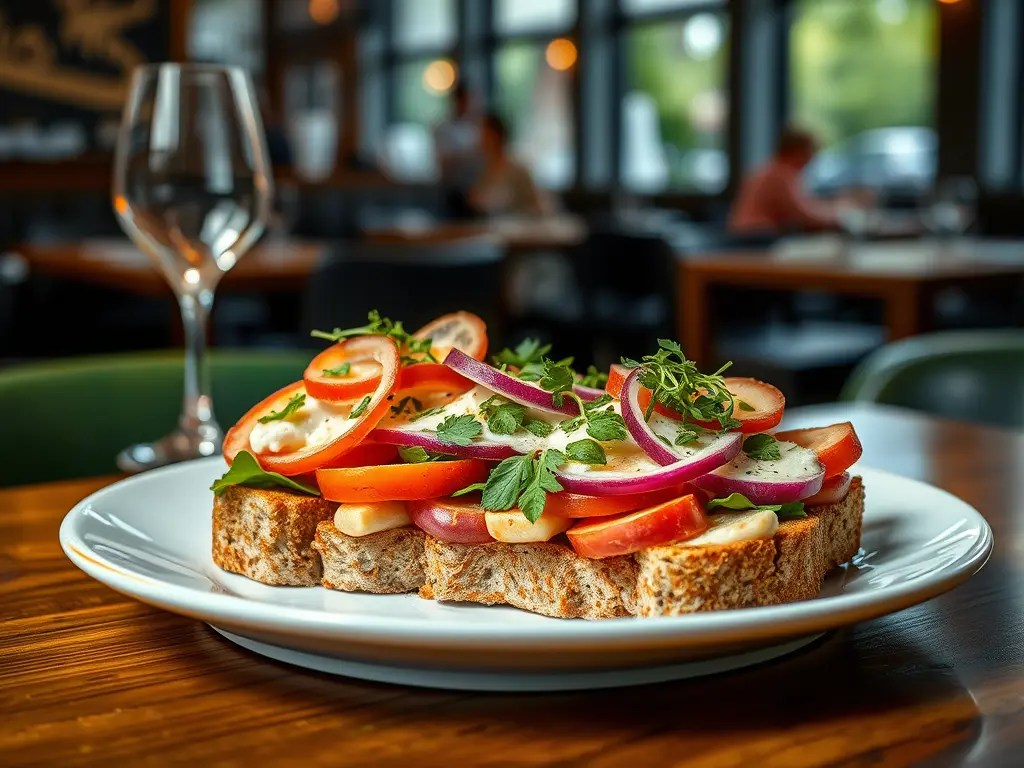
A plate of open-faced sandwiches topped with fresh vegetables like tomatoes, onions, and herbs, served in a restaurant setting.
A delicious open-faced sandwich, or Smørrebrød, topped with fresh vegetables, ideal for a culinary adventure in Copenhagen. The art of smørrebrød! This isn’t just a sandwich; it’s Denmark’s culinary pride and joy. This beautiful example, featuring fresh, crisp vegetables on dense rye bread (rugbrød), is a testament to the Danish love for simple, high-quality, and beautifully presented food. The perfect fuel for a day of exploring.

Day 2: Culture, Food & Local Vibes

  • Morning: Fuel up with a Danish pastry (trust me, it’s different here) and then rent a bike! Copenhagen is a cyclist’s paradise. Pedal your way to the Round Tower (Rundetårn) for a unique spiral ramp walk to panoramic city views. Then, get your culture fix at the National Museum of Denmark or the design-lover’s paradise, the Design museum Danmark.
  • Afternoon: Head to the trendy Vesterbro district. This area, once known for its edgier side, is now packed with chic boutiques, cool cafes, and a fantastic vibe. Grab a legendary hot dog from DØP or a more substantial lunch at one of the local eateries.
  • Evening: For your final night, consider a trip to Tivoli Gardens. Even if you don’t go on the rides, the historic amusement park is pure magic at night, with thousands of lights and beautiful gardens. It’s a fittingly fairy-tale end to the trip
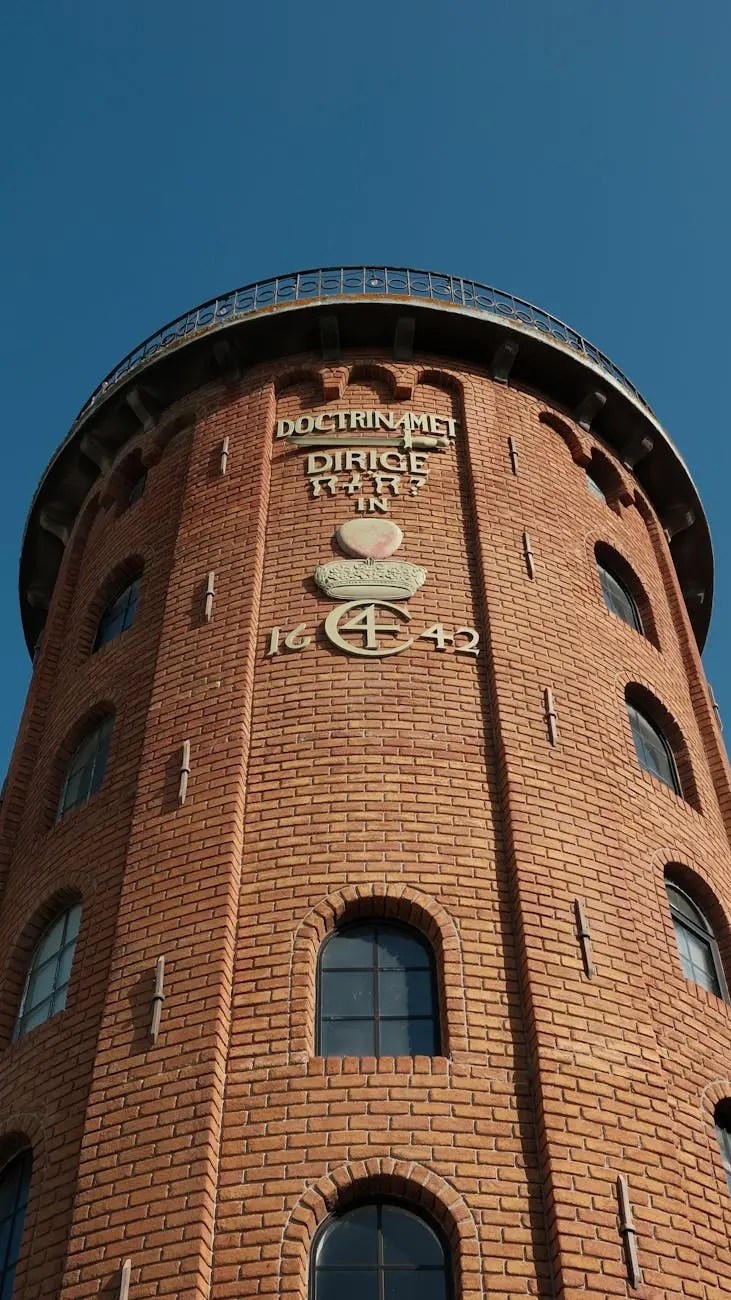
The iconic Round Tower in Copenhagen, showcasing its distinctive brick architecture and historical significance. A close-up look at the iconic Rundetårn, built by King Christian IV. The Latin inscription “DOCET IN” (short for “Docet Inania”/”It teaches the heavenly”) and the year “1642” are carved into its facade. This wasn’t just an observatory; it was a symbol of the king’s dedication to science and learning during Denmark’s Golden Age.
Interior view of a modern art museum featuring high ceilings, large columns, and visitors exploring the space.
A serene interior view of a modern art space, showcasing a spacious corridor with tall pillars and stylish benches.  National Gallery of Denmark 

National Gallery of Denmark (SMK – Statens Museum for Kunst)

  • What it is: Denmark’s largest art museum.
  • Focus: Fine Arts (paintings, sculptures, drawings, prints, installations).
  • Collection: Features over 700 years of art, from classical European masters (Rubens, Titian) to Danish Golden Age artists (Christoffer Wilhelm Eckersberg) and modern international art (Picasso, Matisse).
  • Location: Right by the botanical gardens, not far from Nørreport station.
  • In a nutshell: If you want to see art, this is the place.

National Museum of Denmark (Nationalmuseet)

  • What it is: Denmark’s largest museum of cultural history.
  • Focus: History and Ethnography (archaeology, ethnology, history of everyday life).
  • Collection: Traces Danish history from the Ice Age and Viking treasures to medieval times and modern Danish design. It also has extensive collections from ancient cultures around the world (Egypt, Greece, etc.).
  • Location: Located right behind the main shopping street, Strøget, in a beautiful former royal palace.
  • In a nutshell: If you want to see Viking artifacts, ancient relics, and historical objects, this is the place.

Quick Comparison Table:

FeatureNational Gallery of Denmark (SMK)National Museum of Denmark (Nationalmuseet)
Type of MuseumArt MuseumHistory & Culture Museum
What You’ll SeePaintings, Sculptures, Modern ArtViking Ships, Runes, Egyptian Mummies, Danish History
Best ForArt LoversHistory Buffs, Families
Key ExhibitDanish Golden Age paintingsThe Sun Chariot, Viking weapons, Children’s Museum

Conclusion: You were right to double-check! They are two different, major museums. You could easily spend a full day at each.

  • Go to the National Gallery (SMK) for a journey through art history.
  • Go to the National Museum for a journey through Danish and world history.

Both are absolutely worth a visit depending on your interests

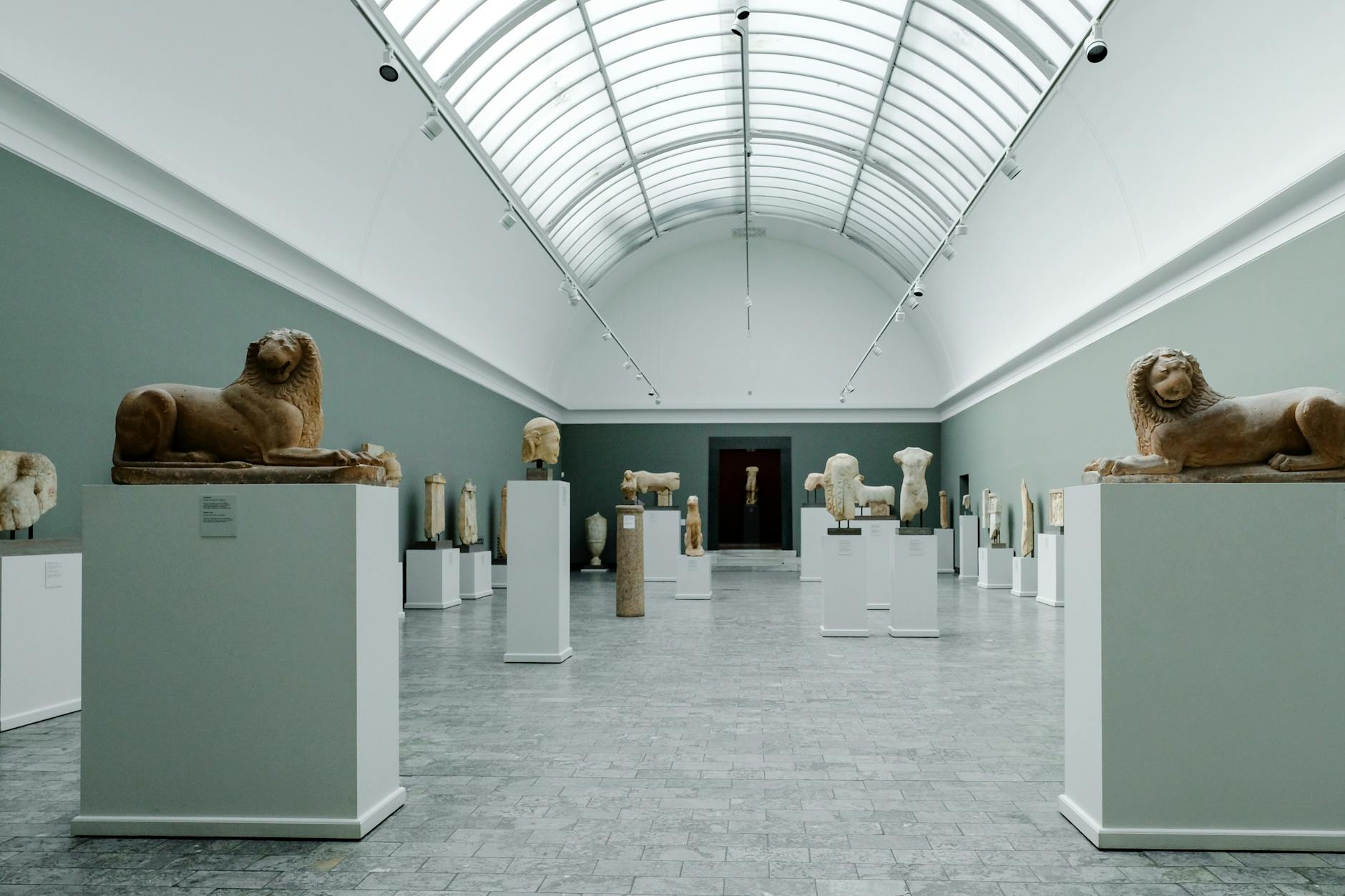
Interior view of an art museum showcasing sculptures, including lion figures and various ancient artifacts displayed on pedestals.
Explore the National Gallery of Denmark, featuring stunning sculptures and artworks in a bright, modern space.

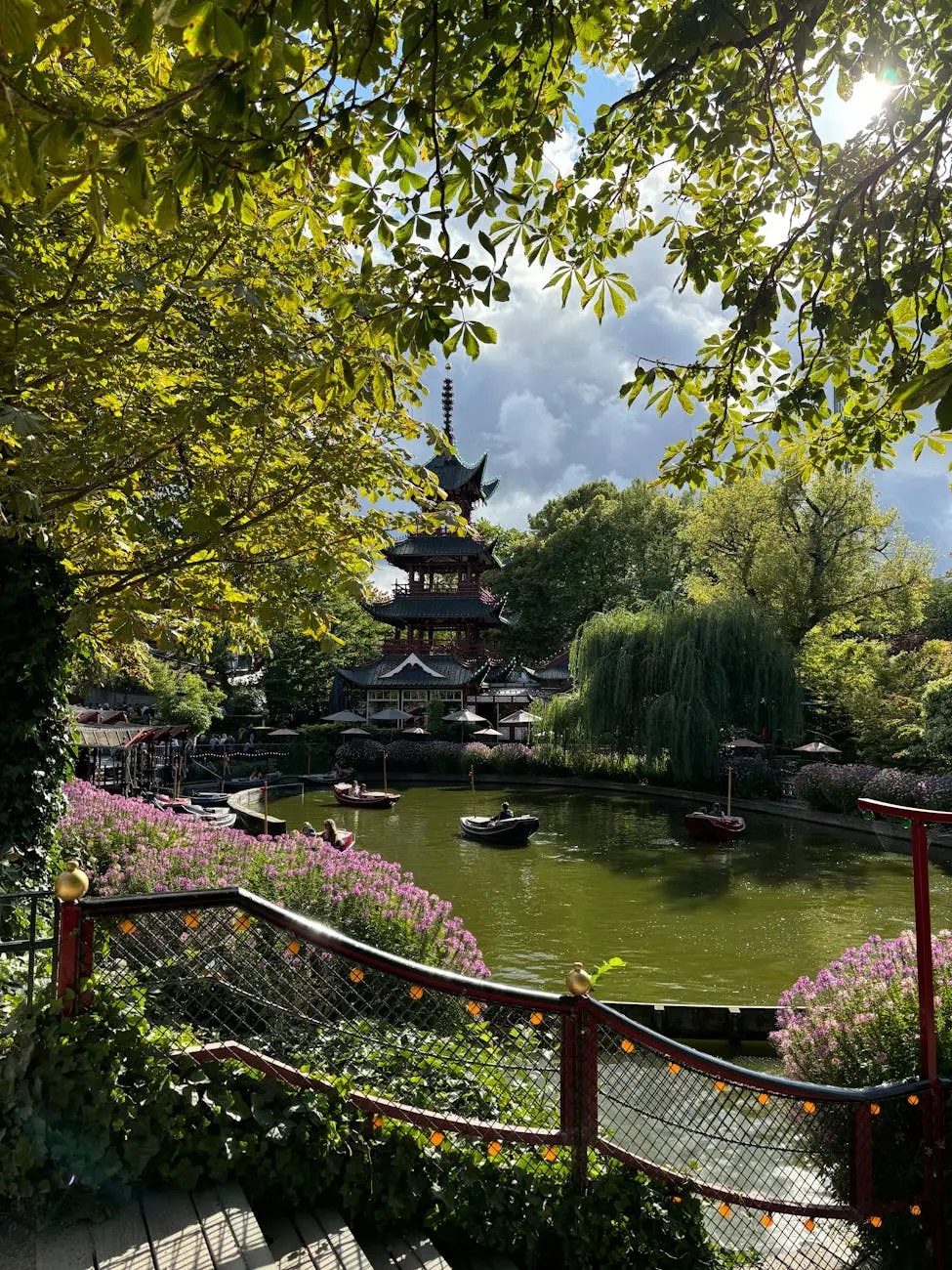
A serene view of a picturesque garden with lush green trees, colorful flowers, and a tranquil pond, featuring a traditional pagoda-style structure in the background.
A serene view of Tivoli Gardens in Copenhagen, showcasing its iconic pagoda and tranquil water scenery, perfect for a weekend getaway. A moment of perfect peace in the heart of the city. This is the hidden, tranquil side of Tivoli Gardens that often surprises first-time visitors. Beyond the thrill rides and bustling crowds, you can find these serene pockets where the iconic Chinese Pagoda reflects perfectly on a still pond, surrounded by meticulously kept gardens.
A beautifully lit scene of Tivoli Gardens in Copenhagen during the evening, showcasing festive lights, trees decorated with snow, and people enjoying the atmosphere.
Illuminated gardens and festive decorations at Tivoli Gardens in Copenhagen during winter.

Getting Around: Your Guide to Copenhagen’s Public Transit

One of the best things about Copenhagen is how easy it is to get around without a car. The public transport system is incredibly efficient and reliable, saving you time and money on gas.

Bike: The #1 way to get around. You’ll feel like a local in minutes. Use bycyklen city bikes or rent from a shop like Baisikeli

Metro & Train: The network is extensive, punctual, and clean. The airport is on the line, making it incredibly easy. All local trains, metro, and buses are integrated under the same ticket system, DOT Mobilbilletter. Download the app—it’s the easiest way to buy tickets for zones you need. A City Pass for 48 hours (small zone) is often the most cost-effective option for tourists.

Buses: The A-buses are the main buses in the city, and they run frequently. The N-buses are for late-night travel, so you can explore after dark with confidence.

Tickets: The easiest way to pay is with a City Pass (available for 24, 48, or 72 hours) which gives you unlimited travel on buses, trains, and the metro in the city center. Another option is the Copenhagen Card, which not only covers all public transport but also includes free entry to most major attractions and museums.

Walking: The inner city is very walkable. Just bundle up in winter!

 Copenhagen on a Budget: Yes, It’s Possible!

  • Eat Smart: Avoid restaurants in Nyhavn. Hit up food halls (Torvehallerne is a must), smørrebrød counters, and kebab shops for delicious, more affordable eats.
  • Free Attractions: Walk along Strøget (but window-shop, don’t buy!), watch the Changing of the Guard for free, explore the beautiful parks like Kongens Have, and visit the serene Assistens Cemetery where Hans Christian Andersen is buried.
  • Copenhagen Card: If you plan to museum-hop and use public transport heavily, do the math. The Copenhagen Card includes entry to dozens of attractions and all public transport. It can be a huge saver.

 A Few Handy Danish Phrases

Danes speak impeccable English, but a little effort goes a long way!

  • Hej (Hi): Pronounced “hi”. The universal greeting.
  • Tak (Thank you): Pronounced like “tack”. Use this constantly.
  • Skål (Cheers): Pronounced “skohl”. Essential for any beer.
  • Hygge (coziness/comfort): Pronounced “hoo-gah”. The feeling you’re there to experience!
  • Undskyld (Excuse me/Sorry): Pronounced “oon-skool”.
  • Farvel (pronounced ‘Far-vell’): Goodbye.
  • Undskyld (pronounced ‘Oon-skool’): Excuse me/Sorry.

 Hidden Gems & Local Secrets

  • Cisternerne: In Søndermarken park, this is a massive underground former reservoir that now hosts incredible art installations. It’s cool, damp, and utterly unique.
  • Refshaleøen: This former shipyard island is now a hub of creativity. Go for a dip at the minimalist CopenHot sea baths, enjoy a meal at the street food market Reffen (seasonal), and see a more industrial side of the city.
  • The Little Mermaid: Okay, not a hidden gem. She’s small and often crowded. See her if you must, but don’t make her a priority. The nearby Kastellet fortress park is actually more impressive.
  • The Black Diamond: This is the name given to the stunningly modern extension of the Royal Danish Library. It’s a gorgeous piece of architecture and a great place to sit and relax by the water.
A crowd of tourists gathered around the famous Little Mermaid statue in Copenhagen, Denmark, with the harbor and city skyline visible in the background.
Visitors admire the iconic Little Mermaid statue in Copenhagen, a must-see attraction representing Denmark’s rich cultural heritage.
A picturesque red windmill with wooden blades set against a clear blue sky, surrounded by green grass and trees.
A traditional Danish windmill stands proudly with its vibrant red facade under a clear blue sky, showcasing the charm of Denmark’s rural heritage. Kastellet This isn’t just any windmill—it’s a sentinel of history. This beautifully preserved Dutch-style mill stands within the star-shaped Kastellet fortress, one of Northern Europe’s best-preserved fortifications. While it once ground grain for the garrison, today it spins as a charming symbol of Copenhagen’s layered past, blending rural heritage with military history.

Frequently Asked Questions (FAQ)

Q: What is the best time of year to visit Copenhagen?
A: The summer (June-August) has long days and lively energy, but it’s also the most crowded. Spring (April-May) and Fall (September-October) offer milder weather and fewer tourists. Winter is cold but magical around Christmas.

Q: Is Copenhagen safe for tourists?
A: Extremely safe. Standard city precautions apply (watch for pickpockets in crowded areas), but it’s one of the safest capitals in the world.

Q: Can I get by with just English?
A: Absolutely. Virtually everyone speaks English fluently and happily.

Q: Do I need travel insurance for Denmark?
A: While Denmark has excellent healthcare, travel insurance is crucial for covering trip cancellations, lost luggage, or emergency medical evacuation. It’s a small price for massive peace of mind. I always use VisitorsCoverage to compare plans and find the best fit for my trips.

Q: What’s the tipping culture like?
A: Service charges are included in all bills. It’s customary to round up the bill or leave a small tip (5-10%) for exceptional service, but it is not expected.

Q: Is Copenhagen expensive?

A: Yes, Copenhagen is known for being a bit pricey, but with the tips in this guide (like using public transport, eating street food, and booking in advance on sites like Expedia), you can have an amazing time without overspending.

“Feeling ambitious and want to double your Scandinavian adventure? From Copenhagen, you can catch a direct overnight ferry to Oslo, Norway! It’s not just a journey; it’s an experience. Imagine watching the Danish coastline disappear as you settle into a comfortable cabin, enjoying a seafood buffet dinner, and waking up to the stunning views of the Oslofjord. It’s a seamless and magical way to travel between two incredible capitals. If you’re tempted to extend your trip, I’ve put together a complete guide to Unlocking Oslo for a perfect weekend.”

Ferry from Copenhagen to Oslo

✈️ Smart Travel Tips for Your Copenhagen Adventure

Travel smart from the second you book. Here are my non-negotiables:

1. Stay Connected Without the Stress: I learned the hard way that airport SIM counters are a rip-off. Now, I never travel without my  Drimsim. This genius universal SIM works in 190+ countries the second you land. Pop it in, top up via the app, and you’re online. No more hunting for a shop or dealing with insane roaming bills. It’s a total game-changer.

2. Protect Your Trip & Your Privacy:

  • Secure Browsing: Using public WiFi in airports and cafes? Protect your data with  NordVPN. It’s essential for safe online banking and browsing while abroad.

.3. Get What You’re Owed:
Had a flight delayed or canceled? Don’t just sigh and accept it. EU passenger rights mean you could be entitled to up to €600 in compensation. Most people never claim it. I use  AirHelp to check my flight and let them handle the paperwork. They only get paid if you win, so it’s a no-brainer.

4. Capture the Memories:
To capture all that Danish beauty, I rely on my trusty Sony Alpha a7III. It’s the perfect mirrorless camera for travel—powerful, lightweight, and takes stunning photos in every light, from the gloomy canals to the bright Tivoli lights.


Ready to experience the hygge of Copenhagen for yourself? Start planning your perfect weekend by checking out great flight and hotel deals on Expedia

What’s your favorite Scandinavian destination? Planning a trip? Let me know in the comments below!

P.S. Loved this guide? Check out my other European city break guides for more inspiration:

Berlin: Unforgettable Weekend in Berlin: Your Ultimate Guide

Frankfurt: The Ultimate Weekend Escape to Frankfurt am Main 

Munich: The Ultimate Weekend Escape to Munich, Germany

Netherlands : 48-hours-in-amsterdam-ultimate-weekend-guide/


A Final Thought

Copenhagen isn’t just a city you visit; it’s a feeling you take with you. It’s the effortless charm, the happy cyclists, and the sense of calm in the middle of a bustling capital. So pack your bags (and your camera!), book your flight, and get ready for the ultimate weekend escape. Velkommen til København!

Universal Disclaimer/Disclosure Page:

Your Ultimate Weekend Guide to Athens, Greece

Meta Description: Dreaming of ancient history, delicious food, and a vibrant city vibe? Discover how to experience the ultimate weekend in Athens, Greece. This guide is packed with travel tips, local insights, and hidden gems for an unforgettable escape. Perfect for travelers seeking a quick and immersive trip. #Athens #Greece #WeekendEscape #TravelGuide #CityBreak

Table of Contents

  • Introduction: Why Athens is More Than Just a Layover
  • Day 1: Ancient Wonders & Bohemian Rhapsody
    • Morning: Climbing to the Top of the World (and the Acropolis)
    • Afternoon: Stepping Back in Time in Plaka
    • Evening: Rooftop Drinks and a Culinary Adventure
  • Day 2: Hidden Gems & Local Life
    • Morning: A Stroll Through a Village in the City
    • Afternoon: History Beyond the Parthenon
    • Evening: Sunset on a Hill with the Gods
  • Essential Athens Travel Tips
    • Getting Around Athens: A Guide to Public Transportation
    • Saving Money: The Smart Traveler’s Guide
    • Mind Your Manners: A Few Words of Greek
  • Useful Tools for Your Trip
  • FAQs: Your Athens Questions Answered

Why Athens is More Than Just a Layover

When most people think of Greece, their minds immediately jump to the sun-drenched islands like Santorini or Mykonos. Athens, the capital, is often just a quick stop on the way. And while I completely get the island-hopping obsession, let me tell you, you’d be doing yourself a massive disservice by skipping this city.

Flights to Athens

Athens is a living, breathing paradox. It’s where 2,500-year-old history literally spills out onto the modern-day streets. You’ll be sipping a coffee in a trendy cafe only to look up and see the Parthenon towering over you. It’s gritty, chaotic, and beautiful all at once. And trust me, two days is the perfect amount of time to get a taste of its magic, leaving you craving more. Think of this as your personal cheat sheet to making the most of a weekend in the birthplace of democracy.

Hotels in Athens

For those considering a broader trip, Athens is a fantastic starting point. After you’ve had your fill of history, you can easily continue your adventure. If you’re looking for more Mediterranean magic and have more time, check out my other blogs: The Ultimate Italian Adventure: From Rome to the Amalfi Coast (Rome is just a short, inexpensive flight away, and visa costs are the same for the Schengen Area) or maybe even Exploring the Ancient Wonders of Turkey.(Istanbul)

Where else can you sip a freddo cappuccino in the shadow of a 2,500-year-old temple? Athens is the perfect weekend destination because its core historical sites are wonderfully concentrated. You can achieve a profound sense of awe and a serious dose of culture shock in just 48 hours. Plus, the food. Oh, the food. We’ll get to that.

Your Athens Weekend Itinerary: A Step-by-Step Guide

Morning (9:00 AM): Start strong at the Acropolis. Yes, it’s obvious, but for a reason. Buy your tickets online in advance to skip the massive queue. The sight of the Parthenon up close is worth every single step. My advice? Go as early as possible to avoid the crowds and the midday sun. Trust me, climbing marble steps under the Mediterranean sun is a workout Plato himself would have skipped.

Afternoon (1:00 PM): Descend from the gods and dive into the Plaka neighborhood. Get lost in its labyrinthine streets, browse the souvenir shops (the good stuff is off the main paths), and grab a table at a taverna for a long, lazy lunch. Order the moussaka and a Greek salad. You deserve it.

For Moussaka with a View: “A for Athens rooftop bar in Monastiraki is famous for its Acropolis view (go for a drink, it’s pricey for dinner). For a more authentic meal, Kuzina (near the Acropolis Museum) offers fantastic creative Greek cuisine with a great patio.

Authentic Taverna in Plaka: “Glykis (Sweet) is a small, unassuming place tucked away on a side street. It’s beloved by locals for its simple, delicious food and reasonable prices. Try the pastitsio here.”

Evening (7:00 PM): For sunset, head to Lycabettus Hill. You can take a funicular or, if your legs are still functioning, hike up. The 360-degree view of the Athenian sprawl, with the Acropolis illuminated in the center, is pure magic. Later, explore the trendy Psiri district for dinner and drinks—it’s packed with amazing restaurants and buzzing bars.

Pro Tip: The Lycabettus Funicular operating hours can vary seasonally. Before making the trek, check their official website for the most current schedule to avoid a surprise hike up (or down!).

View of the Erechtheion temple on the Acropolis in Athens, Greece, showcasing its iconic Caryatids and ancient architectural features against a clear blue sky.
The Erechtheion, an ancient Greek temple on the Acropolis of Athens, featuring the iconic Caryatids. The Iconic Caryatids of the Erechtheion: These six beautiful maidens, each uniquely detailed, have stood as architectural columns on the Acropolis for over 2,400 years. The ones you see here are expert replicas; the originals are protected in the Acropolis Museum from pollution and weathering.
A picturesque stone stairway leading through a narrow, charming street in Athens, lined with colorful buildings and lush greenery.
Explore the charming streets of Plaka, Athens, filled with history and vibrant colors. Getting Lost in Plaka’s Maze: This is the real magic of Athens’ oldest neighborhood. Wandering these sun-dappled, cobblestone steps lined with vibrant neoclassical buildings is like stepping back in time. You’re never quite sure if you’ll find a hidden taverna, a tiny artisan shop, or a sudden, breathtaking view of the Acropolis around the next corner.

“I’ll never forget the time I accidentally joined a local’s wedding dance in Plaka—turns out, ‘Opa!’ is the universal password to fun!”

A traditional Greek meal featuring moussaka, olives, and bread, with a glass of red wine and olive oil on a tabletop. In the background, the Acropolis of Athens is visible against a sunset sky.
Enjoying a delicious moussaka with a view of the Acropolis in Athens, Greece. The Ultimate Athenian Dinner: This is the view dreams are made of! Enjoying a classic, hearty moussaka—a layered masterpiece of eggplant, spiced meat, and béchamel sauce—with a glass of robust Greek wine, all while the ancient Acropolis glows in the sunset. It’s a feast for the stomach and the soul.

Lycabettus Hill Viewing Area Tours

A panoramic view of Athens showcasing the dense urban landscape with a prominent green hill in the background, likely Lycabettus Hill, under a clear blue sky.
A panoramic view of Lycabettus Hill rising above the cityscape of Athens, offering a glimpse into the unique blend of modern architecture and natural beauty.The Best View in Athens: This panoramic vista from the summit of Lycabettus Hill offers a breathtaking perspective of the Athenian basin. From here, you can truly grasp the city’s vast scale, seeing everything from the iconic Acropolis to the glistening Aegean Sea. The hike to the top is worth every step for this unforgettable moment.

Day 2: Markets, Museums, and Sunset Views

Morning (10:00 AM): Engage all your senses at the Varvakios Agora (Central Market). This is not a place for the faint of heart. The meat, fish, and spice markets are a chaotic, loud, and authentic glimpse into Athenian daily life. It’s vibrant, pungent, and utterly unforgettable.

Afternoon (1:00 PM): Choose your history deep-dive. The Acropolis Museum is a modern marvel, housing the treasures of the Acropolis with floors that hover over ancient ruins. Alternatively, the National Archaeological Museum is a treasure trove of ancient bling and sculptures. You can’t go wrong.

National Archaeological Museum: “Beyond the sheer volume, make a beeline for these two showstoppers: the Mask of Agamemnon (Room 4) and the surprisingly complex Antikythera Mechanism (Room 38), an ancient Greek analog computer used to predict astronomical positions.”

Evening: For your final night, skip the tourist traps and head to the Monastiraki Square area. Find a rooftop bar for a final cocktail with a view of the Acropolis. It’s the perfect, cliché-free way to say goodbye to this ancient city.

The Original – Greek Food tour of Athens

A bustling street market in Athens filled with people exploring shops and stalls, with colorful awnings overhead and various items displayed for sale.
A bustling street scene in Athens, showcasing vibrant shops and enthusiastic crowds, perfect for experiencing local culture.

Acropolis Museum Tours

A close-up view of the ancient Temple of Athena Nike, showcasing its classical architecture against a clear blue sky.
The Erechtheion, an ancient temple on the Acropolis, showcasing classical Greek architecture.

National Archaeological Museum Tours

View of a classical building surrounded by greenery under a clear blue sky, featuring tall columns and a spacious plaza with scattered birds.
The National Archaeological Museum of Athens showcasing classic architecture and a vibrant outdoor space. A Temple of Treasures: This isn’t just any museum—it’s the home of Greece’s most magnificent ancient artifacts. The grand neoclassical building of the National Archaeological Museum itself is a preview of the historical wonders waiting inside, from the Mask of Agamemnon to the breathtaking Antikythera Mechanism.

Athens Travel Smarts: Logistics Made Easy

Getting There & Away

Athens is well-connected globally. Most international flights land at Athens International Airport (ATH). A quick note on entry: As part of the Schengen Area, ensure you check visa requirements. For many nationalities, it’s visa-free for short stays, but always verify official sources before you travel.

Navigating the City: Public Transport Like a Pro

Forget renting a car. Driving in central Athens is a contact sport best left to locals. The public transport is cheap, efficient, and will get you everywhere.

  • Metro: Your best friend. The red line (M2) connects the Acropolis (Acropoli station) to Syntagma Square. The blue line (M3) goes to Monastiraki and the airport. A €4.10 ticket gives you 90 minutes on all transport. It’s the fastest way to get around the city, especially during rush hour. A single ticket costs €1.20 and is valid for 90 minutes. You can also get a daily pass for €4.10, which is a great value if you plan on using public transport frequently. The metro lines are well-marked, and you’ll find English translations at all the stations.
  • Airport Express: The Metro Blue Line (M3) goes directly to Syntagma Square from the airport in about 40 minutes for €9 one-way. A no-brainer.
  • “*As of 2025, a standard 90-minute public transport ticket in Athens costs approximately €1.50. The metro from the airport to the city center (Syntagma) costs €10 for a one-way ticket. Always check the official Athens Public Transport website (oasa.gr) for the most current fares before your trip.*”
  • Buses/Trams: Great for reaching beaches or specific suburbs, but the metro covers the core tourist circuit best. The bus network is extensive but can be a bit more confusing for first-time visitors. However, they’re great for reaching areas not served by the metro. Screens on the newer buses show upcoming stops in both Greek and English.
  • Taxis: Taxis are readily available and affordable compared to many other European cities. I’d highly recommend using an app like FreeNow to avoid any potential fare issues.
  • Roads: While renting a car is a good option for exploring the rest of Greece, driving in central Athens is a nightmare. The traffic is chaotic, and parking is a major headache. Stick to public transport for your weekend escape
Map of the Athens Metro system showing various lines and stations.
Detailed map of the Athens metro system, showcasing the various lines and stations for easy navigation throughout the city.

Money-Saving Tips for the Savvy Traveller

  • Combo Ticket: Buy the €30 combo ticket at the first archaeological site you visit. It gives you entry to the Acropolis, Ancient Agora, Roman Agora, Temple of Zeus, and more. It’s valid for 5 days and saves you a fortune.
  • “*The multi-site combo ticket for the Acropolis and other major archaeological sites is currently priced at €36 (summer 2025) and is valid for five days. It includes entry to the Acropolis, Ancient Agora, Roman Agora, Temple of Olympian Zeus, and more. Confirm the latest price and participating sites on the official Hellenic Heritage website.* official site]
  • Eat Away from the Tourists: A gyros or souvlaki pita from a small joint away from the Plaka should cost no more than €3-4. It’s the best €4 lunch you’ll ever have.
  • Free Stuff: Changing of the Guard at the Parliament in Syntagma Square (hourly) is free and fascinating. Exploring the charming Anafiotika neighborhood (a hidden island village tucked under the Acropolis) costs nothing but your time
  • Water: Tap water in Athens is safe to drink, so bring a reusable water bottle to save money and reduce plastic waste.

Syntagma Square Tours

Front view of the Hellenic Parliament building in Athens, featuring classical architecture with columns, a flag flying above, and guards at the entrance.
The Hellenic Parliament building in Athens, showcasing its iconic neoclassical architecture. The Heart of Greek Democracy: Standing proudly in Syntagma (Constitution) Square, the Hellenic Parliament is more than a government building—it’s a national symbol. Don’t miss the famous Evzones (presidential guards) performing their hypnotic, high-stepping changing of the guard ceremony in front of the Tomb of the Unknown Soldier.

Beyond the Guidebook: Athens’ Hidden Gems

  • The Benaki Museum of Greek Culture: A more intimate and beautifully curated collection than the massive national museum. The rooftop cafe has stunning views.
  • Benaki Museum: “Don’t miss the stunning rooftop cafe for a coffee with a view. Hours: Closed Tuesdays. Price: ~€12 general admission. Tip: The museum stays open until midnight on Thursdays and Fridays for a unique evening culture fix.
  • Stavros Melissinos’ Poet-Sandalmaker: A legendary shop where Jackie O and The Beatles got their custom sandals. It’s an experience.
  • A for Athens Rooftop Bar: While popular, the view of Monastiraki Square and the Acropolis is arguably the best in the city. Go for a pre-dinner drink instead of a pricey dinner.
  • Anafiotika: “Tucked beneath the Acropolis, this hidden neighborhood feels like a Greek island village. How to get there: From Plaka, look for the steep, whitewashed staircases off Stratonos Street. It’s easy to miss! Best for: Photos in the early morning or late afternoon when the light is golden and the crowds are thin.”
View of the Parthenon ruins against a clear blue sky, showcasing ancient Greek architecture and columns.
The iconic Parthenon, a symbol of ancient Athens, stands proudly under a clear blue sky.

Essential Greek for the Weekend Warrior

A little effort goes a long way!

Greeks are incredibly welcoming, and making an effort to speak a few words of their language will earn you big smiles

  • Hello: Γειά σου (YAH-soo) – informal
  • Thank you: Ευχαριστώ (eff-kha-ri-STOH)
  • Please: Παρακαλώ (para-ka-LOH)
  • Cheers: Γειά μας (YAH-mas)
  • The bill, please: Το λογαριασμό, παρακαλώ (to lo-gariaz-MO, para-ka-LOH)
  • Hello/Goodbye: Yassou (yah-soo)
  • Yes: Ne (neh) — this one can be tricky, as it sounds like the English “nay,” but trust me, it means yes!

3. Local Experiences

Staying Connected & Safe: My Non-Negotiable Travel Gear

✈️ Travel Tip: Staying connected abroad used to be my nightmare. I’d either get rinsed by roaming charges or spend my first hour in a new country hunting for a SIM card. Not anymore. I never travel without my Drimsim—a universal SIM that works in 190+ countries. You just pop it in, top up via the app, and you’re online. No contracts, no hidden fees. It’s a game-changer

And while we’re on essential gear, two other things I never leave home without:

Using public WiFi is a necessity, but it’s not always secure I use A VPN . to keep my data encrypted, especially when checking bank accounts or booking things on the go. It also lets me access streaming from back home!

Good Travel Insurance: I learned this the hard way after a misplaced suitcase. Now, I always use visitorscoverage to compare and find a plan that fits my trip. It’s peace of mind you’ll be thankful for if anything goes sideways.

🛡️ Flight Hassle? Speaking of things going sideways, ever had a flight delayed or canceled? Most travelers just sigh and accept it. But did you know you could be entitled to up to $650 in compensation under air passenger rights laws? I use AirHelp to check my flights. They handle all the paperwork and only get paid if I win. It’s the easiest potential travel bonus ever.

Frequently Asked Questions (FAQ)

Q: Is Athens safe for tourists? A: Yes, Athens is generally a very safe city for tourists. The main tourist areas are well-policed, but as with any major city, it’s wise to be aware of your surroundings, especially in crowded areas like the metro or Monastiraki Square, where pickpocketing can occur.

Q: Can I get by with just English? A: Absolutely. Most people working in tourism, restaurants, and hotels speak excellent English. However, learning a few Greek phrases goes a long way and is a sign of respect.

Q: What is the best time of year for a weekend in Athens?
A: The sweet spots are spring (April-June) and autumn (September-October). The weather is perfect for walking, and the crowds are thinner than in the scorching hot summer months.

Q: Is Athens a walkable city?
A: Absolutely! The historical center is very walkable. The key is to use the excellent metro to connect between neighborhoods (e.g., from Syntagma to the Acropolis) and then explore each area on foot.

Q: How much money should I budget for a weekend?
A: Athens can be very affordable. Excluding flights and accommodation, a comfortable budget for food, sights, and transport would be around €60-80 per day.

Q: What should I pack?
A: Comfortable walking shoes are NON-NEGOTIABLE. You will be walking on uneven stone paths and marble. Also, pack layers, a sun hat, and a reusable water bottle.

Q: Can I use credit cards everywhere?
A: Most restaurants and shops accept cards, but it’s always wise to carry some cash (Euros) for small purchases at markets, street food stalls, or tiny family-run tavernas.

Q: Is haggling common in Athens? A: Not in most shops or restaurants. Prices are generally fixed. However, in flea markets like Monastiraki, a friendly bit of haggling is expected and part of the fun.

Ready to Wander Through Ancient Streets?
Athens is a city that gets under your skin. It’s a place of breathtaking beauty, chaotic energy, and undeniable soul. With this plan, you’re ready to dive in and make the most of every second. Now go forth, explore, and eat all the feta cheese

Don’t forget to capture it all! I use this camera  for all my travel photos – it’s lightweight, powerful, and perfect for grabbing those stunning shots of the Parthenon without weighing you down.

“Ready to wander through ancient streets and create your own Athenian adventure? Don’t just dream—make it happen! Book your flights and hotel today through Expedia for the best deals. Got questions or your own Athens tips? Share them in the comments below—I’d love to hear from you!”

What are you most excited to see in Athens? Share your thoughts in the comments below!

If you’re craving more than just a weekend on land, Celestyal Cruises offers 3- to 7-day Aegean itineraries that include Santorini, Mykonos, and hidden gems like Patmos—all without the hassle of repacking your suitcase.”

Universal Disclaimer/Disclosure Page:

48-Hour Lisbon Itinerary: Your Ultimate Guide

Meta Description: Dreaming of a weekend in Lisbon? Our ultimate guide unlocks the best 48-hour itinerary for travellers. Discover hidden gems, navigate like a local, save money on transport, and soak in the vibrant soul of Portugal’s sun-drenched capital. Get ready for your perfect European escape!

We’ll cover everything from must-see sights to local phrases and how to navigate the city like a pro. Perfect for travelers seeking an authentic and unforgettable Portuguese adventure!

Table of Contents

  • Day 1: Alfama’s Heartbeat and Downtown Delights
    • Morning: A Golden Hour Stroll and Historical Heights
    • Afternoon: Baixa’s Grandeur and a Lift with a View
    • Evening: Fado and Flavors in Alfama
  • Day 2: Belém’s Grandeur and Artistic Escapes
    • Morning: The Age of Discoveries
    • Afternoon: The Sweetest Sin and Creative Vibes
    • Evening: A Riverfront Farewell
  • Day 3: Hidden Gems and Local Life
    • Morning: Tile Tales and Secret Viewpoints
    • Afternoon: Market Munchies and Pink Street Party
  • Essential Lisbon Travel Tips
    • Getting Around Lisbon: Your Public Transport Cheat Sheet
    • Lisbon Lingo: A Few Key Phrases
    • Money-Saving Magic
    • Where to Stay and When to Go
    • Quick Check: Visa, Visas, and More Visas
  • The Travel Toolkit You Can’t Live Without
  • FAQ: Your Top Questions Answered

Why Lisbon is the Perfect Weekend Getaway

Lisbon hits differently. It’s a city that feels like it’s constantly bathed in golden hour light, where ancient trams clatter up impossibly steep hills, and the smell of grilling sardines and pastéis de nata wafts from every corner. It’s vibrant, affordable, and bursting with an energy that makes a weekend feel like a full-blown vacation.

Flights to Lisbon

I fell in love with it on a whim a few years ago after a friend’s wedding. I had an extra day and a desperate need to avoid the office. That spontaneous 48-hour trip turned into a lifelong love affair with the city’s soulful grit and effortless charm. Trust me, by Sunday evening, you’ll be plotting your return.

📍 Pro Tip: To visualize your adventure, here’s a custom Google Map I created that plots out this entire itinerary, including all the miradouros, restaurants, and hidden gems.
>> Click here for the Interactive Lisbon Weekend Map <<

Hotels in Lisbon

Now, a lot of people think you need a week or more to “do” Lisbon, but I’m here to tell you that a long weekend is the perfect appetizer. You can get a fantastic taste of the city’s soul without burning out. This is a plan I’ve personally tried and tested, and it’s designed to be efficient, enjoyable, and packed with as many local anecdotes as possible. So, lace up your most comfortable shoes, grab your camera (I used my trusty [ camera ] to capture all the magic!), and let’s go.

Your Lisbon Weekend Itinerary: A Step-by-Step Guide

This itinerary is designed for maximum experience with minimal fuss. We’ll walk, use the brilliant public transport, and eat… a lot.

Day 1: Getting Lost in the Labyrinth (Alfama, Castelo & Fado)

  • Morning (9:00 AM): Start your day where Lisbon began: in the Alfama district. Ditch the map. Seriously. The joy of Alfama is in getting lost in its narrow, winding streets, discovering hidden courtyards and sudden viewpoints called miradouros. Grab a bica (a potent Portuguese espresso) and a pastel de nata from any pastelaria and just wander.
  • Afternoon (1:00 PM): Work your way up to the São Jorge Castle. The climb is a leg workout, but the 360-degree views of the city and the Tagus River are worth every burning calf muscle. Pro tip: Buy tickets online in advance to skip the long queues.
  • Evening (8:00 PM): Alfama is the birthplace of Fado, Portugal’s soulful, melancholic music. For an authentic experience, skip the big, overpriced tourist traps. Find a small, family-run tasca (tavern). The food is honest, the wine is cheap, and the Fado is heartfelt. I stumbled into one down a tiny alleyway and it remains one of my most cherished travel memories.

Miradouro de Santa Luzia Tours

Panoramic view of Lisbon featuring terracotta rooftops, historical buildings, and distant views of the river under a partly cloudy sky.
A panoramic view of Lisbon showcasing the city’s iconic red-tiled roofs and the Tagus River in the background. .The postcard-perfect view from one of Lisbon’s many miradouros (viewpoints). Getting lost in the labyrinthine streets of the Alfama district is a rite of passage for any visitor to the city. Pro tip: This particular shot was taken from near the Portas do Sol lookout!

For more on navigating historic European districts, check out my older post on Getting Lost in Prague’s Old Town 

A steaming cup of coffee in a blue and white patterned cup, sitting on a matching saucer, illuminated by soft, natural light coming through a nearby window.
A rich cup of Portuguese bica, perfect for kickstarting your day in Lisbon. Fuel your exploration the local way with a bica—Portugal’s powerful and delicious answer to espresso. This tiny but mighty cup is the lifeblood of Lisbon’s café culture and the perfect pause during a day of sightseeing.
A freshly baked pastel de nata, a traditional Portuguese custard tart, displayed on a wooden board with a slice cut out.
A delicious pastel de nata, a must-try treat during your Lisbon adventure, displayed on a wooden board. The iconic Pastel de Nata! This heavenly Portuguese custard tart, with its crisp, caramelized pastry and creamy filling, is a non-negotiable Lisbon experience. Best enjoyed warm with a sprinkle of cinnamon.
A charming pastelaria with yellow awnings and flower boxes, located on a narrow Lisbon street bustling with pedestrians.
Colorful pastelaria in Lisbon’s charming streets, perfect for indulging in local pastries. The perfect Lisbon moment: soaking up the sun and the vibrant atmosphere outside a traditional pastelaria in the Alfama district. This is where you come to enjoy a slow coffee, a sweet treat, and watch the daily life of the city unfold.

Castle of São Jorge Tours

View from the Castle of São Jorge in Lisbon, showing ancient stone walls, flags, and a panoramic landscape of the city and surrounding hills under a clear blue sky.
Aerial view of São Jorge Castle, showcasing the ancient walls and panoramic scenery of Lisbon. A bird’s-eye view of the majestic São Jorge Castle, perched atop one of Lisbon’s highest hills. This historic fortress has guarded the city for centuries and offers some of the most breathtaking panoramic views in all of Portugal.

Lisbon: Portuguese Tapas & Wine Small Group Secret Food Tour

Day 2: Monuments, Marvels & Nightlife (Belém & Bairro Alto)

  • Morning (10:00 AM): Hop on the #15E tram from Praça da Figueira (it’s a classic!) and take the 20-minute ride to Belém. Here, you’ll find Portugal’s Age of Discoveries monuments. The Jerónimos Monastery is stunning, but if you’re short on time, the real can’t-miss is the Belém Tower. And you absolutely MUST go to Pastéis de Belém for the original, secret-recipe custard tarts. Expect a line. It moves fast. It’s worth it.
  • Afternoon (4:00 PM): Head back and explore the trendy Chiado and Bairro Alto districts. Chiado is for chic shopping and famous cafes like A Brasileira. As evening falls, Bairro Alto transforms. By day, it’s a quiet residential area; by night, its streets fill with people enjoying cheap drinks from tiny bars. It’s a fantastic, chaotic, and fun experience.
  • Dinner: For a truly local (and budget-friendly) dinner, find a “** cervejaria” for fresh seafood or a “churrasqueira**” for incredible grilled chicken.

Jerónimos Monastery Tours

View of the cloister at the Jerónimos Monastery in Lisbon, featuring intricate stone arches and a manicured lawn.
The stunning cloisters of Jerónimos Monastery in Belém, Lisbon, showcasing intricate Manueline architecture.

Belém Tower Tours

A person standing by the water, gazing at the Belém Tower in Lisbon under a partly cloudy sky.
A traveler admires the iconic Belém Tower, a symbol of Portugal’s Age of Discoveries, set against a cloudy sky. A moment of awe at the iconic Belém Tower. This masterpiece of Manueline architecture once served as a fortress and a ceremonial gateway to Lisbon, marking the spot where explorers began their voyages into the unknown.

Pastéis de Belém Tours

A wooden platter featuring freshly baked pastel de nata, a traditional Portuguese custard tart, showcasing a golden brown crust and creamy filling.
Delicious pastéis de nata, a must-try traditional Portuguese tart, perfect for your Lisbon journey. The one and only! These are the legendary Pastéis de Belém, crafted from a secret recipe since 1837. Served warm with a sprinkle of cinnamon and powdered sugar, they are the sweet, creamy pinnacle of any trip to Lisbon.
A picturesque view of traditional yellow trams winding through a cobblestone street in Lisbon, flanked by charming buildings with balconies.
Iconic yellow trams navigate the charming streets of Lisbon, embodying the city’s vibrant spirit.

Bairro Alto Vacations

Interior view of a lively café in Lisbon, featuring patrons seated at tables and a mirrored bar in the background.
A bustling cafe in Lisbon, perfect for relaxing and enjoying local delicacies. ( Brasileira)

Lisbon Insider: Navigate Like a Pro (Transport & Maps)

Lisbon’s hills are no joke. But its public transport system is your best friend. Lisbon is a city built on hills, but don’t let that intimidate you. Public transport is a lifesaver. Grab a “Viva Viagem” or “Navegante” card from any metro station. This reusable card costs about €0.50 and you can load it with a 24-hour pass (€6.80) or with money to “zapping” (pay-as-you-go). This card works on the metro, buses, trams, and funiculars, making it incredibly convenient.

  • The Viva Viagem Card: This is key. For ~€0.50, you get the reusable card. You can then load it with:
    • Zapping: Add monetary value (e.g., €5) and tap for each journey. Cheaper than single tickets and works on trams, buses, metro, and elevators.
    • 24-hour Ticket: Unlimited travel on all transport for €6.40. Calculate if you’ll make more than 7-8 journeys in a day.
  • Trams: Tram 28 is famous for a reason—it’s a rolling tour of the city. Also, it’s a pickpocket paradise. Be smart. For actually getting around, trams 12E and 25E are often less crowded and just as scenic.
  • Metro: Clean, fast, and efficient for covering longer distances (e.g., from the airport to the city center).
  • Uber/Bolt: Inexpensive and a lifesaver after a long day of hill climbing.
  • Car Rental: I generally wouldn’t recommend renting a car in the city center. The roads are narrow, parking is a nightmare, and the public transport is excellent. However, if you plan to explore outside of Lisbon, say a day trip to Sintra or Cascais, a rental can be a good idea. Just be mindful of the cost and road conditions.

Google Maps works perfectly for real-time public transport directions. Download the offline map of Lisbon to save data.

Money-Saving Secrets & Hidden Gems Most Tourists Miss

  • Hidden Gem: LX Factory. Underneath the Ponte 25 de Abril bridge, this former industrial complex is now a hub of cool shops, incredible street art, and trendy restaurants. It’s the Brooklyn of Lisbon. The Ler Devagar bookstore is a must-see.
  • Free Views: While Miradouro de Santa Luzia is beautiful, it’s packed. Walk 5 more minutes up to Miradouro da Graça for an even better view with (slightly) fewer crowds.
  • Eat Cheap: Lunch is your best friend. Look for signs that say “Prato do Dia” (Plate of the Day). For €7-10, you’ll get a main course, drink, and sometimes dessert. It’s how the locals eat.
  • Tap Water: It’s perfectly safe to drink. Ask for “água da torneira” to avoid paying for bottled water.
  • Lisboa Card: If you plan on visiting a lot of museums and using public transport frequently, the Lisboa Card is a fantastic option. It gives you free entry to many attractions and unlimited travel on public transport.
  • Lisbon is famous for its beautiful azulejos, the painted ceramic tiles that cover so many of its buildings. Head to the National Tile Museum for an incredible deep dive into their history and artistry.

LxFactory Tours

A woman stands on a balcony inside a bookstore, surrounded by tall shelves filled with books in various colors and sizes.
Explore the vibrant interior of Ler Devagar bookstore in Lisbon, a unique space filled with books and creative installations. Getting lost in Ler Devagar, one of the world’s most breathtaking bookstores, is a quintessential LX Factory experience. This creative hub, set in a converted industrial complex, is a paradise for art and literature lovers.

Essential Portuguese for the Weekend Warrior

You’ll get by with English, but a little effort goes a long way!

  • Olá (oh-LAH) – Hello
  • Bom dia (bom DEE-ah) – Good morning
  • Obrigado (oh-bree-GAH-doo) – Thank you (said by a man)
  • Obrigada (oh-bree-GAH-dah) – Thank you (said by a woman)
  • Por favor (por fah-VOR) – Please
  • Uma bica, por favor (OO-mah BEE-kah) – An espresso, please
  • Uma imperial, por favor (OO-mah eem-peh-ree-AHL) – A draft beer, please
  • Quanto custa? (KWAHN-toh KOOSH-tah) – How much does it cost?
  • A conta, por favor (ah CON-tah) – The bill, please
  • Tchau (chow) – Goodbye

Travel Smart: My Non-Negotiable Gear & Tips

Let’s talk logistics. A smooth trip is a happy trip.

✈️ Staying Connected: I learned the hard way that airport SIM counters are a rip-off, and international roaming bills are a horror story waiting to happen. Now, I never travel without my Drimsim. It’s a genius universal SIM that works in 190+ countries. You just pop it in, top up via the app, and you’re online instantly. No more frantic searches for a phone shop after a long flight. It’s a total game-changer for staying connected on the go. Check out Drimsim here.

✈️ Flight Trouble? Did you know that if your flight is delayed, canceled, or you’re denied boarding, you could be entitled to up to $650 in compensation? Most people don’t claim it, but companies like AirHelp will handle all the annoying paperwork and fight the airlines for you. They only get paid if you win. I’ve used them successfully before—it’s stress-free and feels like finding free money. See if your flight qualifies with AirHelp.

✈️ Peace of Mind: I never, ever travel without insurance. For a quick weekend or a long haul, VisitorsCoverage is my go-to. It’s a simple platform to compare plans and find the right coverage for your trip. It’s the one thing you pack hoping you’ll never need, but you’ll be so glad you have it if something goes wrong. Get a quote from VisitorsCoverage here.

✈️ Stay Secure Online: Using public WiFi in cafes and hotels? Please, use a VPN. It encrypts your data and keeps your personal info safe from prying eyes. It’s as essential as your passport in the digital age. I rely on NordVPN for all my travels.

And to capture all those beautiful Lisbon moments, I swear by my trusty travel camera. It’s lightweight, takes stunning photos, and has survived being dropped in more than one European cobblestone street!

Ready to start planning your Lisbon adventure?
[Find the best deals on flights and hotels in Lisbon with Expedia]

FAQ: Your Quick Lisbon Questions Answered

Q: Do I need a visa for Portugal?
A: Portugal is part of the Schengen Area. If you’re from the US, UK, Canada, Australia, and many other countries, you do not need a visa for short stays (up to 90 days). Always check the official government website for the most current requirements based on your nationality.

Q: What’s the best way to get from Lisbon Airport to the city center?
A: The metro is the easiest and cheapest option. The Aeroporto – Saldanha red line takes you right into the heart of the city in about 20 minutes. A taxi or Uber is also a quick and affordable option.

Q: What is the best time of year to visit Lisbon for a weekend?
A: Spring (March-May) and Fall (September-October) are ideal. The weather is perfect for walking, and the crowds are smaller than in the peak summer months.

Q: Is Lisbon a walkable city?
A: Yes and no. The neighborhoods themselves are very walkable, but they are built on seven very steep hills. Be prepared for a workout! This is why using the trams and metro to get between districts is highly recommended.

Q: What should I pack for a weekend in Lisbon?
A: Comfortable walking shoes are NON-NEGOTIABLE. You’ll thank me later. Also, pack layers, as evenings can be cool even in summer, and don’t forget sunscreen and a hat for those sunny days.

Q: Is Lisbon safe for solo travelers? A: Absolutely! Lisbon is one of the safest major cities in Europe. Just be mindful of your belongings in crowded areas like Tram 28 and tourist hot spots, as pickpocketing can occur.

Q: How much money do I need for a weekend in Lisbon? A: Lisbon is very budget-friendly. You can easily get by on a moderate budget of around €70-€100 per day, including accommodation, food, and activities. If you’re a savvy traveler who uses public transport, eats at local cafes, and takes advantage of free walking tours, you can spend even less


Universal Disclaimer/Disclosure Page:

Ultimate Weekend Getaway in Las Vegas

Meta Description

“Discover the ultimate 48-hour Las Vegas weekend itinerary! Our expert guide reveals money-saving tips, Deuce bus secrets, hidden local gems, and must-see attractions for the perfect Sin City escape. Plan your smart Vegas getaway now!”

Table of Contents

  1. Friday: Arriving in Style & Hitting the Strip
  2. Saturday: Pools, Fine Dining & The Real Nightlife
  3. Sunday: Recovery & Hidden Gems Before You Fly Out
  4. Las Vegas Pro-Tips: Navigating Like a Local
  5. Vegas Lingo 101: Speak Like a High Roller
  6. Frequently Asked Questions (FAQ)

1. Why Las Vegas Is the Perfect Weekend Getaway

Las Vegas: the city where you can sip lattes at The Venetian in the morning, watch a Cirque show at twilight, and still have time for neon-lit desert photo ops. It’s compact, lively, and endlessly surprising—ideal for weekenders craving everything from glitz to gastronomic delights, plus a dash of desert magic.

So, you’ve got a weekend to spare and a burning desire to experience the electric, 24/7 heartbeat of the American Southwest? Welcome to Las Vegas, baby! A city that needs no introduction, but definitely requires a game plan. Forget what you think you know from the movies; a weekend in Vegas can be whatever you want it to be—a luxurious spa retreat, a non-stop party, a foodie pilgrimage, or an adventure into the surrounding desert wonders.

I’ve lost count of my Vegas trips, from bachelor parties I barely remember to surprisingly romantic getaways I’ll never forget. I’ll never forget the time my best friend thought he could “win back” our brunch money at the blackjack table—let’s just say we ended up sharing a suspiciously cheap hot dog from a street cart at 3 AM. 🤣 I’ve learned how to navigate the chaos, find the secret oases, and most importantly, how to do it without blowing my entire savings account on the first night. Consider me your virtual Vegas wingman. Let’s dive into your ultimate weekend escape.

 Flights to Las Vegas

2. Before You Go: Practical Prep & Visa Costs

Your mission upon landing at Harry Reid International Airport (LAS) is simple: get to your hotel, drop your bags, and activate “vacation mode” immediately.

🤔 What’s the first thing you do when you land in Vegas? Drop a comment below – I need new ideas for my next trip!

Hotels in Las Vegas

  • Getting There: The most efficient way to get to the Strip is via a rideshare (Uber/Lyft). The designated pick-up area is well-signposted. If you’re feeling thrifty, public bus routes 108 and 109 will get you close to the Strip for a few dollars, but it takes longer. For a seamless transfer, I always book my airport-hotel car service in advance through my trusted travel partner, Expedia.
  • Check-In Pro-Tip: Hotel check-in lines on Friday afternoon can be a nightmare. Use your hotel’s app to check in digitally if possible, or just drop your bags with the bell desk and promise yourself you’ll deal with the line later.

Once you’re free, it’s time to walk the Strip. Start at the Bellagio and watch the famous Fountains put on their hypnotic show. Then, wander through the Bellagio Conservatory—a stunning, free botanical garden that changes with the seasons. I once got lost in their Chinese New Year display for a solid hour, and it was worth every second.

“I’ll never forget my first Vegas arrival – I made the rookie mistake of trying to walk from the MGM Grand to the Venetian in heels. After developing blisters the size of actual grapes, I now always pack comfortable shoes in my carry-on!”

Nighttime view of the Bellagio Hotel with illuminated fountains in Las Vegas, showcasing its architecture and vibrant water display.
The breathtaking Fountains of Bellagio, a must-see attraction in Las Vegas, illuminated at night.

For dinner, skip the overpriced steakhouse on night one. Head to Ocean One Grille in the Planet Hollywood Miracle Mile Shops. They have a fantastic 3-for-$20 menu and killer drinks. Thank me later.

Interior view of a botanical garden featuring a glass ceiling and various tropical plants.
Explore the stunning botanical garden at the Bellagio, featuring lush palm trees and unique architecture.

End your night with a classic Vegas experience: a cirque du soleil show. “O” at the Bellagio or “KA” at MGM Grand are mind-blowing. Book your tickets ahead of time to secure a good spot!

“At my friend’s bachelor party, we discovered that the secret to affordable pool day drinks is to grab a few local beers from the ABC Store on the way. Just remember to use coozies and be discreet!”

MGM Grand Casino Tours

Intricate interior of The Venetian in Las Vegas, showcasing ornate frescoes on the ceiling and a stylish, geometric patterned floor.
The stunning interior of The Venetian in Las Vegas, featuring ornate ceilings and a beautifully patterned floor.

You’re in Vegas! Hopefully, you remembered to hydrate.

  • Morning: Grab a strong coffee and a breakfast sandwich from Sambalatte (a local favorite with several locations) to fuel up. If you’re here in the summer, your afternoon is likely dedicated to a day club pool party. Places like Encore Beach Club or Wet Republic are legendary. Buy tickets online in advance and pre-game responsibly at your hotel pool first to save a small fortune on club drinks.
  • Alternative Day Activity: If EDM and overpriced bottle service aren’t your thing, rent a car for the day (this is where saving on transport earlier pays off!) and drive out to Red Rock Canyon National Conservation Area. The 13-mile scenic drive is breathtaking, and a few short hikes will make you forget you’re just 30 minutes from the Strip. The contrast is unreal. Pro Tip: You need a timed reservation for the scenic drive, so book it online a week in advance!
A scenic view of large red rock formations against a cloudy sky, surrounded by desert terrain and sparse vegetation.
Explore the stunning desert landscapes near Las Vegas, perfect for a weekend getaway.

For dinner, go all out. This is your fancy night. You can’t go wrong with Bavette’s Steakhouse at Park MGM for a dark, jazzy, old-school vibe or Best Friend by Roy Choi at The Park for an incredible Korean BBQ fusion experience that’s bursting with flavor and personality.

After dinner, explore a different casino resort. I love the vibe at The Cosmopolitan, with its hidden pizza place and multi-level bars. For a truly unique experience, find the Chandelier Bar—a three-story bar inside, you guessed it, a giant glittering chandelier.

My favorite recovery breakfast discovery happened by accident when our Uber driver took a wrong turn and we ended up at a tiny diner off the Strip called ‘The Peppermill.’ Their massive omelets and strong coffee became our group’s official Vegas hangover cure.”

3. Getting There & Getting Around: Transportation Guide {#transport}

Getting There:

  • By Air: McCarran International Airport (LAS) is a compact and well-connected hub. Tip: If flights are delayed or canceled, you can check with AirHelp—they can help you claim up to $650 in compensation. They only charge if you win, so it’s stress-free: [Check your flight with AirHelp]

Getting Around Las Vegas:

  • Deuce & SDX Buses: Reliable and runs 24/7 along the Strip and Downtown. A 2-hour pass is very affordable.
  • RTC Ride Share/Monorail: Great when your feet are begging for mercy. The Monorail zips past major resorts quickly—fastest way along the corridor.
  • Car Rental: If you’re heading out of town (Red Rock Canyon, Valley of Fire), a car saves time and lets you chase sunsets. Gas mileage is solid; a refill costs far less than a sudden taxi spree.
  • Road-map tip: Grab Google Maps or Citymapper offline before you go—signals can drop near casinos. Pre-load routes to Red Rock and Downtown to cut out wandering detours.
  • Getting Around: The Deuce bus is your best friend. It’s a double-decker bus that runs the entire length of the Strip and downtown 24/7. A 2-day pass is around $20 and will save you a fortune on rideshares that get stuck in brutal weekend traffic. The Las Vegas Monorail is also great for quickly getting from one end of the Strip to the other, but its stations are often located at the back of the massive hotels, so be prepared to walk.
  • Save Money: Avoid ATM and credit card fees at casinos—they’re outrageous. Get cash out before you come. Drink while gambling? The drinks are “free” if you’re playing, but please tip your server a few dollars. It’s good karma and ensures they come back.
  • Stay Connected & Secure: Vegas is a Wi-Fi-rich environment, but it’s often insecure and unreliable on the move.
    • ✈️ Travel Tip: I never travel without my DrimSIM. It’s a genius universal SIM that works in 190+ countries, including the US. Pop it in, top up via the app, and you’re online the second you land. No hunting for a kiosk or scary roaming bills. It’s a total game-changer for staying connected on trips. Check out DrimSIM here for your next adventure.
    • Always Use a VPN: Public Wi-Fi is a hacker’s playground. I always use NordVPN to encrypt my connection, especially when checking bank accounts or booking last-minute tickets on hotel Wi-Fi. It’s essential digital protection. Stay safe online with NordVPN.
  • Travel Insurance: A weekend in Vegas might seem low-risk, but between flight delays, lost luggage, or a rogue blackjack table cleaning you out, things happen.
    • ✈️ Smart Travel Tip: I never leave home without a good policy from VisitorsCoverage. It’s a platform where you can easily compare plans and find one that fits your specific trip length and needs. It’s that peace of mind that lets you truly relax. Find the right coverage for your trip here.

Vegas Lingo 101

  • The Strip: Las Vegas Boulevard South, the main drag with all the big hotels.
  • Downtown / Fremont Street: The original, older casino area under the massive LED canopy. It’s a more gritty, eclectic, and often cheaper experience.
  • CRV: Convention Rate Value. The hidden fee resorts add to your room rate. It’s usually a few dollars a day.
  • “What’s your play?”: What a casino host might ask to see what kind of gambler you are (i.e., how much you’re betting).
  • “I’m down…”: Means you’ve lost money gambling. As in, “I’m down $100 at the blackjack table.”
  • “Comp”: Short for complimentary. Anything you get for free from the casino (rooms, meals, shows) based on your gambling.

Personal anecdote: On my last trip, my buddy and I ditched our pricey umbrella drinks and wandered toward Neon Museum right at dusk—nothing beats those warm, nostalgic glows and stories of old Vegas.

5. Money-Saving Tips & Smart Logistics {#savemoney}

  • Book shows mid-week or during matinees for steep discounts.
  • Skip resort corridors for happy hours in Chinatown—not only cheaper bites, but you get to eat like a local.
  • Use multi-hour bus or monorail passes (they’re way cheaper than multiple single rides).
  • Download offline maps and set your navigation to “avoid highways” only if heading into scenic outskirts (they often take you through scenic, lower-traffic routes that can actually save gas).

Frequently Asked Questions (FAQ)

Q: What’s the best time of year for a weekend in Vegas?
A: Spring (March-May) and Fall (September-November) are perfect. The weather is warm and ideal for pool time and walking. Summer is brutally hot, and winter can be surprisingly chilly.

Q: Do I need to rent a car?
A: For a standard Strip weekend, absolutely not. Between rideshares, the Deuce bus, and the monorail, you’re covered. Only rent one if you plan to explore off-Strip like Red Rock Canyon or the Hoover Dam.

Q: How should I dress?
A: Comfortable shoes are NON-NEGOTIABLE. You will walk miles. During the day, resort casual is fine. At night, most clubs and nicer restaurants enforce a dress code (no shorts, sandals, or athletic wear for men). Check the venue’s website beforehand.

Q: What’s the best way to get from the airport to the Strip?
A: Rideshares are most efficient ($15-25), but the CX bus is budget-friendly ($2). Avoid airport shuttles – they make multiple stops and can take 2-3 times longer.

Q: Are Las Vegas buffets worth it?
A: For dinner, absolutely – especially Wicked Spoon or Bacchanal. For breakfast, you’ll find better value at off-Strip diners like Blueberry Hill or The Peppermill.

Q: What should I absolutely not miss on my first visit?
A: The Bellagio fountains (free!), people-watching at The Venetian, and at least one Cirque show. And venture off-Strip to see the real Vegas!

Q: What if my flight to Vegas is delayed or canceled?
A: Don’t just accept it! You might be entitled to significant compensation.
✈️ Flight Delayed or Canceled? Under air passenger rights laws, you could be owed up to $650. Services like AirHelp will handle all the paperwork and fight the airlines for you—they only get paid if you win. It’s the easiest travel hack no one uses. Check your flight eligibility with AirHelp here.

Q: Are there any good day trips from Vegas?
A: 100%! The Grand Canyon (West Rim is closest), Hoover Dam, and the stunning Valley of Fire State Park are all within a 2-hour drive. If you have an extra day, it’s worth it.

Ready to plan your own ultimate Vegas weekend? I’ve used Expedia for years to bundle my flights and hotels for the best deals. Start your adventure now and see what magic you can find in the desert!

What’s your favorite Vegas hidden gem or story? Share it in the comments below!

Ultimate Hong Kong Weekend Getaway Guide

Meta Description: Planning a weekend in Hong Kong? Our ultimate guide is packed with insider tips. It includes a savvy 3-day itinerary and must-know Cantonese phrases. You’ll learn how to navigate the city like a pro. Maximize your time and money on your Hong Kong escape!

View of a clock tower surrounded by palm trees with a reflection in a still pond under a cloudy sky in Hong Kong.
The iconic Clock Tower in Tsim Sha Tsui, surrounded by palm trees and reflecting in the serene water.

Hey there, fellow traveler! Remember that time I tried to find the Peak Tram and ended up hiking halfway up Victoria Peak in the sweltering heat? Yeah, let’s just say I learned the importance of planning—and carrying water—the hard way. But that’s the magic of Hong Kong: even the wrong turns lead to unforgettable adventures. If you’ve got a weekend to spare, let me help you make the most of it in this electrifying city without repeating my mistakes!

So, you’ve got a weekend to spare and a serious case of wanderlust. Where do you go? Somewhere with epic food, stunning views, and a pulse that beats 24/7. Let me make a case for Hong Kong, China.

I’ll be honest, my first trip to HK was a blur of jet lag and wrong turns on the MTR. But after multiple visits, I’ve cracked the code on how to have an absolutely unforgettable 72-hour adventure without burning out (or breaking the bank). This isn’t just a list of sights; it’s your blueprint for the perfect weekend escape.

Flights to Hong Kong SAR 

Table of Contents

  1. Why Hong Kong is the Perfect Weekend Getaway
  2. Your Savvy 3-Day Hong Kong Itinerary
  3. Getting Around: Mastering the MTR, Buses, and Star Ferry
  4. Must-Know Words: Your Mini Cantonese Crash Course
  5. Hidden Gems & Local Secrets
  6. Money-Saving Tips for Smart Travellers
  7. Essential Travel Resources & FAQs

Hotels in Hong Kong Island 

1. Why Hong Kong is the Perfect Weekend Getaway

Hong Kong is a beautiful contradiction. It’s where ancient tradition meets hyper-modernity. You can be sipping a craft cocktail on a rooftop bar overlooking a futuristic skyline one moment, and hiking a serene, jungle-covered trail the next—all within a 30-minute journey. Its compact size and incredibly efficient public transport make it the ultimate destination for a short, action-packed trip. Plus, the food. Oh, the food. From Michelin-starred dim sum to a perfect egg tart from a street stall, your taste buds will thank you.

If you’re also planning a trip to its neighbour, check out my guide on The Best of Macau: A Day Trip from Hong Kong for the perfect cultural add-on.

Steamed dumplings with gold leaf served in a bamboo basket.
Gourmet dim sum featuring golden details, a must-try delicacy in Hong Kong.
Close-up of baked egg tarts displayed in a glass case, showcasing their golden crusts and creamy filling.
Delicious egg tarts, a must-try treat in Hong Kong.

Day 1: The Iconic Highlights (Hong Kong Island Side)

  • Morning: Fuel up with a classic Hong Kong breakfast: macaroni soup and a yuanyang (coffee-tea mix). Then, head to Admiralty and walk the Hong Kong Trail to Victoria Peak. Skip the pricey Peak Tram queue and take bus #15 from the Exchange Square bus terminal. The hike is rewarding and the view from the top is, frankly, unbeatable.
  • Afternoon: Descend and take the historic Star Ferry from Central to Tsim Sha Tsui. It’s the world’s most scenic and affordable cruise (around HK$4.00!). Walk along the Avenue of Stars, and for a hidden gem, find the 1881 Heritage mall—it’s a beautifully restored former marine police headquarters.
  • Evening: Have dinner in Tsim Sha Tsui, then watch the “Symphony of Lights” laser show at 8 PM from the waterfront. For a better (and free) view, head to the rooftop garden of the Hong Kong Cultural Centre.
Close-up of a bowl of macaroni soup with a spoon, with a person eating in the background.
A delicious serving of Hong Kong-style macaroni soup, a classic breakfast dish enjoyed by locals.

An overhead view of various beverage cups and glasses, including a glass of water, a mug with tea, a clay pitcher, and a wine glass, arranged artistically on a flat surface.
A variety of beverages including coffee, tea, and juice neatly arranged on a table.

A panoramic view of Hong Kong's skyline at night, showcasing illuminated skyscrapers and the iconic Ferris wheel.
The vibrant skyline of Hong Kong illuminated at night, showcasing its stunning architecture and lively atmosphere.

The Victoria Peak Tram Ticket | Hong Kong

A vintage-style funicular train traveling up a steep incline surrounded by lush greenery, with a view of a city skyline in the background.
The iconic Victoria Peak Tram making its ascent through lush greenery in Hong Kong.

A city bus in Hong Kong showing the route number 15, with passengers waiting nearby on a sunny day.
A double-decker bus at a stop in Hong Kong, providing efficient transport for visitors.

Tsim Sha Tsui Star Ferry Pier Tours

A close-up view of a Star Ferry boat in Hong Kong, showcasing its green and white design along with life preservers on the side.
The iconic Star Ferry, a must-experience ride in Hong Kong, offers scenic views of the bustling harbor.

Avenue of Stars Tours

Bronze statue of a martial artist against a city skyline illuminated at night in Hong Kong.
The iconic Bruce Lee statue overlooking the vibrant skyline of Hong Kong at night.

Avenue of Stars Tours

A beautifully designed traditional Chinese pavilion surrounded by lush greenery and tranquil waters, showcasing a serene landscape.
Explore the stunning architecture of the Pavilion of Absolute Perfection surrounded by lush gardens in Hong Kong.

1881 Heritage Tours

A beautifully restored heritage building in Hong Kong, featuring classic European architectural details, surrounded by lush greenery and modern skyscrapers in the background.
The stunning architecture of 1881 Heritage in Tsim Sha Tsui, showcasing a blend of history and modernity, perfect for a weekend stroll.

Aqua Luna: Symphony of Lights Cruise in Hong Kong

A traditional Chinese junk boat with red sails sailing in Victoria Harbour, Hong Kong, illuminated by vibrant city lights and laser beams from nearby skyscrapers at night.
Iconic view of Hong Kong’s skyline at night, featuring a traditional junk boat against a backdrop of dazzling lights and modern skyscrapers.

Day 2: Culture, Markets & Neon Lights (Kowloon Side)

  • Morning: Dive into local life at the Mong Kok markets. This is where you’ll find the legendary Ladies’ Market (Tung Choi Street). Don’t let the name fool you—it’s a bustling, kilometer-long stretch selling everything from clothes and bags to quirky souvenirs and phone accessories. This is your chance to practice your bargaining skills! Pro tip: Start by offering 50% of the initial asking price and negotiate with a smile. Also, explore the nearby Flower Market and the Bird Garden for a true sensory experience.
  • Afternoon: Visit the Wong Tai Sin Temple, a bustling and incredibly colourful Taoist temple where locals go to have their fortunes told. It’s a fascinating glimpse into local spiritual practices.
  • Evening: This is what you came for. Explore the chaotic, neon-drenched streets of Yau Ma Tei and Jordan. Eat at a dai pai dong (open-air food stall). My personal favourite is a place tucked away on Temple Street that serves clay pot rice with spicy sausage—you can smell it from a block away.

For more on navigating Asian street food scenes, my tips in How to Eat Everything in Bangkok (and Not Get Sick) apply here too!

Ladies’ Market

A nighttime market scene in Hong Kong showcasing a vendor selling jewelry and accessories, with a woman examining the merchandise while a man stands nearby looking at a phone.
Exploring the vibrant streets of Hong Kong’s Mong Kok market, where shoppers browse through a colorful array of jewelry and local goods.

Flower Market Tours

Yuen Po Bird Market Tours

A traditional Chinese temple gate with intricate designs and decorations, surrounded by greenery, with a group of people gathering at the entrance in Hong Kong.
Visitors exploring the vibrant entrance of Wong Tai Sin Temple in Hong Kong, showcasing traditional architecture and cultural significance.

Wong Tai Sin Temple Tours

A bustling street market in Kowloon, Hong Kong, filled with people dining at open-air food stalls and browsing various merchandise under colorful neon lights.
A vibrant night market in Yau Ma Tei, Hong Kong, showcasing local food and shopping.

Yau Ma Tei Vacations 

A clay pot filled with rice topped with pieces of chicken, sausages, and garnished with chopped green onions.
A delicious serving of clay pot rice topped with assorted meats and green onions, showcasing a popular dish from Hong Kong’s street food scene.

Hong Kong Street Food Tour with Local Guide

Day 3: Islands & Farewell Feasts

  • Option A (Nature): Escape the crowds with a ferry to Lantau Island. See the giant Tian Tan Buddha, explore the quaint Po Lin Monastery, and hike the peaceful trails. Take the Ngong Ping 360 cable car for breathtaking views.
  • Option B (Culture): Take a slower-paced ferry to Lamma Island. There are no cars here! Enjoy a seafood lunch right on the waterfront at Sok Kwu Wan, then hike the family-friendly trail to Yung Shue Wan.
  • Evening: For your final meal, go all out on dim sum. I’m personally loyal to Lin Heung Tea House in Central for its old-school, pushcart charm. It’s chaotic, loud, and an authentic experience you won’t forget.

Lantau Island Vacations

A scenic view from a cable car above lush greenery, overlooking a vast landscape with water bodies and urban developments in the distance, typical of Hong Kong's natural and urban contrast.
View from the Ngong Ping 360 cable car on Lantau Island, showcasing the lush greenery and stunning landscape of Hong Kong.

Tian Tan Buddha Tours

A crowd of tourists climbing the stairs leading to the Tian Tan Buddha statue on Lantau Island, surrounded by lush greenery.
A stunning view of the Tian Tan Buddha on Lantau Island, surrounded by lush greenery and visitors climbing the stairs.

Po Lin Monastery Tours

Three bronze statues of deities holding offerings, set against a backdrop of green mountains under a blue sky.
Three bronze statues of Bodhisattvas at Tian Tan Buddha, set against a lush green hill.
Scenic view of stone pillars with inscriptions, set against a lush green mountain landscape in Hong Kong.
A scenic view of wooden pillars against a backdrop of lush hills, capturing the essence of nature in Hong Kong.(Po Lin Monastery)

Lamma Island

A scenic view of floating fish farms in clear blue water, surrounded by green hills and a small building on the shoreline.
Scenic view of floating fish farms in Lamma Island, showcasing the tranquil waters and lush mountainous backdrop.

Sok Kwu Wan Tours

A scenic view of a beach with golden sand and turquoise waters, framed by green mountains under a clear blue sky.
Stunning view of a beach and rolling hills on Lantau Island, a serene escape from the hustle and bustle of Hong Kong.
A panoramic view of a serene bay surrounded by green hills and mountains, featuring a traditional Chinese pavilion with a green roof in the foreground.
A serene view of Sok Kwu Wan with its lush greenery and calm waters, showcasing the perfect getaway from Hong Kong’s bustling city life.
Three golden-brown baked buns on a pale blue plate, garnished with a small carrot and parsley.
Delicious freshly baked pineapple buns served on a plate, a popular treat in Hong Kong. Dim Sum

3. Getting Around: Mastering the MTR, Buses, and Star Ferry

Forget renting a car. Hong Kong’s public transport is a world-class marvel and your key to saving time and money.

  • Octopus Card: This is non-negotiable. Get one at any MTR station airport express line. You can use it on the MTR, buses, trams, ferries, and even in 7-Eleven. It’s magical.
  • MTR (Mass Transit Railway): Your underground best friend. It’s fast, clean, air-conditioned, and signs are in English. Download the MTR Mobile app for real-time route planning.

  • Buses & Trams: Double-decker buses are great for seeing the city above ground. For a truly classic HK experience, hop on the Ding Ding (the double-decker tram) on Hong Kong Island. It’s slow but charming and costs just a few dollars.
  • Star Ferry: Not just a tourist attraction; it’s a genuine mode of transport and the best way to cross Victoria Harbour.

4. Must-Know Words: Your Mini Cantonese Crash Course

A little effort goes a long way!

  • Hello: Néih hóu (lay-ho)
  • Thank you: M̀h’gōi (mmm-goy) – also means “excuse me” or “please”
  • Goodbye: Joigin (joy-gin)
  • How much?: Géidō chín a? (gay-doh chin ah?)
  • Delicious: Hóu hóu sīk (ho ho sik)
  • Check, please: Maaì-dāan (my-daan)

5. Hidden Gems & Local Secrets

  • PMQ: A repurposed police married quarters on Hollywood Road, now housing indie designers and cool cafes.
  • Man Mo Temple: A dark, smoky, and incredibly atmospheric temple on Hollywood Road dedicated to the gods of literature and war.
  • Sam Tung Uk Museum: A restored walled village in Tsuen Wan that feels a world away from the skyscrapers.
  • A small tip: The best egg tarts I’ve ever had weren’t from a famous bakery, but from Tai Cheong Bakery in Central. Trust me on this.

To capture these hidden spots perfectly, I never travel without my Sony Alpha a7III. It’s lightweight, incredible in low light (perfect for neon-lit streets!), and the battery lasts forever. Check it out here if you’re looking to upgrade your travel photography game!

6. Money-Saving Tips for Smart Travellers

  • Eat Local: Cha chaan tengs and street stalls offer delicious meals for under HK$50. *A bowl of wonton noodles might cost around HK$35-40.*
  • Free Views: Skip the pricey Sky100 observatory. Instead, head to the Peak Circle Walk for panoramic views. ~~The free public viewing deck at the ICC Tower was unfortunately closed during my last visit in May 2024, so be sure to check online for the latest status before you go.~~ Update: As of late 2024, the ICC Sky100 observation deck is open, but it is a paid entry. For a truly free alternative, the harbourfront promenades in Tsim Sha Tsui and Central offer incredible skyline views.
  • Museum Wednesdays: Many major museums, like the Hong Kong Museum of History and the Hong Kong Science Museum, offer free admission on Wednesdays. Always check the official government museums website for the most current hours and pricing.
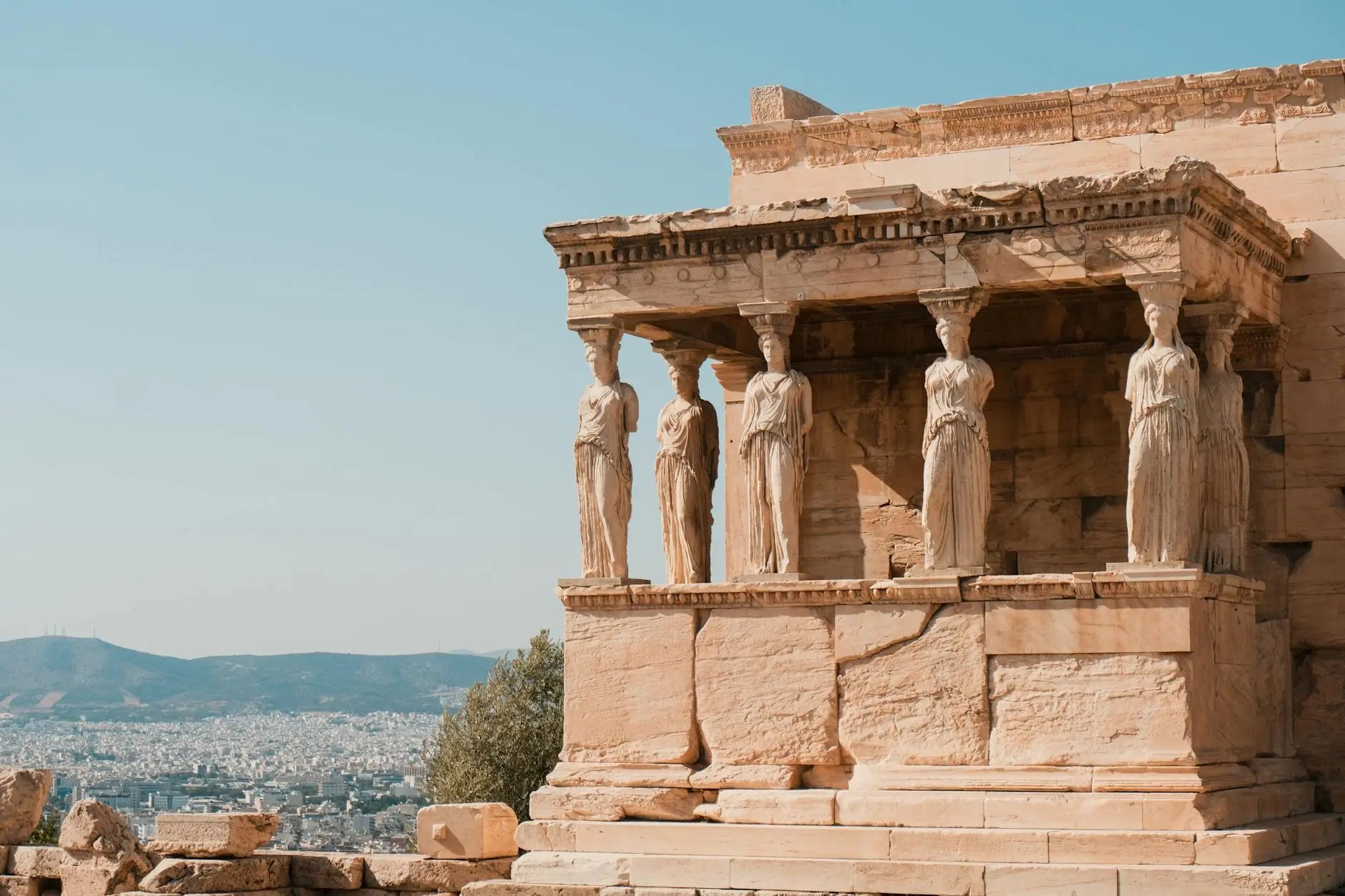
  • Accessibility Note: Hong Kong’s public transport is generally wheelchair-accessible, with low-floor buses and elevators in MTR stations. However, some older markets and temple grounds have narrow pathways and steps. The Peak Tram and many ferries are accessible. For detailed accessibility guides, the Hong Kong Tourism Board’s official website has dedicated resources.
  • Walk: neighbourhoods like Central, Sheung Wan, and Mong Kok are best explored on foot. You’ll discover so much more.

Local Events & Festivals

Plan your trip around these annual events:

  • Chinese New Year (January/February): Parades, fireworks, and vibrant celebrations.
  • Dragon Boat Festival (June): Races and traditional festivities at Victoria Harbour.
  • Mid-Autumn Festival (September): Lantern displays and mooncakes abound

7. Essential Travel Resources

Travelling smart is about being prepared. Here are the tools I never leave home without:

  • Stay Connected: Avoid crazy roaming fees. I use Drimsim—a global SIM that works in 190+ countries. Pop it in, top up via the app, and you’re online. No hunting for SIM counters. It’s a game-changer. Get your Drimsim here and stay connected hassle-free.
  • Stay Secure: Using public WiFi? Protect your data with a VPN. I’ve used NordVPN for years to securely access my bank accounts and keep my browsing private. It’s essential for any traveller. Get secure with NordVPN here.
  • Get Insured: A delayed flight or a misplaced bag can derail a short trip. I always use VisitorsCoverage to compare and find the right travel insurance plan for my needs. It’s peace of mind in your pocket. Find the right coverage for your trip here.
  • Flight Got Messed Up? Don’t just accept it! If your flight to Hong Kong is delayed, canceled, or overbooked, you might be entitled to up to $650 in compensation. I use AirHelp to handle the claim process for me—they only get paid if I win. Check your flight eligibility here.

https://expedia.com/affiliate/Y6ZwIWPReady to book your ultimate Hong Kong escape?
Find the best deals on flights and hotels for your trip on Expedia. I’ve always found great bundle deals that save me a ton for more dim sum!
Find Hong Kong Deals on Expedia


Universal Disclaimer/Disclosure Page:

Frequently Asked Questions (FAQ)

Q: What’s the best time to visit Hong Kong?
A: October-November and March-April offer the most pleasant weather—warm, sunny, and less humid. Be aware that the summer months (May-September) are hot, extremely humid, and fall within typhoon season. Always check the Hong Kong Observatory forecast before your trip and pack accordingly (raincoat, umbrella, moisture-wicking clothing).

Q: Is Hong Kong expensive?
A: It can be, but it doesn’t have to be. Accommodation is the biggest cost. Save money by eating at local joints (meals for ~HK$50), using public transport (an Octopus card ride is ~HK$8-20 depending on distance), and bargaining at markets like the Ladies’ Market.

Q: Do I need a visa?
A: Citizens of the US, UK, Canada, Australia, and most EU countries do not need a visa for tourist stays of up to 90 days. This is correct as of 2025, but visa policies can change. Always verify the latest requirements with the Hong Kong Immigration Department website or your local embassy before travelling.
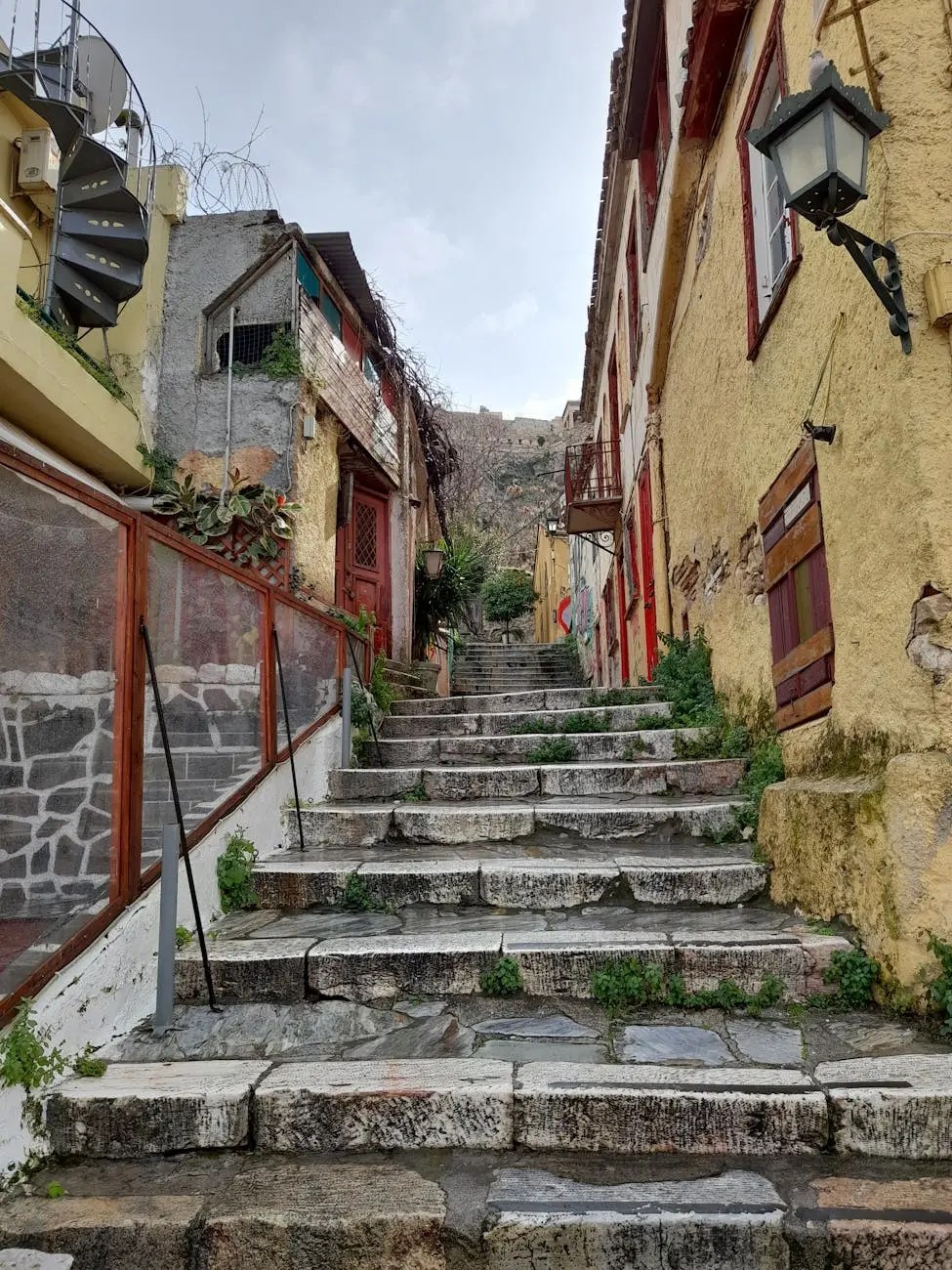
Q: How accessible is Hong Kong for travelers with mobility issues?
A: Hong Kong is relatively accessible. The MTR system has elevators and tactile guides, and many modern buildings are equipped with facilities. However, the hilly terrain and some older districts with crowded, narrow sidewalks can present challenges. It’s best to research specific attractions in advance.
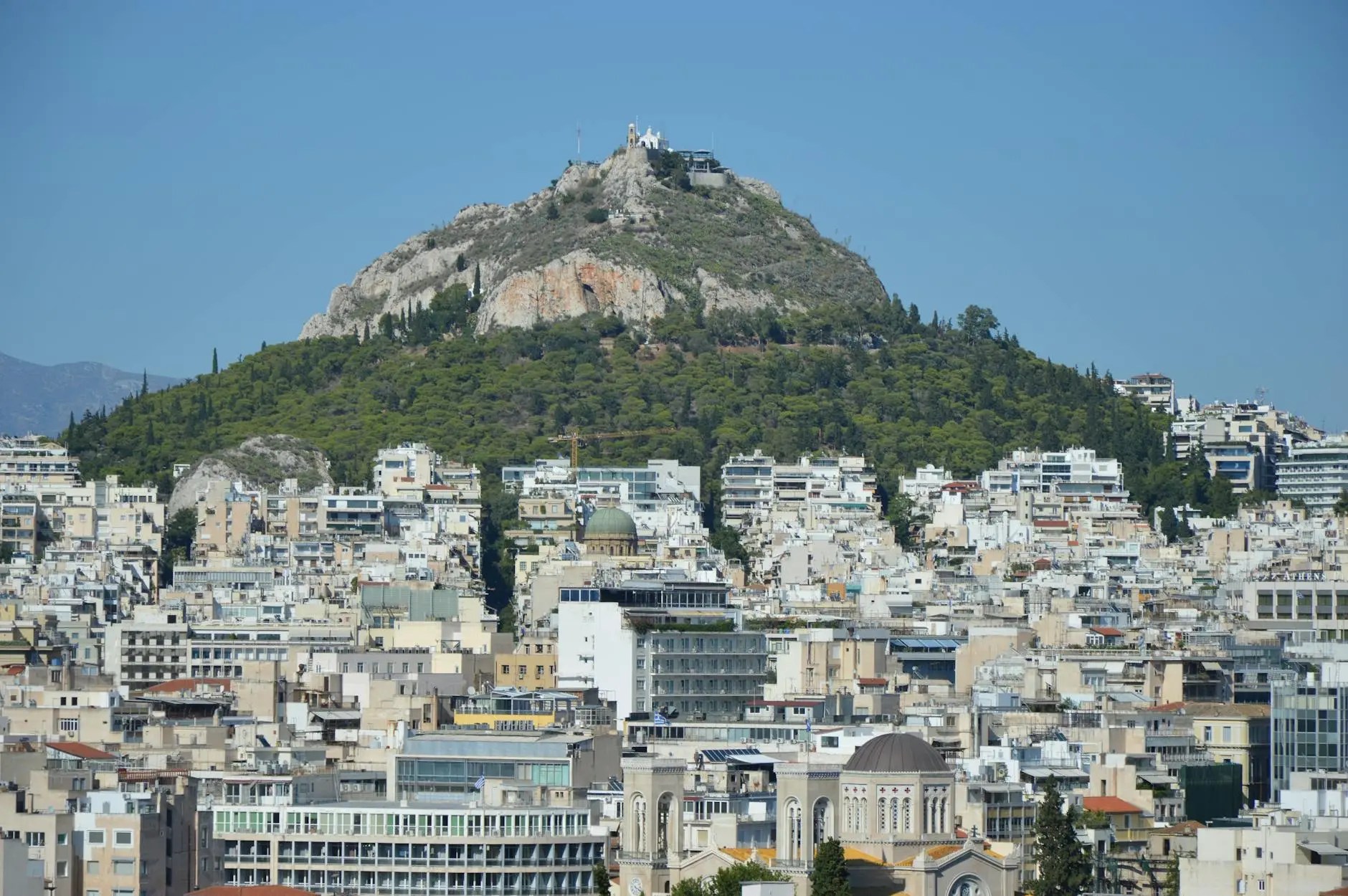
Have any other questions about planning your weekend in Hong Kong? Drop them in the comments below!

Let’s Connect!

What’s your favorite Hong Kong memory? Share your stories and tips in the comments below—I’d love to hear from you!