Ultimate Weekend Guide to Granada: History & Hidden Gems

Meta Description

Planning a weekend escape to Granada, Spain? This human‑written travel guide is crafted for curious travelers who want history, hidden gems, smart logistics, and money‑saving tips. SEO‑ and GEO‑optimized, packed with personal anecdotes, transport hacks, ferry options, affiliate deals, and insider advice to help you explore Granada confidently without wasting time or cash.

Ah, Granada. A city where the scent of orange blossoms mixes with the sound of flamenco drifting from a cave, where you can stand in a fortress built by sultans and watch the sunset over snow-capped mountains. I went for a long weekend, convinced I was just ticking the majestic Alhambra off my list. I left with my soul feeling fuller, my camera overflowing, and a profound belief that the best things in life are often free (hello, complimentary tapas!). This guide is your blueprint for an unforgettable, efficient, and deeply enriching weekend in this crown jewel of Andalusia.

Granada is the kind of city that sneaks up on you. One minute you’re admiring intricate Islamic tiles at the Alhambra, the next you’re eating free tapas with your drink and wondering why life doesn’t always feel this balanced. Tucked against the Sierra Nevada mountains in southern Spain, Granada blends Moorish history, student energy, and slow Andalusian charm—perfect for a long weekend that feels much longer (in the best way).

I still remember my first evening here: getting slightly lost in Albaicín, following the sound of a street guitarist, and accidentally discovering a viewpoint that made me forget my phone even existed. Granada does that to you.

Table of Contents

  1. Why Granada Is Perfect for a Weekend Escape
  2. Getting to Granada (Flights, Trains, Buses & Roads)
  3. Getting There by Ferry (Direct Ferries Guide)
  4. Getting Around Granada Like a Local
  5. Where to Stay (Smart Areas for First‑Timers)
  6. What to See in a Weekend (With Hidden Gems)
  7. Food, Tapas & Local Experiences
  8. Money‑Saving Tips for Granada
  9. Handy Spanish Words You’ll Actually Use
  10. Stay Connected, Protected & Stress‑Free Abroad
  11. FAQs for First‑Time Travelers
  12. Final Thoughts + Strong CTA

Why Granada Is Perfect for a Weekend Escape

Granada is compact, walkable, and endlessly atmospheric. You don’t need weeks here—48 to 72 hours is enough to see the highlights, slow down, and still leave wanting more. Compared to Barcelona or Madrid, prices are gentler, crowds feel manageable (especially if you plan smartly), and the culture feels deeply rooted rather than rushed.

It also pairs beautifully with nearby destinations—something I often recommend to travelers exploring Andalusia. If you’ve enjoyed historic city breaks before, you might also like Seville, Valencia, or Naples (all linked in my Travel Master List for easy planning)

Getting to Granada (Flights, Trains, Buses & Roads)

✈️ By Air

Granada has its own airport (GRX), but flights are limited. Most travelers fly into Málaga (AGP), which is well‑connected internationally and often cheaper.

Granada is inland, nestled at the foot of the Sierra Nevada mountains. While it has its own airport (GRX), it’s not a major international hub.

By Air: Federico García Lorca Granada-Jaén Airport (GRX) is about 17 km west of the city. It has good connections to major Spanish cities (Madrid, Barcelona) and some European hubs. The Alhambra Bus runs directly to the city center in about 45 minutes

👉 I usually compare flight + hotel bundles on Expedia because flexible cancellations have saved me more than once: 👉 Flights to Granada

Where to Stay

I usually filter stays on Expedia for “guest rating + location”—it’s saved me from booking regret more than once.

Hotels in Granada

🚆 By Train

By Train: The high-speed AVE train from Madrid to Granada takes about 3.5 hours and is a comfortable, scenic option. The station is well-connected to the city by bus and taxi.

From Málaga to Granada by train takes about 1h 15m–1h 30m. Renfe trains are comfortable, reliable, and surprisingly scenic once you leave the coast.

🚌 By Bus

ALSA buses run frequently from Málaga, Seville, and Córdoba. It’s budget‑friendly and often just as fast as the train.

By Bus: Often the most economical and well-connected option from other Andalusian cities. Companies like ALSA run frequent services from Seville, Málaga, and Córdoba. The main bus station is a short taxi ride from the center.

🚗 By Car (Road Tips)

Driving from Málaga to Granada takes around 1.5 hours via the A‑92. Roads are excellent, signage is clear, and fuel stops are frequent. Tip: avoid entering the Albaicín by car—streets are narrow and parking is… let’s say “character‑building.”

Getting There by Ferry (Direct Ferries Guide)

By Ferry: Here’s the important note: Granada itself does not have a ferry port as it is not on the coast. However, if you’re dreaming of a combined Spain trip with a ferry ride, your best bet is to sail into the nearby Port of Málaga or Almería. From these ports, you can easily rent a car or catch a direct bus (approx. 1.5-2 hours) to Granada. To check schedules and book ferry tickets to southern Spain from places like Morocco or the Balearic Islands, a great resource is Direct Ferries.

Granada itself doesn’t have a port, but ferry lovers aren’t left out.

The closest major ferry port is Málaga, which connects with routes from Morocco (Melilla) and seasonal Mediterranean crossings. You can:

  1. Take a ferry to Málaga
  2. Continue to Granada by train, bus, or car

To compare ferry routes, schedules, and prices, I recommend Direct Ferries—it’s the easiest way to see what’s actually running when you need it.

This combo works brilliantly if you’re mixing Spain with North Africa or doing a slower, more scenic Mediterranean journey.

Granada at a Glance: What You Need to Know

Granada is the dramatic finale of the Reconquista in Spain’s south. Its crown jewel, the Alhambra, is a sprawling palace and fortress complex that is a UNESCO World Heritage site and one of the most visited monuments in the world. But the city is more than just one site; it’s a layered experience of Moorish history, vibrant gypsy culture, and student energy.

  • Currency: Euro (€).
  • Language: Spanish. English is common in tourist areas, but a few basic phrases go a long way (see our guide below!).
  • Visa: For most US, Canadian, UK, and Australian travelers, no visa is required for tourist stays under 90 days within the Schengen Area. Always check the latest requirements with official sources before booking.
  • Best Time to Visit: Spring (April-June) and Fall (September-October) offer pleasant weather and fewer crushing crowds. Summer is fiercely hot, and winter can be surprisingly cold in the mountains.
  • City Vibe: Historic, passionate, youthful, and delightfully chaotic.

Getting Around Granada Like a Local

Granada is wonderfully walkable, especially the city center.

  • 🚶 Walking: Best for Albaicín, city center, and viewpoints
  • 🚍 Buses: Cheap and efficient—use buses C1 and C2 for hills
  • 🚕 Taxis: Affordable for short trips

I saved time (and my knees) by using buses uphill and walking downhill—simple, smart, and budget‑friendly.

Your Strategic Weekend Itinerary

This plan maximizes your time, balancing iconic sights with local flavor.

Day 1: The Majesty of the Alhambra & Albayzín Twilight

  • Morning (9:00 AM): THE ALHAMBRA. BOOK YOUR TICKETS ONLINE MONTHS IN ADVANCE. I cannot stress this enough. Tickets for the Nasrid Palaces are for a strict 30-minute entry window—miss it and you’re out of luck. Spend 3-4 hours exploring the intricate palaces, rugged Alcazaba fortress, and serene Generalife gardens.
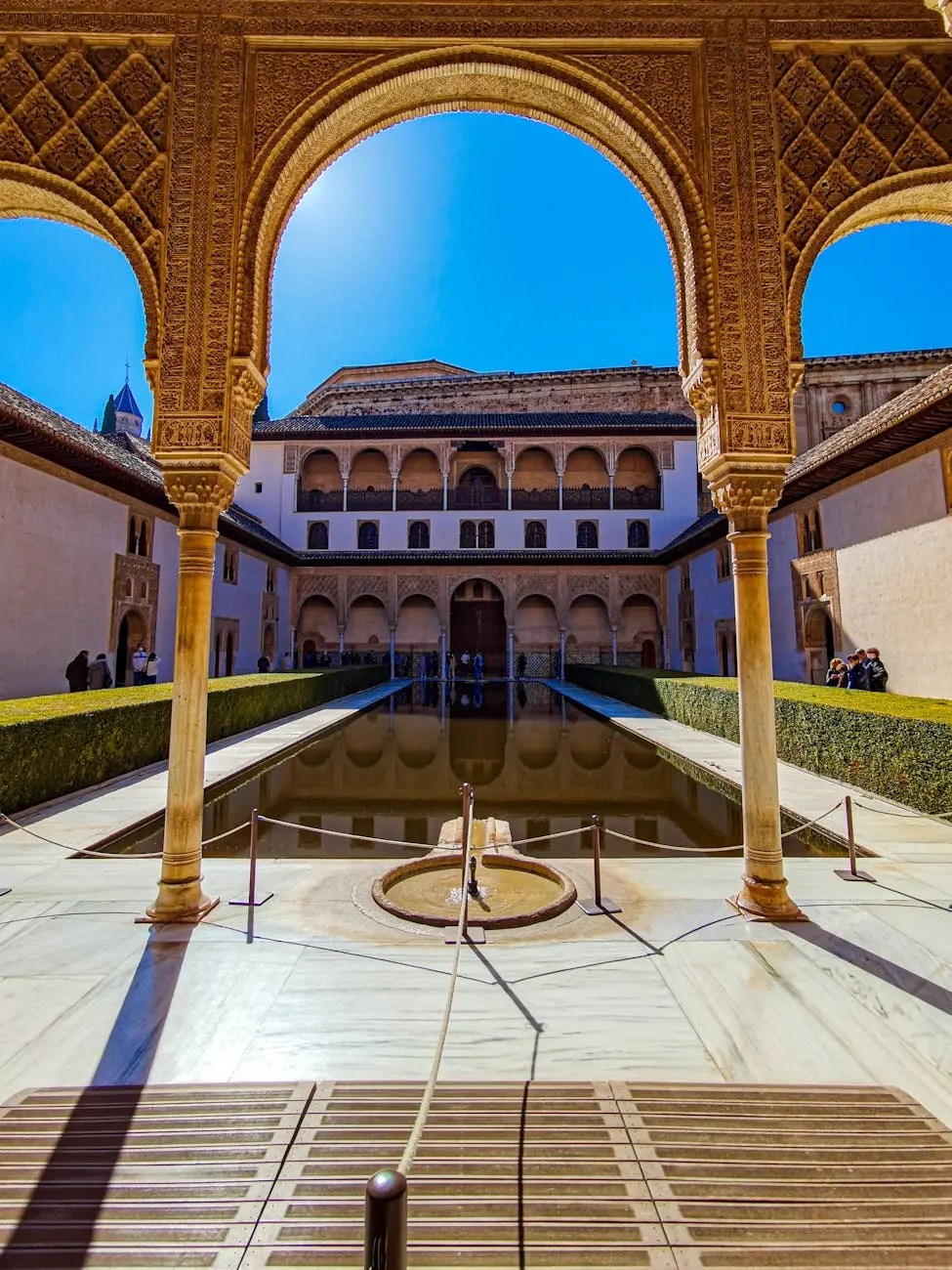
View of the Courtyard of the Lions in the Alhambra, featuring intricate arches, a central fountain, and lush greenery under a clear blue sky.
The stunning courtyard of the Alhambra, showcasing intricate Islamic architecture and serene reflections in the pool. The serene and stunning Court of the Myrtles, the central courtyard of the Nasrid Palaces, perfectly demonstrates Islamic architecture’s mastery of water, light, and geometry.

ALHAMBRA (Expedia)ALHAMBRA (Get Your Guide)
  • Afternoon (2:00 PM): Lunch in Realejo, the old Jewish quarter. Find a small bar for a ración of local cheese or grilled vegetables.
Realejo (Expedia)Realejo (Get Your Guide)
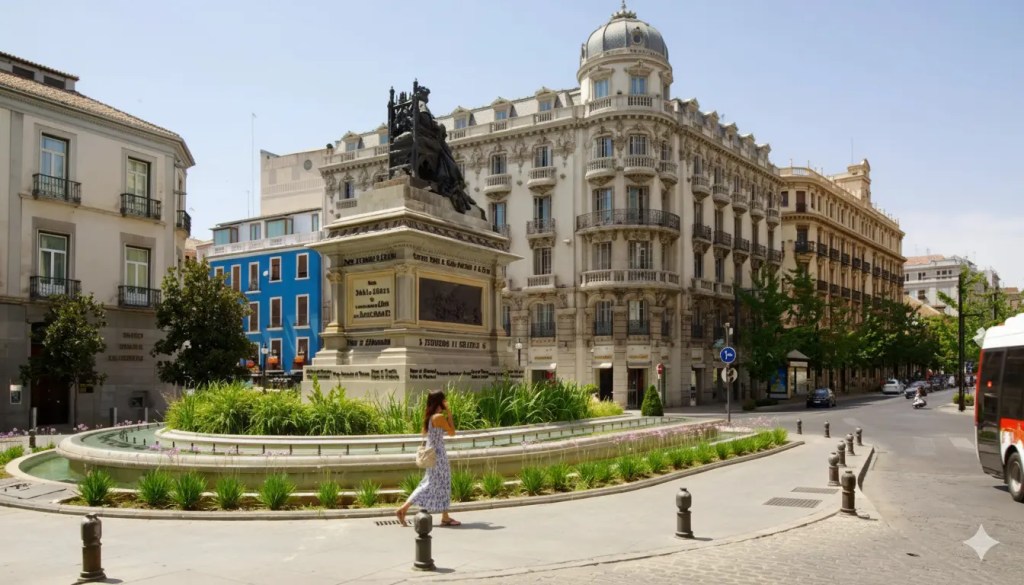
Monument to the Capitulations of Santa Fe in Plaza Isabel la Católica, Granada, showing a statue of Queen Isabella I presenting documents to Christopher Columbus.
A bustling square in Granada featuring a historic monument and the beautiful architecture of surrounding buildings. The historic monument in Plaza Isabel la Católica commemorates the 1492 agreement between Queen Isabella I and Christopher Columbus, which set his voyage to the Americas in motion.
  • Late Afternoon (5:00 PM): Walk up into the Albayzín, the ancient Moorish quarter. Get lost in its cobblestone lanes, whitewashed houses, and hidden cármenes (walled gardens). Make your way to the Mirador de San Nicolás for the classic, breathtaking view of the Alhambra against the Sierra Nevada.
Albayzín (Expedia)Albayzín (Get your guide)
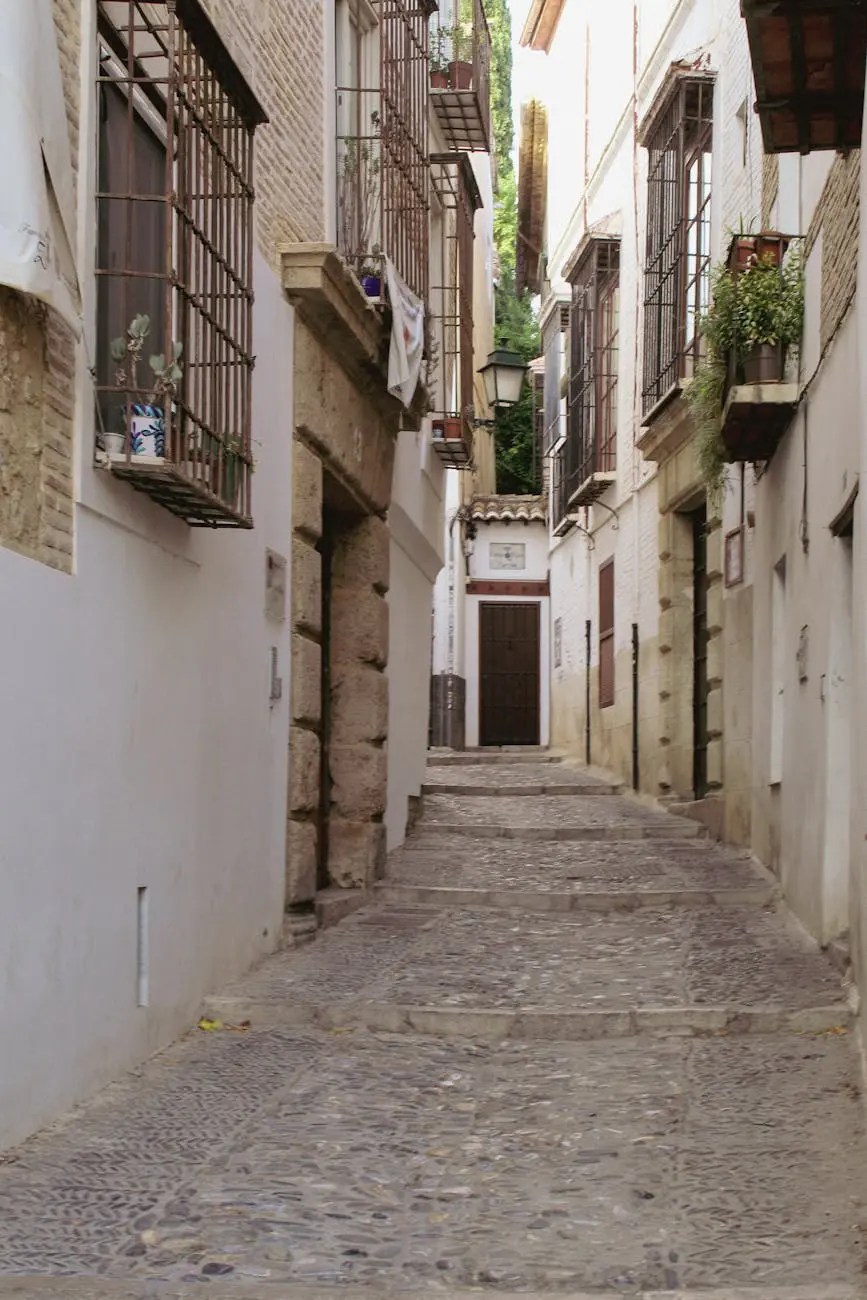
A narrow cobblestone street in Granada, Spain, lined with whitewashed buildings featuring wrought iron balconies and greenery.
A charming cobblestone alley in the historic Albaicín neighborhood of Granada, showcasing its traditional architecture and inviting atmosphere. Getting lost in the labyrinthine, shaded streets of the Albaicín is the best way to experience the atmosphere of Granada’s ancient Moorish quarter

  • Evening (9:00 PM): Dinner and flamenco. Skip the expensive, staged shows for a more authentic tablao in the Sacromonte cave district. The raw passion here is electric.
A panoramic view of the Alhambra, a historic palace and fortress in Granada, Spain, surrounded by lush greenery and set against the backdrop of the Sierra Nevada mountains.
Mirador de San Nicolas showing mountains, chateau or palace and heritage architecture
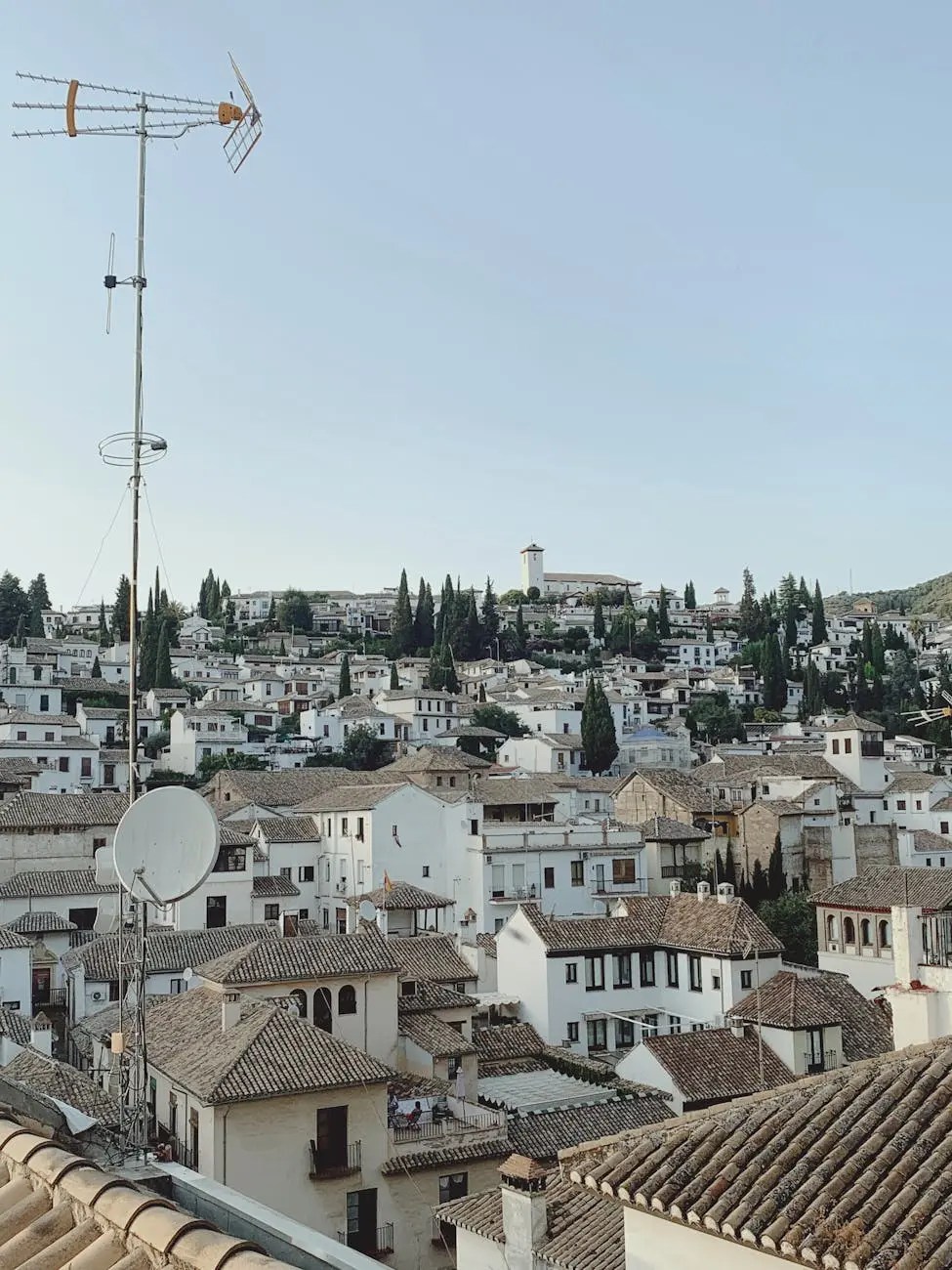
Scenic view of whitewashed houses and terracotta roofs in Granada, Spain, with a clear blue sky.
A panoramic view of Granada’s Albaicín neighborhood showcasing its iconic whitewashed houses and tile roofs against the backdrop of the Sierra Nevada mountains. A breathtaking aerial perspective reveals the dramatic relationship between the two UNESCO World Heritage sites: the organic maze of the Albaicín and the formidable Alhambra.
A dancer in a purple dress gracefully twirls with a flowing black shawl against a solid blue background.
A flamenco dancer captures the spirit of Granada with graceful movements and traditional attire. The intense emotion and precise movement of a flamenco performance embody the soul of Granada, especially in the historic Sacromonte caves.

Day 2: Cathedral Grandeur, Local Markets & Tapas Trail

  • Morning (10:00 AM): Visit the Royal Chapel (Capilla Real), the final resting place of the Catholic Monarchs, Ferdinand and Isabella. Then, explore the colossal Granada Cathedral right next door.
Royal Chapel (Expedia)Royal Chapel (Get Your Guide)
 Granada Cathedra (Expedia) Granada Cathedra (Get your guide)
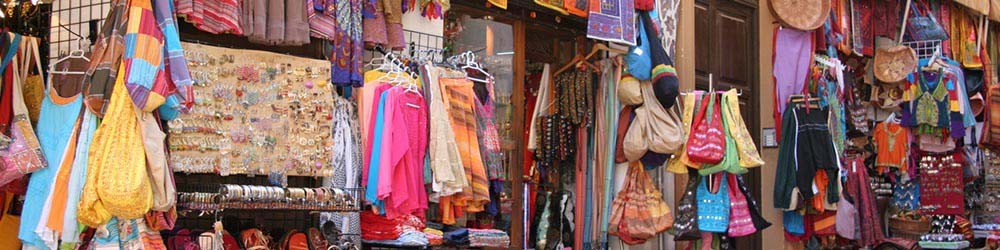
  • Afternoon (1:00 PM): Wander through the Alcaicería, a maze of narrow streets that was once the Moorish silk market. It’s now full of shops selling spices, ceramics, and lamps.
 Alcaicería (Expedia) Alcaicería (Get your Guide)
  • Late Afternoon (4:00 PM): Granada’s Golden Rule: Drink, Get Fed for Free. Embark on a tapas crawl. In most granadino bars, every drink (a beer, wine, soft drink) comes with a free, substantial tapa. My strategy is to hop between bars in areas like Plaza Nueva or Calle Elvira, letting each drink decide my dinner. It’s social, delicious, and incredibly budget-friendly.
Plaza Nueva (Expedia)Plaza Nueva (Get your Guide)
Calle Elvirab (Expedia)Calle Elvira (Get your Guide)
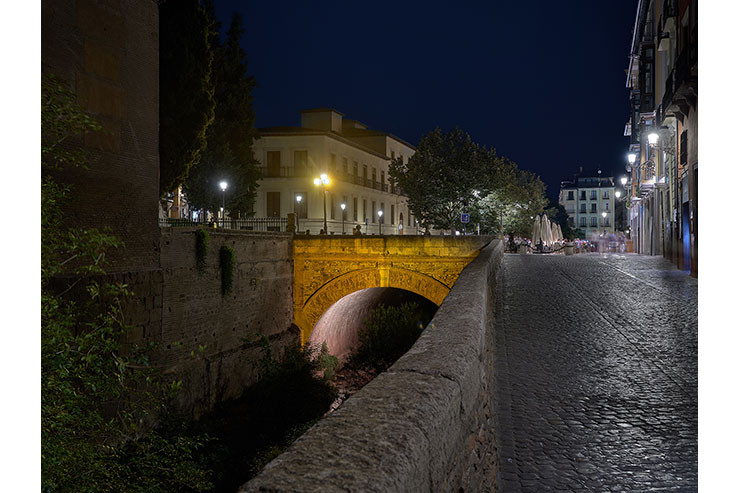
  • Evening: Enjoy a leisurely stroll along the River Darro as the monuments light up.
River Darro (Expedia)River Darro (Get your Guide)
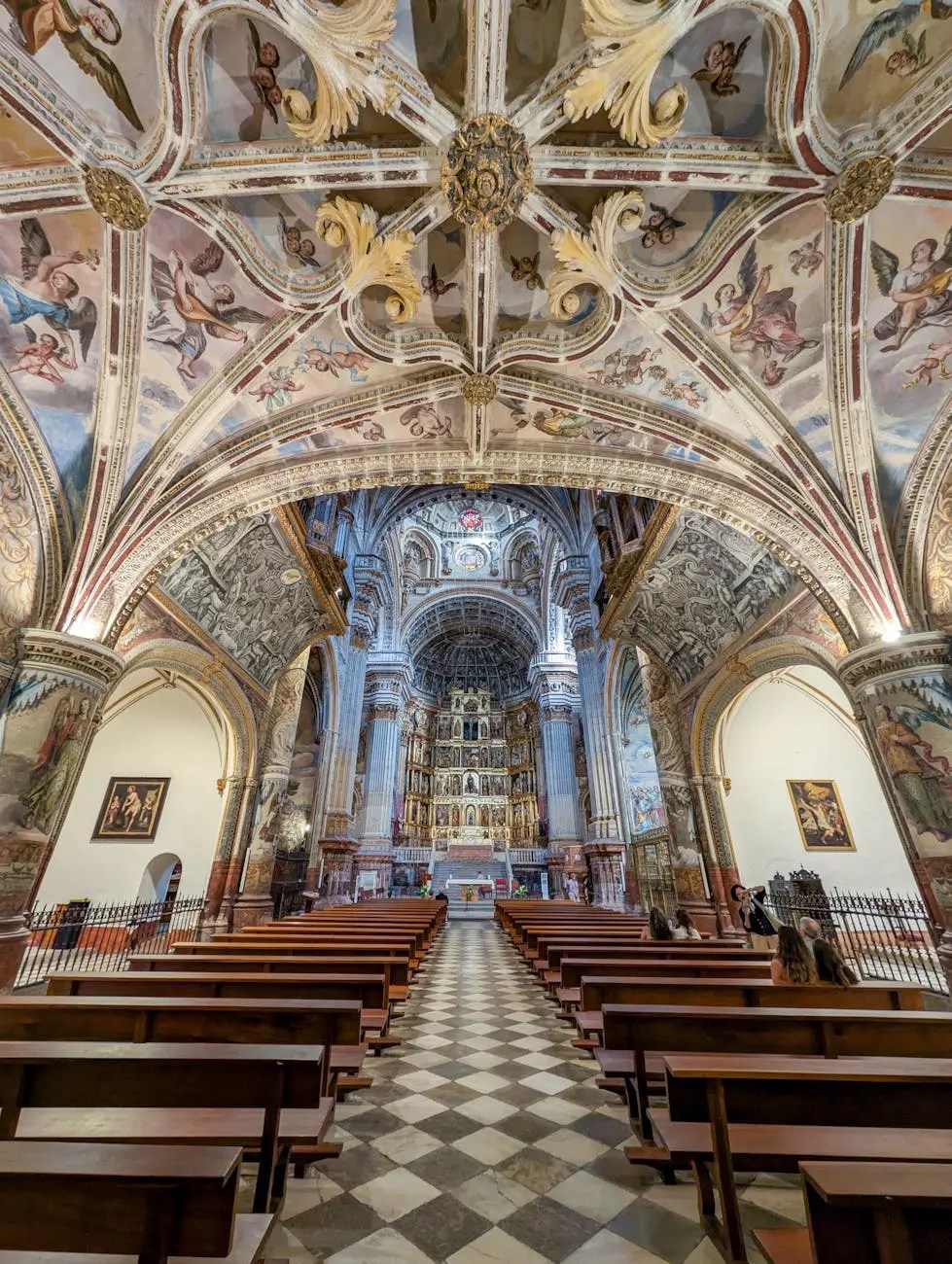
Interior view of a historic cathedral featuring intricate frescoes on the ceiling, ornate altar, and empty wooden pews leading towards the altar.
The ornate interior of Granada’s Royal Chapel, showcasing intricate frescoes and baroque architecture. The lavishly decorated church of the Royal Monastery of San Jerónimo, a masterpiece of Spanish Renaissance architecture and art.
Colorful shops displaying a variety of textiles, clothing, and accessories in a vibrant market.
A vibrant market scene in Granada, showcasing colorful textiles, accessories, and local crafts that reflect the city’s rich culture.

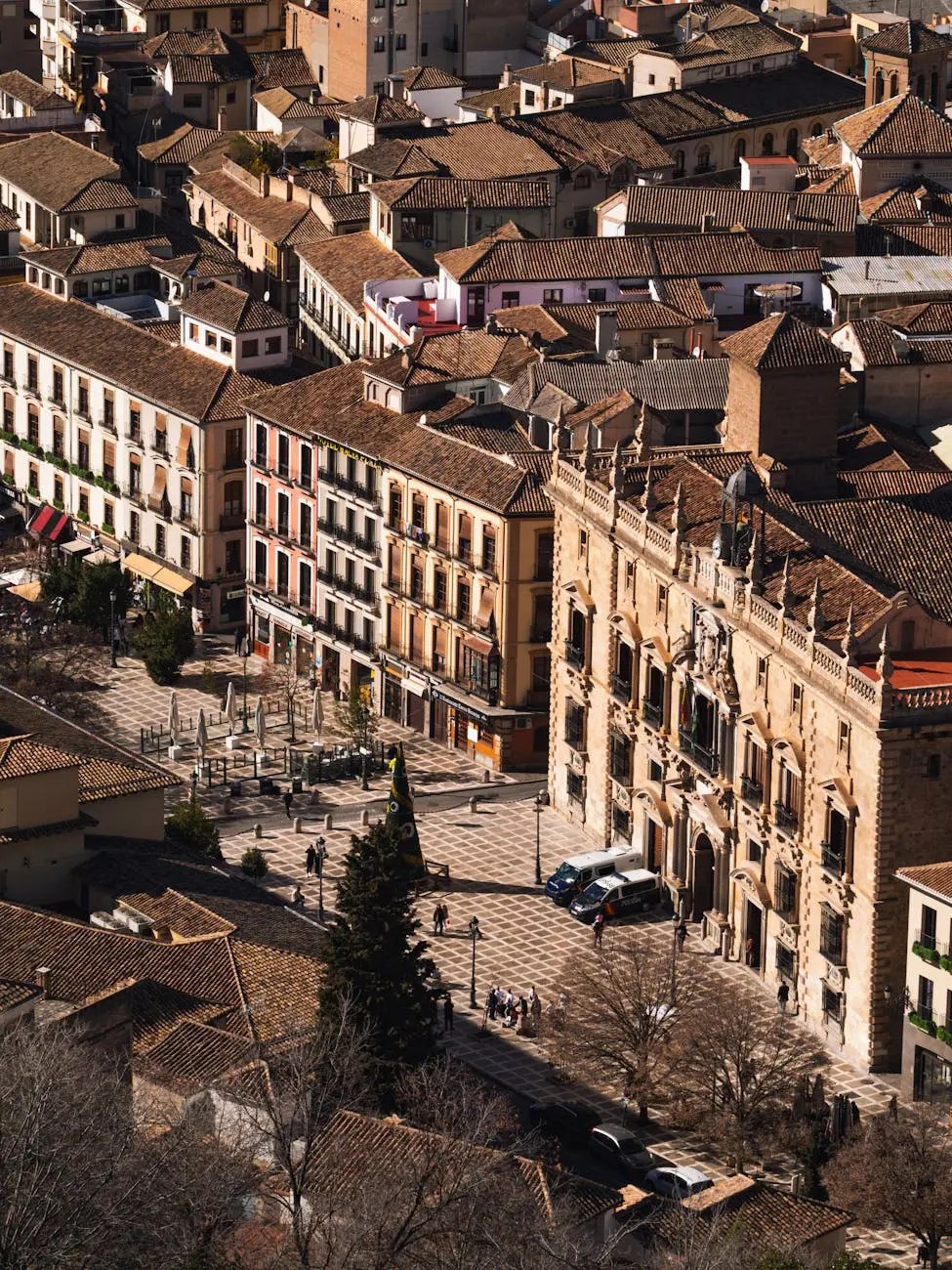
Aerial view of a historic square in Granada, Spain, featuring traditional Spanish architecture, tiled rooftops, and quaint streets lined with shops and cafes.
Aerial view of Granada’s charming rooftops and historic architecture showcasing the vibrant atmosphere of this Andalusian city. Plaza Nueva, the city’s oldest square, seen from above, revealing its strategic position at the foot of the Alhambra hill.
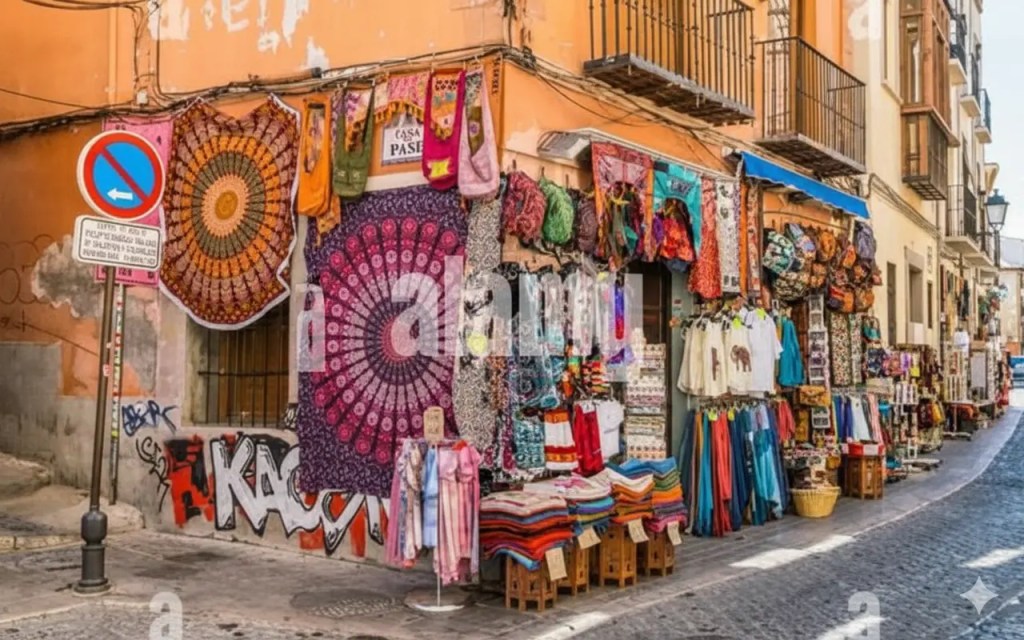
A vibrant street market in Granada, featuring colorful textiles, tapestry displays, and traditional clothing for sale, alongside a narrow cobblestone street.
Colorful street market in Granada showcasing tapestries, clothing, and local crafts. The bustling Calle Elvira is a sensory gateway, where the aromas from tapas bars mix with the sight of glittering lanterns in traditional tetería shopfronts.

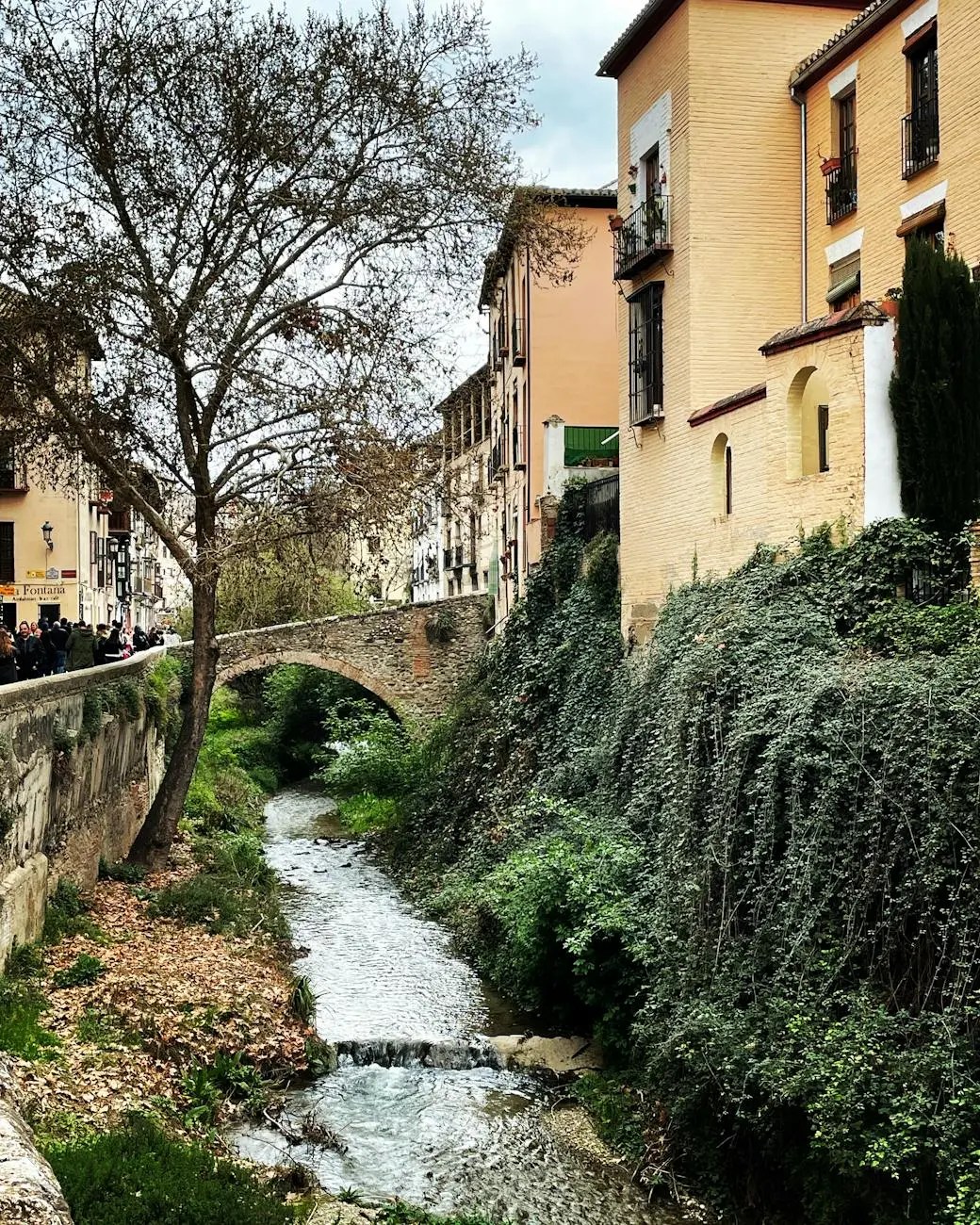
A picturesque view of a narrow stream running alongside a stone bridge, surrounded by lush green vegetation and charming buildings in Granada, Spain.
Picturesque view of a serene stream flanked by charming buildings and trees in Granada, creating a tranquil atmosphere. A stroll along Carrera del Darro feels like a walk through a living history book, with the river and centuries-old architecture on full display.

Granada’s Hidden Gems & Local Secrets

  • El Bañuelo: These stunning 11th-century Arab baths, hidden down a side street in the Albayzín, are often overlooked but are one of the best-preserved in Spain. Entrance is cheap and rarely crowded.
  • Carmen de los Mártires: A peaceful, slightly forgotten palace and garden just north of the Alhambra. It feels secret, romantic, and offers another unique viewpoint of the city.
Carmen de los Mártires (Expedia)Carmen de los Mártires (Get your Guide)
  • Carrera del Darro at Night: This beautiful street along the river is magical after dark, with the Alhambra illuminated above. Skip the crowded bars here and just walk.
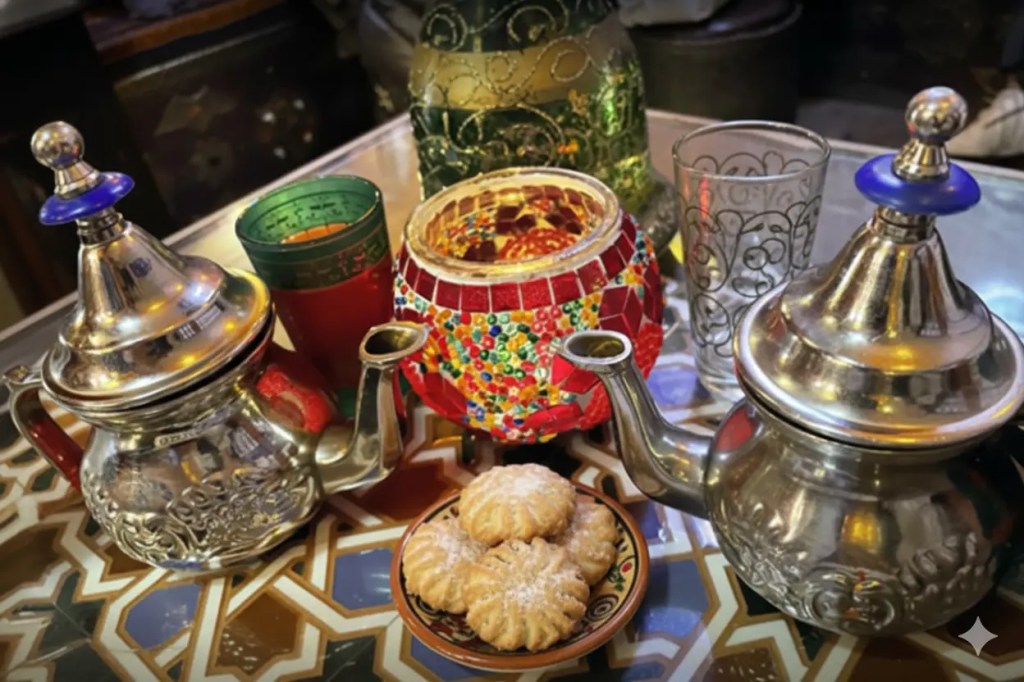
  • Tea in a Tetería: After the bustle, retreat to a tetería (tea house) in the Albayzín. Sip mint tea in a room filled with cushions and Moorish decor—it’s an instant transport to another time.
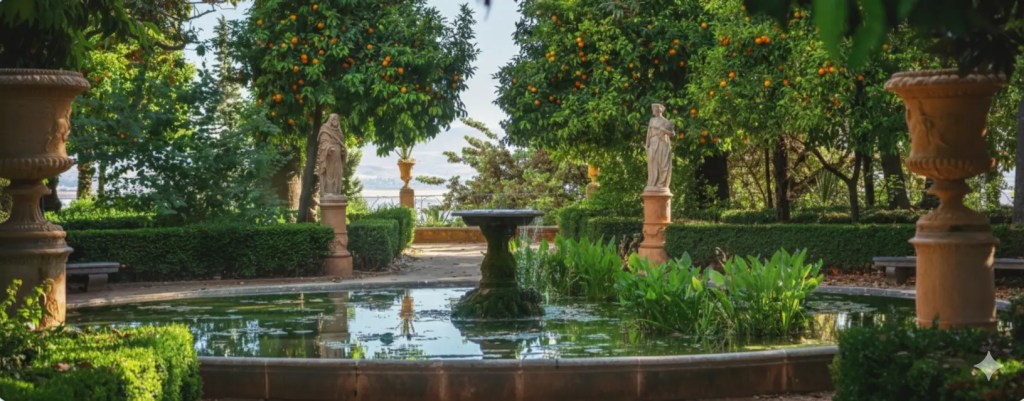
A serene garden scene featuring a circular fountain surrounded by lush greenery and trees bearing oranges. Statues are placed among the foliage, adding an artistic touch to the tranquil setting.
A tranquil garden in Granada, Spain, featuring lush greenery, orange trees, and a serene pond surrounded by classical statues. The romantic and secluded Carmen de los Mártires gardens offer a quiet escape with stunning, framed views of the city below.
Night view of a cobblestone street in Granada, Spain, featuring a lit bridge arching over a small river, surrounded by trees and buildings.
A serene nighttime view of a beautifully lit bridge in Granada, showcasing the city’s charming cobblestone streets.
A traditional Moroccan tea set in a Granada tetería, featuring a colorful mosaic candle holder, silver teapots, glasses, and cookies.
Experience the ritual of mint tea in Granada’s traditional teterías, complete with ornate silverware and sweet pastries. The ritual of mint tea in a tetería is a sensory journey, complete with ornate silverware, sweet pastries, and the glow of mosaic lamps.

Food, Tapas & Local Experiences

Granada is famous for free tapas—order a drink, get food. My advice?

  • Avoid tourist menus near major sights
  • Follow locals into busy bars
  • Don’t rush—Granada eats slowly

Money‑Saving Tips for Granada

  • Visit major sights early morning
  • Use buses instead of taxis uphill
  • Stay slightly outside Albaicín
  • Combine ferry + train if coming via Málaga

🔌 Don’t forget power needs. This European Travel Plug Adapter Kit has covered me across Spain, Italy, and France:

Money-Saving Tips & Navigating Like a Pro

  • The Granada Card: If you plan to visit multiple monuments (Alhambra, Cathedral, Royal Chapel, monasteries), this card can save you money and includes Alhambra access, bypassing the need for a separate ticket. Do the math based on your itinerary.
  • Public Transport is Cheap and Good: The city bus network is extensive. A single ticket is about €1.40, but a 10-ride Bonobús card (€8.20) is the best value. Taxis are also reasonably priced for short hops, especially if splitting with friends.
  • Walk, Walk, Walk: The historic center is very walkable, and getting “lost” is part of the fun (and free!).
  • Water and Siesta: Carry a reusable water bottle. Tap water is safe to drink. Embrace the siesta—many shops close from 2-5 PM, so plan your museum visits for the morning or late afternoon.
  • The Ultimate Tapa Hack: For the cheapest and most local tapas experience, venture just a block or two away from the main squares. The bars filled with students and locals always have the best value.

Essential Spanish & Andalusian Lingo {#essential-lingo}

A little language goes a long way in earning smiles.

  • Hola / Buenos días – Hello / Good morning
  • Gracias – Thank you
  • Por favor – Please
  • Una caña, por favor – A small beer, please (the standard tapa drink)
  • La cuenta, por favor – The bill, please
  • Tapa – The free snack with a drink. In Granada, you often don’t choose it—it comes with the territory!
  • Paseo – A leisurely stroll. A key local activity.
  • Mirador – Viewpoint. You’ll be seeking these out!
  • Guiri – (Slang, not offensive) A tourist or foreigner. That’s us!

Stay Connected, Protected & Stress‑Free Abroad

📶 Stay Connected

Staying online abroad can be expensive if you rely on roaming or airport SIM counters. I travel with Drimsim, a global SIM that works in 190+ countries. Pop it in, top up via the app, and you’re connected—no surprises, no stress.

🔐 VPN for Travel Safety

Public Wi‑Fi and travel bookings don’t mix well without protection. I always use NordVPN when traveling:

✈️ Flight Delayed or Canceled?

You could be entitled to up to $650 in compensation. AirHelp checks eligibility and handles everything for you:

🛡️ Travel Insurance

No matter how short the trip, insurance matters. I recommend VisitorsCoverage for quick comparisons and flexible plans: 👉 https://visitorscoverage.tpm.lv/QUKMbHg3


✨ Travel Glow‑Up Tip

Travel photos hit differently when you feel good. I swear by K‑beauty essentials from Lakinza—affordable, effective, and perfect for travel skin recovery. Use code Lalax10 for a sweet discount.

Frequently Asked Questions (FAQ)

Q: How far in advance do I really need to book Alhambra tickets?
A: As soon as your travel dates are firm. Tickets for the Nasrid Palaces are released exactly three months in advance and sell out incredibly fast, especially for morning slots in peak season. Set a calendar reminder.

Q: Is Granada safe for solo travelers?
A: Generally, yes. It’s a university city with a vibrant street life. Standard precautions apply: be aware of pickpockets in crowded areas like the Alcaicería, and be cautious walking alone in the very steep, narrow streets of Sacromonte late at night.

Q: What’s the deal with tapas in Granada? Is it really free?
A: Yes! It’s one of the last cities in Spain where the free tapa tradition remains strong. Order any drink (alcoholic or non-alcoholic) at most traditional bars, and a small plate of food will arrive with it. The quality and size often increase with your second or third drink.

Q: Can I do a day trip to the Sierra Nevada from Granada?
A: Absolutely. In winter, you can go skiing (the resort is about 45 minutes by bus). In summer, it’s fantastic for hiking. Regular buses run from the city center to the mountain villages and ski station.

Q: I have more than a weekend. Where else should I go in Andalusia?
A: You’re in the heart of it! Consider basing yourself in Seville for flamenco and the majestic Alcázar, or Córdoba for the mesmerizing Mezquita. You can explore my detailed guides to both cities for inspiration:

If Granada leaves you craving more Southern European magic (which it probably will), it pairs beautifully with several nearby city escapes I’ve already explored in depth. Just a few hours away, Seville, Spain delivers flamenco-filled nights, orange-scented courtyards, and some of Andalusia’s most dramatic architecture—perfect if you want to stay in the same cultural rhythm. Heading east, Valencia, Spain offers a completely different vibe with futuristic design, relaxed beaches, and one of the best food scenes in the country (yes, paella tastes better here). If you’re extending your trip north, Barcelona, Spain blends art, nightlife, and seaside energy in a way that feels effortlessly iconic. And for travelers hopping borders, Lisbon, Portugal makes a surprisingly smooth next stop—laid-back, photogenic, and ideal for slow wandering after Granada’s hilltop views. Linking these destinations together creates a smart, time-efficient route that saves money on transport while keeping the journey rich and varied.

Final Thoughts

Granada isn’t loud about its beauty—it reveals it slowly. Plan smart, walk often, eat well, and let the city surprise you.

👉 Ready to plan your escape? Compare flights and stays on Expedia now:

💬 Have questions or hidden gems to share? Drop a comment—I always reply.

📌 Explore more nearby escapes in my Travel Master List: 👉 https://confidencebuildings.com/travel-master-list/

https://www.tumblr.com/indigosavageryshark/804921819792621568?source=share

Universal Disclaimer/Disclosure Page:
The Ultimate Weekend Escape to Herzegovina: Where History Meets Heart-Stopping Beauty

Meta Description:
Plan the perfect weekend escape to Herzegovina — from historic Mostar and hidden gems like Blagaj and Kravice Waterfalls, to smart travel tips on transport, saving money, and weather-smart timing. Uncover insider advice, practical logistics, and fun anecdotes for confident travel.

🗺️ Table of Contents

  1. Introduction
  2. Why Herzegovina Should Be on Your Bucket List
  3. Getting There
    • Getting There by Ferry (with Direct Ferries link)
    • By Air
    • By Bus, Train, & Car
  4. Where to Stay
  5. Top Things to Do in Herzegovina
    • Mostar & Stari Most
    • Hidden Gems: Blagaj, Kravice, Počitelj
    • Neum & the Coast
  6. Local Transport Tips (How to Save Time & Money)
  7. Practical Travel Tips
  8. Food & Drink to Try
  9. Words & Phrases You Might Need
  10. FAQs
  11. Final Tips & CTAs

If “weekend getaway” were a sport, Herzegovina would be the undefeated champion. Part ancient wonder, part natural paradise, and part affordable destination that punches well above its scenic weight, this patch of Bosnia and Herzegovina blends culture, adventure, and lazy café afternoons into one irresistible mini escape.

Let’s be honest: planning a weekend trip is often about choosing what to skip. Do you want beaches or mountains? Riveting history or untamed nature? Well, friends, in Herzegovina, you don’t have to choose. This soul-stirring, heart-shaped corner of Europe serves it all on a single platter, with a side of strong coffee and a history so rich you can taste it in the air.

As someone who once spent a frantic Sunday trying to escape an overcrowded “hidden gem” elsewhere, I can tell you: Herzegovina is the real deal. It’s a place where you can hear the Muslim call to prayer echoing over cobblestones one minute and watch a brave soul leap from a 16th-century bridge into an emerald river the next. It’s Europe’s open secret, offering the drama of Croatia, the raw beauty of Montenegro, and the profound soul of the Balkans, all without the crushing crowds or crushing prices.

Ready for a weekend that feels like a week-long adventure? Let’s dive in.

Why Herzegovina Should Be on Your Bucket List

Mostar’s Stari Most isn’t just a bridge — it’s an icon. The historic Ottoman-era bridge once destroyed by war and beautifully rebuilt now symbolizes resilience, unity, and adrenaline-packed dives into the cold Neretva below — where locals and visitors cheer, tourist cameras whirr, and time slows in the best possible way.

But there’s more here: jaw-dropping waterfalls, cliffside monasteries, serene river springs, gold-hued vineyards, and one of Europe’s less predictable coastlines — the tiny seaside town of Neum, Bosnia’s only access to the Adriatic Sea

Getting There

⬆️ Getting There by Ferry

While Herzegovina is landlocked, the nearby Dalmatian Coast of Croatia is your perfect maritime gateway. The closest major port is Dubrovnik. From there, you have fantastic options:

While Herzegovina itself doesn’t host a major ferry port, you can arrive via scenic Adriatic ferry routes from Croatia or beyond and then continue overland — perfect for travelers who love sea views as part of the adventure.
👉 Check routes, timetables, and book your ferry with Direct Ferries here.
Ferries along the Adriatic connect ports like Split or Dubrovnik with other coastal hubs, from which buses or cars can complete your journey to Herzegovina. Travel By Ticket

Quick Route Idea: Ferry to Split → Bus or Train to Mostar → Explore Herzegovina.
(Skip the borders with a car — fewer delays and more countryside views!)


🛫 By Air

Your easiest gateways are:

  • Mostar Airport (OMO) — small, convenient, limited routes.
  • Sarajevo Airport (SJJ) — more frequent flights, then bus/train to Herzegovina.
  • Dubrovnik Airport (DBV) (Croatia) — great low-cost options, then bus or car through epic mountain and coastal roads.

✈️ Flight Delayed or Canceled?
You might be entitled to up to $650 compensation. Check your flight with AirHelp — they do the heavy lifting for you (and only get paid if you win):


🚌 By Bus, Train, or Car

Buses criss-cross the region — from Split, Dubrovnik, Sarajevo, and Zagreb — stopping in Mostar’s central station, about a short stroll from the Old Town.

The train route between Sarajevo and Mostar? It’s not just transportation — it’s one of the most scenic journeys in the Balkans. Reddit

By car: Herzegovina is tailor-made for road tripping. Clear roads (especially outside August) and beautiful routes save time, fuel, and — honestly — are half the fun.

Where to Stay

Whether boutique guesthouses in Mostar’s Old Town or sea-view apartments near Neum, there’s an option for every budget. Book early in high season, and consider staying near public transport stops to save on taxis.

My Hercegovina Masterplan: A 3-Day Itinerary for the Perfect Escape

You’ve got 72 hours. Here’s how to spend them wisely, balancing iconic sights with local secrets and leaving just enough time to sit and savor the moment.

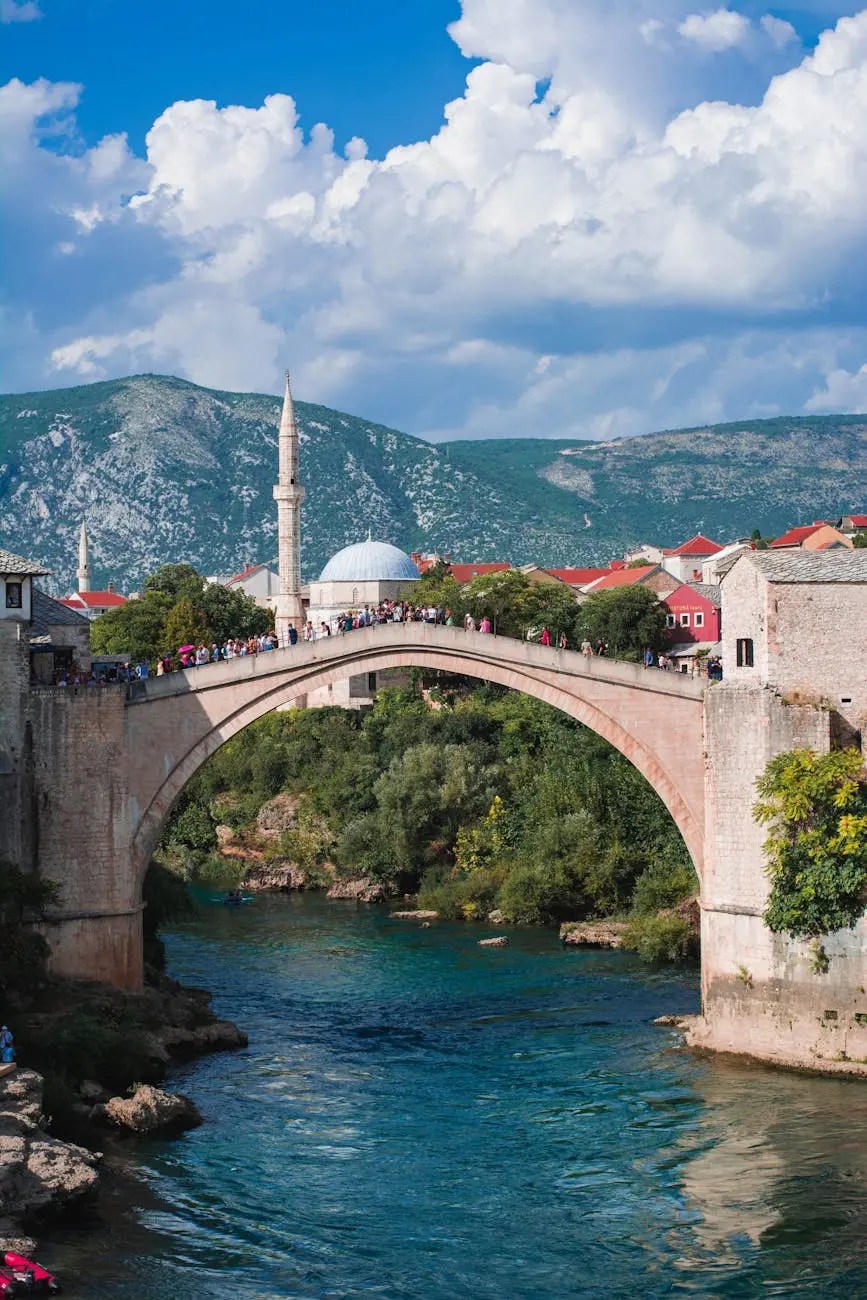
  • Day 1: The Soul of Mostar. Arrive and drop your bags. Your first mission is to get lost in the Old Town (Stari Grad). Wander the cobbled alleys, haggle (politely!) for a copper souvenir, and let the scent of grilled Ćevapi guide you to lunch. As the afternoon sun begins to soften, find your spot to witness the spectacle of the Stari Most bridge divers. The iconic bridge (which is a UNESCO World Heritage Site) was originally built in the 16th century and has been beautifully reconstructed. These professional divers aren’t just showing off; it’s a centuries-old tradition. Be warned: they work for tips, so have a few coins ready. For dinner, venture away from the main tourist drag to find a family-run restaurant for a massive, affordable platter of Bosnian food.
The historic Stari Most bridge in Mostar, Bosnia and Herzegovina, spans the Neretva River with a backdrop of mountains and traditional architecture under a bright blue sky.
The iconic Stari Most bridge in Mostar, a symbol of resilience and tradition, spans the Neretva River against a stunning backdrop of mountains and blue skies.

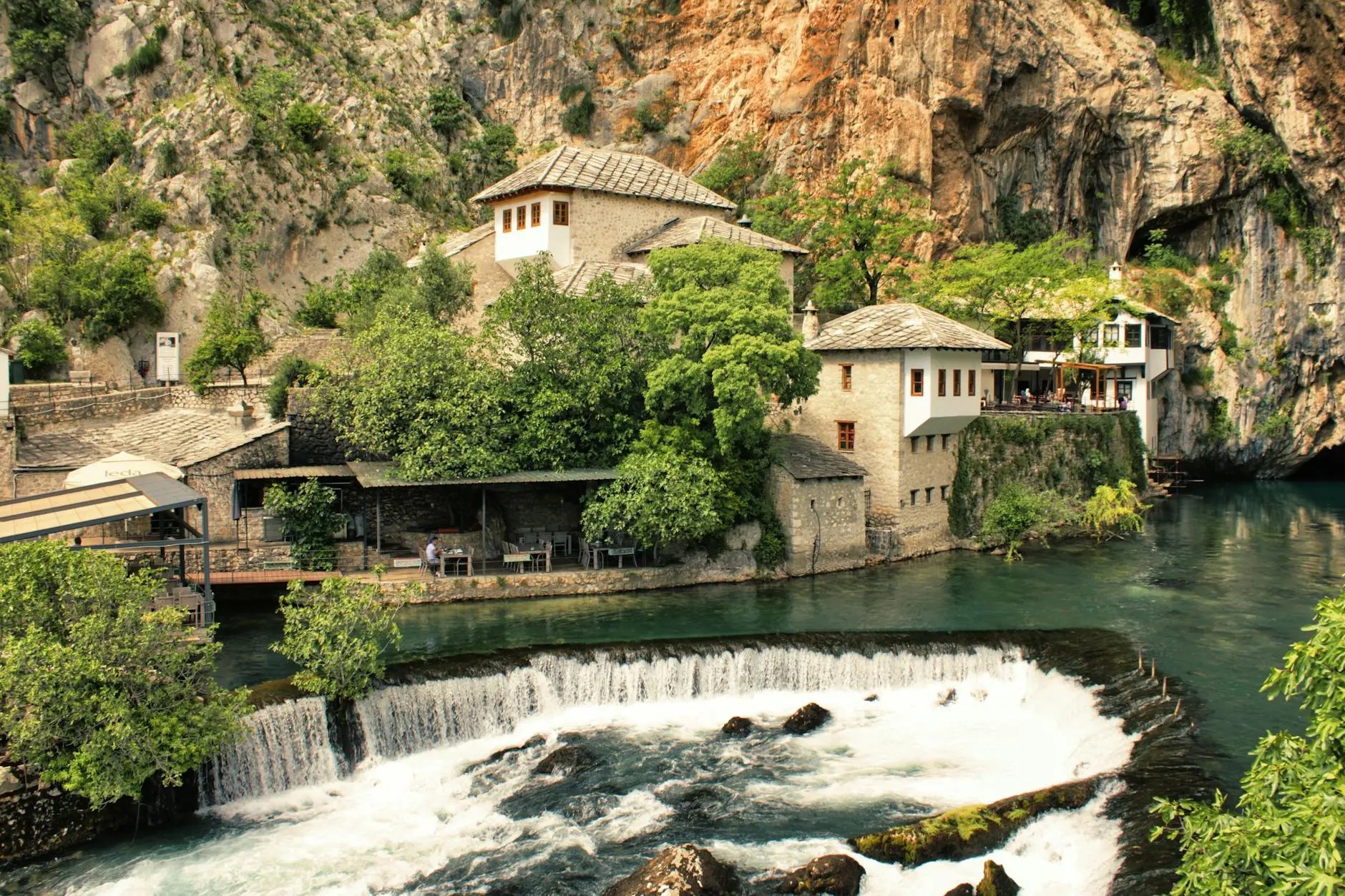
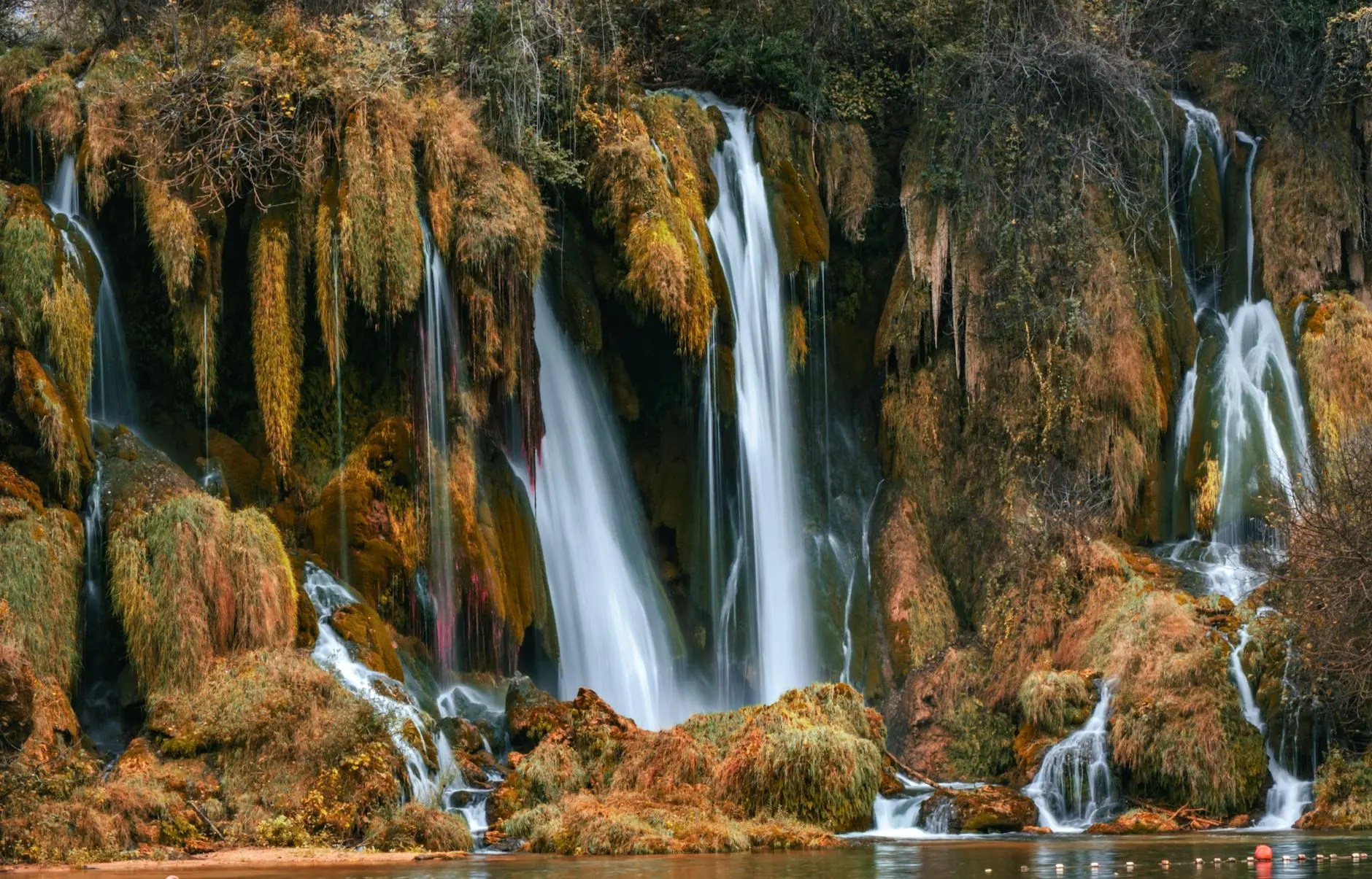
Day 2: Gorges & Mystical Springs. Rent a car for the day (trust me, it’s worth it for the freedom). Your first stop is Blagaj, just a 20-minute drive from Mostar. The sight of the Tekija (Dervish monastery) clinging to a 200-meter cliff face beside the impossibly blue Buna River spring will stop you in your tracks. Have a coffee by the water and soak in the serenity. In the afternoon, head to the Kravice Waterfalls. Picture a 25-meter crescent of cascading water tumbling into a bright emerald swimming hole. Pack a swimsuit—the brave can take a bracing dip, and there’s even a rope swing

Blagaj, (Expedia)Blagaj,(Get your guide)
Kravice Waterfalls.(Expedia)Kravice Waterfalls.(Get your guide)
A scenic view of the Blagaj Tekija, a historic Dervish monastery nestled against a rocky cliff, with green trees and blue waters flowing beneath it.
The picturesque Blagaj Tekija, a historic Dervish monastery nestled against the cliffside by the serene Buna River in Herzegovina. The Blagaj Tekke (Tekija), a 16th-century Dervish monastery clinging to a cliff beside the Buna River spring. Founded around 1520, this spiritual retreat combines Ottoman and Mediterranean architectural styles in one of Herzegovina’s most serene settings.
Cascading waterfalls surrounded by lush greenery and mossy rocks in a serene natural setting.
Breathtaking view of the cascading Kravice Waterfalls, a hidden gem in Herzegovina. Kravica Waterfall (also called Kravice), a stunning natural amphitheater of tufa cascades on the Trebižat River. Located near Ljubuški and about a 40-minute drive south of Mostar, this is one of Herzegovina’s most spectacular swimming and picnic spots.

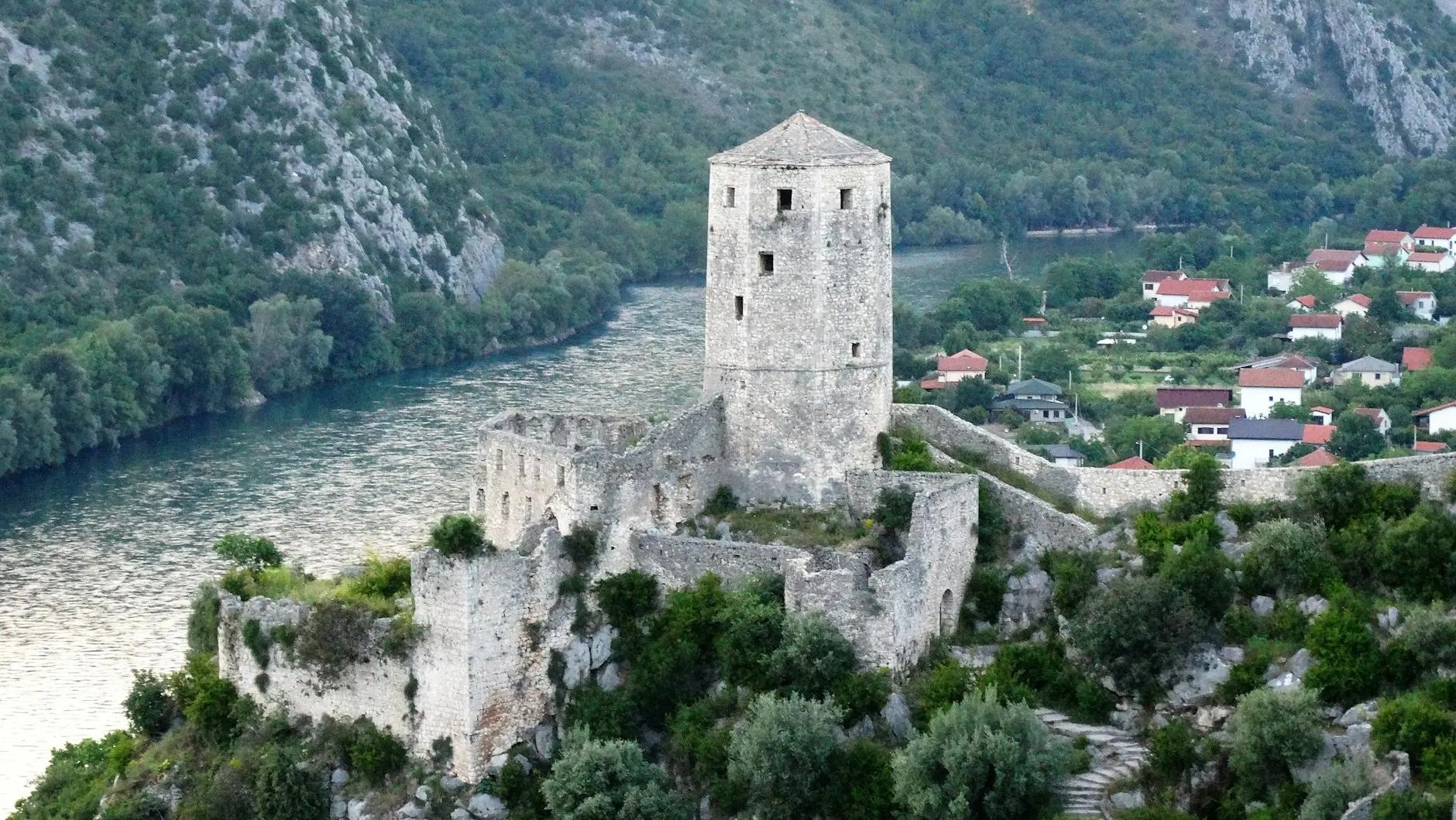
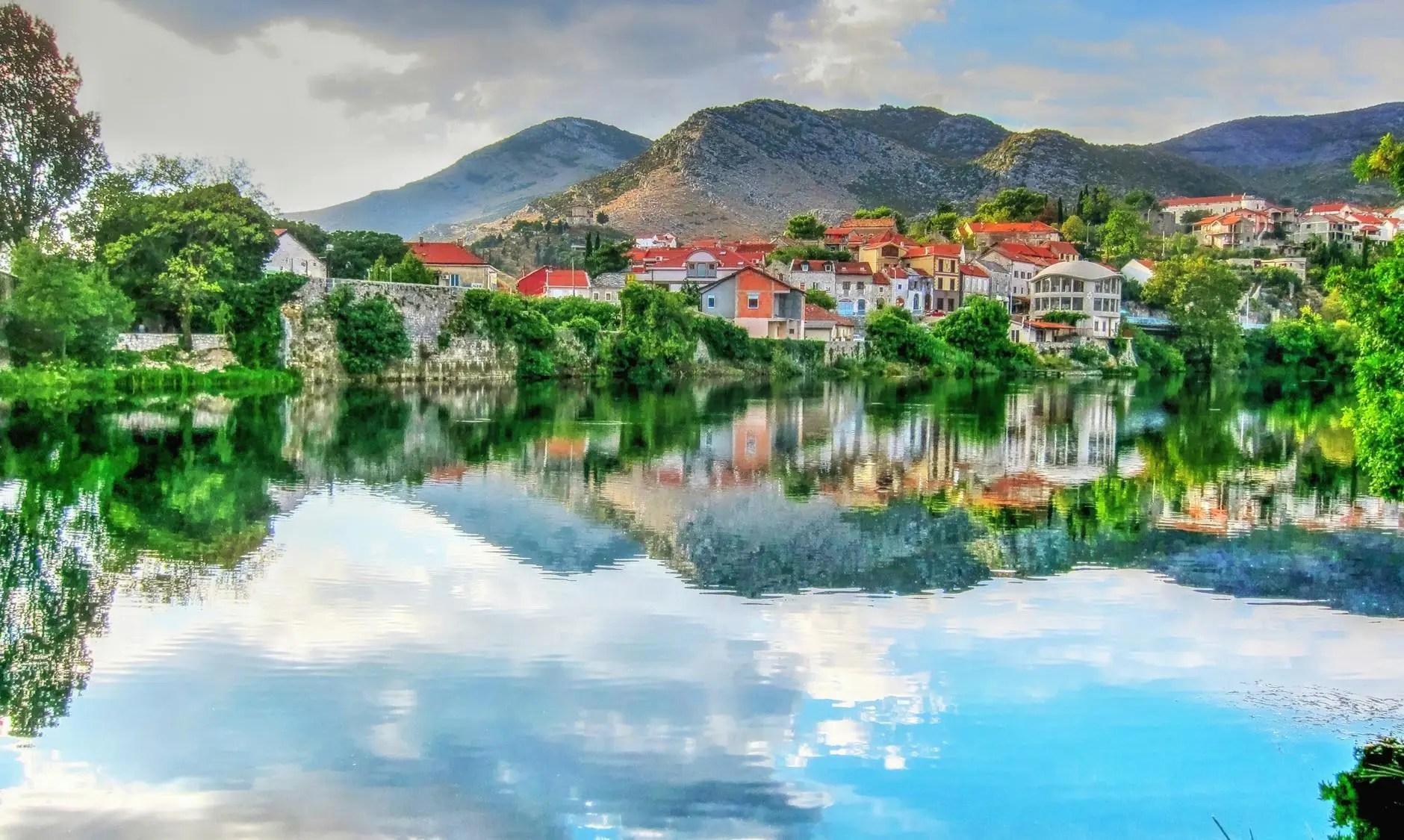
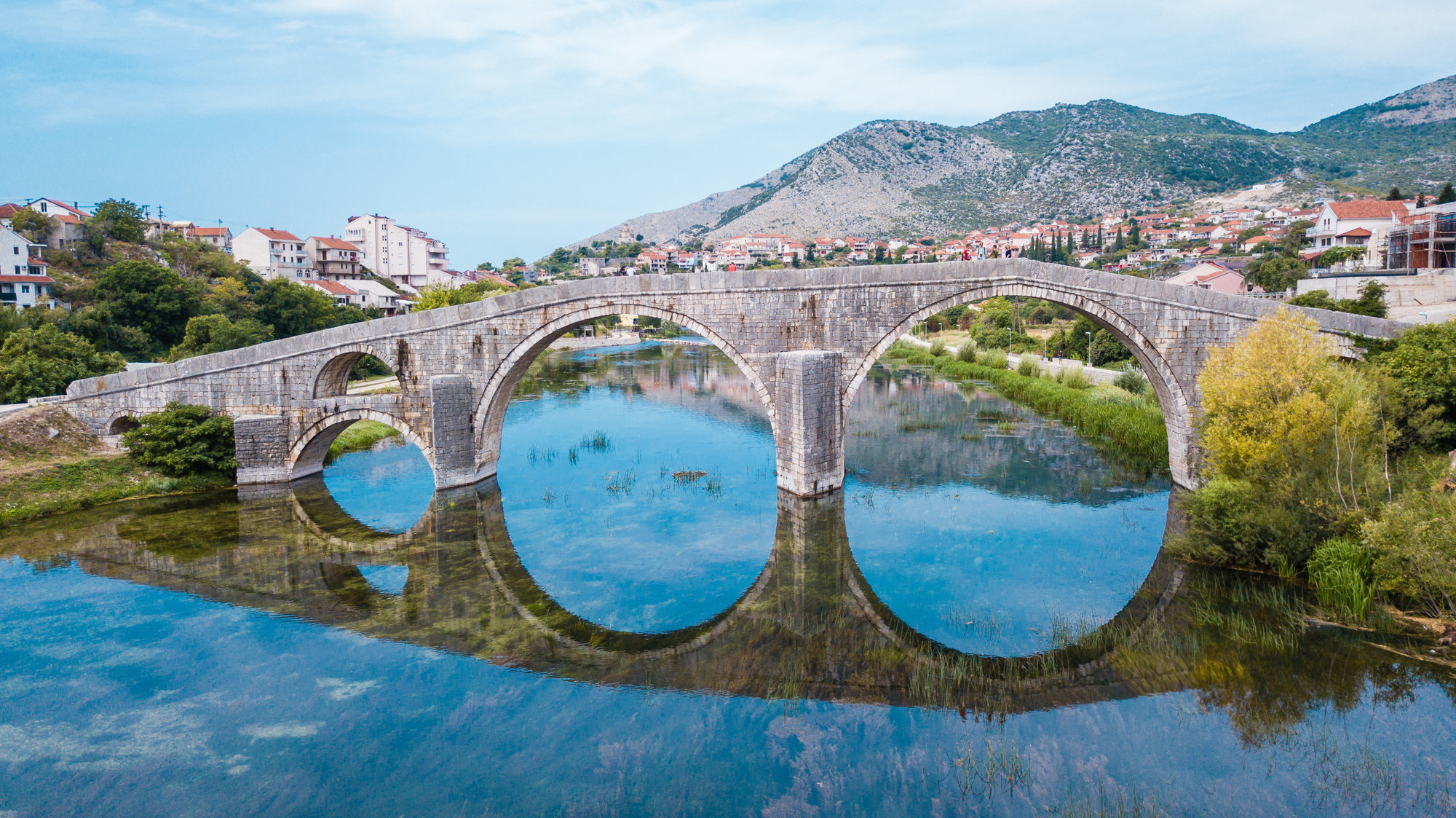
Day 3: History & Hidden Gems. Before you leave Mostar, wake up at sunrise. You’ll have the Stari Most and the silent, lamp-lit streets almost entirely to yourself—it’s pure magic. Then, set your GPS for Počitelj. This fortified Ottoman village is like a living museum, tumbling down a hillside towards the river. Climb to the top of the stone fort for a panoramic view you won’t forget. On your journey back towards the coast or airport, consider a final, peaceful stop at Trebinje. This elegant little town, just a stone’s throw from Dubrovnik, is famed for its wine and the beautiful Arslanagić Bridge that was moved, stone by stone, to its current location

Počitelj (Expedia)Počitelj (Get your guide)

Aerial view of a historic fortress on a rocky hill overlooking a river, with lush greenery and houses in the background.
A stunning view of the historic Počitelj village, featuring its iconic stone tower and surrounding greenery by the Neretva River. “The historic stone Kula Fort tower rising above the steep, medieval village of Počitelj in Bosnia and Herzegovina, with the Neretva River valley in the background.”
"A scenic aerial view of Trebinje, the southernmost city in Bosnia and Herzegovina, nestled along the calm, reflective waters of the Trebišnjica River in a green valley."
Scenic view of a picturesque town in Herzegovina, reflecting on a calm river with mountains in the background. Trebinje, the charming ‘City of the Sun’ in southern Herzegovina, beautifully positioned on the banks of the crystal-clear Trebišnjica River. Known for its relaxed atmosphere, wine, and proximity to Dubrovnik.
Aerial view of a historic stone bridge with arches reflected in a calm river, surrounded by greenery and hillside homes.
The stunning stone bridge reflecting in the serene waters of Herzegovina, showcasing the region’s rich architectural heritage.

Hidden Gems Beyond the Postcard

While the Stari Most will (rightfully) steal your heart, here are a few spots where you can escape the day-trip crowds:

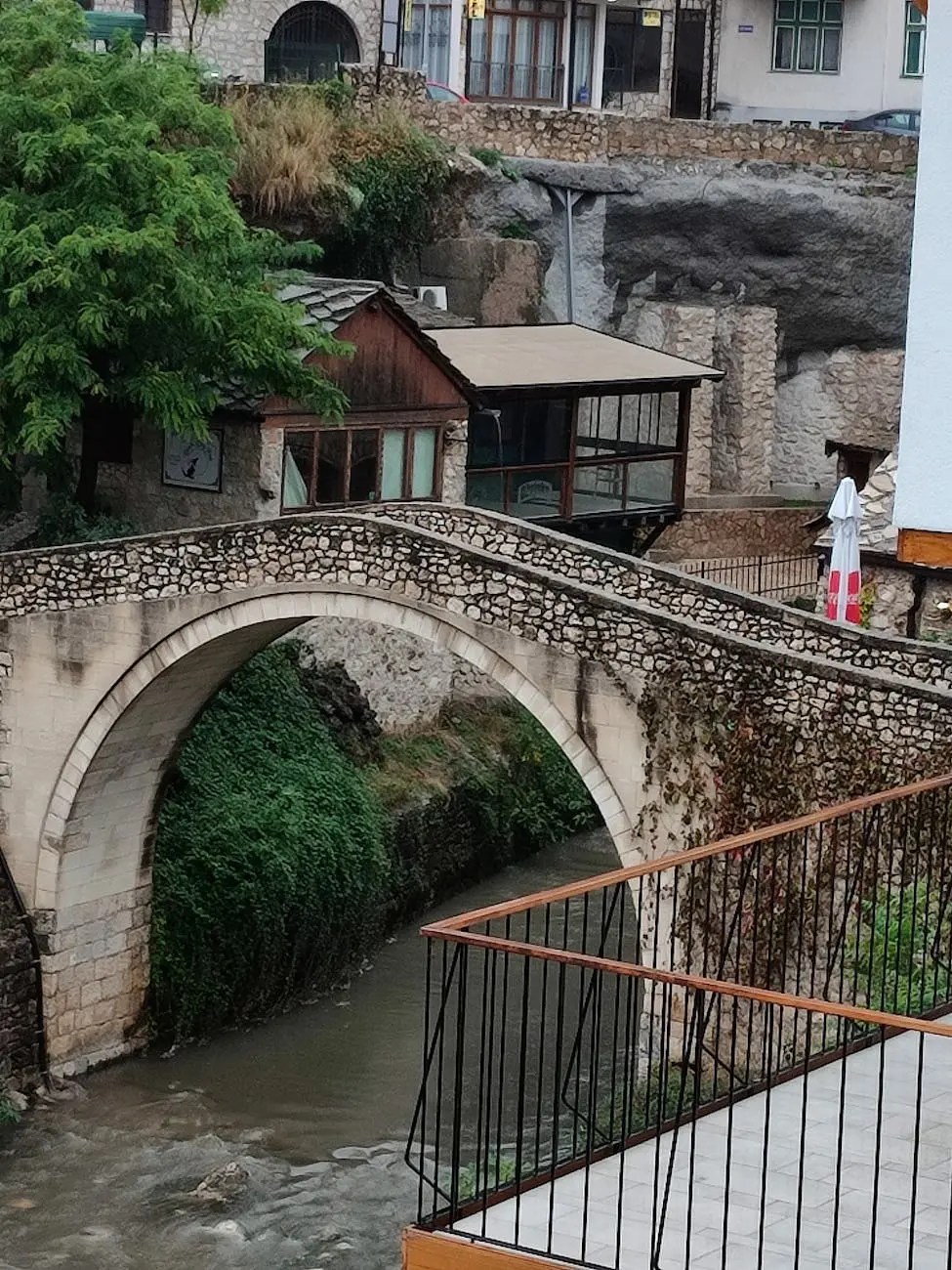
  • The “Practice” Bridge: Before you even get to the majestic Stari Most, look for Kriva Ćuprija (the Crooked Bridge) in Mostar’s Old Town. This petite, arched Ottoman bridge over a small stream is thought to have been a “test model” for its larger, more famous sibling. It’s a quiet, photogenic spot.
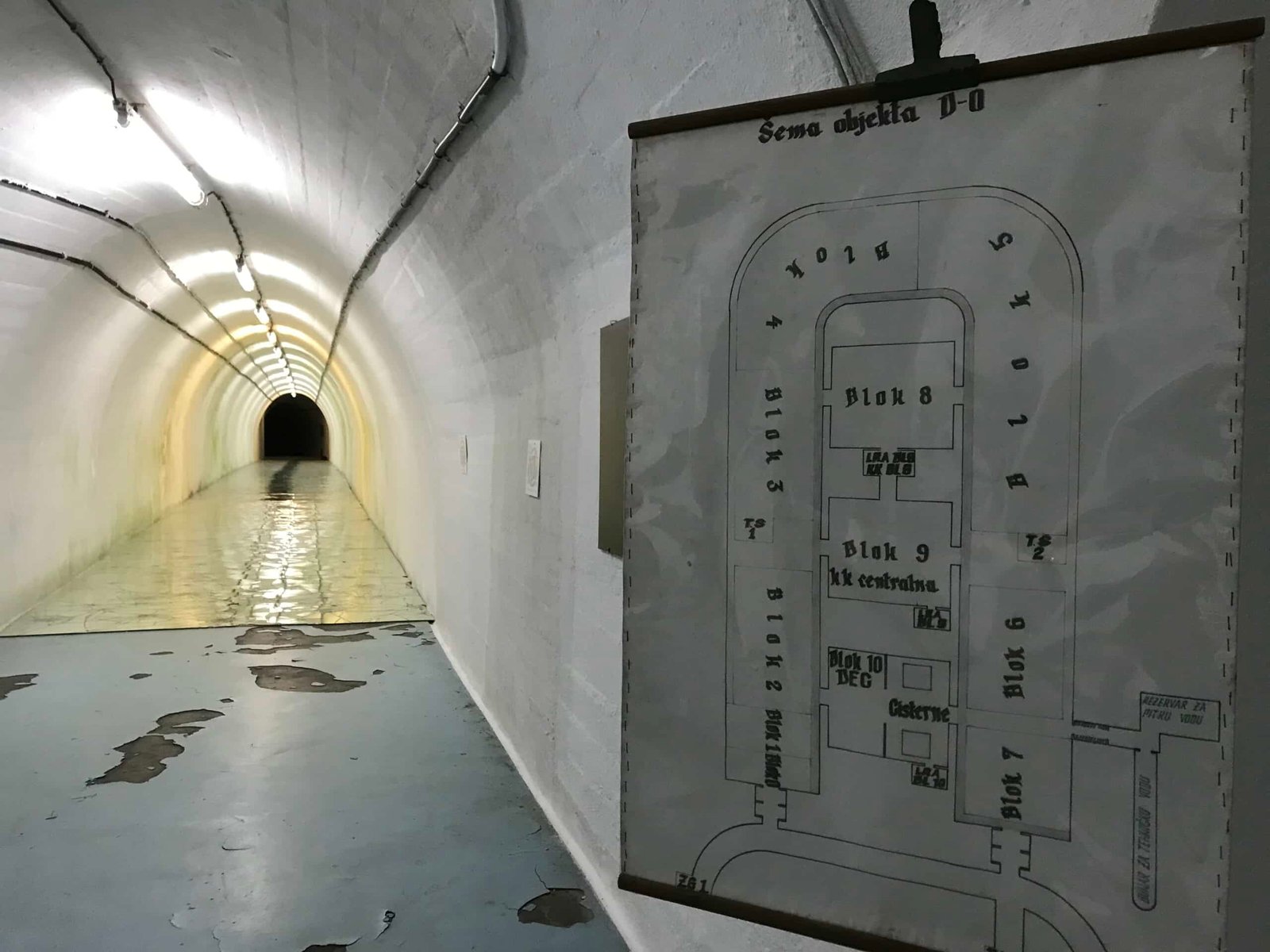
  • Konjic & its Secret Bunker: The town of Konjic, on the road from Sarajevo to Mostar, is home to another stunning Ottoman bridge. But its real claim to fame is hidden underneath a nondescript house: Tito’s Atomic Bunker. Built in total secrecy during the Cold War, this massive underground complex is now a unique contemporary art space. Tours must be booked in advance, and it’s a fascinating dive into 20th-century history.
Tito’s Atomic Bunker (Expedia)Tito’s Atomic Bunker (Get your guide)
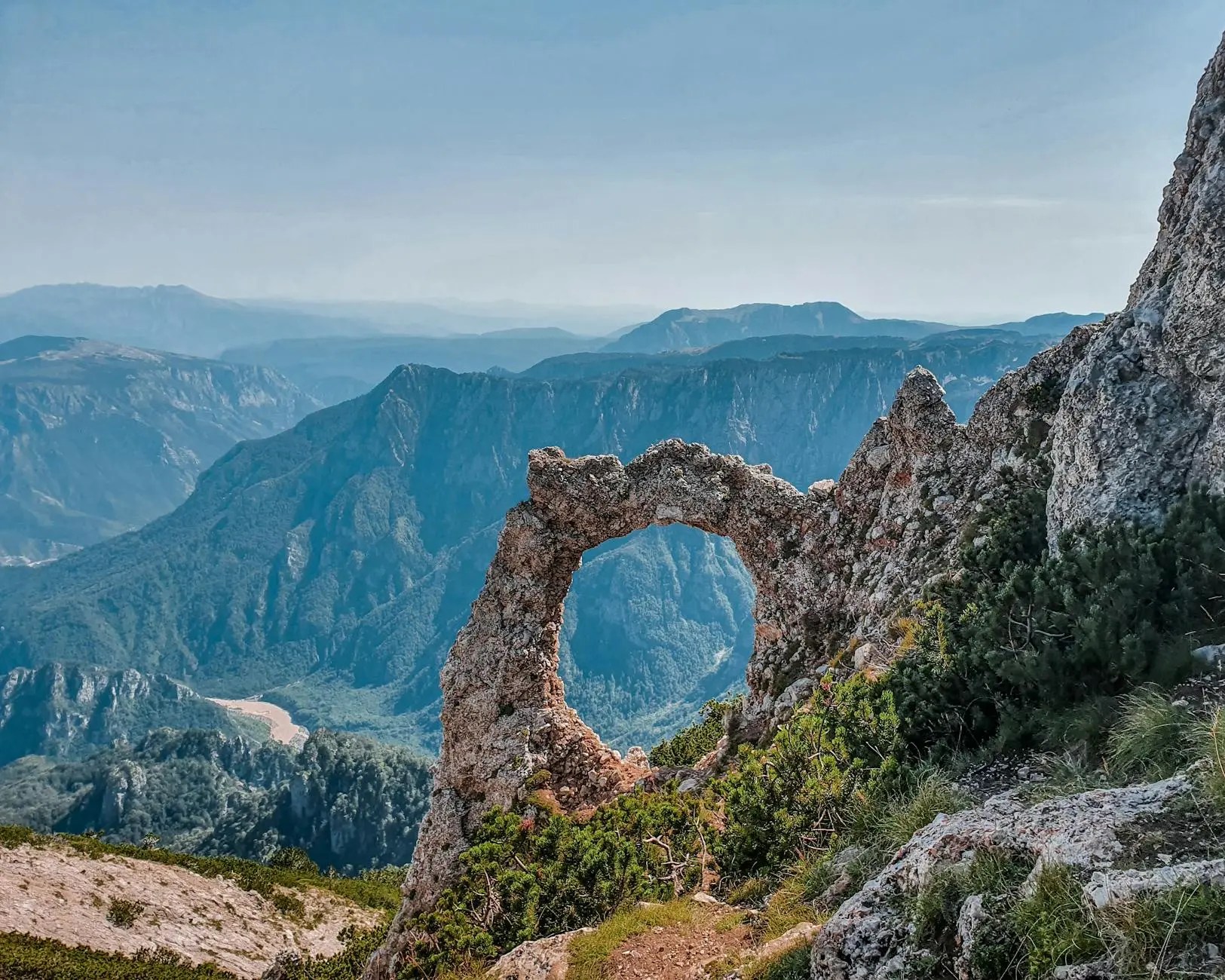
  • Blidinje Nature Park: If your soul craves mountains, detour to this stunning park northwest of Mostar. It’s home to the largest glacial lake in Bosnia, wild horses, and some of the most pristine hiking trails in the Dinaric Alps. It feels a world away from everything.
A stone arch bridge crosses a small river, surrounded by lush greenery and traditional buildings in Mostar, Bosnia and Herzegovina.
A picturesque stone bridge overlooking a serene river in Mostar, Bosnia and Herzegovina. Kriva Ćuprija, the “Crooked Bridge,” a charming single-arch Ottoman bridge over the Radobolja River in Mostar’s Old Town. Often considered a prototype for the grander Stari Most, it’s a quieter piece of living history

A rocky arch formation on a mountain with expansive valleys and hills in the background under a clear blue sky.
A stunning view of the mountain landscape in Herzegovina, featuring an intriguing rock formation with a natural arch that highlights the region’s breathtaking scenery. Hajdučka Vrata, the “Outlaws’ Gate”—a dramatic natural rock arch on Mt. Čvrsnica in Blidinje Nature Park. This iconic Herzegovinian landmark offers hikers one of the most breathtaking viewpoints in the Dinaric Alps

Essential Travel Intel: Money, Visas & Staying Safe

  • The Money Game: The currency is the Convertible Mark (BAM or KM). Here’s the easiest hack you’ll get: 1 Euro = 2 KM (almost exactly). While some places accept Euros, you’ll always get a better price in local currency. Cash is king, especially in smaller towns, guesthouses, and family-run restaurants. Withdraw BAM from local ATMs upon arrival.
  • Visa Info & Costs: Travelers from the US, UK, Canada, Australia, and the EU do not need a visa for tourist stays of up to 90 days within a 180-day period. Just ensure your passport is valid for at least three months beyond your planned departure date.
  • Safety First: Herzegovina is very safe for tourists. Standard city precautions against pickpocketing in crowded areas apply. The one critical rule involves the countryside: never, ever stray from marked paths or roads when hiking. Remnants of landmines from the 1990s conflict may still be present in remote, unmarked areas. Heed all warning signs.
  • When to Visit: Spring (April-June) and Autumn (September-October) are absolute perfection. The weather is mild, the landscapes are green (or golden), and the summer crowds have thinned. Summer can be fiercely hot, especially in Mostar.

Words to Know: A Quick Language Cheat-Sheet

Locals always appreciate the effort. Bosnian/Croatian/Serbian is the official language here.

  • Hello / Good day: Dobar dan (DOH-bar dahn)
  • Thank you: Hvala (HVAH-lah)
  • Please / You’re welcome: Molim (MOH-leem)
  • Yes / No: Da / Ne (DAH / NEH)
  • How much?: Koliko košta? (KOH-lee-koh KOHSH-tah?)
  • Bridge: Most (MOHST) – You’ll be using this one a lot!
  • Coffee: Kafa (KAH-fah) – Essential for joining the local café culture.

Practical Travel Tips

💡 Travel SIM/Connectivity Tip (Rephrased & Original):
Staying online overseas can be confusing and expensive — roaming charges, random data limits, airport SIM queues — it’s all a headache. That’s why I always carry a universal travel SIM — works in 190+ countries with no hidden fees, topped up easily through an app, and gets you online wherever you roam.
→ Check it out here: Drimsim

🌍 VPN for Security & Streaming Abroad:
Protect your data and access home content securely with a trusted VPN:

💼 Travel Insurance (Smart Safety Move):
Unexpected health or travel hiccups are easier to handle with insurance. I use and recommend VisitorsCoverage — compare plans and find one fast:

Power Up: Bosnia uses Type C and F plugs (220V). A universal adapter with multiple USB ports is a lifesaver for keeping phones, cameras, and power banks charged. I never travel without a reliable one

Document Your Journey: Herzegovina is a photographer’s dream. Whether you’re capturing the dive off Stari Most or the mist rising at Blagaj, having a capable camera is key. I rely on my trusted gear to do this stunning region justice.

Glow on the Go: After long days of exploration, my skincare routine is sacred. I swear by the gentle, effective products from Lakinza. For a treat, use code Lalax10 at checkout for a sweet discount.

Frequently Asked Questions

Is a weekend in Herzegovina enough time?
Absolutely. A well-planned 2-3 day trip centered in Mostar lets you experience the iconic bridge, explore the Old Town, and take a day trip to at least one stunning natural wonder like Blagaj or Kravice Waterfalls. It’s a perfect introduction.

Is Herzegovina expensive?
Not at all. Compared to Western Europe and even coastal Croatia, Herzegovina is a fantastic value. Meals, accommodation, and transport are very affordable, making it ideal for budget-conscious travelers who don’t want to sacrifice experience.

What’s the best way to get from Dubrovnik to Mostar?
For a weekend trip, I recommend a pre-booked private transfer or small group tour. It’s the most time-efficient, taking about 2.5 hours door-to-door. Renting a car offers maximum flexibility, while public buses are the most budget-friendly but less convenient.

Is it safe to travel to Herzegovina?
Yes. The region is safe and welcoming to tourists. Standard travel precautions apply. The only specific safety rule is to stay on marked paths when in the countryside or hiking due to the rare but potential risk of landmines in unmarked areas.

Ready to explore more of this incredible region? Check out my other guides for deeper dives into the Balkans:

Herzegovina pairs beautifully with nearby destinations like

Sarajevo, “Most trips to Herzegovina begin in Sarajevo, connected by one of the most scenic train journeys in the Balkans…”

Dubrovnik, “Many travelers pair Herzegovina with a coastal escape to Dubrovnik, especially since the border is just a few hours away…

Split, “If you’re arriving by ferry into Split, Herzegovina makes an easy inland detour with jaw-dropping scenery…

Zadar — making it ideal for a Balkans road trip or multi-country weekend escape.”

Herzegovina isn’t just a destination; it’s a feeling. It’s the chill of the Neretva River, the warmth of the people, and the profound sense of history etched into every stone. Pack your bags (and this guide), and go find it.

Final Tips & CTAs

Ready to book your escape? Grab flights, hotels, and package deals on Expedia (great for saving big on bundle deals)

Universal Disclaimer/Disclosure Page:
The Ultimate Weekend Escape to Ljubljana, Slovenia: Castles, Dragons & River Bliss

Meta Description: Dreaming of a European weekend escape? Our ultimate guide to Ljubljana, Slovenia, reveals how to navigate this charming capital. Get insider tips on castles, cheap eats, public transport, and even how to get there by ferry. Plan your efficient and magical Slovenian adventure now!

Alright, let’s play a game. Picture a European capital city. Now, imagine it’s walkable, has a fairy-tale castle on a hill, a river lined with charming cafes, and a dragon as its symbol. No, it’s not a fantasy novel—it’s Ljubljana (pronounced lyoo-blyAH-nah, don’t worry, we’ll get to that), and it’s quite possibly the most underrated city break in Europe.

I stumbled upon Ljubljana almost by accident after a chaotic trip to a much more crowded tourist hub. The moment I arrived, the city felt like a deep, calming breath. It’s a place where efficiency meets enchantment. This guide is your blueprint for the perfect weekend, designed to save you time, money, and the headache of over-planning.

A Quick Note: This blog is part of my travel series. For more inspiration, check out my Travel Master List for all my guides and tips.

If there’s one city that fooled me into believing I had stepped into a live-action Pinterest board, it’s Ljubljana — the leafy, river-hugging, pastel-colored capital of Slovenia. The moment I arrived, I genuinely thought, “Where’s the catch? Who allowed a city to be this cute without charging an entrance fee?”

I’ve traveled through enough European cities to confidently say Ljubljana is the perfect weekend escape if you crave:
✔️ A walkable, peaceful, romantic, safe city
✔️ Good food without bankruptcy
✔️ Pastel buildings + dragons (yes, dragons!)
✔️ Nature right inside the city
✔️ A vibe that feels like a cozy hug

And yes — you can use all your travel weapons here:
🟢 Expedia for flexible bookings
🟢 NordVPN to stay safe on public Wi-Fi (Ljubljana cafes love giving free Wi-Fi)
🟢 Camera World UK to find camera upgrades before travel
🟢 VisitorsCoverage for travel insurance
🟢 Drimsim or Airalo Europe-wide data

Alright. Pack your comfiest shoes and a sense of adventure — and let’s go!

Table of Contents

  1. Why Ljubljana Makes the Perfect Weekend Getaway
  2. How to Get There (Flights, Trains, Buses & Ferries?)
  3. Best Time to Visit
  4. Where to Stay
  5. Day-by-Day Itinerary
  6. Hidden Gems Only Locals Whisper About
  7. Food You Must Try
  8. Safety + Transport Tips
  9. Money-Saving Hacks
  10. Best Cities Near Ljubljana (for your internal backlinks)
  11. Final Thoughts + CTA
  12. FAQs

Why Ljubljana Is the Perfect Weekend Escape

Ljubljana is one of those cities where nothing is extreme, but everything is delightful. Nothing overwhelms you, yet everything charms you. After doing weekend escapes in places like Dubrovnik, Split, Zadar, Warsaw, Nice, and Zurich, I finally found a capital that lets me breathe.

The city center is car-free.
The cafés along the Ljubljanica River are the definition of “take my money, I’ll sit here forever.”
And Ljubljana Castle is always photobombing your pictures — respectfully.

It’s basically Europe’s chillest capital.

Ljubljana is like that quiet, incredibly cool friend who is an amazing artist but never brags about it. The city is green, the people are friendly, and the vibe is effortlessly chic. It’s the perfect size to explore in a weekend without feeling rushed. Plus, as a Schengen country, if you have a standard EU visa, you’re golden. For others, always check visa costs and requirements in advance—it’s a small but crucial step.

How to Get There

✈️ By Flight

Most travelers arrive at Ljubljana Jože Pučnik Airport (LJU). If you’re booking flights, I always use Expedia’s flexible fares — less stress, more freedom:
👉 I always book flexible stays and flights through Expedia

🚆 By Train

Ljubljana is well connected to:

  • Vienna (6 hrs)
  • Zagreb (2 hrs)
  • Budapest (8 hrs)
  • Trieste (2 hrs)
  • Salzburg (4 hrs)

🚌 By Bus (cheapest option)

FlixBus and Nomago have great connections.
Seats are comfortable, Wi-Fi is surprisingly good, and sometimes you get those €5 promo tickets (the real MVP of Europe travel).

⛴️ By Ferry

Now, you might be thinking, “A ferry to a landlocked city?” You’ve got a point! While there are no direct ferries to Ljubljana itself due to its geography, Slovenia has a beautiful sliver of coastline around Koper. You can easily book a ferry from various Italian ports (like Venice, Ancona, or Trieste) to Koper or nearby Trieste in Italy.

From there, it’s a short and scenic bus or train ride (about 1.5-2 hours) into the heart of Ljubljana. It’s a fantastic way to combine a city break with a coastal adventure. To find the best routes and prices for the ferry leg of your journey, check Direct Ferries.

Not directly — but if you’re coming from Italy or Croatia, you can use ferries and then connect by bus/train. Perfect chance to promote your new partner:
👉 You can compare ferries easily here: DirectFerries.

Best Time to Visit

👉 April–June: Perfect weather, flowers in bloom, fewer crowds
👉 September–October: Golden light, cheaper prices
👉 December: Fairytale Christmas markets
July–August: Hot, crowded, festival season (fun… but chaotic)

Where to Stay

Ljubljana is compact — stay in:
✔️ Old Town
✔️ By the river
✔️ Near Tivoli Park

Tip: Always book a hotel with free cancellation because Ljubljana weather loves surprises.
👉 Expedia link

Your Weekend Itinerary: A 48-Hour Blitz {itinerary}

Day 1: Castle Quests & Riverside Revelry

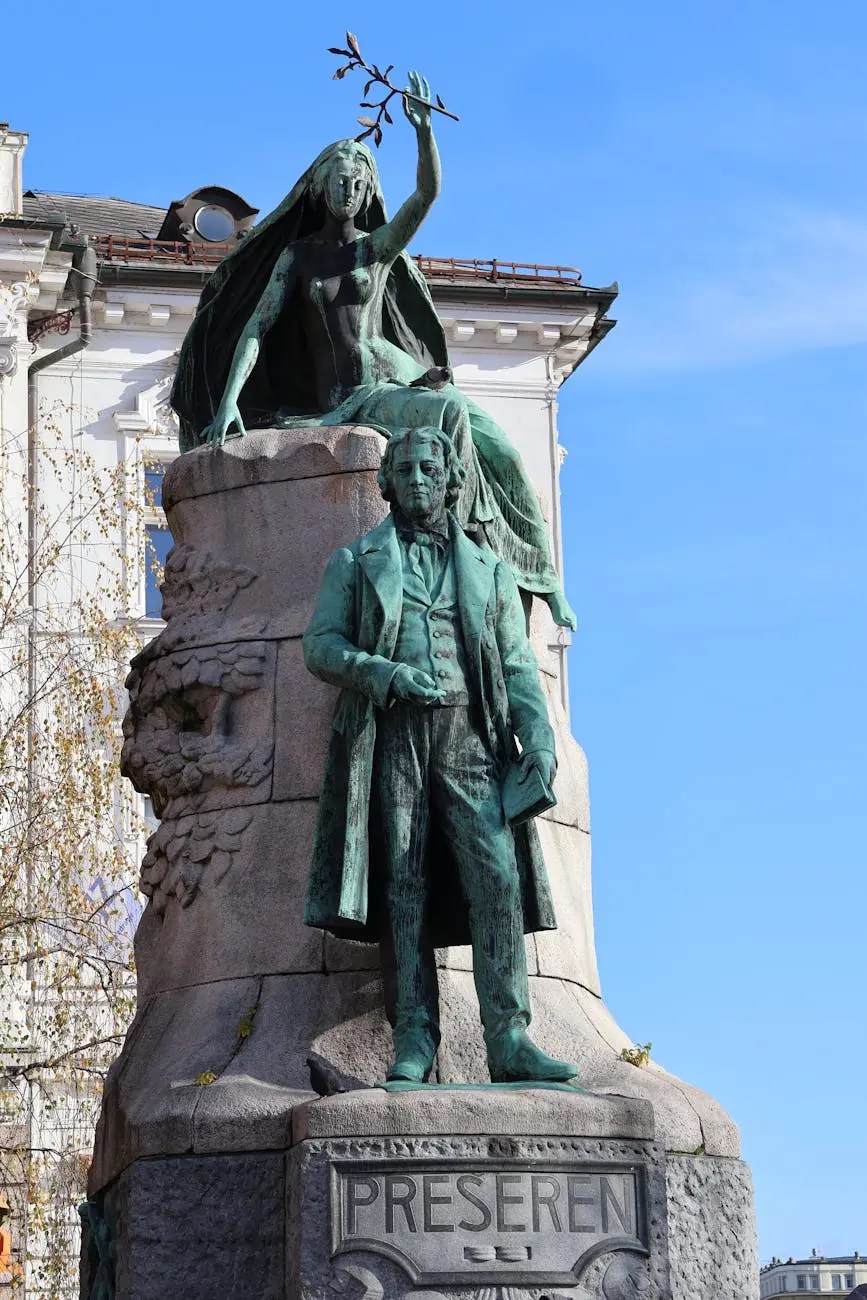
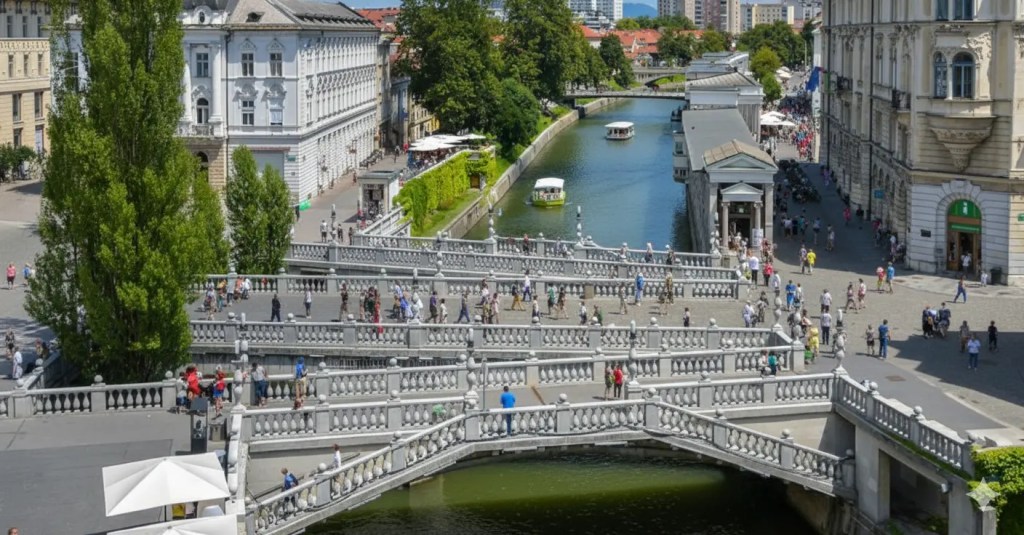
  • Morning (10 AM): Start at Prešeren Square, the vibrant heart of the city. Admire the pink Franciscan Church and the statue of the poet Prešeren. From here, cross the iconic Triple Bridge—a masterpiece by architect Jože Plečnik.
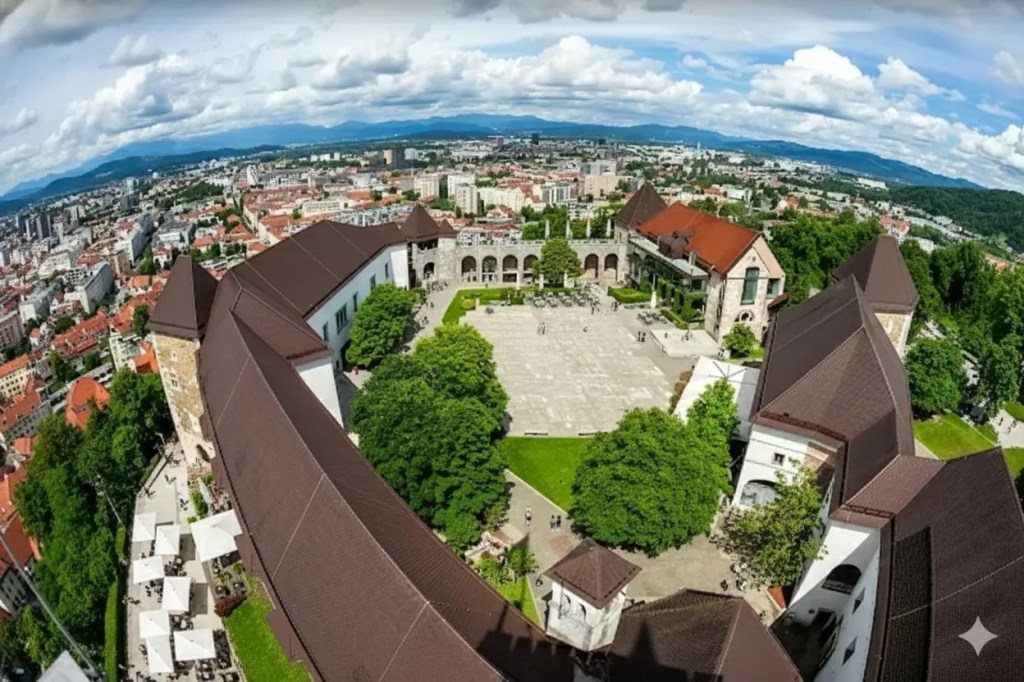
  • Late Morning (11 AM): Make your way to the Ljubljana Castle. You can hike up (about 10-15 minutes, good for the calves!), take the funicular, or even drive. The view from the tower is worth every penny and effort. I skipped the coffee and let the panoramic vista wake me up instead.
  • Lunch (1 PM): Head to the Open Kitchen (Odprta Kuhna) market if it’s Friday through Sunday. It’s a foodie paradise with dozens of cuisines. Otherwise, duck into a traditional gostilna for a plate of štruklji (delicious rolled dumplings).
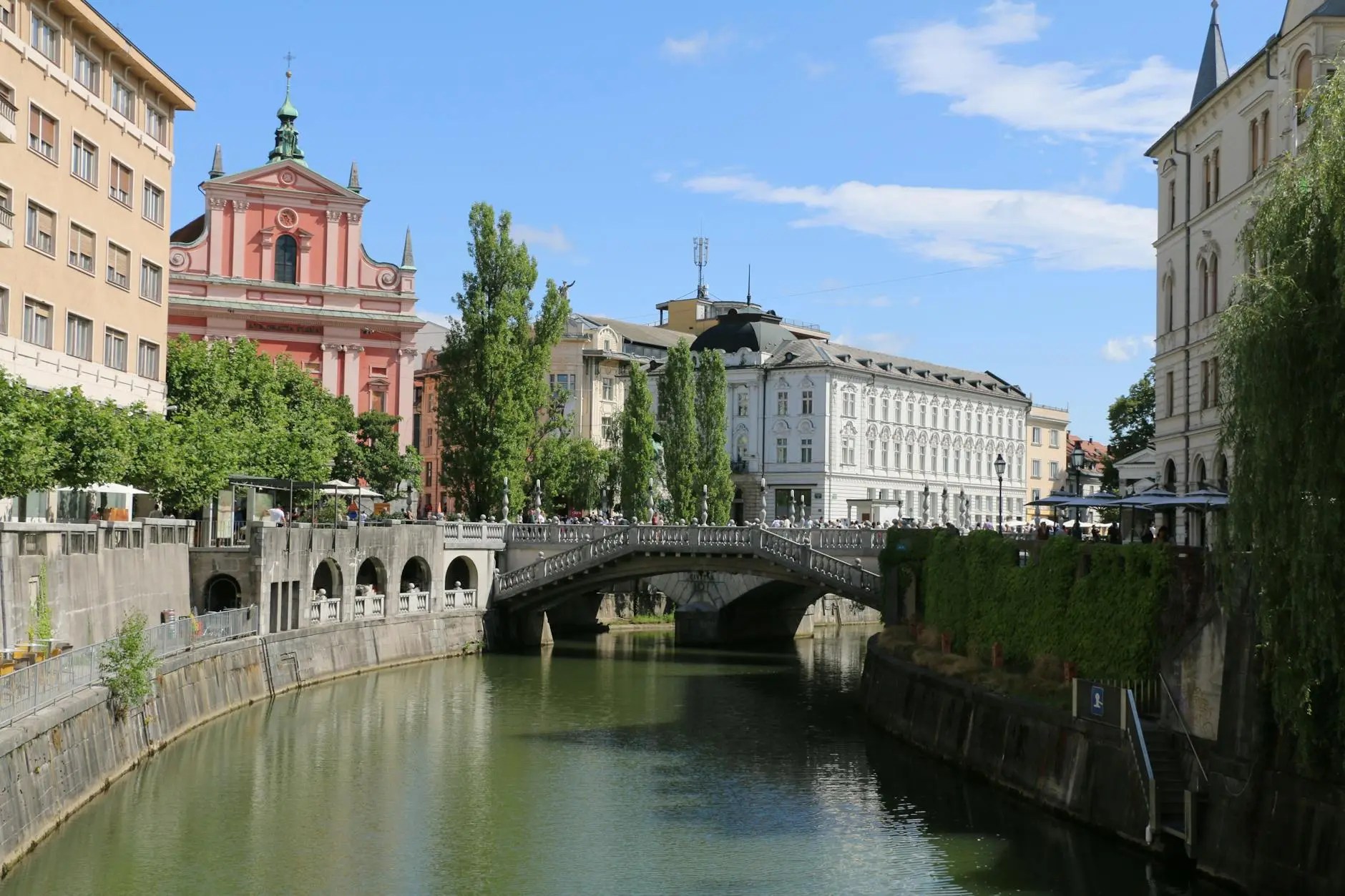
  • Afternoon (3 PM): Wander along the Ljubljanica River. This is the city’s soul. The banks are lined with cafes, and the people-watching is top-tier. For a different perspective, I highly recommend this River Cruise—it’s a relaxing way to see the city’s architecture.
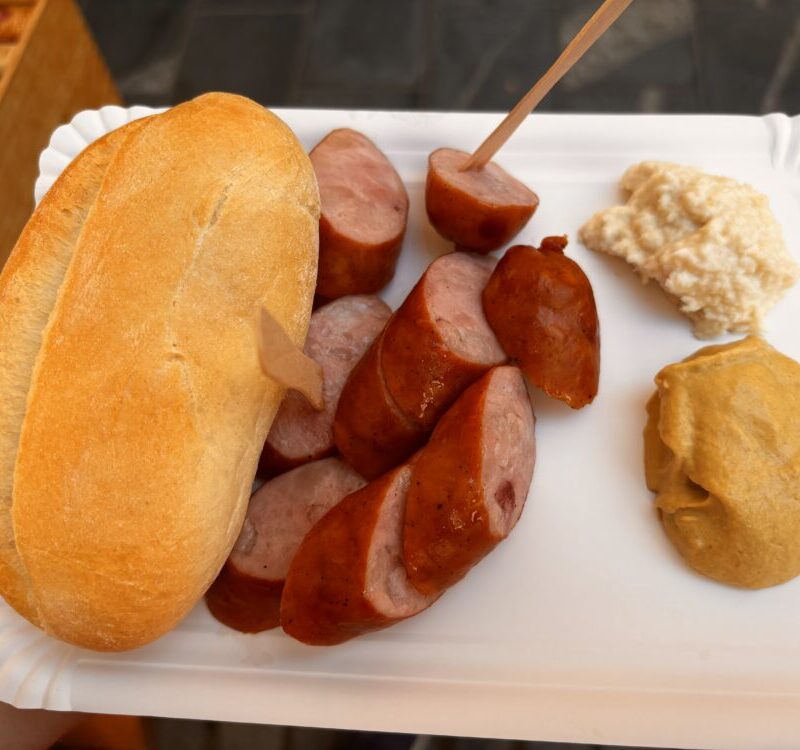
  • Evening (7 PM): Dinner in the old town. I stumbled upon a tiny place called Klobasarna and had the most incredible traditional sausage (kranjska klobasa). It’s simple, authentic, and won’t break the bank.
A bronze monument of a poet, featuring a seated female figure holding a laurel branch above a standing man. The sculpture is set against a clear blue sky.
The Prešeren Monument in Ljubljana, honoring the poet France Prešeren, features a statue of a seated female figure representing Poetry. The iconic Prešeren Monument honors national poet France Prešeren, whose work inspired the Slovenian anthem. Located in the heart of Ljubljana, the square is a bustling meeting point with the beautiful pink Franciscan Church of the Annunciation providing a stunning backdrop.
A panoramic view of Ljubljana, Slovenia, showcasing the vibrant cityscape with the Ljubljanica River bordered by lush greenery and historic buildings. The Triple Bridge is visible, bustling with people enjoying the sunny day.
A bustling view of Ljubljana, Slovenia, featuring picturesque bridges over the Ljubljanica River and vibrant architecture. Strolling across the iconic Triple Bridge (Tromostovje)—a genius architectural solution by Jože Plečnik that transformed a single bridge into a spacious pedestrian triple-arched gateway to Ljubljana’s Old Town.
A scenic view of Ljubljana’s vibrant architecture with the iconic Ljubljana Castle perched on the hill in the background. The image shows Kongresni trg (Congress Square) in Ljubljana, Slovenia, with the historic Ljubljana Castle on the hill in the background. 
Aerial view of Ljubljana Castle with surrounding greenery, overlooking the city skyline under a cloudy sky.
Aerial view of Ljubljana Castle, showcasing the charming architecture and the surrounding cityscape of Ljubljana, Slovenia. From above: the sprawling inner courtyard of Ljubljana Castle, a medieval fortress that has been a Roman stronghold, a royal residence, and a prison, now offering the best views over the Slovenian capital.
View of the Ljubljanica River with a bridge and cafes along the banks, framed by colorful pastel buildings and greenery in Ljubljana, Slovenia.
The picturesque Ljubljanica River, lined with charming cafes and featuring iconic architecture, perfectly captures the essence of Ljubljana. The heart and soul of Ljubljana: a view of the emerald-green Ljubljanica River from the Triple Bridge, perfectly framing the stunning pink Franciscan Church on Prešeren Square.
A plate featuring sliced grilled sausage served with bread and condiments, including mustard and a creamy sauce.
Enjoy a delicious plate of traditional Slovenian sausage served with fresh bread and condiments in Ljubljana, Slovenia. (kranjska klobasa)

Day 2: Market Hopping & Tivoli Tranquility

  • Morning (9 AM): Explore the Central Market. It’s buzzing with life. Grab some local honey or a piece of fruit for a snack. This is where you feel the city’s pulse.
  • Late Morning (11 AM): Escape to Tivoli Park. It’s massive, beautiful, and the perfect place for a leisurely stroll. Find the fish pond and just… breathe. It’s the anti-thesis of a rushed tourist attraction.
  • Lunch (1 PM): Pack a picnic from the market or find a cafe on the edge of the park.
  • Afternoon: This is your free time! Want to explore further? Consider a day trip to the stunning Lake Bled or the mesmerizing Postojna Cave.

✈️ Ready to Book Your Escape? I always use Expedia to bundle my flights and hotels. It saves me time and often a surprising amount of cash.

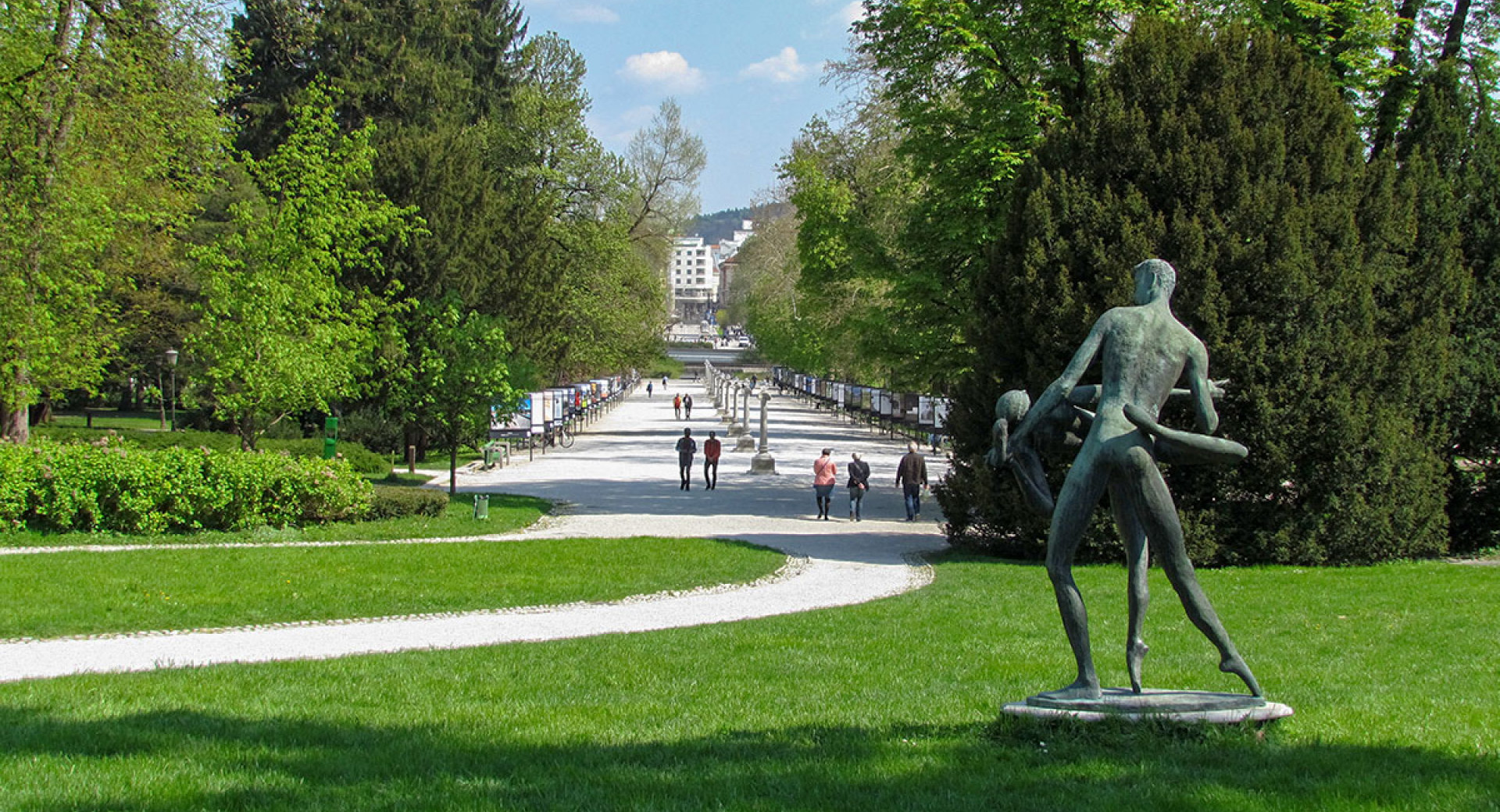
A scenic park pathway in Ljubljana, Slovenia, lined with trees and greenery, with people walking and a statue visible in the foreground.
A serene view of Tivoli Park in Ljubljana, Slovenia, showcasing its lush greenery and inviting pathways.

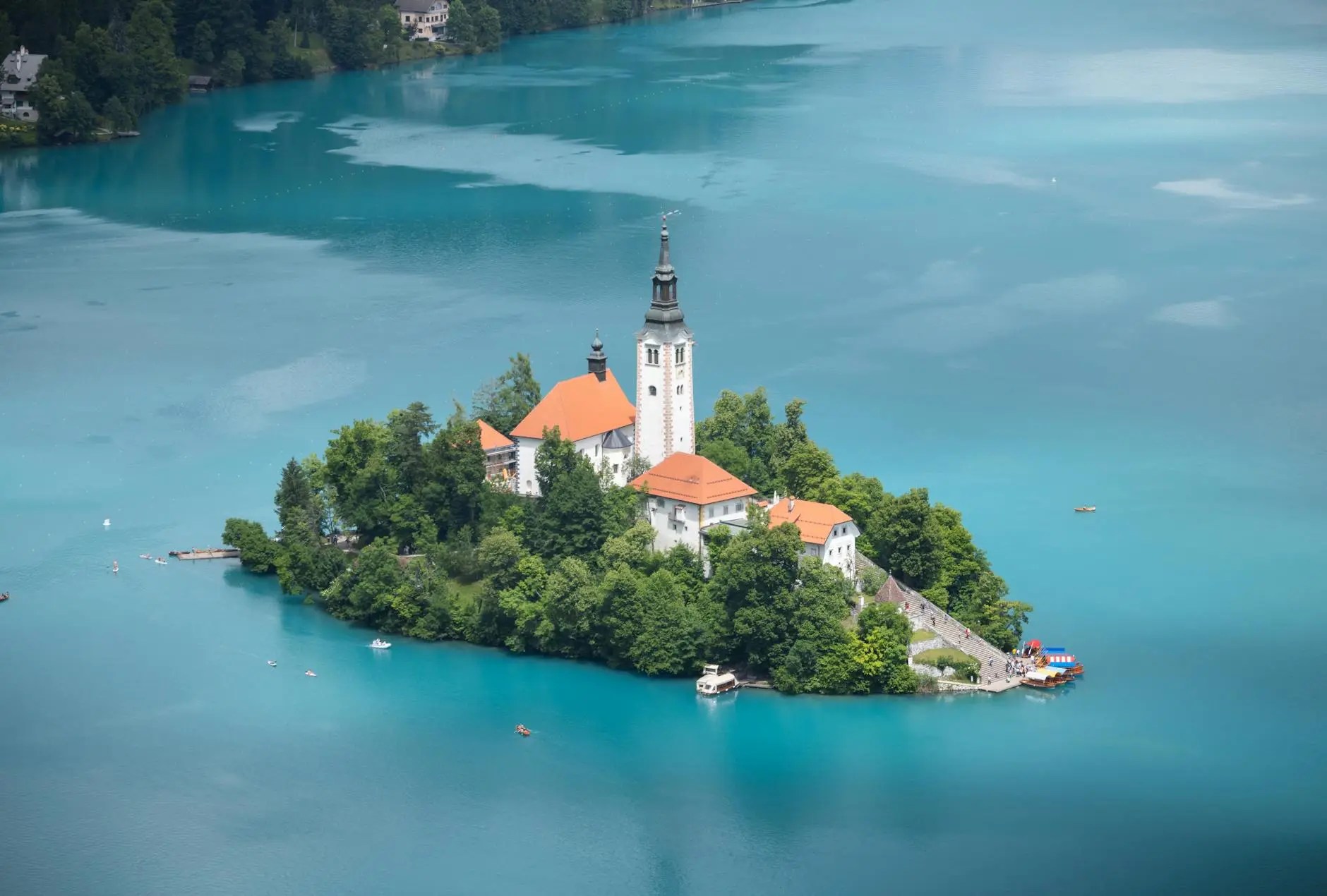
Aerial view of Lake Bled, featuring the iconic church on Bled Island surrounded by lush greenery and turquoise waters.
Discover the enchanting beauty of Lake Bled, Slovenia, featuring a picturesque island and a church surrounded by lush greenery. The fairytale scene of Bled Island, home to the historic Church of the Assumption. Legend has it that ringing the church’s wishing bell makes your dreams come true.
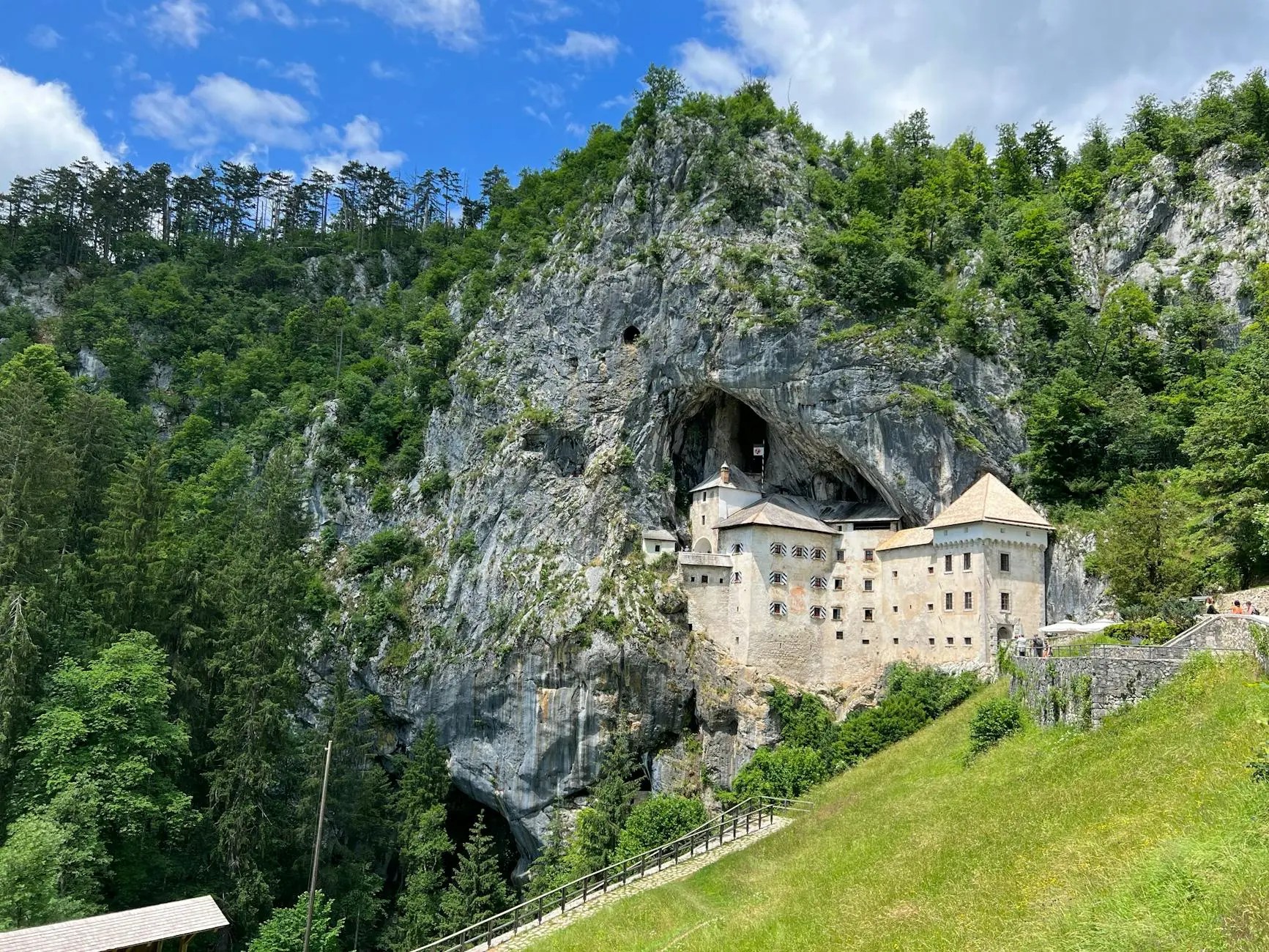
A stunning view of Predjama Castle, built into a cliffside, surrounded by dense green forest and dramatic rock formations under a bright blue sky.
Discover the enchanting Predjama Castle nestled in the cliffs of Slovenia, a perfect blend of nature and history. Where fairy-tale fortresses meet subterranean worlds: Predjama Castle, defiantly nestled in a cliff face, guards the entrance to the incredible karst landscape that houses the sprawling Postojna Cave.

Hidden Gems & Money-Saving Secrets {#hidden-gems}

  • The Free Walking Tour: I’m a broken record on this, but it’s the best way to get oriented. Just remember to tip your guide based on what you think it was worth!
  • The Library Staircase: Tucked away near the market is a staircase that looks like a stack of books. It’s a whimsical, photo-worthy spot most people walk right past.
  • Ljubljana Card: If you’re planning to hit the castle, museums, and use public transport, this card can be a huge saver. Do the math for your planned activities.
  • Public Transport: The city buses are efficient and cheap. Buy an Urbana card (a rechargeable plastic card) at a tourist office or newspaper kiosk—it’s much cheaper than single tickets.

📸 Capture the Magic: I never travel without my trusty Sony Alpha a7III. It’s lightweight, incredible in low light, and has captured every dragon and castle perfectly. Check it out here if you’re looking to up your travel photo game.

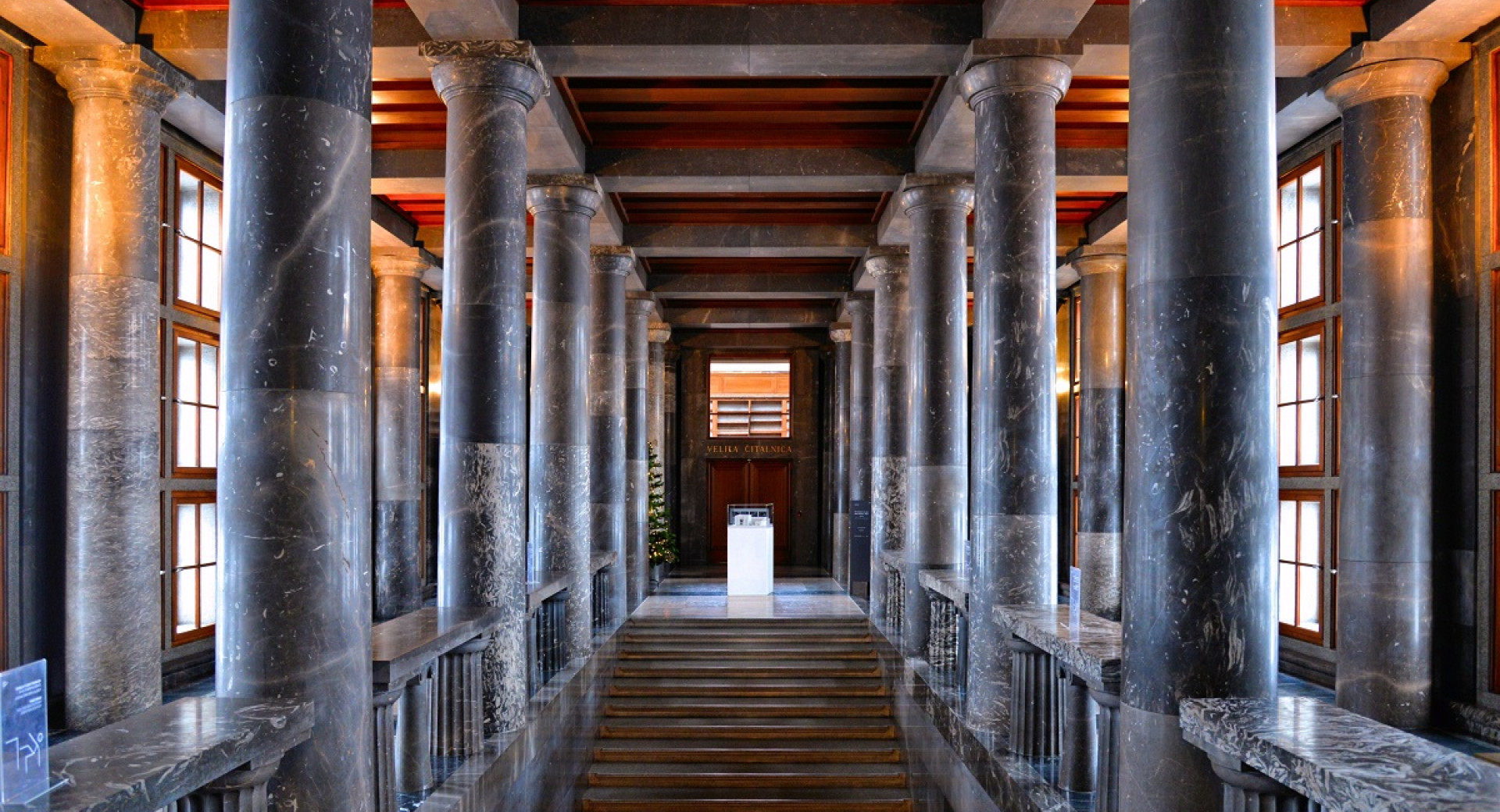
Interior view of a grand building with tall marble columns, large windows, and a staircase leading to a display area.
Interior view of the National and University Library of Slovenia, showcasing elegant columns and a spacious hallway.

Speak Like a Local: A Survival Mini-Guide {#local-lingo}

Slovenes appreciate any effort to speak their language. Here are a few basics:

  • Hvala (HVAH-lah): Thank you. Use this one liberally.
  • Prosim (PRO-seem): Please / You’re welcome.
  • Na zdravje (nah ZDRAH-vyeh): Cheers!
  • Dober dan (DOH-ber dahn): Good day.
  • Račun, prosim (RAH-choon, PRO-seem): The bill, please.

Cities Near Ljubljana

Closest by distance (strongest relevance):

🇭🇷 Split — post:
🇭🇷 Dubrovnik
🇮🇹 Venice
🇮🇹 Milan
🇦🇹 Vienna
🇭🇺 Budapest
Frequently Asked Questions (FAQ) {#faq}

Q: What is the best time of year to visit Ljubljana?
A: Late spring (May-June) and early autumn (September) are absolute perfection. The weather is mild, and the crowds are thinner than in the peak summer months.

Q: Is Ljubljana a walkable city?
A: Absolutely! The city center is compact and largely pedestrianized. You can easily explore all the main sights on foot.

Q: What currency is used in Slovenia?
A: The Euro (€). Credit cards are widely accepted, but it’s always wise to have some cash for market stalls and smaller shops.

Q: I’m a skincare junkie. Any travel-friendly tips?
A: You read my mind! Travel can wreak havoc on your skin. I always pack a few sheet masks from Lakinza. Their K-beauty products are a game-changer for keeping my skin hydrated and glowing after a long flight. Psst… use code Lalax10 at checkout for a sweet discount. Your skin will thank you.

Q: How can I stay connected without huge roaming fees?
A: Oh, let me tell you about my travel lifesaver. I used to waste so much time at airport SIM counters. Now, I just pop in my Drimsim—a universal SIM that works in over 190 countries. You top it up via an app, and you’re online the moment you land. No hidden fees, no stress. It’s a no-brainer for the modern traveler.

🌐 Stay Secure Online: While you’re hopping on free Wi-Fi in cafes and hotels, remember to protect your data. I never travel without my NordVPN. It keeps my personal information safe from prying eyes and lets me access my favorite shows from back home.

Final Call to Action!

Ljubljana is waiting to charm your socks off. It’s a city that proves you don’t need to be big to be breathtaking.

Start planning your Slovenian fairy-tale today!

  • Find the perfect flight and hotel deal on Expedia.
  • Get connected effortlessly with Drimsim.
  • Ensure you’re covered for any mishaps with VisitorsCoverage.
  • And remember, if your flight goes sideways, see if you’re owed compensation with AirHelp.

Happy travels!

Universal Disclaimer/Disclosure Page:
Your Ultimate 3-Day Orlando Weekend Guide

Meta Description: Plan your ultimate weekend escape to Orlando, Florida! This guide offers a perfect 3-day itinerary, hidden gems beyond the theme parks, and essential money-saving tips for transportation, dining, and more. Discover the real magic of O-Town.

Table of Contents

  1. Why Orlando Deserves Your Weekend
  2. How to Get There & Save on Flights
  3. Where to Stay in Orlando
  4. Getting Around: Public Transport, Maps & Money-Saving Tips
  5. Orlando in 48 Hours: Morning–Afternoon–Evening Plan
    • Day 1: Theme Park Thrills & Downtown Delights
    • Day 2: Nature, Food & Hidden Gems
  6. Budget & Travel Hacks for Orlando
  7. Smart Travel Tips (SIM Cards, VPNs, Insurance, Flights)
  8. Words & Phrases Every Traveler Should Know in Orlando
  9. FAQs: Orlando Weekend Escape
  10. Final Thoughts + Next Adventure

Why Orlando Deserves Your Weekend

If you think Orlando is just Mickey ears and rollercoasters, let me stop you right there. Sure, it’s home to Walt Disney World, Universal Studios, and SeaWorld, but this city also has quirky neighborhoods, killer food trucks, and even serene lakes where you can kayak.

Florida sunshine hits different here: bright mornings, warm nights, and humidity that makes your hair feel like it’s auditioning for a shampoo commercial.

Frankly, because it’s a masterclass in fun. Where else can you time-travel through worlds, kayak with manatees, and eat your weight in authentic Vietnamese food all within a 20-mile radius? A long weekend is the perfect amount of time to get a powerful dose of its energy without succumbing to full-blown theme park exhaustion. It’s a concentrated burst of sunshine and serotonin.

How to Get There & Save on Flights

Flying into Orlando International Airport (MCO) is your best bet. It’s about 20 minutes from downtown and 30 from Disney.

  • ✈️ Save Money: Always check flexible flight options with Expedia. I’ve scored last-minute deals here that left me with extra cash for Butterbeer at Universal.
  • 🚕 Airport Transfer: Rideshares are everywhere, but if you’re budget-minded, hop on the Lynx bus (more on that below).

💡 Visa Tip: If you’re visiting from abroad, check the US visa fees and processing times before planning. Some travelers can use the ESTA program for short visits. Download the ESTA App

Where to Stay in Orlando

👉 Pro tip: Book stays with flexible cancellation policies through Expedia. Orlando weather loves to surprise you with a sudden tropical storm.

Your 3-Day Orlando Itinerary: A Perfect Blend

Day 1: The Theme Park Plunge (or the Savvy Sleeper Hit)

  • Morning: You can’t come to Orlando and not feel the gravitational pull of the parks. Pick your poison: the cinematic wizardry of Universal Orlando or the timeless magic of Walt Disney World. My pro-tip? GO AGAINST THE GRAIN. Most crowds hit the biggest ride first. Sprint to the back of the park and work your way forward. You’ll thank me when you’re on Harry Potter and the Forbidden Journey while everyone else is still in line for the Incredible Hulk Coaster.
    • 💡 Smart Travel Tip: I never, ever travel without solid travel insurance. From a spilled coffee on my camera to a unexpected twist of an ankle on those park miles, VisitorsCoverage has been my go-to for comparing and finding affordable plans that actually cover my adventures. It’s the adulting part of travel that’s actually worth it.
  • Afternoon: Pack your own snacks and water bottle to avoid the brutal park markup. Find a bench, people-watch, and hydrate. The people-watching in these parks is a world-class sport unto itself.
  • Evening: For dinner, escape the park buffet trap. Head to Disney Springs or Universal CityWalk. They offer better food options and a great atmosphere, and you don’t need a park ticket to enjoy them. I’m personally a sucker for the live music and artisanal treats at Disney Springs.
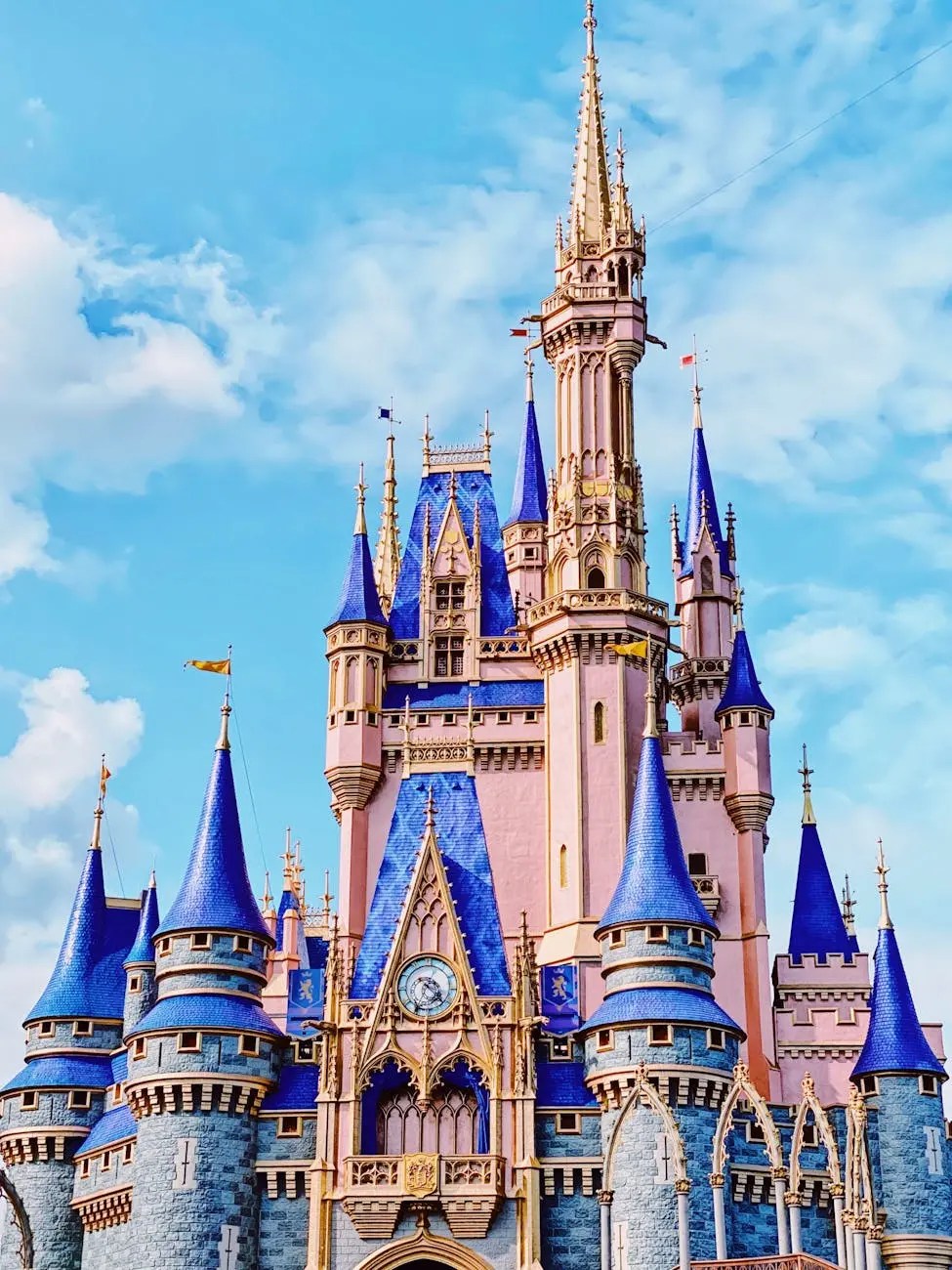
A close-up view of a fairytale castle with blue spires and golden accents against a blue sky.
Cinderella Castle at Walt Disney World: A fairytale landmark in Orlando, Florida. The breathtaking Cinderella Castle serves as the majestic centerpiece of Magic Kingdom Park in Walt Disney World, Florida.

Day 2: Nature, Neighborhoods & Nosh

  • Morning: Trade rollercoasters for kayaks. Drive about 45 minutes to Wekiwa Springs State Park. Rent a clear kayak (trust me, it’s worth it) and paddle the crystal-clear waters. If you’re lucky, you’ll spot turtles, otters, and maybe even a gentle manatee. It’s the absolute best antidote to yesterday’s sensory overload. Remember to book your kayak rental online in advance!
  • Afternoon: Refuel by diving into Orlando’s incredible food scene. Skip the chain restaurants and head to the Mills 50 District. This is the real cultural heart of the city. Grab a life-changing bowl of phở from Pho 88 or a delicious banh mì from Bánh Mì Nha Trang. You’ll feel like you’ve been teleported to Saigon.
  • Evening: Explore the charming, walkable neighborhood of Park Avenue in Winter Park. It’s all of Orlando’s elegance packed into a few blocks. Browse boutique shops, admire the oak-tree-canopied streets, and grab a glass of wine at a sidewalk café. It’s the perfect, relaxed evening.
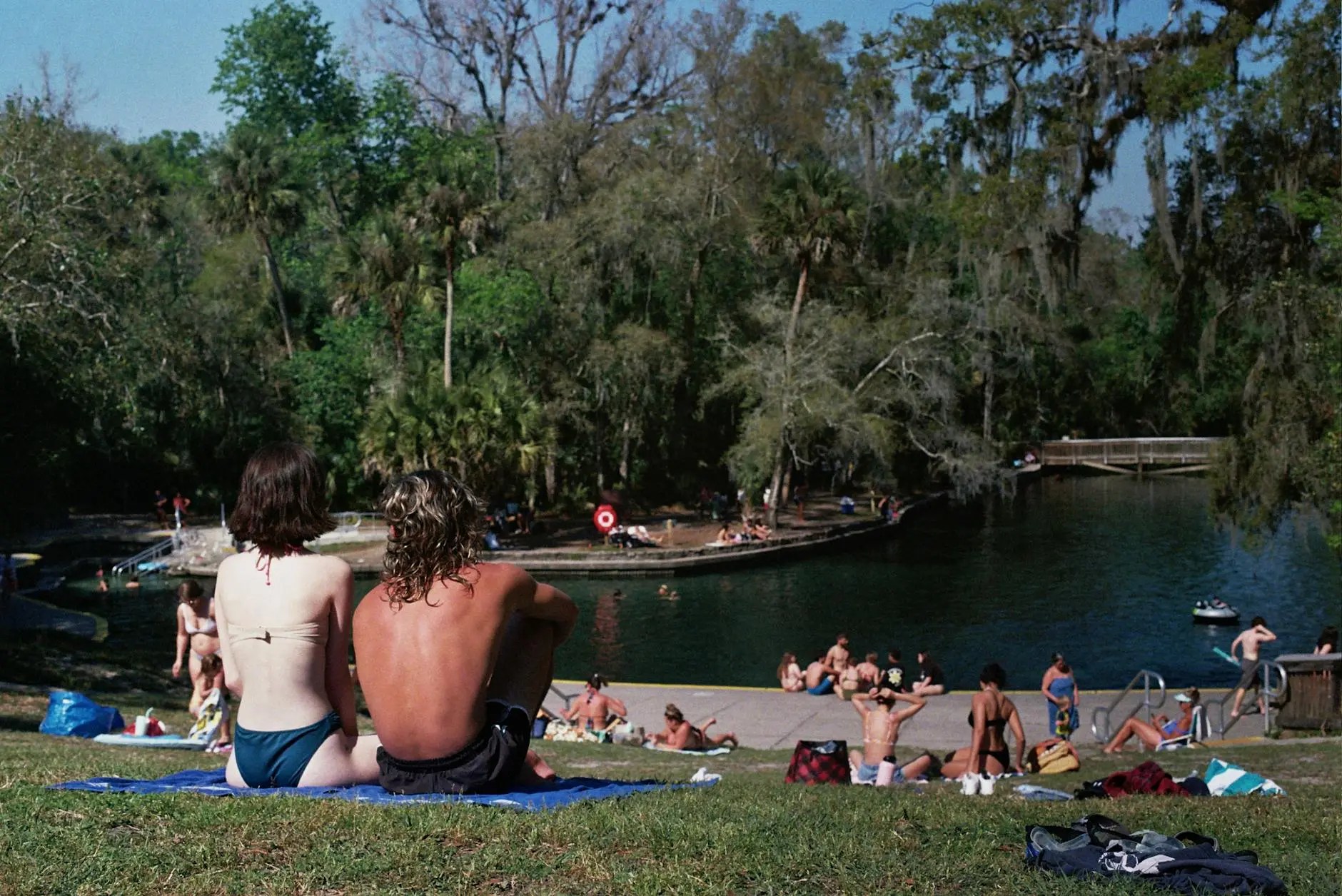
A couple sits on a blanket by a lake, enjoying a sunny day in Florida. In the background, people are swimming and relaxing, surrounded by lush greenery and trees.
Visitors enjoying a sunny day by the water at Wekiwa Springs State Park, a perfect escape in Orlando’s nature. Finding a moment of peace: a couple enjoys a sunny afternoon on the banks of the iconic Wekiwa Springs

Day 3: Culture, Shopping & Reluctant Goodbyes

  • Morning: Get a dose of culture at the Charles Hosmer Morse Museum, home of the world’s most comprehensive collection of Louis Comfort Tiffany glass. It’s stunning, air-conditioned, and a beautiful, quiet way to start the day.
  • Afternoon: Time for some retail therapy that doesn’t involve mouse-ear hats. The Orlando International Premium Outlets is a legitimately great outlet mall with huge savings on luxury and designer brands. Plot your route on the map beforehand to save time and shoe leather.
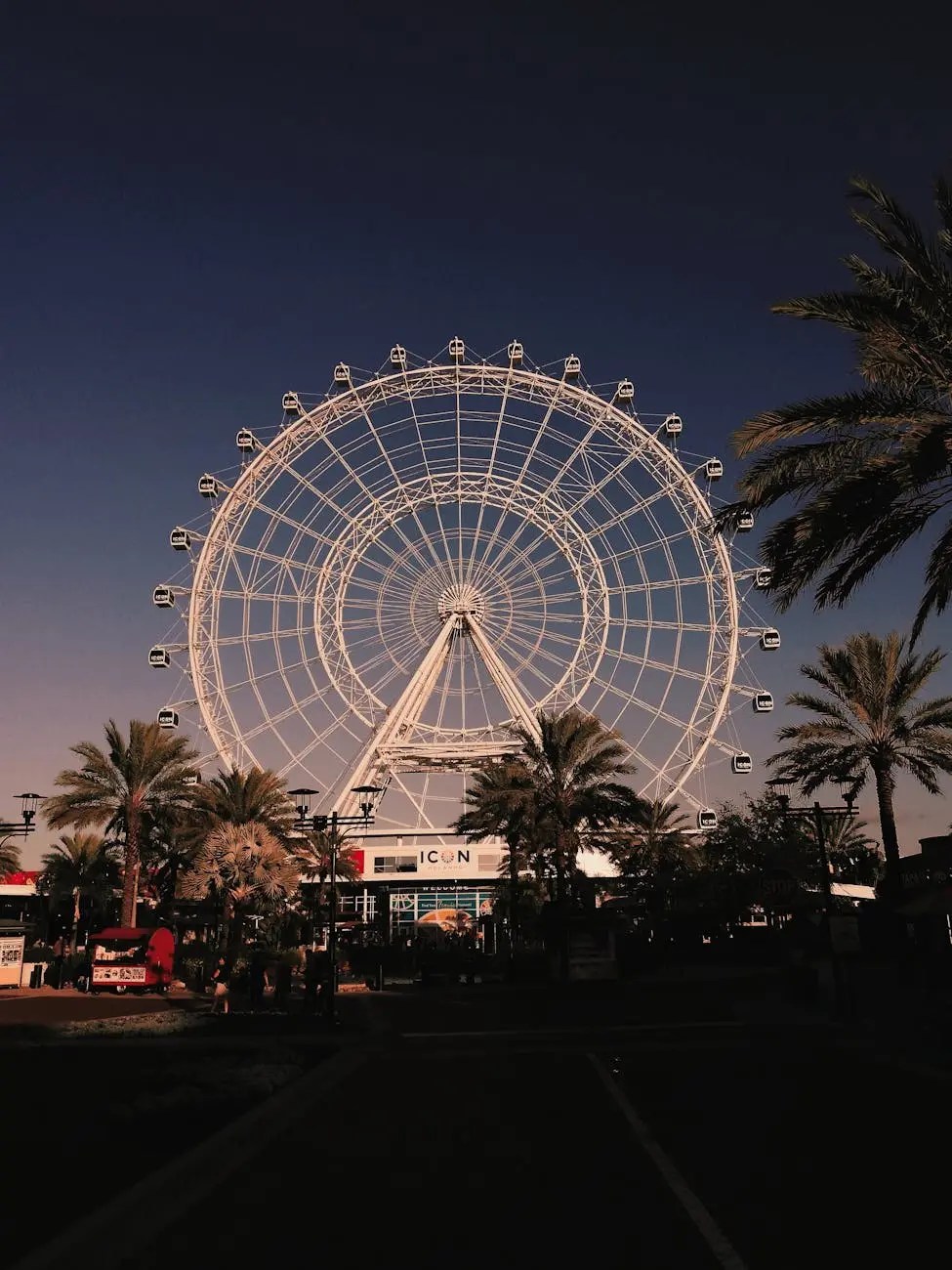
  • Evening: For your last supper, experience ICON Park on International Drive. Ride The Wheel for breathtaking views of the city lights, then choose from dozens of restaurants. It’s a fantastic way to say goodbye to Orlando’s sparkling skyline
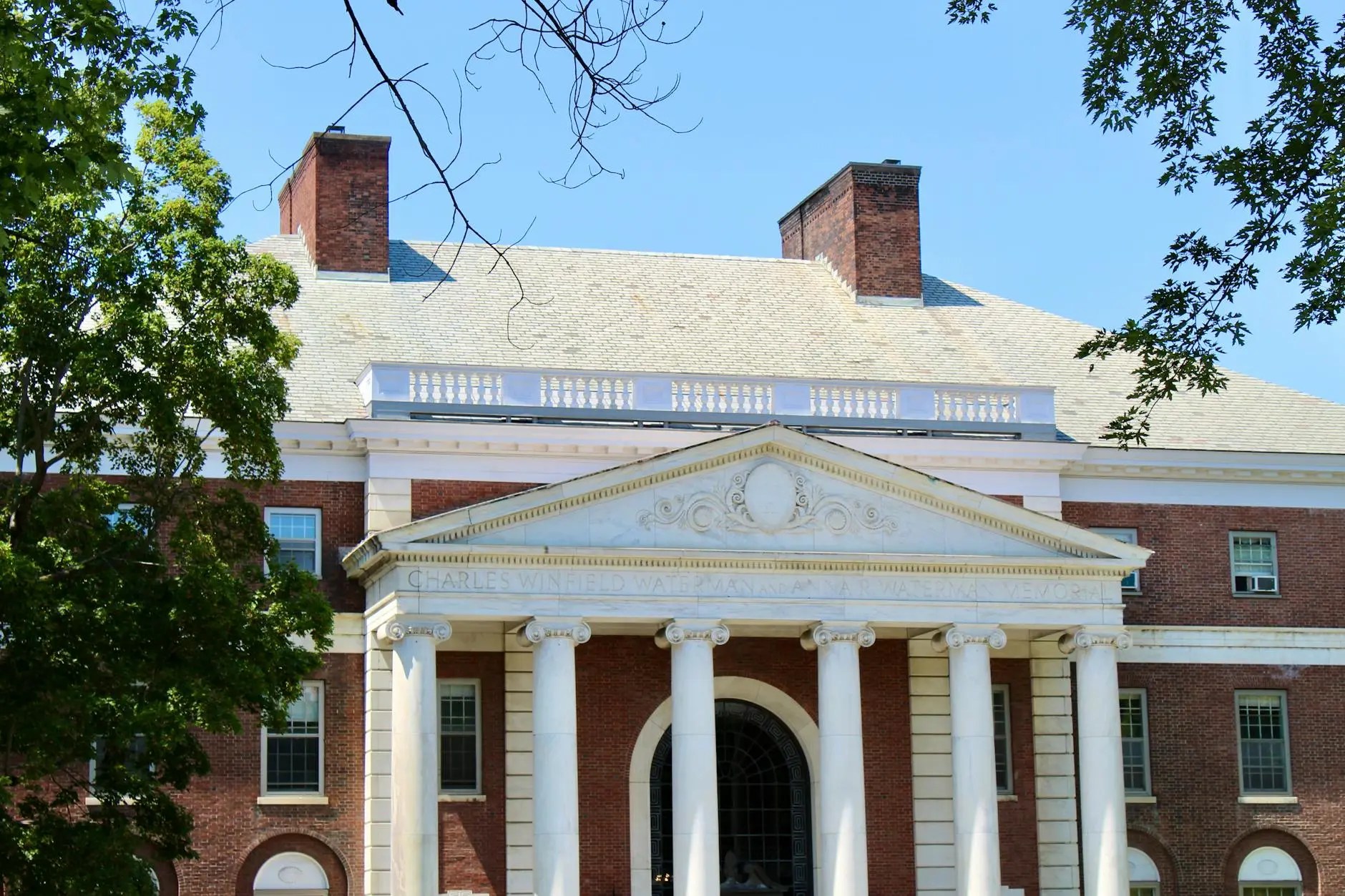
Facade of a historic building featuring grand columns and intricate architectural details, surrounded by green trees against a clear blue sky.
The Charles Hosmer Morse Museum, known for its stunning collection of Louis Comfort Tiffany glass. The elegant entrance to The Charles Hosmer Morse Museum, home to the world’s most comprehensive collection of works by Louis Comfort Tiffany.
A large, illuminated observation wheel at ICON Park in Orlando, Florida, surrounded by palm trees against a twilight sky.
The ICON Orlando 360, a prominent observation wheel offering breathtaking views of the city, especially at dusk. The Wheel at ICON Park lights up the Orlando night, offering breathtaking 360-degree views of the city’s skyline from its climate-controlled capsules.

Getting Around Orlando: A Survival Guide

Let’s be real: Orlando is sprawling. Public transportation exists but isn’t always the most efficient for a tight weekend schedule.

  • Car (The King): Renting a car is, hands-down, the most flexible and time-efficient way to see everything on this itinerary. The roads are wide and well-signposted. Use Google Maps or Waze to avoid I-4 traffic during rush hour (which is, like, 6 AM to 8 PM, honestly). Pro Tip: Always check for validation at parking garages; many restaurants and shops in areas like Disney Springs or Winter Park will validate your ticket for free parking.
  • Save Gas: Use apps like GasBuddy to find the cheapest fuel nearby.
  • Rideshare (The Convenient Prince): Uber and Lyft are everywhere and are perfect for getting to and from dinners without worrying about parking.
  • Bus (The Budget Knight): Lynx buses cover the entire city and are very affordable. The I-Ride Trolley is a fantastic and cheap way to navigate the dense International Drive tourist corridor, saving you a fortune on parking.
  • SunRail Train: Perfect for commuters, but note—it doesn’t run on weekends (oh, the irony).
  • 🚗 Parking at theme parks costs a fortune, so consider shuttles from hotels instead.

Orlando on a Budget: Keeping the Magic, Not the Debt

  • Stay Slightly Off-Property: Hotels in Lake Buena Vista or on International Drive are often significantly cheaper than Disney or Universal resorts and are still very close.
  • Eat Like a Local: Your wallet and your taste buds will thank you. Mills 50 and the East Colonial Drive corridor are packed with fantastic, affordable ethnic restaurants.
  • Free Fun: People-watching at Disney Springs, window-shopping on Park Avenue, and exploring the lush campus of Rollins College are all completely free activities.
  • Pack Smart: A reusable water bottle, sunscreen, and ponchos (for those classic Florida afternoon showers) will save you from paying insane park prices.

Hidden Gems: Where Locals Actually Go

  • The Courtesy Bar: A speakeasy-style cocktail bar downtown with no sign. You have to text a number for the door code. The drinks are works of art.
  • East End Market: A food hall in the Audubon Park Garden District featuring local artisans, butchers, bakers, and an incredible ramen shop.
  • Leu Gardens: 50 acres of breathtaking botanical beauty. It’s a peaceful, romantic escape from the city’s buzz.

Essential Orlando Know-Before-You-Go

  • Visa Info: Most international travelers will need an ESTA (if from a Visa Waiver Program country) or a B-2 Tourist Visa. Check the official U.S. Department of State website for the most current requirements and costs, as they vary by nationality.
  • A Few Local Words:
    • “I-4”: The main interstate. You will hate it and complain about it. It’s a rite of passage.
    • “The Florida Left”: Often means a U-turn and then a right turn to avoid a traffic light.
    • “Sunshine”: The reason we all put up with the traffic.
  • Stay Connected & Secure: Orlando’s free Wi-Fi can be spotty. I never travel without my DrimSIM. It’s a genius universal SIM card that works in 190+ countries. Pop it in, top up via the app, and you’re online instantly—no hunting for a local store or dealing with insane roaming bills. For secure browsing on public networks, I always have my NordVPN on. It’s essential for protecting your data, especially when you’re booking last-minute tickets or checking your bank account on the go.
  • Capture It All: The lights of the parks, the glow of the springs, the vibrant food… you’ll want a good camera. I swear by my Sony Alpha for capturing those crystal-clear memories without carrying a giant DSLR.

✈️ Travel Isn’t Always Perfect…
Let’s talk real life. Flights get delayed. Bags get lost. It’s a hassle. But did you know that if your flight is significantly delayed, canceled, or you’re denied boarding, you could be entitled to up to $650 in compensation? Most people don’t claim it, but companies like AirHelp will handle all the paperwork and fight the airlines for you. They only get paid if you win. I’ve used them before after a nightmare delay from Paris, and it was a surprisingly smooth process. It’s always worth a quick check.

Frequently Asked Questions (FAQ)

Q: What is the best time of year to visit Orlando?
A: The sweet spots are January-February and September-November. You’ll avoid the brutal summer heat and the largest summer crowds. Avoid major holidays like Spring Break and Christmas if you dislike peak prices and wait times.

Q: Is two days enough for Disney World?
A: To see all four parks? Not even close. For a weekend trip, I highly recommend picking one park to fully enjoy rather than trying to “park hop” and spending half your day in transit.

Q: Do I need to rent a car?
A: For the itinerary above, which includes Wekiwa Springs, yes, a rental car is highly recommended for maximum flexibility and time-saving. If you plan to only stay on International Drive and use theme park shuttles, you could manage with rideshares and the I-Ride Trolley.

Q: What should I pack for Orlando?
A: Comfortable walking shoes are non-negotiable. Also pack: light clothing, a swimsuit, a rain jacket or poncho, sunscreen, a hat, and a portable phone charger. The weather can change in an instant.

Q: Are there any good beaches nearby?
A: Yes! The Atlantic Coast (Cocoa Beach, about an hour east) and the Gulf Coast (Clearwater Beach, about 2 hours west) are both doable as a day trip if you’re craving some ocean time.

Q: How many parks can I realistically visit in two days?
A: Two max. Don’t overstuff your schedule, or you’ll need a vacation after your vacation.

Q: Is Orlando expensive?
A: It can be—but planning ahead (off-season travel, online tickets, public transport) saves a lot.

Built the Perfect USA Weekend Trip Collection

If you’re building a collection of ultimate American weekend getaways, you’re in the right place! This Orlando guide is part of my series on how to conquer a city in just a few days. Be sure to check out my other guides to plan your next adventure:

Now, back to the sunshine state!

Final Thoughts + Next Adventure

Orlando is proof that you can fit a week’s worth of fun into just two days—theme parks, hidden gems, and sunny strolls. Whether you’re here for Mickey, Marvel, or margaritas, you’ll leave with stories (and probably sore feet).

✨ Orlando isn’t just a city — it’s an adventure playground. Now, when are you booking your trip?


Ready to Build Your Own Orlando Adventure?

The magic of Orlando is waiting, and it’s so much more than you imagine. From the adrenaline-pumping rides to the serene springs and incredible food, a weekend here is a guaranteed adventure.

I’ve found that bundling my flight and hotel on Expedia often saves me time and money, leaving more in the budget for those extra butterbeers or a fancy dinner. Start planning your perfect Orlando escape today!

What’s your favorite hidden spot in Orlando? Share your tips in the comments below!

Universal Disclaimer/Disclosure Page: