Ultimate Dubrovnik Weekend Guide: Tips & Must-Sees

Meta Description: Dreaming of a weekend in Dubrovnik? Our ultimate guide unlocks the Pearl of the Adriatic! Get expert tips on saving money, avoiding crowds, and discovering hidden gems. Includes ferry info, essential Croatian phrases, and a smart 3-day itinerary for the perfect Croatian escape.

Table of Contents

  1. Introduction: Why Dubrovnik Is the Pearl of the Adriatic
  2. When to Go: Timing Your Weekend Escape
  3. Getting There
    • By Air
    • By Bus / Road
    • Getting There by Ferry
  4. Where to Stay: Neighborhoods & Accommodations
  5. Getting Around Dubrovnik
    • Public Transport (Buses)
    • Cable Car to Mount Srđ
    • Water Transport: Ferries & Boats
  6. What to See & Do
    • Walk the City Walls
    • Old Town Highlights
    • Lokrum Island
    • Nearby Day Trips & Hidden Gems
  7. Food, Drink & Local Culture
  8. Money-Saving Tips & Travel Hacks
  9. Staying Connected & Travel Essentials
  10. Sample 2-Day Itinerary
  11. Words & Phrases That Will Come in Handy
  12. FAQ
  13. Final Thoughts & Call-to-Action

Introduction: Why Dubrovnik Is the Pearl of the Adriatic

If you’ve only got a weekend, Dubrovnik is the kind of place that makes every minute count — medieval city walls, sapphire sea, terracotta rooftops, and enough charm to make you forget you even have to go home. Known as the “Pearl of the Adriatic,” this Croatian gem is perfect for travelers craving history, natural beauty, and a splash of Game of Thrones magic (yes, those walls really are that photogenic).

Ah, Dubrovnik. The “Pearl of the Adriatic.” A place whose beauty is so staggering it almost feels unfair to other cities. You’ve seen its terracotta rooftops and imposing walls in Game of Thrones, but let me tell you, seeing it in person is a whole different level of epic.

I once made the classic rookie mistake of arriving in mid-July at noon. The cruise ships had disembarked, and the Stradun (the main street) was a river of sun-hats and selfie sticks. It was less “King’s Landing” and more “Times Square in the Sun.” But fear not! I’ve since learned the secrets to mastering Dubrovnik, and I’m here to ensure your weekend escape is nothing short of magical, without the logistical nightmares.

A Quick Note: For a treasure trove of all my travel guides, packing lists, and budget hacks, my one-stop-shop is right here: The Travel Master List.

Getting There

By Air

Dubrovnik has a decent airport (DBV), but depending on where you’re coming from, you may have to connect through European hubs like Vienna, Frankfurt, or London.

 Dubrovnik Airport (DBV) is about a 30-minute drive from the Old City. The most budget-friendly way to get from the airport to the city center is by the Croatia Airlines airport shuttle bus, which drops you at the main bus station. From there, it’s a short local bus ride or a scenic 15-minute walk to the Pile Gate. Taxis are available but will cost you a pretty Kuna.

Flights to Dubrovnik

By Bus / Road

If you’re already in Croatia, consider taking a long-distance bus. Dubrovnik’s Gruž Bus Terminal is well connected to other cities.
Driving into Dubrovnik can be stressful — traffic jams are common, and once you arrive, parking is limited, especially in the Old Town.
Also, worth noting: thanks to the Pelješac Bridge, some routes avoid crossing through Bosnia and Herzegovina.
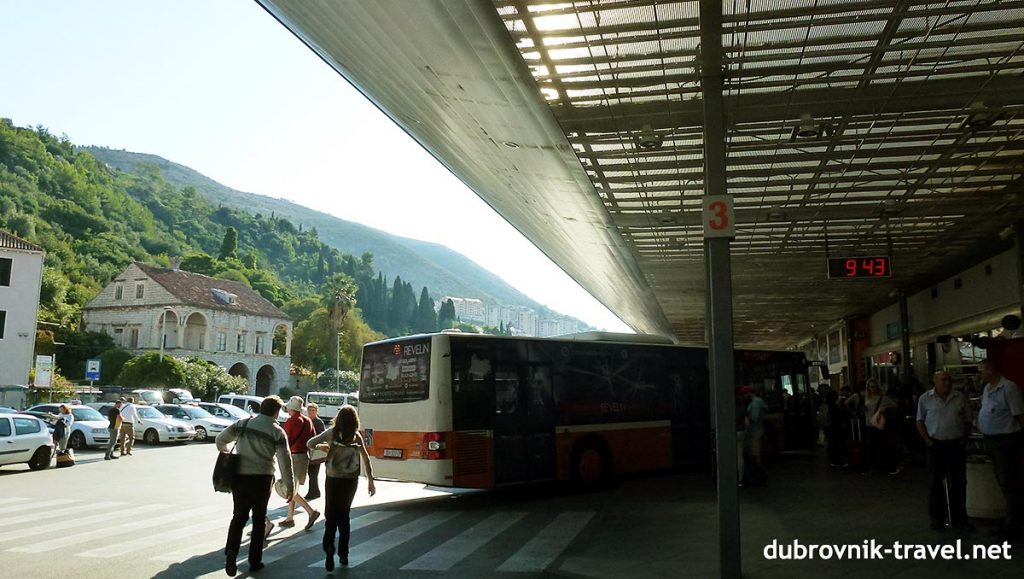
A bustling bus terminal in Dubrovnik, Croatia, with travelers walking towards buses. The background features green hills and parked cars, while a digital clock displays the time.
The Gruž Bus Terminal in Dubrovnik, a key transport hub for visitors arriving by road.

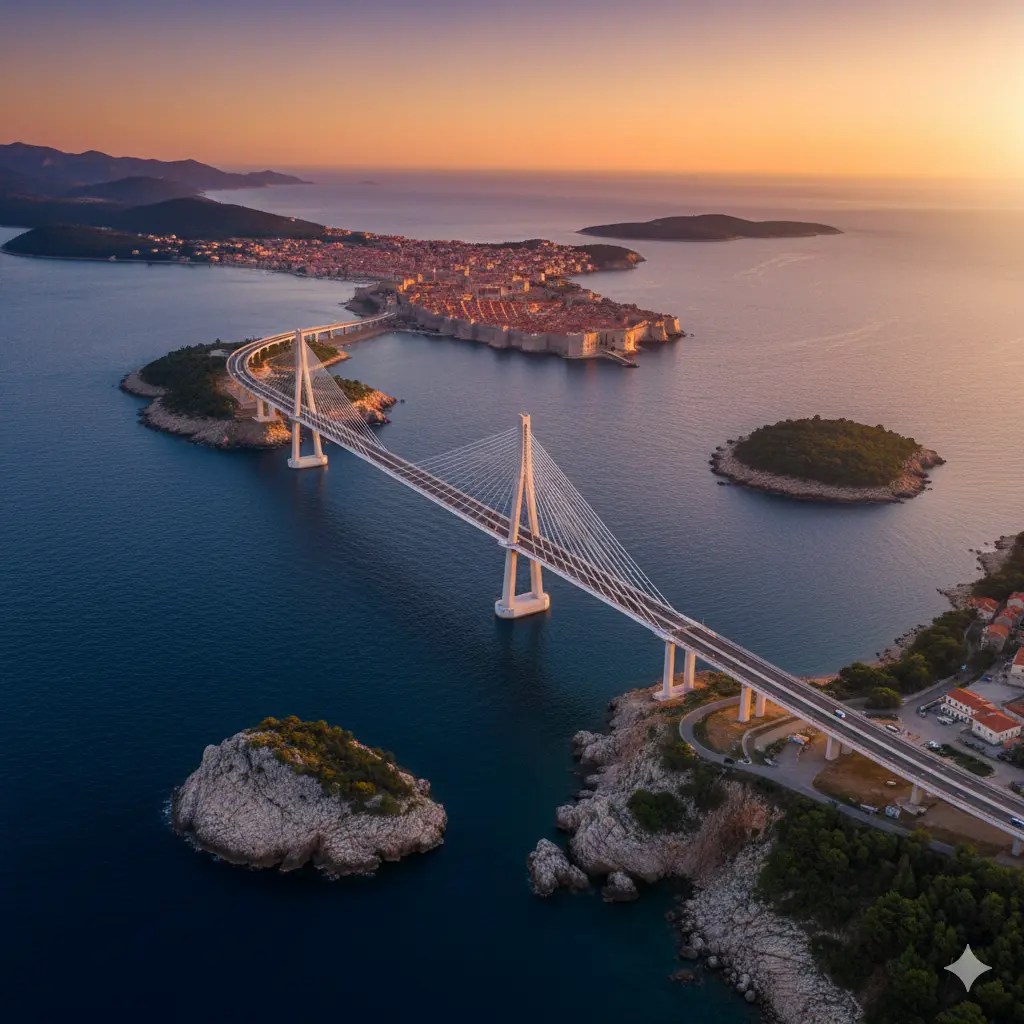
A picturesque view of the Pelješac Bridge spanning over the shimmering Adriatic Sea, connecting the mainland to the city of Dubrovnik, with the city skyline and surrounding islands visible in the background at sunset.
Aerial view of the Pelješac Bridge connecting to Dubrovnik, showcasing the stunning coastal landscape at sunset. Aerial view of the modern Pelješac Bridge stretching over the blue Adriatic Sea, connecting the Croatian mainland to the Pelješac peninsula near Dubrovnik.

By Car: Driving the Dalmatian Coast is an experience in itself! The views are breathtaking. However, a heads-up: parking in and around the Old City is notoriously difficult and expensive. Your best bet is to book a hotel with parking or use a large public parking lot like the one at the Port of Gruž.

Getting There by Ferry

Okay, here’s a little twist in the tale: while Dubrovnik itself doesn’t have a ferry route from Athens or Santorini, it’s a big mistake to confuse it with Greek island ferry links. But if you’re doing a multi-leg trip (say, Greece → Croatia), you might be using Direct Ferries for your Greek leg (Athens–Santorini) and then flying or driving onward to Dubrovnik.

  • For your Greece portion, use Direct Ferries to book routes like Athens ↔ Santorini.
  • To reach Dubrovnik, rely on flights, buses, or local ferries once you’re in Croatia — Jadrolinija operates ferries from the Gruž harbor for nearby islands like Lokrum and the Elaphiti islands.

Where to Stay: Neighborhoods & Accommodations

  • Old Town: Iconic, walkable, absolutely breathtaking—but yes, expensive.
  • Lapad & Babin Kuk: More residential, quieter, and great for beach access or boat rides.
  • Gruž: Near the port, which is handy if you’re planning ferry day trips.

Depending on your budget and travel style, you could use Expedia to find a great deal on hotels, apartments, or boutique stays. (Here’s my favorite link: [Book on Expedia]

Getting Around Dubrovnik

Public Transport (Buses)

Dubrovnik’s bus system, run by Libertas, is reliable and affordable.

  • Tickets: You can buy them from kiosks (cheaper) or on the bus.
  • Consider the Dubrovnik Card if you’re planning to do a lot — it includes bus rides + entry to many attractions like free entrances to the city walls, museums and galleries of Dubrovnik 
  • Avoid driving in Old Town — the roads are narrow, parking is limited, and traffic is a headache.

Cable Car to Mount Srđ

One of my favorite moments in Dubrovnik was riding the cable car up to Mount Srđ. The view from the top? Absolutely unforgettable.

  • The ride takes just a few minutes. ItiMaker
  • At the top, there’s a restaurant, a viewpoint, and a small museum.
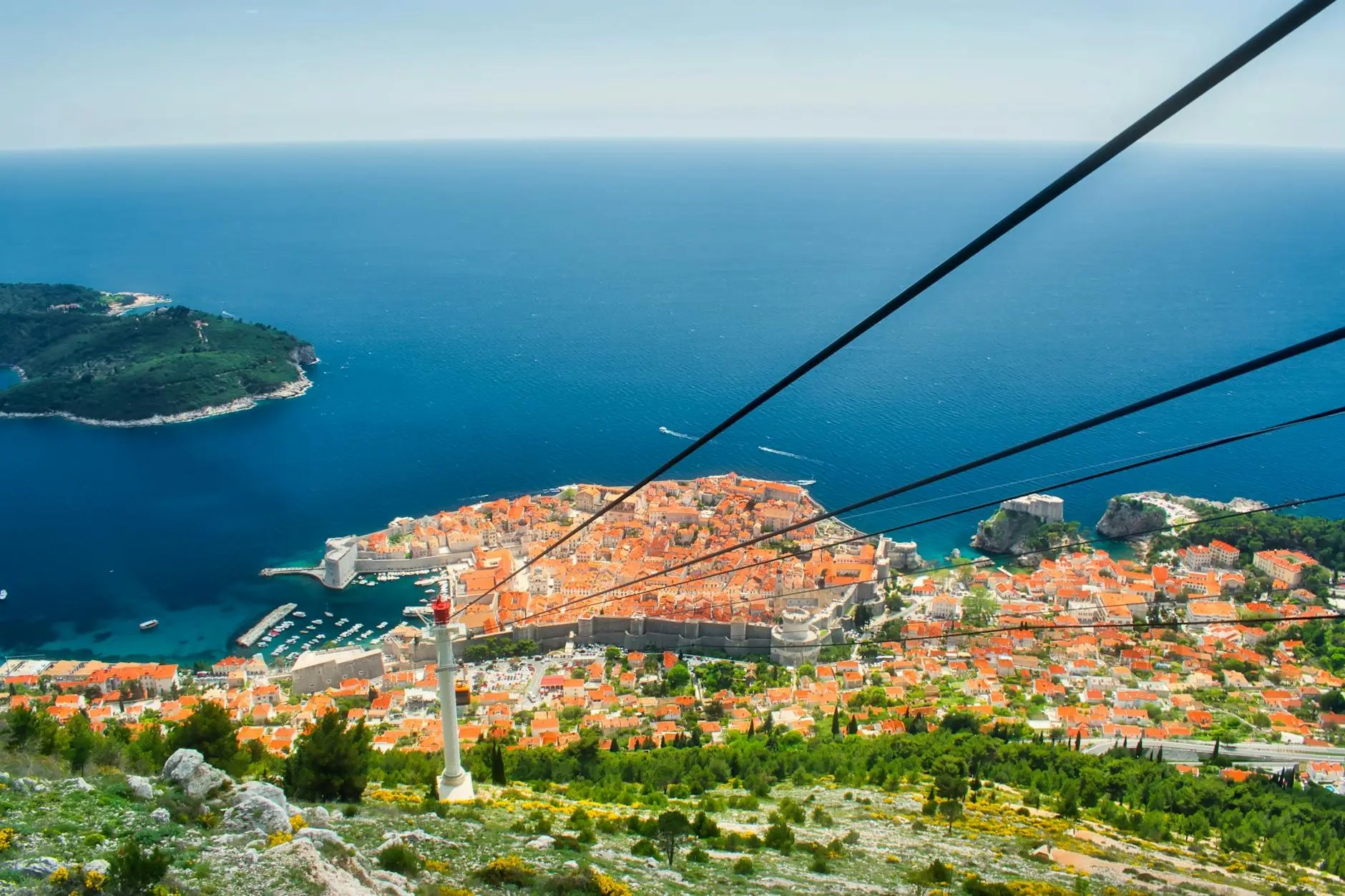
Aerial view of Dubrovnik with its terracotta rooftops and fortified walls overlooking the Adriatic Sea, seen from the cable car at Mount Srđ.
A panoramic view of Dubrovnik from Mount Srđ, showcasing the iconic terracotta rooftops and the shimmering Adriatic Sea. This is the iconic view that steals every traveler’s heart. Gazing down from Mount Srđ, you can see why Dubrovnik earned its nickname. The magnificent ancient walls encircle a maze of terracotta rooftops, all set against the impossible blue of the Adriatic Sea. No filter needed.

Water Transport: Ferries & Boats

  • For Lokrum Island: There’s a dedicated ferry from the Old Town harbor, and the fare is often included in the island admission.
  • For the Elaphiti Islands (Šipan, Lopud, Koločep): Jadrolinija runs frequent ferries from Gruž port.
  • Private taxi boats are also available — more expensive, but super scenic and avoid road traffic. Lonely Planet
A scenic view of Dubrovnik's coastline featuring medieval city walls, a rocky shoreline, and a wooden sailing ship navigating the calm blue waters near a lush green island.
A scenic view of Dubrovnik’s coastline featuring medieval walls and a boat sailing near Lokrum Island, highlighting the beauty of the Pearl of the Adriatic. A view from another time: The historic walls of Dubrovnik stand guard over the Adriatic Sea, with the serene Lokrum Island and a traditional wooden gajeta boat completing the perfect Dalmatian scene.

Day 1: Walls, Walks, and Wow Moments

  • Morning (8:30 AM): Be at the City Walls the second they open. I cannot stress this enough. This is your single most important crowd-avoidance tactic. The morning light is golden, the temperatures are bearable, and you’ll get those postcard-perfect photos without 50 strangers in them. Trust me, it’s worth the early wake-up call. The views of the shimmering Adriatic and the Old City are simply unparalleled. I captured my best shots here with my trusty Sony Alpha a7 III – the dynamic range is perfect for the high-contrast scenes.
  • Afternoon (1:00 PM): After descending, lose yourself in the labyrinthine side streets. Get deliberately lost. The main Stradun is beautiful, but the real magic is in the narrow, steep staircases where laundry hangs between stone buildings. For lunch, skip the tourist traps on the main drag. Duck into a konoba (a traditional tavern) in a side alley for authentic Dalmatian dishes like crni rižot (black risotto with cuttlefish).
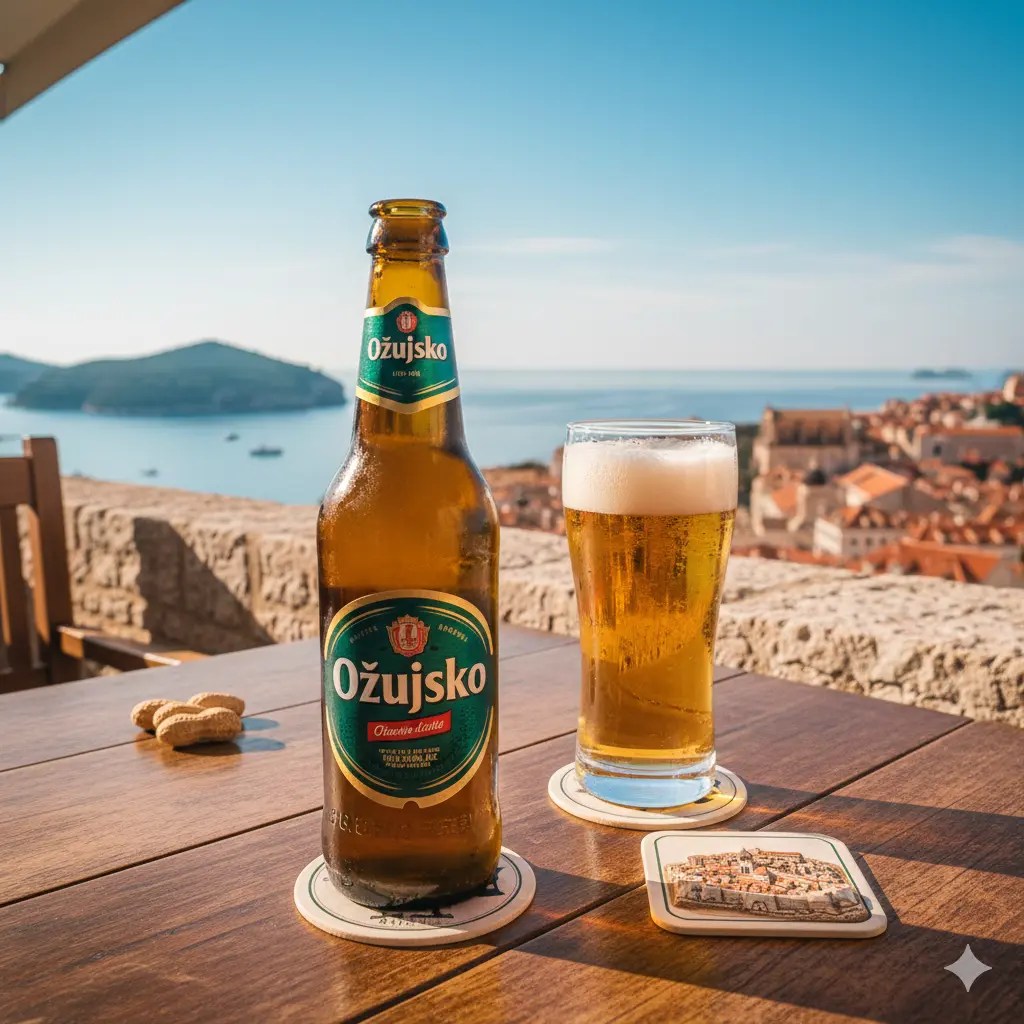
  • Evening: Witness the sunset from the Buža Bar. This is a legendary “hole-in-the-wall” bar (literally) carved into the cliffs outside the city walls. Sipping a cold Ozujsko beer while watching the sun dip below the horizon is a quintessential Dubrovnik experience. It’s popular, so go early to snag a good rock!
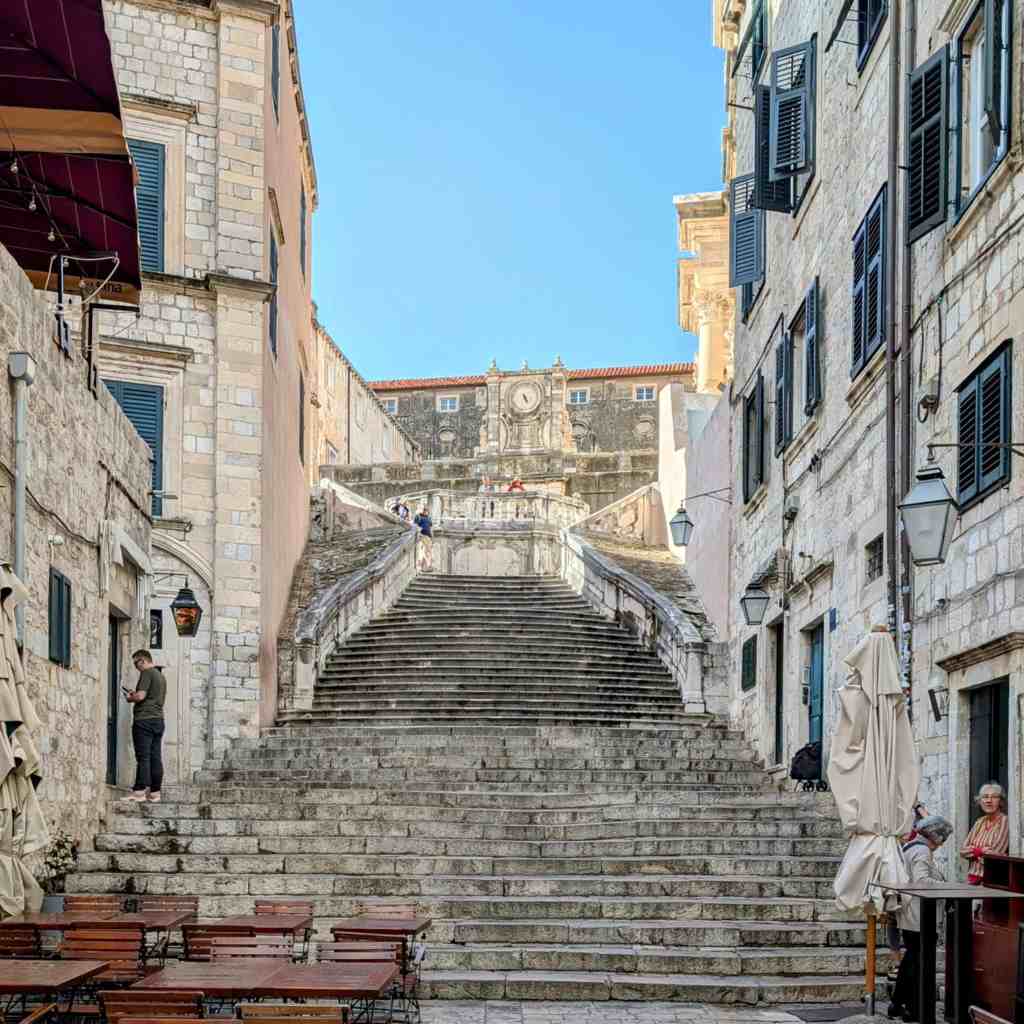
A view of a historic staircase in Dubrovnik, flanked by stone buildings and decorative lanterns, leading toward a clock tower in the background.
Explore the stunning stairway leading to the historic Clock Tower in Dubrovnik’s Old Town, a must-see during your Croatian getaway.
A bottle and a glass of Ožujsko beer on a table with a scenic view of the coastline and historic rooftops of Dubrovnik in the background.
Enjoying an Ožujsko beer with stunning views of Dubrovnik’s rooftops and the Adriatic Sea. Nothing says “I’m on vacation in Dubrovnik” like a cold, condensation-beaded Ozujsko beer at a sun-drenched cafe table. This is the essential refreshment after conquering the City Walls. Živjeli! (That’s “Cheers!” – you’ll be using it a lot).

 Island Escapes & Sunset Secrets

  • Morning: Time for an island hop! Take a local ferry from the Old Port to Lokrum Island. It’s a 15-minute ride to a world of botanical gardens, peacocks strutting around ancient monastery ruins, and a deadly beautiful saltwater lake called the “Dead Sea.” Pack a swimsuit and a picnic.
  • Afternoon: Head back and take a local bus to the Port of Gruž. This is where the locals are, and the vibe is completely different. Grab a coffee at a waterfront cafe and watch the boats come and go.
  • Evening: For a sunset to remember, take the cable car up to Mount Srđ. The panoramic view of the entire city and the Elaphiti Islands is mind-blowing. Pro-Tip: If the cable car is too pricey or crowded, you can hike up (strenuous) or take a taxi. At the top, have a drink at the bar instead of a full meal at the restaurant to save some money.
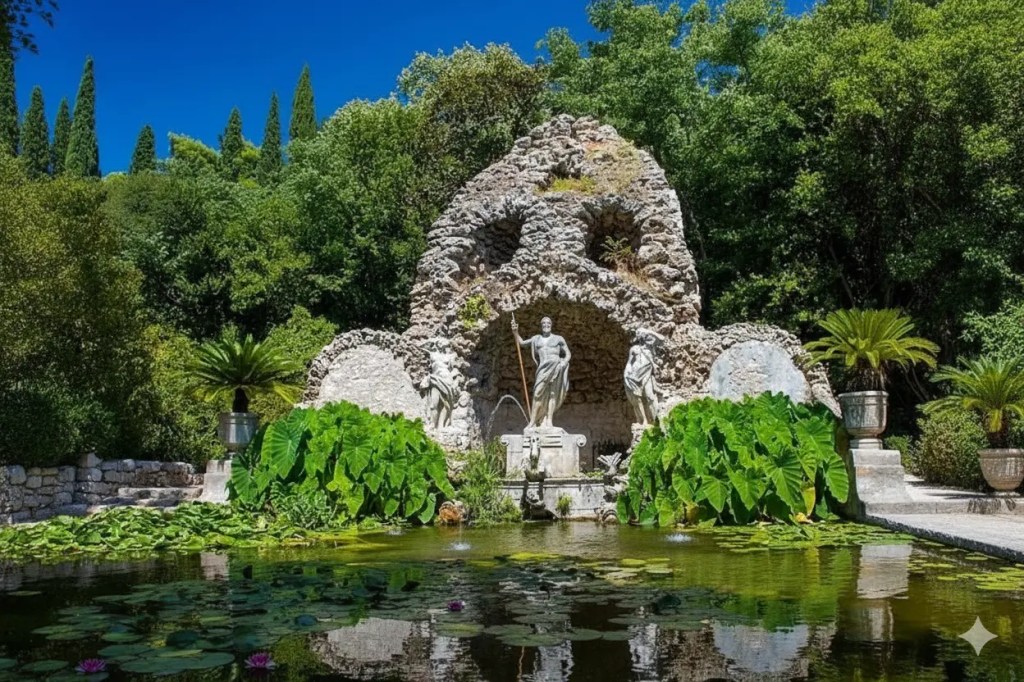
A scenic view of a fountain in a garden featuring a rock structure with statues surrounded by lush greenery and aquatic plants.
Beautiful botanical garden featuring classical sculptures and vibrant greenery in Dubrovnik. Trading the city’s marble streets for the lush, shaded pathways of Lokrum Island’s botanical gardens. Founded in 1959, this peaceful oasis is a tapestry of exotic plants, fragrant pines, and quiet history—all just a 15-minute ferry ride from the Dubrovnik walls.
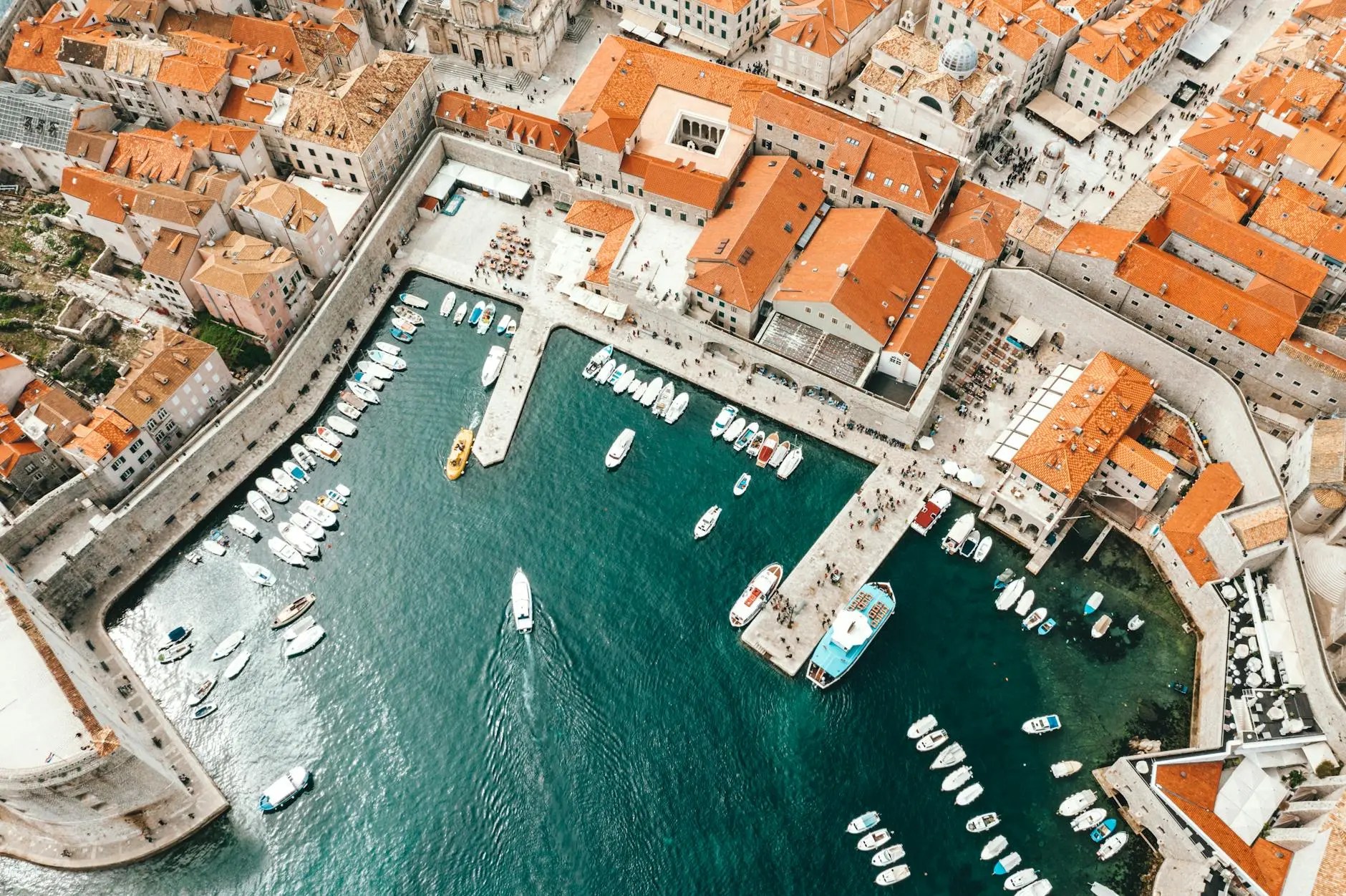
Aerial view of Dubrovnik's old town featuring terracotta rooftops, city walls, and a bustling harbor with various boats docked.
Aerial view of Dubrovnik’s harbor showcasing the iconic terracotta rooftops and intricate waterways, perfect for a magical Croatian getaway. From above, the harmony of Dubrovnik’s defense and trade is stunningly clear. The historic Old Port, once the vital lifeline of the Republic of Ragusa, is cradled by the mighty city walls, with traditional gajete boats dotting the impossibly clear water. This is where the stone city meets the sea.

A scenic cable car gondola traveling above the hills of Dubrovnik, with panoramic views of the coastline and the Old Town in the background under a partly cloudy sky.
A scenic cable car ride offers stunning views of Dubrovnik and the Adriatic Sea, a must-try experience while exploring the Pearl of the Adriatic.

 Local Life & Lasting Memories

  • Morning: Visit the Rector’s Palace to get your history fix, then make your way to the Old Port. Instead of an expensive tour, just wander and admire the beautiful wooden boats, the gajeta.
  • Afternoon: For your final swim, avoid the main Banje Beach. Walk east from the Old Port along the path for about 10-15 minutes. You’ll find secluded rocks and ladders into the crystal-clear sea, perfect for a peaceful, crowd-free dip.
  • Evening: Enjoy one last incredible dinner. I highly recommend booking a table at a restaurant in the Lapad area for a more local, less touristy atmosphere.
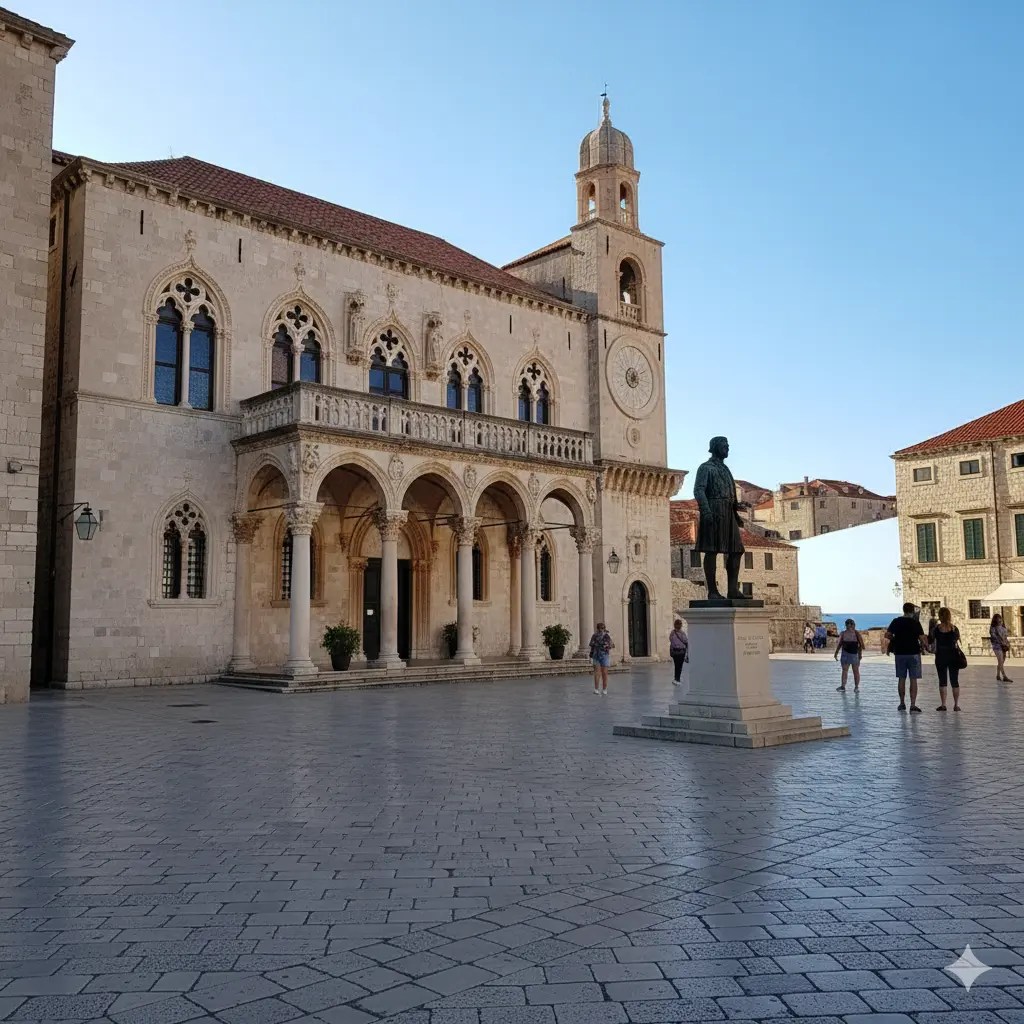
A view of a historic building in Dubrovnik with a clock tower, featuring ornate architecture and a statue in the foreground, set against a clear blue sky.
The historic Rector’s Palace in Dubrovnik, a stunning example of Gothic-Renaissance architecture, featuring a statue in the forefront. Stepping into the Rector’s Palace courtyard feels like walking onto a Game of Thrones set—because you are! This stunning blend of Gothic and Renaissance architecture was the seat of the Republic of Ragusa’s government, and today, it’s where you can almost hear the whispers of the powerful rectors who once ruled here.
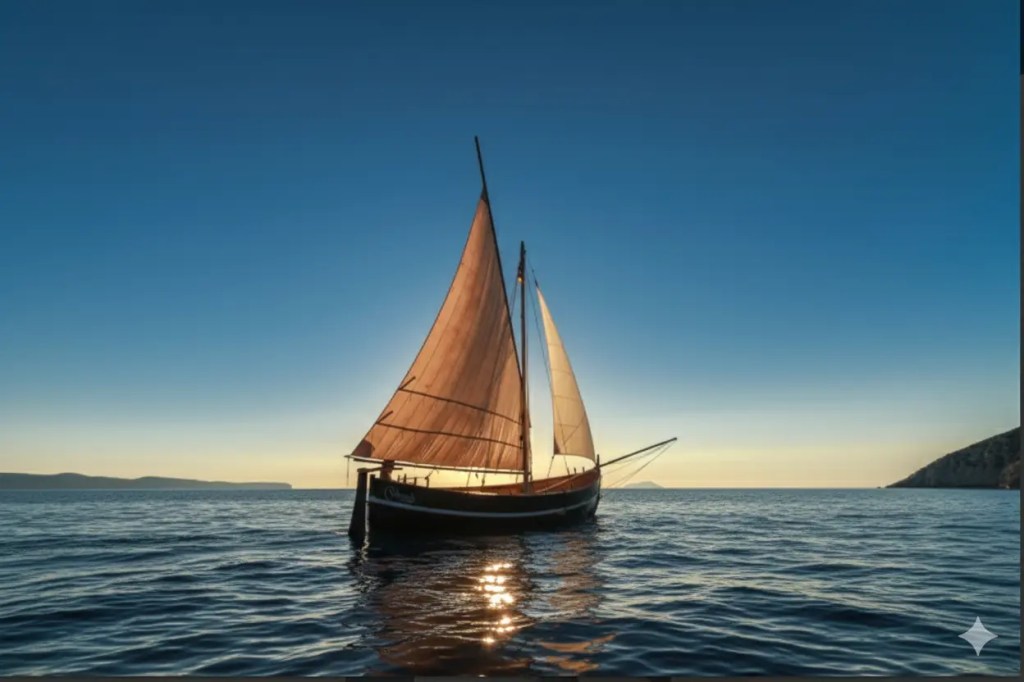
A wooden sailboat with its sails raised gliding across calm waters under a clear blue sky.
A picturesque sailboat gliding through the calm waters of the Adriatic Sea at sunset, encapsulating the magic of a Croatian escape. A traditional wooden Dalmatian *gajeta* fishing boat with a red sail, moored in the clear turquoise waters of Dubrovnik’s Old Port with the historic city walls in the background.

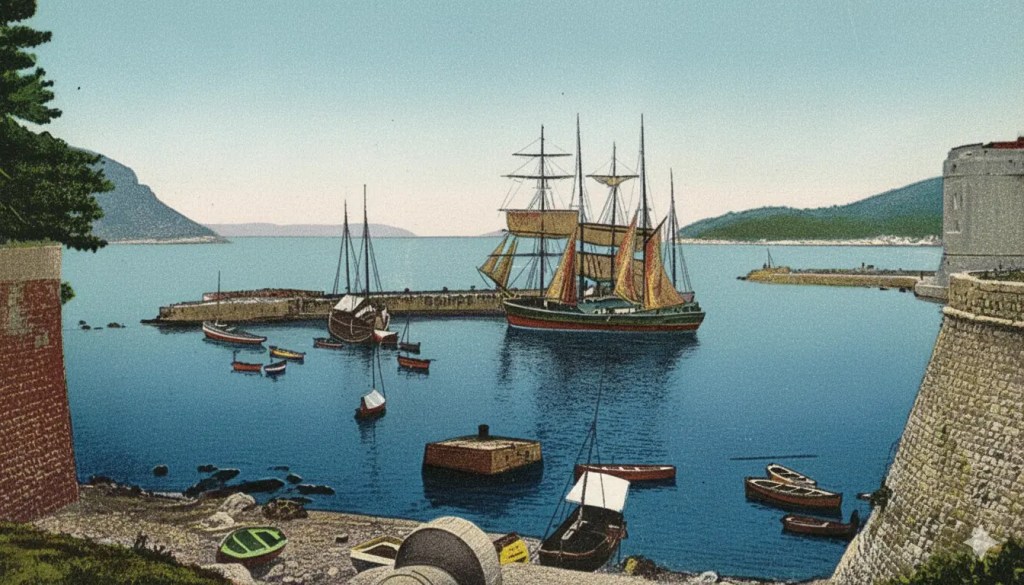
A vintage postcard-style illustration of a coastal harbor featuring a large sailing ship and several smaller boats anchored in calm blue waters, surrounded by green hills and a stone fortress.
A vintage view of a serene harbor in Dubrovnik, featuring a large sailing ship and small boats against a backdrop of coastal hills. This is the Old Port (Gradska Luka), the ancient maritime heart of the Republic of Ragusa. For centuries, these calm, sheltered waters welcomed trading galleys and naval ships. Today, it’s where you’ll find traditional gajeta boats ready to take you on an Adriatic adventure, all under the watchful eye of the Bokar and Revelin Fortresses.

What to See & Do

Here’s how to make the most of your weekend:

  • Walk the City Walls: This is a must. The walls give you stellar views over the Old Town and the Adriatic.
  • Old Town Highlights: Visit Rector’s Palace, stroll through the narrow streets, and soak in the medieval architecture.
  • Mount Srđ: As mentioned — take the cable car for sunset views.
  • Lokrum Island: Perfect for a half-day escape; there are botanical gardens, a salt lake, and ancient ruins.
  • Hidden Gem – Cavtat: Only about 25 minutes by boat, Cavtat is a peaceful town with beautiful waterfront restaurants. littlewanderblog.com  A charming, laid-back town a short bus ride south of Dubrovnik. It’s like Dubrovnik without the crowds, with a beautiful waterfront promenade.
  • Pasjača Beach: If you’re up for a bit of a drive (or day trip), check out this hidden sand-and-gravel beach ~30 km from Dubrovnik.

Food, Drink & Local Culture

  • Try local seafood — grilled fish, black risotto, and fresh oysters if you can.
  • Sit at a café in the Old Town and watch the world (and cruise ships) go by.
  • For a more local vibe, head into neighborhoods like Lapad for family-run konobas (taverns).
  • At night, sip a cocktail on the walls or at a tucked-away bar — it feels like stepping into another era.

Dubrovnik on a Budget: Money-Saving Hacks

  • Get a Dubrovnik pass: This is a no-brainer. It includes your entry to the City Walls (which alone is almost the price of the card), public bus transport, and entry to several museums. You’ll save a bundle.
  • Eat & Drink Away from the Stradun: A coffee on the Stradun can cost triple what it does two streets back.
  • Use Public Transport: The local Libertas bus system is efficient and cheap. Buy tickets from a kiosk or newsstand before boarding.
  • Stay in Lapad or Babin Kuk: Accommodation here is more affordable than in the Old City, and the areas are beautiful, with great beaches and restaurants. They’re just a short, cheap bus ride away.
  • Book Smart: I always start my travel planning on Expedia. Bundling flights and hotels can lead to some serious savings, and their rewards program is pretty sweet.

Essential Croatian for Travellers

Don’t worry, English is widely spoken, but a little effort goes a long way!

  • Hvala (HVAH-lah) – Thank you. Use this one liberally!
  • Dobar dan (DOH-bar dan) – Good day.
  • Oprostite (oh-PRO-stee-teh) – Excuse me.
  • Gdje je…? (Gdyeh yeh…) – Where is…?
  • Račun, molim (RAH-choon, MO-leem) – The bill, please.
  • Živjeli! (ZHEE-vyeh-lee) – Cheers!

Hidden Gems: Escape the Crowds

  • The War Photo Limited Museum: A powerful and sobering look at the Balkan conflicts of the 1990s. It provides crucial context to the city you’re walking through and is a must-visit for understanding modern Dubrovnik.
  • Kayak to Betina Cave: Rent a kayak from the Old Port and paddle to this gorgeous, secluded sea cave on the nearby Lapad peninsula. It’s a fantastic adventure.

Staying Connected & Travel Essentials

Staying online while traveling can be a pain — roaming fees, sketchy SIM shops, hidden charges… but I’ve got a hack: I carry a Drimsim, a universal SIM card that works in over 190 countries without sneaky fees. You put it in, top up from the app, and boom — you’re connected no matter where your adventure takes you.

✈️ And if your flight gets delayed or canceled? Don’t sweat it. Tools like AirHelp can help you claim up to $650 in compensation. They handle everything for you (and only take a fee if you win).

Also, for safe and confident browsing (especially on public Wi-Fi in hostels or cafés), I always use NordVPN.
And don’t skip travel insurance — I use VisitorsCoverage to compare plans and pick one that fits my trip.

By the way, if you’re into capturing memories, check out this awesome travel camera gear: [My Camera Picks]

While you’re out there exploring and looking fabulous, don’t forget to take care of your skin! All that sun and sea air can take a toll. I keep my glow with K-beauty products from Lakinza. Use code Lalax10 at checkout for a sweet discount on your skincare haul. You’ll thank me later! 😉

If you’re already exploring this dreamy corner of Europe, you might want to extend your adventure beyond Dubrovnik’s old stone walls. Many travelers (including me!) love pairing Croatia with nearby gems like Venice, Italy’s floating masterpiece that’s just across the Adriatic and perfect for a romantic detour. If you prefer elegant cafés, classical music, and those “I feel cultured today” vibes, Vienna is a beautiful and well-connected stop before heading down to the coast. For something a little more youthful and budget-friendly, Budapest serves up thermal baths, river views, and some of the best nighttime energy in Central Europe. And if your heart is set on sunny Mediterranean adventures, island hopping from Athens makes a fantastic combo with Dubrovnik — especially if you’re dreaming of a Croatia + Greece getaway. Each destination adds its own flavor to a multi-city escape, and you can check out my full guides to help you plan the perfect route.

Frequently Asked Questions (FAQ)

Q: What is the best time to visit Dubrovnik?
A: The sweet spots are May-June and September-early October. The weather is perfect for exploring, the water is warm enough for swimming, and the cruise ship crowds are significantly thinner.

Q: Do I need a visa for Croatia?
A: Croatia is a member of the EU and the Schengen Area. If you are an EU citizen or from a visa-exempt country (like the US, Canada, UK, Australia), you do not need a visa for short stays. Always check the official government website for your nationality for the most current information.

Q: Is Dubrovnik walkable?
A: The Old City is extremely walkable, but be prepared for a lot of stairs! Comfortable shoes are non-negotiable. For areas outside the walls, the bus system is your best friend.

Is Dubrovnik safe for solo travelers?
A: Absolutely. It’s very walkable, well-patrolled, and public transport is reliable.

Q: Are there direct ferries from Dubrovnik to other Croatian islands?
A: Yes! From Gruž harbor, you can catch Jadrolinija ferries to islands like Lopud, Šipan, and Koločep.

Final Thoughts & Call-to-Action

There you have it — your ultimate weekend escape to Dubrovnik, Croatia. Whether you’re walking the walls, sipping wine on a cliff, or hopping a ferry to a nearby island, this city has magic around every corner.

If this guide helped you plan your trip, please book your stay or activities via my [Expedia affiliate link] — it helps support future blog content (and keeps me traveling). And if you snag your Drimsim, NordVPN, or travel insurance through my links, you’ll be geared up for a smoother, safer, more connected adventure.

Curious about nearby destinations or longer Croatia itineraries? Check out my [Travel Master List] on my blog. (Yes, I shamelessly plug it — but helpful, right?)

Happy travels — and I can’t wait to hear about your Dubrovnik weekend. Don’t forget to drop back and tell me what you loved most (or what surprised you!).

Universal Disclaimer/Disclosure Page:

Ultimate Weekend Guide to Reykjavik, Iceland

Meta Description:

Dreaming of a weekend adventure? Our ultimate guide to a weekend in Reykjavik, Iceland, is packed with insider tips, a savvy 3-day itinerary, and hidden gems. Learn how to navigate the city, save money, and experience the magic of the Land of Fire and Ice. Perfect for a short, unforgettable escape!

So, you’ve decided to answer the call of the North. The land of fire and ice, Viking sagas, and more geothermal pools than you can shake a stick at. But with only a weekend to spare, how do you even begin to scratch the surface of a place as epic as Iceland? Don’t worry, I’ve got you covered. A trip to Reykjavik might seem like a sprint, but with the right game plan, it’s an absolute marathon of incredible experiences.

 Forget what you’ve heard about needing a week—Reykjavik is the perfect city for a weekend blitz. It’s like someone took a charming Scandinavian town, sprinkled it with elf dust, and set it against a backdrop of epic nature.

Ready to dive in? Grab your coziest sweater and let’s go!

I learned this the hard way after a last-minute flight deal I snagged on  Expedia landed me in this otherworldly city. I’m here to be your guide, so you can have all the awe without any of my initial “wait, which way is the ocean?” confusion.

Table of Contents

  • Arrival & Getting Around: From Keflavik to the City Center
  • Day 1: City Sights & Geothermal Delights
    • Morning: Exploring Reykjavik’s Heart
    • Afternoon: Hot Dogs & High Art
    • Evening: The Blue Lagoon Experience
  • Day 2: Golden Circle Wonders & Hidden Gems
    • Morning: A Golden Start
    • Afternoon: My Secret Spot
    • Evening: Farewell Feast
  • Practical Tips & Insider Knowledge
    • Saving Money on the Go
    • Public Transportation Demystified
    • Essential Icelandic Words
  • Frequently Asked Questions (FAQs)
  • Ready to Book Your Icelandic Adventure?

Arrival & Getting Around: From Keflavik to the City Center

First things first, you’ll land at Keflavik International Airport (KEF), which is about a 45-minute bus ride from downtown Reykjavik. I learned the hard way that a taxi can be a small fortune, so unless you’re rolling like a Viking chieftain, stick to the shuttle. Both Flybus and Airport Direct are reliable and easy to book. You can snag your tickets online or at the counter in the arrivals hall. It’s a great way to save money right off the bat, giving you more krona for that essential Icelandic hot dog.

Once in the city, Reykjavik is incredibly walkable. The main attractions are clustered together, making it easy to navigate on foot. But for longer distances, the public bus system, Strætó, is your best friend. Look for the bright yellow buses and download the Strætó app to check schedules and buy tickets. You can pay with a credit card on the app, which is a huge bonus. If you’re feeling adventurous and want to explore the Ring Road outside of Reykjavik, renting a car is the way to go. Just be aware of the weather and check the road conditions frequently at road.is.

Hotels in Reykjavik

Your Savvy 3-Day Reykjavik Itinerary

This itinerary is designed to maximize your time and minimize logistical headaches.

Day 1: Downtown Vibes & Northern Lights Chase

  • Morning: Fly into Keflavík (KEF). Instead of an expensive taxi, take the Flybus (a coach service that connects to a smaller bus taking you to your specific hotel area). It’s efficient and way cheaper. Drop your bags and hit the streets.
  • Afternoon: Explore Reykjavik’s Old Harbor. Grab a famous lobster soup at Saegreifinn (The Sea Baron). Then, walk up to the iconic Hallgrímskirkja church. The ascent to the top is worth every kronur for the panoramic view of the city’s colorful rooftops. It’s impossible to miss—it looks like something out of a sci-fi movie. For a small fee, you can ride the elevator to the top of the tower for a panoramic view of the city. Trust me, it’s worth it. Seeing the city’s rainbow-colored roofs set against the backdrop of the mountains is a sight you won’t forget.
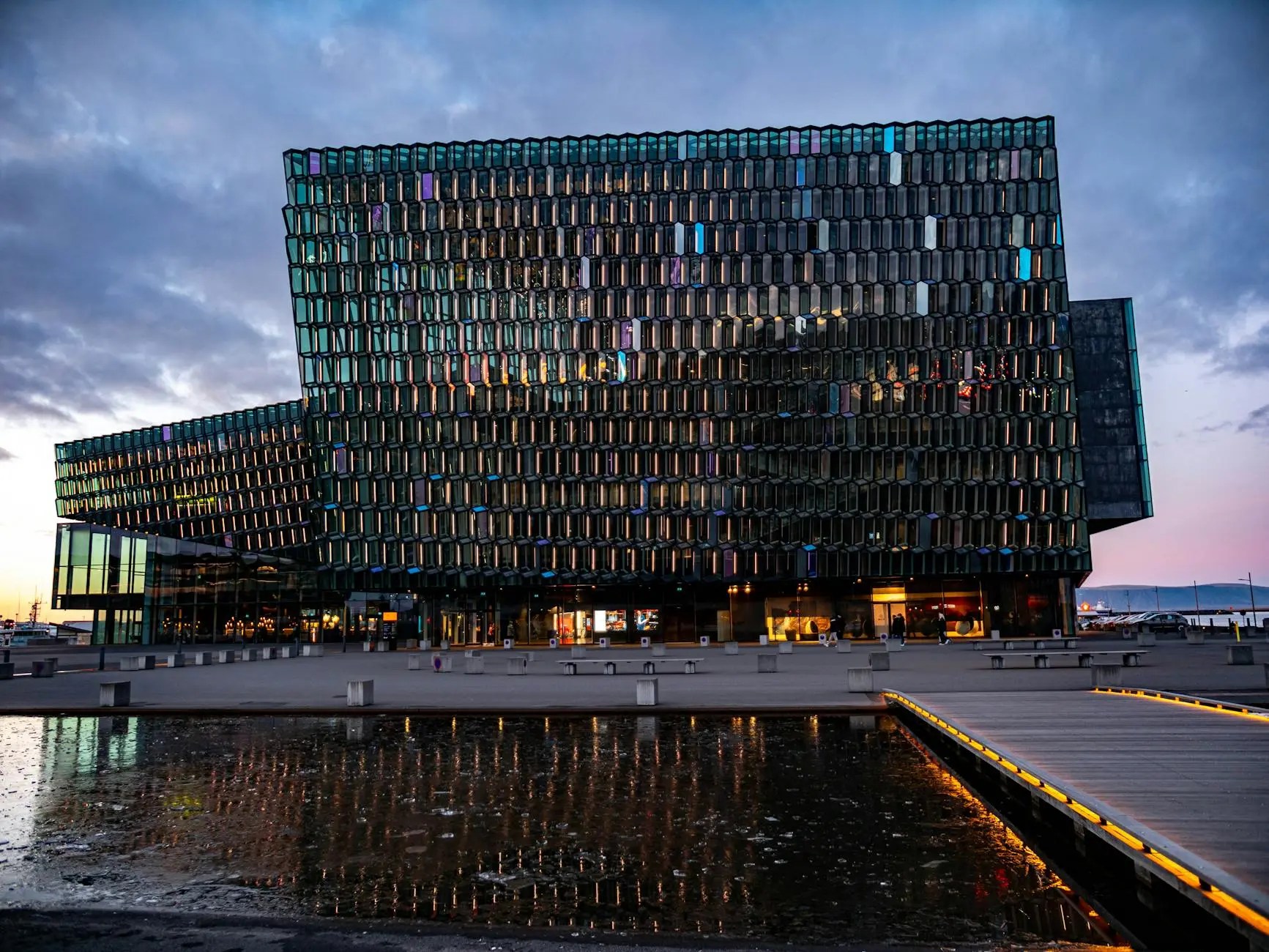
  • No trip to Iceland is complete without a stop at Bæjarins Beztu Pylsur, a tiny hot dog stand that has been serving up what Bill Clinton called “the best hot dogs in the world.” My advice? Order one with everything. The fried onions are a game-changer. From there, take a leisurely walk along the waterfront to the Harpa Concert Hall. The building is a masterpiece of modern architecture, and the way the light plays off the glass panels is mesmerizing.
  • Evening: This is your night! Book a Northern Lights tour. Pro-tip: These tours are smart—they’ll chase the clearest skies. If you don’t see the lights, many companies offer a free rebooking. I used my Canon EOS R100 Mirrorless Camera to capture the faint green swirls, and the photos were incredible even in low light.
A metallic sculpture resembling a Viking ship, positioned along the shore of Reykjavik, with modern buildings and a waterfront in the background.
The Sun Voyager sculpture, a stunning landmark in Reykjavik, with the city skyline reflecting off the ocean.The Sun Voyager (Sólfar): More than just a photo op, this stunning steel sculpture symbolizes a vessel of dreams, pointing toward the midnight sun. It’s a perfect spot to watch the light change over Mount Esja.
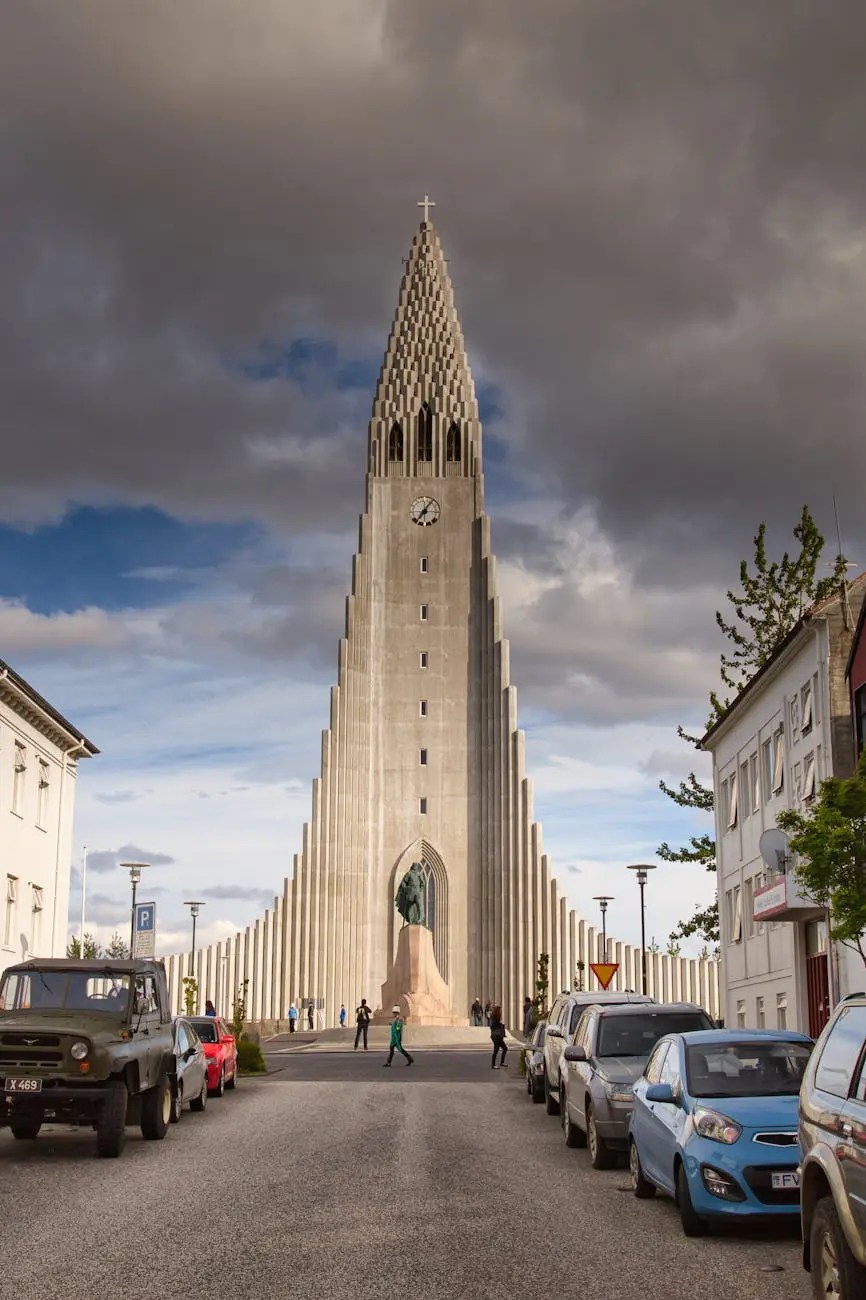
A wide-angle view of Hallgrímskirkja, a prominent church in Reykjavik, Iceland, featuring its distinctive tall tower and unique architectural design. Cars are parked along the street, and people are seen walking in front of the church under a partly cloudy sky.
The iconic Hallgrímskirkja church in Reykjavik, showcasing its unique architecture and surrounding streets.Hallgrímskirkja Church: Dominating Reykjavik’s skyline, this expressionist masterpiece was inspired by Iceland’s basalt lava flows. The statue out front is none other than Leifur Eiríksson (Leif the Lucky), the Norse explorer who reached North America centuries before Columbus.
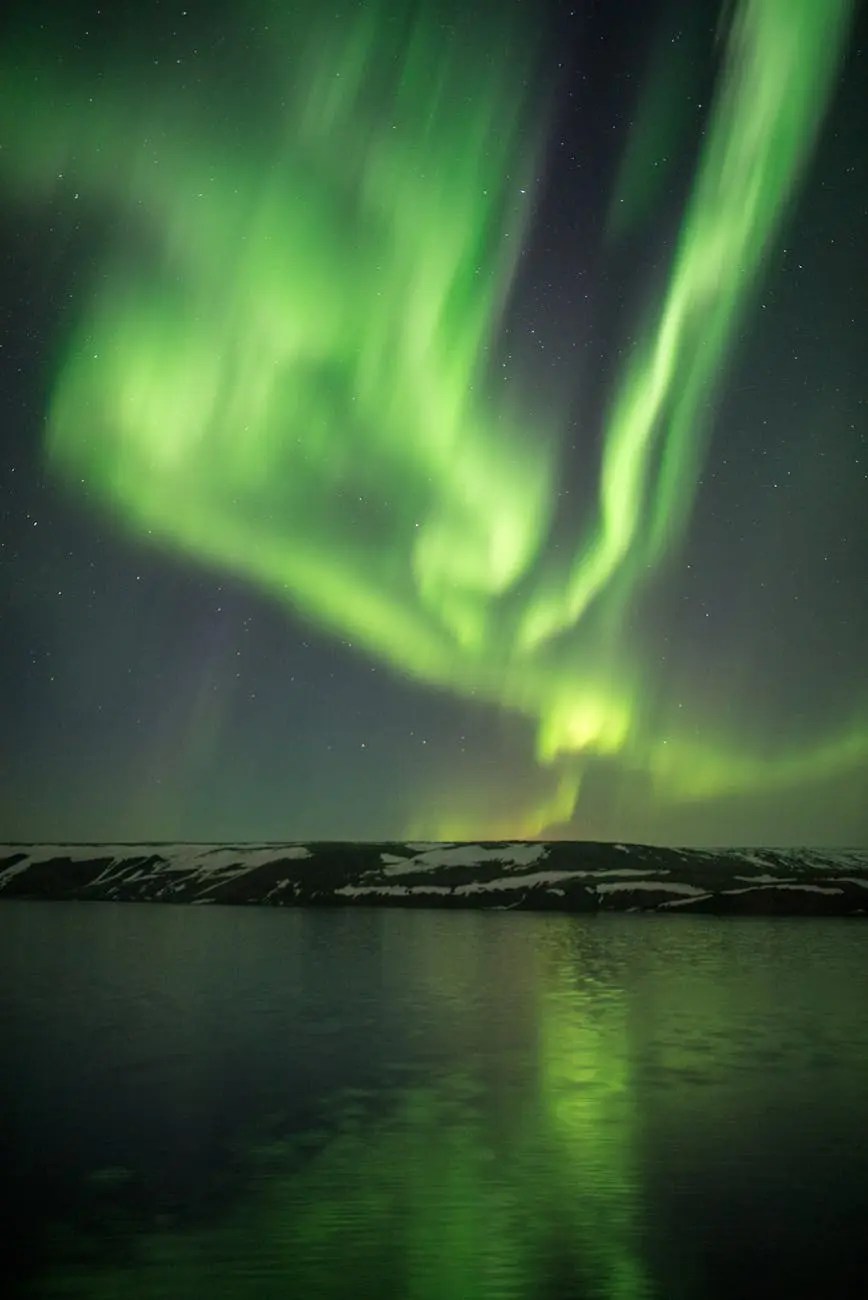
A vibrant display of the Northern Lights illuminating the night sky over a dark landscape with a calm reflection on water.
Breathtaking display of the Northern Lights illuminating the night sky over Iceland. Chasing the Aurora: A breathtaking display of the Northern Lights (Aurora Borealis) over the Icelandic wilderness. Capturing this moment requires patience, a little luck with the weather, and a good camera—like the one I always use.
Canon EOS R100


Day 2: The Golden Circle & Secret Lagoon
Full Day: The Golden Circle is a must. You have two options:
Join a Tour: Stress-free, includes guides, and you can nap between stops. Great for solo travelers or those avoiding winter driving.
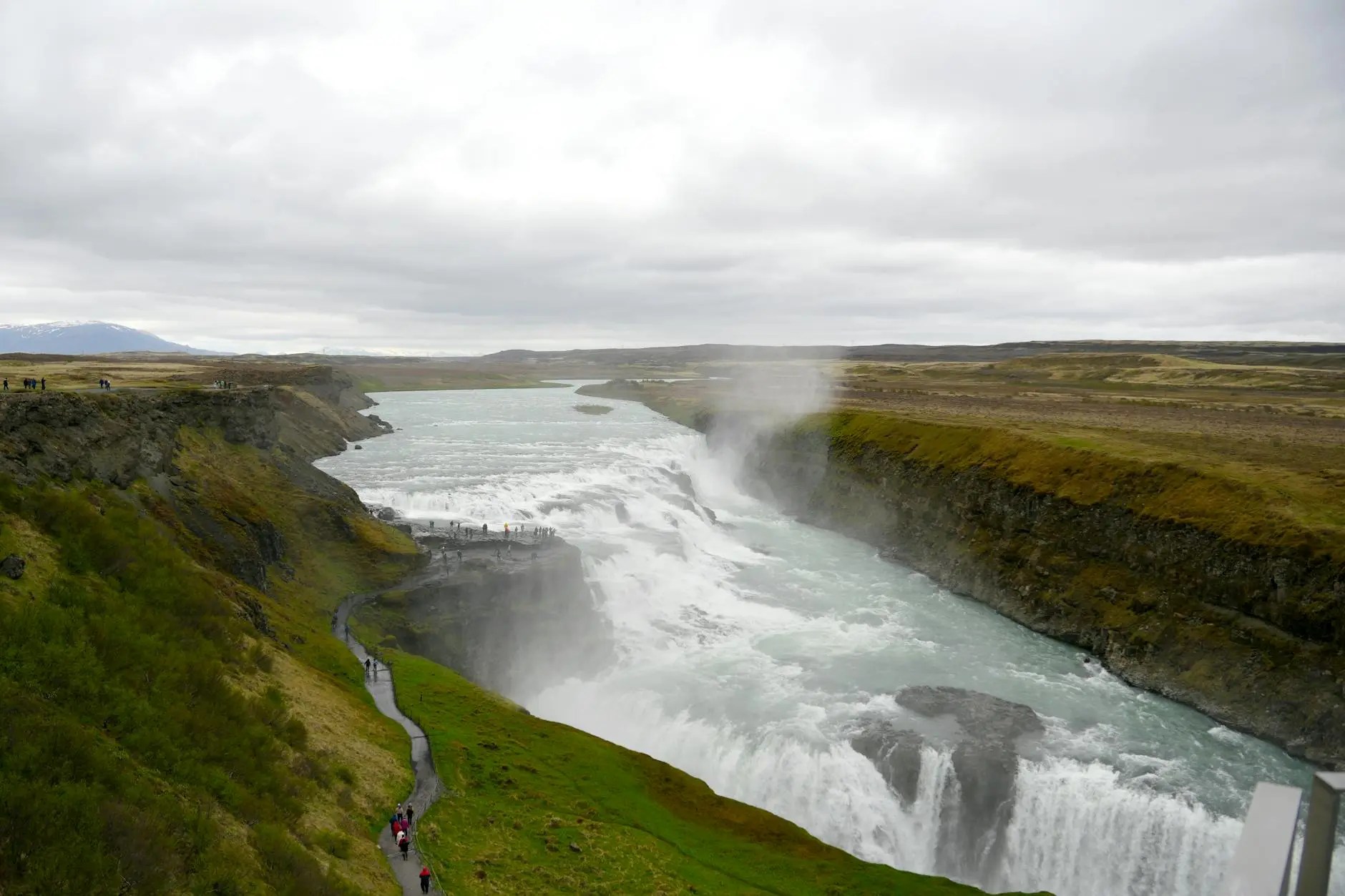
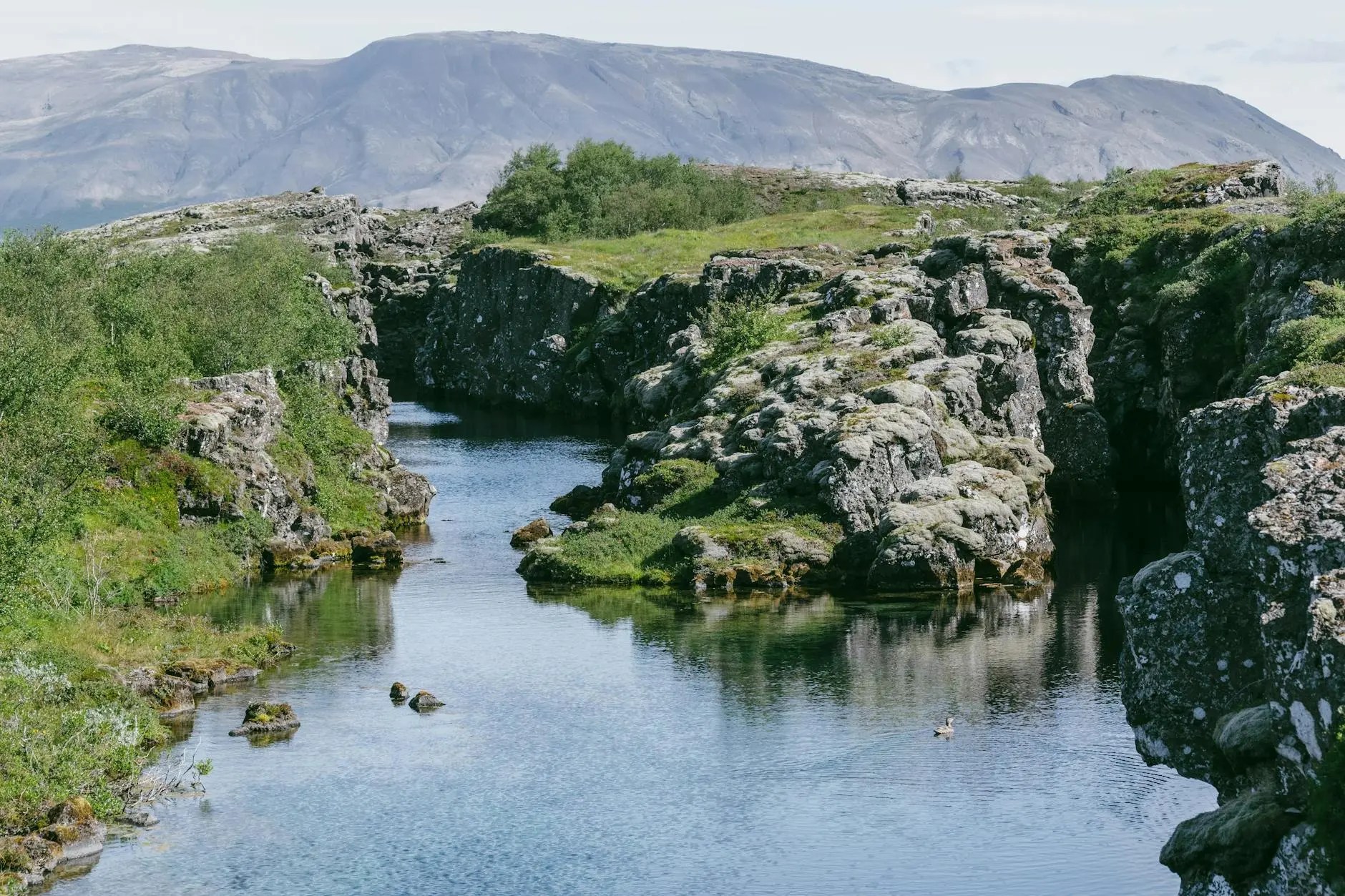
Rent a Car: Offers flexibility. You can leave earlier to beat the crowds at Gullfoss waterfall and spend more time at Þingvellir National Park, where you can walk between the North American and Eurasian tectonic plates.
Evening: The Blue Lagoon Experience
This is an absolute must-do. Yes, it’s touristy, but for a good reason. The Blue Lagoon is a surreal experience. The milky blue, geothermally heated water is pure bliss, especially after a long day of exploring. I booked my tickets in advance, which is a pro-tip for avoiding the massive queues. So, go ahead, get that iconic silica mud mask on your face, and let the relaxation begin. This is what you came here for. I highly recommend checking Expedia for packages that include transportation from Reykjavik, which can save you a ton of hassle. Book your Blue Lagoon escape here!
A man holding a hot dog and drink stands in front of a food stall, smiling, while a woman behind the counter also smiles. The stall has a red awning with text in Icelandic.
A popular hot dog stand in Reykjavik, famous for serving Iceland’s best hot dogs, a must-try for visitors exploring the city.

The Harpa Concert Hall in Reykjavik, Iceland, featuring modern glass architecture reflecting the evening sky and surrounding water.
Harpa Concert Hall in Reykjavik, showcasing its stunning modern architecture and vibrant reflections at sunset. Harpa Concert Hall: This architectural marvel isn’t just for concerts! Its geometric glass facade, designed to resemble Iceland’s basalt landscapes, catches the light differently every hour. At sunset, it becomes a kaleidoscope reflecting the fiery sky.

Day 2: The Golden Circle & Secret Lagoon

  • Full Day: The Golden Circle is a must. You have two options:
    1. Join a Tour: Stress-free, includes guides, and you can nap between stops. Great for solo travelers or those avoiding winter driving.
    2. Rent a Car: Offers flexibility. You can leave earlier to beat the crowds at Gullfoss waterfall and spend more time at thingvellir National Park, where you can walk between the North American and Eurasian tectonic plates.
  • Travel Smart Tip: If you’re driving, use an offline map app like Maps.me. Cell service can be spotty, and this saves both time and data. Speaking of data…

🌎 Stay Connected Smartly: I used to waste precious vacation time hunting for a local SIM card. Not anymore. I now travel with Drimsim, a global SIM that works in 190+ countries, including Iceland. You just pop it in, top up via the app, and you’re online the moment you land. No hidden fees, no stress. It’s a game-changer for navigating and posting those epic waterfall

A panoramic view of Gullfoss waterfall in Iceland, showcasing cascading water flowing into a rocky canyon, surrounded by lush green vegetation and a cloudy sky.
The stunning Gullfoss waterfall, a key highlight of the Golden Circle in Iceland, showcasing its powerful cascades and breathtaking scenery. Gullfoss – The Golden Waterfall: Feel the spray from here? This aerial view shows the immense power of Gullfoss as the Hvítá River plummets 32 meters in two dramatic stages into a rugged canyon. A cornerstone of Iceland’s famous Golden Circle route.
A serene view of a narrow river flowing between rocky cliffs, surrounded by lush green vegetation and rolling mountains in the background.
A tranquil view of the Silfra fissure in Þingvellir National Park, showcasing the stunning geological formations and crystal-clear water. Silfra Fissure: Where Continents Meet. This isn’t just any river—you are literally looking at the rift between the North American and Eurasian tectonic plates. The water is filtered through lava rock for decades, making it some of the clearest on Earth. Snorkeling or diving here is like floating between two continents!
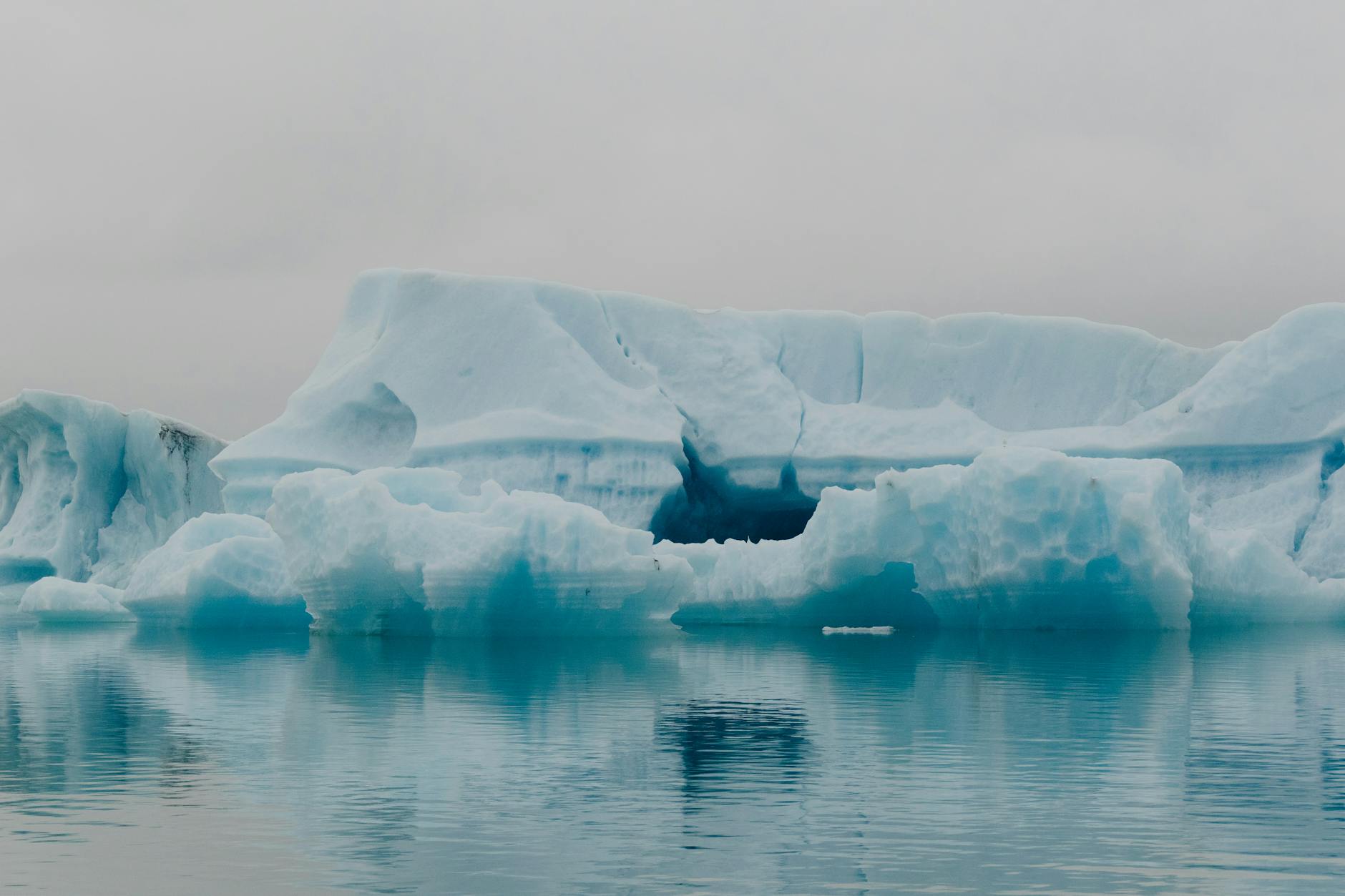
A large iceberg floats in calm water, reflecting shades of blue and white, under a gray sky.
Majestic ice formations floating in a serene glacial lake, showcasing Iceland’s stunning natural beauty. Jökulsárlón Glacier Lagoon and the Blue Lagoon are two completely different and distinct natural wonders in Iceland.

Day 3: Coastal Wonders & Farewell Feasts

  • Morning: Drive or take a bus to the Reykjanes Peninsula. See the dramatic cliffs at Valahnúkamöl and the iconic Reykjanesviti lighthouse. It’s a landscape that feels like the end of the world.
  • Afternoon: Head back to the city for last-minute souvenir shopping on Laugavegur Street. Pick up some Icelandic woolens (lopapeysa) or salt from the Reykjanes geothermal areas.
  • Evening: Enjoy a final feast. I highly recommend trying the fermented shark (hákarl) if you’re brave—it’s a rite of passage—but follow it immediately with a delicious Icelandic beer.
Black sand beach with dramatic cliffs and sea stacks in Iceland, under a cloudy sky.
The dramatic black sand beach of Reynisfjara, with towering sea stacks and rugged cliffs, showcasing Iceland’s stunning coastal landscape.
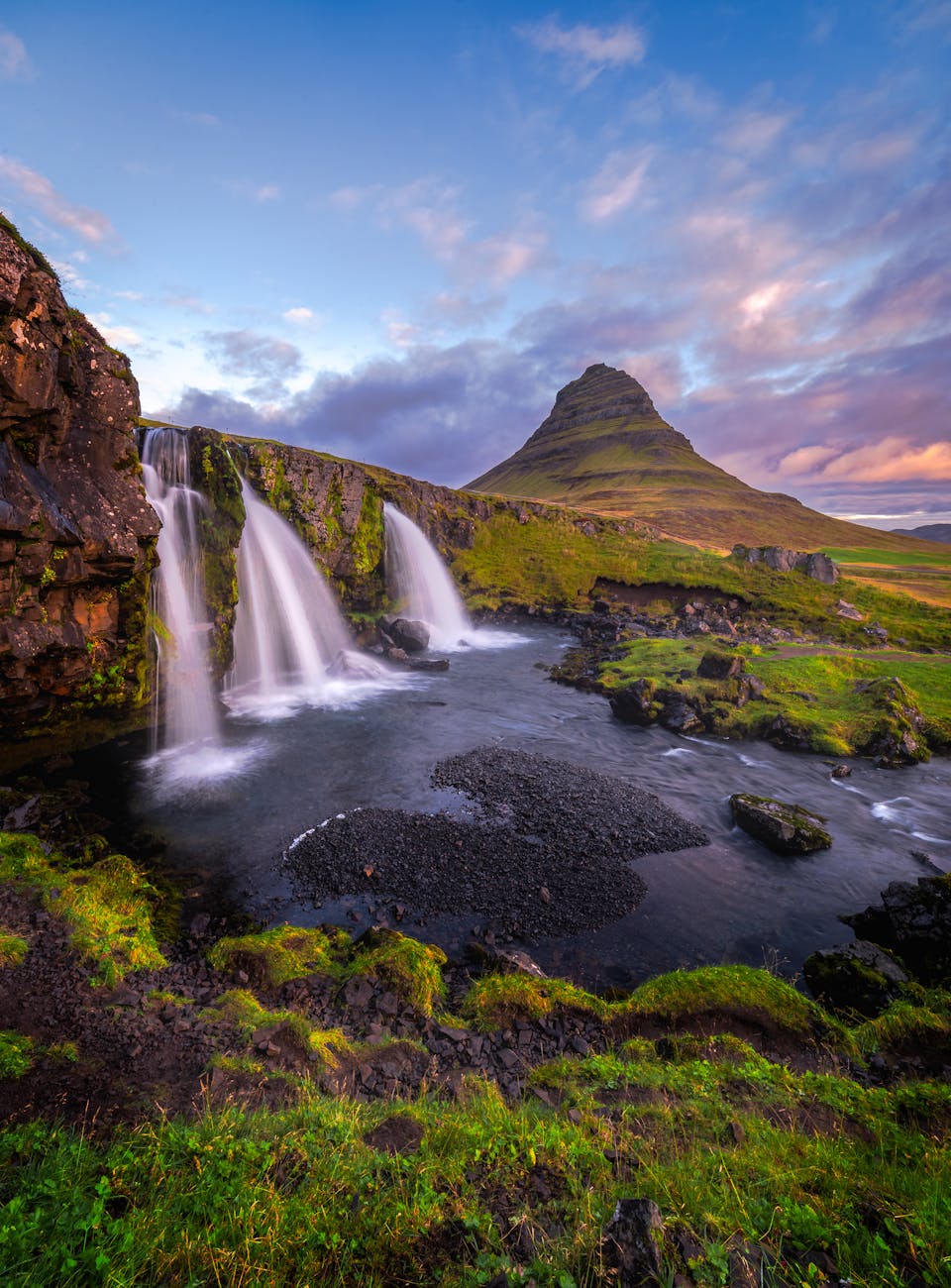
A picturesque view of Kirkjufell mountain with a waterfall in the foreground, surrounded by lush green grass and a colorful sky at sunrise.
Stunning view of Kirkjufell mountain and Kirkjufellsfoss waterfall in Iceland, showcasing the natural beauty of the Land of Fire and Ice.
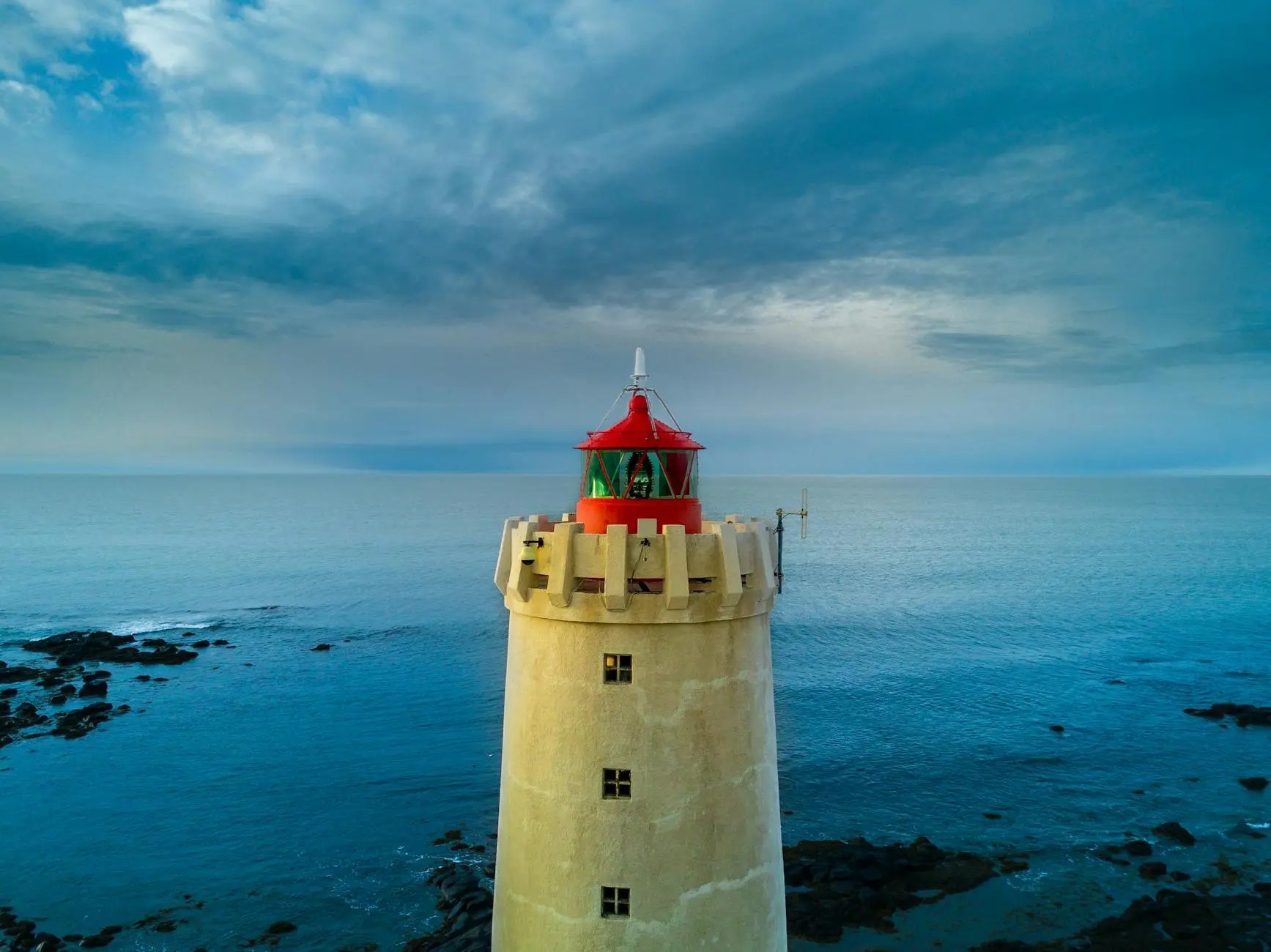
A close-up view of a lighthouse with a red top, standing against a backdrop of a serene ocean and dramatic cloudy sky.
The iconic Reykjanesviti lighthouse, a stunning landmark along Iceland’s coastline, surrounded by the tranquil North Atlantic waters. Reykjanesviti Lighthouse: A Sentinel on the Volcanic Coast. Iceland’s oldest lighthouse has guided sailors since 1907. Perched on the edge of the Reykjanes Peninsula—one of the most geologically active places on Earth—it offers a stark, beautiful contrast between human ingenuity and raw nature.
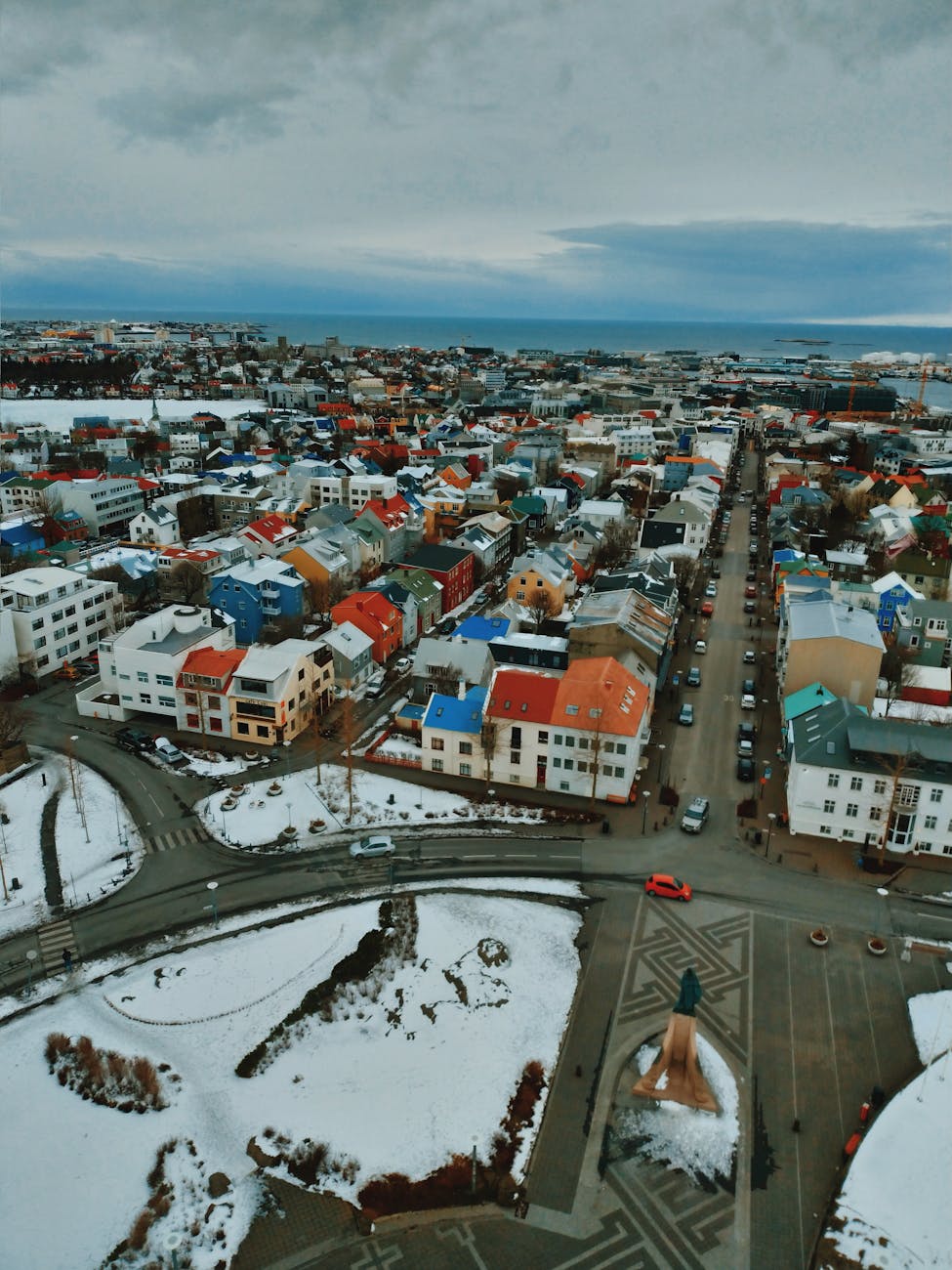
Aerial view of Reykjavik, Iceland, showcasing colorful rooftops, snow-covered streets, and a coastal backdrop under a cloudy sky.
Aerial view of Reykjavik showcasing colorful rooftops, snow-covered streets, and the picturesque downtown area.
A cozy, colorful Icelandic wool sweater featuring traditional patterns in red, blue, yellow, and white.
Authentic Icelandic wool sweater, perfect for cozying up during your Reykjavik adventure.

Two pieces of fermented shark meat displayed on a wooden plate, showcasing their unique texture and preparation.
Fermented shark (hákarl), a traditional Icelandic delicacy, presented on a wooden platter.

Reykjavik Insider Intel: Getting Around & Saving Kronur

Public Transport: The Strætó Bus System

Reykjavik’s public bus system is called Strætó. It’s reliable and covers the city well. Download the Strætó app to plan routes and buy tickets. A single ticket (good for 75 minutes with transfers) is around 490 ISK. If you’re planning multiple bus trips in a day, a 24-hour pass is more economical.

To Rent a Car or Not?

  • For a Summer Weekend: A car offers amazing freedom to explore at your own pace.
  • For a Winter Weekend: This is a trickier call. If you are comfortable driving in potentially icy and dark conditions, it’s great. If not, stick to tours. They are experts in safe winter travel. I found my great rental deal through  Expedia

Money-Saving Tips for Smart Travelers

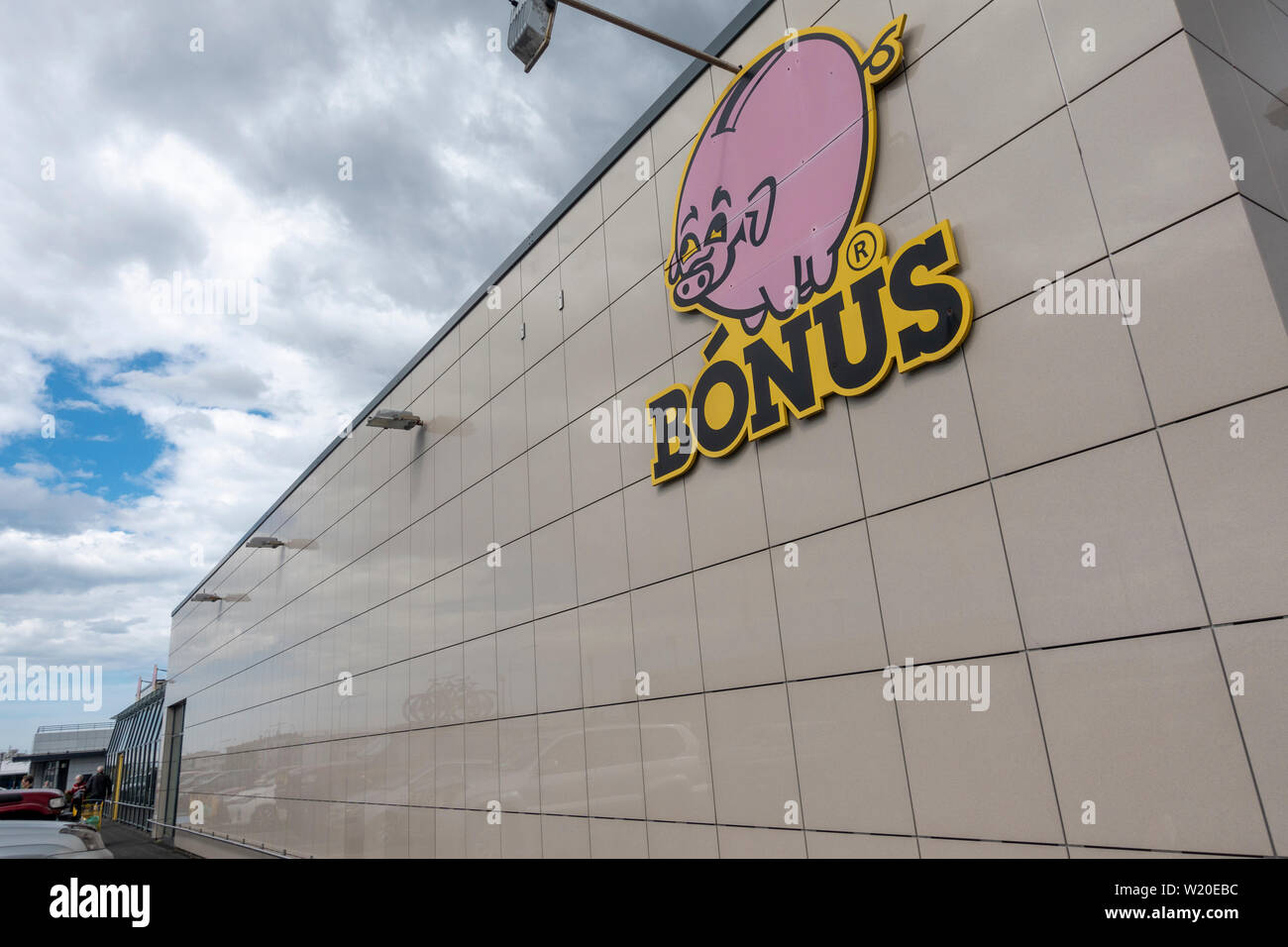
  • Eat Smart: Dining out in Iceland is pricey. Save money by grabbing breakfast and lunch from Bónus (the supermarket with the pink pig logo). Their sandwiches and skyr are perfect for on-the-go.
  • Free Hot Water: Bring a reusable bottle! The tap water is among the best in the world, and you can often fill up with hot water from geysers (let it cool first!).
  • Happy Hour is Your Best Friend: Alcohol is heavily taxed. Reykjavik has a vibrant “Happy Hour” culture. Look for signs in bar windows and plan your drinks accordingly.
Exterior view of a Bónus supermarket featuring the pink pig logo against a cloudy sky.
The exterior of Bónus, a popular budget supermarket chain in Iceland, featuring its iconic pink pig logo.

4. Beyond the Brochure: Reykjavik’s Hidden Gems

  • The Elf School (Álfaskólinn): Yes, it’s a thing. A delightful, quirky experience where you can learn about Icelandic folklore and elves (the huldufólk).
  • Reykjavik Roasters: Escape the crowds at this local coffee institution. It’s where the locals go for a truly excellent cup of coffee.
  • Sundhöllin Reykjavikur: An indoor swimming pool complex loved by locals. It’s a fraction of the price of the tourist lagoons and a truly authentic experience.

5. Essential Icelandic for Travelers

Don’t worry, everyone speaks fantastic English. But a few words go a long way!

  • Takk: (Tahk) – Thank you.
  • Góðan daginn: (Go-than die-in) – Good day.
  • Skál: (Skowl) – Cheers!
  • Einn bjór, takk: (Adehn byour, tahk) – One beer, please. (The most important phrase).
  • (yow) – Yes
  • Nei (nay) – No
  • Hvar er…? (kvahr air) – Where is…?

6. Travel Smart: Your Pre-Departure Checklist

  • Visa & Costs: For most US, Canadian, and EU citizens, no visa is needed for short stays. Always check the official government site for the latest requirements. Iceland is part of the Schengen Area.
  • Travel Insurance: My trip was almost derailed by a sudden storm. I never travel without insurance. I use VisitorsCoverage to compare plans and find the right coverage quickly. It’s peace of mind you’ll be glad to have. <Find your plan here: 
  • VPN: Using public Wi-Fi? Protect your data. I always have ” target=”_blank” rel=”noreferrer noopener nofollow”>NordVPN running on my phone and laptop. It’s essential for safe browsing and can sometimes help with streaming services from back home. <Stay secure with NordVPN:

⚠️ Flight Trouble? On my way to Iceland, my connecting flight was delayed. I didn’t know that EU passenger rights often entitle you to compensation. I used AirHelp to check my flight, and they handled the entire claim process. If your flight is delayed, canceled, or overbooked, you could be owed up to $650. It’s worth a quick check! 

7. Reykjavik Weekend FAQ

Q: What is the best time of year for a weekend in Reykjavik?
A: It depends on what you want!

  • For Northern Lights: Visit between September and March.
  • For Midnight Sun & Hiking: Visit between May and August.
  • For Fewer Crowds & Lower Prices: The shoulder months of April and October are great.

Q: Is a weekend in Reykjavik enough time?
A: Absolutely! While you won’t see the entire country, a well-planned 3-day weekend is perfect for experiencing Reykjavik’s culture and the iconic Golden Circle.

Q: What should I pack for a weekend in Iceland?
A: Layers, layers, layers! A waterproof and windproof outer shell is essential, regardless of the season. Don’t forget a swimsuit for the pools and lagoons, and a warm hat.

Q: How expensive is Reykjavik?
A: It has a reputation for being pricey, but as outlined in the tips above, you can manage your budget by being smart about food, transport, and accommodations.

Do I need cash in Iceland?

  • No. Iceland is nearly a cashless society. You can use a credit or debit card for almost everything.

Ready for Your Icelandic Adventure?

Reykjavik is a city that captures your heart quickly. With this guide, you’re equipped to dive in, explore confidently, and create a weekend of stories that will last a lifetime.

What are you most excited to see? Have any questions I didn’t cover? Drop a comment below! And don’t forget to check out my other European city guides, like my take on [48 Hours in Copenhagen , Dublin, Frankfurt, Paris, for more travel inspiration!

Start planning your unforgettable escape today by finding the best flight deals to Reykjavik!
<Search for flights on Expedia>


Universal Disclaimer/Disclosure Page:

The Ultimate Weekend Escape to Frankfurt am Main

Meta Description: Plan your ultimate weekend escape to Frankfurt am Main! This guide unlocks the best things to do in Frankfurt, from Römer square to hidden gems. Get essential travel tips on public transport, saving money, and must-know German phrases for a seamless German getaway.

Table of Contents

  1. Why Frankfurt is the Perfect Weekend Getaway
  2. Your Frankfurt Weekend Itinerary: A Step-by-Step Guide
  3. Frankfurt Travel Hacks: Saving Time & Money
  4. Essential German for the Frankfurt Traveller
  5. Hidden Gems: Beyond the Tourist Trail
  6. Travel Smart: Essential Resources
  7. Frankfurt Weekend Escape: Frequently Asked Questions (FAQ)

1. Why Frankfurt for a Weekend?

Frankfurt am Main might be known as Germany’s financial powerhouse (cue skyscrapers, suits, and serious business lunches), but don’t let that fool you—it’s also a fantastic weekend escape destination. Think: old-town cobblestones, half-timbered houses at Römerberg, world-class museums, and beer gardens where your waiter might plop down a pint bigger than your head.

Plus, Frankfurt is a transportation hub. With one of Europe’s busiest airports and central train connections, you can hop in and out easily—or continue your travels to Berlin, Munich, or even nearby Prague and Vienna.

So, you’ve got a weekend to spare and a craving for a proper European city break that isn’t just beer halls and lederhosen (though we have those too, if you know where to look). Let me introduce you to Frankfurt am Main, Germany’s captivating financial hub that seamlessly blends a soaring, skyscraper-filled skyline with cozy, apple-wine taverns.

I’ll be honest, my first trip to Frankfurt was a layover that turned into an overnight stay. I expected a sterile, all-business city. What I found instead was a incredibly green, culturally rich, and deliciously quirky destination that’s perfect for a 48-hour adventure. Let’s craft your perfect weekend.

👉 I always book my flights and stays through Expedia—easy cancellations, good deals, and loyalty points.

Frankfurt is a city of fascinating contrasts. It’s home to the European Central Bank, yet its heart is a beautifully reconstructed medieval old town (the Altstadt). You can spend your morning in a world-class museum and your afternoon sipping traditional Apfelwein (apple wine) in a rustic tavern. It’s incredibly well-connected, with one of Europe’s busiest airports and a central train station (Hauptbahnhof), making it the ideal hub for a short trip. Plus, as I discovered on a sunny Saturday by the river, it has a vibrant, laid-back energy that completely defies its “Bankfurt” nickname.

Hotels in Frankfurt

2. Getting There & Around

  • By Air: Frankfurt International Airport (FRA) is only 12 minutes by train to the city center. Don’t waste money on taxis—grab the S-Bahn (lines S8/S9).
  • By Train: Deutsche Bahn is your friend. The ICE trains connect Frankfurt with cities like Amsterdam and Paris in just a few hours.
  • By Car: Driving is fine, but parking is expensive and traffic is… let’s say, not for the faint of heart. If you do drive, check road maps with gas stations and rest stops marked to save both time and Euros.
  • The Ticket to Get: For a weekend, the Tageskarte (Day Ticket) is your most economical choice. The “Tageskarte Frankfurt” covers the entire city zone (50) for around €6-7 per person. Even better? A Gruppentageskarte (Group Day Ticket) for up to 5 people is only about €11-12! It’s an insane bargain.
  • How to Buy: Use the RMV vending machines at any station. They have an English language option. Select your ticket type (Tageskarte), number of people, and validate it by stamping it in the little blue boxes on the platform before your first ride.

Frankfurt’s public transport network (trams, U-Bahn, S-Bahn, buses) is brilliant and your best friend for a weekend trip. Don’t bother with a rental car—parking is a nightmare and expensive.

Apps are Key: Download the official RMV Smartphone app or use Google Maps or DB Navigator. These apps provide flawless, real-time routing, telling you exactly which tram to catch, from which platform, and when it will arrive. They are the modern traveler’s best tool for navigating Frankfurt with confidence.

Frankfurt Card (€10–20) = unlimited rides + discounts at museums.

💡 Personal tip: The first time I tried the U-Bahn, I accidentally went in the wrong direction and ended up in a residential area. Luckily, a kind German grandma redirected me and even taught me how to say “Entschuldigung” (Excuse me).

 Your Frankfurt Weekend Itinerary: A Step-by-Step Guide

Day 1: Altstadt Charm & Modern Views

  • Morning (9:00 AM): Start your day at the epicenter of old Frankfurt, the Römerberg. This picturesque square, with its charming half-timbered houses, is the postcard view you’re looking for. Grab a coffee and a pastry from a nearby bakery and just soak it in. Don’t miss the Römer city hall and the Alte Nikolaikirche.
  • Late Morning (11:00 AM): From the square, take a short stroll to the Kaiserdom (Frankfurt Cathedral). Climb the tower for a small fee – your calves will thank you later, I promise – for a breathtaking 360-degree view of the city. This is the best orientation point you’ll get.
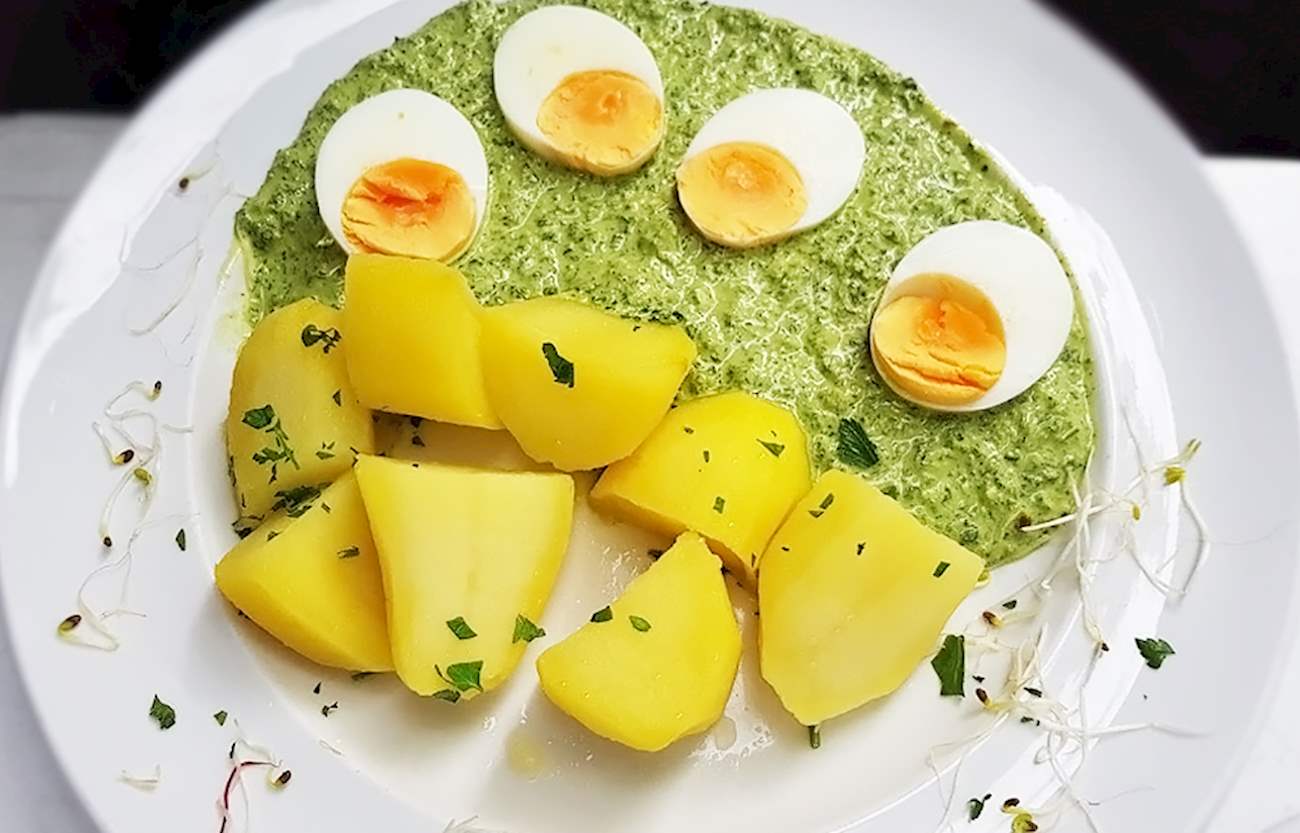
  • Lunch (1:00 PM): Time for your first true Frankfurt experience. Head to a traditional Apfelweinwirtschaft in the Sachsenhausen district (just over the Eiserner Steg bridge). Order a “Bembel” (the grey, ribbed jug) of Apfelwein and try the “Grüne Soße” (Green Sauce) with boiled eggs and potatoes. It’s a local obsession for a reason.
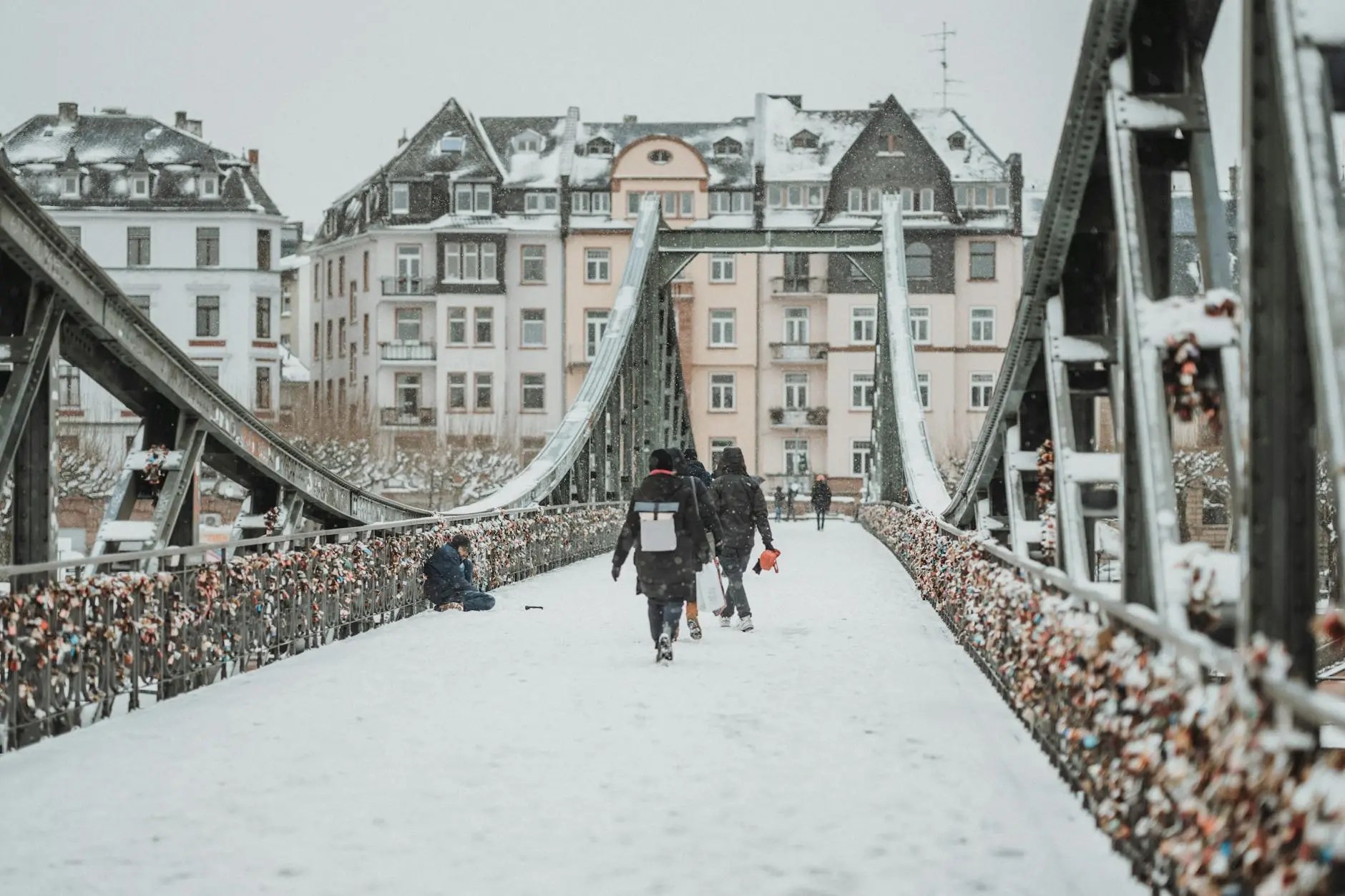
  • Afternoon (3:00 PM): Walk off lunch by crossing the iconic Eiserner Steg (Iron Footbridge), a pedestrian bridge covered in love locks. Then, for a dose of high culture, choose a museum from the Museumsufer (Museum Embankment) on the south side of the river. The Städel Museum is world-class for art lovers, while the German Film Museum is a fun interactive option.
  • Evening (7:00 PM): For dinner, explore the Fressgass’ (officially Kalbächer Gasse), a street whose nickname literally means “Pig-Out Alley.” It’s lined with everything from gourmet food stalls to elegant restaurants.
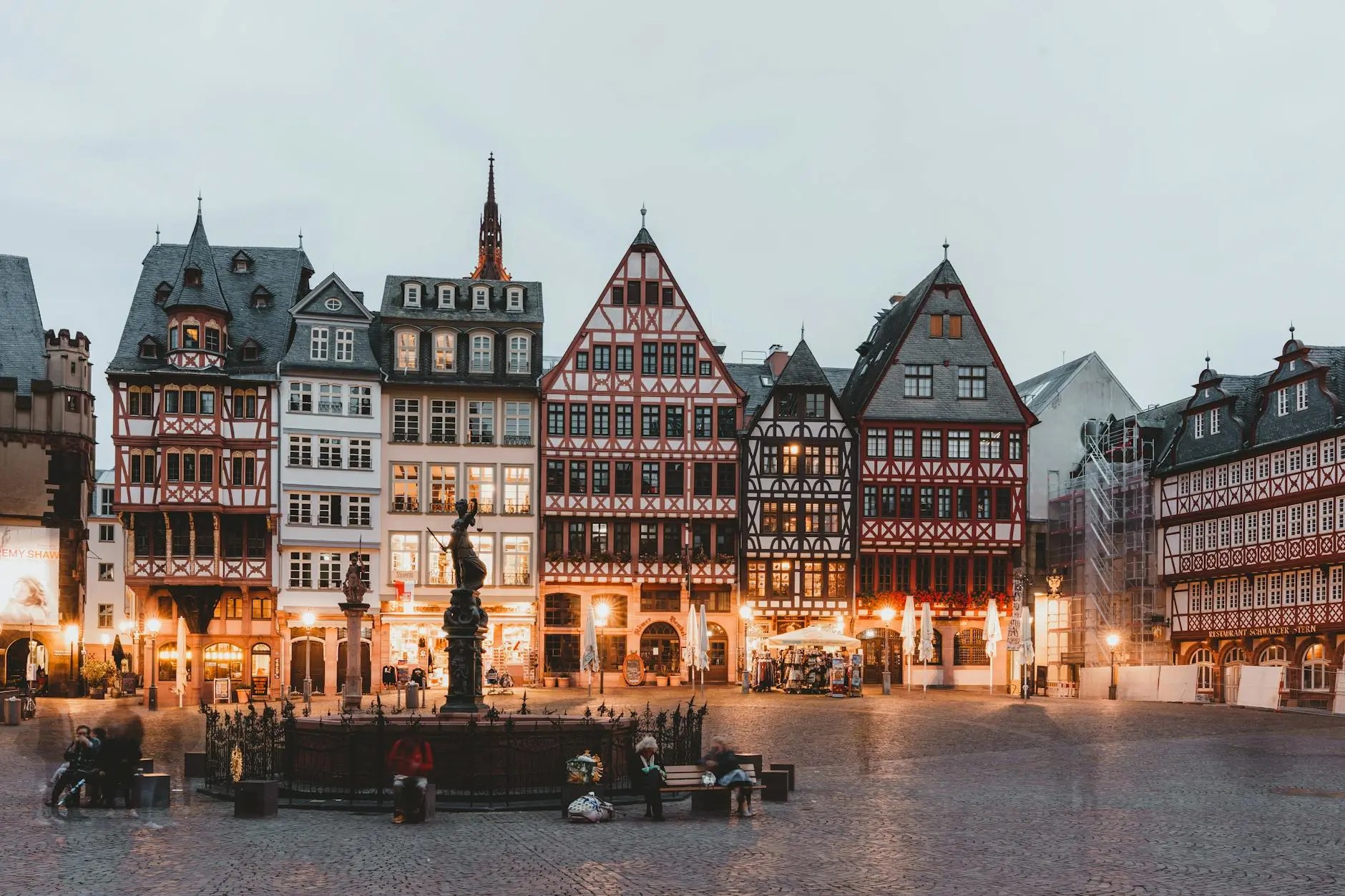
A picturesque view of Römerberg square in Frankfurt, featuring charming half-timbered houses and a statue in the center, illuminated by warm lights during twilight.
The picturesque Römerberg square in Frankfurt, showcasing iconic half-timbered houses and a vibrant atmosphere. A perfect spot to explore the city’s rich history and architecture. The Heart of the Altstadt: The historic Römerberg square in Frankfurt am Main, beautifully illuminated at dusk. This postcard-perfect scene, with its meticulously reconstructed half-timbered houses (Fachwerkhäuser), is the charming old soul of the modern city.
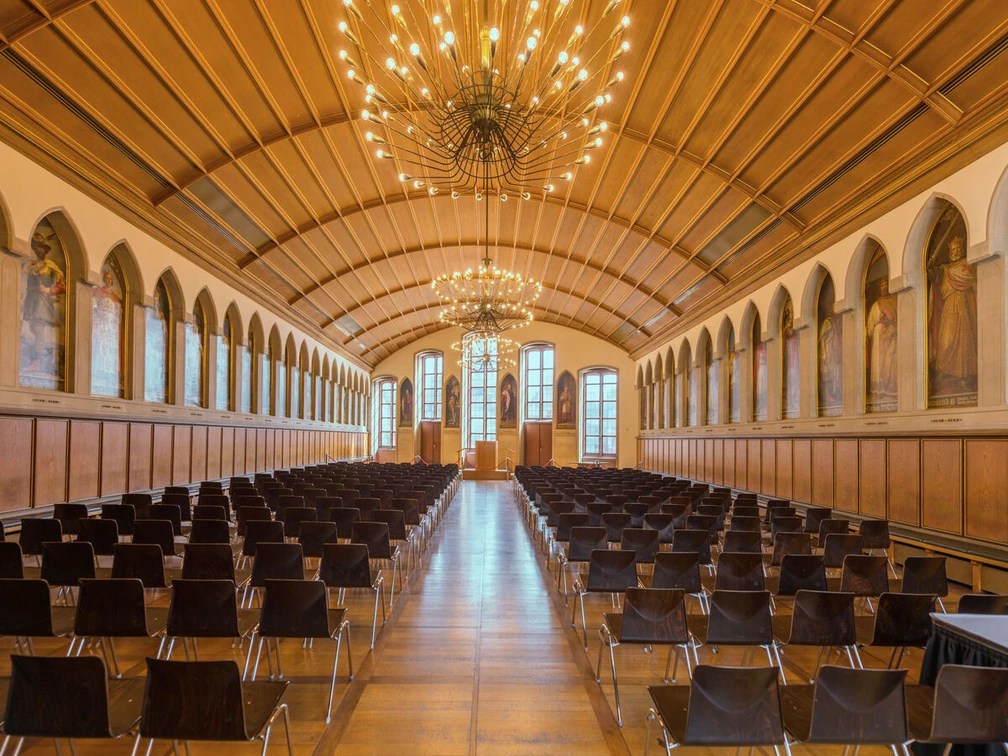
Interior view of a large hall with wooden flooring, arching ceilings, and rows of black chairs facing a central stage area. The room is illuminated by a large chandelier and features tall windows and painted historical figures on the walls.
An elegant interior of a hall featuring rows of chairs and a beautiful chandelier, perfect for events in Frankfurt.
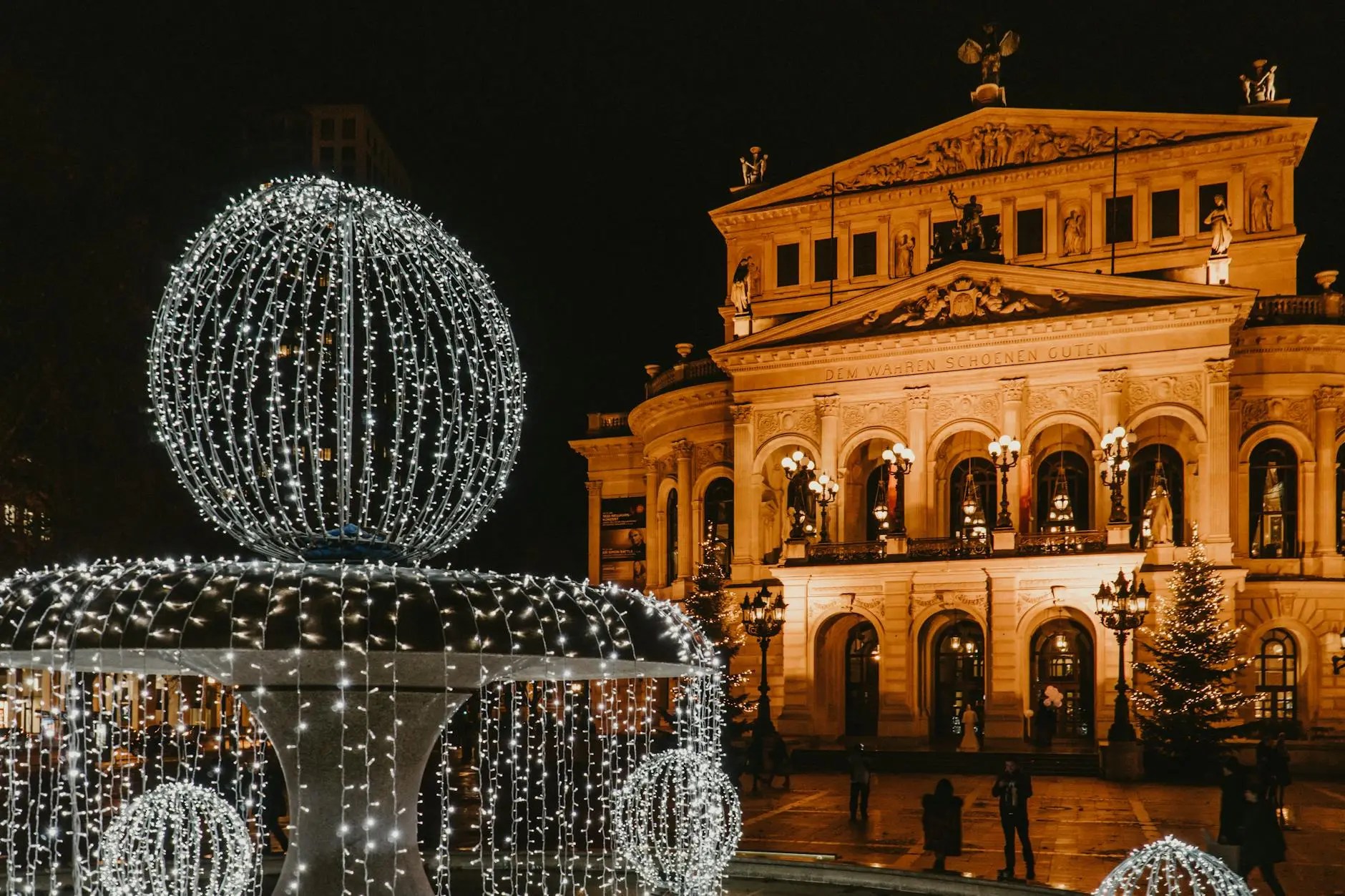
A beautifully illuminated fountain adorned with lights in front of the Alte Oper (Old Opera House) in Frankfurt at night.
The Alte Oper (Old Opera House) illuminated at night, showcasing its neo-Renaissance architecture against a backdrop of festive lights. A Festive Masterpiece: The historic Alte Oper (Old Opera House) provides a majestic backdrop for a sparkling holiday fountain and light display, capturing the magical atmosphere of Frankfurt during the Christmas season.

Alte Oper (Old Opera House) 🎶

If you want to feel fancy without paying for a ticket, head to Alte Oper at Opernplatz. This neo-Renaissance building was bombed in WWII, rebuilt, and today it’s one of Frankfurt’s cultural landmarks. Even if you don’t go inside for a concert, the plaza outside is lively, with fountains and cafés perfect for people-watching.


Alte Nikolaikirche (Old St. Nicholas Church) ⛪

Just a short trip away, over at Römerberg, you’ll find the Alte Nikolaikirche—a 13th-century gem with Gothic vibes. It’s smaller and more intimate than Frankfurt Cathedral, but its green spire and medieval charm make it stand out. Inside, the simple yet historic interior feels like stepping back in time.


How to Get There 🚶🚋

  • Walking:
    From Alte Oper to Alte Nikolaikirche is about 1.2 km (15 minutes on foot). Start from Opernplatz, head east along Große Bockenheimer Straße (a foodie heaven nicknamed Fressgass), continue toward Hauptwache, and then follow Neue Kräme street straight into Römerberg square. You’ll pass shops, cafés, and great photo spots along the way.
  • By Tram:
    If you’re short on time (or your feet have had enough), hop on Tram 11 or 12 at “Alte Oper” stop and get off at “Römer/Paulskirche.” The ride takes 5 minutes and drops you right next to Römerberg and the Alte Nikolaikirche. A single short-trip ticket costs around €1.95, or you can use a day pass (€7.20) if you’re exploring multiple spots.

💡 Pro Tip: If you’re traveling with friends, grab a Gruppentageskarte (group day ticket) for about €11.30—covers up to 5 people for unlimited rides within the city for the day. Big savings compared to buying individual tickets.

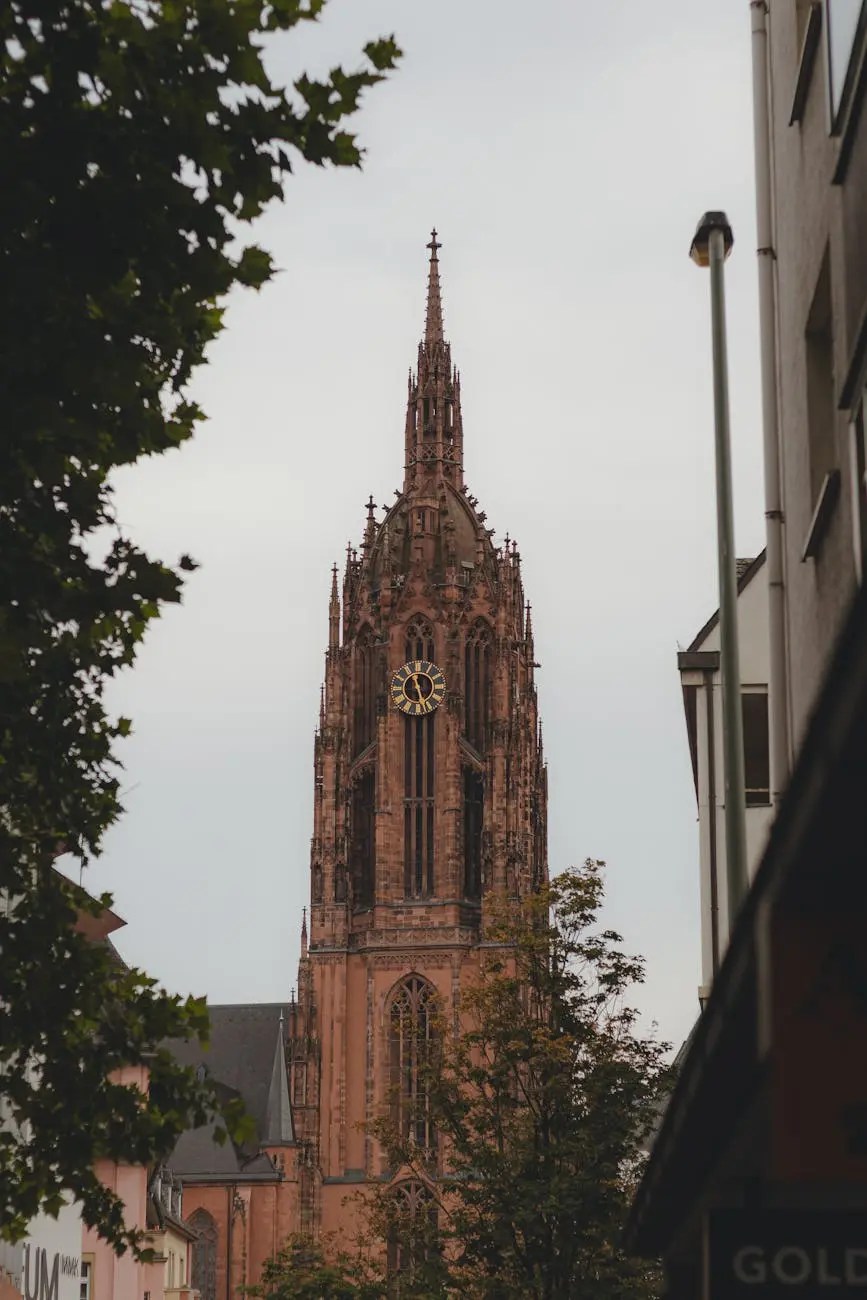
A tall Gothic church tower peeks through a narrow street, surrounded by trees and modern buildings, under a cloudy sky.
The stunning spire of the Frankfurt Cathedral, a striking example of Gothic architecture in the heart of the city. Reaching for the Heavens: The majestic 95-meter spire of Frankfurt Cathedral (Frankfurter Dom), a stunning example of Gothic architecture that has dominated the city’s skyline for centuries.
Plate of Grüne Soße, a green sauce made from herbs, served with boiled potatoes and sliced hard-boiled eggs.
Traditional Frankfurt dish featuring Grüne Soße (green sauce) with boiled eggs and potatoes, a local favorite.
Snow-covered pedestrian bridge in Frankfurt, with couples walking and love locks visible on the railing.
A snowy scene on the Eiserner Steg bridge in Frankfurt, with couples and individuals walking amidst love locks and charming old buildings. A Winter’s Walk: The iconic Eiserner Steg pedestrian bridge, dusted with snow and covered in countless love locks, offers a picturesque pathway between Frankfurt’s Altstadt and Sachsenhausen districts on a quiet winter day.

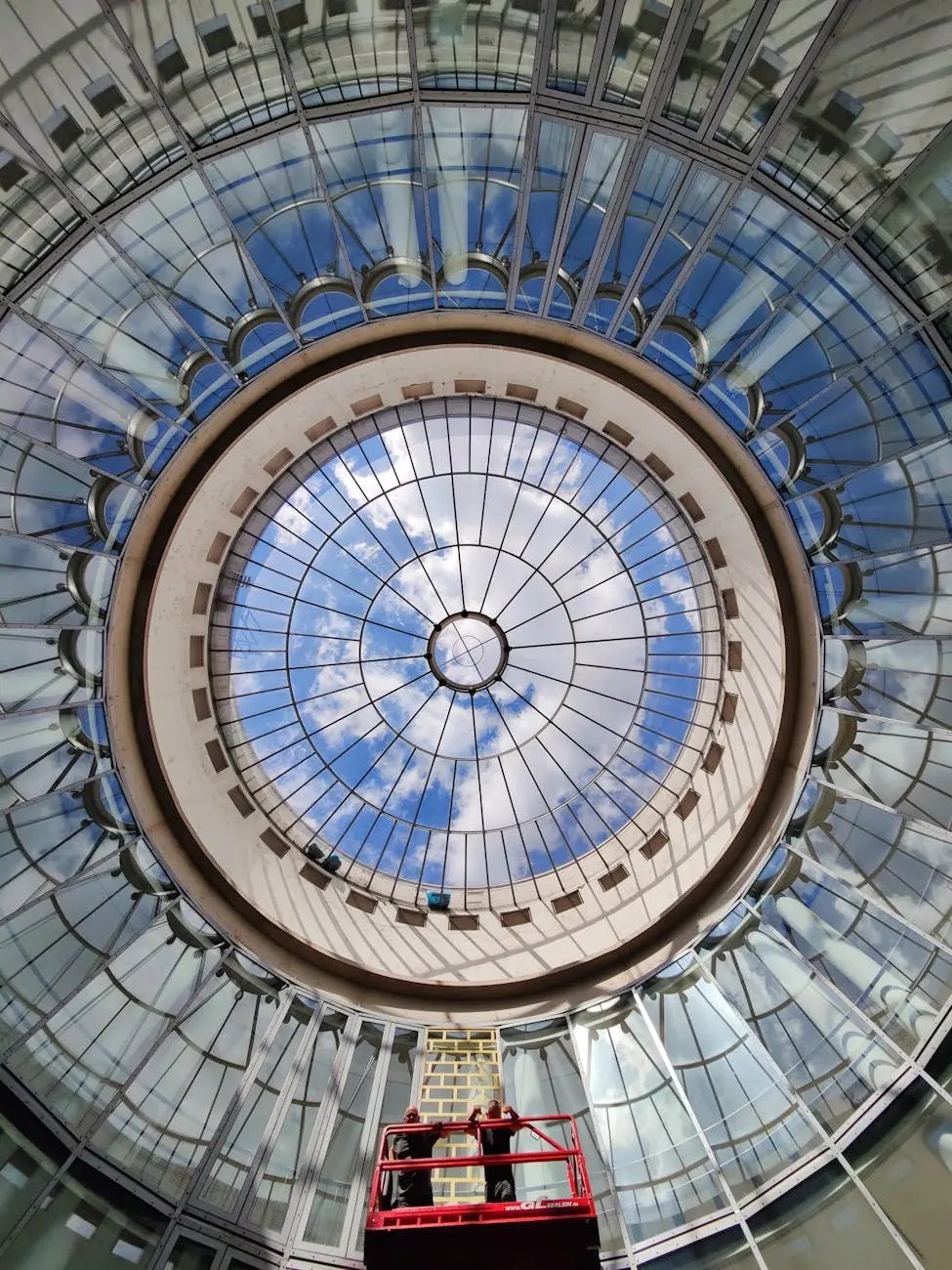
A view from below the glass dome of the Schirn Kunsthalle, showcasing a circular design with reflections and skylights, and two individuals on a platform working above.
A view of the stunning glass dome of the Schirn Kunsthalle in Frankfurt, showcasing its architectural beauty and bright surroundings. A Modern Masterpiece: Gazing up into the breathtaking rotunda of the Schirn Kunsthalle Frankfurt, where a contemporary glass dome crowns a beautifully restored neo-baroque staircase.

Schirn Kunsthalle & The Rotunda’s Glass Dome 🎨✨

Even if modern art isn’t usually your jam, the Schirn Kunsthalle is worth a peek—especially for its striking Rotunda with the glass dome. This circular space feels like stepping into a giant lantern, flooding with natural light that changes with the time of day. The cool part? Entry to the Rotunda itself is free, so you can stand under the dome, snap some surreal Instagram shots, and soak in the architecture without spending a cent. If you’ve got more time (and budget), pop into the current exhibitions—Schirn often hosts thought-provoking contemporary and modern art shows that rival those in Berlin or Paris.

💡 Insider tip: The Rotunda is also a handy meeting point—if you’re traveling in a group and someone inevitably wanders off for bratwurst or souvenirs, tell them to “meet under the dome.” You literally can’t miss it.

Frankfurt Vacations

Day 2: Culture, Markets, and Off-The-Beaten-Path

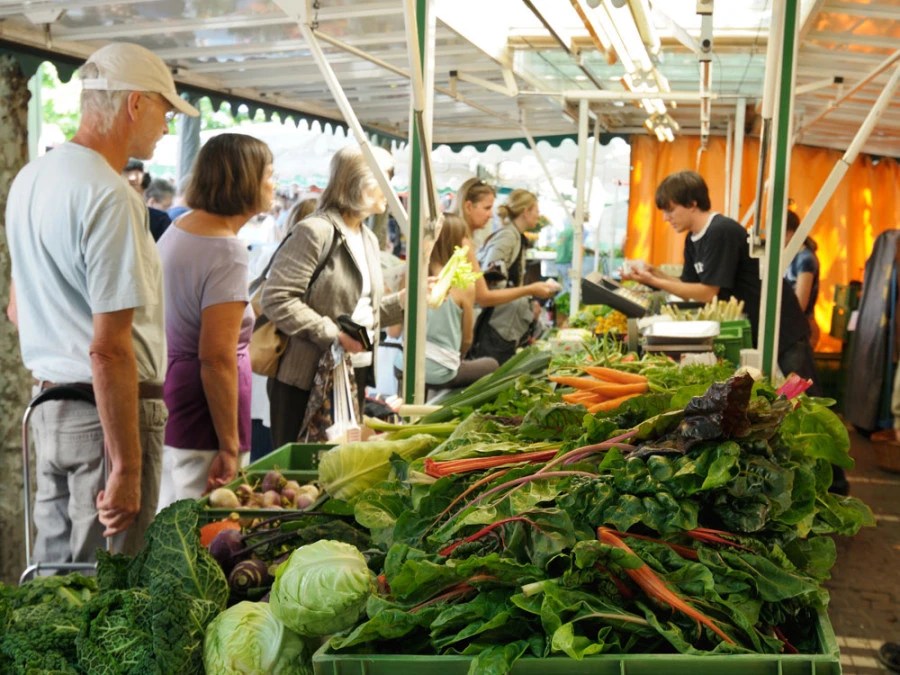
  • Morning (10:00 AM): If it’s a Saturday, make a beeline for the Frankfurt Farmers’ Market on Konstablerwache. It’s a vibrant, noisy, delicious spectacle. Sample local cheeses, olives, and fresh produce. For a quieter morning, explore the Palmengarten, a stunning botanical garden that feels a world away from the city bustle.
  • Afternoon (1:00 PM): Dive into a different side of Frankfurt. Visit the European Quarter to gaze up at the skyscrapers, including the Main Tower, which has a public viewing platform (pro tip: go just before sunset for amazing lights). Alternatively, for a hidden gem, seek out the Alt-Sachsenhausen area’s smaller lanes for more intimate Apfelwein pubs.
  • Late Afternoon (4:00 PM): Go for a leisurely stroll or rent a bike and explore the Mainufer (Main River banks). The paths are excellent, and it’s where locals go to jog, picnic, and relax. It’s the perfect way to wind down your trip.
  • Farewell Dinner (7:30 PM): For your last meal, why not try something modern? The Bornheim district (around Berger Straße) is packed with trendy international restaurants, wine bars, and cafes favored by locals. It’s a great place to feel the city’s contemporary pulse.
A bustling outdoor farmers' market in Frankfurt, showcasing a variety of fresh produce and vegetables with shoppers interacting with vendors.
Visitors enjoy fresh produce at the bustling Frankfurt Farmers’ Market, a vibrant hub of local flavors and community life. Market Fresh: Visitors explore the colorful bounty of the Frankfurt Farmers’ Market, selecting fresh, seasonal produce and local specialties from friendly vendors at one of the city’s most beloved culinary destinations.

A lush garden with various colorful flowers and plants, featuring stone pathways and visitors walking among the greenery.
Explore the serene beauty of a botanical garden, featuring vibrant flowers and lush greenery, perfect for a peaceful weekend escape in Frankfurt.

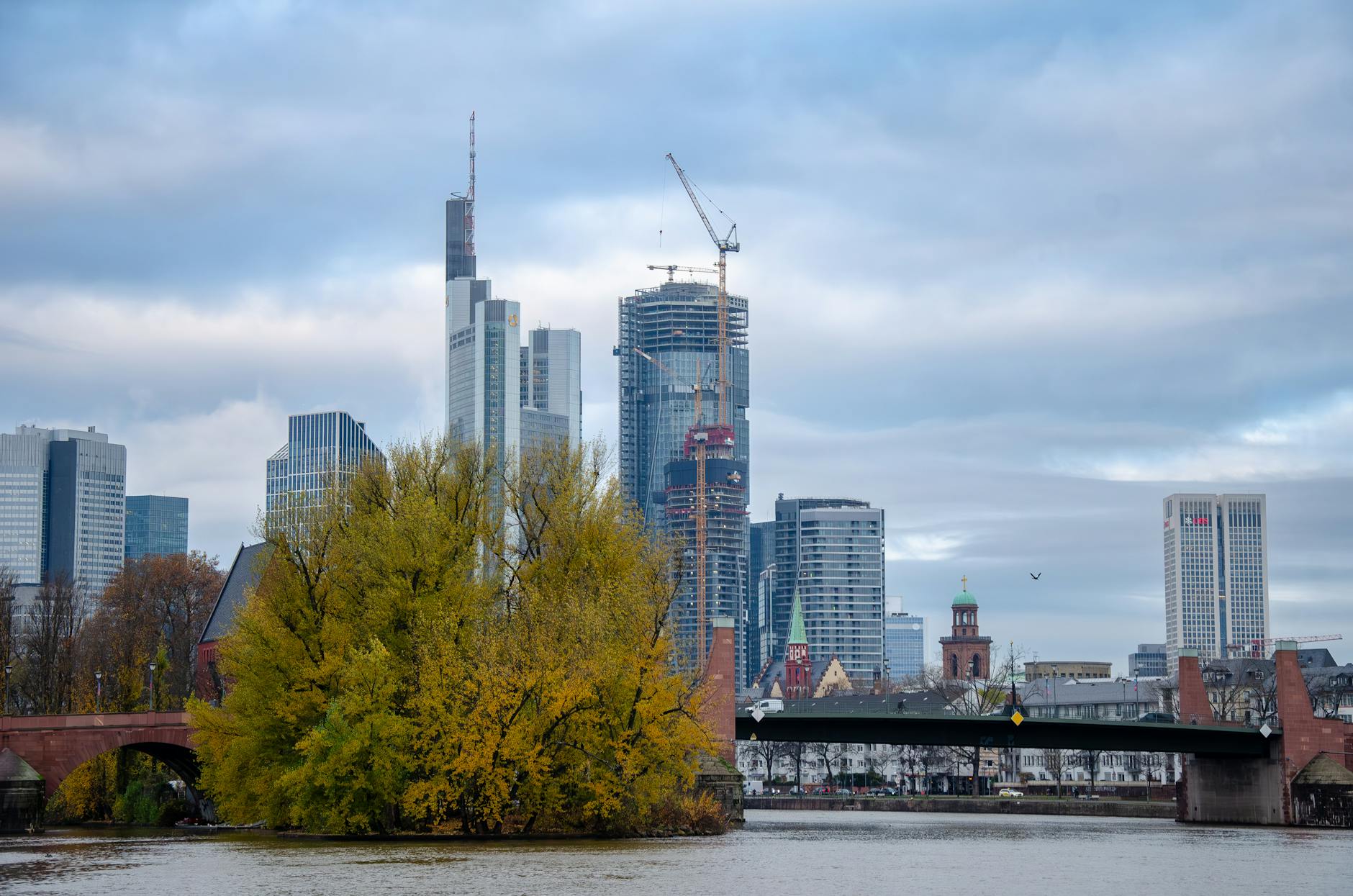
A skyline view of Frankfurt am Main featuring modern skyscrapers, a crane, and a green park along the riverbank, with a cloudy sky overhead.
A panoramic view of Frankfurt am Main showcasing its modern skyline alongside lush greenery along the riverbank.

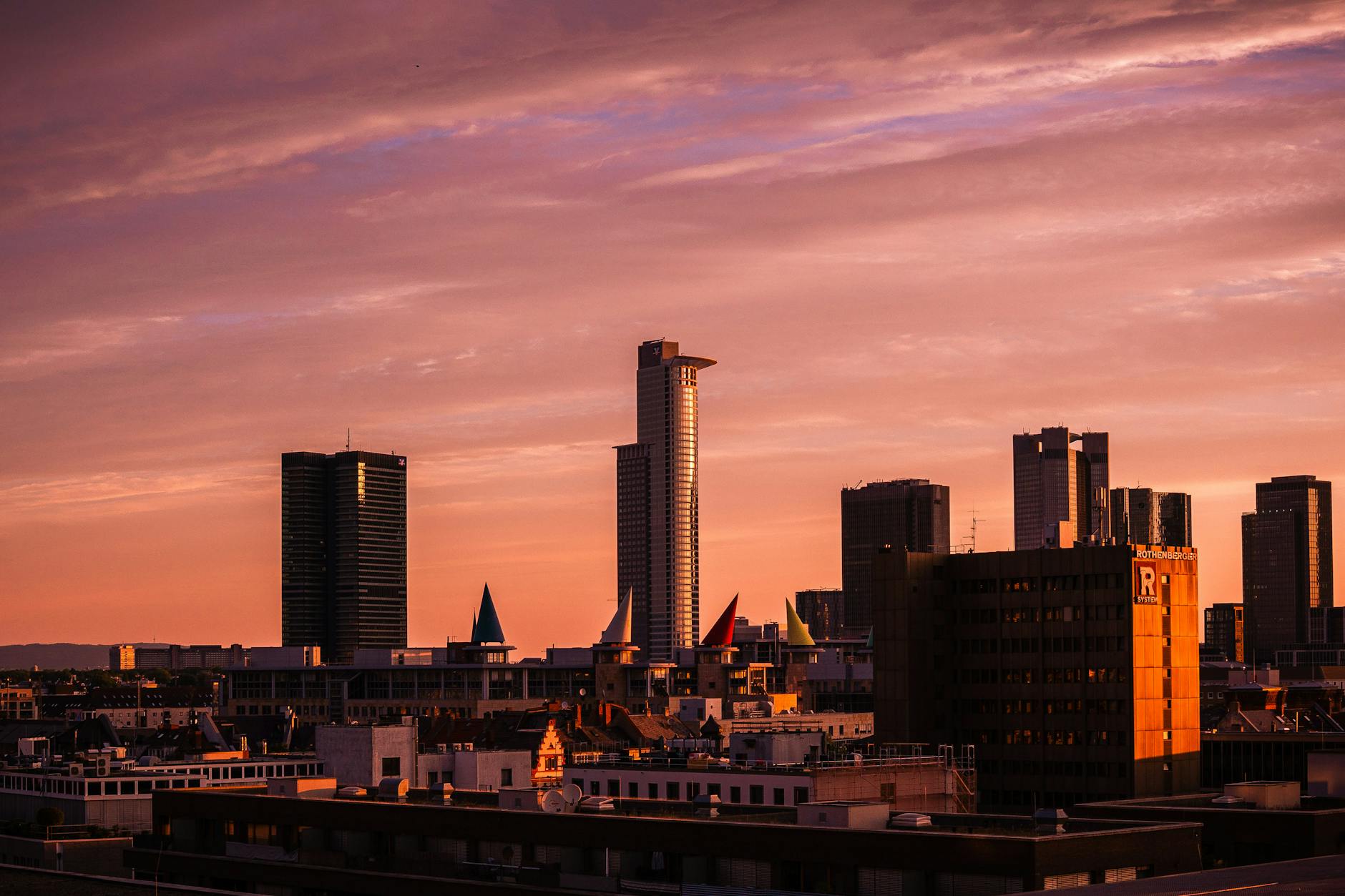
Skyline of Frankfurt am Main at sunset, featuring modern skyscrapers and colorful rooftops against a vibrant sky.
A stunning sunset view over the skyline of Frankfurt am Main, highlighting the city’s blend of modern skyscrapers and historical architecture.

Money-Saving Tips for Smart Travellers

  • Museum Savings: Many museums offer reduced entry on the last Saturday of the month (“Satourday”) or have specific free entry hours. Check their websites in advance!
  • Picnic by the River: Grab bread, cheese, and meat from a market or supermarket and have a classic German lunch by the Main. It’s cheap, delicious, and incredibly scenic.
  • Water is Free: Tap water in Germany is perfectly safe to drink. Carry a reusable bottle and ask for “Leitungswasser” (tap water) at restaurants—though it’s polite to order something else as well.

Essential German for the Frankfurt Traveller

You’ll get by with English easily, but a few words go a long way!

  • Hallo / Guten Tag: Hello / Good day
  • Tschüss / Auf Wiedersehen: Bye / Goodbye
  • Danke: Thank you
  • Ein Bier, bitte: One beer, please
  • Ein Apfelwein, bitte: One apple wine, please
  • Die Rechnung, bitte: The bill, please
  • Wo ist die U-Bahn?: Where is the subway?
  • Prost!: Cheers! (Say this before your first sip of Apfelwein!)

Hidden Gems: Beyond the Tourist Trail

  • The Kleinmarkthalle: While the Saturday farmer’s market is great, the indoor Kleinmarkthalle is a foodie paradise every day. It’s a bustling market hall with butchers, cheesemongers, and small stalls serving incredible ready-to-eat food.
  • Höchst Altstadt: Feeling adventurous? Take the S-Bahn (included in your day ticket!) to Höchst. Its beautifully preserved old town with a castle and riverside views feels like a tiny village forgotten by time, and you’ll be the only tourist there.
  • The Dialog Museum: An utterly unique experience where you are guided through pitch-black exhibits by visually impaired guides, challenging all your senses. Book in advance!

 Travel Smart: Essential Resources

Travelling smart is about more than just a good itinerary; it’s about being prepared. On my trips, a few tools have become non-negotiable for a stress-free experience.

✈️ Stay Connected Without the Shock:
Staying connected abroad used to be my biggest headache. Between exorbitant roaming fees and the chaotic hunt for a local SIM at the airport, it was a nightmare. That all changed when I found Drimsim. It’s a universal data SIM that works in 190+ countries. You just pop it in your phone, top up via the app, and you’re online. No contracts, no hidden fees. It’s saved me countless times. Get your Drimsim here and never worry about data again.

✈️ Your Flight Was Canceled? Get Paid.
Did you know that if your flight is significantly delayed, canceled, or you’re denied boarding, you could be entitled to up to $650 in compensation under EU law? Most people never claim it. I’ve used AirHelp multiple times—they handle all the paperwork and legal fights with the airline, and they only get paid if you win. It’s a no-brainer. Check your flight eligibility with AirHelp here.

✈️ Peace of Mind is Priceless:
I never, ever travel without insurance. For shorter European trips like this, I always check options on VisitorsCoverage. It’s a platform where you can easily compare plans from top providers to find the right coverage for your specific trip, whether it’s for medical emergencies or trip cancellations. It’s the one thing you pack hoping to never use. Find the right travel insurance for your Frankfurt trip here.

✈️ Protect Your Privacy & Streaming:
Using public WiFi at airports, hotels, and cafes is a security risk. I always use a VPN to encrypt my connection, keeping my personal data safe from prying eyes. It also lets me access my usual streaming services from back home. It’s an essential digital travel accessory. Stay secure online with NordVPN.

Ready to start planning? I always find the best flight and hotel deals for Frankfurt on Expedia. It’s my one-stop shop for bundling trips and saving money. Find deals on Frankfurt trips here!

Frankfurt Weekend Escape: Frequently Asked Questions (FAQ)

Q: Do I need a visa for Frankfurt, Germany?
A: Germany is part of the Schengen Area. If you are a citizen of the EU, EEA, US, Canada, Australia, UK, and several other countries, you do not need a visa for short tourist stays (up to 90 days). Always check the latest requirements from the German Federal Foreign Office based on your nationality.

Q: What is the best way to get from Frankfurt Airport (FRA) to the city center?
A: The easiest and cheapest way is via the S-Bahn (commuter train). Take the S8 or S9 line from the regional train station in Terminal 1. It takes about 15 minutes to get to Frankfurt Hauptbahnhof (main station) or the city center (Hauptwache station) and your RMV day ticket already covers this journey! A taxi will cost €30-40.

Q: Is Frankfurt an expensive city?
A: It can be, as it’s a financial center. However, it’s generally more affordable than cities like Paris or London. By using public transport day tickets, enjoying picnics, eating at Apfelwein pubs (which are reasonably priced), and seeking out free activities like walking along the Main, you can easily manage a budget-friendly weekend.

Q: What is the best time of year to visit Frankfurt?
A: Spring (April-June) and Autumn (September-October) are ideal. The weather is mild and perfect for exploring. December is magical due to its famous Christmas market. Summers can be warm and busy, while winters are cold.

Q: How walkable is Frankfurt?
A: The city center (Altstadt, Römer, Hauptwache, Zeil) is extremely walkable. For attractions further out like museums in Sachsenhausen or the European Quarter, the excellent and efficient public transport system is your best bet.

Q: Can I see Frankfurt in 2 days?
A: Absolutely. Stick to Römerberg, Main Tower, museums, and a cider cellar—you’ll cover the essentials

Q: Is English widely spoken?
A: Yes, but tossing in a “Danke” goes a long way.

Have more questions about planning your ultimate weekend in Frankfurt? Drop them in the comments below!

Final Thoughts

Frankfurt am Main is more than skyscrapers and business suits—it’s a city where tradition and modernity collide. With efficient transport, rich history, hearty food, and plenty of hidden gems, it’s the perfect weekend escape. And if you’ve got more time, hop over to Amsterdam, Paris, or even Berlin.

👉 Ready to book your trip? Find the best deals now on Expedia.

Universal Disclaimer/Disclosure Page: