Hi, I’m Laxmi Hegde 👋
MBA in Finance by degree, restaurant owner by profession, and full-time workaholic by… let’s call it “diagnosis.” When I’m not crunching numbers or managing my restaurant, you’ll probably find me chasing new ideas, planning my next big move, or spoiling my dogs like they’re royalty. 🐶✨
This blog is my creative escape—a place where I share travel adventures, skincare secrets, and a few life hacks I’ve picked up along the way. Think of it as part travel guide, part lifestyle diary, with a dash of humor (because life’s too short to be serious all the time).
Oh, and in case you’re wondering: yes, I’m still learning how to not work 24/7. Spoiler alert—I’m failing gloriously. 😅
Welcome to my little corner of the internet—grab a coffee, stay a while, and let’s explore together!
Any English language student knows that spelling isn’t always useful in determining how to pronounce a word correctly.
The spelling of English words hasn’t changed much over time, but how we pronounce them has. Pronunciation becomes a serious issue for language learners as a result of this. However, good pronunciation is more than just ‘how words and letters sound.’ Other factors to consider include intonation (how the tone of voice changes during a sentence, going up or down), stress (which words and syllables have more ‘weight’ when we speak), and connected speech (how words sound different when they are joined together in natural speech). All of these characteristics help with pronunciation, but don’t confuse them with an accent.
There are many distinct sorts of accents in the United Kingdom, the United States, and other English-speaking countries, but people with those accents can all be deemed to have correct pronunciation. You don’t have to sound British or American when learning English. It is not necessary to sound like you were born in New York or London to have good pronunciation. Many native English speakers, in fact, like hearing English with a Spanish, Italian, or French accent! So, even if you keep your native accent, how can you improve your pronunciation so that people from all over the world can understand you easily?
What does it mean to be in a simple tense? The simple tense in English is a tense with no aspect that conveys past, present, and future activities. What is the Present Simple Tense?
The simple present tense is used to describe an action that is taking place right now, with relation to the speaker or writer.
What does it mean to be in the simple past tense?
The simple past tense is used to express acts that took place at any moment in the past (recent or distant) and for any length of time (length of event).
What is the Meaning of the Simple Future Tense?
The simple future tense is used to represent activity that will occur at some point in the future.
The majority of people find speaking a foreign language significantly more difficult than reading and understanding it. This is very natural because when you speak, you are on the spot and must produce language quickly. This is tough since the new language is frequently incomprehensible when compared to your original one. There are distinctions in sentence structure and grammar, not to mention the requirement to remember certain terminology. Here are some pointers to help you improve your speaking abilities:
Practice speaking daily.
It’s all about communicating when learning a new language. The goal of learning a second language is to be able to communicate in that language. Try to speak the language every day, either out loud to yourself or in conversation with another native speaker, such as a colleague, a friend, a tutor, or a language exchange partner, if possible. The only way to get better at speaking is to do it more.
2. Discuss a topic
Make a list of potential themes and consider what you could say about each one. You may start by writing down your thoughts and then reading them aloud. Lookup any unfamiliar words. You might even come up with questions to ask someone else at the end. Because communication is a two-way street, you’d be asking about someone else as well as communicating.
You must listen to develop your listening abilities. You must listen carefully and attentively. It will never work to passively listen to something you don’t comprehend.
What’s the Difference Between Passive and Active Listening?
Why Doesn’t Passive Listening Work?
What is the definition of passive listening? When you listen to something without giving it your entire attention, this is known as passive listening. For instance, you may listen to English radio in the background while working, or you may listen to Hindi music without paying attention to the lyrics.
Passive listening is ineffective since you aren’t listening! You’re preoccupied with something else, such as work, sleep, or daydreaming, rather than listening to the sounds. You can’t expect to suddenly grasp what you’re hearing if you listen to it this way.
Think about it. We don’t recall or understand things unless we pay attention to them, even in our mother tongue. Many individuals, for example, enjoy listening to the radio in their kitchen while cooking or when eating breakfast in the morning. Maybe this is something you do as well. However, how much of what you hear do you remember? If you’re being honest, not much because you weren’t paying attention. You could recall a favorite song or something significant that was discussed on the news, but unless you actively try to concentrate on what you’re listening to, the majority of it will pass through one ear and out the other.
Why do we think doing the same thing in another language will have different results when it happens in our native language?
The concept of passive learning appeals to many people because it promises outcomes without requiring any effort. But the truth is that it just does not follow through on its promises. If you’re wasting time passively listening to learn a language, it’s time to stop and start practicing more effectively instead.
Speaking abilities
Most language learners find the thought of speaking their new language intimidating. I know folks who have studied for years but have yet to have a conversation in their target language.
I understand. It takes a lot of effort to speak a foreign language to a native speaker for the first time. What happens if you make a mistake? Will the fact that you’ve mutilated their language offend them? Will they laugh at you because they believe you’re stupid?
Speaking, in my opinion, is the most effective way to develop your language abilities. Yes, it’s frightening at first. However, once you’ve spoken with a few native speakers, your confidence will quickly grow.
Along with hearing, reading, and writing, speaking is one of the four classical language skills. However, in this teacher talk, I’d like to break down speaking into fluency and pronunciation.
Lots of practice is the key to enhancing both elements of your speaking – and for the best outcomes, you need to know how to practice and do it frequently. If you merely work on your fluency and pronunciation regularly, you won’t see any development.
The more time you spend practicing a skill, the better you will succeed at it.
Persuasive and argumentative essays are similar in character and are sometimes misunderstood as one and the same, despite the fact that there is a distinction between the two. In truth, the persuasive essay and the argumentative essay are two distinct types of essays, with the persuasive essay relying on ideas and emotions while the argumentative essay relies on logic and reason. Let’s take a closer look at these two types of essays and see what the differences are between a persuasive essay and an argumentative essay.
When we consider both types of essays from the audience’s perspective, an argumentative essay appeals to the readers’ heads, whilst a persuasive essay appeals to the readers’ hearts. In addition, an argumentative essay respects opposing viewpoints, but a persuasive essay may not.
A persuasive essay is designed to incorporate arguments toward a specific subject and viewpoint, with the purpose of persuading the reader to agree, whereas an argumentative essay is designed to involve research, evidence, and the presentation of the research and evidence.
The goal of ARGUMENTATIVE WRITING is to persuade the reader that your point of view is valid and worthy of consideration. PERSUASIVE WRITING’S OBJECTIVE: To persuade the reader to agree with you/your point of view on a specific subject.
At first look, argumentative and persuasive writing may appear to be the same thing. After all, aren’t they both meant to persuade the listener to one point of view? Although persuasive writing may appear to be a synonym for argumentative writing, the two genres differ on some essential issues, however minor they may be. The objective of the work, the tone in which the item is written, and the final outcome of the piece in issue are the most pressing and crucial contrasts between argumentative and persuasive writing.
A seller’s agent is sometimes called a listing agent. A listing agent is a real estate professional who represents the seller in a real estate transaction. The listing agent, also known as a seller’s agent, is responsible for marketing the home for sale and negotiating the best price and terms for their client.
The seller-agent relationship should be established in writing at the beginning of the relationship with a listing agreement in every event. The key to a successful seller-agent relationship is to start the relationship with a complete understanding of the duties and responsibilities of the agent. So now you know what it means to be a seller agent or a listing agent. Remember that your realtor is the best source of information for all your real estate needs.
The question is whether to construct or not to build. Is that the issue? Trying to stay within your budget, whether you buy or build a home, can be stressful, and the decision making process can be difficult. If you prioritize these factors, you won’t have to make a difficult decision.
Initial cost or advance cost.
Building a home
The initial costs of building a home are usually higher than those of purchasing an existing home. Custom plans are the most expensive part of the process, costing anywhere from $4,000 to $9,000 on average, depending on square footage.
Next, budget for a survey of your property. Before, during, and after your home is built, the majority of suburban regions require a land survey and topographical research to evaluate whether the site is sufficient for building the home. Depending on the size of your property, surveys and studies can cost anywhere from $1,000 to $1,500.
Finally, be prepared to pay fees for licenses issued by the municipality where your property is located. Permit fees for inspecting the land and home to ensure that everything is up to code. Depending on your municipality’s expenses, this can cost anywhere from $1,500 to $7,500.
Overall, based on your research and based on your projected home size and your locality’s norms and regulations, expect to save at least $40,000, including labor costs. Prepare for unforeseen land challenges, several adjustments to plans, and price increases at the discretion of your municipality.
Buying
The average cost of a home in the United States was $408,100 in 2021. Which is 85.000 more than 2020
The down payment is the largest portion of the upfront expenditures connected with purchasing an existing home. However, there are more upfront expenses to consider if you are selling and buying at the same time.
When you apply for a loan, you’ll be charged an origination fee of around 0.5–1% of the loan amount to complete your application.
Overall, expect to save $30,000–$35,000 when purchasing an existing property.
Whether you’re purchasing or building, you’ll need to think about what needs to be done with your current home. It is critical to schedule an inspection and appraisal. Take escrow payments, government fees, and taxes into account. Set aside $6,000 or more for this procedure.
Maintenance
There are several annual budgeting formulae for house upkeep that you can use to save properly. However, these figures will differ significantly depending on whether you’re customizing and building a new home or purchasing an older property with limited upgradeability.
Building
One of the advantages of having a brand new, custom home is that everything in it is brand new. If you spend more money on higher-end materials, you will save money on home maintenance in the long run.
Buying
An existing home, particularly one that is older, may have higher upkeep expenditures. You’ll have less flexibility in terms of customizing upgrades, and maintenance may take longer than expected.
One of the home maintenance formulas is to take one percent of your home’s value and double it by the amount of square feet in the house, then add ten percent for each extreme danger (weather, condition, age, location, and type). To your previous average, add the percentage.
Efficiencies in energy
When it comes to paying your electricity bills, having an energy-efficient and green home will make your life lot easier. This is how home construction and home purchase differ in this regard.
Building
Newer materials imply the most cutting-edge energy-saving technology. Solar panels, for example, may be considerably easier to install than they would be in an existing home.
Buying
When it comes time to pay your first power bill, older, lived-in, and well-loved homes can show their age quickly. There are enhancements available, but they will come at a cost to you. Looking for homes with updated appliances and energy systems is a good idea.
Appreciation
Not just if you plan to sell, but the value of your property is critical to your financial well-being. Even if this is your lifelong home, an increase in the value of your property can benefit you greatly.
Building
Most people who construct a custom house desire to be in a more secluded location, but if you’re building, you’ll want to think about the qualities of the neighborhood and how they can affect the value of your property over time. It’s not easy to figure out this formula.
Buying
Existing properties are more likely to be in a community or neighborhood, making resale value far more likely to rise statistically. When estimating the value of your own house, you might look at surrounding homes and neighbors.
Conclusion
Building
Energy efficiency, maintenance, and personalization are the key benefits.
The biggest disadvantages are the upfront costs and the potential for a long build period.
Buying
The key benefits are a shorter time frame, moving into a well-established community, and reduced upfront fees.
The main disadvantages include the possibility of greater maintenance expenses, reduced energy efficiency, and limited customisation.
So, should you construct or purchase a home? The answer isn’t as simple as it appears. However, because the construction process is far more expensive, the financial benefits of purchasing an existing home may be more advantageous. A waiting game with the building process can be unpleasant, especially since most individuals are thrilled about relocating. Make sure to speak with a real estate agent about finding the right house for you!
You can’t rely on online calculators to determine the value of your home if you’re serious about selling. Recent sales activity, competition in drawing buyers, the home’s condition, and the marketing technique used to develop demand all influence the value of your home.
Without a genuine appraisal, your home could sell well under its possible worth… passing on you with less value to save or contribute. The best way to get an exact appraisal of your home’s estimation is to have an authorized proficient 1) assess the state of your home, 2) investigate its potential against the opposition, and 3) make a custom showcasing plan to draw in purchasers
My Approach to Estimating Home Values First, I get a sense of the local market by looking at similar or competing houses on the market. These are the properties that buyers look at to see what they’re getting for their money. Only one dimension of potential worth is revealed by home sales statistics. Knowing what’s on the market, what properties are under contract for, and what they sell for is crucial to making an accurate appraisal.
The subsequent stage is to dissect your home face to face. At the point when I evaluate your home’s estimation, I take a gander at the Location, Architecture, Interior Structure, Outside Areas, and the Overall Condition of your home. These variables are weighed against the contending stock purchasers are reviewing as they look for homes.
These are the criteria that purchasers will examine both consciously and intuitively when assessing and valuing a home. Remember, regardless of appraisal, a home’s ultimate value is the price an able buyer is willing to pay.
What I Consider in Assessing Home Values
With regards to your home’s estimation, I check out and evaluate:
The area or neighborhood is more attractive than comparable homes available.
How schools, way of life highlights, and neighborhood influence interest.
The engineering and outside structure is reliable, better or second rate than different homes in region.
The period or classification (Modern, Victorian, Ranch, Cottage, and so forth) add a top notch dependent on current plan patterns.
How the floor plan and room size extents of the home contrast with different homes available.
How the Kitchen thinks about to others available (refreshed or obsolete, floor plan, apparatus bundles).
How the Master Suite looks at to others available (size, first/second floor, refreshed or obsolete, and so forth)
How does the Master Bath stack up against the competition? (updated or outdated, shower and bath, flooring). Views, outdoor living areas, and recreational areas all have an impact on value (pools, ponds, patios, etc.). How does the landscaping and hardscaping stack up against the competition? To compete with other residences, repairs or maintenance are required. To be competitive on the market, curb appeal projects are required. How the home’s condition compares to that of similar houses on the market.
Valuing Strategy
Whenever I’ve set up your home’s estimation, I make a valuing methodology to draw in the right offers. A typical misstep is to value the home well above market esteem. A definite tell sign a house is overrated are not many or no appearances. Purchasers are dismissing the cost of the home.
An overpriced home will usually languish on the market for a time before the seller lowers the price. When the market detects a weakness, expect modest offers from purchasers who do not trust the appraiser’s appraisal of the home’s value.
You will get a lot of interest if you price your home “in the market.” Buyers’ enthusiasm translates into demand, which can result in numerous showings and, preferably, multiple bids.
Showcasing Plan for Your Home
With regards to tracking down likely purchasers for a home, there are basic advances that should be taken before you show it available to be purchased… steps that decide if your property will be found by purchasers looking for homes.
Unfortunately, most agents send shoddy images to the Multiple Listing Services and hope that the price is enough to sell the house. They have no idea if your house may be found on the internet.
I employ a “go to market” sequence as part of our Home Marketing Plan to ensure that your property can be found online. These methods include taking professional photographs of your home, uploading video content to YouTube, sharing information on social media, using Facebook and Google Ads to drive traffic to your home, and using the appropriate home search sites. As a result, tens of thousands of people looking for houses will notice your home.
I utilize our high level information on SEO, PPC, and web-based media (all web based showcasing advancements), just as a publicizing financial plan to get your home viewed as online to draw in more purchasers and possible offers.
Considering Selling?
Get a genuine evaluation of your home’s estimation from me and begin arranging your move now. Simply complete as a large part of the data as possible in the fields underneath and I’ll begin investigating your home’s estimation.
Get a FREE Home Valuation Analysis from a Professional Today!
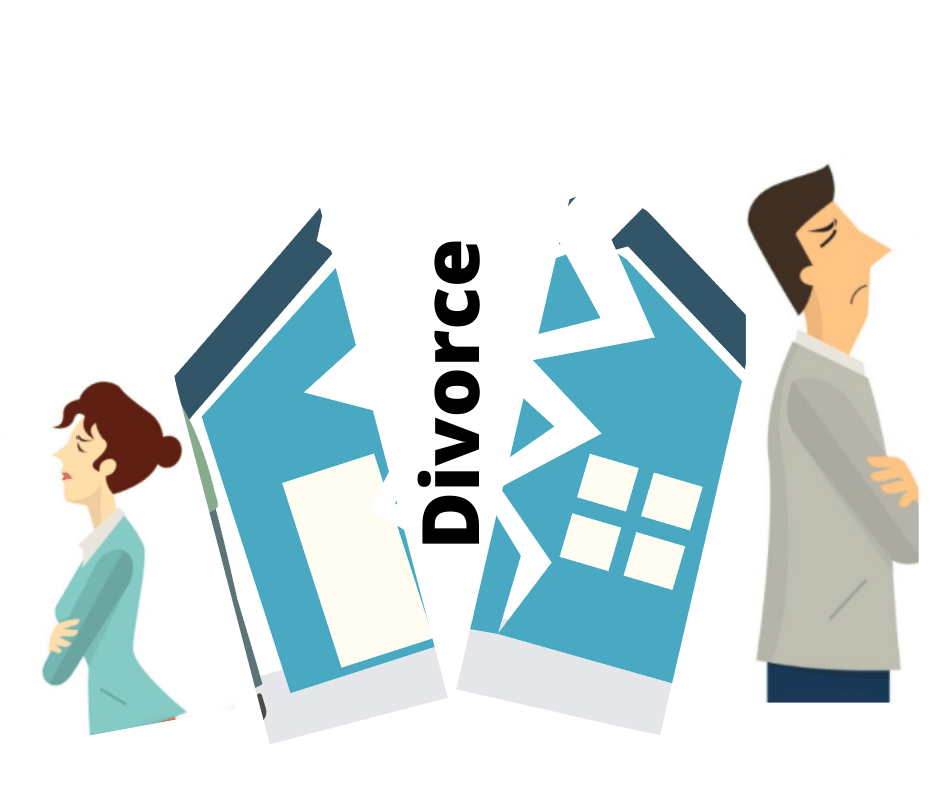
There’s a lot on your mind if you’re going through a divorce. Selling your home and selling your car at the same time adds to the stress. When deciding what to do with your shared house after a divorce, real estate is generally a major consideration.
A home is the most valuable asset for many couples. It could also have sentimental importance for both parties. Homeownership issues may be hard and tense, whether it’s dividing assets after a sale or deciding who gets to keep the house.
In many circumstances, selling the residence makes the most sense for financial, legal, or personal reasons. But that, too, raises questions. We’ll go over everything you need to know about selling a house after a divorce, including house selling choices, in this post.
In a divorce, who gets the house?
One of the spouses purchases the other’s legal interest in the house and maintains it. One spouse retains usage and occupancy of the home for a set amount of time, usually until the youngest kid reaches the age of 18, after which the residence may be sold. The house is sold right away, and whatever remaining equity is divided.
In a divorce, who gets the house depends on the circumstances of each case, making it a difficult position to negotiate. Depending on how amicable or acrimonious the divorce is, each of the aforementioned scenarios could play out differently. When it comes to discussing the future of a home, there are a few things to consider.
Split up enormous assets. If you and your spouse have various substantial assets, such as a primary residence and a vacation property, you may simply agree to divide them. As a result, you’ll both possess assets worth roughly the same amount. It isn’t necessary for it to be real estate. For example, one person can keep the family home while the other inherits the art collection or a joint stock portfolio.
Because you won’t have to wait for a property sale or face a long dispute over who gets a larger portion of a home, dividing large assets can be a faster way to settle a divorce. You’ll still need to negotiate the value of each large asset to reach an equitable agreement, but you won’t have to deal with the stress of selling a home while divorcing.
Buy the other party out. If either you or your spouse is serious about keeping the house, you can buy out the other. Depending on each party’s income, financial contributions to the property, and the home’s earning potential, the buyout could be for more or less than half of the market value. You can agree to compromise for half of the home’s market worth if you don’t want to have a back-and-forth discussion.
Keep in mind that the person performing the buying out must have sufficient funds that aren’t subject to the rest of the divorce proceedings, as well as the ability to afford the mortgage on a single salary. However, in some situations, a buyout might be rolled into a bigger home refinancing.
Take part in the ownership of the house. A couple can agree to a co-ownership plan in an amicable divorce. You’ll agree on how mortgage payments will be split, when they’ll be paid each month, and how the proceeds of a future sale will be distributed in this scenario.
Children can remain at home in this manner, and no one has to worry about spending a large sum of money to buy out the other party.
You’re still financially tied to your ex-spouse in this situation. Late payments on a co-owned home will damage both people’s credit ratings, even if you’re divorced. In addition, a homeowner who has not lived in a home as a primary residence for at least two of the prior five years is unable to claim the Home Sale Tax Exemption in the case of a sale. That means they’ll have to pay full capital gains taxes on any appreciation in a sale, which could be a stumbling block unless you agree on a sale timeline that allows both owners to benefit from the tax break.
Why selling your home during a divorce might be important You are not obligated to sell your home during a divorce, but there are several reasons why it may be a preferable option. Despite the hassles and stress of selling during a divorce, it may be the best decision for a variety of reasons.
Financial considerations You may have had two salaries to pay the expenses when you bought the house together. Selling the house may be the best alternative if either side can’t afford the mortgage, insurance, property taxes, and maintenance on a single salary.
As previously stated, the Home Sale Tax Exclusion exempts you from paying capital gains taxes on up to $500,000 in earnings if you are married and sell a home. The capital gains tax exclusions drop to $250,000 if you’re single. You must have lived in your home as a principal residence for two of the previous five years to be eligible for the exception. If one of the parties hasn’t or won’t live in the house, it may be more financially advantageous for both parties to sell the house before the divorce is finalized so that you can deduct a higher profit.
Couples can apply for this tax credit regardless of whether they file a joint or separate tax return, so you don’t have to be married to qualify. Selling the house before getting divorced has a significant financial benefit.
2. Legal considerations Even if it wasn’t a 50/50 split, each person contributed to the home’s acquisition in most circumstances. If you both desire the house but can’t agree on who should get it outside of court, the courts will make the decision for you.
Court battles seldom go as planned for either party, and they can exacerbate the couple’s hatred, complicating the divorce. Most people prefer to avoid going to court, so deciding to sell the house and share the money is typically a better option.
When the family home is sold, the split of assets in the divorce should be easier because you aren’t speculating on the house’s future value. Selling takes time and effort, but agreeing to sell and how the
proceeds will be split will save you the time and money of a legal struggle.
Reasons for liability It’s critical to grasp the liability risks and problems of being a single homeowner if one individual insists on maintaining the house.
While one spouse may have enough money to cover the mortgage and all payments, this also means the other spouse is no longer liable. They’ll have to speak with a lender and refinance the house, qualifying on a single salary for a home that was most likely bought with two. Although the spouse who wants the house may have the funds on hand to buy out the other, a lender may not agree that they will be able to keep up with the additional payments.
You must sell or face foreclosure if the lender will not support a single owner and the other spouse refuses to continue making payments on the house.
Homeownership comes with a lot of liabilities and financial obligations. If you can’t handle such risks on your own, you risk losing your home or ruining your credit.
How to Sell a House in the Middle of a Divorce Selling a home after a divorce is similar to selling a home at any other time, with the exception that you should be certain who receives what before the sale. You should be able to acquire fair market value from a transaction as long as you aren’t desperate to sell. Real estate appraisers and agents can assist you in determining that value, after which both spouses (through their solicitors) should agree on how the proceeds from the sale will be split.
Getting ready to sell Even in the best of times, selling a property necessitates planning. Consider any repair that your home need before putting it on the market, and contact a real estate appraiser to properly estimate the value of your home. If you and your spouse decide to invest in any repairs or upgrades, you must agree on how to share the costs and whether or not the expenditure would affect the profit split. Before investing more money, talk to your divorce attorney about this process so you can formalize any arrangements.
Before putting your house on the market, talk about things other than money. Will one of the spouses live in the house while it is on the market? Will they cover the entire mortgage and other bills, or will you share the bill? Who will prepare the house for showings, and who will attend showings, if either of you?
When you’re ready to sell, collaborate with your spouse to discover a reputable real estate agent that can assist you in selling your home. Because their main purpose is to acquire the best price for your house, a competent listing agent will work for both of you toward a common goal and will be a good mediator in any issue.
Accepting a proposal While your list price is based on an appraisal and the opinion of your real estate agent, you may not get that price. Accepting a divorce settlement offer on the marital home is a major choice. Be willing to make concessions.
While the house is on the market, come to an agreement on a price that you are both willing to accept.
If you can’t come to an agreement, trust your agent’s advice. If you want to get the sale over with quickly, you may have to accept a lower price.
Maintain an open line of communication with your husband, agent, and divorce attorney when offers begin to come in. Stay open-minded and use the counsel of your attorney and real estate agent if you can’t agree on particular proposals. Keep the procedure peaceful and avoid conflict as much as possible; it will make the remainder of the process go more smoothly.
Profit distribution It’s up to your lawyers to divide the profit from a transaction. In some states, regardless of the name on the deed, everything acquired or otherwise obtained during a marriage is considered equally held by each spouse. These are known as community property states, and your lawyer will be able to tell you if you live in one and explain the few exceptions to the regulations.
Otherwise, the costs and earnings related to the sale of your house may differ depending on the arrangements reached between your divorce lawyers. If one spouse paid more to the mortgage or the house’s financial upkeep during the marriage, they may be entitled to a bigger share of the selling proceeds. More of the profit may go to the other spouse if one spouse paid more to the home but keeps other big assets.
These disagreements can end up in court when a judge is tasked with dividing the earnings. Because few people leave divorce court satisfied, it’s preferable if you can reach a mutual agreement through your counsel.








 Home Home sweet sweet home