The Ultimate Weekend Escape to Porto, Portugal

Meta Description:

 Discover the ultimate weekend escape to Porto, Portugal! This detailed travel guide is packed with insider tips, hidden gems, and a perfect 3-day itinerary to help you explore the city’s charm, savor its famous port wine, and navigate like a local. Save time and money on your next European adventure!

Table of Contents

  1. Why Porto Deserves Your Weekend
  2. Getting There & Visa Tips
  3. How to Get Around Porto (Transport Hacks)
  4. Best Time to Visit Porto
  5. Top Sights & Hidden Gems
  6. What to Eat & Drink in Porto
  7. Budget & Time-Saving Travel Tips
  8. Essential Portuguese Phrases for Travelers
  9. Travel Tech & Must-Haves
  10. Smart Travel Insurance & Compensation Hacks
  11. Nearby Getaways & Suggested Itineraries
  12. FAQs

Why Porto is the Perfect Weekend Getaway

Compact, walkable, and bursting with character, Porto is a weekend warrior’s dream. It offers the perfect cocktail of history, culture, incredible food, and, well, actual incredible cocktails (and wine!). It’s significantly more affordable than its big sister, Lisbon, and you can see the major highlights without feeling like you’re on a brutal marathon. For more on choosing between Portugal’s iconic cities, check out my older blog post: Lisbon vs. Porto: Which Portuguese City Steals Your Heart?

If Lisbon is Portugal’s loud, outgoing sibling, Porto is the quieter, soulful one who surprises you with vintage wine and a rooftop sunset. Nestled along the Douro River, Porto is a city of azulejos (hand-painted tiles), charming trams, hearty food, and—of course—Port wine.

On my first trip, I accidentally spent two hours wandering through Ribeira’s cobbled alleys just because I got distracted by pastel-colored houses and the smell of grilled sardines. Zero regrets.

Visa Note: For travelers from the US, UK, Canada, and most Western countries, Portugal is part of the Schengen Area, allowing visa-free travel for up to 90 days. Always double-check the latest requirements on official government sites before you fly!

Flights: Porto’s Francisco Sá Carneiro Airport is well-connected to Europe. For cheap flights, I always book via Expedia.

Nearby escapes: Porto pairs perfectly with Lisbon, Madrid, Barcelona, or even a Morocco hop to Marrakech

Hotels in Porto

Your Porto Weekend Itinerary

Day 1: Ribeira, Bridges, and All the Port Wine

  • Morning (9:00 AM): Start your day in Praça da Liberdade, the city’s grand central square. Grab a bica (a potent Portuguese espresso) and a pastel de nata from a nearby café. Trust me, you’ll need the energy for the hills.
  • Late Morning (11:00 AM): Wander down the hill to the Ribeira District, Porto’s UNESCO World Heritage heart. Get lost in the labyrinth of narrow cobbled streets, colorful houses, and laundry hanging between buildings. It’s a photographer’s paradise. I spent a good hour just trying to get the perfect shot of the Dom Luís I Bridge framing the river—no regrets.
  • Afternoon (1:30 PM): Time for lunch! Skip the overly touristy spots right on the riverfront. Duck into one of the smaller streets for a francesinha—Porto’s infamous gut-busting sandwich of meats, cheese, and a spicy beer sauce. It’s a experience, not just a meal.
  • Late Afternoon (4:00 PM): Cross the Dom Luís I Bridge on the upper level for breathtaking panoramic views. Your destination? Vila Nova de Gaia, the home of all the major port wine cellars. I did a tour and tasting at Taylor’s, which was fantastic, but Graham’s and Cálem are also stellar choices.
  • Evening (8:00 PM): Enjoy a sunset dinner back on the Porto side. For a truly memorable experience, book a table at a restaurant with a terrace overlooking the river. The lights of Gaia twinkling on the water are pure magic.

Close-up of a small, dark traditional Portuguese bica coffee in a white cup, served with a saucer on a rustic table.
Fuel your exploration the local way with a bica—Portugal’s powerful and delicious answer to espresso. This tiny but mighty cup is the lifeblood of porto café culture and the perfect pause during a day of sightseeing.

Gaia Cable Car Tours

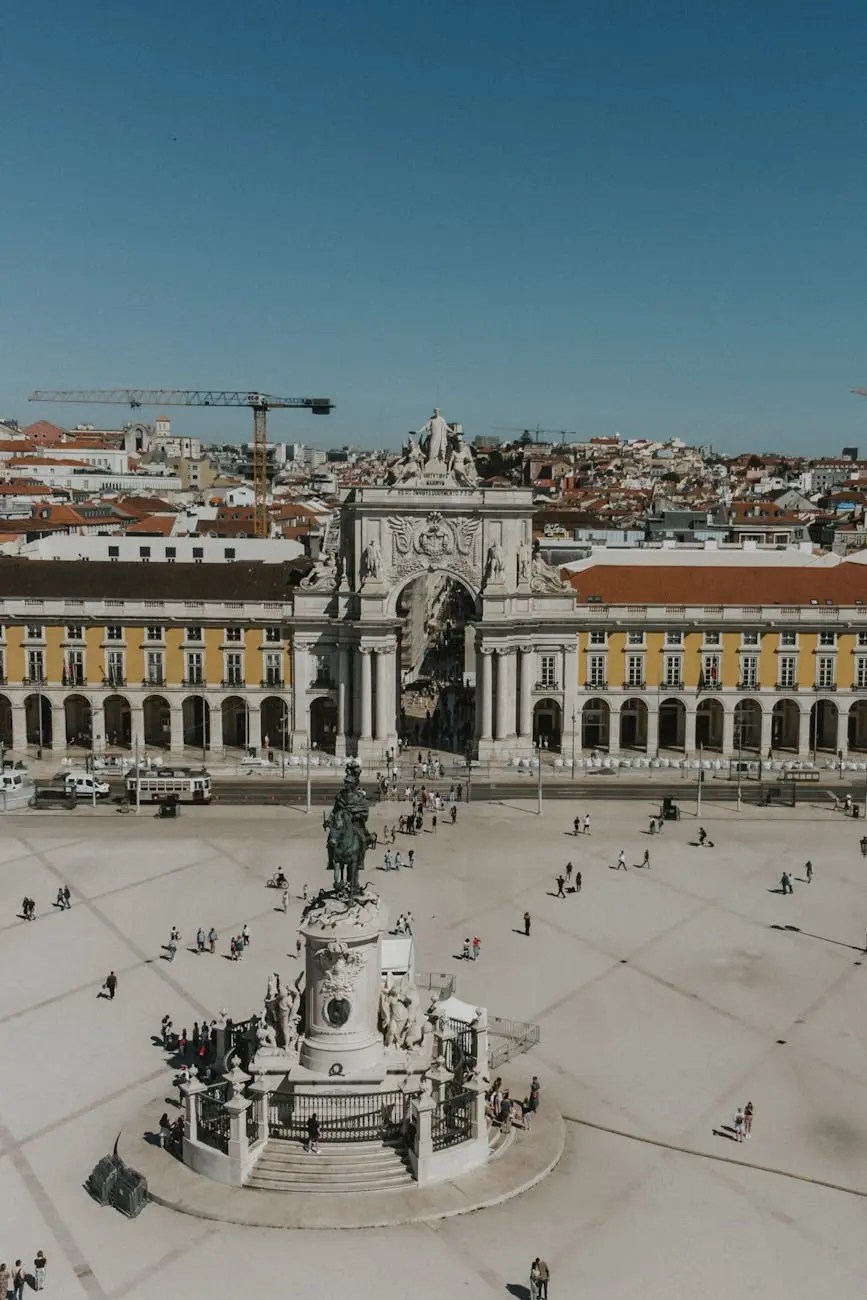
Aerial view of Praça da Comércio in porto, Portugal, featuring the grand arch, statue at the center, and surrounding historical buildings with people walking around.
Aerial view of Praça da Comércio, a historic square in Porto, showcasing the statue in the center and surrounding architecture. The magnificent Praça da Comércio (also known as Praça do Comércio) from above. This historic square is a gateway to Porto, framed by the grand Arrábida Arch and the iconic yellow Pombaline-style buildings.
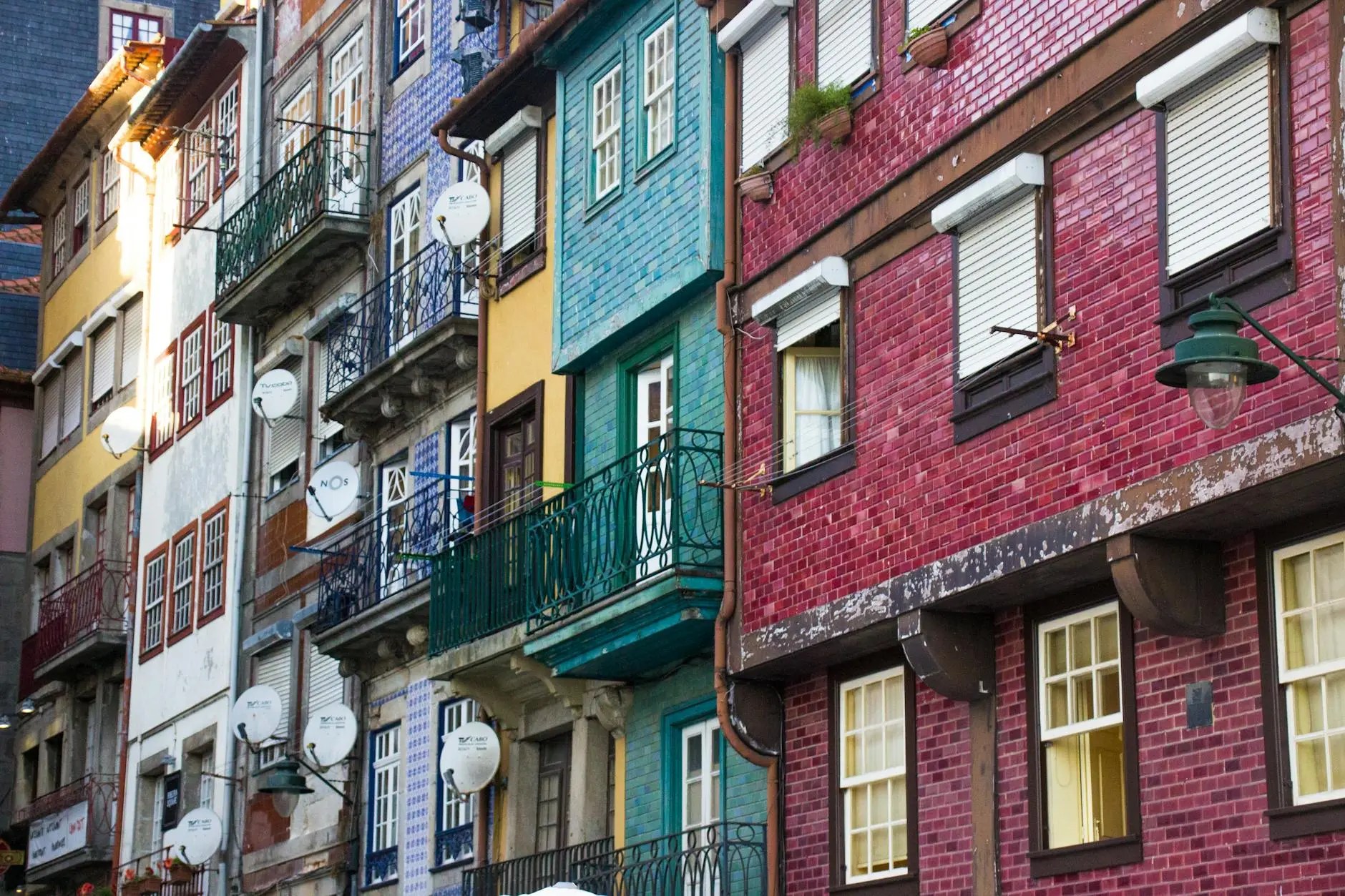
Colorful buildings with balconies and decorative tiles in a historic area of Porto, Portugal.
Colorful façades in Porto’s Ribeira District showcase the charm of the city’s architecture. The postcard-perfect heart of Porto. The Ribeira District’s colorful, slightly crumbling façades tell stories of the city’s history, where everyday life continues amidst stunning architecture.
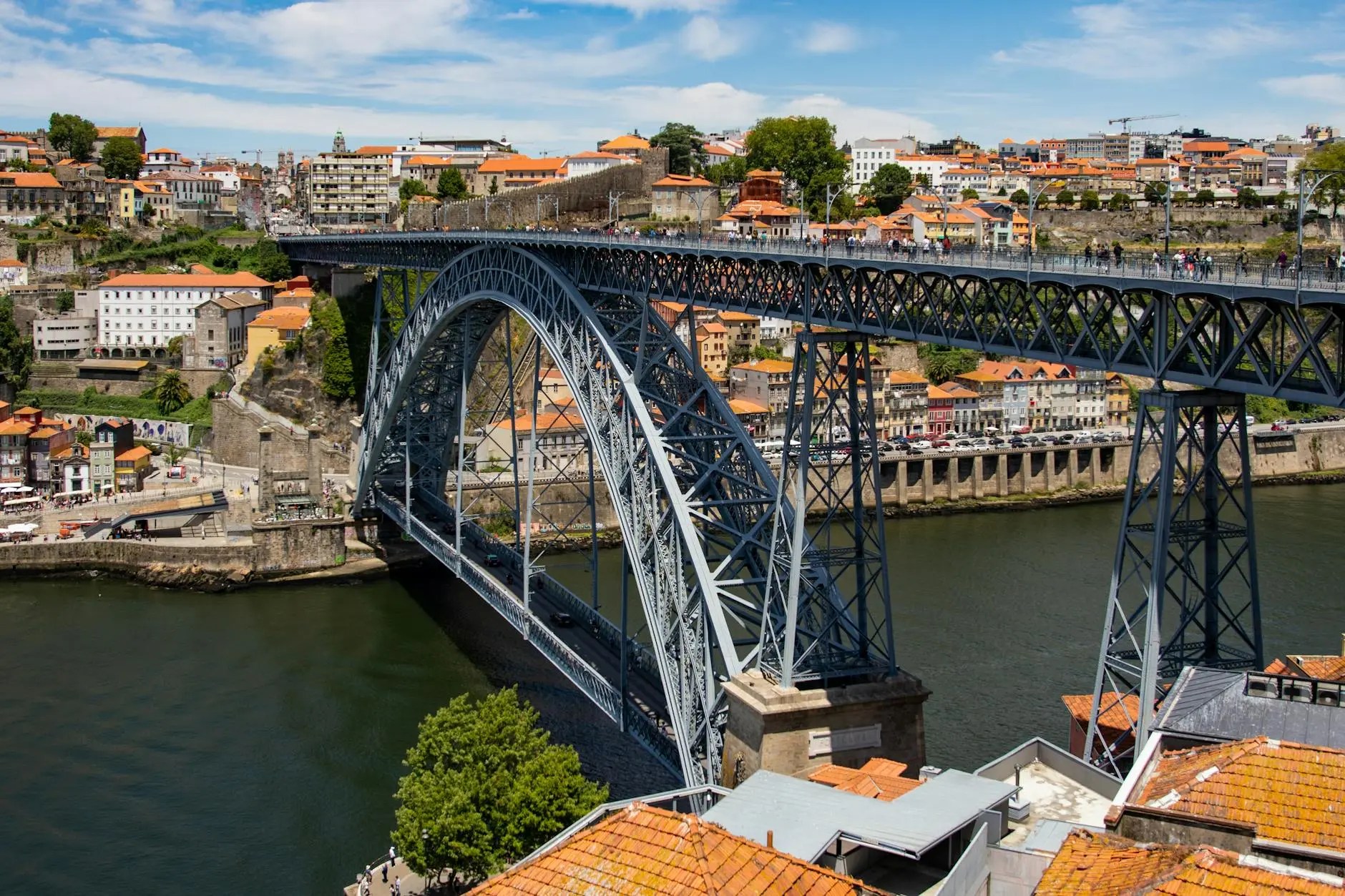
View of the Dom Luís I Bridge spanning the Douro River, with colorful houses and historic buildings in the background under a clear blue sky.
The iconic Dom Luís I Bridge spanning the Douro River in Porto, Portugal, offering stunning city views. The postcard-perfect heart of Porto. The Ribeira District’s colorful, slightly crumbling façades tell stories of the city’s history, where everyday life continues amidst stunning architecture.

A close-up of a hearty burger featuring a soft bread roll filled with savory toppings, including melted cheese, bacon bits, and garnished with chopped chives.
Indulge in the flavors of Porto with a delicious francesinha sandwich, a hearty local specialty. The legendary Francesinha: Porto’s ultimate comfort food. This “little Frenchie” is a formidable stack of cured meats, steak, and sausage, smothered in melted cheese and a secret, tangy beer and tomato sauce. It’s a must-try (and best shared!).
An interior view of a wine cellar featuring rows of barrels lined along the walls, creating a long, narrow corridor with warm, ambient lighting.
Inside a port wine cellar in Porto, showcasing rows of wooden barrels in a dimly lit corridor. Stepping back in time inside a port wine cellar. These massive oak barrels, known as balseiros, age the precious port wine, filling the air with a sweet, woody aroma that is simply unforgettable.
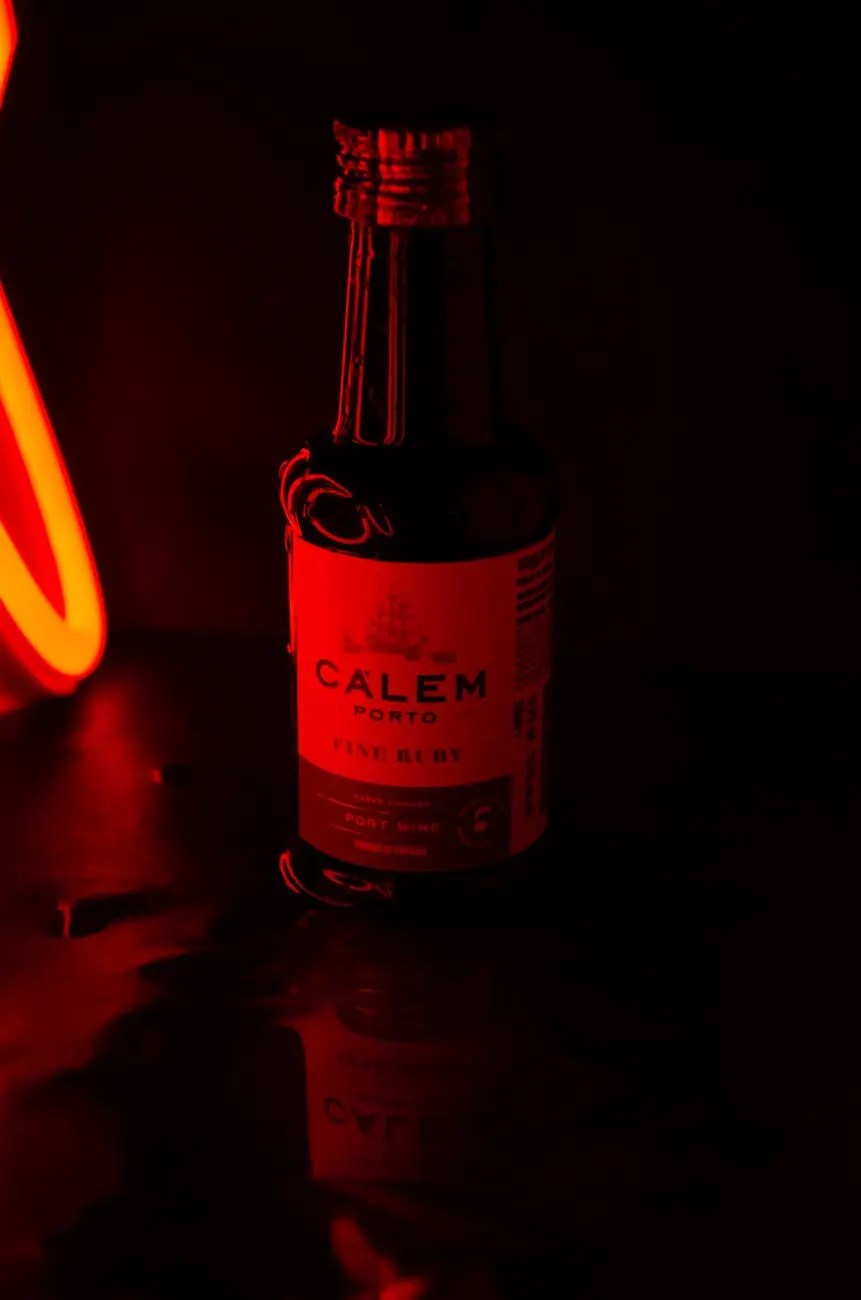
A close-up of a bottle of Cálem Fine Ruby Port wine against a dark background with a red light reflection.
A bottle of Cálem Fine Ruby Port Wine, showcasing Porto’s rich wine heritage. A modern take on a classic: Cálem Fine Ruby Port Wine glows under neon lights. This vibrant, youthful port is known for its fruity flavors and is a perfect introduction to Porto’s most famous export.
A panoramic view of the Douro River in Porto, Portugal, featuring colorful buildings along the riverbank, a cable car in the foreground, and traditional boats on the water.
A stunning view of the Douro River in Porto, showcasing the iconic cable car and picturesque waterfront with colorful buildings. The soul of Porto unfolds along the Douro River. This breathtaking perspective captures the Gaia cable car gliding above the waterfront, passing the iconic rabelo boats and the historic port wine cellars nestled into the hillside.

Day 2: Tiles, Books, and Atlantic Breezes

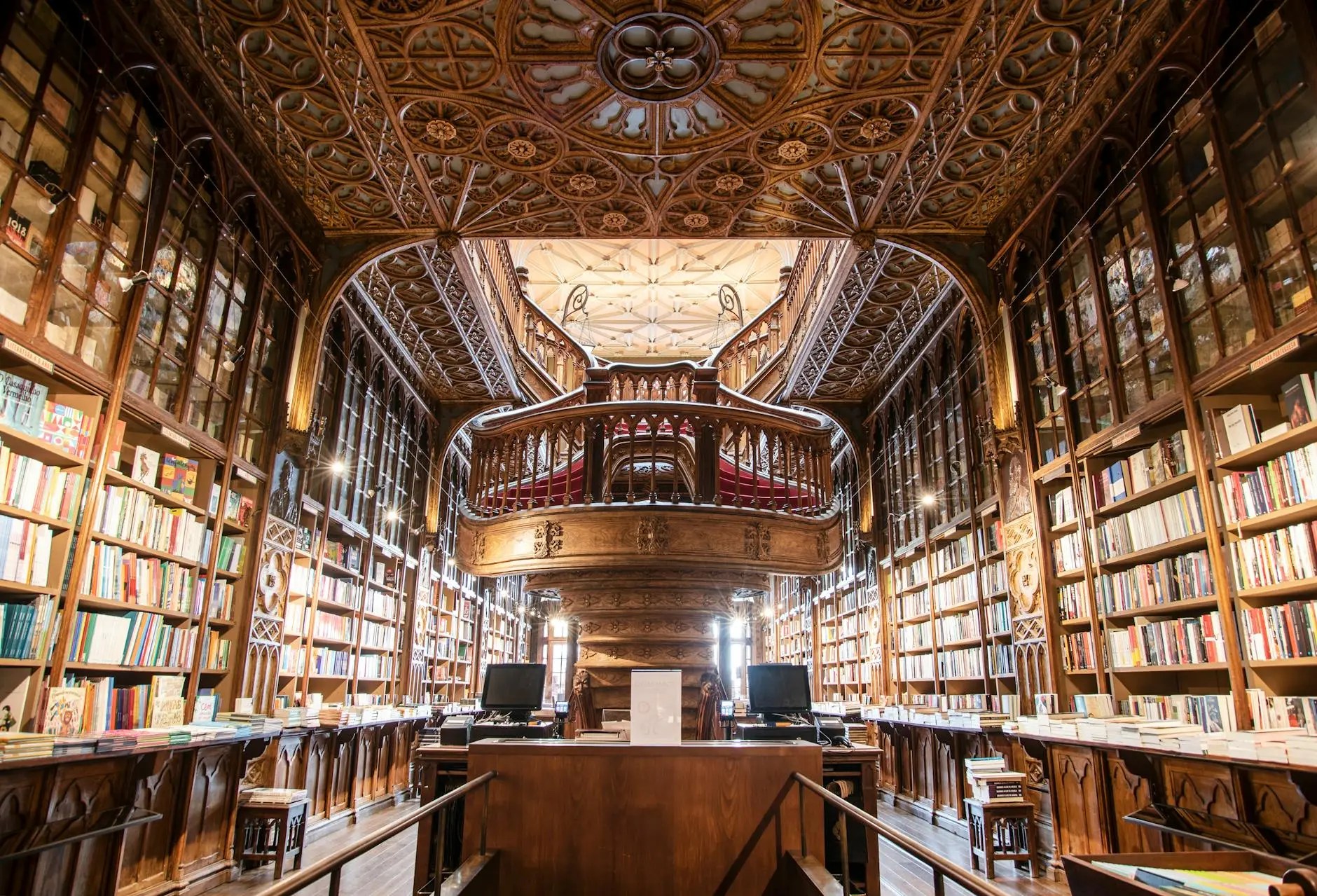
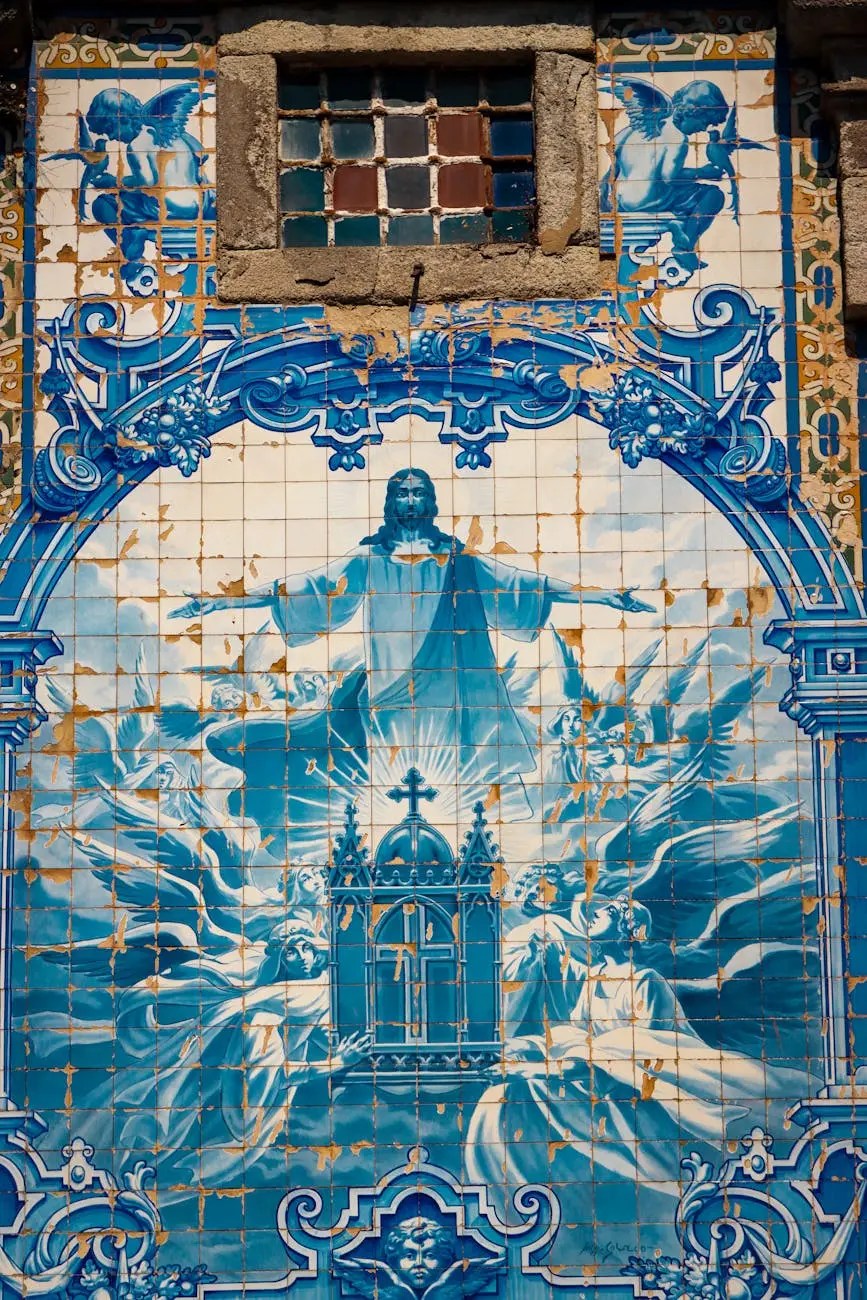
  • Morning (10:00 AM): Marvel at the Igreja do Carmo, famous for its massive side wall covered in breathtaking blue azulejos. Then, make your way to the Livraria Lello. Yes, it’s crowded and you need to buy a ticket online in advance, but stepping inside this bookshop that allegedly inspired JK Rowling is worth it. The staircase is a masterpiece.
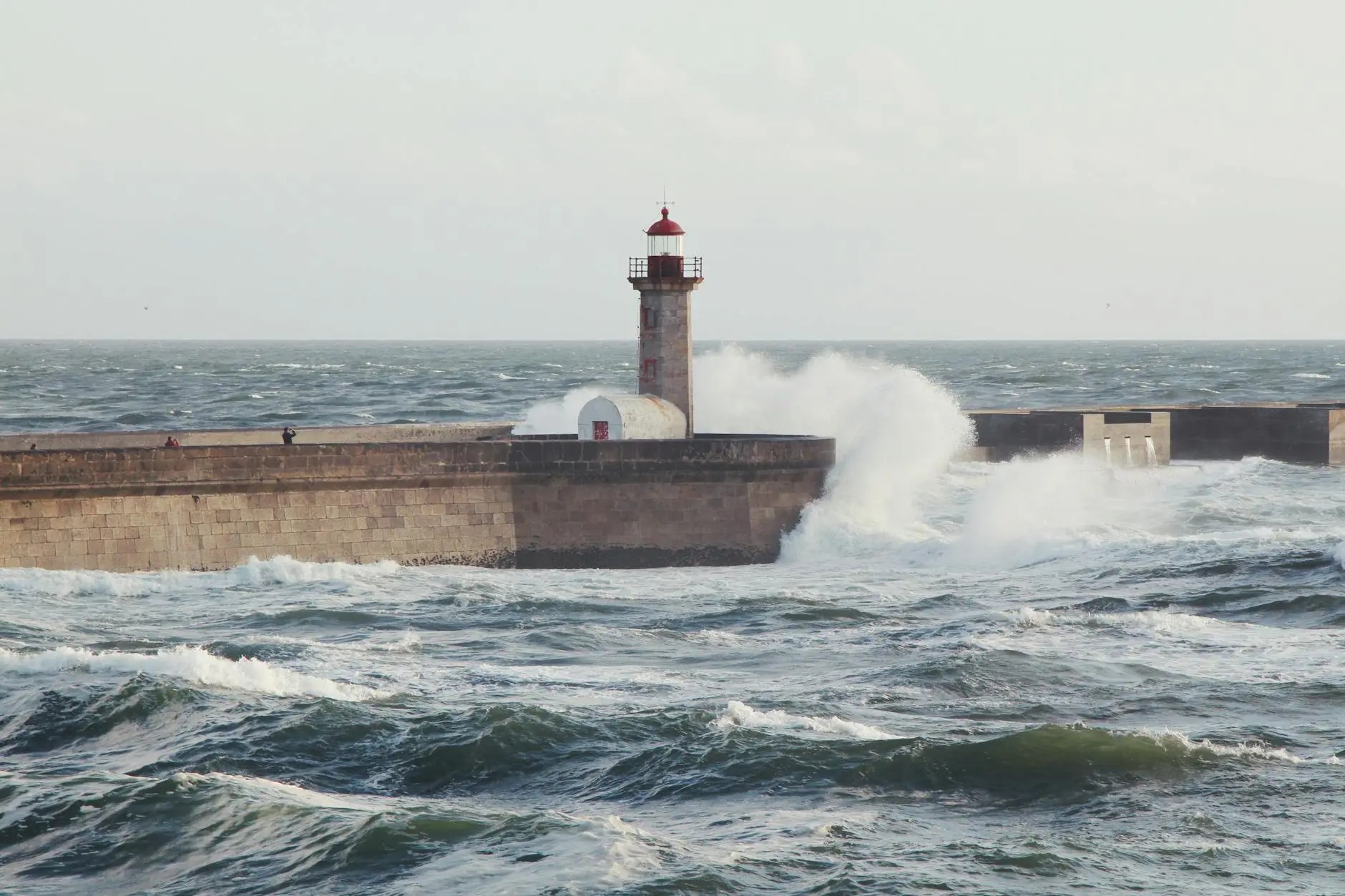
  • Afternoon (1:00 PM): Hop on the city’s efficient metro system (Line D) and head to the mouth of the Douro River. Get off at Matosinhos Sul and walk along the promenade to Foz do Douro, where the river meets the Atlantic Ocean. The power of the waves here is incredible.
  • Late Afternoon: Treat yourself to a fresh seafood lunch in Matosinhos—it’s the fishing hub for a reason. Then, either take the metro back or enjoy a leisurely stroll along the river back towards the city center.
  • Evening: For your last night, dive into the trendy Galeria de Paris area for a vibrant nightlife scene. Find a small bar, order a vinho verde (a crisp “green wine“), and soak in the local vibe.
Plan your Journey

A detailed blue and white azulejo tile mural depicting a religious scene with Jesus Christ at the center, surrounded by angels and ornate designs.
Beautiful blue azulejos depicting a religious scene in Porto, Portugal. A masterpiece in tile: A close-up of historic blue and white azulejos in Porto telling a sacred story. These hand-painted tiles are not just decoration; they are a fundamental part of Portugal’s artistic soul.

Interior view of Livraria Lello, a beautiful historic bookstore in Porto, featuring ornate woodwork, shelves filled with colorful books, and a grand staircase.
The stunning interior of Livraria Lello, a must-visit bookshop in Porto known for its intricate architecture and literary history. Stepping into a fantasy: The breathtaking interior of Livraria Lello, often cited as an inspiration for Hogwarts. Its Art Nouveau elegance, with the iconic crimson staircase and neo-Gothic details, makes it one of the most beautiful bookstores in the world.
A lighthouse standing on a pier, with waves crashing against the stone wall and the ocean in the background.
Waves crashing against the lighthouse at Foz do Douro, where the Douro River meets the Atlantic Ocean. Where the river meets the sea: The dramatic Foz do Douro lighthouse stands resilient against the relentless force of the Atlantic Ocean. This spot marks the end of the Douro River’s journey and offers a powerful, windswept contrast to the city center.
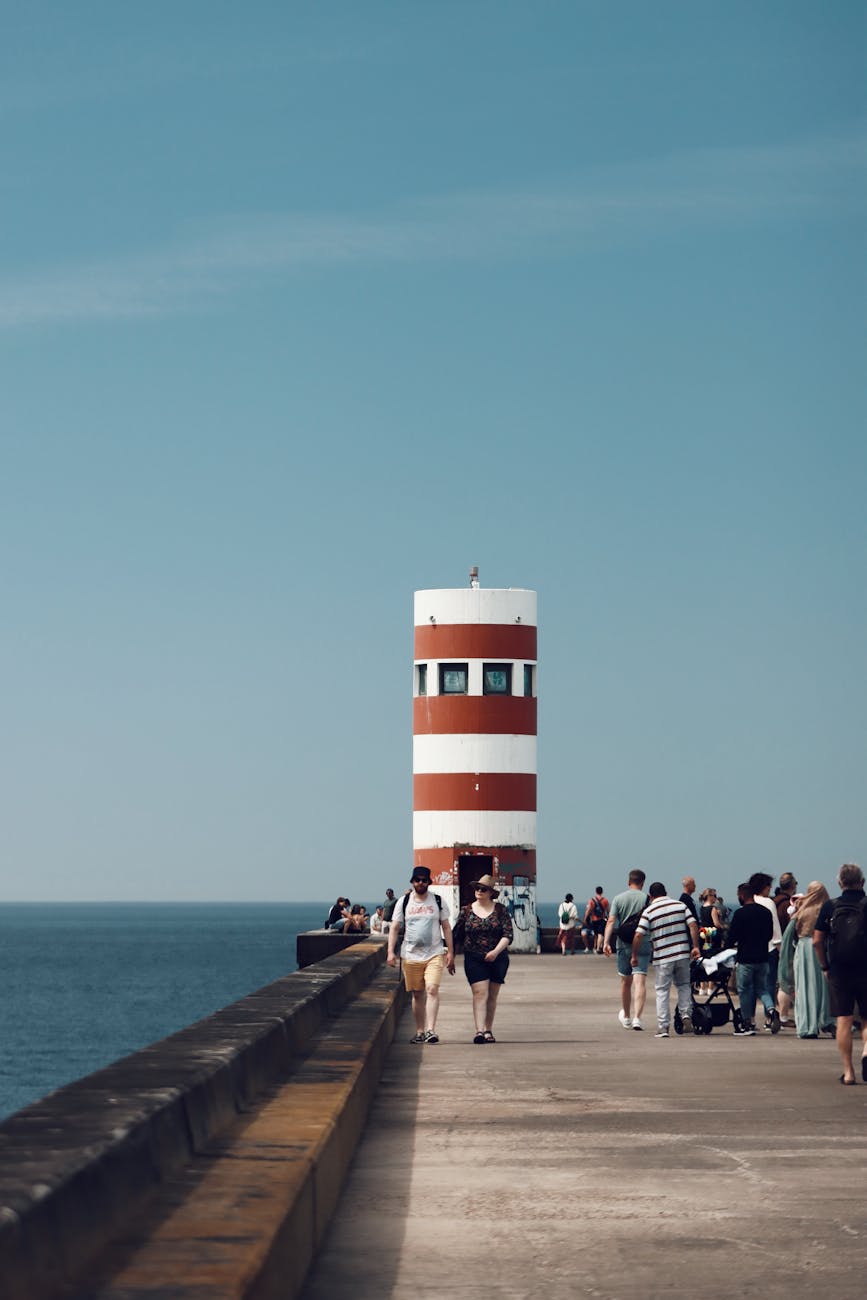
A busy seaside pier with people walking and enjoying the view, featuring a striped lighthouse at the end and a clear blue sky in the background.
Visitors strolling along the seaside pier toward a distinctive striped lighthouse in Porto, Portugal. Farolim da Barra do Douro

Porto Insider: Hidden Gems Most Tourists Miss

  • Miradouro da Vitória: This viewpoint offers one of the best angles of the Ribeira and Dom Luís I Bridge, but without the overwhelming crowds of the more famous spots.
  • Rua das Flores: This beautiful pedestrian street is often packed, but venture into the tiny alleys that shoot off from it. You’ll find quiet cafes and small artisan shops.
  • Mercado Bolhão: This historic market is undergoing renovations but is still operating. It’s a chaotic, wonderful slice of local life. Go for the people-watching and to buy some fresh fruit or cheese.
  • Jardins do Palácio de Cristal – Gardens, peacocks, and Douro River views.
  • Rua Miguel Bombarda – Street full of quirky art galleries and indie shops.

Capela do Senhor da Pedra (Chapel of the Lord of the Stone), Miramar Beach

Perched dramatically on a rock at Miramar Beach in Vila Nova de Gaia, the Capela do Senhor da Pedra is one of Porto’s most magical spots — especially at sunset. Built in 1763, this small hexagonal chapel sits atop a giant boulder where, before Christianity, pagan rituals were held, worshipping nature and the sea. Secrets from Portugal+3Wikipedia+3Portugal.com+3https://www.localporto.com/miguel-bombarda-street-porto/

What makes it stand out:

  • Setting & Atmosphere: The chapel backs onto the Atlantic; when the waves crash and the sun is lowering, the combination of stone, water, sky and light makes for unforgettable views and photographs. Flickr+2VISIT PORTO REGION+2
  • History & Mystery: The site was once pagan, with inscriptions at the entrance hinting at its ancient sacredness. Later it was converted for Christian worship, and it still hosts an annual pilgrimage on the Sunday of the Holy Trinity.
  • Access: It’s ~20 km south of Porto’s center. You can reach it by train (to Miramar station) plus a short walk, or by car / scooter. If possible, plan to arrive for late afternoon or golden hour — staying for sunset is highly recommended.
  • Things to know: There aren’t many supermarkets around, so bring water/snacks. Also, tides/waves may affect how close you can safely get to the base rock
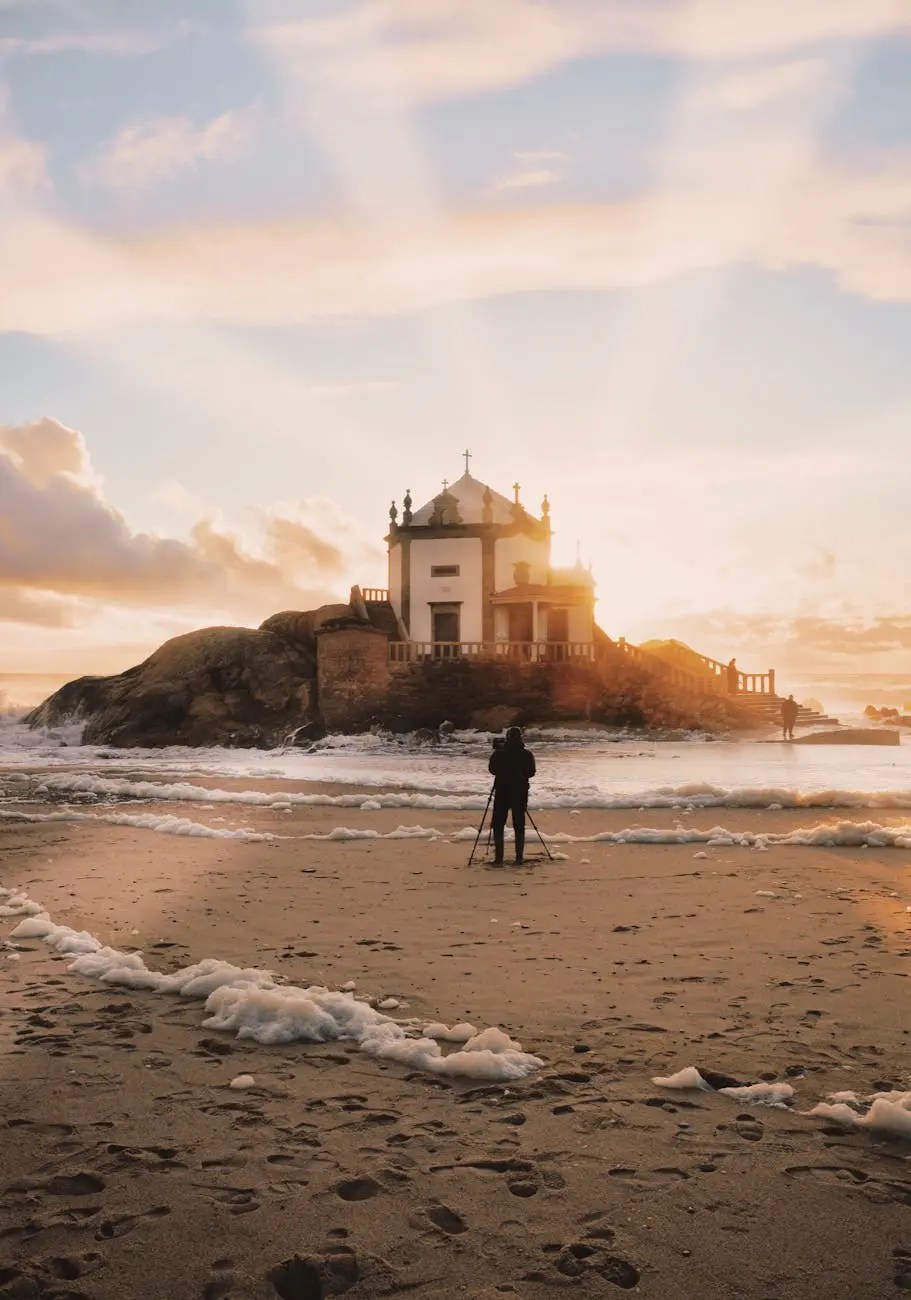
A person capturing a photo on the beach at sunset, with the Capela do Senhor da Pedra visible on a rock in the background.
The stunning Capela do Senhor da Pedra at Miramar Beach, framed by a beautiful sunset. A moment of pure magic at Miramar Beach. The 17th-century Capela do Senhor da Pedra (Chapel of the Lord of the Stone) stands serenely on its rocky altar, framed by a breathtaking sunset. This is one of Porto’s most unique and photogenic hidden gems.

Navigating Porto Like a Pro

Forget the rental car. Seriously. Porto’s center is a maze of one-way streets and limited parking. Your best friends are your feet and public transport.

  • Walking: The best way to explore the core. Wear comfortable shoes—the hills are no joke. Be warned—Porto is hilly. Your calves will thank you later.
  • Metro & Bus: The system is clean, efficient, and cheap. Get a Andante Blue Card (the reusable card itself costs €0.60) and then top it up with credit for your journeys. You must validate it before each trip! A single zone journey (which covers almost all city center travel) is €1.25.
  • Tram & Funicular: The historic Tram #1 runs along the river to Foz and is a charming (if touristy) ride. The Funicular dos Guindais is a fun way to save your calves the climb from Ribeira to the Batalha area.
  • Uber/Bolt: Incredibly affordable in Porto. A ride across the city center will rarely cost more than €5-€7, making it a great option when your feet have officially given up.

💡 Pro Tip: Download Moovit app for real-time schedules, or grab a city map at São Bento Station (worth visiting just for the azulejo murals).

Essential Portuguese for the Weekend Warrior

  • Olá (OH-lah) – Hello
  • Obrigado (o-bree-GAH-doo) – Thank you (said by a man)
  • Obrigada (o-bree-GAH-dah) – Thank you (said by a woman)
  • Por favor (por fa-VOR) – Please
  • Uma bica, por favor (OO-ma BEE-ka, por fa-VOR) – An espresso, please
  • A conta, por favor (ah CON-ta, por fa-VOR) – The bill, please
  • Desculpe (desh-KOOLP) – Excuse me / Sorry
  • How much? = Quanto custa?
  • Where is the train station? = Onde fica a estação de comboios?
  • Wine, please = Vinho, por favor

Smart Travel Tools for a Hassle-Free Trip

Let’s be real, modern travel requires modern solutions. Here’s what I never leave home without:

🌐 Stay Connected Smartly: Hunting for a local SIM at the airport is a rookie move that costs time and money. I’ve been using Drimsim for years—a genius universal SIM that works in 190+ countries. Pop it in, top up via the app, and you’re online the second you land. No contracts, no hidden fees. It’s a game-changer. ➡️ Check out Drimsim here.

🔒 Protect Your Privacy (& Stream Netflix): Public Wi-Fi in hotels and cafes is a hacker’s playground. A VPN is non-negotiable for securing your data. I also use it to watch shows from back home. NordVPN is my go-to for reliability. ➡️ Get NordVPN for your trip.

✈️ Get Paid for Flight Chaos: Did you know that if your flight is significantly delayed, canceled, or you’re denied boarding, you could be entitled to up to $650 in compensation? Most people don’t claim it. I use AirHelp to handle the messy paperwork with the airlines. They only get paid if you win, so it’s a no-brainer. ➡️ Check your flight with AirHelp now.

🤒 Don’t Skimp on Insurance: A medical emergency abroad can bankrupt you. I always, always get travel insurance. VisitorsCoverage is a fantastic platform to compare and find a plan that fits your specific trip, whether it’s a weekend or a month. ➡️ Find the right coverage with VisitorsCoverage.

And of course, for putting together your entire trip—flights, hotels, and all—I always start my search on Expedia to bundle and save.
➡️ Start planning your Porto escape on Expedia 

To capture all those beautiful moments, I swear by my Sony Alpha camera. It’s lightweight, powerful, and perfect for travel photography.

Frequently Asked Questions (FAQ)

Q: What is the best time of year to visit Porto for a weekend?
A: The sweet spots are the shoulder seasons: March-May and September-October. The weather is pleasant, the crowds are thinner, and prices are more reasonable. Summer (June-August) is busy and can be quite hot.

Q: Is two days in Porto enough?
A: For a weekend city break, absolutely! Porto’s historic core is very concentrated. Two full days allows you to see the major sights, enjoy the food and wine, and get a real feel for the city’s charm without being rushed.

Q: How much does a weekend in Porto cost?
A: Porto is very affordable for Western Europe. A budget traveler could manage on €50-70/day, while a mid-range traveler spending on nice meals, tours, and a central hotel might budget €100-150/day.

Q: What is the best way to get from Porto Airport (OPO) to the city center?
A: The Metro is the easiest and cheapest option. The Purple Line (E) goes directly from the airport to the city center (Trindade station) in about 30 minutes. A one-way ticket is €2.00 plus the €0.60 card fee. A taxi or Uber will cost around €20-25.

Q: Can I drink the tap water in Porto?
A: Yes, the tap water is perfectly safe to drink. This is an easy way to save money and reduce plastic waste—just bring a reusable water bottle.

Q: Is Porto cheaper than Lisbon?
A: Yes—accommodation and food are generally more affordable


Nearby Getaways & Suggested Itineraries

Pair Porto with Lisbon (train ride = 3 hours).

Hop over to Madrid or Barcelona by air.

Spice it up with Marrakech—a contrasting cultural escape.

Your Portuguese adventure is calling! With this guide, you’re all set to have an incredible, efficient, and deeply rewarding weekend in Porto. What are you most excited to see? Tell me in the comments below!

Ready to book? Don’t forget to use my link to find the best deals on Expedia and travel smarter with my recommended tools. Boa viagem!
Universal Disclaimer/Disclosure Page:

48 Hours in Barcelona: Ultimate Weekend Itinerary

Table of Contents

  1. Introduction: The Magic of Barcelona in a Weekend
  2. Planning Your Barcelona Weekend Escape
    • Best Time to Visit for Perfect Weather
    • Getting There & Getting Around: Transport Tips
    • Where to Stay: Best Neighborhoods for Every Traveler
  3. Your Ultimate 48-Hour Barcelona Itinerary
    • Day 1: Gaudí’s Masterpieces & Gothic Charm
      • Morning: Sagrada Família & Park Güell
      • Afternoon: The Gothic Quarter & La Rambla
      • Evening: Tapas & Drinks in El Born
    • Day 2: Markets, Views & Beach Vibes
      • Morning: Mercado de La Boqueria & Barcelona Cathedral
      • Afternoon: Barceloneta Beach & Waterfront
      • Evening: Magic Fountain Show & Panoramic Views
  4. Essential Barcelona Experiences
    • A Food Guide: Tapas, Paella, and Catalan Cuisine
    • Cultural Tips: Understanding Local Customs
  5. Practical Information for Your Trip
    • Language: Catalan and Spanish Basics
    • Money-Saving Tips & City Passes
    • Staying Safe: Pickpocket Awareness
  6. Conclusion: Making Your Barcelona Weekend Unforgettable

Barcelona isn’t just a city—it’s a mood. The capital of Catalonia has mastered the art of balancing modern flair with old-world charm. Antoni Gaudí’s dreamlike architecture captivates visitors. Tapas are so delightful they could make you rethink every diet you’ve ever tried. Barcelona knows how to sweep travelers off their feet.

And here’s the kicker: Barcelona consistently ranks among the Top Visited Cities in the World, welcoming millions each year. If you’ve only got a weekend to spare, don’t worry. I’ve crafted the ultimate 48-hour escape. It’ll help you make the most of every churro-filled moment.

Flights to Barcelona

✈️ Flight Delayed or Canceled?
Travel isn’t always smooth sailing—sometimes flights get delayed, canceled, or overbooked. The good news? You might be entitled to up to $650 in compensation under air passenger rights. Most travelers never claim it, but I’ve got you covered: just check your flight with AirHelp. They handle the paperwork, fight the airlines for you, and only get paid if you win. Easy, stress-free, and potentially a nice surprise for your travel fund.

✈️ Travel Hack: Tired of expensive international data? I use Drimsim—a global SIM that works in 190+ countries. Pop it in, top up on the app, and you’re online. No contracts, no hidden fees. Perfect for every getaway! 👉 Drimsim

Hotels in Barcelona

🏰 Day 1: Dive into the Heart of Barcelona

Morning: La Rambla & Gothic Quarter Stroll

Start your weekend like a true Barcelonian—with a slow stroll down La Rambla. This lively boulevard is packed with flower stalls, street performers, and enough souvenir magnets to cover your fridge twice. Take a detour into the Gothic Quarter (Barri Gòtic) where cobblestone alleys whisper tales of medieval kings and Roman ruins.

La Rambla Tours

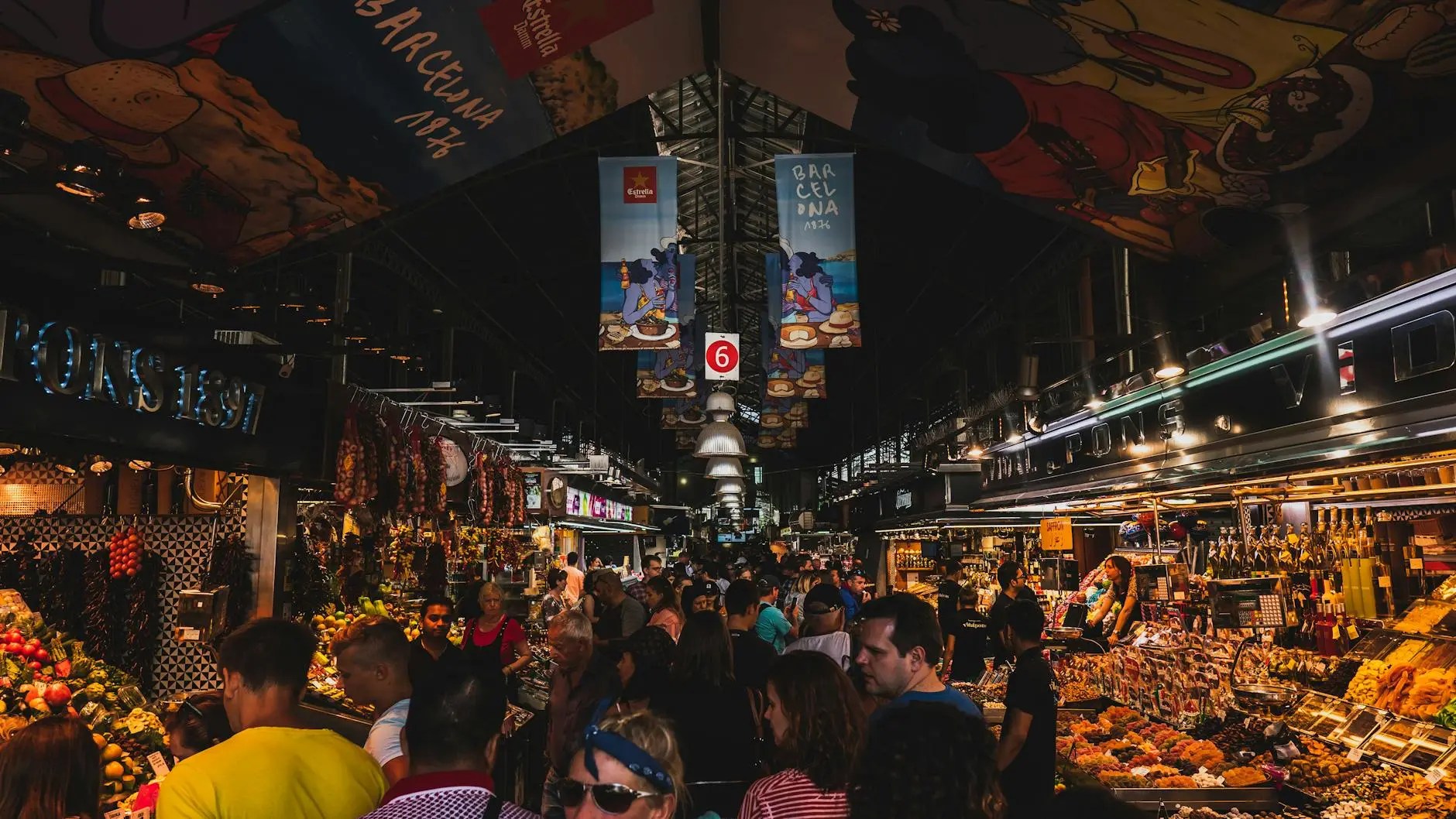
A bustling market in Barcelona, filled with vibrant stalls offering fresh fruits, vegetables, and local delicacies, with a lively crowd of shoppers enjoying the atmosphere.
A bustling market in Barcelona, filled with colorful stalls and a lively crowd, showcasing the city’s vibrant food culture.

Hotels in Gothic Quarter, Barcelona

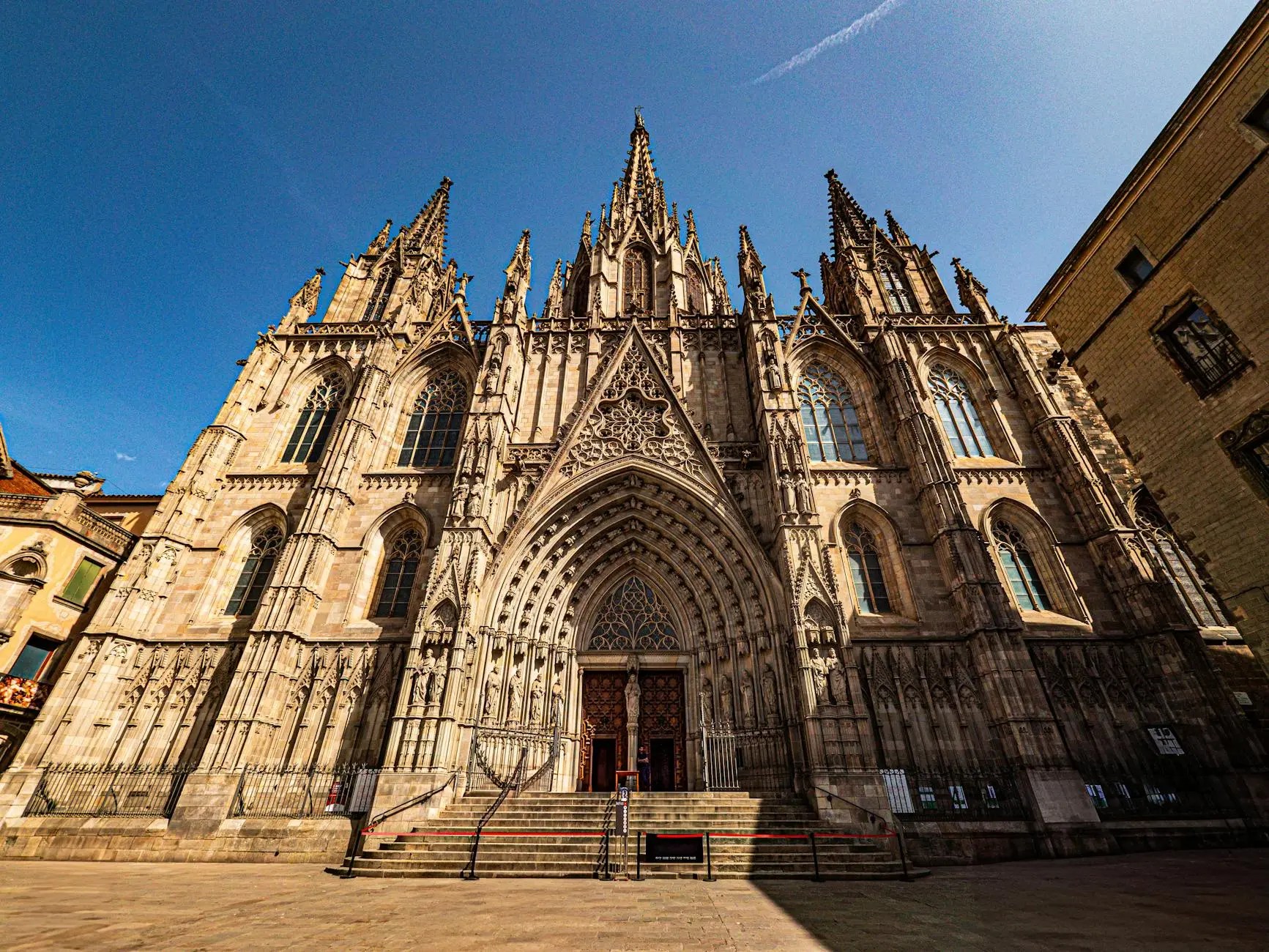
Facade of the ornate Barcelona Cathedral, showcasing intricate Gothic architecture under a clear blue sky.
Explore the stunning architecture of the Gothic Quarter, featuring the magnificent facade of a historic cathedral.

💡 Pro Tip: If you’re a photography buff, this area is a goldmine. I always travel with my camera gear from Camera World. Let’s face it, iPhone snaps don’t do justice to Barcelona’s moody Gothic arches.

Afternoon: Gaudí’s Masterpieces

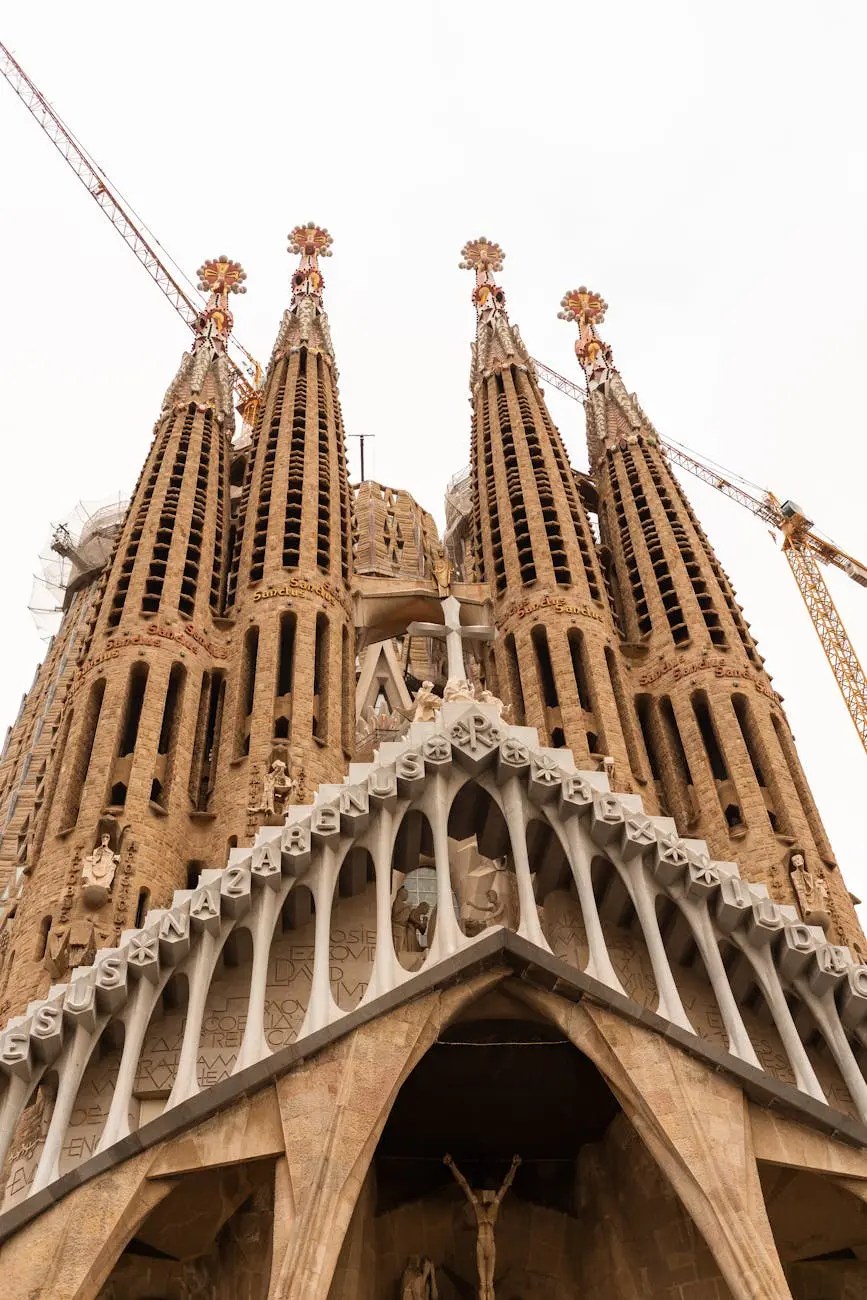
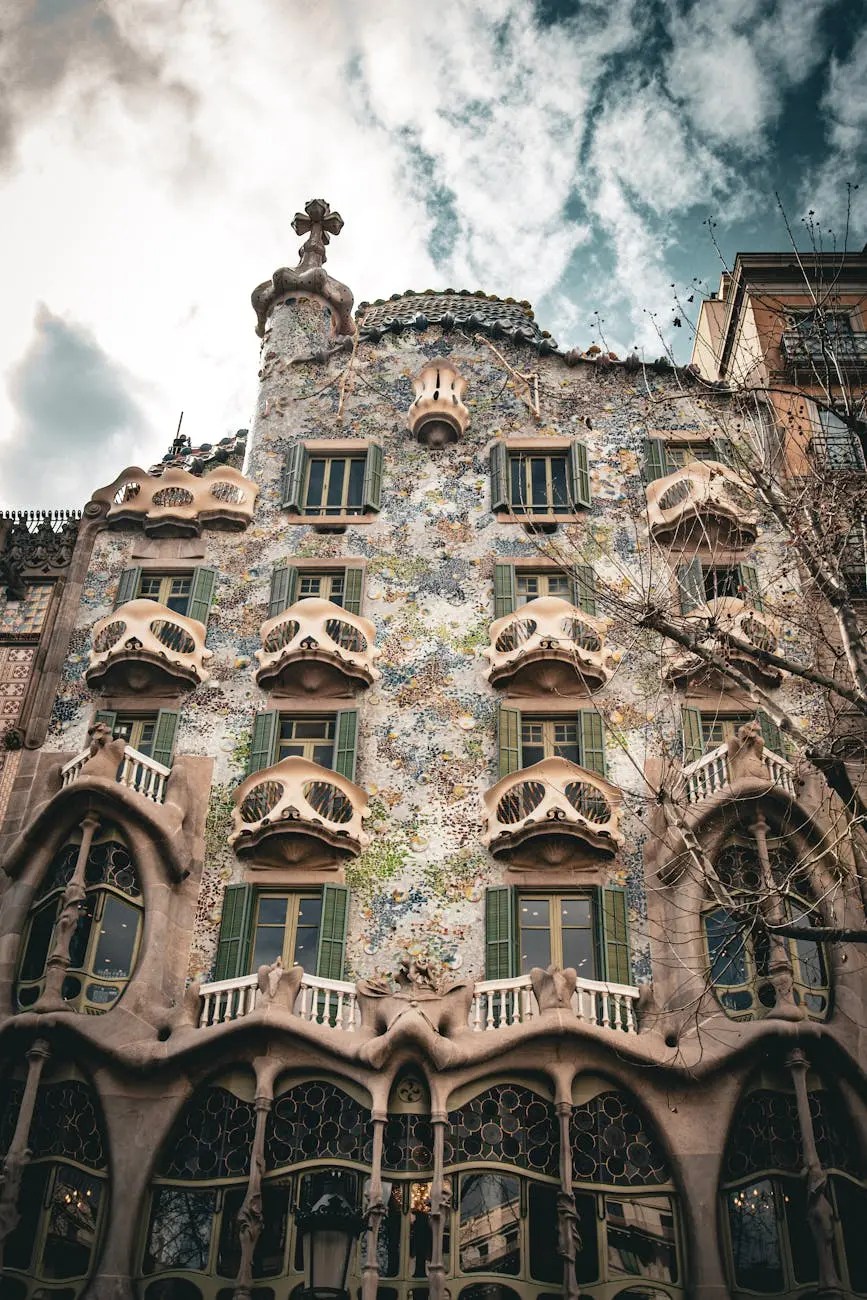
No trip to Barcelona is complete without Gaudí. Swing by Casa Batlló and La Pedrera, then spend your afternoon at the one-and-only Sagrada Família. Sure, it’s been “under construction” since 1882, but aren’t we all a work in progress?

Best Time to Visit: Late afternoon for softer light and fewer tourist buses.

Casa Batllo Tours

Close-up view of the ornate facade of Casa Batlló, showcasing its colorful tiles, unique architectural details, and distinctive windows against a cloudy sky.
The intricate façade of Casa Batlló, a masterpiece by Antoni Gaudí, showcasing its unique architecture and vibrant details.

Sagrada Familia Tours

Close-up view of the Sagrada Família, showcasing its intricate architectural details and towering spires against a cloudy sky.
The stunning facade of Gaudí’s Sagrada Família, showcasing its intricate architecture and iconic towers.

Evening: Tapas & Flamenco

Head to El Born district for tapas hopping. Here’s my guideline: Look for a bar that’s crowded with locals. If it smells like garlic and grilled seafood, you’ve found the right spot. End the night with a flamenco show—it’s dramatic, passionate, and you’ll clap along even if you’re rhythm-challenged.

Hotels in El Born, Barcelona

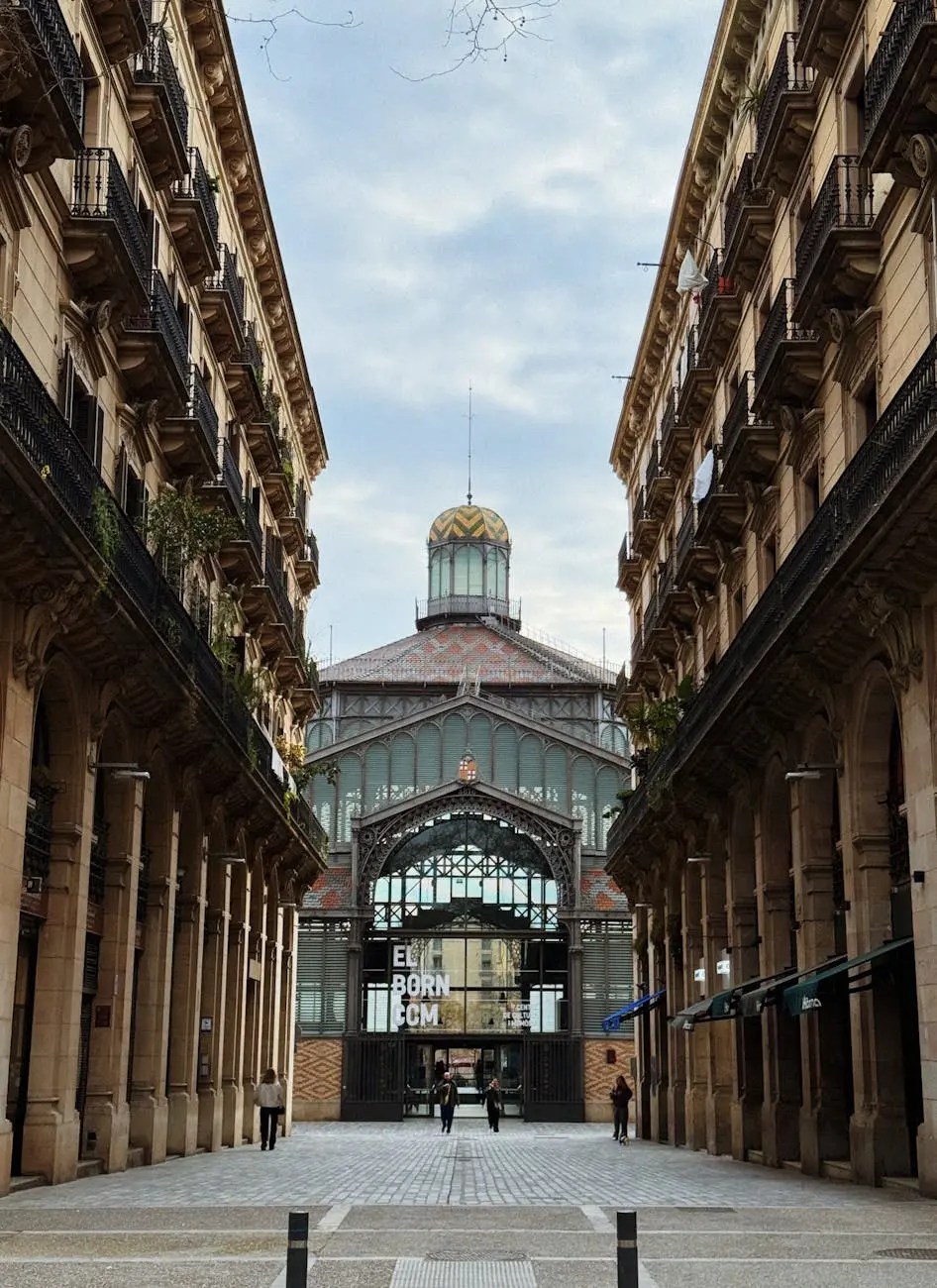
View of El Born cultural center, framed by historic buildings in Barcelona, showcasing a mix of modern and classical architectural styles.
A view of El Born district in Barcelona, showcasing its distinctive architecture and vibrant atmosphere.

🌊 Day 2: Sunshine, Sea, and Secret Corners

Morning: Barceloneta Beach

Barcelona’s coastline stretches for miles, and Barceloneta Beach is the most famous. Rent a bike (plenty of rental shops around) and cruise along the seaside promenade. It’s cheaper than taxis and way more fun.

🚴 Insider Hack: Download Citymapper for real-time bus/train routes. It’ll save you money and keep you from playing charades with bus drivers.

Hotels near Barceloneta Beach

Barceloneta Beach Tours

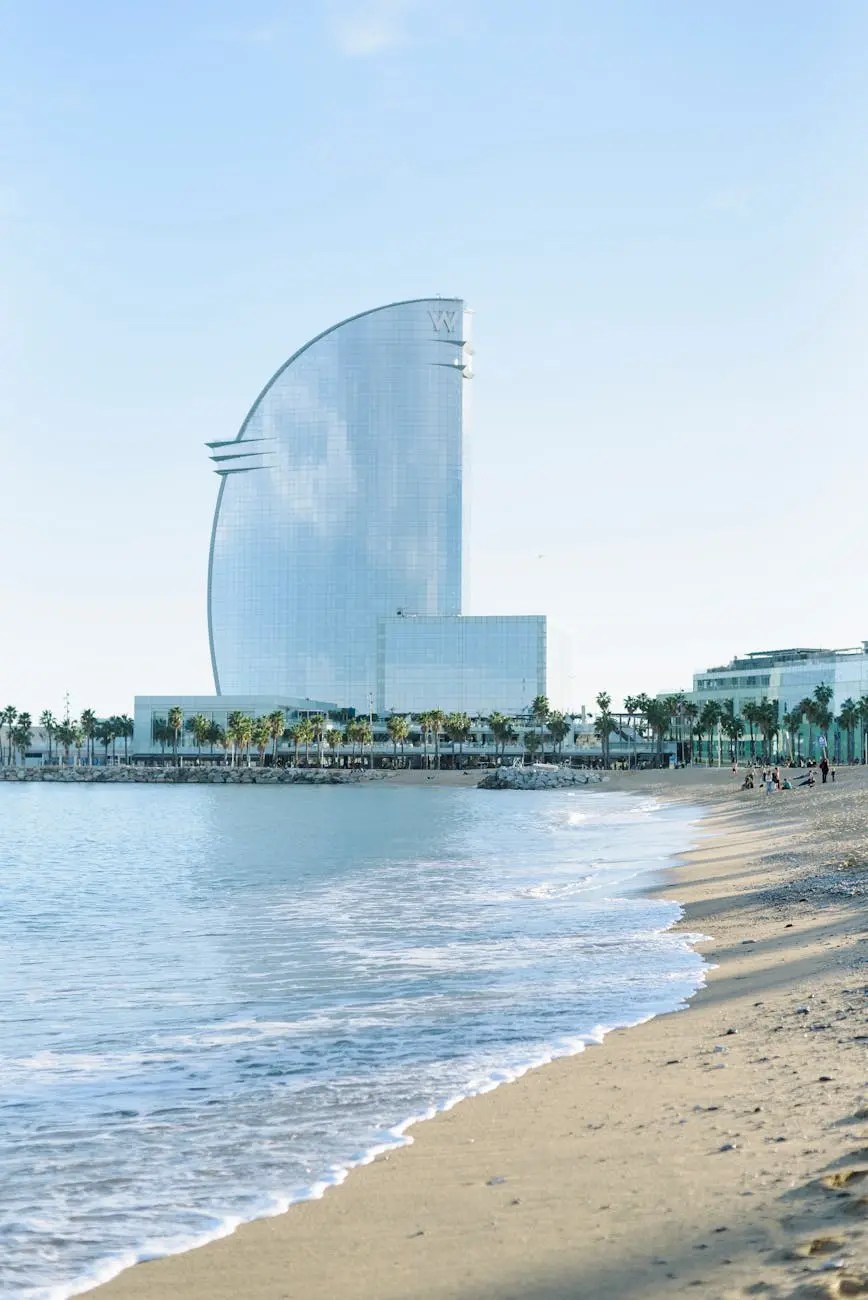
View of the W Barcelona hotel from the beach, featuring its distinctive sail-like shape and the shoreline with gentle waves, palm trees, and a clear sky.
View of the iconic W Barcelona hotel by the beachfront, capturing the essence of seaside relaxation.

🚍 Getting Around Barcelona Like a True Local

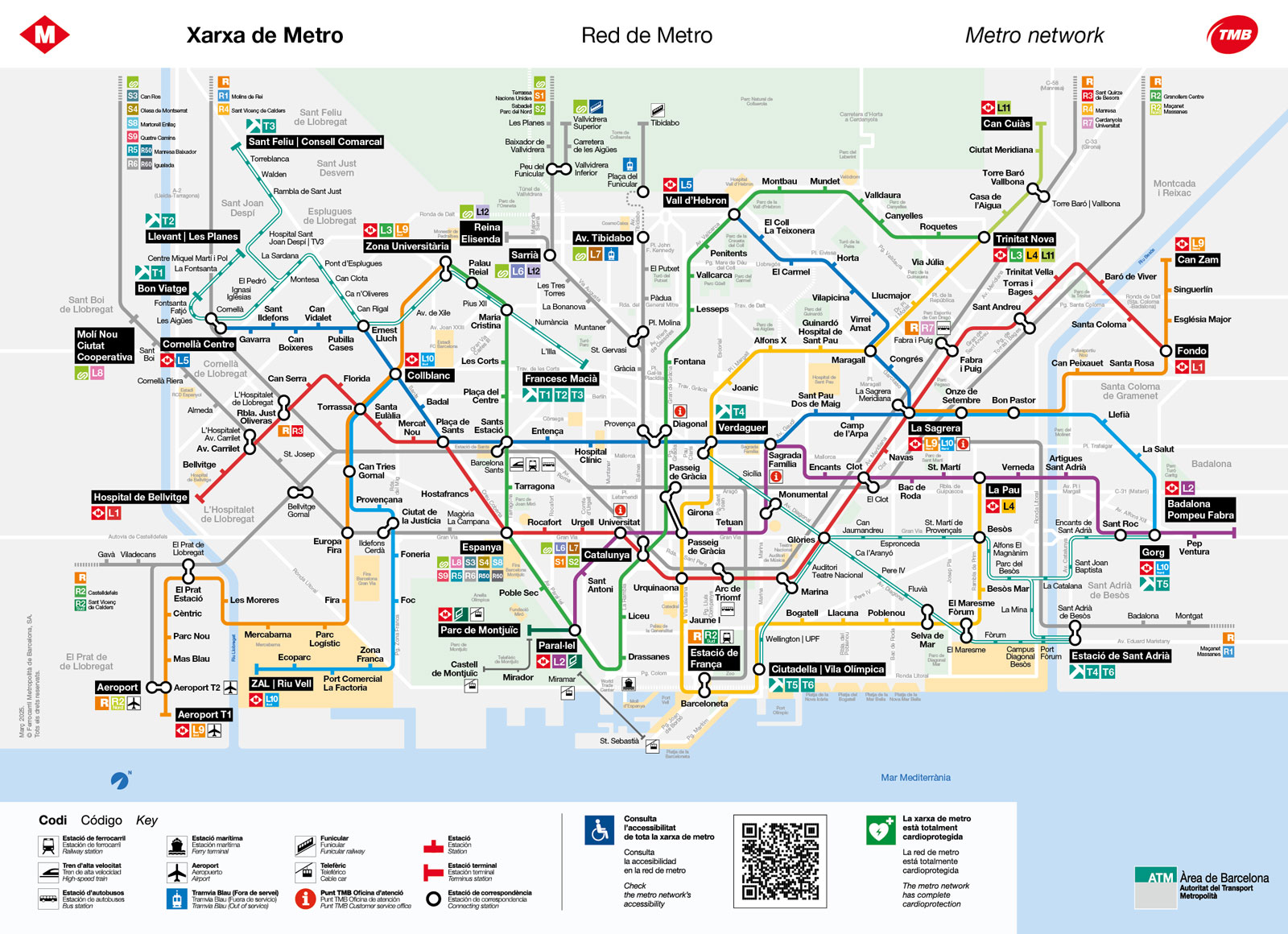
Getting around Barcelona like a true local is much easier with the right apps. Your choices depend on your route, the time of day, or your preferred mode of transport. Forget the guesswork—here are some smart combos I’ve personally used to save both time and euros:

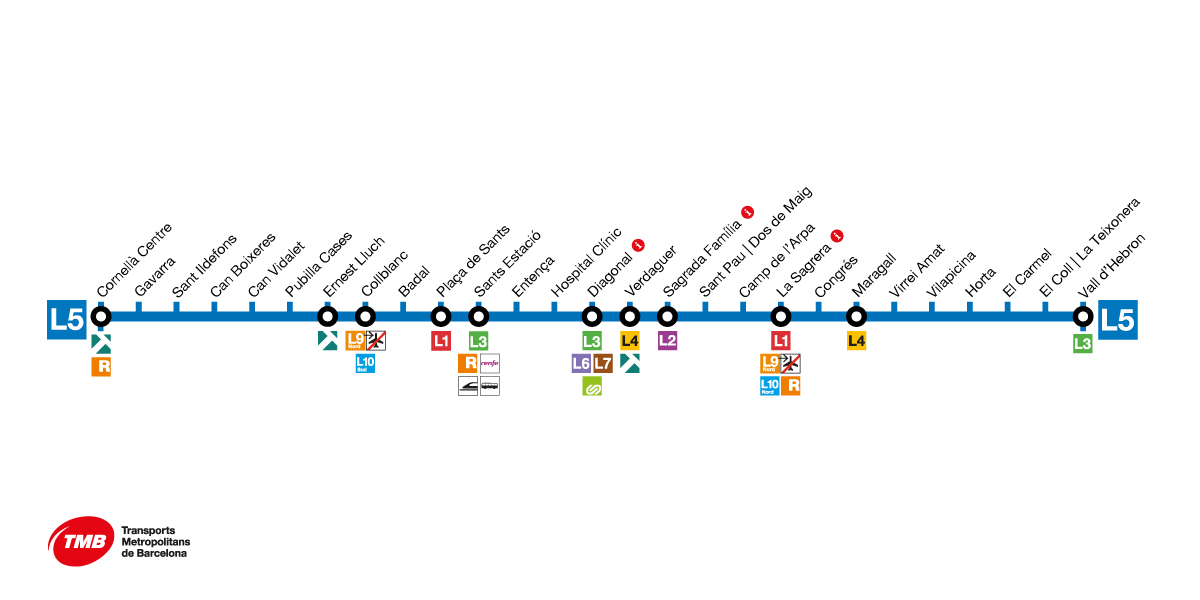
  • Citymapper + TMB App – The perfect duo for mastering public transport. Citymapper provides real-time navigation. It includes walking, metro, and bus options. The official TMB app keeps you updated on delays, live departures, and ticket prices.
  • Google Maps + Hola Barcelona Travel Card – Pair your digital map with an unlimited travel card. It covers metro, tram, and bus. You’ll breeze through the city without constantly reloading tickets.
  • Bicing + Komoot – Want to explore hidden corners on two wheels? Use Bicing (Barcelona’s bike-sharing system) to grab a ride. Use Komoot to find scenic cycling routes. These routes avoid the city’s busiest streets.
  • Cabify + FreeNow – For late nights when metros close (around midnight on weekdays), use these rideshare apps. They are safer and often cheaper than flagging random taxis.

💡 Traveler Tip: Download apps before you land and connect them to your payment method. This saves you from fumbling with WiFi at El Prat Airport. All you want is a café con leche and a nap.

💶 Mini Cost Breakdown: Barcelona Transport

Knowing what to expect cost-wise can save you from unnecessary “holiday math headaches.” Here’s a quick rundown of average prices for getting around Barcelona:

  • Single Metro/Bus Ticket: €2.55 per ride (valid for 75 minutes, including transfers).
  • Hola Barcelona Travel Card:
    • 48 hours – €17.50
    • 72 hours – €25.50
    • 96 hours – €33.30
    • 120 hours – €40.80
      (Unlimited metro, bus, tram, and suburban train rides within Zone 1.)
  • T-Casual Ticket: €12.15 for 10 rides (non-transferable but perfect if you’re mixing walking with occasional public transport).
  • Airport Metro Ticket: €5.50 one-way (L9 Sud line).
  • Bike Rentals: Around €5–€8 per hour, or €15–€20 for a full day.
  • Electric Scooters: Approx. €0.25 per minute via apps like Lime or Dott.
  • Taxi Start Fare: €2.30 + €1.20 per km (expect €25–€30 from airport to city center).

💡 Budget Hack: For a 2–3 day trip, the Hola Barcelona Card usually works out cheaper than buying single tickets. This is especially true if you’re planning to visit must-see spots. These include Sagrada Família, Park Güell, and Montjuïc.

🚖 Barcelona Transport Comparison

OptionCost (Average)Best ForProsCons
Metro / Bus (Single Ticket)€2.55 per rideShort trips or occasional useCheap per ride, reliable networkAdds up quickly if you travel a lot
Hola Barcelona Card€17.50 (48 hrs) – €25.50 (72 hrs)Weekend/short-term visitorsUnlimited rides, covers metro, bus, tram + airport trainUpfront cost, only valid in Zone 1
Bike Rental€5–8 per hour / €15–20 per dayExploring beaches & scenic routesFun, flexible, eco-friendlyNot ideal for steep hills, weather-dependent
Taxi€2.30 start + €1.20/km (≈ €25–30 airport–city)Late nights, luggage, quick airport transfersComfortable, door-to-doorMore expensive, traffic delays

💡 Local Tip: For a weekend, the Hola Barcelona Card usually gives the best value. If you love exploring at your own pace, try a day bike rental + Hola Card combo. It is unbeatable. You’ll cover more ground while still enjoying Barcelona’s hidden corners.

Afternoon: Montjuïc Magic

Take the cable car up Montjuïc Hill for panoramic views of the city. While you’re up there, explore Montjuïc Castle and the gardens. Bonus: fewer crowds compared to Park Güell, and the views are just as breathtaking.

Hotels near Montjuïc, Barcelona

Montjuïc Tours

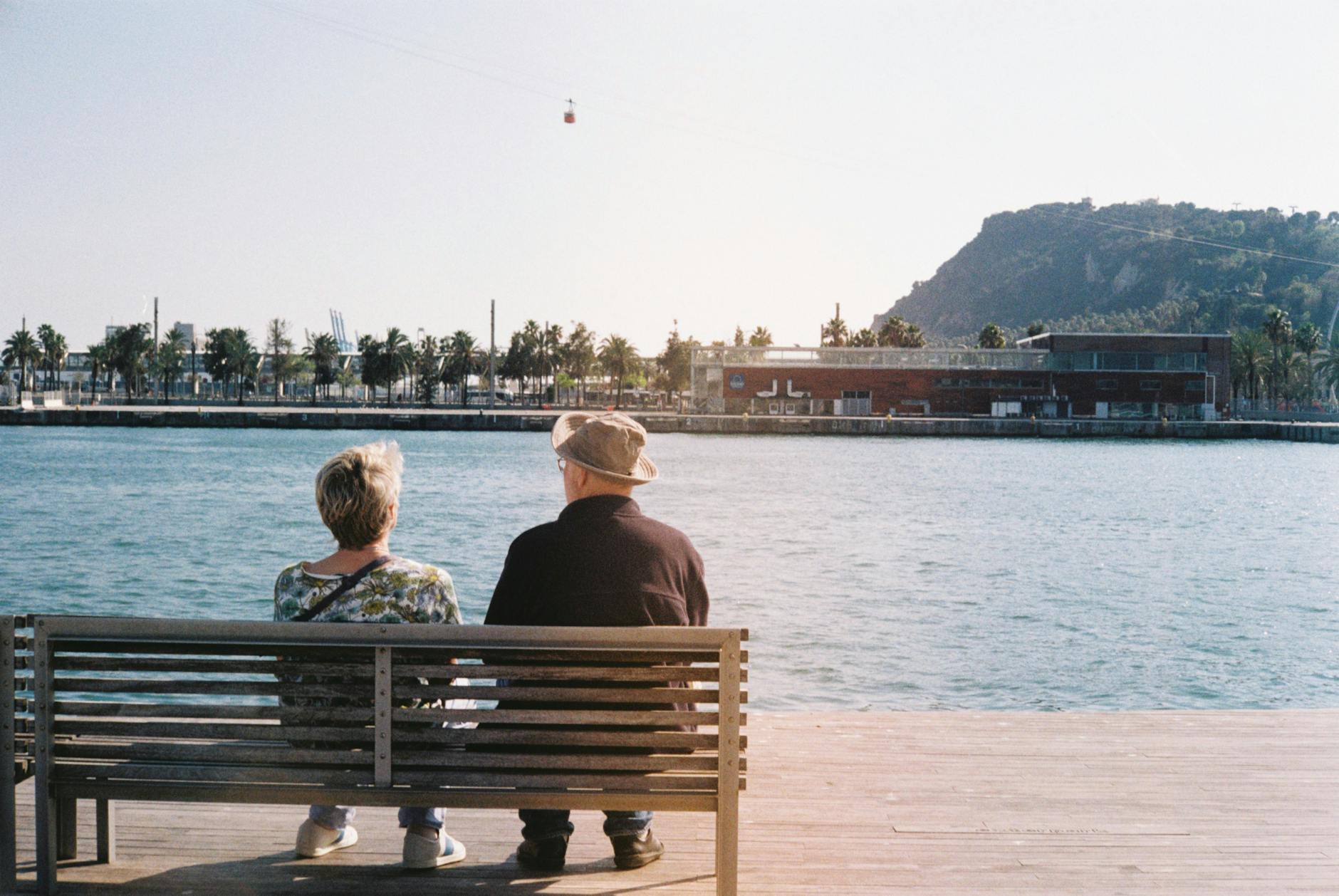
A couple sitting on a wooden bench by the water in Barcelona, looking out at the sea and nearby palm trees.
A serene moment captured at the waterfront. A couple enjoys the view of the sea. They admire the palm-lined promenade in Barcelona.

Palau Nacional / Museu Nacional d’Art de Catalunya (MNAC)

  • Location: On Montjuïc Hill, inside the grand Palau Nacional building.
  • Focus: Vast collection of Catalan art, including Romanesque church paintings, Gothic, Renaissance, Baroque, and Modern art.
  • Vibe: Monumental and majestic — with some of the best panoramic views of Barcelona from the steps.

A majestic view of the Palau Nacional in Barcelona, showcasing its grand architecture and beautiful gardens, with visitors enjoying the scenery along the steps.
Panoramic view of the Palau Nacional. It is home to the National Art Museum of Catalonia. The building is surrounded by lush gardens. Steps lead down to the square.

Barcelona: Museu Nacional d’Art de Catalunya Entrance Ticket

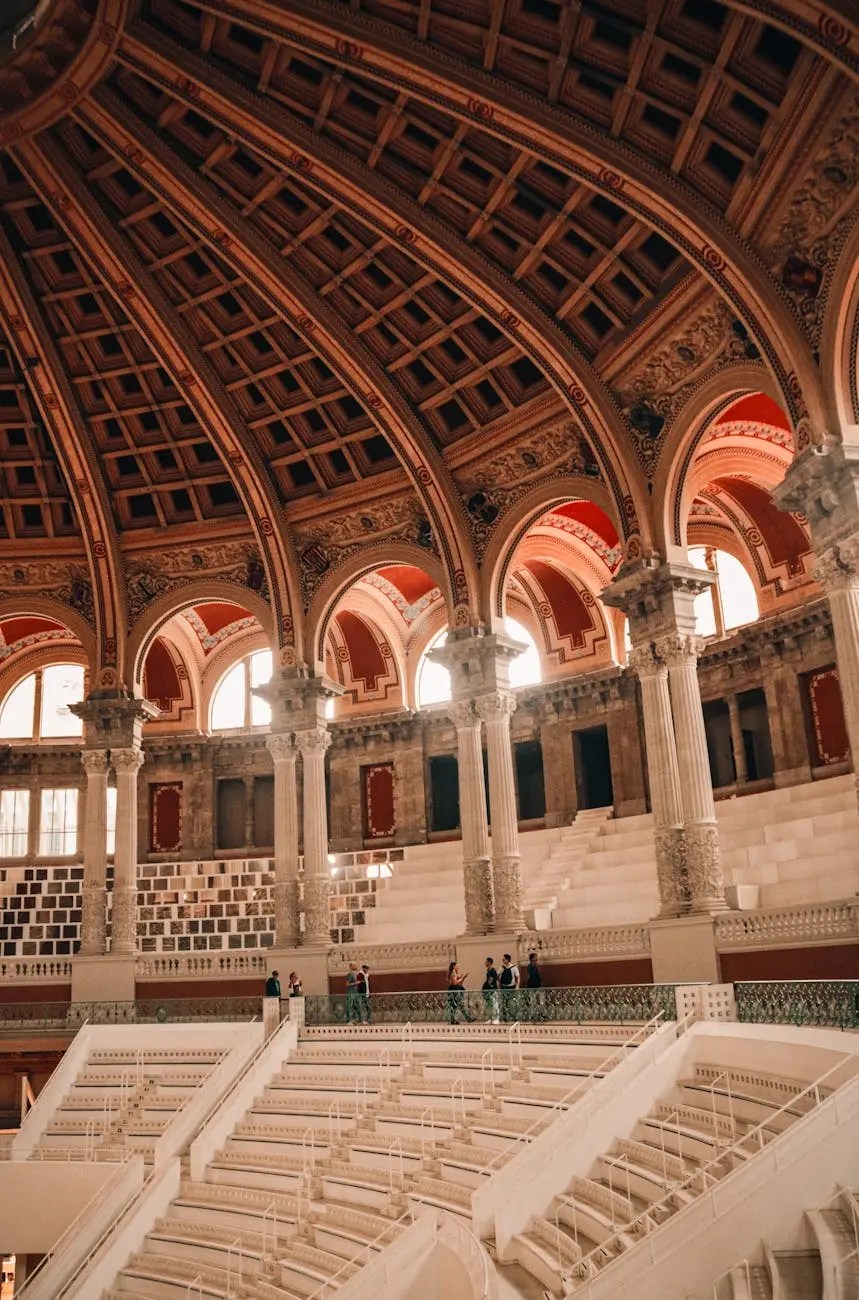
Interior view of a grand architectural space featuring a high vaulted ceiling with intricate woodwork and decorative arches, showcasing a mix of light and shadows.
The stunning interior architecture of the Palau Nacional, showcasing its grand arches and intricate design.

Evening: Hidden Gems & Nightlife

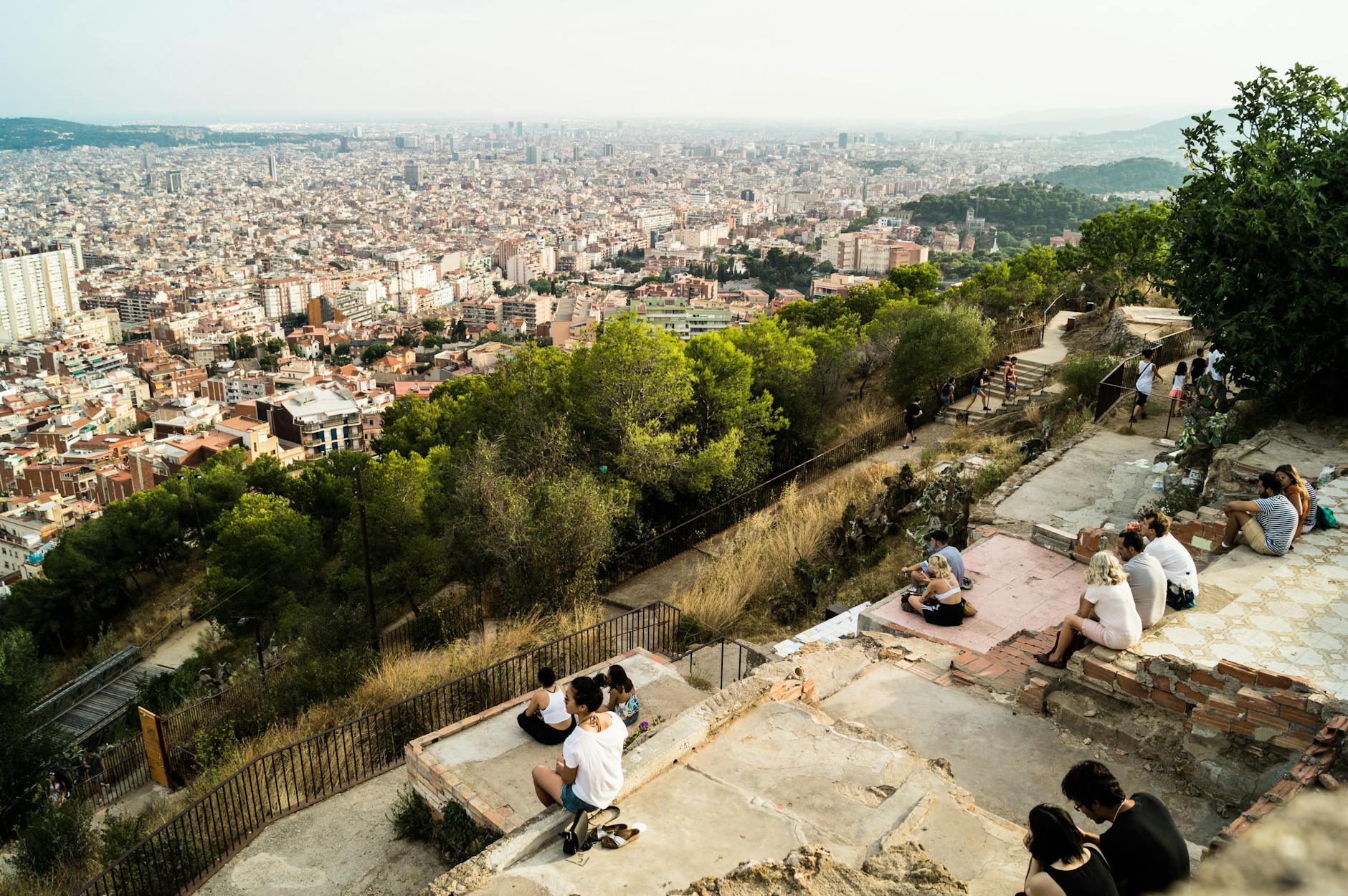
Skip the overcrowded tourist traps and head to Bunkers del Carmel, a former Spanish Civil War bunker turned sunset hotspot. Bring snacks, grab a spot, and watch Barcelona glow golden before heading down for late-night churros.

Bunker del Carmel Tours

A panoramic view of Barcelona from the hills, showcasing the cityscape with people sitting and enjoying the scenery among greenery.
A breathtaking view from the Bunkers del Carmel overlooking the sprawling city of Barcelona.

🚉 Getting Around Barcelona Like a Local

Here’s where most travelers burn money—transportation. But with a little planning, you can save both time and euros.

  • Metro & Buses: Grab a Hola Barcelona Travel Card (2–5 days). It covers unlimited metro, tram, and bus rides. Perfect for a weekend blitz.
  • Walking: The city is compact. Walking from La Rambla to the Gothic Quarter is quicker than waiting for a taxi.
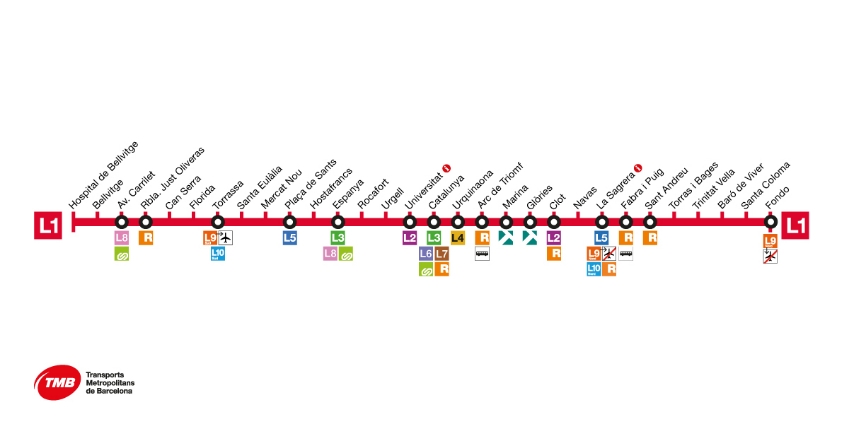
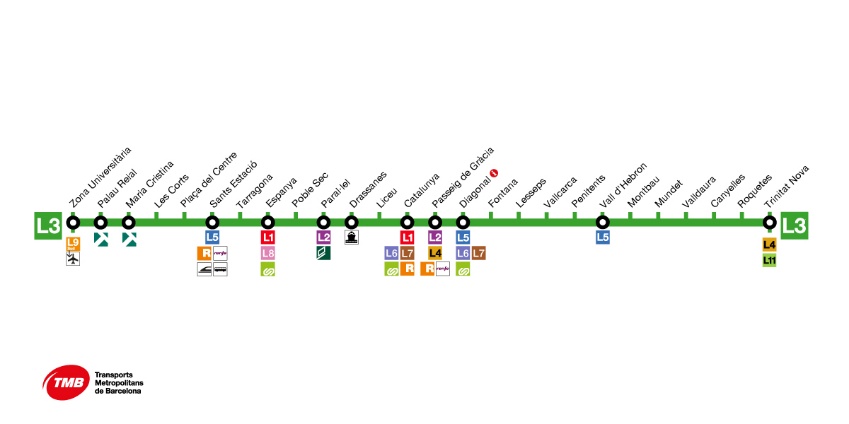
  • Maps & Routes: Stick to main metro lines (L1, L3, L5) to cover the must-sees without zigzagging. Saves time and sanity.

  • Driving: Honestly? Don’t. Narrow streets, aggressive scooters, and expensive parking make renting a car more headache than freedom.

🚦 Money-Saving Hack: Use Google Maps’ “avoid tolls” option if you absolutely must drive. Spanish tolls add up quickly.

🎨 The Picasso Museum: A Must for Art Lovers

If you’ve got even a couple of hours to spare, make time for the Museu Picasso in El Born. With over 4,000 works, it showcases Picasso’s early years and his deep connection to Barcelona. It’s not just about the paintings. You’ll get a glimpse into the artist’s journey. He evolved from a struggling teen sketching rooftops to the creative genius we know today.

💡 Traveler Tip: Entry is €12. Here’s the hack. Sunday afternoons after 3 pm are free. The first Sunday of every month is also free. Get there early because the line for free tickets is longer than the queue for churros at midnight!

Picasso Museum Tours

✈️ Travel Tips for the Smart Explorer

  • Stay Connected: Forget overpriced airport SIM cards. I use Drimsim—a universal SIM card that works in 190+ countries. Just pop it in, recharge via app, and voilà—data wherever you wander.
  • Protect Your Privacy: Traveling means hopping on dodgy WiFi. I never leave home without NordVPN. Keeps my data safe and also unlocks my favorite shows while abroad (yes, Netflix knows I’m in Spain).
  • Flight Delays?: Been there, suffered that. Don’t just sigh into your sangria—AirHelp might get you up to $650 in compensation if your flight’s delayed or canceled. Worth a quick check!
  • ✈️ Smart Travel Tip: No matter where your adventures take you, having the right travel insurance can save you from unexpected headaches (and bills). I personally recommend VisitorsCoverage — it’s a trusted platform where you can compare plans, find coverage that fits your trip, and book it in just a few clicks. Whether you’re planning a quick city escape or a longer international journey, it’s peace of mind worth packing.

💸 How to Save Money in Barcelona

  1. Eat Menú del Día: Many restaurants offer a fixed-price lunch menu (starter + main + dessert + drink) for under €15.
  2. Book Attractions Online: Sagrada Família and Park Güell are cheaper online than at the gate. Plus, you skip the queues.
  3. Free Sundays: Many museums (like the Picasso Museum) offer free entry on Sundays after 3pm.
  4. Tap Water: Safe to drink—just refill your bottle instead of buying plastic.

🌍 Related Weekend Escapes

Planning more short trips around the world? Check out my other guides:

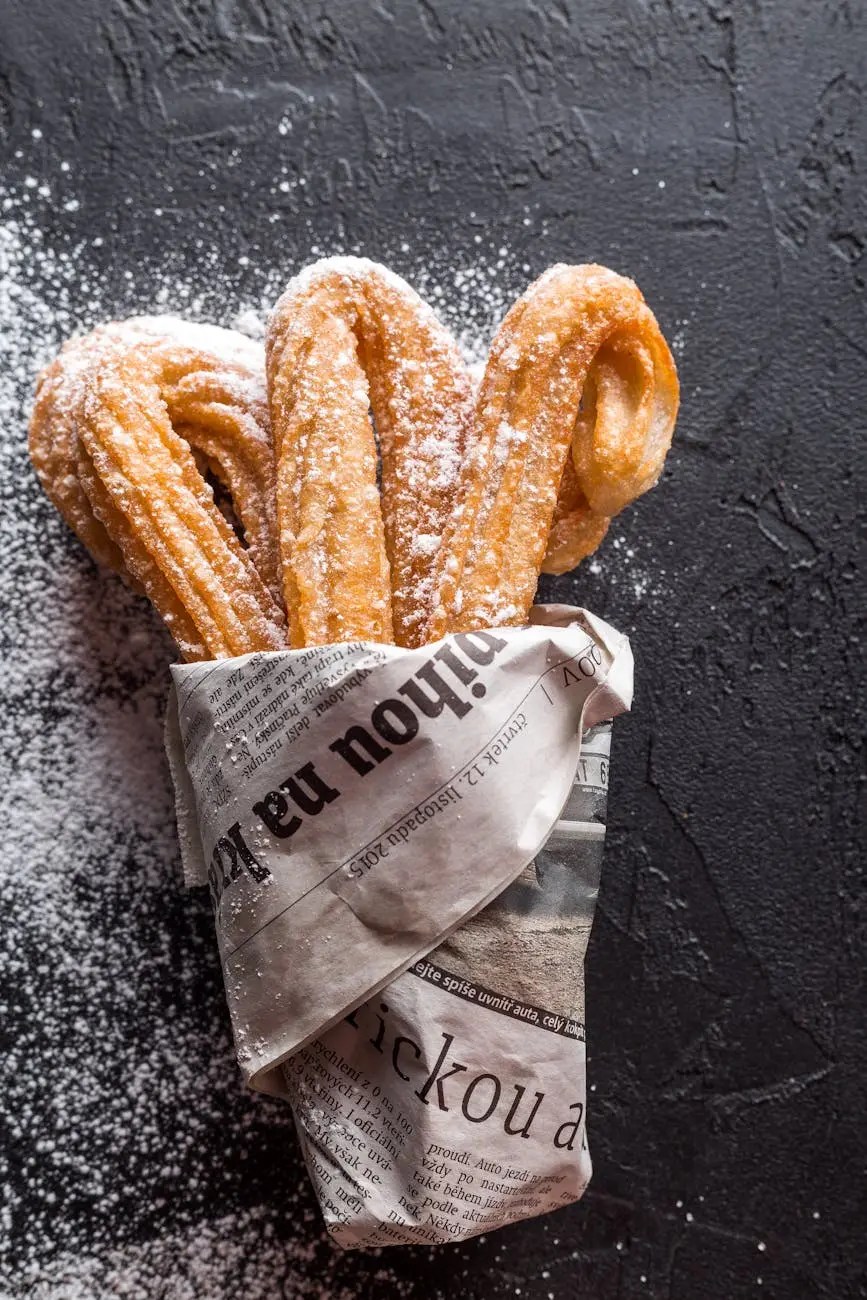
No Barcelona trip is complete without indulging in a plate of churros con chocolate. These are crispy, golden sticks of fried dough. They are paired with a cup of thick, velvety hot chocolate that’s basically liquid heaven. Locals often enjoy them as an afternoon snack. They also savor them as a late-night treat after tapas. Yes, dessert after dinner is very much a thing here. For an authentic experience, pop into a traditional churrería near the Gothic Quarter or El Born. There, churros are made fresh and served piping hot. Just don’t be surprised if you find yourself going back for a second round—they’re that addictive!

Barcelona Tapas and Wine Experience Small-Group Walking Tour

Close-up of traditional churros dusted with powdered sugar, served in a newspaper cone against a dark background.
Delicious churros con chocolate, a must-try treat enjoyed throughout Barcelona.

Barcelona Tapas and Wine Experience Small-Group Walking Tour

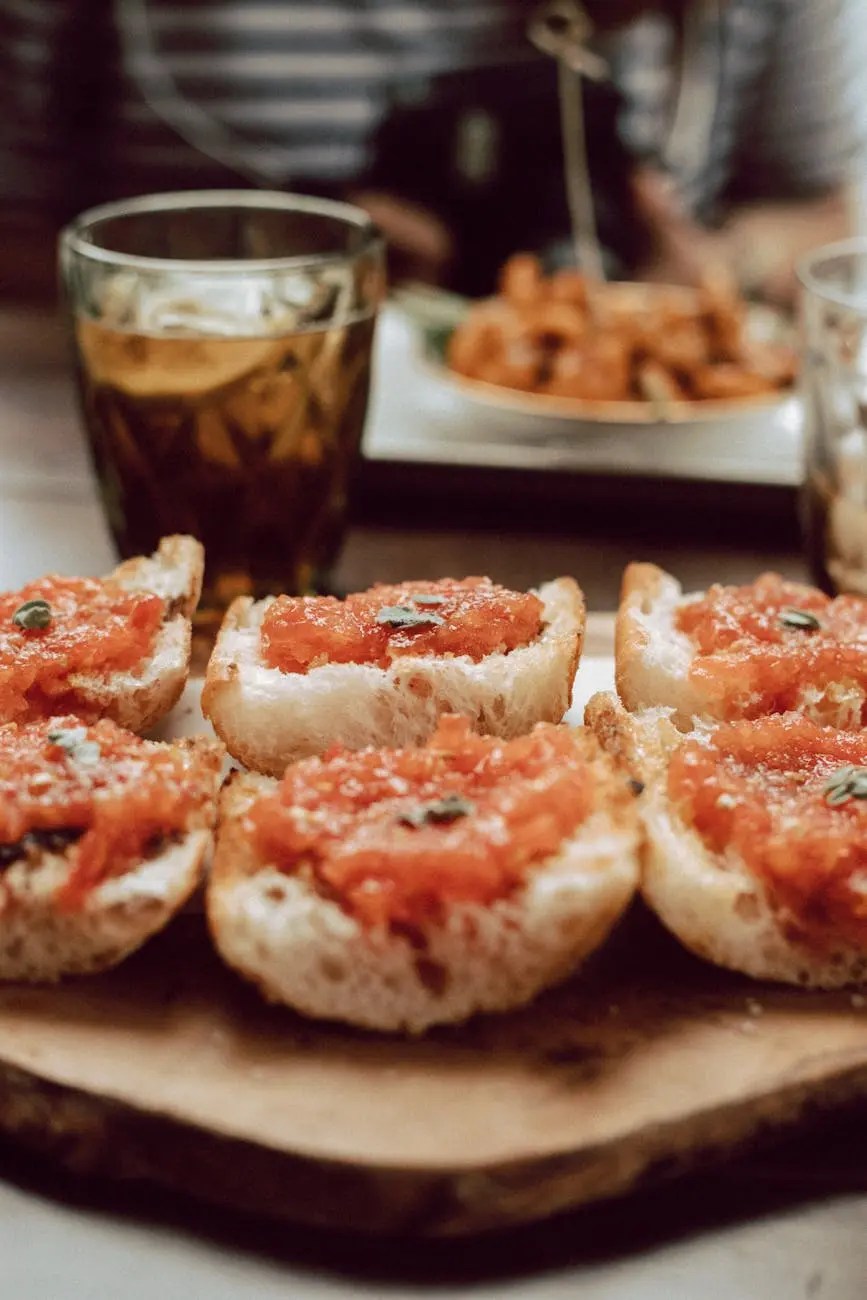
Close-up of toasted bread topped with tomato spread, surrounded by drinks, in a cozy dining setting.
Delicious tapas featuring fresh tomato topping on crusty bread, a classic Spanish delight perfect for indulging in Barcelona.

Thinking Beyond Barcelona?
If you have more than 48 hours, why not add a Mediterranean island adventure to your trip? A direct ferry connection links Barcelona to the beautiful island of Mallorca. Several companies, including Balearia and Grimaldi Lines, operate regular car and passenger ferries from the Port of Barcelona to Palma de Mallorca. The journey takes approximately 7-8 hours, often with overnight options, making it a scenic and convenient way to explore two iconic Spanish destinations in one trip. It’s the perfect way to extend your Spanish holiday from the urban energy of Barcelona to the sun-drenched beaches and coves of the Balearic Islands.

Ferry from Barcelona to Palma

✅ Final Thoughts: Why Barcelona Steals Hearts

Barcelona is the kind of city that doesn’t just check boxes—it writes its own list. You can admire Gaudí’s genius. You might sip cava by the beach. Or you could discover hidden viewpoints. The city delivers a perfect blend of culture and chill.

So pack light, book your stay through Expedia, and let Barcelona sweep you away for the weekend. Just don’t be surprised if you’re already planning your return before your flight home.

“Barcelona is a city of endless adventures—so tell me, what’s the very first thing you’d do if you landed here? Drop your answer in the comments—I’d love to swap ideas!”

👉 Now your turn: Have you been to Barcelona? Did you find a hidden tapas bar worth sharing? Drop your tips in the comments—I’d love to hear them!

Frequently Asked Questions (FAQ)

Q1: Is 48 hours enough to get a good feel for Barcelona?
Yes, a weekend is enough time to see the absolute must-see sights and get a wonderful taste of Barcelona’s unique architecture, vibrant food scene, and beach culture. This itinerary is designed to be efficient and cover the iconic highlights without feeling overly rushed.

Q2: What is the best way to get around Barcelona?
Barcelona has an excellent and easy-to-use metro system that connects all major attractions. Walking is also a fantastic way to explore neighborhoods like the Gothic Quarter. For longer distances, taxis and ride-sharing services are readily available. The Hola BCN! travel card is great value for unlimited public transport.

Q3: Should I book tickets for attractions in advance?
Absolutely yes. This is the most important tip for a short trip. Book tickets online weeks in advance for major attractions like the Sagrada Família and Park Güell. This guarantees entry, allows you to skip the enormous ticket lines, and helps you plan your time effectively.

Q4: What area is best to stay in for a short weekend trip?
For first-time visitors, El Born or the Gothic Quarter (Barri Gòtic) are ideal for their central location, historic charm, and proximity to restaurants and bars. Eixample is also a great choice for its modernist architecture and more upscale vibe.

Q5: What is the dress code for visiting churches like the Sagrada Família?
While not as strict as some churches, it is respectful to cover your shoulders and avoid wearing very short shorts or skirts. It’s a good idea to carry a light scarf or shawl to cover up when entering.

Q6: How prevalent is pickpocketing, and how can I avoid it?
Pickpocketing is common in crowded tourist areas like La Rambla and on public transport. Stay vigilant. Use a cross-body bag kept in front of you, never keep your wallet in your back pocket, and avoid flashing expensive phones or jewelry in crowds.

Q7: What is one unique food I must try in Barcelona?
Beyond tapas and paella, you must try Calcots (if in season, late winter/early spring) – a type of grilled green onion, or Esqueixada – a refreshing Catalan salted cod salad. For a sweet treat, try Crema Catalana.

Universal Disclaimer/Disclosure Page: