Discover the ultimate weekend escape to Porto, Portugal! This detailed travel guide is packed with insider tips, hidden gems, and a perfect 3-day itinerary to help you explore the city’s charm, savor its famous port wine, and navigate like a local. Save time and money on your next European adventure!
Table of Contents
Why Porto Deserves Your Weekend
Getting There & Visa Tips
How to Get Around Porto (Transport Hacks)
Best Time to Visit Porto
Top Sights & Hidden Gems
What to Eat & Drink in Porto
Budget & Time-Saving Travel Tips
Essential Portuguese Phrases for Travelers
Travel Tech & Must-Haves
Smart Travel Insurance & Compensation Hacks
Nearby Getaways & Suggested Itineraries
FAQs
Why Porto is the Perfect Weekend Getaway
Compact, walkable, and bursting with character, Porto is a weekend warrior’s dream. It offers the perfect cocktail of history, culture, incredible food, and, well, actual incredible cocktails (and wine!). It’s significantly more affordable than its big sister, Lisbon, and you can see the major highlights without feeling like you’re on a brutal marathon. For more on choosing between Portugal’s iconic cities, check out my older blog post: Lisbon vs. Porto: Which Portuguese City Steals Your Heart?
If Lisbon is Portugal’s loud, outgoing sibling, Porto is the quieter, soulful one who surprises you with vintage wine and a rooftop sunset. Nestled along the Douro River, Porto is a city of azulejos (hand-painted tiles), charming trams, hearty food, and—of course—Port wine.
On my first trip, I accidentally spent two hours wandering through Ribeira’s cobbled alleys just because I got distracted by pastel-colored houses and the smell of grilled sardines. Zero regrets.
Visa Note: For travelers from the US, UK, Canada, and most Western countries, Portugal is part of the Schengen Area, allowing visa-free travel for up to 90 days. Always double-check the latest requirements on official government sites before you fly!
Flights: Porto’s Francisco Sá Carneiro Airport is well-connected to Europe. For cheap flights, I always book via Expedia.
Morning (9:00 AM): Start your day in Praça da Liberdade, the city’s grand central square. Grab a bica (a potent Portuguese espresso) and a pastel de nata from a nearby café. Trust me, you’ll need the energy for the hills.
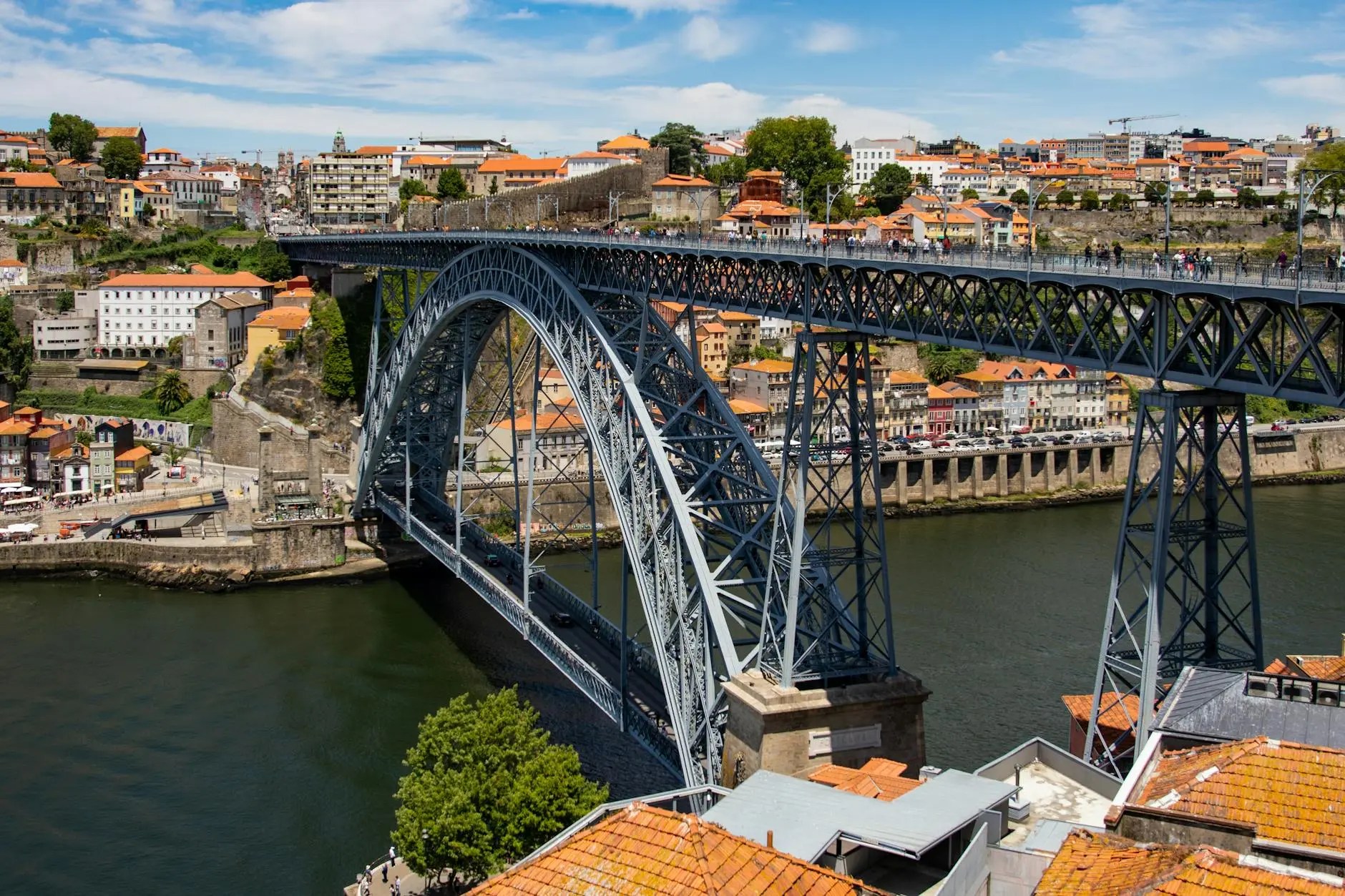
Late Morning (11:00 AM): Wander down the hill to the Ribeira District, Porto’s UNESCO World Heritage heart. Get lost in the labyrinth of narrow cobbled streets, colorful houses, and laundry hanging between buildings. It’s a photographer’s paradise. I spent a good hour just trying to get the perfect shot of the Dom Luís I Bridge framing the river—no regrets.
Afternoon (1:30 PM): Time for lunch! Skip the overly touristy spots right on the riverfront. Duck into one of the smaller streets for a francesinha—Porto’s infamous gut-busting sandwich of meats, cheese, and a spicy beer sauce. It’s a experience, not just a meal.
Late Afternoon (4:00 PM): Cross the Dom Luís I Bridge on the upper level for breathtaking panoramic views. Your destination? Vila Nova de Gaia, the home of all the major port wine cellars. I did a tour and tasting at Taylor’s, which was fantastic, butGraham’sand Cálem are also stellar choices.
Evening (8:00 PM): Enjoy a sunset dinner back on the Porto side. For a truly memorable experience, book a table at a restaurant with a terrace overlooking the river. The lights of Gaia twinkling on the water are pure magic.
Fuel your exploration the local way with a bica—Portugal’s powerful and delicious answer to espresso. This tiny but mighty cup is the lifeblood of porto café culture and the perfect pause during a day of sightseeing.
Aerial view of Praça da Comércio, a historic square in Porto, showcasing the statue in the center and surrounding architecture. The magnificent Praça da Comércio (also known as Praça do Comércio) from above. This historic square is a gateway to Porto, framed by the grand Arrábida Arch and the iconic yellow Pombaline-style buildings.Colorful façades in Porto’s Ribeira District showcase the charm of the city’s architecture. The postcard-perfect heart of Porto. The Ribeira District’s colorful, slightly crumbling façades tell stories of the city’s history, where everyday life continues amidst stunning architecture.The iconic Dom Luís I Bridge spanning the Douro River in Porto, Portugal, offering stunning city views. The postcard-perfect heart of Porto. The Ribeira District’s colorful, slightly crumbling façades tell stories of the city’s history, where everyday life continues amidst stunning architecture.Indulge in the flavors of Porto with a delicious francesinha sandwich, a hearty local specialty. The legendary Francesinha: Porto’s ultimate comfort food. This “little Frenchie” is a formidable stack of cured meats, steak, and sausage, smothered in melted cheese and a secret, tangy beer and tomato sauce. It’s a must-try (and best shared!).Inside a port wine cellar in Porto, showcasing rows of wooden barrels in a dimly lit corridor. Stepping back in time inside a port wine cellar. These massive oak barrels, known as balseiros, age the precious port wine, filling the air with a sweet, woody aroma that is simply unforgettable.A bottle of Cálem Fine Ruby Port Wine, showcasing Porto’s rich wine heritage. A modern take on a classic: Cálem Fine Ruby Port Wine glows under neon lights. This vibrant, youthful port is known for its fruity flavors and is a perfect introduction to Porto’s most famous export.
🇵🇹 PORTO · CIDADE INVICTA (UNCONQUERED CITY)
🍷 SAÚDE!Porto’s port wine and Dom Luís Bridge are just one of 80+ destinations I’ve explored!
From the historic Ribeira district to the port wine cellars of Vila Nova de Gaia, Porto charms at every turn. And I’ve captured that same magic across 6 continents — with 45+ European cities, Asian adventures, Americas escapes, and more.
Porto|Lisbon|Algarve (coming soon)|Douro Valley (coming soon)
🍷 “O Porto é uma cidade que se conquista com o olhar” — Porto is a city conquered with a glance. Now conquer 80+ more destinations.
A stunning view of the Douro River in Porto, showcasing the iconic cable car and picturesque waterfront with colorful buildings. The soul of Porto unfolds along the Douro River. This breathtaking perspective captures the Gaia cable car gliding above the waterfront, passing the iconic rabelo boats and the historic port wine cellars nestled into the hillside.
Day 2: Tiles, Books, and Atlantic Breezes
Morning (10:00 AM): Marvel at the Igreja do Carmo, famous for its massive side wall covered in breathtaking blue azulejos. Then, make your way to the Livraria Lello. Yes, it’s crowded and you need to buy a ticket online in advance, but stepping inside this bookshop that allegedly inspired JK Rowling is worth it. The staircase is a masterpiece.
Afternoon (1:00 PM): Hop on the city’s efficient metro system (Line D) and head to the mouth of the Douro River. Get off at Matosinhos Sul and walk along the promenade to Foz do Douro, where the river meets the Atlantic Ocean. The power of the waves here is incredible.
Late Afternoon: Treat yourself to a fresh seafood lunch in Matosinhos—it’s the fishing hub for a reason. Then, either take the metro back or enjoy a leisurely stroll along the river back towards the city center.
Evening: For your last night, dive into the trendy Galeria de Paris area for a vibrant nightlife scene. Find a small bar, order a vinho verde (a crisp “green wine“), and soak in the local vibe.
Beautiful blue azulejos depicting a religious scene in Porto, Portugal. A masterpiece in tile: A close-up of historic blue and white azulejos in Porto telling a sacred story. These hand-painted tiles are not just decoration; they are a fundamental part of Portugal’s artistic soul.The stunning interior of Livraria Lello, a must-visit bookshop in Porto known for its intricate architecture and literary history. Stepping into a fantasy: The breathtaking interior of Livraria Lello, often cited as an inspiration for Hogwarts. Its Art Nouveau elegance, with the iconic crimson staircase and neo-Gothic details, makes it one of the most beautiful bookstores in the world.Waves crashing against the lighthouse at Foz do Douro, where the Douro River meets the Atlantic Ocean. Where the river meets the sea: The dramatic Foz do Douro lighthouse stands resilient against the relentless force of the Atlantic Ocean. This spot marks the end of the Douro River’s journey and offers a powerful, windswept contrast to the city center. Visitors strolling along the seaside pier toward a distinctive striped lighthouse in Porto, Portugal. Farolim da Barra do Douro
Porto Insider: Hidden Gems Most Tourists Miss
Miradouro da Vitória: This viewpoint offers one of the best angles of the Ribeira and Dom Luís I Bridge, but without the overwhelming crowds of the more famous spots.
Rua das Flores: This beautiful pedestrian street is often packed, but venture into the tiny alleys that shoot off from it. You’ll find quiet cafes and small artisan shops.
Mercado Bolhão: This historic market is undergoing renovations but is still operating. It’s a chaotic, wonderful slice of local life. Go for the people-watching and to buy some fresh fruit or cheese.
Capela do Senhor da Pedra (Chapel of the Lord of the Stone), Miramar Beach
Perched dramatically on a rock at Miramar Beach in Vila Nova de Gaia, the Capela do Senhor da Pedra is one of Porto’s most magical spots — especially at sunset. Built in 1763, this small hexagonal chapel sits atop a giant boulder where, before Christianity, pagan rituals were held, worshipping nature and the sea. Secrets from Portugal+3Wikipedia+3Portugal.com+3https://www.localporto.com/miguel-bombarda-street-porto/
What makes it stand out:
Setting & Atmosphere: The chapel backs onto the Atlantic; when the waves crash and the sun is lowering, the combination of stone, water, sky and light makes for unforgettable views and photographs. Flickr+2VISIT PORTO REGION+2
History & Mystery: The site was once pagan, with inscriptions at the entrance hinting at its ancient sacredness. Later it was converted for Christian worship, and it still hosts an annual pilgrimage on the Sunday of the Holy Trinity.
Access: It’s ~20 km south of Porto’s center. You can reach it by train (to Miramar station) plus a short walk, or by car / scooter. If possible, plan to arrive for late afternoon or golden hour — staying for sunset is highly recommended.
Things to know: There aren’t many supermarkets around, so bring water/snacks. Also, tides/waves may affect how close you can safely get to the base rock
The stunning Capela do Senhor da Pedra at Miramar Beach, framed by a beautiful sunset. A moment of pure magic at Miramar Beach. The 17th-century Capela do Senhor da Pedra (Chapel of the Lord of the Stone) stands serenely on its rocky altar, framed by a breathtaking sunset. This is one of Porto’s most unique and photogenic hidden gems.
Navigating Porto Like a Pro
Forget the rental car. Seriously. Porto’s center is a maze of one-way streets and limited parking. Your best friends are your feet and public transport.
Walking: The best way to explore the core. Wear comfortable shoes—the hills are no joke. Be warned—Porto is hilly. Your calves will thank you later.
Metro & Bus: The system is clean, efficient, and cheap. Get a Andante Blue Card (the reusable card itself costs €0.60) and then top it up with credit for your journeys. You must validate it before each trip! A single zone journey (which covers almost all city center travel) is €1.25.
Tram & Funicular: The historic Tram #1 runs along the river to Foz and is a charming (if touristy) ride. TheFunicular dos Guindais is a fun way to save your calves the climb from Ribeira to the Batalha area.
Uber/Bolt: Incredibly affordable in Porto. A ride across the city center will rarely cost more than €5-€7, making it a great option when your feet have officially given up.
Obrigado (o-bree-GAH-doo) – Thank you (said by a man)
Obrigada (o-bree-GAH-dah) – Thank you (said by a woman)
Por favor (por fa-VOR) – Please
Uma bica, por favor (OO-ma BEE-ka, por fa-VOR) – An espresso, please
A conta, por favor (ah CON-ta, por fa-VOR) – The bill, please
Desculpe (desh-KOOLP) – Excuse me / Sorry
How much? = Quanto custa?
Where is the train station? = Onde fica a estação de comboios?
Wine, please = Vinho, por favor
Smart Travel Tools for a Hassle-Free Trip
Let’s be real, modern travel requires modern solutions. Here’s what I never leave home without:
🌐 Stay Connected Smartly: Hunting for a local SIM at the airport is a rookie move that costs time and money. I’ve been using Drimsim for years—a genius universal SIM that works in 190+ countries. Pop it in, top up via the app, and you’re online the second you land. No contracts, no hidden fees. It’s a game-changer. ➡️ Check out Drimsim here.
🔒 Protect Your Privacy (& Stream Netflix): Public Wi-Fi in hotels and cafes is a hacker’s playground. A VPN is non-negotiable for securing your data. I also use it to watch shows from back home. NordVPN is my go-to for reliability. ➡️ Get NordVPN for your trip.
✈️ Get Paid for Flight Chaos: Did you know that if your flight is significantly delayed, canceled, or you’re denied boarding, you could be entitled to up to $650 in compensation? Most people don’t claim it. I use AirHelp to handle the messy paperwork with the airlines. They only get paid if you win, so it’s a no-brainer. ➡️ Check your flight with AirHelp now.
🤒 Don’t Skimp on Insurance: A medical emergency abroad can bankrupt you. I always, always get travel insurance. VisitorsCoverage is a fantastic platform to compare and find a plan that fits your specific trip, whether it’s a weekend or a month. ➡️ Find the right coverage with VisitorsCoverage.
And of course, for putting together your entire trip—flights, hotels, and all—I always start my search on Expedia to bundle and save. ➡️ Start planning your Porto escape on Expedia
To capture all those beautiful moments, I swear by my Sony Alpha camera. It’s lightweight, powerful, and perfect for travel photography.
Frequently Asked Questions (FAQ)
Q: What is the best time of year to visit Porto for a weekend? A: The sweet spots are the shoulder seasons: March-May and September-October. The weather is pleasant, the crowds are thinner, and prices are more reasonable. Summer (June-August) is busy and can be quite hot.
Q: Is two days in Porto enough? A: For a weekend city break, absolutely! Porto’s historic core is very concentrated. Two full days allows you to see the major sights, enjoy the food and wine, and get a real feel for the city’s charm without being rushed.
Q: How much does a weekend in Porto cost? A: Porto is very affordable for Western Europe. A budget traveler could manage on €50-70/day, while a mid-range traveler spending on nice meals, tours, and a central hotel might budget €100-150/day.
Q: What is the best way to get from Porto Airport (OPO) to the city center? A: The Metro is the easiest and cheapest option. The Purple Line (E) goes directly from the airport to the city center (Trindade station) in about 30 minutes. A one-way ticket is €2.00 plus the €0.60 card fee. A taxi or Uber will cost around €20-25.
Q: Can I drink the tap water in Porto? A: Yes, the tap water is perfectly safe to drink. This is an easy way to save money and reduce plastic waste—just bring a reusable water bottle.
Q: Is Porto cheaper than Lisbon? A: Yes—accommodation and food are generally more affordable
Spice it up with Marrakech—a contrasting cultural escape.
Your Portuguese adventure is calling! With this guide, you’re all set to have an incredible, efficient, and deeply rewarding weekend in Porto. What are you most excited to see? Tell me in the comments below!
Ready to book? Don’t forget to use my link to find the best deals on Expedia and travel smarter with my recommended tools. Boa viagem!
🍷🇵🇹Porto’s riverside charm — just one of 80+ destinations
🇰🇷 Seoul · 1 of 18+ Asia Guides · 80+ Destinations Worldwide
🇰🇷Last Updated: April 2026 · Regularly Maintained — fresh T-Money card prices, updated Gyeongbokgung hours, new Myeongdong stall recommendations, and latest N Seoul Tower ticket info added
✓ 2026 data✓ Regularly reviewed✓ Part of 80+ series
🇰🇷THE SEOUL QUICK ANSWER — 48 HOURS
Can you experience Seoul in a weekend? Yes — if you get a T-Money card, wear a Hanbok, and eat fried chicken by the Han River.
Seoul is not just K-pop and kimchi. It’s a city of 600-year-old palaces, neon-lit shopping streets, and fried chicken picnics by the river. The tourist who only sees Myeongdong and leaves misses Bukchon’s traditional houses, the Han River at sunset, and Hongdae’s street performances. The traveler who gets a T-Money card, wears a Hanbok to Gyeongbokgung, and downloads Naver Map discovers the real Seoul. The difference is knowing that Google Maps doesn’t work well in Korea.
🎯 THE 48-HOUR FORMULA
Day 1: Gyeongbokgung Palace (wear Hanbok for free entry), Bukchon Hanok Village, Insadong tea houses, Myeongdong night market
Day 2: N Seoul Tower (morning views), Hongdae street performances, Han River fried chicken picnic, Dongdaemun Design Plaza
The secret: Download Naver Map or KakaoMap. Google Maps doesn’t give walking or driving directions in South Korea. Most tourists don’t know this and get frustrated. Don’t be that tourist.
The mistake: Not getting a T-Money card. Single tickets are a waste of time. Tap your card on subways, buses, and even taxis. Refill at any convenience store.
🚇 T-Money card: tap and go👘 Hanbok = free palace entry🍗 Han River fried chicken picnic
✅ 48 hours is enough — get T-Money, wear Hanbok, download Naver Map
📍 Source: Multiple Seoul trips, one tteokbokki-induced spice coma, and the discovery that fried chicken by the Han River is a rite of passage
600+
years old — Gyeongbokgung Palace
Built in 1395, largest of Seoul’s five grand palaces
8M+
daily riders on Seoul subway
One of the world’s largest and most efficient systems
10K+
street food stalls across Seoul
Tteokbokki, hotteok, eomuk, gimbap
236m
tall — N Seoul Tower
Iconic landmark with panoramic city views
🇰🇷THE SEOUL GAP — WHAT EVERY GUIDE MISSES
Most Seoul guides tell you to see Gyeongbokgung, shop in Myeongdong, and eat Korean BBQ. That’s not wrong. It’s just the Seoul that everyone already knows.
Here’s what they don’t tell you: Seoul has secrets — and most of them are cheap or free. The best way to see Gyeongbokgung is in a Hanbok (free entry). The best way to navigate is with Naver Map (not Google Maps). The best meal is fried chicken by the Han River. The tourist who doesn’t know these things will waste time, money, and patience. The traveler who does will eat tteokbokki at midnight and watch the city lights reflect on the water.
🎯 WHAT THEY DON’T SHOW YOU
👘 The Hanbok Hack
Tourists pay ₩3,000 to enter Gyeongbokgung. The secret? Rent a Hanbok for ₩10,000-20,000. You get free palace entry and incredible photos. Most Hanbok rental shops are near the palace. Wear it for 2 hours. Worth every won.
🗺️ The Naver Map Rule
Tourists open Google Maps and get frustrated. The secret? Download Naver Map or KakaoMap. Google Maps doesn’t provide walking or driving directions in South Korea due to government restrictions. Naver works perfectly.
🍗 The Han River Chicken Picnic
Tourists eat dinner at restaurants. The secret? Order fried chicken and beer (chimaek) delivered to Han River Park. Sit on a mat. Watch the sunset. Eat with your hands. This is how Seoul does dinner.
🚇 The T-Money Card Truth
Tourists buy single tickets at every station. The secret? Get a T-Money card at any convenience store (GS25, CU, 7-Eleven). Tap on subways, buses, and taxis. Refill at any convenience store. Save time, save money.
🏯 Bukchon is a Real Neighborhood
Tourists take photos and talk loudly. The secret? People actually live there. Be quiet. Respect the residents. Don’t block doorways. Some areas have signs asking for silence. Follow them.
🌙 Ikseon-don” style=”color:#f0c040;”>🌙 Ikseon-dong is Better Than Bukchon
Tourists crowd Bukchon Hanok Village. The secret? Ikseon-dong Hanok Street. Same traditional houses, but with trendy cafés and fusion restaurants. Less crowded. More interesting. Go at sunset.
“The tourist opens Google Maps and gets lost. The traveler downloads Naver Map and navigates like a local. The difference is knowing that Seoul runs on its own apps — not American ones.”
— Nomad Nate, after 4 trips to Seoul
❌ Using Google Maps in Korea✅ Download Naver Map✅ Hanbok for free palace entry
📊 90% of tourists don’t know about the Hanbok free entry hack
📍 Sources: Multiple Seoul trips, one tteokbokki-induced spice coma, and the discovery that fried chicken by the Han River is a rite of passage
🗺️ Best navigation app:Naver Map👘 Palace hack:Wear Hanbok (free entry)🍗 Best meal experience:Han River chimaek
⬆️ Click any link to jump directly ⬆️
Table of Contents
Introduction: A Glimpse into Seoul’s Duality
Planning Your Seoul Weekend Getaway
Best Time to Visit
Visa and Entry Requirements
Getting Around: Mastering Public Transport
Where to Stay: Neighborhood Highlights
Your Seoul Weekend Itinerary
Day 1: A Journey Through Ancient History
Morning: Gyeongbokgung Palace & Bukchon Hanok Village
Afternoon: Insadong Cultural Street & Jogyesa Temple
Evening: A Traditional Dinner and Night Views
Day 2: Modern Marvels & Urban Culture
Morning: Myeongdong Shopping & N Seoul Tower
Afternoon: Gangnam District & COEX Mall
Evening: Hongdae’s Lively Street Culture and Nightlife
Essential Korean Experiences
Food Guide: Must-Try Dishes and Street Food
Cultural Etiquette: Do’s and Don’ts
Practical Tips for Your Trip
Language and Useful Phrases
Staying Connected: WiFi and SIM Cards
Money and Tipping Culture
Conclusion: Your Unforgettable Seoul Adventure Awaits
Seoul isn’t just a city. It’s a whirlwind of neon lights, sizzling street food, and ancient palaces. K-pop beats will keep you moving faster than a high-speed KTX train. Ranked among the Top Visited Cities in the World, South Korea’s capital perfectly combines tradition and innovation. This makes it an unforgettable destination for your next weekend escape. Whether you’re a foodie, history buff, or just looking to snap some Instagram-worthy shots, Seoul has something for everyone.
Start your trip with a royal touch at Gyeongbokgung Palace, the largest of Seoul’s five grand palaces. Watching the Changing of the Guard ceremony is like stepping into a time machine (minus the jet lag). Pro tip: rent a traditional Hanbok nearby—you’ll get free entry to the palace and look like you’ve walked straight out of a K-drama
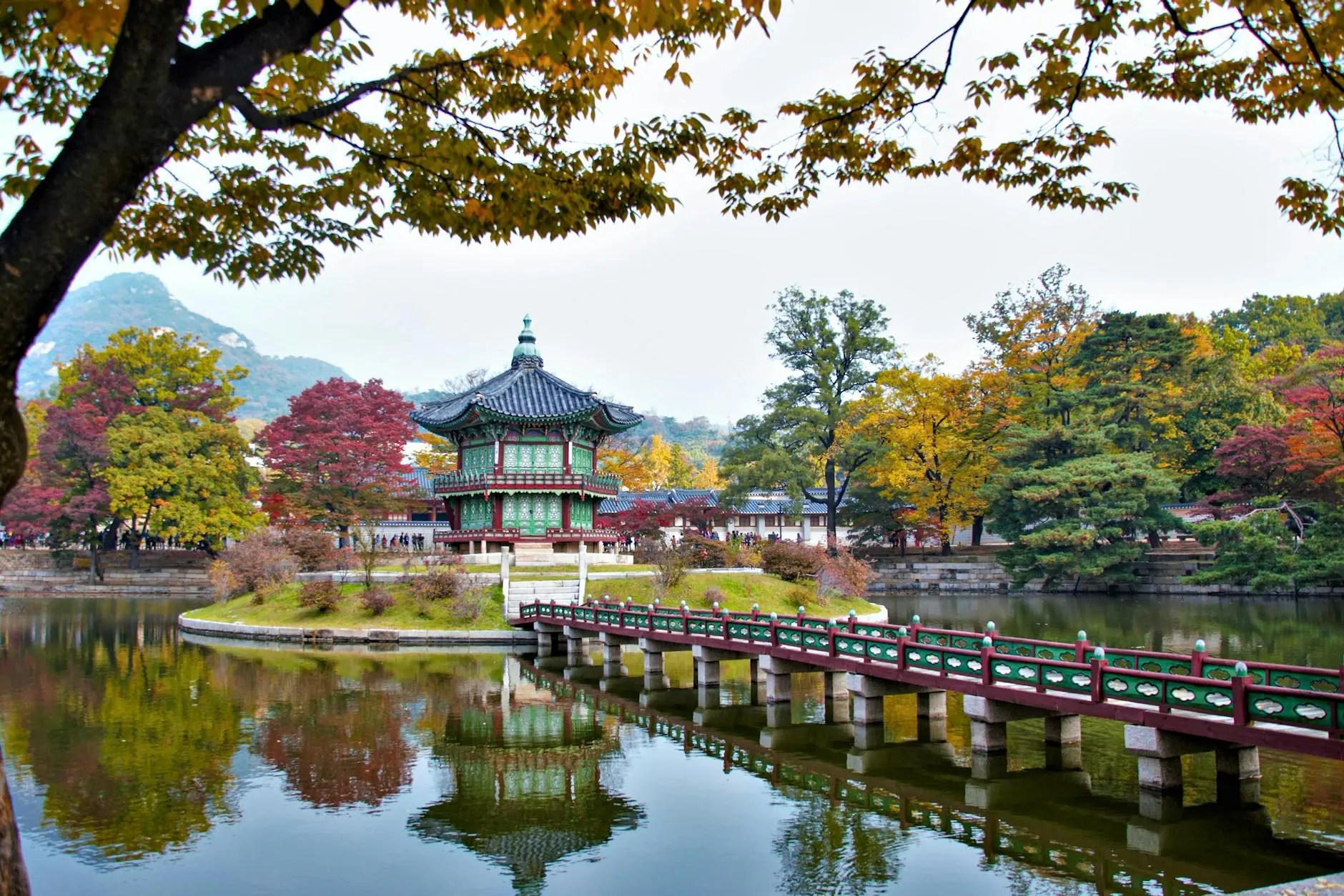
Autumn colors at Gyeongbokgung Palace, showcasing the stunning architecture and tranquil pond.
Afternoon: Bukchon Hanok Village & Insadong
Wander through Bukchon Hanok Village, a maze of traditional Korean houses (hanoks) where old Seoul meets chic cafés and art galleries. Then stroll over to Insadong for tea houses, handicraft shops, and a little people-watching.
The view is picturesque. Traditional hanok houses in Bukchon Hanok Village, Seoul, are surrounded by lush hills. This scene blends history with modern charm.
A vibrant night scene in Seoul showcasing neon lights and lively streets, perfect for exploring during your weekend getaway.
Evening: Myeongdong Night Market
When the sun sets, Myeongdong comes alive. From spicy tteokbokki (rice cakes) to hotteok (sweet pancakes), your taste buds will thank you. Don’t forget skincare shopping—yes, you’ll probably leave with more sheet masks than you can carry. (If K-beauty makes your heart sing, you’ll love exploring our detailed reviews of Korean skincare essentials from Lakinza that we’ve already tested and recommended for glowing skin.)
Exploring the vibrant streets of Myeongdong, where shopping and street food come alive.A plate of spicy tteokbokki, a must-try street food in Seoul, featuring chewy rice cakes drenched in a vibrant red sauce.Enjoy a delicious stack of fluffy pancakes. They are topped with fresh strawberries and caramel sauce. This is perfect for a sweet start to your day in Seoul.
Day 2: Local Life & Hidden Gems
Morning: Namsan Tower (N Seoul Tower)
Kick off with panoramic views of Seoul at Namsan Tower. Hike up if you’re feeling energetic, or take the cable car if last night’s soju is still haunting you. Don’t miss the “love locks” fence—corny but cute.
A scenic view of cable cars hanging over a snowy landscape, perfect for tourists visiting Namsan Tower.
Afternoon: Hongdae & Mapo
Seoul’s youth culture hub, Hongdae, is buzzing with street performers, indie music, and quirky cafés. For lunch, dive into Mapo district for authentic Korean BBQ—yes, you cook the meat yourself, and yes, you’ll smell like grilled heaven afterward.
Exploring the unique displays in a trendy shop at Hongdae, showcasing various art and culture.A street vendor artfully preparing delicious skewered dishes at Myeongdong Night Market, a popular foodie destination in Seoul.
Evening: Han River & Dongdaemun Design Plaza (DDP)
Wrap up your weekend with a riverside picnic at the Han River. Locals often order fried chicken and beer delivered right to the park (because Seoul is just that awesome). If design and architecture fascinate you, finish with the futuristic Dongdaemun Design Plaza—it’s like stepping onto a sci-fi movie set.
Explore the futuristic architecture of Dongdaemun Design Plaza, a must-visit spot in Seoul.
Getting Around Seoul Like a Local
Seoul’s public transportation is a dream once you figure it out:
Metro: The Seoul Metro is vast, punctual, and affordable. Grab a T-Money card, which works on subways, buses, and even taxis.
Buses: Color-coded (blue for long distances, green for local, red for suburban, yellow for circular routes), buses are efficient and cover areas the metro doesn’t.
Taxis: Safe and relatively cheap, though traffic can be heavy. Apps like KakaoTaxi make hailing easier.
Car rentals: Not recommended for short visits—traffic is intense, and parking is expensive. Stick with public transport and save time and gas.
💡 Travel Hack: Download Naver Mapsor KakaoMap—Google Maps doesn’t always work well in South Korea.
Best Time to Visit Seoul
Spring (March–May): Cherry blossoms turn the city into a pastel dream.
Autumn (September–November): Crisp air and stunning fall foliage.
Winter (December–February): Cold but magical—perfect for hot street food.
Summer (June–August): Hot, humid, and crowded—bring sunscreen and patience.
To avoid crowds, plan your palace visits early in the morning and shopping sprees on weekdays.
Hidden Gems Only Locals Know
Ikseon-dong Hanok Street: A hip version of Bukchon, filled with boutique cafés and fusion restaurants.
Seoul Forest: A quieter alternative to the Han River parks, perfect for cycling or picnics.
Cheonggyecheon Stream: A peaceful walkway in the middle of downtown Seoul.
A street vendor prepares delicious Korean snacks at a bustling market in Seoul.
A traditional Korean pavilion nestled within lush greenery, showcasing Seoul’s serene architectural beauty.(Seoul Forest) A serene view of a tree-lined stream surrounded by tall buildings, decorated with colorful lanterns, evoking a lively atmosphere in Seoul.
Smart Travel Tips for Seoul
✈️ Stay Connected Without the Headache Roaming charges can ruin your travel budget. I use Drimsim—a universal SIM card that works in 190+ countries. Just insert it, top up via the app, and you’re online without hunting down local SIM cards.
✈️ Flight Delayed or Canceled? Travel hiccups happen. If your flight to or from Seoul is canceled or delayed, you could claim up to $650 in compensation through AirHelp. They handle the process, and you only pay if you win—stress-free.
🔒 Online Security While Traveling Public Wi-Fi in airports and cafés isn’t always safe. I keep my data secure with NordVPN—a must for booking flights, checking bank accounts, or just streaming Netflix abroad.
📸 Capture Every Moment Seoul is a photographer’s playground. From neon-lit streets in Gangnam to tranquil palaces, don’t forget to bring a good camera. I recommend checking out some solid gear here.
✈️ Smart Travel Tip: No matter where your adventures take you, having the right travel insurance can save you from unexpected headaches (and bills). I personally recommend VisitorsCoverage — it’s a trusted platform where you can compare plans, find coverage that fits your trip, and book it in just a few clicks. Whether you’re planning a quick city escape or a longer international journey, it’s peace of mind worth packing.
✈️ Book Your Stay Smartly I always use Expedia for hotels and flights. Flexible bookings mean less stress if plans change.
Final Thoughts
A weekend in Seoul might not be enough to cover everything. However, it’s more than enough to fall in love with the city. Between royal palaces, sizzling BBQ, futuristic towers, and cozy hidden cafés, Seoul blends tradition with modernity in the most seamless way possible. Whether you’re chasing cherry blossoms, shopping till midnight, or just people-watching by the Han River, this city will pull you back again and again.
If you’re planning more adventures, check out my other weekend guides like Barcelona, Sydney, and Madrid. ✈️
👉 So, when are you packing your bags for Seoul? Let me know in the comments—I’d love to hear your favorite hidden spots!
🗣️REAL STORIES · REAL MISTAKES · WHAT ACTUALLY WORKS
Seoul looks easy. But there are secrets—the T-Money card, the Hanbok hack, the Naver Map rule. Here are three stories from travelers who learned the hard way—and one who figured it out.
D
Reader Story · David, San Francisco
Visited October 2025
“I spent the first day in Seoul lost. Google Maps showed me where I was, but wouldn’t give me directions. A local saw me staring at my phone and said: ‘Google Maps doesn’t work here. Download Naver Map.’ I did. Suddenly, I could navigate. I learned: Seoul runs on its own apps. Google is useless. Naver is essential.”
😬 HIS MISTAKE
Used Google Maps in Seoul. Couldn’t get directions. Wasted hours lost.
✅ WHAT HE LEARNED
Download Naver Map or KakaoMap before you arrive. Google Maps does not provide walking or driving directions in South Korea.
NN
Nomad Nate · 4 trips to Seoul
“David’s story is the #1 Seoul tech mistake. Google Maps is crippled in South Korea due to government mapping restrictions. The secret: Naver Map. It’s in English. It works perfectly. It gives walking, subway, and driving directions. The rule: download Naver Map before you leave home. Open it once to set it up. You’ll thank me.”
Nate’s Pro Tip: “KakaoMap is also excellent. Many locals prefer it. Both are better than Google. Pick one and learn it before you arrive.”
S
Reader Story · Sarah, London
Visited November 2025
“I paid ₩3,000 to enter Gyeongbokgung. The palace was beautiful. Then I saw people in Hanbok taking photos. They looked amazing. A friend told me: ‘If you wear a Hanbok, entry is free.’ I rented one the next day. I saved ₩3,000 on entry. I got incredible photos. I felt like royalty. I learned: always rent the Hanbok. It’s cheaper than the entry fee alone — and you look fantastic.”
😱 HER MISTAKE
Paid palace entry fee. Didn’t know about the Hanbok free entry hack.
✅ WHAT SHE LEARNED
Rent a Hanbok near Gyeongbokgung (₩10,000-20,000). You get free palace entry and amazing photos. Worth every won.
NN
Nomad Nate · 4 trips to Seoul
“Sarah discovered the #2 Seoul hack. Hanbok rental shops are everywhere near Gyeongbokgung. They’ll help you dress. They’ll hold your bag. You pay ₩10,000-20,000 for 2-4 hours. You walk into the palace for free. The photos are stunning. The experience is unforgettable. The rule: wear the Hanbok. It’s not cultural appropriation — it’s cultural appreciation. And it’s a bargain.”
Nate’s Pro Tip: “Go early. The best Hanbok rental shops open at 9am. The palace gets crowded by 11am. Wear your Hanbok, take photos, then change back. It’s that simple.”
J
Reader Story · James, Sydney
Visited September 2025
“I was going to eat dinner at a restaurant. A local friend said: ‘No. We’re going to the Han River.’ We took the subway to Yeouido Park. We ordered fried chicken and beer on our phones. It arrived in 20 minutes. We sat on a mat. We ate with our hands. We watched the sunset over the city. It was the best meal of my trip. I learned: dinner in Seoul isn’t about the restaurant. It’s about the river.”
✨ ACCIDENTAL DISCOVERY
Followed a local to the Han River. Ordered chimaek (chicken + beer) delivery. Picnicked at sunset.
✅ WHAT HE LEARNED
Han River parks (Yeouido, Ttukseom, Banpo) are for picnics. Order fried chicken and beer (chimaek) delivery. Bring a mat. Watch the sunset.
NN
Nomad Nate · 4 trips to Seoul
“James discovered the Seoul secret that most tourists miss. Chimaek (chicken + beer) by the Han River is a Korean rite of passage. The delivery apps work perfectly. You order on your phone. The driver finds you in the park. You pay. You eat. The rule: go to Yeouido Park or Banpo Hangang Park. Bring a picnic mat (or buy one at the convenience store). Order fried chicken and beer. Watch the sunset. This is how Seoul relaxes.”
Nate’s Hard Truth: “The tourist eats dinner at a restaurant. The traveler eats fried chicken on a mat by the Han River. The difference is knowing that Seoul’s best meals don’t have tables — they have river views.”
📝 YOUR STORY COULD BE NEXT
Been to Seoul? Got lost using Google Maps? Rented a Hanbok for free palace entry? Picnicked by the Han River with fried chicken and beer? Your story might help someone else navigate South Korea’s incredible capital.
✍️ Share your Seoul story
📍 Stories anonymized and used with permission · Names changed to protect privacy
🇰🇷THE 10 SEOUL TRUTHS — EVERYTHING DISTILLED
If 48 hours is too much to carry—here are the ten truths that matter most. Print them. Save them. Send them to someone who needs them.
01Download Naver Map. Google Maps is useless in Korea.
Government restrictions cripple Google Maps in South Korea. No walking or driving directions. Naver Map works perfectly. Download it before you arrive.
02Get a T-Money card. Tap, don’t buy tickets.
Available at any convenience store (GS25, CU, 7-Eleven). Tap on subways, buses, and taxis. Refill at any convenience store. The tourist buys single tickets. The traveler taps.
03Wear a Hanbok to Gyeongbokgung. Free entry + amazing photos.
Rent a Hanbok for ₩10,000-20,000. You get free palace entry (normally ₩3,000). The photos are incredible. Most Hanbok rental shops are near the palace.
04Han River fried chicken picnic (chimaek). Do it.
Order fried chicken and beer delivery to Yeouido Park or Banpo Hangang Park. Bring a mat. Watch the sunset. Eat with your hands. This is how Seoul does dinner.
06Hongdae for street performances and youth culture.
Dancers. Singers. K-pop cover groups. The energy is electric. Go in the evening. Wander the main street. Follow the crowds. You’ll find the performances.
07Bukchon Hanok Village is a real neighborhood. Be quiet.
People live there. Don’t block doorways. Don’t talk loudly. Some areas have signs asking for silence. Follow them. Ikseon-dong is a less crowded alternative.
08Insadong for tea and traditional souvenirs.
Tea houses. Handicrafts. Art galleries. No pressure sales. Walk slowly. Pop into a tea house. Try traditional Korean tea and rice cakes.
09N Seoul Tower at sunrise or sunset. Avoid midday.
The cable car line can be 1+ hour at noon. Go at sunrise or just before sunset. The light is better. The crowds are thinner. Bring a lock for the love locks fence.
10Seoul is safe. Seoul is loud. Seoul is unforgettable.
One of the safest big cities in the world. You can walk alone at night. The subway runs until midnight. The energy is infectious. Just go.
The Smart Traveler Framework — Six Questions Before You Go
Do I have Naver Map downloaded? Do I have a T-Money card? Am I renting a Hanbok for Gyeongbokgung? Am I planning a Han River chicken picnic? Do I know that Google Maps doesn’t work? Do I have my ‘Annyeonghaseyo’ ready? That framework is yours now. Use it in Seoul. Use it everywhere.
📍 Sources: Multiple Seoul trips, one tteokbokki-induced spice coma, and the discovery that fried chicken by the Han River is a rite of passage
🇰🇷FINAL THOUGHTS — LAXMI HEGDE, MBA IN FINANCE
“I thought I understood Seoul. Then I downloaded Naver Map, wore a Hanbok, and ate fried chicken by the Han River.”
First time: I used Google Maps. I was lost constantly. I paid for palace entry. I ate at restaurants. I left thinking Seoul was beautiful but frustrating. I had done Seoul the hard way. I had missed the point.
Second time: A friend told me about Naver Map. I navigated perfectly. I rented a Hanbok. I walked into Gyeongbokgung for free. I felt like royalty. I realized that Seoul is wonderful — but only if you use the right tools. I left wondering why I had ever used Google Maps.
Third time: I went to the Han River. I ordered fried chicken and beer on my phone. It arrived in 20 minutes. I sat on a mat. I watched the sunset. I ate with my hands. I learned that Seoul is not one city. It’s a collection of palaces, street food carts, and river parks where strangers share chicken and beer. And most tourists never find the river.
What I learned
The tourist uses Google Maps and gets lost. The traveler downloads Naver Map and navigates with ease. The difference is a 2-minute download. Seoul rewards the prepared, the curious, and the person who knows that the best meal is fried chicken on a riverbank. Don’t just see Seoul. Eat, explore, and embrace it for 48 hours.
🇰🇷 The Series Connection
This is one of 80+ weekend guides in our Ultimate Weekend Escapes series. Every city, every guide, every wrong turn I’ve taken—it’s all here for you.
🏯 What’s Next
Next in the series: Busan, South Korea—beaches, seafood, and Korea’s second city. Coming soon.
Annyeong, Seoul
(Goodbye, Seoul)
Laxmi Hegde
MBA in Finance · ConfidenceBuildings.com
April 2026 · Ultimate Weekend Escapes Series
📌 P.S. — My Seoul Secret
If you read nothing else: Seoul Forest at sunrise. Everyone goes to Han River Park. Seoul Forest is quieter. Rent a bike. Ride along the river. Find the deer enclosure. Watch the city wake up. Most tourists never make it here. You will. And you’ll have the best morning of your trip.
“I thought I understood Seoul. Then I downloaded Naver Map, wore a Hanbok, and ate fried chicken by the Han River.”
First time: I used Google Maps. I was lost constantly. I paid for palace entry. I ate at restaurants. I left thinking Seoul was beautiful but frustrating. I had done Seoul the hard way. I had missed the point.
Second time: A friend told me about Naver Map. I navigated perfectly. I rented a Hanbok. I walked into Gyeongbokgung for free. I felt like royalty. I realized that Seoul is wonderful — but only if you use the right tools. I left wondering why I had ever used Google Maps.
Third time: I went to the Han River. I ordered fried chicken and beer on my phone. It arrived in 20 minutes. I sat on a mat. I watched the sunset. I ate with my hands. I learned that Seoul is not one city. It’s a collection of palaces, street food carts, and river parks where strangers share chicken and beer. And most tourists never find the river.
What I learned
The tourist uses Google Maps and gets lost. The traveler downloads Naver Map and navigates with ease. The difference is a 2-minute download. Seoul rewards the prepared, the curious, and the person who knows that the best meal is fried chicken on a riverbank. Don’t just see Seoul. Eat, explore, and embrace it for 48 hours.
🇰🇷 The Series Connection
This is one of 80+ weekend guides in our Ultimate Weekend Escapes series. Every city, every guide, every wrong turn I’ve taken—it’s all here for you.
🏯 What’s Next
Next in the series: Busan, South Korea—beaches, seafood, and Korea’s second city. Coming soon.
Annyeong, Seoul
(Goodbye, Seoul)
Laxmi Hegde
MBA in Finance · ConfidenceBuildings.com
April 2026 · Ultimate Weekend Escapes Series
📌 P.S. — My Seoul Secret
If you read nothing else: Seoul Forest at sunrise. Everyone goes to Han River Park. Seoul Forest is quieter. Rent a bike. Ride along the river. Find the deer enclosure. Watch the city wake up. Most tourists never make it here. You will. And you’ll have the best morning of your trip.
Q1: Is a weekend enough time to see Seoul? While you can’t see everything, a weekend is enough to get a wonderful taste of Seoul’s unique blend of ancient history and hyper-modernity. This itinerary is designed to efficiently cover the iconic highlights and give you a memorable experience.
Q2: What is the best way to get around Seoul? Seoul has one of the world’s best and most efficient subway systems. It’s the easiest and fastest way for tourists to get around. Taxis are also plentiful and relatively inexpensive, and buses cover every part of the city. Using a T-money card (a rechargeable transit card) is highly recommended for seamless travel on all public transport.
Q3: What area is best to stay in for a short trip? For first-time visitors, Myeongdong is extremely popular due to its central location, excellent subway connections, shopping, and food options. Hongdae is perfect for a younger vibe with great nightlife and culture, while Insadong offers a more traditional atmosphere close to palaces.
Q4: Do I need to learn Korean before I visit? No, it is not necessary. In tourist areas, signs are in English and Korean, and many people, especially younger generations, speak some English. However, learning a few basic phrases like “Annyeonghaseyo” (Hello) and “Gamsahabnida” (Thank you) is greatly appreciated and will enhance your experience.
Q5: What is one thing I shouldn’t miss in Seoul? Gyeongbokgung Palace is the quintessential Seoul experience. It’s the largest and most iconic of the Five Grand Palaces, offering a stunning look into Korea’s Joseon Dynasty history. Don’t miss the changing of the guard ceremony.
Q6: What should I pack for a weekend in Seoul? Comfortable walking shoes are non-negotiable. You will be walking a lot. Pack layers appropriate for the season. Also, bring an adapter for South Korea’s Type C/F power outlets (220V). A portable power bank is also very useful for a day of navigating and photos.
Q7: Is Seoul an expensive city to visit? Seoul can be as expensive or as budget-friendly as you make it. Accommodation is typically the biggest cost. However, street food, public transportation, and many attractions (like palaces and temples) are very affordable, allowing you to manage your budget effectively.
Introduction: Welcome to Sydney – A Weekend in the Emerald City
Planning Your Sydney Weekend Getaway
Best Time to Visit for Ideal Weather
Getting There and Around: Transport Guide
Where to Stay: Best Neighborhoods for Your Trip
Your Complete Sydney Weekend Itinerary
Day 1: Iconic Sights & Harbour Views
Morning: Sydney Opera House Tour & Royal Botanic Garden
Afternoon: Sydney Harbour Bridge Walk & The Rocks
Evening: Harbour Dinner Cruise or waterside dining
Day 2: Coastal Walks, Beaches & Culture
Morning: Bondi to Coogee Coastal Walk
Afternoon: Bronte Beach or Museum Discovery
Evening: Darling Harbour Fireworks & Entertainment
Essential Sydney Experiences
Food and Drink: From Fish Markets to Flat Whites
Day Trip Idea: Blue Mountains or Hunter Valley
Practical Tips for Your Sydney Adventure
Budgeting for Your Trip
Staying Safe: Sun Safety and Ocean Safety
Connectivity: Getting Online
Conclusion: Your Unforgettable Sydney Weekend Awaits
If there’s one city that blends iconic skylines, surf-ready beaches, and a nightlife that doesn’t quit, it’s Sydney, Australia. Sydney is ranked among the top visited cities in the world. It offers the perfect mix of cosmopolitan buzz and laid-back coastal charm. It’s ideal for a weekend escape. Whether you’re here for the Opera House selfies, Bondi waves, or kangaroo-spotting, Sydney knows how to impress.
✈️ Flight Delayed or Canceled? Travel isn’t always smooth sailing—sometimes flights get delayed, canceled, or overbooked. The good news? You might be entitled to up to $650 in compensation under air passenger rights. Most travelers never claim it, but I’ve got you covered: just check your flight with AirHelp. They handle the paperwork, fight the airlines for you, and only get paid if you win. Easy, stress-free, and potentially a nice surprise for your travel fund.
✈️ Travel Hack: Tired of expensive international data? I use Drimsim—a global SIM that works in 190+ countries. Pop it in, top up on the app, and you’re online. No contracts, no hidden fees. Perfect for every getaway! 👉 Drimsim
🇦🇺 SYDNEY · HARBOUR CITY · AUSTRALIA’S ICONIC SHORELINE
🏄 CHEERS!Sydney’s Opera House and Bondi waves are just one of 80+ destinations I’ve explored!
From the soaring sails of the Opera House to the golden sands of Bondi Beach, Sydney is a city that lives outdoors. And I’ve captured that same magic across 6 continents — with 45+ European cities, Asian adventures, Americas escapes, and more.
🏄 “Sydney’s harbour is just the beginning — 80+ more coastlines are waiting for your footprints”
Day 1: City Icons & Harbour Vibes
Morning: Opera House & Circular Quay Kick off your weekend at Sydney’s crown jewel—the Sydney Opera House. Even if you’re not catching a performance, the architecture alone is worth the hype. Stroll along Circular Quay. Grab a flat white because when in Australia, coffee is a religion. Take in views of the Sydney Harbour Bridge. Feeling brave? Book a BridgeClimb for panoramic city views—it’s adrenaline with a skyline bonus.
🏛️ “The Opera House is only 50 years old — but 80+ cities have icons with centuries of stories”
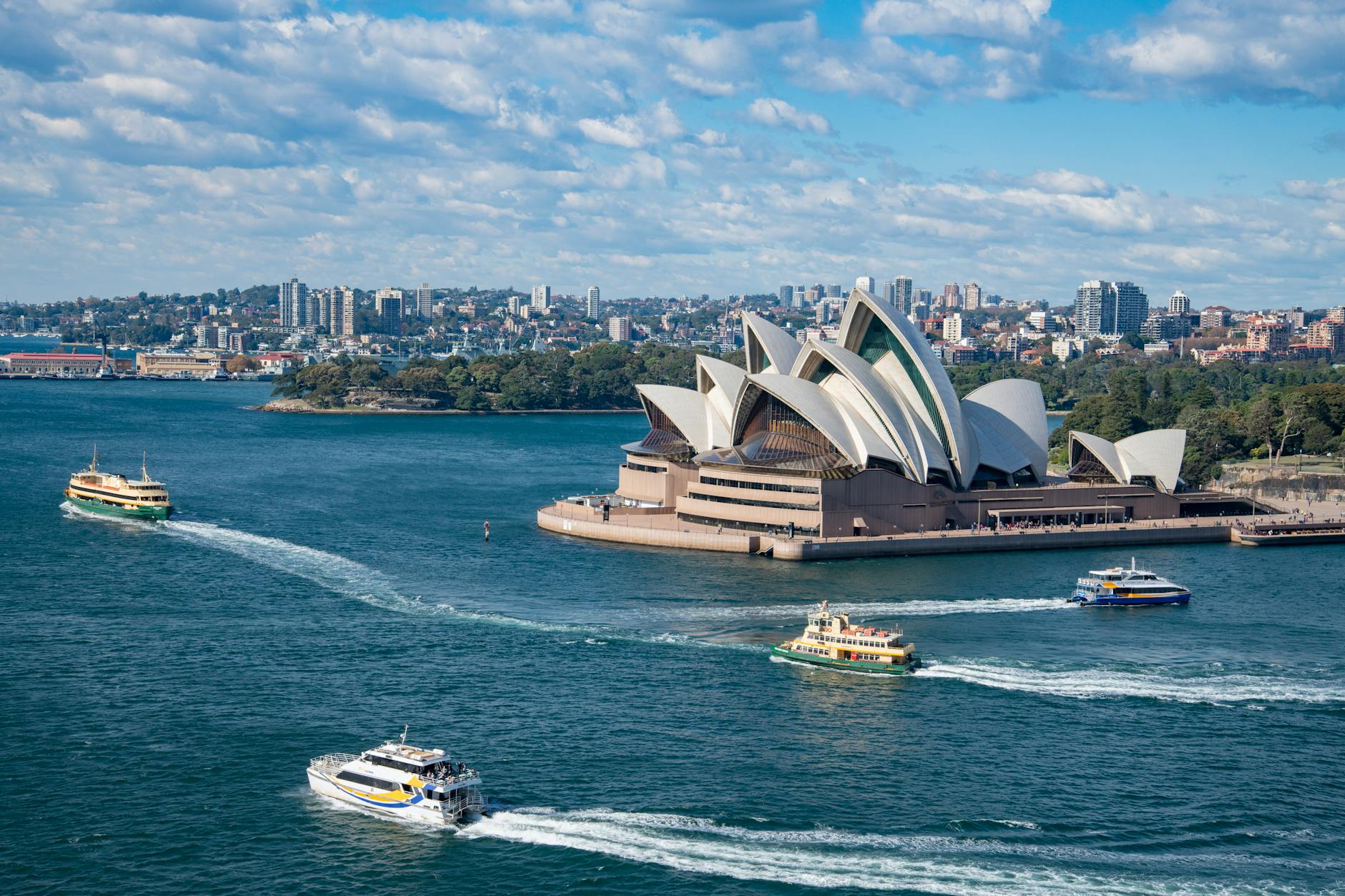
The iconic Sydney Opera House framed by the Sydney Harbour Bridge, showcasing the stunning architecture and vibrant waterfront.The iconic Sydney Harbour Bridge illuminated at dusk, reflecting in the water below.A scenic pathway lined with lush greenery and natural rock formations in Sydney, Australia.
Afternoon: The Rocks & Darling Harbour Wander into The Rocks, Sydney’s oldest neighborhood. Cobbled lanes connect this area. Weekend markets offer exciting finds. Historic pubs make it the perfect spot for lunch. Try a kangaroo burger if you’re feeling adventurous. Later, head to Darling Harbour—aquariums, museums, and waterfront dining all within walking distance.
A tall ship docked in Darling Harbour, Sydney, with the city’s skyline in the background.
Evening: Sunset Ferry to Manly One of the cheapest (and most beautiful) cruises in the world? The ferry to Manly Beach. For just a few dollars, you’ll glide past the Opera House. You will also pass the Harbour Bridge as the sun dips into the Pacific. Dinner in Manly’s seaside cafes is the cherry on top.
View of the iconic Sydney skyline with a ferry navigating the harbor at sunset.
Morning: Bondi to Coogee Coastal Walk Begin your day with the Bondi to Coogee Walk. This walk covers a 6 km stretch of ocean views, cliffs, and secret coves. Pro tip: Start early to beat the crowds (and the Aussie sun). Along the way, stop at Tamarama Beach, a local favorite that’s less crowded than Bondi.
A breathtaking aerial view of Bondi Beach, showcasing its golden sands and surrounding coastal scenery.
“As one Sydneysider told me while sipping coffee in Newtown, ‘If you haven’t done the coastal walk from Bondi to Coogee at sunrise, you haven’t really seen Sydney.’”
Afternoon: Choose between Taronga Zoo or Royal Botanic Gardens. If wildlife is your thing, hop on a ferry to Taronga Zoo for koalas, kangaroos, and unbeatable city backdrops. Prefer something low-key? Stroll the Royal Botanic Gardens, where cockatoos and exotic plants make for surprisingly good company.
🌿 Royal Botanic Garden Sydney Tip: Entry to the gardens is completely free. You can wander among exotic plants, cockatoos, and harbour views without spending a dollar. However, certain experiences inside the gardens, like the fascinating Aboriginal Heritage Tour, do require a paid ticket. Sites like Expedia list the gardens as an attraction. Sometimes they bundle tours or events. You don’t need a ticket just to enjoy the space. For up-to-date details on tours and what’s happening, check the official Botanic Gardens of Sydney website.
Evening: Darlinghurst & Nightlife Sydney’s nightlife is legendary. From cocktail bars in Darlinghurst to rooftop views in Surry Hills, the city comes alive after dark. Don’t miss Chinatown’s late-night eats if you need a post-party refuel.
A vibrant scene in Sydney’s Chinatown at night, featuring colorful neon signs and bustling street life.
Travel Tips for Sydney
🚆 Getting Around with the Opal Card Sydney runs on the Opal card, a rechargeable smart card that works across trains, buses, ferries, and light rail. You can grab one at the airport, train stations, convenience stores, or even order it online before your trip. Simply tap on when you board and tap off when you leave—your fare is calculated automatically.
Here’s why it’s a traveler’s best friend:
Daily Caps: No matter how much you travel, you’ll never pay more than a set amount per day (currently about AUD $16.80 for adults). Perfect if you’re zipping around town.
Weekly Caps & Sunday Specials: Hit the weekly cap and the rest of your rides that week are free. On Sundays, unlimited travel costs just a few dollars—so ferry-hop to your heart’s content.
Contactless Option: Don’t want another card in your wallet? You can use your contactless credit card, debit card, or even your phone’s wallet the same way as an Opal.
Where It Works: It covers everything from the airport train into the city to ferries across the harbour—so one card really does it all.
Pro Tip: Top up before you board buses or trains. Not all stops have recharge machines. Download the Opal Travel app to check balances, fares, and timetables.
📅 Best Time to Visit: September to November (spring) and March to May (autumn) are ideal. The weather is pleasant without the summer crowds. 🏖️ Hidden Gem: Skip the tourist-packed beaches and check out Milk Beach—a tiny, secluded spot with Opera House views. 📸 Photography Tip: Bring a good camera (I use this one) because Sydney’s light is a dream for photographers.
🔹 2. Tips on Cultural Norms
Slip in a short section titled “Cultural Etiquette in Sydney”:
Don’t forget to say “Thanks” to bus drivers—it’s a small but common Aussie courtesy.
Tipping isn’t mandatory in Australia, but rounding up or leaving 10% is appreciated in restaurants.
Aussies are generally casual, but respect queues (lines) and avoid loud conversations on public transport.
Breathtaking sunset view in milk beach over Sydney Harbour, showcasing the skyline and iconic structures.
✈️ Smart Travel Hacks
Stay Connected: Forget expensive roaming charges. I use Drimsim, a universal SIM that works in 190+ countries. Just pop it in, top up on the app, and you’re connected anywhere without hidden fees. Perfect for uploading those Bondi selfies in real time.
Flight Delays & Cancellations: Travel isn’t always smooth. If your flight is canceled or delayed, you might be entitled to up to $650 compensation. AirHelp makes the claim process painless—they only get paid if you win.
Book Smart: For flights, hotels, and package deals, I always use Expedia. Their flexible booking options have saved me more than once when plans changed last-minute.
Stay Secure: Public Wi-Fi in airports and cafes isn’t always safe. A VPN like NordVPN keeps your data private while you travel.
✈️ Smart Travel Tip: No matter where your adventures take you, having the right travel insurance can save you from unexpected headaches (and bills). I personally recommend VisitorsCoverage — it’s a trusted platform where you can compare plans, find coverage that fits your trip, and book it in just a few clicks. Whether you’re planning a quick city escape or a longer international journey, it’s peace of mind worth packing.
🏄
Sydney’s Opera House & Bondi! Just one of 80+ destinations across 6 continents.
🇪🇺 45+ Europe · 🌏 18+ Asia · 🌎 10+ Americas · 🌅 8+ Africa/Australia
Sydney is a dynamic city. You can sip champagne at the Opera House by night. Ride the waves at Bondi by morning. This city offers world-class dining, hidden beaches, and adventures at every ferry terminal. It’s a weekend escape that creates more memories than you’d expect from just two days.
So—pack your sunnies, load your Opal card, and get ready for a Sydney weekend you’ll never forget. 🌏
“Which Sydney neighborhood matches your travel style?”
At the end of the post, add a poll like:
“Which Sydney experience is your must-do?” ✅ Opera House tour ✅ Bondi Beach surf ✅ Taronga Zoo ferry ride ✅ Royal Botanic Garden stroll
Q1: Is a weekend enough time to see Sydney? While you can’t see everything, a weekend is perfect for hitting the world-famous highlights: the Opera House, Harbour Bridge, a iconic coastal walk, and at least one beautiful beach. This itinerary is designed to give you a fantastic and memorable overview of the city’s best offerings.
Q2: What is the best way to get from Sydney Airport to the city? The Airport Link train is the fastest way, taking about 13 minutes to reach Central Station. Taxis and ride-share services are also available and offer door-to-door convenience but will be more expensive, especially during peak traffic times.
Q3: What is the best area to stay in for a short trip? Circular Quay is the most central for iconic sights but can be pricey. The Rocks offers historic charm, Darling Harbour is great for families, and CBD hotels put you in the middle of the action. For a beach vibe, staying near Bondi Junction (with train access) is a great option.
Q4: Do I need to rent a car for a weekend in Sydney? No, it is not recommended. Sydney’s city center is best explored on foot and by public transport (ferries, trains, and light rail). Parking is extremely expensive and difficult to find. A car would only be necessary if you plan on taking a day trip outside the city.
Q5: Is the Bondi to Coogee Walk difficult? The 6km walk is considered moderate. It involves some stairs and sections of uneven path, but it is well-paved and suitable for anyone with a reasonable level of fitness. You can take it at your own pace, stop at beaches along the way, and even do shorter sections.
Q6: What should I pack for a weekend in Sydney? Sun protection is non-negotiable: hat, sunglasses, and high-SPF sunscreen. Comfortable walking shoes are a must. Also pack swimwear, a towel, and layers as evenings can be cool, especially near the water.
Q7: Are there any unique foods I should try in Sydney? Yes! Visit the Sydney Fish Market for incredibly fresh seafood. Try a classic Australian meat pie from a bakery, enjoy a “flat white” coffee, and if you’re adventurous, try a burger with “the lot” (which includes beetroot and a fried egg).
🗼 Tokyo · 1 of 18+ Asia Guides · 80+ Destinations Worldwide
🗼Last Updated: April 2026 · Regularly Maintained — fresh Suica/PASMO info, updated teamLab ticket prices, and new hidden izakaya discoveries added
✓ 2026 data✓ Regularly reviewed✓ Part of 80+ series
🗼THE TOKYO QUICK ANSWER — 48 HOURS
Can you experience Tokyo in a weekend? Yes — if you know where the hidden izakayas are.
Tokyo is not just Shibuya Crossing and robot restaurants. It’s a city of ancient temples tucked between skyscrapers, Michelin-starred ramen stalls, and alleyways where strangers become friends over sake. The tourist who only sees Senso-ji and Shibuya leaves. The traveler who finds Yanaka Ginza’s old-Tokyo charm, Kagurazaka’s cobblestones, and a Golden Gai bar with six seats discovers the real Tokyo. The difference is knowing which train to take.
🎯 THE 48-HOUR FORMULA
Day 1: Senso-ji Temple (early morning), Nakamise shopping street, Shibuya Crossing, Omoide Yokocho for yakitori, Golden Gai for tiny bars
Day 2: Tsukiji Outer Market (6am breakfast), teamLab Planets, Yanaka Ginza old Tokyo, Kagurazaka cobblestone streets
The secret: Get a Suica or PASMO card — digital version on your iPhone works instantly. Most tourists waste time buying tickets every ride. Don’t be that tourist.
The mistake: Carrying too much cash? No. The mistake is carrying no cash. Tokyo is modern but many small shops, temples, and izakayas are cash only.
🚆 Suica/PASMO: tap your phone🍜 Tsukiji Market: go at 6am💰 Cash is king in Golden Gai
✅ 48 hours is enough — get a Suica, carry cash, wake up early
📍 Source: Ramen-fueled weekends, one lost-in-translation three-bowl incident, and the discovery that the best sake is in a 6-seat bar
2,500+
people cross Shibuya Crossing at once
The world’s busiest pedestrian scramble
200+
Michelin-starred restaurants in Tokyo
More than Paris — including a ramen shop with a star
40M+
daily train riders in Tokyo
Trains leave exactly on time — 30 seconds late = missed train
3,000+
temples & shrines across Tokyo
Many hidden in plain sight between skyscrapers
🗼THE TOKYO GAP — WHAT EVERY GUIDE MISSES
Most Tokyo guides tell you to see Senso-ji, cross Shibuya, and eat sushi. That’s not wrong. It’s just the Tokyo that everyone already knows.
Here’s what they don’t tell you: Tokyo has layers. The best sushi is at 6am. The coolest bars have six seats and no sign. The most beautiful neighborhoods are hidden behind train stations. The tourist who doesn’t know these things will pay too much, wait in long lines, and miss the magic. The traveler who does will find old Tokyo, eat like a local, and leave planning their return trip.
🎯 WHAT THEY DON’T SHOW YOU
🍜 The Tsukiji Timing Trap
Everyone goes to Tsukiji Outer Market. But they go at 10am. The secret? Go at 6am. No crowds. Fresher fish. The best sushi of your life. Show up late and you’ll wait an hour for a seat.
🚆 The Suica Digital Hack
Most tourists buy physical Suica cards at ticket machines. The secret? Add Suica to your iPhone Wallet. Tap your phone to ride. Recharge with Apple Pay. No lines. No lost cards. It works instantly.
🏮 The Golden Gai Reality
Golden Gai is famous for tiny bars. But most tourists walk through and leave. The secret? Pick a bar with no English sign. Sit down. Say “Kanpai.” Let the owner recommend something. The best nights happen when you have no plan.
💴 The Cash Rule
Tokyo is modern. But many small shops, temples, and izakayas don’t take cards. The secret? Always carry ¥5,000-10,000 in cash. The tourist with only a credit card will miss the best street food and the most charming bars.
🌸 The Cherry Blossom Reality
Everyone wants to see cherry blossoms. But they go to the famous spots. The secret? Go to a neighborhood park at 7am. Shinjuku Gyoen at sunrise has no crowds. The tourist fights for photos at noon. The traveler drinks tea under falling petals in peace.
🍣 The “Lost in Translation” Advantage
Tourists panic when menus are in Japanese. The secret? Point and trust. The best meal I had in Tokyo came from pointing at a random picture. I ended up with three bowls of ramen. I ate them all. Tokyo rewards the brave.
“The tourist waits in line at a robot restaurant paying ¥8,000 for a show. The traveler finds a Golden Gai bar with six seats, buys the owner a drink, and ends up singing karaoke until 3am. The difference is knowing that Tokyo’s best experiences don’t have websites.”
— Nomad Nate, after 6 trips to Tokyo
❌ Carrying no cash✅ Get digital Suica✅ Tsukiji at 6am
📊 80% of tourists never find Yanaka Ginza’s old-Tokyo charm
📍 Sources: Ramen-fueled weekends, one lost-in-translation three-bowl incident, and the discovery that the best sake is in a 6-seat bar
🚆 Best travel card:Digital Suica (iPhone)🍜 Tsukiji best time:6am💴 Cash needed:¥5,000-10,000
⬆️ Click any link to jump directly ⬆️
Table of Contents
Introduction: Beyond the Neon – Uncovering the True Tokyo
Before You Go: Planning Your Tokyo Weekend Adventure
Best Time to Experience Tokyo’s Seasons
Navigating the City: Transport Tips and Tricks
Where to Stay: Neighborhoods with Unique Character
Your Weekend Itinerary: Tokyo’s Hidden Gems
Day 1: Tradition, Artisans, and Serene Gardens
Morning: Yanaka Ginza – The Old Tokyo Charm
Afternoon: Kagurazaka’s Cobblestone Streets and French Fusion
Evening: Shinjuku’s Omoide Yokocho and Golden Gai
Day 2: Design, Culture, and Local Flavors
Morning: Daikanyama and Nakameguro – Tokyo’s Trendy Nexus
Afternoon: Kappabashi “Kitchen Town” and Ameyoko Market
Evening: Local Izakaya Hopping in a Non-Touristy Area
Essential Off-the-Beaten-Path Experiences
Food: From Street Food to Secret Supper Clubs
Cultural Etiquette: Respectful Exploration
Practical Tips for the Discerning Traveler
Connectivity: Pocket WiFi vs. SIM Cards
Cash is King: Navigating Payments
Useful Japanese Phrases for Deeper Connection
Conclusion: Crafting Your Own Unique Tokyo Story
Have you ever dreamed of neon lights and futuristic tech? Do centuries-old temples captivate you? Does ramen make you want to weep tears of joy? If so, Tokyo is waiting for you. This city is not just Japan’s capital—it’s one of the most visited cities in the world. And yes, you can squeeze a taste of its magic into just one weekend (though trust me, you’ll be plotting your return trip before your plane even takes off).
Why Tokyo for a Weekend Escape?
Tokyo is the kind of city that gives you a thousand experiences in a single breath. Morning meditation at a 1,000-year-old shrine, lunch at a Michelin-star ramen shop, shopping in Harajuku, then belting karaoke under neon lights—it’s a weekend that feels like a lifetime.
I’ve explored weekend escapes in places like Istanbul, NYC, and Singapore. But Tokyo? It’s in a league of its own.
✈️ Flight Delayed or Canceled? Travel isn’t always smooth sailing—sometimes flights get delayed, canceled, or overbooked. The good news? You might be entitled to up to $650 in compensation under air passenger rights. Most travelers never claim it, but I’ve got you covered: just check your flight with AirHelp. They handle the paperwork, fight the airlines for you, and only get paid if you win. Easy, stress-free, and potentially a nice surprise for your travel fund.
✈️ Don’t get stuck with a massive phone bill! We all know the struggle of finding affordable data abroad. Airport SIMs are overpriced, and international roaming fees are a nightmare. That’s why I never travel without my Drimsim. It’s a global SIM that works in almost every country instantly. Just top it up via the app when you need it, and you’re good to go. Stay connected from the moment you land without the stress. Check it out here: 👉 Drimsim: SIM Card for Traveling Around the World
💡 Pro Travel Tip: While hopping on metro, tram, or bus is super easy, travel hiccups like delays, lost luggage, or sudden medical emergencies can happen anywhere. That’s why I always carry travel insurance before jetting off. It gives peace of mind knowing I’m covered, no matter what. I personally recommend VisitorsCoverage Travel Insurance — quick to book, affordable, and traveler-friendly.
🇯🇵 TOKYO · 東京 · WHERE TRADITION MEETS THE FUTURE
🗼乾杯!Tokyo’s neon-lit streets and hidden alleyways are just one of 80+ destinations I’ve explored!
From the shimmering towers of Shinjuku to the serene gardens of the Imperial Palace, Tokyo is a city of endless discovery. And I’ve captured that same magic across 6 continents — with 45+ European cities, Asian adventures, Americas escapes, and more.
🗼 “Tokyo hides its best secrets in plain sight — and 80+ more cities are waiting to share theirs with you”
✨ Day 1: Tradition Meets Tech
Morning: Senso-ji Temple, Asakusa
Start with a bit of serenity. Senso-ji is Tokyo’s oldest temple, and walking through the Nakamise shopping street feels like stepping back into Edo-period Japan—except with better souvenir stalls. Grab a fresh melon pan (sweet bread) to keep you energized.
Personal Note: I once tried drawing a fortune here (called omikuji) and got the “worst luck” slip possible. Don’t panic if you do too—just tie it to the temple’s rack and move on with your day. Tokyo knows how to balance fate and fun.
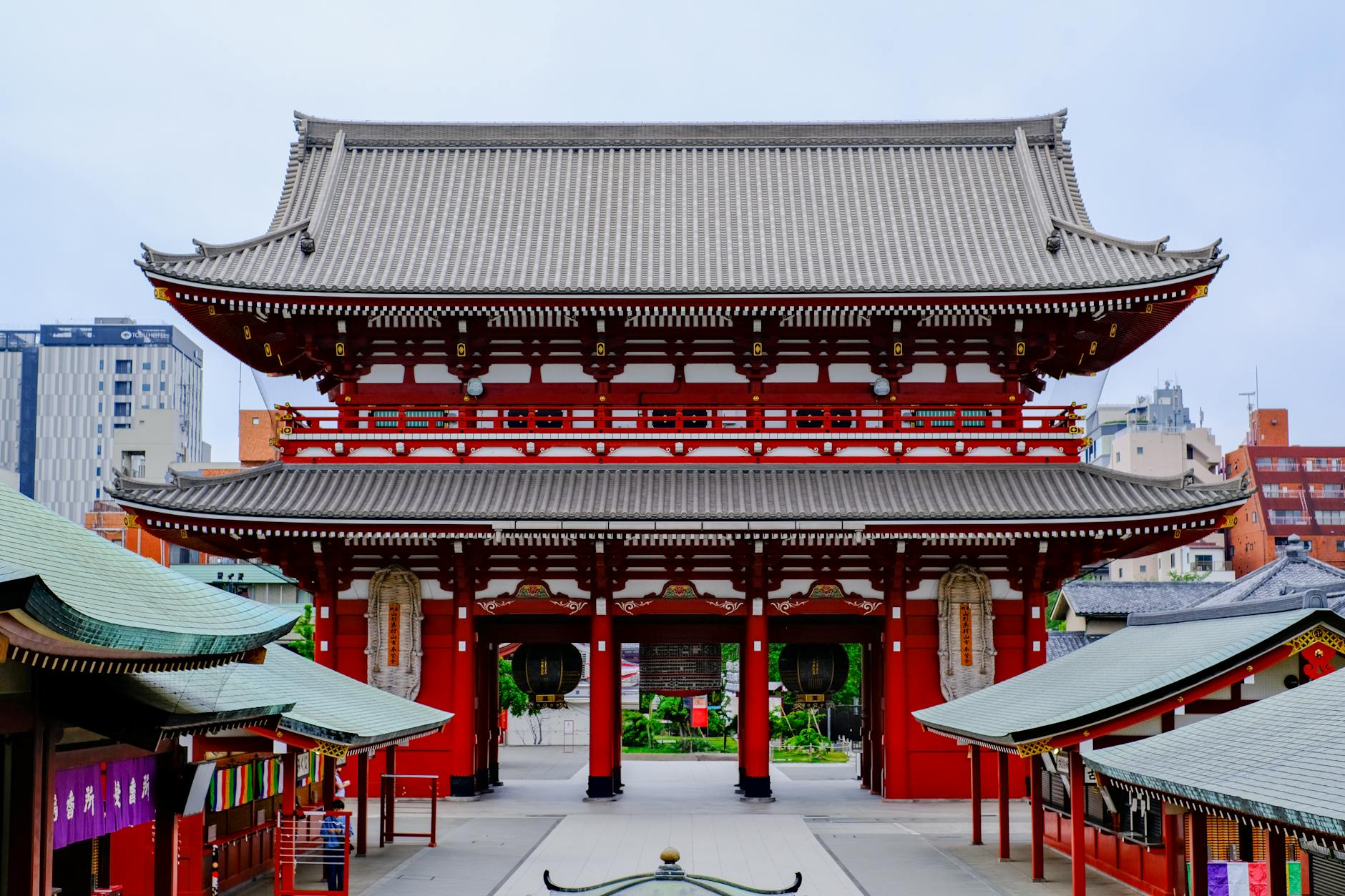
Sensoji Temple, Tokyo’s most famous Buddhist temple, founded in 645 AD. The vibrant Kaminarimon Gate welcomes visitors to Nakamise shopping street.The Main Hall (Hondō) of Sensoji Temple, where visitors waft incense smoke for blessings. Founded in 645 AD, this sacred site remains a symbol of Tokyo’s spiritual heritage.
Afternoon: Shibuya Crossing
No Tokyo weekend is complete without standing in the middle of the world’s busiest pedestrian crossing. It’s chaotic, mesmerizing, and oddly therapeutic—like synchronized chaos.
🚦 “2,500 people cross at once — and 80+ cities have their own rhythms”
Evening: Shinjuku Nights
A vibrant evening scene in Shinjuku, Tokyo, illuminated by neon lights and bustling with energy.
Head to Omoide Yokocho (aka “Memory Lane”), where smoky yakitori stalls make you feel like you’ve entered a time capsule. Don’t be surprised if a stranger raises a glass and says “Kanpai!”—Tokyo nights are for making friends you’ll never forget.
Yes, the inner market moved, but Tsukiji’s outer stalls are still alive with sizzling seafood skewers, tamago rolls, and sushi so fresh it practically swims onto your plate. Pro tip: go early to avoid the tourist rush.
Bustling scene at Tsukiji Outer Market, filled with vibrant stalls and visitors enjoying fresh seafood and local delicacies.
Afternoon: Ghibli Museum (Hidden Gem!)
If you’re a Studio Ghibli fan, this spot in Mitaka is a dream. Think whimsical staircases, Totoro waiting rooms, and exclusive short films you’ll never see outside Japan. Tickets sell out fast, so book well in advance.
Forget everything you know about museums—this digital art experience is like walking through a dreamscape of light, mirrors, and water. Bring a change of socks (you’ll thank me later).
Visitors admire the stunning digital art installation at TeamLab Planets Tokyo, showcasing a mesmerizing globe that reflects Earth’s beauty.
🌏 Side Trip Idea: If your travels take you beyond Shanghai, Tokyo is just a short flight away and packs an entirely different vibe—think neon streets, sushi feasts, and ancient temples tucked between skyscrapers. I usually book activities and tours through Rakuten Experiences because it’s a hassle-free way to score everything from sumo-wrestling shows to sushi-making classes. Booking ahead saves time, and you’ll skip the stress of last-minute planning.
Best Time to Visit: Spring (March–April) for cherry blossoms or Autumn (October–November) for fiery leaves.
Getting Around: Grab a Suica or Pasmo card for hassle-free metro rides. Trains are punctual to the second (seriously, if you’re 30 seconds late, the train is gone).
If you plan on zipping around Tokyo (and trust me, you will), grab yourself a Suica card—it’s basically the city’s golden ticket for hassle-free travel. You can buy one at JR East train stations or even at the airport, load it up with yen, and then just tap your way through trains, buses, and even convenience stores. No more fumbling with coins for every ride. A bonus? You can use it to grab snacks at vending machines, buy coffee at 7-Eleven, or even pay at some restaurants. The card is rechargeable, refundable when you leave Japan, and makes navigating Tokyo’s famously punctual transport system a whole lot smoother.
🗼
Tokyo’s hidden gems! Just one of 80+ destinations across 6 continents.
🇪🇺 45+ Europe · 🌏 18+ Asia · 🌎 10+ Americas · 🌅 8+ Africa/Australia
🗼 “From Tokyo’s neon alleys to the world — 80+ adventures await”
🚌 What is a PASMO Card?
The PASMO cardis Tokyo’s other rechargeable smart travel card, created by private railway and bus companies. Just like Suica, it works on almost all trains, subways, and buses across Tokyo (and most of Japan’s major cities). You can also use it at convenience stores, vending machines, and some restaurants. PASMO is especially handy if you’re traveling more on the Tokyo Metro or private lines rather than JR East trains. You can pick one up at Tokyo Metro stations, airports, or bus terminals, top it up easily, and just tap your way through.
🔄 Suica vs. PASMO: Which One Should You Get?
Both cards are nearly identical in function, so you honestly can’t go wrong. But here are the small differences that matter:
Where They’re Issued
Suica: Issued by JR East (Japan Rail). Available at JR train stations and airports.
PASMO: Issued by private railway and bus operators. Available at Tokyo Metro stations and bus terminals.
Coverage Both work seamlessly across Tokyo’s transport network (JR lines, subways, buses) and are even accepted in other major cities like Osaka, Kyoto, and Fukuoka.
Refunds If you want your deposit back when leaving Japan, it’s easier to return a Suica at a JR station or a PASMO at a Metro station.
Everyday Use Both can be used for small purchases at convenience stores, vending machines, and some shops.
👉 Bottom Line:
If you’re staying around JR East train lines (like Shinjuku, Shibuya, Tokyo Station) → Suica is slightly more convenient.
If you’ll be riding more Tokyo Metro or private lines → PASMO might save you a line at the ticket machines.
Otherwise, pick whichever is available first at the airport—you’ll barely notice a difference once you’re zipping around the city.
💡 Insider Tip: You don’t even need to carry a physical Suica or PASMO card anymore—Japan’s gone fully digital! If you’ve got an iPhone (with Apple Wallet) or an Android phone (with Google Wallet or the Suica/PASMO app), you can add a mobile Suica or PASMO directly to your phone. Just top it up with your credit card and tap your phone at the gates or vending machines like a local. No more lining up at ticket counters or worrying about losing your card. Plus, recharging on the go is a lifesaver when you’re racing to catch that last train after karaoke.
Stay Connected: Roaming charges in Japan can be brutal. I avoid the airport SIM counter trap and instead use a universal travel SIM that works in 190+ countries. Just top it up via app, and you’re online—no hidden fees, no panic. Check out Drimsim: SIM Card for Traveling Around the World.
Safety: Tokyo is one of the safest cities globally, but I always keep my connection private when using public WiFi. A good VPN like NordVPN keeps your data safe while you’re Instagramming your sushi.
🍣 Personal Anecdote: Lost in Translation (Literally)
On my first Tokyo trip, I tried to order ramen using only gestures. I ended up with three bowls and a side of extra noodles. Did I eat it all? Absolutely. Was I in a food coma until morning? You bet. Lesson learned: embrace the unexpected—Tokyo rewards curiosity.
🔗 Related Reads You’ll Love
If Tokyo sparks your wanderlust, you might also enjoy:
🗣️REAL STORIES · REAL MISTAKES · WHAT ACTUALLY WORKS
Tokyo looks easy. But there are secrets—the Tsukiji timing, the Suica digital hack, the cash rule. Here are three stories from travelers who learned the hard way—and one who figured it out.
S
Reader Story · Sarah, London
Visited October 2025
“I showed up at Tsukiji Market at 11am. Every stall had a line. I waited 45 minutes for a sushi set that was good but not great. A local next to me whispered: ‘You came too late. 6am is the secret.’ I went back the next morning at 6am. No line. Better fish. Half the price. I learned: Tokyo rewards early risers.”
😬 HER MISTAKE
Went to Tsukiji at peak time. Waited in long lines for overpriced sushi.
✅ WHAT SHE LEARNED
Tsukiji Market opens early for a reason. Go at 6am. No lines. Better fish. The tourist sleeps in. The traveler eats well.
NN
Nomad Nate · 6 trips to Tokyo
“Sarah discovered the #1 Tokyo rule. The city wakes up early. Tsukiji’s best stalls open at 5 or 6am. By 9am, the lines start. By 11am, you’re waiting an hour. The secret? Set your alarm. Eat breakfast at the market. Take a nap later. The freshest fish and the shortest lines belong to the early riser.”
Nate’s Pro Tip: “If you can’t do 6am, aim for 2pm. The lunch rush ends. Some stalls close, but the hidden gems in the outer market are still serving. But honestly? Just wake up early. It’s worth it.”
M
Reader Story · Mike, Chicago
Visited November 2025
“I thought Tokyo was fully digital. I brought only my credit card and phone. Then I tried to buy grilled eel from a tiny stall in Yanaka Ginza. The owner pointed to a sign: ‘Cash Only.’ I had no cash. I walked away hungry. I learned that day: Tokyo is modern but traditional. Always carry cash. Especially at the best places.”
😱 HIS MISTAKE
Assumed everywhere takes cards. Brought no cash. Missed out on amazing food.
✅ WHAT HE LEARNED
Small shops, temples, and izakayas often don’t take cards. Carry ¥5,000-10,000 cash at all times. The best experiences are often cash only.
NN
Nomad Nate · 6 trips to Tokyo
“Mike’s story is the #2 Tokyo mistake. Japan loves cash. The big chains take cards. The small places—the ones you actually want to find—often don’t. The rule: withdraw ¥10,000-20,000 from a 7-Eleven ATM (they have the best exchange rates) and keep it in your wallet. You’ll sleep better knowing you can buy that grilled eel.”
Nate’s Pro Tip: “7-Eleven ATMs in Japan are your best friend. Low fees. English menus. And they’re everywhere. Withdraw cash when you land. Don’t wait until you’re at a cash-only stall with an empty wallet.”
L
Reader Story · Lisa, Melbourne
Visited March 2026
“I walked through Golden Gai and saw all the tourists taking photos. Then I noticed a tiny alley with no sign. I walked in. A bar with six seats. The owner didn’t speak English. I pointed at a bottle. He poured. I said ‘Kanpai.’ He smiled. Two hours later, I was singing karaoke with strangers. I learned: the best bars in Tokyo don’t have Instagram accounts.”
✨ ACCIDENTAL DISCOVERY
Walked past the tourist photos. Found an unmarked bar. Had the best night of her trip.
🗼THE 10 TOKYO TRUTHS — EVERYTHING DISTILLED
If 48 hours is too much to carry—here are the ten truths that matter most. Print them. Save them. Send them to someone who needs them.
01Suica/PASMO is your golden ticket.
Tap your way through trains, buses, and convenience stores. Better yet: add digital Suica to your iPhone Wallet. No lines. No lost cards. Recharge with Apple Pay. Most tourists don’t know this. Now you do.
02Tokyo is cash-friendly. Carry ¥5,000-10,000.
The big chains take cards. The small shops, temples, and izakayas don’t. The tourist with only a credit card misses the best street food and the most charming bars. 7-Eleven ATMs are your best friend.
03The best sushi is at 6am. Tsukiji proves it.
Tsukiji Outer Market opens early for a reason. No lines. Fresher fish. Half the price. The tourist sleeps in and waits an hour. The traveler eats breakfast at the market and wonders why everyone else showed up late.
04Trains leave EXACTLY on time. 30 seconds late = missed train.
Tokyo’s train system is punctual to the second. If Google Maps says 9:47, the train leaves at 9:47. Not 9:48. Not 9:47:30. Don’t test it. You will lose.
05Golden Gai is for night owls. The best bars have no sign.
Tourists photograph the famous Golden Gai bars. The traveler walks into an alley with no sign. Six seats. Cash only. No English menu. That’s where Tokyo’s magic lives. Say ‘Kanpai’ and trust the owner.
06You don’t need fluent Japanese. You need ‘Sumimasen.’
‘Sumimasen’ (excuse me) opens every door. Add ‘Arigatou gozaimasu’ (thank you) and ‘Kore o kudasai’ (this please). That’s 90% of your interactions. The rest you can point and smile.
07teamLab Planets requires socks. Bring a change.
You walk through water. Your socks will get wet. Bring a spare pair. Most tourists don’t read this and walk around with wet feet. Don’t be that tourist.
08Cherry blossom season is a sport. Book months ahead.
March-April is peak season. Hotels book out 3-6 months in advance. Prices double. The tourist who books last minute pays triple. The traveler who plans ahead drinks tea under falling petals in peace.
09Yanaka Ginza is old Tokyo. Most tourists never find it.
A neighborhood that survived WWII and modernization. Wooden houses. stray cats. traditional snack stalls. It’s a 10-minute walk from Nippori Station. Most tourists stay in Shinjuku and Shibuya. Their loss.
10Tokyo is not just a city. It’s a thousand neighborhoods.
The tourist sees Shibuya, Shinjuku, and Asakusa. The traveler finds Yanaka, Kagurazaka, Nakameguro, and Golden Gai’s unmarked bars. Tokyo hides its best secrets. But only if you’re willing to walk down the small alleys.
The Smart Traveler Framework — Six Questions Before You Go
Do I have digital Suica? Do I have cash? Am I waking up early for Tsukiji? Did I book teamLab Planets in advance? Do I know where the unmarked bars are? Do I have my ‘Sumimasen’ ready? That framework is yours now. Use it in Tokyo. Use it everywhere.
📍 Sources: Ramen-fueled weekends, one lost-in-translation three-bowl incident, and the discovery that the best sake is in a 6-seat bar
🗼FINAL THOUGHTS — LAXMI HEGDE, MBA IN FINANCE
“I thought I understood Tokyo. Then I walked into a bar with no sign.”
First time: I was a tourist. I saw Shibuya Crossing. I took photos at Senso-ji. I ate sushi at a restaurant in Shinjuku. I left thinking Tokyo was impressive but overwhelming. I had done Tokyo the easy way. I had missed the point.
Second time: I woke up at 5am. I went to Tsukiji Market before the crowds. I watched the tuna auction from a distance. I ate sushi at 6am that changed my understanding of fish. I realized Tokyo rewards the early riser. I left wondering why I had ever slept in.
Third time: I walked past Golden Gai’s famous bars. I found an alley with no sign. A bar with six seats. The owner didn’t speak English. I pointed at a bottle. He poured. I said ‘Kanpai.’ He smiled. Two hours later, I was singing karaoke with strangers. I realized that Tokyo is not one city. It’s a thousand. And most of them are hiding in plain sight, waiting for you to walk down the small alleys.
What I learned
The tourist sleeps in and misses Tsukiji. The traveler wakes up at 5am. The tourist takes photos of famous bars. The traveler walks into alleys with no signs. The difference is a willingness to get uncomfortable. Tokyo rewards the curious, the early riser, and the person who carries cash. Don’t just see Tokyo. Live in it for 48 hours.
🗼 The Series Connection
This is one of 80+ weekend guides in our Ultimate Weekend Escapes series. Every city, every guide, every wrong turn I’ve taken—it’s all here for you.
🍜 What’s Next
Next in the series: Kyoto, Japan—temples, tea ceremonies, and Japan’s ancient capital. Coming soon.
Mata ne, Tokyo
(See you again, Tokyo)
Laxmi Hegde
MBA in Finance · ConfidenceBuildings.com
April 2026 · Ultimate Weekend Escapes Series
📌 P.S. — My Tokyo Secret
If you read nothing else: Golden Gai’s unmarked bars — walk through the main alley. Then turn down a side street. Look for a bar with no sign, no menu, and six seats. Walk in. Say ‘Kanpai.’ Point at a bottle. Trust the owner. Most tourists never find these places. You will. And you’ll leave with friends you’ll never forget.
Tokyo is not just a destination—it’s an experience that lingers long after you’ve left. Whether you’re marveling at temples, navigating neon-lit streets, or slurping noodles at midnight, this city makes a weekend feel like a world tour.
👉 Ready to book your own Tokyo escape? I always use Expedia for flexible flights and stays. Pair that with a travel camera and a trusty VPN, and you’re set for the ultimate adventure.
So pack light, keep your chopsticks handy, and let Tokyo surprise you. 🌏✈️
A visually engaging itinerary for a 2-day adventure in Tokyo, highlighting iconic landmarks and experiences.
Frequently Asked Questions (FAQ)
Q1: Is this itinerary suitable for a first-time visitor to Tokyo? While it focuses on hidden gems, it’s a fantastic complement to the major sights. This guide is perfect for someone who has already seen Senso-ji or Shibuya Crossing, or for a traveler who prefers deeper, more local experiences over crowded tourist spots.
Q2: What is the best way to get around Tokyo to reach these areas? Tokyo’s subway and JR train lines are incredibly efficient and will get you close to all these neighborhoods. The key is using a Suica or Pasmo rechargeable IC card for seamless travel on all lines. Google Maps is extremely accurate for providing real-time train schedules and routes.
Q3: How walkable are these hidden gem neighborhoods? Extremely walkable. The charm of areas like Yanaka Ginza, Kagurazaka, and Nakameguro is best discovered on foot, wandering through side streets and alleyways. This itinerary is designed for exploring on foot once you arrive at the correct station.
Q4: Do I need to speak Japanese to enjoy these less touristy spots? While not strictly necessary, knowing a few key phrases (Arigatou gozaimasu – Thank you, Sumimasen – Excuse me, Kore o kudasai – This please) will greatly enhance your experience and is seen as a sign of respect. Many menus in local spots may be Japanese-only, but pointing and a friendly attitude work wonders.
Q5: What is one “hidden gem” I absolutely shouldn’t miss? Yanaka Ginza offers a rare glimpse into the Shitamachi (old downtown Tokyo) atmosphere that survived WWII and modernization. It’s a peaceful, nostalgic street filled with independent artisan shops, stray cats, and traditional snack stalls, providing a completely different side of the city.
Q6: Is it safe to explore these non-touristy areas at night? Tokyo is one of the safest large cities in the world. Exploring areas like Golden Gai or a local izakaya district at night is generally very safe. As always, practice basic situational awareness.
Q7: How should I budget for a weekend of exploring hidden gems? Many of the best experiences are low-cost or free (wandering neighborhoods, visiting temples). Budget more for unique dining experiences, artisan crafts, and transportation. Eating at local izakayas and market stalls can be very affordable.
🗼🇯🇵Tokyo’s hidden gems & neon nights — just one of 80+ destinations
🛺 Bangkok · 1 of 18+ Asia Guides · 80+ Destinations Worldwide
🛺Last Updated: April 2026 · Regularly Maintained — fresh ferry times, updated floating market schedules, and new hidden escape routes added
✓ 2026 data✓ Regularly reviewed✓ Part of 80+ series
🛺THE BANGKOK QUICK ANSWER — WEEKEND ESCAPES
Need a break from Bangkok’s chaos? Yes — here’s where to go.
Bangkok is electric. But even the City of Angels needs a timeout. Hua Hin’s royal beaches, Khao Yai’s vineyards, Ayutthaya’s ancient ruins, and Kanchanaburi’s floating bungalows are all just 1.5–3 hours away. The tourist stays in Bangkok and burns out. The traveler escapes for the weekend and returns refreshed. The difference is knowing which getaway matches your vibe.
🎯 THE QUICK ESCAPE FORMULA
Beach escape: Hua Hin (3 hrs) or Koh Samet (2.5 hrs + ferry)
Nature escape: Khao Yai National Park (2.5 hrs) — waterfalls & wine
History escape: Ayutthaya (1.5 hrs by train) — ancient temple ruins
Culture escape: Amphawa Floating Market (1.5 hrs) — fireflies at night
The secret: Take the train, not the minivan. More comfortable, better views, and you arrive less stressed.
The mistake: Going on a weekend. Most Bangkok escapes are crowded Saturday-Sunday. Go mid-week if you can.
🚂 Take the train🏯 Ayutthaya: 1.5 hrs💧 Erawan Falls: swim in 7 tiers
✅ Escape Bangkok — return refreshed, not exhausted
📍 Source: Multiple Bangkok escapes, one floating bungalow stay, and the discovery that Ayutthaya at sunrise has no crowds
10M+
international visitors to Bangkok annually
One of the most visited cities on Earth
50,000+
street food stalls across Bangkok
From pad thai to mango sticky rice
400+
temples in Bangkok
Wat Pho’s Reclining Buddha is 46m long
6+
weekend escapes within 3 hours
Beaches, mountains, ruins, floating markets
🛺THE BANGKOK GAP — WHAT EVERY GUIDE MISSES
Most Bangkok guides tell you about temples, tuk tuks, and pad thai. That’s not wrong. It’s just the Bangkok everyone already knows.
Here’s what they don’t tell you: Bangkok is a launchpad. The best beaches, waterfalls, floating markets, and ancient ruins are all within 3 hours. The tourist stays in Bangkok and burns out. The traveler escapes for the weekend and returns refreshed. The difference is knowing which escape matches your vibe.
🎯 WHAT THEY DON’T SHOW YOU
🏖️ Hua Hin’s Royal Secret
Everyone goes to Pattaya. The secret? Hua Hin is where Thai royalty vacations. Chilled beaches, night markets without the chaos, and fresh seafood. 3 hours from Bangkok. No drama.
🍷 Khao Yai’s Wine Country
A national park with vineyards? The secret? Khao Yai has waterfalls, gibbons, AND award-winning wineries. Swim at Haew Suwat Waterfall (from The Beach), then sip wine at sunset. Thailand’s Tuscany.
🚂 The Ayutthaya Train Hack
Most tourists take a minivan to Ayutthaya. The secret? Take the train from Hua Lamphong Station. 1.5 hours. More comfortable. Better views. And you arrive at the historic center, not a random bus stop.
🏊 Erawan’s 7-Tier Heaven
Kanchanaburi is famous for the Bridge on the River Kwai. The secret? Erawan National Park’s 7-tier waterfall. You can swim in turquoise pools at every level. Most tourists miss this entirely.
🛶 Amphawa’s Fireflies
Damnoen Saduak floating market is overrun with tourists. The secret? Amphawa Floating Market. 1.5 hours from Bangkok. Authentic. And at night, take a boat to see thousands of fireflies light up the trees. Magical.
🏝️ Koh Samet’s Weekend Cheat Code
Full island escapes take too long. The secret? Koh Samet is 2.5 hours + 30-min ferry. White sand beaches. Quiet. Unspoiled (for now). Go mid-week to dodge Bangkok weekenders.
“The tourist burns out in Bangkok’s chaos. The traveler escapes to Hua Hin’s beaches, Khao Yai’s waterfalls, or Ayutthaya’s ruins. The difference is knowing that Bangkok is a launchpad, not just a destination.”
— Nomad Nate, after multiple Bangkok escapes
❌ Taking the minivan✅ Take the train✅ Go mid-week
📊 80% of tourists never visit Amphawa’s fireflies
📍 Sources: Multiple Bangkok escapes, one floating bungalow stay, and the discovery that Ayutthaya at sunrise has no crowds
Because Sometimes Even the City of Angels Needs a Timeout
Let’s be real—Bangkok is electric. Between sizzling street food, chaotic tuk-tuks, and the temple-hopping madness, it’s a traveler’s dream and an introvert’s sensory overload. So what happens when you need a little breather from Thailand’s bustling capital? You plan the ultimate weekend escape, that’s what. And I’ve done it—more than once. These escapes not only saved my sanity but helped me reconnect with nature, culture, and let’s be honest…my SPF 50.
Whether you’re craving beachside bliss, mountain mist, or just an affordable hideaway, here’s your weekend escape playbook—Bangkok edition.
✈️ Flight Delayed or Canceled? Travel isn’t always smooth sailing—sometimes flights get delayed, canceled, or overbooked. The good news? You might be entitled to up to $650 in compensation under air passenger rights. Most travelers never claim it, but I’ve got you covered: just check your flight with AirHelp. They handle the paperwork, fight the airlines for you, and only get paid if you win. Easy, stress-free, and potentially a nice surprise for your travel fund.
✈️ Travel Tip: Staying connected abroad can be tricky (and expensive if you’re relying on airport SIM counters or roaming). That’s why I carry a Drimsim—a universal SIM card that works in 190+ countries without hidden fees. You just pop it into your phone, top up through the app, and you’re online wherever your adventure takes you. No more hunting for local SIM cards or stressing over roaming bills. If you’re planning your next getaway, check it out here 👉 Drimsim: SIM Card for Traveling Around the World.
💡 Pro Travel Tip: While hopping on metro, tram, or bus is super easy, travel hiccups like delays, lost luggage, or sudden medical emergencies can happen anywhere. That’s why I always carry travel insurance before jetting off. It gives peace of mind knowing I’m covered, no matter what. I personally recommend VisitorsCoverage Travel Insurance — quick to book, affordable, and traveler-friendly.
🇹🇭 BANGKOK · CITY OF ANGELS · กรุงเทพมหานคร
🛺 ชโย!Bangkok’s temples and street food chaos are just one of 80+ destinations I’ve explored!
From the gleaming spires of Wat Arun to the sizzling woks of Yaowarat Road, Bangkok is a feast for the senses. And I’ve captured that same magic across 6 continents — with 45+ European cities, Asian adventures, Americas escapes, and more.
Bangkok|Chiang Mai (coming soon)|Phuket (coming soon)|Singapore|Kuala Lumpur|Ho Chi Minh City
🛺 “Bangkok’s chaos is beautiful — just like planning your next 80+ adventures”
🏖️ 1. Hua Hin: Royal Seaside Chic, Just 3 Hours Away
Want a beach getaway without the full “tourist trap” energy? Hua Hin hits that sweet spot. Long loved by Thai royalty (fancy!), this coastal town offers chilled-out beaches, seafood feasts, and night markets that don’t feel like a battle zone.
Quick Tips:
How to get there: 3-hour drive or direct minivan from Bangkok’s Southern Bus Terminal.
Must-do: Cicada Market for artsy vibes and grilled squid on a stick.
Best time to go: November to February—less humidity, more hair volume.
🔗 While you’re feeling that budget wanderlust, check out my Top 10 Budget Beach Destinations for more sand-and-surf inspiration.
🍜 PAD THAI · SOM TUM · BANGKOK STREET FOOD
🍜 ชโย!Pad Thai from a sizzling street cart is just one taste — I’ve savored 80+ culinary destinations!
From Yaowarat’s neon-lit food stalls to night markets around the world — let your taste buds travel.
Less than three hours from Bangkok lies this dreamy national park filled with gibbons, orchids, and some of the most Instagrammable vineyards in Thailand.
Must-do: Haew Suwat Waterfall (yep, the one from The Beach)
Pro tip: Khao Yai’s cool temps make it a year-round escape.
🍷 Bonus Hack: Book your stay and tours with Expedia (affiliate link)—I always find more flexible, budget-friendly deals there than on local booking sites. Plus, it keeps all your bookings in one tidy dashboard.
Into the wild at Khao Yai National Park—where elephants roam, waterfalls roar, and the air smells like freedom.
When you’re hopping from Bangkok’s bustling streets to the serene beauty of Khao Yai or the ancient ruins of Ayutthaya, staying safe online should be just as important as keeping your passport safe. I personally use NordVPN to secure my connection—especially when logging into public Wi-Fi at cafes, hotels, or train stations.
It’s not just about privacy; using a VPN also helps me access content and bookings that might be geo-restricted when I travel. Need to book a cheaper flight or stream your favorite show from abroad? Yup—NordVPN’s got your back.
And if you’re like me and can never remember a password to save your life (or your travel points!), I’d also recommend NordPass. It keeps everything secure and auto-fills my logins, so I can focus on enjoying the trip—not resetting passwords in a hotel lobby.
🏞️ 3. Ayutthaya: A Time Machine Ride (Without the Sci-Fi)
Only 80 km from Bangkok, Ayutthaya is the historical soul of Thailand. Picture ancient temple ruins, bicycle-friendly paths, and riverside charm.
Quick Tips:
How to get there: Train from Hua Lamphong Station, or rent a motorbike for the bold-hearted.
Must-do: Rent a bike and temple-hop (Wat Mahathat’s Buddha-in-a-tree moment is surreal).
Best time to go: Early morning to dodge the heat and selfie-stick traffic.
🛺 “Tuk tuks weave through Bangkok’s chaos — and 80+ cities have their own unique rhythms”
📷 Travel Smart Tip: Don’t Miss That Perfect Shot
Okay, random but essential: I brought along the Canon EOS R100 – Mirrorless Camera on my last trip and holy pixels, it’s worth every baht. With its 24.1 MP APS-C sensor and crisp 4K video capabilities, even my food pics looked like Michelin promo shots.
Weekend vibes on Koh Samet! Only a short trip from Bangkok, but it feels like a whole new world. White sand, blue waves, and just the right amount of chill.
If Bangkok is all about neon signs and noodle bowls at midnight, Kanchanaburi is its quiet, slow-sippin’-tea-in-a-hammock cousin. Just 2.5 hours from the capital, this province in Western Thailand is steeped in history, natural beauty, and the kind of tranquility that feels like a full-body exhale.
From the moment you arrive, the energy shifts. You’re not just escaping the city—you’re stepping into a story.
📍 What to Do in Kanchanaburi:
Visit the Death Railway & Bridge over the River Kwai – Emotional, educational, and a sobering walk through history.
Erawan National Park – Picture turquoise waterfalls you can actually swim in (hello, 7-tiered heaven).
Stay in a floating bungalow – Yes, you read that right. Sleep literally on the river.
Hellfire Pass Memorial – A deep dive into WWII history through a jungle trail.
This is the kind of place where you wake up to mist rising off the river and fall asleep to the lullaby of frogs and crickets. Pure magic.
🛺 “From Bangkok’s vibrant streets to the world — 80+ adventures await”
Sunset magic on the River Kwai in Kanchanaburi—where history, nature, and tranquility meet just a couple of hours from Bangkok.
🚗 How to Get There:
A comfy 3-hour train ride from Bangkok lands you right in the heart of it all. You can also book private tours or drive via Route 323 if you’re feeling extra adventurous.
🌍 Why Bangkok Deserves Weekend Breaks
Bangkok is one of the Top 10 Most Visited Cities in the World, and for good reason. But every traveler knows—even paradise needs a pause. So take your time, explore beyond the skyline, and let your soul do some wandering.
No matter how much you love Pad Thai and skyline views, a quick weekend away from Bangkok will refresh your senses (and your patience). Plan smart, book easy with Expedia, and always—pack light, travel lighter.
Plan your dream escape from Bangkok with these five unique day trip destinations—perfect for every kind of traveler, from beach lovers to history buffs.
One thing I’ve learned? Your phone camera can only do so much when you’re standing on a cliff in Santorini at sunset. If you’re serious about documenting your adventures without packing a bulky DSLR, I highly recommend the Canon EOS R100—a compact mirrorless camera with a 24.1 MP APS-C sensor, 4K video, and built-in Wi-Fi & Bluetooth for quick uploads. It’s perfect for travelers who want pro-quality photos without the weight or the price tag. I’ve been using mine to snap everything from street food in Bangkok to beach sunsets in Tulum—and the results are chef’s kiss.
Plan Smart, Travel Smarter Here’s a custom Google Map to guide your weekend escape—because half the journey is already won when you’ve done your homework. Knowing your route, stops, and scenery before hitting the road saves time, gas, and guesswork. Don’t venture out unprepared; take a few minutes to study the map and make your adventure smoother, safer, and stress-free. Click the map and start planning with purpose!
Want more real hacks and relatable stories? Drop a comment, share this with your fellow wanderers, or subscribe for the next escape guide!
🗣️REAL STORIES · REAL MISTAKES · WHAT ACTUALLY WORKS
Bangkok is chaotic but the escapes are simple. Here are three stories from travelers who found the perfect weekend getaway—and one who learned the hard way.
D
Reader Story · David, Singapore
Visited January 2026
“I took a minivan to Ayutthaya. The driver sped the whole way. I arrived stressed, sweaty, and carsick. A local at the ruins asked how I got there. When I told him, he laughed. ‘Next time, take the train.’ I did on my second trip. Comfortable seats, air conditioning, and a view of the countryside. I arrived relaxed. I learned: in Thailand, the train is always the answer.”
😬 HIS MISTAKE
Took a minivan to Ayutthaya. Arrived stressed and carsick.
✅ WHAT HE LEARNED
Take the train from Hua Lamphong Station. 1.5 hours. Comfortable seats. Better views. You arrive relaxed, not wrecked.
NN
Nomad Nate · 8 trips to Thailand
“David discovered the #1 Thailand travel rule. Minivans are fast. They’re also cramped, chaotic, and driven by people who think they’re in a race. The train is slower by maybe 20 minutes. But you arrive human. Plus, the train station in Ayutthaya drops you right at the historic center. The minivan drops you at a random bus stop. Choose wisely.”
Nate’s Pro Tip: “Third-class train seats are an experience. Open windows. Local vendors walking through with snacks. It’s not luxury. It’s Thailand. And it’s unforgettable.”
E
Reader Story · Emily, London
Visited December 2025
“I went to Damnoen Saduak floating market because every guide recommended it. It was a tourist zoo. Crowded boats. Overpriced souvenirs. I felt like I was in a theme park. Then a hostel friend told me about Amphawa. I went the next weekend. Local vendors. Actual Thai people buying food. And at night, fireflies. Thousands of them. I learned: the famous floating market is a show. The local one is magic.”
😱 HER MISTAKE
Went to Damnoen Saduak. Overcrowded. Overpriced. Overrated.
✅ WHAT SHE LEARNED
Go to Amphawa Floating Market. 1.5 hours from Bangkok. Authentic. Stay for the firefly boat tour at night. Magical.
NN
Nomad Nate · 8 trips to Thailand
“Emily discovered the floating market truth. Damnoen Saduak is for photos. Amphawa is for experience. The vendors at Amphawa are selling to Thais, not tourists. The prices are real. The food is better. And the fireflies? Most tourists don’t even know they exist. Stay until dark. Take a long-tail boat. Watch the trees light up. You’ll never forget it.”
Nate’s Pro Tip: “Amphawa is busiest on weekends. That’s when the firefly tours run. Go Friday or Saturday. Book your boat at the pier. Negotiate the price before you get on.”
J
Reader Story · James, Sydney
Visited February 2026
“I went to Kanchanaburi for the Bridge on the River Kwai. It was powerful but crowded. Then I asked my guesthouse owner for a recommendation. He said ‘Erawan National Park. 7-tier waterfall. You can swim.’ I went. Turquoise water. No crowds at the upper tiers. I spent the afternoon jumping between pools. I learned: the famous spot is on every tour. The real magic is 30 minutes further.”
✨ ACCIDENTAL DISCOVERY
Asked a local. Found Erawan’s 7-tier waterfall. Swam in turquoise pools.
✅ WHAT HE LEARNED
Erawan National Park’s 7-tier waterfall is a must. Climb to the top tiers for fewer crowds. Bring
J
Reader Story · James, Sydney
Visited February 2026
“I went to Kanchanaburi for the Bridge on the River Kwai. It was powerful but crowded. Then I asked my guesthouse owner for a recommendation. He said ‘Erawan National Park. 7-tier waterfall. You can swim.’ I went. Turquoise water. No crowds at the upper tiers. I spent the afternoon jumping between pools. I learned: the famous spot is on every tour. The real magic is 30 minutes further.”
✨ ACCIDENTAL DISCOVERY
Asked a local. Found Erawan’s 7-tier waterfall. Swam in turquoise pools.
✅ WHAT HE LEARNED
Erawan National Park’s 7-tier waterfall is a must. Climb to the top tiers for fewer crowds. Bring swimsuits and water shoes.
NN
Nomad Nate · 8 trips to Thailand
“James found the Kanchanaburi secret. The Bridge on the River Kwai is history. Erawan is magic. The waterfall has seven tiers. The lower tiers are crowded. The upper tiers? Empty. Climb to level 4 or 5. The water is bluer. The fish are friendlier (they nibble your feet—it’s free exfoliation). And you’ll have the pools almost to yourself.”
Nate’s Hard Truth: “The tourist takes a photo at the Bridge on the River Kwai and leaves. The traveler hikes Erawan’s 7 tiers and swims in paradise. The difference is asking a local for advice. Kanchanaburi rewards the curious.”
📝 YOUR STORY COULD BE NEXT
Escaped Bangkok? Found Amphawa’s fireflies? Hiked Erawan’s 7 tiers? Your story might help someone else find the perfect weekend getaway from Thailand’s chaotic capital.
✍️ Share your Bangkok escape story
📍 Stories anonymized and used with permission · Names changed to protect privacy
🛺THE 10 BANGKOK TRUTHS — ESCAPE DISTILLED
If choosing a weekend escape feels overwhelming—here are the ten truths that matter most. Print them. Save them. Send them to someone who needs a break from Bangkok.
01Hua Hin is where Thai royalty vacations.
3 hours from Bangkok. Chilled beaches. Night markets without chaos. Fresh seafood. Skip Pattaya. Go royal.
02Khao Yai has waterfalls AND wine. Yes, really.
2.5 hours from Bangkok. Swim at Haew Suwat Waterfall (from The Beach). Then sip wine at sunset. Thailand’s Tuscany.
03Ayutthaya by train, not minivan.
1.5 hours from Hua Lamphong Station. Comfortable seats. Better views. You arrive relaxed. The minivan will wreck you.
1.5 hours from Bangkok. Authentic floating market. Local vendors. Stay for the firefly boat tour. Magical.
05Koh Samet is your tropical cheat code.
2.5 hours + 30-min ferry. White sand beaches. Quiet. Unspoiled. Go mid-week to dodge Bangkok weekenders.
06Erawan’s 7 tiers. Climb to the top.
Kanchanaburi. Lower tiers are crowded. Upper tiers? Empty. Turquoise water. Fish that nibble your feet. Bring swimsuits.
07Kanchanaburi has floating bungalows.
Sleep on the river. Wake up to mist. Fall asleep to frogs. Book ahead. They sell out fast.
08Go mid-week. Weekend crowds are real.
Bangkok escapes are crowded Saturday-Sunday. Go Tuesday-Thursday. You’ll have waterfalls, temples, and beaches almost to yourself.
09Ayutthaya at sunrise has no crowds.
Leave Bangkok at 6am. Arrive at 7:30am. Watch the sun rise over ancient ruins. By 10am, the tour buses arrive. You’ll be finishing your coffee.
10Bangkok is a launchpad, not just a destination.
The tourist burns out in Bangkok’s chaos. The traveler escapes for the weekend and returns refreshed. Be the traveler.
The Smart Traveler Framework — Six Questions Before You Go
Am I taking the train? Am I going mid-week? Did I book my floating bungalow? Do I have cash for local markets? Am I waking up early for sunrise? Did I ask a local for recommendations? That framework is yours now. Use it in Bangkok. Use it everywhere.
📍 Sources: Multiple Bangkok escapes, one floating bungalow stay, and the discovery that Ayutthaya at sunrise has no crowds
🛺FINAL THOUGHTS — LAXMI HEGDE, MBA IN FINANCE
“I thought Bangkok was the destination. Then I discovered what’s 3 hours away.”
First time: I stayed in Bangkok the whole trip. Temples. Tuk tuks. Pad thai. I left exhausted. I had done Bangkok the hard way. I had missed the point.
Second time: I escaped to Ayutthaya by train. I watched sunrise over ancient ruins with no crowds. I returned to Bangkok feeling refreshed, not wrecked. I realized that Bangkok is a launchpad.
Third time: I found Amphawa Floating Market. I ate with locals. I stayed for the fireflies. I watched trees light up like Christmas. I realized that Bangkok’s best-kept secrets are not in Bangkok. They’re 1.5 to 3 hours away. And most tourists never find them.
What I learned
The tourist burns out in Bangkok. The traveler escapes for the weekend and returns refreshed. The difference is knowing that Bangkok is not just a destination—it’s a launchpad. Take the train. Go mid-week. Ask a local. Wake up early. Escape Bangkok. Return better.
🛺 The Series Connection
This is one of 80+ weekend guides in our Ultimate Weekend Escapes series. Every city, every guide, every wrong turn I’ve taken—it’s all here for you.
🏝️ What’s Next
Next in the series: Chiang Mai, Thailand—temples, mountains, and Northern Thailand’s cultural capital. Coming soon.
Jerry laew gan krub, Bangkok
(See you again, Bangkok)
Laxmi Hegde
MBA in Finance · ConfidenceBuildings.com
April 2026 · Ultimate Weekend Escapes Series
📌 P.S. — My Bangkok Escape Secret
If you read nothing else: Amphawa Floating Market at sunset — arrive at 4pm. Eat grilled squid from a boat. Walk the market as the sun sets. Then take a long-tail boat into the mangroves. Watch thousands of fireflies light up the trees. Most tourists go to Damnoen Saduak in the morning and leave. You’ll stay for the magic.
You know that feeling when the week’s been chaos and your brain screams, “I need to get away now”? Same. Whether it’s burnout, boredom, or a random urge to explore a new city, you can plan a last-minute getaway. This can be done without stress. It doesn’t have to be expensive either.
You think, “I’ll never find a good flight or hotel this late.” Yet, you’d be surprised how easy it is with the right tools and mindset. And yes, I’ll show you exactly how.
👉 Pro Tip: I always check Expedia first when I need a fast and flexible travel deal. They make it ridiculously easy to compare flights, hotels, and even car rentals—all in one place.
Caught that golden hour and my flight ✈️ Sometimes the best trips are unplanned. You just need a bag, a booking, and bold vibes. #TravelGoals #LastMinuteEscape #ExpediaAffiliate #JetSetGo
✈️ LET’S GO!These last-minute tips will get you packing — and I’ve got 80+ destinations ready for your spontaneous escape!
From flash sales to empty seats, I’ve mastered the art of the impromptu getaway. And I’ve captured that same spontaneity across 6 continents — with 45+ European cities, Asian adventures, Americas escapes, and more.
✈️ “Some of the best adventures happen when you least expect them — and 80+ destinations are ready for your spontaneous spirit”
Why Last-Minute Doesn’t Mean Low-Quality
Gone are the days when booking late meant overpriced flights and shady motels. With so many platforms offering real-time discounts, dynamic pricing, and cancellation flexibility, you can now travel smarter and faster.
Plus, last-minute travel is actually becoming a trend. More people want short, spontaneous breaks—mini-retreats, weekend escapes, or even 24-hour staycations. And guess what? Airlines and hotels are catching on.
“That moment when your flight gets confirmed and the world feels wide open 🌍✈️ #SpontaneousTravel #TripBooked”
Smart Steps to Book a Stress-Free Last-Minute Trip
1. Know Your Priorities (but stay chill) Ask yourself: Is this a beach detox? Is it a city adventure? Or is it just a hotel with a spa and silence? Define your vibe, not your checklist. Be flexible with destinations but clear on the experience you want.
2. Use Trusted Sites That Do the Heavy Lifting Jump over to Expedia. Use the filters to your advantage, including price range, star rating, and location, etc. Their “Last Minute Deals” section is a goldmine for spontaneous planners like us.
Be Date-Savvy Flying out midweek or on a red-eye? You’ll save a ton. Bonus: You’ll skip the weekend crowds and long TSA lines.
Pack Like a Pro (Don’t Overthink It) Skip the “what if” outfits and go for mix-and-match basics. Roll your clothes. Keep a toiletry bag ready at all times. And yes, always pack an extra phone charger—you will forget it otherwise.
5. Stay Connected for Travel Hacks Follow airline and hotel newsletters or turn on alerts. Flash deals and cancellations happen all the time. Your dream hotel is half the price by tomorrow afternoon.
When your passport’s ready, your skincare’s packed. Your Expedia app is glowing like a golden ticket. It’s time to go. Whether it’s a tropical escape, or a city sprint. Smart packing makes it look effortless. Smarter booking enhances the ease. #PackLikeAPro #ExpediaAffiliate #TravelSmart #LastMinuteGetaway
⚡ BOOK TODAY · FLY TOMORROW
⚡Ready to book that last-minute flight? I’ve got 80+ destinations with insider tips to make your spontaneous trip unforgettable.
No time to plan? No problem. I’ve done the research so you can just pack and go.
✈️ “The best trips aren’t always the ones you plan for months”
Spontaneity Is Your Secret Weapon
Let’s be real—some of the best memories happen when you don’t over-plan. Last-minute getaways bring excitement, adventure, and a refreshing sense of freedom. And when you’ve got tools like Expedia in your back pocket, you don’t need months to organize the perfect escape.
Enjoy the coconut in your hand and the sand beneath your toes. There isn’t a single notification in sight 🌴✨ When was the last time you booked a trip just for you? P.S. This hammock moment is only a few clicks away. Book your next beach escape with Expedia. Let paradise find you. #BeachVibesOnly #ExpediaPartner #SoloTravelGoals #LastMinuteEscape
✈️ “Plan less, travel more — 80+ destinations await”
📸 Bonus Hack: Capture Smarter, Travel Lighter
One thing I’ve learned? Your phone camera can only do so much when you’re standing on a cliff in Santorini at sunset. If you’re serious about documenting your adventures without packing a bulky DSLR, I highly recommend the Canon EOS R100—a compact mirrorless camera with a 24.1 MP APS-C sensor, 4K video, and built-in Wi-Fi & Bluetooth for quick uploads. It’s perfect for travelers who want pro-quality photos without the weight or the price tag. I’ve been using mine to snap everything from street food in Bangkok to beach sunsets in Tulum—and the results are chef’s kiss.