
✈️ Ultimate Weekend Escapes Series — Asia · 18+ Destinations
🇰🇷 Seoul · 1 of 18+ Asia Guides · 80+ Destinations Worldwide
Can you experience Seoul in a weekend? Yes — if you get a T-Money card, wear a Hanbok, and eat fried chicken by the Han River.
Seoul is not just K-pop and kimchi. It’s a city of 600-year-old palaces, neon-lit shopping streets, and fried chicken picnics by the river. The tourist who only sees Myeongdong and leaves misses Bukchon’s traditional houses, the Han River at sunset, and Hongdae’s street performances. The traveler who gets a T-Money card, wears a Hanbok to Gyeongbokgung, and downloads Naver Map discovers the real Seoul. The difference is knowing that Google Maps doesn’t work well in Korea.
🎯 THE 48-HOUR FORMULA
- Day 1: Gyeongbokgung Palace (wear Hanbok for free entry), Bukchon Hanok Village, Insadong tea houses, Myeongdong night market
- Day 2: N Seoul Tower (morning views), Hongdae street performances, Han River fried chicken picnic, Dongdaemun Design Plaza
- The secret: Download Naver Map or KakaoMap. Google Maps doesn’t give walking or driving directions in South Korea. Most tourists don’t know this and get frustrated. Don’t be that tourist.
- The mistake: Not getting a T-Money card. Single tickets are a waste of time. Tap your card on subways, buses, and even taxis. Refill at any convenience store.
📍 Source: Multiple Seoul trips, one tteokbokki-induced spice coma, and the discovery that fried chicken by the Han River is a rite of passage
Most Seoul guides tell you to see Gyeongbokgung, shop in Myeongdong, and eat Korean BBQ. That’s not wrong. It’s just the Seoul that everyone already knows.
Here’s what they don’t tell you: Seoul has secrets — and most of them are cheap or free. The best way to see Gyeongbokgung is in a Hanbok (free entry). The best way to navigate is with Naver Map (not Google Maps). The best meal is fried chicken by the Han River. The tourist who doesn’t know these things will waste time, money, and patience. The traveler who does will eat tteokbokki at midnight and watch the city lights reflect on the water.
🎯 WHAT THEY DON’T SHOW YOU
👘 The Hanbok Hack
Tourists pay ₩3,000 to enter Gyeongbokgung. The secret? Rent a Hanbok for ₩10,000-20,000. You get free palace entry and incredible photos. Most Hanbok rental shops are near the palace. Wear it for 2 hours. Worth every won.
🗺️ The Naver Map Rule
Tourists open Google Maps and get frustrated. The secret? Download Naver Map or KakaoMap. Google Maps doesn’t provide walking or driving directions in South Korea due to government restrictions. Naver works perfectly.
🍗 The Han River Chicken Picnic
Tourists eat dinner at restaurants. The secret? Order fried chicken and beer (chimaek) delivered to Han River Park. Sit on a mat. Watch the sunset. Eat with your hands. This is how Seoul does dinner.
🚇 The T-Money Card Truth
Tourists buy single tickets at every station. The secret? Get a T-Money card at any convenience store (GS25, CU, 7-Eleven). Tap on subways, buses, and taxis. Refill at any convenience store. Save time, save money.
🏯 Bukchon is a Real Neighborhood
Tourists take photos and talk loudly. The secret? People actually live there. Be quiet. Respect the residents. Don’t block doorways. Some areas have signs asking for silence. Follow them.
🌙 Ikseon-don” style=”color:#f0c040;”>🌙 Ikseon-dong is Better Than Bukchon
Tourists crowd Bukchon Hanok Village. The secret? Ikseon-dong Hanok Street. Same traditional houses, but with trendy cafés and fusion restaurants. Less crowded. More interesting. Go at sunset.
“The tourist opens Google Maps and gets lost. The traveler downloads Naver Map and navigates like a local. The difference is knowing that Seoul runs on its own apps — not American ones.”
— Nomad Nate, after 4 trips to Seoul
📍 Sources: Multiple Seoul trips, one tteokbokki-induced spice coma, and the discovery that fried chicken by the Han River is a rite of passage
🇰🇷 THE QUICK ANSWER
⚡ 48 Hours in Seoul — The TL;DR🔍 WHAT EVERY GUIDE MISSES
🇰🇷 The Seoul Gap — Naver Map, Hanbok hack & Han River chicken picnic🗣️ REAL STORIES
Google Maps fail · Hanbok revelation · Han River chicken picnic 🧭 Nomad Nate’s Seoul Wisdom📜 THE 10 SEOUL TRUTHS
Everything Distilled — 10 Truths That Matter🗺️ THE 48-HOUR ITINERARY
🏯 Day 1: Gyeongbokgung Palace (wear Hanbok), Bukchon Hanok Village, Insadong, Myeongdong night market 🗼 Day 2: N Seoul Tower, Hongdae street performances, Han River chicken picnic, Dongdaemun Design Plaza🚇 PRACTICAL SEOUL
🚆 T-Money card — Tap for subway, bus, and taxis 🗺️ Naver Map — Essential, Google Maps doesn’t work 🍗 Han River chimaek — Fried chicken + beer delivered to the park❓ FAQ & FINAL THOUGHTS
Best time to visit? T-Money card? Hanbok rental? Naver Map? & more 💭 Laxmi’s Final Thoughts⚡ SEOUL AT A GLANCE
Table of Contents
- Introduction: A Glimpse into Seoul’s Duality
- Planning Your Seoul Weekend Getaway
- Best Time to Visit
- Visa and Entry Requirements
- Getting Around: Mastering Public Transport
- Where to Stay: Neighborhood Highlights
- Your Seoul Weekend Itinerary
- Day 1: A Journey Through Ancient History
- Morning: Gyeongbokgung Palace & Bukchon Hanok Village
- Afternoon: Insadong Cultural Street & Jogyesa Temple
- Evening: A Traditional Dinner and Night Views
- Day 2: Modern Marvels & Urban Culture
- Morning: Myeongdong Shopping & N Seoul Tower
- Afternoon: Gangnam District & COEX Mall
- Evening: Hongdae’s Lively Street Culture and Nightlife
- Day 1: A Journey Through Ancient History
- Essential Korean Experiences
- Food Guide: Must-Try Dishes and Street Food
- Cultural Etiquette: Do’s and Don’ts
- Practical Tips for Your Trip
- Language and Useful Phrases
- Staying Connected: WiFi and SIM Cards
- Money and Tipping Culture
- Conclusion: Your Unforgettable Seoul Adventure Awaits
Seoul isn’t just a city. It’s a whirlwind of neon lights, sizzling street food, and ancient palaces. K-pop beats will keep you moving faster than a high-speed KTX train. Ranked among the Top Visited Cities in the World, South Korea’s capital perfectly combines tradition and innovation. This makes it an unforgettable destination for your next weekend escape. Whether you’re a foodie, history buff, or just looking to snap some Instagram-worthy shots, Seoul has something for everyone.
Day 1: History Meets Modern Seoul
Morning: Gyeongbokgung Palace
Start your trip with a royal touch at Gyeongbokgung Palace, the largest of Seoul’s five grand palaces. Watching the Changing of the Guard ceremony is like stepping into a time machine (minus the jet lag). Pro tip: rent a traditional Hanbok nearby—you’ll get free entry to the palace and look like you’ve walked straight out of a K-drama
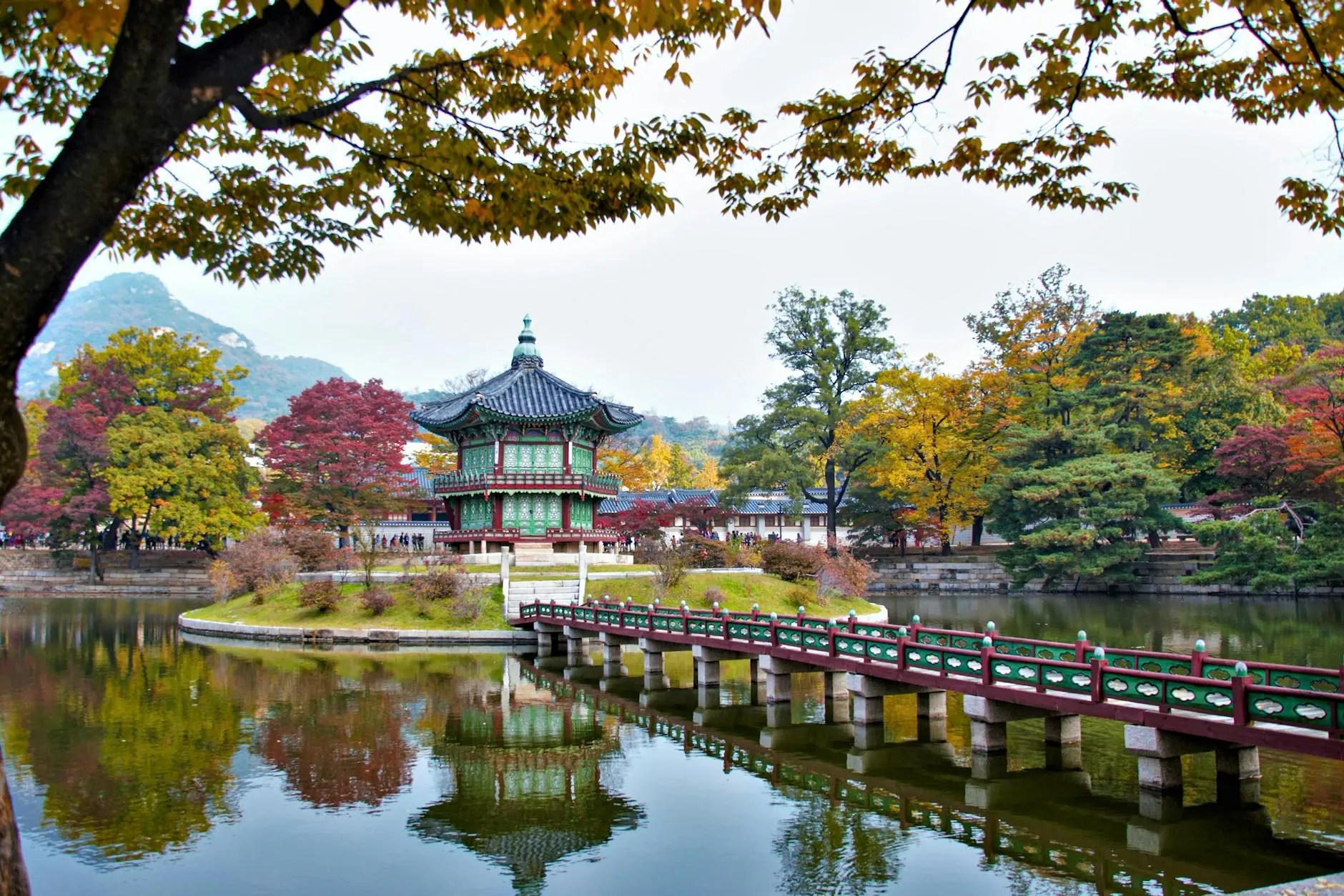
Afternoon: Bukchon Hanok Village & Insadong
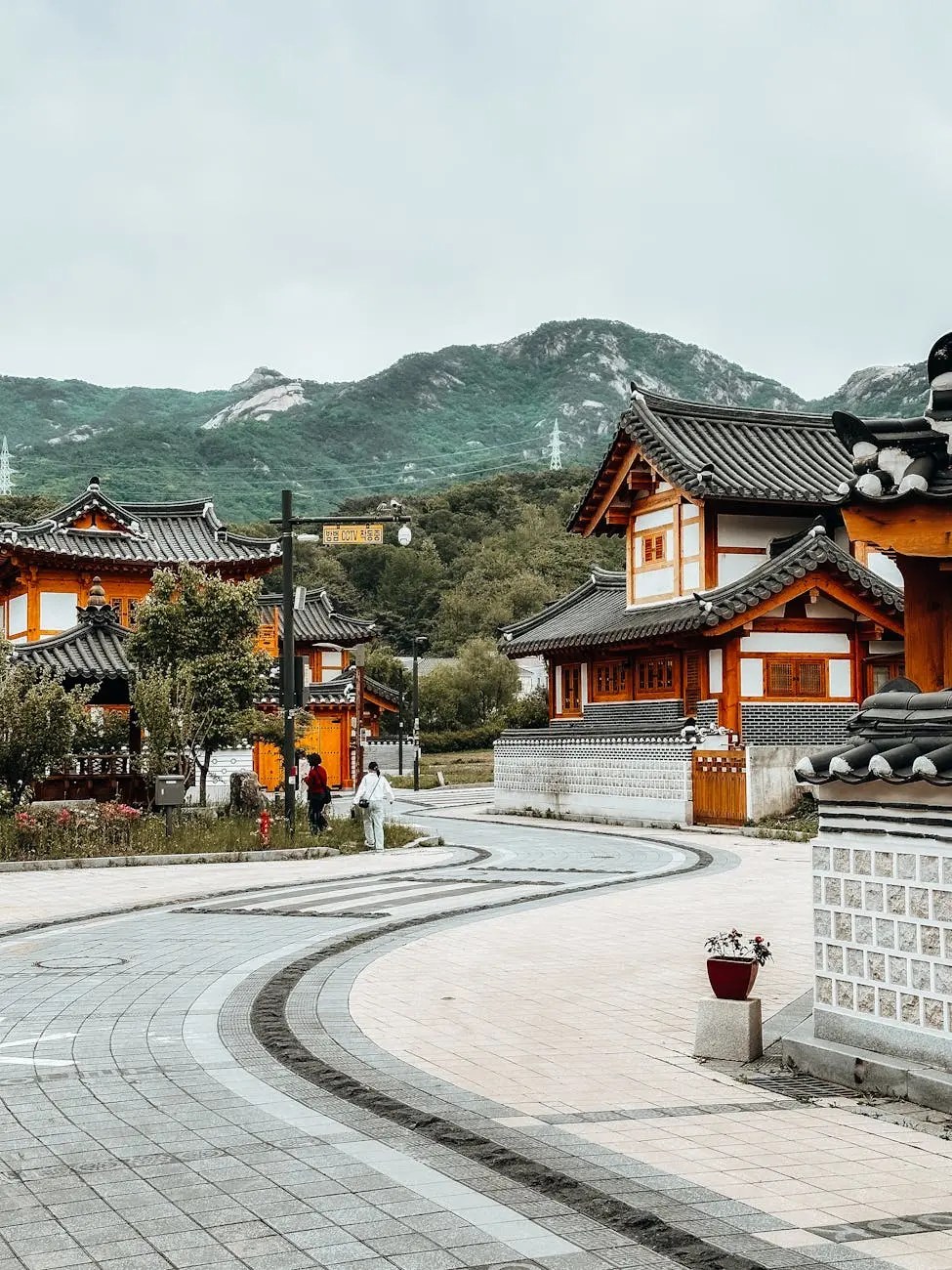
Wander through Bukchon Hanok Village, a maze of traditional Korean houses (hanoks) where old Seoul meets chic cafés and art galleries. Then stroll over to Insadong for tea houses, handicraft shops, and a little people-watching.
Evening: Myeongdong Night Market
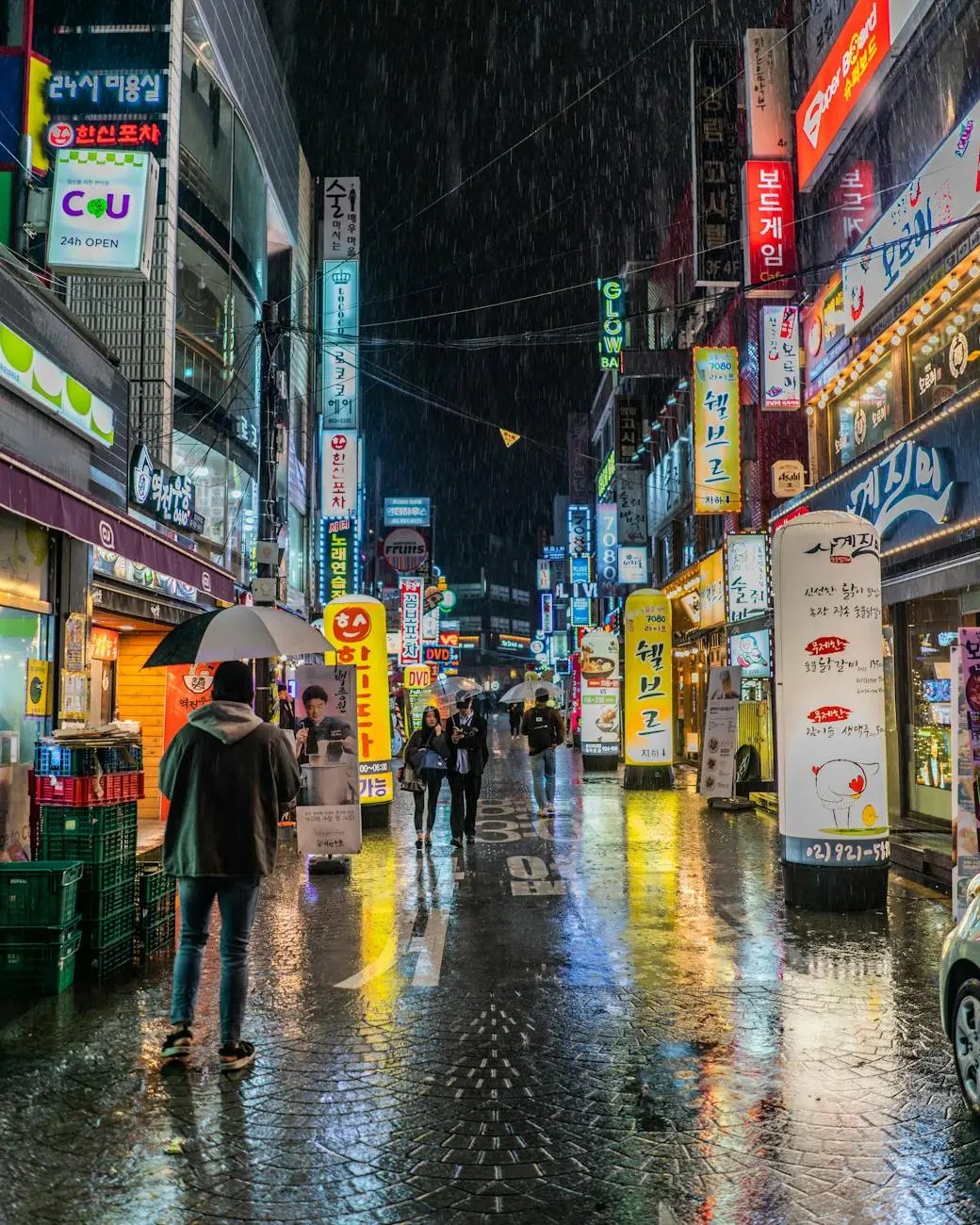
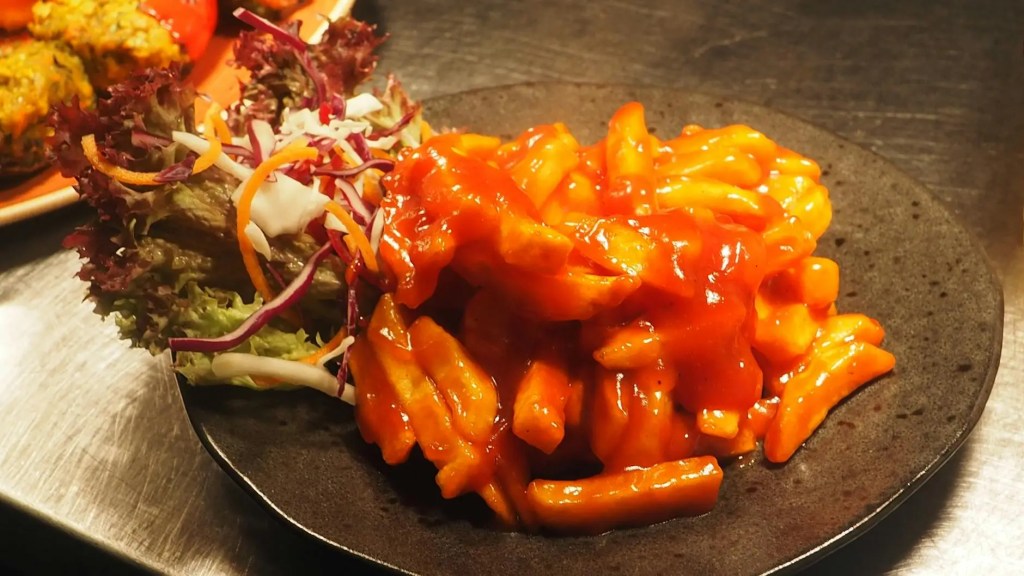
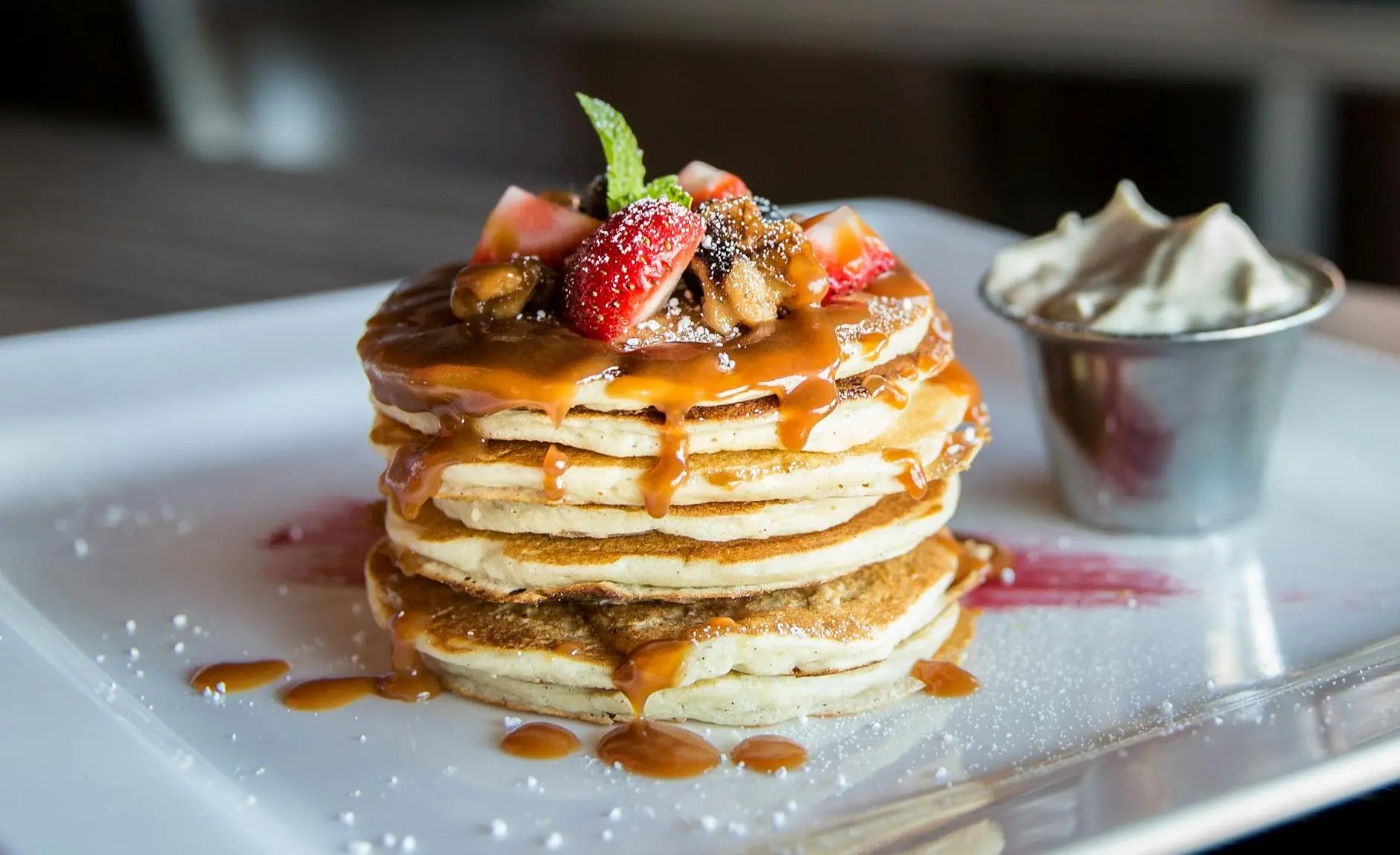
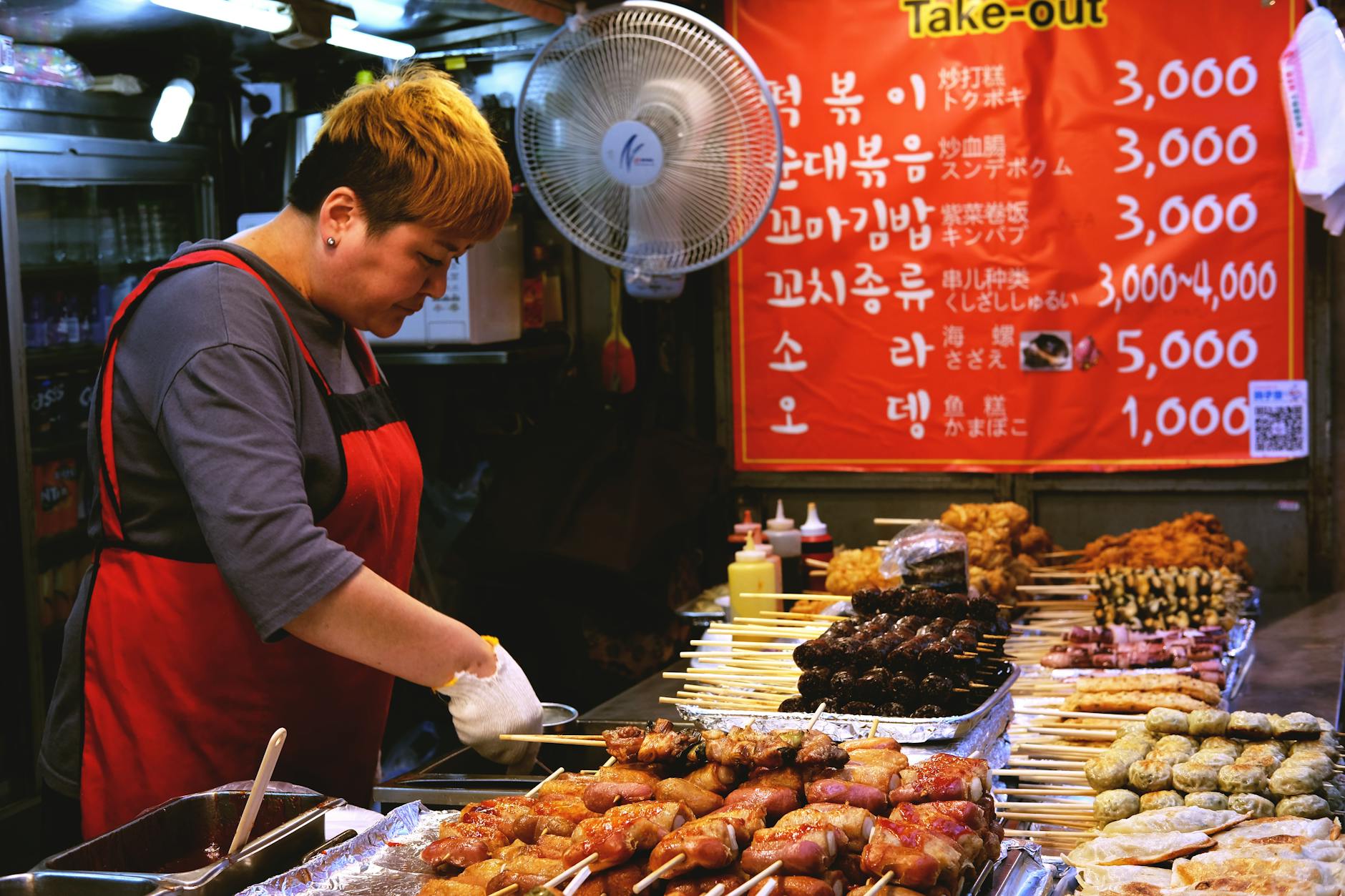
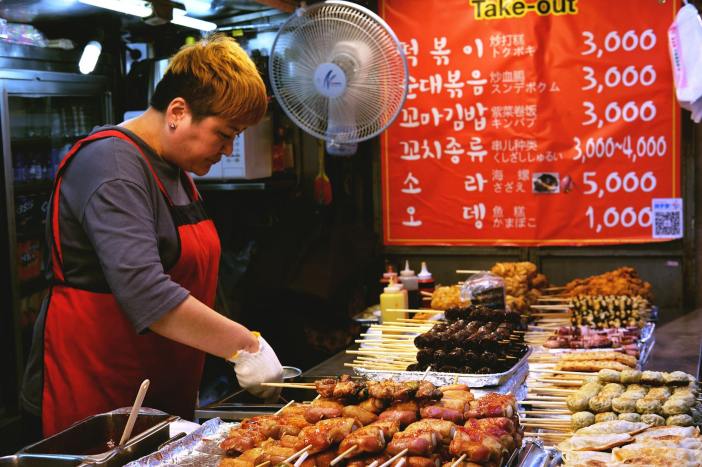
When the sun sets, Myeongdong comes alive. From spicy tteokbokki (rice cakes) to hotteok (sweet pancakes), your taste buds will thank you. Don’t forget skincare shopping—yes, you’ll probably leave with more sheet masks than you can carry. (If K-beauty makes your heart sing, you’ll love exploring our detailed reviews of Korean skincare essentials from Lakinza that we’ve already tested and recommended for glowing skin.)

Day 2: Local Life & Hidden Gems
Morning: Namsan Tower (N Seoul Tower)
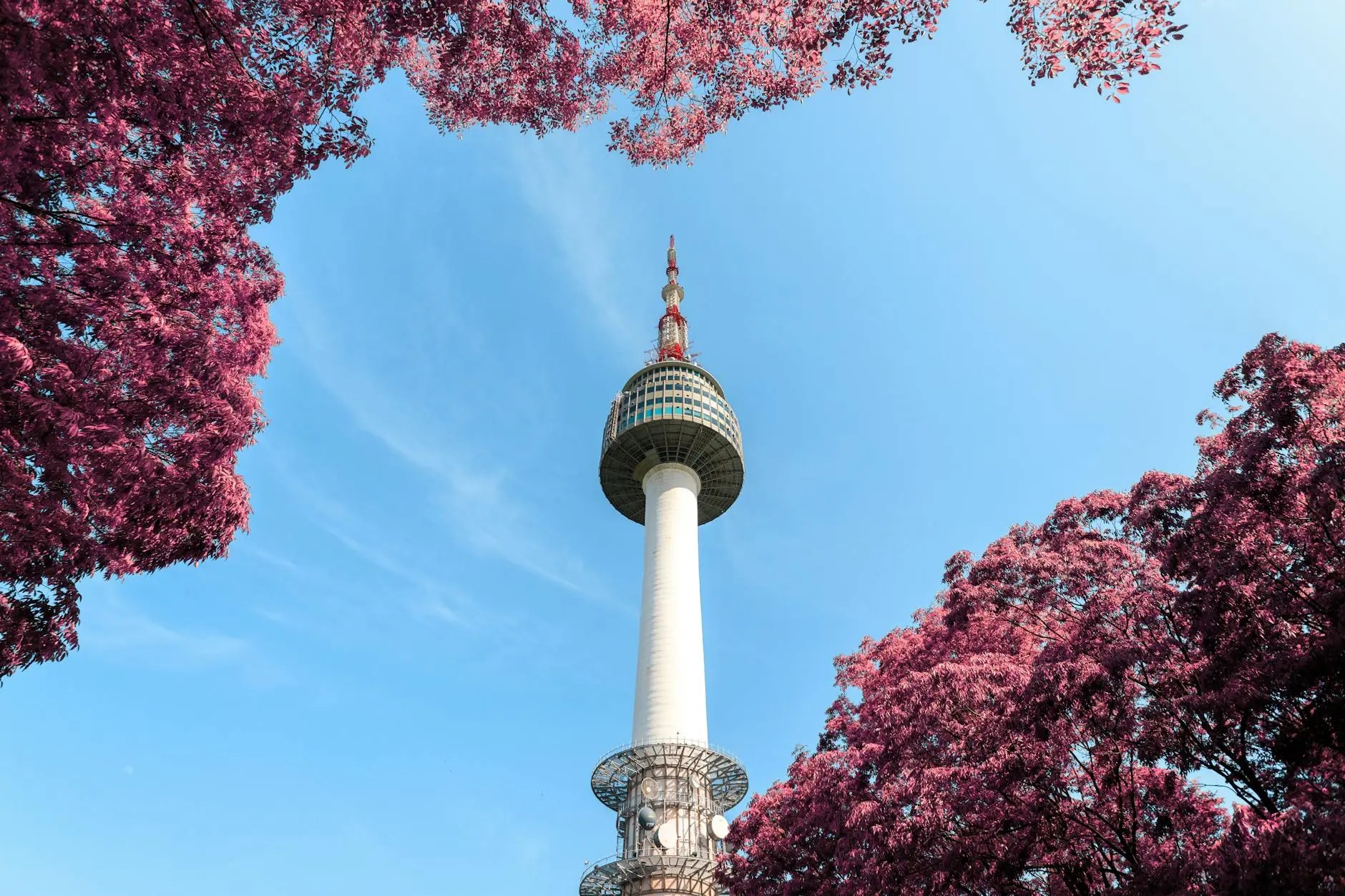
Kick off with panoramic views of Seoul at Namsan Tower. Hike up if you’re feeling energetic, or take the cable car if last night’s soju is still haunting you. Don’t miss the “love locks” fence—corny but cute.

Afternoon: Hongdae & Mapo
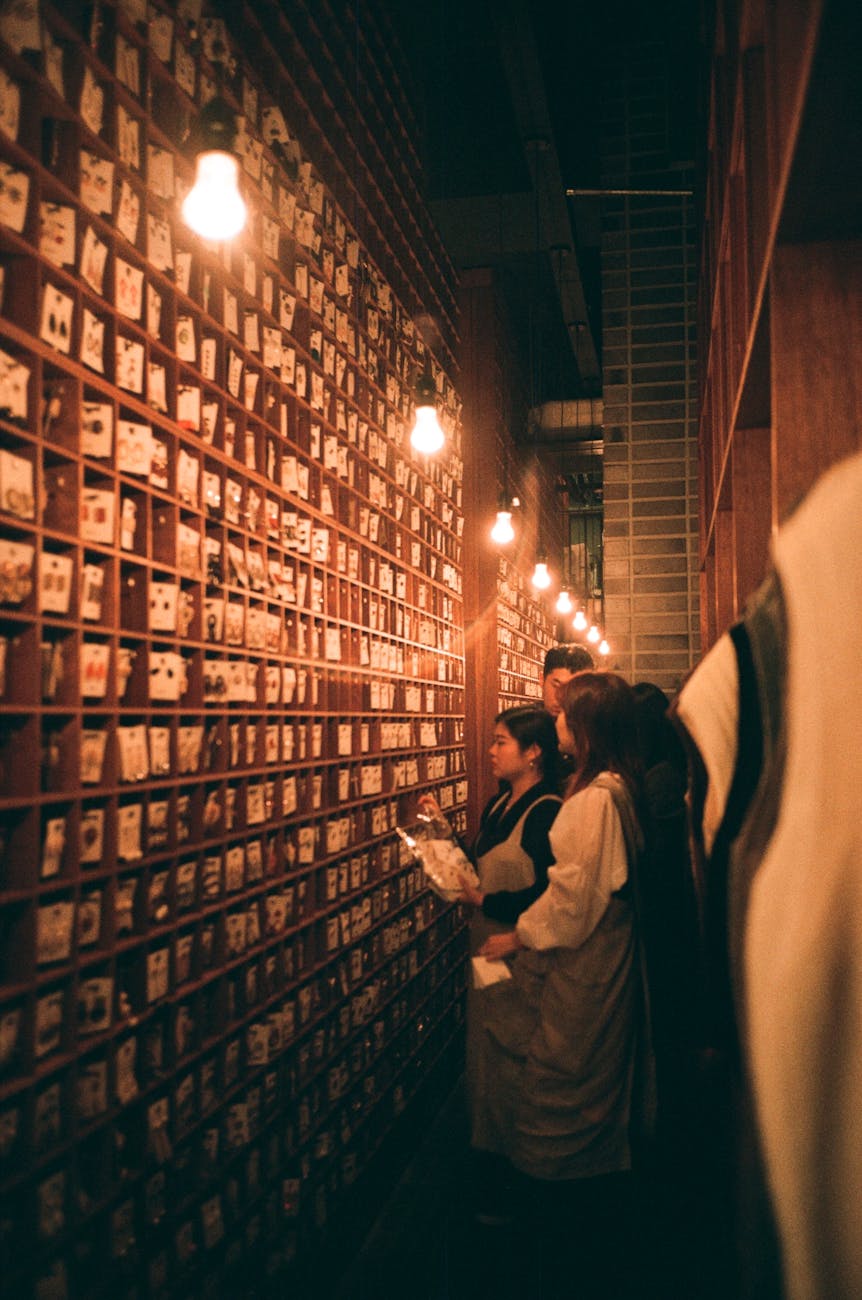
Seoul’s youth culture hub, Hongdae, is buzzing with street performers, indie music, and quirky cafés. For lunch, dive into Mapo district for authentic Korean BBQ—yes, you cook the meat yourself, and yes, you’ll smell like grilled heaven afterward.
Evening: Han River & Dongdaemun Design Plaza (DDP)
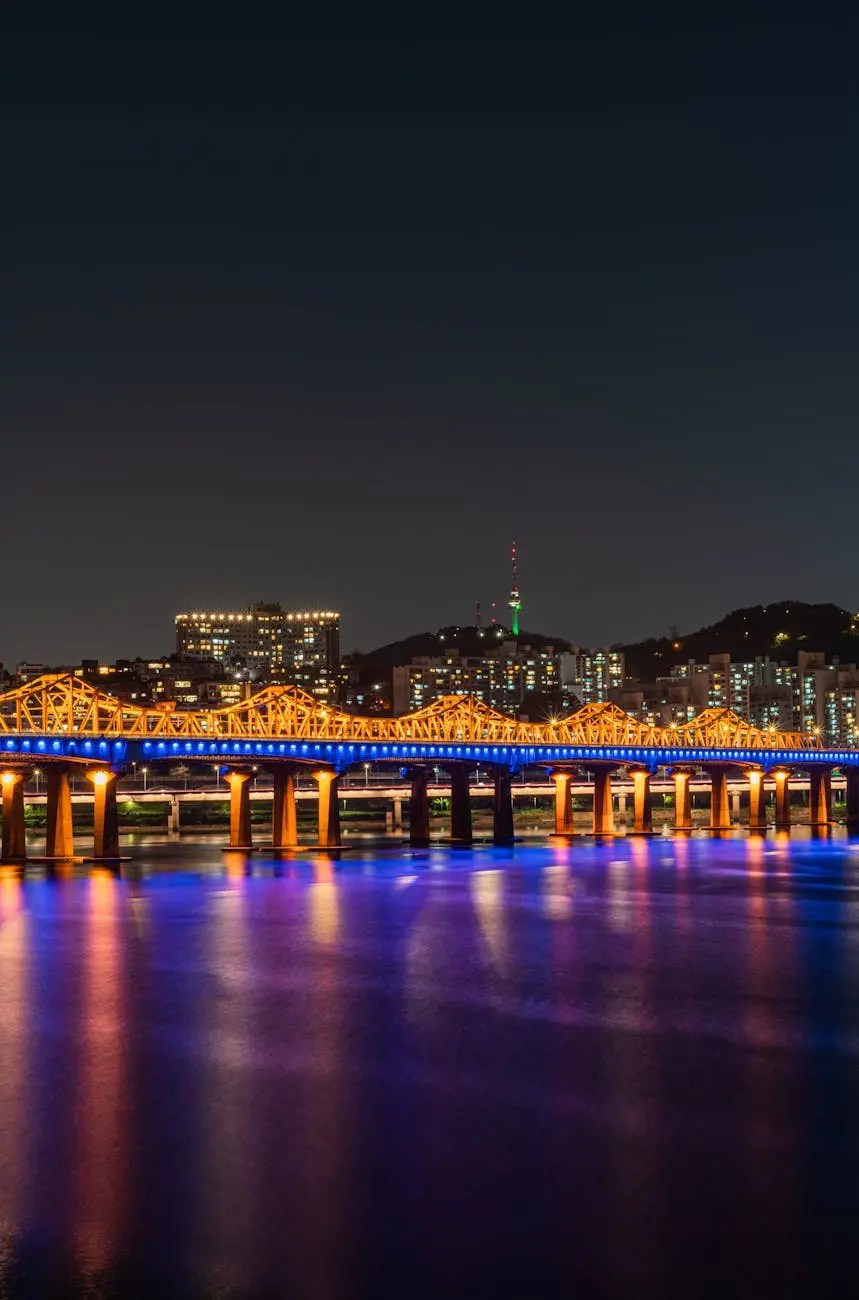
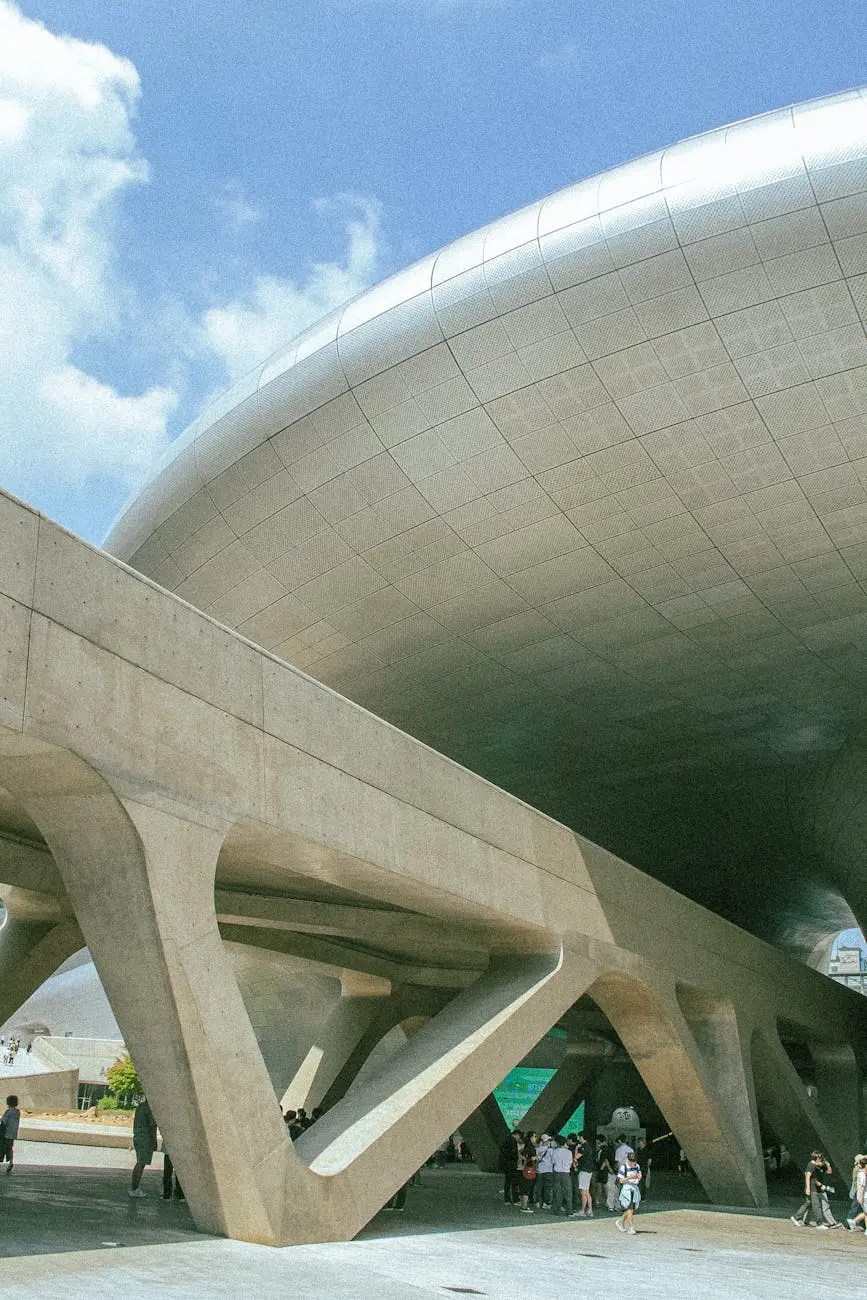
Wrap up your weekend with a riverside picnic at the Han River. Locals often order fried chicken and beer delivered right to the park (because Seoul is just that awesome). If design and architecture fascinate you, finish with the futuristic Dongdaemun Design Plaza—it’s like stepping onto a sci-fi movie set.
Seoul Han River Night Tour: Picnic, Games & Moonlight Cruise
Getting Around Seoul Like a Local
Seoul’s public transportation is a dream once you figure it out:
- Metro: The Seoul Metro is vast, punctual, and affordable. Grab a T-Money card, which works on subways, buses, and even taxis.
- Buses: Color-coded (blue for long distances, green for local, red for suburban, yellow for circular routes), buses are efficient and cover areas the metro doesn’t.
- Taxis: Safe and relatively cheap, though traffic can be heavy. Apps like KakaoTaxi make hailing easier.
- Car rentals: Not recommended for short visits—traffic is intense, and parking is expensive. Stick with public transport and save time and gas.
💡 Travel Hack: Download Naver Maps or KakaoMap—Google Maps doesn’t always work well in South Korea.

Best Time to Visit Seoul
- Spring (March–May): Cherry blossoms turn the city into a pastel dream.
- Autumn (September–November): Crisp air and stunning fall foliage.
- Winter (December–February): Cold but magical—perfect for hot street food.
- Summer (June–August): Hot, humid, and crowded—bring sunscreen and patience.
To avoid crowds, plan your palace visits early in the morning and shopping sprees on weekdays.
Hidden Gems Only Locals Know
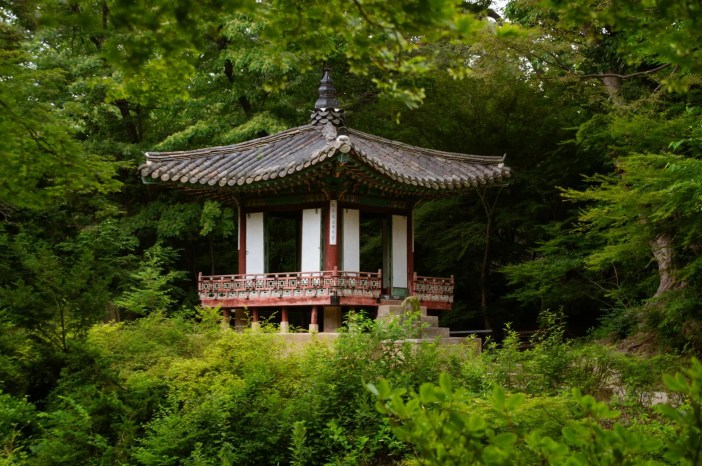
- Ikseon-dong Hanok Street: A hip version of Bukchon, filled with boutique cafés and fusion restaurants.
- Seoul Forest: A quieter alternative to the Han River parks, perfect for cycling or picnics.
- Cheonggyecheon Stream: A peaceful walkway in the middle of downtown Seoul.
Hotels in Ikseon-dong Hanok Village, Seoul
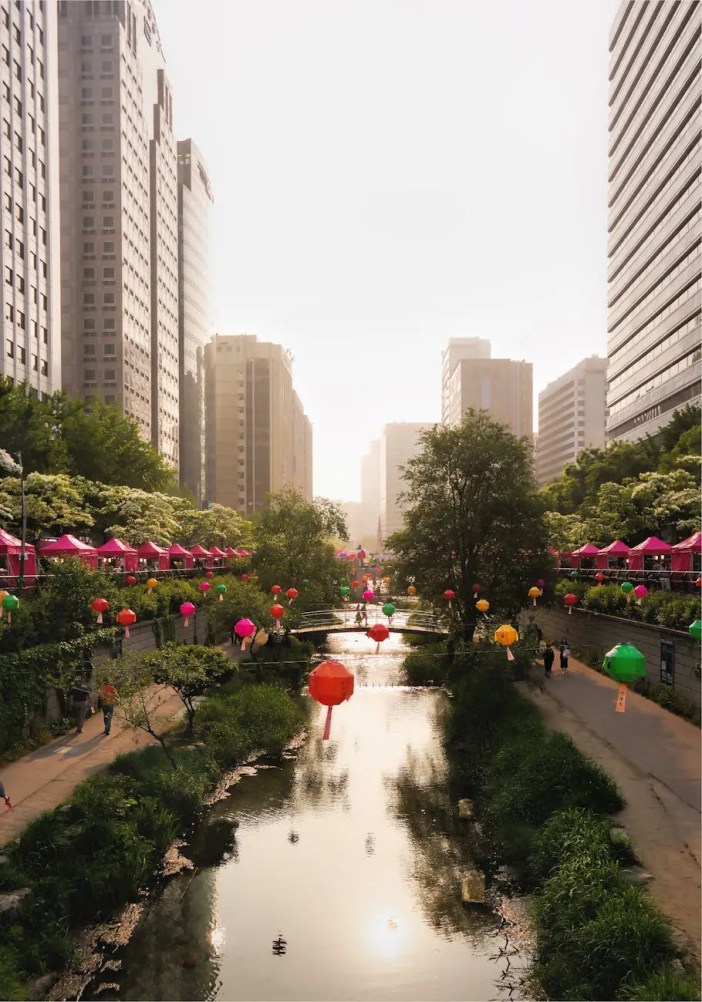
Smart Travel Tips for Seoul
✈️ Stay Connected Without the Headache
Roaming charges can ruin your travel budget. I use Drimsim—a universal SIM card that works in 190+ countries. Just insert it, top up via the app, and you’re online without hunting down local SIM cards.
✈️ Flight Delayed or Canceled?
Travel hiccups happen. If your flight to or from Seoul is canceled or delayed, you could claim up to $650 in compensation through AirHelp. They handle the process, and you only pay if you win—stress-free.
🔒 Online Security While Traveling
Public Wi-Fi in airports and cafés isn’t always safe. I keep my data secure with NordVPN—a must for booking flights, checking bank accounts, or just streaming Netflix abroad.
📸 Capture Every Moment
Seoul is a photographer’s playground. From neon-lit streets in Gangnam to tranquil palaces, don’t forget to bring a good camera. I recommend checking out some solid gear here.
✈️ Smart Travel Tip: No matter where your adventures take you, having the right travel insurance can save you from unexpected headaches (and bills). I personally recommend VisitorsCoverage — it’s a trusted platform where you can compare plans, find coverage that fits your trip, and book it in just a few clicks. Whether you’re planning a quick city escape or a longer international journey, it’s peace of mind worth packing.
✈️ Book Your Stay Smartly
I always use Expedia for hotels and flights. Flexible bookings mean less stress if plans change.
Final Thoughts
A weekend in Seoul might not be enough to cover everything. However, it’s more than enough to fall in love with the city. Between royal palaces, sizzling BBQ, futuristic towers, and cozy hidden cafés, Seoul blends tradition with modernity in the most seamless way possible. Whether you’re chasing cherry blossoms, shopping till midnight, or just people-watching by the Han River, this city will pull you back again and again.
If you’re planning more adventures, check out my other weekend guides like Barcelona, Sydney, and Madrid. ✈️
👉 So, when are you packing your bags for Seoul? Let me know in the comments—I’d love to hear your favorite hidden spots!
Universal Disclaimer/Disclosure Page:
Seoul looks easy. But there are secrets—the T-Money card, the Hanbok hack, the Naver Map rule. Here are three stories from travelers who learned the hard way—and one who figured it out.
Reader Story · David, San Francisco
Visited October 2025
“I spent the first day in Seoul lost. Google Maps showed me where I was, but wouldn’t give me directions. A local saw me staring at my phone and said: ‘Google Maps doesn’t work here. Download Naver Map.’ I did. Suddenly, I could navigate. I learned: Seoul runs on its own apps. Google is useless. Naver is essential.”
😬 HIS MISTAKE
Used Google Maps in Seoul. Couldn’t get directions. Wasted hours lost.
✅ WHAT HE LEARNED
Download Naver Map or KakaoMap before you arrive. Google Maps does not provide walking or driving directions in South Korea.
Nomad Nate · 4 trips to Seoul
“David’s story is the #1 Seoul tech mistake. Google Maps is crippled in South Korea due to government mapping restrictions. The secret: Naver Map. It’s in English. It works perfectly. It gives walking, subway, and driving directions. The rule: download Naver Map before you leave home. Open it once to set it up. You’ll thank me.”
Nate’s Pro Tip: “KakaoMap is also excellent. Many locals prefer it. Both are better than Google. Pick one and learn it before you arrive.”
Reader Story · Sarah, London
Visited November 2025
“I paid ₩3,000 to enter Gyeongbokgung. The palace was beautiful. Then I saw people in Hanbok taking photos. They looked amazing. A friend told me: ‘If you wear a Hanbok, entry is free.’ I rented one the next day. I saved ₩3,000 on entry. I got incredible photos. I felt like royalty. I learned: always rent the Hanbok. It’s cheaper than the entry fee alone — and you look fantastic.”
😱 HER MISTAKE
Paid palace entry fee. Didn’t know about the Hanbok free entry hack.
✅ WHAT SHE LEARNED
Rent a Hanbok near Gyeongbokgung (₩10,000-20,000). You get free palace entry and amazing photos. Worth every won.
Nomad Nate · 4 trips to Seoul
“Sarah discovered the #2 Seoul hack. Hanbok rental shops are everywhere near Gyeongbokgung. They’ll help you dress. They’ll hold your bag. You pay ₩10,000-20,000 for 2-4 hours. You walk into the palace for free. The photos are stunning. The experience is unforgettable. The rule: wear the Hanbok. It’s not cultural appropriation — it’s cultural appreciation. And it’s a bargain.”
Nate’s Pro Tip: “Go early. The best Hanbok rental shops open at 9am. The palace gets crowded by 11am. Wear your Hanbok, take photos, then change back. It’s that simple.”
Reader Story · James, Sydney
Visited September 2025
“I was going to eat dinner at a restaurant. A local friend said: ‘No. We’re going to the Han River.’ We took the subway to Yeouido Park. We ordered fried chicken and beer on our phones. It arrived in 20 minutes. We sat on a mat. We ate with our hands. We watched the sunset over the city. It was the best meal of my trip. I learned: dinner in Seoul isn’t about the restaurant. It’s about the river.”
✨ ACCIDENTAL DISCOVERY
Followed a local to the Han River. Ordered chimaek (chicken + beer) delivery. Picnicked at sunset.
✅ WHAT HE LEARNED
Han River parks (Yeouido, Ttukseom, Banpo) are for picnics. Order fried chicken and beer (chimaek) delivery. Bring a mat. Watch the sunset.
Nomad Nate · 4 trips to Seoul
“James discovered the Seoul secret that most tourists miss. Chimaek (chicken + beer) by the Han River is a Korean rite of passage. The delivery apps work perfectly. You order on your phone. The driver finds you in the park. You pay. You eat. The rule: go to Yeouido Park or Banpo Hangang Park. Bring a picnic mat (or buy one at the convenience store). Order fried chicken and beer. Watch the sunset. This is how Seoul relaxes.”
Nate’s Hard Truth: “The tourist eats dinner at a restaurant. The traveler eats fried chicken on a mat by the Han River. The difference is knowing that Seoul’s best meals don’t have tables — they have river views.”
📝 YOUR STORY COULD BE NEXT
Been to Seoul? Got lost using Google Maps? Rented a Hanbok for free palace entry? Picnicked by the Han River with fried chicken and beer? Your story might help someone else navigate South Korea’s incredible capital.
📍 Stories anonymized and used with permission · Names changed to protect privacy
If 48 hours is too much to carry—here are the ten truths that matter most. Print them. Save them. Send them to someone who needs them.
Government restrictions cripple Google Maps in South Korea. No walking or driving directions. Naver Map works perfectly. Download it before you arrive.
Available at any convenience store (GS25, CU, 7-Eleven). Tap on subways, buses, and taxis. Refill at any convenience store. The tourist buys single tickets. The traveler taps.
Rent a Hanbok for ₩10,000-20,000. You get free palace entry (normally ₩3,000). The photos are incredible. Most Hanbok rental shops are near the palace.
Order fried chicken and beer delivery to Yeouido Park or Banpo Hangang Park. Bring a mat. Watch the sunset. Eat with your hands. This is how Seoul does dinner.
Tteokbokki (spicy rice cakes). Hotteok (sweet pancakes). Eomuk (fish cake skewers). Gimbap (seaweed rice rolls). Don’t eat at restaurants. Eat from carts.
Dancers. Singers. K-pop cover groups. The energy is electric. Go in the evening. Wander the main street. Follow the crowds. You’ll find the performances.
People live there. Don’t block doorways. Don’t talk loudly. Some areas have signs asking for silence. Follow them. Ikseon-dong is a less crowded alternative.
Tea houses. Handicrafts. Art galleries. No pressure sales. Walk slowly. Pop into a tea house. Try traditional Korean tea and rice cakes.
The cable car line can be 1+ hour at noon. Go at sunrise or just before sunset. The light is better. The crowds are thinner. Bring a lock for the love locks fence.
One of the safest big cities in the world. You can walk alone at night. The subway runs until midnight. The energy is infectious. Just go.
The Smart Traveler Framework — Six Questions Before You Go
Do I have Naver Map downloaded? Do I have a T-Money card? Am I renting a Hanbok for Gyeongbokgung? Am I planning a Han River chicken picnic? Do I know that Google Maps doesn’t work? Do I have my ‘Annyeonghaseyo’ ready? That framework is yours now. Use it in Seoul. Use it everywhere.
📍 Sources: Multiple Seoul trips, one tteokbokki-induced spice coma, and the discovery that fried chicken by the Han River is a rite of passage
“I thought I understood Seoul. Then I downloaded Naver Map, wore a Hanbok, and ate fried chicken by the Han River.”
First time: I used Google Maps. I was lost constantly. I paid for palace entry. I ate at restaurants. I left thinking Seoul was beautiful but frustrating. I had done Seoul the hard way. I had missed the point.
Second time: A friend told me about Naver Map. I navigated perfectly. I rented a Hanbok. I walked into Gyeongbokgung for free. I felt like royalty. I realized that Seoul is wonderful — but only if you use the right tools. I left wondering why I had ever used Google Maps.
Third time: I went to the Han River. I ordered fried chicken and beer on my phone. It arrived in 20 minutes. I sat on a mat. I watched the sunset. I ate with my hands. I learned that Seoul is not one city. It’s a collection of palaces, street food carts, and river parks where strangers share chicken and beer. And most tourists never find the river.
What I learned
The tourist uses Google Maps and gets lost. The traveler downloads Naver Map and navigates with ease. The difference is a 2-minute download. Seoul rewards the prepared, the curious, and the person who knows that the best meal is fried chicken on a riverbank. Don’t just see Seoul. Eat, explore, and embrace it for 48 hours.
🇰🇷 The Series Connection
This is one of 80+ weekend guides in our Ultimate Weekend Escapes series. Every city, every guide, every wrong turn I’ve taken—it’s all here for you.
🏯 What’s Next
Next in the series: Busan, South Korea—beaches, seafood, and Korea’s second city. Coming soon.
Annyeong, Seoul
(Goodbye, Seoul)
Laxmi Hegde
MBA in Finance · ConfidenceBuildings.com
April 2026 · Ultimate Weekend Escapes Series
📌 P.S. — My Seoul Secret
If you read nothing else: Seoul Forest at sunrise. Everyone goes to Han River Park. Seoul Forest is quieter. Rent a bike. Ride along the river. Find the deer enclosure. Watch the city wake up. Most tourists never make it here. You will. And you’ll have the best morning of your trip.
“I thought I understood Seoul. Then I downloaded Naver Map, wore a Hanbok, and ate fried chicken by the Han River.”
First time: I used Google Maps. I was lost constantly. I paid for palace entry. I ate at restaurants. I left thinking Seoul was beautiful but frustrating. I had done Seoul the hard way. I had missed the point.
Second time: A friend told me about Naver Map. I navigated perfectly. I rented a Hanbok. I walked into Gyeongbokgung for free. I felt like royalty. I realized that Seoul is wonderful — but only if you use the right tools. I left wondering why I had ever used Google Maps.
Third time: I went to the Han River. I ordered fried chicken and beer on my phone. It arrived in 20 minutes. I sat on a mat. I watched the sunset. I ate with my hands. I learned that Seoul is not one city. It’s a collection of palaces, street food carts, and river parks where strangers share chicken and beer. And most tourists never find the river.
What I learned
The tourist uses Google Maps and gets lost. The traveler downloads Naver Map and navigates with ease. The difference is a 2-minute download. Seoul rewards the prepared, the curious, and the person who knows that the best meal is fried chicken on a riverbank. Don’t just see Seoul. Eat, explore, and embrace it for 48 hours.
🇰🇷 The Series Connection
This is one of 80+ weekend guides in our Ultimate Weekend Escapes series. Every city, every guide, every wrong turn I’ve taken—it’s all here for you.
🏯 What’s Next
Next in the series: Busan, South Korea—beaches, seafood, and Korea’s second city. Coming soon.
Annyeong, Seoul
(Goodbye, Seoul)
Laxmi Hegde
MBA in Finance · ConfidenceBuildings.com
April 2026 · Ultimate Weekend Escapes Series
📌 P.S. — My Seoul Secret
If you read nothing else: Seoul Forest at sunrise. Everyone goes to Han River Park. Seoul Forest is quieter. Rent a bike. Ride along the river. Find the deer enclosure. Watch the city wake up. Most tourists never make it here. You will. And you’ll have the best morning of your trip.
Frequently Asked Questions (FAQ)
Q1: Is a weekend enough time to see Seoul?
While you can’t see everything, a weekend is enough to get a wonderful taste of Seoul’s unique blend of ancient history and hyper-modernity. This itinerary is designed to efficiently cover the iconic highlights and give you a memorable experience.
Q2: What is the best way to get around Seoul?
Seoul has one of the world’s best and most efficient subway systems. It’s the easiest and fastest way for tourists to get around. Taxis are also plentiful and relatively inexpensive, and buses cover every part of the city. Using a T-money card (a rechargeable transit card) is highly recommended for seamless travel on all public transport.
Q3: What area is best to stay in for a short trip?
For first-time visitors, Myeongdong is extremely popular due to its central location, excellent subway connections, shopping, and food options. Hongdae is perfect for a younger vibe with great nightlife and culture, while Insadong offers a more traditional atmosphere close to palaces.
Q4: Do I need to learn Korean before I visit?
No, it is not necessary. In tourist areas, signs are in English and Korean, and many people, especially younger generations, speak some English. However, learning a few basic phrases like “Annyeonghaseyo” (Hello) and “Gamsahabnida” (Thank you) is greatly appreciated and will enhance your experience.
Q5: What is one thing I shouldn’t miss in Seoul?
Gyeongbokgung Palace is the quintessential Seoul experience. It’s the largest and most iconic of the Five Grand Palaces, offering a stunning look into Korea’s Joseon Dynasty history. Don’t miss the changing of the guard ceremony.
Q6: What should I pack for a weekend in Seoul?
Comfortable walking shoes are non-negotiable. You will be walking a lot. Pack layers appropriate for the season. Also, bring an adapter for South Korea’s Type C/F power outlets (220V). A portable power bank is also very useful for a day of navigating and photos.
Q7: Is Seoul an expensive city to visit?
Seoul can be as expensive or as budget-friendly as you make it. Accommodation is typically the biggest cost. However, street food, public transportation, and many attractions (like palaces and temples) are very affordable, allowing you to manage your budget effectively.
48-Hour Taipei Travel Guide: Must-See Attractions
✈️ Ultimate Weekend Escapes Series — Asia · 18+ Destinations
🏯 Taipei · 1 of 18+ Asia Guides · 80+ Destinations Worldwide
Can you experience Taipei in a weekend? Yes — if you get an EasyCard, climb Elephant Mountain, and eat everything at the night markets.
Taipei is not just Taipei 101 and bubble tea. It’s a city of steaming hot springs, night markets with fried chicken the size of your head, and soup dumplings that burst in your mouth. The tourist who only sees Taipei 101 and leaves misses Elephant Mountain’s free sunset views, Beitou’s thermal valley, and Raohe Night Market’s pepper buns. The traveler who gets an EasyCard, takes the MRT to Xinbeitou, and hikes up Elephant Mountain at dusk discovers the real Taipei. The difference is knowing that the best view of Taipei 101 is from the mountain, not the building.
🎯 THE 48-HOUR FORMULA
- Day 1: Chiang Kai-shek Memorial Hall, Din Tai Fung (original), Taipei 101, Shilin Night Market
- Day 2: Longshan Temple, Beitou Hot Springs (MRT red line), Elephant Mountain at sunset, Ximending
- The secret: Get an EasyCard at the airport or any MRT station. Tap for MRT, buses, and convenience stores. Cheaper than single tickets. Most tourists buy singles and waste time. Don’t be that tourist.
- The mistake: Paying for the Taipei 101 observatory. Elephant Mountain is free and the view is better. The tourist pays NT$600. The traveler climbs 400 stairs and gets a better photo for free.
📍 Source: Multiple Taipei trips, one stinky tofu hesitation, and the discovery that the best xiao long bao are at the original Din Tai Fung
Most Taipei guides tell you to see Taipei 101, eat at Din Tai Fung, and visit Shilin Night Market. That’s not wrong. It’s just the Taipei that everyone already knows.
Here’s what they don’t tell you: Taipei has secrets — and most of them are cheap or free. The best view of Taipei 101 is from Elephant Mountain, not the observatory. The best hot springs are a 30-minute MRT ride away. The best night market is Raohe, not Shilin. The tourist who doesn’t know these things will overpay, wait in long lines, and miss the city’s soul. The traveler who gets an EasyCard, climbs Elephant Mountain at sunset, and soaks in Beitou’s thermal valley discovers the real Taipei.
🎯 WHAT THEY DON’T SHOW YOU
⛰️ Elephant Mountain > Taipei 101 Observatory
Tourists pay NT$600 for the Taipei 101 observatory. The secret? Elephant Mountain is free. 400 stairs. 20-minute climb. Sunset view of Taipei 101 that beats any paid observatory. Go at 5pm.
🪪 The EasyCard Rule
Tourists buy single tickets at every MRT station. The secret? Get an EasyCard at the airport or any station. Tap for MRT, buses, and convenience stores. Cheaper per ride. Refundable deposit.
♨️ Beitou Hot Springs Hack
Tourists book expensive private hot spring resorts. The secret? Public hot springs at Beitou are cheap. Millenium Hot Spring is NT$40 (US$1.25). MRT red line to Xinbeitou. 30 minutes from central Taipei.
🥟 Din Tai Fung Timing
Tourists go to Din Tai Fung at lunch and wait 90 minutes. The secret? Go at 10:30am or 3pm. The original Xinyi Road location opens at 10am. Off-peak hours = no line.
🌃 Raohe > Shilin Night Market
Tourists go to Shilin (huge, touristy). The secret? Raohe Night Market is smaller but better. Pepper buns are famous. Fewer tourists. More authentic. MRT Songshan Station.
🏛️ Huashan 1914 is Free
Tourists pay for museums. The secret? Huashan 1914 Creative Park. Former wine factory turned art space. Free entry. Cool exhibits. Great cafes. Most tourists never go.
“The tourist pays NT$600 for the Taipei 101 observatory. The traveler climbs Elephant Mountain for free and gets a better photo. The difference is 400 stairs and a willingness to sweat. Taipei rewards the hiker.”
— Nomad Nate, after 3 trips to Taipei
📍 Sources: Multiple Taipei trips, one stinky tofu hesitation, and the discovery that the best xiao long bao are at the original Din Tai Fung
🏯 THE QUICK ANSWER
⚡ 48 Hours in Taipei — The TL;DR📊 BY THE NUMBERS
🏯 508m Taipei 101 · 🚇 2M+ MTR riders · 🍜 10K+ night market stalls · 🍵 3K+ bubble tea shops🔍 WHAT EVERY GUIDE MISSES
🏯 The Taipei Gap — Elephant Mountain, EasyCard & Raohe Night Market🗣️ REAL STORIES
Taipei 101 trap · EasyCard fail · Stinky tofu revelation 🧭 Nomad Nate’s Taipei Wisdom📜 THE 10 TAIPEI TRUTHS
Everything Distilled — 10 Truths That Matter🗺️ THE 48-HOUR ITINERARY
🏛️ Day 1: Chiang Kai-shek Memorial Hall, Din Tai Fung, Taipei 101, Shilin Night Market ♨️ Day 2: Longshan Temple, Beitou Hot Springs, Elephant Mountain sunset, Ximending🚇 PRACTICAL TAIPEI
🪪 EasyCard — Tap for MRT, buses, and 7-Eleven ⛰️ Elephant Mountain — Free, 400 stairs, sunset view of Taipei 101 🌃 Raohe Night Market — Pepper buns, stinky tofu, fewer tourists❓ FAQ & FINAL THOUGHTS
Best time to visit? EasyCard? Elephant Mountain? Din Tai Fung timing? & more 💭 Laxmi’s Final Thoughts⚡ TAIPEI AT A GLANCE
Table of Contents
- Introduction: Taipei – Where Tradition Meets Tomorrow
- Before You Go: Essential Taipei Trip Planning
- Best Time to Visit Taipei
- Visa and Entry Essentials
- Getting Around: Taipei’s Excellent Transport
- Where to Stay: Top Areas for a Short Trip
- Your 48-Hour Taipei Itinerary
- Day 1: Cultural Heart & Culinary Delights
- Morning: National Palace Museum
- Afternoon: Lungshan Temple & Huashan 1914 Creative Park
- Evening: Raohe Street Night Market
- Day 2: Natural Wonders & Urban Views
- Morning: Hike up Elephant Mountain
- Afternoon: Taipei 101 Observatory & Shopping
- Evening: Ximending Shopping District
- Day 1: Cultural Heart & Culinary Delights
- Taipei’s Must-Try Food & Drink
- Street Food Staples: What to Eat
- Bubble Tea: The Essential Taipei Experience
- Practical Tips for Your Taipei Adventure
- Language and Simple Phrases
- Money, Tipping, and Bargaining
- Staying Connected: WiFi and SIM Cards
- Conclusion: Making the Most of Your 48 Hours in Taipei
If there’s one city that knows how to mix centuries-old temples with neon-lit night markets, it’s Taipei. Taiwan’s bustling capital is highly visited worldwide. There are good reasons for this popularity. Bubble tea was invented here. Night markets feel like foodie carnivals. Hot springs are just a short MRT ride away.
I recently squeezed Taipei into a 48-hour weekend escape (because why not live on the edge?) and let me tell you—it was like drinking five espressos back-to-back: energizing, slightly overwhelming, but oh-so worth it.
✈️ LOVE THIS GUIDE? This destination is just one of 80+ weekend escapes I’ve explored across 6 continents!
From European city breaks to Asian adventures, American road trips to African escapes — I’ve got your next trip covered with insider tips, hidden gems, and perfectly paced itineraries.
Browse by continent · Plan your next escape
🏯 Day 1: Culture, Food & City Views
Morning: Chiang Kai-shek Memorial Hall
Kick off your trip at the iconic Chiang Kai-shek Memorial Hall. The massive plaza, blue-roofed halls, and guard-changing ceremony are Instagram gold. Plus, it’s a perfect way to stretch your legs after a flight.
Insider Tip: Arrive early (before 10 AM) to avoid tour bus crowds.
Taipei Day Tour: CKS Memorial Hall, 101, Bangka & Dadaocheng
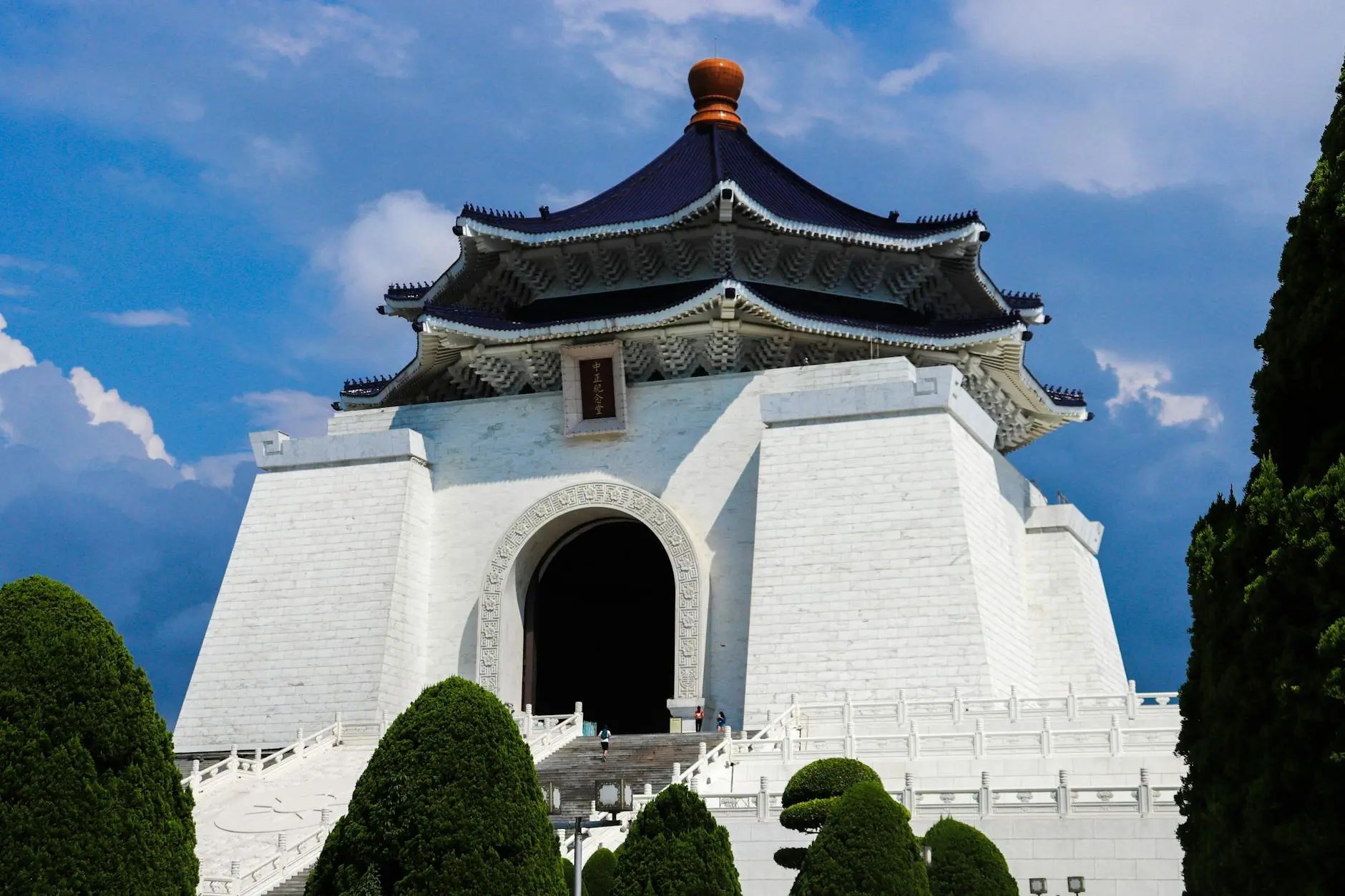
Lunch: Din Tai Fung (Yes, the Original One)
When in Taipei, you must eat xiao long bao (soup dumplings). Head to the original Din Tai Fung on Xinyi Road. The line may be long, but I promise—it’s the kind of wait that makes you forget your own name in excitement.

Taipei: Din Tai Fung Meal Voucher
Afternoon: Taipei 101
Next stop: Taipei 101, once the tallest building in the world. Ride the high-speed elevator (you’ll feel like you’re in a spaceship) and soak in panoramic views of the city.
👉 Pro Tip: Book tickets online through Expedia to skip lines.
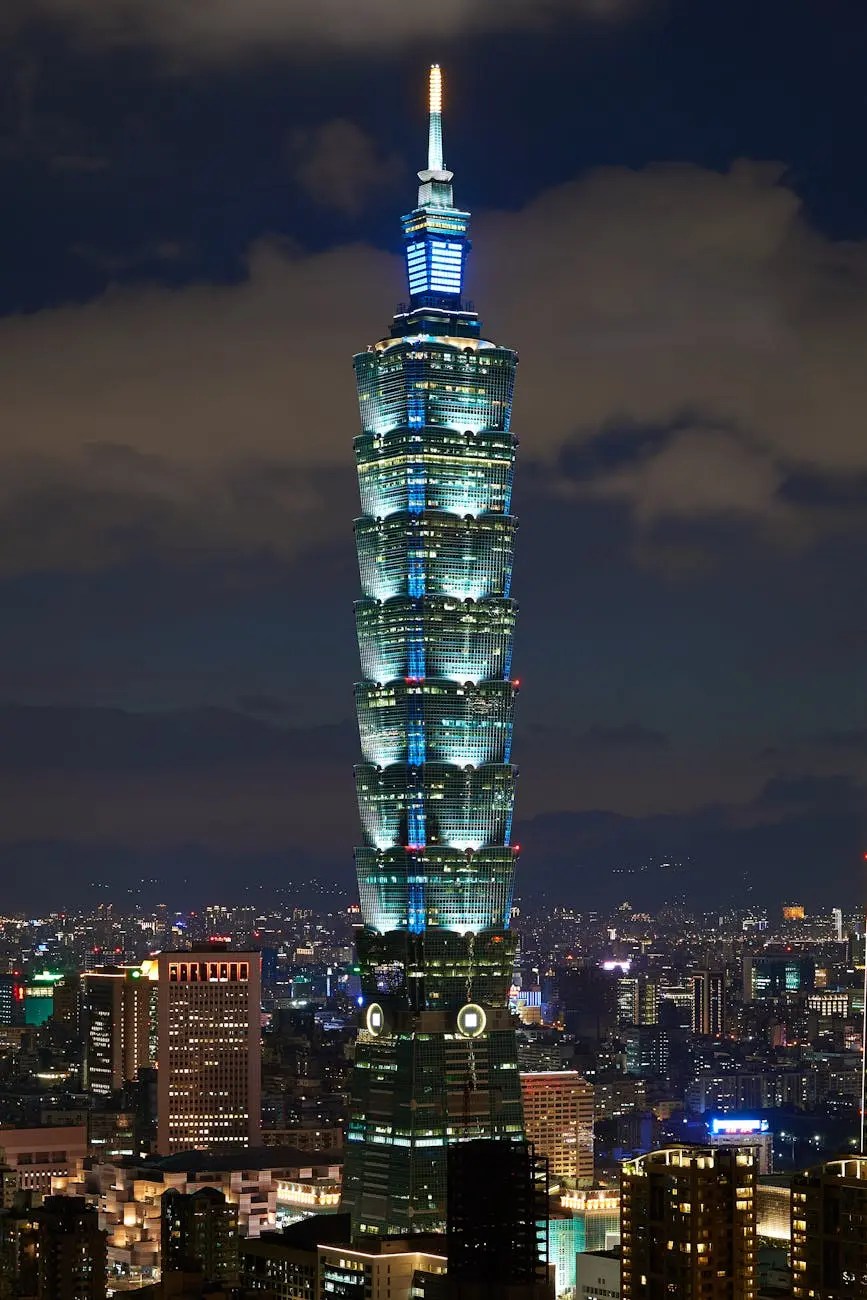
Evening: Shilin Night Market
Welcome to foodie heaven. From stinky tofu (yes, it’s a thing) to fried chicken cutlets the size of your head, Shilin Night Market is where Taipei really shines. My personal regret? Not bringing stretchy pants.
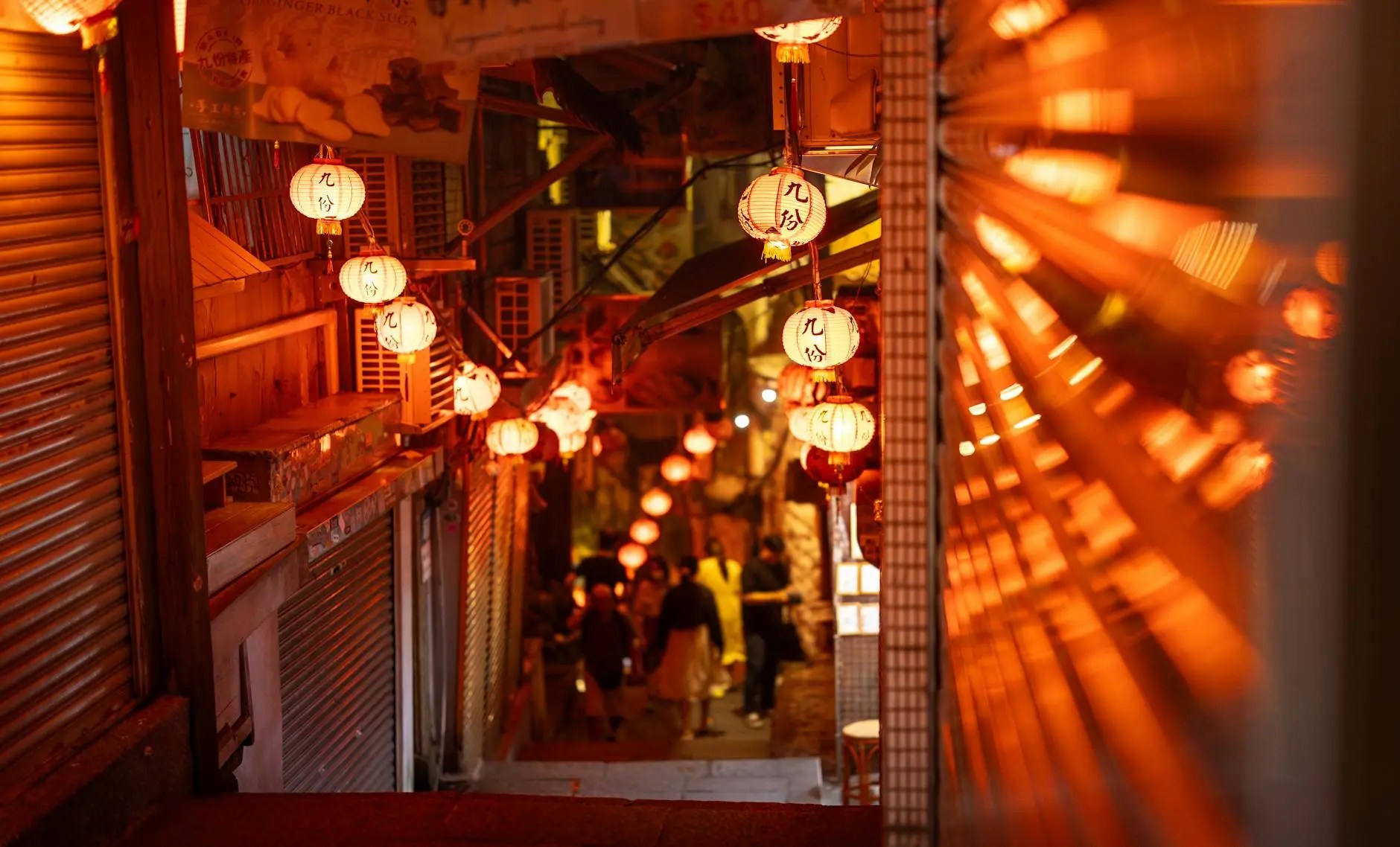
Sip & Savor: Maokong Tea & Shenkeng Stinky Tofu Private Day Tour
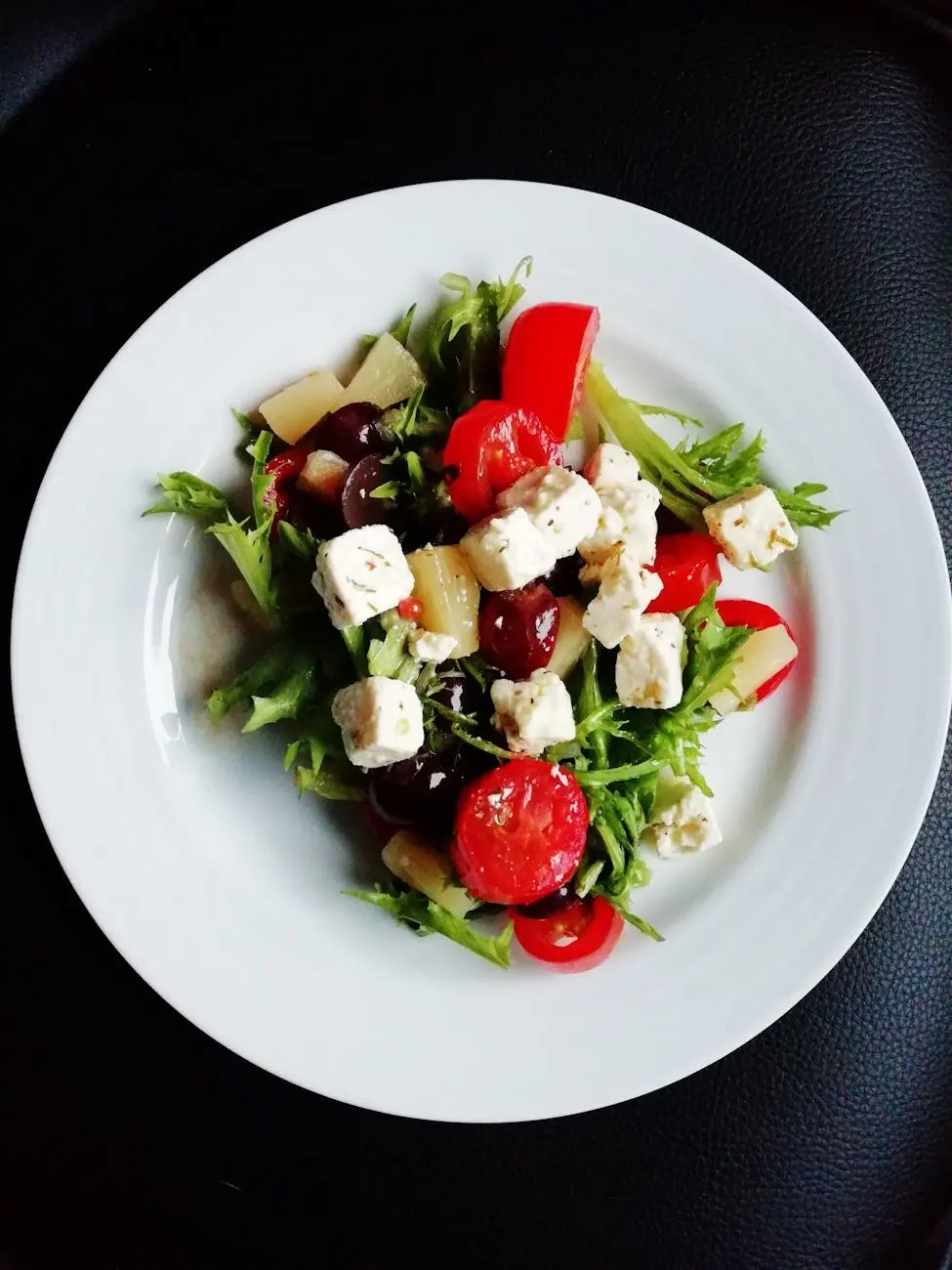
“When I tried stinky tofu at Shilin Night Market, I nearly chickened out… but it was surprisingly delicious!”
Day 1 in Taipei: History at Chiang Kai-shek, dumplings at Din Tai Fung, breathtaking views from Taipei 101, and a foodie finale at Shilin Night Market.
🌿 Day 2: Temples, Hot Springs & Hidden Gems
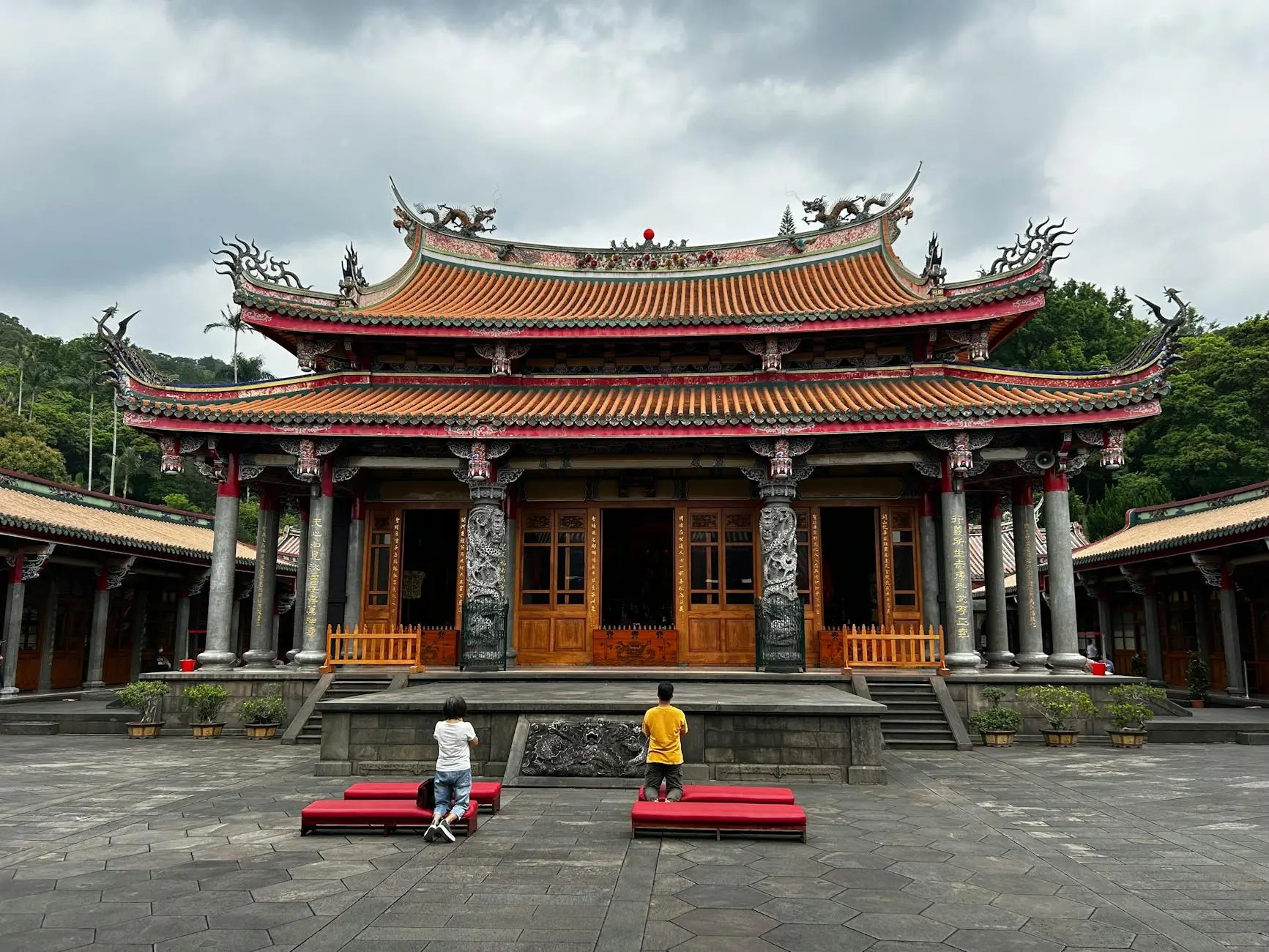
Morning: Longshan Temple
A spiritual gem in the heart of the city, Longshan Temple is where locals come to pray, light incense, and find a moment of calm amid Taipei’s chaos.
Afternoon Escape: Beitou Hot Springs
Hop on the MRT Red Line to Beitou, just 30 minutes from central Taipei. Here you’ll find natural hot springs, thermal valleys, and even a quirky Hot Spring Museum. Perfect for recharging before your flight home.
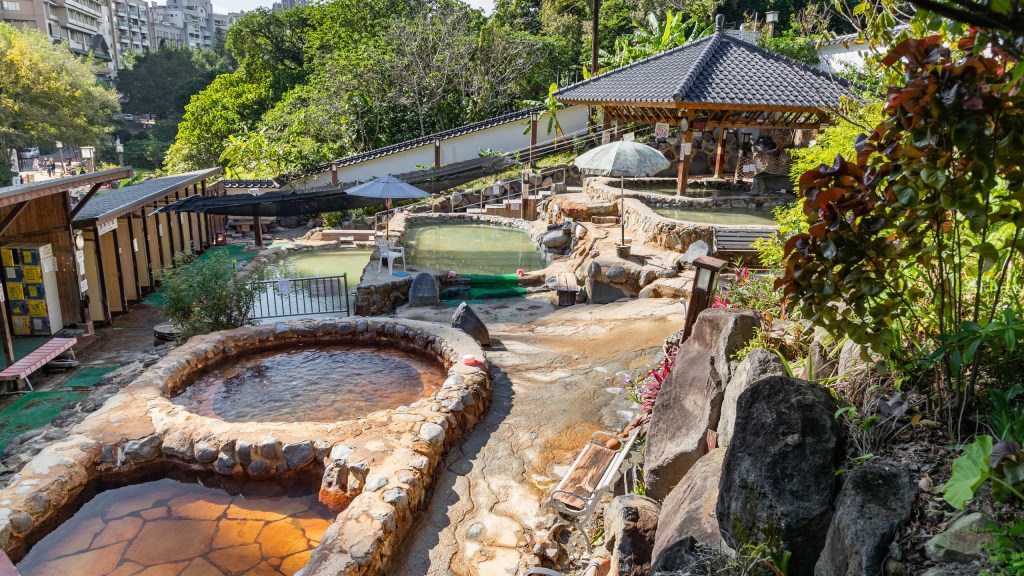
🚇 How to Get to Beitou Hot Springs by MRT
Reaching Beitou is super easy thanks to Taipei’s MRT system:
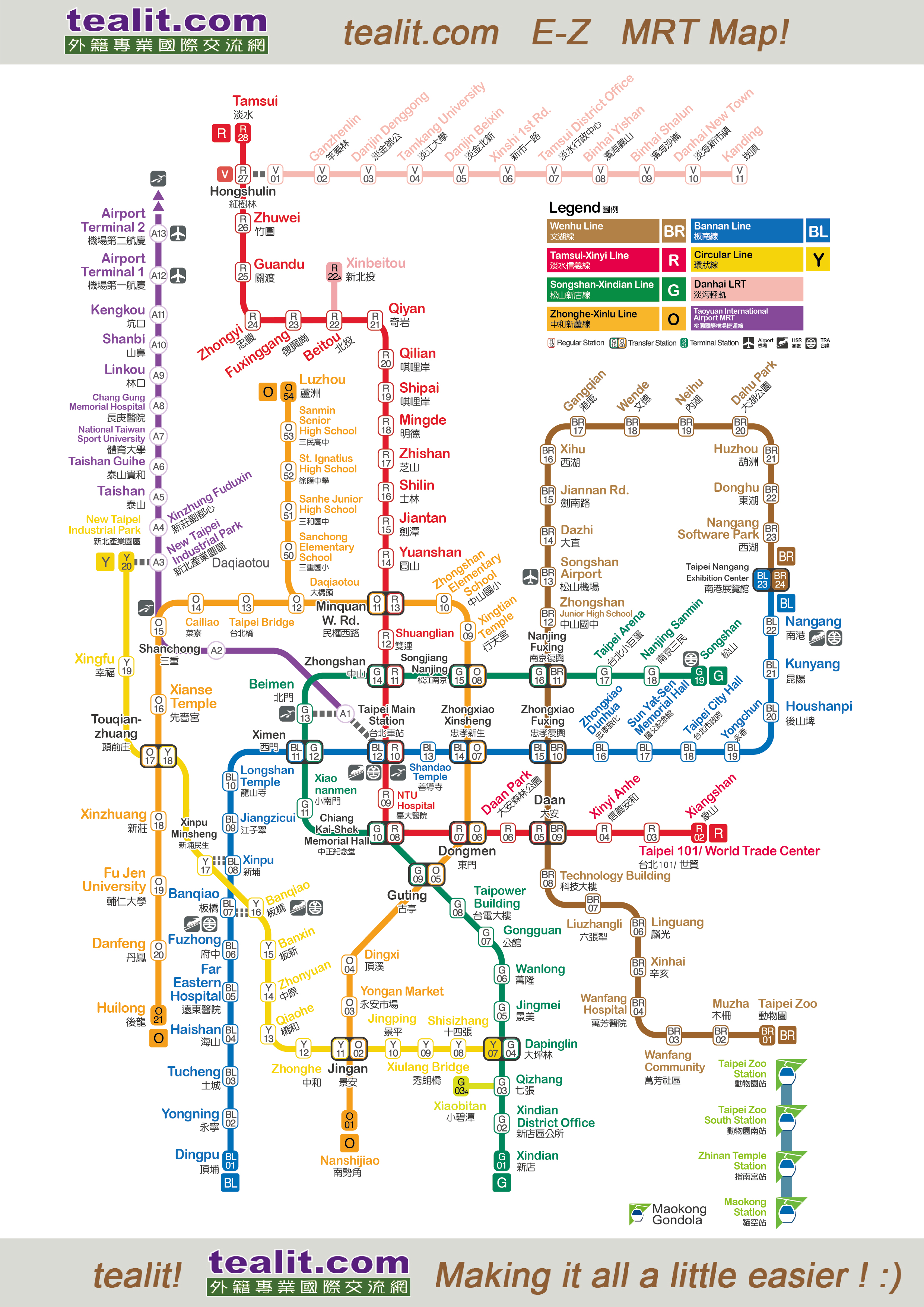
- Start on the Red Line (Tamsui–Xinyi Line):
- If you’re coming from central Taipei, just hop on any train heading northbound towards Tamsui.
- The Red Line is clearly marked in red on the MRT map, so it’s hard to miss.
- Get off at Beitou Station (R22):
- The ride from Taipei Main Station to Beitou takes about 25–30 minutes.
- Trains are frequent, usually every 3–5 minutes.
- Transfer to the Xinbeitou Branch Line:
- Once at Beitou Station, follow the signs for the Xinbeitou Line.
- The transfer is super straightforward—it’s a small platform change with clear English signs.
- The branch line ride is only about 3 minutes and drops you right at Xinbeitou Station (R22A).
- Arriving at Xinbeitou:
- Xinbeitou Station is within walking distance of the hot spring resorts, the Beitou Hot Spring Museum, and the famous Thermal Valley (Hell Valley).
- The area is well-signposted, so you won’t get lost.
💡 Pro Tip: Use an EasyCard or iPASS instead of buying single tickets—it saves time, works on buses too, and you’ll avoid fumbling with coins. If you’re traveling with luggage, every MRT station (including Beitou) has elevators and escalators for convenience.
👉 For a smoother experience, download the official Taipei Metro App before your trip. It provides real-time train schedules, maps, and fare calculators.
Evening Hidden Gem: Elephant Mountain Hike
Forget pricey observation decks—Elephant Mountain gives you the BEST skyline views of Taipei (with Taipei 101 glowing in the distance). Pack water and climb the stairs just before sunset for the golden-hour glow.
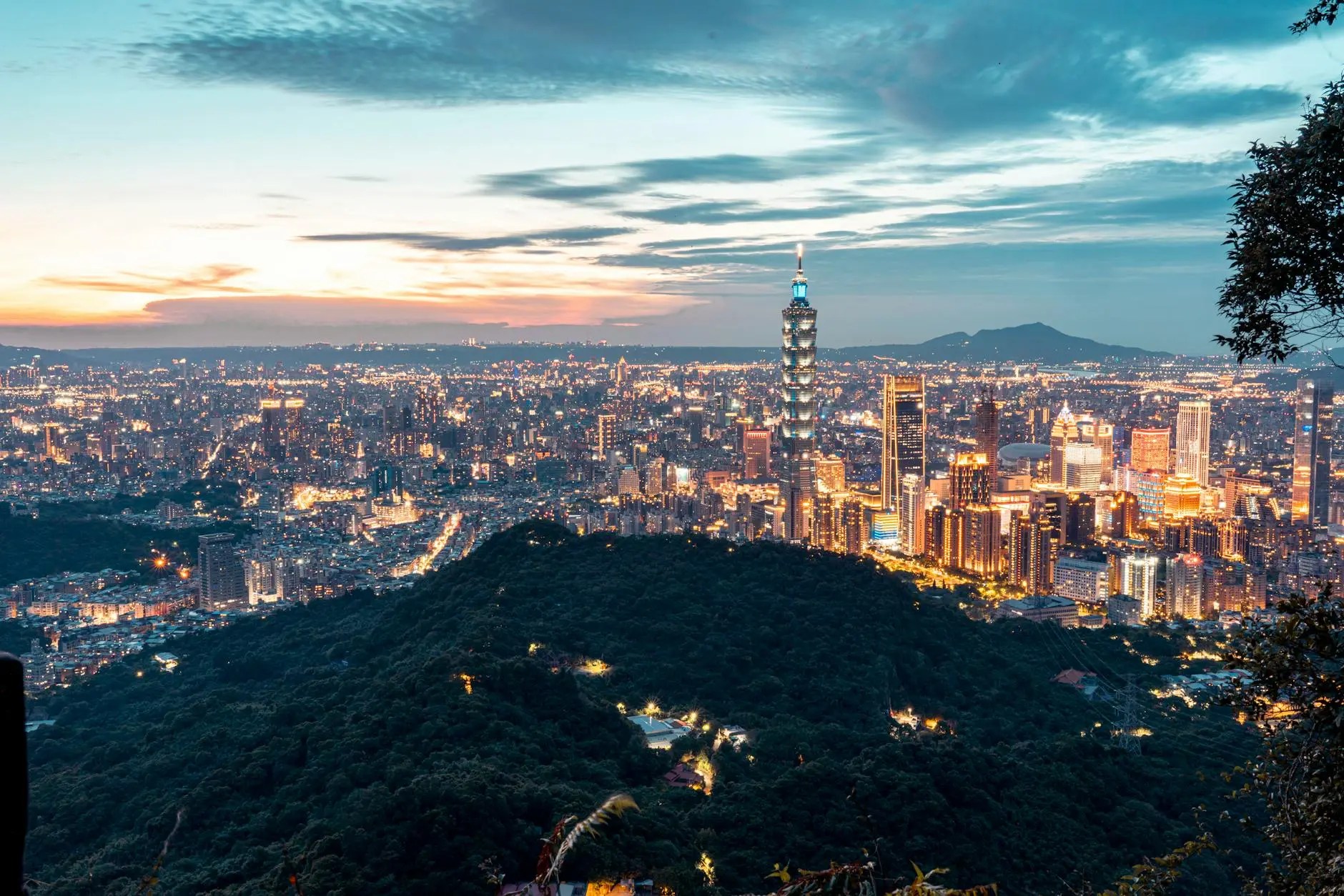
“I was gasping from the stairs more than from the view—but it was worth it!”
Love this guide? This destination is just one of 80+ weekend escapes I’ve explored across Europe, Asia, the Americas, Australia, and Africa. Each guide is packed with insider tips, hidden gems, and perfectly paced itineraries to help you make the most of your travels.
🚇 Getting Around Taipei (Public Transport Made Easy)
Taipei’s MRT system is every traveler’s dream: clean, cheap, air-conditioned, and color-coded so even jet-lagged brains can navigate it.
- MRT (Metro): Runs from 6 AM to midnight. A single ride costs about 20–65 TWD ($0.60–$2).
- EasyCard / iPASS: Grab one at the airport or MRT stations. You’ll save money on fares and can even use it at convenience stores.
- Buses: Cover areas beyond the MRT. English displays make it tourist-friendly.
- Taxis: Affordable compared to most capitals, but MRT is faster during rush hour.
- Road Trip Option: If you want flexibility, consider renting a car—but traffic can be hectic. Use Google Maps offline to save gas and sanity.
💡 Money-Saving Hack: Download the official Taipei Metro Map before your trip. This way, you don’t waste time or WiFi figuring out transfers.
💡 Smart Travel Tips for Taipei
- Best Time to Visit: March–May and October–November. Fewer typhoons, cooler weather, and smaller crowds.
- Language Barrier: English isn’t everywhere, but locals are super helpful. Google Translate will be your best friend.
- Cash vs Card: Night markets = cash. Malls and major restaurants = cards.
- Save Money: Eat street food, use public transport, and avoid taxis during peak hours.
✈️ Ready for more adventures? I’ve created 80+ weekend guides for destinations across Europe, Asia, the Americas, Australia, and Africa. Browse them all by continent →
📸 Gear Up for Taipei Adventures
If you want those jaw-dropping night shots of Taipei 101 or candid photos at Shilin Night Market, you’ll need a solid camera. I always recommend checking out Camera World’s selection before any trip—whether you want pro gear or just a trusty travel companion.
🌐 Stay Connected Like a Pro
✈️ Travel Tip : Staying online abroad doesn’t have to drain your wallet. Instead of juggling overpriced airport SIMs, I use Drimsim—a universal SIM that works in 190+ countries with no sneaky fees. Pop it in, recharge via the app, and you’re connected anywhere your weekend takes you.
And since not all WiFi networks are secure, I never travel without NordVPN. It keeps my data safe while I’m booking hotels, checking maps, or, let’s be honest, watching Netflix in my Taipei hotel bed.
✈️ Flight Delayed or Canceled?
Travel isn’t always smooth—sometimes flights get delayed, canceled, or overbooked. The good news? You might be owed up to $650 in compensation. Services like AirHelp handle all the paperwork and only get paid if you win. That’s what I call turning travel chaos into travel funds.
✈️ Smart Travel Tip: No matter where your adventures take you, having the right travel insurance can save you from unexpected headaches (and bills). I personally recommend VisitorsCoverage — it’s a trusted platform where you can compare plans, find coverage that fits your trip, and book it in just a few clicks. Whether you’re planning a quick city escape or a longer international journey, it’s peace of mind worth packing.
🔗 Related Reads You’ll Love
If Taipei has sparked your wanderlust, you’ll love these other weekend escapes I’ve written about:
- 48 Hours in Barcelona: Ultimate Weekend Itinerary
- Explore Sydney: A Complete Weekend Itinerary
- Ultimate Weekend in Madrid: Top Tips & Attractions
- 48-Hour Weekend Guide to Singapore
Taipei looks easy. But there are secrets—the EasyCard, the Elephant Mountain hack, the Beitou hot springs. Here are three stories from travelers who learned the hard way—and one who figured it out.
Reader Story · David, Vancouver
Visited October 2025
“I paid NT$600 to go up Taipei 101. The view was great. Then a local asked if I’d climbed Elephant Mountain. I hadn’t. He said it’s free and the view is better. I went the next day. The stairs were tough, but the sunset view of Taipei 101 was incredible. I learned: never pay for the observatory. The best view is free. You just have to climb for it.”
😬 HIS MISTAKE
Paid NT$600 for Taipei 101 observatory. Didn’t know about free Elephant Mountain.
✅ WHAT HE LEARNED
Elephant Mountain is free. 400 stairs, 20-minute climb. Go at sunset. Best view of Taipei 101.
Nomad Nate · 3 trips to Taipei
“David’s story is the #1 Taipei money mistake. The Taipei 101 observatory is fine. But Elephant Mountain is free, the view is better, and the sunset light on the building is spectacular. The rule: go to Elephant Mountain at 5pm. Climb the stairs (they’re steep but short). Bring water. Watch the city light up. Your wallet will thank you, and your photos will be better.”
Nate’s Pro Tip: “The best photo spot on Elephant Mountain is the second viewing platform, not the top. Stop there. The angle of Taipei 101 is perfect.”
Reader Story · Sarah, London
Visited November 2025
“I bought single tickets for every MTR ride. Every time, I stood at the machine, figuring out the fare. A local saw me and handed me an EasyCard. ‘Tap,’ he said. ‘No more tickets.’ I bought one. The rest of the trip was seamless. I learned: Taipei’s MTR is genius — but only if you have the right card. EasyCard is the key.”
😱 HER MISTAKE
Bought single tickets for every MTR ride. Wasted time at ticket machines.
✅ WHAT SHE LEARNED
Get an EasyCard at the airport or any MRT station. Tap for MRT, buses, and convenience stores. Cheaper per ride.
Nomad Nate · 3 trips to Taipei
“Sarah’s story is the #2 Taipei time and money mistake. The EasyCard is non-negotiable. You can buy it at the airport. You can refund it when you leave. The rule: get an EasyCard at your first MTR station. Load it with NT$500. Tap for MRT, buses, and even 7-Eleven. The tourist buys singles. The traveler taps.”
Nate’s Pro Tip: “iPASS works the same as EasyCard. Both are accepted everywhere. Pick whichever design you like better.”
Reader Story · James, Melbourne
Visited September 2025
“The smell hit me before I saw the stall. Stinky tofu. I almost walked away. A local saw my hesitation and said: ‘Try it. Just once.’ I did. It was crunchy on the outside, soft on the inside, and served with pickled cabbage. It was delicious. I ate a whole plate. I learned: Taipei’s best food smells terrible. But it tastes amazing. Don’t let your nose decide.”
✨ ACCIDENTAL DISCOVERY
Tried stinky tofu despite the smell. Discovered it’s delicious.
✅ WHAT HE LEARNED
Stinky tofu smells terrible but tastes amazing. Raohe Night Market has the best. Try it once. You might love it.
Nomad Nate · 3 trips to Taipei
“James discovered the Taipei secret that most tourists avoid. Stinky tofu is fermented tofu. It smells like blue cheese’s aggressive cousin. But fried stinky tofu is crispy on the outside, soft on the inside, and served with pickled cabbage. The rule: find a stall with a long line. That’s where the good stuff is. Hold your nose. Take a bite. You might be surprised.”
Nate’s Hard Truth: “The tourist walks past the stinky tofu stall, nose wrinkled. The traveler waits in line, orders a plate, and discovers one of Taipei’s most beloved foods. The difference is a willingness to trust the locals — and ignore your nose.”
📝 YOUR STORY COULD BE NEXT
Been to Taipei? Paid for Taipei 101 instead of climbing Elephant Mountain? Discovered the EasyCard hack? Tried stinky tofu? Your story might help someone else navigate Taiwan’s vibrant capital.
📍 Stories anonymized and used with permission · Names changed to protect privacy
If 48 hours is too much to carry—here are the ten truths that matter most. Print them. Save them. Send them to someone who needs them.
Available at the airport or any MRT station. Tap for MRT, buses, and convenience stores. Cheaper than single tickets. The tourist buys singles. The traveler taps.
400 stairs. 20-minute climb. Sunset view of Taipei 101 that beats any paid observatory. The tourist pays NT$600. The traveler climbs for free.
Red line to Xinbeitou. Public springs cost NT$40 (US$1.25). Private resorts available too. Thermal Valley is free to see. Go for an afternoon.
The original Xinyi Road location. Lunch crowds are brutal. Go early or late. The xiao long bao (soup dumplings) are worth the trip.
Shilin is huge but touristy. Raohe is smaller, more authentic, and has famous pepper buns. MRT Songshan Station. Go hungry.
Beautiful Buddhist temple. Watch locals pray, light incense, and have their fortunes told. Free entry. Go before 10am to avoid crowds.
Former wine factory turned creative park. Art exhibits, indie shops, cafes. Free entry. Most tourists never go. You should.
Chun Shui Tang in Taichung claims origin. But every street in Taipei has a great bubble tea shop. Try classic milk tea with pearls.
The Harajuku of Taipei. Street performers, shopping, food stalls. Go at night. Embrace the energy. Don’t plan — just wander.
The MTR is spotless. The streets are safe at night. Locals are friendly. English signs everywhere. Perfect for first-time travelers to Asia.
The Smart Traveler Framework — Six Questions Before You Go
Do I have an EasyCard? Am I climbing Elephant Mountain instead of paying for Taipei 101? Did I check Din Tai Fung off-peak hours? Am I going to Raohe Night Market? Do I have cash for stinky tofu? Did I pack comfortable walking shoes? That framework is yours now. Use it in Taipei. Use it everywhere.
📍 Sources: Multiple Taipei trips, one stinky tofu hesitation, and the discovery that the best xiao long bao are at the original Din Tai Fung
“I thought I understood Taipei. Then I got an EasyCard, climbed Elephant Mountain, and tried stinky tofu.”
First time: I bought single MRT tickets. I paid for the Taipei 101 observatory. I ate at restaurants, not night markets. I left thinking Taipei was fine but expensive. I had done Taipei the expensive way. I had missed the point.
Second time: A friend told me about the EasyCard. I tapped through turnstiles. I climbed Elephant Mountain at sunset. The view was free and spectacular. I realized that Taipei is wonderful — but only if you know the shortcuts. I left wondering why I had ever paid for the observatory.
Third time: I went to Raohe Night Market. I tried stinky tofu. I ate pepper buns. I drank bubble tea from a street stall. I learned that Taipei is not one city. It’s a collection of night markets, hot springs, and MRT rides that cost NT$20. And most tourists never find the best stuff.
What I learned
The tourist pays for the observatory and buys single tickets. The traveler climbs Elephant Mountain for free and taps an EasyCard. The difference is a willingness to climb stairs and ask for the local card. Taipei rewards the hiker, the hungry, and the person who knows that the best view is free. Don’t just see Taipei. Eat, climb, and explore it for 48 hours.
🏯 The Series Connection
This is one of 80+ weekend guides in our Ultimate Weekend Escapes series. Every city, every guide, every wrong turn I’ve taken—it’s all here for you.
🏮 What’s Next
Next in the series: Tainan, Taiwan—street food, temples, and Taiwan’s ancient capital. Coming soon.
Zài jiàn, Taipei
(Goodbye, Taipei)
Laxmi Hegde
MBA in Finance · ConfidenceBuildings.com
April 2026 · Ultimate Weekend Escapes Series
📌 P.S. — My Taipei Secret
If you read nothing else: Dalongdong Bao’an Temple at night. Everyone goes to Longshan Temple. Bao’an Temple is quieter, beautifully lit at night, and has intricate carvings. It’s a 5-minute walk from Yuanshan MRT station. Go at 8pm. The lanterns are lit. The crowds are gone. You’ll have the temple almost to yourself.
✅ Thoughts: Why Taipei is Your Next Weekend Escape
Taipei is that rare city where you can slurp soup dumplings in the morning. You can also hike to skyline views, and dip in hot springs in the afternoon. Don’t forget to explore ancient temples. You can do all of this in just 48 hours. Add in its traveler-friendly transport, affordable eats, and friendly locals, and you’ve got the ultimate recipe for a weekend escape.
So pack your bags, book your trip through Expedia, and let Taipei surprise you. Who knows—you might just end up staying longer than a weekend. 😉
👉 What do you think? Would you rather spend your Taipei weekend eating your way through night markets? Or would you prefer soaking in Beitou hot springs? Drop your answer in the comments!
Frequently Asked Questions (FAQ)
Q1: Is 48 hours enough time to see Taipei?
Absolutely. While you can’t see everything, 48 hours is a perfect amount of time to experience the core highlights of Taipei, including its world-class museum, iconic skyscraper, vibrant night markets, and a touch of its beautiful natural scenery. This itinerary is packed but efficient.
Q2: What is the best way to get from Taoyuan Airport to central Taipei?
The Airport MRT (Metro) is the fastest and most convenient way, taking about 35-40 minutes to reach Taipei Main Station. Taxis and ride-sharing services are also available and offer door-to-door service but are more expensive and can be slower in traffic.
Q3: Do I need to get cash, or are credit cards widely accepted?
While major hotels, department stores, and higher-end restaurants accept credit cards, Taiwan is still largely a cash-based society. You will need cash for night markets, small eateries, local shops, and transportation. ATMs are widely available.
Q4: What is the best area to stay in for a short 48-hour trip?
For convenience and access to transit, Ximending is great for a youthful, energetic vibe and shopping. Zhongxiao East Road is ideal for upscale shopping and dining, and areas near Taipei Main Station offer unparalleled access to trains and the metro to explore the city and beyond.
Q5: What is the one thing I shouldn’t miss in Taipei?
This is a tough choice, but the view from Elephant Mountain at dusk is a truly unforgettable experience. Seeing the city light up, with Taipei 101 as the centerpiece, is the iconic Taipei moment. A close second is exploring any of the city’s fantastic night markets, like Raohe or Shilin.
Q6: What should I pack for a weekend in Taipei?
Comfortable, breathable clothing and walking shoes are essential. Taipei is humid for much of the year. Pack an umbrella or light rain jacket, as showers can be frequent. A portable power bank is very useful for keeping your phone charged while navigating.
Q7: Is it easy to get by with only English in Taipei?
In central tourist areas and on public transportation, signs are in English. Younger people often speak some basic English, especially in shops and restaurants. However, learning a few key Mandarin phrases like “Nǐ hǎo” (Hello) and “Xièxie” (Thank you) will be greatly appreciated and smooth your interactions.
Best Travel Cameras for Every Budget in 2025: Compare Prices, Features, and Find Your Perfect Match
Table of Contents
- Introduction: Find Your Perfect Travel Companion
- How to Choose the Best Travel Camera for You
- Best Travel Cameras by Budget Category
- Budget-Friendly (Under $500): Great Value for Beginners
- Mid-Range ($500 – $1000): The Sweet Spot for Enthusiasts
- Premium ($1000 – $2000): For Serious Photographers
- No-Limits (Above $2000): Professional Grade Performance
- Top Camera Models Head-to-Head Comparison
- Essential Travel Photography Accessories
- Final Verdict: Our Top Picks for Different Travelers
- Conclusion: Capture Your Next Adventure
Whether you’re capturing the dunes of Dubai, the streets of Paris, or glowing skin on your next skincare retreat, having the right travel camera can make all the difference.
Smartphone cameras are great—but if you’re serious about quality content for Instagram, TikTok, Pinterest, or your travel blog, investing in a real camera pays off.
In this guide, I’m comparing the best cameras for travel in 2025 based on:
- 📷 Price (from budget to premium)
- 🎒 Portability
- 🧠 Features that matter to travelers (like Wi-Fi sharing, stabilization, waterproofing)
- 🌍 Global availability on Amazon (with affiliate links included)
Let’s find the one that fits your style and your suitcase.
🧳 Travel Camera Comparison Chart
| Camera | Type | Weight | Features | Best For | Check out the prices |
|---|---|---|---|---|---|
| Sony RX100 VII | Compact Zoom | 302g | 20MP, 4K, 24–200mm zoom, EVF, fast focus | Luxury travel, street photos | Check this camera |
| Canon EOS R100 | Mirrorless (APS‑C) | 429g | 24MP, Dual Pixel AF, 18–45mm lens included | Beginner vloggers, sharp stills | Check this camera |
| Fujifilm X100VI | Premium Compact | 521g | 40MP, 6K, fixed 23mm lens, retro design | Stylish creators, pros | Check this camera |
| Ricoh GR IIIx | Pocket APS‑C | 262g | 24MP, compact, minimalist design | Minimalist travelers, solo trips | Check this camera |
| OM System OM‑5 | Mirrorless MFT | 414g | Stabilized, 20MP, weather-sealed | Adventure & hiking content | Check this camera |
| OM System TG‑7 | Waterproof Compact | 249g | Waterproof, shockproof, macro mode | Beach trips, underwater vlogs | Check this camera |
🔍 In-Depth Camera Comparison
🎯 1. Sony RX100 VII – The Power Pocket Pro
Best for: Luxury travelers, travel bloggers, and prosumers
Price: ~$1,899 USD
Amazon Rating: ★★★★☆ (4.6/5)
Key Features:
- 20.1MP 1-inch sensor
- ZEISS 24-200mm zoom lens
- 4K HDR video recording
- Built-in EVF (electronic viewfinder)
- Eye autofocus for people & pets
✅ Pros:
- Ultra-compact but powerful
- Fast autofocus & pro-level results
- Great for Instagram content, vlogs, and reels
❌ Cons:
- Expensive for casual travelers
- No mic input (unless you buy external kit)
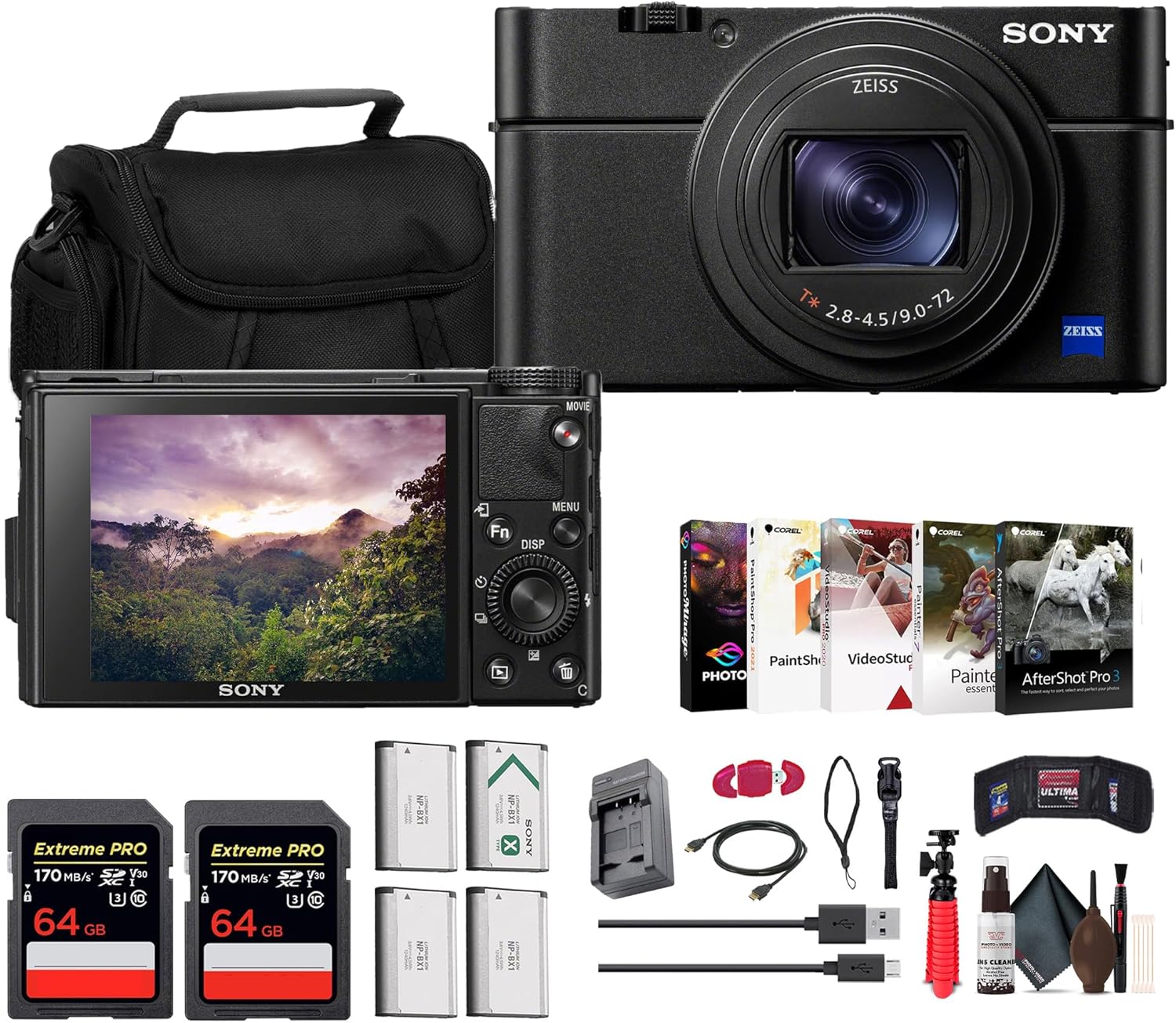

Buy Now: Sony RX100 VII – The Power Pocket Pro
🎯 2. Canon EOS R100 – Mirrorless for Starters
Best for: Beginners, budget-conscious vloggers
Price: ~$599.99 USD
Amazon Rating: ★★★★☆ (4.7/5)
Key Features:
- 24.1MP APS-C sensor
- Dual Pixel autofocus (great for video)
- Comes with 18–45mm kit lens
- Built-in Wi-Fi/Bluetooth for sharing
✅ Pros:
- Great entry-level mirrorless
- Easy to use, perfect for YouTube Shorts or Instagram
- Lightweight + swappable lenses
❌ Cons:
- No 4K video
- Limited low-light performance
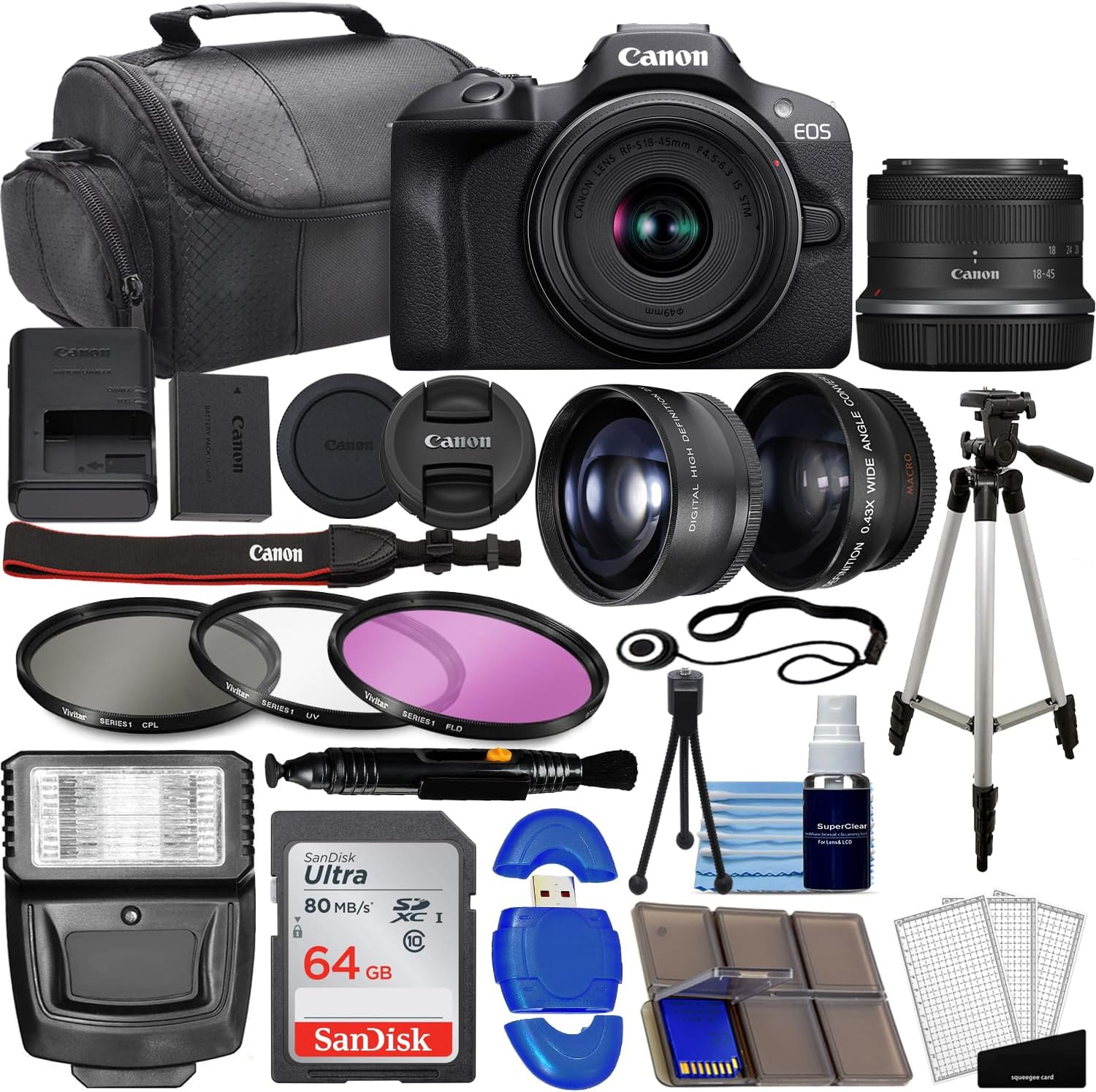
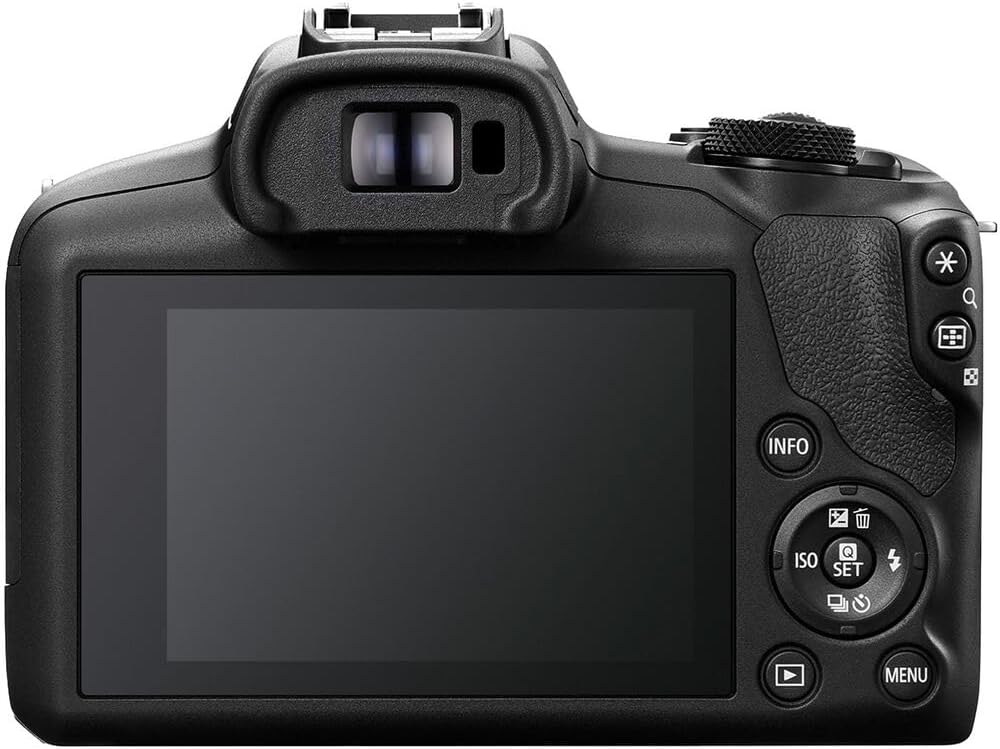
Buy Now: Canon EOS R100 – Mirrorless for Starters
🎯 3. Fujifilm X100VI – Retro Icon, Modern Beast
Best for: Aesthetic lovers, photo bloggers
Price: ~$1,599 USD
Amazon Rating: ★★★★★ (Highly rated)
Key Features:
- 40MP APS-C X-Trans sensor
- Fixed 23mm f/2 lens
- 6K video
- Film simulation modes (perfect for content creators)
✅ Pros:
- Unmatched image quality
- Filmic vibes without filters
- Compact + stylish for street photography
❌ Cons:
- Fixed lens = no zoom
- Pricey for casual use
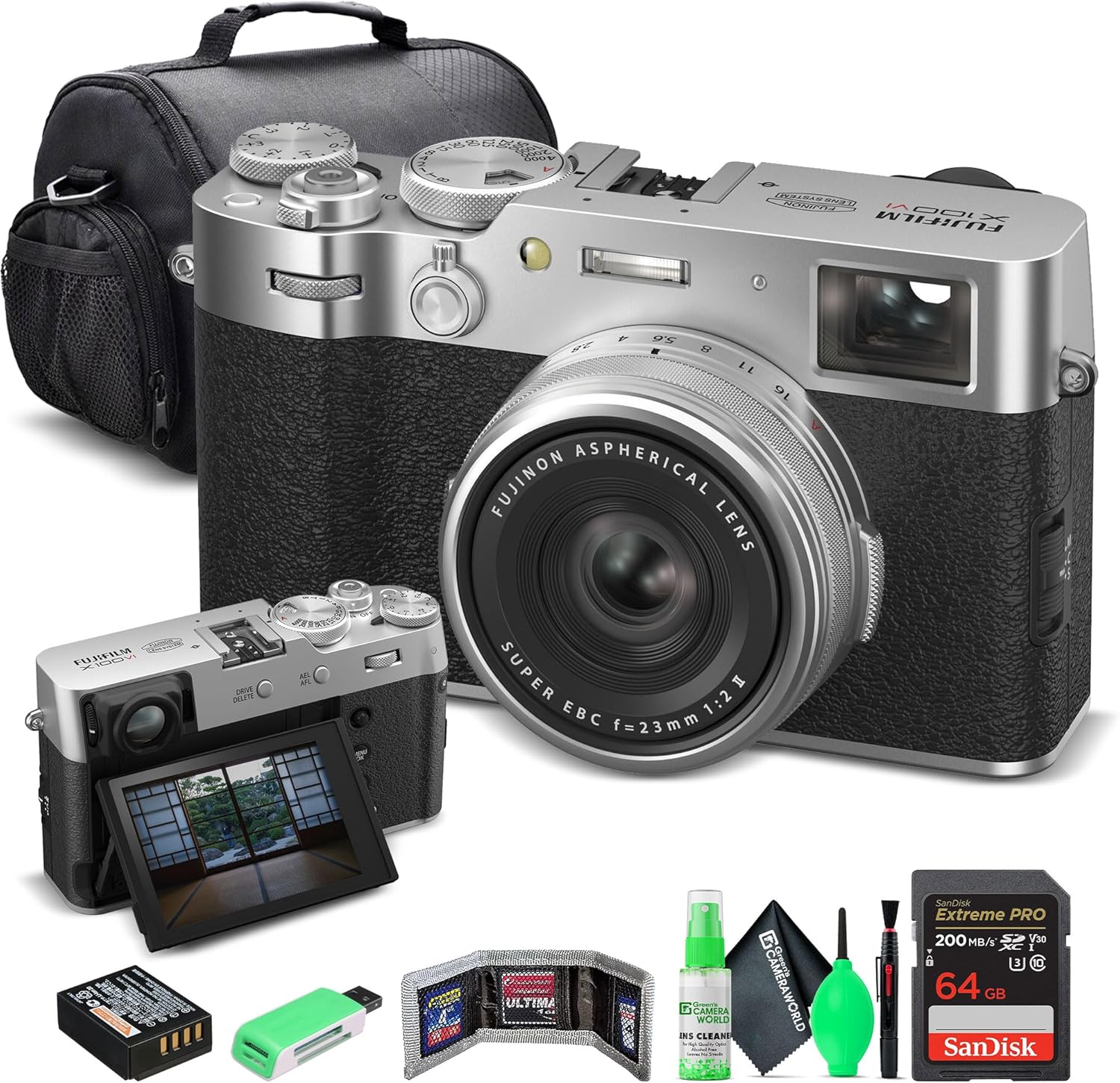

Buy Now : Fujifilm X100VI – Retro Icon, Modern Beast
🎯 4. Ricoh GR IIIx – Minimalist’s Dream
Best for: Solo travelers, urban explorers
Price: ~$949 USD
Amazon Rating: ★★★★☆ (4.5/5)
Key Features:
- 24MP APS-C sensor
- 40mm equivalent lens
- Snap focus mode for street photos
- Built-in ND filter
✅ Pros:
- Fits in a pocket
- Extremely sharp images
- Great for travel journaling
❌ Cons:
- No zoom, no flash
- Basic video capabilities
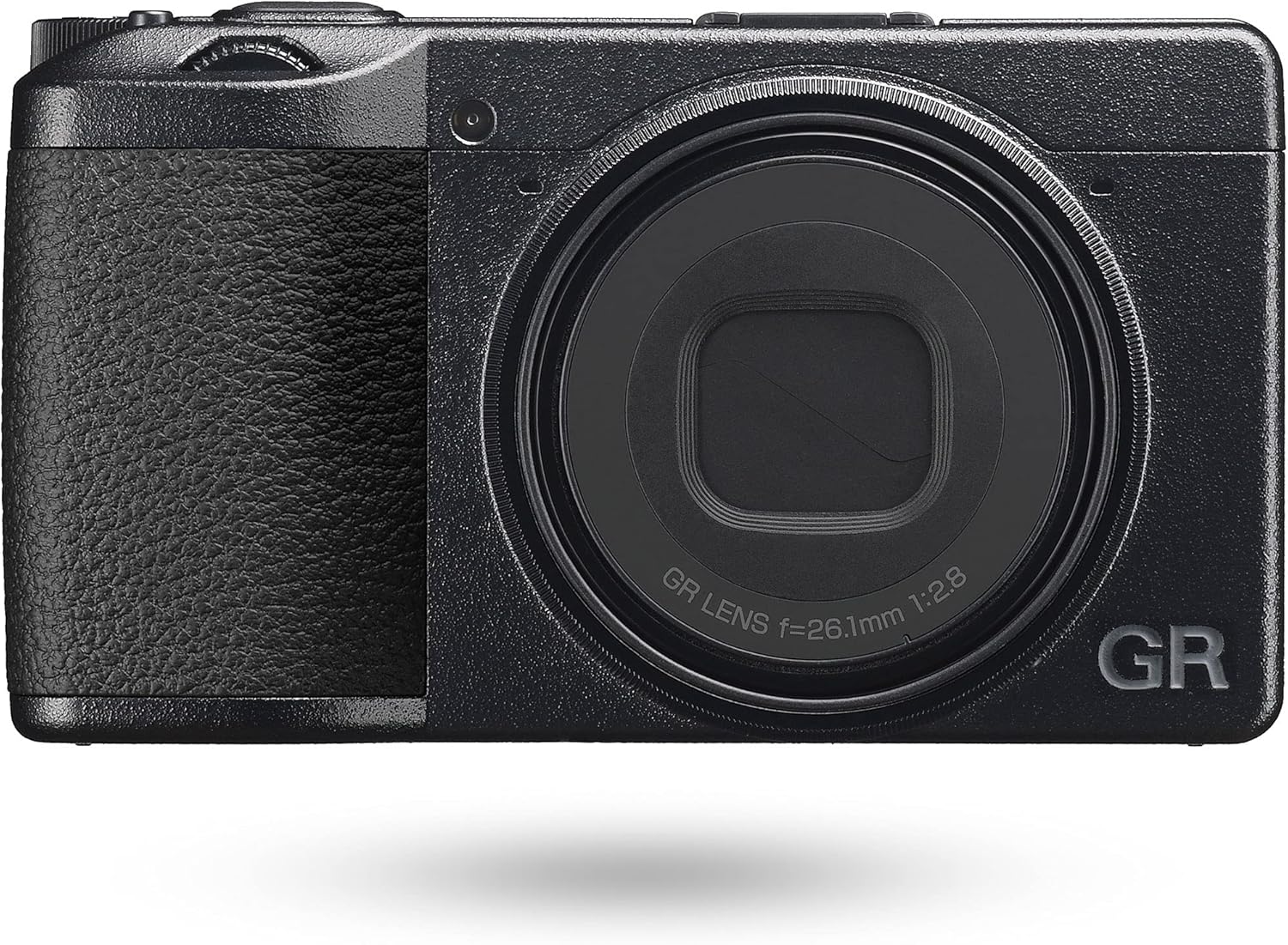
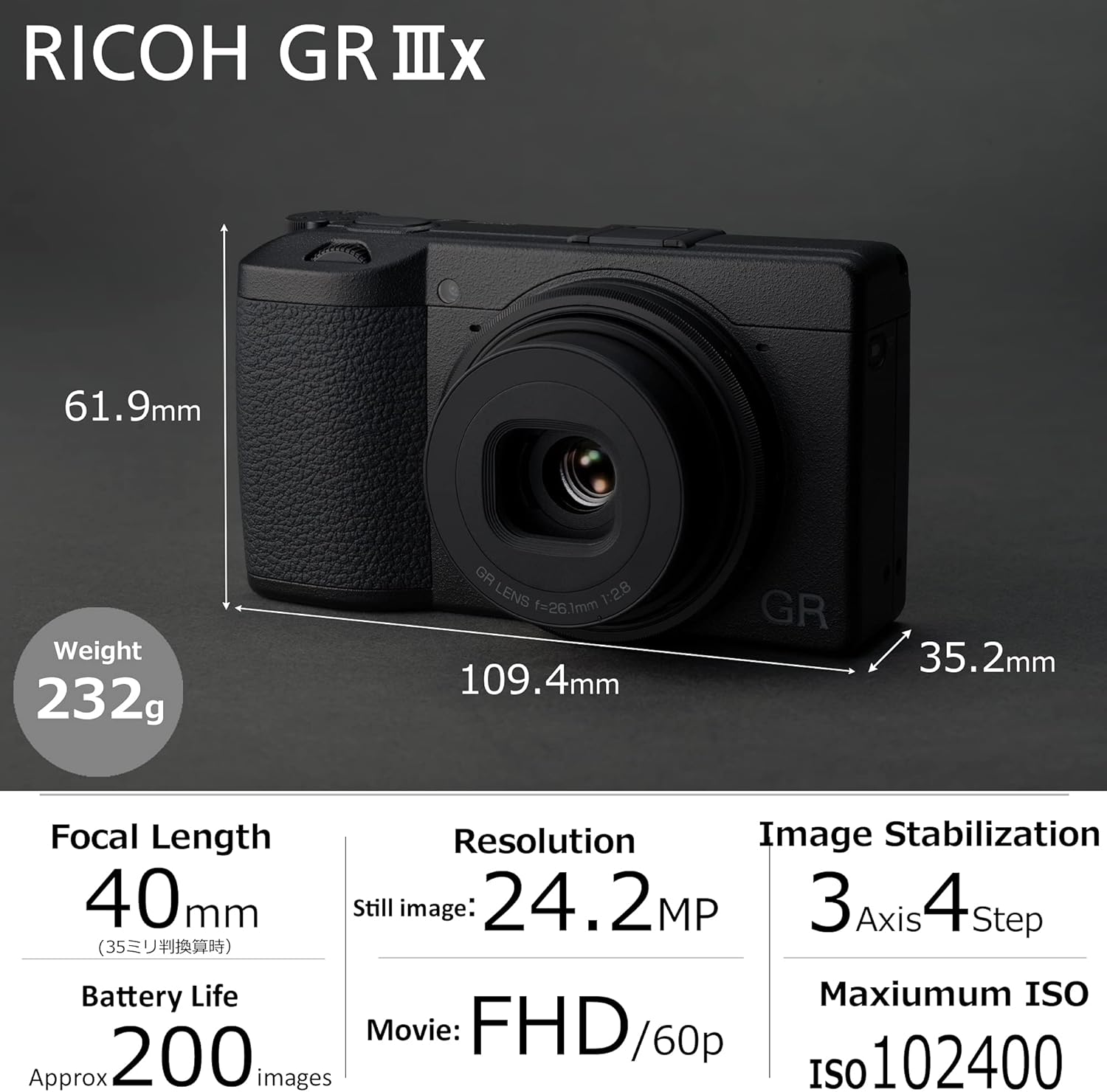
Buy Now: Ricoh GR IIIx – Minimalist’s Dream
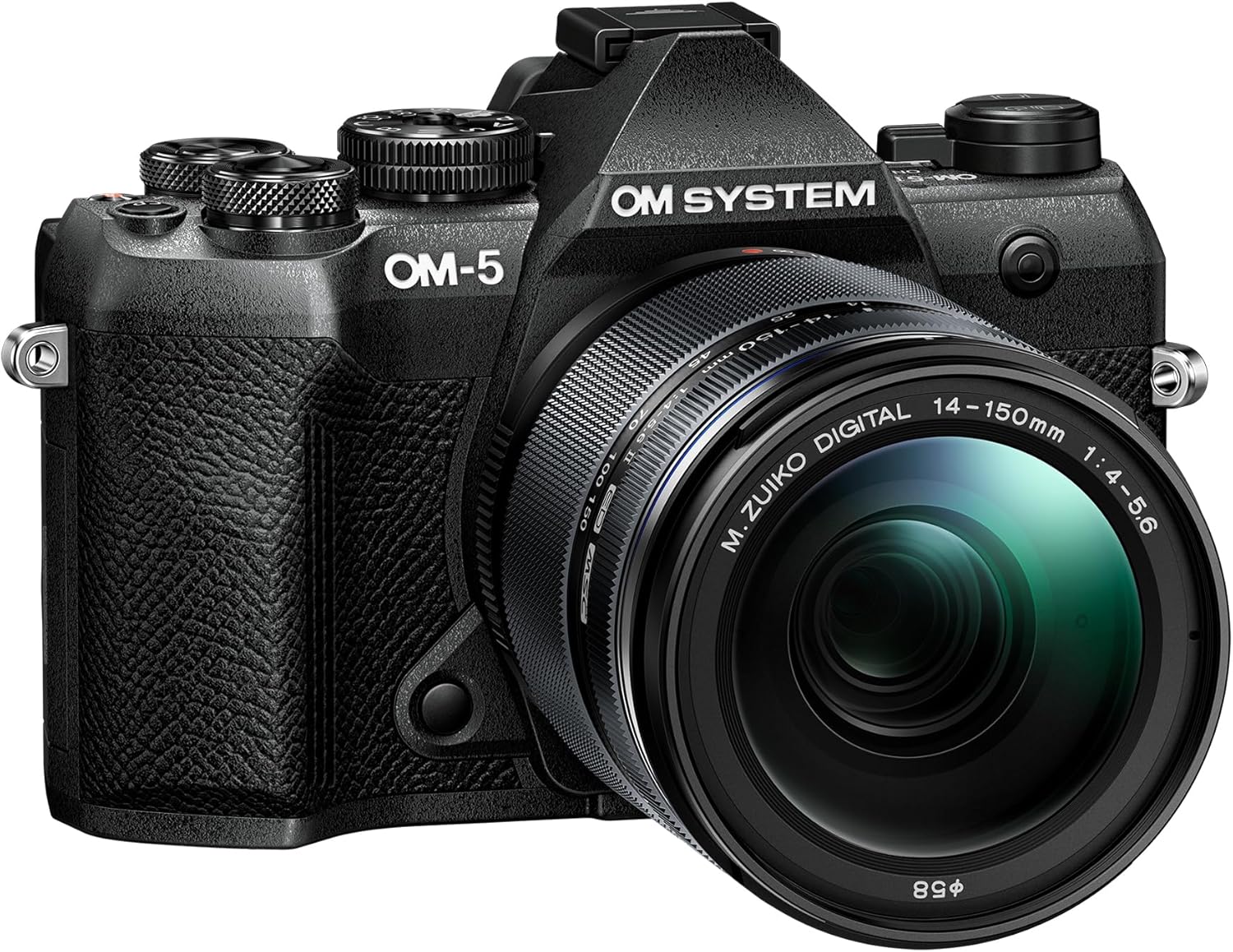
🎯 5. OM System OM-5 – Rugged and Ready
Best for: Nature lovers, hiking & travel adventurers
Price: ~$1,199 USD
Amazon Rating: ★★★★☆ (4.6/5)
Key Features:
- 20MP Micro Four Thirds sensor
- 5-axis stabilization
- Weather sealed body
- 4K video and time-lapse modes
✅ Pros:
- Lightweight and tough
- Interchangeable lenses
- Great battery life
❌ Cons:
- Smaller sensor than APS-C
- Slight learning curve
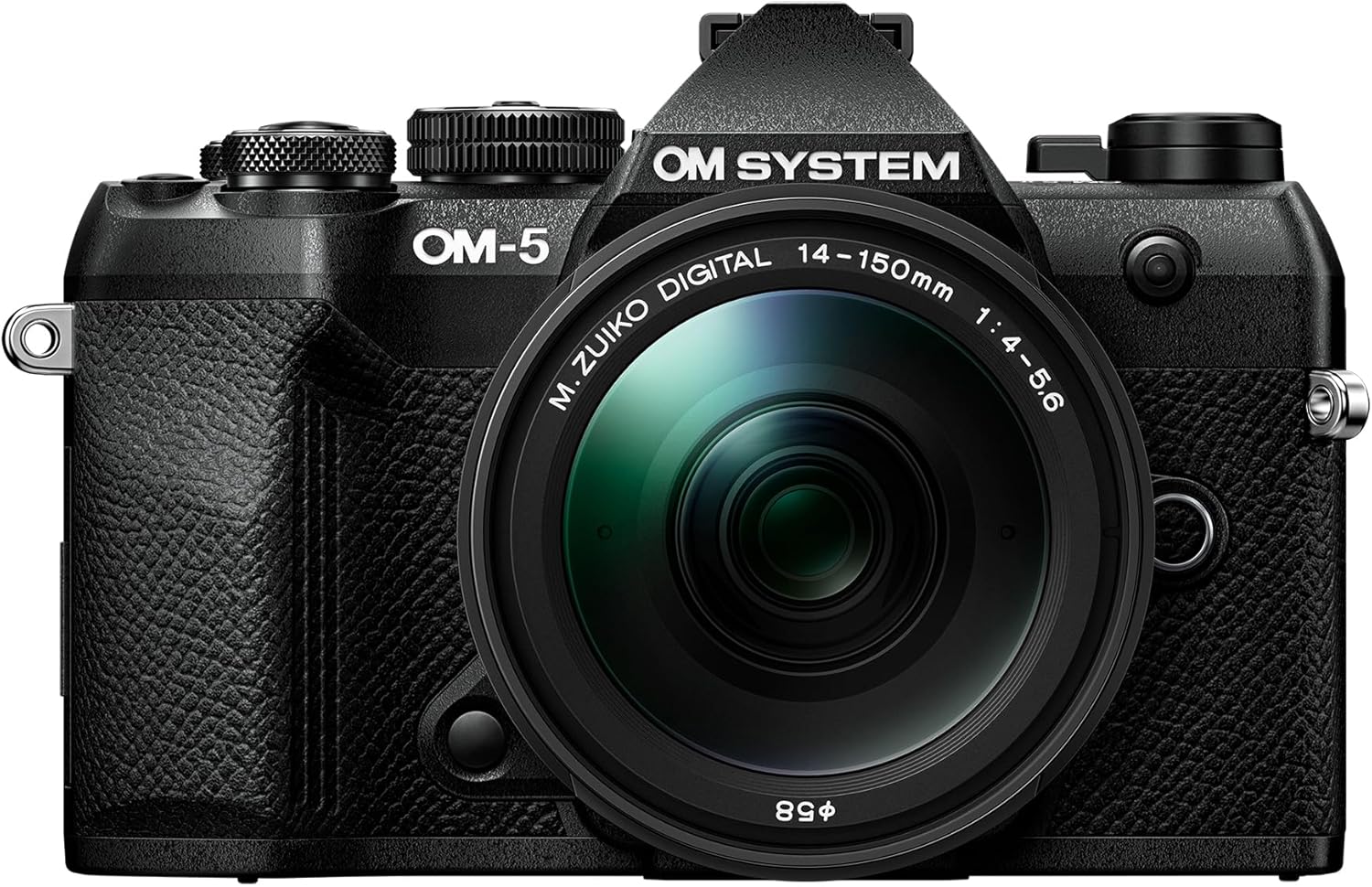
Buy Now: OM System OM-5 – Rugged and Ready
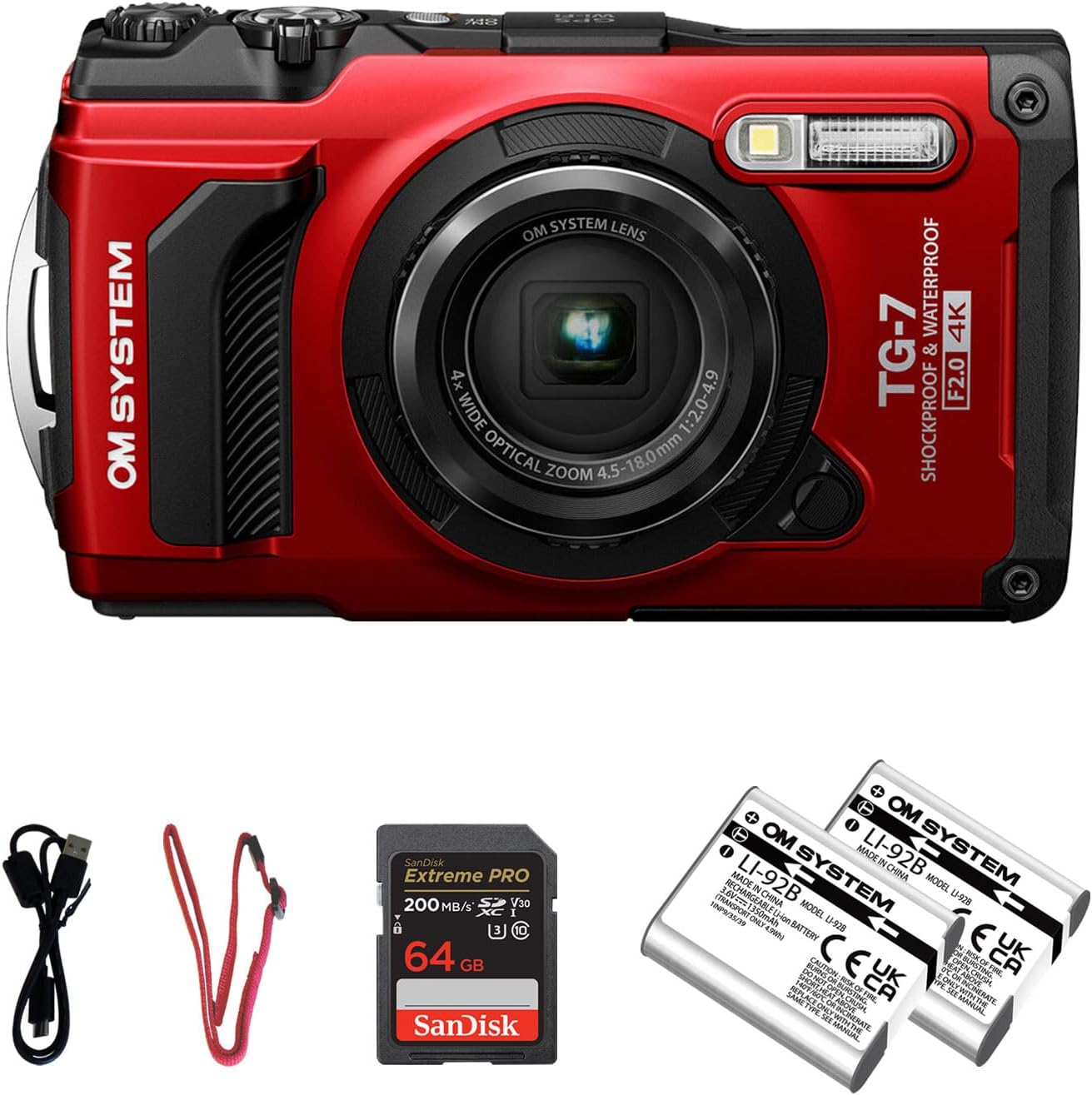
🎯 6. OM System TG‑7 – Beach-Proof Beast
Best for: Snorkelers, beachgoers, water vloggers
Price: ~$499 USD
Amazon Rating: ★★★★☆ (4.6/5)
Key Features:
- 12MP sensor
- Waterproof, freeze-proof, crushproof
- Macro + underwater modes
- 4K video
✅ Pros:
- Built for action & water
- No case needed for rough travel
- Great macro shots too
❌ Cons:
- Lower resolution
- Not ideal for portraits or low-light scenes
\

Buy Now: OM System TG‑7 – Beach-Proof Beast
“Newest 2025 Travel Picks: Insta360 X5 vs DJI Osmo 360 vs OM‑5”
Insta360 X5 (≈ $550)
Ideal for: 360° content creators who value image quality, low‑light performance, and repairability.
Launched April 22, 2025, the X5 features dual 1/1.28″ sensors and an AI‑powered processing pipeline (Triple AI Chip) that provides industry‑leading 8K 30 fps or 5.7K 60 fps capture, plus PureVideo mode for crisp night shooting and magnetic, user-replaceable lenses for rugged travel use Amazon+5Wikipedia+5Insta360+5.
Insta360 X5 – Waterproof 8K 360° Action Camera,
It delivers up to ~80 minutes battery life in 8K mode, an improved wind‑guarded mic, and a new Instaframe option that records 360° and flat video simultaneously WIRED+1.
Pitch:
“Grab the Insta360 X5 ( link) and shoot ultra-smooth 8K travel clips that pop—without worrying about cloudy skies or swapping your gear mid-trip.”


DJI Osmo 360 (≈ $550 Standard / $700 Adventure Combo)
Best for: DJI ecosystem users, budget-conscious adventurers, and longer recording sessions.
Released globally in July 2025 (not yet available in the U.S.), this is DJI’s first 360° action cam. It sports dual 1/1.1″ square HDR sensors and f/1.9 aperture for stellar low-light and high dynamic range footage, offering 8K at 50 fps, 6K at 60 fps, and even 4K at 100 fps single‑lens Boost mode DJI Official+3Tom’s Guide+3The Verge+3.
Boasts superior battery endurance—up to 100 minutes @8K—and includes 128 GB onboard storage, plus integration with DJI wireless mics. It lacks replaceable lenses, but makes up for it with a compact 183 g build, magnetic mounts, and solid IP68 ruggedness WIRED+11The Verge+11techradar.com+11.
Pitch:
“Order the DJI Osmo 360 (not available yet but similar product Insta360 X5 – Waterproof 8K 360° Action Camera, ) and enjoy immersive 8K travel footage for longer—up to 100 minutes—plus stellar stabilization and DJI mic support right out of the box.”
“If you’re already using DJI gear, Osmo 360 offers plug‑and‑play integration with your mics and batteries.”
🔍 Side-by-Side Spec Comparison
| Model | Sensor Size | Video Modes | Low-Light Ability | Battery Life | Lens | Storage | Weight | Weather Rating | Approx. Price |
|---|---|---|---|---|---|---|---|---|---|
| Insta360 X5 | Dual 1/1.28″ | 8K30, 5.7K60, 4K120 | Excellent (PureVideo) | ~80 min @8K | Replaceable | microSD | ~185 g | IPX8 (15 m) | ~$550 |
| DJI Osmo 360 | Dual 1/1.1″ HDR | 8K50, 6K60, 4K100 Boost | Very high (13.5 stops) | ~100 min @8K | Fixed | 128 GB built-in | 183 g | IP68 (not for deep dive) | ~$550–700 |
| OM‑5 (OM System) | Micro Four Thirds 20 MP | 4K UHD video, vertical mode | Moderate (stills‑focus) | DSLR-like duration | Interchangeable | microSD | 414 g | IP53 | ~$1,200–1,600 |
🎒 Final Thoughts: Snap Smart, Travel Far
Whether you’re a casual adventurer or a full-time globetrotter, the right travel camera can turn fleeting moments into lifelong memories. From budget-friendly compacts to high-end mirrorless beasts, there’s truly something for every explorer in 2025.
Before you buy, ask yourself:
👉 Where am I going?
👉 What kind of shots do I want?
👉 How much gear am I willing to carry?
Remember: the best camera is the one you’ll actually use. Lightweight, intuitive, and suited to your personal travel style.
🔗 Bonus Tip: Don’t forget to check out the custom Dubai Travel Map I created right here to plan your routes and photoshoots better!
So pack your gear, charge those batteries, and go make magic. 🌍✨
Happy travels—and even happier snapping! 📸
| Category | Model | Sensor | Video | Key Features | Weight | Weather Seal | Price |
|---|---|---|---|---|---|---|---|
| Superzoom Bridge | Nikon Coolpix P1100 | 1/2.3″ 16 MP | 4K@30fps, 1080p@60fps | 125× zoom, USB‑C, dual VR | ~1410 g | No | ≈ $1,099 (Wikipedia, TechRadar, RTINGS.com, DPReview) |
| Compact Fixed‑Prime | Ricoh GR IIIx | APS‑C | 1080p full HD only | Pocketable, street‑ready, large sensor | ~257 g | No | ≈ $900–1,000 (TechRadar, DPReview) |
| Retro APS‑C Mirrorless | Nikon Z fc | APS‑C (20.9 MP) | 4K@30fps | Vari‑angle screen, retro dials | ~445 g | No | ≈ $900–1,000 (TechRadar) |
| All‑round MFT Mirrorless | OM System OM‑5 | MFT 20 MP | 4K@30fps | IBIS 7.5EV, rugged, compact | ~414 g | IP53 | ≈ $1,200–1,600 (RTINGS.com, TechRadar) |
| Compact Full‑Frame | Sony a7CR | Full‑frame 61 MP | 4K@60p | High resolution, AI AF | ~550 g | Partial? | ≈ $2,500 (DPReview) |
| Vlogging APS‑C | Sony a6700 | APS‑C 26 MP | 4K@60p, 4K@120p crop | Fully articulating, top AF | ~520 g | Partial? | ≈ $1,300–1,400 (DPReview) |
| Premium Compact | Fujifilm X100VI | APS‑C 40 MP | 6K video | Hybrid EVF/OVF, film modes | ~850 g | No | ≈ $1,800 (TechRadar, DPReview) |
Frequently Asked Questions (FAQ)
Q1: What is the most important feature in a travel camera?
For most travelers, the combination of image quality and portability is key. A camera is useless if it’s too heavy to carry around all day. Look for the best sensor and lens quality you can get in a size and weight you’re comfortable with.
Q2: Is my smartphone good enough for travel photography?
Modern smartphones are excellent for casual snapshots, social media, and video. However, a dedicated camera will provide significantly better zoom capabilities, low-light performance, image quality for printing, and creative control over settings like aperture and shutter speed.
Q3: Should I choose a DSLR or a mirrorless camera for travel?
For new buyers, mirrorless cameras are generally the better choice for travel. They are typically more compact, lighter, and have newer technology like electronic viewfinders and superior video features. DSLRs are often larger but can offer great value on the used market.
Q4: How important is zoom for a travel camera?
Very important. A versatile zoom lens (e.g., 18-200mm or 24-105mm equivalent) is ideal for travel as it allows you to capture wide-angle landscapes, standard street scenes, and zoom in on distant architectural details or wildlife without changing lenses.
Q5: What does “weather-sealing” mean and do I need it?
Weather-sealing refers to protective seals that guard the camera’s body against moisture and dust. It’s a highly recommended feature for adventure travelers, hikers, or anyone who might be caught in rain, snow, or dusty environments. For casual city travel, it’s less critical.
Q6: What is a good alternative to carrying multiple lenses?
A high-quality superzoom camera (also known as a “bridge” camera) with a massive built-in zoom range (e.g., 25x optical zoom) is an excellent all-in-one solution. You sacrifice some image quality compared to interchangeable lens cameras, but gain immense versatility and convenience.
Q7: How much should I budget for a memory card and extra battery?
Factor in an extra $50 – $100. You’ll want at least one fast, high-capacity memory card (e.g., 64GB or 128GB) and at least one spare, fully charged battery. Running out of power or storage is a sure way to miss a great shot.
 Decoder
