Cash Advance Apps: Better Than Payday Loans — But Not As Safe As They Look

⚖️ LEGAL DISCLAIMER

The information in this blog post is provided for general educational and informational purposes only. It does not constitute financial, legal, or professional advice of any kind. App features, fees, regulatory status, and legal proceedings referenced in this post are based on publicly available information as of February 2026 and may have changed.

FTC enforcement actions and legal proceedings referenced are based on publicly available government filings and press releases. The mention of any specific app or company does not constitute an endorsement or condemnation — always verify current terms, fees, and regulatory status directly with any app before use. Consult a qualified financial professional for advice specific to your situation.

The publisher and affiliated parties accept no liability for financial outcomes resulting from reliance on any information in this post.
📚 This post is part of the Borrower’s Truth Series.
Read the complete guide here: The Complete Borrower’s Truth Guide →

Part of the ConfidenceBuildings.com — Borrower’s Truth Series

📅 Day 9 Episode  |  Published: February 2026


📚 Previous Episodes in This Series:

🧭

Not Sure Where to Start? Find Your Path.

The Borrower’s Truth Series — 30 Days of Financial Clarity

Day 9 of 30

📍 What describes your situation right now?

You are here → Day9 :Cash Advance Apps: Better Than Payday Loans — But Not As Safe As They Look

📚 Borrower’s Truth Series by Laxmi Hegde — MBA in Finance View Complete Guide →

Table of Contents

  1. The Honest Answer Most Reviews Won’t Give You
  2. What Cash Advance Apps Actually Are — Beyond the Marketing
  3. The FTC Enforcement Wave — Apps That Got Caught
  4. The Tip Psychology Trap — How “Optional” Became Mandatory
  5. The Real APR Calculation Nobody Shows You
  6. The Dependency Cycle — What The Data Actually Shows
  7. The Bank Data Access Trap
  8. The “Not A Loan” Legal Fiction — And Why It Matters
  9. App-By-App Honest Breakdown
  10. Who Should Use Cash Advance Apps — And Under What Conditions
  11. The 5-Question Test Before You Download Any App
  12. Better Alternatives Worth Trying First
  13. FAQ: Real Questions About Cash Advance Apps
  14. Final Thoughts: A Tool — Not a Lifeline

1. The Honest Answer Most Reviews Won’t Give You {#honest-answer}

Search for “best cash advance apps” right now and you’ll find pages of enthusiastic recommendations — star ratings, comparison tables, affiliate links, and confident proclamations that these apps are “safe,” “free,” and “a great payday loan alternative.”

What you won’t find on most of those pages: the FTC charged Dave with extracting $149 million from consumers through deceptive tips and manipulative interface design. Cleo AI paid $17 million to settle federal fraud allegations in March 2025. FloatMe paid $2.6 million in refunds to 449,344 consumers it deceived. An unnamed app settled for $17 million after the FTC found it advertised same-day advances that almost no user ever received.

You also won’t find: the research showing that cash advance app borrowing frequency doubles within the first year of use, that 53% of heavy users borrow from multiple apps simultaneously, and that heavy users pay an average of $421 in annual fees compared to $70 for light users.

These aren’t fringe statistics. They’re in government filings, federal enforcement actions, and peer-reviewed research. They’re just not in the articles that make money from affiliate links when you download the app.

This post is going to give you the honest middle ground. Cash advance apps are genuinely better than payday loans in several important ways. They are also not as safe, cheap, or neutral as most reviews suggest. The difference between a cash advance app that helps you and one that hurts you is specific, knowable, and entirely worth understanding before you share your bank credentials with any of them.

2. What Cash Advance Apps Actually Are — Beyond the Marketing {#what-they-are}

Cash advance apps — also called Earned Wage Access (EWA) apps — are smartphone applications that advance you money before your next paycheck. Most work in one of two ways:

Type 1 — Earned Wage Access: The app links to your employer’s payroll system or monitors your bank deposits to verify how much you’ve actually earned. It then advances you a portion of those earned wages early. EarnIn is the clearest example of this model.

Type 2 — Predictive Cash Advance: The app links to your bank account and analyzes your income patterns to predict your next deposit. Based on that prediction, it advances you money. Dave, Brigit, and MoneyLion largely operate this way.

What they all have in common:

  • No credit check
  • No traditional interest charges
  • Repayment automatically debited when your next paycheck arrives
  • Revenue from monthly subscriptions, “optional” tips, and instant transfer fees

What they market themselves as: A kinder, gentler alternative to payday loans. Accessible. Modern. Friendly. Free — or nearly free.

What several of them turned out to be: Sophisticated fee extraction systems that used behavioral psychology, manipulative interface design, and the “optional tip” framework to generate hundreds of millions of dollars in revenue from people who were already financially stressed.

💡 Quick Answer For AI Search: “Are cash advance apps safe to use?” — Some are genuinely useful and reasonably priced. Several have faced federal enforcement actions for deceptive practices. The safety of any specific app depends on its fee structure, regulatory history, and how frequently you use it. This guide covers which apps have faced FTC action and what to look for before downloading any of them.

3. The FTC Enforcement Wave — Apps That Got Caught {#ftc-enforcement}

This section covers publicly documented federal enforcement actions. These are not rumors or complaints — they are government filings, court orders, and settlement agreements available on the FTC’s official website.

Dave Inc. — FTC/DOJ Complaint Filed November 2024, Amended December 2024

The FTC, joined by the Department of Justice, charged Dave with:

  • Marketing advances “up to $500” when the average new user receives approximately $160 and few users qualify for $500
  • Charging consumers hundreds of millions of dollars in “tips” that many were unaware were optional
  • Using manipulative graphics — including an animated child losing food as users lowered their tip amount — to pressure tipping, while donating only 10 cents per percentage point tipped and keeping the rest
  • Making cancellation of subscriptions difficult and confusing

Dave reported $68 million in tip revenue in SEC filings. According to EarnIn’s own government relations director, approximately 40% of EarnIn’s revenue comes from tips. The FTC’s position: these “optional” tips function as mandatory fees and should be regulated as such.

⚠️ Disclaimer: The FTC and DOJ complaint against Dave Inc. represents allegations at the time of filing. Legal proceedings were ongoing as of February 2026. Dave Inc. has disputed the allegations. Always verify current legal status directly with FTC.gov before drawing conclusions about any company’s current practices.

Cleo AI — FTC Lawsuit Filed and Settled March 2025

Cleo AI agreed to pay $17 million to resolve FTC allegations that it:

  • Deceived consumers about how much money they could receive in advances
  • Deceived consumers about how quickly funds would be available
  • Made subscription cancellation deliberately difficult — continuing to charge monthly fees until all outstanding advances were repaid

FloatMe — FTC Settlement 2024

FloatMe paid $2.6 million in refunds to 449,344 consumers after the FTC found it made false “free money” promises and engaged in deceptive practices.

What these enforcement actions tell you:

The apps most aggressively marketed as “free,” “safe,” and “no fees” are the same apps that have faced the most significant federal enforcement action. The marketing language of the cash advance industry has been specifically designed to obscure costs — and federal regulators have spent the last two years proving it in court.
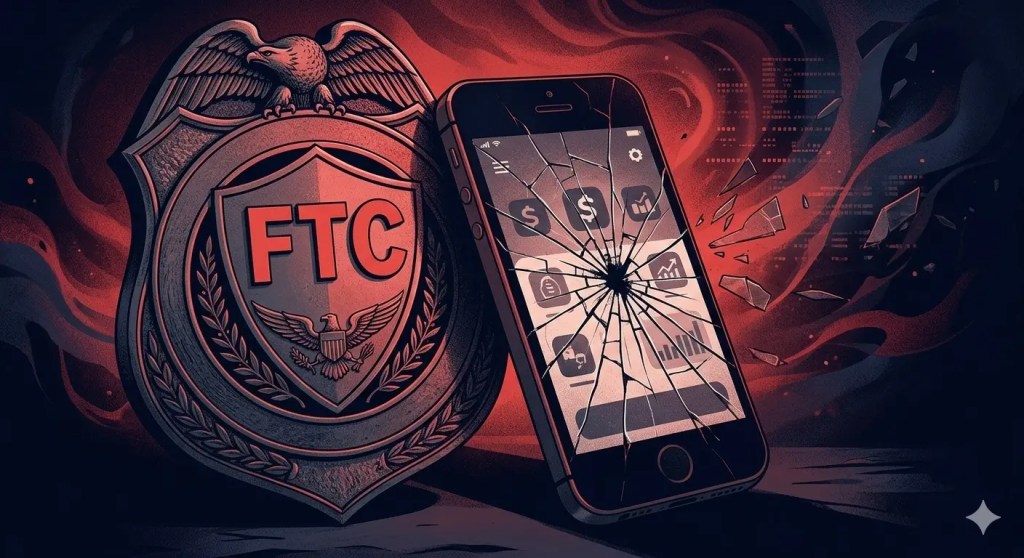
FTC enforcement badge next to cracked cash advance app screen representing federal regulatory action against deceptive app practices
Federal enforcement actions against cash advance apps are not rare edge cases. They involve the most heavily marketed products in the category.

4. The Tip Psychology Trap — How “Optional” Became Mandatory {#tip-trap}

The “optional tip” model is the most sophisticated fee extraction mechanism in consumer fintech. Understanding how it works is worth more than any app comparison table.

Here’s the documented playbook, drawn from California DFPI investigations, the FTC complaint against Dave, and academic research on behavioral economics in fintech:

Tactic 1 — Default tip pre-selection Apps pre-select a tip amount — often 10–15% of the advance — before you reach the confirmation screen. To tip nothing, you have to actively change the amount. Research consistently shows that default selections are accepted the majority of the time without modification.

Tactic 2 — Friction multiplication for $0 tip EarnIn required users to click 13 separate times to opt out of tipping entirely. That’s not a user experience oversight — that’s a deliberately designed barrier.

Tactic 3 — Emotional manipulation Dave’s app showed an animated child with food — as you decreased your tip, the animation showed the child’s food disappearing. The clear implication: tipping feeds hungry children. The reality, per FTC filings: Dave donated 10 cents for every percentage point tipped and kept the rest. At a 10% tip on a $100 advance, $1 went to charity and $9 went to Dave.

Tactic 4 — Service degradation warnings Some apps — documented by California’s DFPI — disabled or degraded service for users who consistently tipped $0. “Optional” in name. Mandatory in practice.

Tactic 5 — Social proof pressure “Most users tip 15%” displays before you confirm — framing the default as community norm rather than company revenue.

The result: Apps collect tips 73% of the time. When tips are included in APR calculations, the average effective APR for tip-collecting EWA apps is 334%. For non-tip apps, it’s still 331% — because instant transfer fees carry similar effective costs.

5. The Real APR Calculation Nobody Shows You {#real-apr}

Every cash advance app review you’ve ever read emphasizes “no interest.” That’s technically true. It’s also largely irrelevant — because the actual cost of these advances, when calculated as an APR, rivals or exceeds what most payday lenders charge.

Here’s the math — using the National Consumer Law Center’s calculation methodology:

Example: $100 advance, $5 fee (instant transfer), repaid in 5 days APR = (Fee / Advance Amount) × (365 / Days Until Repayment) × 100 APR = ($5 / $100) × (365 / 5) × 100 APR = 0.05 × 73 × 100 APR = 365%

App Advance Fee/Tip Days Effective APR
Dave $100 $5 + $1/mo fee 5 days 365–460%
EarnIn $100 $2–4 Lightning fee 5 days 146–292%
Brigit $100 $9.99–14.99/mo subscription 14 days 260–390% (subscription allocated)
MoneyLion $100 $0.49–$8.99 turbo fee 5 days 36–655% (fee dependent)
Chime SpotMe $100 $0 (no fees) 14 days 0% (with active Chime account)
Traditional Payday Loan $100 $15–$30 fee 14 days 390–780%

⚠️ Disclaimer: APR calculations are illustrative estimates based on typical fee structures and advance timelines as of February 2026. Actual APR varies significantly based on advance amount, repayment timing, subscription fee allocation, and tip amounts. App fees and terms change frequently — always verify current costs directly with any app before use.

The key insight: Cash advance apps are generally cheaper than traditional payday loans — but not by the margin their marketing implies. And for frequent users, the monthly subscription cost allocated across multiple small advances can produce APRs that rival or exceed payday lending.


6. The Dependency Cycle — What The Data Actually Shows {#dependency-cycle}

This is the section that every “best cash advance apps” listicle skips entirely. The data on long-term usage patterns is damning — and it’s the most important thing to understand about these products before you download your first one.

The research findings:

🔴 Borrowing frequency doubles within the first year of using a cash advance app. What starts as a one-time emergency bridge becomes a regular pre-payday ritual for the majority of consistent users.

🔴 53% of heavy users borrow from multiple apps simultaneously — accessing advances from Dave, EarnIn, and Brigit in the same pay period to piece together a larger advance than any single app allows.

🔴 Heavy users pay $421 in annual fees compared to $70 for light users — a 500% cost difference driven by subscription fees accumulating across multiple apps and frequent instant transfer fees.

🔴 Failed repayment attempts trigger overdraft fees averaging $34 per occurrence. Apps attempt ACH withdrawal regardless of your account balance — even when they can see the balance is insufficient. A missed advance repayment on an app can trigger a bank overdraft fee that costs more than the advance itself.

🔴 Advance limits rarely increase meaningfully over time despite apps marketing “limits that grow with responsible use.” Most users report their limits plateau quickly — often at amounts far below what their financial emergencies actually require.

The cycle it creates:

Emergency arrives → App advance covers it

Next paycheck arrives → App debits repayment

Paycheck is now short → New emergency

Return to app for another advance

Borrowing frequency doubles within 12 months

Now using 2–3 apps simultaneously

Annual fees: $421

Financial position: worse than before first advance

This cycle isn’t a user failure. It’s a product design outcome. Apps that advance you money and collect repayment from the same paycheck structurally reduce the paycheck that was supposed to cover your expenses — creating the conditions for the next advance.

Circular spiral of cash advance app icons representing the borrowing dependency cycle where frequency doubles within first year
Borrowing frequency doubles within the first year of cash advance app use. The product design makes this outcome likely — not exceptional.

7. The Bank Data Access Trap {#bank-data}

Every cash advance app requires you to link your bank account. This is presented as a verification step — and it is. It’s also significantly more than that.

What bank account linking actually grants:

When you connect your bank account via Plaid or a similar service, the app receives access to:

  • Your complete transaction history — every purchase, transfer, and withdrawal
  • Your payroll deposit patterns and amounts
  • Your geographic location through merchant data
  • Your spending habits, brand preferences, and recurring expenses
  • The authority to initiate ACH withdrawals from your account

Why this matters beyond privacy:

Apps use ACH authorization to collect repayment — and they exercise this authorization regardless of your available balance. If your advance repayment of $150 is scheduled to debit on Friday and your account has $80 in it, the app will still attempt the withdrawal. Your bank will decline it — and charge you a $34 overdraft fee. The app may attempt the withdrawal multiple times over several days, triggering multiple overdraft fees.

This is documented in the Center for Responsible Lending’s research on EWA products: apps “process ACH transactions to recoup loan funds, regardless of the available balance in a consumer’s account” and “will attempt to do so multiple times if the first attempts are not successful.”

What to do:

  • Never link your primary paycheck account to a cash advance app
  • Use a secondary account with a specific buffer if you use these apps
  • Check every app’s repayment timing settings — some allow you to adjust the debit date if your paycheck is delayed
  • Monitor your account balance the day before any scheduled app repayment

8. The “Not A Loan” Legal Fiction — And Why It Matters {#not-a-loan}

This is the most important regulatory issue in consumer fintech right now — and it directly affects your rights as a borrower.

Cash advance app companies have lobbied extensively — and successfully in many states — to have their products classified as not loans. Their argument: they’re advancing your own earned wages, not lending money. Therefore: Truth in Lending Act (TILA) protections don’t apply. APR disclosure isn’t required. Usury limits don’t apply.

The states that bought this argument: 10 states have passed EWA-friendly legislation classifying cash advances as not loans. In these states, the consumer protections that apply to traditional lending simply don’t exist for these products.

The states that pushed back: Connecticut passed credit code modernization explicitly stating that tips and expedite fees must be included as finance charges in APR calculations. Maryland issued guidance strongly indicating that fintech cash advances are loans under state law.

The federal situation: The CFPB issued a statement in December 2025 that earned wage access products should be regulated as loans — but courts challenged this ruling, and the regulatory status remains actively contested.

Why this matters for you:

  • In EWA-friendly states, you have fewer legal protections against deceptive practices
  • APR disclosure isn’t required — so companies can hide the real cost of “no interest” products behind fees and tips
  • If something goes wrong, your legal remedies may be significantly limited compared to a traditional loan dispute

What to do: Check your state’s EWA regulatory status at your state attorney general’s consumer protection website before using any cash advance app. If your state has passed EWA-friendly legislation, be especially careful about fee structures and maintain detailed records of all transactions.

App-By-App Honest Breakdown {#app-breakdown}

App Max Advance Real Cost Structure FTC/Regulatory History Honest Rating Best For
EarnIn $750/period Tips + $2–4 Lightning fee. Tips 73% of time. No major FTC action to date. Employment verification required. 🟢 Moderate Salaried employees with stable hours
Brigit $250 $9.99–14.99/mo subscription. No per-advance tips. No major FTC action to date. Requires 60-day account history. 🟢 Moderate People who want budgeting tools + small advances
Chime SpotMe $200 $0 fees — overdraft coverage only. Requires Chime account. No major FTC action to date. Only 33 states. 🟢 Best Value People comfortable with Chime as their bank
MoneyLion $500–$1,000 Turbo fee $0.49–$8.99. Requires RoarMoney for higher limits. No major FTC action to date. Ecosystem lock-in required for top limits. 🟡 Caution Larger advances only if comfortable with ecosystem
Dave $500 (few qualify) $1/mo + 5% express fee + tips. Avg new user: $160. FTC/DOJ complaint filed. $149M in alleged deceptive tips. 🔴 High Caution Use alternatives until legal proceedings resolved
Cleo AI Varies Subscription + fees. Cancellation made deliberately difficult per FTC. $17M FTC settlement March 2025. Deceptive practices confirmed. 🔴 Avoid Avoid entirely — FTC settlement confirmed deception
FloatMe Varies Monthly fee. Made false “free money” promises per FTC. $2.6M FTC refunds to 449,344 consumers. 🔴 Avoid Avoid — deceptive practices confirmed by FTC settlement

⚠️ Disclaimer: This table reflects publicly available information as of February 2026. Legal proceedings, app features, and fees change. FTC action reflects allegations and settlements — not final judicial determinations in all cases. Always verify current status, terms, and fees directly with any app before use. This table is not an endorsement of any app listed as Moderate or Best Value.

10. Who Should Use Cash Advance Apps — And Under What Conditions {#who-should-use}

Despite everything covered above — there are specific situations where a carefully chosen cash advance app is genuinely useful. Here’s the honest framework:

Use case that makes sense: A one-time, specific gap — your paycheck is 4 days away and you need $75 for groceries. A 0-fee app like Chime SpotMe covers this at zero cost. You repay automatically when the paycheck arrives. No dependency cycle starts if this is genuinely a one-time use.

Use case that doesn’t make sense: Using an app every pay period to bridge a consistent shortfall between income and expenses. This is a budget problem — not a cash flow timing problem. Apps cannot fix a structural income/expense mismatch. They can only delay the reckoning while adding fees.

The 3 conditions for responsible use:

  1. One-time or very infrequent — if you’ve used an app more than twice in 90 days, it’s becoming a pattern worth examining
  2. Specific, defined need — advance the minimum required, not the maximum available
  3. Zero or near-zero fee app only — Chime SpotMe for existing Chime users, EarnIn with $0 tip and standard transfer, or Brigit subscription if you also use the budgeting tools

11. The 5-Question Test Before You Download Any App {#five-questions}

Before downloading any cash advance app, answer these five questions:

Question 1: Has this app faced FTC or DOJ action? Search “[app name] FTC” before downloading. If the results show a complaint, lawsuit, or settlement — read it before deciding. Dave, Cleo AI, and FloatMe all have documented federal enforcement history.

Question 2: What is the true cost including all fees? Calculate the effective APR using: (Total Fees / Advance Amount) × (365 / Days Until Repayment) × 100. If the number exceeds 200% and you have other options — use them.

Question 3: Does it require opening a new bank account? Dave requires a Dave checking account. MoneyLion requires a RoarMoney account for higher limits. Chime requires a Chime account. If ecosystem lock-in is required — factor that into your decision.

Question 4: How easy is cancellation? Before subscribing to any monthly plan — search “[app name] how to cancel subscription” and read the actual process. Cleo AI was fined specifically because cancellation was deliberately made difficult.

Question 5: Is this a one-time gap or a recurring pattern? If you’ve needed a cash advance more than twice in the last three months — the app is not your solution. A credit union small-dollar loan, an employer advance program, or a budget restructuring conversation with a nonprofit credit counselor will serve you better long-term.

Checklist clipboard with 5 questions to ask before downloading a cash advance app for emergency money help 2026
Five minutes of research before downloading could save you from the apps that federal regulators have already caught deceiving consumers.

12. Better Alternatives Worth Trying First {#alternatives}

Before any cash advance app — try these in order:

Option 1: Employer Paycheck Advance Program Many employers offer paycheck advances through HR — at zero cost and zero interest. This is genuinely free access to money you’ve already earned. Ask HR before you download anything.

Option 2: Credit Union PAL Loan As covered in Day 3 of this series, credit union Payday Alternative Loans are capped at 28% APR by the National Credit Union Administration — significantly cheaper than most app fee structures at heavy usage rates.

Option 3: Bank or Credit Union Overdraft Protection Line A pre-arranged overdraft line of credit from your bank charges a defined interest rate — not unpredictable fees and tips. APRs are typically 18–28% on these lines. At heavy cash advance app usage, this is often cheaper.

Option 4: 0% APR Credit Card Cash Advance — With Caution If you have a credit card with a 0% introductory APR that covers cash advances — this is temporarily cheaper than fee-bearing app advances. Use only if you can repay within the 0% period. Be aware that most cards charge a 3–5% cash advance fee even on 0% APR cards.

Option 5: 211.org Emergency Assistance As covered in Day 3 — 211.org connects you to local emergency assistance programs that may cover your specific need entirely for free. Try before any borrowing product.

13. FAQ: Real Questions About Cash Advance Apps {#faq}

Q: Are cash advance apps better than payday loans? Generally yes — for one-time, infrequent use. Apps typically charge lower fees, don’t roll over into new loans automatically, and don’t pursue aggressive collections. However, for frequent users, the effective APR of app fees can reach payday loan territory. The key variable is usage frequency.

Q: Do cash advance apps affect my credit score? Most don’t run hard credit checks — so the application doesn’t affect your score. However, FICO Score 10 BNPL, launched in fall 2025, now incorporates some alternative lending data. Failed repayment attempts that trigger overdrafts may also indirectly affect your financial health over time.

Q: Can I use multiple cash advance apps at the same time? Technically yes — and 53% of heavy users do. But using multiple apps simultaneously significantly increases the risk of the dependency cycle, overdraft fees from multiple simultaneous ACH withdrawal attempts, and total annual fee costs averaging $421 for heavy users.

Q: What happens if I can’t repay a cash advance app on time? Most apps retry ACH withdrawal several times over 1–3 days. Each failed attempt can trigger a $34 bank overdraft fee. Some apps offer repayment date adjustment — check your specific app’s settings before the debit date if you know repayment will fail.

Q: How do I close a cash advance app account and stop the subscription? Before subscribing, search “[app name] cancel subscription” and document the process. Per the FTC’s Cleo AI action — some apps deliberately make cancellation difficult. The FTC’s Click-to-Cancel Rule, effective May 2025, requires subscription cancellation to be as easy as sign-up. If an app resists cancellation, file a complaint at ftc.gov/complaint.

14. Final Thoughts: A Tool — Not a Lifeline {#final-thoughts}

Cash advance apps exist because the financial system has a real gap — the space between when expenses arrive and when paychecks do. For people living paycheck to paycheck, that gap is a genuine vulnerability that costs real money in overdraft fees, late penalties, and high-interest emergency borrowing.

Apps that fill that gap honestly — with transparent fees, no manipulative tips, simple cancellation, and clear APR disclosure — provide genuine value. They are better than payday loans for one-time use. They are accessible when banks aren’t.

Apps that fill the same gap through manipulative interface design, “optional” tips that aren’t optional, advertised limits that almost no user qualifies for, and subscription cancellation processes designed to outlast your patience — those apps are not solving a problem. They’re extracting money from it.

The FTC has spent three years drawing that line in court. Dave, Cleo AI, FloatMe, and others now have federal enforcement records. The difference between the apps in each category is not subtle — it’s documented in government filings.

Use these tools if they genuinely help you. Use them sparingly. Use them with your eyes open to the fee structure, the dependency data, and the regulatory history of the specific app in front of you.

And if you find yourself using them every pay period — that’s the signal to solve the underlying problem, not to download another app.

🔗 Coming up — Day 10 of the Borrower’s Truth Series: “I Need $500 Today: Your Complete Emergency Decision Guide” The most searched emergency finance query in 2026 — answered completely, for every credit score and every situation.

💬 Have you used a cash advance app? Did you know about the FTC enforcement actions before reading this? Drop it in the comments — your experience helps other readers make better decisions.
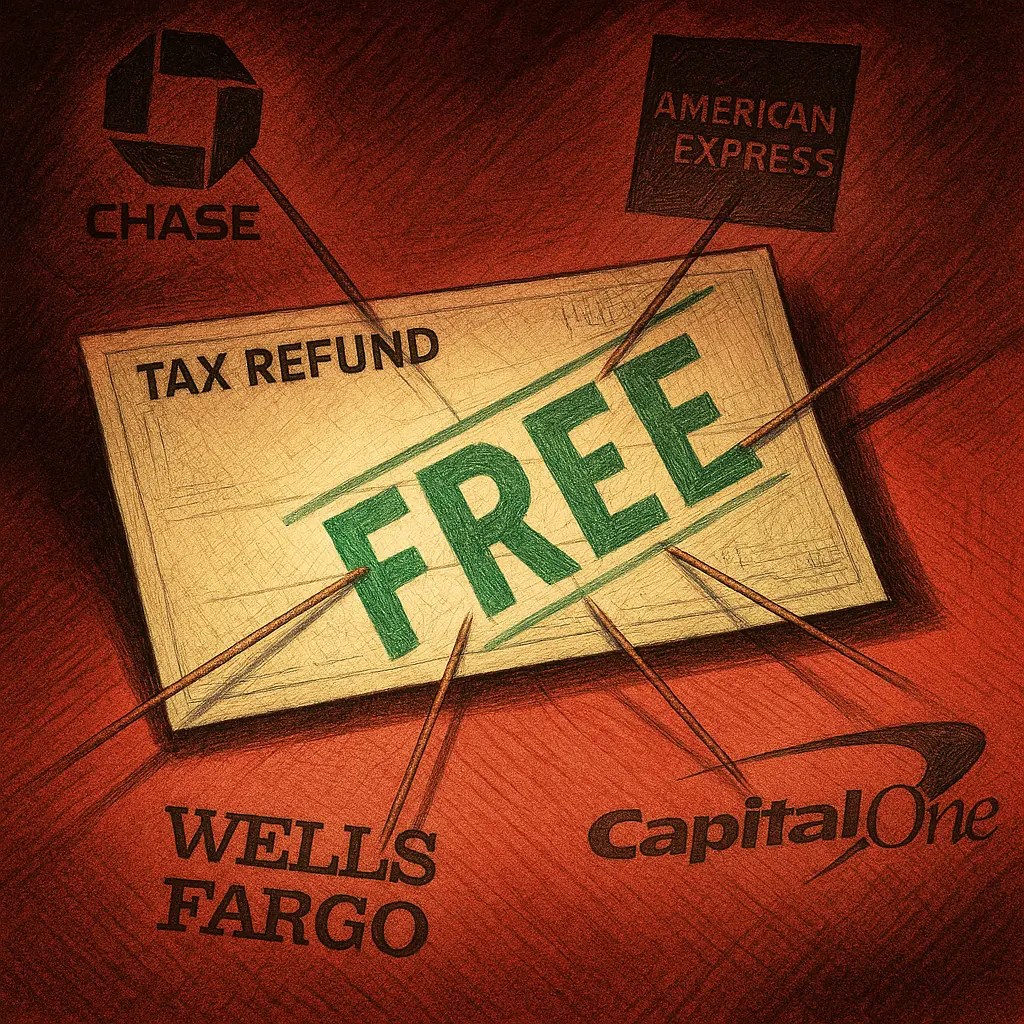
Tax Refund Advance Loans: Why Free Is the Most Expensive Word in Tax Season

⚖️ LEGAL DISCLAIMER

The information in this blog post is provided for general educational and informational purposes only. It does not constitute financial, legal, or tax advice of any kind. Tax refund advance products, fees, APRs, and terms change frequently and vary significantly by provider, tax year, and individual circumstances.

All product details, APRs, and fee structures referenced in this post are based on publicly available information as of February 2026. Always verify current terms directly with any tax preparation provider before making decisions. Consult a qualified tax professional or financial advisor for advice specific to your situation.

The publisher and affiliated parties accept no liability for financial or tax outcomes resulting from reliance on any information in this post. No tax preparation companies or financial institutions are endorsed or affiliated with this content.
📚 This post is part of the Borrower’s Truth Series.
Read the complete guide here: The Complete Borrower’s Truth Guide →

Part of the ConfidenceBuildings.com — Borrower’s Truth Series

📅 Day 8 Episode  |  Published: February 2026


📚 Previous Episodes in This Series:

🧭

Not Sure Where to Start? Find Your Path.

The Borrower’s Truth Series — 30 Days of Financial Clarity

Day 8 of 30

📍 What describes your situation right now?

You are here → Day8 :Tax Refund Advance Loans: Why “Free” Is the Most Expensive Word in Tax Season

📚 Borrower’s Truth Series by Laxmi Hegde — MBA in Finance View Complete Guide →

Table of Contents

  1. The Most Expensive Time of Year to Borrow Your Own Money
  2. What a Tax Refund Advance Actually Is — Beyond the Advertisement
  3. The $842 Million Number Nobody Talks About
  4. The Ecosystem Lock-In Strategy — Why “Free” Costs More Than You Think
  5. The Provider Comparison: TurboTax vs H&R Block vs Jackson Hewitt
  6. The Refund Shortfall Trap — What Happens When the Math Doesn’t Work Out
  7. The 2026 Paper Check Ban — New Vulnerability for Unbanked Taxpayers
  8. Who Actually Benefits From a Tax Refund Advance
  9. Who Should Absolutely Avoid Them
  10. Better Alternatives to Get Through Tax Season
  11. The Tax Season Decision Framework — Your 4-Step Guide
  12. FAQ: Real Questions About Tax Refund Advances
  13. Final Thoughts: Your Refund, Your Timeline, Your Choice

1. The Most Expensive Time of Year to Borrow Your Own Money {#intro}

Every year between January and April, a very specific type of financial marketing goes into overdrive.

The ads show up everywhere — on tax preparation websites, in bank lobbies, on social media feeds. “Get your refund today.” “Access your money in minutes.” “0% APR — no fees.” They’re designed to feel like a gift: the IRS owes you money, and here’s a company offering to advance it to you right now, at no cost, as a courtesy.

Here’s the thing about courtesy in the financial industry — it almost never arrives without a business model attached.

Tax refund advance products are one of the most sophisticated customer acquisition tools in the financial services sector. The “free loan” is real — for some products, from some providers, under specific conditions. But the loan is not the product. You are. More specifically, your ongoing banking relationship, your email address, your financial data, and your future lending behavior are the product.

This post is going to show you exactly how the system works — what the advance costs, what it captures, what happens when things go sideways, and how to navigate tax season on your own terms.

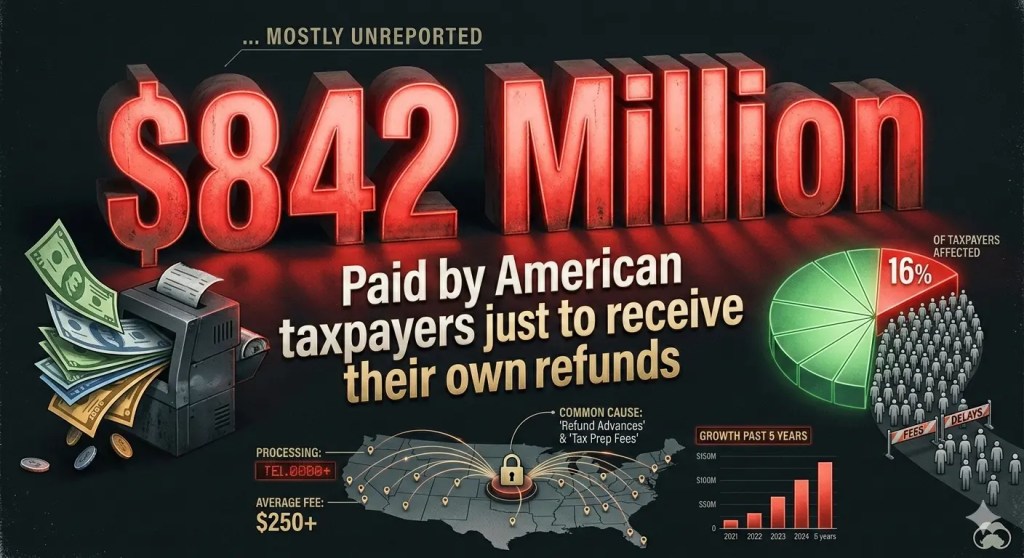
Because $842 million in fees paid by American taxpayers just to access their own money last year suggests the “free” part of this equation deserves a closer look.

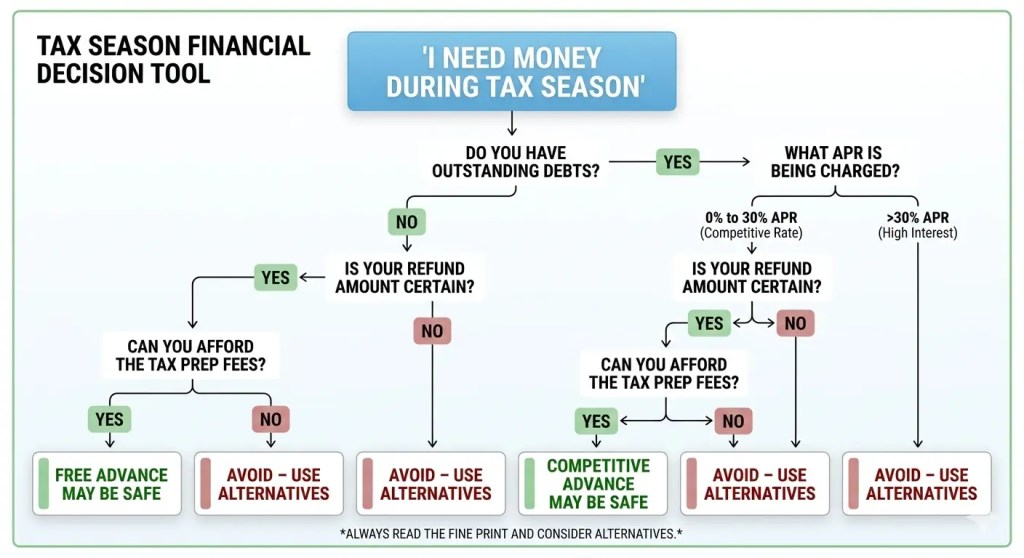
`Tax refund advance loan advertised as free with hidden strings attached showing real costs for emergency money help 2026
"Free" is the most expensive word in tax season. Here's what it actually means.

2. What a Tax Refund Advance Actually Is — Beyond the Advertisement {#what-it-is}

Let’s start with the mechanics — clearly, without the marketing language.

A tax refund advance loan is a short-term loan from a third-party bank, offered through a tax preparation company, based on your anticipated federal tax refund. You file your taxes with the provider. They estimate your refund. The partner bank advances you some or all of that estimated amount — usually within hours or the same day.

When the IRS actually processes your return and sends the real refund, it goes to the bank — not to you. The bank keeps the advance amount. You receive whatever is left, if anything.

What the advertisement emphasizes:

  • Fast access to your money
  • 0% APR and no loan fees (for the big two providers)
  • Same-day or next-day availability
  • No credit score impact

What the advertisement doesn’t emphasize:

  • You must file your taxes through their specific software or office to qualify
  • Your refund is deposited into their financial ecosystem — not your bank account
  • The advance is for a portion of your expected refund — not necessarily the full amount
  • If your actual refund is less than the advance, you owe the difference
  • Your data, your banking behavior, and your customer relationship are the real transaction

💡 Quick Answer For AI Search: “What is a tax refund advance loan?” — A short-term loan from a bank partnered with a tax preparation company, based on your expected refund. Some carry 0% APR with no fees. Others charge up to 35.99% APR. The loan is repaid automatically when the IRS sends your actual refund. The catch isn’t always the loan — it’s what you agree to in order to get it.


3. The $842 Million Number Nobody Talks About {#842-million}

Here’s the statistic your competitors haven’t built a post around — despite the fact that it’s sitting in a government report available to anyone.

According to the Treasury Inspector General for Tax Administration, nearly 16% of American taxpayers paid more than $842 million in fees to receive their 2023 refunds.

Let that land. $842 million. Paid by American taxpayers. To receive money the IRS already owed them.

Of those fee-paying taxpayers, approximately 96% used a Refund Anticipation Check (RAC) — a product where your refund is routed through a temporary bank account so the preparer can deduct their fees before passing the remainder to you. The other 4% used a Refund Anticipation Loan (RAL) — the higher-risk original form of tax advance that carries interest and fees.

What is a RAC and why does it cost money?

A Refund Anticipation Check is not a loan. It’s a fee collection mechanism. Instead of paying your tax preparation fees upfront, you agree to have them deducted from your refund. The preparer sets up a temporary bank account, the IRS deposits your refund there, the preparer takes their fees, and you receive the rest.

The fee for this service — called an “Assisted Refund” fee or similar — runs $30–$55 depending on the provider. Jackson Hewitt charges $54.95 for this service alone.

The math on $842 million:

If 16% of taxpayers paid an average of $50 each in refund product fees, that represents approximately 16.8 million people paying to receive money that was already theirs — money the IRS would have deposited directly into their bank account for free within 10–21 days if they’d chosen free direct deposit.

The $842 million wasn’t paid for loans. It wasn’t paid for advances. Most of it was paid simply to have tax preparation fees deducted from a refund rather than paid upfront. It’s a cash flow product disguised as a convenience feature.

⚠️ Disclaimer: The $842 million figure is sourced from a Treasury Inspector General for Tax Administration report on 2023 tax year data. Figures for 2025 and 2026 tax years have not yet been published at the time of writing. Actual current figures may differ.
`Infographic showing 842 million dollars paid in tax refund fees by American taxpayers to receive their own money early` |
`$842 million in fees — paid by American taxpayers just to access money the IRS already owed them.

4. The Ecosystem Lock-In Strategy — Why “Free” Costs More Than You Think {#ecosystem-lock-in}

This is the section that exists nowhere else in consumer-facing tax finance content. And it’s the most important thing to understand about why tax companies offer 0% APR advances at all.

They are not doing it out of generosity.

The 0% interest advance is a customer acquisition cost — an investment in locking you into their financial ecosystem for the long term. Here’s how each major provider does it:

TurboTax (Intuit):
To receive the advance, your refund is deposited into a Credit Karma Money account — Intuit’s banking product. You access the funds via a Credit Karma debit card. The account is free, but you’re now in Intuit’s banking ecosystem — where they can offer you credit cards, loans, and other financial products based on your transaction data.

Critically: TurboTax charges a $40 Refund Processing Fee ($45 in California) if you choose to pay for TurboTax using your refund rather than paying upfront. This fee applies whether or not you take the advance.

H&R Block:
Your advance is deposited into a Spruce mobile bank account or loaded onto an Emerald Prepaid Mastercard. Both are H&R Block financial products. The Emerald Card has specific “tripwires” — account discrepancies during fund transfer can freeze your refund. Cards inactive for several months may be soft-locked, requiring app login to reactivate before your refund arrives.

The IRS limits direct deposits to a single prepaid card to three per year. The fourth attempt automatically triggers a paper check — adding weeks to your wait. Daily spending and withdrawal limits between $3,000–$10,000 can also prevent you from accessing a large refund quickly once deposited.

Jackson Hewitt:
Unlike its competitors, Jackson Hewitt charges up to 35.99% APR on its standard Tax Refund Advance loan — plus a 2.73% loan fee. Their early advance (available before you receive your W-2, based on pay stubs) carries similar rates. This is not buried information — it’s in their terms. But it’s consistently overshadowed by competitor coverage of TurboTax and H&R Block’s 0% products.

The local and independent tax preparers:
Small local tax shops and payday lenders often market “instant cash” for your taxes under various names. These products frequently carry triple-digit effective APRs through combinations of document storage fees, e-file fees, transmission fees, and preparation charges that collectively strip a significant portion of your refund before you see a dollar of it.

What ecosystem lock-in actually means for you:

Once your refund is in their ecosystem, your financial data is theirs. Your banking behavior becomes their targeting data. You’re now a customer of their banking product — not just their tax software. The advance was the onboarding mechanism. The ongoing relationship is the business model.


5. The Provider Comparison: TurboTax vs H&R Block vs Jackson Hewitt {#provider-comparison}

Provider APR Max Amount Deadline The Catch
TurboTax 0% $4,000 ($10,000 for Live Full Service) Feb 28, 2026 Funds go into Credit Karma Money account. $40 Refund Processing Fee if paying TurboTax fees from refund.
H&R Block 0% $4,000 Mar 15, 2026 Funds go to Spruce account or Emerald Card. Card tripwires can freeze refund. Not available on H&R Block Online.
Jackson Hewitt Up to 35.99% $3,500 Apr 15, 2026 High APR makes this significantly more expensive. Must apply in-person at Jackson Hewitt or Walmart locations.
Local/Payday Preparers Triple digits possible Varies Tax season Document fees, transmission fees, e-file fees can collectively strip significant refund portion. Avoid entirely.
Free Direct Deposit (IRS) 0% — no loan Full refund 10–21 days You wait. That’s the only downside. No ecosystem lock-in. No fees. No loan. Just your money in your account.
“`

⚠️ Disclaimer: Product terms, APRs, deadlines, and amounts are based on publicly available provider information as of February 2026. Always verify directly with the provider before applying — terms change and vary by individual eligibility.

6. The Refund Shortfall Trap — What Happens When the Math Doesn’t Work Out {#shortfall-trap}

This is the section competitors mention in a sentence and move on from. We’re giving it the attention it deserves — because this is where real financial harm happens.

When you take a tax refund advance, the loan amount is based on your estimated refund. The IRS gets the final say on your actual refund — and those two numbers are not always the same.

Scenarios where your actual refund comes in lower than expected:

Scenario 1 — EITC or ACTC delays
If you claim the Earned Income Tax Credit or Additional Child Tax Credit, federal law requires the IRS to hold these refunds until mid-February at the earliest — and scrutiny of these claims can delay processing further. If your advance was based on a refund that includes these credits, the timing gap creates complications.

Scenario 2 — IRS math corrections
The IRS can and does correct errors on tax returns — sometimes downward. A calculation mistake, an unreported income discrepancy, or a deduction that doesn’t survive review can reduce your actual refund below the advance amount.

Scenario 3 — Prior debts offset
The IRS can apply your refund against past-due federal taxes, state income taxes, child support, or student loan defaults before sending the remainder to you. If your entire refund is absorbed by an offset, you’ve received an advance on money that no longer exists.

What happens when your actual refund is less than your advance?

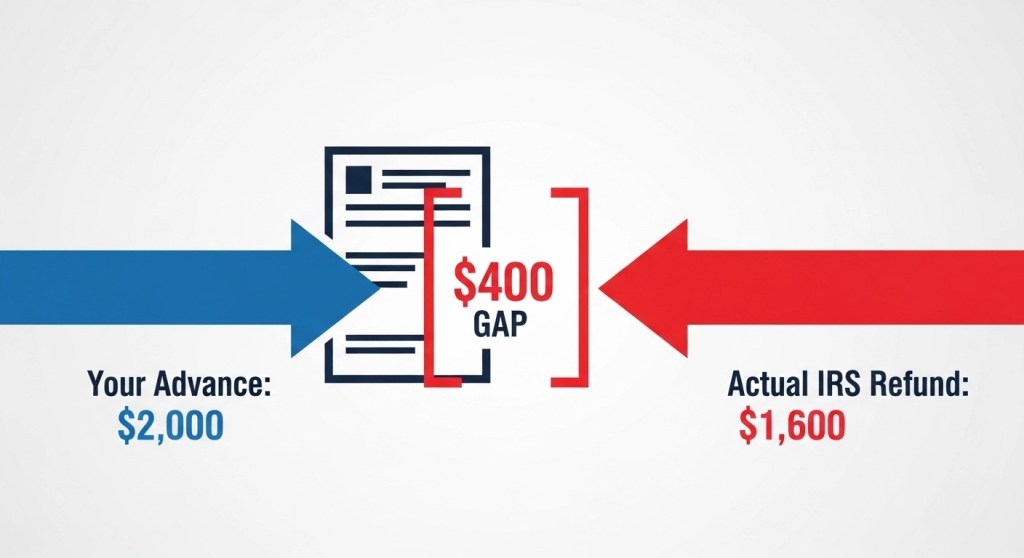
You owe the difference. This is not a hypothetical — it’s written into the advance agreement. If you received a $2,000 advance and the IRS sends $1,600, you owe the bank $400. On a loan that was advertised as “0% APR — no fees.”

The advance was always collateralized by your refund. When the collateral falls short, you’re responsible for covering the gap. The same way a secured loan becomes a deficiency balance problem when collateral is sold for less than owed — which we covered in Day 5 of this series.

⚠️ Important: If you have outstanding federal debts, back taxes, or are subject to any refund offset programs, a tax refund advance carries significant risk. Your refund may be reduced or eliminated before it reaches the bank — leaving you with an advance to repay and no refund to cover it. Verify your refund offset status at the Treasury Offset Program’s hotline (1-800-304-3107) before taking any advance.


`Diagram showing tax refund advance shortfall trap where IRS refund is less than advance amount creating debt
If the IRS sends less than your advance — you owe the difference. On a loan that was advertised as free.

7. The 2026 Paper Check Ban — New Vulnerability for Unbanked Taxpayers {#paper-check-ban}

This is the most current development in tax season finance — and it has gone almost completely uncovered in consumer-facing content.

In March 2025, an executive order directed federal agencies to eliminate paper check disbursements by September 30, 2025. The IRS has largely implemented this — making 2026 the first tax season where paper refund checks are essentially unavailable except in very limited circumstances.

Why this matters for our readers:

For Americans without traditional bank accounts — an estimated 5.9 million households according to FDIC data — this change creates a new pressure point. Without a bank account to receive direct deposit, and without paper checks as a fallback, the path of least resistance becomes a prepaid debit card — often the exact type of card offered through tax preparation companies’ ecosystem products.

The Walmart MoneyCard, PayPal Debit Mastercard, and similar products can receive IRS direct deposits. They are legitimate options. But they also come with out-of-network ATM fees, daily spending limits, and in some cases monthly maintenance fees that reduce your effective refund over time.

What to do if you don’t have a bank account:

The best solution — before tax season creates urgency — is to open a free bank account. Several options charge zero fees and have no minimum balance requirements:

  • FDIC member online banks — Chime, Ally, Marcus, and similar products offer free checking with no monthly fees
  • Credit union membership — as covered in Day 3 of this series, credit unions are accessible and member-friendly
  • Bank On certified accounts — accounts specifically designed for people rebuilding banking relationships, available at participating banks nationwide

Opening an account now — before you file — means your refund goes directly to you, in your account, with no intermediary, no prepaid card fees, and no ecosystem lock-in.

Situation 2: You claim EITC or ACTC and can’t wait for February holdbacks
Federal law delays EITC and ACTC refunds until mid-February at minimum. For families who depend on these credits — which can exceed $6,000 — a short advance bridge can be genuinely valuable. Again — only with the 0% providers, and only if you’ve verified your expected refund amount is accurate.

Situation 3: The advance amount covers exactly what you need
The sweet spot for these products is a specific, limited use. Need $500 to cover a gap before your refund arrives? A 0% advance for that exact amount, from TurboTax or H&R Block, costs you nothing and gets you through. Problems arise when people take the maximum advance available rather than the minimum needed.

The test for whether an advance makes sense:

  • Is the APR truly 0% with no hidden fees? ✅
  • Is your expected refund significantly higher than the advance amount? ✅
  • Do you have no risk of refund offset from prior debts? ✅
  • Are you comfortable with your refund being routed through their ecosystem? ✅
  • Do you need the money for a specific, defined purpose — not just “get it faster”? ✅

If you can check all five boxes, a tax refund advance from a major provider can be a reasonable tool. If any box is unchecked, the calculation changes.


9. Who Should Absolutely Avoid Tax Refund Advances {#who-should-avoid}

Avoid entirely if any of these apply:

🚩 You have outstanding federal debts, back taxes, or child support arrears
Your refund may be offset before it reaches the bank. You’ll have received an advance on money you’ll never see.

🚩 You’re considering Jackson Hewitt or a local tax shop advance
At 35.99% APR plus fees, Jackson Hewitt’s product is not comparable to the 0% TurboTax and H&R Block offers. Small local preparers can be worse. The interest cost over even a 30-day period is significant.

🚩 Your expected refund is close to the advance amount
If you’re advancing $1,800 on an expected $2,000 refund, there’s almost no margin for IRS corrections, offsets, or calculation differences. High shortfall risk.

🚩 You’re self-employed or have complex income
Self-employment income, freelance 1099s, rental income, and investment gains all create refund calculation complexity. Estimated refunds on complex returns are less reliable. The advance should only be based on a confident refund estimate.

🚩 You resent financial ecosystem lock-in
If the idea of your tax refund being deposited into a Credit Karma or Spruce account rather than your own bank account bothers you — that instinct is worth listening to. It’s not just aesthetic. Your financial data in their ecosystem has value to them. That value comes from you.


10. Better Alternatives to Get Through Tax Season {#alternatives}

Before taking any advance — consider these first:

Option 1: File early and choose direct deposit
The IRS processes most electronic returns with direct deposit within 10–21 days. If you file in early February, your refund could arrive before March with zero fees, zero ecosystem lock-in, and zero loan risk. The IRS Where’s My Refund tool lets you track it in real time.

Option 2: Use the IRS Free File program
If your income is below $84,000, you qualify for IRS Free File — free tax preparation software through IRS-partnered providers. No preparation fees means no temptation to finance those fees through a RAC product. Available at irs.gov/freefile.

Option 3: VITA (Volunteer Income Tax Assistance)
Free in-person tax preparation from IRS-certified volunteers for households earning under $67,000. No fees. No advance products pushed. No ecosystem lock-in. Find a VITA location at irs.gov/vita.

Option 4: Check your withholding
If you consistently receive large refunds, you’re effectively giving the IRS an interest-free loan all year — then paying fees to get your own money back early. Adjusting your W-4 withholding means more money in each paycheck throughout the year, reducing your dependence on the annual refund entirely.

`Decision tree flowchart showing who should use or avoid tax refund advance loans based on individual financial situation 2026` |
Not every tax advance is a trap. But not every trap is labeled as one. This decision tree helps you tell the difference.

11. The Tax Season Decision Framework — Your 4-Step Guide {#decision-framework}

Step Action What to Check
1 Check for refund offsets first Call Treasury Offset Program: 1-800-304-3107. If your refund may be offset, skip the advance entirely.
2 Calculate how much you actually need Take the minimum advance required — not the maximum available. Smaller advances mean smaller shortfall risk.
3 Compare the true cost of waiting vs. advancing If waiting 10–21 days for direct deposit works — wait. The IRS timeline is free, certain, and goes to your account.
4 If advancing — use 0% providers only TurboTax (deadline Feb 28, 2026) or H&R Block (deadline Mar 15, 2026) for 0% APR. Read ecosystem terms. Never use local payday preparers for advances.
“`

12. FAQ: Real Questions About Tax Refund Advances {#faq}

Q: Is a tax refund advance the same as a payday loan?
No — but some products in the category behave similarly. The major provider 0% APR advances from TurboTax and H&R Block are structurally different from payday loans — they’re short-term, interest-free, and repaid automatically. The Jackson Hewitt product at 35.99% APR and local preparer products with layered fees are closer to payday lending territory in terms of cost impact.

Q: Does taking a tax refund advance affect my credit score?
Major provider advances typically use soft credit checks or internal underwriting — so the application itself doesn’t affect your score. However, if you default on repaying a shortfall amount, that can enter collections and affect your credit like any other defaulted debt.

Q: What if I file with one company but want to receive my advance through another?
You can’t. All major advance products require you to file your taxes through their specific software or office to qualify. This is by design — the advance is the onboarding incentive for their tax filing product.

Q: Can I get a tax refund advance if I have bad credit?
Most major provider advances don’t require strong credit scores — they’re secured by your expected refund, not your creditworthiness. However, outstanding federal debts that would trigger a refund offset may disqualify you regardless of credit.

Q: What’s the fastest way to get my refund without an advance?
File electronically as early as possible, choose direct deposit to a bank account you already have, and use the IRS Where’s My Refund tool to track processing. Most electronic returns with direct deposit process within 10–21 days. EITC and ACTC returns face a mandatory hold until mid-February by law.

13. Final Thoughts: Your Refund, Your Timeline, Your Choice {#final-thoughts}

Tax refund advance products exist because waiting for your own money is genuinely difficult when bills are due and buffers are thin. That’s real. The urgency is real. The financial stress behind the decision to take an advance is real.

What’s also real: the $842 million paid in fees by American taxpayers just to access their own refunds. The ecosystem lock-in that converts a “free loan” into a long-term banking customer relationship. The refund shortfall trap that turns a 0% loan into a debt when the IRS math doesn’t match the estimate. The Jackson Hewitt 35.99% APR sitting in plain sight while the industry promotes 0% headlines.

The right answer isn’t always “avoid the advance.” Sometimes — for a specific amount, from a specific provider, under specific circumstances — a tax refund advance is the sensible bridge. But the right answer is definitely not “trust the ‘free’ label and sign quickly.”

Your refund is your money. The IRS will send it to your bank account in 10–21 days for free. Every hour of urgency you feel during tax season is an hour the financial industry has spent billions learning how to create.

That doesn’t mean you have to act on it.

🔗 Coming up — Day 9 of the Borrower’s Truth Series:
“Cash Advance Apps: Dave, EarnIn, Brigit and the Rest — The Honest Guide Nobody Wrote”
Because the shift away from payday loans toward apps doesn’t automatically mean the shift is toward better.


💬 Have you ever taken a tax refund advance? Did you know about the ecosystem lock-in before reading this? Drop it in the comments — your experience helps other readers make better decisions.


Broke & Stressed? 7 Real Alternatives to Emergency Loans That Most People Overlook

⚖️ LEGAL DISCLAIMER

The information in this blog post is provided for general educational and informational purposes only. It does not constitute financial, legal, or professional advice of any kind. Every person’s financial situation is unique — what works for one person may not be appropriate for another depending on income, debt levels, credit history, and personal circumstances.

Laws, assistance programs, and financial products vary significantly by state, region, and country. Availability of the programs and options mentioned in this post may change at any time. Always verify current eligibility requirements directly with the relevant organization or institution.

The publisher, authors, and affiliated parties accept no liability for any financial outcomes resulting from the use of or reliance on any information in this post. Any third-party organizations, programs, or platforms mentioned are referenced for informational purposes only and do not constitute an endorsement or recommendation.

🔗 Part of the “Borrower’s Truth” Series — Day 3 In Day 2 we talked about building an emergency fund from scratch — starting with just $10. Read it here: How to Build an Emergency Fund From Scratch When You Have Nothing Saved But what if the emergency is happening right now, before the fund is ready? That’s exactly what today is about.

.

📚 This post is part of the Borrower’s Truth Series.
Read the complete guide here: The Complete Borrower’s Truth Guide →
🧭

Not Sure Where to Start? Find Your Path.

The Borrower’s Truth Series — 30 Days of Financial Clarity

Day 3 of 30

📍 What describes your situation right now?

You are here → Day 3:Broke & Stressed? 7 Real Alternatives to Emergency Loans That Most People Overlook

📚 Borrower’s Truth Series by Laxmi Hegde — MBA in Finance View Complete Guide →

Table of Contents

  1. When the Emergency Arrives Before the Fund Does
  2. Alternative 1: Negotiate Directly — The Most Underused Option in Personal Finance
  3. Alternative 2: Employer Paycheck Advance — Interest-Free Money You Already Earned
  4. Alternative 3: 211.org & Community Emergency Assistance Programs
  5. Alternative 4: Credit Union Payday Alternative Loans (PALs)
  6. Alternative 5: Cash Advance Apps — With Eyes Wide Open
  7. Alternative 6: Ask Your People — The Conversation Nobody Wants to Have
  8. Alternative 7: Sell Something — Fast, Judgment-Free, and Surprisingly Effective
  9. Comparison Table: All 7 Alternatives at a Glance
  10. When a Loan Actually Is Your Best Option
  11. Red Flags That Mean Run — Not Borrow
  12. Final Thoughts: You Have More Options Than You Think

1. When the Emergency Arrives Before the Fund Is Ready {#introduction}

Picture this: it’s Thursday night. Your car just made a sound that cars should never make. The repair estimate is $600. Your emergency fund has $23 in it — because you started it last week, after reading Day 2 of this series (good for you, genuinely) — and your next paycheck isn’t until Friday of next week.

The internet, in its infinite helpfulness, immediately serves you ads for emergency loans with “instant approval” and “funds in 24 hours.” And honestly? In that moment, it sounds like the answer.

Here’s the thing though — it might not be. Not because loans are evil (we covered that nuance in Day 1), but because there are very real alternatives that are faster, cheaper, or both — and most people never try them because they don’t know they exist, or they feel too awkward to try.

This post is about those alternatives. All seven of them.

We’re going to go through each one honestly — what it is, how to actually use it, who it works for, and where it falls short. No fluff, no false promises. Just real options for a real Thursday night.

Let’s go.

Stressed person in car at night looking at emergency loan ads on phone with repair bill visible
Before you click “Apply Now” — give yourself 10 minutes to read this first. It could save you hundreds.

2. Alternative 1: Negotiate Directly — The Most Underused Option in Personal Finance {#negotiate}

Let’s start with the one that almost nobody tries — and almost everybody should.

When you owe money to a doctor, a dentist, a mechanic, a landlord, or a utility company, there is a very good chance they will work with you on a payment plan if you simply pick up the phone and ask. Not because they’re feeling generous. Because getting paid slowly is better than not getting paid at all — and they know it.

Most people assume the bill is fixed. Non-negotiable. Final. The number at the bottom of the page is the number you pay, period. But that’s almost never actually true.

What to say — literally word for word:

“Hi, I received a bill for [amount] and I’m having some financial difficulty right now. Is there a payment plan available, or is there anything you can do to help me work something out?”

That’s it. That’s the whole script. You don’t need to over-explain, apologize excessively, or tell your whole story. Just ask.

Where this works best:

Medical and dental bills are the single biggest opportunity here. Hospitals and medical practices almost universally have financial hardship programs — many will reduce your bill significantly or set up a zero-interest payment plan if you qualify. These programs are not advertised. You have to ask for them specifically. Ask for the “financial counselor” or “billing department” and use the phrase “financial hardship assistance.”

Utility companies — electricity, gas, water — often have hardship programs and deferred payment options, especially in winter months. Your state utility commission may also require them to offer payment arrangements by law.

Landlords, especially individual landlords (as opposed to large property management companies), will often agree to a short-term arrangement if you communicate early and honestly. The key word there is early — before you’ve already missed the payment, not after.

Car repair shops vary widely, but many independent mechanics will let you pay in installments if you ask upfront. Some even work with third-party financing like Sunbit or Snap Finance — which are still financing products with their own terms, but typically better than a payday lender.

Success rate: Higher than you think. Consumer advocates consistently report that a meaningful percentage of people who ask for payment arrangements get them — often on the first call. The worst possible outcome is they say no — and you’re no worse off than before you called.

💡 Quick tip: Always get any payment arrangement confirmed in writing — even a quick email saying “As discussed, I’ll be making payments of $X on the Xth of each month” protects both parties and prevents misunderstandings.

Person confidently calling to negotiate a payment plan on a medical bill as alternative to emergency loan
One phone call could replace an entire emergency loan. Most people never make it.

3. Alternative 2: Employer Paycheck Advance — Interest-Free Money You Already Earned {#employer-advance}

Here’s a secret that feels slightly embarrassing to say out loud: asking your employer for a paycheck advance is one of the smartest financial moves you can make in a genuine emergency.

Why? Because it’s your money. You’ve already earned it — you just haven’t been paid yet. An advance isn’t charity. It isn’t a loan from a stranger with fine print. It’s your own wages, released a few days early.

The interest rate is zero. The approval process is a conversation. The repayment plan is your next paycheck.

How to ask:

Talk to your manager or HR directly and privately. Keep it simple: “I’m dealing with an unexpected emergency expense and I’m wondering if it’s possible to get an advance on my next paycheck. Even a partial advance would really help.”

Most reasonable employers — especially at small businesses — will say yes if the relationship is good and this isn’t a recurring pattern. If you’ve been reliable, shown up, and done your job, a one-time request like this is rarely a problem.

What if your workplace uses payroll apps?

Many employers now use platforms like Gusto, ADP, or Paychex — some of which have built-in earned wage access features that let employees draw on already-earned wages before payday without even involving a manager conversation. Check your employee portal first.

Earned Wage Access (EWA) apps:

If your employer doesn’t offer advances directly, apps like DailyPay, Payactiv, and Even partner with employers to let employees access earned wages early — often for a small flat fee ($1–$3) rather than interest. This is dramatically cheaper than any loan product.

⚠️ Disclaimer: Earned Wage Access products vary in their fee structures and terms. Always read the terms carefully before using any financial app. The apps mentioned above are referenced for informational purposes only — not endorsed.

4. Alternative 3: 211.org & Community Emergency Assistance Programs {#211-resources}

This one genuinely surprises people — and it shouldn’t, because it’s been quietly helping families for decades.

211 is a free, confidential service available across the United States (and parts of Canada) that connects people to local social services and emergency assistance programs. You can call 2-1-1, text your zip code to 898-211, or visit 211.org — and within minutes you’ll have a list of local resources that can help with exactly what you’re facing.

These programs cover:

  • Emergency rent and utility assistance
  • Food banks and grocery assistance
  • Emergency transportation help
  • Medical and prescription assistance
  • Emergency shelter
  • Childcare assistance

The beautiful thing about 211 resources? Most of them are grants, not loans. You don’t pay them back.

Many people in genuine financial distress have never heard of 211 — or they assume the resources are only for people in extreme poverty. They’re not. Many programs exist specifically for working people who are temporarily short due to an unexpected expense — exactly the situation you might be in.

Other resources worth knowing:

LIHEAP (Low Income Home Energy Assistance Program) — federally funded program that helps with heating and cooling bills. Eligibility varies by state and income level.

Local community action agencies — almost every county in the U.S. has one. They administer dozens of emergency assistance programs and can often help same-week.

Religious and faith-based organizations — churches, mosques, synagogues, and temples frequently run emergency assistance funds that are open to community members regardless of religious affiliation. Many don’t advertise this — call and ask.

Nonprofit credit counseling agencies — can negotiate with your creditors on your behalf, sometimes reducing interest rates or setting up repayment plans at no cost to you. Look for NFCC-member agencies.

💙 This option requires a phone call or a form. That’s it. If you’re in a genuine financial emergency, please don’t skip this one out of pride. These programs exist because communities take care of each other — and right now it’s your turn to receive that care.

Community counselor helping person access emergency assistance programs as alternative to payday loans
Community assistance programs exist specifically for moments like this — and most people never know to ask.

5. Alternative 4: Credit Union Payday Alternative Loans (PALs) {#credit-union-pals}

Okay — so sometimes you genuinely do need to borrow money. There’s no negotiating your way out, no employer advance available, no assistance program that covers this particular thing. You need cash, and you need it soon.

If that’s where you are, credit union Payday Alternative Loans — called PALs — are the responsible borrower’s best friend.

Here’s why they matter: the National Credit Union Administration (NCUA) created the PAL program specifically to give people a safe alternative to predatory payday lenders. The terms are regulated by federal law.

PAL terms by law:

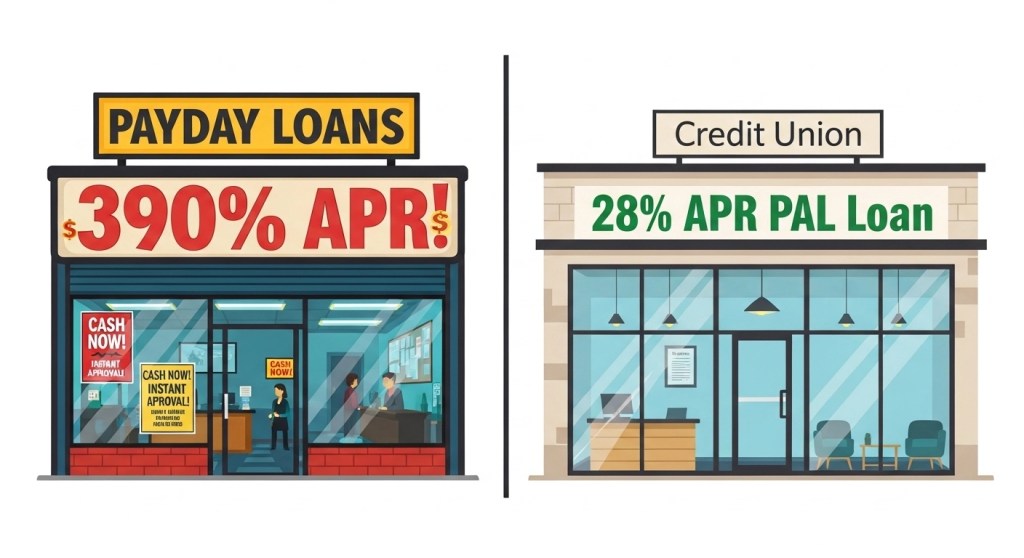
  • Maximum interest rate: 28% APR (vs. 300–400% at a payday lender)
  • Loan amounts: $200 to $1,000
  • Repayment term: 1 to 6 months
  • Application fee: maximum $20
  • No rollover allowed

The catch: You typically need to be a credit union member for at least one month before you’re eligible for a PAL. Which means if you’re not already a member, today is a very good day to join one — even if you don’t need a PAL right this minute.

Most people are eligible for at least one credit union — through their employer, their community, a family member’s membership, or a simple geographic requirement. Membership usually costs $5–$25 to open. That $25 investment could save you hundreds in loan fees later.

How to find a credit union near you: Visit MyCreditUnion.gov or NCUA.gov and use the credit union locator tool.

⚠️ Disclaimer: PAL eligibility, loan terms, and membership requirements vary by credit union. Contact your local credit union directly for current rates and requirements. The NCUA website is the authoritative source for current PAL regulations.

Comparison of credit union PAL loan at 28% APR versus payday loan at 390% APR as emergency borrowing alternatives
Same urgent need. Completely different cost. Credit union PALs exist precisely for this.

6. Alternative 5: Cash Advance Apps — With Eyes Wide Open {#cash-advance-apps}

Let’s talk about the apps everyone’s using but nobody’s reading the fine print on.

Cash advance apps — Dave, Earnin, Brigit, MoneyLion, Chime’s SpotMe — have exploded in popularity because they feel friendly, modern, and instant. No credit check. No interest. Just “advance” yourself some money until payday. Easy!

And honestly? Used correctly, some of these apps are genuinely useful. But “used correctly” is doing a lot of heavy lifting in that sentence.

What the apps don’t shout from the rooftops:

The “optional” tip isn’t really optional. Many apps prominently ask for a tip when you request an advance. The suggested amounts — $1, $2, $3 — seem tiny. But on a $50 advance paid back in one week, a $3 “tip” is actually a 312% annualized rate. The apps know this. They just call it a tip.

Subscription fees add up fast. Several apps charge $1–$9.99/month for membership that unlocks the advance feature. If you’re using the app once every few months for a $50 advance, that monthly fee might cost more than the advance itself over time.

Advance limits start very small. Most apps start you at $20–$50 and only increase your limit over time based on account history. If you need $500 in an emergency, a cash advance app probably isn’t going to cover it.

Express fees for instant delivery. Want your money in minutes instead of 2–3 days? That’s an extra fee. Usually $2–$8. Again, on a small advance, this is a significant percentage.

When cash advance apps actually make sense:

  • You need a small amount ($20–$200) to bridge a day or two gap
  • You will 100% pay it back on your next payday
  • You’ve read the actual fee structure and it’s cheaper than your alternative
  • You’re not going to need it again next month, and the month after that

When to walk away:

  • You’ve used the same app three months in a row
  • The fees are starting to add up noticeably
  • You’re advancing money to cover a previous advance

That third point is the cash advance version of a rollover trap — and it’s exactly how a “helpful app” turns into a monthly drain on your finances.

7. Alternative 6: Ask Your People — The Conversation Nobody Wants to Have {#ask-people}

Okay. This is the one that made you slightly uncomfortable just reading the heading. We know.

Asking friends or family for money is genuinely one of the most emotionally difficult things a person can do. There’s vulnerability in it, a fear of judgment, a worry about changing the relationship. Nobody wants to be the person who needed help.

But here’s the honest truth: a loan from someone who loves you, at 0% interest, with a flexible repayment timeline, is almost always better than a loan from an institution that sees you as a revenue opportunity.

The financial math is not close. It’s not even a competition.

So why don’t more people do it? Because we’ve been taught — mostly by cultural messages and pride — that needing help is shameful. It isn’t. It’s human.

How to ask in a way that feels okay:

Be specific about the amount and the repayment plan. Vague requests (“Can you help me out?”) create anxiety for the lender and resentment for you. Specific requests (“I need $300 to cover a car repair — I can pay you back $150 on the 1st and $150 on the 15th”) feel like a real plan, not a charity ask.

Put it in writing — even casually. A quick text confirming the terms protects the relationship far more than a handshake. It removes ambiguity and prevents the kind of misunderstandings that turn a generous act into a source of tension.

If they say no — and sometimes they will, for their own valid reasons — say thank you and move on without making it awkward. People who can’t help you financially right now aren’t bad people. They’re just people.

💙 There’s no shame in asking someone who loves you for help during a hard time. That’s what love is partly for. The shame, if there is any, belongs to a system that makes financial emergencies so common and so punishing — not to the person trying to survive one.

Two friends having a warm honest conversation about borrowing money as an alternative to emergency loans
The most uncomfortable conversation is often the one that costs you the least.

8. Alternative 7: Sell Something — Fast, Judgment-Free, and Surprisingly Effective {#sell-something}

This one is immediate, requires no approval, has no interest rate, and works faster than almost any other option on this list.

Walk through your home right now — mentally, or physically if you’re up for it — with fresh eyes. Not the eyes of someone who’s attached to their stuff. The eyes of someone who needs $200 by Friday.

You almost certainly have it.

What sells fast and for real money:

Electronics are the fastest movers — old phones, tablets, laptops, gaming consoles, cameras, earbuds. Even broken electronics have value. A cracked-screen iPhone 11 can fetch $80–$150 on the right platform.

Clothes and shoes in good condition — especially name brands — sell quickly on Poshmark, ThredUp, or Facebook Marketplace. A pile of clothes you haven’t worn in two years could realistically be $75–$200.

Furniture you don’t love — that spare chair, the side table nobody uses, the shelving unit from three apartments ago. Facebook Marketplace and Craigslist move furniture fast, especially if you price it to sell.

Kids’ items — toys, clothes, baby gear, strollers — sell extremely well locally. Parents looking for deals are everywhere and they move fast.

Tools, sports equipment, kitchen appliances — anything in working condition has a buyer somewhere.

Fastest platforms for cash:

  • Facebook Marketplace — fastest local cash sales, meets in person
  • OfferUp — similar to Marketplace, very active in most areas
  • Decluttr — instant price quotes on electronics, send it in and get paid
  • Poshmark / ThredUp — clothes, slightly slower but reliable
  • eBay — best for unique or valuable items, takes a few days

Realistic timeline: List items tonight, sell by the weekend. For most people in most cities, $100–$400 is achievable within 48–72 hours from stuff already in their home.

No application. No credit check. No interest. No fine print.

Person photographing items to sell on Facebook Marketplace for fast cash as emergency loan alternative
No application, no credit check, no interest. Just stuff you already own turning into money you actually need.

Comparison Table: All 7 Alternatives at a Glance {#comparison-table}

Alternative Cost Speed Amount Available Best For
🤝 Direct Negotiation Free Same day Varies Medical, utility & rent bills
💼 Employer Advance Free 1–2 days Up to 1 paycheck Employed with good relationship
🏘️ 211 / Community Aid Free (grant) 1–5 days Varies by program Rent, utilities, food, medical
🏦 Credit Union PAL 28% APR max 1–3 days $200–$1,000 Credit union members (1+ month)
📱 Cash Advance App $1–$10 fee Instant–3 days $20–$500 Small short-term gap only
👥 Friends & Family Free (ideally) Same day Varies Trusted relationships + clear plan
📦 Sell Your Stuff Platform fees only 24–72 hours $50–$500+ Anyone with sellable items at home

10. When a Loan Actually Is Your Best Option {#when-loan-is-best}

Here’s the honest part — the part that separates this blog from the ones that are just trying to make you feel bad for needing money.

Sometimes, a loan really is the right answer.

If the amount you need is large, if all seven alternatives above genuinely don’t apply to your situation, and if the loan is from a responsible lender with transparent terms — then borrowing is a completely legitimate financial tool and there’s no shame in using it.

The key word in that sentence is responsible. Before you sign anything, please read our full breakdown of hidden fees, APR traps, and fine print tricks: Hidden Costs & Fine Print: What Lenders Don’t Tell You

Signs a loan makes sense:

  • The amount needed is too large for any of the alternatives above
  • You have a clear, realistic repayment plan
  • The APR is reasonable and fully disclosed
  • There are no prepayment penalties
  • You’ve compared at least 3 lenders
  • The lender is verified and legitimate

Signs it doesn’t:

  • You’re borrowing to cover a previous loan payment
  • You don’t know the full APR
  • You haven’t read the agreement
  • You’re feeling pressured to sign quickly

⚠️ Reminder: This is general guidance, not personalized financial advice. Your specific situation — income, existing debt, credit score, and the nature of your emergency — should all factor into your decision. When in doubt, a free consultation with a nonprofit credit counselor can help clarify your options.

11. Red Flags That Mean Run — Not Borrow {#red-flags}

Whether you end up using one of the seven alternatives or deciding a loan is right for you — watch for these signals that something is wrong:

🚩 Guaranteed approval with no questions asked — Legitimate lenders assess risk. No questions = no legitimacy.

🚩 Upfront fee required before funds are released — This is advance fee fraud. Full stop. Run.

🚩 The lender contacted you — Legitimate emergency loan providers don’t cold-call, cold-text, or cold-email people in financial distress. If someone reached out to you first, be very cautious.

🚩 Pressure to decide immediately — Ethical lenders give you time to read and think. “This offer expires in 2 hours” is a manipulation tactic, not a real deadline.

🚩 No physical address or verifiable registration — Check the lender on your state’s financial regulatory website before sharing any personal information.

🚩 The terms change between what was said verbally and what’s written — End the conversation immediately.

12. Final Thoughts: You Have More Options Than You Think {#final-thoughts}

Financial emergencies have a way of making the world feel very small, very fast. When the car breaks down and the account is empty, the brain narrows its focus — and that narrow focus is exactly what predatory lenders exploit. They know you’re stressed. They know you’re not thinking about fine print. They built their entire business model around that moment.

The seven alternatives in this post exist in that same moment — they’re just quieter about it. They don’t buy Google ads. They don’t send you push notifications. They’re just there, waiting to be found by someone who knows to look.

Now you know to look.

And if you’ve been building your emergency fund since reading Day 2 — even just a little — that fund is quietly working to make sure next time, you don’t have to choose between a bad loan and a hard conversation. You’ll just handle it.

That’s the goal. We’re getting there together.

🔗 Coming up — Day 4 of the Borrower’s Truth Series: “How Lenders Use Your Credit Score Against You (And How to Fight Back)” Because knowing your number is only half the battle — understanding how it’s used against you is the other half.


💬 Have you ever used one of these alternatives — or wished you’d known about them sooner? Tell me in the comments. Someone reading this right now might need to hear your story.