
🏛️🍋
✈️ Ultimate Weekend Escapes Series — Europe · 45+ Destinations
🍋 Palermo · 1 of 45+ Europe Guides · 80+ Destinations Worldwide
Updated: April 2026 · This guide is regularly maintained with fresh research, updated pricing, and new insider tips
Originally published: December 2025 · Now part of the Ultimate Weekend Escapes Series (80+ destinations)
Can you handle Palermo in a weekend? Yes—if you come hungry and ready for surprises.
Palermo is not Rome. It’s not Florence. It’s Sicily’s chaotic, beautiful, delicious heart. The tourist who comes expecting polished piazzas will be confused. The traveler who comes hungry for arancina, ready to get lost in markets, and curious about Arab-Norman mosaics will leave planning their return before the flight home.
🎯 THE 48-HOUR FORMULA
- Day 1: Quattro Canti, Palermo Cathedral, Cappella Palatina, street food at Capo Market
- Day 2: Monreale (morning light on the mosaics), Ballarò Market lunch, Vucciria aperitivo at sunset
- The secret: Arancina costs €2-3. Eat it standing at a street cart. This is how Palermitans do lunch.
- The mistake: Thinking Palermo is dangerous. It’s not. It’s lively. There’s a difference. Keep your phone in your pocket, walk with purpose, and spend your energy on the food, not the fear.
📍 Source: 3 trips to Palermo, multiple arancina pilgrimages, and the discovery that the best cannolo is at the market
Dreaming of a Sicilian weekend? Dive into this guide to Palermo, where Arab-Norman mosaics dazzle, street food delights, and Mediterranean waves beckon. Find essential travel tips, hidden gems, and a perfect 3-day itinerary for your ultimate escape to Sicily’s captivating capital.
Welcome, fellow traveler, to your guide for the perfect weekend in Palermo. I arrived expecting a city of overwhelming chaos, but I was met instead with a laid-back energy, a place where palm trees shade Baroque balconies and the air smells of salt, jasmine, and freshly fried arancine.
This is a city that has been shaped by nearly 15 different cultures—Phoenicians, Romans, Arabs, Normans, and Spanish, to name a few. That history isn’t just in museums; it’s baked into the very stones of the churches, shouted in the vibrant markets, and layered into every bite of its famous cuisine. Get ready to fall in love.
📌 THE QUICK ANSWER
⚡ 48 Hours in Palermo — The TL;DR📊 BY THE NUMBERS
🍋 Arancina €2-3 · 9 UNESCO monuments · 6,500m² of mosaics🔍 WHAT EVERY GUIDE MISSES
🍋 The Palermo Gap — Arancina wars, UNESCO secrets & market truths🗣️ REAL STORIES
The fear that wasn’t real · Arancina lesson · Monreale discovery 🧭 Nomad Nate’s Palermo Wisdom📜 THE 10 PALERMO TRUTHS
Everything Distilled — 10 Truths That Matter🗺️ THE 48-HOUR ITINERARY
🏛️ Day 1: Quattro Canti, Cathedral, Cappella Palatina & Capo Market 🍋 Day 2: Monreale, Ballarò Market & Vucciria Aperitivo 🌊 Day 3: Mondello Beach & San Giovanni degli Eremiti (Optional)🚌 PRACTICAL PALERMO
🚊 Buses, Trains & The €1.40 Ticket Hack 🍋 Market vs. Restaurant: How to Eat Like a Local❓ FAQ & FINAL THOUGHTS
Is Palermo safe? Best arancina? Monreale bus? & more 💭 Laxmi’s Final Thoughts⚡ PALERMO AT A GLANCE
Palermo at a Glance: What to Know Before You Go
Before you dive into the winding streets, a little context goes a long way. Unlike the polished perfection of Rome or Florence, Palermo is beautifully “disheveled”—a bit rough around the edges in a way that feels authentically Sicilian. Embrace it. The real magic happens when you look past the graffiti to the 12th-century mosaic glittering in the church next door.
Why Palermo Is Perfect for a Weekend Escape
Palermo doesn’t whisper its charm—it shouts it from market stalls, cathedral steps, and seaside promenades. In just one weekend, you get layered history, Mediterranean beaches, and some of the best street food in Europe.
I arrived thinking Palermo would be “interesting.” I left planning my return around food alone.
Palermo’s Soul:
A Quick Cultural SnapshotPalermo has been shaped by Greeks, Romans, Arabs, Normans, and Spaniards—and instead of choosing one identity, it kept them all. That’s why churches resemble mosques, palaces feel North African, and food ignores all rules (thankfully).
The name Panormos—Greek for “all‑port”—explains everything. Palermo has always been a city built for travellers arriving by sea.
Getting to Palermo (Flights & Smart Booking Tips)
✈️ Palermo Airport (PMO) is well connected with Europe and mainland Italy.
I always compare flights and stays using Expedia because flexible bookings save me when plans change:
👉 Book flights & hotels via Expedia:
Money tip: Fly midweek and avoid July–August for better prices.
Compare Flight & Hotel Prices Here:
Flight to Palermo Expedia
Flight to Palermo Booking.com
Flight to Palermo Agoda
Flight to Palermo Kayak
Check Hotel prices
✈️ AIRLINES
Book Your Palermo Escape
Find the best deals on flights, hotels, and tours for your weekend in Sicily’s chaotic, beautiful, delicious heart. Compare and make the right choice with many options below!
✈️ FLIGHTS & HOTELS
✈️ AIRLINES
🎟️ TOURS & ACTIVITIES
✅ COMPARE AND MAKE THE RIGHT CHOICE
Every traveler has different priorities — budget airlines, flexible hotels, or specific tours. Compare prices across platforms to find what works best for YOUR Palermo adventure. Happy travels! 🇮🇹
🍋 Why Palermo?
Sicily’s chaotic, beautiful capital captivates — the glittering Cappella Palatina (Byzantine mosaics in the Norman Palace), the bustling Ballarò Market (the oldest in Palermo — get a cannolo filled fresh!), the golden Monreale Cathedral (6,500m² of mosaics, 10 minutes from the center), the hidden San Giovanni degli Eremiti (red Arab-Norman domes, palm trees, UNESCO), and the vibrant Vucciria for sunset aperitivo. Don’t leave without trying un’aranсina (€2-3 from a street cart — remember, it’s feminine here!), pane e panelle (chickpea fritter sandwich), cannolo with fresh ricotta (filled at the moment you order), and granita con brioche for breakfast (almond flavor, dip the brioche!). Remember: Palermo is lively, not dangerous — keep your phone in your pocket, walk with purpose, and spend your energy on the food, not the fear. Embrace the chaos — it’s an invitation! 🏛️
🔗 Affiliate Disclosure: I may earn a small commission when you book through these links at no extra cost to you. Thank you for supporting ConfidenceBuildings.com!
Getting There by Ferry (Direct Ferries Guide)
For a truly memorable arrival, consider a ferry. Sailing into the massive Port of Palermo as the sun rises over Monte Pellegrino is magical. The port is centrally located, putting you steps away from attractions like the Foro Italico.
Palermo is one of southern Italy’s major ferry hubs.
Popular Routes: Ferries connect Palermo to mainland Italy (Genoa, Naples, Salerno, Civitavecchia near Rome) and other islands like Cagliari in Sardinia.
What to Know: Crossings from Naples take 8.5-12 hours, often overnight, which can save you a hotel night. You can bring your car, which is ideal for exploring Sicily afterward
🚢 Direct Ferry Routes to PalermoNaples → Palermo (overnight ferries—budget‑friendly)
Genoa → Palermo (longer but scenic)
Cagliari (Sardinia) → Palermo
Livorno → Palermo
I always use Direct Ferries to compare routes, cabins, and prices before booking: They offer e-tickets and live updates, which takes the stress out of booking.
👉 Check ferry routes & prices via Direct Ferries
Pro tip: Overnight ferries save one hotel night and arrive early. The frequency of ferry sailings increases during the high season. For the best deals and to secure your spot, especially if traveling with a vehicle, it’s wise to book your tickets online in advance
💡 Pro Tip for Drivers: If you’re planning a wider Sicilian road trip, I’d recommend collecting your rental car in the city, not at the airport. Driving in central Palermo is an “experience” best minimized. Pick up your car when you’re ready to leave for the countryside.
Getting Around Palermo (Bus, Train, Car & Road Tips)
🚌 Buses & TramsAMAT buses cover most attractions. City Buses (AMAT): Useful for connecting key areas like the station, Politeama, and the port. Always validate your paper ticket in the machine onboard to avoid steep fines
Free Shuttle: AMAT runs a free shuttle bus (look for “GRATIS” on the display) on a loop through the main historic sights
Buy tickets at tabacchi shops
Google Maps works well here
🚆 TrainsTrains connect Palermo with the airport, Cefalù, and Monreale
Cheap and surprisingly scenic
🚗 Renting a Car (With Caution)Use ring roads to avoid the historic center
Watch for ZTL zones (restricted traffic areas)
Download offline maps to save data and time
- Best Time to Visit PalermoApril–June: Ideal weather, fewer crowds
September–October: Warm sea, calmer streets
July–August: Very hot and busy (festival season)
Shoulder season is the sweet spot.
Your Perfect 3-Day Palermo Itinerary
This itinerary balances iconic sights with local flavor, leaving room for you to wander and discover your own Palermo.
Day 1: Dive into History & Hearty Street Food
- Morning: Start at the intersection of it all—Quattro Canti. This stunning Baroque square is the city’s beating heart. From there, walk to the Palermo Cathedral. Pay to go up to the roofs for a breathtaking view over the old town—it’s the best orientation you can get.
| Quattro Canti (Expedia) | Quattro Canti (Get your guide) |
- Afternoon: Join a street food and walking tour. I did this on my first day and it was a game-changer. My guide, Fabrizio, led us through the chaotic Capo Market, where we sampled panelle (chickpea fritters) and the city’s famous arancina (not arancino here in western Sicily!). The tour wove food with stories, passing the Teatro Massimo and explaining the city’s layered history.
| Teatro Massimo (Expedia) | Teatro Massimo (Get your Guide) |
- Evening: Experience the Vucciria Market transformation. By day it’s quiet, but at night it comes alive with crowds enjoying aperitivo at makeshift tables—a truly local scene.
| Vucciria Market (Expedia) | Vucciria Market (Get your Guide) |


Day 2: Golden Mosaics & Mountain Views
- Morning: Head to the Palazzo dei Normanni to see the Cappella Palatina. Words can’t prepare you for the shimmering, wall-to-wall Byzantine gold mosaics here. It’s a UNESCO masterpiece and arguably one of the most beautiful churches in the world. Go early and buy tickets online to avoid long lines.
| Cappella Palatina.(Expedia) | Cappella Palatina.(Get Your Guide) |
- Afternoon: Take a short bus ride (AMAT bus 389) up Monte Pellegrino to the Sanctuary of Santa Rosalia. The view over the Gulf of Palermo is spectacular, and the cave-church is a unique spiritual site. On the way back, stop at Mondello Beach to dip your toes in the Tyrrhenian Sea.
| Monte Pellegrino (Expedia) | Monte Pellegrino (Get your Guide) |
- Evening: Dine in the Kalsa district. Find a trattoria for fresh pasta with sardines (pasta con le sarde), a classic Sicilian dish.


📸 Pro Tip for Photos: The light here is incredible in the late afternoon. To capture the water’s true color like this, I used my trusty travel camera. For stable shots of the bustling beach scene

🗺️ Navigation Tip: The Acchianata path begins near the Sanctuary of Santa Rosalia bus stop (AMAT line 812). For easier navigation while exploring Palermo’s trails and city streets, consider using an eSIM from Drimsim for reliable, affordable mobile data across Sicily.

Day 3: Local Markets & Leisurely Goodbyes
- Morning: Get lost in the Ballarò Market. This is the largest and most authentic food market, a sensory overload of shouting vendors, hanging cheeses, and gleaming seafood. Grab a fresh cannolo for breakfast—the ricotta filling should always be piped in fresh to order!
| Ballarò Market. (Expedia) | Ballarò Market. (Get your Guide) |
- Afternoon: Visit the stunning Church of Santa Caterina d’Alessandria. Pay the small fee to access the monastery roof for what I think is the best panoramic view in the city, looking down over a beautiful tiled cloister. Afterwards, enjoy a coffee at the historic Antico Caffe Spinnato.
| Santa Caterina d’Alessandria(Expedia) | Santa Caterina d’Alessandria(Get your guide) |
- Evening: Enjoy a final passeggiata (evening stroll) along Via Maqueda. Soak in the lively atmosphere and pick up some souvenirs—maybe some local pistachio cream or ceramicware.

🛒 Travel Tip: For the best experience, visit the market in the morning when it’s most lively. Don’t be shy to sample—a friendly “Posso assaggiare?” (Can I taste?) goes a long way. Having a VPN on your phone is useful for securely accessing digital maps and translating vendor signs on public Wi-Fi.


✨ CARRETTO SICILIANO ✨
Just like a painted Sicilian cart, Palermo is colorful and unique — and it’s 1 of 80+ destinations I’ve painted with insider tips!
Beyond the Guidebook: My Personal Tips & Hidden Gems
- The “Fountain of Shame”: Don’t miss the Pretoria Fountain. Its official name is forgettable, but its local nickname, Fontana della Vergogna (Fountain of Shame), comes from the scandal its nude statues caused among 16th-century nuns. It’s a masterpiece of Renaissance sculpture.
| Pretoria Fountain (Expedia) | Pretoria Fountain (Get your Guide) |
- A Peaceful Oasis: Just behind the Norman Palace, find San Giovanni degli Eremiti. Its distinctive red Arab-Norman domes peeking through palm trees feel like a slice of North Africa and offer a tranquil escape.
| San Giovanni degli Eremiti.(Expedia) | San Giovanni degli Eremiti.(Get your Guide) |
- Sunday Antiques: If you’re in town on a Sunday morning, head to Piazza Marina for a lively antiques and flea market. Look for the enormous Ficus macrophylla tree in the middle of the square—its aerial roots are a sight to behold.
| Piazza Marina (Expedia) | Piazza Marina (Get your Guide) |


- Save Money & Time:
- Combo Tickets: Look for combined tickets for churches and museums (e.g., at Piazza Bellini).
- Aperitivo: Skip an expensive dinner one night and do as the locals do: enjoy an aperitivo (a drink with complimentary snacks) at a bar in Vucciria or La Kalsa.
- Water: Carry a refillable bottle. Palermo has many public fountains with clean, cold drinking water.
Essential Italian for Your Trip
A little language goes a long way in making connections.
- Ciao (chow): Hello / Goodbye (informal)
- Buongiorno (bwon-jor-no): Good morning / Good day
- Grazie (graht-tsee-eh): Thank you
- Per favore (pehr fah-voh-reh): Please
- Dov’è…? (doh-veh): Where is…?
- Quanto costa? (kwahn-toh koh-stah): How much does it cost?
- Un caffè, per favore (oon kahf-feh): An espresso, please.
- Un’arancina, per favore (oo-nah-rahn-chee-nah): One arancina, please. (Use the feminine form in Palermo!)
Palermo has a way of intimidating people before they arrive and converting them the moment they eat their first arancina. Here are three stories from travelers who learned the hard way—and one who figured it out.
Reader Story · Emma, London
Visited October 2025
“Everyone told me Palermo was sketchy. I almost changed my plans. I went anyway. I spent three days walking the markets, eating street food, and wandering into churches. The scariest thing that happened was I ate too much arancina. I spent the whole time wondering what everyone was so afraid of.”
😬 HER NEAR-MISTAKE
Almost let outdated fear stop her from going. Believed the reputation over the reality.
✅ WHAT SHE LEARNED
Palermo is lively, not dangerous. Keep your phone in your pocket. Walk with purpose. Same as any city. The reputation is older than the city itself.
Nomad Nate · 4 years living in Sicily
“Emma’s story is the most common Palermo experience. The fear is almost always worse than the reality. I’ve lived here for years. I’ve walked the markets at midnight. I’ve taken the last bus back from Mondello. The worst thing that happened? I gained 10 pounds. The fear is from a different decade. The city is just a city—a beautiful, chaotic, delicious one.”
Nate’s Pro Tip: “The areas tourists worry about—the train station, the edges of the historic center—are fine during the day. At night, stick to the main streets and the markets. The same rules apply in any city. Palermo is just louder about it. And the food is better.”
Reader Story · David, New York
Visited September 2025
“I ordered an ‘arancino’ at a market stall. The vendor smiled and said, ‘In Palermo, it’s un’arancina.’ I was embarrassed at first. Then he handed me the best thing I ate all trip. I learned that day: the details matter. And the best food comes from people who care about them.”
😬 HIS MISTAKE
Used the eastern Sicilian dialect in western Sicily. Didn’t know the feminine/masculine difference.
✅ WHAT HE LEARNED
In Palermo, say “un’arancina.” It’s a small detail that shows respect. And the arancina is better than the arancino anyway.
Nomad Nate · 4 years living in Sicily
“David learned the Sicilian language lesson that every traveler needs. The arancina vs. arancino debate is not about food. It’s about identity. Palermo says feminine. Catania says masculine. Order the way locals do. It’s a small detail that signals respect. And the food tastes better when you get it right.”
Nate’s Pro Tip: “In Palermo, say ‘un’arancina’ (oon-ah-rahn-CHEE-nah). In Catania, say ‘un arancino’ (oon ah-rahn-CHEE-noh). If you’re not sure, just point and smile. The vendor will know. They’ll also know you tried.”
Reader Story · Sophia, Sydney
Visited May 2025
“A local told me to take the bus to Monreale. I almost didn’t go—I thought it would be too far. I went on my last morning. The mosaics took my breath away. The view of the valley was the best in Sicily. I spent the whole flight home kicking myself for not going sooner.”
😬 HER NEAR-MISTAKE
Almost skipped Monreale because she thought it was too far. It’s 10 minutes from the center.
✅ WHAT SHE LEARNED
Monreale is not a day trip. It’s a 10-minute bus ride. Go in the morning when the light hits the gold. You won’t regret it.
Nomad Nate · 4 years living in Sicily
“Sophia’s story is the Monreale lesson that every Palermo traveler needs. Most tourists think it’s a day trip. It’s not. It’s a 10-minute bus ride. The mosaics are the best in Sicily. The view is the best in Sicily. And most tourists skip it because they think it’s far. Go. Take the bus. Thank me later.”
Nate’s Hard Truth: “The tourist who follows the guidebook sees Palermo. The traveler who listens to locals finds Monreale. The difference is a 10-minute bus ride. Don’t be the tourist who leaves wondering what they missed.”
📝 YOUR STORY COULD BE NEXT
Been to Palermo? Found a market stall that changed your life? Discovered a hidden UNESCO monument? Your story might help someone else see past the fear and find the real Palermo.
📍 Stories anonymized and used with permission · Names changed to protect privacy
MERCATO BALLARÒ — just one taste of Palermo
I’ve gathered 80+ destinations from 6 continents. Feast on them all!
If 48 hours is too much to carry—here are the ten truths that matter most. Print them. Save them. Send them to someone who needs them.
The reputation is from the 1990s. The city has transformed. Keep your phone in your pocket. Walk with purpose. Don’t make yourself a target. Same rules as any city. Palermo is just louder about it.
The feminine vs. masculine debate is not about food. It’s about identity. Order the way locals do. It’s a small detail that signals respect. And the arancina tastes better when you get it right.
Capo, Ballarò, Vucciria. Each has a personality. Each has a specialty. Eat at a cart. Stand at a counter. This is where the food is fresh, cheap, and real. A sit-down meal costs €20-30. A market meal costs €5-10.
The Cathedral and Cappella Palatina are stunning. So are San Giovanni degli Eremiti, La Zisa, and the Admiral’s Bridge. They’re empty. Go there. You’ll have them to yourself.
Most tourists skip it because they think it’s far. It’s not. Take the bus. 6,500 square meters of Byzantine mosaics. The best view of the Conca d’Oro. Go when the light hits the gold.
If the ricotta is already inside, the shell is soggy. Walk away. Find a place that fills it fresh. The difference is night and day. Your taste buds will thank you.
Pretoria Fountain. Its official name is forgettable. Its local nickname—Fontana della Vergogna—comes from the scandal its nude statues caused among 16th-century nuns. A masterpiece of Renaissance sculpture. Free. Quiet. Find it.
Capo is chaotic and loud. Ballarò is the oldest and largest. Vucciria is quiet by day, alive by night for aperitivo. Each has a specialty. Ask locals what to order at each. They’ll tell you.
Red Arab-Norman domes peeking through palm trees. A tranquil escape from the city chaos. Most tourists walk right past it. Don’t. It’s one of the 9 UNESCO monuments. It’s also one of the most peaceful.
Palermo is loud. It’s messy. It’s the most alive city in Sicily. The tourist who comes expecting order will be overwhelmed. The traveler who comes hungry, curious, and ready for a little chaos will leave planning their return before the flight home.
The Smart Traveler Framework — Six Questions Before You Go
Do I need to book this? What’s the total cost of not booking? Have I looked beyond the famous pizzerias? Have I asked a local? Do I have a plan for the chaos? Do I know my exit? That framework is yours now. Use it in Palermo. Use it everywhere.
📍 Sources: 3 trips to Palermo, multiple arancina pilgrimages, and the discovery that the best cannolo is at the market
Frequently Asked Questions
What is the best time of year to visit Palermo?
The ideal times are spring (April-May) and autumn (September-October). The weather is pleasantly warm, perfect for exploring, and the crowds are thinner than in the peak summer months. Summer can be very hot and crowded.
Is Palermo safe for tourists?
Yes, Palermo is generally safe for tourists. As in any major city, practice standard precautions: be aware of your surroundings in crowded areas like markets, keep valuables secure, and avoid poorly lit, deserted streets at night. The historic center is lively and well-patrolled.
How many days do I need in Palermo?
A 3-day weekend is perfect to see the major highlights and get a real feel for the city. If you want to take day trips to places like Cefalù or Monreale, or explore at a more relaxed pace, consider adding 1-2 extra days.
What is a must-try food in Palermo?
You cannot leave without trying:
- Arancina: The iconic deep-fried rice ball, stuffed with ragù, peas, and cheese.
- Pane e Pannelle: A sandwich filled with chickpea fritters.
- Sfincione: Palermo’s thick, fluffy pizza topped with tomatoes, onions, and caciocavallo cheese.
- Cannolo: A crisp pastry tube filled with sweet, fresh ricotta.


Smart Travel Tools I Personally Use
✈️ Flight Delayed or Canceled?If your flight gets delayed, canceled, or overbooked, you could be owed up to $650 under air passenger rights.
I check every disrupted flight with AirHelp—they handle everything and only charge if you win:
🔌 European Plug Adapter (Don’t Forget This)Italy uses Type C, F & L plugs. This European Travel Plug Adapter Kit has saved me countless times:
🧳 Travel Insurance (Worth Packing)I compare plans through VisitorsCoverage—fast, simple, and reliable:
✨ Look beautiful everywhere with K‑beauty magic: Use code Lalax10 at checkout—because glowing skin should never steal travel money.
Pair Palermo with These Nearby Weekend EscapesIf you’re building a longer Europe trip, combine Palermo with:
Dubrovnik – historic coastal beauty
Split – Roman ruins & nightlife
Zadar – sunsets and calm streets
You’ll find detailed guides in my Travel Master List:
🏛️ Like the Valley of the Temples,
Palermo’s ancient layers are just the beginning — 80+ cities await your discovery.
🏛️ EXPLORE ALL ANCIENT & MODERN CITIES →Europe · Asia · Americas · Australia · Africa
“I almost didn’t go to Palermo. Everyone told me it was chaos. Everyone was right. And that’s exactly why you should go.”
First time: I was nervous. I’d read the warnings. I stuck to the main streets. I ate at a restaurant. I left thinking Palermo was fine. Not great. Not terrible. Fine. I had done Palermo the safe way. I had missed it entirely.
Second time: I walked into Ballarò Market with no plan. I ate arancina from a cart. I watched a vendor slice fresh ricotta for a cannolo. I stood at a counter, surrounded by locals, eating the best food of my life. I took the bus to Monreale in the morning and watched the light hit the gold mosaics. I left wondering why I had been nervous at all.
Third time: I went back to the same market stalls. The vendors remembered me. They asked where I was from. They told me which arancina to try next. They smiled when I ordered in my broken Italian. That’s the Palermo I keep going back for. Not the monuments. Not the mosaics. The people. The markets. The city that doesn’t apologize for being itself.
What I learned
Palermo is not polished. It’s not safe in the way people mean safe. But Palermo is alive. It’s the only city in Italy where you feel like you’re in a place, not a museum. The chaos is not a warning. It’s an invitation. The tourist who avoids Palermo is missing the point. The traveler who embraces it finds the Sicily that doesn’t make postcards.
🍋 The Series Connection
This is one of 80+ weekend guides in our Ultimate Weekend Escapes series. Every city, every guide, every wrong turn I’ve taken—it’s all here for you.
🇮🇹 What’s Next
Next in the series: Paris—croissants, the Eiffel Tower, and the city that never disappoints. Coming soon.
A prestu, Palermu
(See you soon, Palermo — in Sicilian dialect)
Laxmi Hegde
MBA in Finance · ConfidenceBuildings.com
April 2026 · Ultimate Weekend Escapes Series
📌 P.S. — My Palermo Secret
If you read nothing else: Antico Caffè Spinnato near the Politeama. Not the tourist cafes. This is where Palermitans go for granita with brioche at breakfast. Order mandorla (almond). Dip the brioche. This is the breakfast that will ruin all other breakfasts. Go before 10am. Thank me later.
Palermo isn’t polished—and that’s exactly why it works. It’s real, emotional, messy, and unforgettable. If you want a weekend escape that feels alive, Palermo delivers.
👉 Book your flights & stays now via Expedia:
If this guide helped you plan confidently, save it, share it, and drop a comment—I’d love to hear where Palermo fits into your journey.
🇮🇹 Palermo, sei bellissima! 🇮🇹
You’ve tasted Sicily — now feast on 80+ destinations across 6 continents!
🍋 EXPLORE ALL 80+ GUIDES →Europe · Asia · Americas · Australia · Africa
Universal Disclaimer/Disclosure Page:

Enjoyed this post?
If you found this helpful, consider buying me a coffee. Your support keeps this blog running and helps me create more content.
☕ Buy Me a Coffee
paypal.me/LaxmiHegde


The Ultimate Weekend Escape to Naples, Italy: Pizza, Pompeii, and Pure Chaos (the Good Kind!)
🍕
✈️ Ultimate Weekend Escapes Series — Europe · 45+ Destinations
🍕 Naples · 1 of 45+ Europe Guides · 80+ Destinations Worldwide
✓ Regularly maintained · ✓ 2026 data · ✓ Part of 80+ destination series
Can you handle Naples in a weekend? Yes—if you embrace the chaos.
Naples is not Florence. It’s not polished. It’s loud, it’s messy, and it’s the most alive city in Italy. The tourist who comes expecting order will be overwhelmed. The traveler who comes hungry, curious, and ready for a little chaos will eat the best pizza of their life, walk through 2,000-year-old streets, and leave wondering why everyone is scared of this place.
🎯 THE 48-HOUR FORMULA
- Day 1: Spaccanapoli walk, Napoli Sotterranea (underground city), pizza pilgrimage at Da Michele or Sorbillo
- Day 2: Pompeii (pre-book, go early), Vesuvius views from Vomero, sunset at Castel Sant’Elmo
- The secret: Pizza a portafoglio (pizza folded like a wallet) costs €2-3 and is the best lunch in Naples. Eat it standing on the street. This is how locals do it.
- The mistake: Thinking Naples is dangerous. It’s not. It’s chaotic. There’s a difference. Keep your phone in your pocket, walk with purpose, and you’ll be fine.
📍 Source: 4 trips to Naples, multiple pizza pilgrimages, and the discovery that the best pizza is not at the famous places
Most Naples guides tell you to eat pizza at Da Michele, see Pompeii, and be careful of pickpockets. That’s not wrong. It’s just the Naples that everyone already knows.
Here’s what they don’t tell you: Naples is not dangerous. It’s misunderstood. The reputation is worse than the reality. The chaos is not a bug—it’s a feature. And the best pizza in the city is not at the famous places. It’s around the corner, where the line is shorter and the locals are eating.
🎯 THE OTHER NAPLES — What They Don’t Show You
🍕 The Pizza Myth
Da Michele and Sorbillo are famous for a reason. But the 2-hour queue is for tourists. Walk 100 meters in any direction. Look for a pizzeria with smoke coming from the oven and locals inside. That’s the pizza you want. The Margherita should cost €5. If it’s more, you’re in the wrong place.
🌋 The Vesuvius Fear
Yes, 3 million people live in the red zone. Yes, it’s the most dangerous volcano in Europe. But the last eruption was 1944. It’s monitored 24/7. The risk is real. The panic is not. Go. See it. Stand on the crater. It’s safe.
🛵 The Safety Myth
Naples has a reputation. It’s not deserved. The city is not dangerous. It’s chaotic. There’s a difference. Keep your phone in your pocket, not in your back pocket. Walk with purpose. Don’t make yourself a target. These rules apply in any city. The difference is Naples is louder about it.
🚶♂️ The Spaccanapoli Secret
Spaccanapoli is the street that “splits” Naples. Most tourists walk the tourist section—from Piazza Gesù to the Duomo. The real street continues. Turn left at San Gregorio Armeno. Follow the sound of motorbikes. You’ll find the Naples that doesn’t make postcards.
🏛️ The Underground City
Napoli Sotterranea is famous. It’s also crowded. The secret? There are multiple underground sites. The Galleria Borbonica is less known, equally fascinating, and you can take a guided tour on a Jeep through WWII tunnels. Fewer tourists. Better stories.
🍋 The Limoncello Lie
Limoncello is from Sorrento and the Amalfi Coast, not Naples. You’ll find it everywhere. It’s fine. But the real Neapolitan digestif is nocino—walnut liqueur. Ask for it. Most tourists don’t. You’ll drink like a local.
“Naples is the only city in Italy that scares tourists before they arrive. And the only city that makes them wonder why they were ever scared after they leave. The chaos is not a warning. It’s an invitation.”
— Nomad Nate, 6 years living in Southern Italy
📍 Sources: 4 trips to Naples, multiple pizza pilgrimages, and the discovery that the best pizza is not at the famous places
Dreaming of a pizza pilgrimage or a volcanic adventure? Our ultimate weekend guide to Naples, Italy, spills the secrets on hidden gems, budget tips, and scenic ferry routes to Capri. Discover how to experience la dolce vita like a local!
Ciao, fellow wanderlusters! Are you craving a city break that’s more vibrant, more delicious, and frankly, a little more chaotic than your usual predictable itinerary? Forget Florence’s serene Renaissance and Venice’s gentle canals for a moment. It’s time to talk about Naples (Napoli).
Nestled on the stunning Bay of Naples, with the dramatic silhouette of Mount Vesuvius looming in the distance, this city is a glorious assault on the senses. It’s the birthplace of pizza, a UNESCO-listed historical marvel, and a place where you’ll feel more alive than ever. Think of it as a shot of espresso, an explosion of flavor, and an archaeological deep dive all rolled into one unforgettable weekend.
Ready to dive into the heart of Southern Italy? Andiamo!
Ready for a weekend where every sense is awakened? Naples isn’t just a city; it’s a full-throttle, espresso-fueled, symphonic burst of life. Forget what you’ve heard about the chaos—here, it’s a charming, organized sort of beautiful madness. In just 48 hours, you can sink your teeth into the world’s best pizza, walk in the shadow of a slumbering volcano, and discover ancient streets that hum with centuries of history. Let’s craft your perfect Neapolitan getaway.
📌 THE QUICK ANSWER
⚡ 48 Hours in Naples — The TL;DR📊 BY THE NUMBERS
5M pizzas · 3M in Vesuvius zone · 2.5M Pompeii visitors🔍 WHAT EVERY GUIDE MISSES
🍕 The Naples Gap — Pizza, Safety & Underground Secrets🗣️ REAL STORIES
The fear that wasn’t real · Pizza queue mistake · Underground discovery 🧭 Nomad Nate’s Naples Wisdom📜 THE 10 NAPLES TRUTHS
Everything Distilled — 10 Truths That Matter🗺️ THE 48-HOUR ITINERARY
🍕 Day 1: Spaccanapoli, Underground City & Pizza Pilgrimage 🌋 Day 2: Pompeii, Vesuvius Views & Vomero Sunset ⛵ Day 3: Procida or Capri Ferry (Optional)🚇 PRACTICAL TIPS
🚊 Metro, Funicular & The €1.30 Ticket Hack 🍕 Pizza Economics: How to Eat Like a Local for €5⚡ NAPLES AT A GLANCE
Why Naples is the Perfect Weekend Destination
Naples is Italy with the volume cranked up. It’s raw, real, and incredibly rewarding. While other cities polish their facades, Naples is unapologetically itself—a UNESCO-listed historical center where laundry flutters between Baroque church spires, and the scent of espresso and frying arancini is the city’s true perfume. It’s the gateway to the Amalfi Coast, Pompeii, and the idyllic island of Capri, making it the perfect hub for a short, action-packed trip. Here, history isn’t in a museum; it’s under your feet and all around you.
Compare Flight Prices
Flights to Naples Expedia
Flights to Naples Booking.com
Flights to Naples Agoda
Flights to Naples Kayak
Check the prices of Hotels
Book Your Naples Escape
Find the best deals on flights, hotels, and tours for your weekend in Italy’s most alive city. Compare and make the right choice with many options below!
✈️ FLIGHTS & HOTELS
✈️ AIRLINES
🎟️ TOURS & ACTIVITIES
✅ COMPARE AND MAKE THE RIGHT CHOICE
Every traveler has different priorities — budget airlines, flexible hotels, or specific tours. Compare prices across platforms to find what works best for YOUR Naples adventure. Happy travels! 🇮🇹
🍕 Why Naples?
The birthplace of pizza pulses with life — the chaotic Spaccanapoli (the street that “splits” Naples — walk past the tourist section!), the haunting Pompeii (2,500-year-old ruins, pre-book tickets!), the underground Galleria Borbonica (WWII Jeep tours through hidden tunnels), the breathtaking Castel Sant’Elmo (sunset views of Vesuvius and the bay), and the vibrant Vomero for evening passeggiata. Don’t leave without trying Margherita pizza (€5 — anything more is a tourist tax!), pizza a portafoglio (folded like a wallet, €2-3, eat it standing on the street), and nocino (walnut liqueur — skip the tourist limoncello!). Remember: Naples is loud, chaotic, and alive — not dangerous. Keep your phone in your pocket, walk with purpose, and spend your energy on the pizza, not the fear. The chaos is not a warning — it’s an invitation! 🛵
🔗 Affiliate Disclosure: I may earn a small commission when you book through these links at no extra cost to you. Thank you for supporting ConfidenceBuildings.com!
Getting There & Getting Around: Trains, Ferries, and the Art of the Scooter
Arriving in Naples
- By Air: Naples International Airport (NAP) is well-connected. The Alibus shuttle is the cheapest way to the city center (€5). A taxi to the central train station has a fixed fare of €23.-27
- By Train: The high-speed train from Rome (Termini to Napoli Centrale) takes just over an hour. It’s efficient, scenic, and drops you right in the heart of the city. I always book my train+hotel combos on Expedia for the best bundle deals.
Getting Around Naples
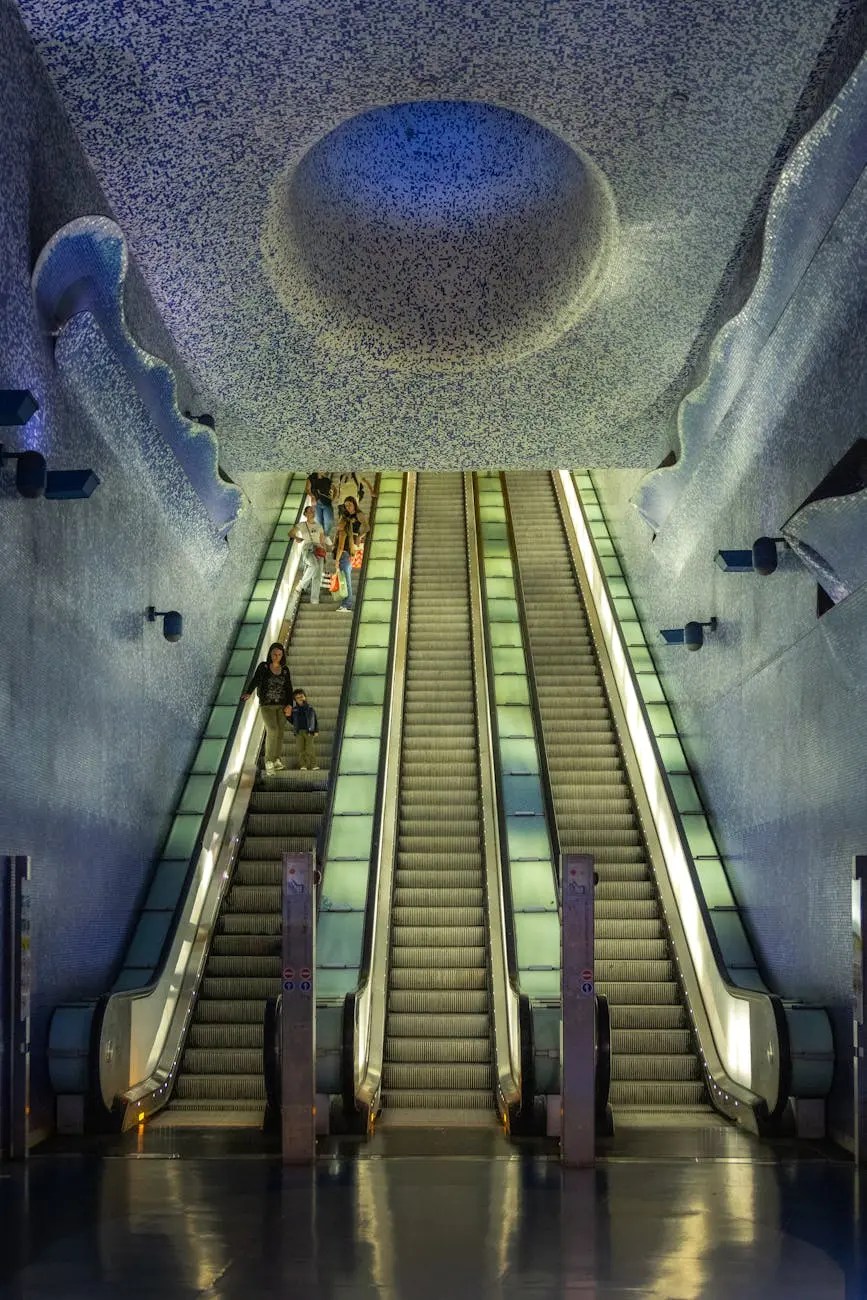
- Metro & Funicular: The city’s ANM transport card (€4.50 for a day pass) is your best friend. It covers the metro, funiculars, and buses. The Line 1 metro is itself an underground art gallery!

Tip for Visitors: The station is a functional part of the city’s metro network. To best experience it without crowds, visit mid-morning on a weekday. Simply purchase a standard metro ticket (€1.30) to enter. It’s a quick, cheap, and utterly breathtaking addition to any Naples itinerary.
- Walking: The historic center is best explored on foot. Wear comfortable shoes—the streets are made of ancient, uneven lava stone (piperno).
- Scooter Rental: For the confident, renting a scooter is the ultimate local move. It gives you the freedom to zip up to Posillipo for the best views. Tip: Always check the parking restrictions (ZTL zones) to avoid fines.
Getting There by Ferry
One of Naples’ greatest joys is its connection to the sea. The Port of Naples (Molo Beverello) is your gateway to the islands.
While flying into Naples International Airport (NAP) is the fastest option, there’s nothing quite like arriving by sea, where you get the quintessential Bay of Naples view—Vesuvius and the city skyline greeting you like an ancient postcard. It’s also a fantastic, low-stress option if you’re already traveling around the islands or Sicily.
Naples’ ports (Molo Beverello and Calata Porta di Massa) are major hubs, connecting to popular destinations like Capri, Ischia, Procida, Sorrento, and even Palermo in Sicily and Cagliari in Sardinia.
The Insider Tip: For the best deals, schedules, and a full overview of all the different ferry companies (trust me, there are a few!), I always compare and book through an aggregator.
- To Capri, Ischia & Procida: Regular ferries and faster hydrofoils run year-round. The ride to Capri takes about 50 minutes.
- To the Amalfi Coast: Ferries to Positano and Amalfi operate from spring to autumn, offering a stunning, traffic-free alternative to the coastal road.
- Booking Tip: For comparing schedules and operators (like Caremar, NLG, Alilauro) and securing the best prices, I always use Direct Ferries. It’s a one-stop-shop that saves so much time. You can check routes and book your tickets at DirectFerries.com.
Your Naples Weekend at a Glance: A 48-Hour Itinerary
Maximize your time with this efficient, experience-packed plan.
- Day 1: Dive into the Historic Heart & Underground Secrets
- Morning: Start at the Duomo (Naples Cathedral) to see the blood of San Gennaro. Then, get lost in the Spaccanapoli district—the long, straight street that literally “splits Naples.” Pop into the cloister of Santa Chiara for a moment of serene, majolica-tiled peace.
| Naples Cathedral (expedia) | Naples Cathedral (get your guide) |
- Afternoon: Descend into another world at Napoli Sotterranea (Underground Naples) for a tour of the ancient Greek-Roman aqueducts and WWII bomb shelters. It’s cool, fascinating, and a great escape from the midday sun.
| Napoli Sotterranea (expedia) | Napoli Sotterranea(get your guide) |
- Evening: Your pilgrimage begins: dinner at L’Antica Pizzeria da Michele (of Eat Pray Love fame) or its less-crowded rival, Sorbillo. Expect to queue, but it’s a rite of passage. Afterwards, join the passeggiata (evening stroll) along Via Toledo.


Day 2: Volcano Views & Coastal Dreams
- Morning: Take the Circumvesuviana train (about 30 mins) to Pompeii. Pre-book your ticket online to skip the line. Spend 2-3 hours wandering the haunting, awe-inspiring ruins. For a more detailed look at this incredible site, check out my guide on planning the perfect Roman holiday, which has tips that apply here too.
Here are the best public transportation options to get from Naples to Pompeii, with a clear winner for most travelers. check here: https://confidencebuildings.com/2025/12/16/naples-to-pompeii-the-ultimate-guide-to-public-transport-2024-travelers-guide/
- Alternative Option: Head to the port for a ferry to the island of Procida (less crowded than Capri, incredibly colorful). It’s a photographer’s dream.
| Procida (Expedia) | Procida (get your guide) |
- Evening: Back in Naples, ride the funicular up to Vomero for sunset cocktails with a breathtaking view of the Bay of Naples and Vesuvius from Castel Sant’Elmo. Enjoy a farewell dinner in the chic Chiaia district
| Vomero (Expedia) | Vomero (Get your guide) |


Mount Vesuvius: The Sleeping Giant
Vesuvius is the only active volcano on mainland Europe and is considered one of the most dangerous in the world due to the 3 million people living in its immediate vicinity (the “red zone”).
- The 79 AD Eruption: Its most famous eruption was a Plinian eruption—an explosive, column-forming event that buried Pompeii, Herculaneum, and other towns under meters of volcanic ash and pumice. This catastrophic event is what preserved the sites so perfectly.
- Status Today: It is still active, with its last eruption occurring in 1944. It is constantly monitored by the Vesuvius Observatory, the world’s oldest volcanological institute.
- The View: Its iconic, looming profile is visible from nearly everywhere in Naples and is the unforgettable backdrop to every photo of the Pompeii ruins.
🍕 LA PIZZA MARGHERITA 🍕
Naples gave the world pizza — and I’ve given you 80+ destinations!
From Italy to Japan, Spain to Australia — feast on my full menu.
🍕 SEE THE FULL MENU (80+ GUIDES) →Hidden Gems & Local Secrets: Escape the Crowds
- The Cristo Velato (Veiled Christ): In the Cappella Sansevero, this marble sculpture is so lifelike, you’ll swear the veil is real cloth. It’s arguably one of the most stunning artworks in the world. Book tickets online.
| Cappella Sansevero (Expedia) | Cappella Sansevero (Get your guide) |
- Rione Sanità: This vibrant, slightly off-center neighborhood is where you’ll find the extraordinary Cimitero delle Fontanelle (an ossuary in a cave) and some of the city’s most authentic trattorias.
| Rione Sanità: (Expeidia) | Rione Sanità: (Get Your Guide) |

- Parco Virgiliano: Not to be confused with the park on the Amalfi Coast, this green space in the Posillipo district offers arguably the best panoramic view of the entire Gulf of Naples, from Capri to Vesuvius. Bring a picnic.


Geographically Close cities: Planning to explore more of Italy after Naples? The Italian high-speed train network makes it easy to link your trip.
- Rome, Italy: The political and historical heart of the country, just a quick train ride north.
- Florence, Italy: The birthplace of the Renaissance, easily reachable for an art and culture pivot.
- Milan, Italy: The fashion and financial capital, a major northern hub connected by high-speed rail.
- Venice, Italy: The incomparable city of canals, linking Southern and Northern Italian adventures.
Essential Travel Tips & Smart Gear for Your Trip {#essential-travel-tips}
- Money & Time Savers:
- The Campania ArteCard offers free/discounted entry to many sites and includes transport. Calculate if your itinerary makes it worthwhile.
- Best Time to Visit: April-June and September-October offer great weather and fewer crowds than peak summer.
- Visa Info: For most non-EU travelers (like US, Canada, Australia passport holders), Italy is part of the Schengen Area, allowing visa-free travel for up to 90 days within a 180-day period. Always check the latest official requirements before your trip.
- Language Tip: A few key words go a long way: Grazie (Thank you), Prego (You’re welcome), Un caffè, per favore (An espresso, please), Dov’è il bagno? (Where is the bathroom?).
- Stay Connected & Secure:
- Stay Online: Ditch expensive roaming. I use Drimsim, a global data SIM that works in 190+ countries. Pop it in, top up via the app, and you’re set. It’s saved me from so many “desperate for WiFi” moments. ➡️ Get connected with Drimsim
- Secure Your Browsing: Using public WiFi? A VPN is non-negotiable to protect your data. I rely on one to safely check my bank account and book last-minute tickets from cafes. ➡️ Browse safely with a reliable VPN
- Travel Insurance: A delayed ferry or a twisted ankle can ruin a short trip. I use VisitorsCoverage to quickly compare and buy a plan that fits. It’s the peace-of-mind essential I never skip. ➡️ Get a travel insurance quote with VisitorsCoverage
- Must-Pack Travel Gear:
- Power Up: Italy uses Type C, F, and L plugs. This VINTAR European Travel Plug Adapter with multiple USB ports lets you charge all your devices at once. A total lifesaver. ➡️ Get the VINTAR travel adapter
- Capture the Magic: Naples is intensely photogenic. To capture its energy, from the dark alleys to the bright bay, I swear by my main travel camera. It’s the perfect balance of quality and portability. ➡️ Check out my favorite travel camera
- Travel Glow: After a long day of exploring, a little K-beauty magic revives my skin. I love Lakinza for authentic, effective products. Use code Lalax10 at checkout for a sweet discount on your skincare haul. ➡️ Shop K-beauty at Lakinza
- Travel Smarter:✈️ Flight Trouble? If your flight to Naples is delayed over 3 hours or canceled, you could be owed up to $650 in compensation. I’ve used AirHelp to handle the messy paperwork with airlines—they only get paid if you win. It’s a stress-free way to claim what you’re owed. ➡️ Check your flight with AirHelp
🚶♂️ WALKING SPACCANAPOLI
Naples’ most famous street is just one path. Explore 80+ destinations with my guides!
Naples has a way of terrifying people before they arrive and converting them the moment they leave. Here are three stories from travelers who learned the hard way—and one who figured it out.
Reader Story · Sarah, Chicago
Visited October 2025
“I almost cancelled my Naples trip. Everyone told me it was dangerous. My mom sent me articles. My friends asked if I was sure. I went anyway. I spent three days walking Spaccanapoli, eating pizza, and watching the chaos unfold. The worst thing that happened was I ate too much. I spent the whole time wondering what everyone was so scared of.”
😬 HER NEAR-MISTAKE
Almost let fear stop her from going. Believed the reputation over the reality.
✅ WHAT SHE LEARNED
Naples is loud, chaotic, and alive. It’s not dangerous. Keep your phone in your pocket. Walk with purpose. Same as any big city.
Nomad Nate · 6 years living in Southern Italy
“Sarah’s story is the most common Naples experience. The fear is almost always worse than the reality. Yes, pickpocketing happens. Yes, the city is chaotic. But I’ve lived here for years. I’ve walked Spaccanapoli at midnight. I’ve taken the last Circumvesuviana train from Pompeii. The worst thing that happened? I gained 10 pounds. The fear is a tourist industry. The city is just a city.”
Nate’s Pro Tip: “The areas tourists worry about—Piazza Garibaldi, the train station—are fine during the day. At night, stick to the historic center and the areas where people live. The same rules apply in any city. Naples is just louder about it.”
Reader Story · Marco, Toronto
Visited July 2025
“I queued at Da Michele for 90 minutes. The pizza was amazing. It was. But on my last day, I walked into a random pizzeria around the corner because I was hungry and didn’t want to wait. The pizza was just as good. No queue. No hype. Just pizza. I learned that the best pizza in Naples is not at the famous places. It’s everywhere.”
😬 HIS MISTAKE
Believed the hype. Assumed the famous places were the only good places. Wasted 90 minutes of a 48-hour trip.
✅ WHAT HE’D DO DIFFERENTLY
Look for the pizzeria with locals inside. No queue? Good. Smoke coming from the oven? Better. Locals eating? Perfect. That’s the pizza you want.
Nomad Nate · 6 years living in Southern Italy
“Marco learned the pizza lesson that every Naples traveler needs. Da Michele and Sorbillo are good. They are. But the idea that they’re the only good pizza in Naples is marketing, not reality. The secret is this: Naples has 3,000 pizzerias. The famous ones are famous because they’re on Instagram. The best ones are famous because they’ve been feeding the same neighborhood for 50 years. Find those.”
Nate’s Pro Tip: “Pizza a portafoglio is the real Naples street food. Find a place that sells pizza folded like a wallet. Eat it standing on the street. It costs €2-3. It’s better than the sit-down pizza. And you’ll be eating like a Neapolitan, not a tourist.”
Reader Story · Lisa, Melbourne
Visited September 2025
“I booked the Napoli Sotterranea tour because everyone said to. It was great—crowded, but great. Then a local told me about Galleria Borbonica. A completely different underground experience. We rode Jeeps through WWII tunnels. Saw abandoned cars from the 1950s. The guide told stories about families who lived underground during the bombings. It was the highlight of my trip.”
✨ ACCIDENTAL DISCOVERY
Found Galleria Borbonica through a local tip. Discovered the underground Naples that most tourists never see.
✅ WHAT SHE’D DO AGAIN
Ask locals for recommendations. The underground Naples has multiple sites. The famous one is not always the best one.
Nomad Nate · 6 years living in Southern Italy
“Lisa found the secret that most tourists miss. Napoli Sotterranea is amazing. It’s also the only underground site most visitors ever see. But Naples has layers. The Greek aqueducts. The Roman tunnels. The WWII shelters. Galleria Borbonica is a Jeep tour through 2,500 years of history. It’s less crowded. It’s more fascinating. And it’s the site that locals recommend.”
Nate’s Hard Truth: “The tourist who follows the guidebook sees Naples. The traveler who asks a local experiences it. The difference is a 10-minute conversation at a bar. Don’t be afraid to ask. Neapolitans love their city. They’ll tell you where to go. Listen.”
📝 YOUR STORY COULD BE NEXT
Been to Naples? Found a pizzeria that changed your life? Discovered a hidden underground site? Your story might help someone else see past the fear and find the real Naples.
📍 Stories anonymized and used with permission · Names changed to protect privacy
If 48 hours is too much to carry—here are the ten truths that matter most. Print them. Save them. Send them to someone who needs them.
The reputation is worse than the reality. Yes, pickpocketing happens. It happens in Paris, Rome, and Barcelona too. Keep your phone in your pocket. Walk with purpose. Don’t make yourself a target. Same rules as any big city. Naples is just louder about it.
Da Michele and Sorbillo are good. They are. But they’re also tourist attractions. Walk 100 meters in any direction. Look for a pizzeria with smoke coming from the oven and locals inside. That’s the pizza you want. The Margherita should cost €5. If it’s more, you’re in the wrong place.
Find a place that sells pizza folded like a wallet. Eat it standing on the street. It costs €2-3. It’s better than the sit-down pizza. And you’ll be eating like a Neapolitan, not a tourist. This is the lunch hack.
Most tourists walk the tourist section—from Piazza Gesù to the Duomo. The real street continues. Turn left at San Gregorio Armeno. Follow the sound of motorbikes. You’ll find the Naples that doesn’t make postcards.
Napoli Sotterranea is famous. It’s also crowded. Galleria Borbonica is less known, equally fascinating, and you can take a Jeep tour through WWII tunnels. Fewer tourists. Better stories. Ask a local.
Yes, 3 million people live in the red zone. Yes, it’s the most dangerous volcano in Europe. But the last eruption was 1944. It’s monitored 24/7. The risk is real. The panic is not. Go. See it. Stand on the crater.
The site is 66 hectares. Most visitors try to cover everything and end up exhausted. Pick 3-4 highlights. The Forum, the amphitheater, the Villa of the Mysteries. Take breaks. Bring water. Leave wanting more.
Limoncello is everywhere. It’s fine. The real Neapolitan digestif is nocino—walnut liqueur. Ask for it. Most tourists don’t. You’ll drink like a local.
Castel Sant’Elmo at sunset. The funicular up. The castle walls. The view of Vesuvius, the bay, the city spread out below. This is the postcard. Go early. Stay late. Bring a jacket.
Naples is loud. It’s messy. It’s the most alive city in Italy. The tourist who comes expecting order will be overwhelmed. The traveler who comes hungry, curious, and ready for a little chaos will leave wondering why everyone is scared of this place.
The Smart Traveler Framework — Six Questions Before You Go
Do I need to book this? What’s the total cost of not booking? Have I looked beyond the famous pizzerias? Have I asked a local? Do I have a plan for the chaos? Do I know my exit? That framework is yours now. Use it in Naples. Use it everywhere.
📍 Sources: 4 trips to Naples, multiple pizza pilgrimages, and the discovery that the best pizza is not at the famous places
FAQ: Your Quick Neapolitan Questions Answered {#faq}
Is Naples safe for tourists?
Yes, but be smart. It’s a big, bustling city. Keep valuables secure and out of sight, be cautious in very crowded areas like Piazza Garibaldi at night, and stick to well-lit main streets after dark. Most crime is petty theft.
Can I do a day trip to the Amalfi Coast from Naples?
Absolutely. The ferry to Positano in summer is the most scenic and efficient way (about 1 hour). Alternatively, take the Circumvesuviana train to Sorrento (70 mins) and switch to a SITA bus or local ferry along the coast.
What’s the dress code for churches in Naples?
Modesty is key. Shoulders and knees should be covered for both men and women. Carrying a light scarf or shawl to pop on before entering is a great trick.
Is it easy to find vegetarian/vegan food?
While Naples is pizza and seafood heaven, vegetarian options abound (Marinara pizza is vegan!). More modern cafes and restaurants in areas like Chiaia also cater well to plant-based diets. You won’t go hungry.
How can I save money on food?
Eat Pizza a Portafoglio for lunch! Stick to local trattorias over tourist traps. Order the Pizza Margherita—it’s still the best and the cheapest item on the menu. Also, tap water is safe to drink.
🍋 LIMONCELLO FRESCO 🍋
You’ve tasted Naples’ famous lemon liqueur — now savor 80+ destinations!
🍋 SIP FROM 80+ GUIDES →Europe · Asia · Americas · Australia · Africa
“I almost didn’t go to Naples. Everyone told me not to. Everyone was wrong.”
First time: I was scared. I’d read the articles. I’d heard the warnings. I stayed in the historic center, walked only the main streets, ate at the famous pizzerias. I left thinking Naples was fine. Not great. Not terrible. Fine. I had done Naples the safe way. I had missed it entirely.
Second time: I stayed in a neighborhood that wasn’t in the guidebook. I walked Spaccanapoli past the tourist section. I found a pizzeria with no English menu and pointed at something that looked good. I stood on the street eating pizza folded like a wallet, watching the chaos unfold around me. I took the funicular to Vomero at sunset and watched the city light up. I left wondering why I had been scared at all.
Third time: I went back to the same pizzeria. The owner remembered me. He asked where I was from. I said Chicago. He said, “Ah, pizza also good there.” I said, “Not like this.” He smiled. That’s the Naples I keep going back for. Not the sites. Not the pizza. The people. The life. The city that doesn’t apologize for being itself.
What I learned
Naples is not Florence. It’s not polished. It’s not safe in the way people mean safe. But Naples is alive. It’s the only city in Italy where you feel like you’re in a place, not a museum. The chaos is not a warning. It’s an invitation. The tourist who avoids Naples is missing the point. The traveler who embraces it finds the Italy that doesn’t make postcards.
🍕 The Series Connection
This is one of 80+ weekend guides in our Ultimate Weekend Escapes series. Every city, every guide, every wrong turn I’ve taken—it’s all here for you.
🇮🇹 What’s Next
Next in the series: Palermo—Sicily’s capital, where Arab-Norman architecture meets street food that will change your life. Coming soon.
A dopo, Napoli
(See you later, Naples)
Laxmi Hegde
MBA in Finance · ConfidenceBuildings.com
April 2026 · Ultimate Weekend Escapes Series
📌 P.S. — My Naples Secret
If you read nothing else: Pizzeria Starita in Materdei. It’s not in the center. It’s not famous like Da Michele. It’s where Neapolitans go when they want the best pizza in the city. The Margherita is €5. The fried pizza is life-changing. Take the metro. Go early. Thank me later.
Ready to say “Ciao” to your own Neapolitan adventure? With its explosive culture, unforgettable food, and breathtaking scenery, Naples is a weekend destination that feels like a lifetime. For more inspiration on European weekend escapes, from the coffee houses of Vienna to the canals of Venice, explore my full Travel Master List.
Now, go book that ticket, pack your bags (don’t forget the stretchy pants for pizza!), and get ready to fall in love with Italy’s most passionate city. Buon viaggio!
🇮🇹 Napoli ti amo! 🇮🇹
Pizza, Pompeii, and passion — now explore 80+ more cities worldwide!
🍕 SEE ALL 80+ GUIDES →Europe · Asia · Americas · Australia · Africa
Universal Disclaimer/Disclosure Page:
Enjoyed this post?
If you found this helpful, consider buying me a coffee. Your support keeps this blog running and helps me create more content.
☕ Buy Me a Coffee
paypal.me/LaxmiHegde
Ultimate Guide to a Weekend in Nice, France
✈️ Ultimate Weekend Escapes Series — Europe · 45+ Destinations
🌊 Nice · 1 of 45+ Europe Guides · 80+ Destinations Worldwide
Can you see Nice in a weekend? Yes—and you’ll leave planning your return.
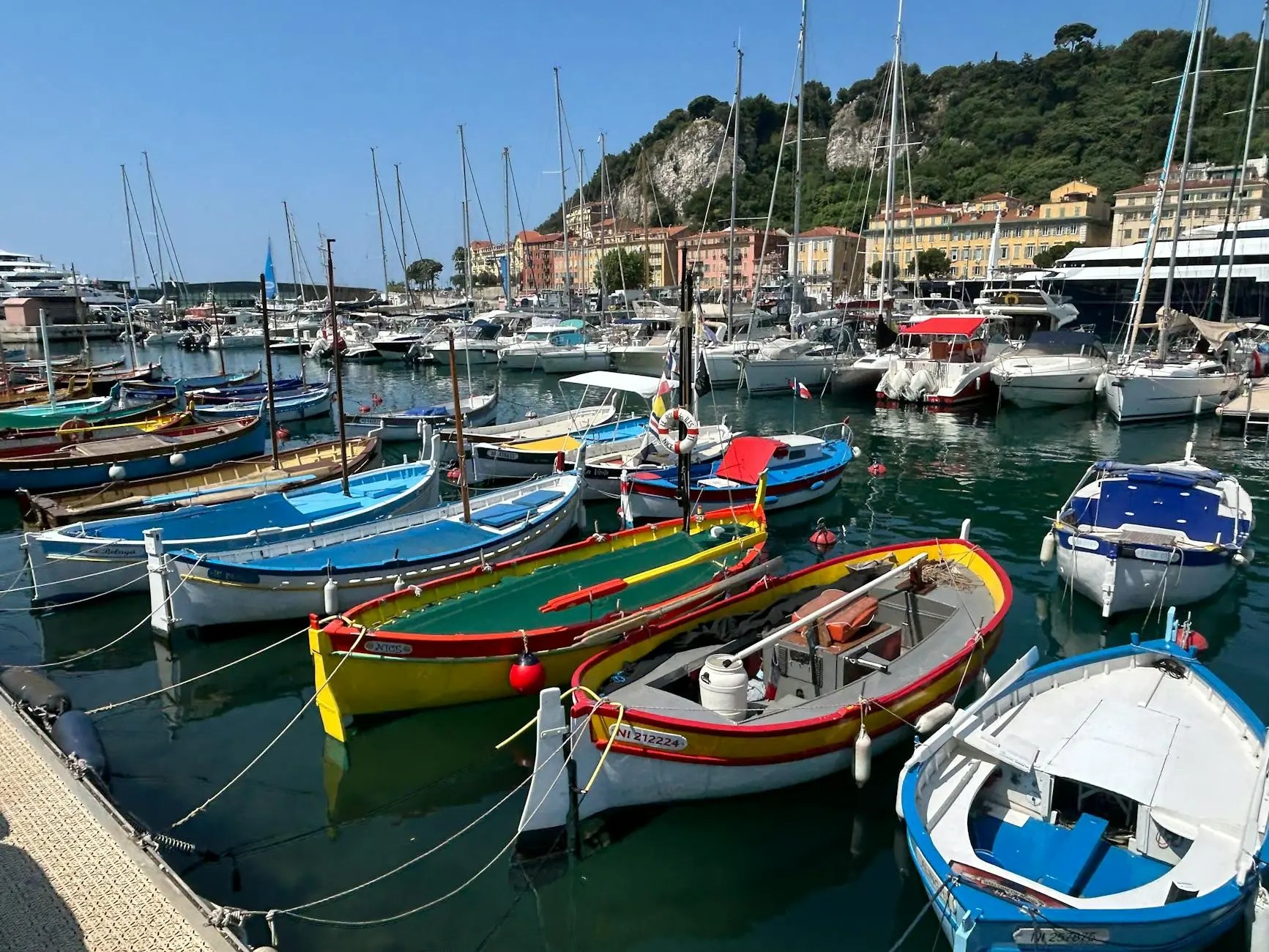
Nice is not just a city. It’s a gateway to the French Riviera. The tourist who stays on the Promenade des Anglais sees the postcard. The traveler who climbs Castle Hill, eats socca from a market stall, and takes the train to Villefranche-sur-Mer finds the soul of the Côte d’Azur. The difference is a 10-minute walk and a €1.50 train ticket.
🎯 THE 48-HOUR FORMULA
- Day 1: Old Town (Vieux Nice), Cours Saleya market, socca for lunch, Castle Hill for sunset views
- Day 2: Matisse or Chagall Museum, hidden Plage de la Réserve, afternoon train to Villefranche-sur-Mer
- The secret: Socca costs €2-3. Eat it standing at a market stall. This is how Niçoise do lunch.
- The mistake: Renting a car. The tram is faster. The train is cheaper. Parking is a nightmare. Don’t be me.
📍 Source: 4 trips to Nice, multiple socca tastings, and the discovery that Villefranche-sur-Mer is better than Monaco
Most Nice guides tell you to walk the Promenade des Anglais, visit the flower market, and take a day trip to Monaco. That’s not wrong. It’s just the Nice that everyone already knows.
Here’s what they don’t tell you: Nice is not just a destination. It’s a gateway. The best beach is not the one everyone talks about. The best day trip is not Monaco. And the best meal is not in a restaurant—it’s at a market stall, eaten standing up.
🎯 WHAT THEY DON’T SHOW YOU
🌊 The Promenade Trap
Everyone walks the Promenade des Anglais. It’s beautiful. It’s also the most crowded stretch in Nice. The secret? Plage de la Réserve—a hidden rocky beach around the corner from the port. Locals go there. Tourists walk past it.
🍽️ The Old Town Secret
Cours Saleya market is famous. The flower stalls are gorgeous. The side streets are where locals eat. Walk 100 meters away from the market. Find a tiny bistro with a handwritten menu. That’s the meal you’ll remember.
🏔️ Castle Hill Shortcut
300 steps to the top. The view is worth it. But most tourists don’t know there’s a free elevator near the bell tower. Same view. Zero stairs. Your knees will thank you.
🚆 Day Trip Overload
Monaco is famous. It’s also crowded and expensive. The secret? Villefranche-sur-Mer—10 minutes by train, a horseshoe harbor, colorful buildings, and none of the Monaco price tag. This is where locals go.
🍋 Socca Economics
Socca is a chickpea pancake. It’s the Niçoise street food. A sit-down restaurant charges €15-20. A market stall charges €2-3. Same socca. Different price. Eat it hot off the griddle, standing on the street. This is how locals do it.
🚊 The Airport Taxi Trap
A taxi from the airport costs €40-50. The tram costs €1.50 and takes 30 minutes. Same destination. Different price. Take the tram. And watch out for pickpockets at the ticket machines—they target confused tourists.
“Nice is the city where I learned that the best experiences are the ones you find yourself. The famous spots are famous for a reason. But the real Nice—the socca from a cart, the hidden beach, the train to Villefranche—that’s the Nice you’ll remember.”
— Nomad Nate, 5 years on the French Riviera
📍 Sources: 4 trips to Nice, multiple socca tastings, and the discovery that Villefranche-sur-Mer is better than Monaco
Description: Dreaming of a sun-drenched weekend on the French Riviera? Our ultimate travel guide to Nice, France is packed with local tips, hidden gems, and savvy advice for saving time and money. Discover the best of Nice, from the iconic Promenade des Anglais to secret local spots.
Bonjour, fellow travelers! So, your calendar has a glorious, empty weekend staring back at you, and your soul is screaming for a dose of vitamin sea and a side of French elegance. May I suggest trading your usual routine for a whirlwind 48 hours in Nice?
Nestled on the sparkling French Riviera, Nice is the perfect canvas for a spontaneous European escape. I still remember my first time there, stumbling out of the train station to be greeted by a blast of warm, floral-scented air and that unbelievable Mediterranean light. It was love at first sight.
This guide isn’t just a list of places to see; it’s the blueprint for a perfect, seamless, and unforgettable weekend. We’re talking logistics, local lingo, and secrets to help you travel smarter, not harder. Let’s dive in!
📌 THE QUICK ANSWER
⚡ 48 Hours in Nice — The TL;DR📊 BY THE NUMBERS
🚊 30 min tram · €2.50 socca · 10 min to Villefranche🔍 WHAT EVERY GUIDE MISSES
🌊 The Nice Gap — Hidden beaches, socca secrets & the best day trip🗣️ REAL STORIES
The €40 taxi mistake · Socca overpay · Monaco vs. Villefranche 🧭 Nomad Nate’s Nice Wisdom📜 THE 10 NICE TRUTHS
Everything Distilled — 10 Truths That Matter🗺️ THE 48-HOUR ITINERARY
🏛️ Day 1: Old Town, Cours Saleya & Castle Hill 🎨 Day 2: Matisse Museum, Plage de la Réserve & Villefranche 🚆 Day 3: Day Trip to Villefranche-sur-Mer (Optional)❓ FAQ & FINAL THOUGHTS
Best time to visit? Pebble beaches? What to pack? & more 💭 Laxmi’s Final Thoughts⚡ NICE AT A GLANCE
This city is the perfect blend of Italian zest (it was part of Italy until 1860!) and French sophistication. It’s walkable, incredibly scenic, and offers a slice of coastal perfection without the exhausting price tag of, say, its neighbor Monaco. I promise, if you follow this guide, you’ll not only save time and money on logistics but you’ll also feel like a local, not just a tourist.
Logistics: Visas, Vitals, and Vetting the Best Time to Go
Visa and Entry Requirements
Nice is in France, which is part of the Schengen Area. If you’re traveling from outside this area (like the US, UK, or Canada), you generally won’t need a visa for stays under 90 days, but always double-check the current requirements well before booking. Trust me, a quick visa check is way less stressful than a stern look from a border agent.
Best Time to Visit (Avoiding the Crowds)
To truly save time and enjoy the city without battling elbow-to-elbow crowds on the Promenade des Anglais, avoid July and August.
- Best Time: Late April/May or September/Early October. The weather is divine, the sea is warm enough for swimming, and hotel prices haven’t hit peak season insanity.
Compare flight prices here:
Book Your Nice Escape
Find the best deals on flights and hotels for your weekend on the French Riviera.
☀️ Why Nice?
The capital of the French Riviera is a Mediterranean dream — the famous Promenade des Anglais, the colorful Old Town (Vieux Nice) with its flower market, and stunning views from Castle Hill. Don’t miss a day trip to Monaco, Cannes, or the perfume capital Grasse. Try socca (chickpea pancake), salade niçoise, and pissaladière.
🔗 Affiliate Disclosure: I may earn a small commission when you book through these links at no extra cost to you. Thank you for supporting ConfidenceBuildings.com!
Money-Saving Tip: The Niçard Lunch
Want to save a bundle on dining? Embrace the French tradition of a hearty lunch. Many fantastic, high-end restaurants offer a Prix Fixe (set menu) lunch that is a fraction of the dinner price. I once had a three-course gourmet meal for $30 that would have easily been $75 that evening. Look for the board outside that says “Menu du Jour.”
💰 Culture Tip: The Nice Museum Pass can be a great deal if you plan to hit several museums and save on individual tickets. Even better: remember that many top museums, including the Matisse and Chagall Museums, are often free on the first Sunday of the month! If your weekend lines up with this, you just unlocked a massive saving.
🌊 SANTÉ! Nice’s Promenade des Anglais and azure waters are just one of 80+ destinations I’ve explored!
From the pebble beaches of the Baie des Anges to the colorful markets of Cours Saleya, Nice dazzles with Mediterranean charm. And I’ve captured that same magic across 6 continents — with 45+ European cities, Asian adventures, Americas escapes, and more.
Europe · Asia · Americas · Australia · Africa
My Must-Have Travel Tools
I’m a seasoned traveler, and over the years, I’ve found a few non-negotiables that make every trip smoother, especially a weekend dash where time is everything.
🛡️ Travel Insurance: Don’t Leave Home Without It
Smart Travel Tip: No matter where your adventures take you, having the right travel insurance can save you from unexpected headaches (and bills). I personally recommend VisitorsCoverage — it’s a trusted platform where you can compare plans, find coverage that fits your trip, and book it in just a few clicks. Whether you’re planning a quick city escape or a longer international journey, it’s peace of mind worth packing. Check out VisitorsCoverage plans here!
📶 Connectivity: The Universal SIM Card Solution
Staying connected abroad can be tricky (and expensive if you’re relying on airport SIM counters or roaming). I’m done with that scavenger hunt! I now use a Drimsim—a universal SIM card that works in 190+ countries without hidden fees. You simply pop it into your phone, top up through the app, and you’re online wherever your adventure takes you. No more hunting for local SIM cards or stressing over roaming bills. If you’re planning your next getaway, I highly recommend checking it out. Learn more about Drimsim: SIM Card for Traveling Around the World.
✈️ Flight Delayed or Canceled?
Travel isn’t always smooth sailing—sometimes flights get delayed, canceled, or overbooked. The good news? You might be entitled to up to $650 in compensation under air passenger rights. Most travelers never claim it, but I’ve got you covered: just check your flight with AirHelp. They handle the paperwork, fight the airlines for you, and only get paid if you win. Easy, stress-free, and a nice surprise for your travel fund. Check your flight compensation eligibility now!
Mastering Nice’s Public Transport: Save Time and Gas
Nice has a brilliant public transportation system run by Lignes d’Azur, which will save you a ton of money and the stress of driving in a foreign city. Honestly, don’t bother renting a car unless you plan to explore the deep countryside. Parking is expensive, and the traffic around the Corniche roads can be a nightmare—I once spent 45 minutes trying to park for a 20-minute coffee. Don’t be me.
Getting to the City Center from the Airport (NCE)
This is the easiest logistics win. Skip the $40 taxis.
- The Tramway Line 2 (L2) connects the airport directly to the city center (Jean Médecin or Port Lympia stops) in about 30 minutes. The cost is the same as a regular local bus fare—a steal!

Using the City Network
⚠️ Critical Safety Alert: Pickpockets on Tram 2
This is an important warning from experience: Pickpockets have identified travelers purchasing tickets at the airport machines as easy targets. They will commonly pose as friendly individuals offering to ‘help’ with the purchase, especially if you look confused by the machine. Before you know it, your wallet with all your credit cards, cash, and possibly passport have disappeared.
My Advice:
- Do NOT accept unsolicited help at the ticket machines, especially if they try to distract you or block the keypad.
- Be aware of your surroundings. Keep your wallet and passport secured before you approach the machine (preferably in a zippered inside pocket or travel belt).
- Use the official Lignes d’Azur app to buy your ticket digitally if you can, skipping the machine entirely.
- Trams & Buses: The network is efficient, covering all major tourist sites. A single ticket costs around €1.50 (buy it on the bus/tram or at a tram stop machine).Buses for the Win: Buses will get you to the Chagall and Matisse museums easily (Bus #15 for Chagall, Bus #17 for Matisse). Use the Lignes d’Azur app for real-time schedules.
- Money-Saving Transport Tips:
- A 1-day Pass costs about €5 and gives you unlimited travel across all trams and buses. If you plan more than three trips in a day, buy this!
- For day trips, use the bus or train. Bus routes 82 and 100 are famous for their scenic routes to destinations like Monaco or Villefranche-sur-Mer, and the fare is still the local €1.50! This is a massive gas and time saver compared to driving. The train (TER) is faster for longer distances but costs more (still very reasonable, usually under €10).
Road Map Tip: Focus on Train for Day Trips
If you’re dead set on seeing Cannes or Monaco, take the TER train. It runs right along the coast, offering spectacular views, and avoids all the coastal road traffic and parking hassles. Buy your ticket at the Nice-Ville station. It’s faster, cheaper on gas (because you’re not using any!), and way more relaxing.
🚶 SANTÉ! Strolling the Promenade des Anglais is just one walk of 80+ destinations!
From Nice’s famous seafront to coastal paths around the world — keep walking and exploring.
Your Ultimate 3-Day Nice Itinerary
This itinerary is designed to maximize your time, minimize travel across the city, and keep money in your pocket!
Day 1: Old Town, Markets, and a View
- Morning: Get Lost in Vieux Nice. Wander the labyrinthine streets of the Old Town. It’s an absolute must. Pro-tip: Don’t use your phone map in here. Just walk and see what you find. It’s more fun, and you’ll stumble across the best little boutiques and hidden squares.
- Lunch: Cours Saleya Market. Grab lunch at the famous flower and produce market. This is where I discovered Socca. Find a street vendor, grab a slice, and eat it hot off the griddle—it’s phenomenal!
- Afternoon: Climb Castle Hill (Colline du Château). Skip the elevator (and the line!) and take the stairs near the bell tower for a good workout. The panoramic view over the city, the port, and the Baie des Anges is the iconic Nice photo. This is where you’ll want your best gear. I always bring my travel camera for this view! If you’re looking for a reliable camera that handles the Riviera light, check out my kit here.


Day 2: Art, Beaches, and Hidden Gems
- Morning: Culture Vultures Unite. Head up to the Cimiez district via bus (it’s a bit of a trek otherwise). This area is quieter and home to the Matisse Museum and the Chagall Museum. You can easily spend the morning soaking up art.
- Lunch: Picnic in the Cimiez Gardens. Grab a baguette and some cheese and relax in the Roman ruins or near the monastery. It’s a beautifully calm spot away from the tourist buzz.
- Afternoon: Hidden Gem: Plage de la Réserve. Everyone crowds the pebble beaches of the main Promenade, but for a truly authentic, local swimming spot, head to Plage de la Réserve. It’s located around the corner from the port. It’s rugged, rocky, and a spectacular spot to watch the sunset. It feels like a secret slice of the Riviera.
If you’re a pro at weekend getaways, you might also enjoy planning your next one with my Ultimate Weekend Guide to Athens, Greece — from ancient history to vibrant street life, it’s another perfect 48-hour escape


Day 3: Glamour on the Go (The Best Day Trip)
Don’t waste time driving. Day 3 is dedicated to an easy, affordable, and scenic train trip.
- Monaco or Villefranche-sur-Mer?
- Villefranche-sur-Mer: (10-min train ride) My top recommendation. It’s a stunning, horseshoe bay with a colorful waterfront. It’s relaxing and a beautiful contrast to Nice’s energy.
- Monaco: (20-min train ride) If you want to see the casinos and the fancy cars, Monaco is an easy trip. The train lets you off right near the harbor. If you decide to spend more time exploring the high-life,!!

💻 Public Wi-Fi Warning
The French Riviera is beautiful, but public Wi-Fi isn’t always safe. Don’t access your bank or credit cards using open networks in cafes or hotels! I always use a Virtual Private Network (VPN) for security. Protect your data while traveling with NordVPN—it’s the one I trust.
A Traveler’s Cheat Sheet
You don’t need to be fluent, but a few words go a long way!
- Bonjour (Bohn-zhoor): Hello / Good day. Always say this when entering a shop.
- Merci (Mair-see): Thank you.
- S’il vous plaît (See voo play): Please.
- Une carafe d’eau (Oon ka-raf doh): A carafe of water. Ask for this in restaurants to get free tap water and avoid paying for bottled.
- L’addition, s’il vous plaît (La-dee-see-ohn…): The bill, please.
- Socca (So-ka): The must-try chickpea pancake.
- Pan Bagnat (Pahn Ban-yah): The iconic Nicoise salad in a sandwich.
Thinking Beyond the Mainland? A Corsican Detour
Ready to add an island adventure to your French Riviera escape? From the port in Nice, you can catch a direct ferry to Bastia, Corsica—the “Isle of Beauty.” This isn’t just a boat ride; it’s a gateway to a completely different world of rugged mountains, pristine beaches, and a unique Franco-Italian culture. Imagine swapping a day of museum-hopping for a journey across the sparkling Mediterranean, arriving in a vibrant Corsican port city filled with Genoese citadels and bustling squares. It’s a longer journey, perfect for turning a weekend trip into a 4-5 day extravaganza, but the bragging rights are absolutely worth it.
👉 Ready to set sail? Check ferry schedules and book your crossing to Corsica easily here.
Nice is easy to love. It’s also easy to overpay, overplan, and overcomplicate. Here are three stories from travelers who learned the hard way—and one who figured it out.
Reader Story · Jennifer, New York
Visited July 2025
“I stepped out of the airport and grabbed the first taxi. €45 later, I was at my hotel. The next day, a local told me about the tram. €1.50. 30 minutes. I felt so stupid. I could have bought dinner with the money I wasted.”
😬 HER MISTAKE
Assumed taxi was the only option. Didn’t research airport transport. Paid 30x more than necessary.
✅ WHAT SHE LEARNED
Tram Line 2 goes directly from the airport to the city center. 30 minutes. €1.50. Same destination. Different price.
Nomad Nate · 5 years on the French Riviera
“Jennifer’s story is the #1 Nice mistake. Taxi drivers love tourists who don’t know about the tram. The tram is fast, cheap, and drops you right in the center. The only catch: watch for pickpockets at the ticket machines. They target confused tourists. Buy your ticket with the app, or keep your wallet secured.”
Nate’s Pro Tip: “The Lignes d’Azur app lets you buy digital tickets. Skip the machine entirely. No pickpocket risk. No confusion. Just tap and go.”
Reader Story · Mark, Chicago
Visited September 2025
“I ordered socca at a sit-down restaurant near the Promenade. It was €18. It was good. Then a local took me to a market stall. €2.50. Same socca. Same taste. I had paid 7x more for a plate and a chair.”
😬 HIS MISTAKE
Assumed restaurant socca was the only option. Didn’t know socca is street food, not fine dining.
✅ WHAT HE LEARNED
Socca is chickpea pancake street food. Find a market stall. Eat it hot off the griddle. Stand on the street. This is how Niçoise do lunch.
Nomad Nate · 5 years on the French Riviera
“Mark learned the socca lesson the expensive way. Socca was born on the streets of Nice. It’s meant to be eaten from a cart, standing up, with your hands. The restaurants that serve it are charging for the plate and the view. The taste is the same. Go to Cours Saleya market. Find the stall with the long line of locals. That’s the one.”
Nate’s Pro Tip: “Chez Theresa in Cours Saleya is the best socca in Nice. €2.50. Cash only. Go before 1pm. They sell out.”
Reader Story · Lisa, Toronto
Visited August 2025
“We took the train to Monaco because everyone said we had to. It was crowded, expensive, and we spent €15 on a soda. On the way back, we stopped in Villefranche-sur-Mer because the name sounded pretty. It was the best decision. The harbor was stunning. The town was quiet. We spent the rest of the day there.”
✨ ACCIDENTAL DISCOVERY
Stopped in Villefranche on a whim. Found the most beautiful harbor on the Riviera.
✅ WHAT SHE LEARNED
Monaco is for photos. Villefranche is for experience. 10 minutes further by train. Worlds apart in atmosphere.
Nomad Nate · 5 years on the French Riviera
“Lisa discovered the day trip secret that most tourists miss. Monaco is famous. It’s also crowded, expensive, and feels like a theme park. Villefranche-sur-Mer is 10 minutes further. It has a horseshoe harbor, colorful buildings, and none of the Monaco price tag. Go to Monaco for an hour. Go to Villefranche for the afternoon.”
Nate’s Hard Truth: “The tourist goes to Monaco because it’s on Instagram. The traveler goes to Villefranche because they asked a local. The difference is a 10-minute train ride. Don’t be the tourist.”
📝 YOUR STORY COULD BE NEXT
Been to Nice? Found a hidden beach? Discovered the perfect socca stall? Your story might help someone else experience the real French Riviera.
📍 Stories anonymized and used with permission · Names changed to protect privacy
If 48 hours is too much to carry—here are the ten truths that matter most. Print them. Save them. Send them to someone who needs them.
Line 2 takes 30 minutes from the terminal to the city center. Same destination. Different price. Watch for pickpockets at the ticket machines—they target confused tourists.
A restaurant charges €15-20 for a plate. A market stall charges €2-3. Same socca. Different price. Find the stall with the long line of locals. That’s the one.
Plage de la Réserve, around the corner from the port. Rocky, quiet, and where locals go. Most tourists walk right past it.
300 steps to the top. The view is worth it. But most tourists don’t know there’s a free elevator near the bell tower. Same view. Zero stairs.
10 minutes by train. A horseshoe harbor. Colorful buildings. None of the Monaco price tag or crowds. This is where locals go for a day trip.
Put your phone away. Get lost. The best boutiques, the best bakeries, the best hidden squares—you’ll find them when you stop looking.
Parking is expensive. Traffic is terrible. The tram and train cover everything you need. Save your money for socca.
Cimiez is quiet, beautiful, and most tourists skip it. Take the bus. See both. Have a picnic in the gardens.
Three courses for €25-35. The same meal would cost double at dinner. Look for the board outside that says “Menu du Jour.”
The city is lovely. The region is spectacular. Use Nice as your base. Take the train to Villefranche, Eze, Antibes. The Riviera is bigger than one city.
The Smart Traveler Framework — Six Questions Before You Go
Do I need to book this? What’s the total cost of not booking? Have I looked beyond the Promenade? Have I asked a local? Do I have a plan for the crowds? Do I know my exit? That framework is yours now. Use it in Nice. Use it everywhere.
📍 Sources: 4 trips to Nice, multiple socca tastings, and the discovery that Villefranche-sur-Mer is better than Monaco
Frequently Asked Questions (FAQ)
Q: Is two days in Nice enough?
A: Absolutely! While you could easily spend a week, a weekend is perfect to hit the highlights, soak in the atmosphere, and even take a quick day trip. It’s a fantastic introduction to the French Riviera.
Q: Is Nice an expensive city to visit? A: It can be, but it’s more affordable than St. Tropez or Cannes. Focus on using public transport, eating Socca and market food for lunch, and taking advantage of the Prix Fixe menus to keep costs down. The best things—the beaches, the views, the Old Town—are free!
Q: Are the beaches sand or pebbles? A: The main beaches along the Promenade des Anglais are famous for their smooth pebbles (galets). If you absolutely must have sand, you’ll need to take a train or bus to a nearby town like Villefranche or Antibes. Definitely pack water shoes!
Q: Do I need to speak French? A: In the main tourist areas, English is widely spoken, but attempting even a little French (like Bonjour and Merci) will be greatly appreciated by the locals. They are always nicer if you start with the basics!
Q: What should I pack for a weekend in Nice?
A: Think casual chic. Comfortable walking shoes are a must (those cobblestones are unforgiving!). Pack sunglasses, a hat, a swimsuit, a light jacket for cooler evenings, and of course, sunscreen.
Q: I loved this guide! Do you have similar itineraries for other European cities?
A: Absolutely! I’m all about making the most of a short trip. If you’re already dreaming of your next adventure, I’ve created a similar ultimate guide for another iconic destination: Your Ultimate Weekend Guide to Athens, Greece. It’s packed with the same kind of actionable tips, hidden gems, and efficient itineraries to help you conquer Athens in just two days!
🛎️ Ready to Book Your Escape?
Now that you have the perfect plan to save time and money, it’s time to secure your base of operations. The best deals for hotels often go fast, especially in Nice.
Don’t wait! Find your dream hotel or vacation rental right now. [Book Your Nice Hotel on Expedia!]
“Explore more weekend destinations around the world”
Universal Disclaimer/Disclosure Page:
Enjoyed this post?
If you found this helpful, consider buying me a coffee. Your support keeps this blog running and helps me create more content.
☕ Buy Me a Coffee
paypal.me/LaxmiHegde
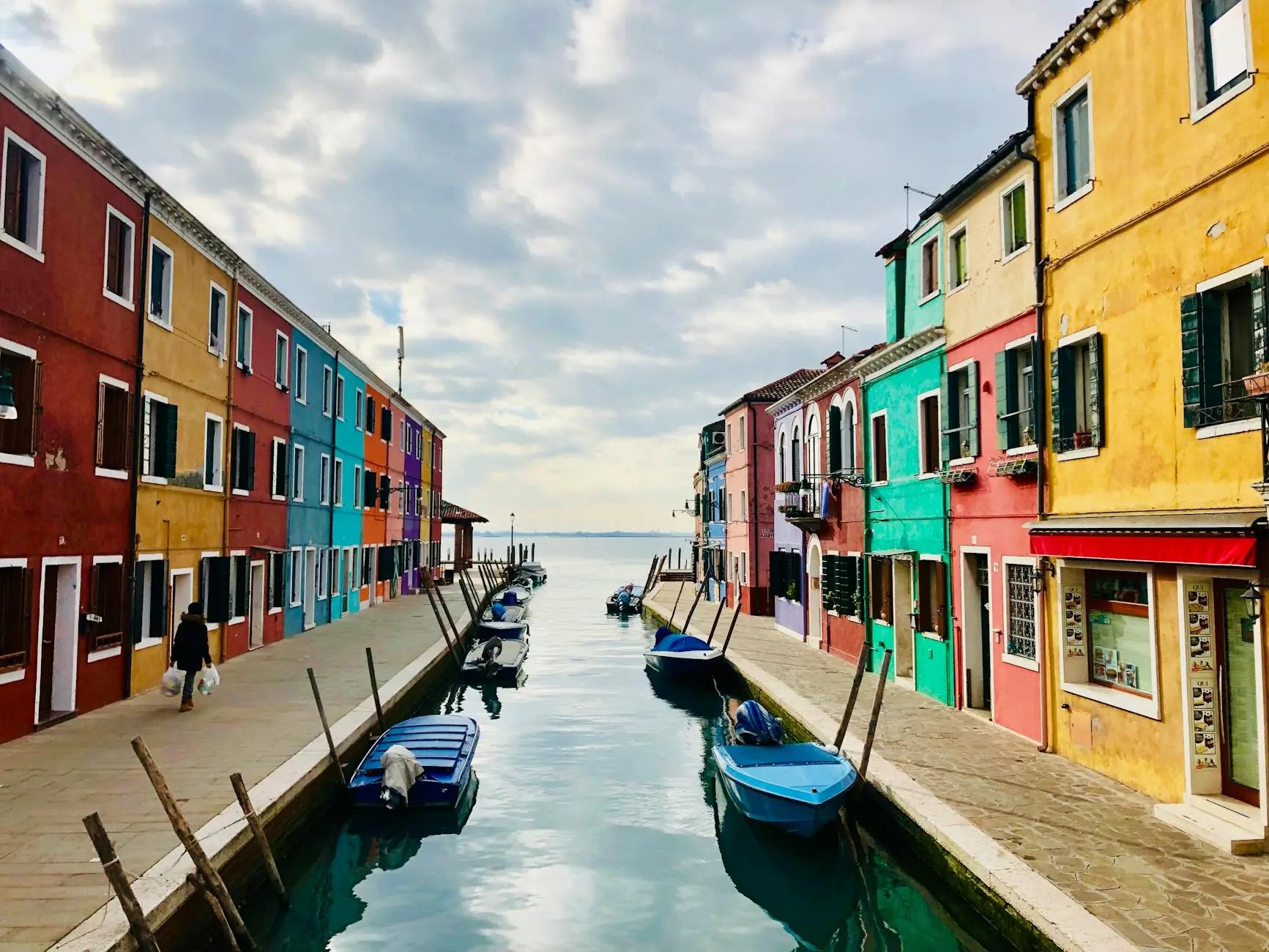
Ultimate Weekend Getaway in Venice: A Complete Traveler’s Guide
✈️ Ultimate Weekend Escapes Series — Europe · 45+ Destinations
🇮🇹 Venice · 1 of 45+ Europe Guides · 80+ Destinations Worldwide
Updated: March 2026 · Fresh research, new insights, and the latest 2026 travel data
Previously published: [Original Date] · Now part of the Ultimate Weekend Escapes Series (80+ destinations)
Can you see Venice in a weekend? Yes—if you stop sprinting and start wandering.
Venice is smaller than you think. You can walk from one end to the other in under an hour. The challenge isn’t distance. It’s navigation. The tourist who arrives with a map and a checklist sees the crowds. The traveler who gets lost on purpose finds the city. The difference is a 10-minute walk away from San Marco.
🎯 THE 48-HOUR FORMULA
- Day 1: San Marco at 8:30am (before the crowds), Doge’s Palace, a traghetto ride across the Grand Canal for €2
- Day 2: Murano glass, Burano colors, and a cicchetti crawl in Cannaregio (where Venetians actually eat)
- The secret: Dorsoduro after sunset. The crowds leave. The locals arrive. This is where Venice breathes.
- The mistake: Buying a gondola ride on the Grand Canal. Take it from a quiet side canal. Same experience. Half the price. No traffic.
📍 Source: 3 trips to Venice, multiple wrong turns, and the discovery that getting lost is the point
Meta Description: Escape to the enchanting canals of Venice for an unforgettable weekend. Our comprehensive guide for travelers reveals hidden gems, must-see sights, and savvy tips on transportation, visa costs, and saving money. Optimized for SEO and geo-generative engine optimization, this guide is packed with keywords to help you discover the magic of Venice.
I’m going to be honest with you. The first time I saw Venice, it was through the lens of a tourist in a hurry. You know the type—sprinting from St. Mark’s Square to the Rialto Bridge, snapping a few frantic photos, and feeling like you’ve “done” the city without ever really being there. It was a classic case of travel-FOMO (Fear of Missing Out). But the magic of Venice doesn’t reveal itself in a sprint; it whispers to you when you slow down, get a little lost, and let the city’s ancient rhythm guide you.
This blog post is for the traveler who wants to do it right. The one who wants to sip a spritz on a sun-drenched canal, find a quiet bacaro for some delicious bites, and fall in love with the city’s charming chaos. I’ve gone back, armed with a better plan, and I’m sharing all my secrets for the ultimate weekend escape.
Ah, Venice. The mere name conjures images of winding canals, operatic gondoliers, and masquerade balls. It’s a city that feels like a dream, but let me tell you, a dream you can absolutely conquer in a single, glorious weekend. Forget everything you’ve heard about it being too crowded or too expensive—with a little insider knowledge (and comfortable shoes), you can have the authentic Venetian experience without breaking the bank or your spirit.
I still remember my first time stepping out of the Santa Lucia train station. The grand canal wasn’t just a picture; it was a living, breathing, slightly damp masterpiece. The sound of water lapping against ancient stone, the distant call of “Gondola!”, the smell of salt and fresh coffee… it’s a sensory overload in the best way possible. I immediately got lost, and it was the best thing that could have happened. This guide is here to help you find that magic, without too much of the getting lost part (unless you want to!).
What’s Inside This Guide
📌 THE VENICE QUICK ANSWER
📊 VENICE BY THE NUMBERS
🔍 THE VENICE GAP
🗣️ REAL STORIES
📜 THE 10 VENICE TRUTHS
🗺️ THE 48-HOUR ITINERARY
🚣 PRACTICAL VENICE
❓ FAQ & FINAL THOUGHTS
📊 VENICE AT A GLANCE
Why Venice is the Perfect Weekend Getaway
Venice is compact. Unlike sprawling metropolises like Rome or Paris, its labyrinthine alleys and canals are concentrated, making it possible to soak in the major highlights and discover secret corners in just 2-3 days. It’s a pedestrian (and boat-only) city, so you’re free to wander without worrying about traffic. It’s the ideal destination for a burst of culture, romance, and incredible food.
Before You Go: Visa & Costs
As part of Italy’s Schengen Area, most US, Canadian, UK, and Australian travelers can enter visa-free for up to 90 days. Always check the latest entry requirements from official government sources. A great place to start for the most current and official visa information is the VFS Global page for Italy.
I always find the best flight deals to Venice Marco Polo Airport (VCE) on Expedia. They have great bundle options if you want to book your hotel at the same time.
Compare Flight & Hotel Prices Here:
Book Your Venice Escape
Find the best deals on flights, hotels, and tours for your weekend in the Floating City. Compare and make the right choice with many options below!
✈️ FLIGHTS & HOTELS
✈️ AIRLINES
🎟️ TOURS & ACTIVITIES
✅ COMPARE AND MAKE THE RIGHT CHOICE
Every traveler has different priorities — budget airlines, flexible hotels, or specific tour operators. Compare prices across platforms to find what works best for YOUR Venice adventure. Happy travels! 🇮🇹
🚣 Why Venice?
The Floating City is pure magic — the iconic Grand Canal lined with palazzos, the magnificent St. Mark’s Square (Piazza San Marco), the breathtaking Doge’s Palace (Palazzo Ducale), the colorful islands of Murano (glassblowing) and Burano (lace and rainbow houses), and the romantic Rialto Bridge. Don’t leave without trying cicchetti (Venetian tapas), sarde in saor (sweet and sour sardines), and a proper Aperol Spritz. Remember: get lost on purpose — that’s where Venice reveals itself! 🎭
🔗 Affiliate Disclosure: I may earn a small commission when you book through these links at no extra cost to you. Thank you for supporting ConfidenceBuildings.com!
Getting There: Planes, Trains, and Automobiles (But Mostly Boats)
Venice is unique because you literally cannot drive into the historic city center. So, if you’re arriving by car, you’ll need to park it at Piazzale Roma or Tronchetto and then take a bus, water bus (vaporetto), or private water taxi to your accommodation. Trust me, the first glimpse of the Grand Canal from the water is worth the logistical effort.
The easiest way to arrive is by train. The Venezia Santa Lucia station drops you off right on the Grand Canal, a stone’s throw from the heart of the action. Italy’s high-speed trains connect Venice to major cities like Rome, Florence, and Milan. If you’re coming from another part of Europe, flying into Venice Marco Polo Airport (VCE) is also a great option. From there, you can catch a water bus (Alilaguna) or a private water taxi straight to the city.
✈️ Travel Tip: Travel isn’t always smooth sailing—sometimes flights get delayed, canceled, or overbooked. The good news? You might be entitled to up to $650 in compensation under air passenger rights. Most travelers never claim it, but I’ve got you covered: just check your flight withAirHelp. They handle the paperwork, fight the airlines for you, and only get paid if you win. Easy, stress-free, and potentially a nice surprise for your travel fund.
Where to Stay: Finding Your Venetian Sanctuary
Finding the right place to stay is key. I’ve found that using a trusted platform like Expedia to book my hotels helps me compare options and find the perfect spot. The main tourist areas like San Marco are central but can be noisy and expensive. For a more authentic experience, consider staying in the quieter districts of Dorsoduro or Cannaregio.
My personal favorite? Dorsoduro. One time, I stayed in a small guesthouse there, and the window overlooked a tiny, quiet canal. Every morning, I woke up to the sound of a gondolier singing as he glided past. It was a moment so perfectly Venetian it almost felt like a movie.
Friday: Arrival & The Magic of Getting Lost
- Afternoon: Fly into VCE or arrive by train at Santa Lucia Station (this is the most dramatic entrance!). Pro Tip: If you’re arriving by train from another Italian city like Rome, Florence, or Milan, booking your tickets in advance on ItaliaRail can save you a significant amount of money compared to buying them at the station. The high-speed trains are comfortable and efficient, making for a relaxing start to your Venetian adventure.
- Evening: Check into your hotel . I recommend staying in the Dorsoduro or Cannaregio districts. They’re slightly removed from the San Marco chaos, more affordable, and brimming with authentic bacari (wine bars).
- Dinner: Ditch the tourist menus. Find a small bacaro and do a cicchetti crawl. Cicchetti are Venetian tapas—think small slices of bread topped with cod, crab, or mortadella, alongside an ombra (small glass of wine). My favorite find was a tiny place where the owner insisted I try his artichoke heart special. Life-changing.


🌉 THE RIALTO BRIDGE
One of Venice’s most famous landmarks — just one of 80+ destinations I’ve crossed!
🌉 CROSS TO 80+ CITIES →Saturday: Icons, Tours, & Hidden Courtyards
- Morning (Early!): Be at Piazza San Marco by 8:30 AM. Why? To have it almost to yourself before the day-tripping crowds arrive. You can admire the Basilica and the Campanile in peace. Pre-book a “Skip the Line” tour for the Basilica—it’s 100% worth it.
- Late Morning: Book a Walking Tour & Gondola Ride. A guided tour is the best way to learn the history and find those hidden spots you’d never see otherwise. Then, opt for a shared gondola ride from a quieter canal rather than the Grand Canal to save money and enjoy a more intimate experience.
- 📸 Pro Tip: The light in Venice is magical. To capture it perfectly, I never travel without my lightweight, powerful Sony Alpha Camera. It’s a game-changer for low-light canal shots.
- Afternoon: Get lost on purpose. Wander away from San Marco into the Castello district. Find the secluded Marinaressa Gardens for a quiet moment with a view of the lagoon. For a true hidden gem, seek out the pedestrian street Calle de le Bande near the Arsenale. It’s lined with artisan workshops and feels a world away from the tourist crowds.
- Evening: Book a food tour! This was the highlight of my last trip. We visited the Rialto Market in the morning (a fantastic alternative activity) and then enjoyed a cooking class in the evening. Learning to make fresh pasta with a local nonna is an experience you’ll cherish forever.

Classic 30 minutes Gondola Ride

🎭 Just like a gondola ride through Venice 🎭
This guide is magical — and it’s 1 of 80+ destinations I’ve explored!

Sunday: Islands, Art, & Last Bites
- Morning: Take the vaporetto to Murano to see glassblowing demonstrations. If you have time, hop over to Burano—the island of brightly colored fishermen’s houses is an Instagram dream and utterly charming.
- Afternoon: Visit the Dorsoduro district for art. The Accademia Gallery holds the world’s best collection of Venetian art, or check out the modern masterpieces at the Peggy Guggenheim Collection.
- Late Afternoon: Enjoy one last gelato (I’m a pistachio purist) and slowly make your way back to the station or airport, taking in the final, golden-hour glimpses of the canals.

- Vaporetto Fares (Verify with ACTV Official Site):
- Single Ride: €9.50 (valid for 75 minutes)
- 72-Hour Travel Card: €45 (unlimited rides)
- Pro Tip: Validate your card before boarding by tapping it on the electronic readers at the dock.
- Airport Transfer Options (Marco Polo Airport – VCE):
- Alilaguna Water Bus (Blue Line): €15, ~1.5 hours to San Marco. Check schedules here.
- ACTV Bus (#35 or #5): €10, ~20 minutes to Piazzale Roma (then switch to vaporetto).
- Water Taxi: €100-€150, ~30 minutes (direct to your hotel).

Accademia Gallery David Skip The Line Entrance Tickets

Most Venice guides tell you to take a gondola, visit San Marco, and eat at a trattoria. That’s not wrong. It’s just the Venice that 20 million other tourists see.
Here’s what they don’t tell you: Venice has two personalities. The one you’ve seen in photos—San Marco, the Rialto Bridge, the packed gondolas—that’s the tourist Venice. It’s spectacular. It’s also a theme park version of itself from 10am to 6pm.
🎯 THE OTHER VENICE — What They Don’t Show You
🏛️ Dorsoduro After Dark
The day-trippers leave by 6pm. The crowds vanish. The city exhales. This is when Venice belongs to the people who live here. Find a bacaro. Order cicchetti. Stay late.
🚣 The €2 Gondola (Traghetto)
A gondola ride costs €90. A traghetto—a local gondola ferry that crosses the Grand Canal—costs €2. Venetians use it daily. Tourists walk past it. Same boat. Different price. No serenade. Also no €90 regret.
📚 Biblioteca Marciana
A 16th-century library with frescoes by Titian and Veronese. 95% of visitors walk right past it. It’s behind the columns in San Marco, and it’s one of the most beautiful rooms in Venice. Free. Quiet. Empty.
🍷 Cannaregio Cicchetti Crawl
The tourist eats in San Marco. The Venetian eats in Cannaregio. Find a bacaro with no English menu. Point at something that looks good. This is how you eat like a local, not a tourist.
🌊 Acqua Alta Reality
Venice floods. It’s not a crisis. It’s a fact of life. Locals wear rubber boots. They keep walking. The MOSE barriers now protect the city. Check the tide forecast. Bring waterproof shoes. Don’t panic.
🏝️ The Real Murano
Yes, go to Murano. But skip the factory tour that ends in a sales pitch. Walk away from the main canal. Find the small workshops where glass is still made by hand, not machine. Watch a master work. Buy something small. That’s the real Murano.
“Venice is dying.” I’ve read that headline my whole life. It’s been dying since Napoleon. And yet, here it is. The city doesn’t need your pity. It needs you to cross to the other side of the canal, stay past 6pm, and find the bacaro where the cicchetti is fresh and the locals are laughing. That’s how you keep Venice alive.”
— Nomad Nate, 8 years writing about Venice
📍 Sources: 3 trips to Venice, hours spent in Dorsoduro, and the discovery that the best cicchetti is in Cannaregio
Venice: Peggy Guggenheim Collection Private Tour with Tickets
Venice Travel Toolkit
💰 Saving Money:
- Eat & Drink Like a Local: Cicchetti and ombre are your best friends. A lunch of a few cicchetti and a glass of wine will cost a fraction of a sit-down restaurant meal.
- Water: Bring a reusable bottle. Venice has free, clean drinking water flowing from nasoni (big nose) fountains all over the city.
- Skip the Gondola for a Traghetto: A gondola is a splurge. For just €2, you can ride a traghetto—a local gondola ferry that crosses the Grand Canal at various points. It’s a functional and fun taste of the gondola experience.
🌐 Staying Connected & Secure:
✈️ Travel Tip: Staying connected abroad used to be my nightmare. I’d either pay insane roaming fees or spend an hour at an airport SIM counter. Not anymore. I never travel without my Drimsim—a universal SIM that works in 190+ countries. Pop it in, top up via the app, and you’re online. No contracts, no hidden fees. It’s genuinely liberating.
I also always have my NordVPN active on my phone and laptop, especially when using public WiFi in airports and cafes. It keeps my personal data safe from prying eyes.
✈️ Travel Insurance:
✈️ Smart Travel Tip: I never, ever travel without insurance. A missed flight, a stolen bag, or a unexpected doctor’s visit can ruin a trip financially. I use VisitorsCoverage to compare plans and find the right coverage for every trip. It’s peace of mind in your pocket.
id=”venice-stories”
Venice has a way of humbling even experienced travelers. Here are three stories from people who learned the hard way—and one who figured it out.
Reader Story · Michael, Boston
Visited July 2025
“We took a gondola ride from a guy standing near the Rialto Bridge. He quoted €80. When we got to the end, he said ‘€80 each.’ We argued for 10 minutes. Finally paid €140. The ride was 25 minutes. No singing. Just traffic on the Grand Canal. We felt like idiots.”
😬 HIS MISTAKE
Didn’t agree on price BEFORE getting in. Didn’t know the official rate is €90 for 30 minutes. Didn’t know Grand Canal gondolas are the most expensive and least peaceful.
✅ WHAT WORKS
Take a gondola from a quiet side canal. Agree on price BEFORE boarding. The official rate is fixed. If they quote higher, walk away. And bring cash—gondoliers prefer it.
Nomad Nate · 8 years writing about Venice
“Michael’s story is the #1 Venice mistake. Gondoliers near tourist hubs know you’re a first-timer. The official rate is €90 for 30 minutes. It’s posted. If they quote more, say ‘no’ and walk 100 meters to a quieter canal. Same price. No traffic. The Grand Canal is for spectacle. The side canals are for experience.”
Nate’s Pro Tip: “The gondola stand near Campo San Barnaba in Dorsoduro is consistently the most honest. No haggling. They quote the official rate. And the canals there are genuinely peaceful.”
Reader Story · Elena, Melbourne
Visited October 2025
“Our hotel was in Dorsoduro by accident—last minute booking, everything else was booked. On our first night, we walked out at 7pm and the streets were almost empty. We found a tiny bacaro with no English menu. The owner pointed at the counter. We pointed back. We ate the best cicchetti of our lives. The next morning we walked to San Marco at 9am and understood why everyone complains about crowds. We spent the rest of the trip in Dorsoduro and Cannaregio.”
✨ ACCIDENTAL GENIUS
Ended up in Dorsoduro because nothing else was available. Discovered that Venice after dark in the non-tourist districts is a completely different city.
✅ WHAT SHE’D DO AGAIN
Stay in Dorsoduro. Every time. San Marco is a 15-minute walk. The experience is entirely different.
Nomad Nate · 8 years writing about Venice
“Elena accidentally did what I tell everyone to do intentionally. Dorsoduro and Cannaregio are not secrets—they’re where Venetians actually live. The restaurants there don’t need tourist traffic. The bacari have regulars. And after 6pm, when the day-trippers leave, these neighborhoods become the real Venice. San Marco is a 15-minute walk. The experience is a 15-minute difference.”
Nate’s Pro Tip: “If you want to see San Marco without the crowds, go at 8:30am. The cafes open. The light is perfect. The tourists haven’t arrived from the mainland yet. You’ll have it almost to yourself.”
Reader Story · Sarah, Vancouver
Visited September 2025
“We took the free ‘factory tour’ offered by a Murano glass shop. The tour was 5 minutes. The sales pitch was 45 minutes. They quoted us €800 for a small vase. We left empty-handed and feeling like we’d wasted half a day.”
😬 HER MISTAKE
Took a ‘free’ factory tour that was actually a high-pressure sales pitch. Didn’t know the real glass workshops are hidden off the main canal.
✅ WHAT WORKS
Walk away from the main canal. Find a small workshop with a glassmaker working. Ask to watch. Buy something small. The real Murano is about craft, not sales.
Nomad Nate · 8 years writing about Venice
“Sarah’s story breaks my heart because Murano is genuinely magical—when you find the right place. The factory tours that offer ‘free transport’ are selling you a timeshare, not a culture. The real glassmakers are in the side streets. They’re happy to show you their work. They’re not trying to sell you an €800 vase. Go there instead.”
Nate’s Hard Truth: “The free boat to Murano is not free. It’s a sales funnel. If someone offers you a free ride, you are the product. Take the public vaporetto. Walk away from the main canal. Find a workshop with a glassmaker who’s working, not selling. That’s the real Murano.”
📝 YOUR STORY COULD BE NEXT
Been to Venice? Found a hidden bacaro? Discovered a quiet corner? Your story might help someone else discover the Venice that guides miss.
📍 Stories anonymized and used with permission · Names changed to protect privacy
If 48 hours is too much to carry—here are the ten truths that matter most. Print them. Save them. Send them to someone who needs them.
A traghetto is a local gondola ferry that crosses the Grand Canal. Venetians use it daily. Tourists walk past it. Same boat. Different price. No serenade. Also no €90 regret.
The day-trippers leave by 6pm. The crowds vanish. The city exhales. This is when Venice belongs to the people who live here. Find a bacaro. Order cicchetti. Stay late.
The tourist eats in San Marco. The Venetian eats in Cannaregio or Dorsoduro. Find a bacaro with no English menu. Point at something that looks good. This is how you eat like a local, not a tourist.
The cafes open. The light is perfect. The tourists haven’t arrived from the mainland yet. You’ll have the square almost to yourself. This is the San Marco that exists before the postcards.
Venice floods. It’s not a disaster. It’s Tuesday. Locals wear rubber boots. They keep walking. The MOSE barriers now protect the city. Check the tide forecast. Bring waterproof shoes. Don’t panic.
If someone offers you a free boat to Murano, you are the product. Take the public vaporetto. Walk away from the main canal. Find a workshop with a glassmaker who’s working, not selling. That’s the real Murano.
A 16th-century library with frescoes by Titian and Veronese. 95% of visitors walk right past it. It’s behind the columns in San Marco, and it’s one of the most beautiful rooms in Venice. Free. Quiet. Empty. Go there.
Venice is a maze. That’s not a design flaw. It’s the feature. Every wrong turn leads to a quiet canal, a hidden courtyard, a bacaro with no name. Stop checking Google Maps. Start wandering. You’ll find Venice.
A single vaporetto ride is €9.50. The 72-hour pass is €45. If you’re going to Murano, Burano, or anywhere more than twice, do the math. The pass wins. Validate before boarding. Always.
Venice has been “dying” since Napoleon. And yet, here it is. The city doesn’t need your pity. It needs you to cross to the other side of the canal, stay past 6pm, and find the bacaro where the cicchetti is fresh and the locals are laughing. That’s how you keep Venice alive.
The Smart Traveler Framework — Six Questions Before You Go
Do I need to book this? What’s the total cost of not booking? Have I crossed to Dorsoduro? Have I checked the tide forecast? Do I have a plan for crowds? Do I know my exit? That framework is yours now. Use it in Venice. Use it everywhere.
📍 Sources: 3 trips to Venice, countless wrong turns, and the discovery that the best cicchetti is in Cannaregio
Navigating Like a Local: The Vaporetto
Forget cars. Forget Uber. In Venice, you walk or you take a boat.
- The Vaporetto: This is the public water bus. It’s the best way to cover long distances (e.g., from the train station to San Marco, or to Murano).
- The Ticket: A single ride is expensive (€9.50!). If you’re there for a weekend, BUY A TRAVEL CARD. The 72-hour card (€45) is perfect and will pay for itself after about 5 rides. Validate it before your first ride by tapping it on the electronic readers at the dock.
- The Routes: Line 1 is the “tourist” line that goes slowly down the Grand Canal—great for sightseeing. Line 2 is the express version. ActV is the official app for routes and schedules.
- Traghetto: As mentioned, these are cheap gondola ferries that cross the Grand Canal. They are a fantastic and authentic time-saver.
Speak a Little Venetian
While most people speak English, a little Italian goes a long way!
- Ciao (chow): Hello / Goodbye (informal)
- Buongiorno (bwon-jor-no): Good morning / Good day
- Grazie (graht-tsee-eh): Thank you
- Un ombra, per favore (oon ohm-brah, per fa-vor-eh): A small glass of wine, please
- Quanto costa? (kwan-toh coh-stah): How much does it cost?
- Dov’è il bagno? (doh-veh eel ban-yo): Where is the bathroom?
- Scusi: (skoo-zee) Excuse me
- Un biglietto, per favore: (oon bee-yet-toh, per fah-voh-reh) One ticket, please.
🎭 THE MYSTERY OF VENICE 🎭
Behind every mask is a story — and I’ve uncovered 80+ of them!
Frequently Asked Questions (FAQ)
Q: What is the best time of year to visit Venice for a weekend?
A: The sweet spots are April-May and September-October. The weather is pleasant, and the crowds are thinner than in the peak summer months. Avoid February if you dislike crowds, as Carnevale brings massive numbers (though it’s an amazing experience!).
Q: Is Venice expensive?
A: It can be, but it doesn’t have to be. By eating cicchetti, using a vaporetto pass, avoiding hotels right on San Marco, and enjoying free activities like wandering and seeing churches, you can manage a budget-friendly trip.
Q: How do I get from Marco Polo Airport (VCE) to the city center?
A: The Alilaguna water bus (blue line) takes you directly to San Marco and takes about 1.5 hours (€15). A water taxi is a direct, glamorous, but expensive (€100-€150) option. The cheaper way is to take the ACTV bus (€10) to Piazzale Roma (the bus terminal in Venice) and then switch to the vaporetto.
Q: What should I do if my flight to Venice is canceled?
A: Don’t panic! Under EU air passenger rights, you could be entitled to significant compensation (up to €600). Instead of fighting the airline yourself, use a service like AirHelp. They handle all the paperwork and legal stuff and only get paid if you win. I’ve used them successfully before—it’s a stress-free way to potentially get a nice chunk of your trip refunded.
Q: Is it easy to find ATMs in Venice?
A: Yes, ATMs (Bancomat) are widely available. Avoid Euronet ATMs as they often have poor exchange rates and high fees. Stick to machines associated with actual Italian banks.
More Travel Inspiration & Backlinks
If you’re considering a longer trip to Italy, be sure to check out my other guides:
Planning a longer Italian adventure? Check out our other ultimate city guides:
- Florence: Weekend Guide to Florence: Budget Tips & Hidden Gems
- Milan: 48 Hours in Milan: Your Ultimate Weekend Itinerary
- Rome: Ultimate Weekend Guide to Rome
Remember, Venice is not just a city—it’s an experience. Go with an open mind, a sense of adventure, and a good pair of walking shoes. Buon viaggio!
🎨 MURANO · HANDMADE BEAUTY
Like Venetian glass, each of my 80+ guides is uniquely crafted.
🎨 SEE THE COLLECTION →Europe · Asia · Americas · Australia · Africa
“I did Venice wrong the first time. Then I did it again. The third time, I finally got lost on purpose.”
First time: I sprinted. San Marco, Rialto Bridge, gondola on the Grand Canal. Checked every box. Left feeling like I’d seen Venice but hadn’t touched it. I was a tourist with a checklist, not a traveler with a story.
Second time: I booked a food tour. Found Cannaregio. Discovered cicchetti. Learned that the best bacari have no English menu and the best tables are the ones outside, facing a canal. Better. Still felt like I was following someone else’s itinerary.
Third time: I left my phone in the hotel. I walked without a map. I crossed to Dorsoduro and kept walking. I found a tiny square with a well and a church I’d never heard of. I sat there for an hour, watching a man walk his dog and two old women argue about something that seemed very important. That was the Venice I’d been missing. The one that exists when you stop chasing the checklist and start chasing the moment.
What I learned
Venice rewards the prepared traveler. But it truly opens itself to the traveler who gets lost. The gondolas are beautiful. The basilica is breathtaking. But the Venice that stays with you—the one you remember years later—is the Venice you discover when you stop looking at the map and start looking at the water.
🚣 The Series Connection
This is one of 80+ weekend guides in our Ultimate Weekend Escapes series. Every city, every guide, every wrong turn I’ve taken—it’s all here for you.
🇮🇹 What’s Next
Next in the series: Milan—fashion, design, and the city that proves Italy has more than just pasta and canals. Coming soon.
Arrivederci, Venezia
(Goodbye, Venice — until we meet again)
Laxmi Hegde
MBA in Finance · ConfidenceBuildings.com
March 2026 · Ultimate Weekend Escapes Series
📌 P.S. — My Venice Secret
If you read nothing else: Cantina Do Mori in Cannaregio. It’s been serving wine since 1462. The cicchetti is legendary. The space is tiny. You’ll stand at the counter with locals who have been coming here for decades. Order the baccalà (salt cod) and ask for an ombra (a small glass of wine). This is the Venice that doesn’t make it into the guidebooks.
🇮🇹 Venezia, ti amo! 🇮🇹
Gondolas, masks, and magic — now explore 80+ more cities worldwide!
🚣 SEE ALL 80+ GUIDES →Europe · Asia · Americas · Australia · Africa
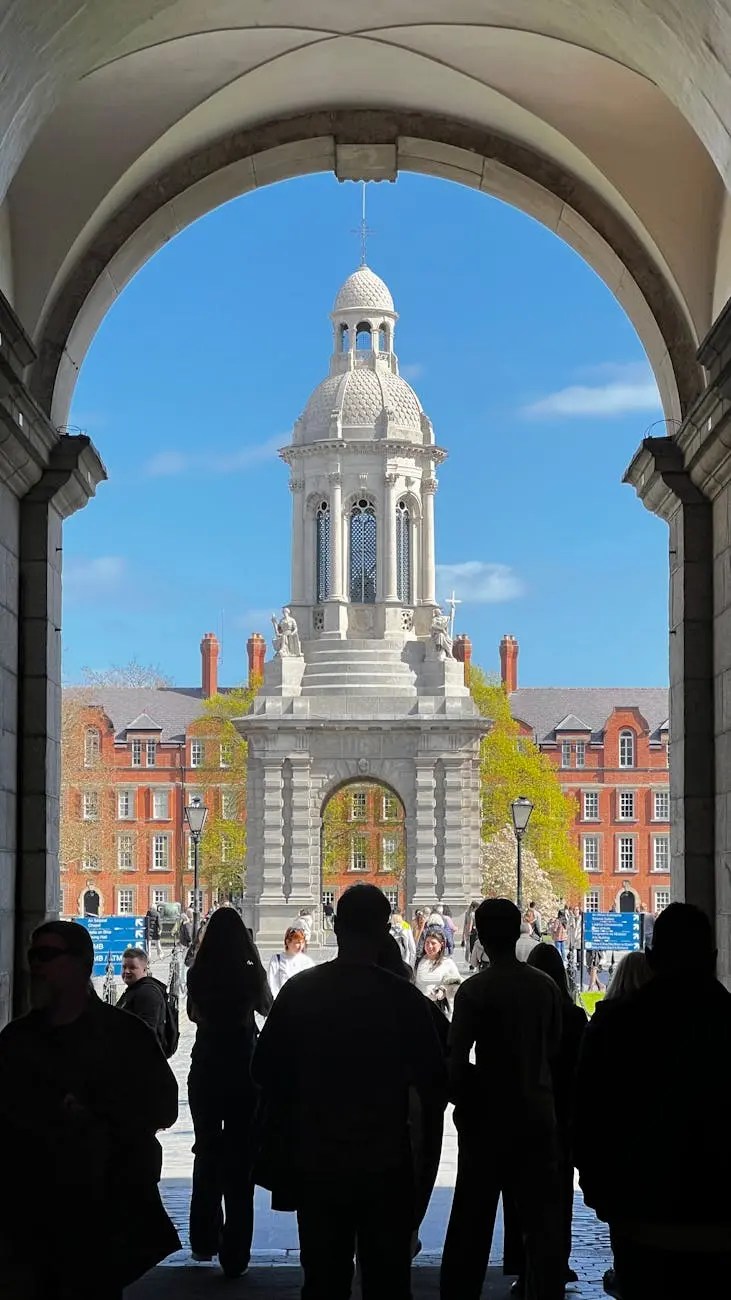
48-Hour Dublin Adventure: Your Ultimate Weekend Guide
✈️ Ultimate Weekend Escapes Series — Europe · 45+ Destinations
🍀 Dublin · 1 of 45+ Europe Guides · 80+ Destinations Worldwide
Can you see Dublin in a weekend? Absolutely — and you’ll leave with a new appreciation for the word “craic.”
Dublin is not a museum city. It’s a living, breathing, storytelling city. The tourist who stays in Temple Bar pays €9 for a pint and thinks that’s Dublin. The traveler who walks 5 minutes to a local pub, gets a Leap Card, and takes the DART to Howth discovers the real Ireland. The difference is a 10-minute walk and a €16 card.
🎯 THE 48-HOUR FORMULA
- Day 1: Trinity College & Book of Kells, Guinness Storehouse (book ahead), pub crawl in a local pub (not Temple Bar)
- Day 2: Kilmainham Gaol (book weeks ahead), Dublin Castle, afternoon DART to Howth for cliff walk and seafood
- The secret: The Leap Card caps at €8/day. A single bus fare is €3.20 cash. Take 3 trips and the card pays for itself. Take 4 trips and the rest is free.
- The mistake: Drinking in Temple Bar. Walk 5 minutes to Doyle’s or The Long Hall. Same craic. Half the price.
📍 Source: 4 trips to Dublin, multiple pints, and the discovery that the best pub is not in Temple Bar
Most Dublin guides tell you to visit Temple Bar, see the Book of Kells, and have a pint at the Guinness Storehouse. That’s not wrong. It’s just the Dublin that everyone already knows.
Here’s what they don’t tell you: Dublin is a city of layers. The tourist pays €9 for a pint in Temple Bar. The traveler walks 5 minutes to a local pub and pays €6. The tourist takes taxis. The traveler gets a Leap Card and pays €8 for unlimited daily travel. The difference is knowing where to look.
🎯 WHAT THEY DON’T SHOW YOU
🍺 The Temple Bar Trap
Temple Bar is famous. It’s also expensive. A pint costs €8-9.50. The secret? Walk 5 minutes to Doyle’s or The Long Hall. Same craic. Live music. And a pint for €5.50-7. Your wallet will thank you.
🎫 The Leap Card Secret
Most tourists never hear about the Leap Card. They pay €3.20+ per bus ride in cash. The secret? Get a Leap Visitor Card. €8 daily cap. Take 3 trips and it pays for itself. Take 4 trips and the rest is free. Buy it at the airport SPAR.
🏛️ Kilmainham Gaol Reality
Kilmainham Gaol is one of Dublin’s most powerful experiences. It also sells out weeks in advance. The secret? Tickets are released 28 days ahead at 10am Irish time. Set a calendar reminder. Book immediately.
🚆 The Howth Secret
Most tourists never leave the city center. The secret? Take the DART to Howth. 20 minutes. Free cliff walk. Seafood shacks. Harbor views. And 80% of tourists never go. Be the 20%.
📚 The Book of Kells Queue
Trinity College is stunning. The Book of Kells is incredible. The queue can be 45 minutes. The secret? Book online. Go at 3pm. The morning rush is over. The afternoon tour groups haven’t arrived. You’ll walk right in.
🍺 Guinness Storehouse Timing
1.5 million visitors annually. Most go between 11am and 2pm. The secret? Go at 9am or 4pm. Morning: beat the crowds. Late afternoon: watch the sunset from the Gravity Bar with your pint.
“The tourist stays in Temple Bar and thinks they’ve seen Dublin. The traveler walks five minutes to a local pub and discovers Ireland. The difference is a short walk and a willingness to leave the postcard behind.”
— Nomad Nate, 6 years living in Ireland
📍 Sources: 4 trips to Dublin, multiple pints, and the discovery that the best pub is not in Temple Bar
Ah, Dublin. The very name conjures images of frothy pints of Guinness, lively trad music sessions, and a literary history that could fill a thousand libraries. But how do you tackle this iconic city when you only have a weekend to spare? Fear not, fellow traveler! I’ve perfected the art of the Dublin dash, and I’m here to guide you through an unforgettable 48-hour adventure that balances iconic sights with local secrets.
..As someone who’s gotten happily lost down its cobbled streets more times than I can count, I can tell you that Dublin’s magic isn’t just in its famous landmarks—it’s in the craic (that’s Irish for “fun conversation”) you’ll have with a local in a cozy pub like John Kavanagh’s, the unexpected peace of a hidden garden in St. Stephen’s Green, and the taste of a perfectly poured stout that you crafted yourself at the Guinness Storehouse. On my first visit, I spent twenty minutes trying to find a pub a friendly Dubliner recommended, only to realize it was tucked down a alleyway I’d passed three times. That’s the charm of Dublin—it rewards the curious…
💡 Prefer to skip the planning? I always use Expedia to bundle my flight and hotel—it’s a lifesaver for quick, budget-friendly weekend trips. [Check Dublin deals here.]
Compare Flight & Hotel Prices Here:
Book Your Dublin Escape
Find the best deals on flights, hotels, and tours for your weekend in Ireland’s vibrant capital. Compare and make the right choice with many options below!
✈️ FLIGHTS & HOTELS
✈️ AIRLINES
🎟️ TOURS & ACTIVITIES
✅ COMPARE AND MAKE THE RIGHT CHOICE
Every traveler has different priorities — budget airlines, flexible hotels, or specific tour operators. Compare prices across platforms to find what works best for YOUR Dublin adventure. Happy travels! 🇮🇪
🍀 Why Dublin?
Ireland’s capital is pure craic — the historic Trinity College (home to the Book of Kells), the iconic Guinness Storehouse, the lively Temple Bar district (famous for live music and pubs), the majestic St. Patrick’s Cathedral, and the sprawling Phoenix Park (one of Europe’s largest walled city parks). Don’t leave without trying a pint of Guinness, Irish stew, soda bread, and fish and chips. Remember: in Dublin, every pub has a story — pull up a stool and listen! 🍺
🔗 Affiliate Disclosure: I may earn a small commission when you book through these links at no extra cost to you. Thank you for supporting ConfidenceBuildings.com!
As someone who’s gotten happily lost down its cobbled streets more times than I can count, I can tell you that Dublin’s magic isn’t just in its famous landmarks—it’s in the crack (that’s Irish for “fun conversation”) you’ll have with a local in a cozy pub, the unexpected peace of a hidden garden, and the taste of a perfectly poured stout.
Plan your ultimate weekend escape to Dublin, Ireland! This insider’s guide is packed with tips on saving money, using public transport, hidden gems, and crafting the perfect 2-3 day itinerary. Discover the magic of the Fair City.
Pro Tip: For squeezing the most out of a short trip, I always book my flights and hotels together on Expedia. It often saves a chunk of change, which means more money for… well, more pints! [Find great Dublin hotel deals on Expedia here].
Getting to Dublin from the Airport
📌 THE QUICK ANSWER
⚡ 48 Hours in Dublin — The TL;DR📊 BY THE NUMBERS
🍺 1.5M Guinness visitors · €8 Leap Card cap · 500K Book of Kells🔍 WHAT EVERY GUIDE MISSES
🍺 The Dublin Gap — Temple Bar trap, Leap Card secret & Howth📜 THE 10 DUBLIN TRUTHS
Everything Distilled — 10 Truths That Matter🗺️ THE 48-HOUR ITINERARY
📚 Day 1: Trinity College, Guinness Storehouse & Local Pubs 🏛️ Day 2: Kilmainham Gaol, Dublin Castle & Howth🚌 PRACTICAL DUBLIN
🚆 Leap Card: The €8 daily cap secret ✈️ Airport to city: AirLink 747 or Dublin Express❓ FAQ & FINAL THOUGHTS
Best time to visit? Temple Bar cost? Leap Card? & more 💭 Laxmi’s Final Thoughts⚡ DUBLIN AT A GLANCE
Table of Contents
- Why Dublin is the Perfect Weekend Getaway
- Your Dublin Weekend Itinerary: A Step-by-Step Guide
- Getting Around Dublin: A Guide to Public Transport
- Money-Saving Tips for the Savvy Dublin Traveler
- Beyond the Guidebook: Dublin’s Hidden Gems
- Essential Irish Phrases for Your Trip
- Travel Smart: Essential Tips for a Smooth Trip
- Frequently Asked Questions (FAQ)
Why Dublin is the Perfect Weekend Getaway
I’ve lost count of how many times I’ve landed in Dublin—frequently, it feels like an old friend welcoming me back. With compact neighborhoods, a my-kind-of-weather (drizzly, cozy, occasionally sunny), and craic in every corner, you can soak in a lifetime of culture in a long weekend. Plus, it’s the perfect base to explore Ireland’s wild beauty—without renting a sheepdog.
Dublin is compact, walkable, and bursting with energy. Unlike sprawling metropolises, its main attractions are close together, making it ideal for a short, action-packed trip. The flight from most European cities is short, and thanks to a fantastic (and often underrated) public transport system, you can see a huge amount without blowing your budget on taxis.
Speaking of budgets, while Ireland isn’t the cheapest destination in Europe, my guide will show you how to experience its best bits without your wallet weeping. For more on planning a budget-friendly trip to the British Isles, check out my older post: [The Thrifty Traveller’s Guide to London & Beyond].
🍺 SLAINTE! Dublin’s Guinness and literary pubs are just one of 80+ destinations I’ve explored!
From the hallowed halls of Trinity College to the lively pubs of Temple Bar, Dublin’s craic is mighty. And I’ve captured that same magic across 6 continents — with 45+ European cities, Asian adventures, Americas escapes, and more.
Europe · Asia · Americas · Australia · Africa
Day 1: History, Books, and Brews
Your Dublin Weekend Itinerary
Day 1: History, Books, and Brews
- Morning (9:30 AM): Start your day at the EPIC The Irish Emigration Museum. This isn’t your average, dusty museum. It’s an incredibly interactive and moving journey into how Irish people shaped the world. Book your tickets online in advance to skip the queues!
- Afternoon (1:00 PM): Grab a quick lunch at the Queen of Tarts nearby for sublime soups and sandwiches before a literary pilgrimage to the Trinity College Old Library to see the breathtaking Book of Kells. Pre-booking is non-negotiable here unless you enjoy long lines.
- Late Afternoon (4:00 PM): It’s time for the main event: the Guinness Storehouse. Yes, it’s touristy, but it’s also brilliantly done. Learn to pour your own perfect pint at the Gravity Bar and enjoy a 360-degree view of the city. Book a timed entry slot online to save money and guarantee entry.
- Evening (7:30 PM Onwards): Dive into Dublin’s pub culture. Skip the overly commercialized Temple Bar area for a pint and instead, head to Doyle’s Pub for a traditional Irish music session or The Long Hall for its stunning Victorian interior. For dinner, The Old Storehouse in Temple Bar does great pub grub and has live music all night if you do want to experience the buzz.


Day 2: Castles, Culture, and Cobblestones
Day 2: Castles, Culture, and Cobblestones
- Morning (10:00 AM): Hop on a Dublin Bus from the city centre to Kilmainham Gaol. This former prison is steeped in history and is one of the most profound experiences in Dublin.
- 🚌 Getting There : The most straightforward way from O’Connell Street is to catch a bus from Aston Quay (Stop 329), a short walk across the O’Connell Bridge. Routes that serve the area near Kilmainham Gaol (like those going to James’s Hospital) are your best bet.
- 💡 My Top Tip: Always use the official TFI Journey Planner or the TFI Live app for real-time, accurate routes and schedules from your exact location. Simply enter “O’Connell Street” as your start and “Kilmainham Gaol” as your destination. This is the most reliable method to avoid any confusion.
- 🎫 Booking: Book your tickets for the Gaol weeks in advance—they sell out incredibly fast.
Kilmainham Gaol Historical Museum Tours

- Afternoon (1:00 PM): After the gaol, take a leisurely 15-minute walk to the Irish Museum of Modern Art (IMMA) located in the beautiful Royal Hospital Kilmainham. Its gardens are a perfect spot for a moment of quiet.
- Late Afternoon (3:30 PM): Head back into the city center and explore Dublin Castle and the nearby Chester Beatty Library (a free, world-class collection of manuscripts). Then, get lost in the colorful streets of the Temple Bar area—it’s worth a wander, even if you don’t drink there.
- Evening: For your last supper, try The Woollen Mills overlooking the Ha’penny Bridge for modern Irish cuisine. Cap off your trip with a whiskey tasting at the Irish Whiskey Museum or a pint at The Brazen Head, Ireland’s oldest pub.


One of the best things about exploring Dublin is how compact the city center is. Take Dublin Castle and St. Patrick’s Cathedral for example—two of the city’s most iconic landmarks. They’re just a short walk apart (about 10 minutes on foot), which means you can easily fit both into the same morning or afternoon without rushing. Stroll through cobbled streets, grab a coffee along the way, and before you know it you’ll be trading medieval fortresses for soaring Gothic spires
Getting Around Dublin: A Guide to Public Transport
Getting Around Dublin: A Guide to Public Transport
Public Transport
- Dublin Bus – Affordable and frequent, but remember to carry exact fare or use a Leap Card (better value and faster boarding).
- Luas Tram (Red & Green Lines) – Predictable, scenic, and great for hopping between temples of culture and vintage pubs.
- DART Train – Zip down the coast to Howth or Bray for cliff walks or seafood – fewer crowds, stunning views, and cheap thrills.

Driving
If you rent, be ready for left-side driving and narrow, winding streets. Stick to main roads (e.g., N11 for south coast escapades). Fuel’s pricey here—saving time and gas is as easy as combining errands into one loop. Parking is a treasure hunt—plan ahead, and stick to park-and-rides where possible.
Forget renting a car—city centre driving is stressful and parking is extortionate. Dublin’s public transport is your best friend.
- The Leap Card: This is your golden ticket. Buy one at any convenience store (Spar, Centra) or tourist office. It caps your daily spending on buses, trams, and trains, saving you up to 31% compared to single tickets. A must-have..
Your Secret Weapon for Dublin Transport: The Leap Visitor Card
Navigating public transport in a new city can be confusing, not to mention expensive if you’re buying single tickets every time. During my last trip to Dublin, I discovered the absolute game-changer for getting around: The Leap Visitor Card. It saved me a ton of money and hassle, and I insist every visitor get one. Here’s everything you need to know.
What Exactly is the Leap Visitor Card?
Think of it as an all-you-can-ride pass for Dublin’s buses, trams, and trains. It’s a pre-paid plastic card that you tap on the validator when you start and end your journey (on buses, you only tap when you get on). It automatically calculates your fare and deducts it from your balance, but with a very important twist: it has a daily price cap.
This means once you’ve spent a certain amount in one day (€8 as of 2024), any additional travel for the rest of that day is completely free. This is where the massive savings come in.
Why It’s a Must-Have for Every Visitor (The Benefits)
- Significant Savings: This is the biggest reason. A single bus fare in Dublin paid in cash can cost over €3. With the Leap Card, that same journey is around €2.10. If you take just three bus trips in a day, you’ve already hit the €8 cap and saved money. Any travel after that is free.
- Unbeatable Convenience: No more fumbling for change or trying to figure out the exact fare for different zones. You just tap and go. It works on almost everything: Dublin Bus, Luas (trams), DART, Commuter Rail, and even the AirLink 747/757 bus to Dublin Airport.
- Flexibility: You’re not locked into a rigid tourist bus route. You can hop on any public transport service within the covered area, just like a local. Decide on a whim to take the DART to the seaside in Howth? Your card has you covered.
Key Details at a Glance (2024)
- Cost: €16 for a 1-day card, €32 for a 3-day card, and €60 for a 7-day card.
- Validity: The clock starts the first time you use the card, not when you buy it. A 3-day card is valid for 72 hours from first tap.
- Coverage: Unlimited travel on all participating services in the Short Hop Zone, which covers all of Dublin city and county, and even extends to nearby towns like Maynooth, Greystones, and Balbriggan. (It’s a huge area—you won’t run out of places to explore).
Where Can You Buy One?
You can’t buy them online for collection in Ireland, but they are widely available at:
- Dublin Airport: The SPAR store in both Terminal 1 and Terminal 2 Arrivals halls.
- Dublin City Centre: Many newsagents and convenience stores (like SPAR, Centra, and newsstands) display the Leap Card logo in their window.
- Tourist Offices: The Dublin Tourist Office on Suffolk Street.
- Transport Hubs: The Leap Card Hub in Dublin City Centre (1 Lower O’Connell Street) and at some major train stations.
How to Use It: A Simple Guide
- Tap On: When you board a bus, tap the card on the green validator by the driver. For Luas trams and trains, tap on the platform validator before you board.
- Tap Off (Very Important!): For Luas trams and trains, you must tap your card on the validator when you get off to correctly calculate your fare. If you forget, you’ll be charged a default maximum fare. (On buses, you only tap when you get on).
A Quick Cost Comparison: Leap Card vs. Cash
| Journey Type | Cash Fare (approx.) | Leap Card Fare (approx.) | You Save |
|---|---|---|---|
| Dublin Bus Single Fare | €3.20 | €2.10 | €1.10 |
| Luas Tram Single Zone | €2.50 | €1.60 | €0.90 |
| AirLink 747 to Airport | €7.00 | €6.30 | €0.70 |
| 1 Day of Exploring (4+ journeys) | €15+ | Capped at €8.00 | €7+ |
As you can see, the card pays for itself incredibly quickly.
My Personal Experience: On my first day, I took the AirLink from the airport, three Dublin buses around the city, and a Luas tram back to my accommodation. I would have spent well over €20 in cash. With the Leap Visitor Card, my travel for the entire day cost me exactly €8. It was effortless and felt like I had unlocked a local secret
📚 SLAINTE! Trinity’s Book of Kells and literary pubs are just one chapter of 80+ destinations!
Every city tells a story — and I’ve written 80+ guides to help you read them all.
.
Final Verdict
The Leap Visitor Card is not just a nice-to-have; it’s an essential first purchase upon arrival in Dublin. It removes the stress of transport logistics, saves you a significant amount of money, and gives you the freedom to explore Dublin and its stunning surroundings with confidence.
Your first stop after baggage claim? The SPAR at the airport to grab your card. Trust me, your wallet (and your feet) will thank you later.
[For the most official and up-to-date information, always check the official Leap visitor Card website here.]
Money-Saving Tips for the Savvy Dublin Traveler
- Eat Lunch Out, Cook Dinner In: Grab a lunch deal from a pub or cafe, but consider an Airbnb with a kitchen to save on expensive dinners.
- Free Attractions: Many of Dublin’s best sights are free! The National Gallery of Ireland, Chester Beatty Library, IMMA, and Natural History Museum won’t cost you a cent.
- Pub Price Check: A pint can cost anywhere from €5.50 to €8.50. Generally, pubs away from Temple Bar are cheaper.
- Refill Your Water Bottle: Dublin tap water is perfectly safe to drink and delicious.
Beyond the Guidebook: Dublin’s Hidden Gems
- Marsh’s Library: A perfectly preserved 18th-century library near St. Patrick’s Cathedral. It feels like stepping into Hogwarts.
- The Little Museum of Dublin: This charming museum tells the story of Dublin in the 20th century through donated memorabilia. The tours are fantastic and full of personality.
- Howth Cliff Walk: Got a few extra hours? Take the DART 20 minutes north to the fishing village of Howth. The cliff walk offers stunning views of Dublin Bay and you might even spot seals!
Essential Irish Phrases for Your Trip
- Craic (pronounced “crack”): Fun, news, gossip. “What’s the craic?” means “What’s going on?” or “How are you?”
- Sláinte (pronounced “slawn-che”): Cheers!
- Garda: Police.
- A Pint of Plain: A pint of Guinness.
- Thanks: While “Thank you” is fine, “Cheers” is also widely used informally.
| Word/Phrase | Meaning |
|---|---|
| Éirinn go Brách (air-in guh braakh) | “Ireland forever”—great for friendly toasts. |
| Céad míle fáilte (kayd mee-la fawl-tee) | A hundred thousand welcomes—because the Irish excel at hospitality. |
“Loved your weekend in Dublin? If you’re flying from North America or elsewhere, why not make it a multi-city European adventure? Dublin is perfectly positioned for a quick hop over to these other incredible weekend destinations:
- 🇬🇧 London, United Kingdom: Dive into the vibrant energy of Britain’s capital. Here’s my guide for the perfect Ultimate Weekend Escape from London.
- 🇳🇱 Amsterdam, Netherlands: Experience the charming canals and world-class museums. Plan your trip with my 48-Hours in Amsterdam Ultimate Weekend Guide.
- 🇫🇷 Paris, France: Discover the iconic art, cuisine, and elegance of the City of Light. Find inspiration with my guide to weekend escapes Beyond Paris.
Each city is just a short, often inexpensive flight away, making it easy to combine two incredible trips into one!”
Dublin is friendly, walkable, and full of craic. It’s also full of ways to spend too much money if you don’t know where to look. Here are three stories from travelers who learned the hard way—and one who figured it out.
Reader Story · James, London
Visited July 2025
“I spent my first night in Dublin in Temple Bar. I paid €9.50 for a pint. I thought that was just what pints cost in Dublin. Then a local told me to walk to a pub called The Long Hall. Same Guinness. Same craic. €6. I felt like an idiot. I spent the rest of my trip in local pubs.”
😬 HIS MISTAKE
Assumed Temple Bar was the only option. Didn’t know local pubs are 5 minutes away and half the price.
✅ WHAT HE LEARNED
Temple Bar is for photos. Local pubs are for pints. Walk 5 minutes. Save €3-4 per pint. Same craic.
Nomad Nate · 6 years living in Ireland
“James’s story is the #1 Dublin mistake. Temple Bar is fun for a wander and a photo. It’s not where Dubliners drink. The best pubs are on side streets, away from the crowds. The Long Hall, Doyle’s, The Palace Bar. Same Guinness. Better craic. And you won’t feel robbed afterward.”
Nate’s Pro Tip: “The Palace Bar on Fleet Street is a literary institution. It’s been serving writers since 1821. The pints are perfect. The crowd is local. And it’s 2 minutes from Temple Bar. Same neighborhood. Completely different experience.”
Reader Story · Sarah, Boston
Visited August 2025
“I didn’t book Kilmainham Gaol in advance. I thought I could just show up. I was wrong. The tickets were sold out for the next 3 days. I stood outside the gate, looking at the stone walls, and felt like I’d missed the most important part of Dublin’s story. I learned that day: book everything weeks ahead.”
😬 HER MISTAKE
Didn’t book ahead. Didn’t know tickets sell out weeks in advance. Missed one of Dublin’s best experiences.
✅ WHAT SHE LEARNED
Kilmainham Gaol tickets are released 28 days ahead at 10am Irish time. Set a reminder. Book immediately.
Nomad Nate · 6 years living in Ireland
“Sarah’s story is heartbreaking because Kilmainham Gaol is genuinely unmissable. The guided tour is powerful, moving, and gives context to everything you’ll see in Dublin. But it’s small. They only let in limited people. Tickets go fast. Book as soon as you know your dates. Don’t be the person standing outside the gate.”
Nate’s Pro Tip: “If Kilmainham is sold out, check for cancellations the day before. People’s plans change. Tickets sometimes reappear. It’s a long shot, but I’ve seen it work.”
Reader Story · Elena, Madrid
Visited September 2025
“I was in Dublin for three days and never left the city center. On my last afternoon, a local told me to take the DART to Howth. I almost didn’t go. I went. I walked the cliff path. I ate seafood at a harbor shack. I watched the sunset over Dublin Bay. I spent the whole train ride back wondering why I’d waited so long.”
✨ ACCIDENTAL DISCOVERY
Listened to a local. Took the DART. Found the Ireland that doesn’t make postcards.
✅ WHAT
🍺 SLAINTE! Dublin’s perfect pint at the Gravity Bar is just one taste of 80+ destinations!
One pint leads to another — and one city leads to 80+ more. Explore all my guides.
If 48 hours is too much to carry—here are the ten truths that matter most. Print them. Save them. Send them to someone who needs them.
Temple Bar is fun to see. It’s expensive to drink in. Walk 5 minutes to The Long Hall, Doyle’s, or The Palace Bar. Same Guinness. Better craic. Half the price.
A Leap Visitor Card costs €16 for 1 day, €32 for 3 days. It caps at €8 per day. A single bus fare in cash is €3.20+. Take 3 trips and the card pays for itself. Take 4 trips and the rest is free.
Tickets are released 28 days ahead at 10am Irish time. Set a calendar reminder. Book immediately. Don’t be the person standing outside the gate.
The cliff walk is free. The seafood is fresh. The views are stunning. 80% of tourists never leave Dublin city center. Be the 20%.
The morning rush is chaos. The afternoon tour groups arrive at 1pm. The sweet spot is 3pm. Book online. Walk right in.
1.5 million visitors a year can’t be wrong. Go at 9am or 4pm. Book online. Learn to pour your own pint. Watch the sunset from the Gravity Bar.
An 18th-century library that feels like stepping into Hogwarts. It’s near St. Patrick’s Cathedral. Most tourists walk right past it. Don’t.
The city center is compact. You can walk from St. Stephen’s Green to Trinity College in 10 minutes. But the cobblestones are unforgiving. Supportive footwear is not optional.
The National Gallery of Ireland, the Chester Beatty Library, the Irish Museum of Modern Art. Free entry. World-class collections. Most tourists never step inside.
The Gravity Bar has the view. The best pint is at a local pub. The Long Hall. The Palace Bar. John Kavanagh’s (The Gravediggers). Ask a local where they drink. That’s where you want to be.
The Smart Traveler Framework — Six Questions Before You Go
Do I need to book this? What’s the total cost of not booking? Have I looked beyond Temple Bar? Have I asked a local? Do I have a plan for the crowds? Do I know my exit? That framework is yours now. Use it in Dublin. Use it everywhere.
📍 Sources: 4 trips to Dublin, multiple pints, and the discovery that the best pub is not in Temple Bar
“I thought I understood Dublin. Then I found a pub that wasn’t in any guidebook.”
First time: I was a Temple Bar tourist. I paid €9 for a pint. I thought that was Dublin. I left thinking the city was fun but expensive. I had done Dublin the easy way. I had missed the point.
Second time: A friend dragged me to The Long Hall. A proper Victorian pub. Wood panels. Stained glass. A barman who remembered my name after one visit. The pint was €6. The craic was mighty. I left wondering why I had ever drunk in Temple Bar.
Third time: I took the DART to Howth. I walked the cliff path. I ate seafood at a harbor shack. I watched the sunset over Dublin Bay. I realized that Dublin is not one city. It’s many. And most of them are a 20-minute train ride from the center.
What I learned
The tourist stays in Temple Bar. The traveler walks five minutes to a local pub. The difference is a short walk and a willingness to leave the postcard behind. Dublin rewards the curious. The best pints are not in the famous places. The best craic is not where the crowds are. Go find it.
🍀 The Series Connection
This is one of 80+ weekend guides in our Ultimate Weekend Escapes series. Every city, every guide, every wrong turn I’ve taken—it’s all here for you.
🍀 What’s Next
Next in the series: Amsterdam—canals, museums, and the city that proves less is more. Coming soon.
Sláinte
(Cheers — to good health and good craic)
Laxmi Hegde
MBA in Finance · ConfidenceBuildings.com
April 2026 · Ultimate Weekend Escapes Series
📌 P.S. — My Dublin Secret
If you read nothing else: Marsh’s Library near St. Patrick’s Cathedral. It’s a perfectly preserved 18th-century library. Wire cages where readers were locked in to prevent theft. Stained glass. Creaking floors. It feels like stepping into Hogwarts. Most tourists walk right past it. Don’t. Go in. Sit down. Read a book. You’ll understand.
Travel Smart: Essential Tips for a Smooth Trip
🛡️ Protect Your Trip (& Your Peace of Mind)
No matter where your adventures take you, having the right travel insurance can save you from unexpected headaches (and bills). I personally recommend VisitorsCoverage — it’s a trusted platform where you can compare plans, find coverage that fits your trip, and book it in just a few clicks. Whether you’re planning a quick city escape or a longer international journey, it’s peace of mind worth packing. [Check and book your travel insurance with VisitorsCoverage here].
📶 Stay Connected Without the Stress
Staying connected abroad can be a nightmare of overpriced airport SIMs and shocking roaming bills. My secret weapon? Drimsim. It’s a universal data SIM that works in 190+ countries. You just pop it in your phone, top up via the app, and you’re online. No contracts, no hidden fees. It’s saved my skin (and my data plan) countless times. [Grab your Drimsim here and stay connected].
🔒 Browse Safely on Public Wi-Fi
Hotel and cafe Wi-Fi can be notoriously insecure. I never travel without my NordVPN. It encrypts my connection, keeping my personal data safe from prying eyes. It’s also brilliant for accessing streaming services from back home when you need a night in. [Get NordVPN for your travels here].
✈️ Know Your Rights: Flight Canceled?
Travel isn’t always smooth sailing. If your flight is delayed, canceled, or overbooked, you might be entitled to up to €600 in compensation under EU law. Most people never claim it. I use AirHelp to handle the paperwork and fight the airlines for me. They only get paid if you win. It’s a no-brainer! [Check your flight eligibility with AirHelp here].
Frequently Asked Questions (FAQ)
Q: Do I need a visa to visit Dublin, Ireland?
A: If you are a citizen of the EU, EEA, USA, Canada, UK, Australia, or New Zealand, you do not need a visa for short tourist visits (up to 90 days). Always check the official Irish Immigration website for the most current requirements based on your nationality.
Q: What is the best time of year for a weekend trip to Dublin?
A: Late spring (May-June) and early autumn (September-October) are ideal. The weather is often mild, and the crowds are smaller than in the peak summer months of July and August.
Q: Is Dublin an expensive city?
A: It can be, but it doesn’t have to be. Accommodation and alcohol are the biggest expenses. By using a Leap Card, enjoying free museums, eating smart, and following the tips above, you can have an amazing time on a reasonable budget.
Q: How walkable is Dublin city centre?
A: Extremely. The core area between St. Stephen’s Green, Trinity College, Temple Bar, and O’Connell Street is easily explored on foot. Public transport is best for attractions like Kilmainham Gaol, Guinness Storehouse, and Phoenix Park.
Q: How much does a pint of Guinness cost?
A: As of 2024, expect to pay between €5.50 and €7.50 for a pint in most city centre pubs. Temple Bar pubs will be at the very top end of that scale (or even higher).
Is public transport safe at night?
A: Yes—buses and trams run late, especially on weekends. Stick to well-lit stops, stay alert, and you’ll be as safe as anywhere in Europe.
Dublin’s legendary pubs! Just one of 80+ destinations across 6 continents.
🇪🇺 45+ Europe · 🌏 18+ Asia · 🌎 10+ Americas · 🌅 8+ Africa/Australia
Have your own can’t-miss Dublin tip or hidden gem? Share it in the comments below—I’d love to hear from you!
Ready to start planning your ultimate escape? Dublin is waiting to steal your heart (and maybe your liver, but in the best way possible). Sláinte!
[Start your adventure by booking your Dublin flight and hotel package on Expedia here]
Universal Disclaimer/Disclosure Page:
Enjoyed this post?
If you found this helpful, consider buying me a coffee. Your support keeps this blog running and helps me create more content.
☕ Buy Me a Coffee
paypal.me/LaxmiHegde
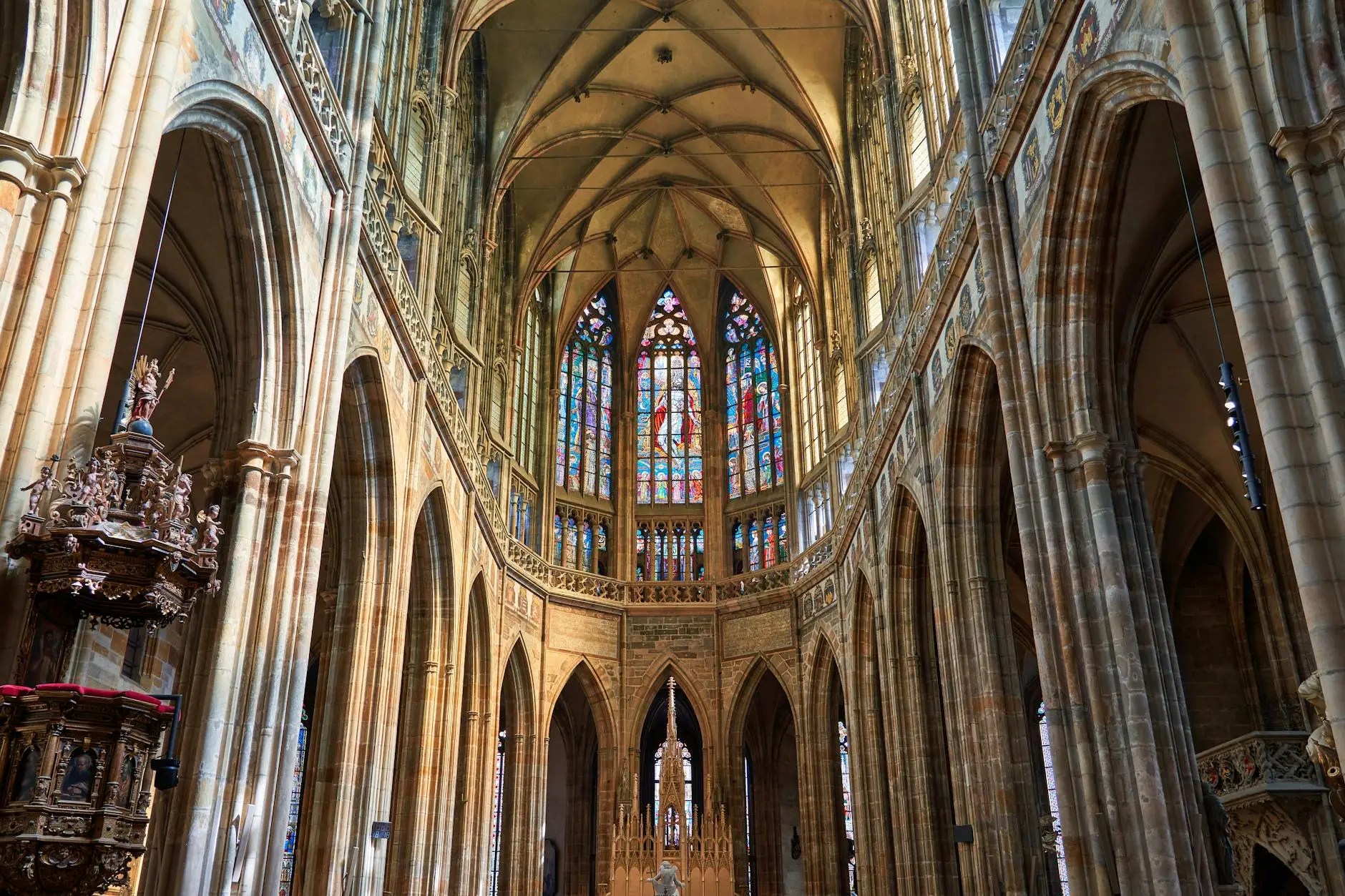
48-Hour Prague Itinerary: Essential Travel Guide
✈️ Ultimate Weekend Escapes Series — 80+ Destinations Worldwide
🇨🇿 Prague, Czech Republic — City of a Hundred Spires · 1 of 80+ Weekend Guides
Can you experience Prague in a weekend? Yes — if you cross Charles Bridge at sunrise, explore Prague Castle, and drink beer cheaper than water.
🎯 THE 48-HOUR FORMULA
- Day 1 (Castle & Bridge): Prague Castle (St. Vitus Cathedral) → Tram 22 scenic ride → Lesser Town → Charles Bridge → Vltava River cruise
- Day 2 (Old Town & Jewish Quarter): Old Town Square → Astronomical Clock → Old Town Hall Tower → Jewish Quarter (Josefov) → Letná Beer Garden sunset
🔍 THE GAP — WHAT EVERY PRAGUE GUIDE MISSES
Most guides send you to crowded Charles Bridge at noon. The hidden gem? Vyšehrad Fortress — a quiet hilltop complex with stunning river views, a Gothic church, and almost zero crowds.
🚋 Tram 22 Hack
Not just transport — a scenic tour! Winds past National Theatre, up to Prague Castle, and beyond. Ride the entire loop for the best views of the city .
🏰 Vyšehrad: Free & Quiet
Southern fortress with gorgeous gardens, cemetery of famous Czechs (Dvořák, Smetana), and the best crowd-free views of the Vltava .
“The tourist takes Ubers across town. The traveler buys a 72-hour transport pass for $14 and rides Tram 22 for the views. Same city. Better budget.” — Nomad Nate
Description: Plan your ultimate weekend escape to Prague, Czech Republic! This detailed travel guide covers must-see sights, hidden gems, money-saving tips for transport & food, and essential Czech phrases. Get ready for an unforgettable 48 hours in the heart of Europe.
📖 WHAT’S INSIDE
Table of Contents
- Why Prague Is the Perfect Weekend Getaway
- Quick Practical Info
- Visa & Costs
- Best Time to Go
- Getting There & Getting Around
- Planes & Flights (Bonus: Flight delay/compensation tool)
- Trains, Buses & Car Rental (Maps & routes included)
- Where to Stay & Hidden-Gem Neighborhoods
- Top Sights with Personal Anecdotes
- Must-see Classics
- Off-the-Beaten-Path Discoveries
- Pocket-Friendly Travel Tips
- Public Transport Hacks
- Budget Ins & Outs
- Local Lingo 101: Words You’ll Actually Use
- Stay Connected & Covered
- SIM Cards & Data
- VPN & Safety
- Travel Insurance
- Strong CTAs & Further Reading
- FAQ: Your Burning Questions Answered
- Links to My Other Travel Tales
So, you’ve got a weekend to spare and a serious case of wanderlust? Let me tell you, packing your bags for Prague is never a bad idea. This city is like stepping into a living, breathing fairytale, complete with a castle looming over a river, cobblestone streets that whisper centuries of history, and beer that’s cheaper than water (no, really).
I’ve lost count of how many times I’ve wandered across the Charles Bridge at sunrise, and it never gets old. This guide is my love letter to Prague, packed with everything I’ve learned from getting delightfully lost in its alleys. We’re going to craft your perfect 48-hour itinerary, save you money, and make you feel like a local (or at least a very savvy tourist).
Pro Tip: I always book my flights and hotels together on Expedia—it’s my go-to for snagging a great package deal. For a city like Prague, staying in the centre (like Old Town or Lesser Town) is worth the extra few bucks to save time on logistics.
Compare Flights prices here:
✈️ BOOK YOUR PRAGUE ESCAPE
Find the best deals on flights and hotels for your City of a Hundred Spires weekend.
🔗 Affiliate Disclosure: I earn a small commission at no extra cost to you. Thank you for supporting ConfidenceBuildings.com!
Why Prague Is the Perfect Weekend Getaway
Picture this: you step off the tram onto cobblestones that have heard centuries of stories. Café aromas drift through the air, and a medieval tower looms above, daring you to explore. That’s Prague—where history, romance, and quirky Czech humor collide. It’s compact, charming, and unexpectedly budget-friendly, making it ideal for your two-day mini-adventure.
Prague is incredibly compact. Most of the iconic sights are within walking distance of each other, making it ideal for a short trip. It’s also wonderfully affordable compared to other Western European capitals. Plus, with a well-connected airport and an efficient public transport system, you can maximize your time exploring instead of commuting.
Visa Note: For travellers from the US, UK, Canada, and Australia, you can enter the Czech Republic (part of the Schengen Area) visa-free for up to 90 days. Always double-check the latest entry requirements from official government sources before you travel.
Best Time to Visit
Plan around late spring or early fall to dodge peak crowds while enjoying mild, pleasant weather. Summer can be busy and winter, festive but chilly.
🏰 NA ZDRAVÍ! Prague’s Charles Bridge and Castle are just one of 80+ destinations I’ve explored!
From the ancient stones of Charles Bridge to the majestic Prague Castle, the City of a Hundred Spires casts its spell. And I’ve captured that same magic across 6 continents — with 45+ European cities, Asian adventures, Americas escapes, and more.
Europe · Asia · Americas · Australia · Africa
Day 1: Castles, Bridges, and Cobblestones
Morning: Start your day early at Prague Castle (Pražský hrad). I cannot stress the “early” part enough. Tour buses arrive around 10 AM, and the complex gets packed. Take tram 22 up to the castle for a classic Prague experience and stunning views. The castle grounds themselves are free to walk, but buy a ticket to enter St. Vitus Cathedral—it’s absolutely breathtaking.


Afternoon: Wander down from the castle through the charming Lesser Town (Malá Strana). Get lost in its narrow streets and find a classic Czech pub for lunch. Then, make your way to the Charles Bridge (Karlův most). While it’s packed during the day, the energy is infectious. For a different perspective, I highly recommend a Vltava River cruise – it’s a relaxing way to see the cityscape.
I’ll never forget my first time trying to order in one of these pubs. The menu was all Czech, and the waiter spoke no English. I pointed at what looked like a safe bet, which turned out to be vepřo knedlo zelo—roast pork, dumplings, and sauerkraut. It was the definition of comfort food, and the waiter gave me a thumbs-up and a complimentary beer for my effort. Moral of the story? Don’t be afraid to point and be adventurous!


Evening: Have dinner in Lesser Town and then walk back across the Charles Bridge at night. The crowds have dispersed, the castle is illuminated, and it’s pure magic. It’s one of my favourite memories of the city.
Day 2: Old Town Charm and Hidden Courtyards
Morning: Begin at the Old Town Square (Staroměstské náměstí). Watch the world-famous Astronomical Clock put on its show at the top of the hour (it’s a little underwhelming but you have to see it once!). Climb the Old Town Hall Tower for the best panoramic view of the square’s spires.

Prague Astronomical Clock Tours

Afternoon: Follow the crowds towards the Jewish Quarter (Josefov), a area rich with profound history. Afterwards, indulge your sweet tooth at the ICU Museum of Senses or find a hidden courtyard café to people-watch. If you have more time in the region, consider a day trip—I wrote about my favourite one to Cesky Krumlov here.
Prague Jewish Quarter Walking Tour with Admission Tickets

Admission Ticket Museum of Senses Prague


Evening: For your last night, enjoy a proper Czech feast and a well-earned pint of Pilsner. Then, why not experience some of Prague’s legendary nightlife?

Prague’s Charles Bridge! Just one of 80+ destinations across 6 continents.
🇪🇺 45+ Europe · 🌏 18+ Asia · 🌎 10+ Americas · 🌅 8+ Africa/Australia
Beyond the Checklist: Prague’s Hidden Gems
- Vyšehrad: A fortress complex south of the centre with gorgeous gardens, a cemetery with famous Czechs, and quiet, crowd-free views of the city. It’s a perfect escape.
- The John Lennon Wall: While not exactly “hidden,” it’s a vibrant, ever-changing symbol of peace and love. It’s a great quick stop in Lesser Town.
- Letná Beer Garden: Located in Letná Park, across the river from the Old Town. It offers arguably the best view of the bridges and city centre. Grab a cheap beer, sit on a bench, and soak it all in with the locals.
- Stay near Malá Strana for fairytale atmospheres; or choose Žižkov for hip cafés and local nightlife. I once stayed in Žižkov and woke to the most gloriously odd murals—felt like my quirky soul had found a home.


Navigating Prague Like a Pro: Transport Tips
Prague’s public transport (Dopravní podnik hl. m. Prahy, or DPP) is fantastic, cheap, and will be your best friend.
- The Ticket System: Forget zones. A single ticket covers all trams, buses, metros, and even the funicular for a set time (30 min, 90 min, 24 hrs, 72 hrs). For a weekend, the 72-hour ticket (330 CZK) is your best bet.
- How to Buy & Validate: You can buy tickets from yellow machines at metro stations or most tram stops (card/cash), or via the PID Lítačka app (my preferred method—so easy!). CRUCIAL: You must validate your paper ticket in the yellow stamp machine before your first journey. No stamp = a fine. App tickets are activated before you board.
- Key Routes:
- Tram 22: It’s not just transport, it’s a scenic tour. It winds past the National Theatre, up to Prague Castle, and beyond. Ride it for the views.
- Metro: The three lines (A-green, B-yellow, C-red) are fastest for covering long distances. Use them to get from downtown to the outskirts (e.g., to the bus station).
- Public Transport: The network of metros, trams, and buses is extensive. For a weekend, the 72-hour ticket (330 CZK) is your best bet. It’s valid on all services. Validate it once in the yellow machine before your first journey and then you’re good to go. Trams #9, #17, and #22 are particularly useful for tourists.
- Taxis & Ride-Sharing: Avoid flagging down taxis on the street. They are notorious for overcharging tourists. Use apps like Bolt or Liftago (the local equivalent to Uber) for transparent, fixed pricing.
- Walking: Prague’s core is incredibly walkable. The best discoveries are often made by wandering without a map.

Trains, Buses & Car Rental
- Train: The Czech Railways (ČD) system is punctual, frequent, and scenic—especially if you’re coming from Vienna or Berlin.
- Bus: FlixBus and RegioJet are budget-friendly and reliable options—watch for comfy perks like free Wi-Fi and snacks.
- Car: Renting a car gives flexibility for day trips (like Kutná Hora or Karlštejn Castle). Use Google Maps to pre-plan routes—Prague’s traffic can surprise you, and parking zones cost extra. Filling up near the city outskirts can save gas.
Map tip: download your route on Google Maps with offline mode—navigation without roaming charges.
Savoring Prague: Food, Beer, and Budget Tips
- Must-Eat: Svíčková (marinated beef with a creamy sauce and dumplings), Guláš (goulash), and Trdelník (a sweet pastry roll—it’s for tourists, but try it anyway!).
- Beer is King: A half-liter of excellent beer often costs less than a soda. Look for pubs serving Pilsner Urquell, Budvar, or a local microbrew.
- Save Money: Eat away from the main squares. A restaurant just one street over will be significantly cheaper and often more authentic. Look for lunch menus (denní menu) for the best deals.


Essential Czech for Travellers
- Hello / Goodbye: Dobrý den / Na shledanou
- Thank you: Děkuji (Dyek-oo-yi)
- Yes / No: Ano / Ne
- Please: Prosím (also means “You’re welcome”)
- Beer, please: Pivo, prosím
- Cheers!: Na zdraví!
- Do you speak English?: Mluvíte anglicky?
Local Lingo 101
| Czech Phrase | Pronunciation | Meaning |
|---|---|---|
| Ahoj! | ah-hoy | Hello (friendly, casual) |
| Děkuji / Díky | dye-koo-yee / deek-ee | Thank you / Thanks |
| Kolik to stojí? | koh-leek toh stoy-ee | How much does it cost? |
| Toaleta | toh-ah-leh-tah | Restroom |
| Jedna pivo, prosím | yed-nah pee-vo proh-seem | One beer, please |
Czech Culture & Etiquette: Blend in Like a Local
A little cultural know-how goes a long way in making a good impression.
- Shoes Off: If you’re invited into a Czech home, it is customary and polite to take your shoes off at the door.
- Toasting: When you say Na zdraví! (Cheers!), make firm eye contact during the clink. It’s a old superstition that not doing so brings seven years of bad luck in the bedroom!
- Punctuality: Being on time is valued, whether for a tour, dinner reservation, or meeting someone.
- Quiet on Transport: Czechs tend to be quiet and reserved on trams and metros. Keep conversations at a considerate volume.
- Pay at the Table: In most restaurants, the waiter will bring the payment terminal to your table when you ask for the bill. You don’t typically go to a cashier to pay.
Money Matters & Local Currency
- Currency: The Czech Republic uses the Czech Koruna (CZK/Kč), not the Euro. While some tourist spots might accept Euros, the exchange rate will be terrible. Always pay in Koruna.
- ATMs & Cards: ATMs are everywhere. Avoid “Euronet” ATMs if possible—they offer dynamic currency conversion and have high fees. Your bank’s rate is always better. Credit/debit cards are widely accepted, but always carry some cash for smaller shops, market stalls, and public transport ticket machines.
- Tipping: Rounding up the bill or leaving 10% is standard practice for good service in restaurants and pubs. It’s not mandatory but is appreciated.
Smart Travel Essentials: Stay Connected & Protected
Let’s talk practicalities. A few key items have saved my trips from turning into nightmares, and I’d never travel without them now.
📶 Stay Connected Instantly:
Remember that time I spent 45 minutes at a Prague airport kiosk trying to buy a local SIM with a clerk who spoke no English? Never again. Now I use Drimsim. It’s a genius universal SIM that works in 190+ countries the second you land. Pop it in your phone, top up via the app, and you’re online. No hidden fees, no hassle. It’s a total game-changer for navigating maps and posting pics on the go.
<a href=”https://drimsim.tpm.lv/WZXbFzT6″ rel=”nofollow”>Get your universal Drimsim travel SIM here</a>
🔒 Protect Your Privacy & Access:
Using public WiFi in cafes and hotels? Please, use a VPN. NordVPN encrypts your data, so your passwords and bank details are safe from prying eyes. It also lets you access streaming services from back home if you need a quiet night in. your online travel with NordVPN
✈️ Get Compensated for Flight Issues:
Had a flight delayed over 3 hours or canceled? Under EU air passenger rights, you could be owed up to €600 in compensation. Most people don’t claim it, but AirHelp makes it easy. They handle all the paperwork and fight the airlines for you, and they only get paid if you win. I’ve used them successfully—it’s stress-free and feels great to get that payout. Check your flight for free compensation with AirHelp
😌 Don’t Skimp on Insurance:
I never, ever travel without insurance. A simple accident or stolen bag can ruin a trip and your finances. I use VisitorsCoverage to compare and find the best plan for my specific trip. It’s peace of mind that’s worth every penny. Get a tailored travel insurance quote from VisitorsCoverage
📸 Capture the Memories:
Prague is endlessly photogenic. To capture all those stunning details, from the Astronomical Clock to the castle guards, I swear by my trusty Sony Alpha camera. It’s lightweight, powerful, and perfect for travel photography.
One of the best things about Prague is its location right in the heart of Europe. It pairs perfectly with other iconic German capitals for an unforgettable multi-city adventure. If you’re extending your trip beyond the Czech Republic, you’re in luck.
- Heading south? Dive into the hearty Bavarian culture, world-class museums, and beer gardens of Munich. It’s a fantastic contrast to Prague’s intimate charm and makes for a perfect next stop.
- Ready for lederhosen and pretzels? Plan your next move with my Ultimate Weekend Escape to Munich, Germany.
- Heading north? Immerse yourself in the gritty, vibrant, and endlessly cool atmosphere of Germany’s capital, Berlin. The journey from history-rich Prague to history-making Berlin is one every traveller should experience.
- Dive into the graffiti art, nightlife, and poignant history with your Unforgettable Weekend in Berlin: Your Ultimate Guide.
🗣️ READER STORIES · REAL MISTAKES · WHAT WORKS
“I took Ubers everywhere — $50 gone in a day. A local told me about the 72-hour transport pass. $14 for unlimited trams, buses, and metro. Game changer.” — Anna, London
“I almost missed Vyšehrad. A bartender said to go for sunset. Best advice ever — empty paths, stunning views, and no crowds.” — Tom, Berlin
“I thought Prague was just a tourist-filled postcard. Then I found Vyšehrad at sunset, rode Tram 22 for the views, and paid $1.50 for a Pilsner at a local pub.”
The tourist stays on crowded Charles Bridge at noon. The traveler visits Vyšehrad, rides Tram 22, and eats at pubs one street off the main square. Prague rewards the curious — and the person who knows that the best views come from the quietest places.
📌 P.S. — My Prague Secret
Vyšehrad Fortress. Most tourists never make it here. Take metro line C to Vyšehrad station, walk 10 minutes up the hill. You’ll find a peaceful fortress with Gothic architecture, a cemetery where Dvořák and Smetana are buried, and the most stunning, crowd-free views of the Vltava River and Prague Castle . Entry is free. Go at sunset. Thank me later.
Prague Weekend Escape FAQ
What is the best time of year to visit Prague?
Spring (April-June) and Fall (September-October) are ideal. The weather is mild, and the crowds are thinner than in the peak summer months. The Christmas markets in December are also magical, but it’s very crowded and cold.
Is Prague expensive?
Prague is one of the most affordable capital cities in Europe. While prices have risen, it’s still possible to have a fantastic time on a moderate budget, especially if you eat and drink like a local away from the tourist hubs.
How much money should I budget for a weekend?
Excluding flights and accommodation, a comfortable budget for food, drink, attractions, and transport would be around 150-200 EUR for a weekend. You can do it for less, or certainly spend more!
Is English widely spoken?
Yes, absolutely. In the tourist centres, hotels, and restaurants, you will have no problem communicating in English. Learning a few basic Czech phrases is always appreciated, though.
What’s the best way to get from the airport to the city centre?
The Airport Express (AE) bus takes you to the main train station (Hlavní nádraží) in 35 minutes. Public bus #119 takes you to a metro station (Nádraží Veleslavín) where you can connect to the metro system. Both are cheap and efficient.
Q: Do I need Czech crowns (CZK), or is card okay?
A: Both! Most places accept cards, but keep a little CZK for trams, street vendors, and market stalls.
Q: What voltage is used? Do I need an adapter?
A: It’s Type E plugs at 230 V—bring a European adapter if needed.
Q: How safe is Prague for solo travelers?
A: Very! With standard common-sense precautions, walking late at night is usually fine—just watch for pickpockets in major tourist hubs.
Q: Can I split weekend itineraries for chill time?
A: Absolutely. Consider doing things at a relaxed pace: Day 1 for UNESCO charm and Old Town, Day 2 for hidden gems and maybe a sunset beer garden.
Conclusion: Your Unforgettable Prague Adventure Awaits
Prague is a city that truly has it all: jaw-dropping history, affordable prices, vibrant culture, and yes, incredible beer. With this guide, you’re equipped to dive deep into its fairy-tale streets, connect with its friendly locals, and create a weekend you’ll remember for years to come. Remember to wear comfortable shoes, embrace getting a little lost, and always keep your camera ready around every corner.
Have you been to Prague? What was your favourite moment? Share your own stories and tips in the comments below—I’d love to hear them!
Ready to explore the cobblestone streets and ancient charm of Prague? Start planning your ultimate weekend escape now!
What’s your #1 travel tip for visiting a new city? Share your wisdom in the comments below!
Universal Disclaimer/Disclosure Page:
Enjoyed this post?
If you found this helpful, consider buying me a coffee. Your support keeps this blog running and helps me create more content.
☕ Buy Me a Coffee
paypal.me/LaxmiHegde
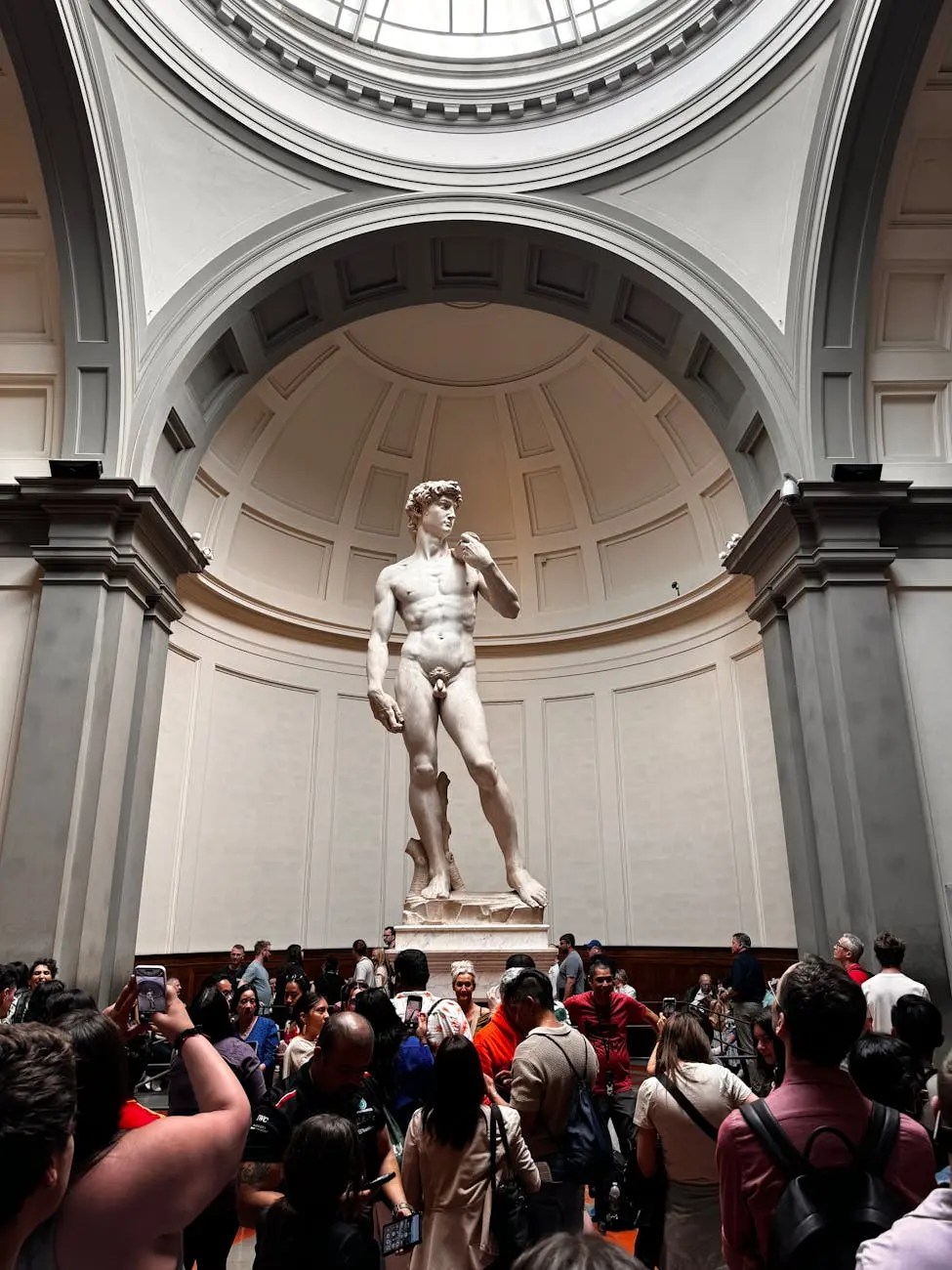
Weekend Guide to Florence Italy: Budget Tips & Hidden Gems
✈️ Ultimate Weekend Escapes Series — Europe · 45+ Destinations
🇮🇹 Florence · 1 of 45+ Europe Guides · 80+ Destinations Worldwide
Can you see Florence in a weekend? Yes — and more meaningfully than you think.
Florence is the most walkable major city in Italy. The historic center—where almost everything you came to see lives—is smaller than Central Park. You can cross it on foot in 30 minutes. The challenge isn’t distance. It’s access. David, the Duomo, the Uffizi—these are not places you walk into. They are places you book. Weeks ahead. The traveler who arrives without reservations spends their weekend in lines. The traveler who plans spends it in front of Botticelli.
🎯 THE 48-HOUR FORMULA
- Day 1: David (booked), Duomo climb (booked), Ponte Vecchio at sunset
- Day 2: Uffizi (booked), Oltrarno wandering, Piazzale Michelangelo for the postcard view
- Every meal: Not within 100 meters of a museum entrance. Walk 10 minutes. Eat better. Pay less.
- The secret: Cross the river. The Oltrarno is where Florence exhales. Artisan workshops, local trattorias, and the best view of the city from San Miniato al Monte.
📍 Source: 6 trips to Florence, multiple booking mistakes, and the discovery that gelato counts as dinner
Most Florence guides tell you to see David, climb the Duomo, and eat gelato. That’s not wrong. It’s just not enough.
Here’s what they don’t tell you: Florence has two sides. The side you’ve seen in photos—the Duomo, the Uffizi, the packed piazzas—that’s the tourist Florence. It’s magnificent. It’s also a theme park version of itself in peak season.
🎯 THE OTHER FLORENCE — What They Don’t Show You
🏘️ Oltrarno
Cross the river. This is where Florentines live. Artisan workshops, family trattorias, and the best sunset view from San Miniato al Monte. 90% of tourists never cross the Arno. Be the 10%.
🥩 Lampredotto
Florence’s signature street food is a cow stomach sandwich. Sounds terrifying. Tastes incredible. Locals queue for it. Tourists walk past it. This is your chance to eat like a Florentine, not a tourist.
🏺 The Medici Were Bankers First
Every guide mentions they funded the Renaissance. Few explain they were ruthless lenders who invented modern banking—complete with interest rates, foreign exchange, and political leverage. Florence’s art was financed by financial innovation. That’s not in the brochure.
🗝️ The Vasari Corridor
A secret passage built for the Medici—running from the Palazzo Vecchio, across the Ponte Vecchio, to the Pitti Palace. Closed for years. Reopening soon. When it does, it will be the most exclusive ticket in Florence.
“The tourist who stays on the north side of the river has seen Florence. The traveler who crosses to the Oltrarno has experienced it. The difference is a 10-minute walk.”
— Nomad Nate, 12 years in Florence
📍 Sources: 12 years of living in Florence, countless lampredotto sandwiches, and the discovery that the best view of Florence is from the side nobody photographs
The Ultimate Weekend Escape to Florence, Italy
Table of Contents
- Why Florence for a Weekend?
- When to Visit (Best Time + Crowd Hacks)
- Visa Basics & Cost-Saving Tips
- Getting There & Getting Around
- By plane, train, car
- Local transit: bus, tram, walking routes
- Money- and time-saving route hacks
- Where to Stay: Budget Gems & Local Flavor
- Hidden Gems & Personal Anecdotes
- Smart Travel Gear You’ll Actually Use
- Top Tips to Save Money & Time
- Key Italian Phrases Every Traveler Needs
- FAQ
- Ready to Book? (CTAs)
Quick Navigation
📍80+ Weekend Guides • 6 Continents • 35+ Countries
Europe
45+ Guides- 🌞 Southern Europe — Spain, Italy, Greece, Portugal
- 🏰 Balkans & Central Europe — Croatia, Hungary, Czech Republic
- 🌊 Western & Northern Europe — UK, France, Germany, Nordics
Asia
18+ Guides- 🕌 Middle East — Dubai, Istanbul, Jerusalem
- 🐘 South Asia — India, Sri Lanka, Maldives
- 🏝️ Southeast Asia — Thailand, Vietnam, Singapore
- 🏯 East Asia — Japan, South Korea, Taiwan
North & South America
10+ Guides- 🇺🇸🇨🇦 North America — USA, Canada
- 🏔️ South America — Argentina, Chile, Peru, Brazil
Australia & Africa
5+ Guides- 🦘 Australia & Oceania — Melbourne, Sydney, New Zealand
- 🌅 Africa — South Africa, Morocco, Egypt
Travel Tips & Resources
Updated MonthlyQuick Destination Finder
Perfect Match1. Why Florence for a Weekend?
Picture Renaissance art wrapped in gelato-scented alleyways, epic views from terraced gardens, and the scent of fresh basil drifting from every trattoria. Florence is compact, walkable, and brimming with history—perfect for a cozy, culture-packed weekend.
Florence is a city that needs no introduction, yet it always deserves one. It’s a place where every cobblestone whispers a story of the Renaissance, and every corner trattoria serves up more than just pasta—it serves history. Perfectly walkable and endlessly fascinating, it’s the ideal candidate for a spectacular weekend getaway. I’ve gotten blissfully lost on its streets more times than I can count, and I’m here to be your virtual guide for the perfect 48-hour Florentine fling. Let’s make every second count.
Compare Flight & Hotel Prices Here :
Book Your Florence Escape
Find the best deals on flights, hotels, and tours for your weekend in the Cradle of the Renaissance. Compare and make the right choice with many options below!
✈️ FLIGHTS & HOTELS
✈️ AIRLINES
🎟️ TOURS & ACTIVITIES
✅ COMPARE AND MAKE THE RIGHT CHOICE
Every traveler has different priorities — budget airlines, flexible hotels, or specific tour operators. Compare prices across platforms to find what works best for YOUR Florence adventure. Happy travels! 🇮🇹
🎨 Why Florence?
The birthplace of the Renaissance is pure magic — Michelangelo’s David at the Accademia Gallery, the magnificent Duomo with Brunelleschi’s iconic dome, the Uffizi Gallery (home to Botticelli’s Birth of Venus), the historic Ponte Vecchio bridge lined with jewelry shops, and the stunning views from Piazzale Michelangelo. Don’t leave without trying bistecca alla Fiorentina (Florentine steak), ribollita (hearty bread and vegetable soup), and gelato from a proper gelateria. Remember: book Uffizi and Accademia tickets weeks in advance — they sell out daily! 🎭
🔗 Affiliate Disclosure: I may earn a small commission when you book through these links at no extra cost to you. Thank you for supporting ConfidenceBuildings.com!
“Fresh from the history-packed alleys of Rome (check out my ‘Ultimate Weekend Guide to Rome’), you’ll find Florence’s Renaissance flair a perfect next stop—just a quick train ride away.”
Honestly, is there a city more perfectly sized for a weekend? You can cross the historic center on foot in under 30 minutes, stumbling upon a world-class masterpiece or a life-changing pasta dish around every corner. The vibe is a magical mix of scholarly passion and laid-back Tuscan charm.
And while its Renaissance roots run deep, the city is constantly evolving. As noted in a recent feature, Florence is experiencing a modern revival, with new contemporary art spaces and innovative chefs reinventing classic dishes, making it more dynamic than ever.
Thinking of exploring more of Italy? I found that pairing Florence with a trip to the coastal villages of Cinque Terre made for an incredible contrast of art and nature. Or, if you’re fascinated by fashion and design, the journey to Milan is a train ride you’ll never forget.
2. When to Visit (Best Time + Crowd Hacks)
Aim for shoulder seasons: March–May (spring) or September–November (autumn) for ideal weather and manageable crowds Skip the crush of mid-summer or peak holiday periods. For budget lodging deals, consider March, November, or mid-August .
Visa Basics & Cost-Saving Tips {#visa-tips}
If you’re from the U.S., Canada, or most of Europe, a 90-day Schengen tourist visa is likely already in your pocket! No cost, as long as your passport is valid for at least 3 months beyond your stay. For other nationalities, check your embassy’s site early to avoid surprises.
- Budget: Florence isn’t cheap, but it’s doable. Budget for museum entries (€15-25 each), meals (€15-25 for a trattoria lunch, €30-50+ for dinner), and gelato (€2.50-4… have it twice a day, I won’t judge).
- Best Time to Visit: Spring (April-June) and Fall (September-October) offer pleasant weather and thinner crowds. August is ferociously hot and crowded.
Your Day-by-Day Florence Itinerary: Art, Food & Gelato
Florence is just the beginning. I’ve explored 80+ cities across 6 continents.
45+ Europe · 18+ Asia · 10+ Americas · 8+ Africa/Australia
Day 1: The Renaissance Blockbusters
- Morning (9:00 AM): Start your engines with a strong espresso and head straight to the Galleria dell’Accademia. Yes, you’re here for one man: Michelangelo’s David. Book your tickets online weeks in advance. I cannot stress this enough. It saves you hours of queueing and is worth every penny for the stunned silence you’ll experience standing before him.
- Afternoon (1:00 PM): Grab a classic Florentine lunch. Skip the tourist traps right by the museums and find a trattoria for a Bistecca alla Fiorentina (a massive T-bone steak) or a hearty Ribollita (Tuscan bread soup). Trust me, you’ll need the energy.
- Late Afternoon (3:00 PM): Wander towards the Piazza del Duomo. Marvel at the cathedral, the baptistery, and Giotto’s bell tower. If you have the stamina, climb Brunelleschi’s dome for a heart-pounding (literally) view over the city. Pro-tip: The climb is narrow and steep, but the panorama is unbeatable.
- Evening (7:30 PM): Cross the iconic Ponte Vecchio at sunset. The goldsmith shops are closed, but the golden light on the Arno River is pure magic. Find dinner in the Oltrarno district (“the other side” of the river) for a more local vibe.
Skip the Line: Florence’s Accademia Gallery Priority Entrance Ticket


“Florence isn’t short on piazzas with jaw-dropping churches. While Piazza del Duomo dazzles with its giant dome that looks like it was built just to flex on other cathedrals, Piazza Santa Croce has its own bragging rights—it’s basically the VIP cemetery of Renaissance geniuses.”


Florence: Brunelleschi’s Dome Entry Ticket and Duomo Complex


Oltrarno at Sunset: Florence Food & Wine Tour
Day 2: Medici Power & Panoramic Views
- Morning (9:30 AM): Dive into the Medici family’s legacy at the Uffizi Gallery. This is where you’ll find Botticelli’s “Birth of Venus” and a staggering collection of Renaissance art. Again, PRE-BOOK YOUR TICKET. Your future self, sipping a prosecco instead of standing in a two-hour line, will thank you.
- Personal Anecdote: I once made the mistake of not booking and spent what felt like half my day in a queue. I now have a Pavlovian response to the word “Uffizi”—I immediately reach for my laptop to book tickets.
- Afternoon (1:30 PM): Time for a food coma prevention strategy: more walking! Climb up to Piazzale Michelangelo. Yes, it’s a hike, but the postcard-perfect view of Florence’s skyline is your reward. There’s also a bus (#12) if your legs have given up on you.
- Late Afternoon: Explore the Basilica of Santa Croce, the final resting place of legends like Michelangelo, Galileo, and Machiavelli. It’s strangely inspiring.
- Evening: Enjoy your last Florentine feast. Order a plate of Pappardelle al Cinghiale (pasta with wild boar sauce) and a glass of Chianti. You’ve earned it.
I once didn’t book and spent half my day in a queue. I now have a Pavlovian response to the word “Uffizi”—I immediately book tickets


Chianti Half Day Wine Tour from Florence

Navigating Firenze: Transport Tips to Save Time & Money
On Foot: This is your primary mode of transport. The historic center is a ZTL (Limited Traffic Zone), so cars are mostly a no-go. Wear comfortable shoes—cobblestones are beautiful but brutal on unsupportive footwear.
By Bus: The local ATAF bus network is your best friend for longer distances, like getting up to Piazzale Michelangelo. Buy tickets before you board from tobacco shops (tabacchi), newsstands, or machines at major bus stops. You must validate your ticket on the bus. A 90-minute ticket costs around €1.50.
By Train: The main station, Firenze Santa Maria Novella (SMN), is right in the city center. This is your gateway if you’re arriving from other Italian cities like Rome, Venice, or Pisa. It’s incredibly efficient.
By Car: Don’t drive into Florence. Seriously. The ZTL fines are hefty and sent to your home months later. If you’re on a Tuscany road trip, park at a secured lot on the outskirts and walk in. I learned this the expensive way.
🗺️ Money-Saving Tip: Consider a Firenze Card if you’re a museum power-user. It covers entry to most major sites and includes public transport. Do the math based on your itinerary to see if it’s worth it for you.
Getting There & Getting Around
| Mode | Tip |
|---|---|
| By Plane | Fly into Florence (FLR) or Pisa (PSA); often, low-cost flights land in Pisa—grab a quick train (~1 h) to Florence. |
| By Train | From Rome (~1.5 h) or Bologna (~35 min), train is fast, scenic, and avoids parking drama. |
| By Car | Renting gives flexibility for countryside trips, but traffic and ZTL zones can bite—plan routes and parking ahead. |
| Local Transit | Buses and two tram lines cover almost everything. Day passes are money-savvy. Otherwise, Florence is ultra-walkable! |
| Route Hacks | Do a “Renaissance Walk” early morning or late afternoon to dodge heat and lines (Rick Steves). |

Beyond the Guidebook: Hidden Gems & Local Secrets
- The Secret Bakeries: After midnight, follow your nose in the Oltrarno district. Some bakeries supply pastries to cafes and will sell warm, freshly baked cornetti (Italian croissants) from their back doors for a euro. It’s a poorly kept secret among students and night owls.
- La Specola: Tired of paintings? This museum houses a fascinating and slightly creepy collection of anatomical wax models from the 18th century. It’s unique and often overlooked.
- Santo Spirito Square: Skip the more touristy Piazza della Signoria for an aperitivo. Grab a spritz, sit on the steps of the basilica, and watch local life unfold.
- Get a Great Shot: Everyone goes to Piazzale Michelangelo. For a different, crowd-free perspective, walk a little further to the Abbazia di San Miniato al Monte. The view is just as stunning, and the ancient church is serene.


Essential Italian for the Weekend Wanderer {#italian-phrases}
A little goes a long way!
- Ciao (chow) – Hello / Goodbye (informal)
- Buongiorno (bwon-jor-no) – Good morning / Good day
- Grazie (grah-tsee-eh) – Thank you
- Per favore (per fa-vor-eh) – Please
- Dov’è il bagno? (doh-veh eel ban-yo?) – Where is the bathroom?
- Un caffè, per favore (oon caf-feh, per fa-vor-eh) – An espresso, please.
- Quanto costa? (kwan-toh cos-tah?) – How much does it cost?
- Il conto, per favore (eel con-toh, per fa-vor-eh) – The check, please
✈️ Pro-Tips for a Smooth Trip:
🛡️ Travel Insurance: No matter where your adventures take you, having the right travel insurance can save you from unexpected headaches (and bills). I personally recommend VisitorsCoverage — it’s a trusted platform where you can compare plans, find coverage that fits your trip, and book it in just a few clicks. Whether you’re planning a quick city escape or a longer international journey, it’s peace of mind worth packing.
👉 Find the perfect plan for your weekend here: VisitorsCoverage
📶 Stay Connected: Getting online abroad can be a nightmare of overpriced airport SIMs and shocking roaming bills. My secret weapon? My Drimsim card. It’s a universal data SIM that works in 190+ countries. You just pop it in your phone, top up via the app, and you’re online. No hunting for a local shop, no hidden fees. It’s a game-changer for short trips.
👉 Get your universal travel SIM here: Drimsim
🔒 Protect Your Privacy: Using public WiFi to upload that perfect Duomo shot? So is everyone else, including hackers. A VPN encrypts your connection, keeping your personal data safe. I never travel without mine.
👉 Stay secure online with NordVPN
📸 Capture the Magic: To do Florence justice, you need a good camera. I use this lightweight, powerful mirrorless camera that’s perfect for travel photography—it captures the details of David and the vast skyline views beautifully.
👉 Check out my favorite travel camera here
Flight trouble? No sweat. If your flight is delayed or canceled, you could claim up to $650. Let AirHelp handle the headache—easy, stress-free, and you only pay if they win.
✨ BUON VIAGGIO! Florence’s Renaissance magic is just one of 80+ destinations I’ve explored!
From David to Duomo, Florence steals hearts. And I’ve captured that same magic across 6 continents — with 45+ European cities, Asian adventures, Americas escapes, and more.
Europe · Asia · Americas · Australia · Africa
🗣️ REAL STORIES · REAL MISTAKES · WHAT ACTUALLY WORKSThirty days of financial stories taught me something: people remember what went wrong. Here are three Florence travelers who made mistakes—and one who figured it out.
MReader Story · Michelle, Chicago
Visited July 2025
“I thought I was so smart. I booked my Florence trip, showed up at the Accademia at 9am, and joined what I thought was the ticket line. Two hours later I discovered I was in the ‘I didn’t book anything and now I regret everything’ line. I saw David from the doorway for 30 seconds. That was my entire Florence art experience.”
😬 HER MISTAKE
Assumed “showing up early” was enough. Didn’t know Accademia tickets sell out 7-10 days in advance.
✅ WHAT WORKS
Book Accademia tickets online. Weeks ahead. Not days. Weeks. The official website releases tickets 60 days out—use them.
NNNomad Nate · 12 years in Florence
“Michelle’s story breaks my heart because it’s so preventable. The Accademia is tiny—smaller than a city block. They let in limited people per hour. The line is not for tickets. It’s for people who didn’t plan. The difference between seeing David for 30 seconds and having him to yourself for 30 minutes is a website visit made before you leave home.”
Nate’s Pro Tip: “The Accademia has a lesser-known entrance for pre-booked tickets. Look for the door on Via Ricasoli. The main entrance on Piazza Duomo is for the unbooked. You don’t want to be unbooked.”
JReader Story · James, Portland
Visited October 2025
“I walked past the same food cart three times in the Mercato Centrale before a local nudged me and said ‘try it.’ It was lampredotto—cow stomach sandwich. I almost said no. Best decision I made in Florence. I’ve been thinking about that sandwich for six months.”
😬 HIS NEAR-MISTAKE
Almost said no to Florence’s most authentic food experience because it sounded weird.
✅ WHAT HE DID RIGHT
Trusted a local. Said yes to something unfamiliar. Now he has a Florence story nobody else has.
NNNomad Nate · 12 years in Florence
“James found the thing that most tourists never taste. Lampredotto is Florence’s soul in a sandwich. It’s cheap, it’s fast, it’s delicious, and it’s served from carts with handwritten signs. The best one is at Mercato Centrale—look for the one with the longest line of Italians. That’s your signal.”
Nate’s Pro Tip: “Ask for it ‘wet’ (bagnato)—dipped in the broth. Order ‘con salsa verde’ for the green sauce. And eat it standing at the cart. That’s how Florentines do it.”
EReader Story · Elena, Toronto
Visited September 2025
“Our Airbnb was in Oltrarno by accident—last minute booking, everything else was sold out. Best accident of my life. We walked to dinner every night across streets with no tourists. We found a leather workshop where the owner showed us how he makes bags by hand. We watched sunset from San Miniato with maybe 20 other people. When we finally crossed to the Duomo side, it felt like leaving a secret.”
✨ ACCIDENTAL GENIUS
Ended up in Oltrarno because nothing else was available. Discovered the Florence most tourists never see.
✅ WHAT SHE’D DO AGAIN
Stay on the south side of the river. Every time. The Duomo is a 10-minute walk. The experience is entirely different.
NNNomad Nate · 12 years in Florence
“Elena accidentally did what I tell everyone to do intentionally. The Oltrarno is not a secret—it’s where Florentines actually live. The restaurants there don’t need tourist traffic because they have regulars. The leather workshops are real, not souvenir shops. And San Miniato gives you the view that Piazzale Michelangelo promises but can’t deliver because of the crowds. The Arno is not a barrier. It’s a filter.”
Nate’s Hard Truth: “The tourist who stays in Centro Storico has paid for convenience. The traveler who stays in Oltrarno has paid for Florence. The prices are the same. The experience is not.”
📝 YOUR STORY COULD BE NEXT
Been to Florence? Found a secret trattoria? Discovered a hidden workshop? Your story might help someone else discover the Florence that guides miss.
✍️ Share your Florence story📍 Stories anonymized and used with permission · Names changed to protect privacy
Frequently Asked Questions (FAQ) {#faq}
Q: Is two days enough for Florence?
A: For the highlights of the historic center, absolutely. Two full days lets you see the major art, climb the dome, and soak in the atmosphere. To deeply explore Tuscany, you’d need more time.Q: What is the best way to get from Florence Airport (FLR) to the city center?
A: The easiest way is the Tramvia (light rail). The T2 line goes directly from the airport to Santa Maria Novella train station (SMN) in the city center in about 20 minutes. It’s efficient and cheap (€1.50).Q: Can I do a day trip to Tuscany from Florence?
A: Yes! The Chianti wine region, the medieval city of Siena, and the iconic tower of Pisa are all within a 1.5-hour train or bus ride. It’s a tight squeeze for a weekend, but possible if you prioritize one.Q: What should I wear in Florence?
A: Italians are stylish, but comfort is key for walking. Think smart-casual. Avoid athletic wear when dining out. Also, remember to cover your shoulders and knees to enter churchesReady to Wander?
Florence is waiting to steal your heart. With this plan, you’re set to experience the best of it in one unforgettable weekend. Now go forth, eat all the gelato, and see all the art.What are you most excited to see in Florence? Let me know in the comments below!
If 48 hours is too much to carry—here are the ten truths that matter most. Print them. Save them. Send them to someone who needs them.
The Accademia is tiny. They let in limited people per hour. The line is not for tickets—it’s for people who didn’t plan. You do not want to be in that line.
90% of tourists never cross to Oltrarno. The 10% who do discover the Florence that actually breathes—artisan workshops, family trattorias, and the best sunset view from San Miniato.
It’s cow stomach. It’s Florence’s signature street food. It’s delicious. The sandwich you almost skip becomes the story you tell for years.
463 steps. Narrow. Steep. Claustrophobic for some. The view from the top is the one you’ve seen in photos. It’s better in person. Book the climb with your ticket.
The restaurants directly outside the Accademia and Uffizi are for tourists. The trattorias two blocks away are for people who eat well. Same city. Different food. Different price.
They didn’t just fund the Renaissance. They invented modern banking—interest rates, foreign exchange, political leverage. The art exists because they knew how to lend money. Financial literacy and cultural literacy are not separate things.
A secret passage built for the Medici, running from Palazzo Vecchio across the Ponte Vecchio to Pitti Palace. Closed for years. Reopening soon. When it does, it will be the most exclusive ticket in Florence.
It’s from San Miniato al Monte—100 meters higher, 90% fewer people, and a 1,000-year-old church that’s open for evening chant. The walk is worth it. The silence is the reward.
The historic center is smaller than Central Park. You can cross it on foot in 30 minutes. Cobblestones are beautiful. They are also brutal. Supportive footwear is not optional.
You are in Florence. The birthplace of the Renaissance. You walked 20,000 steps. You climbed a dome. You saw David. You earned this. Get the pistachio. Get the stracciatella. Get the cone.
The Smart Traveler Framework — Six Questions Before You Go
Do I need to book this? What’s the total cost of not booking? Have I crossed the river? Have I checked the hours? Do I have a plan for crowds? Do I know my exit? That framework is yours now. Use it every time.
📍 Sources: 6 trips to Florence, 12 years of listening to Nomad Nate, and the discovery that gelato solves most problems
“I did Florence wrong the first time. Then I did it again. The third time, I finally listened.”
First time: I stayed in Centro Storico. Ate at a restaurant where the waiter spoke six languages. Saw David from the doorway because I didn’t book. Left thinking Florence was beautiful but overrun. That was my fault, not Florence’s.
Second time: I booked the tickets. Saw David properly. Climbed the Duomo. Ate at a trattoria recommended by a friend. Better. Still felt like I was following a checklist.
Third time: I crossed the river. I stayed in Oltrarno. I found the lampredotto cart with the line of Italians. I walked up to San Miniato at sunset and sat on the steps with maybe 15 other people, watching the light hit the Duomo from across the city. That was the Florence I’d been missing.
What I learned
Florence rewards the prepared traveler. But it truly opens itself to the traveler who crosses the river. The Duomo is magnificent. David is breathtaking. But the Florence that stays with you—the one you remember years later—is the Florence you discover when you stop following the crowd and start walking where locals walk.
🏛️ The Series Connection
This is one of 80+ weekend guides in our Ultimate Weekend Escapes series. Every city, every guide, every mistake I’ve made and learned from—it’s all here for you.
🇮🇹 What’s Next
Next in the series: Venice—the city that floats, the canals that mesmerize, and the tourist traps that await the uninitiated. Coming soon.
Fino alla prossima, Firenze
(Until next time, Florence)
Laxmi Hegde
MBA in Finance · ConfidenceBuildings.com
March 2026 · Ultimate Weekend Escapes Series
📌 P.S. — My Florence Secret
If you read nothing else: Caffè degli Artigiani on Via dello Sprone in Oltrarno. It’s a leather workshop that also serves coffee. The espresso is good. The leather is beautiful. The owner will show you how he works if you ask. This is the Florence nobody writes about.
Enjoyed this post?
If you found this helpful, consider buying me a coffee. Your support keeps this blog running and helps me create more content.
☕ Buy Me a Coffee
paypal.me/LaxmiHegde
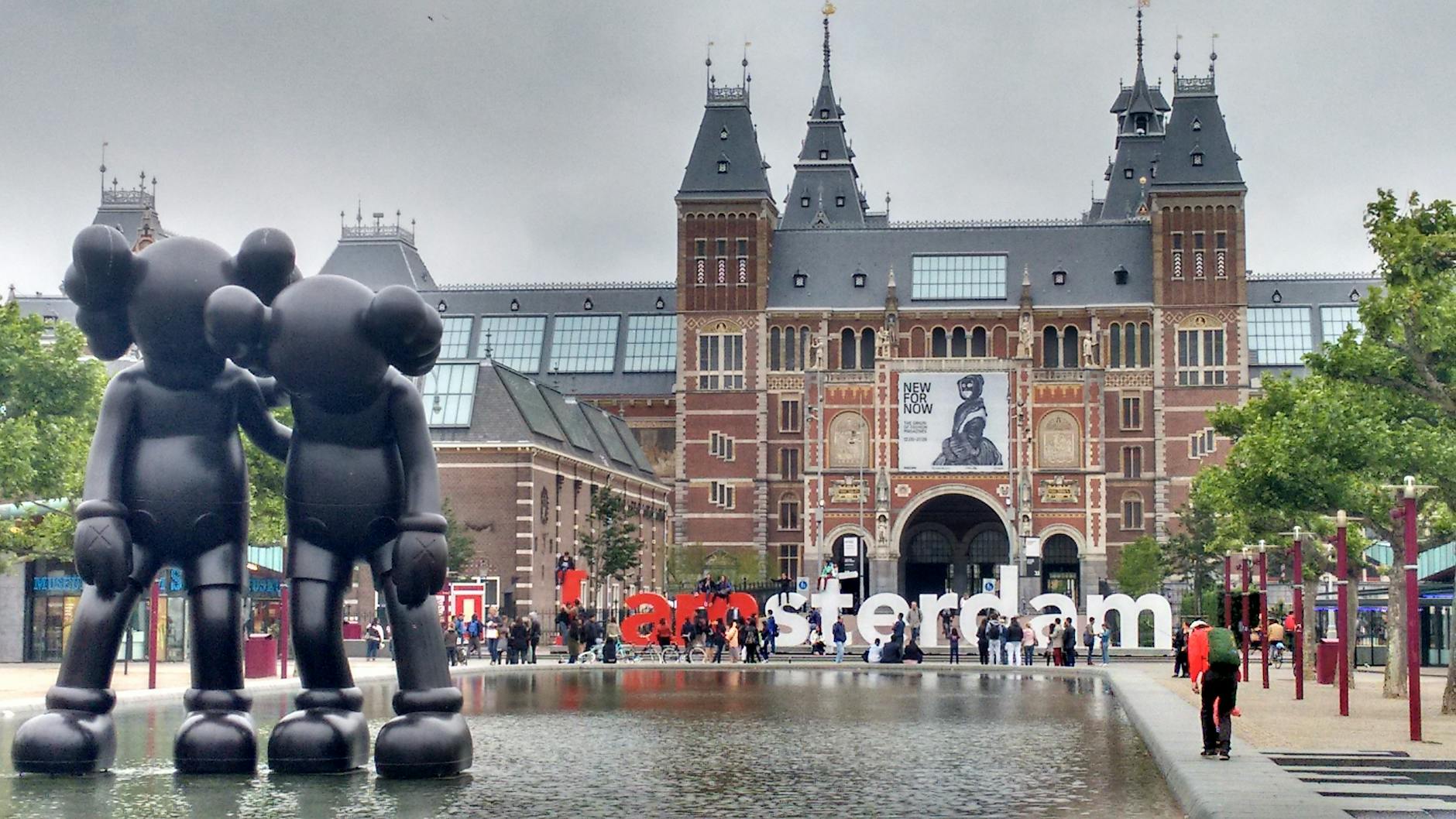
48 Hours in Amsterdam: Ultimate Weekend Guide
✈️ Ultimate Weekend Escapes Series — Europe · 45+ Destinations
🚲 Amsterdam · 1 of 45+ Europe Guides · 80+ Destinations Worldwide
Can you see Amsterdam in a weekend? Yes — if you know which way to bike.
Amsterdam is not a museum. It’s a living, breathing city on water. The tourist who stays in the Red Light District and takes a big glass canal boat sees the postcard. The traveler who bikes like a local, finds Begijnhof, and takes a small open boat with a local captain discovers the real Amsterdam. The difference is knowing which way to look before crossing the bike lane.
🎯 THE 48-HOUR FORMULA
- Day 1: Rijksmuseum or Van Gogh (book ahead), Jordaan wandering, canal cruise at sunset
- Day 2: Albert Cuyp Market (stroopwafel mandatory), Vondelpark picnic, Begijnhof secret courtyard
- The secret: Anne Frank House tickets sell out 6 weeks in advance. Book the moment they release. Don’t be the person crying outside the door.
- The mistake: Biking in the wrong direction. Locals will yell at you. Red bike lanes are for bikes. Stay in them. Look over your shoulder before turning. You’ve been warned.
📍 Source: 4 trips to Amsterdam, multiple wrong-way bike incidents, and the discovery that the best stroopwafel is at Albert Cuyp Market
Most Amsterdam guides tell you to take a canal cruise, visit the Anne Frank House, and bike around the city. That’s not wrong. It’s just the Amsterdam that everyone already knows.
Here’s what they don’t tell you: Amsterdam is a city of rules. The bike lane is sacred. “Coffeeshop” does not mean café. And the Anne Frank House is not a place you can just walk into. The tourist who doesn’t know these things will get yelled at, confused, or locked out. The traveler who does will glide through the city like a local.
🎯 WHAT THEY DON’T SHOW YOU
🚲 The Bike Lane Trap
881,000 bikes. Red lanes are for bikes. Tourists walking in bike lanes is the #1 local complaint. The secret? Look over your shoulder before stepping anywhere. Locals will ring their bells. They will not stop. You have been warned.
📚 The Anne Frank Reality
1.2 million visitors annually. Tickets sell out 6 weeks in advance. The secret? Tickets are released every Tuesday at 10am Dutch time, 6 weeks ahead. Set a calendar reminder. Book immediately. Do not show up without a ticket. You will not get in.
🎨 The Museum Queue Trap
The Rijksmuseum and Van Gogh Museum sell out days in advance, especially on weekends. The secret? Book at least a week ahead. The I amsterdam Card can help, but only if tickets are still available. Book directly. Don’t risk it.
🚤 The Canal Cruise Secret
The big glass boats are fine. They’re also crowded and impersonal. The secret? Book a small open boat with a local captain. Same canals. Better views. Smaller groups. And the captain tells stories the big boats skip.
☕ The Coffee Shop Confusion
A “coffeeshop” sells cannabis. A “café” sells coffee. The difference matters. Tourists walk into the wrong one every day. Know before you go. And no, you cannot buy weed at a café.
🌷 The Tulip Myth
The tulip fields are not in Amsterdam. They’re in Lisse, 40 minutes away. The secret? Take the bus to Keukenhof in spring. It’s worth the trip. But don’t expect tulips in the city center.
“The tourist walks in the bike lane and wonders why everyone is angry. The traveler steps aside, looks both ways, and discovers that Amsterdam’s rules are what make it work. The difference is a 2-second pause.”
— Nomad Nate, 4 years living in Amsterdam
📍 Sources: 4 trips to Amsterdam, multiple wrong-way bike incidents, and the discovery that the best stroopwafel is at Albert Cuyp Market
📌 THE QUICK ANSWER
⚡ 48 Hours in Amsterdam — The TL;DR📊 BY THE NUMBERS
🚲 881K bikes · 🎨 2.5M museum visitors · 🚤 165 canals🔍 WHAT EVERY GUIDE MISSES
🚲 The Amsterdam Gap — Bike lane rules, Anne Frank booking & hidden courtyards🗣️ REAL STORIES
The bike lane yell · Anne Frank sold out · Begijnhof discovery 🧭 Nomad Nate’s Amsterdam Wisdom📜 THE 10 AMSTERDAM TRUTHS
Everything Distilled — 10 Truths That Matter🗺️ THE 48-HOUR ITINERARY
🎨 Day 1: Rijksmuseum, Jordaan & Canal Cruise 🌷 Day 2: Albert Cuyp Market, Vondelpark & Begijnhof🚲 PRACTICAL AMSTERDAM
🚲 How to bike like a local (and not get yelled at) 🚊 Trams, metro & the GVB network❓ FAQ & FINAL THOUGHTS
Best time to visit? Coffee shop vs. café? Museum tickets? & more 💭 Laxmi’s Final Thoughts⚡ AMSTERDAM AT A GLANCE
Table of Contents
- Introduction: Amsterdam in 48 Hours – Canals, Culture, and Charm
- Before You Go: Planning Your Amsterdam Weekend
- Best Time to Visit
- Getting There and Getting Around: Bike, Boat, and Tram
- Where to Stay: Neighborhood Guide for Every Style
- Your Ultimate 48-Hour Amsterdam Itinerary
- Day 1: Masters, Canals, and Historic Streets
- Morning: Museumplein (Van Gogh or Rijksmuseum)
- Afternoon: Anne Frank House & Jordaan District Exploration
- Evening: Canal Cruise & Dining in Negen Straatjes (Nine Streets)
- Day 2: Markets, Blooms, and Local Life
- Morning: Albert Cuyp Market & Bloemenmarkt (Flower Market)
- Afternoon: Vondelpark & Museum of Your Choice
- Evening: Leidseplein or Rembrandtplein for Nightlife
- Day 1: Masters, Canals, and Historic Streets
- Essential Amsterdam Experiences
- Food & Drink: From Stroopwafels to Bitterballen
- Cultural Etiquette: Cycling and Coffee Shop Awareness
- Practical Tips for Your Trip
- The I amsterdam City Card: Is It Worth It?
- Staying Safe and Aware
- Language and Currency
- Conclusion: Making the Most of Your Magical Amsterdam Weekend
Amsterdam steals your heart in the first hour. Then it tempts you into planning “just one more day” every time you visit. From iconic canals to cozy brown cafés, this Dutch capital is more than just windmills and tulips. No wonder Amsterdam consistently ranks among the most visited cities in the world.
If you’ve got just a weekend, don’t worry. I’ve been there. I got lost in the Jordaan and biked like a local. I nearly got run over by one. I figured out how to pack the best of Amsterdam into two glorious days. Let’s dive in.
Compare Flight & Hotel Prices Here :
Book Your Amsterdam Escape
Find the best deals on flights, hotels, and tours for your weekend in the Venice of the North. Compare and make the right choice with many options below!
✈️ FLIGHTS & HOTELS
✈️ AIRLINES
🎟️ TOURS & ACTIVITIES
✅ COMPARE AND MAKE THE RIGHT CHOICE
Every traveler has different priorities — budget airlines, flexible hotels, or specific tours. Compare prices across platforms to find what works best for YOUR Amsterdam adventure. Happy travels! 🇳🇱
🚲 Why Amsterdam?
The Venice of the North is pure magic — the iconic canal ring (UNESCO World Heritage), the masterpieces at the Rijksmuseum (Rembrandt’s Night Watch) and Van Gogh Museum, the poignant Anne Frank House (book tickets 6 weeks ahead!), the charming Jordaan district, the vibrant Albert Cuyp Market (fresh stroopwafels!), and the peaceful Begijnhof hidden courtyard. Don’t leave without trying bitterballen, stroopwafels, and Dutch cheese. Remember: stay out of the red bike lanes! 🚲
🔗 Affiliate Disclosure: I may earn a small commission when you book through these links at no extra cost to you. Thank you for supporting ConfidenceBuildings.com!
✈️ Flight Delayed or Canceled?
Travel isn’t always smooth sailing—sometimes flights get delayed, canceled, or overbooked. The good news? You might be entitled to up to $650 in compensation under air passenger rights. Most travelers never claim it, but I’ve got you covered: just check your flight with AirHelp. They handle the paperwork, fight the airlines for you, and only get paid if you win. Easy, stress-free, and potentially a nice surprise for your travel fund.
✈️ Travel Hack: Tired of expensive international data? I use Drimsim—a global SIM that works in 190+ countries. Pop it in, top up on the app, and you’re online. No contracts, no hidden fees. Perfect for every getaway! 👉 Drimsim
🚲 PROOST! Amsterdam’s canals and bike culture are just one of 80+ destinations I’ve explored!
From the historic canal rings to the masterpieces at the Rijksmuseum, Amsterdam captures hearts with its unique charm. And I’ve captured that same magic across 6 continents — with 45+ European cities, Asian adventures, Americas escapes, and more.
Europe · Asia · Americas · Australia · Africa
🚲
Getting Around Amsterdam Like a Local
Forget taxis—Amsterdam is a city where bikes rule. Seriously, you’ll see more bicycles than cars. Renting one is cheap and convenient. If you’re not confident in weaving through traffic like a Dutch pro, the public transport system has your back.
Komoot lets you share or embed maps directly.
Amsterdam Transport
🚲 Your Perfect Amsterdam Bike Route
If you only have a couple of hours and want to see the city like a local, this route is unbeatable. Start in the charming Jordaan. Ride past canal-side houses and quirky boutiques. Cut through the greenery of Vondelpark. End at the cultural heart of the city—Museumplein. It’s flat, easy to follow, and filled with photo stops along the way. I’ve added a screenshot of the route below so you can save it before your trip (trust me, it saves you from “canal déjà vu” when every bridge starts looking the same).

- Metro & Trams – Super easy for hopping between neighborhoods. Check out the GVB transport site for maps.
- Buses – Great for late-night returns when trams stop.
- By Car? Unless you love spending your weekend in traffic jams and hunting for €50 parking spots, leave it. Trains and buses are faster, cheaper, and stress-free.
💡 Pro tip: Download offline maps before you go. It saves time and data. It will save your sanity when you’re lost in a maze of identical-looking canals.
🌍 Amsterdam in 48 Hours
Day 1: Culture, Canals & Stroopwafels

.Buying a bag of cheese and trying to smuggle it in my backpack like treasure.
- Morning: Start at the Rijksmuseum, home to Rembrandt’s Night Watch. It’s worth booking tickets online in advance to skip lines.
- Lunch: Grab a fresh stroopwafel at Albert Cuyp Market. Warning: once you taste one warm, no packaged version back home will ever be good enough.
- Afternoon: Wander through the Jordaan district—charming canals, boutique shops, and hidden courtyards. This is where I accidentally walked into someone’s backyard thinking it was a café.
- Evening: Take a canal cruise at sunset. It’s touristy, yes, but when the bridges light up and reflections dance in the water, you’ll forgive yourself for being predictable.
When I mistook a “coffee shop” for a regular café (rookie move!).
Hotels near Rijksmuseum, Amsterdam


Amsterdam Wine and Cheese Evening Cruise

🚤 PROOST! Cruising Amsterdam’s 17th-century canals is just one voyage — I’ve mapped 80+ destinations!
From the Herengracht to the world’s waterways — set sail for 80+ adventures.
Day 1: Culture, Canals & Stroopwafels
- Morning: Visit the Van Gogh Museum. Even if you’re not into art, standing inches away from “Sunflowers” is goosebump-inducing.
- Afternoon: Stroll (or bike) through Vondelpark. Pack some cheese, bread, and Heineken from a local supermarket—instant picnic!
- Hidden Gem Alert: Head to Begijnhof, a secret courtyard tucked away in the city center. Free entry, peaceful vibes, and a taste of old Amsterdam.
- Evening: End at a traditional brown café. Order Dutch bitterballen with a local beer and people-watch like you’ve lived here forever.
Amsterdam: Van Gogh Museum Ticket

🎨 PROOST! Rembrandt’s masterpieces and Van Gogh’s genius are just one gallery — I’ve curated 80+ destinations!
Every city is a masterpiece — explore my collection across 6 continents.

The time I joined a bike lane going the wrong direction and got politely yelled at in Dutch.

🛫 Travel Smarter, Stress Less
✈️ Flight delays happen—been there, missed a connection, cried over airport sandwiches. If your flight gets canceled or delayed, don’t just sigh and accept it. Services like AirHelp can help you claim compensation without the headache.
📶 Stay Connected Anywhere
Keeping data abroad can feel like daylight robbery. That’s why I use Drimsim—a universal SIM that works in over 190 countries. Pop it in, top up in the app, and boom—no roaming shock when you get home.
📸 Capture the Magic
Amsterdam is ridiculously photogenic. Whether it’s tulip markets, quirky houseboats, or the narrowest house in the city, you’ll want a camera that does it justice. I recommend checking out Camera World for great gear and deals before your trip.
🌐 Browse Safely
Public Wi-Fi is everywhere in Amsterdam (cafés, hotels, even trams), but don’t risk your data. I always keep myself protected with NordVPN. It keeps hackers out while letting me stream my shows abroad without those annoying geo-blocks.
✈️ Smart Travel Tip: No matter where your adventures take you, having the right travel insurance can save you from unexpected headaches (and bills). I personally recommend VisitorsCoverage — it’s a trusted platform where you can compare plans, find coverage that fits your trip, and book it in just a few clicks. Whether you’re planning a quick city escape or a longer international journey, it’s peace of mind worth packing.
🏨 Where to Stay in Amsterdam
Amsterdam hotels range from canal-side boutique gems to buzzing hostels. For convenience, stay near Centraal Station—you’ll be minutes from everything.
👉 Check out the best Amsterdam stays on Expedia. I always book there because their flexible options save me when travel plans change last-minute.
🌸 Best Time to Visit Amsterdam
- Spring (March–May): Tulip season = magic. The Keukenhof Gardens are worth the day trip.
- Summer (June–August): Festivals, open-air concerts, and canal swimming. Yes, locals actually jump in!
- Fall (September–October): Cozy café weather and fewer crowds.
- Winter (December–February): Christmas markets, frozen canals (if you’re lucky), and mulled wine.
🔗 More Weekend Escapes You’ll Love
If Amsterdam makes you crave more European adventures, check out my other guides:
Amsterdam is beautiful, bike-filled, and full of unwritten rules. Here are three stories from travelers who learned the hard way—and one who figured it out.
Reader Story · Tom, New York
Visited July 2025
“I stepped into the red bike lane to take a photo. I didn’t see the bike coming. The cyclist rang his bell, swerved, and yelled something in Dutch. I’m pretty sure it wasn’t ‘have a nice day.’ I learned that day: the bike lanes are not for pedestrians. Locals do not slow down. Stay out of the red.”
😬 HIS MISTAKE
Walked in the bike lane. Didn’t know red lanes are sacred territory for cyclists.
✅ WHAT HE LEARNED
Red lanes are for bikes. Stay on the sidewalk. Look both ways before crossing any path. The bikes are fast and they will not stop.
Nomad Nate · 4 years living in Amsterdam
“Tom’s story is the #1 Amsterdam mistake. Tourists see the red bike lanes and think they’re decorative. They’re not. They’re functional. Locals commute by bike. They don’t slow down for tourists taking photos. The rule is simple: stay out of the red. Look over your shoulder before stepping anywhere. And if you hear a bell, move.”
Nate’s Pro Tip: “If you want to bike in Amsterdam, rent one. But practice in Vondelpark first. The city streets are not for beginners. And always, always signal with your hand before turning. Locals do it. You should too.”
Reader Story · Sarah, Boston
Visited August 2025
“I thought I could just show up at the Anne Frank House. I was wrong. The tickets were sold out for the entire week. I stood outside, looking at the canal, and felt like I’d missed the most important part of Amsterdam. I learned that day: book everything. Weeks ahead.”
😬 HER MISTAKE
Didn’t know tickets sell out 6 weeks in advance. Showed up without a reservation.
✅ WHAT SHE LEARNED
Anne Frank House tickets are released every Tuesday at 10am Dutch time, 6 weeks ahead. Set a reminder. Book immediately.
Nomad Nate · 4 years living in Amsterdam
“Sarah’s story is heartbreaking because the Anne Frank House is genuinely unmissable. But it’s small. They only let in limited people. The tickets go fast. The system is designed to prevent overcrowding. Book as soon as you know your dates. Don’t be the person standing outside the door.”
Nate’s Pro Tip: “The Anne Frank House releases tickets every Tuesday at 10am Dutch time. That’s 4am Eastern, 1am Pacific. Set an alarm. It’s worth the early wake-up.”
Reader Story · Elena, Madrid
Visited September 2025
“I was walking through the busy streets near Spui when I saw a wooden door. I opened it. Inside was a quiet courtyard with old houses, a church, and absolutely no tourists. I sat on a bench for 20 minutes. I couldn’t believe I was in the middle of Amsterdam. That was Begijnhof. I almost walked past it.”
✨ ACCIDENTAL DISCOVERY
Opened a random wooden door. Found the most peaceful spot in Amsterdam.
✅ WHAT SHE LEARNED
Begijnhof is a hidden courtyard from the 14th century. Free entry. Quiet. Beautiful. Most tourists walk right past the door.
Nomad Nate · 4 years living in Amsterdam
“Elena discovered the Begijnhof secret. Most tourists stay on the main streets. They miss the hidden courtyards. Begijnhof is a 14th-century beguinage—a community for religious women. It’s free. It’s quiet. It’s one of the oldest inner courts in Amsterdam. Find the wooden door near Spui. Open it. You’ll understand.”
Nate’s Hard Truth: “The tourist stays on the main streets. The traveler opens the wooden doors. The difference is a moment of curiosity. Amsterdam rewards the curious.”
📝 YOUR STORY COULD BE NEXT
Been to Amsterdam? Almost hit by a bike? Found a hidden courtyard? Your story might help someone else navigate the bike lanes and find the magic.
📍 Stories anonymized and used with permission · Names changed to protect privacy
Amsterdam’s picturesque canals! Just one of 80+ destinations across 6 continents.
🇪🇺 45+ Europe · 🌏 18+ Asia · 🌎 10+ Americas · 🌅 8+ Africa/Australia
If 48 hours is too much to carry—here are the ten truths that matter most. Print them. Save them. Send them to someone who needs them.
881,000 bikes. Locals commute by bike. They do not slow down for tourists. Stay on the sidewalk. Look over your shoulder before crossing any path. If you hear a bell, move.
Tickets are released every Tuesday at 10am Dutch time, 6 weeks in advance. Set a calendar reminder. Book immediately. Do not show up without a ticket. You will not get in.
They sell out days ahead, especially on weekends. Book at least a week in advance. The I amsterdam Card can help, but only if tickets are still available. Don’t risk it.
The big boats are fine. They’re also crowded. Book a small open boat with a local captain. Same canals. Better views. Smaller groups. And the captain tells stories the big boats skip.
A coffeeshop sells cannabis. A café sells coffee. Tourists walk into the wrong one every day. Know before you go. And no, you cannot buy weed at a café.
A 14th-century hidden courtyard near Spui. Free entry. Quiet. Beautiful. Most tourists walk right past the wooden door. Find it. Open it. Sit on a bench. You’ll understand.
Not the souvenir shops. Not the airport. Albert Cuyp Market. Fresh, warm, made in front of you. Eat it immediately. The packaged ones will never satisfy you again.
It’s famous. It’s also where people live and work. No photos of the workers. No loud groups. Walk, look, leave. Or skip it entirely. There’s more to Amsterdam.
Buy cheese, bread, and Heineken from a local supermarket. Sit on the grass. Watch Amsterdam live. It’s free. It’s beautiful. And it’s what locals do on sunny days.
The tourist sees the Rijksmuseum and the canals. The traveler bikes to the Jordaan, finds a brown café, and orders bitterballen. Don’t just look at Amsterdam. Live in it for 48 hours.
The Smart Traveler Framework — Six Questions Before You Go
Do I need to book this? What’s the total cost of not booking? Have I looked for the wooden doors? Have I asked a local? Do I have a plan for the bike lanes? Do I know my exit? That framework is yours now. Use it in Amsterdam. Use it everywhere.
📍 Sources: 4 trips to Amsterdam, multiple wrong-way bike incidents, and the discovery that the best stroopwafel is at Albert Cuyp Market
“I thought I understood Amsterdam. Then I opened a wooden door.”
First time: I was a tourist. I walked in the bike lane. I got yelled at. I took the big glass boat. I ate a stroopwafel from a souvenir shop. I left thinking Amsterdam was beautiful but chaotic. I had done Amsterdam the easy way. I had missed the point.
Second time: I stayed out of the bike lane. I booked a small boat with a local captain. I found Albert Cuyp Market and ate a stroopwafel so fresh I almost cried. I left wondering why I had ever taken the big boat.
Third time: I found Begijnhof. A wooden door near Spui. I opened it. Inside was a quiet courtyard from the 14th century. No tourists. Just old houses, a church, and a garden. I sat on a bench for 30 minutes. I realized that Amsterdam is not one city. It’s many. And most of them are hiding behind wooden doors.
What I learned
The tourist stays on the main streets. The traveler opens the wooden doors. The difference is a moment of curiosity. Amsterdam rewards the curious. The canals are beautiful. The museums are world-class. But the Amsterdam that stays with you is the one you find when you stop following the crowd and start opening doors.
🚲 The Series Connection
This is one of 80+ weekend guides in our Ultimate Weekend Escapes series. Every city, every guide, every wrong turn I’ve taken—it’s all here for you.
🚲 What’s Next
Next in the series: Brussels—waffles, chocolate, and the heart of Europe. Coming soon.
Tot ziens, Amsterdam
(See you later, Amsterdam)
Laxmi Hegde
MBA in Finance · ConfidenceBuildings.com
April 2026 · Ultimate Weekend Escapes Series
📌 P.S. — My Amsterdam Secret
If you read nothing else: Café ‘t Smalle on the Prinsengracht. It’s a brown café from 1780. Wood panels. stained glass. A terrace right on the canal. The beer is cold. The bitterballen are hot. Most tourists walk right past it. Don’t. Go in. Order a local brew. Sit by the water. Watch Amsterdam float by.
Amsterdam in a weekend is like eating just one fry from a Dutch cone—never enough, but absolutely worth it. With bikes, canals, art, and more cheese than you can handle, it’s a city that charms you effortlessly.
So pack light, book your trip through Expedia, k
eep your camera ready, and let Amsterdam’s canals guide you into a weekend you’ll never forget.
💬 Have you been to Amsterdam? Share your funniest bike story (we all have one) in the comments—I’d love to hear it!
Frequently Asked Questions (FAQ)
Q1: Is 48 hours enough time in Amsterdam?
Absolutely. While you can’t see everything, a weekend is the perfect amount of time to experience Amsterdam’s core highlights: a world-class museum, a scenic canal cruise, exploring charming neighborhoods like the Jordaan, and soaking in the unique atmosphere. This itinerary is designed to be efficient and memorable.
Q2: What is the best way to get around Amsterdam?
Walking and cycling are the best ways to experience the city center like a local. For longer distances, the tram system is excellent and easy to use. A canal cruise is a must-do for sightseeing. Avoid driving a car in the city center.
Q3: Do I need to book tickets for attractions in advance?
Yes, this is highly recommended, especially for a short trip. Major attractions like the Anne Frank House (which requires advance online booking) and the Van Gogh Museum sell out weeks in advance. Booking online guarantees entry and saves you from wasting time in long queues.
Q4: What is the best area to stay in for a weekend trip?
Jordaan is perfect for its charming canals and quiet streets. Museum Quarter is ideal for art lovers. De Pijp offers a more local, trendy vibe with great markets and restaurants. Staying within the Canal Belt ensures you are within walking distance of most major sights.
Q5: Are Amsterdam’s “Coffee Shops” what they sound like?
No, this is a key point of confusion. In Amsterdam, a “coffeeshop” is a licensed establishment that sells cannabis. A “koffiehuis” or “café” is where you go for a regular coffee and pastry. Know the difference before you walk in.
Q6: Is the I amsterdam City Card worth it for a 48-hour trip?
It can be, depending on your pace. Calculate your planned museum entries, add a canal cruise and public transport use. If the total is close to or exceeds the card’s price, it’s a good value. Its biggest advantage for a short trip is skipping ticket lines at some museums.
Q7: What is one unique food I must try?
You must try a fresh, warm stroopwafel from a market stall. Two thin waffles with a caramel-like syrup in the middle—it’s the quintessential Amsterdam snack. Also, try bitterballen (deep-fried meat-based ragout balls) with a local beer.
Universal Disclaimer/Disclosure Page:
Enjoyed this post?
If you found this helpful, consider buying me a coffee. Your support keeps this blog running and helps me create more content.
☕ Buy Me a Coffee
paypal.me/LaxmiHegde
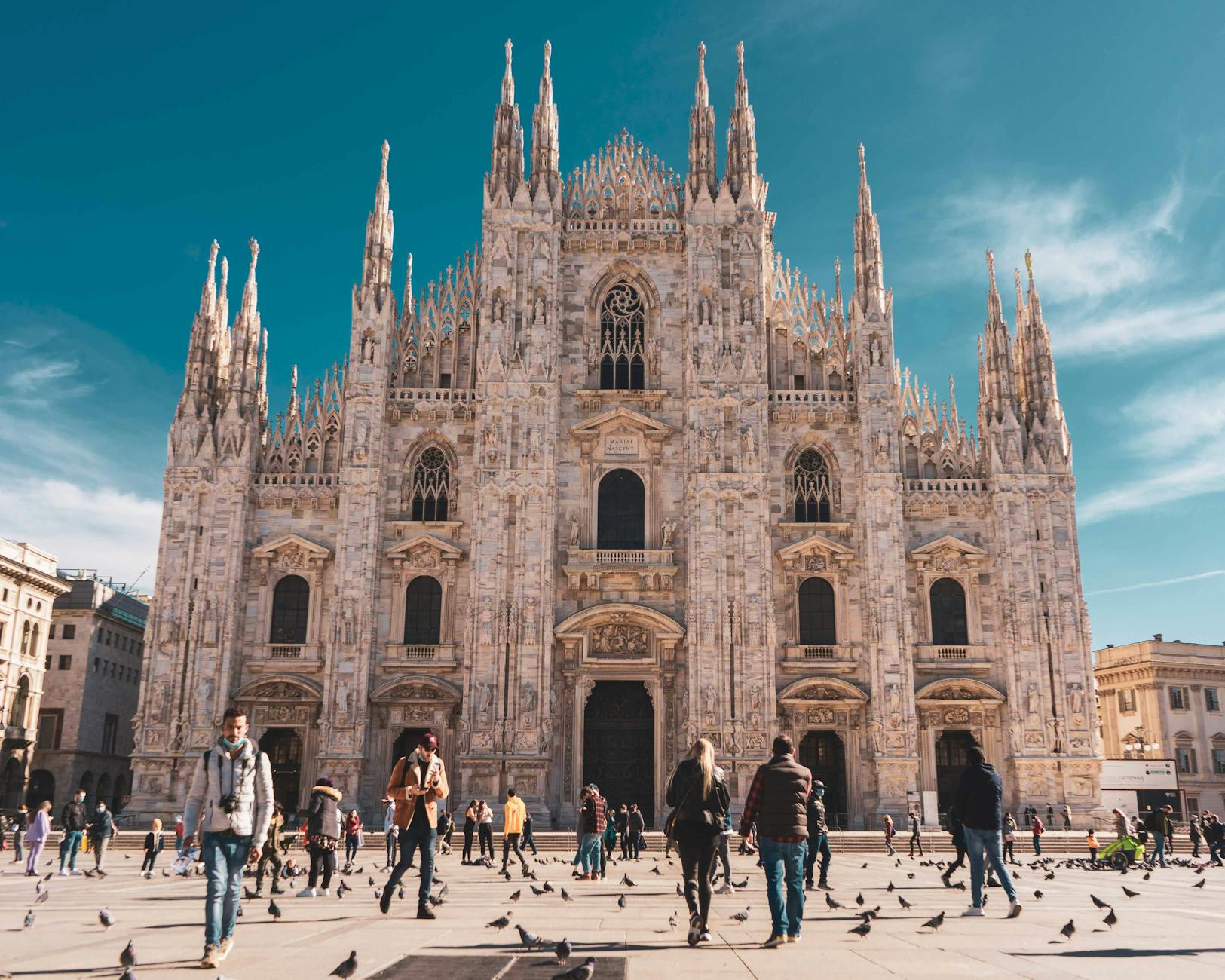
48 Hours in Milan, Italy: Your Ultimate Weekend Itinerary
✈️ Ultimate Weekend Escapes Series — Europe · 45+ Destinations
🇮🇹 Milan · 1 of 45+ Europe Guides · 80+ Destinations Worldwide
Updated: May 2026 · Fresh research, new insights, and the latest 2026 travel data
Previously published: [Original Date] · Now part of the Ultimate Weekend Escapes Series (80+ destinations)
Can you see Milan in a weekend? Yes—if you know where to look and what to book.
Milan is not Rome. It doesn’t have the Colosseum. It doesn’t need it. What Milan has is efficiency, style, and a rhythm that rewards planning. The Duomo is spectacular. The Last Supper is the hardest ticket in Italy. But the real Milan—the one that stays with you—is the aperitivo at sunset in Navigli, the quiet courtyard in Brera, and the discovery that Italians invented fast food. They just call it aperitivo.
🎯 THE 48-HOUR FORMULA
- Day 1: Duomo rooftop (book ahead), Galleria Vittorio Emanuele II, aperitivo in Navigli
- Day 2: The Last Supper (book 2-3 months ahead—this is non-negotiable), Sforza Castle, Brera wandering
- The secret: Aperitivo isn’t just a drink. It’s a strategy. One cocktail = unlimited snacks. You can eat for €10.
- The mistake: Treating Milan like a museum city. It’s not. It’s a living, working Italian city. Go where locals go. Eat where they eat.
📍 Source: Multiple trips to Milan, one failed Last Supper attempt, and the discovery that aperitivo is the greatest meal invention ever
What’s Inside This Guide
📌 THE MILAN QUICK ANSWER
📊 MILAN BY THE NUMBERS
🔍 THE MILAN GAP
🗣️ REAL STORIES
📜 THE 10 MILAN TRUTHS
🗺️ THE 48-HOUR ITINERARY
🚇 PRACTICAL MILAN
❓ FAQ & FINAL THOUGHTS
📊 MILAN AT A GLANCE
Milan—Italy’s fashion capital, espresso haven, and one of the Top 20 Most Visited Cities in the World. If Rome is the history professor, Milan is that stylish friend. Milan somehow balances three cappuccinos, a designer bag, and a train ticket all at once.
So if you’ve only got 48 hours in Milan, buckle up. This weekend itinerary will give you a taste of the best sights, secret spots, and traveler hacks. These tips will save you time, money, and (most importantly) sanity.
Compare Flight & Hotel Prices Here:
Book Your Milan Escape
Find the best deals on flights, hotels, and tours for your weekend in Italy’s fashion capital. Compare and make the right choice with many options below!
✈️ FLIGHTS & HOTELS
✈️ AIRLINES
🎟️ TOURS & ACTIVITIES
✅ COMPARE AND MAKE THE RIGHT CHOICE
Every traveler has different priorities — budget airlines, flexible hotels, or specific tours. Compare prices across platforms to find what works best for YOUR Milan adventure. Happy travels! 🇮🇹
👔 Why Milan?
Italy’s fashion and design capital is pure style — the breathtaking Duomo di Milano (Gothic masterpiece with rooftop views), Leonardo da Vinci’s The Last Supper (book 2-3 months ahead — it’s the hardest ticket in Italy!), the elegant Galleria Vittorio Emanuele II, the charming Brera District, the canal-side Navigli for aperitivo, and the futuristic Bosco Verticale (Vertical Forest). Don’t leave without trying aperitivo (cocktail + free buffet = dinner for €10-15), risotto alla Milanese, and panettone. Remember: Milan is a living city, not a museum — explore neighborhoods like Isola and Lambrate! 🇮🇹
🔗 Affiliate Disclosure: I may earn a small commission when you book through these links at no extra cost to you. Thank you for supporting ConfidenceBuildings.com!
✈️ Flight Delayed or Canceled?
Travel isn’t always smooth sailing—sometimes flights get delayed, canceled, or overbooked. The good news? You might be entitled to up to $650 in compensation under air passenger rights. Most travelers never claim it, but I’ve got you covered: just check your flight with AirHelp. They handle the paperwork, fight the airlines for you, and only get paid if you win. Easy, stress-free, and potentially a nice surprise for your travel fund.
✈️ Travel Hack: Tired of expensive international data? I use Drimsim—a global SIM that works in 190+ countries. Pop it in, top up on the app, and you’re online. No contracts, no hidden fees. Perfect for every getaway! 👉 Drimsim
👔 MOLTO STILOSO! Milan’s Duomo and fashion are just one of 80+ destinations I’ve explored!
From the dazzling Duomo to da Vinci’s Last Supper, Milan dazzles. And I’ve captured that same magic across 6 continents — with 45+ European cities, Asian adventures, Americas escapes, and more.
Europe · Asia · Americas · Australia · Africa
🏰 Day 1: Classic Milan With a Twist
Morning – Start at the Duomo di Milano
You can’t not visit the Duomo, Milan’s breathtaking Gothic cathedral. The rooftop views are worth the climb (or the elevator ride if you’ve been skipping leg day). Pro tip: arrive before 9 AM to avoid the human traffic jam of selfie sticks.
👉 Tickets can be booked online to skip the line. If you’re mapping it out, the Duomo sits right in the heart of Piazza del Duomo. It is easily reachable via Metro Line 1 (Red).
Milan: Cathedral and Duomo’s Terraces Entrance Ticket

Afternoon – Galleria Vittorio Emanuele II
Step straight from the cathedral into Italy’s fanciest “shopping mall.” Yes, I use that term loosely. It’s more like a palace that happens to sell Prada. Even if luxury isn’t in your budget, grab a coffee and just people-watch. Milanese fashion is basically street theater.
Galleria Vittorio Emanuele II Tours

Evening – Aperitivo in Navigli District
As the sun sets, head to Navigli, Milan’s canal district. Locals will tell you that aperitivo here is a religion. Buy a cocktail, and they load your table with free tapas-style snacks. Cheapest dinner you’ll ever have in Milan!

Navigli District Guided Tour and Aperitif in Milan
🎨 Day 2: Art, Football, and Hidden Gems
Morning – The Last Supper (Il Cenacolo)
Yes, that Last Supper. Tickets are limited, so book at least a month ahead. Trust me, when you’ve only seen Leonardo da Vinci’s masterpiece on Google Images, standing in front of it hits differently.
Historical Tour of Milan & The Last Supper

Afternoon – San Siro or Brera Art District
- ⚽ Football fans: Catch a tour of San Siro Stadium, home to AC Milan and Inter Milan.
- 🎨 Art lovers: Wander Brera District, where cobbled streets hide galleries, boutiques, and trattorias.


Evening – Hidden Gem: Casa degli Omenoni
Few tourists know this quirky Renaissance palace tucked away near Piazza della Scala. Its façade is decorated with giant stone figures that look like grumpy guardians. It’s weird, it’s wonderful, and it’s totally Instagrammable.

Most Milan guides tell you to see the Duomo, book The Last Supper, and shop in the Quadrilatero della Moda. That’s not wrong. It’s just the Milan that everyone already knows.
Here’s what they don’t tell you: Milan is not a museum city. It’s a living, working Italian metropolis. The tourist who treats it like Florence will be disappointed. The traveler who treats it like Milan—efficient, stylish, and rewardingly complex—will fall in love.
🎯 THE OTHER MILAN — What They Don’t Show You
🎫 The Last Supper Reality
Tickets sell out 2-3 months in advance. If you miss them, don’t panic. The church of Santa Maria delle Grazie still has a beautiful cloister. And the hidden gem? The remains of a Roman circus underneath the nearby parking garage. Book the archaeological site instead.
🍹 Aperitivo Secrets
Not all aperitivo is equal. The tourist spots in Navigli give you stale chips and olives. The local spots give you a full buffet. Look for bars where the counter is crowded with Milanese, not tourists. And go before 8pm—after that, it’s just dinner, not aperitivo.
🌉 Navigli: Before Sunset Only
Navigli at sunset is magic. Navigli at 10pm is a tourist trap. The canals are beautiful. The crowds are not. Go for aperitivo at 6:30pm. Watch the light change. Leave when the selfie sticks arrive.
🏭 Milan’s Industrial Soul
Milan wasn’t always fashion and design. It was factories. The best neighborhoods now—Isola, Lambrate—were working-class districts. They still have the trattorias, the street art, and the energy. Go there.
👔 Fashion Without the Price Tag
The Quadrilatero della Moda is for buying. For seeing, go to the Corso Como area during Fashion Week. The street style is free. The energy is electric. And the people-watching is world-class.
🌿 The Vertical Forest
Bosco Verticale—two residential towers covered in 800 trees and 15,000 plants. It’s not in any guidebook. It’s the symbol of Milan’s future. Walk to the Isola district and find it. Free. Stunning. Instantly recognizable.
“Milan is not beautiful like Venice. It doesn’t have Rome’s ruins. But Milan has something Venice doesn’t: it’s alive. This is where Italians work, design, create. The tourist who sees only the Duomo has missed the point. The traveler who finds the aperitivo bars, the industrial neighborhoods, the hidden courtyards—that traveler understands Milan.”
— Nomad Nate, 10 years writing about Italian cities
📍 Sources: 5 trips to Milan, one failed Last Supper attempt, and the discovery that the best aperitivo is in Isola
🚆 Getting Around Milan Like a Local
- Metro: The fastest way to hop around. A 48-hour travel card is a lifesaver.
- Buses & Trams: Old-school but charming (and cheaper if you want to feel local).
- Car Rentals: Only if you’re heading outside the city—Milan traffic can eat your weekend alive. Instead, save your gas and stress for the Lakes Region (Como, Garda, Maggiore) if you plan a quick road trip.
- Walking: Milan’s city center is surprisingly walkable, so pack comfy shoes (or risk blisters in the name of fashion).
Milan Metro: The Traveler’s Essential Guide
1. It’s Italy’s Longest & One of Europe’s Most Efficient Metro Systems
- The Milan Metro spans about 112 km (70 miles), rising to become Italy’s longest metro network with around 125 stations, earning a spot among Europe’s largest transit systems Wikipedia+1.
- It draws over 1 million daily riders, making it a bustling urban artery Wikipedia+1.
Meet the Lines — Your Color-Coded Travel Map
| Line | Color | Key Features |
|---|---|---|
| M1 | Red | Milan’s first line (opened 1964), connects Sesto 1º Maggio to Rho Fiera/Bisceglie. Stops at Duomo, Fiera Milano (Wikipedia, Italy for me, Metro Line Hub). Modern “Galileo” trains arriving in 2025 (Wikipedia). |
| M2 | Green | Northeast–south route, passes Milano Centrale (Introducing Milan, Italy for me, Metro Line Hub). |
| M3 | Yellow | Tourist-friendly: Duomo, Via Montenapoleone, Centrale station (Introducing Milan, Italy for me). |
| M4 | Blue | Opened in phases (2022–2024), fully automatic. Connects Linate Airport to San Cristoforo (Wikipedia, Metro Line Hub). |
| M5 | Purple | Driverless since 2013, linking Bignami and San Siro Stadio with transfers to M2 & M3 (Italy for me, Metro Line Hub). |
Bonus: The metro network integrates seamlessly with suburban rails (S-Lines), trams, and buses Italy for me
When It Runs & How Often
- Standard hours: ~5:40 AM to 12:30 AM on weekdays; Sundays and holidays often start closer to ~6:00 AM Wikipedia+1Collegiate Italy.
- On Christmas and May 1, schedules shrink to ~7:00 AM–7:30 PM Introducing MilanItaly for meCollegiate Italy.
- Frequency: trains every 2–4 minutes centrally; slower—every 30 minutes—on outer branches like parts of M2 Introducing MilanWikipediaCollegiate Italy.
- Driverless lines (M4/M5) boast rapid frequencies—down to 90 seconds during rush hours Wikipedia+1.
3. Tickets: Options & Payment Made Easy
- Basic fare: €2.20, valid 90 minutes across metro, trams, buses, and select suburban lines ATMItaly for meWikipedia.
- Alternatives: 24-hour (€7.60), 3-day (€15.50) passes, or 10-trip bundle (€19.50) ATMItaly for meMilan Public Transportation.
- Smart card: RicaricaMi, a rechargeable card similar to London’s Oyster, launched in 2010 WikipediaItaly for me.
- Ultimate convenience: Contactless payments—tap your card or mobile (Apple Pay, etc.) on entry and exit. The system auto-calculates the best fare or applies daily cap pricing ATM3 Days in Milan+1Wikipedia.
- Where to buy: ticket machines, newsstands, tobacco shops, the ATM app, or even via SMS (text “ATM” to 48444 for instant mobile ticket) ATMItaly for meitalylogue.com3 Days in Milan+1Milan Public Transportation.
Traveler Tip from Reddit
“Buy metro tickets only via official automatic machines … or use any kind of contactless payment … or send a text saying ATM to 48444
Never, ever buy tickets from random people.
4. Pro Tips & Useful Extras
- Know your station names: Not every station names are intuitive—use maps or guides to avoid confusion (“Gorgonzola” won’t bring you near cheese!) italylogue.com.
- Night buses mirror metro lines after hours for M1–M4, ensuring late-night connectivity WikipediaATM.
- Park-and-ride: Metro stations tie into parking facilities—great for avoiding city traffic.
- Carry-ons: Small luggage is free; large items may need a ticket or can be restricted Milan Public Transportation.
- Safety note: Milan is generally safe, but stay alert—avoid buying from street sellers and remain mindful at night Reddit+1.

Milan’s Buses & Trams: Transport with Character
The Tram Network: Vintage Charm Meets City Coverage
- Historic and expansive: Milan’s tram system dates back to the 1870s and today includes 17 urban lines, stretching roughly 157 km—one of the largest tram networks worldwide. Some lines still run Peter Witt streetcars from the 1920s, complete with wooden benches and old-world charm Wikipedia+2Wikipedia+2.
- Central connectivity: About half of the tram lines pass through or terminate near the Piazza del Duomo, making them a scenic way to access the city center Wikipedia+1.
- Unique experience: A ride on these nostalgic trams is like stepping into a vintage Italian movie—gently rattling through elegant streets and past historic architecture Travel Guide to Milanrentalmilan.com.
The Bus Network: Workhorse of the City
- Extensive if less glamorous: Over 80 urban bus lines (plus interurban routes) fill the gaps left by metro and tram coverage, reaching neighborhoods, hospitals, campuses, and areas the trams don’t serve Wikipedia+1Europe of talesareacmilano.it.
- Traffic-based limitations: Buses are subject to road congestion—especially during rush hours—so they’re best for short hops or destinations not accessible by other means rentalmilan.comareacmilano.itEurope of tales.
- Night coverage: Many night buses (marked with ‘N’) operate when the metro closes—typically between 2:00–5:00 AM—allowing safe, scheduled evening travel without a taxi Europe of talesATMareacmilano.it.
Tickets & Validation: One System, Multiple Modes
- Unified fare system: A €2.20 ticket gives 90 minutes of unlimited travel on metro, buses, trams, trolleybuses—and even suburban S-lines within Mi1–Mi3 zones ATMmilanized.comYes Milano.
- Other options:
- 24-hour pass: €7.60
- 3-day pass: €15.50
- 10-trip carnet: €19.50 ATMmilanized.comYes Milano
- Buy and validate:
- Purchase tickets via metro machines, ATM app, tobacconists, or newsstands—NOT onboard Travel Guide to MilanMom In ItalyATM.
- Validation is mandatory: Tram/bus rides require stamping in onboard machines—avoid a hefty fine by validating as you board Travel Guide to MilanMom In ItalyATM.
- The ATM app allows ticket purchase and displays a QR code upon validation—works smoothly on all modes (though scanning at metro gates may vary) Time Out WorldwideTIme News.
Contactless Payment Bonus
- Tap a contactless card or device on entry—invaluable for skipping ticket lines. The system automatically applies the most cost-effective fare or daily cap ATM+1milanized.com.
- Make sure to use the same card/device to enter and exit the metro to ensure proper fare calculation ATMTIme News.
Traveler Tips Straight from Locals & Past Visitors
- Apps to install: “ATM Milano lets you buy tickets for the tram and buses… just hold your phone up to the ticket validation box.”
And for best route planning:
“Moovit helped us find all the best routes… Google Maps also works well.” Reddit - Beware overly helpful strangers: “Ignore people who ‘help’ you buy tickets—for a coin or two.” It’s a common scam at stations—stick to official sources Reddit.
- Inspectors may show up anytime—fare evasion fines start around €100 and pocketing expired or second-hand tickets isn’t worth the risk RedditTIme News.
Summary Table
| Feature | Trams | Buses |
|---|---|---|
| Coverage | Historic routes, city center focus | Extensive, reaches suburbs and gaps |
| Experience | Scenic, vintage, charming | Practical but trafficky |
| Hours | ~4:30 AM – ~2:30 AM (varies) | ~5:30 AM – ~1:45 AM; some night routes (N) |
| Ticket | Same as metro; must validate onboard | Same; must validate onboard |
| Best for | Slow sightseeing, city vibe | Practical point-to-point access |
| Traveler perk | Feels like a time machine ride | Handy for unique destinations |
🕒 Best Time to Visit Milan
- Spring (April–June): Perfect weather, fewer crowds.
- September: Fashion Week makes the city buzz, but hotels are $$$.
- Winter: Magical Christmas markets, though bring a warm coat (and a hot chocolate budget).
📸 Don’t Forget the Gear
If you’re serious about capturing Milan’s magic, don’t rely solely on your phone. I use Camera World UK to grab travel-friendly cameras that won’t weigh down my backpack. Crisp Duomo sunset shots? Worth it.
🌍 Pro Travel Tips
✈️ Stay Connected: Hunting for SIM cards abroad is a nightmare. That’s why I always carry Drimsim—a universal SIM card that works in 190+ countries. Top up via the app, and boom, you’re online. No more scary roaming bills.
🛫 Flight Delays? If your weekend trip gets cut short thanks to a cancellation, AirHelp helps you claim compensation. Trust me, I once got €400 back—hello, Aperitivo fund!
🛡️ Travel Safe Online: Using public Wi-Fi in airports and hotels? Protect yourself with NordVPN. Fashion theft is one thing; data theft is another.
✈️ Smart Travel Tip: No matter where your adventures take you, having the right travel insurance can save you from unexpected headaches (and bills). I personally recommend VisitorsCoverage — it’s a trusted platform where you can compare plans, find coverage that fits your trip, and book it in just a few clicks. Whether you’re planning a quick city escape or a longer international journey, it’s peace of mind worth packing.
🏨 Book Smart: I always book my hotels and trains through Expedia. It keeps everything in one place and usually offers discounts on package deals.
💡 Pro Travel Tip:
While hopping on Milan’s metro, tram, or bus is super easy, travel hiccups like delays, lost luggage, or sudden medical emergencies can happen anywhere. That’s why I always carry travel insurance before jetting off. It gives peace of mind knowing I’m covered, no matter what. I personally recommend VisitorsCoverage Travel Insurance — quick to book, affordable, and traveler-friendly.
Milan is a city of second chances. Here are three stories from people who learned the hard way—and one who figured it out.
Reader Story · Tom, London
Visited June 2025
“I thought ‘book ahead’ meant a week ahead. I was wrong. I tried every reseller, every site. Nothing. I ended up standing outside the church, staring at the wall where the Last Supper was on the other side. I learned that day: Milan doesn’t mess around with tickets.”
😬 HIS MISTAKE
Assumed “book ahead” meant weeks, not months. Didn’t know Last Supper tickets release 3 months in advance and sell out within hours.
✅ WHAT HE COULD HAVE DONE
Booked the moment tickets released. Signed up for alerts. And if he’d missed them, visited Santa Maria delle Grazie anyway—the church is beautiful, and the courtyard is peaceful.
Nomad Nate · 10 years writing about Italian cities
“Tom’s story is the #1 Milan mistake. The Last Supper is the hardest ticket in Italy. Not Rome. Not Florence. Milan. The official tickets release at 9am Italian time, exactly 3 months ahead. They sell out in 2-3 hours. If you want to go, set a calendar reminder. If you miss it, don’t skip the church. The courtyard and the cloister are worth the trip alone.”
Nate’s Pro Tip: “The official website is the only source. Do not pay resellers. If tickets are gone, there’s a second option: the church of Santa Maria delle Grazie is open for prayer services. Go at 8am. Ask nicely. Sometimes they let you in for a moment. Sometimes they don’t. It’s worth the try.”
Reader Story · Elena, Barcelona
Visited September 2025
“We stumbled into Isola by accident—our Airbnb was there. It was gritty, industrial, not pretty at all. We almost moved. Then we found the aperitivo spots. Real Milanese, not tourists. A glass of wine and a buffet that was practically dinner. By the end of the weekend, we didn’t want to leave.”
✨ ACCIDENTAL GENIUS
Ended up in Isola because it was cheaper. Discovered that Milan’s working-class neighborhoods have the best food, the best bars, and the most interesting people.
✅ WHAT SHE’D DO AGAIN
Skip the center. Stay in Isola or Lambrate. The Duomo is 15 minutes away. The experience is entirely different.
Nomad Nate · 10 years writing about Italian cities
“Elena discovered what I’ve been telling people for years: Milan’s center is for tourists. Milan’s soul is in Isola, Lambrate, and the neighborhoods that grew up around the factories. The aperitivo is better. The prices are lower. The people are real. And the Bosco Verticale—the Vertical Forest—is right there. Don’t stay in the center. Stay where Milanese actually live.”
Nate’s Pro Tip: “Isola is where the aperitivo was invented. Not officially—but that’s where the tradition took hold. Walk along Via Thaon di Revel. Look for bars crowded with people in work clothes, not designer bags. That’s where you want to be.”
Reader Story · Mark, New York
Visited May 2025
“Everyone said ‘go to Navigli for aperitivo.’ So we went at 9pm. It was chaos. Crowded, loud, and the ‘free buffet’ was just stale chips. We thought Milanese aperitivo was overrated. Then a local told us: you go at 6:30pm, not 9pm. We tried again the next night. Completely different experience.”
😬 HIS MISTAKE
Went at dinner time. Didn’t know aperitivo is a pre-dinner ritual, not a dinner replacement. The good buffets disappear by 8pm.
✅ WHAT WORKS
Aperitivo is 6pm-8pm. Go early. Watch the sunset. Eat well. Leave before the crowds arrive.
Nomad Nate · 10 years writing about Italian cities
“Mark’s story is the aperitivo lesson everyone learns once. Navigli at 6:30pm is golden hour on a canal, with locals drinking wine and a buffet that’s actually fresh. Navigli at 9pm is a frat party. The same bars. Different crowd. Go early. Eat well. Leave happy.”
Nate’s Hard Truth: “Aperitivo is not dinner. It’s a pre-dinner ritual that can replace dinner if you time it right. Order a Negroni or an Aperol Spritz. The buffet is free with the drink. If you’re paying more than €12-15, you’re in the wrong bar. If the buffet is stale, you’re in the wrong bar. The good ones are the ones crowded at 6:30pm.”
📝 YOUR STORY COULD BE NEXT
Been to Milan? Found a hidden trattoria? Discovered the perfect aperitivo spot? Your story might help someone else discover the Milan that guides miss.
📍 Stories anonymized and used with permission · Names changed to protect privacy
Milan is magnifica! And it’s just one of 80+ cities across 6 continents.
🇪🇺 45+ Europe · 🌏 18+ Asia · 🌎 10+ Americas · 🌅 8+ Africa/Australia
✨ Hidden Gems in Milan
- Villa Necchi Campiglio – An art-deco mansion frozen in time.
- Cimitero Monumentale – A cemetery, yes, but filled with jaw-dropping sculptures.

Cimitero Monumentale di Milano Tours

🔗 Related Weekend Escapes
If you loved Milan, you’ll also enjoy:
- Ultimate Weekend in Madrid: Top Tips & Attractions
- Top 5 Reasons to Visit Antalya: Your Ultimate Weekend Getaway
- Discover Tokyo’s Hidden Gems in 48 Hours
If 48 hours is too much to carry—here are the ten truths that matter most. Print them. Save them. Send them to someone who needs them.
Tickets release at 9am Italian time, exactly 3 months in advance. They sell out in 2-3 hours. Set a calendar reminder. This is not optional. It’s the hardest ticket in Italy for a reason.
Navigli at 6:30pm is golden hour on a canal, with locals drinking wine and a fresh buffet. Navigli at 9pm is a frat party. Go early. Eat well. Leave before the selfie sticks arrive.
The tourist who treats Milan like Florence will be disappointed. The traveler who treats it like Milan—efficient, stylish, industrious—will fall in love. Go where Milanese work. Isola. Lambrate. The neighborhoods with factories, not postcards.
The climb is worth it. The elevator is also worth it. But the best time is 9am, when the light is soft and the crowds haven’t arrived. Book your ticket online. Choose the stairs for the experience. Choose the elevator for your knees.
Unless you have a Prada budget, the luxury shopping district is for window shopping and people-watching. The real fashion is on the streets. Watch what Milanese wear. That’s the runway.
Milan’s metro is efficient, clean, and easy. But the historic trams—with wooden benches and rattling windows—are the way to see the city. Ride Line 1 from the Duomo to Isola. It’s a time machine.
If you miss the tickets—or even if you don’t—visit the Pinacoteca di Brera. It’s Milan’s answer to the Uffizi. Caravaggio. Mantegna. Raphael. And no crowds. This is where Milanese go for art.
No one will kick you out for wearing sneakers. But you’ll feel underdressed. Milan is the fashion capital of Italy. A collared shirt, a nice jacket, decent shoes. It’s respect. And it changes how you’re treated.
Leonardo da Vinci designed these locks. They’re historic. They’re also overrun. Go at sunset. Take your photos. Have your aperitivo. Then leave. The real Navigli is the neighborhoods around it—walk north to Porta Genova for the local spots.
Venice is a dream. Milan is real. Real people live here. Real work happens here. Real cocktails are invented here. The romance of Milan is in the discovery—the hidden courtyard, the perfect aperitivo, the moment you realize you’re not a tourist anymore.
The Smart Traveler Framework — Six Questions Before You Go
Do I need to book this? What’s the total cost of not booking? Have I looked beyond the center? Have I checked the aperitivo time? Do I have a plan for the crowds? Do I know my exit? That framework is yours now. Use it in Milan. Use it everywhere.
📍 Sources: 5 trips to Milan, one failed Last Supper attempt, and the discovery that the best aperitivo is in Isola
“I went to Milan expecting style. I found substance. And then I found the aperitivo.”
First time: I was the classic tourist. Duomo, Galleria, Last Supper (I booked—barely). I left thinking Milan was efficient, impressive, but cold. I had seen the city. I hadn’t felt it.
Second time: I stayed in Isola because the hotel was cheaper. I walked out at 6:30pm and found a bar crowded with people in work clothes. I ordered a Negroni. The bartender brought me a plate of food that kept coming. I sat there for two hours, watching Milanese life unfold. That was the Milan I’d been missing. The one that doesn’t make the postcards.
Third time: I went back to Isola. Then Lambrate. Then the neighborhoods that grew up around factories, not cathedrals. I found trattorias where the menu was in Italian only. I found street art that told stories. I found the Bosco Verticale, two towers covered in trees, and stood there thinking: this is Milan’s future. Not fashion. Not design. Life.
What I learned
Milan is not a museum. It’s not a postcard. It’s a working, living, industrious Italian city. The tourist who treats it like Florence will be disappointed. The traveler who finds the neighborhoods, the aperitivo bars, the places where Milanese actually live—that traveler understands Milan. And probably eats better than the tourist, too.
👔 The Series Connection
This is one of 80+ weekend guides in our Ultimate Weekend Escapes series. Every city, every guide, every wrong turn I’ve taken—it’s all here for you.
🇮🇹 What’s Next
Next in the series: Naples—pizza, chaos, and the most misunderstood city in Italy. Coming soon.
Alla prossima, Milano
(Until next time, Milan)
Laxmi Hegde
MBA in Finance · ConfidenceBuildings.com
March 2026 · Ultimate Weekend Escapes Series
📌 P.S. — My Milan Secret
If you read nothing else: Casa degli Omenoni on Via degli Omenoni, behind Piazza della Scala. It’s a Renaissance palace with giant stone faces carved into the facade. Most tourists walk right past it. It’s weird, wonderful, and free. Find it. You’ll feel like you discovered something.
Milan is more than just Prada runways and Instagram cathedrals. It’s a city that blends history, art, football, and fashion into a perfect weekend cocktail. Two days is enough to fall in love—though you’ll probably be planning your return trip before your Aperol Spritz even arrives.
👉 Ready to turn your Milan dreams into reality? Plan your Milan weekend escape with Expedia here and lock in your perfect getaway today.
Frequently Asked Questions (FAQ)
Q1: Is Milan worth visiting for a weekend, or should I go elsewhere in Italy?
Absolutely. While different from Rome or Florence, Milan offers a unique blend of world-class art, breathtaking architecture, high fashion, and sophisticated dining. It’s the perfect destination for a stylish and cultured urban getaway.
Q2: What is the single most important booking I need to make for Milan?
Without a doubt, securing tickets to see Leonardo da Vinci’s ‘The Last Supper’ (Cenacolo Vinciano). Tickets are extremely limited and must be booked months in advance online through the official website. This is the number one priority for most visitors.
Q3: What is the best way to get around Milan?
Milan has an excellent and easy-to-use metro (subway) system that connects all major attractions. The city center is also very walkable. For a truly Milanese experience, ride the historic trams.
Q4: What area is best to stay in for a short weekend trip?
For first-time visitors, staying near the Duomo or in the Brera district is ideal. You’ll be within walking distance of the main sights and the charming, picturesque streets of Brera. The Navigli area is great for a more bohemian vibe with nightlife.
Q5: What is “aperitivo” and where is the best place to experience it?
Aperitivo is a pre-dinner ritual where you order a drink (like an Aperol Spritz or Campari) and receive access to a buffet of snacks or appetizers, often enough for a light meal. The Navigli Canal district is famous for its vibrant aperitivo scene with many bars offering extensive spreads.
Q6: Is there a dress code for entering the Duomo?
Yes. As it is an active place of worship, visitors must dress modestly. This means covering your shoulders and knees. Avoid hats inside. It’s a good idea to carry a light scarf or shawl to cover up if needed.
Q7: Is Milan very expensive?
Milan is considered one of the more expensive cities in Italy, especially for luxury shopping and high-end dining. However, there are plenty of ways to enjoy the city on a budget, such as enjoying aperitivo for a meal, exploring public parks, and admiring the free-to-view exterior of its magnificent architecture.
Universal Disclaimer/Disclosure Page:
Enjoyed this post?
If you found this helpful, consider buying me a coffee. Your support keeps this blog running and helps me create more content.
☕ Buy Me a Coffee
paypal.me/LaxmiHegde
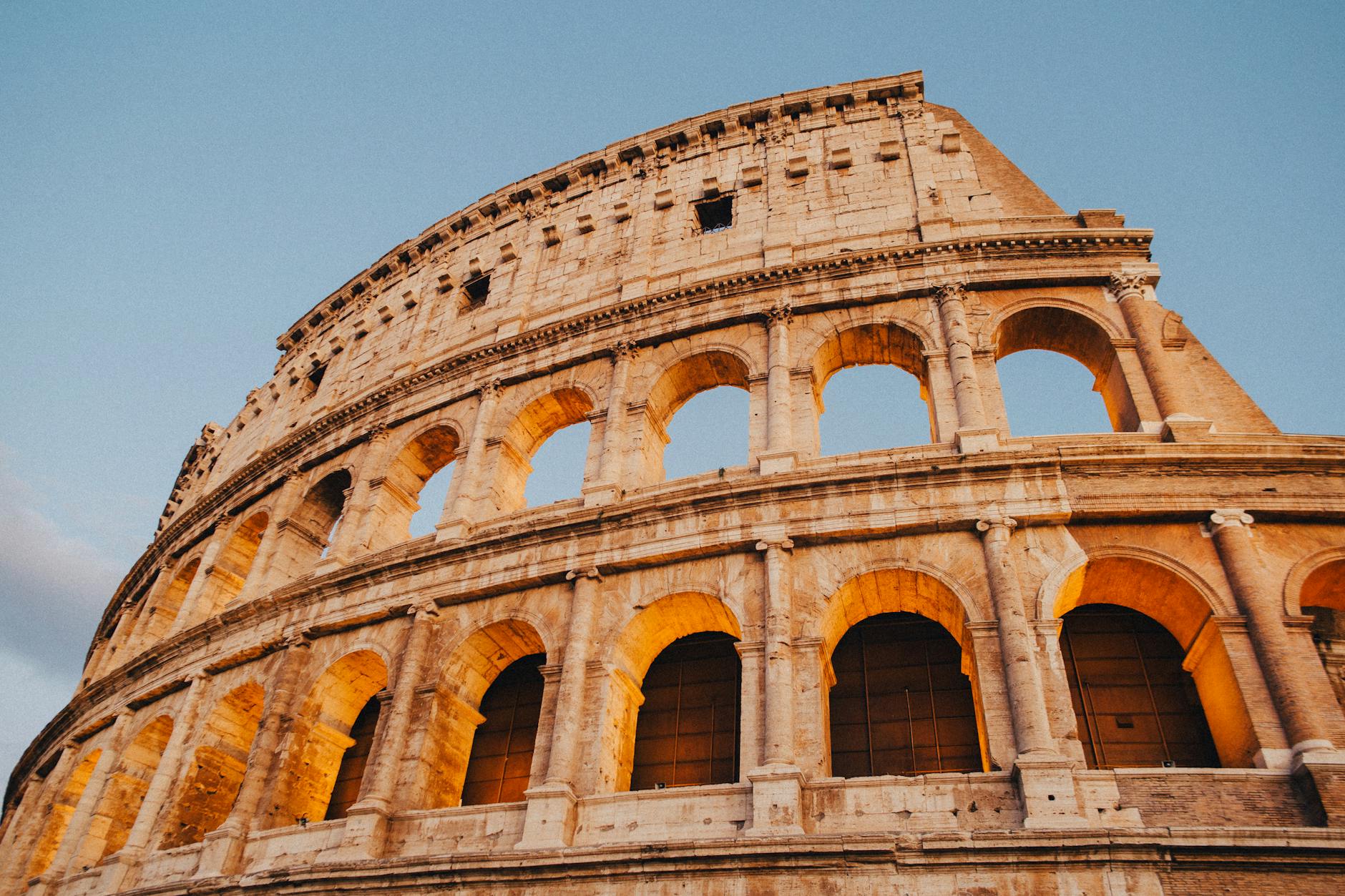
Ultimate Weekend Guide to Rome, Italy
✈️ Ultimate Weekend Escapes Series — Europe · 45+ Destinations
🇮🇹 Rome · 1 of 45+ Europe Guides · 80+ Destinations Worldwide
Updated: March 2026 · Fresh research, new insights, and the latest 2026 travel data
Previously published: [Original Date] · Now part of the Ultimate Weekend Escapes Series (80+ destinations)
What’s Inside This Guide
📋 PLANNING & CULTURE
🎭 DAY 1: ANCIENT ROME
🔍 ROME’S WEIRDEST CORNERS
⛪ DAY 2: VATICAN & BEYOND
🍝 LOCAL KNOWLEDGE
❓ PRACTICAL INFO
📊 ROME AT A GLANCE
🏛️ Introduction: The Eternal City in 48 Hours
🗓️ Planning Your Roman Weekend
🌤️ Best Time to Visit
🚇 Getting Around Rome
🏨 Where to Stay
🏟️ Morning: Colosseum & Roman Forum
⛲ Afternoon: Pantheon & Piazza Navona
🍝 Evening: Trastevere Dinner
⛪ Morning: Vatican Museums
🙏 Afternoon: St. Peter’s Basilica
🔑 Evening: Aventine Keyhole
Ah, Rome—the Eternal City. This is where ancient ruins meet espresso shots. A “quick weekend escape” somehow feels like traveling through 3,000 years of history in just 48 hours. If you’ve been following my series of weekend adventures, you know I love visiting places like Madrid and Tokyo. I enjoy packing culture, food, and a sprinkle of chaos into short trips. And Rome? Let’s just say—it delivers.
Fun fact: Rome consistently ranks among the top visited cities in the world. It attracts millions of travelers who come for the Colosseum, the Vatican, and of course, the gelato. Honestly, no one is flying across the Atlantic for kale salad.
✈️ Flight Delayed or Canceled?
Travel isn’t always smooth sailing—sometimes flights get delayed, canceled, or overbooked. The good news? You might be entitled to up to $650 in compensation under air passenger rights. Most travelers never claim it, but I’ve got you covered: just check your flight with AirHelp. They handle the paperwork, fight the airlines for you, and only get paid if you win. Easy, stress-free, and potentially a nice surprise for your travel fund.
✈️ Travel Hack: Tired of expensive international data? I use Drimsim—a global SIM that works in 190+ countries. Pop it in, top up on the app, and you’re online. No contracts, no hidden fees. Perfect for every getaway! 👉 Drimsim
🎭 Day 1: Ancient Rome — Emperors, Gladiators, and Gelato
Day 1: Ancient Wonders and Espresso Shots
Start your Roman holiday with a strong cappuccino at a local café. Stand at the bar like a local. Sitting can cost extra. Then it’s straight to the Colosseum, Rome’s most iconic landmark. If you’re short on time, book skip-the-line tickets in advance (your sanity will thank you). Pair this with a stroll through the Roman Forum and Palatine Hill. Imagine ancient senators debating. You’re trying to take the perfect selfie.
Travel Tip: Rome’s metro is efficient for longer distances, but most of the historic center is best explored on foot. Pack comfy shoes—you’ll thank me when cobblestones start plotting against your ankles.

Day 2: Vatican City, Museums & Hidden Gems
Wake up early and head to Vatican City—technically a whole new country within Rome. The Sistine Chapel and St. Peter’s Basilica are must-sees, but beware: Saturdays can feel like half the planet had the same idea. Pro tip: arrive before 8 AM or book a guided tour for smoother entry.
Don’t skip the Vatican Museums, one of the largest and richest art collections in the world. From Raphael’s Rooms to Egyptian mummies and classical statues, it’s a mind-blowing journey through centuries of art and history. Plan at least two to three hours here (and wear comfy shoes—you’ll cover some serious ground).
But don’t just follow the crowds. For a quieter experience, wander to Aventine Hill. The secret keyhole at the Knights of Malta gate gives you a perfectly framed view of St. Peter’s dome. Hidden gem? Absolutely. Tourist-free? Almost.
Another underrated spot is Trastevere, a charming neighborhood across the Tiber. Its cobbled streets, ivy-covered walls, and buzzing trattorias make it the perfect evening escape. Order pasta cacio e pepe, sip local wine, and pretend you’re in a Fellini movie.
The Colosseum is great. Everyone’s there. But these spots? You’ll have them mostly to yourself—and they’re way more interesting.
Capuchin Crypt · 4,000 Skeletons Walk Into a Church…
⏰ Time needed
30 minutes
💶 Cost
€8.50
📵 No photos (the dead are camera-shy)
A church decorated ENTIRELY with monk bones. Chandeliers made of vertebrae. Skulls arranged like wallpaper. A skeleton in a monk’s robe holding a scythe. It’s macabre, fascinating, and the most literal “skeleton crew” you’ll ever see [citation:3][citation:6].
📍 Via Vittorio Veneto, 27 · Warning: May cause existential dread or sudden appreciation for your own mortality.
Aventine Keyhole · The Best Peep Show in Rome
⏰ Time needed
5 minutes
💶 Cost
FREE (the best things in life are)
Look through a random green door. See St. Peter’s Dome perfectly framed. It’s a 17th-century optical illusion created by the Knights of Malta. One eye, one keyhole, one perfect view [citation:3][citation:6].
📍 Piazza dei Cavalieri di Malta, 4 · Pro tip: There will be a line. It moves fast. Everyone wants a peek.
Domus Aurea · Nero’s Underground Pleasure Palace
⏰ Time needed
1.5 hours (guided tour)
💶 Cost
€16 (includes VR headset)
Emperor Nero built himself a 80-hectare palace after Rome burned. Coincidence? Probably not. It was buried for centuries and rediscovered in the 1480s. Now you can wear a hard hat and explore underground chambers while VR shows you what it looked like [citation:3][citation:6].
📍 Via della Domus Aurea · Book WEEKS ahead. Tours sell out faster than gladiator tickets.
Giardino degli Aranci · The View That Beat Scaffolding
⏰ Time needed
30 minutes (plus sunset)
💶 Cost
FREE
The best sunset view in Rome. Once the Orange Garden was the spot. Then scaffolding happened. Now Gianicolo Hill takes the crown [citation:8]. Bring a bottle. Watch the city glow. Feel deeply Roman for 20 minutes.
📍 Gianicolo Hill · Pro tip: There’s a food truck. Grab a spritz. You’ve earned it.
Your Rome Hidden Gems Checklist
Screenshot this. Your friends will ask how you found these places.
📍 Sources: Rome’s weirdest corners · 2,000 years of hiding in plain sight
5 of 5 hidden gemsRoma, città eterna! And it’s just one of 80+ cities across 6 continents.
🇪🇺 45+ Europe · 🌏 18+ Asia · 🌎 10+ Americas · 🌅 8+ Africa/Australia

“Romans rarely order cappuccino after 11 a.m.—if you do, you’ll get a knowing smile.”

Vatican Museums, Sistine Chapel, & St. Peter’s Basilica Fully Guided Tour


Knights of Malta Keyhole Tours

“The most satisfying peek you’ll ever have without getting arrested.”
🏛️ ROMA AETERNA! Rome’s Colosseum and Vatican are just one of 80+ destinations I’ve explored!
From the gladiators of the Colosseum to the splendor of St. Peter’s, Rome rules hearts. And I’ve captured that same magic across 6 continents — with 45+ European cities, Asian adventures, Americas escapes, and more.
Europe · Asia · Americas · Australia · Africa
Getting Around: Buses, Trains, and Road Maps
Rome has a robust bus and tram system, but brace yourself—it can be fashionably late. If you’re short on time, the metro (Lines A, B, and C) connects most major attractions. For road trippers, renting a small car is an adventure (emphasis on small—those medieval streets were not designed for SUVs). Google Maps is your friend, but Waze is often more accurate with Rome’s unpredictable traffic.
If you’re combining Rome with other Italian cities, consider using the high-speed trains (Frecciarossa, Italo). They make trips to Florence or Naples doable in under 1 hour. These cities are accessible quickly. Weekend side quest, anyone?
A Local’s Guide to Public Transport
Even though Rome loves its cobblestones and leisurely strolls, sometimes your feet need a break—especially after a night of gelato-fueled wandering. That’s where the city’s public transport swoops in like a seasoned Roman stepping in to hold your hand. You’ve got buses, trams, metro, and local trains to connect you across the Eternal City. Rome.info
“On Sundays, Via dei Fori Imperiali closes to traffic, making it perfect for walking and photos.”
Ticket Types & Pricing—Keep It Simple
- BIT (Single Ticket) – €1.50, valid for 100 minutes from your first validation. Great for hopping between buses, trams, and even taking one metro ride—but heads up: you can’t bounce back into the metro once you exit. Wanted in RomeRome.infoWikipedia
- Time-Based Passes – If you’re planning to explore more:
- 24-hour: ~€7
- 48-hour: ~€12.50
- 72-hour: ~€18
- Weekly Pass (CIS): €24 Wanted in RomeWikipediaRome.net
These offer better bang-for-your-euro-per-hour if you’re hopping around a lot.
Where to Buy Tickets
- Tabacchi (tobacco shops), newsstands, bars, metro vending machines—think of them as your ticket treasure chests. Wanted in RomeRomeingRome.net
- Mobile Apps like MooneyGo, TicketAppy, DropTicket, and Tap & Go let you buy and validate on your phone—super handy if you’d rather keep your hands free for a cone of pistachio gelato. AtacRomeing
Validation Is a Must—Don’t Skip It
- On buses and trams, insert your paper ticket into the yellow validator. No swiping—actual insertion. On the metro, go through the turnstile and it validates automatically. Wanted in RomeRoman VacationsRome.net
- Miss validation, and inspectors might present you with a €50–€100 “souvenir” fine. Trust me, “But I’m a traveler!” doesn’t work. Rome.netRoman Vacations
- Wise advice from a fellow traveler: “Before you board a fully packed bus, check where the ticket machines are… we got fined €54.90 each for not validating.” Reddit
When & Where It Runs
- Metro Lines A, B (and C under development) – run roughly every 7–10 minutes from 5:30 AM to 11:30 PM (until 1:30 AM on Fridays and Saturdays). Rome.infoWanted in Romebedandbreakfast-rome.comWikipedia
- Buses & Trams – operate around 5:30 AM to midnight. For the night owls—there are night buses (Linee Notturne) running between 12:30 AM–5:30 AM. Rome.infoWanted in Romehttps://www.visititaly.euWikipedia

Quick reference:
| Transport Type | Operation Hours | Notes |
|---|---|---|
| Metro | 5:30 AM–11:30 PM (Fri/Sat until 1:30 AM) | Fastest way for major landmarks |
| Buses & Trams | ~5:30 AM–midnight | Great for neighborhoods the metro doesn’t reach |
| Night Buses | 12:30 AM–5:30 AM | Routes cover metro lines when closed |
Smart Tools to Navigate
Apps like Moovit are lifesavers—they help you avoid waiting 20 minutes in the Roman heat for a late bus. Roman VacationsReddit
TIP: Be aware of pickpockets—especially on crowded buses or metro routes that shuttle between tourist hotspots. Keep your valuables zipped away. Time Out Worldwide
TL;DR Cheat Sheet
- Know your ticket: €1.50 BIT (100 mins) or go for multi-day passes.
- Buy from Tabacchi, machines, or via apps—your choice.
- Validate the moment you step on or enter—deal with it or pay the fine.
- Metro is fast, but bus/tram reach where it doesn’t.
- Use apps to track, and watch your belongings.
🚗 Thinking About Renting a Car in Rome?
Rome’s buses, trams, and metro make getting around the city easy. However, sometimes you want the freedom to explore beyond the capital. You might want to take a spontaneous drive to Tivoli’s gardens or a coastal escape to Ostia. That’s where renting a car comes in handy. I usually recommend booking in advance to avoid last-minute price hikes, and I personally use Localrent for Rome. They connect you with reliable local providers, transparent pricing, and no hidden “surprises” at the counter. If you’re planning day trips or just love the open road, a rental can make your Italian adventure even smoother.
5 Tourist Traps (and How to Avoid Being the Victim)
Rome is safe. Rome is magical. Rome also has more scams than the Roman Senate. Here’s what to avoid.
🚫 The Colosseum Gladiators
Those guys in costume outside the Colosseum? They’re not ancient Roman reenactors. They’re professional photo-hustlers. They’ll pose with you, smile, then demand €20-€50. If you don’t pay, they get aggressive.
✅ The Fix:
Decide BEFORE the photo. If you want one, agree on price first. Or just take a photo OF them without being in it. Free. No drama.
🚫 “Free” Walking Tours That End at Timeshare Presentations
Friendly “free tour” guides near the Spanish Steps? Some are legit. Others end at a timeshare pitch. You’ll waste 3 hours listening to a sales presentation for “exclusive Roman villas.”
✅ The Fix:
Use reputable companies: Free Tour Rome, Rome Free Tour, or GuruWalk. Check reviews. If they mention a “special gift” or “surprise,” run.
🚫 €12 Cappuccinos at Piazza Navona
Sit-down cafes in the main squares charge DOUBLE. That €4 cappuccino becomes €12 the moment you sit at a table with a view. Same coffee. Different zip code. Your wallet will weep.
✅ The Fix:
Drink standing at the bar (€
Best Time to Visit Rome
- Spring (April–June): Warm weather, fewer crowds, blooming gardens.
- Fall (September–October): Golden light, mild evenings, less tourist traffic.
- Summer (July–August): Hot, crowded, but festivals and late-night piazza life are magical.
Tech & Travel Hacks
✈️ Stay Connected: Buying SIMs at airports = highway robbery. Instead, I travel with Drimsim, a universal SIM card that works in 190+ countries without hidden fees. Pop it in, top up with the app, and you’re online everywhere—no stress over roaming bills or hunting local cards.
📸 Capture Rome Like a Pro: The Colosseum looks good even on a flip phone, but why risk it? I always recommend a solid travel camera—check out this one for stunning shots of Rome’s golden-hour piazzas.
🔒 Travel Safe Online: Free Wi-Fi in Rome’s piazzas is tempting, but hackers love them as much as tourists. Protect your data with NordVPN—because nothing kills a gelato buzz like a hacked bank account.
💡 Pro Travel Tip:
While hopping on Rome’s metro, tram, or bus is super easy, travel hiccups like delays, lost luggage, or sudden medical emergencies can happen anywhere. That’s why I always carry travel insurance before jetting off. It gives peace of mind knowing I’m covered, no matter what. I personally recommend VisitorsCoverage Travel Insurance — quick to book, affordable, and traveler-friendly.
Where to Stay
Rome has everything from budget hostels near Termini Station to boutique hotels in Monti. For flexibility and great deals, I usually book through Expedia. It saves me the headache of juggling multiple booking sites—and yes, I’ve scored last-minute steals steps away from the Pantheon.
📝 THE ROME IQ TEST · WILL YOU LEAVE LOOKING LIKE A GLADIATOR OR A TOURIST?
Rome wasn’t built in a day. Neither was your ability to embarrass yourself here. Test your knowledge before you go—and avoid being the person who asks “Do they speak Italian in Italy?”
🔹 Quick Quiz:
1. What’s the difference between “pasta” and “basta”?
✅ Pasta = dinner. Basta = “enough already!” Confuse them and your waiter will judge you forever [citation:10].
2. Who actually built Rome?
✅ Seven ginormous ant hills, obviously. Nero just lit the match [citation:10].
3. What happens if you stick your hand in the Mouth of Truth and lie?
✅ It bites it off. Or, you know, you get a funny photo and 15 seconds of internet fame [citation:6].
4. How many bones decorate the Capuchin Crypt?
✅ 4,000 monks’ worth. Rome’s original “skeleton crew” [citation:3].
5. What’s the #1 rule for cycling the Appian Way?
✅ Don’t be hungover. Those cobblestones have no mercy [citation:8].
“I went to Rome to find myself. All I found were gelato shops and great selfies.” — Anonymous traveler, probably you
📍 Sources: Historical archives, traveler confessions, and 2,000 years of bad decisions
Final Thoughts: Why Rome Wins Every Time
Rome isn’t just a city—it’s a layered cake of history, chaos, and beauty. One minute you’re admiring Michelangelo’s ceiling, the next you’re stuck behind a Vespa gang in Trastevere. And that’s the charm—you can’t script it.
If you loved this Roman weekend guide, you might also enjoy my write-ups on Antalya or NYC—different vibes, same wanderlust energy.
Your Turn 🎒
What’s your favorite Roman memory—was it tossing a coin into the Trevi Fountain, or devouring a pizza bigger than your head? Drop your stories in the comments—I’d love to hear how the Eternal City treated you.
And if you’re planning your own Roman weekend—pack your walking shoes, book your Vatican tickets, and don’t forget the gelato budget. Buon viaggio!
To make your Roman holiday unforgettable, I’ve created a custom map just for you! The map includes iconic must-sees like the Colosseum and Vatican City. It also features hidden piazzas and my favorite spots for authentic pasta and gelato. This map is your all-in-one guide to visualizing your days. It helps in connecting the dots and discovering the magic of Rome. You can do all this without the hassle of juggling a dozen apps.
Check out your personal Rome guide here: My Rome Routes Map
Save it to your phone and let it be your digital companion while exploring the Eternal City!
Frequently Asked Questions (FAQ)
Q1: Is a weekend enough time to see Rome?
While you can’t see everything, a weekend is absolutely enough time to hit the “big-ticket” items and get a powerful feel for the city’s magic. This itinerary is designed to efficiently cover the iconic highlights of Ancient Rome, the Renaissance historic center, and the Vatican.
Q2: What is the most important thing to book in advance?
Skip-the-line tickets are non-negotiable for a short trip. The top priorities to book weeks or months in advance are:
- The Colosseum & Roman Forum (often a combined ticket)
- The Vatican Museums & Sistine Chapel
This will save you hours, if not days, of waiting in line.
Q3: What is the best way to get around Rome?
Rome’s historic center is best explored on foot. Major sights are relatively close to each other. For longer distances (e.g., from the city center to the Vatican), the metro is efficient. Buses cover more areas but can be slow in traffic. Avoid driving at all costs.
Q4: What is the best area to stay in for a weekend trip?
For a first-time visitor, Trastevere offers incredible charm and nightlife. Monti is trendy and close to the Colosseum. The Historic Center (Centro Storico) near the Pantheon or Piazza Navona puts you right in the middle of all the action.
Q5: Is there a dress code for visiting churches and the Vatican?
Yes, and it is strictly enforced. Visitors must cover their shoulders and knees to enter St. Peter’s Basilica and other churches like the Pantheon. Avoid low-cut tops and short skirts/shorts. Carry a light scarf or shawl to cover up easily.
Q6: What is one food I absolutely must try?
Beyond pasta carbonara and cacio e pepe, you must try a supplì – a delicious fried rice ball with tomato sauce and a molten mozzarella center. It’s the perfect Roman street food snack.
Q7: Should I worry about pickpockets?
Petty theft like pickpocketing is common in crowded tourist areas and on public transport. Be vigilant. Use a cross-body bag with a zipper, keep it in front of you, and never leave your phone or wallet in your back pocket.
Universal Disclaimer/Disclosure Page:
Enjoyed this post?
If you found this helpful, consider buying me a coffee. Your support keeps this blog running and helps me create more content.
☕ Buy Me a Coffee
paypal.me/LaxmiHegde