The Ultimate Weekend Escape to Palermo, Sicily: A Feast for the Senses 🏛️🍋

Meta Description: Dreaming of a Sicilian weekend? Dive into this guide to Palermo, where Arab-Norman mosaics dazzle, street food delights, and Mediterranean waves beckon. Find essential travel tips, hidden gems, and a perfect 3-day itinerary for your ultimate escape to Sicily’s captivating capital.

Welcome, fellow traveler, to your guide for the perfect weekend in Palermo. I arrived expecting a city of overwhelming chaos, but I was met instead with a laid-back energy, a place where palm trees shade Baroque balconies and the air smells of salt, jasmine, and freshly fried arancine.

This is a city that has been shaped by nearly 15 different cultures—Phoenicians, Romans, Arabs, Normans, and Spanish, to name a few. That history isn’t just in museums; it’s baked into the very stones of the churches, shouted in the vibrant markets, and layered into every bite of its famous cuisine. Get ready to fall in love.

Table of Contents

Why Palermo Is Perfect for a Weekend Escape
Palermo’s Soul: A Quick Cultural Snapshot
Getting to Palermo (Flights & Smart Booking Tips)
Getting There by Ferry (Direct Ferries Guide)
Getting Around Palermo (Bus, Train, Car & Road Tips)
Best Time to Visit Palermo (Avoid Crowds & Heat)
A Perfect 2‑Day Palermo Itinerary
Hidden Gems Most Travellers Miss
Eat Like a Local (Without Overspending)
Smart Travel Tools I Personally Use
Useful Italian & Sicilian Words for Travellers
How to Save Money in Palermo
Pair Palermo with These Nearby Weekend Escapes
FAQs
Final Thoughts & Strong Call‑to‑Action

Palermo at a Glance: What to Know Before You Go

Before you dive into the winding streets, a little context goes a long way. Unlike the polished perfection of Rome or Florence, Palermo is beautifully “disheveled”—a bit rough around the edges in a way that feels authentically Sicilian. Embrace it. The real magic happens when you look past the graffiti to the 12th-century mosaic glittering in the church next door.

Why Palermo Is Perfect for a Weekend Escape

Palermo doesn’t whisper its charm—it shouts it from market stalls, cathedral steps, and seaside promenades. In just one weekend, you get layered history, Mediterranean beaches, and some of the best street food in Europe.
I arrived thinking Palermo would be “interesting.” I left planning my return around food alone.

Palermo’s Soul:

A Quick Cultural SnapshotPalermo has been shaped by Greeks, Romans, Arabs, Normans, and Spaniards—and instead of choosing one identity, it kept them all. That’s why churches resemble mosques, palaces feel North African, and food ignores all rules (thankfully).
The name Panormos—Greek for “all‑port”—explains everything. Palermo has always been a city built for travellers arriving by sea.

Getting to Palermo (Flights & Smart Booking Tips)

✈️ Palermo Airport (PMO) is well connected with Europe and mainland Italy.
I always compare flights and stays using Expedia because flexible bookings save me when plans change:
👉 Book flights & hotels via Expedia:
Money tip: Fly midweek and avoid July–August for better prices.

Hotels in Palermo

Getting There by Ferry (Direct Ferries Guide)

For a truly memorable arrival, consider a ferry. Sailing into the massive Port of Palermo as the sun rises over Monte Pellegrino is magical. The port is centrally located, putting you steps away from attractions like the Foro Italico.

Palermo is one of southern Italy’s major ferry hubs.

Popular Routes: Ferries connect Palermo to mainland Italy (Genoa, Naples, Salerno, Civitavecchia near Rome) and other islands like Cagliari in Sardinia.

What to Know: Crossings from Naples take 8.5-12 hours, often overnight, which can save you a hotel night. You can bring your car, which is ideal for exploring Sicily afterward
🚢 Direct Ferry Routes to PalermoNaples → Palermo (overnight ferries—budget‑friendly)
Genoa → Palermo (longer but scenic)
Cagliari (Sardinia) → Palermo
Livorno → Palermo
I always use Direct Ferries to compare routes, cabins, and prices before booking: They offer e-tickets and live updates, which takes the stress out of booking.
👉 Check ferry routes & prices via Direct Ferries
Pro tip: Overnight ferries save one hotel night and arrive early. The frequency of ferry sailings increases during the high season. For the best deals and to secure your spot, especially if traveling with a vehicle, it’s wise to book your tickets online in advance

💡 Pro Tip for Drivers: If you’re planning a wider Sicilian road trip, I’d recommend collecting your rental car in the city, not at the airport. Driving in central Palermo is an “experience” best minimized. Pick up your car when you’re ready to leave for the countryside.

Getting Around Palermo (Bus, Train, Car & Road Tips)

🚌 Buses & TramsAMAT buses cover most attractions. City Buses (AMAT): Useful for connecting key areas like the station, Politeama, and the port. Always validate your paper ticket in the machine onboard to avoid steep fines

Free Shuttle: AMAT runs a free shuttle bus (look for “GRATIS” on the display) on a loop through the main historic sights


Buy tickets at tabacchi shops
Google Maps works well here
🚆 TrainsTrains connect Palermo with the airport, Cefalù, and Monreale
Cheap and surprisingly scenic
🚗 Renting a Car (With Caution)Use ring roads to avoid the historic center
Watch for ZTL zones (restricted traffic areas)
Download offline maps to save data and time

  1. Best Time to Visit PalermoApril–June: Ideal weather, fewer crowds
    September–October: Warm sea, calmer streets
    July–August: Very hot and busy (festival season)
    Shoulder season is the sweet spot.

Your Perfect 3-Day Palermo Itinerary

This itinerary balances iconic sights with local flavor, leaving room for you to wander and discover your own Palermo.

Day 1: Dive into History & Hearty Street Food

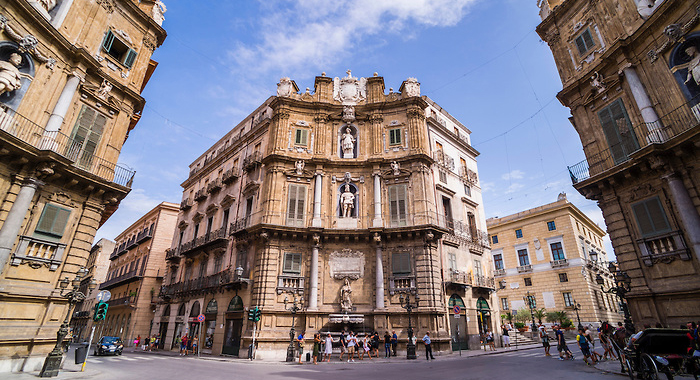
  • Morning: Start at the intersection of it all—Quattro Canti. This stunning Baroque square is the city’s beating heart. From there, walk to the Palermo Cathedral. Pay to go up to the roofs for a breathtaking view over the old town—it’s the best orientation you can get.
Quattro Canti (Expedia)Quattro Canti (Get your guide)
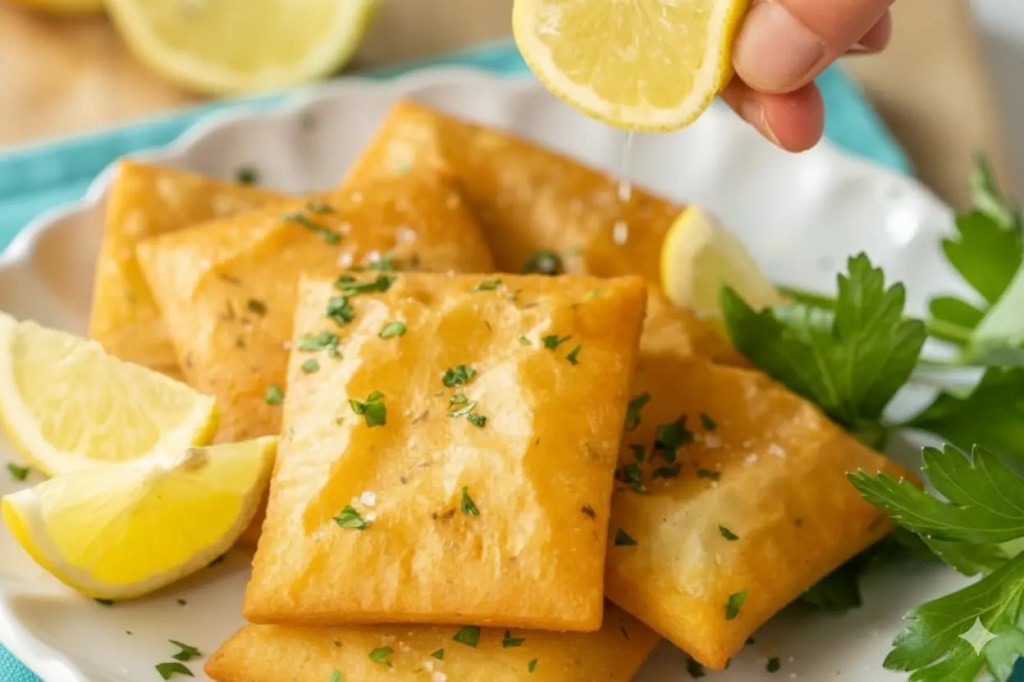
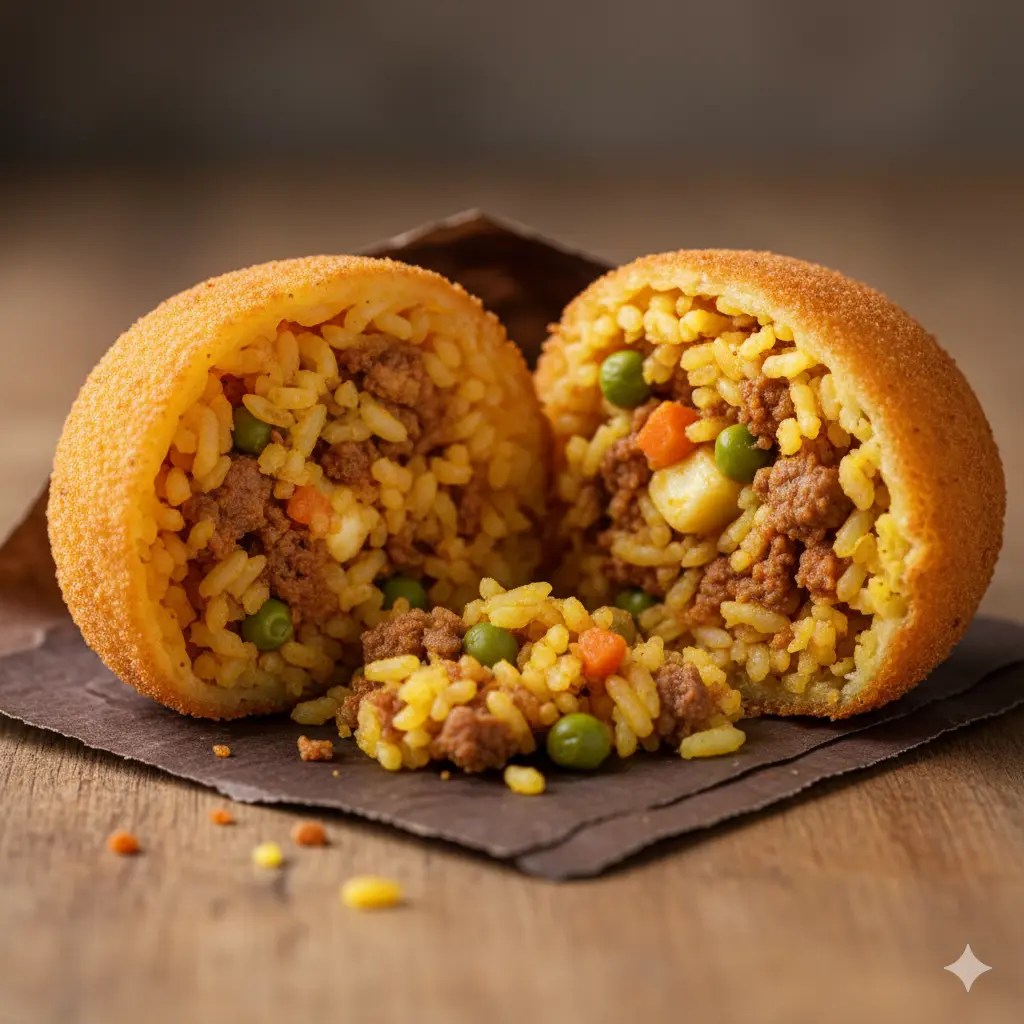
  • Afternoon: Join a street food and walking tour. I did this on my first day and it was a game-changer. My guide, Fabrizio, led us through the chaotic Capo Market, where we sampled panelle (chickpea fritters) and the city’s famous arancina (not arancino here in western Sicily!). The tour wove food with stories, passing the Teatro Massimo and explaining the city’s layered history.
Teatro Massimo (Expedia)Teatro Massimo (Get your Guide)
  • Evening: Experience the Vucciria Market transformation. By day it’s quiet, but at night it comes alive with crowds enjoying aperitivo at makeshift tables—a truly local scene.
 Vucciria Market (Expedia) Vucciria Market (Get your Guide)
A historic building at the intersection of two streets in Palermo, featuring Baroque architecture and sculptures on the facade, with pedestrians and vehicles in the foreground against a bright blue sky.
A stunning view of Quattro Canti, a Baroque square in the heart of Palermo, showcasing its rich architectural heritage.

A plate of golden-brown arancine with parsley garnishing, accompanied by lemon wedges, ready to be served.
Delicious Sicilian arancine garnished with lemon and herbs, embodying the vibrant street food culture of Palermo. Authentic Panelle: Crispy chickpea fritters from a friggitoria in Palermo, Sicily. The classic and irresistible Sicilian street food. #Panelle #SicilianFood #StreetFood #Palermo
Close-up of a halved arancina, a traditional Sicilian rice ball, filled with seasoned rice, ground meat, and vegetables.
Delicious arancini, a staple of Sicilian street food, filled with rice and minced meat. The iconic Arancina of Palermo: a deep-fried saffron rice ball stuffed with meat ragù, peas, and mozzarella. Sicily’s most famous street food, enjoyed on every corner. #Arancina #Palermo #SicilianStreetFood #CiboDiStrada #Sicilia
The Teatro Massimo in Palermo, Italy, showcasing its grand architecture with palm trees in the foreground and a blue sky.
The stunning Teatro Massimo in Palermo, renowned for its impressive Neoclassical architecture and vibrant surroundings. Teatro Massimo in Palermo, Sicily. One of Europe’s largest and most magnificent opera houses, famous for its perfect acoustics and iconic appearance in “The Godfather Part III.” #TeatroMassimo #Palermo #Sicily #OperaHouse #ItalianArchitecture #TravelItaly

A bustling street market in Palermo filled with colorful produce like fruits and vegetables, along with people navigating through the stalls under striped canopies.
Explore the vibrant street market scene in Palermo, where fresh produce and local flavors come alive. Experience the energy of Ballarò Market in Palermo, Sicily. The city’s oldest and most vibrant street market, where the scents of fresh produce, street food, and the sounds of vendors create an authentic Sicilian atmosphere. #BallaròMarket #Palermo #Sicily #StreetMarket #ItalianMarket #TravelSicily

Day 2: Golden Mosaics & Mountain Views

  • Morning: Head to the Palazzo dei Normanni to see the Cappella Palatina. Words can’t prepare you for the shimmering, wall-to-wall Byzantine gold mosaics here. It’s a UNESCO masterpiece and arguably one of the most beautiful churches in the worldGo early and buy tickets online to avoid long lines.
Cappella Palatina.(Expedia)Cappella Palatina.(Get Your Guide)
  • Afternoon: Take a short bus ride (AMAT bus 389) up Monte Pellegrino to the Sanctuary of Santa Rosalia. The view over the Gulf of Palermo is spectacular, and the cave-church is a unique spiritual site. On the way back, stop at Mondello Beach to dip your toes in the Tyrrhenian Sea.
Monte Pellegrino (Expedia)Monte Pellegrino (Get your Guide)
  • Evening: Dine in the Kalsa district. Find a trattoria for fresh pasta with sardines (pasta con le sarde), a classic Sicilian dish.
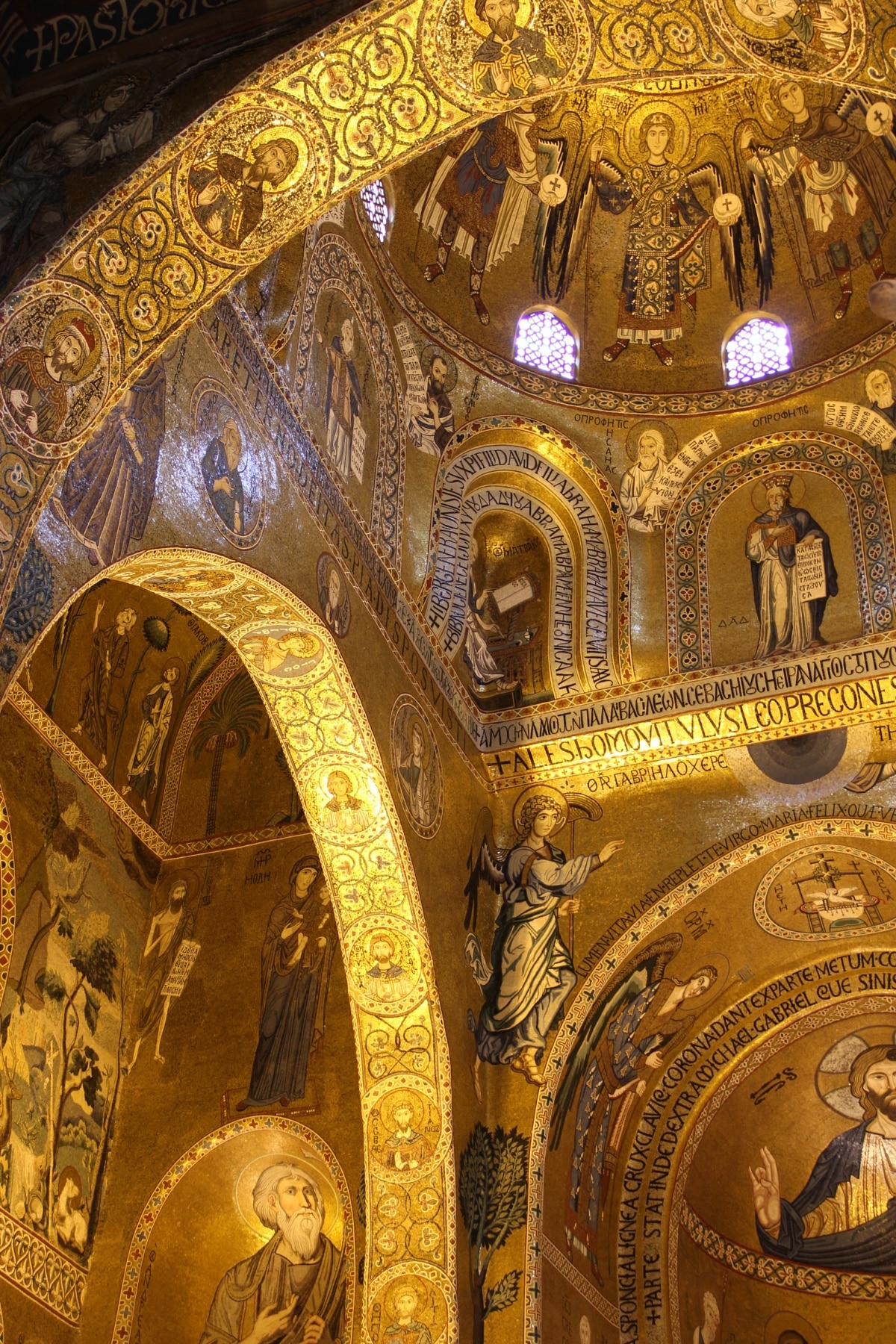
Interior view of the Cappella Palatina in Palermo, showcasing stunning Byzantine mosaics with golden backgrounds and intricate religious figures.
The stunning Byzantine mosaics inside the Cappella Palatina in Palermo, showcasing intricate gold detailing and religious imagery.
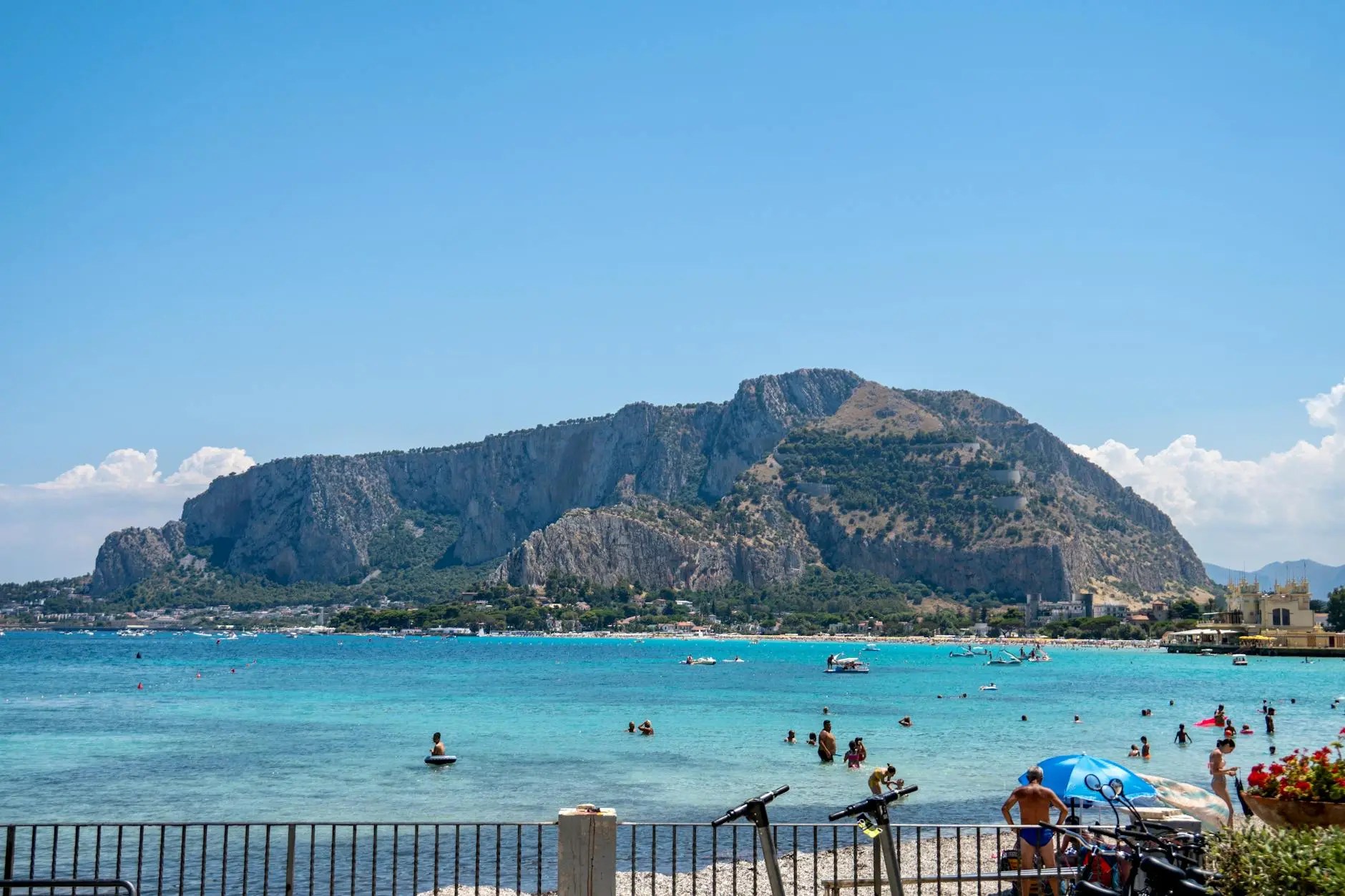
A panoramic view of Mondello Beach in Sicily, showing its iconic crescent of white sand and vibrant turquoise Mediterranean waters, backed by historic Liberty-style villas and green hills.
A stunning view of the crystal-clear waters at Mondello Beach in Palermo, with picturesque mountains in the background. Mondello Beach – Palermo’s Seaside Escape. Just a short bus ride from the city’s hustle, this stunning crescent of sand and turquoise water is where locals and travelers go to cool off. Don’t forget to try a granita at one of the iconic beachfront chalets!

📸 Pro Tip for Photos: The light here is incredible in the late afternoon. To capture the water’s true color like this, I used my trusty travel camera. For stable shots of the bustling beach scene
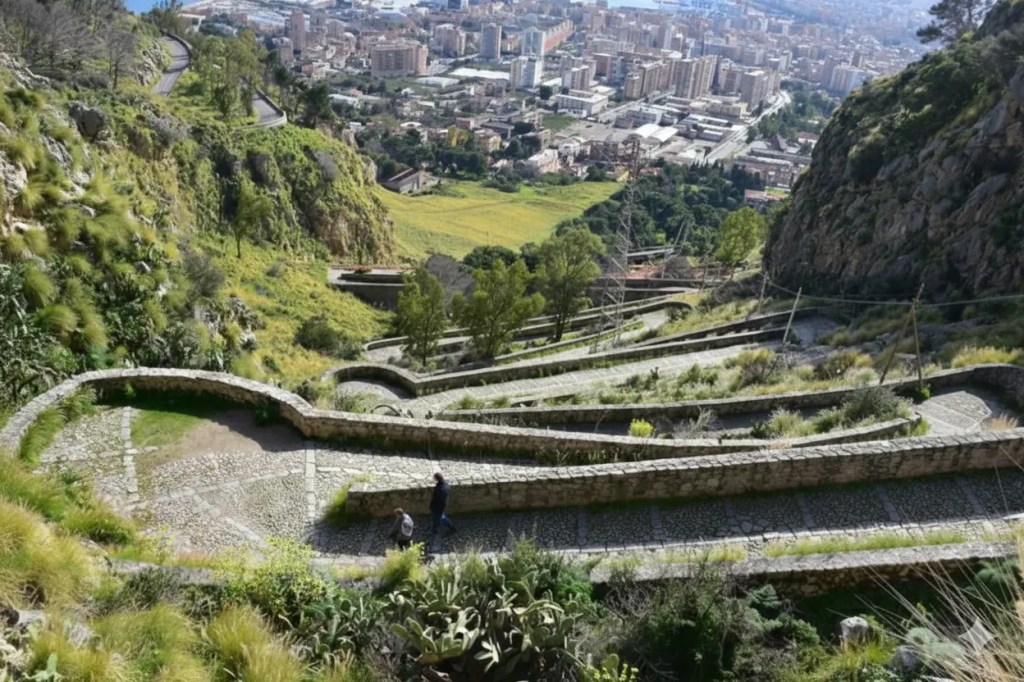
A pilgrim hiking the historic Acchianata stone path up Monte Pellegrino in Palermo, Sicily, with views of the Mediterranean Sea and surrounding hills.
A winding pathway leading down from Monte Pellegrino, offering breathtaking views of Palermo and the Mediterranean coastline. The Acchianata Pilgrimage Path on Monte Pellegrino. Follow in the footsteps of centuries of devotees on this iconic stone trail leading to the Sanctuary of Santa Rosalia, Palermo’s beloved patron saint.

🗺️ Navigation Tip: The Acchianata path begins near the Sanctuary of Santa Rosalia bus stop (AMAT line 812). For easier navigation while exploring Palermo’s trails and city streets, consider using an eSIM from Drimsim for reliable, affordable mobile data across Sicily.
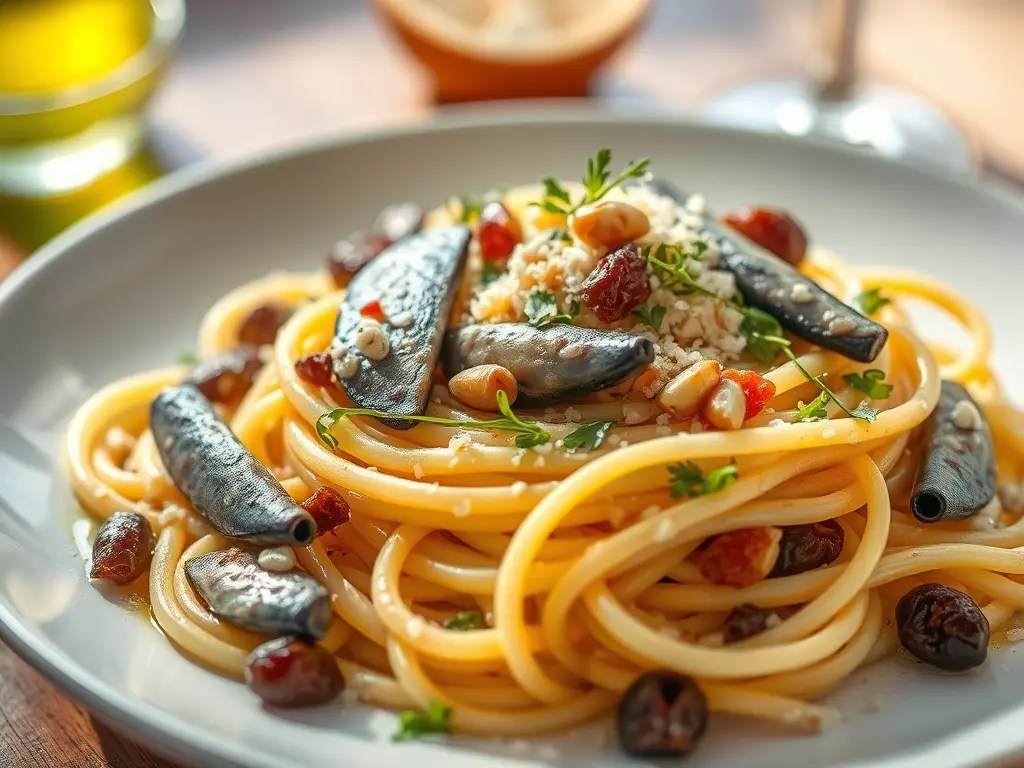
Close-up of Pasta con le Sarde, a traditional Sicilian pasta from Palermo with fresh sardines, wild fennel, pine nuts, raisins, and saffron on a white plate.
A delicious plate of pasta with sardines, a classic Sicilian dish featuring fresh ingredients. Pasta con le Sarde – A Taste of Sicilian History. This iconic Palermo dish, with its unique blend of fresh sardines, wild fennel, pine nuts, and raisins, tells the story of the island’s Arab and Norman influences on a single plate.

Day 3: Local Markets & Leisurely Goodbyes

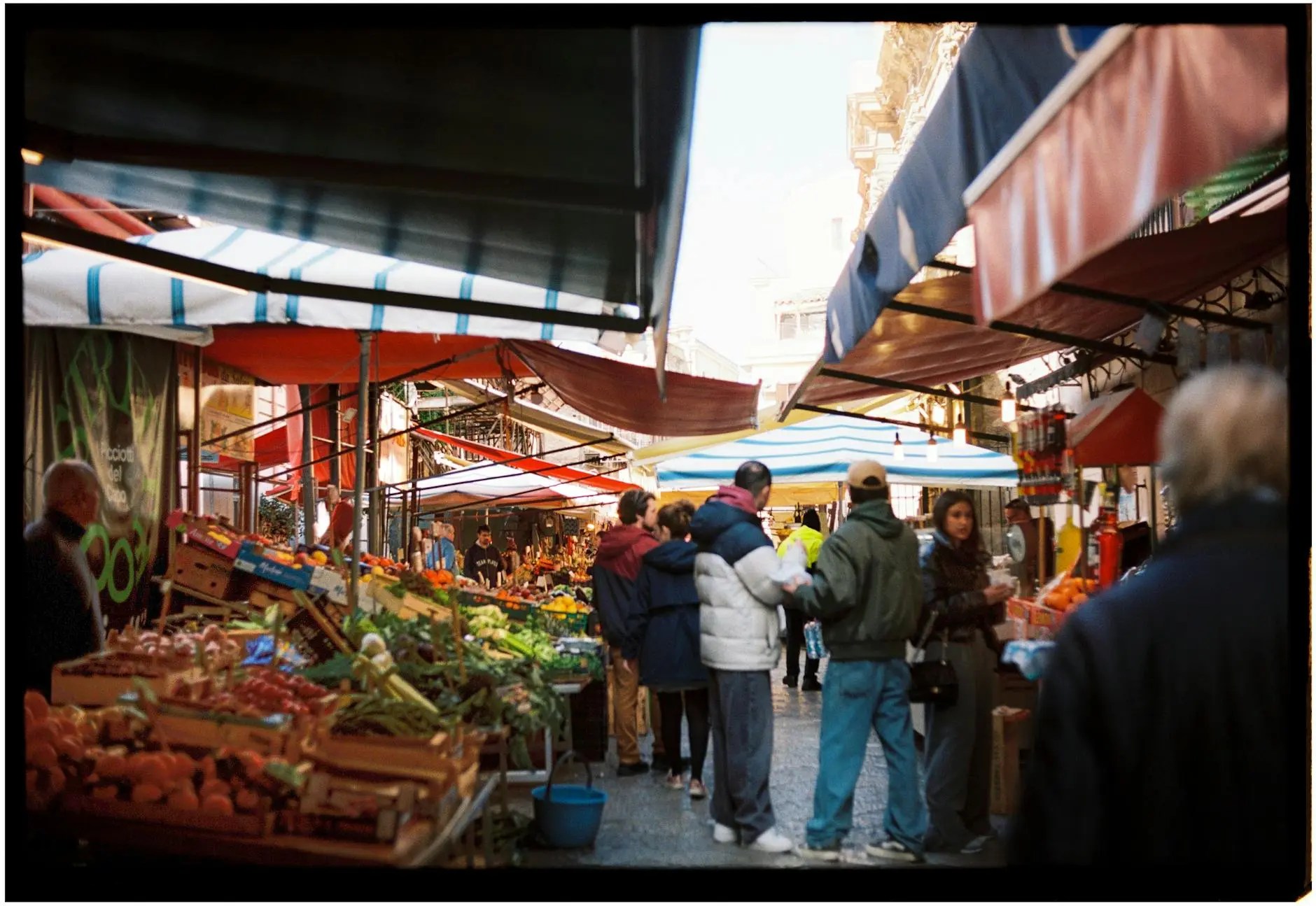
  • Morning: Get lost in the Ballarò Market. This is the largest and most authentic food market, a sensory overload of shouting vendors, hanging cheeses, and gleaming seafood. Grab a fresh cannolo for breakfast—the ricotta filling should always be piped in fresh to order!
Ballarò Market. (Expedia)Ballarò Market. (Get your Guide)
  • Afternoon: Visit the stunning Church of Santa Caterina d’Alessandria. Pay the small fee to access the monastery roof for what I think is the best panoramic view in the city, looking down over a beautiful tiled cloister. Afterwards, enjoy a coffee at the historic Antico Caffe Spinnato.
Santa Caterina d’Alessandria(Expedia) Santa Caterina d’Alessandria(Get your guide)
  • Evening: Enjoy a final passeggiata (evening stroll) along Via Maqueda. Soak in the lively atmosphere and pick up some souvenirs—maybe some local pistachio cream or ceramicware.
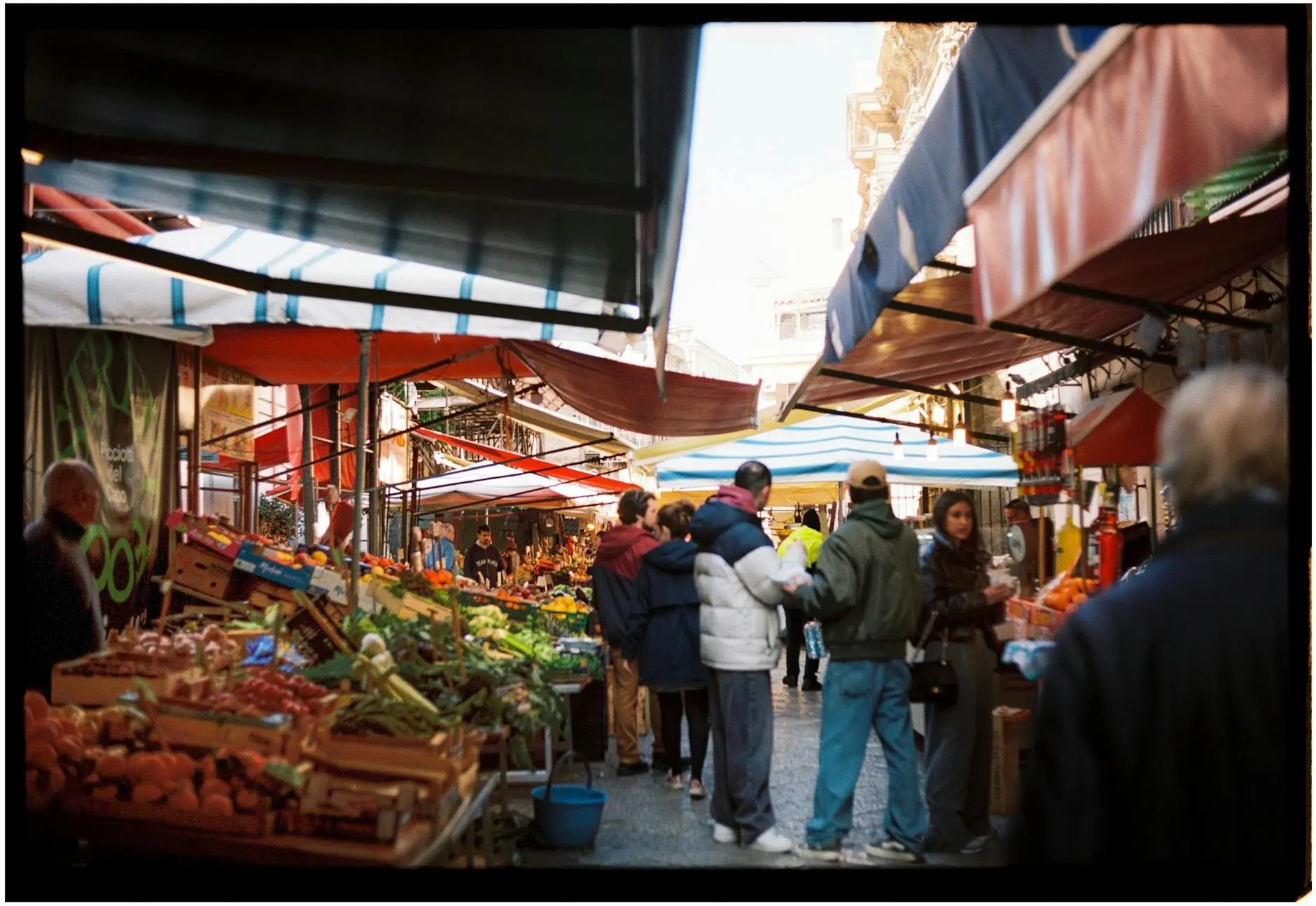
A lively scene at the historic Ballarò Market in Palermo, Sicily, with vendors selling colorful fresh fruits, vegetables, and local goods under vibrant umbrellas.
Explore the vibrant street life of Palermo’s local market, bustling with colors and fresh produce. The Heartbeat of Palermo at Ballarò Market. Step into the sensory overload of Palermo’s oldest street market, where the air is filled with the scent of fresh produce and the sound of vendors’ animated abbanniate (street cries).

🛒 Travel Tip: For the best experience, visit the market in the morning when it’s most lively. Don’t be shy to sample—a friendly “Posso assaggiare?” (Can I taste?) goes a long way. Having a VPN on your phone is useful for securely accessing digital maps and translating vendor signs on public Wi-Fi.
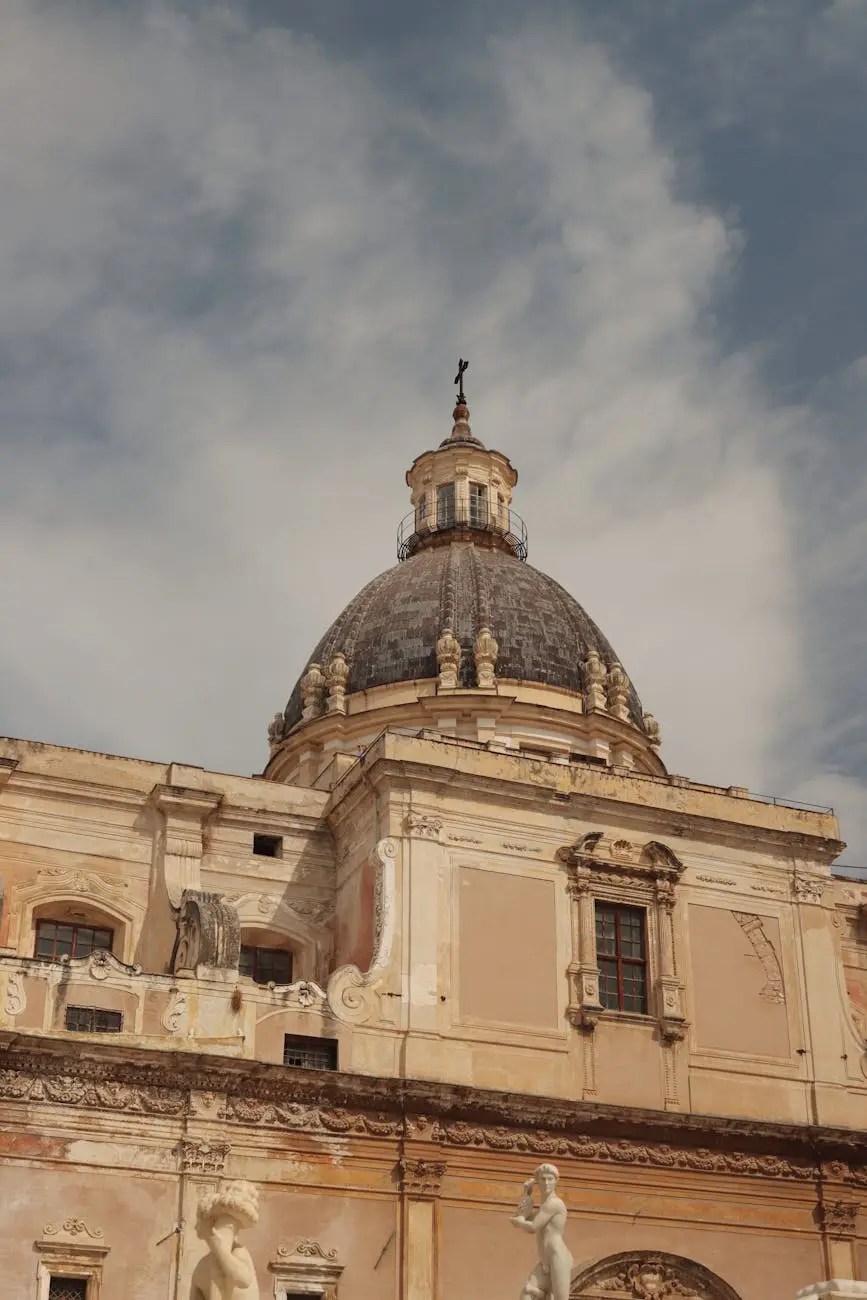
Ornate Baroque facade and majolica-tiled dome of the Church of Santa Caterina d'Alessandria on Piazza Bellini in Palermo's historic center, Sicily.
The stunning dome of the Church of Santa Caterina d’Alessandria in Palermo, showcasing intricate architecture against a beautiful sky. Santa Caterina d’Alessandria: Palermo’s Baroque Jewel. This 16th-century church is a masterpiece of Sicilian Baroque and Rococo splendor. Don’t miss the climb to its rooftop for one of the best panoramic views in the city.
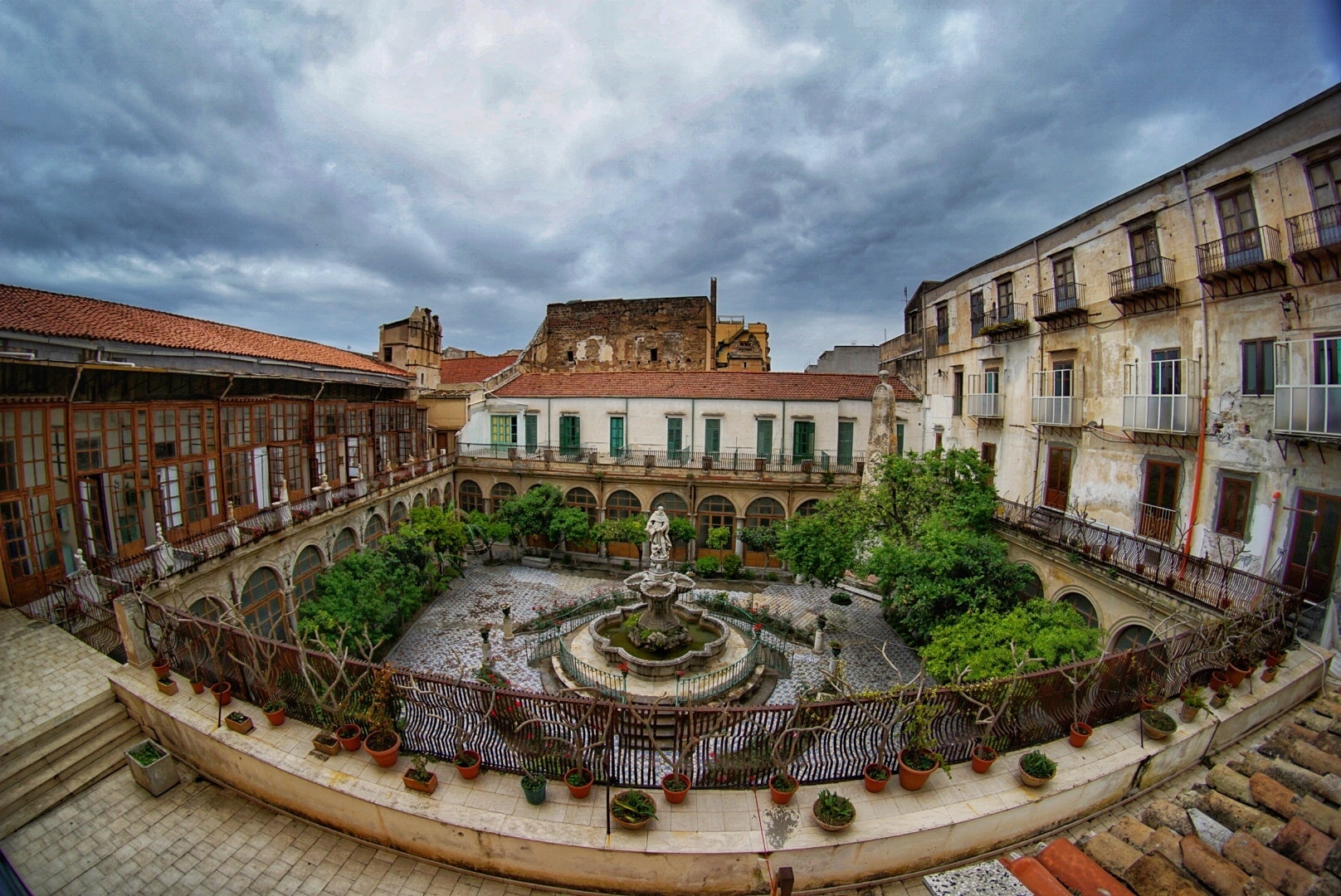
A view of a beautifully designed courtyard featuring a central fountain surrounded by greenery and historic buildings with balconies under a cloudy sky.
A tranquil courtyard in Palermo, showcasing lush greenery and historic architecture, perfect for a peaceful escape.
Vibrant display of traditional Sicilian Opera dei Pupi puppets and colorful ceramic pottery at a crafts market in Palermo, Italy.
Colorful traditional Sicilian puppets and pottery displayed in a vibrant market in Palermo. Sicilian Puppetry & Pottery: A Living Tradition. These handcrafted Opra dî Pupi (Opera dei Pupi) puppets and ceramics bring centuries of Sicilian folklore, knightly legends, and artisan skill to life in Palermo’s markets.

Beyond the Guidebook: My Personal Tips & Hidden Gems

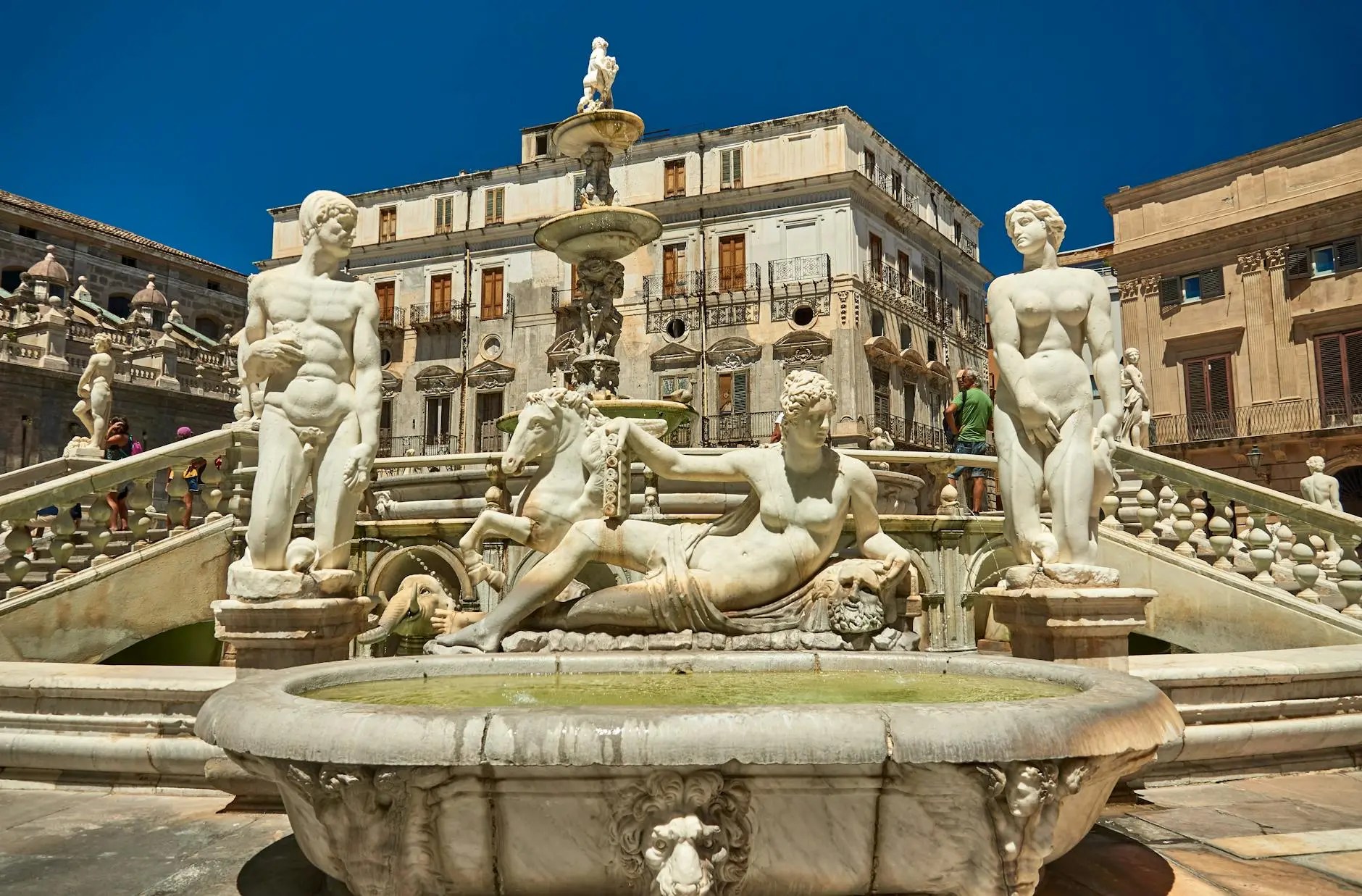
  • The “Fountain of Shame”: Don’t miss the Pretoria Fountain. Its official name is forgettable, but its local nickname, Fontana della Vergogna (Fountain of Shame), comes from the scandal its nude statues caused among 16th-century nuns. It’s a masterpiece of Renaissance sculpture.
Pretoria Fountain (Expedia)Pretoria Fountain (Get your Guide)
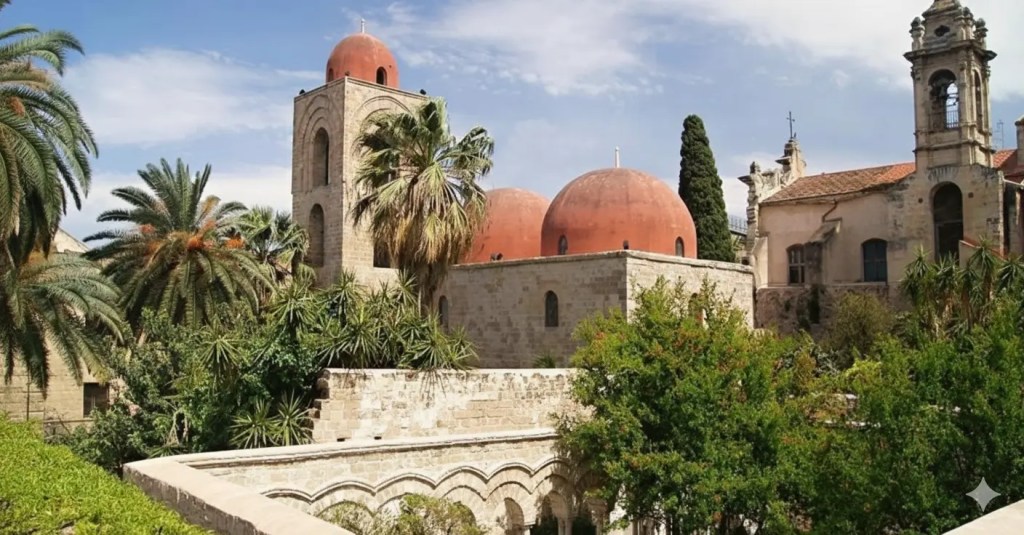
  • A Peaceful Oasis: Just behind the Norman Palace, find San Giovanni degli Eremiti. Its distinctive red Arab-Norman domes peeking through palm trees feel like a slice of North Africa and offer a tranquil escape.
San Giovanni degli Eremiti.(Expedia)San Giovanni degli Eremiti.(Get your Guide)
  • Sunday Antiques: If you’re in town on a Sunday morning, head to Piazza Marina for a lively antiques and flea market. Look for the enormous Ficus macrophylla tree in the middle of the square—its aerial roots are a sight to behold.
Piazza Marina (Expedia)Piazza Marina (Get your Guide)
Aerial view of the monumental Fontana Pretoria (Fountain of Shame) in Piazza Pretoria, Palermo, featuring concentric tiers of Renaissance marble statues and basins.
The iconic Pretoria Fountain, known as the ‘Fountain of Shame,’ showcases exquisite Renaissance sculptures in the heart of Palermo. Fontana Pretoria: Palermo’s “Fountain of Shame.” This stunning 16th-century Renaissance masterpiece earned its scandalous nickname from the outcry of neighboring nuns over its array of nude mythological gods, nymphs, and animals.
The distinctive red domes and bell tower of San Giovanni degli Eremiti church in Palermo, Sicily, set against a blue sky with palm trees and lush gardens.
Explore the stunning architecture and lush gardens of San Giovanni degli Eremiti, a tranquil oasis in Palermo, featuring distinctive red domes amidst palm trees. San Giovanni degli Eremiti: A Page from a Persian Fairy Tale. With its five iconic red domes and tranquil cloister, this 12th-century church is the most striking example of Arab-Norman architecture in Palermo—a serene escape from the city bustle.
A large, majestic Ficus macrophylla tree surrounded by a railing in a public square, with a wooden walkway leading towards it. Sunlight casts shadows on the stone pavement.
The majestic Ficus macrophylla tree in Piazza Marina, a celebrated site in Palermo with impressive aerial roots.
  • Save Money & Time:
    • Combo Tickets: Look for combined tickets for churches and museums (e.g., at Piazza Bellini).
    • Aperitivo: Skip an expensive dinner one night and do as the locals do: enjoy an aperitivo (a drink with complimentary snacks) at a bar in Vucciria or La Kalsa.
    • Water: Carry a refillable bottle. Palermo has many public fountains with clean, cold drinking water.

Essential Italian for Your Trip

A little language goes a long way in making connections.

  • Ciao (chow): Hello / Goodbye (informal)
  • Buongiorno (bwon-jor-no): Good morning / Good day
  • Grazie (graht-tsee-eh): Thank you
  • Per favore (pehr fah-voh-reh): Please
  • Dov’è…? (doh-veh): Where is…?
  • Quanto costa? (kwahn-toh koh-stah): How much does it cost?
  • Un caffè, per favore (oon kahf-feh): An espresso, please.
  • Un’arancina, per favore (oo-nah-rahn-chee-nah): One arancina, please. (Use the feminine form in Palermo!)

Frequently Asked Questions

What is the best time of year to visit Palermo?

The ideal times are spring (April-May) and autumn (September-October). The weather is pleasantly warm, perfect for exploring, and the crowds are thinner than in the peak summer months. Summer can be very hot and crowded.

Is Palermo safe for tourists?

Yes, Palermo is generally safe for tourists. As in any major city, practice standard precautions: be aware of your surroundings in crowded areas like markets, keep valuables secure, and avoid poorly lit, deserted streets at night. The historic center is lively and well-patrolled.

How many days do I need in Palermo?

3-day weekend is perfect to see the major highlights and get a real feel for the city. If you want to take day trips to places like Cefalù or Monreale, or explore at a more relaxed pace, consider adding 1-2 extra days.

What is a must-try food in Palermo?

You cannot leave without trying:

  1. Arancina: The iconic deep-fried rice ball, stuffed with ragù, peas, and cheese.
  2. Pane e Pannelle: A sandwich filled with chickpea fritters.
  3. Sfincione: Palermo’s thick, fluffy pizza topped with tomatoes, onions, and caciocavallo cheese.
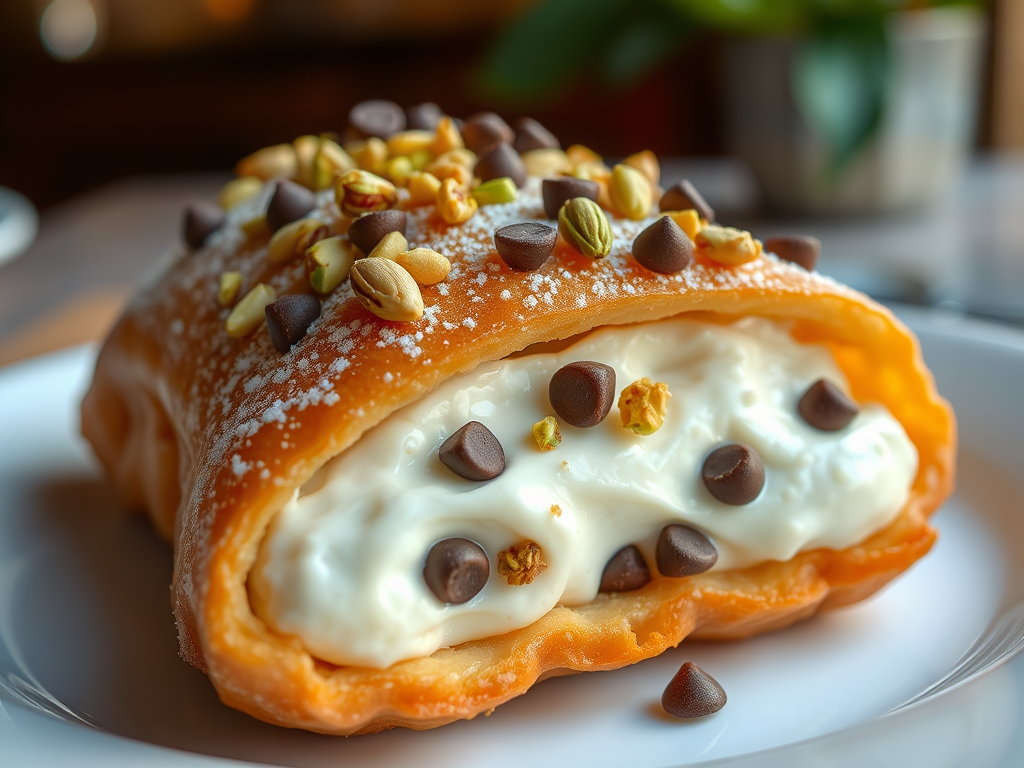
  4. Cannolo: A crisp pastry tube filled with sweet, fresh ricotta.

Close-up of a slice of Sicilian pizza topped with tomato sauce, diced tomatoes, onions, and sprinkled with herbs.
Delicious Sicilian sfincione, a thick, fluffy pizza topped with tomatoes and onions, perfect for a weekend in Palermo.
Close-up view of a Sicilian cannoli filled with sweet ricotta cheese, topped with chocolate chips and crushed pistachios, served on a white plate.
Delicious Sicilian cannoli topped with pistachios and chocolate chips, a must-try dessert in Palermo.

Smart Travel Tools I Personally Use


✈️ Flight Delayed or Canceled?If your flight gets delayed, canceled, or overbooked, you could be owed up to $650 under air passenger rights.
I check every disrupted flight with AirHelp—they handle everything and only charge if you win:

🔌 European Plug Adapter (Don’t Forget This)Italy uses Type C, F & L plugs. This European Travel Plug Adapter Kit has saved me countless times:

🧳 Travel Insurance (Worth Packing)I compare plans through VisitorsCoverage—fast, simple, and reliable:

✨ Look beautiful everywhere with K‑beauty magic: Use code Lalax10 at checkout—because glowing skin should never steal travel money.

Pair Palermo with These Nearby Weekend EscapesIf you’re building a longer Europe trip, combine Palermo with:
Dubrovnik – historic coastal beauty
Split – Roman ruins & nightlife
Zadar – sunsets and calm streets
You’ll find detailed guides in my Travel Master List:

Final Thoughts

Palermo isn’t polished—and that’s exactly why it works. It’s real, emotional, messy, and unforgettable. If you want a weekend escape that feels alive, Palermo delivers.
👉 Book your flights & stays now via Expedia:
If this guide helped you plan confidently, save it, share it, and drop a comment—I’d love to hear where Palermo fits into your journey.


Universal Disclaimer/Disclosure Page:

The Ultimate Weekend Escape to Ljubljana, Slovenia: Castles, Dragons & River Bliss

Meta Description: Dreaming of a European weekend escape? Our ultimate guide to Ljubljana, Slovenia, reveals how to navigate this charming capital. Get insider tips on castles, cheap eats, public transport, and even how to get there by ferry. Plan your efficient and magical Slovenian adventure now!

Alright, let’s play a game. Picture a European capital city. Now, imagine it’s walkable, has a fairy-tale castle on a hill, a river lined with charming cafes, and a dragon as its symbol. No, it’s not a fantasy novel—it’s Ljubljana (pronounced lyoo-blyAH-nah, don’t worry, we’ll get to that), and it’s quite possibly the most underrated city break in Europe.

I stumbled upon Ljubljana almost by accident after a chaotic trip to a much more crowded tourist hub. The moment I arrived, the city felt like a deep, calming breath. It’s a place where efficiency meets enchantment. This guide is your blueprint for the perfect weekend, designed to save you time, money, and the headache of over-planning.

A Quick Note: This blog is part of my travel series. For more inspiration, check out my Travel Master List for all my guides and tips.

If there’s one city that fooled me into believing I had stepped into a live-action Pinterest board, it’s Ljubljana — the leafy, river-hugging, pastel-colored capital of Slovenia. The moment I arrived, I genuinely thought, “Where’s the catch? Who allowed a city to be this cute without charging an entrance fee?”

I’ve traveled through enough European cities to confidently say Ljubljana is the perfect weekend escape if you crave:
✔️ A walkable, peaceful, romantic, safe city
✔️ Good food without bankruptcy
✔️ Pastel buildings + dragons (yes, dragons!)
✔️ Nature right inside the city
✔️ A vibe that feels like a cozy hug

And yes — you can use all your travel weapons here:
🟢 Expedia for flexible bookings
🟢 NordVPN to stay safe on public Wi-Fi (Ljubljana cafes love giving free Wi-Fi)
🟢 Camera World UK to find camera upgrades before travel
🟢 VisitorsCoverage for travel insurance
🟢 Drimsim or Airalo Europe-wide data

Alright. Pack your comfiest shoes and a sense of adventure — and let’s go!

Table of Contents

  1. Why Ljubljana Makes the Perfect Weekend Getaway
  2. How to Get There (Flights, Trains, Buses & Ferries?)
  3. Best Time to Visit
  4. Where to Stay
  5. Day-by-Day Itinerary
  6. Hidden Gems Only Locals Whisper About
  7. Food You Must Try
  8. Safety + Transport Tips
  9. Money-Saving Hacks
  10. Best Cities Near Ljubljana (for your internal backlinks)
  11. Final Thoughts + CTA
  12. FAQs

Why Ljubljana Is the Perfect Weekend Escape

Ljubljana is one of those cities where nothing is extreme, but everything is delightful. Nothing overwhelms you, yet everything charms you. After doing weekend escapes in places like Dubrovnik, Split, Zadar, Warsaw, Nice, and Zurich, I finally found a capital that lets me breathe.

The city center is car-free.
The cafés along the Ljubljanica River are the definition of “take my money, I’ll sit here forever.”
And Ljubljana Castle is always photobombing your pictures — respectfully.

It’s basically Europe’s chillest capital.

Ljubljana is like that quiet, incredibly cool friend who is an amazing artist but never brags about it. The city is green, the people are friendly, and the vibe is effortlessly chic. It’s the perfect size to explore in a weekend without feeling rushed. Plus, as a Schengen country, if you have a standard EU visa, you’re golden. For others, always check visa costs and requirements in advance—it’s a small but crucial step.

How to Get There

✈️ By Flight

Most travelers arrive at Ljubljana Jože Pučnik Airport (LJU). If you’re booking flights, I always use Expedia’s flexible fares — less stress, more freedom:
👉 I always book flexible stays and flights through Expedia

🚆 By Train

Ljubljana is well connected to:

  • Vienna (6 hrs)
  • Zagreb (2 hrs)
  • Budapest (8 hrs)
  • Trieste (2 hrs)
  • Salzburg (4 hrs)

🚌 By Bus (cheapest option)

FlixBus and Nomago have great connections.
Seats are comfortable, Wi-Fi is surprisingly good, and sometimes you get those €5 promo tickets (the real MVP of Europe travel).

⛴️ By Ferry

Now, you might be thinking, “A ferry to a landlocked city?” You’ve got a point! While there are no direct ferries to Ljubljana itself due to its geography, Slovenia has a beautiful sliver of coastline around Koper. You can easily book a ferry from various Italian ports (like Venice, Ancona, or Trieste) to Koper or nearby Trieste in Italy.

From there, it’s a short and scenic bus or train ride (about 1.5-2 hours) into the heart of Ljubljana. It’s a fantastic way to combine a city break with a coastal adventure. To find the best routes and prices for the ferry leg of your journey, check Direct Ferries.

Not directly — but if you’re coming from Italy or Croatia, you can use ferries and then connect by bus/train. Perfect chance to promote your new partner:
👉 You can compare ferries easily here: DirectFerries.

Best Time to Visit

👉 April–June: Perfect weather, flowers in bloom, fewer crowds
👉 September–October: Golden light, cheaper prices
👉 December: Fairytale Christmas markets
July–August: Hot, crowded, festival season (fun… but chaotic)

Where to Stay

Ljubljana is compact — stay in:
✔️ Old Town
✔️ By the river
✔️ Near Tivoli Park

Tip: Always book a hotel with free cancellation because Ljubljana weather loves surprises.
👉 Expedia link

Your Weekend Itinerary: A 48-Hour Blitz {itinerary}

Day 1: Castle Quests & Riverside Revelry

  • Morning (10 AM): Start at Prešeren Square, the vibrant heart of the city. Admire the pink Franciscan Church and the statue of the poet Prešeren. From here, cross the iconic Triple Bridge—a masterpiece by architect Jože Plečnik.
  • Late Morning (11 AM): Make your way to the Ljubljana Castle. You can hike up (about 10-15 minutes, good for the calves!), take the funicular, or even drive. The view from the tower is worth every penny and effort. I skipped the coffee and let the panoramic vista wake me up instead.
  • Lunch (1 PM): Head to the Open Kitchen (Odprta Kuhna) market if it’s Friday through Sunday. It’s a foodie paradise with dozens of cuisines. Otherwise, duck into a traditional gostilna for a plate of štruklji (delicious rolled dumplings).
  • Afternoon (3 PM): Wander along the Ljubljanica River. This is the city’s soul. The banks are lined with cafes, and the people-watching is top-tier. For a different perspective, I highly recommend this River Cruise—it’s a relaxing way to see the city’s architecture.
  • Evening (7 PM): Dinner in the old town. I stumbled upon a tiny place called Klobasarna and had the most incredible traditional sausage (kranjska klobasa). It’s simple, authentic, and won’t break the bank.
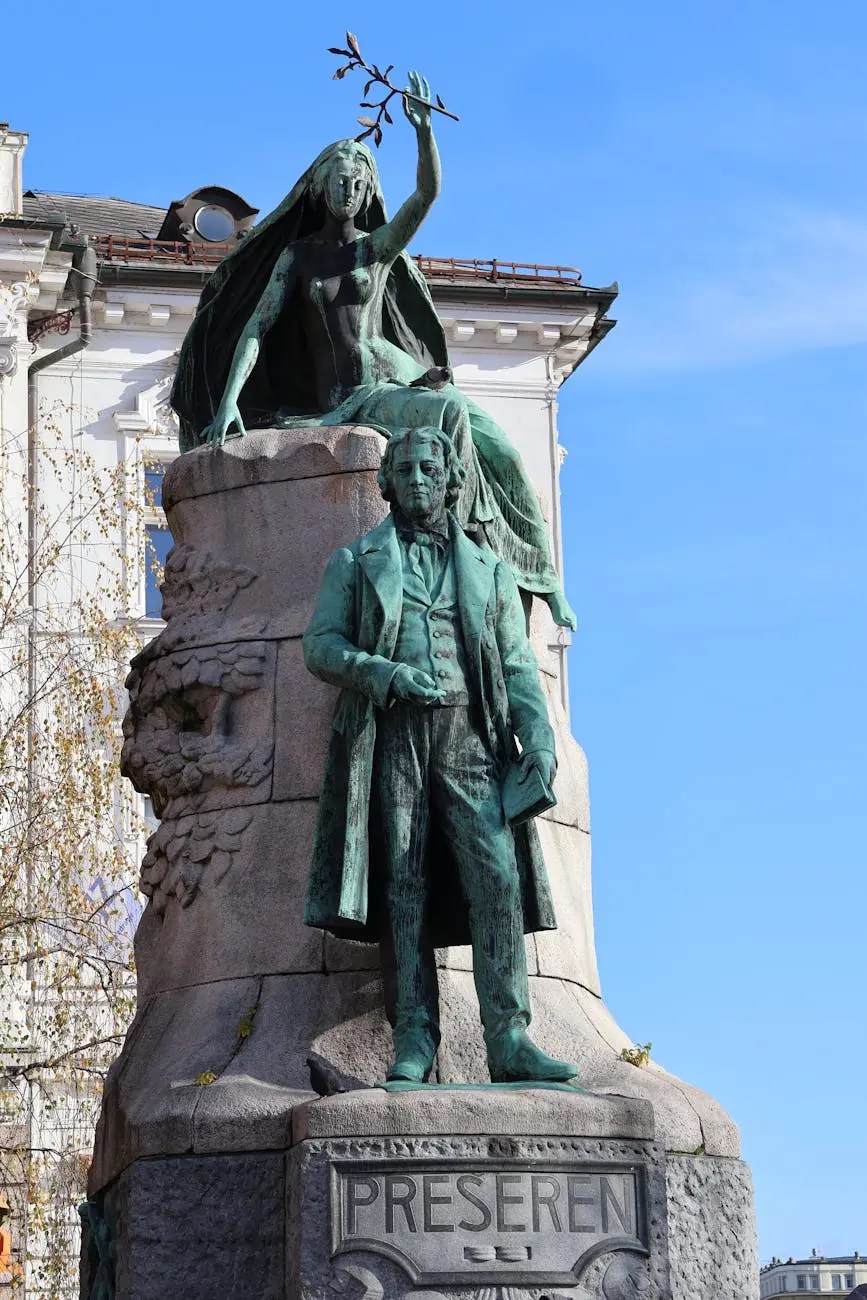
A bronze monument of a poet, featuring a seated female figure holding a laurel branch above a standing man. The sculpture is set against a clear blue sky.
The Prešeren Monument in Ljubljana, honoring the poet France Prešeren, features a statue of a seated female figure representing Poetry. The iconic Prešeren Monument honors national poet France Prešeren, whose work inspired the Slovenian anthem. Located in the heart of Ljubljana, the square is a bustling meeting point with the beautiful pink Franciscan Church of the Annunciation providing a stunning backdrop.
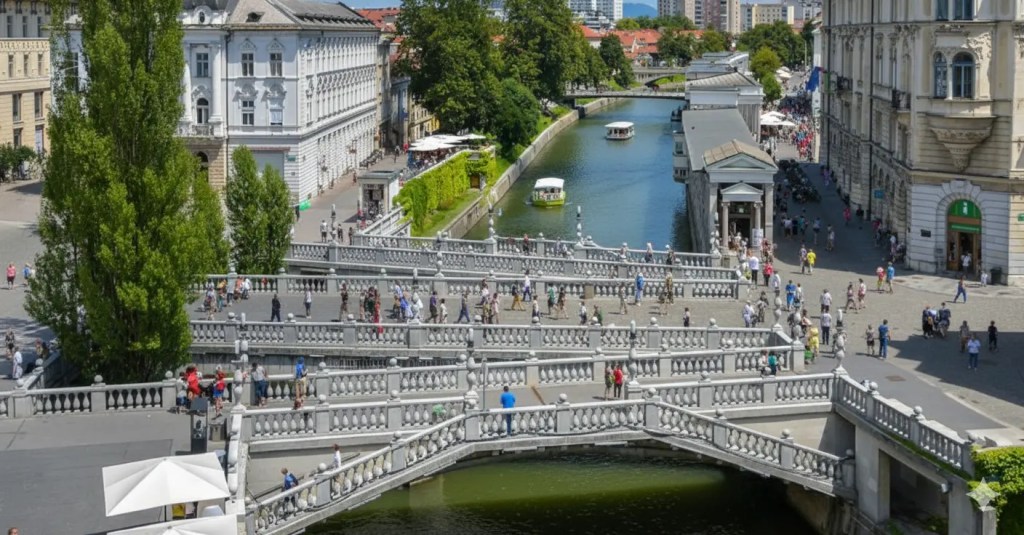
A panoramic view of Ljubljana, Slovenia, showcasing the vibrant cityscape with the Ljubljanica River bordered by lush greenery and historic buildings. The Triple Bridge is visible, bustling with people enjoying the sunny day.
A bustling view of Ljubljana, Slovenia, featuring picturesque bridges over the Ljubljanica River and vibrant architecture. Strolling across the iconic Triple Bridge (Tromostovje)—a genius architectural solution by Jože Plečnik that transformed a single bridge into a spacious pedestrian triple-arched gateway to Ljubljana’s Old Town.
A scenic view of Ljubljana’s vibrant architecture with the iconic Ljubljana Castle perched on the hill in the background. The image shows Kongresni trg (Congress Square) in Ljubljana, Slovenia, with the historic Ljubljana Castle on the hill in the background. 
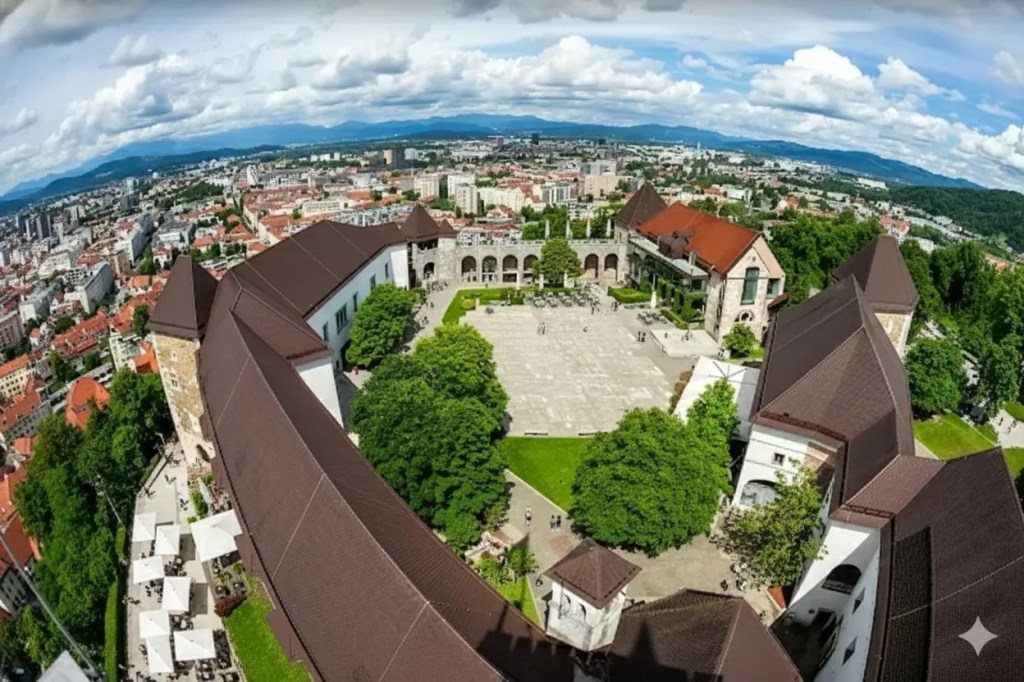
Aerial view of Ljubljana Castle with surrounding greenery, overlooking the city skyline under a cloudy sky.
Aerial view of Ljubljana Castle, showcasing the charming architecture and the surrounding cityscape of Ljubljana, Slovenia. From above: the sprawling inner courtyard of Ljubljana Castle, a medieval fortress that has been a Roman stronghold, a royal residence, and a prison, now offering the best views over the Slovenian capital.
View of the Ljubljanica River with a bridge and cafes along the banks, framed by colorful pastel buildings and greenery in Ljubljana, Slovenia.
The picturesque Ljubljanica River, lined with charming cafes and featuring iconic architecture, perfectly captures the essence of Ljubljana. The heart and soul of Ljubljana: a view of the emerald-green Ljubljanica River from the Triple Bridge, perfectly framing the stunning pink Franciscan Church on Prešeren Square.
A plate featuring sliced grilled sausage served with bread and condiments, including mustard and a creamy sauce.
Enjoy a delicious plate of traditional Slovenian sausage served with fresh bread and condiments in Ljubljana, Slovenia. (kranjska klobasa)

Day 2: Market Hopping & Tivoli Tranquility

  • Morning (9 AM): Explore the Central Market. It’s buzzing with life. Grab some local honey or a piece of fruit for a snack. This is where you feel the city’s pulse.
  • Late Morning (11 AM): Escape to Tivoli Park. It’s massive, beautiful, and the perfect place for a leisurely stroll. Find the fish pond and just… breathe. It’s the anti-thesis of a rushed tourist attraction.
  • Lunch (1 PM): Pack a picnic from the market or find a cafe on the edge of the park.
  • Afternoon: This is your free time! Want to explore further? Consider a day trip to the stunning Lake Bled or the mesmerizing Postojna Cave.

✈️ Ready to Book Your Escape? I always use Expedia to bundle my flights and hotels. It saves me time and often a surprising amount of cash.

A scenic park pathway in Ljubljana, Slovenia, lined with trees and greenery, with people walking and a statue visible in the foreground.
A serene view of Tivoli Park in Ljubljana, Slovenia, showcasing its lush greenery and inviting pathways.

Aerial view of Lake Bled, featuring the iconic church on Bled Island surrounded by lush greenery and turquoise waters.
Discover the enchanting beauty of Lake Bled, Slovenia, featuring a picturesque island and a church surrounded by lush greenery. The fairytale scene of Bled Island, home to the historic Church of the Assumption. Legend has it that ringing the church’s wishing bell makes your dreams come true.
A stunning view of Predjama Castle, built into a cliffside, surrounded by dense green forest and dramatic rock formations under a bright blue sky.
Discover the enchanting Predjama Castle nestled in the cliffs of Slovenia, a perfect blend of nature and history. Where fairy-tale fortresses meet subterranean worlds: Predjama Castle, defiantly nestled in a cliff face, guards the entrance to the incredible karst landscape that houses the sprawling Postojna Cave.

Hidden Gems & Money-Saving Secrets {#hidden-gems}

  • The Free Walking Tour: I’m a broken record on this, but it’s the best way to get oriented. Just remember to tip your guide based on what you think it was worth!
  • The Library Staircase: Tucked away near the market is a staircase that looks like a stack of books. It’s a whimsical, photo-worthy spot most people walk right past.
  • Ljubljana Card: If you’re planning to hit the castle, museums, and use public transport, this card can be a huge saver. Do the math for your planned activities.
  • Public Transport: The city buses are efficient and cheap. Buy an Urbana card (a rechargeable plastic card) at a tourist office or newspaper kiosk—it’s much cheaper than single tickets.

📸 Capture the Magic: I never travel without my trusty Sony Alpha a7III. It’s lightweight, incredible in low light, and has captured every dragon and castle perfectly. Check it out here if you’re looking to up your travel photo game.

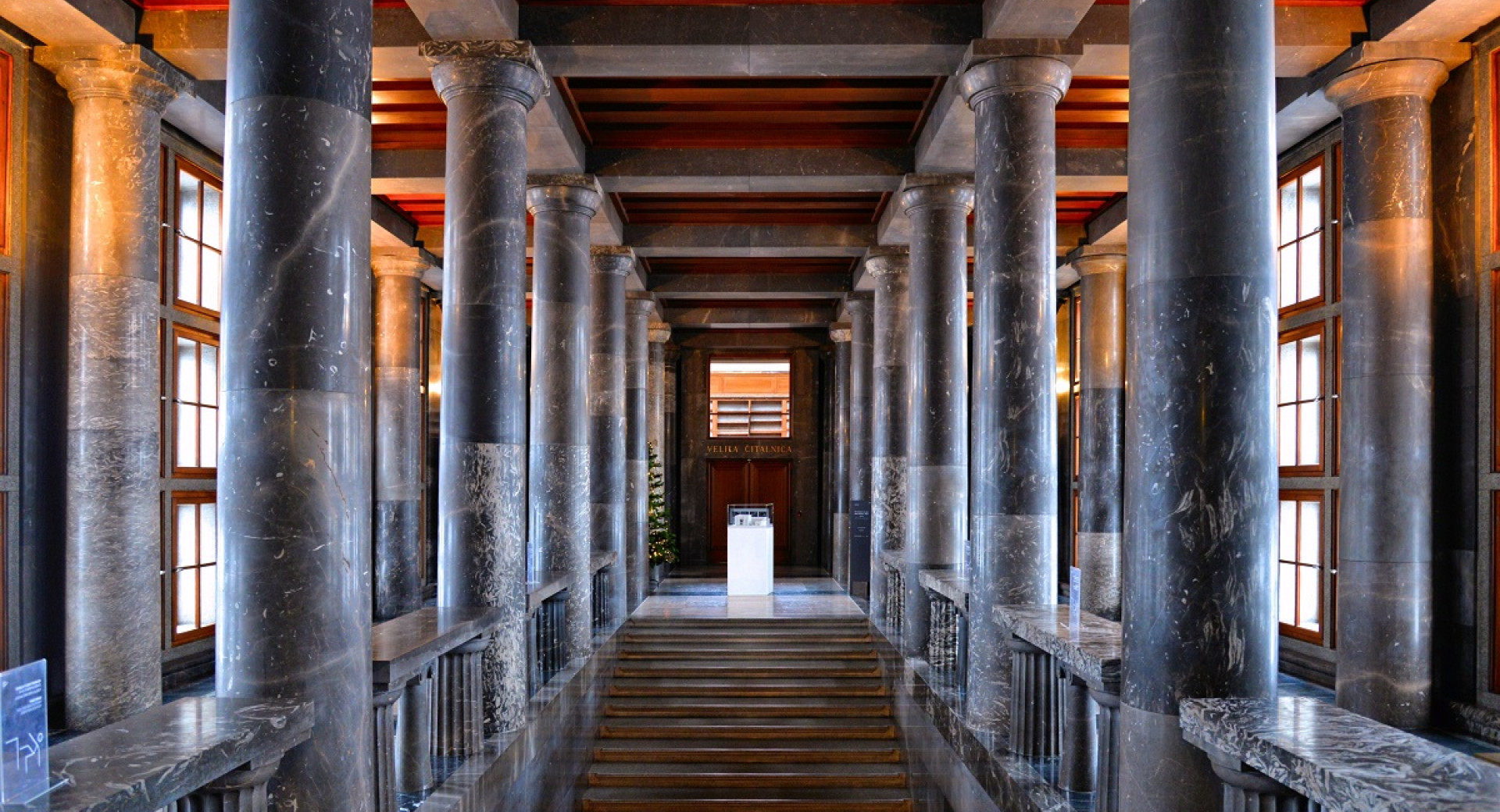
Interior view of a grand building with tall marble columns, large windows, and a staircase leading to a display area.
Interior view of the National and University Library of Slovenia, showcasing elegant columns and a spacious hallway.

Speak Like a Local: A Survival Mini-Guide {#local-lingo}

Slovenes appreciate any effort to speak their language. Here are a few basics:

  • Hvala (HVAH-lah): Thank you. Use this one liberally.
  • Prosim (PRO-seem): Please / You’re welcome.
  • Na zdravje (nah ZDRAH-vyeh): Cheers!
  • Dober dan (DOH-ber dahn): Good day.
  • Račun, prosim (RAH-choon, PRO-seem): The bill, please.

Cities Near Ljubljana

Closest by distance (strongest relevance):

🇭🇷 Split — post:
🇭🇷 Dubrovnik
🇮🇹 Venice
🇮🇹 Milan
🇦🇹 Vienna
🇭🇺 Budapest
Frequently Asked Questions (FAQ) {#faq}

Q: What is the best time of year to visit Ljubljana?
A: Late spring (May-June) and early autumn (September) are absolute perfection. The weather is mild, and the crowds are thinner than in the peak summer months.

Q: Is Ljubljana a walkable city?
A: Absolutely! The city center is compact and largely pedestrianized. You can easily explore all the main sights on foot.

Q: What currency is used in Slovenia?
A: The Euro (€). Credit cards are widely accepted, but it’s always wise to have some cash for market stalls and smaller shops.

Q: I’m a skincare junkie. Any travel-friendly tips?
A: You read my mind! Travel can wreak havoc on your skin. I always pack a few sheet masks from Lakinza. Their K-beauty products are a game-changer for keeping my skin hydrated and glowing after a long flight. Psst… use code Lalax10 at checkout for a sweet discount. Your skin will thank you.

Q: How can I stay connected without huge roaming fees?
A: Oh, let me tell you about my travel lifesaver. I used to waste so much time at airport SIM counters. Now, I just pop in my Drimsim—a universal SIM that works in over 190 countries. You top it up via an app, and you’re online the moment you land. No hidden fees, no stress. It’s a no-brainer for the modern traveler.

🌐 Stay Secure Online: While you’re hopping on free Wi-Fi in cafes and hotels, remember to protect your data. I never travel without my NordVPN. It keeps my personal information safe from prying eyes and lets me access my favorite shows from back home.

Final Call to Action!

Ljubljana is waiting to charm your socks off. It’s a city that proves you don’t need to be big to be breathtaking.

Start planning your Slovenian fairy-tale today!

  • Find the perfect flight and hotel deal on Expedia.
  • Get connected effortlessly with Drimsim.
  • Ensure you’re covered for any mishaps with VisitorsCoverage.
  • And remember, if your flight goes sideways, see if you’re owed compensation with AirHelp.

Happy travels!

Universal Disclaimer/Disclosure Page:
Explore Zadar: Your Ultimate Weekend Getaway Guide

Meta Description: Plan your perfect weekend in Zadar, Croatia! This ultimate guide for travellers covers hidden gems, how to get there by ferry, money-saving tips, and essential Croatian phrases. Discover the Sea Organ, historic ruins, and where to find the best gelato. Optimized for your Dalmatian Coast adventure.

Table of Contents

  1. Getting There: A Snapshot
  2. What to Do in Zadar
  3. The Secret Beaches You Need to Know
  4. A Slice of History: Zadar’s Ancient Side
  5. Smart Travel Tip for Zadar
  6. Exploring Nearby Destinations
  7. Where to Stay in Zadar
  8. Best Time to Visit
  9. FAQs

Alright, let’s be real. My idea of a perfect weekend doesn’t involve fighting through crowds for a blurry photo of a monument. It involves somewhere with ancient streets, a spectacular sunset, and the sound of the sea literally playing music. Enter Zadar, Croatia—a stunning Dalmatian coast gem that stole a piece of my heart faster than you can say “fala” (that’s “thanks,” you’ll need it).

This isn’t just another pretty old town. Zadar is a vibe. It’s where Roman ruins coexist with modern art installations, and where the coffee is strong enough to power your explorations. So, grab your notebook (or just bookmark this page), because we’re diving into the ultimate weekend escape.

My Travel Master List: For more travel guides, tips, and gear recommendations, always check my constantly updated Travel Master List.

Looking for a weekend getaway that’s a perfect mix of rich history, stunning coastline, and a dash of quirky charm? Zadar, Croatia, might just be your next destination. Nestled along the Adriatic Sea, Zadar is often overshadowed by Croatia’s more famous cities like Dubrovnik and Split. But that’s exactly what makes it a hidden gem—less crowded, more affordable, and brimming with authentic local vibes. Whether you’re a history buff, nature lover, or beach enthusiast, Zadar offers something for everyone. And yes, there’s plenty of room for a few “Instagram-worthy” moments too!

Flights to Zadar

Getting There: A Snapshot

Zadar’s charm is easy to access, and it’s not as complicated as you might think. You can either fly into Zadar’s airport or, for a scenic route, catch a ferry from nearby cities. I’m a big fan of the ferry—there’s something about cruising across the Adriatic that just sets the tone for a perfect weekend. Direct ferries are available from places like Split and Rijeka. Direct Ferries is a great platform to compare routes and prices to book your ferry tickets easily. Check it out here.

Pro Tip: To save time and skip the hassle of waiting at airports, ferries can be a fun alternative, and there’s something magical about seeing Zadar’s skyline approach as you cross the blue waters.

Hotels in Zadar

Your Zadar Weekend Itinerary: A 48-Hour Masterpiece

Day 1: History, Harmony & A Heavenly Sunset

  • Morning (10 AM): Drop your bags and head straight into the car-free Old Town. Your first stop? The Roman Forum. It’s not a museum you enter; it’s just… there. Open to the sky, with columns and stones scattered about. I loved grabbing a coffee at a nearby café and just imagining the toga-clad Romans who once walked there.
  • Afternoon (1 PM): Time for some height. Climb the Bell Tower of St. Anastasia’s Cathedral. The steps are a bit of a workout, but the 360-degree view of the city, the islands, and the terracotta rooftops is absolutely worth the burning calves.
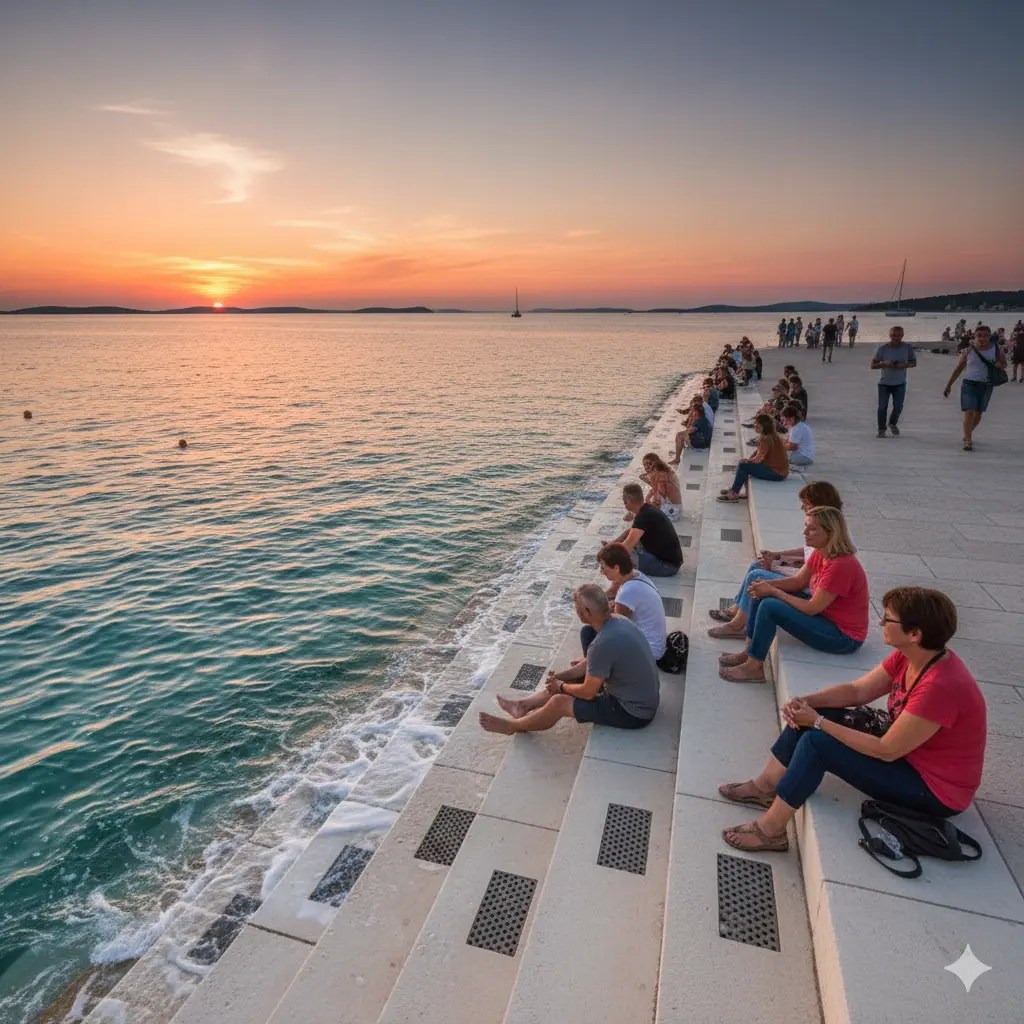
  • Evening (6 PM onwards): This is the main event. Head to the western tip of the peninsula for sunset. First, you’ll hear it—a low, melodic hum. That’s the Sea Organ. The marble steps are designed with pipes that create music as the waves push air through them. It’s nature’s symphony. As the sun dips below the horizon, the Greeting to the Sun installation right next to it begins to light up, absorbing solar energy all day to create a dazzling light show after dark. It’s pure magic. Hitchcock was right.
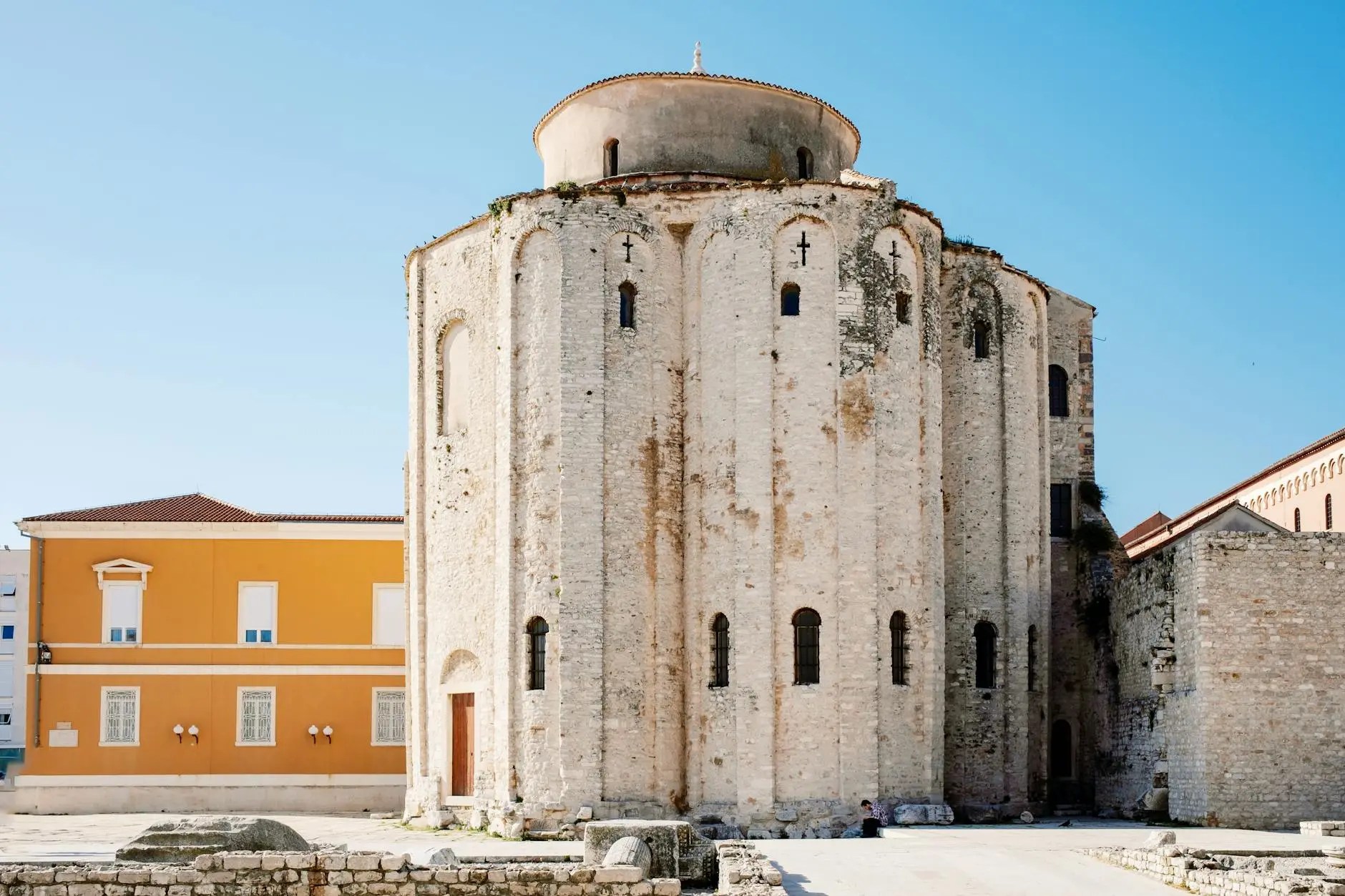
A historic round stone building with a domed roof and arched windows, surrounded by a mix of modern and ancient architecture in Zadar, Croatia.
A stunning view of the historical Church of St. Donatus in Zadar, Croatia, surrounded by ancient ruins and vibrant architecture. The iconic St. Donatus Church, a 9th-century marvel and the undeniable symbol of Zadar’s skyline, bathed in the golden glow of a Dalmatian sunset. This view from the Roman Forum makes it easy to see why it’s the city’s most famous landmark.
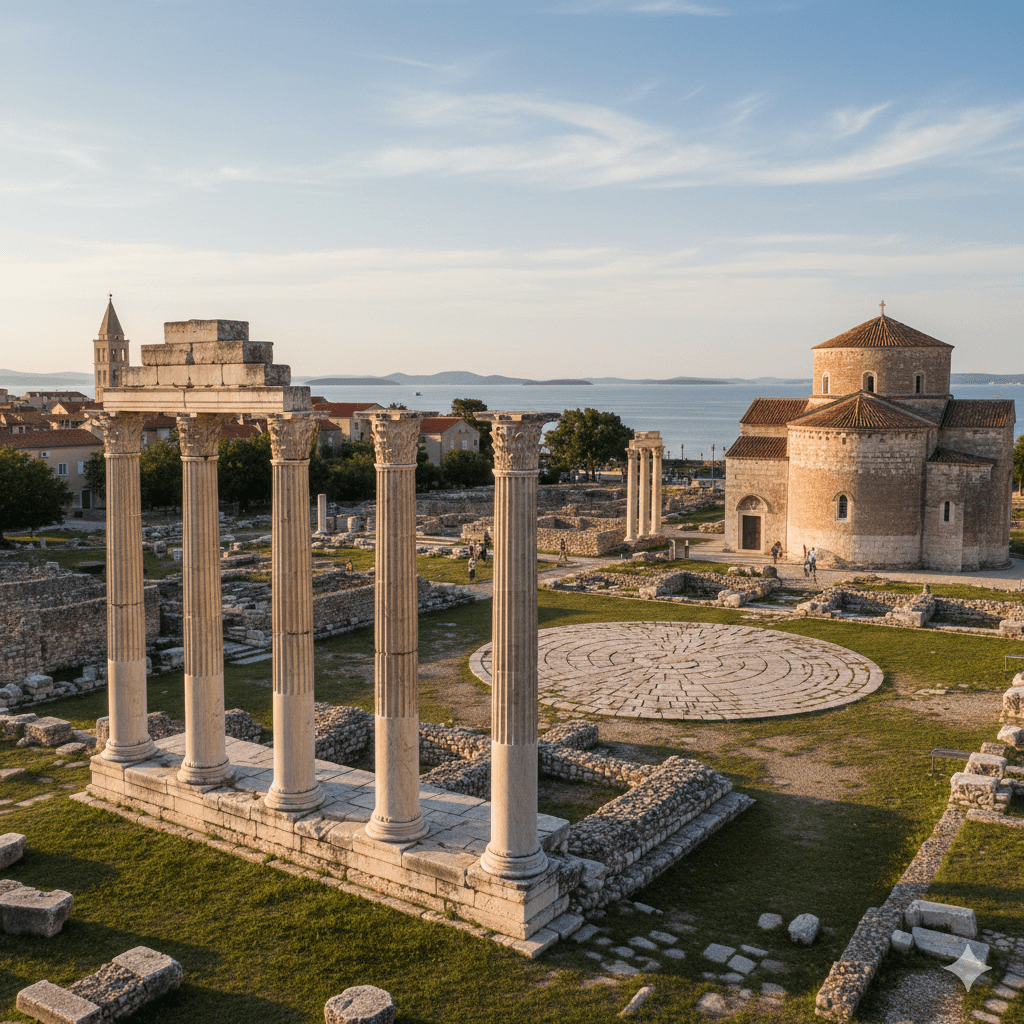
A scenic view of the Roman Forum in Zadar, Croatia, showcasing ancient columns and historical ruins with a church in the background, against a sunset sky.
Exploring the ancient ruins of Zadar, Croatia, featuring well-preserved columns and a historic church, set against a picturesque sunset. Where history layers upon itself: The ancient Roman Forum, once the heart of the city of Iader, with the 9th-century Church of St. Donatus towering in the background—a powerful visual narrative of Zadar’s rich past

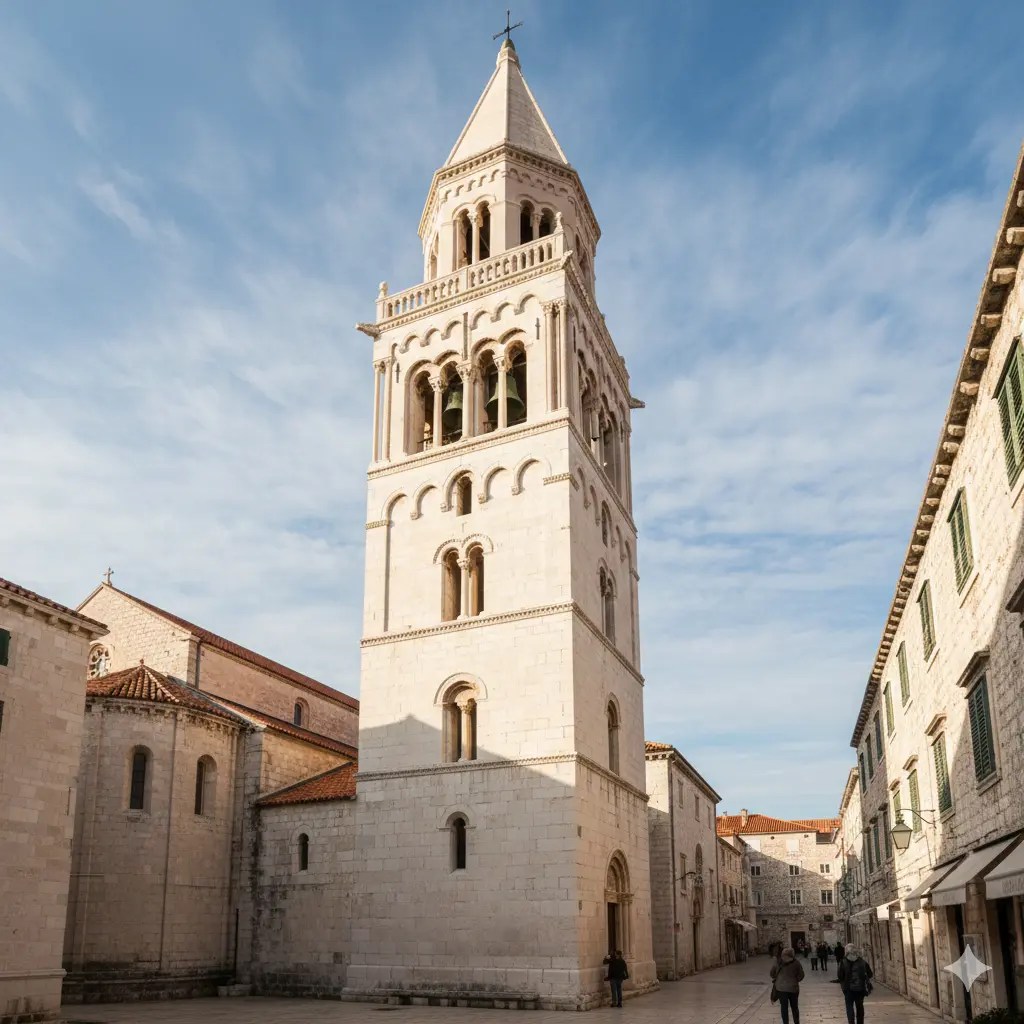
The Bell Tower of St. Anastasia's Cathedral standing tall in Zadar, Croatia, with a clear sky and historic buildings surrounding it.
The iconic Bell Tower of St. Anastasia’s Cathedral standing tall in Zadar’s historic Old Town. The climb is worth it! The Bell Tower of St. Anastasia’s Cathedral, a defining feature of Zadar’s skyline. While its base is Romanesque, the upper levels were added in the 15th and 19th centuries, creating its unique layered look.
People sitting on a stone staircase by the sea, enjoying the sunset over the water in Zadar, Croatia.
Visitors enjoying a stunning sunset at the Sea Organ in Zadar, Croatia, as waves create a natural symphony. The world’s most beautiful concert hall: Visitors experience the magical Sea Organ (Morske Orgulje) at sunset. This architectural marvel uses wave energy to create endless, hauntingly beautiful music through pipes embedded in the steps.

A scenic view of the Sea Organ in Zadar, Croatia, showcasing the marble steps leading to the water, with colorful lighting reflecting in the waves at sunset.
The enchanting Sea Organ in Zadar, Croatia, with its illuminated marble steps and mesmerizing sunset over the Adriatic Sea. An evening symphony: The Sea Organ’s marble steps are gently illuminated at night, creating a serene atmosphere where visitors gather to listen to the sea’s endless, ethereal music under the stars.

Day 2: Islands, Ice Cream & Idyllic Streets

  • Morning (9 AM): Take a short boat taxi (it’s cheap and frequent) to the Zadar Archipelago. I highly recommend a half-day trip to one of the closer islands like Ugljan or Ošljak. Rent a bike, find a secluded cove, and take a dip in the unbelievably clear water. For more detailed island-hopping routes, check out my guide on Exploring the Dalmatian Islands.
  • Afternoon (2 PM): Back in Zadar, it’s time for lunch and exploration. Get lost in the maze of marble streets. Find Široka Street for people-watching and, more importantly, gelato-hunting. My personal favourite spot is Donat, serving up some of the creamiest, most flavourful gelato I’ve had outside of Italy.
  • Evening: For your final dinner, skip the most touristy spots right on the waterfront and duck into one of the konobas (taverns) on the side streets. The food is more authentic, the wine is local, and the atmosphere is cozier.
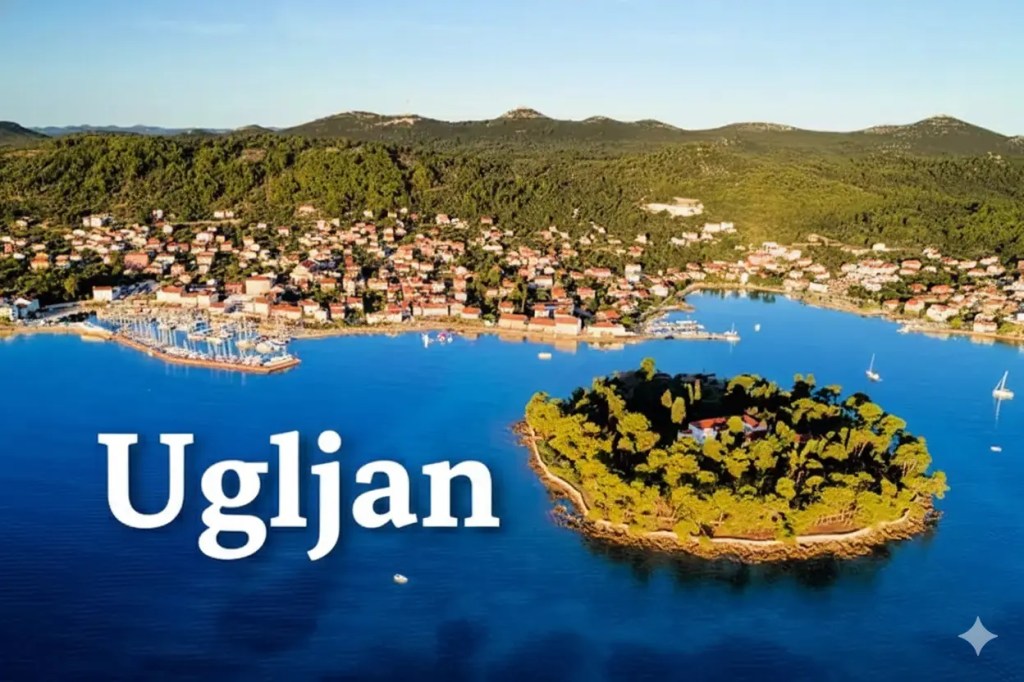
Aerial view of the island of Ugljan in Croatia, featuring green hills, a small harbor with boats, and a picturesque coastal village along the shoreline.
Aerial view of Ugljan Island, showcasing its serene coastline and lush greenery, perfect for a weekend getaway from Zadar. The “green island” of Ugljan as seen from Zadar’s waterfront – just a short ferry ride but a world away from the city bustle, offering peaceful coves, olive groves, and picture-perfect villages.
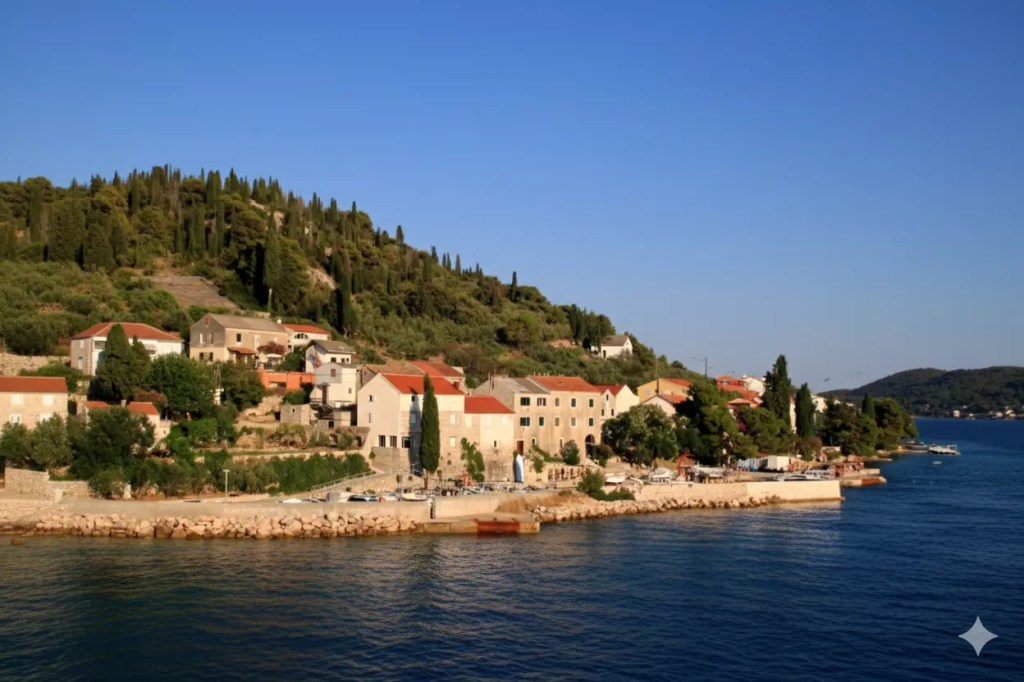
Scenic view of a coastal village with terracotta-roofed houses nestled against a green hillside, overlooking clear blue waters.
Scenic view of a coastal village in Croatia, showcasing traditional architecture and lush greenery by the Adriatic Sea. Tiny Ošljak Island, Croatia’s smallest inhabited island, offers a glimpse into peaceful Dalmatian life with just one village, no cars, and plenty of secluded swimming spots just a short boat ride from Zadar.
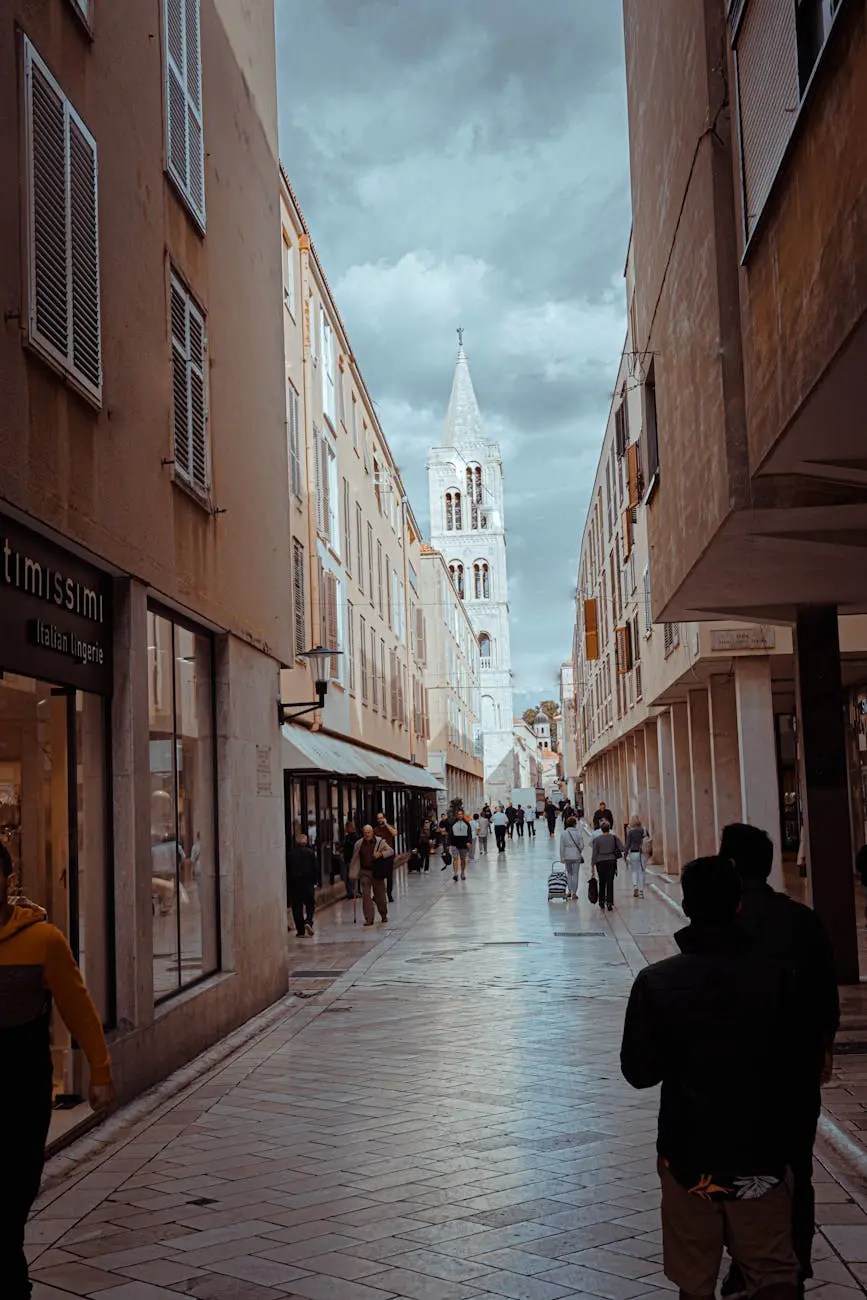
A bustling street in Zadar, Croatia, lined with shops and cafes, featuring a glimpse of a historic bell tower in the background under a cloudy sky.
Strolling through the charming streets of Zadar, with its historical architecture and lively atmosphere. Walking the heart of the city: Kalelarga (Široka ulica), Zadar’s main thoroughfare for centuries, draws visitors on a direct path from the modern city gate straight to the ancient Church of St. Donatus, perfectly framing the city’s history.
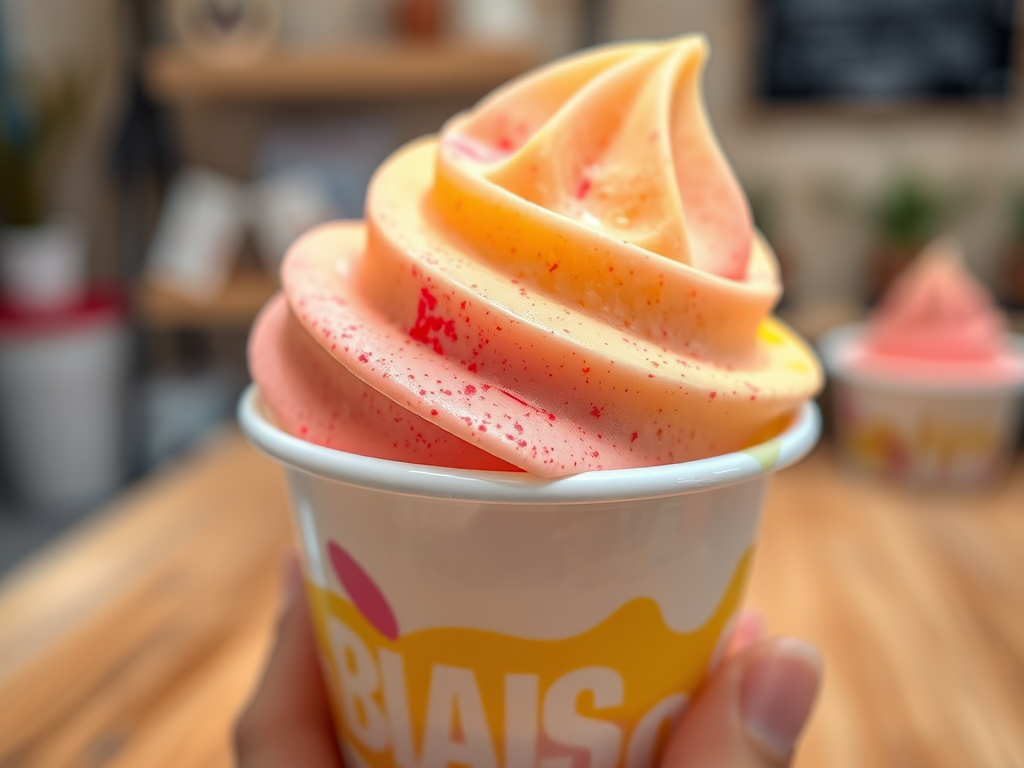
Close-up of a delicious swirl of gelato in a cup, featuring vibrant pink and orange hues, with a sprinkle of red on top.
Indulge in delicious gelato from Zadar, a perfect treat for your coastal adventure.

Hidden Gems: Where the Crowds Aren’t

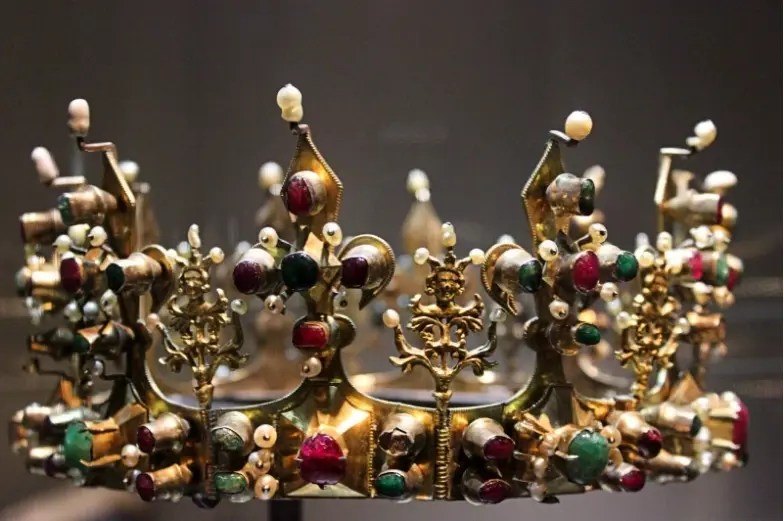
  1. The Gold and Silver of Zadar: Tucked away in a Benedictine convent is a museum holding some of the most breathtaking religious art I’ve ever seen. The sheer craftsmanship of the reliquaries is humbling.
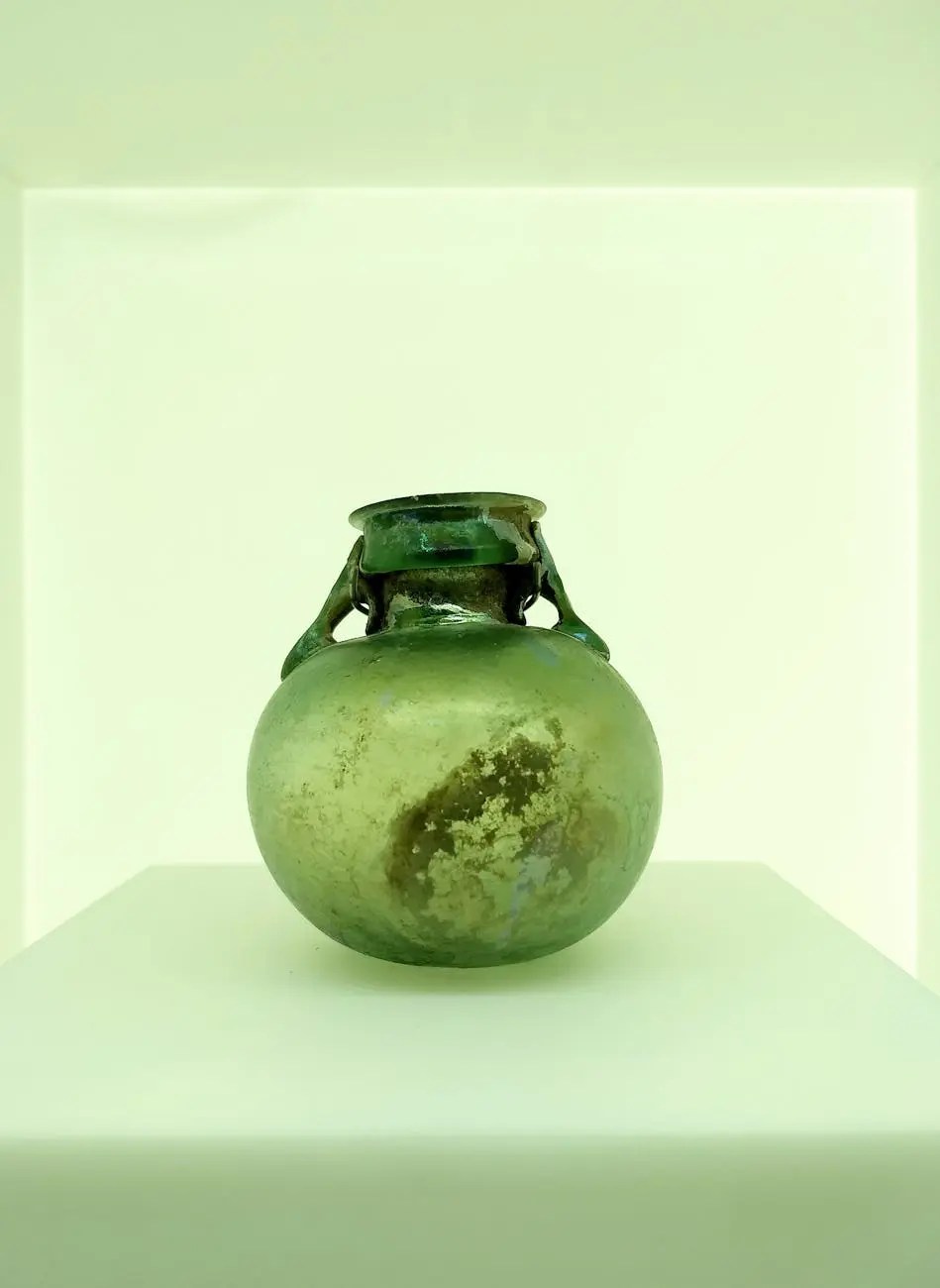
  2. The Museum of Ancient Glass: Sounds niche, but it’s fascinating! You can even watch live glassblowing demonstrations. It’s a great, air-conditioned break from the afternoon sun.
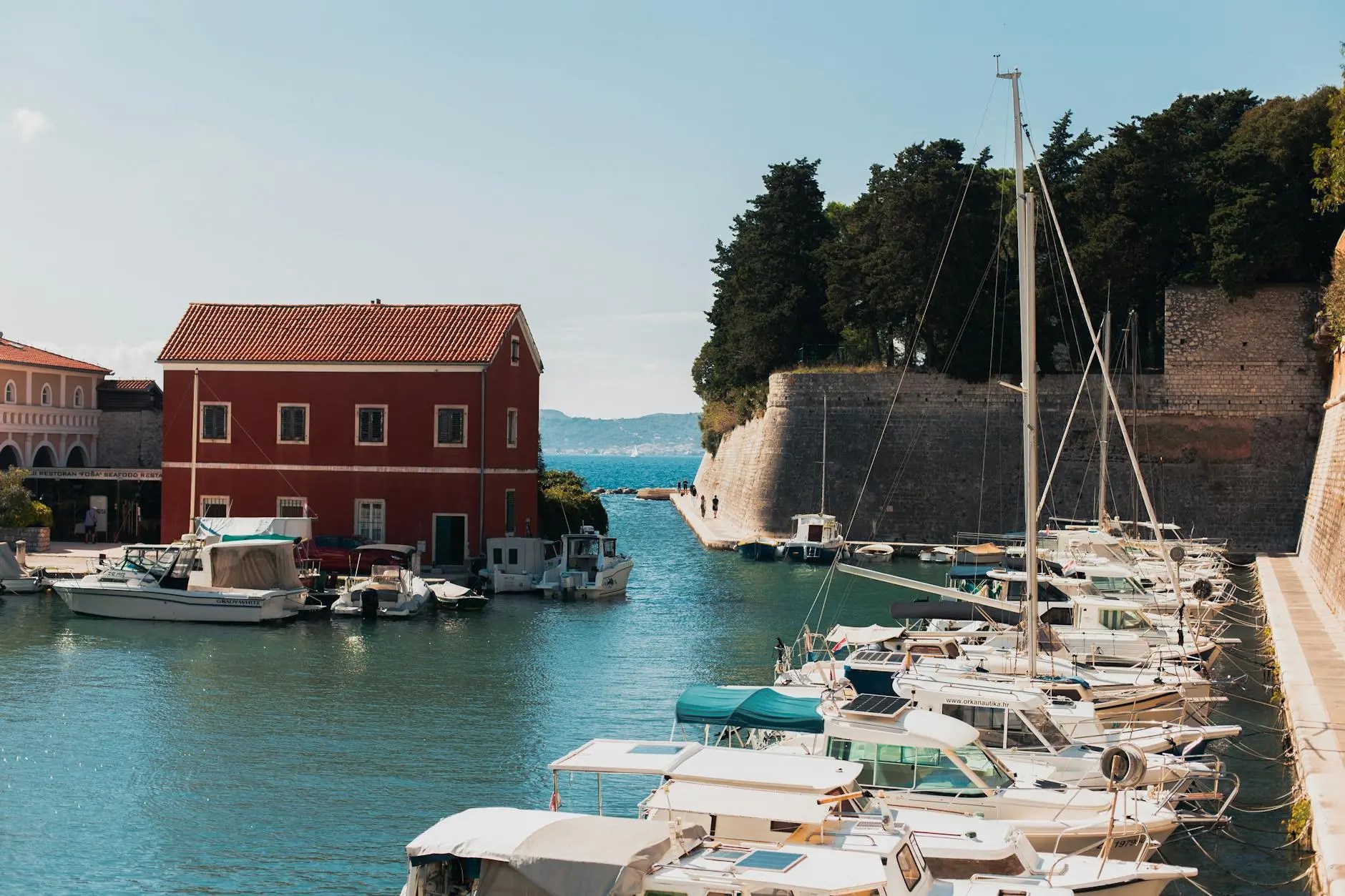
  3. Foša Harbour: Just outside the Land Gate, this tiny, picturesque harbour is lined with cafes. It’s a much quieter spot for a drink than the main Riva (waterfront).
A detailed ornate crown adorned with colorful jewels and pearls, displayed in a museum setting.
A stunning gold crown adorned with precious stones, showcasing the rich craftsmanship of Zadar’s historical artistry. A royal treasure: The exquisite Crown of Elizabeth Kotromanić, a masterpiece of medieval goldsmithery. This 14th-century reliquary crown, adorned with precious stones and delicate filigree, is one of the most priceless artifacts in the “Gold and Silver of Zadar” collection
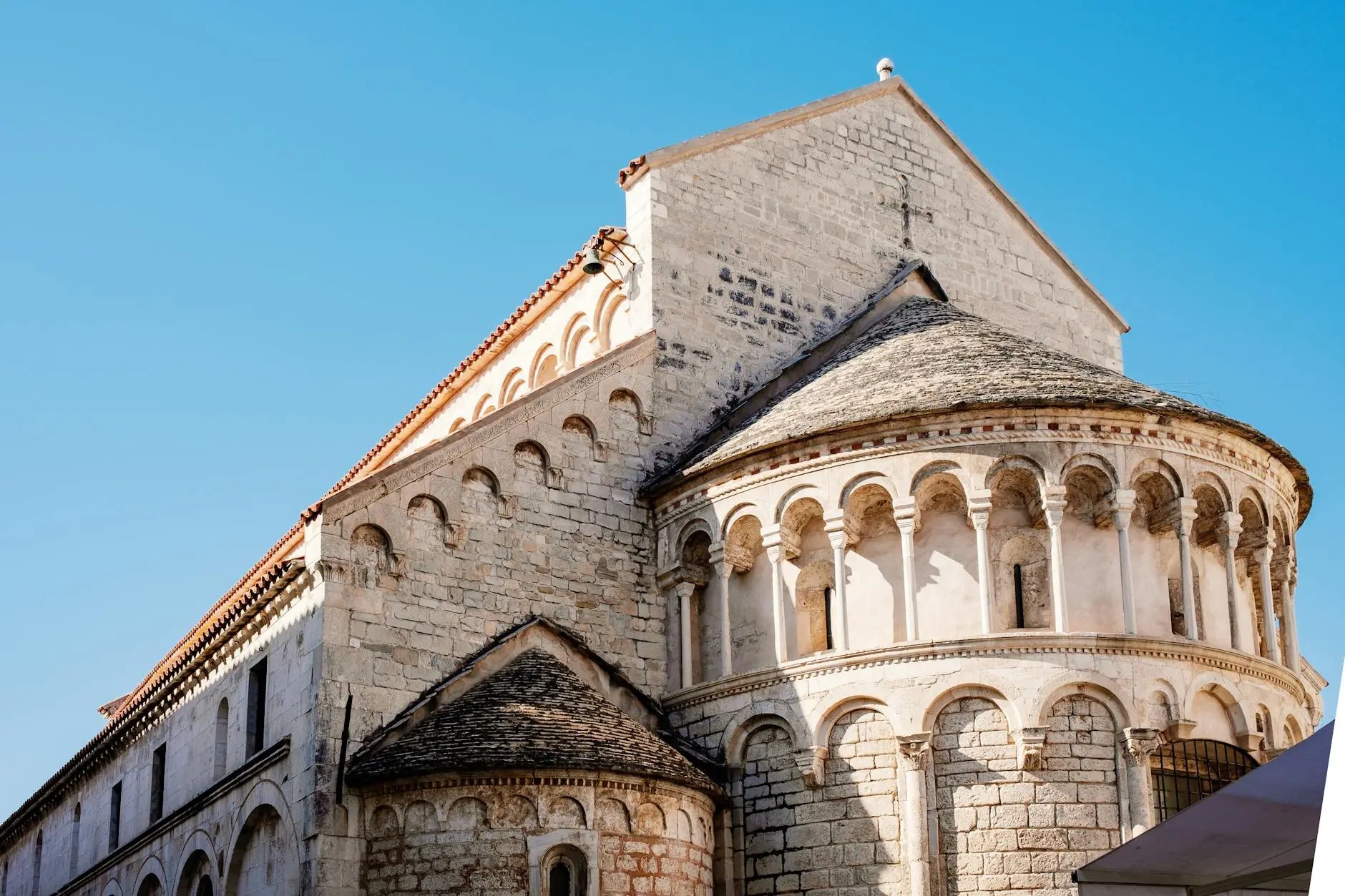
View of a historical church in Zadar, Croatia, showcasing its stone architecture and decorative arches against a bright blue sky.
Explore the stunning architecture of Zadar, Croatia, featuring ancient stonework and intricate details against a clear blue sky. A masterpiece of Romanesque architecture: The Church of St. Chrysogonus, consecrated in 1175, boasts one of the most beautiful and well-preserved facades in Dalmatia, with its detailed portals and elegant rose window
A historic green glass amphora displayed on a pedestal with a minimalist background.
An ancient glass vessel on display, reflecting Zadar’s rich cultural heritage. A glimpse into Roman luxury: This exquisite glass aryballos, used for holding precious oils or perfumes, is one of the thousands of well-preserved artifacts that make Zadar’s Museum of Ancient Glass a world-class collection.
A scenic view of a marina in Zadar, Croatia, featuring a variety of boats moored in the water, with a red building and green trees in the background under a clear blue sky.
A picturesque view of the harbor in Zadar, Croatia, featuring colorful buildings and docked boats. The charming Foša harbor, once Zadar’s main maritime entrance, is now a tranquil spot framed by impressive Venetian defensive walls and home to some of the city’s best seafood restaurants.

Zadar on a Budget: Smart Tips for Smart Travellers

  • Public Transport is Your Friend: The old town is completely walkable. For the airport or beaches further out, the local buses are efficient and cheap. Buy tickets from a kiosk or the driver.
  • Picnic like a Pro: Hit the local market (Tržnica Zadar) for fresh fruit, cheese, and bread. A picnic on the steps of the Sea Organ is a meal you’ll never forget.
  • The Water is Free (and Delicious): Bring a reusable water bottle. Croatia is full of public drinking fountains with perfectly safe, cold water.
  • Book in Advance: I always cross-reference flights and hotels on Expedia. I’ve found some killer bundle deals for Croatia that saved me a bundle. Find a great deal on Expedia here.

Speak Like a Local: A Crash Course in Croatian

Don’t worry, English is widely spoken, but a little effort goes a long way!

  • Hello: Bok (informal)
  • Thank you: Hvala (Fah-lah)
  • Please: Molim
  • Cheers: Živjeli! (Zhee-veh-lee)
  • Coffee: Kava
  • Beer: Pivo
  • Goodbye: Doviđenja (Doh-vee-jen-yah)

Travel Smarter, Not Harder: My Essential Toolkit

Travelling smoothly is all about having the right tools in your kit. Here are the ones I never leave home without:

  • Stay Connected (Without the Headache): ✈️ Travel Tip: I used to waste the first hour in a new country hunting for a SIM card. Not anymore. I now travel with a Drimsim—a universal data SIM that works in 190+ countries. You just pop it in, top up via the app, and you’re online. No hidden fees, no stress. It’s a game-changer. Get your Drimsim here.
  • Protect Your Trip (& Your Peace of Mind): ✈️ Smart Travel Tip: From canceled flights to unexpected snorkeling-related phone damage, I’ve learned my lesson. I never travel without insurance from VisitorsCoverage. It’s a platform where you can easily compare plans and find one that fits your adventure. It’s peace of mind you can’t afford to skip. Find your coverage here.
  • Get What You’re Owed: ✈️ Flight Delayed or Canceled? It happens! But did you know you could be entitled to up to $650 in compensation? Most people don’t claim it. I use AirHelp to check my flights—they handle all the paperwork and only get paid if I win. It’s a no-brainer. Check your flight with AirHelp.
  • Stay Secure Online: Using public WiFi abroad is a necessity, but it’s also a risk. I always have NordVPN running on my phone and laptop to keep my data safe from prying eyes. Stay secure with NordVPN.
  • Capture the Magic: To get those stunning sunset and crystal-clear water shots, I rely on my trusty Sony Alpha. It’s the perfect balance of quality and portability for travel photography. Check out the camera I use.
  • Glow on the Go: Long flights and changing climates can wreak havoc on your skin. I keep my complexion in check with the gentle, effective magic of K-beauty from Lakinza. Their serums and masks are a travel essential for me. When you buy from Lakinza, use coupon code: Lalax10 at checkout for a sweet discount! Your skin (and wallet) will thank you.

If you’re anything like me and your idea of a “quick trip” accidentally turns into a mini-European tour, Zadar is the perfect place to start connecting the dots on the map. Just down the coast sits Split, a city so close that you can practically hear the Diocletian Palace whispering, “Come visit me next!” I already wrote a full guide on Split — because once you see that waterfront glow at sunset, you’ll want to stay forever (or at least long enough to pretend you’re on a Netflix travel show). And if you keep following Croatia’s dramatic coastline all the way south, you’ll land in Dubrovnik, the ultimate “I swear I’m not here just for Game of Thrones scenes” destination. My Dubrovnik blog covers all the good stuff: medieval walls, cliffside bars, and the dangerously addictive habit of photographing every single orange rooftop.

But here’s the fun part — Zadar is also just a short hop across the Adriatic from Venice, Italy. Yes, that Venice. The one with gondolas, gelato, and alleyways so twisty even Google Maps gets confused. I’ve already written about Venice too, because of course I got lost there and turned it into a travel story. So whether you’re planning a Croatia-only adventure or plotting a “Why not hop to Italy?” moment, these nearby destinations fit perfectly with your Zadar itinerary — and all my past blogs are ready to help you plan the most chaotic, spontaneous, and unforgettable trip of your life.

So, you’re plotting your next European adventure? If you’re flying into a hub like Venice, Budapest, or Vienna, or perhaps exploring the stunning coastlines of Split and Dubrovnik, consider weaving the unforgettable city of Zadar into your itinerary. It’s the perfect, less-crowded gateway to the Dalmatian Coast’s charm. For a deep dive on how to spend a perfect weekend there—from the musical Sea Organ to hidden island gems

Frequently Asked Questions (FAQ)

Q: What is the best time of year to visit Zadar?
A: The sweet spots are May-June and September. The weather is perfect for exploring and swimming, but the summer crowds are thinner. July and August are beautiful but very busy and hot.

Q: Do I need a visa for Croatia?
A: Croatia is a member of the EU and follows the Schengen Area visa rules. If you are from the US, Canada, UK, or Australia, you can enter visa-free for up to 90 days. Always double-check the latest requirements with official sources before you travel.

Q: Is Zadar a walkable city?
A: Absolutely! The historic Old Town is a pedestrian-only peninsula, and it’s best explored on foot. You can easily see all the main sights without needing any transport within the city walls.

Q: What’s the local currency?
A: Croatia uses the Euro (€). While credit cards are widely accepted in hotels and restaurants, it’s always wise to have some cash for market stalls, smaller cafes, and bus tickets.

Q: Can I use Uber or Bolt in Zadar?
A: Yes! Both Uber and Bolt operate in Zadar and are a convenient and affordable way to get to and from the airport or ferry port.

Ready to Fall in Love with Zadar?

Zadar is the kind of place that lingers in your memory long after you’ve left. It’s the sound of the sea organ, the taste of fresh seafood, and the glow of a perfect sunset. So what are you waiting for? Start planning your ultimate weekend escape now!

What’s your favourite hidden gem in Croatia? Share your tips in the comments below!

Universal Disclaimer/Disclosure Page:

Beirut Weekend: Your Ultimate 3-Day Escape Guide

Meta Description: Craft your perfect weekend in Beirut, Lebanon! This ultimate travel guide is packed with insider tips, hidden gems, and a savvy 3-day itinerary to explore the Paris of the Middle East. Discover where to eat, how to get around, and how to save time and money on your Lebanese escape.

So, your passport is begging for a stamp, and you’ve got a glorious 48-ish hours to spare? Forget the usual European city breaks; let’s talk about a place that will hijack your senses and steal a piece of your heart: Beirut.

This city is a beautiful, chaotic, and utterly captivating paradox. It’s where you’ll hear the call to prayer mingle with the bass from a rooftop bar, and see bullet-riddled buildings standing next to gleaming designer boutiques. It’s a city that lives life loudly and passionately. And honestly, a long weekend is the perfect amount of time to get a delicious, intoxicating taste of it.

As someone who’s gotten blissfully lost in its streets more times than I can count, I’m here to be your guide. Let’s craft your perfect weekend escape.

Forget everything you think you know about the Middle East—Beirut is here to rewrite the script. Known as the “Paris of the Middle East,” this city is a dazzling, chaotic, and utterly mesmerizing blend of ancient history and a non-stop modern pulse. One minute you’re marveling at Roman ruins, and the next you’re sipping a world-class cocktail on a rooftop bar.

My first visit to Beirut was supposed to be a low-key stopover, but it quickly turned into an obsession. I remember wandering through the streets of Gemmayzeh, the air thick with the scent of spices and jasmine, and thinking, “How is this place not swarming with tourists?” It’s a city with scars, yes, but its energy is utterly infectious. If you’re looking for a destination that’s more than just a pretty photo op—a place that grabs your soul and gives it a vigorous shake—then trust me, you need this Beirut escape.

Table of Contents

  1. Your Savvy 3-Day Beirut Itinerary
  2. Beirut on a Budget: Money-Saving Hacks & Public Transport
  3. Hidden Gems: Beirut’s Secret Spots
  4. Essential Lebanese Lingo for Travellers
  5. Packing Your Beirut Toolkit (My Travel Lifesavers)
  6. Beirut Weekend Escape: Frequently Asked Questions

💰 Know Before You Go: Visa & Money-Saving Tips {#visa-money-tips}

Let’s talk logistics. Smart travel starts with knowing the rules.

Visa & Entry Essentials

Many nationalities, including US citizens, can get a free visa on arrival for a stay of up to one month at Beirut International Airport, provided they have a valid passport (with no Israeli stamps!) and a return ticket. For other countries, check with your local Lebanese embassy well in advance. Remember, visa costs can vary, but the hassle of pre-applying is often less than you’d think!

  • Geographically Close Cities Suggestion: Since you’re in the area, why not hop over? Check out my guide on

Explore Doha: Your Ultimate Weekend Travel Guide

Ultimate Casablanca Weekend Guide

Explore Bahrain: Al-Fateh Mosque

Budgeting in the City

Lebanon’s financial situation means you need to be smart about money. While the official currency is the Lebanese Lira (LBP), most large transactions, tourist prices, and even many small ones are quoted and preferably paid in US Dollars (USD). Always carry a mix of smaller USD bills (fives, tens, twenties) and some local currency for small purchases like water or street food. This can often save you money on unfavorable exchange rates in shops.

Flights to Beirut

Hotels in Beirut

Your Savvy 3-Day Beirut Itinerary

This itinerary is designed to be a loop, saving you time and cab fare. I highly recommend using a mix of walking and cheap Uber/Careem rides to get around.

Day 1: The Heartbeat of History & The Sunset Coast

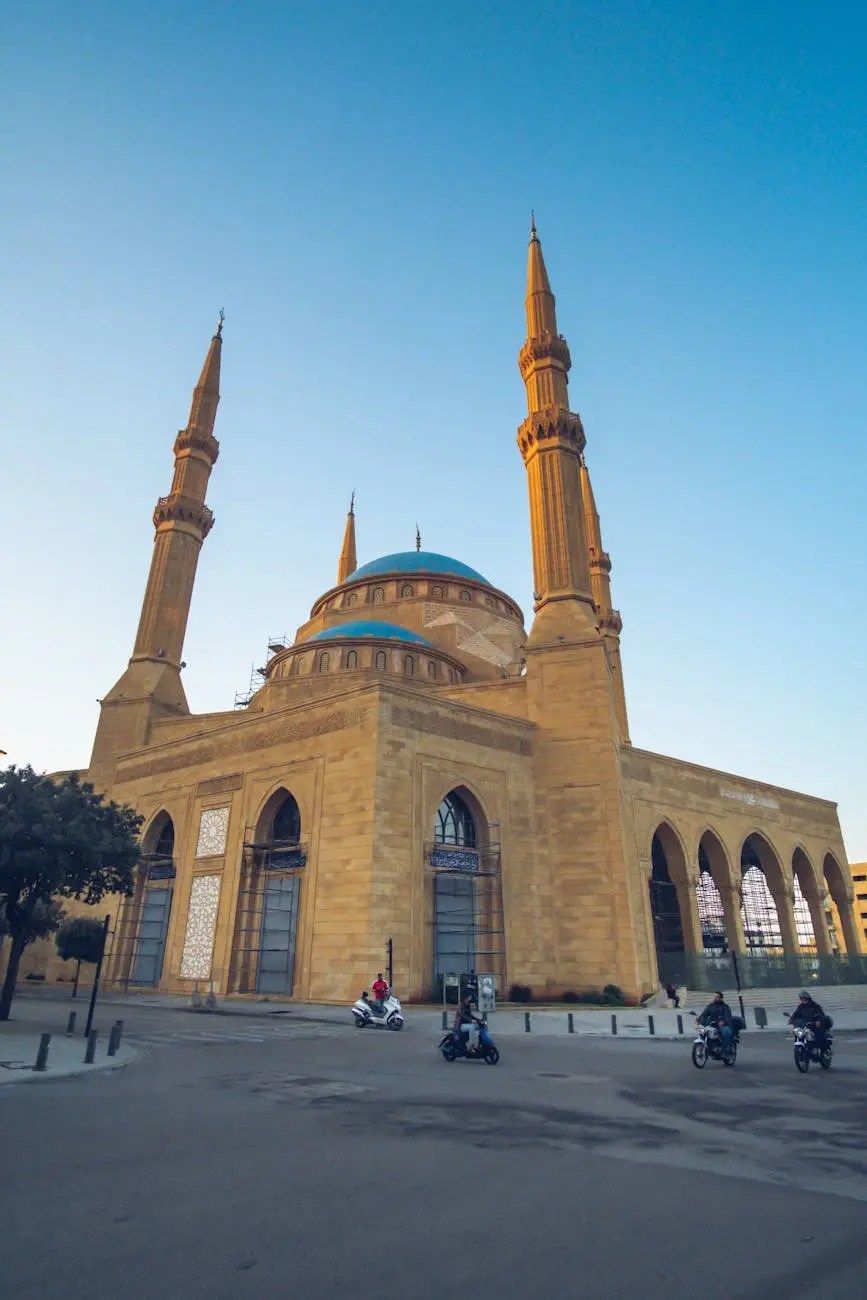
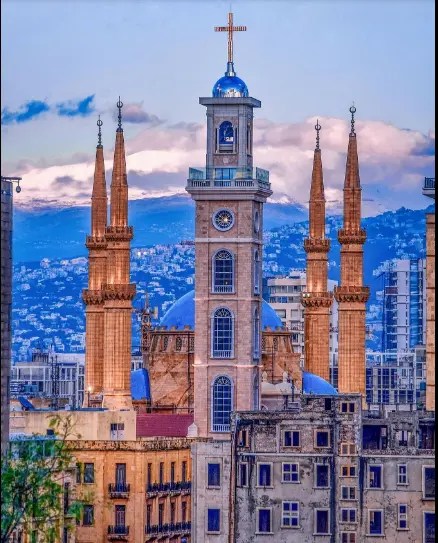
  • Morning (10 AM): Start at the Mohammad Al-Amin Mosque (the Blue Mosque). Its grandeur is breathtaking. Right next door, you’ll find St. George Maronite Cathedral, a testament to Beirut’s religious tapestry. This area is a powerful, visual story.
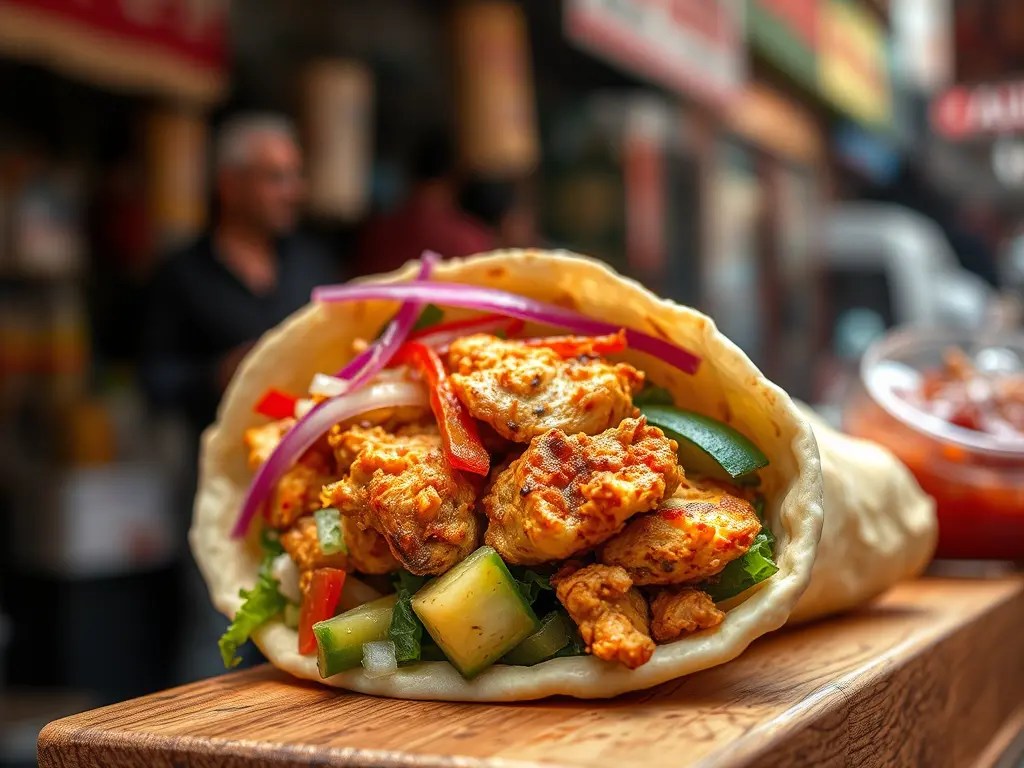
  • Afternoon (1 PM): For lunch, you have two choices. Go upscale at Em Sherif for a mind-blowing, multi-course Lebanese feast (book ahead!), or for a more local (and wallet-friendly) experience, dive into a hole-in-the-wall for a chicken shawarma wrap. You can’t go wrong with either.
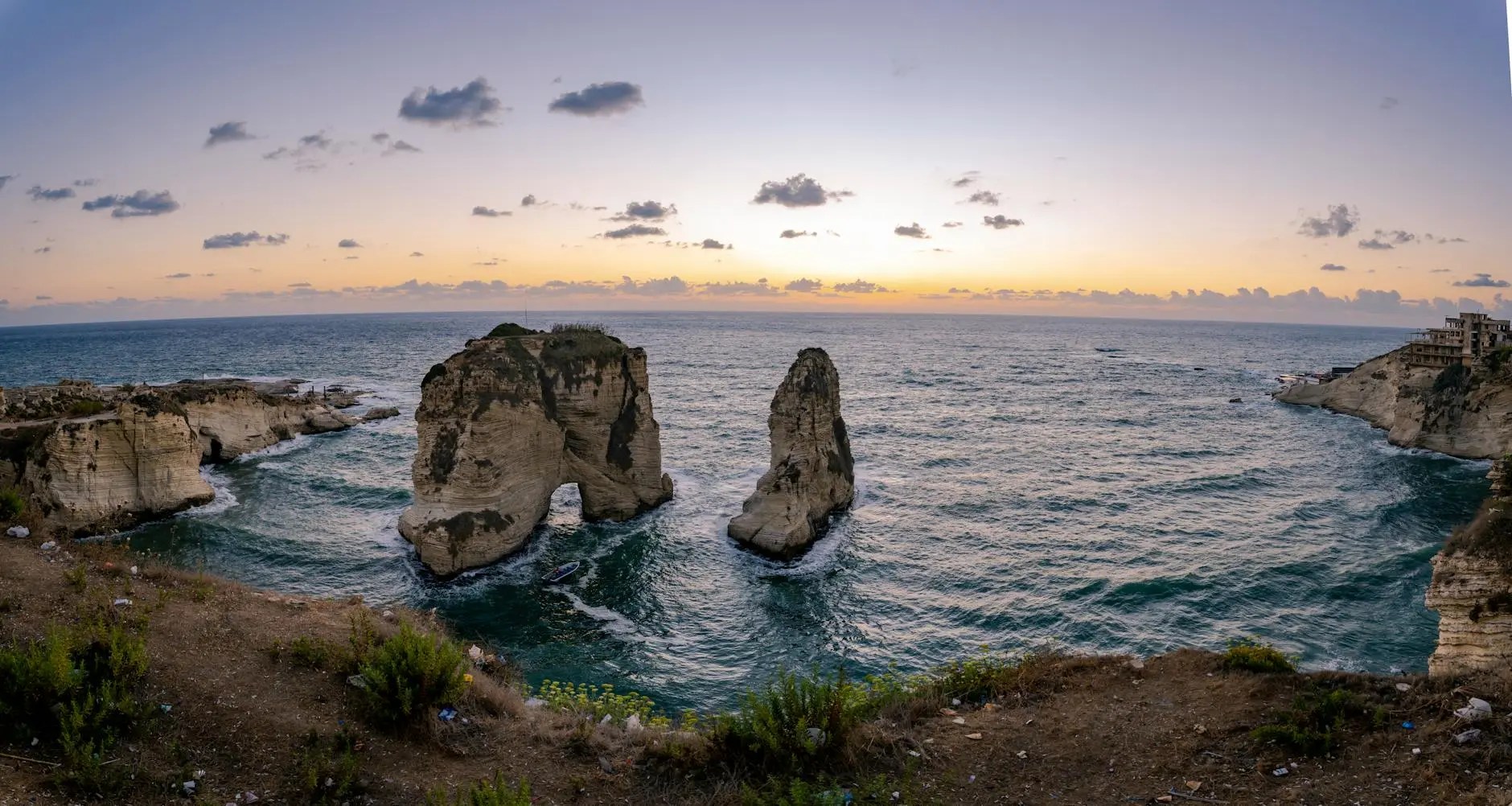
  • Late Afternoon (4 PM): Walk towards Raouché (the Pigeon Rocks). This is my pro-tip: skip the crowded corniche-side cafes. Instead, grab a bottle of water and walk down the stairs to the platform right by the rocks. The view from there is unbeatable and free. Stay for sunset – it’s magical.
  • Evening (8 PM): Head to the Gemmayzeh or Mar Mikhael districts. These are the epicenters of Beirut’s legendary nightlife. Start with dinner at a cozy restaurant like Baron (get the Baron Burger, thank me later) and then let the night take you. The energy here is infectious.
A stunning view of the Mohammad Al-Amin Mosque in Beirut, Lebanon, showcasing its tall minarets and blue dome against a clear blue sky, with motorcycles passing by.
The stunning Mohammad Al-Amin Mosque, also known as the Blue Mosque, stands majestically in Beirut, showcasing the city’s unique blend of modernity and tradition. A moment of serenity. The magnificent Mohammad Al-Amin Mosque, often called the Blue Mosque, is a cornerstone of Beirut’s dynamic cityscape. Its grand Ottoman-inspired architecture stands in powerful dialogue with the modern city around it, perfectly encapsulating Beirut’s spirit.

A skyline view of Beirut featuring a blend of historic religious architecture, including a prominent church with a blue dome and several minarets, set against a backdrop of mountains and urban buildings.
This image shows the Saint George Maronite Cathedral and the Mohammad Al-Amin Mosque in downtown Beirut, Lebanon Where faiths meet. The Saint George Maronite Cathedral (left) and the Mohammad Al-Amin Mosque (right) stand side-by-side in Beirut’s city center, a powerful daily symbol of the city’s layered history and spirit of coexistence.
A close-up of a delicious chicken shawarma wrap filled with fresh vegetables, served on a wooden board, showcasing vibrant colors in a busy street setting.
A delicious chicken shawarma wrap filled with fresh vegetables, perfect for a quick meal in Beirut. The ultimate Beirut street food experience. This isn’t just a sandwich; it’s a perfectly spiced, juicy, and messy masterpiece of grilled chicken, fresh veggies, and garlic sauce, all wrapped in warm, thin bread. A must-eat that costs just a few dollars but delivers a million-dollar flavor.
Panoramic view of the Pigeon Rocks in Raouché, Beirut, at sunset, with the tranquil Mediterranean Sea and a colorful sky.
Stunning view of the Pigeon Rocks in Raouché, Beirut, at sunset, showcasing the beautiful coastline and vibrant sky. Golden hour magic at Raouché. There’s a reason this is Beirut’s most iconic postcard view. Watching the sun dip below the horizon behind the majestic Pigeon Rocks is a rite of passage for every visitor. Pro tip: skip the crowded cafes and find a spot on the corniche to enjoy the free show.

Day 2: Ruins, Retail Therapy & Rooftops

  • Morning (10 AM): Explore the Beirut Souks. This isn’t your dusty, traditional souk; it’s a stunningly modern shopping complex built around the archaeological remains of the old market. It’s a fascinating blend of past and present.
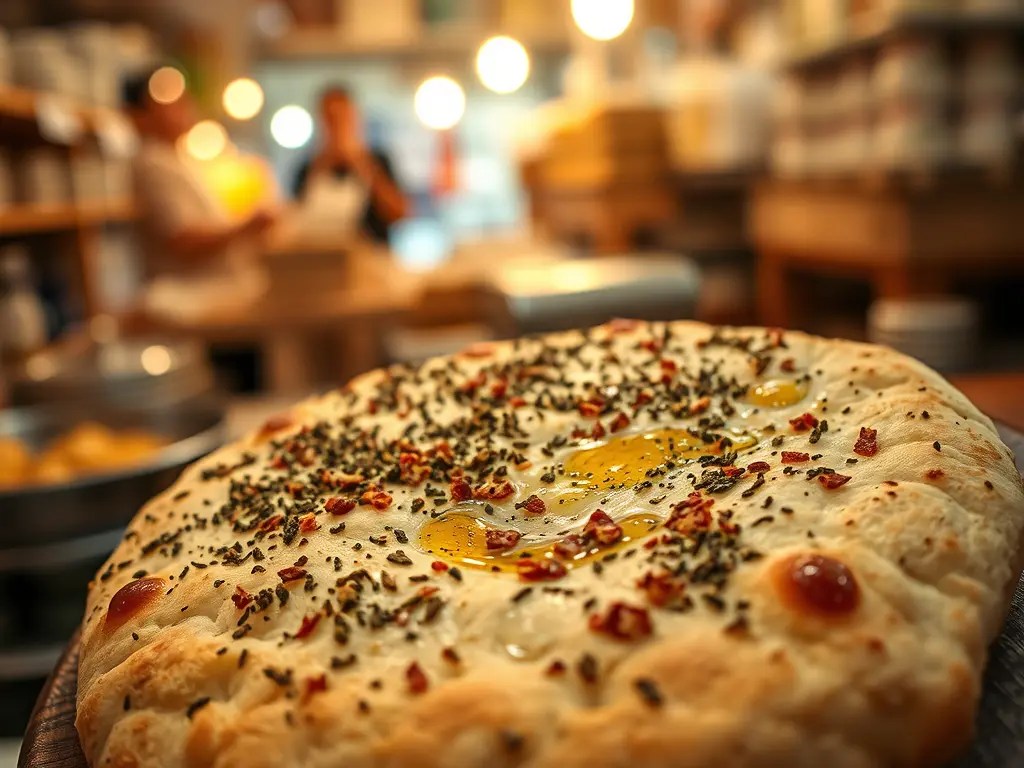
  • Afternoon (1 PM): Fuel up with a mana’esh (a za’atar or cheese flatbread) from a local bakery. It’s the Lebanese pizza, and it costs pennies.
  • Late Afternoon (3 PM): Visit the Roman Baths Garden in Downtown. It’s a peaceful, green archaeological site that’s often overlooked. It’s the perfect place to sit with a coffee and just breathe.
  • Evening (7 PM): Dress up a bit and head to a rooftop bar. Albergo’s rooftop is iconic, with stunning 360-degree views of the city. It’s the perfect, sophisticated end to a day of exploration.
A close-up of Lebanese flatbread topped with za'atar and olive oil, placed on a wooden surface with a warm, blurred background.
A delicious mana’esh topped with za’atar and olive oil, perfect for a quick Lebanese lunch in Beirut. The ultimate Lebanese power breakfast. This isn’t just flatbread; it’s a warm, fragrant mana’esh, straight from the oven, topped with an iconic blend of wild thyme, sumac, sesame seeds, and rich olive oil. For about a dollar, it’s the most delicious and authentic start to your day in Beirut.

Day 3: The Artist’s Escape

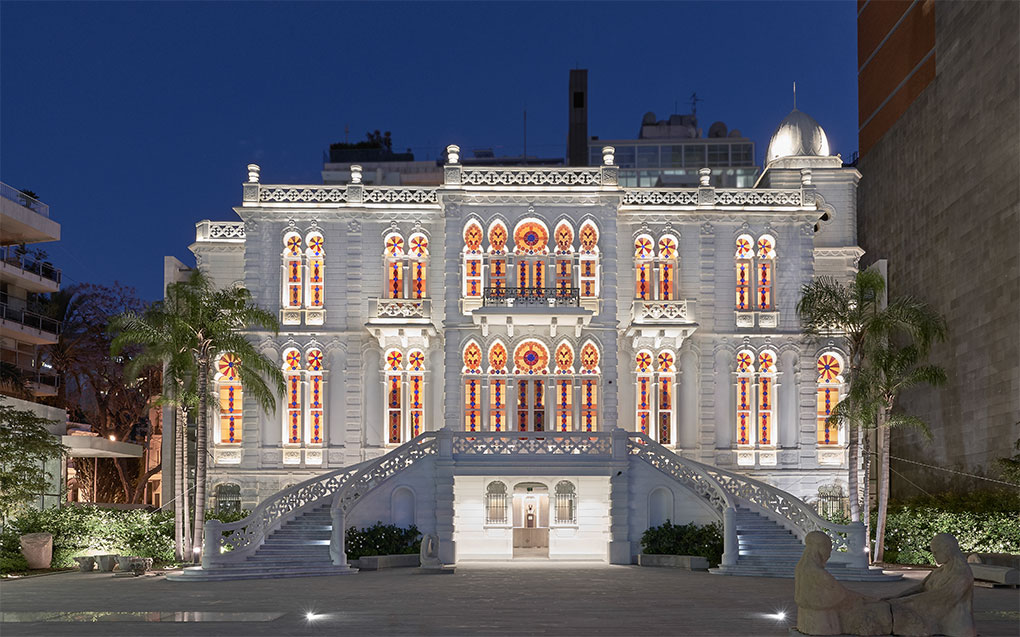
  • Morning (11 AM): It’s Sunday, which means the Beirut Art Center or the Sursock Museum (a gorgeous villa-turned-museum) is calling. Both showcase incredible contemporary art from the region.
  • Afternoon (2 PM): For your final meal, venture into the Armenian quarter of Bourj Hammoud. It’s a chaotic, vibrant, and sensory-overloading experience. The food is phenomenal and incredibly cheap. Try the lahmajoun (Armenian pizza) and the soujouk (spicy sausage) sandwiches.
A beautifully illuminated historic building in Beirut, Lebanon, featuring ornate architecture, colorful stained glass windows, and surrounded by palm trees, captured at night.
The beautifully illuminated facade of a historic building in Beirut, showcasing its stunning architecture and vibrant details at night.

🚌Beirut on a Budget: Money-Saving Hacks & Public Transport

Let’s be real, travel costs add up. Here’s how to stretch your dollars in Beirut. To truly save time and money, you need to understand Beirut’s wild public transport system. There are no trains or subway. It’s all about the road.

  • Public Transport: Forget a formal bus system. Beirut’s main public transport is the shared service (pronounced servees) taxi. These are old Mercedes sedans that run set routes. It’s an adventure! Flag one down, tell the driver your general area, and if he’s going that way, you hop in. It costs around 2,000-3,000 L.L. per person. It’s chaotic but the cheapest and most local way to travel.
  • Ride-Hailing Apps: Uber and Careem are your best friends. They are ridiculously cheap compared to Western standards and eliminate haggling. A 15-minute ride will often cost less than $5.
  • How to ride private: If you want the taxi to take you directly and not pick up others, say “Taxi” (not service) and negotiate a higher, private price.
  • Renting a Car? I don’t recommend it for a weekend trip. Beirut’s traffic is legendary (in a bad way), and parking is a nightmare. You’ll waste precious time and gas circling blocks. Stick to walking, services, and ride-hailing.
  • Saving Time & Gas: Plan your days by grouping sites that are close (e.g., Downtown/Corniche, or a separate day for the Mar Mikhael/Sursock area) to avoid long, expensive, private taxi rides through peak traffic (worst times are 7:30-9:30 AM and 4:30-7:00 PM).

Hidden Gems: Beirut’s Secret Spots

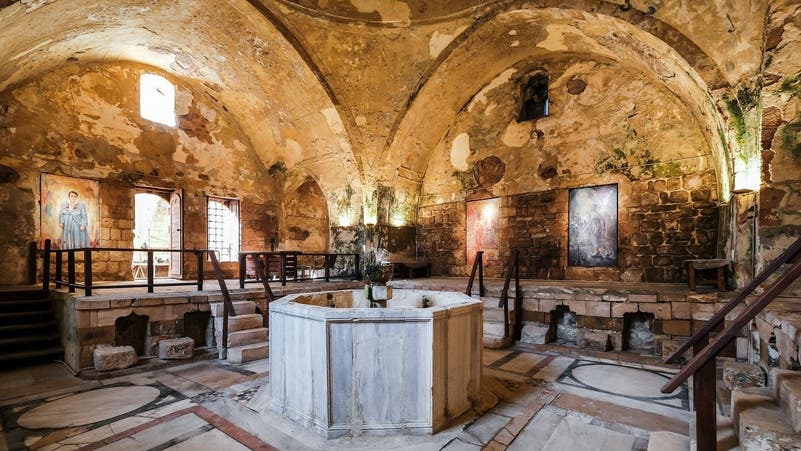
  • Hammam Al-Jadid: This isn’t a tourist hammam. It’s a local, no-frills bathhouse. If you’re brave and looking for a truly authentic experience, this is it. Just know what you’re getting into!
  • A Hamra Street Café: Skip the chains and find a tiny café in the Hamra district. Order a Turkish coffee and just people-watch. This is where you’ll see the real, intellectual heartbeat of the old Beirut.
  • The Corniche at Dawn: Everyone does the corniche at sunset. Do it at dawn. You’ll have it almost to yourself, shared only with the city’s dedicated fishermen. The light is soft, and the city feels peacefully still.
Interior of an ancient stone church featuring arched ceilings, weathered walls, and artwork on the walls, with a stone font in the center.
Hammam Al-Jadeed bathhouse combines art and antiquity in Lebanon

Essential Lebanese Lingo for Travellers

You’ll get by with English and French, but a few words of Arabic will open doors and hearts.

  • Marhaba (mar-ha-ba): Hello
  • Shukran (shook-ran): Thank you
  • Yalla (ya-la): Let’s go! / Come on! (You’ll hear this constantly)
  • Kifak? (ki-fak): How are you? (to a male)
  • Kifik? (ki-fik): How are you? (to a female)
  • Bi kam? (bee kam): How much?
  • Saha (sa-ha): Said to someone who is eating, like “Bon Appétit”

Packing Your Beirut Toolkit (My Travel Lifesavers)

A smooth trip is all about the right gear and the right backups. These are the products I never travel without.

✈️ Stay Connected & Secure:

Let’s talk internet. Relying on airport SIMs or roaming is a surefire way to burn cash. My secret weapon? Drimsim. It’s a universal data SIM that works in over 190 countries, including Lebanon. You just pop it in, top up via the app, and you’re online. No hunting for a store upon arrival. → Grab your Drimsim here and stay connected hassle-free.

And while we’re on digital safety, a VPN is non-negotiable, especially when using public WiFi. I’ve used NordVPN for years to keep my data safe and stream my home Netflix. → Protect your online privacy with NordVPN.

✈️ Travel with Peace of Mind:

Stuff happens. Flights get delayed, luggage gets lost. I never leave home without solid travel insurance from VisitorsCoverage. It’s a platform where you can easily compare plans and find one that fits your specific trip. It’s the ultimate safety net. → Compare and book your travel insurance with VisitorsCoverage.

Speaking of flight troubles, did you know if your flight is delayed or canceled, you could be owed up to $650? Most people never claim it. I use AirHelp to fight the airlines for me—they only get paid if I win. It’s a no-brainer. → Check your flight for compensation with AirHelp.

✈️ Capture the Magic:

Beirut is incredibly photogenic. I capture all its beauty with my trusty Sony Alpha camera. It’s lightweight, powerful, and perfect for both cityscapes and food shots.

Ready to book your flight and hotel? I always find the best deals on Expedia. → [Start planning your Beirut escape here!]( Your Link)

Beirut Weekend Escape: Frequently Asked Questions

Q: Is Beirut safe for tourists?
A: This is the number one question. The political and economic situation is complex, and it’s important to stay informed. However, on a day-to-day level, Beirut is an incredibly welcoming city. The hospitality is genuine, and the areas tourists frequent are generally safe. Exercise the same caution you would in any major city.

Q: What’s the visa situation and cost?
A: Visa policies can change, but for many Western passport holders (US, Canada, EU, UK), a free visa-on-arrival is granted for a stay of one month. Always check with the Lebanese embassy in your country for the most current information before you travel.

Q: What’s the best time of year to visit for a weekend?
A: The ultimate sweet spots are Spring (April-May) and Autumn (September-October). The weather is perfect—warm and sunny, but not the oppressive heat of summer. You’ll also avoid the peak summer crowds.

Q: Can I use US Dollars/Euros?
A: Yes, absolutely. Lebanon has a massive currency crisis, and the country operates on a “Liraize” system. You can pay in US Dollars almost everywhere, and you’ll often get change in a mix of dollars and lira. Don’t bother changing large amounts of money; just bring crisp, new US dollar bills.

Q: I love to shop! Any tips?
A: Beyond the designer stores in the Souks, look for local crafts. I love the ceramic shops and the beautiful, traditional glassware. And for a truly unique souvenir, pick up a bottle of Arak, the national anise-flavored spirit.

Q: Is a weekend enough for Beirut? A: Absolutely! Three days is perfect for hitting the city highlights (Corniche, Downtown, Museums, nightlife) and squeezing in one fantastic day trip (like Byblos). For a deeper dive, you’d need a week, but the ultimate weekend escape is totally doable.

Q: How safe is Beirut for solo female travelers? A: In my experience, Beirut is welcoming and friendly. Basic common sense applies, especially at night or when navigating public transport. Dress respectfully when visiting religious sites, but the city’s vibe is generally very modern and liberal.


Your Next Adventure Awaits!

Beirut isn’t just a destination; it’s an experience. It’s a city that will challenge you, delight you, and leave you craving more. With this guide, you’re armed with everything you need for an unforgettable weekend.

So, what are you waiting for? [Check flight prices to Beirut now] start packing! Have any questions? Drop them in the comments below – I love talking all things travel.

P.S. Looking for more weekend inspiration? Don’t forget to explore my complete Travel Master List for guides to other incredible destinations!

https://pin.it/4OPRwZK86

Universal Disclaimer/Disclosure Page:
48-Hour Saigon Itinerary: Your Ultimate Weekend Guide

Meta Description: Craving the ultimate weekend in Ho Chi Minh City? This 48-hour Saigon itinerary is your key to unlocking the best street food, hidden gems, and local secrets. Get savvy travel tips on visas, transport, and saving money in Vietnam’s vibrant heart.

Alright, let’s cut to the chase. You’ve got 48 hours, a serious craving for phở, and a burning desire to dive headfirst into the beautiful, chaotic energy of Saigon. Good news: a weekend is just enough time to get a glorious, life-affirming taste of this city.

I’ve done the frantic, “what-do-I-do-first?!” dance on my first trip, so I’ve crafted this guide to save you from the classic tourist traps and logistical headaches. Consider this your savvy friend’s blueprint for a perfect Ho Chi Minh City weekend.

Let’s be honest, we all need a break. But who has weeks for a grand tour? Not me. I’m a firm believer that you can conquer a city, dive deep into its soul, and still be back at your desk before the Monday coffee gets cold. And if there’s one place that delivers a monumental punch in a tiny timeframe, it’s Ho Chi Minh City (HCMC)—or, as the locals and old-school expats still affectionately call it, Saigon.

Think of it as a city with two souls and one heartbeat. To the world, it’s Ho Chi Minh City (HCMC), the official name bestowed after the Vietnam War to honor the revolutionary leader. But to its residents and in the casual chatter of every traveler, it will always be Saigon—a name that evokes a bygone era of French colonial architecture and a certain romantic, gritty energy. This isn’t just a historical footnote; it’s a living duality. You’ll book a flight to Ho Chi Minh City, but the moment you land, you’ll be asking a Grab driver to take you to a street food stall in “Saigon.” The official maps say one thing, but the spirit of the city, in its bustling markets, its steaming bowls of phở, and the constant hum of motorbikes, answers unwaveringly to the other. It’s a place where the past and present aren’t at odds—they’re just two different names for the same unforgettable adventure.

Forget everything you think you know about a relaxing weekend. This trip is an adrenaline shot of culture, history, and delicious chaos. Picture yourself weaving through millions of motorbikes, sipping the best coffee of your life, and sinking your teeth into a bánh mì that costs less than your morning latte. Ready? Let’s roll.

Table of Contents

  1. Prep Talk: Visa & Logistics (The Boring But Necessary Stuff)
    • Visa Cost: Quick Check
    • Staying Connected (Goodbye Roaming Fees 👋)
    • Flight Delays Happen (Your Safety Net)
  2. Day 1: The Iconic, Must-See Saigon
    • Morning: History and French Colonial Charm
    • Lunch & Photography: Noodle Soup and a City View 📸
    • Afternoon: The Market Hustle & Hidden Gems
  3. Day 2: Escape to the Countryside & Beyond
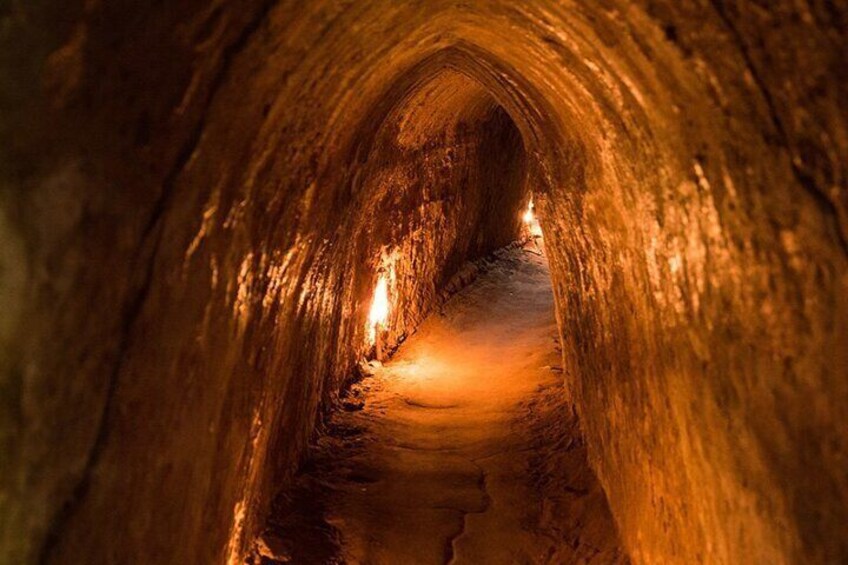
    • Option 1: The Resilience of Cu Chi Tunnels
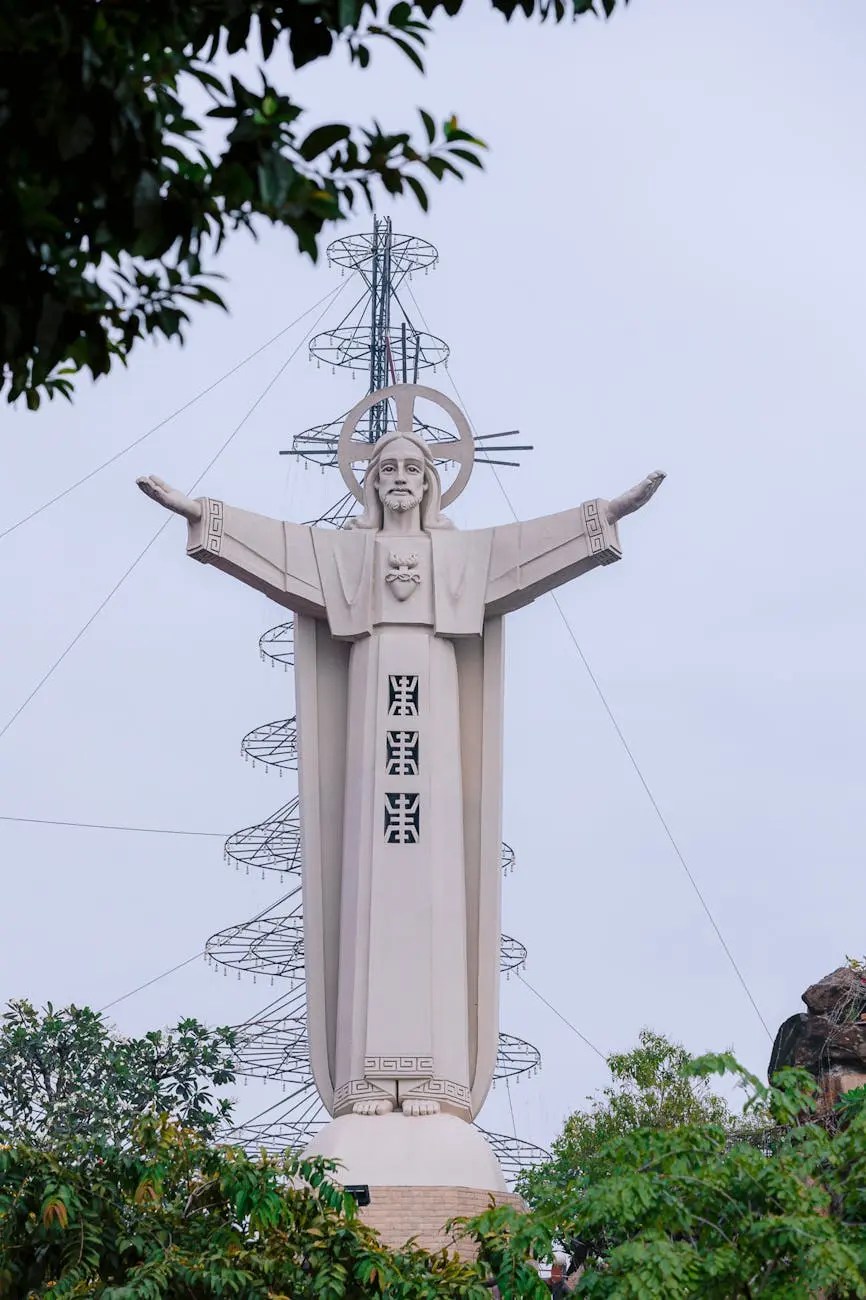
    • Option 2: Beach Break in Vũng Tàu (A Local’s Favorite)
  4. Mastering Saigon Transit: Money-Saving Tips
    • Buses and Ridesharing: Your Best Friends
    • Road Map Tips to Save Gas & Time
  5. Speak Like a Local: Essential Vietnamese Phrases
  6. A Traveler’s Final Word (Don’t Forget the Essentials)
  7. FAQ: Your Ho Chi Minh City Questions Answered

Prep Talk: Logistics (The Boring But Necessary Stuff)

Staying Connected (Goodbye Roaming Fees 👋)

I used to spend my first hour in any new airport hunting for a SIM card and wrestling with activation forms. That was before I found a real game-changer.

✈️ Travel Tip: My Secret to Seamless Global Connection I hate relying on airport SIM counters. It’s often expensive, confusing, and eats into my precious travel time. That’s why I swear by a universal connectivity solution like Drimsim (SIM Card for Traveling Around the World). You just pop the universal SIM card into your phone once, top it up through the app, and you’re online in 190+ countries—no hidden fees, no frantic searching for a local carrier. It’s peace of mind, packed light.

Also, when hopping onto public Wi-Fi or even a local SIM, a little digital protection goes a long way. I personally never travel without a VPN. Keeping your data secure on the road is non-negotiable, and I’ve used NordVPN (link here) for years to ensure my banking and personal info stay private.

Flight Delays Happen (Your Safety Net)

We all love the thrill of travel, but the frustration of a canceled or severely delayed flight is a universal pain.

✈️ Flight Delayed or Canceled? Get Compensated! Travel isn’t always smooth sailing; sometimes, flights get delayed, canceled, or overbooked. The fantastic news is that, depending on your route, you could be entitled to up to $650 in compensation under air passenger rights. Most travelers never claim it, but I always recommend checking your flight details with AirHelp They handle the paperwork and fight the airlines for you, and here’s the best part: they only get paid if you win. It’s easy, stress-free, and can put a surprising chunk of change back in your travel fund.

Flights to Ho Chi Minh City

Before we talk about pho, let’s talk paperwork.

Visa Cost: Quick Check

For many nationalities, Vietnam now offers an E-visa which is valid for up to 90 days and costs around $25 USD for a single entry. This is a massive improvement from the old “visa-on-arrival” process. Please check the official Vietnam government portal, but this E-visa is generally the fastest and cheapest option. It’s also crucial to remember that if you’re planning a side trip to a geographically close country like Cambodia (a popular next stop from HCMC), you’ll need a completely separate visa for that, adding to your overall trip cost. Always check the official requirements for your passport well in advance!

Hotels in Ho Chi Minh City

Day 1: The Iconic, Must-See Saigon

Morning: History and French Colonial Charm

Start your day in District 1, the historic heart of the city. My favorite way to get a feel for Saigon is to wander the streets around the Notre Dame Cathedral and the magnificent Central Post Office .

  • Anecdote: I remember walking into the Post Office for the first time. It felt less like a functional building and more like a grand European railway station. I sent a postcard to my mom just so I could experience writing at one of those beautiful wooden desks!

From there, it’s a short, reflective walk to the Reunification Palace (or Independence Palace). Stepping inside is like entering a time capsule, frozen since the day the Vietnam War ended. It’s a somber but fascinating look into modern history.

Lunch & Photography: Noodle Soup and a City View 📸

Lunch has to be street food, specifically Phở (beef noodle soup). Find a busy stall in District 1—the plastic chairs are your sign of authenticity.

Afterward, for a stunning panoramic view and a great photo spot, head to the Bitexco Financial Tower. Skip the crowded observation deck and find a trendy sky bar. It’s the perfect place to grab a refreshing iced coffee (cà phê sữa đá—more on that later) and watch the urban sprawl melt into the horizon.

Speaking of stunning views, capturing the kinetic energy of HCMC is a trip highlight. I never leave home without a reliable camera that can handle low-light markets and fast-moving motorbike scenes. If you’re looking to upgrade your gear, check out the one I currently rely on here: My Go-To Travel Camera.

Afternoon: The Market Hustle & Hidden Gems

The afternoon is for shopping and exploration.

  1. The Classic: Hit Bến Thành Market. It’s massive, chaotic, and everything you imagine a Vietnamese market to be. Haggle hard! But be warned, it’s very tourist-centric.
  2. Hidden Gem 💎: The “Cafe Apartment” (42 Nguyễn Huệ Street). This is pure Saigon genius. It’s a nine-story apartment block that has been converted entirely into unique, tiny coffee shops, boutiques, and co-working spaces. You pay a small fee to take the lift (or take the stairs for free!), and you can spend hours hopping from one quirky cafe to the next, watching the world go by on the walking street below.
  3. Hidden Gem 💎: Worship & Tranquility (Jade Emperor Pagoda). Escape the noise at this incredibly atmospheric Taoist pagoda in District 3. The smoke, the statues, the quiet reverence—it’s a powerful contrast to the city outside.

Before you book your trip, don’t forget to check my main travel resource list for more tips on packing and pre-trip checklists: Blog Masterlist.

Aerial view of Notre Dame Cathedral in Ho Chi Minh City, surrounded by lush trees and modern buildings.
Historic Notre Dame Cathedral in Ho Chi Minh City framed by lush greenery and modern architecture. A timeless icon: The stunning Notre-Dame Cathedral Basilica of Saigon, a historic landmark in the heart of Ho Chi Minh City, Vietnam.
Close-up view of the ornate facade of the Saigon Central Post Office, featuring a large clock and decorative architectural details, with the words 'BƯU ĐIỆN' prominently displayed.
The iconic clock and ornate facade of the Central Post Office in Ho Chi Minh City, showcasing stunning French colonial architecture.

Interior view of the Saigon Central Post Office showcasing its striking architecture, with a high arched ceiling, large windows, and people moving throughout the space.
The stunning interior of the Central Post Office in Ho Chi Minh City, showcasing its French colonial architecture.
The Reunification Palace in Ho Chi Minh City, featuring a fountain in front and visitors interacting in the foreground.
Visitors admire the Reunification Palace, a historic landmark in Ho Chi Minh City, surrounded by lush gardens and a fountain. Where history was made: The Independence Palace in Ho Chi Minh City, the site of the Fall of Saigon in 1975.
A close-up image of a steaming bowl of phở, a traditional Vietnamese noodle soup, garnished with fresh herbs and vegetables.
A steaming bowl of Phở, the iconic Vietnamese noodle soup, garnished with fresh herbs and lime, ready to delight your taste buds in Ho Chi Minh City. The ultimate comfort food: A steaming, aromatic bowl of Phở Bò (beef pho) in Ho Chi Minh City, garnished with fresh herbs and lime.
A modern skyscraper in Ho Chi Minh City, towering over older low-rise buildings, showcasing a blend of contemporary architecture against a gray sky.
The striking Bitexco Financial Tower stands tall amidst the vibrant streets of Ho Chi Minh City. Where old meets new: The sleek Bitexco Financial Tower, a symbol of modern Saigon, rises above the city’s vibrant, traditional streets.
A traditional Vietnamese coffee drip setup with a clear glass of brewed coffee and a glass of iced coffee on a table.
Experience the rich layers of Vietnamese coffee culture with a traditional drip coffee setup and a refreshing iced coffee in Ho Chi Minh City.
The exterior of Bến Thành Market in Ho Chi Minh City, showcasing its architectural features and two large clocks on the clock tower.
The iconic Bến Thành Market clock tower in Ho Chi Minh City, a bustling hub of culture and commerce. The heart of Saigon’s commerce: The historic clock tower of Bến Thành Market, a gateway to souvenirs, street food, and local life.
A beautifully designed temple in Ho Chi Minh City with traditional architecture, featuring ornate roofs and greenery surrounding the structure.
A stunning view of a traditional Vietnamese pagoda surrounded by lush greenery in Ho Chi Minh City. A hidden sanctuary: The beautifully intricate architecture of Khánh An Monastery, a peaceful Buddhist temple tucked away in Ho Chi Minh City.

Day 2: Escape to the Countryside & Beyond

A true weekend escape demands a change of scenery. From HCMC, you can choose between history or the coast.

Option 1: The Resilience of Củ Chi Tunnels

Located about 70 km northwest of HCMC, the Củ Chi Tunnels are a sprawling network used by the Viet Cong during the war.

  • Experience: You can crawl through a safe section of the incredibly narrow tunnels. It’s an eye-opening, mildly claustrophobic, and genuinely unforgettable experience.
  • Getting There: This is best done with an organized tour, which often includes transportation via air-conditioned minivan. If you choose a budget-friendly option, you can take a local bus (Bus #13 or #79). However, to save time on a weekend trip, I highly recommend using a pre-booked service.
  • Backlink Tip: This trip is great paired with a longer dive into the regional history. For a more detailed look at the history of the region, see my earlier article, which is listed in my Blog Masterlist.

Option 2: Beach Break in Vũng Tàu (A Local’s Favorite)

If your weekend escape needs sea breeze and sand, head to Vũng Tàu. It’s geographically close and is the city’s go-to beach escape.

  • Experience: It’s a coastal city known for its beaches (Bai Sau is the most popular), fresh seafood, and the massive Christ of Vũng Tàu statue (taller than Rio’s!). You can climb up inside for a great view.
  • Getting There: The absolute quickest way is via the hydrofoil ferry from HCMC, which takes about 1.5 to 2 hours. It’s efficient, comfortable, and you avoid all road traffic. Alternatively, a pre-booked minivan or bus takes about 2 to 3 hours by road. If you are planning a longer trip around the region, a trip to the Mekong Delta (Ben Tre/My Tho) is another excellent option geographically close to HCMC. I cover that in more detail later.

Ready to book your flight, accommodations, or even a local tour for the weekend? I always use Expedia for comparing flights and hotels to make sure I get the best deal for a quick getaway: Find Your Saigon Escape on Expedia.

Interior view of the Cu Chi Tunnels, showcasing narrow, illuminated passageways lined with rough walls.
Explore the intricate network of the Củ Chi Tunnels, a historic site used during the Vietnam War.

A panoramic view of Vũng Tàu, showcasing its coastline, sandy beaches, and green hills under a bright blue sky with fluffy clouds. The scene includes boats in the water and vibrant buildings lining the shore.
A stunning aerial view of Vũng Tàu, showcasing its picturesque coastline, lush hilltop, and vibrant city life, perfect for a weekend escape from Ho Chi Minh City.

A large statue of Christ the Redeemer with outstretched arms, standing atop a hill surrounded by trees and a cloudy sky.
The towering Christ of Vũng Tàu statue, a popular spiritual landmark offering stunning views. A beacon of faith: The majestic Christ the King of Vung Tau statue stands guard over the coastal city, offering panoramic views from its viewing platform.
A group of people wearing traditional conical hats, paddling a small boat through a river surrounded by lush greenery.
Exploring the scenic waterways of Vietnam on a traditional boat. A group of tourists enjoying a traditional wooden boat tour on a lush, tree-lined canal in Vietnam’s Mekong Delta.

Saigon Survival Kit: Your Pre-Trip Checklist

🚗 Public Transport: Your Key to the City

  • Ride-Hailing Apps are KING: Download Grab (the Southeast Asian Uber). You can book cars and motorbike taxis (xe ôm) for a fraction of Western taxi prices. The price is fixed in the app, so no haggling. This was my #1 money and time-saver.
  • Buses: Cheap and extensive, but can be confusing for a short trip. For a weekend, I’d stick to Grab and walking.
  • Walking: The best way to explore Districts 1 & 3. Crossing the street is an art form. Don’t stop, don’t hesitate. Walk slowly and steadily; the millions of motorbikes will flow around you like water.
Transport OptionBest ForAverage Cost (per trip)Insider Tip
BusesDistances over 5km, saving money.5,000–10,000 VND (approx. $0.20–$0.40)Use the BusMap app. It’s accurate, bilingual, and tells you exactly which bus to take, how long the ride is, and when to get off.
Motorbike Taxi (Grab/Gojek)Short distances, weaving through traffic, saving time.15,000–40,000 VND (approx. $0.60–$1.60)Must-Use Tip: Use the Grab or Gojek apps (Southeast Asia’s version of Uber) instead of hailing one on the street. It fixes the price, handles the payment, and eliminates any need to haggle. It’s fast and incredibly cheap.
Regular TaxiLong distances, late nights, carrying luggage.Starts at ~15,000 VND + distanceStick to reputable companies like Vinasun or Mai Linh (they have distinct branding) to ensure the meter is used honestly.
Car (GrabCar)Groups of 3-4, or when it’s pouring rain.Varies, but still cheaper than a Western taxi.If you’re traveling a long distance, check the road map on Google Maps before you book the ride. Sometimes, taking the scenic but toll-free route can save you a few minutes and some money!

💰 Money-Saving Hacks:

  • Cash is King: Most small eateries and markets are cash-only. Withdraw a chunk of Dong from an ATM.
  • Street Food is Your Best Friend: A meal can cost under $2. Eat like a local and your wallet will thank you.
  • Stay Central: It might cost $10 more per night, but it saves you hours and Grab fares.

🗣️ Essential Words & Phrases:

  • Xin Chào (sin chow) = Hello
  • Cảm ơn (gam un) = Thank you
  • Bao nhiêu tiền? (bow nyew tee-en) = How much?
  • Tôi muốn đi tới… (toy moo-uhn dee duh) = I want to go to…
  • Cà phê sữa đá (ca fay suh da) = Iced coffee with milk. Your most important phrase.

✈️ Travel Smarter, Not Harder:

Flight Got Bumped? Don’t just accept it! If your flight is delayed, canceled, or you were denied boarding, you could be owed up to $650 in compensation. Most people don’t know their rights, but companies like AirHelp will fight the airlines for you—and they only get paid if you win. I’ve used them successfully, and it’s the easiest travel surprise you’ll ever get. Check your flight eligibility in seconds here.

Peace of Mind is Priceless: From lost luggage to a surprise motorbike scrape, travel insurance is non-negotiable for me. I use VisitorsCoverage to compare plans and find affordable coverage that fits my trip perfectly. It takes two minutes and saves you from potential financial disasters. Get a no-obligation quote for your trip here.

Road Map Tips to Save Time & Gas: The biggest traffic bottlenecks occur around District 1 and the bridges in and out of the city during rush hours (7:30-9:00 AM and 4:30-6:30 PM). If you absolutely must travel during those times, use the GrabBike option, as motorbikes can use smaller lanes and save precious minutes that a car would lose in gridlock.


Look Good, Feel Good (Even in the Humidity)

I’ve learned the hard way that HCMC’s humidity is no joke. After a full day of sightseeing, you still want to feel fresh and look your best for a night out. This is where a little skincare magic comes in.

💄 K-Beauty Magic for Tropical Weather Because glowy skin should never break the bank, especially when you’re sweating through a tropical climate! I rely on K-beauty products to handle the heat. For all my fellow travelers who want to look beautiful always, check out Lakinza for the best selection:Lakinza K-Beauty. When you buy, use my exclusive coupon code: Lalax10 at checkout to save a little extra for your next skincare haul. Trust me, you’ll want more!

✈️ Planning to extend your trip beyond Vietnam? You’re in luck — Ho Chi Minh City connects effortlessly to other Southeast Asian gems. A quick hop gets you to Bangkok’s buzzing night markets, Kuala Lumpur’s skyline adventures, or Singapore’s food paradise. For those craving culture with a twist, check out Jakarta’s street life or Taipei’s night markets.

Your Ho Chi Minh City FAQ Answered

What is the best time of year to visit Ho Chi Minh City to avoid crowds and rain?

The best time is during the dry season, which runs from December to April. The weather is sunny and generally less humid. However, if you want to avoid the largest crowds, aim for late January to early April, just after the major holiday rush

What is the difference between “Ho Chi Minh City” and “Saigon”?

“Ho Chi Minh City” is the official, political name for the entire metropolis. “Saigon” is the historical name and is still widely used by locals (especially for District 1, the central area). You can use either, but saying “Saigon” is often a shortcut and a nod to the city’s long history.

Do I need to carry cash (Vietnamese Dong – VND) or are credit cards accepted?

For hotels, nicer restaurants, and large shopping centers, credit cards are fine. However, for all the best street food, market vendors, coffee shops, and motorbike taxis, you will need cash (VND). Always carry a decent stack of smaller denominations (10,000 VND, 20,000 VND, 50,000 VND notes) for convenience.

Is a weekend in Ho Chi Minh City enough?
Absolutely! It’s the perfect amount of time for a thrilling, immersive snapshot. You’ll see the major sights and get a real feel for the city’s pace. It will definitely leave you wanting more, which is the best reason to return.

What is the best way to get around Ho Chi Minh City?
The Grab app is indispensable for longer distances. For the core tourist areas in District 1, your own two feet are the best option.

Is Ho Chi Minh City safe for tourists?
Yes, it’s generally very safe. The main risks are petty theft (keep your phone secure) and the traffic. Be smart with your belongings and confident when crossing the street.

What should I pack for a weekend in Saigon?
Light, breathable clothing. It’s hot and humid. Pack a light scarf or cover-up for temples, comfortable walking shoes, and of course, your skincare essentials.


Ready to Conquer Saigon?

Ho Chi Minh City is a place that grabs you and doesn’t let go. The energy, the flavors, the history—it’s a weekend you won’t forget.

Your Adventure Awaits:
👉 Lock in your flights and hotel now on Expedia and get ready for the ultimate Southeast Asian city break!

Universal Disclaimer/Disclosure Page:
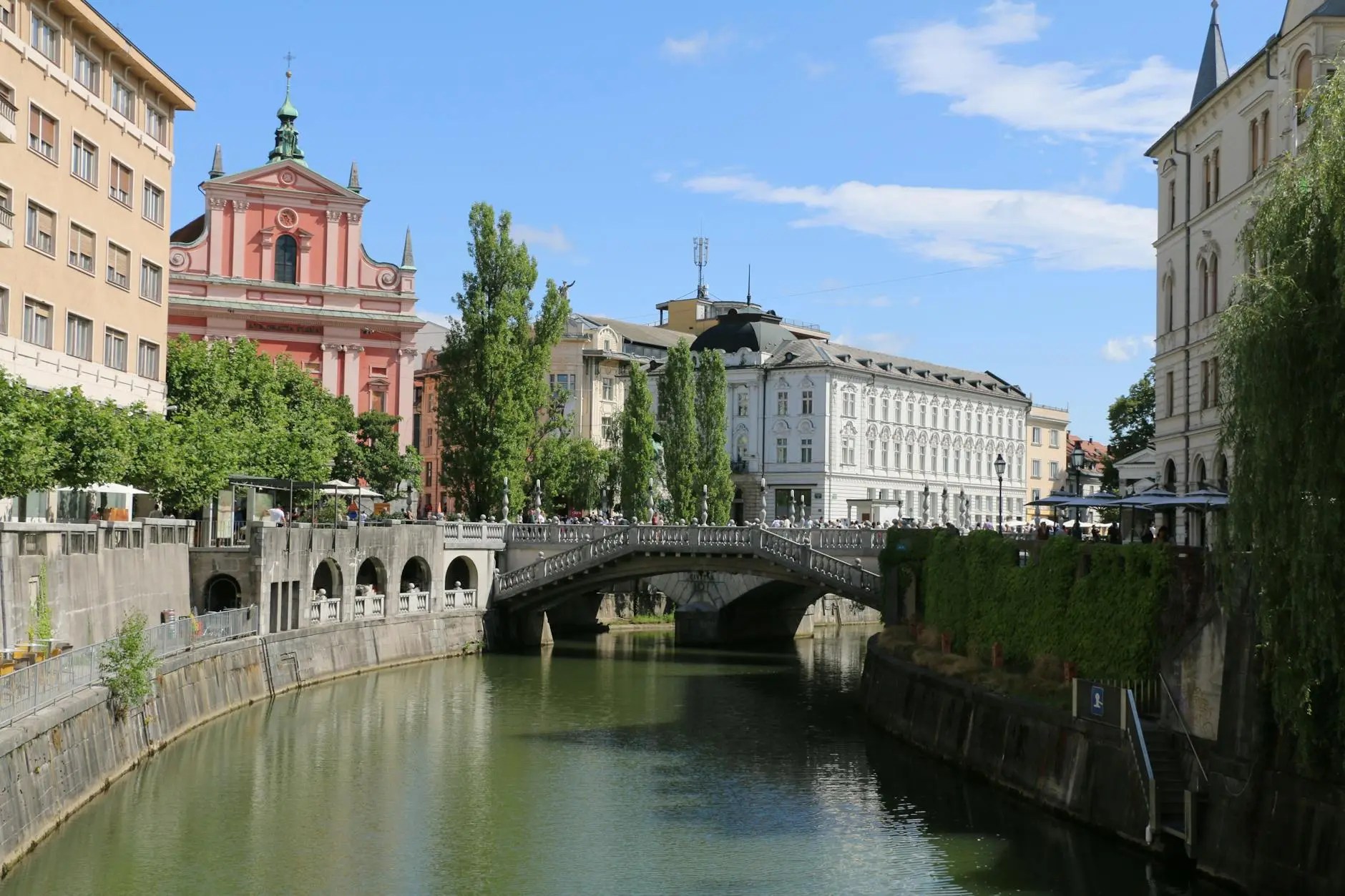
✨ The Ultimate Weekend Escape to Jaipur, India

Meta Description:
Discover the magic of Jaipur — the Pink City of India — in a weekend packed with royal palaces, colorful bazaars, and mouthwatering food. Perfect for travelers seeking culture, savings, and unforgettable moments. Includes transport tips, hidden gems, and money-saving hacks for your trip to Jaipur.

🕌 Table of Contents

  1. Why Jaipur Deserves Your Weekend
  2. Getting There: Flights, Trains & Road Trips
  3. Where to Stay (and Save!)
  4. Top Sights You Can’t Miss
  5. Hidden Gems Only Locals Know
  6. Foodie Heaven: What & Where to Eat
  7. Getting Around Jaipur Like a Pro
  8. Best Time to Visit
  9. Smart Travel Tips to Save Time, Money & Stress
  10. Final Thoughts + FAQs

🩷 Why Jaipur Deserves Your Weekend

Jaipur isn’t just another stop on India’s map — it’s a living museum dressed in shades of pink and gold. Every wall tells a royal story, every alley hums with spice and color.

I still remember my first visit: a rickshaw driver named Rajesh insisted on showing me the “real Jaipur.” Ten minutes later, I was sipping masala chai in a 200-year-old courtyard with pigeons as my breakfast companions. That’s Jaipur for you — unexpectedly magical.

If you love heritage, colors, and budget-friendly adventure, this city should top your bucket list.

Essential Pre-Trip Intel

Visa & Costs: Most travelers need an e-Visa for India. It’s a straightforward online process, and the cost is around $10-$25 USD depending on your nationality and the season. You can check the official government site for the latest fees.

✈️ Getting There: Flights, Trains & Road Trips

Jaipur International Airport (JAI) is well-connected — direct flights from Dubai, Bangkok, and Kuala Lumpur make it a breeze to add Jaipur to your Southeast Asia or Middle East itinerary.
👉 Book affordable flights and hotels via Expedia — I always score flexible stays and great deals there.

Trains: Jaipur is part of India’s famous Golden Triangle route (Delhi–Agra–Jaipur). The Shatabdi Express from Delhi takes just 4 hours.

By Road: From Delhi, it’s a smooth 280 km (around 5 hours via NH48). Take breaks at Neemrana Fort for snacks and scenic views — it’s a photo stop worth every minute.

Map of routes connecting to Jaipur, India, with labeled roads, railway lines, and significant locations.
Map detailing the routes to Jaipur, showcasing key transportation options and nearby attractions.

A panoramic view of a historic stone palace in Jaipur, India, featuring a swimming pool and lush greenery in the foreground.
A stunning view of a heritage hotel in Jaipur, showcasing traditional architecture surrounded by lush greenery and an inviting pool.

🚗 Money-Saving Tip: Use Google Maps’ “Eco route” option — it’s shorter, saves gas, and helps you avoid those random toll roads that always pop up at the wrong time.

🏨 Where to Stay (and Save!)

From heritage havelis to budget hostels, Jaipur has something for everyone.
If you love palace vibes without royal prices, check out Shahpura House or Umaid Bhawan Heritage Hotel.

💡 Tip: I usually book on Expedia — they offer free cancellations and reward points.

And remember — Jaipur hotels fill up fast during winter (peak tourist season), so plan ahead.

Your Jaipur Game Plan: A 48-Hour Itinerary

Day 1: The Royal Treatment

Morning (8:00 AM – 1:00 PM): Amber Fort
Forget a gentle start; we’re hitting the ground running. Get to the magnificent Amber Fort as it opens to beat the crowds and the brutal afternoon sun. My biggest tip? Don’t walk up—it’s a calf-burner. Take a jeep taxi from the base for a few bucks. It’s worth every rupee.

The fort itself is a sprawling maze of palaces, halls, and secret passages. Hire a guide at the entrance—their stories of maharajas and intrigue really bring the sandstone to life. And a little secret: the best views aren’t from the top, but from Jaigarh Fort, which is connected to Amber by a subterranean passage. You can see for miles.

Afternoon (1:00 PM – 4:00 PM): Lunch & Jal Mahal
You’ll be starving. Hop in a cab and head to Niro’s for a classic, air-conditioned lunch of rich butter chicken and fluffy naan. It’s an institution for a reason.

On your way back into the city, you’ll pass the Jal Mahal (the Water Palace). You don’t need to stop for long—it looks its best from the road, seemingly floating in the middle of Man Sagar Lake. Snap your photos and move on.

Evening (4:00 PM onwards): Hawa Mahal & Bazaar Hopping
Your next stop is the iconic Hawa Mahal, or the Palace of Winds. A pro-tip: the front is stunning, but the real magic is inside the building across the street. You can get that perfect, frame-worthy shot of its honeycombed facade.

Then, dive headfirst into the Johari Bazaar. It’s a sensory overload in the best way possible. The air is thick with the scent of spices, flowers, and the occasional whiff of incense. Haggle for silver jewelry, marvel at piles of colorful textiles, and just soak it all in. For a more relaxed (and fixed-price) experience, pop into Anokhi for beautiful block-printed garments.

View of the intricately designed entrance of Amber Fort in Jaipur, India, showcasing traditional Rajasthani architecture with detailed carvings and vibrant colors.
Exterior view of the intricately designed Amber Fort, showcasing its stunning architecture and vibrant colors. The grand entrance to Amber Fort, a UNESCO World Heritage Site. This view barely scratches the surface of the palaces, courtyards, and secret passages that lie within. Pro tip: Get here at opening time to have this view (almost) to yourself!
View of a landscaped garden with neatly trimmed bushes and a historic fort structure in the background, under a clear blue sky.
The scenic gardens and majestic architecture of the Jaigarh Fort in Jaipur, showcasing the rich cultural heritage of the city.
Interior view of a vibrant restaurant in Jaipur with colorful decor, tables set for dining, and guests enjoying their meals.
A vibrant dining space in Jaipur, blending modern comfort with traditional decor, perfect for enjoying local cuisine.

View of Jal Mahal, the Water Palace in Jaipur, reflecting in the calm waters of Man Sagar Lake, surrounded by lush greenery.
The iconic Jal Mahal, or Water Palace, reflecting beautifully in Man Sagar Lake, a must-see sight in Jaipur.
Close-up view of the ornate facade of Hawa Mahal, also known as the Palace of Winds, showcasing its intricate lattice windows and pink sandstone architecture.
The intricate facade of Hawa Mahal, also known as the Palace of Winds, showcasing its unique honeycomb structure and vibrant pink hues. The breathtaking “back” of the Hawa Mahal! This stunning facade, with its 953 windows, was designed to allow cool air to circulate and royal ladies to observe the city’s buzz without being seen. The best photo spot? From the windows across the street!
A vibrant market alley in Jaipur, showcasing colorful traditional clothing and textiles hanging from the walls, with shoppers visible in the background.
Colorful textiles and traditional garments hanging in a bustling marketplace in Jaipur, India. Diving into the sensory overload of a Jaipur bazaar alley. This is where you’ll find the real color of the Pink City—literally! Don’t be shy, haggle for a beautiful scarf or just soak in the incredible atmosphere.
A young woman poses in traditional Indian attire featuring a red embroidered jacket and patterned pants, set against a warm, neutral background.
A model showcasing traditional Rajasthani attire against a warm, textured backdrop, capturing the essence of Jaipur’s vibrant culture.

Navigating the Chaos: How to Get Around Jaipur Like a Pro

Getting around is an adventure in itself. Here’s the lowdown:

  • Bus: The Jaipur City Bus is surprisingly efficient and dirt cheap. Routes connect all the major tourist spots. It’s not always air-conditioned, but it’s a fantastic way to travel like a local. Download the “JCTSL Live Bus” app for real-time tracking.
  • 🛺Auto-Rickshaw & Taxi: Your go-to for point-to-point travel. Always, always agree on a price before you get in. A good rule of thumb is to ask your hotel what a fair price to your destination is, and then negotiate with the driver from there. For hassle-free rides, use the Uber or Ola app—it’s a fixed fare, no haggling required.
  • Car Rental: If you’re planning to visit places like the abandoned city of Bhangarh (more on that later), renting a car with a driver for the day is a brilliant move. It gives you flexibility and saves you the stress of navigating chaotic roads. You can book a reliable car for a full day for a very reasonable price. 👉 Find great deals on car rentals here with my Expedia affiliate link.

Metro: Jaipur Metro covers Mansarovar to Chandpole (handy for old town visits).
Car Rentals: If you’re planning a nearby detour to Ajmer or Pushkar, rent a car for a day — it’s scenic and cost-effective.

🌸Beyond the Palaces: Jaipur’s Hidden Gems Only Locals Know

Everyone sees the big sights, but here’s where you can escape the crowds:

  1. Panna Meena ka Kund: This ancient, geometrically perfect stepwell is just near Amber Fort. It’s incredibly photogenic and far quieter than the main attractions.
  2. The Museum of Legacies: A quirky, private museum filled with the fascinating collections of a local family. It feels like you’re rummaging through your eccentric, incredibly well-traveled aunt’s attic.
  3. Bhangarh Fort: Okay, this one requires a half-day trip, but it’s legendary. Known as India’s “most haunted” ruin, it’s actually just stunningly beautiful and eerily quiet. The drive through the countryside is half the fun. Just a heads-up, it closes before sunset, so go for a late afternoon visit.
  4. Nahargarh Fort Café – sunset drinks with sweeping city views.
  5. Galta Ji Temple (Monkey Temple) – come early morning for serenity before the monkey crowd arrives

If you’re into photography, carry a reliable camera this one’s my go-to travel favorite.

Jaipur Private City Tour with Hotel Pick-Up & Drop 4 – 8 Hrs

Aerial view of Panna Meena ka Kund, a stunning stepwell near Amber Fort, showcasing intricate architecture and serene water amidst lush green hills.

A monkey sitting on a railing in front of a water-filled stepwell with intricate architecture framed by rocky cliffs.
A monkey perched on a railing in front of the intricately designed Panna Meena ka Kund, showcasing its stunning architecture surrounded by natural rock formations. Welcome to the Monkey Temple! Galtaji is a Hindu pilgrimage site where temples and mischievous resident monkeys coexist. Don’t be fooled by the serene look—hold onto your sunglasses and snacks!
EnglishHindiPronunciation
HelloNamasteNah-mas-tay
Thank YouDhanyavaadDhan-ya-vaad
How much?Kitna hua?Kit-na hoo-ah
DeliciousSwadishtSwaa-disht
GoodbyeAlvidaAhl-vee-da

Money-Saving Secrets for the Smart Traveler

Get a Composite Ticket: Don’t buy individual tickets for every monument! The Rajasthan Tourism Department sells a Composite Ticket that grants you entry to Amber Fort, Jantar Mantar, Hawa Mahal, Albert Hall Museum, and several other sites. It’s significantly cheaper and saves you time standing in separate ticket lines. You can easily buy the official composite ticket online in advance here.

👉 https://www.bookmyshow.com/explore/activity-jaipur?view=combo

“Pro Tip: The official composite ticket is sold online through BookMyShow, a trusted and widely-used platform in India, similar to Ticketmaster. It’s the legitimate way to purchase your pass.”

  • Eat Local: Skip the fancy hotel breakfast. Go to a local joint for pyaaz kachori (a flaky, fried pastry filled with spiced onions) and chai. It costs pennies and is infinitely more delicious.
  • Water is Key: Don’t buy a million plastic bottles. Carry a reusable bottle and a SteriPen or purification tablets, or simply buy the big 20-liter jug for your hotel room.
A close-up of freshly made stuffed pastries, showcasing a golden-brown exterior with a filling of sautéed vegetables, garnished with green herbs, served in a rustic bowl.
Deliciously stuffed crispy pastries ready to delight food lovers in Jaipur. pyaaz kachori jaipur india Meet your new favorite breakfast: the legendary pyaaz kachori! This flaky, deep-fried pastry is stuffed with a mouthwatering spicy onion mixture and served with tangy tamarind chutney. It’s the ultimate Jaipur street food experience.

Essential Pre-Trip Intel

Visa & Costs: Most travelers need an e-Visa for India. It’s a straightforward online process, and the cost is around $10-$25 USD depending on your nationality and the season. You can check the official government site for the latest fees.

Stay Connected (Without the Bill Shock):
✈️ Travel Tip: I used to waste the first hour in a new country hunting for a local SIM card. Not anymore. I never travel without my Drimsim—a global SIM that works in 190+ countries. You just pop it in, top up via the app, and you’re online the second you land. No hidden fees, no fuss. It’s a game-changer. 👉 Get your universal travel SIM here!

Protect Your Peace of Mind (and Your Wallet):
Two non-negotiables for me:

  1. Travel Insurance: From lost luggage to a surprise case of “Delhi Belly” needing a doctor, insurance is a must. I always use VisitorsCoverage to compare plans and find one that fits my trip perfectly. 👉 Get a free quote for your travel insurance here.
  2. A Good VPN: Using public WiFi in hotels and cafes? Protect your data. I’ve relied on NordVPN for years to keep my information secure and even watch my home country’s Netflix abroad. 👉 Secure your connection with NordVPN.

Get the Shot:
Jaipur is a photographer’s dream. To capture all that vibrant detail, I swear by my trusty Sony camera. It’s lightweight, powerful, and has never let me down. 👉 Check out the camera I use for all my travel photos.

When Flight Chaos Strikes:
✈️ Flight Delayed or Canceled? Don’t just sit there fuming! You could be entitled to up to $650 in compensation. Most people have no idea, but companies like AirHelp will fight the airline for you. They only get paid if you win, so it’s a no-brainer. I’ve used them successfully twice! 👉 Check your flight for compensation now.

💄 Look Glowy While Traveling: Because you deserve flawless skin even in Jaipur’s desert heat! Get your K-beauty fix from Lakinza and use code Lalax10 for extra savings.

🧭 Nearby Trips You Can Combine

If you have more than two days, add:

  • Pushkar (2.5 hrs) – a holy lake town with boho vibes.
  • Ajmer (2 hrs) – famous for its dargah and local sweets.
  • Delhi or Agra – continue the Golden Triangle journey.

🗺️ Related Reads:

💬 FAQs

Q1: Is Jaipur safe for solo travelers?
Yes! Jaipur is welcoming and safe, especially around tourist zones. Just dress modestly and avoid deserted areas at night.

 What is the best time of year to visit Jaipur?
A: The absolute best time is from October to March. The weather is pleasant and sunny, perfect for sightseeing. Avoid the scorching summer months from April to June

How should I dress in Jaipur?
A. Dress modestly to be respectful and comfortable. For everyone, this means covering shoulders and knees. Loose, breathable cotton and linen are your best friends.

Q2: How expensive is Jaipur for a weekend?
Budget travelers can enjoy a full weekend (stay + food + sightseeing) under $150 USD.

Q3: Do I need a visa for India?
Many nationalities can apply for an e-Visa online — super quick and affordable.

Q4: What souvenirs should I buy?
Blue pottery, block-printed textiles, and silver jewelry — all locally crafted.

I have more time, where else should I go in Rajasthan?
A: Fantastic question! Rajasthan is incredible. From Jaipur, it’s a natural progression to the blue city of Jodhpur and the romantic lake city of Udaipur. I’ve written detailed guides for both! Check out my full Travel Masterlist for more inspiration across India and beyond.


🌍 Final Thoughts

Jaipur is the kind of city that lingers in your soul — part chaos, part charm, entirely unforgettable. Whether you’re sipping chai under palace arches or bargaining for bangles in Johari Bazaar, you’ll feel like you’ve stepped into a postcard.

So pack light, keep your camera handy, and let the Pink City show you how India does weekends — colorfully, loudly, and beautifully.

So, what are you waiting for? Jaipur is calling. Book that flight, pack those bags, and get ready for a weekend you won’t forget. Have an incredible time in the Pink City!


Universal Disclaimer/Disclosure Page:
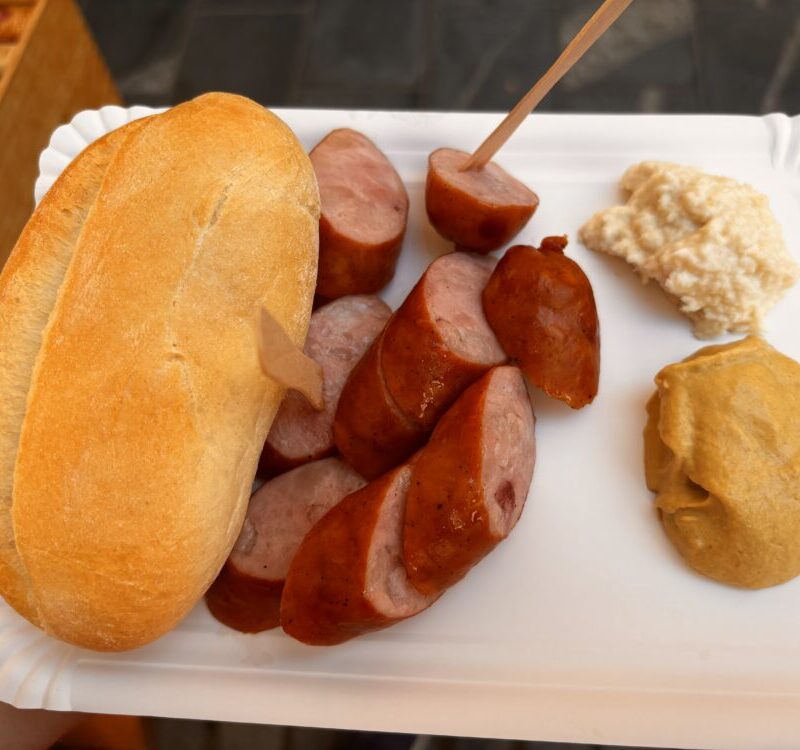
Ultimate Weekend Guide to Exploring Jakarta

Meta Description:
Discover Jakarta like never before — from bustling street food stalls and secret rooftops to peaceful islands just an hour away. This ultimate weekend guide helps travelers save money, explore hidden gems, and navigate the city with confidence. Perfect for first-time visitors or weekend wanderers looking for an authentic Indonesian escape.

🗺️ Table of Contents

  1. Introduction: Why Jakarta Deserves a Spot on Your Weekend List
  2. Getting There & Visa Tips
  3. Smart Transport Hacks to Save Time & Money
  4. Where to Stay — Neighborhoods with Personality
  5. Hidden Gems You Can’t Miss
  6. Street Food & Nightlife Adventures
  7. Smart Travel Tools & Affiliate Recommendations
  8. Useful Local Words for Travelers
  9. FAQs
  10. Final Thoughts & CTAs

Why Jakarta Deserves a Spot on Your Weekend List

Jakarta is Indonesia’s wild mix of chaos, charm, and charisma. It’s where skyscrapers brush the clouds, yet spicy nasi goreng and sate ayam still rule the streets.

If you’ve visited Kuala Lumpur, Singapore, or even Bangkok, Jakarta offers a perfect blend of all three — energetic, flavorful, and unapologetically authentic.

One of my favorite memories here was sipping kopi tubruk (traditional coffee) in an alley café while a sudden tropical rain turned the streets into silver mirrors. Instead of running for cover, locals just laughed, grabbed umbrellas, and kept eating noodles under the rain. That’s the spirit of Jakarta — always alive, always delicious.

So, your calendar has miraculously cleared for a glorious 48 hours, and you’ve decided to spend it in the electrifying, chaotic, and utterly captivating heart of Indonesia? Excellent choice. Jakarta is a city that doesn’t just whisper; it shouts, honks, and sizzles. It’s a whirlwind of contrasts, where gleaming megamalls sit next to ancient temples, and the scent of frangipani mingles with the smoky aroma of street-side satay.

I’m here to be your guide for a whirlwind weekend that packs a punch, without the panic. We’ll dodge the tourist traps, master the art of the Gojek ride, and find those quiet moments of bliss amidst the beautiful chaos. Ready? Ayo! (That’s “let’s go!” – you’ll be needing that).

A Quick Note: For a deep dive into my travel philosophy and all my gear recommendations, my Travel Master List is your new best friend. I’ll be linking to some of my other geographically-close adventures from there to help you plan a longer Southeast Asia trip!

Getting There & Visa Tips

Good news for travelers from most ASEAN countries — no visa required for stays under 30 days!
For others, Indonesia offers Visa on Arrival (VoA) for around USD 35, valid for 30 days and extendable once.

✈️ Smart Booking Tip:
I always book flexible flights and stays through Expedia. They’ve saved me multiple times when plans changed last minute (and trust me, in Jakarta’s traffic, plans will change).

Smart Transport Hacks to Save Time & Money

Jakarta is infamous for its traffic jams — locals even have a word for it: macet (traffic congestion). But don’t worry; here’s how to move smarter than the gridlock:

🚇 MRT Jakarta: The cleanest, most time-efficient way to explore the city’s main axis (from Bundaran HI to Lebak Bulus).

Trains for the Win: The Jakarta MRT (Mass Rapid Transit) and LRT (Light Rail Transit) are modern, clean, efficient, and a godsend for beating traffic along their main routes. Use them to get between the SCBD/Sudirman area and the city center.

🚌 TransJakarta Bus: Great for budget travelers — costs less than $0.50 per ride and has dedicated lanes to beat traffic. The TransJakarta bus rapid transit system is extensive and cheap, but can be confusing and very crowded for first-timers. The newer JakLingko buses are a good alternative.

🚕 Grab & Gojek Apps: For door-to-door convenience. If you’re short on time, hop on a Gojek motorbike taxi — fast, thrilling, and cheap! Ride-Hailing Apps (Your Best Friend): Download Gojek and Grab immediately. They are lifesavers. You can book motorbike taxis (ojek), cars (GoCar/GrabCar), and even order food delivery. A Gojek bike ride is the fastest way to weave through traffic and it’s incredibly cheap. For a comfortable, air-conditioned ride, the car options are still very affordable.

🚗 Smart Route Tip: Use Google Maps with real-time traffic (download offline maps before arrival). Avoid peak hours (7–9 AM and 5–7 PM).

The Hard Truth About Driving: I do not recommend renting a car. The traffic is stressful, parking is expensive and scarce, and the rules can feel… interpretive. Save your sanity and use the apps and trains.

💡 Budget Tip: Avoid airport taxis — take the DAMRI Airport Bus for just IDR 40,000 (~$2.50) to central Jakarta.

Where to Stay — Neighborhoods with Personality

  • Menteng: Green, quiet, and classy — perfect for first-timers.
  • Kemang: Artsy, youthful, and full of cafés.
  • Kota Tua (Old Town): Historic charm with colonial buildings and museums.
  • Thamrin: Central and convenient for nightlife and shopping.

If you love luxury without the price tag, browse Expedia’s Jakarta hotel deals — flexible cancellation, exclusive weekend discounts, and verified traveler reviews.

Your Jakarta Game Plan: A Weekend Itinerary

The key to a successful Jakarta weekend is geography. Group your activities to avoid spending your entire trip in a taxi. Trust me on this one.

Day 1: The Old & The New

Morning (9:00 AM – 1:00 PM): Step Back in Time in Kota Tua
Start your day in the Old Town (Kota Tua). This area is Jakarta’s historical core, with Dutch colonial buildings surrounding the cobblestoned Fatahillah Square. It’s a photographer’s dream.

  • Must-Do: Rent a colorful bike for a silly, fun ride around the square. Pop into the Cafe Batavia for a coffee—it’s a time capsule with an incredible, quirky interior and a great people-watching balcony.
  • My Anecdote: Last time I was there, I got roped into a spontaneous photoshoot with a group of local students who were far more interested in practicing their English with me than seeing the sights themselves. It was a hilarious and heartwarming reminder of how friendly Jakartans are.
  • Transport Tip: Use the JakLingko (city bus system) or a GoCar (car-hailing via the Gojek app) to get here. Driving and parking here is a special kind of nightmare.

Afternoon (1:00 PM – 5:00 PM): Sky-High Views & Retail Therapy
After lunch (I insist you try Soto Betawi – a rich, coconut milk-based beef soup), head north to Ancol Dreamland to see the SeaWorld Ancol or simply enjoy the ocean breeze. Then, for a complete 180, make your way to the SCBD (Sudirman Central Business District) area. This is modern Jakarta in all its glass-and-steel glory.

Evening (6:00 PM onwards): Sunset Cocktails & Gourmet Bites
A rooftop cocktail as the sun sets over the Jakarta skyline is a quintessential experience. While my previous favorite, SKYE Bar & Restaurant, is currently temporarily closed, the good news is that Jakarta’s rooftop scene is spectacular.

My Top Alternative: ALEXA ROOFTOP LOUNGE

Head to ALEXA Rooftop Lounge at the ASHTA District in SCBD. The vibe here is electric, with stunning 360-degree views that rival any in the city. The music, the crowd, and the creative cocktail menu make for an unforgettable evening. It’s the perfect place to feel the pulse of modern Jakarta.

Pro-Tip: Jakarta’s rooftop bars are popular. Always check their social media pages (Instagram is best) for the latest opening hours, dress codes, and to see if you need a reservation, especially on weekends. A little planning ensures you snag the best spot for that perfect sunset photo!

A historic colonial building with white walls and green shutters, featuring a prominent entrance and clock tower, set against a clear blue sky in Jakarta.
The iconic Fatahillah Museum in Jakarta, showcasing Dutch colonial architecture in the historic Kota Tua area. Step back in time at the Fatahillah Museum in Kota Tua. This iconic building, once the heart of Dutch colonial administration, now houses the Jakarta History Museum. Don’t forget to rent one of the colorful bikes for a fun photo op on the square!
A close-up of a steaming bowl of Indonesian soup topped with fresh cilantro, peanuts, and various ingredients, set on a textured table with additional garnishes in the background.
A bowl of traditional Indonesian Soto Betawi, featuring rich coconut milk and savory beef, served with fresh cilantro on top. Your first spoonful of Jakarta in a bowl! This is Soto Betawi—a creamy, dreamy coconut milk broth packed with fall-apart tender beef. It’s the ultimate comfort food that’s both hearty and fragrant. Consider this your must-eat mission!


A bustling view of Jakarta’s cityscape, showcasing a vibrant street filled with people amidst towering skyscrapers. The beautiful, chaotic energy of Jakarta in one frame! This is the city’s heartbeat: a constant flow of people on the street, with the towering symbols of its rapid growth looking on. It’s a place where you can feel the pulse of modern Indonesia.
Aerial view of Jakarta's National Monument surrounded by green spaces and city skyline.
A stunning aerial view of the National Monument (Monas) surrounded by lush greenery and the Jakarta skyline, showcasing the vibrant energy of the city.

Day 2: Culture, Parks & A Glowing Finale

Morning (9:00 AM – 12:00 PM): A Cultural Immersion
Visit the Istiqlal Mosque, the largest in Southeast Asia. It’s a stunningly modern architectural marvel. Directly opposite is the Jakarta Cathedral, a beautiful neo-gothic church—a powerful symbol of the city’s religious harmony. Guided tours at the mosque are free and incredibly informative.

Afternoon (12:00 PM – 4:00 PM): A Green Escape & Souvenir Hunting
Escape the concrete jungle at Taman Suropati, a lovely, quiet park perfect for a stroll. Then, for souvenirs that aren’t tacky keychains, head to Pasaraya Grande in Blok M. It’s a department store dedicated to Indonesian craftsmanship, from beautiful batik fabrics to wood carvings.

Afternoon Alternative: Unleash Your Inner Child at Dunia Fantasi

If you’re traveling with family, or if you’re simply a kid at heart, swap the quiet park for an afternoon of thrills at Dunia Fantasi (often called Dufan). This enchanting theme park, located within the Ancol Dreamland complex, is a vibrant world of themed areas, from futuristic sci-fi zones to recreated Indonesian villages.

  • Must-Do: Don’t miss the Halilintar roller coaster for a serious adrenaline rush, and take a spin on the iconic Bianglala (Ferris wheel) for fantastic panoramic views of the park and the coastline.
  • My Anecdote: I have a core memory of being here years ago and getting utterly drenched on a log flume ride, much to the delight of my local friends who found my reaction hilarious. It was a sweltering day, so it was actually the perfect refreshment! The energy here, especially on a weekend, is absolutely infectious.
  • Transport Tip: The most straightforward way is to book a GoCar or GrabCar directly to “Dunia Fantasi.” The Ancol complex has a toll gate, and the driver will handle the small entrance fee for the vehicle.
  • Money-Saving Tip: Book your tickets online in advance through travel sites or the official Taman Impian Jaya Ancol website. You’ll often find discounts compared to buying at the gate, and you’ll save precious time.

Evening (5:00 PM onwards): The Glowing Hidden Gem
For your final night, I’m giving you a true hidden gem. Take a trip to Danau Biru (Blue Lake) in Bekasi (it’s a bit of a trek, so book a GoCar for a few hours). This isn’t a natural wonder—it’s a former mining pit filled with unbelievably turquoise water. The contrast with the stark, white cliffs is surreal, especially at dusk. It’s an Instagrammer’s paradise and a wonderfully weird way to say goodbye to Jakarta.

A woman in a light gray outfit and hijab kneels on patterned red carpet in the Istiqlal Mosque, surrounded by elegant columns and architectural features.
A woman prays inside the Istiqlal Mosque, Jakarta, showcasing the stunning modern architecture of the largest mosque in Southeast Asia. A moment of peace and scale. Istiqlal Mosque isn’t just the largest in Southeast Asia—its modern, minimalist interior creates an atmosphere of profound tranquility. Seeing worshippers here is a powerful reminder of the city’s deep spiritual heart.
A historical church with tall, ornate spires and a mix of architectural styles, surrounded by trees and greenery in an urban setting.
The stunning Jakarta Cathedral, a neo-gothic masterpiece, stands prominently against the skyline, showcasing the city’s architectural diversity. The stunning Jakarta Cathedral, a neo-gothic masterpiece that has graced the city’s skyline since 1901. Standing directly opposite the Istiqlal Mosque, it’s a powerful symbol of Jakarta’s religious harmony and architectural diversity.
Aerial view of a large, red-bricked castle with tall spires and surrounded by green trees and gardens, indicating a theme park setting.
The enchanting ‘Dunia Fantasi’ theme park in Jakarta, showcasing vibrant architecture and lush greenery. A splash of pure joy at Dunia Fantasi! This iconic Jakarta theme park is a riot of color, excitement, and laughter—the perfect place to let loose for an afternoon.
Aerial view of lush green hills and a serene body of water surrounded by misty mountains under a cloudy sky.
Aerial view of lush green landscapes blending with serene waters, capturing the natural beauty of Indonesia.

A group of people standing near a turquoise water body, surrounded by sandy terrain and a small hill in the background under a blue sky.
Visitors exploring the stunning turquoise waters of Danau Biru, a hidden gem near Bekasi, Jakarta.

Money-Saving Secrets & Hidden Gems

  • Eat Like a Local: The best food in Jakarta isn’t in malls. Hit the warungs and night food stalls. A meal can cost as little as $2-3.
  • Hidden Gem Cafe: Tucked away in Menteng is Kopi Oey Sabang, a fantastic vintage-style coffee shop serving traditional Indonesian snacks and drinks. It’s a cool, quiet respite.
  • Free Entertainment: People-watching in the malls and parks is a national pastime. The fountains at the Bundaran HI (Hotel Indonesia roundabout) are also a popular free spectacle at night.
  • 💎 My Camera Gear: To capture all the vibrant colors and stunning cityscapes, I swear by my trusty Sony Alpha a7 III. It’s the perfect travel companion for sharp, beautiful photos.
A busy street food scene in Jakarta, featuring various stalls and people enjoying local dishes at outdoor tables.
Vibrant street food scene in Jakarta, where locals embrace the city’s chaotic charm.

A large fountain in the foreground with people enjoying the water and surrounding area, featuring a prominent statue of two figures raising their arms in celebration against a backdrop of modern skyscrapers in Jakarta.
The iconic fountain and statue in Jakarta, surrounded by skyscrapers, showcasing the vibrant city life. The official welcome to the city! The Selamat Datang (Welcome) Monument stands at the heart of the Hotel Indonesia Roundabout, symbolizing the energy and hospitality of Jakarta. It’s been greeting visitors since 1962 for the Asian Games.

Street Food & Nightlife Adventures 🍜🌃

Jakarta’s food scene runs on flavor and fire. Start your night at Jalan Sabang or Pasar Baru — streets lined with sizzling satay, fried tofu, and noodle stalls that smell like heaven.

Try:

  • Sate Ayam (grilled chicken skewers with peanut sauce)
  • Martabak Manis (sweet pancake loaded with chocolate & cheese — yes, both!)
  • Nasi Uduk (fragrant coconut rice with fried chicken)

When the sun sets, the city shifts gears:

  • Basque: Trendy spot for tapas and expats.
  • Jalan Jaksa: Backpacker street that never sleeps — cheap beer, live music, good vibes.

Anecdote: One Friday night, my Grab driver dropped me in the wrong alley, and I ended up at a dangdut (Indonesian folk music) street party. I danced, laughed, and shared fried tempeh with strangers. Best wrong turn ever.

Survival Bahasa 101: Key Words for Your Trip

You’ll get by with English in most places, but a little effort goes a long way!

  • Terima Kasih (tuh-REE-mah KAH-see): Thank you.
  • Selamat Pagi/Siang/Sore/Malam (suh-LAH-maht): Good Morning/Afternoon/Evening/Night.
  • Maaf (mah-AHF): Sorry/Excuse me.
  • Berapa Harganya? (buh-RAH-pah har-GAHN-yah?): How much is it?
  • Tolong (TOH-long): Please (when asking for help).
  • Ya / Tidak (YAH / TEE-dak): Yes / No.
  • Tolong Please Help
  • Di Mana Toilet? Where is the toilet?
  • Berapa Harganya? How much does it cost?
  • Enak Sekali! Very Delicious!

Essential Pre-Trip Intel

  • Staying Connected: I learned the hard way that airport SIM counters are a rip-off and international roaming is a budget-killer. Now, I never travel without my Drimsim. It’s a global SIM that works in 190+ countries, including Indonesia. You just pop it in, top up via the app, and you’re online. No more hunting for local SIMs or bill shock. Get your Drimsim here and stay connected stress-free!
  • Travel Insurance: I never, ever leave home without it. From a stolen bag to a surprise case of “Bali Belly” that needs a doctor, it’s your financial safety net. I use and trust VisitorsCoverage to compare plans and find the right one for my trip. Get a no-obligation quote for your Jakarta trip here!
  • Online Security: Using public WiFi in cafes and hotels? Protect your data with a VPN. I’ve used NordVPN for years to keep my information secure and access content from back home. Click here to secure your digital life while traveling!

Jakarta Weekend Escape FAQ

Q: What is the best time of year to visit Jakarta?
A: The dry season (May-September) is ideal. You’ll have less chance of getting caught in a sudden, dramatic tropical downpour that can disrupt your plans.

Q: Is Jakarta safe for tourists?
A: Jakarta is generally very safe. Like any major city, be aware of your surroundings, don’t flash expensive jewelry, and keep your bag secure in crowded areas.

Q: What should I pack for a weekend in Jakarta?
A: Light, breathable clothing! It’s hot and humid. Pack a light sweater or scarf for the aggressively air-conditioned malls and a reusable water bottle. And don’t forget the sunscreen! Speaking of looking fresh after a long flight, I always pack my favorite K-Beauty sheet masks from Lakinza. They’re a lifesaver for de-puffing and getting that “glow from within” even when you’re running on travel fumes. Check out Lakinza’s amazing collection here and use code Lalax10 for a sweet discount!

Q: My flight to Jakarta got canceled! What can I do?
A: Don’t just accept it! You might be entitled to compensation. I use AirHelp to check my eligibility—they handle all the annoying paperwork and only get paid if I win. It’s saved me hundreds of dollars over the years. Check your canceled or delayed flight for compensation here!

Ready to Book Your Jakarta Adventure?

Your ultimate weekend escape is just a click away. I always book my flights and hotels through Expedia—their bundle deals have saved me a fortune, and their interface is so easy to use.

[Start planning your unforgettable weekend in Jakarta right here!]

So, what are you waiting for? Jakarta is calling. Pack your sense of adventure (and maybe an extra stomach for all the food), and get ready for a weekend you won’t forget.

Selamat Jalan! (Happy Travels!)

Universal Disclaimer/Disclosure Page:
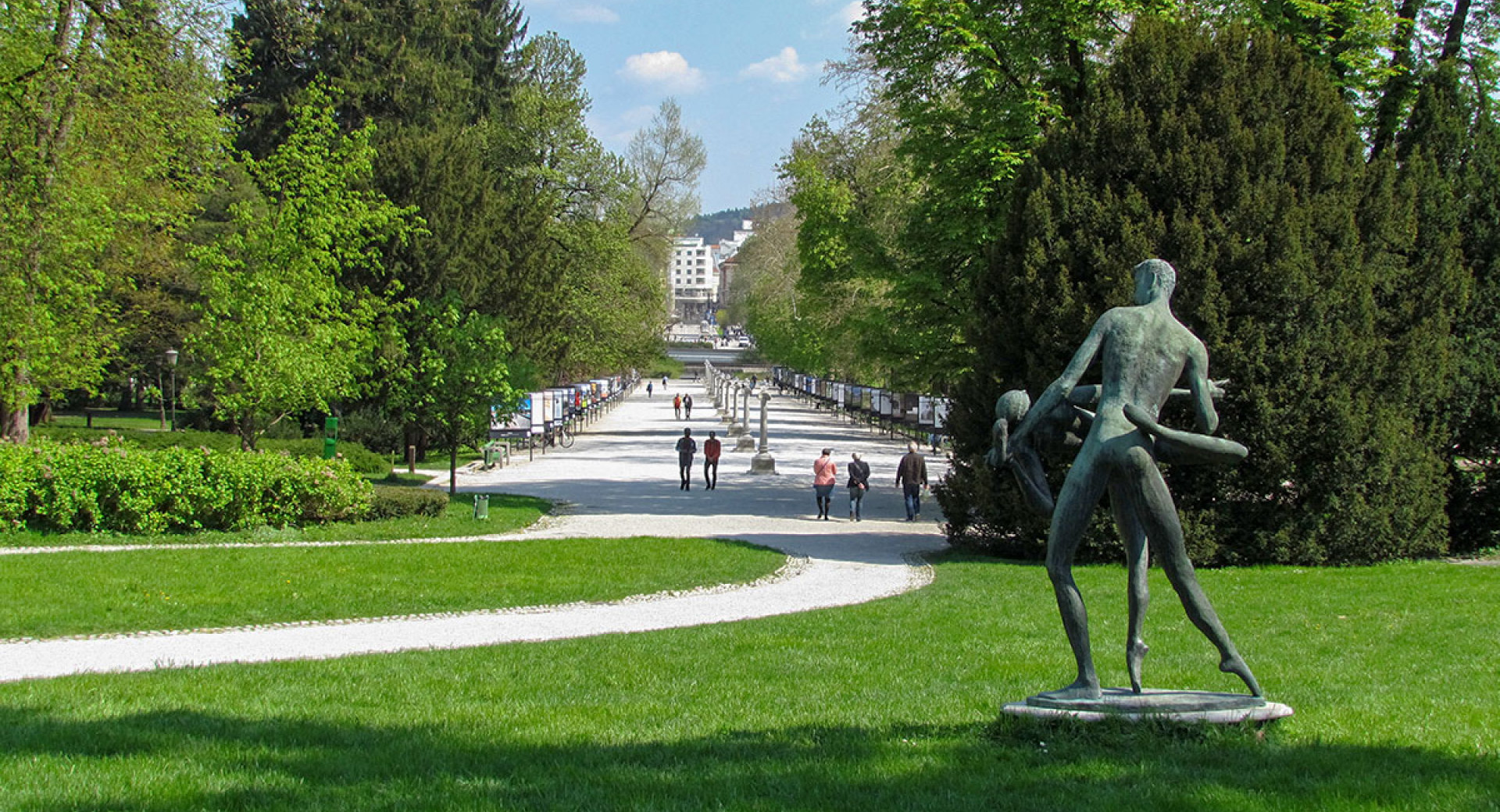
Ultimate Weekend Getaway in Manila: Your Insider Guide

Meta Description: Forget the long-haul planning—Manila is your next spontaneous getaway! Discover how to spend the ultimate weekend in the Philippines‘ capital, hitting the best spots, hidden gems, and local eats. Get detailed travel tips, save time with public transport hacks (LRT/MRT), and learn the Filipino phrases you need. Optimized for travelers seeking Manila weekend travel, history, and culture. Find your next adventure on [Expedia]!

The moment I stepped out of Ninoy Aquino International Airport (NAIA), the Manila heat hit me like a friendly, humid hug. The city felt alive, chaotic, and utterly mesmerizing. Forget what you think you know about this often-overlooked hub; Manila isn’t just a layover city—it’s a dynamic metropolis waiting to be explored. And you only need a weekend to scratch the surface.

I’ve been traveling Southeast Asia for years, and Manila always calls me back. It’s a city of contrasts: colonial Spanish walls standing tall next to towering modern skyscrapers, and the scent of street food mingling with exhaust fumes. Trust me, it’s a ride, and with this hyper-efficient, time-saving itinerary, you’ll master it like a local.

Alright, let’s be real. Manila doesn’t always get the best press. People talk about its traffic, its chaos, its sheer, unadulterated energy. And you know what? They’re not wrong. But they’re also missing the point.

Manila isn’t a city you just see; it’s a city you feel. It’s a wild, beautiful, frenetic symphony of honking jeepneys, sizzling street food, and some of the warmest people you’ll ever meet. Tackling it in a weekend might seem ambitious, but trust me—with this plan, you’re not just checking boxes. You’re diving headfirst into the heart of the Philippines.

So, grab your sense of adventure (and maybe some deodorant, it’s humid), and let’s build your perfect Manila weekend.

Flights to Manila

Quick Tip: I never travel without my reliable Sony Alpha a7 III. It’s a workhorse for capturing everything from low-light church interiors to the vibrant chaos of a market.

Hotels in Manila

Table of Contents

  1. Your Manila Game Plan: A Weekend Itinerary
  2. Manila on a Budget: Money-Saving Hacks & Public Transport
  3. Hidden Gems & Local Secrets
  4. Essential Filipino Phrases for Travelers
  5. Travel Smarter, Not Harder: My Can’t-Live-Without Gear
  6. Frequently Asked Questions (FAQ)

Day 1: Old-World Charm & Sunset (Friday Evening to Saturday)

Friday Night: Arrive & Recharge

If you land on a Friday evening, the best advice I can give you is this: don’t try to fight the Friday rush hour traffic. It’s legendary. Instead, book your accommodation near a major transit line (like the LRT or MRT) or, better yet, in the walkable areas of Makati or Malate.

A detailed transit map of Greater Manila showing various transportation lines including MRT, LRT, and PNR, with highlighted routes and stops.
A comprehensive transit map of Greater Manila, essential for navigating the city’s transport systems.

I once spent two hours in an airport taxi because I thought I could “beat the traffic” at 6 PM. I was wrong. Utterly, hilariously wrong. Save yourself the stress, settle in, and grab a late dinner.

Saturday Morning: The Walled City (Intramuros)

Best Time to Visit: 8:00 AM – 10:00 AM (to beat the heat and the heaviest crowds).

Intramuros is the historic heart of Manila—a 400-year-old walled city built during the Spanish colonial period.

What to Do:

  1. Rent a Bamboo Bike (Bambike): Skip the kalesa (horse-drawn carriage) tour. Rent a bicycle made of bamboo! It’s eco-friendly, fun, and the perfect way to navigate the cobbled streets.
  2. Fort Santiago: The most significant spot. This is where the Philippines’ national hero, Jose Rizal, was imprisoned before his execution. It’s sobering and beautiful.
  3. San Agustin Church: A UNESCO World Heritage Site. The trompe-l’oeil ceilings alone are worth the visit.
A cyclist riding through a busy street in Manila, surrounded by traffic including cars and motorbikes, with urban buildings and power lines in the background.
A vibrant street scene in Manila showcasing the mix of local traffic, jeepneys, and cyclists navigating the bustling city. The organized chaos of a Manila street: a iconic jeepney shares the road with cars and a determined cyclist, showcasing the city’s vibrant and relentless energy.

Hidden Gem: Instead of the main tourist haunts, seek out the Baluarte de San Diego, a beautiful, quiet garden bastion. It’s less crowded and a perfect spot to take some breathtaking photos of the historic walls. By the way, the photos in this entire post? I shot them on my favorite travel camera. It’s light enough for a full day of touring but packs a professional punch.

Historical detail of the walled city of Intramuros in Manila, showcasing colonial architecture and intricate relief carvings. Walking through the main gate of Fort Santiago feels like stepping directly into the pages of Philippine history.
Historic church buildings in Intramuros, Manila, showcasing colonial architecture with intricate details and a blue sky backdrop.
Explore the historic charm of Intramuros, Manila’s 400-year-old walled city, highlighted by stunning colonial architecture and rich cultural heritage.

Day 2: Park Life, Shopping, and a Wild Night Out

  • Morning (Green Escape): Escape the concrete jungle at Rizal Park. It’s the country’s tribute to its greatest hero. See the Chinese and Japanese Gardens, the orchidarium, and the monument where guards change hourly. It’s a peaceful, green start to the day.
  • Afternoon (Retail Therapy): From there, you’re a short ride away from the mammoth SM Mall of Asia (MOA). Yes, it’s a mall, but it’s also a cultural experience. Grab lunch at the food court, do some people-watching, and walk along the MOA Baywalk. For a more unique find, check out my guide to hidden shopping gems in Southeast Asia.
  • Evening (Let Loose in Poblacion): As night falls, make your way to Poblacion, Makati. This neighborhood is the epicenter of Manila’s nightlife, with tiny speakeasies hidden behind unmarked doors, rooftop bars, and incredible international food stalls. My personal favorite is The Spirits Libraryfinding the entrance is half the fun.

The iconic globe structure at the Mall of Asia in Manila, showcasing the blend of modern architecture and bustling city life.
Interior of a stylish bar with a wooden counter, towering shelves filled with various bottles, and ambient lighting creating a cozy atmosphere.
The Spirits Library: A chic speakeasy in Makati, Manila, offering a unique nightlife experience with an extensive selection of spirits.

Manila on a Budget: Money-Saving Hacks & Public Transport

Manila can be cheap if you know how to move. Relying solely on taxis will drain your wallet and your sanity.

  • The Mighty Jeepney: This is the king of the road. They have set routes (look at the signs on the side) and are dirt cheap (around ₱13-20 for a short ride). How it works: Get in, pass your payment forward saying “Bayad po” (Payment, sir/ma’am), and your change will be passed back through the same human chain. To get off, tap on the roof or say “Para!” (Stop!).
  • The Train Systems (MRT & LRT): These are your best friends for beating traffic along major corridors. They’re fast and efficient, but can get packed during rush hour. Buy a single-journey ticket from the station.
  • Ride-Hailing (Grab): For comfort and convenience, Grab is the way to go. It’s more expensive than a jeepney but often cheaper and safer than hailing a random taxi. Pro Tip: During peak hours or rain, surge pricing is insane. Be prepared to wait it out.
  • Money-Saving Tip: Eat where the locals eat! Jollibee is a must-try cultural icon, but carinderias offer the most authentic and affordable meals. Point at what looks good and enjoy a feast for under $3.
Two friends enjoying a vibrant day in Manila, playfully posing near a Jollibee restaurant with colorful accessories. When in Manila, do as the locals do: grab your bestie, your wackiest sunglasses, and strike a pose outside a iconic Jollibee! This is the pure, unfiltered joy of a Filipino getaway.
A vibrant street food market in Manila, featuring various dishes displayed in stainless steel trays, with a vendor seated in the background.
A vibrant display of Filipino street food showcasing a variety of delicious dishes from a local market in Manila.

Hidden Gems & Local Secrets

  • The Art of Escolta: Tucked away in Old Manila, Escolta Street is a time capsule with beautiful, decaying Art Deco buildings now housing hipster cafes, art galleries, and a weekend flea market.
  • A Cemetery Like No Other: Manila North Cemetery isn’t your typical tourist spot. It’s a functioning city of the dead, where families live in mausoleums. It’s a profound, eye-opening look into a different way of life and death. Go with a guide to be respectful and safe.
  • Secret San Miguel: Skip the commercial beer and do a tour of the San Miguel Brewery. The history is fascinating, and the unlimited beer at the end is, well, glorious.

Essential Filipino Phrases for Travelers

Filipinos appreciate any attempt to speak their language. English is widely spoken, but these will earn you smiles.

  • Salamat (sa-la-mat) – Thank you
  • Magkano? (mag-ka-no) – How much?
  • Po (po) – A word of respect added to sentences. E.g., “Salamat po.”
  • Paano pumunta sa… (pa-a-no poo-moon-ta sa) – How do I get to…?
  • Masarap! (ma-sa-rap) – Delicious!
  • Ingat Take care A nice farewell.

Logistics & Manila Transit Hacks

Manila’s traffic is a monster, but you can slay it with the right strategy.

TransportBest ForPro Tip
LRT & MRTLong-distance travel between districts (e.g., Cubao to Malate).Buy a Beep Card for seamless entry; skip the ticket lines. Avoid rush hour (7 AM-9 AM and 5 PM-8 PM).
JeepneysShort hops and local immersion.The Ultimate Save: They are dirt cheap (around ₱10-20, or $0.20-0.40). Just remember to pass your fare forward and say “Para po!” when you want to get off.
Grab (App)Airport transfers and late-night travel.Essential. Safer and more reliable than random taxis. Always confirm the price before starting the trip.

Road Maps & Time-Saving: Always use a mapping app like Waze or Google Maps (download offline maps!). Manila’s road network is complex, but these apps will auto-suggest the fastest route, which often involves taking the train and then a short Grab ride, saving you major time and gas if you were driving.

Travel Smarter, Not Harder: My Can’t-Live-Without Gear

Let’s talk logistics. A smooth trip isn’t about luck; it’s about being prepared.

🌐 Stay Connected Instantly: I used to waste the first hour in a new country hunting for a SIM card. Not anymore. I now use Drimsim, a universal data SIM that works in over 190 countries the second you land. Top up via the app, and you’re online. No fuss, no hidden fees, just instant Instagram stories from the back of a jeepney.

🔒 Protect Your Data: I do all my booking and browsing on public Wi-Fi with NordVPN running. It’s non-negotiable for keeping your personal info safe from hackers, especially when you’re accessing bank accounts or booking your next hotel on sketchy airport networks.

✈️ Get Paid for Flight Chaos: Did your flight get delayed, canceled, or overbooked? You could be entitled to up to $650 in compensation! Most travelers have no idea. I use AirHelp to check my flights. They handle all the annoying paperwork with the airline and only get paid if you win. It’s the easiest potential travel bonus you’ll ever get.

🧴 Look Fresh After a Long Flight: A 15-hour flight can wreak havoc on your skin. My secret weapon? K-Beauty from Lakinza. Their sheet masks and serums are a hydration powerhouse. And because I love you guys, use code Lalax10 at checkout for a sweet discount. Because glowing skin shouldn’t cost a fortune.

🛡️ Don’t Skimp on Insurance: From a misplaced bag in Manila to a surprise hospital visit in Palawan, travel insurance has saved me more than once. I always compare plans on VisitorsCoverage to find the right fit. It’s the most boring part of travel planning, but the most important.

Manila Money & Visa Essentials

Visa Cost: Always check the latest visa requirements for the Philippines based on your nationality. Many countries have 30-day visa-free entry, which is perfect for a quick weekend. For longer trips, costs vary, but the peace of mind knowing you’re cleared to enter is priceless.

Cost-Saving: The Philippine Peso () is generally favorable.

  • Food: Street food is your best friend. A filling meal costs less than $2.
  • Lodging: You can find excellent budget hotels/hostels for $20-$40 a night.
  • Transportation: Sticking to the LRT/MRT and Jeepneys will cut your transport bill down to almost nothing.

Frequently Asked Questions (FAQ)

Q: Is two days enough for Manila?
A: It’s enough for a fantastic, high-energy taste! This itinerary is designed to give you the highlights and a real feel for the city’s soul without burnout. For a more relaxed pace, add a third day.

Q: What’s the best way to get from the airport to the city?
A: The Grab ride-hailing app is your most reliable and straightforward option from NAIA Airport. Official airport taxis are also available but agree on the meter (“meter, please”) before you go.

Q: Do I need a visa for the Philippines?
A: Citizens of many countries (including the US, UK, AU, CA, EU) get a 30-day visa-free stay upon arrival. Always check the latest requirements with the Philippine Bureau of Immigration before you travel. Visa costs vary for other nationalities.

Q: Is Manila safe for tourists?
A: Like any major city, be smart. Don’t flash expensive jewelry, be aware of your surroundings in crowded places, and use common sense. Stick to well-lit areas at night. Overall, Filipinos are incredibly hospitable and will go out of their way to help you.

Q: What’s the best time of year to visit?
A: The dry season from November to April is ideal. It’s hot but less rainy. Avoid the typhoon season from June to September if you can.

Is it a good base for other trips?

Absolutely! Manila is a major hub. For your next adventure, check out my other blogs which are 🗺️ Geographically Close to Manila, Philippines.

🇲🇾 Kuala Lumpur, Malaysia

📍 Weekend Adventure Guide to Kuala Lumpur
✈️ Only about 3.5 hours by flight — perfect for short regional trips.

🇸🇬 Singapore

📍 48-Hour Weekend Guide to Singapore
✈️ Around 3.5 hours away — Manila to Singapore is one of the busiest air routes in Asia.

🇹🇼 Taipei, Taiwan

📍 48-Hour Taipei Travel Guide: Must-See Attractions
✈️ Roughly 2.5 hours by flight — ideal for culture lovers and foodies.

🇯🇵 Osaka & Tokyo (Japan)

📍 48 Hours in Osaka: Your Ultimate Weekend Itinerary
📍 Ultimate Weekend Escape: Discover Tokyo’s Hidden Gems
✈️ About 4–5 hours flight — both are popular weekend escapes from the Philippines.

🇰🇷 Seoul, South Korea

📍 Explore Seoul: A Weekend Guide to History and Modernity
✈️ 4 hours by air — visa-free for Filipino travelers with certain conditions (like valid OECD visa).

🇭🇰 Hong Kong

📍 Ultimate Hong Kong Weekend Getaway Guide
✈️ Only 2 hours — quick, easy, and a classic favorite among Filipino travelers.

🇹🇭 Bangkok, Thailand

📍 Escape Bangkok: Top Weekend Getaways You Need
✈️ About 3 hours — ideal for combining with Manila trips for regional travelers.

🇦🇺 Sydney, Australia

📍 Explore Sydney: A Complete Weekend Itinerary
✈️ Roughly 8 hours by flight — longer, but within the same Asia-Pacific region.

🇨🇳 Shanghai, China

📍 The Ultimate Weekend Escape to Shanghai, China
✈️ Around 3–4 hours — another East Asian option with a visa requirement.

Manila is waiting to surprise you. It’s a city that demands you lean in, listen closely, and embrace the beautiful chaos.

What’s your number one Manila must-do? Let me know in the comments below! And for more travel guides and insider tips, don’t forget to check out my full Travel Master List.

Ready to Go?

Manila is a whirlwind, a sensory overload, and a city that truly gets under your skin. Don’t wait for a long vacation; dive in this weekend.

📌 Stop scrolling and start booking! Your two-day Philippine adventure is waiting.

Click here to find the best deals on flights and hotels for your Manila escape! [Book Your Manila Getaway Now!]

Planning your next city break? 🌍
Don’t forget to check out my complete guide — The Ultimate Weekend Escapes Around the World — for more weekend getaway ideas!

Universal Disclaimer/Disclosure Page:
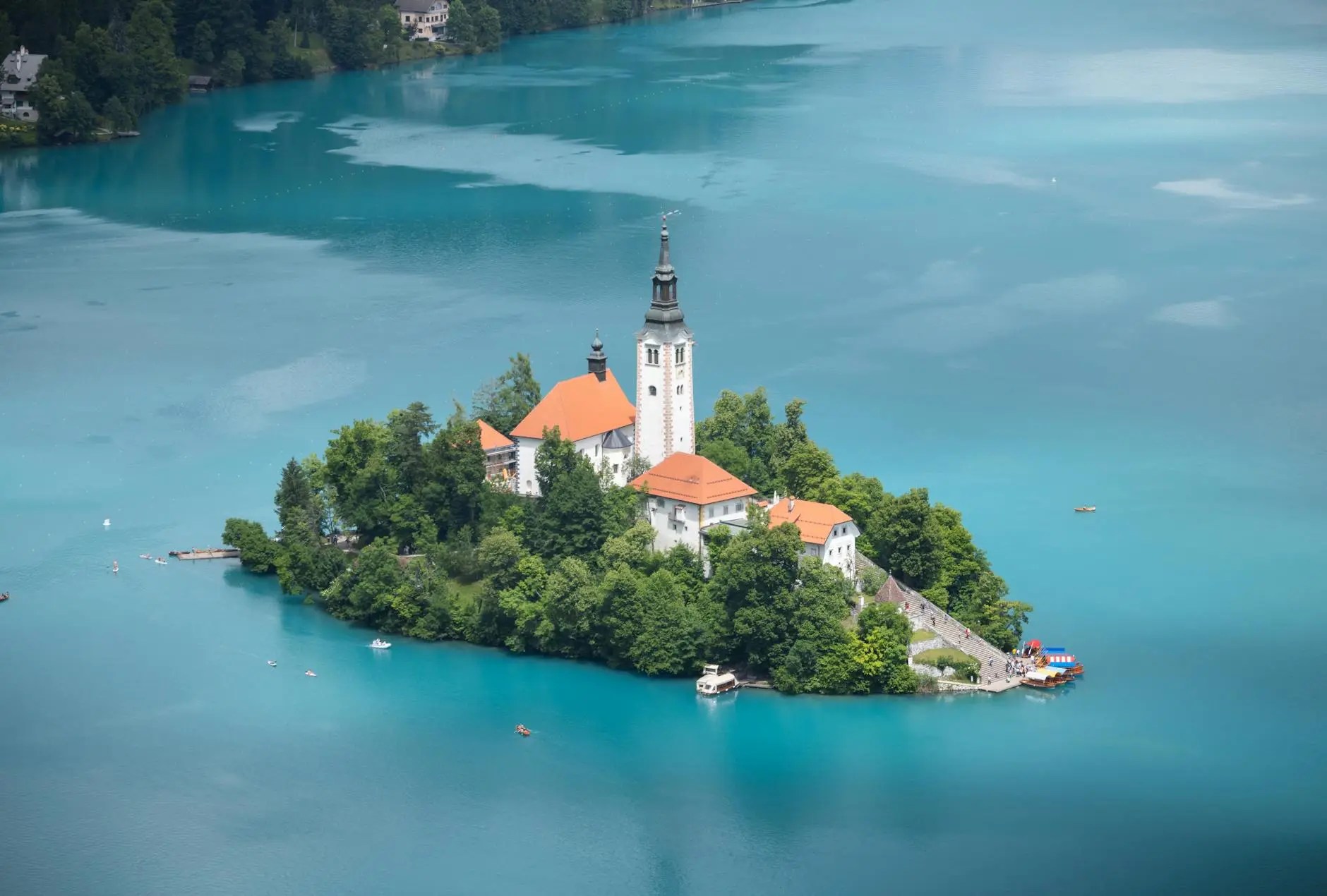
Explore Doha: Your Ultimate Weekend Travel Guide

Meta Description: Unlock the magic of Doha, Qatar, with our ultimate weekend guide for travelers. Discover luxury hotels, vibrant Souq Waqif, and essential travel tips. Optimize your trip with logistic advice, hidden gems, and visa info. Start your perfect Doha escape now!

A Note Before We Begin: A Human Story

I’ll let you in on a secret: Qatar was never high on my list. I imagined just a stopover destination, a blur of glass towers and desert heat. But when a friend challenged me to do a real weekend escape—48 hours—I accepted. What I found was a city where glittering skyscrapers meet ancient traditions, all wrapped up with a surprising amount of accessible, world-class culture. It was overwhelming, hilarious, and ultimately, one of the best spontaneous trips I’ve ever taken. Trust me, Doha is more than an airport—it’s an adventure.

Alright, let’s be real. Your vacation days are precious, and the thought of spending half of them on logistics is a special kind of torture. You want an escape that’s long on adventure and short on hassle. Somewhere that feels a world away, but won’t demand a world-saving amount of time or money to enjoy.

If that resonates, then let me let you in on a secret: Doha, Qatar is your answer.

I landed in Doha on a whim, lured by a killer flight deal and a desperate need for sunshine. What I found was a city that effortlessly blends ancient tradition with jaw-dropping modernity, all served with a side of incredible hospitality. You can genuinely get a taste of its magic in a single, well-planned weekend.

So, grab your metaphorical passport (and maybe a real one), and let’s design your ultimate weekend getaway.

Table of Contents

  1. Preparation Station: Visa, Cost, and Connection
  2. The 48-Hour Itinerary: Time & Money-Saving Logistics
    • Day 1: History, Hustle, and High Tea
    • Day 2: Art, Architecture, and The Pearl
  3. Doha’s Hidden Gems: Skip the Crowds
  4. Getting Around Doha: The Confident Commuter’s Guide
  5. Smart Travel Toolkit: My Must-Have Resources
  6. Arabic Crash Course: Words You Need to Know
  7. FAQ: Your Doha Travel Questions Answered

Preparation Station: Visa, Cost, and Connection

First things first, let’s talk logistics to save you time and money.

Visa & Cost Check

Great news for many global travelers: Qatar offers visa-free entry for citizens of over 80 countries. You generally get a free visa on arrival for a period of 30 or 90 days. Always double-check your specific nationality, but this often means one less thing to stress about!

As for cost, Doha can swing from budget-friendly street food to ultra-luxury dining. By leveraging the excellent public transport (more on that below) and mixing in some market meals, you can keep costs down.

Money-Saving Tip: Skip the expensive hotel transfers. A standard taxi from Hamad International Airport (DOH) is much cheaper, or even better, take the Metro for just a few Qatari Riyals (QAR).

Flights to Doha

Staying Connected & Secure

Staying connected abroad can be tricky, especially with insane roaming rates. That’s why I carry a universal solution: a flexible, multi-country SIM. You simply pop it into your phone, top up through an app, and you’re online in nearly 200 countries without those ridiculous hidden fees. No more hunting for local SIM cards or stressing over sky-high bills. If you’re planning your next getaway, check it out here: SIM Card for Traveling Around the World.

Also, remember that public Wi-Fi can be a minefield for your personal data, especially when booking flights or accommodations. A Virtual Private Network (VPN) is your shield against snoopers, and it can also help you access content that might be geo-restricted. Don’t travel naked online—get protected now: Secure Your Connection with NordVPN.

Hotels in Doha

Day 1: Modern Marvels & Market Mystique (Friday)

  • Morning (9:00 AM): Fuel up with a strong Arabic coffee. Fridays start slow, so this is your chance to beat the crowds to The Museum of Islamic Art (MIA). Trust me, the building itself—perched on its own island and designed by I.M. Pei—is worth the visit. The art inside is simply a magnificent bonus.
  • Afternoon (1:00 PM): Hop on the pristine Doha Metro (more on that below) to Souq Waqif station. Emerge from the air-conditioned comfort into another century at the Souq Waqif. Get lost in the labyrinth of alleyways. Smell the spices, admire the falcons, and let the atmosphere wash over you. For lunch, skip the tourist traps right at the entrance and dive deeper. I found a tiny place serving the most incredible Machboos (a spiced rice and meat dish) that cost me less than a fancy coffee back home.
  • Evening (5:00 PM): As the sun begins to set, make your way to the Doha Corniche. This 7-km waterfront promenade offers the iconic, postcard-perfect view of the West Bay skyline. The light at “golden hour” is pure magic.
  • Night (7:00 PM): For dinner, head back into the Souq Waqif. This time, the vibe is completely different—buzzing, lively, and magical. Find a rooftop shisha cafe, order a mint tea, and just watch the world go by. You’ve earned it.

A view of the Museum of Islamic Art in Doha, Qatar, framed by palm trees and a pathway with a water feature leading towards the building.
The serene pathway leading to the Museum of Islamic Art in Doha, surrounded by lush palm trees and water features. The grand approach to the Museum of Islamic Art—where the journey through Islamic culture begins long before you even step inside. This walk is a masterpiece in itself.

A bustling scene at Souq Waqif in Doha, Qatar, featuring men on horseback in traditional attire, surrounded by colorful market stalls and woven textiles.
Traditional horse riders in Souq Waqif, Doha, showcasing the blend of culture and modernity. Where past and present trot side-by-side. Catching a glimpse of traditional horse riders against Doha’s futuristic skyline is a quintessential Souq Waqif moment.

A traditional dish featuring two pieces of spiced grilled chicken served on a bed of flavorful yellow rice, garnished with fresh herbs and slices of tomato.
A delectable plate of Machboos, a traditional Qatari dish featuring spiced rice and succulent grilled chicken, garnished with fresh herbs.
A stunning view of the Doha skyline at night, showcasing skyscrapers illuminated with vibrant lights reflecting on the water.
Stunning view of Doha’s illuminated skyline at night, showcasing a blend of modern architecture and vibrant city life.

A scenic view of Doha's skyline during twilight, featuring modern skyscrapers illuminated with colorful lights, reflecting in the water of a landscaped promenade.
Stunning view of Doha’s skyline at dusk, showcasing a blend of modern skyscrapers illuminated against the evening sky.
A beautifully illuminated spiral mosque tower at night, showcasing traditional Islamic architectural elements against a dark sky.
Illuminated spiral minaret of the Fanar in Doha, showcasing its stunning architecture at night. The magnificent spiral minaret of Fanar – Qatar Islamic Cultural Center, standing as a beautiful beacon between the traditional Souq Waqif and the modern city.

Desert Thrills & Artistic Delights (Saturday)

  • Morning (8:00 AM): This is non-negotiable. Book a half-day desert safari. I booked mine through my go-to platform, Expedia, and it was the highlight of my trip. You’ll be picked up from your hotel, driven into the stunning Khor Al Adaid (Inland Sea), and experience the rollercoaster-like thrill of dune bashing. Pro tip: Wear something you don’t mind getting sandy!
  • Afternoon (2:00 PM): Return to the city, dust yourself off, and head to the Katara Cultural Village. This place is a beautiful complex of galleries, an amphitheater, and mosques. It’s the creative heart of Doha. Grab a late lunch here—the options are fantastic.
  • Logistics Tip: The Doha Metro (Red Line) is your best friend. Take it to the Katara Station for Katara Cultural Village, and then use a short, affordable taxi ride (or the local bus service) to complete the journey to The Pearl.
  • Evening (6:00 PM): End your weekend with a bang at The Pearl-Qatar. This artificial island is ridiculously opulent, with marinas full of yachts and designer boutiques. It’s the perfect place for a final stroll. For a truly memorable dinner, consider one of the restaurants at the Venice-inspired Qanat Quartier.
Two SUVs driving on sand dunes under a blue sky with clouds.
Experience the thrill of dune bashing in the stunning deserts of Doha, Qatar. Holding on tight! Our 4×4 becomes a rollercoaster on golden waves during an unforgettable dune bashing session in the Qatari desert. Spoiler alert: the screams are all joy.
A beautifully patterned tower surrounded by greenery, under a clear blue sky in Doha, Qatar.
A beautifully designed minaret surrounded by greenery, showcasing the architectural elegance of Doha. A masterpiece of mosaic art. The stunning Blue Mosque in Katara Cultural Village is a kaleidoscope of Persian-inspired patterns, proving that spiritual places can take your breath away.
An aerial view of a marina in Doha, Qatar, showcasing numerous luxury yachts docked in vibrant blue waters, surrounded by modern high-rise buildings and palm trees.
A stunning aerial view of a marina in Doha, showcasing luxurious yachts against a backdrop of modern skyscrapers.

Getting Around Doha: Metro, Karwa & Clever Tricks

Navigating Doha is surprisingly easy, which is a huge time-saver. Doha has invested heavily in transportation, which is great for us travelers who like to save money and time

  • Doha Metro: This is your best friend. It’s clean, fast, cheap, and the stations are works of art. The Gold Line is your main artery for tourist spots, connecting the airport to MIA, Souq Waqif, and West Bay. Get a reusable travel card from any station.
  • Karwa Buses: The bus network complements the metro beautifully and reaches areas the metro doesn’t. The Karwa app is decent for planning routes. The Karwa public bus network is extensive and very affordable, especially for reaching areas the Metro doesn’t cover (like many parts of The Pearl). You need a Karwa Smartcard (pre-purchased at the airport or main stations) to ride. It takes a little more planning, but it’s a great way to save money.
  • Ride-Hailing & Taxis: Uber and Careem operate seamlessly here. They’re perfect for when your feet have given up or you’re traveling late at night. Official Karwa taxis are also metered and reliable.

💰 Money-Saving Transport Tip: Use the Metro for the long hauls (Airport to City, City to Pearl) and only use ride-hailing for the “last mile” to your specific hotel or restaurant. This combo saved me a fortune!

Beyond the Brochure: Doha’s Hidden Gems

Want to escape the tourist trail? Here are my personal favorites:

Abdul Wahhab Al Thani Mosque: While everyone photographs the Grand Mosque, this one, located near Souq Waqif, is a stunning example of Islamic architecture and is beautifully illuminated at night. It’s far quieter and offers a more contemplative experience.

The Falcon Souq: Tucked within Souq Waqif, this is where Qatar’s deep-rooted falconry culture is on full display. You’ll see these majestic birds being sold and groomed. It’s a unique sight you won’t forget.

Film City: This one’s an adventure. Located in the middle of the desert (you’ll need a 4×4 or a tour), it’s a mysterious, abandoned film set that looks like a traditional Arabic village. The silence and isolation are surreal.


Aerial view of Doha, Qatar, showcasing a mix of modern skyscrapers in the background and the traditional architecture of the nearby building with a domed roof.
A stunning aerial view of the Museum of Islamic Art, showcasing its unique architecture against the backdrop of Doha’s modern skyline.

A vibrant display of colorful textiles and traditional crafts at Souq Waqif in Doha, Qatar, showcasing intricate patterns and designs.
Colorful textiles and handicrafts on display at Souq Waqif, a vibrant marketplace in Doha, Qatar. A rainbow of tradition. Getting lost in the vibrant alleyways of Souq Waqif is a treat for the senses, where every textile tells a story and haggling is part of the fun.

A Traveller’s Little Black Book: Essential Doha Tips

  • Visa Info: Good news! Citizens of over 95 countries (including the US, UK, Canada, and most of Europe) can get a free visa-on-arrival for 30 days. Always double-check the latest requirements on the official Qatar government portal before you fly. For other nationalities, check out my guide on navigating visa processes on my Travel Masterlist.
  • Best Time to Visit: October to April is prime time. The weather is perfect—warm and sunny. Avoid the scorching summer months (June-August) unless you enjoy the feeling of a giant hairdryer blowing in your face.
  • Stay Connected (Without Going Broke): I learned the hard way that airport SIMs are a rip-off. Now, I never travel without my Drimsim. It’s a universal data SIM that works in 190+ countries, including Qatar. Pop it in, top up via the app, and you’re online. No more hunting for a store the moment you land. Get your Drimsim here and stay connected stress-free.
  • Stay Secure Online: Using public Wi-Fi at airports and cafes? A VPN is non-negotiable for protecting your data. I’ve used NordVPN for years to keep my bookings and personal info safe. Protect your digital footprint with NordVPN.
  • Peace of Mind is Priceless: For a short trip, I still never skip travel insurance. A twisted ankle in the desert or a canceled flight can ruin a trip and your budget. I use VisitorsCoverage to quickly compare and find a plan that fits my short getaways. Get a no-obligation quote for your trip here.
  • Flight Got Messed Up? If your flight to or from Doha is delayed or canceled, you might be owed compensation. Most people don’t claim it, but companies like AirHelp will fight the airline for you. I’ve used them successfully! It’s a nice surprise for your travel fund. Check your flight eligibility with AirHelp.
  • Finally, because that Doha sun can be tough on your skin, you’ll want to look your best for all those amazing photos! I always pack my favorite K-beauty essentials. Discover the magic of Lakinza K-beauty for yourself.
  • ✨Use Code Lalax10 for a Sweet Discount
  • Because glowy skin should never break the bank. When you buy from Lakinza, use coupon code: Lalax10 at checkout to save a little extra for your next skincare haul. Trust me, you’ll want more.

Doha Decoded: A Few Handy Arabic Phrases

You’ll find English widely spoken, but a little Arabic goes a long way!

  • Marhaba (mar-ha-ba): Hello
  • Shukran (shook-ran): Thank you
  • Afwan (af-wan): You’re welcome
  • Kayf al-Hal? (kayf al-hal): How are you?
  • Insha’Allah (in-sha-al-lah): “God willing,” used for future plans. You’ll hear this everywhere!
  • Yalla (yah-lah): Let’s go! / Come on!

FAQ: Your Doha Travel Questions Answered

QuestionAnswer
What is the best time to visit Doha to avoid crowds?The absolute best time is between November and early April. The weather is pleasant (even cool!) and perfect for walking. Avoid the summer (May-September) when it’s scorching hot and very humid.
Is Doha expensive for a weekend trip?It can be, but you can save money by using the Metro, staying outside the primary luxury districts, and eating at local spots in Souq Waqif and Al Wakra. Accommodation is the biggest variable, so be savvy when you book with Expedia!
What should women wear in Doha?While Qatar is becoming more relaxed, it is respectful to wear modest clothing in public, especially when visiting religious or traditional sites. Think shoulders and knees covered, loose-fitting clothing is best to manage the heat.
Where can I find more of your travel tips?I keep an updated directory of all my travel guides, budget breakdowns, and geographical deep-dives. You can check it out here at my Travel Masterlist.

🗺️ Cities Near Doha, Qatar (within ~2–3 hours flight or regional proximity)

🇧🇭 Bahrain

All your Explore Bahrain blogs are the nearest geographically:

🛫 Distance: About 140 km across the Gulf – just a 30-minute flight or 4–5 hours via causeway routes.

Keep Exploring!

Doha is a gateway to the Gulf. If you loved the architecture and luxury, you might want to consider what’s next!

Happy travels, and I’ll see you on the next adventure!

“Explore more weekend destinations around the world”


Universal Disclaimer/Disclosure Page:
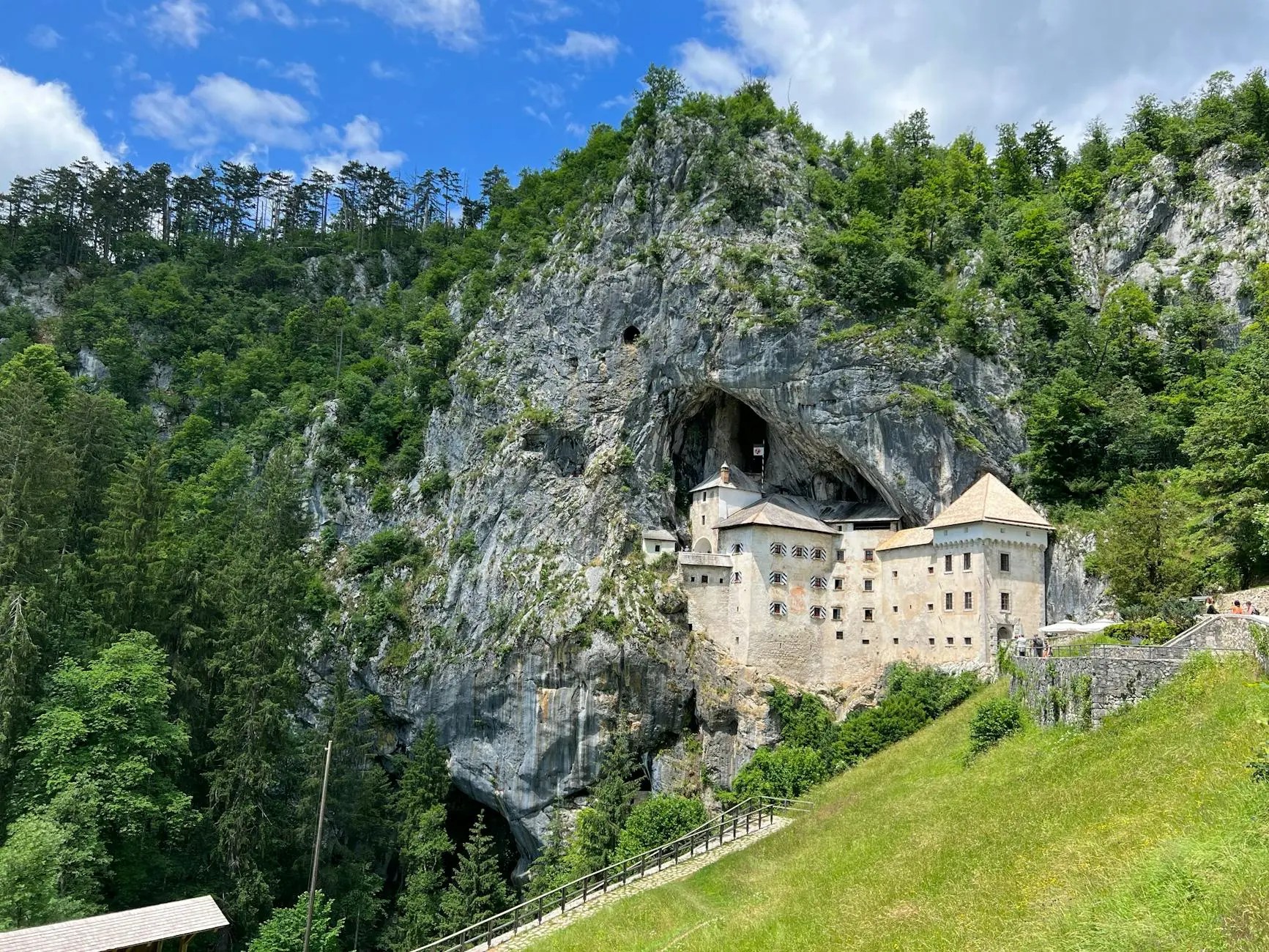
48 Hours in Bruges: Your Ultimate Travel Guide

Meta Description: Escape the ordinary with our ultimate 48-hour guide to Bruges, Belgium! Discover hidden canals, taste authentic Belgian chocolate, and save money with local transit tips. Perfect for first-time European travellers. Optimize your trip for time and budget.

The Ultimate Weekend Escape to Bruges, Belgium 🇧🇪

If you’ve ever scrolled through Instagram and stumbled upon a fairytale town that looks like it was drawn by a golden-age Disney animator, you were probably looking at Bruges (Brugge). Known as the “Venice of the North,” this charming Belgian city is a UNESCO World Heritage site that manages to be both immaculately preserved and totally buzzing.

I first visited Bruges on a whim after a stressful week. I needed a real escape—the kind where your biggest decision is “waffle or fries?”—and Bruges delivered. It’s compact, walkable, and unapologetically romantic. You can soak up centuries of history without needing to navigate a labyrinthine metropolis.

Ready to trade spreadsheets for stepped gables and traffic jams for tranquil canals? Grab a coffee (or a strong Belgian beer), because here is your ultimate, time-and-budget-saving guide for the perfect weekend in Bruges.

Let’s be honest, you’ve seen the pictures. A maze of cobblestone lanes, dreamy canals reflecting centuries-old architecture, and the heavenly scent of warm waffles and chocolate drifting through the air. Bruges isn’t just a city; it’s a living, breathing postcard.

But is it possible to truly experience its magic in just a weekend? Absolutely. I’ve done it, stumbled on the perfect waffle shop, gotten blissfully lost, and learned a few things along the way. Consider this your personal, no-nonsense guide to conquering Bruges in 48 glorious hours.

Table of Contents

  1. Getting There: Logistics Made Easy
    • When to Go & How to Avoid the Crowds
    • The Smart Traveler’s Transport Guide
  2. 48 Hours of Fairytale: My Perfect Itinerary
    • Must-See Marvels & Hidden Gems
    • Local Flavours: Beer, Chocolate, & Frites
  3. Money-Saving Hacks & Local Wisdom
    • Travel Insurance & Staying Connected
    • A Few Handy Dutch Phrases
  4. Extend Your Adventure: Nearby Destinations
  5. FAQs & Final Call to Action

Getting There: Logistics Made Easy

Getting to Bruges is half the fun, and planning it right can save you hours of travel time and stress (and gas money!).

Why Bruges is the Perfect Weekend Trip

Bruges (or Brugge in Flemish) is compact, incredibly walkable, and feels like you’ve stepped directly into a storybook. Unlike sprawling metropolises, its main attractions are close together, making it ideal for a short, immersive break. It’s the kind of place where the journey from a world-class museum to a cozy, hidden pub is just a picturesque five-minute stroll.

For more European weekend inspiration, check out my guide to Paris, Nice, Frankfurt, Munich,

The Smart Traveler’s Transport Guide

Whether you arrive by air, train, or car, planning your final leg is key.

By Train 🚂 (The Stress-Free Option)

The train is the most efficient way to arrive. Bruges’ main station (Brugge Station) is a 15-20 minute walk from the historic centre.

  • From Brussels: A direct train takes about an hour.
  • Money-Saving Tip: If you’re under 26, look into the Go Pass 1 or Go Pass 10 for significant discounts on Belgian rail. If you’re coming on a Friday evening and leaving on a Sunday, check for the Weekend Ticket, which offers a substantial discount on return travel within Belgium.
  • Pro Tip: Don’t buy a bus ticket inside the station. Just outside, Bus Line 12 runs directly to the main square. You can pay the driver, but buying a De Lijn (the Flemish bus company) day pass via their app is usually the best value if you plan to use buses often.
Map showing the route and stops of Bus Line 12 in Belgium, connecting areas including Waregem, Zulte, and Dentergem.
Map of the route for Bus Line 12 in Belgium, highlighting connections from Waregem to nearby towns.

By Car 🚗 (For the Road Trippers)

Driving gives you freedom, but parking in the centre is expensive and limited.

  • Time & Gas Saver Road Map Tip: When you hit Bruges, follow the R30 (the Ring Road) around the city centre. DO NOT drive into the inner medieval core. Instead, look for the Station Parking Lot (P+R Station). It’s incredibly cheap (€3.50 for a full day), and your parking ticket covers the cost of a return trip for up to four people on Bus Line 12 into the centre. This trick is a budget-saver and an instant logistics win!

Once you know your dates, securing your travel and accommodation in one go is a lifesaver. I always start my search for the best flights and hotels with Expedia. (for stress-free booking!)

Hotels in Bruges

Your Bruges Weekend Itinerary: A Step-by-Step Guide

Friday Evening: Arrival & First Impressions

Morning: The Holy Trinity of Bruges Start at the Grote Markt (The Markt). Look up at the colourful, intricate guild houses. My favourite thing to do here is climb the 366 steps of the Belfry of Bruges. Yes, it’s a workout, but the view of the terracotta rooftops is the definitive Bruges photo opportunity. When I finally made it to the top, sweating and slightly out of breath, a charming couple handed me a napkin—I was so red, I matched the brickwork!

Afternoon: Hidden History Wander a few minutes away to the Burg Square, home to the stunning Gothic Stadhuis (City Hall) and the Basilica of the Holy Blood. Afterwards, take a famous canal boat tour. At only €12-€15, it’s touristy, yes, but it offers a unique, low-to-the-water perspective that you simply can’t get otherwise.

Hidden Gem Alert: Ditch the crowds and find the Rozenhoedkaai (Quay of the Rosary). It’s widely photographed, but stick around until the evening. Once the sun starts to set, the silence and the golden light reflecting off the canal houses is pure magic.

Colorful medieval buildings with gabled roofs and flags in the historic center of Bruges, Belgium.
The stunning architecture of Bruges, featuring vibrant guild houses and historic statues in the town square. The heart of Bruges: The vibrant Markt square, where the 13th-century Belfry tower watches over a scene of colorful guildhouses and bustling cafes. This is the postcard view you traveled for!
Close-up view of the Belfry of Bruges, a historic bell tower with intricate stone architecture and a clock, set against a cloudy sky.
The iconic Belfry of Bruges, a UNESCO World Heritage site, stands tall against a cloudy sky, showcasing the city’s medieval architecture. The Belfry of Bruges: Your 366-step climb to the best view in the city. This 83-meter medieval tower has guarded the Markt square since the 13th century and houses a treasury and a carillon of 47 bells.
Aerial view of Bruges, showcasing its stunning medieval architecture and iconic canals.

Interior view of a beautifully decorated church with stained glass windows, a decorated altar, and visitors seated in pews, creating a serene and historical atmosphere.
Interior of the Basilica of the Holy Blood in Bruges, showcasing intricate artwork and an ornate altar.

A scenic view of a canal in Bruges, Belgium, with historic brick buildings and a boat filled with tourists. The sky is partly cloudy with lush green trees lining the waterway.
A picturesque view of Bruges, showcasing its charming canals and historic architecture, perfect for your weekend escape. The view that defines Bruges: Serene canals mirror the city’s medieval architecture, earning it the nickname “The Venice of the North.” This is the peaceful magic you’ll discover around every corner.
A scenic view of a canal in Bruges, Belgium, lined with historic brick buildings and autumn foliage.
A picturesque view of Bruges’ tranquil canals, surrounded by charming historical buildings and autumn foliage.

Day 2: Quiet Corners and Local Flavours

Morning: The Lake of Love Start your second day at the Minnewater (Lake of Love) and the surrounding Béguinage. It’s a tranquil pocket of serenity—perfect for a morning stroll and seeing the famous Bruges swans.

Local Flavours: The Trilogy You cannot leave Bruges without experiencing its edible trilogy:

  1. Fries (Frites): Find a frietkot (fry stand). Don’t call them French Fries; they’re Belgian! They are twice-fried and served with a dipping sauce—go for Andalouse (spicy mayo) or Samurai (more spicy mayo).
  2. Chocolate: Skip the tourist traps. My personal favourite is The Chocolate Line near the Markt, run by ‘Choc-o-latier’ Dominique Persoone. His experimental flavours (wasabi, anyone?) are a must-try.
  3. Beer: Belgian beer is an art form. Head to ‘t Brugs Beertje (The Bruges Little Beer) for an authentic pub experience with an extensive menu.
A whimsical display featuring a large animated potato and a French fry character, along with smaller fry characters, set against a backdrop of colorful curtains.
A fun display featuring animated potato and fry characters celebrating Belgian fries, a must-try local delicacy in Bruges.

History, Serenity & Last-Minute Souvenirs

  • Morning (10:00 AM): Visit the Church of Our Lady to see Michelangelo’s stunning marble sculpture, Madonna and Child. The peaceful atmosphere is a lovely way to start a Sunday.
  • Late Morning (11:30 AM): Get delightfully lost in the Begijnhof (Beguinage), a serene cluster of white-washed houses around a tranquil garden. It’s an oasis of calm. Remember, this is a place of quiet reflection.
  • Afternoon: Grab one last waffle (you know you want to) and pick up some souvenirs. The lace sold around the Minnewater park is beautiful, but be aware that much of it is not handmade.
Night view of Bruges reflecting in a canal, featuring illuminated buildings and the Belfry tower.
A stunning nighttime reflection of Bruges’ historic architecture and the iconic Belfry, showcasing the city’s enchanting beauty.

A picturesque view of Bruges, Belgium, showcasing a historic tower, a canal, and charming architecture under a partly cloudy sky.
A picturesque view of Bruges with a historic bell tower, charming architecture, and tranquil canals, showcasing the city’s fairytale-like allure.

A stone statue of a woman with a child, surrounded by colorful flowers in a planter, with a sign that reads 'de Maria'.
A serene statue of Mary holding a child, adorned with blooming flowers, creating a tranquil atmosphere in Bruges. An artistic pilgrimage: Michelangelo’s serene “Madonna and Child,” one of the few statues by the master to leave Italy, is the stunning centerpiece of the Church of Our Lady in Bruges
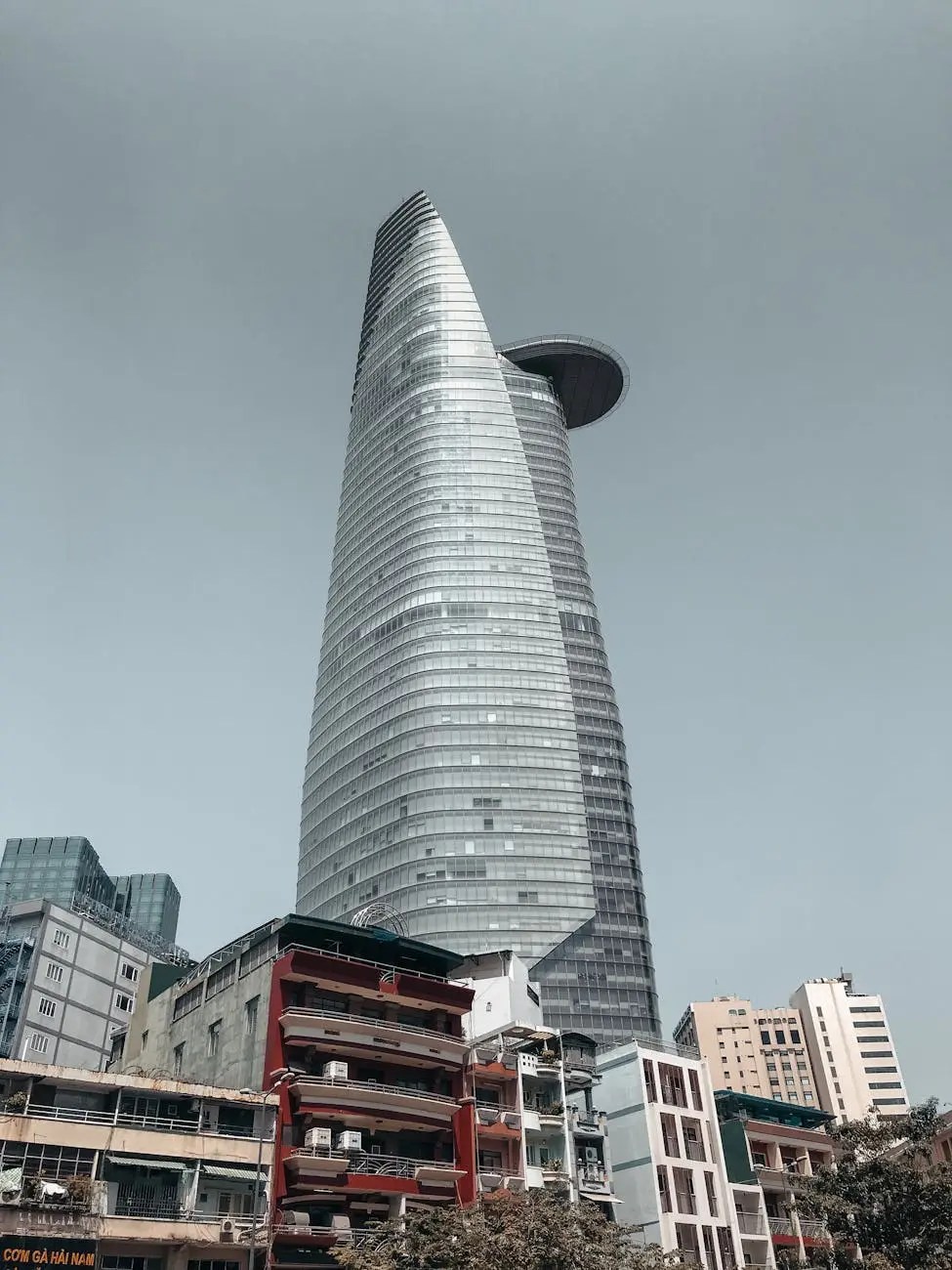
A serene view of the Beguinage in Bruges, adorned with blooming daffodils, perfect for a peaceful stroll.

A picturesque view of a red-bricked building with a tall spire, surrounded by lush trees and reflecting in a calm lake under a partly cloudy sky in Bruges, Belgium.
A picturesque view of a historic red-brick building next to a serene lake, reflecting the beauty of Bruges, Belgium. Discover the “Castle of the Lake of Love”: The fairytale Kasteel Minnewater, a 19th-century neo-Gothic gem tucked away in the city’s most romantic park. It’s the perfect spot to escape the crowds.

Beyond the Beaten Path: Hidden Gems You Can’t Miss

  • De Garre: Tucked down a tiny, easy-to-miss alley off the Breidelstraat, this pub serves a legendary triple beer that you won’t find anywhere else. Finding it feels like unlocking a secret level.
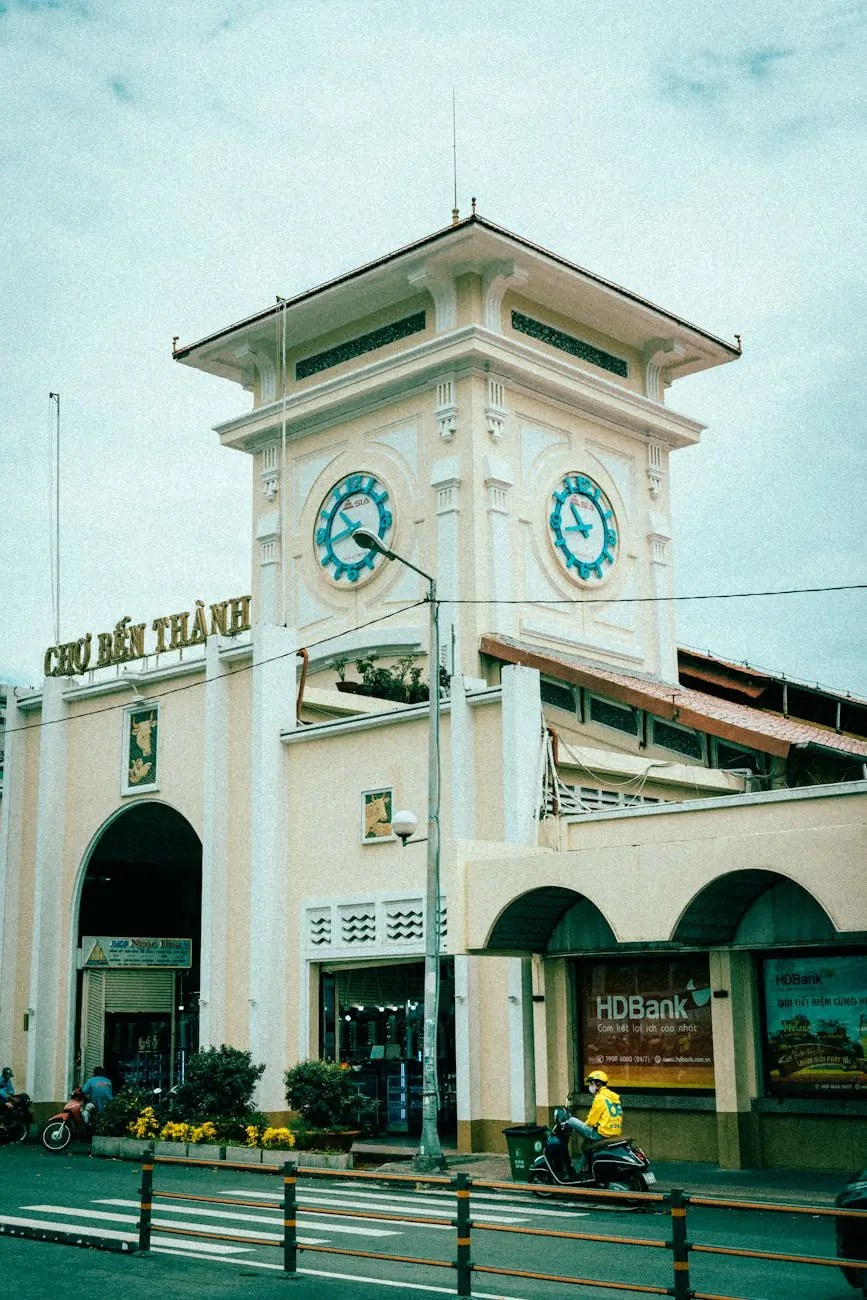
  • Windmill Walk: Escape the core crowds by walking along the city ramparts to the four remaining windmills. The view of the Sint-Janshuismill against the city skyline is a postcard-worthy shot few tourists get.
  • A Local’s Lunch: Skip the restaurant and head to a supermarket like Delhaize to assemble a picnic of local cheeses, meats, and bread. Enjoy it by the peaceful Minnewater (Lake of Love).
A vibrant park setting in Bruges featuring a historic windmill on a hill, surrounded by green grass and people enjoying the outdoors.
Stunning view of the iconic windmill at Minnewater Park in Bruges, surrounded by greenery and visitors enjoying a sunny day. A step back in time: The Sint-Janshuismolen, one of Bruges’ four remaining historic windmills, still grinds grain today. Climb the ramparts for this classic postcard view and a breath of fresh air.
Scenic view of a canal in Bruges, showcasing charming architecture and a boat filled with tourists navigating the serene waters.

Bruges on a Budget: Smart Tips for Savvy Travellers
Bruges can be pricey, but it doesn’t have to break the bank.

  • The Bruges City Card: If you plan on visiting multiple museums, this card is a no-brainer. It includes entry to many major sites, a canal boat tour, and public transport, saving you a significant amount. Calculate if it’s worth it for your itinerary.
  • Water is Free: Carry a reusable bottle. Tap water in Belgium is safe to drink and free, unlike the €3 bottles in tourist shops.
  • Picnic Power: As mentioned, picnics are your best friend for a cheap and delightful lunch.
  • Museums are Free?: Some museums, like the Archeological Museum, have free entry on the first Sunday of the month. It’s worth checking their schedules!

🛡️ Smart Travel Tip: No matter where your adventures take you, having the right travel insurance can save you from unexpected headaches (and bills). I personally recommend VisitorsCoverage — it’s a trusted platform where you can compare plans, find coverage that fits your trip, and book it in just a few clicks. Whether you’re planning a quick city escape or a longer international journey, it’s peace of mind worth packing.

Navigating Bruges Like a Local: Transport & Logistics

  • Getting In: Brussels Airport (BRU) is the main international gateway. The most efficient way to get to Bruges is by train. A direct service runs from Brussels Airport to Bruges station in about 1.5 hours. It’s comfortable, scenic, and drops you right near the city center. Book your train tickets in advance for the best prices.
  • Getting Around: Your feet are your best transport. The entire historic center is walkable. For longer distances, rent a bike—it’s the quintessential Belgian way to get around.
  • Driving? Don’t. Seriously. The center is a labyrinth of one-way streets and pedestrian zones. Park your car in a designated “Park & Ride” on the city’s outskirts—it’s cheap and includes a bus ticket into the center.

🌐 Connectivity Tip: Staying connected abroad can be tricky (and expensive if you’re relying on airport SIM counters or roaming). That’s why I carry a Drimsim—a universal SIM card that works in 190+ countries without hidden fees. You just pop it into your phone, top up through the app, and you’re online wherever your adventure takes you. No more hunting for local SIM cards or stressing over roaming bills.

And for booking flights and hotels safely from anywhere, especially on public Wi-Fi, I never travel without my NordVPN. It’s essential for protecting your personal data.

✈️ Flight Woes? Travel isn’t always smooth sailing—sometimes flights get delayed, canceled, or overbooked. The good news? You might be entitled to up to $650 in compensation under air passenger rights. Most travelers never claim it, but I’ve got you covered: just check your flight with AirHelp. They handle the paperwork, fight the airlines for you, and only get paid if you win. Easy, stress-free, and potentially a nice surprise for your travel fund.

A Taste of Bruges: Food & Drink Must-Tries

  • Waffles: The two main types are the denser Brussels waffle (rectangular, light) and the sweeter, doughier Liège waffle (oval with sugar pearls). Try both, I won’t judge.
  • Frites: Belgian fries are a religion. Get them with a dollop of mayonnaise from a dedicated frituur (fry shop).
  • Chocolate: Avoid the mass-produced shops. Look for artisanal chocolatiers with windows filled with creative pralines.
  • Beer: From Trappist ales to fruity Lambics, there’s a beer for every palate. Don’t be afraid to ask for a proefverpakking (a tasting platter).
A delicious Belgian waffle topped with fresh strawberries, blueberries, raspberries, and powdered sugar.
Indulge in a delicious Belgian waffle topped with fresh strawberries, raspberries, and blueberries, dusted with powdered sugar. Go on, you’ve earned it! A warm, sugar-crusted Liege waffle buried under a mountain of fresh berries is the ultimate fuel for a day of exploring Bruges.

Bruges Lingo: Words You Need

While most Belgians in tourist areas speak excellent English, knowing a few words in Dutch (the Flemish dialect) is always appreciated:

Dutch Word/PhrasePronunciation GuideMeaning
GoeiendagHoo-yeh-dahgHello/Good Day
Dank u welDahnk oo vellThank you
BruggeBroo-guhThe city’s name (local spelling)
AlstublieftAll-stoo-bleeftPlease/Here you go

Look Beautiful, Even on the Road

Travel can be tough on your skin, but glowy skin should never break the bank.

I never leave home without my K-beauty magic. Lakinza has become my secret weapon for maintaining that dewy look, even after a red-eye flight. You can explore their amazing selection here: Lakinza K-Beauty Magic

✨ Use Code Lalax10 for a Sweet Discount ✨

When you buy from Lakinza, use coupon code: Lalax10 at checkout to save a little extra for your next skincare haul. Trust me, you’ll want more.

FAQs for Your Bruges Trip

QuestionAnswer
Do they accept Euros?Yes, Belgium uses the Euro (€). While credit cards are widely accepted, always carry some cash for smaller local businesses or frietkots.
How safe is Bruges?Bruges is extremely safe, even at night. The biggest danger is tripping on the cobblestones after one too many Belgian beers! Standard precautions apply, but it’s very low-crime.
Is the Brugge City Card worth it?It depends on how many museums you plan to visit. If you only want to see the canals and the Markt, skip it. If you plan to visit three or more museums and the Belfry, it’s a great value.
Do I need to tip?Tipping is appreciated but not mandatory. Service is usually included in the price. Rounding up to the nearest Euro or leaving an extra 5-10% for excellent service in restaurants is common.

Final Call to Adventure!

Bruges is more than just a picture-perfect postcard; it’s a place that slows your heart rate and reminds you that sometimes, the best escape is a step back in time. Stop dreaming and start packing. What are you waiting for? Book that train ticket, grab that waffle, and tell the cobblestones I said hello! Start planning your ultimate Belgian getaway today! (Your dream trip is just a click away!)

Related Reading:
✈️ The Ultimate Weekend Escapes Around the World

Universal Disclaimer/Disclosure Page: