Ultimate Weekend Guide to Granada: History & Hidden Gems

Meta Description

Planning a weekend escape to Granada, Spain? This human‑written travel guide is crafted for curious travelers who want history, hidden gems, smart logistics, and money‑saving tips. SEO‑ and GEO‑optimized, packed with personal anecdotes, transport hacks, ferry options, affiliate deals, and insider advice to help you explore Granada confidently without wasting time or cash.

Ah, Granada. A city where the scent of orange blossoms mixes with the sound of flamenco drifting from a cave, where you can stand in a fortress built by sultans and watch the sunset over snow-capped mountains. I went for a long weekend, convinced I was just ticking the majestic Alhambra off my list. I left with my soul feeling fuller, my camera overflowing, and a profound belief that the best things in life are often free (hello, complimentary tapas!). This guide is your blueprint for an unforgettable, efficient, and deeply enriching weekend in this crown jewel of Andalusia.

Granada is the kind of city that sneaks up on you. One minute you’re admiring intricate Islamic tiles at the Alhambra, the next you’re eating free tapas with your drink and wondering why life doesn’t always feel this balanced. Tucked against the Sierra Nevada mountains in southern Spain, Granada blends Moorish history, student energy, and slow Andalusian charm—perfect for a long weekend that feels much longer (in the best way).

I still remember my first evening here: getting slightly lost in Albaicín, following the sound of a street guitarist, and accidentally discovering a viewpoint that made me forget my phone even existed. Granada does that to you.

Table of Contents

  1. Why Granada Is Perfect for a Weekend Escape
  2. Getting to Granada (Flights, Trains, Buses & Roads)
  3. Getting There by Ferry (Direct Ferries Guide)
  4. Getting Around Granada Like a Local
  5. Where to Stay (Smart Areas for First‑Timers)
  6. What to See in a Weekend (With Hidden Gems)
  7. Food, Tapas & Local Experiences
  8. Money‑Saving Tips for Granada
  9. Handy Spanish Words You’ll Actually Use
  10. Stay Connected, Protected & Stress‑Free Abroad
  11. FAQs for First‑Time Travelers
  12. Final Thoughts + Strong CTA

Why Granada Is Perfect for a Weekend Escape

Granada is compact, walkable, and endlessly atmospheric. You don’t need weeks here—48 to 72 hours is enough to see the highlights, slow down, and still leave wanting more. Compared to Barcelona or Madrid, prices are gentler, crowds feel manageable (especially if you plan smartly), and the culture feels deeply rooted rather than rushed.

It also pairs beautifully with nearby destinations—something I often recommend to travelers exploring Andalusia. If you’ve enjoyed historic city breaks before, you might also like Seville, Valencia, or Naples (all linked in my Travel Master List for easy planning)

Getting to Granada (Flights, Trains, Buses & Roads)

✈️ By Air

Granada has its own airport (GRX), but flights are limited. Most travelers fly into Málaga (AGP), which is well‑connected internationally and often cheaper.

Granada is inland, nestled at the foot of the Sierra Nevada mountains. While it has its own airport (GRX), it’s not a major international hub.

By Air: Federico García Lorca Granada-Jaén Airport (GRX) is about 17 km west of the city. It has good connections to major Spanish cities (Madrid, Barcelona) and some European hubs. The Alhambra Bus runs directly to the city center in about 45 minutes

👉 I usually compare flight + hotel bundles on Expedia because flexible cancellations have saved me more than once: 👉 Flights to Granada

Where to Stay

I usually filter stays on Expedia for “guest rating + location”—it’s saved me from booking regret more than once.

Hotels in Granada

🚆 By Train

By Train: The high-speed AVE train from Madrid to Granada takes about 3.5 hours and is a comfortable, scenic option. The station is well-connected to the city by bus and taxi.

From Málaga to Granada by train takes about 1h 15m–1h 30m. Renfe trains are comfortable, reliable, and surprisingly scenic once you leave the coast.

🚌 By Bus

ALSA buses run frequently from Málaga, Seville, and Córdoba. It’s budget‑friendly and often just as fast as the train.

By Bus: Often the most economical and well-connected option from other Andalusian cities. Companies like ALSA run frequent services from Seville, Málaga, and Córdoba. The main bus station is a short taxi ride from the center.

🚗 By Car (Road Tips)

Driving from Málaga to Granada takes around 1.5 hours via the A‑92. Roads are excellent, signage is clear, and fuel stops are frequent. Tip: avoid entering the Albaicín by car—streets are narrow and parking is… let’s say “character‑building.”

Getting There by Ferry (Direct Ferries Guide)

By Ferry: Here’s the important note: Granada itself does not have a ferry port as it is not on the coast. However, if you’re dreaming of a combined Spain trip with a ferry ride, your best bet is to sail into the nearby Port of Málaga or Almería. From these ports, you can easily rent a car or catch a direct bus (approx. 1.5-2 hours) to Granada. To check schedules and book ferry tickets to southern Spain from places like Morocco or the Balearic Islands, a great resource is Direct Ferries.

Granada itself doesn’t have a port, but ferry lovers aren’t left out.

The closest major ferry port is Málaga, which connects with routes from Morocco (Melilla) and seasonal Mediterranean crossings. You can:

  1. Take a ferry to Málaga
  2. Continue to Granada by train, bus, or car

To compare ferry routes, schedules, and prices, I recommend Direct Ferries—it’s the easiest way to see what’s actually running when you need it.

This combo works brilliantly if you’re mixing Spain with North Africa or doing a slower, more scenic Mediterranean journey.

Granada at a Glance: What You Need to Know

Granada is the dramatic finale of the Reconquista in Spain’s south. Its crown jewel, the Alhambra, is a sprawling palace and fortress complex that is a UNESCO World Heritage site and one of the most visited monuments in the world. But the city is more than just one site; it’s a layered experience of Moorish history, vibrant gypsy culture, and student energy.

  • Currency: Euro (€).
  • Language: Spanish. English is common in tourist areas, but a few basic phrases go a long way (see our guide below!).
  • Visa: For most US, Canadian, UK, and Australian travelers, no visa is required for tourist stays under 90 days within the Schengen Area. Always check the latest requirements with official sources before booking.
  • Best Time to Visit: Spring (April-June) and Fall (September-October) offer pleasant weather and fewer crushing crowds. Summer is fiercely hot, and winter can be surprisingly cold in the mountains.
  • City Vibe: Historic, passionate, youthful, and delightfully chaotic.

Getting Around Granada Like a Local

Granada is wonderfully walkable, especially the city center.

  • 🚶 Walking: Best for Albaicín, city center, and viewpoints
  • 🚍 Buses: Cheap and efficient—use buses C1 and C2 for hills
  • 🚕 Taxis: Affordable for short trips

I saved time (and my knees) by using buses uphill and walking downhill—simple, smart, and budget‑friendly.

Your Strategic Weekend Itinerary

This plan maximizes your time, balancing iconic sights with local flavor.

Day 1: The Majesty of the Alhambra & Albayzín Twilight

  • Morning (9:00 AM): THE ALHAMBRA. BOOK YOUR TICKETS ONLINE MONTHS IN ADVANCE. I cannot stress this enough. Tickets for the Nasrid Palaces are for a strict 30-minute entry window—miss it and you’re out of luck. Spend 3-4 hours exploring the intricate palaces, rugged Alcazaba fortress, and serene Generalife gardens.
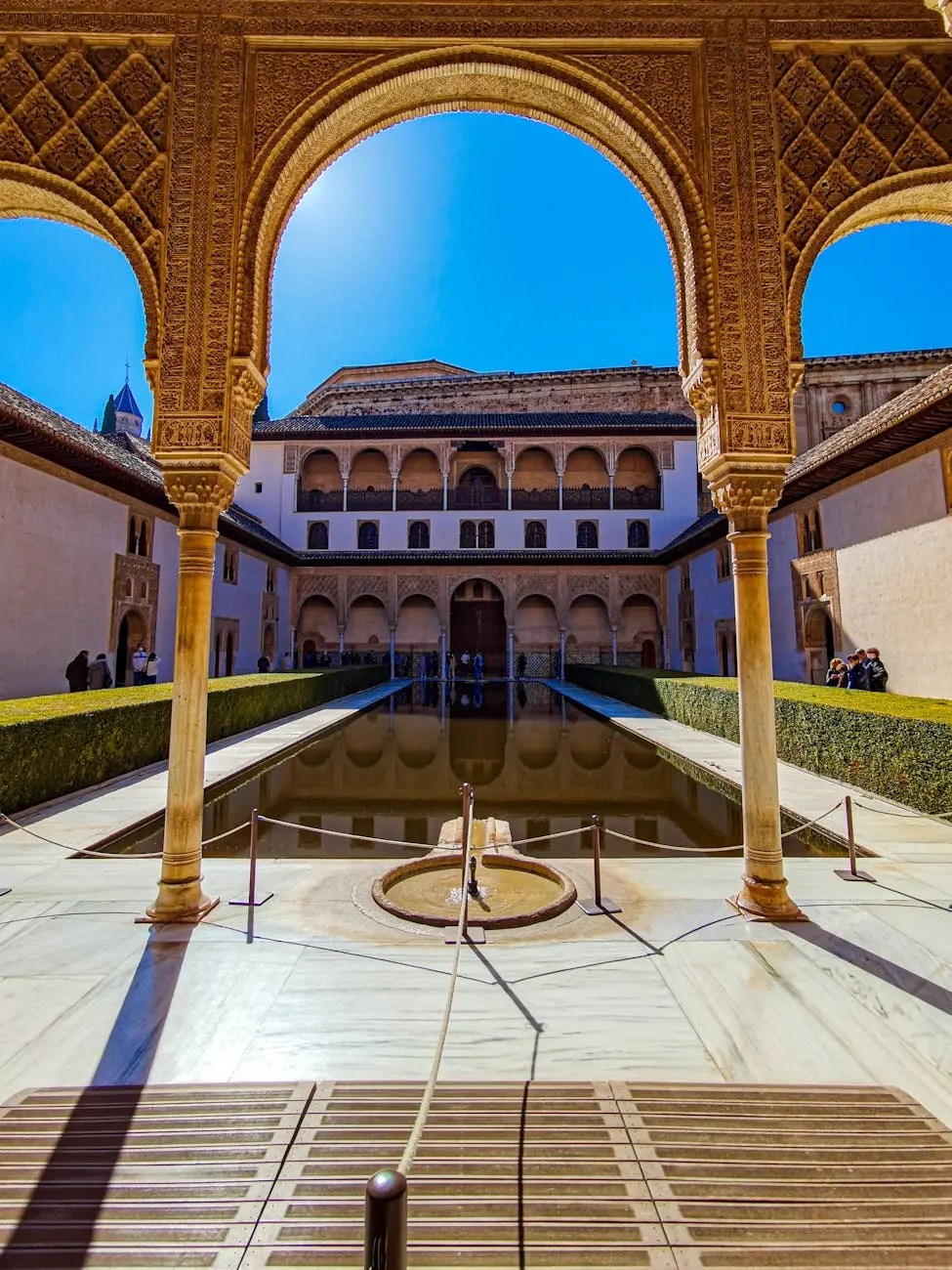
View of the Courtyard of the Lions in the Alhambra, featuring intricate arches, a central fountain, and lush greenery under a clear blue sky.
The stunning courtyard of the Alhambra, showcasing intricate Islamic architecture and serene reflections in the pool. The serene and stunning Court of the Myrtles, the central courtyard of the Nasrid Palaces, perfectly demonstrates Islamic architecture’s mastery of water, light, and geometry.

ALHAMBRA (Expedia)ALHAMBRA (Get Your Guide)
  • Afternoon (2:00 PM): Lunch in Realejo, the old Jewish quarter. Find a small bar for a ración of local cheese or grilled vegetables.
Realejo (Expedia)Realejo (Get Your Guide)
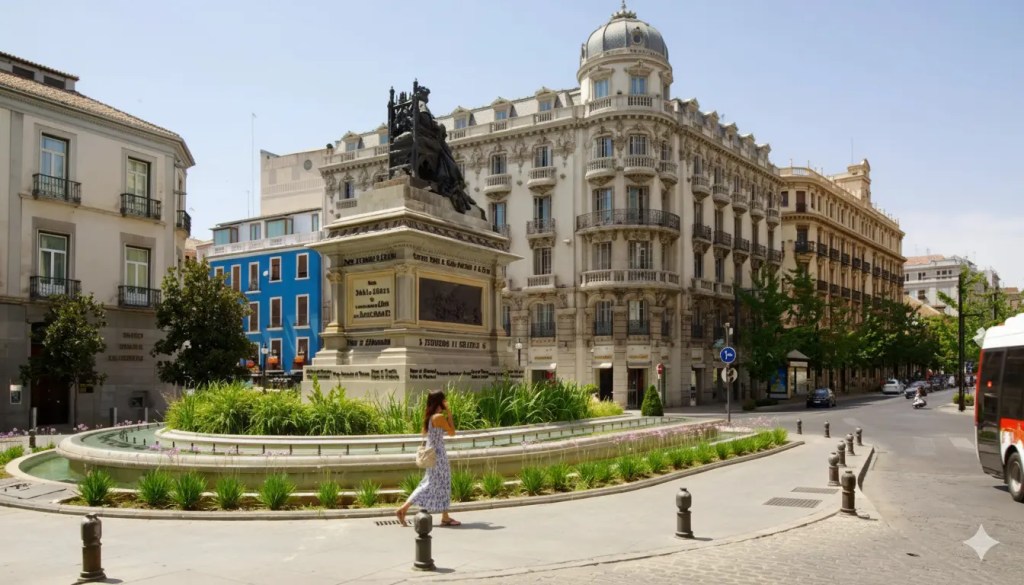
Monument to the Capitulations of Santa Fe in Plaza Isabel la Católica, Granada, showing a statue of Queen Isabella I presenting documents to Christopher Columbus.
A bustling square in Granada featuring a historic monument and the beautiful architecture of surrounding buildings. The historic monument in Plaza Isabel la Católica commemorates the 1492 agreement between Queen Isabella I and Christopher Columbus, which set his voyage to the Americas in motion.
  • Late Afternoon (5:00 PM): Walk up into the Albayzín, the ancient Moorish quarter. Get lost in its cobblestone lanes, whitewashed houses, and hidden cármenes (walled gardens). Make your way to the Mirador de San Nicolás for the classic, breathtaking view of the Alhambra against the Sierra Nevada.
Albayzín (Expedia)Albayzín (Get your guide)
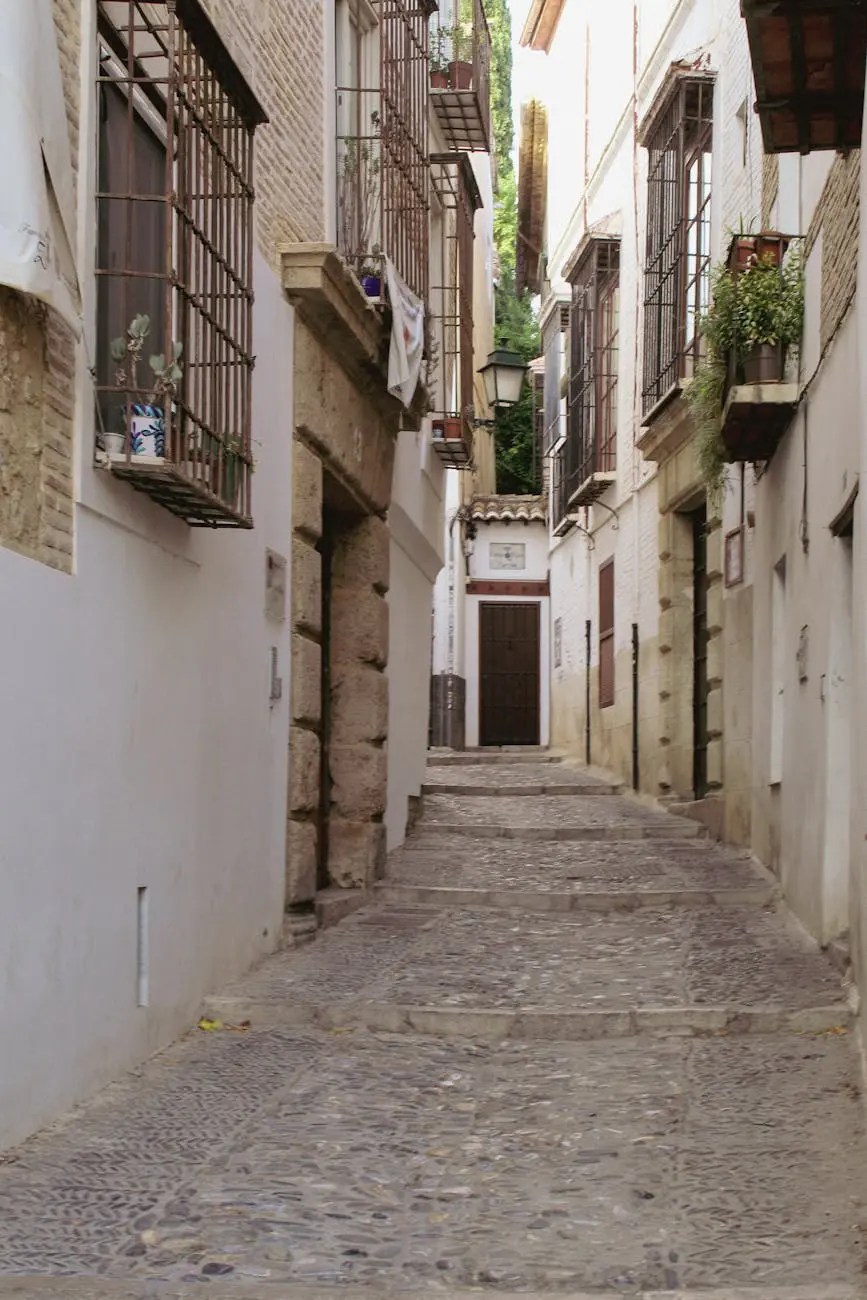
A narrow cobblestone street in Granada, Spain, lined with whitewashed buildings featuring wrought iron balconies and greenery.
A charming cobblestone alley in the historic Albaicín neighborhood of Granada, showcasing its traditional architecture and inviting atmosphere. Getting lost in the labyrinthine, shaded streets of the Albaicín is the best way to experience the atmosphere of Granada’s ancient Moorish quarter

  • Evening (9:00 PM): Dinner and flamenco. Skip the expensive, staged shows for a more authentic tablao in the Sacromonte cave district. The raw passion here is electric.
A panoramic view of the Alhambra, a historic palace and fortress in Granada, Spain, surrounded by lush greenery and set against the backdrop of the Sierra Nevada mountains.
Mirador de San Nicolas showing mountains, chateau or palace and heritage architecture
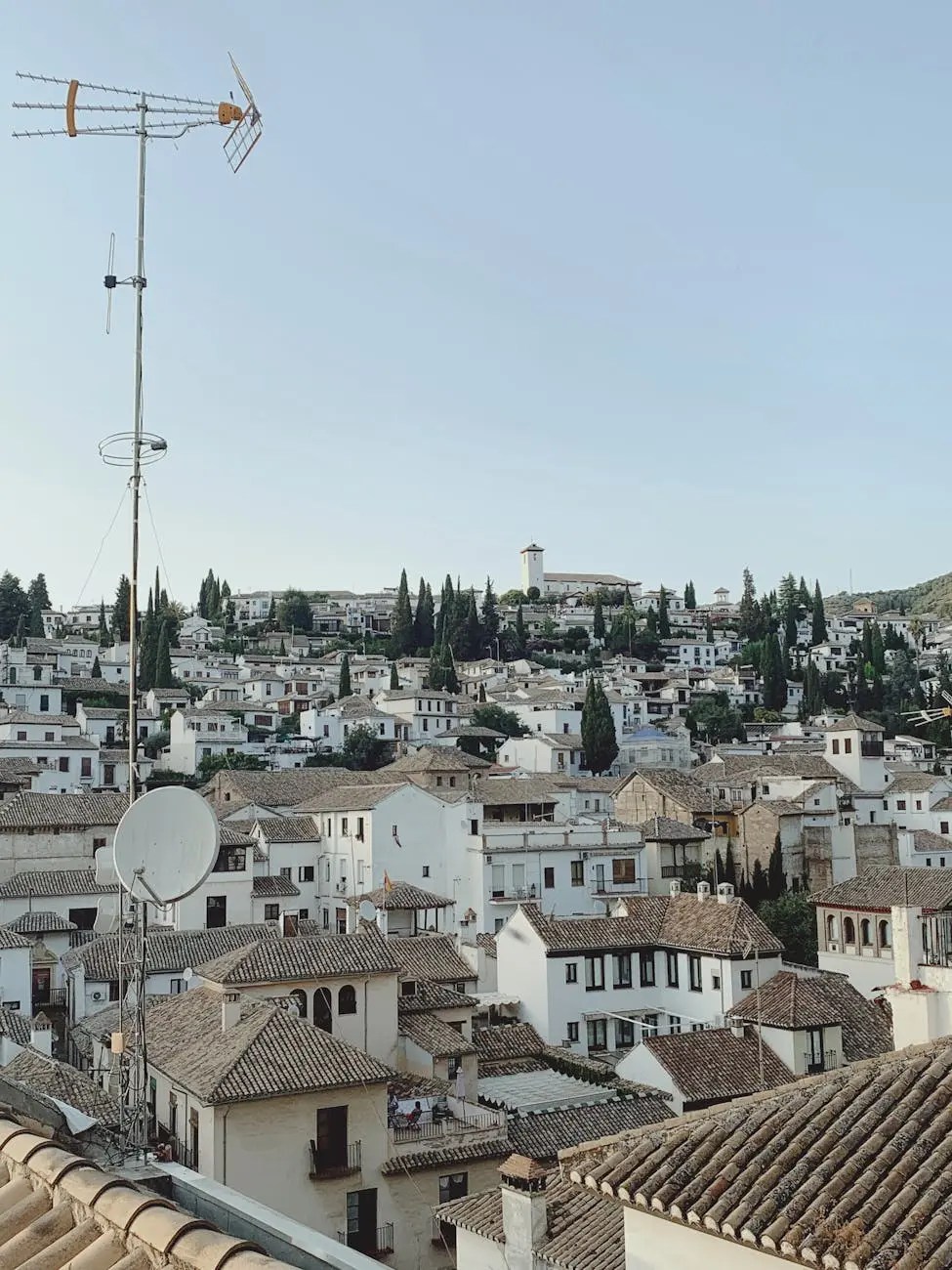
Scenic view of whitewashed houses and terracotta roofs in Granada, Spain, with a clear blue sky.
A panoramic view of Granada’s Albaicín neighborhood showcasing its iconic whitewashed houses and tile roofs against the backdrop of the Sierra Nevada mountains. A breathtaking aerial perspective reveals the dramatic relationship between the two UNESCO World Heritage sites: the organic maze of the Albaicín and the formidable Alhambra.
A dancer in a purple dress gracefully twirls with a flowing black shawl against a solid blue background.
A flamenco dancer captures the spirit of Granada with graceful movements and traditional attire. The intense emotion and precise movement of a flamenco performance embody the soul of Granada, especially in the historic Sacromonte caves.

Day 2: Cathedral Grandeur, Local Markets & Tapas Trail

  • Morning (10:00 AM): Visit the Royal Chapel (Capilla Real), the final resting place of the Catholic Monarchs, Ferdinand and Isabella. Then, explore the colossal Granada Cathedral right next door.
Royal Chapel (Expedia)Royal Chapel (Get Your Guide)
 Granada Cathedra (Expedia) Granada Cathedra (Get your guide)
  • Afternoon (1:00 PM): Wander through the Alcaicería, a maze of narrow streets that was once the Moorish silk market. It’s now full of shops selling spices, ceramics, and lamps.
 Alcaicería (Expedia) Alcaicería (Get your Guide)
  • Late Afternoon (4:00 PM): Granada’s Golden Rule: Drink, Get Fed for Free. Embark on a tapas crawl. In most granadino bars, every drink (a beer, wine, soft drink) comes with a free, substantial tapa. My strategy is to hop between bars in areas like Plaza Nueva or Calle Elvira, letting each drink decide my dinner. It’s social, delicious, and incredibly budget-friendly.
Plaza Nueva (Expedia)Plaza Nueva (Get your Guide)
Calle Elvirab (Expedia)Calle Elvira (Get your Guide)
  • Evening: Enjoy a leisurely stroll along the River Darro as the monuments light up.
River Darro (Expedia)River Darro (Get your Guide)
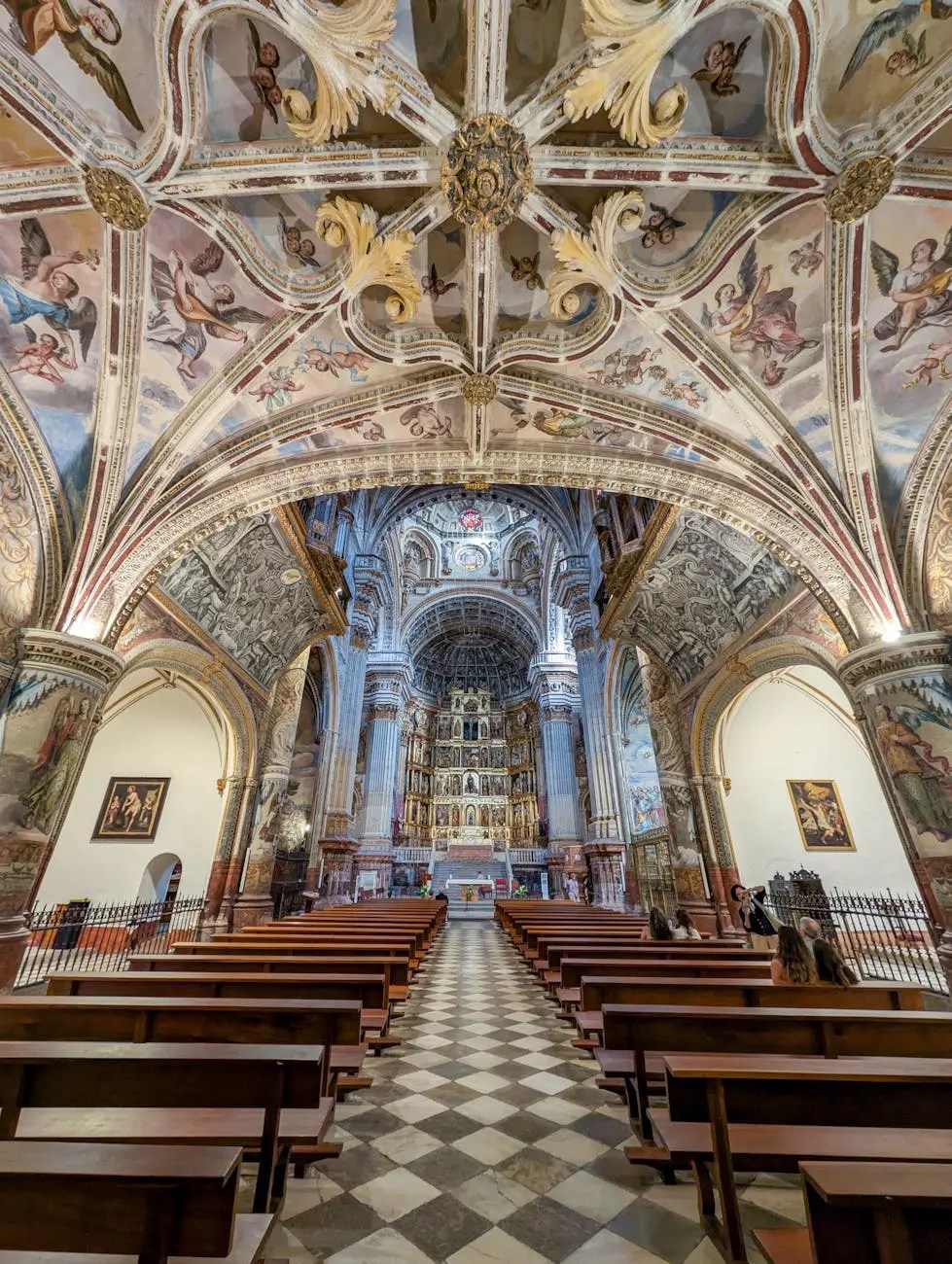
Interior view of a historic cathedral featuring intricate frescoes on the ceiling, ornate altar, and empty wooden pews leading towards the altar.
The ornate interior of Granada’s Royal Chapel, showcasing intricate frescoes and baroque architecture. The lavishly decorated church of the Royal Monastery of San Jerónimo, a masterpiece of Spanish Renaissance architecture and art.
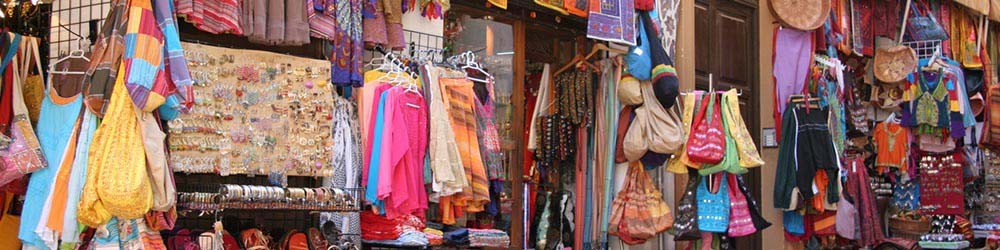
Colorful shops displaying a variety of textiles, clothing, and accessories in a vibrant market.
A vibrant market scene in Granada, showcasing colorful textiles, accessories, and local crafts that reflect the city’s rich culture.

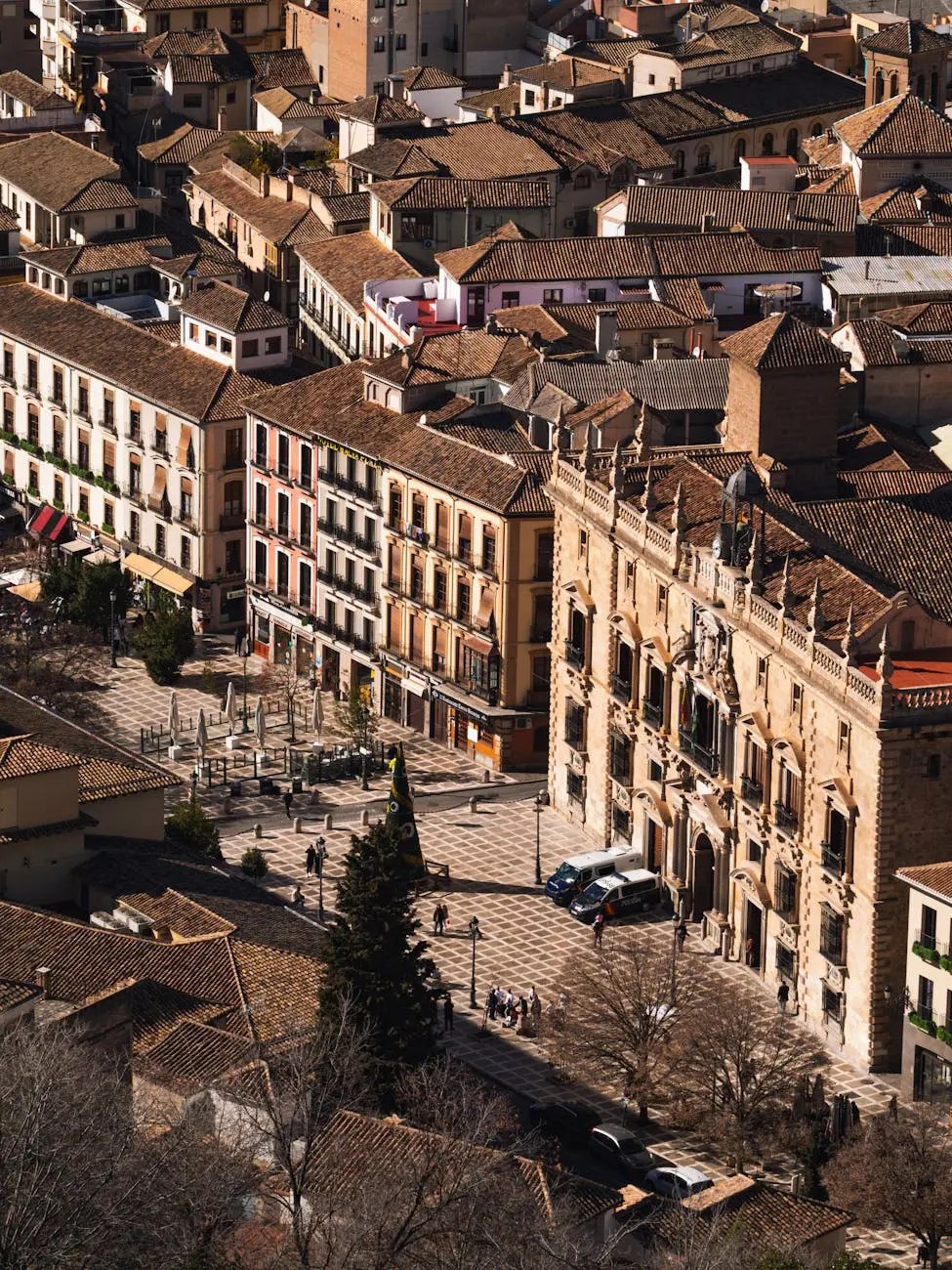
Aerial view of a historic square in Granada, Spain, featuring traditional Spanish architecture, tiled rooftops, and quaint streets lined with shops and cafes.
Aerial view of Granada’s charming rooftops and historic architecture showcasing the vibrant atmosphere of this Andalusian city. Plaza Nueva, the city’s oldest square, seen from above, revealing its strategic position at the foot of the Alhambra hill.
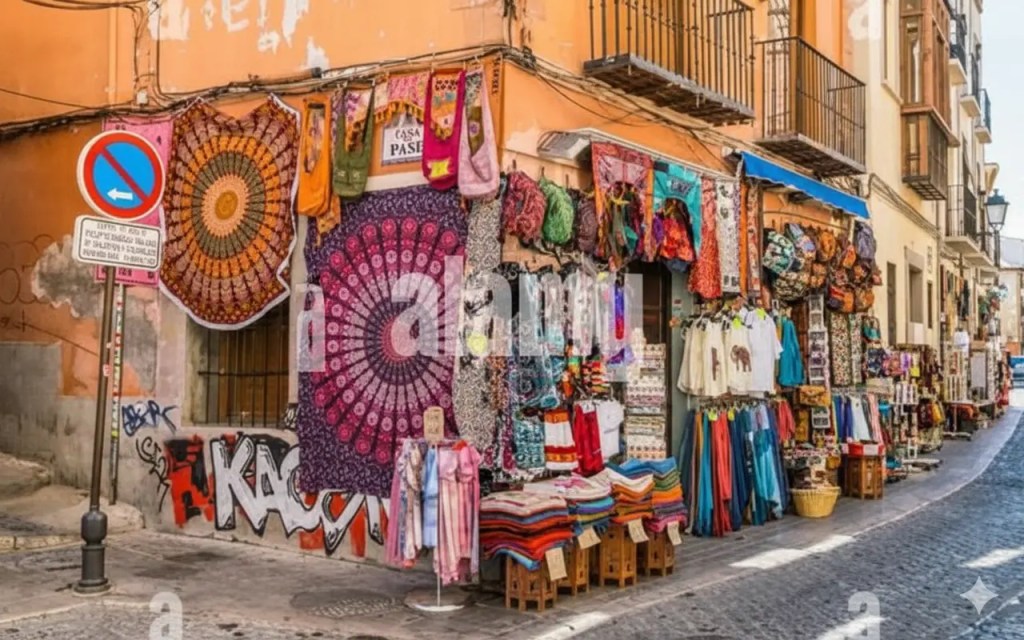
A vibrant street market in Granada, featuring colorful textiles, tapestry displays, and traditional clothing for sale, alongside a narrow cobblestone street.
Colorful street market in Granada showcasing tapestries, clothing, and local crafts. The bustling Calle Elvira is a sensory gateway, where the aromas from tapas bars mix with the sight of glittering lanterns in traditional tetería shopfronts.

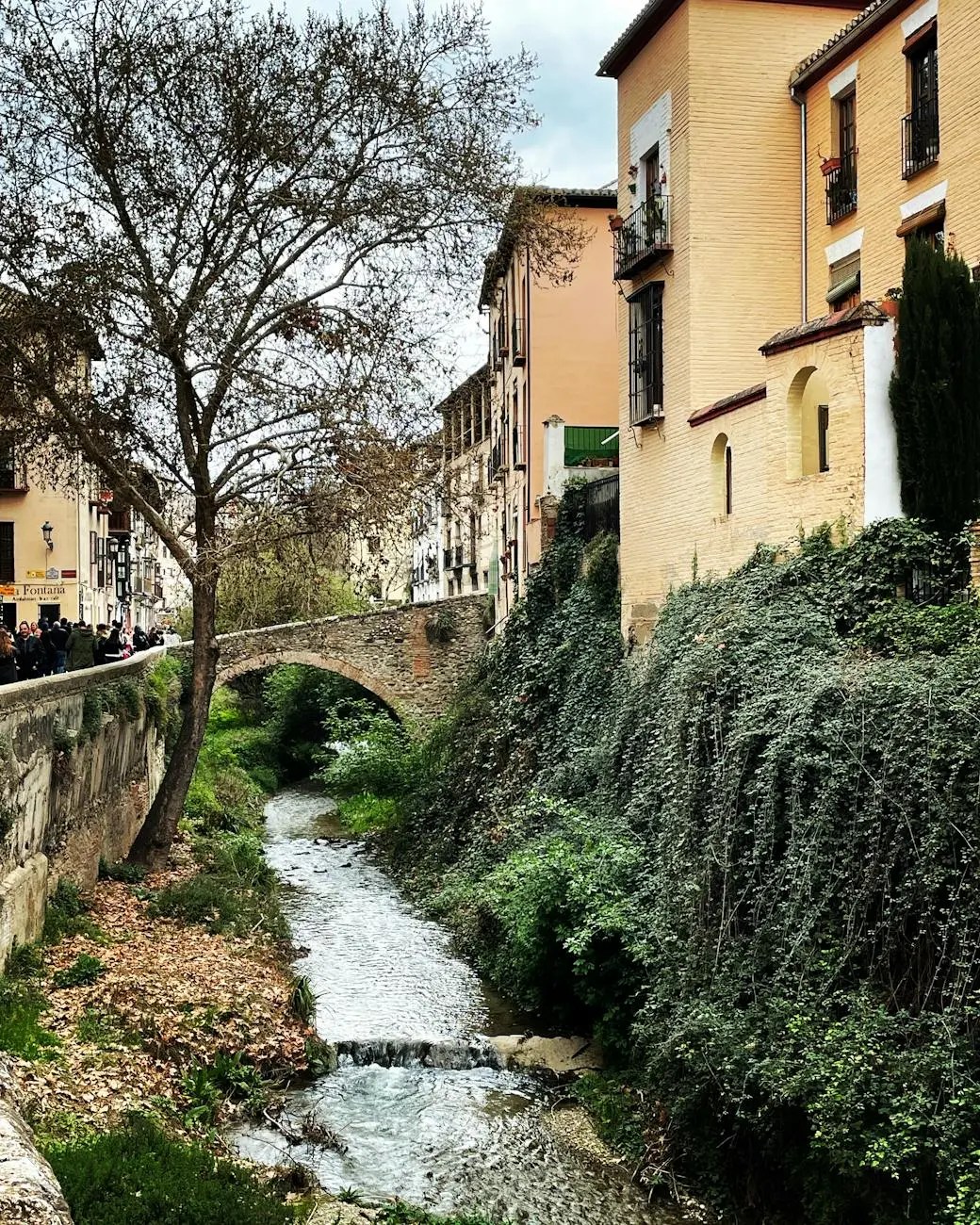
A picturesque view of a narrow stream running alongside a stone bridge, surrounded by lush green vegetation and charming buildings in Granada, Spain.
Picturesque view of a serene stream flanked by charming buildings and trees in Granada, creating a tranquil atmosphere. A stroll along Carrera del Darro feels like a walk through a living history book, with the river and centuries-old architecture on full display.

Granada’s Hidden Gems & Local Secrets

  • El Bañuelo: These stunning 11th-century Arab baths, hidden down a side street in the Albayzín, are often overlooked but are one of the best-preserved in Spain. Entrance is cheap and rarely crowded.
  • Carmen de los Mártires: A peaceful, slightly forgotten palace and garden just north of the Alhambra. It feels secret, romantic, and offers another unique viewpoint of the city.
Carmen de los Mártires (Expedia)Carmen de los Mártires (Get your Guide)
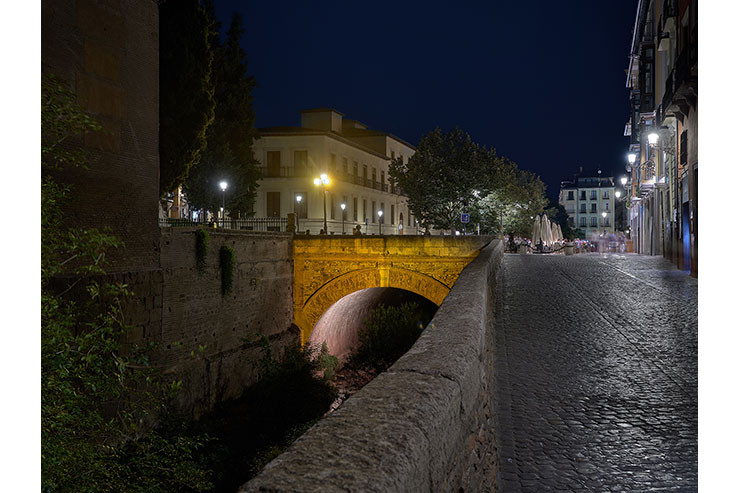
  • Carrera del Darro at Night: This beautiful street along the river is magical after dark, with the Alhambra illuminated above. Skip the crowded bars here and just walk.
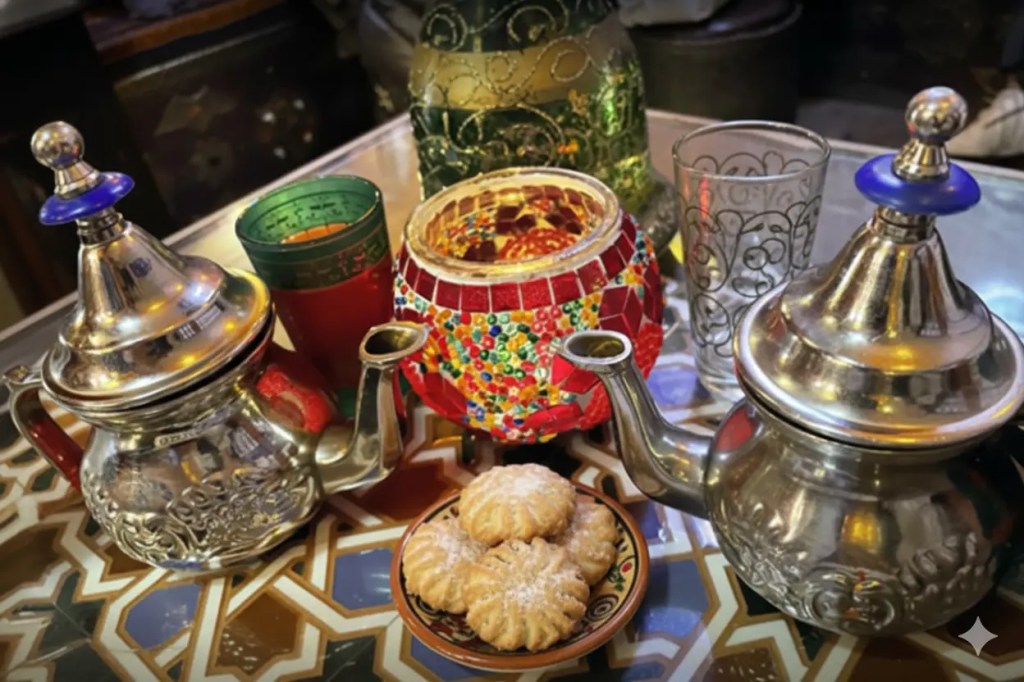
  • Tea in a Tetería: After the bustle, retreat to a tetería (tea house) in the Albayzín. Sip mint tea in a room filled with cushions and Moorish decor—it’s an instant transport to another time.

A serene garden scene featuring a circular fountain surrounded by lush greenery and trees bearing oranges. Statues are placed among the foliage, adding an artistic touch to the tranquil setting.
A tranquil garden in Granada, Spain, featuring lush greenery, orange trees, and a serene pond surrounded by classical statues. The romantic and secluded Carmen de los Mártires gardens offer a quiet escape with stunning, framed views of the city below.
Night view of a cobblestone street in Granada, Spain, featuring a lit bridge arching over a small river, surrounded by trees and buildings.
A serene nighttime view of a beautifully lit bridge in Granada, showcasing the city’s charming cobblestone streets.
A traditional Moroccan tea set in a Granada tetería, featuring a colorful mosaic candle holder, silver teapots, glasses, and cookies.
Experience the ritual of mint tea in Granada’s traditional teterías, complete with ornate silverware and sweet pastries. The ritual of mint tea in a tetería is a sensory journey, complete with ornate silverware, sweet pastries, and the glow of mosaic lamps.

Food, Tapas & Local Experiences

Granada is famous for free tapas—order a drink, get food. My advice?

  • Avoid tourist menus near major sights
  • Follow locals into busy bars
  • Don’t rush—Granada eats slowly

Money‑Saving Tips for Granada

  • Visit major sights early morning
  • Use buses instead of taxis uphill
  • Stay slightly outside Albaicín
  • Combine ferry + train if coming via Málaga

🔌 Don’t forget power needs. This European Travel Plug Adapter Kit has covered me across Spain, Italy, and France:

Money-Saving Tips & Navigating Like a Pro

  • The Granada Card: If you plan to visit multiple monuments (Alhambra, Cathedral, Royal Chapel, monasteries), this card can save you money and includes Alhambra access, bypassing the need for a separate ticket. Do the math based on your itinerary.
  • Public Transport is Cheap and Good: The city bus network is extensive. A single ticket is about €1.40, but a 10-ride Bonobús card (€8.20) is the best value. Taxis are also reasonably priced for short hops, especially if splitting with friends.
  • Walk, Walk, Walk: The historic center is very walkable, and getting “lost” is part of the fun (and free!).
  • Water and Siesta: Carry a reusable water bottle. Tap water is safe to drink. Embrace the siesta—many shops close from 2-5 PM, so plan your museum visits for the morning or late afternoon.
  • The Ultimate Tapa Hack: For the cheapest and most local tapas experience, venture just a block or two away from the main squares. The bars filled with students and locals always have the best value.

Essential Spanish & Andalusian Lingo {#essential-lingo}

A little language goes a long way in earning smiles.

  • Hola / Buenos días – Hello / Good morning
  • Gracias – Thank you
  • Por favor – Please
  • Una caña, por favor – A small beer, please (the standard tapa drink)
  • La cuenta, por favor – The bill, please
  • Tapa – The free snack with a drink. In Granada, you often don’t choose it—it comes with the territory!
  • Paseo – A leisurely stroll. A key local activity.
  • Mirador – Viewpoint. You’ll be seeking these out!
  • Guiri – (Slang, not offensive) A tourist or foreigner. That’s us!

Stay Connected, Protected & Stress‑Free Abroad

📶 Stay Connected

Staying online abroad can be expensive if you rely on roaming or airport SIM counters. I travel with Drimsim, a global SIM that works in 190+ countries. Pop it in, top up via the app, and you’re connected—no surprises, no stress.

🔐 VPN for Travel Safety

Public Wi‑Fi and travel bookings don’t mix well without protection. I always use NordVPN when traveling:

✈️ Flight Delayed or Canceled?

You could be entitled to up to $650 in compensation. AirHelp checks eligibility and handles everything for you:

🛡️ Travel Insurance

No matter how short the trip, insurance matters. I recommend VisitorsCoverage for quick comparisons and flexible plans: 👉 https://visitorscoverage.tpm.lv/QUKMbHg3


✨ Travel Glow‑Up Tip

Travel photos hit differently when you feel good. I swear by K‑beauty essentials from Lakinza—affordable, effective, and perfect for travel skin recovery. Use code Lalax10 for a sweet discount.

Frequently Asked Questions (FAQ)

Q: How far in advance do I really need to book Alhambra tickets?
A: As soon as your travel dates are firm. Tickets for the Nasrid Palaces are released exactly three months in advance and sell out incredibly fast, especially for morning slots in peak season. Set a calendar reminder.

Q: Is Granada safe for solo travelers?
A: Generally, yes. It’s a university city with a vibrant street life. Standard precautions apply: be aware of pickpockets in crowded areas like the Alcaicería, and be cautious walking alone in the very steep, narrow streets of Sacromonte late at night.

Q: What’s the deal with tapas in Granada? Is it really free?
A: Yes! It’s one of the last cities in Spain where the free tapa tradition remains strong. Order any drink (alcoholic or non-alcoholic) at most traditional bars, and a small plate of food will arrive with it. The quality and size often increase with your second or third drink.

Q: Can I do a day trip to the Sierra Nevada from Granada?
A: Absolutely. In winter, you can go skiing (the resort is about 45 minutes by bus). In summer, it’s fantastic for hiking. Regular buses run from the city center to the mountain villages and ski station.

Q: I have more than a weekend. Where else should I go in Andalusia?
A: You’re in the heart of it! Consider basing yourself in Seville for flamenco and the majestic Alcázar, or Córdoba for the mesmerizing Mezquita. You can explore my detailed guides to both cities for inspiration:

If Granada leaves you craving more Southern European magic (which it probably will), it pairs beautifully with several nearby city escapes I’ve already explored in depth. Just a few hours away, Seville, Spain delivers flamenco-filled nights, orange-scented courtyards, and some of Andalusia’s most dramatic architecture—perfect if you want to stay in the same cultural rhythm. Heading east, Valencia, Spain offers a completely different vibe with futuristic design, relaxed beaches, and one of the best food scenes in the country (yes, paella tastes better here). If you’re extending your trip north, Barcelona, Spain blends art, nightlife, and seaside energy in a way that feels effortlessly iconic. And for travelers hopping borders, Lisbon, Portugal makes a surprisingly smooth next stop—laid-back, photogenic, and ideal for slow wandering after Granada’s hilltop views. Linking these destinations together creates a smart, time-efficient route that saves money on transport while keeping the journey rich and varied.

Final Thoughts

Granada isn’t loud about its beauty—it reveals it slowly. Plan smart, walk often, eat well, and let the city surprise you.

👉 Ready to plan your escape? Compare flights and stays on Expedia now:

💬 Have questions or hidden gems to share? Drop a comment—I always reply.

📌 Explore more nearby escapes in my Travel Master List: 👉 https://confidencebuildings.com/travel-master-list/

https://www.tumblr.com/indigosavageryshark/804921819792621568?source=share

Universal Disclaimer/Disclosure Page:
Your Ultimate Weekend Guide to Athens, Greece

Meta Description: Dreaming of ancient history, delicious food, and a vibrant city vibe? Discover how to experience the ultimate weekend in Athens, Greece. This guide is packed with travel tips, local insights, and hidden gems for an unforgettable escape. Perfect for travelers seeking a quick and immersive trip. #Athens #Greece #WeekendEscape #TravelGuide #CityBreak

Table of Contents

  • Introduction: Why Athens is More Than Just a Layover
  • Day 1: Ancient Wonders & Bohemian Rhapsody
    • Morning: Climbing to the Top of the World (and the Acropolis)
    • Afternoon: Stepping Back in Time in Plaka
    • Evening: Rooftop Drinks and a Culinary Adventure
  • Day 2: Hidden Gems & Local Life
    • Morning: A Stroll Through a Village in the City
    • Afternoon: History Beyond the Parthenon
    • Evening: Sunset on a Hill with the Gods
  • Essential Athens Travel Tips
    • Getting Around Athens: A Guide to Public Transportation
    • Saving Money: The Smart Traveler’s Guide
    • Mind Your Manners: A Few Words of Greek
  • Useful Tools for Your Trip
  • FAQs: Your Athens Questions Answered

Why Athens is More Than Just a Layover

When most people think of Greece, their minds immediately jump to the sun-drenched islands like Santorini or Mykonos. Athens, the capital, is often just a quick stop on the way. And while I completely get the island-hopping obsession, let me tell you, you’d be doing yourself a massive disservice by skipping this city.

Flights to Athens

Athens is a living, breathing paradox. It’s where 2,500-year-old history literally spills out onto the modern-day streets. You’ll be sipping a coffee in a trendy cafe only to look up and see the Parthenon towering over you. It’s gritty, chaotic, and beautiful all at once. And trust me, two days is the perfect amount of time to get a taste of its magic, leaving you craving more. Think of this as your personal cheat sheet to making the most of a weekend in the birthplace of democracy.

Hotels in Athens

For those considering a broader trip, Athens is a fantastic starting point. After you’ve had your fill of history, you can easily continue your adventure. If you’re looking for more Mediterranean magic and have more time, check out my other blogs: The Ultimate Italian Adventure: From Rome to the Amalfi Coast (Rome is just a short, inexpensive flight away, and visa costs are the same for the Schengen Area) or maybe even Exploring the Ancient Wonders of Turkey.(Istanbul)

Where else can you sip a freddo cappuccino in the shadow of a 2,500-year-old temple? Athens is the perfect weekend destination because its core historical sites are wonderfully concentrated. You can achieve a profound sense of awe and a serious dose of culture shock in just 48 hours. Plus, the food. Oh, the food. We’ll get to that.

Your Athens Weekend Itinerary: A Step-by-Step Guide

Morning (9:00 AM): Start strong at the Acropolis. Yes, it’s obvious, but for a reason. Buy your tickets online in advance to skip the massive queue. The sight of the Parthenon up close is worth every single step. My advice? Go as early as possible to avoid the crowds and the midday sun. Trust me, climbing marble steps under the Mediterranean sun is a workout Plato himself would have skipped.

Afternoon (1:00 PM): Descend from the gods and dive into the Plaka neighborhood. Get lost in its labyrinthine streets, browse the souvenir shops (the good stuff is off the main paths), and grab a table at a taverna for a long, lazy lunch. Order the moussaka and a Greek salad. You deserve it.

For Moussaka with a View: “A for Athens rooftop bar in Monastiraki is famous for its Acropolis view (go for a drink, it’s pricey for dinner). For a more authentic meal, Kuzina (near the Acropolis Museum) offers fantastic creative Greek cuisine with a great patio.

Authentic Taverna in Plaka: “Glykis (Sweet) is a small, unassuming place tucked away on a side street. It’s beloved by locals for its simple, delicious food and reasonable prices. Try the pastitsio here.”

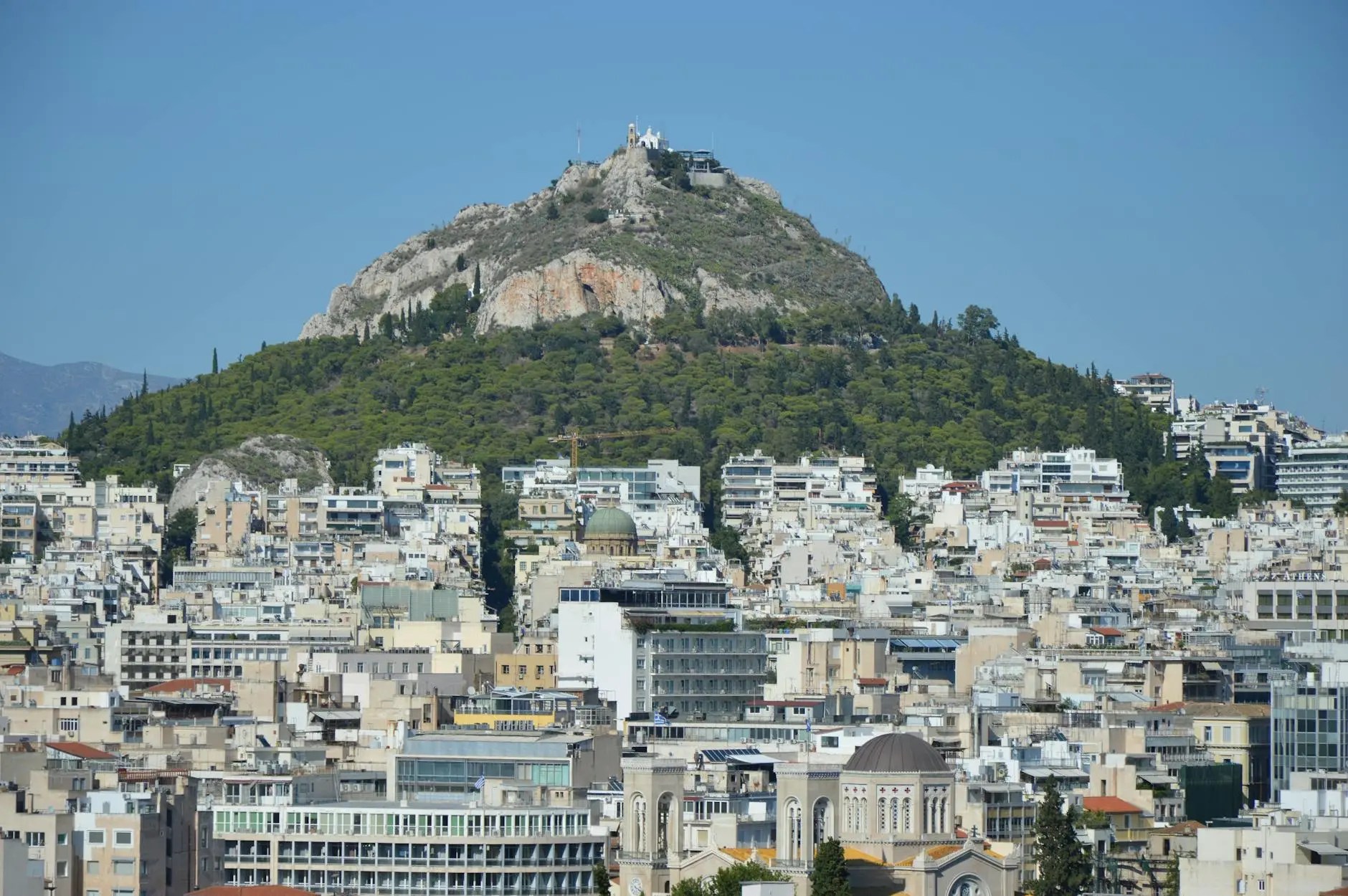
Evening (7:00 PM): For sunset, head to Lycabettus Hill. You can take a funicular or, if your legs are still functioning, hike up. The 360-degree view of the Athenian sprawl, with the Acropolis illuminated in the center, is pure magic. Later, explore the trendy Psiri district for dinner and drinks—it’s packed with amazing restaurants and buzzing bars.

Pro Tip: The Lycabettus Funicular operating hours can vary seasonally. Before making the trek, check their official website for the most current schedule to avoid a surprise hike up (or down!).

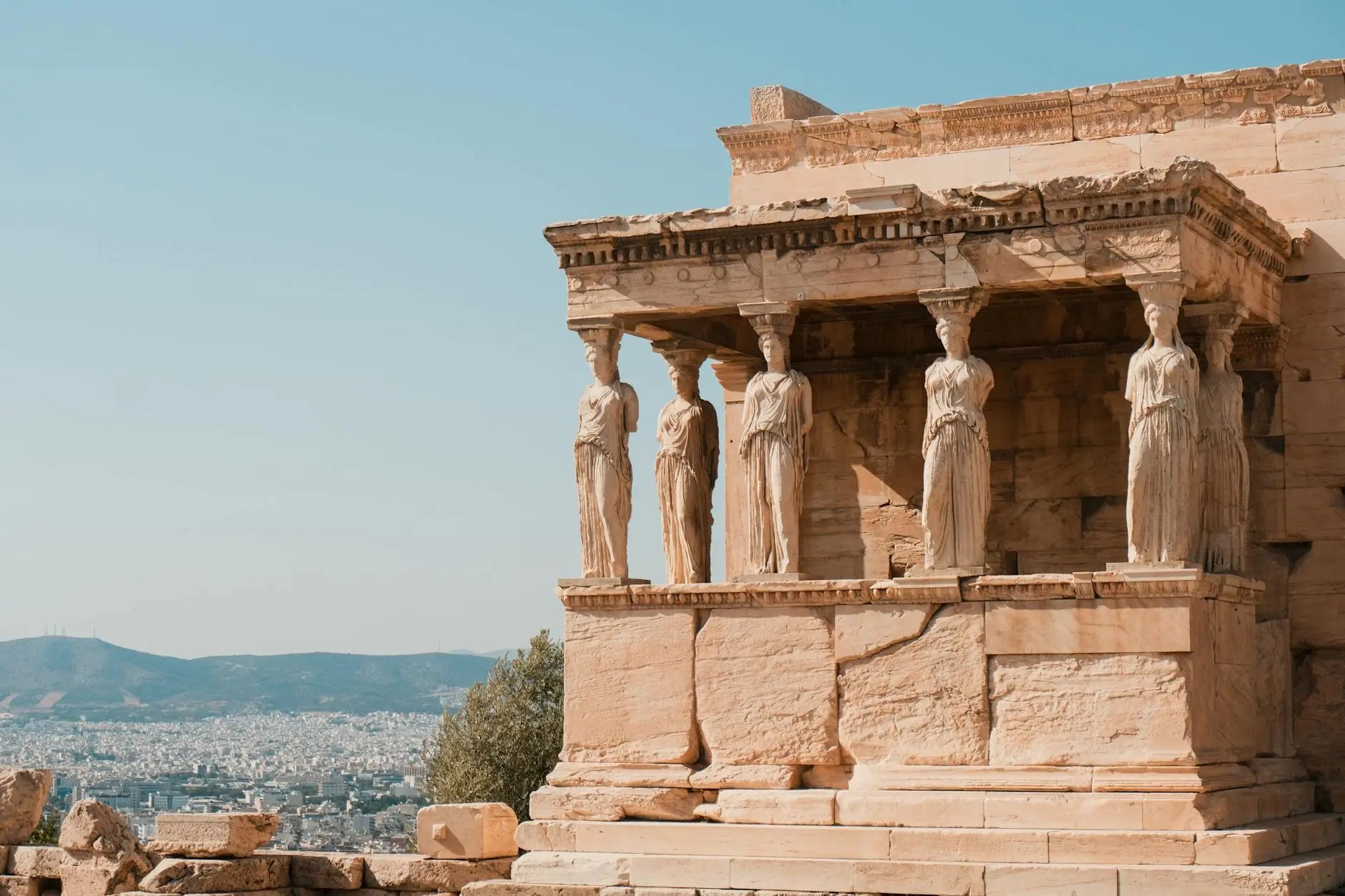
View of the Erechtheion temple on the Acropolis in Athens, Greece, showcasing its iconic Caryatids and ancient architectural features against a clear blue sky.
The Erechtheion, an ancient Greek temple on the Acropolis of Athens, featuring the iconic Caryatids. The Iconic Caryatids of the Erechtheion: These six beautiful maidens, each uniquely detailed, have stood as architectural columns on the Acropolis for over 2,400 years. The ones you see here are expert replicas; the originals are protected in the Acropolis Museum from pollution and weathering.
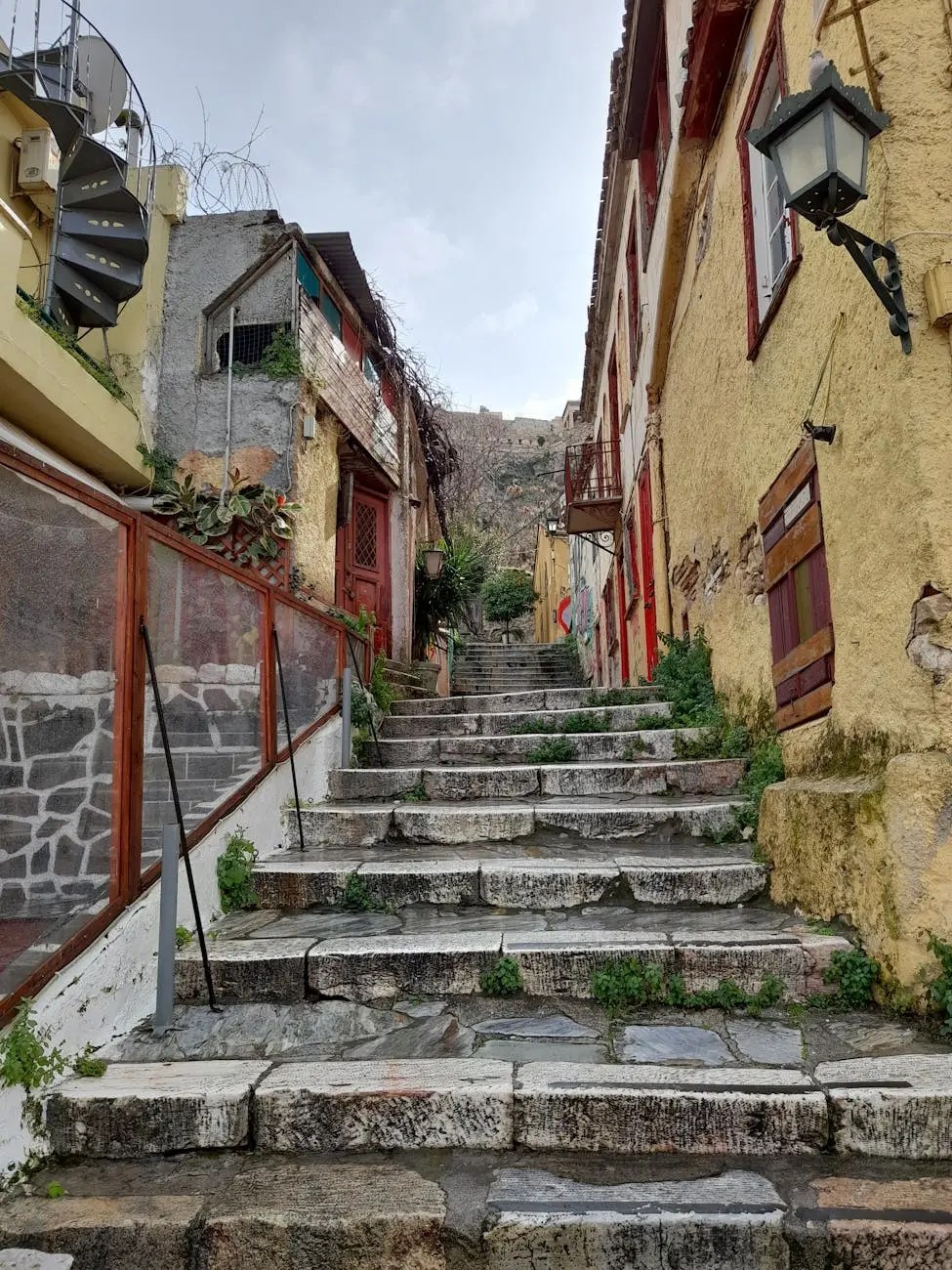
A picturesque stone stairway leading through a narrow, charming street in Athens, lined with colorful buildings and lush greenery.
Explore the charming streets of Plaka, Athens, filled with history and vibrant colors. Getting Lost in Plaka’s Maze: This is the real magic of Athens’ oldest neighborhood. Wandering these sun-dappled, cobblestone steps lined with vibrant neoclassical buildings is like stepping back in time. You’re never quite sure if you’ll find a hidden taverna, a tiny artisan shop, or a sudden, breathtaking view of the Acropolis around the next corner.

“I’ll never forget the time I accidentally joined a local’s wedding dance in Plaka—turns out, ‘Opa!’ is the universal password to fun!”

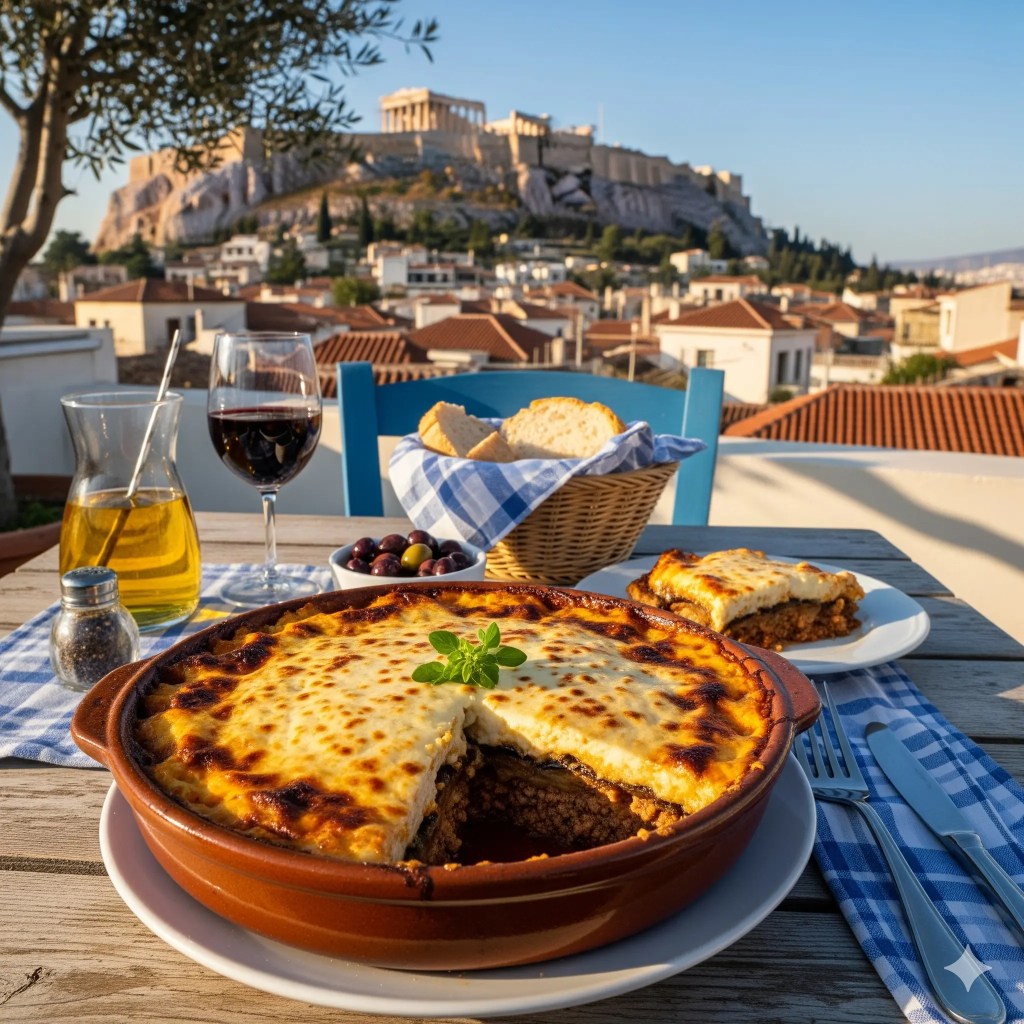
A traditional Greek meal featuring moussaka, olives, and bread, with a glass of red wine and olive oil on a tabletop. In the background, the Acropolis of Athens is visible against a sunset sky.
Enjoying a delicious moussaka with a view of the Acropolis in Athens, Greece. The Ultimate Athenian Dinner: This is the view dreams are made of! Enjoying a classic, hearty moussaka—a layered masterpiece of eggplant, spiced meat, and béchamel sauce—with a glass of robust Greek wine, all while the ancient Acropolis glows in the sunset. It’s a feast for the stomach and the soul.

Lycabettus Hill Viewing Area Tours

A panoramic view of Athens showcasing the dense urban landscape with a prominent green hill in the background, likely Lycabettus Hill, under a clear blue sky.
A panoramic view of Lycabettus Hill rising above the cityscape of Athens, offering a glimpse into the unique blend of modern architecture and natural beauty.The Best View in Athens: This panoramic vista from the summit of Lycabettus Hill offers a breathtaking perspective of the Athenian basin. From here, you can truly grasp the city’s vast scale, seeing everything from the iconic Acropolis to the glistening Aegean Sea. The hike to the top is worth every step for this unforgettable moment.

Day 2: Markets, Museums, and Sunset Views

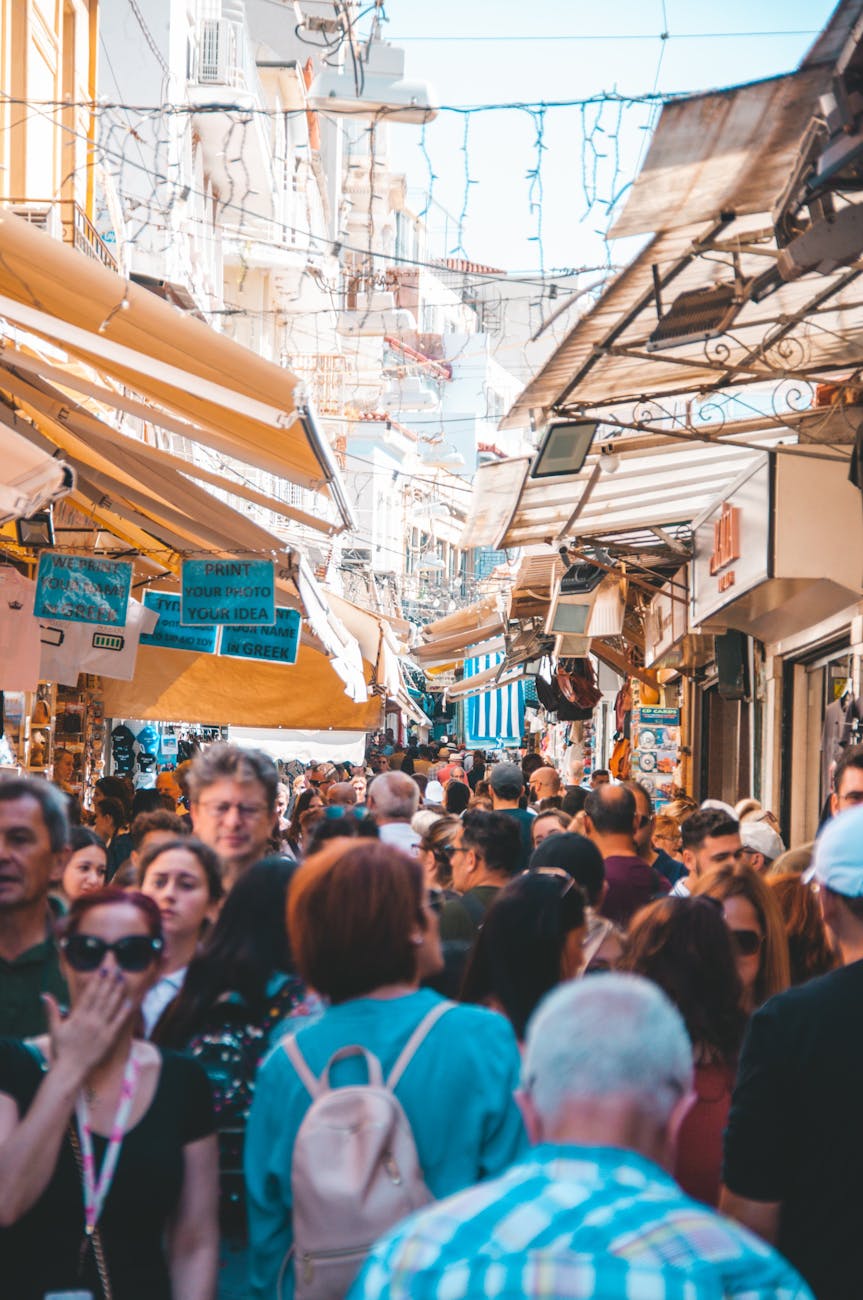
Morning (10:00 AM): Engage all your senses at the Varvakios Agora (Central Market). This is not a place for the faint of heart. The meat, fish, and spice markets are a chaotic, loud, and authentic glimpse into Athenian daily life. It’s vibrant, pungent, and utterly unforgettable.

Afternoon (1:00 PM): Choose your history deep-dive. The Acropolis Museum is a modern marvel, housing the treasures of the Acropolis with floors that hover over ancient ruins. Alternatively, the National Archaeological Museum is a treasure trove of ancient bling and sculptures. You can’t go wrong.

National Archaeological Museum: “Beyond the sheer volume, make a beeline for these two showstoppers: the Mask of Agamemnon (Room 4) and the surprisingly complex Antikythera Mechanism (Room 38), an ancient Greek analog computer used to predict astronomical positions.”

Evening: For your final night, skip the tourist traps and head to the Monastiraki Square area. Find a rooftop bar for a final cocktail with a view of the Acropolis. It’s the perfect, cliché-free way to say goodbye to this ancient city.

The Original – Greek Food tour of Athens

A bustling street market in Athens filled with people exploring shops and stalls, with colorful awnings overhead and various items displayed for sale.
A bustling street scene in Athens, showcasing vibrant shops and enthusiastic crowds, perfect for experiencing local culture.

Acropolis Museum Tours

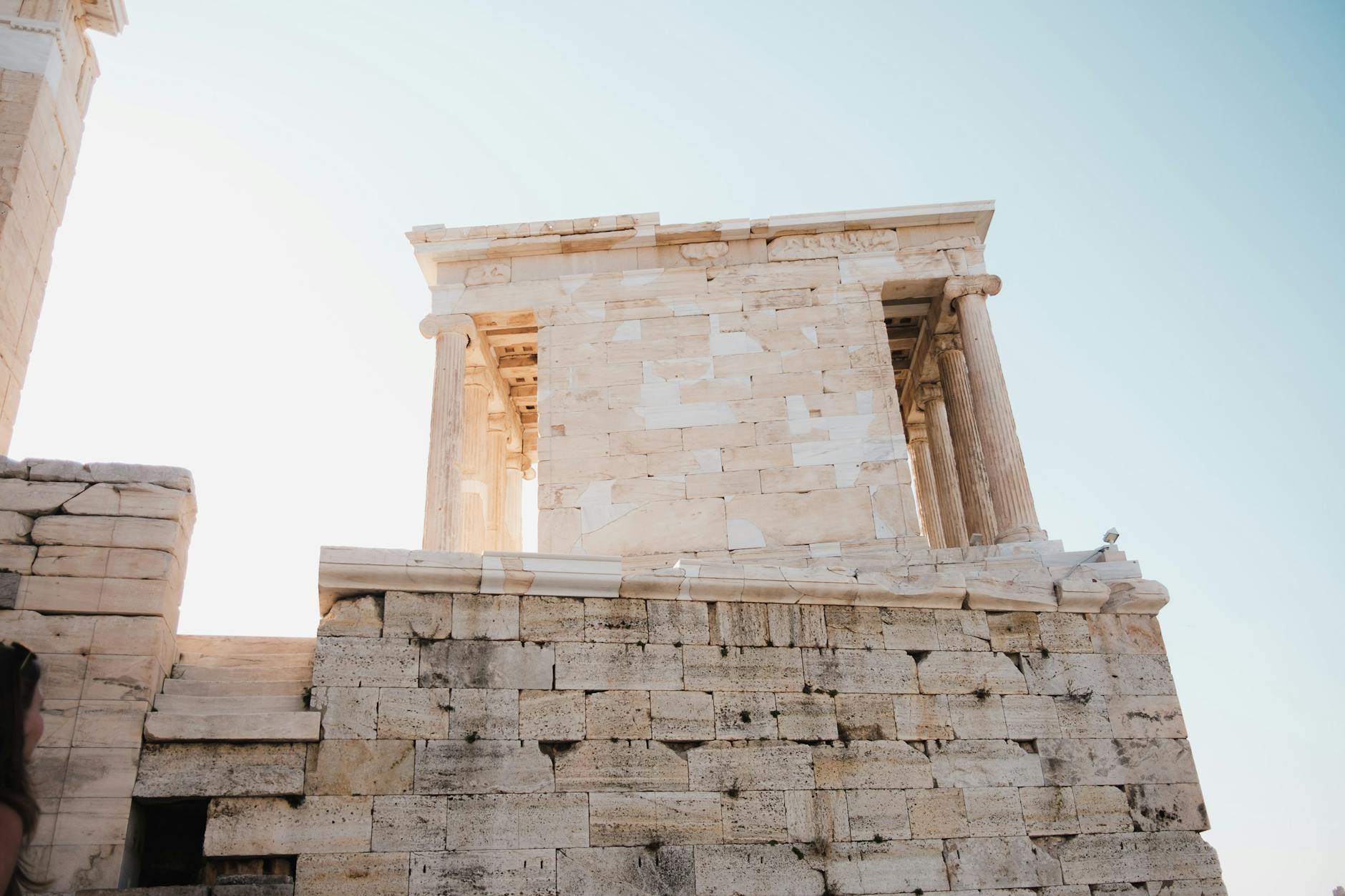
A close-up view of the ancient Temple of Athena Nike, showcasing its classical architecture against a clear blue sky.
The Erechtheion, an ancient temple on the Acropolis, showcasing classical Greek architecture.

National Archaeological Museum Tours

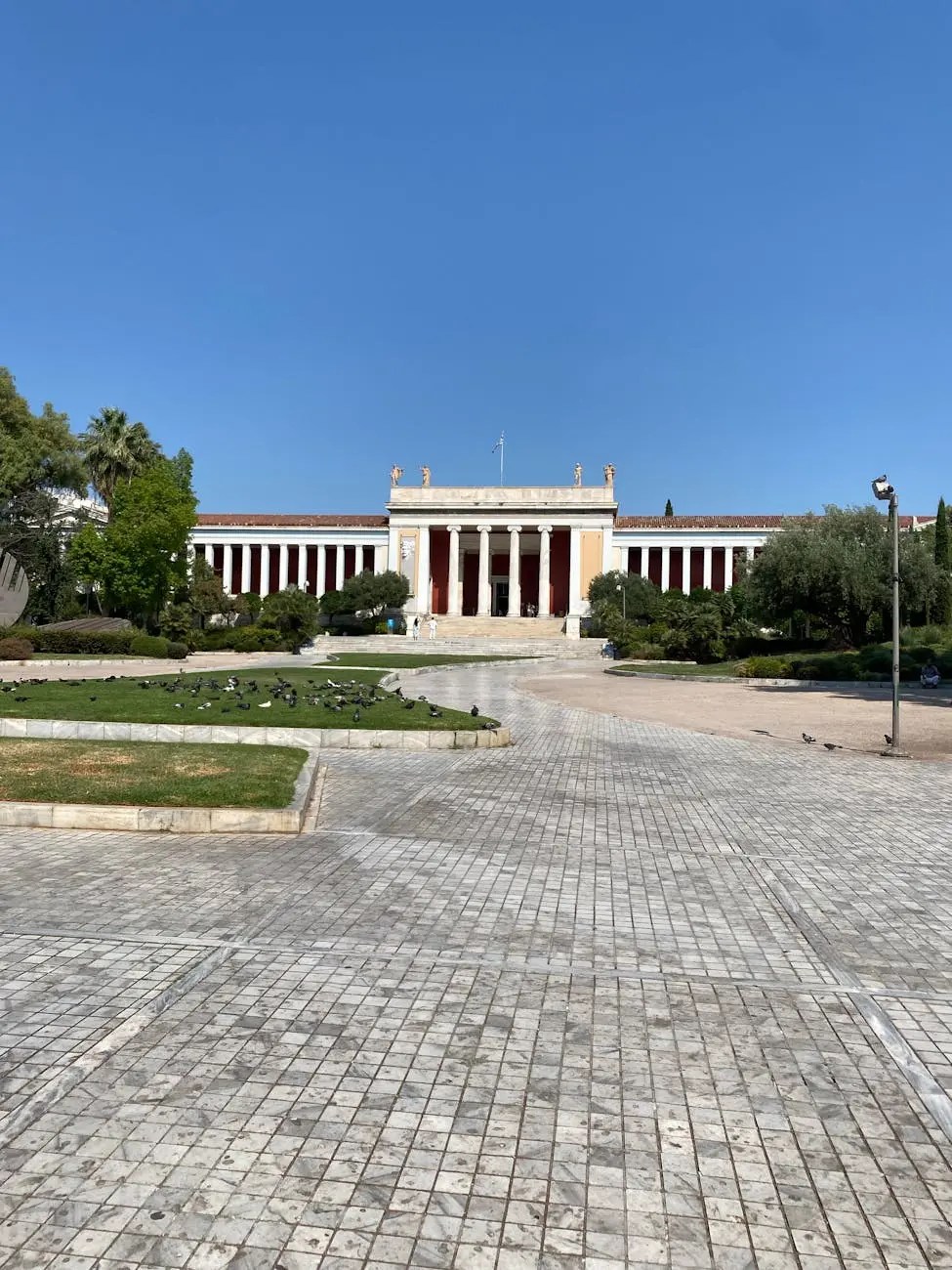
View of a classical building surrounded by greenery under a clear blue sky, featuring tall columns and a spacious plaza with scattered birds.
The National Archaeological Museum of Athens showcasing classic architecture and a vibrant outdoor space. A Temple of Treasures: This isn’t just any museum—it’s the home of Greece’s most magnificent ancient artifacts. The grand neoclassical building of the National Archaeological Museum itself is a preview of the historical wonders waiting inside, from the Mask of Agamemnon to the breathtaking Antikythera Mechanism.

Athens Travel Smarts: Logistics Made Easy

Getting There & Away

Athens is well-connected globally. Most international flights land at Athens International Airport (ATH). A quick note on entry: As part of the Schengen Area, ensure you check visa requirements. For many nationalities, it’s visa-free for short stays, but always verify official sources before you travel.

Navigating the City: Public Transport Like a Pro

Forget renting a car. Driving in central Athens is a contact sport best left to locals. The public transport is cheap, efficient, and will get you everywhere.

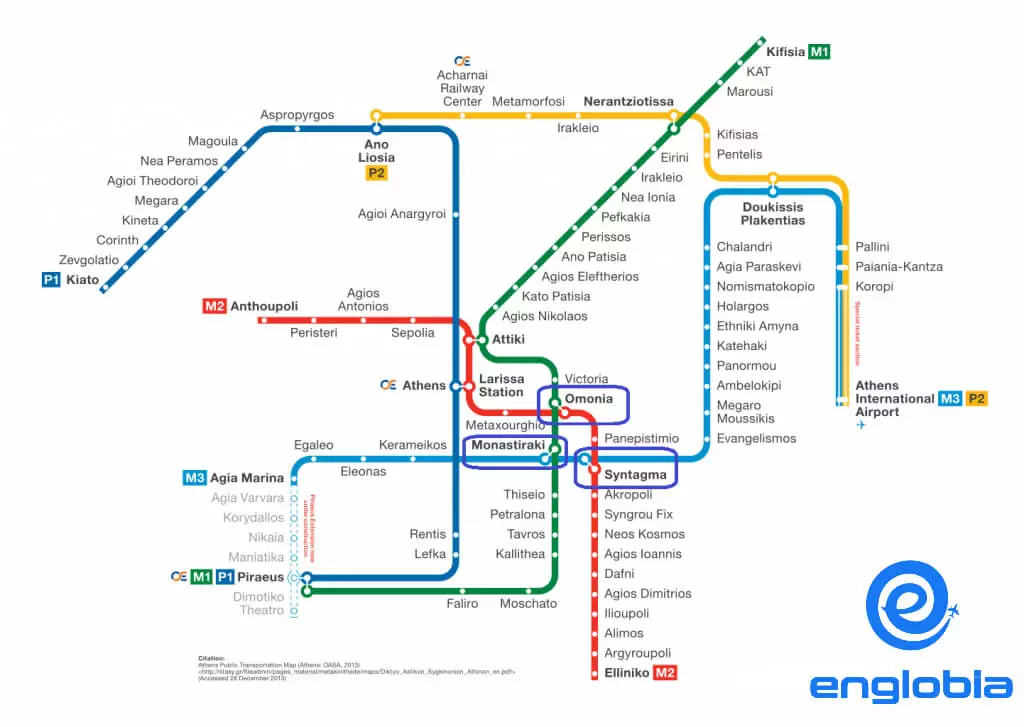
  • Metro: Your best friend. The red line (M2) connects the Acropolis (Acropoli station) to Syntagma Square. The blue line (M3) goes to Monastiraki and the airport. A €4.10 ticket gives you 90 minutes on all transport. It’s the fastest way to get around the city, especially during rush hour. A single ticket costs €1.20 and is valid for 90 minutes. You can also get a daily pass for €4.10, which is a great value if you plan on using public transport frequently. The metro lines are well-marked, and you’ll find English translations at all the stations.
  • Airport Express: The Metro Blue Line (M3) goes directly to Syntagma Square from the airport in about 40 minutes for €9 one-way. A no-brainer.
  • “*As of 2025, a standard 90-minute public transport ticket in Athens costs approximately €1.50. The metro from the airport to the city center (Syntagma) costs €10 for a one-way ticket. Always check the official Athens Public Transport website (oasa.gr) for the most current fares before your trip.*”
  • Buses/Trams: Great for reaching beaches or specific suburbs, but the metro covers the core tourist circuit best. The bus network is extensive but can be a bit more confusing for first-time visitors. However, they’re great for reaching areas not served by the metro. Screens on the newer buses show upcoming stops in both Greek and English.
  • Taxis: Taxis are readily available and affordable compared to many other European cities. I’d highly recommend using an app like FreeNow to avoid any potential fare issues.
  • Roads: While renting a car is a good option for exploring the rest of Greece, driving in central Athens is a nightmare. The traffic is chaotic, and parking is a major headache. Stick to public transport for your weekend escape
Map of the Athens Metro system showing various lines and stations.
Detailed map of the Athens metro system, showcasing the various lines and stations for easy navigation throughout the city.

Money-Saving Tips for the Savvy Traveller

  • Combo Ticket: Buy the €30 combo ticket at the first archaeological site you visit. It gives you entry to the Acropolis, Ancient Agora, Roman Agora, Temple of Zeus, and more. It’s valid for 5 days and saves you a fortune.
  • “*The multi-site combo ticket for the Acropolis and other major archaeological sites is currently priced at €36 (summer 2025) and is valid for five days. It includes entry to the Acropolis, Ancient Agora, Roman Agora, Temple of Olympian Zeus, and more. Confirm the latest price and participating sites on the official Hellenic Heritage website.* official site]
  • Eat Away from the Tourists: A gyros or souvlaki pita from a small joint away from the Plaka should cost no more than €3-4. It’s the best €4 lunch you’ll ever have.
  • Free Stuff: Changing of the Guard at the Parliament in Syntagma Square (hourly) is free and fascinating. Exploring the charming Anafiotika neighborhood (a hidden island village tucked under the Acropolis) costs nothing but your time
  • Water: Tap water in Athens is safe to drink, so bring a reusable water bottle to save money and reduce plastic waste.

Syntagma Square Tours

Front view of the Hellenic Parliament building in Athens, featuring classical architecture with columns, a flag flying above, and guards at the entrance.
The Hellenic Parliament building in Athens, showcasing its iconic neoclassical architecture. The Heart of Greek Democracy: Standing proudly in Syntagma (Constitution) Square, the Hellenic Parliament is more than a government building—it’s a national symbol. Don’t miss the famous Evzones (presidential guards) performing their hypnotic, high-stepping changing of the guard ceremony in front of the Tomb of the Unknown Soldier.

Beyond the Guidebook: Athens’ Hidden Gems

  • The Benaki Museum of Greek Culture: A more intimate and beautifully curated collection than the massive national museum. The rooftop cafe has stunning views.
  • Benaki Museum: “Don’t miss the stunning rooftop cafe for a coffee with a view. Hours: Closed Tuesdays. Price: ~€12 general admission. Tip: The museum stays open until midnight on Thursdays and Fridays for a unique evening culture fix.
  • Stavros Melissinos’ Poet-Sandalmaker: A legendary shop where Jackie O and The Beatles got their custom sandals. It’s an experience.
  • A for Athens Rooftop Bar: While popular, the view of Monastiraki Square and the Acropolis is arguably the best in the city. Go for a pre-dinner drink instead of a pricey dinner.
  • Anafiotika: “Tucked beneath the Acropolis, this hidden neighborhood feels like a Greek island village. How to get there: From Plaka, look for the steep, whitewashed staircases off Stratonos Street. It’s easy to miss! Best for: Photos in the early morning or late afternoon when the light is golden and the crowds are thin.”
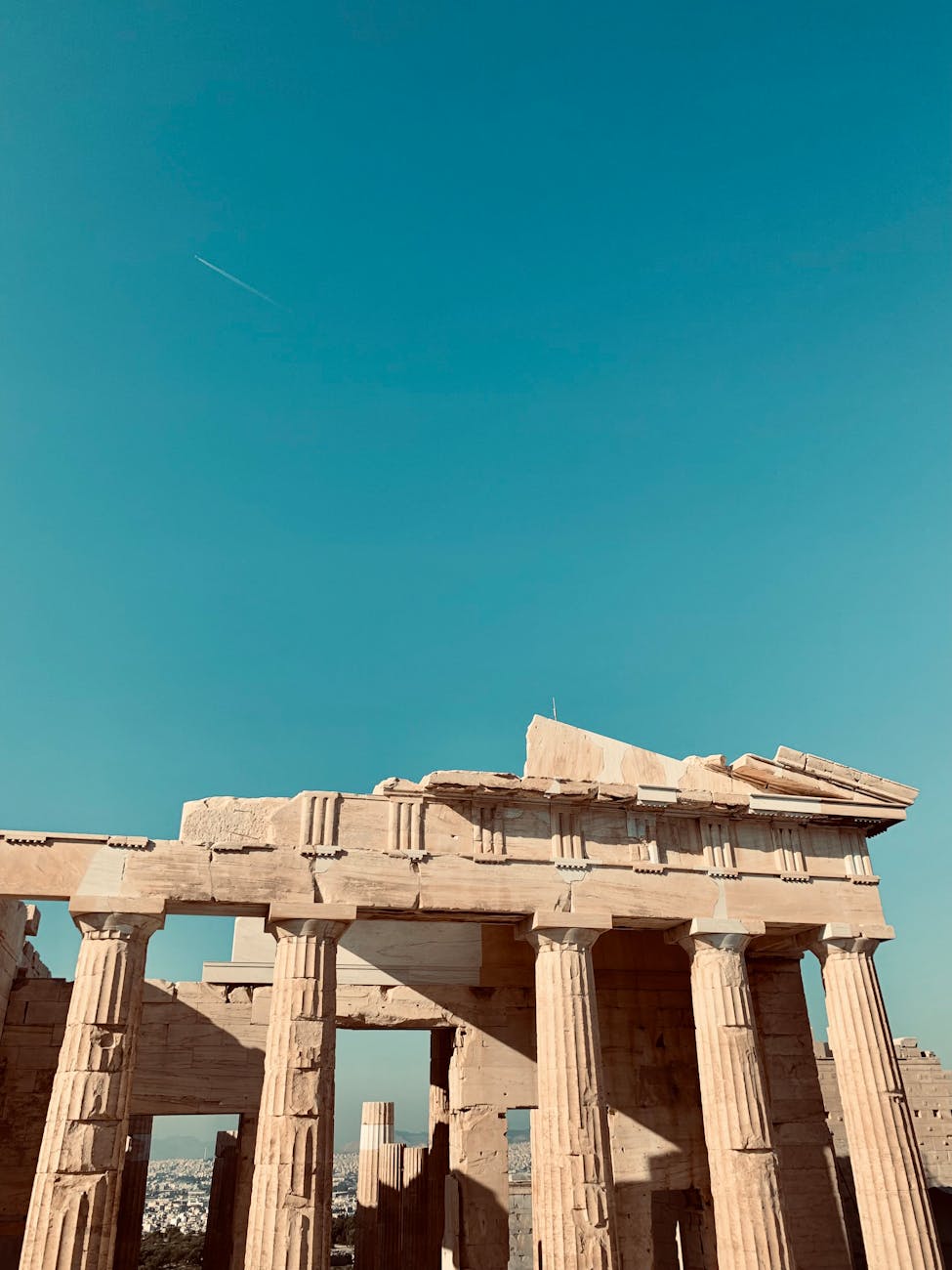
View of the Parthenon ruins against a clear blue sky, showcasing ancient Greek architecture and columns.
The iconic Parthenon, a symbol of ancient Athens, stands proudly under a clear blue sky.

Essential Greek for the Weekend Warrior

A little effort goes a long way!

Greeks are incredibly welcoming, and making an effort to speak a few words of their language will earn you big smiles

  • Hello: Γειά σου (YAH-soo) – informal
  • Thank you: Ευχαριστώ (eff-kha-ri-STOH)
  • Please: Παρακαλώ (para-ka-LOH)
  • Cheers: Γειά μας (YAH-mas)
  • The bill, please: Το λογαριασμό, παρακαλώ (to lo-gariaz-MO, para-ka-LOH)
  • Hello/Goodbye: Yassou (yah-soo)
  • Yes: Ne (neh) — this one can be tricky, as it sounds like the English “nay,” but trust me, it means yes!

3. Local Experiences

Staying Connected & Safe: My Non-Negotiable Travel Gear

✈️ Travel Tip: Staying connected abroad used to be my nightmare. I’d either get rinsed by roaming charges or spend my first hour in a new country hunting for a SIM card. Not anymore. I never travel without my Drimsim—a universal SIM that works in 190+ countries. You just pop it in, top up via the app, and you’re online. No contracts, no hidden fees. It’s a game-changer

And while we’re on essential gear, two other things I never leave home without:

Using public WiFi is a necessity, but it’s not always secure I use A VPN . to keep my data encrypted, especially when checking bank accounts or booking things on the go. It also lets me access streaming from back home!

Good Travel Insurance: I learned this the hard way after a misplaced suitcase. Now, I always use visitorscoverage to compare and find a plan that fits my trip. It’s peace of mind you’ll be thankful for if anything goes sideways.

🛡️ Flight Hassle? Speaking of things going sideways, ever had a flight delayed or canceled? Most travelers just sigh and accept it. But did you know you could be entitled to up to $650 in compensation under air passenger rights laws? I use AirHelp to check my flights. They handle all the paperwork and only get paid if I win. It’s the easiest potential travel bonus ever.

Frequently Asked Questions (FAQ)

Q: Is Athens safe for tourists? A: Yes, Athens is generally a very safe city for tourists. The main tourist areas are well-policed, but as with any major city, it’s wise to be aware of your surroundings, especially in crowded areas like the metro or Monastiraki Square, where pickpocketing can occur.

Q: Can I get by with just English? A: Absolutely. Most people working in tourism, restaurants, and hotels speak excellent English. However, learning a few Greek phrases goes a long way and is a sign of respect.

Q: What is the best time of year for a weekend in Athens?
A: The sweet spots are spring (April-June) and autumn (September-October). The weather is perfect for walking, and the crowds are thinner than in the scorching hot summer months.

Q: Is Athens a walkable city?
A: Absolutely! The historical center is very walkable. The key is to use the excellent metro to connect between neighborhoods (e.g., from Syntagma to the Acropolis) and then explore each area on foot.

Q: How much money should I budget for a weekend?
A: Athens can be very affordable. Excluding flights and accommodation, a comfortable budget for food, sights, and transport would be around €60-80 per day.

Q: What should I pack?
A: Comfortable walking shoes are NON-NEGOTIABLE. You will be walking on uneven stone paths and marble. Also, pack layers, a sun hat, and a reusable water bottle.

Q: Can I use credit cards everywhere?
A: Most restaurants and shops accept cards, but it’s always wise to carry some cash (Euros) for small purchases at markets, street food stalls, or tiny family-run tavernas.

Q: Is haggling common in Athens? A: Not in most shops or restaurants. Prices are generally fixed. However, in flea markets like Monastiraki, a friendly bit of haggling is expected and part of the fun.

Ready to Wander Through Ancient Streets?
Athens is a city that gets under your skin. It’s a place of breathtaking beauty, chaotic energy, and undeniable soul. With this plan, you’re ready to dive in and make the most of every second. Now go forth, explore, and eat all the feta cheese

Don’t forget to capture it all! I use this camera  for all my travel photos – it’s lightweight, powerful, and perfect for grabbing those stunning shots of the Parthenon without weighing you down.

“Ready to wander through ancient streets and create your own Athenian adventure? Don’t just dream—make it happen! Book your flights and hotel today through Expedia for the best deals. Got questions or your own Athens tips? Share them in the comments below—I’d love to hear from you!”

What are you most excited to see in Athens? Share your thoughts in the comments below!

If you’re craving more than just a weekend on land, Celestyal Cruises offers 3- to 7-day Aegean itineraries that include Santorini, Mykonos, and hidden gems like Patmos—all without the hassle of repacking your suitcase.”

Universal Disclaimer/Disclosure Page:
Ultimate Weekend Getaway in Venice: A Complete Traveler’s Guide

Meta Description: Escape to the enchanting canals of Venice for an unforgettable weekend. Our comprehensive guide for travelers reveals hidden gems, must-see sights, and savvy tips on transportation, visa costs, and saving money. Optimized for SEO and geo-generative engine optimization, this guide is packed with keywords to help you discover the magic of Venice.

I’m going to be honest with you. The first time I saw Venice, it was through the lens of a tourist in a hurry. You know the type—sprinting from St. Mark’s Square to the Rialto Bridge, snapping a few frantic photos, and feeling like you’ve “done” the city without ever really being there. It was a classic case of travel-FOMO (Fear of Missing Out). But the magic of Venice doesn’t reveal itself in a sprint; it whispers to you when you slow down, get a little lost, and let the city’s ancient rhythm guide you.

This blog post is for the traveler who wants to do it right. The one who wants to sip a spritz on a sun-drenched canal, find a quiet bacaro for some delicious bites, and fall in love with the city’s charming chaos. I’ve gone back, armed with a better plan, and I’m sharing all my secrets for the ultimate weekend escape.

Ah, Venice. The mere name conjures images of winding canals, operatic gondoliers, and masquerade balls. It’s a city that feels like a dream, but let me tell you, a dream you can absolutely conquer in a single, glorious weekend. Forget everything you’ve heard about it being too crowded or too expensive—with a little insider knowledge (and comfortable shoes), you can have the authentic Venetian experience without breaking the bank or your spirit.

I still remember my first time stepping out of the Santa Lucia train station. The grand canal wasn’t just a picture; it was a living, breathing, slightly damp masterpiece. The sound of water lapping against ancient stone, the distant call of “Gondola!”, the smell of salt and fresh coffee… it’s a sensory overload in the best way possible. I immediately got lost, and it was the best thing that could have happened. This guide is here to help you find that magic, without too much of the getting lost part (unless you want to!).

Table of Contents

  1. Getting There: Planes, Trains, and Automobiles (But Mostly Boats)
  2. Where to Stay: Finding Your Venetian Sanctuary
  3. Day 1: The Grand Tour & Golden Hour
  4. Day 2: Hidden Gems & Island Hopping
  5. Day 3: Art, Souvenirs & The Sweet Goodbye
  6. Navigating Venice: Public Transportation Deep Dive
  7. Money-Saving Tips & Must-Know Phrases
  8. My Personal Camera Kit
  9. FAQs: Everything You Need to Know Before You Go
  10. More Travel Inspiration & Backlinks

Why Venice is the Perfect Weekend Getaway

Venice is compact. Unlike sprawling metropolises like Rome or Paris, its labyrinthine alleys and canals are concentrated, making it possible to soak in the major highlights and discover secret corners in just 2-3 days. It’s a pedestrian (and boat-only) city, so you’re free to wander without worrying about traffic. It’s the ideal destination for a burst of culture, romance, and incredible food.

Before You Go: Visa & Costs
As part of Italy’s Schengen Area, most US, Canadian, UK, and Australian travelers can enter visa-free for up to 90 days. Always check the latest entry requirements from official government sources. A great place to start for the most current and official visa information is the VFS Global page for Italy.

I always find the best flight deals to Venice Marco Polo Airport (VCE) on Expedia. They have great bundle options if you want to book your hotel at the same time.

Getting There: Planes, Trains, and Automobiles (But Mostly Boats)

Venice is unique because you literally cannot drive into the historic city center. So, if you’re arriving by car, you’ll need to park it at Piazzale Roma or Tronchetto and then take a bus, water bus (vaporetto), or private water taxi to your accommodation. Trust me, the first glimpse of the Grand Canal from the water is worth the logistical effort.

The easiest way to arrive is by train. The Venezia Santa Lucia station drops you off right on the Grand Canal, a stone’s throw from the heart of the action. Italy’s high-speed trains connect Venice to major cities like Rome, Florence, and Milan. If you’re coming from another part of Europe, flying into Venice Marco Polo Airport (VCE) is also a great option. From there, you can catch a water bus (Alilaguna) or a private water taxi straight to the city.

✈️ Travel Tip: Travel isn’t always smooth sailing—sometimes flights get delayed, canceled, or overbooked. The good news? You might be entitled to up to $650 in compensation under air passenger rights. Most travelers never claim it, but I’ve got you covered: just check your flight withAirHelp. They handle the paperwork, fight the airlines for you, and only get paid if you win. Easy, stress-free, and potentially a nice surprise for your travel fund.

Where to Stay: Finding Your Venetian Sanctuary

Finding the right place to stay is key. I’ve found that using a trusted platform like Expedia to book my hotels helps me compare options and find the perfect spot. The main tourist areas like San Marco are central but can be noisy and expensive. For a more authentic experience, consider staying in the quieter districts of Dorsoduro or Cannaregio.

My personal favorite? Dorsoduro. One time, I stayed in a small guesthouse there, and the window overlooked a tiny, quiet canal. Every morning, I woke up to the sound of a gondolier singing as he glided past. It was a moment so perfectly Venetian it almost felt like a movie.

Friday: Arrival & The Magic of Getting Lost

  • Afternoon: Fly into VCE or arrive by train at Santa Lucia Station (this is the most dramatic entrance!). Pro Tip: If you’re arriving by train from another Italian city like Rome, Florence, or Milan, booking your tickets in advance on ItaliaRail can save you a significant amount of money compared to buying them at the station. The high-speed trains are comfortable and efficient, making for a relaxing start to your Venetian adventure.
  • Evening: Check into your hotel . I recommend staying in the Dorsoduro or Cannaregio districts. They’re slightly removed from the San Marco chaos, more affordable, and brimming with authentic bacari (wine bars).
  • Dinner: Ditch the tourist menus. Find a small bacaro and do a cicchetti crawl. Cicchetti are Venetian tapas—think small slices of bread topped with cod, crab, or mortadella, alongside an ombra (small glass of wine). My favorite find was a tiny place where the owner insisted I try his artichoke heart special. Life-changing.
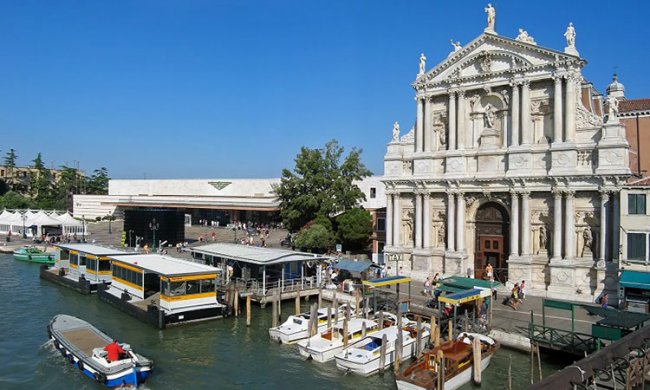
A view of the Grand Canal in Venice, featuring a marina with boats and the exterior of a historic building with ornate architecture.
The stunning view near the Santa Lucia train station in Venice, featuring the historic church and bustling water taxis.

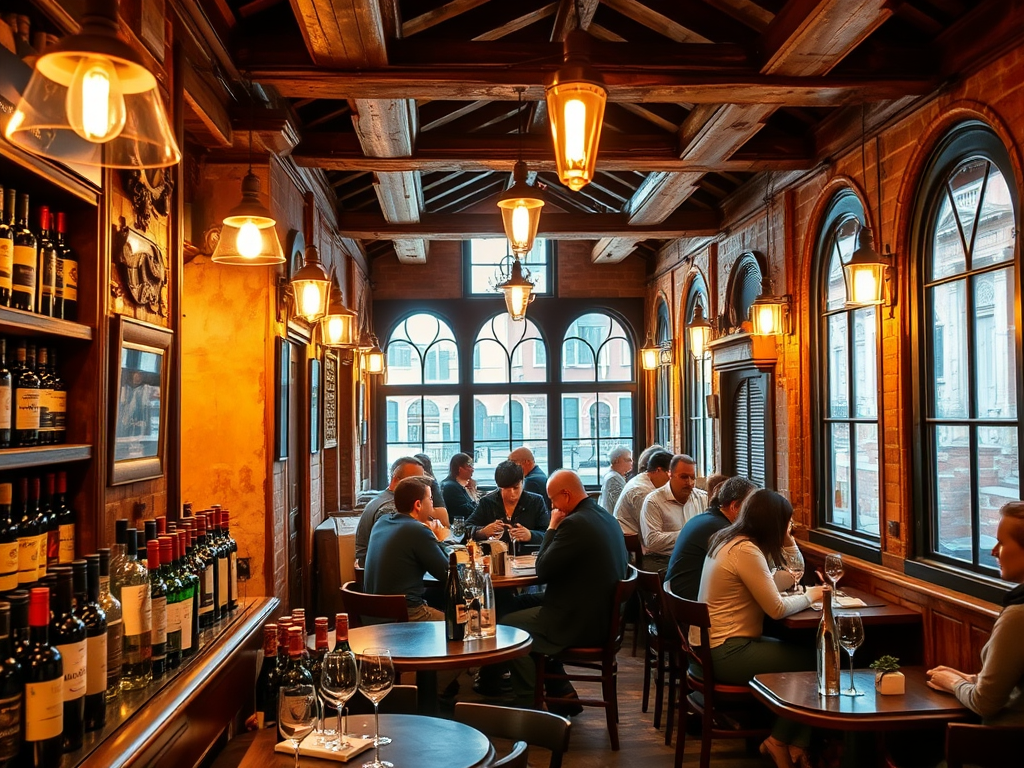
Interior of a cozy Venetian restaurant featuring wooden beams and large windows, with patrons enjoying meals and wine.
A cozy Venetian bacaro with patrons enjoying cicchetti and wine, showcasing the charm of local dining in Venice.
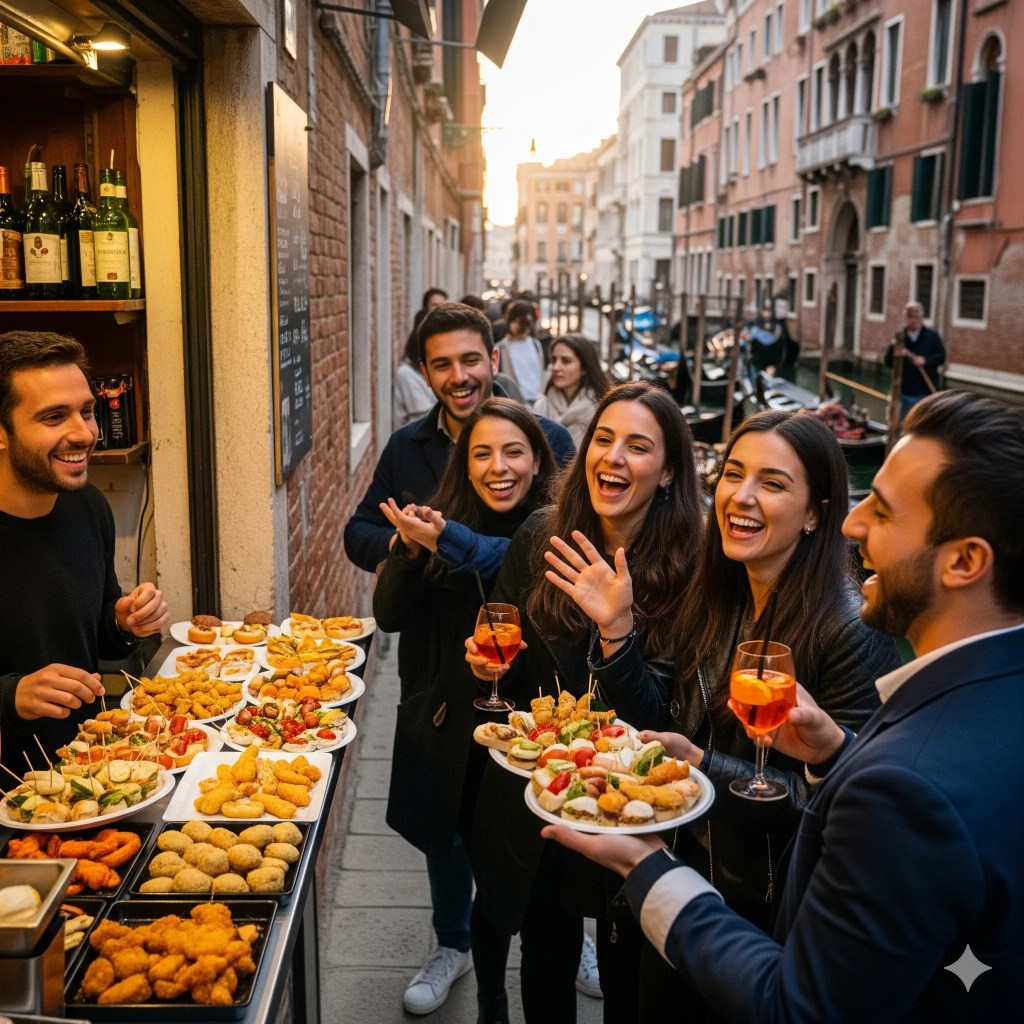
A group of friends enjoying cicchetti and spritz drinks outside a small eatery in Venice, laughing and celebrating the vibrant atmosphere of the city.
Enjoying a vibrant evening in Venice with friends, indulging in delicious cicchetti crawl and spritz on a charming canal.

Saturday: Icons, Tours, & Hidden Courtyards

  • Morning (Early!): Be at Piazza San Marco by 8:30 AM. Why? To have it almost to yourself before the day-tripping crowds arrive. You can admire the Basilica and the Campanile in peace. Pre-book a “Skip the Line” tour for the Basilica—it’s 100% worth it.
  • Late Morning: Book a Walking Tour & Gondola Ride. A guided tour is the best way to learn the history and find those hidden spots you’d never see otherwise. Then, opt for a shared gondola ride from a quieter canal rather than the Grand Canal to save money and enjoy a more intimate experience.
    • 📸 Pro Tip: The light in Venice is magical. To capture it perfectly, I never travel without my lightweight, powerful Sony Alpha Camera. It’s a game-changer for low-light canal shots.
  • Afternoon: Get lost on purpose. Wander away from San Marco into the Castello district. Find the secluded Marinaressa Gardens for a quiet moment with a view of the lagoon. For a true hidden gem, seek out the pedestrian street Calle de le Bande near the Arsenale. It’s lined with artisan workshops and feels a world away from the tourist crowds.
  • Evening: Book a food tour! This was the highlight of my last trip. We visited the Rialto Market in the morning (a fantastic alternative activity) and then enjoyed a cooking class in the evening. Learning to make fresh pasta with a local nonna is an experience you’ll cherish forever.

San Marco Vacations

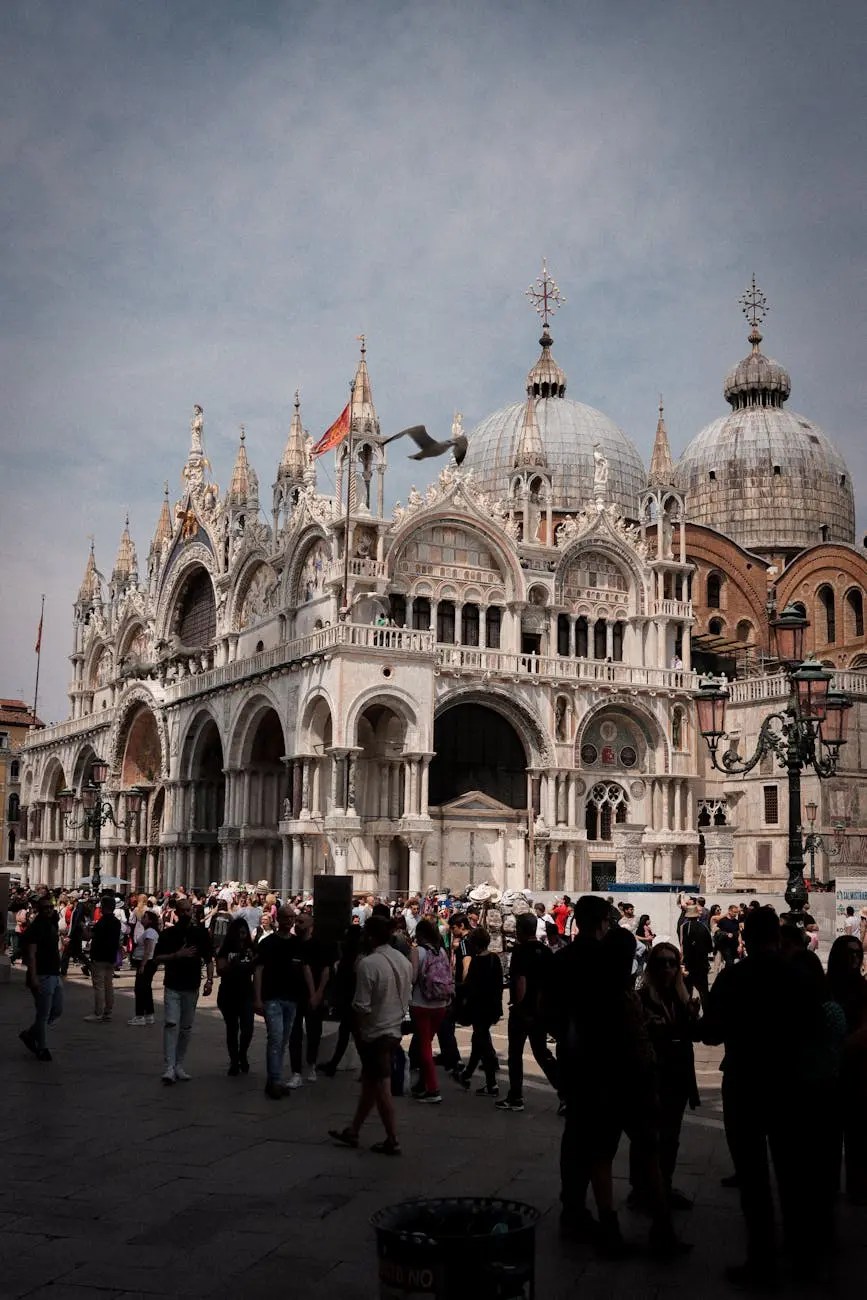
A bustling scene in Venice's St. Mark's Square, featuring the ornate Basilica di San Marco and a crowd of tourists.
St. Mark’s Basilica in Venice, bustling with tourists capturing the city’s breathtaking architecture. A Moment of Awe in Piazza San Marco. It’s impossible not to look up! The sheer scale and intricate details of St. Mark’s Basilica stop everyone in their tracks. While it’s always bustling, arriving right at opening time or later in the afternoon helps you avoid the biggest crowds. ✨ #StMarksBasilica #Venice #ItalyTravel #Architecture #UNESCO

Classic 30 minutes Gondola Ride

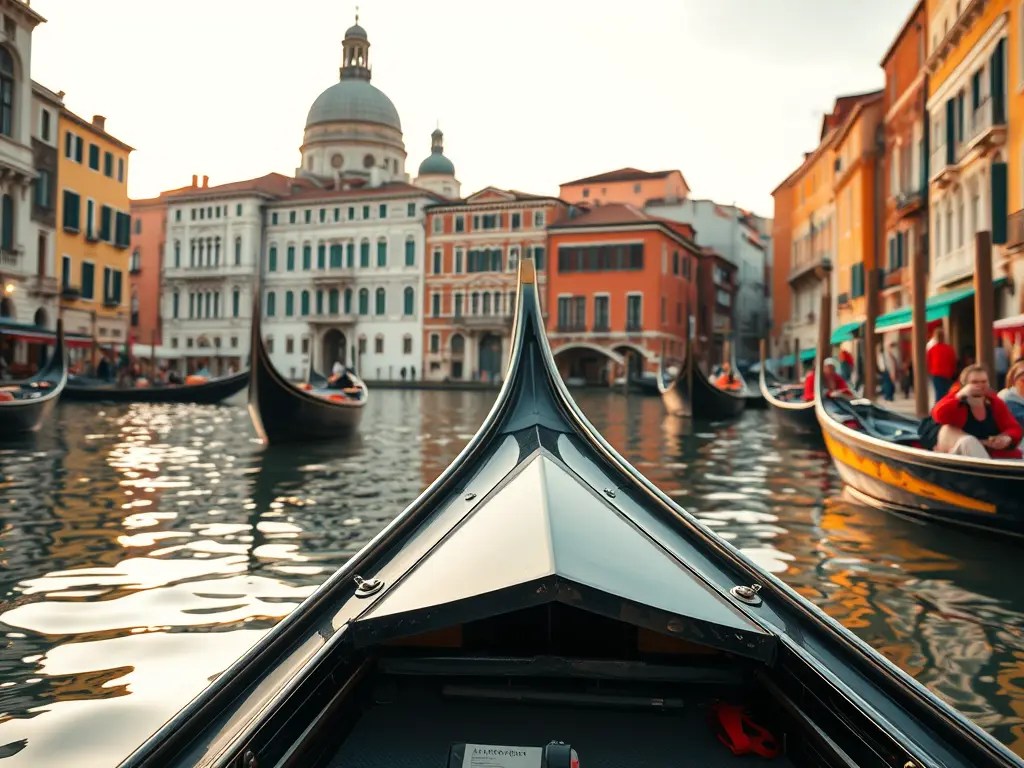
View from the front of a gondola navigating a canal in Venice, surrounded by colorful buildings and other gondolas.
A scenic view from a gondola in Venice, showcasing the iconic architecture and tranquil canals, perfect for an idyllic getaway. The View From the Water. There’s no perspective quite like it! Gliding through the quiet, narrow canals of Venice in a gondola is the only way to truly appreciate the charming decay and beautiful details of the ancient buildings. It’s a moment of pure, peaceful magic. 🛶 #Venice #Gondola #ItalyTravel #HiddenCanals

San Marco Vacations

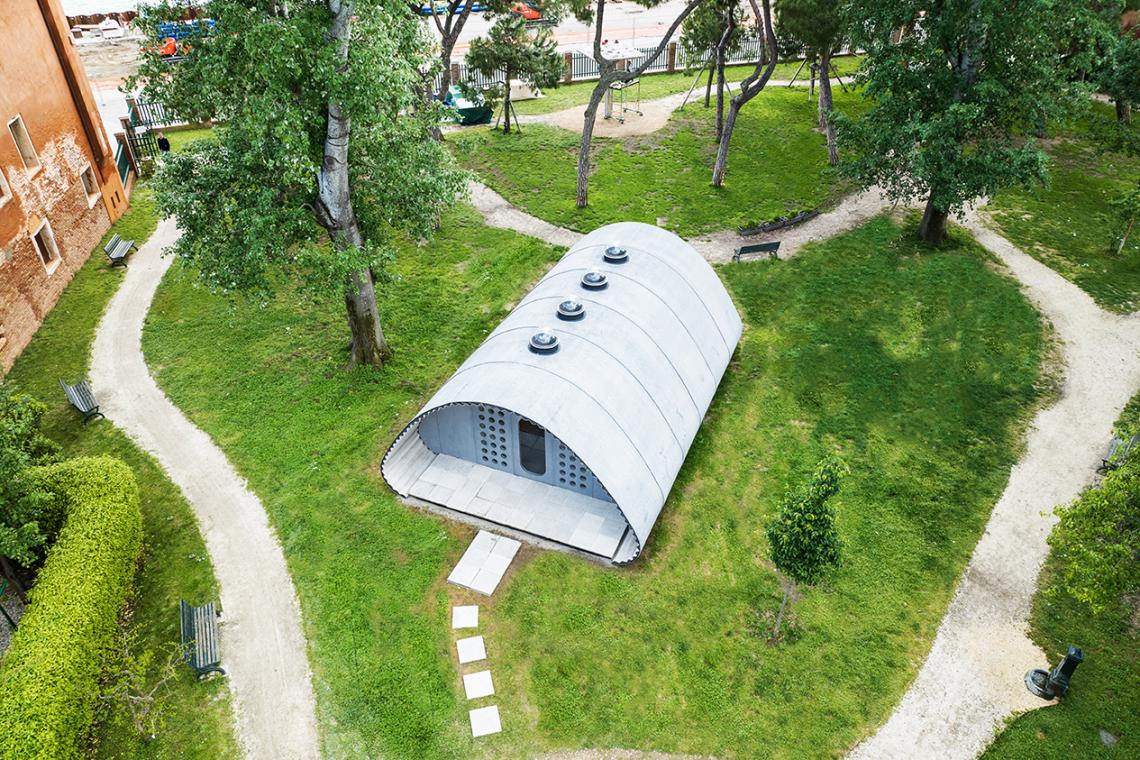
Aerial view of a modern, curved pavilion surrounded by lush green grass and trees in a park.
A modern architectural structure nestled in a green park in Venice, showcasing a unique design amidst natural beauty.

Sunday: Islands, Art, & Last Bites

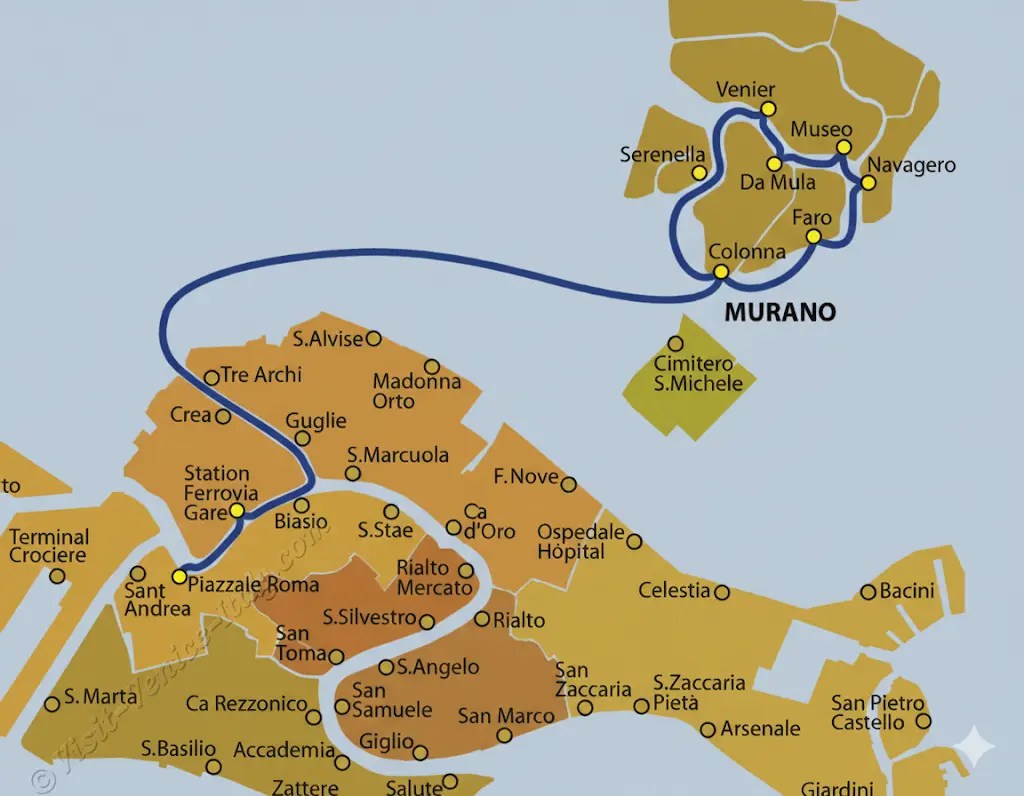
  • Morning: Take the vaporetto to Murano to see glassblowing demonstrations. If you have time, hop over to Burano—the island of brightly colored fishermen’s houses is an Instagram dream and utterly charming.
  • Afternoon: Visit the Dorsoduro district for art. The Accademia Gallery holds the world’s best collection of Venetian art, or check out the modern masterpieces at the Peggy Guggenheim Collection.
  • Late Afternoon: Enjoy one last gelato (I’m a pistachio purist) and slowly make your way back to the station or airport, taking in the final, golden-hour glimpses of the canals.
Map of the Vaporetto routes in Venice, highlighting connections to popular destinations like Murano and the Grand Canal.
  • Vaporetto Fares (Verify with ACTV Official Site):
    • Single Ride: €9.50 (valid for 75 minutes)
    • 72-Hour Travel Card: €45 (unlimited rides)
    • Pro Tip: Validate your card before boarding by tapping it on the electronic readers at the dock.
  • Airport Transfer Options (Marco Polo Airport – VCE):
    • Alilaguna Water Bus (Blue Line): €15, ~1.5 hours to San Marco. Check schedules here.
    • ACTV Bus (#35 or #5): €10, ~20 minutes to Piazzale Roma (then switch to vaporetto).
    • Water Taxi: €100-€150, ~30 minutes (direct to your hotel).

Burano Vacations

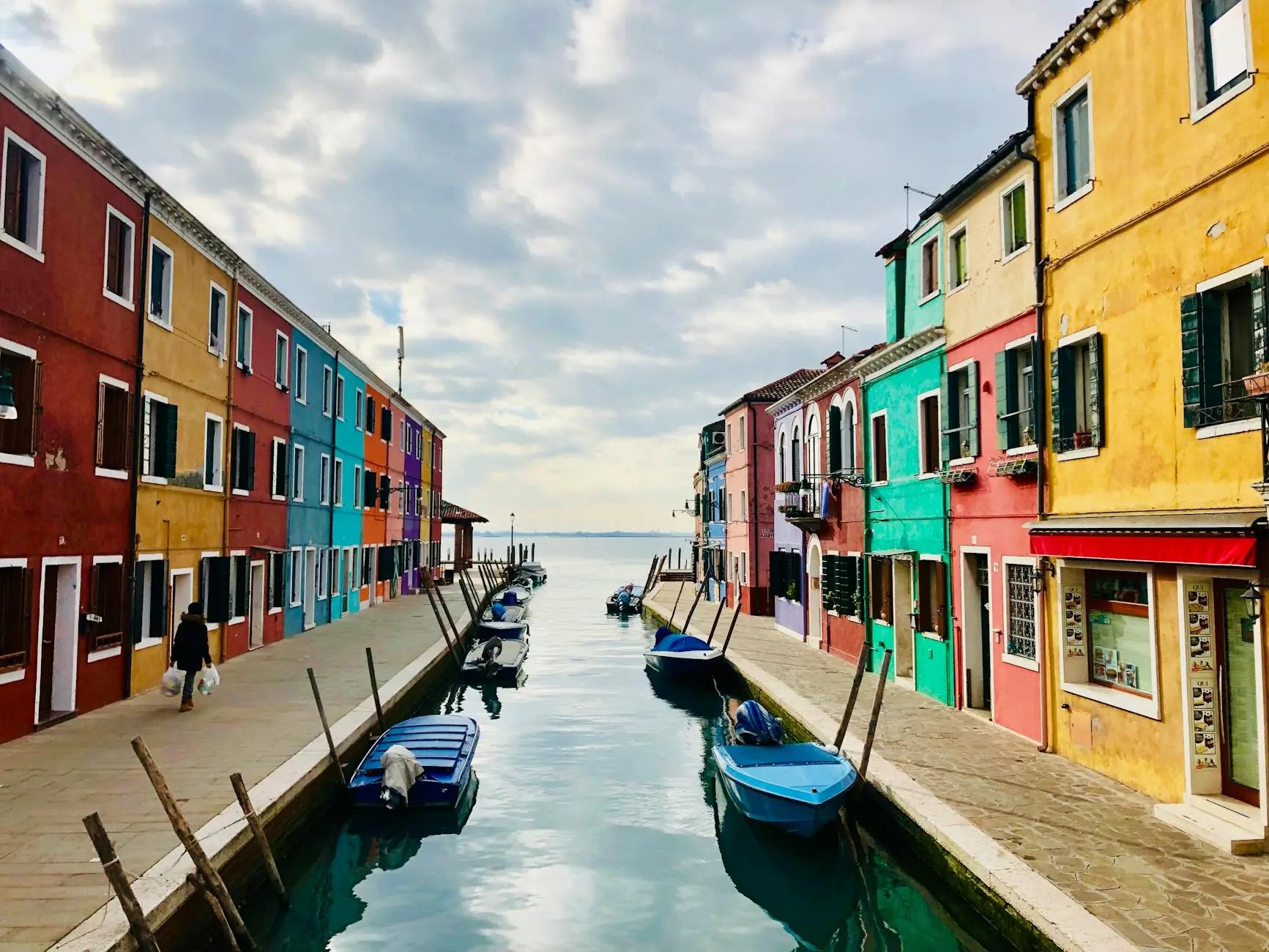
A picturesque canal in Burano, Venice, lined with colorful houses and small boats moored along the waterfront, under a cloudy sky.
Colorful houses line the tranquil canals of Burano, Venice, offering a picturesque scene perfect for wanderers and photographers. A Rainbow on the Water: Burano’s Iconic Canal. No filter needed! The fishing island of Burano is famous for its kaleidoscope of vibrant houses, each painted a brilliant color to help fishermen find their way home in the fog. It’s the perfect half-day trip from Venice for photos and a peaceful stroll. 🌈 #Burano #Venice #Italy #ColorfulPlaces

Accademia Gallery David Skip The Line Entrance Tickets

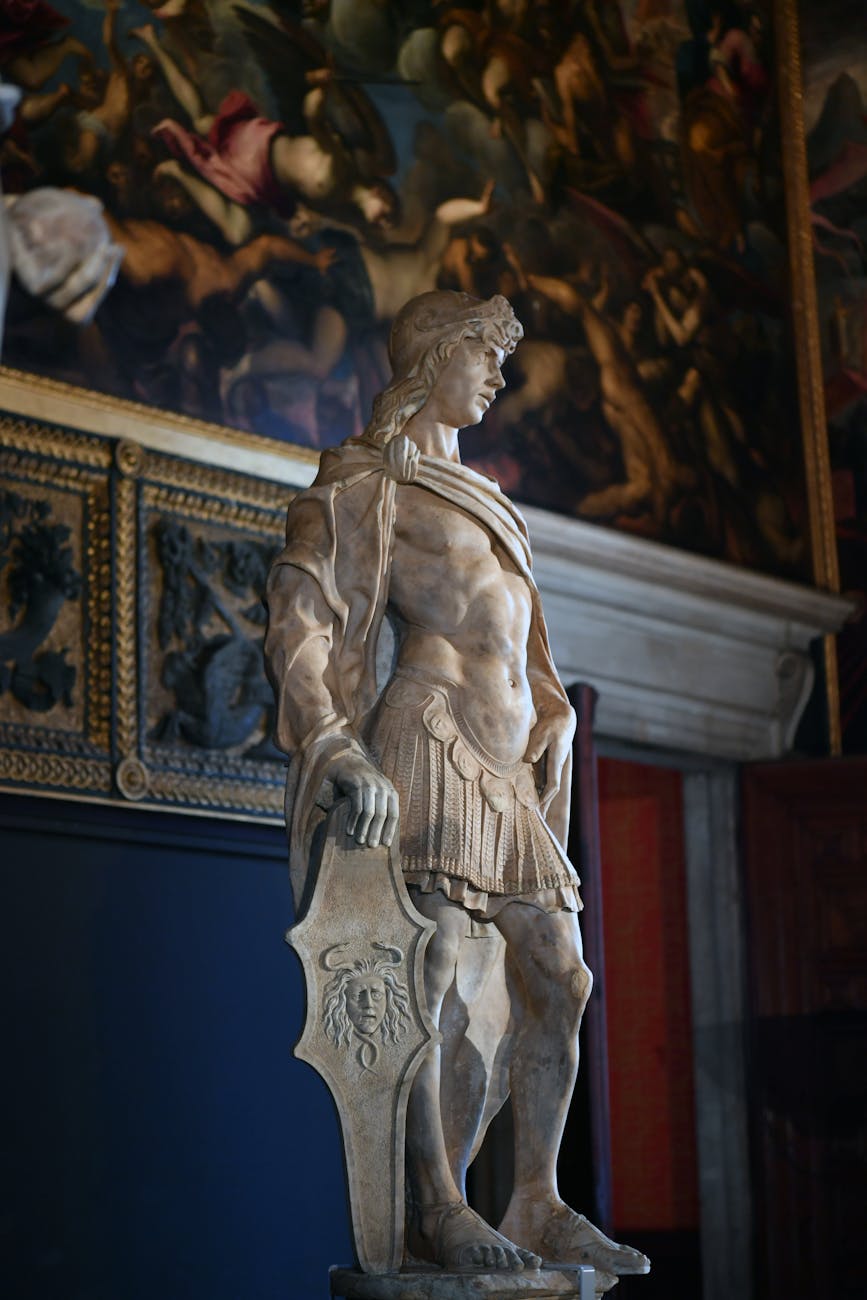
A marble statue of a warrior holding a shield, set against a richly decorated backdrop featuring historical paintings.
A striking statue of a warrior, adorned with intricate details, set against a backdrop of dramatic artwork in a historic Venetian building.

Venice: Peggy Guggenheim Collection Private Tour with Tickets

Venice Travel Toolkit

💰 Saving Money:

  • Eat & Drink Like a Local: Cicchetti and ombre are your best friends. A lunch of a few cicchetti and a glass of wine will cost a fraction of a sit-down restaurant meal.
  • Water: Bring a reusable bottle. Venice has free, clean drinking water flowing from nasoni (big nose) fountains all over the city.
  • Skip the Gondola for a Traghetto: A gondola is a splurge. For just €2, you can ride a traghetto—a local gondola ferry that crosses the Grand Canal at various points. It’s a functional and fun taste of the gondola experience.

🌐 Staying Connected & Secure:
✈️ Travel Tip: Staying connected abroad used to be my nightmare. I’d either pay insane roaming fees or spend an hour at an airport SIM counter. Not anymore. I never travel without my Drimsim—a universal SIM that works in 190+ countries. Pop it in, top up via the app, and you’re online. No contracts, no hidden fees. It’s genuinely liberating.

I also always have my NordVPN active on my phone and laptop, especially when using public WiFi in airports and cafes. It keeps my personal data safe from prying eyes.

✈️ Travel Insurance:
✈️ Smart Travel Tip: I never, ever travel without insurance. A missed flight, a stolen bag, or a unexpected doctor’s visit can ruin a trip financially. I use VisitorsCoverage to compare plans and find the right coverage for every trip. It’s peace of mind in your pocket.


Navigating Like a Local: The Vaporetto

Forget cars. Forget Uber. In Venice, you walk or you take a boat.

  • The Vaporetto: This is the public water bus. It’s the best way to cover long distances (e.g., from the train station to San Marco, or to Murano).
  • The Ticket: A single ride is expensive (€9.50!). If you’re there for a weekend, BUY A TRAVEL CARD. The 72-hour card (€45) is perfect and will pay for itself after about 5 rides. Validate it before your first ride by tapping it on the electronic readers at the dock.
  • The Routes: Line 1 is the “tourist” line that goes slowly down the Grand Canal—great for sightseeing. Line 2 is the express version. ActV is the official app for routes and schedules.
  • Traghetto: As mentioned, these are cheap gondola ferries that cross the Grand Canal. They are a fantastic and authentic time-saver.

Speak a Little Venetian

While most people speak English, a little Italian goes a long way!

  • Ciao (chow): Hello / Goodbye (informal)
  • Buongiorno (bwon-jor-no): Good morning / Good day
  • Grazie (graht-tsee-eh): Thank you
  • Un ombra, per favore (oon ohm-brah, per fa-vor-eh): A small glass of wine, please
  • Quanto costa? (kwan-toh coh-stah): How much does it cost?
  • Dov’è il bagno? (doh-veh eel ban-yo): Where is the bathroom?
  • Scusi: (skoo-zee) Excuse me
  • Un biglietto, per favore: (oon bee-yet-toh, per fah-voh-reh) One ticket, please.

Frequently Asked Questions (FAQ)

Q: What is the best time of year to visit Venice for a weekend?
A: The sweet spots are April-May and September-October. The weather is pleasant, and the crowds are thinner than in the peak summer months. Avoid February if you dislike crowds, as Carnevale brings massive numbers (though it’s an amazing experience!).

Q: Is Venice expensive?
A: It can be, but it doesn’t have to be. By eating cicchetti, using a vaporetto pass, avoiding hotels right on San Marco, and enjoying free activities like wandering and seeing churches, you can manage a budget-friendly trip.

Q: How do I get from Marco Polo Airport (VCE) to the city center?
A: The Alilaguna water bus (blue line) takes you directly to San Marco and takes about 1.5 hours (€15). A water taxi is a direct, glamorous, but expensive (€100-€150) option. The cheaper way is to take the ACTV bus (€10) to Piazzale Roma (the bus terminal in Venice) and then switch to the vaporetto.

Q: What should I do if my flight to Venice is canceled?
A: Don’t panic! Under EU air passenger rights, you could be entitled to significant compensation (up to €600). Instead of fighting the airline yourself, use a service like AirHelp. They handle all the paperwork and legal stuff and only get paid if you win. I’ve used them successfully before—it’s a stress-free way to potentially get a nice chunk of your trip refunded.


Q: Is it easy to find ATMs in Venice?

A: Yes, ATMs (Bancomat) are widely available. Avoid Euronet ATMs as they often have poor exchange rates and high fees. Stick to machines associated with actual Italian banks.

More Travel Inspiration & Backlinks

If you’re considering a longer trip to Italy, be sure to check out my other guides:

Planning a longer Italian adventure? Check out our other ultimate city guides:

Remember, Venice is not just a city—it’s an experience. Go with an open mind, a sense of adventure, and a good pair of walking shoes. Buon viaggio!

Universal Disclaimer/Disclosure Page:
48-Hour Prague Itinerary: Essential Travel Guide

Meta Description: Plan your ultimate weekend escape to Prague, Czech Republic! This detailed travel guide covers must-see sights, hidden gems, money-saving tips for transport & food, and essential Czech phrases. Get ready for an unforgettable 48 hours in the heart of Europe.

Table of Contents

  1. Why Prague Is the Perfect Weekend Getaway
  2. Quick Practical Info
    • Visa & Costs
    • Best Time to Go
  3. Getting There & Getting Around
    • Planes & Flights (Bonus: Flight delay/compensation tool)
    • Trains, Buses & Car Rental (Maps & routes included)
  4. Where to Stay & Hidden-Gem Neighborhoods
  5. Top Sights with Personal Anecdotes
    • Must-see Classics
    • Off-the-Beaten-Path Discoveries
  6. Pocket-Friendly Travel Tips
    • Public Transport Hacks
    • Budget Ins & Outs
  7. Local Lingo 101: Words You’ll Actually Use
  8. Stay Connected & Covered
    • SIM Cards & Data
    • VPN & Safety
    • Travel Insurance
  9. Strong CTAs & Further Reading
  10. FAQ: Your Burning Questions Answered
  11. Links to My Other Travel Tales

So, you’ve got a weekend to spare and a serious case of wanderlust? Let me tell you, packing your bags for Prague is never a bad idea. This city is like stepping into a living, breathing fairytale, complete with a castle looming over a river, cobblestone streets that whisper centuries of history, and beer that’s cheaper than water (no, really).

I’ve lost count of how many times I’ve wandered across the Charles Bridge at sunrise, and it never gets old. This guide is my love letter to Prague, packed with everything I’ve learned from getting delightfully lost in its alleys. We’re going to craft your perfect 48-hour itinerary, save you money, and make you feel like a local (or at least a very savvy tourist).

Pro Tip: I always book my flights and hotels together on Expedia—it’s my go-to for snagging a great package deal. For a city like Prague, staying in the centre (like Old Town or Lesser Town) is worth the extra few bucks to save time on logistics.

Flights to Prague

Why Prague Is the Perfect Weekend Getaway

Picture this: you step off the tram onto cobblestones that have heard centuries of stories. Café aromas drift through the air, and a medieval tower looms above, daring you to explore. That’s Prague—where history, romance, and quirky Czech humor collide. It’s compact, charming, and unexpectedly budget-friendly, making it ideal for your two-day mini-adventure.

Hotels in Prague

Prague is incredibly compact. Most of the iconic sights are within walking distance of each other, making it ideal for a short trip. It’s also wonderfully affordable compared to other Western European capitals. Plus, with a well-connected airport and an efficient public transport system, you can maximize your time exploring instead of commuting.

Visa Note: For travellers from the US, UK, Canada, and Australia, you can enter the Czech Republic (part of the Schengen Area) visa-free for up to 90 days. Always double-check the latest entry requirements from official government sources before you travel.

Best Time to Visit
Plan around late spring or early fall to dodge peak crowds while enjoying mild, pleasant weather. Summer can be busy and winter, festive but chilly.

Day 1: Castles, Bridges, and Cobblestones

Morning: Start your day early at Prague Castle (Pražský hrad). I cannot stress the “early” part enough. Tour buses arrive around 10 AM, and the complex gets packed. Take tram 22 up to the castle for a classic Prague experience and stunning views. The castle grounds themselves are free to walk, but buy a ticket to enter St. Vitus Cathedral—it’s absolutely breathtaking.

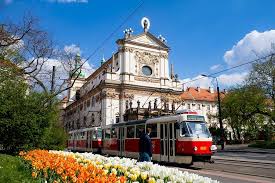
A red and white tram passing by a beautifully detailed historic building with blooming tulips in the foreground, under a clear blue sky in Prague.
Tram moving past beautiful architecture and blooming tulips in Prague, perfect for experiencing the city’s charm.

St. Vitus Cathedral Tours

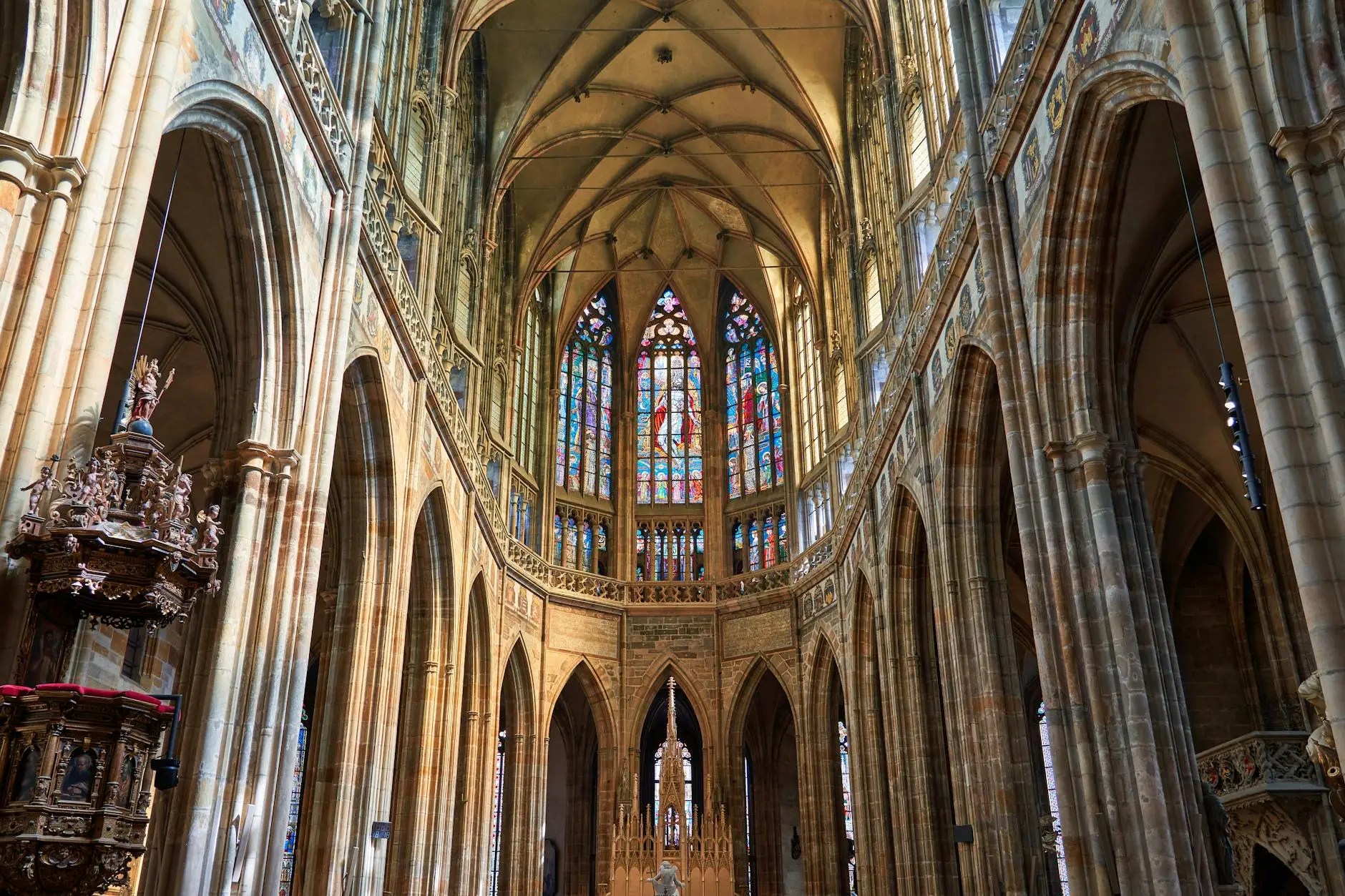
Interior view of St. Vitus Cathedral featuring gothic architectural elements and colorful stained glass windows.
Interior view of St. Vitus Cathedral showcasing stunning stained glass windows and Gothic architecture.

Afternoon: Wander down from the castle through the charming Lesser Town (Malá Strana). Get lost in its narrow streets and find a classic Czech pub for lunch. Then, make your way to the Charles Bridge (Karlův most). While it’s packed during the day, the energy is infectious. For a different perspective, I highly recommend a Vltava River cruise – it’s a relaxing way to see the cityscape.

I’ll never forget my first time trying to order in one of these pubs. The menu was all Czech, and the waiter spoke no English. I pointed at what looked like a safe bet, which turned out to be vepřo knedlo zelo—roast pork, dumplings, and sauerkraut. It was the definition of comfort food, and the waiter gave me a thumbs-up and a complimentary beer for my effort. Moral of the story? Don’t be afraid to point and be adventurous!

Mala Strana

Night view of Prague Castle illuminated above the Vltava River, with historic buildings and the Charles Bridge in the foreground under a snowy sky.
The illuminated Prague Castle and the historic Charles Bridge at night, showcasing the enchanting beauty of the city.

Charles Bridge Tours

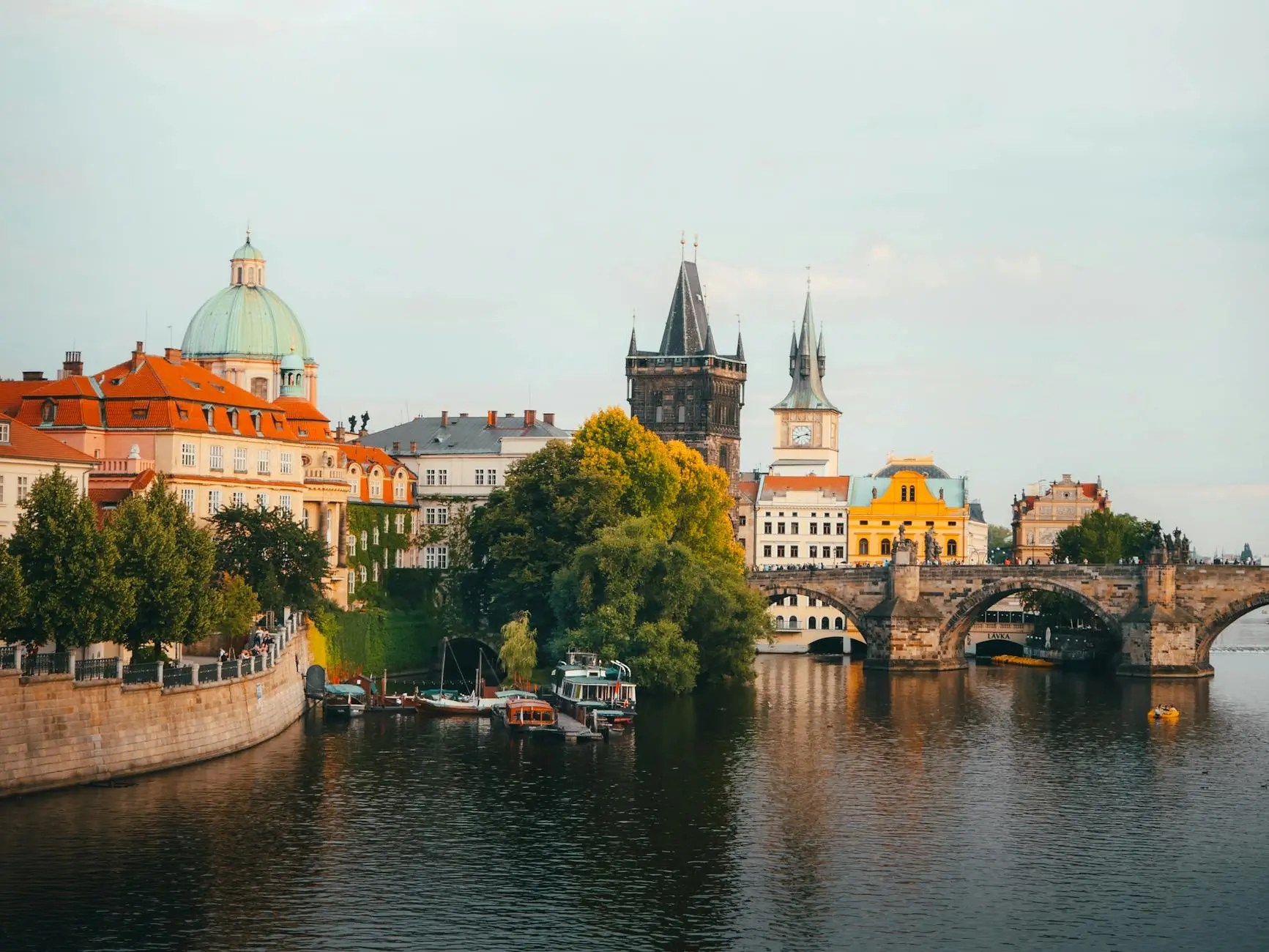
A scenic view of Prague, showcasing historic buildings with red rooftops along the Vltava River, featuring the iconic Charles Bridge in the foreground.
Scenic view of the Charles Bridge and the historic architecture along the Vltava River in Prague.

Evening: Have dinner in Lesser Town and then walk back across the Charles Bridge at night. The crowds have dispersed, the castle is illuminated, and it’s pure magic. It’s one of my favourite memories of the city.

Day 2: Old Town Charm and Hidden Courtyards 

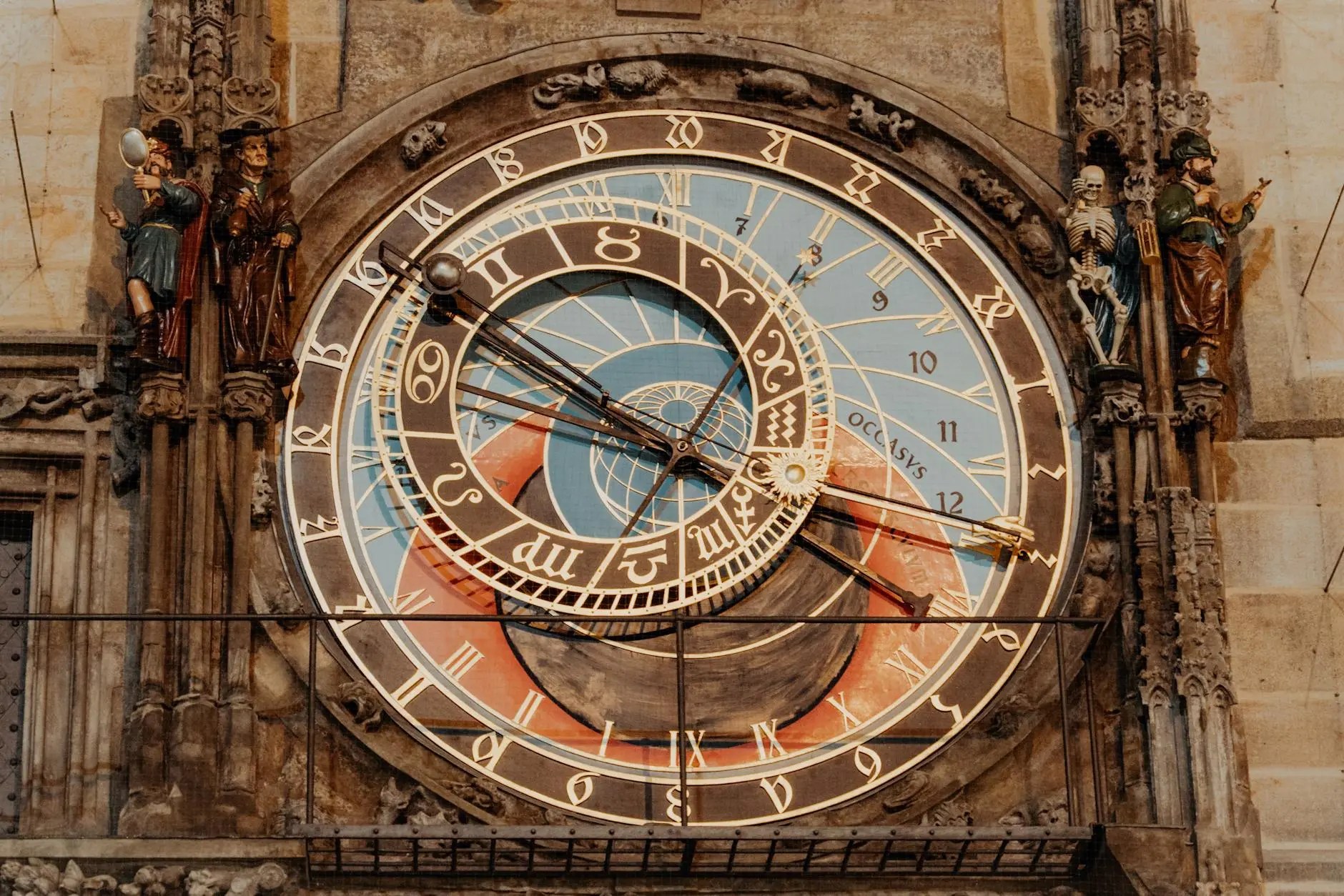
Morning: Begin at the Old Town Square (Staroměstské náměstí). Watch the world-famous Astronomical Clock put on its show at the top of the hour (it’s a little underwhelming but you have to see it once!). Climb the Old Town Hall Tower for the best panoramic view of the square’s spires.

Old Town Square Tours

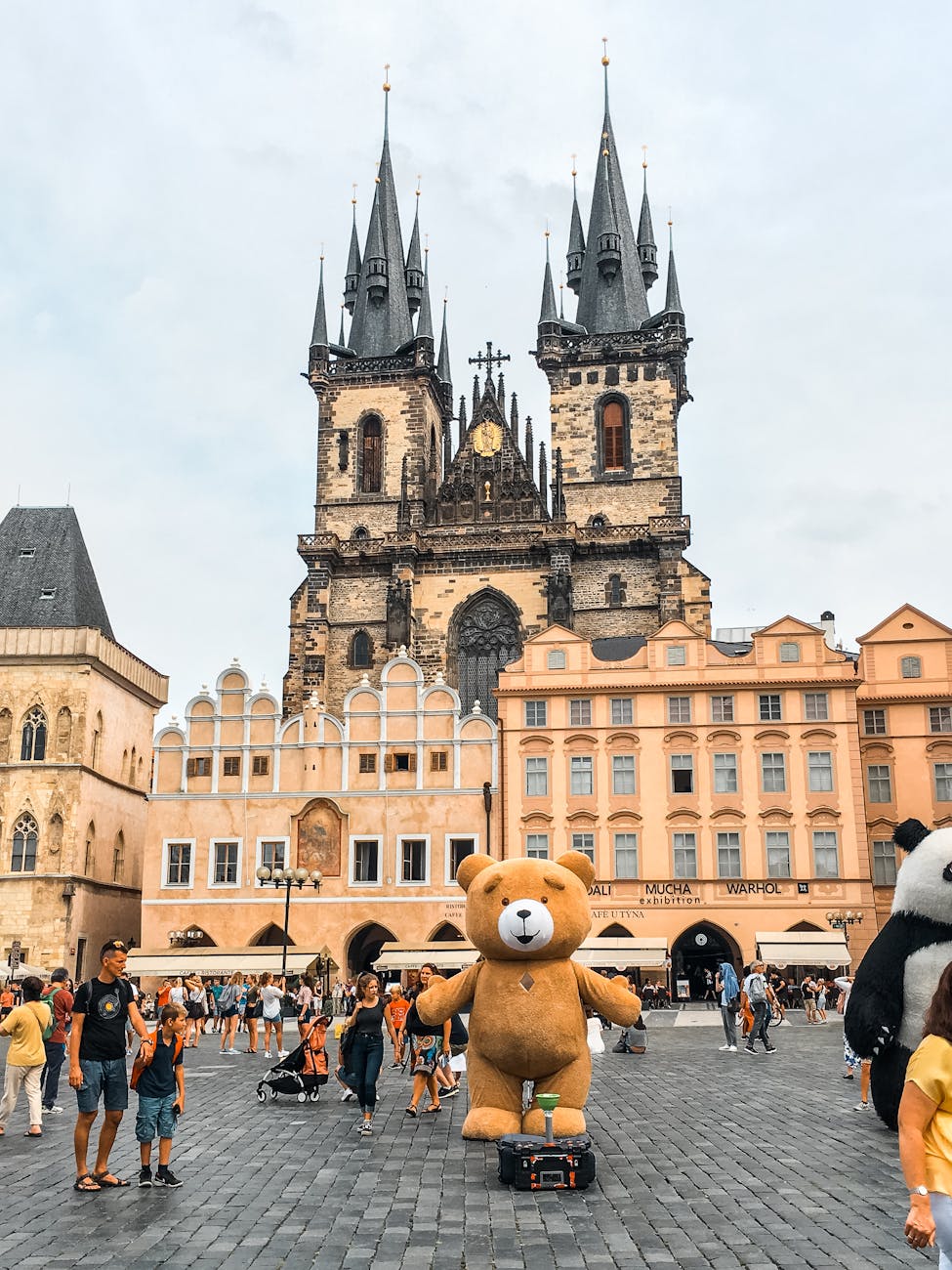
A large teddy bear costume character stands in the foreground of Prague's Old Town Square, with the iconic Church of Our Lady before Týn in the background, surrounded by tourists.
A lively scene in Old Town Square, Prague, featuring a giant teddy bear amidst crowds of tourists and historic architecture.

Prague Astronomical Clock Tours

Close-up of the intricate Astronomical Clock in Prague, featuring colorful astronomical details and decorative figures.
The iconic Astronomical Clock in Prague’s Old Town, a must-see attraction showcasing intricate designs and astronomical details.

Afternoon: Follow the crowds towards the Jewish Quarter (Josefov), a area rich with profound history. Afterwards, indulge your sweet tooth at the ICU Museum of Senses or find a hidden courtyard café to people-watch. If you have more time in the region, consider a day trip—I wrote about my favourite one to Cesky Krumlov here.

Prague Jewish Quarter Walking Tour with Admission Tickets

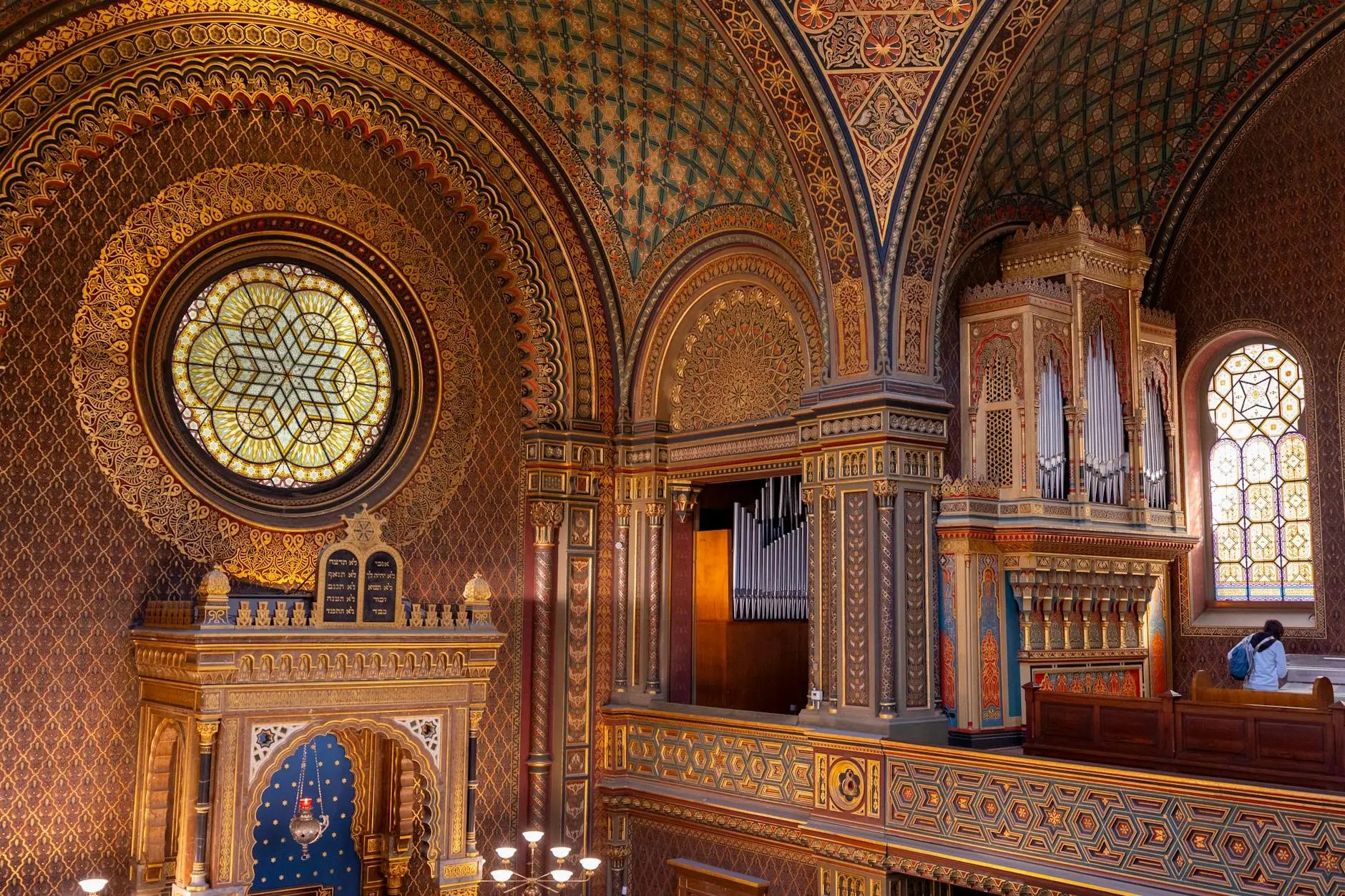
Interior view of a beautifully ornate synagogue featuring intricate patterns, colorful stained glass windows, and a large organ.
Interior view of the stunning Spanish Synagogue in Prague, highlighting its intricate architecture and vibrant stained glass.

Admission Ticket Museum of Senses Prague

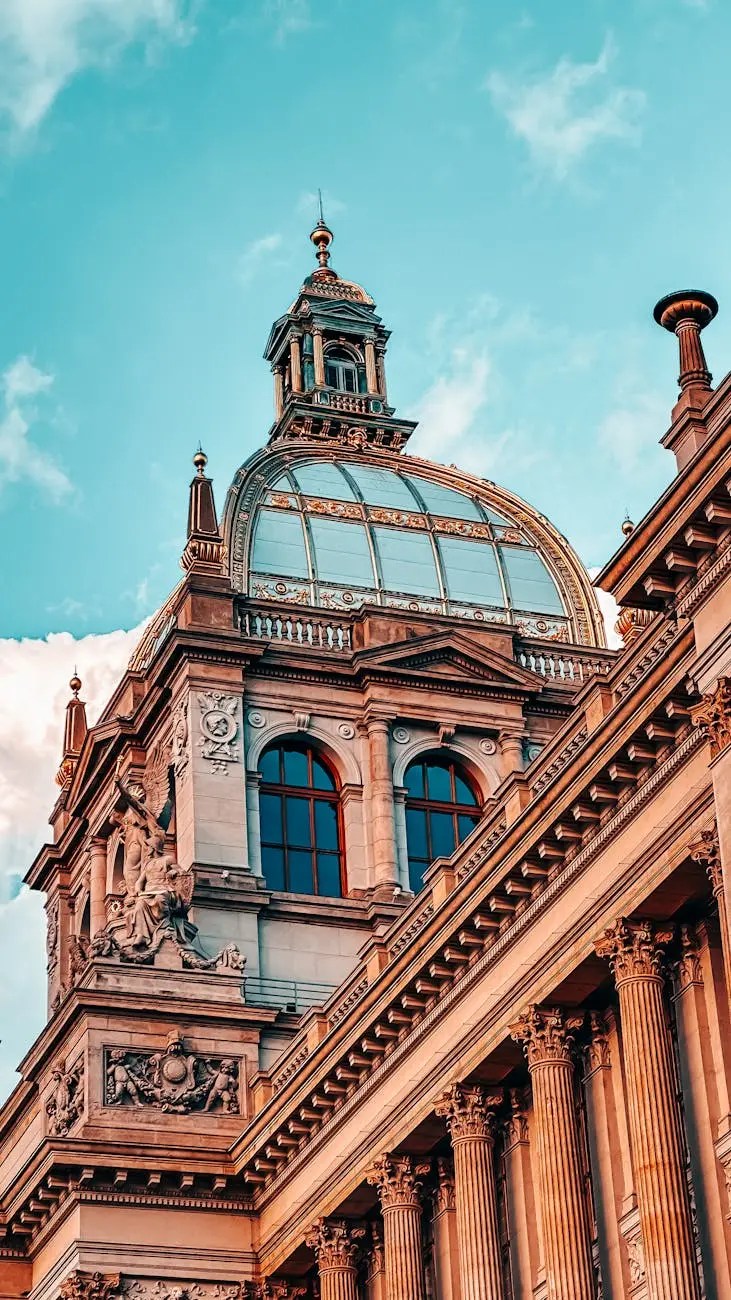
Close-up view of the ornate architectural details of a historical building in Prague, showcasing a decorated dome with a glass top against a blue sky.
The stunning architecture of a historical building in Prague, showcasing intricate designs and a magnificent dome under a clear blue sky.
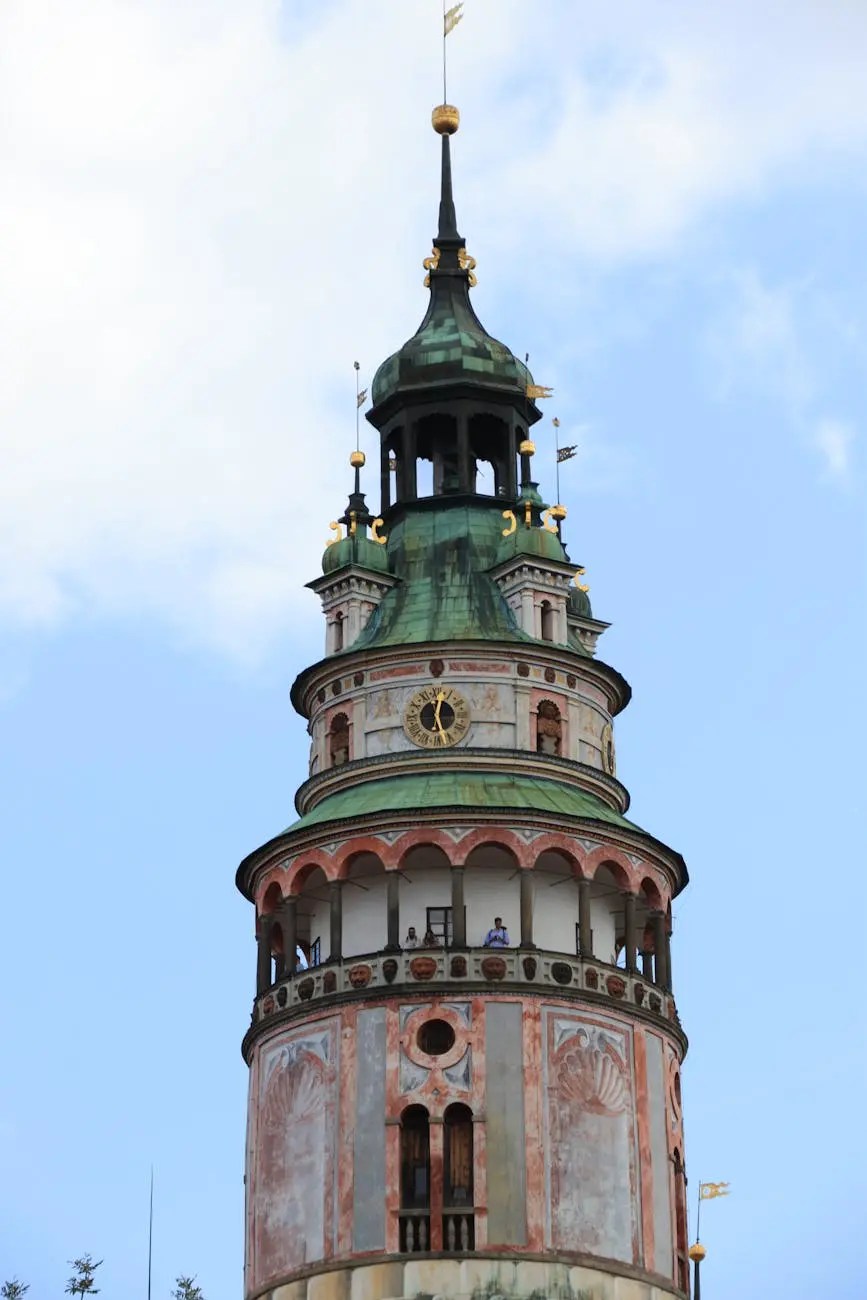
Close-up of a historic tower with a green dome, decorative details, and a clock, set against a blue sky.
The ornate tower in Prague showcases stunning architecture against the blue sky. (Český Krumlov)

Evening: For your last night, enjoy a proper Czech feast and a well-earned pint of Pilsner. Then, why not experience some of Prague’s legendary nightlife?

A vibrant nightclub scene with people dancing under purple and blue lights in an arched stone venue.
Experience Prague’s vibrant nightlife in this atmospheric underground venue, perfect for dancing and socializing.

Beyond the Checklist: Prague’s Hidden Gems 

  • Vyšehrad: A fortress complex south of the centre with gorgeous gardens, a cemetery with famous Czechs, and quiet, crowd-free views of the city. It’s a perfect escape.
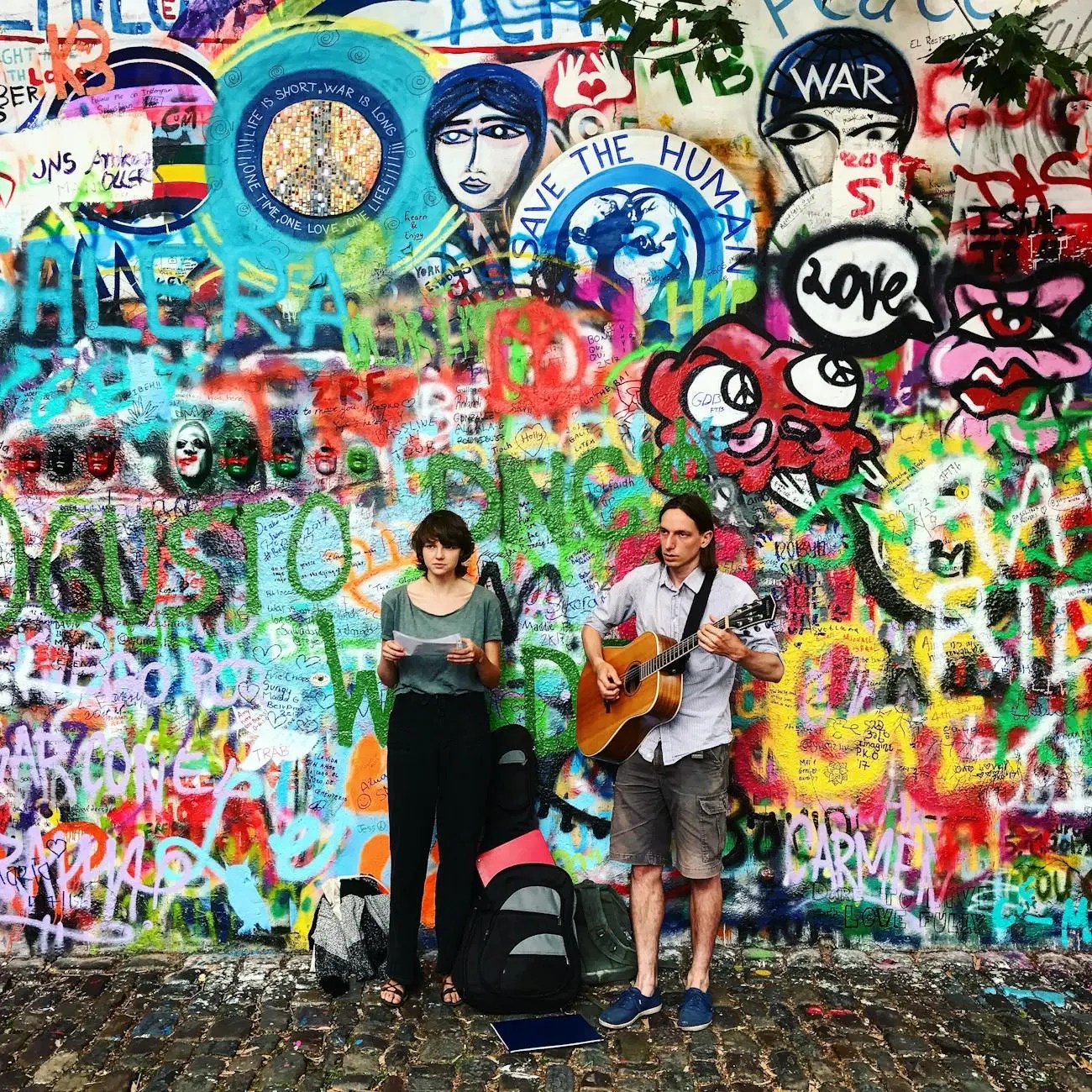
  • The John Lennon Wall: While not exactly “hidden,” it’s a vibrant, ever-changing symbol of peace and love. It’s a great quick stop in Lesser Town.
  • Letná Beer Garden: Located in Letná Park, across the river from the Old Town. It offers arguably the best view of the bridges and city centre. Grab a cheap beer, sit on a bench, and soak it all in with the locals.
  • Stay near Malá Strana for fairytale atmospheres; or choose Žižkov for hip cafés and local nightlife. I once stayed in Žižkov and woke to the most gloriously odd murals—felt like my quirky soul had found a home.
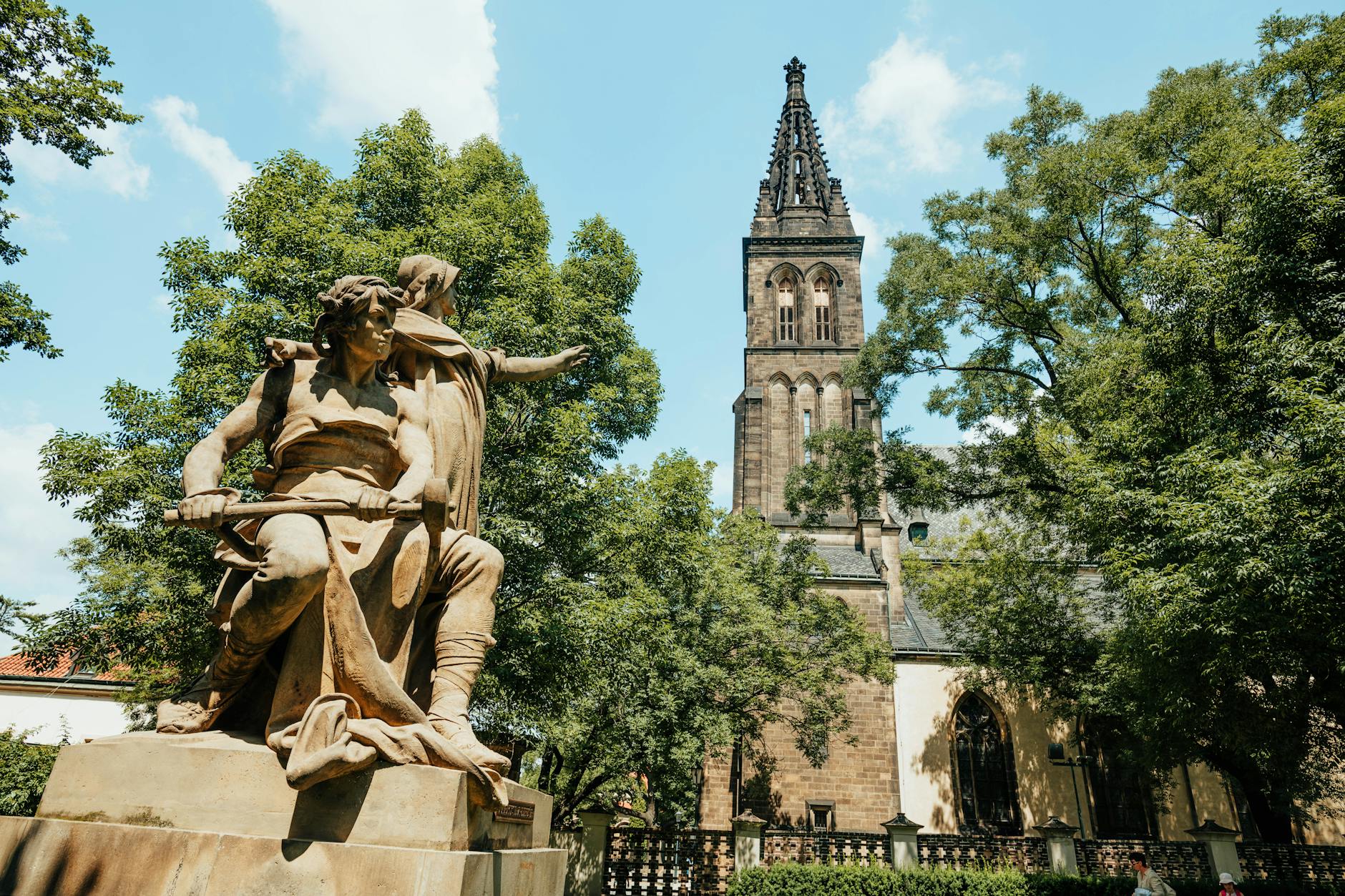
A close-up of a statue of two figures, one pointing forward, with a tall, ornate church tower in the background, surrounded by lush green trees against a blue sky.
A striking sculpture in front of a historic church in Prague, capturing the city’s rich cultural heritage.

A man playing guitar and a woman reading lyrics stand in front of the colorful John Lennon Wall, covered in graffiti and artistic messages.
A vibrant scene at the John Lennon Wall in Prague, featuring street performers amid colorful graffiti.

View of people dining at an outdoor seating area with a scenic backdrop of Prague's skyline featuring historical buildings and a clear sky.
A group of friends enjoying the scenic view of Prague from a park, surrounded by trees and historic architecture.
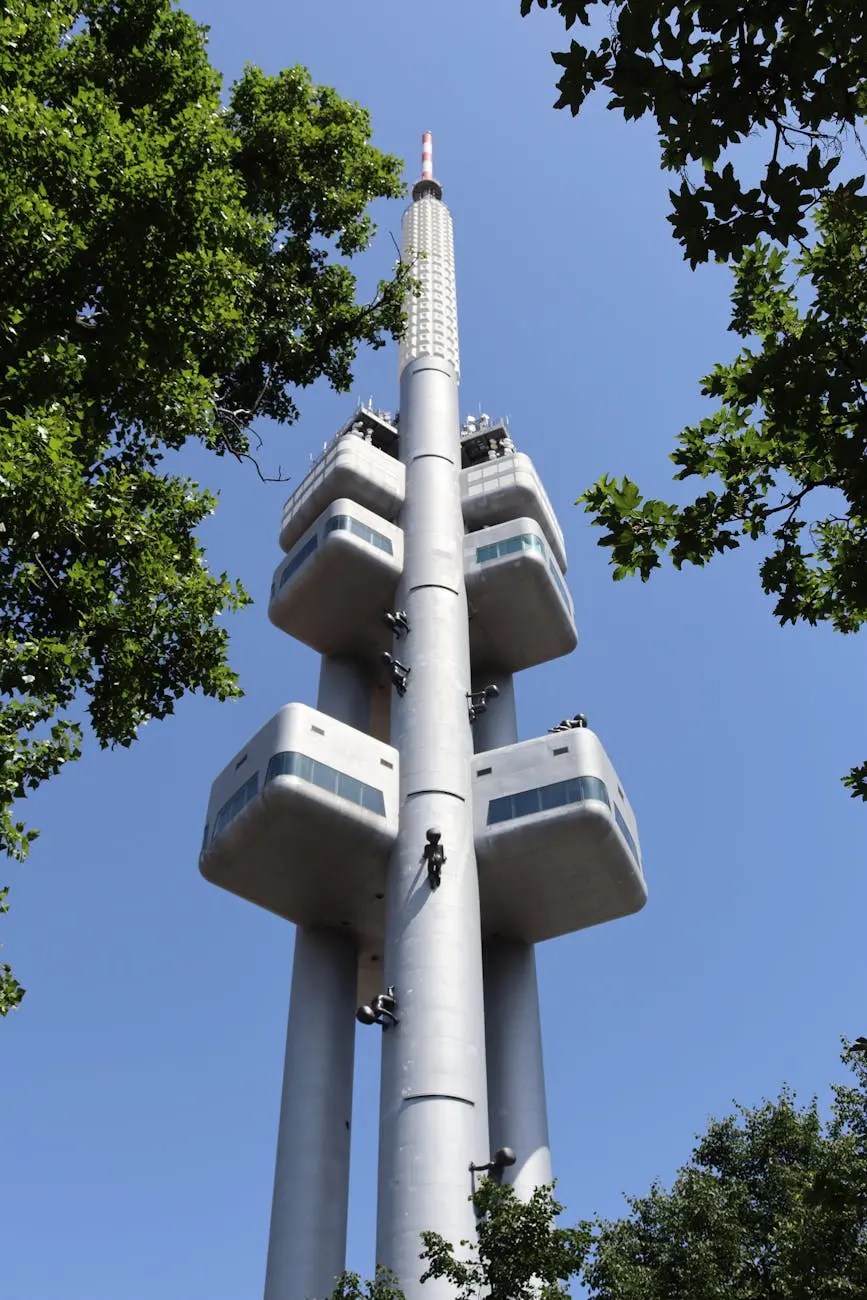
View of the Zizkov TV Tower in Prague, featuring its unique architectural design with viewing pods and trees in the foreground.
The Žižkov Television Tower, a striking landmark in Prague featuring viewing platforms and unique architecture.

Navigating Prague Like a Pro: Transport Tips

Prague’s public transport (Dopravní podnik hl. m. Prahy, or DPP) is fantastic, cheap, and will be your best friend.

  • The Ticket System: Forget zones. A single ticket covers all trams, buses, metros, and even the funicular for a set time (30 min, 90 min, 24 hrs, 72 hrs). For a weekend, the 72-hour ticket (330 CZK) is your best bet.
  • How to Buy & Validate: You can buy tickets from yellow machines at metro stations or most tram stops (card/cash), or via the PID Lítačka app (my preferred method—so easy!). CRUCIAL: You must validate your paper ticket in the yellow stamp machine before your first journey. No stamp = a fine. App tickets are activated before you board.
  • Key Routes:
    • Tram 22: It’s not just transport, it’s a scenic tour. It winds past the National Theatre, up to Prague Castle, and beyond. Ride it for the views.
    • Metro: The three lines (A-green, B-yellow, C-red) are fastest for covering long distances. Use them to get from downtown to the outskirts (e.g., to the bus station).
  • Public Transport: The network of metros, trams, and buses is extensive. For a weekend, the 72-hour ticket (330 CZK) is your best bet. It’s valid on all services. Validate it once in the yellow machine before your first journey and then you’re good to go. Trams #9, #17, and #22 are particularly useful for tourists.
  • Taxis & Ride-Sharing: Avoid flagging down taxis on the street. They are notorious for overcharging tourists. Use apps like Bolt or Liftago (the local equivalent to Uber) for transparent, fixed pricing.
  • Walking: Prague’s core is incredibly walkable. The best discoveries are often made by wandering without a map.

A detailed map of Prague's tram lines, showcasing various routes, stops, and connections within the city's public transportation network.
Map of Prague’s tram lines, showcasing the extensive public transport network for visitors exploring the city.

Trains, Buses & Car Rental

  • Train: The Czech Railways (ČD) system is punctual, frequent, and scenic—especially if you’re coming from Vienna or Berlin.
  • Bus: FlixBus and RegioJet are budget-friendly and reliable options—watch for comfy perks like free Wi-Fi and snacks.
  • Car: Renting a car gives flexibility for day trips (like Kutná Hora or Karlštejn Castle). Use Google Maps to pre-plan routes—Prague’s traffic can surprise you, and parking zones cost extra. Filling up near the city outskirts can save gas.

Map tip: download your route on Google Maps with offline mode—navigation without roaming charges.

Savoring Prague: Food, Beer, and Budget Tips 

  • Must-Eat: Svíčková (marinated beef with a creamy sauce and dumplings), Guláš (goulash), and Trdelník (a sweet pastry roll—it’s for tourists, but try it anyway!).
  • Beer is King: A half-liter of excellent beer often costs less than a soda. Look for pubs serving Pilsner UrquellBudvar, or a local microbrew.
  • Save Money: Eat away from the main squares. A restaurant just one street over will be significantly cheaper and often more authentic. Look for lunch menus (denní menu) for the best deals.
A plate of marinated beef in a creamy sauce served with a side of colorful sautéed vegetables and lemon slices.
Delicious Czech svíčková served with colorful vegetables, perfect for a culinary experience in Prague.

A bottle of Pilsner Urquell beer on a dark background.
A bottle of Pilsner Urquell, the iconic Czech beer, illuminated against a smoky backdrop.

Essential Czech for Travellers

  • Hello / Goodbye: Dobrý den / Na shledanou
  • Thank you: Děkuji (Dyek-oo-yi)
  • Yes / No: Ano / Ne
  • Please: Prosím (also means “You’re welcome”)
  • Beer, please: Pivo, prosím
  • Cheers!: Na zdraví!
  • Do you speak English?: Mluvíte anglicky?

Local Lingo 101

Czech PhrasePronunciationMeaning
Ahoj!ah-hoyHello (friendly, casual)
Děkuji / Díkydye-koo-yee / deek-eeThank you / Thanks
Kolik to stojí?koh-leek toh stoy-eeHow much does it cost?
Toaletatoh-ah-leh-tahRestroom
Jedna pivo, prosímyed-nah pee-vo proh-seemOne beer, please

Czech Culture & Etiquette: Blend in Like a Local

A little cultural know-how goes a long way in making a good impression.

  • Shoes Off: If you’re invited into a Czech home, it is customary and polite to take your shoes off at the door.
  • Toasting: When you say Na zdraví! (Cheers!), make firm eye contact during the clink. It’s a old superstition that not doing so brings seven years of bad luck in the bedroom!
  • Punctuality: Being on time is valued, whether for a tour, dinner reservation, or meeting someone.
  • Quiet on Transport: Czechs tend to be quiet and reserved on trams and metros. Keep conversations at a considerate volume.
  • Pay at the Table: In most restaurants, the waiter will bring the payment terminal to your table when you ask for the bill. You don’t typically go to a cashier to pay.

Money Matters & Local Currency 

  • Currency: The Czech Republic uses the Czech Koruna (CZK/Kč), not the Euro. While some tourist spots might accept Euros, the exchange rate will be terrible. Always pay in Koruna.
  • ATMs & Cards: ATMs are everywhere. Avoid “Euronet” ATMs if possible—they offer dynamic currency conversion and have high fees. Your bank’s rate is always better. Credit/debit cards are widely accepted, but always carry some cash for smaller shops, market stalls, and public transport ticket machines.
  • Tipping: Rounding up the bill or leaving 10% is standard practice for good service in restaurants and pubs. It’s not mandatory but is appreciated.

Smart Travel Essentials: Stay Connected & Protected

Let’s talk practicalities. A few key items have saved my trips from turning into nightmares, and I’d never travel without them now.

📶 Stay Connected Instantly:
Remember that time I spent 45 minutes at a Prague airport kiosk trying to buy a local SIM with a clerk who spoke no English? Never again. Now I use Drimsim. It’s a genius universal SIM that works in 190+ countries the second you land. Pop it in your phone, top up via the app, and you’re online. No hidden fees, no hassle. It’s a total game-changer for navigating maps and posting pics on the go.
<a href=”https://drimsim.tpm.lv/WZXbFzT6&#8243; rel=”nofollow”>Get your universal Drimsim travel SIM here</a>

🔒 Protect Your Privacy & Access:
Using public WiFi in cafes and hotels? Please, use a VPN. NordVPN encrypts your data, so your passwords and bank details are safe from prying eyes. It also lets you access streaming services from back home if you need a quiet night in. your online travel with NordVPN

✈️ Get Compensated for Flight Issues:
Had a flight delayed over 3 hours or canceled? Under EU air passenger rights, you could be owed up to €600 in compensation. Most people don’t claim it, but AirHelp makes it easy. They handle all the paperwork and fight the airlines for you, and they only get paid if you win. I’ve used them successfully—it’s stress-free and feels great to get that payout. Check your flight for free compensation with AirHelp

😌 Don’t Skimp on Insurance:
I never, ever travel without insurance. A simple accident or stolen bag can ruin a trip and your finances. I use VisitorsCoverage to compare and find the best plan for my specific trip. It’s peace of mind that’s worth every penny. Get a tailored travel insurance quote from VisitorsCoverage

📸 Capture the Memories:
Prague is endlessly photogenic. To capture all those stunning details, from the Astronomical Clock to the castle guards, I swear by my trusty Sony Alpha camera. It’s lightweight, powerful, and perfect for travel photography.

One of the best things about Prague is its location right in the heart of Europe. It pairs perfectly with other iconic German capitals for an unforgettable multi-city adventure. If you’re extending your trip beyond the Czech Republic, you’re in luck.

  • Heading south? Dive into the hearty Bavarian culture, world-class museums, and beer gardens of Munich. It’s a fantastic contrast to Prague’s intimate charm and makes for a perfect next stop.
  • Heading north? Immerse yourself in the gritty, vibrant, and endlessly cool atmosphere of Germany’s capital, Berlin. The journey from history-rich Prague to history-making Berlin is one every traveller should experience.

Prague Weekend Escape FAQ

What is the best time of year to visit Prague?
Spring (April-June) and Fall (September-October) are ideal. The weather is mild, and the crowds are thinner than in the peak summer months. The Christmas markets in December are also magical, but it’s very crowded and cold.

Is Prague expensive?
Prague is one of the most affordable capital cities in Europe. While prices have risen, it’s still possible to have a fantastic time on a moderate budget, especially if you eat and drink like a local away from the tourist hubs.

How much money should I budget for a weekend?
Excluding flights and accommodation, a comfortable budget for food, drink, attractions, and transport would be around 150-200 EUR for a weekend. You can do it for less, or certainly spend more!

Is English widely spoken?
Yes, absolutely. In the tourist centres, hotels, and restaurants, you will have no problem communicating in English. Learning a few basic Czech phrases is always appreciated, though.

What’s the best way to get from the airport to the city centre?
The Airport Express (AE) bus takes you to the main train station (Hlavní nádraží) in 35 minutes. Public bus #119 takes you to a metro station (Nádraží Veleslavín) where you can connect to the metro system. Both are cheap and efficient.

Q: Do I need Czech crowns (CZK), or is card okay?
A: Both! Most places accept cards, but keep a little CZK for trams, street vendors, and market stalls.

Q: What voltage is used? Do I need an adapter?
A: It’s Type E plugs at 230 V—bring a European adapter if needed.

Q: How safe is Prague for solo travelers?
A: Very! With standard common-sense precautions, walking late at night is usually fine—just watch for pickpockets in major tourist hubs.

Q: Can I split weekend itineraries for chill time?
A: Absolutely. Consider doing things at a relaxed pace: Day 1 for UNESCO charm and Old Town, Day 2 for hidden gems and maybe a sunset beer garden.

Conclusion: Your Unforgettable Prague Adventure Awaits

Prague is a city that truly has it all: jaw-dropping history, affordable prices, vibrant culture, and yes, incredible beer. With this guide, you’re equipped to dive deep into its fairy-tale streets, connect with its friendly locals, and create a weekend you’ll remember for years to come. Remember to wear comfortable shoes, embrace getting a little lost, and always keep your camera ready around every corner.

Have you been to Prague? What was your favourite moment? Share your own stories and tips in the comments below—I’d love to hear them!

Ready to explore the cobblestone streets and ancient charm of Prague? Start planning your ultimate weekend escape now!

What’s your #1 travel tip for visiting a new city? Share your wisdom in the comments below!


Universal Disclaimer/Disclosure Page: