Kyoto Weekend Escape: Insider Tips for 72 Hours

Meta Description

 Discover how to experience the best of Kyoto in just 3 days. Our ultimate guide covers hidden gems, a foolproof itinerary, transport hacks, and essential tips for an unforgettable cultural weekend getaway in Japan’s ancient capital.

“My trip to Kyoto was born from a whim and a need to escape. After a grueling month at work, I booked a last-minute flight, threw a backpack together, and embarked on what became one of my most cherished travel memories. I learned that you don’t need weeks to experience the soul of Japan—you just need a plan. Let me be your guide to an unforgettable 72-hour immersion in a city where ancient temples sit just around the corner from buzzing modern life.”

Table of Contents

  1. Why Kyoto? (Visa Costs, When to Go & Secret Perks)
  2. Getting There & Getting Around (Trains, Buses, Maps & Money Saving Hacks)
    • 2.1 From Airport to City: Haruka Express, ICOCA Cards & JR Pass
    • 2.2 Navigating Kyoto: Subway, Bus Routes & One-Day Passes
    • 2.3 Flip The Script: Beat Crowds with Time-Savvy Planning
  3. Your 2-Day Itinerary — History, Matcha & Monkey Mischief
    • Day 1: Temples, Teahouses & That Iconic Torii Tunnel
    • Day 2: Nature, Bamboo, Serene Sake Spots & Sagano Train Ride
  4. Hidden Gems & Pro Tips to Save Time & Yen
  5. Must-Pack Gear & Connectivity (SIM, VPN, Camera)
  6. FAQs: Kyoto Basics, Local Lingo & Visa Queries
  7. Keep Exploring: Back-Links to My Passport Diary & Old Adventures
  8. Call-to-Action (Get Booking, Gear & Coverage)

Why Kyoto is the Perfect Weekend Getaway

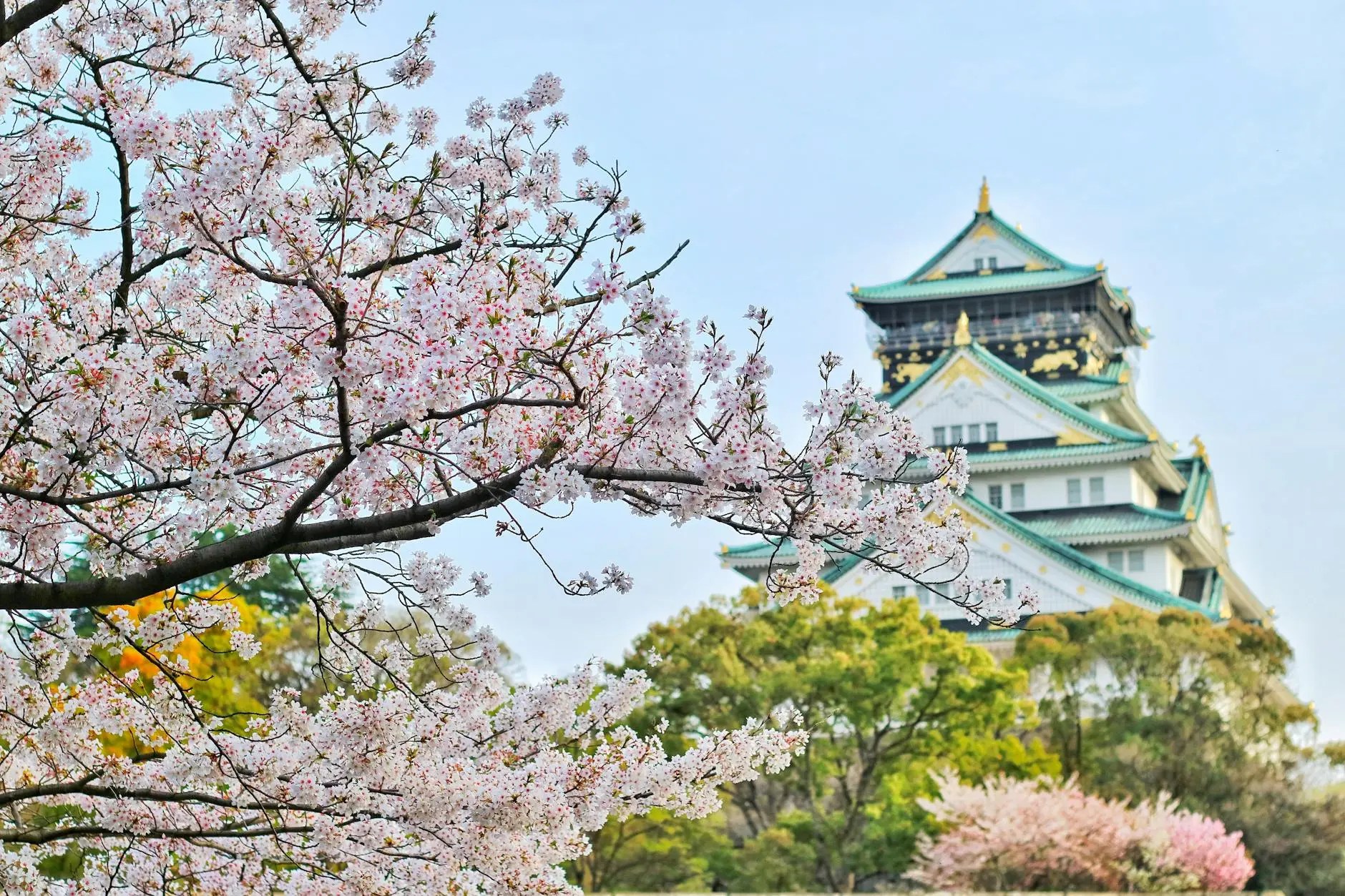
Kyoto is the antidote to Tokyo’s neon-fueled frenzy. It’s a city that moves at the pace of a flowing river—calm on the surface but with incredible depth and power underneath. With over 2,000 temples and shrines, 17 UNESCO World Heritage sites, and a food culture that will make your taste buds sing, it offers a concentrated dose of traditional Japanese culture.

For those coming from nearby hubs like OsakaTaipei, and Tokyo it’s a geographically close and culturally rich escape. Best of all, for many nationalities, Japan offers visa-free travel for short stays, making it a logistically simple trip. (Always check the official requirements for your passport).

Kyoto is like your wise, quiet grand-aunt who’s rich in stories—1,600 temples, whispering bamboo paths, unbelievable matcha desserts, and street corners where you might accidentally bump into a maiko (trainee geisha). If your country requires a tourist visa for Japan, expect fees ranging roughly ¥3,000–¥6,000¥3,000–¥6,000¥3,000–¥6,000 (around $20–$40) and a processing time from 3 days to 3 weeks depending on the embassy—worth verifying on your local consulate site. Peak beauty? Go for sakura season in early April or fall foliage in late November (color explosion, fewer jet-lagged crowds).

Visa: Many nationalities enjoy visa-free travel to Japan for short stays. However, requirements can change. Always verify your specific visa requirements and associated fees directly with the Official Ministry of Foreign Affairs of Japan website.

Flights to Kyoto

Crafting Your Perfect Kyoto Itinerary:

This itinerary is designed to maximize your time by grouping nearby attractions together, saving you hours on logistics.

Hotels in Kyoto

Day 1: The Iconic East

  • Morning: Start early at Fushimi Inari Taisha. I mean early—be there by 7:00 AM to experience the famous torii gate pathway without the crowds. Trust me, having a moment of solitude there is magical.
  • Afternoon: Head north to the Higashiyama District. Wander the preserved streets between Kiyomizu-dera Temple and Yasaka Shrine. This area is a living museum. Stop for a matcha and traditional sweet at a teahouse overlooking the cobbled lanes.
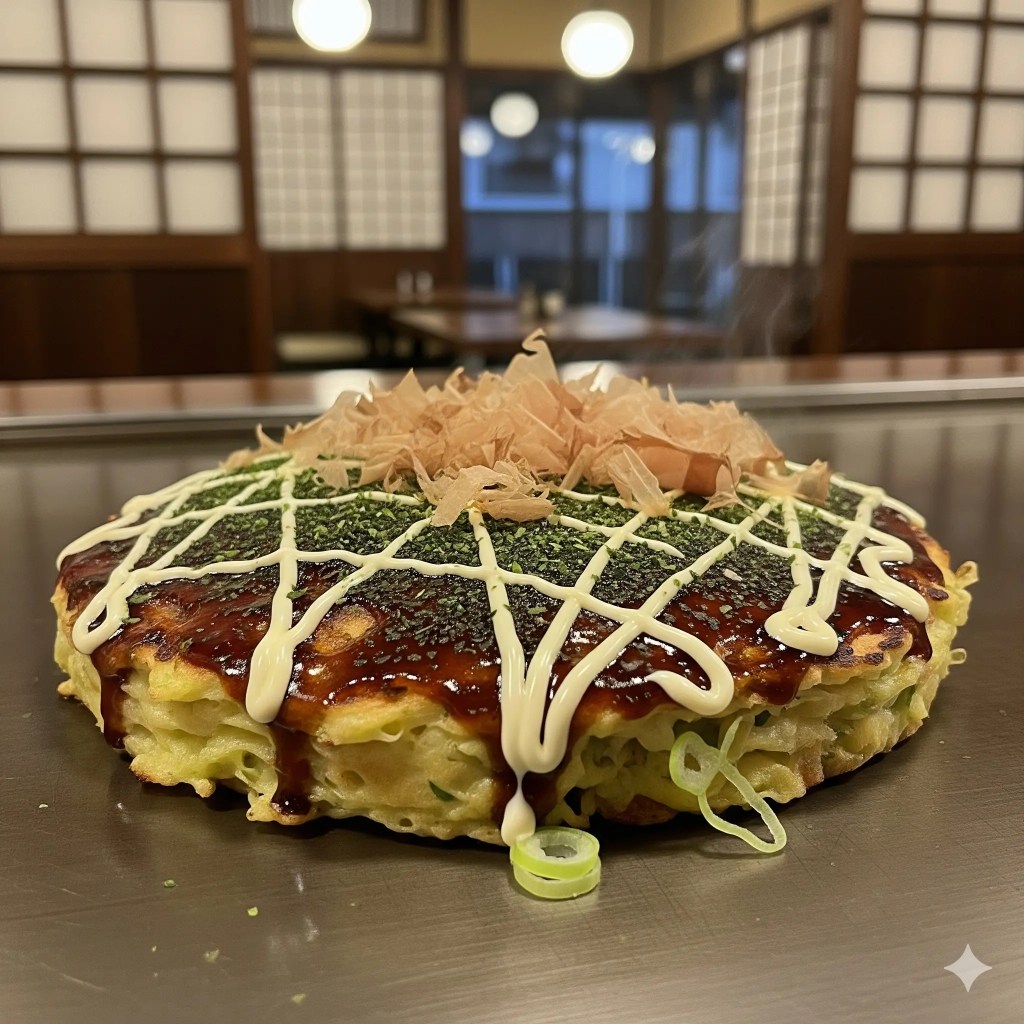
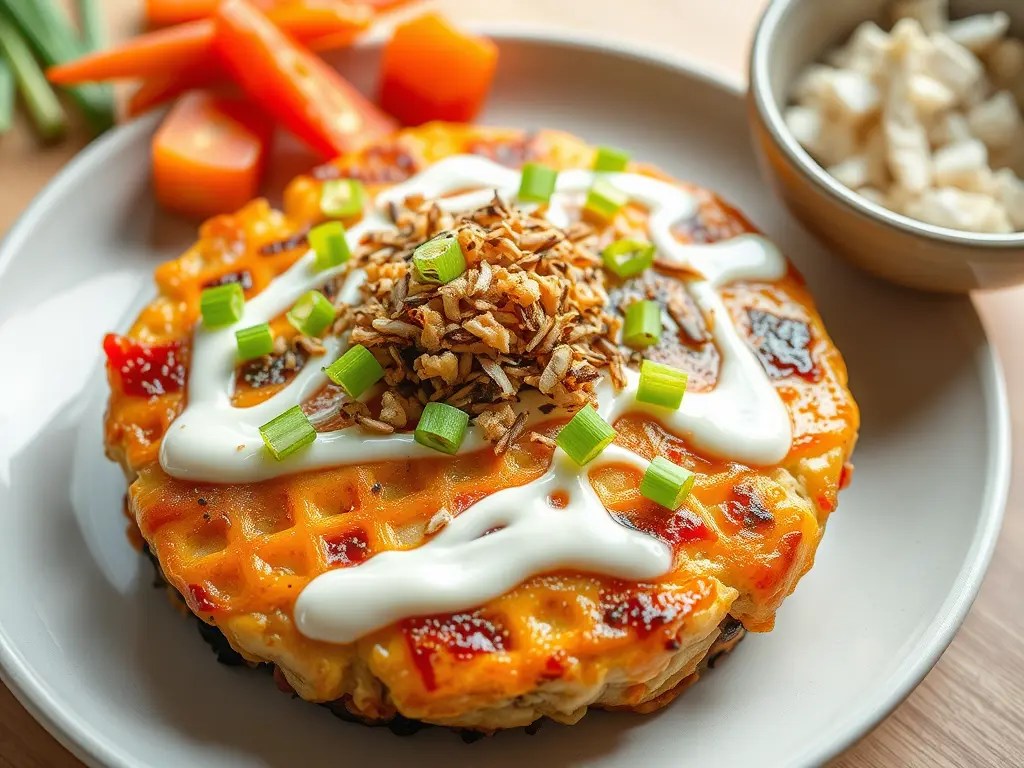
  • Evening: Explore the Gion district. You might spot a Geiko or Maiko (the local terms for Geisha and apprentices) scurrying to an appointment. For dinner, try a casual okonomiyaki (savory pancake) restaurant.
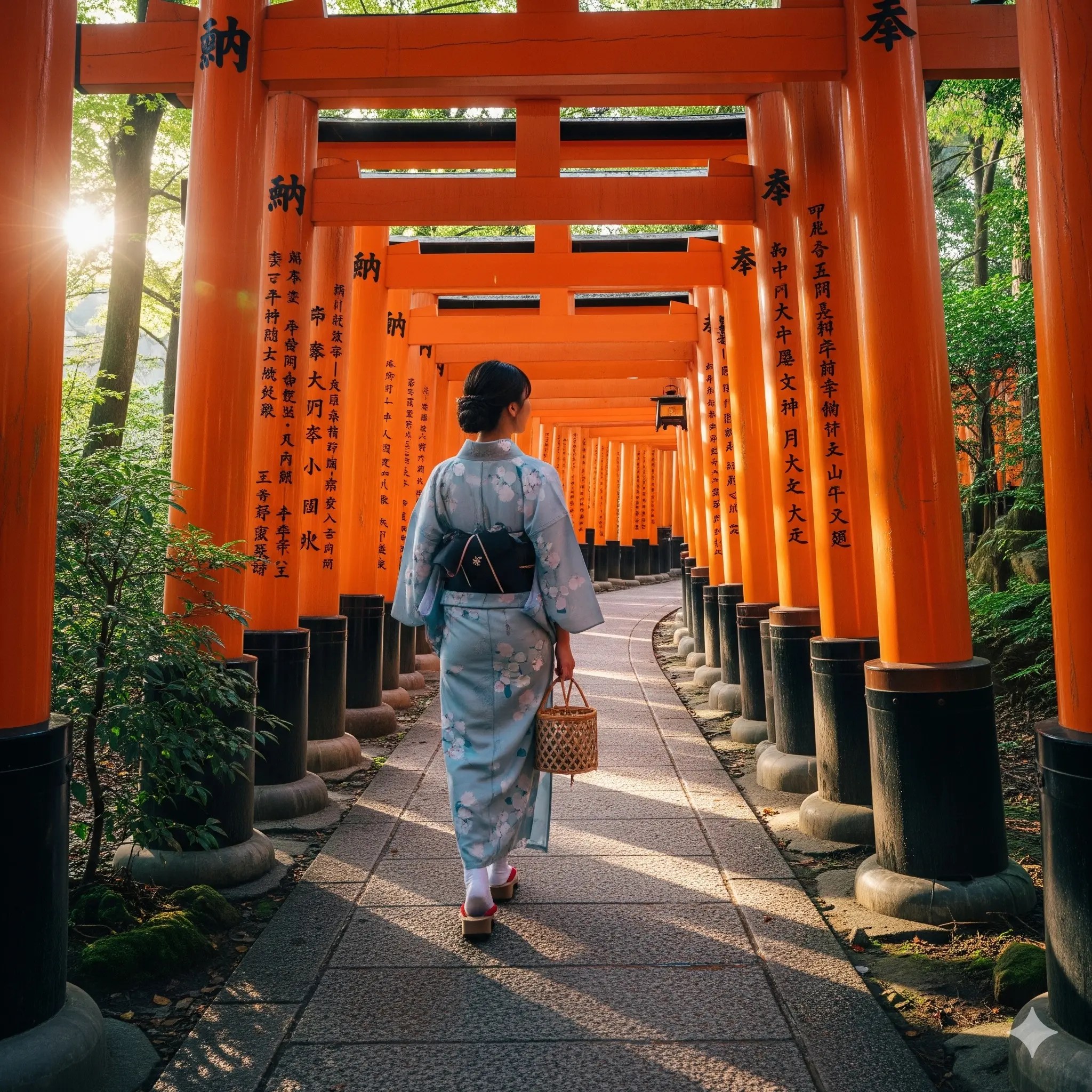
Fushimi Inari Shrine Tours

A woman in a traditional kimono walking through the iconic torii gates of Fushimi Inari Taisha in Kyoto, Japan, surrounded by lush greenery and sunlight filtering through the trees.
A visitor strolls through the iconic torii gates of Fushimi Inari Taisha, wearing a traditional kimono, capturing the essence of Kyoto’s rich culture. *The iconic tunnel of thousands of vermilion torii gates at Fushimi Inari Taisha. For the most serene experience, arrive before 7:00 AM to have the path almost to yourself.`

Fushimi Inari Note: “The advantage of Fushimi Inari is that it’s open 24 hours, so you can always fit it in.
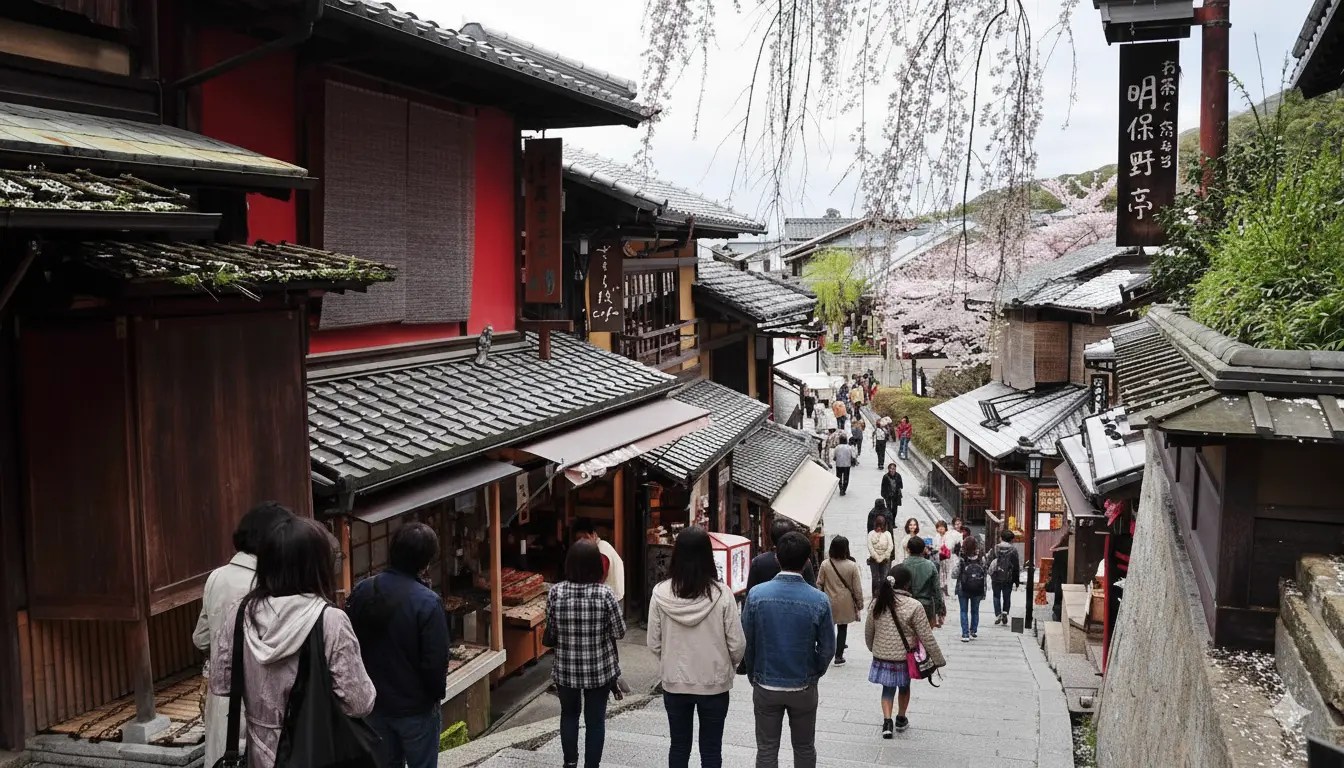
A lively street scene in Kyoto featuring traditional wooden buildings and cherry blossom trees, with a mix of locals and tourists strolling down a cobblestone path.
A bustling street scene in Kyoto, showcasing traditional architecture and cherry blossoms, perfect for exploring the city’s rich cultural heritage. A serene walk through the Higshiyama district

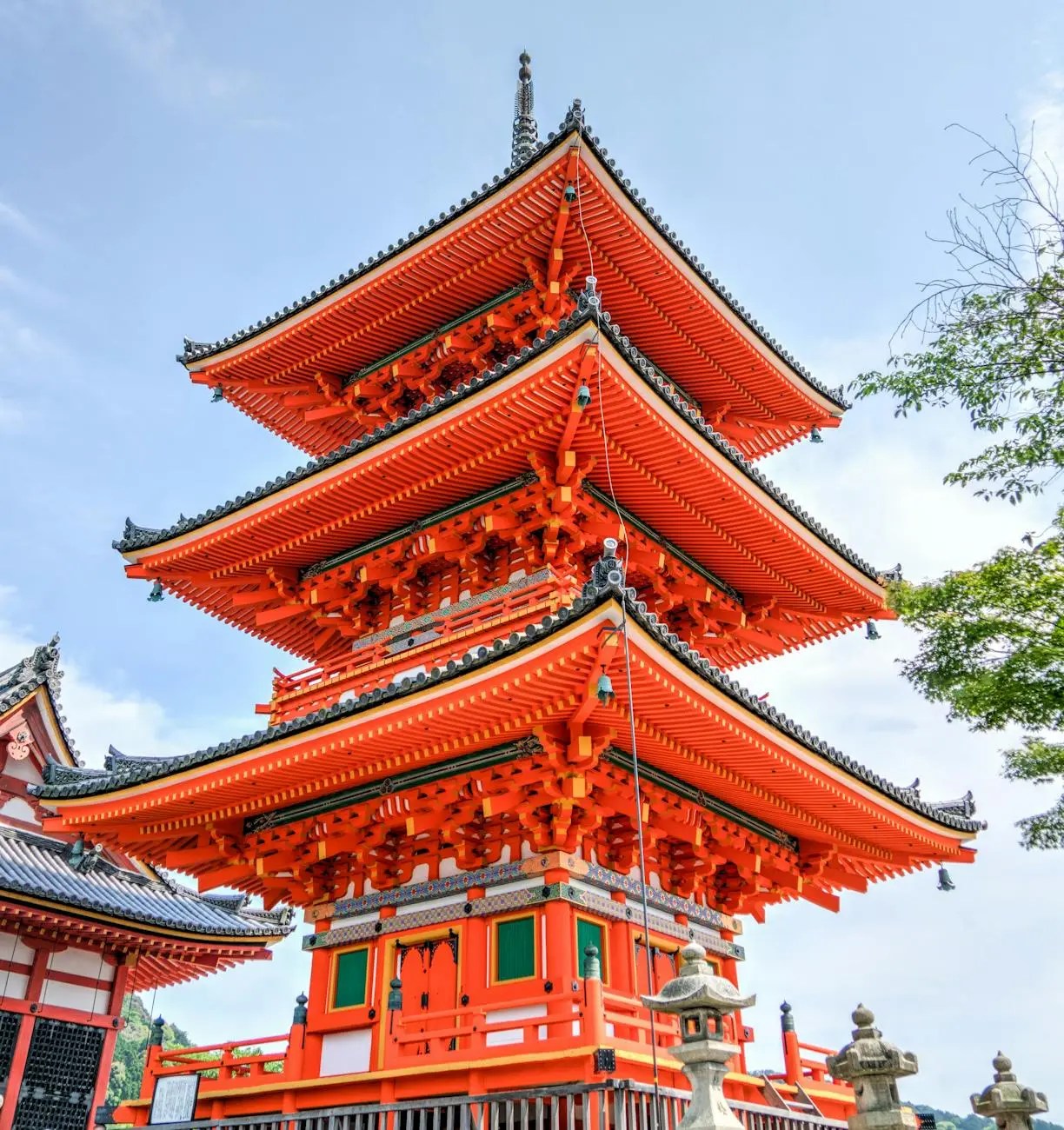
Kiyomizu-dera Temple

A vibrant three-story pagoda with intricate wooden details and a striking orange color, surrounded by lush greenery and a clear blue sky in Kyoto, Japan.
A striking view of Kiyomizu-dera Temple, showcasing its intricate architecture and vibrant orange hues, a must-see landmark in Kyoto. The stunning Niōmon Gate and three-story pagoda at Kiyomizu-dera Temple. Pro tip: The contrast of the red structures against the green foliage in spring or autumn is even more spectacular.`

Kiyomizu-dera Note: “Note: Kiyomizu-dera typically opens around 6:00 AM and closes between 6:00 PM and 9:30 PM, depending on the season. Admission is ¥400.”
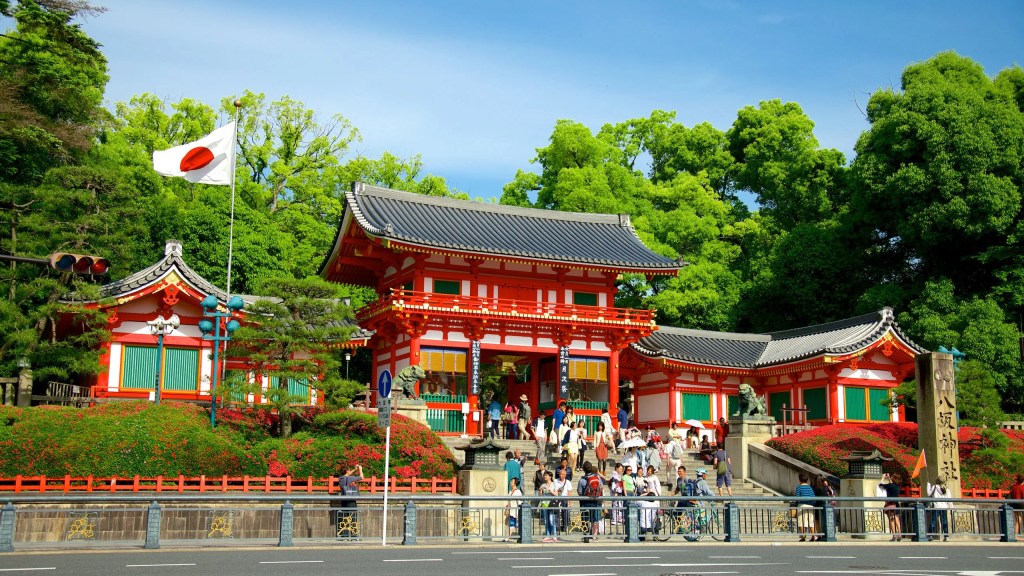
Yasaka Shrine Tours

A vibrant, traditional Japanese shrine with a distinctive red and white facade surrounded by lush greenery, featuring visitors exploring the entrance and a Japanese flag waving. Yasaka Shrine
A vibrant entrance to a Kyoto shrine, showcasing traditional Japanese architecture amidst lush greenery. Yasaka Shrine

Yasaka Shrine Tours

Gion Kyoto

okonomiyaki kyoto

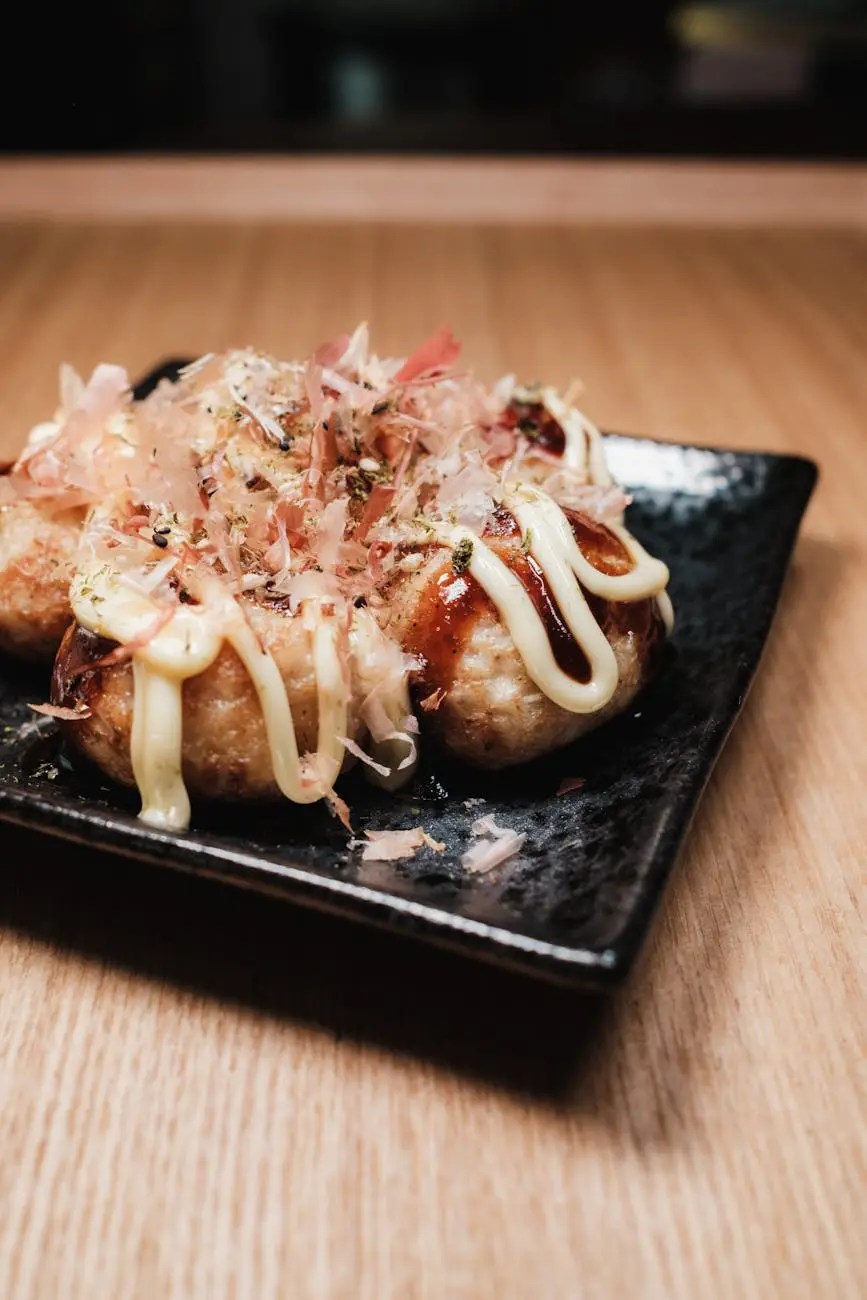
A close-up of a delicious okonomiyaki, a savory Japanese pancake, topped with bonito flakes, mayonnaise, and green seaweed, served in a traditional Japanese restaurant setting.
A delicious okonomiyaki, a savory Japanese pancake topped with bonito flakes and sauce, served in a cozy Kyoto restaurant. Dinner is served! A classic Hiroshima or Kansai-style okonomiyaki, grilled to perfection. The name literally means “grill what you like” – and we like everything!

Day 2: Arashiyama’s Natural Beauty

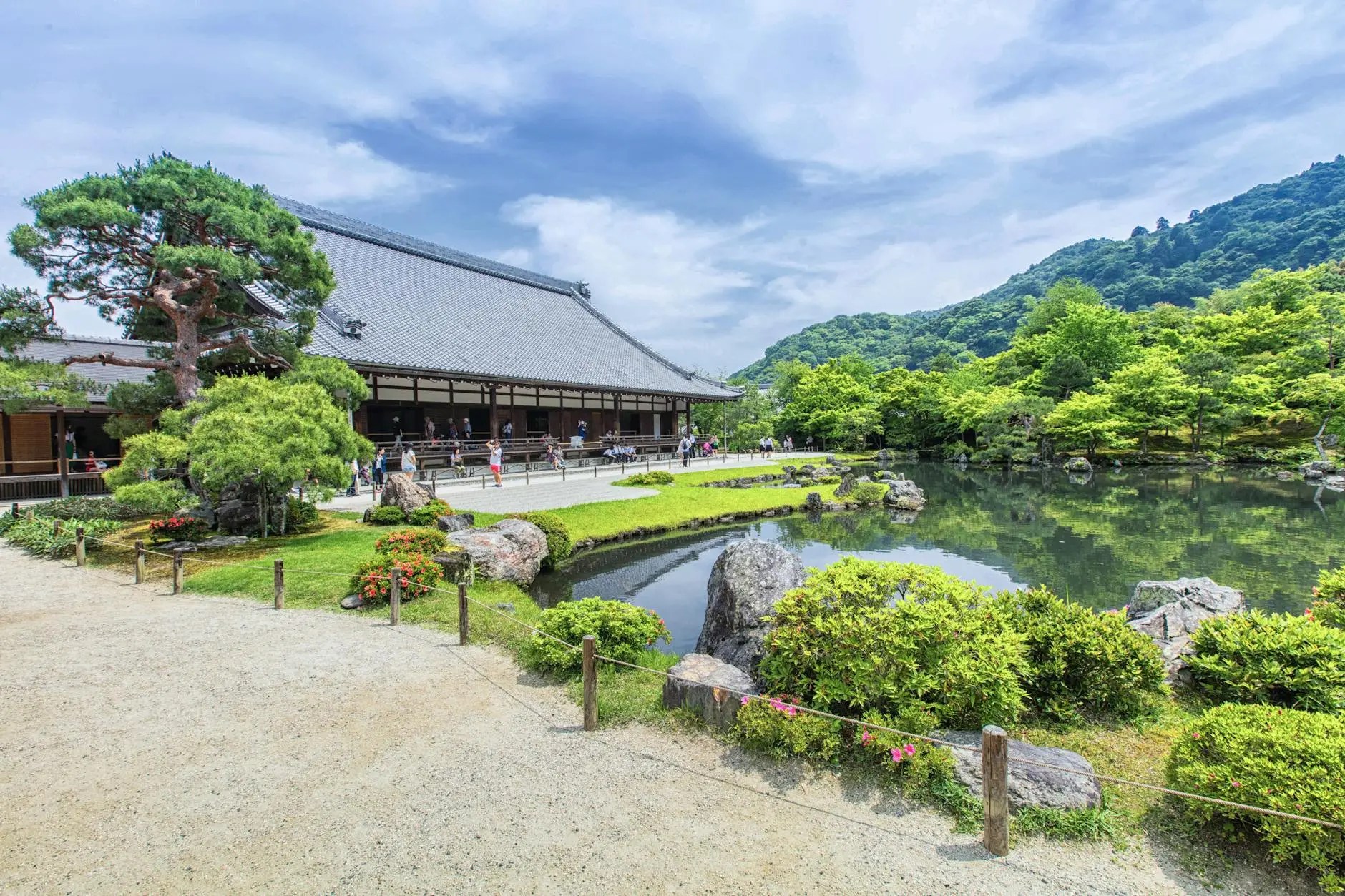
  • Morning: Take the train to Arashiyama. Your first stop is the Arashiyama Bamboo Grove. Again, early arrival is key to seeing it in its serene glory. Afterwards, visit the nearby Tenryu-ji Temple and its stunning landscape garden.
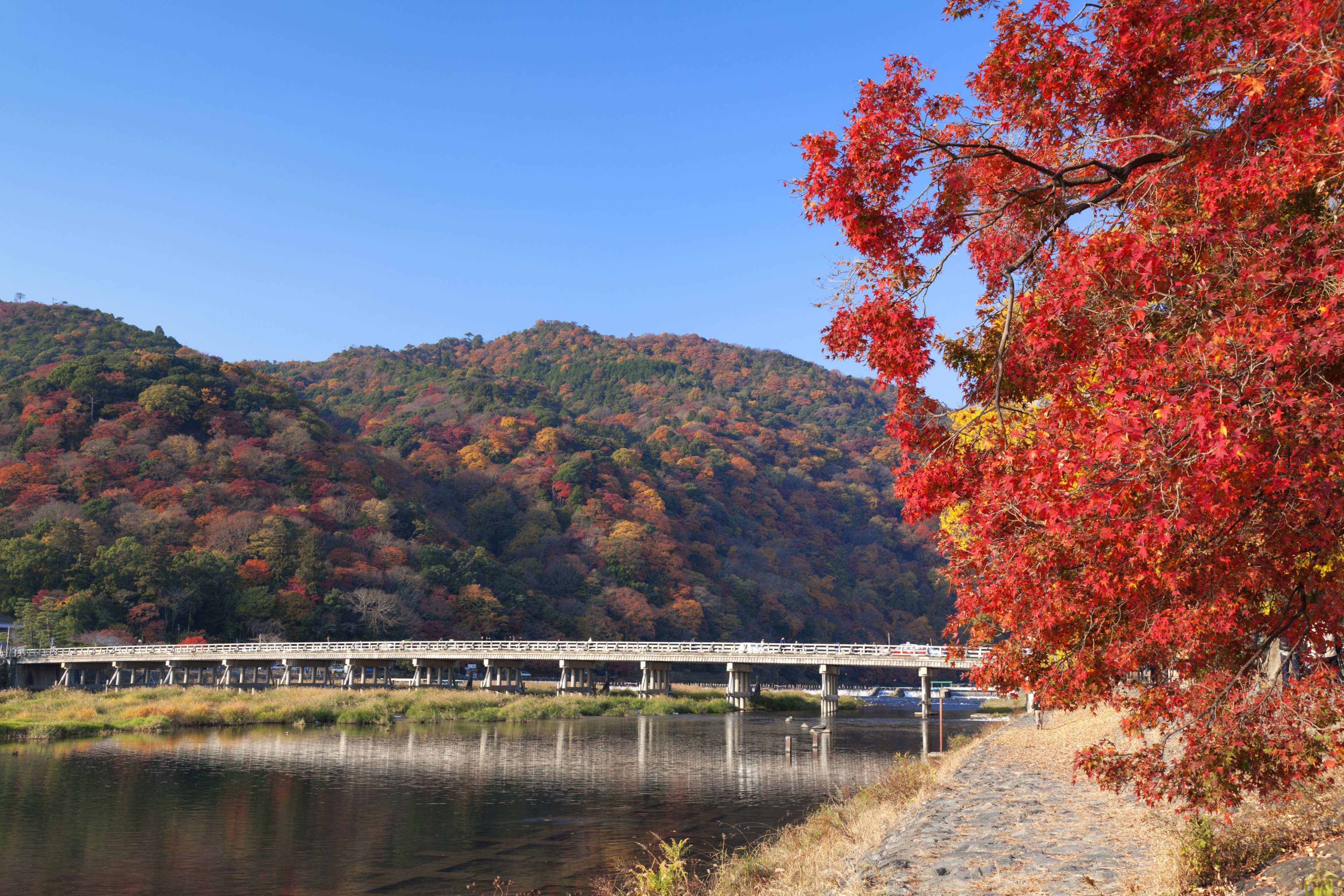
  • Afternoon: Cross the Togetsukyo Bridge and consider a quick hike up to the Monkey Park Iwatayama for hilarious photo ops and great views. Alternatively, rent a bike to explore the quieter parts of Arashiyama.
  • Evening: Head back to the city center and dive into the organized chaos of Nishiki Market for a dinner of fresh seafood and local snacks.
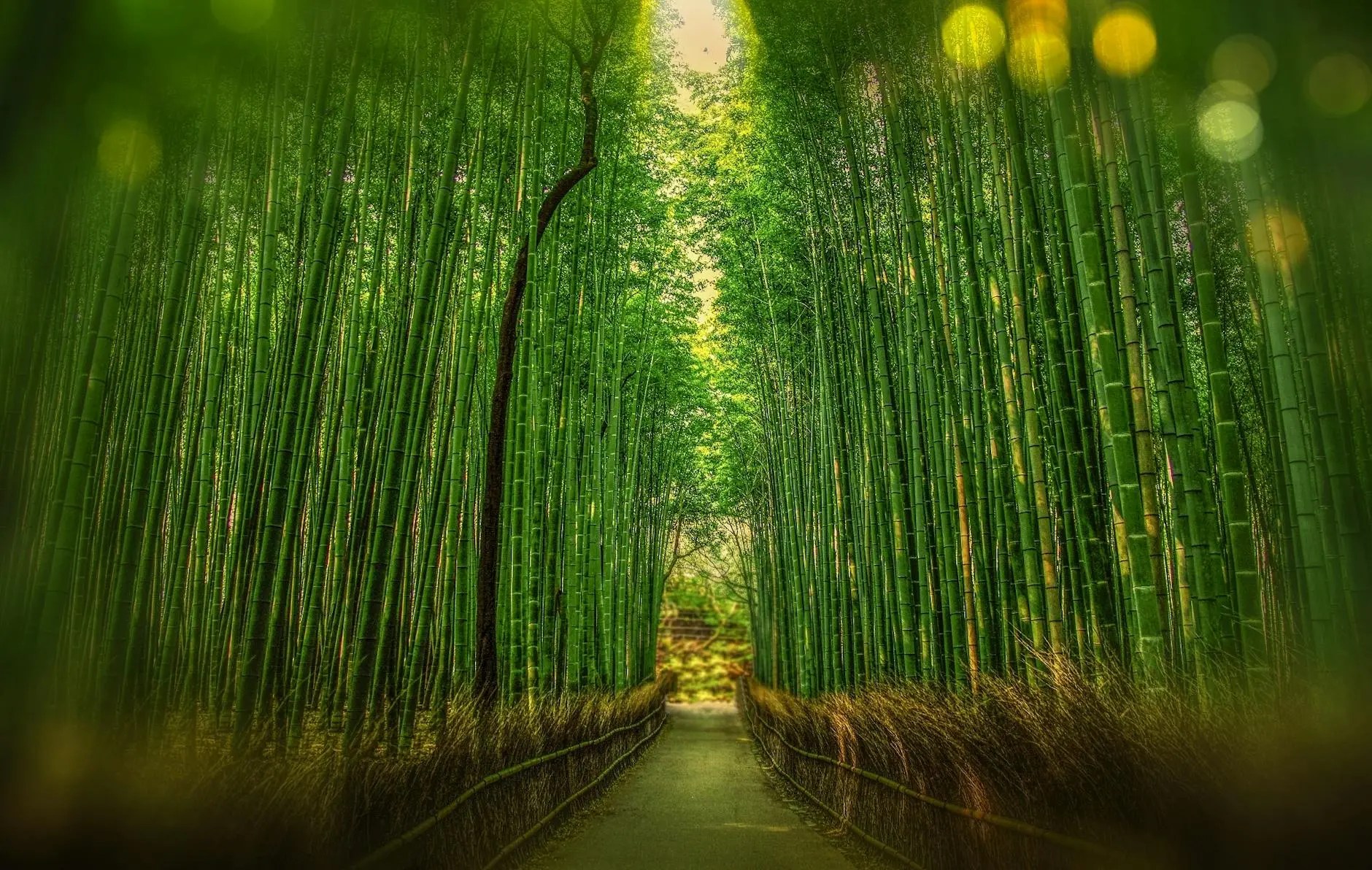
Arashiyama Vacations

A serene pathway through the Arashiyama Bamboo Grove in Kyoto, lined with tall green bamboo stalks and dappled sunlight filtering through the leaves.
A serene pathway through the Arashiyama Bamboo Grove in Kyoto, showcasing the tranquil beauty of the lush green bamboo. *The famous Arashiyama Bamboo Grove path. For the most magical and crowd-free experience, aim to arrive as early as possible, ideally by 7:00 AM. The morning light filtering through the bamboo is unforgettable.*

Tenryu-ji Temple Tours

Scenic view of a traditional Japanese temple surrounded by lush greenery and a tranquil pond.
A serene view of Tenryu-ji Temple surrounded by lush greenery and a tranquil pond in Arashiyama, Kyoto. The UNESCO World Heritage-listed Sogenchi Garden at Tenryu-ji Temple, a masterpiece of Japanese landscape design. The pond is designed to reflect the surrounding Arashiyama mountains and the changing seasons.

Togetsukyo Bridge Tours

Scenic view of the Togetsukyo Bridge in Arashiyama, Kyoto, surrounded by colorful autumn foliage and a calm river under a clear blue sky.
The picturesque Togetsukyo Bridge in Arashiyama, surrounded by vibrant autumn foliage, reflecting the beauty of Kyoto’s natural landscape.

Arashiyama Monkey Park Iwatayama Tours

A caretaker walking among a group of wild Japanese macaques at a monkey park, with visitors observing from a distance.
Visitors interacting with monkeys at Iwatayama Monkey Park in Arashiyama, Kyoto.

Kyoto Nishiki Market Food Tour

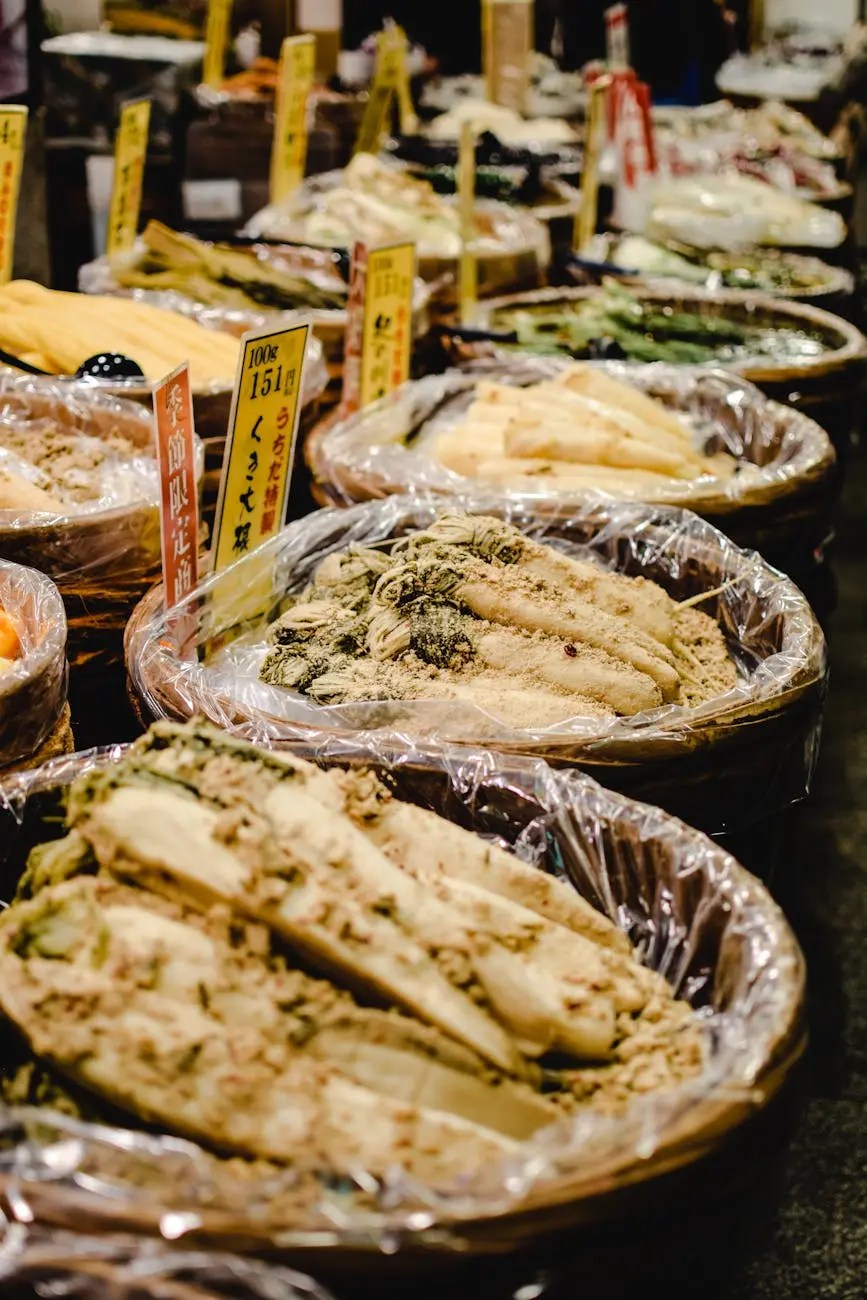
A vibrant display of various traditional Japanese foods and ingredients arranged in baskets at Nishiki Market, Kyoto, with signage indicating prices and product information.
A vibrant array of local delicacies at Kyoto’s Nishiki Market, showcasing a variety of traditional Japanese ingredients. A rainbow of tsukemono (pickled vegetables) at Nishiki Market. Don’t be shy—many vendors offer samples! It’s the perfect place to try unique Japanese flavors like pickled daikon radish or crunchy kyuri cucumbers.

Day 3: Refinement & Reflection

  • Morning: Choose your finale. For gold-leaf opulence, visit Kinkaku-ji (The Golden Pavilion). For a more Zen, minimalist experience, head to Ryoan-ji Temple and contemplate its famous rock garden.
  • Afternoon: Do some last-minute souvenir shopping on Shijo-Dori or find a quiet garden to simply sit and absorb it all before you head to the airport.

Ready to walk this path yourself? Find great deals on flights and hotels in Kyoto with my trusted partner, Expedia.
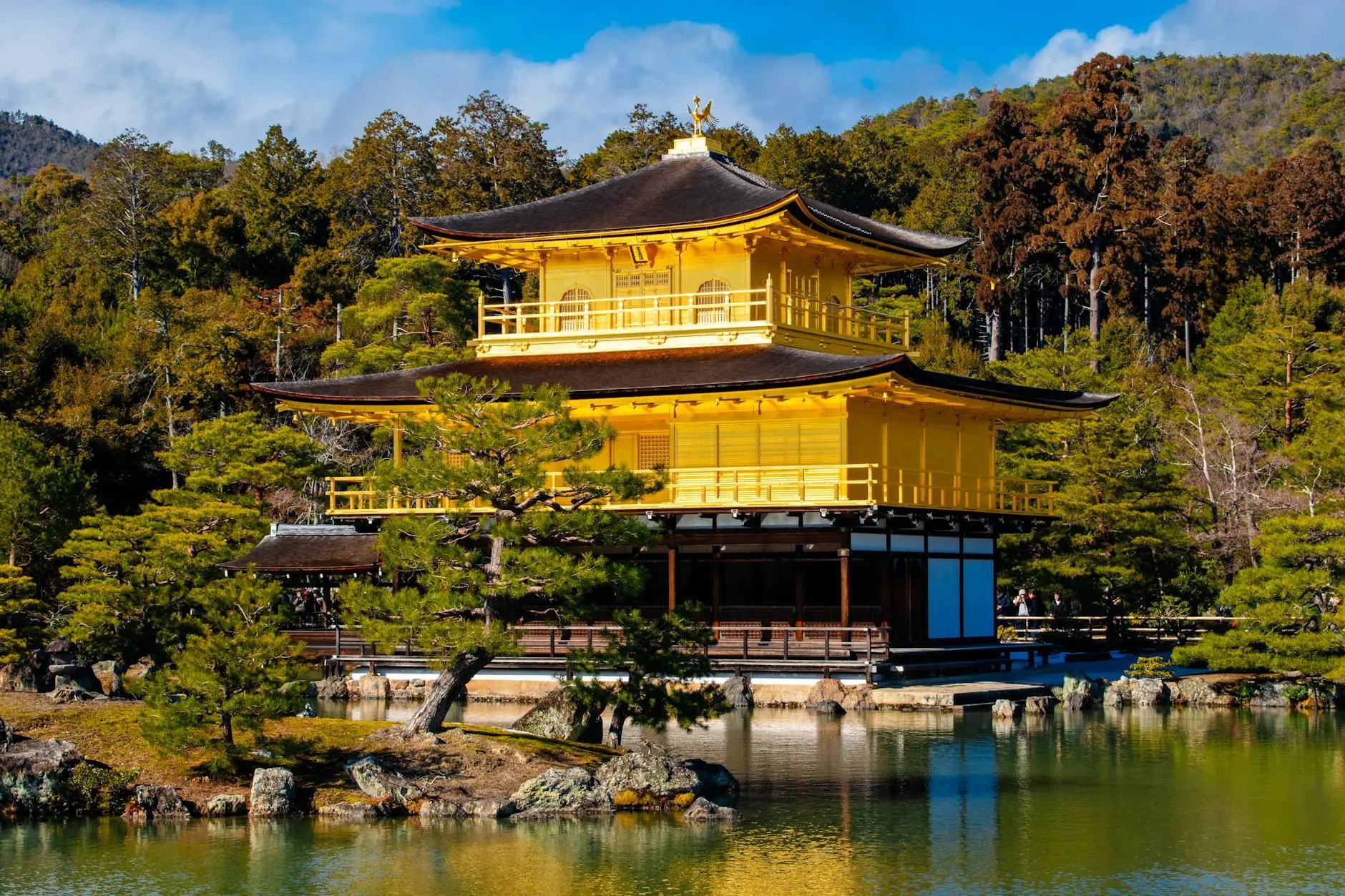
Kinkaku-ji Temple Tours

Golden Pavilion (Kinkaku-ji) surrounded by lush greenery and a tranquil pond in Kyoto.
The stunning Kinkaku-ji Temple, also known as the Golden Pavilion, reflecting beautifully in the serene waters of its surrounding garden. The breathtaking Kinkaku-ji (Golden Pavilion), covered in gold leaf and perfectly reflected in the mirror-like Kyoko-chi pond. This UNESCO World Heritage site is even more stunning on a windless, sunny day.

Ryoan-ji Temple Tours

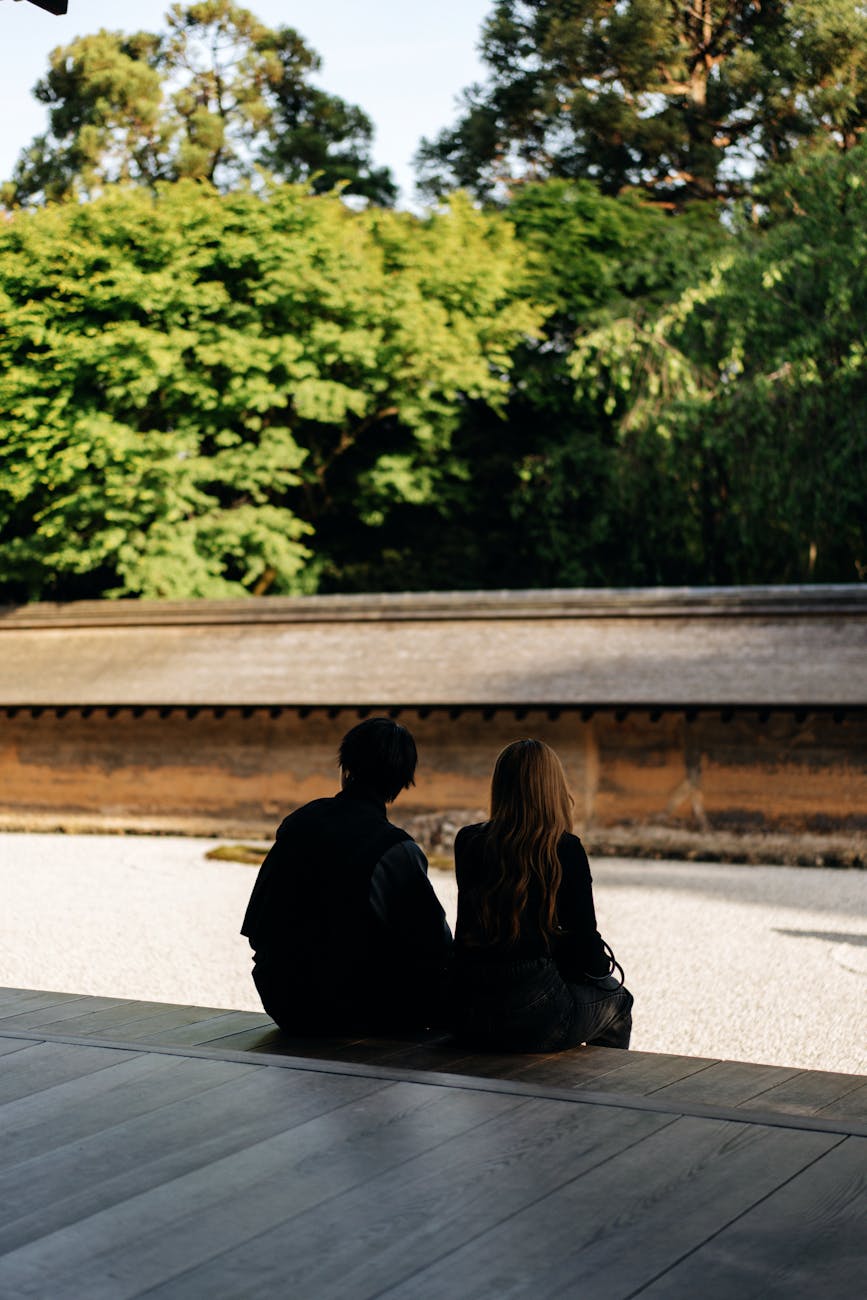
A couple sitting side by side on a wooden platform, overlooking a tranquil garden with lush greenery and a stone surface.
A serene moment shared between a couple, enjoying the tranquil beauty of Kyoto’s natural scenery. (Ryoan-ji Temple)

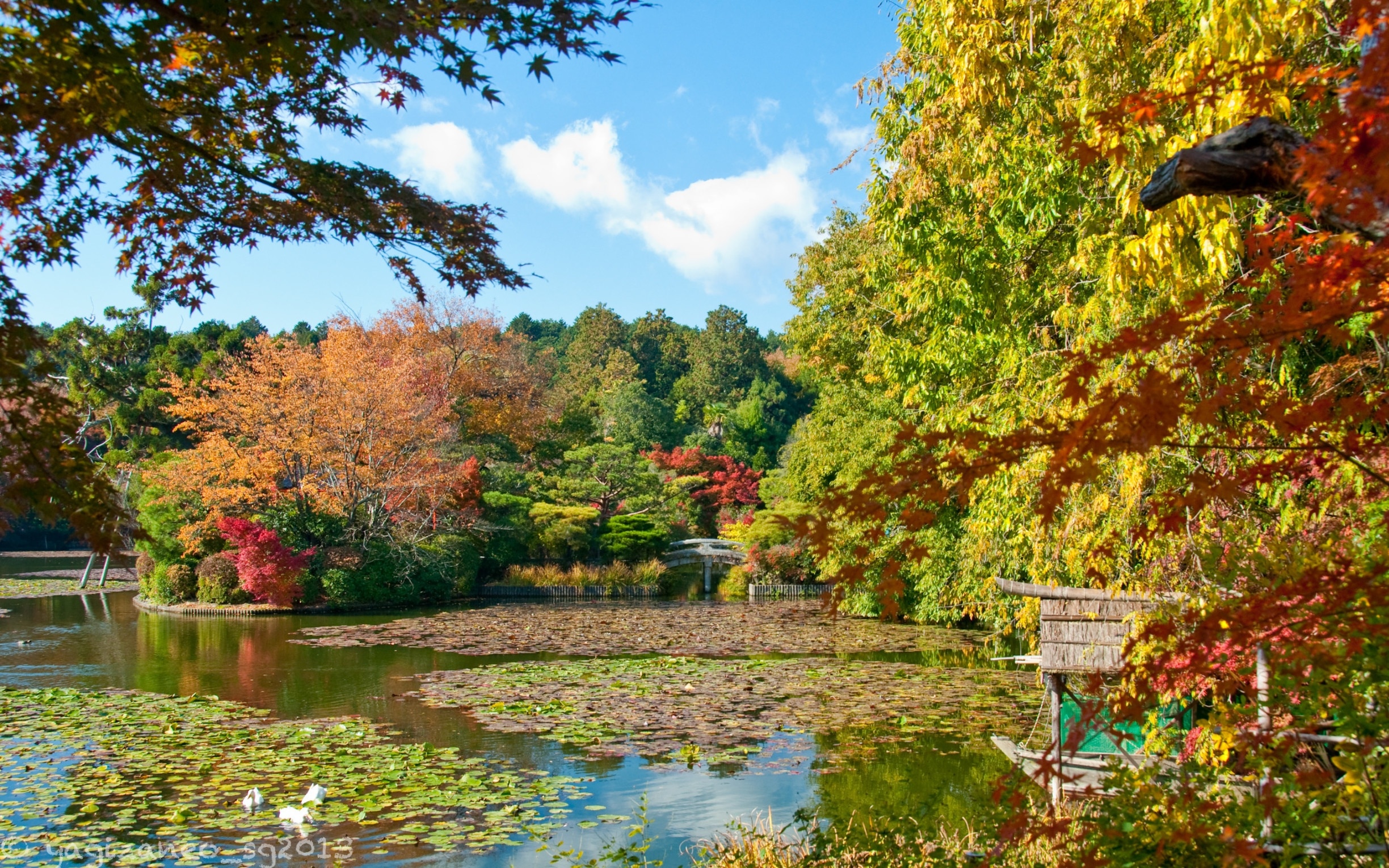
A serene landscape showcasing a tranquil pond surrounded by vibrant autumn foliage, including red, orange, and yellow leaves, with a clear blue sky above.
Scenic view of a tranquil pond surrounded by vibrant autumn foliage in Kyoto.

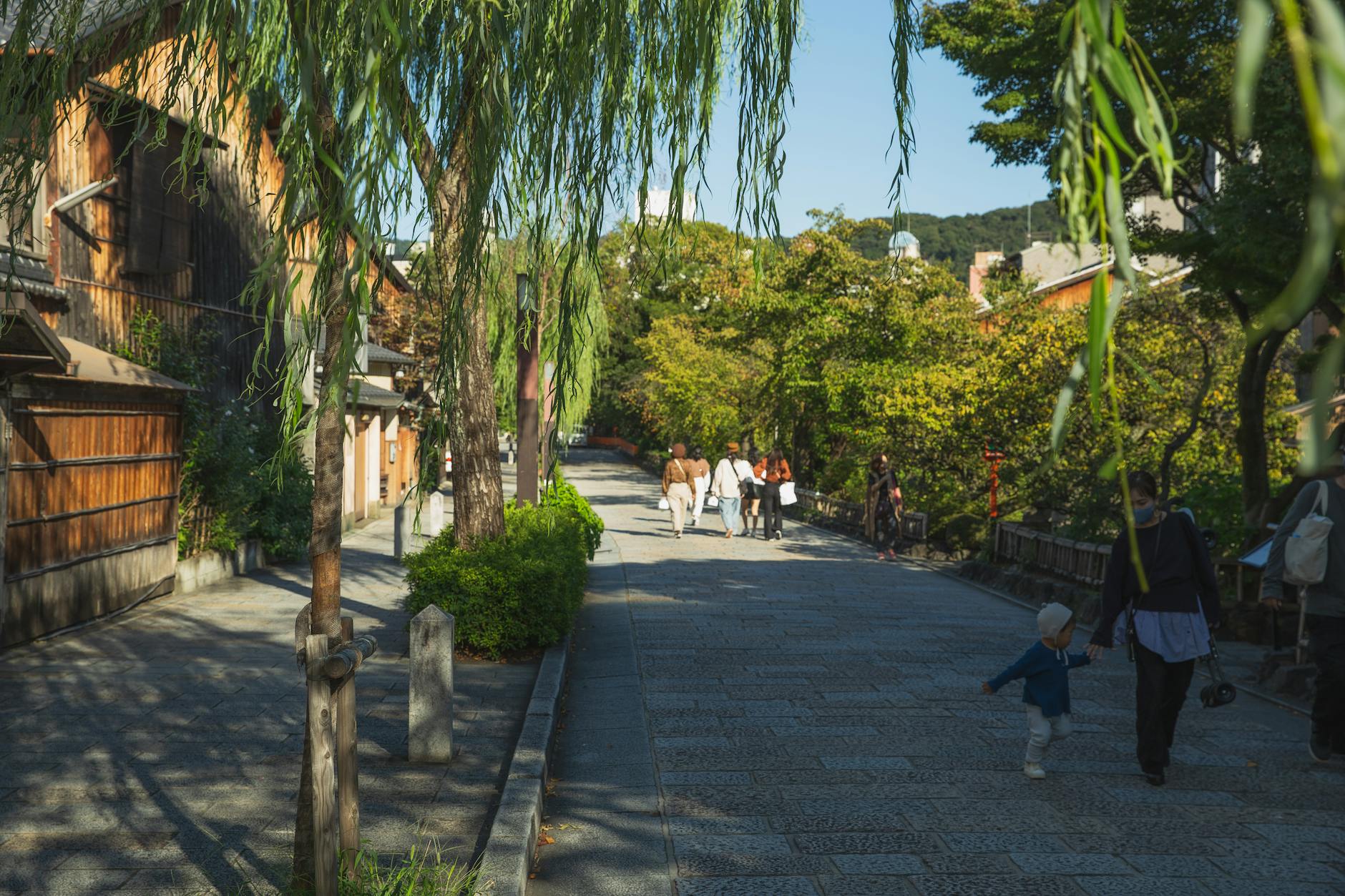
A picturesque street in Kyoto, lined with traditional wooden houses and lush greenery, featuring people strolling along the pathway.
A peaceful stroll through the historic streets of Kyoto, framed by traditional architecture and lush greenery.
Kyoto Aquariumicon
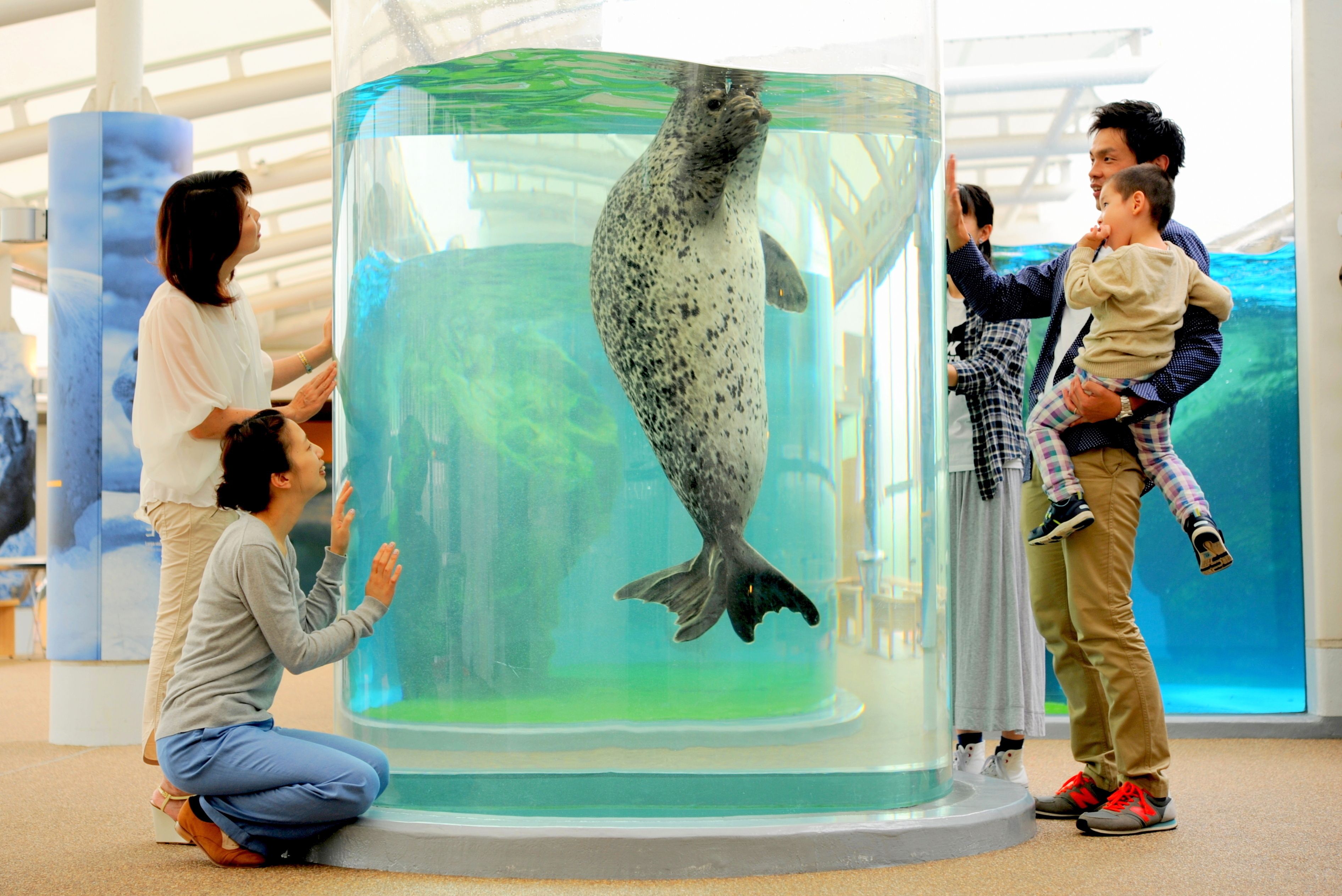
A family interacts with a seal in an aquarium. The scene captures children and adults observing and enjoying the moment near a large transparent water tank.
Visitors observing a seal in an aquarium in Kyoto, creating unforgettable family memories.

While we’re on the topic of unforgettable Asian adventures, if Shanghai’s dynamic energy has you dreaming of a more serene Japanese counterpart, then Kyoto should be at the top of your list. Imagine trading the futuristic skyline for ancient temples, serene bamboo forests, and the timeless tradition of the geisha culture in Gion. To truly dive deep, skip the standard tours and seek out an authentic experience. I often browse Rakuten Travel Experiences for unique activities—like a private tea ceremony with a master or a early-morning meditation session at a Zen temple before the crowds arrive. It’s the perfect way to craft a trip that’s genuinely your own. Find those unique, memory-making experiences in Kyoto here.

Rakuten Travel Experiencesicon

Navigating Kyoto Like a Pro: Transport Secrets

Kyoto’s public transport is excellent, and you do not need a car. In fact, traffic and expensive parking make driving a hassle.

From Airport to City: Haruka Express, ICOCA Cards & JR Pass

Most visitors land at Kansai International (KIX). Skip the uncertain taxis and hop the Haruka Limited Express to Kyoto Station—about 75 minutes of smooth, Hello Kitty–decorated train bliss—and grab the ICOCA & Haruka combo ticket to include a pre-loaded ICOCA transport card when you arrive The Thorough Tripper. Pro tip: get an ICOCA card—it’s your tap-and-go Swiss Army knife for trains, subways, and buses around Kyoto (and nearby cities), with easy reloads at stations The Thorough Tripper. If you’ve got long-distance plans (like a Tokyo bullet train ride), consider a Japan Rail Pass in advance—it’ll save both yen and decoding train timetables The Thorough TripperNot a Nomad Blog.
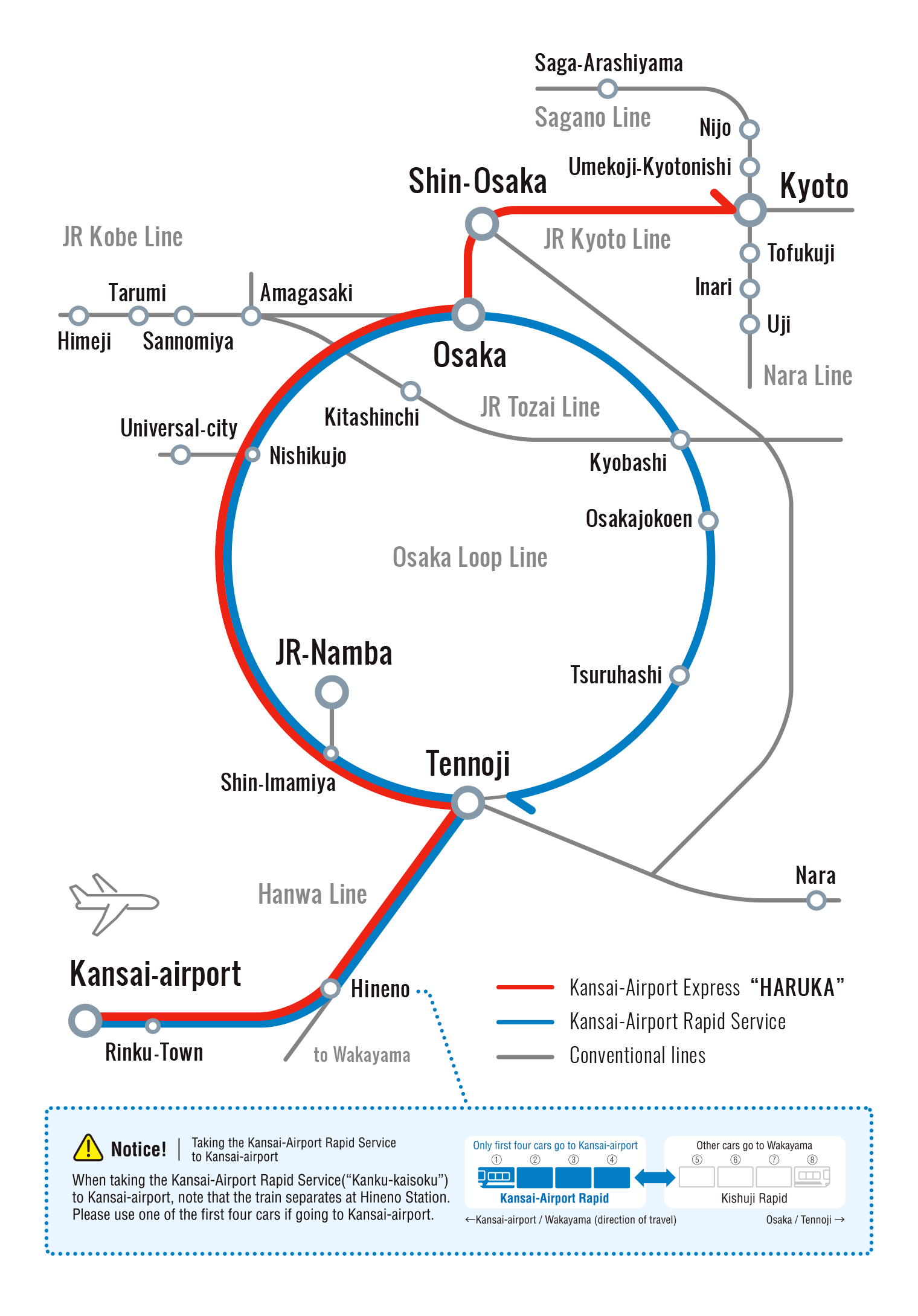
Map of the Kansai area train routes, including connections to Shin-Osaka, Kyoto, and Kansai Airport, with lines and station names clearly labeled.
Map of Kyoto’s public transport network, highlighting the Kansai-Airport Express routing and key train lines for travelers.

  • The Bus Network: The most useful way to get around central Kyoto. A One-Day Bus Pass (¥700) is an incredible value and pays for itself in about three rides. Buses can get crowded, so have your pass or change ready.
  • The Train/Subway: Faster than buses for longer distances. The Karasuma Subway Line runs north-south, and the Tozai Line runs east-west. The JR Line is also useful for getting to Arashiyama and Fushimi Inari.
  • Bicycles: Kyoto is surprisingly flat and bike-friendly! Renting a bike for a day gives you incredible freedom to explore back alleys and canals. This was my favorite way to get around.
  • Taxis: Great for short trips if you’re in a group or exhausted, but they are pricey.
  • The JR Line is also useful for getting to Arashiyama and Fushimi Inari. If you’re planning to explore beyond Kyoto (e.g., a day trip to Nara or a flight from Tokyo), calculating if a Japan Rail Pass is worth it is essential. You can easily check prices and purchase your JR Pass online here

Pro Tip: Google Maps is shockingly accurate for Kyoto bus and train schedules. Use it with confidence.

Beyond the Tourist Trail: Kyoto’s Hidden Gems

“Forget the bustling, crowded cities you think of when you picture Japan. There’s a place where every corner is a postcard, every moment a meditative breath, and ancient traditions whisper from every stone. Get ready to unlock the secret to a weekend of unparalleled beauty and peace as we journey through Kyoto’s most enchanting hidden gems.”

Everyone sees the golden temple. The savvy travelers see these:

  • Philosopher’s Path (Tetsugaku-no-michi): A beautiful stone path following a canal, lined with hundreds of cherry trees. It’s peaceful any time of year but absolutely breathtaking in spring.
  • Kurama-dera Temple: Escape the city entirely with a short train ride to Kurama. Hike up to this mountain temple, and if you’re brave, finish with a soak in the outdoor Kurama Onsen.
  • Pontocho Alley at Dusk: Yes, it’s known, but it’s a must. This narrow alleyway parallel to the Kamo River is packed with tiny, atmospheric restaurants and bars. Finding dinner here feels like a treasure hunt.
Hidden GemTip
Miyagawa-cho DistrictTraditional vibes, fewer crowds, close to Kyoto Station—perfect for jet-lagged meanders
Lesser-known templesTry Eikan-do, Tofuku-ji, or shimogyo historic backstreets for quiet beauty
Off-peak hoursSkip crowds by visiting popular spots at dawn or early evening
Taxi for groupsGroup of 3–4? A taxi might be quicker than waving down a bus and costs about the same

To capture these hidden spots perfectly, I never travel without my lightweight, powerful Sony Alpha camera. It’s perfect for low-light alley shots and sweeping temple landscapes.
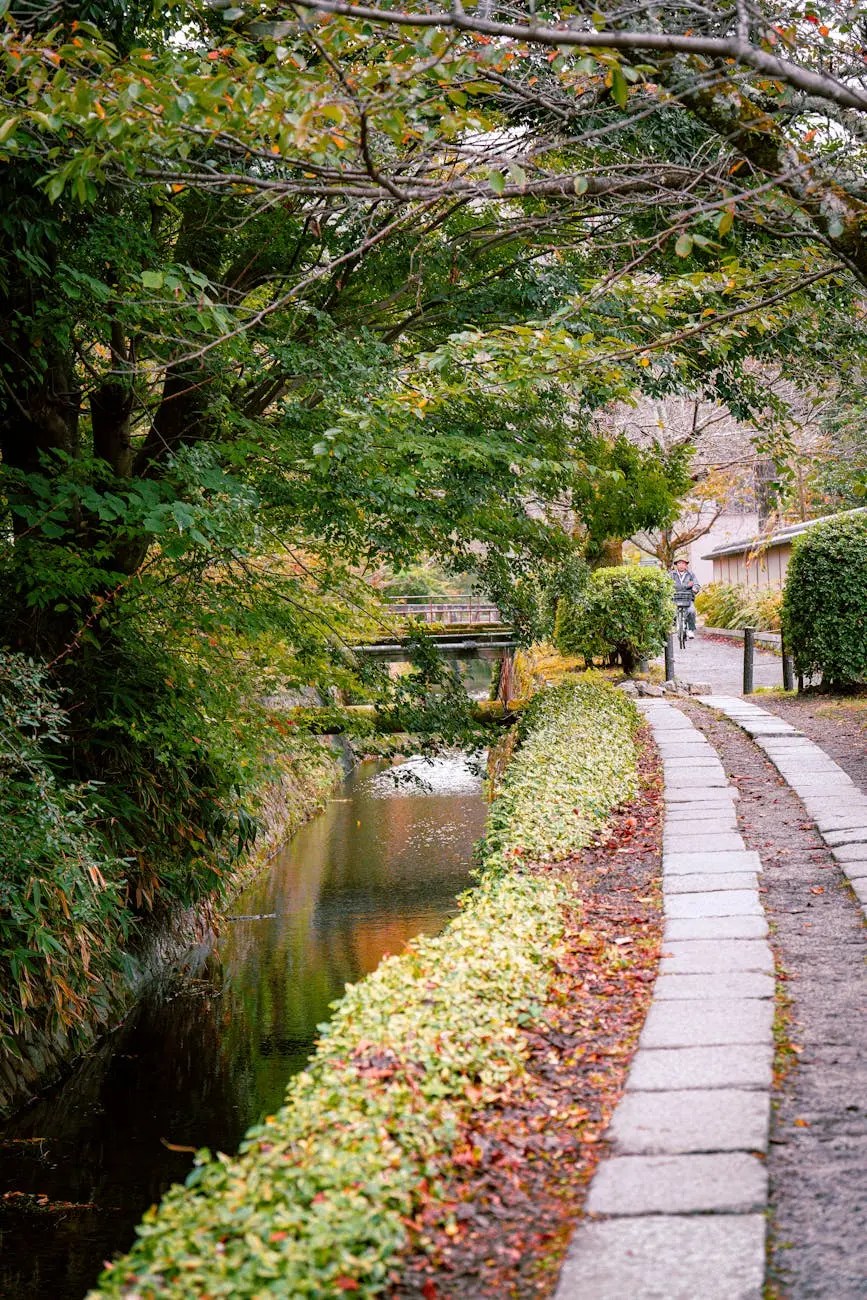
A serene pathway lined with green foliage and a small stream on one side, capturing the tranquil beauty of Kyoto's nature.
A serene path alongside a gently flowing river in Kyoto, surrounded by lush greenery and autumn foliage. (Philosopher’s Path) The Philosopher’s Path (Tetsugaku-no-michi) in its stunning autumn glory. This walk is beautiful year-round, but it’s absolutely magical in late November when the maple trees erupt in color. Renting a bike is a fantastic way to explore its full length.

Essential Japanese for the Kyoto Traveler

A little language goes a long way!

  • Konnichiwa (こんにちは): Hello / Good afternoon.
  • Arigatou Gozaimasu (ありがとうございます): Thank you (very much).
  • Sumimasen (すみません): Excuse me / Sorry. (The most useful word in Japan! Use it to get attention, apologize, or thank someone for moving).
  • Oishii (美味しい): Delicious! Say this to the chef after your meal.
  • Ikura desu ka? (いくらですか): How much is it?
  • Kore o kudasai (これをください): I’ll take this, please. (Pointing works too!)

Smart Travel Tips: Saving Money & Staying Connected

Staying Online: I used to waste the first hour of every trip hunting for a local SIM card at the airport. Not anymore. I now swear by my Drimsim—a global SIM that works in 190+ countries. You just pop it in, top up via the app, and you’re online before you even leave the baggage claim. No contracts, no hidden fees. It’s a genuine game-changer. Get your Drimsim here and never worry about data again.

Staying Secure: While Japan is safe, I always use a VPN on public Wi-Fi (like at cafes or airports) to protect my personal data. It’s also essential for accessing your home country’s streaming services if you need some downtime. I’ve found NordVPN to be the most reliable for travel.

Staying Compensated: Did you know that a delayed or canceled flight could score you up to $650 in compensation? Most people don’t claim it. I use AirHelp to handle the nasty paperwork with the airlines. They only get paid if you win, so it’s a no-brainer. Check your flight status with AirHelp here.

Staying Insured: From a spilled coffee on my camera to a slipped disk trying to imitate a sumo wrestler (don’t ask), travel insurance has saved me countless times. I always use VisitorsCoverage to compare and find the best plan for my trip. It’s peace of mind in your pocket. Get a tailored insurance quote for your Kyoto trip here.

Frequently Asked Questions

Q: What is the best time of year to visit Kyoto?
A: Spring (March-May) for cherry blossoms and Fall (October-November) for brilliant red foliage are the most beautiful but also the most crowded. For a balance of good weather and smaller crowds, aim for late autumn or early spring.

Q: Is Kyoto a walkable city?
A: The main districts are very walkable, but the attractions are spread out. You will absolutely need to use the excellent bus and train system to get between areas like Arashiyama, Fushimi Inari, and downtown.

Q: How much money should I budget for a weekend?
A: While you can find budget options, Kyoto can be pricey. A comfortable mid-range budget for accommodation, food, transport, and entry fees would be around ¥15,000-¥20,000 ($100-$150 USD) per day, not including flights.

Q: Can I use credit cards everywhere?
A: Major hotels, department stores, and restaurants accept cards, but many smaller restaurants, market stalls, and temples are cash-only. Always carry yen with you.

Q: What should I do if I only have one day in Kyoto?
A: Focus on one area. I’d recommend the Higashiyama District (Kiyomizu-dera, Yasaka Shrine, Sannenzaka) in the morning and early afternoon, and then a trip to Fushimi Inari Taisha in the late afternoon—it’s open 24/7 and is less crowded then.

What’s “arigatō” and “sumimasen” mean?
A: “Arigatō” = “thank you.” “Sumimasen” = “excuse me” or “sorry.” Handy polite sparkles for any awkward bump-in or request.

Should I exchange currency or use ATMs?
A: ATMs at 7-Eleven or Japan Post accept international cards pretty consistently. Just keep an eye on fees.

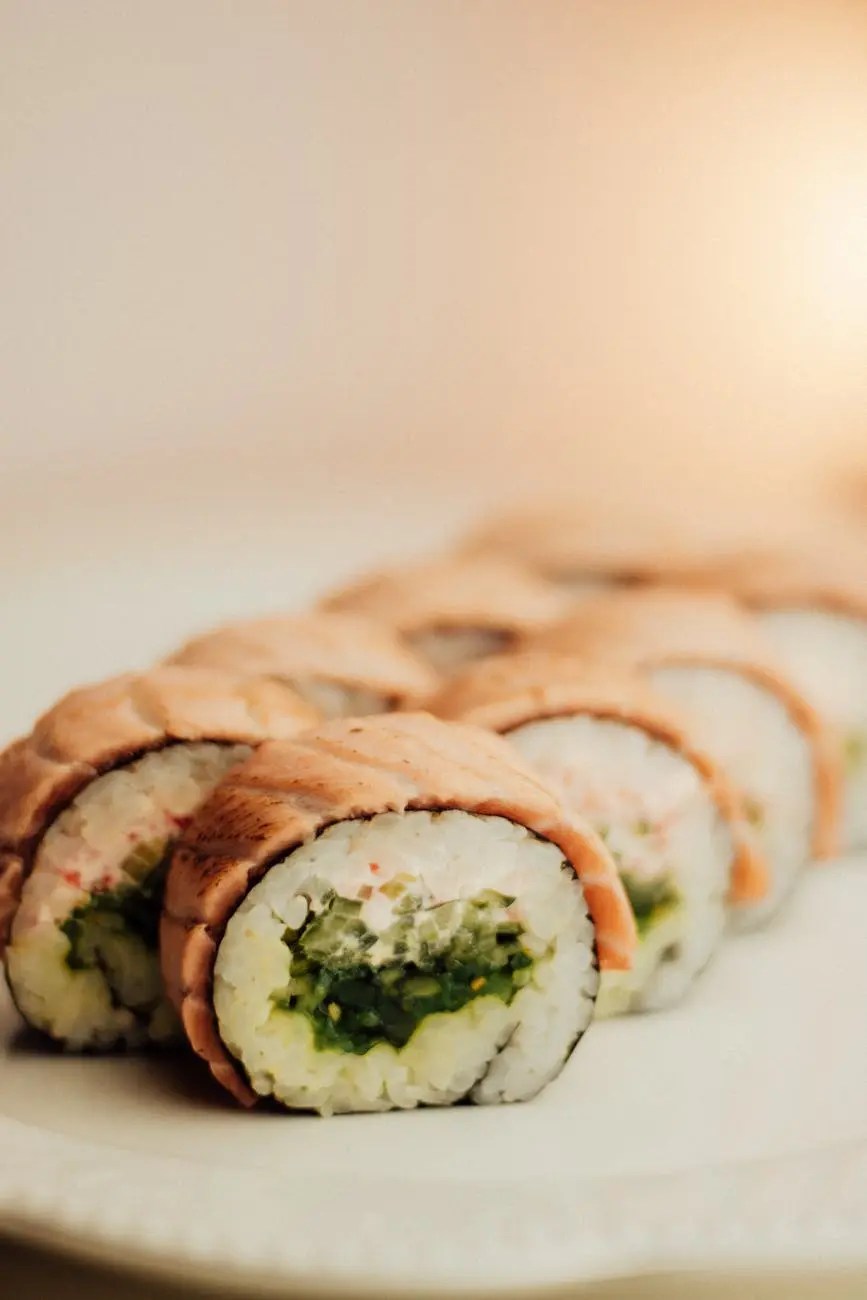
Kyoto is a city that stays with you long after you’ve left. The scent of incense, the taste of perfect sushi, the sound of temple bells—it’s a weekend escape that truly nourishes the soul.

Q: How much money should I budget for a weekend?
A: While you can find budget options, Kyoto can be pricey. A comfortable mid-range budget for accommodation, food, transport, and entry fees would be around ¥15,000-¥20,000 ($100-$150 USD) per day, not including flights.

  • Sample Daily Breakdown:
    • *Budget Guesthouse: ¥3,000 – ¥5,000*
    • *Food (Meals + Snacks): ¥5,000 – ¥8,000*
    • *Transport (Bus/Train Pass): ¥1,000*
    • *Temple Entry Fees (2-3 sites): ¥1,000 – ¥2,000*
    • *Souvenirs/Extra: ¥2,000 – ¥4,000*

What are you waiting for? Your ultimate Kyoto adventure awaits. Start planning your perfect trip with Expedia today!

Have questions or your own Kyoto hidden gem to share? Drop them in the comments below

“Kyoto is a city that stays with you. The scent of incense, the taste of perfect sushi, the sound of temple bells—it’s a weekend escape that truly nourishes the soul.

I’d love to hear from you! What’s the one place in Kyoto you’re most excited to see? Or if you’ve been, what was your own hidden gem? Share your thoughts and questions in the comments below—let’s build the ultimate traveler’s resource together!


Universal Disclaimer/Disclosure Page:

Vienna in a Weekend: Your Ultimate Guide to Imperial Splendor, Coffee & Cake

Meta Description: Master your weekend escape to Vienna! This ultimate guide reveals a perfect 2-day itinerary, money-saving secrets, must-try foods, and hidden gems. Learn how to navigate the city like a pro and experience the best of imperial Vienna.

So, you’ve got a weekend to spare and a burning desire to soak up some serious culture, coffee, and cake? Let me tell you, you’ve picked a winner. Vienna isn’t just a city; it’s a feeling. It’s the waltz of horses on cobblestone streets, the scent of fresh strudel, and the sheer, awe-inspiring gold-leaf opulence of a Habsburg palace.

I remember my first time stepping into the Hofburg Palace complex. I was so busy staring up at the architecture that I almost walked into a very dignified, very unamused horse. Pro tip: Admire, but watch your step. This city is alive with history.

Planning a short trip can be daunting, but fear not! I’ve distilled the essence of Vienna into the perfect weekend itinerary designed to save you time, money, and logistical headaches. Let’s dive in.

Table of Contents

  1. Why Vienna is the Perfect Weekend Getaway
  2. Before You Go: Visa, Insurance & Smart Planning
  3. Your Vienna Weekend Itinerary: A Step-by-Step Guide
    • Friday Evening: Arrival & A Taste of Tradition
    • Saturday: Palaces, Pastries & Perfect Melodies
    • Sunday: Markets, Masterpieces & Departure
  4. Navigating Vienna Like a Pro: The Ultimate Public Transport Guide
  5. Money-Saving Secrets & Local Hidden Gems
  6. Speak Like a Local: Essential German Phrases for Travellers
  7. Travel Smarter, Not Harder: My Trusted Resources
  8. FAQ: Your Quick Vienna Weekend Questions Answered

Welcome to Vienna: Why This City Should Be Your Next Weekend Getaway

Compact, incredibly well-connected, and dripping with things to do, Vienna is a weekend warrior’s dream. You can go from a world-class art museum to a sprawling palace garden to a cozy wine tavern (a Heuriger) within a short tram ride. It’s a city that rewards both meticulous planners and spontaneous wanderers.

Ah, Vienna—where coffee culture meets imperial grandeur, and every corner seems straight out of a fairytale (or at least a well-directed period drama). This city is punchy, juicy, and elegant all at once—perfect for travellers with a sense of humor and an appetite for Austrian schnitzel.

Planning Your Trip: Timing, Visa & Budget Essentials

Visa Info: As a major Schengen Zone country, Austria allows visa-free entry for short stays (up to 90 days) for citizens of the US, UK, Canada, Australia, and many other countries. Always double-check the official government website for your nationality closer to your travel date, as rules can change.
Cost: If you do require a Schengen visa, the standard fee is €80 for adults.

Flights to Vienna

During my last spring visit, I noticed the lines to Schönbrunn were laughably short—so short, I actually did a little happy dance in line (thankfully, no one else joined in).

Best Time to Visit: Late spring (May–June) or early autumn (September) offer mild weather, blooming gardens, fewer crowds, and better hotel deals.

Hotels in Vienna

✈️ Smart Travel Tip: No matter where your adventures take you, having the right travel insurance can save you from unexpected headaches (and bills). I personally recommend VisitorsCoverage — it’s a trusted platform where you can compare plans, find coverage that fits your trip, and book it in just a few clicks. Whether you’re planning a quick city escape or a longer international journey, it’s peace of mind worth packing.

Friday Evening: Arrival & A Taste of Tradition

Assuming you land in the afternoon, hop on the CAT (City Airport Train). It’s a non-stop service that gets you to Wien Mitte station in just 16 minutes. From there, the U-Bahn (subway) or a short taxi ride will take you to your hotel.

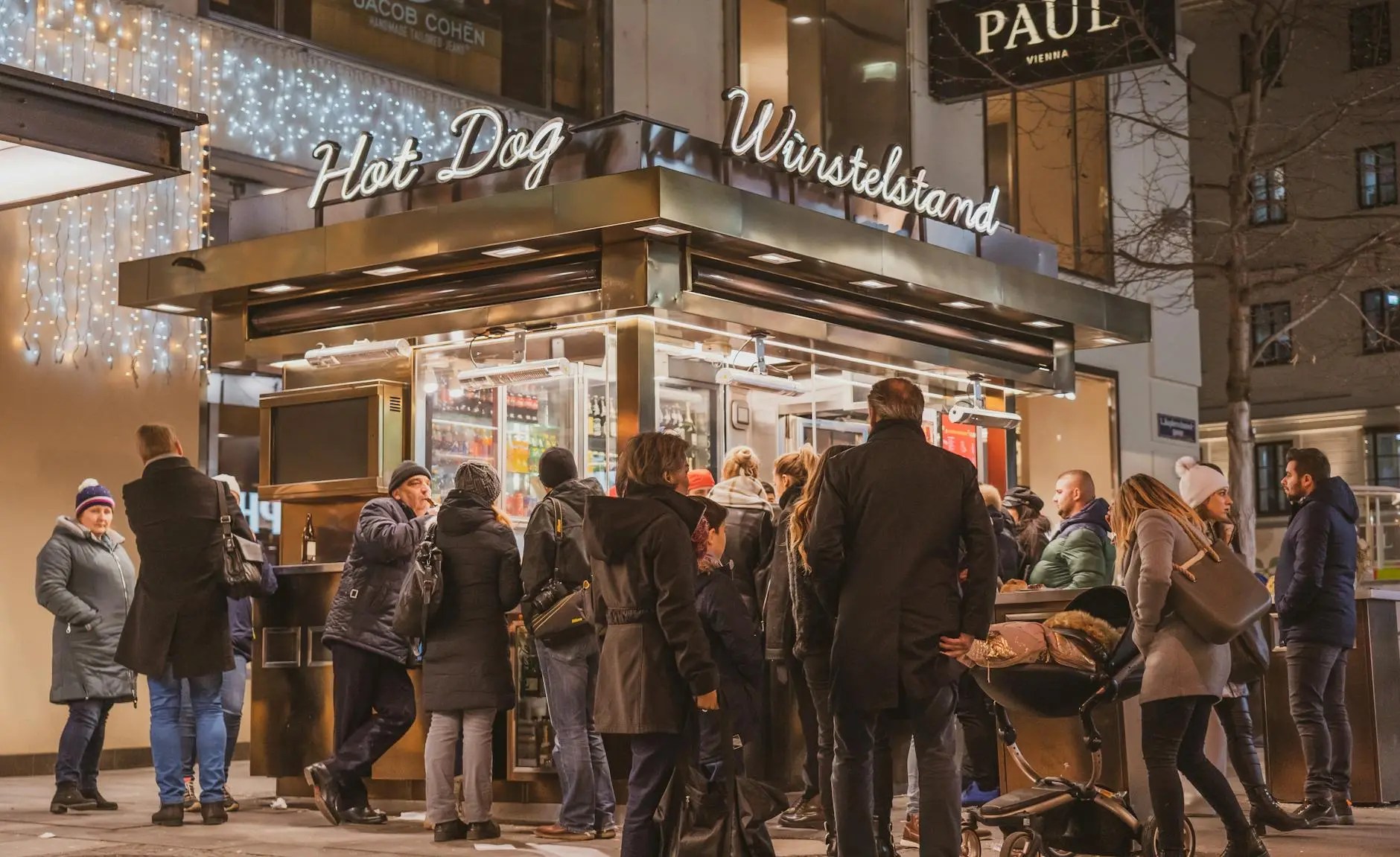
Once you’ve settled in, ditch the jet lag with a walk through the historic center. Your mission: find a classic Würstelstand (sausage stand). Grab a Käsekrainer (a cheesy, divine sausage) with a sharp mustard and a crisp Ottakringer beer. It’s the perfect, authentic welcome dinner.

A bustling Würstelstand (sausage stand) in Vienna at night, with customers waiting in line for traditional snacks, illuminated by warm lights.
A bustling Würstelstand in Vienna, where locals enjoy classic Viennese sausages under the evening glow.

Cap the night at a traditional coffee house. Skip the tourist traps right on the Graben and find a smaller one like Café Schwarzenberg or Café Prückel. Order a Melange (the Viennese cappuccino) and a slice of Sachertorte. Sit back, read the paper provided, and do as the Viennese do: linger.

A grilled sausage cut in half, revealing a creamy filling, presented on a wooden board.
A delicious Käsekrainer sausage, grilled to perfection and ready to be enjoyed—an authentic Viennese culinary delight.

A bottle of Ottakringer Lager beer next to a filled glass on a table, with soft natural light highlighting the drink.
Enjoy a refreshing Ottakringer Lager, a perfect pairing for a Viennese culinary experience.

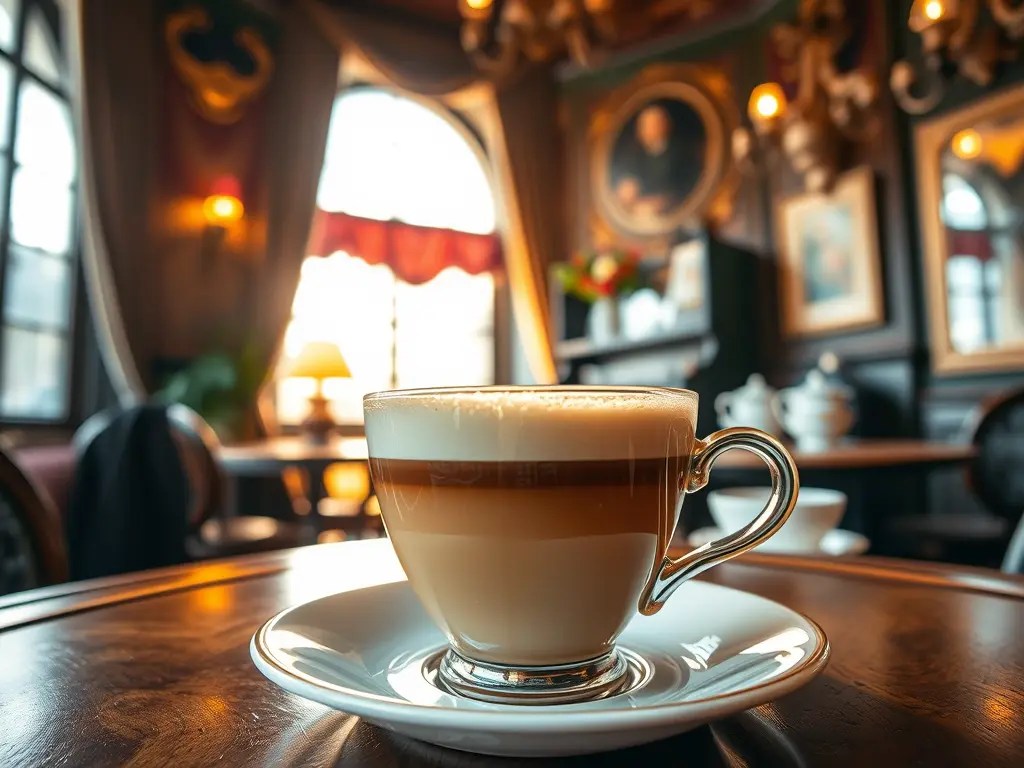
A beautifully presented cup of coffee sitting on a saucer, with a cozy coffee house interior in the background, featuring warm lighting and elegant decor.
A beautifully crafted Melange coffee, perfect for a cozy evening in a traditional Viennese coffee house.

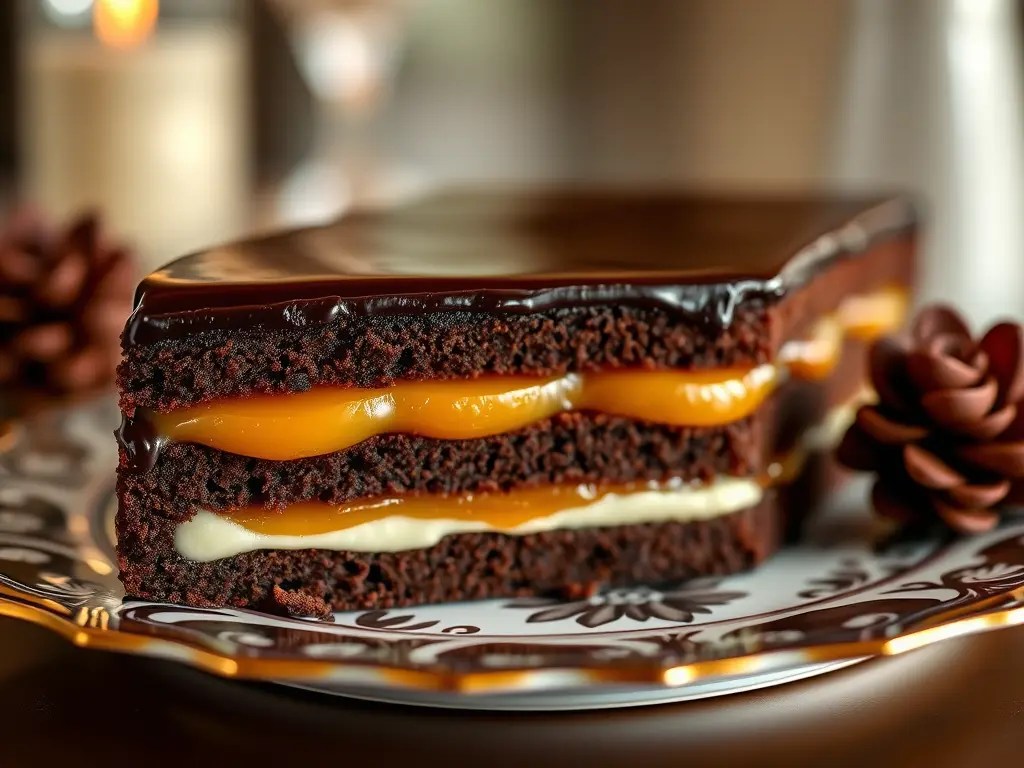
A close-up of a slice of rich chocolate cake with layers of caramel and cream, elegantly presented on a decorative plate.
Indulge in a slice of decadent Sachertorte, the iconic chocolate cake from Vienna, featuring layers of rich chocolate and apricot filling.

Saturday: Palaces, Pastries & Perfect Melodies

Morning: Fuel up and head to the magnificent Schönbrunn Palace. Book your tickets online in advance for a specific timeslot to avoid the monstrous queues. The Imperial Tour (22 rooms) is perfect for a weekend trip. The gardens are free to explore and offer a stunning view of the city from the Gloriette monument. For more on palace etiquette and history, check out my deep dive into [Exploring Europe’s Royal Residences].

CHOOSE WISELY: The Imperial Tour (22 rooms) is perfect for a weekend trip. The Grand Tour (40 rooms) is amazing but can lead to acute “palace fatigue.

BOOK AHEAD: Book your tickets online in advance for a specific timeslot. I learned this the hard way, watching the queue snake around the courtyard while I sipped my coffee, ticket securely in my app.

Afternoon: Take the U-Bahn back to the center. For lunch, I stumbled upon Bitzinger Würstelstand Albertina right behind the Opera House. It’s an institution. Afterwards, get your art fix at the Kunsthistorisches Museum (Art History Museum). Even if you’re not a huge art buff, the building itself is a masterpiece. The cafe in the dome is breathtaking.

Evening: This is Vienna—you have to experience music. You don’t need to break the bank for the Opera. Look for standing room tickets (Stehplätze) sold just before the performance for a few euros, or find a classical concert in a smaller, stunning venue like the St. Anne’s Church. I once saw a Mozart quartet in a tiny, ornate hall and it was one of the most memorable nights of my life.

Schönbrunn Palace Tours

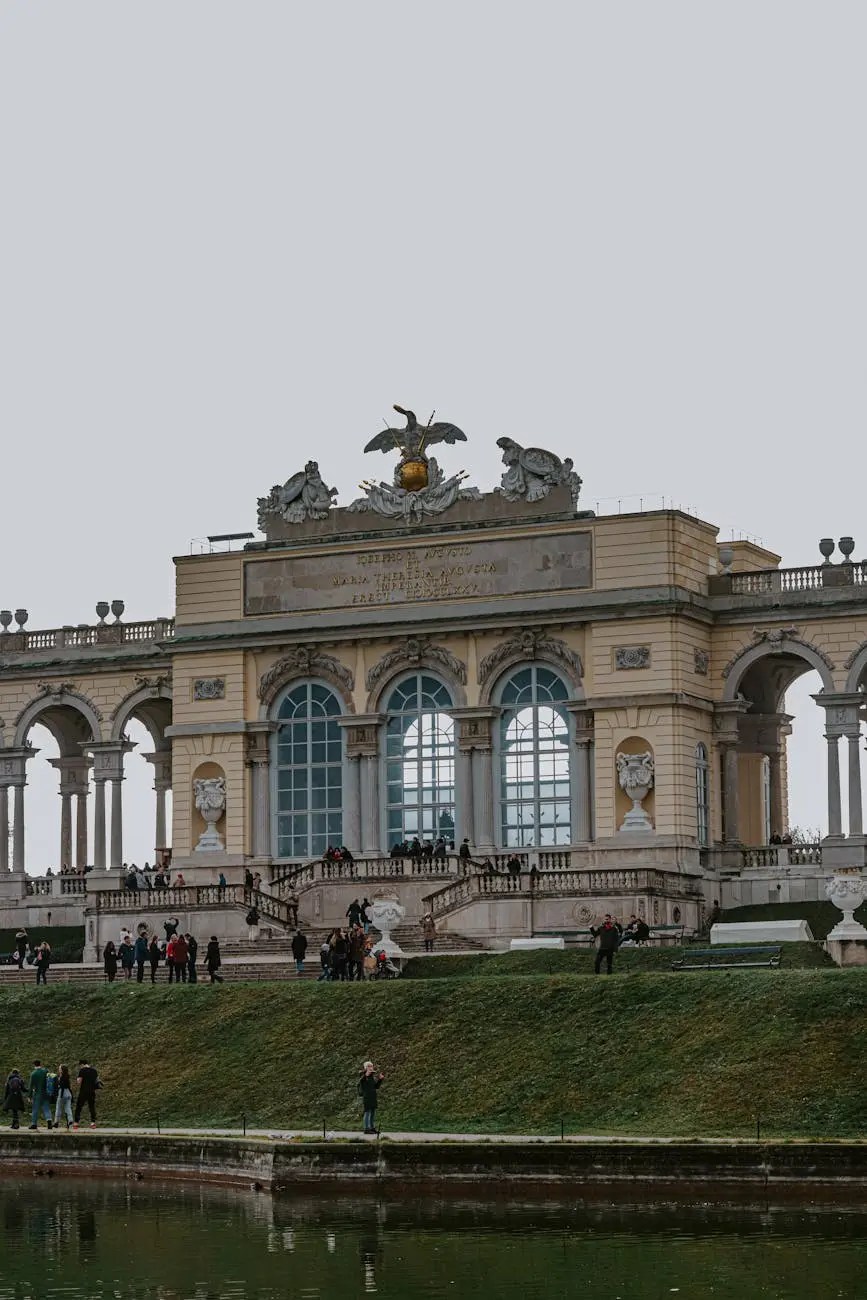
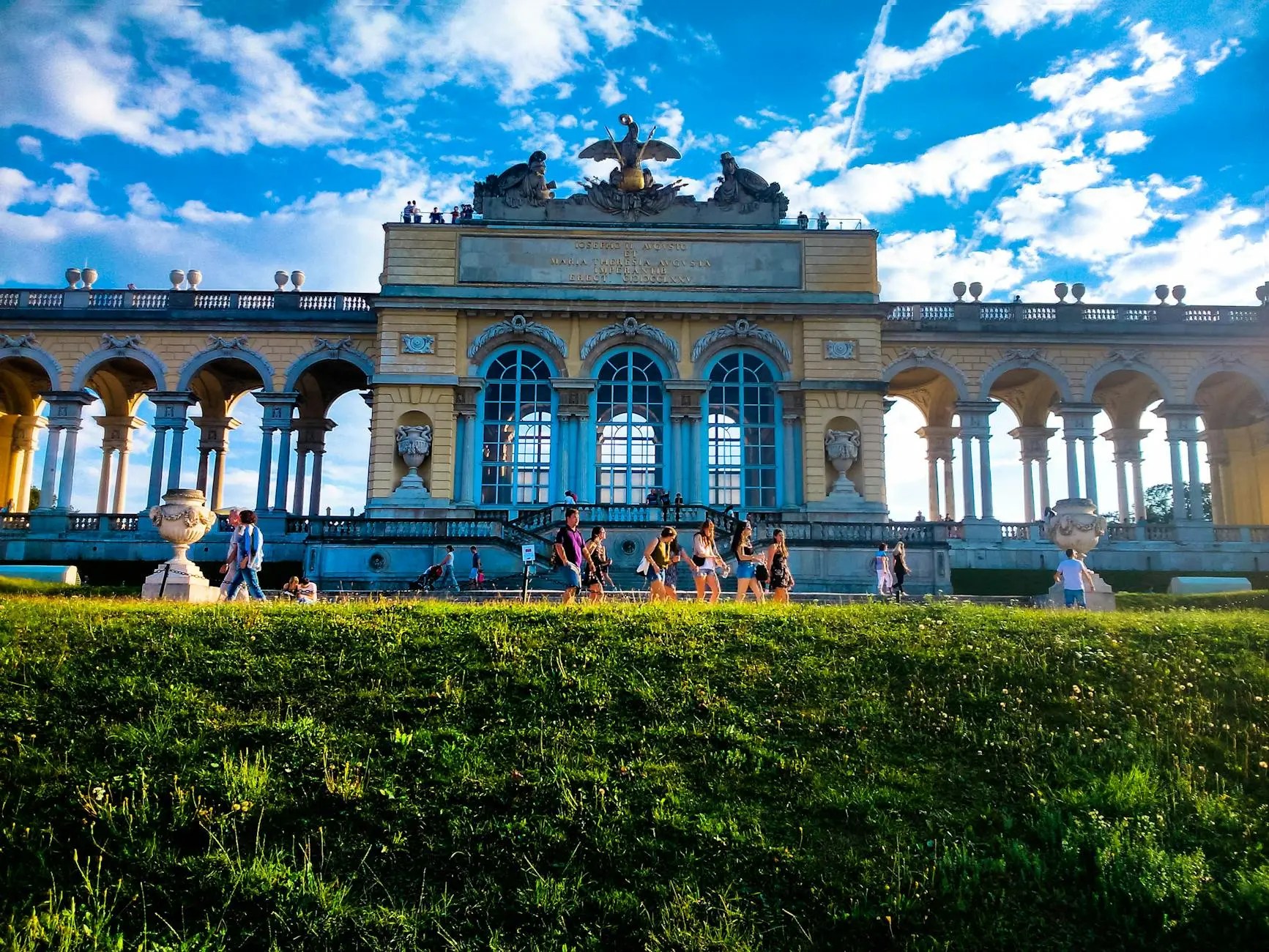
View of the Gloriette in Schönbrunn Palace gardens, showcasing its classical architecture and people enjoying the serene surroundings.
The stunning architecture of the Gloriette at Schönbrunn Palace, a must-see viewpoint in Vienna.

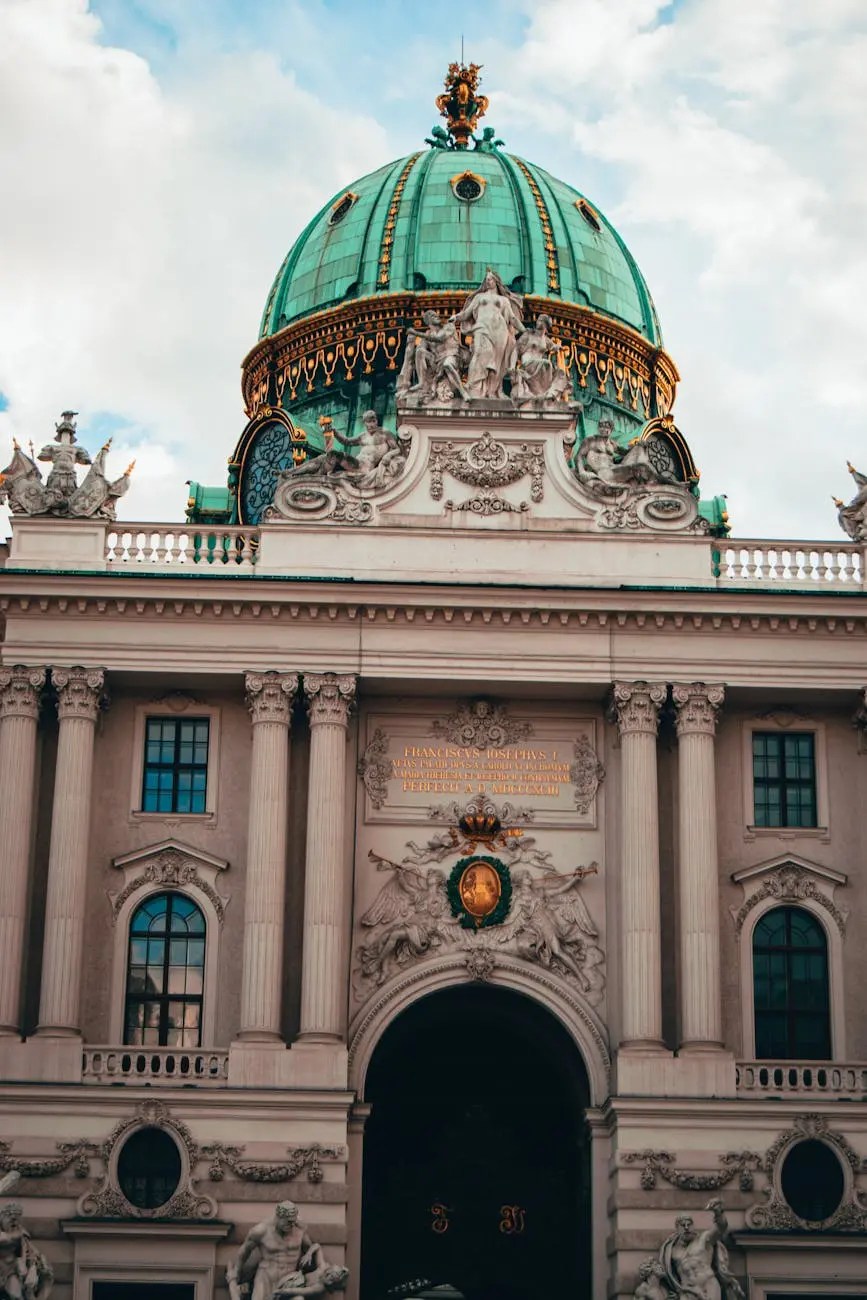
Close-up view of the ornate architecture of the Hofburg Palace in Vienna, highlighting its green dome and intricate sculptures.
The stunning architecture of Hofburg Palace, a symbol of Vienna’s imperial history. Look up! The Hofburg Palace’s breathtaking dome and facade are a masterclass in imperial grandeur. Every statue, gilded detail, and architectural curve tells a story of the powerful Habsburg dynasty that ruled from here for centuries. It’s easy to miss these details when navigating the bustling streets, but they’re what make Vienna an open-air museum.

Hofburg Palace: Once home to the Habsburg dynasty, this imperial complex is like Vienna’s beating historical heart. From the Imperial Apartments to the Sisi Museum, it’s history layered on history. (Tip: Early mornings or late afternoons are best to dodge big tour groups.)

Gloriette Tours and Activities

DON’T MISS THE GARDENS: The gardens are free to explore and offer a stunning, postcard-perfect view of the city from the Gloriette monument. It’s a steep walk but absolutely worth it.

View of the Gloriette at Schönbrunn Palace, with visitors walking on grassy grounds and a blue sky in the background.
The stunning Gloriette at Schönbrunn Palace, offering breathtaking views and rich history in Vienna. The perfect Viennese afternoon: soaking up the sun on the grand lawn of Schönbrunn Palace with the magnificent Gloriette as your backdrop. This is how locals and visitors alike enjoy the palace gardens—not just by touring the halls, but by lounging, picnicking, and marveling at the imperial skyline.

Kunsthistorisches Museum Vienna and Imperial Treasury of Vienna

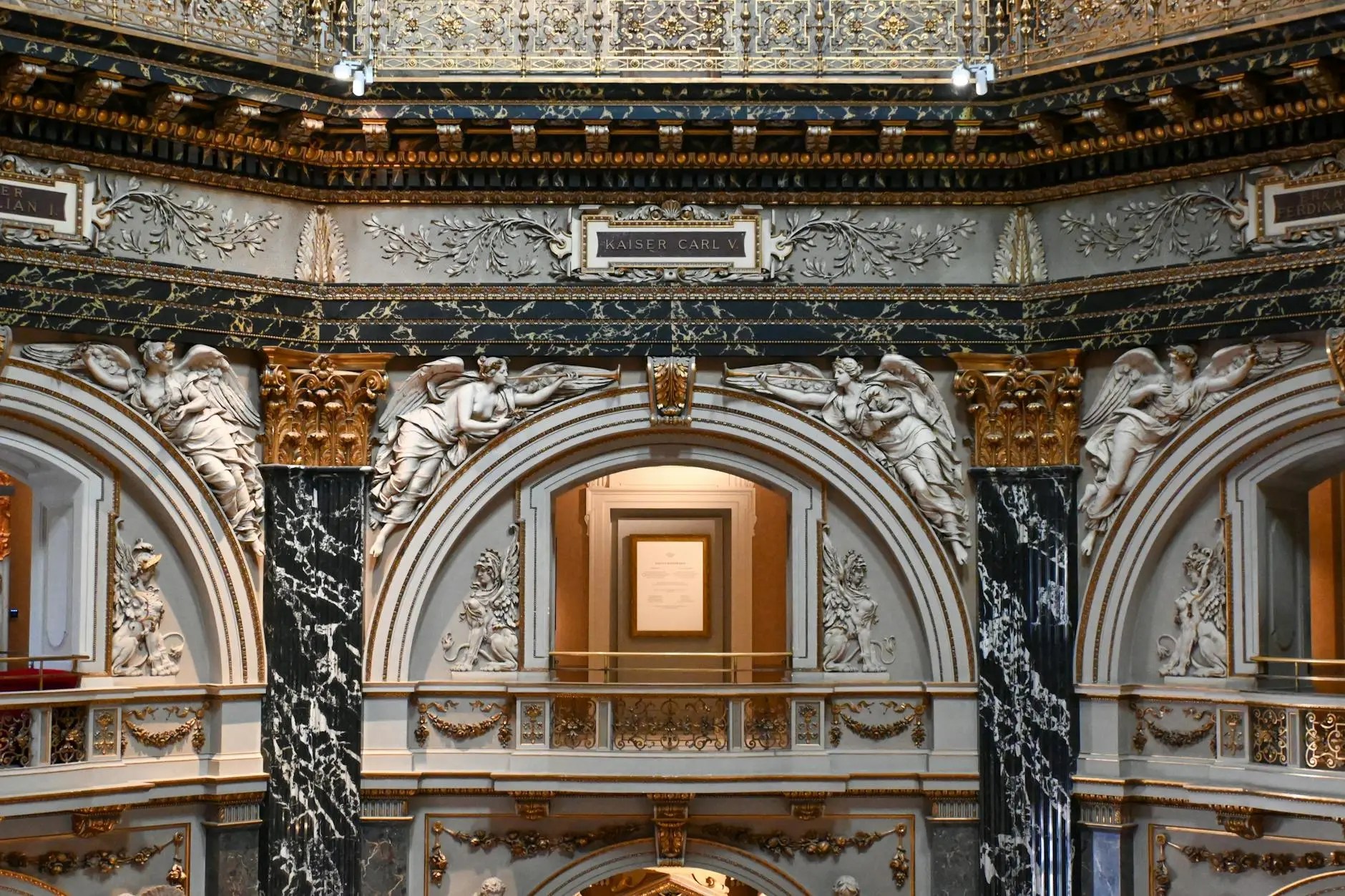
Intricate architectural detail of a hallway at the Kunsthistorisches Museum in Vienna, showcasing ornate sculptures and gold accents.
Intricate architectural details in the Kunsthistorisches Museum, showcasing Vienna’s imperial heritage. Where the art on the walls rivals the art on the walls. The Kunsthistorisches Museum’s interior is a masterpiece in itself. Look up from the paintings to admire the breathtaking ceiling frescoes, gilded stucco, and intricate marble work that make this one of the world’s most beautiful museums.

Sunday: Markets, Masterpieces & Departure

Morning: Head to the Naschmarkt, Vienna’s most famous market. It’s a vibrant, chaotic mix of food stalls, spices, antiques, and restaurants. Grab a Turkish breakfast or sample local cheeses. It’s the perfect place to pick up edible souvenirs.

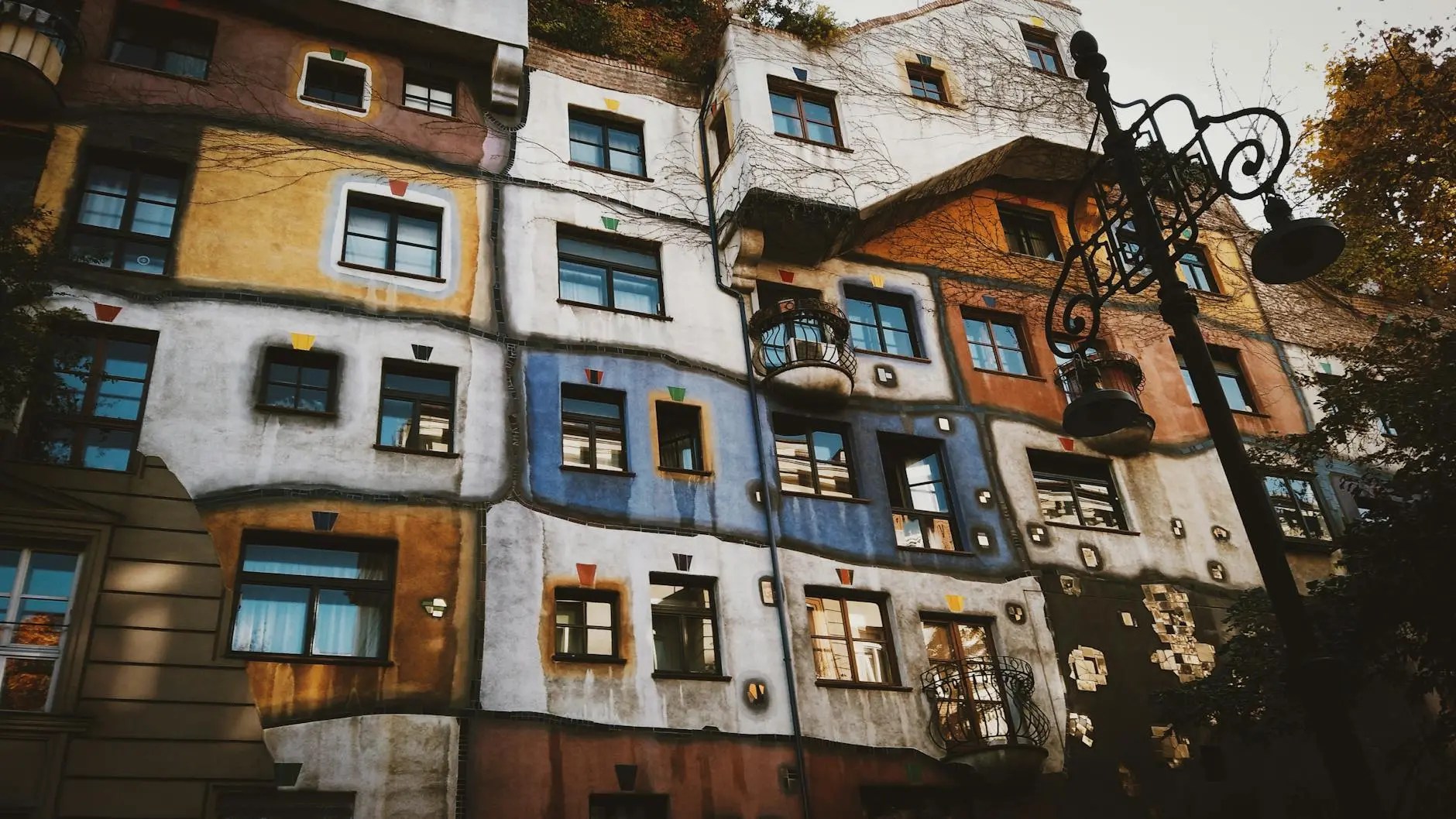
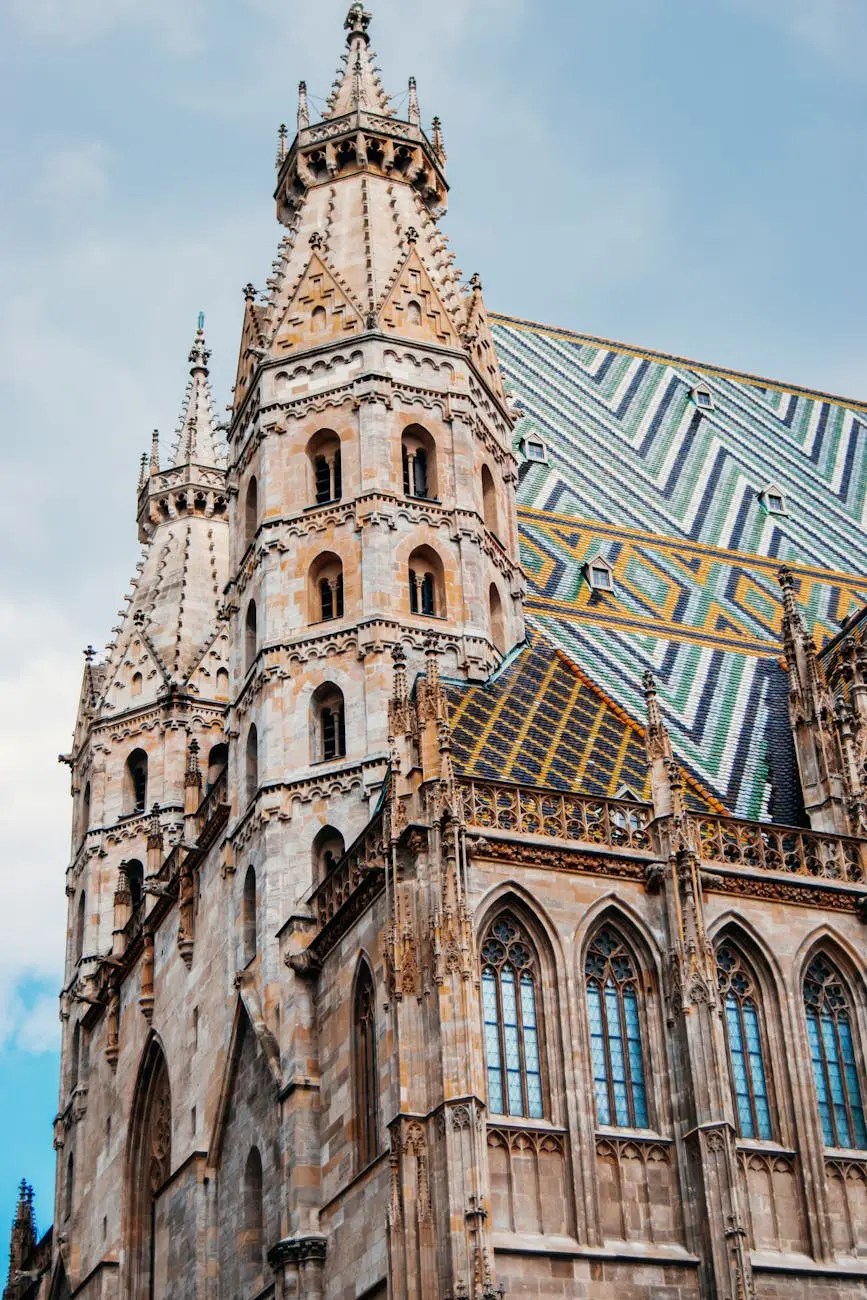
For a final dose of culture, choose your fighter: the sleek, modern Hundertwasserhaus apartment building, a riot of color and uneven floors, or the breathtaking St. Stephen’s Cathedral in the heart of the city. Climb the South Tower for a final, fabulous view.

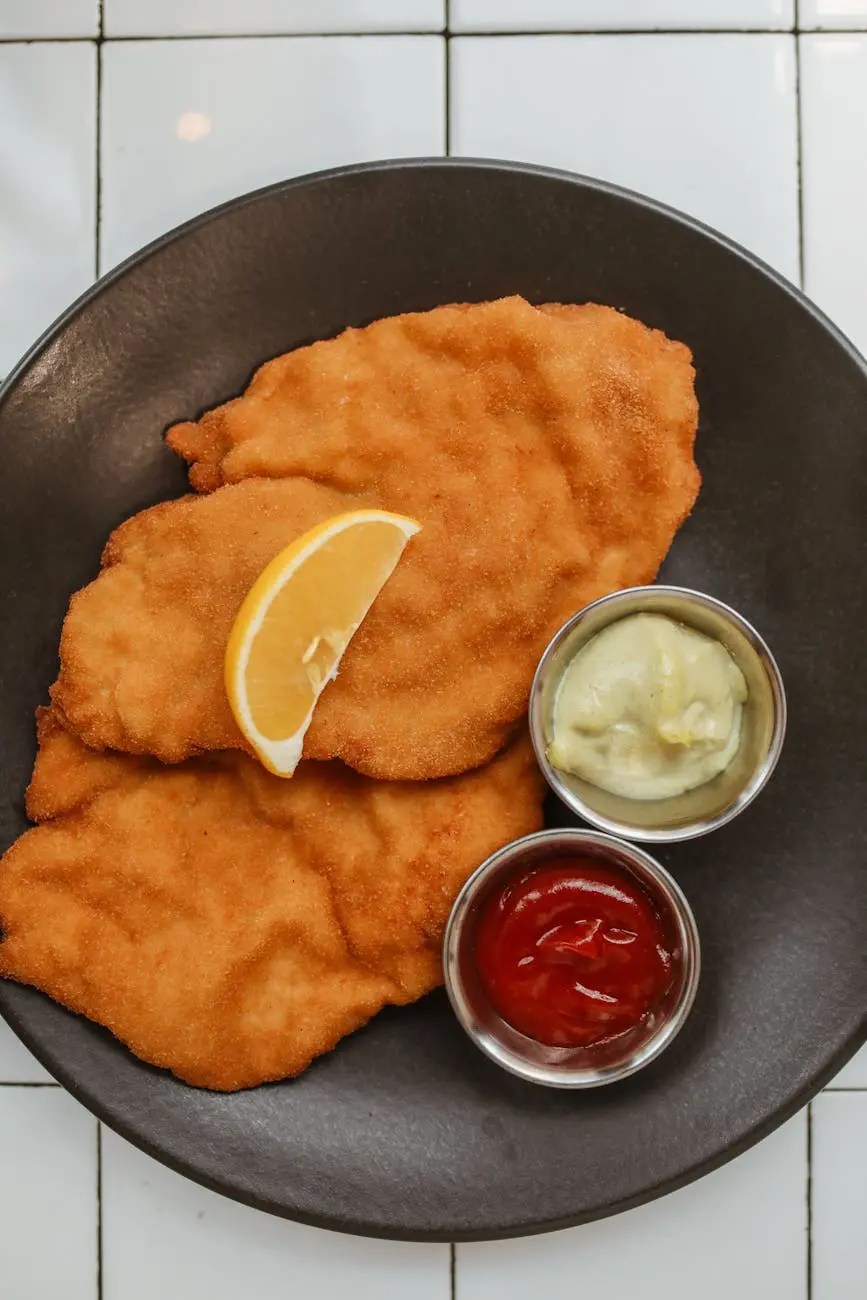
Afternoon: Have one last lunch—maybe a Wiener Schnitzel at Figlmüller (book ahead!) or a more casual bite at the market—before sadly heading back to the airport.

Naschmarkt Tours

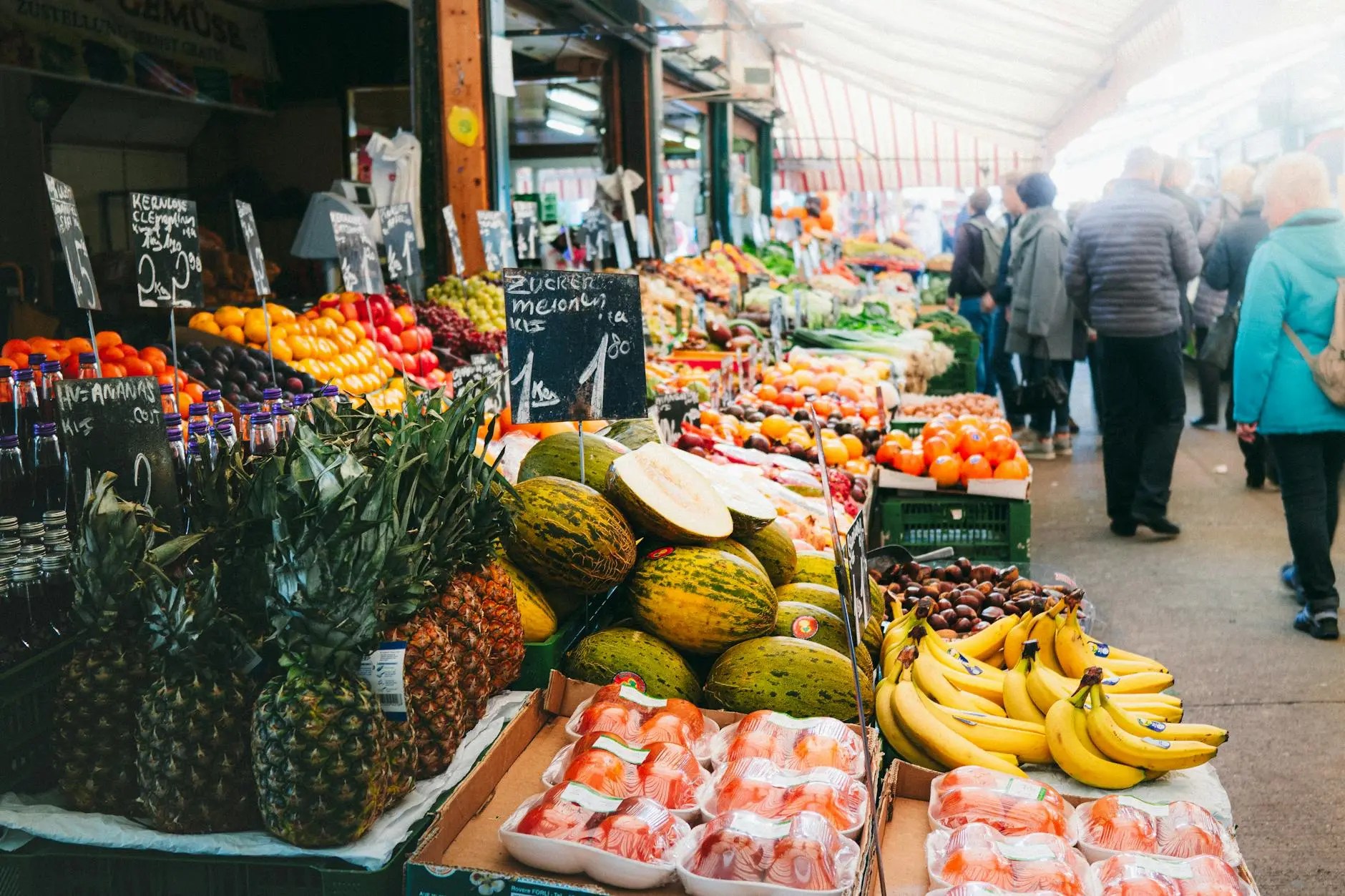
Vibrant market scene at Naschmarkt in Vienna, showcasing an array of colorful fruits and vegetables with shoppers exploring the stalls.
A vibrant display of fresh fruits and vegetables at Vienna’s Naschmarkt, showcasing the city’s culinary delights. A feast for the senses! Vienna’s Naschmarkt is a bustling, colorful paradise where you can find everything from local Austrian produce to exotic international imports. This is the perfect spot to grab a snack, pick up picnic supplies, or simply soak in the vibrant, aromatic atmosphere of the city’s most famous market.

Hundertwasser House Tours

Colorful facade of the Hundertwasserhaus, an architectural landmark in Vienna, featuring irregular shapes, vibrant colors, and unique window designs.
Explore the vibrant architecture of Hundertwasserhaus, a unique apartment building known for its colorful facades and whimsical design in Vienna. Where architecture breaks all the rules! The Hundertwasserhaus is a riot of color and creativity, designed by artist Friedensreich Hundertwasser. With its undulating floors, trees growing from windows, and not a single straight line in sight, this iconic building is a joyful rebellion against boring, conventional design

St. Stephen’s Cathedral Tours

Close-up view of the intricate architecture and spires of St. Stephen's Cathedral in Vienna, showcasing its Gothic design and colorful patterned roof.
A stunning view of the intricate architecture of St. Stephen’s Cathedral in Vienna, showcasing its gothic spires and colorful tiled roof. Look up! The magnificent roof of St. Stephen’s Cathedral is covered in over 230,000 glazed tiles, arranged into intricate patterns, including the majestic double-headed eagle—a symbol of the Habsburg Empire. This Gothic masterpiece has watched over Vienna for centuries.
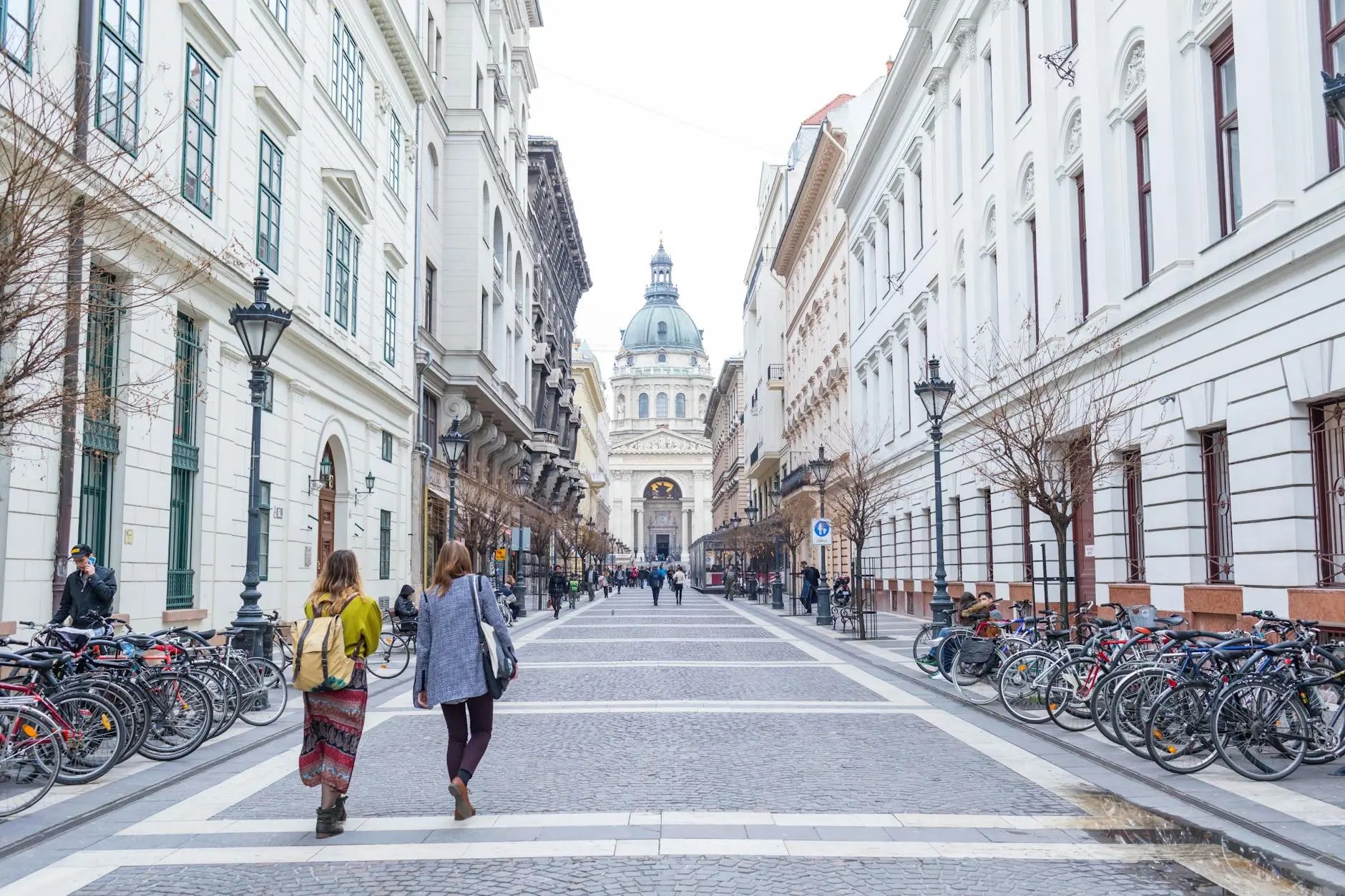
Street view in Vienna showing pedestrians walking along a cobblestone path lined with trees and bicycles parked on the side, with historic buildings and a dome structure in the background.
Strolling through the charming streets of Vienna, lined with historic architecture and bicycle racks. Getting lost is encouraged! The real magic of Vienna is found by wandering its charming, lesser-known cobblestone streets. Away from the grand palaces, you’ll find quiet lanes like this one, where bicycles lean against colorful historic buildings and the city’s effortless elegance is on full display.
A plate of Wiener Schnitzel served with a slice of lemon and two small bowls of condiments: ketchup and mustard.
Indulge in Vienna’s iconic Wiener Schnitzel, served with lemon and traditional condiments. The ultimate Austrian comfort food: a perfectly golden, crispy Wiener Schnitzel. This pounded-thin, breaded, and fried veal cutlet is a national treasure. The key is a squeeze of fresh lemon to cut through the richness. While purists might scoff, a little dip of mustard or berry sauce never hurt anybody!
  • Hidden Gems:
    • Escape the crowds at Café Sperl, a time-capsule coffee house where locals play billiards
    • Discover Setagayapark, a peaceful Japanese tea garden hidden in the city
    • Visit Café Central for its stunning architecture and literary history

Setagaya Park Tours

Navigating Vienna Like a Pro: The Wiener Linien

Vienna’s public transport network (Wiener Linien) is a thing of beauty. It’s clean, efficient, and will get you absolutely anywhere.

  • The Network: It comprises U-Bahn (subway), trams, and buses. Google Maps is incredibly accurate for routes and times.
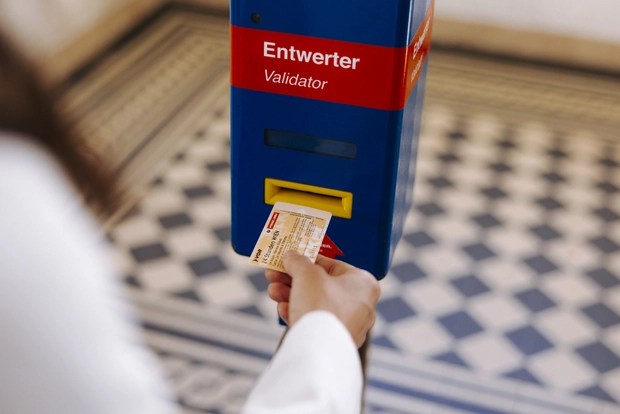
  • Tickets: For a weekend, your best bet is the Vienna City Card, which offers unlimited travel and discounts to major attractions. Alternatively, you can buy a 24-, 48-, or 72-hour unlimited pass. Remember to validate your ticket before your first journey at the little blue machines on platforms or on trams/buses! Plain-clothes inspectors are common, and fines are steep.
  • Car? Don’t even think about it. Parking is a nightmare and expensive. The city center is a maze of pedestrian zones. Save the car rental for a future [Road Trip Through the Austrian Alps].
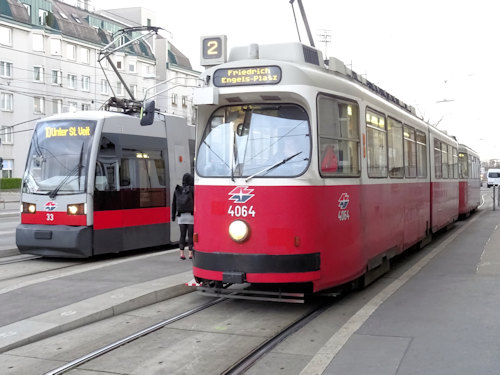
A red and gray tram at a station in Vienna, Austria, with another tram visible nearby and passengers waiting on the platform.
Vienna’s efficient public transport featuring classic trams and modern trains, showcasing the city’s seamless connectivity.

A person using a ticket validator machine with a public transport ticket in Vienna, Austria.
Validating a public transport ticket in Vienna.

Money-Saving Secrets & Hidden Gems

  • Free Entry: Many museums (like the MUMOK) have reduced or free entry on the first Sunday of the month.
  • The Water: Vienna’s tap water (Hahnwasser) is some of the best in the world, coming straight from the Alps. Carry a reusable bottle and fill up for free.
  • Hidden Gem: Escape the crowds at Café Sperl, a time-capsule coffee house where locals play billiards. Or, take tram D along the Ringstrasse for a stunning, moving tour of the city’s grandest buildings for the price of a single ticket.

Essential German Phrases for the Wiener Weekend

  • Hallo / Guten Tag (Hello / Good day)
  • Danke (Thank you)
  • Bitte (Please / You’re welcome)
  • Ein Melange, bitte (A Melange, please)
  • Zahlen, bitte (The bill, please)
  • Prost! (Cheers!)
  • Entschuldigung (Excuse me)
PhrasePronunciationMeaning
„Wo ist die U-Bahn?“Vo ist dee OO-bahn?Where is the subway?
„Ein Wasser, bitte.“Ine VAH-ser BIH-tuhOne water, please

Travel Smarter, Not Harder: My Trusted Resources

After countless trips, I rely on a few key tools to make everything smoother.

🌐 Stay Connected: I used to waste precious vacation time hunting for SIM cards at the airport. Now, I never travel without my Drimsim. It’s a genius universal SIM that works in 190+ countries. Pop it in, top up via the app, and you’re online instantly. No contracts, no hidden fees. It’s a total game-changer for navigating and posting those palace pics.

🔒 Stay Secure: Using public WiFi to check your bank account or book tickets? Big risk. A VPN encrypts your connection, keeping your data safe from hackers. It’s non-negotiable for modern travel. I’ve used NordVPN for years to stay secure and even access streaming from back home.

📸 Capture the Memories: To do Vienna justice, you need a good camera. I swear by my Sony Alpha series for capturing the gilded details of the palaces and the vibrant energy of the Naschmarkt. It’s the perfect travel companion.

🛡 Get What You’re Owed: Let’s be real, travel doesn’t always go to plan. My flight back from Vienna was once delayed by 8 hours. I didn’t stress because I knew AirHelp had my back. If your flight is delayed, canceled, or overbooked, you could be entitled to up to €600 in compensation. They handle all the paperwork and only charge if they win. It’s a no-brainer.

Ready to plan your Viennese adventure? Find the best flight and hotel deals for your dates here!

FAQ: Your Quick Vienna Weekend Questions Answered

Q: What is the best time of year for a weekend in Vienna?
A: Spring (April-May) and Fall (September-October) are ideal. The weather is mild, and the crowds are smaller than in the peak summer months. The Christmas markets in December are magical but very busy.

Q: Is Vienna expensive?
A: It can be, but it doesn’t have to be. Museum entry fees add up, so prioritize. Eating at Würstelstands and markets, using public transport, and enjoying free activities like wandering the gardens can keep costs down.

Q: How do I get from Vienna Airport (VIE) to the city center?
A: The CAT train is the fastest (16 mins) but most expensive. The ÖBB Railjet or S-Bahn (S7) train is cheaper and takes about 25 minutes to Wien Mitte. Buses and taxis are also available.

Q: Do I need to tip in Vienna?
A: Tipping is customary but modest. It’s common to round up the bill or leave 5-10% for good service in restaurants. For a €19 bill, you’d say “Make it 22, please.”

Q: Can I get by with English?
A: Absolutely. English is widely spoken in tourist areas, hotels, and restaurants. However, learning a few basic German phrases (see above!) is always appreciated and goes a long way.

Q: Is it safe?
A: Very. Typical big-city caution applies.

Q: Is the Vienna City Card worth it?
A: If you plan to visit multiple museums and use public transit extensively, the card often pays for itself within a day or two. Calculate your planned entries versus the card cost to be sure.

Emergency Number: Dial 112 throughout the EU for any emergency services.

Have your own Vienna tips or questions? Drop them in the comments below

Vienna has a way of stealing a piece of your heart. I’d love to hear what yours steals! What’s the one thing you’re most excited to see or taste? Is it the Schnitzel, the symphony, or the schnapps at a Heuriger? Drop your top pick in the comments below—I read every single one!

Final Thoughts

Vienna is a weekend escape that’s decadent yet approachable, packed with culture, coffee, cute carts, and enough architectural eye-candy to keep your camera shutter snapping. With careful planning—smart transport choices, savvy savings, and insider tips—you can sip your melange, wander palace halls, and laugh at your own jokes in baroque courtyards without breaking the bank.

Happy travels—and may your weekend in Vienna be legen—wait for it—dary!

Loved this guide? Share it with the friend you’d most want to get lost in Vienna’s streets with!

Universal Disclaimer/Disclosure Page:

48-Hour Prague Itinerary: Essential Travel Guide

Meta Description: Plan your ultimate weekend escape to Prague, Czech Republic! This detailed travel guide covers must-see sights, hidden gems, money-saving tips for transport & food, and essential Czech phrases. Get ready for an unforgettable 48 hours in the heart of Europe.

Table of Contents

  1. Why Prague Is the Perfect Weekend Getaway
  2. Quick Practical Info
    • Visa & Costs
    • Best Time to Go
  3. Getting There & Getting Around
    • Planes & Flights (Bonus: Flight delay/compensation tool)
    • Trains, Buses & Car Rental (Maps & routes included)
  4. Where to Stay & Hidden-Gem Neighborhoods
  5. Top Sights with Personal Anecdotes
    • Must-see Classics
    • Off-the-Beaten-Path Discoveries
  6. Pocket-Friendly Travel Tips
    • Public Transport Hacks
    • Budget Ins & Outs
  7. Local Lingo 101: Words You’ll Actually Use
  8. Stay Connected & Covered
    • SIM Cards & Data
    • VPN & Safety
    • Travel Insurance
  9. Strong CTAs & Further Reading
  10. FAQ: Your Burning Questions Answered
  11. Links to My Other Travel Tales

So, you’ve got a weekend to spare and a serious case of wanderlust? Let me tell you, packing your bags for Prague is never a bad idea. This city is like stepping into a living, breathing fairytale, complete with a castle looming over a river, cobblestone streets that whisper centuries of history, and beer that’s cheaper than water (no, really).

I’ve lost count of how many times I’ve wandered across the Charles Bridge at sunrise, and it never gets old. This guide is my love letter to Prague, packed with everything I’ve learned from getting delightfully lost in its alleys. We’re going to craft your perfect 48-hour itinerary, save you money, and make you feel like a local (or at least a very savvy tourist).

Pro Tip: I always book my flights and hotels together on Expedia—it’s my go-to for snagging a great package deal. For a city like Prague, staying in the centre (like Old Town or Lesser Town) is worth the extra few bucks to save time on logistics.

Flights to Prague

Why Prague Is the Perfect Weekend Getaway

Picture this: you step off the tram onto cobblestones that have heard centuries of stories. Café aromas drift through the air, and a medieval tower looms above, daring you to explore. That’s Prague—where history, romance, and quirky Czech humor collide. It’s compact, charming, and unexpectedly budget-friendly, making it ideal for your two-day mini-adventure.

Hotels in Prague

Prague is incredibly compact. Most of the iconic sights are within walking distance of each other, making it ideal for a short trip. It’s also wonderfully affordable compared to other Western European capitals. Plus, with a well-connected airport and an efficient public transport system, you can maximize your time exploring instead of commuting.

Visa Note: For travellers from the US, UK, Canada, and Australia, you can enter the Czech Republic (part of the Schengen Area) visa-free for up to 90 days. Always double-check the latest entry requirements from official government sources before you travel.

Best Time to Visit
Plan around late spring or early fall to dodge peak crowds while enjoying mild, pleasant weather. Summer can be busy and winter, festive but chilly.

Day 1: Castles, Bridges, and Cobblestones

Morning: Start your day early at Prague Castle (Pražský hrad). I cannot stress the “early” part enough. Tour buses arrive around 10 AM, and the complex gets packed. Take tram 22 up to the castle for a classic Prague experience and stunning views. The castle grounds themselves are free to walk, but buy a ticket to enter St. Vitus Cathedral—it’s absolutely breathtaking.

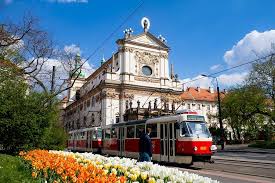
A red and white tram passing by a beautifully detailed historic building with blooming tulips in the foreground, under a clear blue sky in Prague.
Tram moving past beautiful architecture and blooming tulips in Prague, perfect for experiencing the city’s charm.

St. Vitus Cathedral Tours

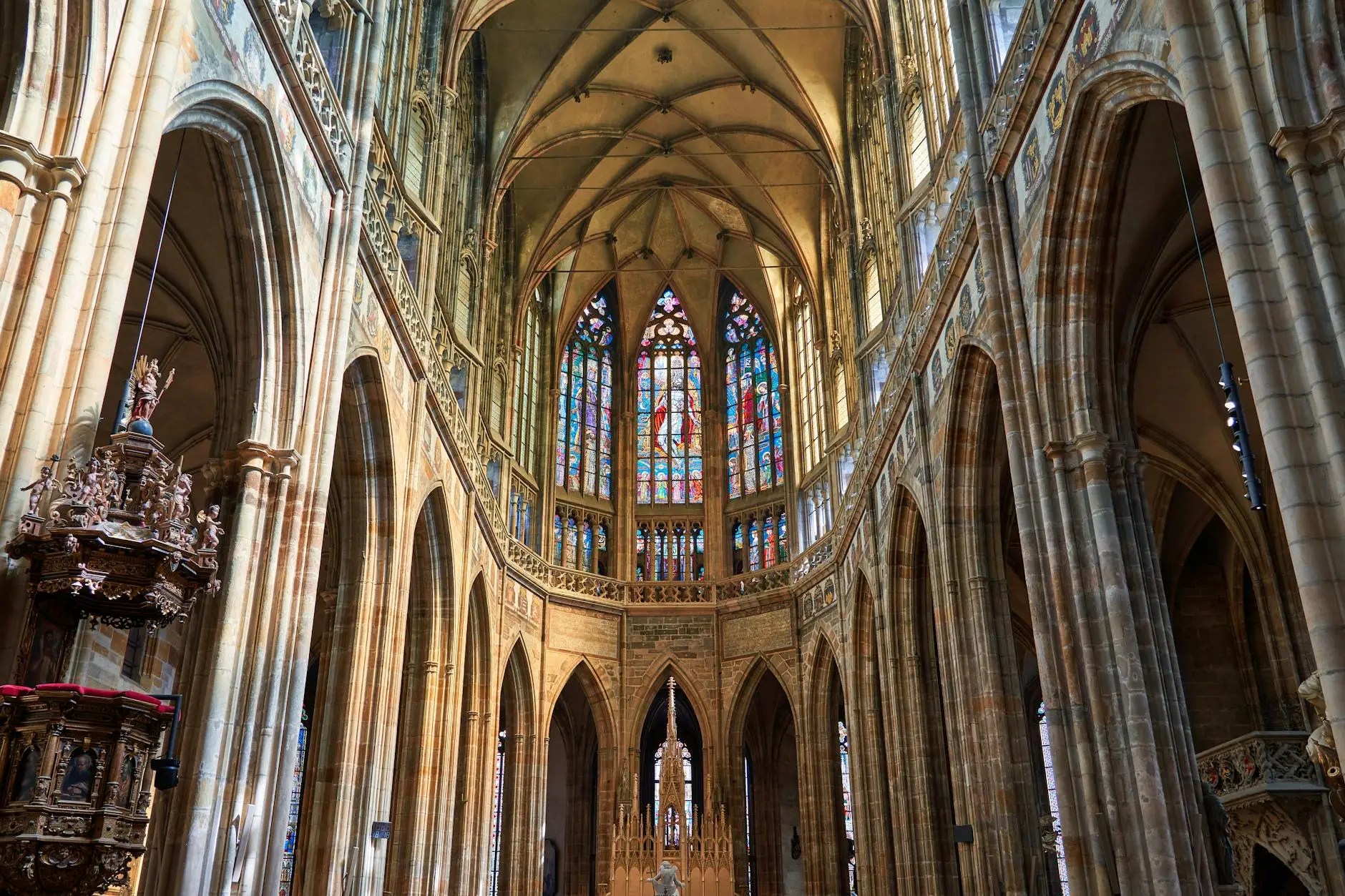
Interior view of St. Vitus Cathedral featuring gothic architectural elements and colorful stained glass windows.
Interior view of St. Vitus Cathedral showcasing stunning stained glass windows and Gothic architecture.

Afternoon: Wander down from the castle through the charming Lesser Town (Malá Strana). Get lost in its narrow streets and find a classic Czech pub for lunch. Then, make your way to the Charles Bridge (Karlův most). While it’s packed during the day, the energy is infectious. For a different perspective, I highly recommend a Vltava River cruise – it’s a relaxing way to see the cityscape.

I’ll never forget my first time trying to order in one of these pubs. The menu was all Czech, and the waiter spoke no English. I pointed at what looked like a safe bet, which turned out to be vepřo knedlo zelo—roast pork, dumplings, and sauerkraut. It was the definition of comfort food, and the waiter gave me a thumbs-up and a complimentary beer for my effort. Moral of the story? Don’t be afraid to point and be adventurous!

Mala Strana

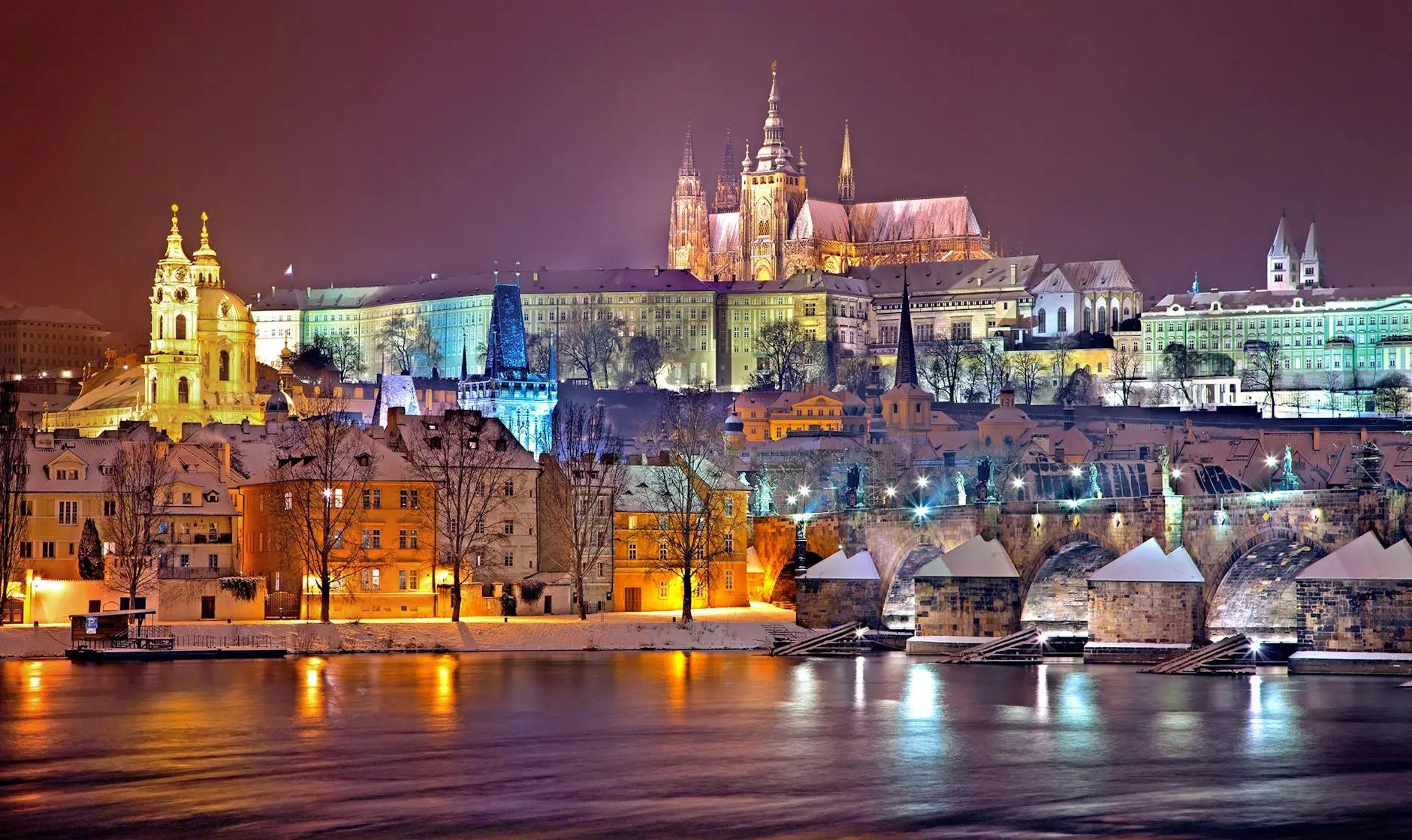
Night view of Prague Castle illuminated above the Vltava River, with historic buildings and the Charles Bridge in the foreground under a snowy sky.
The illuminated Prague Castle and the historic Charles Bridge at night, showcasing the enchanting beauty of the city.

Charles Bridge Tours

A scenic view of Prague, showcasing historic buildings with red rooftops along the Vltava River, featuring the iconic Charles Bridge in the foreground.
Scenic view of the Charles Bridge and the historic architecture along the Vltava River in Prague.

Evening: Have dinner in Lesser Town and then walk back across the Charles Bridge at night. The crowds have dispersed, the castle is illuminated, and it’s pure magic. It’s one of my favourite memories of the city.

Day 2: Old Town Charm and Hidden Courtyards 

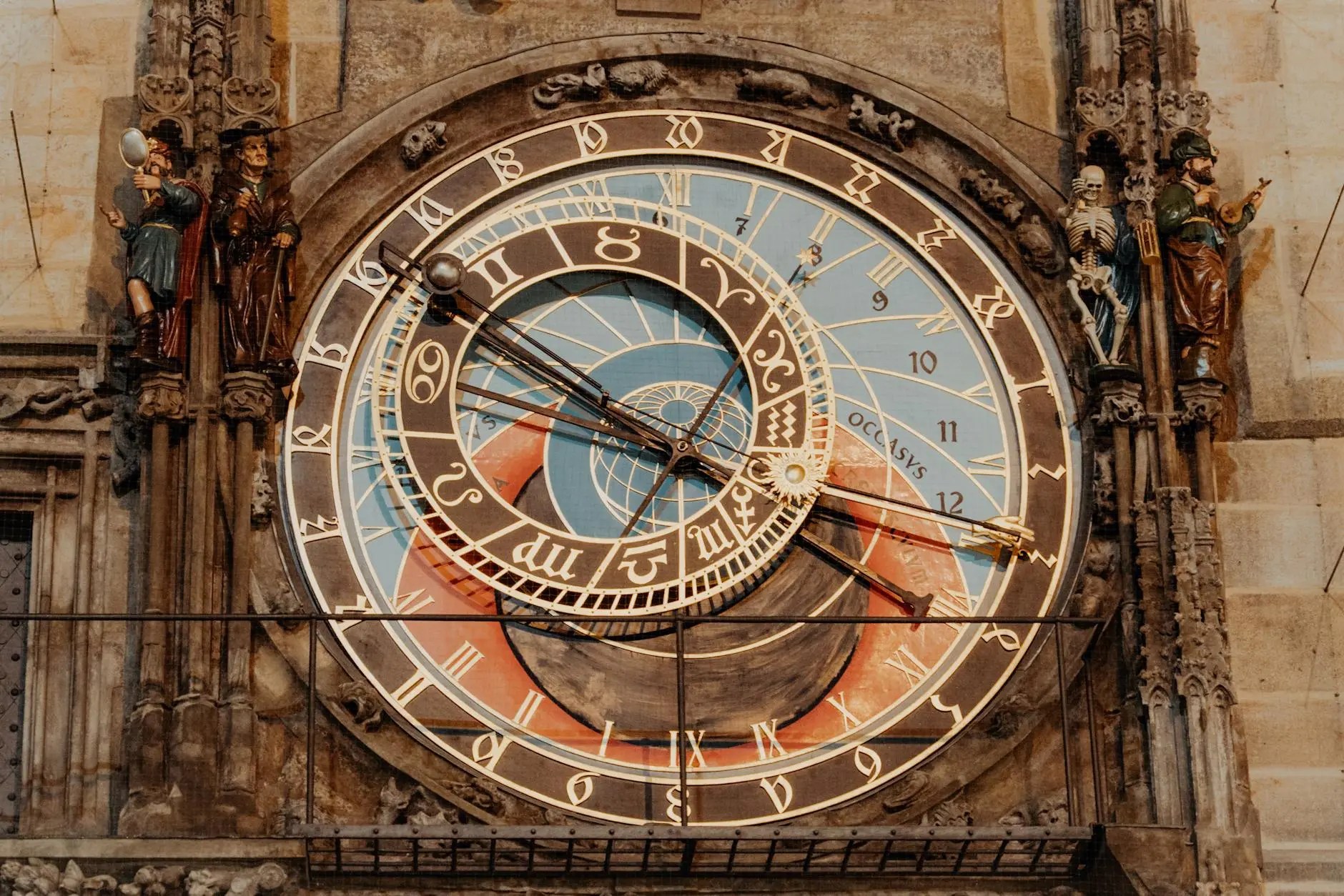
Morning: Begin at the Old Town Square (Staroměstské náměstí). Watch the world-famous Astronomical Clock put on its show at the top of the hour (it’s a little underwhelming but you have to see it once!). Climb the Old Town Hall Tower for the best panoramic view of the square’s spires.

Old Town Square Tours

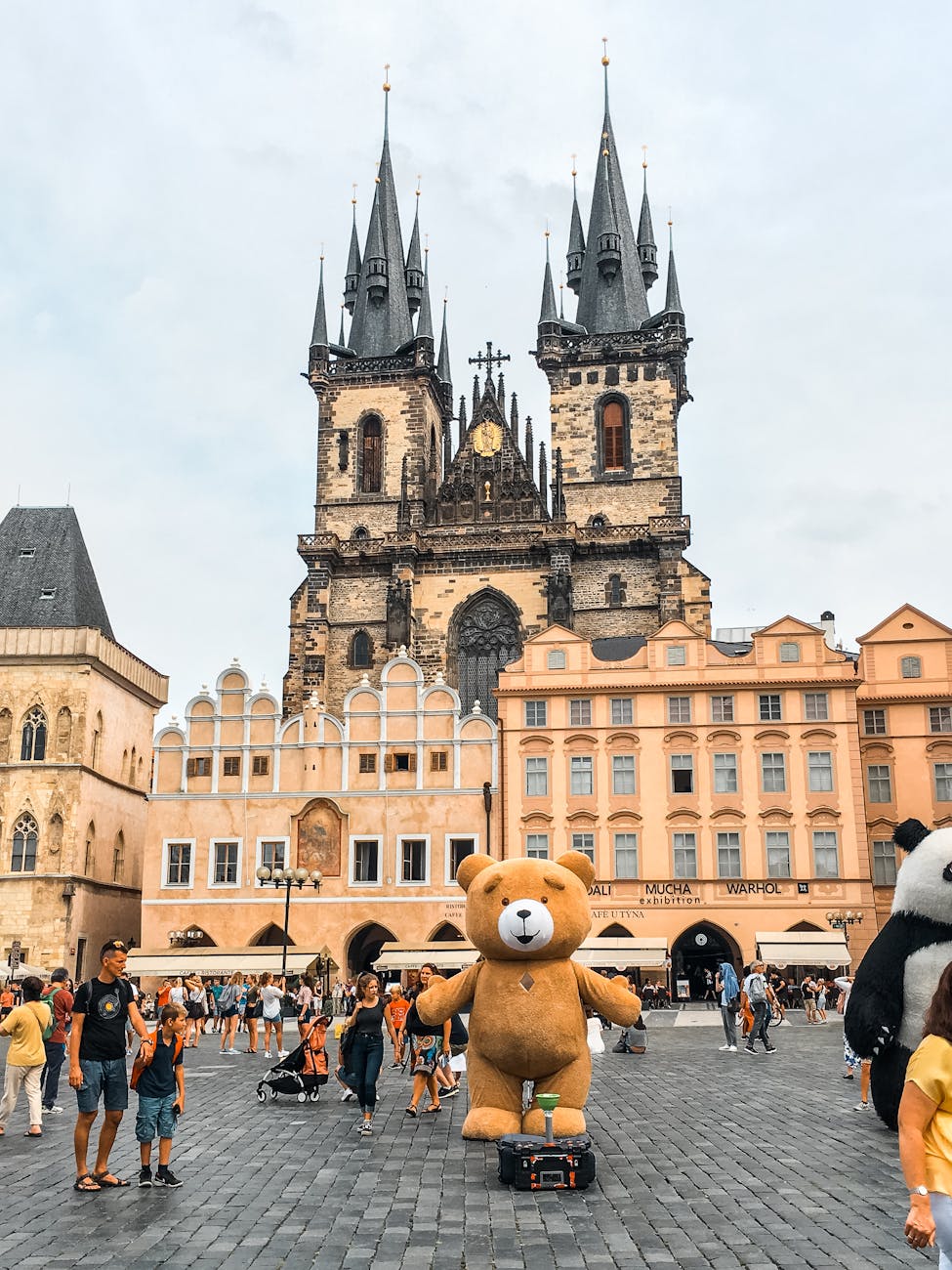
A large teddy bear costume character stands in the foreground of Prague's Old Town Square, with the iconic Church of Our Lady before Týn in the background, surrounded by tourists.
A lively scene in Old Town Square, Prague, featuring a giant teddy bear amidst crowds of tourists and historic architecture.

Prague Astronomical Clock Tours

Close-up of the intricate Astronomical Clock in Prague, featuring colorful astronomical details and decorative figures.
The iconic Astronomical Clock in Prague’s Old Town, a must-see attraction showcasing intricate designs and astronomical details.

Afternoon: Follow the crowds towards the Jewish Quarter (Josefov), a area rich with profound history. Afterwards, indulge your sweet tooth at the ICU Museum of Senses or find a hidden courtyard café to people-watch. If you have more time in the region, consider a day trip—I wrote about my favourite one to Cesky Krumlov here.

Prague Jewish Quarter Walking Tour with Admission Tickets

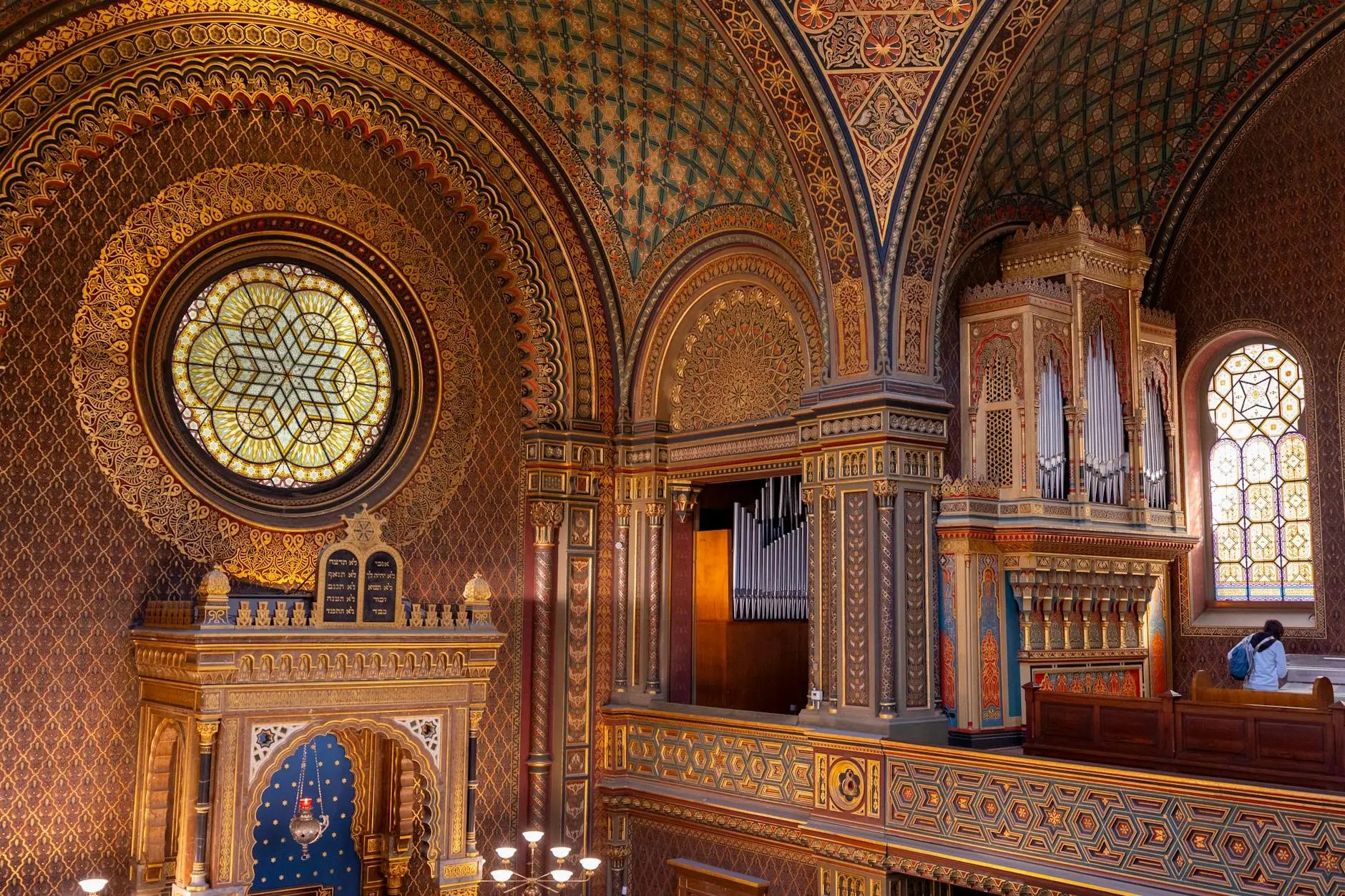
Interior view of a beautifully ornate synagogue featuring intricate patterns, colorful stained glass windows, and a large organ.
Interior view of the stunning Spanish Synagogue in Prague, highlighting its intricate architecture and vibrant stained glass.

Admission Ticket Museum of Senses Prague

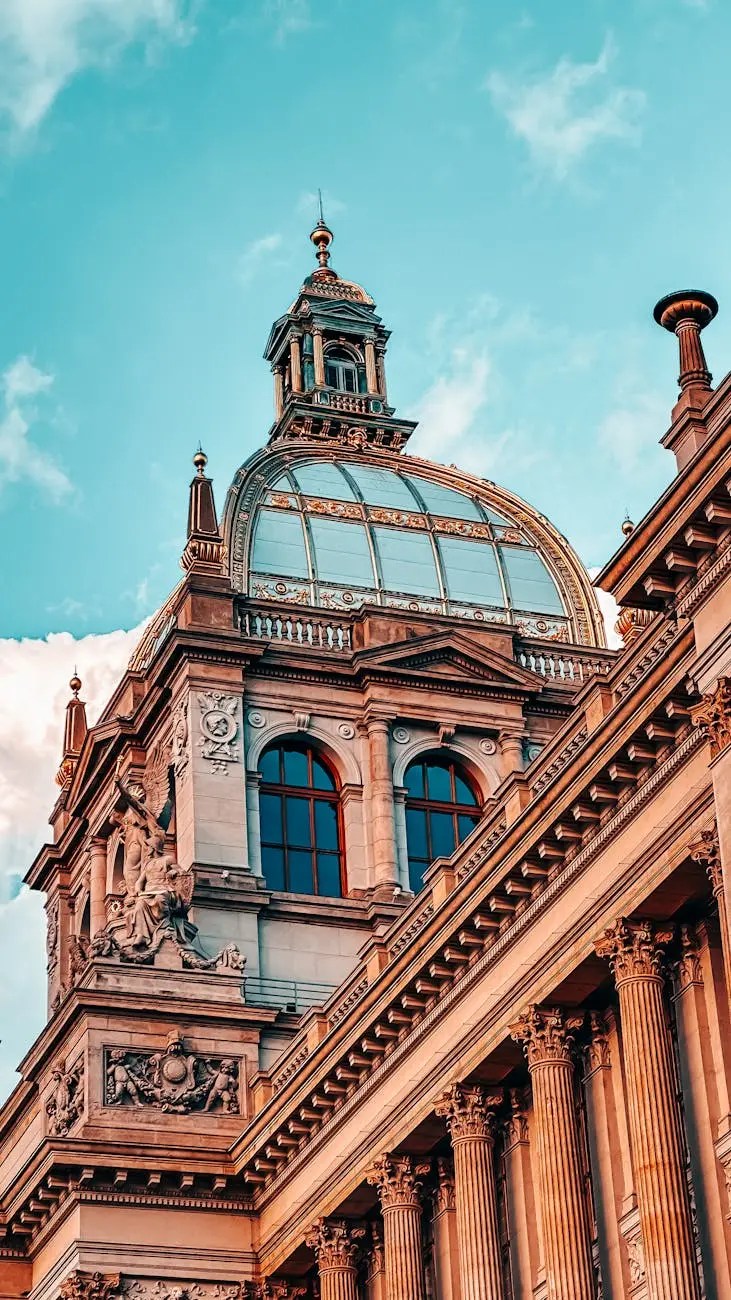
Close-up view of the ornate architectural details of a historical building in Prague, showcasing a decorated dome with a glass top against a blue sky.
The stunning architecture of a historical building in Prague, showcasing intricate designs and a magnificent dome under a clear blue sky.
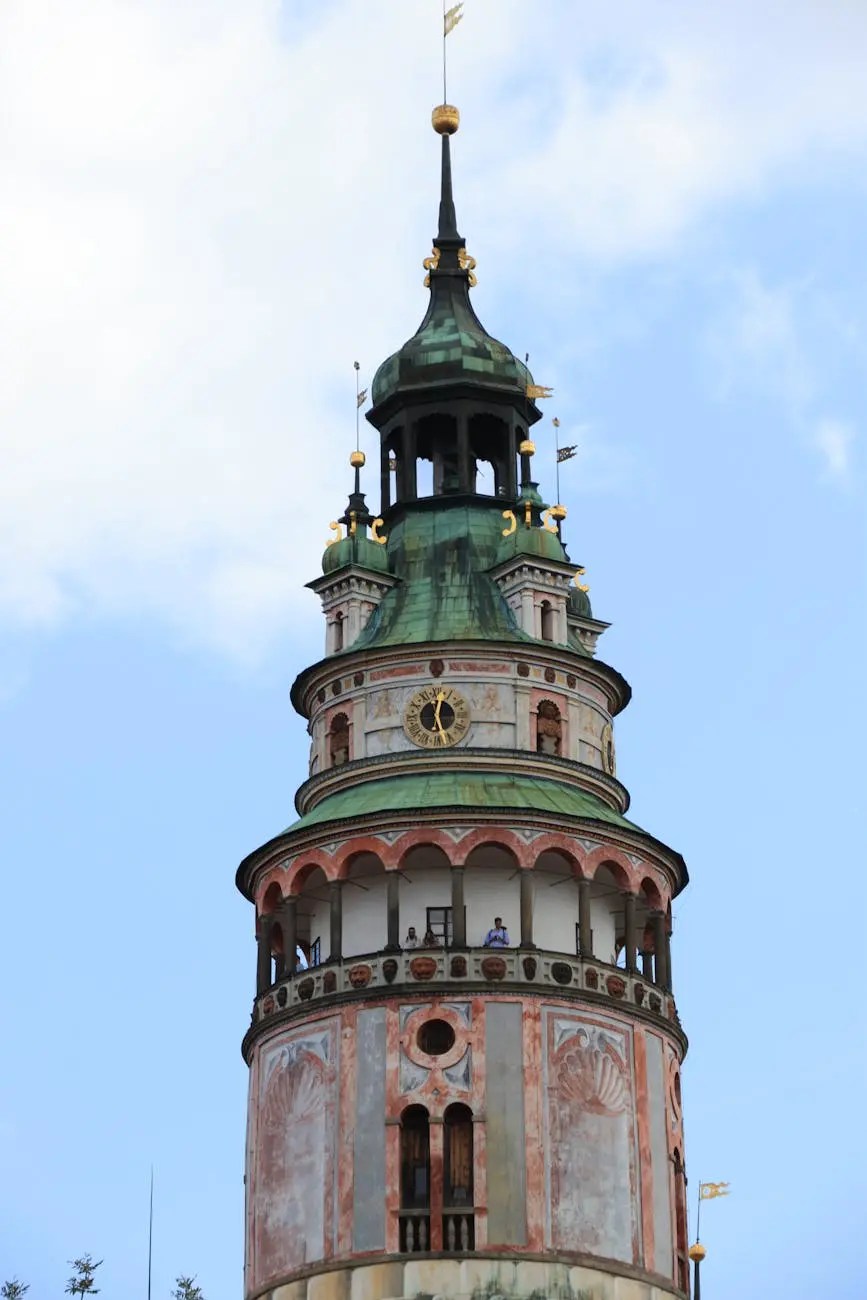
Close-up of a historic tower with a green dome, decorative details, and a clock, set against a blue sky.
The ornate tower in Prague showcases stunning architecture against the blue sky. (Český Krumlov)

Evening: For your last night, enjoy a proper Czech feast and a well-earned pint of Pilsner. Then, why not experience some of Prague’s legendary nightlife?

A vibrant nightclub scene with people dancing under purple and blue lights in an arched stone venue.
Experience Prague’s vibrant nightlife in this atmospheric underground venue, perfect for dancing and socializing.

Beyond the Checklist: Prague’s Hidden Gems 

  • Vyšehrad: A fortress complex south of the centre with gorgeous gardens, a cemetery with famous Czechs, and quiet, crowd-free views of the city. It’s a perfect escape.
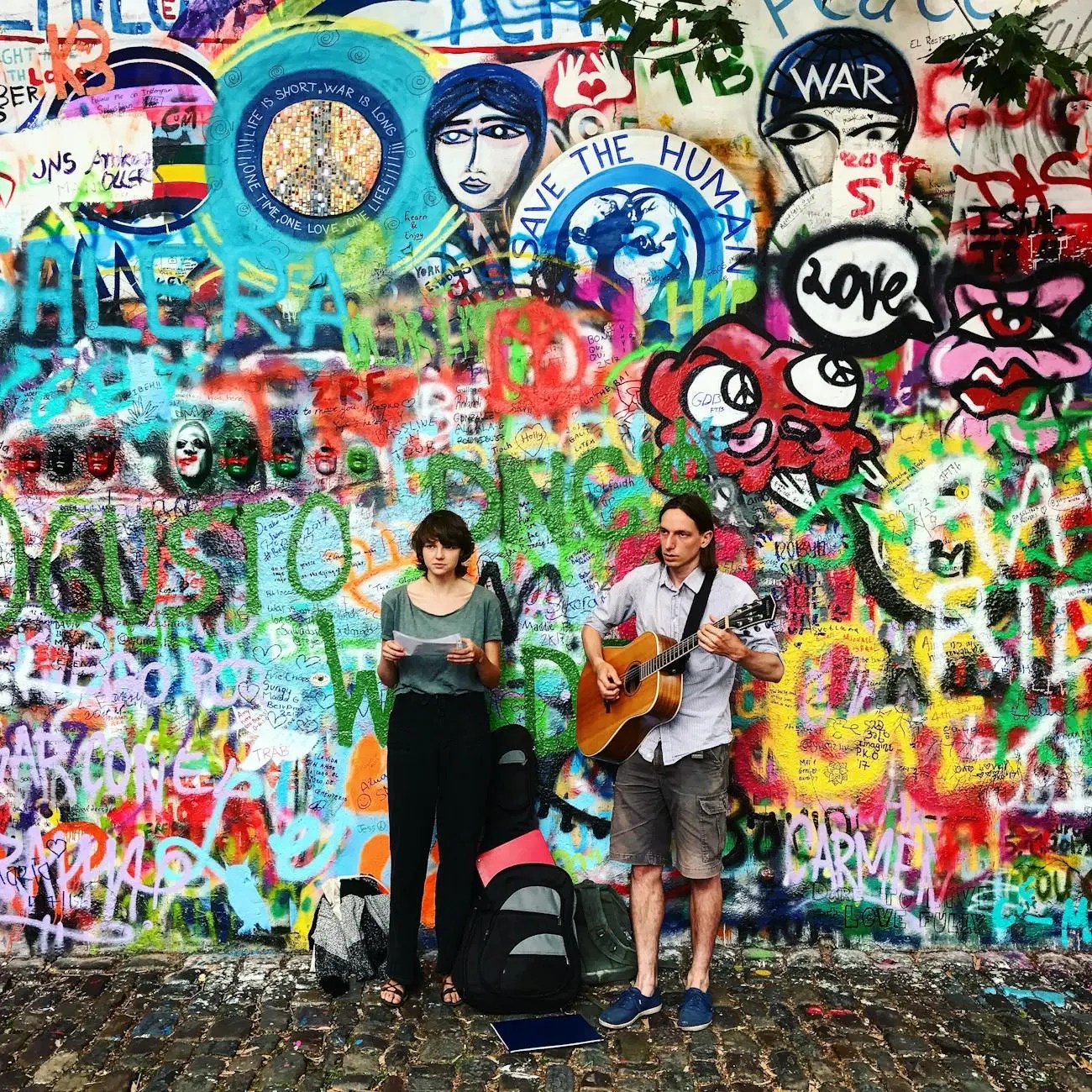
  • The John Lennon Wall: While not exactly “hidden,” it’s a vibrant, ever-changing symbol of peace and love. It’s a great quick stop in Lesser Town.
  • Letná Beer Garden: Located in Letná Park, across the river from the Old Town. It offers arguably the best view of the bridges and city centre. Grab a cheap beer, sit on a bench, and soak it all in with the locals.
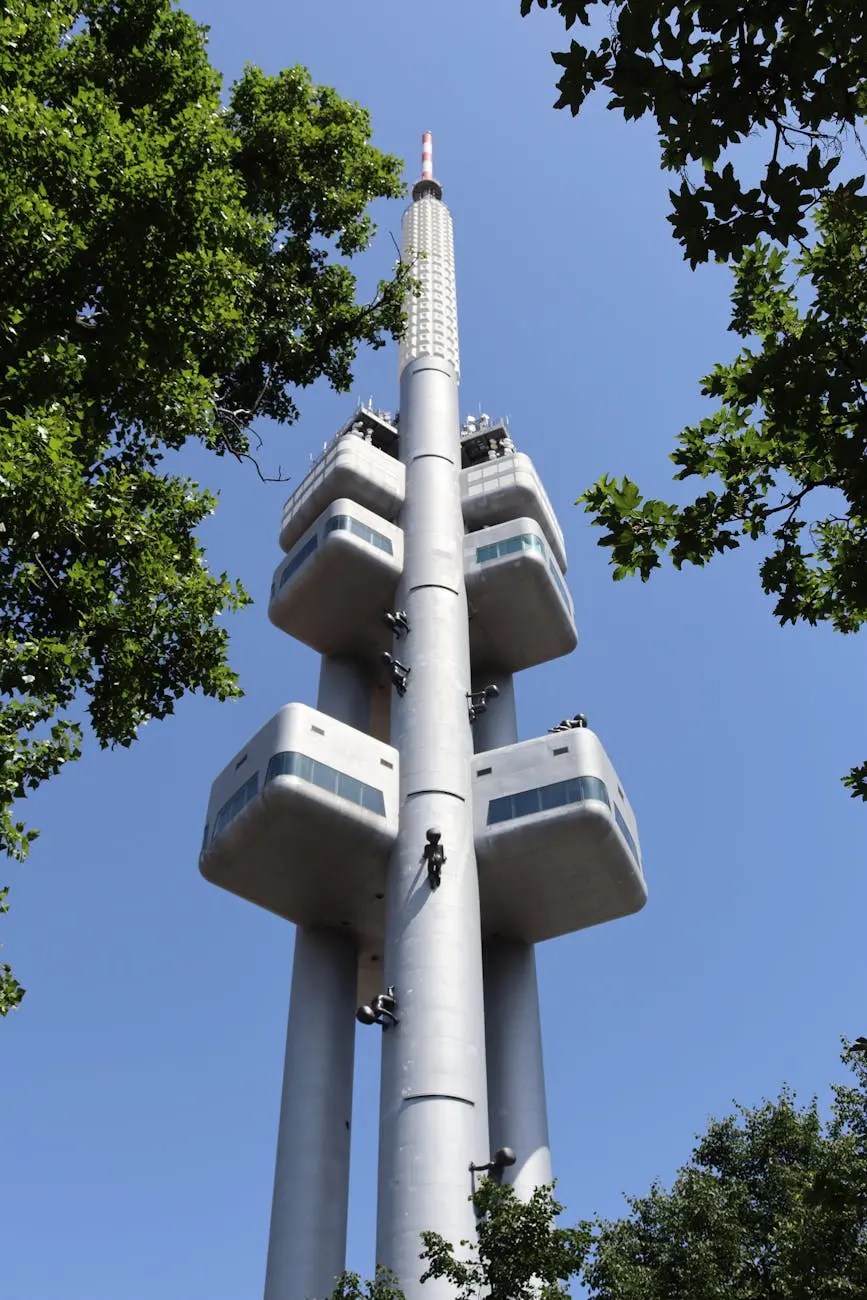
  • Stay near Malá Strana for fairytale atmospheres; or choose Žižkov for hip cafés and local nightlife. I once stayed in Žižkov and woke to the most gloriously odd murals—felt like my quirky soul had found a home.
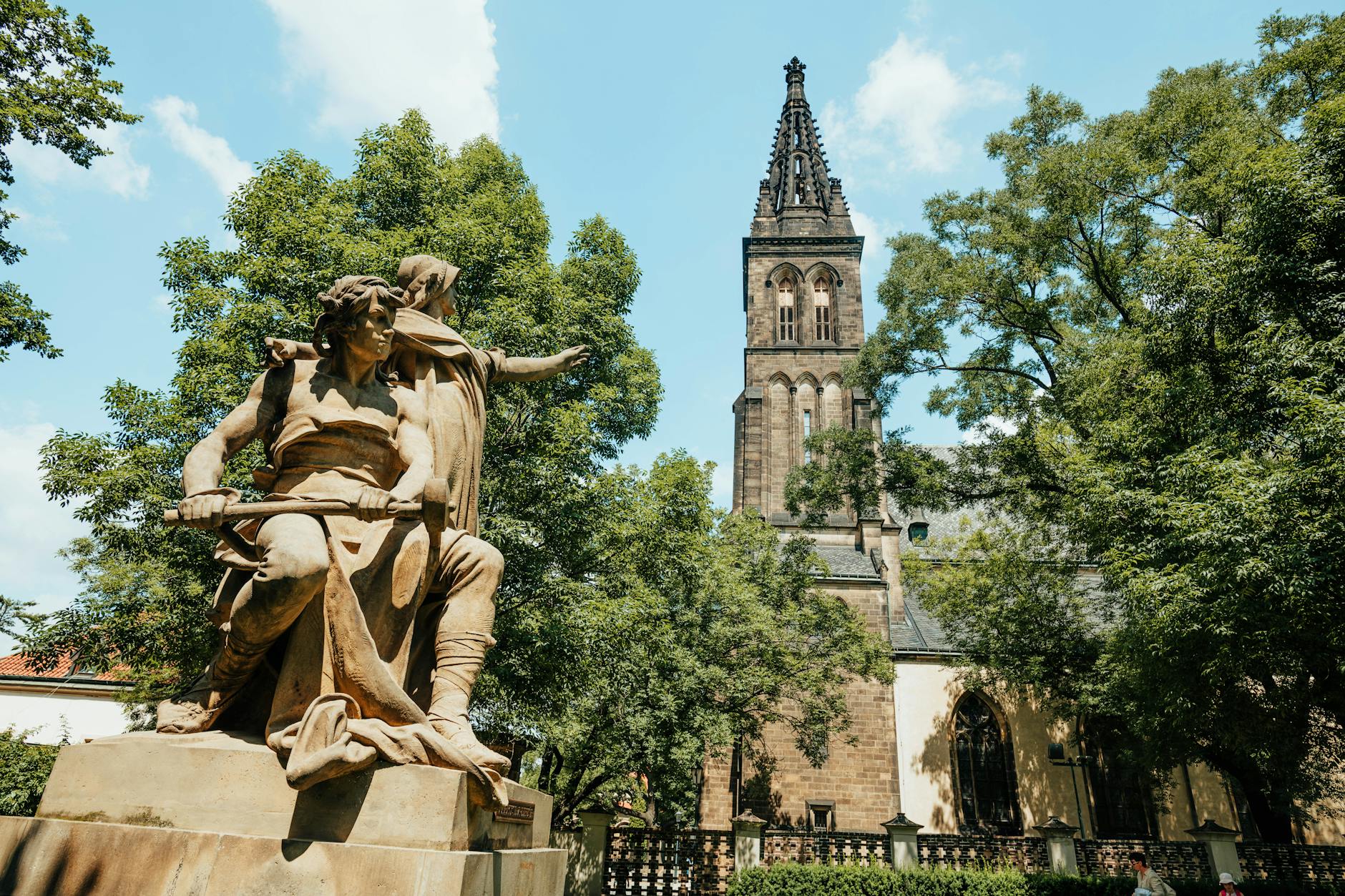
A close-up of a statue of two figures, one pointing forward, with a tall, ornate church tower in the background, surrounded by lush green trees against a blue sky.
A striking sculpture in front of a historic church in Prague, capturing the city’s rich cultural heritage.

A man playing guitar and a woman reading lyrics stand in front of the colorful John Lennon Wall, covered in graffiti and artistic messages.
A vibrant scene at the John Lennon Wall in Prague, featuring street performers amid colorful graffiti.

View of people dining at an outdoor seating area with a scenic backdrop of Prague's skyline featuring historical buildings and a clear sky.
A group of friends enjoying the scenic view of Prague from a park, surrounded by trees and historic architecture.
View of the Zizkov TV Tower in Prague, featuring its unique architectural design with viewing pods and trees in the foreground.
The Žižkov Television Tower, a striking landmark in Prague featuring viewing platforms and unique architecture.

Navigating Prague Like a Pro: Transport Tips

Prague’s public transport (Dopravní podnik hl. m. Prahy, or DPP) is fantastic, cheap, and will be your best friend.

  • The Ticket System: Forget zones. A single ticket covers all trams, buses, metros, and even the funicular for a set time (30 min, 90 min, 24 hrs, 72 hrs). For a weekend, the 72-hour ticket (330 CZK) is your best bet.
  • How to Buy & Validate: You can buy tickets from yellow machines at metro stations or most tram stops (card/cash), or via the PID Lítačka app (my preferred method—so easy!). CRUCIAL: You must validate your paper ticket in the yellow stamp machine before your first journey. No stamp = a fine. App tickets are activated before you board.
  • Key Routes:
    • Tram 22: It’s not just transport, it’s a scenic tour. It winds past the National Theatre, up to Prague Castle, and beyond. Ride it for the views.
    • Metro: The three lines (A-green, B-yellow, C-red) are fastest for covering long distances. Use them to get from downtown to the outskirts (e.g., to the bus station).
  • Public Transport: The network of metros, trams, and buses is extensive. For a weekend, the 72-hour ticket (330 CZK) is your best bet. It’s valid on all services. Validate it once in the yellow machine before your first journey and then you’re good to go. Trams #9, #17, and #22 are particularly useful for tourists.
  • Taxis & Ride-Sharing: Avoid flagging down taxis on the street. They are notorious for overcharging tourists. Use apps like Bolt or Liftago (the local equivalent to Uber) for transparent, fixed pricing.
  • Walking: Prague’s core is incredibly walkable. The best discoveries are often made by wandering without a map.

A detailed map of Prague's tram lines, showcasing various routes, stops, and connections within the city's public transportation network.
Map of Prague’s tram lines, showcasing the extensive public transport network for visitors exploring the city.

Trains, Buses & Car Rental

  • Train: The Czech Railways (ČD) system is punctual, frequent, and scenic—especially if you’re coming from Vienna or Berlin.
  • Bus: FlixBus and RegioJet are budget-friendly and reliable options—watch for comfy perks like free Wi-Fi and snacks.
  • Car: Renting a car gives flexibility for day trips (like Kutná Hora or Karlštejn Castle). Use Google Maps to pre-plan routes—Prague’s traffic can surprise you, and parking zones cost extra. Filling up near the city outskirts can save gas.

Map tip: download your route on Google Maps with offline mode—navigation without roaming charges.

Savoring Prague: Food, Beer, and Budget Tips 

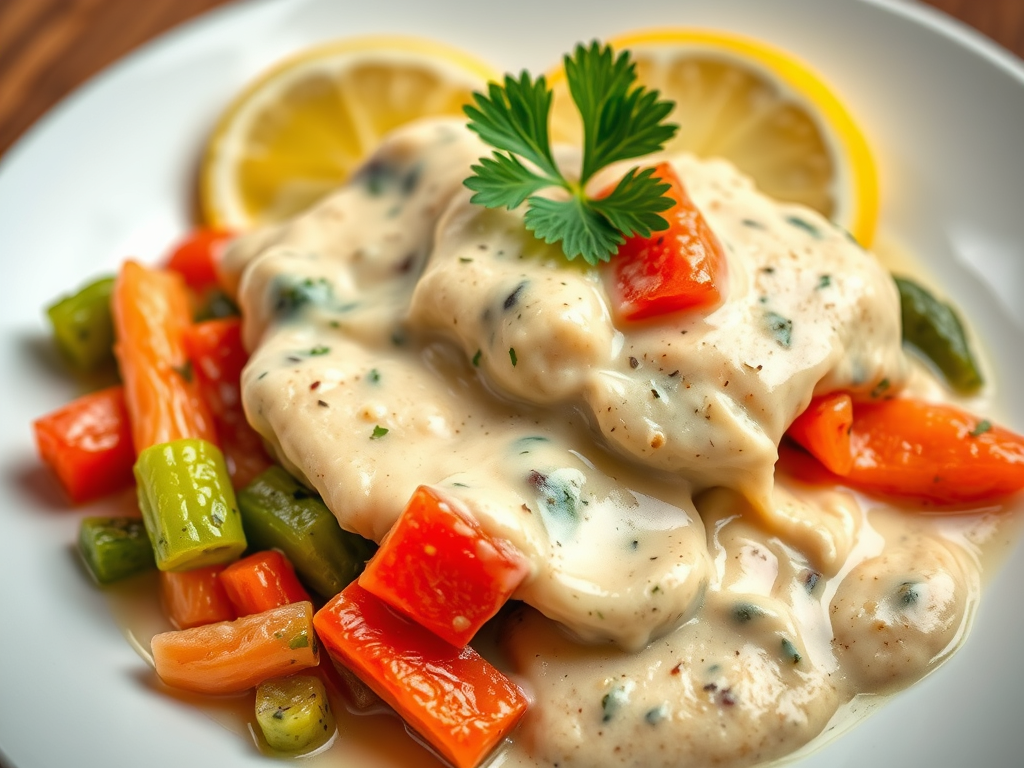
  • Must-Eat: Svíčková (marinated beef with a creamy sauce and dumplings), Guláš (goulash), and Trdelník (a sweet pastry roll—it’s for tourists, but try it anyway!).
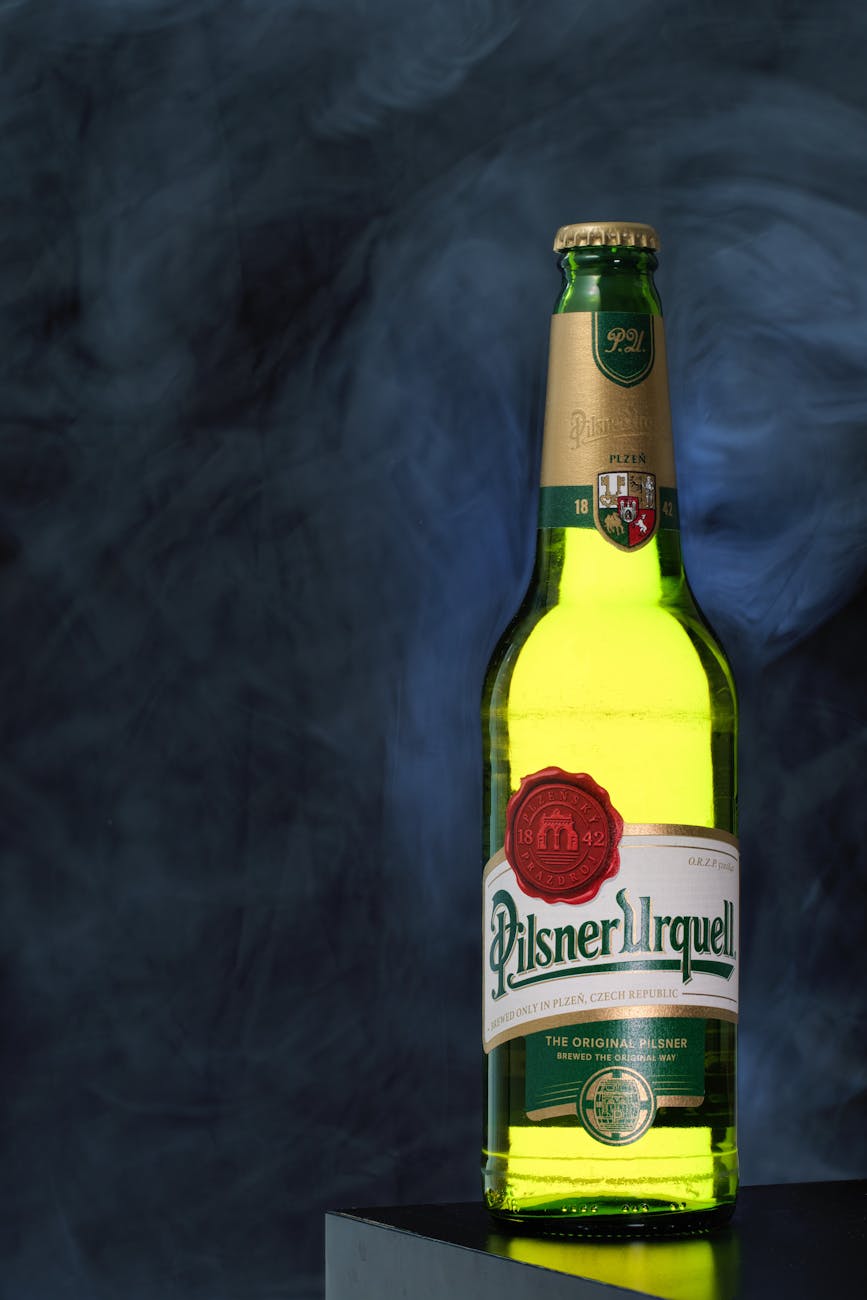
  • Beer is King: A half-liter of excellent beer often costs less than a soda. Look for pubs serving Pilsner UrquellBudvar, or a local microbrew.
  • Save Money: Eat away from the main squares. A restaurant just one street over will be significantly cheaper and often more authentic. Look for lunch menus (denní menu) for the best deals.
A plate of marinated beef in a creamy sauce served with a side of colorful sautéed vegetables and lemon slices.
Delicious Czech svíčková served with colorful vegetables, perfect for a culinary experience in Prague.

A bottle of Pilsner Urquell beer on a dark background.
A bottle of Pilsner Urquell, the iconic Czech beer, illuminated against a smoky backdrop.

Essential Czech for Travellers

  • Hello / Goodbye: Dobrý den / Na shledanou
  • Thank you: Děkuji (Dyek-oo-yi)
  • Yes / No: Ano / Ne
  • Please: Prosím (also means “You’re welcome”)
  • Beer, please: Pivo, prosím
  • Cheers!: Na zdraví!
  • Do you speak English?: Mluvíte anglicky?

Local Lingo 101

Czech PhrasePronunciationMeaning
Ahoj!ah-hoyHello (friendly, casual)
Děkuji / Díkydye-koo-yee / deek-eeThank you / Thanks
Kolik to stojí?koh-leek toh stoy-eeHow much does it cost?
Toaletatoh-ah-leh-tahRestroom
Jedna pivo, prosímyed-nah pee-vo proh-seemOne beer, please

Czech Culture & Etiquette: Blend in Like a Local

A little cultural know-how goes a long way in making a good impression.

  • Shoes Off: If you’re invited into a Czech home, it is customary and polite to take your shoes off at the door.
  • Toasting: When you say Na zdraví! (Cheers!), make firm eye contact during the clink. It’s a old superstition that not doing so brings seven years of bad luck in the bedroom!
  • Punctuality: Being on time is valued, whether for a tour, dinner reservation, or meeting someone.
  • Quiet on Transport: Czechs tend to be quiet and reserved on trams and metros. Keep conversations at a considerate volume.
  • Pay at the Table: In most restaurants, the waiter will bring the payment terminal to your table when you ask for the bill. You don’t typically go to a cashier to pay.

Money Matters & Local Currency 

  • Currency: The Czech Republic uses the Czech Koruna (CZK/Kč), not the Euro. While some tourist spots might accept Euros, the exchange rate will be terrible. Always pay in Koruna.
  • ATMs & Cards: ATMs are everywhere. Avoid “Euronet” ATMs if possible—they offer dynamic currency conversion and have high fees. Your bank’s rate is always better. Credit/debit cards are widely accepted, but always carry some cash for smaller shops, market stalls, and public transport ticket machines.
  • Tipping: Rounding up the bill or leaving 10% is standard practice for good service in restaurants and pubs. It’s not mandatory but is appreciated.

Smart Travel Essentials: Stay Connected & Protected

Let’s talk practicalities. A few key items have saved my trips from turning into nightmares, and I’d never travel without them now.

📶 Stay Connected Instantly:
Remember that time I spent 45 minutes at a Prague airport kiosk trying to buy a local SIM with a clerk who spoke no English? Never again. Now I use Drimsim. It’s a genius universal SIM that works in 190+ countries the second you land. Pop it in your phone, top up via the app, and you’re online. No hidden fees, no hassle. It’s a total game-changer for navigating maps and posting pics on the go.
<a href=”https://drimsim.tpm.lv/WZXbFzT6&#8243; rel=”nofollow”>Get your universal Drimsim travel SIM here</a>

🔒 Protect Your Privacy & Access:
Using public WiFi in cafes and hotels? Please, use a VPN. NordVPN encrypts your data, so your passwords and bank details are safe from prying eyes. It also lets you access streaming services from back home if you need a quiet night in. your online travel with NordVPN

✈️ Get Compensated for Flight Issues:
Had a flight delayed over 3 hours or canceled? Under EU air passenger rights, you could be owed up to €600 in compensation. Most people don’t claim it, but AirHelp makes it easy. They handle all the paperwork and fight the airlines for you, and they only get paid if you win. I’ve used them successfully—it’s stress-free and feels great to get that payout. Check your flight for free compensation with AirHelp

😌 Don’t Skimp on Insurance:
I never, ever travel without insurance. A simple accident or stolen bag can ruin a trip and your finances. I use VisitorsCoverage to compare and find the best plan for my specific trip. It’s peace of mind that’s worth every penny. Get a tailored travel insurance quote from VisitorsCoverage

📸 Capture the Memories:
Prague is endlessly photogenic. To capture all those stunning details, from the Astronomical Clock to the castle guards, I swear by my trusty Sony Alpha camera. It’s lightweight, powerful, and perfect for travel photography.

One of the best things about Prague is its location right in the heart of Europe. It pairs perfectly with other iconic German capitals for an unforgettable multi-city adventure. If you’re extending your trip beyond the Czech Republic, you’re in luck.

  • Heading south? Dive into the hearty Bavarian culture, world-class museums, and beer gardens of Munich. It’s a fantastic contrast to Prague’s intimate charm and makes for a perfect next stop.
  • Heading north? Immerse yourself in the gritty, vibrant, and endlessly cool atmosphere of Germany’s capital, Berlin. The journey from history-rich Prague to history-making Berlin is one every traveller should experience.

Prague Weekend Escape FAQ

What is the best time of year to visit Prague?
Spring (April-June) and Fall (September-October) are ideal. The weather is mild, and the crowds are thinner than in the peak summer months. The Christmas markets in December are also magical, but it’s very crowded and cold.

Is Prague expensive?
Prague is one of the most affordable capital cities in Europe. While prices have risen, it’s still possible to have a fantastic time on a moderate budget, especially if you eat and drink like a local away from the tourist hubs.

How much money should I budget for a weekend?
Excluding flights and accommodation, a comfortable budget for food, drink, attractions, and transport would be around 150-200 EUR for a weekend. You can do it for less, or certainly spend more!

Is English widely spoken?
Yes, absolutely. In the tourist centres, hotels, and restaurants, you will have no problem communicating in English. Learning a few basic Czech phrases is always appreciated, though.

What’s the best way to get from the airport to the city centre?
The Airport Express (AE) bus takes you to the main train station (Hlavní nádraží) in 35 minutes. Public bus #119 takes you to a metro station (Nádraží Veleslavín) where you can connect to the metro system. Both are cheap and efficient.

Q: Do I need Czech crowns (CZK), or is card okay?
A: Both! Most places accept cards, but keep a little CZK for trams, street vendors, and market stalls.

Q: What voltage is used? Do I need an adapter?
A: It’s Type E plugs at 230 V—bring a European adapter if needed.

Q: How safe is Prague for solo travelers?
A: Very! With standard common-sense precautions, walking late at night is usually fine—just watch for pickpockets in major tourist hubs.

Q: Can I split weekend itineraries for chill time?
A: Absolutely. Consider doing things at a relaxed pace: Day 1 for UNESCO charm and Old Town, Day 2 for hidden gems and maybe a sunset beer garden.

Conclusion: Your Unforgettable Prague Adventure Awaits

Prague is a city that truly has it all: jaw-dropping history, affordable prices, vibrant culture, and yes, incredible beer. With this guide, you’re equipped to dive deep into its fairy-tale streets, connect with its friendly locals, and create a weekend you’ll remember for years to come. Remember to wear comfortable shoes, embrace getting a little lost, and always keep your camera ready around every corner.

Have you been to Prague? What was your favourite moment? Share your own stories and tips in the comments below—I’d love to hear them!

Ready to explore the cobblestone streets and ancient charm of Prague? Start planning your ultimate weekend escape now!

What’s your #1 travel tip for visiting a new city? Share your wisdom in the comments below!


Universal Disclaimer/Disclosure Page:

Ultimate Hong Kong Weekend Getaway Guide

Meta Description: Planning a weekend in Hong Kong? Our ultimate guide is packed with insider tips. It includes a savvy 3-day itinerary and must-know Cantonese phrases. You’ll learn how to navigate the city like a pro. Maximize your time and money on your Hong Kong escape!

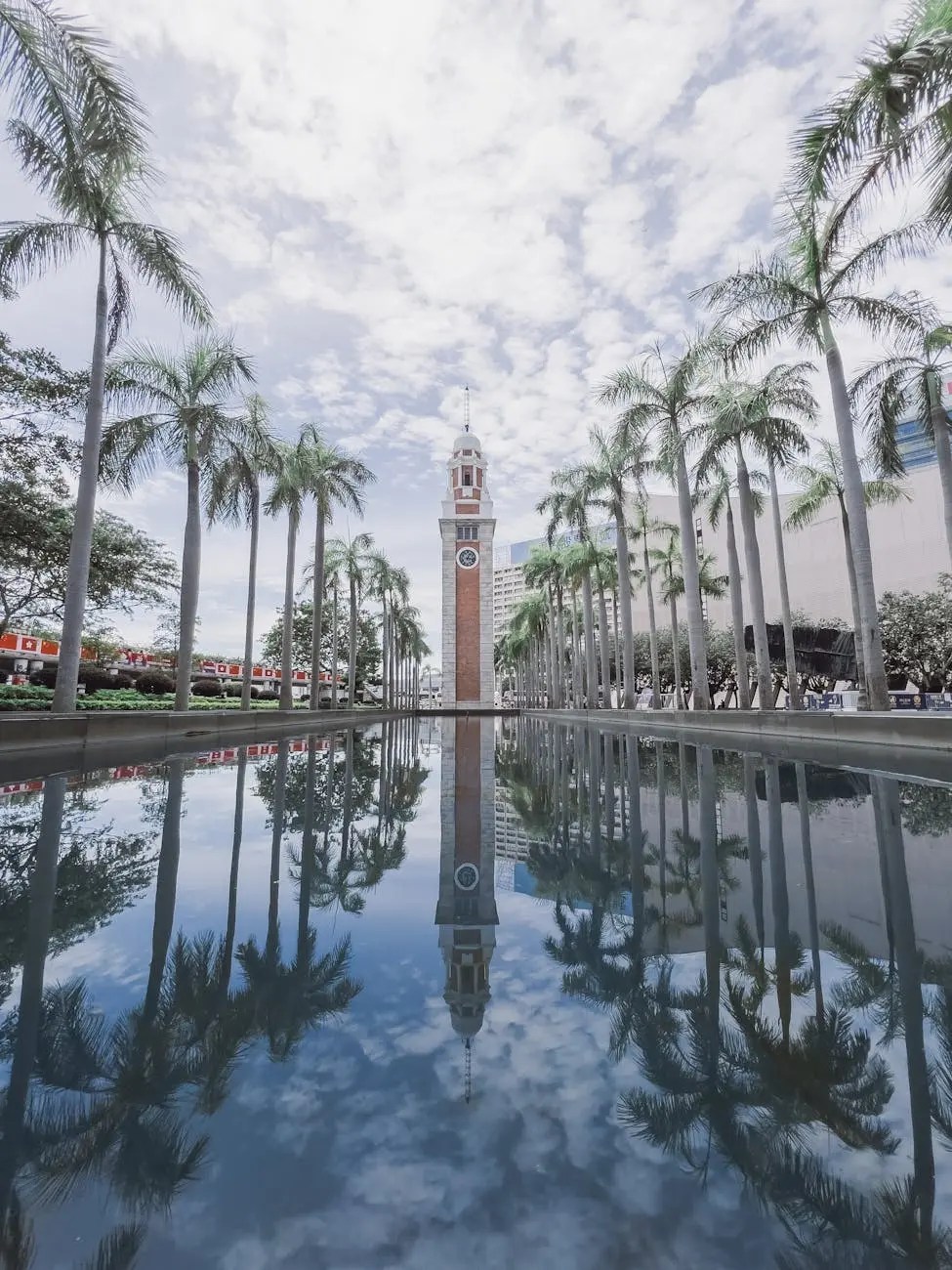
View of a clock tower surrounded by palm trees with a reflection in a still pond under a cloudy sky in Hong Kong.
The iconic Clock Tower in Tsim Sha Tsui, surrounded by palm trees and reflecting in the serene water.

Hey there, fellow traveler! Remember that time I tried to find the Peak Tram and ended up hiking halfway up Victoria Peak in the sweltering heat? Yeah, let’s just say I learned the importance of planning—and carrying water—the hard way. But that’s the magic of Hong Kong: even the wrong turns lead to unforgettable adventures. If you’ve got a weekend to spare, let me help you make the most of it in this electrifying city without repeating my mistakes!

So, you’ve got a weekend to spare and a serious case of wanderlust. Where do you go? Somewhere with epic food, stunning views, and a pulse that beats 24/7. Let me make a case for Hong Kong, China.

I’ll be honest, my first trip to HK was a blur of jet lag and wrong turns on the MTR. But after multiple visits, I’ve cracked the code on how to have an absolutely unforgettable 72-hour adventure without burning out (or breaking the bank). This isn’t just a list of sights; it’s your blueprint for the perfect weekend escape.

Flights to Hong Kong SAR 

Table of Contents

  1. Why Hong Kong is the Perfect Weekend Getaway
  2. Your Savvy 3-Day Hong Kong Itinerary
  3. Getting Around: Mastering the MTR, Buses, and Star Ferry
  4. Must-Know Words: Your Mini Cantonese Crash Course
  5. Hidden Gems & Local Secrets
  6. Money-Saving Tips for Smart Travellers
  7. Essential Travel Resources & FAQs

Hotels in Hong Kong Island 

1. Why Hong Kong is the Perfect Weekend Getaway

Hong Kong is a beautiful contradiction. It’s where ancient tradition meets hyper-modernity. You can be sipping a craft cocktail on a rooftop bar overlooking a futuristic skyline one moment, and hiking a serene, jungle-covered trail the next—all within a 30-minute journey. Its compact size and incredibly efficient public transport make it the ultimate destination for a short, action-packed trip. Plus, the food. Oh, the food. From Michelin-starred dim sum to a perfect egg tart from a street stall, your taste buds will thank you.

If you’re also planning a trip to its neighbour, check out my guide on The Best of Macau: A Day Trip from Hong Kong for the perfect cultural add-on.

Steamed dumplings with gold leaf served in a bamboo basket.
Gourmet dim sum featuring golden details, a must-try delicacy in Hong Kong.
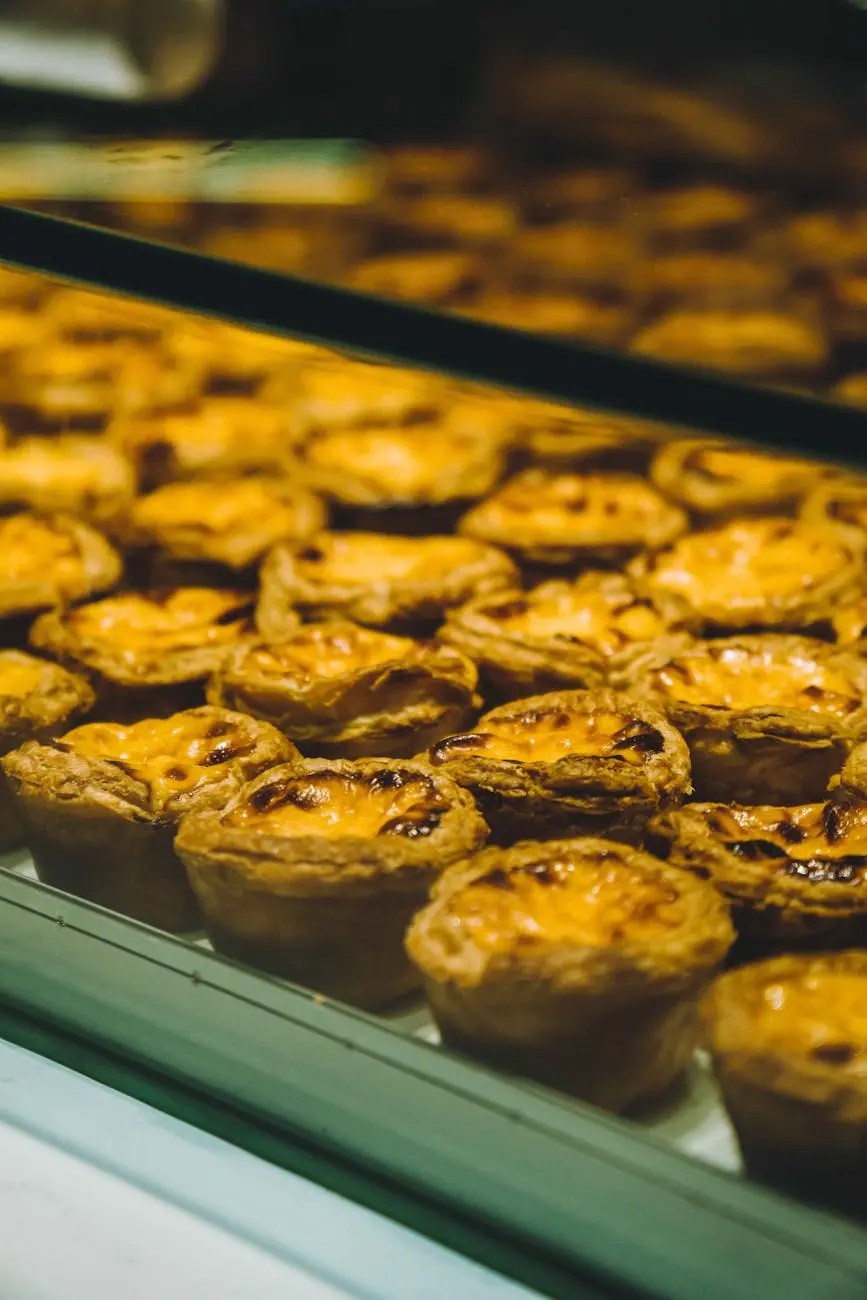
Close-up of baked egg tarts displayed in a glass case, showcasing their golden crusts and creamy filling.
Delicious egg tarts, a must-try treat in Hong Kong.

Day 1: The Iconic Highlights (Hong Kong Island Side)

  • Morning: Fuel up with a classic Hong Kong breakfast: macaroni soup and a yuanyang (coffee-tea mix). Then, head to Admiralty and walk the Hong Kong Trail to Victoria Peak. Skip the pricey Peak Tram queue and take bus #15 from the Exchange Square bus terminal. The hike is rewarding and the view from the top is, frankly, unbeatable.
  • Afternoon: Descend and take the historic Star Ferry from Central to Tsim Sha Tsui. It’s the world’s most scenic and affordable cruise (around HK$4.00!). Walk along the Avenue of Stars, and for a hidden gem, find the 1881 Heritage mall—it’s a beautifully restored former marine police headquarters.
  • Evening: Have dinner in Tsim Sha Tsui, then watch the “Symphony of Lights” laser show at 8 PM from the waterfront. For a better (and free) view, head to the rooftop garden of the Hong Kong Cultural Centre.
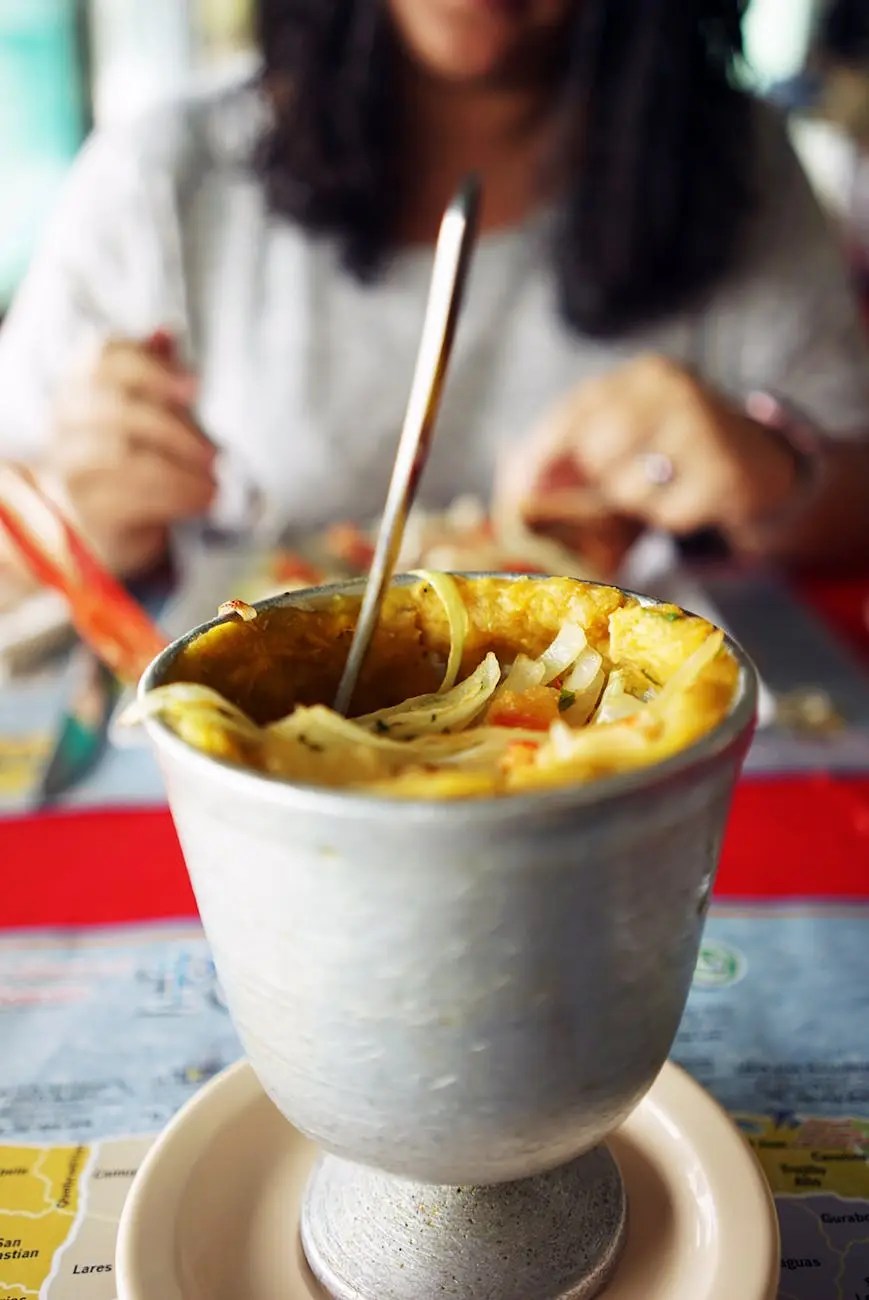
Close-up of a bowl of macaroni soup with a spoon, with a person eating in the background.
A delicious serving of Hong Kong-style macaroni soup, a classic breakfast dish enjoyed by locals.

An overhead view of various beverage cups and glasses, including a glass of water, a mug with tea, a clay pitcher, and a wine glass, arranged artistically on a flat surface.
A variety of beverages including coffee, tea, and juice neatly arranged on a table.

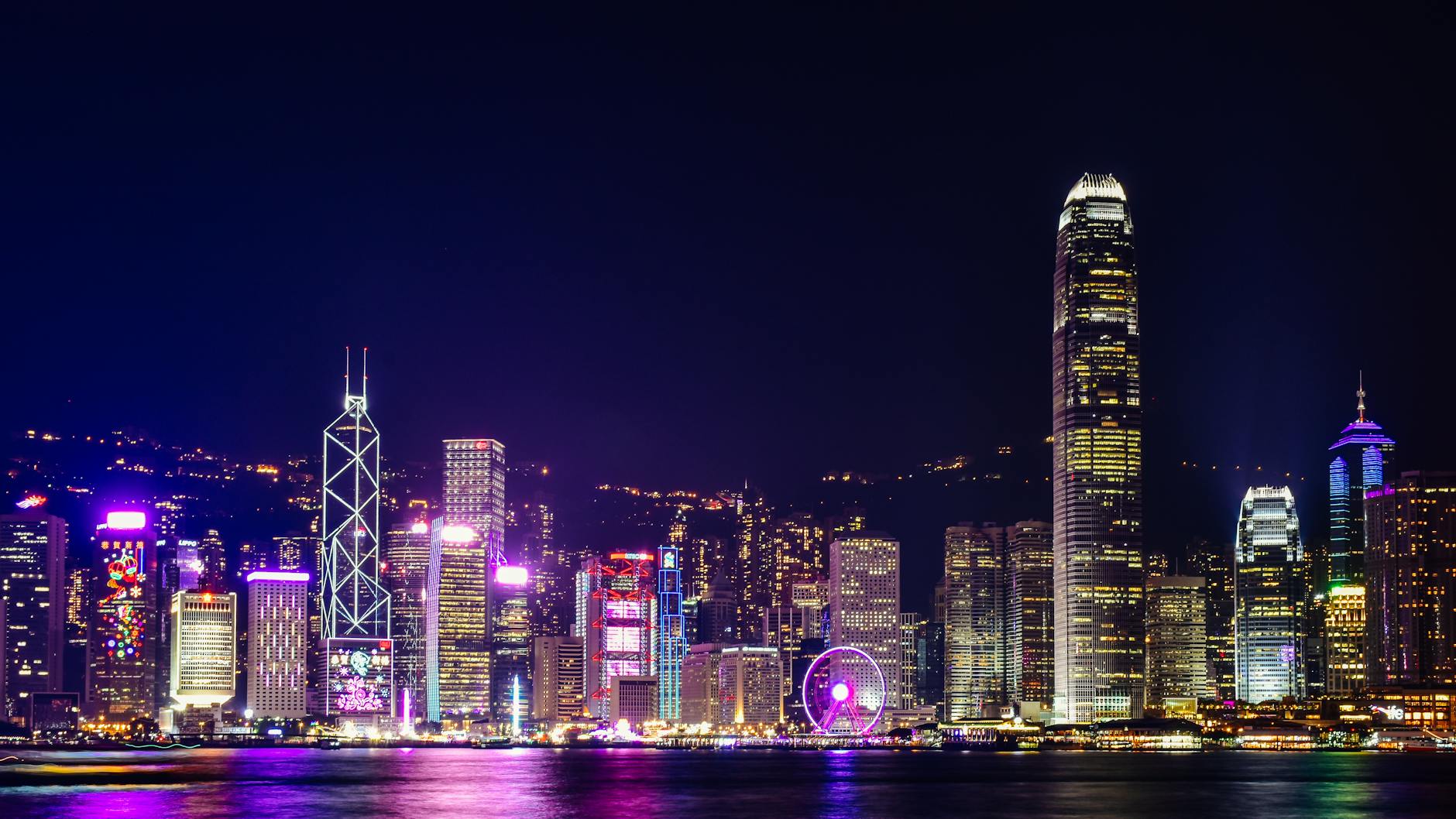
A panoramic view of Hong Kong's skyline at night, showcasing illuminated skyscrapers and the iconic Ferris wheel.
The vibrant skyline of Hong Kong illuminated at night, showcasing its stunning architecture and lively atmosphere.

The Victoria Peak Tram Ticket | Hong Kong

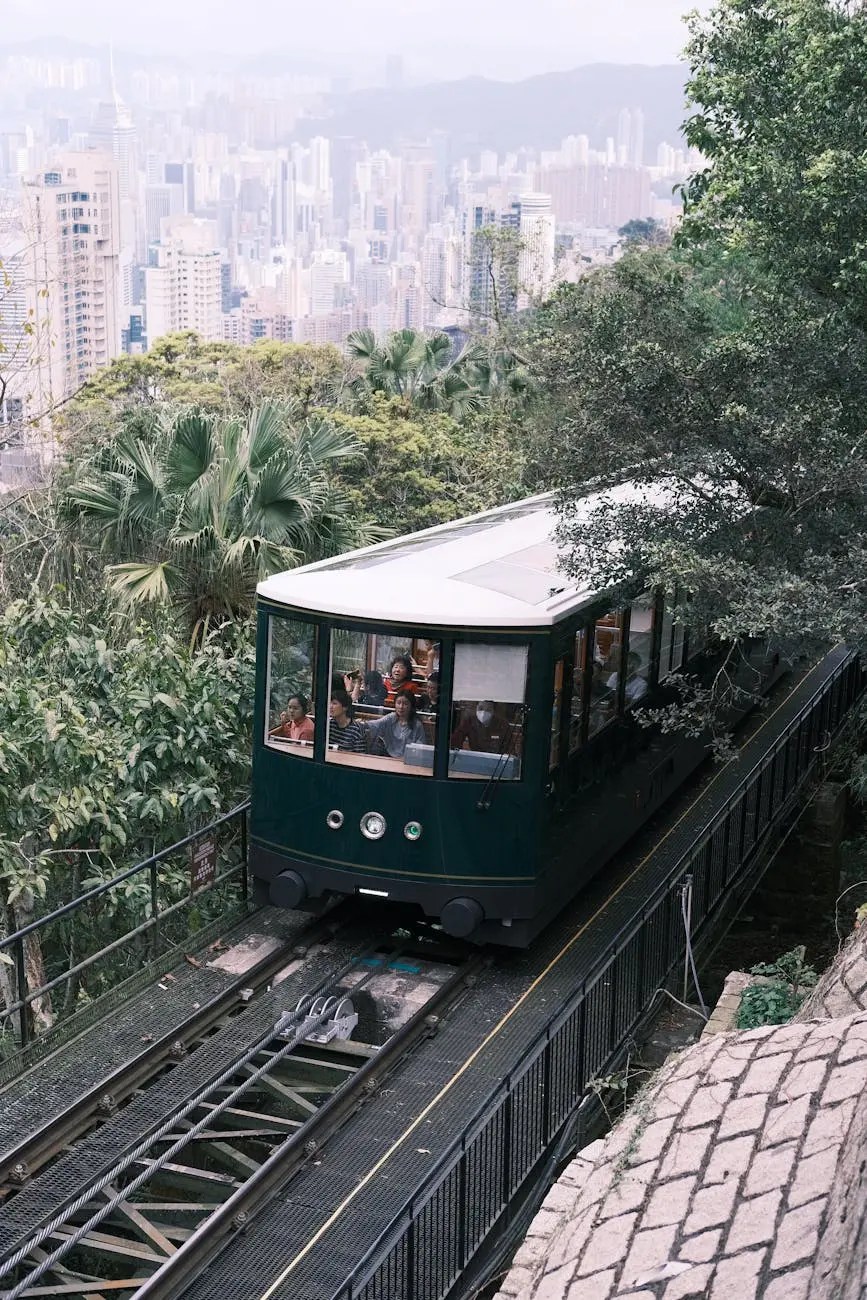
A vintage-style funicular train traveling up a steep incline surrounded by lush greenery, with a view of a city skyline in the background.
The iconic Victoria Peak Tram making its ascent through lush greenery in Hong Kong.

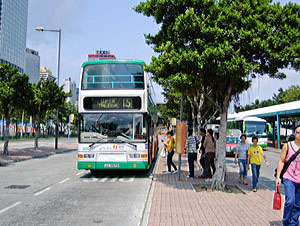
A city bus in Hong Kong showing the route number 15, with passengers waiting nearby on a sunny day.
A double-decker bus at a stop in Hong Kong, providing efficient transport for visitors.

Tsim Sha Tsui Star Ferry Pier Tours

A close-up view of a Star Ferry boat in Hong Kong, showcasing its green and white design along with life preservers on the side.
The iconic Star Ferry, a must-experience ride in Hong Kong, offers scenic views of the bustling harbor.

Avenue of Stars Tours

Bronze statue of a martial artist against a city skyline illuminated at night in Hong Kong.
The iconic Bruce Lee statue overlooking the vibrant skyline of Hong Kong at night.

Avenue of Stars Tours

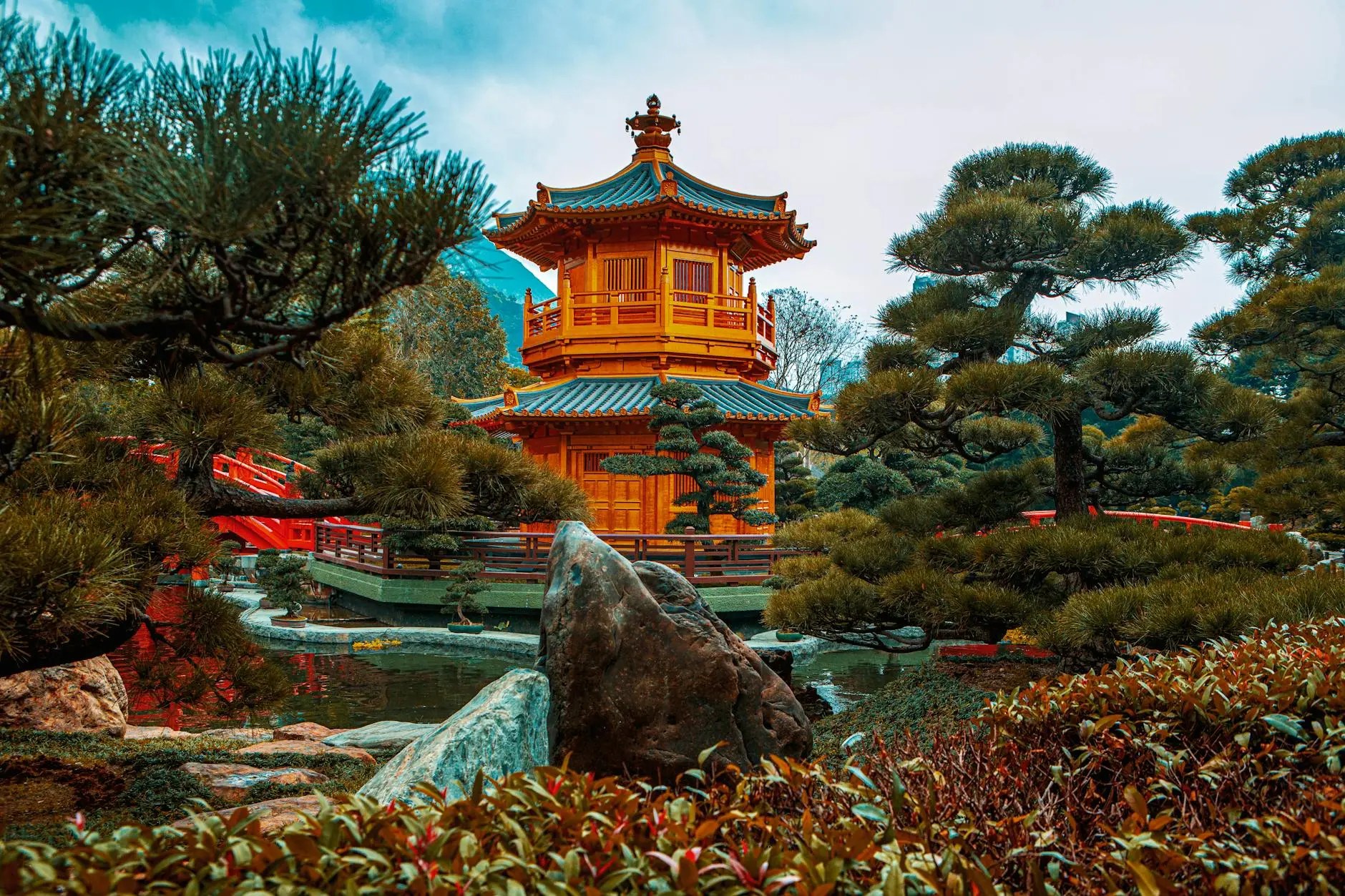
A beautifully designed traditional Chinese pavilion surrounded by lush greenery and tranquil waters, showcasing a serene landscape.
Explore the stunning architecture of the Pavilion of Absolute Perfection surrounded by lush gardens in Hong Kong.

1881 Heritage Tours

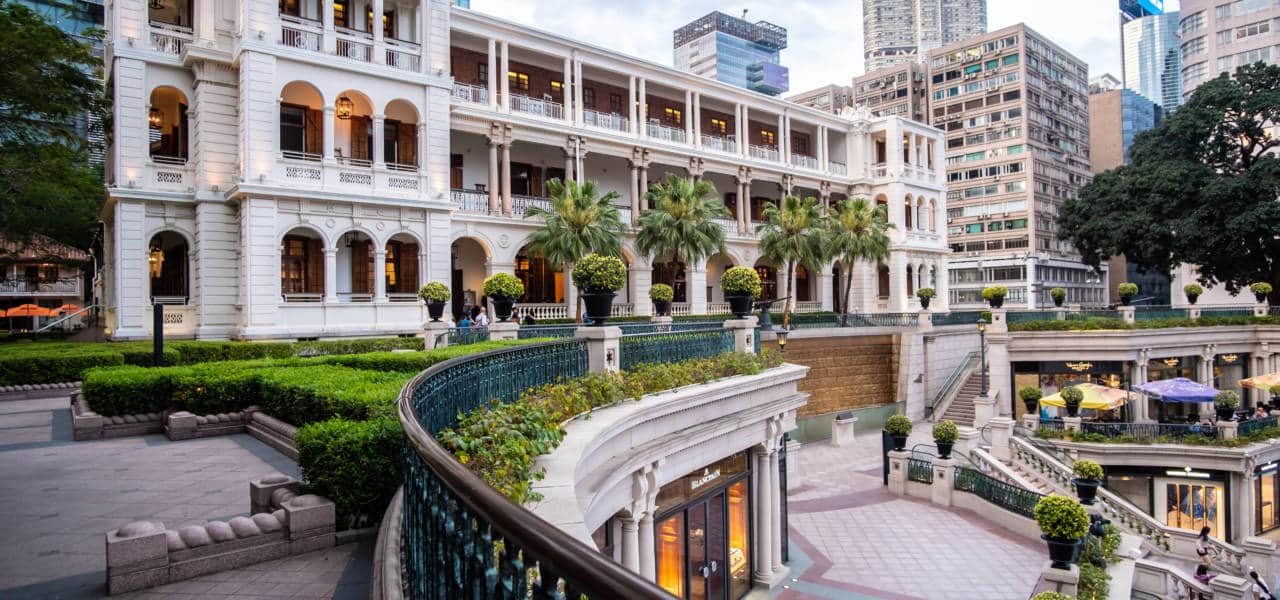
A beautifully restored heritage building in Hong Kong, featuring classic European architectural details, surrounded by lush greenery and modern skyscrapers in the background.
The stunning architecture of 1881 Heritage in Tsim Sha Tsui, showcasing a blend of history and modernity, perfect for a weekend stroll.

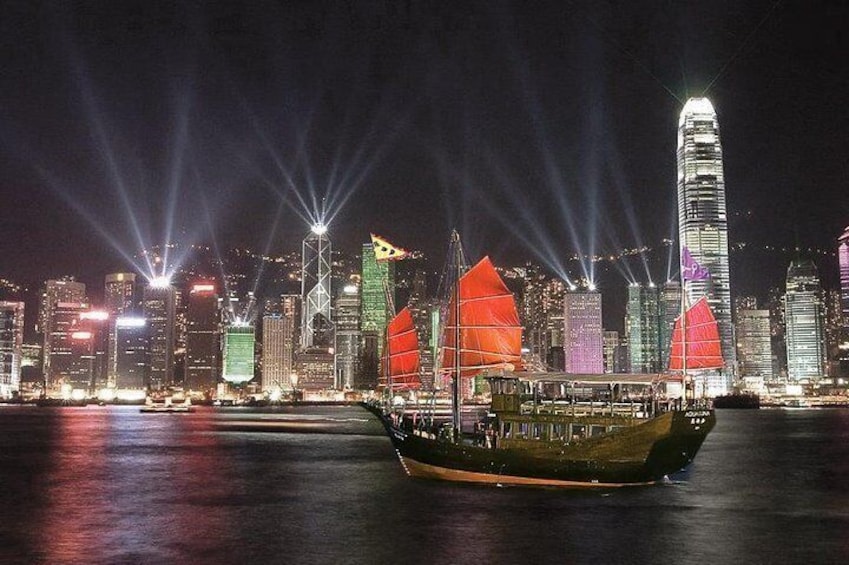
Aqua Luna: Symphony of Lights Cruise in Hong Kong

A traditional Chinese junk boat with red sails sailing in Victoria Harbour, Hong Kong, illuminated by vibrant city lights and laser beams from nearby skyscrapers at night.
Iconic view of Hong Kong’s skyline at night, featuring a traditional junk boat against a backdrop of dazzling lights and modern skyscrapers.

Day 2: Culture, Markets & Neon Lights (Kowloon Side)

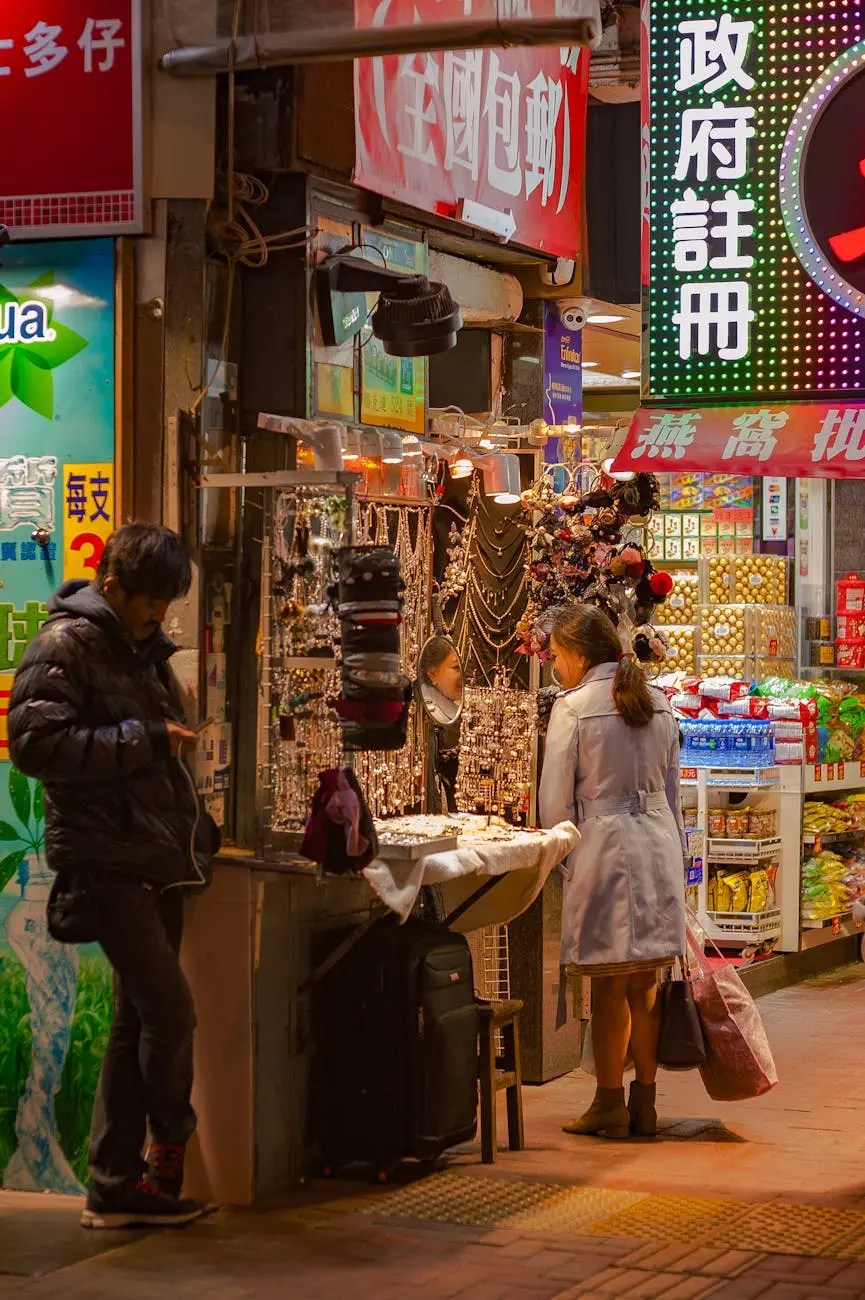
  • Morning: Dive into local life at the Mong Kok markets. This is where you’ll find the legendary Ladies’ Market (Tung Choi Street). Don’t let the name fool you—it’s a bustling, kilometer-long stretch selling everything from clothes and bags to quirky souvenirs and phone accessories. This is your chance to practice your bargaining skills! Pro tip: Start by offering 50% of the initial asking price and negotiate with a smile. Also, explore the nearby Flower Market and the Bird Garden for a true sensory experience.
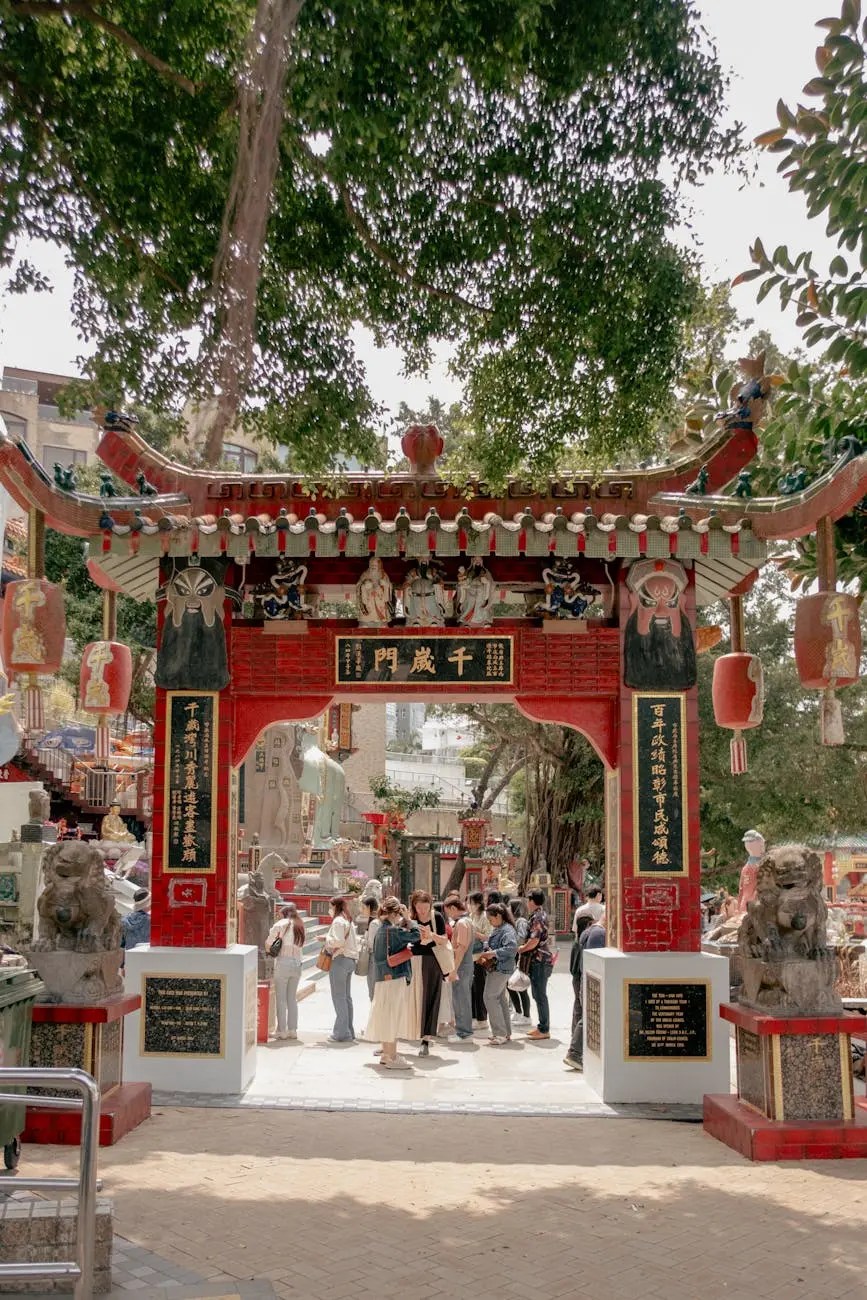
  • Afternoon: Visit the Wong Tai Sin Temple, a bustling and incredibly colourful Taoist temple where locals go to have their fortunes told. It’s a fascinating glimpse into local spiritual practices.
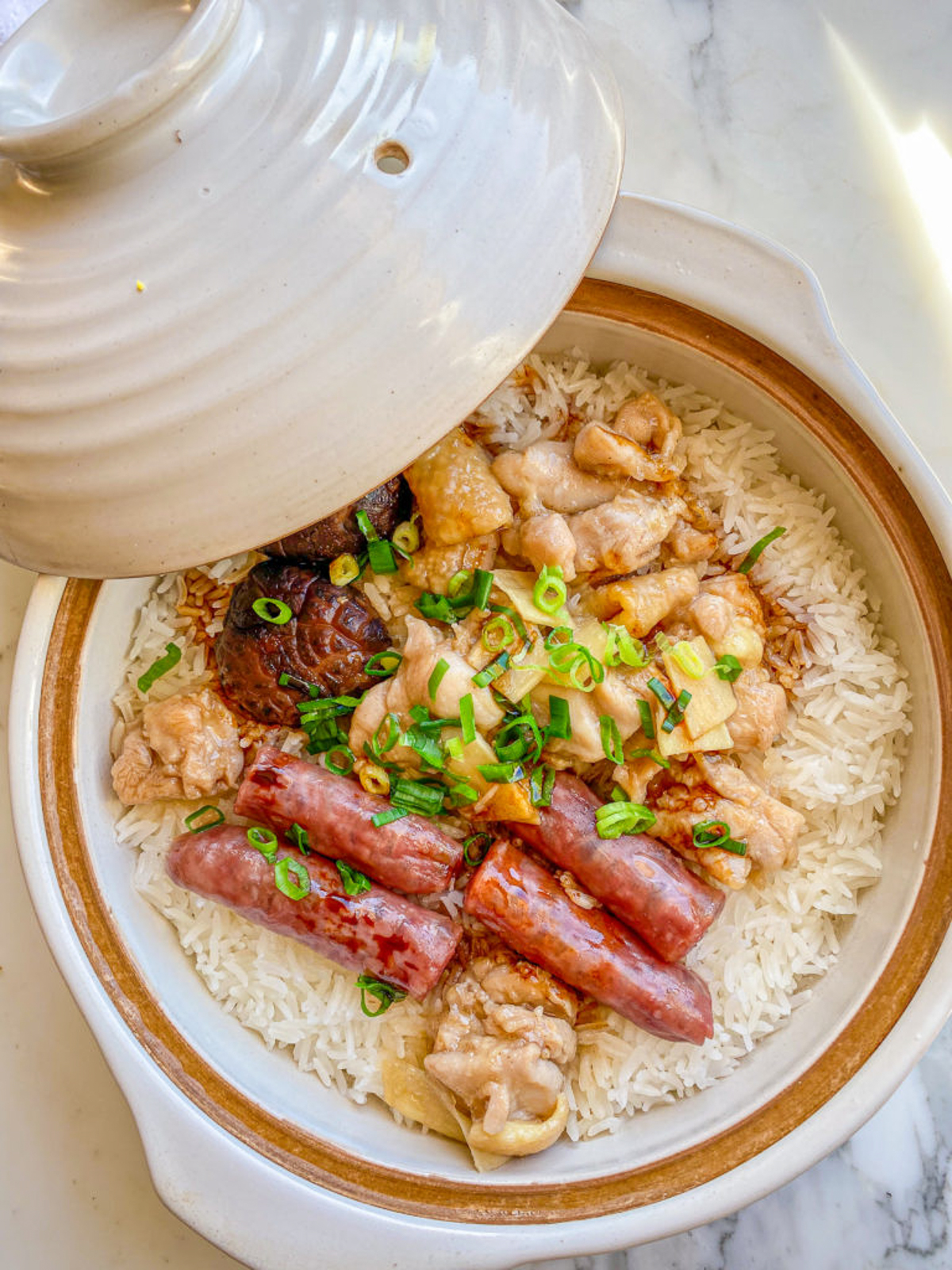
  • Evening: This is what you came for. Explore the chaotic, neon-drenched streets of Yau Ma Tei and Jordan. Eat at a dai pai dong (open-air food stall). My personal favourite is a place tucked away on Temple Street that serves clay pot rice with spicy sausage—you can smell it from a block away.

For more on navigating Asian street food scenes, my tips in How to Eat Everything in Bangkok (and Not Get Sick) apply here too!

Ladies’ Market

A nighttime market scene in Hong Kong showcasing a vendor selling jewelry and accessories, with a woman examining the merchandise while a man stands nearby looking at a phone.
Exploring the vibrant streets of Hong Kong’s Mong Kok market, where shoppers browse through a colorful array of jewelry and local goods.

Flower Market Tours

Yuen Po Bird Market Tours

A traditional Chinese temple gate with intricate designs and decorations, surrounded by greenery, with a group of people gathering at the entrance in Hong Kong.
Visitors exploring the vibrant entrance of Wong Tai Sin Temple in Hong Kong, showcasing traditional architecture and cultural significance.

Wong Tai Sin Temple Tours

A bustling street market in Kowloon, Hong Kong, filled with people dining at open-air food stalls and browsing various merchandise under colorful neon lights.
A vibrant night market in Yau Ma Tei, Hong Kong, showcasing local food and shopping.

Yau Ma Tei Vacations 

A clay pot filled with rice topped with pieces of chicken, sausages, and garnished with chopped green onions.
A delicious serving of clay pot rice topped with assorted meats and green onions, showcasing a popular dish from Hong Kong’s street food scene.

Hong Kong Street Food Tour with Local Guide

Day 3: Islands & Farewell Feasts

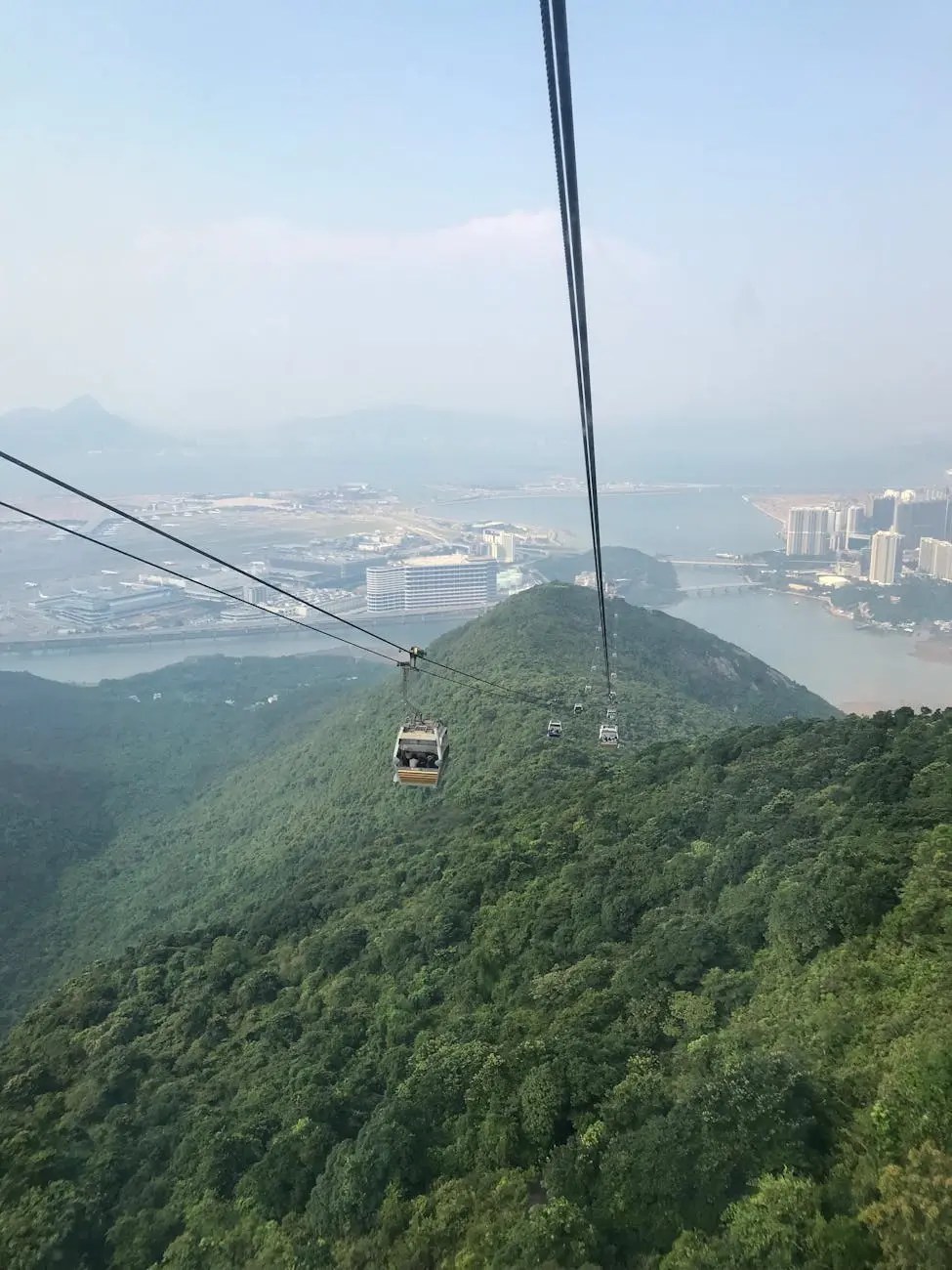
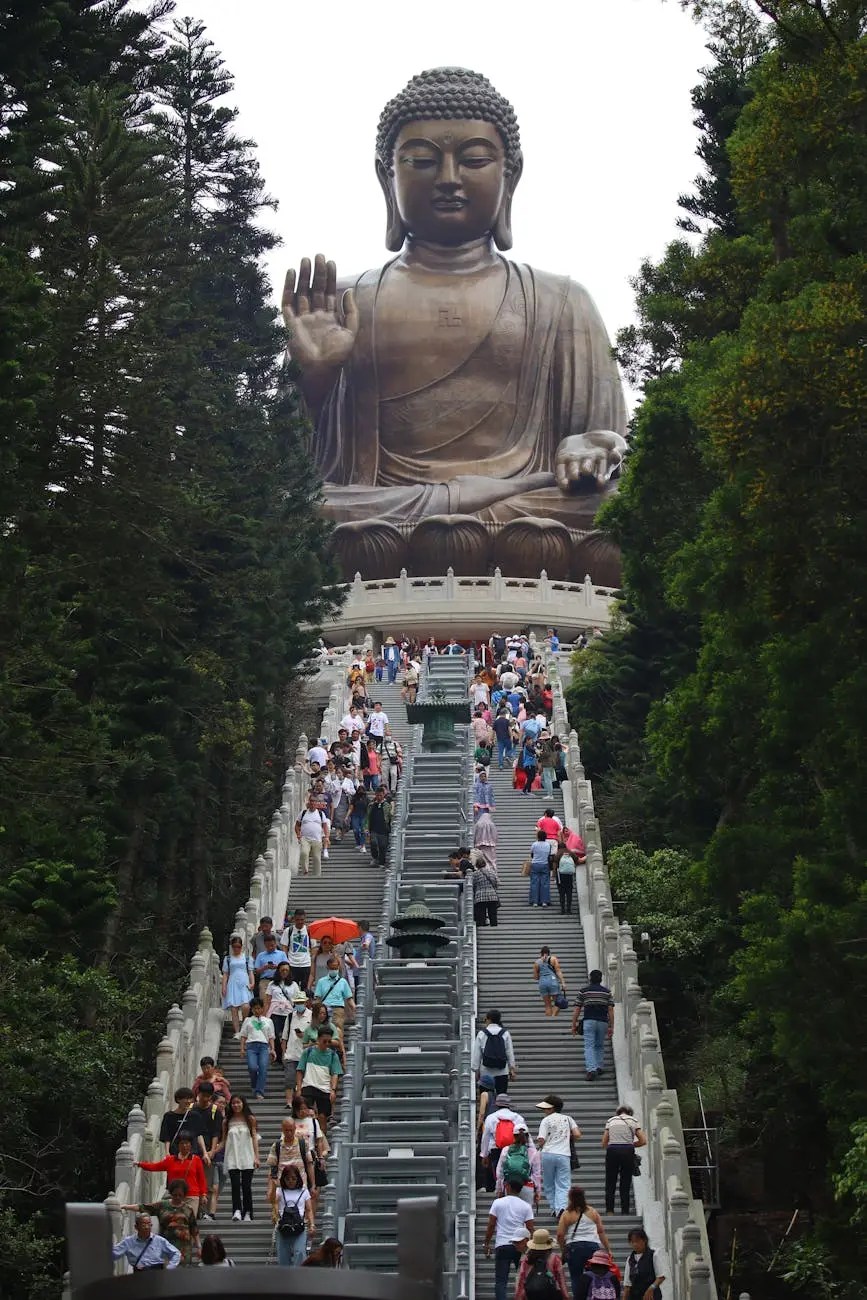
  • Option A (Nature): Escape the crowds with a ferry to Lantau Island. See the giant Tian Tan Buddha, explore the quaint Po Lin Monastery, and hike the peaceful trails. Take the Ngong Ping 360 cable car for breathtaking views.
  • Option B (Culture): Take a slower-paced ferry to Lamma Island. There are no cars here! Enjoy a seafood lunch right on the waterfront at Sok Kwu Wan, then hike the family-friendly trail to Yung Shue Wan.
  • Evening: For your final meal, go all out on dim sum. I’m personally loyal to Lin Heung Tea House in Central for its old-school, pushcart charm. It’s chaotic, loud, and an authentic experience you won’t forget.

Lantau Island Vacations

A scenic view from a cable car above lush greenery, overlooking a vast landscape with water bodies and urban developments in the distance, typical of Hong Kong's natural and urban contrast.
View from the Ngong Ping 360 cable car on Lantau Island, showcasing the lush greenery and stunning landscape of Hong Kong.

Tian Tan Buddha Tours

A crowd of tourists climbing the stairs leading to the Tian Tan Buddha statue on Lantau Island, surrounded by lush greenery.
A stunning view of the Tian Tan Buddha on Lantau Island, surrounded by lush greenery and visitors climbing the stairs.

Po Lin Monastery Tours

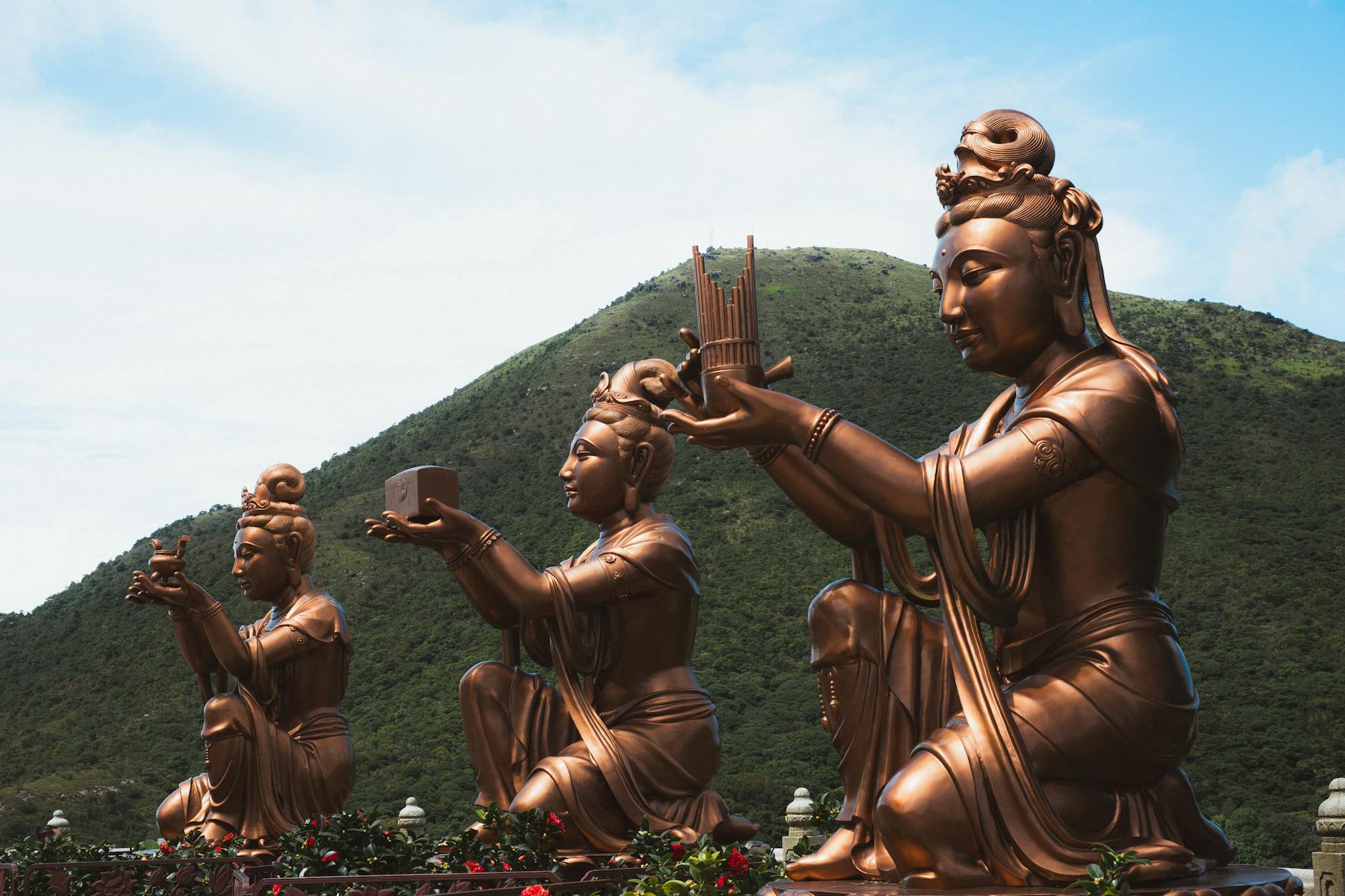
Three bronze statues of deities holding offerings, set against a backdrop of green mountains under a blue sky.
Three bronze statues of Bodhisattvas at Tian Tan Buddha, set against a lush green hill.
Scenic view of stone pillars with inscriptions, set against a lush green mountain landscape in Hong Kong.
A scenic view of wooden pillars against a backdrop of lush hills, capturing the essence of nature in Hong Kong.(Po Lin Monastery)

Lamma Island

A scenic view of floating fish farms in clear blue water, surrounded by green hills and a small building on the shoreline.
Scenic view of floating fish farms in Lamma Island, showcasing the tranquil waters and lush mountainous backdrop.

Sok Kwu Wan Tours

A scenic view of a beach with golden sand and turquoise waters, framed by green mountains under a clear blue sky.
Stunning view of a beach and rolling hills on Lantau Island, a serene escape from the hustle and bustle of Hong Kong.
A panoramic view of a serene bay surrounded by green hills and mountains, featuring a traditional Chinese pavilion with a green roof in the foreground.
A serene view of Sok Kwu Wan with its lush greenery and calm waters, showcasing the perfect getaway from Hong Kong’s bustling city life.
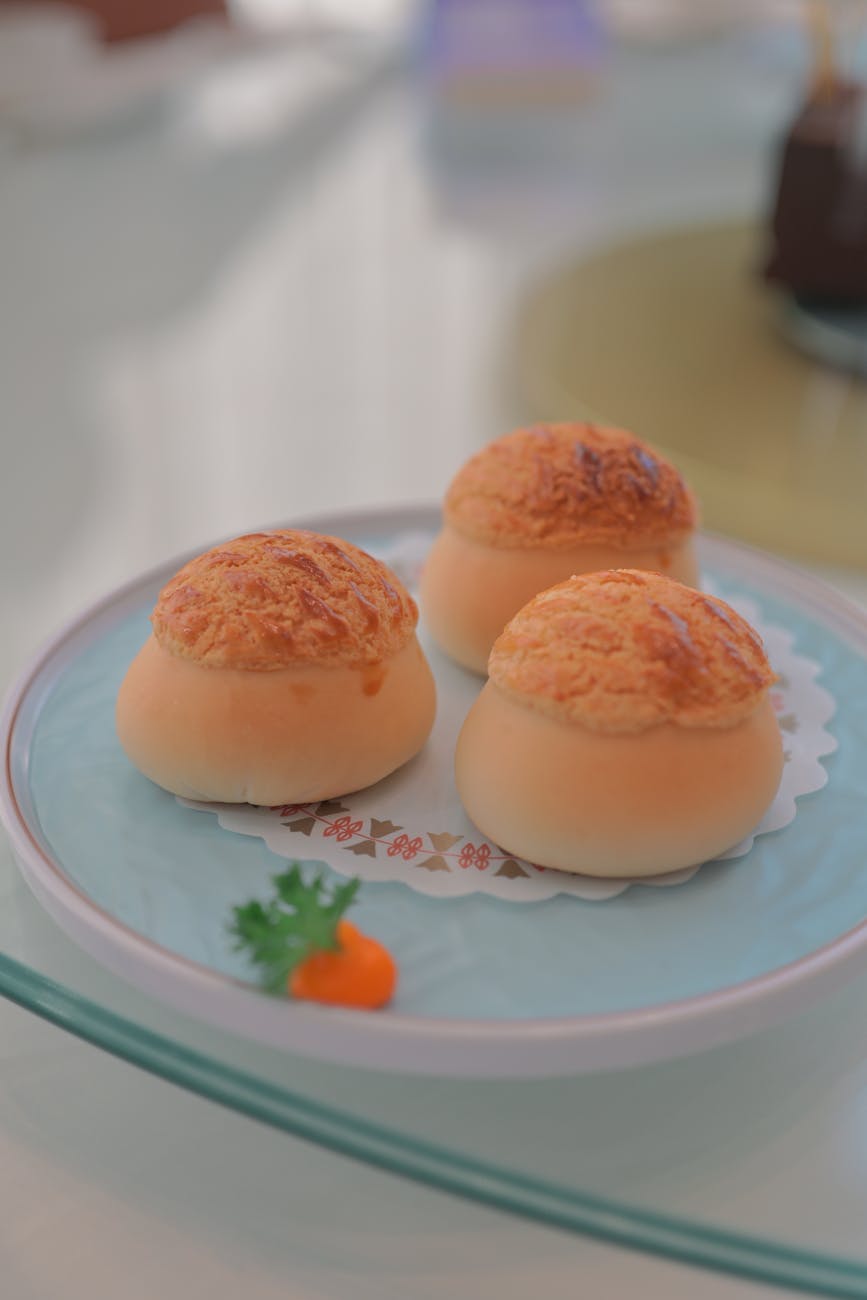
Three golden-brown baked buns on a pale blue plate, garnished with a small carrot and parsley.
Delicious freshly baked pineapple buns served on a plate, a popular treat in Hong Kong. Dim Sum

3. Getting Around: Mastering the MTR, Buses, and Star Ferry

Forget renting a car. Hong Kong’s public transport is a world-class marvel and your key to saving time and money.

  • Octopus Card: This is non-negotiable. Get one at any MTR station airport express line. You can use it on the MTR, buses, trams, ferries, and even in 7-Eleven. It’s magical.
  • MTR (Mass Transit Railway): Your underground best friend. It’s fast, clean, air-conditioned, and signs are in English. Download the MTR Mobile app for real-time route planning.
  • Buses & Trams: Double-decker buses are great for seeing the city above ground. For a truly classic HK experience, hop on the Ding Ding (the double-decker tram) on Hong Kong Island. It’s slow but charming and costs just a few dollars.
  • Star Ferry: Not just a tourist attraction; it’s a genuine mode of transport and the best way to cross Victoria Harbour.

4. Must-Know Words: Your Mini Cantonese Crash Course

A little effort goes a long way!

  • Hello: Néih hóu (lay-ho)
  • Thank you: M̀h’gōi (mmm-goy) – also means “excuse me” or “please”
  • Goodbye: Joigin (joy-gin)
  • How much?: Géidō chín a? (gay-doh chin ah?)
  • Delicious: Hóu hóu sīk (ho ho sik)
  • Check, please: Maaì-dāan (my-daan)

5. Hidden Gems & Local Secrets

  • PMQ: A repurposed police married quarters on Hollywood Road, now housing indie designers and cool cafes.
  • Man Mo Temple: A dark, smoky, and incredibly atmospheric temple on Hollywood Road dedicated to the gods of literature and war.
  • Sam Tung Uk Museum: A restored walled village in Tsuen Wan that feels a world away from the skyscrapers.
  • A small tip: The best egg tarts I’ve ever had weren’t from a famous bakery, but from Tai Cheong Bakery in Central. Trust me on this.

To capture these hidden spots perfectly, I never travel without my Sony Alpha a7III. It’s lightweight, incredible in low light (perfect for neon-lit streets!), and the battery lasts forever. Check it out here if you’re looking to upgrade your travel photography game!

6. Money-Saving Tips for Smart Travellers

  • Eat Local: Cha chaan tengs and street stalls offer delicious meals for under HK$50. *A bowl of wonton noodles might cost around HK$35-40.*
  • Free Views: Skip the pricey Sky100 observatory. Instead, head to the Peak Circle Walk for panoramic views. ~~The free public viewing deck at the ICC Tower was unfortunately closed during my last visit in May 2024, so be sure to check online for the latest status before you go.~~ Update: As of late 2024, the ICC Sky100 observation deck is open, but it is a paid entry. For a truly free alternative, the harbourfront promenades in Tsim Sha Tsui and Central offer incredible skyline views.
  • Museum Wednesdays: Many major museums, like the Hong Kong Museum of History and the Hong Kong Science Museum, offer free admission on Wednesdays. Always check the official government museums website for the most current hours and pricing.
  • Accessibility Note: Hong Kong’s public transport is generally wheelchair-accessible, with low-floor buses and elevators in MTR stations. However, some older markets and temple grounds have narrow pathways and steps. The Peak Tram and many ferries are accessible. For detailed accessibility guides, the Hong Kong Tourism Board’s official website has dedicated resources.
  • Walk: neighbourhoods like Central, Sheung Wan, and Mong Kok are best explored on foot. You’ll discover so much more.

Local Events & Festivals

Plan your trip around these annual events:

  • Chinese New Year (January/February): Parades, fireworks, and vibrant celebrations.
  • Dragon Boat Festival (June): Races and traditional festivities at Victoria Harbour.
  • Mid-Autumn Festival (September): Lantern displays and mooncakes abound

7. Essential Travel Resources

Travelling smart is about being prepared. Here are the tools I never leave home without:

  • Stay Connected: Avoid crazy roaming fees. I use Drimsim—a global SIM that works in 190+ countries. Pop it in, top up via the app, and you’re online. No hunting for SIM counters. It’s a game-changer. Get your Drimsim here and stay connected hassle-free.
  • Stay Secure: Using public WiFi? Protect your data with a VPN. I’ve used NordVPN for years to securely access my bank accounts and keep my browsing private. It’s essential for any traveller. Get secure with NordVPN here.
  • Get Insured: A delayed flight or a misplaced bag can derail a short trip. I always use VisitorsCoverage to compare and find the right travel insurance plan for my needs. It’s peace of mind in your pocket. Find the right coverage for your trip here.
  • Flight Got Messed Up? Don’t just accept it! If your flight to Hong Kong is delayed, canceled, or overbooked, you might be entitled to up to $650 in compensation. I use AirHelp to handle the claim process for me—they only get paid if I win. Check your flight eligibility here.

https://expedia.com/affiliate/Y6ZwIWPReady to book your ultimate Hong Kong escape?
Find the best deals on flights and hotels for your trip on Expedia. I’ve always found great bundle deals that save me a ton for more dim sum!
Find Hong Kong Deals on Expedia


Universal Disclaimer/Disclosure Page:

Frequently Asked Questions (FAQ)

Q: What’s the best time to visit Hong Kong?
A: October-November and March-April offer the most pleasant weather—warm, sunny, and less humid. Be aware that the summer months (May-September) are hot, extremely humid, and fall within typhoon season. Always check the Hong Kong Observatory forecast before your trip and pack accordingly (raincoat, umbrella, moisture-wicking clothing).

Q: Is Hong Kong expensive?
A: It can be, but it doesn’t have to be. Accommodation is the biggest cost. Save money by eating at local joints (meals for ~HK$50), using public transport (an Octopus card ride is ~HK$8-20 depending on distance), and bargaining at markets like the Ladies’ Market.

Q: Do I need a visa?
A: Citizens of the US, UK, Canada, Australia, and most EU countries do not need a visa for tourist stays of up to 90 days. This is correct as of 2025, but visa policies can change. Always verify the latest requirements with the Hong Kong Immigration Department website or your local embassy before travelling.

Q: How accessible is Hong Kong for travelers with mobility issues?
A: Hong Kong is relatively accessible. The MTR system has elevators and tactile guides, and many modern buildings are equipped with facilities. However, the hilly terrain and some older districts with crowded, narrow sidewalks can present challenges. It’s best to research specific attractions in advance.

Have any other questions about planning your weekend in Hong Kong? Drop them in the comments below!

Let’s Connect!

What’s your favorite Hong Kong memory? Share your stories and tips in the comments below—I’d love to hear from you!

Weekend in Los Angeles, America: The Ultimate 48-Hour Itinerary (2025)

📑 Table of Contents

  1. Why Los Angeles is a Must-Visit City
  2. Day 1: Beaches, Hollywood, and Urban Adventures
    1. Morning: Venice Beach & Santa Monica Pier
    2. Midday: Hollywood Walk of Fame
    3. Afternoon: Griffith Observatory
    4. Evening: Sunset Boulevard Nightlife
  3. Day 2: Culture, Nature, and Iconic Landmarks
    1. Morning: Getty Center
    2. Midday: Beverly Hills & Rodeo Drive
    3. Afternoon: Urban Lights at LACMA
    4. Evening: Downtown LA Arts District
  4. Getting Around Los Angeles
  5. Smart Money-Saving Tips
  6. Hidden Gems in Los Angeles
  7. Essential Travel Resources
    1. Stay Connected with Drimsim
    2. Flight Compensation with AirHelp
    3. Online Safety with NordVPN
    4. Capture Moments with the Right Camera
    5. Travel Insurance with VisitorsCoverage
  8. LA Lingo Cheat Sheet
  9. More Weekend Escapes You’ll Love
  10. Final Thoughts

👉 Planning a weekend in Los Angeles? Discover the ultimate 48-hour LA itinerary with Hollywood highlights, hidden gems, food spots, and travel tips to save time and money.

Los Angeles. The City of Angels. The land where palm trees sway, movie stars sip oat lattes, and freeways look like spaghetti bowls on Google Maps. You might be here for Hollywood glamour. Perhaps you are drawn by Venice Beach vibes. Maybe you simply want to eat your way through tacos and In-N-Out. LA makes for one of the top visited cities in the world. It is also a surprisingly doable weekend escape.

If you’ve been following my weekend city guides—like Barcelona’s 48-hour magic or the food-meets-futurism trip in Seoul—you’ll know I love squeezing the best of a city into just a couple of days. So buckle up: here’s how to conquer Los Angeles in one unforgettable weekend.

 Flights to Los Angeles

🛬 Day 1: Hollywood Dreams & Sunset Views

Hotels in Los Angeles, CA

Morning – Hollywood Walk of Fame & Griffith Observatory
Start with the classics. Stroll the Hollywood Walk of Fame—yes, it’s touristy, but finding your favorite celebrity’s star is oddly satisfying. From there, head to Griffith Observatory, where you get panoramic views of LA and the famous Hollywood Sign. It’s free (budget win!) and the hike up saves you on parking fees.

👉 Insider Tip: Skip renting a car here. Instead, use the DASH Observatory bus (just $0.50 per ride). It saves gas, time, and stress on those winding hills.

Estrella del Paseo de la Fama de Hollywood con el nombre 'Walt Disney'.
Walt Disney’s star on the Hollywood Walk of Fame, a must-see for tourists in Los Angeles.

Hollywood Walk of Fame Tours

Griffith Observatory Tours

Vista aérea del Observatorio Griffith en Los Ángeles, mostrando su arquitectura icónica y el paisaje urbano circundante.
Aerial view of Griffith Observatory showcasing its iconic dome and stunning panoramic backdrop of Los Angeles.

Afternoon – Studio Tour
For movie buffs, book a studio tour at Warner Bros. or Paramount. Standing on the “Friends” set while sipping coffee at Central Perk? Totally worth it. If TV nostalgia isn’t your thing, explore Los Feliz for indie shops and lunch at a taco truck.

Warner Bros. Studio Tour Hollywood

Vista del letrero de Hollywood en una colina rodeada de vegetación y flores, bajo un cielo parcialmente nublado.
View of the iconic Hollywood Sign from Griffith Observatory, framed by lush greenery.

Los Feliz Vacations

Evening – Santa Monica Pier & Sunset
Head west to Santa Monica. Ride the Ferris wheel, eat funnel cake, and watch the sun melt into the Pacific. If you’ve still got energy, stroll down to Venice Beach for street performers, funky shops, and a late-night gelato.

Santa Monica Pier Tours and Activities

Vista del muelle de Santa Mónica con la noria de Pacific Park y la playa de fondo bajo un cielo azul despejado.
The iconic Santa Monica Pier featuring the Ferris wheel and vibrant colors against a clear blue sky.

🌞 Day 2: Culture, Coastlines & Foodie Heaven

Morning – Downtown LA & The Broad Museum
DTLA has gone from sketchy to chic. Start at The Broad Museum (free tickets, but book in advance online). Across the street, check out the Walt Disney Concert Hall for an architectural selfie.

The Broad Tours

Modern architectural design of The Broad Museum in downtown Los Angeles, with sunlight streaming through its unique facade, and traffic signals visible on the street.
The Broad Museum in Downtown LA, showcasing contemporary architecture and stunning design.

Walt Disney Concert Hall Tours

Exterior view of the Walt Disney Concert Hall in downtown Los Angeles, showcasing its unique, modern architectural design against a clear blue sky.
The striking architecture of the Walt Disney Concert Hall in downtown Los Angeles.

Afternoon – Malibu or Manhattan Beach
Here’s where you choose:

  • Malibu for cliffside beaches and seafood shacks.
  • Manhattan Beach for volleyball, local vibes, and fewer tourists.

Either way, bring sunscreen. Also, don’t forget a camera. 📸 My favorite is this travel-friendly camera that makes every beach shot look Insta-perfect.

Malibu Vacations

A scenic view of a coastal cliff with sandy beach and turquoise water under a clear blue sky, showcasing the natural beauty of the Los Angeles coastline.
Breathtaking coastal views of Malibu, showcasing cliffside beaches and the serene Pacific Ocean.

Hotels in Manhattan Beach, CA 

Vista aérea del muelle de Manhattan Beach, con la playa y casas a lo largo de la costa de Los Ángeles.
Aerial view of Manhattan Beach Pier, showcasing the bustling beach and vibrant coastal town.

At sunset on a beach, people play volleyball and enjoy the serene ocean view with a ship sailing in the distance.
Sunset at the beach, showcasing silhouettes of volleyball players and ships on the horizon.

Evening – Foodie Crawl in Koreatown
No LA trip is complete without late-night Korean BBQ. K-town is where locals go to eat and laugh for hours. Don’t be shy—just say “Annyeonghaseyo” (Hello) and dive in.

Hotels in Koreatown, Los Angeles

Koreatown Vacations

Traditional Korean gazebo with intricate designs, featuring a vibrantly colored roof and ornate carvings, standing in front of modern buildings in Los Angeles.
A vibrant Korean-style pavilion in Los Angeles, surrounded by a bustling urban backdrop.

Platter of grilled chicken wings served on flatbread, garnished with fresh herbs and accompanied by a side of assorted vegetables.
Deliciously grilled chicken wings served with fresh herbs and sides, perfect for a foodie experience in Los Angeles.

Getting Around Los Angeles: Transportation Tips for Your Weekend 🚇

Forget the stereotype—you don’t always need a car in LA. Here’s how to save time, money, and sanity:

  • Metro Rail & Bus: Buy a TAP card. The Metro gets you from downtown to Santa Monica ($1.75 a ride).
  • DASH buses: Great for short hops in neighborhoods like Hollywood and DTLA.
  • Rideshares: Uber/Lyft are plentiful but surge pricing can sting.
  • Driving? Use apps like Waze to dodge traffic jams and find gas-saving shortcuts.

👉 Money-Saving Tip: If you’re planning day trips to Malibu or Disneyland, rent a car only for those days. That way, you skip the crazy downtown parking fees.

🌟 Hidden Gems in Los Angeles

  • The Last Bookstore – A whimsical bookshop in DTLA that feels like a maze of stories.
  • El Matador Beach – Malibu’s secret cove with caves and dramatic cliffs.
  • Grand Central Market – The OG foodie hall with $3 tacos right next to $15 vegan donuts.

The Last Bookstore Tours

Interior view of a beautiful, ornate library featuring wooden bookshelves filled with books, a grand staircase with red carpet, and a stained glass ceiling.
The Last Bookstore in Downtown LA features a stunning interior with intricate woodwork and a grand staircase, perfect for book lovers and architectural enthusiasts.

El Matador State Beach Tours

Vista de un agujero en una roca que da al mar, con olas y rocas en la playa al fondo.
A stunning view through a rock archway at El Matador Beach, revealing the coastline and rocky seascape.

Grand Central Market Tours

Interior view of a vibrant market showcasing various food stalls and shops, with customers browsing and interacting.
Explore the vibrant food scene at Grand Central Market in Downtown LA, where local vendors serve mouth-watering dishes.

✈️ Smart Travel Tips

  • Stay Connected: Don’t waste cash on airport SIMs. I use Drimsim—a universal SIM that works in 190+ countries with no hidden fees. Pop it in, top up via the app, and you’re instantly online.
  • Protect Your Data: Free Wi-Fi is tempting, but hackers love it too. Stay safe with NordVPN when browsing or booking on the go.
  • Travel Insurance: LA has world-class hospitals—and world-class bills. I recommend VisitorsCoverage for peace of mind.
  • Flight Troubles? Canceled or delayed? Don’t just sigh—claim your compensation with AirHelp. You could get up to $650.

🗣️ A Few Handy Words & Phrases in LA

Okay, English is the main language, but here are some LA-isms you’ll hear:

  • “The 405” = a freeway that’s always jammed.
  • “In-N-Out” = legendary burger chain. Order “Animal Style.”
  • “The Valley” = San Fernando Valley, land of influencers and vintage diners.
  • “DTLA” = Downtown Los Angeles.

💡 Final Thoughts

A weekend in Los Angeles is like binge-watching a Netflix show: a little chaotic, sometimes dramatic, but always addictive. From Hollywood’s glitz to Malibu’s sunsets and Koreatown’s sizzling BBQ, LA proves why it’s one of the most visited cities in the world.

👉 Ready to book your ultimate weekend escape? I always lock in my flights and stays on Expedia—flexible options, deals, and one less thing to stress about.

And if you’re hungry for more weekend adventures, check out my guides to New York City and Sydney. Your travel bucket list will thank you.

Universal Disclaimer/Disclosure Page:

Frequently Asked Questions About a Weekend in Los Angeles

1. What is the best time of year to visit Los Angeles?

Los Angeles is a year-round destination, but the best months are March to May and September to November. You’ll enjoy mild weather, fewer crowds, and lower hotel rates compared to the summer rush.

2. How many days do I need to explore Los Angeles?

A weekend (2–3 days) is perfect for hitting the highlights like Hollywood, Santa Monica, Venice Beach, and Griffith Observatory. If you want to dive deeper into neighborhoods and museums, 4–5 days are ideal.

3. What is the best way to get around Los Angeles?

LA is famously car-centric, so renting a car gives you the most flexibility. However, if you’d rather avoid traffic, ride-sharing apps and the Metro Rail can take you to major spots like Downtown, Hollywood, and Santa Monica.

4. Is Los Angeles expensive for a weekend trip?

It can be, but it doesn’t have to break the bank. Many attractions—like Griffith Park, Venice Beach, and the Getty Center—are free. Budget travelers can save on food with local taco trucks and plan hotel stays in less touristy areas.

5. What should I pack for a weekend in Los Angeles?

Pack light layers! Days are usually warm, but evenings can get cool, especially near the beach. Don’t forget sunscreen, comfortable walking shoes, and a reusable water bottle.

6. Can I visit Los Angeles without a car?

Yes, but plan smart. Stick to areas well-served by the Metro (Downtown, Hollywood, Santa Monica) and use Uber or Lyft for places in between. Many visitors combine public transport with ride-shares for convenience.

7. What are some hidden gems in Los Angeles?

Beyond the big-name spots, check out The Last Bookstore in Downtown LA, hike to the Wisdom Tree for panoramic views, or grab a coffee in the artsy Silver Lake neighborhood.

48 Hours in Osaka: Your Ultimate Weekend Itinerary

📑 Table of Contents

  1. Why Osaka is a Must-Visit City
  2. Day 1: Historic Sights and Osakan Delights
    1. Morning: Osaka Castle Exploration
    2. Midday: Kuromon Ichiba Market
    3. Afternoon: Shinsaibashi Shopping
    4. Evening: Dotonbori Street Food Adventure
  3. Day 2: Modern Osaka and Cultural Experiences
    1. Morning: Umeda Sky Building
    2. Midday: Osaka Aquarium Kaiyukan
    3. Afternoon: Shinsekai District
    4. Evening: Traditional Dinner in Namba
  4. Getting Around Osaka
  5. Smart Money-Saving Tips
  6. Hidden Gems in Osaka
  7. Essential Travel Resources
    1. Stay Connected with Drimsim
    2. Flight Compensation with AirHelp
    3. Online Safety with NordVPN
    4. Capture Moments with the Right Camera
    5. Travel Insurance with VisitorsCoverage
  8. Japanese Phrases Cheat Sheet
  9. More Weekend Escapes You’ll Love
  10. Final Thoughts

Meta Description: Craving a weekend packed with flavor and fun? Our ultimate Osaka itinerary guides you through neon-lit streets, ancient castles, and the world’s best street food. Save time and money with our insider tips!

You’ve got 48 hours to conquer Osaka, Japan’s undisputed kitchen. The city operates with the joyful chaos of a never-ending festival. Forget Tokyo’s polished pace and Kyoto’s serene formality—Osaka is here to hit you with a wave of infectious energy, a “kuidaore” (eat ‘til you drop) mentality, and some of the most genuinely hilarious locals you’ll ever meet.

Having navigated everything from its maze-like subway stations to its mouth-watering alleyways, I’ve crafted the perfect weekend guide to help you dive headfirst into Osaka’s glorious madness. Let’s get into it.

Flights to Osaka

Why Osaka Deserves Your Weekend

Osaka is often overshadowed by its big sister, Tokyo, but that’s a mistake. This is a city with its own fierce identity. It’s the birthplace of takoyaki (octopus balls), the home of Universal Studios Japan, and a place where ancient history and blinding futurism collide on every street corner. It’s also one of the top visited cities in the world for a reason—it’s an absolute blast.

Hotels in Osaka

If you loved the electric energy of Tokyo’s Hidden Gems or the culinary depth of Istanbul’s Rich Culture, Osaka is the beautiful, rowdy lovechild of the two.

Friday Evening: Dive Headfirst into Dotonbori

Drop your bag at your hotel. I always find great deals on Expedia for last-minute weekend trips. Head straight to the heart of the beast: Dotonbori.

This canal-side strip is a sensory overload in the best way possible. Giant mechanical crabs, neon-lit giants, and the infamous Glico Running Man sign greet you. Your mission here is simple: eat.

  • Must-Eat: Join the queue for takoyaki from a street vendor. Watch as they expertly flip the doughy, octopus-filled balls and slather them in savory sauce and dancing bonito flakes. Follow it up with some okonomiyaki (a savory Japanese pancake) at a tiny upstairs restaurant.
  • Pro Tip: The crowds are part of the experience. Embrace the chaos! For a slightly different view, take a short cruise on the Dotonbori River to see the signs from the water.
A person gazing up at neon lights and advertisements in Dotonbori, Osaka, surrounded by vibrant city scenery.
A traveler soaking in the vibrant energy of Dotonbori, Osaka, surrounded by neon lights and iconic signage.

Dotonbori Tours

A person observes the Dotonbori area, featuring a bustling canal with a sightseeing boat and vibrant buildings adorned with colorful advertisements and neon signs under a cloudy sky.
A picturesque view of Dotonbori in Osaka, featuring the bustling canal, vibrant signage, and a scenic boat ride.

A close-up of a plate of takoyaki, octopus balls, drizzled with mayonnaise and topped with bonito flakes and green seasoning.
Delicious takoyaki topped with mayonnaise and bonito flakes, a must-try street food in Osaka.

TAKOYAKI cooking class “MUGEN

A colorful plate of okonomiyaki topped with green onions, mayonnaise, and crispy bits, served with carrots and a bowl of toppings on the side.
Delicious okonomiyaki, a savory Japanese pancake, topped with scallions and sauce, served alongside fresh vegetables.

Osaka Okonomiyaki Cooking Experience!

Saturday: History, Heights, and Haute Street Food

Morning: Journey to Osaka Castle
Start your day with a trip back in time at the magnificent Osaka Castle. While the interior is a modern museum (quite interesting, but not essential), the surrounding park and the castle’s exterior are the real stars. It’s a beautiful place for a stroll and the perfect opportunity to snap that iconic Japan photo.

How to get there: Take the JR Loop Line to Osakajokoen Station. It’s incredibly easy and efficient. Money-Saver Tip: If you’re planning to use trains a lot, consider a JR West Kansai Area Pass. Another option is an IC card, like ICOCA or Suica, for tap-and-go convenience.

Here’s a map to help you visualize your adventure! I’ve marked the location of Osakajokoen Station (大阪城公園駅) for your convenience. This is the closest train station to Osaka Castle, making it the perfect starting point for your visit. Remember, taking the JR Loop Line is the easiest way to get there!

Osaka Castle Park Tours

Cherry blossoms in full bloom in front of Osaka Castle, showcasing the historic structure's beautiful architecture against a clear blue sky.
Cherry blossoms in full bloom frame the iconic Osaka Castle, a stunning blend of history and natural beauty.

Afternoon: Kuromon Ichiba Market & Shinsekai
From history to hunger: make your way to Kuromon Ichiba Market, nicknamed “Osaka’s Kitchen.” This covered market is a foodie’s paradise. Sample fresh sashimi, giant grilled scallops, and melt-in-your-mouth Wagyu beef skewers. This is lunch, Osaka-style.

Kuromon Market Tours

Osaka: Premium Wagyu Yakiniku at Nikuoroshi Mannoya Bettei

A bustling scene inside Kuromon Ichiba Market in Osaka, featuring overhead colorful banners and large lanterns, with a crowd of shoppers enjoying the vibrant atmosphere.
The vibrant atmosphere of Kuromon Ichiba Market, showcasing colorful signage and traditional lanterns in Osaka.
Close-up of sushi rolls arranged on a plate, featuring layers of fish and greens.
Delicious sushi rolls showcased on a plate, highlighting the vibrant flavors of Osaka’s culinary scene.

Grilled meat skewers over an open flame with smoke rising, showcasing a delicious barbecue cooking process.
Sizzling skewers of grilled meat over an open flame, perfect for a culinary adventure in Osaka.

Next, take a short train ride to the Shinsekai district. This neighborhood feels frozen in a retro-futuristic 1960s vision of tomorrow. The main attraction is the Tsutenkaku Tower. For a small fee, you can ride to the observation deck for a quirky, low-rise view of the city. The statue of Billiken, known as the god of “things as they ought to be,” is at the top. It is said to bring good luck if you rub the soles of his feet!

Tsutenkaku Tower Tours

Night view of Tsutenkaku Tower illuminated in blue, surrounded by colorful neon signs and bustling streets in Osaka.
The illuminated Tsutenkaku Tower stands tall amidst the vibrant streets of Shinsekai, showcasing Osaka’s retro-futuristic charm.

A smiling bronze statue of a deity in an urban setting, surrounded by modern buildings and colorful signs.
A cheerful statue representing luck and happiness, often found in the vibrant streets of Osaka.

Evening: Umeda Sky Building
For a truly breathtaking modern perspective, head to the Umeda Sky Building. This incredible structure consists of two towers connected at the top by the “Floating Garden” observatory. The 360-degree open-air views of Osaka as the sun sets and the city lights up are absolutely unforgettable. It’s a completely different vibe from the old-world charm of the castle.

Umeda Sky Building Tours

View of the Umeda Sky Building in Osaka, showcasing its unique architectural design against a clear blue sky with lush green trees in the foreground.
The Umeda Sky Building, a stunning architectural marvel in Osaka, featuring a unique sky bridge and panoramic views.

Sunday: Hidden Gems and Last-Minute Souvenirs

Morning: Hozenji Yokocho Alley
Escape the main drag and discover one of Osaka’s best-kept secrets: Hozenji Yokocho. This narrow, stone-paved alleyway, just a minute away from the Dotonbori craziness, feels like stepping into old Japan. It’s lined with tiny, traditional restaurants and izakayas.

Osaka: Izakaya Bars Guided Walking Tour

At the end of the alley, you’ll find Hozenji Temple, famous for the moss-covered statue of Fudo Myoo. Visitors splash water on the statue as an offering, giving it its unique green appearance. It’s a peaceful, almost spiritual spot hidden in plain sight.

Hozenji-Yokocho Alley Tours

Hozen-ji Temple Tours

Narrow alleyway in Osaka adorned with lanterns and sunflower decorations, bustling with pedestrians and lively storefronts.
A vibrant alley in Osaka adorned with lanterns and sunflower decorations, showcasing the lively atmosphere of the city’s nightlife.

Afternoon: Shinsaibashi Shopping & Namba Parks
For your final dose of Osaka, hit Shinsaibashi-suji, a covered shopping arcade that seems to go on forever. It’s great for people-watching, grabbing quirky souvenirs, and experiencing Japanese retail therapy.

If you need a nature fix, Namba Parks is an architectural marvel—a shopping complex designed as a canyon with rooftop gardens, waterfalls, and walking paths. It’s the perfect place to relax before your journey home.

Shinsaibashi-suji Shopping Street Tours

While this itinerary gives you the perfect DIY plan, sometimes you want a deeper dive with a local expert or a unique activity you can’t book yourself. For those moments, I love browsing Rakuten Experiences. They offer a huge range of curated activities in Osaka, from small-group street food tours in Dotonbori and hands-on cooking classes where you learn to make okonomiyaki, to more unique finds like calligraphy workshops or photography walks. It’s a great way to add something truly special to your itinerary. → Check out unique experiences in Osaka on Rakuten Experiences

Rakuten Travel Experiencesicon

The Savvy Traveler’s Osaka Toolkit

Getting Around: Mastering Public Transport
Osaka’s public transport is brilliant but can be daunting. Here’s the simple breakdown:

  • JR Loop Line: Perfect for Osaka Castle (Osakajokoen Station) and connecting to major hubs.
  • Midosuji Subway Line: The bright red line on maps. It’s your north-south artery, connecting Umeda, Shinsaibashi, Namba, and Shin-Osaka Station.
  • Private Railways (Nankai, Hanshin, Keihan): Great for day trips to places like Kobe, Nara, or Mount Koya.
  • IC Cards: Get an ICOCA or Suica card immediately. You tap in and out of trains, subways, and buses. You can even use them at convenience stores and vending machines. It eliminates the stress of buying individual tickets.
  • Avoid driving—traffic is heavy, parking is expensive, and the train system is far superior. Google Maps is incredibly accurate for real-time train schedules and routes.

🗣️ Quick Language Cheat Sheet:

  • Sumimasen (Soo-mee-ma-sen): “Excuse me” / “Sorry” (The most useful word in Japan!)
  • Arigatou gozaimasu (Ah-ree-ga-toh go-za-ee-mas): “Thank you very much”
  • Kore o kudasai (Ko-reh o koo-da-sigh): “This one, please” (Point at delicious food!)
  • Oishii! (Oy-sheee!): “Delicious!”
  • Ikura desu ka? (Ee-koo-ra des ka?): “How much is it?”

Pro Tips from a Local: Insider Insights

  • Best Time to Visit: Spring (March-May) for cherry blossoms or Autumn (October-November) for pleasant weather. Avoid Golden Week (late April/early May) and Obon (mid-August) unless you love crowds.
  • Money Saving: Convenience stores (7-Eleven, Lawson, FamilyMart) are your best friends for affordable, high-quality meals, snacks, and ATM withdrawals.
  • Avoid Crowds: Hit major sights like Osaka Castle right at opening time (8:30 AM or 9:00 AM) to have the grounds almost to yourself.

✈️ Travel Smart, Travel Connected:
Staying online is non-negotiable for navigating and translating. Instead of hunting for a local SIM card, I use Drimsim. It’s a universal data SIM that works in 190+ countries, including Japan. Pop it in, top up via the app, and you’re online the moment you land. No contracts, no hidden fees. → Get your Drimsim here.

And while we’re on tech, securing my connection on public Wi-Fi is a must. I never travel without my → NordVPN. It keeps my personal data safe from prying eyes, especially when I’m booking last-minute tickets or checking my bank account abroad.

🛡️ Don’t Forget Peace of Mind:
A weekend getaway can still have unexpected twists. I never travel without solid travel insurance from VisitorsCoverage. It’s a breeze to compare plans and find one that fits your short trip perfectly, covering everything from lost luggage to a sudden case of takoyaki-induced bliss overload. → Check plans on VisitorsCoverage.

😤 Flight Drama? Get Paid.
Speaking of unexpected twists, has your flight ever been seriously delayed or canceled? Most travelers just sigh and accept it. But did you know EU and UK passenger rights laws can entitle you to up to $650 in compensation, even on flights departing from Osaka to Europe? AirHelp handles all the paperwork and fights the airlines for you. They only get paid if you win. I’ve used them successfully—it’s a no-brainer.
→ Check your flight with AirHelp now

📸 Capture the Magic:
Osaka is a visual feast. From the neon glow of Dotonbori to the serene beauty of Hozenji Alley, you’ll want a reliable camera. I swear by my → Sony Alpha mirrorless camera. It’s lightweight, takes stunning photos in low light, and is perfect for capturing the fast-paced energy of this incredible city.

Ready for Your Osaka Adventure?

Osaka is a city that grabs you by the hand and pulls you into its whirlwind of food, fun, and laughter. It’s a place where you’re encouraged to let loose, eat with abandon, and leave with a full stomach and a bigger smile.

Feeling inspired to book your ticket? Start planning your ultimate Japanese escape and find the best deals on hotels and flights on → Expedia.

Where to next? If you loved this guide, check out my other city itineraries:

Now I want to hear from you!
What’s the first thing you’d eat in Osaka? Are you a takoyaki fan, or is okonomiyaki more your style? Share your own Osaka tips and food recommendations in the comments below—let’s build the ultimate traveler resource together!
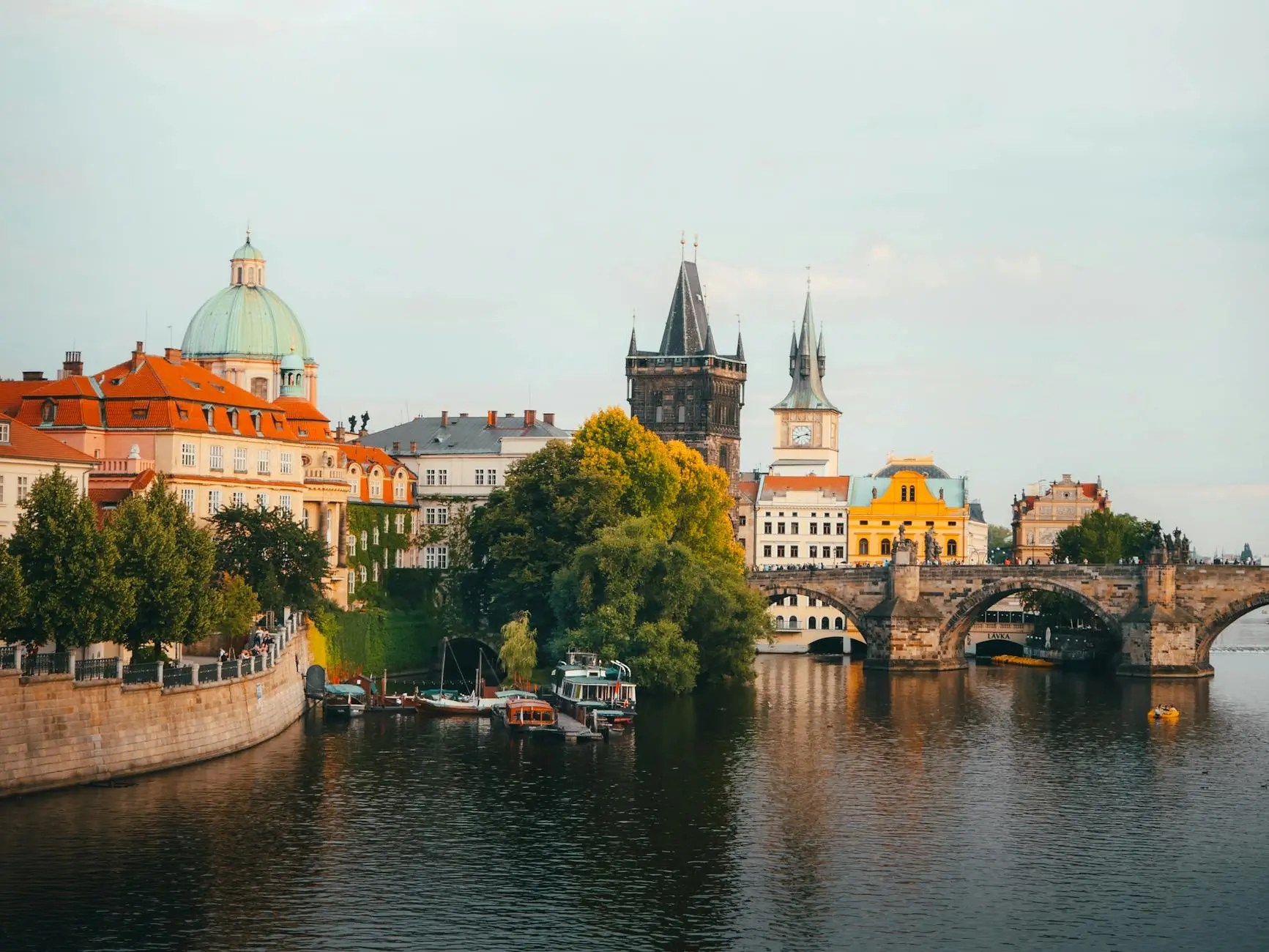
Frequently Asked Questions: Osaka Weekend Trip

Q: Is 48 hours enough time to see Osaka?
A: Absolutely! While you won’t see everything, 48 hours is perfect for experiencing the city’s core identity: its incredible food scene, vibrant neon-lit districts, and fascinating blend of history and modernity. This itinerary is designed to maximize your time and give you a fulfilling taste of Osaka’s energy.

Q: What is the best way to get around Osaka?
A: Osaka’s public transport is efficient and user-friendly. The best way for tourists to get around is by using an IC card (ICOCA or Suica). You simply tap in and out of trains, subways, and buses. It also works at convenience stores and vending machines. For navigating, Google Maps is incredibly accurate for real-time schedules and routes.

Q: Is the Japan Rail (JR) Pass worth it for just Osaka?
A: For a trip focused solely within Osaka city, a nationwide JR Pass is not cost-effective. However, if you are flying into Kansai International Airport (KIX) and plan on taking day trips to Kyoto, Nara, or Hiroshima within a 7-day period, a JR West Kansai Area Pass or the nationwide pass might be worth calculating. Remember, the JR Pass is only available to tourists on a temporary visitor visa.

Q: What is the one thing I shouldn’t eat in Osaka?
A: This is tough! But if we had to choose, you cannot leave without trying takoyaki (octopus balls) and okonomiyaki (savory Japanese pancake). They are the heart and soul of Osaka’s street food culture.
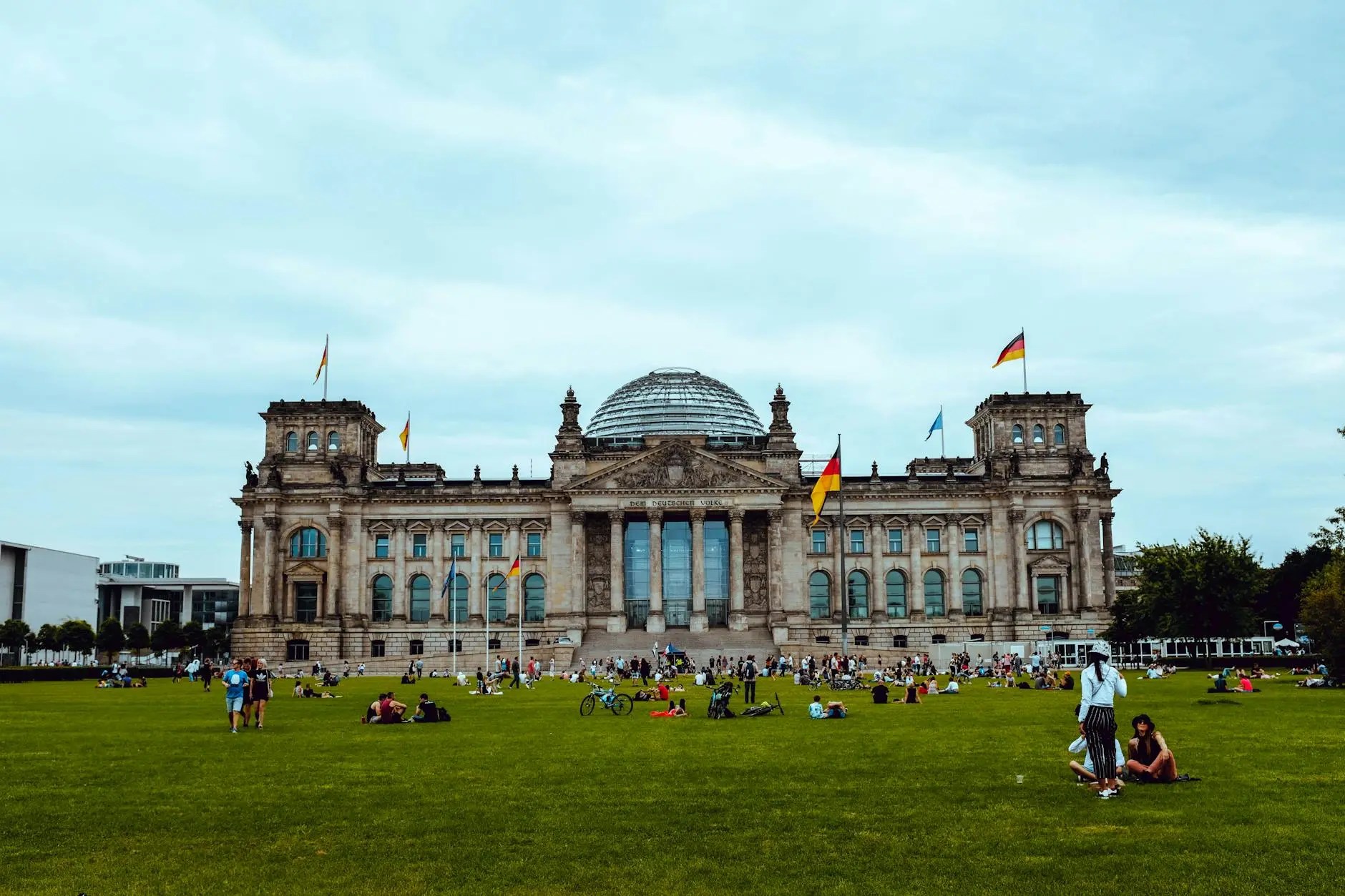
Q: What is a good budget for a weekend in Osaka?
A: Osaka can be very budget-friendly. Excluding flights and accommodation, a comfortable budget for food, transport, and attractions would be approximately ¥8,000 – ¥12,000 per day (roughly $50-$80 USD). You can save money by eating at convenience stores (which have great food!) and focusing on free sights like exploring neighborhoods and parks.

Q: What’s the best area to stay in for a short trip?
A: For a first-time, short trip, staying in the Namba or Shinsaibashi areas is ideal. You’ll be within walking distance of Dotonbori, Kuromon Market, and great shopping, with excellent train connections to the rest of the city.

Q: I’m a solo traveler. Is Osaka a good destination for me?
A: Yes, Osaka is a fantastic destination for solo travelers. It’s very safe, the food scene is easy to navigate alone (especially at bar-style seating in restaurants), and the locals are known for being friendly and outgoing.

Q: Do I need to speak Japanese to get by?
A: Not at all. While knowing a few basic phrases like “Sumimasen” (Excuse me) and “Arigatou gozaimasu” (Thank you) is greatly appreciated, you can easily get by with English in tourist areas. Signs in train stations are in English, and many restaurants have picture or English menus.

Q: What should I do if it rains during my trip?
A: Don’t worry! Osaka has plenty of great indoor activities. You can spend more time exploring the covered shopping arcades like Shinsaibashi-suji, visit the Kaiyukan Aquarium (one of the best in the world), explore the museums at Osaka Castle, or dive into the endless food options at Kuromon Market.

Q: Is Osaka more about food than sightseeing?
A: It’s a perfect blend! Osaka is famous for its food, and for many, eating is the top activity. However, as this itinerary shows, it’s also filled with historic sights like Osaka Castle, unique neighborhoods like Shinsekai, stunning modern architecture like the Umeda Sky Building, and beautiful hidden temples. It offers a complete cultural experience.

Have more questions about planning your trip to Osaka? Ask me in the comments below! I’m happy to help.


Universal Disclaimer/Disclosure Page:

Unforgettable Weekend in Berlin: Your Ultimate Guide

Table of Contents

  1. Introduction: Why Berlin is the Perfect Weekend Getaway
  2. Before You Go: Essential Planning Tips
    • Best Time to Visit
    • Getting There & Getting Around
    • Where to Stay: Neighborhood Guide
  3. Your Berlin Weekend Itinerary: Day by Day
    • Day 1: History & Culture
      • Morning: Brandenburg Gate & Reichstag Building
      • Afternoon: Memorial to the Murdered Jews of Europe & Checkpoint Charlie
      • Evening: Dinner in Mitte
    • Day 2: Art, Creativity & Nightlife
      • Morning: East Side Gallery
      • Afternoon: Museum Island or Alternative Tour
      • Evening: Experience Berlin’s Legendary Nightlife
  4. Beyond the Itinerary: More Things to Do in Berlin
    • For Foodies: Must-Try Dishes & Markets
    • For Shoppers: From Boutiques to Flea Markets
    • For Families: Fun Activities for All Ages
  5. Practical Information & Tips
    • Language & Currency
    • Saving Money with the Berlin WelcomeCard
    • Staying Safe & Connected
  6. Conclusion: Making Your Berlin Weekend Unforgettable

If there’s one city that knows how to mix history, modern culture, and a serious nightlife scene, it’s Berlin. With its buzzing energy, Berlin captivates tourists. It has historic landmarks and hipster cafes. These cafes somehow make avocado toast feel like a cultural statement. Berlin is one of the most visited cities in the world—and for good reason. Whether you’re here for the museums, the techno clubs, or just to eat your body weight in currywurst, Berlin delivers.

In this guide, I’ll share how to squeeze the best of Berlin into one unforgettable weekend. You’ll save time and money while avoiding the dreaded tourist traps.

Flights to Berlin

🏨 Where to Stay in Berlin for a Weekend

👉 Find the latest Berlin hotel deals on Expedia.

Hotels in Berlin

Berlin Vacations

Infographic highlighting key travel tips for Berlin, including recommended areas like Kreuzberg, must-try food like currywurst, and useful advice like obtaining a Berlin WelcomeCard.
Flowchart outlining essential tips for visiting Berlin, including key locations and must-try foods.

Day 1: History Meets Hipster Vibes

Morning – Brandenburg Gate & Reichstag Dome

Start where history comes alive: the Brandenburg Gate. This iconic landmark is best visited in the early morning before the selfie-stick crowds arrive. From there, stroll over to the Reichstag, where the glass dome offers panoramic views of the city. (Pro tip: book tickets online in advance—it’s free but fills up quickly.)

👉 If you loved exploring historic gems in Spain, you’ll also enjoy my Ultimate Weekend in Madrid.

Brandenburg Gate Tours

The Brandenburg Gate illuminated at night, surrounded by people and a clear blue sky.
The iconic Brandenburg Gate illuminated at night, a must-visit landmark in Berlin.

Reichstag Building Tours

Interior view of the glass dome of the Reichstag building in Berlin, showcasing its spiral structure and visitors strolling on the viewing platforms.
Interior view of the Reichstag Dome showcasing its modern architecture and visitors enjoying panoramic views of Berlin.

Reichstag Building Tours

Afternoon – Berlin Wall & East Side Gallery

No Berlin trip is complete without a stop at the East Side Gallery—a 1.3 km stretch of the Berlin Wall covered in thought-provoking murals. It’s both sobering and inspiring, perfect for photos (don’t forget to bring your camera—my go-to is from Camera World).

Berlin Wall Memorial Tours

Two individuals interacting in front of a colorful mural on a section of the Berlin Wall, featuring vibrant graffiti and the word 'BERLIN'.
Visitors at the East Side Gallery, an iconic stretch of the Berlin Wall featuring vibrant murals and street art.

East Side Gallery Berlin, Germany Tours

Colorful mural on the East Side Gallery, featuring intricate swirls and abstract designs, showcasing artistic expression related to the Berlin Wall.
Vibrant murals at the East Side Gallery, a must-visit highlight of Berlin’s rich history and culture.

Evening – Kreuzberg Nightlife

When the sun sets, Kreuzberg comes alive. Bars, clubs, street food—you name it. If you’ve got energy, Berlin’s legendary techno clubs keep going until sunrise (yes, sunrise). If you’re more of a “two beers and bed by midnight” traveler, cozy up in a beer garden instead.

Hotels in Kreuzberg, Berlin

The Oberbaum Bridge in Berlin, featuring its distinctive brick towers and arches, with a train passing overhead and cyclists on the road.
The iconic Oberbaum Bridge in Berlin, showcasing its unique architectural style and bustling atmosphere.

Day 2: Culture, Coffee & Canals

Morning – Museum Island

Dedicate your morning to Museum Island, a UNESCO World Heritage site with five world-class museums. If you’re short on time, pick the Pergamon Museum—its artifacts will make you feel like you’ve accidentally time-traveled.

Museum Island Tours

View of the Berlin Cathedral and a bridge over the Spree River, showcasing a blend of historic and modern architecture.
A scenic view of the Berliner Dom and the surrounding architecture along Museum Island in Berlin.

A black and white image of visitors inside a large museum, featuring an ancient structure resembling a temple on a raised platform, with multiple staircases and detailed sculptures. People are scattered throughout the space, some looking at the artwork and others standing in contemplation.
Visitors exploring the Pergamon Museum on Museum Island in Berlin, unveiling masterpieces of ancient art.

Afternoon – Spree River & Hidden Gems

Take a boat cruise down the Spree River. It’s one of the most efficient ways to see the city. It’s also very relaxing. Want a hidden gem? Skip the touristy spots and check out Prinzessinnengarten, a community garden café that feels like an urban oasis.

For a hidden gem away from the usual tourist trail, check out the Prinzessinnengarten Kollektiv Neukölln. Originally rooted in Kreuzberg, this beloved community garden project relocated in 2020 to the green grounds of the New St. Jacobi Cemetery in Neukölln. It’s now a peaceful urban oasis. You can sip coffee and wander through veggie plots. Soak up Berlin’s eco-friendly, creative spirit, all while escaping the city buzz.

Berlin: Boat Tour Along the River Spree

🦓 Travel Tip: Don’t Miss the Berlin Zoo
If you’re traveling with kids—or just have a soft spot for animals—the Berlin Zoological Garden (Zoologischer Garten Berlin) is worth adding to your itinerary. Opened in 1844, it’s not only Germany’s oldest zoo but also one of the most diverse in the world, home to over 20,000 animals from nearly 1,200 species. Highlights include the giant pandas (yes, Berlin is one of the few cities in Europe where you can see them!), the sprawling aviary, and the beautifully designed aquarium next door.

📍 Getting there: The zoo has its own U-Bahn and S-Bahn stop—Zoologischer Garten—making it super easy to reach from anywhere in the city.

💡 Pro tip: Go early in the morning when the animals are most active, and if you’re short on time, focus on the panda enclosure and the big cat house.

Zoo Berlin Tours

A panda sitting among greenery, munching on bamboo.
A playful panda munching on bamboo, showcasing one of the highlights at the Berlin Zoological Garden.

Spree River ideal spot for your next Berlin Instagram shot.”

A boat cruising along the Spree River, with the impressive dome of the Berliner Dom (Berlin Cathedral) in the background, showcasing its historic architecture.
A scenic boat cruise on the Spree River, showcasing the stunning architecture of Berlin’s museums along the waterfront.

Evening – Dinner in Mitte

Wrap up your trip with dinner in Mitte, the cultural heart of Berlin. Try local dishes like schnitzel or Berlin’s famous currywurst. Pair it with a pint of Berliner Kindl, and you’re basically a local.

Mitte Vacations

A hand squeezing a lemon slice over two golden, breaded schnitzels on a dark plate, accompanied by small bowls of mustard and ketchup.
Enjoying traditional Berliner schnitzel with lemon and dipping sauces.

The Reichstag Building in Berlin, featuring its glass dome and surrounded by a large grassy area filled with people enjoying the outdoors.
Visitors enjoying the lush green lawn in front of the iconic Reichstag building in Berlin, a symbol of German democracy.

East Meets West: Berlin’s Street Art & Culinary Culture

A plate of crispy schnitzel served with lemon, ketchup, and mustard, reflecting Berlin’s vibrant culinary scene.

Beyond Currywurst: Berlin’s Hidden Street Food & Culture Tour

Two tacos filled with savory meat, topped with onions, cilantro, and sauces, held by a hand, with colorful table decor in the background.
Delicious tacos filled with savory ingredients and topped with fresh herbs and salsa, showcasing Berlin’s vibrant culinary scene. (currywurst)

🍴 Must-Try Foods:

  • Currywurst – Iconic street food, best from Curry 36 or Konnopke’s Imbiss.
  • Döner Kebab – Fun fact: it was invented in Berlin! Mustafa’s Gemüse Kebap is legendary.
  • Berliner Pfannkuchen – A jam-filled donut, often just called “Berliner.”
A tray filled with dusted Berliner Pfannkuchen (jam-filled donuts) placed on parchment paper.
Delicious German Berliner Pfannkuchen, a jam-filled pastry, perfect for a sweet treat during your visit to Berlin.

🍺 Drinks:

  • Try a Berliner Weisse (sour wheat beer) with flavored syrup (raspberry or woodruff). Locals sip it on sunny afternoons.
  • Coffee lovers should check out The Barn—one of Berlin’s most famous roasteries.
A bottle of Maisel's Weisse Dunkel Hefe-Weißbier set against a dark background, showcasing its distinctive label and condensation on the glass.
Enjoy a refreshing Maisel’s Weisse Dunkel, a classic German wheat beer perfect for your Berlin experience.

Berlin Travel Tips (Save Money + Time)

  • Public Transportation: Berlin’s U-Bahn (underground) and S-Bahn (suburban train) are your best friends. A Berlin WelcomeCard gets you unlimited rides and discounts at attractions—worth every euro.
  • Buses & Trams: Bus 100 is basically a budget sightseeing tour—it passes the Brandenburg Gate, Reichstag, and Zoo.
  • Maps & Apps: Download offline maps (Google Maps or Maps.me). Roads in Berlin can be confusing, and this saves you gas if you’re renting a car.
  • Best Time to Visit: Spring (April–June) or autumn (September–October) avoids the summer tourist crush while keeping the weather pleasant.

Practical Travel Tips

  • Transportation: Buy a Berlin ABC Day Ticket if you’re heading to the airport or Potsdam—it covers all zones. Otherwise, the AB ticket is enough for central Berlin.
  • Etiquette: On escalators, always stand on the right so locals can hurry past on the left. Berliners will definitely remind you if you forget.

Smart Travel Tips

✈️ Stay Connected Without the Headache
Roaming charges can ruin your travel budget. I use Drimsim—a universal SIM card that works in 190+ countries. Just insert it, top up via the app, and you’re online without hunting down local SIM cards.

✈️ Flight Delayed or Canceled?
Travel hiccups happen. If your flight to or from Seoul is canceled or delayed, you could claim up to $650 in compensation through AirHelp. They handle the process, and you only pay if you win—stress-free.

🔒 Online Security While Traveling
Public Wi-Fi in airports and cafés isn’t always safe. I keep my data secure with NordVPN—a must for booking flights, checking bank accounts, or just streaming Netflix abroad.

📸 Capture Every Moment
Seoul is a photographer’s playground. From neon-lit streets in Gangnam to tranquil palaces, don’t forget to bring a good camera. I recommend checking out some solid gear here.

✈️ Smart Travel Tip: No matter where your adventures take you, having the right travel insurance can save you from unexpected headaches (and bills). I personally recommend VisitorsCoverage — it’s a trusted platform where you can compare plans, find coverage that fits your trip, and book it in just a few clicks. Whether you’re planning a quick city escape or a longer international journey, it’s peace of mind worth packing.

👉 For more city-hopping inspiration, check out my guides to Barcelona and Sydney.

Essential German Phrases for Travelers

Don’t worry—Berliners speak excellent English, but knowing a few German words makes the trip smoother:

  • Hallo! – Hello
  • Danke! – Thank you
  • Entschuldigung – Excuse me / Sorry
  • Wie viel kostet das? – How much does this cost?
  • Bahn – Train
  • Ausgang – Exit
  • Prost! – Cheers!

Use these and you might just get an extra smile (or an extra bratwurst).

Frequently Asked Questions (FAQ)

Is 2 days in Berlin enough?
Yes—if you plan wisely. Focus on Mitte, Kreuzberg, and a couple of big attractions (Reichstag + East Side Gallery). Think of it as a highlights reel.

What’s the best way to get from Berlin Brandenburg Airport (BER) to the city center?
The FEX Airport Express Train takes ~30 minutes to Berlin Hbf. S-Bahn and regional trains are also good budget-friendly options.

Is the Berlin WelcomeCard worth it?
If you’re using public transport + hitting museums, absolutely. It covers buses, trams, trains, and gives discounts at 180+ attractions.

What’s the dress code for Berlin techno clubs?
All black, no logos, no flashy clothes. Keep it simple, mysterious, and let your attitude do the talking.

(Check out the map below for a visual .)”

A detailed map of Berlin's public transportation system, showcasing the U-Bahn, S-Bahn, regional trains, and bus routes, along with various fare zones.
Map of Berlin’s public transportation system, outlining the U-Bahn, S-Bahn, and bus routes for easy navigation around the city.

Final Thoughts: Why Berlin Deserves Your Weekend

Berlin isn’t just a city—it’s an experience. It’s a place where you can have a deep conversation about history at breakfast, explore cutting-edge art at lunch, and end the day dancing until sunrise. And somehow, it all feels effortless.

So, pack your bags, brush up on your “Danke” and “Prost,” and dive into one of the most dynamic cities in Europe. Your ultimate weekend escape to Berlin awaits.

👉 Have you done a weekend in Berlin? Was it currywurst, clubbing, or culture that stole your heart? Share your Berlin tips in the comments—I’d love to hear them!

👉 Planning more adventures? Don’t miss my weekend guides to Tokyo and New York City.


Frequently Asked Questions (FAQ)

Q1: Is two days enough to see Berlin?
While you can’t see everything, a weekend (2-3 days) is perfect for a first visit to get a fantastic overview of Berlin’s main highlights, iconic history, and vibrant atmosphere. This itinerary is designed to help you make the most of a short trip.

Q2: What is the best way to get around Berlin?
Berlin’s public transportation system (BVG) is excellent. The U-Bahn (subway), S-Bahn (urban train), buses, and trams are efficient and cover the entire city. Purchasing a day pass or the Berlin WelcomeCard is highly recommended for unlimited travel and discounts on attractions.

Q3: What is the most convenient area to stay in for a weekend trip?
For a first-time visitor, the districts of Mitte (central, close to major sights), Kreuzberg (vibrant, great food and nightlife), or Friedrichshain (edgy, home to the East Side Gallery) are all excellent and well-connected bases.

Q4: Do I need to book tickets for attractions in advance?
It is highly advisable to book online in advance for popular attractions like the Reichstag Dome (which is free but requires registration) and the museums on Museum Island. This saves time and guarantees entry, especially on weekends.

Q5: What should I pack for a weekend in Berlin?
Comfortable walking shoes are an absolute must. Pack for variable weather—layers are key, even in summer. Berlin has a casual, stylish vibe, so smart-casual attire is suitable for most restaurants and bars.

Q6: Is Berlin an expensive city to visit?
Berlin is generally considered one of the more affordable major capitals in Western Europe. While prices vary, you can find options for all budgets, from cheap street food and free walking tours to high-end dining and luxury hotels.

Q7: Is it easy to get by with just English in Berlin?
Yes, absolutely. English is widely spoken, especially in tourist areas, hotels, restaurants, and by younger generations. Learning a few basic German phrases like “Guten Tag” (Good day) and “Danke” (Thank you) is always appreciated.

Universal Disclaimer/Disclosure Page:

Ultimate Weekend Guide to Rome, Italy

Table of Contents

  1. Introduction: The Eternal City Awaits Your Weekend
  2. Planning Your Roman Holiday
    • Best Time to Visit for Pleasant Weather and Fewer Crowds
    • Getting There and Getting Around: Navigating Rome’s Transport
    • Where to Stay: Neighborhoods from Ancient to Vibrant
  3. Your Ultimate Weekend in Rome Itinerary
    • Day 1: Ancient Wonders & Iconic Piazzas
      • Morning: The Colosseum, Roman Forum, and Palatine Hill
      • Afternoon: Pantheon, Trevi Fountain, and Spanish Steps
      • Evening: Dinner in Trastevere
    • Day 2: Spiritual Center & Artistic Treasures
      • Morning: Vatican Museums, Sistine Chapel, and St. Peter’s Basilica
      • Afternoon: Castel Sant’Angelo and Piazza Navona
      • Evening: Campo de’ Fiori and Gelato Tasting
  4. Essential Roman Experiences
    • A Foodie’s Guide: Pasta, Pizza, and Supplì
    • Cultural Tips: Coffee Culture and Dress Codes
  5. Practical Tips for Your Trip
    • Skip-the-Line Tickets: Your Key to Saving Time
    • Staying Safe: Awareness and Common Scams
    • Basic Italian Phrases to Know
  6. Conclusion: Making Memories in the Eternal City

Ah, Rome—the Eternal City. This is where ancient ruins meet espresso shots. A “quick weekend escape” somehow feels like traveling through 3,000 years of history in just 48 hours. If you’ve been following my series of weekend adventures, you know I love visiting places like Madrid and Tokyo. I enjoy packing culture, food, and a sprinkle of chaos into short trips. And Rome? Let’s just say—it delivers.

Fun fact: Rome consistently ranks among the top visited cities in the world. It attracts millions of travelers who come for the Colosseum, the Vatican, and of course, the gelato. Honestly, no one is flying across the Atlantic for kale salad.

Flights to Rome

✈️ Flight Delayed or Canceled?
Travel isn’t always smooth sailing—sometimes flights get delayed, canceled, or overbooked. The good news? You might be entitled to up to $650 in compensation under air passenger rights. Most travelers never claim it, but I’ve got you covered: just check your flight with AirHelp. They handle the paperwork, fight the airlines for you, and only get paid if you win. Easy, stress-free, and potentially a nice surprise for your travel fund.

✈️ Travel Hack: Tired of expensive international data? I use Drimsim—a global SIM that works in 190+ countries. Pop it in, top up on the app, and you’re online. No contracts, no hidden fees. Perfect for every getaway! 👉 Drimsim

Day 1: Ancient Wonders and Espresso Shots

Start your Roman holiday with a strong cappuccino at a local café. Stand at the bar like a local. Sitting can cost extra. Then it’s straight to the Colosseum, Rome’s most iconic landmark. If you’re short on time, book skip-the-line tickets in advance (your sanity will thank you). Pair this with a stroll through the Roman Forum and Palatine Hill. Imagine ancient senators debating. You’re trying to take the perfect selfie.

Hotels near Colosseum, Rome

Travel Tip: Rome’s metro is efficient for longer distances, but most of the historic center is best explored on foot. Pack comfy shoes—you’ll thank me when cobblestones start plotting against your ankles.

Colosseum Tours

A low-angle view of the Colosseum in Rome, highlighting its ancient arches and illuminated stonework against a clear blue sky.
The iconic Colosseum in Rome, an emblem of ancient architecture and history, beautifully illuminated against the evening sky.

Day 2: Vatican City, Museums & Hidden Gems

Wake up early and head to Vatican City—technically a whole new country within Rome. The Sistine Chapel and St. Peter’s Basilica are must-sees, but beware: Saturdays can feel like half the planet had the same idea. Pro tip: arrive before 8 AM or book a guided tour for smoother entry.

Don’t skip the Vatican Museums, one of the largest and richest art collections in the world. From Raphael’s Rooms to Egyptian mummies and classical statues, it’s a mind-blowing journey through centuries of art and history. Plan at least two to three hours here (and wear comfy shoes—you’ll cover some serious ground).

But don’t just follow the crowds. For a quieter experience, wander to Aventine Hill. The secret keyhole at the Knights of Malta gate gives you a perfectly framed view of St. Peter’s dome. Hidden gem? Absolutely. Tourist-free? Almost.

Another underrated spot is Trastevere, a charming neighborhood across the Tiber. Its cobbled streets, ivy-covered walls, and buzzing trattorias make it the perfect evening escape. Order pasta cacio e pepe, sip local wine, and pretend you’re in a Fellini movie.

Hotels in Vatican City

Vatican City Vacations

Aerial view of Vatican City showcasing St. Peter's Square and the surrounding architecture.
A panoramic view of Vatican City, showcasing St. Peter’s Basilica and the surrounding architecture, with bustling streets below.

Sistine Chapel Tours

“Romans rarely order cappuccino after 11 a.m.—if you do, you’ll get a knowing smile.”

A view of the ornate ceiling of the Sistine Chapel, featuring intricate frescoes and a circular skylight.
A detailed view of the stunning dome interior of St. Peter’s Basilica, showcasing its intricate frescoes and ornate architecture.

Vatican Museums, Sistine Chapel, & St. Peter’s Basilica Fully Guided Tour

Visitors exploring the ornate Vatican Museums, admiring the intricately decorated walls and golden ceilings.
Visitors marvel at the ornate beauty of the Vatican Museums, surrounded by intricate frescoes and sculptures.

St. Peter’s Basilica Tours

Crowd of tourists gathered in front of St. Peter's Basilica in Vatican City, with the magnificent façade and dome visible against a clear blue sky.
Crowds gathering outside St. Peter’s Basilica in Vatican City under a clear blue sky.

Aventine Hill Tours

Panoramic view of the ancient Roman ruins in Rome, featuring weathered stone structures and trees against a blue sky with clouds.
The iconic ruins of the Colosseum against a blue sky, showcasing the timeless beauty of ancient Rome.

Knights of Malta Keyhole Tours

Silhouette of two people working in a lush garden with the dome of St. Peter's Basilica visible in the background through an arched opening.
A stunning view of St. Peter’s Basilica framed through the keyhole at the Knights of Malta gate, showcasing a unique perspective of Vatican City.

Hotels in Trastevere, Rome

Getting Around: Buses, Trains, and Road Maps

Rome has a robust bus and tram system, but brace yourself—it can be fashionably late. If you’re short on time, the metro (Lines A, B, and C) connects most major attractions. For road trippers, renting a small car is an adventure (emphasis on small—those medieval streets were not designed for SUVs). Google Maps is your friend, but Waze is often more accurate with Rome’s unpredictable traffic.

If you’re combining Rome with other Italian cities, consider using the high-speed trains (Frecciarossa, Italo). They make trips to Florence or Naples doable in under 1 hour. These cities are accessible quickly. Weekend side quest, anyone?

A Local’s Guide to Public Transport

Even though Rome loves its cobblestones and leisurely strolls, sometimes your feet need a break—especially after a night of gelato-fueled wandering. That’s where the city’s public transport swoops in like a seasoned Roman stepping in to hold your hand. You’ve got buses, trams, metro, and local trains to connect you across the Eternal City. Rome.info

“On Sundays, Via dei Fori Imperiali closes to traffic, making it perfect for walking and photos.”


Ticket Types & Pricing—Keep It Simple

  • BIT (Single Ticket) – €1.50, valid for 100 minutes from your first validation. Great for hopping between buses, trams, and even taking one metro ride—but heads up: you can’t bounce back into the metro once you exit. Wanted in RomeRome.infoWikipedia
  • Time-Based Passes – If you’re planning to explore more:

These offer better bang-for-your-euro-per-hour if you’re hopping around a lot.


Where to Buy Tickets

  • Tabacchi (tobacco shops), newsstands, bars, metro vending machines—think of them as your ticket treasure chests. Wanted in RomeRomeingRome.net
  • Mobile Apps like MooneyGo, TicketAppy, DropTicket, and Tap & Go let you buy and validate on your phone—super handy if you’d rather keep your hands free for a cone of pistachio gelato. AtacRomeing

Validation Is a Must—Don’t Skip It

  • On buses and trams, insert your paper ticket into the yellow validator. No swiping—actual insertion. On the metro, go through the turnstile and it validates automatically. Wanted in RomeRoman VacationsRome.net
  • Miss validation, and inspectors might present you with a €50–€100 “souvenir” fine. Trust me, “But I’m a traveler!” doesn’t work. Rome.netRoman Vacations
  • Wise advice from a fellow traveler: “Before you board a fully packed bus, check where the ticket machines are… we got fined €54.90 each for not validating.” Reddit

When & Where It Runs

Map of the Rome metro system, illustrating the connections and stations of lines A, B, and the light green line to Fiumicino Airport.
A map of Rome’s metro system, highlighting major lines and stations for efficient transportation around the city.

Quick reference:

Transport TypeOperation HoursNotes
Metro5:30 AM–11:30 PM (Fri/Sat until 1:30 AM)Fastest way for major landmarks
Buses & Trams~5:30 AM–midnightGreat for neighborhoods the metro doesn’t reach
Night Buses12:30 AM–5:30 AMRoutes cover metro lines when closed

Smart Tools to Navigate

Apps like Moovit are lifesavers—they help you avoid waiting 20 minutes in the Roman heat for a late bus. Roman VacationsReddit
TIP: Be aware of pickpockets—especially on crowded buses or metro routes that shuttle between tourist hotspots. Keep your valuables zipped away. Time Out Worldwide


TL;DR Cheat Sheet

  1. Know your ticket: €1.50 BIT (100 mins) or go for multi-day passes.
  2. Buy from Tabacchi, machines, or via apps—your choice.
  3. Validate the moment you step on or enter—deal with it or pay the fine.
  4. Metro is fast, but bus/tram reach where it doesn’t.
  5. Use apps to track, and watch your belongings.

🚗 Thinking About Renting a Car in Rome?
Rome’s buses, trams, and metro make getting around the city easy. However, sometimes you want the freedom to explore beyond the capital. You might want to take a spontaneous drive to Tivoli’s gardens or a coastal escape to Ostia. That’s where renting a car comes in handy. I usually recommend booking in advance to avoid last-minute price hikes, and I personally use Localrent for Rome. They connect you with reliable local providers, transparent pricing, and no hidden “surprises” at the counter. If you’re planning day trips or just love the open road, a rental can make your Italian adventure even smoother.

Best Time to Visit Rome

  • Spring (April–June): Warm weather, fewer crowds, blooming gardens.
  • Fall (September–October): Golden light, mild evenings, less tourist traffic.
  • Summer (July–August): Hot, crowded, but festivals and late-night piazza life are magical.

Tech & Travel Hacks

✈️ Stay Connected: Buying SIMs at airports = highway robbery. Instead, I travel with Drimsim, a universal SIM card that works in 190+ countries without hidden fees. Pop it in, top up with the app, and you’re online everywhere—no stress over roaming bills or hunting local cards.

📸 Capture Rome Like a Pro: The Colosseum looks good even on a flip phone, but why risk it? I always recommend a solid travel camera—check out this one for stunning shots of Rome’s golden-hour piazzas.

🔒 Travel Safe Online: Free Wi-Fi in Rome’s piazzas is tempting, but hackers love them as much as tourists. Protect your data with NordVPN—because nothing kills a gelato buzz like a hacked bank account.

💡 Pro Travel Tip:
While hopping on Rome’s metro, tram, or bus is super easy, travel hiccups like delays, lost luggage, or sudden medical emergencies can happen anywhere. That’s why I always carry travel insurance before jetting off. It gives peace of mind knowing I’m covered, no matter what. I personally recommend VisitorsCoverage Travel Insurance — quick to book, affordable, and traveler-friendly.

Where to Stay

Rome has everything from budget hostels near Termini Station to boutique hotels in Monti. For flexibility and great deals, I usually book through Expedia. It saves me the headache of juggling multiple booking sites—and yes, I’ve scored last-minute steals steps away from the Pantheon.

Final Thoughts: Why Rome Wins Every Time

Rome isn’t just a city—it’s a layered cake of history, chaos, and beauty. One minute you’re admiring Michelangelo’s ceiling, the next you’re stuck behind a Vespa gang in Trastevere. And that’s the charm—you can’t script it.

If you loved this Roman weekend guide, you might also enjoy my write-ups on Antalya or NYC—different vibes, same wanderlust energy.

Your Turn 🎒

What’s your favorite Roman memory—was it tossing a coin into the Trevi Fountain, or devouring a pizza bigger than your head? Drop your stories in the comments—I’d love to hear how the Eternal City treated you.

And if you’re planning your own Roman weekend—pack your walking shoes, book your Vatican tickets, and don’t forget the gelato budget. Buon viaggio!

To make your Roman holiday unforgettable, I’ve created a custom map just for you! The map includes iconic must-sees like the Colosseum and Vatican City. It also features hidden piazzas and my favorite spots for authentic pasta and gelato. This map is your all-in-one guide to visualizing your days. It helps in connecting the dots and discovering the magic of Rome. You can do all this without the hassle of juggling a dozen apps.

Check out your personal Rome guide here: My Rome Routes Map

Save it to your phone and let it be your digital companion while exploring the Eternal City!

Frequently Asked Questions (FAQ)

Q1: Is a weekend enough time to see Rome?
While you can’t see everything, a weekend is absolutely enough time to hit the “big-ticket” items and get a powerful feel for the city’s magic. This itinerary is designed to efficiently cover the iconic highlights of Ancient Rome, the Renaissance historic center, and the Vatican.

Q2: What is the most important thing to book in advance?
Skip-the-line tickets are non-negotiable for a short trip. The top priorities to book weeks or months in advance are:

  1. The Colosseum & Roman Forum (often a combined ticket)
  2. The Vatican Museums & Sistine Chapel
    This will save you hours, if not days, of waiting in line.

Q3: What is the best way to get around Rome?
Rome’s historic center is best explored on foot. Major sights are relatively close to each other. For longer distances (e.g., from the city center to the Vatican), the metro is efficient. Buses cover more areas but can be slow in traffic. Avoid driving at all costs.

Q4: What is the best area to stay in for a weekend trip?
For a first-time visitor, Trastevere offers incredible charm and nightlife. Monti is trendy and close to the Colosseum. The Historic Center (Centro Storico) near the Pantheon or Piazza Navona puts you right in the middle of all the action.

Q5: Is there a dress code for visiting churches and the Vatican?
Yes, and it is strictly enforced. Visitors must cover their shoulders and knees to enter St. Peter’s Basilica and other churches like the Pantheon. Avoid low-cut tops and short skirts/shorts. Carry a light scarf or shawl to cover up easily.

Q6: What is one food I absolutely must try?
Beyond pasta carbonara and cacio e pepe, you must try a supplì – a delicious fried rice ball with tomato sauce and a molten mozzarella center. It’s the perfect Roman street food snack.

Q7: Should I worry about pickpockets?
Petty theft like pickpocketing is common in crowded tourist areas and on public transport. Be vigilant. Use a cross-body bag with a zipper, keep it in front of you, and never leave your phone or wallet in your back pocket.

Universal Disclaimer/Disclosure Page: