So, you’ve got a long weekend and a burning desire to drink malbec in a city that pulses with tango, football, and fiery passion? Excellent choice. Buenos Aires is a marathon of a city, but with the right plan, you can have the perfect sprint of an escape. As someone who’s gotten blissfully lost in its calles more than once, I’m here to be your guide. Forget the generic checklists; this is how to dive deep, save some pesos, and live like a porteño (local) for 72 glorious hours.
So, you’ve decided to hit the “Paris of the South”? Excellent choice. Buenos Aires is a city that refuses to sleep, fueled by a dangerous combination of world-class steak, robust Malbec, and a local obsession with psychoanalysis. Whether you’re here to dance the tango or just eat your body weight in empanadas, this weekend guide will help you navigate the chaos with the grace of a seasoned porteño.
Table of Contents
Getting There: The Scenic Route by Ferry
The Savvy Traveler’s Logistics: Saving Time & Money
The Perfect Weekend Itinerary: Beyond the Obvious
Hidden Gems & Local Secrets
Essential Porteño Lingo & Tips
Travel Smart: Essential Gear & Services
Frequently Asked Questions (FAQ)
Getting There by Ferry (The Adventure Starts Early)
Flying into EZE is standard, but hear me out: one of the most memorable ways to arrive is by ferry from Uruguay. If you’re already exploring South America (maybe after reading my guide to Rio de Janeiro or Santiago), this is a fantastic, scenic option.
You can catch a high-speed ferry from Colonia del Sacramento (a stunning UNESCO town) or Montevideo directly to the Puerto Madero terminal in Buenos Aires. The ride from Colonia takes about an hour, offering beautiful Río de la Plata views. It’s a journey, not just a transfer.
Pro Ferry Tip: Use a site like Direct Ferries to compare schedules and prices from operators like Buquebus and Seacat. Booking ahead online can save you both cash and hassle at the terminal. You’ll clear Argentine immigration on arrival in Puerto Madero, which is often smoother than the airport.
Why I Love This Route:On my last trip, I spent a sunny morning in Colonia’s cobbled streets, sippingmate(the local herbal tea), before breezing into the sleek Puerto Madero for dinner. It felt like two trips in one.
The Savvy Traveler’s Logistics
Getting Around: Ditch the rental car. Traffic is hectic, parking is a nightmare, and the city is brilliantly walkable. The Subte (subway) is fast, cheap, and a cultural experience. Get a SUBE card at any kiosk, load it up, and tap your way across town. For longer distances, rideshares (Uber/Cabify) are affordable and safer than hailing random taxis. Buses (colectivos) are everywhere but require a bit more local know-how.
Money Matters:Always have cash (Argentine Pesos). While cards are accepted in nicer places, the best exchange rate is often via cash from Western Union or using USD/EUR at local cuevas (exchange houses). It sounds shady, but it’s a standard part of the dual-economy reality. My rule: withdraw/bring more than you think you’ll need.
Connectivity Hack: Let’s be real—airport SIMs are a rip-off, and roaming fees are a travel budget black hole. After one too many “$10 per day” surprises, I started usingDrimsim. It’s a universal data SIM that works in 190+ countries, including Argentina. Pop it in, top up via the app, and you’re online instantly. No hunting for kiosks, no language barrier stress.
A Non-Negotiable:Travel insurance. I once slipped on a rainy San Telmo cobblestone and sprained my ankle. My insurance saved me a fortune in clinic fees. I use VisitorsCoverage to compare and find affordable plans that fit my trip length. It’s five minutes for priceless peace of mind. Get a quote here.
The Perfect Weekend Itinerary (The Highlight Reel)
Friday PM: Tango & Taste. Check into your hotel (I found a gorgeous boutique place in Palermo via Expedia—always compare prices!). Head toSan Telmo for dinner. Skip the overpriced Plaza Dorrego joints and find a parrilla (steakhouse) down a side street. Then, catch an authentic milonga (tango social dance). La Catedral is a quirky, unpretentious spot in an old warehouse.
Saturday: Culture, Cafés & Chaos. Morning: Recoleta Cemetery. It’s not morbid; it’s an open-air museum of stunning architecture. Find Evita’s tomb.
Afternoon: Palermo Soho. Wander the leafy streets, shop at independent boutiques, and grab a coffee at a historic bodegón. For lunch, choripán (chorizo sandwich) from a street vendor is a rite of passage. Evening: A Football Match. If Boca Juniors or River Plate are playing, GO. It’s an electrifying spectacle. Book tickets through a reputable agency in advance.
Sunday: Markets & Malbec. Morning: The San Telmo Antiques Market is legendary. Go early to beat the crowds and haggle for treasures. Afternoon: La Boca. Stick to the tourist-safe Caminito strip for colorful photos and tango shows, but be mindful of your belongings and don’t wander off.
Evening: Puerto Madero. Stroll the modern docks, have a farewell malbec, and reflect on your whirlwind adventure.
A scenic view of Recoleta Cemetery in Buenos Aires, showcasing its intricate mausoleums and statues under a bright blue sky.Vibrant street art in Buenos Aires depicts a girl taking a selfie, showcasing the city’s colorful urban culture.A delicious _choripán_ sandwich, featuring grilled chorizo and chimichurri, a must-try street food in Buenos Aires. The ultimate Buenos Aires street food: a sizzling choripán! This simple, perfect sandwich of grilled chorizo and crusty bread, slathered with chimichurri, is a rite of passage for any traveler in Argentina. 🤤 #BuenosAires #StreetFood #ArgentinaFood #Choripan #TravelEatsExplore the vibrant Mercado San Telmo, a historic market in Buenos Aires filled with local flavors and cultural experiences.Colorful buildings in La Boca, Buenos Aires, showcasing the vibrant architecture and artistic spirit of the neighborhood. A burst of color on Caminito in La Boca! 🎨 This iconic, open-air street museum in Buenos Aires is famous for its vibrant corrugated metal houses, a tradition started by Italian immigrants using leftover ship paint. The perfect backdrop for your Argentina photos! #LaBoca #Caminito #BuenosAires #Argentina #TravelPhotography #ColorfulPlaces
Costanera Sur Ecological Reserve: Escape the concrete. This massive green space by Puerto Madero has trails perfect for biking, running, or spotting wildlife with the city skyline as your backdrop.
A stunning view of El Ateneo Grand Splendid, a former theater transformed into a beautiful bookstore in Buenos Aires, showcasing its intricate architecture and vast collection of books. Stepping into a literary palace! 📚✨ This is El Ateneo Grand Splendid in Buenos Aires—a breathtaking 1919 theatre transformed into one of the world’s most beautiful bookstores. The stage is now a café where you can read with a cortado. Pure magic! #BuenosAires #Argentina #Bookstore #ElAteneo #Travel #ArchitectureA lively street performance in Barrio Chino, Buenos Aires, showcasing local musicians playing a saxophone, double bass, and accordion. Unexpected rhythms in Barrio Chino! 🎶 Discovered this vibrant street music scene while exploring Buenos Aires’s lively Chinatown—a perfect blend of cultures, color, and sound. Always something surprising around every corner in BA! #BarrioChino #BuenosAires #StreetMusic #Argentina #TravelVibes #CulturalMixA serene view from a wooden deck overlooking the water in Buenos Aires, framed by lush greenery and modern skyscrapers. (Costanera Sur Ecological Reserve)
Essential Porteño Lingo
Che: (pronounced “chay”) The all-purpose “hey!” or “dude.” Very Argentine.
Boludo: Literally “big balls,” but used colloquially like “mate” or “buddy” among friends. Caution: Only use with people you’re very familiar with!
Dale: “Okay,” “sure,” “go ahead.” You’ll hear it constantly.
¿Cuánto sale?: “How much does it cost?”
La cuenta, por favor: “The bill, please.”
Travel Smart: Gear & Peace of Mind
Stay Charged: European outlets are standard in Argentina. This VINTAR European Travel Plug Adapter with multiple USB ports has been a lifesaver for keeping my phone, camera, and drone powered.
Look Fresh, Travel Confident: Long flights can wreak havoc on your skin. I swear by K-beauty sheets masks from Lakinza for an instant glow-up before landing. Use code Lalalax10 for a sweet discount at checkout. Treat your skin here.
When Travel Goes Wrong: A delayed flight out of EZE once cost me an extra hotel night. I used AirHelp to claim compensation. They handled the entire airline fight, and I got €250 back. If your flight is disrupted, check your eligibility here.
✈️ Ready to Book Your Escape? I always start my adventure planning on Expedia. It’s my one-stop shop for comparing flight and hotel deals, especially for last-minute weekend trips. See what you can save and start packing!
Frequently Asked Questions (FAQ)
Q: Is Buenos Aires safe for tourists? A: Like any major city, it has its areas. Be smart: no flashy jewelry, keep phones tucked away, use ride-shares at night, and be extra vigilant in crowded areas like La Boca and on public transport. In tourist zones during the day, it’s generally very safe.
Q: How much should I budget for a weekend? A: Excluding flights, a comfortable mid-range weekend (nice hotel, good meals, taxis, attractions) could cost $300-500 USD. It can be done for much less with hostels and street food, or much more with luxury.
Q: Do I need a visa for Argentina? A: For US, Canadian, UK, and most EU passport holders, no visa is required for tourist stays of up to 90 days. Always double-check official government sites before traveling, as rules can change. For more on visa logistics in South America, see my post on navigating South American borders.
Q: What’s the best time of year to visit? A: Spring (Sept-Nov) and Fall (Mar-May) offer glorious weather. Summer (Dec-Feb) can be hot and humid, and many locals desert the city in January. Winter (June-Aug) is mild but can be rainy.
Got questions I didn’t answer? Want more deep-dives on South America? Explore my completeTravel Master Listfor guides on neighboring Chile, Uruguay, and beyond.
Now, go forth, practice your tango shuffle, and eat all the steak. Buenos Aires is waiting. ¡Dale!
Feeling the South American wanderlust? If Buenos Aires has you hooked on the vibrant culture and stunning landscapes of this continent, you’re in luck. A short flight away lies the dynamic capital of Chile, Santiago, nestled against the breathtaking backdrop of the Andes Mountains—perfect for a cross-border adventure. For a deeper dive into the continent’s rich history and coastal cuisine, consider extending your trip toLima, Peru’s bustling capital. And if your journey to Argentina begins in Europe, you’ll likely connect through Spain. Be sure to soak up the vibrant, modern energy of Valencia or the classic grandeur of Madrid on your way—they’re the perfect start or finale to any Southern Hemisphere escapade.
Meta Description: Escape to the heart of Croatia! This ultimate guide to a Zagreb weekend escape covers everything: discovering quirky museums, mastering the cheap tram system, and finding the best food. Optimize your trip logistics, from flights and trains to visa and border crossings with neighboring countries like Slovenia and Italy. Perfect for independent travelers seeking an authentic European city break.
Alright, fellow travellers, let’s cut through the noise. You’re dreaming of a European weekend that doesn’t involve battling selfie-stick hordes for a glimpse of a monument. You want charm, great food, and a city with a personality. Let me introduce you to Zagreb, Croatia’s wonderfully underrated capital.
I stumbled into Zagreb a few years ago on a whim after a coastal trip, expecting just a quick stopover. I ended up staying for four days, completely captivated by its laid-back vibe, the hauntingly beautiful Museum of Broken Relationships, and the fact I could actually afford a coffee in the main square without taking out a second mortgage.
When you hear “Croatia,” your mind probably jumps straight to the shimmering turquoise waters of Split or the medieval walls of Dubrovnik. And while the Dalmatian Coast is undeniably gorgeous, if you overlook Zagreb, you’re missing out on the beating heart and soul of the country.
Zagreb isn’t just a capital; it’s a sophisticated, yet delightfully quirky city. It’s walkable, ridiculously affordable, and has a café culture that demands you slow down and simply exist. Planning a quick 48-hour or 72-hour getaway? Zagreb is the perfect spot.
Let’s dive into how you can conquer Croatia’s cool kid of a capital and make it the ultimate weekend escape.
This guide is the one I wish I’d had. We’re going to craft your perfect weekend, save you time and money, and uncover the soul of this city, one anecdote at a time.
Zagreb is centrally located, making it an ideal jump-off point for Central and Southeast European adventures.
✈️ By Air: Fast & Easy
Franjo Tuđman Airport (ZAG) is about 17 km outside the city. For a budget-friendly and quick trip into the center, grab the Pleso Prijevoz airport bus(approx. €8), which runs frequently to the main bus station (Autobusni kolodvor Zagreb). From there, you can hop on a tram.
Zagreb Airport (ZAG) is the main international hub. It’s well-connected and a quick 30-minute bus or taxi ride to the city centre. I always check for flight deals on expedia – bundling flight and hotel can sometimes unlock serious savings.
🚗 By Road: Map Tips to Save Gas
If you’re driving from nearby countries (like Slovenia, Hungary, or even Northern Italy), the motorways are generally excellent.
Road Map Tip for Time/Gas Savings: Croatia uses a toll system on its main highways (A-roads). While mapping apps like Google Maps can route you to avoid tolls, this often means much slower regional roads, which may actually increase your fuel consumption and definitely increase your travel time. My advice? Budget for the tolls, especially for longer distances. The A2 connects Zagreb to Slovenia, and the A3 connects to Serbia. Check current toll rates online before you leave to save time at the pay stations.
Road-tripping? The highways are excellent (but expect tolls). A little pro-tip: if you’re driving in from the coast, download a local traffic app to check for jams on the A1 motorway. It saved me from a two-hour standstill once!
Best Time to Visit to Avoid Crowds: Zagreb is fantastic year-round, but the best time to avoid crowds is during the shoulder seasons (April-May or September-October). You get beautiful weather without the July/August tourist rush. Plus, Zagreb is famously stunning during the Christmas Advent Market season, but expect major crowds and higher prices then.
🚢 Getting There by Ferry (The Coastal Connection)
Zagreb itself is inland, so you won’t dock your ship right in the city center—unless you count a particularly dramatic flood. However, Croatia is a nation defined by its coast!
If you’re integrating Zagreb into a wider Balkan or Mediterranean trip, you might arrive via the Adriatic Sea. You can take a ferry from Italy (e.g., Ancona,Bari, or Venice) to coastal Croatian ports like Split or Dubrovnik. Speaking of Italy, if you love water, don’t miss the ultimate guide to an Ultimate Weekend Getaway in Venice—it’s a stunning contrast to Zagreb’s continental charm.
From those coastal hubs, the journey to Zagreb is straightforward:
Coastal Croatia to Zagreb: A comfortable 4–5 hour ride on a fast train (the best option) or bus from the coast. To plan your trip to the coast first, check out the Weekend Getaway in Split: Your Ultimate Travel Guide for a true taste of the Adriatic.
Ferry Search: To find routes from Italy to Croatia’s coast, check out Direct Ferries and plan your sea journey efficiently.
From those coastal hubs, the journey to Zagreb is straightforward:
Split to Zagreb: A comfortable 4–5 hour ride on a fast train (the best option) or bus.
Ferry Search: To find routes from Italy to Croatia’s coast, check out Direct Ferries and plan your sea journey efficiently.
Where to Stay: The Best Hubs for Your Visit
Zagreb is divided into two main parts: the historic Gornji Grad (Upper Town) and the bustling Donji Grad (Lower Town).
Upper Town (Gornji Grad): Perfect for history buffs and those wanting a quieter, more romantic vibe. It’s where you’ll find the famous St. Mark’s Church.
Lower Town (Donji Grad): The heart of the city’s café culture, shopping, and museums, known for the “Green Horseshoe” of parks. This is generally the best base for a first-time visitor.
Whether you’re looking for a boutique stay in the Upper Town or a budget-friendly apartment near the main square, start your search here:Find Your Zagreb Accommodation on Expedia
Your Weekend Game Plan: A 48-Hour Itinerary
Friday Evening: Dive into the Old World
Start your day in the center, Ban Josip Jelačić Square, grab a coffee, and head straight up to the Upper Town (Gornji Grad).
St. Mark’s Church (Crkva sv. Marka): Snap a photo of the iconic, colorful tiled roof featuring the medieval coat of arms of Croatia, Dalmatia, Slavonia, and the coat of arms of Zagreb.
Personal Anecdote: My first evening, I got lost in the cobblestone lanes behind St. Mark’s Church and stumbled upon a tiny, family-run konoba (tavern) that wasn’t on any map. I had the best štrukli (a delicious cheesy pastry) of my life. Don’t be afraid to wander!
Dinner: Find a restaurant in the Upper Town for authentic Croatian cuisine.
Lotrščak Tower & Grič Cannon: Climb the tower for the best panoramic view. Personal Anecdote: I was chilling down in the Lower Town square one day, nursing a strong Croatian kava, when suddenly—BOOM! It nearly made me drop my espresso. That’s how I learned about the Grič Cannon tradition—it fires precisely at noon every day. Don’t be like me; be ready for it!
Hidden Gem Walk: The Grič Tunnel: Walk through this old WWII air raid shelter that cuts right under the city. It’s cool (literally) and often hosts light installations, providing a unique subterranean shortcut.
Statue of Ban Josip Jelačić in Zagreb, a significant historical landmark in the city’s main square. The iconic equestrian statue of Ban Josip Jelačić, taking pride of place in the bustling heart of Zagreb’s main square.St. Mark’s Church, adorned with its iconic colorful tiled roof, showcasing Croatia’s heritage in Zagreb’s Upper Town. The unforgettable roof of St. Mark’s Church, a 13th-century gem in Zagreb’s Upper Town, displaying the medieval coats of arms of Croatia, Dalmatia, Slavonia, and the city of Zagreb.View of the iconic Lotrščak Tower in Zagreb, Croatia, surrounded by historic architecture and the funicular railway. The medieval Lotrščak Tower, standing guard over Zagreb since the 13th century, famous for its daily noon cannon blast.A steaming cup of coffee on a wooden table, perfect for kickstarting your Zagreb adventure.
Saturday: Culture, Markets, and Dolce Far Niente
Morning: Fuel up with a coffee in Ban Jelačić Square. Then, explore the Dolac Market – the vibrant red umbrellas are an icon. Try some local cheese or fruit.
Afternoon: Get quirky at the Museum of Broken Relationships. It’s as fascinating and moving as everyone says. Afterwards, take the funicular (the world’s shortest!) back up to the Upper Town for panoramic views.
Evening: Join the locals for a stroll down Tkalčićeva Street. This street is the social heart of the city, lined with endless cafes and bars. It’s the perfect spot for people-watching.
A mesmerizing view of the Grič Tunnel in Zagreb, illuminated with blue lighting and intricate decorations, creating a unique underground experience. The Grič Tunnel, a subterranean passage built as a WWII bomb shelter in 1943, now serves as a unique cultural venue and pedestrian shortcut in Zagreb.A vibrant view of Zagreb’s Dolac Market, adorned with iconic red umbrellas, showcasing the lively atmosphere of the city. The vibrant Dolac Market, known as “Zagreb’s pantry,” under its iconic canopy of red umbrellas.A decorative vase on display at the Museum of Broken Relationships in Zagreb, Croatia.A vibrant street in Zagreb showcasing its charming café culture and colorful architecture, perfect for leisurely strolls.
Sunday: Parks and Farewells
Morning: Escape the urban buzz at Mirogoj Cemetery. This sounds morbid, but trust me, it’s one of the most beautiful and peaceful park-like cemeteries in Europe, with stunning arcades.
Brunch: Grab a final pastry and coffee before you head out.
Alternative Museum: Check out the bizarre Museum of Hangovers for a genuinely funny experience, showcasing objects and stories from people’s drunken escapades.
Cross-Border Adventure: Zagreb is perfectly positioned for exploring Central Europe. For example, the incredibly scenic capital of Slovenia is just over two hours away! If you have the time, why not extend your journey with The Ultimate Weekend Escape to Ljubljana, Slovenia? It makes for an easy and charming side-trip.
Spend an Afternoon at the Art Pavilion: Just a short stroll from the main square, you’ll find the stunning Art Pavilion in Zrinjevac Park. This is the oldest gallery in Southeast Europe designed exclusively for exhibitions and it’s an architectural jewel itself—a beautiful yellow Secessionist building. I wandered in to escape a sudden rain shower and was blown away by the quality of the rotating exhibitions. Check their schedule online; it’s a perfect dose of culture in a serene, park-side setting.
Day Trip to Plitvice Lakes (Requires Car/Bus): If you have extra time, the cascading waterfalls of Plitvice Lakes National Parkare only about 2 hours by car or bus. If you’re renting a car, book your ticket to the park far in advance, especially in summer!
Getting to the waterfalls is simple, but the choice between car and bus depends on your priorities (flexibility vs. cost). If you’re driving, the journey takes a speedy 1.5 to 2 hours (approx. 140 km). The quickest route involves taking the A1 highway (remember to budget for the modest tolls!) southwest toward Karlovac, then following the clear signage onto the D1 state road directly to the park. Road Map Tip: For maximum efficiency, enter “Plitvice Lakes National Park Entrance 1” into your GPS. However, for a cheaper and less stressful experience, the bus is king. Buses depart frequently from Zagreb’s main bus station (Autobusni Kolodvor Zagreb) and take about 2 to 2.5 hours, dropping you right at the park’s entrance (typically Entrance 1). Expect tickets to cost around €15–€20 one-way. Money-Saving Tip: Book your bus tickets online in advance, as the price can be slightly cheaper and you guarantee your spot, especially if you plan to catch one of the crucial early morning departures! Since park tickets must also be bought online ahead of time (especially in the summer), securing both your transport and park entry ensures you are one of the first in the gates, beating the midday crush and guaranteeing a better view.
The Next European Capital: If you’re looking to extend your trip into another fantastic former Habsburg empire city, consider the incredible architecture and thermal baths of Hungary. You can find your essential guide here: Ultimate Budapest Weekend Getaway: Your Insider Guide.
A serene moment at Mirogoj Cemetery in Zagreb, showcasing stunning architecture framed by arches and greenery. The stunning Mirogoj Cemetery, renowned for its beautiful arcades, pavilions, and domes, is a park-like haven of peace and a major architectural landmark in Zagreb.The stunning Mirogoj Cemetery showcases beautiful architecture surrounded by lush greenery, offering a serene escape in Zagreb. The magnificent main entrance of Mirogoj Cemetery, designed by Hermann Bollé, featuring its iconic lengthy arcades and the central dome of the Chapel of Christ the King.The stunning architecture of the Zagreb Art Pavilion, showcasing its intricate details and vibrant yellow facade, set against lush greenery. The historic Art Pavilion in Zagreb, a vibrant yellow Secessionist building dedicated to hosting major art exhibitions.Stunning waterfall cascading through lush greenery in Croatia’s Plitvice Lakes National Park. The magnificent Veliki Slap, or “Big Waterfall,” a 78-meter-high cascade in the UNESCO World Heritage Site of Plitvice Lakes National Park.
Zagreb on a Budget: Money-Saving Hacks
Get a Zagreb Card: This is a no-brainer. It offers free public transportation and discounts/free entry to many museums. You’ll save a bundle.
Public Transport is King: Trams are the best way to get around. Buy a Vremenska Karta (time-based ticket) from a kiosk (Tisak) – it’s cheaper than buying on board. The network is efficient and will get you everywhere you need to go.
Eat Away from the Main Squares: A block or two can make a huge difference in price. Look for places filled with locals.
Free Walking Tours: Tip-based walking tours are a fantastic way to get your bearings and learn the history from a passionate local guide.
The backbone of Zagreb’s public transit is its tram system. It’s fast, efficient, and incredibly cheap, allowing you to save money on taxis and parking.
Trams: Buy tickets at kiosks (Tisak or iNovine). A single ticket is valid for 90 minutes. You can also buy a day pass for unlimited travel. Money-Saving Tip: Validate your ticket immediately upon boarding in the small orange machines. Inspectors are frequent, and the fines are steep!
Speak Like a Local: A Quick Survival Guide
Croatian is the language, but you’ll get by with English. However, a few words will earn you smiles:
Hvala (HVAH-lah) – Thank you. Use this constantly.
Dobar dan (DOH-bahr dahn) – Good day.
Oprostite (oh-PROHS-tee-teh) – Excuse me.
Gdje je…? (gdyeh yeh…) – Where is…? (Extremely useful!)
Račun, molim (RAH-choon, MO-leem) – The bill, please.
Ne razumijem(Neh rah-zoo-meeyehm)I don’t understand
Štrukli (Shtroo-klee) The local specialty pastry (Must-try!)
Travel Smart: My Essential Gear & Tips
Travelling smoothly isn’t about luck; it’s about being prepared. Here are my non-negotiables:
Stay Connected (Without Going Broke): ✈️ Travel Tip: I used to waste hours in foreign airports hunting for a local SIM. Not anymore. I never travel without my Drimsim – a universal data SIM that works in 190+ countries. You just pop it in, top up via the app, and you’re online. No hidden fees, no stress. It’s a game-changer.
Protect Your Digital Self: Using public WiFi in cafes and hotels? Please, use a VPN. It keeps your data safe from prying eyes. I’ve relied on NordVPN for years for peace of mind.
Capture the Beauty: To capture Zagreb’s gorgeous architecture and vibrant street life, I use my trusty Sony Alpha . It’s lightweight, powerful, and perfect for travel photography.
Don’t Get Caught Out by Flight Chaos: ✈️ Flight Delayed or Canceled? It happened to me in Munich, and I was gutted until I learned I was owed compensation. Most travellers have no idea about their air passenger rights. If your flight is messed up, AirHelp. They handle the airline for you and only get paid if you win. It’s free money you’re probably entitled to!
Travel Insurance is a Must: From lost luggage to a surprise medical visit, insurance is your safety net. I use VisitorsCoverage to compare and find the perfect plan for my trip length and needs. It’s the smartest thing you can pack.
Glow On the Go: Travel can wreak havoc on your skin. That’s why I swear by the gentle, effective magic of K-beauty from Lakinza. Their products keep my skin hydrated and happy. And because I love you guys, use code Lalax10 at checkout for a sweet discount!
For more deep dives into destinations near Zagreb, like the magical Plitvice Lakes or a guide to Slovenia’s Lake Bled, check out my full Travel Master List
Frequently Asked Questions (FAQ)
Q: Is Zagreb a walkable city? A: Absolutely! The core city centre, encompassing the Lower and Upper Towns, is extremely walkable. Trams are best for longer distances.
Q: What’s the best time of year to visit Zagreb? A: Spring (May-June) and Autumn (September-October) are perfect – pleasant weather and fewer crowds. December is magical for the famous Advent Christmas market, but it’s also the busiest time.
Q: Do I need a visa for Croatia? A: Croatia is part of the EU and follows the Schengen visa policy. For most North American and UK travellers, you don’t need a visa for short stays. Always check the official government website for your specific nationality for the most current info on visa requirements and costs.
Q: Is Zagreb expensive? A: Compared to other European capitals like Paris or Vienna, Zagreb is very affordable, especially for dining out and public transportation.
Q: Can I use Euros? A: The official currency is the Croatian Kuna (HRK). Some tourist places might accept Euros, but the exchange rate won’t be favourable. It’s best to use local currency.
Is English widely spoken in Zagreb?
Yes, especially in the central tourist areas, hotels, and restaurants. However, learning a few basic phrases (like Hvala and Bok) will always be appreciated by locals.
Zagreb is waiting for you to pull up a chair, order a kava, and settle into its charming, relaxed pace. Stop putting it off—book that flight!
Meta Description: Plan your perfect weekend in Zadar, Croatia! This ultimate guide for travellers covers hidden gems, how to get there by ferry, money-saving tips, and essential Croatian phrases. Discover the Sea Organ, historic ruins, and where to find the best gelato. Optimized for your Dalmatian Coast adventure.
Alright, let’s be real. My idea of a perfect weekend doesn’t involve fighting through crowds for a blurry photo of a monument. It involves somewhere with ancient streets, a spectacular sunset, and the sound of the sea literally playing music. Enter Zadar, Croatia—a stunning Dalmatian coast gem that stole a piece of my heart faster than you can say “fala” (that’s “thanks,” you’ll need it).
This isn’t just another pretty old town. Zadar is a vibe. It’s where Roman ruins coexist with modern art installations, and where the coffee is strong enough to power your explorations. So, grab your notebook (or just bookmark this page), because we’re diving into the ultimate weekend escape.
My Travel Master List: For more travel guides, tips, and gear recommendations, always check my constantly updated Travel Master List.
Looking for a weekend getaway that’s a perfect mix of rich history, stunning coastline, and a dash of quirky charm? Zadar, Croatia, might just be your next destination. Nestled along the Adriatic Sea, Zadar is often overshadowed by Croatia’s more famous cities like Dubrovnik and Split. But that’s exactly what makes it a hidden gem—less crowded, more affordable, and brimming with authentic local vibes. Whether you’re a history buff, nature lover, or beach enthusiast, Zadar offers something for everyone. And yes, there’s plenty of room for a few “Instagram-worthy” moments too!
Zadar’s charm is easy to access, and it’s not as complicated as you might think. You can either fly into Zadar’s airport or, for a scenic route, catch a ferry from nearby cities. I’m a big fan of the ferry—there’s something about cruising across the Adriatic that just sets the tone for a perfect weekend. Direct ferries are available from places like Split and Rijeka. Direct Ferries is a great platform to compare routes and prices to book your ferry tickets easily. Check it out here.
Pro Tip: To save time and skip the hassle of waiting at airports, ferries can be a fun alternative, and there’s something magical about seeing Zadar’s skyline approach as you cross the blue waters.
Your Zadar Weekend Itinerary: A 48-Hour Masterpiece
Day 1: History, Harmony & A Heavenly Sunset
Morning (10 AM): Drop your bags and head straight into the car-free Old Town. Your first stop? The Roman Forum. It’s not a museum you enter; it’s just… there. Open to the sky, with columns and stones scattered about. I loved grabbing a coffee at a nearby café and just imagining the toga-clad Romans who once walked there.
Afternoon (1 PM): Time for some height. Climb theBell Tower of St. Anastasia’s Cathedral. The steps are a bit of a workout, but the 360-degree view of the city, the islands, and the terracotta rooftops is absolutely worth the burning calves.
Evening (6 PM onwards): This is the main event. Head to the western tip of the peninsula for sunset. First, you’ll hear it—a low, melodic hum. That’s the Sea Organ. The marble steps are designed with pipes that create music as the waves push air through them. It’s nature’s symphony. As the sun dips below the horizon, the Greeting to the Sun installation right next to it begins to light up, absorbing solar energy all day to create a dazzling light show after dark. It’s pure magic. Hitchcock was right.
A stunning view of the historical Church of St. Donatus in Zadar, Croatia, surrounded by ancient ruins and vibrant architecture. The iconic St. Donatus Church, a 9th-century marvel and the undeniable symbol of Zadar’s skyline, bathed in the golden glow of a Dalmatian sunset. This view from the Roman Forum makes it easy to see why it’s the city’s most famous landmark.Exploring the ancient ruins of Zadar, Croatia, featuring well-preserved columns and a historic church, set against a picturesque sunset. Where history layers upon itself: The ancient Roman Forum, once the heart of the city of Iader, with the 9th-century Church of St. Donatus towering in the background—a powerful visual narrative of Zadar’s rich pastThe iconic Bell Tower of St. Anastasia’s Cathedral standing tall in Zadar’s historic Old Town. The climb is worth it! The Bell Tower of St. Anastasia’s Cathedral, a defining feature of Zadar’s skyline. While its base is Romanesque, the upper levels were added in the 15th and 19th centuries, creating its unique layered look.Visitors enjoying a stunning sunset at the Sea Organ in Zadar, Croatia, as waves create a natural symphony. The world’s most beautiful concert hall: Visitors experience the magical Sea Organ (Morske Orgulje) at sunset. This architectural marvel uses wave energy to create endless, hauntingly beautiful music through pipes embedded in the steps.The enchanting Sea Organ in Zadar, Croatia, with its illuminated marble steps and mesmerizing sunset over the Adriatic Sea. An evening symphony: The Sea Organ’s marble steps are gently illuminated at night, creating a serene atmosphere where visitors gather to listen to the sea’s endless, ethereal music under the stars.
Day 2: Islands, Ice Cream & Idyllic Streets
Morning (9 AM): Take a short boat taxi (it’s cheap and frequent) to the Zadar Archipelago. I highly recommend a half-day trip to one of the closer islands like Ugljanor Ošljak. Rent a bike, find a secluded cove, and take a dip in the unbelievably clear water. For more detailed island-hopping routes, check out my guide on Exploring the Dalmatian Islands.
Afternoon (2 PM): Back in Zadar, it’s time for lunch and exploration. Get lost in the maze of marble streets. FindŠiroka Street for people-watching and, more importantly, gelato-hunting. My personal favourite spot is Donat, serving up some of the creamiest, most flavourful gelato I’ve had outside of Italy.
Evening: For your final dinner, skip the most touristy spots right on the waterfront and duck into one of the konobas (taverns) on the side streets. The food is more authentic, the wine is local, and the atmosphere is cozier.
Aerial view of Ugljan Island, showcasing its serene coastline and lush greenery, perfect for a weekend getaway from Zadar. The “green island” of Ugljan as seen from Zadar’s waterfront – just a short ferry ride but a world away from the city bustle, offering peaceful coves, olive groves, and picture-perfect villages.Scenic view of a coastal village in Croatia, showcasing traditional architecture and lush greenery by the Adriatic Sea. Tiny Ošljak Island, Croatia’s smallest inhabited island, offers a glimpse into peaceful Dalmatian life with just one village, no cars, and plenty of secluded swimming spots just a short boat ride from Zadar.Strolling through the charming streets of Zadar, with its historical architecture and lively atmosphere. Walking the heart of the city: Kalelarga (Široka ulica), Zadar’s main thoroughfare for centuries, draws visitors on a direct path from the modern city gate straight to the ancient Church of St. Donatus, perfectly framing the city’s history.Indulge in delicious gelato from Zadar, a perfect treat for your coastal adventure.
Hidden Gems: Where the Crowds Aren’t
The Gold and Silver of Zadar: Tucked away in a Benedictine convent is a museum holding some of the most breathtaking religious art I’ve ever seen. The sheer craftsmanship of the reliquaries is humbling.
The Museum of Ancient Glass: Sounds niche, but it’s fascinating! You can even watch live glassblowing demonstrations. It’s a great, air-conditioned break from the afternoon sun.
Foša Harbour: Just outside the Land Gate, this tiny, picturesque harbour is lined with cafes. It’s a much quieter spot for a drink than the main Riva (waterfront).
A stunning gold crown adorned with precious stones, showcasing the rich craftsmanship of Zadar’s historical artistry. A royal treasure: The exquisite Crown of Elizabeth Kotromanić, a masterpiece of medieval goldsmithery. This 14th-century reliquary crown, adorned with precious stones and delicate filigree, is one of the most priceless artifacts in the “Gold and Silver of Zadar” collectionExplore the stunning architecture of Zadar, Croatia, featuring ancient stonework and intricate details against a clear blue sky. A masterpiece of Romanesque architecture: The Church of St. Chrysogonus, consecrated in 1175, boasts one of the most beautiful and well-preserved facades in Dalmatia, with its detailed portals and elegant rose windowAn ancient glass vessel on display, reflecting Zadar’s rich cultural heritage. A glimpse into Roman luxury: This exquisite glass aryballos, used for holding precious oils or perfumes, is one of the thousands of well-preserved artifacts that make Zadar’s Museum of Ancient Glass a world-class collection.A picturesque view of the harbor in Zadar, Croatia, featuring colorful buildings and docked boats. The charming Foša harbor, once Zadar’s main maritime entrance, is now a tranquil spot framed by impressive Venetian defensive walls and home to some of the city’s best seafood restaurants.
Zadar on a Budget: Smart Tips for Smart Travellers
Public Transport is Your Friend: The old town is completely walkable. For the airport or beaches further out, the local buses are efficient and cheap. Buy tickets from a kiosk or the driver.
Picnic like a Pro: Hit the local market (Tržnica Zadar) for fresh fruit, cheese, and bread. A picnic on the steps of the Sea Organ is a meal you’ll never forget.
The Water is Free (and Delicious): Bring a reusable water bottle. Croatia is full of public drinking fountains with perfectly safe, cold water.
Book in Advance: I always cross-reference flights and hotels on Expedia. I’ve found some killer bundle deals for Croatia that saved me a bundle. Find a great deal on Expedia here.
Speak Like a Local: A Crash Course in Croatian
Don’t worry, English is widely spoken, but a little effort goes a long way!
Hello:Bok (informal)
Thank you:Hvala (Fah-lah)
Please:Molim
Cheers:Živjeli! (Zhee-veh-lee)
Coffee:Kava
Beer:Pivo
Goodbye:Doviđenja (Doh-vee-jen-yah)
Travel Smarter, Not Harder: My Essential Toolkit
Travelling smoothly is all about having the right tools in your kit. Here are the ones I never leave home without:
Stay Connected (Without the Headache): ✈️ Travel Tip: I used to waste the first hour in a new country hunting for a SIM card. Not anymore. I now travel with a Drimsim—a universal data SIM that works in 190+ countries. You just pop it in, top up via the app, and you’re online. No hidden fees, no stress. It’s a game-changer. Get your Drimsim here.
Protect Your Trip (& Your Peace of Mind): ✈️ Smart Travel Tip: From canceled flights to unexpected snorkeling-related phone damage, I’ve learned my lesson. I never travel without insurance from VisitorsCoverage. It’s a platform where you can easily compare plans and find one that fits your adventure. It’s peace of mind you can’t afford to skip. Find your coverage here.
Get What You’re Owed: ✈️ Flight Delayed or Canceled? It happens! But did you know you could be entitled to up to $650 in compensation? Most people don’t claim it. I use AirHelp to check my flights—they handle all the paperwork and only get paid if I win. It’s a no-brainer. Check your flight with AirHelp.
Stay Secure Online: Using public WiFi abroad is a necessity, but it’s also a risk. I always have NordVPN running on my phone and laptop to keep my data safe from prying eyes. Stay secure with NordVPN.
Capture the Magic: To get those stunning sunset and crystal-clear water shots, I rely on my trusty Sony Alpha. It’s the perfect balance of quality and portability for travel photography.Check out the camera I use.
Glow on the Go: Long flights and changing climates can wreak havoc on your skin. I keep my complexion in check with the gentle, effective magic of K-beauty from Lakinza. Their serums and masks are a travel essential for me. When you buy from Lakinza, use coupon code: Lalax10 at checkout for a sweet discount! Your skin (and wallet) will thank you.
If you’re anything like me and your idea of a “quick trip” accidentally turns into a mini-European tour, Zadar is the perfect place to start connecting the dots on the map. Just down the coast sitsSplit, a city so close that you can practically hear the Diocletian Palace whispering, “Come visit me next!” I already wrote a full guide on Split — because once you see that waterfront glow at sunset, you’ll want to stay forever (or at least long enough to pretend you’re on a Netflix travel show). And if you keep following Croatia’s dramatic coastline all the way south, you’ll land in Dubrovnik, the ultimate “I swear I’m not here just for Game of Thrones scenes” destination. My Dubrovnik blog covers all the good stuff: medieval walls, cliffside bars, and the dangerously addictive habit of photographing every single orange rooftop.
But here’s the fun part — Zadar is also just a short hop across the Adriatic from Venice, Italy. Yes, that Venice. The one with gondolas, gelato, and alleyways so twisty even Google Maps gets confused. I’ve already written about Venice too, because of course I got lost there and turned it into a travel story. So whether you’re planning a Croatia-only adventure or plotting a “Why not hop to Italy?” moment, these nearby destinations fit perfectly with your Zadar itinerary — and all my past blogs are ready to help you plan the most chaotic, spontaneous, and unforgettable trip of your life.
So, you’re plotting your next European adventure? If you’re flying into a hub like Venice, Budapest, or Vienna, or perhaps exploring the stunning coastlines ofSplit and Dubrovnik, consider weaving the unforgettable city of Zadar into your itinerary. It’s the perfect, less-crowded gateway to the Dalmatian Coast’s charm. For a deep dive on how to spend a perfect weekend there—from the musical Sea Organ to hidden island gems
Frequently Asked Questions (FAQ)
Q: What is the best time of year to visit Zadar? A: The sweet spots are May-June and September. The weather is perfect for exploring and swimming, but the summer crowds are thinner. July and August are beautiful but very busy and hot.
Q: Do I need a visa for Croatia? A: Croatia is a member of the EU and follows the Schengen Area visa rules. If you are from the US, Canada, UK, or Australia, you can enter visa-free for up to 90 days. Always double-check the latest requirements with official sources before you travel.
Q: Is Zadar a walkable city? A: Absolutely! The historic Old Town is a pedestrian-only peninsula, and it’s best explored on foot. You can easily see all the main sights without needing any transport within the city walls.
Q: What’s the local currency? A: Croatia uses the Euro (€). While credit cards are widely accepted in hotels and restaurants, it’s always wise to have some cash for market stalls, smaller cafes, and bus tickets.
Q: Can I use Uber or Bolt in Zadar? A: Yes! Both Uber and Bolt operate in Zadar and are a convenient and affordable way to get to and from the airport or ferry port.
Ready to Fall in Love with Zadar?
Zadar is the kind of place that lingers in your memory long after you’ve left. It’s the sound of the sea organ, the taste of fresh seafood, and the glow of a perfect sunset. So what are you waiting for? Start planning your ultimate weekend escape now!
What’s your favourite hidden gem in Croatia? Share your tips in the comments below!
Meta Description: Discover the magic of Jaipur — the Pink City of India — in a weekend packed with royal palaces, colorful bazaars, and mouthwatering food. Perfect for travelers seeking culture, savings, and unforgettable moments. Includes transport tips, hidden gems, and money-saving hacks for your trip to Jaipur.
🕌 Table of Contents
Why Jaipur Deserves Your Weekend
Getting There: Flights, Trains & Road Trips
Where to Stay (and Save!)
Top Sights You Can’t Miss
Hidden Gems Only Locals Know
Foodie Heaven: What & Where to Eat
Getting Around Jaipur Like a Pro
Best Time to Visit
Smart Travel Tips to Save Time, Money & Stress
Final Thoughts + FAQs
🩷 Why Jaipur Deserves Your Weekend
Jaipur isn’t just another stop on India’s map — it’s a living museum dressed in shades of pink and gold. Every wall tells a royal story, every alley hums with spice and color.
I still remember my first visit: a rickshaw driver named Rajesh insisted on showing me the “real Jaipur.” Ten minutes later, I was sipping masala chai in a 200-year-old courtyard with pigeons as my breakfast companions. That’s Jaipur for you — unexpectedly magical.
If you love heritage, colors, and budget-friendly adventure, this city should top your bucket list.
Essential Pre-Trip Intel
Visa & Costs: Most travelers need an e-Visa for India. It’s a straightforward online process, and the cost is around $10-$25 USD depending on your nationality and the season. You can check the official government site for the latest fees.
✈️ Getting There: Flights, Trains & Road Trips
Jaipur International Airport (JAI) is well-connected — direct flights from Dubai, Bangkok, and Kuala Lumpur make it a breeze to add Jaipur to your Southeast Asia or Middle East itinerary. 👉 Book affordable flights and hotels via Expedia — I always score flexible stays and great deals there.
Trains: Jaipur is part of India’s famous Golden Triangle route (Delhi–Agra–Jaipur). The Shatabdi Expressfrom Delhi takes just 4 hours.
By Road: From Delhi, it’s a smooth 280 km (around 5 hours via NH48). Take breaks at Neemrana Fort for snacks and scenic views — it’s a photo stop worth every minute.
Map detailing the routes to Jaipur, showcasing key transportation options and nearby attractions.A stunning view of a heritage hotel in Jaipur, showcasing traditional architecture surrounded by lush greenery and an inviting pool.
🚗 Money-Saving Tip: Use Google Maps’ “Eco route” option — it’s shorter, saves gas, and helps you avoid those random toll roads that always pop up at the wrong time.
🏨 Where to Stay (and Save!)
From heritage havelis to budget hostels, Jaipur has something for everyone. If you love palace vibes without royal prices, check out Shahpura House or Umaid Bhawan Heritage Hotel.
💡 Tip: I usually book on Expedia — they offer free cancellations and reward points.
And remember — Jaipur hotels fill up fast during winter (peak tourist season), so plan ahead.
Your Jaipur Game Plan: A 48-Hour Itinerary
Day 1: The Royal Treatment
Morning (8:00 AM – 1:00 PM): Amber Fort Forget a gentle start; we’re hitting the ground running. Get to the magnificent Amber Fortas it opens to beat the crowds and the brutal afternoon sun. My biggest tip? Don’t walk up—it’s a calf-burner. Take a jeep taxi from the base for a few bucks. It’s worth every rupee.
The fort itself is a sprawling maze of palaces, halls, and secret passages. Hire a guide at the entrance—their stories of maharajas and intrigue really bring the sandstone to life. And a little secret: the best views aren’t from the top, but from Jaigarh Fort, which is connected to Amber by a subterranean passage. You can see for miles.
Afternoon (1:00 PM – 4:00 PM): Lunch & Jal Mahal You’ll be starving. Hop in a cab and head to Niro’s for a classic, air-conditioned lunch of rich butter chicken and fluffy naan. It’s an institution for a reason.
On your way back into the city, you’ll pass the Jal Mahal (the Water Palace). You don’t need to stop for long—it looks its best from the road, seemingly floating in the middle of Man Sagar Lake. Snap your photos and move on.
Evening (4:00 PM onwards): Hawa Mahal & Bazaar Hopping Your next stop is the iconic Hawa Mahal, or the Palace of Winds. A pro-tip: the front is stunning, but the real magic is inside the building across the street. You can get that perfect, frame-worthy shot of its honeycombed facade.
Then, dive headfirst into the Johari Bazaar. It’s a sensory overload in the best way possible. The air is thick with the scent of spices, flowers, and the occasional whiff of incense. Haggle for silver jewelry, marvel at piles of colorful textiles, and just soak it all in. For a more relaxed (and fixed-price) experience, pop into Anokhi for beautiful block-printed garments.
Exterior view of the intricately designed Amber Fort, showcasing its stunning architecture and vibrant colors. The grand entrance to Amber Fort, a UNESCO World Heritage Site. This view barely scratches the surface of the palaces, courtyards, and secret passages that lie within. Pro tip: Get here at opening time to have this view (almost) to yourself!The scenic gardens and majestic architecture of the Jaigarh Fort in Jaipur, showcasing the rich cultural heritage of the city.A vibrant dining space in Jaipur, blending modern comfort with traditional decor, perfect for enjoying local cuisine.The iconic Jal Mahal, or Water Palace, reflecting beautifully in Man Sagar Lake, a must-see sight in Jaipur.The intricate facade of Hawa Mahal, also known as the Palace of Winds, showcasing its unique honeycomb structure and vibrant pink hues. The breathtaking “back” of the Hawa Mahal! This stunning facade, with its 953 windows, was designed to allow cool air to circulate and royal ladies to observe the city’s buzz without being seen. The best photo spot? From the windows across the street!Colorful textiles and traditional garments hanging in a bustling marketplace in Jaipur, India. Diving into the sensory overload of a Jaipur bazaar alley. This is where you’ll find the real color of the Pink City—literally! Don’t be shy, haggle for a beautiful scarf or just soak in the incredible atmosphere.A model showcasing traditional Rajasthani attire against a warm, textured backdrop, capturing the essence of Jaipur’s vibrant culture.
Navigating the Chaos: How to Get Around Jaipur Like a Pro
Getting around is an adventure in itself. Here’s the lowdown:
Bus: The Jaipur City Bus is surprisingly efficient and dirt cheap. Routes connect all the major tourist spots. It’s not always air-conditioned, but it’s a fantastic way to travel like a local. Download the “JCTSL Live Bus” app for real-time tracking.
🛺Auto-Rickshaw & Taxi: Your go-to for point-to-point travel. Always, always agree on a price before you get in. A good rule of thumb is to ask your hotel what a fair price to your destination is, and then negotiate with the driver from there. For hassle-free rides, use the Uber or Ola app—it’s a fixed fare, no haggling required.
Car Rental: If you’re planning to visit places like the abandoned city of Bhangarh (more on that later), renting a car with a driver for the day is a brilliant move. It gives you flexibility and saves you the stress of navigating chaotic roads. You can book a reliable car for a full day for a very reasonable price. 👉 Find great deals on car rentals here with my Expedia affiliate link.
Metro: Jaipur Metro covers Mansarovar to Chandpole (handy for old town visits). Car Rentals: If you’re planning a nearby detour to Ajmer or Pushkar, rent a car for a day — it’s scenic and cost-effective.
🌸Beyond the Palaces: Jaipur’s Hidden Gems Only Locals Know
Everyone sees the big sights, but here’s where you can escape the crowds:
Panna Meena ka Kund: This ancient, geometrically perfect stepwell is just near Amber Fort. It’s incredibly photogenic and far quieter than the main attractions.
The Museum of Legacies: A quirky, private museum filled with the fascinating collections of a local family. It feels like you’re rummaging through your eccentric, incredibly well-traveled aunt’s attic.
Bhangarh Fort:Okay, this one requires a half-day trip, but it’s legendary. Known as India’s “most haunted” ruin, it’s actually just stunningly beautiful and eerily quiet. The drive through the countryside is half the fun. Just a heads-up, it closes before sunset, so go for a late afternoon visit.
Aerial view of Panna Meena ka Kund, a stunning stepwell near Amber Fort, showcasing intricate architecture and serene water amidst lush green hills.A monkey perched on a railing in front of the intricately designed Panna Meena ka Kund, showcasing its stunning architecture surrounded by natural rock formations. Welcome to the Monkey Temple! Galtaji is a Hindu pilgrimage site where temples and mischievous resident monkeys coexist. Don’t be fooled by the serene look—hold onto your sunglasses and snacks!
English
Hindi
Pronunciation
Hello
Namaste
Nah-mas-tay
Thank You
Dhanyavaad
Dhan-ya-vaad
How much?
Kitna hua?
Kit-na hoo-ah
Delicious
Swadisht
Swaa-disht
Goodbye
Alvida
Ahl-vee-da
Money-Saving Secrets for the Smart Traveler
Get a Composite Ticket: Don’t buy individual tickets for every monument! The Rajasthan Tourism Department sells a Composite Ticket that grants you entry to Amber Fort, Jantar Mantar, Hawa Mahal, Albert Hall Museum, and several other sites. It’s significantly cheaper and saves you time standing in separate ticket lines. You can easily buy the official composite ticket online in advance here.
“Pro Tip: The official composite ticket is sold online through BookMyShow, a trusted and widely-used platform in India, similar to Ticketmaster. It’s the legitimate way to purchase your pass.”
Eat Local: Skip the fancy hotel breakfast. Go to a local joint for pyaaz kachori (a flaky, fried pastry filled with spiced onions) and chai. It costs pennies and is infinitely more delicious.
Water is Key: Don’t buy a million plastic bottles. Carry a reusable bottle and a SteriPen or purification tablets, or simply buy the big 20-liter jug for your hotel room.
Deliciously stuffed crispy pastries ready to delight food lovers in Jaipur. pyaaz kachori jaipur india Meet your new favorite breakfast: the legendary pyaaz kachori! This flaky, deep-fried pastry is stuffed with a mouthwatering spicy onion mixture and served with tangy tamarind chutney. It’s the ultimate Jaipur street food experience.
Essential Pre-Trip Intel
Visa & Costs: Most travelers need an e-Visa for India. It’s a straightforward online process, and the cost is around $10-$25 USD depending on your nationality and the season. You can check the official government site for the latest fees.
Stay Connected (Without the Bill Shock): ✈️ Travel Tip: I used to waste the first hour in a new country hunting for a local SIM card. Not anymore. I never travel without my Drimsim—a global SIM that works in 190+ countries. You just pop it in, top up via the app, and you’re online the second you land. No hidden fees, no fuss. It’s a game-changer. 👉 Get your universal travel SIM here!
Protect Your Peace of Mind (and Your Wallet): Two non-negotiables for me:
Travel Insurance: From lost luggage to a surprise case of “Delhi Belly” needing a doctor, insurance is a must. I always use VisitorsCoverage to compare plans and find one that fits my trip perfectly. 👉 Get a free quote for your travel insurance here.
A Good VPN: Using public WiFi in hotels and cafes? Protect your data. I’ve relied on NordVPN for years to keep my information secure and even watch my home country’s Netflix abroad. 👉 Secure your connection with NordVPN.
Get the Shot: Jaipur is a photographer’s dream. To capture all that vibrant detail, I swear by my trusty Sony camera. It’s lightweight, powerful, and has never let me down. 👉 Check out the camera I use for all my travel photos.
When Flight Chaos Strikes: ✈️ Flight Delayed or Canceled? Don’t just sit there fuming! You could be entitled to up to $650 in compensation. Most people have no idea, but companies like AirHelp will fight the airline for you. They only get paid if you win, so it’s a no-brainer. I’ve used them successfully twice! 👉 Check your flight for compensation now.
💄 Look Glowy While Traveling: Because you deserve flawless skin even in Jaipur’s desert heat! Get your K-beauty fix from Lakinza and use code Lalax10 for extra savings.
🧭 Nearby Trips You Can Combine
If you have more than two days, add:
Pushkar (2.5 hrs) – a holy lake town with boho vibes.
Ajmer (2 hrs) – famous for its dargah and local sweets.
Delhi or Agra – continue the Golden Triangle journey.
Q1: Is Jaipur safe for solo travelers? Yes! Jaipur is welcoming and safe, especially around tourist zones. Just dress modestly and avoid deserted areas at night.
What is the best time of year to visit Jaipur? A: The absolute best time is from October to March. The weather is pleasant and sunny, perfect for sightseeing. Avoid the scorching summer months from April to June
How should I dress in Jaipur? A. Dress modestly to be respectful and comfortable. For everyone, this means covering shoulders and knees. Loose, breathable cotton and linen are your best friends.
Q2: How expensive is Jaipur for a weekend? Budget travelers can enjoy a full weekend (stay + food + sightseeing) under $150 USD.
Q3: Do I need a visa for India? Many nationalities can apply for an e-Visa online — super quick and affordable.
Q4: What souvenirs should I buy? Blue pottery, block-printed textiles, and silver jewelry — all locally crafted.
I have more time, where else should I go in Rajasthan? A: Fantastic question! Rajasthan is incredible. From Jaipur, it’s a natural progression to the blue city of Jodhpur and the romantic lake city of Udaipur. I’ve written detailed guides for both! Check out my full Travel Masterlistfor more inspiration across India and beyond.
🌍 Final Thoughts
Jaipur is the kind of city that lingers in your soul — part chaos, part charm, entirely unforgettable. Whether you’re sipping chai under palace arches or bargaining for bangles in Johari Bazaar, you’ll feel like you’ve stepped into a postcard.
So pack light, keep your camera handy, and let the Pink City show you how India does weekends — colorfully, loudly, and beautifully.
So, what are you waiting for? Jaipur is calling. Book that flight, pack those bags, and get ready for a weekend you won’t forget. Have an incredible time in the Pink City!
Meta Description: Escape to the vibrant magic of Marrakech! This guide for savvy travelers reveals hidden gems, local tips, and a perfectly optimized itinerary for an unforgettable and budget-friendly weekend in Morocco. Discover souks, spices, and savings!
So, your calendar has a glorious, empty weekend staring back at you, and your soul is screaming for something more exciting than laundry and Netflix. I’ve been there. Let me tell you, the answer isn’t in your fridge; it’s in the intoxicating, chaotic, and utterly magnificent city of Marrakech, Morocco.
A weekend might seem short, but with a solid plan (and a strong cup of mint tea), you can dive headfirst into the heart of this city and emerge feeling like you’ve been on a week-long adventure. Having gotten blissfully lost in its medina more times than I can count, I’ve crafted this guide to help you maximize every moment.
Table of Contents Your Blueprint for the Perfect Weekend
Welcome to the Red City!
Getting There: Your Gateway to Marrakech
Visa & Entry Essentials
Flights & Booking Smart with Expedia
Friday: A Kaleidoscope of Sights & Sounds
Afternoon: Stepping into Djemaa el-Fna
Evening: Culinary Adventures & Storytellers
Saturday: Palaces, Gardens & Artisan Alleyways
Morning: Royal Splendor at Bahia Palace
Midday: The Tranquility of Jardin Majorelle
Afternoon: Navigating the Souks like a Pro
Evening: A Feast for the Senses (and the Stomach!)
Sunday: Relaxation, Reflection & Departure
Morning: A Hammam Experience or Secret Garden Brunch
Late Morning: Last-Minute Souvenir Hunt
Afternoon: Farewell, Marrakech!
Navigating Marrakech: Your Transportation Guide
Airport Transfers
Taxis: Hailing & Haggling
Buses: Local & Long-Distance
Walking: Your Best Bet for the Medina
Saving Dirhams: Budgeting for Your Moroccan Adventure
Accommodation Hacks
Foodie Finds
Souk Bargaining Tips
Essential Moroccan Arabic Phrases
Hidden Gems & Local Secrets
Stay Connected & Protected (Even Abroad!)
Smart Connectivity with Drimsim
Your Digital Shield: NordVPN
Peace of Mind: Travel Insurance with VisitorsCoverage
Flight Woes? Get Compensated with AirHelp!
FAQs: Your Marrakech Questions Answered
Why a Weekend in Marrakech?
Where else can you spend your morning sipping tea in a 16th-century palace, your afternoon getting (happily) lost in a labyrinth of vibrant souks, and your evening watching snake charmers and storytellers under the stars in a centuries-old square? Marrakech is a full-sensory experience. It’s the scent of orange blossoms and spices, the sound of a thousand simultaneous conversations, and the breathtaking sight of pink-walled buildings against the Atlas Mountains. It’s a cultural shot of espresso—intense, invigorating, and absolutely unforgettable.
Welcome to the Red City!
Oh, Marrakech! Just the name rolls off the tongue like a warm breeze carrying the scent of spices and orange blossoms. If you’ve been dreaming of an escape that’s vibrant, a little chaotic, utterly enchanting, and surprisingly accessible, then pack your bags (and your sense of adventure!) because this Moroccan jewel is calling. Forget those tired weekend routines; we’re about to dive headfirst into a city that feels like stepping into a living, breathing fairytale.
A little prep goes a long way in making your weekend smooth.
Visa & Entry: Good news for many! Citizens of the US, UK, EU, Australia, and Canada do not need a visa for tourist travel to Morocco for stays up to 90 days. You just need a passport valid for at least six months. Always double-check with Morocco e-Visa Online for the most current info based on your nationality.
Travel Insurance: ✈️ Smart Travel Tip: No matter where your adventures take you, having the right travel insurance can save you from unexpected headaches (and bills). I personally recommend VisitorsCoverage — it’s a trusted platform where you can compare plans, find coverage that fits your trip, and book it in just a few clicks. Whether you’re planning a quick city escape or a longer international journey, it’s peace of mind worth packing.
Internet Access: Getting online abroad can be a nightmare of overpriced airport SIMs and shocking roaming bills. My secret weapon? My Drimsim. It’s a global data SIM that works in 190+ countries. Pop it in, top up via the app, and you’re online the second you land. No fuss, no hidden fees. It has saved my bacon more times than I can count when I needed to Google “how to politely decline a carpet” in the middle of a souk.
VPN (Virtual Private Network): Using public WiFi? A VPN is non-negotiable for security. It also lets you access geo-blocked content and can sometimes help find better flight deals. I never travel without my NordVPN running on my phone and laptop.
Travel isn’t always smooth sailing—sometimes flights get delayed, canceled, or overbooked. The good news? You might be entitled to up to $650 in compensation under air passenger rights. Most travelers never claim it, but I’ve got you covered: just check your flight with AirHelp. They handle the paperwork, fight the airlines for you, and only get paid if you win. Easy, stress-free, and potentially a nice surprise for your travel fund. Check your flight: AirHelp
Now, for the fun part! I’ve used my trusty Sony Alpha a7III camera to capture the magic of Marrakech. It’s lightweight, incredible in low light (perfect for those dusky market shots), and has been my travel companion for years.
Friday: Dive into the Medina & Djemaa el-Fna
Morning/Afternoon: Arrive and Unwind Fly into Marrakech Menara Airport (RAK). The fastest way to your accommodation is a pre-booked airport transfer or a petit taxi. Insist the driver uses the meter (“compteur”) or agree on a firm price before you get in. A ride to the medina should cost around 70-100 MAD ($7-10).
Check into your riad—a traditional Moroccan house with an interior garden courtyard. This is where you’ll truly feel the city’s charm. I’ll never forget the first time I stepped off a dusty, noisy street into the serene, rose-scented oasis of Riad El Fenn—absolute magic. You can find great deals on riads and hotels on Expedia.
Evening: The Main Event Your first stop has to be the iconic Djemaa el-Fna square. Trust me, it’s an assault on the senses in the best possible way Head to Jemaa el-Fnaa., the beating heart of Marrakech. By day it’s a square, but by night it transforms into a massive open-air theater and food festival.Snake charmers, storytellers, musicians, and the general hum of life… it’s a UNESCO World Heritage site for a reason.
It’s chaotic, overwhelming, and utterly magnificent.Take it all in, but keep an eye on your belongings – it gets busy! I remember my first time, a cheeky monkey tried to ‘help’ me take a photo! Follow your nose to the dozens of food stalls grilling up kebabs, selling snail soup, and pouring fresh orange juice. Grab a seat at a rooftop café like Café Glacier for a panoramic sunset view over the madness.
A vibrant scene at Jemaa el-Fnaa, Marrakech’s bustling square filled with food stalls and lively crowds.The heart of Marrakech comes alive at dusk! This is Jemaa el-Fnaa square, where the scent of grilling kebabs and spices fills the air, storytellers captivate crowds, and the energy is absolutely electric. It’s a must-experience sensory overload
Saturday: Palaces, Gardens & Hidden Gems
Morning: Architectural Wonders After breakfast on your riad’s rooftop, hire a caleche (horse-drawn carriage) for a trot to the Bahia Palace. It’s a stunning example of Moroccan architecture, with intricate mosaics and peaceful courtyards. Next door is theSaadian Tombs, a royal necropolis sealed for centuries.
Afternoon: Escape the Hustle Need a break from the crowds? Skip the long lines at Jardin Majorelle (though it is beautiful) and head to theLe Jardin Secret, a recently restored haven with stunning gardens and a fascinating Islamic art museum. It’s a true hidden gem.
For lunch, dive into a back alley and find a local spot serving tagine (slow-cooked stew) orcouscous (steamed semolina granules). Don’t be shy!
Evening: A Taste of Luxury For your final night, treat yourself to a fancy dinner. Many riads offer incredible multi-course meals. Alternatively, book a table at one of the chic restaurants in Gueliz (the new city), like Grand Café de la Poste, for a blend of French and Moroccan flair.
A horse-drawn carriage ride through the historic streets of Marrakech, showcasing the city’s unique architecture and vibrant greenery.Explore the stunning architectural beauty of Bahia Palace in Marrakech, featuring intricate mosaics and serene courtyards. Finding peace in the palace. The tranquil courtyards of the 19th-century Bahia Palace are a masterpiece of Moroccan design, where every arch, tile, and carved door tells a story of grandeur.Interior view of the Bahia Palace showcasing stunning Moroccan architecture and intricate tile work. Saadian tombsA vibrant blue wall adorned with a decorative window and colorful potted plants, showcasing the enchanting architecture of Marrakech. vibrant blue building and courtyard within the Majorelle Garden (Jardin Majorelle) in Marrakech, Morocco. The unforgettable “Majorelle Blue” of Jardin Majorelle. This botanical garden and artist’s sanctuary, once owned by Yves Saint Laurent, is a stunning masterpiece of color and design.Lush palm trees and exotic cacti create a serene oasis in Marrakech, inviting travelers to unwind and explore the tranquil beauty of Moroccan gardens.A delicious Moroccan tagine, showcasing vibrant colors and traditional culinary design, served with fresh green beans. The moment of truth! Lifting the lid off a steaming, fragrant tagine to reveal the tender, slow-cooked stew inside is a quintessential Marrakech experience. This is comfort food, Moroccan style.A vibrant Moroccan rice dish garnished with vivid spices and herbs, perfect for a flavorful meal. Fluffy, fragrant, and full of flavor. This is seffa medfouna – a celebratory Moroccan couscous dish steamed to perfection and often served with seven vegetables, sweet onions, and a dusting of cinnamon and sugar.
Sunday: A Final Taste & Souvenir Smarts
Morning: Last-Minute Souks Use your morning for one last dive into the souks. This is your chance to put your haggling skills to the test. Remember, start at about 30-40% of the initial asking price, be polite, have fun with it, and be prepared to walk away. The best souvenirs are leather babouches (slippers), argan oil, beautiful lamps, and spices.
Grab a final Moroccan pastry and mint tea before heading to the airport for your flight home, your suitcase heavier and your heart fuller.
Explore the vibrant souks of Marrakech, where colorful textiles and local crafts create a sensory overload. Getting lost is the whole point. Wandering the labyrinthine souks of Marrakech is a feast for the senses, where every turn reveals a new kaleidoscope of colors, from hand-woven textiles and gleaming lanterns to piles of fragrant spices.Colorful Moroccan leather babouches displayed in the souks of Marrakech, showcasing intricate designs and craftsmanship. The ultimate Marrakech souvenir! These handcrafted leather babouches are as comfortable as they are colorful. Pro haggling tip: the yellow ones are traditionally for indoors, while other colors can be worn out.Vibrant Moroccan lanterns showcasing intricate designs and colors, encapsulating the enchanting ambiance of Marrakech. How to capture Marrakech’s magic in one object. These lanterns, called “fanous,” transform any room with their beautiful, patterned light. Just be sure to pack carefully—they’re the most fragile (and gorgeous) souvenir you’ll find.Colorful and intricately designed Moroccan pastries, a must-try treat during your visit to Marrakech. A feast for the eyes before the stomach. Moroccan pastry-making is an art form, often flavored with orange blossom water, almonds, and honey. Pro tip: pair with a strong mint tea to balance the sweetness!
Hidden Gems & Local Secrets
Maison de la Photographie: A beautiful museum showcasing vintage Moroccan photography, often with stunning views from its rooftop café.
Mellah (Jewish Quarter): Explore a different side of Marrakech’s history. The small Synagogue is worth a visit, and the market here is more focused on locals.
Tanneries (Bab Debbagh): If you’re feeling adventurous and can handle strong smells, visit the tanneries to see traditional leather processing. Be prepared for ‘guides’ who will expect a tip.
Vibrant alleyway in Marrakech’s medina bustling with locals and colorful market stalls. The real magic of Marrakech is found in its hidden alleys. Beyond the main souks, these vibrant corridors are where daily life unfolds, filled with the scent of spices, the chatter of locals, and explosions of color at every turn.Exploring the vibrant dye pits of Marrakech, a testament to traditional leather processing techniques. A look into a centuries-old craft. The iconic Chouara Tanneries in Fes use methods unchanged since the medieval era. Pro tip: The mint vendors offer sprigs to help with the potent smell, but the view from the surrounding leather shops is free!
Money-Saving Tips & Must-Know Phrases
Morocco can be very affordable if you know how to play your cards right!
Save Money:
Accommodation Hacks: Stay in a riad (traditional Moroccan house with an interior courtyard). They offer incredible charm and value. Many also include a delicious breakfast!
Souk Bargaining Tips: The golden rule: always negotiate! Start at about 50% of the asking price and work your way up. It’s a game, so enjoy it. A friendly demeanor goes a long way.
Walk: The medina is best explored on foot.
Eat Local: Avoid tourist-trap restaurants on the main squares. A meal at a local tagine shop can cost a fraction of the price.
Water: Buy large bottles of water from small shops instead of your riad or cafes.
Petit Taxis: They are cheap! Just always ensure the meter is running.
Must-Know Words & Phrases:
Hello:As-salaam alaykum (Peace be upon you)
Thank you:Shukran
How much?:Bshal?
Too expensive:Ghaali bezzaf
Yes:Iyeh / No:La
Please:Afak
Goodbye:Bslama
La shukran (La SHOOK-ran): No thank you
Bch-hal? (Bish-HAL?): How much?
Wakaha (Wha-KAH-ha): Okay
Marrakech Weekend FAQs
Q: Is a weekend enough time in Marrakech? A: Absolutely! While you won’t see everything, a well-planned 2-3 day itinerary lets you experience the city’s major highlights and unique energy without feeling too rushed.
Q: What is the best way to get around Marrakech? A: On foot within the medina. For longer distances (e.g., to Gueliz or the Palmeraie), use the petit taxis (beige cars for inner city). For a fun experience, try a caleche (horse carriage) for a fixed route and negotiated price.
Q: What should I wear? A: Dress modestly to respect the local culture. Lightweight, loose-fitting clothing that covers shoulders and knees is perfect. Pack a scarf—it’s versatile for covering up or staying warm in the evening.
Q: Is it safe to travel to Marrakech? A: Marrakech is generally very safe for tourists. The main issues are petty crime and scam artists targeting tourists. Be aware of your surroundings, don’t flash valuables, and be firm but polite with overly persistent shopkeepers and “guides.”
Q: Can I drink the tap water? A: It’s generally not recommended for tourists. Stick to bottled water to avoid any stomach upsets
Q: Is haggling expected in the souks? A: Absolutely! It’s part of the cultural experience. Start friendly, be firm, and walk away if you can’t agree on a price you’re happy with – often the vendor will call you back!
Q: How much should I tip? A: Tipping is customary. For restaurant staff, 10% is standard. For small services (like someone helping with directions), a few dirhams are appreciated. Taxi drivers typically don’t expect tips unless they go above and beyond.
Marrakech is waiting to steal your heart and overwhelm your senses. It’s a city that demands to be felt, not just seen. With this guide, you’re ready to conquer it in a single, incredible weekend.
Ready to book your escape? I always start my search for the best flight and hotel deals on Expedia to bundle and save.
So, tell me: what’s the first thing that comes to mind when you picture Marrakech? The food? The chaos? The colors? Let me know in the comments!
Plan your weekend in Florence, Italy. Get a practical 2-day itinerary, hidden gems, transport tips, and essential phrases to save time and money on your Tuscan escape.
Picture Renaissance art wrapped in gelato-scented alleyways, epic views from terraced gardens, and the scent of fresh basil drifting from every trattoria. Florence is compact, walkable, and brimming with history—perfect for a cozy, culture-packed weekend.
Florence is a city that needs no introduction, yet it always deserves one. It’s a place where every cobblestone whispers a story of the Renaissance, and every corner trattoria serves up more than just pasta—it serves history. Perfectly walkable and endlessly fascinating, it’s the ideal candidate for a spectacular weekend getaway. I’ve gotten blissfully lost on its streets more times than I can count, and I’m here to be your virtual guide for the perfect 48-hour Florentine fling. Let’s make every second count.
“Fresh from the history-packed alleys of Rome (check out my ‘Ultimate Weekend Guide to Rome’), you’ll find Florence’s Renaissance flair a perfect next stop—just a quick train ride away.”
Honestly, is there a city more perfectly sized for a weekend? You can cross the historic center on foot in under 30 minutes, stumbling upon a world-class masterpiece or a life-changing pasta dish around every corner. The vibe is a magical mix of scholarly passion and laid-back Tuscan charm.
And while its Renaissance roots run deep, the city is constantly evolving. As noted in a recent feature, Florence is experiencing a modern revival, with new contemporary art spaces and innovative chefs reinventing classic dishes, making it more dynamic than ever.
Thinking of exploring more of Italy? I found that pairing Florence with a trip to the coastal villages of Cinque Terre made for an incredible contrast of art and nature. Or, if you’re fascinated by fashion and design, the journey to Milan is a train ride you’ll never forget.
2. When to Visit (Best Time + Crowd Hacks)
Aim for shoulder seasons: March–May (spring) or September–November (autumn) for ideal weather and manageable crowds Skip the crush of mid-summer or peak holiday periods. For budget lodging deals, consider March, November, or mid-August .
Visa Basics & Cost-Saving Tips {#visa-tips}
If you’re from the U.S., Canada, or most of Europe, a 90-day Schengen tourist visa is likely already in your pocket! No cost, as long as your passport is valid for at least 3 months beyond your stay. For other nationalities, check your embassy’s site early to avoid surprises.
Budget: Florence isn’t cheap, but it’s doable. Budget for museum entries (€15-25 each), meals (€15-25 for a trattoria lunch, €30-50+ for dinner), and gelato (€2.50-4… have it twice a day, I won’t judge).
Best Time to Visit: Spring (April-June) and Fall (September-October) offer pleasant weather and thinner crowds. August is ferociously hot and crowded.
Your Day-by-Day Florence Itinerary: Art, Food & Gelato
Day 1: The Renaissance Blockbusters
Morning (9:00 AM): Start your engines with a strong espresso and head straight to the Galleria dell’Accademia. Yes, you’re here for one man: Michelangelo’s David. Book your tickets online weeks in advance. I cannot stress this enough. It saves you hours of queueing and is worth every penny for the stunned silence you’ll experience standing before him.
Afternoon (1:00 PM): Grab a classic Florentine lunch. Skip the tourist traps right by the museums and find a trattoria for a Bistecca alla Fiorentina (a massive T-bone steak) or a hearty Ribollita (Tuscan bread soup). Trust me, you’ll need the energy.
Late Afternoon (3:00 PM): Wander towards the Piazza del Duomo. Marvel at the cathedral, the baptistery, and Giotto’s bell tower. If you have the stamina, climb Brunelleschi’s dome for a heart-pounding (literally) view over the city. Pro-tip: The climb is narrow and steep, but the panorama is unbeatable.
Evening (7:30 PM): Cross the iconic Ponte Vecchio at sunset. The goldsmith shops are closed, but the golden light on the Arno River is pure magic. Find dinner in the Oltrarno district (“the other side” of the river) for a more local vibe.
The iconic statue of David by Michelangelo, surrounded by captivated visitors at the Galleria dell’Accademia in Florence.Delicious rigatoni pasta served with a rich tomato sauce, topped with fresh herbs and cheese, ideal for a Florence dining experience.A delicious serving of Bistecca alla Fiorentina, a traditional Florentine T-bone steak, accompanied by crispy fries and green peppers.A vibrant bowl of hearty Tuscan soup surrounded by fresh vegetables, perfect for a cozy meal after exploring Florence.
The stunning facade of the Basilica di Santa Croce in Florence, surrounded by vibrant crowds enjoying a sunny day.
“Florence isn’t short on piazzas with jaw-dropping churches. While Piazza del Duomo dazzles with its giant dome that looks like it was built just to flex on other cathedrals, Piazza Santa Croce has its own bragging rights—it’s basically the VIP cemetery of Renaissance geniuses.”
Morning (9:30 AM): Dive into the Medici family’s legacy at the Uffizi Gallery. This is where you’ll find Botticelli’s “Birth of Venus” and a staggering collection of Renaissance art. Again, PRE-BOOK YOUR TICKET. Your future self, sipping a prosecco instead of standing in a two-hour line, will thank you.
Personal Anecdote: I once made the mistake of not booking and spent what felt like half my day in a queue. I now have a Pavlovian response to the word “Uffizi”—I immediately reach for my laptop to book tickets.
Afternoon (1:30 PM): Time for a food coma prevention strategy: more walking! Climb up to Piazzale Michelangelo. Yes, it’s a hike, but the postcard-perfect view of Florence’s skyline is your reward. There’s also a bus (#12) if your legs have given up on you.
Late Afternoon: Explore the Basilica of Santa Croce, the final resting place of legends like Michelangelo, Galileo, and Machiavelli. It’s strangely inspiring.
Evening: Enjoy your last Florentine feast. Order a plate of Pappardelle al Cinghiale (pasta with wild boar sauce) and a glass of Chianti. You’ve earned it.
I once didn’t book and spent half my day in a queue. I now have a Pavlovian response to the word “Uffizi”—I immediately book tickets
The stunning Basilica of Santa Croce, a historical site in Florence, showcasing intricate architecture against a bright blue sky.Delicious Pappardelle al Cinghiale, a must-try dish in Florence, featuring pasta topped with rich wild boar sauce.
Enjoying a toast in the scenic vineyards of Tuscany, surrounded by lush hills and rows of grapevines.
Navigating Firenze: Transport Tips to Save Time & Money
On Foot: This is your primary mode of transport. The historic center is a ZTL (Limited Traffic Zone), so cars are mostly a no-go. Wear comfortable shoes—cobblestones are beautiful but brutal on unsupportive footwear.
By Bus: The local ATAF bus network is your best friend for longer distances, like getting up to Piazzale Michelangelo. Buy tickets before you board from tobacco shops (tabacchi), newsstands, or machines at major bus stops. You must validate your ticket on the bus. A 90-minute ticket costs around €1.50.
By Train: The main station, Firenze Santa Maria Novella (SMN), is right in the city center. This is your gateway if you’re arriving from other Italian cities like Rome, Venice, or Pisa. It’s incredibly efficient.
By Car:Don’t drive into Florence. Seriously. The ZTL fines are hefty and sent to your home months later. If you’re on a Tuscany road trip, park at a secured lot on the outskirts and walk in. I learned this the expensive way.
🗺️ Money-Saving Tip: Consider a Firenze Card if you’re a museum power-user. It covers entry to most major sites and includes public transport. Do the math based on your itinerary to see if it’s worth it for you.
Getting There & Getting Around
Mode
Tip
By Plane
Fly into Florence (FLR) or Pisa (PSA); often, low-cost flights land in Pisa—grab a quick train (~1 h) to Florence.
By Train
From Rome (~1.5 h) or Bologna (~35 min), train is fast, scenic, and avoids parking drama.
By Car
Renting gives flexibility for countryside trips, but traffic and ZTL zones can bite—plan routes and parking ahead.
Local Transit
Buses and two tram lines cover almost everything. Day passes are money-savvy. Otherwise, Florence is ultra-walkable!
Route Hacks
Do a “Renaissance Walk” early morning or late afternoon to dodge heat and lines (Rick Steves).
Beyond the Guidebook: Hidden Gems & Local Secrets
The Secret Bakeries: After midnight, follow your nose in the Oltrarno district. Some bakeries supply pastries to cafes and will sell warm, freshly baked cornetti (Italian croissants) from their back doors for a euro. It’s a poorly kept secret among students and night owls.
La Specola: Tired of paintings? This museum houses a fascinating and slightly creepy collection of anatomical wax models from the 18th century. It’s unique and often overlooked.
Santo Spirito Square: Skip the more touristy Piazza della Signoria for an aperitivo. Grab a spritz, sit on the steps of the basilica, and watch local life unfold.
Get a Great Shot: Everyone goes to Piazzale Michelangelo. For a different, crowd-free perspective, walk a little further to the Abbazia di San Miniato al Monte. The view is just as stunning, and the ancient church is serene.
Delicious Italian pastries dusted with powdered sugar, perfect for a sweet treat during your Florence weekend escape.
Inside the stunning Basilica of Santa Croce, an architectural gem showcasing Gothic design and rich history.(san miniato al monte)
Essential Italian for the Weekend Wanderer {#italian-phrases}
A little goes a long way!
Ciao (chow) – Hello / Goodbye (informal)
Buongiorno (bwon-jor-no) – Good morning / Good day
Grazie (grah-tsee-eh) – Thank you
Per favore (per fa-vor-eh) – Please
Dov’è il bagno? (doh-veh eel ban-yo?) – Where is the bathroom?
Un caffè, per favore (oon caf-feh, per fa-vor-eh) – An espresso, please.
Quanto costa? (kwan-toh cos-tah?) – How much does it cost?
Il conto, per favore (eel con-toh, per fa-vor-eh) – The check, please
✈️ Pro-Tips for a Smooth Trip:
🛡️ Travel Insurance: No matter where your adventures take you, having the right travel insurance can save you from unexpected headaches (and bills). I personally recommend VisitorsCoverage — it’s a trusted platform where you can compare plans, find coverage that fits your trip, and book it in just a few clicks. Whether you’re planning a quick city escape or a longer international journey, it’s peace of mind worth packing.
👉 Find the perfect plan for your weekend here: VisitorsCoverage
📶 Stay Connected: Getting online abroad can be a nightmare of overpriced airport SIMs and shocking roaming bills. My secret weapon? My Drimsimcard. It’s a universal data SIM that works in 190+ countries. You just pop it in your phone, top up via the app, and you’re online. No hunting for a local shop, no hidden fees. It’s a game-changer for short trips.
👉 Get your universal travel SIM here: Drimsim
🔒 Protect Your Privacy: Using public WiFi to upload that perfect Duomo shot? So is everyone else, including hackers. AVPN encrypts your connection, keeping your personal data safe. I never travel without mine.
📸 Capture the Magic: To do Florence justice, you need a good camera. I use this lightweight, powerful mirrorless camera that’s perfect for travel photography—it captures the details of David and the vast skyline views beautifully.
Flight trouble? No sweat. If your flight is delayed or canceled, you could claim up to $650. Let AirHelp handle the headache—easy, stress-free, and you only pay if they win.
Frequently Asked Questions (FAQ) {#faq}
Q: Is two days enough for Florence? A: For the highlights of the historic center, absolutely. Two full days lets you see the major art, climb the dome, and soak in the atmosphere. To deeply explore Tuscany, you’d need more time.
Q: What is the best way to get from Florence Airport (FLR) to the city center? A: The easiest way is the Tramvia (light rail). The T2 line goes directly from the airport to Santa Maria Novella train station (SMN) in the city center in about 20 minutes. It’s efficient and cheap (€1.50).
Q: Can I do a day trip to Tuscany from Florence? A: Yes! The Chianti wine region, the medieval city of Siena, and the iconic tower of Pisa are all within a 1.5-hour train or bus ride. It’s a tight squeeze for a weekend, but possible if you prioritize one.
Q: What should I wear in Florence? A: Italians are stylish, but comfort is key for walking. Think smart-casual. Avoid athletic wear when dining out. Also, remember to cover your shoulders and knees to enter churches
Ready to Wander? Florence is waiting to steal your heart. With this plan, you’re set to experience the best of it in one unforgettable weekend. Now go forth, eat all the gelato, and see all the art.
What are you most excited to see in Florence? Let me know in the comments below!
Introduction: The Eternal City Awaits Your Weekend
Planning Your Roman Holiday
Best Time to Visit for Pleasant Weather and Fewer Crowds
Getting There and Getting Around: Navigating Rome’s Transport
Where to Stay: Neighborhoods from Ancient to Vibrant
Your Ultimate Weekend in Rome Itinerary
Day 1: Ancient Wonders & Iconic Piazzas
Morning: The Colosseum, Roman Forum, and Palatine Hill
Afternoon: Pantheon, Trevi Fountain, and Spanish Steps
Evening: Dinner in Trastevere
Day 2: Spiritual Center & Artistic Treasures
Morning: Vatican Museums, Sistine Chapel, and St. Peter’s Basilica
Afternoon: Castel Sant’Angelo and Piazza Navona
Evening: Campo de’ Fiori and Gelato Tasting
Essential Roman Experiences
A Foodie’s Guide: Pasta, Pizza, and Supplì
Cultural Tips: Coffee Culture and Dress Codes
Practical Tips for Your Trip
Skip-the-Line Tickets: Your Key to Saving Time
Staying Safe: Awareness and Common Scams
Basic Italian Phrases to Know
Conclusion: Making Memories in the Eternal City
Ah, Rome—the Eternal City. This is where ancient ruins meet espresso shots. A “quick weekend escape” somehow feels like traveling through 3,000 years of history in just 48 hours. If you’ve been following my series of weekend adventures, you know I love visiting places like Madrid and Tokyo. I enjoy packing culture, food, and a sprinkle of chaos into short trips. And Rome? Let’s just say—it delivers.
Fun fact: Rome consistently ranks among the top visited cities in the world. It attracts millions of travelers who come for the Colosseum, the Vatican, and of course, the gelato. Honestly, no one is flying across the Atlantic for kale salad.
✈️ Flight Delayed or Canceled? Travel isn’t always smooth sailing—sometimes flights get delayed, canceled, or overbooked. The good news? You might be entitled to up to $650 in compensation under air passenger rights. Most travelers never claim it, but I’ve got you covered: just check your flight with AirHelp. They handle the paperwork, fight the airlines for you, and only get paid if you win. Easy, stress-free, and potentially a nice surprise for your travel fund.
✈️ Travel Hack: Tired of expensive international data? I use Drimsim—a global SIM that works in 190+ countries. Pop it in, top up on the app, and you’re online. No contracts, no hidden fees. Perfect for every getaway! 👉 Drimsim
Day 1: Ancient Wonders and Espresso Shots
Start your Roman holiday with a strong cappuccino at a local café. Stand at the bar like a local. Sitting can cost extra. Then it’s straight to the Colosseum, Rome’s most iconic landmark. If you’re short on time, book skip-the-line tickets in advance (your sanity will thank you). Pair this with a stroll through the Roman Forum and Palatine Hill. Imagine ancient senators debating. You’re trying to take the perfect selfie.
Travel Tip: Rome’s metro is efficient for longer distances, but most of the historic center is best explored on foot. Pack comfy shoes—you’ll thank me when cobblestones start plotting against your ankles.
The iconic Colosseum in Rome, an emblem of ancient architecture and history, beautifully illuminated against the evening sky.
Day 2: Vatican City, Museums & Hidden Gems
Wake up early and head to Vatican City—technically a whole new country within Rome. The Sistine Chapel and St. Peter’s Basilica are must-sees, but beware: Saturdays can feel like half the planet had the same idea. Pro tip: arrive before 8 AM or book a guided tour for smoother entry.
Don’t skip the Vatican Museums, one of the largest and richest art collections in the world. From Raphael’s Rooms to Egyptian mummies and classical statues, it’s a mind-blowing journey through centuries of art and history. Plan at least two to three hours here (and wear comfy shoes—you’ll cover some serious ground).
But don’t just follow the crowds. For a quieter experience, wander to Aventine Hill. The secret keyhole at the Knights of Malta gate gives you a perfectly framed view of St. Peter’s dome. Hidden gem? Absolutely. Tourist-free? Almost.
Another underrated spot is Trastevere, a charming neighborhood across the Tiber. Its cobbled streets, ivy-covered walls, and buzzing trattorias make it the perfect evening escape. Order pasta cacio e pepe, sip local wine, and pretend you’re in a Fellini movie.
Rome has a robust bus and tram system, but brace yourself—it can be fashionably late. If you’re short on time, the metro (Lines A, B, and C) connects most major attractions. For road trippers, renting a small car is an adventure (emphasis on small—those medieval streets were not designed for SUVs). Google Maps is your friend, but Waze is often more accurate with Rome’s unpredictable traffic.
If you’re combining Rome with other Italian cities, consider using the high-speed trains (Frecciarossa, Italo). They make trips to Florence or Naples doable in under 1 hour. These cities are accessible quickly. Weekend side quest, anyone?
A Local’s Guide to Public Transport
Even though Rome loves its cobblestones and leisurely strolls, sometimes your feet need a break—especially after a night of gelato-fueled wandering. That’s where the city’s public transport swoops in like a seasoned Roman stepping in to hold your hand. You’ve got buses, trams, metro, and local trains to connect you across the Eternal City. Rome.info
“On Sundays, Via dei Fori Imperiali closes to traffic, making it perfect for walking and photos.”
Ticket Types & Pricing—Keep It Simple
BIT (Single Ticket) – €1.50, valid for 100 minutes from your first validation. Great for hopping between buses, trams, and even taking one metro ride—but heads up: you can’t bounce back into the metro once you exit. Wanted in RomeRome.infoWikipedia
Time-Based Passes – If you’re planning to explore more:
These offer better bang-for-your-euro-per-hour if you’re hopping around a lot.
Where to Buy Tickets
Tabacchi (tobacco shops), newsstands, bars, metro vending machines—think of them as your ticket treasure chests. Wanted in RomeRomeingRome.net
Mobile Apps like MooneyGo, TicketAppy, DropTicket, and Tap & Go let you buy and validate on your phone—super handy if you’d rather keep your hands free for a cone of pistachio gelato. AtacRomeing
Validation Is a Must—Don’t Skip It
On buses and trams, insert your paper ticket into the yellow validator. No swiping—actual insertion. On the metro, go through the turnstile and it validates automatically. Wanted in RomeRoman VacationsRome.net
Miss validation, and inspectors might present you with a €50–€100 “souvenir” fine. Trust me, “But I’m a traveler!” doesn’t work. Rome.netRoman Vacations
Wise advice from a fellow traveler: “Before you board a fully packed bus, check where the ticket machines are… we got fined €54.90 each for not validating.” Reddit
A map of Rome’s metro system, highlighting major lines and stations for efficient transportation around the city.
Quick reference:
Transport Type
Operation Hours
Notes
Metro
5:30 AM–11:30 PM (Fri/Sat until 1:30 AM)
Fastest way for major landmarks
Buses & Trams
~5:30 AM–midnight
Great for neighborhoods the metro doesn’t reach
Night Buses
12:30 AM–5:30 AM
Routes cover metro lines when closed
Smart Tools to Navigate
Apps like Moovit are lifesavers—they help you avoid waiting 20 minutes in the Roman heat for a late bus. Roman VacationsReddit TIP: Be aware of pickpockets—especially on crowded buses or metro routes that shuttle between tourist hotspots. Keep your valuables zipped away. Time Out Worldwide
TL;DR Cheat Sheet
Know your ticket: €1.50 BIT (100 mins) or go for multi-day passes.
Buy from Tabacchi, machines, or via apps—your choice.
Validate the moment you step on or enter—deal with it or pay the fine.
Metro is fast, but bus/tram reach where it doesn’t.
Use apps to track, and watch your belongings.
🚗 Thinking About Renting a Car in Rome? Rome’s buses, trams, and metro make getting around the city easy. However, sometimes you want the freedom to explore beyond the capital. You might want to take a spontaneous drive to Tivoli’s gardens or a coastal escape to Ostia. That’s where renting a car comes in handy. I usually recommend booking in advance to avoid last-minute price hikes, and I personally use Localrent for Rome. They connect you with reliable local providers, transparent pricing, and no hidden “surprises” at the counter. If you’re planning day trips or just love the open road, a rental can make your Italian adventure even smoother.
Best Time to Visit Rome
Spring (April–June): Warm weather, fewer crowds, blooming gardens.
Fall (September–October): Golden light, mild evenings, less tourist traffic.
Summer (July–August): Hot, crowded, but festivals and late-night piazza life are magical.
Tech & Travel Hacks
✈️ Stay Connected: Buying SIMs at airports = highway robbery. Instead, I travel with Drimsim, a universal SIM card that works in 190+ countries without hidden fees. Pop it in, top up with the app, and you’re online everywhere—no stress over roaming bills or hunting local cards.
📸 Capture Rome Like a Pro: The Colosseum looks good even on a flip phone, but why risk it? I always recommend a solid travel camera—check out this one for stunning shots of Rome’s golden-hour piazzas.
🔒 Travel Safe Online: Free Wi-Fi in Rome’s piazzas is tempting, but hackers love them as much as tourists. Protect your data with NordVPN—because nothing kills a gelato buzz like a hacked bank account.
💡 Pro Travel Tip: While hopping on Rome’s metro, tram, or bus is super easy, travel hiccups like delays, lost luggage, or sudden medical emergencies can happen anywhere. That’s why I always carry travel insurance before jetting off. It gives peace of mind knowing I’m covered, no matter what. I personally recommend VisitorsCoverage Travel Insurance — quick to book, affordable, and traveler-friendly.
Where to Stay
Rome has everything from budget hostels near Termini Station to boutique hotels in Monti. For flexibility and great deals, I usually book through Expedia. It saves me the headache of juggling multiple booking sites—and yes, I’ve scored last-minute steals steps away from the Pantheon.
Final Thoughts: Why Rome Wins Every Time
Rome isn’t just a city—it’s a layered cake of history, chaos, and beauty. One minute you’re admiring Michelangelo’s ceiling, the next you’re stuck behind a Vespa gang in Trastevere. And that’s the charm—you can’t script it.
If you loved this Roman weekend guide, you might also enjoy my write-ups on Antalya or NYC—different vibes, same wanderlust energy.
Your Turn 🎒
What’s your favorite Roman memory—was it tossing a coin into the Trevi Fountain, or devouring a pizza bigger than your head? Drop your stories in the comments—I’d love to hear how the Eternal City treated you.
And if you’re planning your own Roman weekend—pack your walking shoes, book your Vatican tickets, and don’t forget the gelato budget. Buon viaggio!
To make your Roman holiday unforgettable, I’ve created a custom map just for you! The map includes iconic must-sees like the Colosseum and Vatican City. It also features hidden piazzas and my favorite spots for authentic pasta and gelato. This map is your all-in-one guide to visualizing your days. It helps in connecting the dots and discovering the magic of Rome. You can do all this without the hassle of juggling a dozen apps.
Q1: Is a weekend enough time to see Rome? While you can’t see everything, a weekend is absolutely enough time to hit the “big-ticket” items and get a powerful feel for the city’s magic. This itinerary is designed to efficiently cover the iconic highlights of Ancient Rome, the Renaissance historic center, and the Vatican.
Q2: What is the most important thing to book in advance? Skip-the-line tickets are non-negotiable for a short trip. The top priorities to book weeks or months in advance are:
The Colosseum & Roman Forum (often a combined ticket)
The Vatican Museums & Sistine Chapel This will save you hours, if not days, of waiting in line.
Q3: What is the best way to get around Rome? Rome’s historic center is best explored on foot. Major sights are relatively close to each other. For longer distances (e.g., from the city center to the Vatican), the metro is efficient. Buses cover more areas but can be slow in traffic. Avoid driving at all costs.
Q4: What is the best area to stay in for a weekend trip? For a first-time visitor, Trastevere offers incredible charm and nightlife. Monti is trendy and close to the Colosseum. The Historic Center (Centro Storico) near the Pantheon or Piazza Navona puts you right in the middle of all the action.
Q5: Is there a dress code for visiting churches and the Vatican? Yes, and it is strictly enforced. Visitors must cover their shoulders and knees to enter St. Peter’s Basilica and other churches like the Pantheon. Avoid low-cut tops and short skirts/shorts. Carry a light scarf or shawl to cover up easily.
Q6: What is one food I absolutely must try? Beyond pasta carbonara and cacio e pepe, you must try a supplì – a delicious fried rice ball with tomato sauce and a molten mozzarella center. It’s the perfect Roman street food snack.
Q7: Should I worry about pickpockets? Petty theft like pickpocketing is common in crowded tourist areas and on public transport. Be vigilant. Use a cross-body bag with a zipper, keep it in front of you, and never leave your phone or wallet in your back pocket.

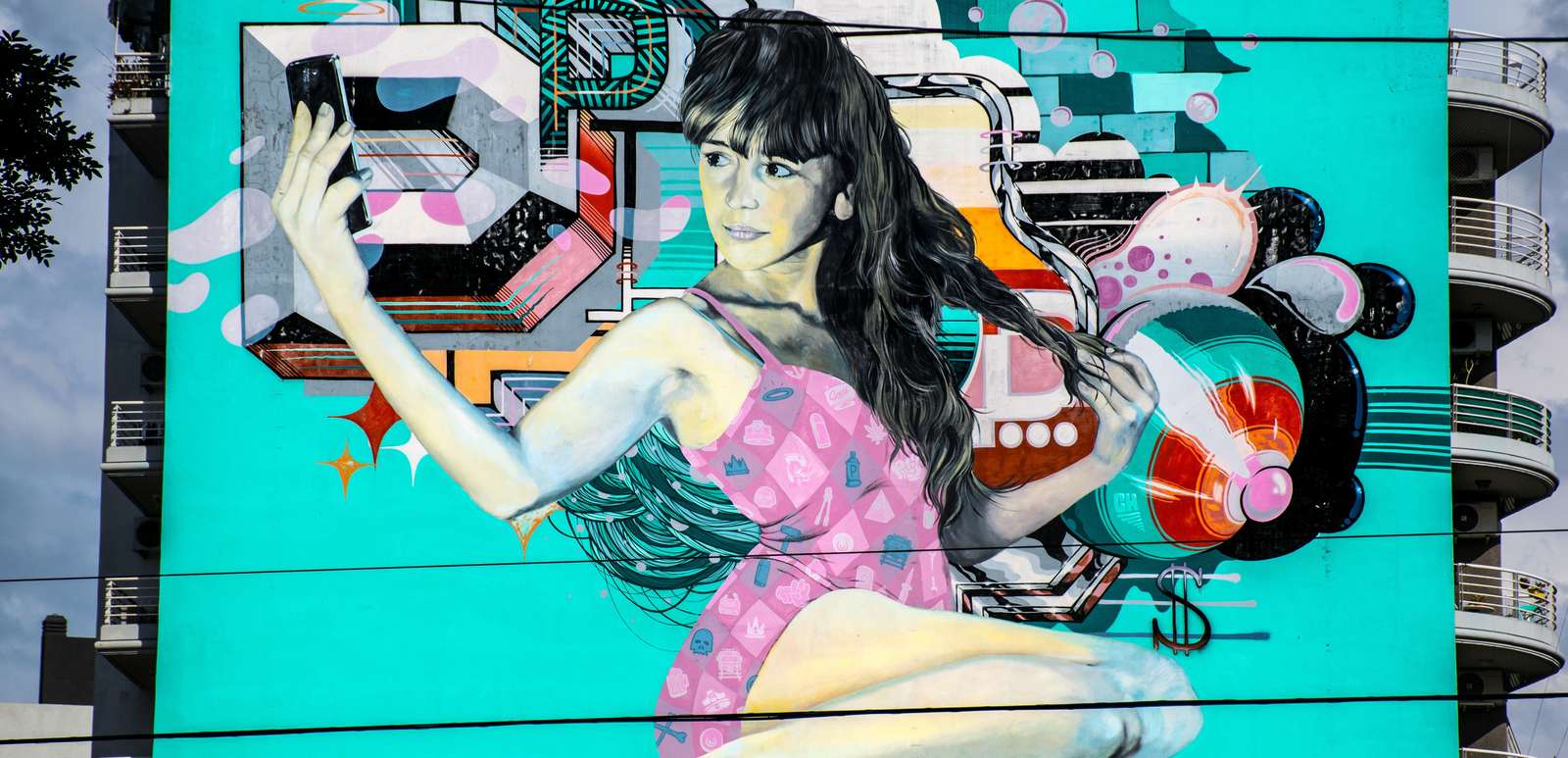

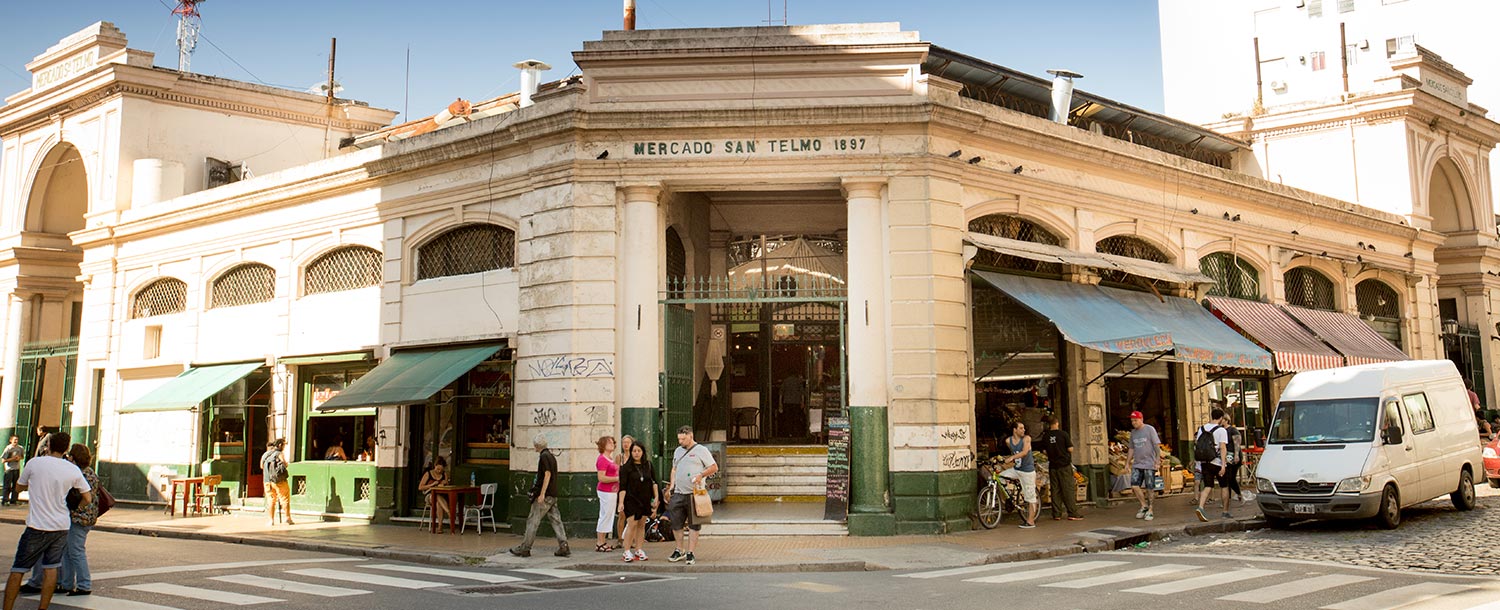
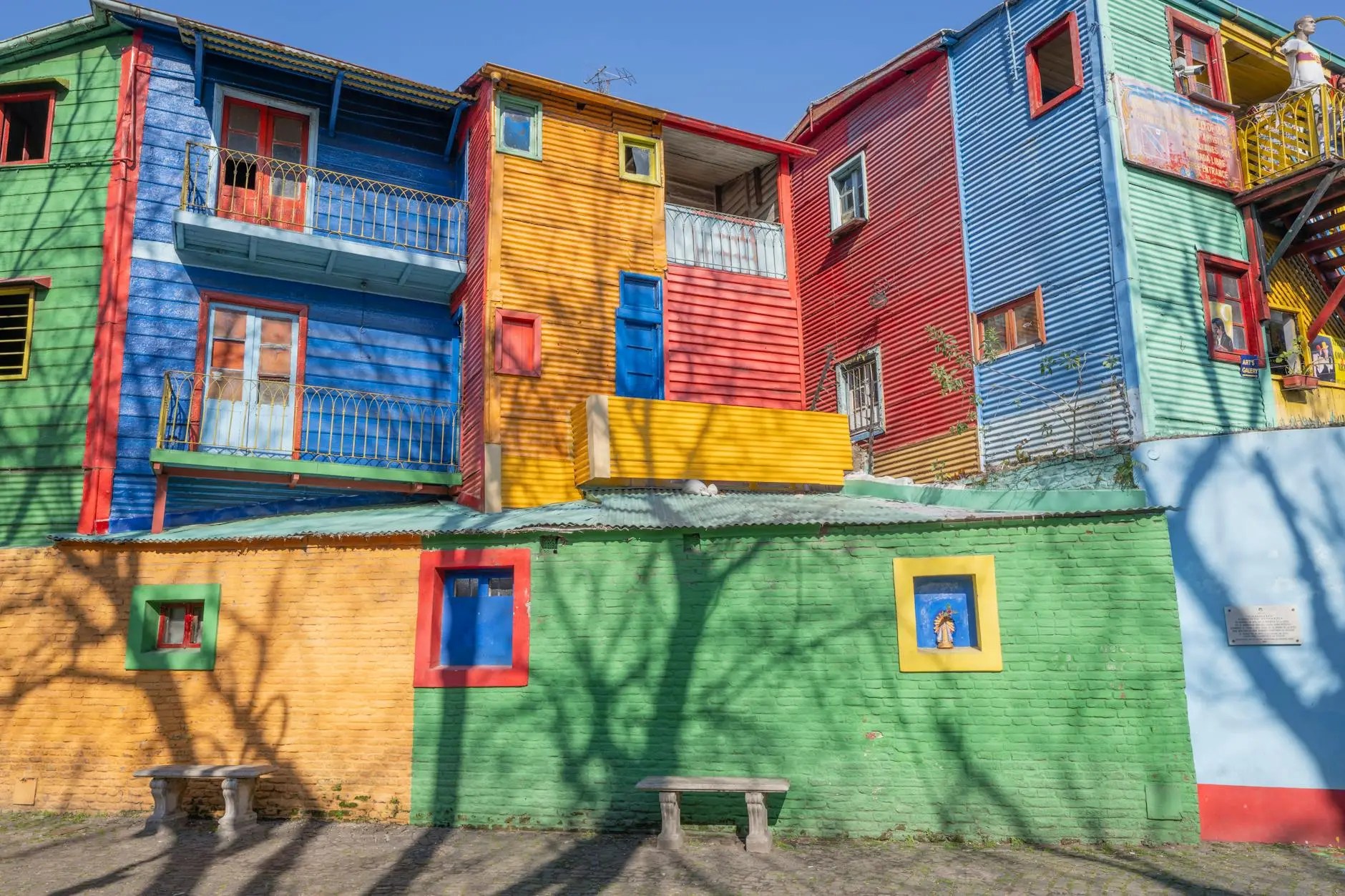
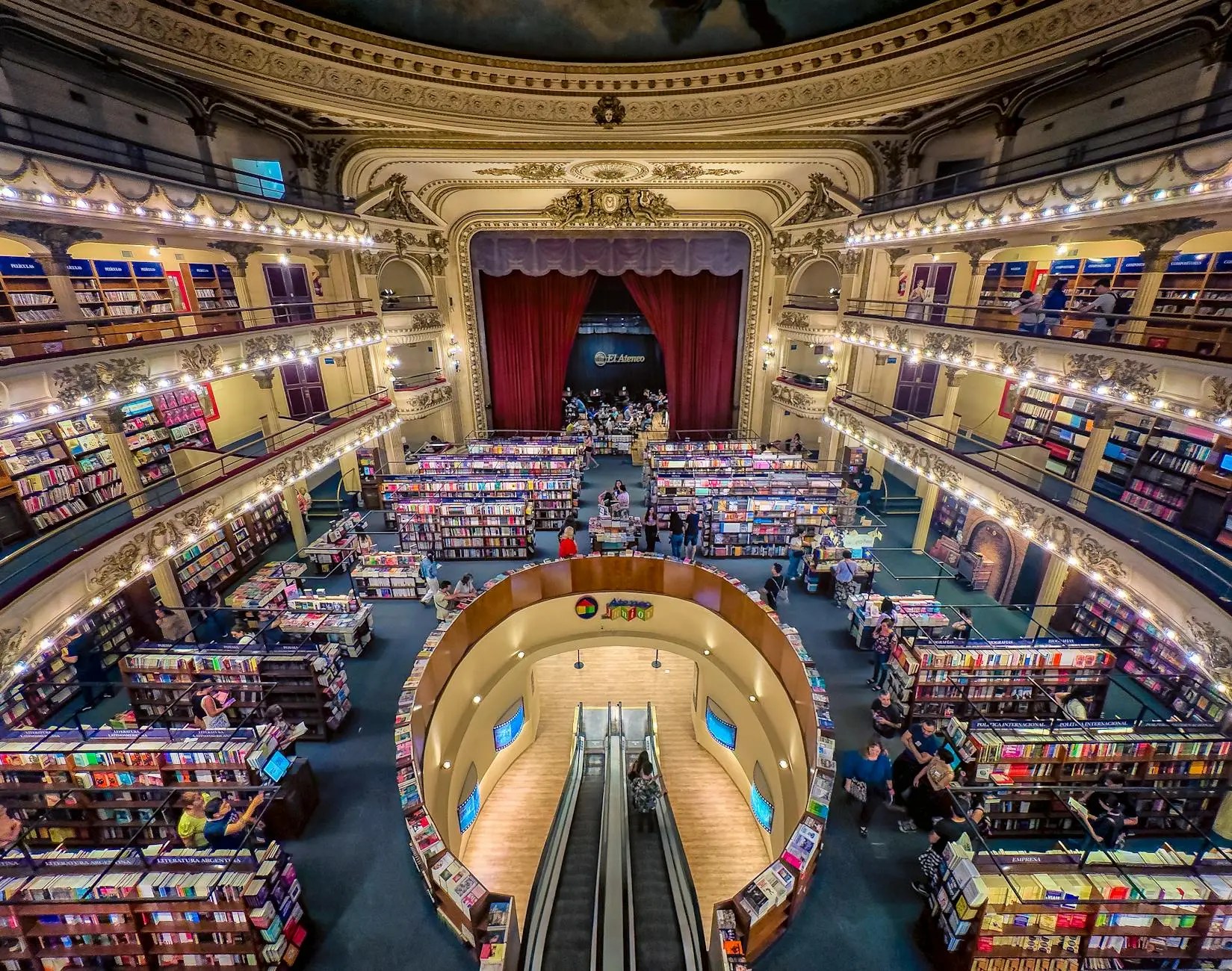
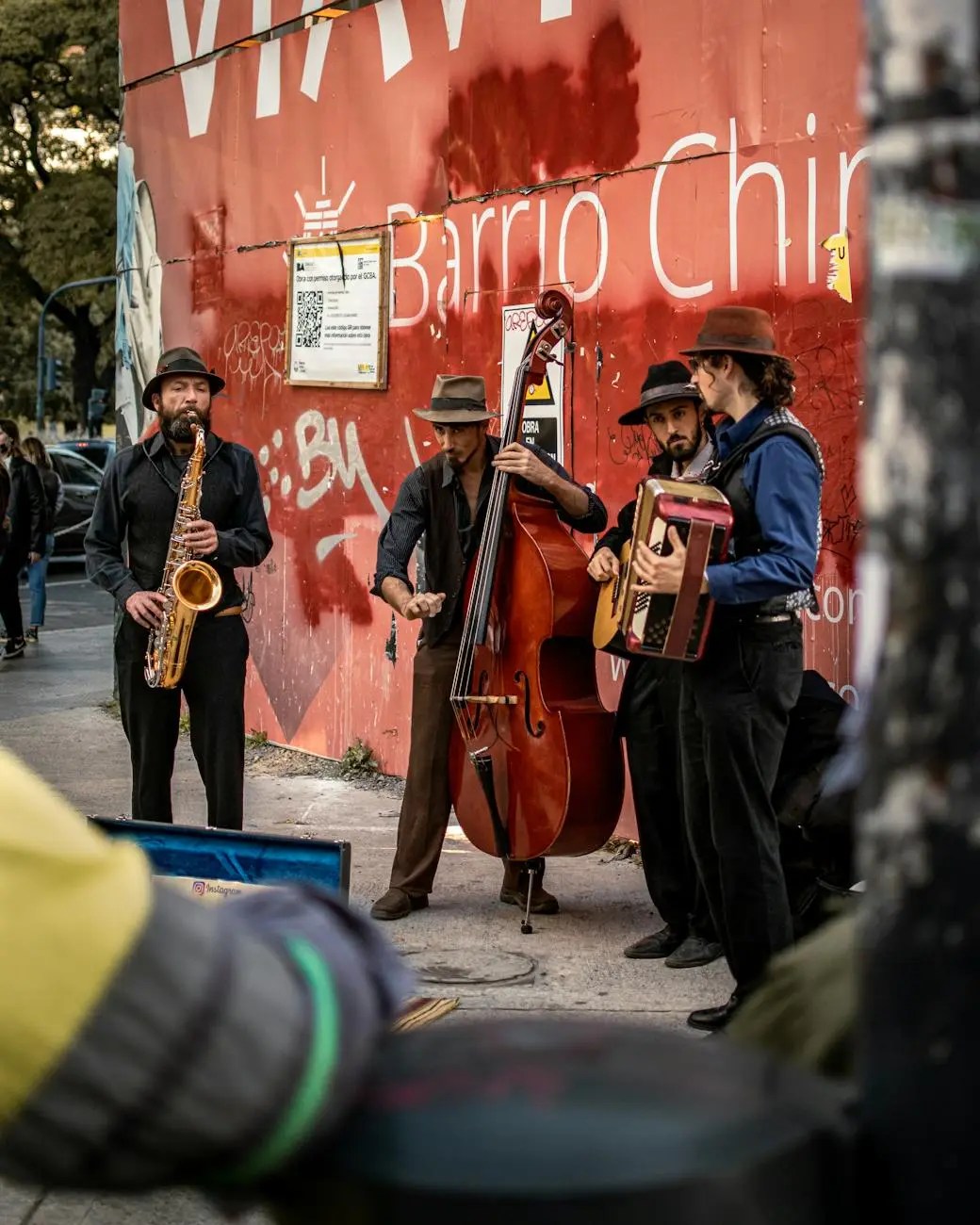
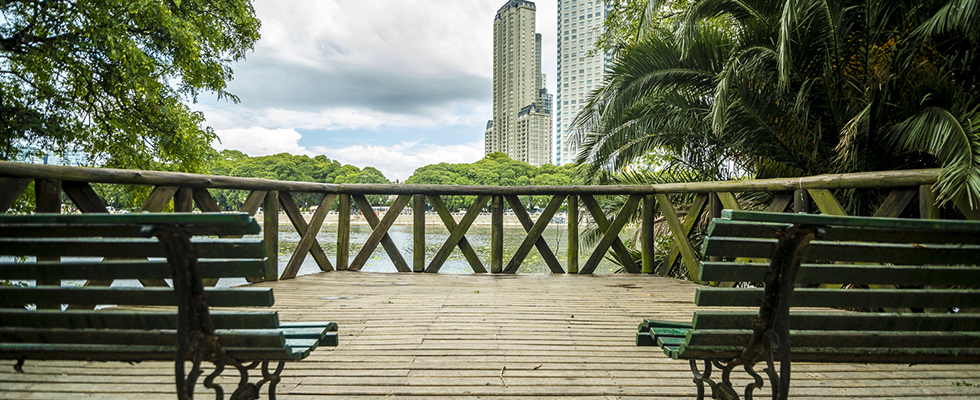
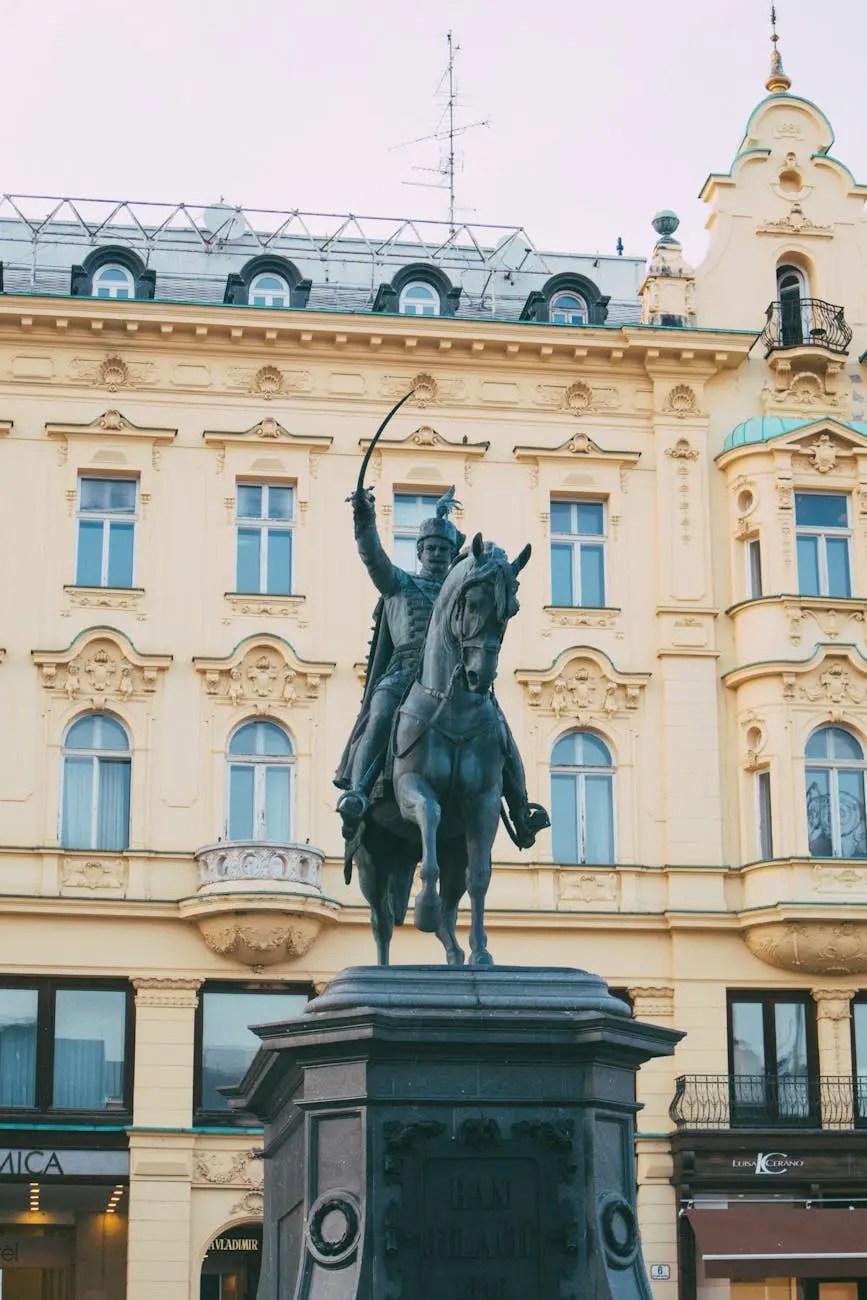
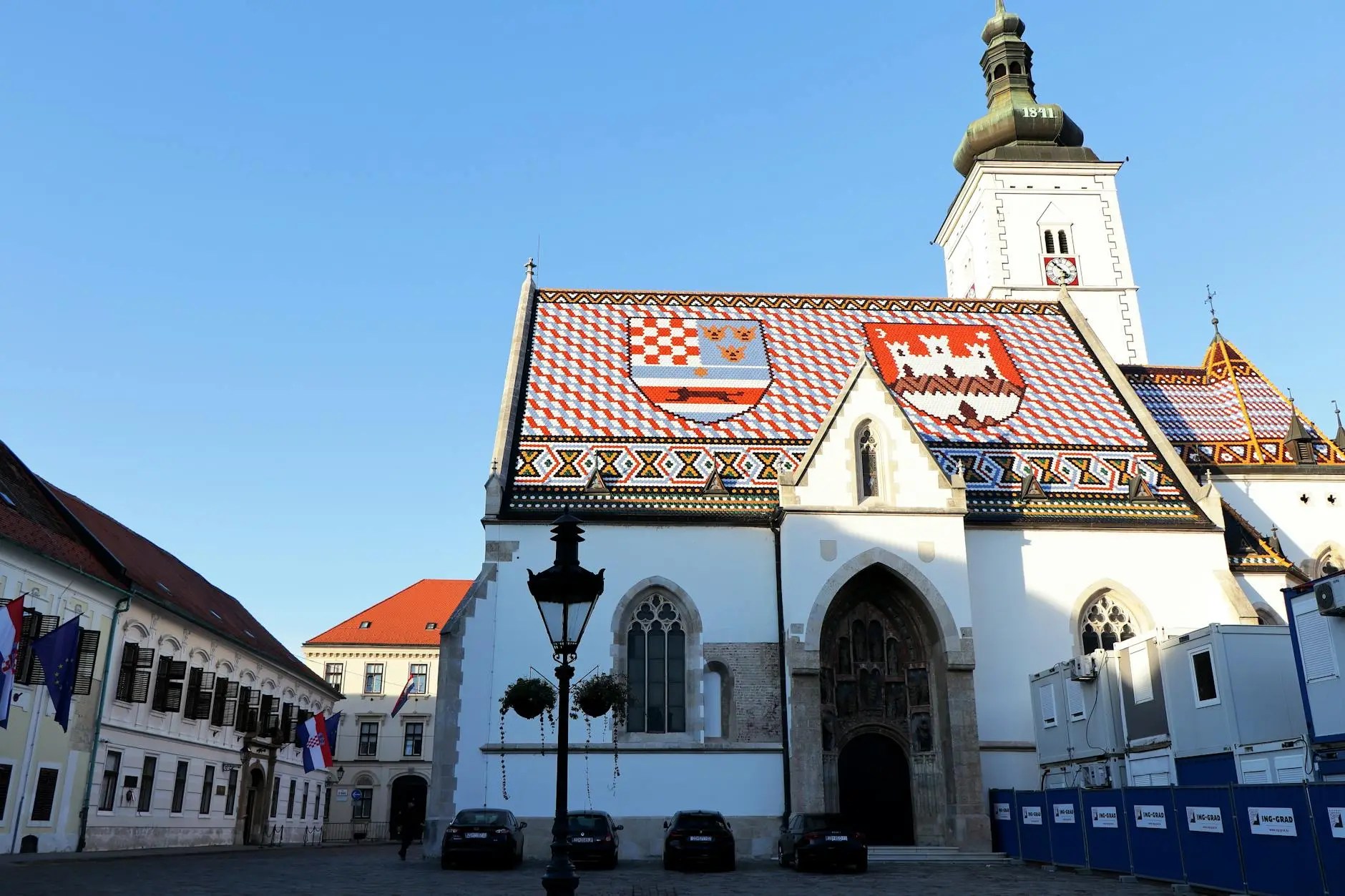
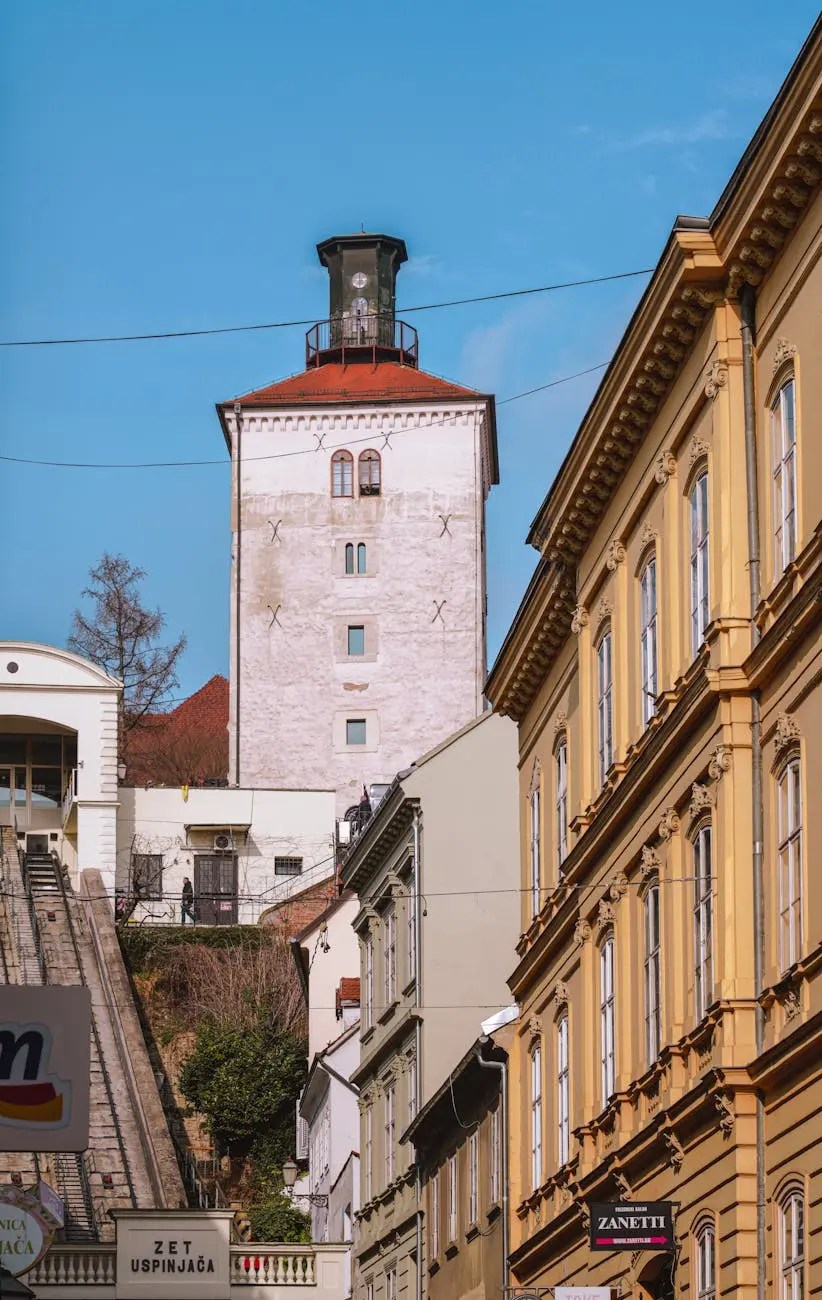

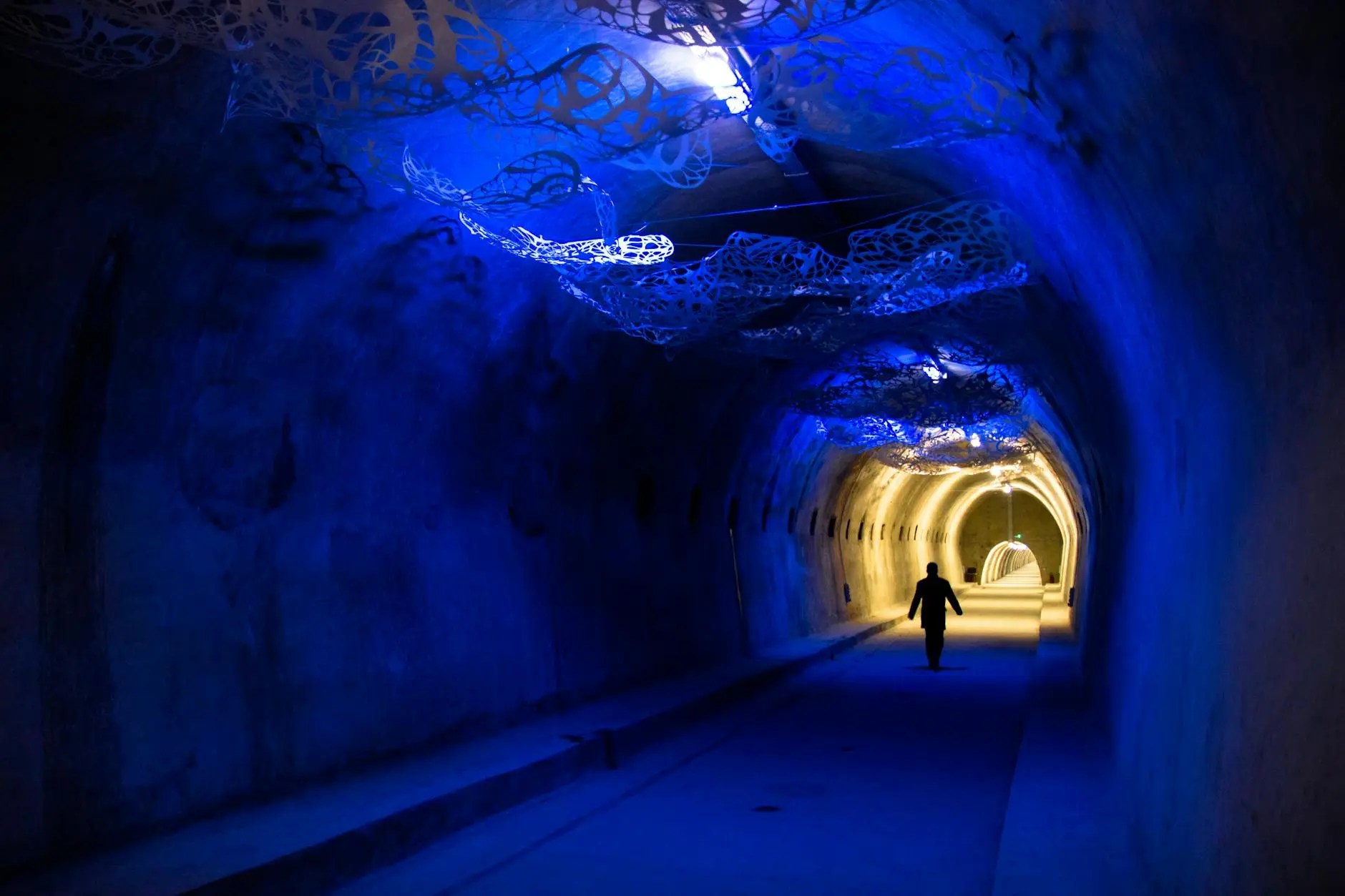
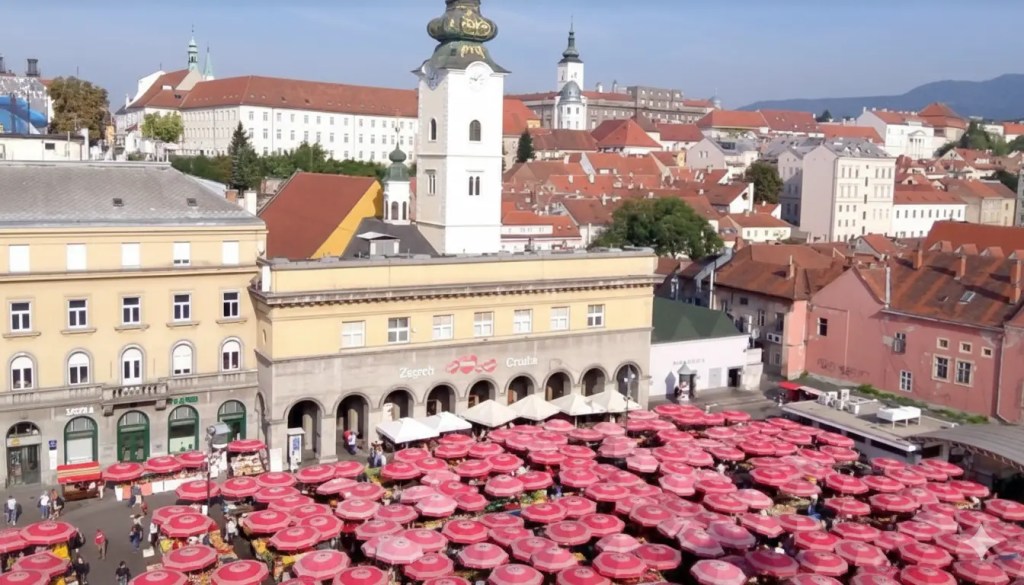
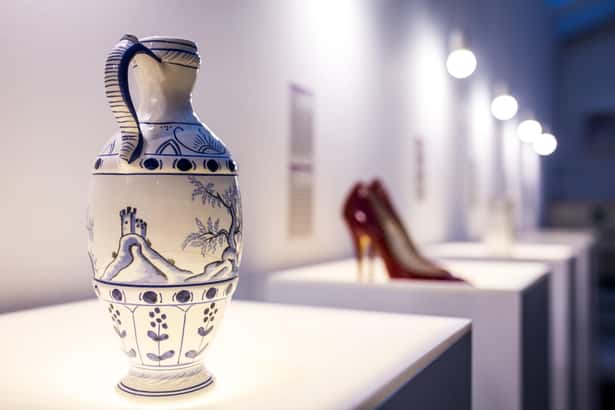

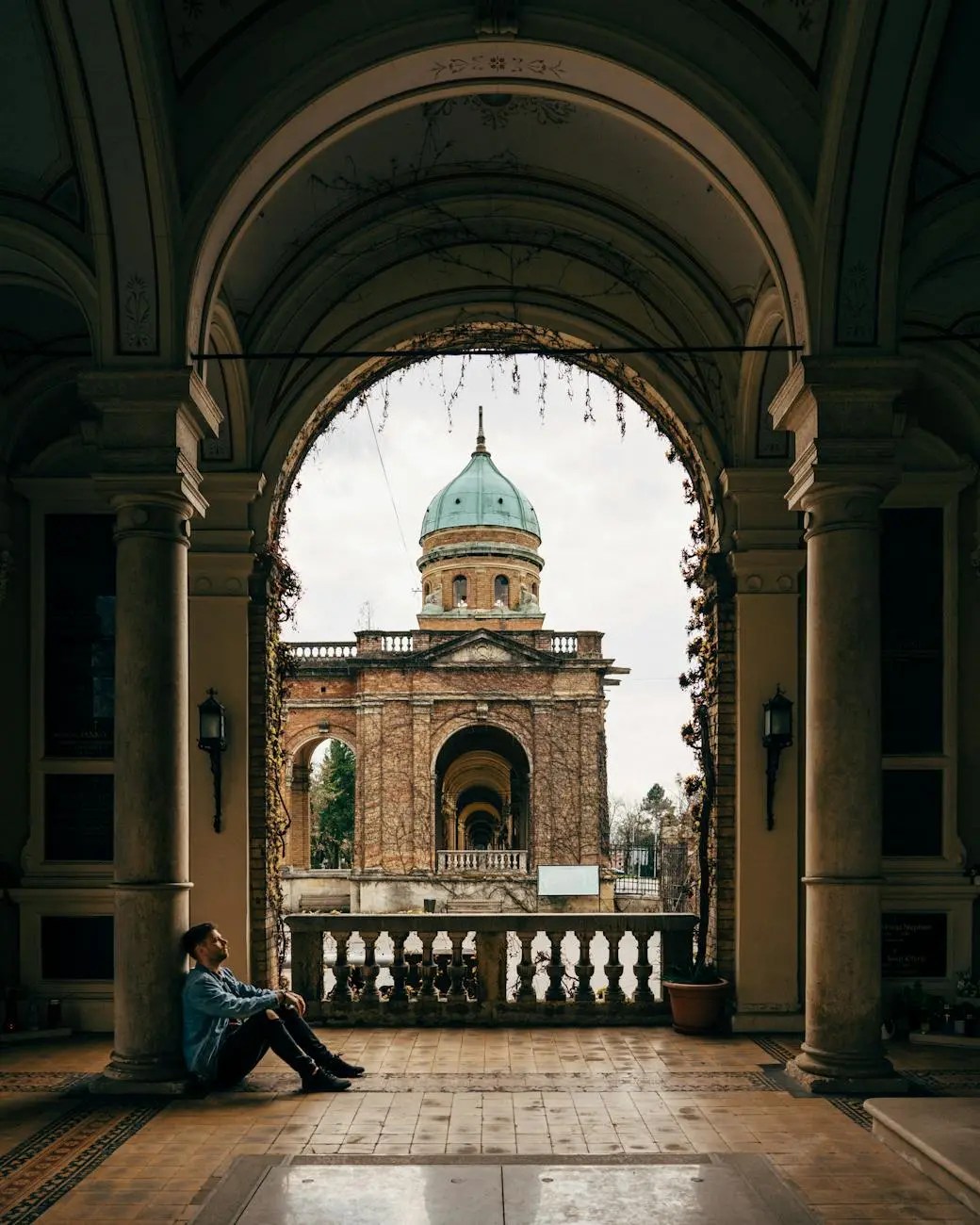
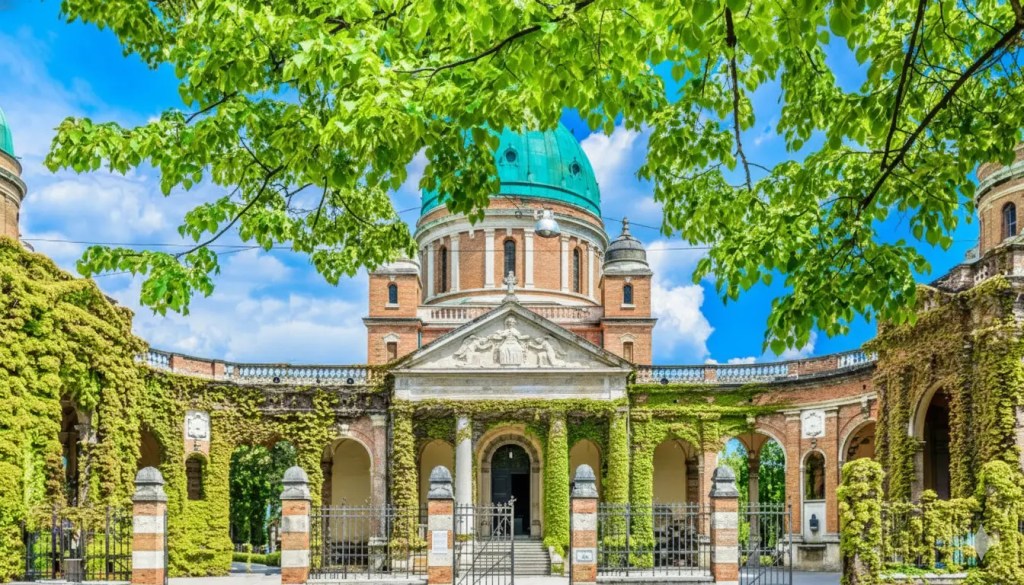
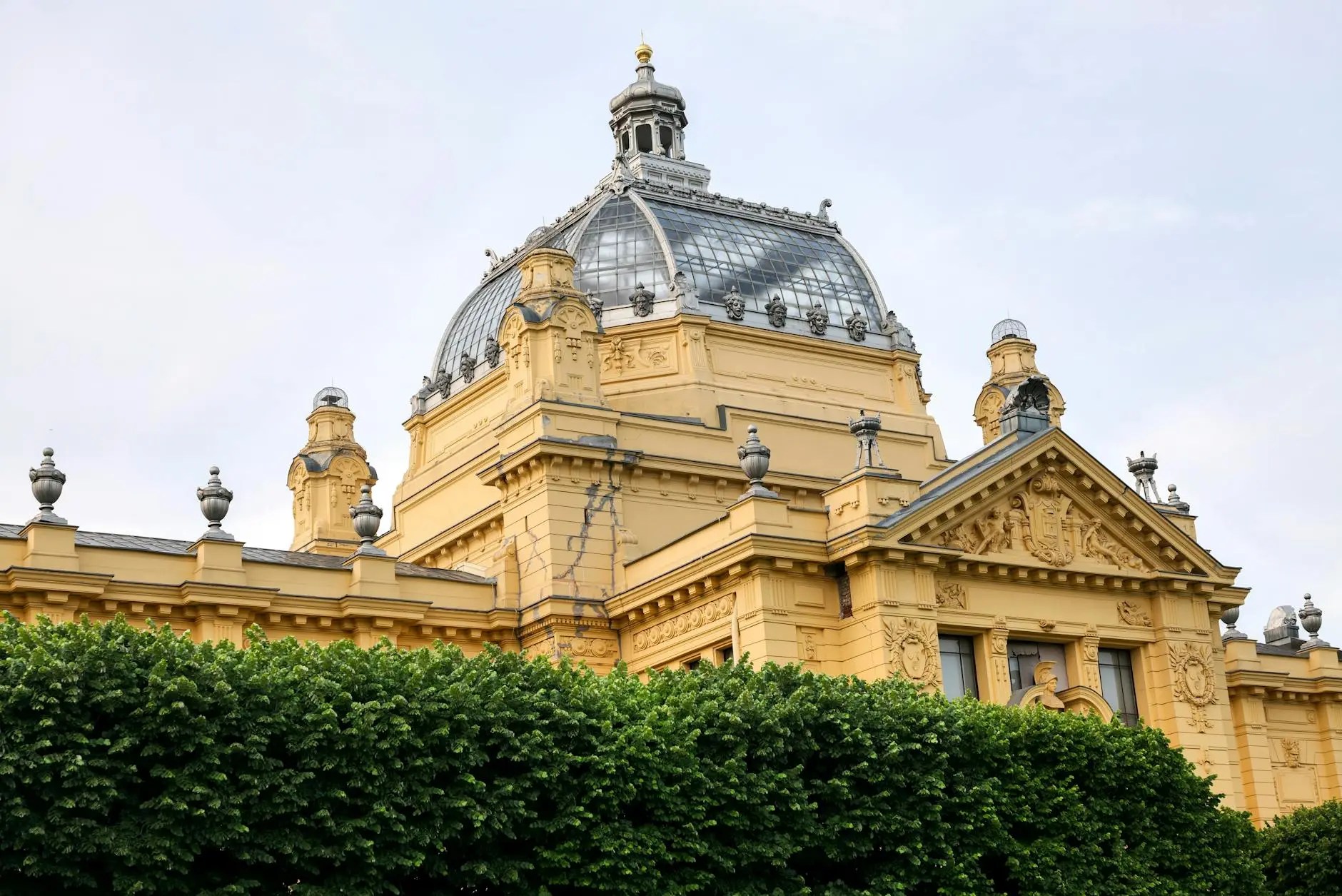

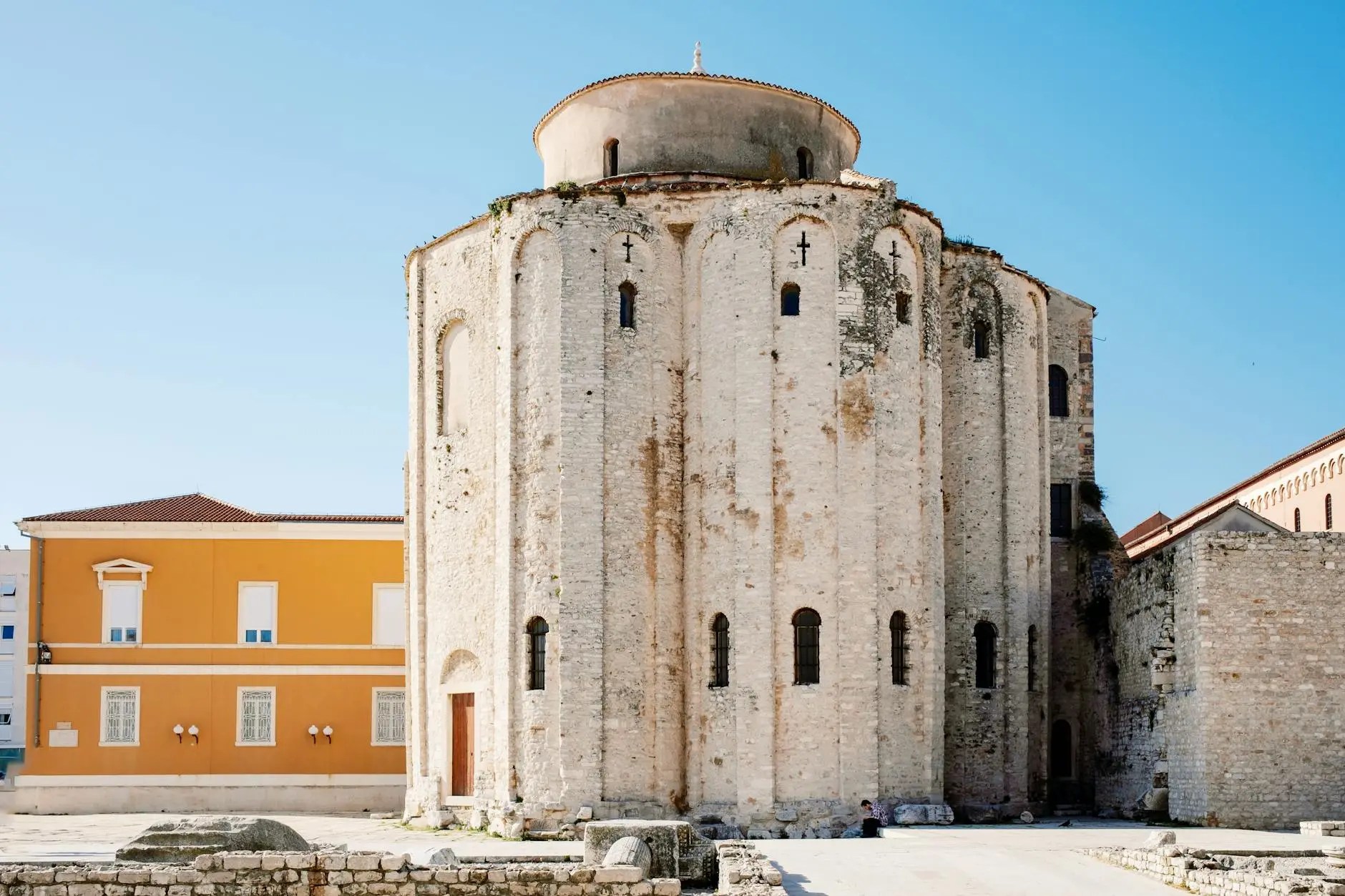
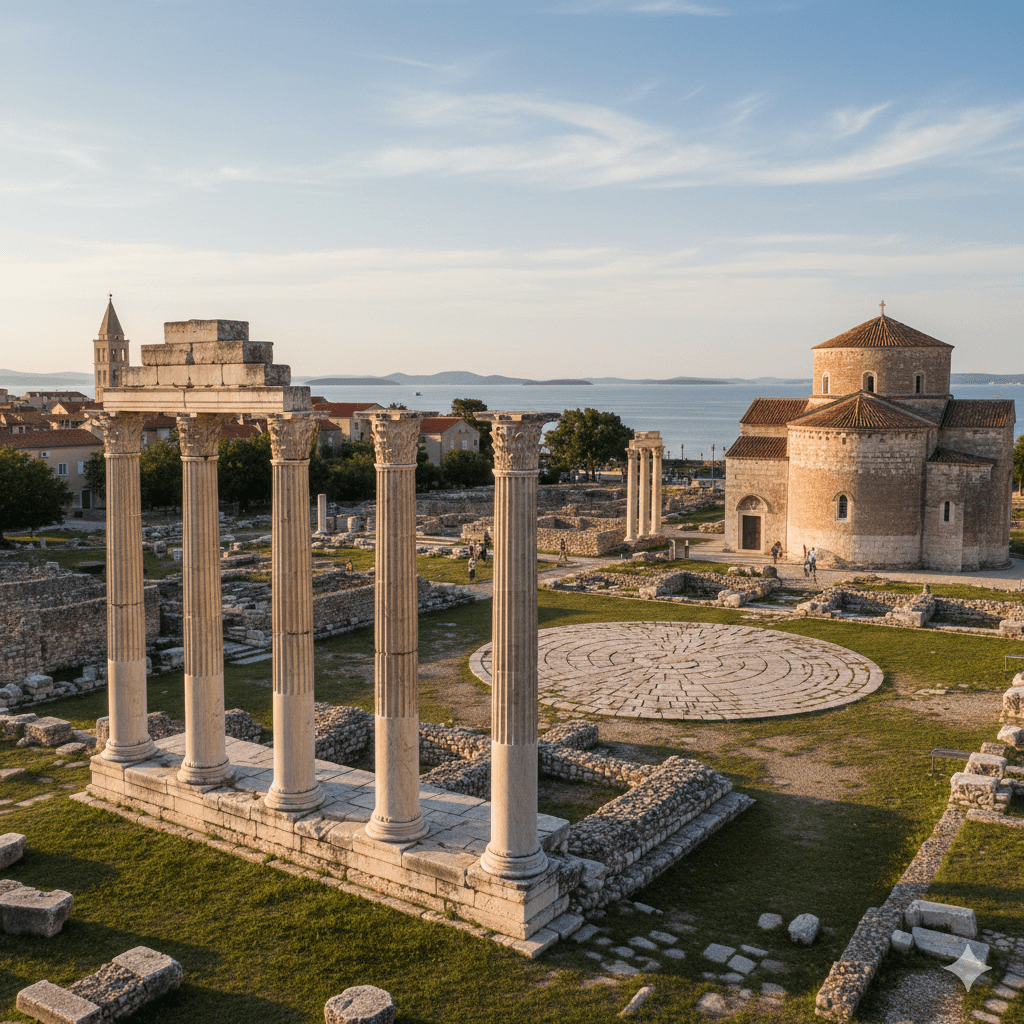
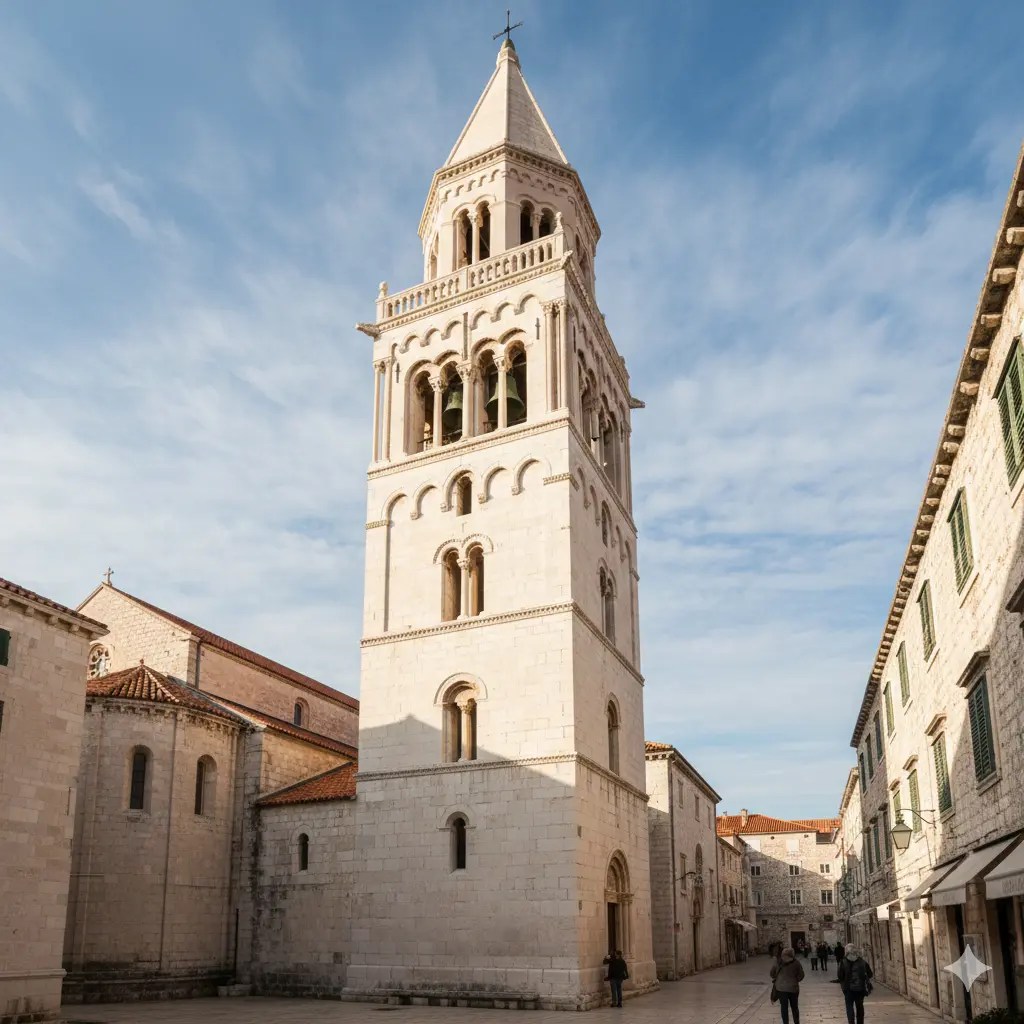
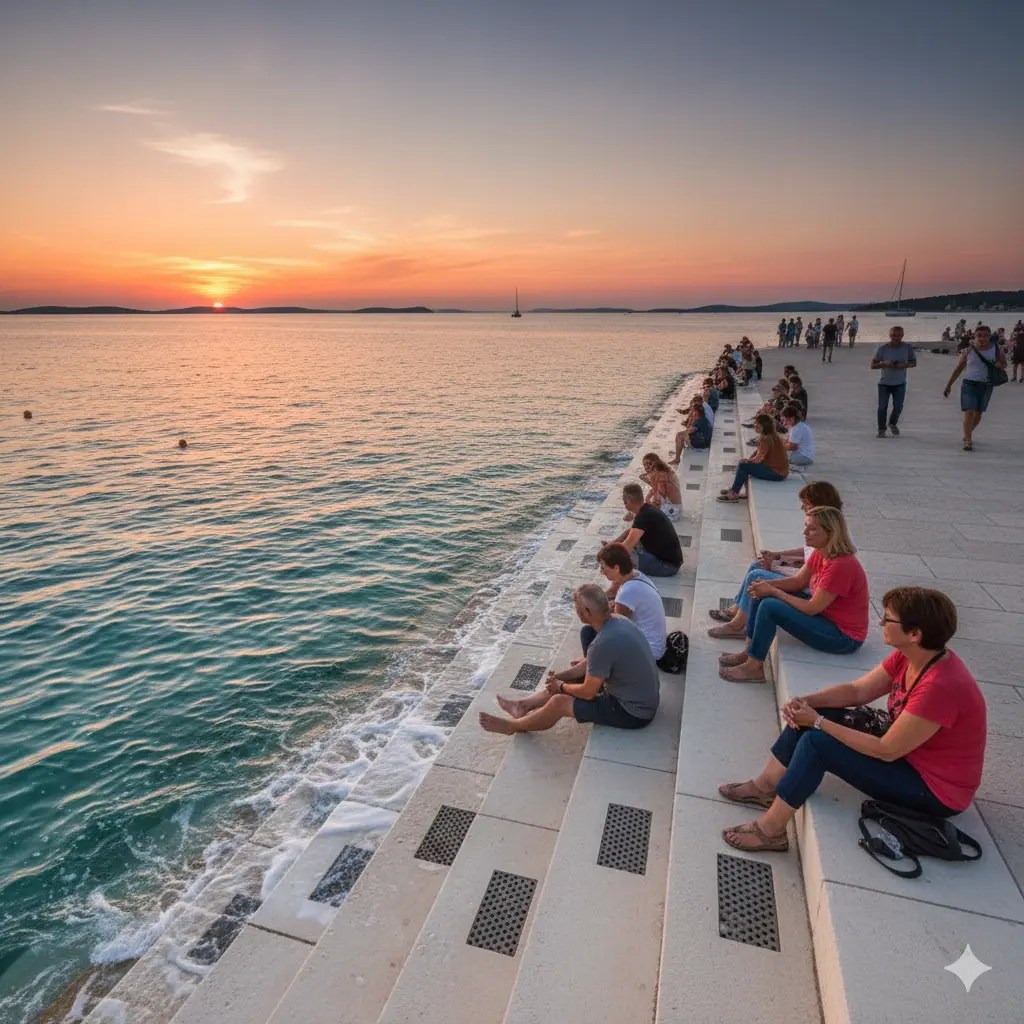

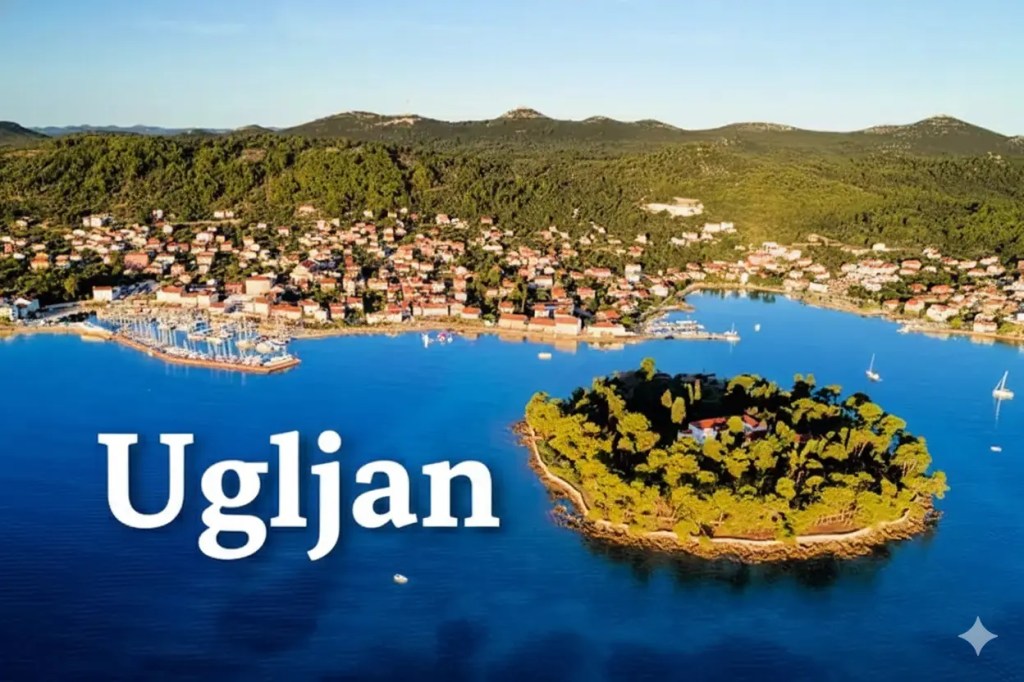
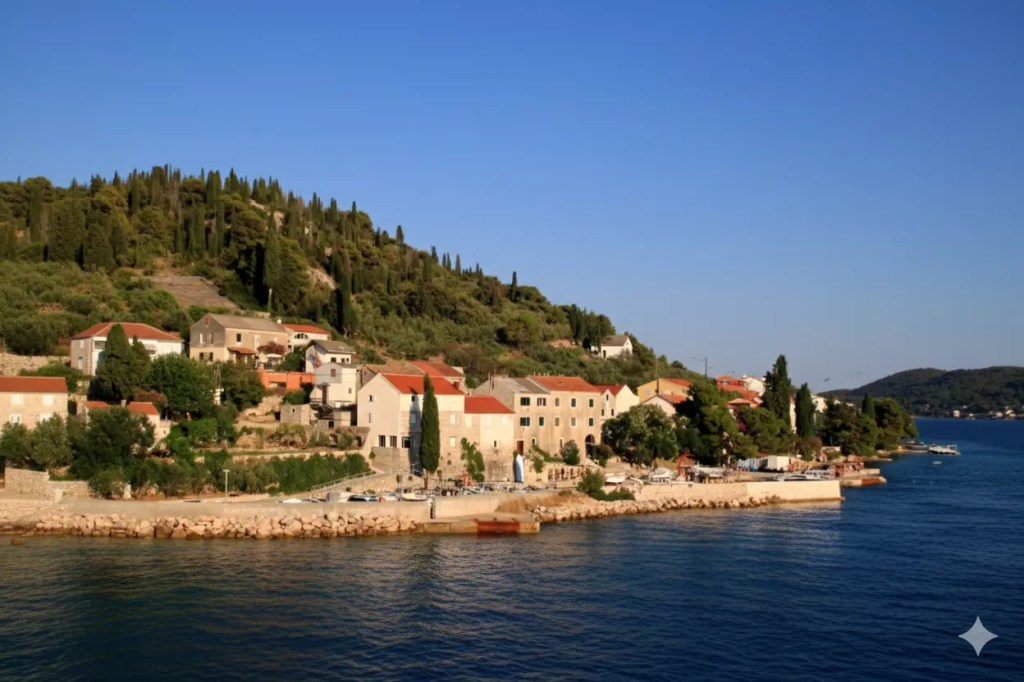
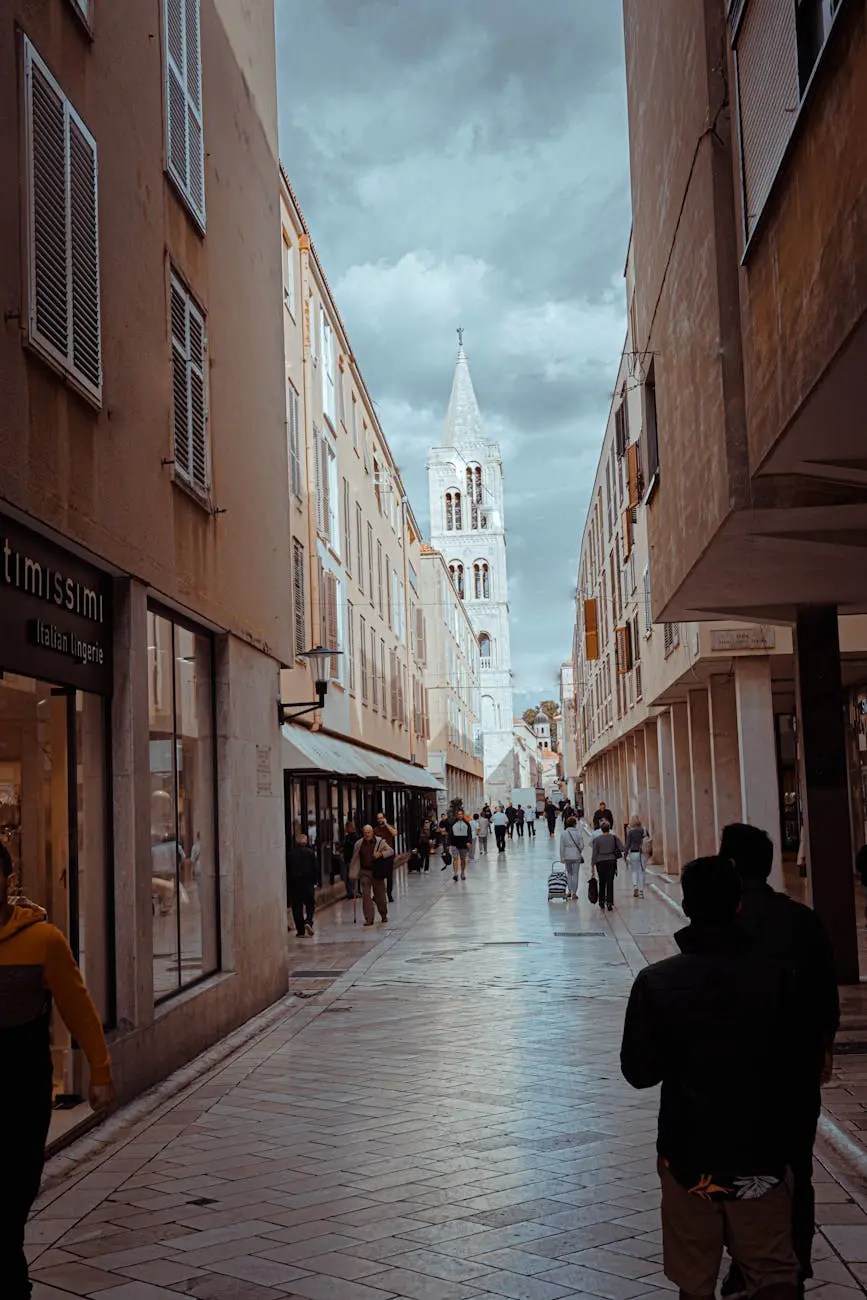

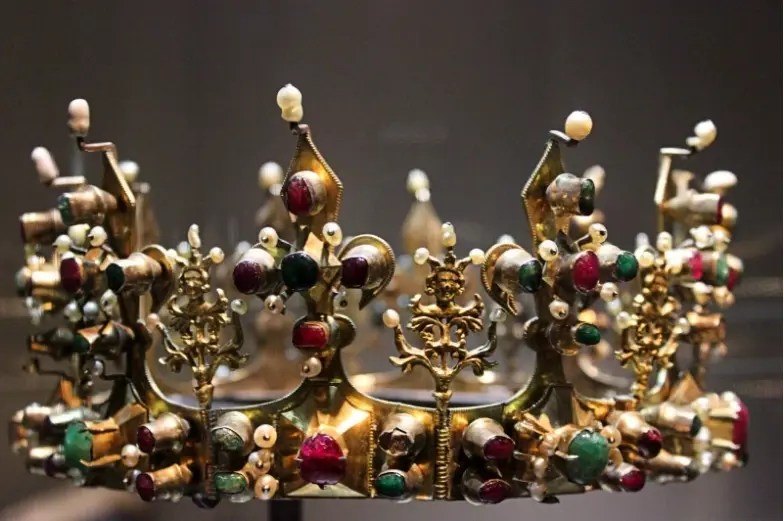
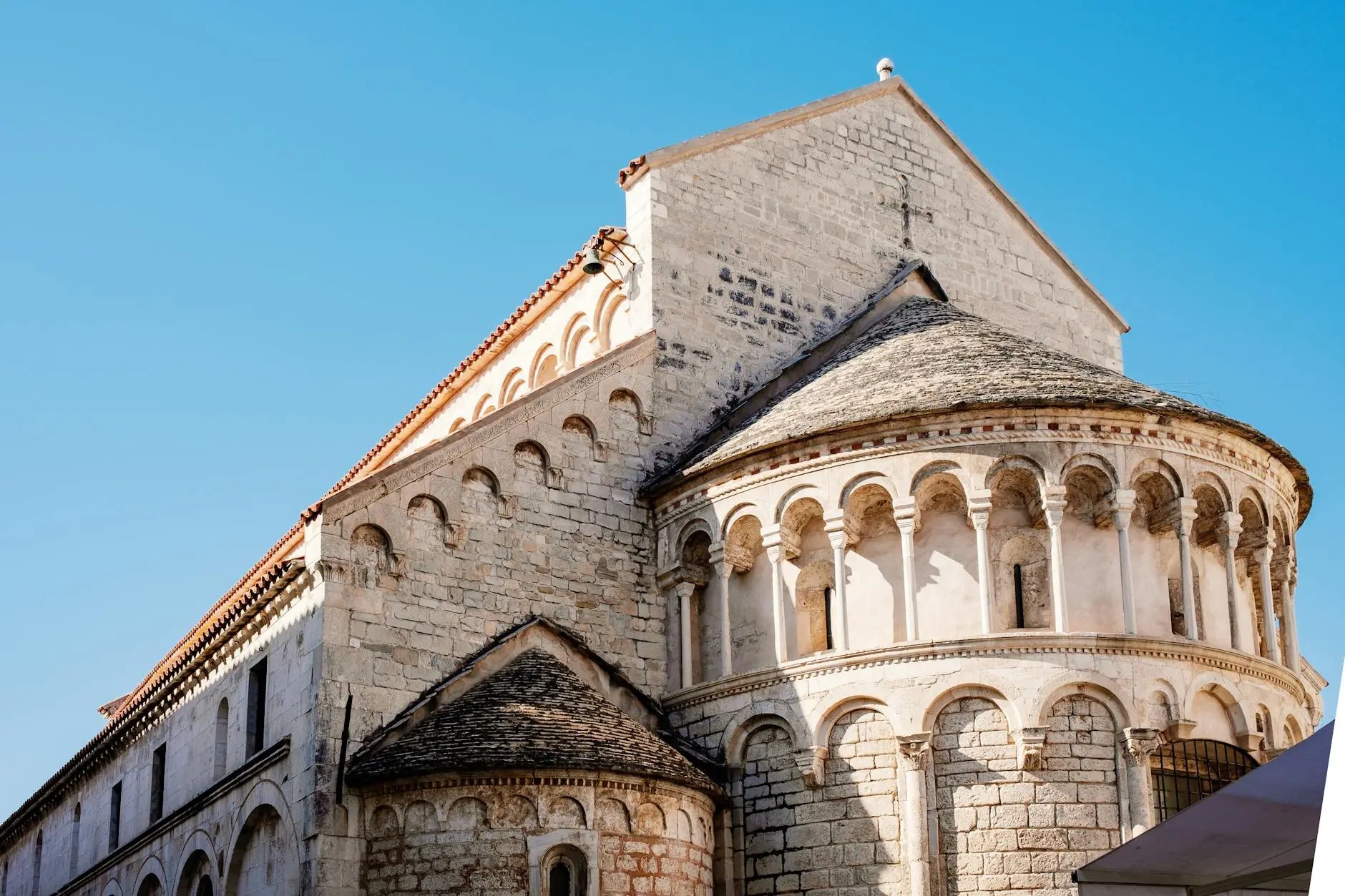
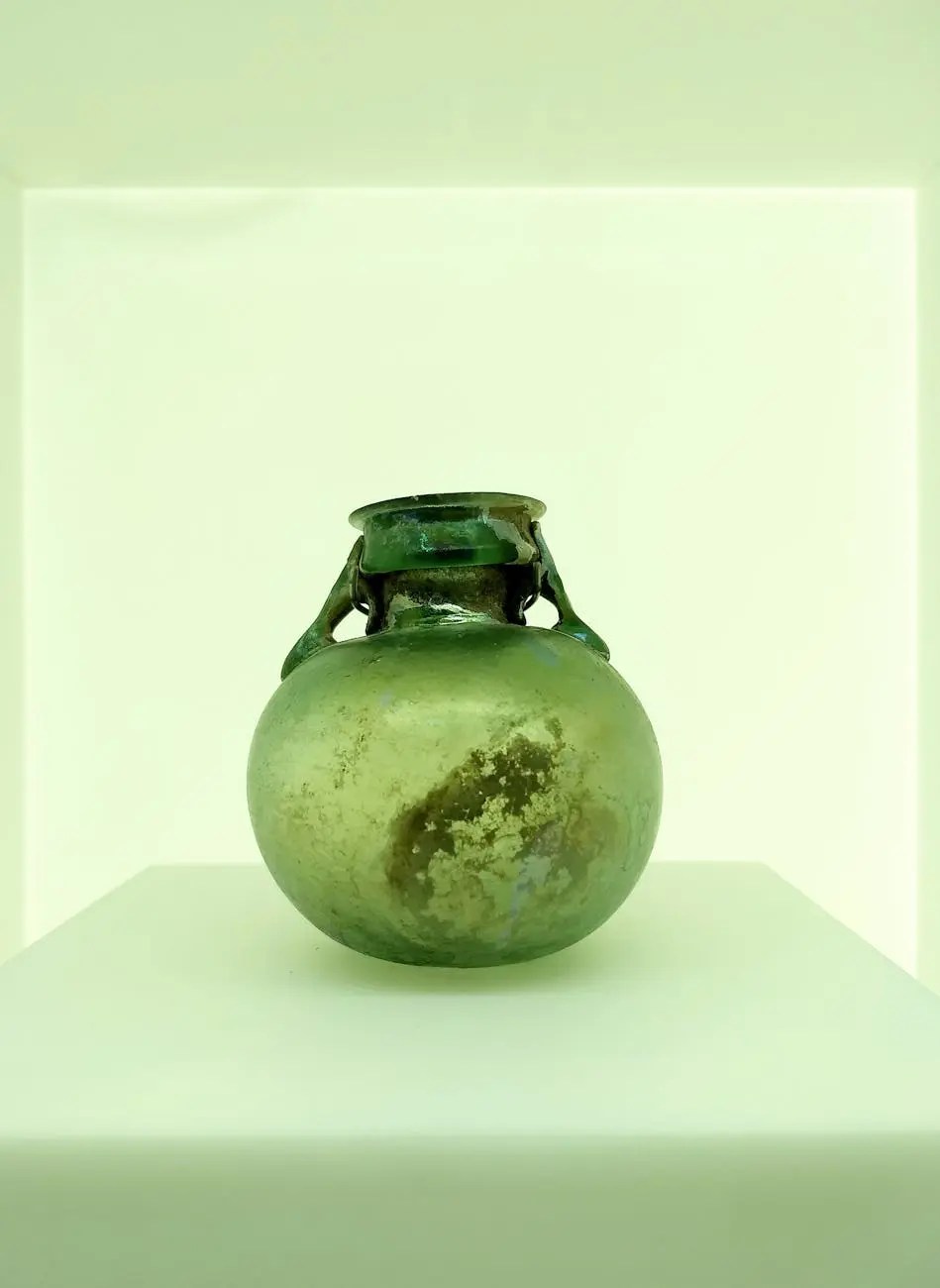
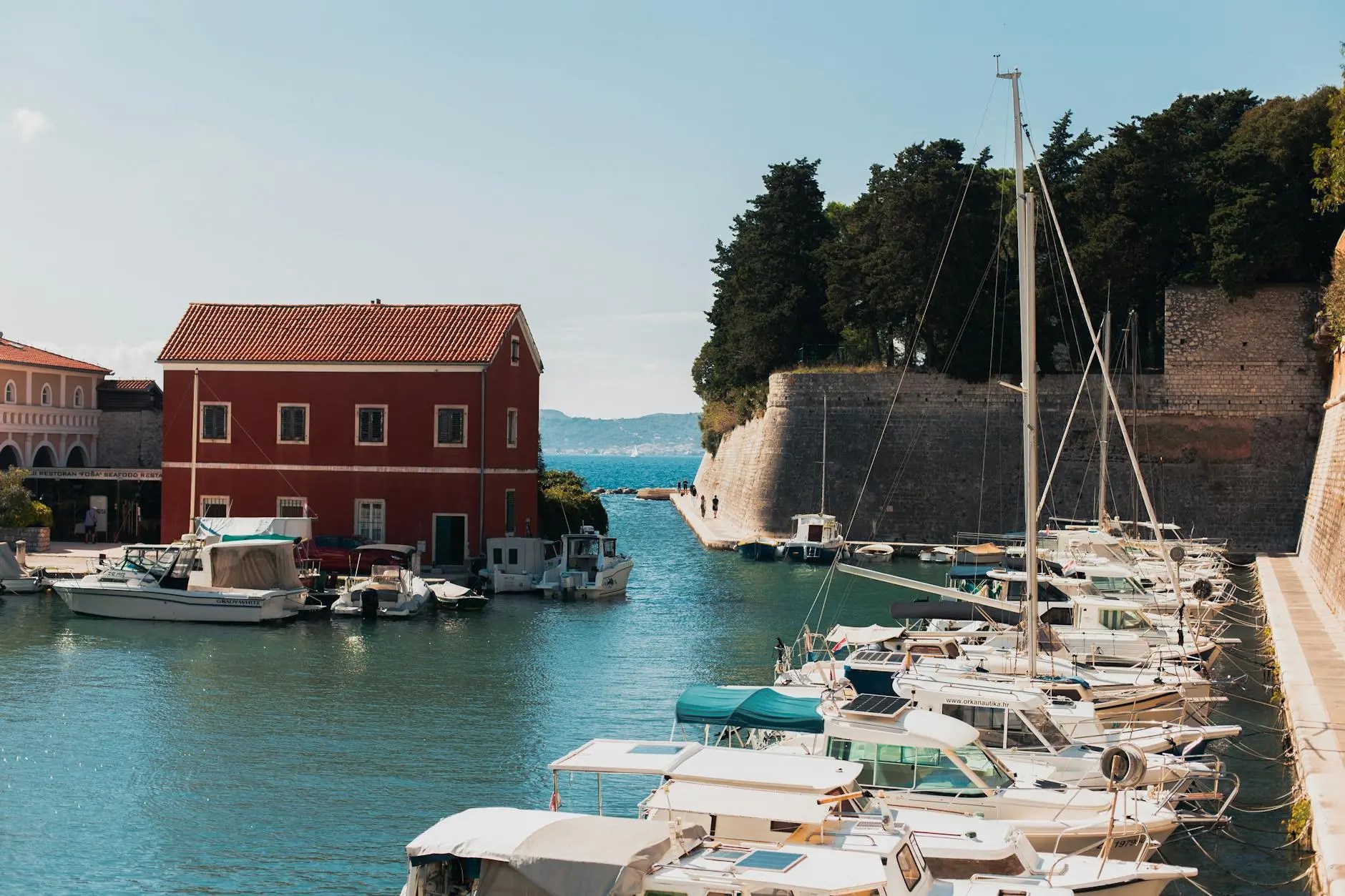

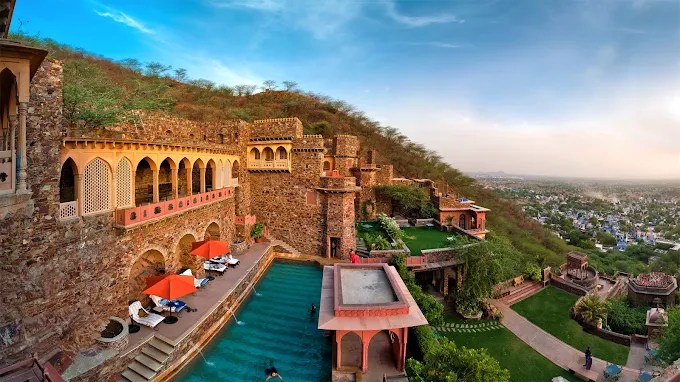
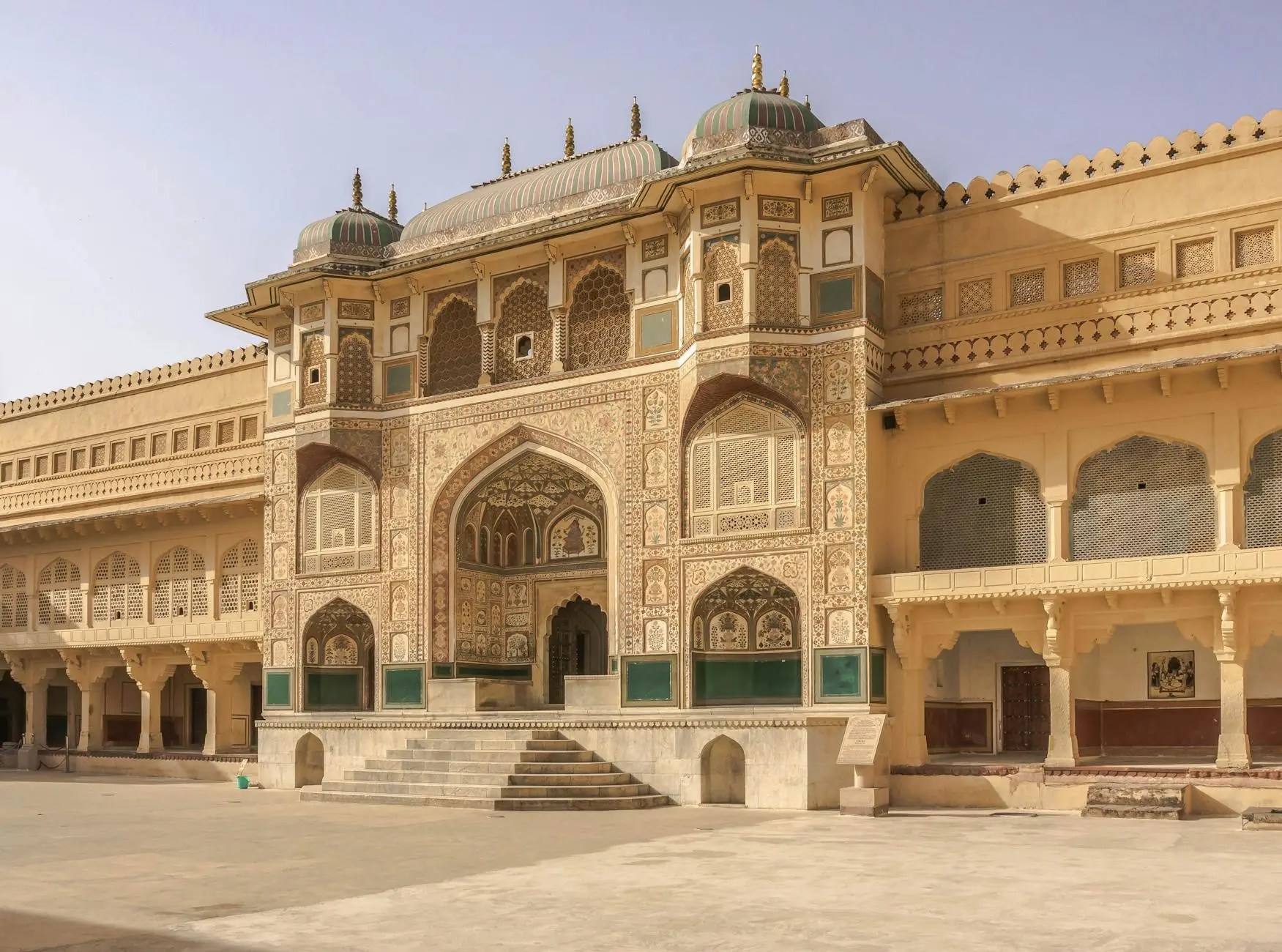
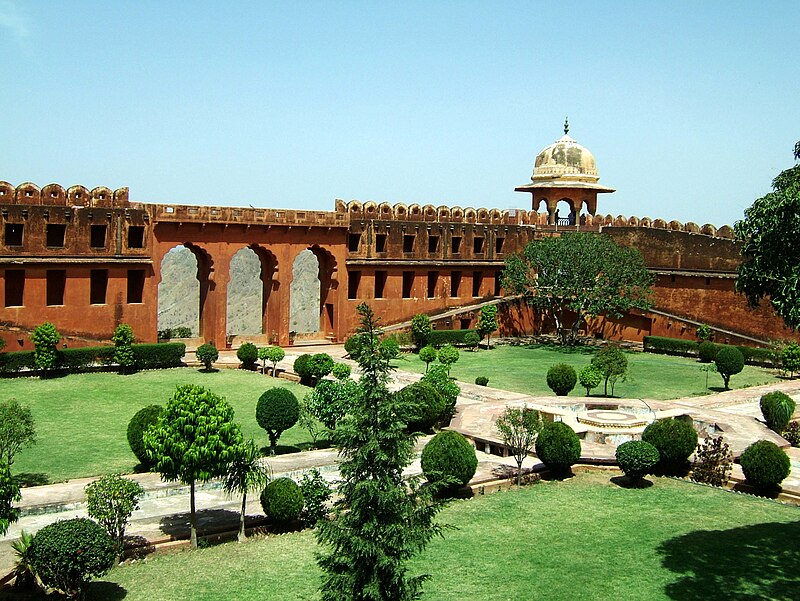

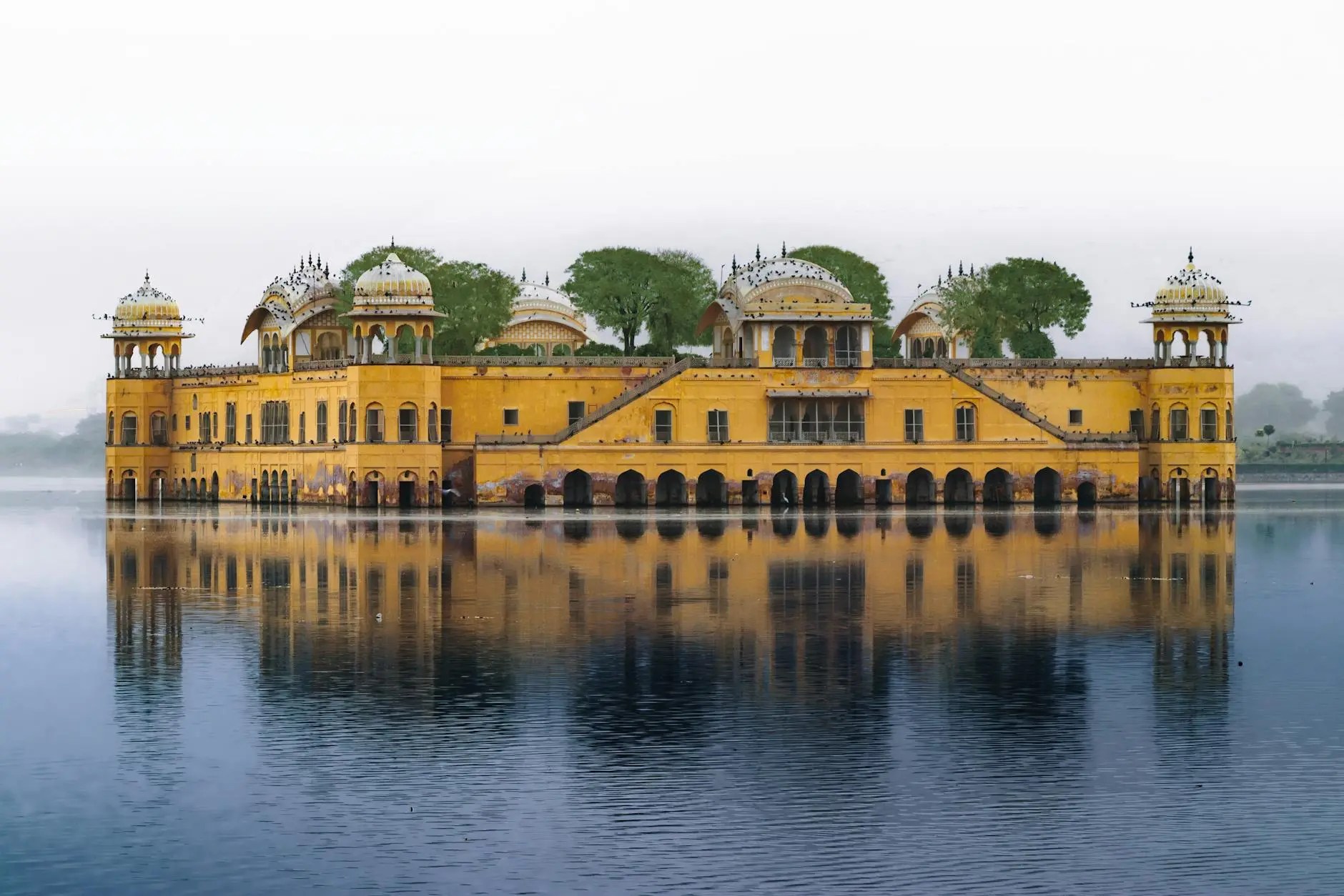
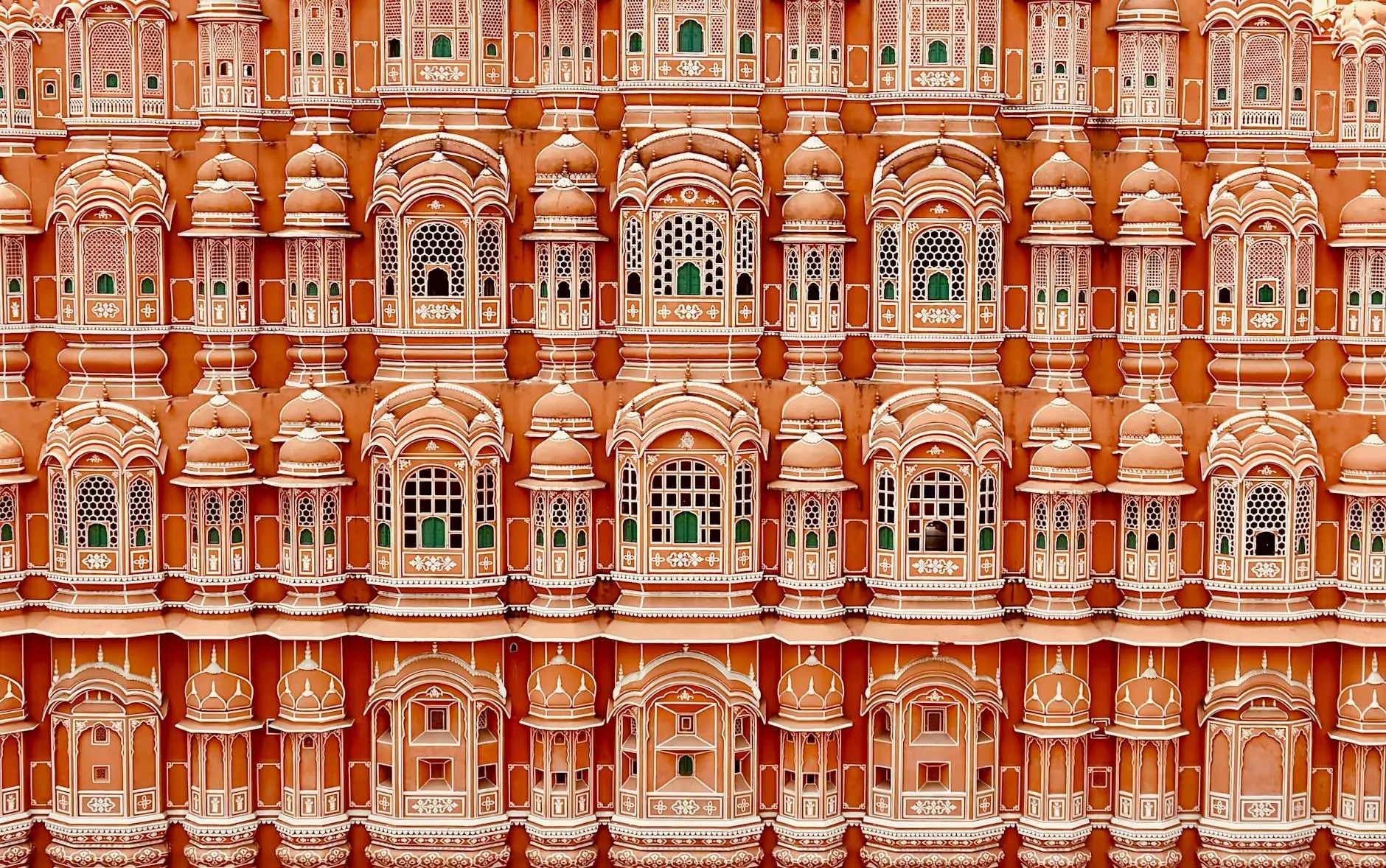
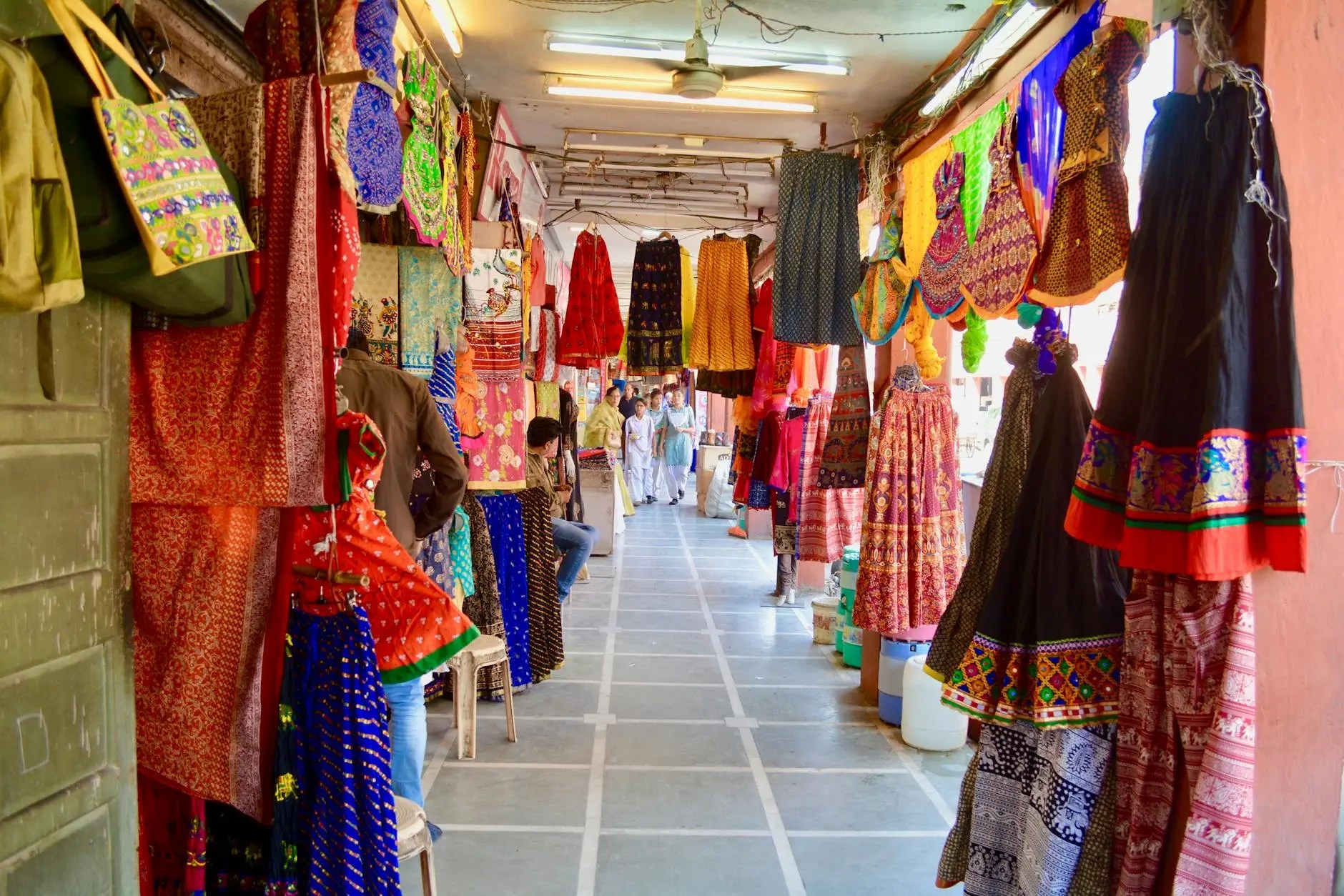

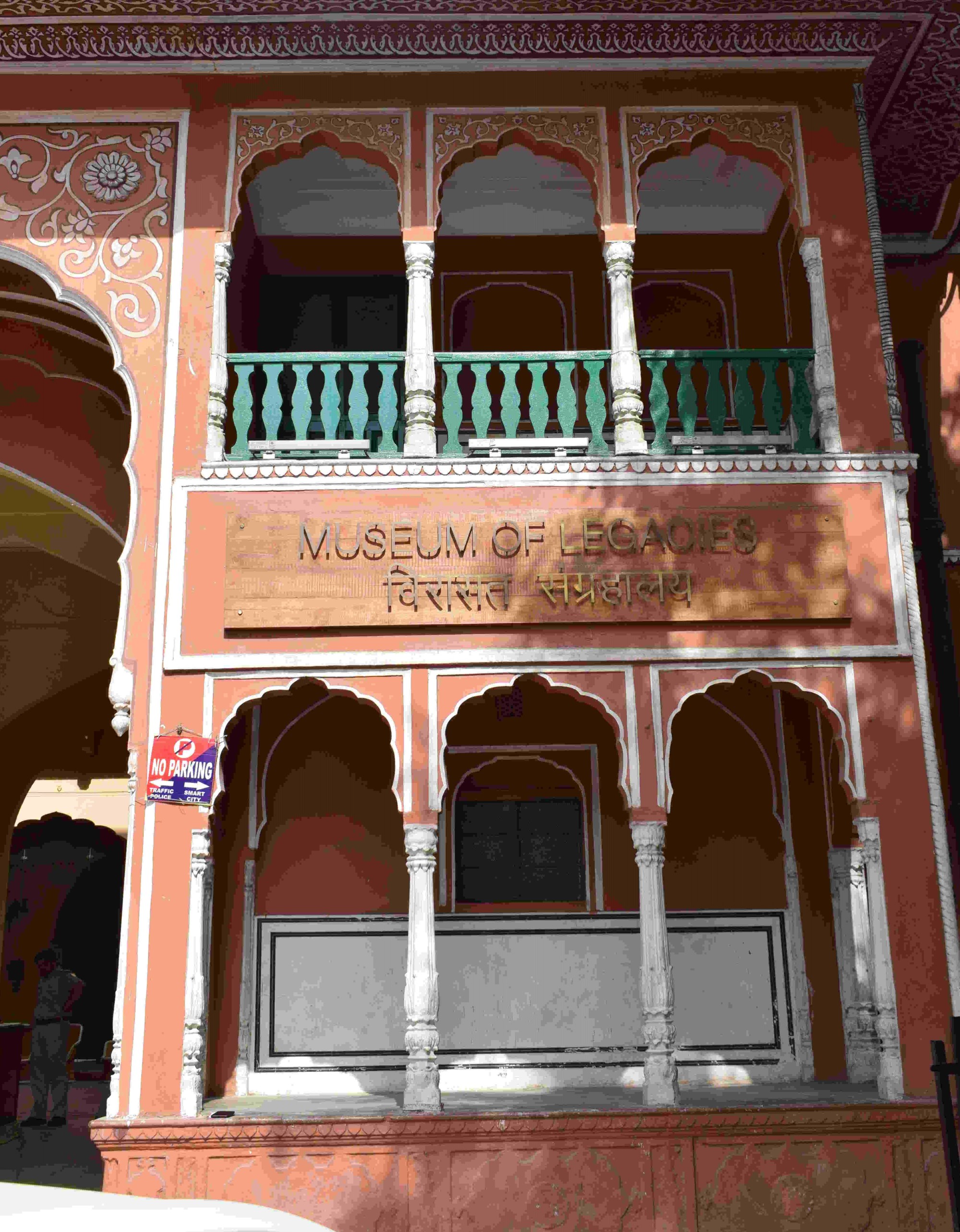
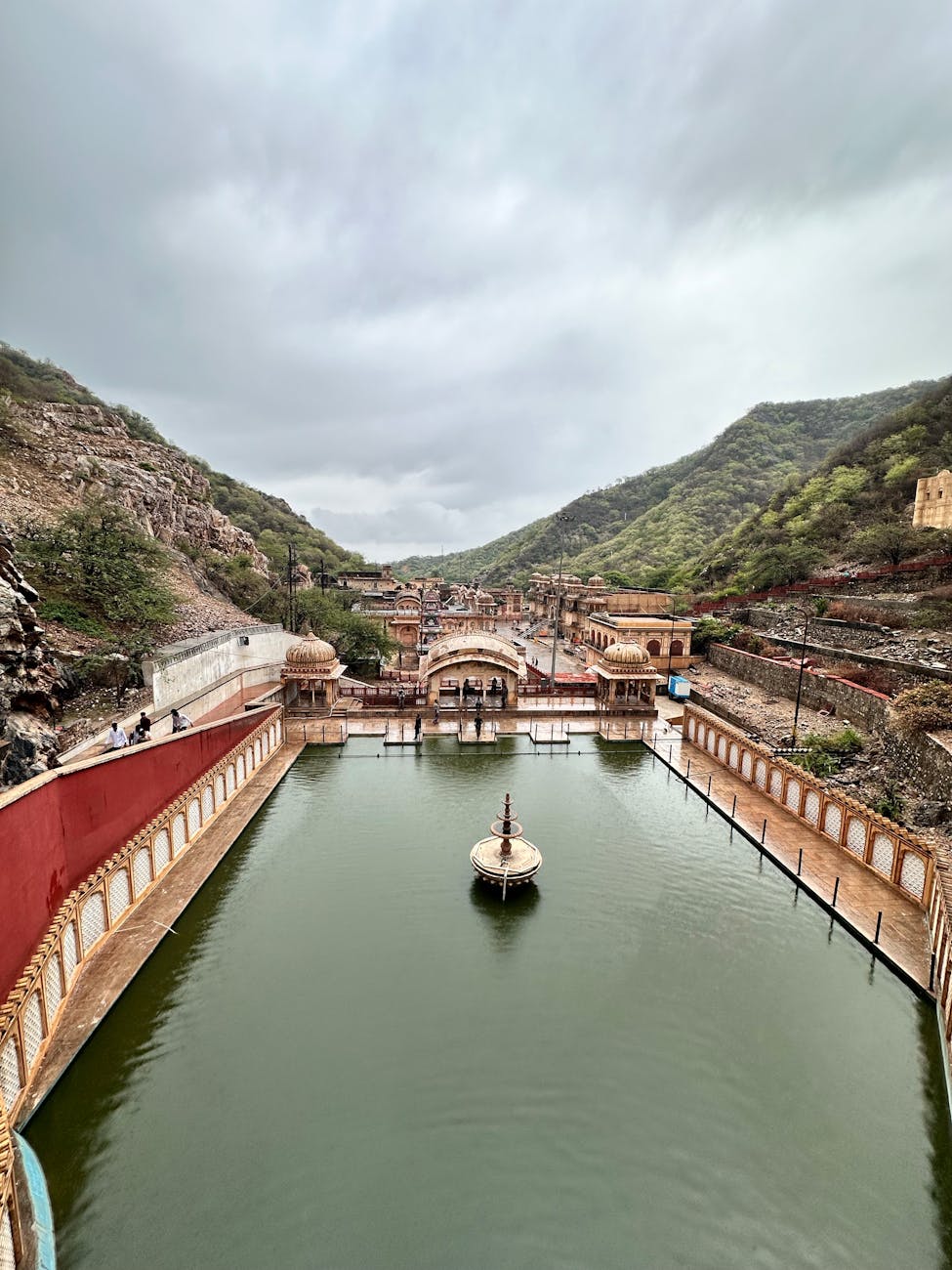
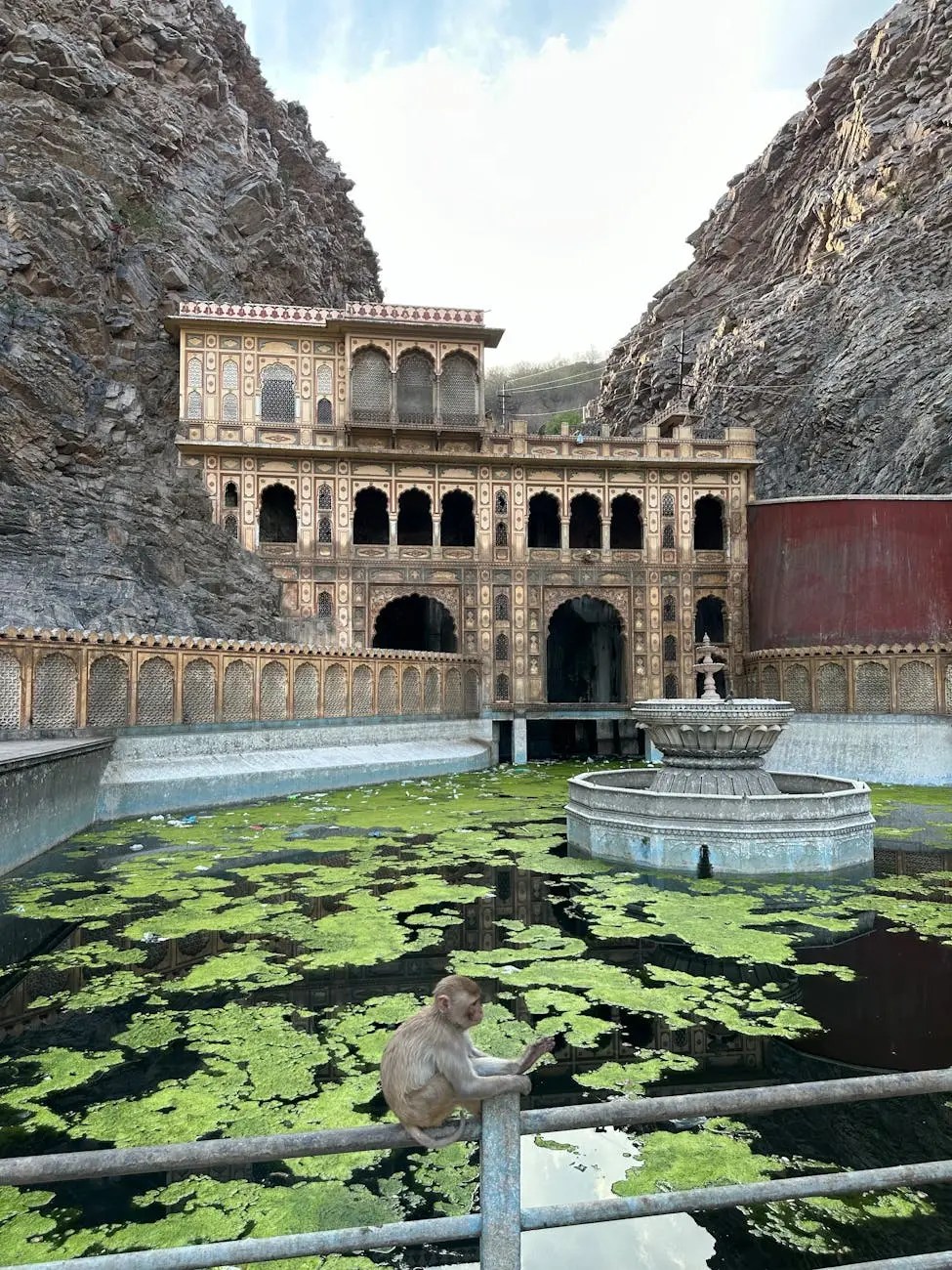

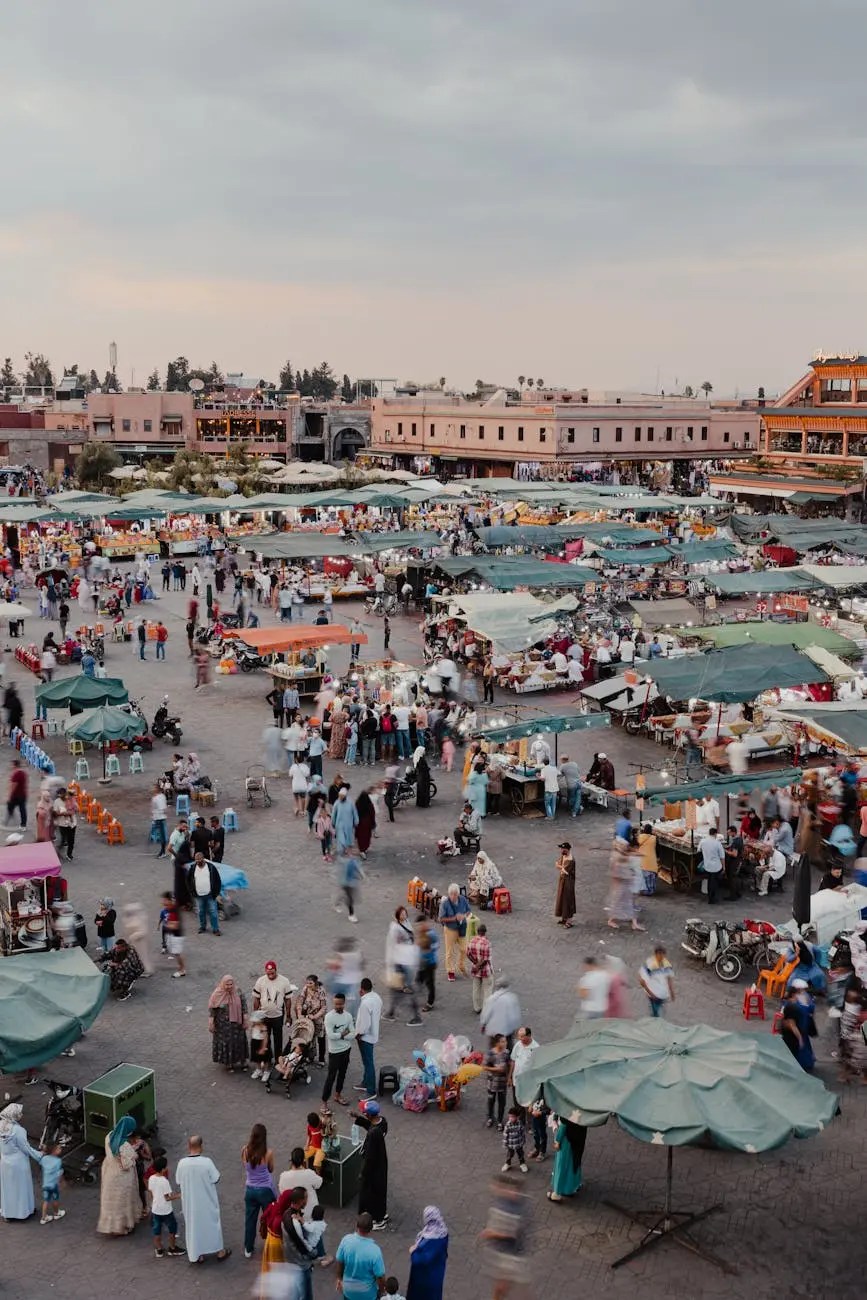
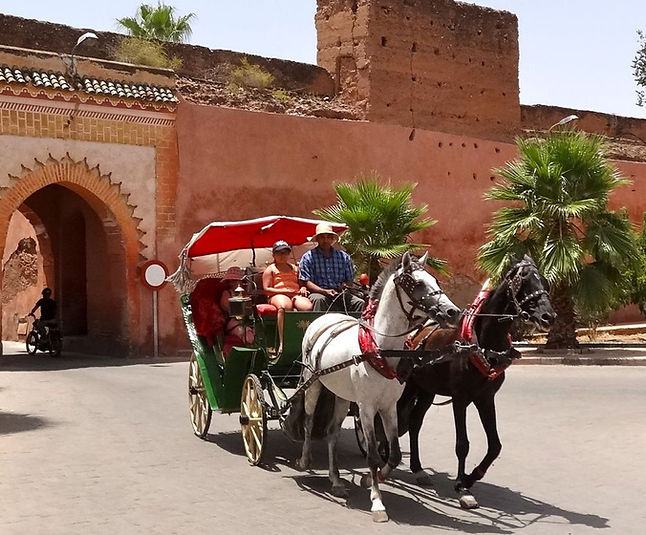
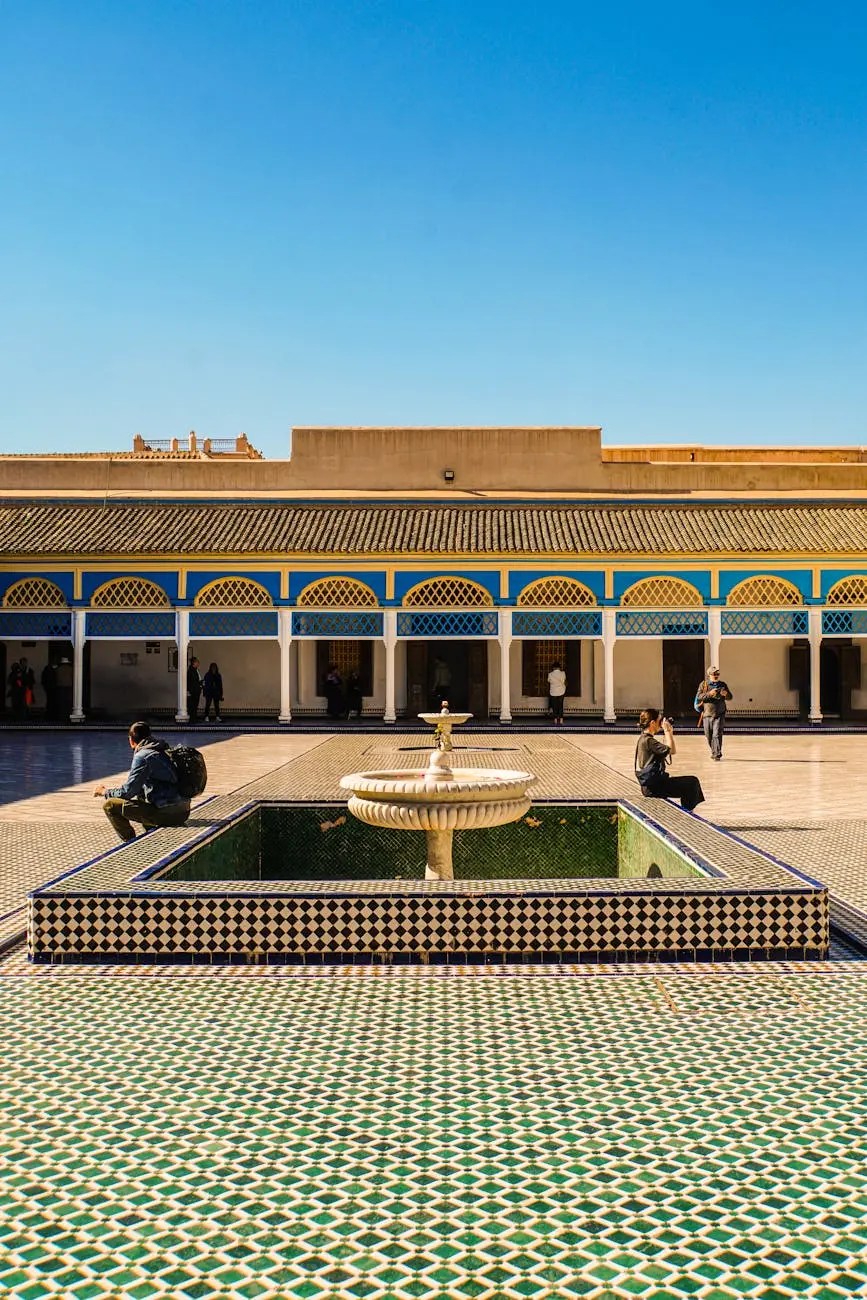
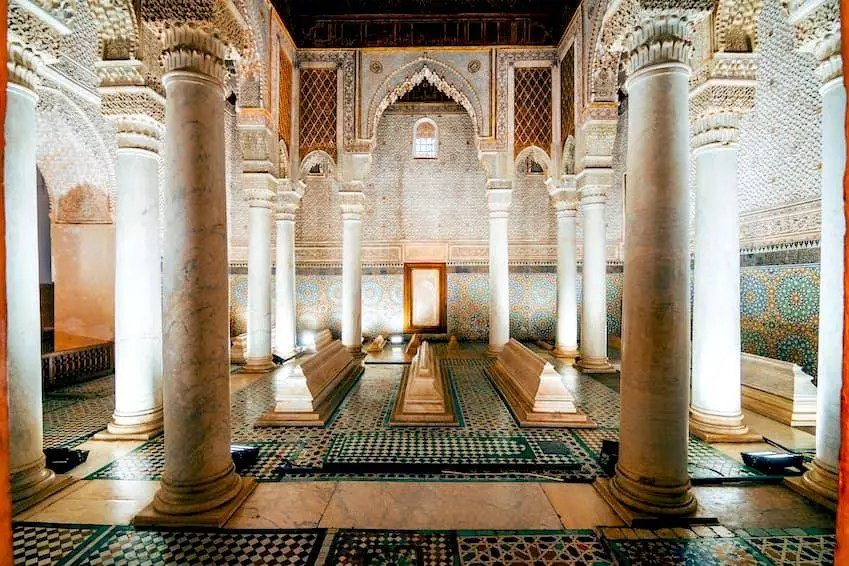
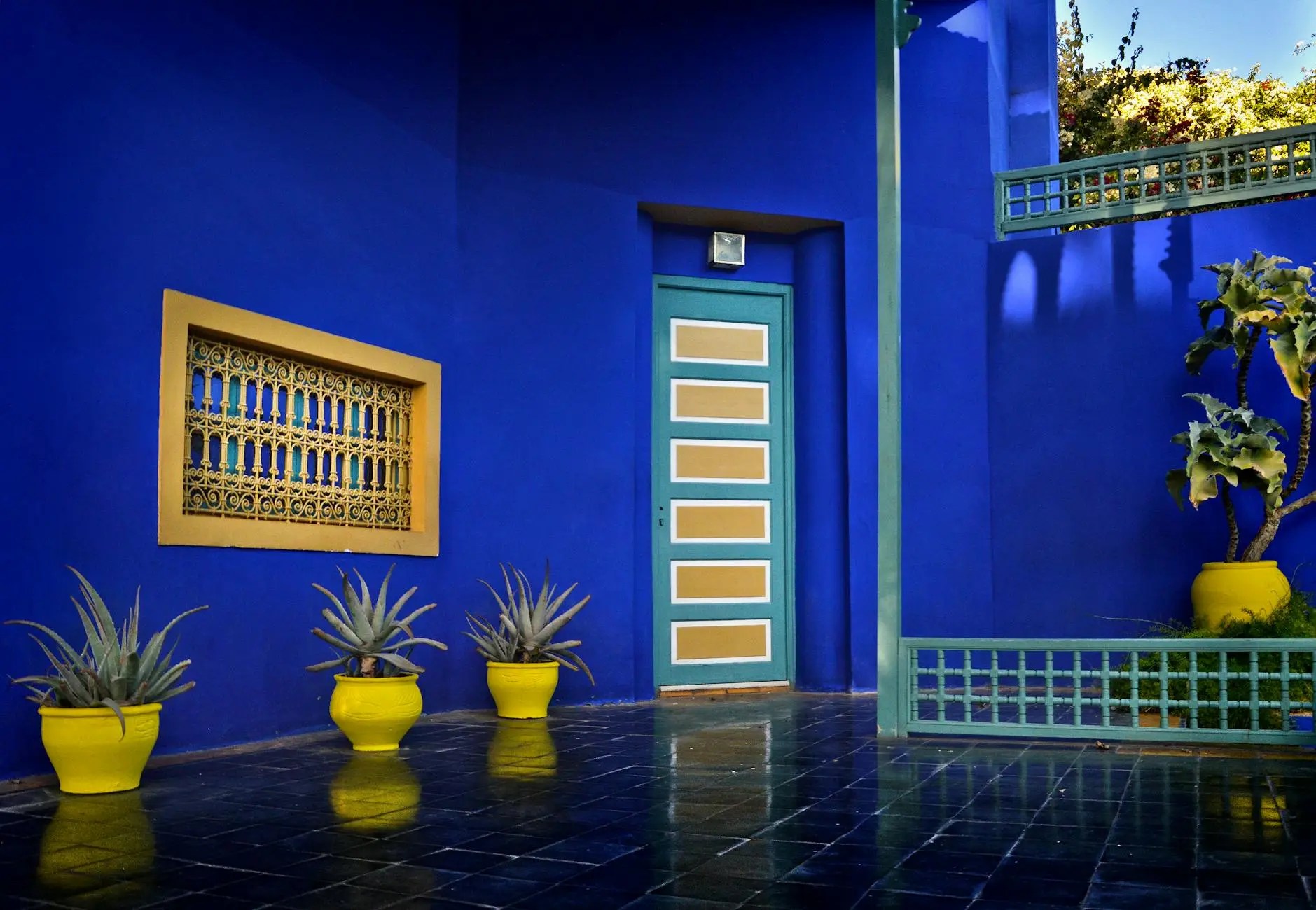
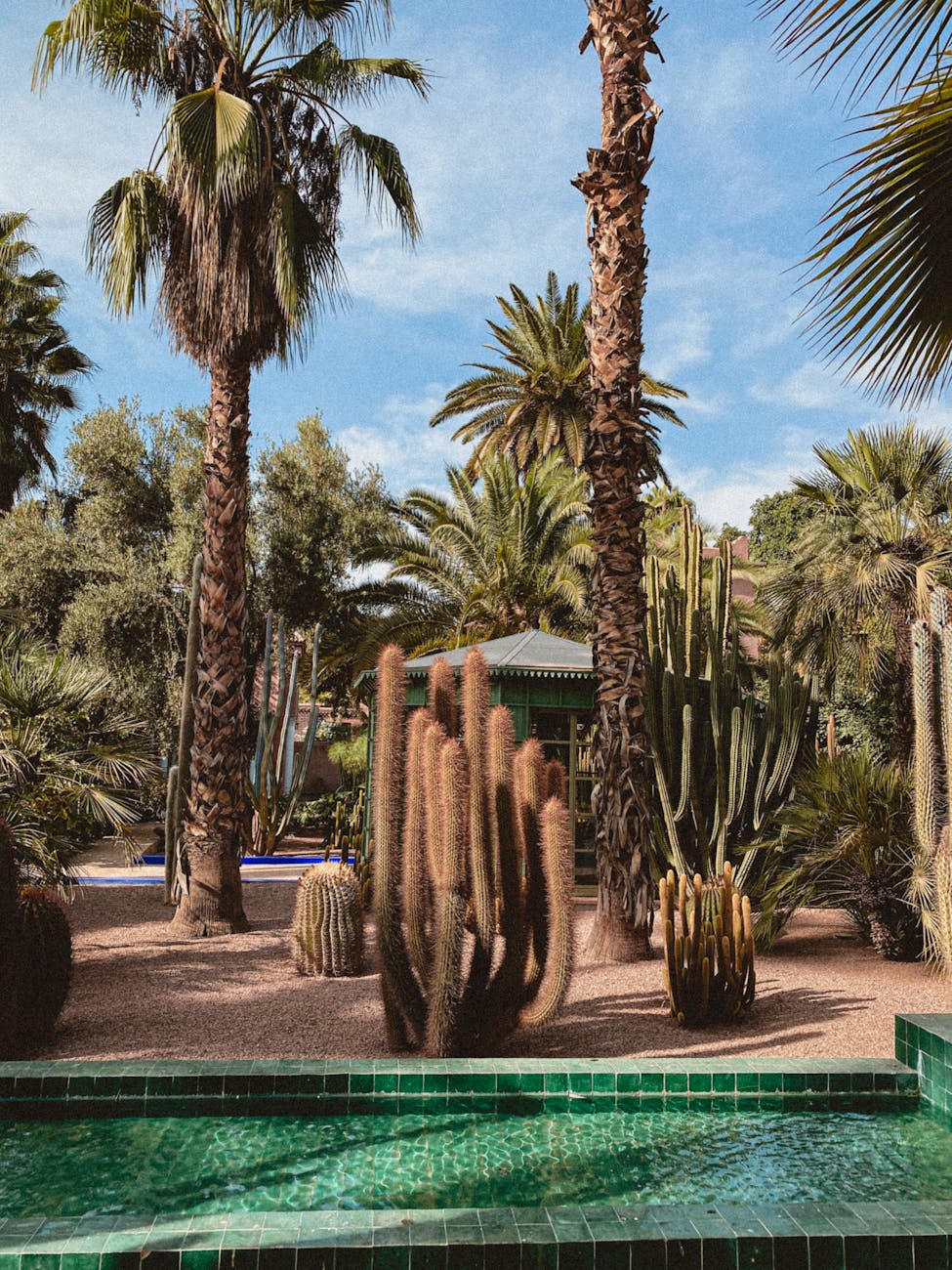
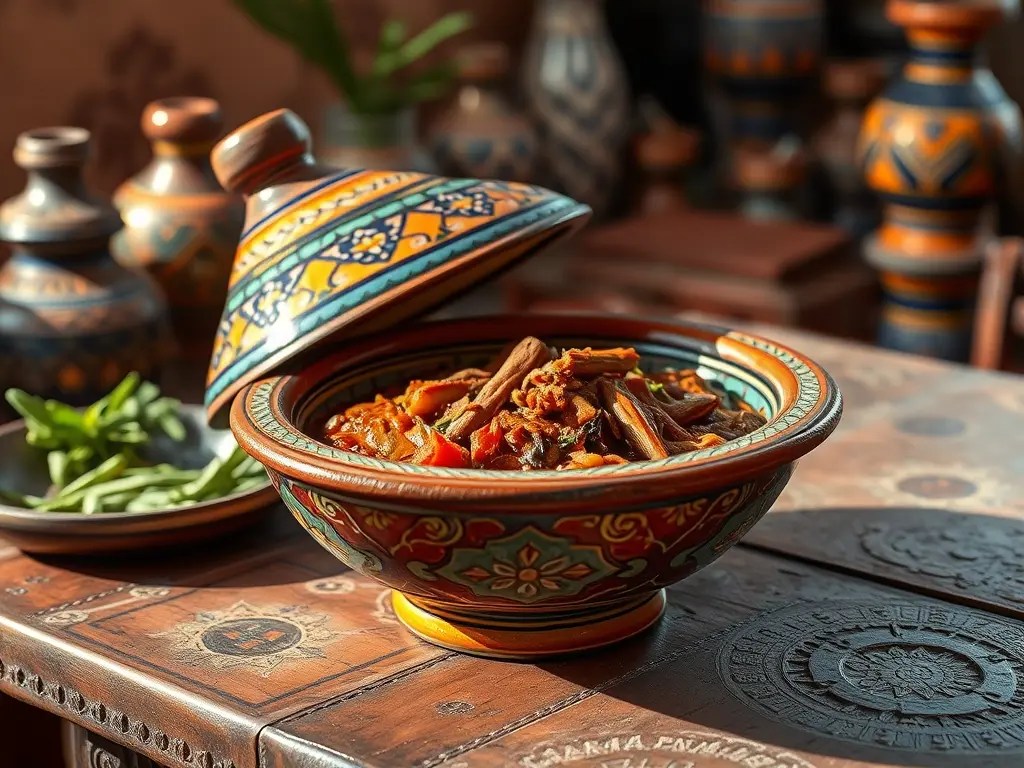
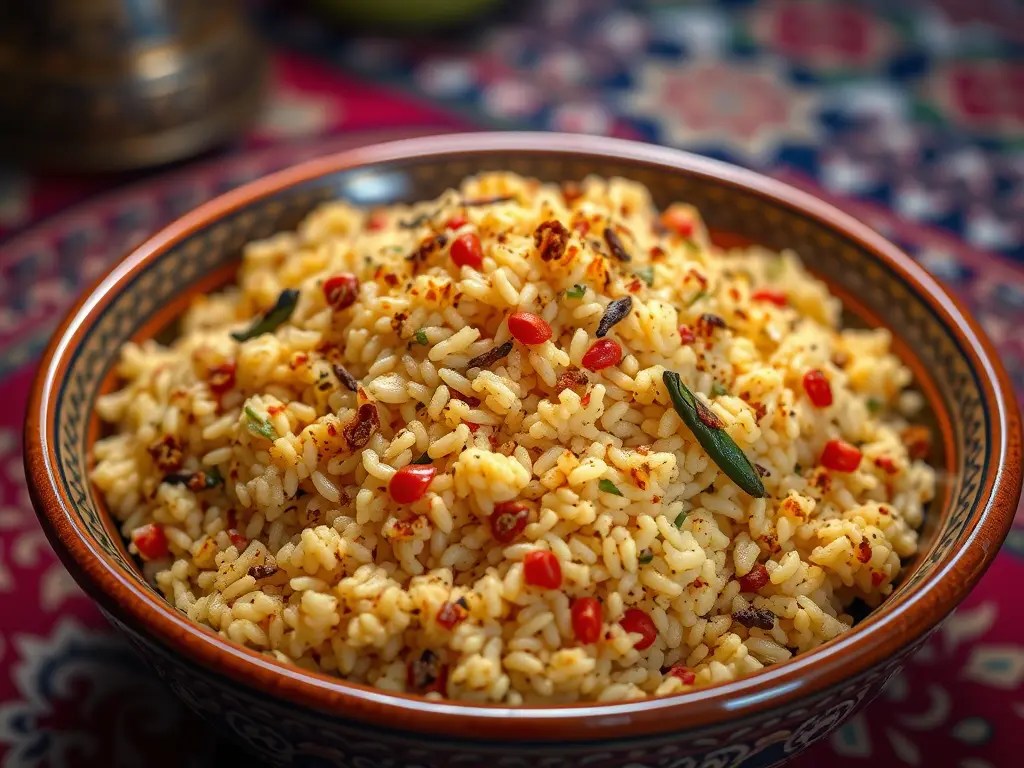
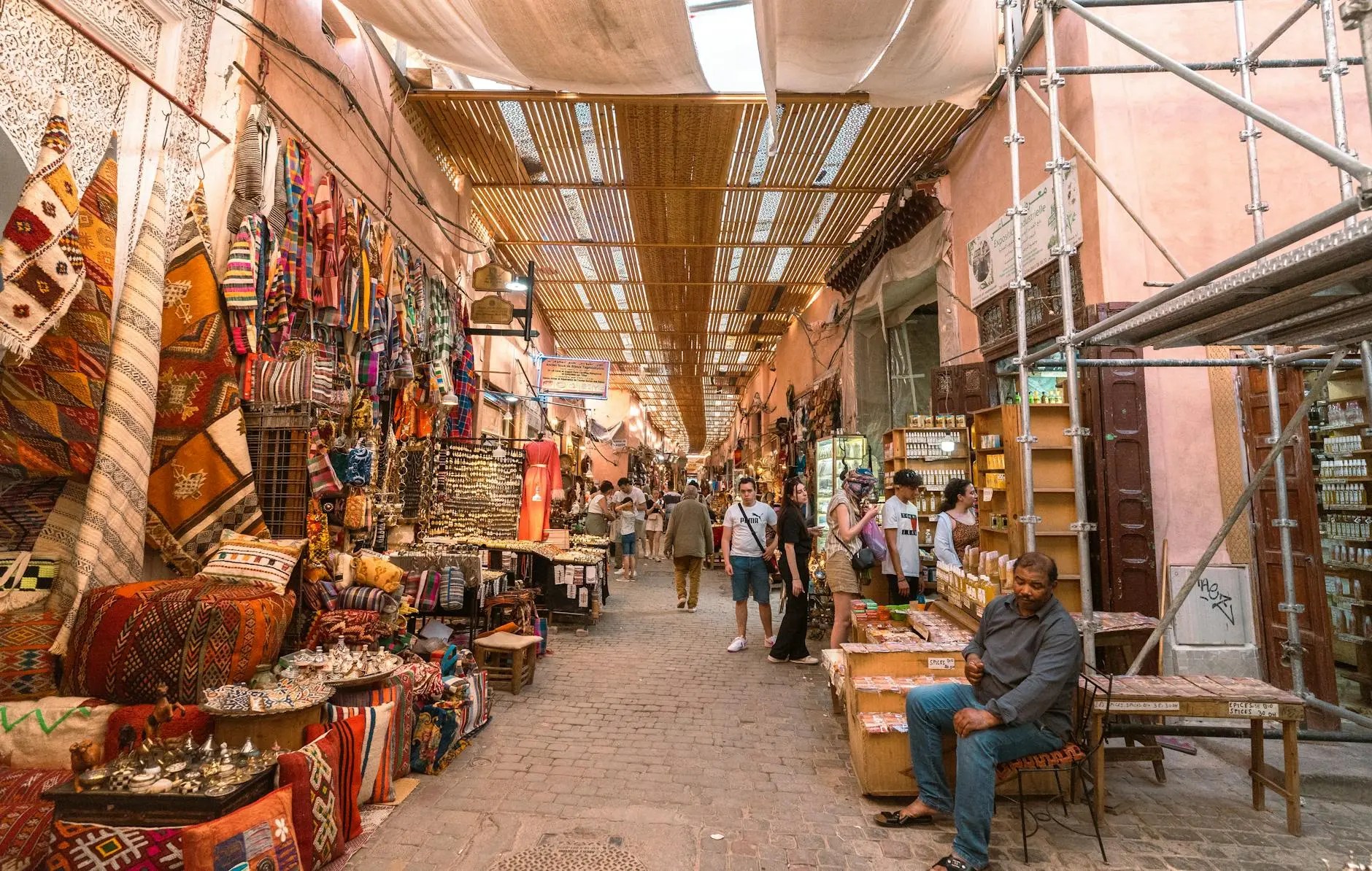
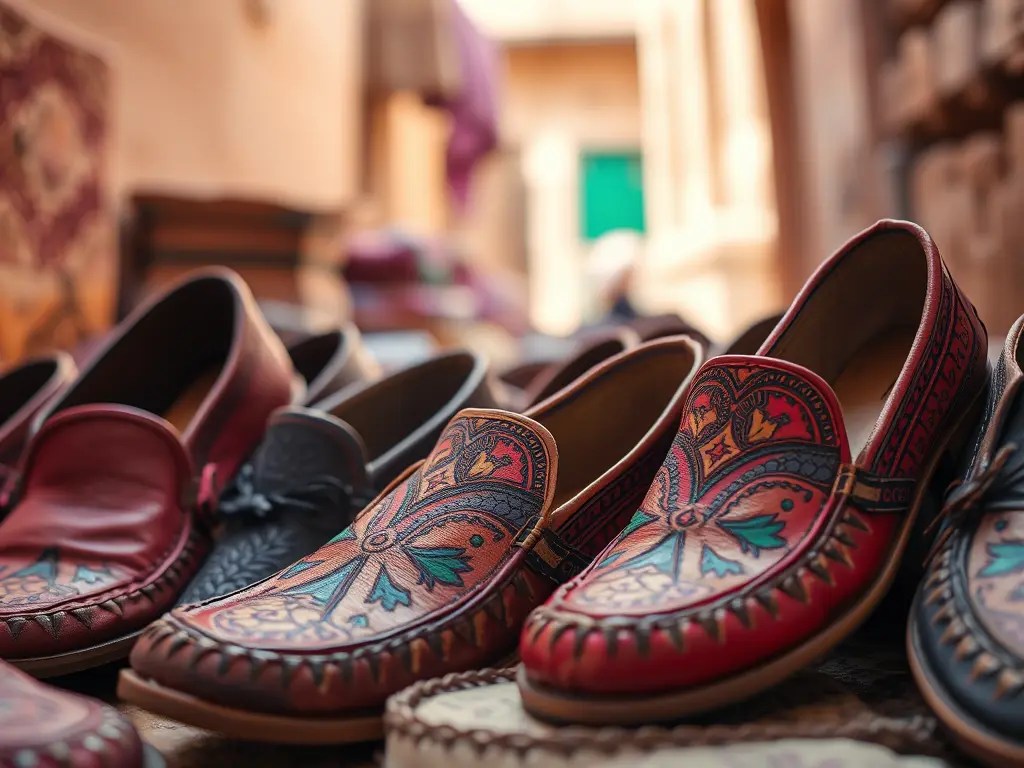
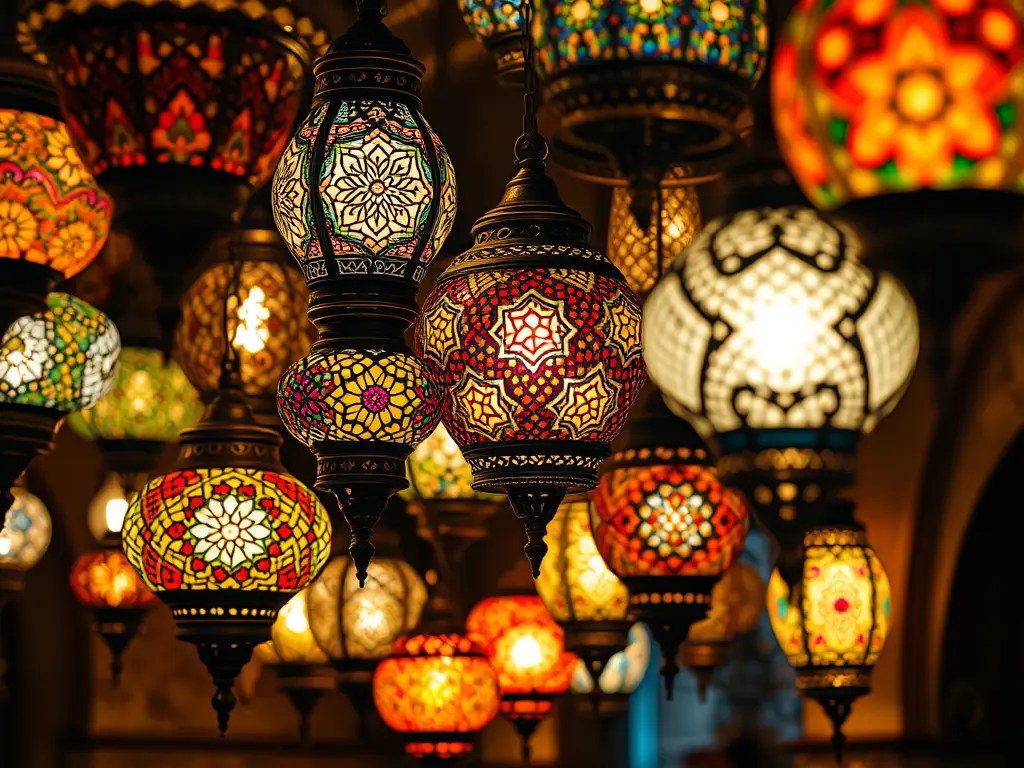

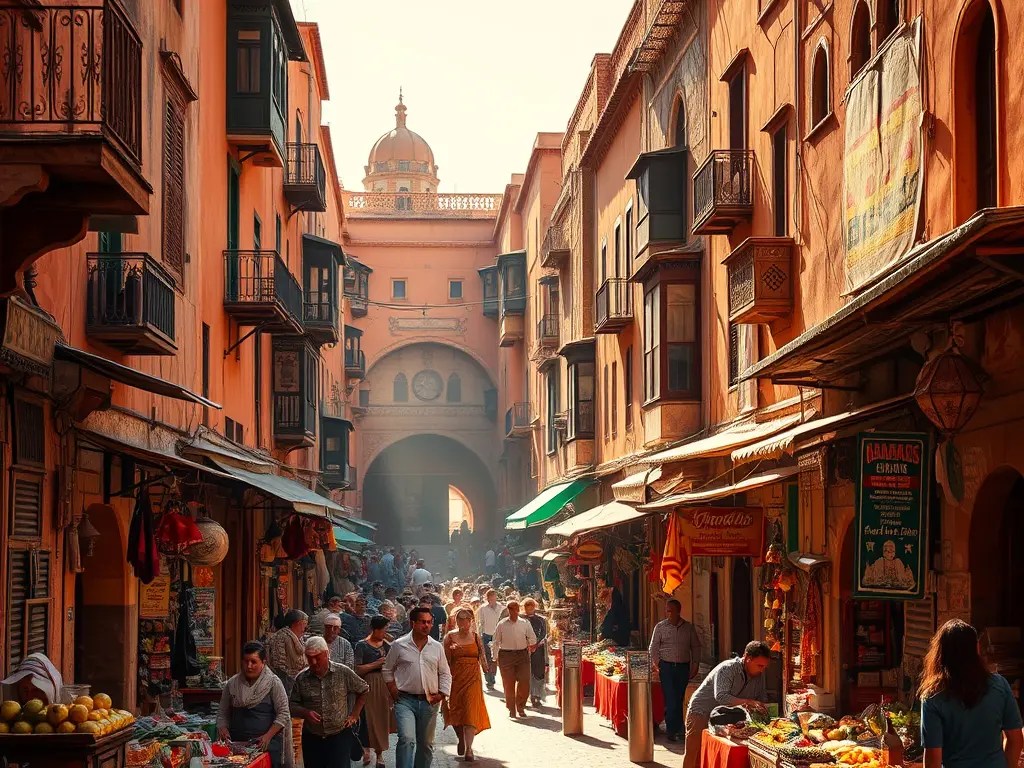
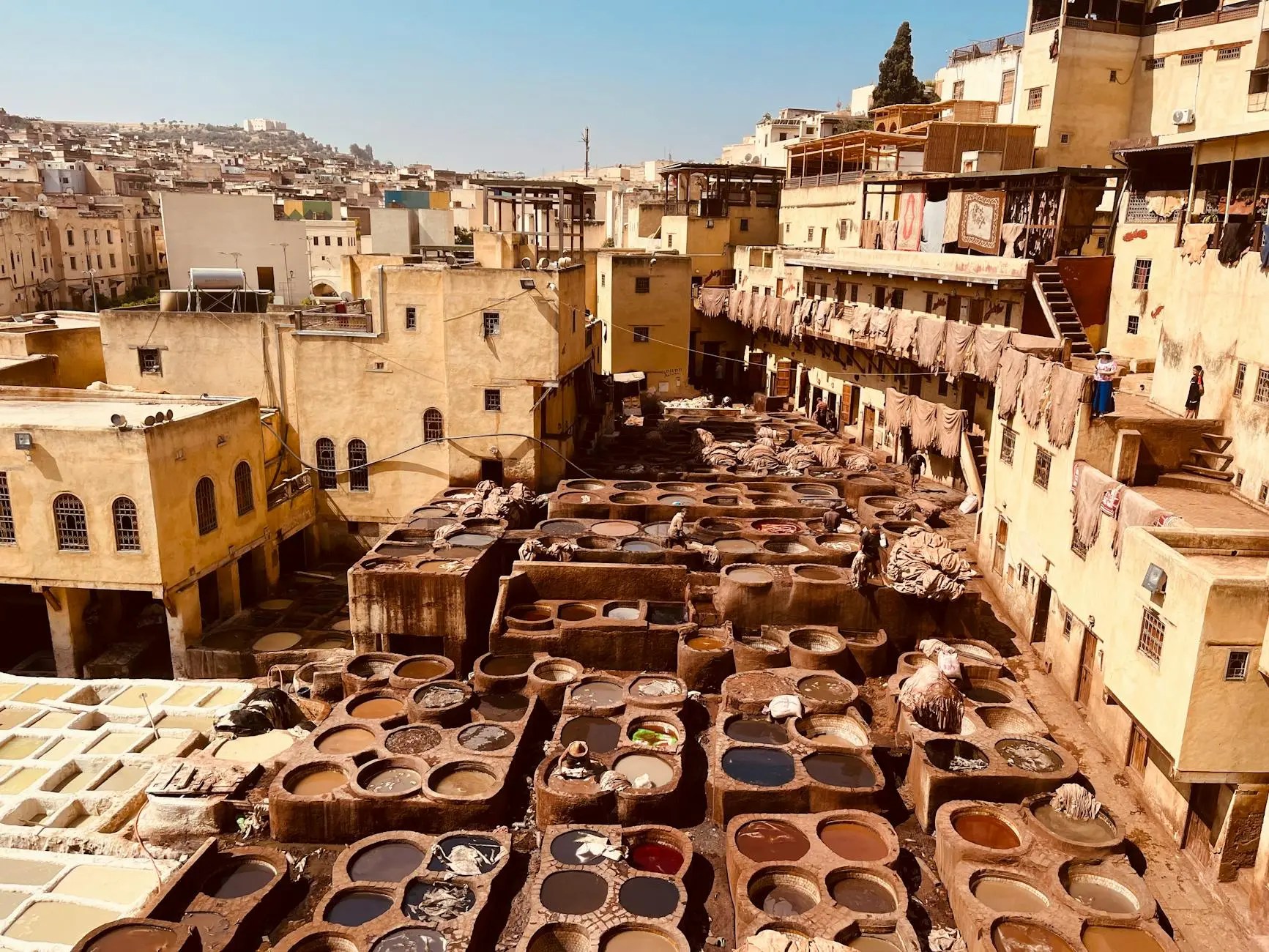
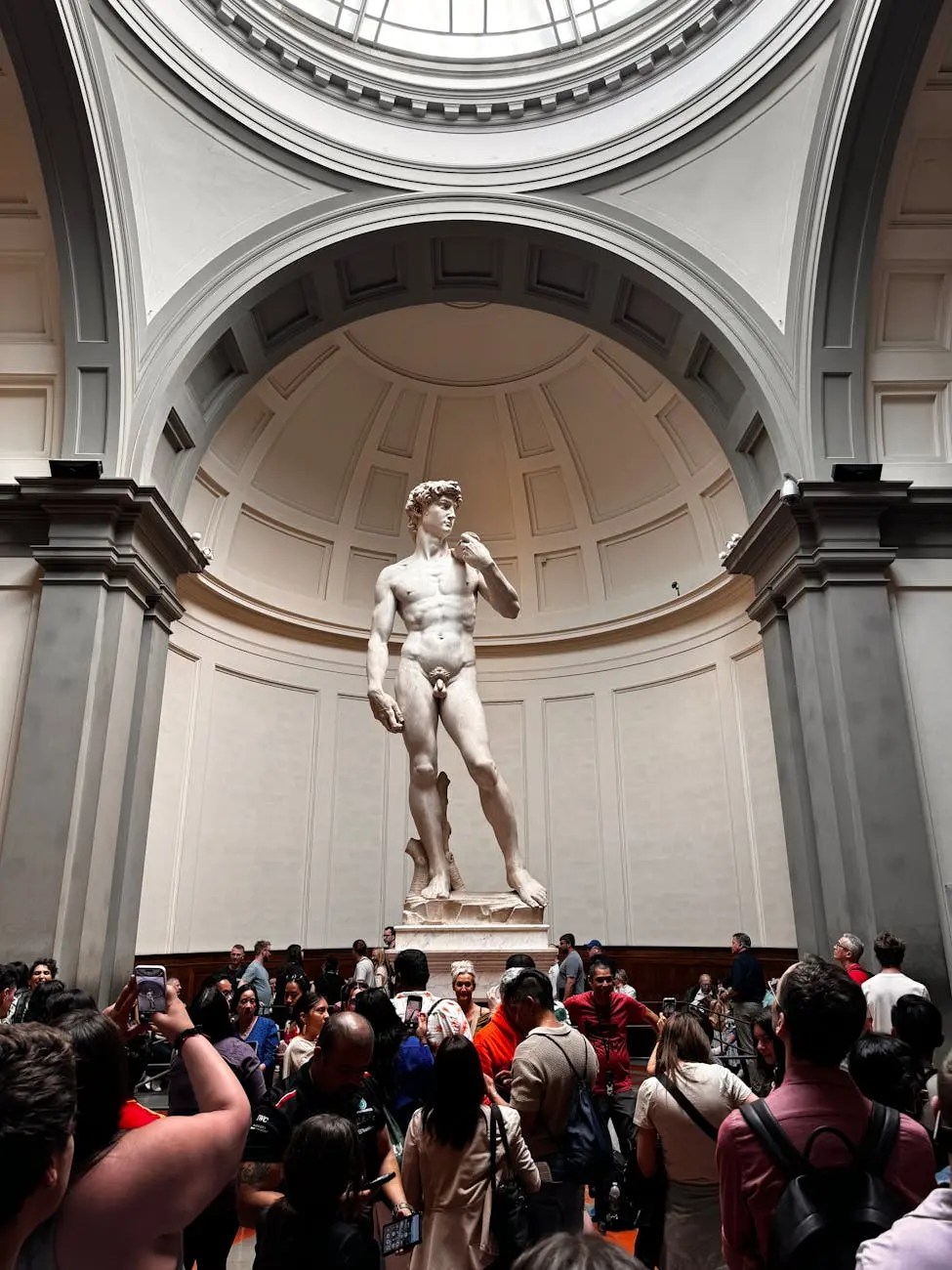
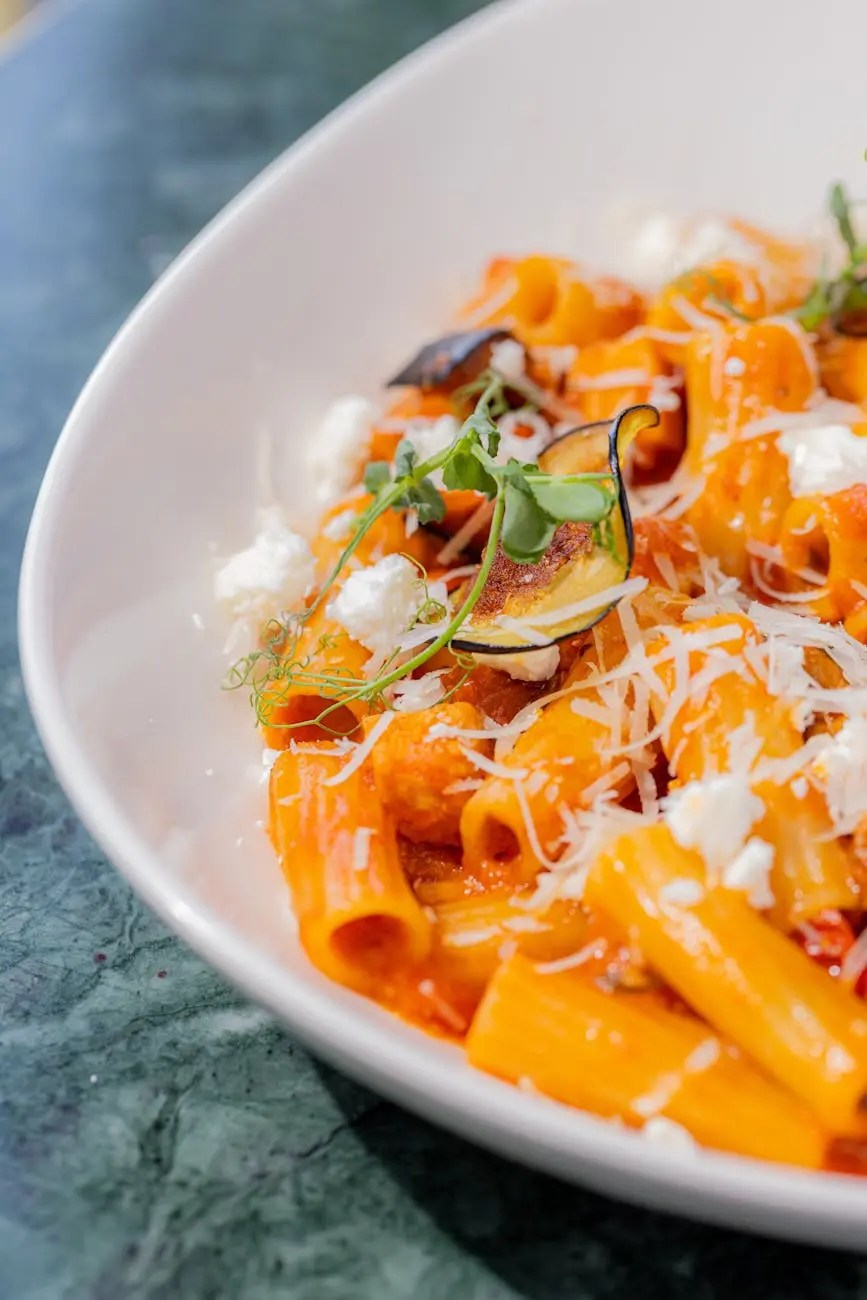
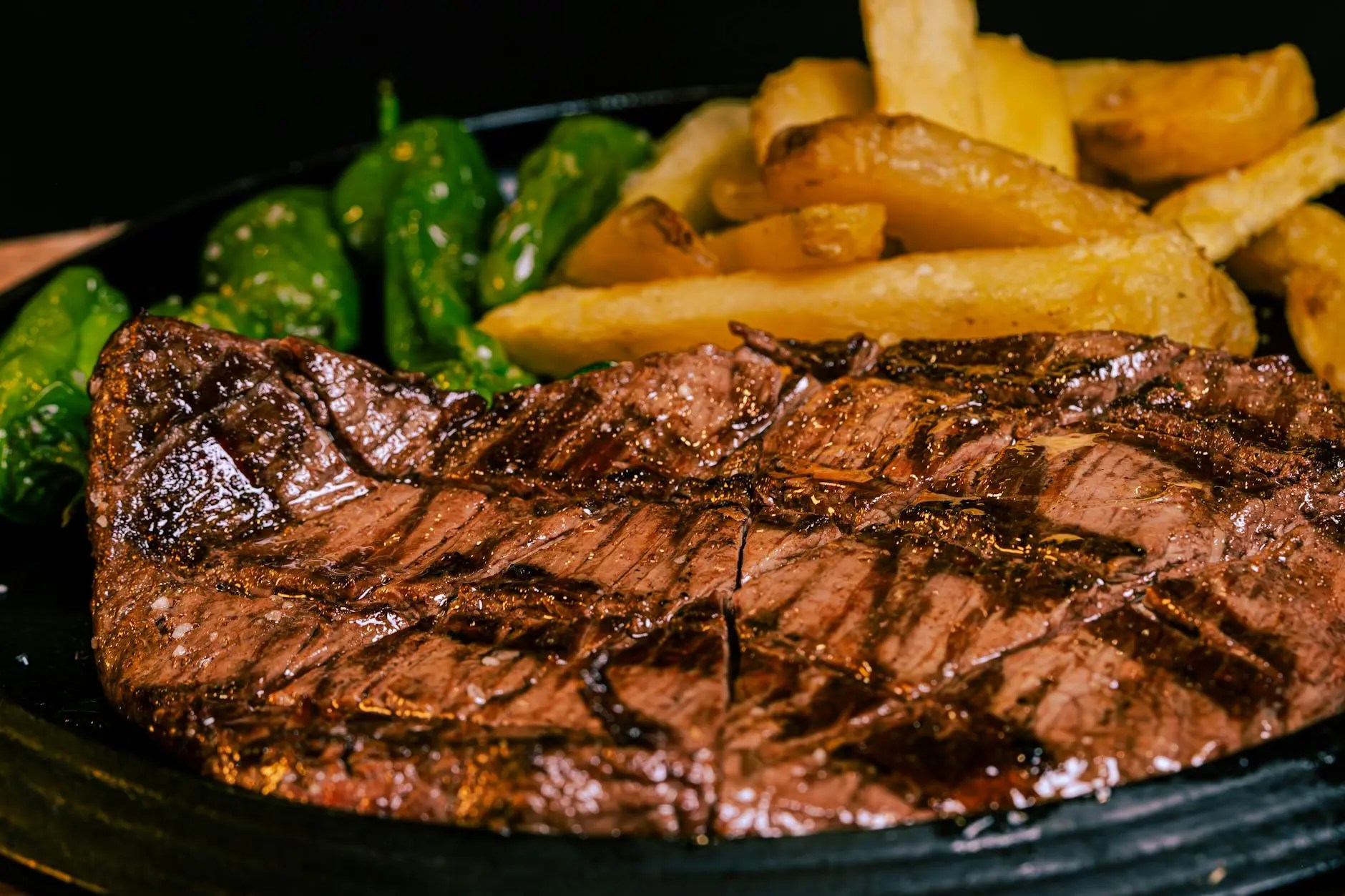
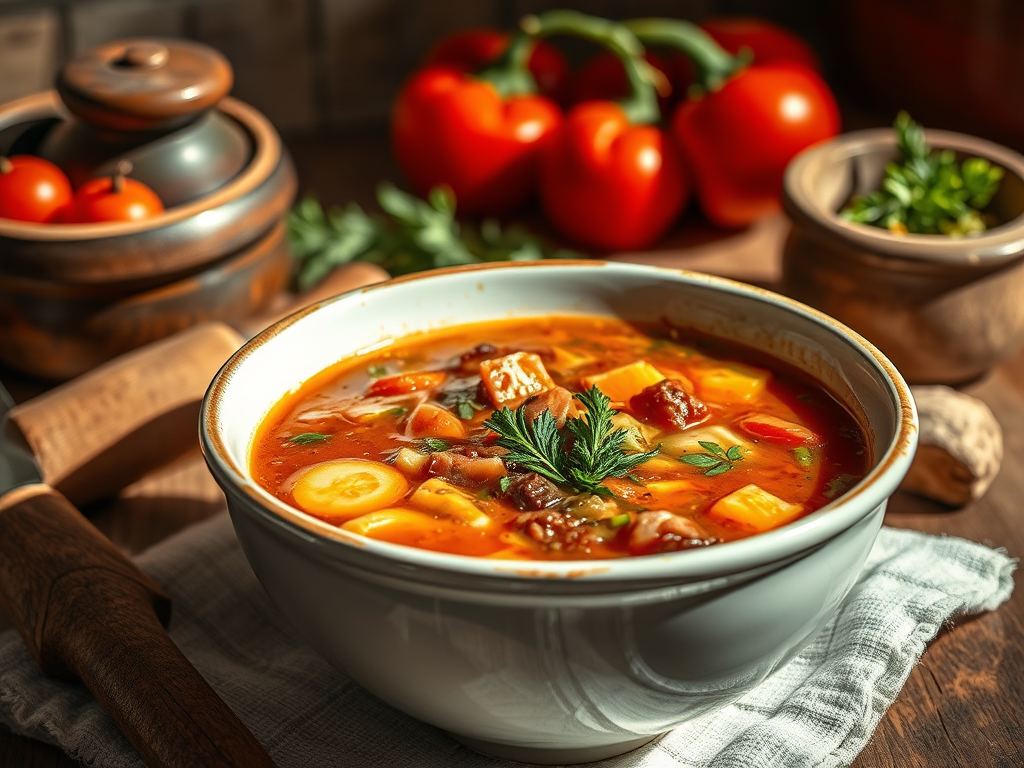
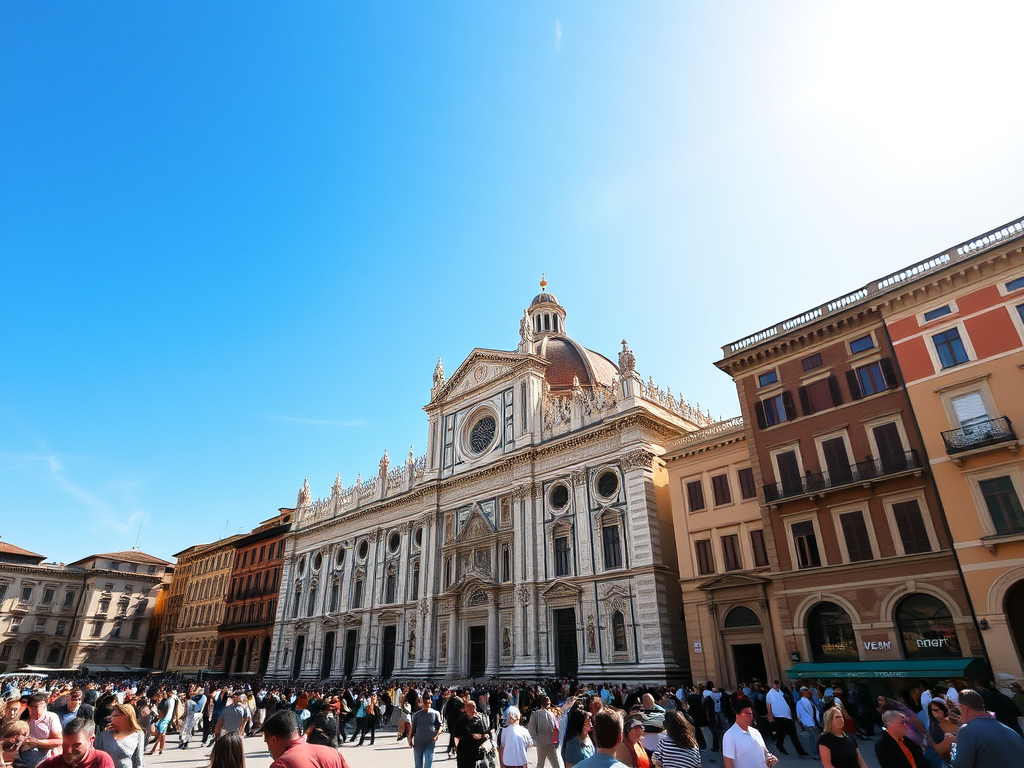
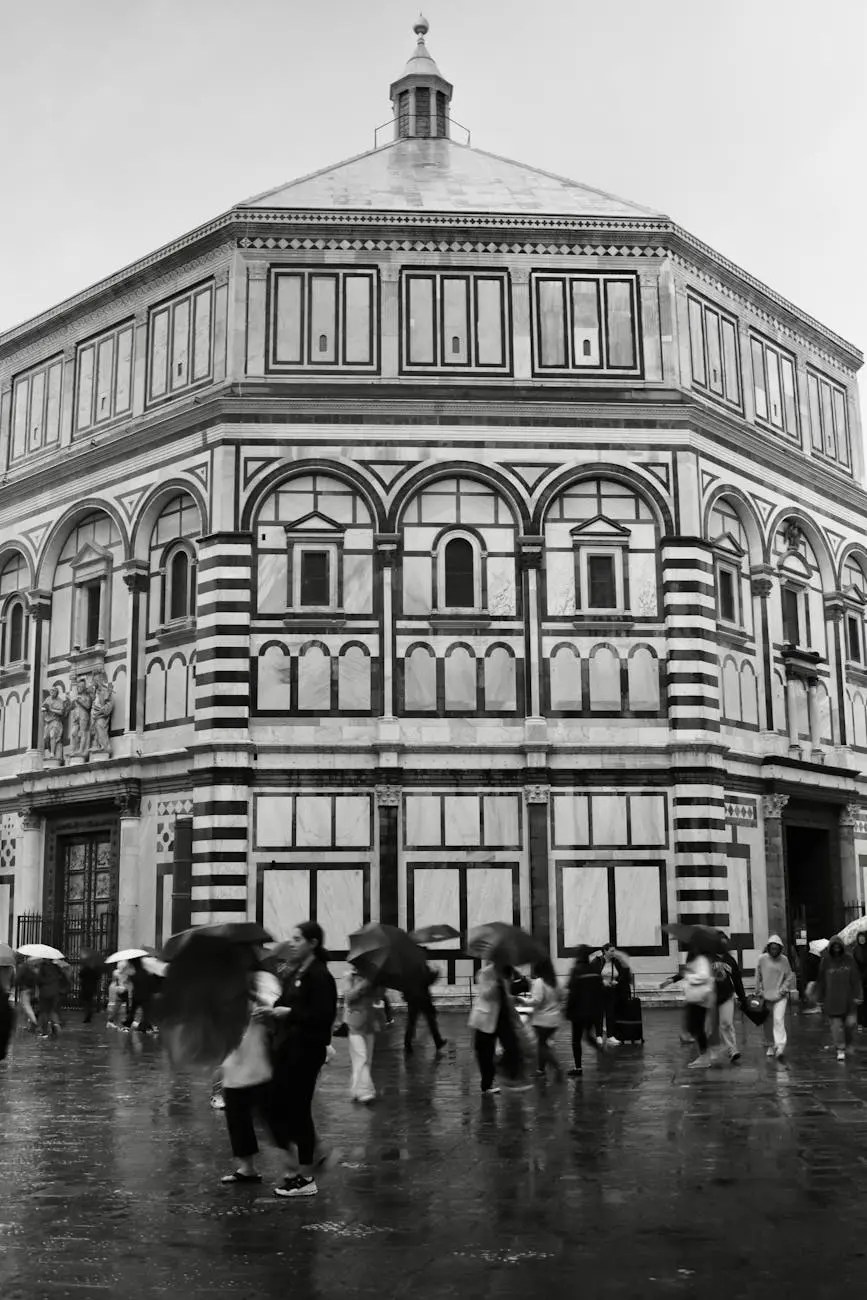
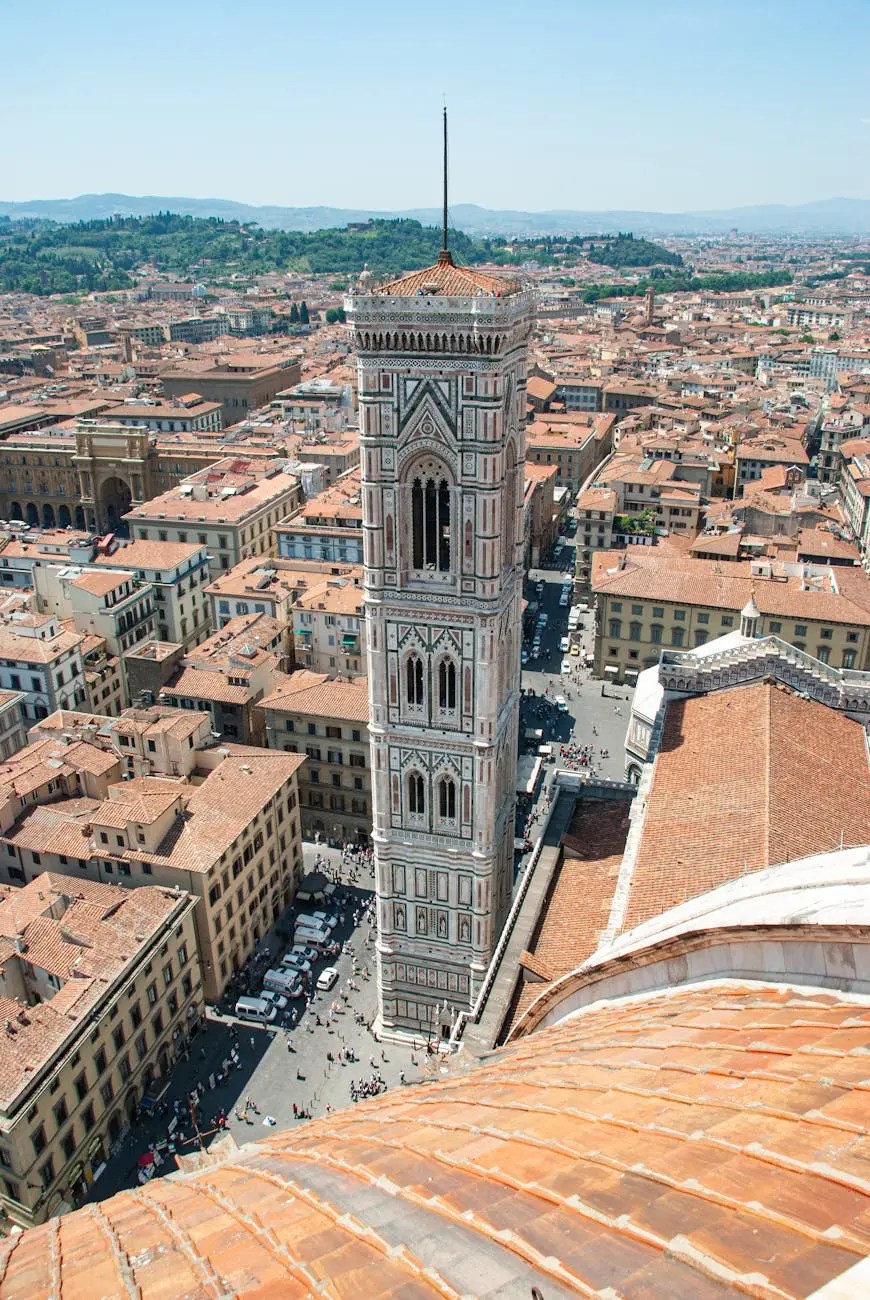
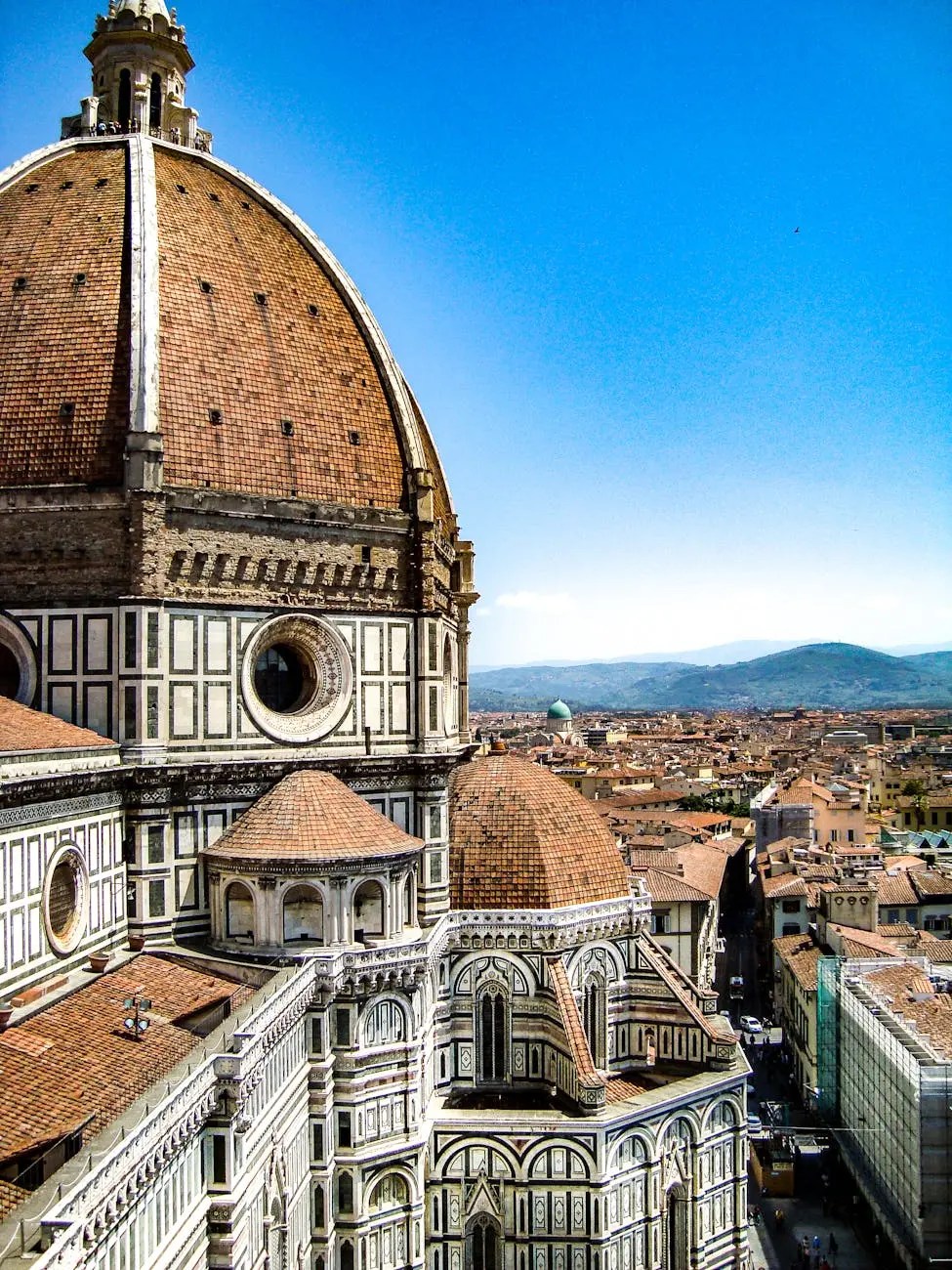
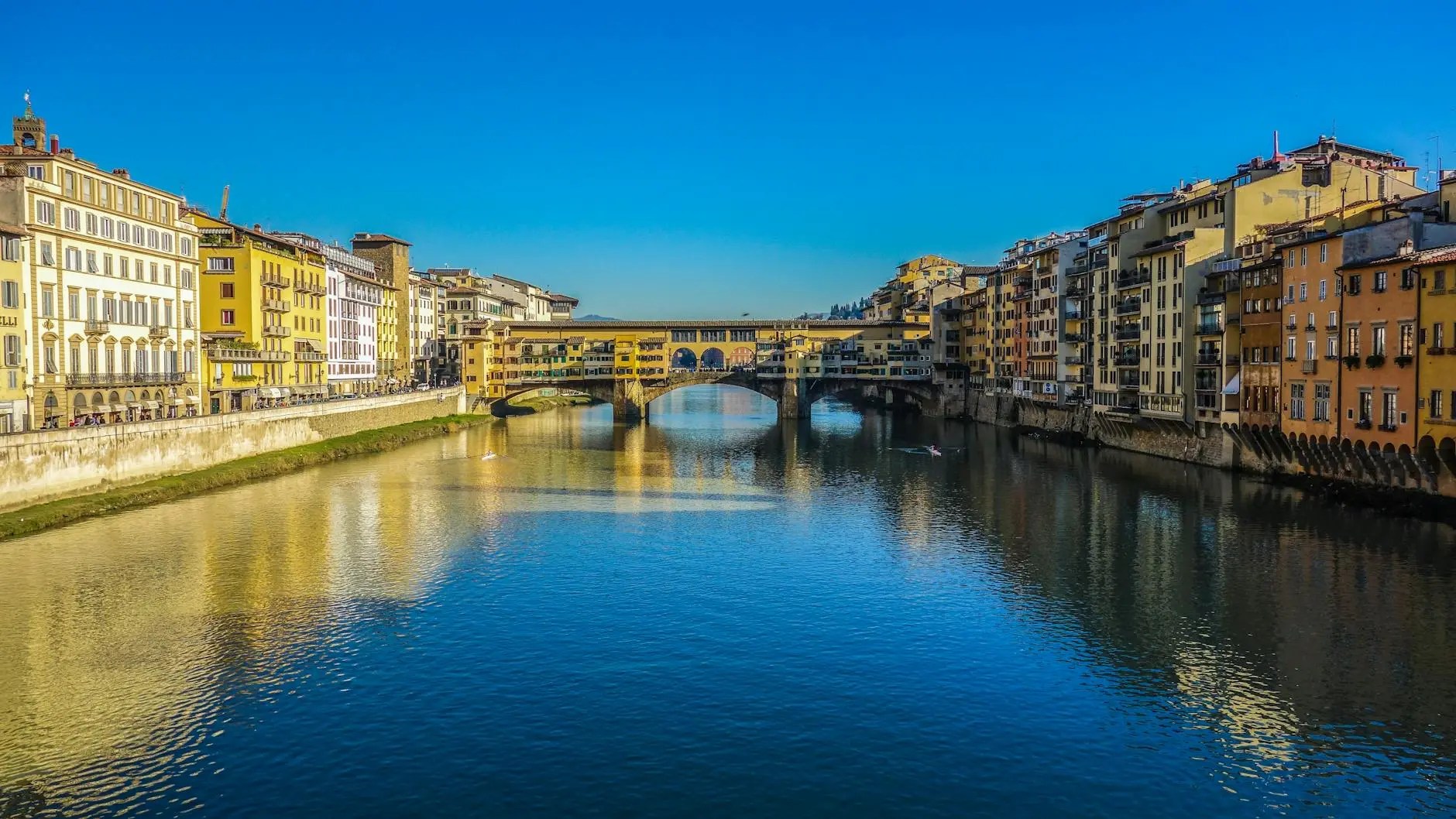
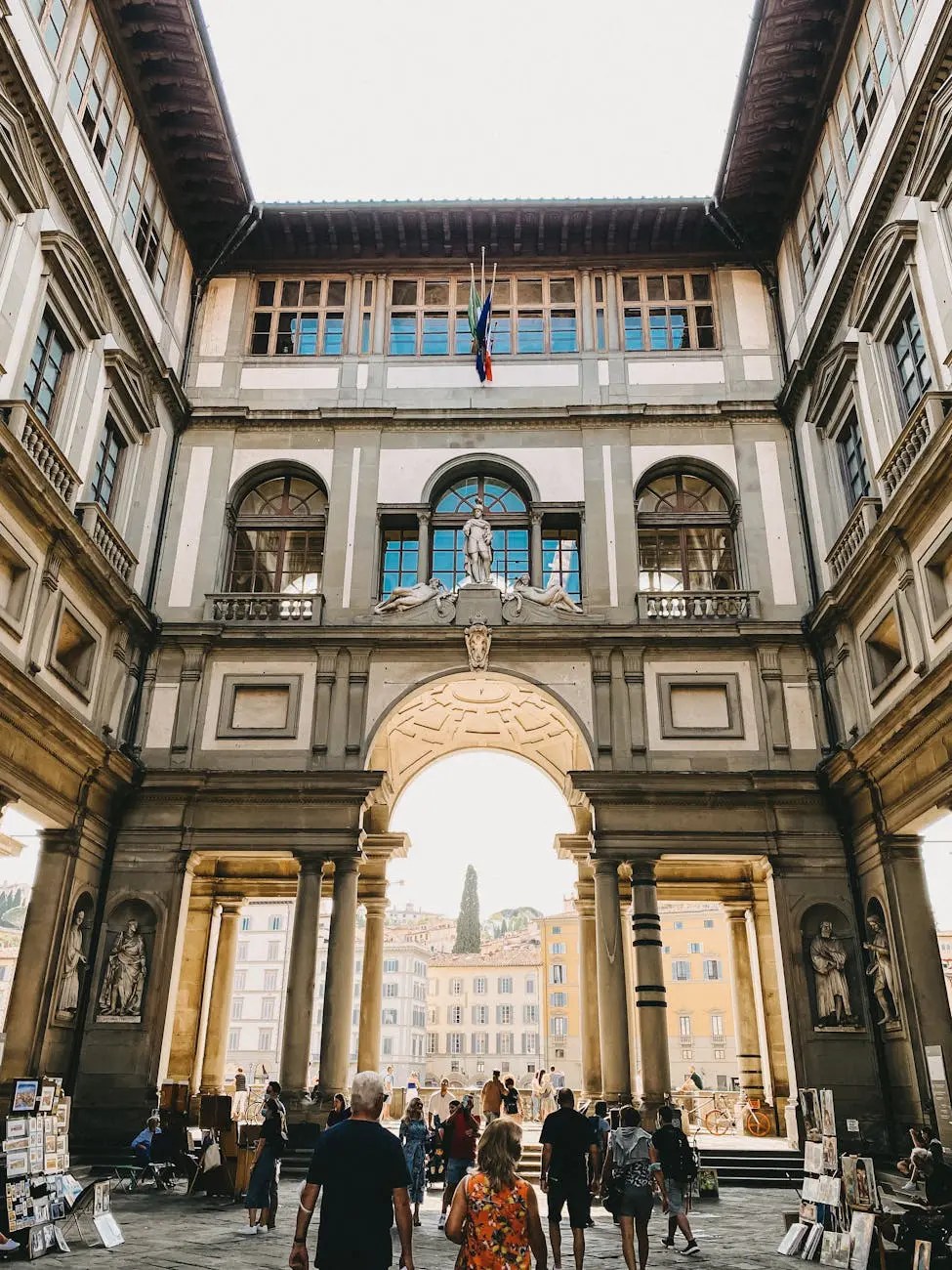
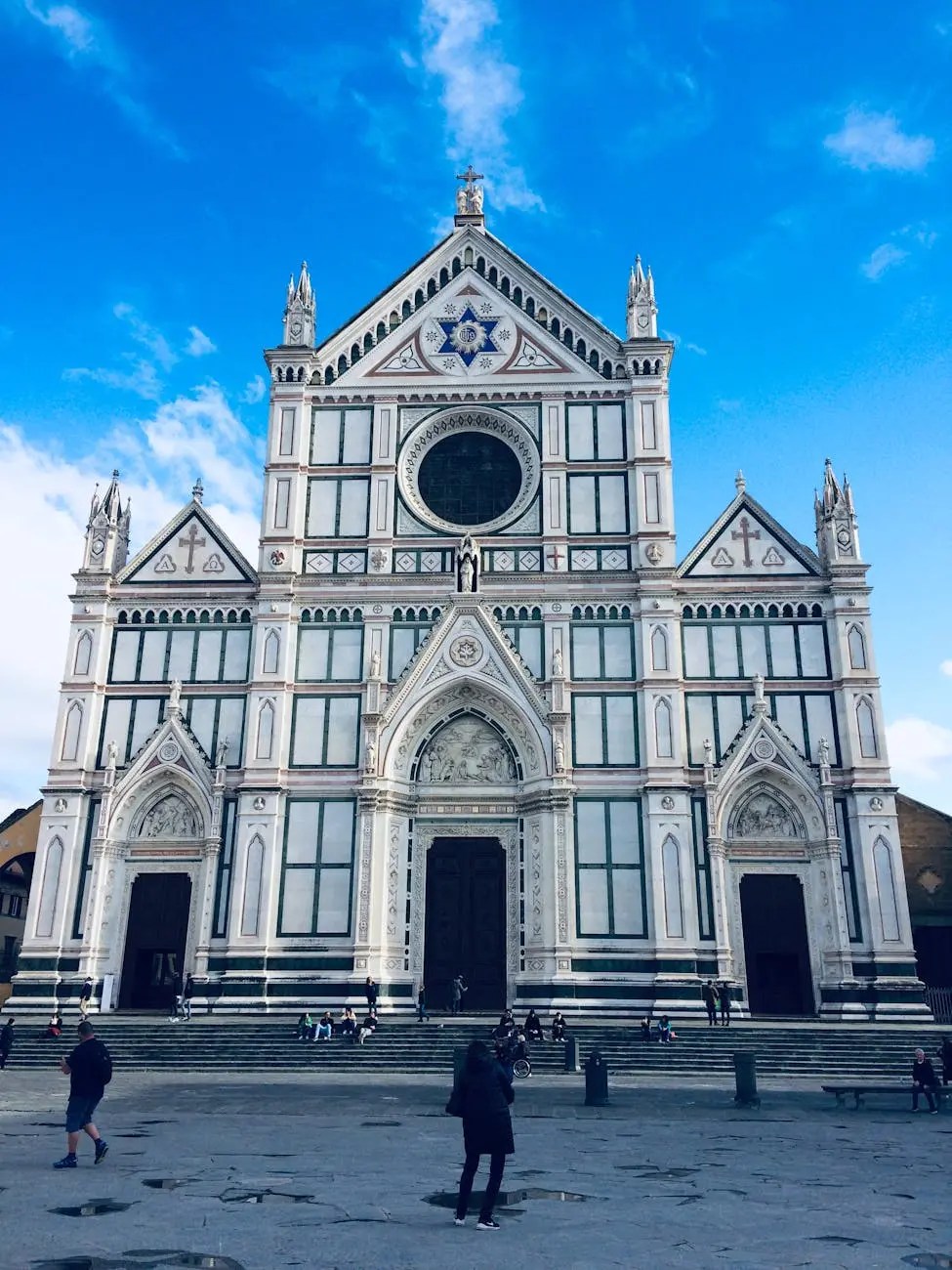
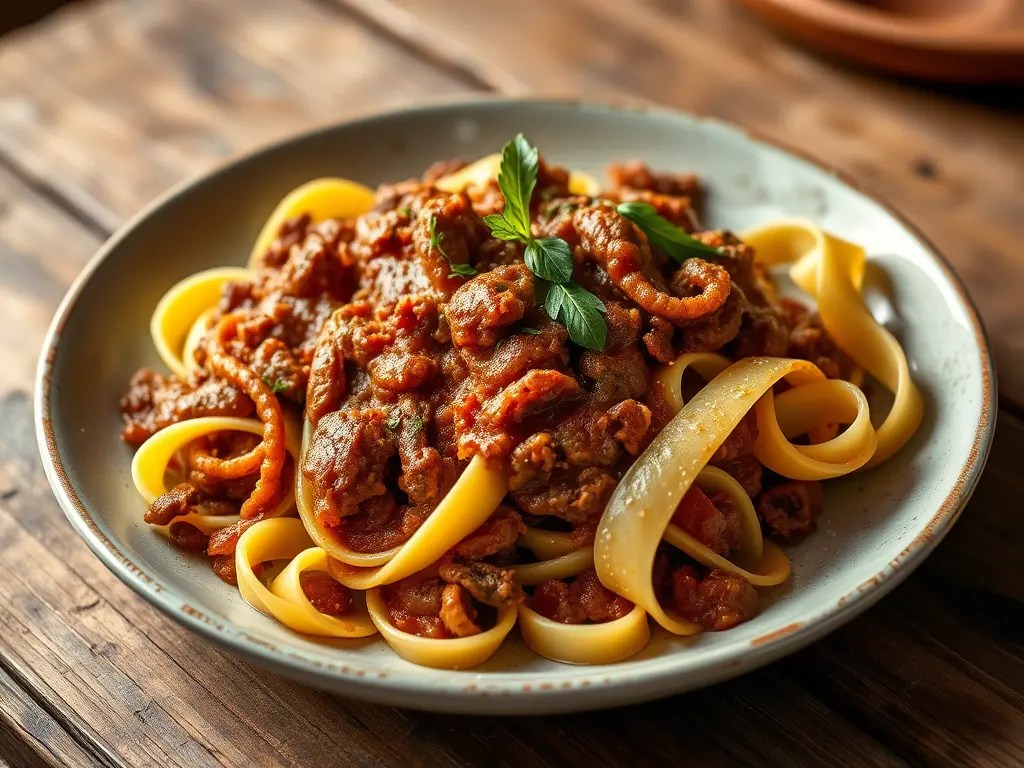
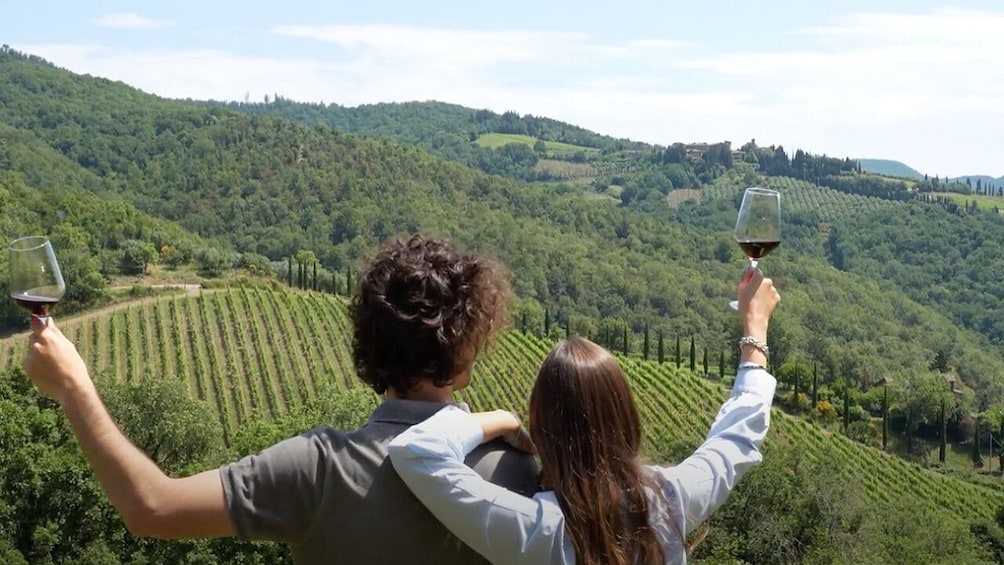
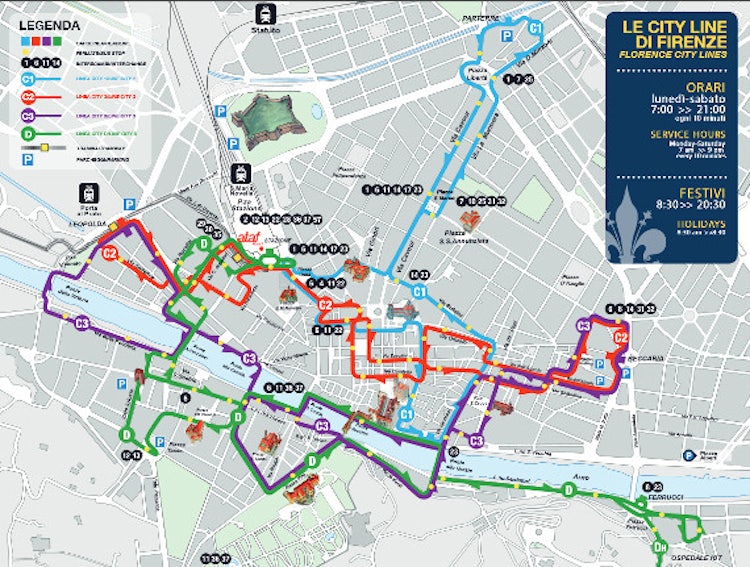


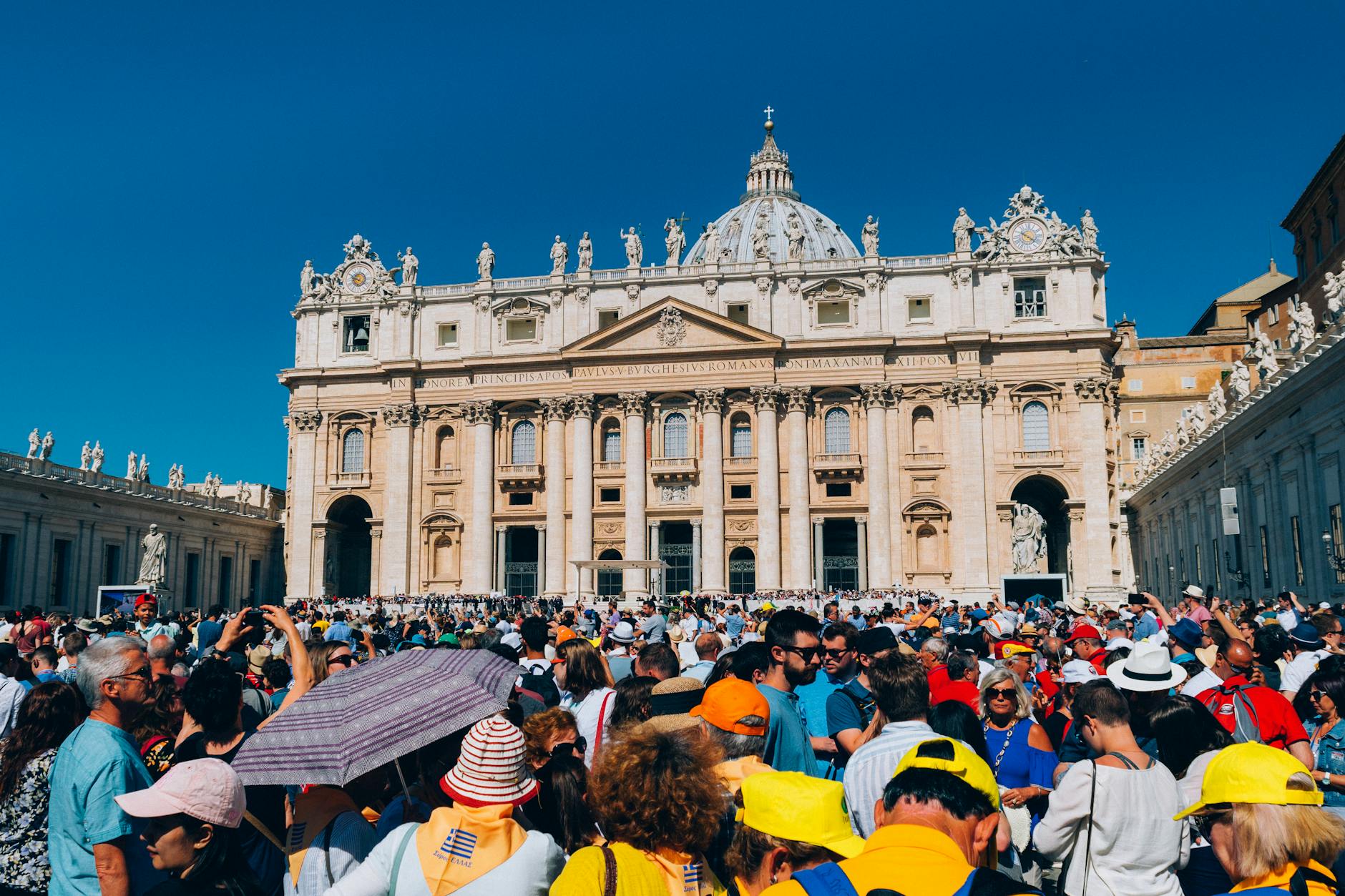
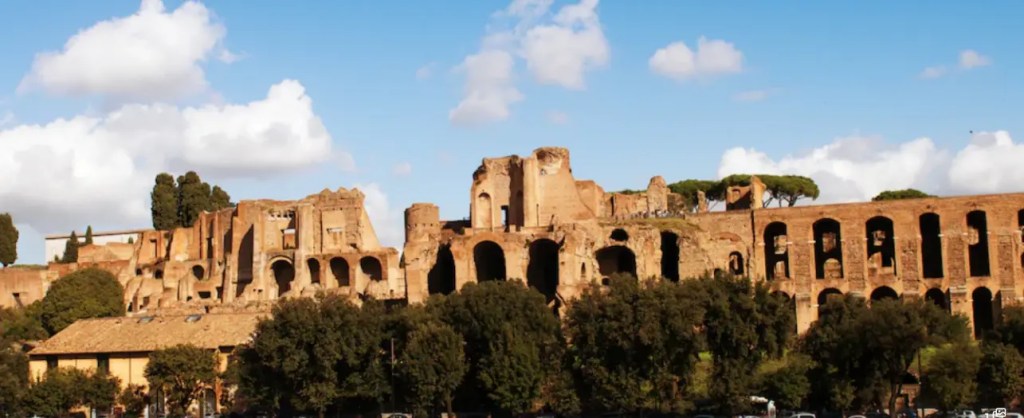

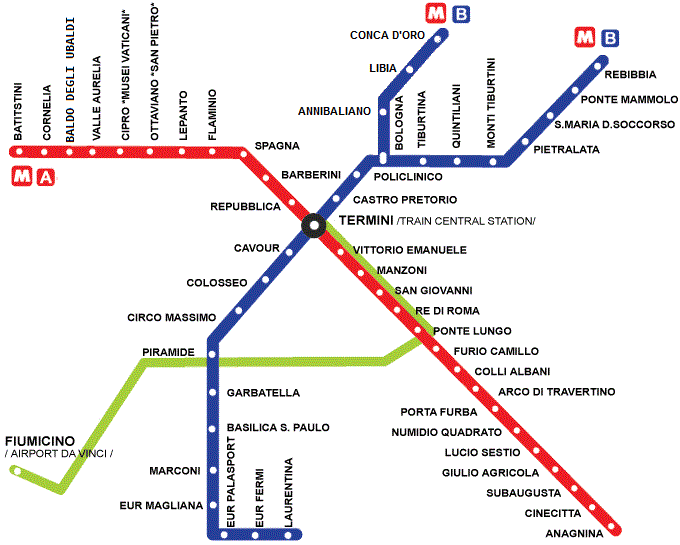
 Home Home sweet sweet home