Explore Tallinn: Your Ideal Weekend Getaway

Meta Description:
Discover the charm of Tallinn, Estonia — a fairy-tale weekend destination where medieval streets meet modern magic. From budget travel tips and scenic ferry rides to hidden gems and foodie adventures, this guide helps travelers save time, money, and stress while exploring one of Northern Europe’s most underrated capitals. ✈️

Table of Contents

  1. Why Tallinn is Your Next Weekend Winner
  2. Your Step-by-Step Tallinn Itinerary: A Perfect 48-72 Hours
    • Day 1: Dive into the Medieval Old Town
    • Day 2: Creative Quarters & Coastal Views
    • Day 3 (The Bonus Day!): Day Trips & Deeper Dives
  3. Tallinn Travel Smarts: Getting Around & Saving Cash
    • Public Transport: Your New Best Friend
    • Money-Saving Tips from a Local (Well, a Frequent Visitor)
  4. Tallinn’s Hidden Gems: Beyond the Postcard
  5. Essential Estonian: Don’t Leave Home Without These Phrases
  6. Travel FAQ: Tallinn Quick-Fire Questions
  7. Ready to Roam? Your Packing List & Final Checks

Why Tallinn is Your Next Weekend Winner

For my fellow Europeans, Tallinn is a ridiculously easy hop. For everyone else, it’s a stunning and affordable gateway to the Baltics. The compact, UNESCO-listed Old Town means you can see a staggering amount on foot. Plus, it’s incredibly safe, the food is a delicious mix of rustic and Nordic, and the tech scene is buzzing (they invented Skype, after all!).

Visa Note: As part of the Schengen Area, if you’re from a visa-exempt country, you can waltz right in. For others, always check the latest requirements.

I still remember stepping into Tallinn’s Old Town for the first time — cobblestones underfoot, pastel-colored houses glowing under a soft northern sun, and the smell of freshly baked pastries drifting from medieval cafés. It felt like wandering through a real-life storybook (minus the dragons, thankfully).

Tallinn, the capital of Estonia, is often overshadowed by its Scandinavian neighbors — Helsinki, Stockholm, and Copenhagen — but trust me, it’s just as magical (and a lot cheaper).

👉 Book your Tallinn weekend escape now through Expedia — flexible stays, best prices, and easy comparison.

🏰 Where to Stay in Tallinn

Stay inside the Old Town for the full medieval experience — waking up to church bells and pastel rooftops is pure magic.

If you’re after something trendier, Telliskivi Creative City offers artsy lofts, street art, and cafes that could give Brooklyn a run for its money.

💤 Book your stay here → Expedia Tallinn Hotels for last-minute deals and flexible cancellation

✈️ Getting There — Flights, Ferries & Visa Info

Tallinn Airport (TLL) is well-connected across Europe, and many budget airlines fly directly from London, Berlin, and Warsaw.

If you’re exploring the region, consider taking a ferry from Helsinki — it’s only a 2-hour scenic journey across the Gulf of Finland. I grabbed a hot coffee and watched the icy blue sea roll by — honestly, one of my favorite travel memories ever.

🚌 Getting Around — Public Transport Made Easy

Public transport in Tallinn is not just efficient — it’s free for residents (and super cheap for visitors).

  • Bus & Tram: Buy a QR ticket from the “pilet.ee” app. Most routes run from 5 a.m. to midnight.
  • Trolleybus: Great for getting to Kadriorg or the Seaplane Harbour.
  • Car: If you’re renting, roads are clean and well-marked. Parking in the Old Town can be tricky, so try Park & Ride zones outside the center.
  • Bike & Electric Scooters: Apps like Bolt make it a breeze to zip between sights.

🗺️ Time Saver Tip: Plan your route with Google Maps offline mode — it works even without Wi-Fi, saving data and battery.

Tallinn Travel Smarts: Getting Around & Saving Cash

Public Transport: Your New Best Friend

Forget renting a car in the city center—it’s a headache of narrow streets and expensive parking. Tallinn’s public transport is cheap, clean, and efficient. The system is a mix of buses, trams, and trolleys, and it’s incredibly easy to use.

  • From the Airport to the City: This is where I almost led you astray! There is no direct tram from Tallinn Airport (TLL). Here’s how you actually do it:
    • Best Option: Public Bus. Head right outside the terminal doors to the bus stops. Bus #2 will take you directly to the city center, with a key stop being “A. Laikmaa,” which is just a 5-minute walk from the Old Town and the vibrant Viru Street. The journey takes about 15-20 minutes. You can also take bus #15 or bus #49, which connect to other parts of the network.
    • Paying Your Fare: The easiest way is to simply tap your contactless bank card (credit/debit) on the validator when you board. It’s a seamless, “pay-as-you-go” system. Alternatively, you can buy a paper ticket from the driver for a slightly higher price (have some cash handy).
    • Taxi: If you have heavy bags or just want a direct drop-off, taxis are readily available and affordable. A ride to the Old Town should cost around €10-15. Ensure the taxi is licensed and uses a meter, or agree on a price beforehand.
  • The Tallinn Card: If you’re following this itinerary, this card is a no-brainer. It includes free public transport across the entire network (buses, trams, trolleys) and free entry to almost all the major attractions I’ve mentioned. I calculated it and saved over €50 in two days. It effectively makes getting from the airport and around the city completely free.
  • Getting Around the City: Once you’re in the center, you’ll mostly walk. To reach districts like Kalamaja or Kadriorg, the trams (especially #1 and #3) and buses are your best bet. Just tap your contactless card on the green validator inside the vehicle.

Your Step-by-Step Tallinn Itinerary

Day 1: Dive into the Medieval Old Town

Start at Viru Gate, the iconic twin-towered entrance to the Old Town. Let yourself get lost. Seriously. The magic of Tallinn is in its winding, cobbled alleys. My strategy? Pick a street that looks interesting and follow it.

  • Morning: Make a beeline for Town Hall Square (Raekoja plats). If you’re lucky enough to be there in winter, you’ll find a Christmas market straight out of a storybook. Grab a hot glögg (mulled wine) and soak it in.
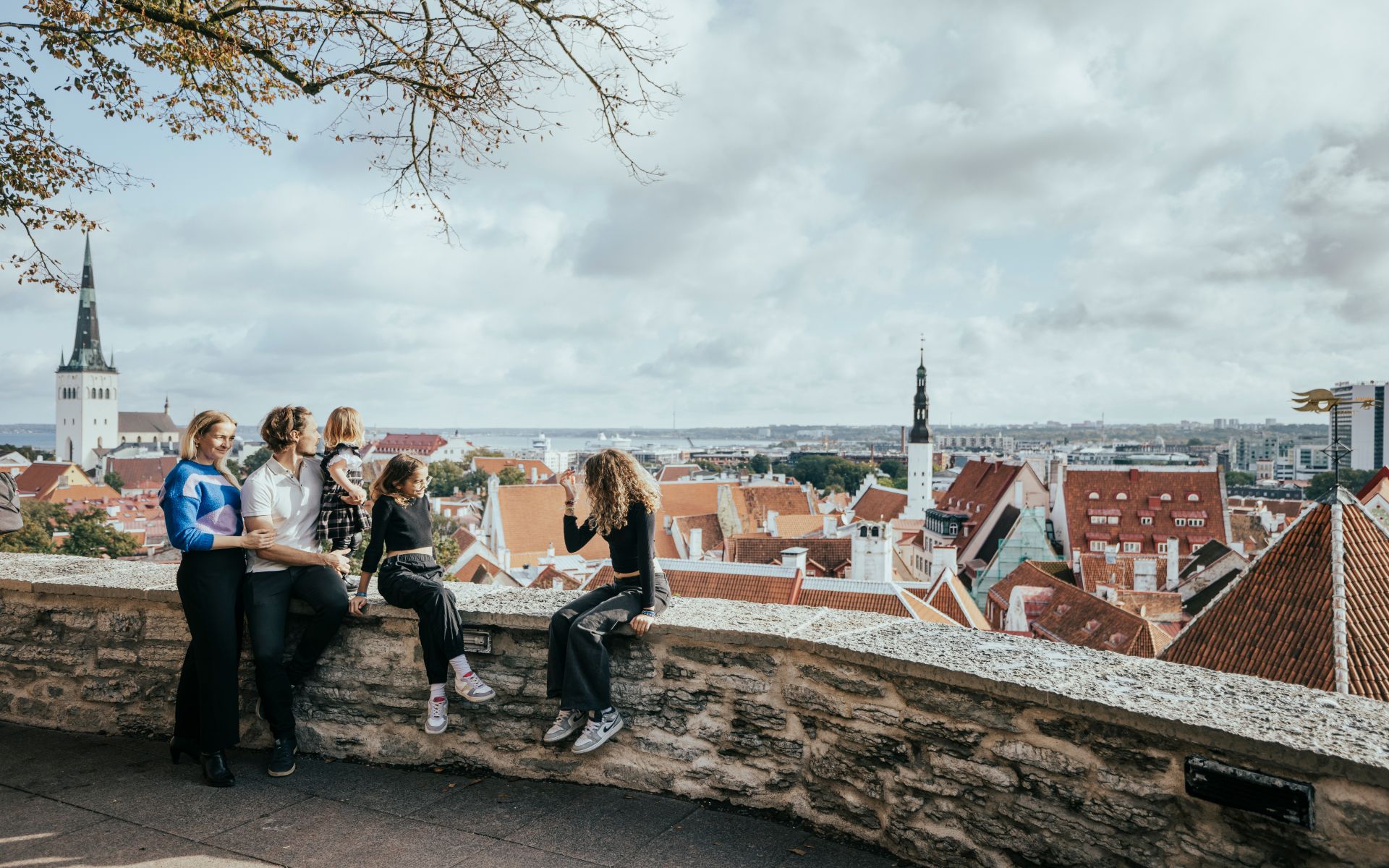
  • Afternoon: Hike up to Toompea Hill. The views from the Kohtuotsa and Patkuli viewing platforms are, without exaggeration, breathtaking. You’ll see the entire Old Town with its sea of red roofs and spires. This is where I got my favorite shot of the trip, captured perfectly on my trusty Sony Alpha 7C.
  • Evening: Ditch the main square for dinner. Find a cozy cellar restaurant like Olde Hansa for a full-on medieval experience (try the bear meat if you’re feeling brave!) or Rataskaevu 16 for amazing modern Estonian cuisine. Pro-tip: Book ahead!
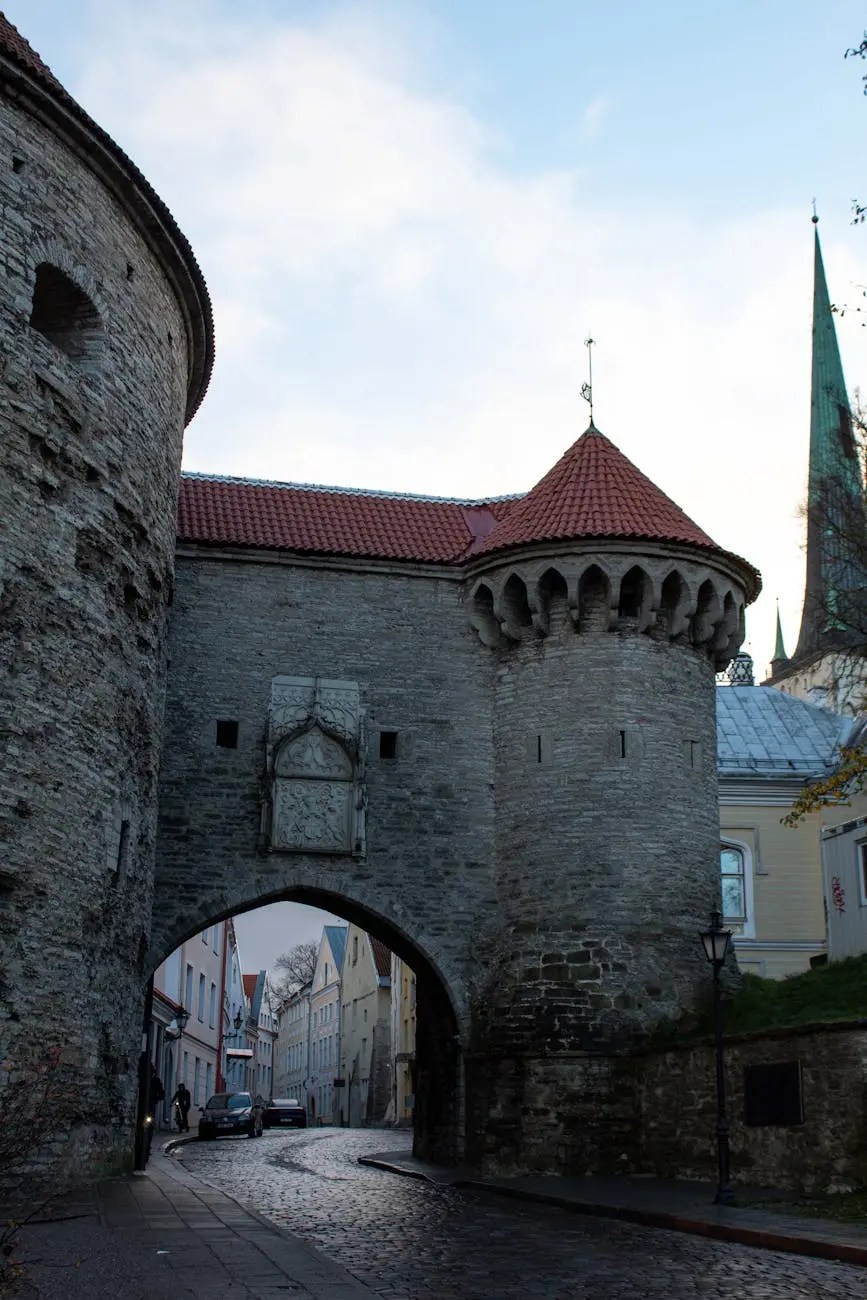
A view of a medieval stone archway with towers in Tallinn, Estonia, leading into a cobbled street lined with pastel-colored buildings.
Explore the iconic Viru Gate, a historic entrance to Tallinn’s enchanting Old Town.  Stepping through history at the iconic Viru Gate. This 14th-century entrance is the perfect introduction to the fairy-tale charm of Tallinn’s UNESCO-listed Old Town. Pro tip: the flower stalls here are some of the most beautiful in the city!

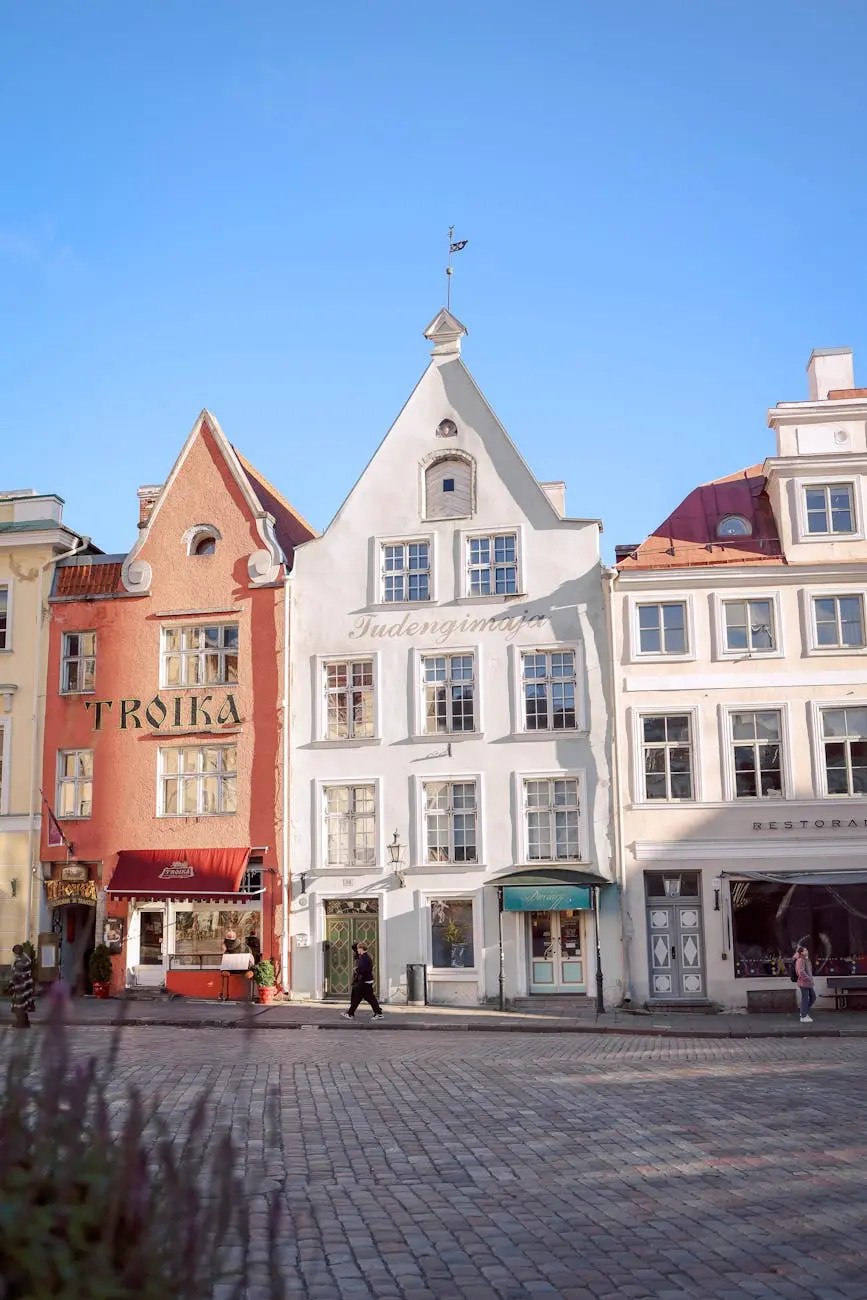
Colorful historical buildings lining a cobblestone street in Tallinn, Estonia, with clear blue skies above.
Charming pastel-colored buildings in Tallinn’s Old Town, showcasing medieval architecture against a clear blue sky. The heart of the medieval city: Tallinn’s Town Hall Square (Raekoja plats). These colorful gabled buildings have stood here for centuries, once housing wealthy Hanseatic merchants. In the winter, this very spot transforms into a magical Christmas market!
The interior of a legislative chamber featuring blue walls, wooden desks, and rows of black chairs, designed for meetings and sessions.

A group of four people enjoying a scenic view over Tallinn, Estonia, with medieval rooftops and the spire of a church in the background under a partly cloudy sky.
A group enjoying the stunning views of Tallinn’s Old Town, featuring iconic rooftops and spires.

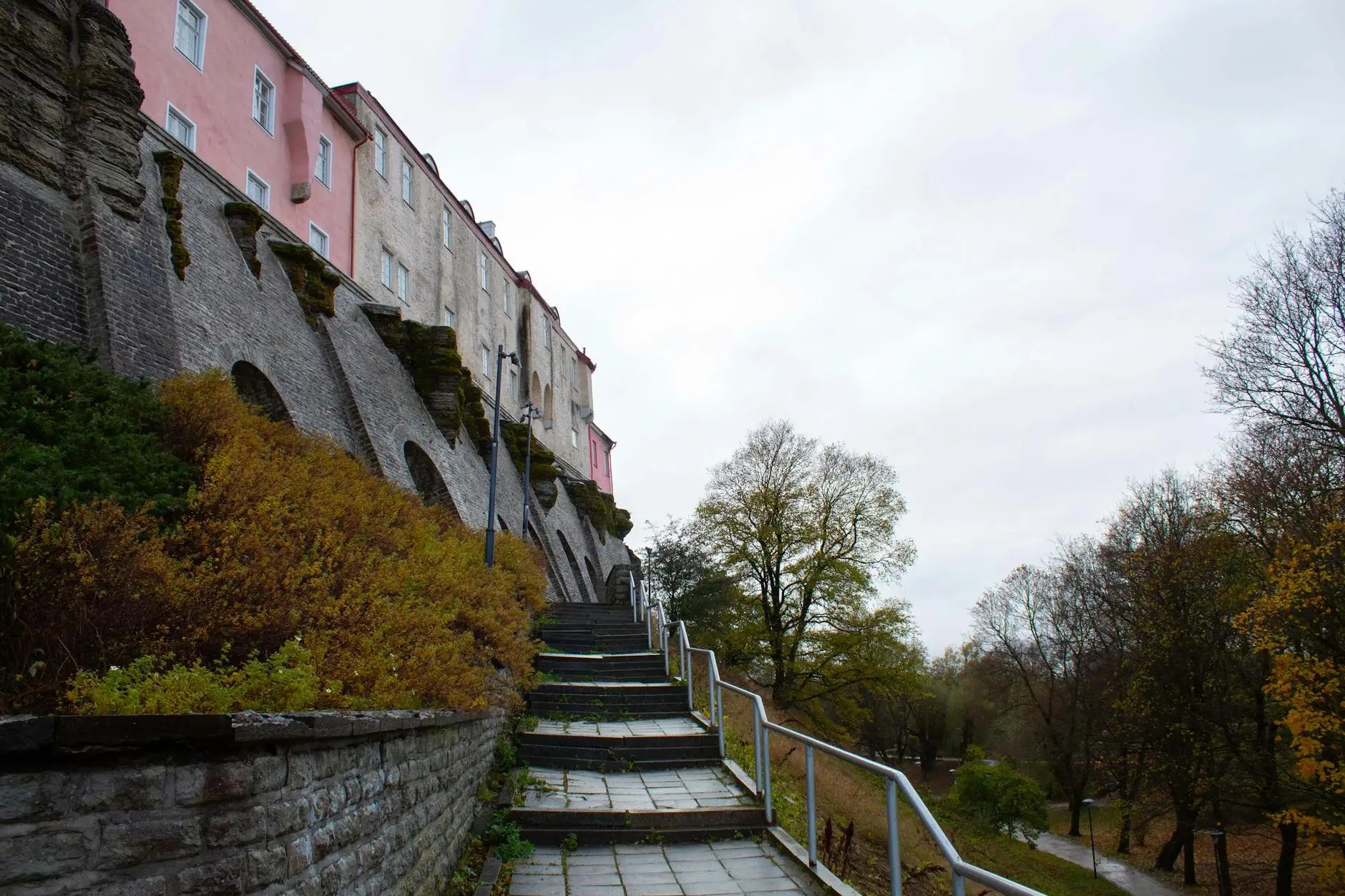
A stairway leading up to pastel-colored buildings and a stone wall overgrown with greenery, set against a cloudy sky.
A scenic view of Tallinn’s historic architecture, showcasing colorful buildings perched atop ancient city walls. The postcard-perfect view from Patkuli viewing platform. This is the scene that will convince you you’ve stepped into a fairy tale. Look for the “Three Sisters” towers and the spire of St. Olaf’s Church!

Day 2: Creative Quarters & Coastal Views

  • Morning: Cross the “Culture Kilometre” into the Kalamaja district. Famous for its picturesque, colourful wooden houses, this area is now the city’s hipster heart. Grab a coffee at a trendy café and then explore the Telliskivi Creative City, a sprawling complex of indie shops, galleries, and eateries in a former industrial complex.
  • Afternoon: From nearby Kalamaja, it’s a short walk to the Seaplane Harbour (Lennusadam). This is one of the coolest maritime museums I’ve ever visited, housed in a giant seaside hangar. You can clamber aboard a real submarine and see a historic icebreaker. It’s a hit for all ages.
  • Evening: Head to the Rotermann Quarter, a superbly done mix of old factory buildings and sharp modern architecture. It’s packed with great restaurants and bars. It’s the perfect spot to reflect on your trip over a local craft beer.
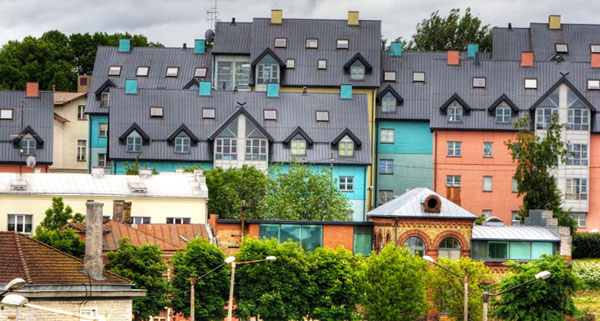
Colorful buildings with modern architecture in Tallinn, Estonia, surrounded by lush greenery.
Colorful buildings and lush greenery in Tallinn’s Kalamaja district, showcasing the area’s vibrant architecture.

Interior view of a maritime museum displaying an old tank, vintage aircraft models, and wooden stairs.
Explore the fascinating exhibits at the Seaplane Harbour, showcasing maritime history and technology.

Day 3 (The Bonus Day!): Day Trips & Deeper Dives

Got an extra day? Fantastic.

  • Option A (Nature): Take a 30-minute bus ride to Pirita. Walk along the beach, visit the ruins of St. Bridget’s Monastery, and climb the TV Tower for a panoramic view of the forest and coastline.
  • Option B (History): Venture further afield to Lahemaa National Park. You can join a tour to explore bogs, forests, and historic manor houses. It’s a complete contrast to the city and absolutely stunning.

For more Baltic inspiration, check out my guides to nearby Riga, Latvia and Vilnius, Lithuania. Doing all three is the ultimate Baltic road trip!
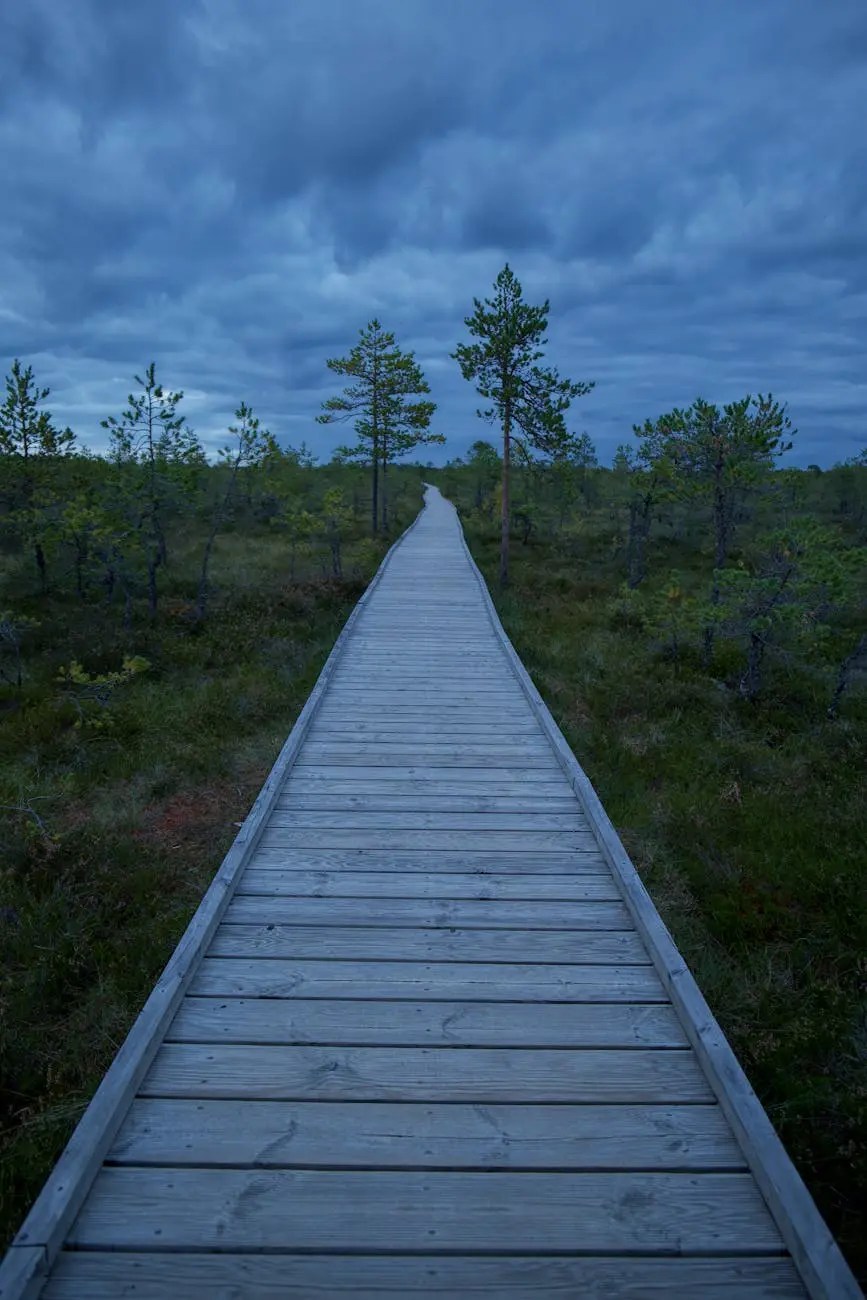
A serene wooden pathway leading through a lush, green landscape, perfect for nature exploration in Estonia. Walking the wooden boardwalk through Viru Bog feels like entering another world. The silence is broken only by the squelch of your own footsteps and the distant call of a bird. This is the raw, ancient beauty of the Estonian wilderness.

Tallinn Travel Smarts: Getting Around & Saving Cash

Public Transport: Your New Best Friend

Forget renting a car in the city center—it’s a headache of narrow streets and expensive parking. Tallinn’s public transport is cheap, clean, and efficient.

  • Single Tickets: You can buy a green Ühiskaart (smartcard) from kiosks or pay contactless with your bank card directly on the bus/tram. It’s super simple.
  • The Tallinn Card: If you’re following a busy sightseeing itinerary, this card is a no-brainer. It includes free public transport across the entire network (including those essential airport buses!) and free entry to almost all major attractions. I calculated it and saved over €50 in two days.
  • Getting Around the City: Once you’re in the center, you’ll mostly walk. To reach districts like Kalamaja (for the hipster cafes) or Kadriorg (for the art museum and park), the trams (especially #1 and #3) are your best bet. Just remember to tap your contactless card on the validator inside the vehicle.

💶 Smart Money-Saving Tips

  • Download Wolt or Bolt Food for cheaper local meals.
  • Visit museums on free entry days (usually first Wednesday of the month).
  • Walk or bike instead of taxis — Tallinn is compact!
  • Eat Lunch: Many restaurants offer a fantastic “lunch menu” on weekdays from 12-3 pm for a fraction of the dinner price.
  • Tap Water: The tap water in Tallinn is perfectly safe and delicious to drink. Bring a reusable bottle.
  • Free Walking Tours: Start your trip with one of the excellent free walking tours. You just tip the guide what you think it was worth.

🚌 Getting Around — Public Transport Made Easy

Public transport in Tallinn is not just efficient — it’s free for residents (and super cheap for visitors).

  • Bus & Tram: Buy a QR ticket from the “pilet.ee” app. Most routes run from 5 a.m. to midnight.
  • Trolleybus: Great for getting to Kadriorg or the Seaplane Harbour.
  • Car: If you’re renting, roads are clean and well-marked. Parking in the Old Town can be tricky, so try Park & Ride zones outside the center.
  • Bike & Electric Scooters: Apps like Bolt make it a breeze to zip between sights.

🗺️ Time Saver Tip: Plan your route with Google Maps offline mode — it works even without Wi-Fi, saving data and battery.

Tallinn’s Hidden Gems: Beyond the Postcard

  • The Danish King’s Garden: Behind Toompea Castle, this courtyard has a spooky legend and three mysterious monks carved into the wall. It’s much quieter than the main viewpoints.
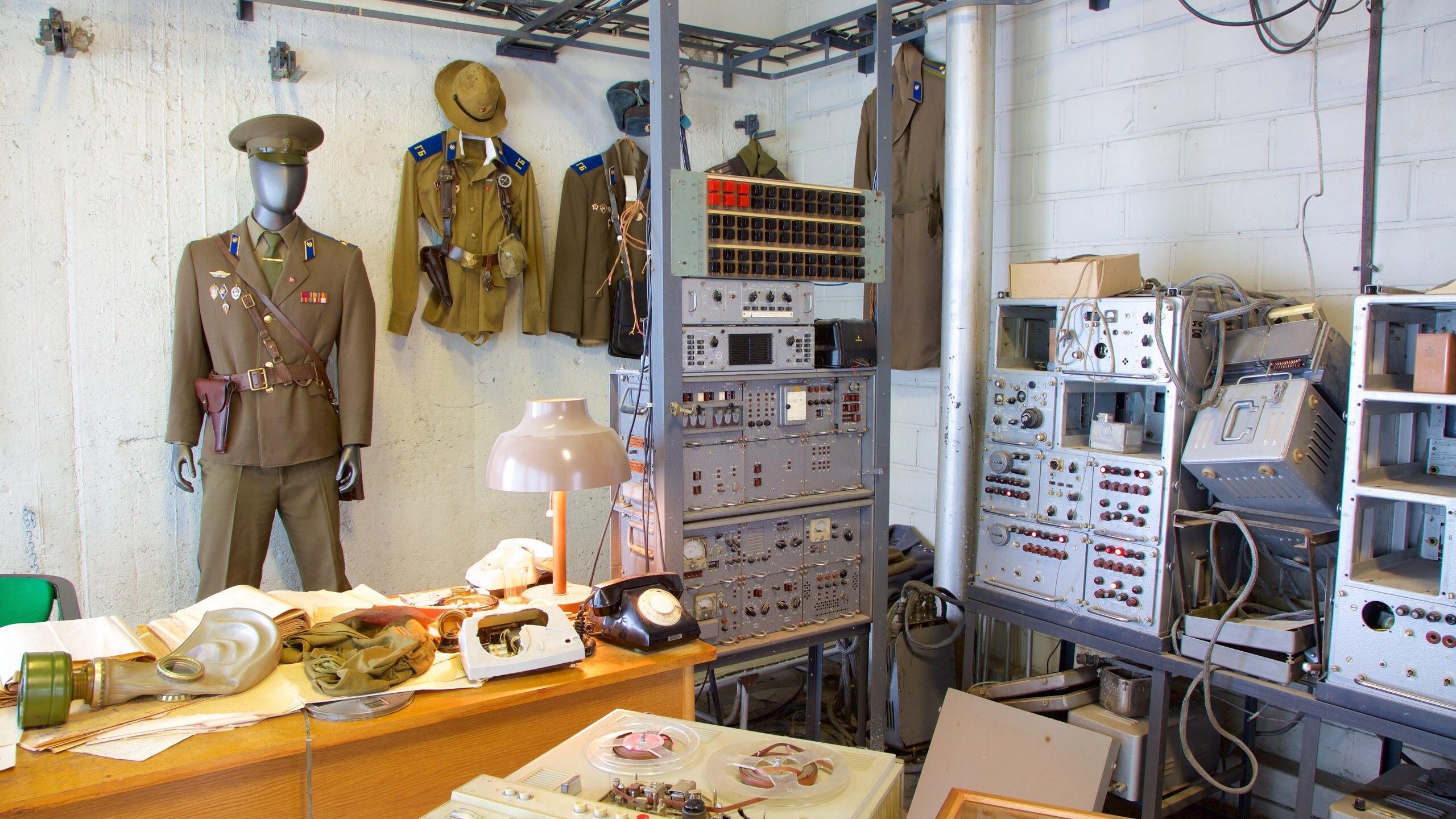
  • KGB Museum in the Viru Hotel: Book a tour of the former KGB headquarters on the 23rd floor of this Soviet-era hotel. It’s a chilling but fascinating look into Estonia’s not-so-distant past.
  • St. Catherine’s Passage: A beautiful, atmospheric alley where you can find the workshops of local artisans and see ancient tombstones embedded in the wall.

🌊Tallinn’s Hidden Gems: Beyond the Postcard

  • The Danish King’s Garden: Behind Toompea Castle, this courtyard has a spooky legend and three mysterious monks carved into the wall. It’s much quieter than the main viewpoints.
  • KGB Museum in the Viru Hotel: Book a tour of the former KGB headquarters on the 23rd floor of this Soviet-era hotel. It’s a chilling but fascinating look into Estonia’s not-so-distant past.
  • St. Catherine’s Passage: A beautiful, atmospheric alley where you can find the workshops of local artisans and see ancient tombstones embedded in the wall.
  • Head to Kadriorg Park for a peaceful morning walk — the palace, built by Peter the Great, is a pastel dream.
  • End your day at Patarei Sea Fortress, an atmospheric spot perfect for golden-hour photos.
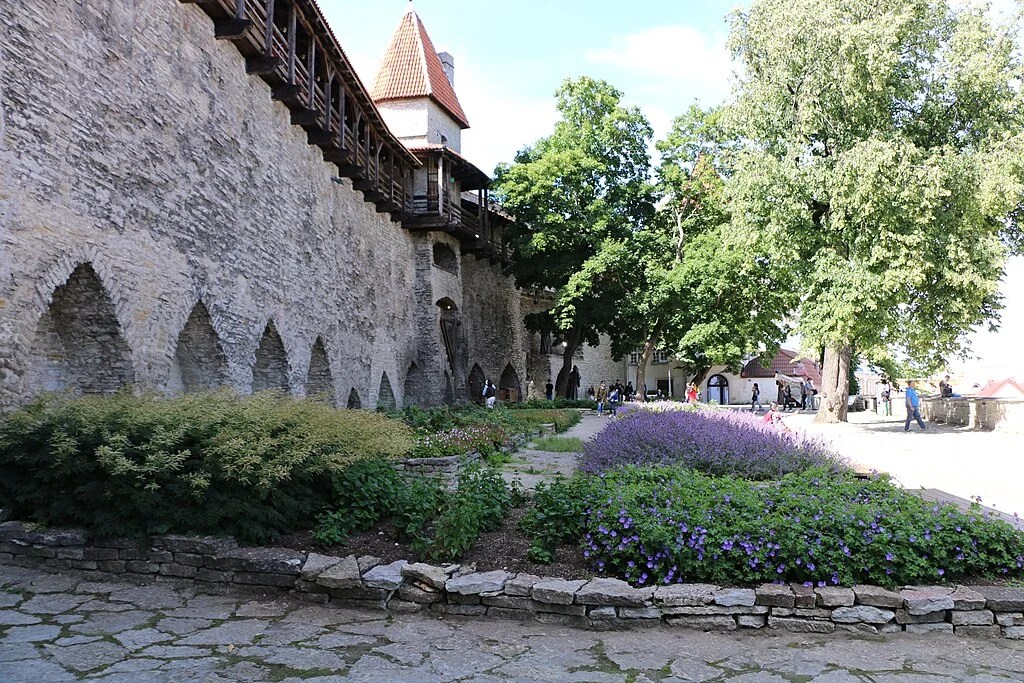
A view of a medieval stone wall with arched windows and a wooden walkway above, surrounded by green trees and blooming flowers in the foreground, showcasing a charming atmosphere of Tallinn's Old Town.
A scenic view of Tallinn’s medieval city wall surrounded by lush greenery and vibrant flowers, capturing the enchanting atmosphere of Estonia’s capital. By Taivo Pungas – Own work, CC BY-SA 4.0, https://commons.wikimedia.org/w/index.php?curid=49954130 The Danish King’s Garden, where legend says the Dannebrog—the world’s oldest national flag—fell from the heavens during a 13th-century battle. Talk about a divine fashion moment.
A display showcasing historical military uniforms and equipment, featuring a mannequin dressed in a military uniform with medals, surrounded by various vintage electronics and tools.
An exhibit showcasing vintage military uniforms and communication equipment at the KGB Museum in Tallinn, Estonia.
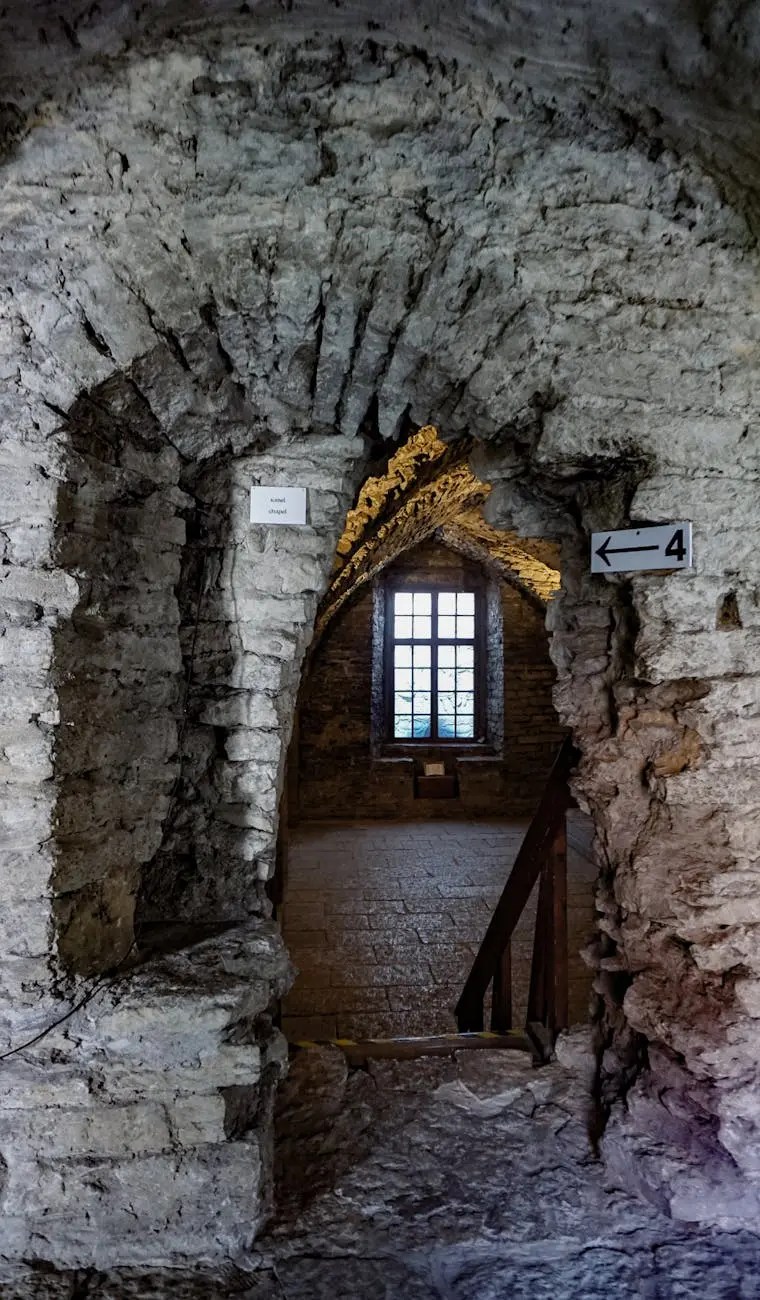
An arched stone doorway leading into a dimly lit room with a wooden staircase. The walls are rough-hewn stones, and a window is visible in the background with light filtering through.
A glimpse of the ancient architecture in Tallinn, Estonia, showcasing stone arches and historical elements. Walking through history in St. Catherine’s Passage. This ancient archway is all that remains of a bustling 13th-century Dominican monastery, offering a silent, powerful glimpse into medieval Tallinn.
A scenic view of Kadriorg Park in Tallinn, Estonia, featuring a decorative gazebo by a pond surrounded by lush greenery and a clear blue sky.
A picturesque view of a serene park in Tallinn, featuring a decorative gazebo by the lake surrounded by lush greenery. The perfect spot to pause. This gazebo, watching peacefully over the lake, is where you come to forget your itinerary and simply enjoy the moment.

Got an Extra Day? How to Pop Over to Helsinki, Finland

So, you’ve fallen in love with Tallinn and you’re thinking, “What’s next?” Well, how about breakfast in Estonia and lunch in Finland? Helsinki is just a short hop across the Gulf of Finland, making it an incredibly easy and popular day trip or next stop on your Baltic adventure.

Having done this journey myself, I can break down the two main options: flying (which I don’t recommend for this leg) and taking the ferry (which is an experience in itself).

The Ferry: The Obvious (and Awesome) Winner

This is, without a doubt, the way to go. The ferry isn’t just transport; it’s part of the adventure.

  • The Experience: Imagine a giant, sleek cruise ship equipped with multiple restaurants, bars, tax-free shopping, and even live music. The 2-3 hour journey feels like a mini-cruise. On a sunny day, the views of the Baltic Sea and the archipelago from the deck are stunning.
  • The Logistics:
    • Companies: The main operators are Tallink Silja and Eckerö Line. Both are excellent, with modern, comfortable vessels.
    • Duration: Most ferries take between 2 to 3 hours.
    • Cost: This is the best part. You can often find one-way tickets for as low as €15-€30 if you book in advance. I once snagged a €19 ticket and felt like I’d won the travel lottery.
    • Terminals: The ferries dock right in the heart of both cities. In Tallinn, the terminal is a pleasant 15-minute walk from the Old Town. In Helsinki, you arrive just a short walk from the city center. You simply walk on and walk off—no lengthy airport transfers.

Flying: The (Usually) Unnecessary Hassle

While there are short flights between Tallinn and Helsinki, it’s almost never the right choice for a traveler.

  • The “Why Not”:
    • Total Travel Time: A flight is only 30-40 minutes in the air. But you have to factor in getting to the airport (30-45 mins), arriving 2 hours early for security, waiting for baggage, and then another 30-45 minute transfer from Helsinki Airport to the city center. You’re looking at 4-5 hours of total hassle versus the ferry’s relaxed 2-hour city-center-to-city-center trip.
    • Cost: Flights are almost always significantly more expensive than a ferry ticket, especially when you add in the cost of airport transfers.
    • Experience: Sitting in a cramped plane seat for a half-hour flight just can’t compare to strolling on a sundeck with a coffee in hand.

My Verdict: Unless you have a severe fear of boats or are collecting air miles, the ferry is the only sensible option. It’s cheaper, faster when you consider door-to-door travel, and infinitely more enjoyable.

Ready to set sail?
👉 [Check ferry schedules and book your tickets here via Direct Ferries to lock in the best prices.

Tallinn to Helsinki Ferry Price

The price of a ferry from Tallinn to Helsinki can vary between $36.51 and $221.23 depending on the operator, season and whether you are travelling with a vehicle. The average price of a foot passenger is $71.51, with prices ranging from $16 and $147. The average price with a car is $175.38. Car prices can range from $41 and $315. Prices may vary for other vehicle types. All ferry prices can change from season to season. Please be aware that prices do not include booking fees. 1 November 2025

Loved your time in Tallinn and feeling the pull of another Nordic adventure just across the water? You’re in luck! The journey from fairy-tale Estonia to the modern design capital of Helsinki is easier than you think. I’ve put together the ultimate guide to exploring Finland’s vibrant capital, perfect for a day trip or a longer stay. Ready to continue your Baltic exploration? Dive into my guide: An Unforgettable Weekend Getaway to Helsinki.

Let’s talk numbers, because this is where the ferry truly sails into the winner’s circle. While you might occasionally find a flight deal for around €50-€70 one-way, that’s just the tip of the iceberg. By the time you add in the cost of airport transfers on both ends (easily €15-€20 each way), that “cheap” flight suddenly looks more like €100. Meanwhile, I’ve consistently snagged ferry tickets for a laughably low €15-€30 – and that price includes a city-center-to-city-center journey, the freedom to wander, and a scenic mini-cruise across the Baltic. Unless you’re actively trying to burn cash for a 40-minute flight, your wallet will thank you for choosing the boat.

Flights from Tallinn (TLL) to Helsinki (HEL)

Let’s create a quick example for Tallinn, Estonia to Helsinki, Finland.

H2: At a Glance: Quick Comparison Table

FeatureFerryFlight
Travel Time2-2.5 hours30 min flight + 2+ hours airport time = ~3 hours total
Average Cost€25-€40€60-€120+
BaggageVery generousStrict carry-on/checked baggage fees
SceneryBeautiful archipelago viewsViews during takeoff/landing
City Center to…Port is a 10-min walk/taxiTallinn Airport (TLL) is 15 min by tram, Helsinki Airport (HEL) is 30 min by train.

Verdict: For the Tallinn-Helsinki route, the ferry is the clear winner for almost all travelers due to its lower cost, central ports, and the fact it’s often faster door-to-door than flying.

Essential Estonian: Don’t Leave Home Without These Phrases

Estonians appreciate the effort! Here are the basics:

Estonian WordMeaningPronunciation
TereHelloTEH-reh
AitähThank youEye-tah
PalunPlease / You’re welcomePA-lun
Kui palju see maksab?How much does it cost?Koo-ee pal-yu seh mak-sab
HüvastiGoodbyeHOO-vah-stee

Travel FAQ: Tallinn Quick-Fire Questions

Q: What’s the best time to visit Tallinn?
A: May to September for lovely weather and long days. December for the magical Christmas market. Avoid the muddy shoulder months of March and April.

Q: Is Tallinn expensive?
A: It’s one of the more affordable capitals in Europe, especially compared to Scandinavia. You can have a fantastic time on a moderate budget.

Q: Can I get by with English?
A: Absolutely. Estonia has one of the highest English proficiency rates in Europe, especially among younger people and in the tourism industry.

Q: What should I pack?
A: Comfortable walking shoes are non-negotiable! Layers are key, as weather can change quickly. And don’t forget a power bank and…

Q :How much does a weekend trip cost?
Budget travelers can enjoy Tallinn for around €200–€250, including accommodation, meals, and transport.

Q: Do I need cash?
Most places accept cards, but keep a few euros for markets or small cafés.

Q: Are there good day trips from Tallinn?
Absolutely — try Lahemaa National Park or Parnu Beach for nature lovers.

Ready to Roam? Your Packing List & Final Checks

Before you zip up that suitcase, here are my final, can’t-live-without travel essentials:

  • Stay Connected (Without the Bill Shock): I never travel without my Drimsim. It’s a universal data SIM that works in 190+ countries. Pop it in, top up via the app, and you’re online. No more hunting for SIM cards or fearing roaming charges. Grab yours here and stay connected from the moment you land.
  • Protect Your Peace of Mind (and Your Wallet): Travel insurance isn’t glamorous, but it’s essential. I use VisitorsCoverage to compare plans and find the right coverage for every trip. It’s the smartest five minutes you’ll spend planning.
  • Browse Safely on Public WiFi: I always use a VPN on my phone and laptop, especially when using public WiFi in airports and cafes. It keeps my personal data safe from prying eyes.
  • Look Fresh, Even After a Red-Eye: Travel can wreak havoc on your skin. I swear by the gentle, effective formulas from Lakinza. Their K-beauty magic keeps my skin glowing through time zones. Use code Lalax10 for a sweet discount!
  • Flight Got Messed Up? Don’t just accept it! If your flight is delayed or canceled, you might be owed compensation. I use AirHelp to check my flight and let them handle the airline hassle. It’s free until they win!

🌍 Final Thoughts

Tallinn is where history whispers from cobblestones, and modern life hums in tech cafés. It’s a city that rewards slow exploration — and smart planning.

Whether you’re chasing fairy-tale rooftops, cozy saunas, or just a budget-friendly escape, Tallinn proves that the best European weekends don’t have to break the bank (or your Wi-Fi).

📍 Plan your ultimate Tallinn getaway now through Expedia and make it a weekend worth remembering!


🔗 Nearby Weekend Escapes You Might Love

Universal Disclaimer/Disclosure Page:

Ultimate Guide to a Weekend in Nice, France

Meta Description: Dreaming of a sun-drenched weekend on the French Riviera? Our ultimate travel guide to Nice, France is packed with local tips, hidden gems, and savvy advice for saving time and money. Discover the best of Nice, from the iconic Promenade des Anglais to secret local spots.

Bonjour, fellow travelers! So, your calendar has a glorious, empty weekend staring back at you, and your soul is screaming for a dose of vitamin sea and a side of French elegance. May I suggest trading your usual routine for a whirlwind 48 hours in Nice?

Nestled on the sparkling French Riviera, Nice is the perfect canvas for a spontaneous European escape. I still remember my first time there, stumbling out of the train station to be greeted by a blast of warm, floral-scented air and that unbelievable Mediterranean light. It was love at first sight.

This guide isn’t just a list of places to see; it’s the blueprint for a perfect, seamless, and unforgettable weekend. We’re talking logistics, local lingo, and secrets to help you travel smarter, not harder. Let’s dive in!

Table of Contents

  1. Nice: A Quick Taste of the Riviera Dream
  2. Logistics: Visas, Vitals, and Vetting the Best Time to Go
  3. Affiliate Corner: My Must-Have Travel Tools
  4. Mastering Nice’s Public Transport: Save Time and Gas
    • Money-Saving Transport Tips
    • Niçard & French Phrases to Know
  5. Your Ultimate 3-Day Nice Itinerary
    • Day 1: Old Town, Markets, and a View
    • Day 2: Art, Beaches, and Hidden Gems
    • Day 3: Glamour on the Go (The Best Day Trip)
  6. Pro-Tips and Calls-to-Action (CTAs)
  7. FAQ: Everything Else You Need to Know

This city is the perfect blend of Italian zest (it was part of Italy until 1860!) and French sophistication. It’s walkable, incredibly scenic, and offers a slice of coastal perfection without the exhausting price tag of, say, its neighbor Monaco. I promise, if you follow this guide, you’ll not only save time and money on logistics but you’ll also feel like a local, not just a tourist.

Logistics: Visas, Vitals, and Vetting the Best Time to Go

Visa and Entry Requirements

Nice is in France, which is part of the Schengen Area. If you’re traveling from outside this area (like the US, UK, or Canada), you generally won’t need a visa for stays under 90 days, but always double-check the current requirements well before booking. Trust me, a quick visa check is way less stressful than a stern look from a border agent.

Best Time to Visit (Avoiding the Crowds)

To truly save time and enjoy the city without battling elbow-to-elbow crowds on the Promenade des Anglais, avoid July and August.

  • Best Time: Late April/May or September/Early October. The weather is divine, the sea is warm enough for swimming, and hotel prices haven’t hit peak season insanity.

Flights to Nice

Money-Saving Tip: The Niçard Lunch

Want to save a bundle on dining? Embrace the French tradition of a hearty lunch. Many fantastic, high-end restaurants offer a Prix Fixe (set menu) lunch that is a fraction of the dinner price. I once had a three-course gourmet meal for $30 that would have easily been $75 that evening. Look for the board outside that says “Menu du Jour.”

💰 Culture Tip: The Nice Museum Pass can be a great deal if you plan to hit several museums and save on individual tickets. Even better: remember that many top museums, including the Matisse and Chagall Museums, are often free on the first Sunday of the month! If your weekend lines up with this, you just unlocked a massive saving.

Hotels in Nice

My Must-Have Travel Tools

I’m a seasoned traveler, and over the years, I’ve found a few non-negotiables that make every trip smoother, especially a weekend dash where time is everything.

🛡️ Travel Insurance: Don’t Leave Home Without It

Smart Travel Tip: No matter where your adventures take you, having the right travel insurance can save you from unexpected headaches (and bills). I personally recommend VisitorsCoverage — it’s a trusted platform where you can compare plans, find coverage that fits your trip, and book it in just a few clicks. Whether you’re planning a quick city escape or a longer international journey, it’s peace of mind worth packing. Check out VisitorsCoverage plans here!

📶 Connectivity: The Universal SIM Card Solution

Staying connected abroad can be tricky (and expensive if you’re relying on airport SIM counters or roaming). I’m done with that scavenger hunt! I now use a Drimsim—a universal SIM card that works in 190+ countries without hidden fees. You simply pop it into your phone, top up through the app, and you’re online wherever your adventure takes you. No more hunting for local SIM cards or stressing over roaming bills. If you’re planning your next getaway, I highly recommend checking it out. Learn more about Drimsim: SIM Card for Traveling Around the World.

✈️ Flight Delayed or Canceled?

Travel isn’t always smooth sailing—sometimes flights get delayed, canceled, or overbooked. The good news? You might be entitled to up to $650 in compensation under air passenger rights. Most travelers never claim it, but I’ve got you covered: just check your flight with AirHelp. They handle the paperwork, fight the airlines for you, and only get paid if you win. Easy, stress-free, and a nice surprise for your travel fund. Check your flight compensation eligibility now!

Mastering Nice’s Public Transport: Save Time and Gas

Nice has a brilliant public transportation system run by Lignes d’Azur, which will save you a ton of money and the stress of driving in a foreign city. Honestly, don’t bother renting a car unless you plan to explore the deep countryside. Parking is expensive, and the traffic around the Corniche roads can be a nightmare—I once spent 45 minutes trying to park for a 20-minute coffee. Don’t be me.

Getting to the City Center from the Airport (NCE)

This is the easiest logistics win. Skip the $40 taxis.

  • The Tramway Line 2 (L2) connects the airport directly to the city center (Jean Médecin or Port Lympia stops) in about 30 minutes. The cost is the same as a regular local bus fare—a steal!

Using the City Network

⚠️ Critical Safety Alert: Pickpockets on Tram 2

This is an important warning from experience: Pickpockets have identified travelers purchasing tickets at the airport machines as easy targets. They will commonly pose as friendly individuals offering to ‘help’ with the purchase, especially if you look confused by the machine. Before you know it, your wallet with all your credit cards, cash, and possibly passport have disappeared.

My Advice:

  1. Do NOT accept unsolicited help at the ticket machines, especially if they try to distract you or block the keypad.
  2. Be aware of your surroundings. Keep your wallet and passport secured before you approach the machine (preferably in a zippered inside pocket or travel belt).
  3. Use the official Lignes d’Azur app to buy your ticket digitally if you can, skipping the machine entirely.
  • Trams & Buses: The network is efficient, covering all major tourist sites. A single ticket costs around €1.50 (buy it on the bus/tram or at a tram stop machine).Buses for the Win: Buses will get you to the Chagall and Matisse museums easily (Bus #15 for Chagall, Bus #17 for Matisse). Use the Lignes d’Azur app for real-time schedules.
  • Money-Saving Transport Tips:
    • A 1-day Pass costs about €5 and gives you unlimited travel across all trams and buses. If you plan more than three trips in a day, buy this!
    • For day trips, use the bus or train. Bus routes 82 and 100 are famous for their scenic routes to destinations like Monaco or Villefranche-sur-Mer, and the fare is still the local €1.50! This is a massive gas and time saver compared to driving. The train (TER) is faster for longer distances but costs more (still very reasonable, usually under €10).

Road Map Tip: Focus on Train for Day Trips

If you’re dead set on seeing Cannes or Monaco, take the TER train. It runs right along the coast, offering spectacular views, and avoids all the coastal road traffic and parking hassles. Buy your ticket at the Nice-Ville station. It’s faster, cheaper on gas (because you’re not using any!), and way more relaxing.

Your Ultimate 3-Day Nice Itinerary

This itinerary is designed to maximize your time, minimize travel across the city, and keep money in your pocket!

Day 1: Old Town, Markets, and a View

  • Morning: Get Lost in Vieux Nice. Wander the labyrinthine streets of the Old Town. It’s an absolute must. Pro-tip: Don’t use your phone map in here. Just walk and see what you find. It’s more fun, and you’ll stumble across the best little boutiques and hidden squares.
  • Lunch: Cours Saleya Market. Grab lunch at the famous flower and produce market. This is where I discovered Socca. Find a street vendor, grab a slice, and eat it hot off the griddle—it’s phenomenal!
  • Afternoon: Climb Castle Hill (Colline du Château). Skip the elevator (and the line!) and take the stairs near the bell tower for a good workout. The panoramic view over the city, the port, and the Baie des Anges is the iconic Nice photo. This is where you’ll want your best gear. I always bring my travel camera for this view! If you’re looking for a reliable camera that handles the Riviera light, check out my kit here.
A close-up of a slice of pizza with a golden crust and pepperoni toppings, resting on parchment paper, with additional pizza slices in the background.
Indulge in a delicious slice of Socca, a local specialty from Nice, France, perfect for your outdoor lunch at the Cours Saleya Market.
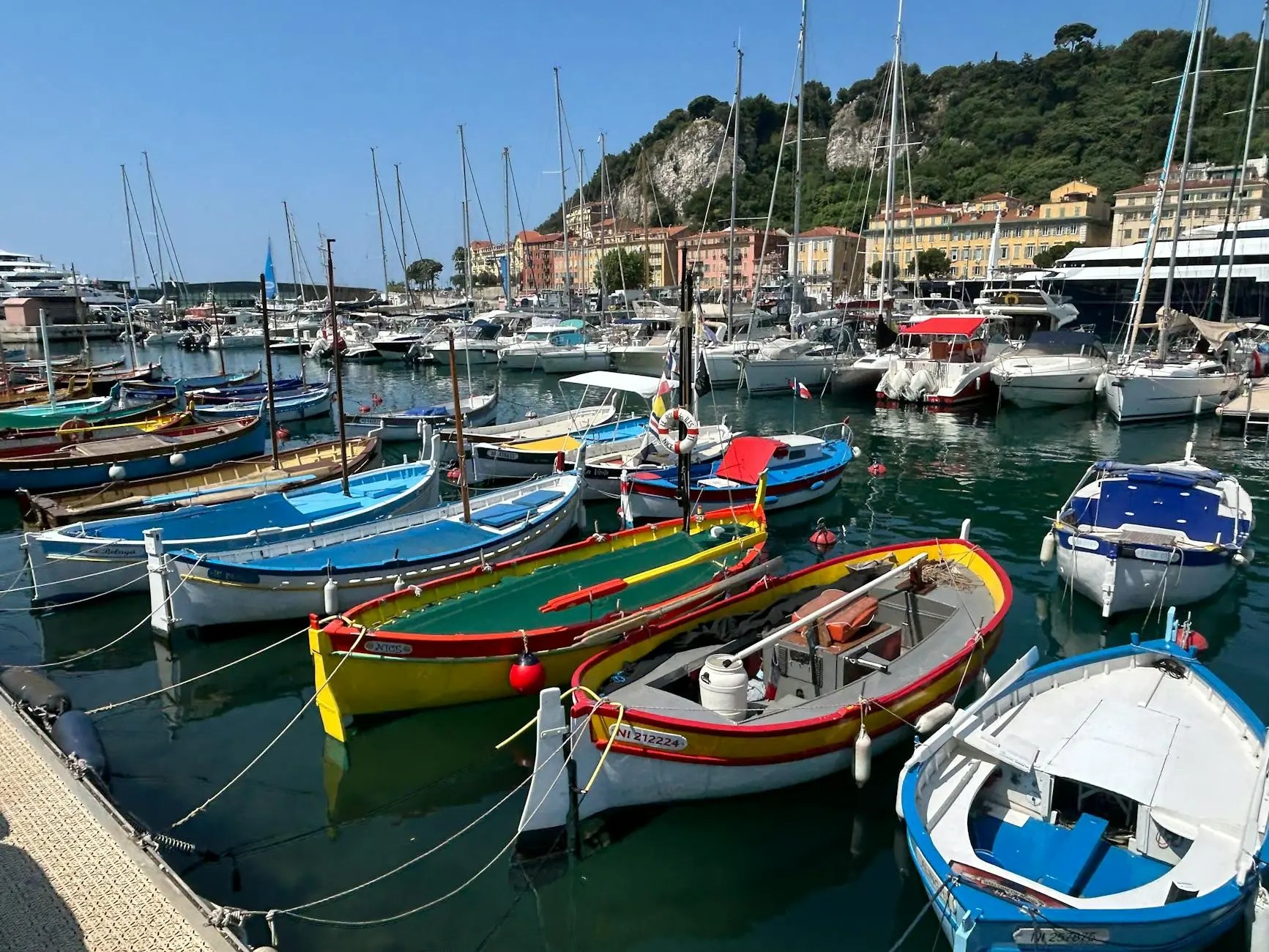
A vibrant marina in Nice, showcasing colorful fishing boats and luxurious yachts amidst the scenic backdrop of the French Riviera.  harbor of Nice, France, a prominent city on the French Riviera.

Day 2: Art, Beaches, and Hidden Gems

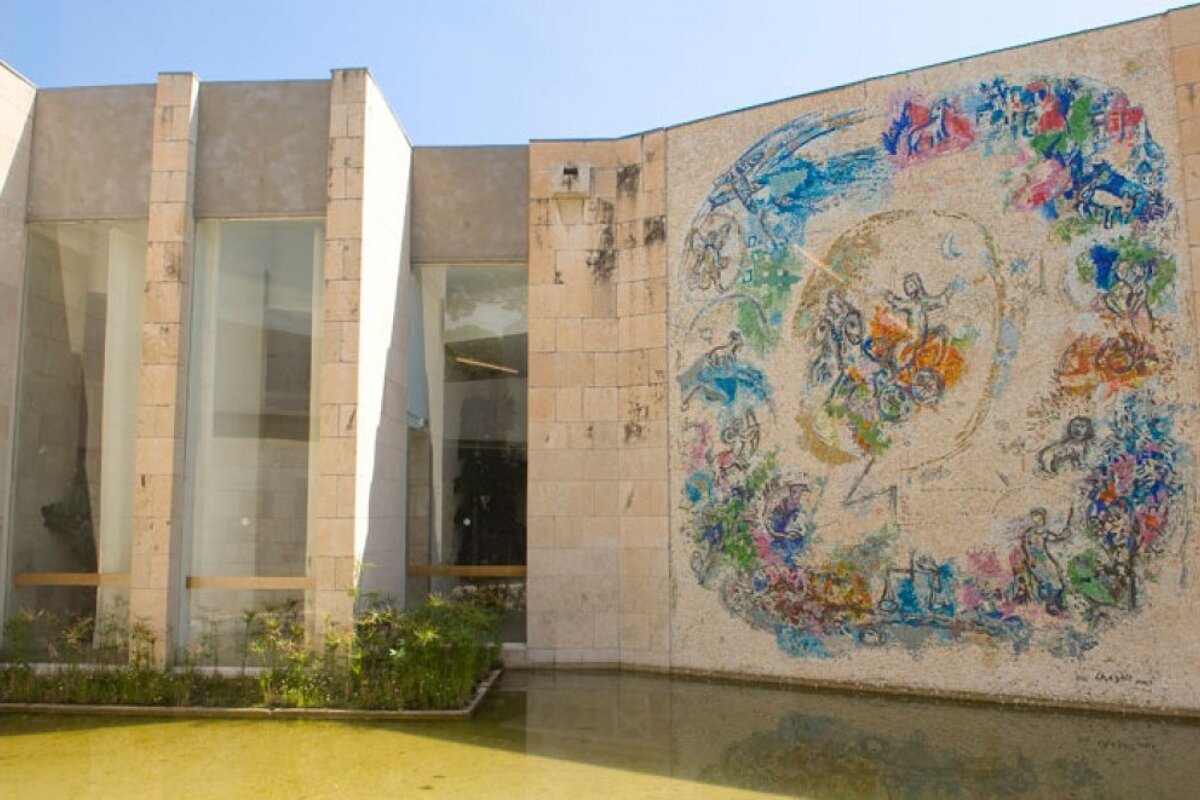
  • Morning: Culture Vultures Unite. Head up to the Cimiez district via bus (it’s a bit of a trek otherwise). This area is quieter and home to the Matisse Museum and the Chagall Museum. You can easily spend the morning soaking up art.
  • Lunch: Picnic in the Cimiez Gardens. Grab a baguette and some cheese and relax in the Roman ruins or near the monastery. It’s a beautifully calm spot away from the tourist buzz.
  • Afternoon: Hidden Gem: Plage de la Réserve. Everyone crowds the pebble beaches of the main Promenade, but for a truly authentic, local swimming spot, head to Plage de la Réserve. It’s located around the corner from the port. It’s rugged, rocky, and a spectacular spot to watch the sunset. It feels like a secret slice of the Riviera.

If you’re a pro at weekend getaways, you might also enjoy planning your next one with my Ultimate Weekend Guide to Athens, Greece — from ancient history to vibrant street life, it’s another perfect 48-hour escape

A vibrant red building with green shutters and an open door, surrounded by greenery and a dirt pathway under a clear blue sky.
Matisse Museum Nice, France

Freshly baked baguettes stacked on a wooden surface, showcasing a golden-brown crust with a rustic background.
Freshly baked baguettes, a staple of French cuisine, ready to accompany meals or be enjoyed on their own. Is there anything more quintessentially French? The quest for the perfect, crackly-crusted baguette is a daily ritual in Nice—and the most important item on your lunch shopping list.
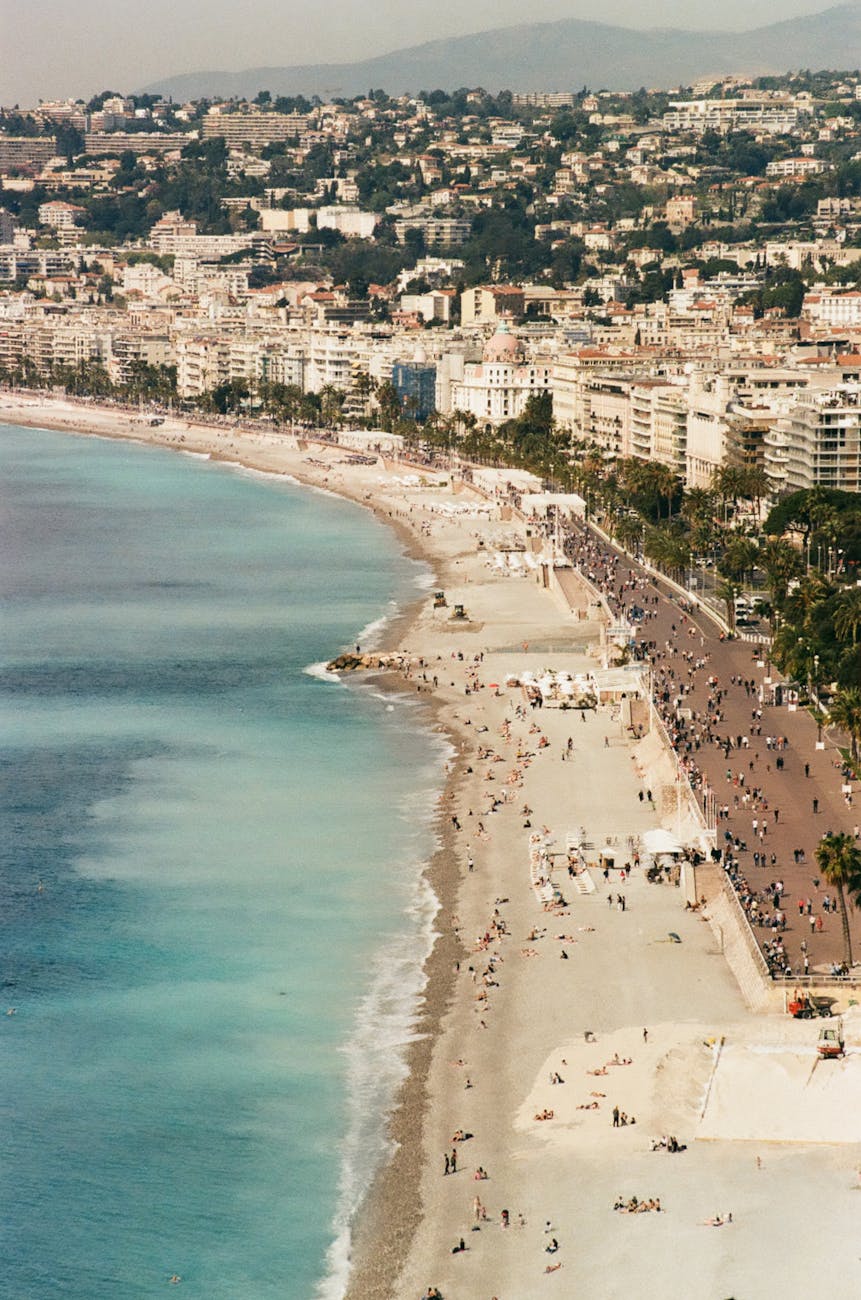
Aerial view of the beach and coastline of Nice, France, featuring sandy shores, the Mediterranean sea, and the urban area along the waterfront.
Aerial view of the stunning Promenade des Anglais in Nice, showcasing the beautiful beach and vibrant Mediterranean atmosphere.

Day 3: Glamour on the Go (The Best Day Trip)

Don’t waste time driving. Day 3 is dedicated to an easy, affordable, and scenic train trip.

  • Monaco or Villefranche-sur-Mer?
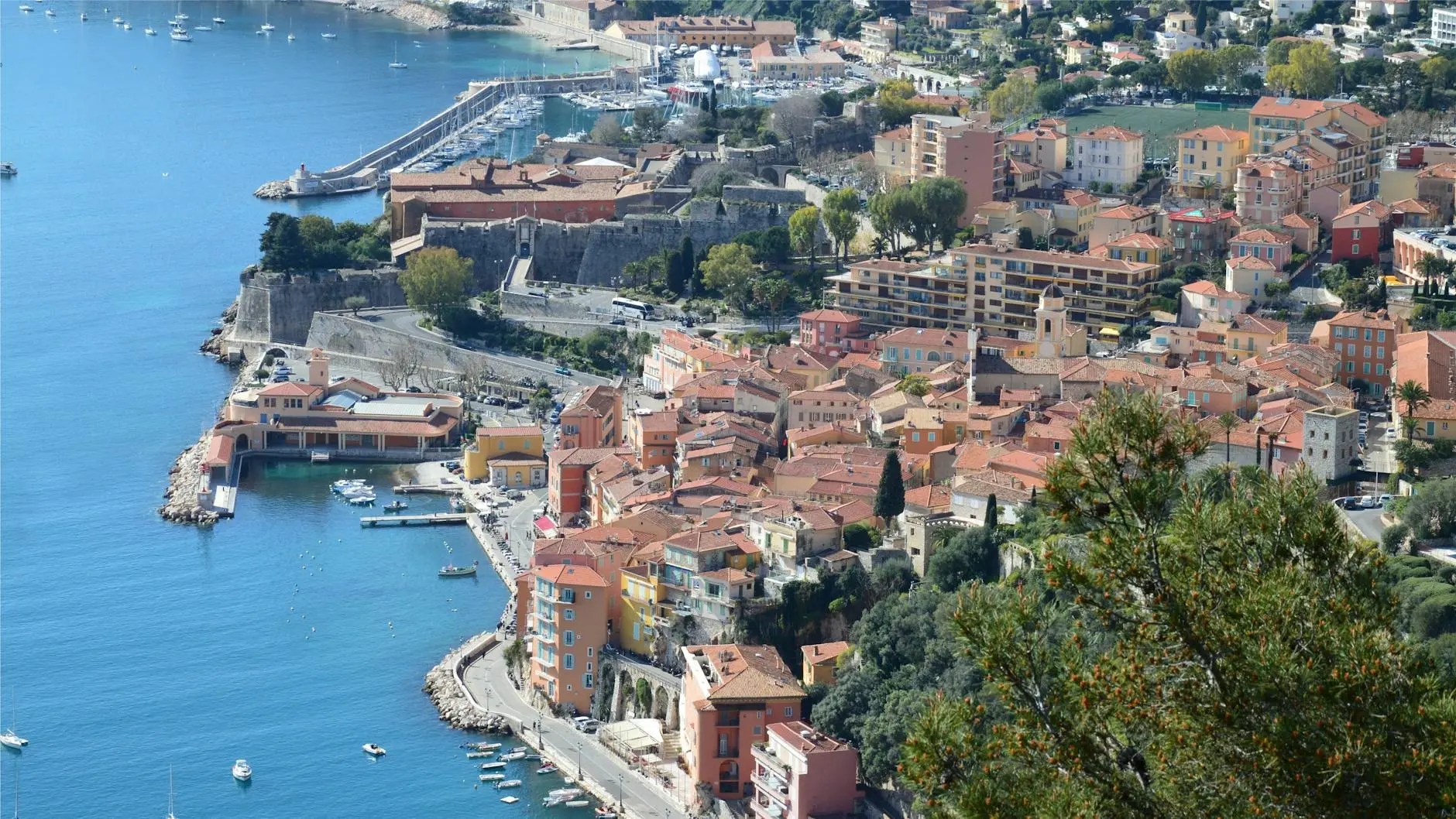
    • Villefranche-sur-Mer: (10-min train ride) My top recommendation. It’s a stunning, horseshoe bay with a colorful waterfront. It’s relaxing and a beautiful contrast to Nice’s energy.
    • Monaco: (20-min train ride) If you want to see the casinos and the fancy cars, Monaco is an easy trip. The train lets you off right near the harbor. If you decide to spend more time exploring the high-life,!!
Aerial view of a picturesque coastal town on the French Riviera, showcasing colorful buildings, a marina with boats, and the serene blue waters of the Mediterranean Sea.
A stunning aerial view of Villefranche-sur-Mer, showcasing its picturesque bay, colorful buildings, and serene marina, ideal for a day trip from Nice. A stone’s throw from Nice: The breathtaking, deep-water bay of Villefranche-sur-Mer from above—your perfect, picture-postcard day trip on the Côte d’Azur.

💻 Public Wi-Fi Warning

The French Riviera is beautiful, but public Wi-Fi isn’t always safe. Don’t access your bank or credit cards using open networks in cafes or hotels! I always use a Virtual Private Network (VPN) for security. Protect your data while traveling with NordVPN—it’s the one I trust.

A Traveler’s Cheat Sheet

You don’t need to be fluent, but a few words go a long way!

  • Bonjour (Bohn-zhoor): Hello / Good day. Always say this when entering a shop.
  • Merci (Mair-see): Thank you.
  • S’il vous plaît (See voo play): Please.
  • Une carafe d’eau (Oon ka-raf doh): A carafe of water. Ask for this in restaurants to get free tap water and avoid paying for bottled.
  • L’addition, s’il vous plaît (La-dee-see-ohn…): The bill, please.
  • Socca (So-ka): The must-try chickpea pancake.
  • Pan Bagnat (Pahn Ban-yah): The iconic Nicoise salad in a sandwich.

Thinking Beyond the Mainland? A Corsican Detour

Ready to add an island adventure to your French Riviera escape? From the port in Nice, you can catch a direct ferry to Bastia, Corsica—the “Isle of Beauty.” This isn’t just a boat ride; it’s a gateway to a completely different world of rugged mountains, pristine beaches, and a unique Franco-Italian culture. Imagine swapping a day of museum-hopping for a journey across the sparkling Mediterranean, arriving in a vibrant Corsican port city filled with Genoese citadels and bustling squares. It’s a longer journey, perfect for turning a weekend trip into a 4-5 day extravaganza, but the bragging rights are absolutely worth it.

👉 Ready to set sail? Check ferry schedules and book your crossing to Corsica easily here.

Ferry from Nice to Bastia

Frequently Asked Questions (FAQ)

Q: Is two days in Nice enough?
A: Absolutely! While you could easily spend a week, a weekend is perfect to hit the highlights, soak in the atmosphere, and even take a quick day trip. It’s a fantastic introduction to the French Riviera.

Q: Is Nice an expensive city to visit? A: It can be, but it’s more affordable than St. Tropez or Cannes. Focus on using public transport, eating Socca and market food for lunch, and taking advantage of the Prix Fixe menus to keep costs down. The best things—the beaches, the views, the Old Town—are free!

Q: Are the beaches sand or pebbles? A: The main beaches along the Promenade des Anglais are famous for their smooth pebbles (galets). If you absolutely must have sand, you’ll need to take a train or bus to a nearby town like Villefranche or Antibes. Definitely pack water shoes!

Q: Do I need to speak French? A: In the main tourist areas, English is widely spoken, but attempting even a little French (like Bonjour and Merci) will be greatly appreciated by the locals. They are always nicer if you start with the basics!

Q: What should I pack for a weekend in Nice?
A: Think casual chic. Comfortable walking shoes are a must (those cobblestones are unforgiving!). Pack sunglasses, a hat, a swimsuit, a light jacket for cooler evenings, and of course, sunscreen.

Q: I loved this guide! Do you have similar itineraries for other European cities?
A: Absolutely! I’m all about making the most of a short trip. If you’re already dreaming of your next adventure, I’ve created a similar ultimate guide for another iconic destination: Your Ultimate Weekend Guide to Athens, Greece. It’s packed with the same kind of actionable tips, hidden gems, and efficient itineraries to help you conquer Athens in just two days!

🛎️ Ready to Book Your Escape?

Now that you have the perfect plan to save time and money, it’s time to secure your base of operations. The best deals for hotels often go fast, especially in Nice.

Don’t wait! Find your dream hotel or vacation rental right now. [Book Your Nice Hotel on Expedia!]

“Explore more weekend destinations around the world”

Universal Disclaimer/Disclosure Page:

Ultimate Weekend Guide to Reykjavik, Iceland

Meta Description:

Dreaming of a weekend adventure? Our ultimate guide to a weekend in Reykjavik, Iceland, is packed with insider tips, a savvy 3-day itinerary, and hidden gems. Learn how to navigate the city, save money, and experience the magic of the Land of Fire and Ice. Perfect for a short, unforgettable escape!

So, you’ve decided to answer the call of the North. The land of fire and ice, Viking sagas, and more geothermal pools than you can shake a stick at. But with only a weekend to spare, how do you even begin to scratch the surface of a place as epic as Iceland? Don’t worry, I’ve got you covered. A trip to Reykjavik might seem like a sprint, but with the right game plan, it’s an absolute marathon of incredible experiences.

 Forget what you’ve heard about needing a week—Reykjavik is the perfect city for a weekend blitz. It’s like someone took a charming Scandinavian town, sprinkled it with elf dust, and set it against a backdrop of epic nature.

Ready to dive in? Grab your coziest sweater and let’s go!

I learned this the hard way after a last-minute flight deal I snagged on  Expedia landed me in this otherworldly city. I’m here to be your guide, so you can have all the awe without any of my initial “wait, which way is the ocean?” confusion.

Table of Contents

  • Arrival & Getting Around: From Keflavik to the City Center
  • Day 1: City Sights & Geothermal Delights
    • Morning: Exploring Reykjavik’s Heart
    • Afternoon: Hot Dogs & High Art
    • Evening: The Blue Lagoon Experience
  • Day 2: Golden Circle Wonders & Hidden Gems
    • Morning: A Golden Start
    • Afternoon: My Secret Spot
    • Evening: Farewell Feast
  • Practical Tips & Insider Knowledge
    • Saving Money on the Go
    • Public Transportation Demystified
    • Essential Icelandic Words
  • Frequently Asked Questions (FAQs)
  • Ready to Book Your Icelandic Adventure?

Arrival & Getting Around: From Keflavik to the City Center

First things first, you’ll land at Keflavik International Airport (KEF), which is about a 45-minute bus ride from downtown Reykjavik. I learned the hard way that a taxi can be a small fortune, so unless you’re rolling like a Viking chieftain, stick to the shuttle. Both Flybus and Airport Direct are reliable and easy to book. You can snag your tickets online or at the counter in the arrivals hall. It’s a great way to save money right off the bat, giving you more krona for that essential Icelandic hot dog.

Once in the city, Reykjavik is incredibly walkable. The main attractions are clustered together, making it easy to navigate on foot. But for longer distances, the public bus system, Strætó, is your best friend. Look for the bright yellow buses and download the Strætó app to check schedules and buy tickets. You can pay with a credit card on the app, which is a huge bonus. If you’re feeling adventurous and want to explore the Ring Road outside of Reykjavik, renting a car is the way to go. Just be aware of the weather and check the road conditions frequently at road.is.

Hotels in Reykjavik

Your Savvy 3-Day Reykjavik Itinerary

This itinerary is designed to maximize your time and minimize logistical headaches.

Day 1: Downtown Vibes & Northern Lights Chase

  • Morning: Fly into Keflavík (KEF). Instead of an expensive taxi, take the Flybus (a coach service that connects to a smaller bus taking you to your specific hotel area). It’s efficient and way cheaper. Drop your bags and hit the streets.
  • Afternoon: Explore Reykjavik’s Old Harbor. Grab a famous lobster soup at Saegreifinn (The Sea Baron). Then, walk up to the iconic Hallgrímskirkja church. The ascent to the top is worth every kronur for the panoramic view of the city’s colorful rooftops. It’s impossible to miss—it looks like something out of a sci-fi movie. For a small fee, you can ride the elevator to the top of the tower for a panoramic view of the city. Trust me, it’s worth it. Seeing the city’s rainbow-colored roofs set against the backdrop of the mountains is a sight you won’t forget.
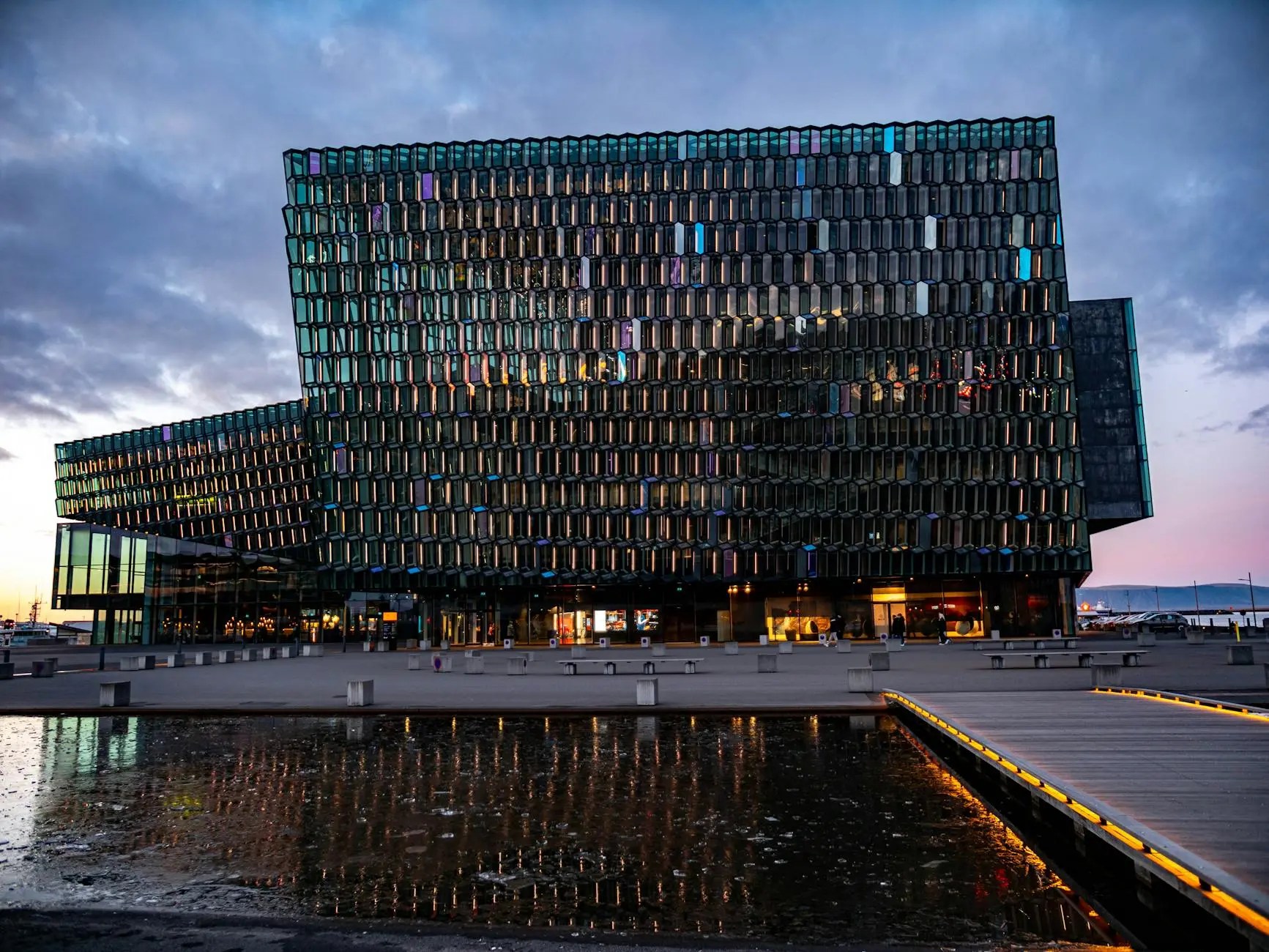
  • No trip to Iceland is complete without a stop at Bæjarins Beztu Pylsur, a tiny hot dog stand that has been serving up what Bill Clinton called “the best hot dogs in the world.” My advice? Order one with everything. The fried onions are a game-changer. From there, take a leisurely walk along the waterfront to the Harpa Concert Hall. The building is a masterpiece of modern architecture, and the way the light plays off the glass panels is mesmerizing.
  • Evening: This is your night! Book a Northern Lights tour. Pro-tip: These tours are smart—they’ll chase the clearest skies. If you don’t see the lights, many companies offer a free rebooking. I used my Canon EOS R100 Mirrorless Camera to capture the faint green swirls, and the photos were incredible even in low light.
A metallic sculpture resembling a Viking ship, positioned along the shore of Reykjavik, with modern buildings and a waterfront in the background.
The Sun Voyager sculpture, a stunning landmark in Reykjavik, with the city skyline reflecting off the ocean.The Sun Voyager (Sólfar): More than just a photo op, this stunning steel sculpture symbolizes a vessel of dreams, pointing toward the midnight sun. It’s a perfect spot to watch the light change over Mount Esja.
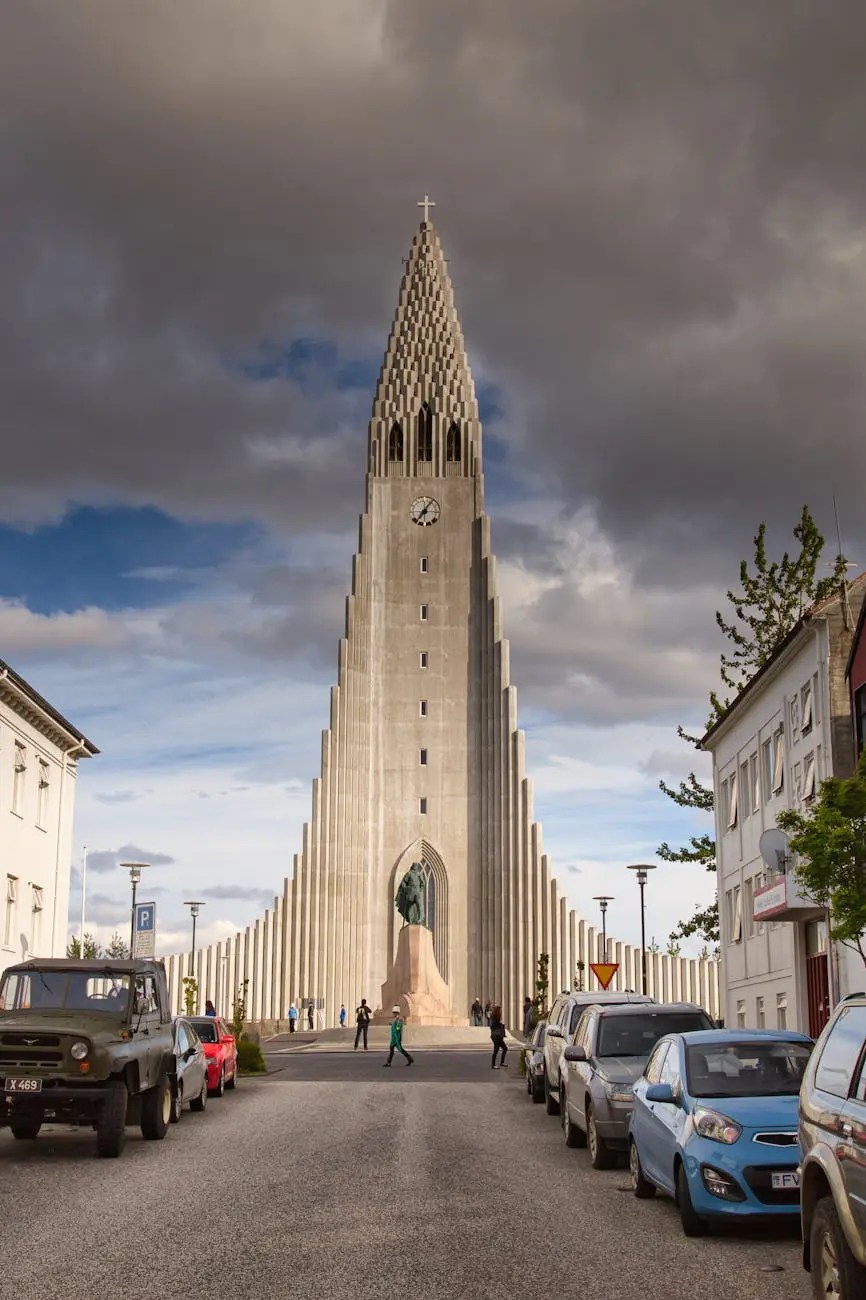
A wide-angle view of Hallgrímskirkja, a prominent church in Reykjavik, Iceland, featuring its distinctive tall tower and unique architectural design. Cars are parked along the street, and people are seen walking in front of the church under a partly cloudy sky.
The iconic Hallgrímskirkja church in Reykjavik, showcasing its unique architecture and surrounding streets.Hallgrímskirkja Church: Dominating Reykjavik’s skyline, this expressionist masterpiece was inspired by Iceland’s basalt lava flows. The statue out front is none other than Leifur Eiríksson (Leif the Lucky), the Norse explorer who reached North America centuries before Columbus.
A vibrant display of the Northern Lights illuminating the night sky over a dark landscape with a calm reflection on water.
Breathtaking display of the Northern Lights illuminating the night sky over Iceland. Chasing the Aurora: A breathtaking display of the Northern Lights (Aurora Borealis) over the Icelandic wilderness. Capturing this moment requires patience, a little luck with the weather, and a good camera—like the one I always use.
Canon EOS R100


Day 2: The Golden Circle & Secret Lagoon
Full Day: The Golden Circle is a must. You have two options:
Join a Tour: Stress-free, includes guides, and you can nap between stops. Great for solo travelers or those avoiding winter driving.
Rent a Car: Offers flexibility. You can leave earlier to beat the crowds at Gullfoss waterfall and spend more time at Þingvellir National Park, where you can walk between the North American and Eurasian tectonic plates.
Evening: The Blue Lagoon Experience
This is an absolute must-do. Yes, it’s touristy, but for a good reason. The Blue Lagoon is a surreal experience. The milky blue, geothermally heated water is pure bliss, especially after a long day of exploring. I booked my tickets in advance, which is a pro-tip for avoiding the massive queues. So, go ahead, get that iconic silica mud mask on your face, and let the relaxation begin. This is what you came here for. I highly recommend checking Expedia for packages that include transportation from Reykjavik, which can save you a ton of hassle. Book your Blue Lagoon escape here!
A man holding a hot dog and drink stands in front of a food stall, smiling, while a woman behind the counter also smiles. The stall has a red awning with text in Icelandic.
A popular hot dog stand in Reykjavik, famous for serving Iceland’s best hot dogs, a must-try for visitors exploring the city.

The Harpa Concert Hall in Reykjavik, Iceland, featuring modern glass architecture reflecting the evening sky and surrounding water.
Harpa Concert Hall in Reykjavik, showcasing its stunning modern architecture and vibrant reflections at sunset. Harpa Concert Hall: This architectural marvel isn’t just for concerts! Its geometric glass facade, designed to resemble Iceland’s basalt landscapes, catches the light differently every hour. At sunset, it becomes a kaleidoscope reflecting the fiery sky.

Day 2: The Golden Circle & Secret Lagoon

  • Full Day: The Golden Circle is a must. You have two options:
    1. Join a Tour: Stress-free, includes guides, and you can nap between stops. Great for solo travelers or those avoiding winter driving.
    2. Rent a Car: Offers flexibility. You can leave earlier to beat the crowds at Gullfoss waterfall and spend more time at thingvellir National Park, where you can walk between the North American and Eurasian tectonic plates.
  • Travel Smart Tip: If you’re driving, use an offline map app like Maps.me. Cell service can be spotty, and this saves both time and data. Speaking of data…

🌎 Stay Connected Smartly: I used to waste precious vacation time hunting for a local SIM card. Not anymore. I now travel with Drimsim, a global SIM that works in 190+ countries, including Iceland. You just pop it in, top up via the app, and you’re online the moment you land. No hidden fees, no stress. It’s a game-changer for navigating and posting those epic waterfall

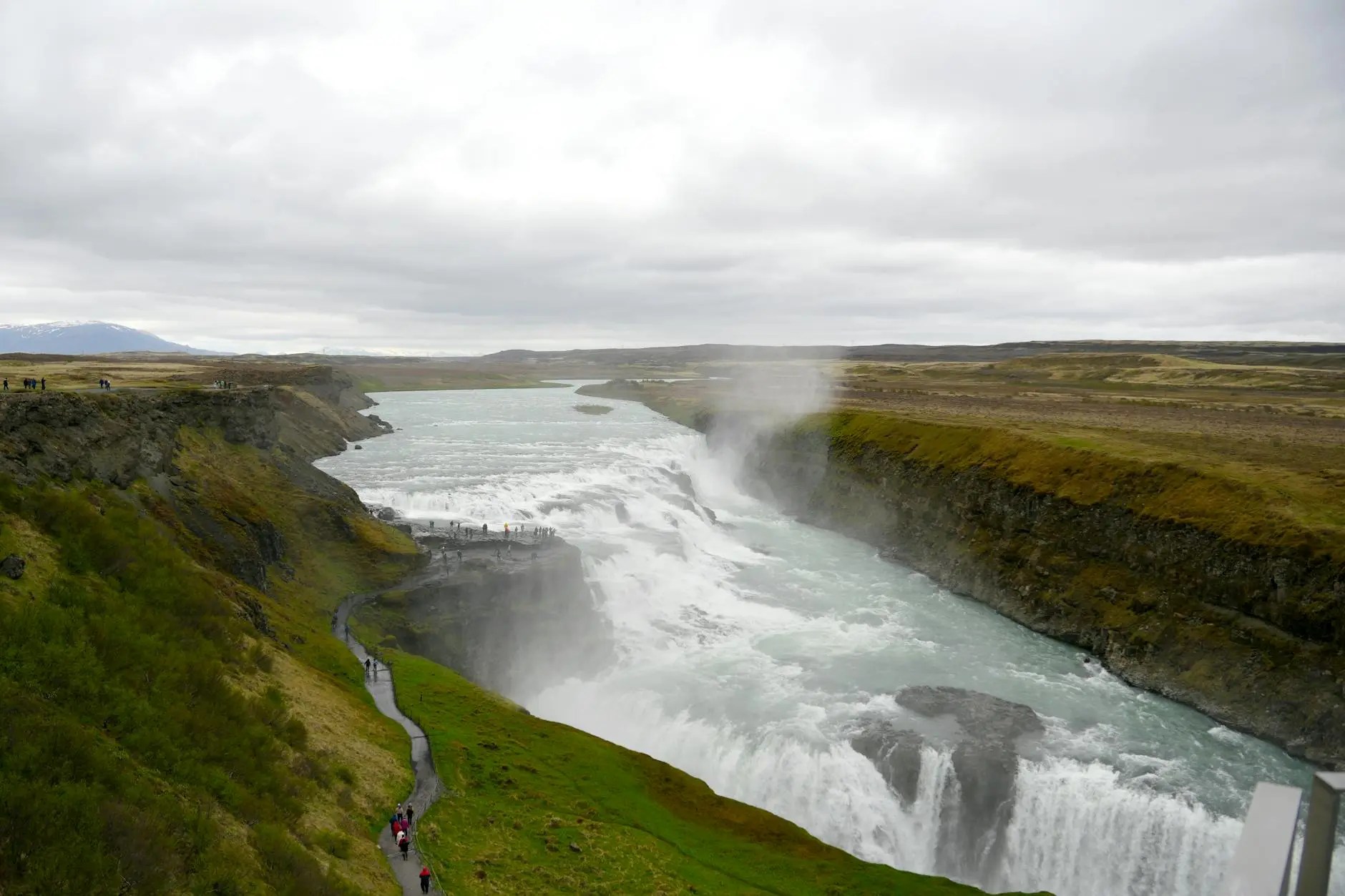
A panoramic view of Gullfoss waterfall in Iceland, showcasing cascading water flowing into a rocky canyon, surrounded by lush green vegetation and a cloudy sky.
The stunning Gullfoss waterfall, a key highlight of the Golden Circle in Iceland, showcasing its powerful cascades and breathtaking scenery. Gullfoss – The Golden Waterfall: Feel the spray from here? This aerial view shows the immense power of Gullfoss as the Hvítá River plummets 32 meters in two dramatic stages into a rugged canyon. A cornerstone of Iceland’s famous Golden Circle route.
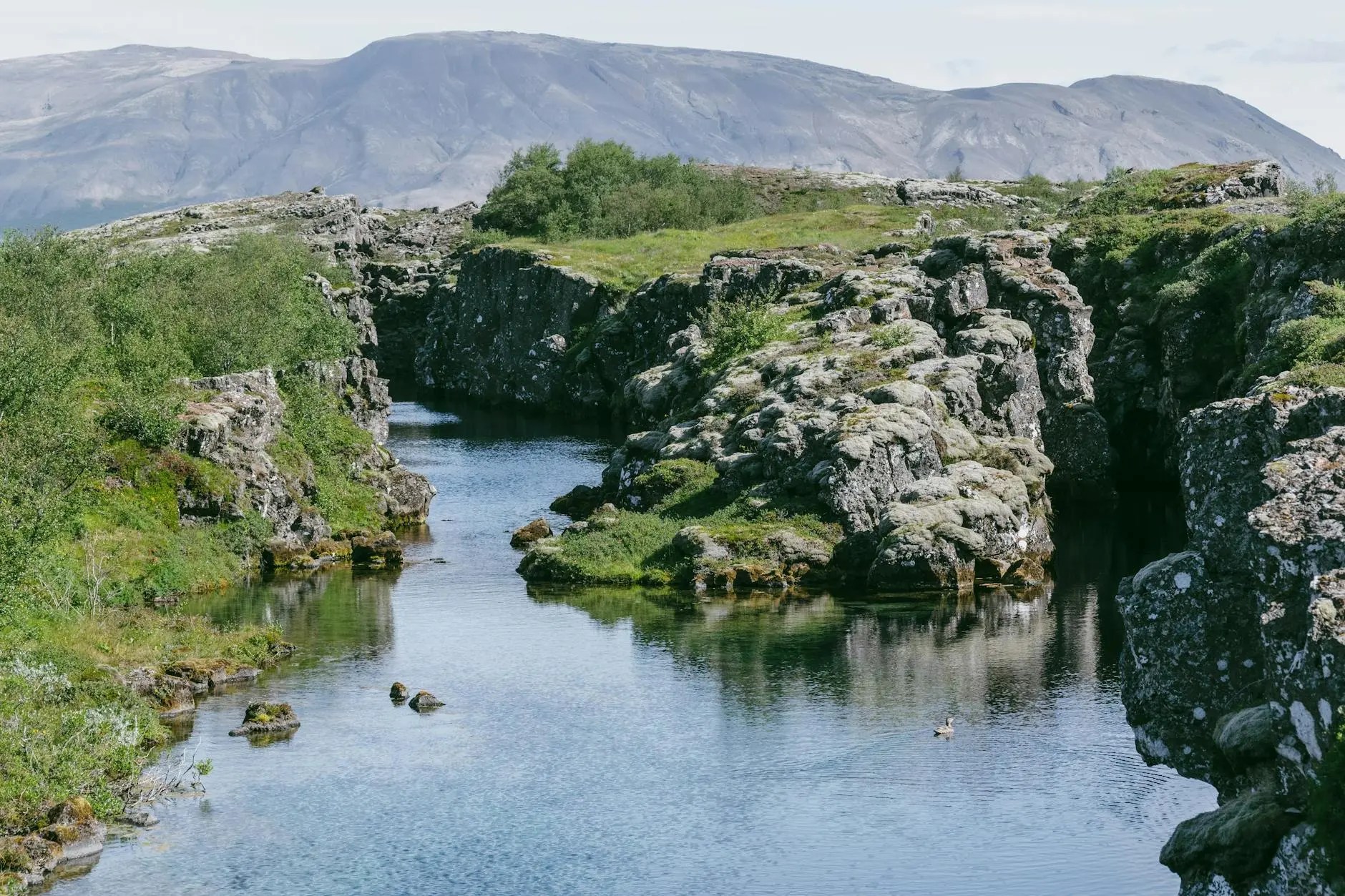
A serene view of a narrow river flowing between rocky cliffs, surrounded by lush green vegetation and rolling mountains in the background.
A tranquil view of the Silfra fissure in Þingvellir National Park, showcasing the stunning geological formations and crystal-clear water. Silfra Fissure: Where Continents Meet. This isn’t just any river—you are literally looking at the rift between the North American and Eurasian tectonic plates. The water is filtered through lava rock for decades, making it some of the clearest on Earth. Snorkeling or diving here is like floating between two continents!
A large iceberg floats in calm water, reflecting shades of blue and white, under a gray sky.
Majestic ice formations floating in a serene glacial lake, showcasing Iceland’s stunning natural beauty. Jökulsárlón Glacier Lagoon and the Blue Lagoon are two completely different and distinct natural wonders in Iceland.

Day 3: Coastal Wonders & Farewell Feasts

  • Morning: Drive or take a bus to the Reykjanes Peninsula. See the dramatic cliffs at Valahnúkamöl and the iconic Reykjanesviti lighthouse. It’s a landscape that feels like the end of the world.
  • Afternoon: Head back to the city for last-minute souvenir shopping on Laugavegur Street. Pick up some Icelandic woolens (lopapeysa) or salt from the Reykjanes geothermal areas.
  • Evening: Enjoy a final feast. I highly recommend trying the fermented shark (hákarl) if you’re brave—it’s a rite of passage—but follow it immediately with a delicious Icelandic beer.
Black sand beach with dramatic cliffs and sea stacks in Iceland, under a cloudy sky.
The dramatic black sand beach of Reynisfjara, with towering sea stacks and rugged cliffs, showcasing Iceland’s stunning coastal landscape.
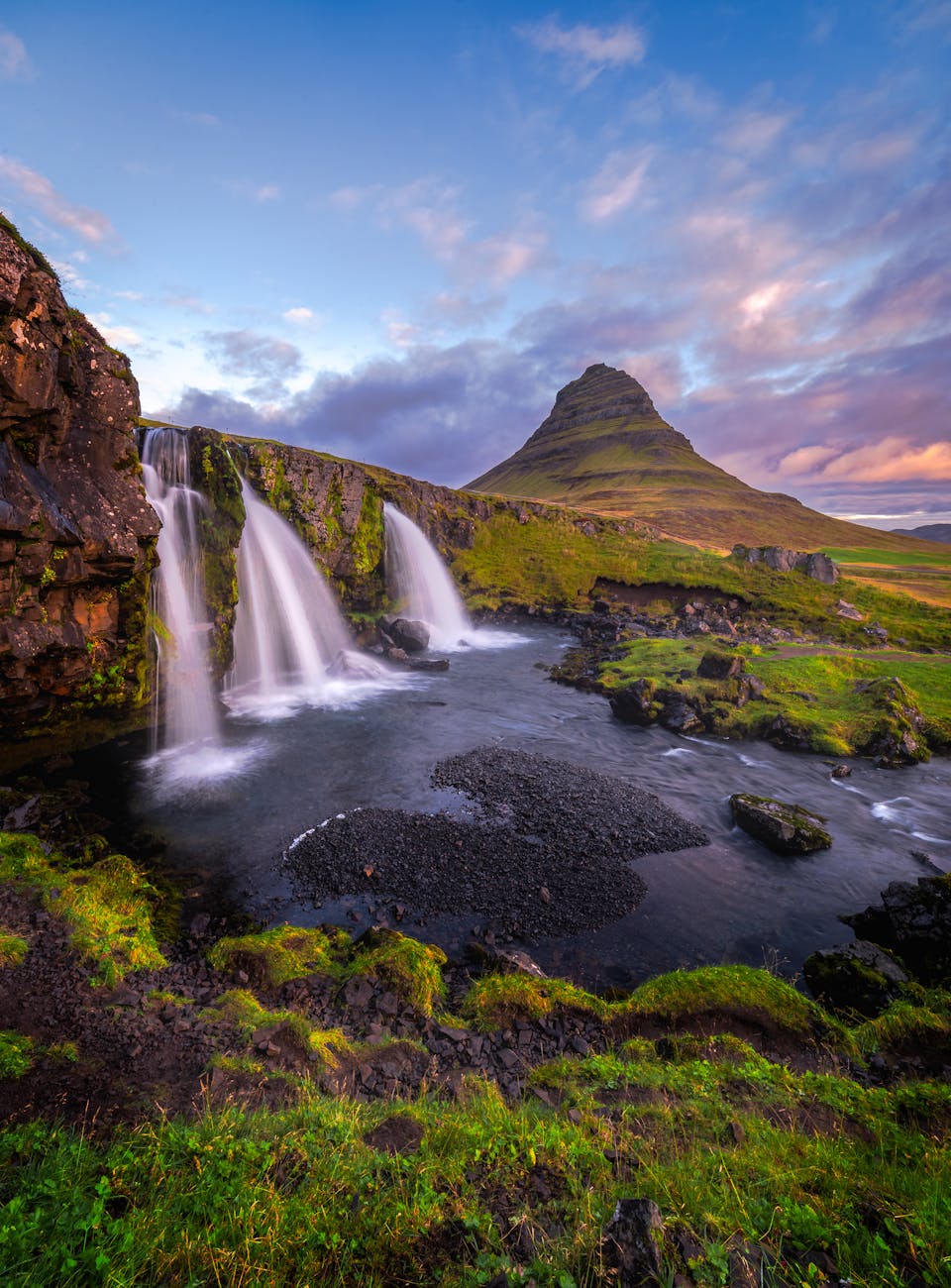
A picturesque view of Kirkjufell mountain with a waterfall in the foreground, surrounded by lush green grass and a colorful sky at sunrise.
Stunning view of Kirkjufell mountain and Kirkjufellsfoss waterfall in Iceland, showcasing the natural beauty of the Land of Fire and Ice.
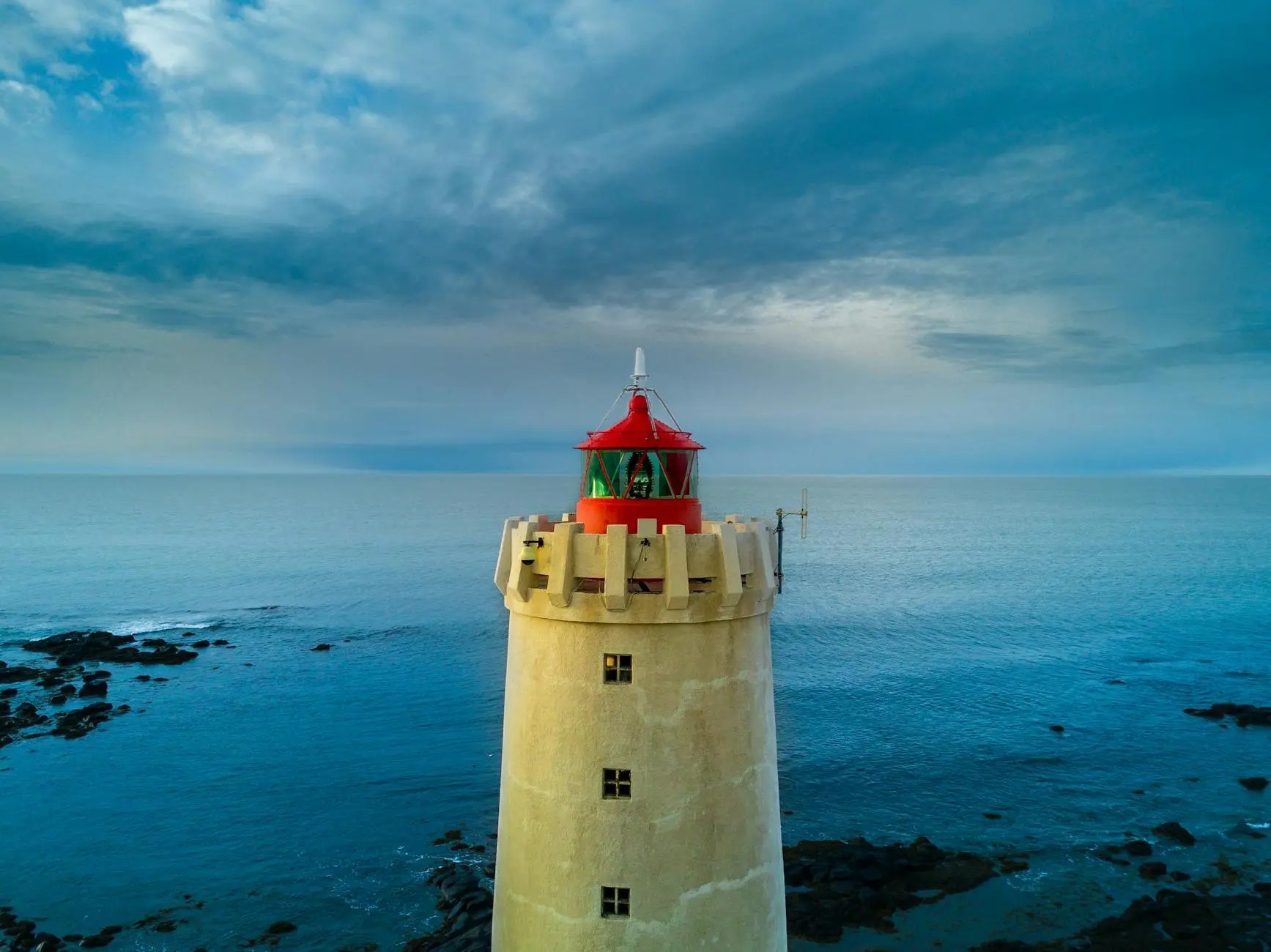
A close-up view of a lighthouse with a red top, standing against a backdrop of a serene ocean and dramatic cloudy sky.
The iconic Reykjanesviti lighthouse, a stunning landmark along Iceland’s coastline, surrounded by the tranquil North Atlantic waters. Reykjanesviti Lighthouse: A Sentinel on the Volcanic Coast. Iceland’s oldest lighthouse has guided sailors since 1907. Perched on the edge of the Reykjanes Peninsula—one of the most geologically active places on Earth—it offers a stark, beautiful contrast between human ingenuity and raw nature.
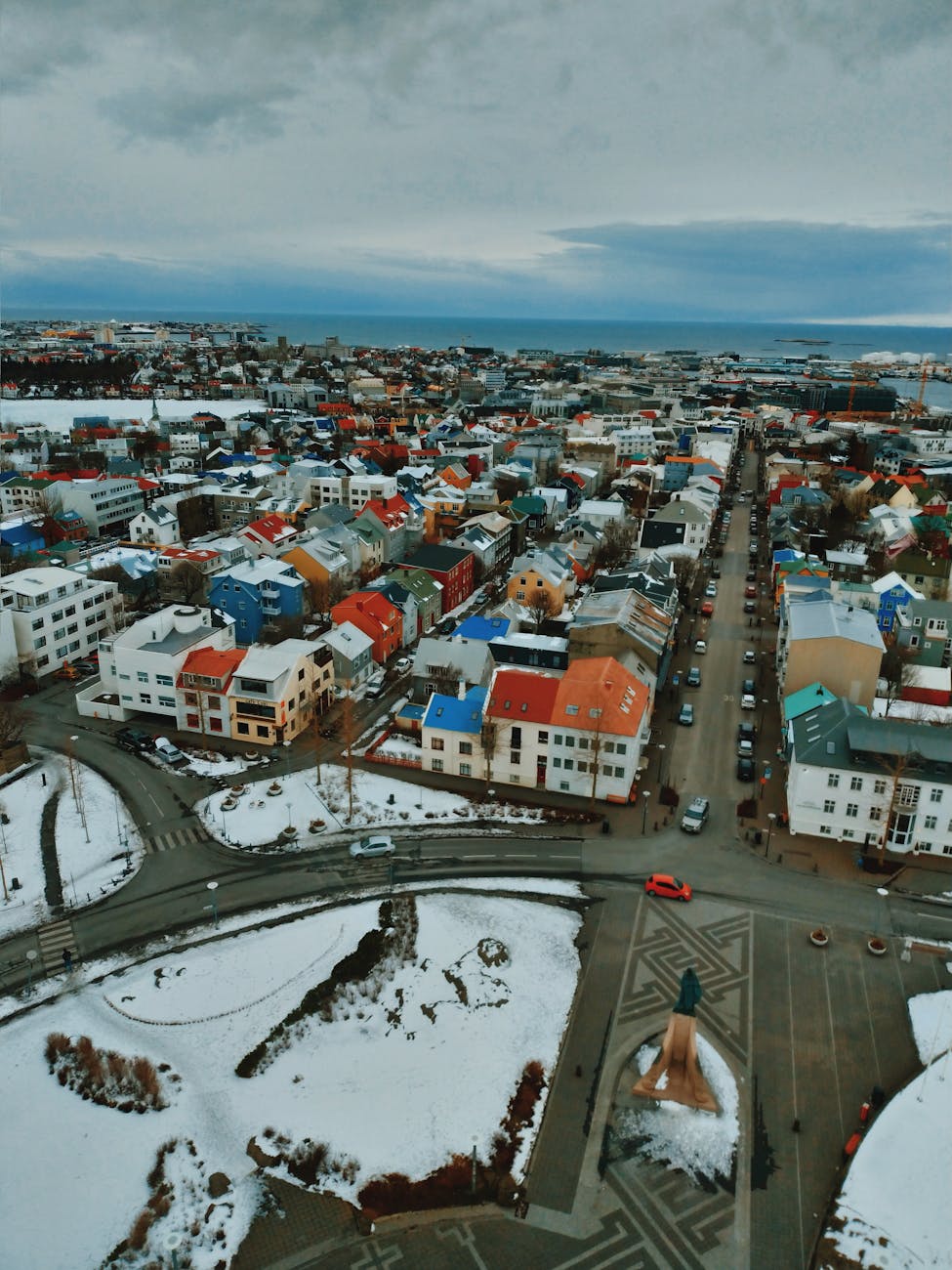
Aerial view of Reykjavik, Iceland, showcasing colorful rooftops, snow-covered streets, and a coastal backdrop under a cloudy sky.
Aerial view of Reykjavik showcasing colorful rooftops, snow-covered streets, and the picturesque downtown area.
A cozy, colorful Icelandic wool sweater featuring traditional patterns in red, blue, yellow, and white.
Authentic Icelandic wool sweater, perfect for cozying up during your Reykjavik adventure.

Two pieces of fermented shark meat displayed on a wooden plate, showcasing their unique texture and preparation.
Fermented shark (hákarl), a traditional Icelandic delicacy, presented on a wooden platter.

Reykjavik Insider Intel: Getting Around & Saving Kronur

Public Transport: The Strætó Bus System

Reykjavik’s public bus system is called Strætó. It’s reliable and covers the city well. Download the Strætó app to plan routes and buy tickets. A single ticket (good for 75 minutes with transfers) is around 490 ISK. If you’re planning multiple bus trips in a day, a 24-hour pass is more economical.

To Rent a Car or Not?

  • For a Summer Weekend: A car offers amazing freedom to explore at your own pace.
  • For a Winter Weekend: This is a trickier call. If you are comfortable driving in potentially icy and dark conditions, it’s great. If not, stick to tours. They are experts in safe winter travel. I found my great rental deal through  Expedia

Money-Saving Tips for Smart Travelers

  • Eat Smart: Dining out in Iceland is pricey. Save money by grabbing breakfast and lunch from Bónus (the supermarket with the pink pig logo). Their sandwiches and skyr are perfect for on-the-go.
  • Free Hot Water: Bring a reusable bottle! The tap water is among the best in the world, and you can often fill up with hot water from geysers (let it cool first!).
  • Happy Hour is Your Best Friend: Alcohol is heavily taxed. Reykjavik has a vibrant “Happy Hour” culture. Look for signs in bar windows and plan your drinks accordingly.
Exterior view of a Bónus supermarket featuring the pink pig logo against a cloudy sky.
The exterior of Bónus, a popular budget supermarket chain in Iceland, featuring its iconic pink pig logo.

4. Beyond the Brochure: Reykjavik’s Hidden Gems

  • The Elf School (Álfaskólinn): Yes, it’s a thing. A delightful, quirky experience where you can learn about Icelandic folklore and elves (the huldufólk).
  • Reykjavik Roasters: Escape the crowds at this local coffee institution. It’s where the locals go for a truly excellent cup of coffee.
  • Sundhöllin Reykjavikur: An indoor swimming pool complex loved by locals. It’s a fraction of the price of the tourist lagoons and a truly authentic experience.

5. Essential Icelandic for Travelers

Don’t worry, everyone speaks fantastic English. But a few words go a long way!

  • Takk: (Tahk) – Thank you.
  • Góðan daginn: (Go-than die-in) – Good day.
  • Skál: (Skowl) – Cheers!
  • Einn bjór, takk: (Adehn byour, tahk) – One beer, please. (The most important phrase).
  • (yow) – Yes
  • Nei (nay) – No
  • Hvar er…? (kvahr air) – Where is…?

6. Travel Smart: Your Pre-Departure Checklist

  • Visa & Costs: For most US, Canadian, and EU citizens, no visa is needed for short stays. Always check the official government site for the latest requirements. Iceland is part of the Schengen Area.
  • Travel Insurance: My trip was almost derailed by a sudden storm. I never travel without insurance. I use VisitorsCoverage to compare plans and find the right coverage quickly. It’s peace of mind you’ll be glad to have. <Find your plan here: 
  • VPN: Using public Wi-Fi? Protect your data. I always have ” target=”_blank” rel=”noreferrer noopener nofollow”>NordVPN running on my phone and laptop. It’s essential for safe browsing and can sometimes help with streaming services from back home. <Stay secure with NordVPN:

⚠️ Flight Trouble? On my way to Iceland, my connecting flight was delayed. I didn’t know that EU passenger rights often entitle you to compensation. I used AirHelp to check my flight, and they handled the entire claim process. If your flight is delayed, canceled, or overbooked, you could be owed up to $650. It’s worth a quick check! 

7. Reykjavik Weekend FAQ

Q: What is the best time of year for a weekend in Reykjavik?
A: It depends on what you want!

  • For Northern Lights: Visit between September and March.
  • For Midnight Sun & Hiking: Visit between May and August.
  • For Fewer Crowds & Lower Prices: The shoulder months of April and October are great.

Q: Is a weekend in Reykjavik enough time?
A: Absolutely! While you won’t see the entire country, a well-planned 3-day weekend is perfect for experiencing Reykjavik’s culture and the iconic Golden Circle.

Q: What should I pack for a weekend in Iceland?
A: Layers, layers, layers! A waterproof and windproof outer shell is essential, regardless of the season. Don’t forget a swimsuit for the pools and lagoons, and a warm hat.

Q: How expensive is Reykjavik?
A: It has a reputation for being pricey, but as outlined in the tips above, you can manage your budget by being smart about food, transport, and accommodations.

Do I need cash in Iceland?

  • No. Iceland is nearly a cashless society. You can use a credit or debit card for almost everything.

Ready for Your Icelandic Adventure?

Reykjavik is a city that captures your heart quickly. With this guide, you’re equipped to dive in, explore confidently, and create a weekend of stories that will last a lifetime.

What are you most excited to see? Have any questions I didn’t cover? Drop a comment below! And don’t forget to check out my other European city guides, like my take on [48 Hours in Copenhagen , Dublin, Frankfurt, Paris, for more travel inspiration!

Start planning your unforgettable escape today by finding the best flight deals to Reykjavik!
<Search for flights on Expedia>


Universal Disclaimer/Disclosure Page:

48-Hour Lisbon Itinerary: Your Ultimate Guide

Meta Description: Dreaming of a weekend in Lisbon? Our ultimate guide unlocks the best 48-hour itinerary for travellers. Discover hidden gems, navigate like a local, save money on transport, and soak in the vibrant soul of Portugal’s sun-drenched capital. Get ready for your perfect European escape!

We’ll cover everything from must-see sights to local phrases and how to navigate the city like a pro. Perfect for travelers seeking an authentic and unforgettable Portuguese adventure!

Table of Contents

  • Day 1: Alfama’s Heartbeat and Downtown Delights
    • Morning: A Golden Hour Stroll and Historical Heights
    • Afternoon: Baixa’s Grandeur and a Lift with a View
    • Evening: Fado and Flavors in Alfama
  • Day 2: Belém’s Grandeur and Artistic Escapes
    • Morning: The Age of Discoveries
    • Afternoon: The Sweetest Sin and Creative Vibes
    • Evening: A Riverfront Farewell
  • Day 3: Hidden Gems and Local Life
    • Morning: Tile Tales and Secret Viewpoints
    • Afternoon: Market Munchies and Pink Street Party
  • Essential Lisbon Travel Tips
    • Getting Around Lisbon: Your Public Transport Cheat Sheet
    • Lisbon Lingo: A Few Key Phrases
    • Money-Saving Magic
    • Where to Stay and When to Go
    • Quick Check: Visa, Visas, and More Visas
  • The Travel Toolkit You Can’t Live Without
  • FAQ: Your Top Questions Answered

Why Lisbon is the Perfect Weekend Getaway

Lisbon hits differently. It’s a city that feels like it’s constantly bathed in golden hour light, where ancient trams clatter up impossibly steep hills, and the smell of grilling sardines and pastéis de nata wafts from every corner. It’s vibrant, affordable, and bursting with an energy that makes a weekend feel like a full-blown vacation.

Flights to Lisbon

I fell in love with it on a whim a few years ago after a friend’s wedding. I had an extra day and a desperate need to avoid the office. That spontaneous 48-hour trip turned into a lifelong love affair with the city’s soulful grit and effortless charm. Trust me, by Sunday evening, you’ll be plotting your return.

📍 Pro Tip: To visualize your adventure, here’s a custom Google Map I created that plots out this entire itinerary, including all the miradouros, restaurants, and hidden gems.
>> Click here for the Interactive Lisbon Weekend Map <<

Hotels in Lisbon

Now, a lot of people think you need a week or more to “do” Lisbon, but I’m here to tell you that a long weekend is the perfect appetizer. You can get a fantastic taste of the city’s soul without burning out. This is a plan I’ve personally tried and tested, and it’s designed to be efficient, enjoyable, and packed with as many local anecdotes as possible. So, lace up your most comfortable shoes, grab your camera (I used my trusty [ camera ] to capture all the magic!), and let’s go.

Your Lisbon Weekend Itinerary: A Step-by-Step Guide

This itinerary is designed for maximum experience with minimal fuss. We’ll walk, use the brilliant public transport, and eat… a lot.

Day 1: Getting Lost in the Labyrinth (Alfama, Castelo & Fado)

  • Morning (9:00 AM): Start your day where Lisbon began: in the Alfama district. Ditch the map. Seriously. The joy of Alfama is in getting lost in its narrow, winding streets, discovering hidden courtyards and sudden viewpoints called miradouros. Grab a bica (a potent Portuguese espresso) and a pastel de nata from any pastelaria and just wander.
  • Afternoon (1:00 PM): Work your way up to the São Jorge Castle. The climb is a leg workout, but the 360-degree views of the city and the Tagus River are worth every burning calf muscle. Pro tip: Buy tickets online in advance to skip the long queues.
  • Evening (8:00 PM): Alfama is the birthplace of Fado, Portugal’s soulful, melancholic music. For an authentic experience, skip the big, overpriced tourist traps. Find a small, family-run tasca (tavern). The food is honest, the wine is cheap, and the Fado is heartfelt. I stumbled into one down a tiny alleyway and it remains one of my most cherished travel memories.

Miradouro de Santa Luzia Tours

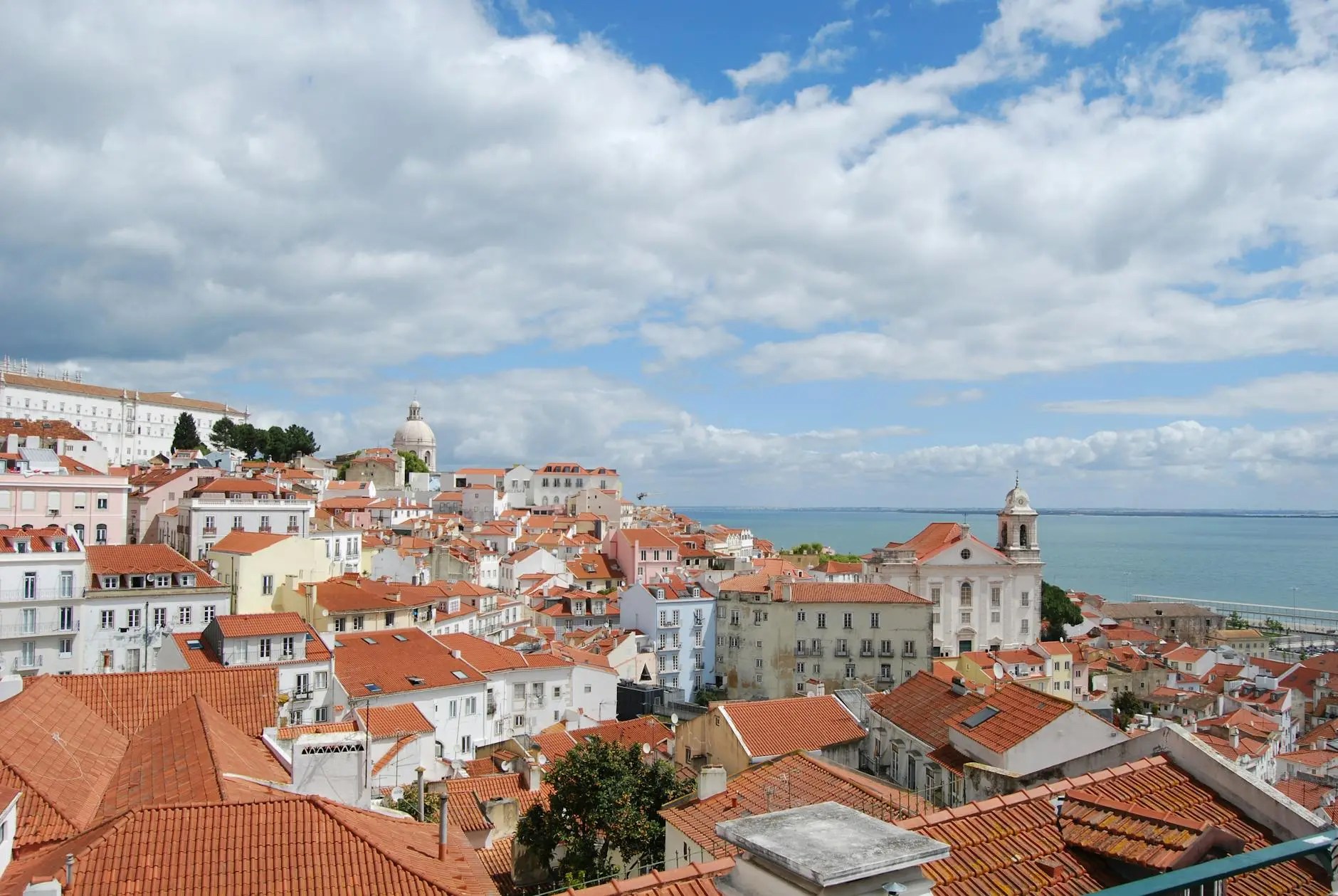
Panoramic view of Lisbon featuring terracotta rooftops, historical buildings, and distant views of the river under a partly cloudy sky.
A panoramic view of Lisbon showcasing the city’s iconic red-tiled roofs and the Tagus River in the background. .The postcard-perfect view from one of Lisbon’s many miradouros (viewpoints). Getting lost in the labyrinthine streets of the Alfama district is a rite of passage for any visitor to the city. Pro tip: This particular shot was taken from near the Portas do Sol lookout!

For more on navigating historic European districts, check out my older post on Getting Lost in Prague’s Old Town 

A steaming cup of coffee in a blue and white patterned cup, sitting on a matching saucer, illuminated by soft, natural light coming through a nearby window.
A rich cup of Portuguese bica, perfect for kickstarting your day in Lisbon. Fuel your exploration the local way with a bica—Portugal’s powerful and delicious answer to espresso. This tiny but mighty cup is the lifeblood of Lisbon’s café culture and the perfect pause during a day of sightseeing.
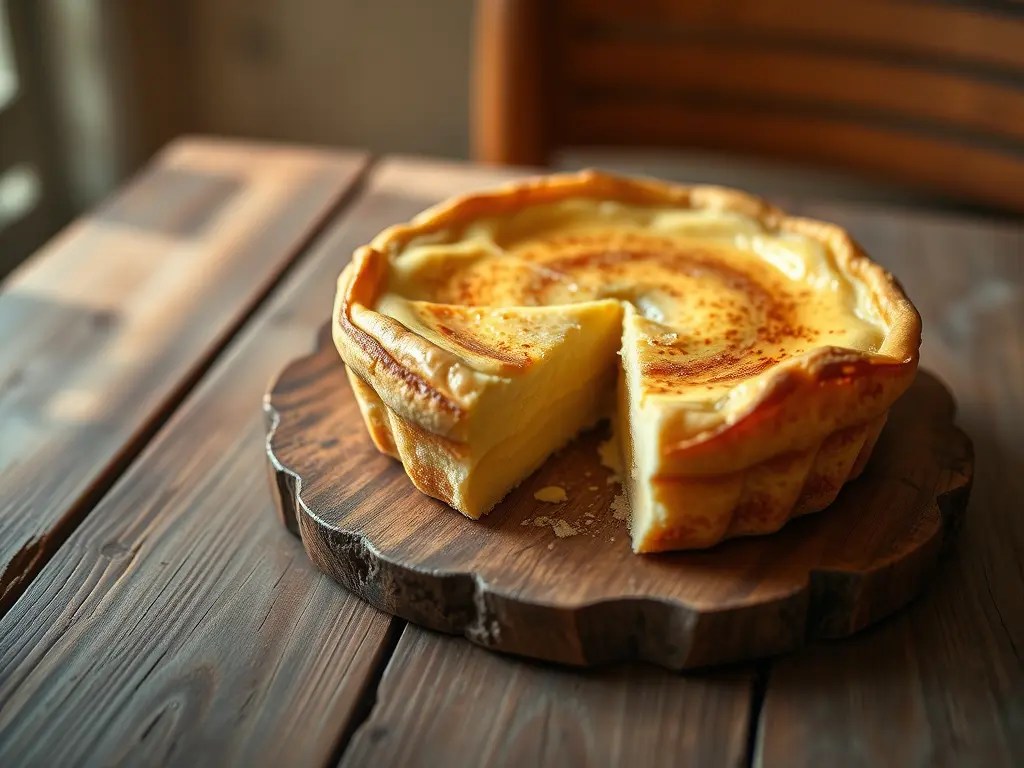
A freshly baked pastel de nata, a traditional Portuguese custard tart, displayed on a wooden board with a slice cut out.
A delicious pastel de nata, a must-try treat during your Lisbon adventure, displayed on a wooden board. The iconic Pastel de Nata! This heavenly Portuguese custard tart, with its crisp, caramelized pastry and creamy filling, is a non-negotiable Lisbon experience. Best enjoyed warm with a sprinkle of cinnamon.
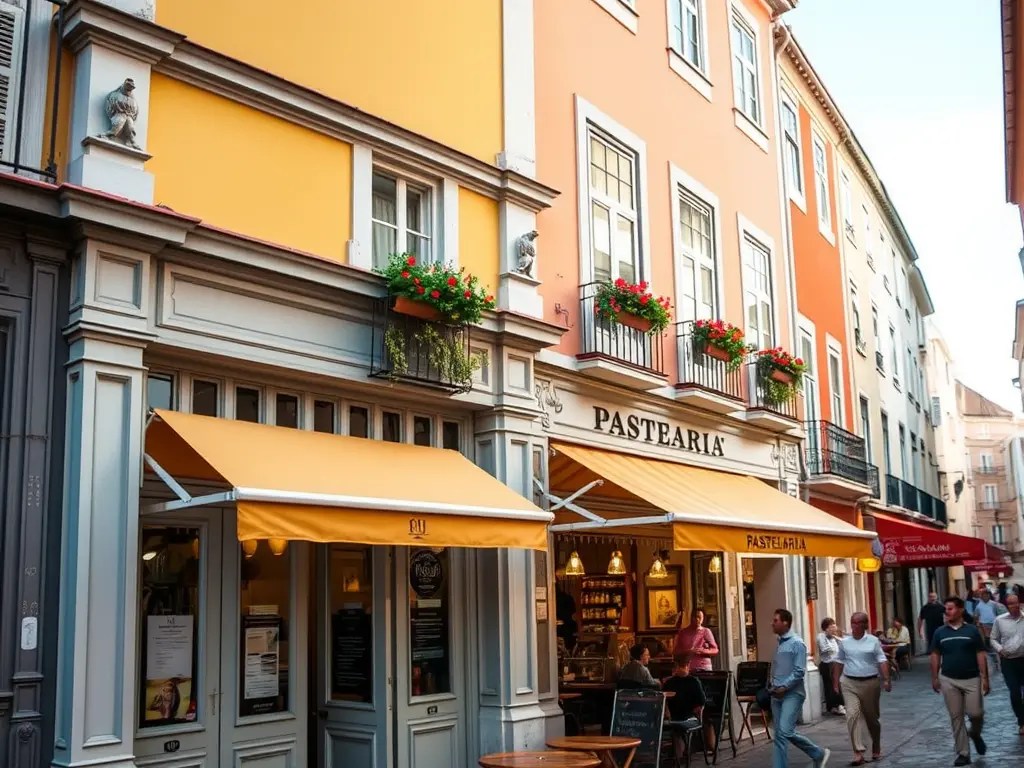
A charming pastelaria with yellow awnings and flower boxes, located on a narrow Lisbon street bustling with pedestrians.
Colorful pastelaria in Lisbon’s charming streets, perfect for indulging in local pastries. The perfect Lisbon moment: soaking up the sun and the vibrant atmosphere outside a traditional pastelaria in the Alfama district. This is where you come to enjoy a slow coffee, a sweet treat, and watch the daily life of the city unfold.

Castle of São Jorge Tours

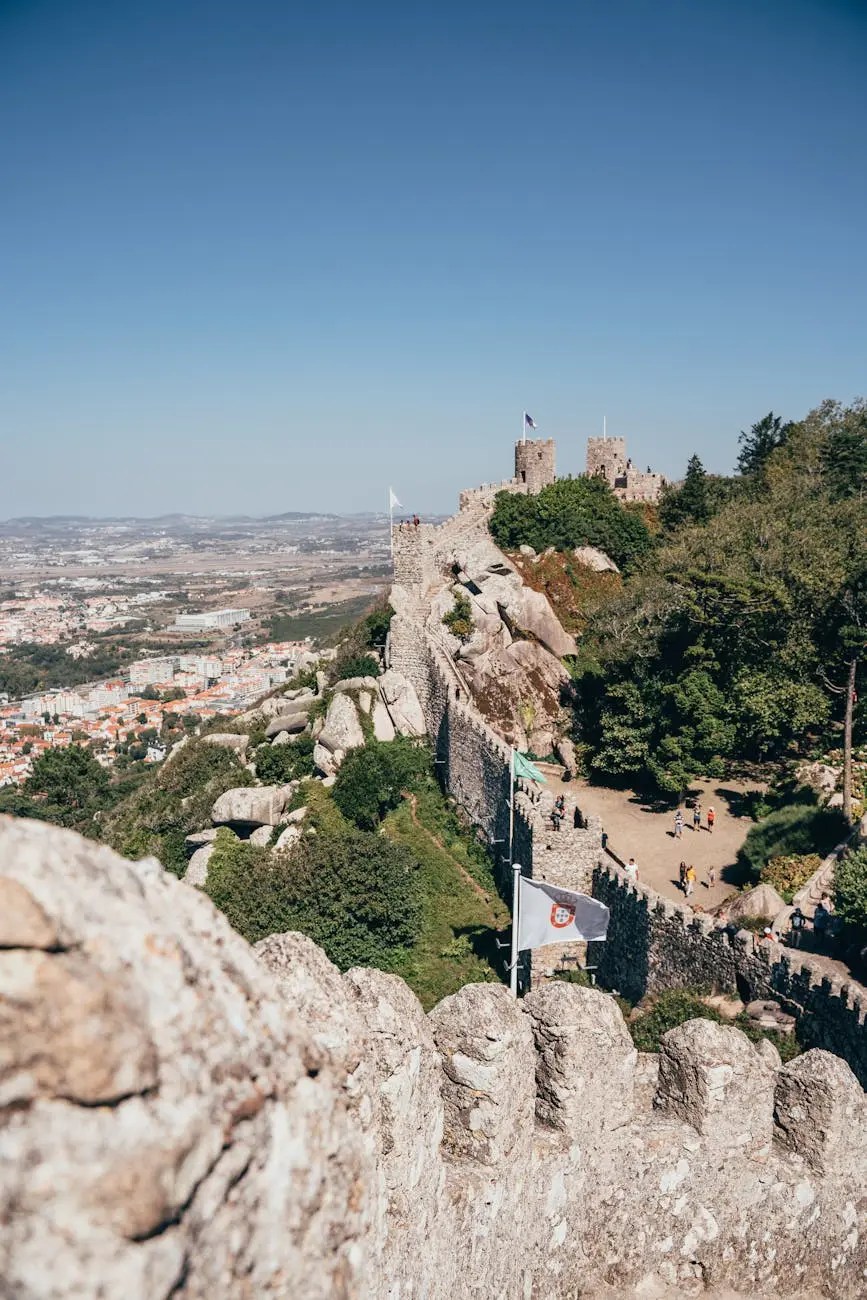
View from the Castle of São Jorge in Lisbon, showing ancient stone walls, flags, and a panoramic landscape of the city and surrounding hills under a clear blue sky.
Aerial view of São Jorge Castle, showcasing the ancient walls and panoramic scenery of Lisbon. A bird’s-eye view of the majestic São Jorge Castle, perched atop one of Lisbon’s highest hills. This historic fortress has guarded the city for centuries and offers some of the most breathtaking panoramic views in all of Portugal.

Lisbon: Portuguese Tapas & Wine Small Group Secret Food Tour

Day 2: Monuments, Marvels & Nightlife (Belém & Bairro Alto)

  • Morning (10:00 AM): Hop on the #15E tram from Praça da Figueira (it’s a classic!) and take the 20-minute ride to Belém. Here, you’ll find Portugal’s Age of Discoveries monuments. The Jerónimos Monastery is stunning, but if you’re short on time, the real can’t-miss is the Belém Tower. And you absolutely MUST go to Pastéis de Belém for the original, secret-recipe custard tarts. Expect a line. It moves fast. It’s worth it.
  • Afternoon (4:00 PM): Head back and explore the trendy Chiado and Bairro Alto districts. Chiado is for chic shopping and famous cafes like A Brasileira. As evening falls, Bairro Alto transforms. By day, it’s a quiet residential area; by night, its streets fill with people enjoying cheap drinks from tiny bars. It’s a fantastic, chaotic, and fun experience.
  • Dinner: For a truly local (and budget-friendly) dinner, find a “** cervejaria” for fresh seafood or a “churrasqueira**” for incredible grilled chicken.

Jerónimos Monastery Tours

View of the cloister at the Jerónimos Monastery in Lisbon, featuring intricate stone arches and a manicured lawn.
The stunning cloisters of Jerónimos Monastery in Belém, Lisbon, showcasing intricate Manueline architecture.

Belém Tower Tours

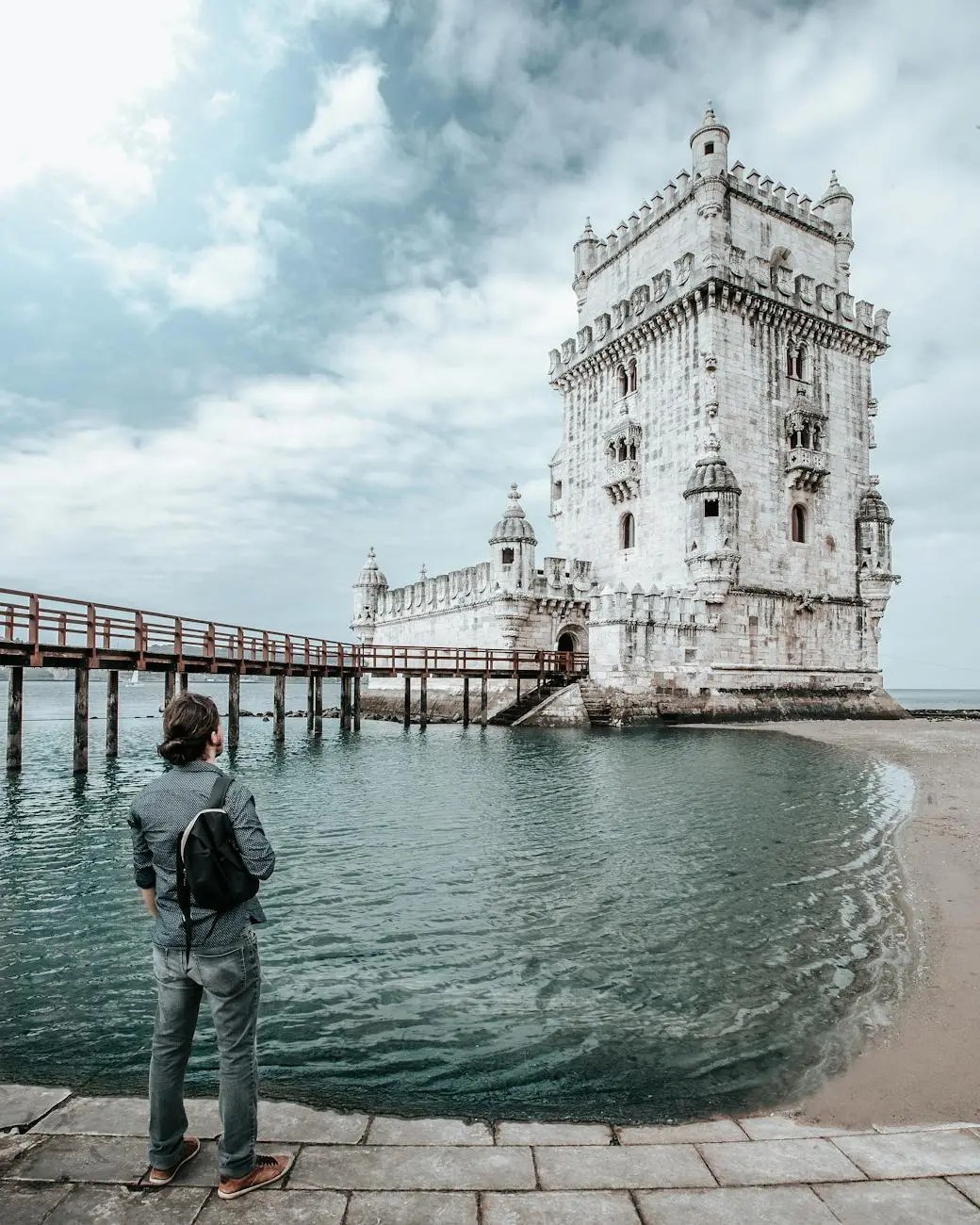
A person standing by the water, gazing at the Belém Tower in Lisbon under a partly cloudy sky.
A traveler admires the iconic Belém Tower, a symbol of Portugal’s Age of Discoveries, set against a cloudy sky. A moment of awe at the iconic Belém Tower. This masterpiece of Manueline architecture once served as a fortress and a ceremonial gateway to Lisbon, marking the spot where explorers began their voyages into the unknown.

Pastéis de Belém Tours

A wooden platter featuring freshly baked pastel de nata, a traditional Portuguese custard tart, showcasing a golden brown crust and creamy filling.
Delicious pastéis de nata, a must-try traditional Portuguese tart, perfect for your Lisbon journey. The one and only! These are the legendary Pastéis de Belém, crafted from a secret recipe since 1837. Served warm with a sprinkle of cinnamon and powdered sugar, they are the sweet, creamy pinnacle of any trip to Lisbon.
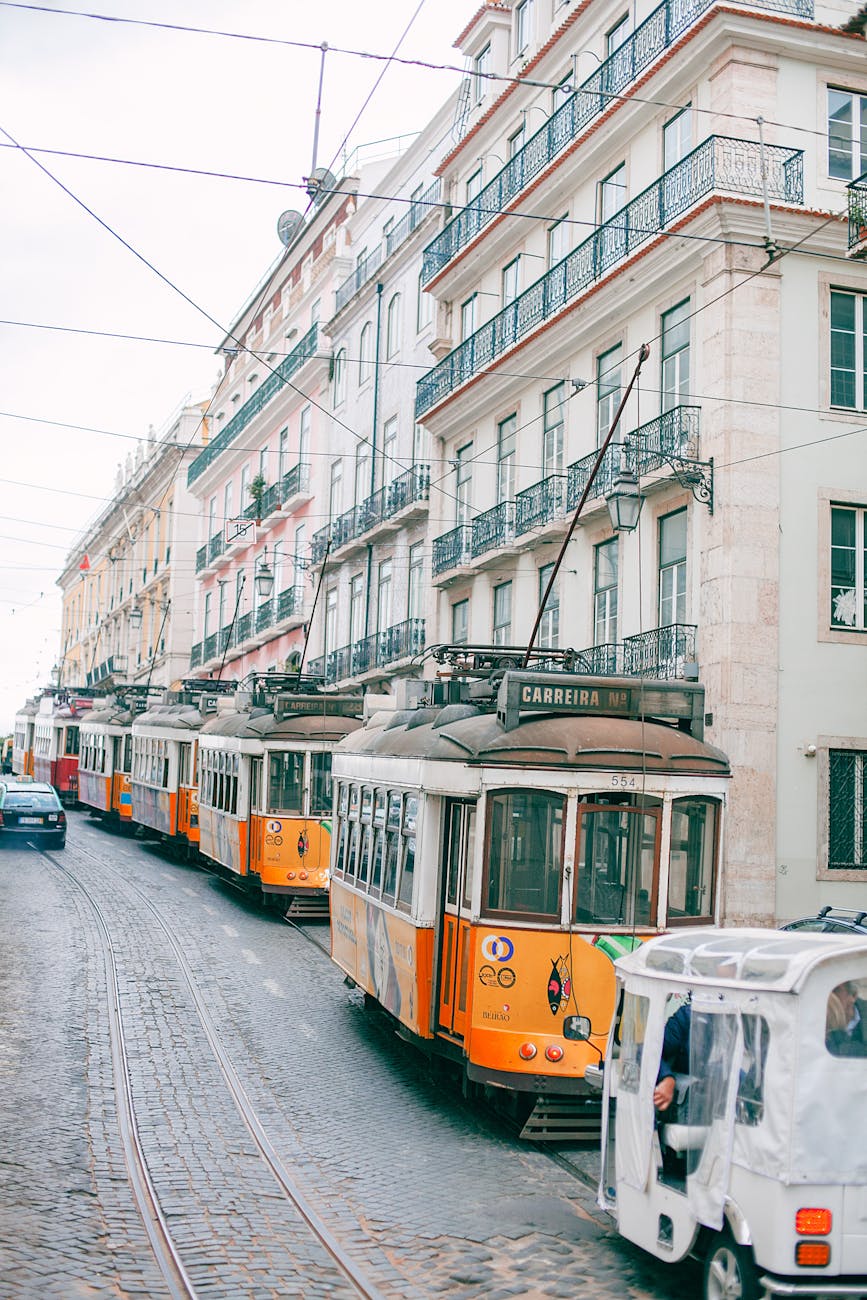
A picturesque view of traditional yellow trams winding through a cobblestone street in Lisbon, flanked by charming buildings with balconies.
Iconic yellow trams navigate the charming streets of Lisbon, embodying the city’s vibrant spirit.

Bairro Alto Vacations

Interior view of a lively café in Lisbon, featuring patrons seated at tables and a mirrored bar in the background.
A bustling cafe in Lisbon, perfect for relaxing and enjoying local delicacies. ( Brasileira)

Lisbon Insider: Navigate Like a Pro (Transport & Maps)

Lisbon’s hills are no joke. But its public transport system is your best friend. Lisbon is a city built on hills, but don’t let that intimidate you. Public transport is a lifesaver. Grab a “Viva Viagem” or “Navegante” card from any metro station. This reusable card costs about €0.50 and you can load it with a 24-hour pass (€6.80) or with money to “zapping” (pay-as-you-go). This card works on the metro, buses, trams, and funiculars, making it incredibly convenient.

  • The Viva Viagem Card: This is key. For ~€0.50, you get the reusable card. You can then load it with:
    • Zapping: Add monetary value (e.g., €5) and tap for each journey. Cheaper than single tickets and works on trams, buses, metro, and elevators.
    • 24-hour Ticket: Unlimited travel on all transport for €6.40. Calculate if you’ll make more than 7-8 journeys in a day.
  • Trams: Tram 28 is famous for a reason—it’s a rolling tour of the city. Also, it’s a pickpocket paradise. Be smart. For actually getting around, trams 12E and 25E are often less crowded and just as scenic.
  • Metro: Clean, fast, and efficient for covering longer distances (e.g., from the airport to the city center).
  • Uber/Bolt: Inexpensive and a lifesaver after a long day of hill climbing.
  • Car Rental: I generally wouldn’t recommend renting a car in the city center. The roads are narrow, parking is a nightmare, and the public transport is excellent. However, if you plan to explore outside of Lisbon, say a day trip to Sintra or Cascais, a rental can be a good idea. Just be mindful of the cost and road conditions.

Google Maps works perfectly for real-time public transport directions. Download the offline map of Lisbon to save data.

Money-Saving Secrets & Hidden Gems Most Tourists Miss

  • Hidden Gem: LX Factory. Underneath the Ponte 25 de Abril bridge, this former industrial complex is now a hub of cool shops, incredible street art, and trendy restaurants. It’s the Brooklyn of Lisbon. The Ler Devagar bookstore is a must-see.
  • Free Views: While Miradouro de Santa Luzia is beautiful, it’s packed. Walk 5 more minutes up to Miradouro da Graça for an even better view with (slightly) fewer crowds.
  • Eat Cheap: Lunch is your best friend. Look for signs that say “Prato do Dia” (Plate of the Day). For €7-10, you’ll get a main course, drink, and sometimes dessert. It’s how the locals eat.
  • Tap Water: It’s perfectly safe to drink. Ask for “água da torneira” to avoid paying for bottled water.
  • Lisboa Card: If you plan on visiting a lot of museums and using public transport frequently, the Lisboa Card is a fantastic option. It gives you free entry to many attractions and unlimited travel on public transport.
  • Lisbon is famous for its beautiful azulejos, the painted ceramic tiles that cover so many of its buildings. Head to the National Tile Museum for an incredible deep dive into their history and artistry.

LxFactory Tours

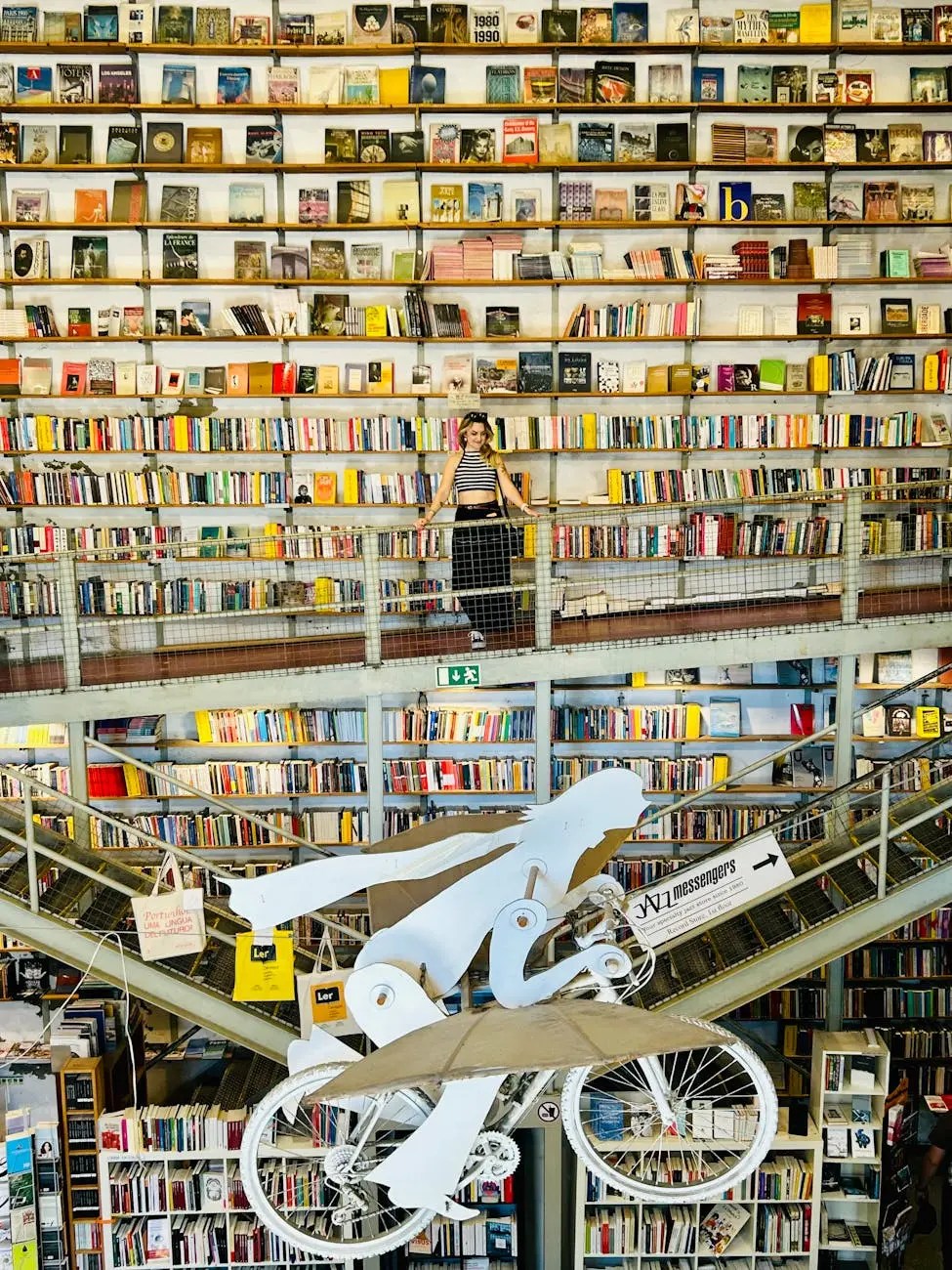
A woman stands on a balcony inside a bookstore, surrounded by tall shelves filled with books in various colors and sizes.
Explore the vibrant interior of Ler Devagar bookstore in Lisbon, a unique space filled with books and creative installations. Getting lost in Ler Devagar, one of the world’s most breathtaking bookstores, is a quintessential LX Factory experience. This creative hub, set in a converted industrial complex, is a paradise for art and literature lovers.

Essential Portuguese for the Weekend Warrior

You’ll get by with English, but a little effort goes a long way!

  • Olá (oh-LAH) – Hello
  • Bom dia (bom DEE-ah) – Good morning
  • Obrigado (oh-bree-GAH-doo) – Thank you (said by a man)
  • Obrigada (oh-bree-GAH-dah) – Thank you (said by a woman)
  • Por favor (por fah-VOR) – Please
  • Uma bica, por favor (OO-mah BEE-kah) – An espresso, please
  • Uma imperial, por favor (OO-mah eem-peh-ree-AHL) – A draft beer, please
  • Quanto custa? (KWAHN-toh KOOSH-tah) – How much does it cost?
  • A conta, por favor (ah CON-tah) – The bill, please
  • Tchau (chow) – Goodbye

Travel Smart: My Non-Negotiable Gear & Tips

Let’s talk logistics. A smooth trip is a happy trip.

✈️ Staying Connected: I learned the hard way that airport SIM counters are a rip-off, and international roaming bills are a horror story waiting to happen. Now, I never travel without my Drimsim. It’s a genius universal SIM that works in 190+ countries. You just pop it in, top up via the app, and you’re online instantly. No more frantic searches for a phone shop after a long flight. It’s a total game-changer for staying connected on the go. Check out Drimsim here.

✈️ Flight Trouble? Did you know that if your flight is delayed, canceled, or you’re denied boarding, you could be entitled to up to $650 in compensation? Most people don’t claim it, but companies like AirHelp will handle all the annoying paperwork and fight the airlines for you. They only get paid if you win. I’ve used them successfully before—it’s stress-free and feels like finding free money. See if your flight qualifies with AirHelp.

✈️ Peace of Mind: I never, ever travel without insurance. For a quick weekend or a long haul, VisitorsCoverage is my go-to. It’s a simple platform to compare plans and find the right coverage for your trip. It’s the one thing you pack hoping you’ll never need, but you’ll be so glad you have it if something goes wrong. Get a quote from VisitorsCoverage here.

✈️ Stay Secure Online: Using public WiFi in cafes and hotels? Please, use a VPN. It encrypts your data and keeps your personal info safe from prying eyes. It’s as essential as your passport in the digital age. I rely on NordVPN for all my travels.

And to capture all those beautiful Lisbon moments, I swear by my trusty travel camera. It’s lightweight, takes stunning photos, and has survived being dropped in more than one European cobblestone street!

Ready to start planning your Lisbon adventure?
[Find the best deals on flights and hotels in Lisbon with Expedia]

FAQ: Your Quick Lisbon Questions Answered

Q: Do I need a visa for Portugal?
A: Portugal is part of the Schengen Area. If you’re from the US, UK, Canada, Australia, and many other countries, you do not need a visa for short stays (up to 90 days). Always check the official government website for the most current requirements based on your nationality.

Q: What’s the best way to get from Lisbon Airport to the city center?
A: The metro is the easiest and cheapest option. The Aeroporto – Saldanha red line takes you right into the heart of the city in about 20 minutes. A taxi or Uber is also a quick and affordable option.

Q: What is the best time of year to visit Lisbon for a weekend?
A: Spring (March-May) and Fall (September-October) are ideal. The weather is perfect for walking, and the crowds are smaller than in the peak summer months.

Q: Is Lisbon a walkable city?
A: Yes and no. The neighborhoods themselves are very walkable, but they are built on seven very steep hills. Be prepared for a workout! This is why using the trams and metro to get between districts is highly recommended.

Q: What should I pack for a weekend in Lisbon?
A: Comfortable walking shoes are NON-NEGOTIABLE. You’ll thank me later. Also, pack layers, as evenings can be cool even in summer, and don’t forget sunscreen and a hat for those sunny days.

Q: Is Lisbon safe for solo travelers? A: Absolutely! Lisbon is one of the safest major cities in Europe. Just be mindful of your belongings in crowded areas like Tram 28 and tourist hot spots, as pickpocketing can occur.

Q: How much money do I need for a weekend in Lisbon? A: Lisbon is very budget-friendly. You can easily get by on a moderate budget of around €70-€100 per day, including accommodation, food, and activities. If you’re a savvy traveler who uses public transport, eats at local cafes, and takes advantage of free walking tours, you can spend even less


Universal Disclaimer/Disclosure Page:

48-Hour Prague Itinerary: Essential Travel Guide

Meta Description: Plan your ultimate weekend escape to Prague, Czech Republic! This detailed travel guide covers must-see sights, hidden gems, money-saving tips for transport & food, and essential Czech phrases. Get ready for an unforgettable 48 hours in the heart of Europe.

Table of Contents

  1. Why Prague Is the Perfect Weekend Getaway
  2. Quick Practical Info
    • Visa & Costs
    • Best Time to Go
  3. Getting There & Getting Around
    • Planes & Flights (Bonus: Flight delay/compensation tool)
    • Trains, Buses & Car Rental (Maps & routes included)
  4. Where to Stay & Hidden-Gem Neighborhoods
  5. Top Sights with Personal Anecdotes
    • Must-see Classics
    • Off-the-Beaten-Path Discoveries
  6. Pocket-Friendly Travel Tips
    • Public Transport Hacks
    • Budget Ins & Outs
  7. Local Lingo 101: Words You’ll Actually Use
  8. Stay Connected & Covered
    • SIM Cards & Data
    • VPN & Safety
    • Travel Insurance
  9. Strong CTAs & Further Reading
  10. FAQ: Your Burning Questions Answered
  11. Links to My Other Travel Tales

So, you’ve got a weekend to spare and a serious case of wanderlust? Let me tell you, packing your bags for Prague is never a bad idea. This city is like stepping into a living, breathing fairytale, complete with a castle looming over a river, cobblestone streets that whisper centuries of history, and beer that’s cheaper than water (no, really).

I’ve lost count of how many times I’ve wandered across the Charles Bridge at sunrise, and it never gets old. This guide is my love letter to Prague, packed with everything I’ve learned from getting delightfully lost in its alleys. We’re going to craft your perfect 48-hour itinerary, save you money, and make you feel like a local (or at least a very savvy tourist).

Pro Tip: I always book my flights and hotels together on Expedia—it’s my go-to for snagging a great package deal. For a city like Prague, staying in the centre (like Old Town or Lesser Town) is worth the extra few bucks to save time on logistics.

Flights to Prague

Why Prague Is the Perfect Weekend Getaway

Picture this: you step off the tram onto cobblestones that have heard centuries of stories. Café aromas drift through the air, and a medieval tower looms above, daring you to explore. That’s Prague—where history, romance, and quirky Czech humor collide. It’s compact, charming, and unexpectedly budget-friendly, making it ideal for your two-day mini-adventure.

Hotels in Prague

Prague is incredibly compact. Most of the iconic sights are within walking distance of each other, making it ideal for a short trip. It’s also wonderfully affordable compared to other Western European capitals. Plus, with a well-connected airport and an efficient public transport system, you can maximize your time exploring instead of commuting.

Visa Note: For travellers from the US, UK, Canada, and Australia, you can enter the Czech Republic (part of the Schengen Area) visa-free for up to 90 days. Always double-check the latest entry requirements from official government sources before you travel.

Best Time to Visit
Plan around late spring or early fall to dodge peak crowds while enjoying mild, pleasant weather. Summer can be busy and winter, festive but chilly.

Day 1: Castles, Bridges, and Cobblestones

Morning: Start your day early at Prague Castle (Pražský hrad). I cannot stress the “early” part enough. Tour buses arrive around 10 AM, and the complex gets packed. Take tram 22 up to the castle for a classic Prague experience and stunning views. The castle grounds themselves are free to walk, but buy a ticket to enter St. Vitus Cathedral—it’s absolutely breathtaking.

A red and white tram passing by a beautifully detailed historic building with blooming tulips in the foreground, under a clear blue sky in Prague.
Tram moving past beautiful architecture and blooming tulips in Prague, perfect for experiencing the city’s charm.

St. Vitus Cathedral Tours

Interior view of St. Vitus Cathedral featuring gothic architectural elements and colorful stained glass windows.
Interior view of St. Vitus Cathedral showcasing stunning stained glass windows and Gothic architecture.

Afternoon: Wander down from the castle through the charming Lesser Town (Malá Strana). Get lost in its narrow streets and find a classic Czech pub for lunch. Then, make your way to the Charles Bridge (Karlův most). While it’s packed during the day, the energy is infectious. For a different perspective, I highly recommend a Vltava River cruise – it’s a relaxing way to see the cityscape.

I’ll never forget my first time trying to order in one of these pubs. The menu was all Czech, and the waiter spoke no English. I pointed at what looked like a safe bet, which turned out to be vepřo knedlo zelo—roast pork, dumplings, and sauerkraut. It was the definition of comfort food, and the waiter gave me a thumbs-up and a complimentary beer for my effort. Moral of the story? Don’t be afraid to point and be adventurous!

Mala Strana

Night view of Prague Castle illuminated above the Vltava River, with historic buildings and the Charles Bridge in the foreground under a snowy sky.
The illuminated Prague Castle and the historic Charles Bridge at night, showcasing the enchanting beauty of the city.

Charles Bridge Tours

A scenic view of Prague, showcasing historic buildings with red rooftops along the Vltava River, featuring the iconic Charles Bridge in the foreground.
Scenic view of the Charles Bridge and the historic architecture along the Vltava River in Prague.

Evening: Have dinner in Lesser Town and then walk back across the Charles Bridge at night. The crowds have dispersed, the castle is illuminated, and it’s pure magic. It’s one of my favourite memories of the city.

Day 2: Old Town Charm and Hidden Courtyards 

Morning: Begin at the Old Town Square (Staroměstské náměstí). Watch the world-famous Astronomical Clock put on its show at the top of the hour (it’s a little underwhelming but you have to see it once!). Climb the Old Town Hall Tower for the best panoramic view of the square’s spires.

Old Town Square Tours

A large teddy bear costume character stands in the foreground of Prague's Old Town Square, with the iconic Church of Our Lady before Týn in the background, surrounded by tourists.
A lively scene in Old Town Square, Prague, featuring a giant teddy bear amidst crowds of tourists and historic architecture.

Prague Astronomical Clock Tours

Close-up of the intricate Astronomical Clock in Prague, featuring colorful astronomical details and decorative figures.
The iconic Astronomical Clock in Prague’s Old Town, a must-see attraction showcasing intricate designs and astronomical details.

Afternoon: Follow the crowds towards the Jewish Quarter (Josefov), a area rich with profound history. Afterwards, indulge your sweet tooth at the ICU Museum of Senses or find a hidden courtyard café to people-watch. If you have more time in the region, consider a day trip—I wrote about my favourite one to Cesky Krumlov here.

Prague Jewish Quarter Walking Tour with Admission Tickets

Interior view of a beautifully ornate synagogue featuring intricate patterns, colorful stained glass windows, and a large organ.
Interior view of the stunning Spanish Synagogue in Prague, highlighting its intricate architecture and vibrant stained glass.

Admission Ticket Museum of Senses Prague

Close-up view of the ornate architectural details of a historical building in Prague, showcasing a decorated dome with a glass top against a blue sky.
The stunning architecture of a historical building in Prague, showcasing intricate designs and a magnificent dome under a clear blue sky.
Close-up of a historic tower with a green dome, decorative details, and a clock, set against a blue sky.
The ornate tower in Prague showcases stunning architecture against the blue sky. (Český Krumlov)

Evening: For your last night, enjoy a proper Czech feast and a well-earned pint of Pilsner. Then, why not experience some of Prague’s legendary nightlife?

A vibrant nightclub scene with people dancing under purple and blue lights in an arched stone venue.
Experience Prague’s vibrant nightlife in this atmospheric underground venue, perfect for dancing and socializing.

Beyond the Checklist: Prague’s Hidden Gems 

  • Vyšehrad: A fortress complex south of the centre with gorgeous gardens, a cemetery with famous Czechs, and quiet, crowd-free views of the city. It’s a perfect escape.
  • The John Lennon Wall: While not exactly “hidden,” it’s a vibrant, ever-changing symbol of peace and love. It’s a great quick stop in Lesser Town.
  • Letná Beer Garden: Located in Letná Park, across the river from the Old Town. It offers arguably the best view of the bridges and city centre. Grab a cheap beer, sit on a bench, and soak it all in with the locals.
  • Stay near Malá Strana for fairytale atmospheres; or choose Žižkov for hip cafés and local nightlife. I once stayed in Žižkov and woke to the most gloriously odd murals—felt like my quirky soul had found a home.
A close-up of a statue of two figures, one pointing forward, with a tall, ornate church tower in the background, surrounded by lush green trees against a blue sky.
A striking sculpture in front of a historic church in Prague, capturing the city’s rich cultural heritage.

A man playing guitar and a woman reading lyrics stand in front of the colorful John Lennon Wall, covered in graffiti and artistic messages.
A vibrant scene at the John Lennon Wall in Prague, featuring street performers amid colorful graffiti.

View of people dining at an outdoor seating area with a scenic backdrop of Prague's skyline featuring historical buildings and a clear sky.
A group of friends enjoying the scenic view of Prague from a park, surrounded by trees and historic architecture.
View of the Zizkov TV Tower in Prague, featuring its unique architectural design with viewing pods and trees in the foreground.
The Žižkov Television Tower, a striking landmark in Prague featuring viewing platforms and unique architecture.

Navigating Prague Like a Pro: Transport Tips

Prague’s public transport (Dopravní podnik hl. m. Prahy, or DPP) is fantastic, cheap, and will be your best friend.

  • The Ticket System: Forget zones. A single ticket covers all trams, buses, metros, and even the funicular for a set time (30 min, 90 min, 24 hrs, 72 hrs). For a weekend, the 72-hour ticket (330 CZK) is your best bet.
  • How to Buy & Validate: You can buy tickets from yellow machines at metro stations or most tram stops (card/cash), or via the PID Lítačka app (my preferred method—so easy!). CRUCIAL: You must validate your paper ticket in the yellow stamp machine before your first journey. No stamp = a fine. App tickets are activated before you board.
  • Key Routes:
    • Tram 22: It’s not just transport, it’s a scenic tour. It winds past the National Theatre, up to Prague Castle, and beyond. Ride it for the views.
    • Metro: The three lines (A-green, B-yellow, C-red) are fastest for covering long distances. Use them to get from downtown to the outskirts (e.g., to the bus station).
  • Public Transport: The network of metros, trams, and buses is extensive. For a weekend, the 72-hour ticket (330 CZK) is your best bet. It’s valid on all services. Validate it once in the yellow machine before your first journey and then you’re good to go. Trams #9, #17, and #22 are particularly useful for tourists.
  • Taxis & Ride-Sharing: Avoid flagging down taxis on the street. They are notorious for overcharging tourists. Use apps like Bolt or Liftago (the local equivalent to Uber) for transparent, fixed pricing.
  • Walking: Prague’s core is incredibly walkable. The best discoveries are often made by wandering without a map.

A detailed map of Prague's tram lines, showcasing various routes, stops, and connections within the city's public transportation network.
Map of Prague’s tram lines, showcasing the extensive public transport network for visitors exploring the city.

Trains, Buses & Car Rental

  • Train: The Czech Railways (ČD) system is punctual, frequent, and scenic—especially if you’re coming from Vienna or Berlin.
  • Bus: FlixBus and RegioJet are budget-friendly and reliable options—watch for comfy perks like free Wi-Fi and snacks.
  • Car: Renting a car gives flexibility for day trips (like Kutná Hora or Karlštejn Castle). Use Google Maps to pre-plan routes—Prague’s traffic can surprise you, and parking zones cost extra. Filling up near the city outskirts can save gas.

Map tip: download your route on Google Maps with offline mode—navigation without roaming charges.

Savoring Prague: Food, Beer, and Budget Tips 

  • Must-Eat: Svíčková (marinated beef with a creamy sauce and dumplings), Guláš (goulash), and Trdelník (a sweet pastry roll—it’s for tourists, but try it anyway!).
  • Beer is King: A half-liter of excellent beer often costs less than a soda. Look for pubs serving Pilsner UrquellBudvar, or a local microbrew.
  • Save Money: Eat away from the main squares. A restaurant just one street over will be significantly cheaper and often more authentic. Look for lunch menus (denní menu) for the best deals.
A plate of marinated beef in a creamy sauce served with a side of colorful sautéed vegetables and lemon slices.
Delicious Czech svíčková served with colorful vegetables, perfect for a culinary experience in Prague.

A bottle of Pilsner Urquell beer on a dark background.
A bottle of Pilsner Urquell, the iconic Czech beer, illuminated against a smoky backdrop.

Essential Czech for Travellers

  • Hello / Goodbye: Dobrý den / Na shledanou
  • Thank you: Děkuji (Dyek-oo-yi)
  • Yes / No: Ano / Ne
  • Please: Prosím (also means “You’re welcome”)
  • Beer, please: Pivo, prosím
  • Cheers!: Na zdraví!
  • Do you speak English?: Mluvíte anglicky?

Local Lingo 101

Czech PhrasePronunciationMeaning
Ahoj!ah-hoyHello (friendly, casual)
Děkuji / Díkydye-koo-yee / deek-eeThank you / Thanks
Kolik to stojí?koh-leek toh stoy-eeHow much does it cost?
Toaletatoh-ah-leh-tahRestroom
Jedna pivo, prosímyed-nah pee-vo proh-seemOne beer, please

Czech Culture & Etiquette: Blend in Like a Local

A little cultural know-how goes a long way in making a good impression.

  • Shoes Off: If you’re invited into a Czech home, it is customary and polite to take your shoes off at the door.
  • Toasting: When you say Na zdraví! (Cheers!), make firm eye contact during the clink. It’s a old superstition that not doing so brings seven years of bad luck in the bedroom!
  • Punctuality: Being on time is valued, whether for a tour, dinner reservation, or meeting someone.
  • Quiet on Transport: Czechs tend to be quiet and reserved on trams and metros. Keep conversations at a considerate volume.
  • Pay at the Table: In most restaurants, the waiter will bring the payment terminal to your table when you ask for the bill. You don’t typically go to a cashier to pay.

Money Matters & Local Currency 

  • Currency: The Czech Republic uses the Czech Koruna (CZK/Kč), not the Euro. While some tourist spots might accept Euros, the exchange rate will be terrible. Always pay in Koruna.
  • ATMs & Cards: ATMs are everywhere. Avoid “Euronet” ATMs if possible—they offer dynamic currency conversion and have high fees. Your bank’s rate is always better. Credit/debit cards are widely accepted, but always carry some cash for smaller shops, market stalls, and public transport ticket machines.
  • Tipping: Rounding up the bill or leaving 10% is standard practice for good service in restaurants and pubs. It’s not mandatory but is appreciated.

Smart Travel Essentials: Stay Connected & Protected

Let’s talk practicalities. A few key items have saved my trips from turning into nightmares, and I’d never travel without them now.

📶 Stay Connected Instantly:
Remember that time I spent 45 minutes at a Prague airport kiosk trying to buy a local SIM with a clerk who spoke no English? Never again. Now I use Drimsim. It’s a genius universal SIM that works in 190+ countries the second you land. Pop it in your phone, top up via the app, and you’re online. No hidden fees, no hassle. It’s a total game-changer for navigating maps and posting pics on the go.
<a href=”https://drimsim.tpm.lv/WZXbFzT6&#8243; rel=”nofollow”>Get your universal Drimsim travel SIM here</a>

🔒 Protect Your Privacy & Access:
Using public WiFi in cafes and hotels? Please, use a VPN. NordVPN encrypts your data, so your passwords and bank details are safe from prying eyes. It also lets you access streaming services from back home if you need a quiet night in. your online travel with NordVPN

✈️ Get Compensated for Flight Issues:
Had a flight delayed over 3 hours or canceled? Under EU air passenger rights, you could be owed up to €600 in compensation. Most people don’t claim it, but AirHelp makes it easy. They handle all the paperwork and fight the airlines for you, and they only get paid if you win. I’ve used them successfully—it’s stress-free and feels great to get that payout. Check your flight for free compensation with AirHelp

😌 Don’t Skimp on Insurance:
I never, ever travel without insurance. A simple accident or stolen bag can ruin a trip and your finances. I use VisitorsCoverage to compare and find the best plan for my specific trip. It’s peace of mind that’s worth every penny. Get a tailored travel insurance quote from VisitorsCoverage

📸 Capture the Memories:
Prague is endlessly photogenic. To capture all those stunning details, from the Astronomical Clock to the castle guards, I swear by my trusty Sony Alpha camera. It’s lightweight, powerful, and perfect for travel photography.

One of the best things about Prague is its location right in the heart of Europe. It pairs perfectly with other iconic German capitals for an unforgettable multi-city adventure. If you’re extending your trip beyond the Czech Republic, you’re in luck.

  • Heading south? Dive into the hearty Bavarian culture, world-class museums, and beer gardens of Munich. It’s a fantastic contrast to Prague’s intimate charm and makes for a perfect next stop.
  • Heading north? Immerse yourself in the gritty, vibrant, and endlessly cool atmosphere of Germany’s capital, Berlin. The journey from history-rich Prague to history-making Berlin is one every traveller should experience.

Prague Weekend Escape FAQ

What is the best time of year to visit Prague?
Spring (April-June) and Fall (September-October) are ideal. The weather is mild, and the crowds are thinner than in the peak summer months. The Christmas markets in December are also magical, but it’s very crowded and cold.

Is Prague expensive?
Prague is one of the most affordable capital cities in Europe. While prices have risen, it’s still possible to have a fantastic time on a moderate budget, especially if you eat and drink like a local away from the tourist hubs.

How much money should I budget for a weekend?
Excluding flights and accommodation, a comfortable budget for food, drink, attractions, and transport would be around 150-200 EUR for a weekend. You can do it for less, or certainly spend more!

Is English widely spoken?
Yes, absolutely. In the tourist centres, hotels, and restaurants, you will have no problem communicating in English. Learning a few basic Czech phrases is always appreciated, though.

What’s the best way to get from the airport to the city centre?
The Airport Express (AE) bus takes you to the main train station (Hlavní nádraží) in 35 minutes. Public bus #119 takes you to a metro station (Nádraží Veleslavín) where you can connect to the metro system. Both are cheap and efficient.

Q: Do I need Czech crowns (CZK), or is card okay?
A: Both! Most places accept cards, but keep a little CZK for trams, street vendors, and market stalls.

Q: What voltage is used? Do I need an adapter?
A: It’s Type E plugs at 230 V—bring a European adapter if needed.

Q: How safe is Prague for solo travelers?
A: Very! With standard common-sense precautions, walking late at night is usually fine—just watch for pickpockets in major tourist hubs.

Q: Can I split weekend itineraries for chill time?
A: Absolutely. Consider doing things at a relaxed pace: Day 1 for UNESCO charm and Old Town, Day 2 for hidden gems and maybe a sunset beer garden.

Conclusion: Your Unforgettable Prague Adventure Awaits

Prague is a city that truly has it all: jaw-dropping history, affordable prices, vibrant culture, and yes, incredible beer. With this guide, you’re equipped to dive deep into its fairy-tale streets, connect with its friendly locals, and create a weekend you’ll remember for years to come. Remember to wear comfortable shoes, embrace getting a little lost, and always keep your camera ready around every corner.

Have you been to Prague? What was your favourite moment? Share your own stories and tips in the comments below—I’d love to hear them!

Ready to explore the cobblestone streets and ancient charm of Prague? Start planning your ultimate weekend escape now!

What’s your #1 travel tip for visiting a new city? Share your wisdom in the comments below!


Universal Disclaimer/Disclosure Page:

The Ultimate Weekend Escape to Munich, Germany

Meta Description:
“Get ready for the ultimate weekend escape to Munich, Germany—fun, insightful, and practical for savvy travelers. Discover city secrets, navigating tips, quirky anecdotes, and time-saving advice. Let’s explore the heart of Bavaria like a local—with a wink!”

The Ultimate Weekend Escape to Munich, Germany

Table of Contents

  1. Why Munich Should Be on Your Weekend Radar
  2. Getting There & Getting Around
    • Airports, Trains, Cars, and Local Transit
  3. Top Attractions & Hidden Gems
    • Marienplatz & the Glockenspiel
    • Viktualienmarkt Culinary Crawl
    • English Garden & Surfer’s Wave
    • A Secret Local Brewery or Two
  4. Money-Smart Tips for Wise Travelers
  5. Stay Connected: SIMs, Wi-Fi, VPNs, Flight Delays, Travel Insurance
  6. Must-Know German Phrases for Travelers
  7. FAQs
  8. Call to Action & Related Reads

1. Why Munich Should Be on Your Weekend Radar {#why-munich}

Munich blends medieval charm, quirky beer gardens, serious architecture, and friendly locals—all within great public-transit reach. Whether you’re here for bratwurst, the soaring Frauenkirche, or the best pretzel of your life, Munich organizes itself around your pleasure.

2. Getting There & Getting Around {#getting-around}

Arriving in Munich:

  • By air: Munich Airport (MUC) is well-connected across Europe and beyond.

Flights to Munich

  • By train: The Hauptbahnhof (main station) links the city with Deutsche Bahn’s fast ICE trains—a scenic way in!

Munich Vacations

  • By car: If road-tripping from nearby Bavaria, the A9 and A95 autobahns lead you straight in—just watch traffic before Oktoberfest.

Local Transportation Tips:

  • U-Bahn/S-Bahn trams & buses: Efficient, frequent, and well-signed in English. A 48-hour or weekend “CityTourCard” gets you unlimited rides and discounts.
  • Bike: Munich’s bike culture is strong—grab a rental and pedal past historic façades and leafy parks.
  • Car: Generally overkill within city limits—park once and shift to transit or walking to save on gas and parking fees.

Need help booking flights? Head over to Expedia to compare routes—and I’ve peppered in my handy affiliate link where you’ll find deals. Book your flight here on Expedia!

3. Top Attractions & Hidden Gems {#attractions-hidden-gems}

  • Marienplatz & the Glockenspiel: Watch the charming figurines come to life at 11 a.m. (and in summer, noon too). Terribly touristy—but you can’t say you’ve been to Munich without it.
  • Viktualienmarkt: Think open market meets Bavarian soulfood—you’ll find cheese, sausages, and pretzels with personalities.
  • English Garden & Surfer’s Wave: Calm strolling paths… and the mind-blowing sight of surfers riding a man-made wave in the middle of the city.
  • Hidden Brewery: Steer clear of Munich’s big touristy beer halls and drop into a tucked-away pub where the locals sip dunkel like it’s water. (Tip: Ask around near the Glockenbachviertel neighborhood.)
  • Personal anecdote: I remember clutching a Maß (a beer stein nearly as big as my head) by the Eisbach river, water splashing beside me while a street musician belted out “Sweet Caroline.” Pure Munich magic.

Marienplatz Tours

Panoramic view of Munich featuring the ornate architecture of the city hall with its spire against a twilight sky.
A stunning view of Munich’s gothic architecture, featuring the iconic tower of the Neues Rathaus Marienplatz, at twilight.

Rathaus-Glockenspiel Tours

Close-up of the intricate clock face of the Glockenspiel in Munich, showcasing colorful zodiac symbols, Roman numerals, and decorative figures.
The intricate details of the Glockenspiel clock tower in Marienplatz, Munich, showcasing its unique design and artistic features.

Viktualienmarkt Tours

A bustling scene in Munich, Germany, showcasing historic architecture with a blend of modern activity. People walk through a vibrant square surrounded by buildings featuring red roofs and pointed spires under a clear blue sky.
Explore the vibrant streets of Munich, showcasing its medieval charm and bustling market atmosphere.

English Garden Tours

A wooden pagoda-style structure surrounded by greenery, located in a park setting in Munich, Germany.
The iconic Chinese Tower in Munich’s English Garden, a perfect spot for relaxation and local brews.

Bavarian Beer & Food Evening Tour

Two surfers in wetsuits stand by the water, preparing to ride a wave in a river while onlookers watch from the shore.
Surfers prepare to ride the man-made wave in Munich’s English Garden, a popular spot for both locals and visitors.

Hofbräuhaus Tours

View of the Hofbräuhaus building in Munich, featuring ornate architecture and a statue of a beer carrier on the roof.
The iconic Hofbräuhaus in Munich, a must-visit destination for beer enthusiasts.

4. Money-Smart Tips for Wise Travelers {#money-smart-tips}

  • CityTourCard: This city transit pass saves on rides and admission deals.
  • Lunch specials: Many biergartens do “Mittagstisch”—a budget midday meal deal.
  • Eat where locals eat: Sidestep the tourist traps and take your cues from Bavarian workers, not Instagram.
  • Avoid ATM fees: Use your travel-friendly bank cards wisely, or withdraw larger amounts to minimize charges.

Bavarian Beer & Food Evening Tour

5. Stay Connected: SIMs, Wi-Fi, VPNs, Flight Delays, Travel Insurance {#connectivity-and-protection}

Staying connected while abroad shouldn’t break the bank—or your sanity. I switch to a Drimsim universal SIM, which works in 190+ countries—just pop it in, top up via the app, and voilà: connectivity without roaming sticker shock.

Looking for a VPN? Stay secure on public Wi-Fi with this VPN link.

Flights delayed or canceled? You may be owed up to $650. Let AirHelp handle the hassle—they do the work and you only pay when they win. Check your flight with AirHelp.

And lastly, travel smart with insurance—VisitorsCoverage helps you compare and book in a few clicks, so you’re covered before adventure strikes. Get your peace-of-mind policy here.

6. Must-Know German Phrases for Travelers {#german-phrases}

Here are some useful words and what they mean—handy for navigating Munich like a pro:

GermanMeaningUse-Case
Guten TagGood day / HelloGreeting when entering shops or restaurants.
Danke / BitteThank you / Please you’re welcomeDaily courtesy, everywhere.
Wo ist…?Where is…?E.g., “Wo ist der Eingang?”—where’s the entrance?
Eine Maß, bitteOne liter of beer, pleaseFor ordering at the beer garden.
EntschuldigungExcuse me / SorryGreat for getting someone’s attention or brushing past.
Wie viel kostet das?How much does it cost?Handy for markets or street stalls.

7. FAQs {#faqs}

Q: What’s the best time to visit Munich to avoid crowds?
A: April–May or September (just before or after Oktoberfest) deliver perfect weather and smaller crowds.

Q: Should I buy transit tickets in advance?
A: No need—just get tickets at machines in stations or order a CityTourCard app-side.

Q: Do I need to reserve at beer gardens?
A: Usually not—just grab a seat, cheers with a “Prost!”, and wait for someone to share a table if needed.

Q: Is English widely spoken?
A: Yes—especially at transit hubs, tourist attractions, and restaurants—but trying a local phrase never hurts!


8. Call to Action & Related Reads {#cta-related-reads}

Ready to book your Bavarian weekend escape?

  • Find flights on Expedia and lock in your travel plans.
  • Stay connected with Drimsim for hassle-free data worldwide.
  • Secure your flight rights with AirHelp, just in case.
  • Protect your trip with VisitorsCoverage before you go.
  • Stay safe online using this VPN link.

Looking for more? If you’ve got extra time after Munich, stick within Germany and head to Unforgettable Weekend in Berlin — Your Ultimate Guide for a totally different vibe—fast-paced, edgy, and full of history. Want a quick Alpine escape? The Bavarian Alps are right on Munich’s doorstep, no visas or border control to worry about. If you’re traveling on a Schengen visa (or already an EU citizen), you can even pop over to Salzburg, Austria—just 1.5 hours by train. It’s technically another country, but thanks to Schengen, you won’t notice more than the scenery changing.

Ultimate Hong Kong Weekend Getaway Guide

Final Thoughts

Between the bratwurst aromas, the laughter-filled beer gardens, and the graceful skyline of old churches against crisp sky, Munich is a city that feels like a warm hug—but one that comes with a pretzel.

Happy travels—and Prost!


Universal Disclaimer/Disclosure Page: