Explore Podgorica: Your Weekend Escape in Montenegro

Meta Description (SEO + GEO Optimized):
Planning a weekend escape to Podgorica, Montenegro? This human-written travel guide covers how to get there, ferries, budget tips, transport, hidden gems, great food spots, visa info, and personal anecdotes. Includes Direct Ferries, Expedia, AirHelp, Drimsim, NordVPN, Lakinza, VisitorsCoverage, and Camera recommendations. Perfect for travelers who want to explore Montenegro confidently while saving time and money.

📌 Table of Contents

  1. Why Podgorica Is the Weekend Escape You Didn’t Know You Needed
  2. Getting There (Flights, Ferry Options, Road Tips)
  3. Visa Info, Costs & Practical Montenegrin Words
  4. Where to Stay – My Expedia Pick
  5. Getting Around: Buses, Trains, Maps & Money-Saving Logistics
  6. What to See – Top Attractions + Hidden Gems
  7. Food, Coffee & Nightlife
  8. Smart Travel Tips (SIM, VPN, Insurance, Refunds, Camera, Plug Adapter, Skincare)
  9. Backlinks to My Other Geographically Close Blogs
  10. Final Thoughts – Why Podgorica Surprised Me
  11. FAQs About Podgorica

Why Podgorica Is the Weekend Escape You Didn’t Know You Needed

Podgorica is like that quiet kid in school who turns out to be surprisingly funny, stylish, and low-key adventurous. Most travelers skip it for Kotor or Budva — but trust me, this city has charm if you know where to look.

Think leafy boulevards, Ottoman-era bridges, rivers splitting like a postcard, cozy cafés everywhere, wineries close by, and surprise waterfalls just 20 minutes from downtown.

And best of all? It’s affordable — especially compared to neighboring Croatia.

Let’s be honest. When you dream of Montenegro, you probably picture the dramatic fjords of Kotor or the sun-kissed beaches of Budva. Podgorica? It’s often just a name on the airport code. But that, my friends, is where everyone gets it wrong.

I used to be a skeptic too. On my first trip, I rented a car at the airport, fully intending to gun it straight to the coast. But a funny thing happened—a broken GPS and a stubborn curiosity led me into the city center for a “quick coffee.” That coffee turned into a lazy afternoon wandering through a charming, low-key city of wide boulevards, quirky Brutalist architecture from its Yugoslav past, and serene parks straddling the Morača River. I discovered a capital without pretension, a place where life unfolds in café gardens and where you’re a traveler, not just a tourist. It’s the authentic, unvarnished heart of Montenegro, and the perfect, relaxed launchpad for a deeper dive. Consider it your secret Balkan basecamp.

(Backlink: For more on balancing iconic spots with under-the-radar finds, check out my philosophy in my European Travel Master List.)

Getting There (Flights, Ferry Options, Road Tips)

✈️ By Air

Podgorica Airport is small, efficient, and the taxi line actually moves. I booked my flight through Expedia because:
👉 Flexible cancellations
👉 Price alerts
👉 No drama, even with last-minute changes
Expedia link: Flights to Podgorica


⛴️ Getting There by Ferry (Using Direct Ferries)

Okay, here’s the truth: Podgorica doesn’t have a ferry terminal, but Montenegro DOES — and you can reach Podgorica easily by road afterward.

Closest Ferry Options Available on Direct Ferries:

Bari (Italy) → Bar (Montenegro)
Ancona (Italy) → Bar (Montenegro)
Dubrovnik → Bar seasonal routes (check availability)

Montenegro’s main ferry port is Bar, just 55 minutes from Podgorica by train or bus.

💡 Check schedules here:
👉 Direct Ferries: Montenegro

How to reach Podgorica from Bar Ferry Terminal

By Train:

  • Duration: 50–60 minutes
  • Cost: €2–€3
  • Scenic AF — mountains + sea + tiny villages

By Bus:

  • Duration: 1 hour
  • Cost: Around €5

By Car:

  • The Adriatic Highway is smooth and scenic
  • Avoid rush hours because villages along the way become snack-tempting traps

3. Visa Info, Costs & Useful Montenegrin Words

Most EU/US/UK passport holders enjoy visa-free travel for short stays, but always double-check before traveling. For South Asian and African passports, visa may be required.

Approximate Costs in Podgorica

  • Coffee: €1.50
  • Taxi: €4 within city
  • Meal: €7–€12
  • Bus ticket: €0.90

Where to Stay – My Expedia Pick

I always check deals on Expedia because their “free cancellation” filter saved me when I accidentally booked the wrong weekend once (don’t ask).

👉 Book your Podgorica stay here: Hotels in Podgorica
Podgorica hotels are budget-friendly, so you get more for less — great for short stays.

Your Weekend Itinerary: A Perfect 48-Hours

Day 1: History, Rivers & Rakija

  • Morning: Start at Ribnica Bridge, the old Ottoman stone bridge where the city was born. Then, wander through Stara Varoš, the old Ottoman quarter. It’s tiny but atmospheric.

“I always compare prices between Expedia and GetYourGuide before booking activities, because sometimes one has flash discounts the other doesn’t.”

Ribnica Bridge (Expedia)Ribnica Bridge (get your guide)
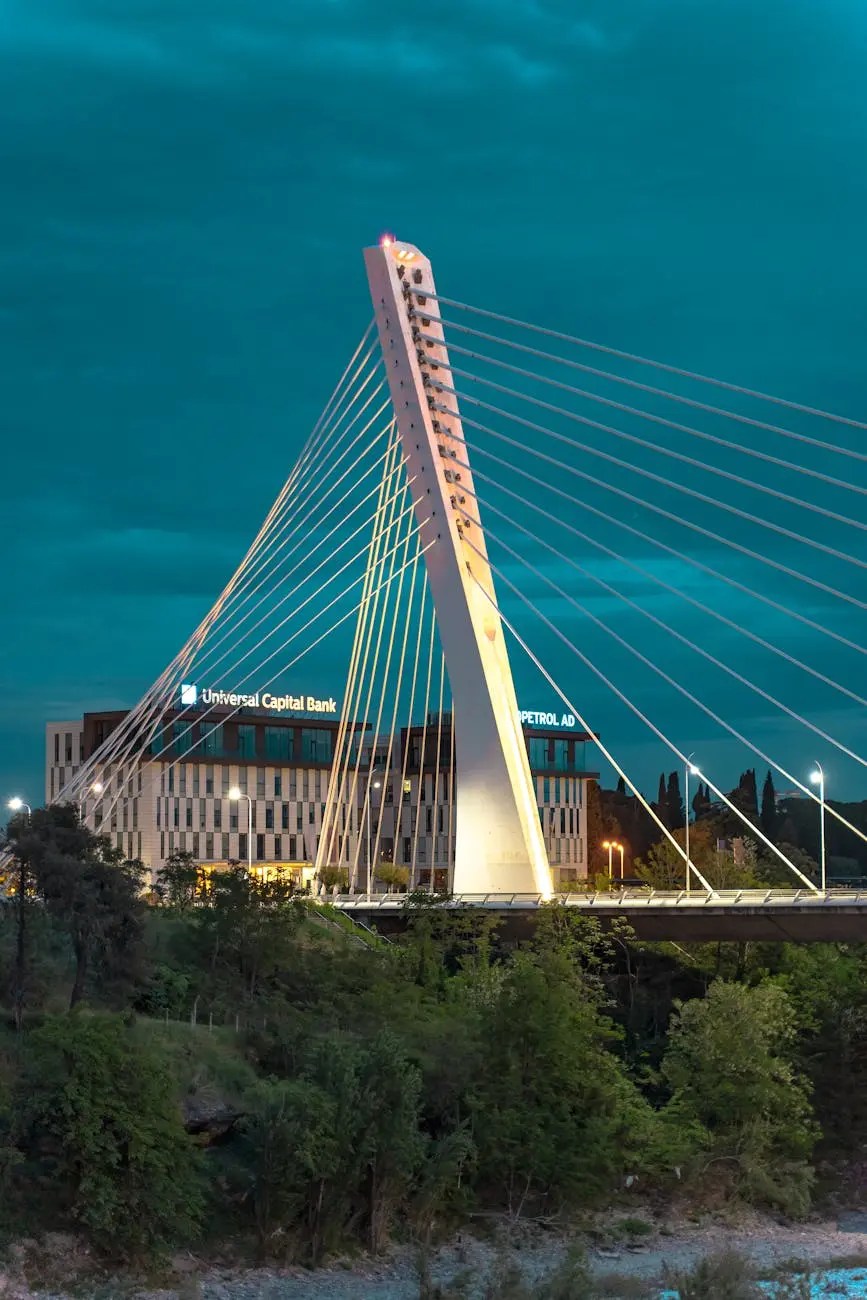
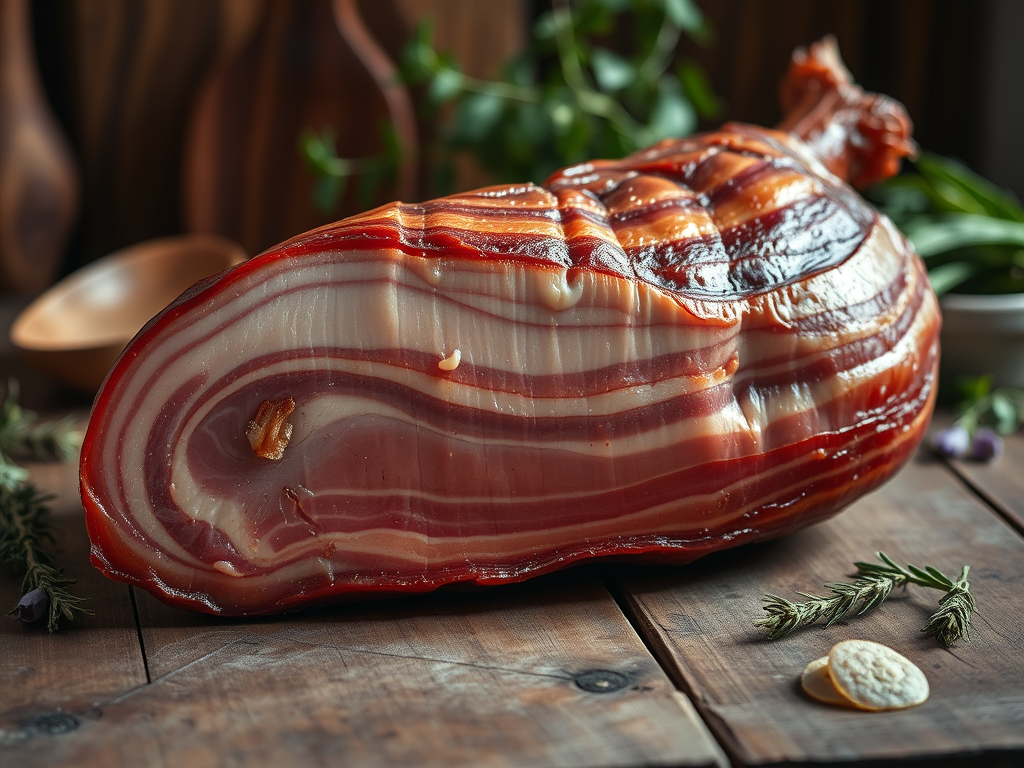
  • Afternoon: Cross the Millennium Bridge (it looks like a harp string) and explore Park forest Gorica on the hill. The views are worth the modest hike. For lunch, ditch the menu and just ask for njeguški pršut (smoked ham) and sir (cheese) at a local kafana.
Millennium Bridge (Expedia)Millennium Bridge (get your guide)
  • Evening: The Morača River banks come alive. Join the locals for the korzo (evening stroll). For dinner, find a spot in the Becir-beg Osmanagić mosque area. Order kastradina (dried mutton) if you’re feeling brave, and wash it down with rakija—the local firewater. A sip is a rite of passage.
Morača River(Expedia)Morača River (get your guide)
A night view of the Millennium Bridge in Podgorica, Montenegro, showcasing its modern architecture and illumination, with tall buildings in the background.
Night view of the Millennium Bridge in Podgorica, Montenegro, showcasing modern architecture against a serene backdrop.

A close-up view of a block of smoked ham with layers of fat and meat, placed on a wooden surface surrounded by herbs.
A close-up of _njeguški pršut_, traditional Montenegrin smoked ham, displayed on a rustic wooden surface, perfect for pairing with local cheese and wine. Tasting Njeguški Pršut in Podgorica, Montenegro: the famous smoked ham from the Njeguši village, served with local cheese and olives. You can’t visit Podgorica without trying Njeguški Pršut. This is what the legendary smoked ham & cheese platter looks like!
A historic stone clock tower stands in a plaza surrounded by modern buildings and trees under a partly cloudy sky.
A striking view of the historic clock tower of Podgorica, Montenegro, set against a backdrop of dramatic clouds and modern buildings. The elegant minaret and courtyard of Becir-beg Osmanagić Mosque, a key historical and spiritual site in Podgorica, Montenegro’s capital.

Day 2: Markets, Modernity & Wine

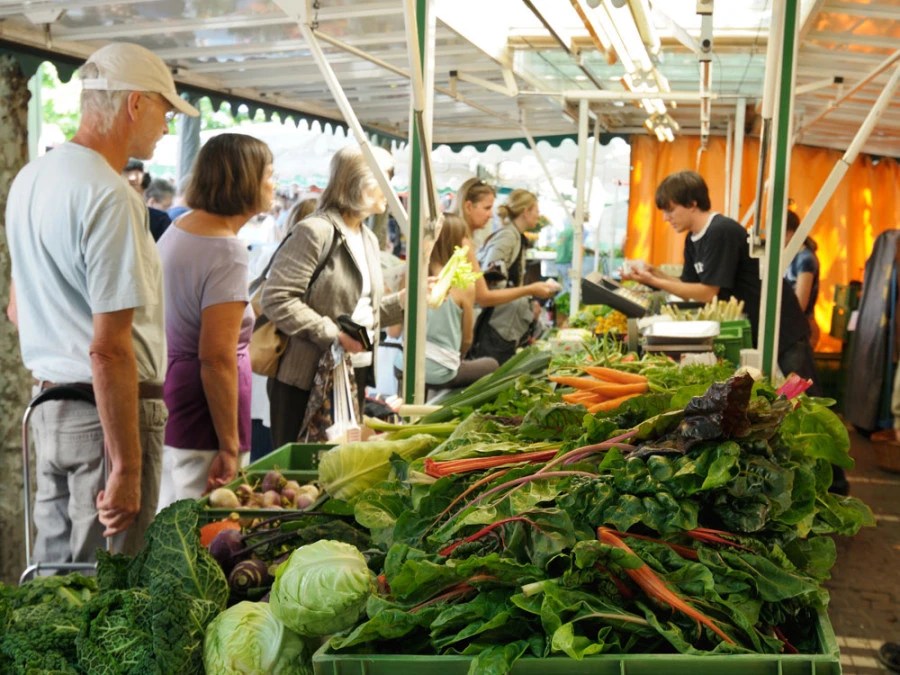
  • Morning: Dive into the Green Market (Pijaca). It’s a sensory overload in the best way. Practice your hvala (thank you) and maybe grab some figs or honey.
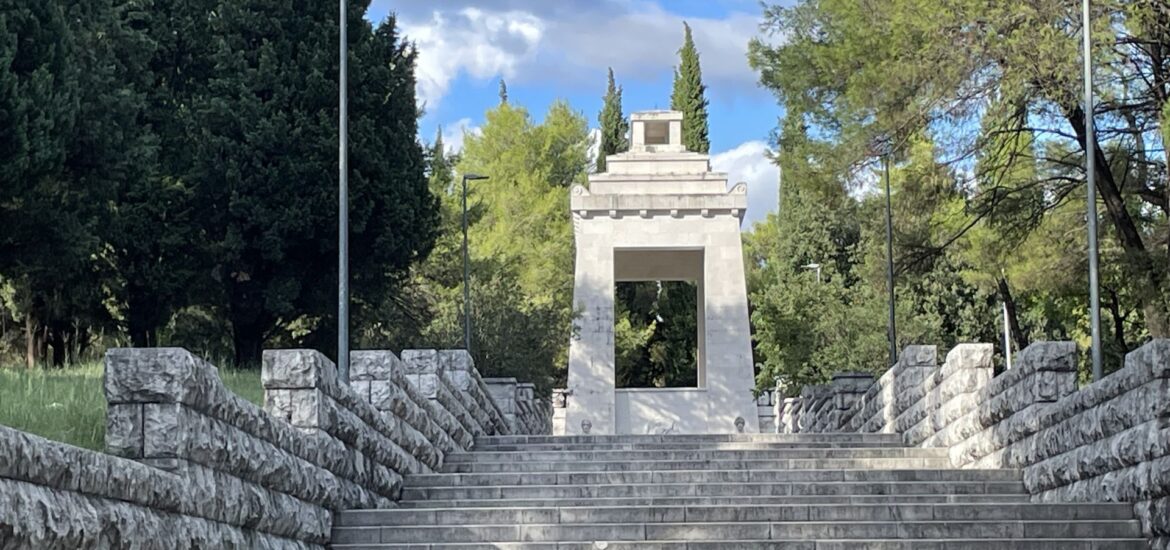
  • Afternoon: Take a short taxi ride to Duklja, the ancient Roman ruins. It’s wonderfully untouristed. Later, explore the bizarrely fascinating Cetinje monastery replica in the city park.
  • Evening: Montenegro makes fantastic wine. Head to a wine bar like Vinoteka and sample Vranac or Krstač. For your final dinner, find a grill house and order ćevapi (minced meat sausages). You won’t regret it.
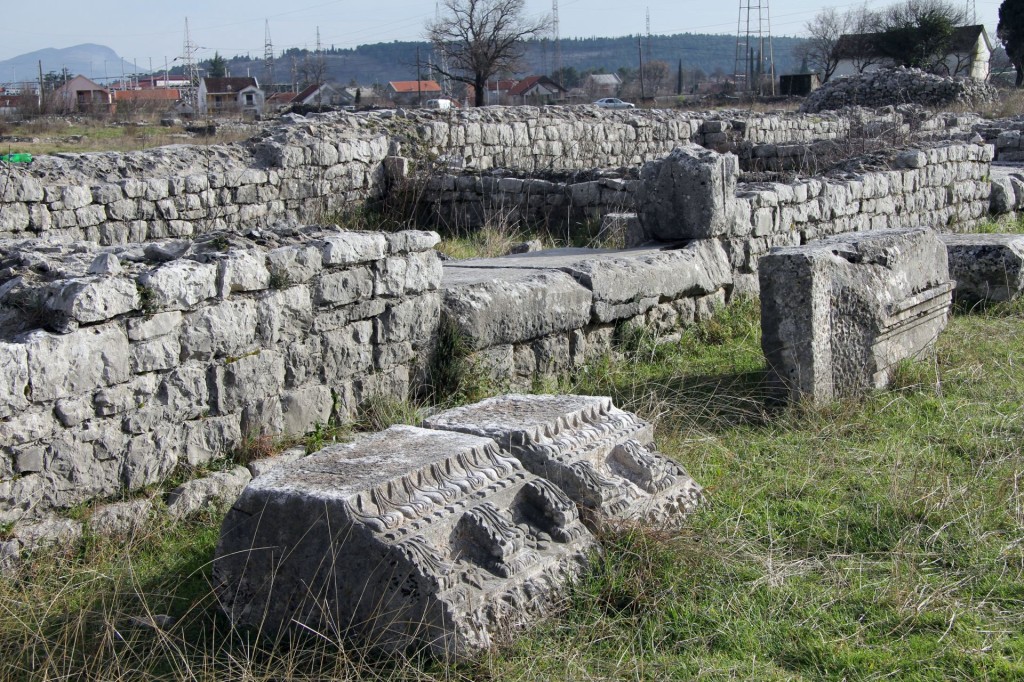
Ruins of ancient stone walls and carved blocks, overgrown with grass, set against a backdrop of a distant mountain and modern buildings.
Ancient Roman ruins at Duklja, an untouristed historical site in Montenegro.

Hidden Gems & Local Secrets

  • The “Depo”: Near the bus station, this is a collection of old train wagons turned into quirky bars and cafes. It’s the city’s hipster hideout, perfect for a unique afternoon beer.
  • Niagara Falls (Montenegrin Style): Just outside town near the village of Bioče, are small but charming waterfalls locals call “Niagara.” It’s a great spot for a quick nature fix.
  • The Best Burek: Forget fancy bakeries. The absolute best burek (savory pastry) I’ve had came from a nameless hole-in-the-wall near the Blok 5 neighborhood. Follow your nose and the line of locals.
  • King’s Park – peaceful morning coffee spot
  • Doclea Archaeological Site – Roman ruins with almost no tourists
  • Plantaze Šipčanik Winery – a wine cellar inside an underground aircraft hangar
  • Lake Skadar village of Virpazar – tiny, charming, and close
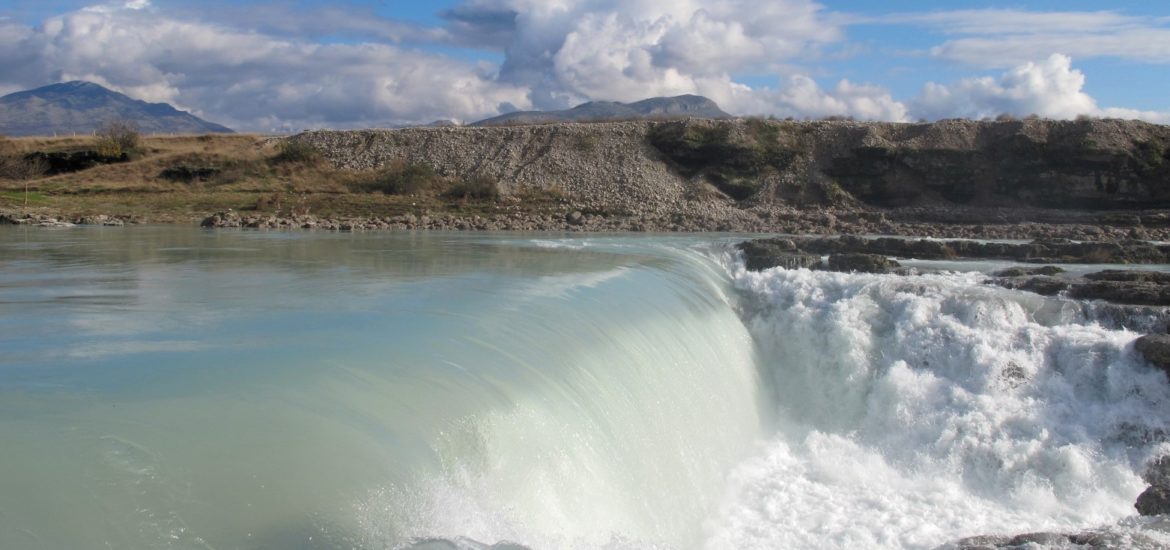
A scenic view of a waterfall cascading into a river, surrounded by rocky terrain and mountains under a partly cloudy sky.
A beautiful waterfall near Podgorica, Montenegro, showcasing the country’s stunning natural landscapes.

 Speak Like a Local: Key Words & Phrases

A little effort goes a long way!

  • Zdravo (ZDRAH-voh) – Hello
  • Hvala (HVAH-lah) – Thank you
  • Koliko košta? (KOH-lee-koh KOSH-tah) – How much does it cost?
  • Jednu kafu, molim. (YED-noo KAH-foo, MOH-leem) – One coffee, please. (This is your most important phrase.)
  • Gdje je…? (Gdyeh yeh…) – Where is…?
  • U redu (OO REH-doo) – Okay / Alright. You’ll hear this constantly.

Food, Coffee & Nightlife

☕ Coffee Culture

Podgorica runs on espresso. Try:

  • Republika Café
  • Korzo
  • The Living Room Lounge

🍽️ Local Dishes to Try

  • Ćevapi – grilled perfection
  • Burek – flaky pastry that could heal you emotionally
  • Kačamak – cheesy comfort food

Nightlife is surprising — lots of bars near Bokeska Street.

Smart Travel Tips (SIM, VPN, Insurance, Refunds, Camera, Skincare)

📶 Stay Connected – Drimsim

Here’s your rephrased paragraph:

✈️ Travel Tip: Staying connected abroad shouldn’t feel like a treasure hunt. I use Drimsim, a universal SIM that works in 190+ countries without sneaky fees or airport-counter chaos. Just slot it in, add credit via the app, and boom — you’re online wherever your weekend escape takes you. No more roaming panic.
👉 https://drimsim.tpm.lv/WZXbFzT6


💸 Flight Delayed or Canceled?

AirHelp can check if you’re owed up to $650. Endless forms? They handle it.
👉 https://airhelp.tpm.lv/kJuqnapo


🔐 Stay Safe Online – NordVPN

Montenegro cafés have great WiFi but… public networks are playgrounds for hackers.
👉 https://go.nordvpn.net/aff_c?offer_id=15&aff_id=128359&url_id=902


🎥 Capture Podgorica Perfectly

Your weekend trip deserves crisp photos — here’s my go-to travel camera:
👉 https://sovrn.co/1bwu61h

And don’t forget a European travel adapter:
👉 https://sovrn.co/8rr0dib


🛡️ Travel Insurance

VisitorsCoverage is quick, simple and reliable. Compare policies in minutes.
👉 https://visitorscoverage.tpm.lv/QUKMbHg3


✨ Look Good While Traveling

K-beauty glow on the go:
👉 https://www.lakinza.ca?sca_ref=9241420.TLlyMDetU9
Use code: Lalax10

Frequently Asked Questions (FAQs)

Q: Is Podgorica worth visiting, or should I just go to the coast?
A: It’s 100% worth a day or two. It offers a genuine slice of Montenegrin life you won’t find in the tourist-centric coast. Pair it with the coast for the perfect trip.

Q: What’s the best way to get around the city?
A: The center is very walkable. For longer distances, use Taxi App (like Podgorica Taxi) for fair, metered fares. Buses exist but can be confusing for short-term visitors.

Q: When is the best time to visit?
A: Spring (April-June) and Autumn (September-October) are ideal. The weather is pleasant, and the crowds are thin. July-August can be very hot.

Q: Is Podgorica budget-friendly?
A: Yes, especially compared to Western Europe or the Montenegrin coast. Meals, drinks, and taxis are reasonably priced.

Q: Can I do a day trip from Podgorica?
A: Absolutely! The stunning Ostrog Monastery (carved into a cliff) is an hour away. The historic former capital of Cetinje and Skadar Lake national park are also within easy reach.

Is Podgorica safe for travelers?

Yes — very safe. Common sense is enough.

My Other Geographically Close Blogs

These destinations are close enough for extended Balkan trips:

👉Full master list:

Final Thoughts – Why Podgorica Surprised Me

Podgorica is not flashy — but it’s warm, real, unfiltered, and surprisingly full of character. Affordable meals, calm mornings, rich history, easy transport, and quick access to nature make it a refreshing city for a laid-back weekend.

If you want a trip that feels authentic, not manufactured — Podgorica delivers.
Universal Disclaimer/Disclosure Page:

48-Hour Tirana Travel Guide: Uncover Hidden Gems

Meta Description: Target Audience: Travellers Uncover the vibrant secrets of Tirana, Albania! Our ultimate guide provides the perfect 48-hour escape, from hidden history and colorful communism-era buildings to the best local bites. Optimize your trip with money-saving travel tips, seamless logistics, and links for booking flights, ferries, and hotels. Start your low-cost Balkan adventure now!

Table of Contents

  1. Why Tirana is Your Next Perfect Weekend
  2. Getting There: Flights, Ferries & Land Adventures
    • By Air
    • Getting There by Ferry
    • By Land (Bus & Car)
  3. The 48-Hour Tirana Itinerary: A Locals’ Pace
    • Day 1: History, Haggling & The “Block”
    • Day 2: Bunkers, Bazaars & Breathtaking Views
  4. Tirana’s Hidden Gems: Where the Locals Go
  5. Travel Smart: Essential Tips for Tirana
    • Language Cheat Sheet
    • Getting Around: Buses, Taxis & Your Own Two Feet
    • Money-Saving Hacks
  6. Before You Go: Practical Must-Knows
  7. Frequently Asked Questions (FAQs)

If you’re anything like me, you probably think of a few things when you hear “Balkans”: stunning coastlines, complicated history, and maybe a slightly chaotic, yet charming, travel experience. But let me tell you, tucked just a quick hop across the Adriatic is Tirana, the heart of Albania, and it’s arguably the most underrated weekend break in Europe.

It’s got the energy of a city trying to make up for lost time, the affordability that makes your bank account smile, and a unique personality—like that slightly rebellious, deeply cool cousin you never knew you had.

Ready to swap the same old Paris or Rome trip for something truly electric? Grab a coffee (or a strong Albanian raki) and dive into the perfect 48 hours in this Balkan gem.

Why Tirana is Your Next Perfect Weekend

Tirana isn’t a polished, pre-packaged capital. It’s raw, it’s real, and it’s relentlessly optimistic. It’s a city painting over its communist-grey past with literal rainbows of colour. You come for the absurdly low cost of a fantastic dinner, you stay for the overwhelming warmth of the people. It’s the kind of place where a wrong turn leads you to the best grilled meat you’ve ever had, served by a guy who insists you try his homemade raki. For a weekend, it’s pure, unscripted travel gold.

Getting Your Bearings: Why Tirana?

I’ve traveled through most of the Balkans, and while the beaches of the Albanian Riviera are fantastic, the capital city offers a different kind of magic. Tirana is cheap, the food is incredible, and you can practically walk through Albania’s entire complex history in a single afternoon. Seriously, where else can you stumble out of a high-end cocktail bar built into a communist-era apartment block?

This city has shed its isolationist shell and now pulses with life, painted in bright, joyful colors thanks to former mayor Edi Rama’s initiative to paint the drab communist buildings. It’s affordable enough that you can treat yourself to an extra meal or an impromptu trip without wincing at your travel budget. Plus, Albania’s visa requirements are generally quite simple, often requiring nothing more than a valid passport for most Western travelers—making it an easy last-minute choice!

For more incredible, low-cost destinations that are geographically close to continue your Balkan journey, check out my full Travel Master List.

Getting There: Flights, Ferries & Land Adventures

By Air

Tirana International Airport (Nënë Tereza) is well-connected from major European hubs. I always hunt for deals on Expedia—it’s my go-to for bundling flights and hotels. Pro tip: The “flexible dates” calendar is your best friend for snagging a cheap weekend fare.
🔗 Find your flight deal on Expedia here. Flights to Tirana

Getting There by Ferry

Ah, the scenic route! If you’re already exploring the Adriatic coast of Italy (Bari, Brindisi, Ancona) or Greece (Corfu), sailing into Albania is an epic adventure. You’ll dock at the port of Durrës, about a 40-minute drive from Tirana.

  • The Experience: There’s nothing like seeing the Albanian Riviera appear from the sea. The ferry ride itself is part of the holiday—think sun decks, coffee, and that glorious sea breeze.
  • The Logistics: From Durrës port, you can take a taxi (agree on a price first, around €25-30 to Tirana), or walk to the bus station for a frequent, cheap furgon (minibus) into the city.
  • Booking: The easiest way to compare routes, times, and prices from all operators is through Direct Ferries. It’s a one-stop-shop that saves you heaps of time.
    🔗 Check ferry schedules and book your crossing at Direct Ferries.

✈️ Smart Travel Tip: However you get here, protect your trip. Travel insurance is non-negotiable for me. I use VisitorsCoverage to compare plans and find the right fit—it’s saved me from lost baggage dramas more than once.
🔗 Get a tailored travel insurance quote from VisitorsCoverage.

By Land (Bus & Car)

  • Bus: Excellent connections from Kosovo, North Macedonia, Montenegro, and Greece. Tirana’s international bus terminal is a bit chaotic but well-connected. I took a bus from Pristina and it was a stunning, affordable mountain journey.
  • Car: Renting a car gives you ultimate freedom. The main highways are decent, but Google Maps can be optimistic about travel times on smaller roads. My advice? Rent for a day trip out of the city, but use public transport within Tirana itself. Parking is… an extreme sport.

Where to Crash (Finding the Best Deals)

Whether you’re looking for a chic boutique stay in Blloku or a budget-friendly hostel near the New Bazaar, Tirana has great value. Due to its affordability, you can often splurge on a hotel room that would cost twice as much elsewhere.

I always start my search by checking prices across multiple platforms. If you’re ready to lock down your perfect stay in Tirana, click here to explore the best hotels and packages on Expedia

The 48-Hour Tirana Itinerary: A Locals’ Pace

Day 1: History, Haggling & The “Block”

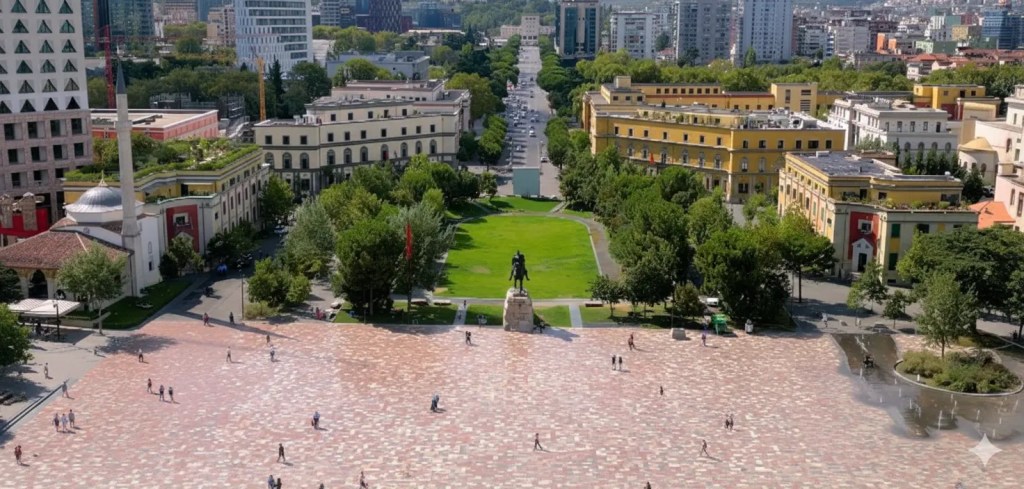
Morning (9:00 AM): Start at Skanderbeg Square, the city’s sprawling heart. Gawk at the opera house, the Et’hem Bey Mosque, and the haunting Pyramid of Tirana (formerly a museum to dictator Enver Hoxha, now a bizarre, graffitied climbable structure). Head straight to the Bunk’Art 2 museum, located in a former atomic bunker under the Ministry of Interior. It’s a chilling, must-see immersion into Albania’s secret police history.

Afternoon (1:00 PM): Walk 10 minutes to the New Bazaar (Pazari i Ri). This isn’t just a market; it’s a sensory overload in the best way. Haggle for olives, sample local cheese, and for lunch, join the queue at a byrek stall for flaky, spinach-filled perfection.

Evening (6:00 PM): This is Tirana’s magic hour. Stroll through the “Blloku” (Block) neighborhood, once reserved only for communist party elite, now the buzzing epicenter of cafés and boutiques. Grab a patio seat, order a kafe turke (Turkish coffee), and watch the city come alive. For dinner, ditch the main drag. Wander down a side street like Rr. Luigj Gurakuqi and pick a restaurant packed with locals.

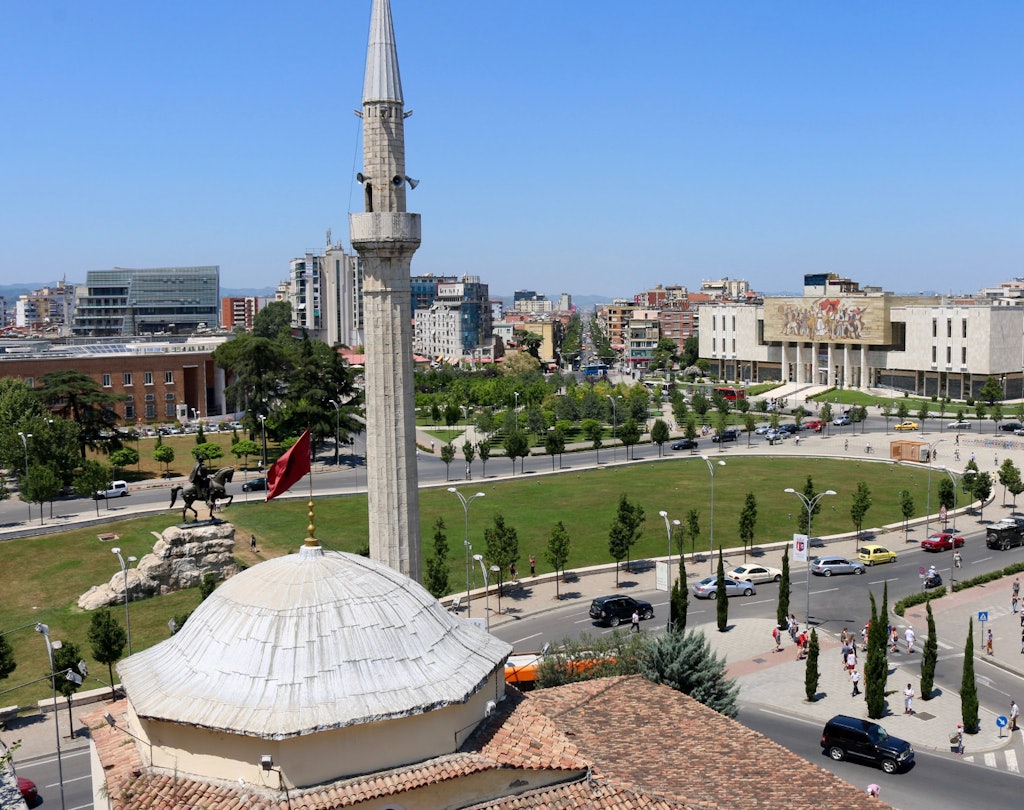
Aerial view of Skanderbeg Square in Tirana, Albania, featuring a statue in the center surrounded by green trees and colorful buildings.
Aerial view of Skanderbeg Square in Tirana, showcasing its vibrant architecture and lively atmosphere. The heart of the capital: Skanderbeg Square (Sheshi Skënderbej) in Tirana, Albania. The imposing equestrian statue honors the 15th-century national hero who resisted the Ottoman Empire, watching over the city’s daily life and major landmarks.
Illuminated steps of the Pyramid of Tirana, a modern architectural landmark, against a twilight sky, with people ascending and resting.
The illuminated Pyramid of Tirana, a unique landmark showcasing modern architecture and historical significance. The ever-evolving icon: The Pyramid of Tirana (Piramida), originally a museum to a dictator, now a vibrant youth center and one of Albania’s most famous modern landmarks.
A dimly lit, circular space featuring a vaulted ceiling adorned with framed portraits of individuals, highlighting elements of history and reflection.
Inside the Bunk’Art 2 museum, an immersive experience showcasing Albania’s secret police history through haunting photographs.
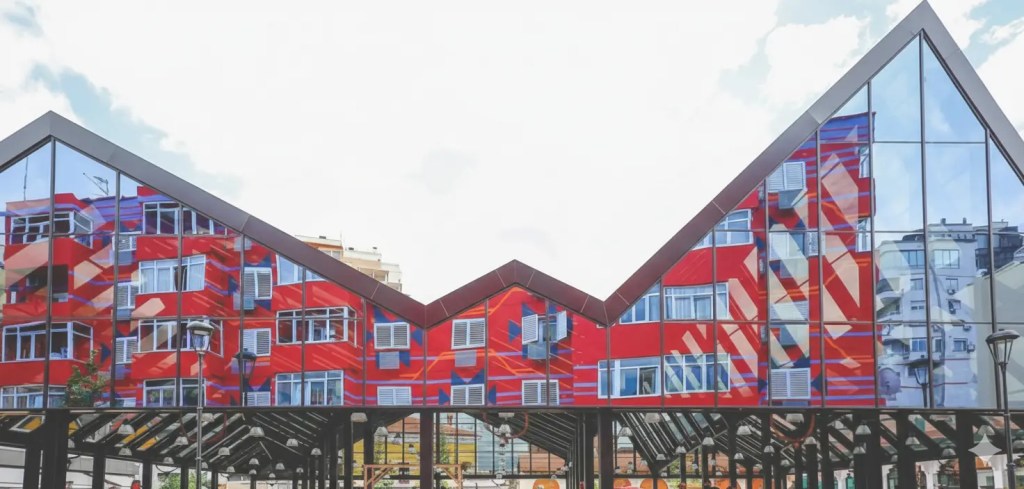
A colorful modern building with a distinctive peaked roof and reflective glass, showcasing vibrant red patterns, situated in Tirana, Albania.
A vibrant building in Tirana, showcasing colorful architecture reflective of the city’s artistic rejuvenation. The sensory heart of Tirana: Pazari i Ri (New Bazaar) at Avni Rustemi Square. This modern market complex blends traditional Albanian market culture with contemporary design, known for its fresh produce, local food stalls, and lively atmosphere.
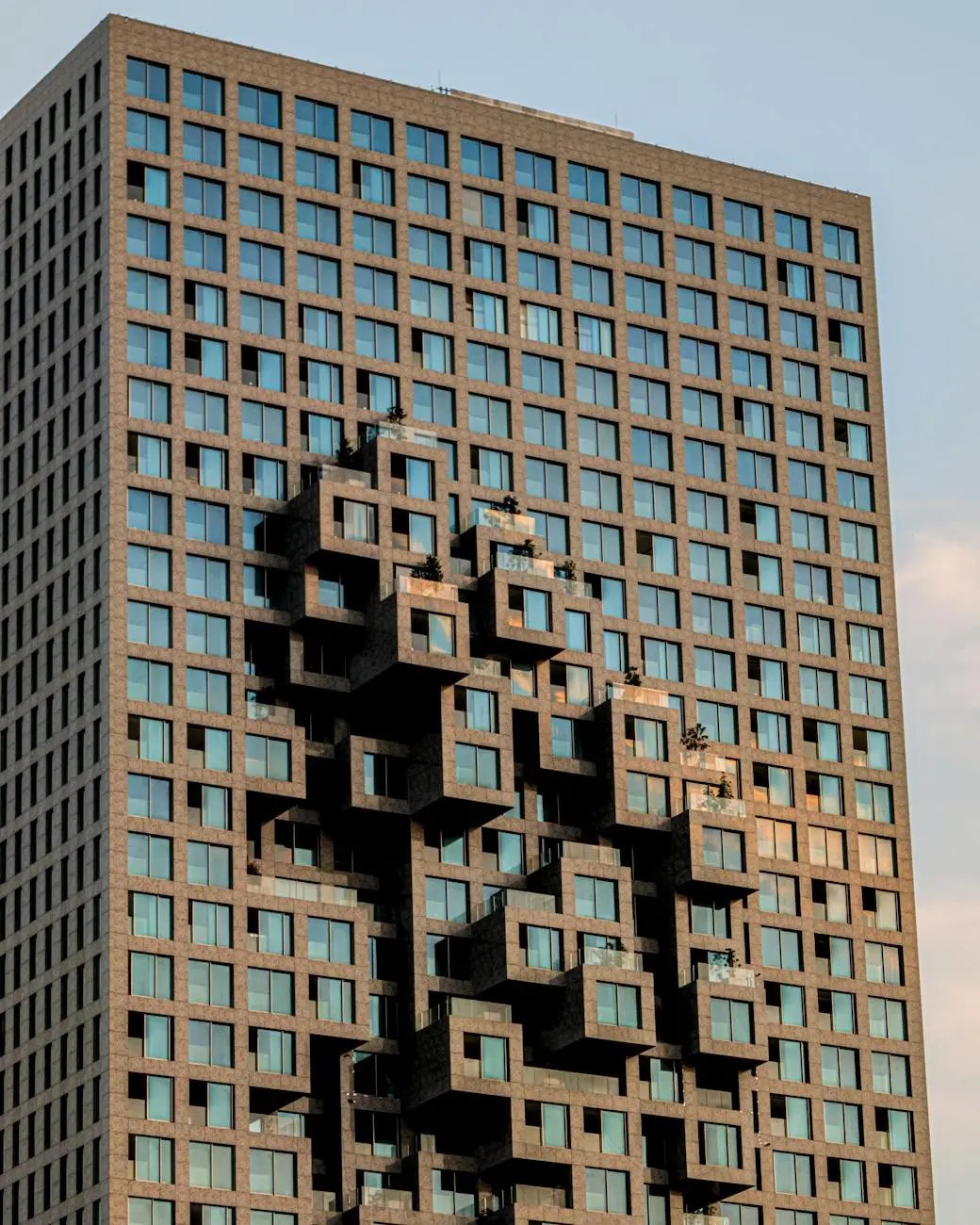
A modern building with a unique architectural design featuring protruding balconies and large glass windows, set against a sky backdrop.
A modern architectural marvel in Tirana, showcasing a unique façade with interlocking balconies. A modern landmark in the capital: The innovative Downtown One skyscraper in Tirana, Albania, designed by MVRDV with a facade that pixelates the country’s own map in its balconies.
Interior view of a bustling market in Tirana, Albania, featuring colorful displays of fresh produce and local goods on wooden tables under a glass roof.
Vibrant local produce and goods displayed at the New Bazaar (Pazari i Ri) in Tirana, Albania.

Day 2: Bunkers, Bazaars & Breathtaking Views

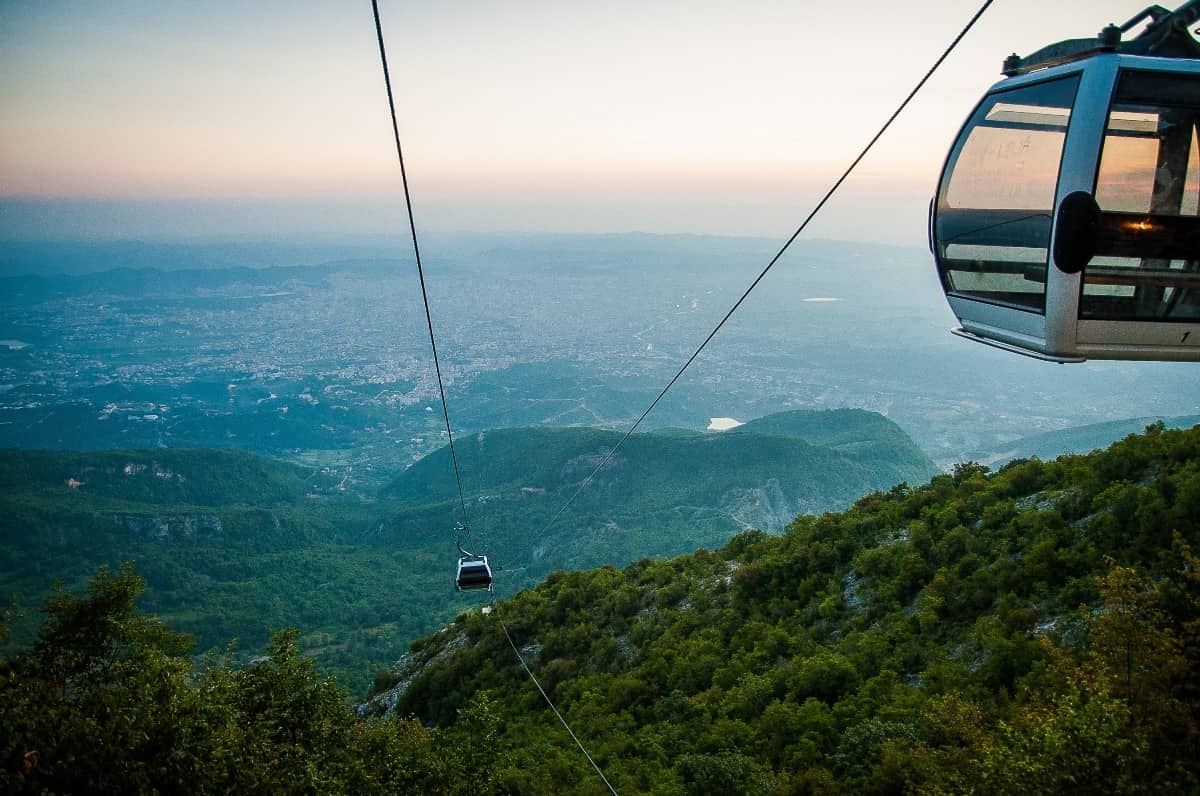
Morning (10:00 AM): Take a short taxi ride to the Dajti Ekspres. This cable car whisks you up Mount Dajti for panoramic views that will steal your breath. At the top, you can hike, have lunch, or just marvel. It’s the perfect contrast to the city bustle.

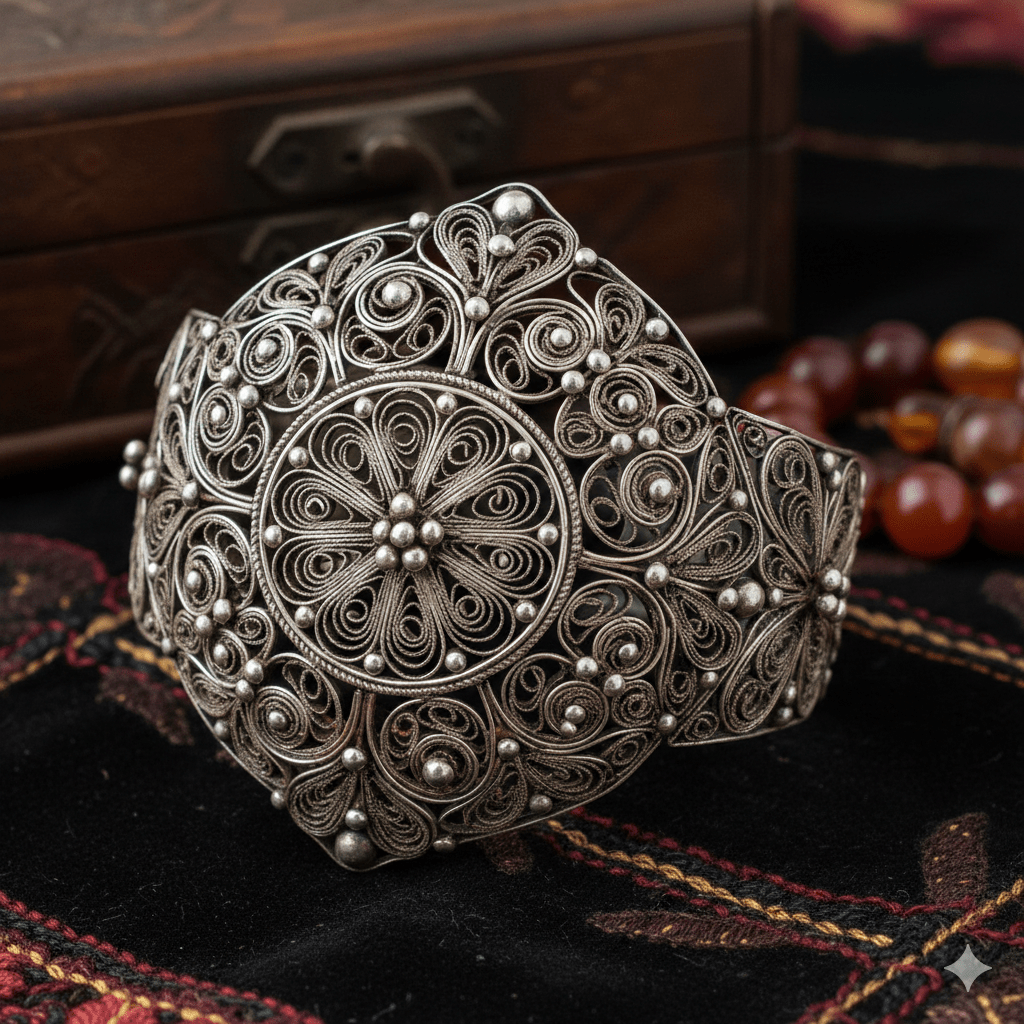
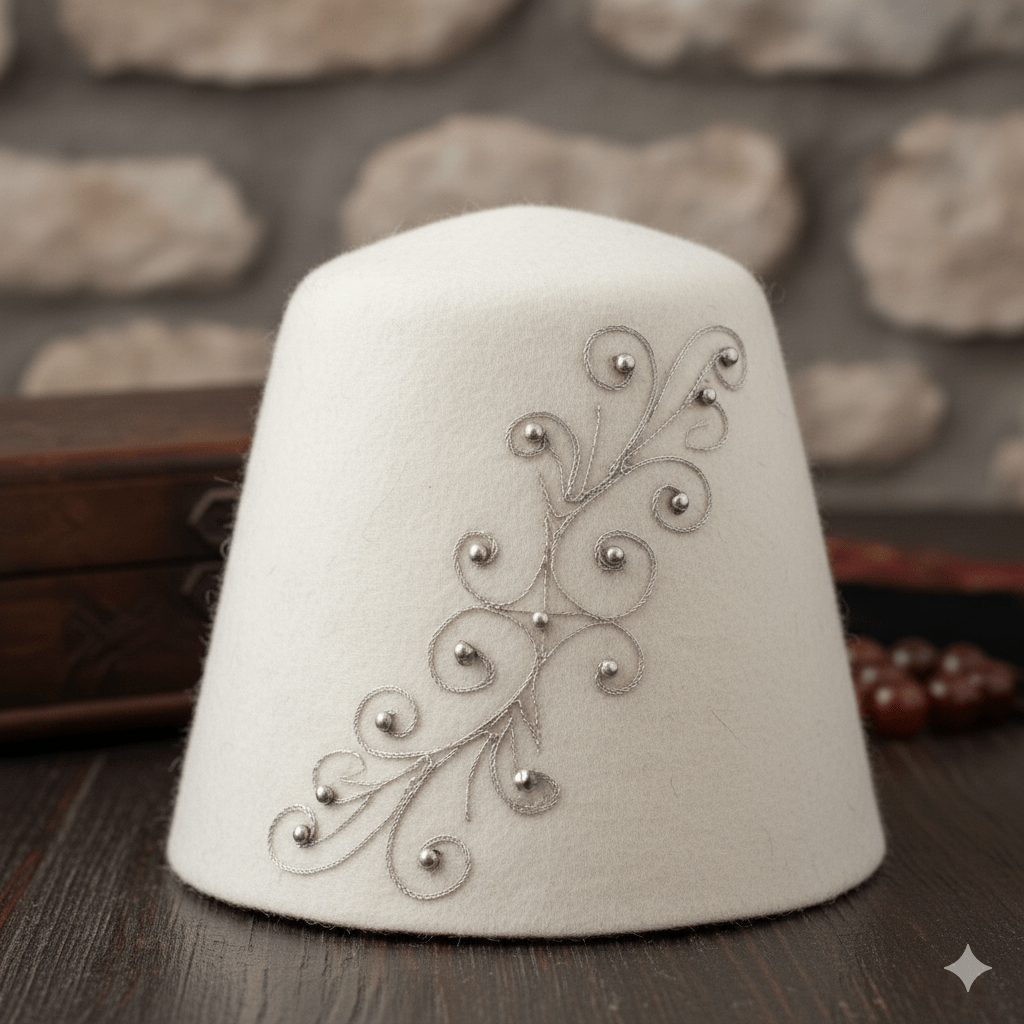
Afternoon (2:00 PM): Back in the city, dive into the National History Museum (the mosaic facade tells a story itself) or get lost in the colourful, pedestrianized streets around Rr. Murat Toptani. For a unique souvenir, skip the generic shops and look for handmade Albanian filigree silver or a traditional qeleshe (felt hat).

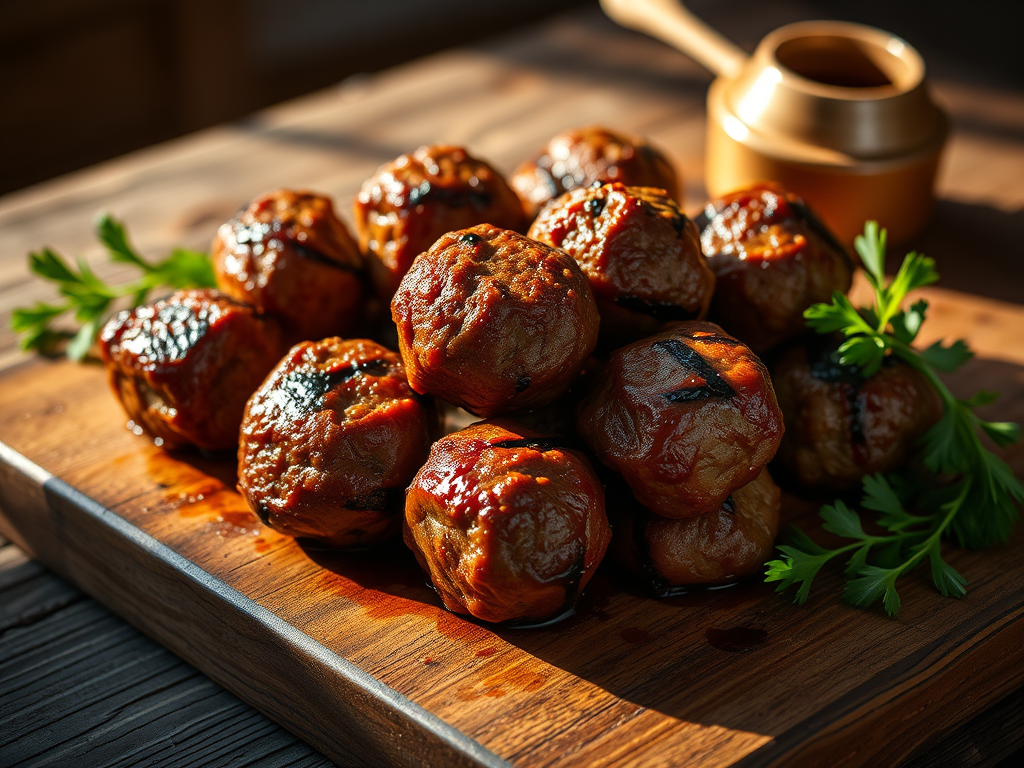
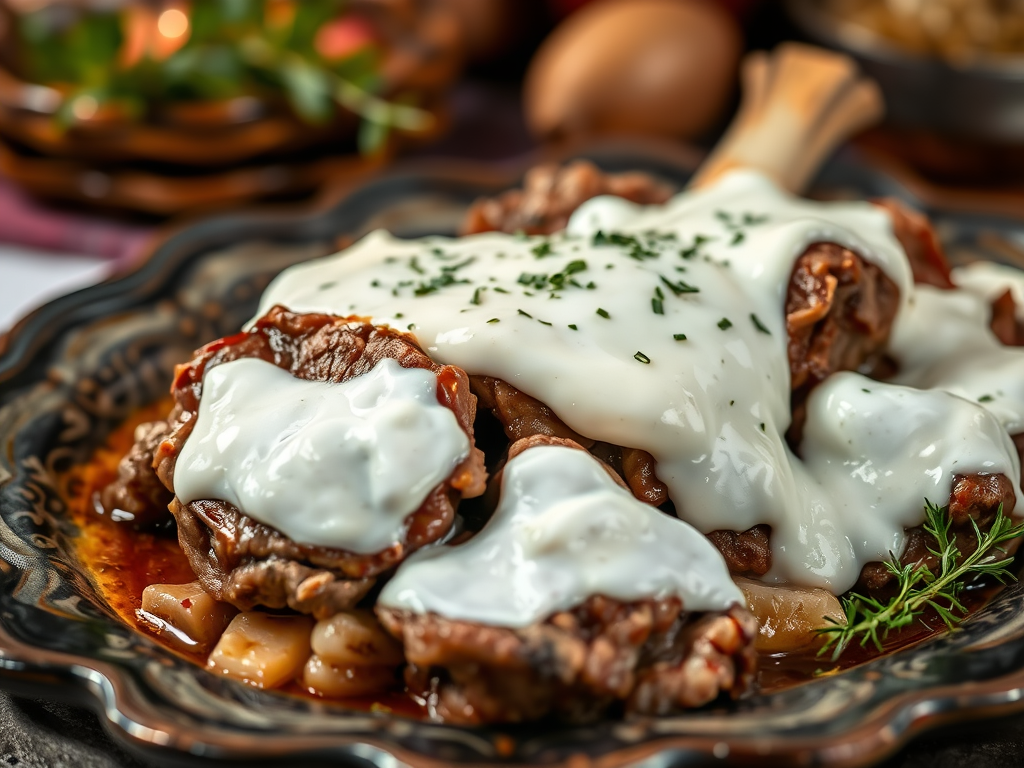
Evening (7:00 PM): For your final night, go local. Find a qoftë (grilled meatball) or tavë kosi (baked lamb with yogurt) spot. Afterwards, head to a bar in the Blloku or near the Taiwan Bridge (Ura e Taiwanit) for a glass of raki or a surprisingly good local craft beer.

Aerial view from the Dajti Ekspres cable car in Tirana, Albania, overlooking lush green mountains and the distant cityscape during sunset.
A scenic view from the Dajti Ekspres cable car, showcasing the stunning landscape and cityscape of Tirana, Albania.
A vibrant mosaic mural depicting various historical figures in traditional Albanian attire, set against a bright blue sky.
A historical mural in Tirana, Albania, depicting key figures and symbols of the nation’s past.

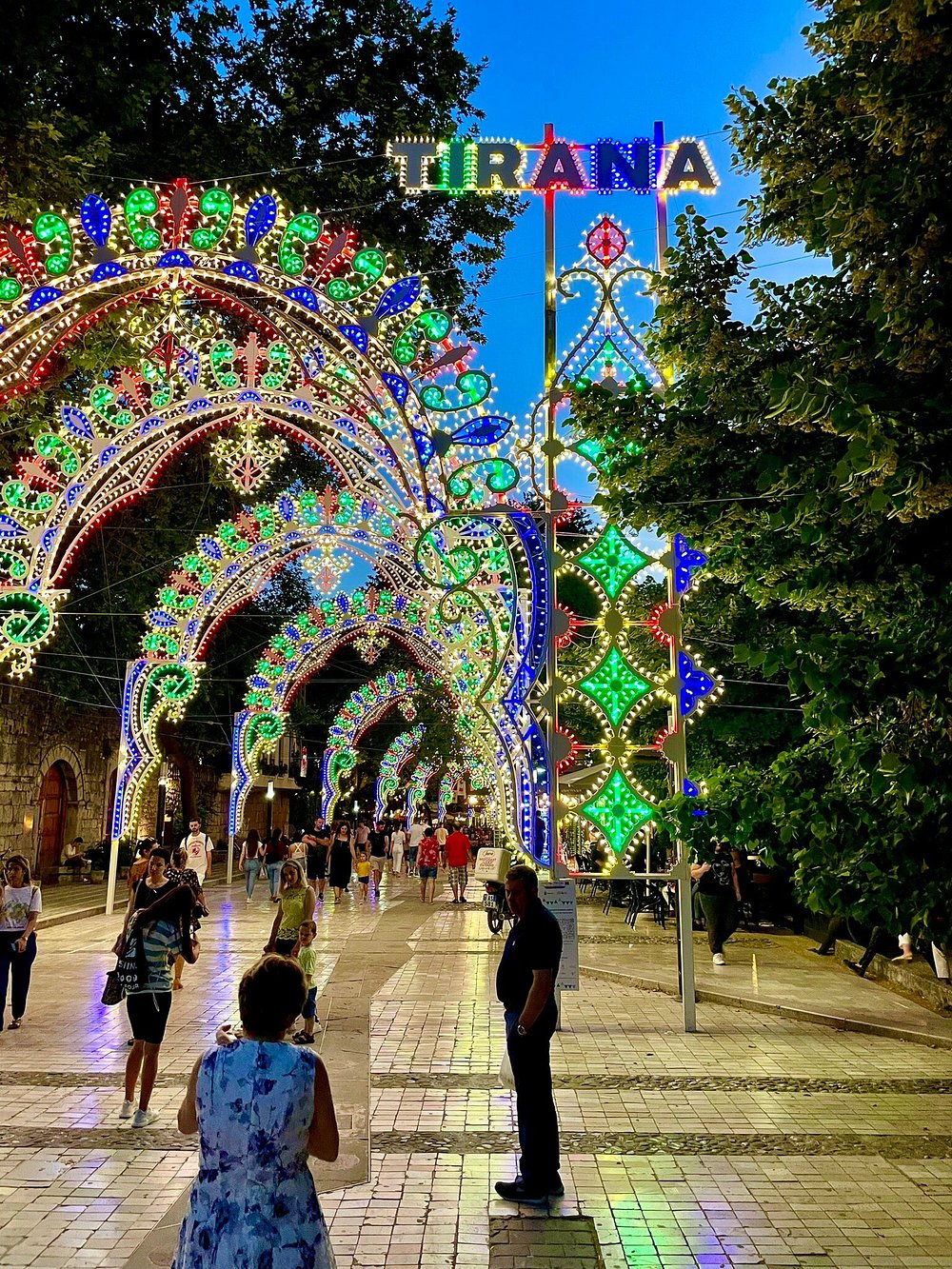
A vibrant street scene in Tirana, Albania, adorned with colorful lights and decorations. People stroll along a well-lit path, enjoying the lively atmosphere during the evening.
The vibrant streets of Tirana illuminated at night, showcasing a lively atmosphere and colorful decorations.

A beautifully crafted silver bracelet featuring intricate filigree designs, displayed on a patterned fabric background with a wooden box and beaded items visible.
Intricate handcrafted Albanian filigree silver bracelet, showcasing traditional craftsmanship.

A traditional white Albanian qeleshe (felt hat) adorned with decorative silver embroidery, placed on a wooden surface with a rustic background.
A traditional Albanian qeleshe, a felt hat intricately adorned with silver embroidery, showcasing Albania’s rich cultural heritage.

A plate of grilled meatballs garnished with fresh parsley, served on a wooden board with a small container of sauce in the background.
Delicious grilled meatballs, a must-try local dish in Tirana, Albania.
A close-up of a traditional Albanian dish featuring meat covered in a creamy sauce, garnished with parsley, served on a decorative plate.
Delicious Albanian _tavë kosi_ topped with yogurt, a must-try dish during your visit to Tirana.

A panoramic view of Tirana, Albania, showcasing the iconic clock tower and the National Historical Museum in the distance, with a vibrant cityscape featuring modern buildings and green spaces.
A panoramic view of Tirana, showcasing the historic Et’hem Bey Mosque and the National History Museum, set against a vibrant urban backdrop.

For the bridge crossing the Lana River in the heart of Tirana, you will most commonly see and hear it called the “Tanner’s Bridge” (Ura e Tabakëve in Albanian).

Here’s the breakdown to clear up the confusion:

  1. Tanner’s Bridge (Ura e Tabakëve): This is the correct historical name. It is an 18th-century Ottoman-era stone footbridge, originally connecting the city with the eastern suburbs and used by leather workers (tanners) to access their workshops. It is a protected cultural monument and a well-known landmark.
  2. Taiwan Bridge / Ura e Taiwanit: This is the name of the large, modern vehicle bridge located just a few dozen meters upstream from the Tanner’s Bridge. The name comes from Taiwanese funding for its construction in the 1990s. It’s a major traffic artery.

The Mix-Up:
The confusion arises because the area is often referred to loosely as the “Taiwan Bridge area” due to the prominence of the modern bridge for traffic and as a meeting point. When giving directions to a bar or restaurant near the river, a local might say “near Taiwan Bridge,” but mean the trendy pedestrian zone around the old Tanner’s Bridge underneath it.

Traveler’s Tip:
If you’re looking for the picturesque, historic stone bridge you can walk across, surrounded by cafes and nightlife, you want Tanner’s Bridge. If you’re in a car or looking for the large concrete bridge above all the action, that’s Taiwan Bridge.

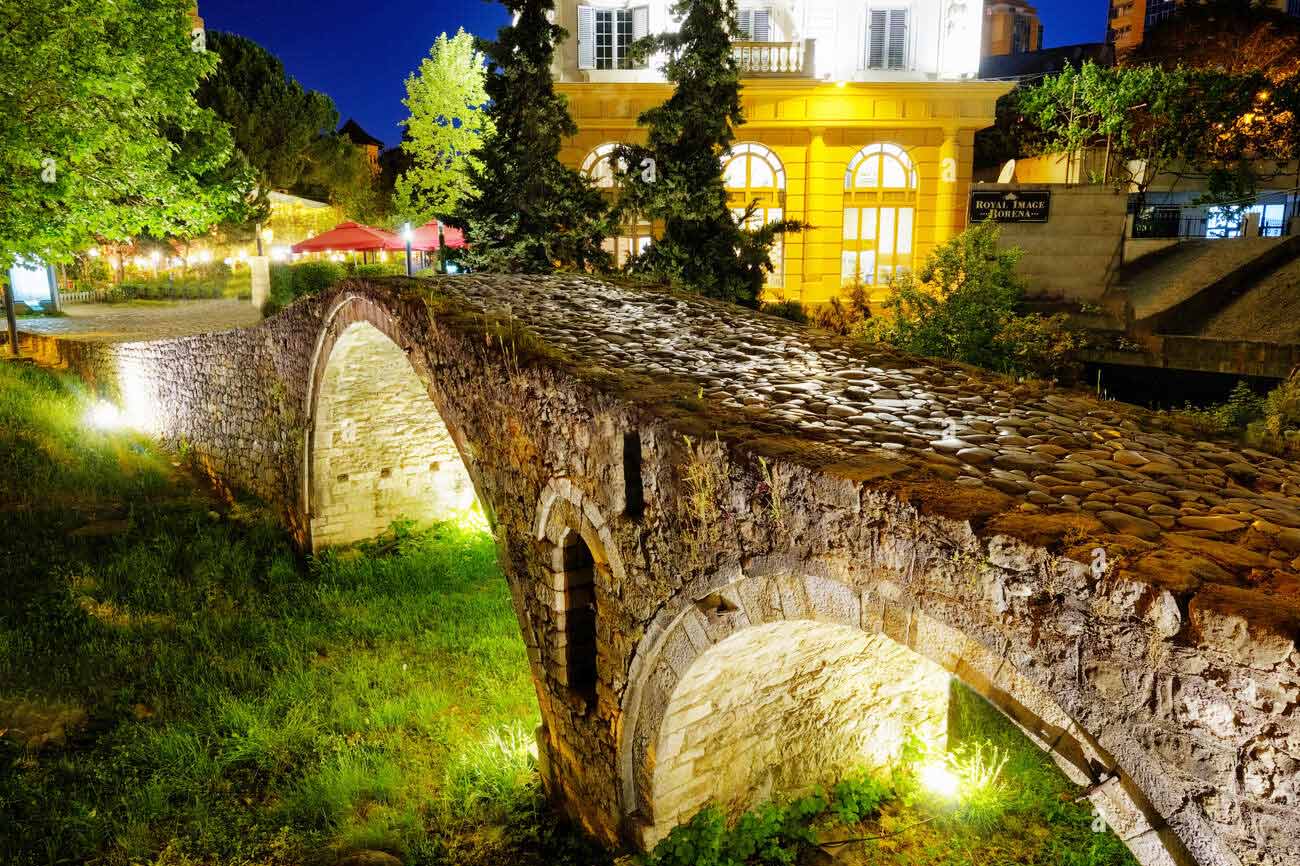
A beautifully lit stone bridge at night, showcasing its arched structure surrounded by greenery and illuminated by soft lights in Tirana, Albania.
A beautifully illuminated view of Tanner’s Bridge, a historic Ottoman-era footbridge in Tirana, Albania, blending charm and history.

Tirana’s Hidden Gems: Where the Locals Go

Toptani Castle Area: Near the pedestrian street, the remains of this castle and the newer Toptani Shopping Center offer a cool juxtaposition of ancient and modern life. Seek out the small, hidden courtyard restaurants tucked behind the main walls.

The House of Leaves (Museum of Secret Surveillance): Located just off Skanderbeg Square, this museum is quieter and arguably more disturbing than the bunkers. It details the surveillance and paranoia tactics used by the Sigurimi (secret police) during the communist era. It’s a chilling but essential stop.
Grand Park of Tirana (Parku i Madh): Need a break from the city noise? Head to this sprawling park in the south of the city, complete with a large lake. It’s the perfect spot for a relaxed evening stroll or a cheap picnic.

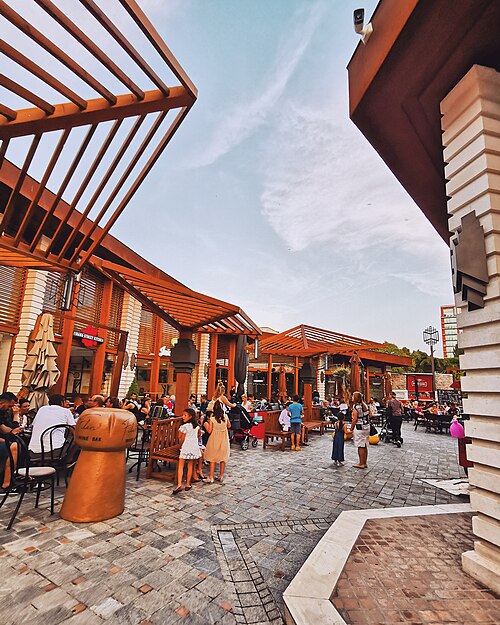
Outdoor café area in Tirana featuring wooden structures and people dining and socializing.
A vibrant outdoor café scene in Tirana, showcasing locals enjoying their time in this lively city.

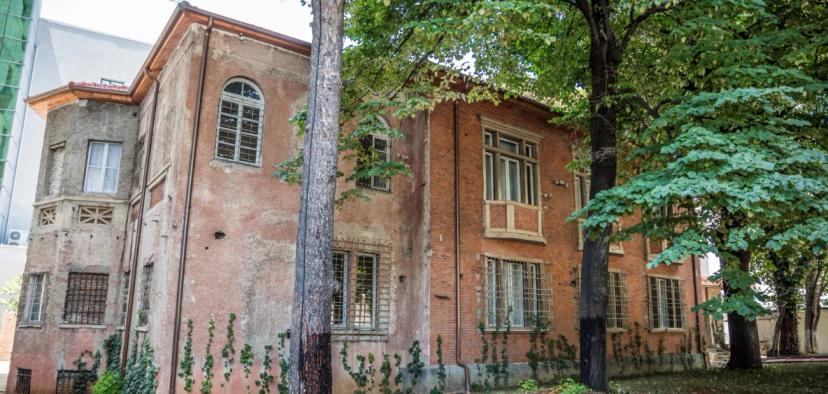
Exterior view of a historic building in Tirana, Albania, showcasing a mix of brick and plaster textures, surrounded by lush greenery.
The historic architecture of Tirana showcasing a blend of old and new amidst lush greenery.
Three kayakers paddling on a calm lake in Tirana, Albania, with trees and buildings in the background.
Kayaking on the serene waters of Tirana, offering a refreshing escape for adventure seekers.
Travel Smart: Essential Tips for Tirana

Language Cheat Sheet

  • Hello: Tungjatjeta (Toon-gya-tyeta) / A more casual “Hi”: Ç’kemi? (Ch-kemi?)
  • Thank you: Faleminderit (Fa-leh-min-der-it)
  • Yes/No: Po / Jo
  • How much?: Sa kushton? (Sa koosh-ton?)
  • Cheers: Gëzuar! (Geh-zoo-ar!)
  • Ujë Oo-yeh Water

🚌 Local Transportation & Money-Saving Tips

Getting Around

  • Bus: The city bus system is extensive and super cheap (about 40 lek per ride). Use the “Tirana Transit” app to navigate routes. You buy it directly from the conductor on board. They don’t run on a strict timetable, but they are frequent and cover all major arteries.
  • Taxi: Use ride-hailing apps like Bolt or Uber for fair, metered prices. If hailing one, ensure they turn on the meter.
  • On Foot: The centre is very walkable. This is the best way to discover hidden street art and cafés.
  • Money Tip: Avoid currency exchange desks at the airport! Withdraw Albanian Lek (ALL) from an ATM in the city center for the best exchange rate, or use a fee-free card.

Travel Safety & Smart Tools

The key to a stress-free trip? Being prepared. Here are the tools I rely on for every international getaway, including my escape to Tirana.

📶 Stay Connected and Secure

Staying connected abroad doesn’t have to mean dealing with expensive roaming fees or hunting down questionable airport SIM card vendors. That’s why I swear by Drimsim. This universal SIM card functions in 190+ countries. Just install it before you leave, top up the credit through the app, and you’re online the moment your plane touches down. No more stress over connectivity or unexpected bills! You can check it out for your next trip: Drimsim: Universal SIM Card for Traveling.

When using public Wi-Fi in cafes or hotels, security is paramount. Protect your personal information from prying eyes with a reliable VPN. I use and recommend NordVPN for peace of mind.

⚕️ Don’t Leave Home Without Insurance

Unexpected medical issues or travel hiccups can derail any trip. Having the right travel insurance is simply essential peace of mind. I personally recommend VisitorsCoverage—a platform where you can easily compare plans from top providers to find the coverage that perfectly fits your trip’s length and needs. Compare and buy your travel insurance here.

💅 Look Beautiful, Always

Travel doesn’t mean sacrificing your glow! I always pack my K-beauty essentials. For the best selection of Korean beauty products, check out Lakinza. Use Code Lalax10 for a Sweet Discount at checkout to save a little extra for your next skincare haul.

✈️ Flight Delayed or Canceled? Get Compensated

Travel isn’t always smooth sailing—sometimes flights get delayed, canceled, or overbooked. The good news? You might be entitled to up to $650 in compensation under air passenger rights. Most travelers never claim it, but I’ve got you covered: just check your flight with AirHelp. They handle the paperwork, fight the airlines for you, and only get paid if you win. Easy, stress-free, and potentially a nice surprise for your travel fund.

 Before You Go: Practical Must-Knows

  • Visa: For EU, US, UK, and many other passport holders, it’s visa-free for up to 90 days. Always double-check official sources before travel.
  • Currency: The Albanian Lek (ALL). Euros are widely accepted, but you’ll get a better rate using lek. ATMs are everywhere.
  • Best Time to Visit: Spring (April-June) and Autumn (September-October) are ideal—pleasant weather and fewer crowds than peak summer.
  • Power Up: Type C & F plugs (standard European). 220V. European Travel Plug Adapter Kit

Tirana isn’t just an exciting destination on its own, but its central location in the Balkans makes it an ideal hub for exploring other major European cities. If you’re planning an extended trip, you’ll find easy travel connections to other must-see destinations. You can easily hop a ferry across the Adriatic to explore the incredible history of Rome, Italy, or take a short, affordable flight to the vibrant ancient capital of Athens, Greece. To continue your exploration of the Balkan region, consider heading north to experience the culture and nightlife of Belgrade, Serbia, or journey along the stunning Adriatic coast to the historic port city of Split, Croatia.

Frequently Asked Questions (FAQs)

Q: Is Tirana safe for tourists?
A: Extremely. I’ve walked alone at night and felt safer than in many Western European capitals. Standard city precautions apply, but violent crime against tourists is very rare.

Q: How budget-friendly is Tirana?
A: It’s one of Europe’s most affordable capitals. You can have a fantastic meal with wine for under €15, and a nice hotel room for €50-€70 per night.

Q: Can I use credit cards everywhere?
A: In hotels, larger restaurants, and supermarkets, yes. However, small shops, markets, and taxis (if not using an app) are cash-only. Always have some lek on you.

Q: Is one weekend enough for Tirana?
A: For the city itself, a weekend is perfect to hit the highlights and get a real feel for the vibe. If you have more time, use Tirana as a base to explore the Albanian Riviera or the northern Alps.

Q: What’s the one thing I shouldn’t miss?
A: The Bunk’Art 2 museum. It’s the most powerful way to understand modern Albania and the resilience of its people.

Ready for Your Albanian Adventure?

Tirana is more than a destination; it’s an experience. It challenges your perceptions, delights your senses, and does it all without asking for much in return. It’s the perfect recipe for a memorable weekend escape.

What are you waiting for? Start plotting your Tirana trip today. And for more off-the-beaten-path guides and detailed itineraries, don’t forget to explore my full Travel Masterlist.

🔗 Dive deeper into my travel guides and resources here: Travel Masterlist.

Have you been to Tirana? Or is it now on your list? Share your thoughts or questions in the comments below!


Universal Disclaimer/Disclosure Page:

Ultimate Weekend Guide to Warsaw: Hidden Gems & Smart Tips

Meta Description: Planning the ultimate weekend escape to Warsaw, Poland? This guide is packed with insider tips, hidden gems, and a perfect 2-day itinerary to help you explore the vibrant heart of Poland. Discover where to save time and money, master public transport, and fall in love with this resilient city.

🧭 Table of Contents

  1. Introduction – Why Warsaw Deserves Your Weekend
  2. Getting There & Visa Tips
  3. Where to Stay (and Save)
  4. Getting Around Warsaw – Smart Transit Tips
  5. Top Things to Do & Hidden Gems
  6. Where to Eat & Drink
  7. Smart Travel Tips (Affiliate Resources You’ll Love)
  8. Handy Polish Words You’ll Actually Use
  9. FAQs for First-Time Travelers
  10. Final Thoughts + Must-Read Nearby Escapes

✈️ 1. Introduction – Why Warsaw Deserves Your Weekend

If Kraków is the nostalgic soul of Poland, Warsaw is its beating heart — bold, modern, and unafraid to flaunt its scars. I arrived expecting gray post-war blocks and left enchanted by riverside cafes, neon-lit murals, and the kind of unexpected kindness that makes you rethink stereotypes.

From the fairy-tale façades of the Old Town (Stare Miasto) to the electric vibe of Nowy Świat Street, Warsaw is the kind of place that surprises you between bites of pierogi. Whether you’re here for history, art, or just a really good reason to wear that travel hat, this city’s got you covered.

So, your passport is whispering your name, and you’ve managed to carve out a glorious 48 hours for an adventure. Forget what you think you know about Eastern Europe; Warsaw is waiting to blow your socks off.

I’ll be honest, my first time in Warsaw was a happy accident—a missed connection turned into a 48-hour love affair with a city that has more grit, glamour, and good food than I could have ever imagined. It’s a phoenix that literally rose from the ashes, and its energy is absolutely contagious.

This isn’t just another list of things to do. This is your battle-tested, coffee-fueled guide to conquering Warsaw in a weekend, saving both your sanity and your wallet.

🛂 2. Getting There & Visa Tips

Most travelers from the EU, UK, and the US can enter Poland visa-free for up to 90 days. If you need a Schengen visa, it’s the same one that covers your Kraków, Prague, and Vienna trips — perfect for multi-city explorers.

Money tip: Fly into Warsaw Chopin Airport (WAW) or the budget-friendly Modlin Airport (WMI). For cheaper flights and hotels, I always book through Expedia. Their bundle deals often shave off 20–30% compared to booking separately.

🏨 3. Where to Stay (and Save)

Stay in Śródmieście (City Centre) if you want to be within walking distance of most attractions. For something more local and affordable, Praga District offers boho hostels and art cafés.

Money-saver hack: Use the map view on Expedia to spot hotels near tram or metro stations — it’ll save both your feet and your wallet.

🚊 4. Getting Around Warsaw – Smart Transit Tips

Warsaw’s public transport system is surprisingly easy to navigate and wallet-friendly.

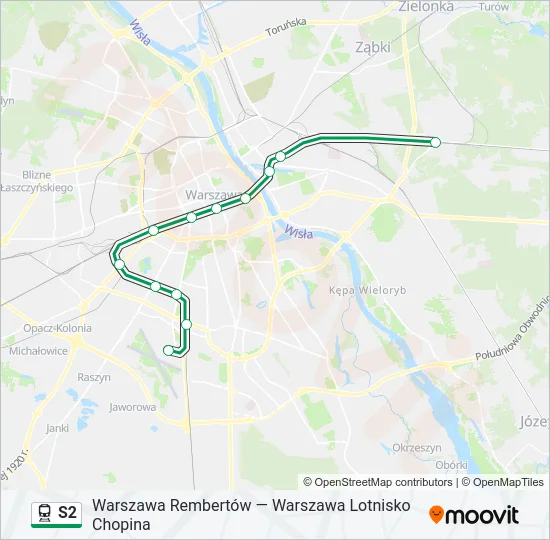
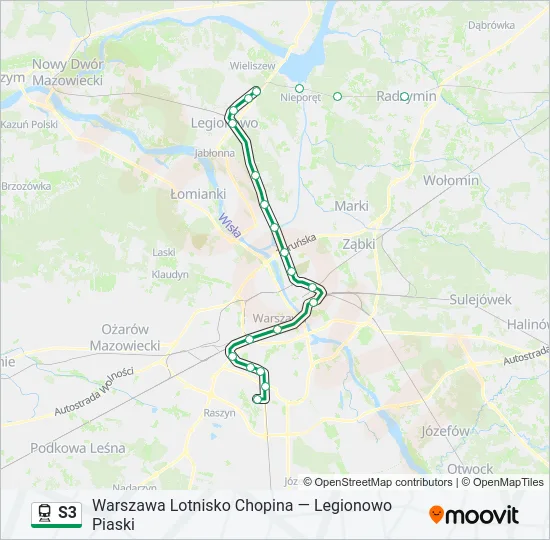
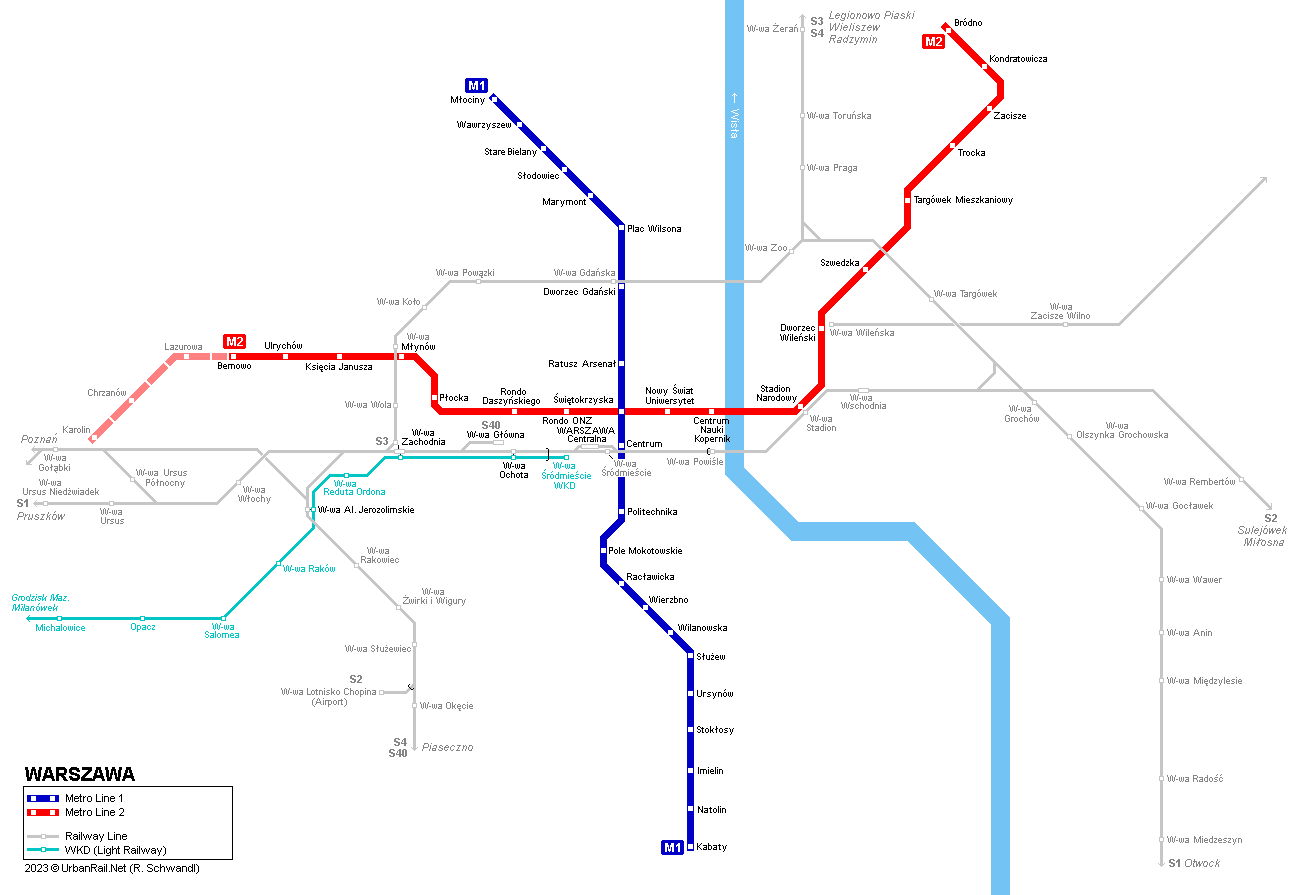
The Train (SKM): Perfect for getting from the airport (Chopin) to the city center. The S2 and S3 lines will have you downtown in 20-25 minutes for a fraction of a taxi price.

Map showing the S2 train line route from Warszawa Rembertów to Warszawa Lotnisko Chopina in Warsaw, Poland.
Public transport map of Warsaw, highlighting the S2 train line from Rembertów to Warsaw Chopin Airport.

Map showing the S3 train line connecting Warsaw Chopin Airport to the city center, highlighting key stops along the route.
Map showing the route from Warsaw Chopin Airport to central Warsaw, illustrating the efficient public transportation connectivity.

🚆 Metro

  • Two main lines: M1 (north–south) and M2 (east–west).
  • A single 20-minute ticket costs about 4.60 PLN (around $1).

🚌 Buses & Trams

  • Operate 24/7 (night lines start with “N”).
  • Tickets are valid across buses, trams, and metro — no need to buy multiple. A 24-hour or weekend pass is your most cost-effective bet. Validate it once on your first journey, and you’re good to go.
  • Trams & Buses: The network is extensive. Download the Jakdojade app. It’s a lifesaver. You plug in your start and end points, and it gives you the exact routes, times, and even the cost. You can buy tickets directly in the app—no need to fumble with machines.

🚗 By Car

Driving is doable, but parking is limited in the Old Town. Use Google Maps or Waze — the city’s well-marked, and expressways save serious time and gas.

💡 Local Tip: Download the Jakdojade app — it shows live routes, ticket prices, and best connections.

Warsaw in a Weekend: Your Action-Packed Itinerary

Day 1: The Royal & The Resilient (Old Town Focus)

Morning (9:00 AM – 1:00 PM): Start your day at the heart of it all: the Old Town (Stare Miasto). A word of advice? Get here early. The tour buses haven’t yet descended, and the morning light on the cobblestones is pure magic. It’s easy to forget this entire area was meticulously rebuilt after being deliberately destroyed in WWII—a testament to the city’s unbreakable spirit.

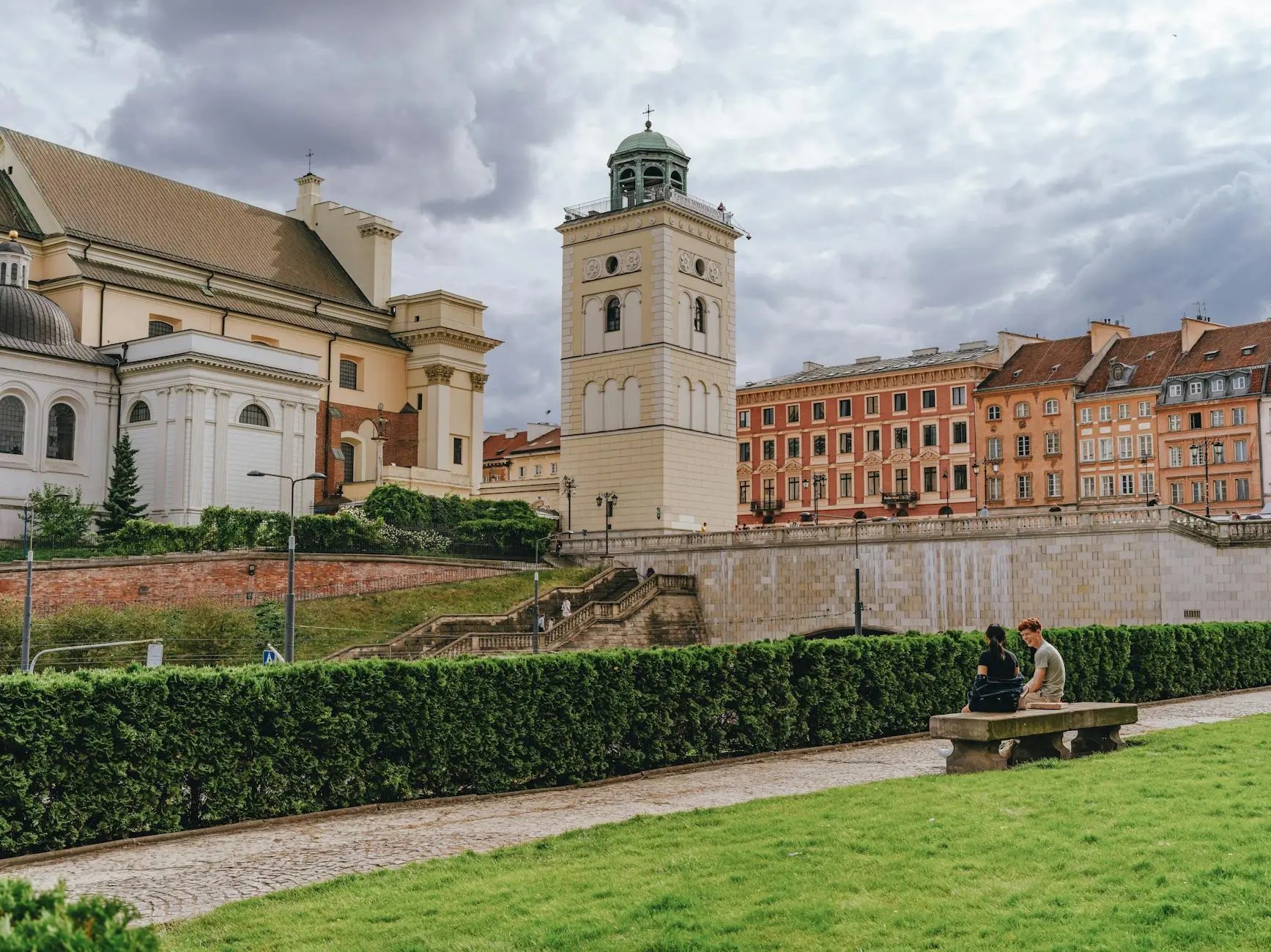
  • Must-Do: Climb to the top of the St. Anne’s Bell Tower for a breathtaking 360-degree view. It’s cheaper and often less crowded than the Palace of Culture viewing terrace, offering a perfect orientation of the city.
  • Pro Tip: From the Old Town, take a leisurely stroll down the Royal Route (Krakowskie Przedmieście). You’ll pass palaces, churches, and the University of Warsaw. Keep an eye out for the quirky Chopin benches—press a button, and they play a piece by Poland’s most famous composer!

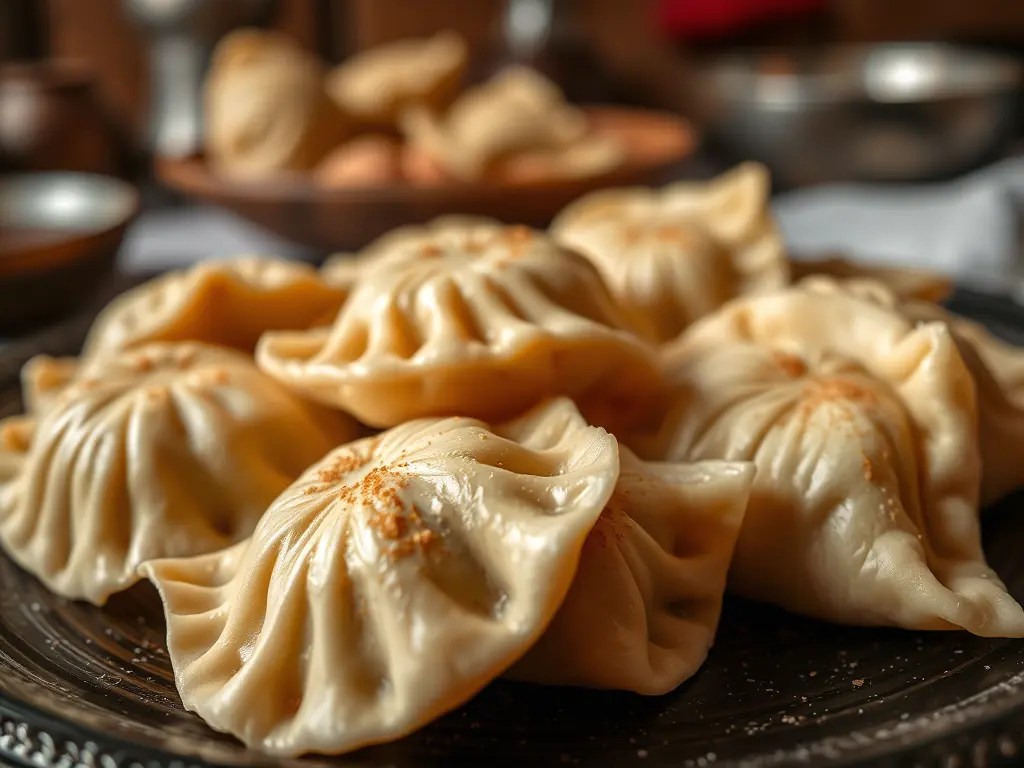
Afternoon (1:00 PM – 5:00 PM): You’ve earned a feast. Dive into a pierogi (dumpling) coma at a Bar Mleczny (Milk Bar). These are not fancy places; they are communist-era canteens subsidized by the government, serving hearty, dirt-cheap Polish classics. Point at what looks good, pay a pittance, and enjoy a truly local experience. My personal favorite is Bar Mleczny Familijny.

After lunch, dive deeper into history at the POLIN Museum of the History of Polish Jews. It’s not a lighthearted stop, but it is a profoundly moving and essential one, telling a 1000-year story of Jewish life in Poland.

Evening (6:00 PM onwards): For dinner, head to the Hala Koszyki, a beautifully restored market hall now teeming with upscale food stalls and restaurants. It’s the perfect place to sample different cuisines. Afterwards, experience Warsaw’s legendary nightlife. For a cool, laid-back vibe, explore the bars and pubs in the Praga district (across the river). Just a few years ago, this was a no-go zone; now it’s the city’s hipster heartland.

A vibrant view of Warsaw’s Old Town, showcasing historic architecture and lively crowds under a clear blue sky.
This image features the magnificent St. Anne's Church, one of the oldest and most important churches in Warsaw. Its elaborate Baroque facade, characterized by intricate details and striking twin bell towers, dominates the view at the entrance to the city's historic Old Town. Located adjacent to Castle Square, the church has witnessed centuries of Polish history. While its interior is beautifully decorated, the real hidden gem is the viewing terrace at the top of its bell tower, which offers a breathtaking, unobstructed vista of the Vistula River, the Royal Castle, and the city's sprawling skyline—a must-do for any visitor.
Couple enjoying a peaceful moment in front of Warsaw’s historic architecture and greenery. The stunning St. Anne’s Church, a cornerstone of Warsaw’s Old Town. Don’t just admire it from the outside—climb the bell tower for what I consider the best panoramic view of the city!
A close-up image of a plate filled with dumplings, showcasing their intricate folds and texture, with a blurred background of additional food items.
Delicious pierogi, a must-try dish in Warsaw, served warm and full of flavor. The moment of truth! My first bite into these homemade pierogi at a Warsaw milk bar was a revelation. That crispy, buttery exterior giving way to a savory, steaming filling… this is the taste of Polish comfort food.
Modern architectural building in Warsaw, Poland, featuring a glass facade and triangular design elements, surrounded by clear blue skies.
The POLIN Museum of the History of Polish Jews, a stunning glass architectural landmark in Warsaw.
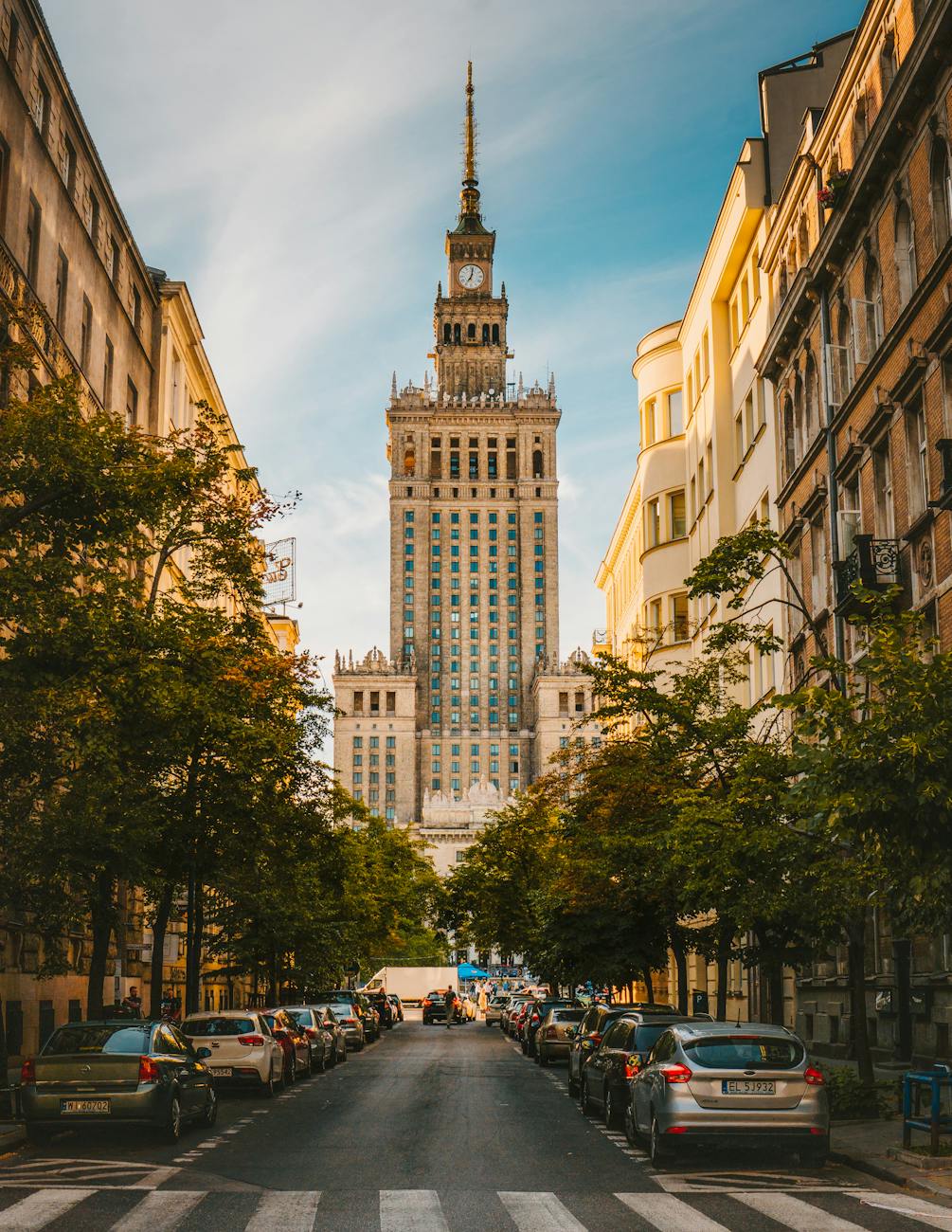
A street view in Warsaw showcasing the iconic Palace of Culture and Science, a tall, ornate building, surrounded by trees and parked cars under a clear blue sky.
View of the iconic Palace of Culture and Science in Warsaw, a symbol of the city’s resilience and modern spirit.
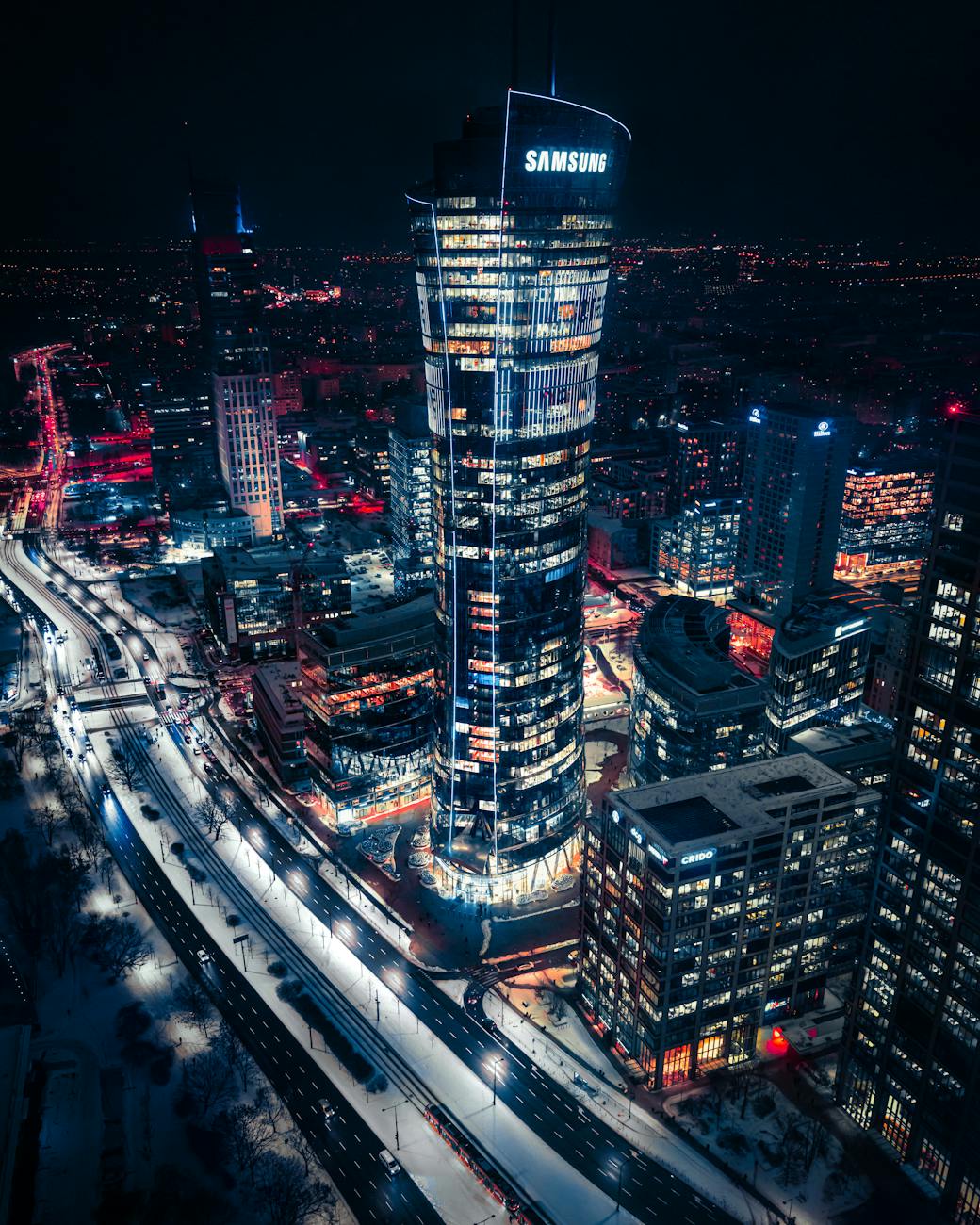
Aerial view of a modern cityscape in Warsaw at night, featuring the illuminated Samsung building and a busy street with vehicles and bright lights.
A stunning night view of Warsaw, showcasing the vibrant cityscape and modern architecture, particularly the illuminated Samsung tower.

Day 2: Parks, Palaces & Palaces of Culture

Morning (10:00 AM – 1:00 PM): Escape the urban buzz at Łazienki Park. This is not just a park; it’s a sprawling, gorgeous palace-and-garden complex. Wander past peacocks, find the stunning Palace on the Isle, and if you’re there on a Sunday, you can catch a free Chopin concert by his monument.

Afternoon (1:00 PM – 4:00 PM): Time for a choice.

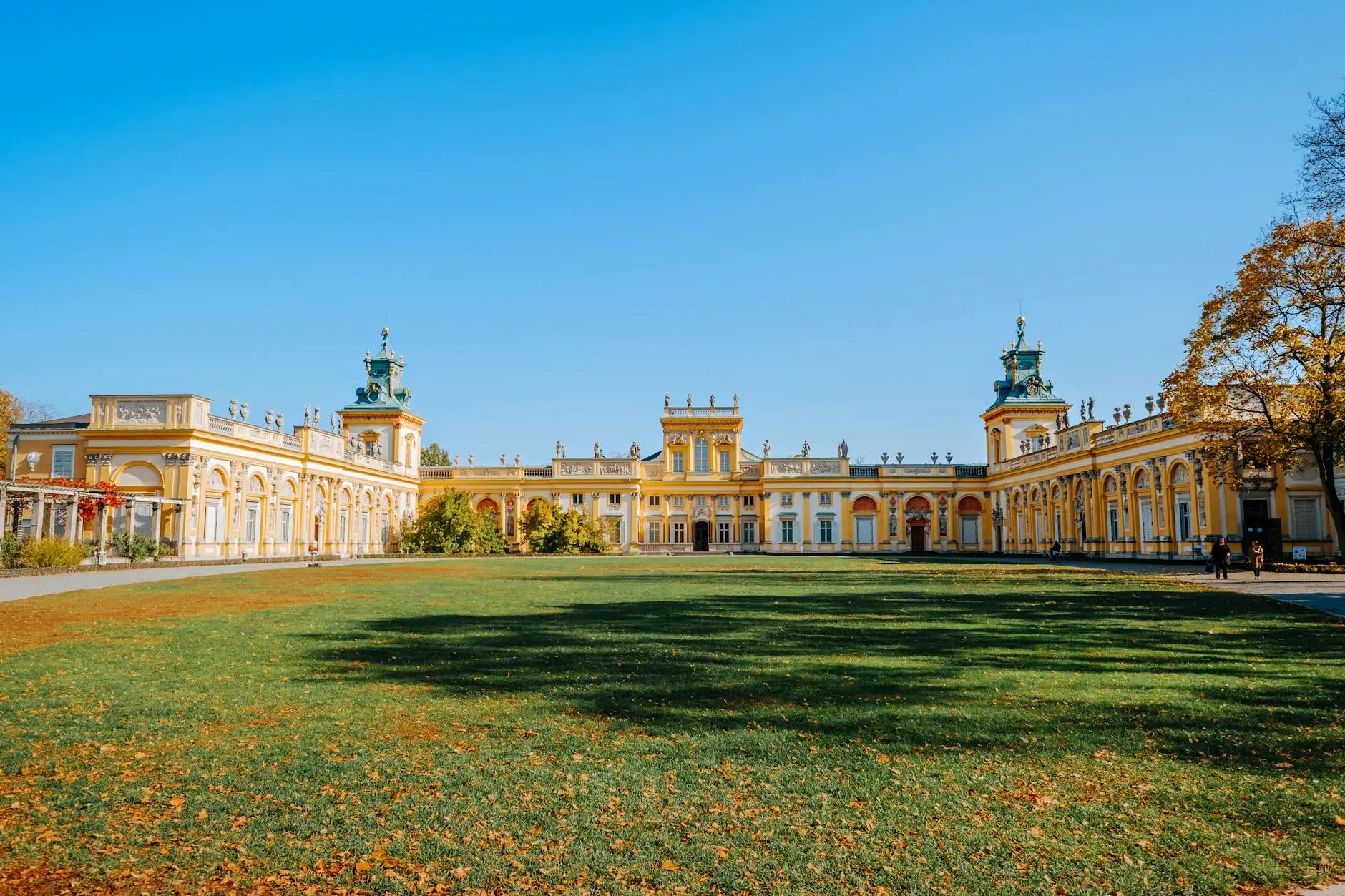
  • Option A (The Grand): Take a short bus ride to Wilanów Palace, the “Polish Versailles.” It’s opulent, beautiful, and its gardens are perfect for a sunny afternoon stroll.
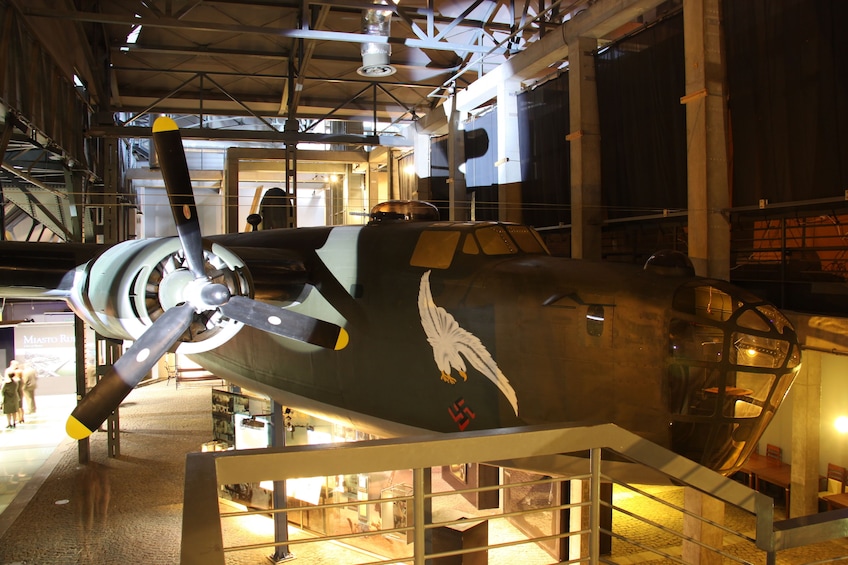
  • Option B (The Quirky): Explore the Warsaw Uprising Museum. This is a world-class, immersive museum that tells the harrowing, heroic story of the 1944 uprising. Book your tickets online in advance to skip the massive queues. Seriously, this tip will save you hours.

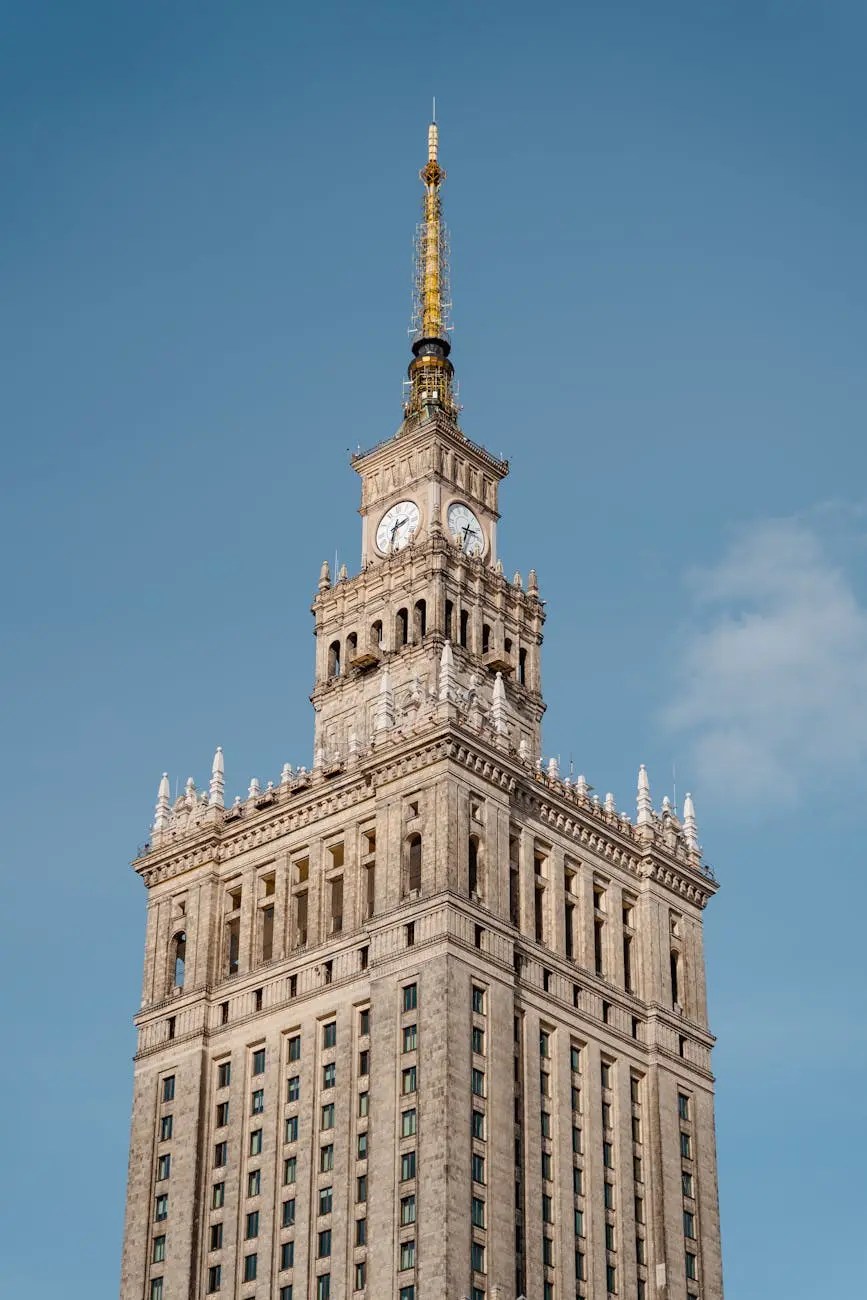
Evening: For your final night, treat yourself to a dinner in one of the city’s modern Polish restaurants. Then, see the city from above. The Palace of Culture and Science (a “gift” from Stalin) is a controversial landmark, but the viewing terrace on the 30th floor offers an unbeatable, if slightly ironic, view of the Warsaw skyline.

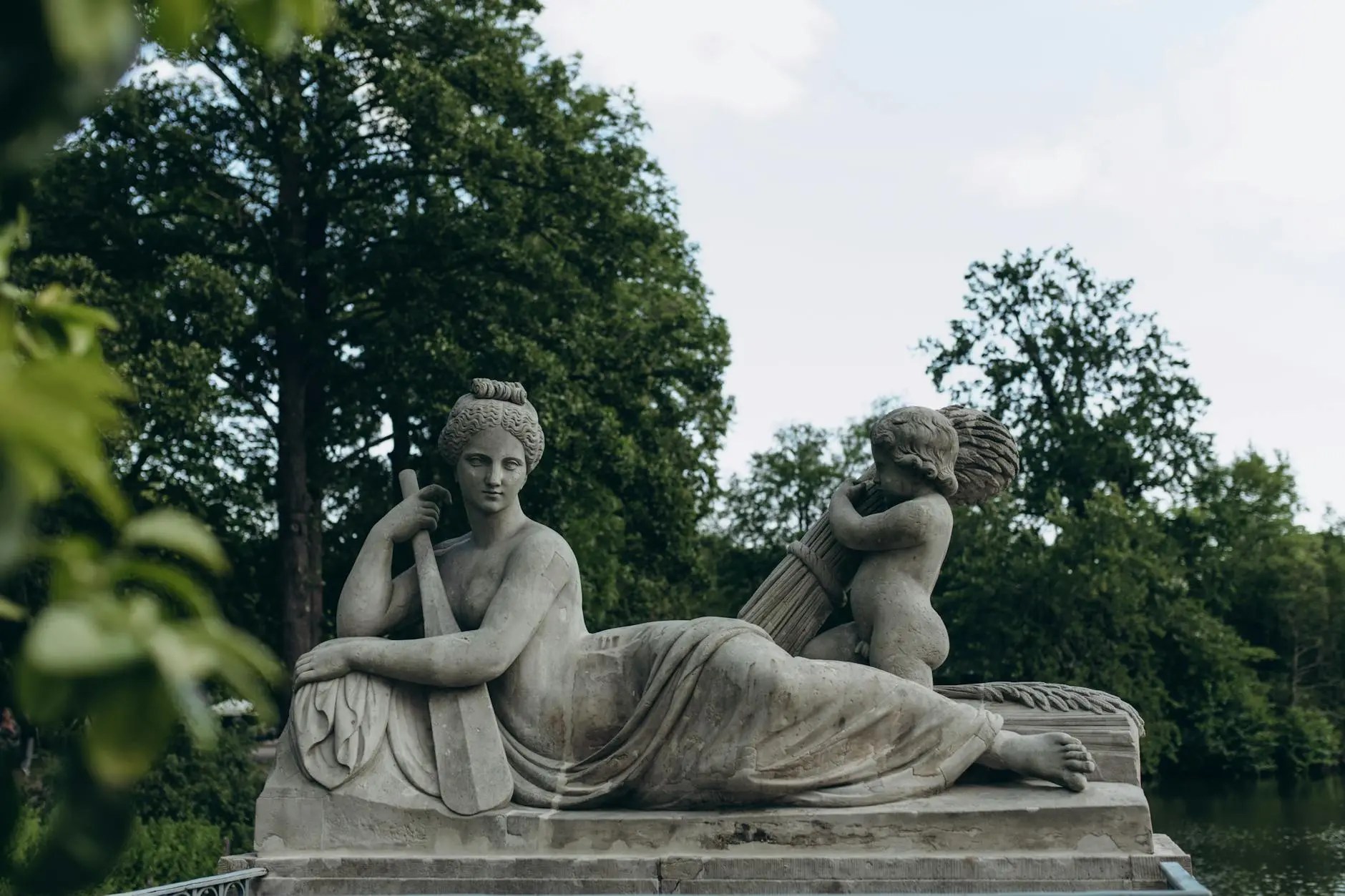
A striking sculpture in Łazienki Park, Warsaw, showcasing a serene figure and cherub amidst lush greenery. The dramatic and beloved Chopin Monument in Łazienki Park. If you visit on a Sunday afternoon in the summer, you can enjoy a free piano concert right here!
The exterior of Łazienki Palace surrounded by green grass and clear blue skies in Warsaw, Poland.
The stunning Palace on the Isle in Łazienki Park, Warsaw, surrounded by lush greenery and a clear blue sky. The breathtaking Palace on the Isle (Pałac na Wyspie), the crown jewel of Łazienki Park. It’s hard to imagine a more perfect spot for a royal summer residence.
A historic aircraft displayed in a museum, featuring a prominent propeller and an eagle emblem, set within a modern architectural space.
A historical airplane displayed in a museum, showcasing its intricate details and significance during World War II.
Close-up view of the Palace of Culture and Science in Warsaw, Poland, showcasing its architectural details and golden spire against a clear blue sky.
The iconic Palace of Culture and Science in Warsaw, a symbol of the city’s resilience and history. Love it or loathe it, the Palace of Culture and Science is an undeniable part of Warsaw’s identity. The view from its 30th-floor terrace is the best way to understand the city’s vast scale and dramatic transformation.

Warsaw’s Hidden Gems: Because You’re Fancy Like That

  1. The Keret House: Tucked in a narrow gap between two buildings, this is the world’s slimmest house at 92 cm at its narrowest point. It’s a quirky art installation you have to see to believe.
  2. Pawilony: Hidden in a courtyard just off Nowy Świat street, this is a labyrinth of 20+ tiny, unique bars. It’s a local institution and the perfect place for a bar crawl in one spot.
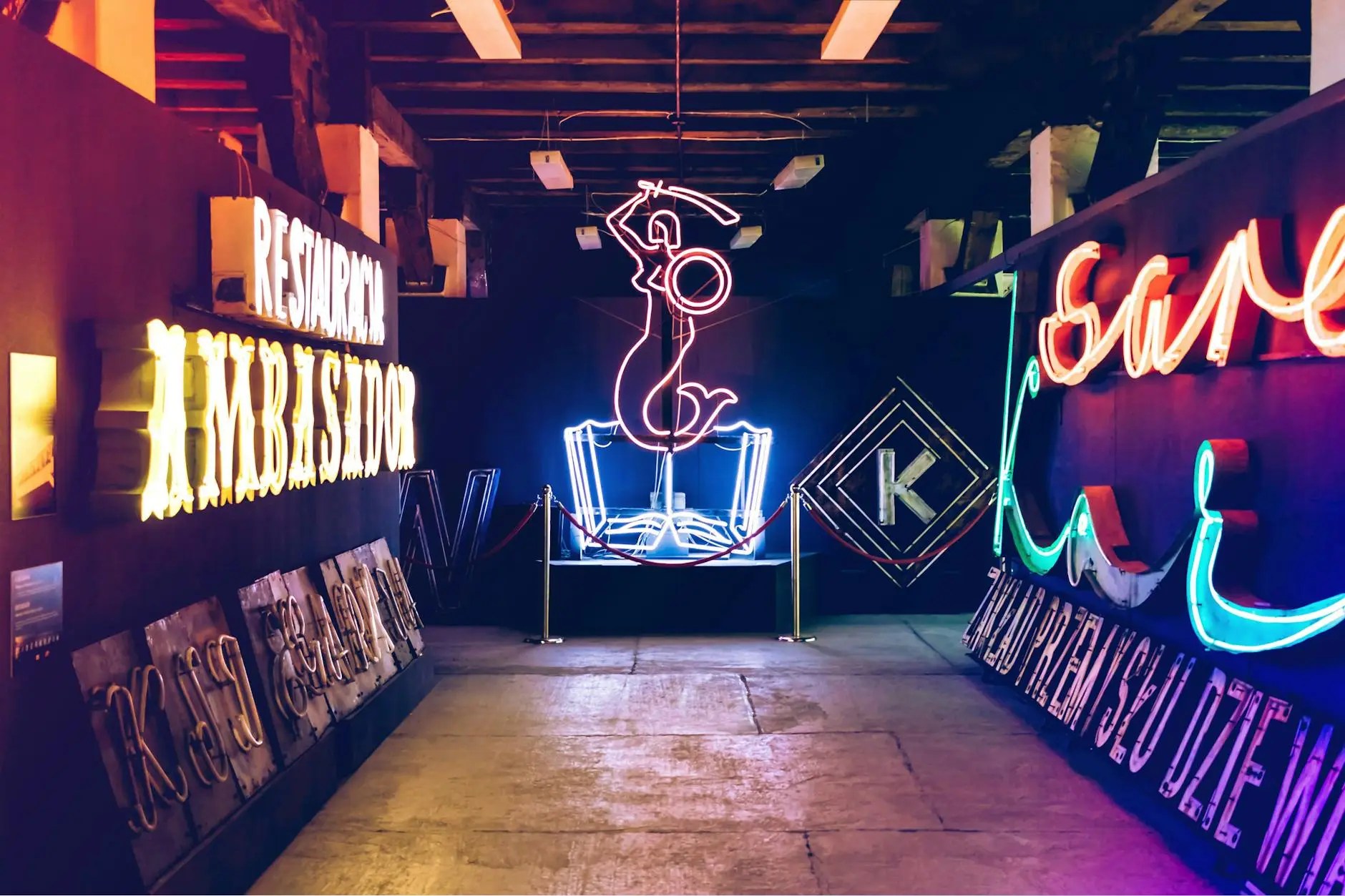
  3. The Neon Museum: Located in the Praga district, this is a cool, retro tribute to the neon signs of the Cold War era. It’s small, photogenic, and utterly unique.
An exhibition featuring colorful neon signs and art installations, including a prominent neon figure, set in a dimly lit room.
An artistic display of neon signs showcasing Warsaw’s vibrant nightlife and cultural history at the Neon Museum. Stepping into the Neon Museum feels like walking into a different, brilliantly lit era. This place is a hidden gem that perfectly captures the quirky, creative soul of Warsaw.

Essential Polish for the Confident Traveler

Don’t worry, English is widely spoken, but a few words go a long way!

  • Dzień dobry (Jin DOH-brih) – Good day / Hello
  • Dziękuję (Jen-KOO-yeh) – Thank you (This is the big one!)
  • Na zdrowie (Nah ZDROH-vyeh) – Cheers!
  • Przepraszam (Psheh-PRAH-shahm) – Excuse me / I’m sorry
  • Poproszę (Poh-PROH-sheh) – I’d like to order… / Can I have…
  • Rachunek, proszę (Rah-HOO-nek, PROH-sheh) – The bill, please
  • Gdzie jest toaleta? (g-jeh yest toa-le-ta) Where is the toilet?
  • Ile to kosztuje? ( ee-le toh koh-shtoo-yeh) How much does it cost?

The Smart Traveler’s Toolkit (Your Trip’s Best Friends)

Let’s be real, a smooth trip is a happy trip. Here are a few things I never, ever travel without.

✈️ Stay Connected, Stress-Free
Figuring out data abroad is the modern traveler’s nightmare. I used to overpay for roaming or waste precious time hunting for a local SIM. Not anymore. I now travel with Drimsim, a universal data SIM that works in 190+ countries. You just pop it in, top up via the app, and you’re online the moment you land. No contracts, no hidden fees. It’s been a total game-changer for navigating and posting in real-time.

Get your global data SIM with Drimsim here.

✈️ Your Flight Got Cancelled? Get Paid.
It happened to me in Berlin. My flight was canceled, and I was stuck for a day. I had no idea I was entitled to compensation! Most travelers don’t. If your flight is delayed, canceled, or overbooked, you could be owed up to $650. AirHelp handles all the annoying paperwork with the airline for you, and they only get paid if you win. It’s a no-brainer.

Check your flight eligibility with AirHelp here.

✈️ Travel Insurance is Non-Negotiable
From a stolen bag in Barcelona to a sudden illness in Tokyo, I’ve learned this the hard way. Never skip travel insurance. I use VisitorsCoverage to compare plans and find the right coverage for my trip quickly. It gives me peace of mind to enjoy my adventures fully.

Find the right travel insurance for your trip on VisitorsCoverage.

✈️ Stay Secure Online with a VPN
Using public WiFi in cafes and hotels? Please, protect your data. A VPN is essential. I’ve relied on NordVPN for years to keep my information safe and to access my favorite shows from back home.

Secure your internet connection with NordVPN.

Capture the Magic
Warsaw is incredibly photogenic, from the pastel colors of the Old Town to the gritty graffiti of Praga. To capture it all, I swear by my trusty Sony Alpha camera. It’s the perfect blend of professional quality and portability for a city break.

And Because Glowy Skin is a Universal Currency…
Travel can wreak havoc on your skin. I keep mine in check with the magic of K-beauty from Lakinza. Their products are a treat, and you can treat yourself without guilt by using my code Lalax10 at checkout for a sweet discount!

Explore K-beauty wonders at Lakinza.

Warsaw Weekend FAQ

Q: Do I need a visa for Poland?
A: If you’re a citizen of the US, Canada, UK, or any EU country, you do not need a visa for short stays. For other nationalities, check the official Polish government website. Visa costs vary, so always confirm with official sources.

Q: What’s the best time to visit Warsaw for a weekend?
A: Late Spring (May-June) and Early Autumn (September) are perfect. The weather is mild, the crowds are smaller, and the outdoor beer gardens are in full swing. Summer can be busy and hot, while winter is bitterly cold but has a beautiful, festive charm.

Q: Is Warsaw an expensive city?
A: Not at all! Compared to other European capitals like Paris or London, Warsaw is very affordable. You can eat, drink, and travel well without blowing your budget, especially if you use the public transport and Milk Bars I mentioned.

Q: Where should I stay?
A: For a first-time weekend trip, I recommend Śródmieście (City Center) or Old Town to be in the middle of the action. For a more local, trendy vibe, look at apartments in Praga.

Q: Can I get by with just English?
A: Absolutely. In tourist areas, restaurants, and among younger people, English is very common. Learning a few Polish phrases (see above!) will earn you big smiles, though.

Is Warsaw safe for solo travelers?
Absolutely. Stick to well-lit areas at night, and you’ll feel perfectly comfortable.

How many days do I need?
2–3 full days are ideal to explore the highlights without rushing.

What’s the local currency?
Polish złoty (PLN). Cash is handy for small cafés and markets.

How do I save money on attractions?
Get the Warsaw Pass — it includes entry to major sites and unlimited transport.

💡 10. Final Thoughts + Must-Read Nearby Escapes

Warsaw might not scream “romance” at first glance, but spend one weekend here, and it’ll charm you with resilience, flavor, and heart. Whether you’re strolling the Vistula River at sunset or catching live jazz in a candlelit cellar, this city whispers, “Stay one more night.”

If you’re extending your trip, don’t miss these nearby gems:

🧳 Ready to plan your Warsaw weekend?

👉 Book your flights and stays now via Expedia.

Looking for your next weekend destination?

Around-the-world

Universal Disclaimer/Disclosure Page:

Ultimate Budapest Weekend Getaway: Your Insider Guide

Meta Description:

Dreaming of a European getaway? Our ultimate weekend guide to Budapest, Hungary is packed with insider tips, a perfect 3-day itinerary, and hidden gems. Learn how to navigate the city like a pro, save money, and experience the magic of the “Pearl of the Danube.” Perfect for travellers seeking a quick, unforgettable escape.

Table of Contents

  1. Why Budapest Should Be Your Next Weekend Escape
  2. Best Time to Visit & Crowd-Saving Hacks
  3. Getting There: Flights, Trains & Road Trips
  4. Moving Around: Budapest’s Public Transport Secrets
  5. Iconic Attractions You Can’t Miss
  6. Hidden Gems Only Locals Know
  7. Food & Drinks to Try (and Where to Find Them)
  8. Budget Tips to Save Time & Money
  9. Hungarian Words Every Traveler Should Know
  10. Nearby Escapes: Extend Your Trip to Vienna, Prague & Beyond
  11. Essential Travel Tools & Safety Hacks
  12. FAQ: Budapest Weekend Escape

1. Why Budapest Should Be Your Next Weekend Escape

Budapest is like that friend who has both a serious career and a wild nightlife side. One moment you’re soaking in thermal baths with a centuries-old Ottoman backdrop, the next you’re dancing at a ruin bar inside a crumbling building filled with fairy lights and mismatched furniture.

So, your calendar has miraculously cleared for a glorious 48 hours, and you’ve set your sights on Budapest. Excellent choice. Forget what you’ve heard about needing a week; Budapest is a city built for the dramatic, perfectly-packaged weekend.

I’m convinced this city was designed by a poet with a flair for the dramatic. The Danube River doesn’t just flow through it; it acts as a liquid stage, separating the rolling hills of Buda from the pulsating, flat streets of Pest. I remember my first evening there, standing on the Chain Bridge as the city lit up gold. It was one of those travel moments that costs exactly zero dollars but feels like a million bucks.

This guide is your blueprint for a weekend that feels like a full-blown vacation. We’ll tackle logistics, hidden spots, and how to eat like a king without a royal budget. Let’s dive in.

Quick Visa Intel: As a major Schengen Area hub, Budapest is easily accessible for many passport holders. But rules vary! Always check your specific visa requirements and costs well in advance to avoid any last-minute panic. For my fellow Canadians and Americans, you’re good for up to 90 days visa-free.

I still remember my first night—wandering down the Danube promenade, goulash in my belly, thinking: Wow, this city feels like Vienna after three espressos!

👉 If you’ve loved my Vienna weekend guide, you’ll adore Budapest for its mix of grandeur and grit.

2. Best Time to Visit & Crowd-Saving Hacks

  • Spring (April–May) and Autumn (Sept–Oct) are golden—pleasant weather and fewer crowds.
  • Summer = peak season + higher hotel prices (but also open-air festivals and endless Danube sunsets).
  • Winter has Christmas markets and steaming thermal baths under snowfall—magical but chilly.

💡 Smart hack: Visit in September—cheaper than August, warm enough to stroll, and fewer tour buses.

Getting There: Flights, Trains & Road Trips

Budapest’s BKK network (metro, trams, buses, and suburban rail HÉV) is efficient and budget-friendly.

  • Flights: Budapest Ferenc Liszt International Airport (BUD) has budget connections all over Europe. Always check Expedia for deals.
  • 🚇 Metro: Europe’s oldest (M1 is a UNESCO site). Four lines cover the city well.
  • Trains: The city is well linked. From Vienna, it’s just 2h 30m by rail (no need for airport stress).
  • Road Trips: Highways M1 (from Vienna/Bratislava) and M7 (from Lake Balaton/Zagreb) are excellent. Rent a car, but keep in mind Hungarian roads use electronic vignettes (toll stickers)—buy them online before driving.

Hotels in Budapest

Getting Around Budapest: A Survival Guide

This is where you save both time and money. Budapest has a fantastic, integrated public transport system (BKK).

  • Public Transport: The network of metros, trams, buses, and trolleybuses is your best friend. A single ticket is 450 HUF, but for a weekend, the 72-hour Budapest Travel Card is a steal. Validate it once and you’re good to go. The M2 (red) and M3 (blue) metro lines are particularly useful.
  • 💡 Buy a 24/48/72-hour Budapest Travel Card—unlimited rides, discounts at attractions, and zero ticket stress.
  • 🚋 Trams: Tram 2 runs along the Danube—basically a sightseeing tour for €1.Tram Line 2: This is a free sightseeing tour! It runs along the Pest side of the Danube, offering stunning views of the Castle Hill. Use it to get from Parliament to the Great Market Hall.
  • 🚌 Buses & Trolleybuses: Reach outer districts. Google Maps works fine here.
  • 🚤 Danube Ferries: Cheap river cruises run by public transport. Yes, really.
  • Walking: Pest is incredibly walkable. You’ll discover so much more on foot.
  • Bolt: The local equivalent of Uber is reliable and often cheaper than taxis if your feet give out.
  • Driving? Don’t. Seriously. Parking is a nightmare and expensive in the center. Save the rental car for a Hungarian countryside road trip another time.

Your Game Plan: The Perfect 3-Day Budapest Itinerary

Day 1: Dive into the Heart of Pest

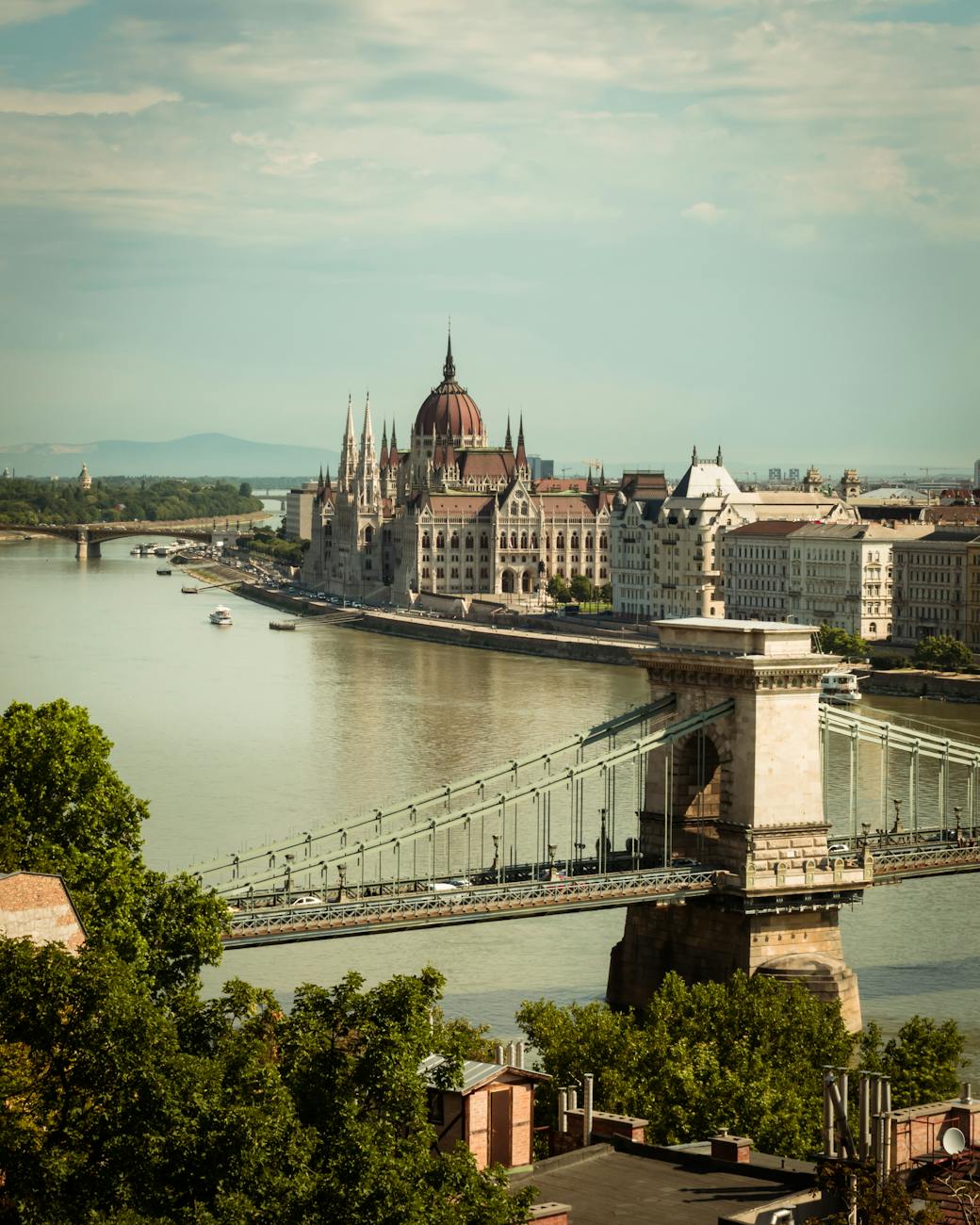
Morning: Start at the iconic Hungarian Parliament Building. It’s the postcard shot, and it’s even more breathtaking in person. Pro tip: Book your tour online weeks in advance if you want to go inside—spots fill up fast. Instead of waiting in line, I opted to admire it from across the river, which is free and offers a stunning perspective.

Afternoon: Walk to St. Stephen’s Basilica and for a few Euros, you can climb (or take the lift) to the panoramic terrace. The 360-degree view of the city is the best orientation you can get. Afterwards, get deliciously lost wandering the Jewish Quarter. If you need a caffeine hit, my favourite spot was a tiny window-service coffee shop called My Little Melbourne Brew Bar.

Evening: This is where the magic happens. You simply cannot leave without experiencing a ruin bar. These are not your average pubs; they are sprawling, bohemian wonderlands built in abandoned buildings and courtyards. Start with the original and most famous, Szimpla Kert, but then explore the others in the neighborhood. For dinner, skip the tourist traps and grab a legendary cheap eat at Karavan, a street food courtyard right next to Szimpla.

Nighttime view of the Hungarian Parliament Building illuminated in gold along the Danube River.
The stunning Hungarian Parliament Building illuminated at night, a must-see landmark in Budapest. The stunning Hungarian Parliament Building, lit up against the night sky. For the best view, cross to the Buda side of the Danube River just after sunset.

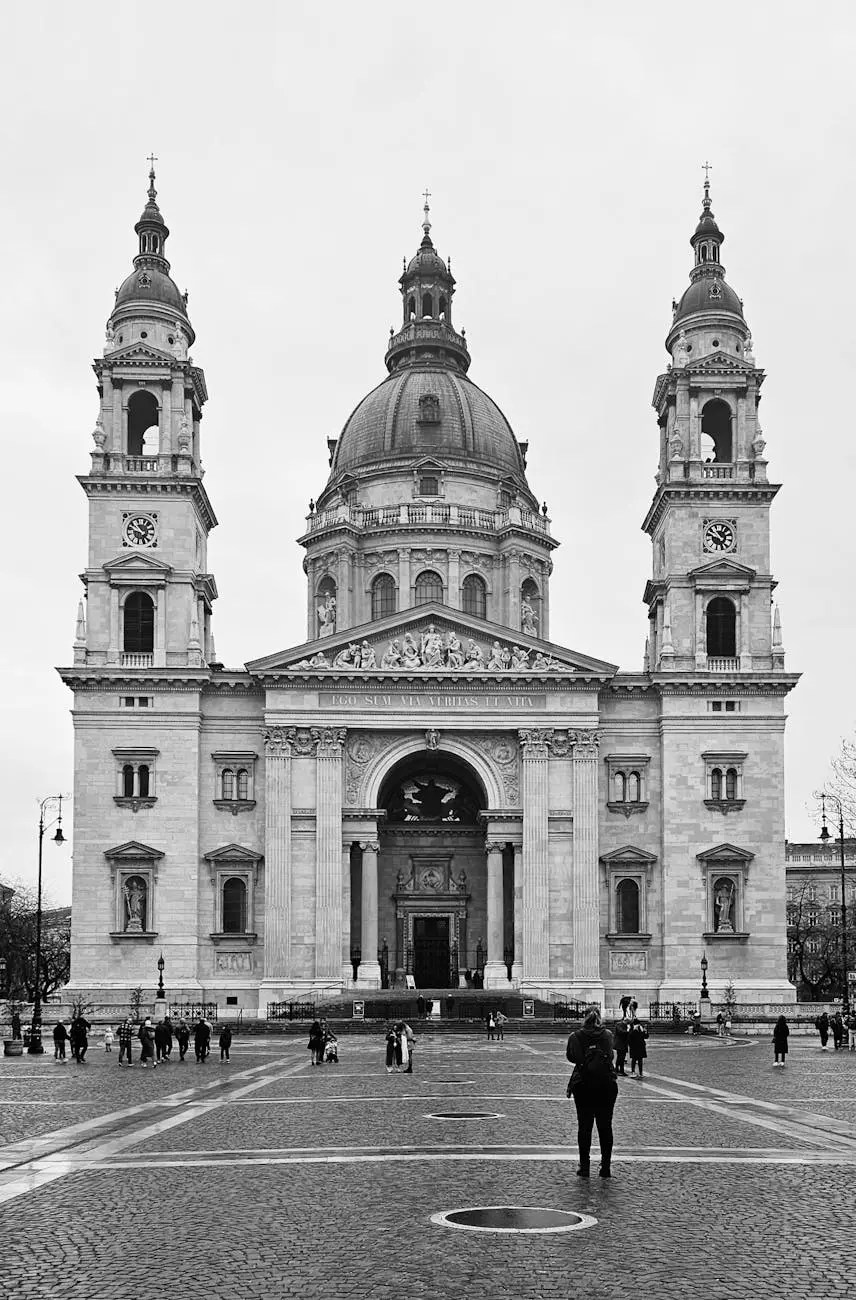
Black and white photograph of St. Stephen's Basilica in Budapest, showcasing its impressive facade and twin towers, with people gathering in the square in front.
St. Stephen’s Basilica: A stunning architectural masterpiece and a must-visit landmark in Budapest, Hungary. The majestic St. Stephen’s Basilica dominates the Budapest skyline. For a truly unforgettable experience, climb to the panoramic terrace for a 360-degree view of the city.
A vibrant ruin bar in Budapest, filled with eclectic furniture, colorful stools, and lush greenery, showcasing a lively atmosphere with people enjoying their time.
A vibrant ruin bar in Budapest, showcasing colorful seating and greenery, perfect for enjoying drinks and socializing.

Day 2: Conquer the Buda Castle Hill & Soak in History

Morning: Cross the Chain Bridge (on foot, it’s an experience!) and make your way up to Buda Castle. You can take the funicular for a classic experience, but walking up is free and offers gorgeous, gradual views. Explore the castle district and get lost in the cobblestone streets.

Afternoon: A short walk away is Matthias Church and the Fisherman’s Bastion. The Bastion’s white turrets look like something from a fairy tale and offer the best photo ops of the Parliament across the river. It can get packed, so go early or late.

Evening: Time to relax, Hungarian-style. Head to one of the city’s famous thermal baths. The Széchenyi Thermal Bath is the big, beautiful, iconic one with the yellow buildings and outdoor pools. It’s a party, especially on a weekend. For a more tranquil, historic experience, try the Gellért Baths. Either way, it’s the perfect way to soothe your sightseeing feet. I still dream about that warm, mineral-rich water.

A scenic view of Buda Castle in Budapest, Hungary, surrounded by lush greenery and residential buildings, with a clear sky in the background.
A stunning view of Buda Castle, showcasing its majestic architecture and the surrounding lush greenery.
A stunning view of the Chain Bridge connecting Buda and Pest, with the iconic Hungarian Parliament building in the background along the Danube River.

Interior view of a beautifully decorated church with stained glass windows and ornate golden altar.
Interior of Matthias Church featuring stunning architecture and intricate stained glass windows in Budapest. The breathtaking interior of Matthias Church, a jewel of Buda Castle. Look up to appreciate the stunning Gothic vaulted ceilings and the vibrant stained glass that fills the space with color.
Exterior view of the Fisherman's Bastion in Budapest, featuring its iconic turrets and staircase against a clear blue sky.
The iconic Fisherman’s Bastion in Budapest, showcasing its fairytale-like architecture and stunning views. The fairy-tale towers of Fisherman’s Bastion offer what might be the best panoramic view in Budapest. Pro tip: Visit early in the morning to have the place almost to yourself!
Interior of a historic thermal bath with Roman-style columns and statues, featuring a quiet mineral pool surrounded by stonework.
Explore the historic thermal baths of Budapest, a perfect blend of relaxation and cultural heritage. Stepping into one of Budapest’s historic thermal baths feels like traveling back in time. Don’t forget to bring your swimsuit and a towel for a truly local experience of relaxation.
A scenic view of a natural hot spring with people relaxing in the water, surrounded by greenery and hills in the background.
Relax in the natural hot springs at the scenic thermal baths of Budapest, surrounded by lush greenery and beautiful landscapes.
A vibrant thermal bath complex in Budapest, with steam rising from the heated outdoor pools. People are enjoying the warm water while the historic architecture of the Széchenyi Baths is visible in the background.
Soak in the historic Széchenyi Thermal Bath, Budapest’s iconic hotspot for relaxation and rejuvenation.

Day 3: Market Streets & Panoramic Views

Morning: Fuel up at the Great Market Hall (Nagyvásárcsarnok). The ground floor is a feast for the senses with produce, meats, and paprika souvenirs. Upstairs, you can grab a cheap and delicious lunch of lángos (fried dough with toppings)—a must-try Hungarian treat.

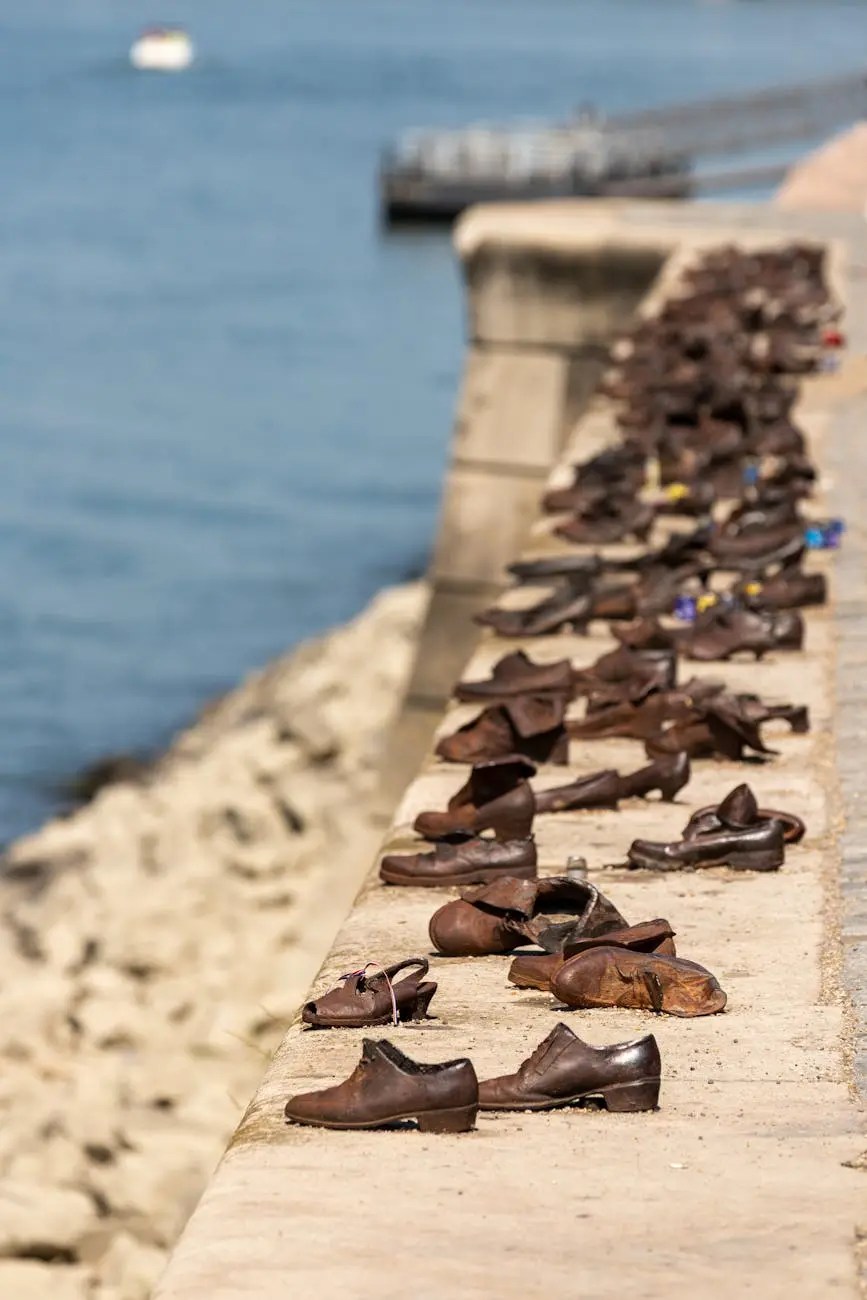
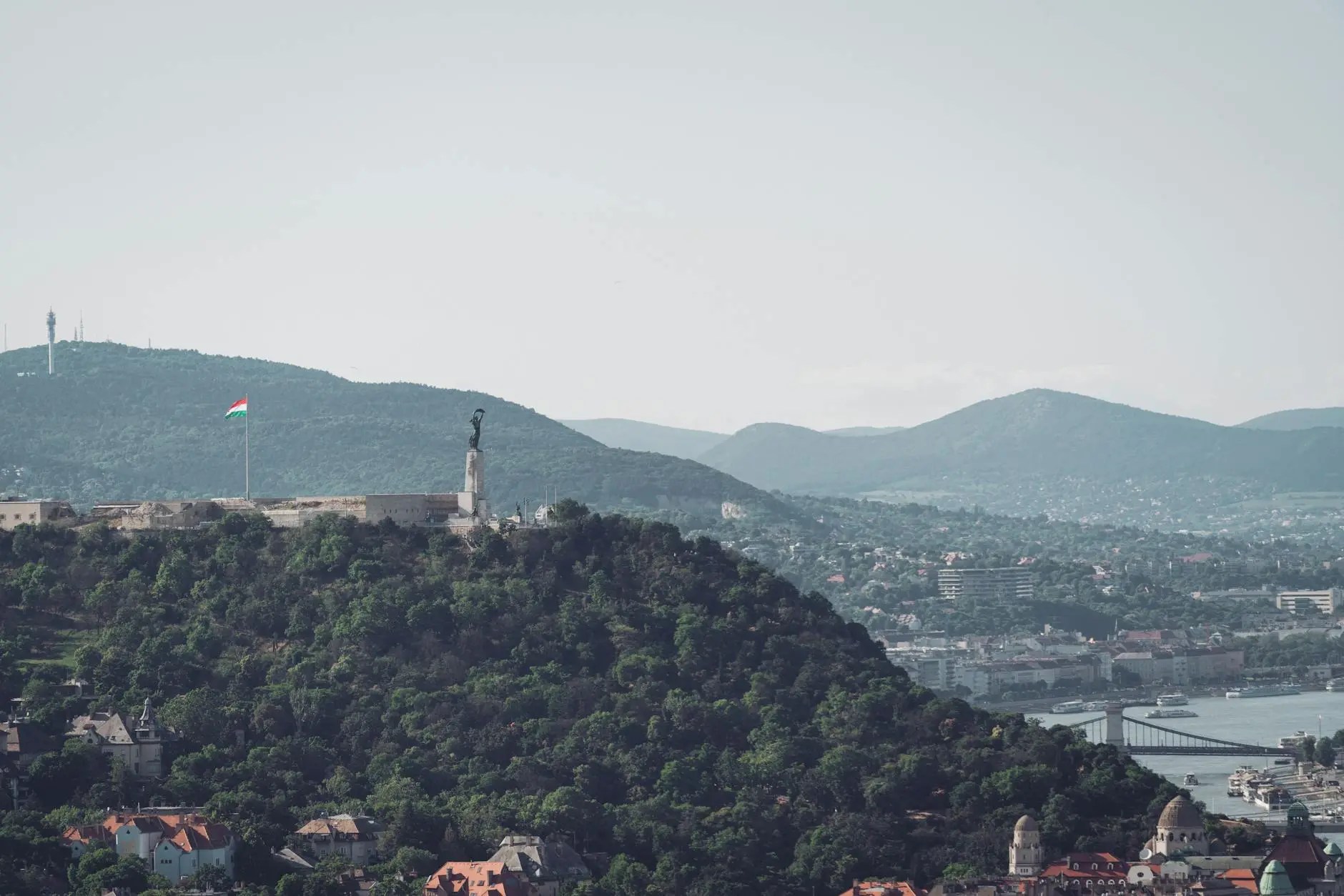
Afternoon: For your final afternoon, take a leisurely stroll along the Danube Promenade on the Pest side. See the poignant Shoes on the Danube Bank memorial. Then, make your way to Gellért Hill for the most spectacular panoramic view of the entire city. It’s a bit of a climb, but I promise you, it’s the ultimate farewell memory of Budapest.

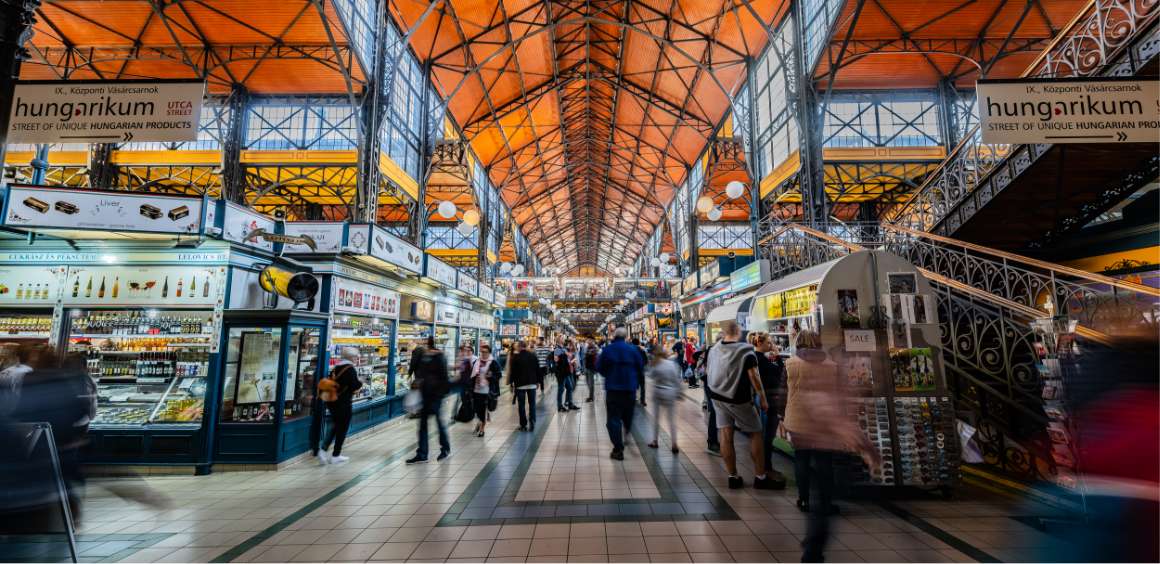
Interior view of the Great Market Hall in Budapest, Hungary, with people walking among stalls filled with various Hungarian products.
The bustling interior of the Great Market Hall in Budapest, showcasing a variety of local products and vibrant architecture.
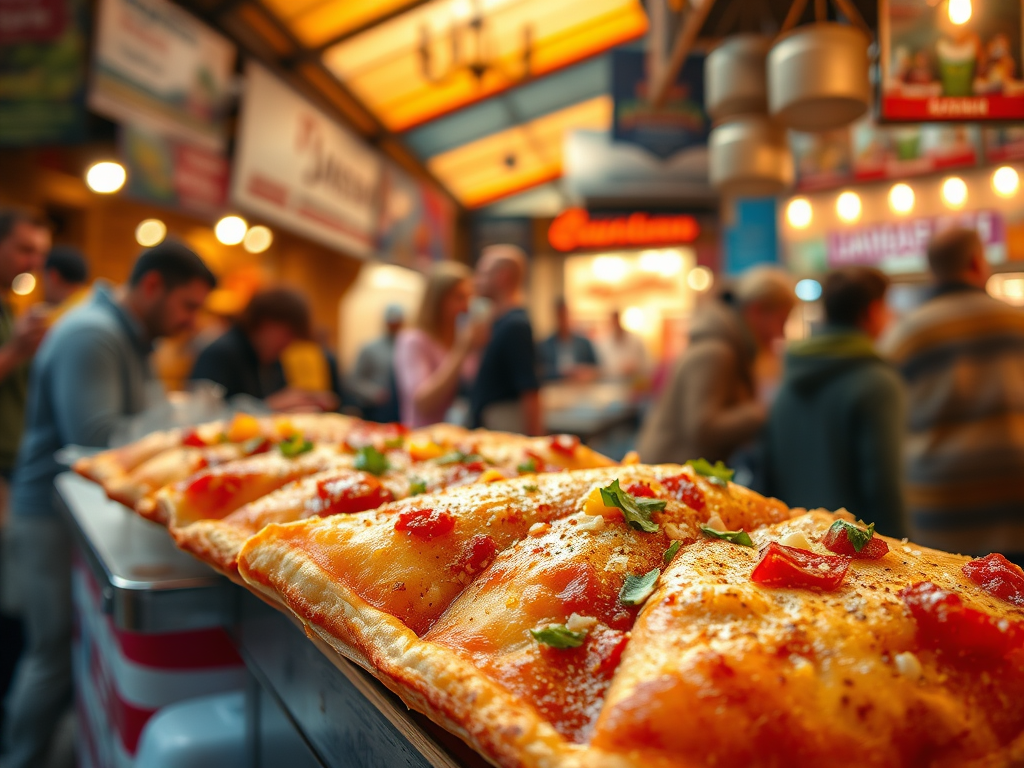
Delicious food offerings displayed at a bustling market, with people engaging in conversation in the background.
Delicious lángos topped with fresh ingredients at Budapest’s Great Market Hall, a must-try Hungarian treat.

A memorial featuring a series of old brown shoes placed along a stone riverbank, with the Danube River in the background.
The poignant Shoes on the Danube Bank memorial, commemorating the lives lost during World War II. The powerful ‘Shoes on the Danube Bank’ memorial, a somber tribute to the Jews who were shot at the edge of the river during World War II. A poignant reminder to pause and reflect.
A panoramic view of the Buda Hills in Budapest, featuring a statue on a hilltop and the Danube River in the foreground, with a flag waving in the wind.
A panoramic view of Gellért Hill featuring the Liberty Statue and a Hungarian flag, overlooking the verdant landscape and Danube River in Budapest. The climb up Gellért Hill is worth every step for this breathtaking panoramic view. The Liberty Statue, a symbol of the city’s resilience, stands watch over Budapest.

Hidden Gems: Escape the Tourist Trail

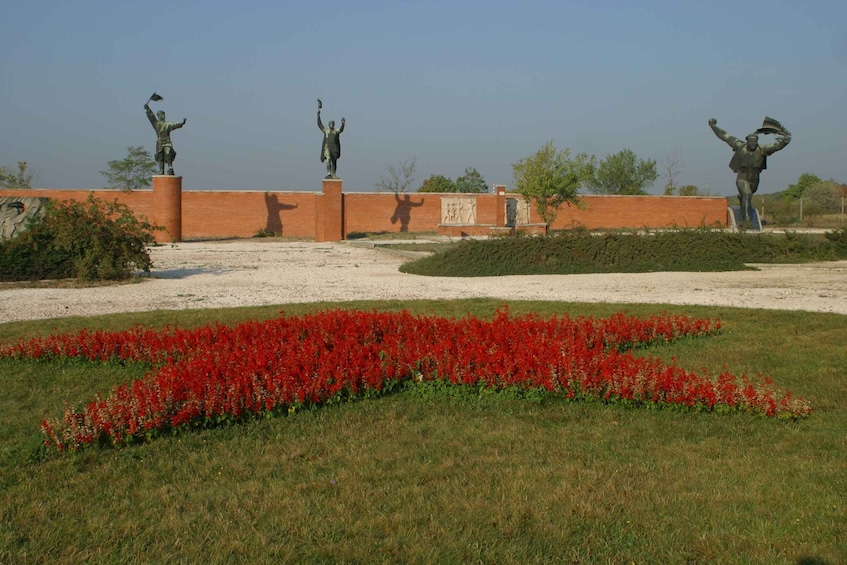
  • Memento Park: Love quirky, off-beat history? This park on the city’s outskirts houses the old communist statues torn down after 1989. It’s bizarre, fascinating, and a unique piece of the past.
  • The “Wedding Cake” at the top of St. Stephen’s Basilica: We mentioned the view, but the story behind the ornate, neo-renaissance dome is a fun piece of trivia.
  • Rudas Baths: For the truly adventurous, this Ottoman-era bath has a stunning rooftop pool with views and, on certain days, is adults-only or mixed-gender. Do your research, but it’s an incredible experience.
A park featuring a symbolic red star flowerbed in front of statues representing historical figures, set against a clear sky.
The iconic statues at Memento Park, showcasing Hungary’s communist past surrounded by vibrant flower arrangements.

Essential Hungarian for the Weekend Warrior

Hungarian is a tricky language, but a little effort goes a long way!

  • Hello/Goodbye: Szia (See-ya) [informal]
  • Thank you: Köszönöm (Kur-sur-nurm)
  • Cheers: Egészségedre! (Egg-esh-shay-ged-re) — practice this before your first ruin bar toast!
  • Yes: Igen (Ee-gen)
  • No: Nem (Nem)
  • Check, please: Fizetek, kérem (Fee-zet-ek, kay-rem)
  • Szia! = Hi/Bye
  • Hol van a…? = Where is the…
  • Jegy = Ticket
  • Fürdő = Bath

Smart Travel Tips for a Flawless Trip

  • Currency: The Hungarian Forint (HUF) is king. While some places take Euros, the rate is terrible. Always pay in Forint. ATMs are everywhere.
  • Best Time to Visit: Spring (April-May) and Fall (September-October) are ideal. The weather is pleasant, and the crowds are thinner than the peak summer months.
  • Stay Connected: I never travel without my Drimsim. It’s a global SIM that works in over 190 countries. Pop it in, top up via the app, and you’re online. No more hunting for SIM cards or scary roaming bills. It’s a game-changer for navigating and posting those ruin bar pics instantly.  Get connected with Drimsim here.
  • Travel Insurance: I consider this non-negotiable. For short trips, I use VisitorsCoverage to quickly compare and find a plan that fits. It’s peace of mind for delayed flights or a unexpected slip on the cobblestones.  Get a quote from VisitorsCoverage here.
  • Flight Hassles? If your flight to Budapest gets delayed or canceled, you might be owed compensation. I’ve used AirHelp to claim money back—they handle all the paperwork and only charge if they win. It’s worth a quick check!  See if you’re owed money with AirHelp.
  • VPN for Safety: Using public Wi-Fi? Protect your data with a VPN. I always have my NordVPN running on my phone and laptop. It’s essential for secure browsing and can sometimes help with geo-blocked content. > Stay secure online with NordVPN.

Frequently Asked Questions (FAQ)

Q: Is two days enough for Budapest?
A: While more time is always better, a weekend (2-3 days) is absolutely enough to see the major highlights and get a fantastic feel for the city’s unique atmosphere. This itinerary is designed to make the most of every hour.

Q: What is the best area to stay in Budapest for a weekend trip?
A: For a first-time visitor, District V (Belváros) or District VII (the Jewish Quarter, near the ruin bars) are perfect. You’ll be within walking distance of major Pest attractions and have excellent transport links.

Q: Is Budapest an expensive city?
A: Not at all! Compared to other Western European capitals like Paris or Amsterdam, Budapest is very affordable. Meals, drinks, and public transport offer excellent value for money.

Q: Can I use credit cards everywhere?
A: Mostly, yes. Major restaurants, shops, and hotels accept cards. However, it’s wise to carry some cash (Forint) for market stalls, smaller ruin bars, or tips.

Q: What should I pack?
A: Comfortable walking shoes are the #1 priority! The city is made of cobblestones. Also, pack a swimsuit for the baths, and in cooler months, layers are key.

Q: What’s the best way to get around?
A: Buy a Budapest Card for unlimited metro, tram, and bus rides. Ferry rides along the Danube are a bonus.

Nearby Escapes: Extend Your Trip

Budapest pairs beautifully with:

  • Vienna – Elegant and close by train.
  • Prague – 6 hours by train or a short flight.
  • Munich – Beer gardens + Alps vibes.
  • Venice – Worth flying for the canals.
  • Athens – Mediterranean sunshine after your Hungarian city break.

Ready to Pack Your Bags?

Budapest is waiting to steal your heart. From its grand architecture to its gritty, creative ruin bars, it’s a city of beautiful contrasts. With this plan in your pocket, you’re all set for an unforgettable weekend.

To start planning your adventure and snagging great flight and hotel deals, I always begin my search on Expedia. > Find your perfect Budapest getaway on Expedia here!

And don’t forget to capture every golden moment! I swear by my lightweight mirrorless camera for getting those perfect shots without the bulk. > Check out my favorite travel camera here.

🎒 Final Thoughts

Budapest isn’t just another European capital—it’s a city of contrasts. Grand boulevards sit next to gritty ruin pubs, historic baths bubble while techno beats thump nearby. It’s friendly on the wallet, rich in history, and packed with surprises.

Have you been to Budapest? What was your favorite hidden spot? Share your tips in the comments below!

Universal Disclaimer/Disclosure Page:

The Ultimate Weekend Escape to Porto, Portugal

Meta Description:

 Discover the ultimate weekend escape to Porto, Portugal! This detailed travel guide is packed with insider tips, hidden gems, and a perfect 3-day itinerary to help you explore the city’s charm, savor its famous port wine, and navigate like a local. Save time and money on your next European adventure!

Table of Contents

  1. Why Porto Deserves Your Weekend
  2. Getting There & Visa Tips
  3. How to Get Around Porto (Transport Hacks)
  4. Best Time to Visit Porto
  5. Top Sights & Hidden Gems
  6. What to Eat & Drink in Porto
  7. Budget & Time-Saving Travel Tips
  8. Essential Portuguese Phrases for Travelers
  9. Travel Tech & Must-Haves
  10. Smart Travel Insurance & Compensation Hacks
  11. Nearby Getaways & Suggested Itineraries
  12. FAQs

Why Porto is the Perfect Weekend Getaway

Compact, walkable, and bursting with character, Porto is a weekend warrior’s dream. It offers the perfect cocktail of history, culture, incredible food, and, well, actual incredible cocktails (and wine!). It’s significantly more affordable than its big sister, Lisbon, and you can see the major highlights without feeling like you’re on a brutal marathon. For more on choosing between Portugal’s iconic cities, check out my older blog post: Lisbon vs. Porto: Which Portuguese City Steals Your Heart?

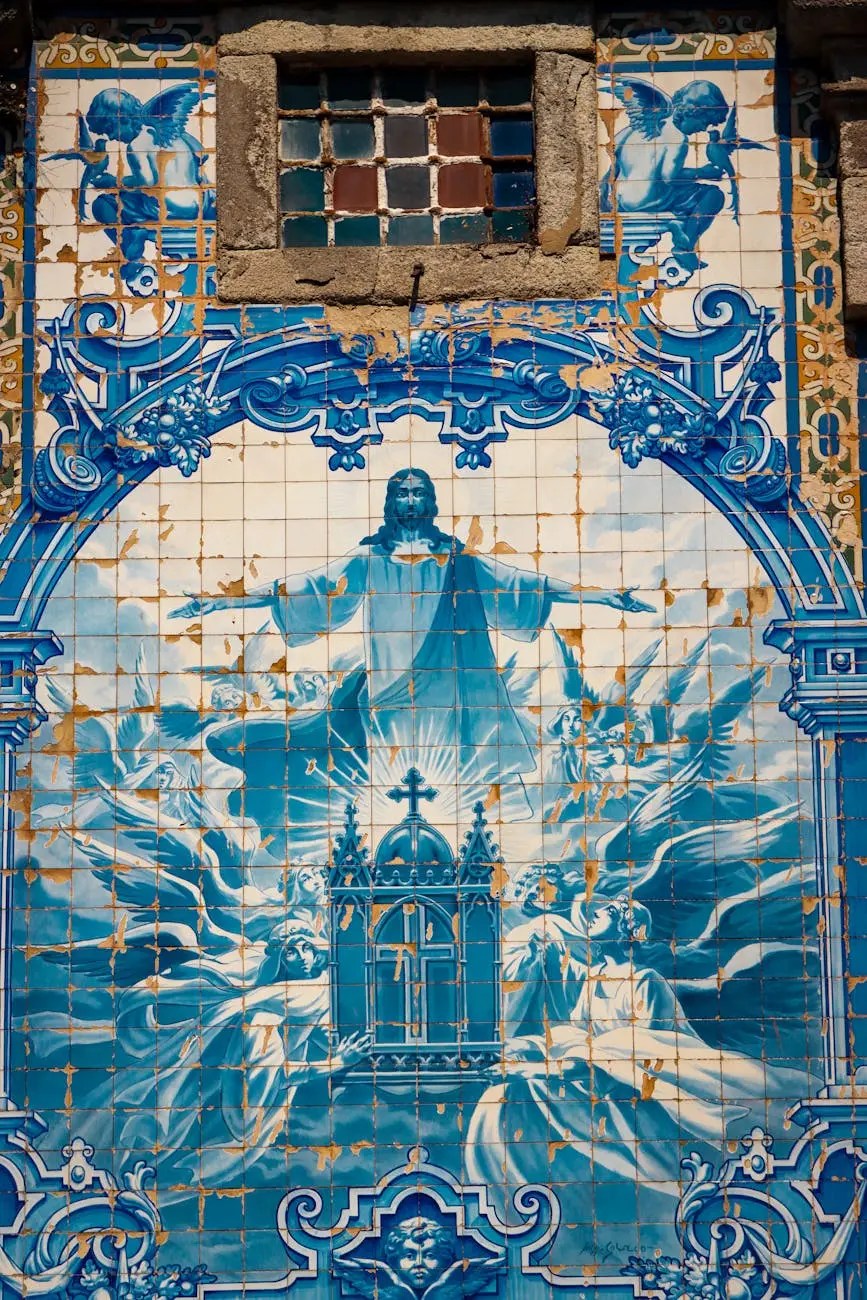
If Lisbon is Portugal’s loud, outgoing sibling, Porto is the quieter, soulful one who surprises you with vintage wine and a rooftop sunset. Nestled along the Douro River, Porto is a city of azulejos (hand-painted tiles), charming trams, hearty food, and—of course—Port wine.

On my first trip, I accidentally spent two hours wandering through Ribeira’s cobbled alleys just because I got distracted by pastel-colored houses and the smell of grilled sardines. Zero regrets.

Visa Note: For travelers from the US, UK, Canada, and most Western countries, Portugal is part of the Schengen Area, allowing visa-free travel for up to 90 days. Always double-check the latest requirements on official government sites before you fly!

Flights: Porto’s Francisco Sá Carneiro Airport is well-connected to Europe. For cheap flights, I always book via Expedia.

Nearby escapes: Porto pairs perfectly with Lisbon, Madrid, Barcelona, or even a Morocco hop to Marrakech

Hotels in Porto

Your Porto Weekend Itinerary

Day 1: Ribeira, Bridges, and All the Port Wine

  • Morning (9:00 AM): Start your day in Praça da Liberdade, the city’s grand central square. Grab a bica (a potent Portuguese espresso) and a pastel de nata from a nearby café. Trust me, you’ll need the energy for the hills.
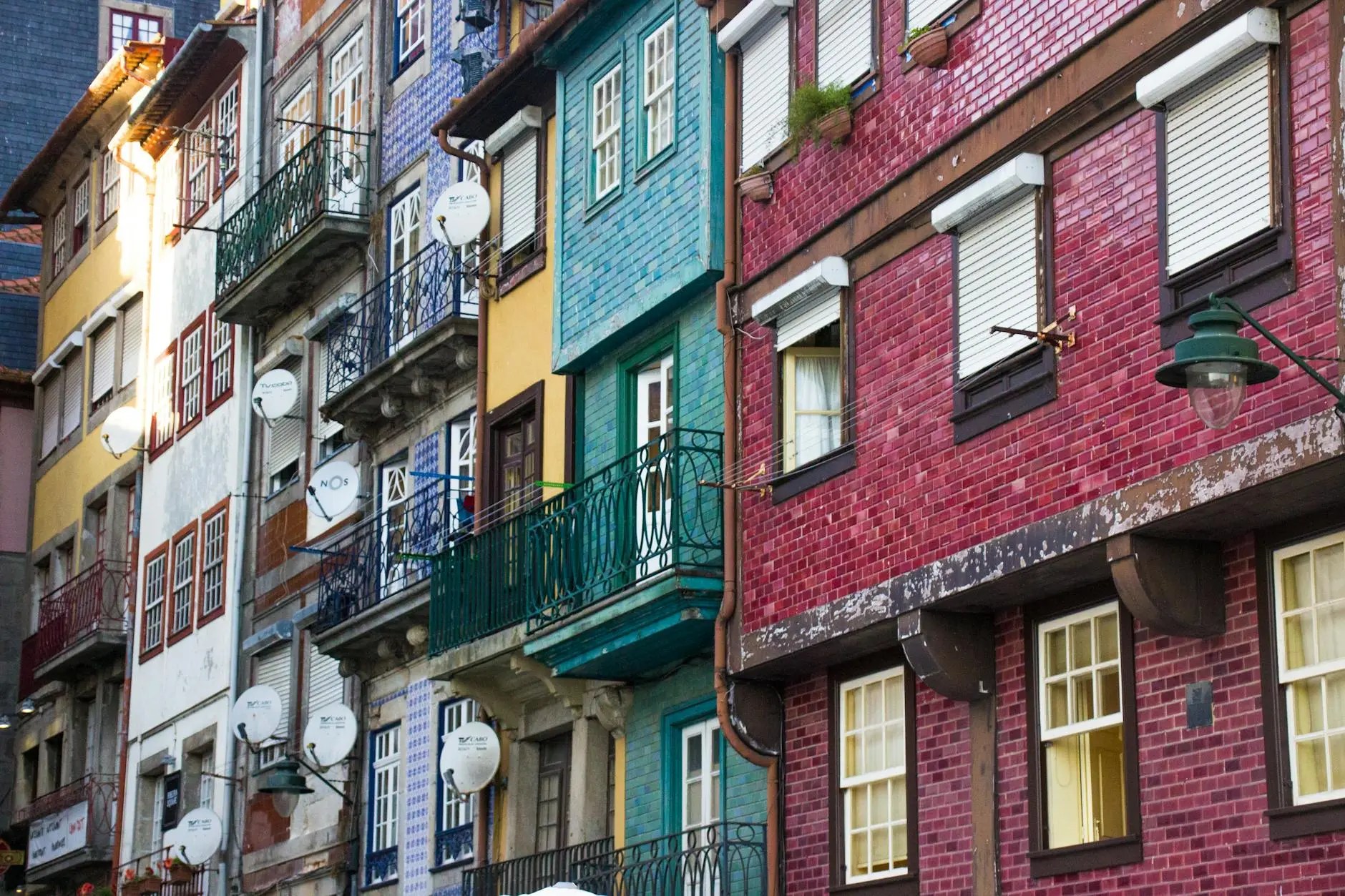
  • Late Morning (11:00 AM): Wander down the hill to the Ribeira District, Porto’s UNESCO World Heritage heart. Get lost in the labyrinth of narrow cobbled streets, colorful houses, and laundry hanging between buildings. It’s a photographer’s paradise. I spent a good hour just trying to get the perfect shot of the Dom Luís I Bridge framing the river—no regrets.
  • Afternoon (1:30 PM): Time for lunch! Skip the overly touristy spots right on the riverfront. Duck into one of the smaller streets for a francesinha—Porto’s infamous gut-busting sandwich of meats, cheese, and a spicy beer sauce. It’s a experience, not just a meal.
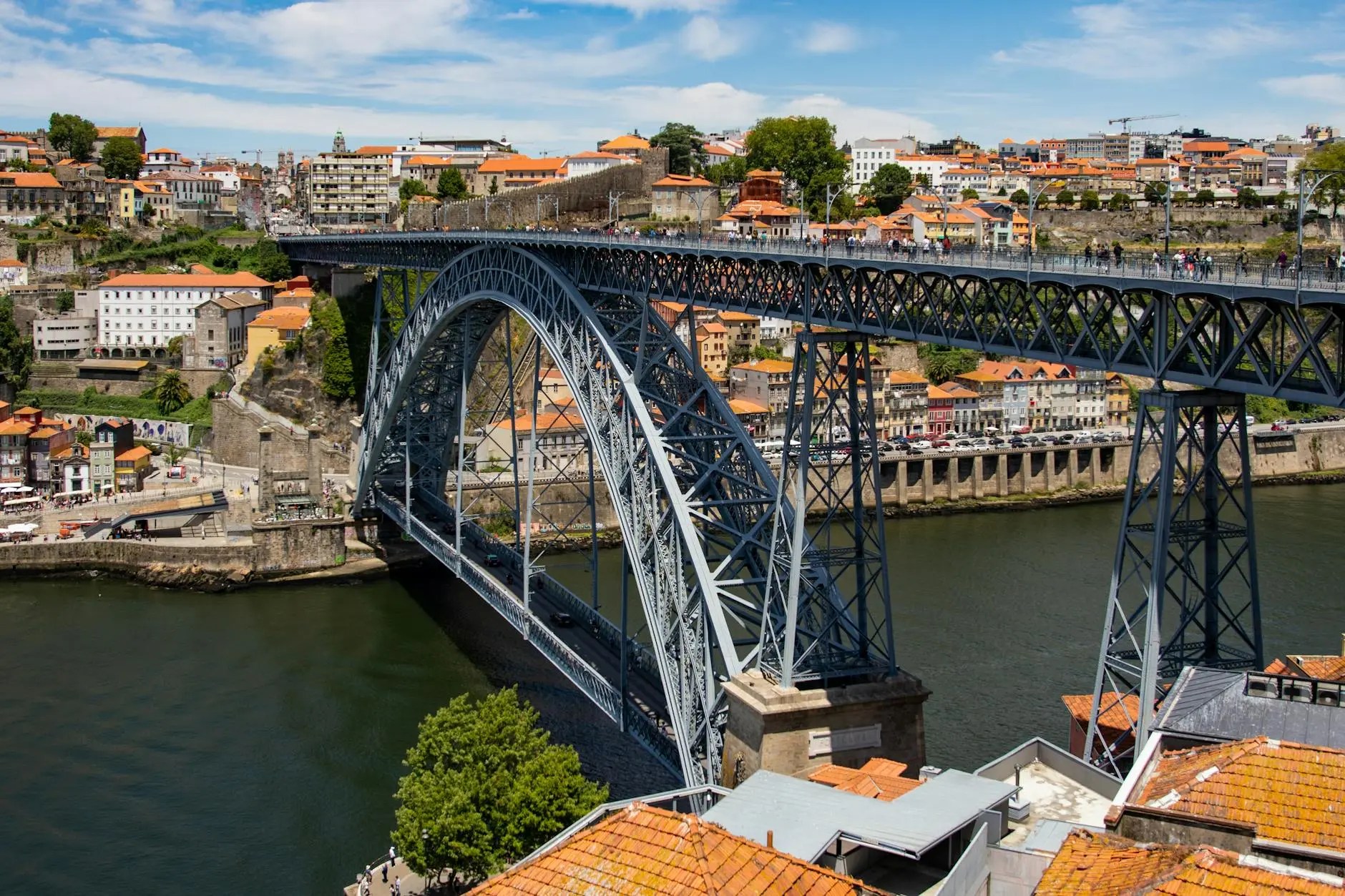
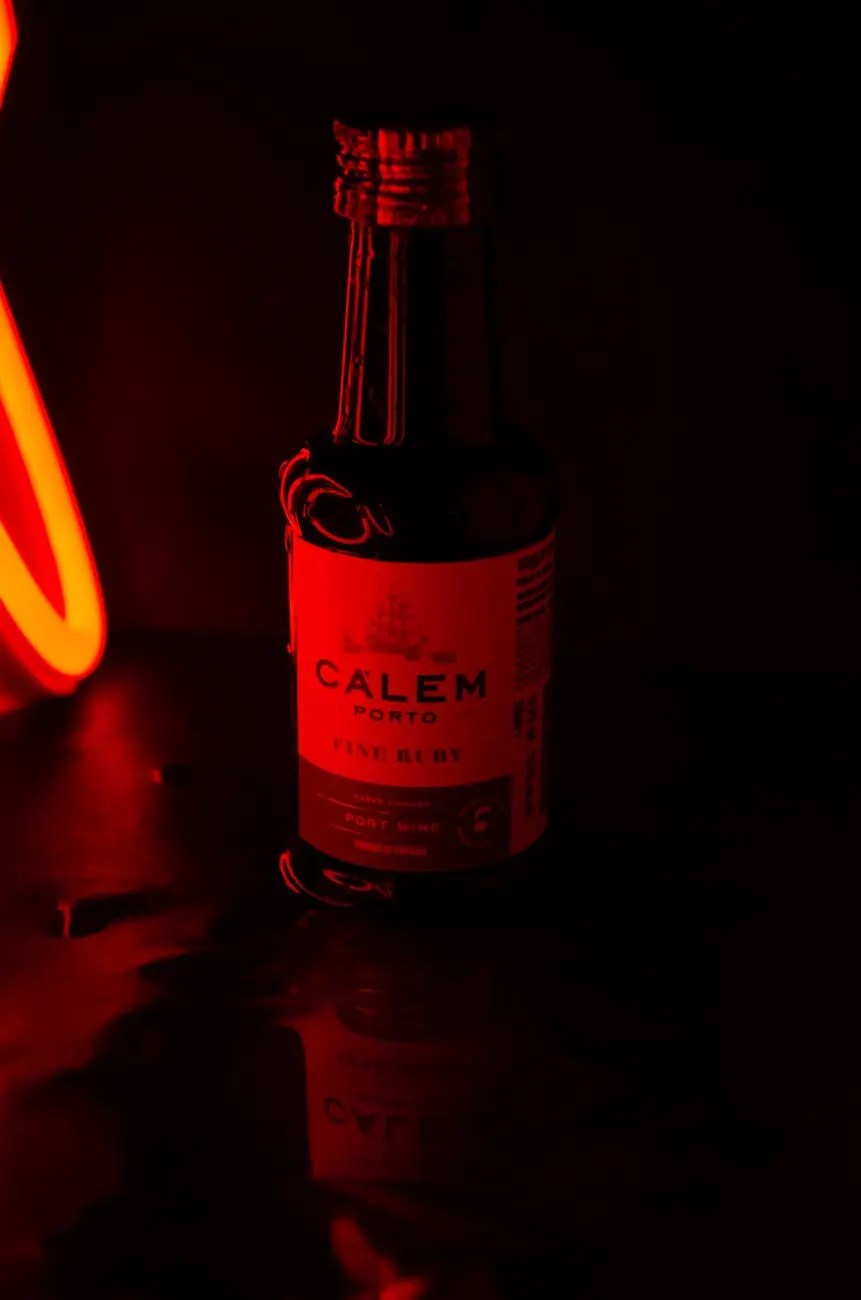
  • Late Afternoon (4:00 PM): Cross the Dom Luís I Bridge on the upper level for breathtaking panoramic views. Your destination? Vila Nova de Gaia, the home of all the major port wine cellars. I did a tour and tasting at Taylor’s, which was fantastic, but Graham’s and Cálem are also stellar choices.
  • Evening (8:00 PM): Enjoy a sunset dinner back on the Porto side. For a truly memorable experience, book a table at a restaurant with a terrace overlooking the river. The lights of Gaia twinkling on the water are pure magic.
Close-up of a small, dark traditional Portuguese bica coffee in a white cup, served with a saucer on a rustic table.
Fuel your exploration the local way with a bica—Portugal’s powerful and delicious answer to espresso. This tiny but mighty cup is the lifeblood of porto café culture and the perfect pause during a day of sightseeing.

Gaia Cable Car Tours

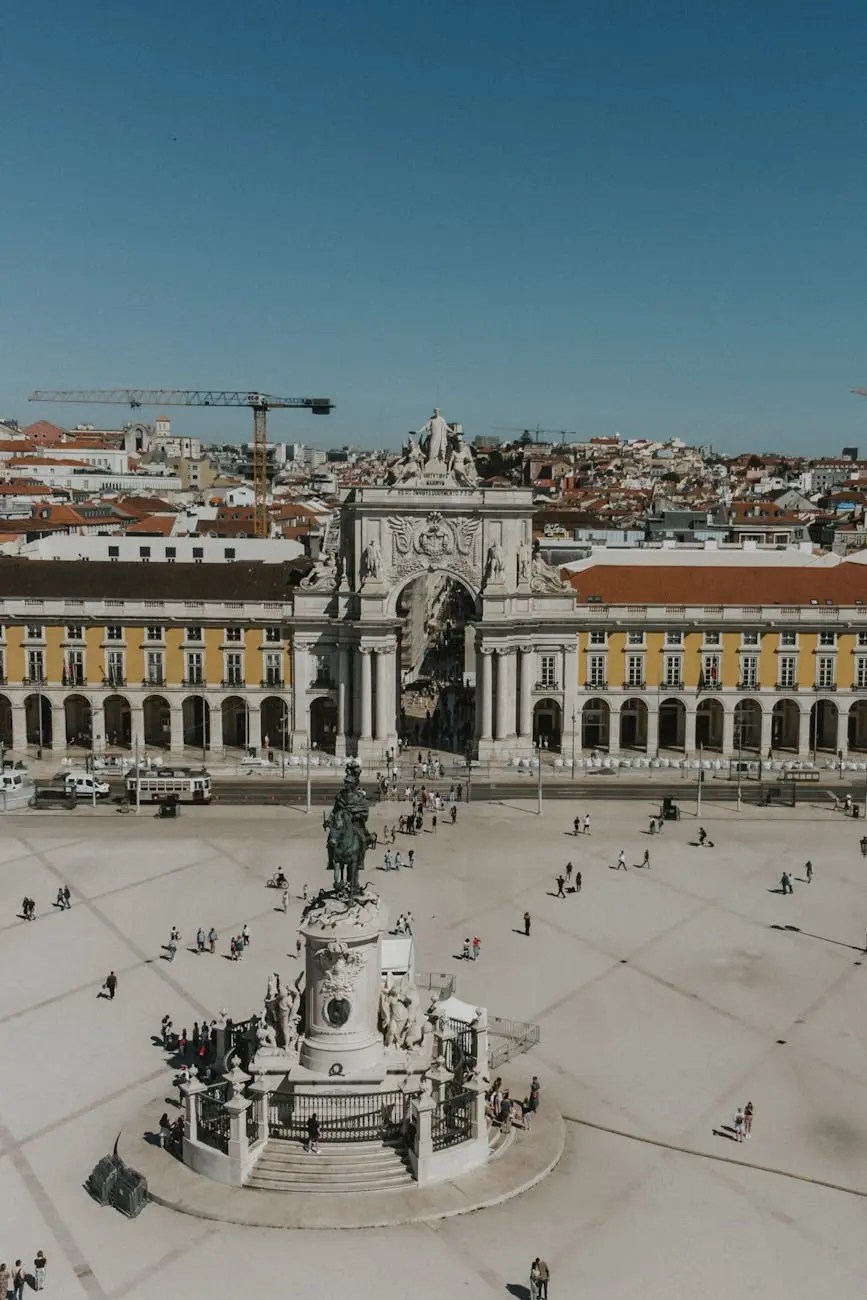
Aerial view of Praça da Comércio in porto, Portugal, featuring the grand arch, statue at the center, and surrounding historical buildings with people walking around.
Aerial view of Praça da Comércio, a historic square in Porto, showcasing the statue in the center and surrounding architecture. The magnificent Praça da Comércio (also known as Praça do Comércio) from above. This historic square is a gateway to Porto, framed by the grand Arrábida Arch and the iconic yellow Pombaline-style buildings.
Colorful buildings with balconies and decorative tiles in a historic area of Porto, Portugal.
Colorful façades in Porto’s Ribeira District showcase the charm of the city’s architecture. The postcard-perfect heart of Porto. The Ribeira District’s colorful, slightly crumbling façades tell stories of the city’s history, where everyday life continues amidst stunning architecture.
View of the Dom Luís I Bridge spanning the Douro River, with colorful houses and historic buildings in the background under a clear blue sky.
The iconic Dom Luís I Bridge spanning the Douro River in Porto, Portugal, offering stunning city views. The postcard-perfect heart of Porto. The Ribeira District’s colorful, slightly crumbling façades tell stories of the city’s history, where everyday life continues amidst stunning architecture.

A close-up of a hearty burger featuring a soft bread roll filled with savory toppings, including melted cheese, bacon bits, and garnished with chopped chives.
Indulge in the flavors of Porto with a delicious francesinha sandwich, a hearty local specialty. The legendary Francesinha: Porto’s ultimate comfort food. This “little Frenchie” is a formidable stack of cured meats, steak, and sausage, smothered in melted cheese and a secret, tangy beer and tomato sauce. It’s a must-try (and best shared!).
An interior view of a wine cellar featuring rows of barrels lined along the walls, creating a long, narrow corridor with warm, ambient lighting.
Inside a port wine cellar in Porto, showcasing rows of wooden barrels in a dimly lit corridor. Stepping back in time inside a port wine cellar. These massive oak barrels, known as balseiros, age the precious port wine, filling the air with a sweet, woody aroma that is simply unforgettable.
A close-up of a bottle of Cálem Fine Ruby Port wine against a dark background with a red light reflection.
A bottle of Cálem Fine Ruby Port Wine, showcasing Porto’s rich wine heritage. A modern take on a classic: Cálem Fine Ruby Port Wine glows under neon lights. This vibrant, youthful port is known for its fruity flavors and is a perfect introduction to Porto’s most famous export.
A panoramic view of the Douro River in Porto, Portugal, featuring colorful buildings along the riverbank, a cable car in the foreground, and traditional boats on the water.
A stunning view of the Douro River in Porto, showcasing the iconic cable car and picturesque waterfront with colorful buildings. The soul of Porto unfolds along the Douro River. This breathtaking perspective captures the Gaia cable car gliding above the waterfront, passing the iconic rabelo boats and the historic port wine cellars nestled into the hillside.

Day 2: Tiles, Books, and Atlantic Breezes

  • Morning (10:00 AM): Marvel at the Igreja do Carmo, famous for its massive side wall covered in breathtaking blue azulejos. Then, make your way to the Livraria Lello. Yes, it’s crowded and you need to buy a ticket online in advance, but stepping inside this bookshop that allegedly inspired JK Rowling is worth it. The staircase is a masterpiece.
  • Afternoon (1:00 PM): Hop on the city’s efficient metro system (Line D) and head to the mouth of the Douro River. Get off at Matosinhos Sul and walk along the promenade to Foz do Douro, where the river meets the Atlantic Ocean. The power of the waves here is incredible.
  • Late Afternoon: Treat yourself to a fresh seafood lunch in Matosinhos—it’s the fishing hub for a reason. Then, either take the metro back or enjoy a leisurely stroll along the river back towards the city center.
  • Evening: For your last night, dive into the trendy Galeria de Paris area for a vibrant nightlife scene. Find a small bar, order a vinho verde (a crisp “green wine“), and soak in the local vibe.

Plan your Journey

A detailed blue and white azulejo tile mural depicting a religious scene with Jesus Christ at the center, surrounded by angels and ornate designs.
Beautiful blue azulejos depicting a religious scene in Porto, Portugal. A masterpiece in tile: A close-up of historic blue and white azulejos in Porto telling a sacred story. These hand-painted tiles are not just decoration; they are a fundamental part of Portugal’s artistic soul.

Interior view of Livraria Lello, a beautiful historic bookstore in Porto, featuring ornate woodwork, shelves filled with colorful books, and a grand staircase.
The stunning interior of Livraria Lello, a must-visit bookshop in Porto known for its intricate architecture and literary history. Stepping into a fantasy: The breathtaking interior of Livraria Lello, often cited as an inspiration for Hogwarts. Its Art Nouveau elegance, with the iconic crimson staircase and neo-Gothic details, makes it one of the most beautiful bookstores in the world.
A lighthouse standing on a pier, with waves crashing against the stone wall and the ocean in the background.
Waves crashing against the lighthouse at Foz do Douro, where the Douro River meets the Atlantic Ocean. Where the river meets the sea: The dramatic Foz do Douro lighthouse stands resilient against the relentless force of the Atlantic Ocean. This spot marks the end of the Douro River’s journey and offers a powerful, windswept contrast to the city center.
A busy seaside pier with people walking and enjoying the view, featuring a striped lighthouse at the end and a clear blue sky in the background.
Visitors strolling along the seaside pier toward a distinctive striped lighthouse in Porto, Portugal. Farolim da Barra do Douro

Porto Insider: Hidden Gems Most Tourists Miss

  • Miradouro da Vitória: This viewpoint offers one of the best angles of the Ribeira and Dom Luís I Bridge, but without the overwhelming crowds of the more famous spots.
  • Rua das Flores: This beautiful pedestrian street is often packed, but venture into the tiny alleys that shoot off from it. You’ll find quiet cafes and small artisan shops.
  • Mercado Bolhão: This historic market is undergoing renovations but is still operating. It’s a chaotic, wonderful slice of local life. Go for the people-watching and to buy some fresh fruit or cheese.
  • Jardins do Palácio de Cristal – Gardens, peacocks, and Douro River views.
  • Rua Miguel Bombarda – Street full of quirky art galleries and indie shops.

Capela do Senhor da Pedra (Chapel of the Lord of the Stone), Miramar Beach

Perched dramatically on a rock at Miramar Beach in Vila Nova de Gaia, the Capela do Senhor da Pedra is one of Porto’s most magical spots — especially at sunset. Built in 1763, this small hexagonal chapel sits atop a giant boulder where, before Christianity, pagan rituals were held, worshipping nature and the sea. Secrets from Portugal+3Wikipedia+3Portugal.com+3https://www.localporto.com/miguel-bombarda-street-porto/

What makes it stand out:

  • Setting & Atmosphere: The chapel backs onto the Atlantic; when the waves crash and the sun is lowering, the combination of stone, water, sky and light makes for unforgettable views and photographs. Flickr+2VISIT PORTO REGION+2
  • History & Mystery: The site was once pagan, with inscriptions at the entrance hinting at its ancient sacredness. Later it was converted for Christian worship, and it still hosts an annual pilgrimage on the Sunday of the Holy Trinity.
  • Access: It’s ~20 km south of Porto’s center. You can reach it by train (to Miramar station) plus a short walk, or by car / scooter. If possible, plan to arrive for late afternoon or golden hour — staying for sunset is highly recommended.
  • Things to know: There aren’t many supermarkets around, so bring water/snacks. Also, tides/waves may affect how close you can safely get to the base rock
A person capturing a photo on the beach at sunset, with the Capela do Senhor da Pedra visible on a rock in the background.
The stunning Capela do Senhor da Pedra at Miramar Beach, framed by a beautiful sunset. A moment of pure magic at Miramar Beach. The 17th-century Capela do Senhor da Pedra (Chapel of the Lord of the Stone) stands serenely on its rocky altar, framed by a breathtaking sunset. This is one of Porto’s most unique and photogenic hidden gems.

Navigating Porto Like a Pro

Forget the rental car. Seriously. Porto’s center is a maze of one-way streets and limited parking. Your best friends are your feet and public transport.

  • Walking: The best way to explore the core. Wear comfortable shoes—the hills are no joke. Be warned—Porto is hilly. Your calves will thank you later.
  • Metro & Bus: The system is clean, efficient, and cheap. Get a Andante Blue Card (the reusable card itself costs €0.60) and then top it up with credit for your journeys. You must validate it before each trip! A single zone journey (which covers almost all city center travel) is €1.25.
  • Tram & Funicular: The historic Tram #1 runs along the river to Foz and is a charming (if touristy) ride. The Funicular dos Guindais is a fun way to save your calves the climb from Ribeira to the Batalha area.
  • Uber/Bolt: Incredibly affordable in Porto. A ride across the city center will rarely cost more than €5-€7, making it a great option when your feet have officially given up.

💡 Pro Tip: Download Moovit app for real-time schedules, or grab a city map at São Bento Station (worth visiting just for the azulejo murals).

Essential Portuguese for the Weekend Warrior

  • Olá (OH-lah) – Hello
  • Obrigado (o-bree-GAH-doo) – Thank you (said by a man)
  • Obrigada (o-bree-GAH-dah) – Thank you (said by a woman)
  • Por favor (por fa-VOR) – Please
  • Uma bica, por favor (OO-ma BEE-ka, por fa-VOR) – An espresso, please
  • A conta, por favor (ah CON-ta, por fa-VOR) – The bill, please
  • Desculpe (desh-KOOLP) – Excuse me / Sorry
  • How much? = Quanto custa?
  • Where is the train station? = Onde fica a estação de comboios?
  • Wine, please = Vinho, por favor

Smart Travel Tools for a Hassle-Free Trip

Let’s be real, modern travel requires modern solutions. Here’s what I never leave home without:

🌐 Stay Connected Smartly: Hunting for a local SIM at the airport is a rookie move that costs time and money. I’ve been using Drimsim for years—a genius universal SIM that works in 190+ countries. Pop it in, top up via the app, and you’re online the second you land. No contracts, no hidden fees. It’s a game-changer. ➡️ Check out Drimsim here.

🔒 Protect Your Privacy (& Stream Netflix): Public Wi-Fi in hotels and cafes is a hacker’s playground. A VPN is non-negotiable for securing your data. I also use it to watch shows from back home. NordVPN is my go-to for reliability. ➡️ Get NordVPN for your trip.

✈️ Get Paid for Flight Chaos: Did you know that if your flight is significantly delayed, canceled, or you’re denied boarding, you could be entitled to up to $650 in compensation? Most people don’t claim it. I use AirHelp to handle the messy paperwork with the airlines. They only get paid if you win, so it’s a no-brainer. ➡️ Check your flight with AirHelp now.

🤒 Don’t Skimp on Insurance: A medical emergency abroad can bankrupt you. I always, always get travel insurance. VisitorsCoverage is a fantastic platform to compare and find a plan that fits your specific trip, whether it’s a weekend or a month. ➡️ Find the right coverage with VisitorsCoverage.

And of course, for putting together your entire trip—flights, hotels, and all—I always start my search on Expedia to bundle and save.
➡️ Start planning your Porto escape on Expedia 

To capture all those beautiful moments, I swear by my Sony Alpha camera. It’s lightweight, powerful, and perfect for travel photography.

Frequently Asked Questions (FAQ)

Q: What is the best time of year to visit Porto for a weekend?
A: The sweet spots are the shoulder seasons: March-May and September-October. The weather is pleasant, the crowds are thinner, and prices are more reasonable. Summer (June-August) is busy and can be quite hot.

Q: Is two days in Porto enough?
A: For a weekend city break, absolutely! Porto’s historic core is very concentrated. Two full days allows you to see the major sights, enjoy the food and wine, and get a real feel for the city’s charm without being rushed.

Q: How much does a weekend in Porto cost?
A: Porto is very affordable for Western Europe. A budget traveler could manage on €50-70/day, while a mid-range traveler spending on nice meals, tours, and a central hotel might budget €100-150/day.

Q: What is the best way to get from Porto Airport (OPO) to the city center?
A: The Metro is the easiest and cheapest option. The Purple Line (E) goes directly from the airport to the city center (Trindade station) in about 30 minutes. A one-way ticket is €2.00 plus the €0.60 card fee. A taxi or Uber will cost around €20-25.

Q: Can I drink the tap water in Porto?
A: Yes, the tap water is perfectly safe to drink. This is an easy way to save money and reduce plastic waste—just bring a reusable water bottle.

Q: Is Porto cheaper than Lisbon?
A: Yes—accommodation and food are generally more affordable


Nearby Getaways & Suggested Itineraries

Pair Porto with Lisbon (train ride = 3 hours).

Hop over to Madrid or Barcelona by air.

Spice it up with Marrakech—a contrasting cultural escape.

Your Portuguese adventure is calling! With this guide, you’re all set to have an incredible, efficient, and deeply rewarding weekend in Porto. What are you most excited to see? Tell me in the comments below!

Ready to book? Don’t forget to use my link to find the best deals on Expedia and travel smarter with my recommended tools. Boa viagem!


Universal Disclaimer/Disclosure Page:

The Ultimate Weekend Escape to Frankfurt am Main

Meta Description: Plan your ultimate weekend escape to Frankfurt am Main! This guide unlocks the best things to do in Frankfurt, from Römer square to hidden gems. Get essential travel tips on public transport, saving money, and must-know German phrases for a seamless German getaway.

Table of Contents

  1. Why Frankfurt is the Perfect Weekend Getaway
  2. Your Frankfurt Weekend Itinerary: A Step-by-Step Guide
  3. Frankfurt Travel Hacks: Saving Time & Money
  4. Essential German for the Frankfurt Traveller
  5. Hidden Gems: Beyond the Tourist Trail
  6. Travel Smart: Essential Resources
  7. Frankfurt Weekend Escape: Frequently Asked Questions (FAQ)

1. Why Frankfurt for a Weekend?

Frankfurt am Main might be known as Germany’s financial powerhouse (cue skyscrapers, suits, and serious business lunches), but don’t let that fool you—it’s also a fantastic weekend escape destination. Think: old-town cobblestones, half-timbered houses at Römerberg, world-class museums, and beer gardens where your waiter might plop down a pint bigger than your head.

Plus, Frankfurt is a transportation hub. With one of Europe’s busiest airports and central train connections, you can hop in and out easily—or continue your travels to Berlin, Munich, or even nearby Prague and Vienna.

So, you’ve got a weekend to spare and a craving for a proper European city break that isn’t just beer halls and lederhosen (though we have those too, if you know where to look). Let me introduce you to Frankfurt am Main, Germany’s captivating financial hub that seamlessly blends a soaring, skyscraper-filled skyline with cozy, apple-wine taverns.

I’ll be honest, my first trip to Frankfurt was a layover that turned into an overnight stay. I expected a sterile, all-business city. What I found instead was a incredibly green, culturally rich, and deliciously quirky destination that’s perfect for a 48-hour adventure. Let’s craft your perfect weekend.

👉 I always book my flights and stays through Expedia—easy cancellations, good deals, and loyalty points.

Frankfurt is a city of fascinating contrasts. It’s home to the European Central Bank, yet its heart is a beautifully reconstructed medieval old town (the Altstadt). You can spend your morning in a world-class museum and your afternoon sipping traditional Apfelwein (apple wine) in a rustic tavern. It’s incredibly well-connected, with one of Europe’s busiest airports and a central train station (Hauptbahnhof), making it the ideal hub for a short trip. Plus, as I discovered on a sunny Saturday by the river, it has a vibrant, laid-back energy that completely defies its “Bankfurt” nickname.

Hotels in Frankfurt

2. Getting There & Around

  • By Air: Frankfurt International Airport (FRA) is only 12 minutes by train to the city center. Don’t waste money on taxis—grab the S-Bahn (lines S8/S9).
  • By Train: Deutsche Bahn is your friend. The ICE trains connect Frankfurt with cities like Amsterdam and Paris in just a few hours.
  • By Car: Driving is fine, but parking is expensive and traffic is… let’s say, not for the faint of heart. If you do drive, check road maps with gas stations and rest stops marked to save both time and Euros.
  • The Ticket to Get: For a weekend, the Tageskarte (Day Ticket) is your most economical choice. The “Tageskarte Frankfurt” covers the entire city zone (50) for around €6-7 per person. Even better? A Gruppentageskarte (Group Day Ticket) for up to 5 people is only about €11-12! It’s an insane bargain.
  • How to Buy: Use the RMV vending machines at any station. They have an English language option. Select your ticket type (Tageskarte), number of people, and validate it by stamping it in the little blue boxes on the platform before your first ride.

Frankfurt’s public transport network (trams, U-Bahn, S-Bahn, buses) is brilliant and your best friend for a weekend trip. Don’t bother with a rental car—parking is a nightmare and expensive.

Apps are Key: Download the official RMV Smartphone app or use Google Maps or DB Navigator. These apps provide flawless, real-time routing, telling you exactly which tram to catch, from which platform, and when it will arrive. They are the modern traveler’s best tool for navigating Frankfurt with confidence.

Frankfurt Card (€10–20) = unlimited rides + discounts at museums.

💡 Personal tip: The first time I tried the U-Bahn, I accidentally went in the wrong direction and ended up in a residential area. Luckily, a kind German grandma redirected me and even taught me how to say “Entschuldigung” (Excuse me).

 Your Frankfurt Weekend Itinerary: A Step-by-Step Guide

Day 1: Altstadt Charm & Modern Views

  • Morning (9:00 AM): Start your day at the epicenter of old Frankfurt, the Römerberg. This picturesque square, with its charming half-timbered houses, is the postcard view you’re looking for. Grab a coffee and a pastry from a nearby bakery and just soak it in. Don’t miss the Römer city hall and the Alte Nikolaikirche.
  • Late Morning (11:00 AM): From the square, take a short stroll to the Kaiserdom (Frankfurt Cathedral). Climb the tower for a small fee – your calves will thank you later, I promise – for a breathtaking 360-degree view of the city. This is the best orientation point you’ll get.
  • Lunch (1:00 PM): Time for your first true Frankfurt experience. Head to a traditional Apfelweinwirtschaft in the Sachsenhausen district (just over the Eiserner Steg bridge). Order a “Bembel” (the grey, ribbed jug) of Apfelwein and try the “Grüne Soße” (Green Sauce) with boiled eggs and potatoes. It’s a local obsession for a reason.
  • Afternoon (3:00 PM): Walk off lunch by crossing the iconic Eiserner Steg (Iron Footbridge), a pedestrian bridge covered in love locks. Then, for a dose of high culture, choose a museum from the Museumsufer (Museum Embankment) on the south side of the river. The Städel Museum is world-class for art lovers, while the German Film Museum is a fun interactive option.
  • Evening (7:00 PM): For dinner, explore the Fressgass’ (officially Kalbächer Gasse), a street whose nickname literally means “Pig-Out Alley.” It’s lined with everything from gourmet food stalls to elegant restaurants.
A picturesque view of Römerberg square in Frankfurt, featuring charming half-timbered houses and a statue in the center, illuminated by warm lights during twilight.
The picturesque Römerberg square in Frankfurt, showcasing iconic half-timbered houses and a vibrant atmosphere. A perfect spot to explore the city’s rich history and architecture. The Heart of the Altstadt: The historic Römerberg square in Frankfurt am Main, beautifully illuminated at dusk. This postcard-perfect scene, with its meticulously reconstructed half-timbered houses (Fachwerkhäuser), is the charming old soul of the modern city.
Interior view of a large hall with wooden flooring, arching ceilings, and rows of black chairs facing a central stage area. The room is illuminated by a large chandelier and features tall windows and painted historical figures on the walls.
An elegant interior of a hall featuring rows of chairs and a beautiful chandelier, perfect for events in Frankfurt.
A beautifully illuminated fountain adorned with lights in front of the Alte Oper (Old Opera House) in Frankfurt at night.
The Alte Oper (Old Opera House) illuminated at night, showcasing its neo-Renaissance architecture against a backdrop of festive lights. A Festive Masterpiece: The historic Alte Oper (Old Opera House) provides a majestic backdrop for a sparkling holiday fountain and light display, capturing the magical atmosphere of Frankfurt during the Christmas season.

Alte Oper (Old Opera House) 🎶

If you want to feel fancy without paying for a ticket, head to Alte Oper at Opernplatz. This neo-Renaissance building was bombed in WWII, rebuilt, and today it’s one of Frankfurt’s cultural landmarks. Even if you don’t go inside for a concert, the plaza outside is lively, with fountains and cafés perfect for people-watching.


Alte Nikolaikirche (Old St. Nicholas Church) ⛪

Just a short trip away, over at Römerberg, you’ll find the Alte Nikolaikirche—a 13th-century gem with Gothic vibes. It’s smaller and more intimate than Frankfurt Cathedral, but its green spire and medieval charm make it stand out. Inside, the simple yet historic interior feels like stepping back in time.


How to Get There 🚶🚋

  • Walking:
    From Alte Oper to Alte Nikolaikirche is about 1.2 km (15 minutes on foot). Start from Opernplatz, head east along Große Bockenheimer Straße (a foodie heaven nicknamed Fressgass), continue toward Hauptwache, and then follow Neue Kräme street straight into Römerberg square. You’ll pass shops, cafés, and great photo spots along the way.
  • By Tram:
    If you’re short on time (or your feet have had enough), hop on Tram 11 or 12 at “Alte Oper” stop and get off at “Römer/Paulskirche.” The ride takes 5 minutes and drops you right next to Römerberg and the Alte Nikolaikirche. A single short-trip ticket costs around €1.95, or you can use a day pass (€7.20) if you’re exploring multiple spots.

💡 Pro Tip: If you’re traveling with friends, grab a Gruppentageskarte (group day ticket) for about €11.30—covers up to 5 people for unlimited rides within the city for the day. Big savings compared to buying individual tickets.

A tall Gothic church tower peeks through a narrow street, surrounded by trees and modern buildings, under a cloudy sky.
The stunning spire of the Frankfurt Cathedral, a striking example of Gothic architecture in the heart of the city. Reaching for the Heavens: The majestic 95-meter spire of Frankfurt Cathedral (Frankfurter Dom), a stunning example of Gothic architecture that has dominated the city’s skyline for centuries.
Plate of Grüne Soße, a green sauce made from herbs, served with boiled potatoes and sliced hard-boiled eggs.
Traditional Frankfurt dish featuring Grüne Soße (green sauce) with boiled eggs and potatoes, a local favorite.
Snow-covered pedestrian bridge in Frankfurt, with couples walking and love locks visible on the railing.
A snowy scene on the Eiserner Steg bridge in Frankfurt, with couples and individuals walking amidst love locks and charming old buildings. A Winter’s Walk: The iconic Eiserner Steg pedestrian bridge, dusted with snow and covered in countless love locks, offers a picturesque pathway between Frankfurt’s Altstadt and Sachsenhausen districts on a quiet winter day.

A view from below the glass dome of the Schirn Kunsthalle, showcasing a circular design with reflections and skylights, and two individuals on a platform working above.
A view of the stunning glass dome of the Schirn Kunsthalle in Frankfurt, showcasing its architectural beauty and bright surroundings. A Modern Masterpiece: Gazing up into the breathtaking rotunda of the Schirn Kunsthalle Frankfurt, where a contemporary glass dome crowns a beautifully restored neo-baroque staircase.

Schirn Kunsthalle & The Rotunda’s Glass Dome 🎨✨

Even if modern art isn’t usually your jam, the Schirn Kunsthalle is worth a peek—especially for its striking Rotunda with the glass dome. This circular space feels like stepping into a giant lantern, flooding with natural light that changes with the time of day. The cool part? Entry to the Rotunda itself is free, so you can stand under the dome, snap some surreal Instagram shots, and soak in the architecture without spending a cent. If you’ve got more time (and budget), pop into the current exhibitions—Schirn often hosts thought-provoking contemporary and modern art shows that rival those in Berlin or Paris.

💡 Insider tip: The Rotunda is also a handy meeting point—if you’re traveling in a group and someone inevitably wanders off for bratwurst or souvenirs, tell them to “meet under the dome.” You literally can’t miss it.

Frankfurt Vacations

Day 2: Culture, Markets, and Off-The-Beaten-Path

  • Morning (10:00 AM): If it’s a Saturday, make a beeline for the Frankfurt Farmers’ Market on Konstablerwache. It’s a vibrant, noisy, delicious spectacle. Sample local cheeses, olives, and fresh produce. For a quieter morning, explore the Palmengarten, a stunning botanical garden that feels a world away from the city bustle.
  • Afternoon (1:00 PM): Dive into a different side of Frankfurt. Visit the European Quarter to gaze up at the skyscrapers, including the Main Tower, which has a public viewing platform (pro tip: go just before sunset for amazing lights). Alternatively, for a hidden gem, seek out the Alt-Sachsenhausen area’s smaller lanes for more intimate Apfelwein pubs.
  • Late Afternoon (4:00 PM): Go for a leisurely stroll or rent a bike and explore the Mainufer (Main River banks). The paths are excellent, and it’s where locals go to jog, picnic, and relax. It’s the perfect way to wind down your trip.
  • Farewell Dinner (7:30 PM): For your last meal, why not try something modern? The Bornheim district (around Berger Straße) is packed with trendy international restaurants, wine bars, and cafes favored by locals. It’s a great place to feel the city’s contemporary pulse.
A bustling outdoor farmers' market in Frankfurt, showcasing a variety of fresh produce and vegetables with shoppers interacting with vendors.
Visitors enjoy fresh produce at the bustling Frankfurt Farmers’ Market, a vibrant hub of local flavors and community life. Market Fresh: Visitors explore the colorful bounty of the Frankfurt Farmers’ Market, selecting fresh, seasonal produce and local specialties from friendly vendors at one of the city’s most beloved culinary destinations.

A lush garden with various colorful flowers and plants, featuring stone pathways and visitors walking among the greenery.
Explore the serene beauty of a botanical garden, featuring vibrant flowers and lush greenery, perfect for a peaceful weekend escape in Frankfurt.

A skyline view of Frankfurt am Main featuring modern skyscrapers, a crane, and a green park along the riverbank, with a cloudy sky overhead.
A panoramic view of Frankfurt am Main showcasing its modern skyline alongside lush greenery along the riverbank.

Skyline of Frankfurt am Main at sunset, featuring modern skyscrapers and colorful rooftops against a vibrant sky.
A stunning sunset view over the skyline of Frankfurt am Main, highlighting the city’s blend of modern skyscrapers and historical architecture.

Money-Saving Tips for Smart Travellers

  • Museum Savings: Many museums offer reduced entry on the last Saturday of the month (“Satourday”) or have specific free entry hours. Check their websites in advance!
  • Picnic by the River: Grab bread, cheese, and meat from a market or supermarket and have a classic German lunch by the Main. It’s cheap, delicious, and incredibly scenic.
  • Water is Free: Tap water in Germany is perfectly safe to drink. Carry a reusable bottle and ask for “Leitungswasser” (tap water) at restaurants—though it’s polite to order something else as well.

Essential German for the Frankfurt Traveller

You’ll get by with English easily, but a few words go a long way!

  • Hallo / Guten Tag: Hello / Good day
  • Tschüss / Auf Wiedersehen: Bye / Goodbye
  • Danke: Thank you
  • Ein Bier, bitte: One beer, please
  • Ein Apfelwein, bitte: One apple wine, please
  • Die Rechnung, bitte: The bill, please
  • Wo ist die U-Bahn?: Where is the subway?
  • Prost!: Cheers! (Say this before your first sip of Apfelwein!)

Hidden Gems: Beyond the Tourist Trail

  • The Kleinmarkthalle: While the Saturday farmer’s market is great, the indoor Kleinmarkthalle is a foodie paradise every day. It’s a bustling market hall with butchers, cheesemongers, and small stalls serving incredible ready-to-eat food.
  • Höchst Altstadt: Feeling adventurous? Take the S-Bahn (included in your day ticket!) to Höchst. Its beautifully preserved old town with a castle and riverside views feels like a tiny village forgotten by time, and you’ll be the only tourist there.
  • The Dialog Museum: An utterly unique experience where you are guided through pitch-black exhibits by visually impaired guides, challenging all your senses. Book in advance!

 Travel Smart: Essential Resources

Travelling smart is about more than just a good itinerary; it’s about being prepared. On my trips, a few tools have become non-negotiable for a stress-free experience.

✈️ Stay Connected Without the Shock:
Staying connected abroad used to be my biggest headache. Between exorbitant roaming fees and the chaotic hunt for a local SIM at the airport, it was a nightmare. That all changed when I found Drimsim. It’s a universal data SIM that works in 190+ countries. You just pop it in your phone, top up via the app, and you’re online. No contracts, no hidden fees. It’s saved me countless times. Get your Drimsim here and never worry about data again.

✈️ Your Flight Was Canceled? Get Paid.
Did you know that if your flight is significantly delayed, canceled, or you’re denied boarding, you could be entitled to up to $650 in compensation under EU law? Most people never claim it. I’ve used AirHelp multiple times—they handle all the paperwork and legal fights with the airline, and they only get paid if you win. It’s a no-brainer. Check your flight eligibility with AirHelp here.

✈️ Peace of Mind is Priceless:
I never, ever travel without insurance. For shorter European trips like this, I always check options on VisitorsCoverage. It’s a platform where you can easily compare plans from top providers to find the right coverage for your specific trip, whether it’s for medical emergencies or trip cancellations. It’s the one thing you pack hoping to never use. Find the right travel insurance for your Frankfurt trip here.

✈️ Protect Your Privacy & Streaming:
Using public WiFi at airports, hotels, and cafes is a security risk. I always use a VPN to encrypt my connection, keeping my personal data safe from prying eyes. It also lets me access my usual streaming services from back home. It’s an essential digital travel accessory. Stay secure online with NordVPN.

Ready to start planning? I always find the best flight and hotel deals for Frankfurt on Expedia. It’s my one-stop shop for bundling trips and saving money. Find deals on Frankfurt trips here!

Frankfurt Weekend Escape: Frequently Asked Questions (FAQ)

Q: Do I need a visa for Frankfurt, Germany?
A: Germany is part of the Schengen Area. If you are a citizen of the EU, EEA, US, Canada, Australia, UK, and several other countries, you do not need a visa for short tourist stays (up to 90 days). Always check the latest requirements from the German Federal Foreign Office based on your nationality.

Q: What is the best way to get from Frankfurt Airport (FRA) to the city center?
A: The easiest and cheapest way is via the S-Bahn (commuter train). Take the S8 or S9 line from the regional train station in Terminal 1. It takes about 15 minutes to get to Frankfurt Hauptbahnhof (main station) or the city center (Hauptwache station) and your RMV day ticket already covers this journey! A taxi will cost €30-40.

Q: Is Frankfurt an expensive city?
A: It can be, as it’s a financial center. However, it’s generally more affordable than cities like Paris or London. By using public transport day tickets, enjoying picnics, eating at Apfelwein pubs (which are reasonably priced), and seeking out free activities like walking along the Main, you can easily manage a budget-friendly weekend.

Q: What is the best time of year to visit Frankfurt?
A: Spring (April-June) and Autumn (September-October) are ideal. The weather is mild and perfect for exploring. December is magical due to its famous Christmas market. Summers can be warm and busy, while winters are cold.

Q: How walkable is Frankfurt?
A: The city center (Altstadt, Römer, Hauptwache, Zeil) is extremely walkable. For attractions further out like museums in Sachsenhausen or the European Quarter, the excellent and efficient public transport system is your best bet.

Q: Can I see Frankfurt in 2 days?
A: Absolutely. Stick to Römerberg, Main Tower, museums, and a cider cellar—you’ll cover the essentials

Q: Is English widely spoken?
A: Yes, but tossing in a “Danke” goes a long way.

Have more questions about planning your ultimate weekend in Frankfurt? Drop them in the comments below!

Final Thoughts

Frankfurt am Main is more than skyscrapers and business suits—it’s a city where tradition and modernity collide. With efficient transport, rich history, hearty food, and plenty of hidden gems, it’s the perfect weekend escape. And if you’ve got more time, hop over to Amsterdam, Paris, or even Berlin.

👉 Ready to book your trip? Find the best deals now on Expedia.

Universal Disclaimer/Disclosure Page: