So, you’ve got a long weekend and a burning desire to drink malbec in a city that pulses with tango, football, and fiery passion? Excellent choice. Buenos Aires is a marathon of a city, but with the right plan, you can have the perfect sprint of an escape. As someone who’s gotten blissfully lost in its calles more than once, I’m here to be your guide. Forget the generic checklists; this is how to dive deep, save some pesos, and live like a porteño (local) for 72 glorious hours.
So, you’ve decided to hit the “Paris of the South”? Excellent choice. Buenos Aires is a city that refuses to sleep, fueled by a dangerous combination of world-class steak, robust Malbec, and a local obsession with psychoanalysis. Whether you’re here to dance the tango or just eat your body weight in empanadas, this weekend guide will help you navigate the chaos with the grace of a seasoned porteño.
Table of Contents
Getting There: The Scenic Route by Ferry
The Savvy Traveler’s Logistics: Saving Time & Money
The Perfect Weekend Itinerary: Beyond the Obvious
Hidden Gems & Local Secrets
Essential Porteño Lingo & Tips
Travel Smart: Essential Gear & Services
Frequently Asked Questions (FAQ)
Getting There by Ferry (The Adventure Starts Early)
Flying into EZE is standard, but hear me out: one of the most memorable ways to arrive is by ferry from Uruguay. If you’re already exploring South America (maybe after reading my guide to Rio de Janeiro or Santiago), this is a fantastic, scenic option.
You can catch a high-speed ferry from Colonia del Sacramento (a stunning UNESCO town) or Montevideo directly to the Puerto Madero terminal in Buenos Aires. The ride from Colonia takes about an hour, offering beautiful Río de la Plata views. It’s a journey, not just a transfer.
Pro Ferry Tip: Use a site like Direct Ferries to compare schedules and prices from operators like Buquebus and Seacat. Booking ahead online can save you both cash and hassle at the terminal. You’ll clear Argentine immigration on arrival in Puerto Madero, which is often smoother than the airport.
Why I Love This Route:On my last trip, I spent a sunny morning in Colonia’s cobbled streets, sippingmate(the local herbal tea), before breezing into the sleek Puerto Madero for dinner. It felt like two trips in one.
The Savvy Traveler’s Logistics
Getting Around: Ditch the rental car. Traffic is hectic, parking is a nightmare, and the city is brilliantly walkable. The Subte (subway) is fast, cheap, and a cultural experience. Get a SUBE card at any kiosk, load it up, and tap your way across town. For longer distances, rideshares (Uber/Cabify) are affordable and safer than hailing random taxis. Buses (colectivos) are everywhere but require a bit more local know-how.
Money Matters:Always have cash (Argentine Pesos). While cards are accepted in nicer places, the best exchange rate is often via cash from Western Union or using USD/EUR at local cuevas (exchange houses). It sounds shady, but it’s a standard part of the dual-economy reality. My rule: withdraw/bring more than you think you’ll need.
Connectivity Hack: Let’s be real—airport SIMs are a rip-off, and roaming fees are a travel budget black hole. After one too many “$10 per day” surprises, I started usingDrimsim. It’s a universal data SIM that works in 190+ countries, including Argentina. Pop it in, top up via the app, and you’re online instantly. No hunting for kiosks, no language barrier stress.
A Non-Negotiable:Travel insurance. I once slipped on a rainy San Telmo cobblestone and sprained my ankle. My insurance saved me a fortune in clinic fees. I use VisitorsCoverage to compare and find affordable plans that fit my trip length. It’s five minutes for priceless peace of mind. Get a quote here.
The Perfect Weekend Itinerary (The Highlight Reel)
Friday PM: Tango & Taste. Check into your hotel (I found a gorgeous boutique place in Palermo via Expedia—always compare prices!). Head toSan Telmo for dinner. Skip the overpriced Plaza Dorrego joints and find a parrilla (steakhouse) down a side street. Then, catch an authentic milonga (tango social dance). La Catedral is a quirky, unpretentious spot in an old warehouse.
Saturday: Culture, Cafés & Chaos. Morning: Recoleta Cemetery. It’s not morbid; it’s an open-air museum of stunning architecture. Find Evita’s tomb.
Afternoon: Palermo Soho. Wander the leafy streets, shop at independent boutiques, and grab a coffee at a historic bodegón. For lunch, choripán (chorizo sandwich) from a street vendor is a rite of passage. Evening: A Football Match. If Boca Juniors or River Plate are playing, GO. It’s an electrifying spectacle. Book tickets through a reputable agency in advance.
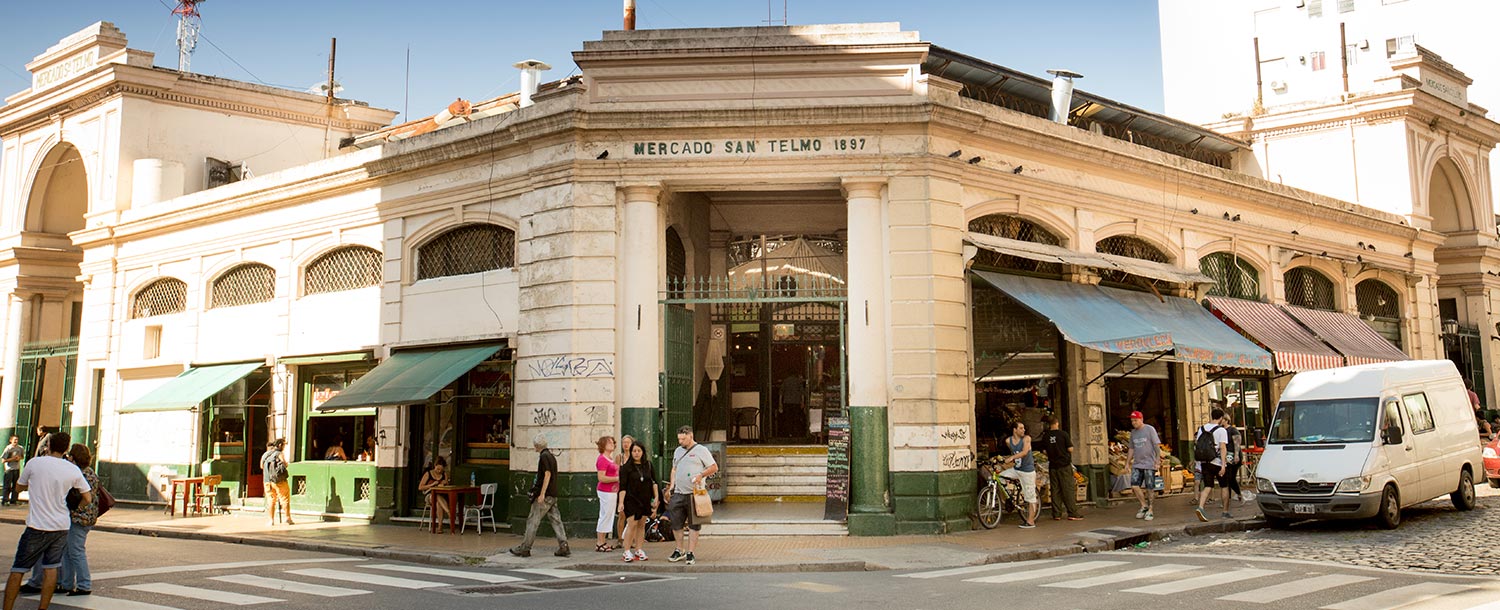
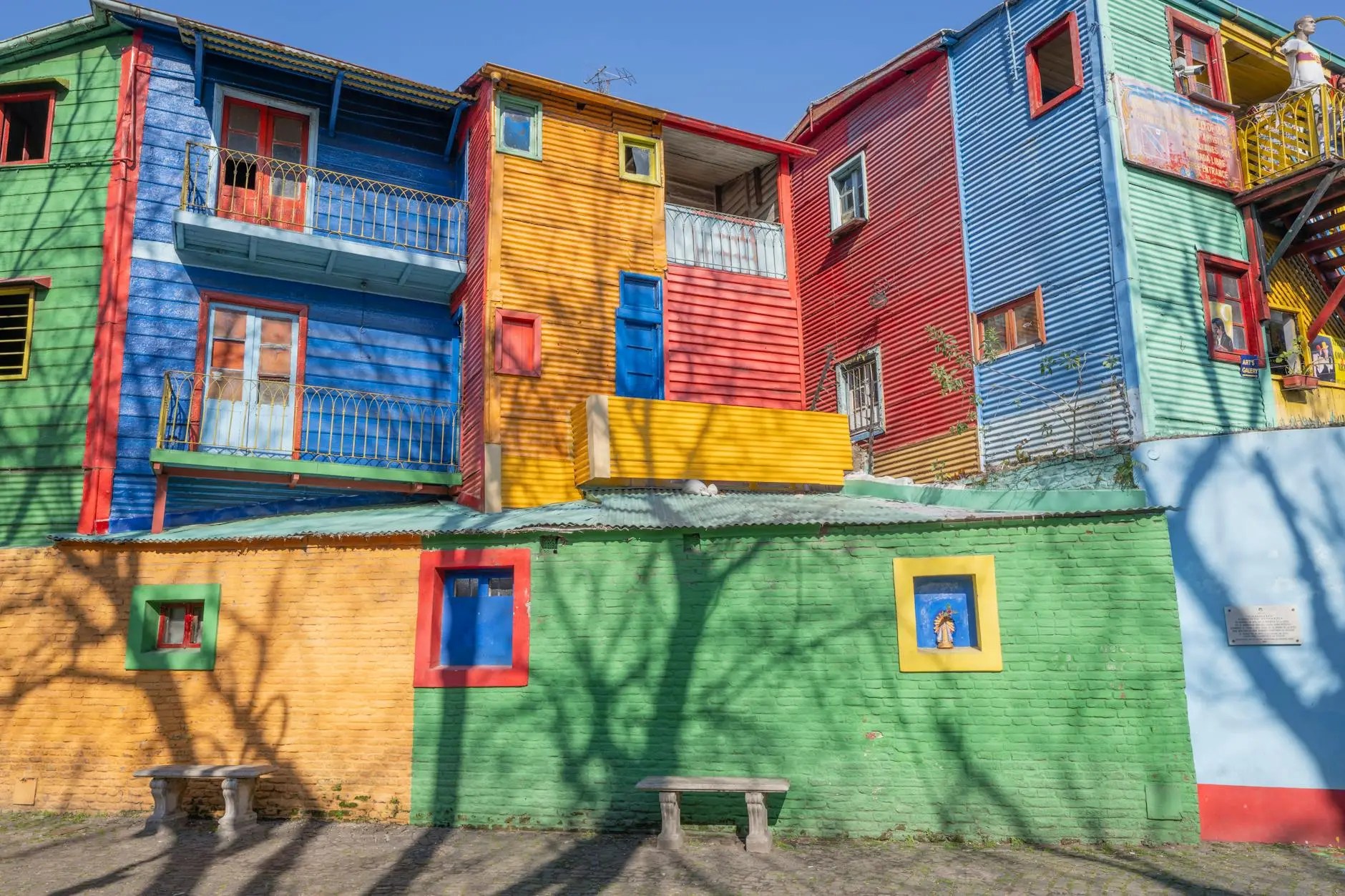
Sunday: Markets & Malbec. Morning: The San Telmo Antiques Market is legendary. Go early to beat the crowds and haggle for treasures. Afternoon: La Boca. Stick to the tourist-safe Caminito strip for colorful photos and tango shows, but be mindful of your belongings and don’t wander off.
Evening: Puerto Madero. Stroll the modern docks, have a farewell malbec, and reflect on your whirlwind adventure.
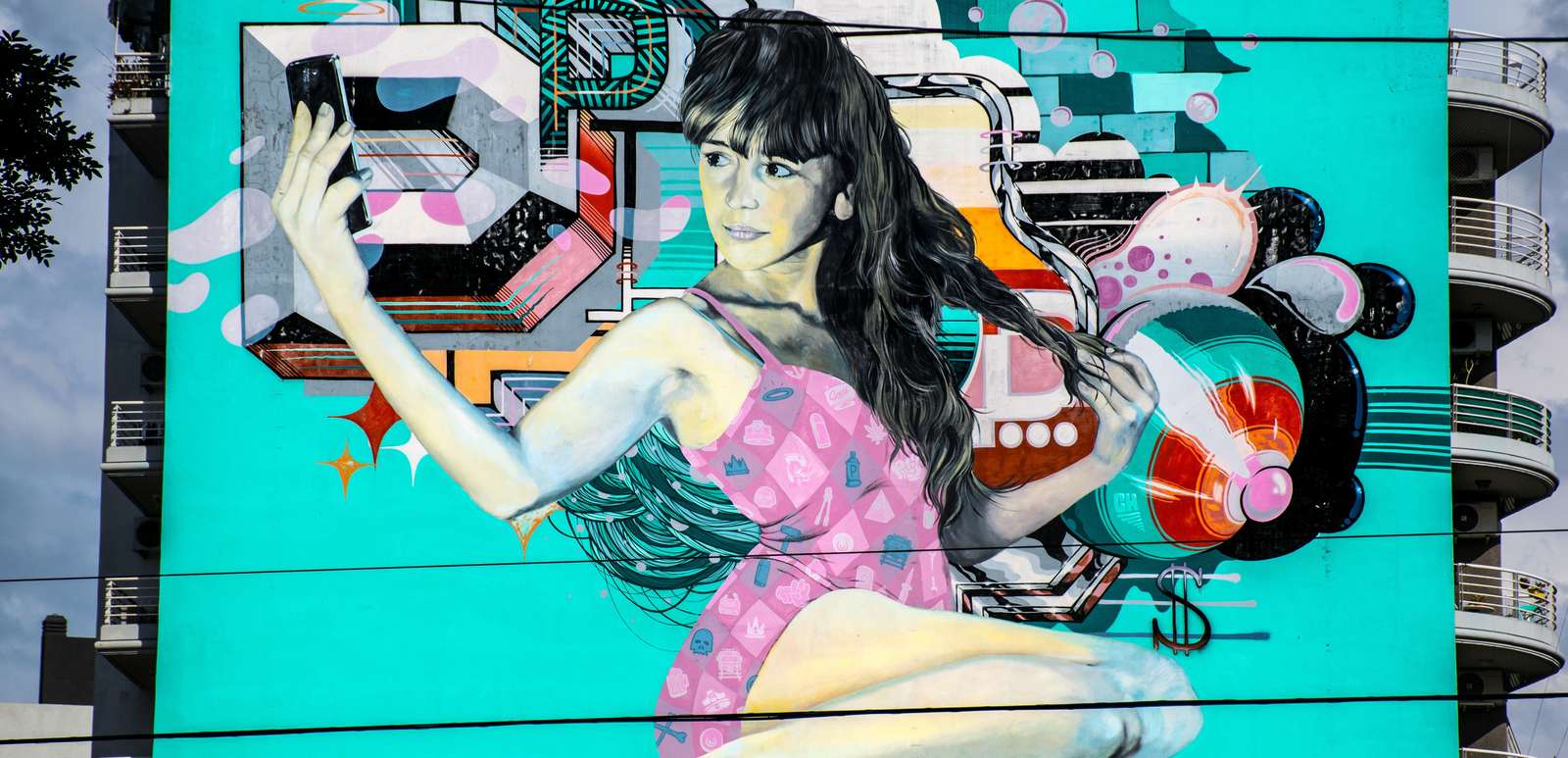
A scenic view of Recoleta Cemetery in Buenos Aires, showcasing its intricate mausoleums and statues under a bright blue sky.Vibrant street art in Buenos Aires depicts a girl taking a selfie, showcasing the city’s colorful urban culture.A delicious _choripán_ sandwich, featuring grilled chorizo and chimichurri, a must-try street food in Buenos Aires. The ultimate Buenos Aires street food: a sizzling choripán! This simple, perfect sandwich of grilled chorizo and crusty bread, slathered with chimichurri, is a rite of passage for any traveler in Argentina. 🤤 #BuenosAires #StreetFood #ArgentinaFood #Choripan #TravelEatsExplore the vibrant Mercado San Telmo, a historic market in Buenos Aires filled with local flavors and cultural experiences.Colorful buildings in La Boca, Buenos Aires, showcasing the vibrant architecture and artistic spirit of the neighborhood. A burst of color on Caminito in La Boca! 🎨 This iconic, open-air street museum in Buenos Aires is famous for its vibrant corrugated metal houses, a tradition started by Italian immigrants using leftover ship paint. The perfect backdrop for your Argentina photos! #LaBoca #Caminito #BuenosAires #Argentina #TravelPhotography #ColorfulPlaces
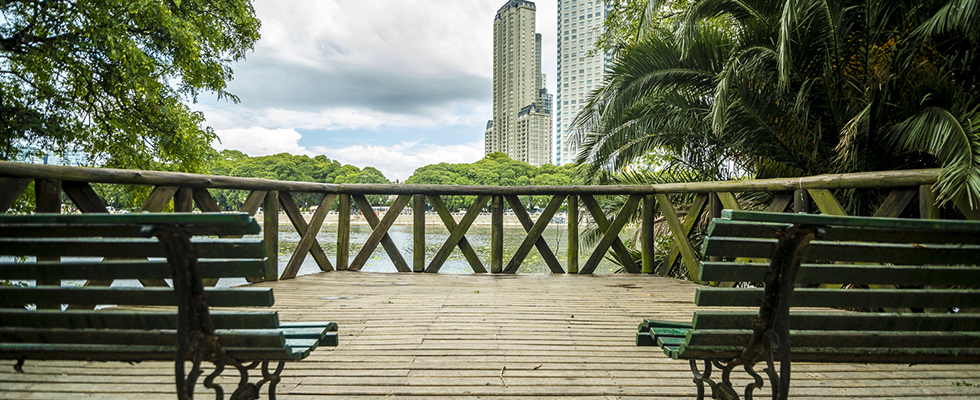
Costanera Sur Ecological Reserve: Escape the concrete. This massive green space by Puerto Madero has trails perfect for biking, running, or spotting wildlife with the city skyline as your backdrop.
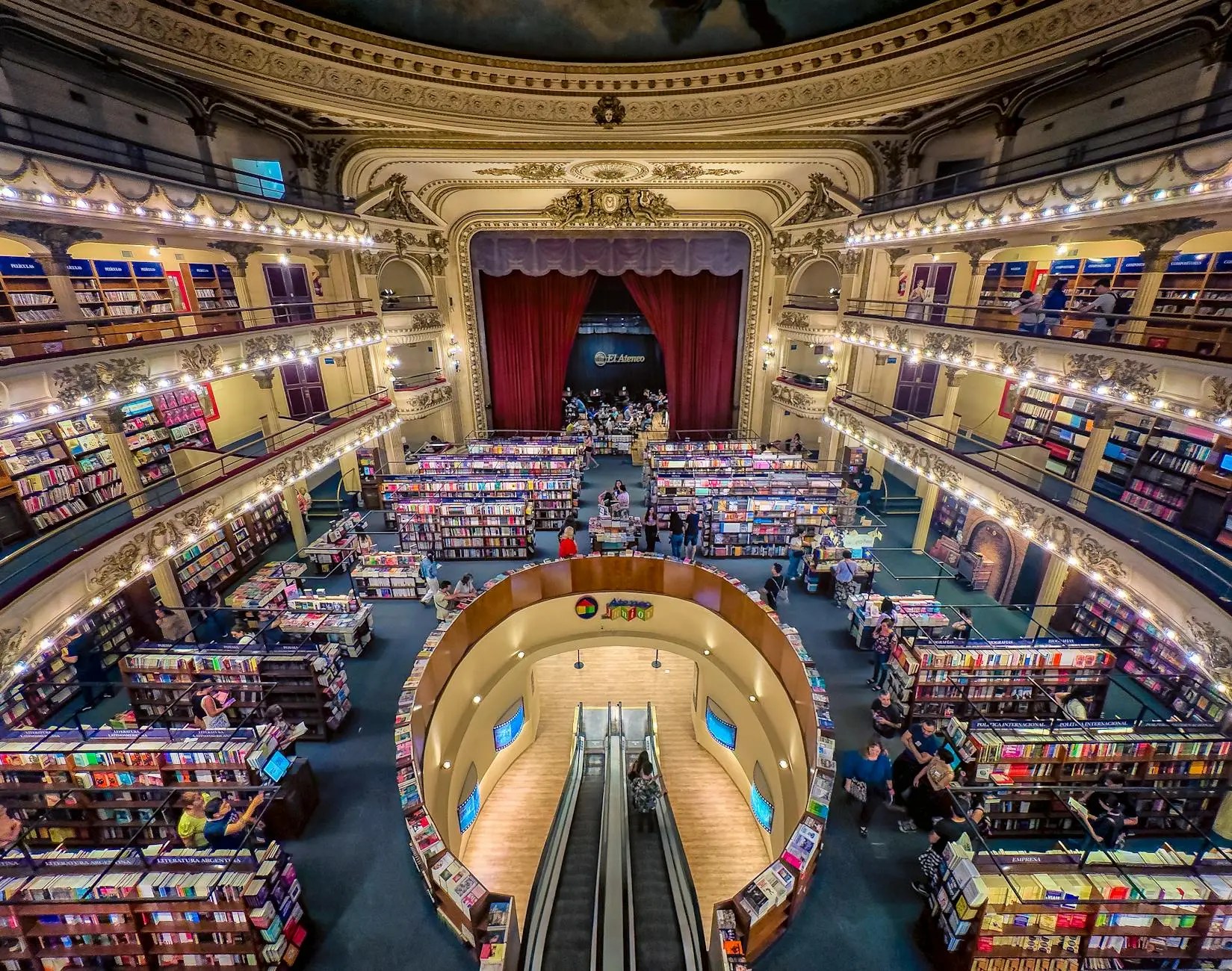
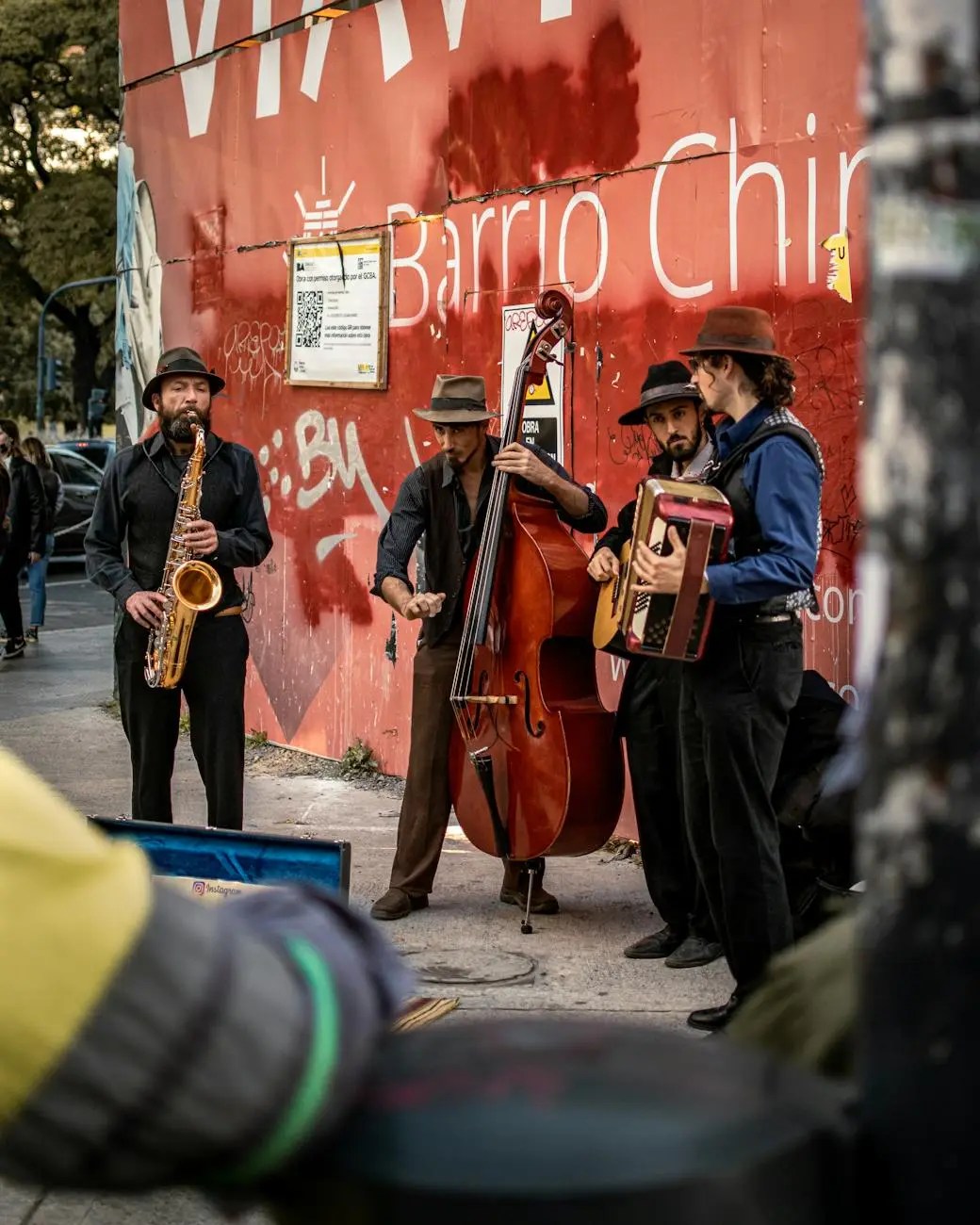
A stunning view of El Ateneo Grand Splendid, a former theater transformed into a beautiful bookstore in Buenos Aires, showcasing its intricate architecture and vast collection of books. Stepping into a literary palace! 📚✨ This is El Ateneo Grand Splendid in Buenos Aires—a breathtaking 1919 theatre transformed into one of the world’s most beautiful bookstores. The stage is now a café where you can read with a cortado. Pure magic! #BuenosAires #Argentina #Bookstore #ElAteneo #Travel #ArchitectureA lively street performance in Barrio Chino, Buenos Aires, showcasing local musicians playing a saxophone, double bass, and accordion. Unexpected rhythms in Barrio Chino! 🎶 Discovered this vibrant street music scene while exploring Buenos Aires’s lively Chinatown—a perfect blend of cultures, color, and sound. Always something surprising around every corner in BA! #BarrioChino #BuenosAires #StreetMusic #Argentina #TravelVibes #CulturalMixA serene view from a wooden deck overlooking the water in Buenos Aires, framed by lush greenery and modern skyscrapers. (Costanera Sur Ecological Reserve)
Essential Porteño Lingo
Che: (pronounced “chay”) The all-purpose “hey!” or “dude.” Very Argentine.
Boludo: Literally “big balls,” but used colloquially like “mate” or “buddy” among friends. Caution: Only use with people you’re very familiar with!
Dale: “Okay,” “sure,” “go ahead.” You’ll hear it constantly.
¿Cuánto sale?: “How much does it cost?”
La cuenta, por favor: “The bill, please.”
Travel Smart: Gear & Peace of Mind
Stay Charged: European outlets are standard in Argentina. This VINTAR European Travel Plug Adapter with multiple USB ports has been a lifesaver for keeping my phone, camera, and drone powered.
Look Fresh, Travel Confident: Long flights can wreak havoc on your skin. I swear by K-beauty sheets masks from Lakinza for an instant glow-up before landing. Use code Lalalax10 for a sweet discount at checkout. Treat your skin here.
When Travel Goes Wrong: A delayed flight out of EZE once cost me an extra hotel night. I used AirHelp to claim compensation. They handled the entire airline fight, and I got €250 back. If your flight is disrupted, check your eligibility here.
✈️ Ready to Book Your Escape? I always start my adventure planning on Expedia. It’s my one-stop shop for comparing flight and hotel deals, especially for last-minute weekend trips. See what you can save and start packing!
Frequently Asked Questions (FAQ)
Q: Is Buenos Aires safe for tourists? A: Like any major city, it has its areas. Be smart: no flashy jewelry, keep phones tucked away, use ride-shares at night, and be extra vigilant in crowded areas like La Boca and on public transport. In tourist zones during the day, it’s generally very safe.
Q: How much should I budget for a weekend? A: Excluding flights, a comfortable mid-range weekend (nice hotel, good meals, taxis, attractions) could cost $300-500 USD. It can be done for much less with hostels and street food, or much more with luxury.
Q: Do I need a visa for Argentina? A: For US, Canadian, UK, and most EU passport holders, no visa is required for tourist stays of up to 90 days. Always double-check official government sites before traveling, as rules can change. For more on visa logistics in South America, see my post on navigating South American borders.
Q: What’s the best time of year to visit? A: Spring (Sept-Nov) and Fall (Mar-May) offer glorious weather. Summer (Dec-Feb) can be hot and humid, and many locals desert the city in January. Winter (June-Aug) is mild but can be rainy.
Got questions I didn’t answer? Want more deep-dives on South America? Explore my completeTravel Master Listfor guides on neighboring Chile, Uruguay, and beyond.
Now, go forth, practice your tango shuffle, and eat all the steak. Buenos Aires is waiting. ¡Dale!
Feeling the South American wanderlust? If Buenos Aires has you hooked on the vibrant culture and stunning landscapes of this continent, you’re in luck. A short flight away lies the dynamic capital of Chile, Santiago, nestled against the breathtaking backdrop of the Andes Mountains—perfect for a cross-border adventure. For a deeper dive into the continent’s rich history and coastal cuisine, consider extending your trip toLima, Peru’s bustling capital. And if your journey to Argentina begins in Europe, you’ll likely connect through Spain. Be sure to soak up the vibrant, modern energy of Valencia or the classic grandeur of Madrid on your way—they’re the perfect start or finale to any Southern Hemisphere escapade.
Introduction: The Eternal City Awaits Your Weekend
Planning Your Roman Holiday
Best Time to Visit for Pleasant Weather and Fewer Crowds
Getting There and Getting Around: Navigating Rome’s Transport
Where to Stay: Neighborhoods from Ancient to Vibrant
Your Ultimate Weekend in Rome Itinerary
Day 1: Ancient Wonders & Iconic Piazzas
Morning: The Colosseum, Roman Forum, and Palatine Hill
Afternoon: Pantheon, Trevi Fountain, and Spanish Steps
Evening: Dinner in Trastevere
Day 2: Spiritual Center & Artistic Treasures
Morning: Vatican Museums, Sistine Chapel, and St. Peter’s Basilica
Afternoon: Castel Sant’Angelo and Piazza Navona
Evening: Campo de’ Fiori and Gelato Tasting
Essential Roman Experiences
A Foodie’s Guide: Pasta, Pizza, and Supplì
Cultural Tips: Coffee Culture and Dress Codes
Practical Tips for Your Trip
Skip-the-Line Tickets: Your Key to Saving Time
Staying Safe: Awareness and Common Scams
Basic Italian Phrases to Know
Conclusion: Making Memories in the Eternal City
Ah, Rome—the Eternal City. This is where ancient ruins meet espresso shots. A “quick weekend escape” somehow feels like traveling through 3,000 years of history in just 48 hours. If you’ve been following my series of weekend adventures, you know I love visiting places like Madrid and Tokyo. I enjoy packing culture, food, and a sprinkle of chaos into short trips. And Rome? Let’s just say—it delivers.
Fun fact: Rome consistently ranks among the top visited cities in the world. It attracts millions of travelers who come for the Colosseum, the Vatican, and of course, the gelato. Honestly, no one is flying across the Atlantic for kale salad.
✈️ Flight Delayed or Canceled? Travel isn’t always smooth sailing—sometimes flights get delayed, canceled, or overbooked. The good news? You might be entitled to up to $650 in compensation under air passenger rights. Most travelers never claim it, but I’ve got you covered: just check your flight with AirHelp. They handle the paperwork, fight the airlines for you, and only get paid if you win. Easy, stress-free, and potentially a nice surprise for your travel fund.
✈️ Travel Hack: Tired of expensive international data? I use Drimsim—a global SIM that works in 190+ countries. Pop it in, top up on the app, and you’re online. No contracts, no hidden fees. Perfect for every getaway! 👉 Drimsim
Day 1: Ancient Wonders and Espresso Shots
Start your Roman holiday with a strong cappuccino at a local café. Stand at the bar like a local. Sitting can cost extra. Then it’s straight to the Colosseum, Rome’s most iconic landmark. If you’re short on time, book skip-the-line tickets in advance (your sanity will thank you). Pair this with a stroll through the Roman Forum and Palatine Hill. Imagine ancient senators debating. You’re trying to take the perfect selfie.
Travel Tip: Rome’s metro is efficient for longer distances, but most of the historic center is best explored on foot. Pack comfy shoes—you’ll thank me when cobblestones start plotting against your ankles.
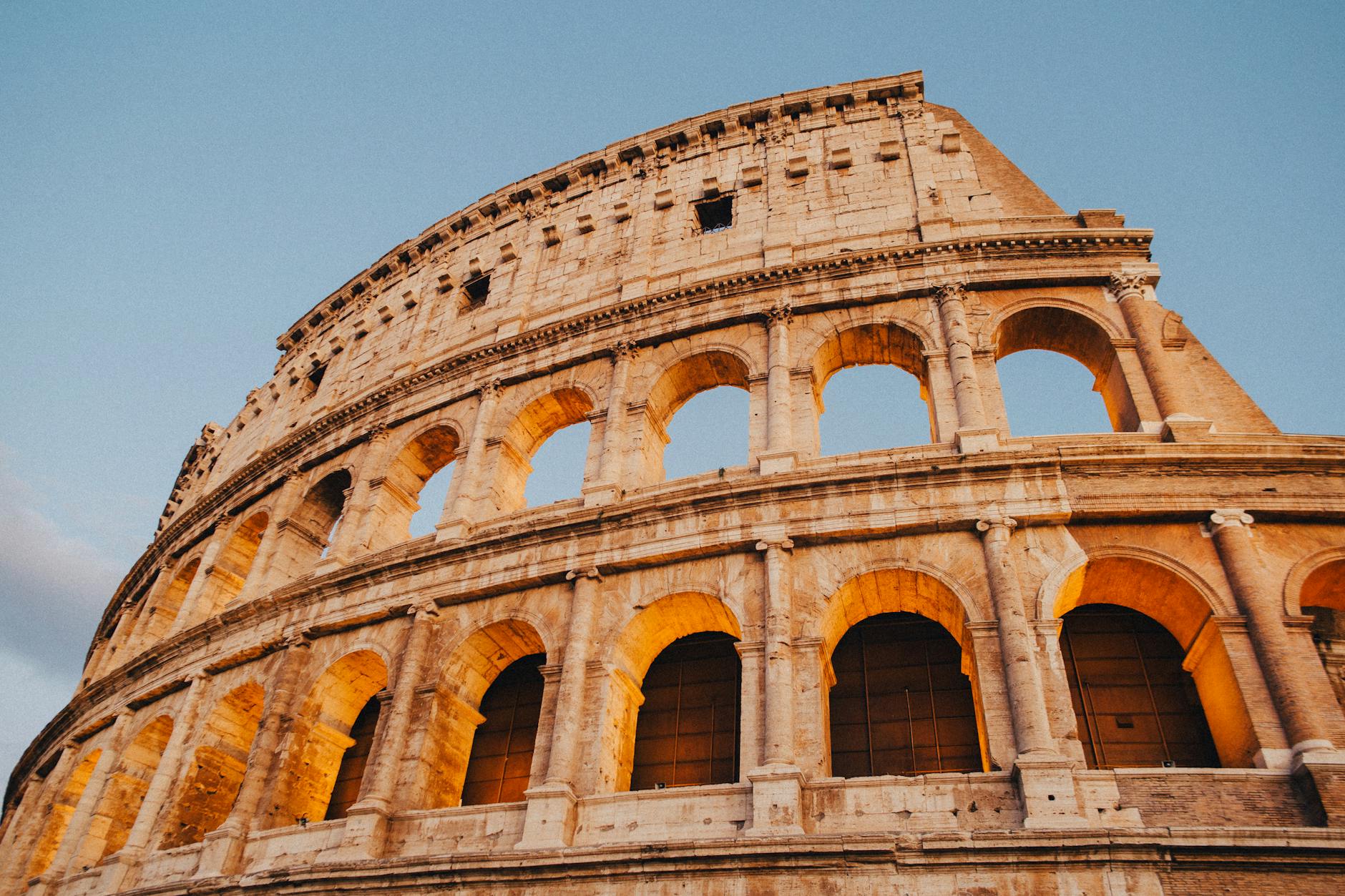
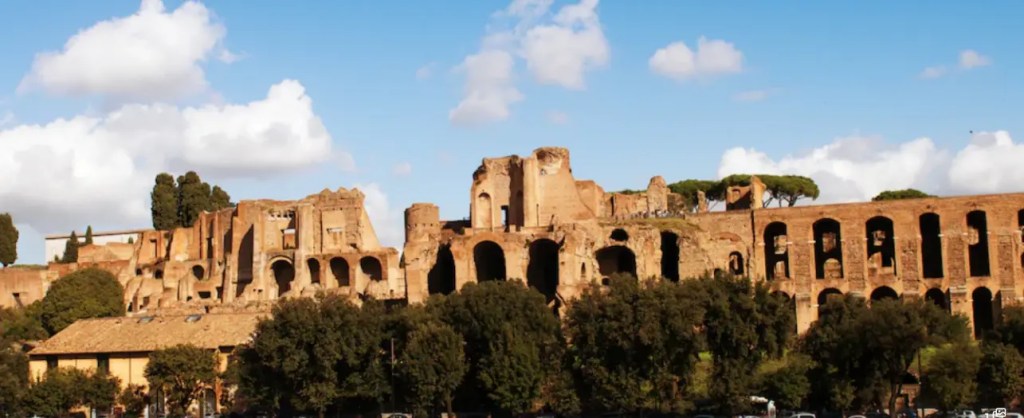
The iconic Colosseum in Rome, an emblem of ancient architecture and history, beautifully illuminated against the evening sky.
Day 2: Vatican City, Museums & Hidden Gems
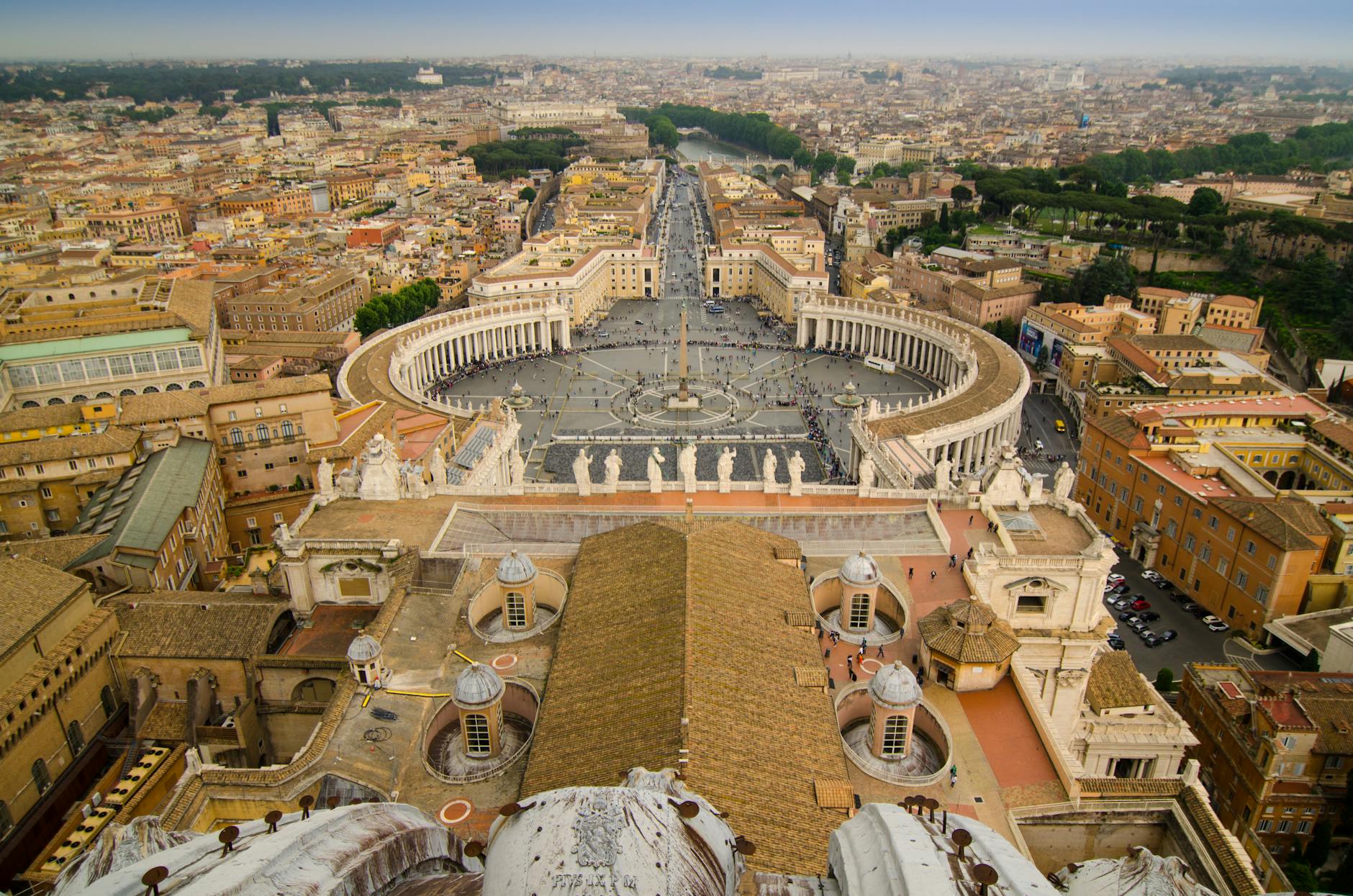
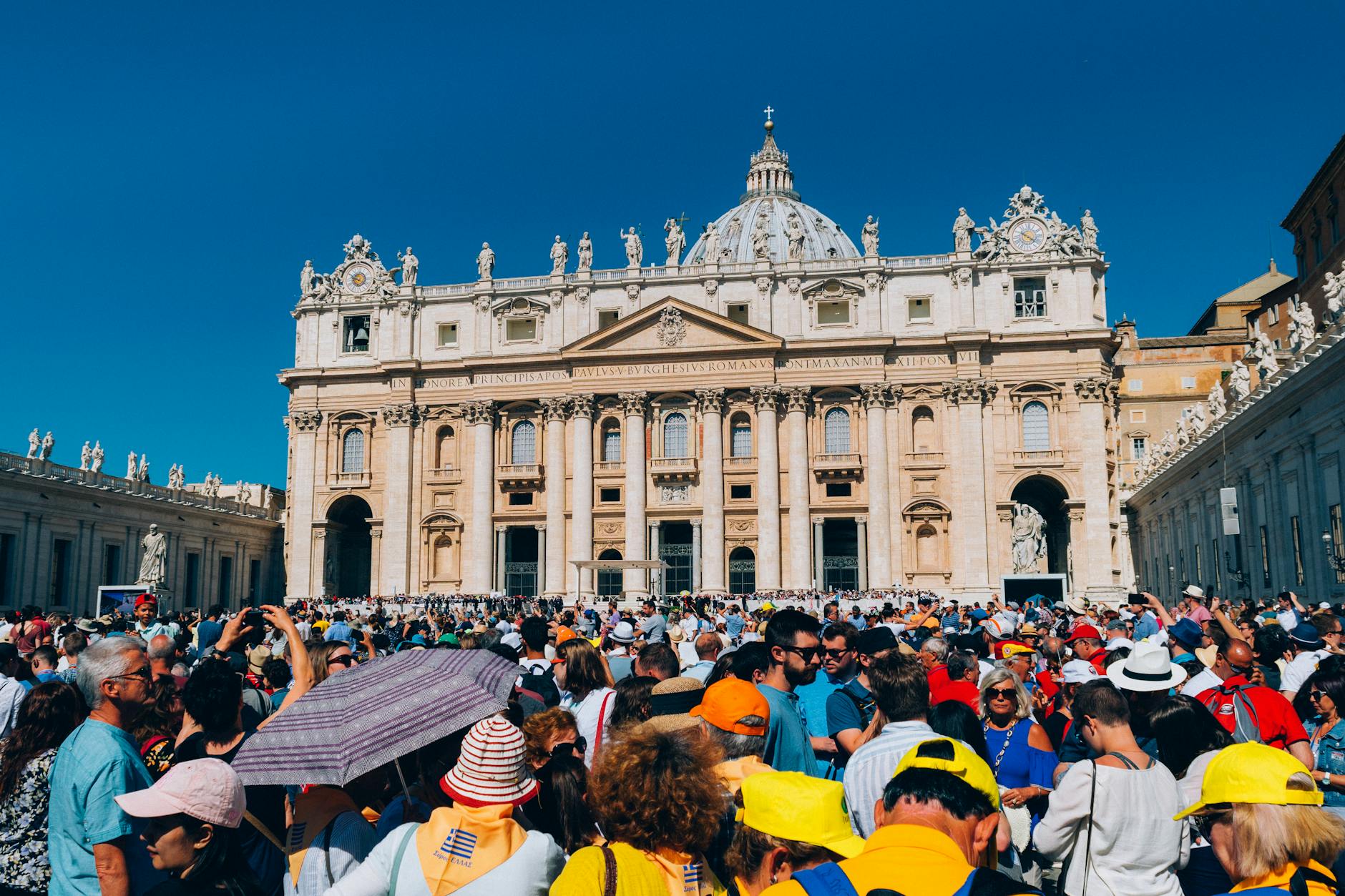
Wake up early and head to Vatican City—technically a whole new country within Rome. The Sistine Chapel and St. Peter’s Basilica are must-sees, but beware: Saturdays can feel like half the planet had the same idea. Pro tip: arrive before 8 AM or book a guided tour for smoother entry.
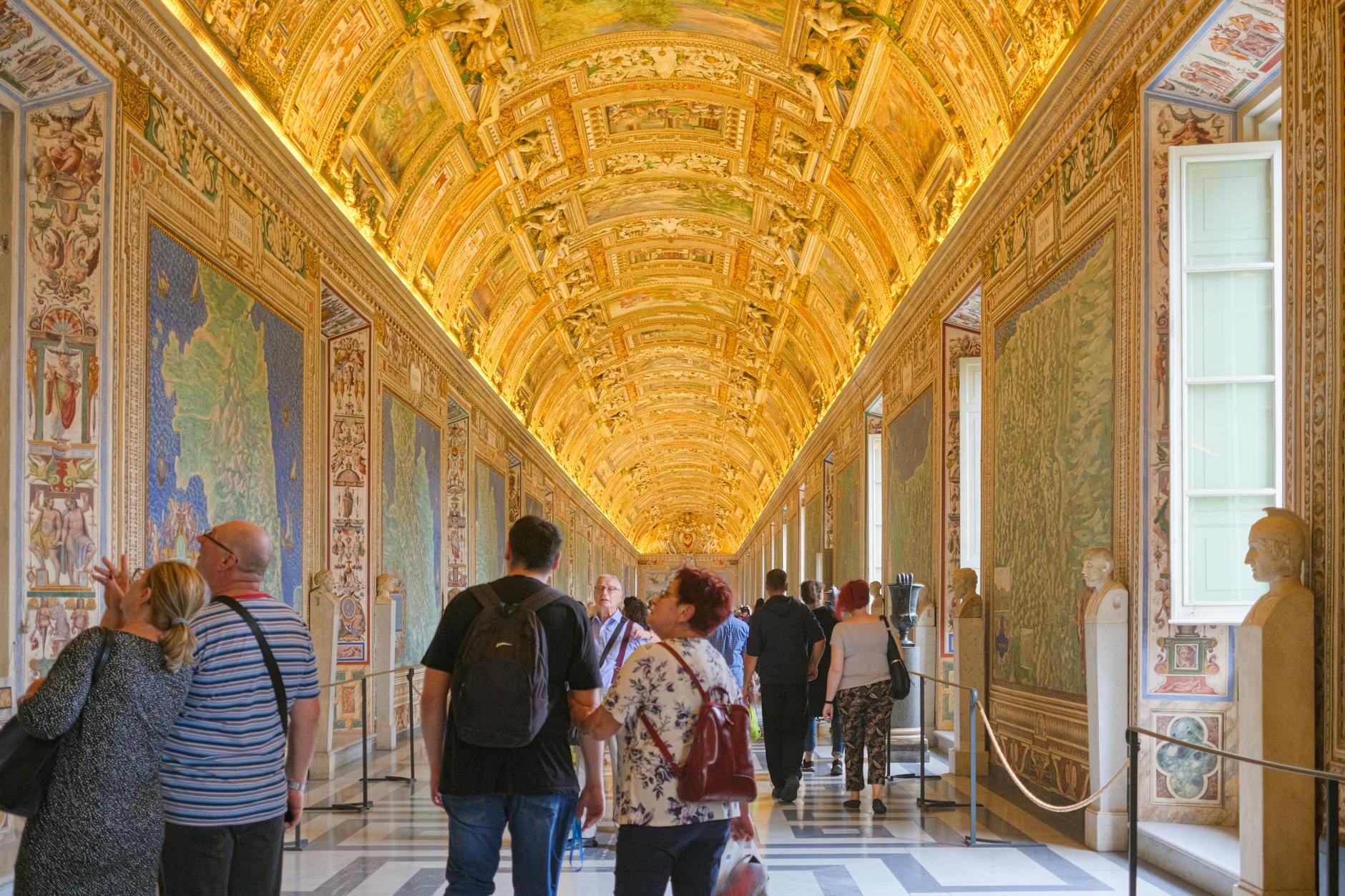
Don’t skip the Vatican Museums, one of the largest and richest art collections in the world. From Raphael’s Rooms to Egyptian mummies and classical statues, it’s a mind-blowing journey through centuries of art and history. Plan at least two to three hours here (and wear comfy shoes—you’ll cover some serious ground).
But don’t just follow the crowds. For a quieter experience, wander to Aventine Hill. The secret keyhole at the Knights of Malta gate gives you a perfectly framed view of St. Peter’s dome. Hidden gem? Absolutely. Tourist-free? Almost.
Another underrated spot is Trastevere, a charming neighborhood across the Tiber. Its cobbled streets, ivy-covered walls, and buzzing trattorias make it the perfect evening escape. Order pasta cacio e pepe, sip local wine, and pretend you’re in a Fellini movie.
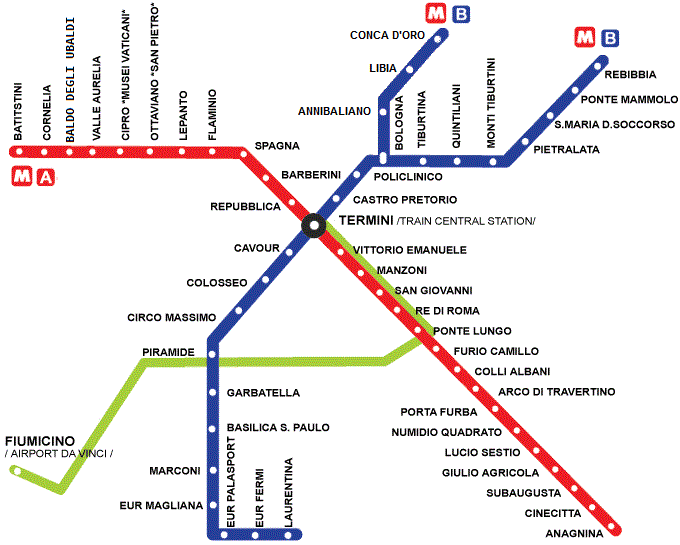
Rome has a robust bus and tram system, but brace yourself—it can be fashionably late. If you’re short on time, the metro (Lines A, B, and C) connects most major attractions. For road trippers, renting a small car is an adventure (emphasis on small—those medieval streets were not designed for SUVs). Google Maps is your friend, but Waze is often more accurate with Rome’s unpredictable traffic.
If you’re combining Rome with other Italian cities, consider using the high-speed trains (Frecciarossa, Italo). They make trips to Florence or Naples doable in under 1 hour. These cities are accessible quickly. Weekend side quest, anyone?
A Local’s Guide to Public Transport
Even though Rome loves its cobblestones and leisurely strolls, sometimes your feet need a break—especially after a night of gelato-fueled wandering. That’s where the city’s public transport swoops in like a seasoned Roman stepping in to hold your hand. You’ve got buses, trams, metro, and local trains to connect you across the Eternal City. Rome.info
“On Sundays, Via dei Fori Imperiali closes to traffic, making it perfect for walking and photos.”
Ticket Types & Pricing—Keep It Simple
BIT (Single Ticket) – €1.50, valid for 100 minutes from your first validation. Great for hopping between buses, trams, and even taking one metro ride—but heads up: you can’t bounce back into the metro once you exit. Wanted in RomeRome.infoWikipedia
Time-Based Passes – If you’re planning to explore more:
These offer better bang-for-your-euro-per-hour if you’re hopping around a lot.
Where to Buy Tickets
Tabacchi (tobacco shops), newsstands, bars, metro vending machines—think of them as your ticket treasure chests. Wanted in RomeRomeingRome.net
Mobile Apps like MooneyGo, TicketAppy, DropTicket, and Tap & Go let you buy and validate on your phone—super handy if you’d rather keep your hands free for a cone of pistachio gelato. AtacRomeing
Validation Is a Must—Don’t Skip It
On buses and trams, insert your paper ticket into the yellow validator. No swiping—actual insertion. On the metro, go through the turnstile and it validates automatically. Wanted in RomeRoman VacationsRome.net
Miss validation, and inspectors might present you with a €50–€100 “souvenir” fine. Trust me, “But I’m a traveler!” doesn’t work. Rome.netRoman Vacations
Wise advice from a fellow traveler: “Before you board a fully packed bus, check where the ticket machines are… we got fined €54.90 each for not validating.” Reddit
A map of Rome’s metro system, highlighting major lines and stations for efficient transportation around the city.
Quick reference:
Transport Type
Operation Hours
Notes
Metro
5:30 AM–11:30 PM (Fri/Sat until 1:30 AM)
Fastest way for major landmarks
Buses & Trams
~5:30 AM–midnight
Great for neighborhoods the metro doesn’t reach
Night Buses
12:30 AM–5:30 AM
Routes cover metro lines when closed
Smart Tools to Navigate
Apps like Moovit are lifesavers—they help you avoid waiting 20 minutes in the Roman heat for a late bus. Roman VacationsReddit TIP: Be aware of pickpockets—especially on crowded buses or metro routes that shuttle between tourist hotspots. Keep your valuables zipped away. Time Out Worldwide
TL;DR Cheat Sheet
Know your ticket: €1.50 BIT (100 mins) or go for multi-day passes.
Buy from Tabacchi, machines, or via apps—your choice.
Validate the moment you step on or enter—deal with it or pay the fine.
Metro is fast, but bus/tram reach where it doesn’t.
Use apps to track, and watch your belongings.
🚗 Thinking About Renting a Car in Rome? Rome’s buses, trams, and metro make getting around the city easy. However, sometimes you want the freedom to explore beyond the capital. You might want to take a spontaneous drive to Tivoli’s gardens or a coastal escape to Ostia. That’s where renting a car comes in handy. I usually recommend booking in advance to avoid last-minute price hikes, and I personally use Localrent for Rome. They connect you with reliable local providers, transparent pricing, and no hidden “surprises” at the counter. If you’re planning day trips or just love the open road, a rental can make your Italian adventure even smoother.
Best Time to Visit Rome
Spring (April–June): Warm weather, fewer crowds, blooming gardens.
Fall (September–October): Golden light, mild evenings, less tourist traffic.
Summer (July–August): Hot, crowded, but festivals and late-night piazza life are magical.
Tech & Travel Hacks
✈️ Stay Connected: Buying SIMs at airports = highway robbery. Instead, I travel with Drimsim, a universal SIM card that works in 190+ countries without hidden fees. Pop it in, top up with the app, and you’re online everywhere—no stress over roaming bills or hunting local cards.
📸 Capture Rome Like a Pro: The Colosseum looks good even on a flip phone, but why risk it? I always recommend a solid travel camera—check out this one for stunning shots of Rome’s golden-hour piazzas.
🔒 Travel Safe Online: Free Wi-Fi in Rome’s piazzas is tempting, but hackers love them as much as tourists. Protect your data with NordVPN—because nothing kills a gelato buzz like a hacked bank account.
💡 Pro Travel Tip: While hopping on Rome’s metro, tram, or bus is super easy, travel hiccups like delays, lost luggage, or sudden medical emergencies can happen anywhere. That’s why I always carry travel insurance before jetting off. It gives peace of mind knowing I’m covered, no matter what. I personally recommend VisitorsCoverage Travel Insurance — quick to book, affordable, and traveler-friendly.
Where to Stay
Rome has everything from budget hostels near Termini Station to boutique hotels in Monti. For flexibility and great deals, I usually book through Expedia. It saves me the headache of juggling multiple booking sites—and yes, I’ve scored last-minute steals steps away from the Pantheon.
Final Thoughts: Why Rome Wins Every Time
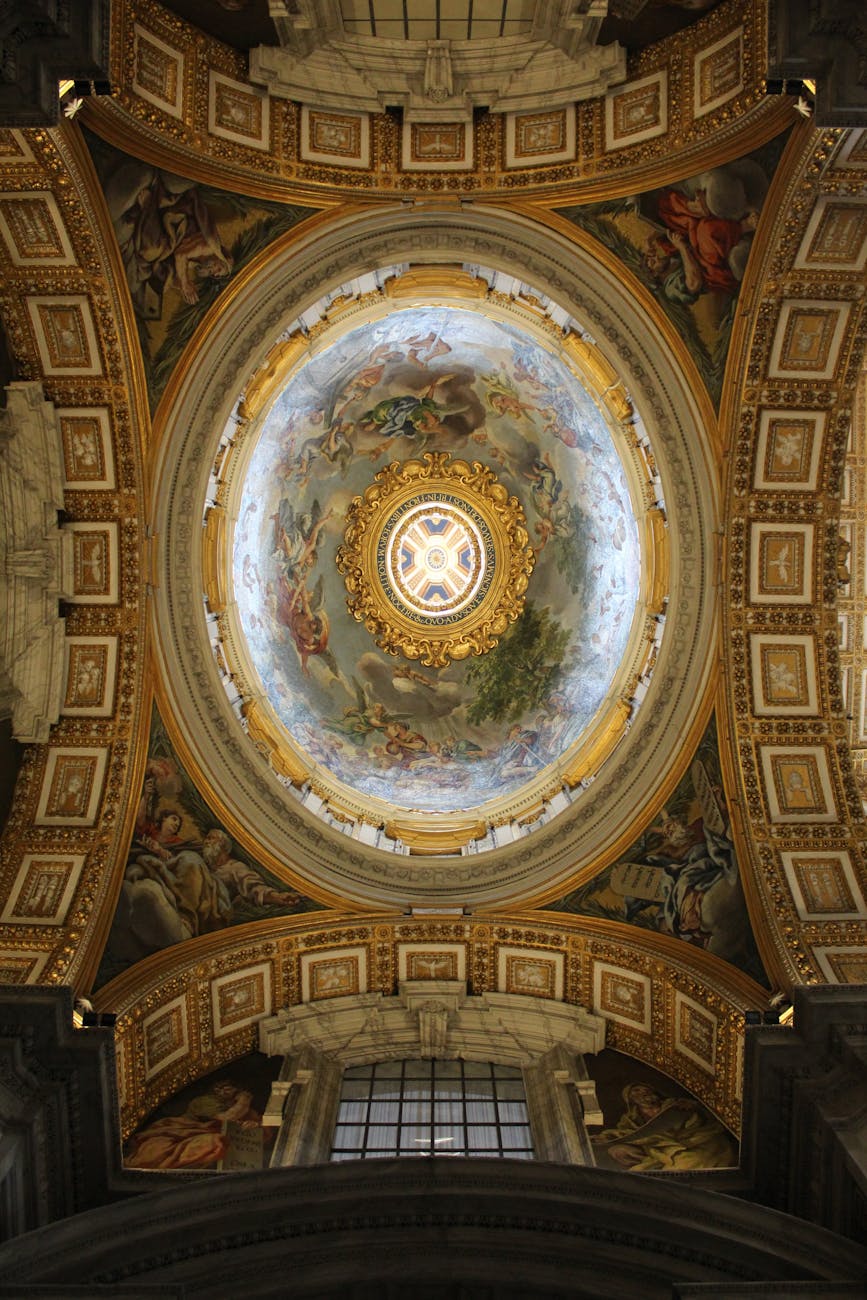
Rome isn’t just a city—it’s a layered cake of history, chaos, and beauty. One minute you’re admiring Michelangelo’s ceiling, the next you’re stuck behind a Vespa gang in Trastevere. And that’s the charm—you can’t script it.
If you loved this Roman weekend guide, you might also enjoy my write-ups on Antalya or NYC—different vibes, same wanderlust energy.
Your Turn 🎒
What’s your favorite Roman memory—was it tossing a coin into the Trevi Fountain, or devouring a pizza bigger than your head? Drop your stories in the comments—I’d love to hear how the Eternal City treated you.
And if you’re planning your own Roman weekend—pack your walking shoes, book your Vatican tickets, and don’t forget the gelato budget. Buon viaggio!
To make your Roman holiday unforgettable, I’ve created a custom map just for you! The map includes iconic must-sees like the Colosseum and Vatican City. It also features hidden piazzas and my favorite spots for authentic pasta and gelato. This map is your all-in-one guide to visualizing your days. It helps in connecting the dots and discovering the magic of Rome. You can do all this without the hassle of juggling a dozen apps.
Q1: Is a weekend enough time to see Rome? While you can’t see everything, a weekend is absolutely enough time to hit the “big-ticket” items and get a powerful feel for the city’s magic. This itinerary is designed to efficiently cover the iconic highlights of Ancient Rome, the Renaissance historic center, and the Vatican.
Q2: What is the most important thing to book in advance? Skip-the-line tickets are non-negotiable for a short trip. The top priorities to book weeks or months in advance are:
The Colosseum & Roman Forum (often a combined ticket)
The Vatican Museums & Sistine Chapel This will save you hours, if not days, of waiting in line.
Q3: What is the best way to get around Rome? Rome’s historic center is best explored on foot. Major sights are relatively close to each other. For longer distances (e.g., from the city center to the Vatican), the metro is efficient. Buses cover more areas but can be slow in traffic. Avoid driving at all costs.
Q4: What is the best area to stay in for a weekend trip? For a first-time visitor, Trastevere offers incredible charm and nightlife. Monti is trendy and close to the Colosseum. The Historic Center (Centro Storico) near the Pantheon or Piazza Navona puts you right in the middle of all the action.
Q5: Is there a dress code for visiting churches and the Vatican? Yes, and it is strictly enforced. Visitors must cover their shoulders and knees to enter St. Peter’s Basilica and other churches like the Pantheon. Avoid low-cut tops and short skirts/shorts. Carry a light scarf or shawl to cover up easily.
Q6: What is one food I absolutely must try? Beyond pasta carbonara and cacio e pepe, you must try a supplì – a delicious fried rice ball with tomato sauce and a molten mozzarella center. It’s the perfect Roman street food snack.
Q7: Should I worry about pickpockets? Petty theft like pickpocketing is common in crowded tourist areas and on public transport. Be vigilant. Use a cross-body bag with a zipper, keep it in front of you, and never leave your phone or wallet in your back pocket.



 Home Home sweet sweet home