Deliciously crispy Domates Keftedes, a Santorini specialty, perfect for a seaside meal. “The ultimate Santorini snack: Domates Keftedes! These crispy-on-the-outside, fluffy-on-the-inside tomato fritters are a must-order at any seaside taverna. Pro tip: squeeze some fresh lemon on top!”
You’re sitting at a seaside taverna in Santorini. The Aegean sun is warm on your skin, the water is impossibly blue, and a plate arrives at your table. It’s piled high with golden, crispy, irregularly-shaped patties that smell intensely of sun-drenched tomatoes and fresh mint. You’ve just met Domates Keftedes, and your idea of a fritter will never be the same.
Move over, french fries. These tomato fritters are the true star of Santorini’s meze scene. I’ll never forget the first time I ordered them on a whim, thinking they’d be a simple side dish. One bite in, and I was ready to cancel my main course and order a second plate. They are that good.
So, What Exactly Are Domates Keftedes?
Let’s clear something up: these are not a dense, bread-like patty. Authentic Domates Keftedes are surprisingly delicate. They’re a savory fritter made from the star ingredient of the island: Santorini’s legendary cherry tomatoes.
The batter is a simple, glorious mix of grated tomatoes, a little flour or breadcrumbs for binding, and a heavy hand of fresh herbs like mint and oregano. The magic is in the tomatoes themselves—because of the island’s volcanic soil and minimal water, they are incredibly sweet and flavorful, which means the fritters need very else.
The result? A crispy, lacy exterior that gives way to a soft, almost juicy interior bursting with herby, tomatoey goodness.
Why Santorini’s Tomatoes Make All the Difference
You can’t talk about Domates Keftedes without geeking out over the tomatoes. This isn’t just marketing fluff. Santorini’s cherry tomatoes have a Protected Designation of Origin (PDO) status, just like its famous Fava.
The island’s unique ecosystem—volcanic pumice soil, intense sun, and almost no rainfall—forces the tomato vines to dig deep for water. This struggle for survival concentrates the sugars and flavors within the fruit, creating a tomato with a thick skin and an explosively sweet, intense taste you won’t find anywhere else. It’s this super-tomato that gives Domates Keftedes their unique, can’t-stop-eating-them quality.
Where to Find the Best Domates Keftedes in Santorini
While you can find them on many menus, the best versions are often found away from the caldera-view tourist traps. Here’s where to hunt them down:
In the Villages: Head to the traditional villages of Pyrgos, Megalochori, or Emporio. The family-run tavernas here often make them fresh to order.
By the Beach: Enjoying a plate of these fritters with a cold Assyrtiko wine at a beachfront taverna in Kamari or Perissa is a perfect Greek moment.
My Personal Favorite Find: The most memorable Domates Keftedes I’ve ever had were at a tiny, nameless-seeming taverna in Pyrgos, tucked away from the main square. They were served piping hot, with a generous lemon wedge, and were so good we literally licked the plate clean. Don’t be afraid to explore the side streets!
Can You Make Domates Keftedes at Home?
Yes! While they might not have the exact terroir of the PDO tomatoes, you can make an absolutely delicious version at home.
Pro Tip from a Taverna Owner: The secret is to remove as much moisture from the tomatoes as possible. Grate your tomatoes and then squeeze the pulp in a cheesecloth or strainer to get rid of the excess water. This is the key to a crispy, not soggy, fritter.
Simple Recipe:
Grate 4-5 ripe tomatoes and squeeze out the juice (save it for a soup!).
Mix the tomato pulp with 1 chopped red onion, a handful of chopped fresh mint, a handful of chopped parsley, 1 tsp dried oregano, salt, and pepper.
Gradually add about 1/2 cup of all-purpose flour or breadcrumbs until the mixture holds together but is still wet.
Heat a generous amount of olive oil in a pan. Drop heaping tablespoons of the mixture and flatten slightly.
Fry for 2-3 minutes per side until deeply golden and crispy.
Drain on paper towels and serve immediately with lemon wedges. Yamas! (That’s “cheers”!)
Your Domates Keftedes FAQ
Are Domates Keftedes vegan? Often, yes! The traditional recipe is usually just tomatoes, onions, herbs, and flour. However, some versions might include an egg for binding, so it’s always best to ask if you have dietary restrictions.
Are they gluten-free? Not traditionally, as they use wheat flour. However, many tavernas are happy to make them with gluten-free flour if you ask politely.
What’s the difference between Domates Keftedes and other fritters? Their uniqueness comes from the specific tomatoes and the herb profile (heavy on the mint). They are lighter and more vegetable-forward than, say, a falafel or a potato croquette.
Ready to taste the crispy, sun-drenched flavor of Santorini? These fritters are more than just food; they’re a direct taste of the island’s volcanic soul. So, find a seaside table, order a plate, and savor the crunch.
“You’ve got your creamy fava, a glass of Assyrtiko, and a view of the caldera—what’s missing? The perfect crispy counterpart to that smooth dip: Domates Keftedes. These aren’t your average fritters; they’re a celebration of Santorini’s sun-drenched, volcanic tomatoes, fried to golden perfection. I was so obsessed I had to write an entire guide on how to find the best ones and even make them at home. Dive deeper into this must-travel and explore Santorini. city for more.
Meta Description: Dreaming of a sun-drenched Greek island escape? Our ultimate weekend guide to Santorini has you covered. Get insider tips on the Athens to Santorini ferry, where to find the best food beyond the tourist traps, hidden gems, and how to navigate the island like a pro. Plan your perfect Aegean adventure and save time & money!
Picture this: sugar-cube houses tumbling down a dramatic cliffside, all painted in the blinding white and brilliant blue of the Greek flag. Below, the deep caldera waters shimmer, and the world-famous sunset is about to put on a show that makes every single person on the island stop and stare. This is Santorini, and believe it or not, you can conquer its magic in a single, glorious weekend.
I’m here to be your guide, your cheerleader, and your inside source for pulling off the perfect Santorini sprint. We’re talking ferry hacks, foodie secrets, and how to find those quiet corners that make you feel like you’ve discovered the island for yourself. Forget the stress, I’ve done the legwork (and made the mistakes) so you don’t have to
Let’s be honest, you’ve seen the photos. The blinding white stucco, the deep blue domes, the impossible sunsets that look airbrushed. You’re probably thinking: Is it really that good? Is it worth the hype, and more importantly, is it worth the tourist crowds?
The short answer is yes.
But I’ll tell you a secret: the magic of Santorini isn’t just in Oia’s famous view. It’s in the salty, volcanic air, the surprisingly earthy white wine, and the feeling you get when you realize you’re standing on the rim of a sleeping volcano.
My first trip? I almost skipped it for a ‘less touristy’ island. Big mistake. I flew in, stressed and rushing. This time, I’ve refined the perfect, relaxed weekend escape—starting with the journey itself. A little planning can transform your trip from a frantic dash to a soulful, budget-friendly escape.
Table of Contents
Why Santorini Still Steals the Show
Getting There by Ferry (The Scenic Route)
The Ultimate 3-Day Itinerary: Food & Fun
Local Logistics & Saving Euros (Bus, Car, & Maps)
Santorini’s Hidden Gems (Skip the Crowds!)
The Savvy Traveler’s Toolkit (Tech & Insurance)
FAQ: Everything Else You Need to Know
Ready to Book Your Escape? (Strong CTA)
Getting There by Ferry: Your Aegean Gateway
Flying directly into Santorini’s JTR airport is an option, but for the full Aegean experience, the ferry is where the adventure truly begins. The journey from Athens (specifically from the port of Piraeus) is a classic for a reason.
I’ll never forget my first time on that deck, the salty wind in my hair as we sliced through impossibly blue water, watching islands rise from the sea like mythical beasts. It’s a moving postcard.
Duration: This depends on the vessel. High-speed ferries take about 4-5 hours, while standard ones can take 7-9. For a weekend trip, the high-speed is worth the extra euros to maximize your time.
Booking: The easiest way to compare schedules and prices from all the different ferry companies is to use a site likeDirect Ferries. It’s my one-stop shop for all Greek island hopping. You can check schedules and book your tickets for the Athens to Santorini route here.
Pro Tip: Book in advance, especially for weekend travel in peak season (June-August). And always confirm your departure port is Piraeus, not the smaller Rafina port, unless you know otherwise!
Island Navigation: Buses, ATVs, and Donkeys? Oh My!
Santorini is small, but the cliffs make distances deceptive. Here’s the lowdown on getting around. Santorini’s logistics can be stressful, but they don’t have to be. Here is your confident traveler guide to getting around, saving time, and saving money.
Public Bus (KTEL): This is your wallet’s best friend. The bus network is reliable and connects all the major towns like Fira, Oia, Kamari, and Perissa. The central bus station is in Fira. It’s cheap, but can get crowded—be prepared to stand.
Cost: Tickets typically cost between €1.60 and €2.30 per ride.
The Hub: All routes run through the main station in Fira. This means if you want to go from Oia to Perissa, you must transfer in Fira.
Time-Saving Tip: Check the schedule ahead of time, but be prepared for minor delays, especially during peak season. Get to the station 15 minutes before departure to guarantee a seat.
ATV / Quad Bike: This is how I did it, and it’s an absolute blast. Zipping around on an ATV gives you the ultimate freedom to explore hidden beaches and stop at viewpoints on a whim. It’s my top recommendation for a couple or a solo adventurer. You can often find great deals to book your ride in advance on Expedia.
Rental Car: Ideal for groups or families who want to cover a lot of ground in air-conditioned comfort. Money-Saving Tip: Book your car well ahead of time on a site like Expediato compare prices and avoid the last-minute airport markup.
Donkeys: A word of caution. The famous donkey rides up the Fira and Oia steps are often controversial due to animal welfare concerns. The path can also be, well, fragrant. I’d recommend taking the cable car in Fira or simply enjoying the view of the donkeys from afar.
Driving & Road Maps
Gas/Time Saver: The island is small, but the roads are often narrow and winding. Use an offline map to check for shortcuts between the main roads, and try to avoid driving into Oia right before sunset, as traffic can completely halt. If you’re staying in Oia, choose accommodation outside the central pedestrian zone to save yourself a massive headache
Morning: Arrive at Athinios port. Take the public bus (see logistics section) up the winding road to Fira. Check into your hotel or Arrive via ferry at Athinios Port, pick up your pre-booked ATV or rental car, and head to your accommodation. I recommend staying in Imerovigli for stunning views that are a bit more peaceful than Fira.
Afternoon: Lunch in Fira. Skip the tourist traps by eating where the locals do—look for a little taverna set back from the caldera edge. Try fava (a delicious yellow split-pea purée) and a glass of crisp Assyrtiko wine.
Evening: Head to the village ofFirostefani. It’s just a 10-minute walk north of Fira and offers a fantastic, quieter caldera view. This is where I snapped one of my favorite photos of the trip—the light is divine, and you’ll avoid the Oia chaos. If you’re like me and want to capture every bit of that light, make sure you’ve got the right gear. I swear by My Go-To Travel Camera; it makes capturing those low-light sunsets a breeze.
A stunning view of Santorini, showcasing the iconic white buildings perched on dramatic cliffs overlooking the Aegean Sea. “The beautiful white-domed Church of Saint Stylianos in Fira, proving that you don’t need a blue roof to have a perfect Santorini moment against the iconic caldera backdrop.”
Day 2: Oia, Beaches, and a Red Sea Secret
Morning: Head to Oia early, and I mean early (before 9 am). Wander the empty streets, get your iconic photos, and enjoy the silence before the cruise ship crowds descend.
Afternoon: Time for a volcanic beach! Take the bus or drive down to the Perissa (Black Sand Beach) for a swim and a relaxing break.
Evening: Hidden Gem Alert! Forget the Oia sunset (or save it for a different trip). Instead, drive or bus to the Lighthouse of Akrotiri. It offers a completely different, rugged, and less-crowded view of the sun sinking into the Aegean. Afterward, grab dinner in the quiet, medieval village of Pyrgos, one of Santorini’s highest points.
Stunning view of a traditional Greek church with a bright white façade and blue accents, overlooking the serene Aegean Sea in Santorini. “This stunning white Orthodox church in Oia captures the essence of Santorini, offering a peaceful moment away from the crowds with breathtaking caldera views.”A picturesque view of a Santorini waterfront with colorful boats anchored against a stunning rocky backdrop, capturing the essence of Aegean beauty. “The colorful chaos of Amoudi Bay, a picturesque fishing port tucked beneath the cliffs of Oia. It’s famous for its fresh seafood tavernas and thrilling cliff-jumping spots—a must-visit for adventurers and foodies alike!”A scenic view of the Akrotiri Lighthouse perched on a cliff in Santorini, overlooking the deep blue Aegean Sea. “Escape the crowds! The historic Akrotiri Lighthouse, built in 1892, offers one of the most spectacular and peaceful sunset vistas on the entire island of Santorini.”Charming narrow streets of Santorini, showcasing traditional architecture and vibrant blue doors. “Getting lost in the labyrinthine alleyways of Pyrgos Village—Santorini’s highest settlement—is the best way to discover its quiet, authentic charm away from the crowds.”
Day 3: Volcanic Hike and Final Feast
Morning: Embark on the famous Fira to Oia hiking trail (or just the Fira to Imerovigli section). This 3-hour hike is demanding but offers unparalleled caldera views. Best Time to Visit Tip: Hike this in the early morning (before 9 am) or late afternoon (after 4 pm) in summer months to avoid the scorching midday sun.
Afternoon: Reward yourself with a wine tasting at a vineyard like Santo Wines or Venetsanos Winery. Santorini’s unique soil produces excellent, dry wine.
Evening: Enjoy a final, unforgettable meal. Don’t miss the opportunity to try the famous Santorinian cherry tomatoes—they taste like candy!
A secluded church on a rocky hillside in Santorini, surrounded by lush vegetation and clear blue skies. “A welcome sight for weary hikers: the Assumption of the Virgin Mary Holy Chapel offers a moment of shade and stunning panoramic rewards on the challenging Fira to Oia trail.”A stunning view from a Santorini restaurant, showcasing the picturesque Aegean Sea and nearby islands. “Sipping with a view at SantoWines! This massive cooperative winery offers one of the most famous caldera panoramas in Santorini, perfect for a sunset wine flight. 🍷”Breathtaking sunset view over the caldera in Santorini, with diners enjoying the picturesque landscape. “The tasting room with a view! This is the spectacular panorama from Venetsanos Winery, perched on the caldera cliffs in Megalochori. The perfect pairing for a glass of Assyrtiko. 🍷”Fresh Santorinian cherry tomatoes, known for their sweet flavor, a must-try delicacy during your visit. “Don’t leave Santorini without tasting these! The island’s famous cherry tomatoes are sun-drenched gems, known for an unexpectedly sweet and intense flavor that stars in local dishes like tomato fritters.”
Santorini on a Plate: A Food Lover’s Guide <a name=”food”></a>
Move beyond the generic tourist menu! Here’s what to eat:
Fava: Not the bean you’re thinking of! This is a delicious, creamy yellow split pea purée, usually served with onions and olive oil. It’s a must-try starter.
Domates Keftedes: These are mouthwatering tomato fritters – crispy on the outside, soft and herby on the inside. A Santorini specialty.
Fresh Seafood: Ask what’s caught locally. Barbounia (red mullet) is always a good bet.
Assyrtiko Wine: Santorini’s signature white wine is crisp, dry, and pairs perfectly with the local cuisine. Visit a vineyard for a tasting!
Hidden Gem Eatery: Venture to a village like Pyrgos or Megalochori for dinner. The tavernas here are often family-run, more affordable, and serve incredibly authentic food.
A delicious plate of fava, a traditional Greek dish, served against the stunning backdrop of Santorini’s iconic blue domes. “Your new Greek obsession: Santorini fava. This deceptively simple, creamy yellow dip made from local split peas is a flavor powerhouse, typically topped with capers and onion. You’ll want to order it with every meal!”Deliciously crispy Domates Keftedes, a Santorini specialty, perfect for a seaside meal. “The ultimate Santorini snack: Domates Keftedes! These crispy-on-the-outside, fluffy-on-the-inside tomato fritters are a must-order at any seaside taverna. Pro tip: squeeze some fresh lemon on top!”
Beyond the Postcard: Santorini’s Hidden Gems <a name=”hidden-gems”></a>
Pyrgos Village: The island’s former capital. It’s quieter than Oia, with a stunning Venetian castle at the top offering 360-degree views.
Amoudi Bay: Below Oia, this tiny port has a few seafood tavernas built into the cliffs. The swim off the rocks here is unbelievably refreshing. (Fair warning: it’s 300 steps down, and back up!).
Ancient Thera: For the history buffs, this ancient city perched on a mountain ridge offers ruins and views that are second to none. You’ll need an ATV or car to get up there.
A breathtaking view of Santorini’s iconic architecture, featuring classic white buildings and blue domes against the backdrop of the Aegean landscape. “Discovering the quiet magic of Pyrgos, Santorini’s former capital. Getting lost in its labyrinthine alleyways is the best way to find the island’s authentic charm—and the most breathtaking 360-degree views. 🏰”A picturesque view of a Santorini harbor, showcasing colorful boats and cliffside restaurants against a vibrant blue sky.Excavated ruins featuring ancient pottery, highlighting Santorini’s rich archaeological heritage. “Walking through history at Akrotiri, the ‘Minoan Pompeii.’ This incredibly preserved Bronze Age city was frozen in time by a volcanic eruption over 3,600 years ago.”Explore the ancient ruins of Akrotiri, a fascinating archaeological site on Santorini, surrounded by vibrant wildflowers and stunning Aegean views. “Earning the views at Ancient Thera. These Hellenistic ruins aren’t just about history—they come with what might be the most breathtaking panorama in all of the Greek islands.”
Akrotiri vs. Ancient Thera: Santorini’s Two Ancient Worlds
Many visitors get these two incredible sites confused. Think of it this way:
🏛️ Akrotiri: The “Minoan Pompeii”
Era: A Bronze Age settlement (circa 3600 BC), contemporary with the Minoans.
What Happened: It was buried by the massive volcanic eruption around 1600 BC, which preserved it in volcanic ash just like Pompeii.
What You’ll See: The ruins of a sophisticated, multi-story prehistoric city. You walk on raised boardwalks through a covered archaeological site, viewing ancient buildings, pottery, and stunning frescoes (the originals are in Athens).
Vibe: A mysterious, prehistoric time capsule.
🏛️ Ancient Thera: The Mountain-Top Classic City
Era: A Hellenistic, Roman, and Byzantine city founded in the 9th century BC.
What Happened: It was a continuously inhabited city on the summit of Mesa Vouno mountain for over 1500 years.
What You’ll See: Open-air ruins sprawled across a dramatic cliffside. You’ll find agoras, temples, Roman baths, Byzantine churches, and stunning, panoramic views of the sea.
Vibe: A windswept, epic historical site with breathtaking vistas.
Quick Guide for Travelers:
Feature
Akrotiri
Ancient Thera
Nickname
The Minoan Pompeii
The Mountain-Top City
Era
Prehistoric, Bronze Age
Classical (Hellenistic, Roman, Byzantine)
Access
Easy, on flat ground near the sea. A covered site.
A steep, winding road up a mountain. Requires a car/ATV or a tough hike.
Experience
Exploring a preserved, covered city.
Hiking through open ruins with epic views.
Pro Tip: You can absolutely visit both! They offer completely different experiences and glimpses into separate chapters of history. Akrotiri shows you a city frozen in time by a volcano, while Ancient Thera lets you walk through the remains of a later, long-thriving civilization.
📡 Stay Connected Smartly: Let’s be real, getting a local SIM upon arrival is a time-suck. And international roaming? A budget-killer. That’s why I never leave home without my Drimsim. It’s a universal data SIM that works in 190+ countries, including Greece. Pop it in, top up via the app, and you’re online. No fuss, no crazy bills. Get yours for your next trip right here.
🧴 Glow on the Go: The sun and sea in Santorini are no joke for your skin. I keep my complexion happy with simple, effective K-beauty from Lakinza. Their serums are a game-changer for keeping your skin hydrated and glowing after a day in the sun. Pro Tip: Use code Lalax10 at checkout on www.lakinza.ca for a sweet discount. Because looking good in your photos is non-negotiable.
🛡️ Peace of Mind Travel: A weekend trip can feel short, but anything can happen—from a lost bag to a twisted ankle on those cobblestone steps. I never travel without insurance from VisitorsCoverage. It’s a breeze to use—just compare plans and book what fits your trip. It’s the one thing you pack hoping you’ll never need. Get a quote for your trip here.
🔒 Browse Safely: Using public Wi-Fi at the airport, ferry port, or cafes? Protect your personal data and booking information with a VPN. I’ve trusted NordVPN for years to keep my connection secure wherever I am. Click here to secure your devices today.
✈️ Flight Got Derailed? If your flight to or from Santorini is delayed or canceled, don’t just accept it! You might be entitled to compensation. I used AirHelp once and was shocked when I got €400 back. They handle all the annoying paperwork. Check your flight eligibility in seconds here.
A Few Local Words:
Yasas (YAH-sas): Hello / Goodbye
Efharisto (Eff-hah-ri-STO): Thank you
Parakalo (Pa-ra-ka-LO): Please / You’re welcome
Kali Orexi (Kah-LEE O-rex-ee): Bon Appétit!
Sigá, Sigá (See-GHA, See-GHA): Slowly, slowly. This is the island’s true philosophy. Embrace it.
Frequently Asked Questions (FAQ)
Q: Is a weekend in Santorini enough time? A: It’s a whirlwind, but absolutely doable! The key is planning and prioritizing. Focus on one or two areas per day and don’t try to see everything. A weekend gives you a fantastic taste that will have you dreaming of a return.
Q: Should I stay in Oia, Fira, or elsewhere?A:Oia is for romance and those incredible sunsets (expect high prices). Fira is the busy, central hub with nightlife and the main bus station (best for logistics). Imerovigli is the quiet luxury spot (best for relaxation).
Q: What’s the best time of year to visit to avoid crowds? A: The “shoulder seasons” are golden. Late April-May and September-early October offer fantastic weather, warm seas, and far fewer people than the packed July-August peak.
Q: Where can I find affordable accommodation?A: Look at villages on the non-caldera side of the island, such as Perissa or Kamari. They are still beautiful, right on the beach, and a fraction of the cost.
Q: What local dish MUST I try?A: You must try Tomato Keftedes (fried tomato balls). They’re made with the tiny, intensely flavorful Santorinian cherry tomatoes and are pure bliss.
Q: Is Santorini budget-friendly? A: It can be one of the more expensive Greek islands, but it doesn’t have to break the bank. Stay in less famous villages like Pyrgos or Karterados, eat where the locals eat, use the public bus, and enjoy the free attractions (like hiking and beaches).
Q: What should I pack? A: Comfortable walking shoes are a MUST (heels and cobblestones are mortal enemies). Pack sun protection (hat, sunscreen), a light jacket for windy evenings, and your swimsuit.
Ready to Live Your Santorini Dream?
The white-washed paradise of the Aegean is calling. You’ve got the ferry tips, the foodie secrets, and the hidden gems. Now all that’s left is to book it.
Start building your perfect Santorini escape by locking in your flights and hotel on Expedia. Trust me, that sunset view from your balcony will be worth every penny.
Meta Description: Dreaming of a weekend in Lima, Peru? This ultimate guide unlocks the best of the City of Kings in 48 hours. Get insider tips on Miraflores, Barranco, authentic ceviche, public transport, and hidden gems to maximize your time and budget. Your perfect Peruvian escape starts here!
So, your calendar has a glorious, empty weekend staring back at you, and you’ve decided to fill it with the vibrant energy of Lima, Peru. Excellent choice. Forget everything you’ve heard about it just being a gateway to Machu Picchu; Lima is a destination that buzzes with life, flavor, and a thrilling clash of the ancient and the ultra-modern.
I once made the mistake of treating Lima as a mere layover. I left 48 hours later, my mind blown and my stomach eternally grateful, vowing to return. This guide is the one I wish I’d had—a no-nonsense, time-conscious, and fun-filled plan to help you conquer the City of Kings in one unforgettable weekend.
Why Lima? The City of Kings & Flavors
When I first landed in Lima, I wasn’t sure what to expect — just a blur of ocean mist, pastel-colored cliffs, and the smell of anticuchos sizzling on every corner. Within hours, I realized this city has a pulse — somewhere between bohemian and beachy.
Nicknamed “La Ciudad de los Reyes” (City of Kings), Lima blends Incan heritage, Spanish colonial charm, and modern coastal coolness all in one weekend-perfect destination.
If you’ve read my past city escapes like Miami or San Francisco, you know I love cities where you can surf, sip coffee, and visit museums all before sunset — Lima absolutely nails that combo.
🗓️ Best Time to Visit & Visa Tips
Best time to visit: December to April — Peru’s summer months, when Lima’s coast is bright and warm. Avoid June–September if you’re not a fan of the garúa (a thick coastal fog that can turn photos gray).
Visa: Most travelers from North America, the EU, and many parts of Asia can stay up to 90 days visa-free. Always double-check your country’s status before flying in.
💡 Smart Tip: Check visa requirements and book flights with flexible options on Expedia. Their filter for “no change fee” flights saved me once when I mixed up my dates (don’t ask).
Quick Lima Cheat Sheet:
A “Limeño/a”: A person from Lima. Useful for sounding like a pro.
“La Cuenta, Por Favor”: “The bill, please.” Your most important phrase after a meal.
“¿Cuánto Cuesta?”: “How much does it cost?” Essential for market haggling.
“Bacán”: Slang for “cool” or “awesome.” Sprinkle this in, and watch locals smile.
(Planning a bigger South American adventure? I’ve got you covered. Check out my comprehensive Travel Master List for more guides.)
Your adventure begins the moment you land. After clearing customs at Jorge Chávez International (LIM), you have two main choices to get to the upscale district of Miraflores, where you’ll likely be staying.
The Budget Win: The Airport Express Bus is a fantastic, reliable service. For around $8 USD, it has dedicated stops in Miraflores and is a million times better than dealing with taxi haggles after a long flight.
The Convenience Play: Use the official taxi counters inside the airport. You pay a fixed, slightly higher rate, but it’s safe and direct. I learned this the hard way after a 2 AM arrival and an “interesting” negotiation with a driver who didn’t seem to know his way.
Check into your hotel (I always find the best deals for Lima on Expedia) and head straight to the Malecón—the breathtaking cliff-top park overlooking the Pacific Ocean. Watch the paragliders (parapentes) catch the coastal breeze as the sun begins to set. It’s pure magic.
For dinner, you can’t go wrong in Miraflores. Skip the generic spots and head to a picanteríafor your first taste of Peruvian soul food.
Saturday: Bohemian Vibes & Culinary Heaven
Morning: The Bohemian Pulse of Barranco Grab a coffee and hop on the Metropolitano bus (more on this lifesaver below) south to Barranco, Lima’s coolest neighborhood. This is where the city’s artists and musicians hang out. Stroll through the colorful streets, cross the iconic Puente de los Suspiros (Bridge of Sighs), and soak in the graffiti art that covers every other wall.
My Anecdote: I stumbled upon a tiny art gallery off a side street and ended up chatting with the owner for an hour about Peruvian politics and art, all in broken Spanglish. These are the moments that define a trip.
Lunch: Your Ceviche Pilgrimage You are in Peru. You must eat ceviche. For lunch, make your way to a cevichería. The rule of thumb here is that ceviche is a lunch dish—Peruvians believe eating it in the evening is a digestive no-no. Order a classic Ceviche Clásico and a Pisco Sour. The citrusy marinade (leche de tigre) is so good, you’ll want to drink it. And you should.
Afternoon: Choices, Choices!
For the History Buff: Take a taxi to theHistoric Center of Lima (a UNESCO World Heritage site). Wander around the Plaza de Armas, peek into the Monastery of San Francisco and its eerie catacombs.
For the Shopper: Explore theIndian Marketsin Miraflores. It’s the perfect place to pick up alpaca sweaters, souvenirs, and practice your “¿Cuánto Cuesta?” skills.
Evening: A Dinner to Remember Barranco is your spot for dinner and drinks. The area comes alive at night with bustling bars and world-class restaurants. Book a table at a place with live música criolla for the full experience.
A breathtaking view of the coastline in Lima, Peru, showcasing the cliffs, ocean, and vibrant cityscape. Where the city meets the sea: The dramatic cliffs of Miraflores, with the iconic Larcomar shopping center carved directly into the landscape. This is the perfect spot to watch paragliders soar above the Pacific.A visitor captures the scenic view at Malecón in Miraflores, Lima, surrounded by palm trees and a serene coastal atmosphere.A scenic view of the iconic bridge with a backdrop of the majestic El Misti volcano in Arequipa, Peru. The historic Puente Grau iron bridge spanning the Chili River in Arequipa, Peru, with the majestic Misti Volcano under a blue sky in the background.(Note this is not in LIMA)A vibrant bowl of ceviche featuring shrimp, fish, and fresh ingredients, garnished with lime and cilantro—an essential Peruvian dish. The star of Peruvian cuisine: Ceviche Clásico. This isn’t just a dish; it’s a refreshing, citrusy marvel where fresh fish is “cooked” in lime juice, served with the essential sides of sweet potato and corn.Experience the refreshing taste of a classic Pisco Sour, a must-try cocktail while enjoying the vibrant culinary scene in Lima, Peru. The legendary Peruvian Pisco Sour – that iconic layer of frothy egg white, the tangy kick of fresh lime, and the smooth punch of Pisco. It’s not just a drink; it’s a rite of passage in Lima. Leche de tigre lima peru Leche de Tigre isn’t just a marinade—it’s the heart and soul of Peruvian ceviche and a key ingredient in many Peruvian dishes! Despite its name, this vibrant elixir contains no milk—its creamy, white appearance comes from the emulsion of citrus juice, fish proteins, and seasonings.The stunning architecture of the Cathedral of Lima, showcasing its intricate design amidst palm trees in Plaza de Armas. Dominating the historic Plaza Mayor, the Cathedral of Lima is a cornerstone of the city’s rich colonial history. This architectural marvel has witnessed everything from Pizarro’s founding of the city to modern-day festivities.A vibrant market in Lima, showcasing colorful textiles, handicrafts, and local souvenirs. Indian Markets in Miraflores. lima peruVibrant street art in Barranco, Lima, showcasing colorful murals and local artistry.
Sunday: History, Views, and a Proper Send-off
Morning: Pre-Columbian Wonders Before the crowds get thick, visit the Larco Museum. Housed in an 18th-century vice-royal mansion, this museum boasts a stunning collection of pre-Columbian art. Its beautifully curated rooms and tranquil gardens make history feel incredibly immediate. Plus, the quite (open storage) area is a goldmine for archaeology nerds.
Afternoon: One Last View & Flight Prep For your final Lima meal, why not go for a causa (a layered potato dish) or lomo saltado (a stir-fry that perfectly represents Peru’s Chinese fusion)? Afterwards, take a final walk along the Malecón to say goodbye to the Pacific.
Before you head to the airport, do two things:
Check your flight status. Travel isn’t always smooth sailing.✈️ Flight Delayed or Canceled? The good news? You might be entitled to compensation. I use AirHelp to handle the annoying paperwork and fight the airlines for me. They only get paid if you win. It’s a stress-free way to potentially get a nice surprise for your travel fund. Check your flight with AirHelp here.
Back up your photos. You’ve taken hundreds of stunning shots. Make sure they’re safe! The camera I use for all my travel photos is this brilliant point-and-shoot – it’s lightweight and takes professional-level images without the DSLR bulk.
Beautifully landscaped garden at a historic site in Lima, Peru, showcasing vibrant flowers and clear blue skies.Step into a tranquil oasis at the Larco Museum, where history blooms in its stunning gardens. This 18th-century mansion, built upon an ancient pyramid, is as beautiful on the outside as its artifacts are within.Enjoy a vibrant Peruvian causa topped with quail eggs, a must-try dish during your visit to Lima. A Peruvian Causa or Causa limeña (from Lima) is a Peruvian dish made of layers of mashed potato and filled with chicken, tuna or other more modern alternatives. The ingredients for Peruvian causa are mainly Peruvian yellow potatoes and ají amarillo paste (Peruvian yellow chilli). Enjoy a traditional plate of Lomo Saltado, a delicious Peruvian stir-fry dish featuring marinated beef, onions, and fries served over rice. A taste of fusion history! Lomo Saltado, Peru’s iconic stir-fry, sizzles with marinated beef, onions, and tomatoes—a delicious testament to the Chinese-Peruvian culinary legacy, perfectly accompanied by both rice and fries.
🚌 Getting Around Lima: Buses, Taxis & Money-Saving Routes
Public transport in Lima isn’t perfect, but it’s improving fast.
🚍 Metropolitano Bus: Lima’s BRT system is cheap and quick — runs along dedicated lanes. Perfect for reaching downtown from Miraflores. This is your best friend. It’s a dedicated-lane bus system, like a subway on wheels, that runs from the north of the city down through Miraflores and Barranco. Get a rechargeable card at any station. It’s fast, cheap, and avoids the infamous Lima traffic. 🚕 Taxis: Always negotiate or use apps like Cabifyor InDriver.Taxis & Ride-Sharing: Uber and Beat (a local app) are widely used and generally safer and more reliable than hailing a random cab off the street. The price is fixed in the app, so no haggling. 🚗 Rental Cars: I recommend booking through Expedia. If you drive, use Google Maps’ offline mode — Lima’s traffic can make or break your trip. 🛵 Short on time? Plan routes the night before — Lima’s traffic peaks between 7–9 AM and 5–8 PM.
💡 Pro Tip: Combine nearby attractions to save gas and time. For example, hit Barranco right after Miraflores — they’re only 15 minutes apart by cab.
Map of Lima’s Metropolitano bus route, outlining main and feeder routes for efficient public transport.A Metropolitano bus in Lima, Peru, showcasing the city’s efficient public transport system.
Lima’s Hidden Gems: Escape the Tourist Trail
Chorrillos Fishing Wharf: Skip the fancy restaurants for one meal and head to this local pier in the Chorrillos district. The no-frills seafood shacks here serve the freshest catch right off the boat. It’s authentic, bustling, and incredibly cheap.
Amano Museum: Tucked away in Miraflores, this small museum focuses exclusively on Peruvian textiles. It’s a quiet, air-conditioned haven with a breathtaking collection that tells the story of ancient Peru through fabric.
Parque del Amor:Okay, it’s in Miraflores, but it’s often rushed. Stay a while. The vibrant mosaic walls, inspired by Gaudí, and the massive kissing statue make it a wonderfully romantic spot, even if you’re just people-watching.
A fleet of fishing boats on the tranquil waters off the coast of Lima, Peru, showcasing the region’s vibrant fishing industry. A bird’s-eye perspective of Lima’s vast fishing fleet in the Pacific Ocean. This powerful image highlights the scale of Peru’s maritime industry, the source of the world’s freshest ceviche, and opens a crucial conversation about sustainable seafood.A vibrant sculpture in Parque del Amor, Lima, surrounded by blooming red flowers and overlooking the Pacific Ocean.
Essential Pre-Trip Intel
Visa & Costs: For most US, Canadian, and EU passport holders, you get a 90-180 day tourist stamp upon arrival—no visa needed! Peru is generally affordable. A nice dinner can cost $20-$40, while a local lunch is under $10.
Stay Connected (Without the Headache):✈️ Travel Tip: Staying connected abroad can be a nightmare of overpriced airport SIMs and shocking roaming bills. My secret? Drimsim—a global SIM that works in 190+ countries. Pop it in your phone, top up via the app, and you’re online. No hidden fees, no stress. It’s a game-changer. Get your Drimsim here.
Stay Secure Online: Using public WiFi? Protect your data with a VPN. I never travel without my NordVPN subscription. It’s essential for security and for accessing your favorite shows from back home.Secure your connection with NordVPN.
Travel Insurance is Non-Negotiable: From lost luggage to a surprise medical issue, insurance is your safety net.✈️ Smart Travel Tip: I always use VisitorsCoverage to compare and find the perfect plan for my trips. It’s quick, easy, and the peace of mind is priceless. Find your coverage with VisitorsCoverage.
Look and Feel Your Best: Travel can be harsh on your skin. I rely on Lakinza’s K-beauty magic to keep my skin glowing on the road. Their products are a travel essential for me!Look beautiful always with K-beauty magic from Lakinza. Use Code Lalax10 for a Sweet Discount! Because glowy skin shouldn’t break the bank. Save a little extra for your next Pisco Sour!
Q: Is two days in Lima enough? A: It’s the perfect amount for a thrilling weekend escape! You won’t see everything, but you can absolutely experience the city’s top highlights, food, and culture without feeling rushed.
Q: What is the best time of year to visit Lima? A: Lima’s “summer” (December to April) is sunny and warm. The “winter” (May to November) is grey, overcast, and drizzly, but the temperatures are still mild. Honestly, any time is a good time for the food!
Q: Is Lima safe for tourists? A: The main tourist areas like Miraflores and Barranco are very safe. Exercise standard big-city caution: don’t flash expensive jewelry, be aware of your surroundings, and use official taxis or ride-sharing apps.
Q: Can I drink the tap water in Lima? A: It’s not recommended. Stick to bottled or filtered water. Many hotels and hostels provide filtered water stations.
Q: What’s a must-try dish? Ceviche. Fresh, zesty, and practically Peru’s national treasure.
Q: How to handle cash and cards? Carry some cash (soles). Cards work fine in most restaurants and hotels.
🌞 Final Thoughts
Lima surprised me. It’s a city where the ocean kisses the desert, history dances with hipster art, and every meal feels like a celebration.
If you’re dreaming of a weekend escape that’s equal parts flavor, fun, and culture — book your trip to Lima, Peru now on Expedia. Just pack your appetite, camera, and sense of adventure — Lima will take care of the rest.
Meta Description:✈️ Dreaming of a sun-drenched Spanish escape? Our ultimate weekend guide to Valencia, Spain is packed with insider tips, hidden gems, and a perfect itinerary to help you explore the City of Arts and Sciences, savor authentic paella, and navigate like a local. Discover how to make the most of your 48-hour Valencia adventure!
Table of Contents
Why Valencia? My Love Affair with the Paella Capital
Logistics: Travel Smart, Not Hard (Visa, Getting There & Where to Stay)
The Perfect 3-Day Valencia Itinerary: Day-by-Day
Day 1: Old Town Charm & Culinary Delights
Day 2: Futuristic Wonders & Beach Bliss
Day 3: Paella’s Birthplace & Hidden Gems
Mastering Valencia’s Public Transport: Your Money-Saving Guide
Language & Local Lingo: Key Phrases to Know
Smart Travel Toolkit: Apps, Insurance, and Staying Connected
FAQs for Your Valencia Trip
Ready to Book? A Final Call to Adventure!
Why Valencia? My Love Affair with the Paella Capital
Let’s be real. When you think of a Spanish city break, your mind probably jumps to Barcelona or Madrid. Don’t get me wrong, I adore both (check out my tips for navigating Barcelona’s Gothic Quarter [LINK from master list: confidencebuildings.com/travel-master-list/]), but let me tell you about their sophisticated, sun-drenched little sister: Valencia!
This city has it all—history, an ocean-sized park (yes, an entire riverbed turned into a park!), jaw-dropping futuristic architecture, and, most importantly, it’s the undisputed birthplace of paella. My first bite of authentic Valencian paella—the traditional chicken and rabbit version—was a revelation. I remember sitting by the Albufera lagoon, the sun setting over the rice fields, thinking, “Why didn’t I come here sooner?” This city is the perfect blend of laid-back coastal vibes and cultural immersion, making it the ultimate weekend escape.
Alright, let’s be real. Your vacation days are precious, and the urge to just go somewhere—to soak up a new culture, taste incredible food, and forget your inbox for a few glorious days—is powerful. If you’re staring at a free weekend and a burning desire for a Spanish fiesta, I’ve got one word for you: Valencia.
I fell in love with this city on a whim after a particularly grueling project at work. I needed sun, sangria, and a serious change of scenery, and let me tell you, Valencia delivered in spades. It’s the perfect blend of stunning modern architecture, ancient history, and a laid-back Mediterranean vibe that’s just chef’s kiss.
So, grab your favorite travel notebook (or just bookmark this page), because we’re about to plan your perfect weekend in Valencia.
For my readers traveling to Spain, remember that Spain is part of the Schengen Area. If you are an EU/Schengen passport holder, you’re good to go! For others, ensure you check the currentvisa requirements well in advance. As for cost, Valencia is generally much cheaper than Barcelona or the big cities—you can easily snag a delicious menú del día (a fixed-price lunch) for $10-$15. A little saving here means more money for those gorgeous ceramic souvenirs!
Getting There & Where to Stay
Valencia Airport (VLC) is a breeze to navigate. You can get into the city center in about 20 minutes on the Metro(Line 3 or 5).
Speaking of logistics, finding the right hotel is key to saving time. I always use Expedia to compare prices . I personally recommend staying near the Ruzafa neighborhood for its vibrant nightlife and cafe culture, or near the Ciutat Vella (Old Town) if you want to be within walking distance of history.
Valencia Metro Map: Navigate the city’s public transport easily while exploring its vibrant neighborhoods and attractions.
Friday: Ancient Hearts & Modern Arts
Afternoon: Touch Down & Dive into the Old Town
You’ve landed! First things first: getting into the city. The Valencia Metro is your best friend. A quick, easy, and affordable ride on Line 3 or 5 will get you from Manises Airport (VLC) to the city centre in about 20 minutes. Ditch the expensive taxi queue; your wallet will thank you.
Drop your bags at your hotel (I found a gorgeous little place in the El Carmendistrict on Expedia), and it’s time to hit the cobblestones.
Your first stop? The Plaza de la Virgen. This square is the historic heartbeat of the city. Grab a bench, watch the world go by, and admire the stunningValencia Cathedral. For a small fee, you can climb the Miguelete Bell Tower—the 207-step climb is a thigh-burner, but the 360-degree views of the terracotta rooftops are absolutely worth it. Inside the cathedral, legend claims you’ll find the Holy Chalice, said to be the true Holy Grail. Believe it or not, it’s a seriously cool thing to see.
Evening: Tapas & Tangles
As the sun sets, get lost. Seriously. TheEl Carmen neighborhood is a labyrinth of narrow medieval streets, vibrant street art, and hidden plazas. For dinner, skip the tourist traps on the main squares and duck into a smaller side street. My best meal was at a tiny, family-run bar where I pointed at what looked good in the display case. Order a clara (a shandy – beer with lemon soda) and a few raciones (sharing plates) of local cheese and jamón.
💎 Hidden Gem: Hunt for the Museo de las Rocas, a hidden courtyard where the giant, elaborate figures from the Fallas festival are stored. It’s free to peek through the gates and feels like discovering a secret.
A serene moment by a fountain in Valencia, featuring a woman with her dogs amidst stunning sculptures and architecture. Plaza de la Virgen “Finding a moment of pure Valencian peace. This is the true magic of Plaza de la Virgen: where the sound of the Turia Fountain mixes with the chatter from nearby cafés, and history isn’t just in the guidebooks—it’s all around you. The perfect spot to just be.”A close-up of the iconic Miguelete Bell Tower, a historical landmark featuring intricate Gothic architecture against a clear blue sky. “Getting up close and personal with the Miguelete’s Gothic grandeur. From down here, you can really appreciate the centuries of craftsmanship in every stone. It’s a neck-craning, awe-inducing kind of beauty.”Detailed architectural features of Valencia Cathedral, showcasing its intricate sculptures and historical significance.Strolling through the charming streets of Valencia, where historic architecture meets vibrant city life.A refreshing glass of Estrella Galicia beer, perfect for savoring after exploring Valencia.Colorful sculptures from the Las Fallas festival in Valencia, showcasing vibrant artistry against a clear blue sky.
“Continue your Mediterranean adventure with a weekend in Nice, France
Saturday: Silk, Science & The Holy Grail
Morning: Market Fresh & A Silk-Covered Past
Start your day at the Mercado Central, one of Europe’s largest and most beautiful fresh food markets. The building itself is an Art Nouveau masterpiece. The energy here is electric—fishmongers shouting, the smell of ripe produce, and locals doing their daily shopping. Grab a fresh-squeezed juice and a empanada for breakfast on the go.
Just a stone’s throw away is the Lonja de la Seda (Silk Exchange). This UNESCO World Heritage site is a breathtaking example of late Gothic civil architecture. Standing in the grand Column Hall feels like stepping onto the set of a fantasy movie. It’s a quick visit but utterly unforgettable.
Afternoon: The Future is Now
After soaking in the old world, take a pleasant 20-minute stroll or hop on a bus down to the Ciudad de las Artes y las Ciencias (City of Arts and Sciences). This place is mind-blowing. The sprawling, futuristic complex seems to have landed from another planet. You don’t need to buy tickets for every museum to appreciate it—just walking around the turquoise lagoons and under the soaring arches of the L’Oceanogràfic(Europe’s largest aquarium) is an experience in itself. It’s the perfect place to unleash your inner photographer.
📸 Pro Tip: The white, futuristic buildings against the blue Valencian sky are a dream to shoot. To get those crisp, vibrant shots without the crowds, I never leave home without my trusty Sony Alpha Camera. It’s a game-changer for travel photography.
Evening: The Paella Pilgrimage
You cannot, I repeat, cannot leave Valencia without eating authentic Paella Valenciana. A word to the wise: authentic paella is made with rabbit, chicken, and snails (though you can find seafood versions), and it’s a lunch dish. But for us weekend warriors, a Saturday dinner is our only shot.
For the real deal, you need to head to thePlaya de la Malvarrosa or the Albufera Natural Park (the birthplace of rice). I took the bus to Malvarrosa and had an unforgettable dinner watching the sunset over the Mediterranean. It’s a pilgrimage every foodie must make.
The vibrant interior of Mercado Central, Valencia’s bustling market, showcasing a mix of fresh produce and local specialties. “A feast for the senses! Stepping inside the Mercado Central is like walking into a living, breathing, (and deliciously smelling) work of Art Nouveau art. The colors, the energy, the chatter of local shoppers—it’s the absolute heart of the city. I left with a bag of oranges and a huge smile.”Delicious golden-brown empanadas served on a wooden platter, perfect for a snack or meal. “My favorite Spanish snack discovery! These golden-brown parcels of joy, filled with anything from spiced meat to creamy tuna, are the perfect on-the-go fuel for exploring. I may have eaten one (or three) every single day.”Interior of the Valencia Cathedral featuring intricate vaulted ceilings and elegant chandeliers. “Standing in the main trading hall of the Silk Exchange feels like stepping into a stone forest. Those spiraling columns are a masterpiece of 15th-century Gothic flair—proof that even a place of business was once a work of art. No wonder it’s a UNESCO World Heritage site.”The striking architecture of Valencia’s City of Arts and Sciences, showcasing futuristic design against a serene sky. “First glimpse of the City of Arts and Sciences and my jaw actually dropped. It doesn’t feel real—it’s like a movie set from the future has landed in the middle of a dried-up riverbed. The scale of this place is just mind-bending.”The futuristic ‘Submarino’ building at the City of Arts and Sciences in Valencia, showcasing stunning architecture and its reflection in the surrounding waters. “Dinner with a view! Eating at the Submarino Restaurant feels like you’ve stumbled into a secret chamber at the bottom of the sea. Watching sharks glide past while you sip wine is an experience I’ll never forget. It’s as close to being in a Jacques Cousteau documentary as you can get while eating patatas bravas.”A vibrant plate of authentic Valencian paella, featuring chicken, seafood, and fresh vegetables, perfect for a culinary adventure in Valencia. “The holy grail of Spanish cuisine, found! This isn’t just rice with stuff in it—this is a proper Valencian paella, with socarrat (that delicious crispy bottom layer), saffron-infused Bomba rice, and the perfect mix of land and sea. My taste buds are still celebrating.”Breathtaking view of Valencia’s sandy beach and azure waters, perfect for a weekend getaway. “That moment you realize Valencia has it all: futuristic architecture, ancient history, AND miles of gorgeous beach. This aerial view of Malvarrosa Beach is my happy place. The perfect spot to unwind after a morning of exploring, paella optional (but highly recommended).”A scenic pathway adorned with palm trees under a stunning archway in Valencia’s City of Arts and Sciences.
“For another sunlit escape with a North African twist, check out Casablanca.”
Sunday: Sands, Siestas & Sad Goodbyes
Morning: Bike Rides & Green Serenity
Valencia is blessedly flat, making it a perfect city for cycling. The Turia Gardens, a stunning 9km-long park, was created by diverting the Turia River. It winds through the city, and you can rent a bike for a few euros to cycle all the way from the City of Arts and Sciences to the Bioparc zoo. It’s the most delightful way to spend a Sunday morning, surrounded by locals jogging, playing football, and walking their dogs.
Afternoon: One Last Look & A Necessary Siesta
Grab a final café con leche in the Plaza de la Reina, do some last-minute souvenir shopping for some classic horchata powder, or simply find a sunny patio and just be. Remember, many smaller shops close on Sundays, and the Spanish siesta is a very real (and wonderful) tradition. Embrace the quiet.
A historic fountain in Valencia featuring a seated figure surrounded by playful sculptures, with pigeons perched atop.The futuristic architecture of the Ciudad de las Artes y las Ciencias in Valencia, showcasing its innovative design. “Who knew Europe’s largest aquarium had a secret jungle? Stepping into the Oceanogràfic’s aviary was a complete surprise – a lush, humid wetland where flamingos preen and tropical birds call from the canopy. It’s a whole other world tucked inside a marine paradise.”A stunning view of the intricately designed architectural features from the base, showcasing Valencia’s historical artistry.
Biking: The Valenbisi public bike system is cheap and efficient for short trips.
Walking: The city centre is incredibly walkable. Ditch the map and get delightfully lost.
Money-Saving Tips:
Many museums offer free entry on Sundays. Check their websites!
Eat the Menu del Día (Menu of the Day) for lunch—it’s a fixed-price, three-course meal that’s a fraction of the dinner cost.
Fill your water bottle at public fountains; the tap water is perfectly safe to drink.
Pass/Ticket
Cost (Approx.)
Where to Buy
Best For
Money-Saving Tip
Single Bus Ticket (EMT)
€1.50
On the Bus (Exact Change)
One-off rides
The most expensive option, avoid if possible.
SUMA 10 Pass
€8.00 (plus €1 for card)
Metro Stations, Tabac Shops
Frequent use over 1-2 days
Best value! Valid for 10 trips on Metro, Bus, and MetroBus, allowing one free transfer.
Valencia Tourist Card (VTC)
From €15 (24h) – €25 (72h)
Tourist Offices, Online
Sightseeing + Airport Transport
Great for first-timers: Includes unlimited transport (including airport) PLUS discounts/free entry to museums.
Of course! Here is a comprehensive and engaging section about the Valencia Tourist Card, written in a human, informative, and helpful tone, perfect for your blog post.
Is the Valencia Tourist Card Your Golden Ticket to Savings?
Alright, let’s talk logistics and money—because who doesn’t love saving a few euros for more sangria? On my last trip, I decided to finally put the Valencia Tourist Card to the test. Was it worth it, or just another tourist trap? Here’s the honest scoop.
What is the Valencia Tourist Card?
In a nutshell, it’s your all-in-one pass to unlock the city. Think of it as a backstage pass that gets you into the main attractions, onto public transport, and even scores you discounts at restaurants. You can buy it for 24, 48, or 72 hours, and it activates the first time you use it on transport or enter an attraction.
The Perks: Why It Might Be Your Best Travel Buddy
After using it for 48 hours, here’s what I found to be the biggest benefits:
Free Public Transport: This is the game-changer. The card covers unlimited travel on buses, metro, and trams within Zone A. That includes your ride from the airport (a huge saving right there) and all your zipping around between the Old Town, the beach, and the City of Arts and Sciences. No fumbling for change, no worrying about ticket types. Just tap and go.
Free Entry to Municipal Museums & Monuments: This is where you really start saving. Your card gets you straight into:
The Valencia Cathedral (including the climb up the Miguelete Tower – that view is priceless, but the entry fee isn’t!).
The Lonja de la Seda (the stunning Silk Exchange).
The Museo de la Ciudad (City Museum).
The Museo de Bellas Artes (Fine Arts Museum).
And several others.
Discounted Entry to Major Attractions: While it doesn’t grant free entry to the massive City of Arts and Sciences, it does give you a hefty up to 20% discount on tickets for L’Oceanogràfic, the Science Museum, and L’Hemisfèric. This discount alone often covers the cost of the card if you plan to visit one or two of them.
Handy Discounts on Tours, Shops, and Restaurants: This is the cherry on top. I used my card for:
A discount on a bike tour through the Turia Gardens.
A percentage off my final bill at a couple of partnered restaurants.
A deal at a few souvenir shops.
It even includes a free 24-hour bike rental, which is perfect for exploring the park.
The Reality Check: When Might You Skip It?
The card isn’t a one-size-fits-all miracle. You might skip it if:
You’re a “wander and soak it up” traveler who prefers just seeing the city from the outside and people-watching in plazas.
You’re on an extremely tight budget and only plan to see the free attractions (like the Mercado Central and wandering the streets).
You’re only in town for a single day and your itinerary is very light.
The Verdict: Is It Worth It?
For most visitors on a weekend trip, the answer is a resounding YES.
Do the math: A single metro ticket from the airport is almost €4. Entry to the Cathedral and Miguelete Tower is around €9. The Lonja de la Seda is another €2. Suddenly, before you’ve even had your first coffee, you’re at €15. A 48-hour card costs around €35 and immediately covers all that, plus gives you unlimited transport and discounts on the big-ticket items.
For me, the sheer convenience of bypassing ticket lines and hopping on any bus without a second thought was worth its weight in gold. It encourages you to pop into museums you might otherwise skip and removes the friction from exploring.
💡 Smart Traveler Tip: Plan your itinerary before you buy! Map out the attractions you definitely want to see, add up the individual costs, and compare it to the price of the card. You’ll know in five minutes if it’s the right choice for your adventure.
You can purchase the card online in advance or at official tourist offices in the city. I bought mine online and picked it up at the airport—it was the first smart decision of my trip!
While most people in the tourism industry speak English, using a little Spanish (or even Valencian!) goes a long way.
Phrase (Spanish)
Meaning
When to Use It
Una caña, por favor.
A small beer, please.
At any bar or restaurant.
La cuenta, por favor.
The bill, please.
After your meal (don’t expect it to be rushed to you!).
Bon profit! (Valencian)
Enjoy your meal!
A nice way to thank staff or wish well to other diners.
¿Dónde está el baño?
Where is the bathroom?
Essential, everywhere!
¿Me puede ayudar?
Can you help me?
When asking directions or assistance.
Horchata
A sweet, milky drink made from tigernuts.
Order it with fartons (long pastries) at any horchatería!
Travel Smarter, Not Harder:
Let’s talk about the not-so-glamorous side of travel. On my last trip, my flight was delayed by 6 hours. I would have just grumbled and accepted it, but I remembered that under EU air passenger rights, I was likely owed compensation. I filed a claim with AirHelp, and they handled all the annoying paperwork with the airline. A few weeks later, I had €250 in my account. It’s a no-brainer.
✈️ Flight Hassle? If your flight is delayed, canceled, or overbooked, you could be entitled to up to $650 in compensation. Don’t leave money on the table—let the experts at AirHelp check your flight for free. Check Your Flight Now & See If You Qualify.
And while we’re on the subject of smart travel, staying connected is non-negotiable for navigating and sharing those Insta-worthy shots. I used to waste so much time and money at airport SIM counters. Now, I just pop in my Drimsim—a universal data SIM that works in over 190 countries. You top it up via the app, and you’re online the moment you land. No more hunting for a shop or scary roaming bills.
🌐 Stay Connected Anywhere: Get a Drimsim and say goodbye to connectivity headaches. It’s my number one travel hack. Grab Your Universal Travel SIM Here.
Finally, for booking everything from flights to that perfect hotel in El Carmen, I always start my search onExpedia. It’s my one-stop shop for comparing prices and bundling deals.
🏡 Find Your Perfect Valencia Base: Ready to wander those cobblestone streets? Start planning your stay by finding the best deals on Expedia. Search for Valencia Hotels Here.
🗺️ Closest Cities to Valencia (Spain) — Best short trips
These cities are in Spain or neighboring countries (ideal for linking to your Valencia post):
Q: Is two days enough for Valencia? A: Absolutely! While you could easily fill a week, a weekend is perfect for hitting the major highlights—the Old Town, the Central Market, and the City of Arts and Sciences. It’s a fantastic sampler that will leave you wanting more.
Q: What is the best way to get from the airport to the city centre? A: The Metro (Line 3 or 5) is the most efficient and cost-effective way. A single ticket to the city centre (like Xàtiva station) is just a few euros.
Q: When is the best time to visit Valencia? A: Spring (April-June) and Fall (September-October) are ideal. The weather is perfect for exploring—warm but not scorching. Summer is hot and crowded, but the beach is a great respite.
Q: Do I need a visa for Spain? A: For most EU, US, and Canadian citizens, you do not need a visa for short tourist visits (up to 90 days). Always check the latest requirements with the Spanish consulate in your home country before you travel, as rules can change.
Q: Is Valencia a walkable city? A: Incredibly so! The main tourist areas are compact and flat. Walking is the best way to discover hidden plazas and charming alleyways you’d miss otherwise.
Q: What should I pack? A: Comfortable walking shoes are non-negotiable! Pack light, breathable clothing for the day, a sweater for cooler evenings, and of course, sunscreen and a hat. And to keep that travel glow, I never travel without my trusted K-beauty essentials from Lakinza. Their products are a lifesaver for my skin after a long flight.
✨ Look and Feel Beautiful: Keep your skin hydrated and glowing on the go with the magic of K-beauty from Lakinza. Use my code Lalax10 at checkout for a sweet discount! Explore Lakinza’s Skincare Collection.
Inspired to explore more of Spain? Check out my other guides for your next adventure:
“If you’re craving mountain views after the Mediterranean, plan a trip to Zurich, Switzerland.
Ready to Book? A Final Call to Adventure!
Valencia is waiting to surprise you. It’s a city that manages to be historic, futuristic, and perfectly delicious all at once. Whether you’re cycling through the Turia Gardens or savoring the world’s best paella, this Spanish escape will leave you feeling refreshed and inspired.
Start planning your next adventure today! Head over to my Blog Masterlist for more travel tips and geographically close destinations to keep your momentum going: [Master List Link: https://confidencebuildings.com/travel-master-list/]
Meta Description: Discover Jakarta like never before — from bustling street food stalls and secret rooftops to peaceful islands just an hour away. This ultimate weekend guide helps travelers save money, explore hidden gems, and navigate the city with confidence. Perfect for first-time visitors or weekend wanderers looking for an authentic Indonesian escape.
🗺️ Table of Contents
Introduction: Why Jakarta Deserves a Spot on Your Weekend List
Getting There & Visa Tips
Smart Transport Hacks to Save Time & Money
Where to Stay — Neighborhoods with Personality
Hidden Gems You Can’t Miss
Street Food & Nightlife Adventures
Smart Travel Tools & Affiliate Recommendations
Useful Local Words for Travelers
FAQs
Final Thoughts & CTAs
Why Jakarta Deserves a Spot on Your Weekend List
Jakarta is Indonesia’s wild mix of chaos, charm, and charisma. It’s where skyscrapers brush the clouds, yet spicy nasi goreng and sate ayam still rule the streets.
If you’ve visited Kuala Lumpur, Singapore, or even Bangkok, Jakarta offers a perfect blend of all three — energetic, flavorful, and unapologetically authentic.
One of my favorite memories here was sipping kopi tubruk (traditional coffee) in an alley café while a sudden tropical rain turned the streets into silver mirrors. Instead of running for cover, locals just laughed, grabbed umbrellas, and kept eating noodles under the rain. That’s the spirit of Jakarta — always alive, always delicious.
So, your calendar has miraculously cleared for a glorious 48 hours, and you’ve decided to spend it in the electrifying, chaotic, and utterly captivating heart of Indonesia? Excellent choice. Jakarta is a city that doesn’t just whisper; it shouts, honks, and sizzles. It’s a whirlwind of contrasts, where gleaming megamalls sit next to ancient temples, and the scent of frangipani mingles with the smoky aroma of street-side satay.
I’m here to be your guide for a whirlwind weekend that packs a punch, without the panic. We’ll dodge the tourist traps, master the art of the Gojek ride, and find those quiet moments of bliss amidst the beautiful chaos. Ready? Ayo! (That’s “let’s go!” – you’ll be needing that).
A Quick Note: For a deep dive into my travel philosophy and all my gear recommendations, my Travel Master List is your new best friend. I’ll be linking to some of my other geographically-close adventures from there to help you plan a longer Southeast Asia trip!
Getting There & Visa Tips
Good news for travelers from most ASEAN countries — no visa required for stays under 30 days! For others, Indonesia offers Visa on Arrival (VoA) for around USD 35, valid for 30 days and extendable once.
✈️ Smart Booking Tip: I always book flexible flights and stays through Expedia. They’ve saved me multiple times when plans changed last minute (and trust me, in Jakarta’s traffic, plans will change).
Smart Transport Hacks to Save Time & Money
Jakarta is infamous for its traffic jams — locals even have a word for it: macet (traffic congestion). But don’t worry; here’s how to move smarter than the gridlock:
🚇 MRT Jakarta: The cleanest, most time-efficient way to explore the city’s main axis (from Bundaran HI to Lebak Bulus).
Trains for the Win: The Jakarta MRT (Mass Rapid Transit) andLRT (Light Rail Transit)are modern, clean, efficient, and a godsend for beating traffic along their main routes. Use them to get between the SCBD/Sudirman area and the city center.
🚌 TransJakarta Bus: Great for budget travelers — costs less than $0.50 per ride and has dedicated lanes to beat traffic. TheTransJakarta bus rapid transit system is extensive and cheap, but can be confusing and very crowded for first-timers. The newer JakLingko buses are a good alternative.
🚕 Grab & Gojek Apps: For door-to-door convenience. If you’re short on time, hop on a Gojek motorbike taxi — fast, thrilling, and cheap! Ride-Hailing Apps (Your Best Friend): Download Gojek and Grab immediately. They are lifesavers. You can book motorbike taxis (ojek), cars (GoCar/GrabCar), and even order food delivery. A Gojek bike ride is the fastest way to weave through traffic and it’s incredibly cheap. For a comfortable, air-conditioned ride, the car options are still very affordable.
🚗 Smart Route Tip: Use Google Maps with real-time traffic (download offline maps before arrival). Avoid peak hours (7–9 AM and 5–7 PM).
The Hard Truth About Driving: I do not recommend renting a car. The traffic is stressful, parking is expensive and scarce, and the rules can feel… interpretive. Save your sanity and use the apps and trains.
💡 Budget Tip: Avoid airport taxis — take the DAMRI Airport Bus for just IDR 40,000 (~$2.50) to central Jakarta.
Where to Stay — Neighborhoods with Personality
Menteng: Green, quiet, and classy — perfect for first-timers.
Kota Tua (Old Town): Historic charm with colonial buildings and museums.
Thamrin: Central and convenient for nightlife and shopping.
If you love luxury without the price tag, browse Expedia’s Jakarta hotel deals — flexible cancellation, exclusive weekend discounts, and verified traveler reviews.
Your Jakarta Game Plan: A Weekend Itinerary
The key to a successful Jakarta weekend is geography. Group your activities to avoid spending your entire trip in a taxi. Trust me on this one.
Day 1: The Old & The New
Morning (9:00 AM – 1:00 PM): Step Back in Time in Kota Tua Start your day in the Old Town (Kota Tua). This area is Jakarta’s historical core, with Dutch colonial buildings surrounding the cobblestoned Fatahillah Square. It’s a photographer’s dream.
Must-Do: Rent a colorful bike for a silly, fun ride around the square. Pop into theCafe Batavia for a coffee—it’s a time capsule with an incredible, quirky interior and a great people-watching balcony.
My Anecdote: Last time I was there, I got roped into a spontaneous photoshoot with a group of local students who were far more interested in practicing their English with me than seeing the sights themselves. It was a hilarious and heartwarming reminder of how friendly Jakartans are.
Transport Tip: Use the JakLingko(city bus system) or a GoCar (car-hailing via the Gojek app) to get here. Driving and parking here is a special kind of nightmare.
Afternoon (1:00 PM – 5:00 PM): Sky-High Views & Retail Therapy After lunch (I insist you try Soto Betawi – a rich, coconut milk-based beef soup), head north toAncol Dreamlandto see theSeaWorld Ancolor simply enjoy the ocean breeze. Then, for a complete 180, make your way to the SCBD (Sudirman Central Business District) area. This is modern Jakarta in all its glass-and-steel glory.
Evening (6:00 PM onwards): Sunset Cocktails & Gourmet Bites A rooftop cocktail as the sun sets over the Jakarta skyline is a quintessential experience. While my previous favorite, SKYE Bar & Restaurant, is currently temporarily closed, the good news is that Jakarta’s rooftop scene is spectacular.
My Top Alternative: ALEXA ROOFTOP LOUNGE
Head toALEXA Rooftop Lounge at the ASHTA District in SCBD. The vibe here is electric, with stunning 360-degree views that rival any in the city. The music, the crowd, and the creative cocktail menu make for an unforgettable evening. It’s the perfect place to feel the pulse of modern Jakarta.
Pro-Tip: Jakarta’s rooftop bars are popular. Always check their social media pages (Instagram is best) for the latest opening hours, dress codes, and to see if you need a reservation, especially on weekends. A little planning ensures you snag the best spot for that perfect sunset photo!
The iconic Fatahillah Museum in Jakarta, showcasing Dutch colonial architecture in the historic Kota Tua area. Step back in time at the Fatahillah Museum in Kota Tua. This iconic building, once the heart of Dutch colonial administration, now houses the Jakarta History Museum. Don’t forget to rent one of the colorful bikes for a fun photo op on the square!A bowl of traditional Indonesian Soto Betawi, featuring rich coconut milk and savory beef, served with fresh cilantro on top. Your first spoonful of Jakarta in a bowl! This is Soto Betawi—a creamy, dreamy coconut milk broth packed with fall-apart tender beef. It’s the ultimate comfort food that’s both hearty and fragrant. Consider this your must-eat mission!
A bustling view of Jakarta’s cityscape, showcasing a vibrant street filled with people amidst towering skyscrapers. The beautiful, chaotic energy of Jakarta in one frame! This is the city’s heartbeat: a constant flow of people on the street, with the towering symbols of its rapid growth looking on. It’s a place where you can feel the pulse of modern Indonesia.A stunning aerial view of the National Monument (Monas) surrounded by lush greenery and the Jakarta skyline, showcasing the vibrant energy of the city.
Day 2: Culture, Parks & A Glowing Finale
Morning (9:00 AM – 12:00 PM): A Cultural Immersion Visit the Istiqlal Mosque, the largest in Southeast Asia. It’s a stunningly modern architectural marvel. Directly opposite is the Jakarta Cathedral, a beautiful neo-gothic church—a powerful symbol of the city’s religious harmony. Guided tours at the mosque are free and incredibly informative.
Afternoon (12:00 PM – 4:00 PM): A Green Escape & Souvenir Hunting Escape the concrete jungle at Taman Suropati, a lovely, quiet park perfect for a stroll. Then, for souvenirs that aren’t tacky keychains, head to Pasaraya Grande in Blok M. It’s a department store dedicated to Indonesian craftsmanship, from beautiful batik fabrics to wood carvings.
Afternoon Alternative: Unleash Your Inner Child at Dunia Fantasi
If you’re traveling with family, or if you’re simply a kid at heart, swap the quiet park for an afternoon of thrills at Dunia Fantasi (often called Dufan). This enchanting theme park, located within the Ancol Dreamland complex, is a vibrant world of themed areas, from futuristic sci-fi zones to recreated Indonesian villages.
Must-Do: Don’t miss the Halilintar roller coaster for a serious adrenaline rush, and take a spin on the iconic Bianglala (Ferris wheel) for fantastic panoramic views of the park and the coastline.
My Anecdote: I have a core memory of being here years ago and getting utterly drenched on a log flume ride, much to the delight of my local friends who found my reaction hilarious. It was a sweltering day, so it was actually the perfect refreshment! The energy here, especially on a weekend, is absolutely infectious.
Transport Tip: The most straightforward way is to book a GoCar or GrabCar directly to “Dunia Fantasi.” The Ancol complex has a toll gate, and the driver will handle the small entrance fee for the vehicle.
Money-Saving Tip: Book your tickets online in advance through travel sites or the official Taman Impian Jaya Ancol website. You’ll often find discounts compared to buying at the gate, and you’ll save precious time.
Evening (5:00 PM onwards): The Glowing Hidden Gem For your final night, I’m giving you a true hidden gem. Take a trip to Danau Biru (Blue Lake) in Bekasi (it’s a bit of a trek, so book a GoCar for a few hours). This isn’t a natural wonder—it’s a former mining pit filled with unbelievably turquoise water. The contrast with the stark, white cliffs is surreal, especially at dusk. It’s an Instagrammer’s paradise and a wonderfully weird way to say goodbye to Jakarta.
A woman prays inside the Istiqlal Mosque, Jakarta, showcasing the stunning modern architecture of the largest mosque in Southeast Asia. A moment of peace and scale. Istiqlal Mosque isn’t just the largest in Southeast Asia—its modern, minimalist interior creates an atmosphere of profound tranquility. Seeing worshippers here is a powerful reminder of the city’s deep spiritual heart.The stunning Jakarta Cathedral, a neo-gothic masterpiece, stands prominently against the skyline, showcasing the city’s architectural diversity. The stunning Jakarta Cathedral, a neo-gothic masterpiece that has graced the city’s skyline since 1901. Standing directly opposite the Istiqlal Mosque, it’s a powerful symbol of Jakarta’s religious harmony and architectural diversity.The enchanting ‘Dunia Fantasi’ theme park in Jakarta, showcasing vibrant architecture and lush greenery. A splash of pure joy at Dunia Fantasi! This iconic Jakarta theme park is a riot of color, excitement, and laughter—the perfect place to let loose for an afternoon.Aerial view of lush green landscapes blending with serene waters, capturing the natural beauty of Indonesia.Visitors exploring the stunning turquoise waters of Danau Biru, a hidden gem near Bekasi, Jakarta.
Money-Saving Secrets & Hidden Gems
Eat Like a Local: The best food in Jakarta isn’t in malls. Hit the warungs and night food stalls. A meal can cost as little as $2-3.
Hidden Gem Cafe: Tucked away in Menteng is Kopi Oey Sabang, a fantastic vintage-style coffee shop serving traditional Indonesian snacks and drinks. It’s a cool, quiet respite.
Free Entertainment: People-watching in the malls and parks is a national pastime. The fountains at theBundaran HI (Hotel Indonesia roundabout) are also a popular free spectacle at night.
💎 My Camera Gear: To capture all the vibrant colors and stunning cityscapes, I swear by my trusty Sony Alpha a7 III. It’s the perfect travel companion for sharp, beautiful photos.
Vibrant street food scene in Jakarta, where locals embrace the city’s chaotic charm.The iconic fountain and statue in Jakarta, surrounded by skyscrapers, showcasing the vibrant city life. The official welcome to the city! The Selamat Datang (Welcome) Monument stands at the heart of the Hotel Indonesia Roundabout, symbolizing the energy and hospitality of Jakarta. It’s been greeting visitors since 1962 for the Asian Games.
Street Food & Nightlife Adventures 🍜🌃
Jakarta’s food scene runs on flavor and fire. Start your night at Jalan Sabang or Pasar Baru — streets lined with sizzling satay, fried tofu, and noodle stalls that smell like heaven.
Try:
Sate Ayam (grilled chicken skewers with peanut sauce)
Nasi Uduk (fragrant coconut rice with fried chicken)
When the sun sets, the city shifts gears:
Basque: Trendy spot for tapas and expats.
Jalan Jaksa: Backpacker street that never sleeps — cheap beer, live music, good vibes.
Anecdote: One Friday night, my Grab driver dropped me in the wrong alley, and I ended up at a dangdut (Indonesian folk music) street party. I danced, laughed, and shared fried tempeh with strangers. Best wrong turn ever.
Survival Bahasa 101: Key Words for Your Trip
You’ll get by with English in most places, but a little effort goes a long way!
Terima Kasih (tuh-REE-mah KAH-see): Thank you.
Selamat Pagi/Siang/Sore/Malam (suh-LAH-maht): Good Morning/Afternoon/Evening/Night.
Maaf (mah-AHF): Sorry/Excuse me.
Berapa Harganya? (buh-RAH-pah har-GAHN-yah?): How much is it?
Tolong (TOH-long): Please (when asking for help).
Ya / Tidak (YAH / TEE-dak): Yes / No.
Tolong Please Help
Di Mana Toilet? Where is the toilet?
Berapa Harganya? How much does it cost?
Enak Sekali! Very Delicious!
Essential Pre-Trip Intel
Staying Connected: I learned the hard way that airport SIM counters are a rip-off and international roaming is a budget-killer. Now, I never travel without my Drimsim. It’s a global SIM that works in 190+ countries, including Indonesia. You just pop it in, top up via the app, and you’re online. No more hunting for local SIMs or bill shock. Get your Drimsim here and stay connected stress-free!
Travel Insurance: I never, ever leave home without it. From a stolen bag to a surprise case of “Bali Belly” that needs a doctor, it’s your financial safety net. I use and trust VisitorsCoverage to compare plans and find the right one for my trip. Get a no-obligation quote for your Jakarta trip here!
Online Security: Using public WiFi in cafes and hotels? Protect your data with a VPN. I’ve used NordVPN for years to keep my information secure and access content from back home. Click here to secure your digital life while traveling!
Jakarta Weekend Escape FAQ
Q: What is the best time of year to visit Jakarta? A: The dry season (May-September) is ideal. You’ll have less chance of getting caught in a sudden, dramatic tropical downpour that can disrupt your plans.
Q: Is Jakarta safe for tourists? A: Jakarta is generally very safe. Like any major city, be aware of your surroundings, don’t flash expensive jewelry, and keep your bag secure in crowded areas.
Q: What should I pack for a weekend in Jakarta? A: Light, breathable clothing! It’s hot and humid. Pack a light sweater or scarf for the aggressively air-conditioned malls and a reusable water bottle. And don’t forget the sunscreen! Speaking of looking fresh after a long flight, I always pack my favorite K-Beauty sheet masks from Lakinza. They’re a lifesaver for de-puffing and getting that “glow from within” even when you’re running on travel fumes. Check out Lakinza’s amazing collection here and use code Lalax10 for a sweet discount!
Q: My flight to Jakarta got canceled! What can I do? A: Don’t just accept it! You might be entitled to compensation. I use AirHelp to check my eligibility—they handle all the annoying paperwork and only get paid if I win. It’s saved me hundreds of dollars over the years. Check your canceled or delayed flight for compensation here!
Ready to Book Your Jakarta Adventure?
Your ultimate weekend escape is just a click away. I always book my flights and hotels through Expedia—their bundle deals have saved me a fortune, and their interface is so easy to use.
So, what are you waiting for? Jakarta is calling. Pack your sense of adventure (and maybe an extra stomach for all the food), and get ready for a weekend you won’t forget.
Meta Description: Unlock the magic of Doha, Qatar, with our ultimate weekend guide for travelers. Discover luxury hotels, vibrant Souq Waqif, and essential travel tips. Optimize your trip with logistic advice, hidden gems, and visa info. Start your perfect Doha escape now!
A Note Before We Begin: A Human Story
I’ll let you in on a secret: Qatar was never high on my list. I imagined just a stopover destination, a blur of glass towers and desert heat. But when a friend challenged me to do a real weekend escape—48 hours—I accepted. What I found was a city where glittering skyscrapers meet ancient traditions, all wrapped up with a surprising amount of accessible, world-class culture. It was overwhelming, hilarious, and ultimately, one of the best spontaneous trips I’ve ever taken. Trust me, Doha is more than an airport—it’s an adventure.
Alright, let’s be real. Your vacation days are precious, and the thought of spending half of them on logistics is a special kind of torture. You want an escape that’s long on adventure and short on hassle. Somewhere that feels a world away, but won’t demand a world-saving amount of time or money to enjoy.
If that resonates, then let me let you in on a secret: Doha, Qatar is your answer.
I landed in Doha on a whim, lured by a killer flight deal and a desperate need for sunshine. What I found was a city that effortlessly blends ancient tradition with jaw-dropping modernity, all served with a side of incredible hospitality. You can genuinely get a taste of its magic in a single, well-planned weekend.
So, grab your metaphorical passport (and maybe a real one), and let’s design your ultimate weekend getaway.
Table of Contents
Preparation Station: Visa, Cost, and Connection
The 48-Hour Itinerary: Time & Money-Saving Logistics
Day 1: History, Hustle, and High Tea
Day 2: Art, Architecture, and The Pearl
Doha’s Hidden Gems: Skip the Crowds
Getting Around Doha: The Confident Commuter’s Guide
Smart Travel Toolkit: My Must-Have Resources
Arabic Crash Course: Words You Need to Know
FAQ: Your Doha Travel Questions Answered
Preparation Station: Visa, Cost, and Connection
First things first, let’s talk logistics to save you time and money.
Visa & Cost Check
Great news for many global travelers: Qatar offers visa-free entry for citizens of over 80 countries. You generally get a free visa on arrival for a period of 30 or 90 days. Always double-check your specific nationality, but this often means one less thing to stress about!
As for cost, Doha can swing from budget-friendly street food to ultra-luxury dining. By leveraging the excellent public transport (more on that below) and mixing in some market meals, you can keep costs down.
Money-Saving Tip: Skip the expensive hotel transfers. A standard taxi from Hamad International Airport (DOH) is much cheaper, or even better, take the Metro for just a few Qatari Riyals (QAR).
Staying connected abroad can be tricky, especially with insane roaming rates. That’s why I carry a universal solution: a flexible, multi-country SIM. You simply pop it into your phone, top up through an app, and you’re online in nearly 200 countries without those ridiculous hidden fees. No more hunting for local SIM cards or stressing over sky-high bills. If you’re planning your next getaway, check it out here: SIM Card for Traveling Around the World.
Also, remember that public Wi-Fi can be a minefield for your personal data, especially when booking flights or accommodations. A Virtual Private Network (VPN) is your shield against snoopers, and it can also help you access content that might be geo-restricted. Don’t travel naked online—get protected now: Secure Your Connection with NordVPN.
Morning (9:00 AM): Fuel up with a strong Arabic coffee. Fridays start slow, so this is your chance to beat the crowds to The Museum of Islamic Art (MIA). Trust me, the building itself—perched on its own island and designed by I.M. Pei—is worth the visit. The art inside is simply a magnificent bonus.
Afternoon (1:00 PM): Hop on the pristine Doha Metro (more on that below) to Souq Waqif station. Emerge from the air-conditioned comfort into another century at the Souq Waqif. Get lost in the labyrinth of alleyways. Smell the spices, admire the falcons, and let the atmosphere wash over you. For lunch, skip the tourist traps right at the entrance and dive deeper. I found a tiny place serving the most incredible Machboos (a spiced rice and meat dish) that cost me less than a fancy coffee back home.
Evening (5:00 PM): As the sun begins to set, make your way to the Doha Corniche. This 7-km waterfront promenade offers the iconic, postcard-perfect view of the West Bay skyline. The light at “golden hour” is pure magic.
Night (7:00 PM): For dinner, head back into the Souq Waqif. This time, the vibe is completely different—buzzing, lively, and magical. Find a rooftop shisha cafe, order a mint tea, and just watch the world go by. You’ve earned it.
The serene pathway leading to the Museum of Islamic Art in Doha, surrounded by lush palm trees and water features. The grand approach to the Museum of Islamic Art—where the journey through Islamic culture begins long before you even step inside. This walk is a masterpiece in itself.Traditional horse riders in Souq Waqif, Doha, showcasing the blend of culture and modernity. Where past and present trot side-by-side. Catching a glimpse of traditional horse riders against Doha’s futuristic skyline is a quintessential Souq Waqif moment.A delectable plate of Machboos, a traditional Qatari dish featuring spiced rice and succulent grilled chicken, garnished with fresh herbs.Stunning view of Doha’s illuminated skyline at night, showcasing a blend of modern architecture and vibrant city life.Stunning view of Doha’s skyline at dusk, showcasing a blend of modern skyscrapers illuminated against the evening sky.Illuminated spiral minaret of the Fanar in Doha, showcasing its stunning architecture at night. The magnificent spiral minaret of Fanar – Qatar Islamic Cultural Center, standing as a beautiful beacon between the traditional Souq Waqif and the modern city.
Desert Thrills & Artistic Delights (Saturday)
Morning (8:00 AM): This is non-negotiable. Book a half-day desert safari. I booked mine through my go-to platform, Expedia, and it was the highlight of my trip. You’ll be picked up from your hotel, driven into the stunning Khor Al Adaid (Inland Sea), and experience the rollercoaster-like thrill of dune bashing. Pro tip: Wear something you don’t mind getting sandy!
Afternoon (2:00 PM): Return to the city, dust yourself off, and head to the Katara Cultural Village. This place is a beautiful complex of galleries, an amphitheater, and mosques. It’s the creative heart of Doha. Grab a late lunch here—the options are fantastic.
Logistics Tip: The Doha Metro (Red Line) is your best friend. Take it to the Katara Station for Katara Cultural Village, and then use a short, affordable taxi ride (or the local bus service) to complete the journey to The Pearl.
Evening (6:00 PM): End your weekend with a bang at The Pearl-Qatar. This artificial island is ridiculously opulent, with marinas full of yachts and designer boutiques. It’s the perfect place for a final stroll. For a truly memorable dinner, consider one of the restaurants at the Venice-inspired Qanat Quartier.
Experience the thrill of dune bashing in the stunning deserts of Doha, Qatar. Holding on tight! Our 4×4 becomes a rollercoaster on golden waves during an unforgettable dune bashing session in the Qatari desert. Spoiler alert: the screams are all joy.A beautifully designed minaret surrounded by greenery, showcasing the architectural elegance of Doha. A masterpiece of mosaic art. The stunning Blue Mosque in Katara Cultural Village is a kaleidoscope of Persian-inspired patterns, proving that spiritual places can take your breath away.A stunning aerial view of a marina in Doha, showcasing luxurious yachts against a backdrop of modern skyscrapers.
Getting Around Doha: Metro, Karwa & Clever Tricks
Navigating Doha is surprisingly easy, which is a huge time-saver. Doha has invested heavily in transportation, which is great for us travelers who like to save money and time
Doha Metro: This is your best friend. It’s clean, fast, cheap, and the stations are works of art. The Gold Line is your main artery for tourist spots, connecting the airport to MIA, Souq Waqif, and West Bay. Get a reusable travel card from any station.
Karwa Buses: The bus network complements the metro beautifully and reaches areas the metro doesn’t. The Karwa app is decent for planning routes. The Karwa public bus network is extensive and very affordable, especially for reaching areas the Metro doesn’t cover (like many parts of The Pearl). You need a Karwa Smartcard (pre-purchased at the airport or main stations) to ride. It takes a little more planning, but it’s a great way to save money.
Ride-Hailing & Taxis: Uber and Careem operate seamlessly here. They’re perfect for when your feet have given up or you’re traveling late at night. Official Karwa taxis are also metered and reliable.
💰 Money-Saving Transport Tip: Use the Metro for the long hauls (Airport to City, City to Pearl) and only use ride-hailing for the “last mile” to your specific hotel or restaurant. This combo saved me a fortune!
Beyond the Brochure: Doha’s Hidden Gems
Want to escape the tourist trail? Here are my personal favorites:
Abdul Wahhab Al Thani Mosque: While everyone photographs the Grand Mosque, this one, located near Souq Waqif, is a stunning example of Islamic architecture and is beautifully illuminated at night. It’s far quieter and offers a more contemplative experience.
The Falcon Souq: Tucked within Souq Waqif, this is where Qatar’s deep-rooted falconry culture is on full display. You’ll see these majestic birds being sold and groomed. It’s a unique sight you won’t forget.
Film City: This one’s an adventure. Located in the middle of the desert (you’ll need a 4×4 or a tour), it’s a mysterious, abandoned film set that looks like a traditional Arabic village. The silence and isolation are surreal.
A stunning aerial view of the Museum of Islamic Art, showcasing its unique architecture against the backdrop of Doha’s modern skyline.Colorful textiles and handicrafts on display at Souq Waqif, a vibrant marketplace in Doha, Qatar. A rainbow of tradition. Getting lost in the vibrant alleyways of Souq Waqif is a treat for the senses, where every textile tells a story and haggling is part of the fun.
A Traveller’s Little Black Book: Essential Doha Tips
Visa Info: Good news! Citizens of over 95 countries (including the US, UK, Canada, and most of Europe) can get a free visa-on-arrival for 30 days. Always double-check the latest requirements on the official Qatar government portal before you fly. For other nationalities, check out my guide on navigating visa processes on my Travel Masterlist.
Best Time to Visit:October to April is prime time. The weather is perfect—warm and sunny. Avoid the scorching summer months (June-August) unless you enjoy the feeling of a giant hairdryer blowing in your face.
Stay Connected (Without Going Broke): I learned the hard way that airport SIMs are a rip-off. Now, I never travel without my Drimsim. It’s a universal data SIM that works in 190+ countries, including Qatar. Pop it in, top up via the app, and you’re online. No more hunting for a store the moment you land. Get your Drimsim here and stay connected stress-free.
Stay Secure Online: Using public Wi-Fi at airports and cafes? A VPN is non-negotiable for protecting your data. I’ve used NordVPN for years to keep my bookings and personal info safe. Protect your digital footprint with NordVPN.
Peace of Mind is Priceless: For a short trip, I still never skip travel insurance. A twisted ankle in the desert or a canceled flight can ruin a trip and your budget. I use VisitorsCoverage to quickly compare and find a plan that fits my short getaways. Get a no-obligation quote for your trip here.
Flight Got Messed Up? If your flight to or from Doha is delayed or canceled, you might be owed compensation. Most people don’t claim it, but companies like AirHelp will fight the airline for you. I’ve used them successfully! It’s a nice surprise for your travel fund. Check your flight eligibility with AirHelp.
Finally, because that Doha sun can be tough on your skin, you’ll want to look your best for all those amazing photos! I always pack my favorite K-beauty essentials. Discover the magic of Lakinza K-beauty for yourself.
✨Use Code Lalax10 for a Sweet Discount
Because glowy skin should never break the bank. When you buy from Lakinza, use coupon code: Lalax10 at checkout to save a little extra for your next skincare haul. Trust me, you’ll want more.
Doha Decoded: A Few Handy Arabic Phrases
You’ll find English widely spoken, but a little Arabic goes a long way!
Marhaba (mar-ha-ba): Hello
Shukran (shook-ran): Thank you
Afwan (af-wan): You’re welcome
Kayf al-Hal? (kayf al-hal): How are you?
Insha’Allah (in-sha-al-lah): “God willing,” used for future plans. You’ll hear this everywhere!
Yalla (yah-lah): Let’s go! / Come on!
FAQ: Your Doha Travel Questions Answered
Question
Answer
What is the best time to visit Doha to avoid crowds?
The absolute best time is between November and early April. The weather is pleasant (even cool!) and perfect for walking. Avoid the summer (May-September) when it’s scorching hot and very humid.
Is Doha expensive for a weekend trip?
It can be, but you can save money by using the Metro, staying outside the primary luxury districts, and eating at local spots in Souq Waqif and Al Wakra. Accommodation is the biggest variable, so be savvy when you book with Expedia!
What should women wear in Doha?
While Qatar is becoming more relaxed, it is respectful to wear modest clothing in public, especially when visiting religious or traditional sites. Think shoulders and knees covered, loose-fitting clothing is best to manage the heat.
Where can I find more of your travel tips?
I keep an updated directory of all my travel guides, budget breakdowns, and geographical deep-dives. You can check it out here at my Travel Masterlist.
🗺️ Cities Near Doha, Qatar (within ~2–3 hours flight or regional proximity)
🇧🇭 Bahrain
All your Explore Bahrain blogs are the nearest geographically:
Meta Description: Dreaming of a Moroccan weekend? Our ultimate Casablanca travel guide is packed with insider tips, hidden gems, and a perfect 2-day itinerary. Discover where to stay, how to get around, and how to experience the magic of Morocco’s bustling metropolis. Plan your unforgettable escape now!
Alright, let’s be real. Your vacation days are precious, and the thought of spending half of them on logistics is a special kind of torture. You’re craving an adventure that feels both exotic and effortless, a place where you can dive into a new culture without needing a PhD in trip planning.
Enter Casablanca. Forget just the movie (though, we’ll get to that). Morocco’s bustling economic hub is a city of art-deco elegance, ocean-front grandeur, and chaotic, captivating energy. It’s the perfect candidate for a whirlwind weekend that delivers a massive punch without draining your savings or your sanity.
I once made the mistake of thinking I could “wing it” in Casablanca. Cue me, hopelessly lost in the Old Medina, being expertly guided to a hidden carpet seller’s den by a “friendly local” who turned out to be a master negotiator. I left with a beautiful (if slightly overpriced) rug and a valuable lesson: a little planning goes a long way. Consider this guide that planning, so you can have all the magic and none of the rug-related regrets.
🌴 Why Casablanca Should Be on Your Travel Radar
Casablanca is Morocco’s beating heart — a mix of French colonial heritage, Islamic architecture, and Atlantic Ocean breeze. While Marrakech steals the spotlight with its bustling souks Casablanca offers a calmer, more sophisticated charm.
I remember my first stroll along La Corniche — I had mint tea in one hand and sea salt on my sunglasses. The city hums quietly; it doesn’t shout like Marrakech — it seduces.
🛂 Getting There & Visa Essentials
Visa: Most European, US, Canadian, and GCC travelers can enter Morocco visa-free for up to 90 days. Always double-check your country’s latest requirements before booking.
Flights: Casablanca’s Mohammed V International Airport (CMN) is the busiest in Morocco, connected to major hubs. I booked my flight via Expedia — best prices, smooth booking, and flexible cancellation options.
Getting from Airport to City: The train from the airport to Casa Voyageurs Station takes about 45 minutes and costs roughly 50 MAD ($5). Taxis are quicker but pricier (around 250 MAD).
🏨 Where to Stay — Comfort Meets Culture
Stay near Maarif if you like upscale cafés and shops, or Old Medina if you crave history and authenticity.
Budget:Hotel Central — perfect for backpackers who love character over chrome.
Find and book your ideal stay easily through Expedia.
🕌 Top Things to Do in Casablanca
Your Casablanca Game Plan: A 48-Hour Itinerary
This itinerary is designed to be logistically smart, grouping nearby attractions together to save you time and shoe leather.
Day 1: The Icons & The Medina
Morning (9:00 AM): Start with the big one. Head directly to the Hassan II Mosque. Pro-tip: Book your guided tour online in advance. It’s one of the few mosques in Morocco open to non-Muslims, and the sheer scale is mind-boggling. The detail in the zellij tilework and cedar wood carving is absolutely breathtaking.
Afternoon (1:00 PM): Grab a fresh seafood lunch at the nearby Marché aux Poissons (Fish Market). Pick your catch of the day from the stalls, and they’ll grill it right there for you. It’s chaotic, delicious, and an experience you won’t forget.
Late Afternoon (3:30 PM): From the mosque, take a leisurely stroll north along the Corniche. Breathe in the Atlantic air, watch the locals, and maybe stop for a mint tea at one of the many cafes. This will lead you towards the Habous Quarter (New Medina). It’s a more orderly and planned medina, perfect for picking up souvenirs like leather goods and argan oil without the intense haggling of other cities.
Evening (7:30 PM): For dinner, immerse yourself in the history of the original Old Medina. Get lost in its narrow, winding alleys (it’s small enough that you can’t get too lost) and find a local haunt for a classic tagine. The atmosphere here at night is electric.
The majestic Hassan II Mosque in Casablanca, a striking example of Moroccan architecture against a vibrant blue sky. A masterpiece of Moorish architecture, the Hassan II Mosque’s 210-meter minaret stands as the tallest in the world, piercing the Casablanca sky. Its intricate zellij tilework and hand-carved stucco are a breathtaking prelude to the wonders inside.
Day 2: Art, History & Local Vibes
Morning (10:00 AM): Explore the city’s chic Art Deco architecture in the city center. Start at United Nations Square and wander the surrounding streets. It’s like a open-air museum of 1930s design.
Afternoon (1:00 PM): Time for a cultural fix. Head to the Villa des Arts. This beautiful art-deco villa houses a fantastic collection of modern and contemporary Moroccan art. It’s a peaceful, air-conditioned oasis away from the city bustle.
Late Afternoon (4:00 PM): Fulfill your Casablanca fantasy atRick’s Café. Yes, it’s a recreation from the movie, but it’s done with such style and charm that it’s worth it. Go for a late-afternoon drink rather than a full meal to soak in the ambience without the dinner crowd. Remember to dress smartly – no beachwear!
Evening: Enjoy a final farewell dinner in the trendyGauthier neighborhood, known for its fantastic international and fusion restaurants.
A striking statue of a horse stands atop a monument, flanked by palm trees, in the vibrant city of Casablanca. The iconic horse statue rears proudly in the heart of Settat, guarding the entrance to the historic Ismailiya Kasbah. This powerful symbol reflects the region’s deep equestrian heritage and serves as a central landmark for navigating the city
🚆Navigating Like a Pro: Buses, Trains & Petit Taxis
Getting around Casa is part of the adventure. Here’s the lowdown:
Tramway: This is your best friend. It’s clean, efficient, cheap, and connects most major points of interest (including the Casa Voyageurs train station, the city center, and the Hassan II Mosque). Buy a reusable card from the station and top it up. Two main lines cover most of the city. Tickets cost just 6 MAD (~$0.60).
Petit Taxis: These iconic blue (in the city center) or red cars are perfect for shorter trips. Always insist they use the meter (compteur). If they refuse, just get out and find another. It’s standard practice. Always agree on a price before hopping in. Petite taxis are red and cheap for inner-city travel.
Renting a Car? I don’t recommend it for a weekend in Casablanca itself. The traffic is intense and parking is a nightmare. Save the rental for a road trip into the countryside.
Beyond the Postcard: Casablanca’s Hidden Gems
The Abandoned Synagogue: Tucked away in the Old Medina is the Beth-El Synagogue. While no longer in use, its faded, almost haunting beauty and intricate Star of David mosaics are a poignant reminder of the city’s multicultural past. (Note: You may need to ask a local to point you to the exact door).
The Cathedral du Sacré Coeur: This former Catholic cathedral now serves as a cultural center. You can often walk right in and climb to the top for a unique, 360-degree view of the city that few tourists ever see.
Parc de la Ligue Arabe: Escape the hustle in this large, green park. It’s the perfect place to people-watch, enjoy a quiet moment, and see a cross-section of Casablancan life.
A scenic view of Casablanca’s harbor, featuring colorful fishing boats and locals enjoying the beach.Explore the intricate architecture of Casablanca, where traditional Moroccan design meets modern elegance.The stunning courtyard of Hassan II Mosque in Casablanca, showcasing intricate architectural details and a clear blue sky.
A Traveller’s Cheat Sheet: Key Arabic & French Phrases
Casablanca is very bilingual, but a little local language goes a long way.
Hello/Peace:Salaam Alaikum (Arabic – response is Wa Alaikum Salaam)
Thank you:Shukran (Arabic) / Merci (French)
How much?:Bshhal? (Arabic) / C’est combien? (French)
No, thank you:La, Shukran (Mix)
Let’s go:Yallah (Arabic – you’ll hear this everywhere!)
Stay Central: Book a hotel or riad near a tram stop. The time and money you’ll save on taxis is massive.
Eat Like a Local: Have at least one meal from a street food stall or a small local restaurant. A bowl of harira (lentil soup) or a msemen (flaky pancake) costs pennies and is delicious.
Water is Key: Buy large bottles of water from a supermarket or a hanut (small local shop) instead of your hotel minibar.
Carry Small Bills: Breaking a large bill at a small shop or with a taxi driver can be a challenge. Keep a stash of smaller 20-50 dirham notes.
📸 Capture the Magic: To document all this beauty, I never travel without my go-to camera. It’s lightweight, brilliant in low-light (perfect for medina alleys and mosque interiors), and has never let me down. Check out the camera I use here.
🌐 Stay Connected & Secure: Getting online abroad can be a wallet-draining nightmare. Between pricey airport SIMs and scary roaming bills, I used to dread it. Now, I just pop in my Drimsim—a global SIM that works in over 190 countries. Top up via the app, and you’re online the second you land. No fuss, no hidden fees. [Get your Drimsim here and stay connected!] And for booking flights and hotels safely on public Wi-Fi, I always have myVPN running. It’s a non-negotiable for me. [Protect your data and get a VPN here.]
Avoid airport taxis; take the train instead
Frequently Asked Questions (FAQ)
Q: What’s the best time of year to visit Casablanca? A: Spring (March-May) and Fall (September-November) are ideal. The weather is perfectly warm and sunny without the intense heat of summer.
Q: Do I need a visa for Morocco? A: Citizens of the US, UK, Canada, Australia, and EU countries do not need a visa for tourist stays of up to 90 days. Always double-check with official sources before you travel, as requirements can change.
Q: Is Casablanca safe for tourists? A: Yes, it is generally very safe. As in any major city, be aware of your surroundings, watch out for pickpockets in crowded areas, and be firm but polite with overly persistent vendors.
Q: What should I pack? A: Think “modest but chic.” Lightweight layers are your friend. Pack a scarf to cover your shoulders when visiting religious sites. And comfortable walking shoes are an absolute must!
Q: What about travel insurance? I never, ever travel without it. From lost luggage to a unexpected illness, it’s the safety net you’ll be glad to have. I use VisitorsCoverage to compare plans and find the perfect fit for my trip. It’s straightforward and gives me total peace of mind. [Get a quick quote for your trip here!]
Q: My flight got canceled! What can I do? Ugh, the ultimate travel nightmare. Did you know you might be entitled to compensation? Regulations like EU 261 protect passengers on delayed or canceled flights. I use AirHelp to check my eligibility—they handle all the annoying paperwork and only get paid if I win. It’s turned travel headaches into surprise travel funds more than once! [See if your flight qualifies for compensation here.]
Q5: What’s the local currency? Moroccan Dirham (MAD). Always keep small bills handy for taxis and tips.
💖 Final Thoughts — Let Casablanca Sweep You Away
Casablanca may not have Marrakech’s madness or Fez’s mystique, but it’s where Morocco’s soul quietly hums. Between ocean waves, mint tea, and art deco dreams, you’ll find yourself slowing down — and maybe even falling a little in love.
If you loved this Moroccan escape, check out nearby adventures:
This vibrant, complex city is waiting to share its stories with you. With this plan in your pocket, you’re all set for an unforgettable weekend of discovery.
✈️ Ready to plan your own Casablanca escape? Book your flight and hotel now through Expedia — and let your North African weekend adventure begin.
Meta Description: Escape the ordinary with our ultimate 48-hour guide to Bruges, Belgium! Discover hidden canals, taste authentic Belgian chocolate, and save money with local transit tips. Perfect for first-time European travellers. Optimize your trip for time and budget.
The Ultimate Weekend Escape to Bruges, Belgium 🇧🇪
If you’ve ever scrolled through Instagram and stumbled upon a fairytale town that looks like it was drawn by a golden-age Disney animator, you were probably looking at Bruges (Brugge). Known as the “Venice of the North,” this charming Belgian city is a UNESCO World Heritage site that manages to be both immaculately preserved and totally buzzing.
I first visited Bruges on a whim after a stressful week. I needed a real escape—the kind where your biggest decision is “waffle or fries?”—and Bruges delivered. It’s compact, walkable, and unapologetically romantic. You can soak up centuries of history without needing to navigate a labyrinthine metropolis.
Ready to trade spreadsheets for stepped gables and traffic jams for tranquil canals? Grab a coffee (or a strong Belgian beer), because here is your ultimate, time-and-budget-saving guide for the perfect weekend in Bruges.
Let’s be honest, you’ve seen the pictures. A maze of cobblestone lanes, dreamy canals reflecting centuries-old architecture, and the heavenly scent of warm waffles and chocolate drifting through the air. Bruges isn’t just a city; it’s a living, breathing postcard.
But is it possible to truly experience its magic in just a weekend? Absolutely. I’ve done it, stumbled on the perfect waffle shop, gotten blissfully lost, and learned a few things along the way. Consider this your personal, no-nonsense guide to conquering Bruges in 48 glorious hours.
Table of Contents
Getting There: Logistics Made Easy
When to Go & How to Avoid the Crowds
The Smart Traveler’s Transport Guide
48 Hours of Fairytale: My Perfect Itinerary
Must-See Marvels & Hidden Gems
Local Flavours: Beer, Chocolate, & Frites
Money-Saving Hacks & Local Wisdom
Travel Insurance & Staying Connected
A Few Handy Dutch Phrases
Extend Your Adventure: Nearby Destinations
FAQs & Final Call to Action
Getting There: Logistics Made Easy
Getting to Bruges is half the fun, and planning it right can save you hours of travel time and stress (and gas money!).
Why Bruges is the Perfect Weekend Trip
Bruges (or Brugge in Flemish) is compact, incredibly walkable, and feels like you’ve stepped directly into a storybook. Unlike sprawling metropolises, its main attractions are close together, making it ideal for a short, immersive break. It’s the kind of place where the journey from a world-class museum to a cozy, hidden pub is just a picturesque five-minute stroll.
Whether you arrive by air, train, or car, planning your final leg is key.
By Train 🚂 (The Stress-Free Option)
The train is the most efficient way to arrive. Bruges’ main station (Brugge Station) is a 15-20 minute walk from the historic centre.
From Brussels: A direct train takes about an hour.
Money-Saving Tip: If you’re under 26, look into the Go Pass 1 or Go Pass 10 for significant discounts on Belgian rail. If you’re coming on a Friday evening and leaving on a Sunday, check for the Weekend Ticket, which offers a substantial discount on return travel within Belgium.
Pro Tip: Don’t buy a bus ticket inside the station. Just outside, Bus Line 12 runs directly to the main square. You can pay the driver, but buying a De Lijn (the Flemish bus company) day pass via their app is usually the best value if you plan to use buses often.
Map of the route for Bus Line 12 in Belgium, highlighting connections from Waregem to nearby towns.
By Car 🚗 (For the Road Trippers)
Driving gives you freedom, but parking in the centre is expensive and limited.
Time & Gas Saver Road Map Tip: When you hit Bruges, follow the R30 (the Ring Road)around the city centre. DO NOT drive into the inner medieval core. Instead, look for the Station Parking Lot (P+R Station). It’s incredibly cheap (€3.50 for a full day), and your parking ticket covers the cost of a return trip for up to four people on Bus Line 12 into the centre. This trick is a budget-saver and an instant logistics win!
Your Bruges Weekend Itinerary: A Step-by-Step Guide
Friday Evening: Arrival & First Impressions
Morning: The Holy Trinity of Bruges Start at the Grote Markt (The Markt). Look up at the colourful, intricate guild houses. My favourite thing to do here is climb the 366 steps of theBelfry of Bruges. Yes, it’s a workout, but the view of the terracotta rooftops is the definitive Bruges photo opportunity. When I finally made it to the top, sweating and slightly out of breath, a charming couple handed me a napkin—I was so red, I matched the brickwork!
Hidden Gem Alert: Ditch the crowds and find the Rozenhoedkaai (Quay of the Rosary). It’s widely photographed, but stick around until the evening. Once the sun starts to set, the silence and the golden light reflecting off the canal houses is pure magic.
The stunning architecture of Bruges, featuring vibrant guild houses and historic statues in the town square. The heart of Bruges: The vibrant Markt square, where the 13th-century Belfry tower watches over a scene of colorful guildhouses and bustling cafes. This is the postcard view you traveled for!The iconic Belfry of Bruges, a UNESCO World Heritage site, stands tall against a cloudy sky, showcasing the city’s medieval architecture. The Belfry of Bruges: Your 366-step climb to the best view in the city. This 83-meter medieval tower has guarded the Markt square since the 13th century and houses a treasury and a carillon of 47 bells.Aerial view of Bruges, showcasing its stunning medieval architecture and iconic canals.Interior of the Basilica of the Holy Blood in Bruges, showcasing intricate artwork and an ornate altar.A picturesque view of Bruges, showcasing its charming canals and historic architecture, perfect for your weekend escape. The view that defines Bruges: Serene canals mirror the city’s medieval architecture, earning it the nickname “The Venice of the North.” This is the peaceful magic you’ll discover around every corner.A picturesque view of Bruges’ tranquil canals, surrounded by charming historical buildings and autumn foliage.
Day 2: Quiet Corners and Local Flavours
Morning: The Lake of Love Start your second day at the Minnewater (Lake of Love) and the surrounding Béguinage. It’s a tranquil pocket of serenity—perfect for a morning stroll and seeing the famous Bruges swans.
Local Flavours: The Trilogy You cannot leave Bruges without experiencing its edible trilogy:
Fries (Frites): Find a frietkot (fry stand). Don’t call them French Fries; they’re Belgian! They are twice-fried and served with a dipping sauce—go for Andalouse (spicy mayo) or Samurai (more spicy mayo).
Chocolate: Skip the tourist traps. My personal favourite is The Chocolate Line near the Markt, run by ‘Choc-o-latier’ Dominique Persoone. His experimental flavours (wasabi, anyone?) are a must-try.
Beer: Belgian beer is an art form. Head to ‘t Brugs Beertje (The Bruges Little Beer) for an authentic pub experience with an extensive menu.
A fun display featuring animated potato and fry characters celebrating Belgian fries, a must-try local delicacy in Bruges.
History, Serenity & Last-Minute Souvenirs
Morning (10:00 AM): Visit the Church of Our Lady to see Michelangelo’s stunning marble sculpture, Madonna and Child. The peaceful atmosphere is a lovely way to start a Sunday.
Late Morning (11:30 AM): Get delightfully lost in the Begijnhof (Beguinage), a serene cluster of white-washed houses around a tranquil garden. It’s an oasis of calm. Remember, this is a place of quiet reflection.
Afternoon: Grab one last waffle (you know you want to) and pick up some souvenirs. The lace sold around the Minnewater park is beautiful, but be aware that much of it is not handmade.
A stunning nighttime reflection of Bruges’ historic architecture and the iconic Belfry, showcasing the city’s enchanting beauty.A picturesque view of Bruges with a historic bell tower, charming architecture, and tranquil canals, showcasing the city’s fairytale-like allure.A serene statue of Mary holding a child, adorned with blooming flowers, creating a tranquil atmosphere in Bruges. An artistic pilgrimage: Michelangelo’s serene “Madonna and Child,” one of the few statues by the master to leave Italy, is the stunning centerpiece of the Church of Our Lady in BrugesA serene view of the Beguinage in Bruges, adorned with blooming daffodils, perfect for a peaceful stroll.A picturesque view of a historic red-brick building next to a serene lake, reflecting the beauty of Bruges, Belgium. Discover the “Castle of the Lake of Love”: The fairytale Kasteel Minnewater, a 19th-century neo-Gothic gem tucked away in the city’s most romantic park. It’s the perfect spot to escape the crowds.
Beyond the Beaten Path: Hidden Gems You Can’t Miss
De Garre: Tucked down a tiny, easy-to-miss alley off the Breidelstraat, this pub serves a legendary triple beer that you won’t find anywhere else. Finding it feels like unlocking a secret level.
Windmill Walk: Escape the core crowds by walking along the city ramparts to the four remaining windmills. The view of the Sint-Janshuismill against the city skyline is a postcard-worthy shot few tourists get.
A Local’s Lunch: Skip the restaurant and head to a supermarket like Delhaize to assemble a picnic of local cheeses, meats, and bread. Enjoy it by the peaceful Minnewater (Lake of Love).
Stunning view of the iconic windmill at Minnewater Park in Bruges, surrounded by greenery and visitors enjoying a sunny day. A step back in time: The Sint-Janshuismolen, one of Bruges’ four remaining historic windmills, still grinds grain today. Climb the ramparts for this classic postcard view and a breath of fresh air.Scenic view of a canal in Bruges, showcasing charming architecture and a boat filled with tourists navigating the serene waters.
Bruges on a Budget: Smart Tips for Savvy Travellers
Bruges can be pricey, but it doesn’t have to break the bank.
The Bruges City Card: If you plan on visiting multiple museums, this card is a no-brainer. It includes entry to many major sites, a canal boat tour, and public transport, saving you a significant amount. Calculate if it’s worth it for your itinerary.
Water is Free: Carry a reusable bottle. Tap water in Belgium is safe to drink and free, unlike the €3 bottles in tourist shops.
Picnic Power: As mentioned, picnics are your best friend for a cheap and delightful lunch.
Museums are Free?: Some museums, like the Archeological Museum, have free entry on the first Sunday of the month. It’s worth checking their schedules!
🛡️ Smart Travel Tip: No matter where your adventures take you, having the right travel insurance can save you from unexpected headaches (and bills). I personally recommend VisitorsCoverage — it’s a trusted platform where you can compare plans, find coverage that fits your trip, and book it in just a few clicks. Whether you’re planning a quick city escape or a longer international journey, it’s peace of mind worth packing.
Navigating Bruges Like a Local: Transport & Logistics
Getting In: Brussels Airport (BRU) is the main international gateway. The most efficient way to get to Bruges is by train. A direct service runs from Brussels Airport to Bruges station in about 1.5 hours. It’s comfortable, scenic, and drops you right near the city center. Book your train tickets in advance for the best prices.
Getting Around:Your feet are your best transport. The entire historic center is walkable. For longer distances, rent a bike—it’s the quintessential Belgian way to get around.
Driving? Don’t. Seriously. The center is a labyrinth of one-way streets and pedestrian zones. Park your car in a designated “Park & Ride” on the city’s outskirts—it’s cheap and includes a bus ticket into the center.
🌐 Connectivity Tip: Staying connected abroad can be tricky (and expensive if you’re relying on airport SIM counters or roaming). That’s why I carry a Drimsim—a universal SIM card that works in 190+ countries without hidden fees. You just pop it into your phone, top up through the app, and you’re online wherever your adventure takes you. No more hunting for local SIM cards or stressing over roaming bills.
And for booking flights and hotels safely from anywhere, especially on public Wi-Fi, I never travel without my NordVPN. It’s essential for protecting your personal data.
✈️ Flight Woes? Travel isn’t always smooth sailing—sometimes flights get delayed, canceled, or overbooked. The good news? You might be entitled to up to $650 in compensation under air passenger rights. Most travelers never claim it, but I’ve got you covered: just check your flight with AirHelp. They handle the paperwork, fight the airlines for you, and only get paid if you win. Easy, stress-free, and potentially a nice surprise for your travel fund.
A Taste of Bruges: Food & Drink Must-Tries
Waffles: The two main types are the denser Brussels waffle (rectangular, light) and the sweeter, doughier Liège waffle (oval with sugar pearls). Try both, I won’t judge.
Frites: Belgian fries are a religion. Get them with a dollop of mayonnaise from a dedicated frituur (fry shop).
Chocolate: Avoid the mass-produced shops. Look for artisanal chocolatiers with windows filled with creative pralines.
Beer: From Trappist ales to fruity Lambics, there’s a beer for every palate. Don’t be afraid to ask for a proefverpakking (a tasting platter).
Indulge in a delicious Belgian waffle topped with fresh strawberries, raspberries, and blueberries, dusted with powdered sugar. Go on, you’ve earned it! A warm, sugar-crusted Liege waffle buried under a mountain of fresh berries is the ultimate fuel for a day of exploring Bruges.
Bruges Lingo: Words You Need
While most Belgians in tourist areas speak excellent English, knowing a few words in Dutch (the Flemish dialect) is always appreciated:
Dutch Word/Phrase
Pronunciation Guide
Meaning
Goeiendag
Hoo-yeh-dahg
Hello/Good Day
Dank u wel
Dahnk oo vell
Thank you
Brugge
Broo-guh
The city’s name (local spelling)
Alstublieft
All-stoo-bleeft
Please/Here you go
Look Beautiful, Even on the Road
Travel can be tough on your skin, but glowy skin should never break the bank.
When you buy from Lakinza, use coupon code: Lalax10 at checkout to save a little extra for your next skincare haul. Trust me, you’ll want more.
FAQs for Your Bruges Trip
Question
Answer
Do they accept Euros?
Yes, Belgium uses the Euro (€). While credit cards are widely accepted, always carry some cash for smaller local businesses or frietkots.
How safe is Bruges?
Bruges is extremely safe, even at night. The biggest danger is tripping on the cobblestones after one too many Belgian beers! Standard precautions apply, but it’s very low-crime.
Is the Brugge City Card worth it?
It depends on how many museums you plan to visit. If you only want to see the canals and the Markt, skip it. If you plan to visit three or more museums and the Belfry, it’s a great value.
Do I need to tip?
Tipping is appreciated but not mandatory. Service is usually included in the price. Rounding up to the nearest Euro or leaving an extra 5-10% for excellent service in restaurants is common.
Final Call to Adventure!
Bruges is more than just a picture-perfect postcard; it’s a place that slows your heart rate and reminds you that sometimes, the best escape is a step back in time. Stop dreaming and start packing. What are you waiting for? Book that train ticket, grab that waffle, and tell the cobblestones I said hello! Start planning your ultimate Belgian getaway today! (Your dream trip is just a click away!)
Meta Description: Planning the ultimate weekend escape to Warsaw, Poland? This guide is packed with insider tips, hidden gems, and a perfect 2-day itinerary to help you explore the vibrant heart of Poland. Discover where to save time and money, master public transport, and fall in love with this resilient city.
✈️ 1. Introduction – Why Warsaw Deserves Your Weekend
If Kraków is the nostalgic soul of Poland, Warsaw is its beating heart — bold, modern, and unafraid to flaunt its scars. I arrived expecting gray post-war blocks and left enchanted by riverside cafes, neon-lit murals, and the kind of unexpected kindness that makes you rethink stereotypes.
From the fairy-tale façades of the Old Town (Stare Miasto) to the electric vibe of Nowy Świat Street, Warsaw is the kind of place that surprises you between bites of pierogi. Whether you’re here for history, art, or just a really good reason to wear that travel hat, this city’s got you covered.
So, your passport is whispering your name, and you’ve managed to carve out a glorious 48 hours for an adventure. Forget what you think you know about Eastern Europe; Warsaw is waiting to blow your socks off.
I’ll be honest, my first time in Warsaw was a happy accident—a missed connection turned into a 48-hour love affair with a city that has more grit, glamour, and good food than I could have ever imagined. It’s a phoenix that literally rose from the ashes, and its energy is absolutely contagious.
This isn’t just another list of things to do. This is your battle-tested, coffee-fueled guide to conquering Warsaw in a weekend, saving both your sanity and your wallet.
🛂 2. Getting There & Visa Tips
Most travelers from the EU, UK, and the US can enter Poland visa-free for up to 90 days. If you need a Schengen visa, it’s the same one that covers your Kraków, Prague, and Vienna trips — perfect for multi-city explorers.
Money tip: Fly into Warsaw Chopin Airport (WAW) or the budget-friendly Modlin Airport (WMI). For cheaper flights and hotels, I always book through Expedia. Their bundle deals often shave off 20–30% compared to booking separately.
🏨 3. Where to Stay (and Save)
Stay in Śródmieście (City Centre) if you want to be within walking distance of most attractions. For something more local and affordable, Praga Districtoffers boho hostels and art cafés.
Money-saver hack: Use the map view on Expedia to spot hotels near tram or metro stations — it’ll save both your feet and your wallet.
🚊 4. Getting Around Warsaw – Smart Transit Tips
Warsaw’s public transport system is surprisingly easy to navigate and wallet-friendly.
The Train (SKM): Perfect for getting from the airport (Chopin) to the city center. The S2 and S3 lines will have you downtown in 20-25 minutes for a fraction of a taxi price.
Public transport map of Warsaw, highlighting the S2 train line from Rembertów to Warsaw Chopin Airport.Map showing the route from Warsaw Chopin Airport to central Warsaw, illustrating the efficient public transportation connectivity.
🚆 Metro
Two main lines: M1 (north–south) and M2 (east–west).
A single 20-minute ticket costs about 4.60 PLN (around $1).
🚌 Buses & Trams
Operate 24/7 (night lines start with “N”).
Tickets are valid across buses, trams, and metro — no need to buy multiple. A 24-hour or weekend pass is your most cost-effective bet. Validate it once on your first journey, and you’re good to go.
Trams & Buses: The network is extensive. Download the Jakdojade app. It’s a lifesaver. You plug in your start and end points, and it gives you the exact routes, times, and even the cost. You can buy tickets directly in the app—no need to fumble with machines.
🚗 By Car
Driving is doable, but parking is limited in the Old Town. Use Google Maps or Waze — the city’s well-marked, and expressways save serious time and gas.
💡 Local Tip: Download the Jakdojade app — it shows live routes, ticket prices, and best connections.
Warsaw in a Weekend: Your Action-Packed Itinerary
Day 1: The Royal & The Resilient (Old Town Focus)
Morning (9:00 AM – 1:00 PM): Start your day at the heart of it all: the Old Town (Stare Miasto). A word of advice? Get here early. The tour buses haven’t yet descended, and the morning light on the cobblestones is pure magic. It’s easy to forget this entire area was meticulously rebuilt after being deliberately destroyed in WWII—a testament to the city’s unbreakable spirit.
Must-Do: Climb to the top of the St. Anne’s Bell Tower for a breathtaking 360-degree view. It’s cheaper and often less crowded than the Palace of Culture viewing terrace, offering a perfect orientation of the city.
Pro Tip: From the Old Town, take a leisurely stroll down the Royal Route (Krakowskie Przedmieście). You’ll pass palaces, churches, and the University of Warsaw. Keep an eye out for the quirky Chopin benches—press a button, and they play a piece by Poland’s most famous composer!
Afternoon (1:00 PM – 5:00 PM): You’ve earned a feast. Dive into a pierogi (dumpling) coma at aBar Mleczny(Milk Bar). These are not fancy places; they are communist-era canteens subsidized by the government, serving hearty, dirt-cheap Polish classics. Point at what looks good, pay a pittance, and enjoy a truly local experience. My personal favorite is Bar Mleczny Familijny.
After lunch, dive deeper into history at the POLIN Museum of the History of Polish Jews. It’s not a lighthearted stop, but it is a profoundly moving and essential one, telling a 1000-year story of Jewish life in Poland.
Evening (6:00 PM onwards): For dinner, head to the Hala Koszyki, a beautifully restored market hall now teeming with upscale food stalls and restaurants. It’s the perfect place to sample different cuisines. Afterwards, experience Warsaw’s legendary nightlife. For a cool, laid-back vibe, explore the bars and pubs in the Praga district (across the river). Just a few years ago, this was a no-go zone; now it’s the city’s hipster heartland.
A vibrant view of Warsaw’s Old Town, showcasing historic architecture and lively crowds under a clear blue sky.Couple enjoying a peaceful moment in front of Warsaw’s historic architecture and greenery. The stunning St. Anne’s Church, a cornerstone of Warsaw’s Old Town. Don’t just admire it from the outside—climb the bell tower for what I consider the best panoramic view of the city!Delicious pierogi, a must-try dish in Warsaw, served warm and full of flavor. The moment of truth! My first bite into these homemade pierogi at a Warsaw milk bar was a revelation. That crispy, buttery exterior giving way to a savory, steaming filling… this is the taste of Polish comfort food.The POLIN Museum of the History of Polish Jews, a stunning glass architectural landmark in Warsaw.View of the iconic Palace of Culture and Science in Warsaw, a symbol of the city’s resilience and modern spirit.A stunning night view of Warsaw, showcasing the vibrant cityscape and modern architecture, particularly the illuminated Samsung tower.
Day 2: Parks, Palaces & Palaces of Culture
Morning (10:00 AM – 1:00 PM): Escape the urban buzz atŁazienki Park. This is not just a park; it’s a sprawling, gorgeous palace-and-garden complex. Wander past peacocks, find the stunning Palace on the Isle, and if you’re there on a Sunday, you can catch a free Chopin concert by his monument.
Afternoon (1:00 PM – 4:00 PM): Time for a choice.
Option A (The Grand): Take a short bus ride toWilanów Palace, the “Polish Versailles.” It’s opulent, beautiful, and its gardens are perfect for a sunny afternoon stroll.
Option B (The Quirky): Explore the Warsaw Uprising Museum. This is a world-class, immersive museum that tells the harrowing, heroic story of the 1944 uprising. Book your tickets online in advance to skip the massive queues. Seriously, this tip will save you hours.
Evening: For your final night, treat yourself to a dinner in one of the city’s modern Polish restaurants. Then, see the city from above. ThePalace of Culture and Science(a “gift” from Stalin) is a controversial landmark, but the viewing terrace on the 30th floor offers an unbeatable, if slightly ironic, view of the Warsaw skyline.
A striking sculpture in Łazienki Park, Warsaw, showcasing a serene figure and cherub amidst lush greenery. The dramatic and beloved Chopin Monument in Łazienki Park. If you visit on a Sunday afternoon in the summer, you can enjoy a free piano concert right here!The stunning Palace on the Isle in Łazienki Park, Warsaw, surrounded by lush greenery and a clear blue sky. The breathtaking Palace on the Isle (Pałac na Wyspie), the crown jewel of Łazienki Park. It’s hard to imagine a more perfect spot for a royal summer residence.A historical airplane displayed in a museum, showcasing its intricate details and significance during World War II.The iconic Palace of Culture and Science in Warsaw, a symbol of the city’s resilience and history. Love it or loathe it, the Palace of Culture and Science is an undeniable part of Warsaw’s identity. The view from its 30th-floor terrace is the best way to understand the city’s vast scale and dramatic transformation.
Warsaw’s Hidden Gems: Because You’re Fancy Like That
The Keret House: Tucked in a narrow gap between two buildings, this is the world’s slimmest house at 92 cm at its narrowest point. It’s a quirky art installation you have to see to believe.
Pawilony: Hidden in a courtyard just off Nowy Świat street, this is a labyrinth of 20+ tiny, unique bars. It’s a local institution and the perfect place for a bar crawl in one spot.
The Neon Museum: Located in the Praga district, this is a cool, retro tribute to the neon signs of the Cold War era. It’s small, photogenic, and utterly unique.
An artistic display of neon signs showcasing Warsaw’s vibrant nightlife and cultural history at the Neon Museum. Stepping into the Neon Museum feels like walking into a different, brilliantly lit era. This place is a hidden gem that perfectly captures the quirky, creative soul of Warsaw.
Essential Polish for the Confident Traveler
Don’t worry, English is widely spoken, but a few words go a long way!
Dzień dobry (Jin DOH-brih) – Good day / Hello
Dziękuję (Jen-KOO-yeh) – Thank you (This is the big one!)
Na zdrowie (Nah ZDROH-vyeh) – Cheers!
Przepraszam (Psheh-PRAH-shahm) – Excuse me / I’m sorry
Poproszę (Poh-PROH-sheh) – I’d like to order… / Can I have…
Rachunek, proszę (Rah-HOO-nek, PROH-sheh) – The bill, please
Gdzie jest toaleta? (g-jeh yest toa-le-ta) Where is the toilet?
Ile to kosztuje? ( ee-le toh koh-shtoo-yeh) How much does it cost?
The Smart Traveler’s Toolkit (Your Trip’s Best Friends)
Let’s be real, a smooth trip is a happy trip. Here are a few things I never, ever travel without.
✈️ Stay Connected, Stress-Free Figuring out data abroad is the modern traveler’s nightmare. I used to overpay for roaming or waste precious time hunting for a local SIM. Not anymore. I now travel with Drimsim, a universal data SIM that works in 190+ countries. You just pop it in, top up via the app, and you’re online the moment you land. No contracts, no hidden fees. It’s been a total game-changer for navigating and posting in real-time.
✈️ Your Flight Got Cancelled? Get Paid. It happened to me in Berlin. My flight was canceled, and I was stuck for a day. I had no idea I was entitled to compensation! Most travelers don’t. If your flight is delayed, canceled, or overbooked, you could be owed up to $650. AirHelp handles all the annoying paperwork with the airline for you, and they only get paid if you win. It’s a no-brainer.
✈️ Travel Insurance is Non-Negotiable From a stolen bag in Barcelona to a sudden illness in Tokyo, I’ve learned this the hard way. Never skip travel insurance. I use VisitorsCoverage to compare plans and find the right coverage for my trip quickly. It gives me peace of mind to enjoy my adventures fully.
✈️ Stay Secure Online with a VPN Using public WiFi in cafes and hotels? Please, protect your data. A VPN is essential. I’ve relied on NordVPN for years to keep my information safe and to access my favorite shows from back home.
Capture the Magic Warsaw is incredibly photogenic, from the pastel colors of the Old Town to the gritty graffiti of Praga. To capture it all, I swear by my trusty Sony Alpha camera. It’s the perfect blend of professional quality and portability for a city break.
And Because Glowy Skin is a Universal Currency… Travel can wreak havoc on your skin. I keep mine in check with the magic of K-beauty from Lakinza. Their products are a treat, and you can treat yourself without guilt by using my code Lalax10 at checkout for a sweet discount!
Q: Do I need a visa for Poland? A: If you’re a citizen of the US, Canada, UK, or any EU country, you do not need a visa for short stays. For other nationalities, check the official Polish government website. Visa costs vary, so always confirm with official sources.
Q: What’s the best time to visit Warsaw for a weekend? A: Late Spring (May-June) and Early Autumn (September) are perfect. The weather is mild, the crowds are smaller, and the outdoor beer gardens are in full swing. Summer can be busy and hot, while winter is bitterly cold but has a beautiful, festive charm.
Q: Is Warsaw an expensive city? A: Not at all! Compared to other European capitals like Paris or London, Warsaw is very affordable. You can eat, drink, and travel well without blowing your budget, especially if you use the public transport and Milk Bars I mentioned.
Q: Where should I stay? A: For a first-time weekend trip, I recommend Śródmieście (City Center) or Old Town to be in the middle of the action. For a more local, trendy vibe, look at apartments in Praga.
Q: Can I get by with just English? A: Absolutely. In tourist areas, restaurants, and among younger people, English is very common. Learning a few Polish phrases (see above!) will earn you big smiles, though.
Is Warsaw safe for solo travelers? Absolutely. Stick to well-lit areas at night, and you’ll feel perfectly comfortable.
How many days do I need? 2–3 full days are ideal to explore the highlights without rushing.
What’s the local currency? Polish złoty (PLN). Cash is handy for small cafés and markets.
How do I save money on attractions? Get the Warsaw Pass — it includes entry to major sites and unlimited transport.
💡 10. Final Thoughts + Must-Read Nearby Escapes
Warsaw might not scream “romance” at first glance, but spend one weekend here, and it’ll charm you with resilience, flavor, and heart. Whether you’re strolling the Vistula River at sunset or catching live jazz in a candlelit cellar, this city whispers, “Stay one more night.”
If you’re extending your trip, don’t miss these nearby gems:
Meta Description: Craving an unforgettable European city break? Discover the perfect itinerary for a weekend escape to Kraków, Poland. From the historic Old Town to delicious Polish cuisine, get local tips on transport, hidden gems, and how to save money. Optimize your Kraków travel with this essential guide! Keywords: Kraków, Poland, Weekend Escape, Travel, City Break, Europe, Kraków travel tips, GEO-optimized
Ah, Kraków. Just saying the name feels like unlocking a secret. Forget everything you think you know about Eastern Europe; this city is the continent’s beating heart of culture, resilience, and frankly, some of the best food I’ve ever eaten. I spent three days there last autumn, and I’m still dreaming about the smoked cheese.
Planning a weekend in Kraków is a brilliant idea. It’s compact, walkable, and packs a millennium of history into a stunningly beautiful package. So, grab your favourite travel notebook (and maybe a snack, because this will make you hungry), and let’s plan your perfect weekend escape.
Table of Contents
Why Kraków Should Be Your Next Stop
The Perfect 48-Hour Itinerary
Kraków’s Hidden Gems (My Personal Faves)
Logistics & Smart Travel: Saving Time and Złoty
Getting Around: Public Transportation & Road Tips
The Best Time to Visit
Money-Saving Magic
Essential Polish Words for Travellers
Need More Adventure? (Backlinks & Next Steps)
Frequently Asked Questions (FAQ)
Why Kraków Should Be Your Next Weekend Getaway
Before we dive into the itinerary, let me set the scene. Kraków is the cultural capital of Poland, and it feels like it. Unlike some cities bombed to rubble in the war, Kraków’s historic centre remained miraculously intact. The result? A UNESCO World Heritage site that feels like a living, breathing museum, but with way better coffee and a thriving student energy.
It’s also incredibly affordable. Your money goes a long way here, meaning you can afford that extra glass of craft mead or a fancy dinner without wincing at the bill. For more on why Poland is a top European destination, check out my broader guide in my Travel Masterlist. or
🌍 Cities Near Kraków, Poland (Perfect for next trip)
🇨🇿 Prague, Czech Republic
🗺 Distance: ~540 km / 6 hours by car or 7 hours by train. 🚆 Great weekend route! Kraków–Prague is one of the most popular Central European itineraries. 👉 48-Hour Prague Itinerary: Essential Travel Guide
🗺 Distance: ~600 km / 7 hours by train or 1.5-hour flight. 🎨 A cultural mix of history and modern cool—a natural link from Kraków for European explorers. 👉 Unforgettable Weekend in Berlin: Your Ultimate Guide
Day 1: Royal Roots & Dragon Legends (The Old Town)
Morning: Start where the city began: the magnificent Rynek Główny(Main Market Square). It’s the largest medieval town square in Europe, and the first time you walk into it, your jaw will drop. Don’t just snap a photo of the Cloth Hall (Sukiennice) and run—go inside! It’s a bustling market hall where you can pick up beautiful amber jewellery and souvenirs. Pro tip: The best time to see the square is early morning, before the crowds descend. It’s just you, the pigeons, and the hauntingly beautiful Hejnał mariacki (the trumpet call) from St. Mary’s Basilica.
Afternoon: Get cultured! Choose between the opulent Wawel Royal Castle, the historic seat of Polish kings, or go underground at Rynek Underground, a fantastic museum beneath the main square that reveals the square’s medieval history. You can’t do both justice in one afternoon, so pick your passion. I chose the castle and have zero regrets, especially after finding the dragon’s den…
Evening: Follow the path down from Wawel Castle to the banks of the Vistula River to meet the city’s mascot: the Wawel Dragon. This fire-breathing statue pays homage to a local legend, and it’s a fun, quick photo op. For dinner, wander into the Jewish Quarter, Kazimierz. I stumbled upon a tiny, family-run pierogi place (I wish I wrote down the name!) and had the most incredible plate of pierogi ruskie (potato and cheese). .
The iconic St. Mary’s Basilica in Kraków, Poland, showcasing its stunning Gothic architecture and vibrant market square surroundings. The iconic twin towers of St. Mary’s Basilica dominate the skyline of Kraków’s Main Square (Rynek Główny). Listen for the hourly Hejnał mariacki trumpet call from the taller tower!Stunning view of Wawel Castle in Kraków, Poland, surrounded by vibrant flowers under a clear blue sky. The majestic Wawel Castle, the historic seat of Polish kings, is beautifully framed by a burst of summer flowers. This view from the grounds is a local favourite for a reason!An iconic sculpture of a large head installed in the historic Main Market Square of Kraków, Poland, showcasing the city’s blend of contemporary art and rich history. Igor Mitoraj’s “Eros Bendato” (Bound Eros). A contemporary bronze giant, deliberately fractured and weathered, inviting quiet contemplation amidst the bustling energy of Europe’s oldest medieval market square.The Wawel Dragon parade in Kraków, showcasing a vibrant, colorful dragon float, celebrated during local festivities. The legendary Wawel Dragon comes to life! This fantastic puppet is the star of the show during Kraków’s summer parades, bringing the city’s most famous myth to the streets.Delicious pierogi ruskie served with sour cream, a must-try in Kraków. The ultimate Polish comfort food: pierogi ruskie. These delicate dumplings are stuffed with a savory mix of potato and farmer’s cheese, then topped with crispy onions and a generous dollop of cool sour cream. Trust me, you’ll want to order a second plate.
Day 2: History & Heart in Kazimierz
Morning: Dedicate your morning to exploring Kazimierz, the historic Jewish Quarter. This area is profoundly moving and has undergone an incredible revival. It’s not just about history; it’s about vibrant street art, chic boutiques, and the best cafes in the city. Visit the Old Synagogue and walk through the peaceful Remuh Cemetery to pay your respects.
Afternoon: This is the time for a more profound historical experience. A trip toOskar Schindler’s Enamel Factory is a powerful and essential visit. It’s not just a museum about the man from the movie; it’s a deeply immersive experience about Kraków during Nazi occupation. Book your tickets online in advance to avoid the queues—this is one of my top time-saving tips!
Evening: Kazimierz comes alive at night. The Plac Nowy square is the place to be. Grab a zapiekanka, a legendary Polish pizza-bagette, from one of the stalls in the round building. It’s the perfect cheap, delicious, and filling dinner. Afterwards, find a quirky bar for a craft beer or a Polish vodka tasting.
Explore the rich history of Kazimierz, the historic Jewish Quarter of Kraków, where past and present blend beautifully.A delicious zapiekanka topped with mushrooms and cheese, a must-try Polish street food, perfect for your Kraków adventure. The legendary zapiekanka – Poland’s answer to pizza on a baguette! This iconic street food, piled high with mushrooms and cheese, is the perfect fuel for exploring Kraków’s Kazimierz district.
Hidden Gems: Beyond the Main Square
Want to escape the tourist trail? Here are a few spots I adored:
Krakus Mound: For the best panoramic view of the city, hike up this prehistoric mound. It’s a bit of a walk from the centre, but watching the sunset from here with a few locals is pure magic.
Vistula River Boulevards: Rent a bike or just take a long, leisurely stroll along the river. It offers a completely different perspective of Wawel Castle and is a favourite local spot for a weekend relax.
St. Francis’ Basilica: While everyone queues for St. Mary’s, pop into this church. It’s home to stunning Art Nouveau paintings and is a serene oasis.
A view of Krakus Mound, a prehistoric mound offering panoramic views of Kraków, surrounded by lush greenery.A scenic view of the Vistula River in Kraków, featuring a boat gliding along the water and a hot air balloon floatinThe best views of Kraków are from the water! Enjoy a unique perspective of the city’s skyline, where a modern hot air balloon shares the sky with the historic spires of Wawel Castle.g in the sky.The stunning interior of St. Mary’s Basilica in Kraków, showcasing intricate ceiling designs and colorful stained glass windows. Prepare to have your breath taken away. This is the famous Veit Stoss Altarpiece, a 12-meter tall, polychrome oak masterpiece that is the crowning glory of St. Mary’s Basilica’s breathtaking interior.
Getting Around Kraków Like a Pro
This is where you save time, money, and sanity.
On Foot: The Old Town and Kazimierz are incredibly walkable. Your own two feet are the best transport.
Kraków is highly walkable, but for trips out to Podgórze or Kazimierz, the public transport system is excellent, reliable, and cheap.
Public Transport: Kraków has an excellent and cheap network of trams and buses. Download the Jakdojade app. Seriously, do it now. You can plan your route, buy tickets on your phone, and it’s all in English. A 20-minute ticket is about 4 PLN (£0.80/$1), and you must validate it on board.
Tickets: You can buy tickets from machines at most major stops, or directly on newer trams/buses using a contactless card. You need to buy a ticket based on time (e.g., 20-minute, 60-minute, or 24-hour). For a quick weekend, a 48-hour pass is the most stress-free option. Always validate your ticket immediately upon boarding!
By Car:Don’t drive in the city centre. It’s a maze of pedestrian zones and restricted access. If you’re flying in, use the train from the airport to the main station (a 20-minute ride) or an Uber/Bolt, which are very affordable. For road-tripping around Poland later
Kraków on a Budget: Money-Saving Tips
Eat at Milk Bars (Bar Mleczny): These are communist-era canteens that serve hearty, traditional Polish food for a fraction of restaurant prices. It’s a true local experience.
Free Walking Tours: Tip-based walking tours are a fantastic way to get your bearings and learn the history. Just remember to tip your guide well!
Museum Sundays: Many state-run museums, including Wawel Castle, offer free entry on Sundays. Plan accordingly, but expect crowds.
Accommodation: Check out local apartment rentals (like those found on Expedia) outside the immediate Old Town walls. Kazimierz offers excellent hostels and boutique hotels that are slightly cheaper and closer to better food spots.
Speak Like a Local: A Few Key Phrases
Dzień dobry (Jeyn DOH-brih) – Good day
Dziękuję (Jen-KOO-yeh) – Thank you (say this a lot, it goes a long way!)
Na zdrowie (Nah ZDROH-vyeh) – Cheers! (and “to your health”)
Przepraszam (Psheh-PRAH-shahm) – Excuse me / I’m sorry
Poproszę piwo (Pop-ROH-sheh PEE-vo) – I’ll have a beer, please.
Smart Travel Add-Ons For Your Trip
✈️ Travel Tip: Staying connected abroad used to be my nightmare. I’d either pay a fortune for roaming or spend my first hour hunting for a local SIM. Not anymore. I now travel with a Drimsim—a universal data SIM that works in 190+ countries. You just pop it in, top up via the app, and you’re online. No contracts, no hidden fees. It’s a game-changer. → Grab your Drimsim here.
✈️ Flight Woes? Travel isn’t always smooth sailing. If your flight is delayed or canceled, you might be entitled to compensation. Most people don’t know their rights or can’t be bothered with the paperwork. I use AirHelp to fight the airlines for me. They only get paid if I win. It’s a stress-free way to potentially get up to $650 back. → Check your flight with AirHelp here.
🛡️ Peace of Mind: No matter how well you plan, things can go wrong. I never travel without solid travel insurance. I use VisitorsCoverage to compare plans and find the right coverage for my trip quickly and easily. It’s the one thing you pack hoping you’ll never need. → Find your perfect travel insurance here.
Also, to keep all your personal and financial info safe while using public Wi-Fi in those cute Kraków cafes, I never travel without a VPN. Protect your data (and unlock better streaming!)with my recommended VPN link.
✨ CTA: Look Amazing While Travelling!
After all that sightseeing, you deserve to look as refreshed as you feel. Want that glowy, did-she-just-come-from-a-spa look? Time to embrace K-beauty magic!
Lakinza is my go-to for all things skincare. Use Code Lalax10 for a Sweet Discount Because glowy skin should never break the bank. When you buy from Lakinza, use coupon code: Lalax10 at checkout to save a little extra for your next skincare haul. Trust me, you’ll want more. Shop the magicat Lakinza.
Need More Adventure?
Kraków is fantastic, but Central Europe is a wealth of history and fun. Since you’re already in this corner of the world, why not turn that weekend escape into a longer trip?
Given the ease of travel (train or bus!) and minimal visa hurdles, I highly recommend checking out some other jewels in the region:
Ready to book your flights and accommodation for any of these cities? I always use Expedia to compare deals and lock in the best prices.
Kraków Weekend Escape FAQ
Q: Do I need a visa for Kraków, Poland? A: For EU, US, Canadian, and Australian citizens, you do not need a visa for short stays (up to 90 days). Always check the latest requirements with the Polish embassy or consult my visa resources masterlist for the most up-to-date info.
Q: What is the best time of year to visit Kraków? A: Spring (May-June) and Autumn (September-October) are perfect. The weather is mild, and the crowds are thinner. Summer is busy but vibrant. Winter is cold but magical with Christmas markets.
Q: Is Kraków a walkable city? A: Absolutely! The main attractions in the Old Town and Kazimierz are best explored on foot. Public transport is excellent for longer distances.
Q: What is the local currency? A: The Polish Złoty (PLN, written as zł). While cards are widely accepted, it’s always good to have some cash for market stalls and smaller shops. The official currency is the Polish Złoty (PLN). While some large tourist shops or hotels might accept Euros, the exchange rate they use will be terrible. Always pay in PLN. Use a bank card for transactions or withdraw cash from an ATM to get the best rate
Q: How do I get from Kraków Airport to the city centre? A: The train is the cheapest and most efficient way, taking about 20 minutes to the main station. Taxis and ride-sharing apps like Bolt are also readily available and affordable.
How much money do I need for a weekend in Kraków?
Poland is very budget-friendly. Excluding flights and accommodation, you can comfortably spend a weekend for about $50-$70 USD per person per day, covering meals, museum entry, and transportation. You can spend even less if you stick to milk bars and street food.
Is Kraków safe for tourists?
Yes, Kraków is generally considered very safe for tourists, even when walking alone at night in the main tourist areas (Old Town, Kazimierz). As with any major city, be mindful of pickpockets, especially on crowded trams or in the Main Square.
Ready to fall in love with Kraków? This city has a soul that’s hard to forget. From its royal history to its resilient spirit and incredible food, your weekend escape will feel like a full-blown vacation.
Start planning your adventure now! [Find great flight and hotel deals for Kraków on Expedia here.](Your Expedia Affiliate Link) And don’t forget to capture all that beauty. I shot all my photos with this fantastic lightweight camera, perfect for city exploring.

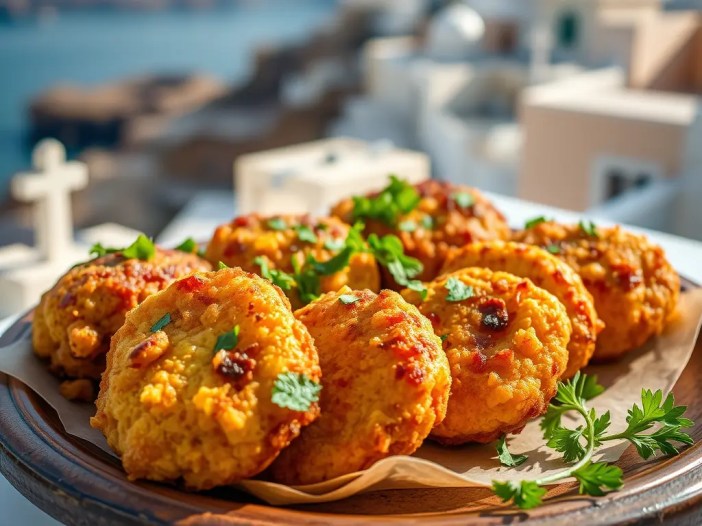
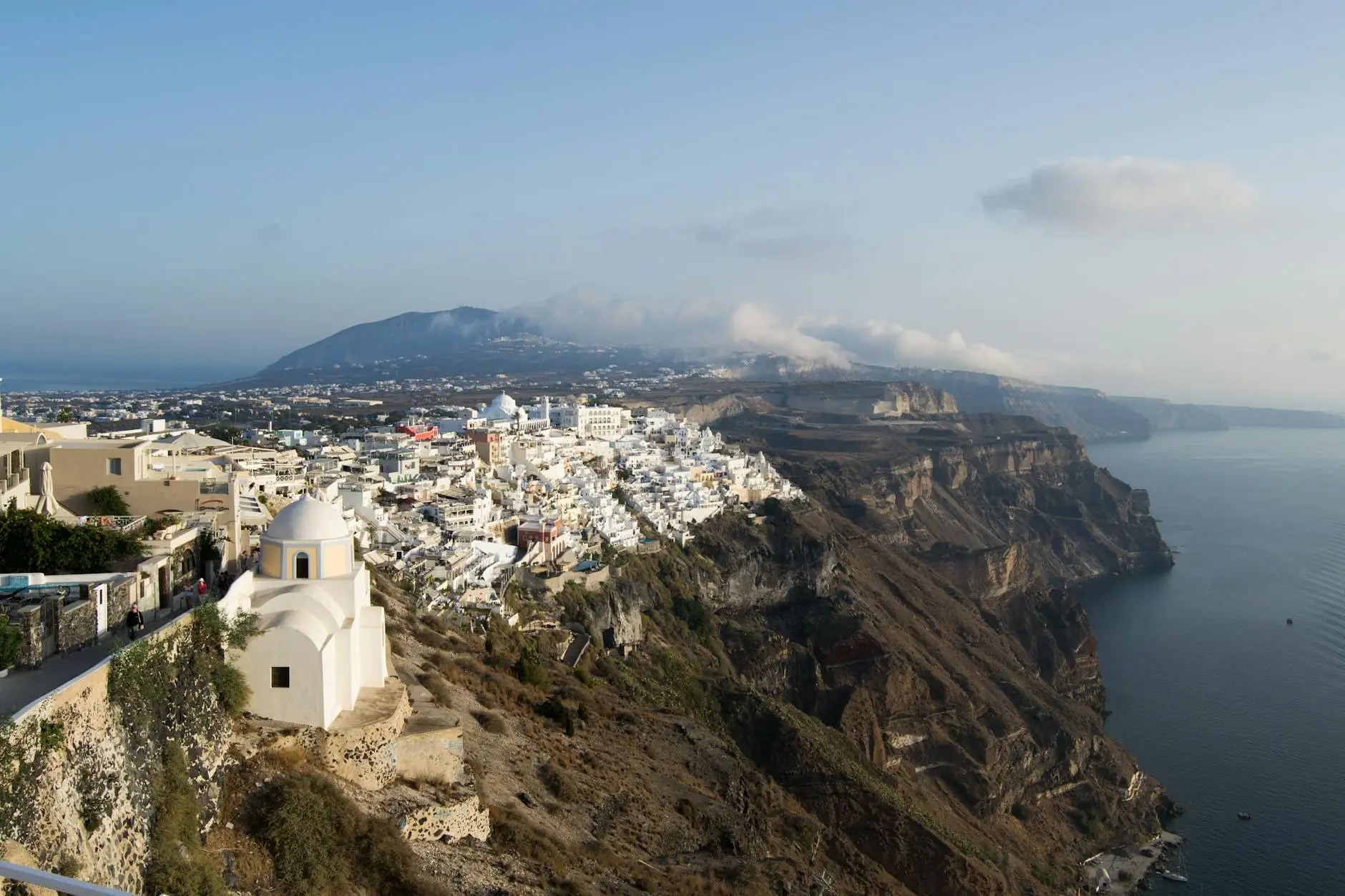
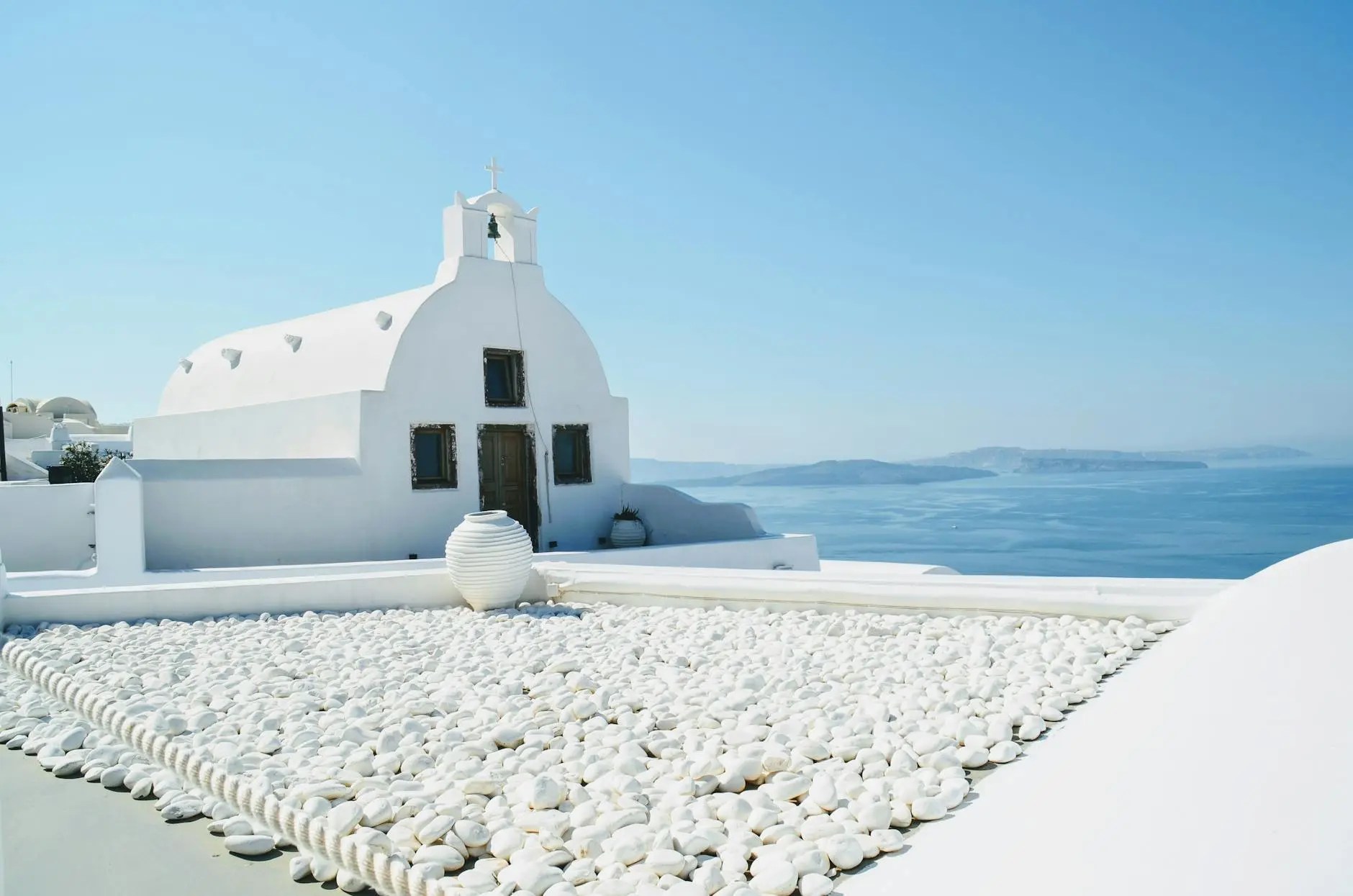
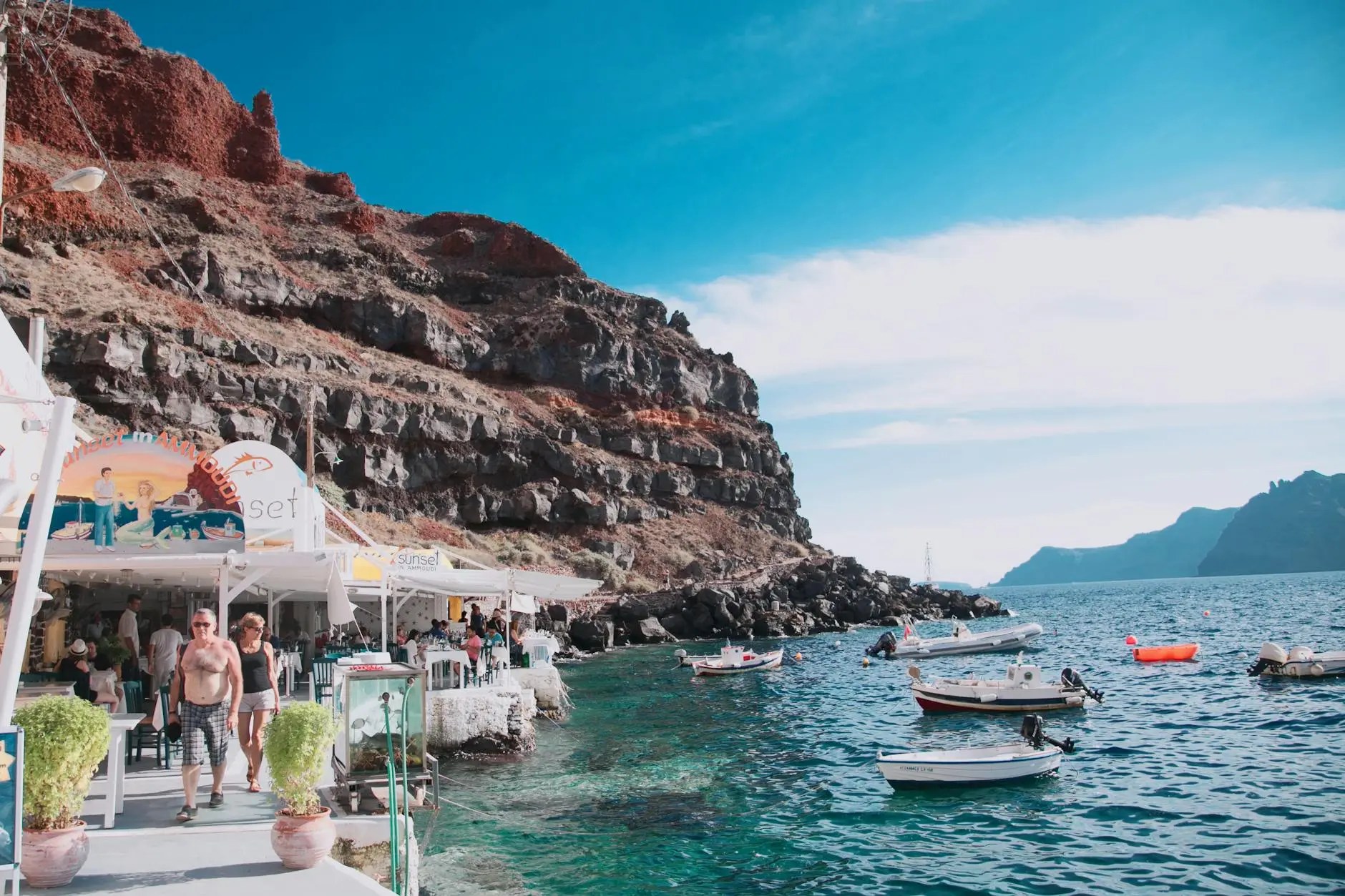
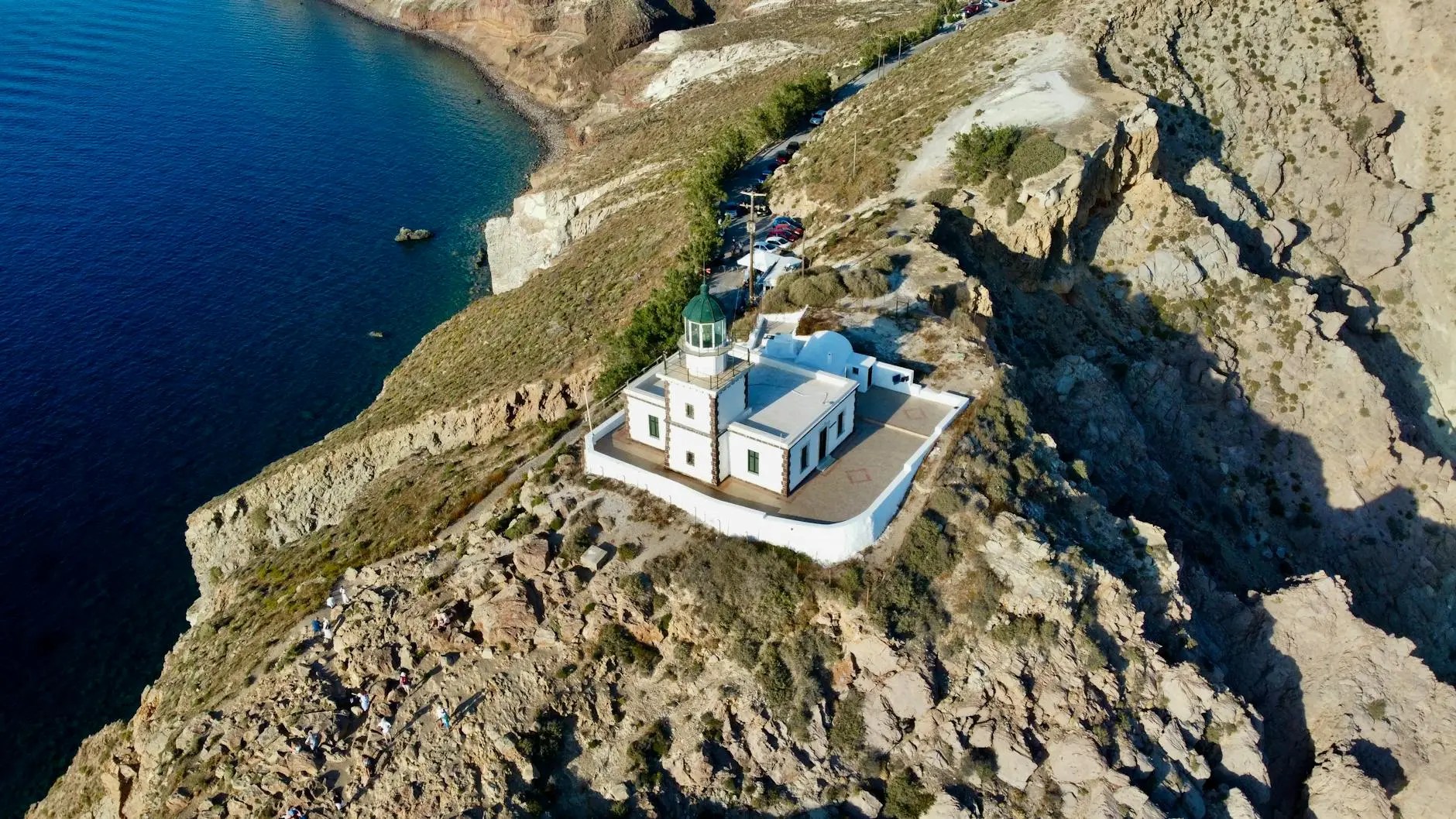
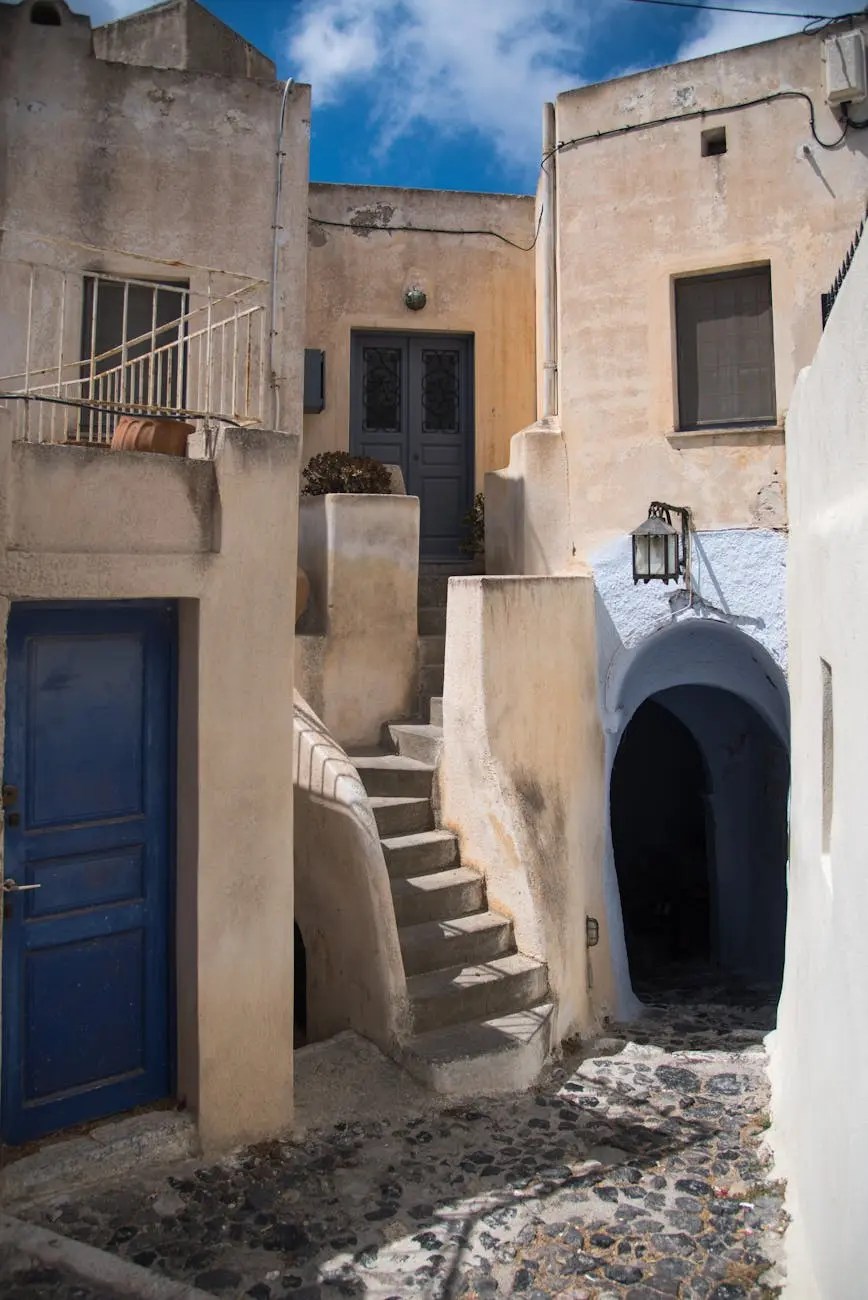
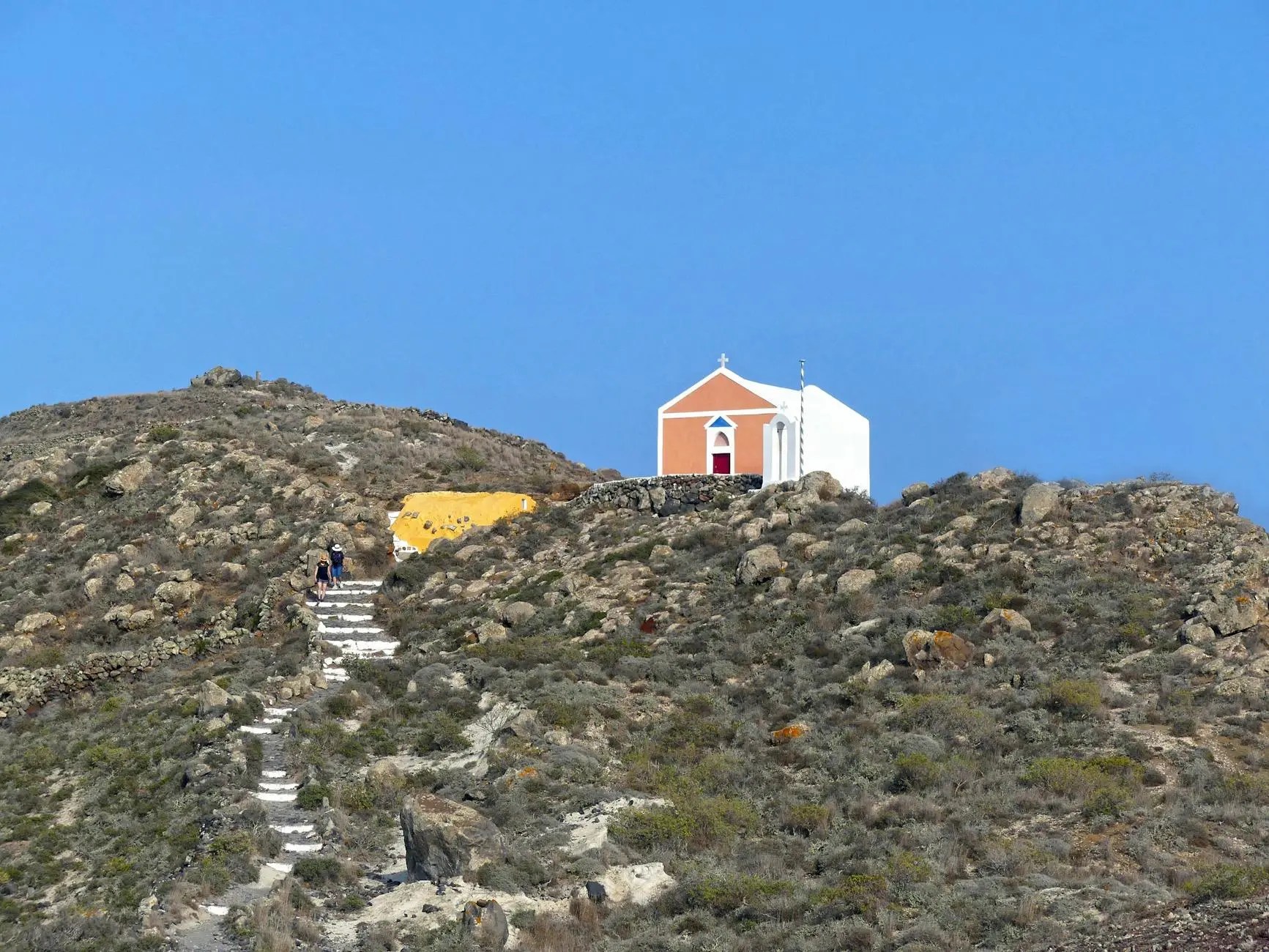
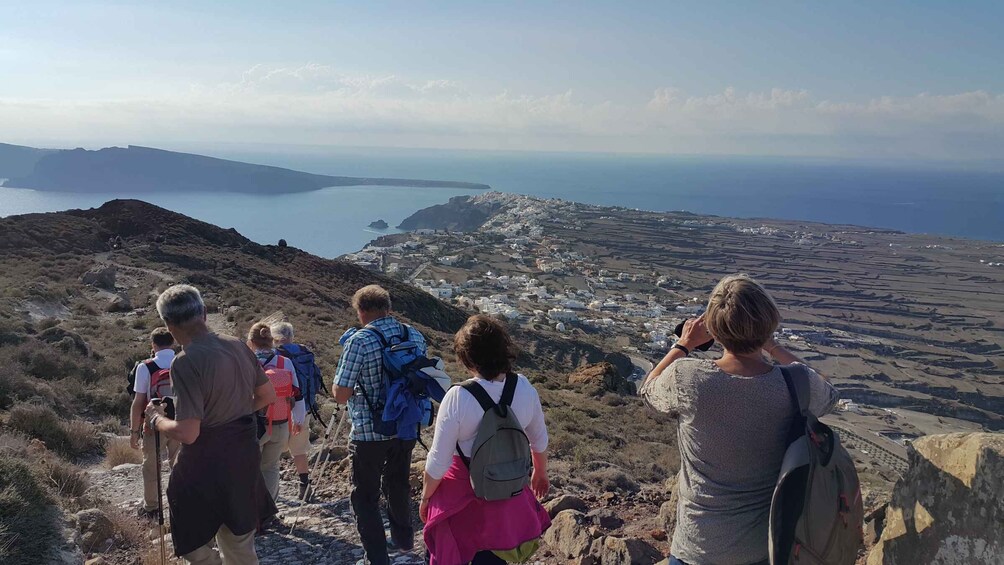
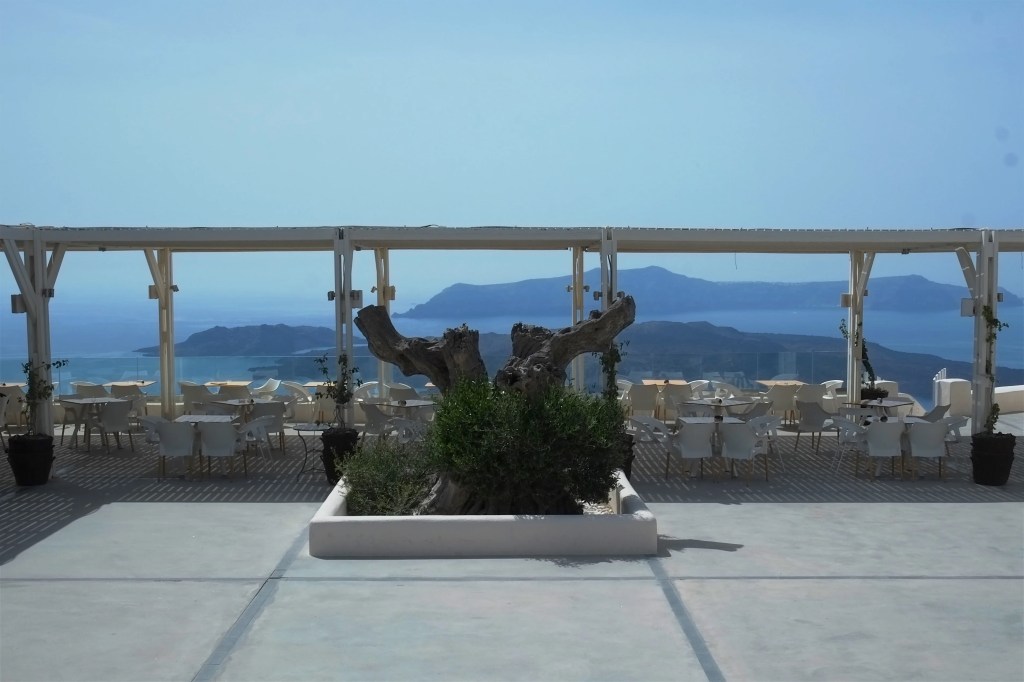
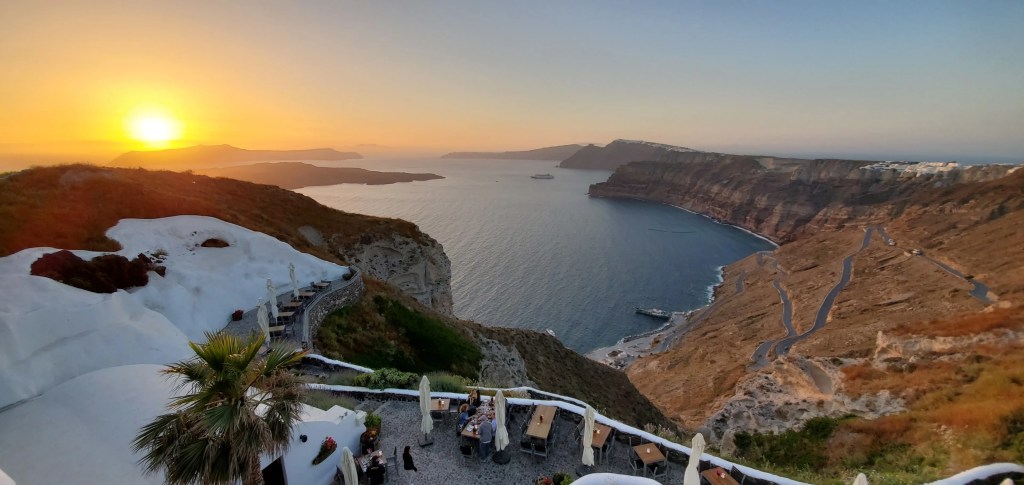

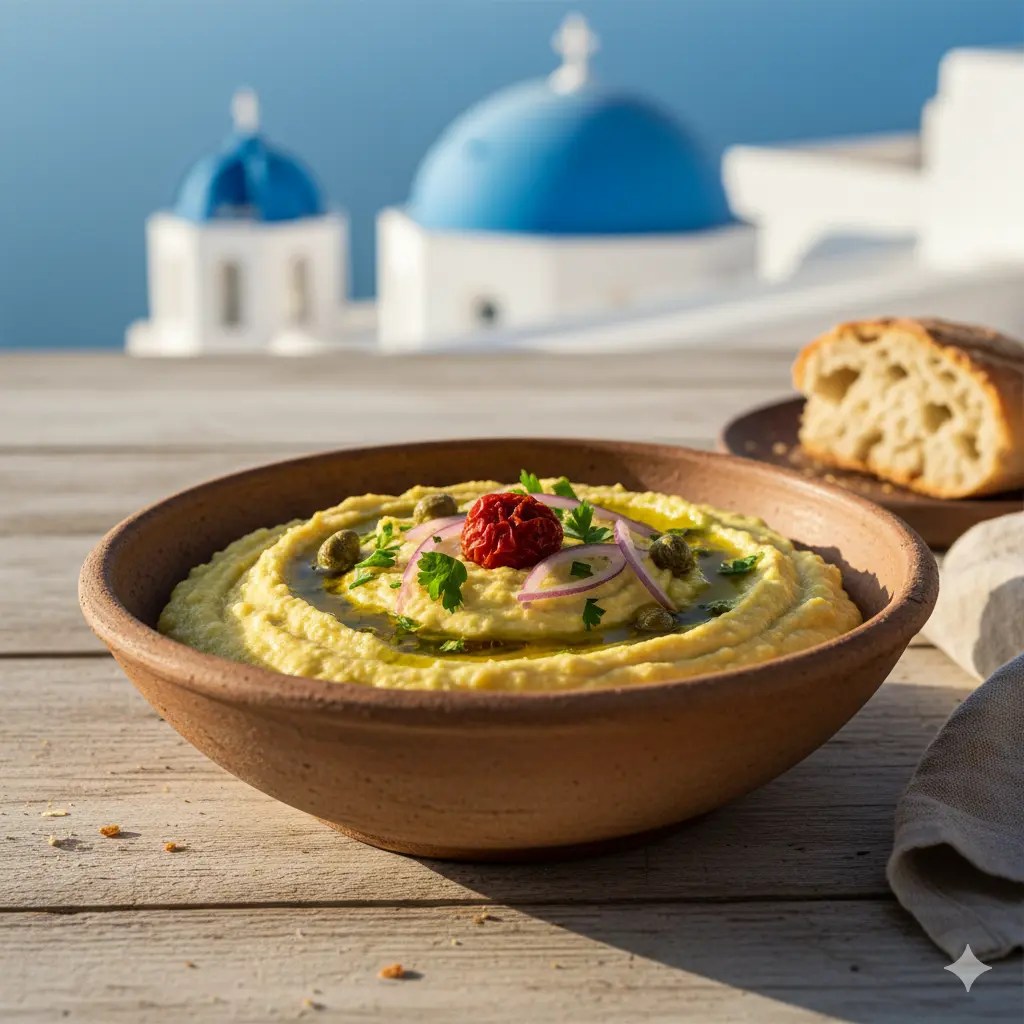
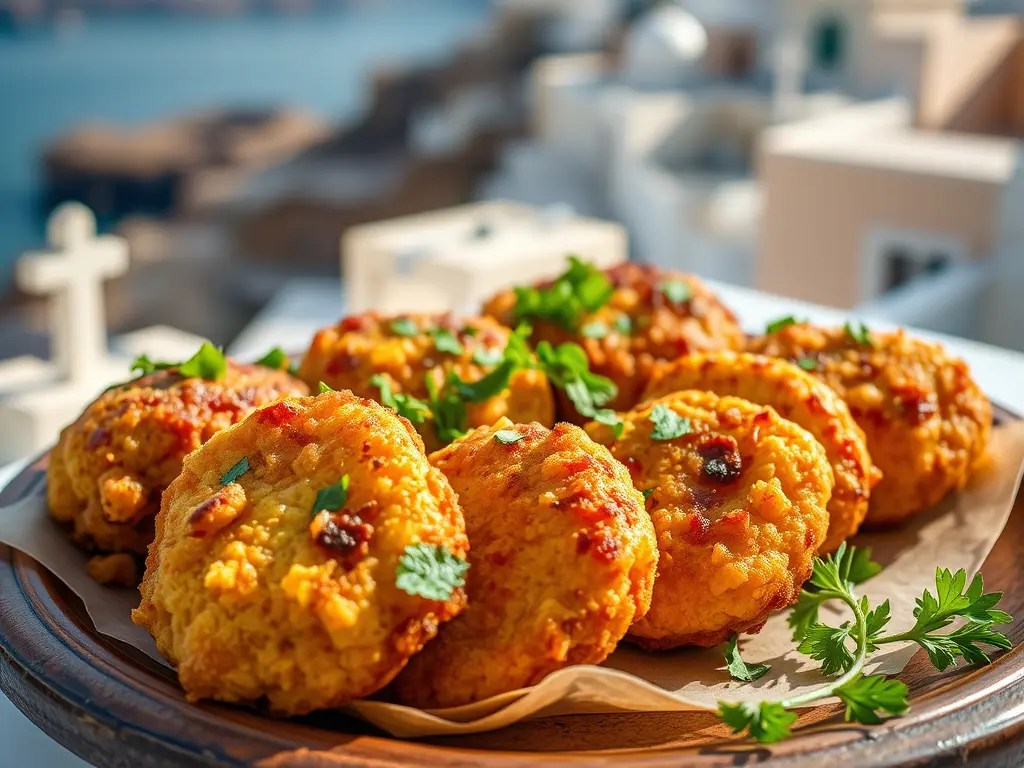
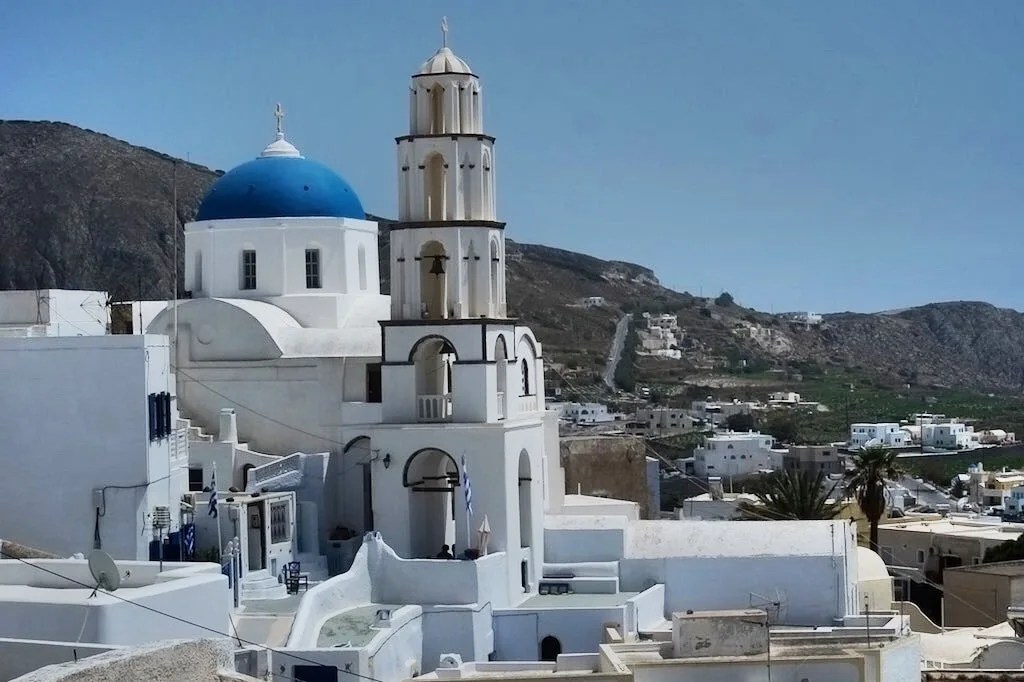
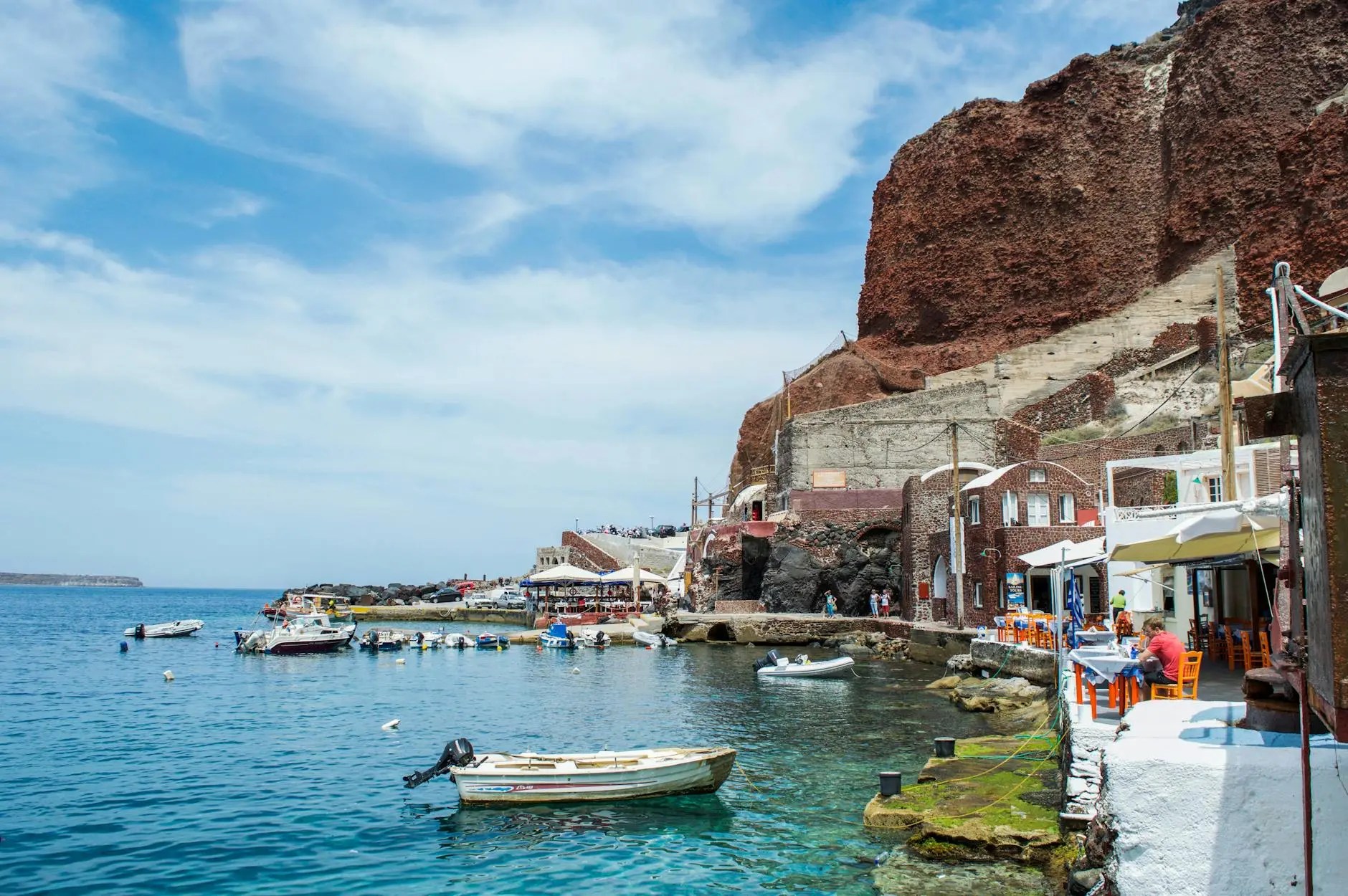
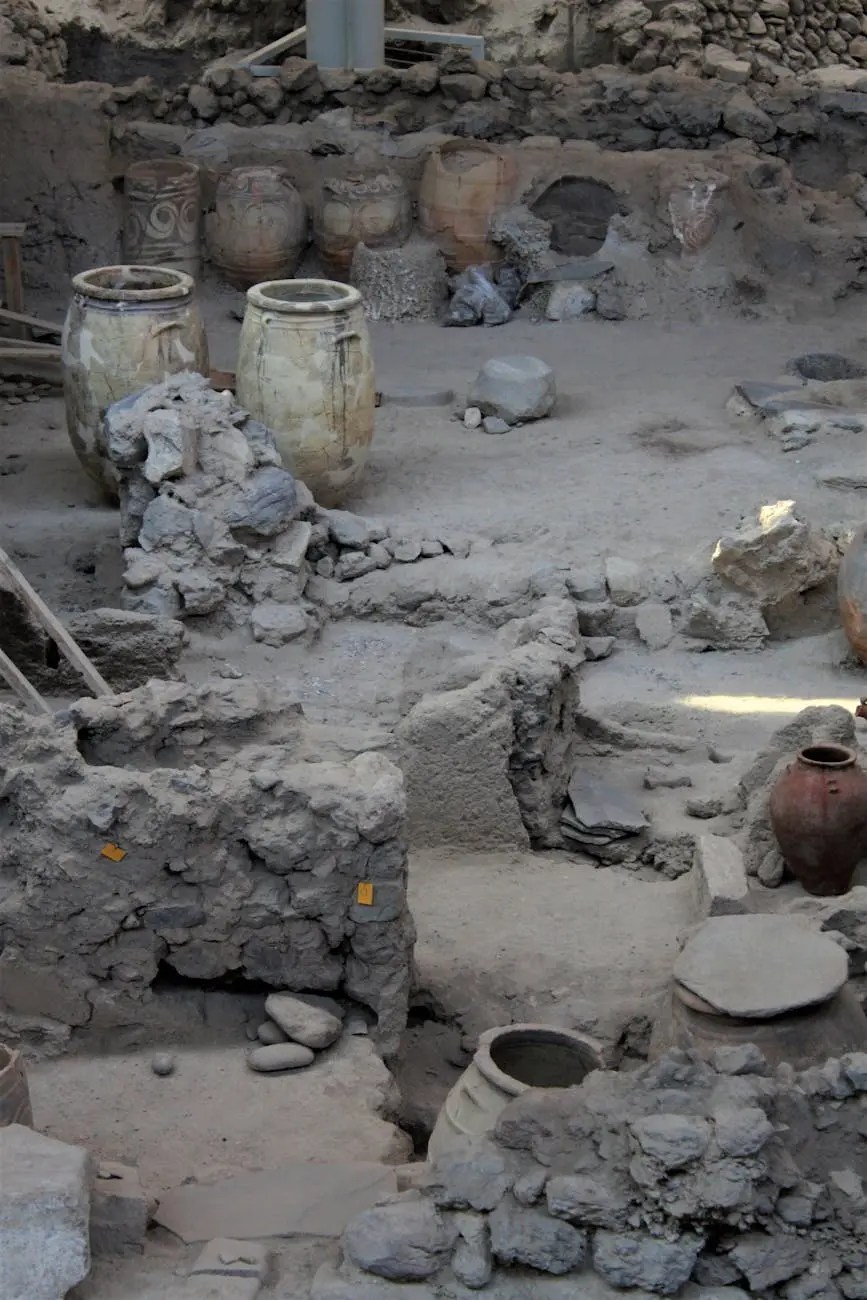
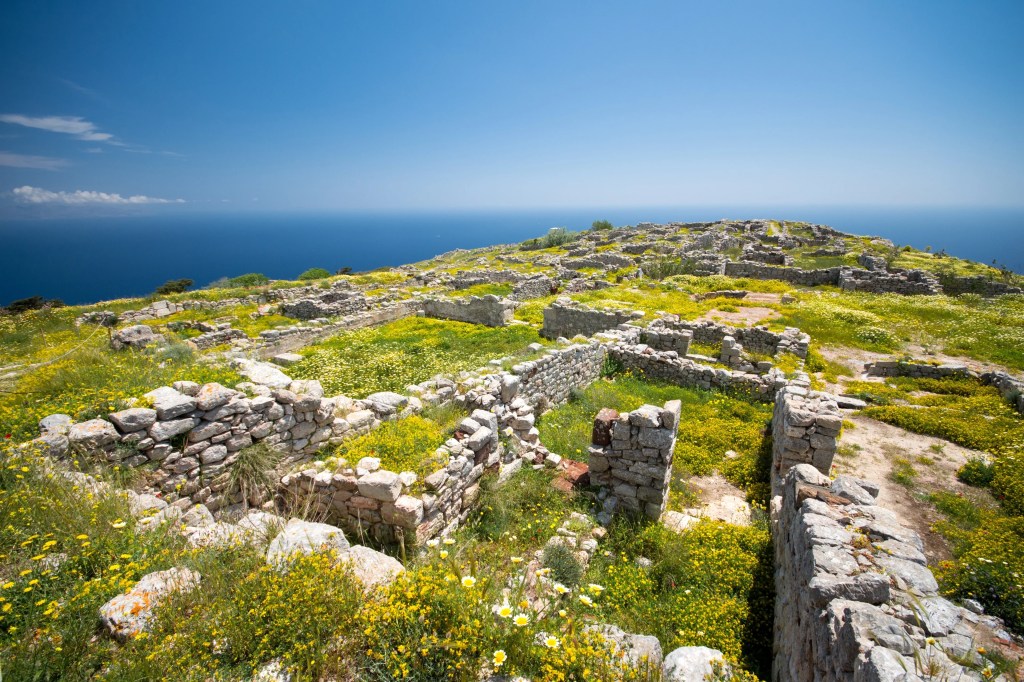
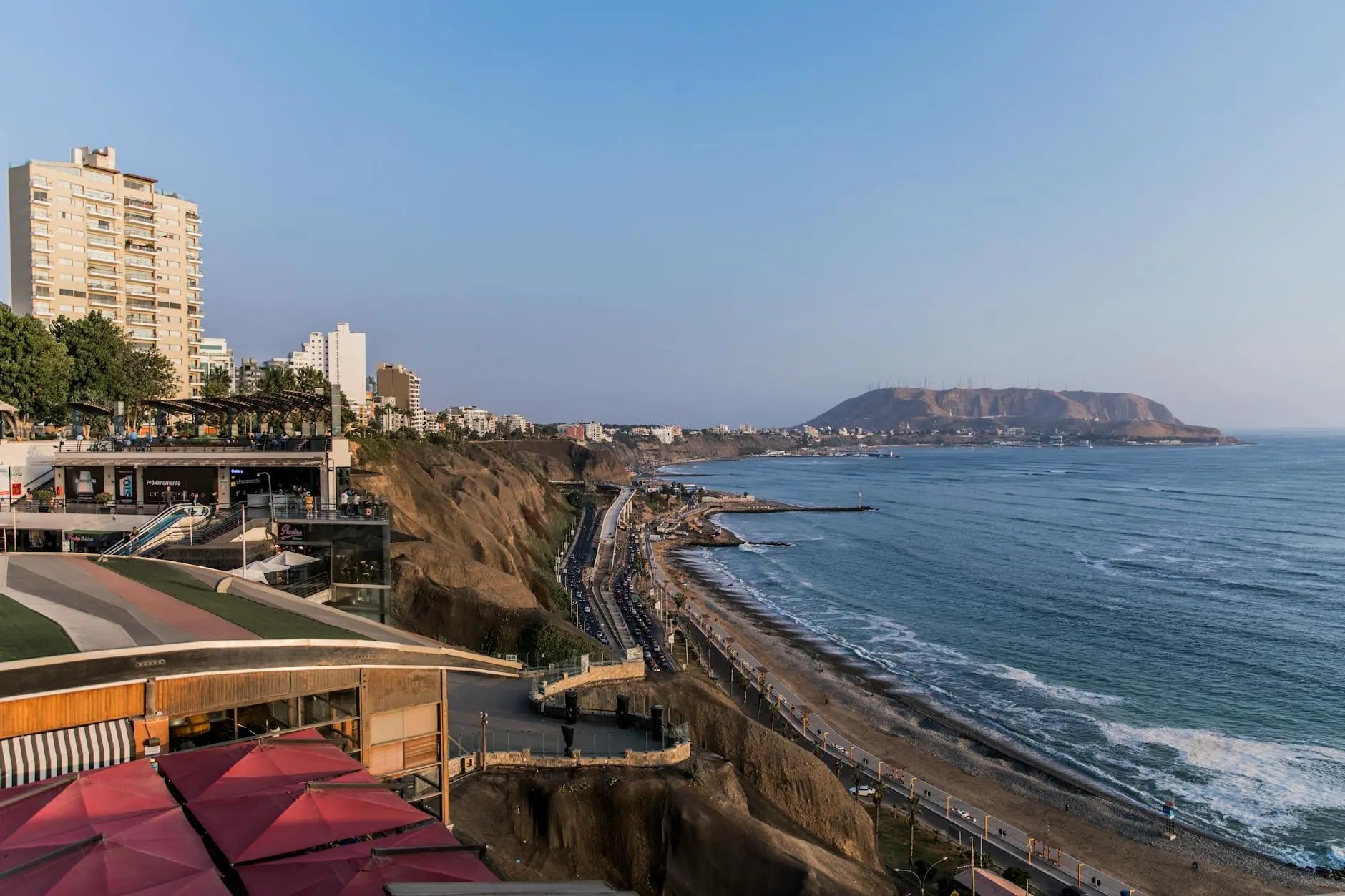
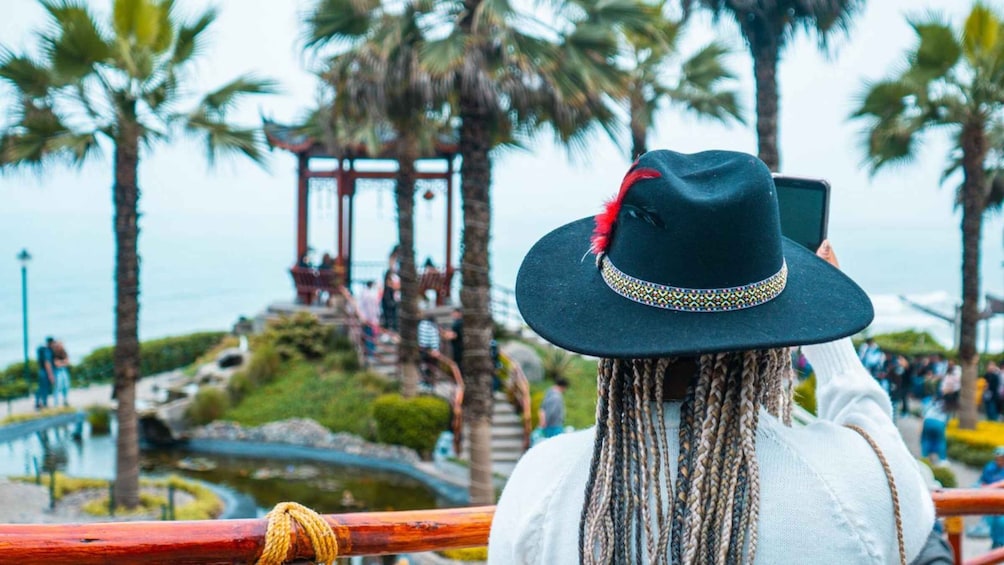





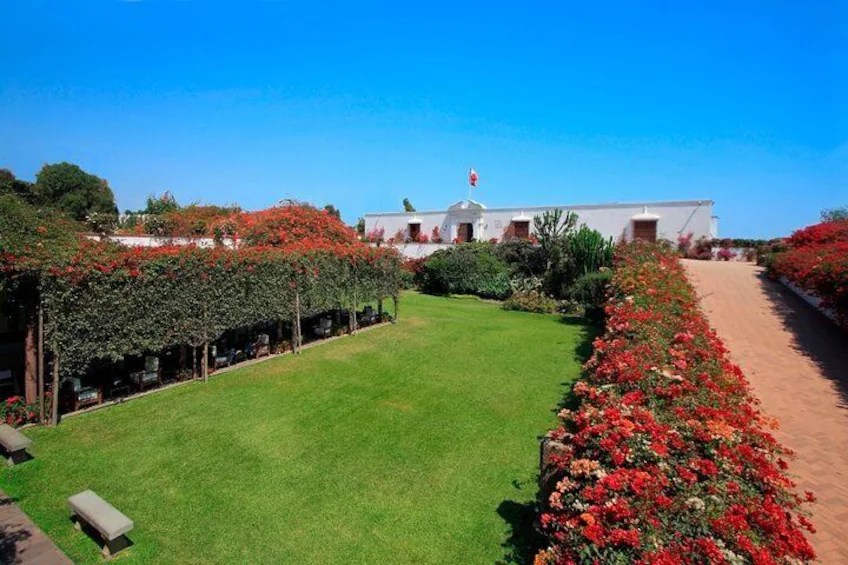
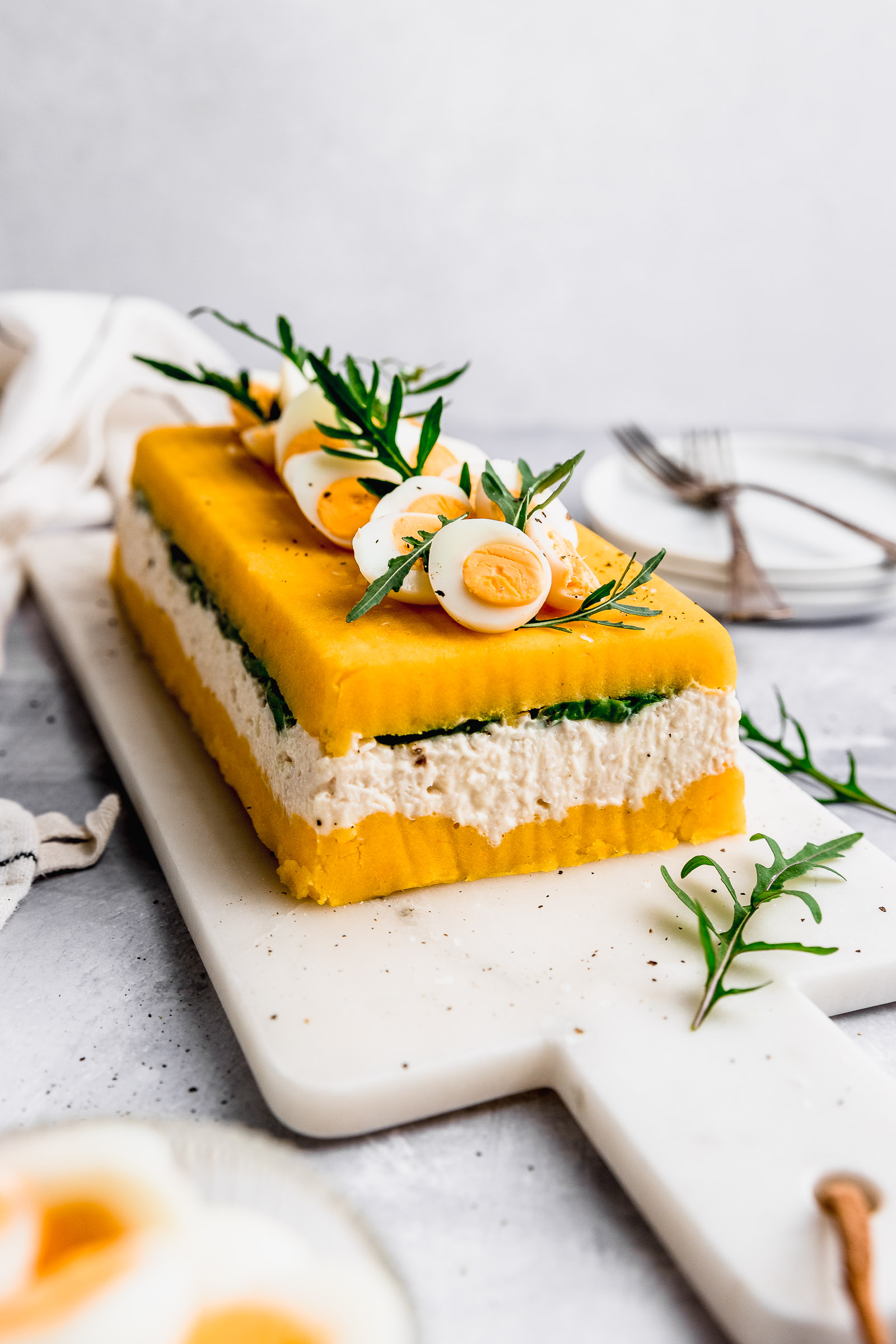
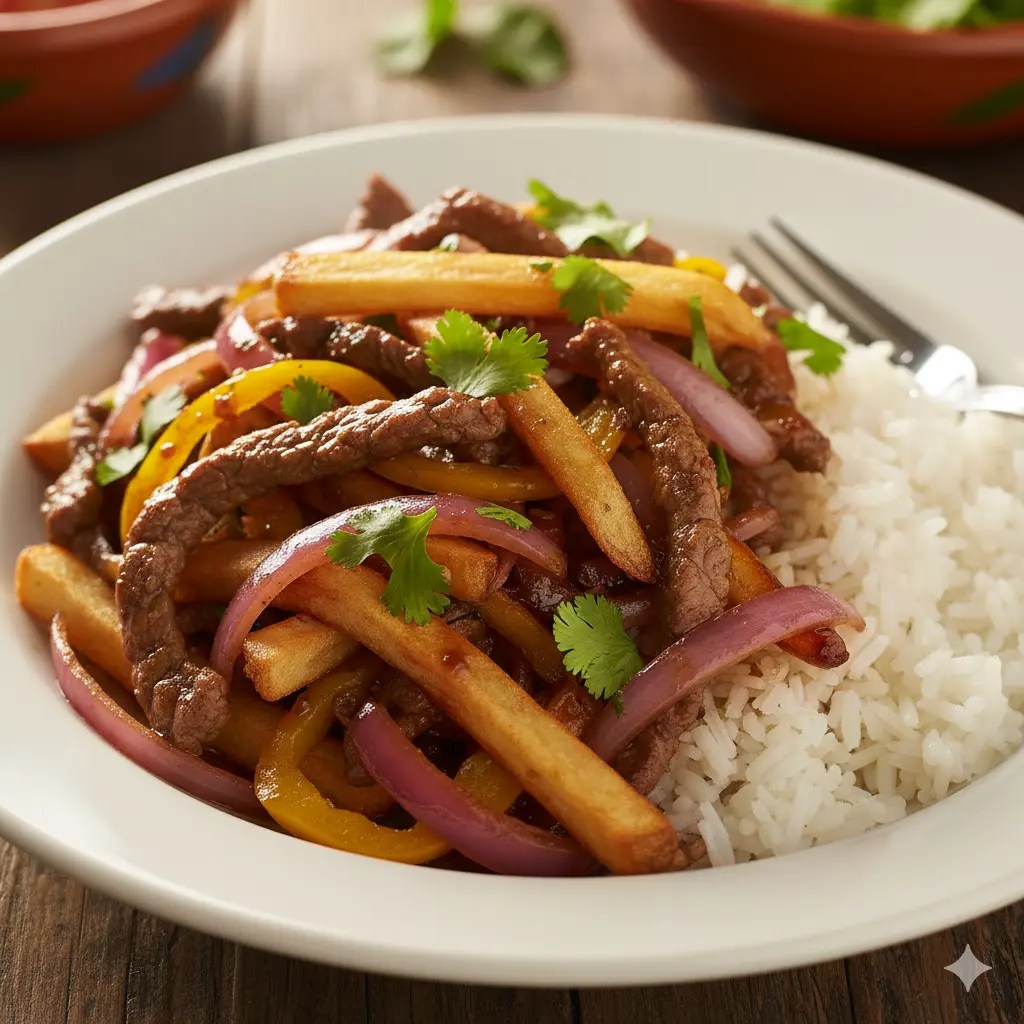
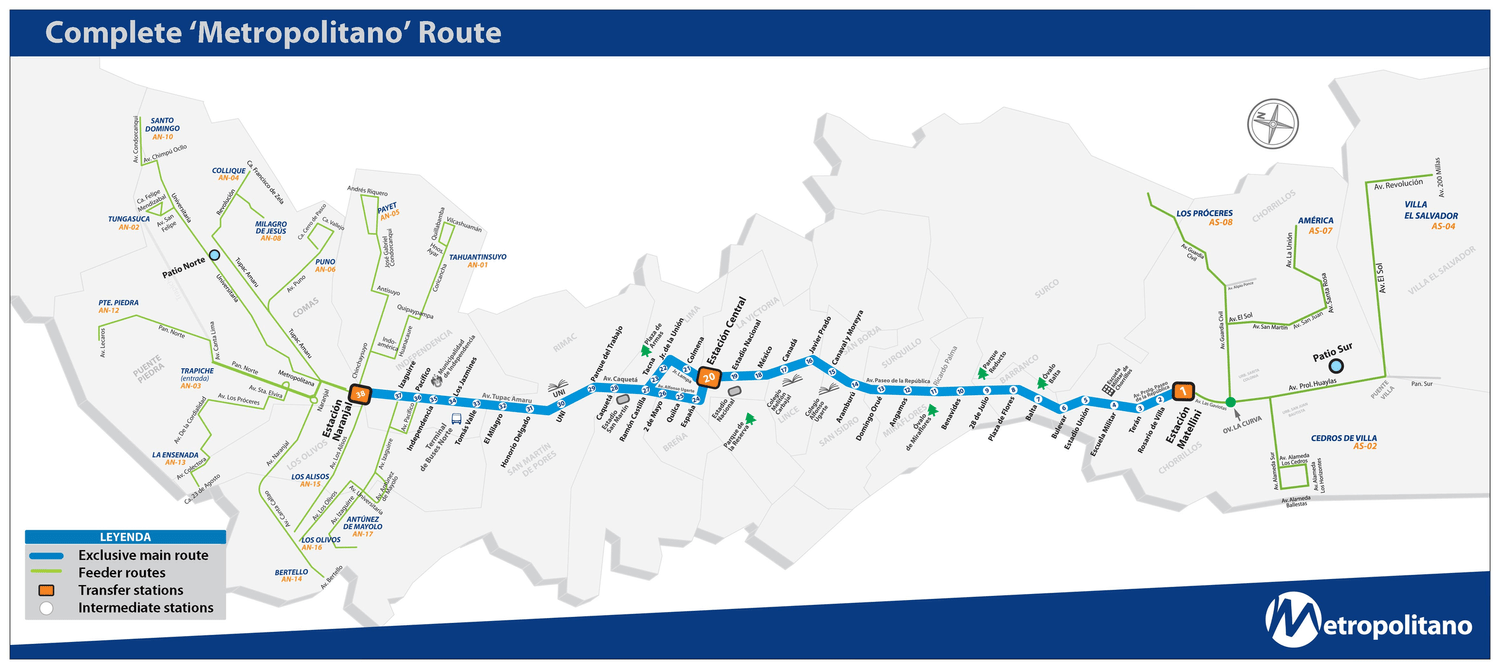
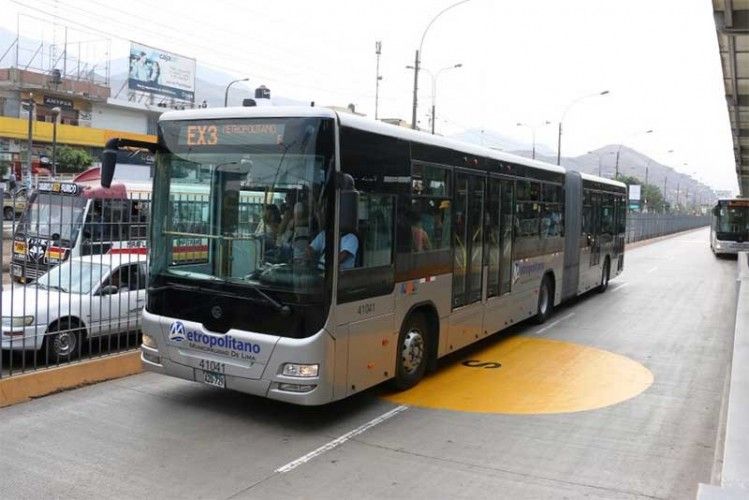


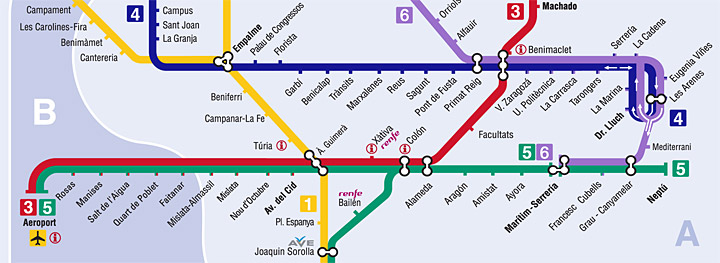
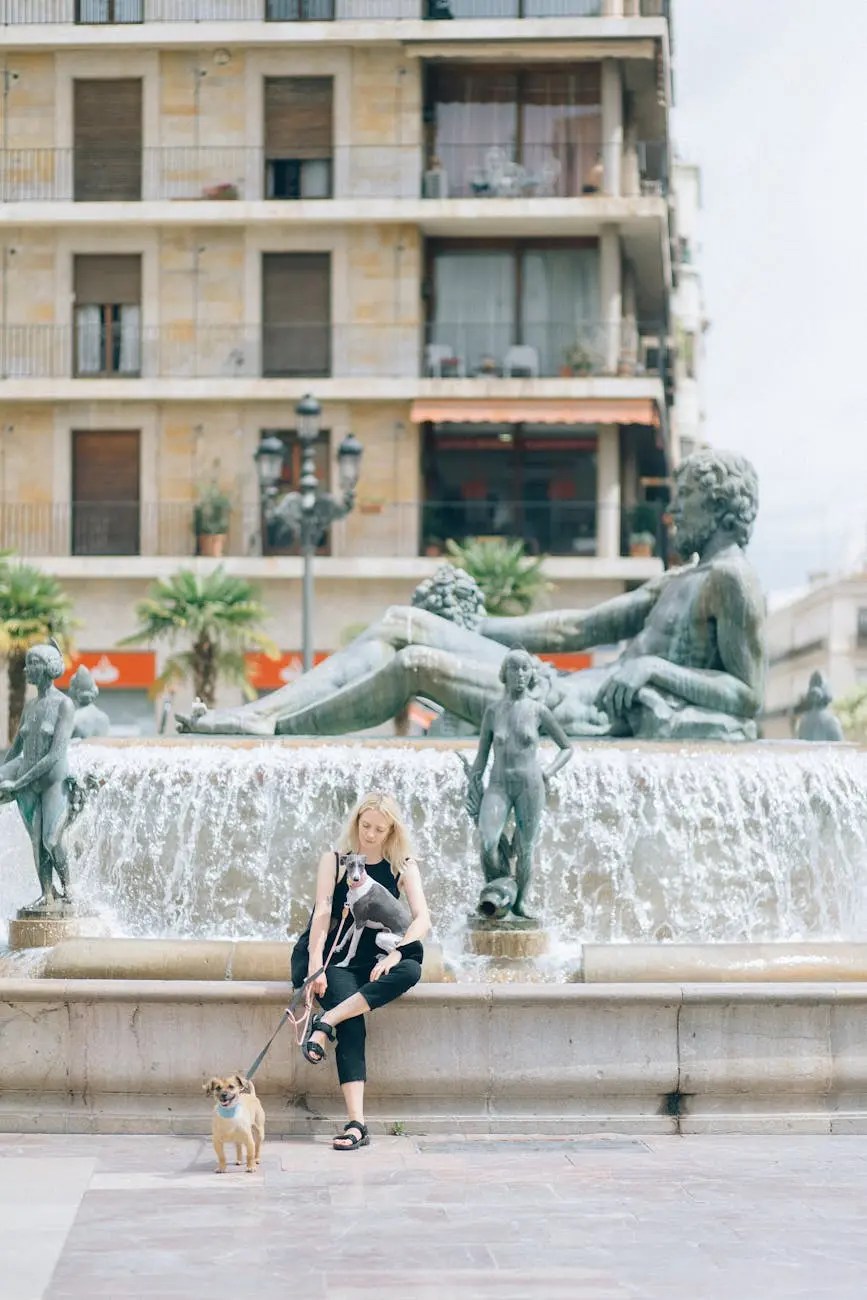
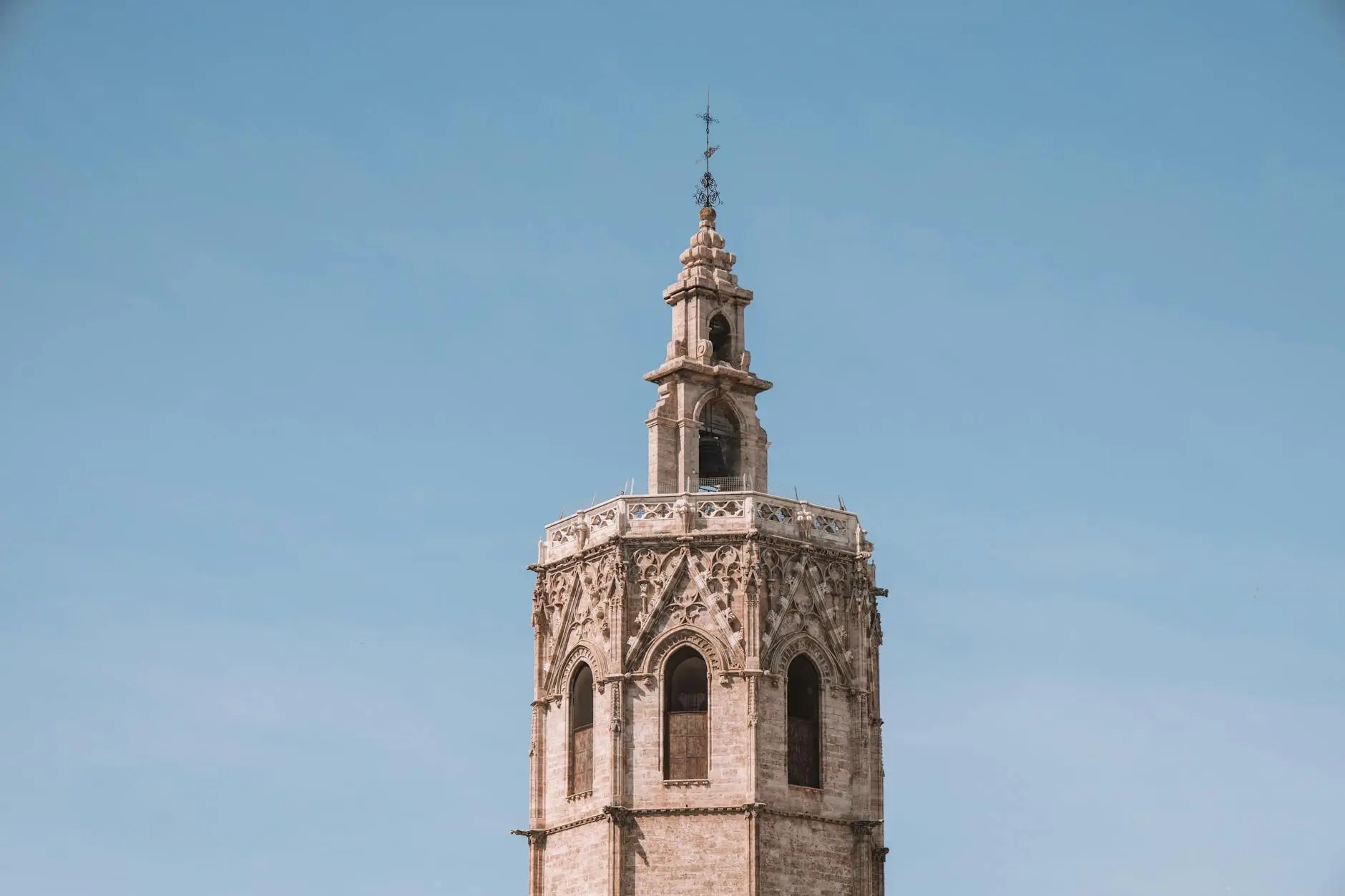
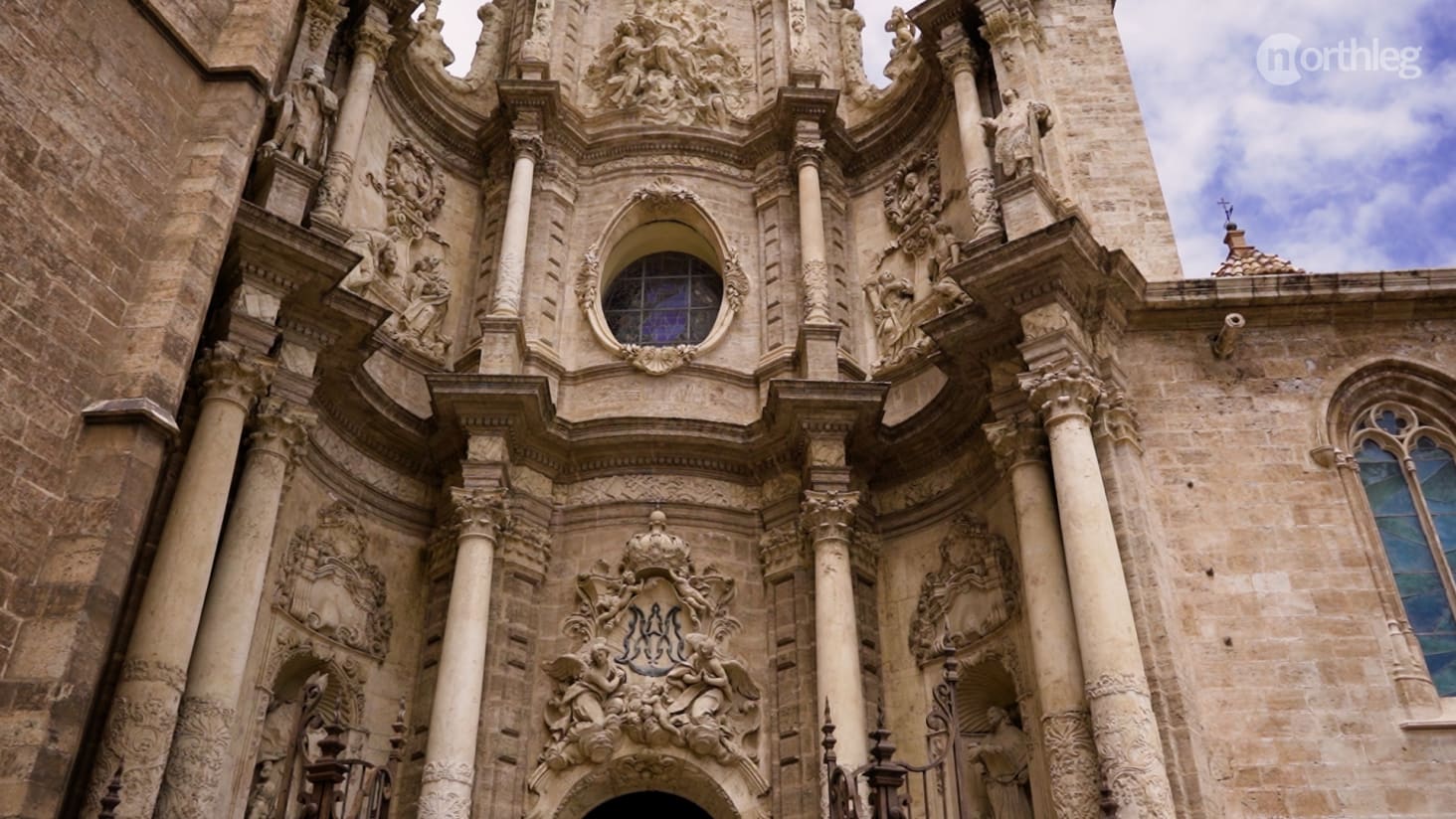
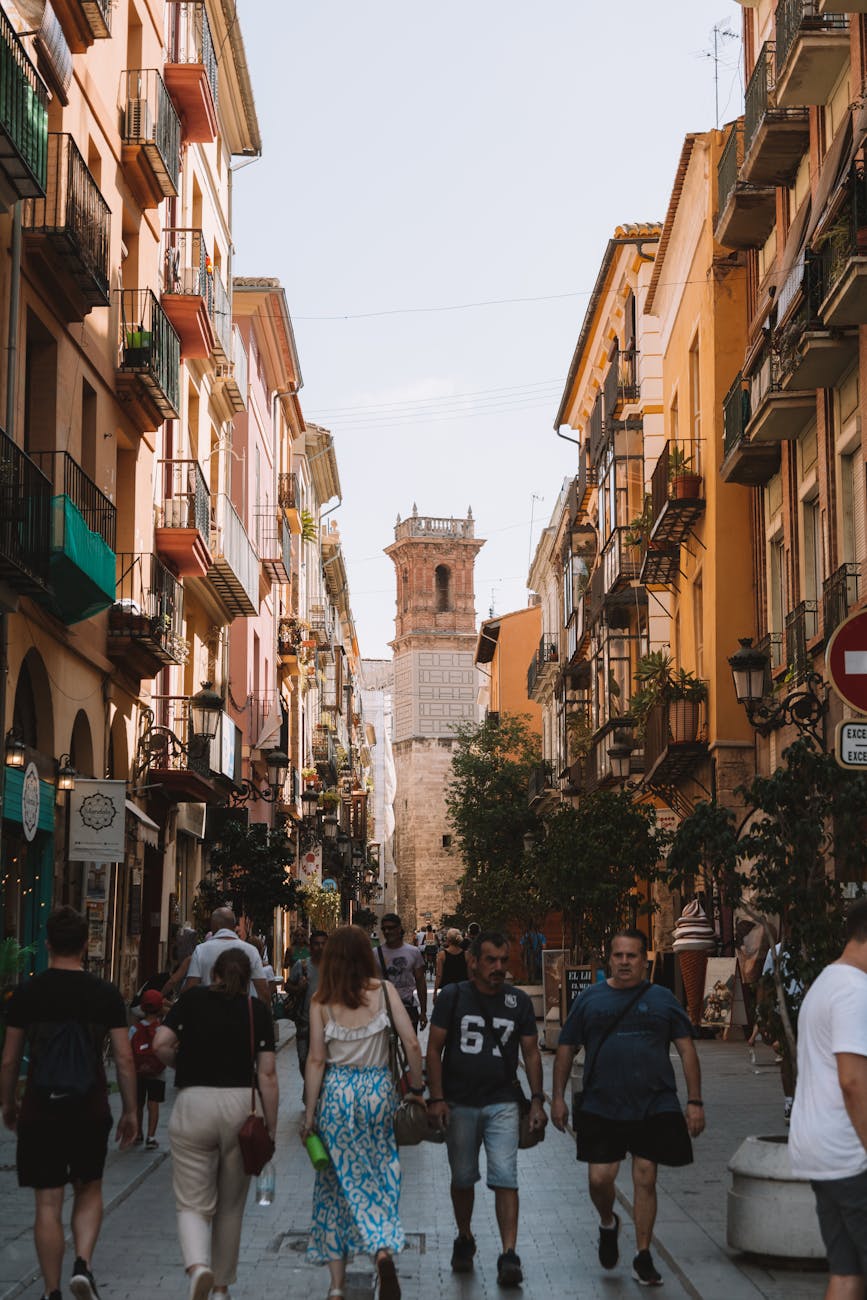
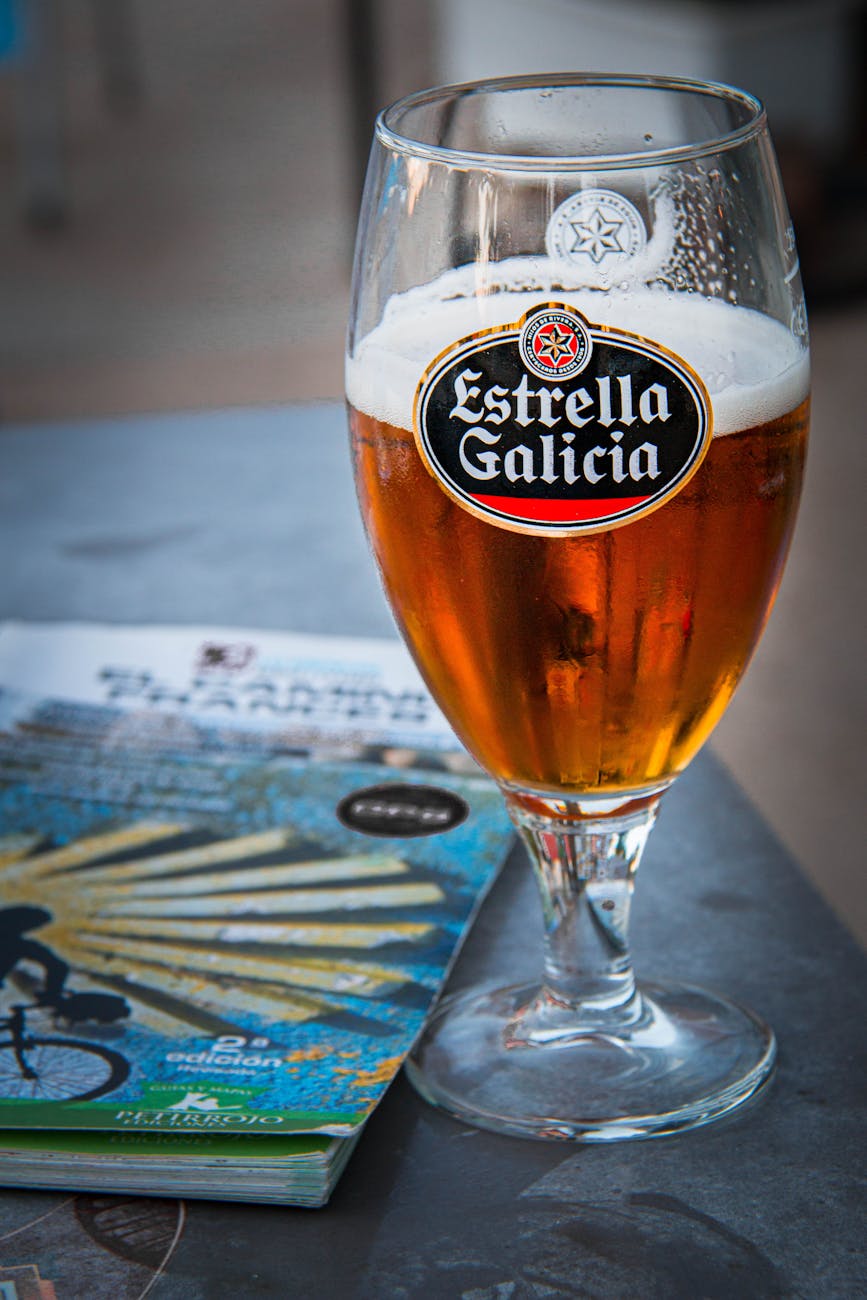

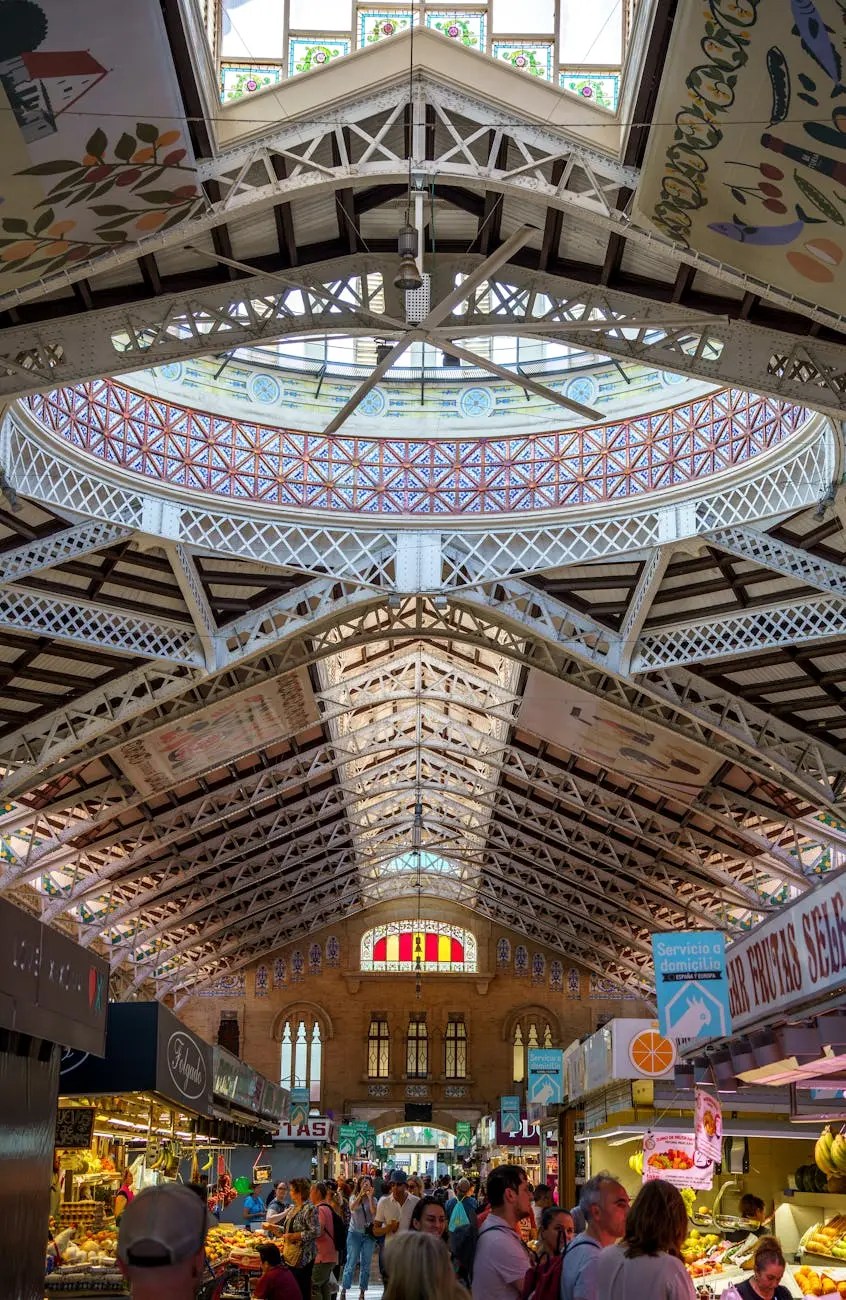
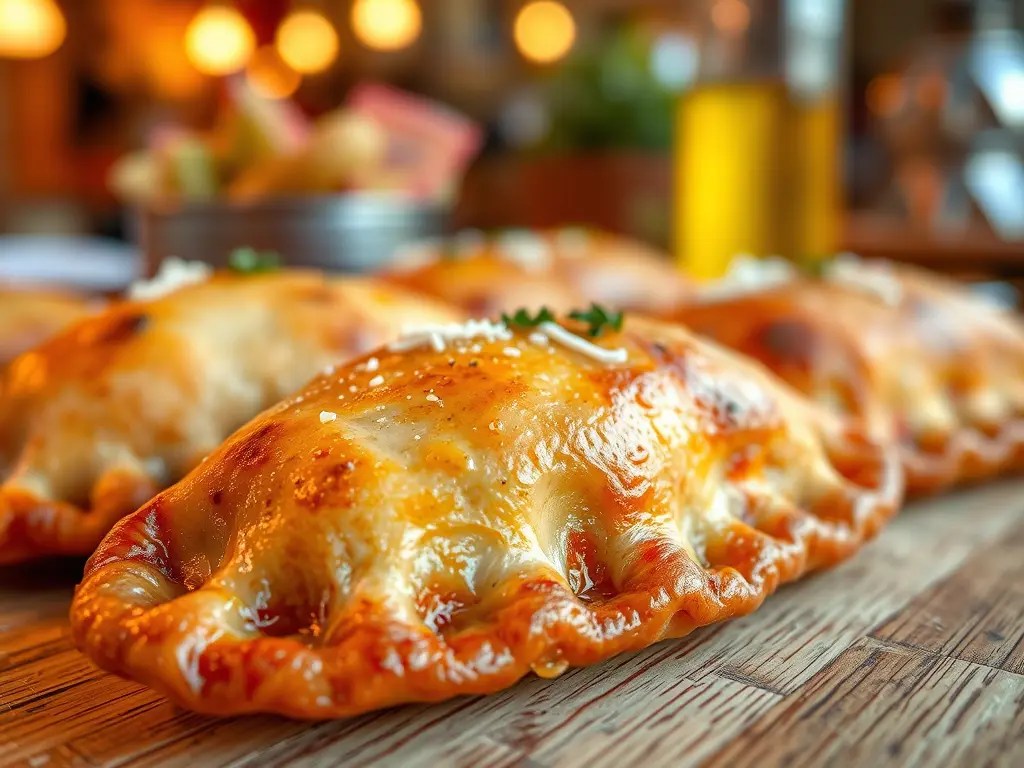
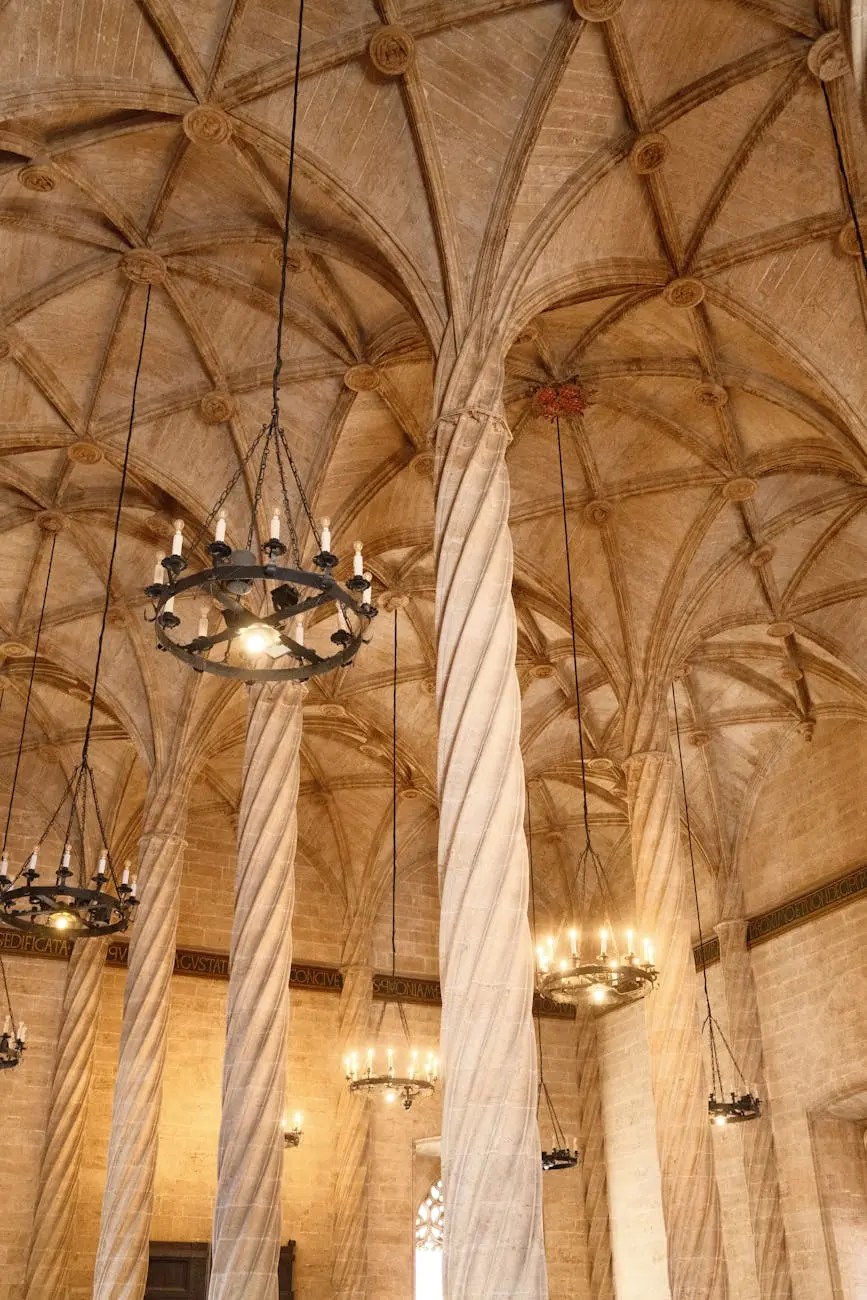
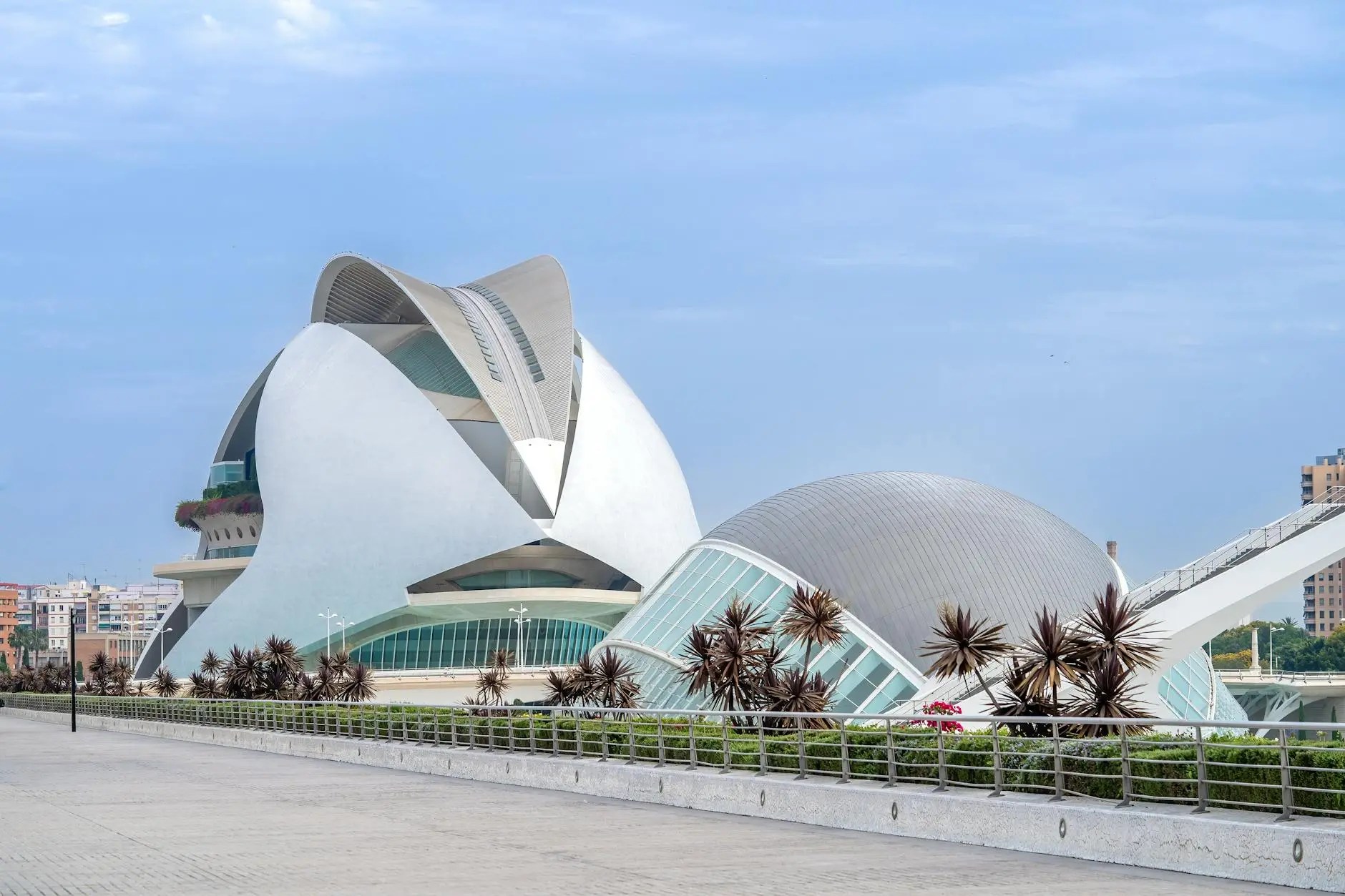
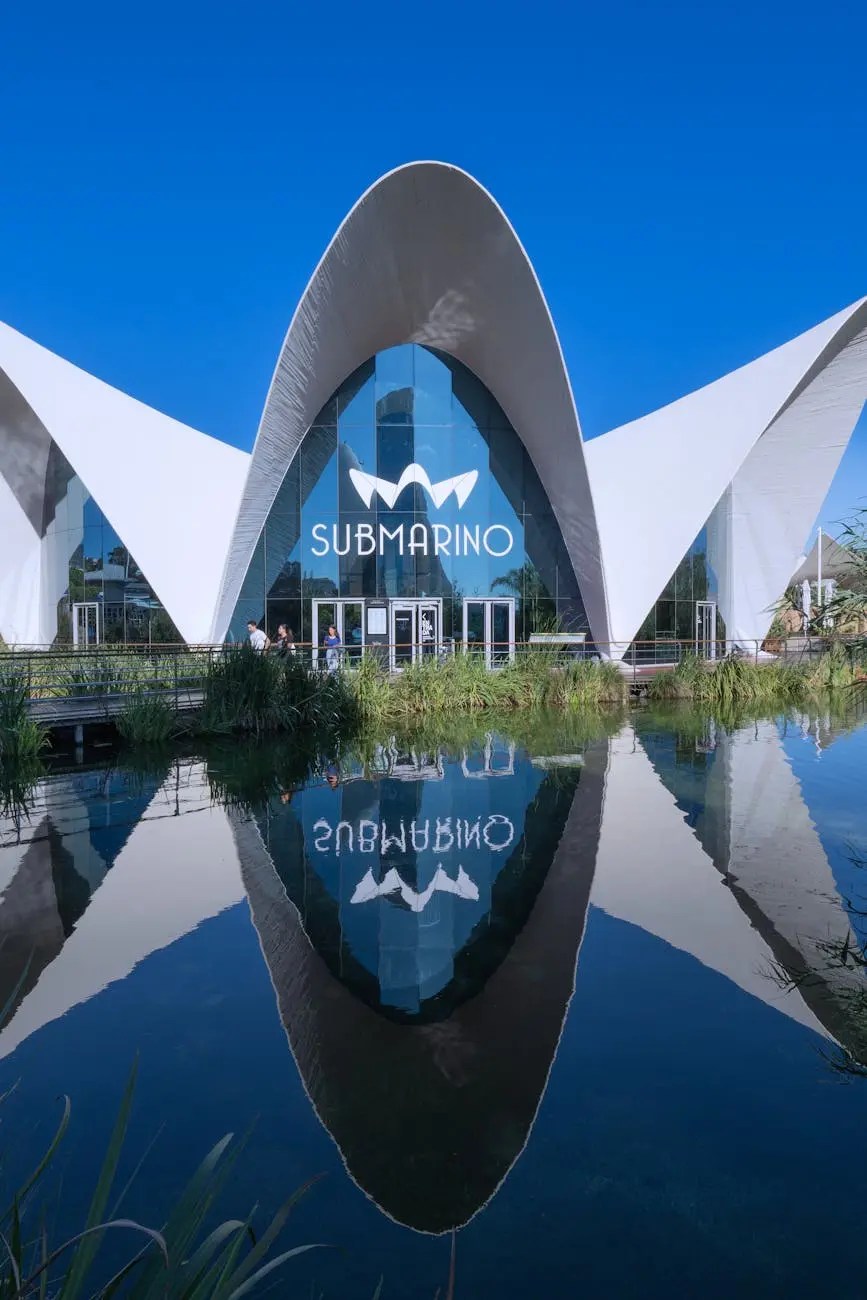

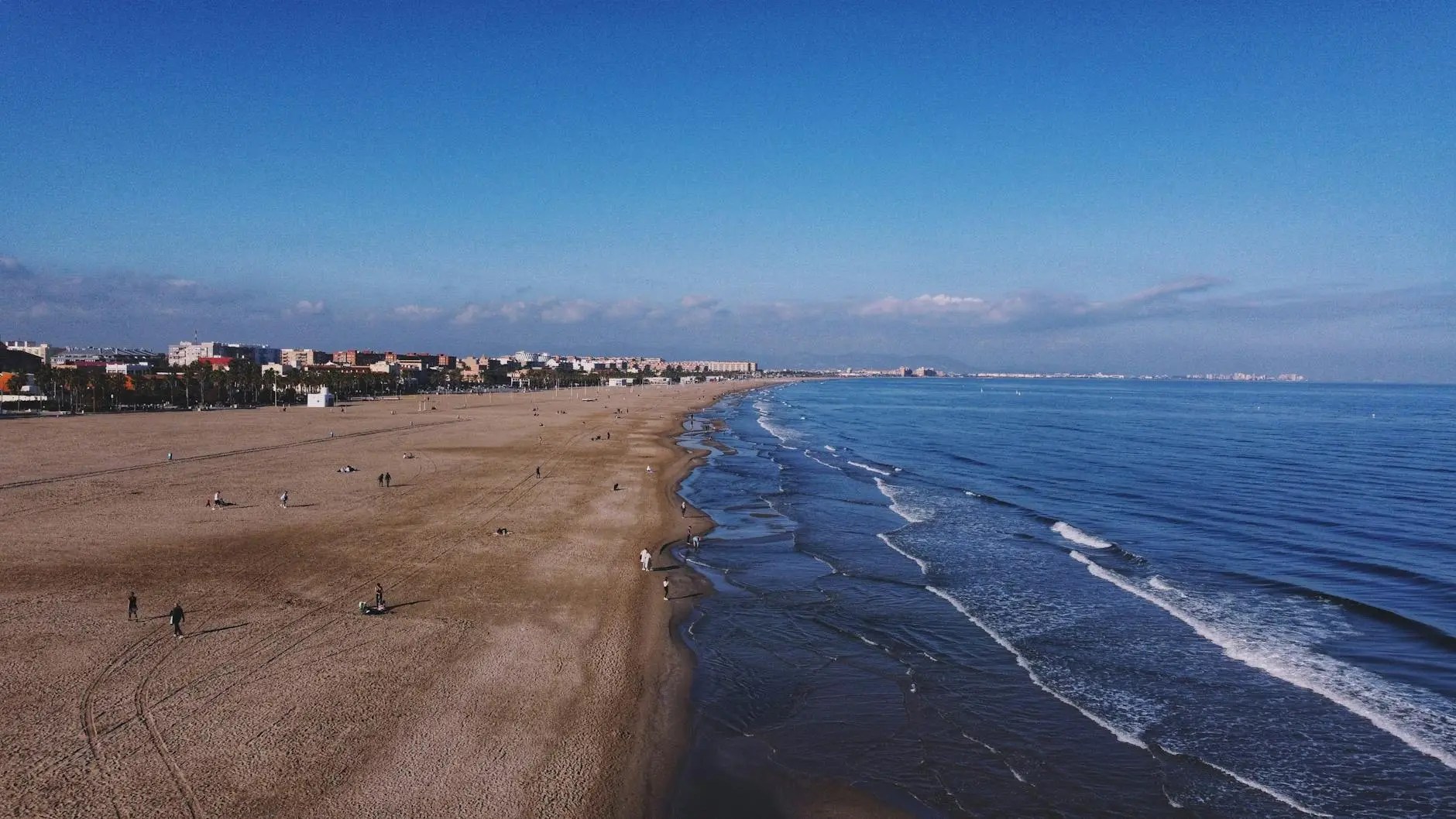
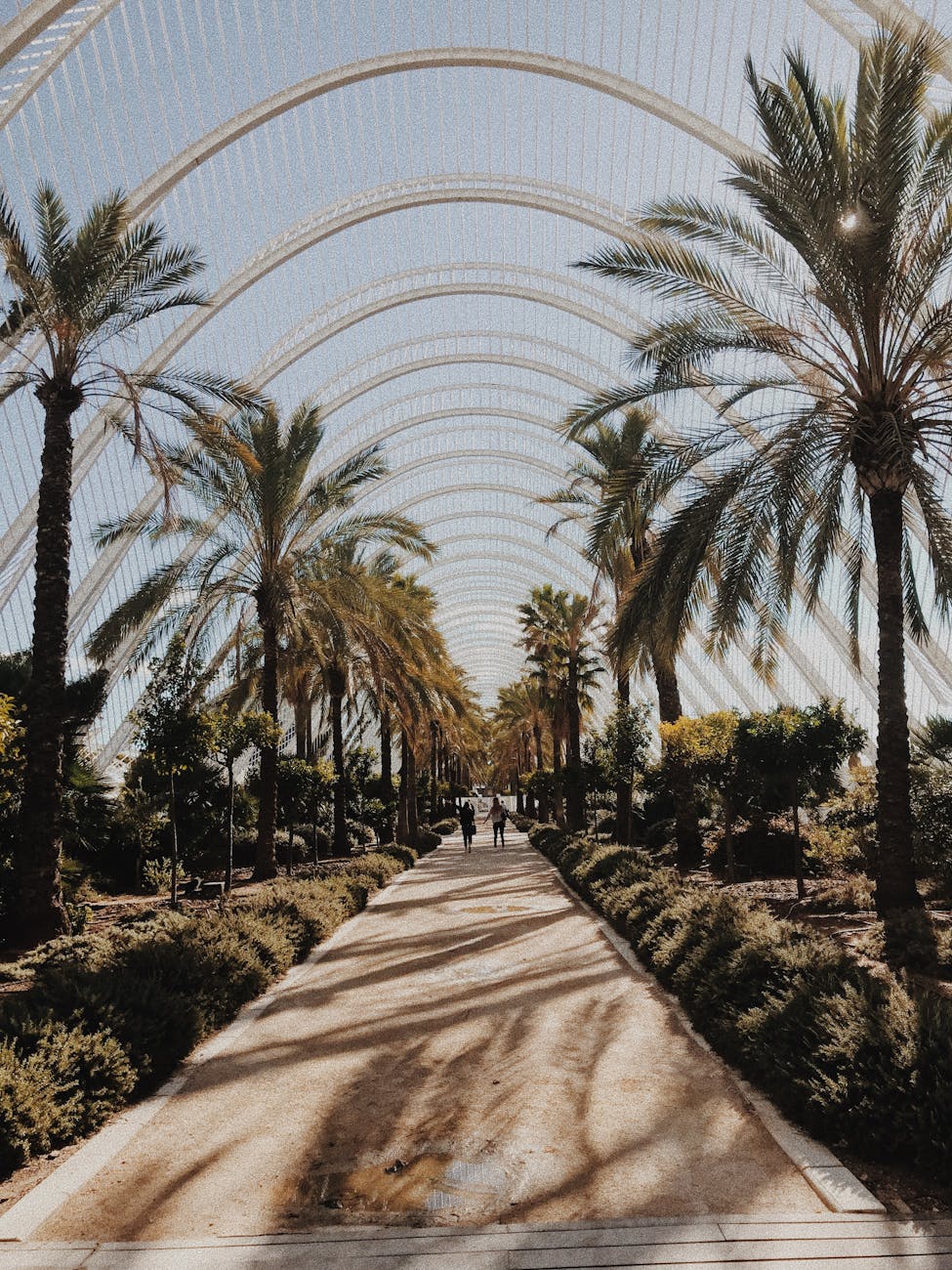
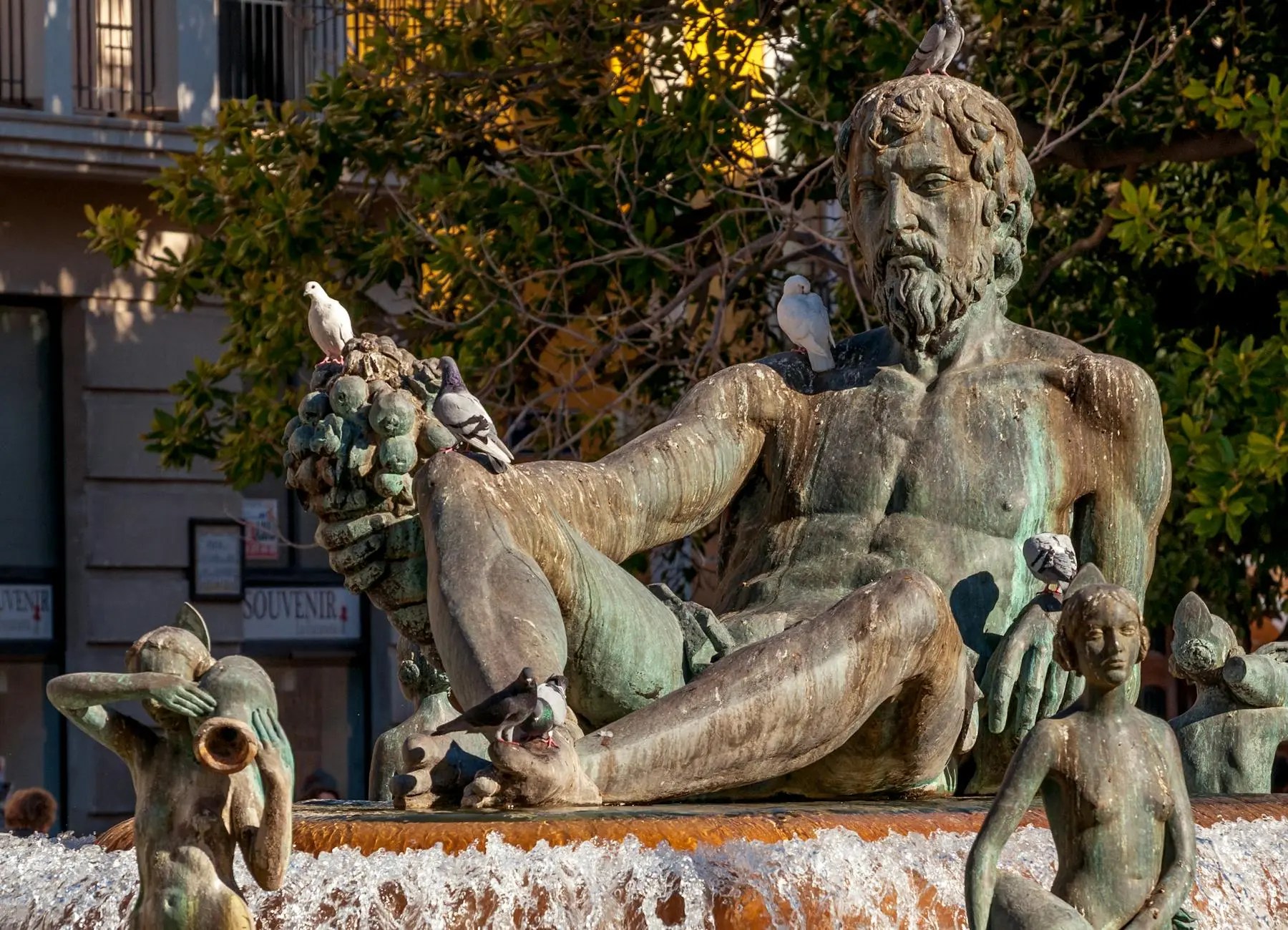
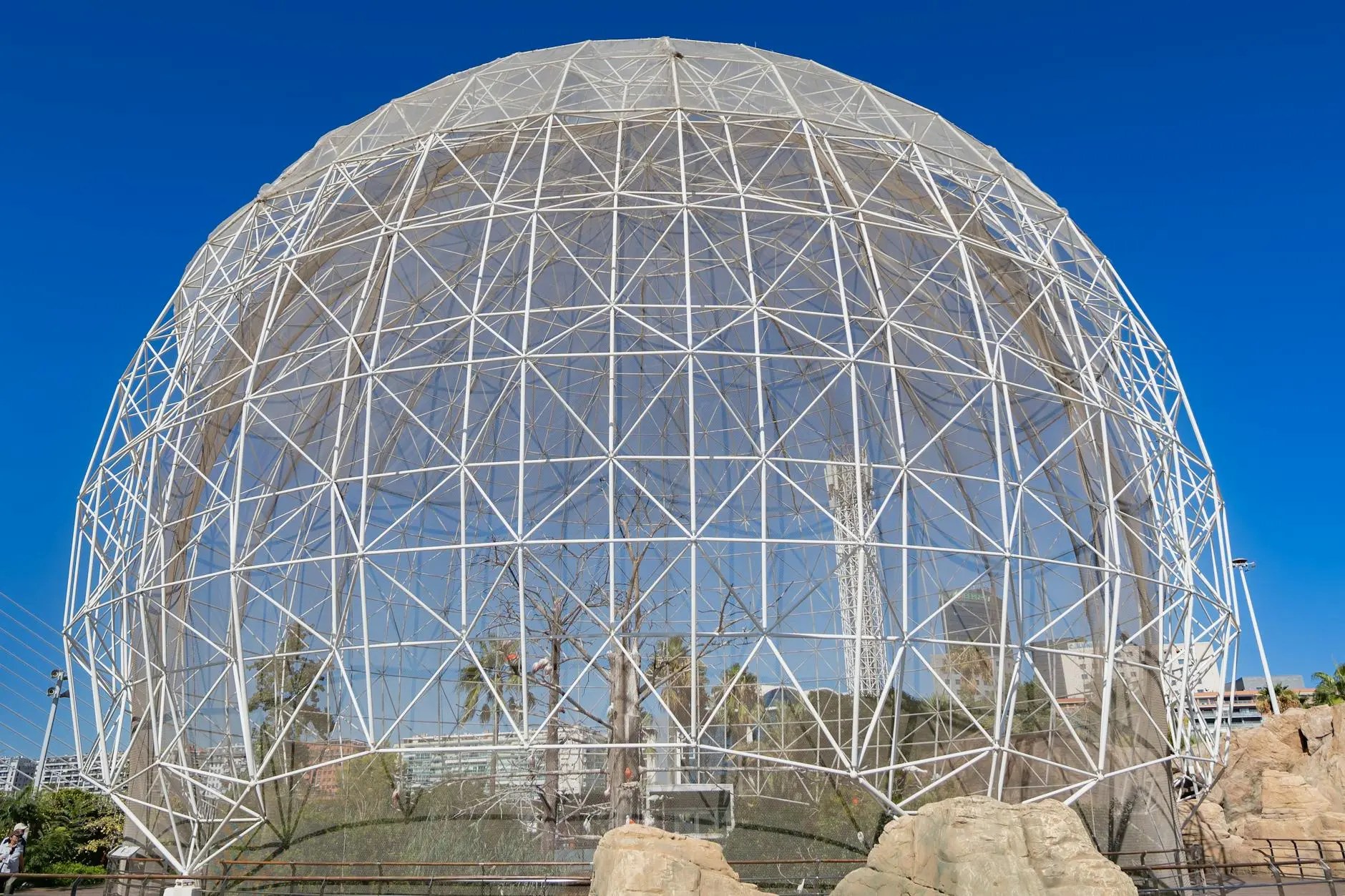



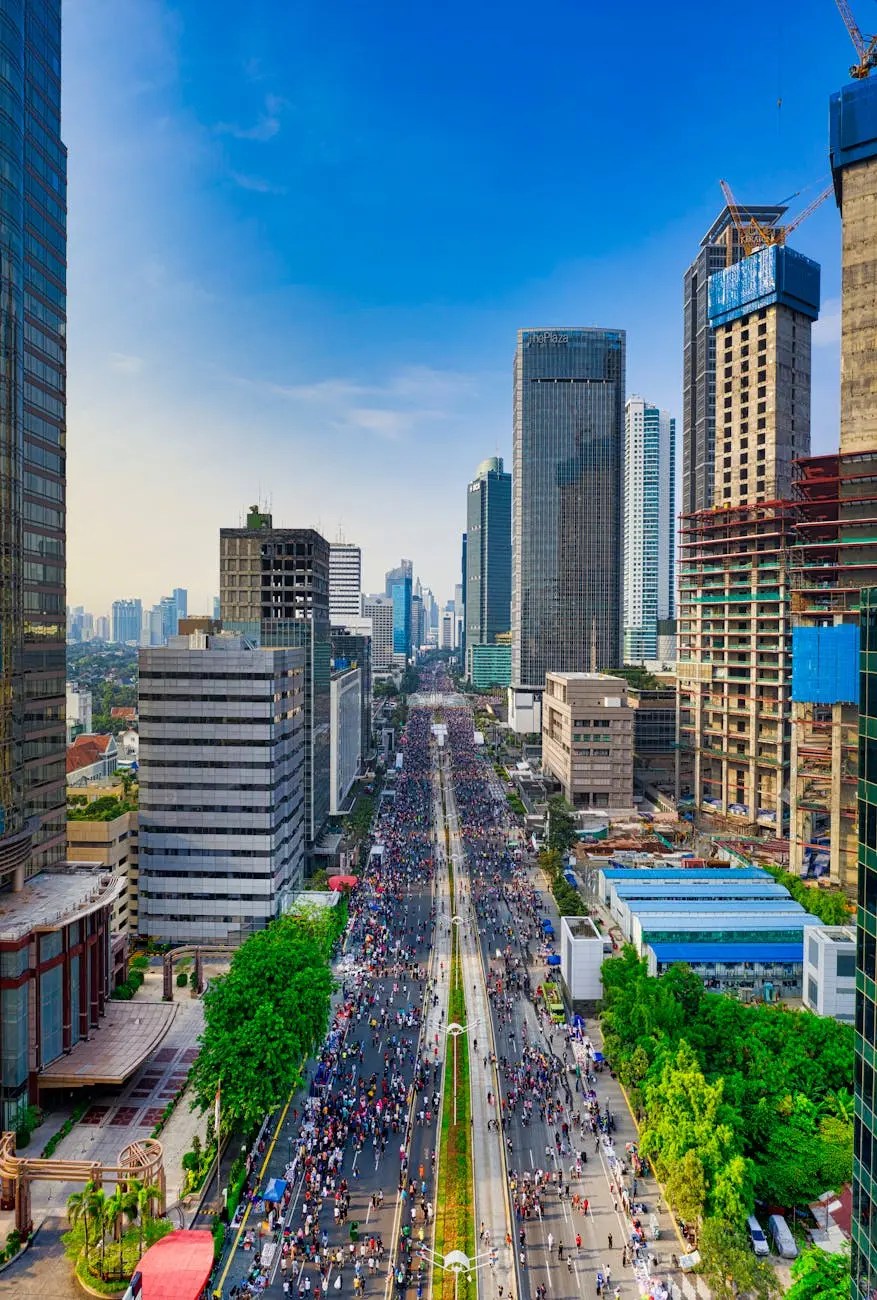
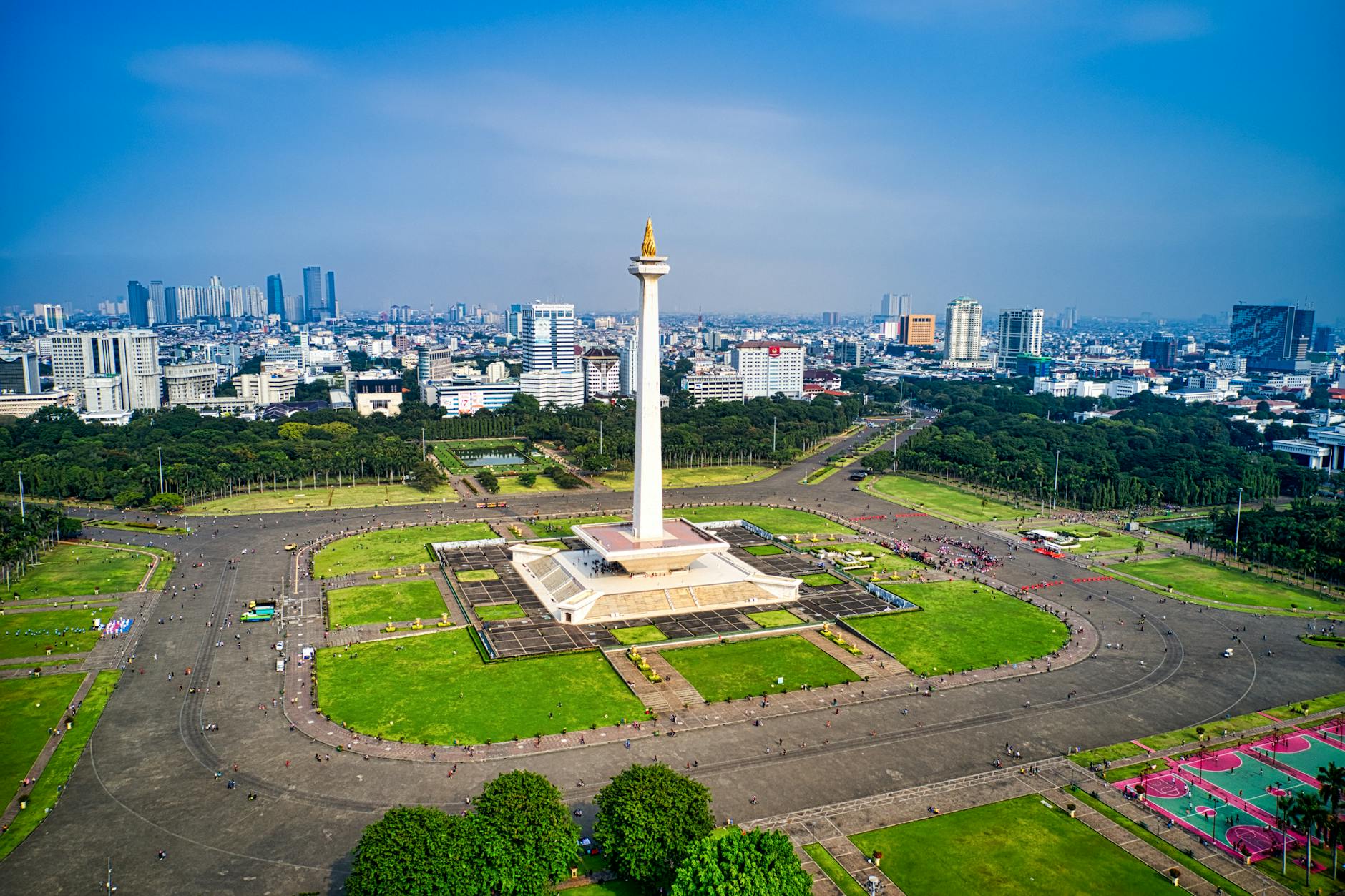
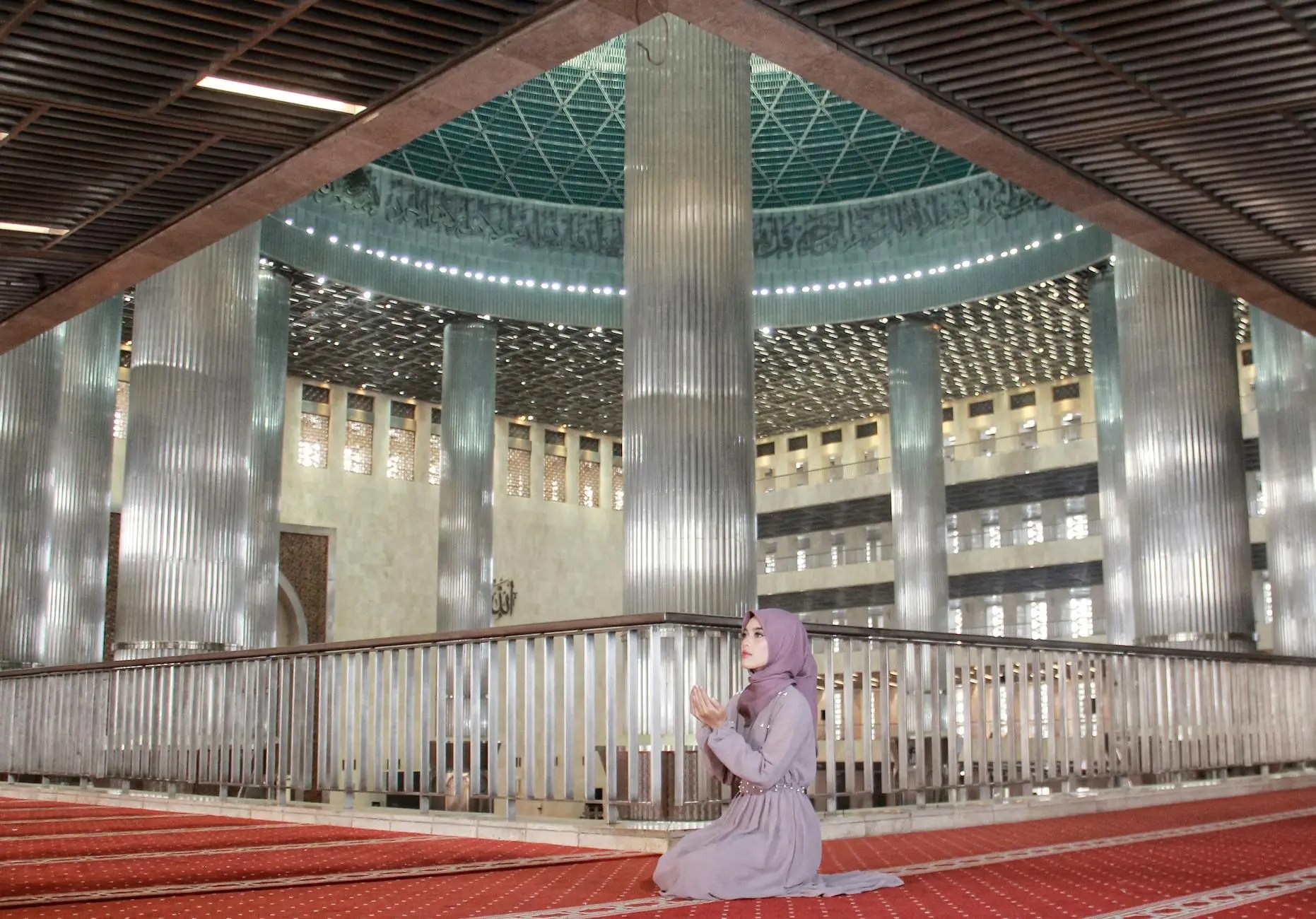

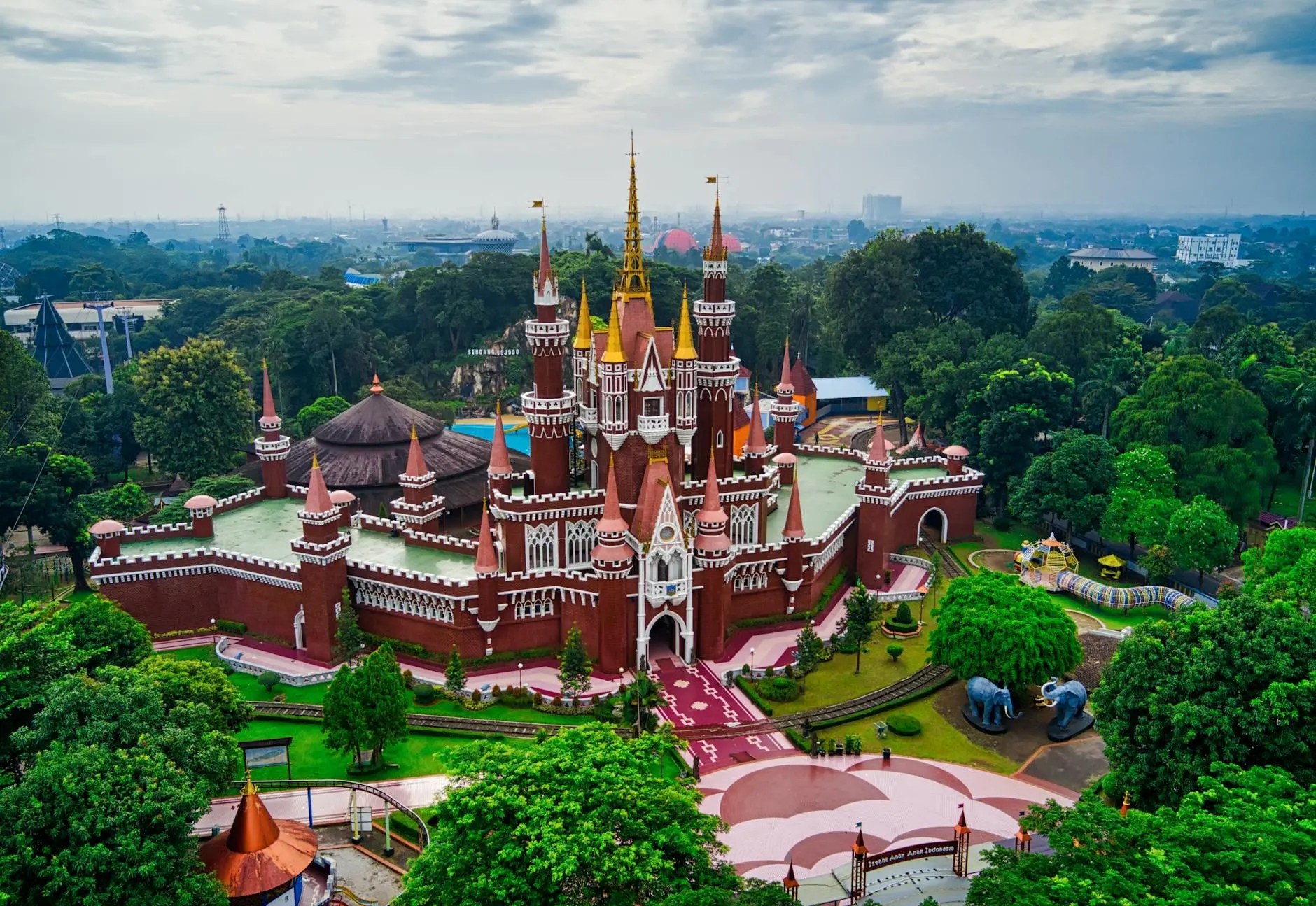
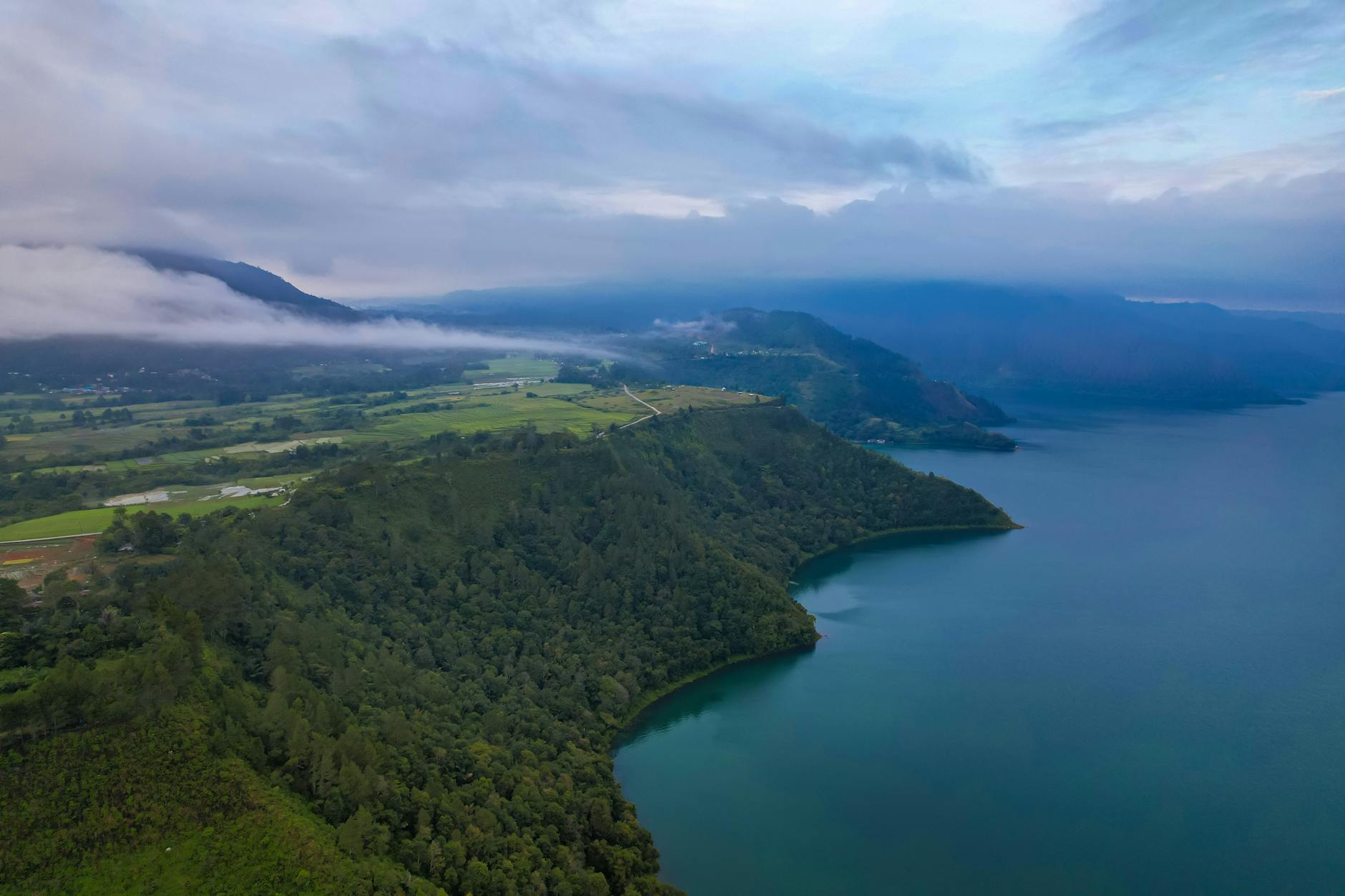
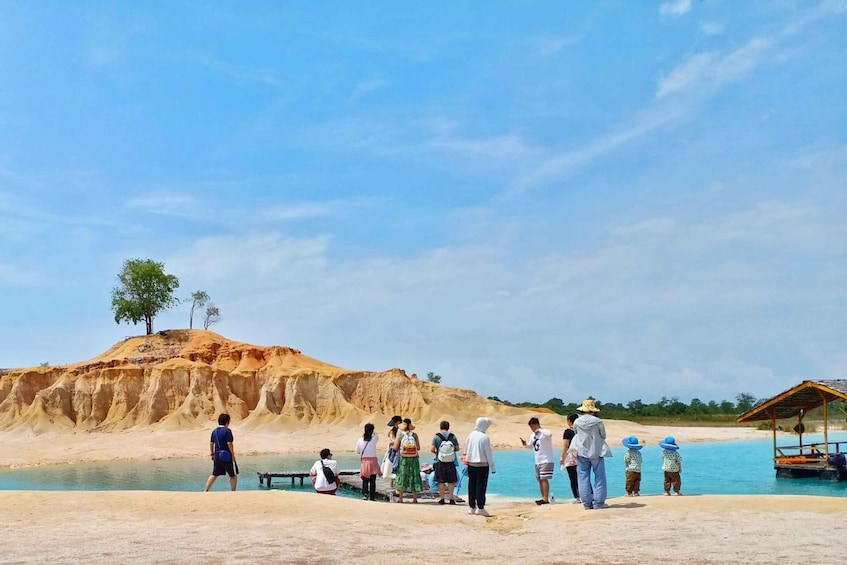
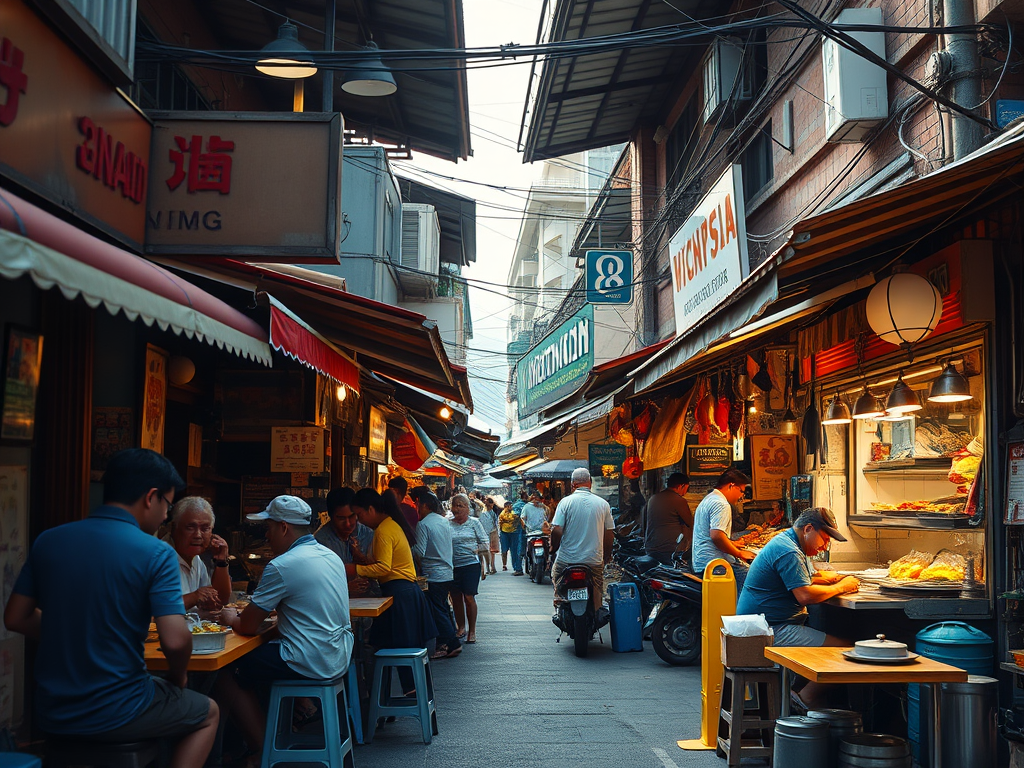
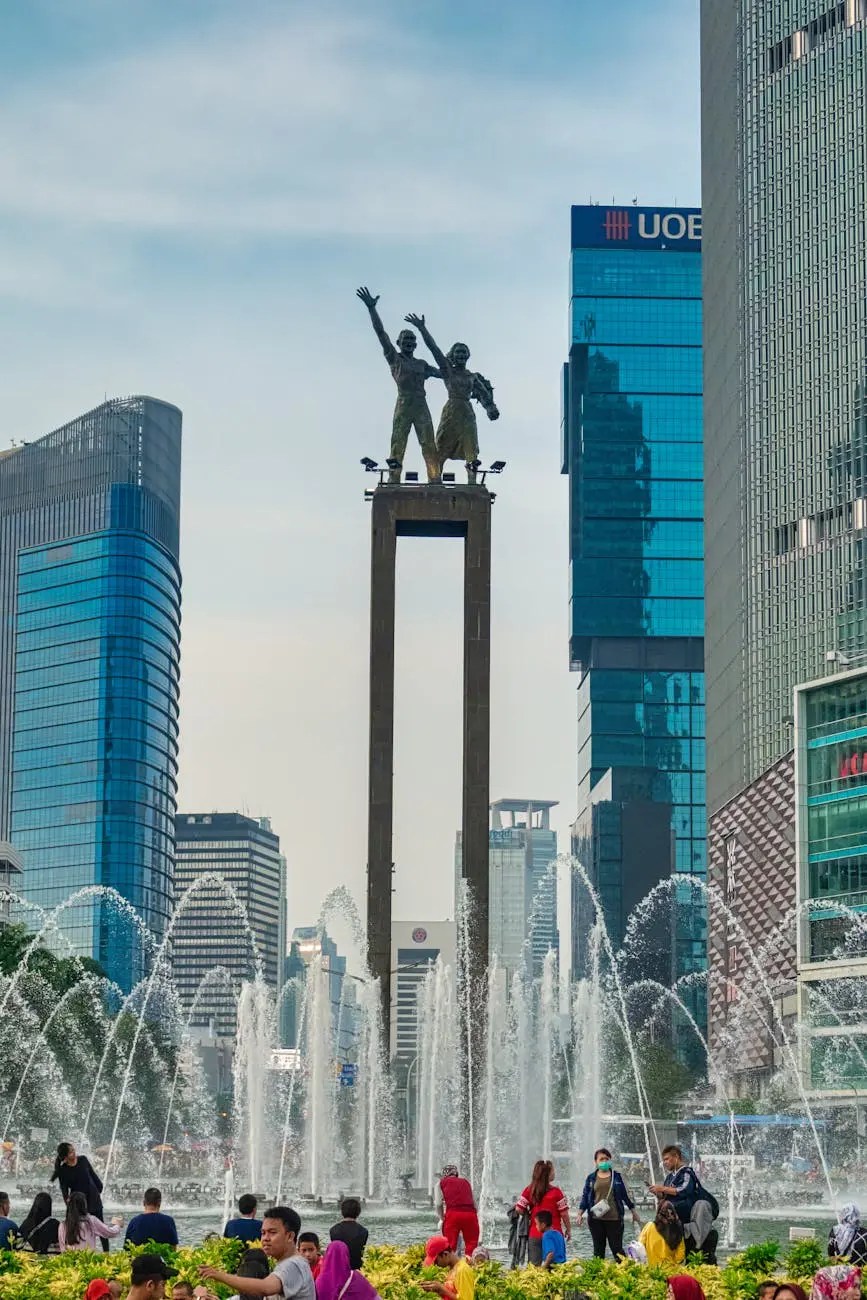
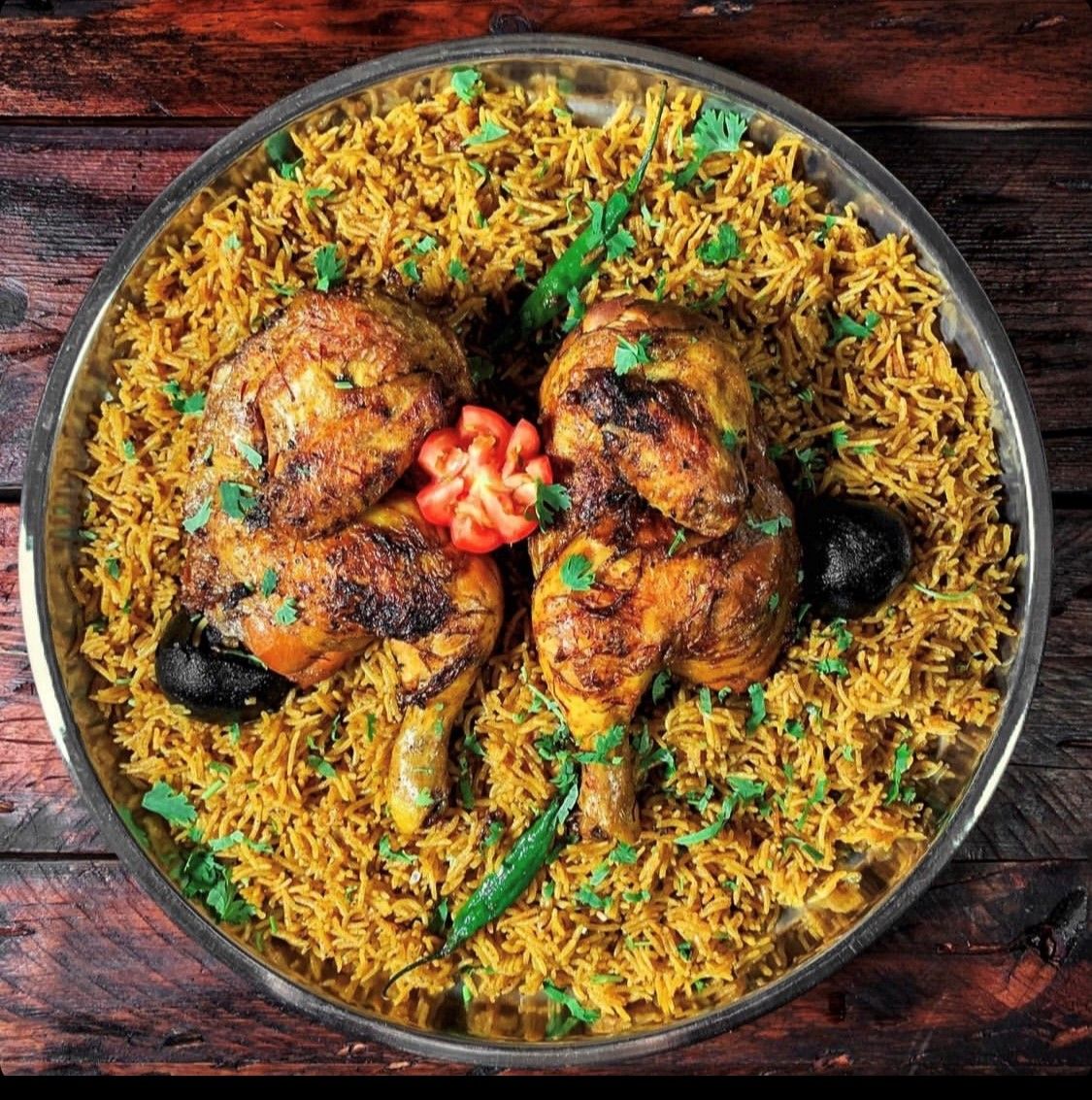
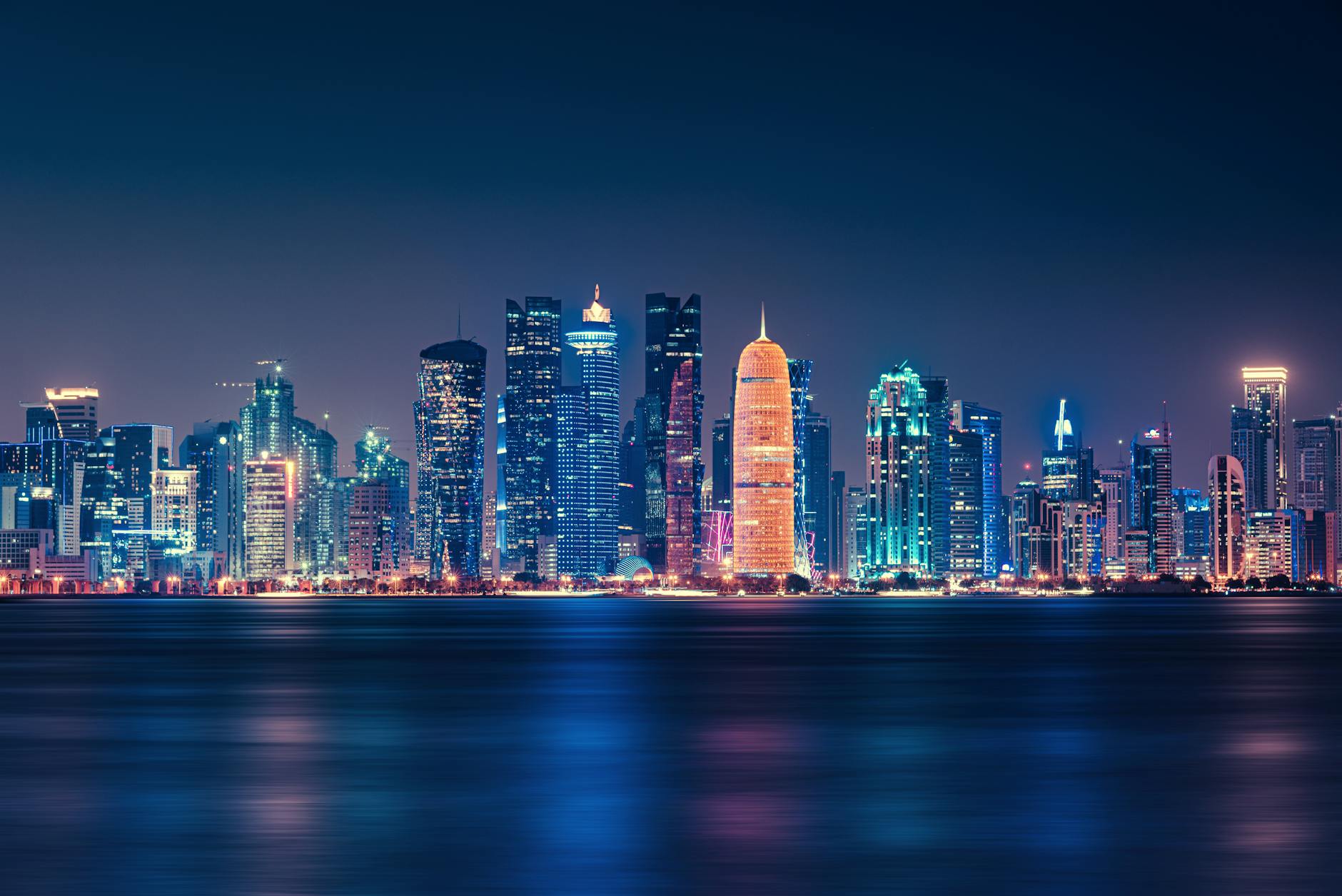
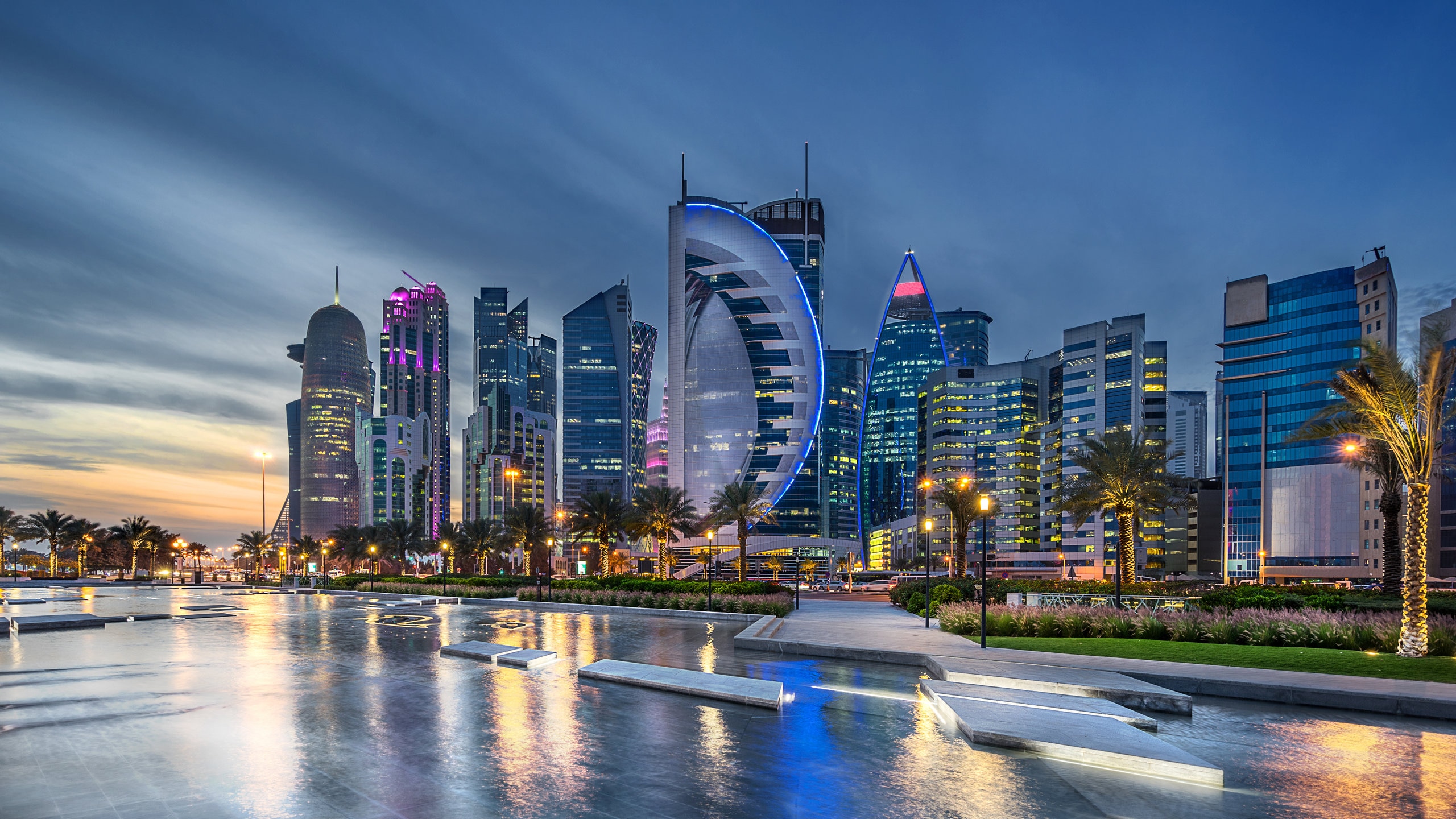
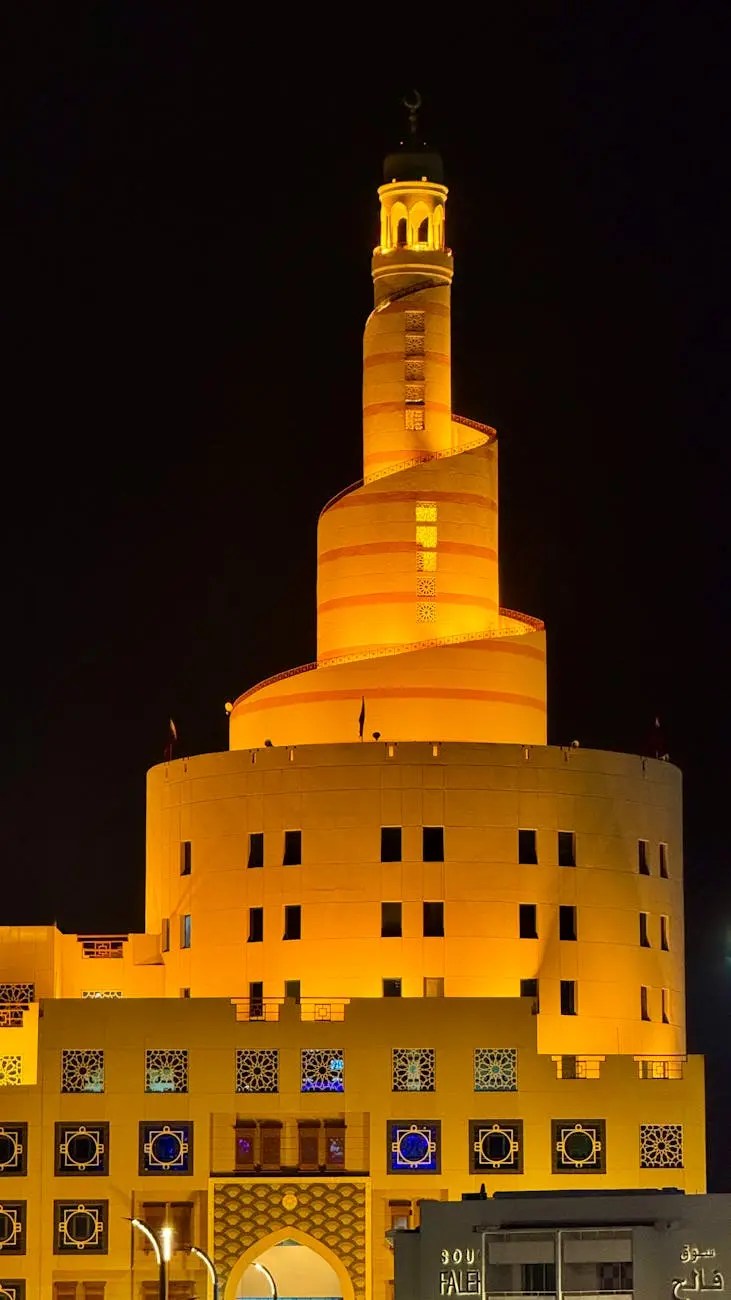
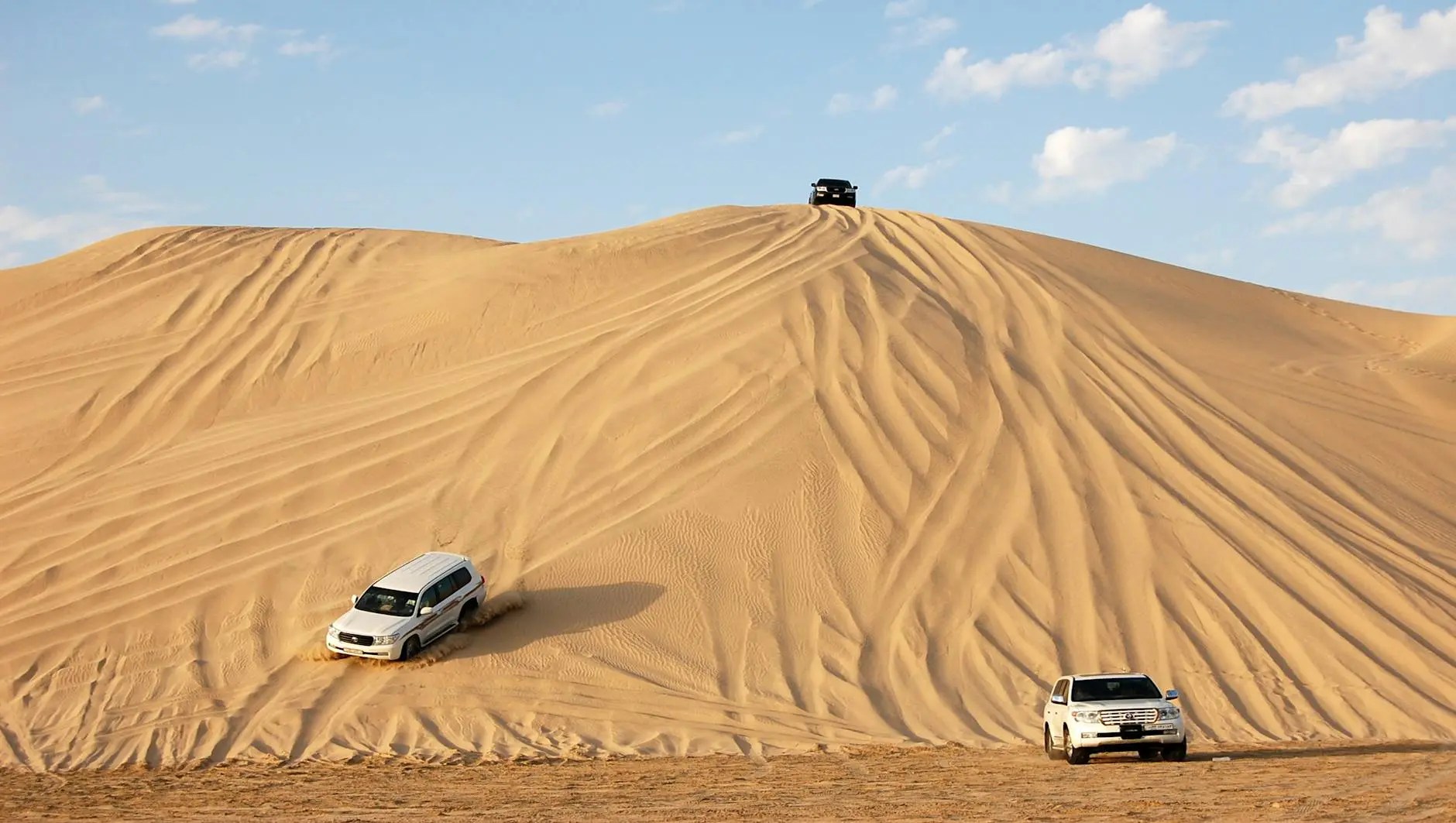
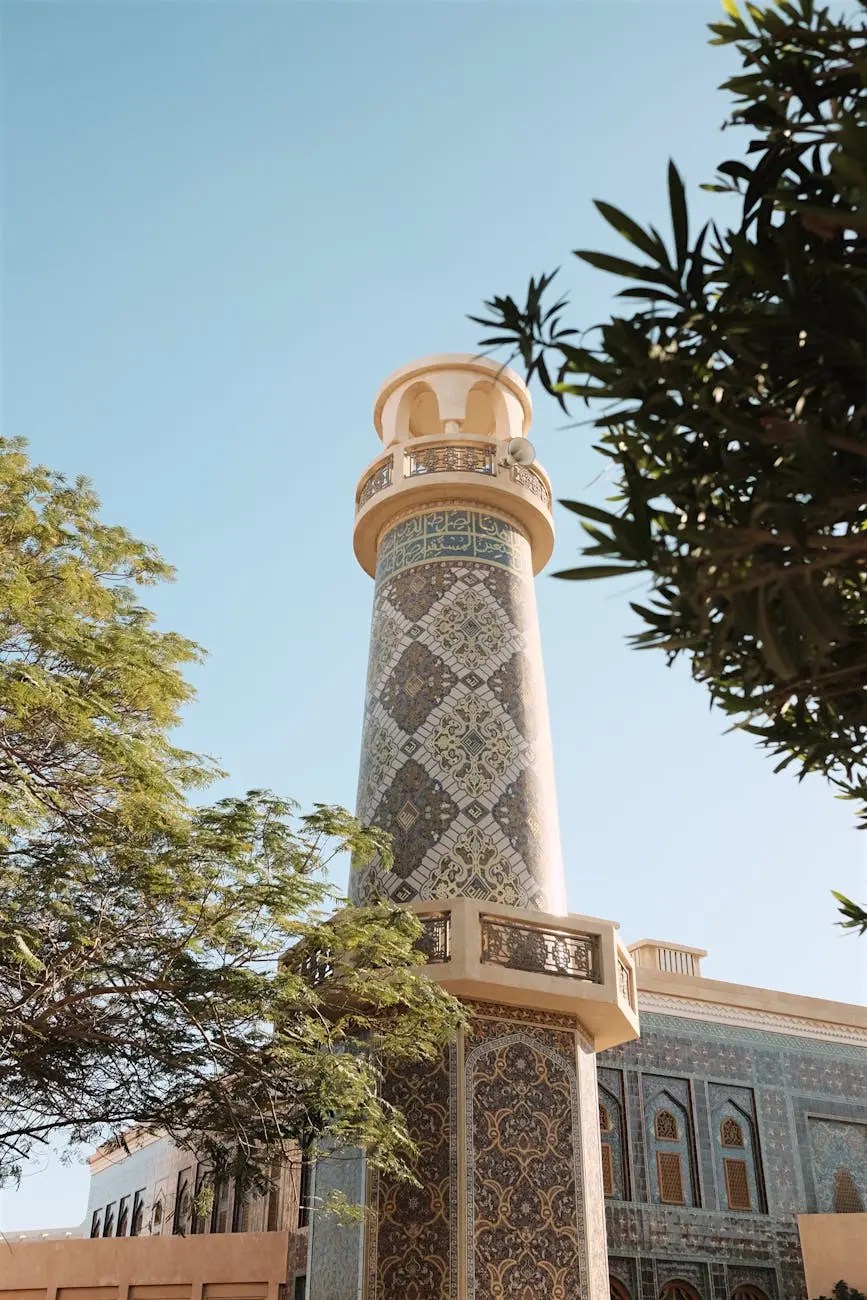
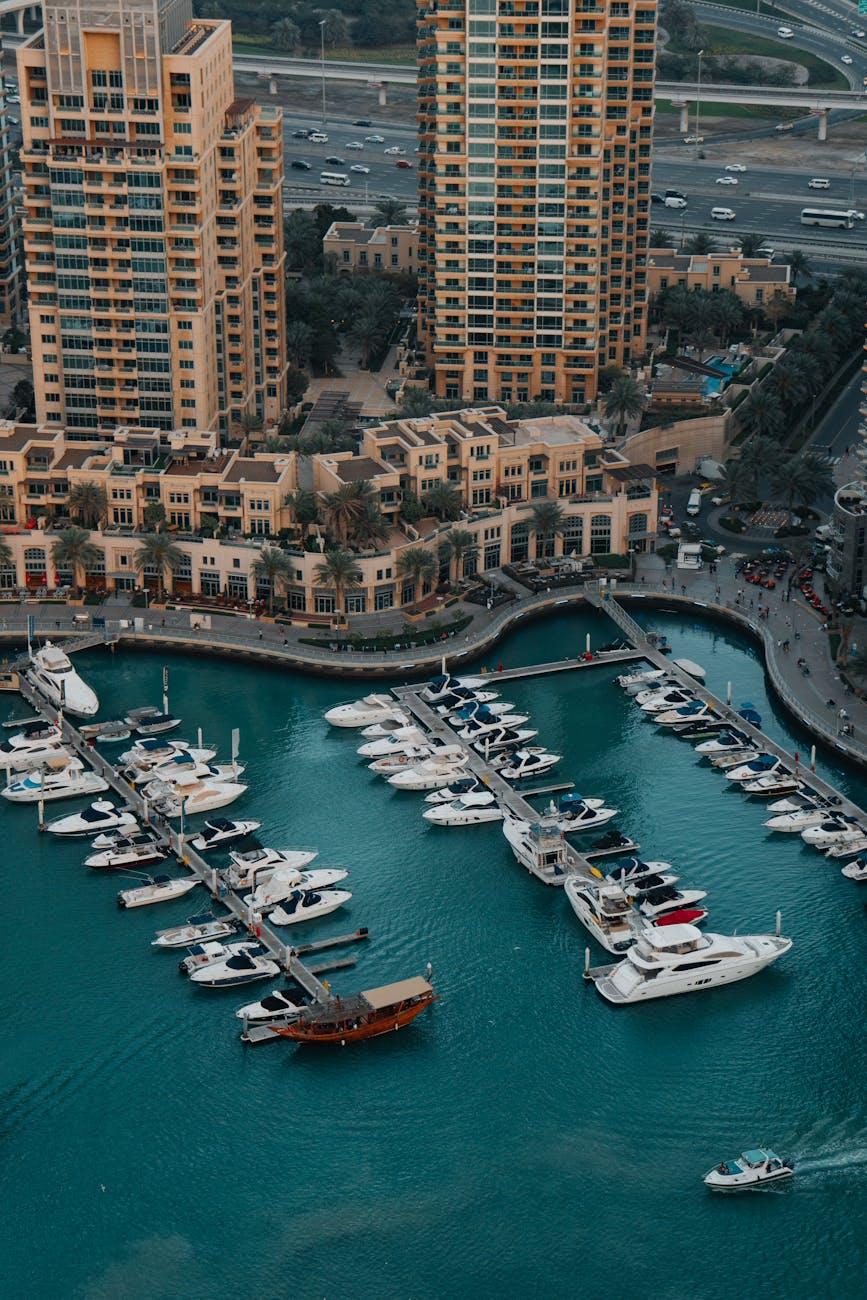

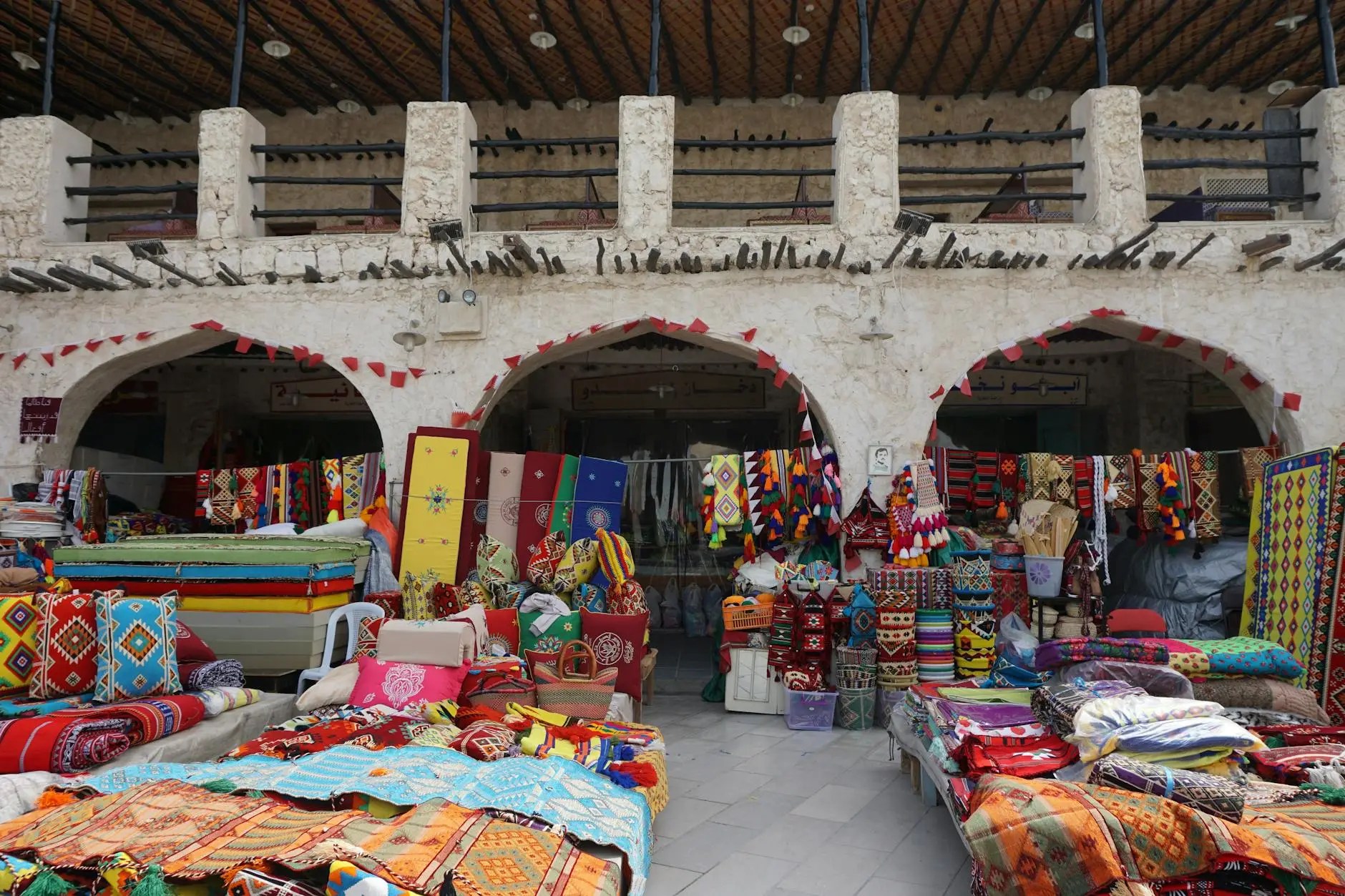
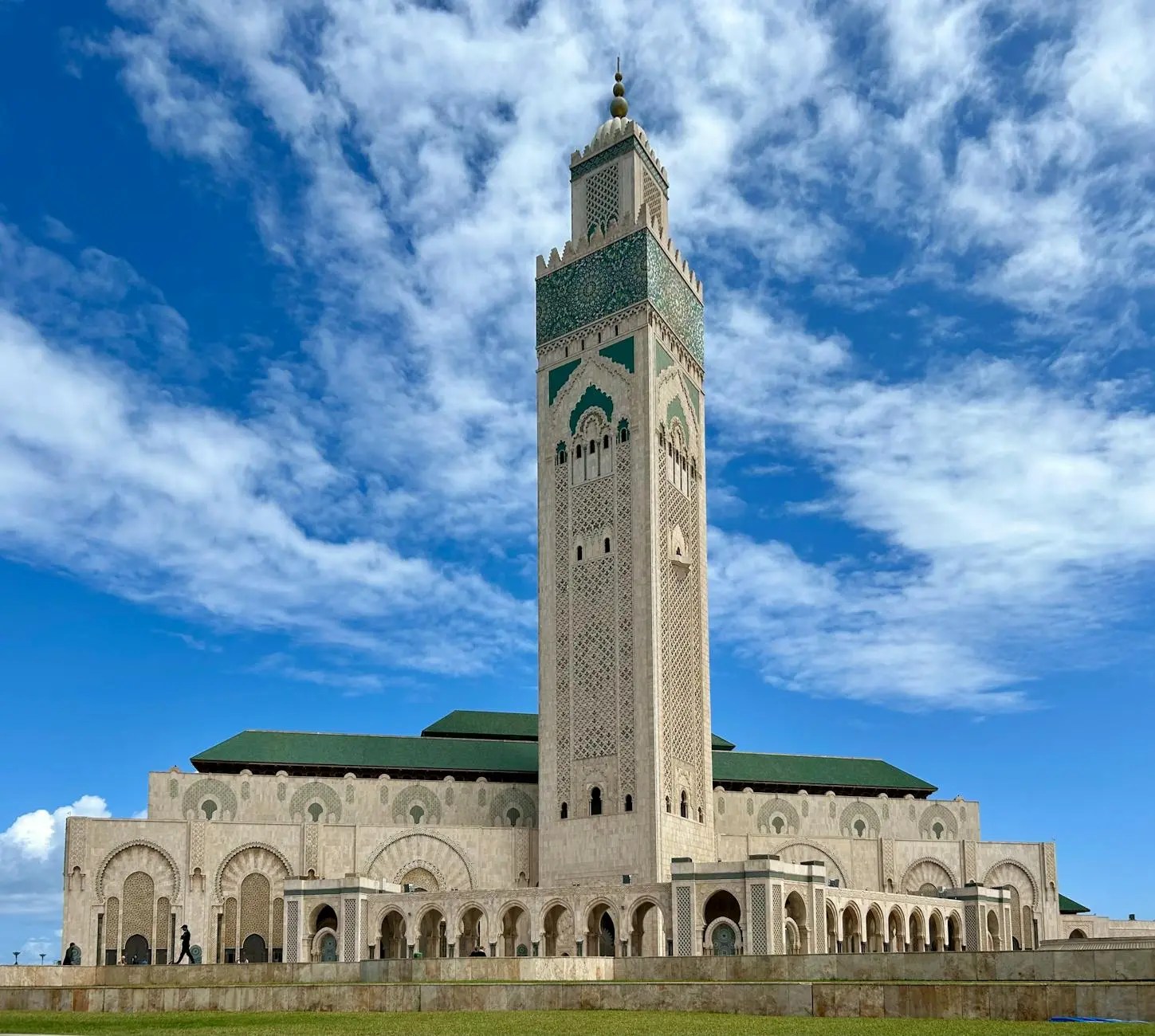
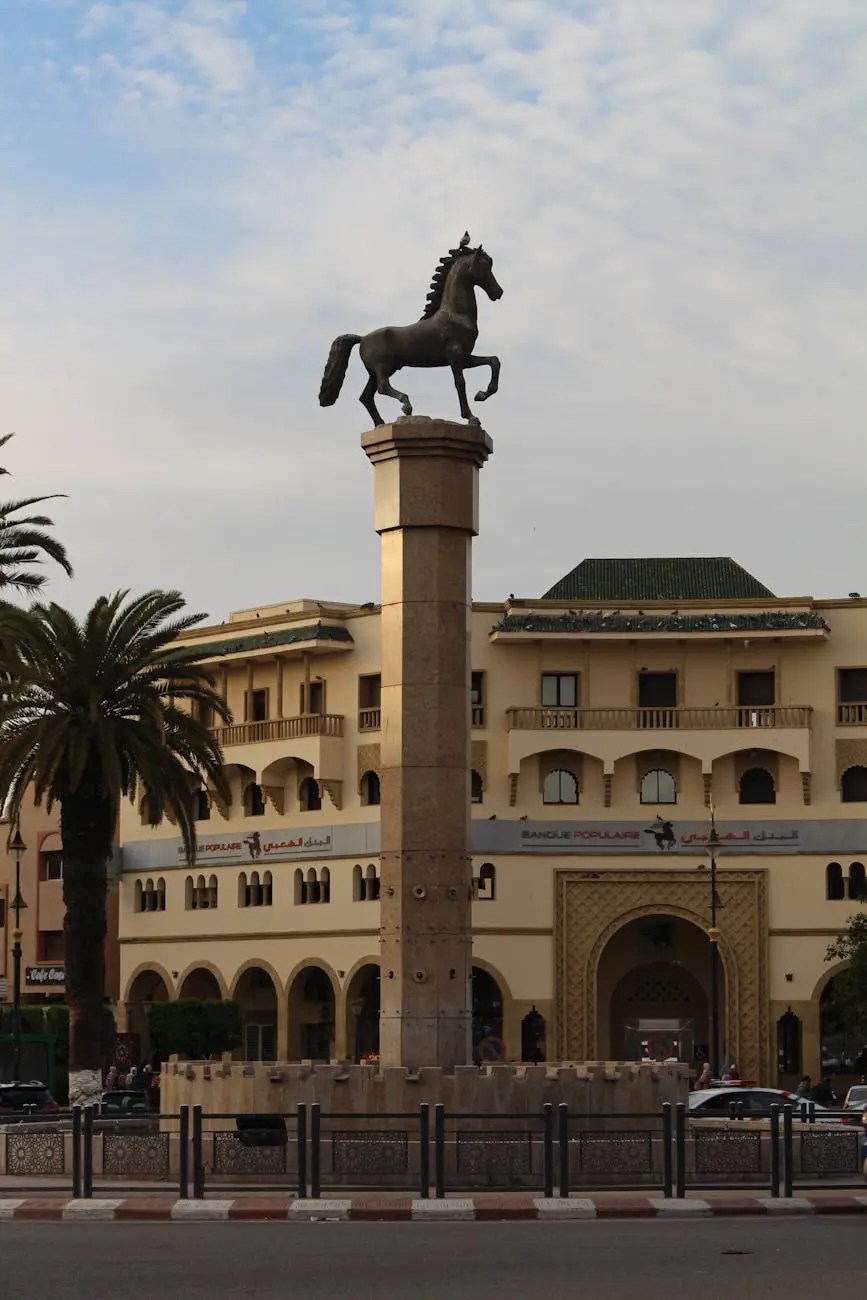
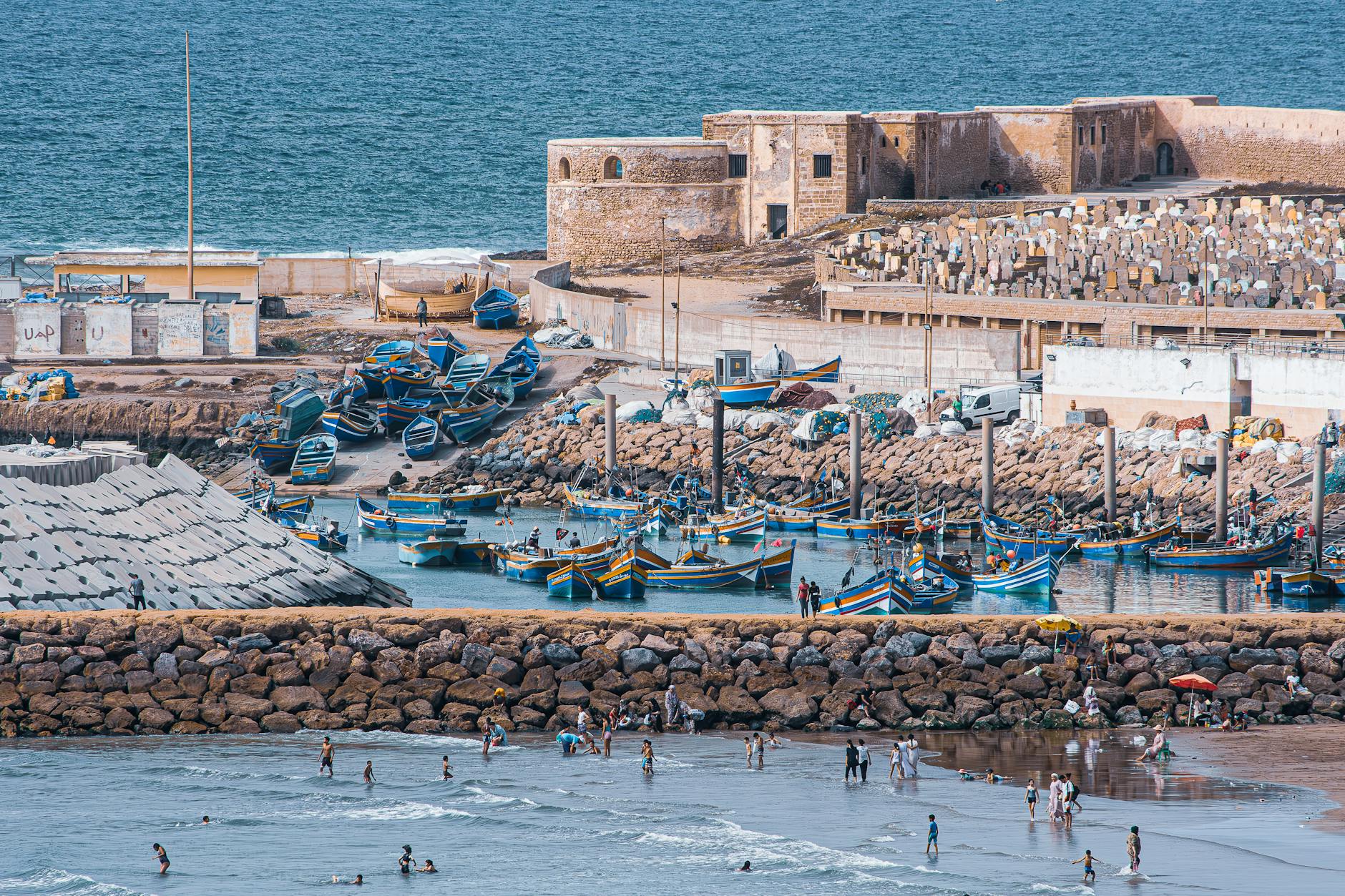
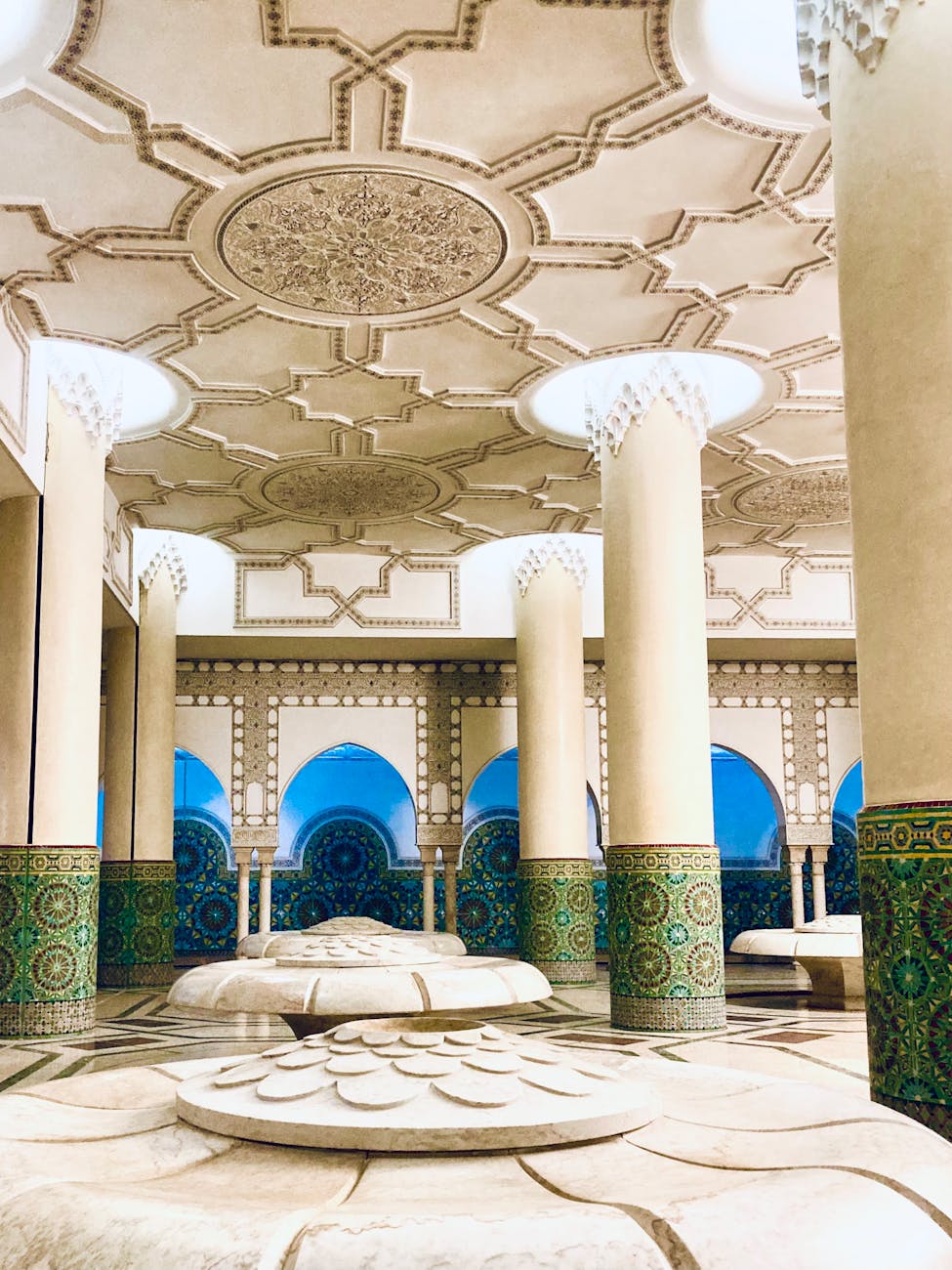
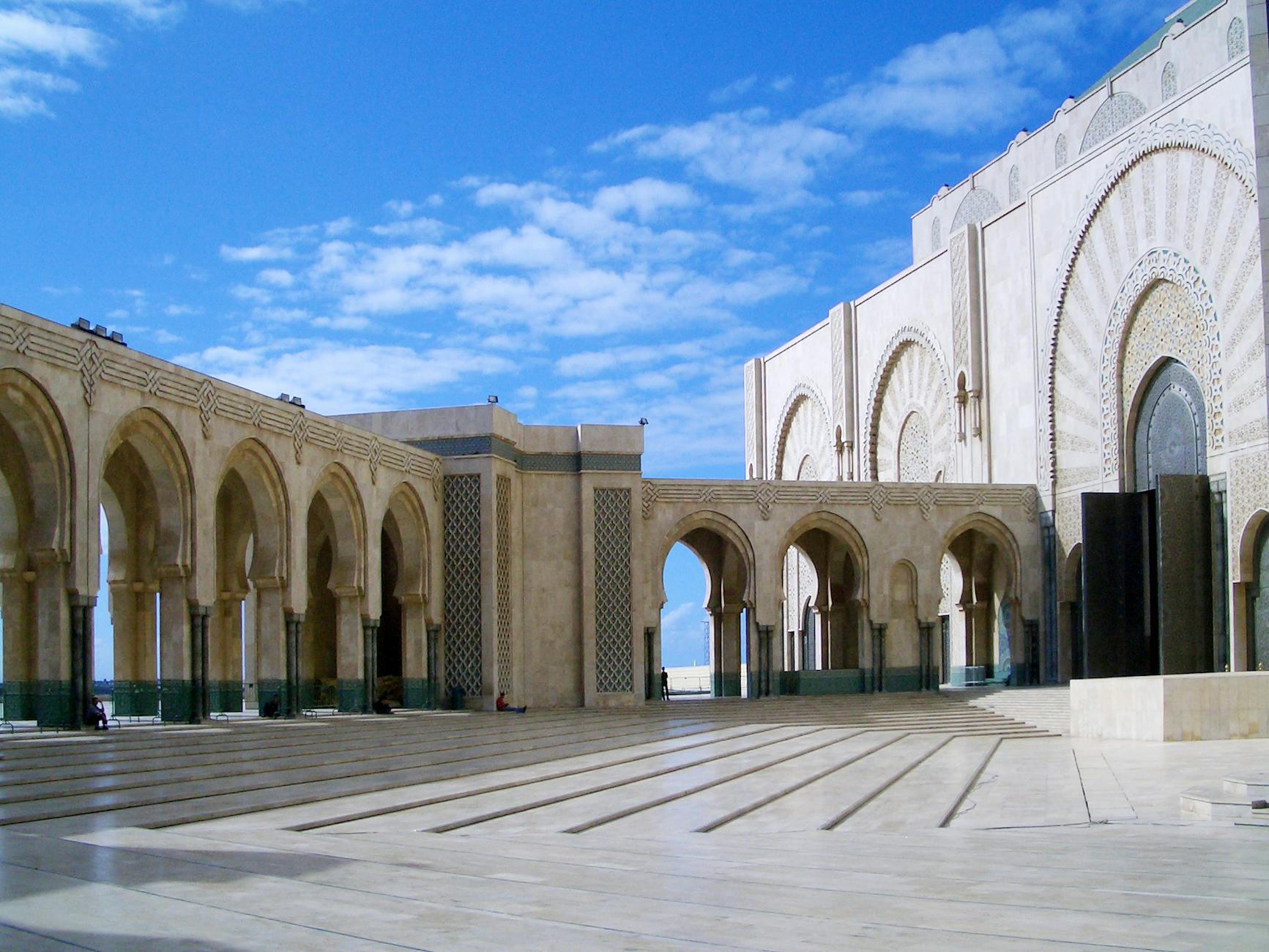



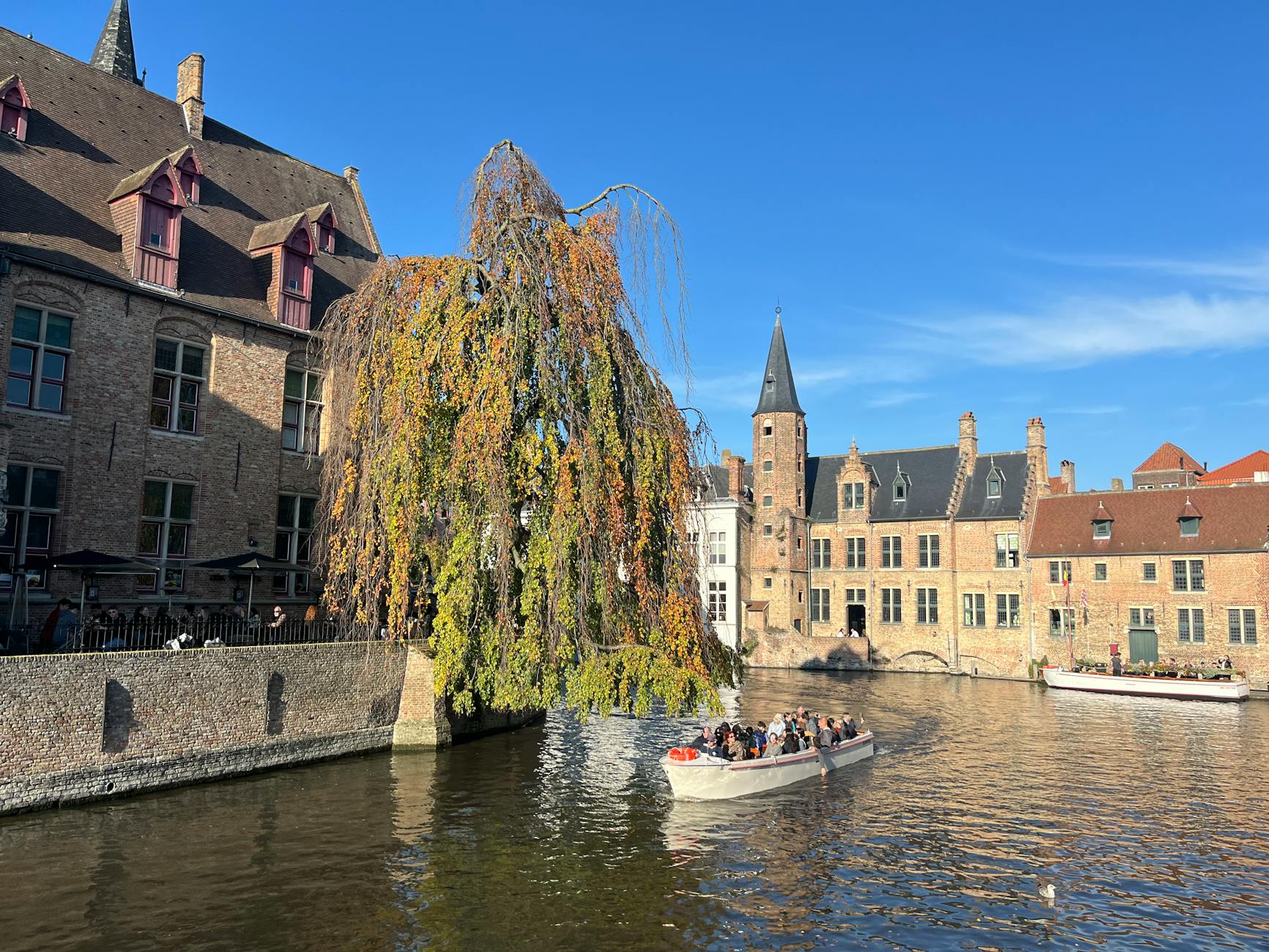

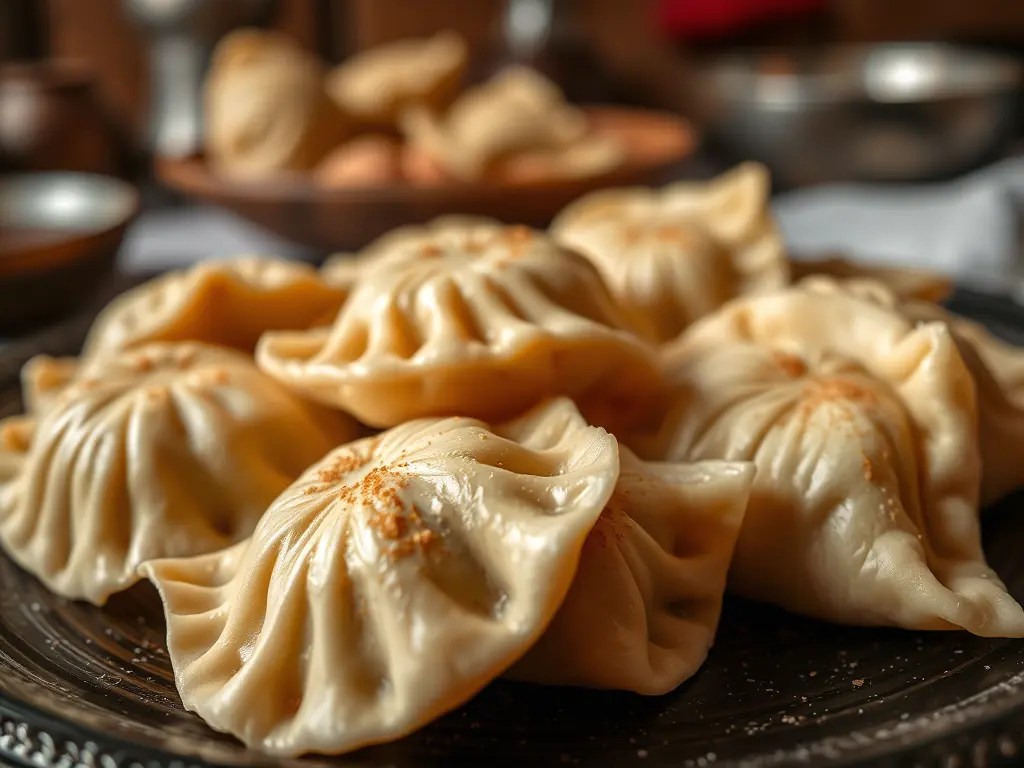



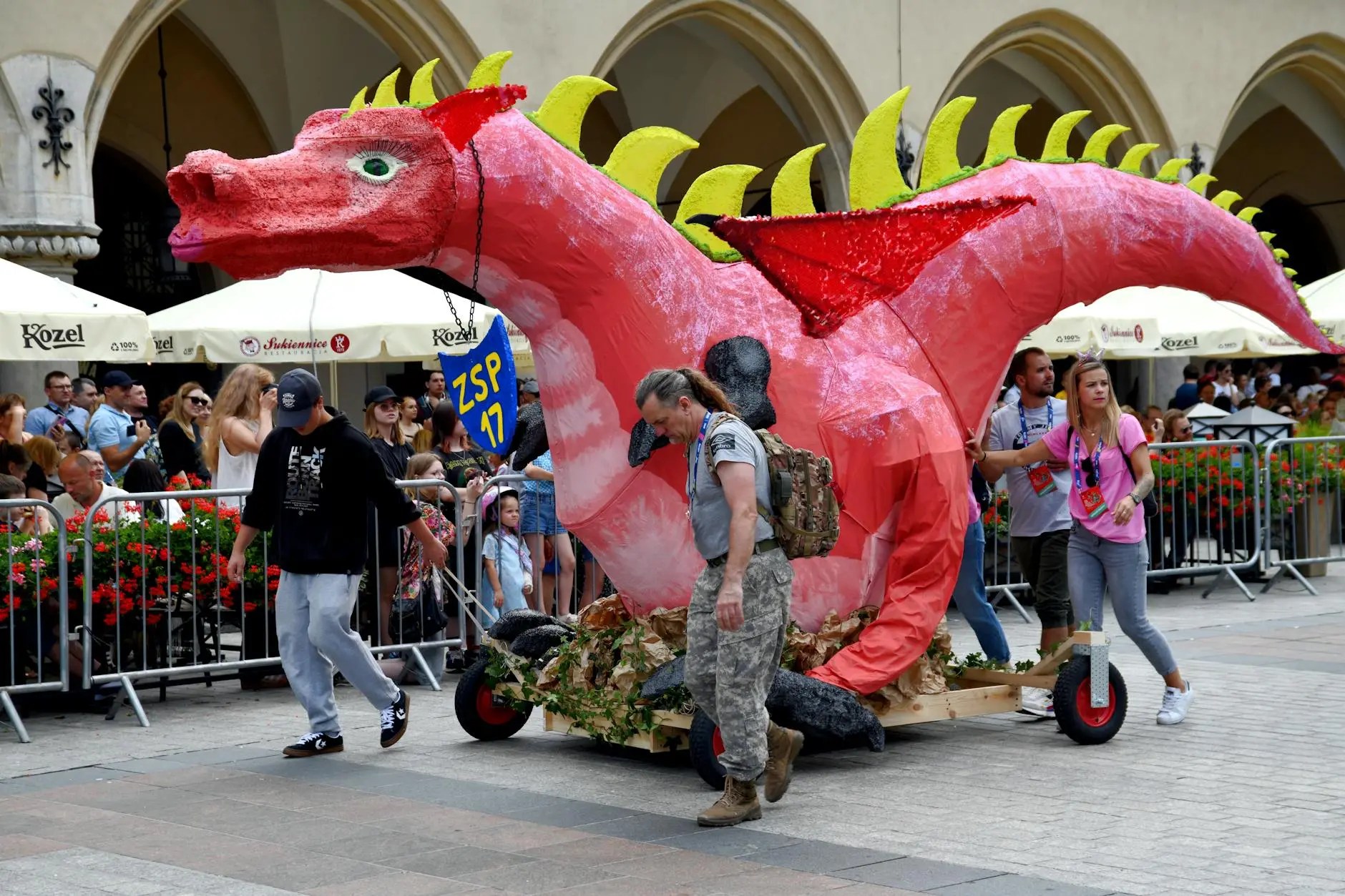
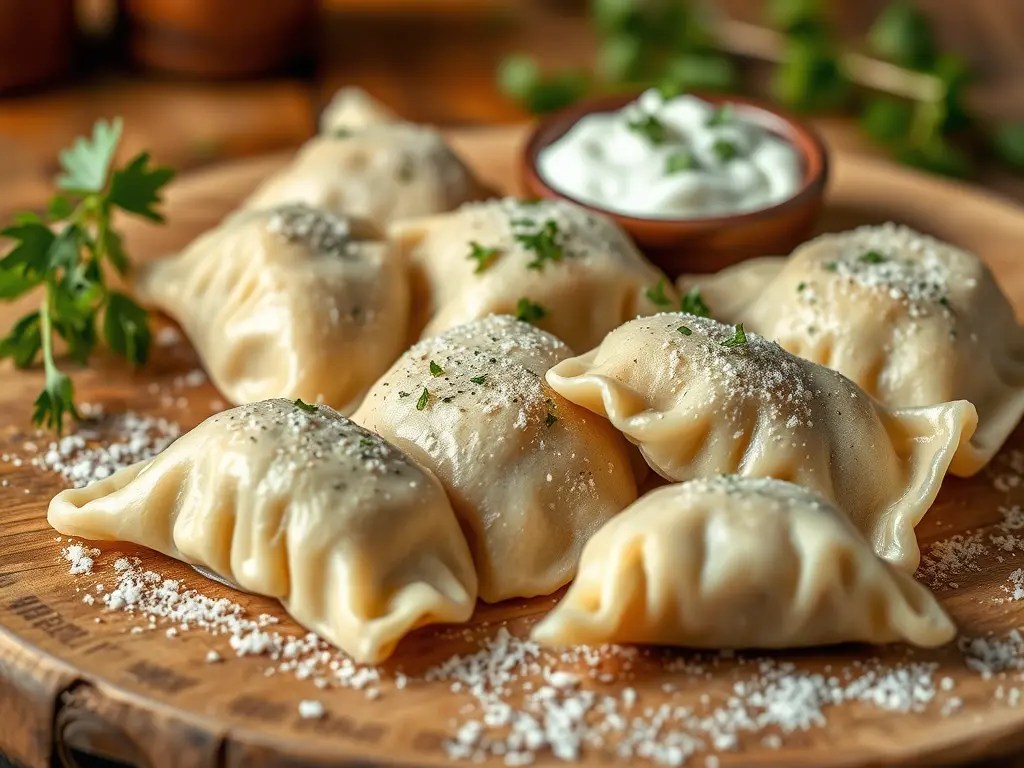
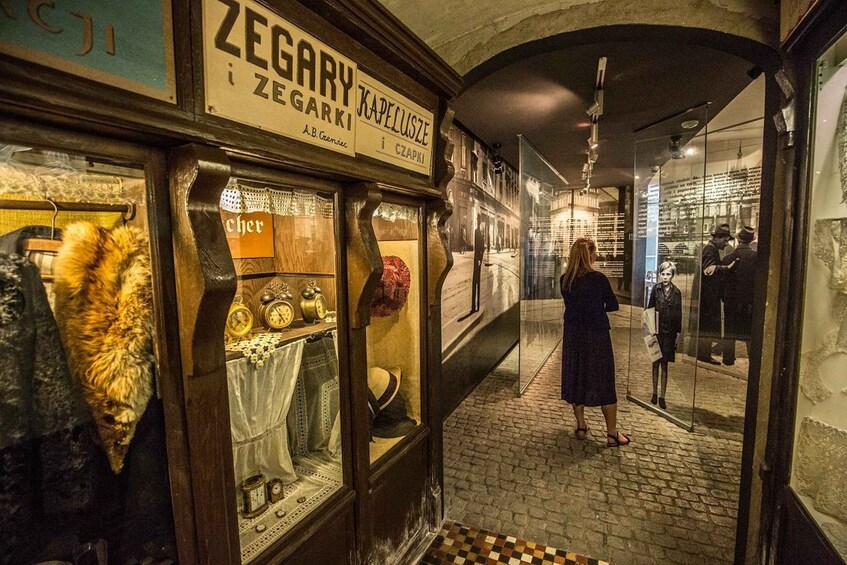
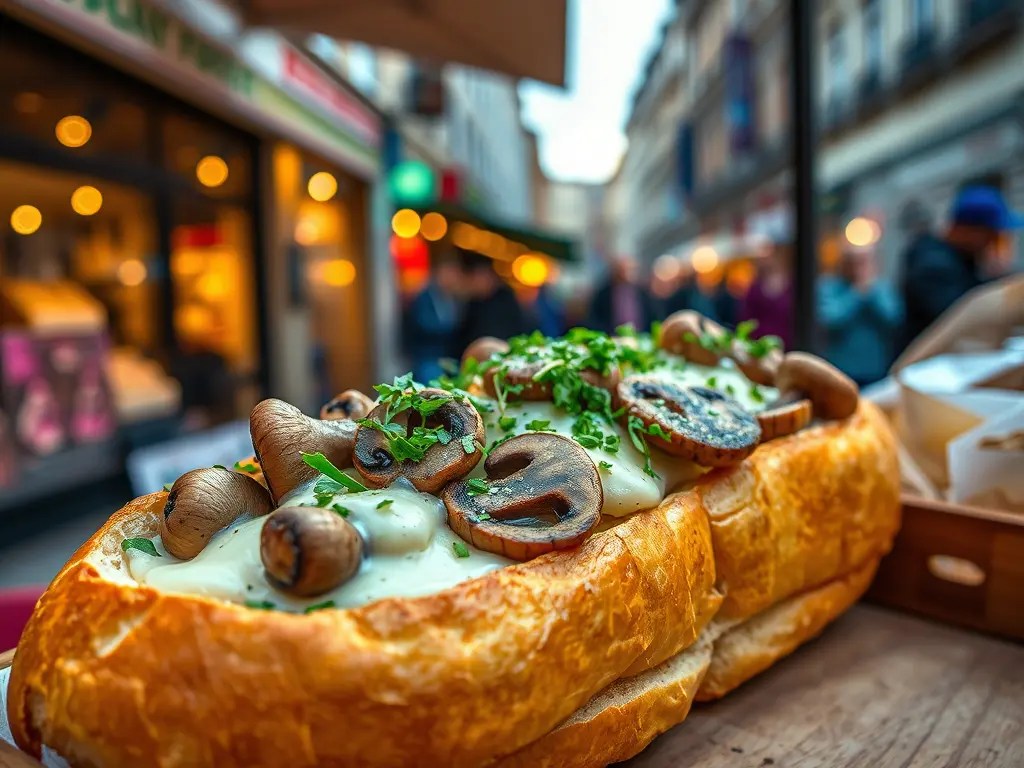

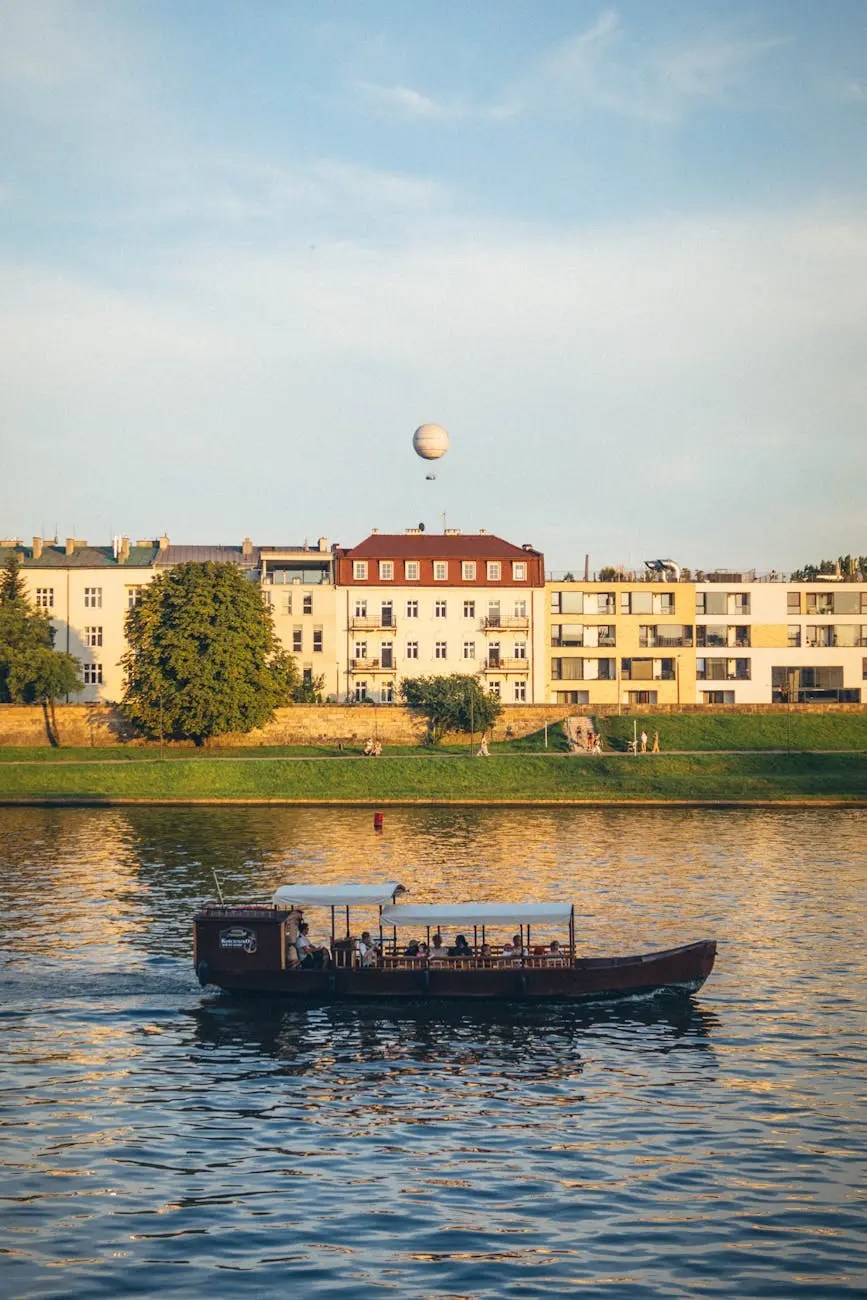
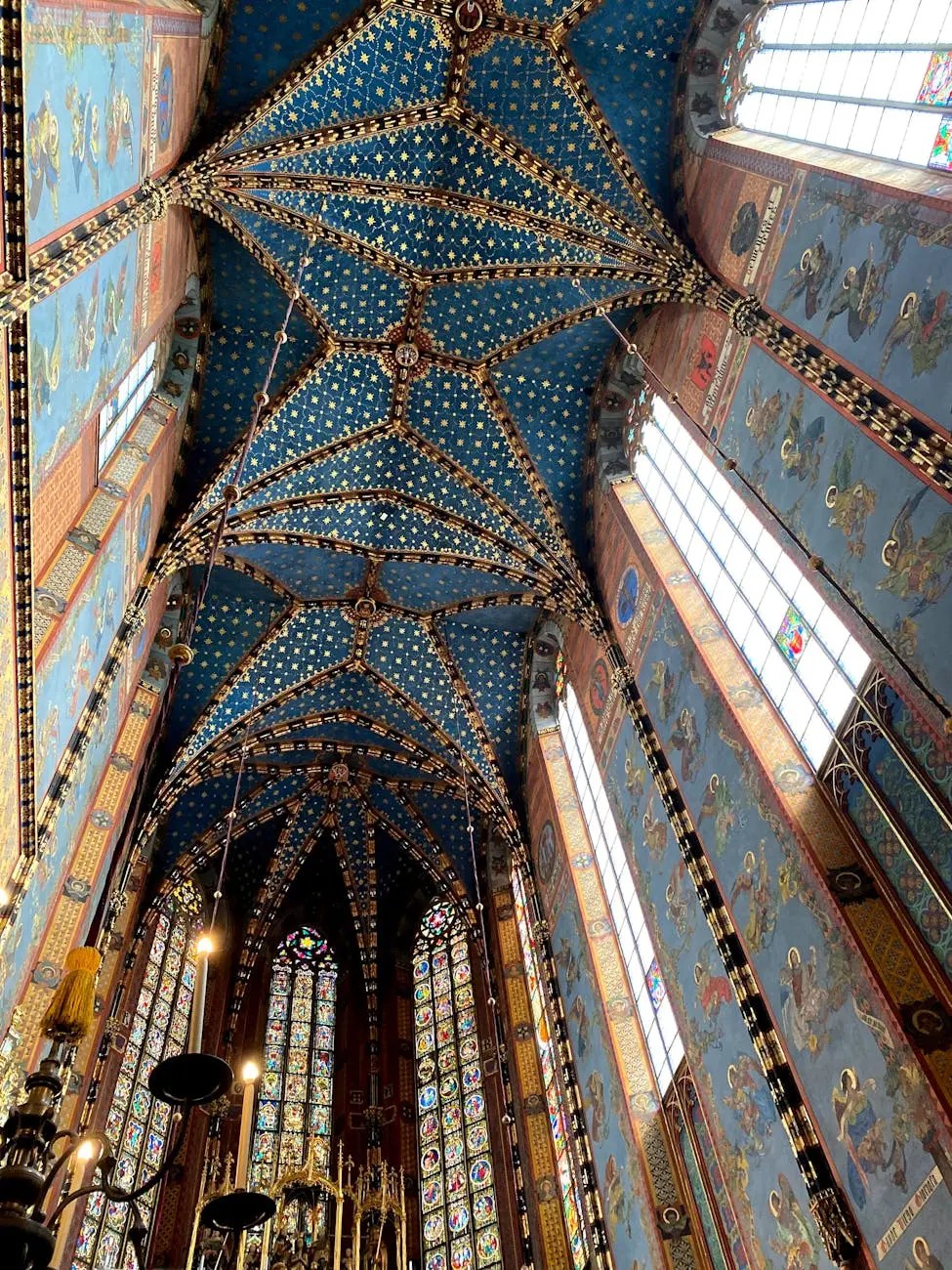
 Home Home sweet sweet home