48-Hour Taipei Travel Guide: Must-See Attractions

Table of Contents

  1. Introduction: Taipei – Where Tradition Meets Tomorrow
  2. Before You Go: Essential Taipei Trip Planning
    • Best Time to Visit Taipei
    • Visa and Entry Essentials
    • Getting Around: Taipei’s Excellent Transport
    • Where to Stay: Top Areas for a Short Trip
  3. Your 48-Hour Taipei Itinerary
    • Day 1: Cultural Heart & Culinary Delights
      • Morning: National Palace Museum
      • Afternoon: Lungshan Temple & Huashan 1914 Creative Park
      • Evening: Raohe Street Night Market
    • Day 2: Natural Wonders & Urban Views
      • Morning: Hike up Elephant Mountain
      • Afternoon: Taipei 101 Observatory & Shopping
      • Evening: Ximending Shopping District
  4. Taipei’s Must-Try Food & Drink
    • Street Food Staples: What to Eat
    • Bubble Tea: The Essential Taipei Experience
  5. Practical Tips for Your Taipei Adventure
    • Language and Simple Phrases
    • Money, Tipping, and Bargaining
    • Staying Connected: WiFi and SIM Cards
  6. Conclusion: Making the Most of Your 48 Hours in Taipei

If there’s one city that knows how to mix centuries-old temples with neon-lit night markets, it’s Taipei. Taiwan’s bustling capital is highly visited worldwide. There are good reasons for this popularity. Bubble tea was invented here. Night markets feel like foodie carnivals. Hot springs are just a short MRT ride away.

I recently squeezed Taipei into a 48-hour weekend escape (because why not live on the edge?) and let me tell you—it was like drinking five espressos back-to-back: energizing, slightly overwhelming, but oh-so worth it.

Flights to Taipei

Taipei Vacations

🏯 Day 1: Culture, Food & City Views

Morning: Chiang Kai-shek Memorial Hall

Kick off your trip at the iconic Chiang Kai-shek Memorial Hall. The massive plaza, blue-roofed halls, and guard-changing ceremony are Instagram gold. Plus, it’s a perfect way to stretch your legs after a flight.

Insider Tip: Arrive early (before 10 AM) to avoid tour bus crowds.

Taipei Day Tour: CKS Memorial Hall, 101, Bangka & Dadaocheng

The Chiang Kai-shek Memorial Hall in Taipei, showcasing its iconic blue-roofed structure against a clear sky, surrounded by neatly trimmed green hedges.
The iconic Chiang Kai-shek Memorial Hall in Taipei, showcasing its stunning architecture and surrounding gardens.

Lunch: Din Tai Fung (Yes, the Original One)

When in Taipei, you must eat xiao long bao (soup dumplings). Head to the original Din Tai Fung on Xinyi Road. The line may be long, but I promise—it’s the kind of wait that makes you forget your own name in excitement.

A wooden cutting board with a sliced vegetable pizza topped with spinach and yellow bell peppers, surrounded by various ingredients like onions, a red bell pepper, and spices.
A delicious spread featuring fresh ingredients alongside a freshly baked pizza, perfect for a culinary adventure.

Taipei: Din Tai Fung Meal Voucher

Afternoon: Taipei 101

Next stop: Taipei 101, once the tallest building in the world. Ride the high-speed elevator (you’ll feel like you’re in a spaceship) and soak in panoramic views of the city.

👉 Pro Tip: Book tickets online through Expedia to skip lines.

Taipei 101 Tours

A night view of Taipei 101, illuminated with blue and white lights, towering over the city skyline.
Taipei 101 illuminated at night, showcasing the iconic skyline of Taiwan’s capital.

Evening: Shilin Night Market

Welcome to foodie heaven. From stinky tofu (yes, it’s a thing) to fried chicken cutlets the size of your head, Shilin Night Market is where Taipei really shines. My personal regret? Not bringing stretchy pants.
Shilin Night Market Tours

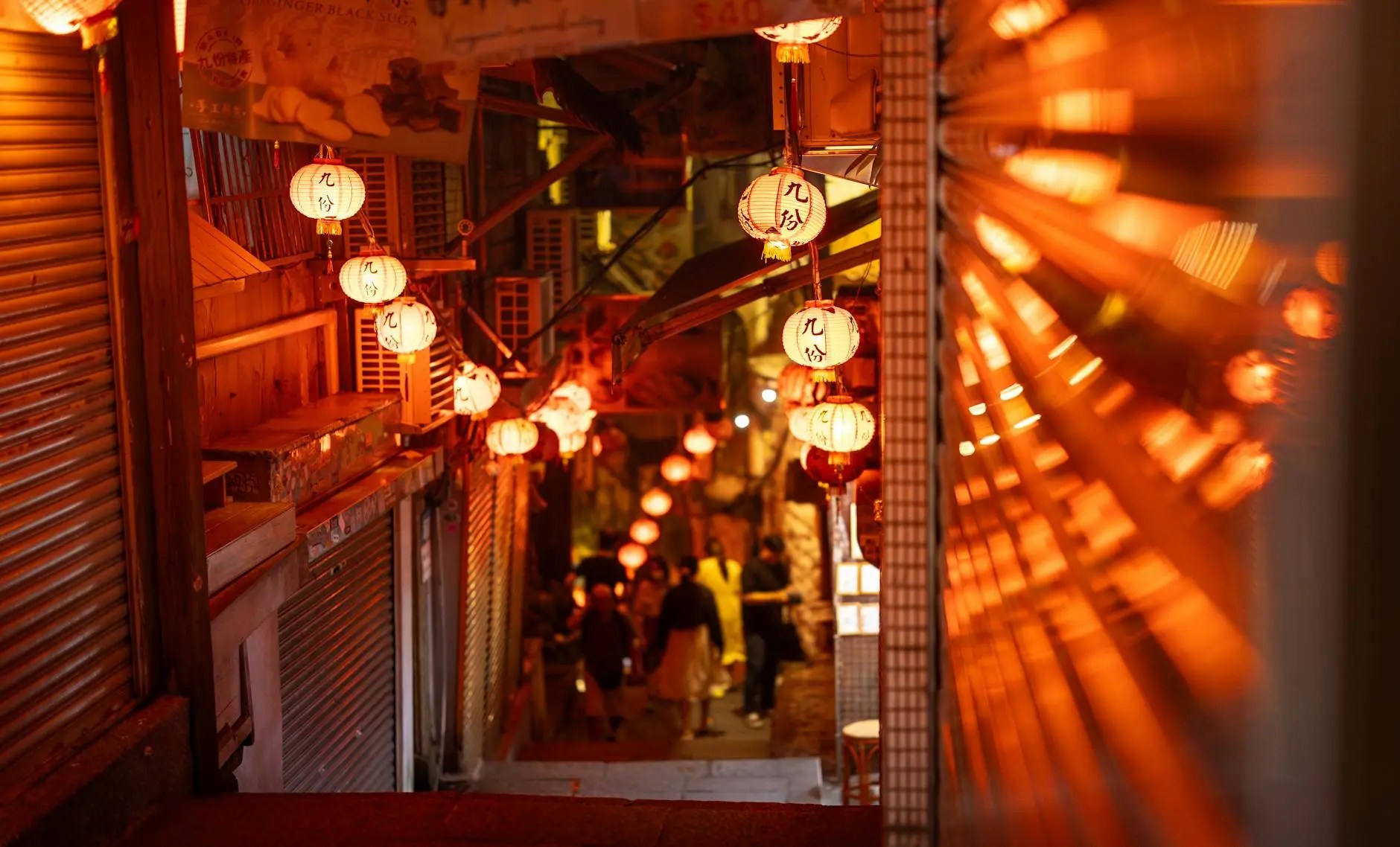
A narrow alleyway illuminated by traditional Chinese lanterns, giving a warm orange glow, with people walking in the distance.
Shilin Night Market’s vibrant atmosphere, illuminated by glowing lanterns, showcasing Taipei’s culinary delights.

Sip & Savor: Maokong Tea & Shenkeng Stinky Tofu Private Day Tour

A colorful salad featuring mixed greens, cherry tomatoes, grape halves, red bell pepper, feta cheese, and chunks of pineapple, served on a white plate.
A vibrant salad featuring mixed greens, cherry tomatoes, grapes, diced pineapple, and feta cheese, perfect for a refreshing meal.

“When I tried stinky tofu at Shilin Night Market, I nearly chickened out… but it was surprisingly delicious!”

Day 1 in Taipei: History at Chiang Kai-shek, dumplings at Din Tai Fung, breathtaking views from Taipei 101, and a foodie finale at Shilin Night Market.

🌿 Day 2: Temples, Hot Springs & Hidden Gems

Morning: Longshan Temple

A spiritual gem in the heart of the city, Longshan Temple is where locals come to pray, light incense, and find a moment of calm amid Taipei’s chaos.

Lungshan Temple Tours

Exterior view of Longshan Temple in Taipei, showcasing traditional architecture with intricate wooden details and colorful roof decorations.
Visitors admiring the intricate architecture of Longshan Temple in Taipei, a serene spot amidst the city’s hustle.

Afternoon Escape: Beitou Hot Springs

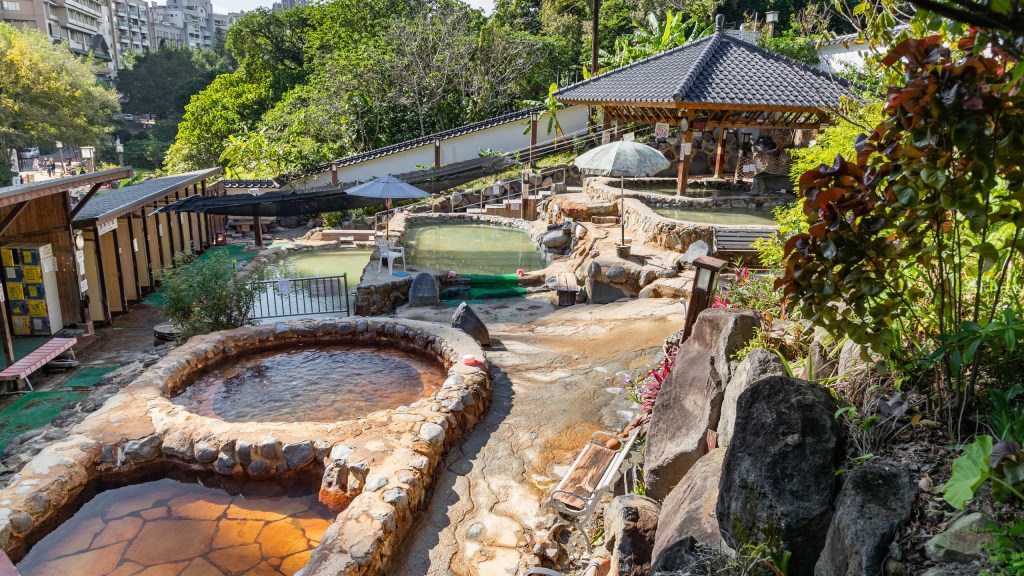
Hop on the MRT Red Line to Beitou, just 30 minutes from central Taipei. Here you’ll find natural hot springs, thermal valleys, and even a quirky Hot Spring Museum. Perfect for recharging before your flight home.
Beitou Hot Springs Park Tours

A serene view of natural hot springs surrounded by lush greenery and traditional architecture in Beitou, Taipei.
Relax in the natural hot springs of Beitou, just 30 minutes from central Taipei.

🚇 How to Get to Beitou Hot Springs by MRT

Reaching Beitou is super easy thanks to Taipei’s MRT system:
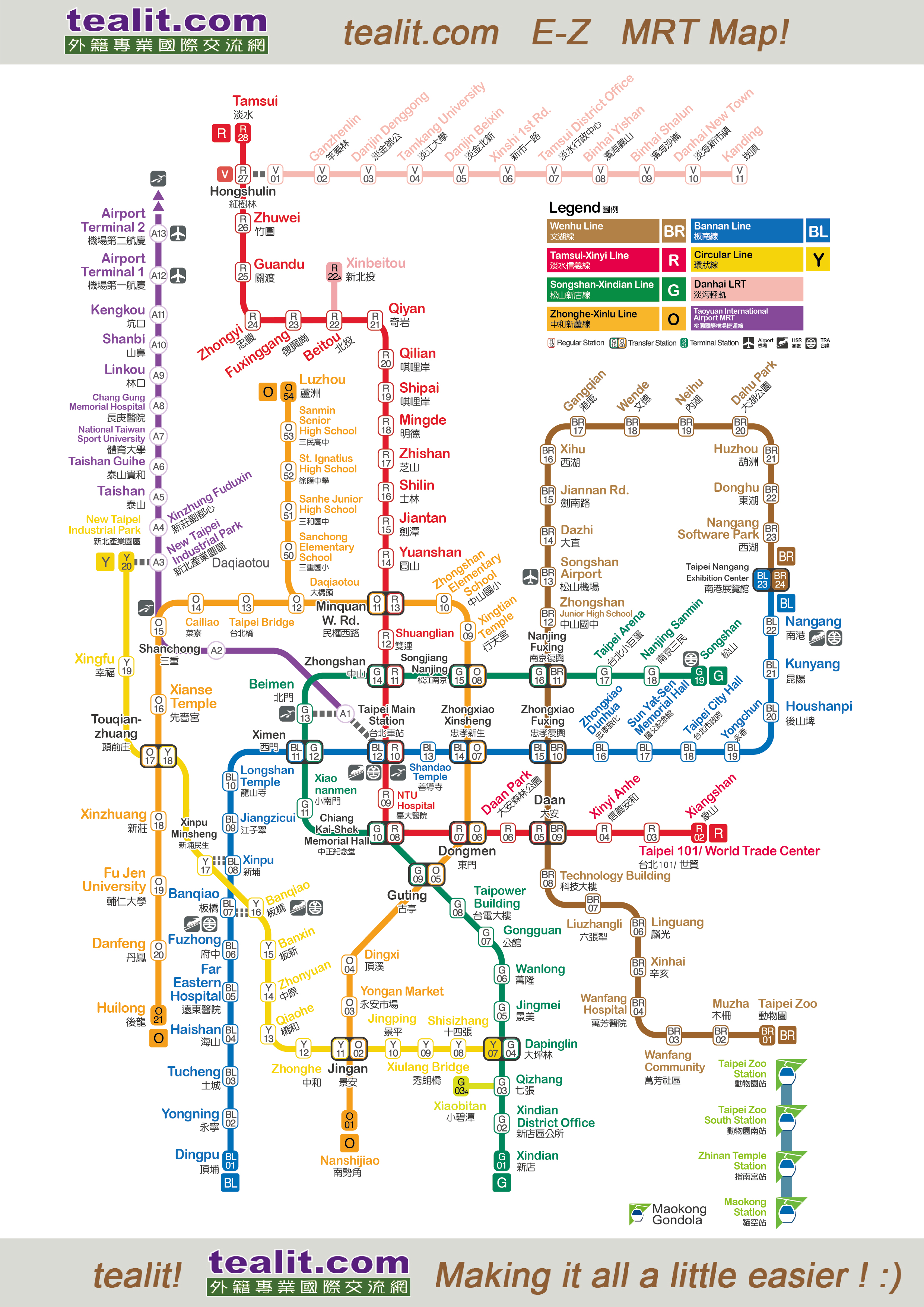
  1. Start on the Red Line (Tamsui–Xinyi Line):
    • If you’re coming from central Taipei, just hop on any train heading northbound towards Tamsui.
    • The Red Line is clearly marked in red on the MRT map, so it’s hard to miss.
  2. Get off at Beitou Station (R22):
    • The ride from Taipei Main Station to Beitou takes about 25–30 minutes.
    • Trains are frequent, usually every 3–5 minutes.
  3. Transfer to the Xinbeitou Branch Line:
    • Once at Beitou Station, follow the signs for the Xinbeitou Line.
    • The transfer is super straightforward—it’s a small platform change with clear English signs.
    • The branch line ride is only about 3 minutes and drops you right at Xinbeitou Station (R22A).
  4. Arriving at Xinbeitou:
    • Xinbeitou Station is within walking distance of the hot spring resorts, the Beitou Hot Spring Museum, and the famous Thermal Valley (Hell Valley).
    • The area is well-signposted, so you won’t get lost.

💡 Pro Tip: Use an EasyCard or iPASS instead of buying single tickets—it saves time, works on buses too, and you’ll avoid fumbling with coins. If you’re traveling with luggage, every MRT station (including Beitou) has elevators and escalators for convenience.

👉 For a smoother experience, download the official Taipei Metro App before your trip. It provides real-time train schedules, maps, and fare calculators.

Evening Hidden Gem: Elephant Mountain Hike

Forget pricey observation decks—Elephant Mountain gives you the BEST skyline views of Taipei (with Taipei 101 glowing in the distance). Pack water and climb the stairs just before sunset for the golden-hour glow.

A panoramic view of Taipei at sunset, showcasing the Taipei 101 skyscraper and the city's illuminated skyline amidst rolling hills.
Stunning skyline view of Taipei at sunset, featuring the iconic Taipei 101 tower.

“I was gasping from the stairs more than from the view—but it was worth it!”

🚇 Getting Around Taipei (Public Transport Made Easy)

Taipei’s MRT system is every traveler’s dream: clean, cheap, air-conditioned, and color-coded so even jet-lagged brains can navigate it.

  • MRT (Metro): Runs from 6 AM to midnight. A single ride costs about 20–65 TWD ($0.60–$2).
  • EasyCard / iPASS: Grab one at the airport or MRT stations. You’ll save money on fares and can even use it at convenience stores.
  • Buses: Cover areas beyond the MRT. English displays make it tourist-friendly.
  • Taxis: Affordable compared to most capitals, but MRT is faster during rush hour.
  • Road Trip Option: If you want flexibility, consider renting a car—but traffic can be hectic. Use Google Maps offline to save gas and sanity.

💡 Money-Saving Hack: Download the official Taipei Metro Map before your trip. This way, you don’t waste time or WiFi figuring out transfers.

💡 Smart Travel Tips for Taipei

  • Best Time to Visit: March–May and October–November. Fewer typhoons, cooler weather, and smaller crowds.
  • Language Barrier: English isn’t everywhere, but locals are super helpful. Google Translate will be your best friend.
  • Cash vs Card: Night markets = cash. Malls and major restaurants = cards.
  • Save Money: Eat street food, use public transport, and avoid taxis during peak hours.

📸 Gear Up for Taipei Adventures

If you want those jaw-dropping night shots of Taipei 101 or candid photos at Shilin Night Market, you’ll need a solid camera. I always recommend checking out Camera World’s selection before any trip—whether you want pro gear or just a trusty travel companion.

🌐 Stay Connected Like a Pro

✈️ Travel Tip : Staying online abroad doesn’t have to drain your wallet. Instead of juggling overpriced airport SIMs, I use Drimsim—a universal SIM that works in 190+ countries with no sneaky fees. Pop it in, recharge via the app, and you’re connected anywhere your weekend takes you.

And since not all WiFi networks are secure, I never travel without NordVPN. It keeps my data safe while I’m booking hotels, checking maps, or, let’s be honest, watching Netflix in my Taipei hotel bed.

✈️ Flight Delayed or Canceled?

Travel isn’t always smooth—sometimes flights get delayed, canceled, or overbooked. The good news? You might be owed up to $650 in compensation. Services like AirHelp handle all the paperwork and only get paid if you win. That’s what I call turning travel chaos into travel funds.

✈️ Smart Travel Tip: No matter where your adventures take you, having the right travel insurance can save you from unexpected headaches (and bills). I personally recommend VisitorsCoverage — it’s a trusted platform where you can compare plans, find coverage that fits your trip, and book it in just a few clicks. Whether you’re planning a quick city escape or a longer international journey, it’s peace of mind worth packing.

🔗 Related Reads You’ll Love

If Taipei has sparked your wanderlust, you’ll love these other weekend escapes I’ve written about:

✅ Final Thoughts: Why Taipei is Your Next Weekend Escape

Taipei is that rare city where you can slurp soup dumplings in the morning. You can also hike to skyline views, and dip in hot springs in the afternoon. Don’t forget to explore ancient temples. You can do all of this in just 48 hours. Add in its traveler-friendly transport, affordable eats, and friendly locals, and you’ve got the ultimate recipe for a weekend escape.

So pack your bags, book your trip through Expedia, and let Taipei surprise you. Who knows—you might just end up staying longer than a weekend. 😉

👉 What do you think? Would you rather spend your Taipei weekend eating your way through night markets? Or would you prefer soaking in Beitou hot springs? Drop your answer in the comments!

Frequently Asked Questions (FAQ)

Q1: Is 48 hours enough time to see Taipei?
Absolutely. While you can’t see everything, 48 hours is a perfect amount of time to experience the core highlights of Taipei, including its world-class museum, iconic skyscraper, vibrant night markets, and a touch of its beautiful natural scenery. This itinerary is packed but efficient.

Q2: What is the best way to get from Taoyuan Airport to central Taipei?
The Airport MRT (Metro) is the fastest and most convenient way, taking about 35-40 minutes to reach Taipei Main Station. Taxis and ride-sharing services are also available and offer door-to-door service but are more expensive and can be slower in traffic.

Q3: Do I need to get cash, or are credit cards widely accepted?
While major hotels, department stores, and higher-end restaurants accept credit cards, Taiwan is still largely a cash-based society. You will need cash for night markets, small eateries, local shops, and transportation. ATMs are widely available.

Q4: What is the best area to stay in for a short 48-hour trip?
For convenience and access to transit, Ximending is great for a youthful, energetic vibe and shopping. Zhongxiao East Road is ideal for upscale shopping and dining, and areas near Taipei Main Station offer unparalleled access to trains and the metro to explore the city and beyond.

Q5: What is the one thing I shouldn’t miss in Taipei?
This is a tough choice, but the view from Elephant Mountain at dusk is a truly unforgettable experience. Seeing the city light up, with Taipei 101 as the centerpiece, is the iconic Taipei moment. A close second is exploring any of the city’s fantastic night markets, like Raohe or Shilin.

Q6: What should I pack for a weekend in Taipei?
Comfortable, breathable clothing and walking shoes are essential. Taipei is humid for much of the year. Pack an umbrella or light rain jacket, as showers can be frequent. A portable power bank is very useful for keeping your phone charged while navigating.

Q7: Is it easy to get by with only English in Taipei?
In central tourist areas and on public transportation, signs are in English. Younger people often speak some basic English, especially in shops and restaurants. However, learning a few key Mandarin phrases like “Nǐ hǎo” (Hello) and “Xièxie” (Thank you) will be greatly appreciated and smooth your interactions.


Universal Disclaimer/Disclosure Page:

5 Must-Have Travel Gadgets You Can’t Ignore

Table of Contents

  1. Introduction: Upgrade Your Travel Experience with These Essentials
  2. Universal Travel Adapter: Your Gateway to Power
  3. Portable Power Bank: Never Run Out of Juice
  4. Noise-Canceling Headphones: Your Oasis of Calm
  5. Packing Cubes: The Art of Organized Travel
  6. Portable Wi-Fi Hotspot: Stay Connected Anywhere
  7. How to Choose the Right Gadgets for Your Travel Style
  8. Conclusion: Travel Smarter, Not Harder

Travel smarter, not harder! After a decade of globetrotting—from getting stranded in Bali monsoons to surviving 14-hour layovers—I’ve curated these underrated travel gadgets that solve real-world problems. No fluff, just tested gear with brutally honest pros/cons.

1. Solar-Powered Power Bank: Your Off-Grid Lifesaver

(For adventurers who ditch outlets)

🔋 My Pick:  X-Dragon 20,000mAh Solar Bank  
🏆 Why It’s Essential:

  • 4 solar panels charge phones in sunlight (5% per hour—slow but emergency-ready).
  • Waterproof & shockproof (survived my Patagonia trek in a downpour).
  • Doubles as a flashlight (used it to signal for help in a blackout!).

⚠️ Reality Check:

  • Not for daily use: Takes 30+ hours to fully charge via sun.
  • Bulky: 2x thicker than standard power banks.

Xiaomi 120W 500000mAh High Capacity Power Bank Fast Charging Powerbank Portable Battery Charger For iPhone Samsung Huawei 2025

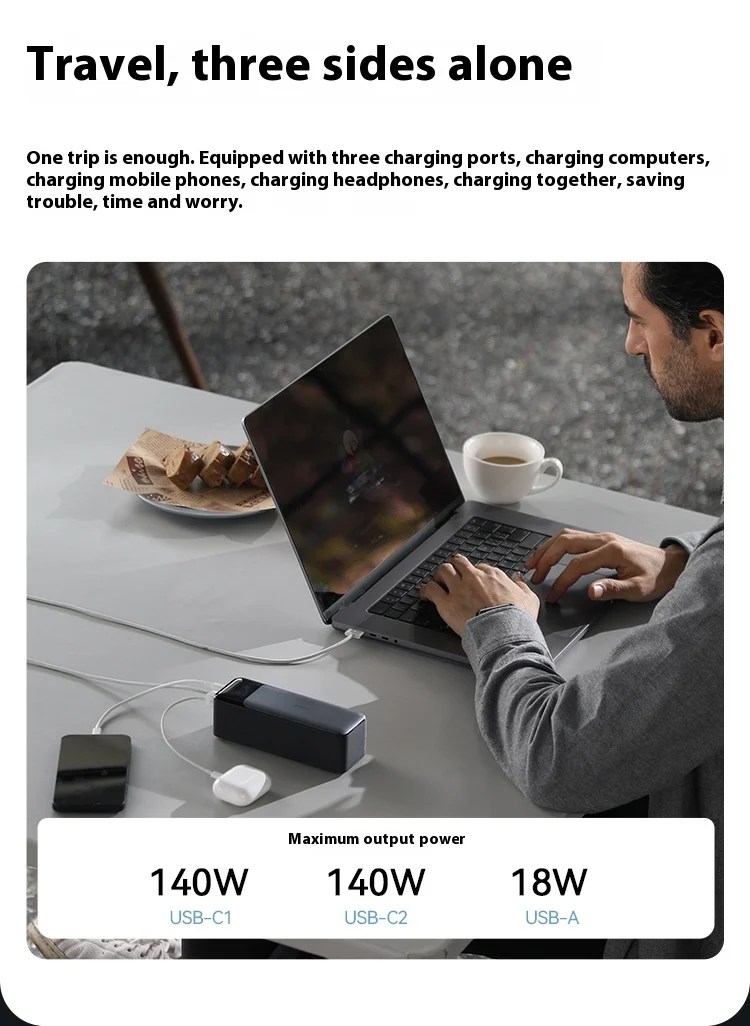
The Xiaomi 120W Power Bank charges a MacBook Pro and 3 phones simultaneously—perfect for airports! 👉 Check today’s deal (ships worldwide).”

2025 Foldable Solar Power Bank – 20000mAh 15W Fast Charging with LED Light & Lanyard for Camping/Hiking (iOS/Android USB-A/C)

👉 Check today’s deal

💡 Pro Tip: Pair it with a tiny Nitecore 10K for cities—solar for emergencies, electric for speed.


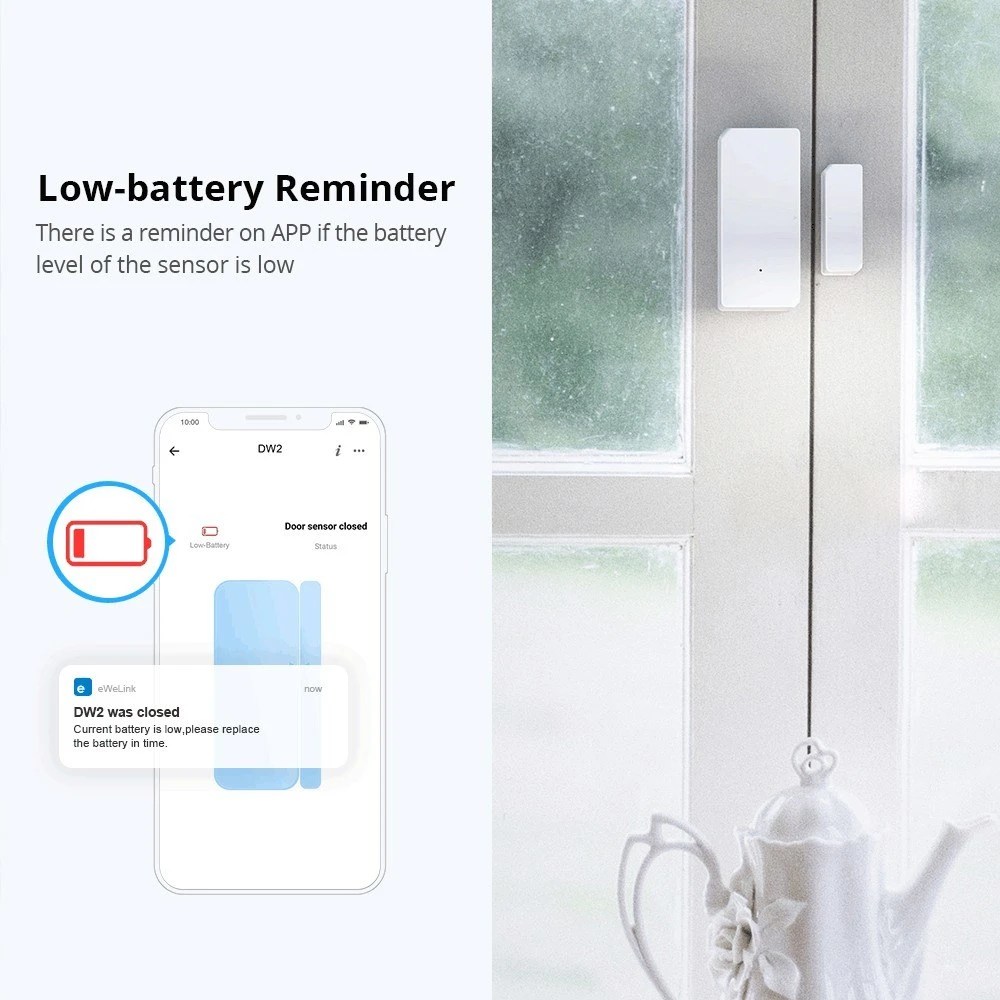
SONOFF DW2 Smart Door Alarm – Peace of Mind in Your Pocket

2. Portable Door Alarm: Sleep Like a CEO in Sketchy Hotels

(Solo travelers, this is your guardian angel)

🚨 My Pick: SONOFF DW2 Wireless Alarm
📖 My Story: In a Cairo hostel, this shrieking alarm scared off a late-night intruder. Worth every penny.

✅ Pros:

  • WiFi alerts to your phone if door opens.
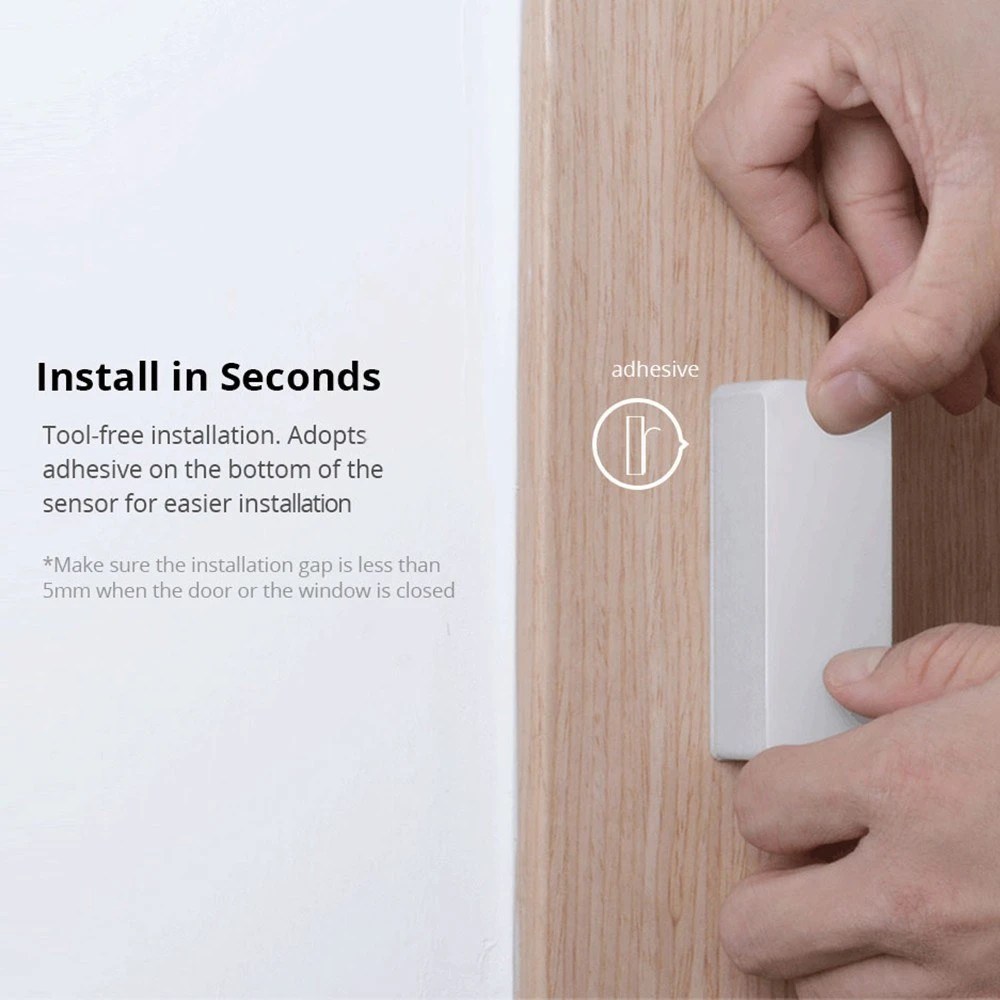
  • No tools needed (sticks to any door).

❌ Cons:

  • Requires 2.4GHz WiFi (some hotels block it).

🔗 Alternative: Non-WiFi Travel Door Alarm for remote areas.

Staying safe while traveling doesn’t mean lugging around heavy gear. The SONOFF DW2 Wireless Door Alarm is a compact, WiFi-enabled sensor that alerts you the second your door or window opens—no drilling or complicated setup required.

Why It’s a Travel Must-Have:
✅ Instant Alerts – Get notifications on your phone if someone enters your room.
✅ No Hub Needed – Connects directly to WiFi, so no extra devices to pack.
✅ Battery-Powered – Lasts months on a single charge (no constant recharging).
✅ Works Anywhere – Stick it on hotel doors, Airbnb windows, or even your luggage as a theft deterrent.

Personal Experience:
During a solo trip to Mexico City, I stayed in a charming but slightly sketchy guesthouse. I stuck the SONOFF DW2 on my door, and when housekeeping tried to enter unexpectedly, my phone buzzed instantly. Total game-changer for solo travelers!

"icon"Check current price on Geek Buying

2. Foldable Travel Kettle – Coffee Anytime, Anywhere

If you’re a tea or coffee lover, you know the struggle of finding decent hot water on the go. A foldable silicone kettle is a lifesaver—it packs flat and boils water in minutes.

Why It’s Awesome:

  • No more sketchy hotel coffee makers
  • Works with any power outlet
  • Doubles as a ramen cooker (because sometimes you just need instant noodles)

I never travel without mine—especially after a terrible experience with a “cleaned” hotel kettle in Rome.

For travelers in UAE, Saudi Arabia, or Egypt:
“Want this foldable kettle delivered fast in the Middle East? Click here to check local availability & prices (ships via Noon).”

“With Arabic customer support and easy returns”

After testing 3 foldable kettles, my favorite is this 500ml collapsible model from AliExpress. It boils water in 5 mins, packs flat, and costs less than a Starbucks coffee—perfect for hotel rooms!
🔗 Check current price + 50% off deal (ships worldwide)

Example 2 (For Safety-Conscious Travelers)

*”I never use sketchy hotel kettles anymore—this $12 foldable kettle is FDA-approved and fits in my toiletry bag. Pro tip: Pair it with a portable coffee filter for fresh brew anywhere!*
📸 See how small it packs | 🔗 Grab it here before the sale ends

3. Multi-Device Charging Station – No More Outlet Wars

Airports and hotels never have enough outlets. A compact multi-device charging station lets you power your phone, tablet, and earbuds at once without fighting for plugs.

Key Features:

  • Charges 3+ devices simultaneously
  • Slim design, perfect for carry-ons
  • No more leaving gadgets behind

Pro tip: I keep mine in my personal item so I’m never stuck with a dead phone mid-flight.

🔗 Related: My favorite travel headphones for long flights!

*“Sharing an Airbnb with 5 tech-addicted friends? The Xiaomi 240W charger saved our group trip—it juiced up 2 laptops, 3 phones, and a drone overnight. Just pack it in your checked bag!”*
🔗 Check Price on AliExpress |

The UGREEN 65W GaN Charger (with QC 4.0/3.0 & USB-C PD) is a solid mid-range option for travelers,

✅ Why It’s a Good Travel Pick

  1. 65W GaN Power
    • Charges a MacBook Air to 50% in 35 mins or an iPhone 16 to 70% in 30 mins.
    • More efficient than older silicon chargers (stays cool even in hot climates).
  2. 3-Port Versatility
    • 2× USB-C (65W max) + 1× USB-A (18W) → Works with iPhones, Androids, and laptops.
  3. Compact & Travel-Ready
    • Smaller than an Apple 61W charger (fits in a sunglasses case).
    • Foldable EU/US/UK plugs (no snagging in bags).
  4. Wide Compatibility
    • Supports QC 4.0/3.0 (Android) + PD 3.0 (iPhone/MacBook).

 Limitations:

  • Not Enough for High-Power Laptops (e.g., MacBook Pro 16″ needs 100W+).
  • Single USB-A Port → Less ideal for groups (compare to UGREEN 100W 4-port).
  • No LED Power Indicator (hard to tell if it’s working in dark hostels).

🎯 Who Should Buy It?

✔ Solo travelers with 1-2 devices (phone + laptop).
✔ Budget-conscious buyers (~$30 on AliExpress).
✔ Those needing QC 4.0 (Samsung/Xiaomi users).

Skip If:
✖ You need 100W+ for gaming laptops.
✖ You charge 3+ devices nightly (opt for 4-port models).

4. Mini Bluetooth Tracker – Never Lose Your Luggage Again

How many times have you panicked thinking you left your bag somewhere? A Bluetooth tracker (like Tile or AirTag) slips into your wallet, backpack, or even your checked luggage.

Why It’s a Must:

  • Track lost items via smartphone
  • Works globally (bye-bye, lost luggage stress)
  • Small enough to attach to anything

I once left my carry-on at a café in Paris—thankfully, my tracker led me right back to it!

📹 (Video placeholder: How to use a Bluetooth tracker while traveling)

Mini GPS Locator AntiLost Alarm Wallet Keychain Smart Tag Bluetooth-Compatible Tracer Keychain Dog Pet Child Tracker Key Finder

✅ Why It’s Great for Travelers

  1. Ultra-Compact & Lightweight
    • Smaller than a coin (fits in wallets, backpacks, or attached to keys).
    • No bulk—unlike AirTags (which require a separate holder).
  2. Works with “Find My” Apps
    • Compatible with iOS/Android (uses Bluetooth crowd-finding like Apple AirTag).
    • Real-time tracking in 100+ countries (via other Xiaomi app users).
  3. 1-Year Battery Life
    • Replaceable CR2032 battery (no charging needed).
  4. Affordable (~$15-20 on AliExpress vs. $29 for AirTag).

Limitations:

  • No Precision Finding (unlike AirTag’s U1 chip for directional arrows).
  • Limited Range (~50-100m Bluetooth range; relies on other Xiaomi users for long-distance tracking).
  • No Water Resistance (don’t attach to swim gear).

🎯 Who Should Buy It?

✔ Budget travelers who lose bags/wallets often.
✔ Android users (better than AirTag’s iOS-only features).
✔ Urban travelers (crowd-finding works best in cities with many Xiaomi users).

Skip If:
✖ You need global GPS tracking (consider a 4G tracker like Tracki).
✖ You’re deep in rural areas (fewer Xiaomi users = less accurate).

FeatureXiaomi Mini TrackerApple AirTag
Price$15-$20$29
CompatibilityiOS + AndroidiOS only
Precision FindingNoYes (U1 chip)
BatteryReplaceable (1 year)Replaceable (1 year)

“Lost your passport pouch again? This $15 Xiaomi tracker saved me in Bangkok—it pinged my bag’s location at a crowded night market using Bluetooth. Just stick it in your wallet!”
🔗 Check AliExpress deal (ships globally)

5. Solar-Powered Power Bank – Energy On the Go

For travelers who venture off-grid or face unreliable power sources.

Regular power banks die, but a solar-powered one keeps charging as long as there’s sunlight. Perfect for hiking trips, beach days, or emergencies.

Why It’s Genius:

  • Never run out of battery in remote areas
  • Eco-friendly and durable
  • Great for long flights without outlets

I took mine on a camping trip in Iceland, and it was a literal lifesaver when my phone GPS was my only map.

🔗 Read about my favorite travel smartwatch for more adventure tips!

2025 Foldable Solar Power Bank – 20000mAh 15W Fast Charging with LED Light & Lanyard for Camping/Hiking (iOS/Android USB-A/C)

Why It’s a Unique Travel Pick

  1. Solar Charging as Backup
    • 20000mAh capacity (charges iPhone 15 ~4.5x or Galaxy S23 ~3x).
    • Foldable 4-panel solar array (useful in emergencies, though slow—expect 5-8% charge per hour in direct sun).
  2. Dual Fast Charging
    • 15W USB-C/Wireless (faster than most solar banks) + 12W USB-A.
  3. Travel-Ready Extras
    • Built-in LED flashlight (handy for camping/hiking).
    • Lanyard + carabiner (attach to backpacks).

 Limitations:

  • Solar is a Last Resort: Takes 30+ hours to fully charge via sun (USB charging is faster).
  • Bulky When Folded (~2x thicker than standard 20000mAh banks).
  • No 65W+ Laptop Charging (max 15W—fine for phones, useless for MacBooks).

🎯 Who Should Buy It?

✔ Adventure travelers (hiking/camping off-grid).
✔ Preppers who want emergency solar backup.
✔ Beachgoers (sun + USB combo extends phone life).

Skip If:
✖ You need fast laptop charging (try Anker 737 instead).
✖ You’re mostly in cities (solar is overkill).

🔍 How It Compares to Standard Power Banks

FeatureFoldable Solar BankAnker 737 (24K)
Capacity20000mAh24000mAh
Solar ChargingYes (slow)No
Max Output15W140W (for laptops)
Weight450g360g

After getting stranded on a Costa Rican hike with a dead phone, I now pack this solar power bank. It’s not perfect, but the solar panels gave me just enough juice to call for help—plus the LED light doubled as a tent lantern!”
🔗 Check AliExpress deal (with lanyard)

Best for: Off-grid adventurers, hikers, or travelers visiting remote areas with unreliable electricity.

Final Verdict: A niche but lifesaving pick for outdoor trips, but not ideal for urban travelers. Highlight its emergency uses over daily convenience.

Anker Prime 737 Power Bank 140w PD Two-Way Fast Charge 24000mAh Portable Powerbank Mobile Power For iPhone Pro MacBook Laptop (not solar—powered)

✅ Why It’s a TOP-TIER Travel Pick

  1. Blazing 140W Charging
    • Charges a 16″ MacBook Pro to 50% in 30 mins (faster than most wall chargers!).
    • Two-way fast charging: Refills the power bank itself in 45 mins (via 140W USB-C).
  2. Huge 24000mAh Capacity
    • Powers an iPhone 15 Pro ~5x, a MacBook Air 13” 1.5x, or a Nintendo Switch 4x.
  3. Smart Digital Display
    • Shows exact battery % + wattage output (no guessing).
  4. Airplane-Friendly
    • TSA-approved (under 100Wh limit for carry-ons).

Key Drawbacks

🎯 Who Should Buy It?

✔ Digital nomads needing to charge laptops + phones on the go.
✔ Photographers/videographers with power-hungry gear (drones, cameras).
✔ Tech-heavy travelers who prioritize speed over portability.

Skip If:
✖ You only charge phones/tablets (a 65W bank is cheaper/lighter).
✖ You’re ultra-light packing (try Nitecore 10000mAh at 185g).

🔍 How It Compares to Competitors

FeatureAnker Prime 737UGREEN 145WBaseus 140W
Max Output140W145W140W
Capacity24000mAh (86.4Wh)25000mAh (90Wh)20000mAh (72Wh)
DisplayYes (digital)NoYes (LED bar)
Best ForApple ecosystemMulti-device chargingBudget 140W option

*“As someone who works from beaches and trains, the Anker Prime 737 is my holy grail. It juiced up my MacBook Pro twice during a 14-hour Tokyo-to-Dubai flight—and the display told me exactly how much power was left!”*
🔗 Check Aliexpress for current prices | 

Best for: City travelers, digital nomads, or anyone needing fast, reliable charging with access to outlets.

Final Thoughts – Travel Smarter, Not Harder

Packing the right gadgets can turn a stressful trip into a smooth adventure. From staying safe with a portable alarm to never losing luggage again with a Bluetooth tracker, these tools are worth every penny.

What’s your favorite travel gadget? Drop a comment below—I’m always looking for new tech to test on my next trip!

Frequently Asked Questions (FAQ)

Q1: Are these gadgets really necessary, or just nice to have?
While you can travel without them, these gadgets solve common travel pains. They are designed to reduce stress, save time, keep you connected, and protect your belongings, ultimately making your trip significantly more comfortable and efficient. They shift from “nice-to-have” to “essential” very quickly.

Q2: What should I look for in a universal travel adapter?
The best adapters are truly universal, covering outlets in North America, Europe, the UK, Australia, and Asia. Key features to look for include multiple USB ports (especially USB-C for fast charging), a compact design, and built-in safety fuses to protect your devices from power surges.

Q3: How many mAh (milliampere-hour) should a good travel power bank have?
For most travelers, a power bank between 10,000mAh and 20,000mAh is the sweet spot. A 10,000mAh bank can charge a smartphone 2-3 times and is still relatively lightweight. If you need to charge multiple devices or a laptop, aim for 20,000mAh or higher.

Q4: Are noise-canceling headphones worth the investment for travel?
Absolutely. They are a game-changer for long flights, train rides, or noisy hotels. By blocking out constant ambient noise (like engine hum), they drastically reduce travel fatigue, allow you to enjoy media at lower volumes, and help you arrive at your destination feeling more rested.

Q5: How do packing cubes actually help?
Packing cubes revolutionize organization. They compress clothing to save space, separate clean clothes from dirty ones, and organize items by type or day. This means no more rummaging through your entire suitcase to find one item, and they make repacking a breeze.

Q6: Is a portable Wi-Fi hotspot better than using my phone’s international data plan?
It often is. A dedicated portable Wi-Fi hotspot (or Pocket Wi-Fi) usually provides a more stable and faster connection, allows multiple devices to connect at once (phone, laptop, tablet), and can be more cost-effective than paying for expensive international roaming fees from your carrier.

Q7: Where is the best place to buy these travel gadgets?
Reliable electronics retailers (like Amazon, Best Buy), travel specialty stores, and directly from manufacturer websites are your best bets. Always read reviews to verify quality and performance from other travelers before making a purchase.

Universal Disclaimer/Disclosure Page: